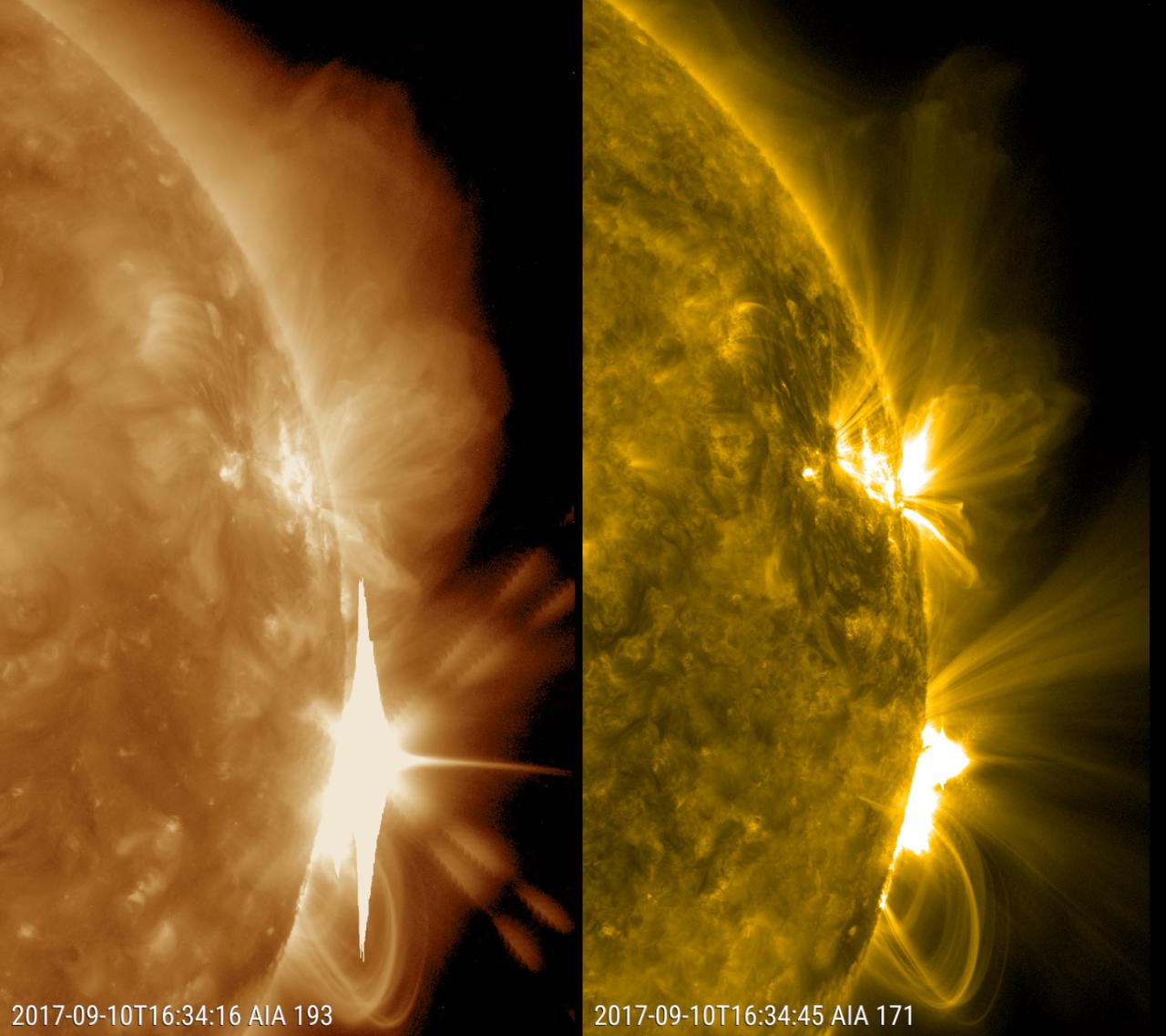
The Sun erupted with an X8 solar flare, one of the largest of the current solar cycle (Sept. 10, 2017). Its source was the same sunspot region that produced an X9 flare last week. This is shown in two wavelengths of extreme ultraviolet light at the same time and each reveals different features. Both are colorized to identify in which wavelength they were observed. The coils of loops after the flare are the magnetic field lines reorganizing themselves after the eruption. The video clip covers about six hours. Movies are available at https://photojournal.jpl.nasa.gov/catalog/PIA21958

NASA Glenn's new LED solar simulator was developed by Angstrom Designs and UC Santa Barbara under a Small Business Innovative Research program to test the next generation of high-efficiency space solar cells for future missions. The new simulator contains over 1500 individually adjustable light sources, most of which emit light invisible to the human eye, to cover a 10 x10 foot area.

NASA Glenn's new LED solar simulator was developed by Angstrom Designs and UC Santa Barbara under a Small Business Innovative Research program to test the next generation of high-efficiency space solar cells for future missions. The new simulator contains over 1500 individually adjustable light sources, most of which emit light invisible to the human eye, to cover a 10 x10 foot area.
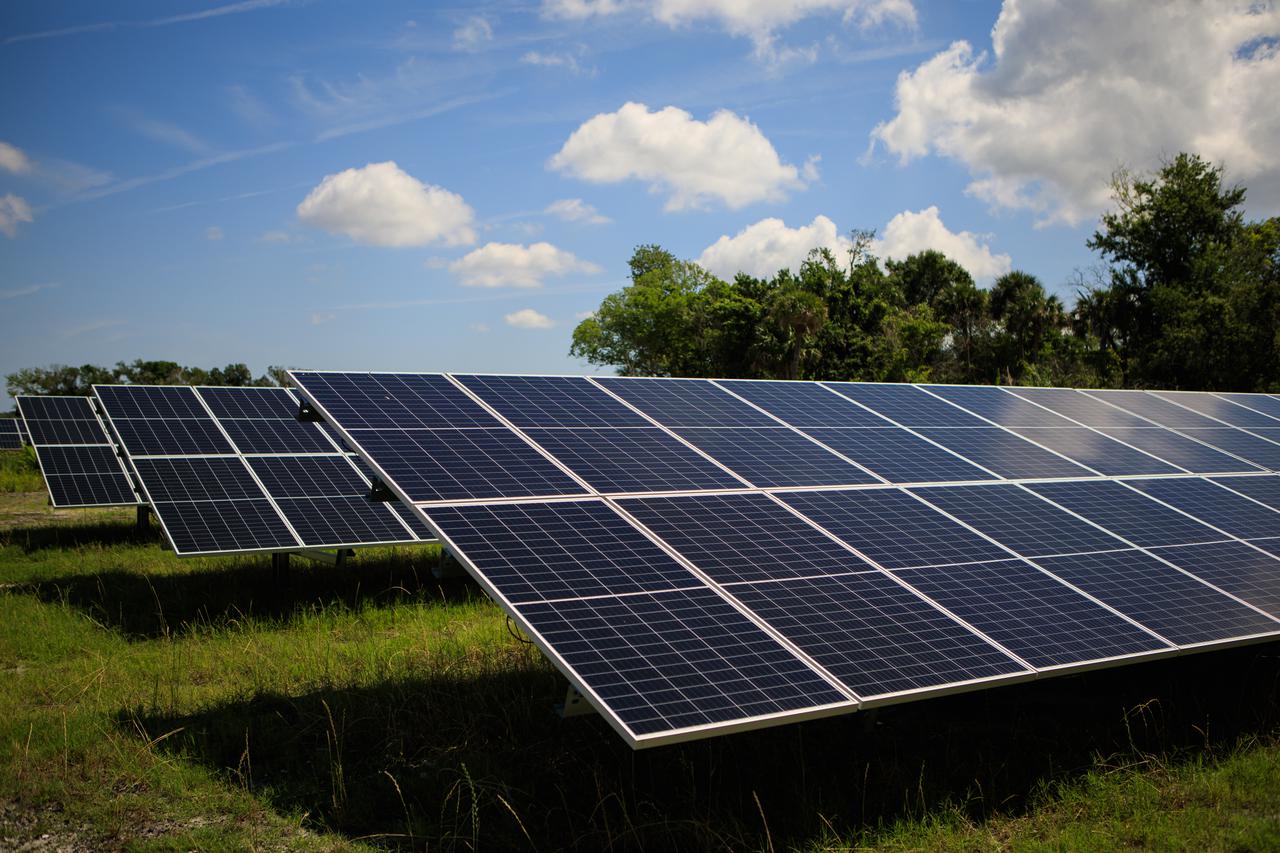
In this view are solar panels that are part of Florida Power and Light’s (FPL) new Discovery Solar Energy Center – a 74.5-megawatt solar site, spanning 491 acres at NASA’s Kennedy Space Center in Florida. The site contains about 250,000 solar panels in total, producing enough energy to power approximately 15,000 homes. Harnessing energy from the Sun, the panels do not directly power anything at Kennedy, but rather, send energy directly to FPL's electricity grid for distribution to existing customers. Construction began in spring 2020, and the energy center became fully operational on May 30, 2021.
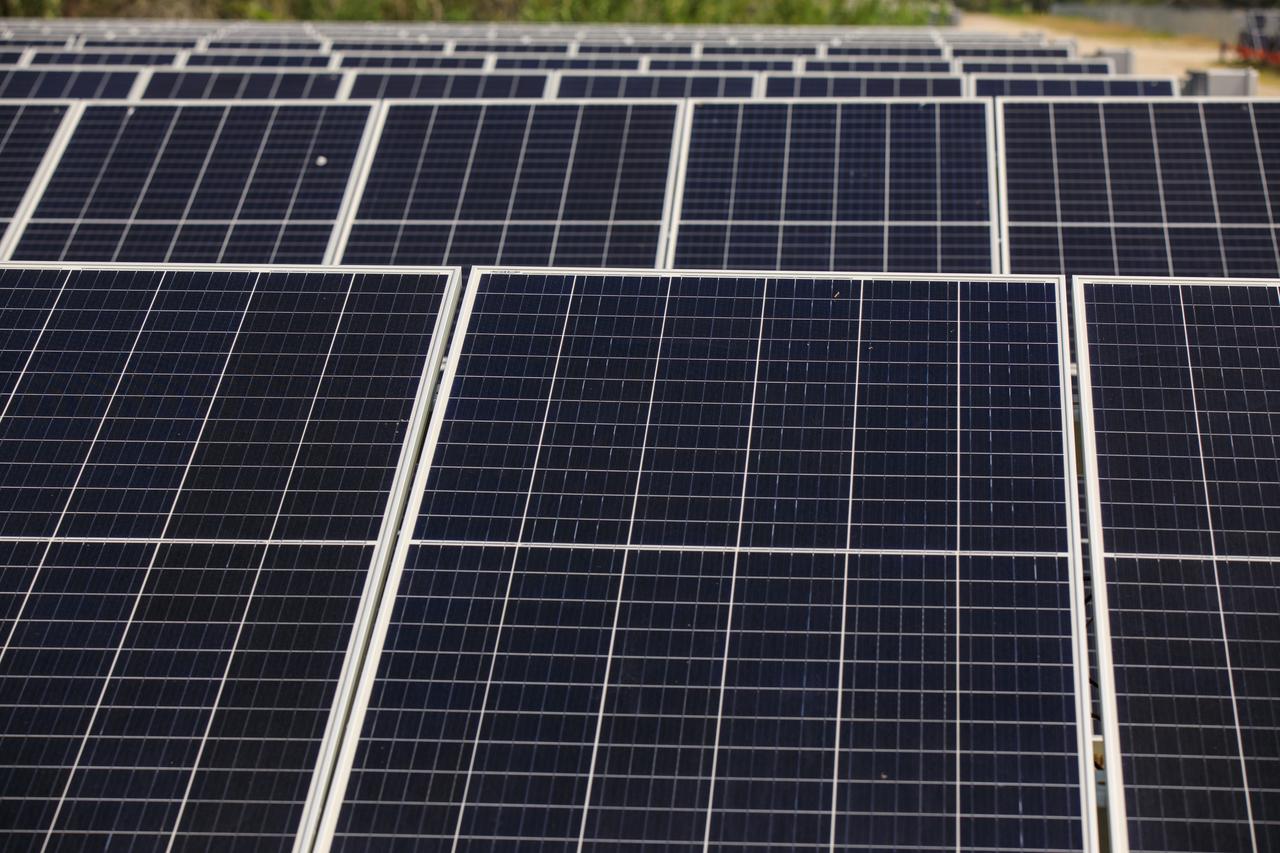
Seen here is an up-close view of solar panels that are part of Florida Power and Light’s (FPL) new Discovery Solar Energy Center – a 74.5-megawatt solar site, spanning 491 acres at NASA’s Kennedy Space Center in Florida. The site contains about 250,000 solar panels in total, producing enough energy to power approximately 15,000 homes. Harnessing energy from the Sun, the panels do not directly power anything at Kennedy, but rather, send energy directly to FPL's electricity grid for distribution to existing customers. Construction began in spring 2020, and the energy center became fully operational on May 30, 2021.
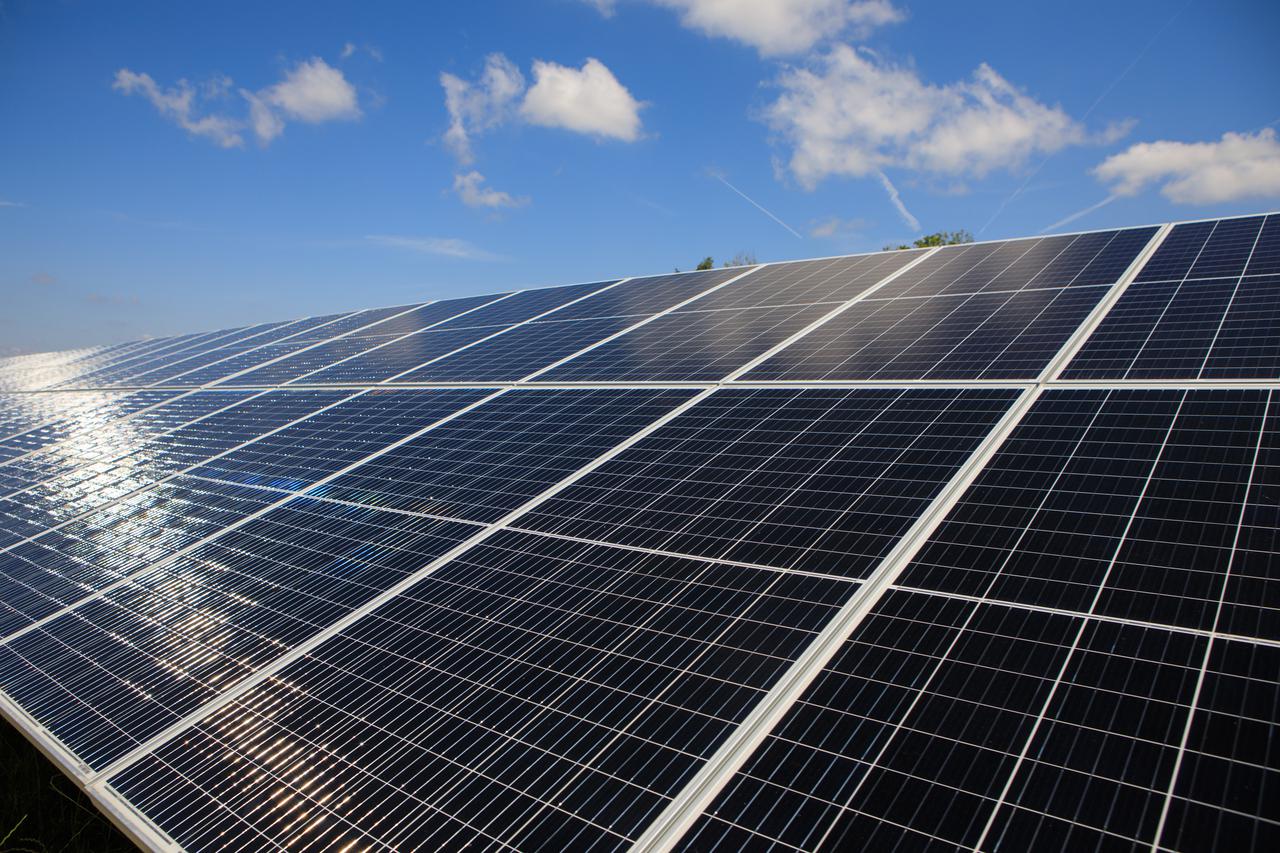
Seen here is an up-close view of solar panels that are part of Florida Power and Light’s (FPL) new Discovery Solar Energy Center – a 74.5-megawatt solar site, spanning 491 acres at NASA’s Kennedy Space Center in Florida. The site contains about 250,000 solar panels in total, producing enough energy to power approximately 15,000 homes. Harnessing energy from the Sun, the panels do not directly power anything at Kennedy, but rather, send energy directly to FPL's electricity grid for distribution to existing customers. Construction began in spring 2020, and the energy center became fully operational on May 30, 2021.
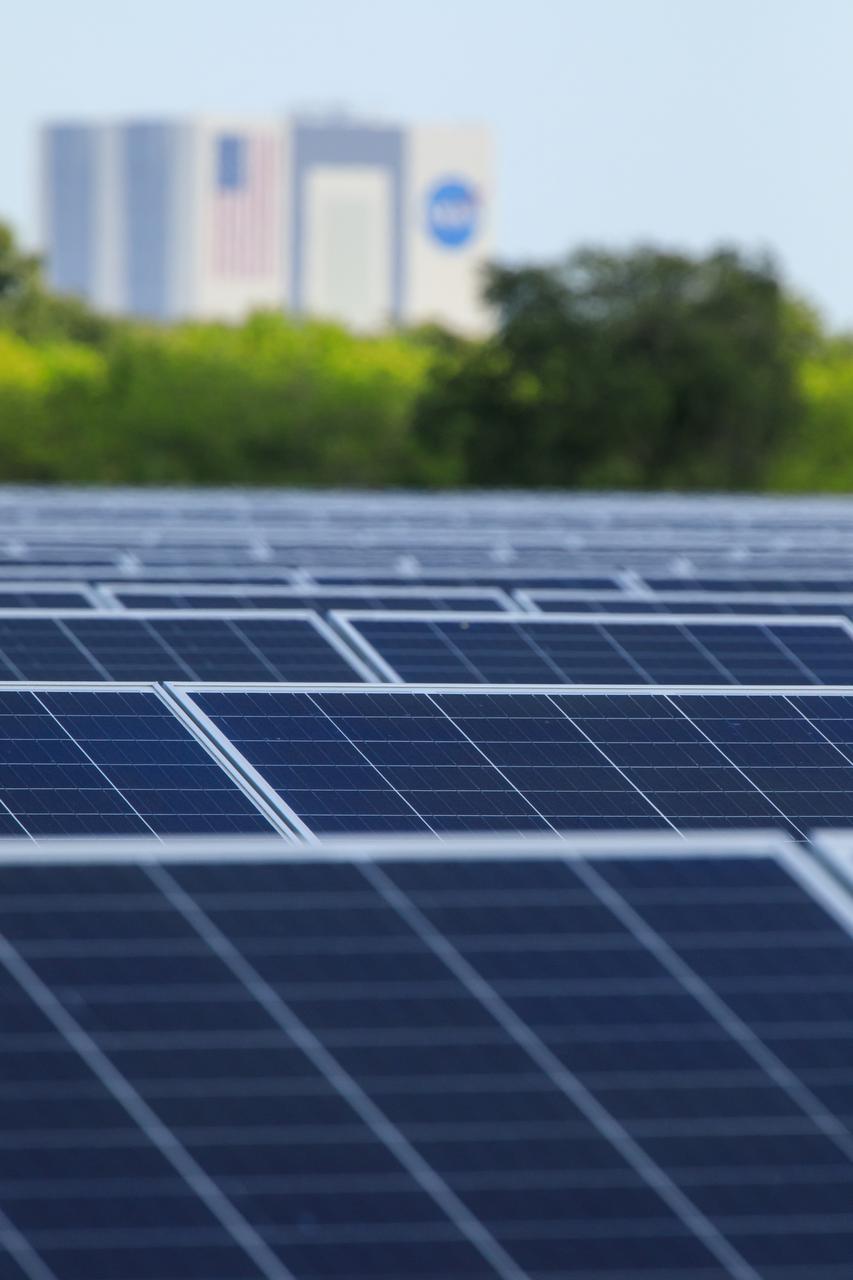
Seen here, with the iconic Vehicle Assembly Building in the background, is an up-close view of solar panels that are part of Florida Power and Light’s (FPL) new Discovery Solar Energy Center at NASA’s Kennedy Space Center in Florida. The 74.5-megawatt solar site spans 491 acres at Kennedy and contains about 250,000 solar panels. Harnessing energy from the Sun, the panels produce enough energy to power approximately 15,000 homes. The panels do not directly power anything at Kennedy, and instead, send energy directly to FPL’s electricity grid for distribution to existing customers. Construction began in spring 2020, and the energy center became fully operational on May 30, 2021.
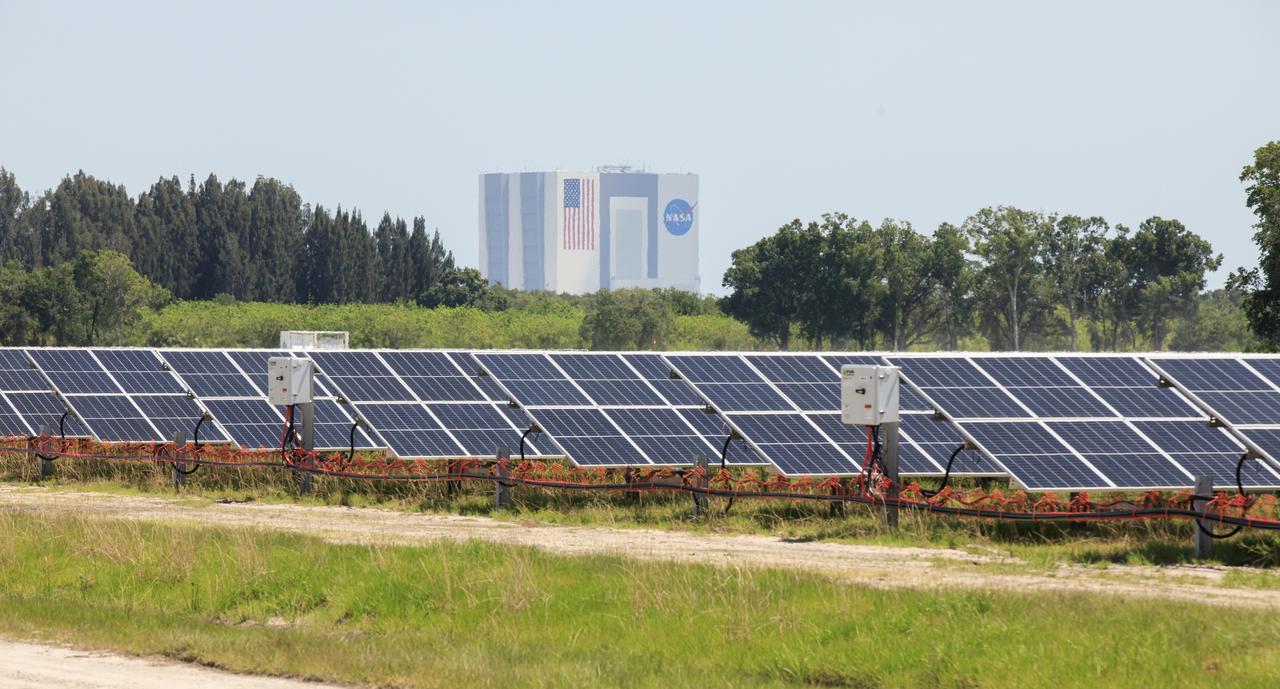
With the iconic Vehicle Assembly Building serving as the backdrop, a portion of the solar panels that make up Florida Power and Light’s (FPL) new Discovery Solar Energy Center is seen at NASA’s Kennedy Space Center in Florida. The 74.5-megawatt solar site spans 491 acres at Kennedy and contains about 250,000 solar panels. Harnessing energy from the Sun, the panels produce enough energy to power approximately 15,000 homes. The panels do not directly power anything at Kennedy, and instead, send energy directly to FPL’s electricity grid for distribution to existing customers. Construction began in spring 2020, and the energy center became fully operational on May 30, 2021.
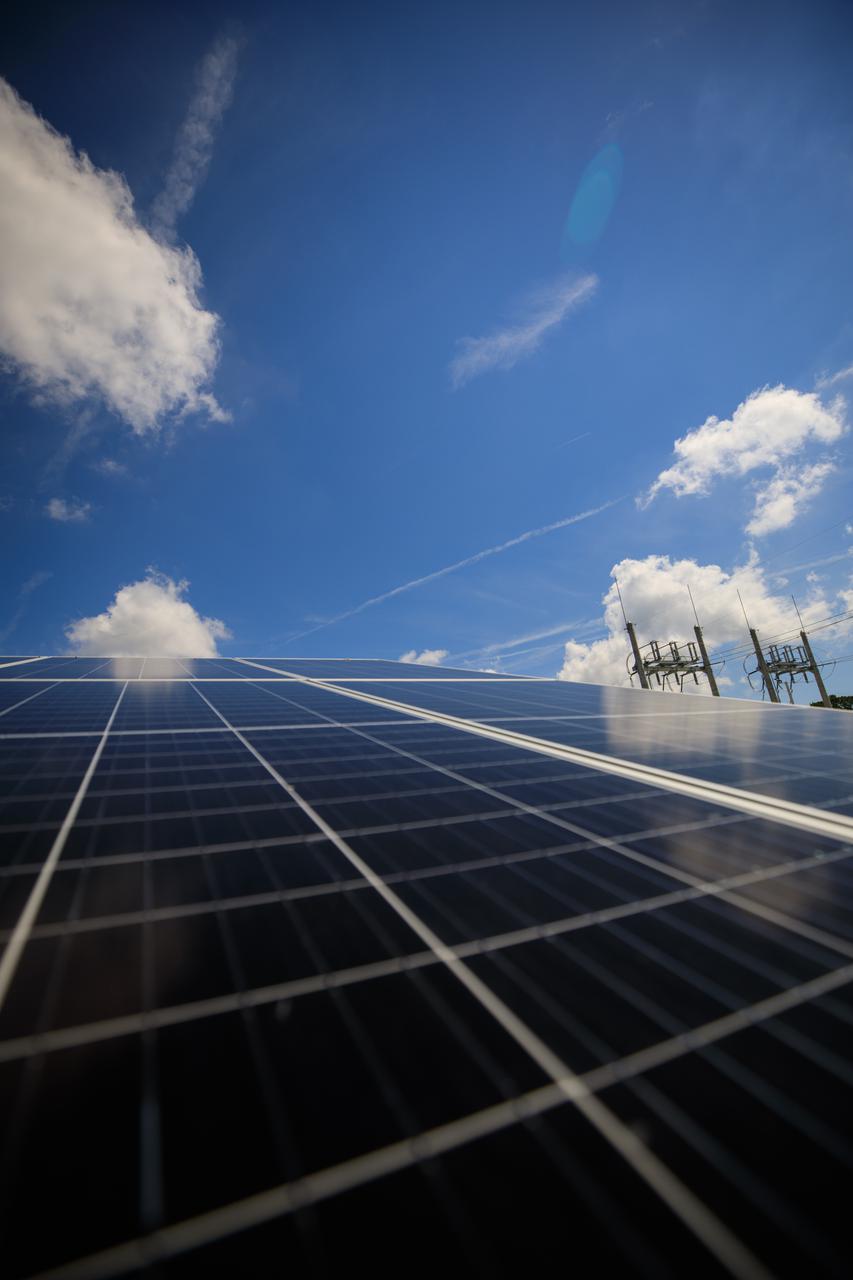
Seen here is an up-close view of solar panels that are part of Florida Power and Light’s (FPL) new Discovery Solar Energy Center – a 74.5-megawatt solar site, spanning 491 acres at NASA’s Kennedy Space Center in Florida. The site contains about 250,000 solar panels in total, producing enough energy to power approximately 15,000 homes. Harnessing energy from the Sun, the panels do not directly power anything at Kennedy, but rather, send energy directly to FPL's electricity grid for distribution to existing customers. Construction began in spring 2020, and the energy center became fully operational on May 30, 2021.
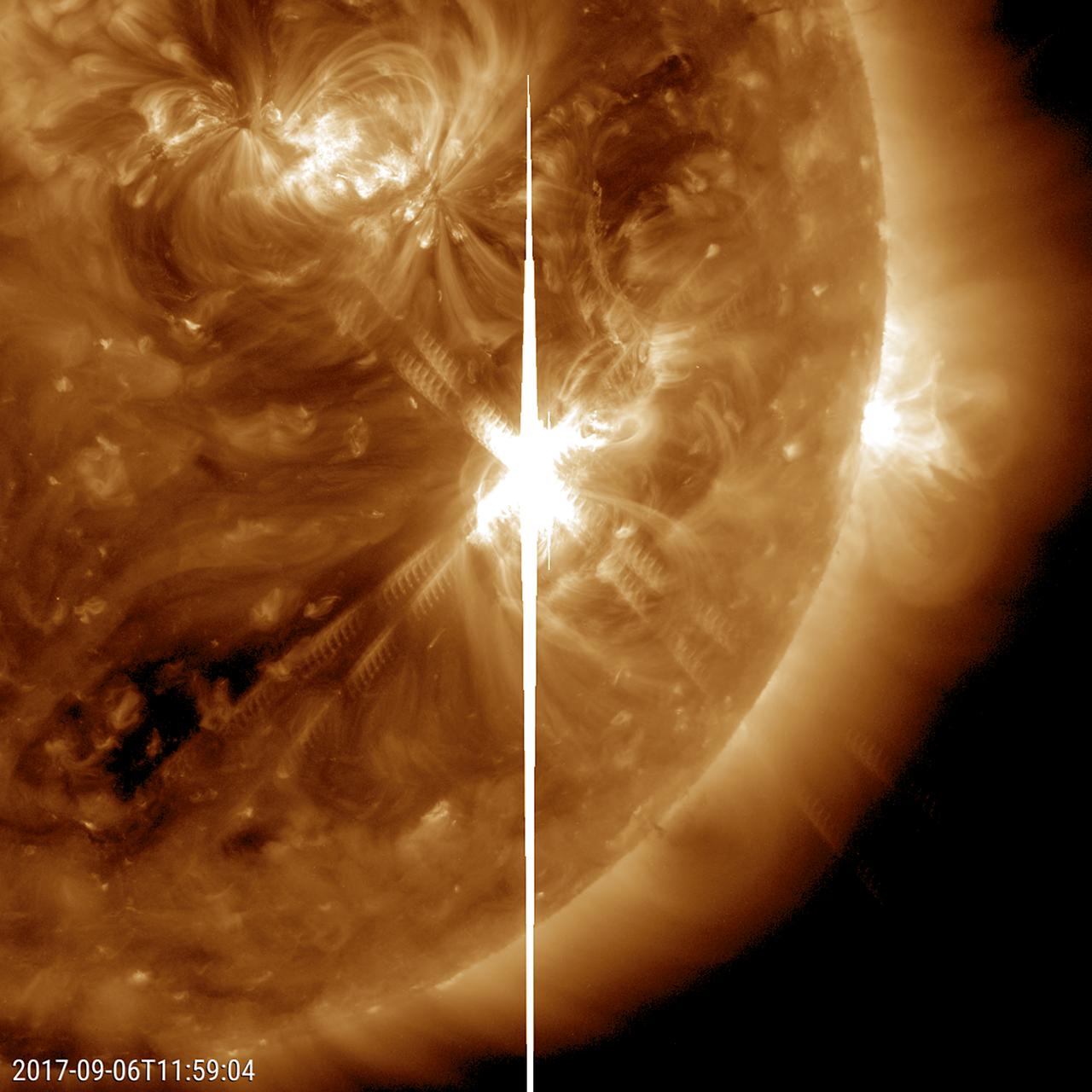
A large sunspot was the source of a powerful solar flare (an X 9.3) and a coronal mass ejection (Sept. 6, 2017). The flare was the largest solar flare of the last decade. For one thing, it created a strong shortwave radio blackout over Europe, Africa and the Atlantic Ocean. Sunspot 2673 has been also the source of several other smaller to medium-sized solar flares over the past few days. Data from the SOHO spacecraft shows the large cloud of particles blasting into space just after the flare. Note: the bright vertical line and the other rays with barred lines are aberrations in our instruments caused by the bright flash of the flare. https://photojournal.jpl.nasa.gov/catalog/PIA21949
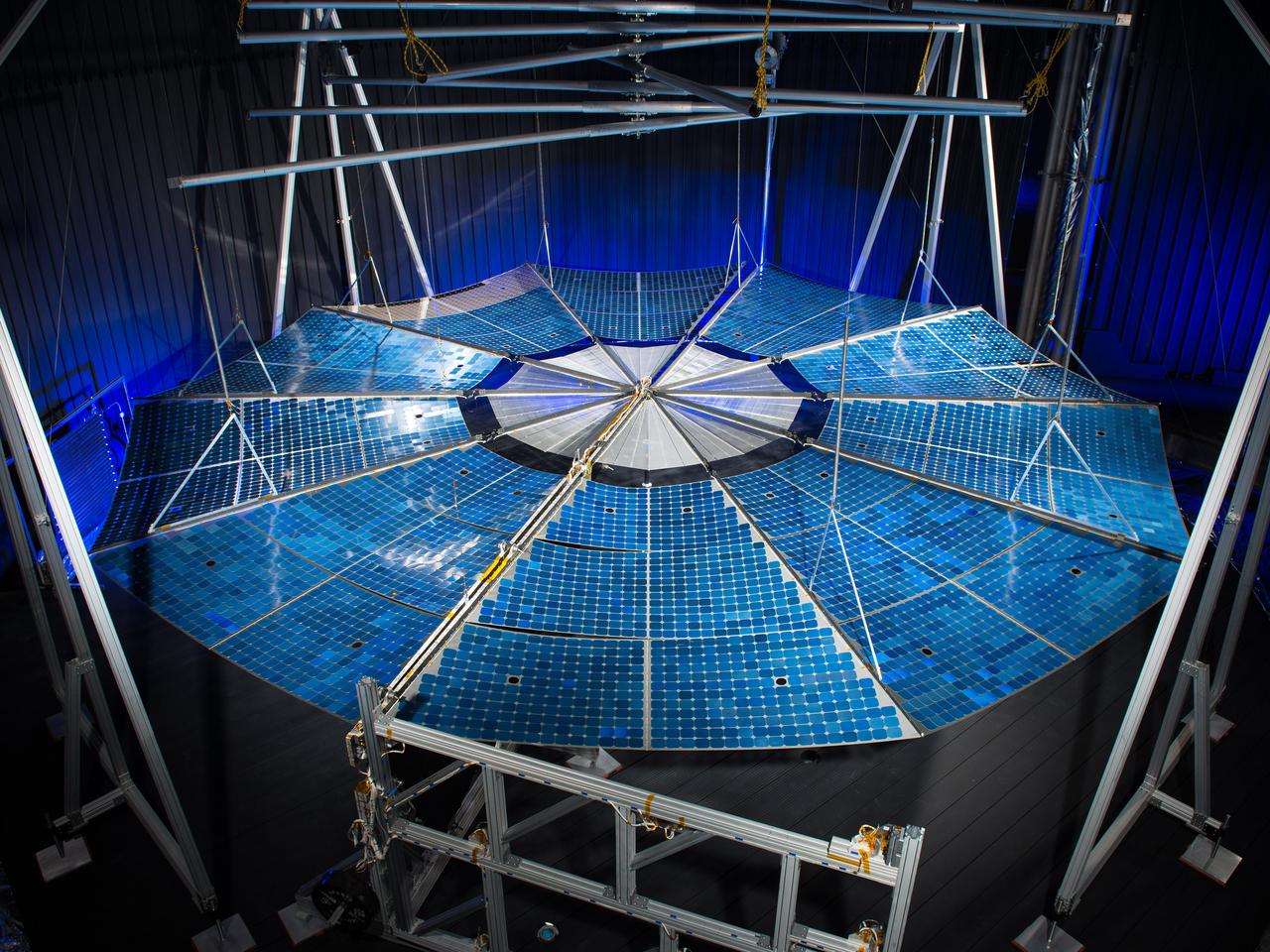
ATK Solar Array Deployment Test at NASA Plum Brook Station Space Power Facility.
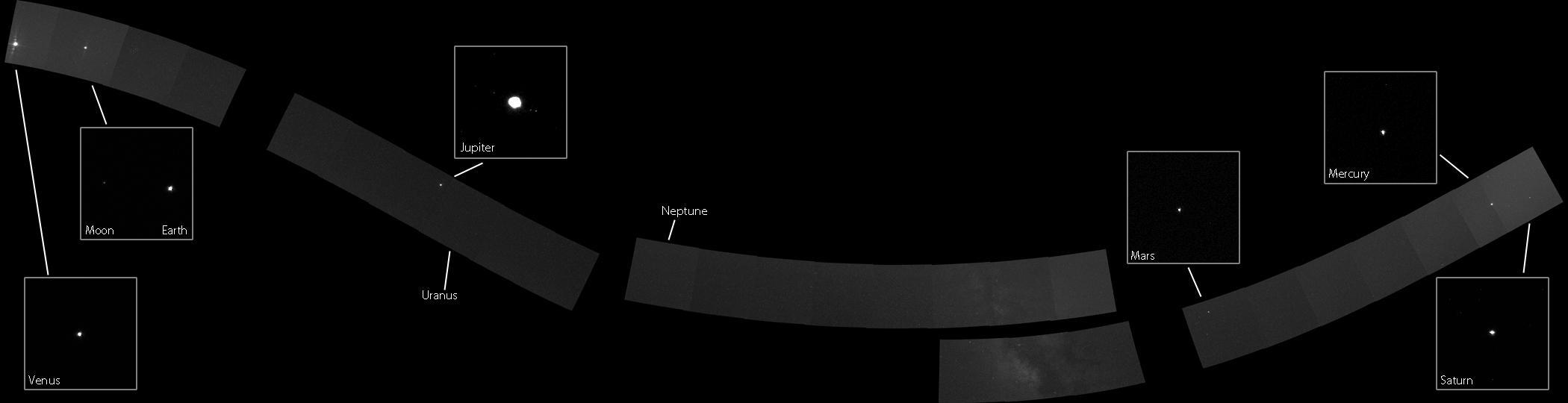
A Solar System Family Portrait, from the Inside Out.
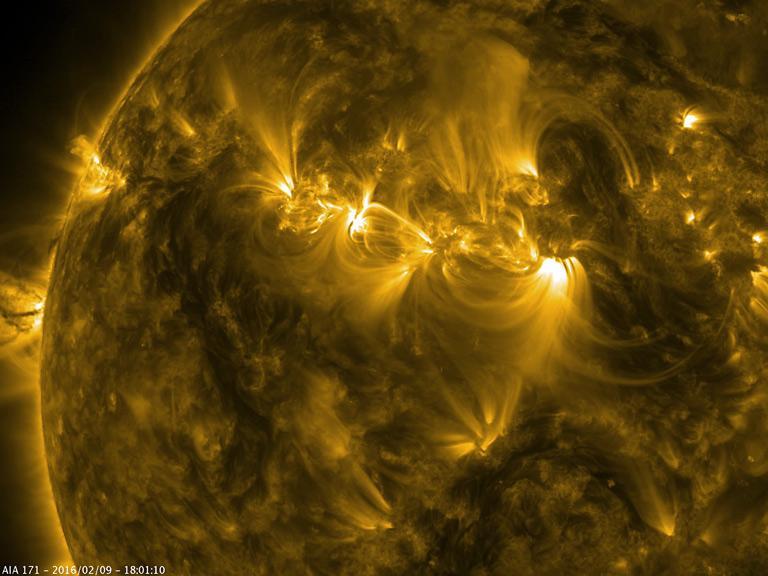
The magnetic field lines of three active regions in close proximity to one another interacted with each other over two and a half days Feb. 8-10, 2016. This image is from NASA Solar Dynamics Observatory.
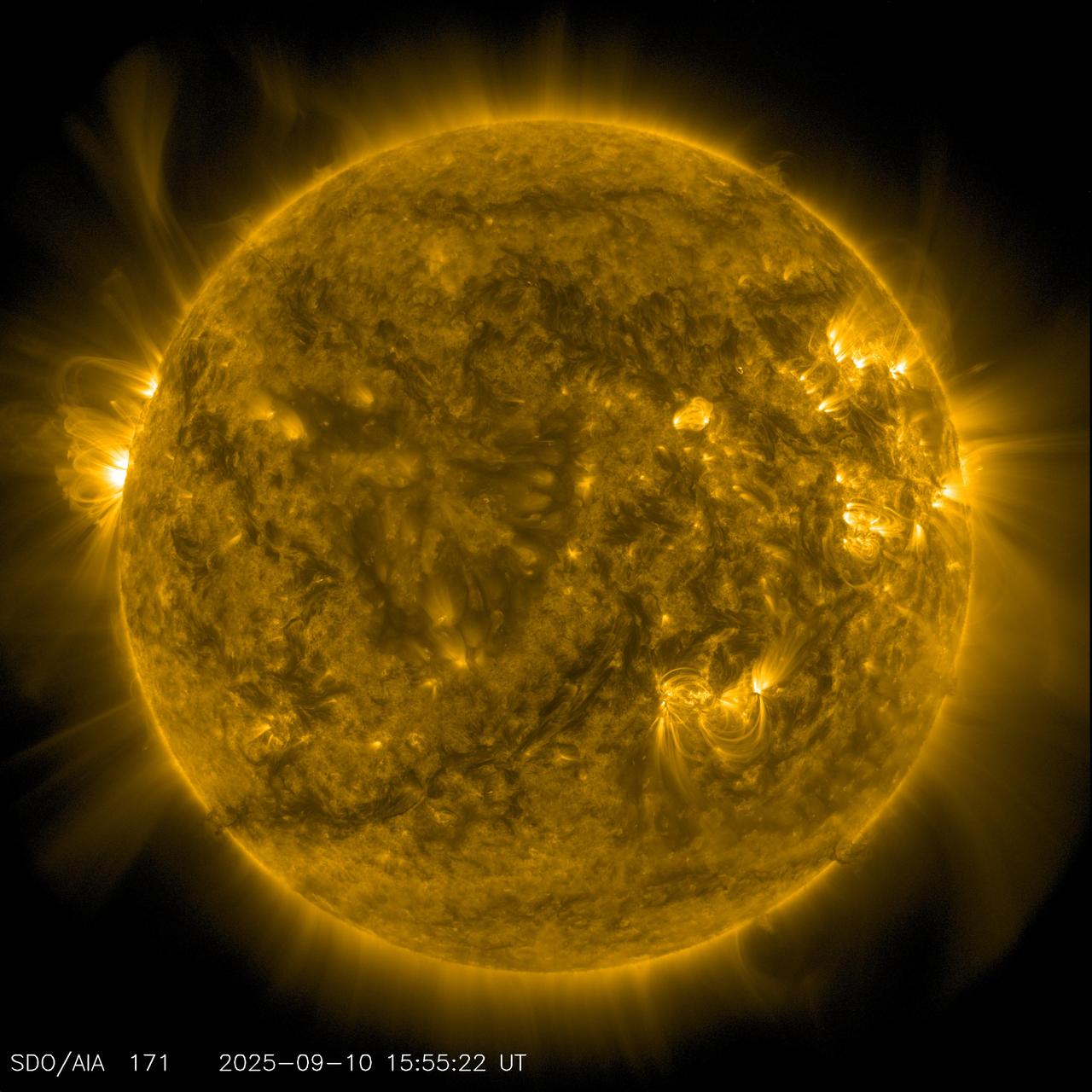
On Sept. 10, 2025, NASA's Solar Dynamics Observatory captured this image of the Sun. SDO is managed by NASA's Goddard Space Flight Center, Greenbelt, Maryland, for NASA's Science Mission Directorate in Washington. Its Atmosphere Imaging Assembly was built by the Lockheed Martin Solar Astrophysics Laboratory in Palo Alto, California. https://photojournal.jpl.nasa.gov/catalog/PIA26681

Two solar prominences, directly at opposite sides of the Sun, rose up, twisted around, and fell apart at roughly the same time over a 26-hour period (Nov. 12-13, 2018). Prominences are cooler clouds of plasma suspended above the Sun by powerful magnetic forces. Although prominences are fairly common, it is uncommon to see two of them, about the same size, diametrically opposed to each other and lasting just about the same time. The images were taken in a wavelength of extreme ultraviolet light. Movie available at https://photojournal.jpl.nasa.gov/catalog/PIA18143
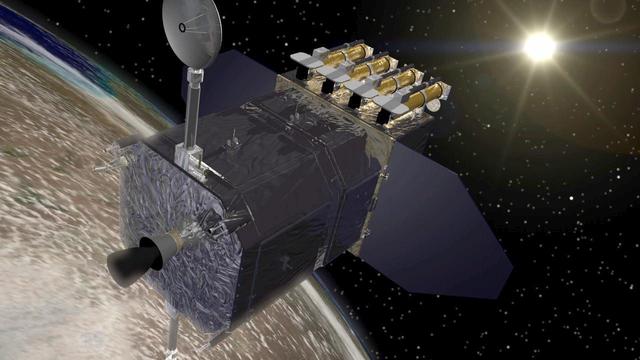
The Solar Dynamics Observatory SDO spacecraft, shown above the Earth as it faces toward the Sun. SDO is designed to study the influence of the Sun on the Earth and the inner solar system by studying the solar atmosphere. http://photojournal.jpl.nasa.gov/catalog/PIA18169
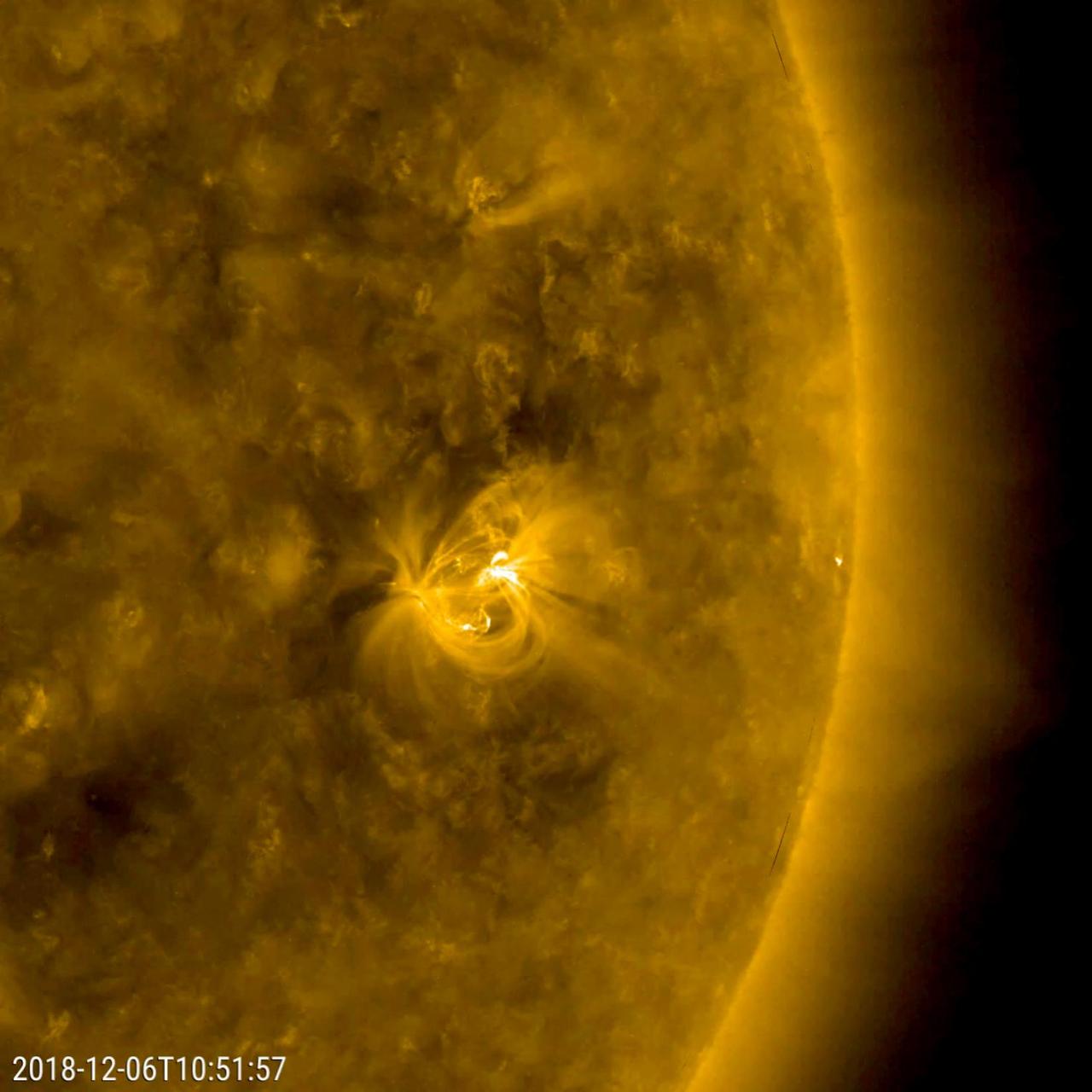
The only active region observed this week appeared on Dec. 5, 2018 and grew into an average size display of dynamic activity (Dec. 6-7, 2018). As viewed in a wavelength of extreme ultraviolet light, the region presented numerous magnetic loops of charged particles, rapidly changing their shapes and directions. As the sun is approaching its minimum level of activity in its 11 year solar cycle, we expect to see fewer and fewer active regions for quite a while. However, this active region is in the southern hemisphere of the Sun and has the North magnetic pole in the lead, so it is a sunspot of Solar Cycle 24. Movies available at https://photojournal.jpl.nasa.gov/catalog/PIA21211
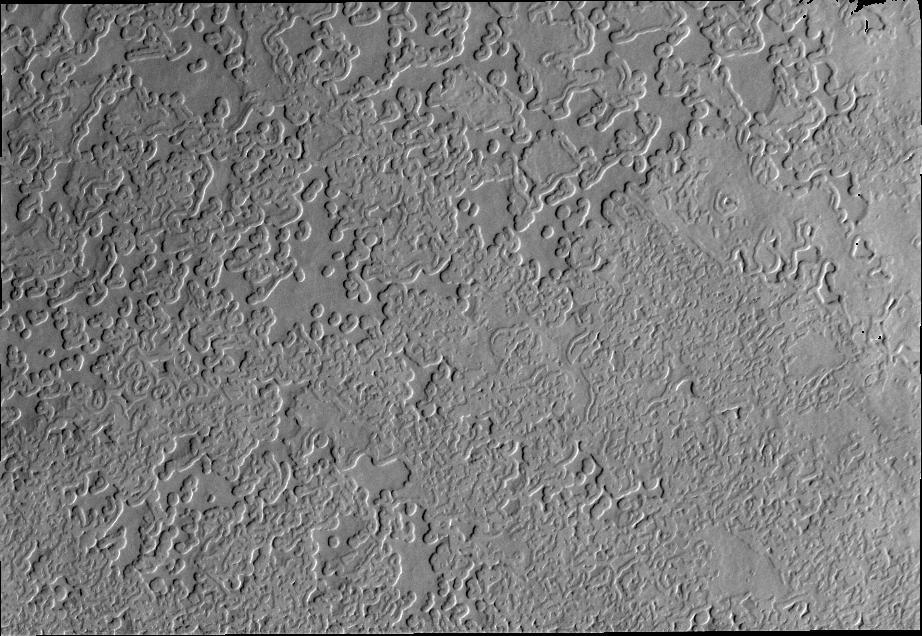
Solar Power

Robert Youngquist, Ph.D., tests a sample disk with a "Solar White" cryogenic selective surface coating with a flash light, demonstrating the coating’s reflective properties. The innovative coating is predicted to reflect more than 99.9 percent of the simulated solar infrared radiation. This technology could enable storing super-cold, or cryogenic, liquids and support systems that shield astronauts against radiation during the Journey to Mars.

The magnetic field lines between a pair of active regions formed a beautiful set of swaying arches rising up above them Apr. 24-26, 2017, as seen by NASA Solar Dynamics Observatory. The connection between opposing poles of polarity is visible in exquisite detail in this wavelength of extreme ultraviolet light. What we are really seeing are charged particles spinning along the magnetic field lines. Other field lines are traced as they reach out in other directions as well. Videos can be seen at https://photojournal.jpl.nasa.gov/catalog/PIA21604
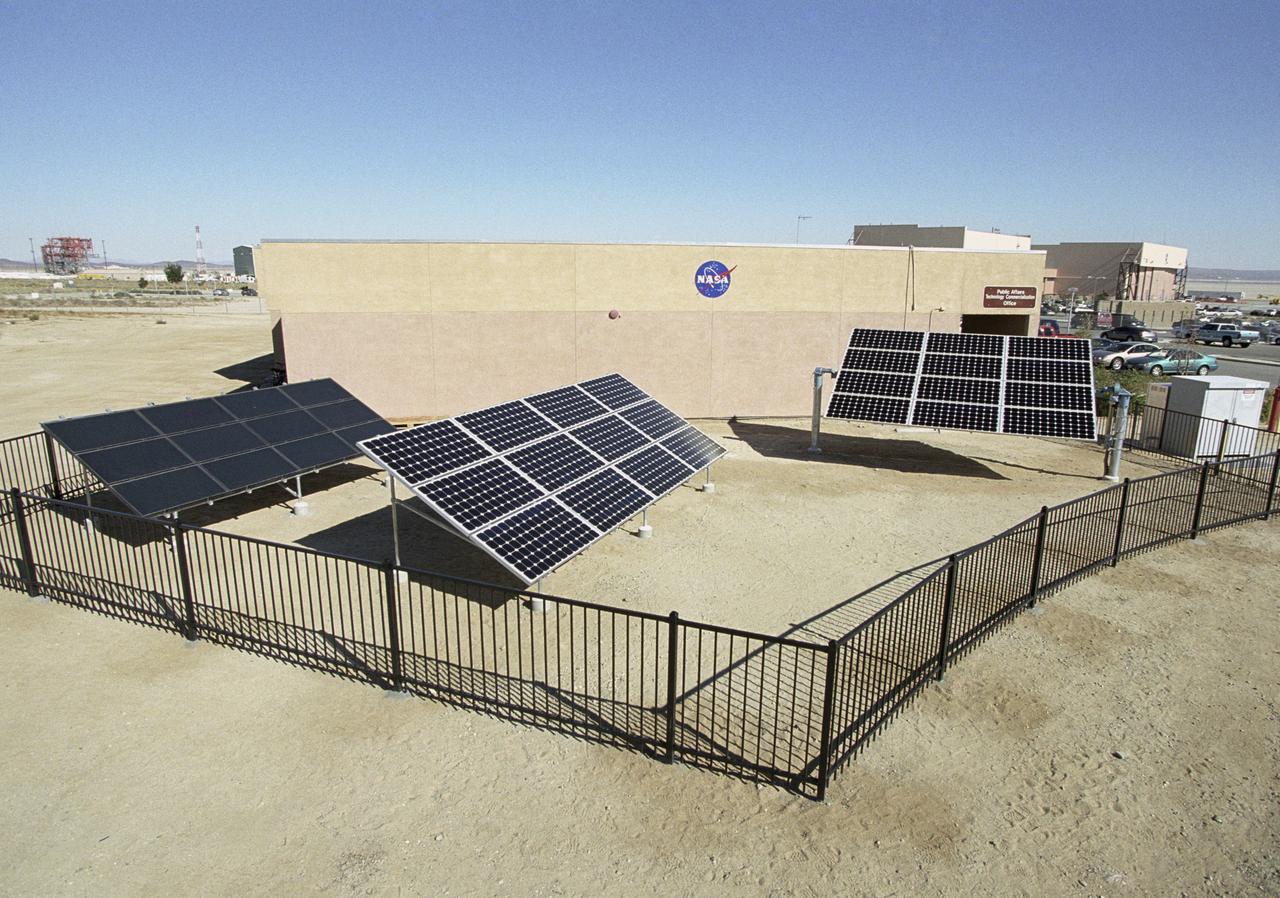
The 5 KW, state-of-the-art solar demonstration site at NASA Dryden is validating earthly use of solar cells developed for NASA's Helios solar-electric aircraft.
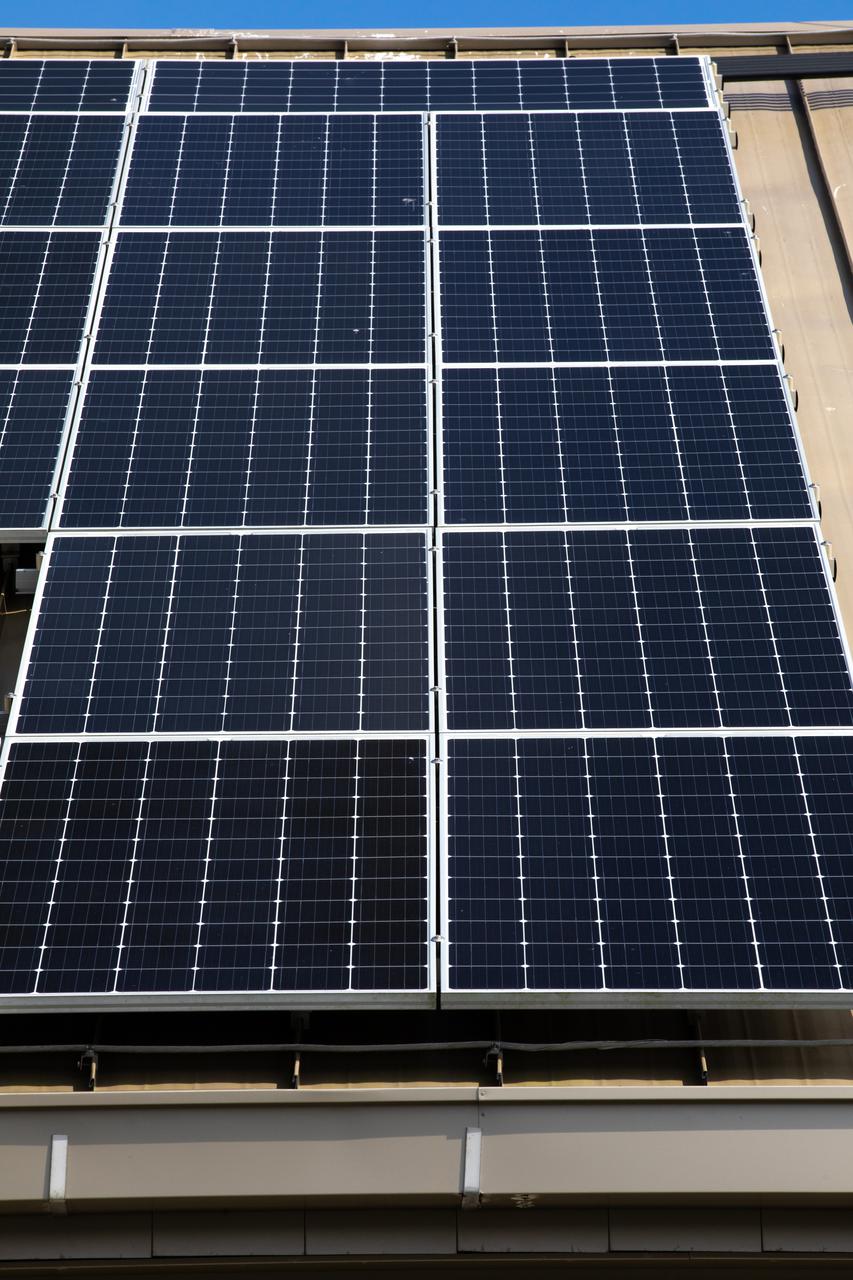
The Electrical Maintenance Facility (EMF) at NASA's Kennedy Space Center in Florida has solar panels capable of producing 125 kilowatts. Installation of the panels began in August 2019 and by February 2020, the panels were up and running, generating enough power to supply the facility. The addition of the solar panels has turned the EMF into a "net positive" facility, meaning it now produces more energy than it consumes.
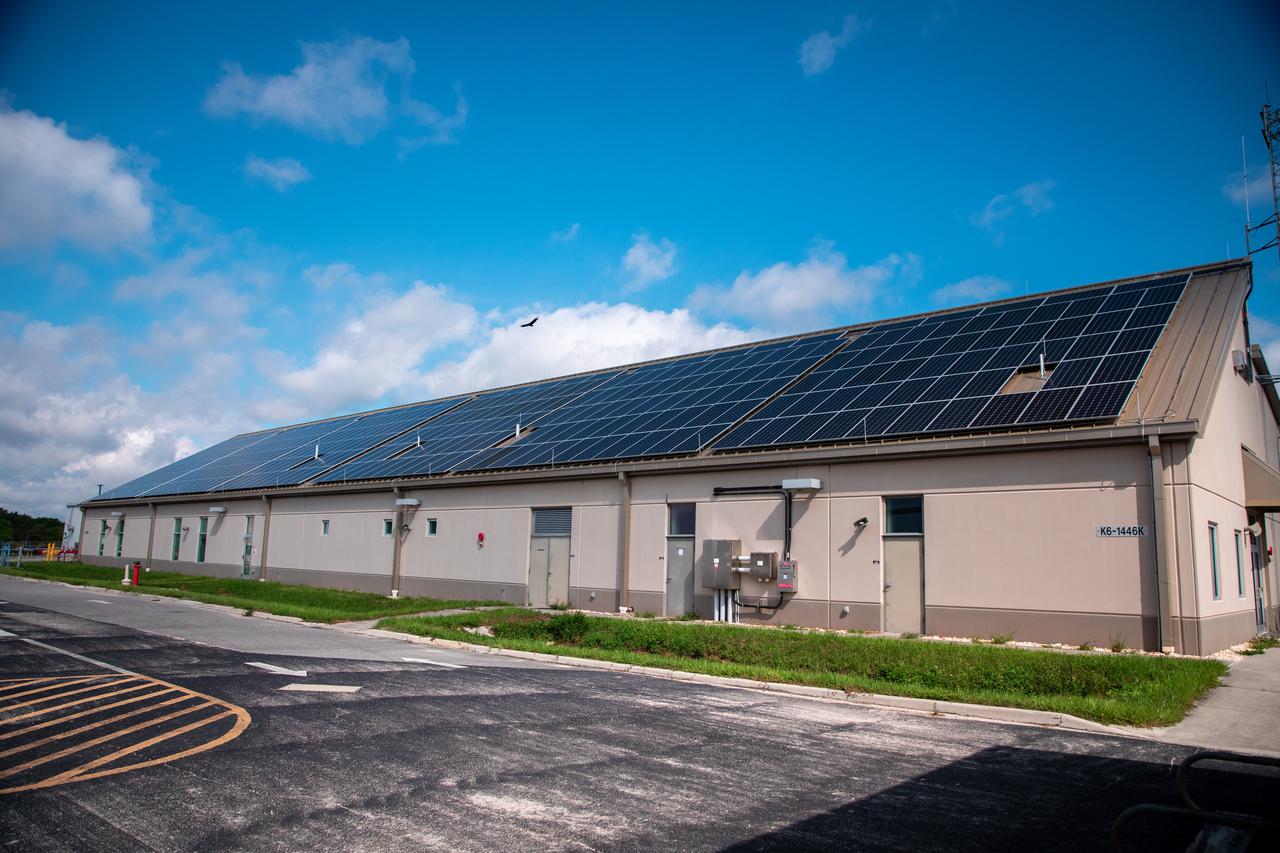
The Electrical Maintenance Facility (EMF) at NASA's Kennedy Space Center in Florida has solar panels capable of producing 125 kilowatts. Installation of the panels began in August 2019 and by February 2020, the panels were up and running, generating enough power to supply the facility. The addition of the solar panels has turned the EMF into a "net positive" facility, meaning it now produces more energy than it consumes.
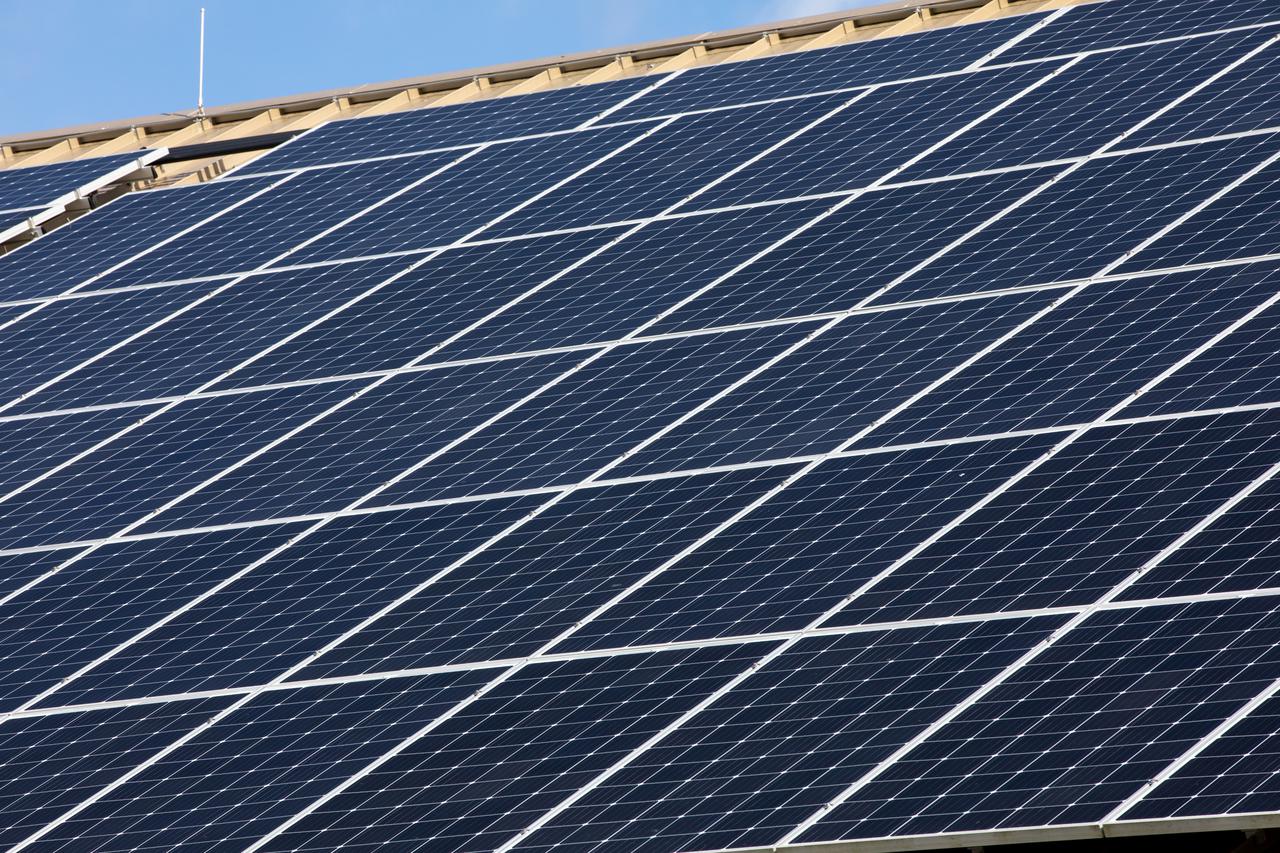
The Electrical Maintenance Facility (EMF) at NASA's Kennedy Space Center in Florida has solar panels capable of producing 125 kilowatts. Installation of the panels began in August 2019 and by February 2020, the panels were up and running, generating enough power to supply the facility. The addition of the solar panels has turned the EMF into a "net positive" facility, meaning it now produces more energy than it consumes.
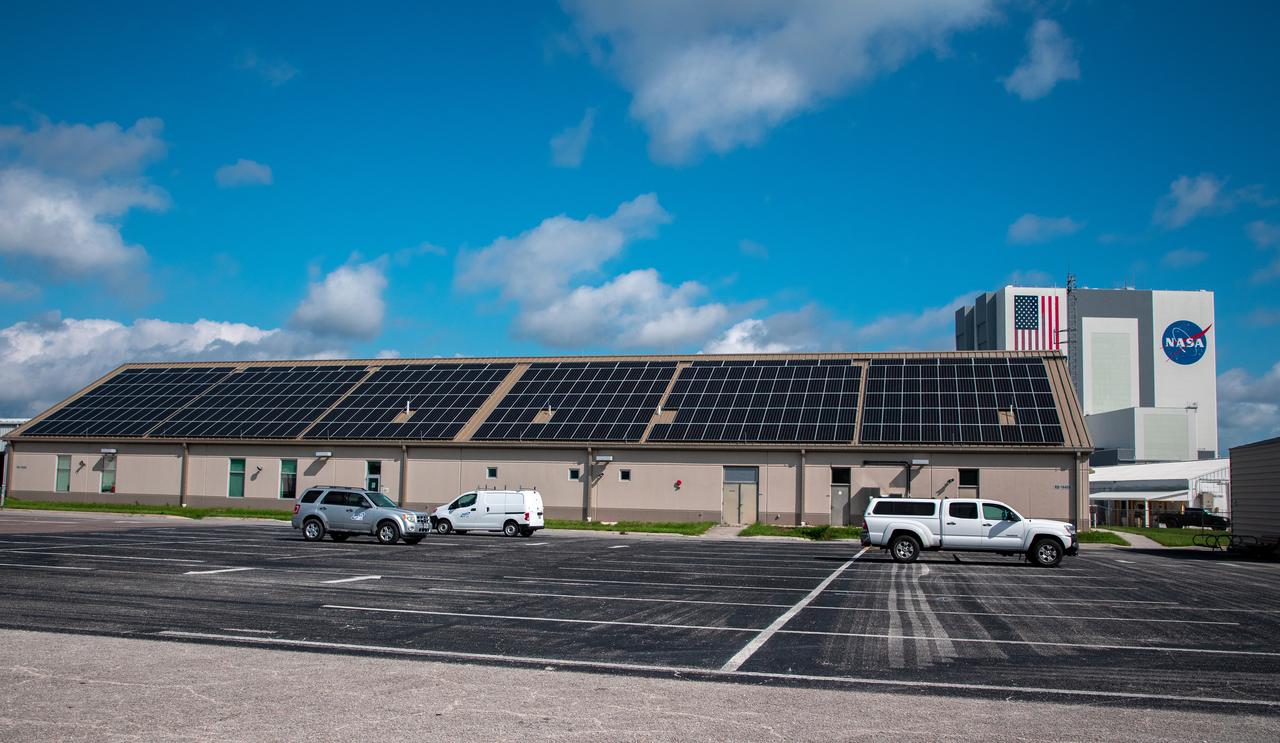
The Electrical Maintenance Facility (EMF) at NASA's Kennedy Space Center in Florida has solar panels capable of producing 125 kilowatts. Installation of the panels began in August 2019 and by February 2020, the panels were up and running, generating enough power to supply the facility. The addition of the solar panels has turned the EMF into a "net positive" facility, meaning it now produces more energy than it consumes.
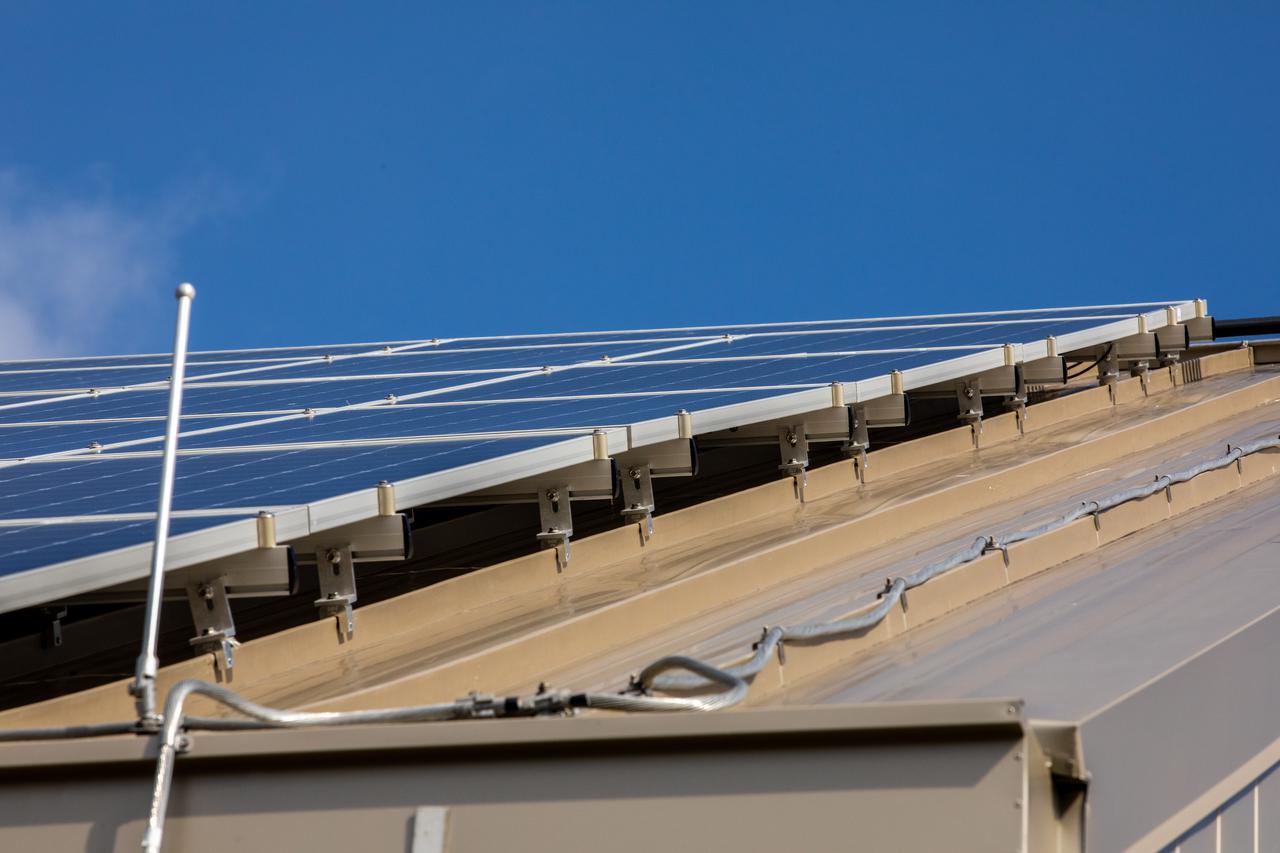
The Electrical Maintenance Facility (EMF) at NASA's Kennedy Space Center in Florida has solar panels capable of producing 125 kilowatts. Installation of the panels began in August 2019 and by February 2020, the panels were up and running, generating enough power to supply the facility. The addition of the solar panels has turned the EMF into a "net positive" facility, meaning it now produces more energy than it consumes.
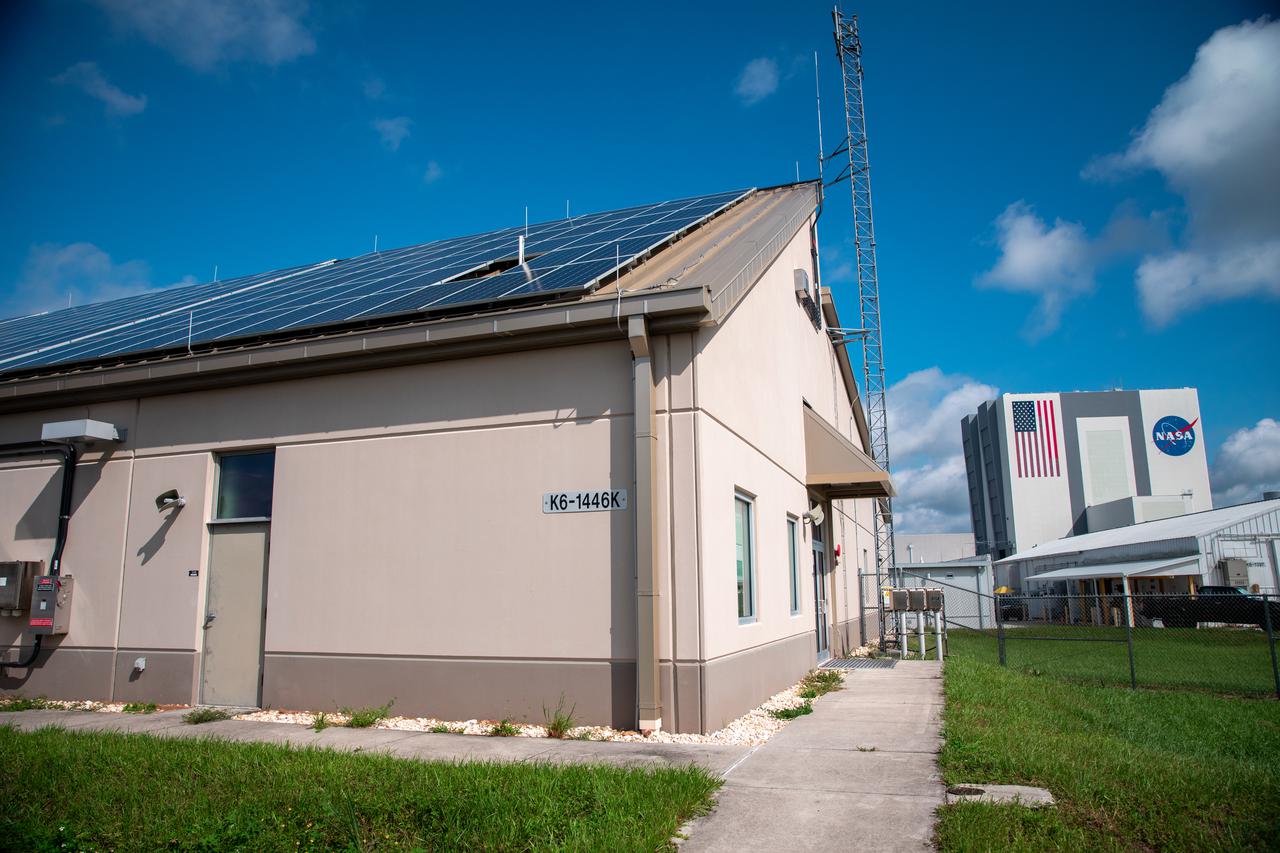
The Electrical Maintenance Facility (EMF) at NASA's Kennedy Space Center in Florida has solar panels capable of producing 125 kilowatts. Installation of the panels began in August 2019 and by February 2020, the panels were up and running, generating enough power to supply the facility. The addition of the solar panels has turned the EMF into a "net positive" facility, meaning it now produces more energy than it consumes.
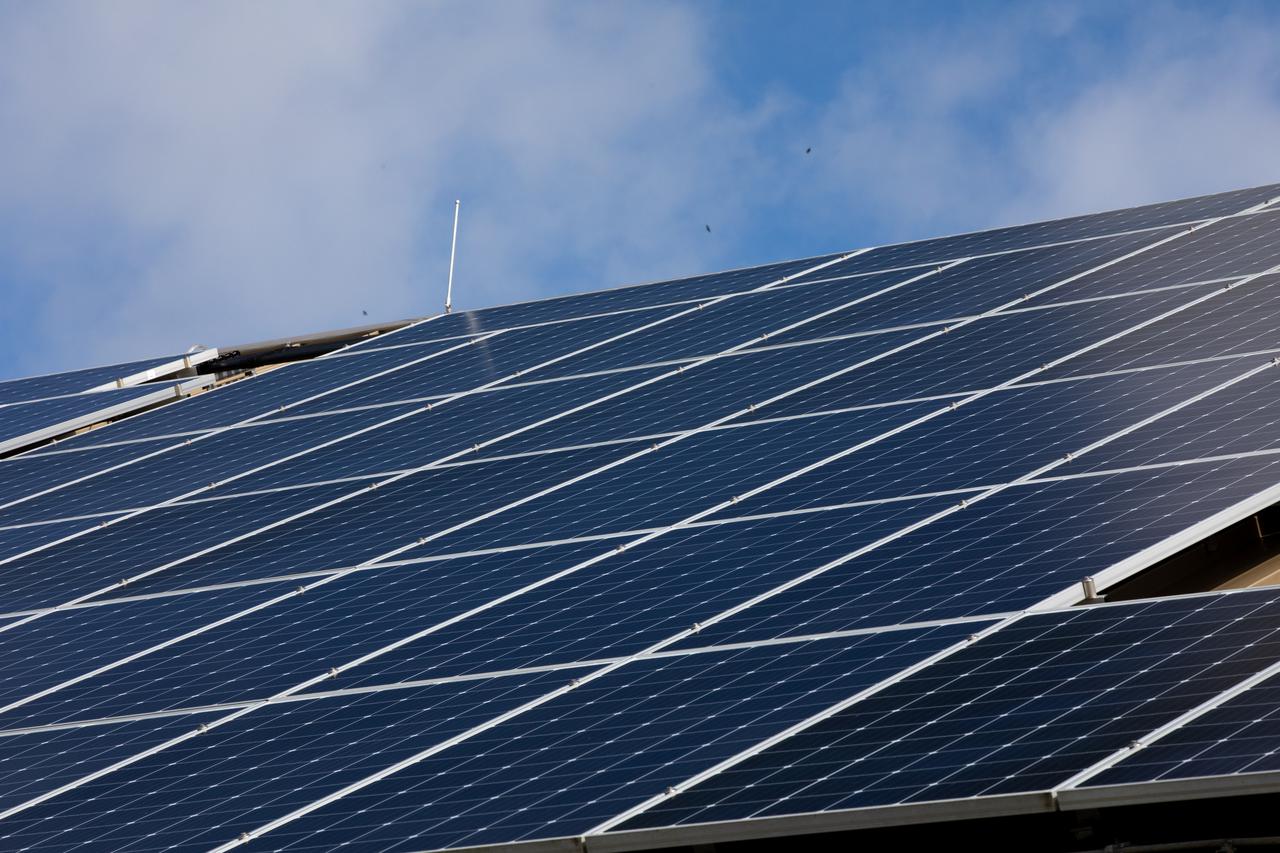
The Electrical Maintenance Facility (EMF) at NASA's Kennedy Space Center in Florida has solar panels capable of producing 125 kilowatts. Installation of the panels began in August 2019 and by February 2020, the panels were up and running, generating enough power to supply the facility. The addition of the solar panels has turned the EMF into a "net positive" facility, meaning it now produces more energy than it consumes.
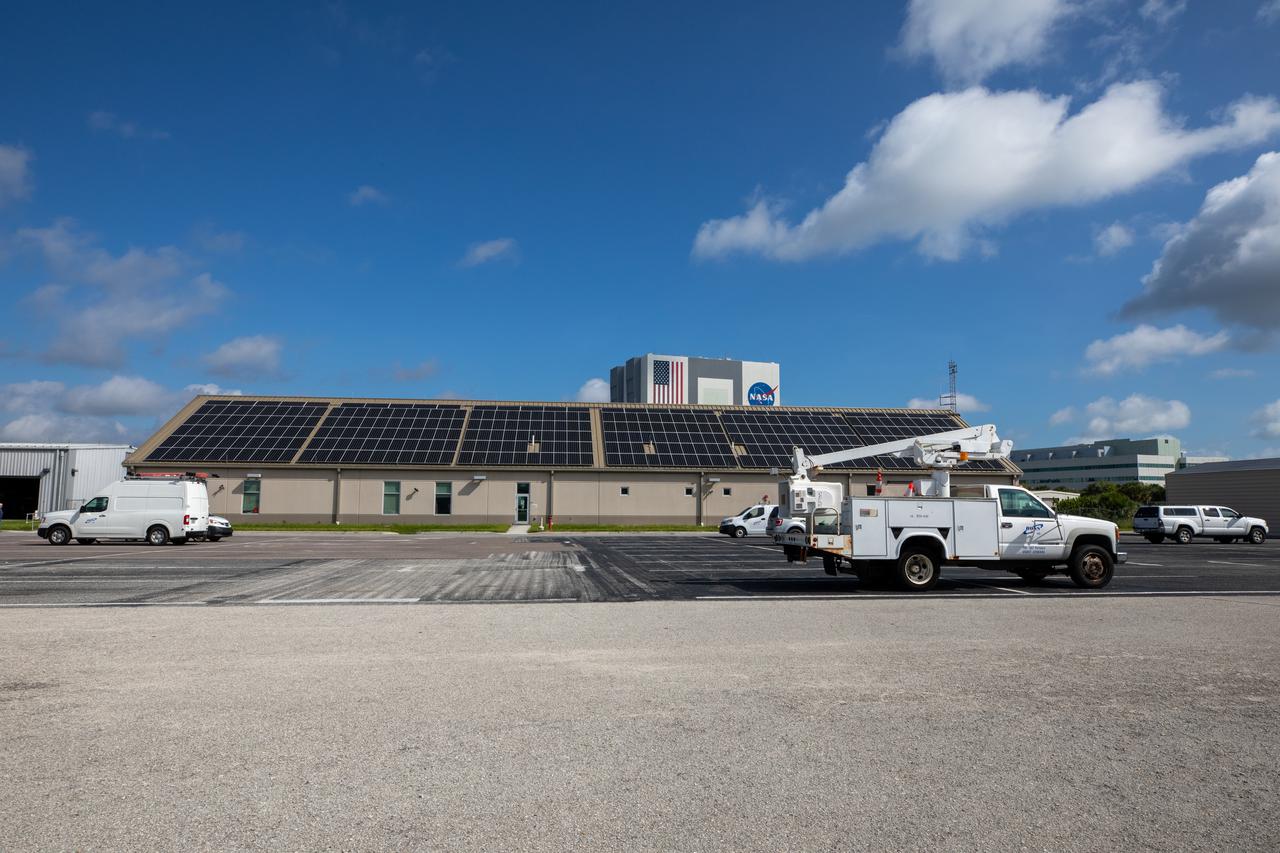
The Electrical Maintenance Facility (EMF) at NASA's Kennedy Space Center in Florida has solar panels capable of producing 125 kilowatts. Installation of the panels began in August 2019 and by February 2020, the panels were up and running, generating enough power to supply the facility. The addition of the solar panels has turned the EMF into a "net positive" facility, meaning it now produces more energy than it consumes.
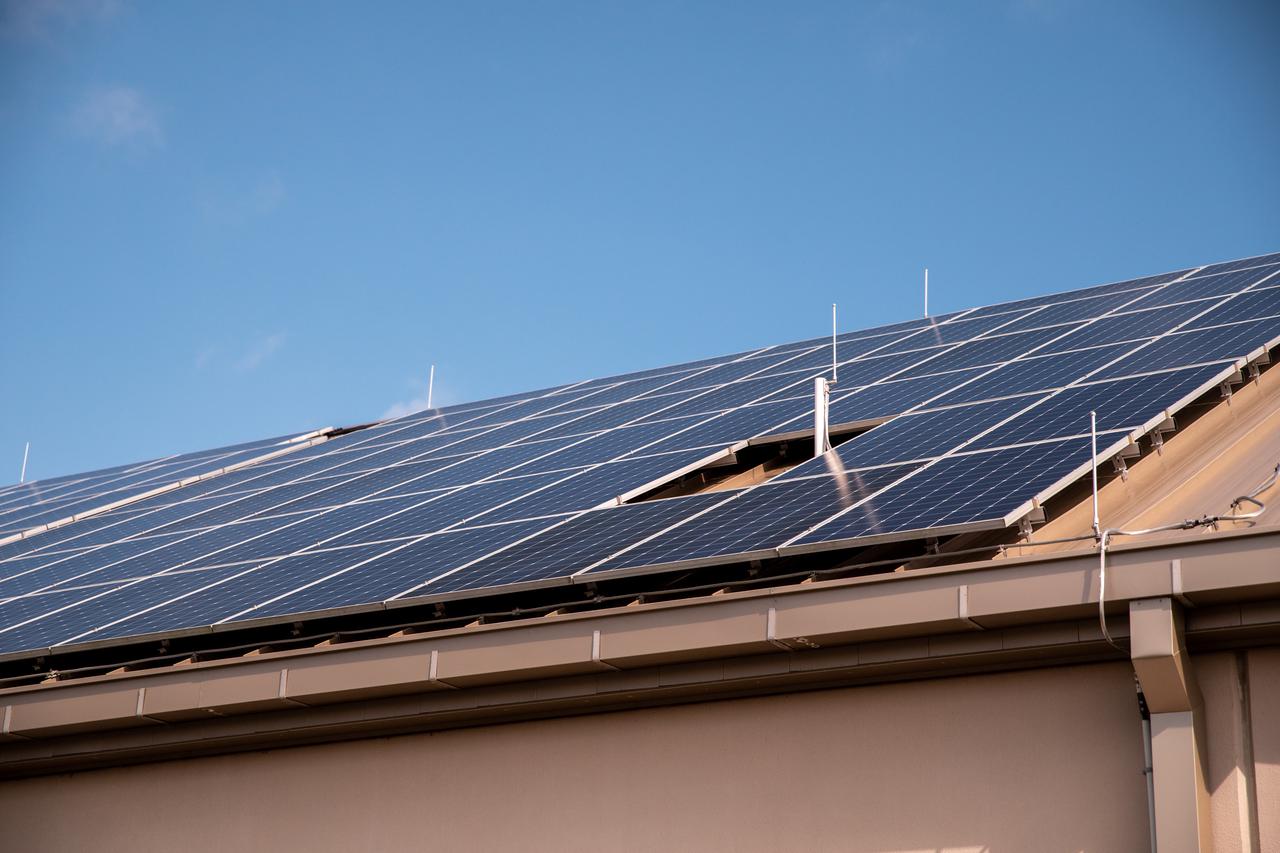
The Electrical Maintenance Facility (EMF) at NASA's Kennedy Space Center in Florida has solar panels capable of producing 125 kilowatts. Installation of the panels began in August 2019 and by February 2020, the panels were up and running, generating enough power to supply the facility. The addition of the solar panels has turned the EMF into a "net positive" facility, meaning it now produces more energy than it consumes.

The Electrical Maintenance Facility (EMF) at NASA's Kennedy Space Center in Florida has solar panels capable of producing 125 kilowatts. Installation of the panels began in August 2019 and by February 2020, the panels were up and running, generating enough power to supply the facility. The addition of the solar panels has turned the EMF into a "net positive" facility, meaning it now produces more energy than it consumes.
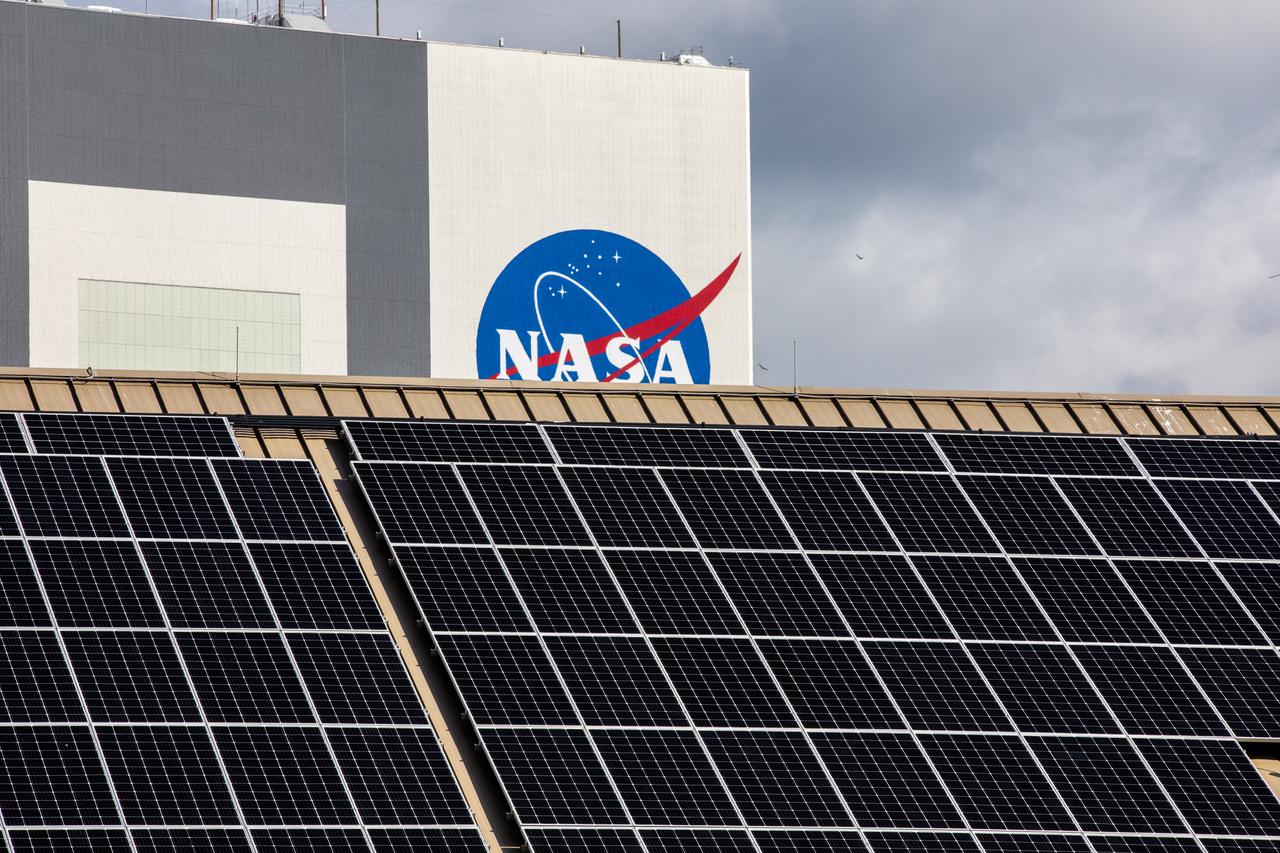
The Electrical Maintenance Facility (EMF) at NASA's Kennedy Space Center in Florida has solar panels capable of producing 125 kilowatts. Installation of the panels began in August 2019 and by February 2020, the panels were up and running, generating enough power to supply the facility. The addition of the solar panels has turned the EMF into a "net positive" facility, meaning it now produces more energy than it consumes.
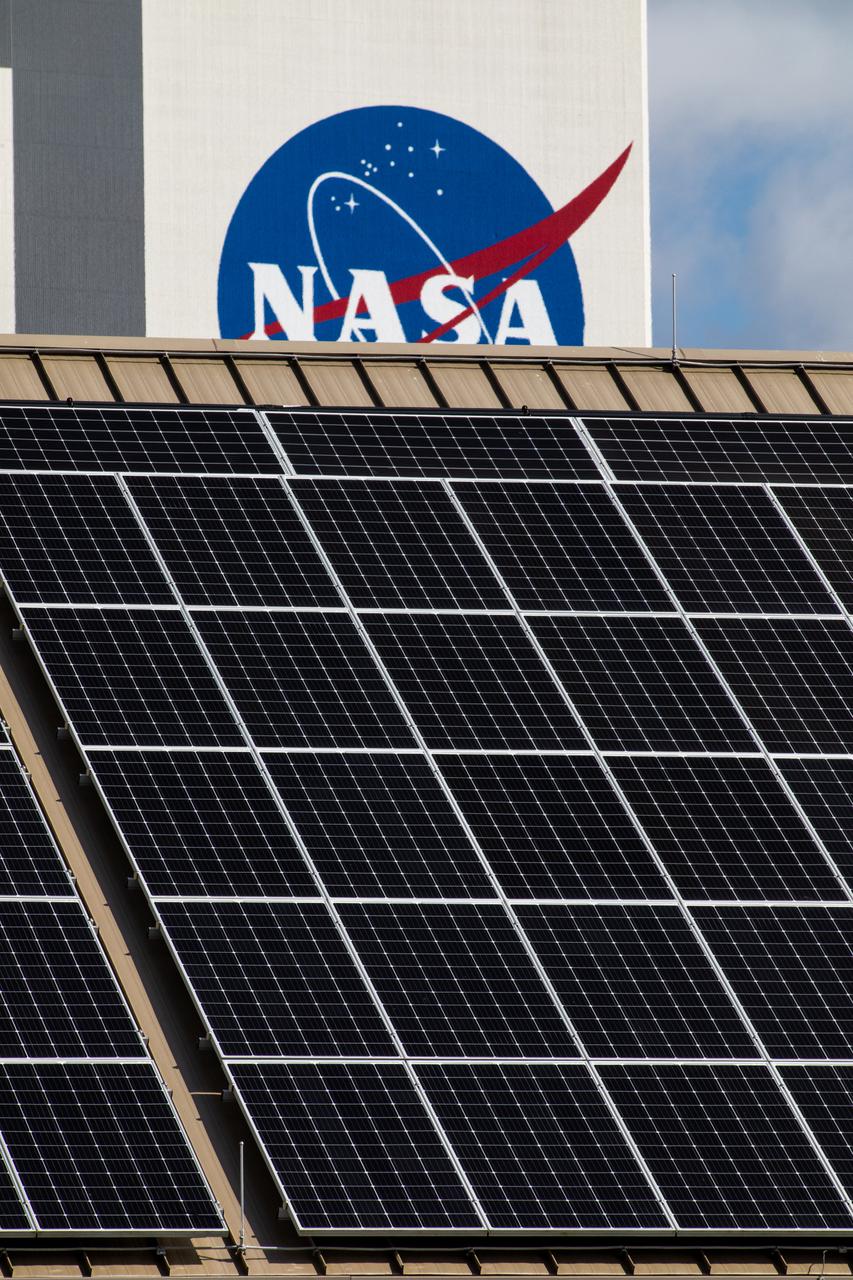
The Electrical Maintenance Facility (EMF) at NASA's Kennedy Space Center in Florida has solar panels capable of producing 125 kilowatts. Installation of the panels began in August 2019 and by February 2020, the panels were up and running, generating enough power to supply the facility. The addition of the solar panels has turned the EMF into a "net positive" facility, meaning it now produces more energy than it consumes.
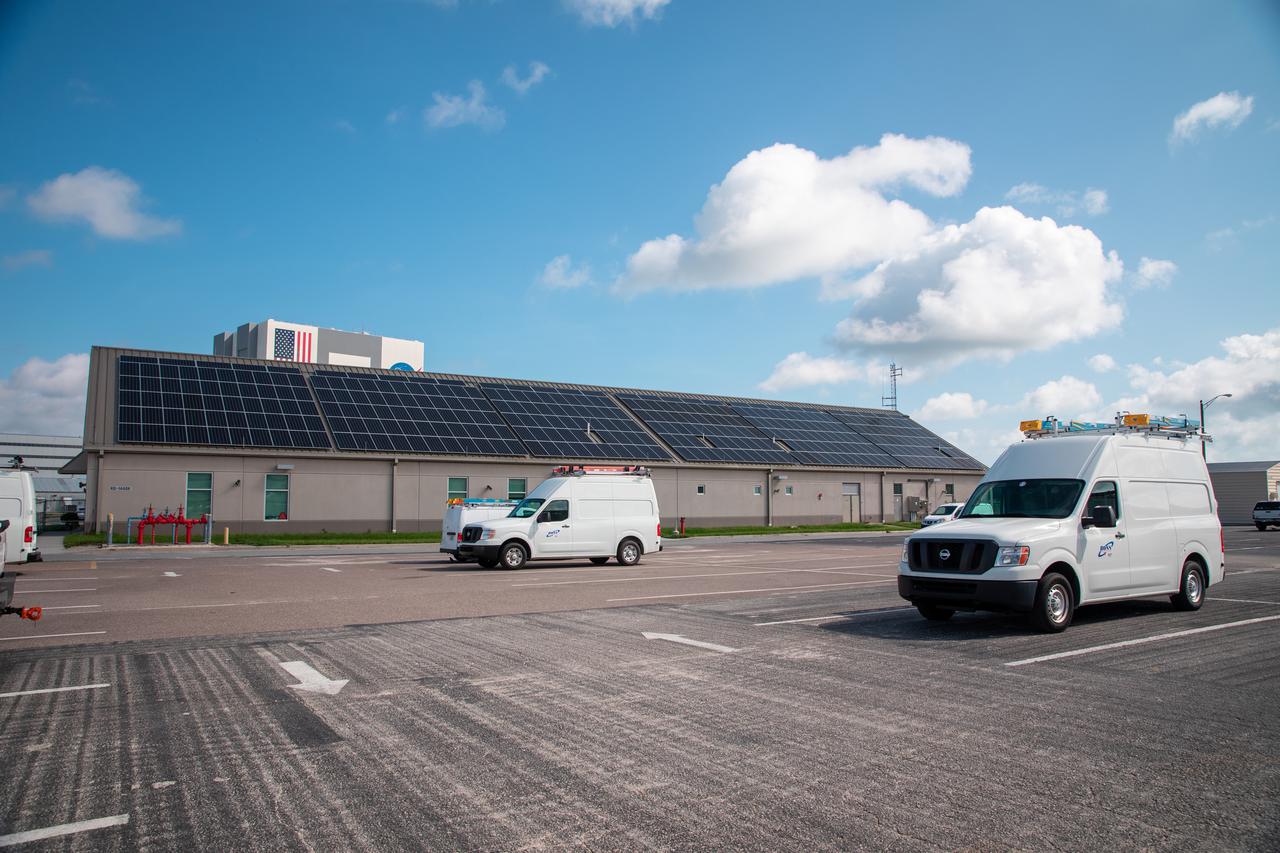
The Electrical Maintenance Facility (EMF) at NASA's Kennedy Space Center in Florida has solar panels capable of producing 125 kilowatts. Installation of the panels began in August 2019 and by February 2020, the panels were up and running, generating enough power to supply the facility. The addition of the solar panels has turned the EMF into a "net positive" facility, meaning it now produces more energy than it consumes.
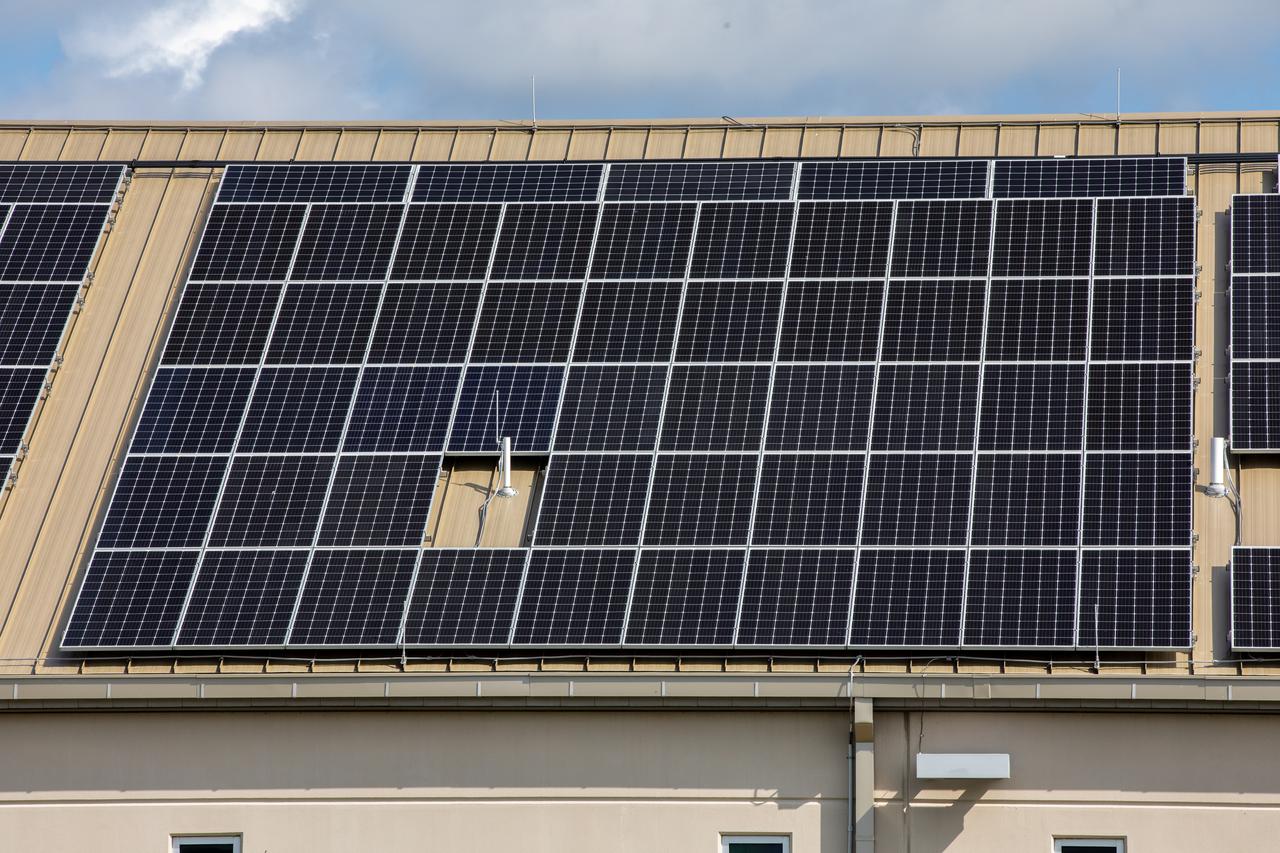
The Electrical Maintenance Facility (EMF) at NASA's Kennedy Space Center in Florida has solar panels capable of producing 125 kilowatts. Installation of the panels began in August 2019 and by February 2020, the panels were up and running, generating enough power to supply the facility. The addition of the solar panels has turned the EMF into a "net positive" facility, meaning it now produces more energy than it consumes.

An artist’s concept of NASA’s Advanced Composite Solar Sail System spacecraft orbiting Earth, showing a configuration with solar arrays deployed and the sails and the booms stowed.
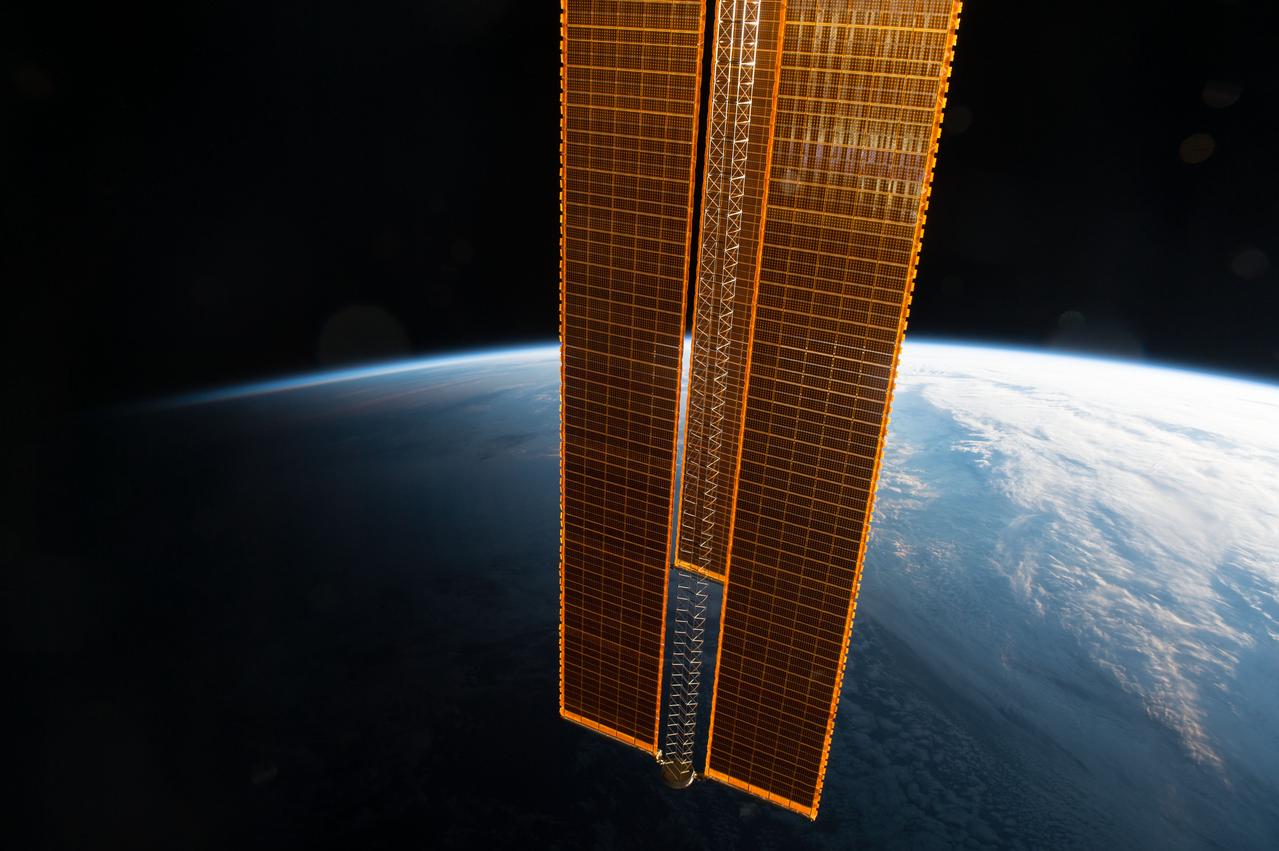
View of golden solar array with Earth limb in the background taken by the Expedition 49 crew.

Under mostly overcast skies, the Moon passes in front of the Sun as a partial solar eclipse approaches 85% in New Orleans, home of NASA’s Michoud Assembly Facility, on Monday, April 8, 2024. A total solar eclipse tracked along a narrow strip of the North American continent from Mexico’s Pacific coast to the Atlantic coast of Newfoundland, Canada. A partial solar eclipse was visible across the entire North American continent as well as parts of Europe and Central America. Image credit: NASA/Michael DeMocker

Under mostly overcast skies, the Moon passes in front of the Sun as a partial solar eclipse approaches 85% in New Orleans, home of NASA’s Michoud Assembly Facility, on Monday, April 8, 2024. A total solar eclipse tracked along a narrow strip of the North American continent from Mexico’s Pacific coast to the Atlantic coast of Newfoundland, Canada. A partial solar eclipse was visible across the entire North American continent as well as parts of Europe and Central America. Image credit: NASA/Michael DeMocker

Civil Air Patrol cadets (L to R) Gabrielle Griffith, Ronald Ecklund, and Alongkorn Lafargue of the Alvin Callander Composite Squadron record weather data and track the impact of Solar Eclipses on VHF Radio Operations as they participate in the CAP Solar Eclipse Mission, a continent-wide project collecting solar eclipse data in partnership with NASA. The cadets spent over six hours taking measurements at their base of operations at Lakefront Airport in New Orleans on Monday, April 8, 2024. New Orleans is home to NASA’s Michoud Assembly Facility. A total solar eclipse tracked along a narrow strip of the North American continent from Mexico’s Pacific coast to the Atlantic coast of Newfoundland, Canada. A partial solar eclipse was visible across the entire North American continent as well as parts of Europe and Central America. Image credit: NASA/Michael DeMocker

Civil Air Patrol cadets (L to R) Benjamin Errington, Caden Thomas, and Isabelle Cooper of the Alvin Callander Composite Squadron record weather data and track the impact of Solar Eclipses on VHF Radio Operations as they participate in the CAP Solar Eclipse Mission, a continent-wide project collecting solar eclipse data in partnership with NASA. The cadets spent over six hours taking measurements at their base of operations at Lakefront Airport in New Orleans on Monday, April 8, 2024. New Orleans is home to NASA’s Michoud Assembly Facility. A total solar eclipse tracked along a narrow strip of the North American continent from Mexico’s Pacific coast to the Atlantic coast of Newfoundland, Canada. A partial solar eclipse was visible across the entire North American continent as well as parts of Europe and Central America. Image credit: NASA/Michael DeMocker

Civil Air Patrol cadets (L to R) Benjamin Errington, Caden Thomas, and Isabelle Cooper of the Alvin Callander Composite Squadron record weather data and track the impact of Solar Eclipses on VHF Radio Operations as they participate in the CAP Solar Eclipse Mission, a continent-wide project collecting solar eclipse data in partnership with NASA. The cadets spent over six hours taking measurements at their base of operations at Lakefront Airport in New Orleans on Monday, April 8, 2024. New Orleans is home to NASA’s Michoud Assembly Facility. A total solar eclipse tracked along a narrow strip of the North American continent from Mexico’s Pacific coast to the Atlantic coast of Newfoundland, Canada. A partial solar eclipse was visible across the entire North American continent as well as parts of Europe and Central America. Image credit: NASA/Michael DeMocker
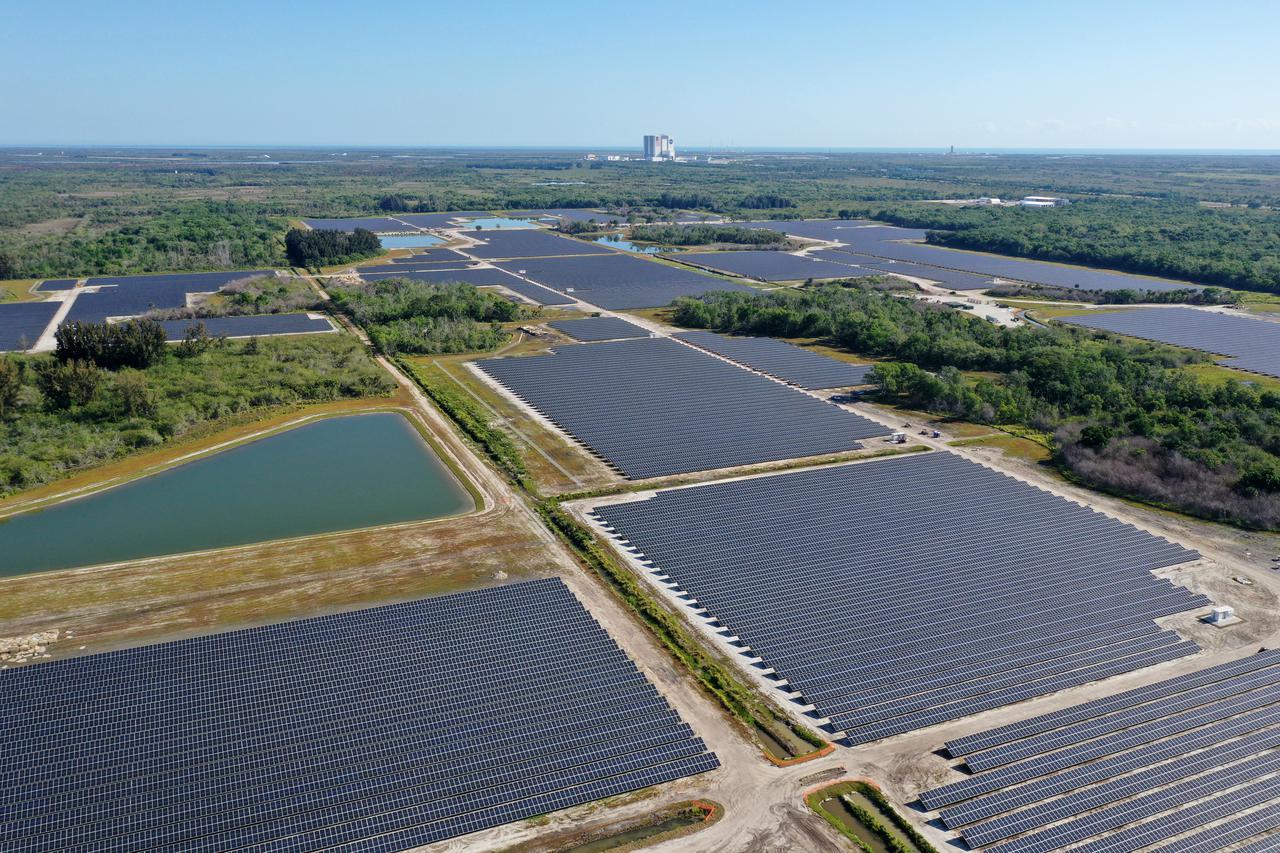
Florida Power and Light’s (FPL) new Discovery Solar Energy Center is a 74.5 megawatt solar site, spanning 491 acres at NASA’s Kennedy Space Center in Florida. The site contains about 250,000 solar panels, and once it’s operational, will produce enough energy to power approximately 15,000 homes. Construction began in spring 2020, and teams expect to have the solar site finished by May 2021. Harnessing energy from the Sun, the panels will not directly power anything at Kennedy, but rather, will send energy directly to FPL’s electricity grid for distribution to existing customers.

Perovskite Solar Cells

Candidate Solar Array Materials

Candidate Solar Array Materials

Candidate Solar Array Materials
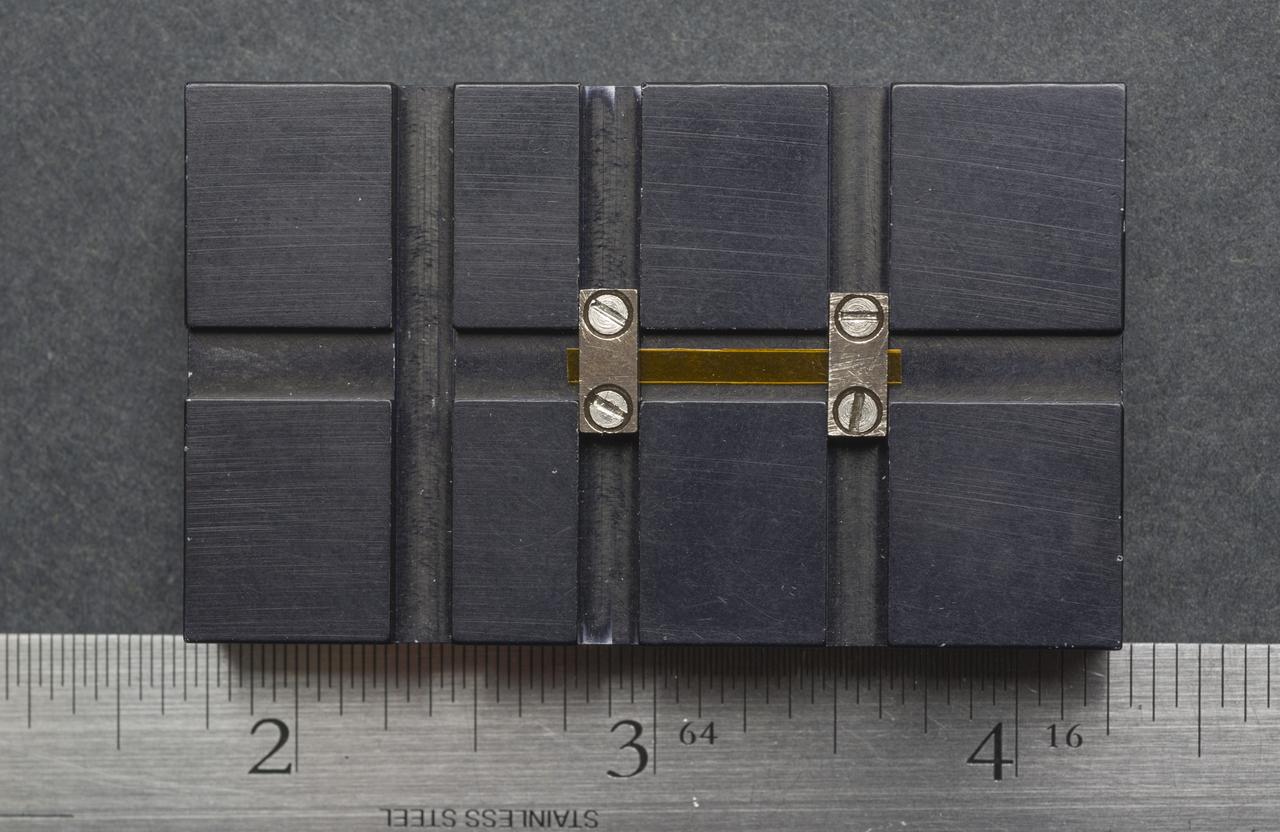
Candidate Solar Array Materials

People are seen as they watch a total solar eclipse through protective glasses in Madras, Oregon on Monday, Aug. 21, 2017. A total solar eclipse swept across a narrow portion of the contiguous United States from Lincoln Beach, Oregon to Charleston, South Carolina. A partial solar eclipse was visible across the entire North American continent along with parts of South America, Africa, and Europe. Photo Credit: (NASA/Aubrey Gemignani)

People are seen as they watch a total solar eclipse through protective glasses in Madras, Oregon on Monday, Aug. 21, 2017. A total solar eclipse swept across a narrow portion of the contiguous United States from Lincoln Beach, Oregon to Charleston, South Carolina. A partial solar eclipse was visible across the entire North American continent along with parts of South America, Africa, and Europe. Photo Credit: (NASA/Aubrey Gemignani)
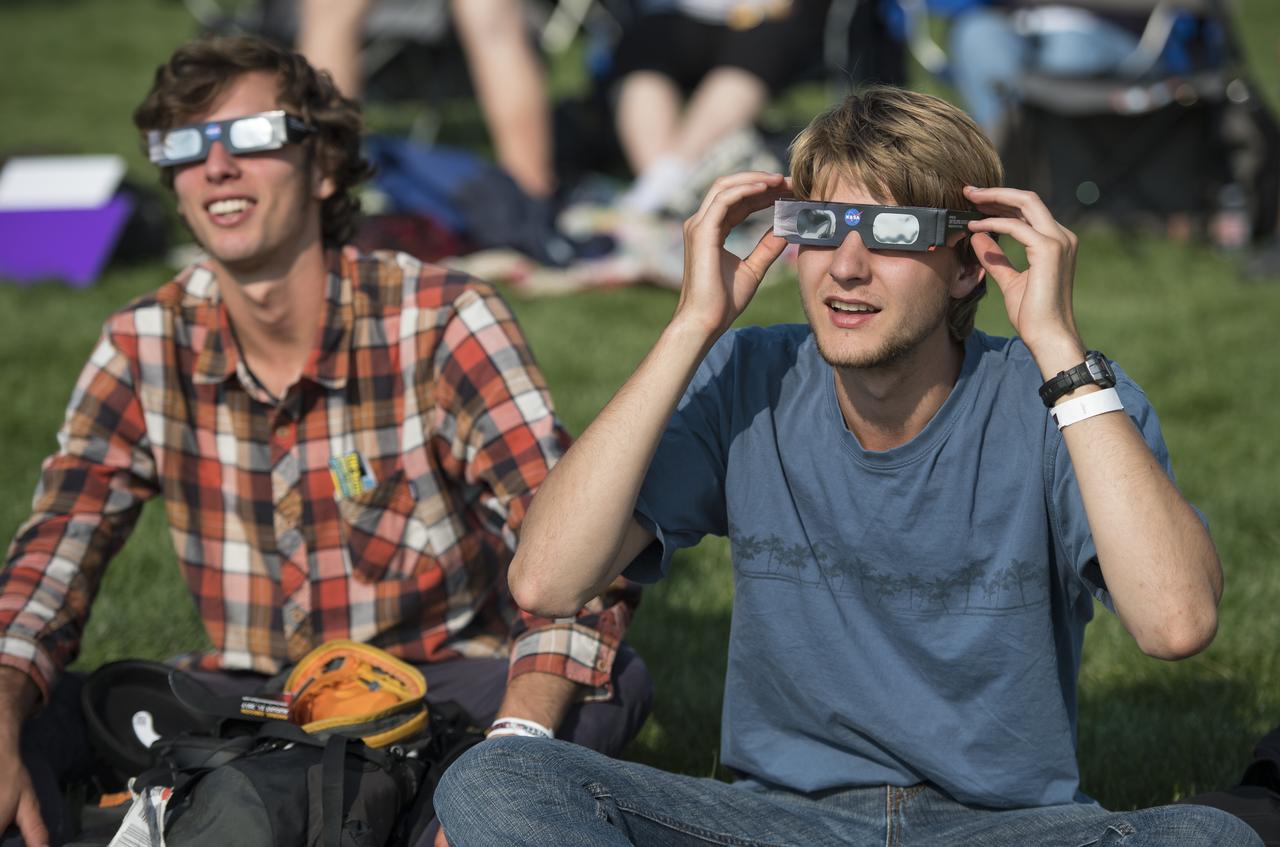
People are seen as they watch a total solar eclipse through protective glasses in Madras, Oregon on Monday, Aug. 21, 2017. A total solar eclipse swept across a narrow portion of the contiguous United States from Lincoln Beach, Oregon to Charleston, South Carolina. A partial solar eclipse was visible across the entire North American continent along with parts of South America, Africa, and Europe. Photo Credit: (NASA/Aubrey Gemignani)

This composite image of nine pictures shows the progression of a partial solar eclipse near Banner, Wyoming on Monday, Aug. 21, 2017. A total solar eclipse swept across a narrow portion of the contiguous United States from Lincoln Beach, Oregon to Charleston, South Carolina. A partial solar eclipse was visible across the entire North American continent along with parts of South America, Africa, and Europe. Photo Credit: (NASA/Joel Kowsky)

The Moon is seen passing in front of the Sun at the point of the maximum of the partial solar eclipse near Banner, Wyoming on Monday, Aug. 21, 2017. A total solar eclipse swept across a narrow portion of the contiguous United States from Lincoln Beach, Oregon to Charleston, South Carolina. A partial solar eclipse was visible across the entire North American continent along with parts of South America, Africa, and Europe. Photo Credit: (NASA/Joel Kowsky)

A small eruption blew a bright, disjointed stream of plasma into space (Oct. 18, 2017). The source of the blast was just out of sight beyond the edge of the sun. Images from SOHO's coronagraph instruments show a bright loop of material heading away from the sun near this same area. The video, taken in extreme ultraviolet light, covers just two hours of activity. Movies are available at https://photojournal.jpl.nasa.gov/catalog/PIA22050

Marshall Space Flight Center employees view the August 21, 2017 solar eclipse at the center’s activities building. The Huntsville area experienced 97 percent occultation, nearly a complete blocking out of the sun by the orbit of Earth's moon. The next opportunity to view a solar eclipse in the eastern and central United States will occur in April 2024.

Solar Eclipses…Daily
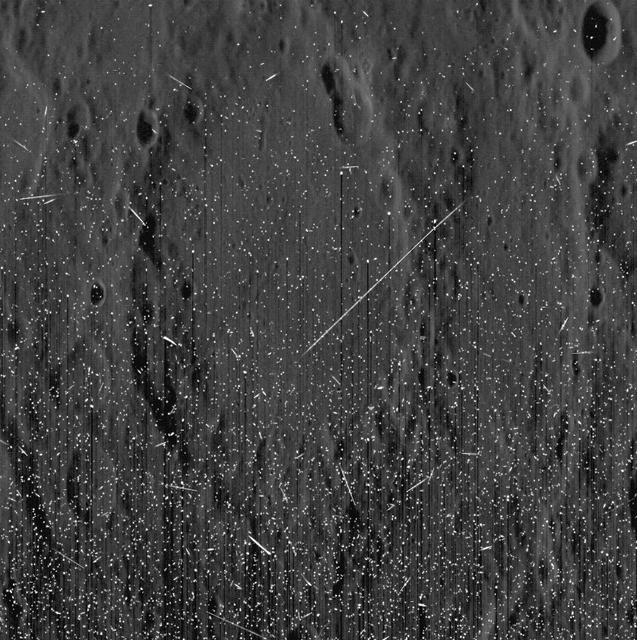
The Solar Storm, at Mercury
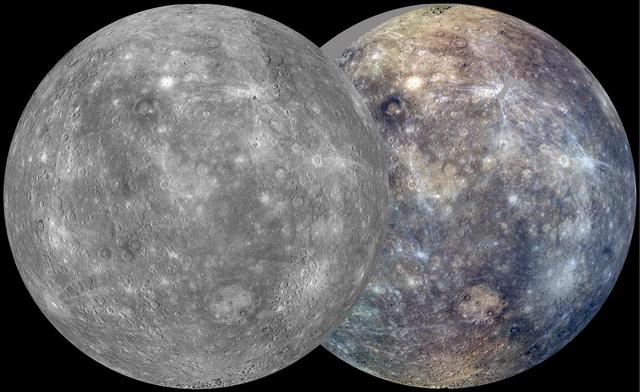
The First Solar Day
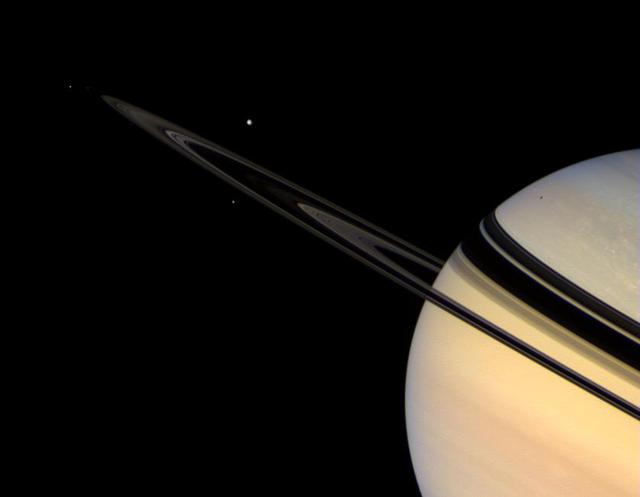
Solar System in Miniature
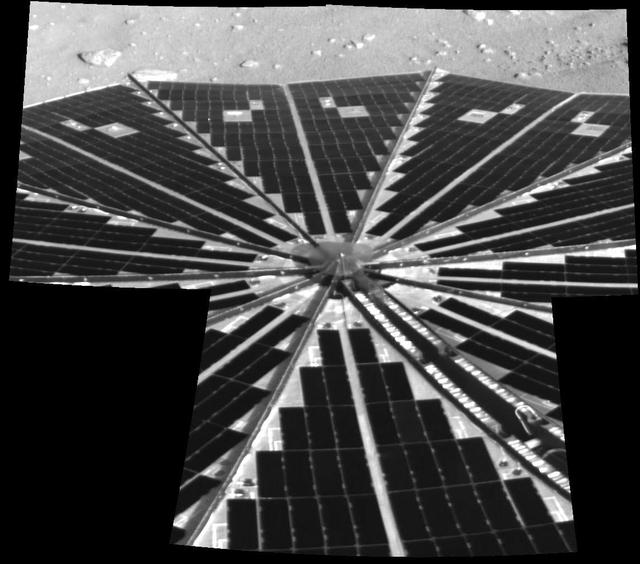
Solar Power Grid Unfurled
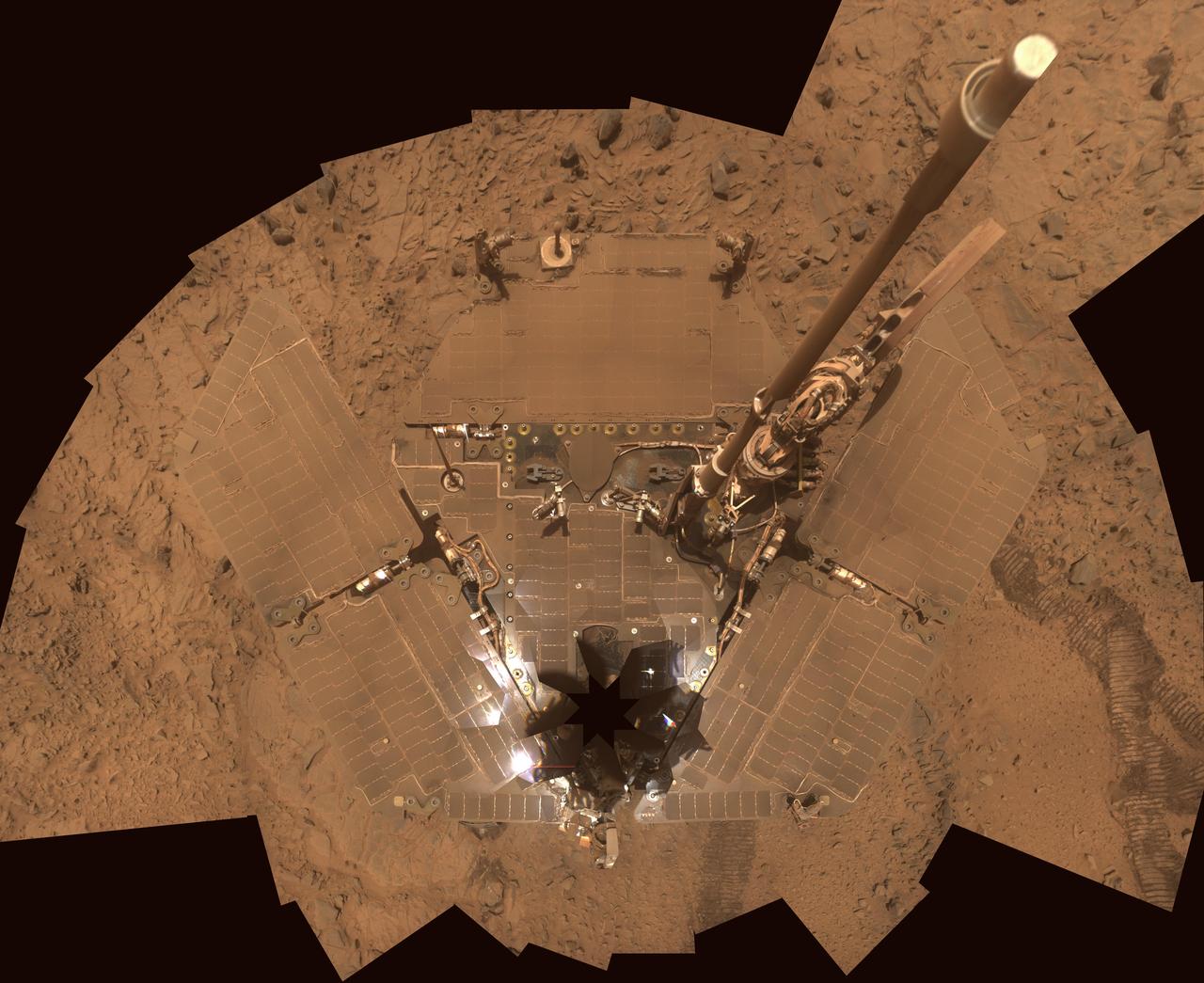
Dusty Solar Panels on Spirit
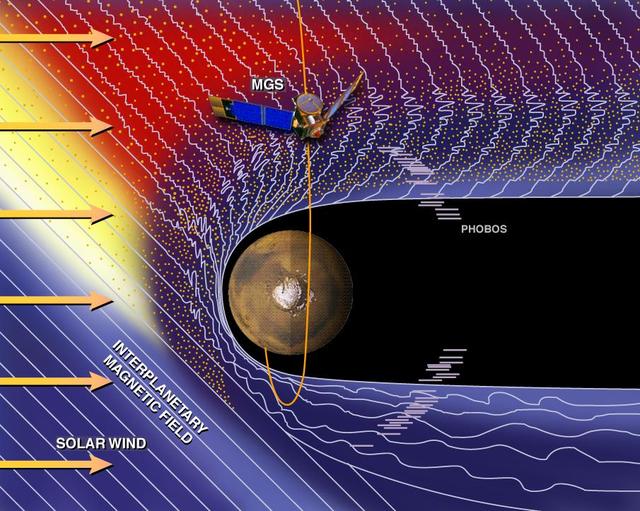
Mars and the Solar Wind
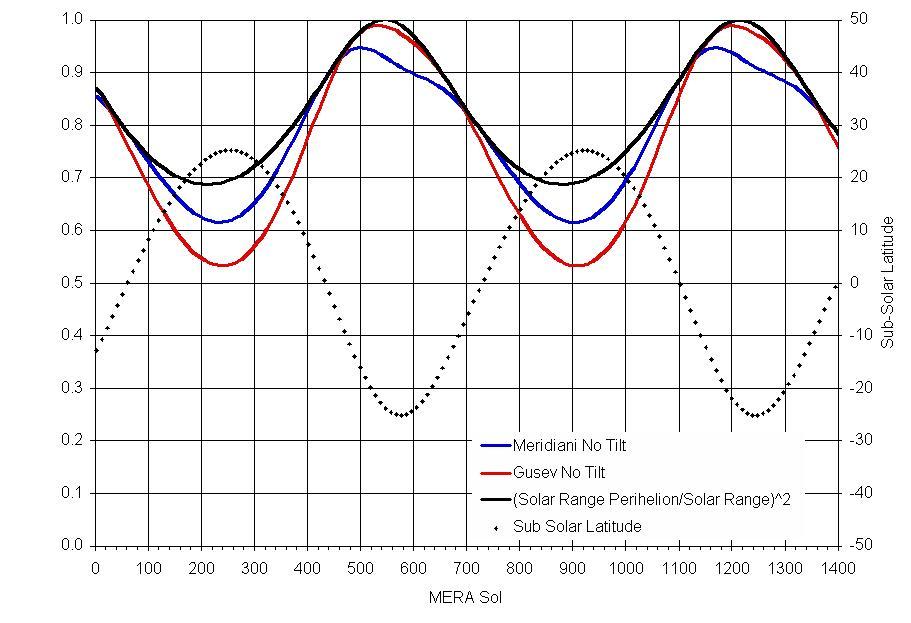
Solar Power on Mars

This week the sun was hitting its lowest level of solar activity since 2011 (Nov. 14-18, 2016) as it gradually marches toward solar minimum. This activity is usually measured by sunspot count and over the past several days the sun has been almost spotless. The sun has a pendulum-like pattern of solar cycle of activity that extends over about an 11-year period. The last peak of activity was in early 2014. At this point in time, the sunspot numbers seem to be sliding downwards faster than expected, though the solar minimum level should not occur until 2021. No doubt more and larger sunspots will inevitably appear, but we'll just have to wait and see. Movies are available at http://photojournal.jpl.nasa.gov/catalog/PIA21207
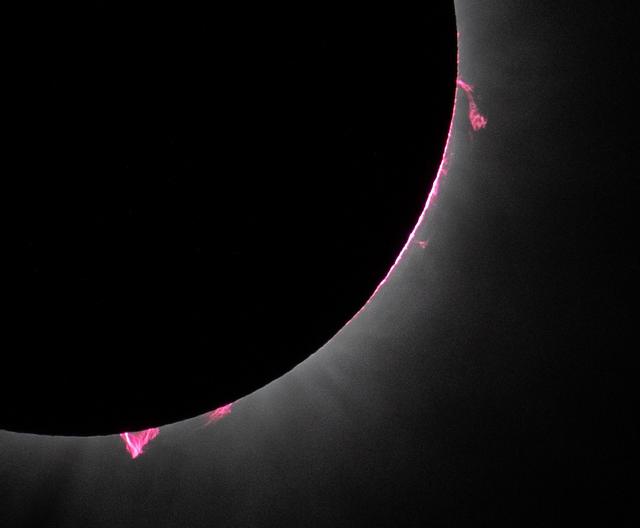
Solar prominences are seen during a total solar eclipse in Dallas, Texas on Monday, April 8, 2024. A total solar eclipse swept across a narrow portion of the North American continent from Mexico’s Pacific coast to the Atlantic coast of Newfoundland, Canada. A partial solar eclipse was visible across the entire North American continent along with parts of Central America and Europe. Photo Credit: (NASA/Keegan Barber)
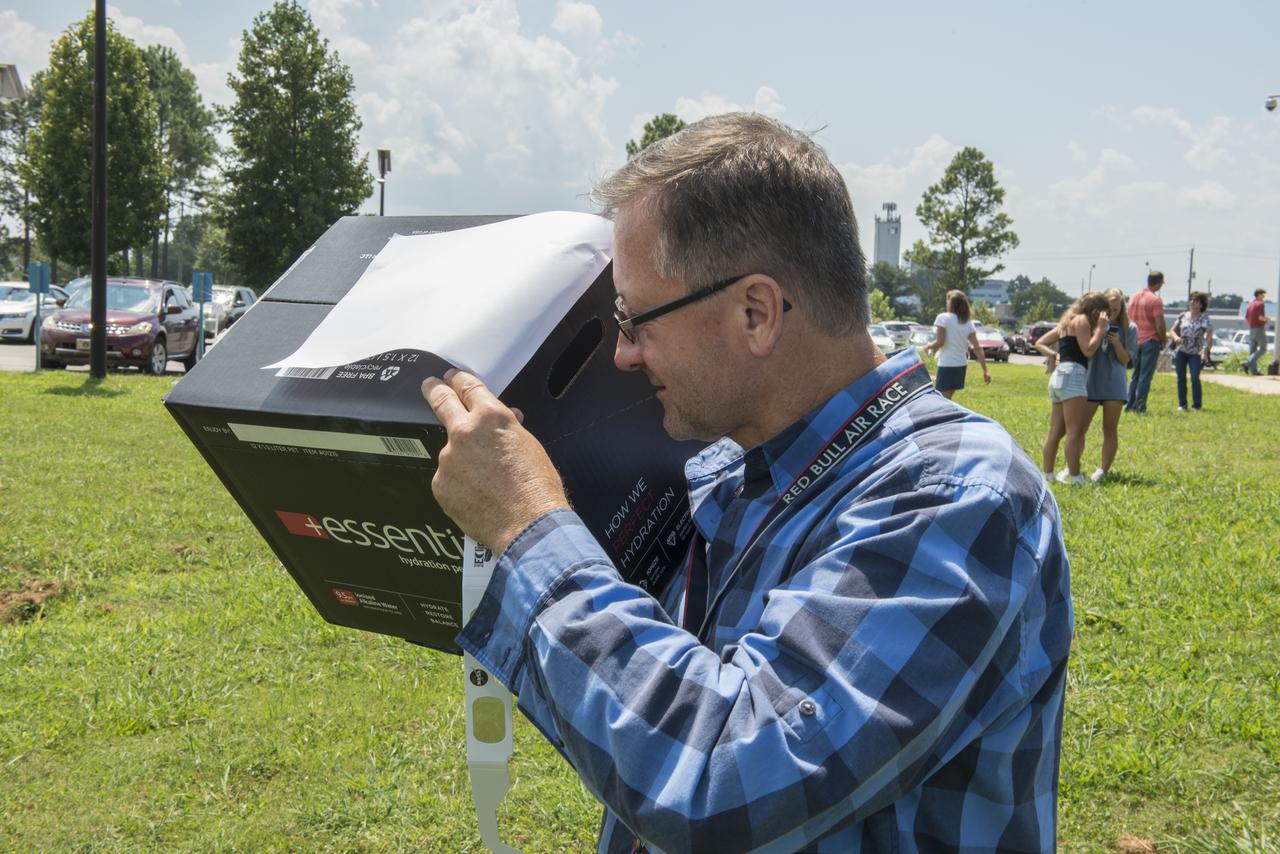
Marshall Space Flight Center employee, Phillip Domen, safely views the August 21, 2017 solar eclipse with his homemade viewing box. The Huntsville area experienced 97 percent occultation, nearly a complete blocking out of the sun by the orbit of Earth's moon. The next opportunity to view a solar eclipse in the eastern and central United States will occur in April 2024.
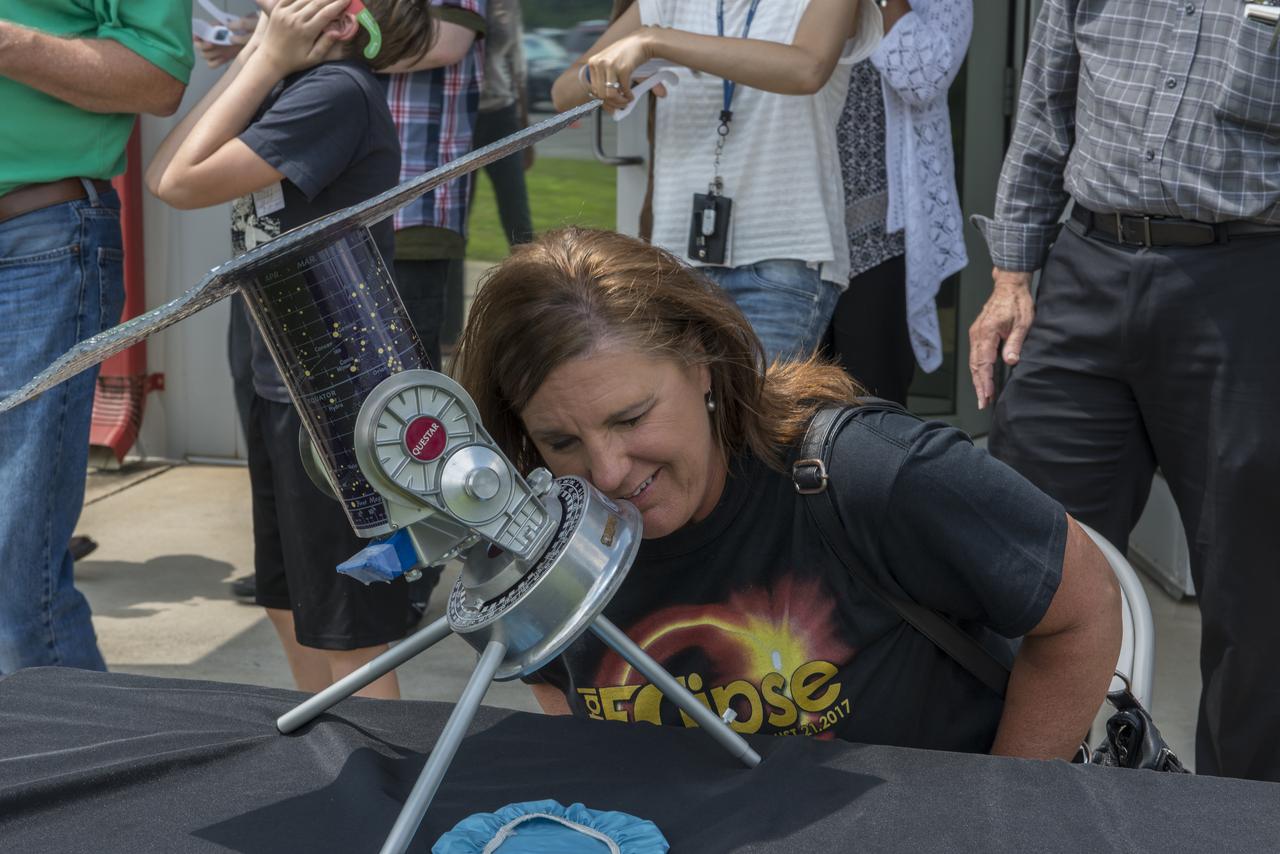
Judy Darwin of the Marshall Space Flight Center’s Office of the Chief Information Officer (CIO) views the August 21, 2017 solar eclipse through the telescope set up for Marshall employees. The Huntsville area experienced 97 percent occultation, nearly a complete blocking out of the sun by the orbit of Earth's moon. The next opportunity to view a solar eclipse in the eastern and central United States will occur in April 2024.

A man views a partial solar eclipse through a telescope equipped with a protective solar filter in Washington, on Monday, April 8, 2024. A total solar eclipse swept across a narrow portion of the North American continent from Mexico’s Pacific coast to the Atlantic coast of Newfoundland, Canada. A partial solar eclipse was visible across the entire North American continent along with parts of Central America and Europe. Photo Credit: (NASA/Bill Ingalls)
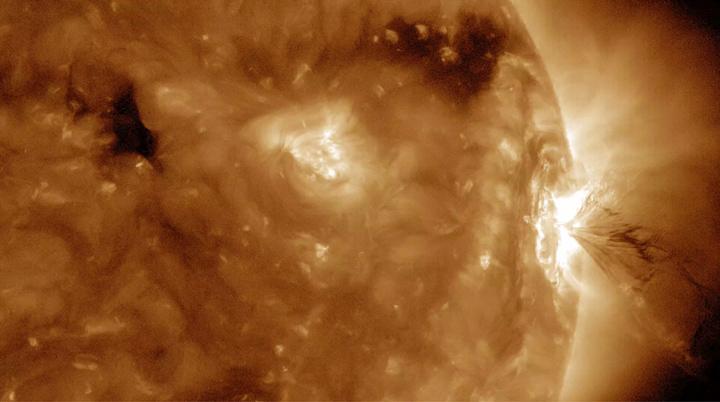
The Sun produced three M-class (medium-sized) flares in less than 13 hours and the third one had an interesting flourish at the end (July 22-23, 2016). These were the largest flares the Sun had produced this year. The first two flares occurred in quick succession. The third one (see the still taken at 5:38 UT on the 23rd), besides the familiar bright flash of a flare, also spewed out into space a curving string of plasma. http://photojournal.jpl.nasa.gov/catalog/PIA17912

Guests decorate their protective glasses at the Dallas Arboretum prior to the total solar eclipse, Monday, April 8, 2024, in Dallas, Texas. A total solar eclipse swept across a narrow portion of the North American continent from Mexico’s Pacific coast to the Atlantic coast of Newfoundland, Canada. A partial solar eclipse was visible across the entire North American continent along with parts of Central America and Europe. Photo Credit: (NASA/Keegan Barber) in Dallas, Texas on Monday, April 8, 2024. A total solar eclipse swept across a narrow portion of the North American continent from Mexico’s Pacific coast to the Atlantic coast of Newfoundland, Canada. A partial solar eclipse was visible across the entire North American continent along with parts of Central America and Europe. Photo Credit: (NASA/Keegan Barber)

Guests learn about the total solar eclipse from NASA staff at the Dallas Arboretum, Monday, April 8, 2024, in Dallas, Texas. A total solar eclipse swept across a narrow portion of the North American continent from Mexico’s Pacific coast to the Atlantic coast of Newfoundland, Canada. A partial solar eclipse was visible across the entire North American continent along with parts of Central America and Europe. Photo Credit: (NASA/Keegan Barber) in Dallas, Texas on Monday, April 8, 2024. A total solar eclipse swept across a narrow portion of the North American continent from Mexico’s Pacific coast to the Atlantic coast of Newfoundland, Canada. A partial solar eclipse was visible across the entire North American continent along with parts of Central America and Europe. Photo Credit: (NASA/Keegan Barber)

Guests learn about the total solar eclipse from NASA staff at the Dallas Arboretum, Monday, April 8, 2024, in Dallas, Texas. A total solar eclipse swept across a narrow portion of the North American continent from Mexico’s Pacific coast to the Atlantic coast of Newfoundland, Canada. A partial solar eclipse was visible across the entire North American continent along with parts of Central America and Europe. Photo Credit: (NASA/Keegan Barber) in Dallas, Texas on Monday, April 8, 2024. A total solar eclipse swept across a narrow portion of the North American continent from Mexico’s Pacific coast to the Atlantic coast of Newfoundland, Canada. A partial solar eclipse was visible across the entire North American continent along with parts of Central America and Europe. Photo Credit: (NASA/Keegan Barber)

Guests learn about the total solar eclipse from NASA staff at the Dallas Arboretum, Monday, April 8, 2024, in Dallas, Texas. A total solar eclipse swept across a narrow portion of the North American continent from Mexico’s Pacific coast to the Atlantic coast of Newfoundland, Canada. A partial solar eclipse was visible across the entire North American continent along with parts of Central America and Europe. Photo Credit: (NASA/Keegan Barber) in Dallas, Texas on Monday, April 8, 2024. A total solar eclipse swept across a narrow portion of the North American continent from Mexico’s Pacific coast to the Atlantic coast of Newfoundland, Canada. A partial solar eclipse was visible across the entire North American continent along with parts of Central America and Europe. Photo Credit: (NASA/Keegan Barber)

Guests learn about the total solar eclipse from NASA staff at the Dallas Arboretum, Monday, April 8, 2024, in Dallas, Texas. A total solar eclipse swept across a narrow portion of the North American continent from Mexico’s Pacific coast to the Atlantic coast of Newfoundland, Canada. A partial solar eclipse was visible across the entire North American continent along with parts of Central America and Europe. Photo Credit: (NASA/Keegan Barber) in Dallas, Texas on Monday, April 8, 2024. A total solar eclipse swept across a narrow portion of the North American continent from Mexico’s Pacific coast to the Atlantic coast of Newfoundland, Canada. A partial solar eclipse was visible across the entire North American continent along with parts of Central America and Europe. Photo Credit: (NASA/Keegan Barber)

Guests learn about the total solar eclipse from NASA staff at the Dallas Arboretum, Monday, April 8, 2024, in Dallas, Texas. A total solar eclipse swept across a narrow portion of the North American continent from Mexico’s Pacific coast to the Atlantic coast of Newfoundland, Canada. A partial solar eclipse was visible across the entire North American continent along with parts of Central America and Europe. Photo Credit: (NASA/Keegan Barber) in Dallas, Texas on Monday, April 8, 2024. A total solar eclipse swept across a narrow portion of the North American continent from Mexico’s Pacific coast to the Atlantic coast of Newfoundland, Canada. A partial solar eclipse was visible across the entire North American continent along with parts of Central America and Europe. Photo Credit: (NASA/Keegan Barber)

Guests learn about the total solar eclipse from NASA staff at the Dallas Arboretum, Monday, April 8, 2024, in Dallas, Texas. A total solar eclipse swept across a narrow portion of the North American continent from Mexico’s Pacific coast to the Atlantic coast of Newfoundland, Canada. A partial solar eclipse was visible across the entire North American continent along with parts of Central America and Europe. Photo Credit: (NASA/Keegan Barber) in Dallas, Texas on Monday, April 8, 2024. A total solar eclipse swept across a narrow portion of the North American continent from Mexico’s Pacific coast to the Atlantic coast of Newfoundland, Canada. A partial solar eclipse was visible across the entire North American continent along with parts of Central America and Europe. Photo Credit: (NASA/Keegan Barber)

Guests learn about the total solar eclipse from NASA staff at the Dallas Arboretum, Monday, April 8, 2024, in Dallas, Texas. A total solar eclipse swept across a narrow portion of the North American continent from Mexico’s Pacific coast to the Atlantic coast of Newfoundland, Canada. A partial solar eclipse was visible across the entire North American continent along with parts of Central America and Europe. Photo Credit: (NASA/Keegan Barber) in Dallas, Texas on Monday, April 8, 2024. A total solar eclipse swept across a narrow portion of the North American continent from Mexico’s Pacific coast to the Atlantic coast of Newfoundland, Canada. A partial solar eclipse was visible across the entire North American continent along with parts of Central America and Europe. Photo Credit: (NASA/Keegan Barber)
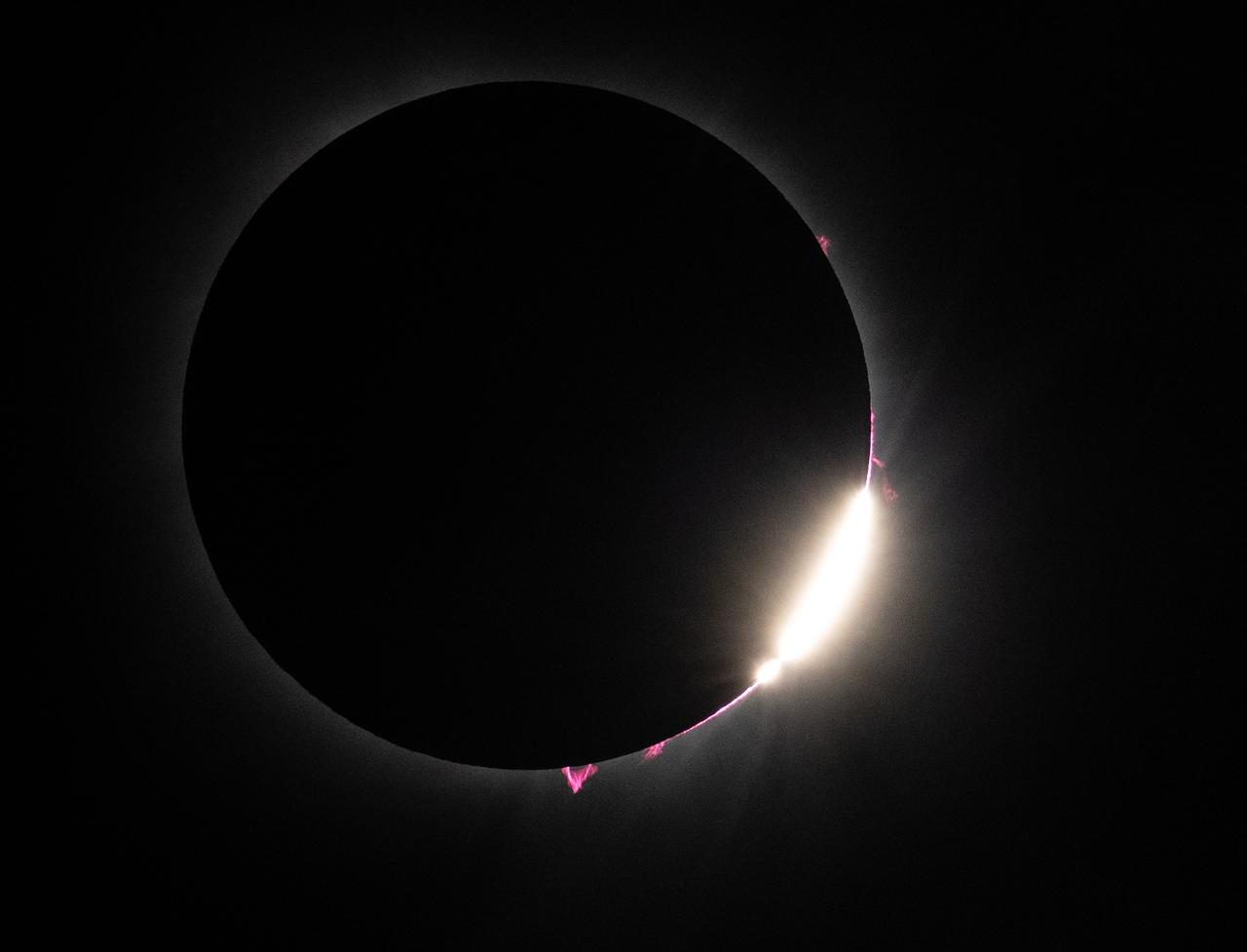
Bailey's Beads and solar prominences are seen just after totality in Dallas, Texas on Monday, April 8, 2024. A total solar eclipse swept across a narrow portion of the North American continent from Mexico’s Pacific coast to the Atlantic coast of Newfoundland, Canada. A partial solar eclipse was visible across the entire North American continent along with parts of Central America and Europe. Photo Credit: (NASA/Keegan Barber) in Dallas, Texas on Monday, April 8, 2024. A total solar eclipse swept across a narrow portion of the North American continent from Mexico’s Pacific coast to the Atlantic coast of Newfoundland, Canada. A partial solar eclipse was visible across the entire North American continent along with parts of Central America and Europe. Photo Credit: (NASA/Keegan Barber)

Guests learn about the total solar eclipse from NASA staff at the Dallas Arboretum, Monday, April 8, 2024, in Dallas, Texas. A total solar eclipse swept across a narrow portion of the North American continent from Mexico’s Pacific coast to the Atlantic coast of Newfoundland, Canada. A partial solar eclipse was visible across the entire North American continent along with parts of Central America and Europe. Photo Credit: (NASA/Keegan Barber) in Dallas, Texas on Monday, April 8, 2024. A total solar eclipse swept across a narrow portion of the North American continent from Mexico’s Pacific coast to the Atlantic coast of Newfoundland, Canada. A partial solar eclipse was visible across the entire North American continent along with parts of Central America and Europe. Photo Credit: (NASA/Keegan Barber)

Guests learn about the total solar eclipse from NASA staff at the Dallas Arboretum, Monday, April 8, 2024, in Dallas, Texas. A total solar eclipse swept across a narrow portion of the North American continent from Mexico’s Pacific coast to the Atlantic coast of Newfoundland, Canada. A partial solar eclipse was visible across the entire North American continent along with parts of Central America and Europe. Photo Credit: (NASA/Keegan Barber) in Dallas, Texas on Monday, April 8, 2024. A total solar eclipse swept across a narrow portion of the North American continent from Mexico’s Pacific coast to the Atlantic coast of Newfoundland, Canada. A partial solar eclipse was visible across the entire North American continent along with parts of Central America and Europe. Photo Credit: (NASA/Keegan Barber)

Guests learn about the total solar eclipse from NASA staff at the Dallas Arboretum, Monday, April 8, 2024, in Dallas, Texas. A total solar eclipse swept across a narrow portion of the North American continent from Mexico’s Pacific coast to the Atlantic coast of Newfoundland, Canada. A partial solar eclipse was visible across the entire North American continent along with parts of Central America and Europe. Photo Credit: (NASA/Keegan Barber) in Dallas, Texas on Monday, April 8, 2024. A total solar eclipse swept across a narrow portion of the North American continent from Mexico’s Pacific coast to the Atlantic coast of Newfoundland, Canada. A partial solar eclipse was visible across the entire North American continent along with parts of Central America and Europe. Photo Credit: (NASA/Keegan Barber)

Guests learn about the total solar eclipse from NASA staff at the Dallas Arboretum, Monday, April 8, 2024, in Dallas, Texas. A total solar eclipse swept across a narrow portion of the North American continent from Mexico’s Pacific coast to the Atlantic coast of Newfoundland, Canada. A partial solar eclipse was visible across the entire North American continent along with parts of Central America and Europe. Photo Credit: (NASA/Keegan Barber) in Dallas, Texas on Monday, April 8, 2024. A total solar eclipse swept across a narrow portion of the North American continent from Mexico’s Pacific coast to the Atlantic coast of Newfoundland, Canada. A partial solar eclipse was visible across the entire North American continent along with parts of Central America and Europe. Photo Credit: (NASA/Keegan Barber)

Guests learn about the total solar eclipse from NASA staff at the Dallas Arboretum, Monday, April 8, 2024, in Dallas, Texas. A total solar eclipse swept across a narrow portion of the North American continent from Mexico’s Pacific coast to the Atlantic coast of Newfoundland, Canada. A partial solar eclipse was visible across the entire North American continent along with parts of Central America and Europe. Photo Credit: (NASA/Keegan Barber) in Dallas, Texas on Monday, April 8, 2024. A total solar eclipse swept across a narrow portion of the North American continent from Mexico’s Pacific coast to the Atlantic coast of Newfoundland, Canada. A partial solar eclipse was visible across the entire North American continent along with parts of Central America and Europe. Photo Credit: (NASA/Keegan Barber)
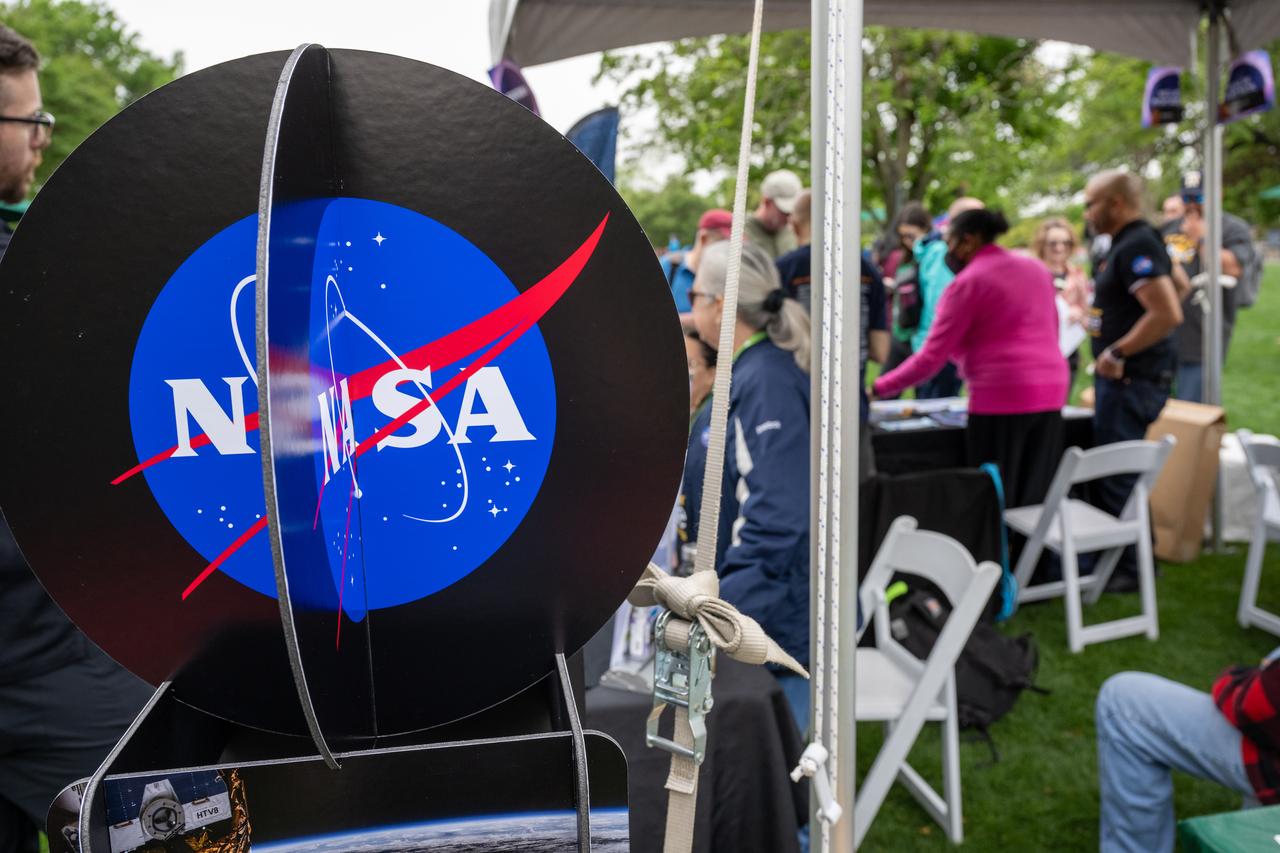
Guests learn about the total solar eclipse from NASA staff at the Dallas Arboretum, Monday, April 8, 2024, in Dallas, Texas. A total solar eclipse swept across a narrow portion of the North American continent from Mexico’s Pacific coast to the Atlantic coast of Newfoundland, Canada. A partial solar eclipse was visible across the entire North American continent along with parts of Central America and Europe. Photo Credit: (NASA/Keegan Barber) in Dallas, Texas on Monday, April 8, 2024. A total solar eclipse swept across a narrow portion of the North American continent from Mexico’s Pacific coast to the Atlantic coast of Newfoundland, Canada. A partial solar eclipse was visible across the entire North American continent along with parts of Central America and Europe. Photo Credit: (NASA/Keegan Barber)
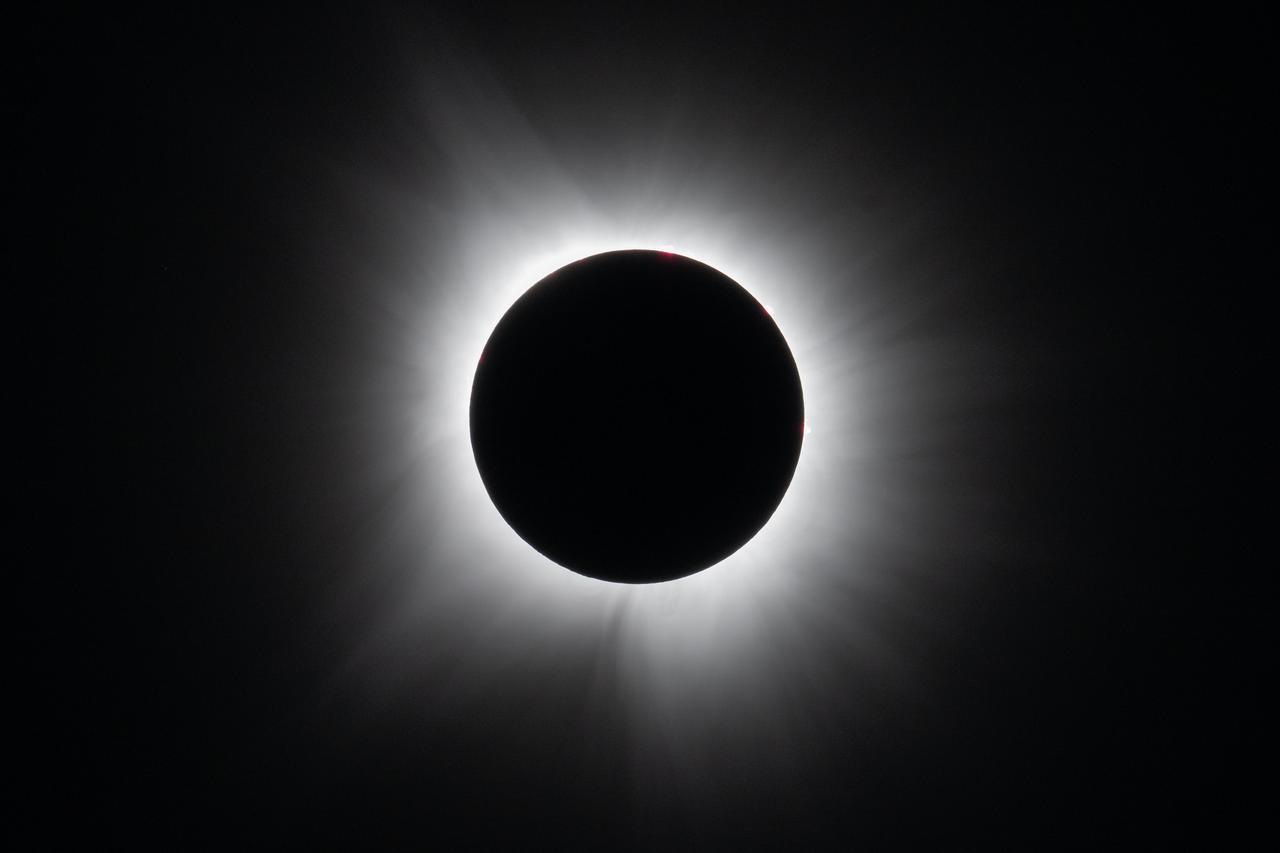
A total solar eclipse is seen in Dallas, Texas on Monday, April 8, 2024. A total solar eclipse swept across a narrow portion of the North American continent from Mexico’s Pacific coast to the Atlantic coast of Newfoundland, Canada. A partial solar eclipse was visible across the entire North American continent along with parts of Central America and Europe. Photo Credit: (NASA/Keegan Barber)
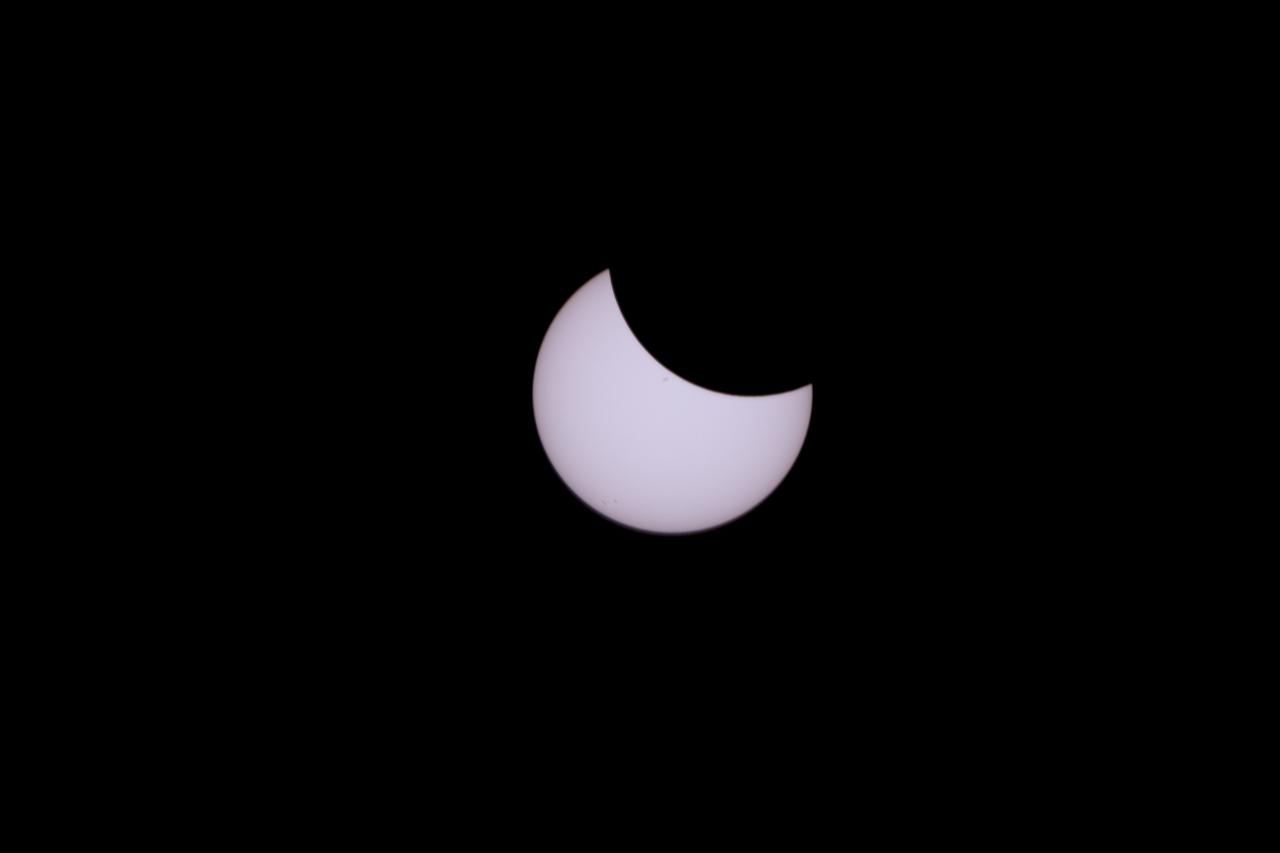
The Moon is seen passing in front of the Sun during a total solar eclipse on Monday, August 21, 2017 from onboard a NASA Gulfstream III aircraft flying 25,000 feet above the Oregon coast. A total solar eclipse swept across a narrow portion of the contiguous United States from Lincoln Beach, Oregon to Charleston, South Carolina. A partial solar eclipse was visible across the entire North American continent along with parts of South America, Africa, and Europe. Photo Credit: (NASA/Carla Thomas)

NASA Deputy Associate Administrator Casey Swails speaks to guests about the upcoming total solar eclipse at the Dallas Arboretum, Monday, April 8, 2024, in Dallas, Texas. A total solar eclipse swept across a narrow portion of the North American continent from Mexico’s Pacific coast to the Atlantic coast of Newfoundland, Canada. A partial solar eclipse was visible across the entire North American continent along with parts of Central America and Europe. Photo Credit: (NASA/Keegan Barber)
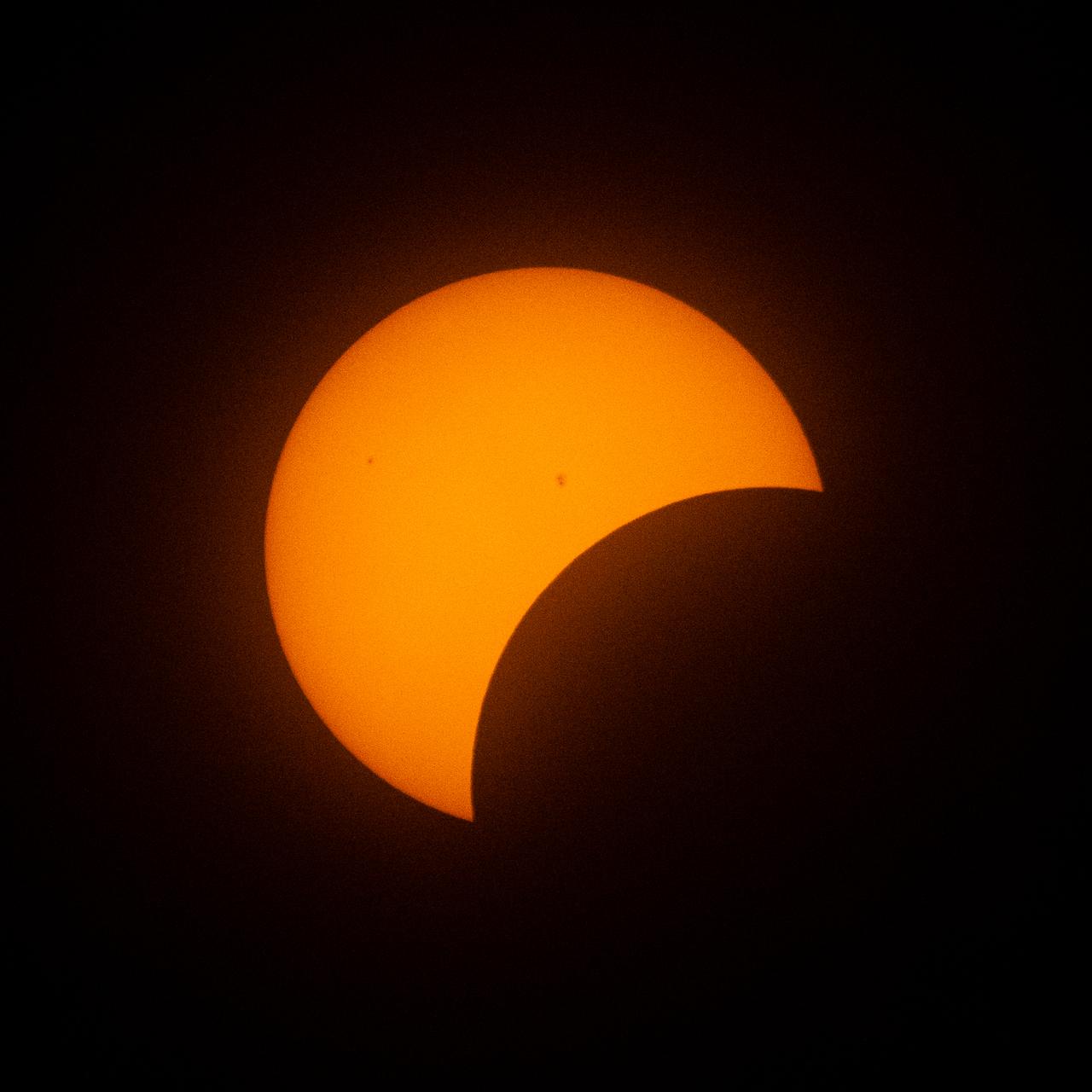
The Moon is seen passing in front of the Sun during a partial solar eclipse from the Indianapolis Motor Speedway, Monday, April 8, 2024, in Indianapolis, Indiana. A total solar eclipse swept across a narrow portion of the North American continent from Mexico’s Pacific coast to the Atlantic coast of Newfoundland, Canada. A partial solar eclipse was visible across the entire North American continent along with parts of Central America and Europe. Photo Credit: (NASA/Joel Kowsky)
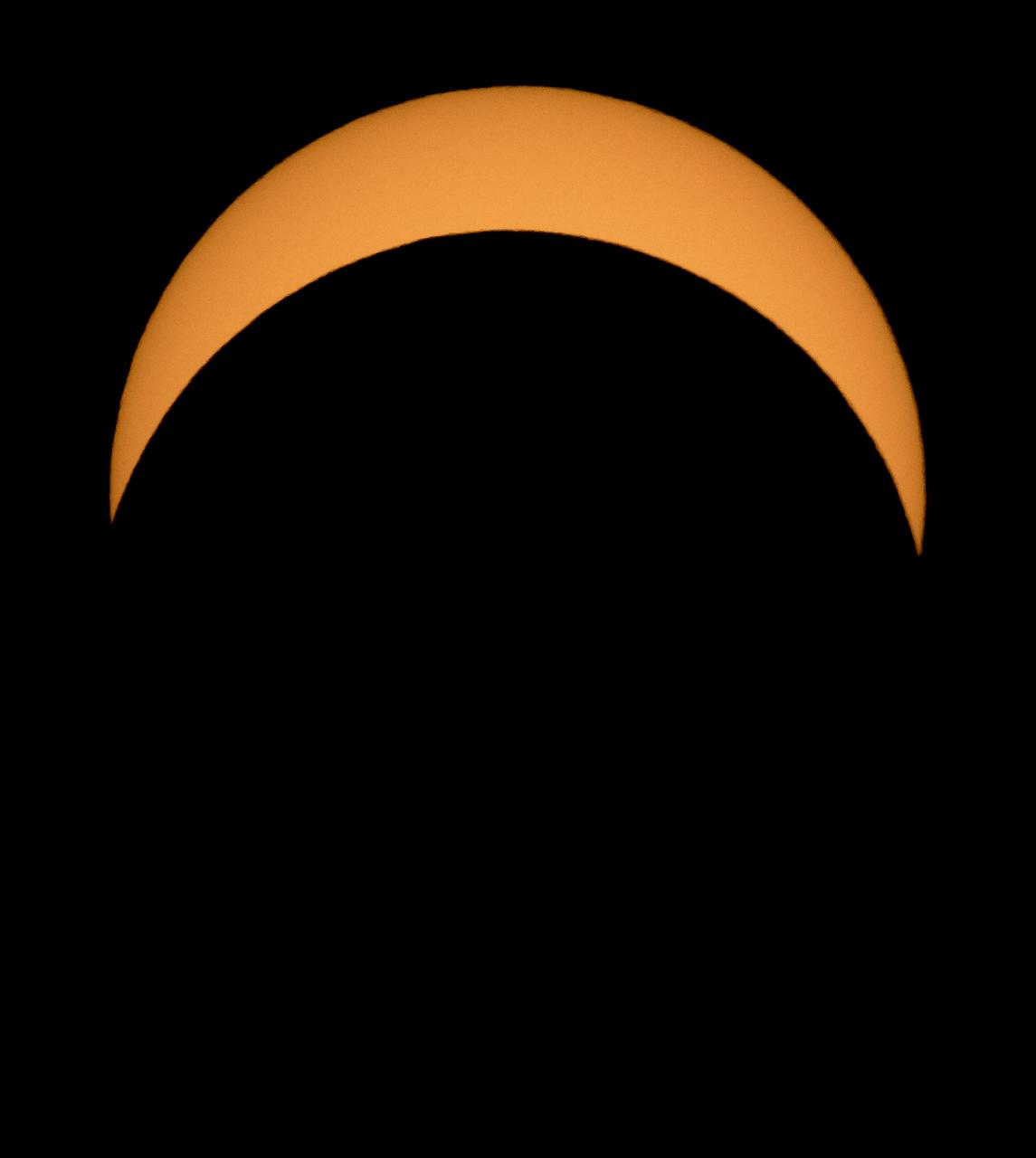
The Moon is seen passing in front of the Sun during a solar eclipse from Ross Lake, Northern Cascades National Park, Washington on Monday, Aug. 21, 2017. A total solar eclipse swept across a narrow portion of the contiguous United States from Lincoln Beach, Oregon to Charleston, South Carolina. A partial solar eclipse was visible across the entire North American continent along with parts of South America, Africa, and Europe. Photo Credit: (NASA/Bill Ingalls)

NASA Deputy Associate Administrator Casey Swails speaks to guests about the upcoming total solar eclipse at the Dallas Arboretum, Monday, April 8, 2024, in Dallas, Texas. A total solar eclipse swept across a narrow portion of the North American continent from Mexico’s Pacific coast to the Atlantic coast of Newfoundland, Canada. A partial solar eclipse was visible across the entire North American continent along with parts of Central America and Europe. Photo Credit: (NASA/Keegan Barber)
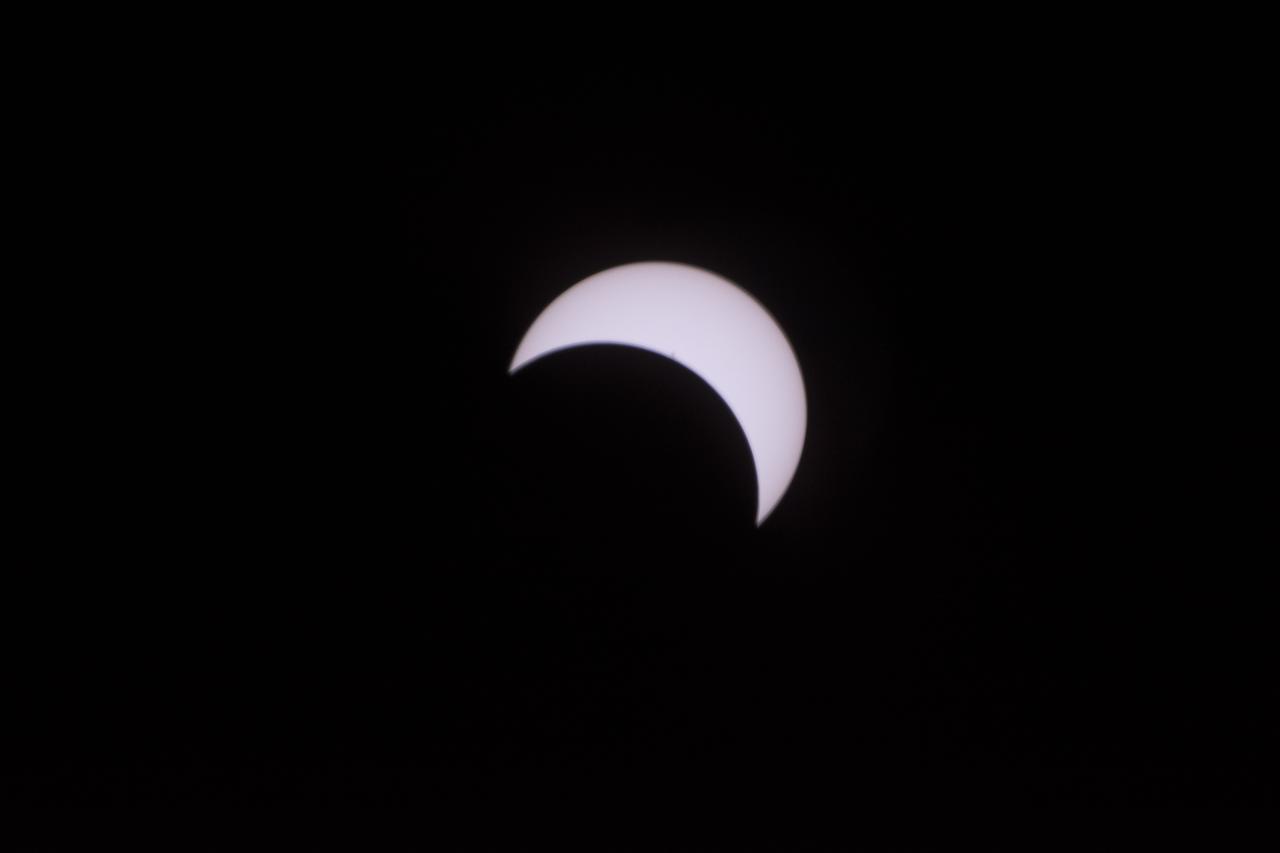
The Moon is seen passing in front of the Sun during a total solar eclipse on Monday, August 21, 2017 from onboard a NASA Gulfstream III aircraft flying 25,000 feet above the Oregon coast. A total solar eclipse swept across a narrow portion of the contiguous United States from Lincoln Beach, Oregon to Charleston, South Carolina. A partial solar eclipse was visible across the entire North American continent along with parts of South America, Africa, and Europe. Photo Credit: (NASA/Carla Thomas)
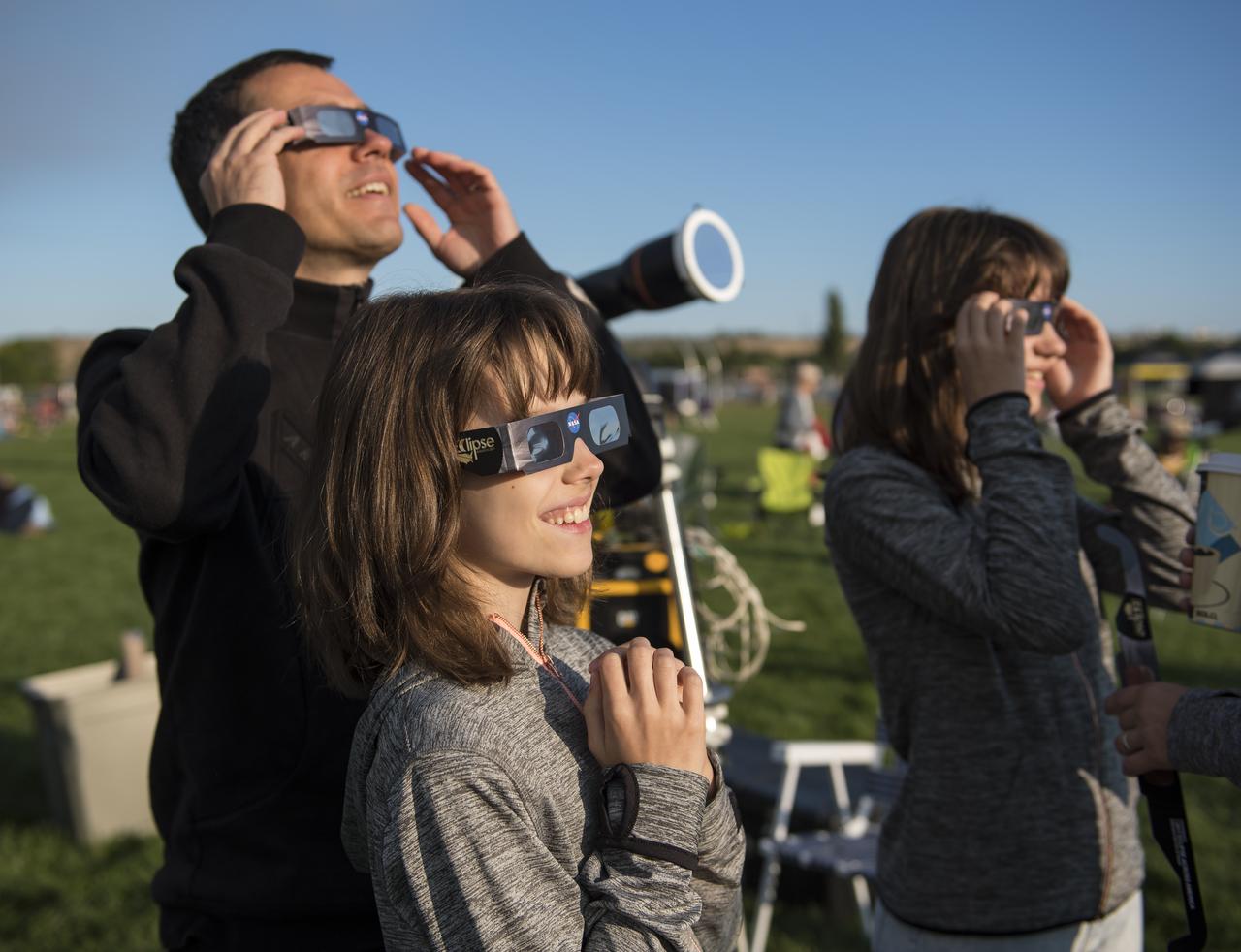
Klaus Koschinsky, left, and his daughters, Claudia, center, and Tanja, right, from Munich, Germany, are seen as they watch a total solar eclipse through protective glasses in Madras, Oregon on Monday, Aug. 21, 2017. A total solar eclipse swept across a narrow portion of the contiguous United States from Lincoln Beach, Oregon to Charleston, South Carolina. A partial solar eclipse was visible across the entire North American continent along with parts of South America, Africa, and Europe. Photo Credit: (NASA/Aubrey Gemignani)

People are seen as they watch a total solar eclipse in Dallas, Texas on Monday, April 8, 2024. A total solar eclipse swept across a narrow portion of the North American continent from Mexico’s Pacific coast to the Atlantic coast of Newfoundland, Canada. A partial solar eclipse was visible across the entire North American continent along with parts of Central America and Europe. Photo Credit: (NASA/Keegan Barber)

NASA Deputy Associate Administrator Casey Swails speaks to guests about the upcoming total solar eclipse at the Dallas Arboretum, Monday, April 8, 2024, in Dallas, Texas. A total solar eclipse swept across a narrow portion of the North American continent from Mexico’s Pacific coast to the Atlantic coast of Newfoundland, Canada. A partial solar eclipse was visible across the entire North American continent along with parts of Central America and Europe. Photo Credit: (NASA/Keegan Barber)

Attendees view the progression of a total solar eclipse from the Indianapolis Motor Speedway, Monday, April 8, 2024, in Indianapolis, Indiana. A total solar eclipse swept across a narrow portion of the North American continent from Mexico’s Pacific coast to the Atlantic coast of Newfoundland, Canada. A partial solar eclipse was visible across the entire North American continent along with parts of Central America and Europe. Photo Credit: (NASA/Joel Kowsky)
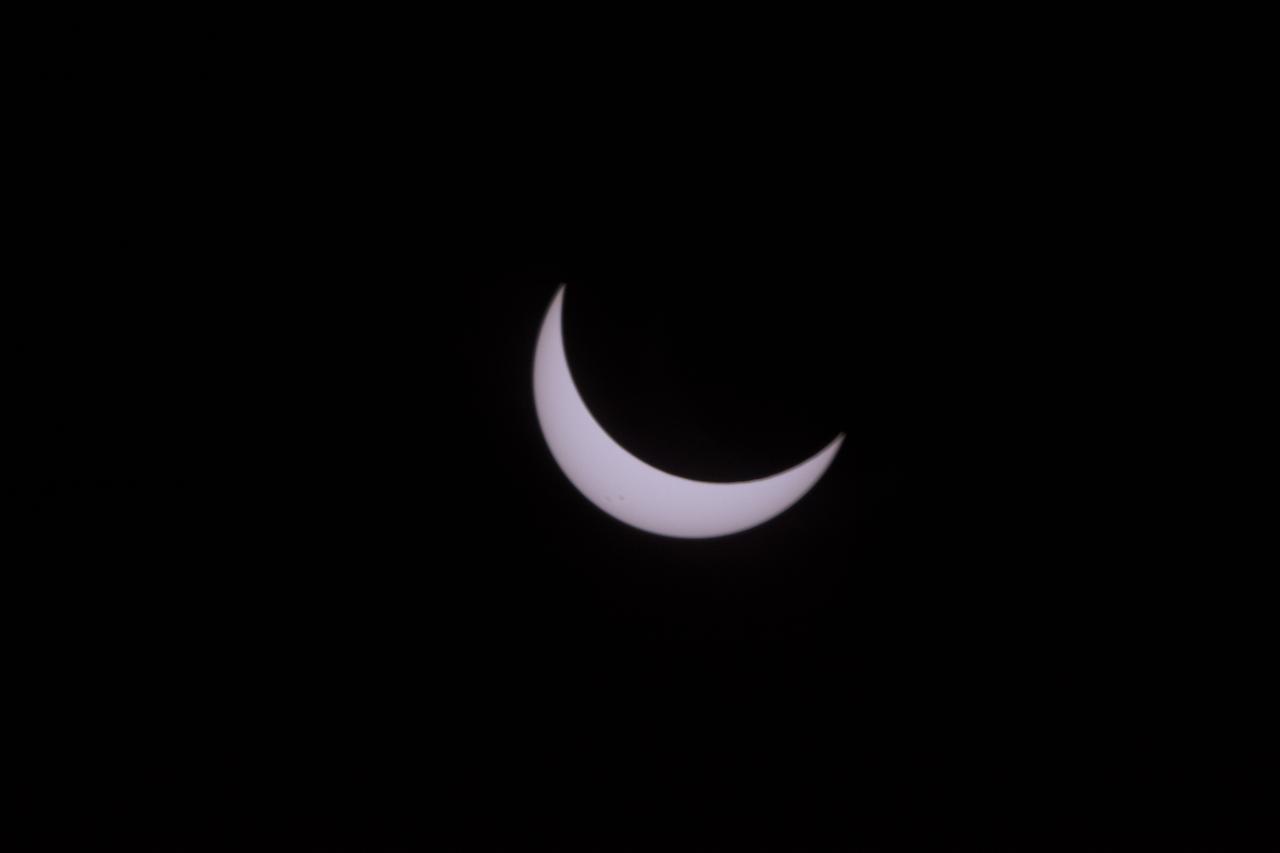
The Moon is seen passing in front of the Sun during a total solar eclipse on Monday, August 21, 2017 from onboard a NASA Gulfstream III aircraft flying 25,000 feet above the Oregon coast. A total solar eclipse swept across a narrow portion of the contiguous United States from Lincoln Beach, Oregon to Charleston, South Carolina. A partial solar eclipse was visible across the entire North American continent along with parts of South America, Africa, and Europe. Photo Credit: (NASA/Carla Thomas)

NASA Deputy Associate Administrator Casey Swails speaks to guests about the upcoming total solar eclipse at the Dallas Arboretum, Monday, April 8, 2024, in Dallas, Texas. A total solar eclipse swept across a narrow portion of the North American continent from Mexico’s Pacific coast to the Atlantic coast of Newfoundland, Canada. A partial solar eclipse was visible across the entire North American continent along with parts of Central America and Europe. Photo Credit: (NASA/Keegan Barber)
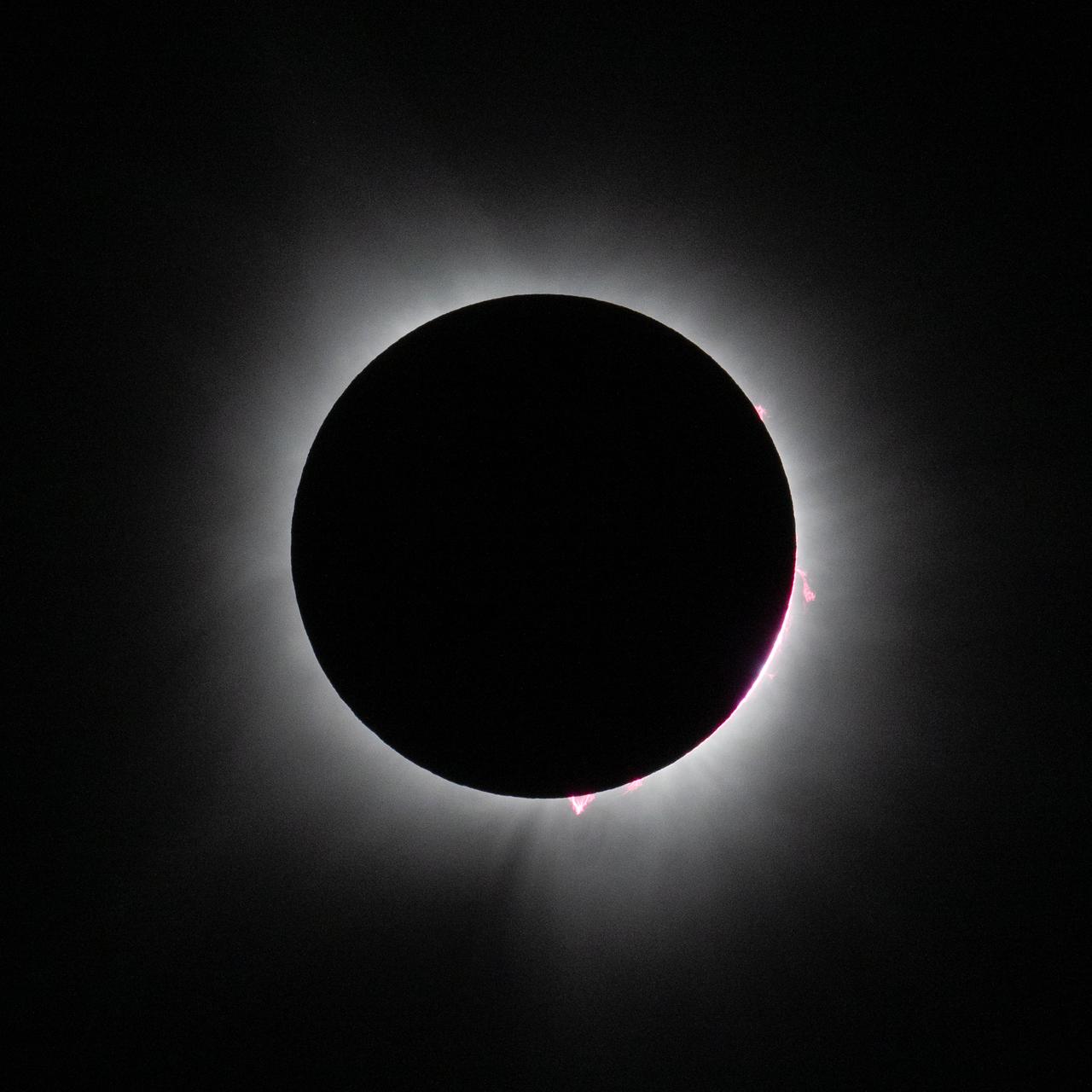
A total solar eclipse is seen in Dallas, Texas on Monday, April 8, 2024. A total solar eclipse swept across a narrow portion of the North American continent from Mexico’s Pacific coast to the Atlantic coast of Newfoundland, Canada. A partial solar eclipse was visible across the entire North American continent along with parts of Central America and Europe. Photo Credit: (NASA/Keegan Barber)
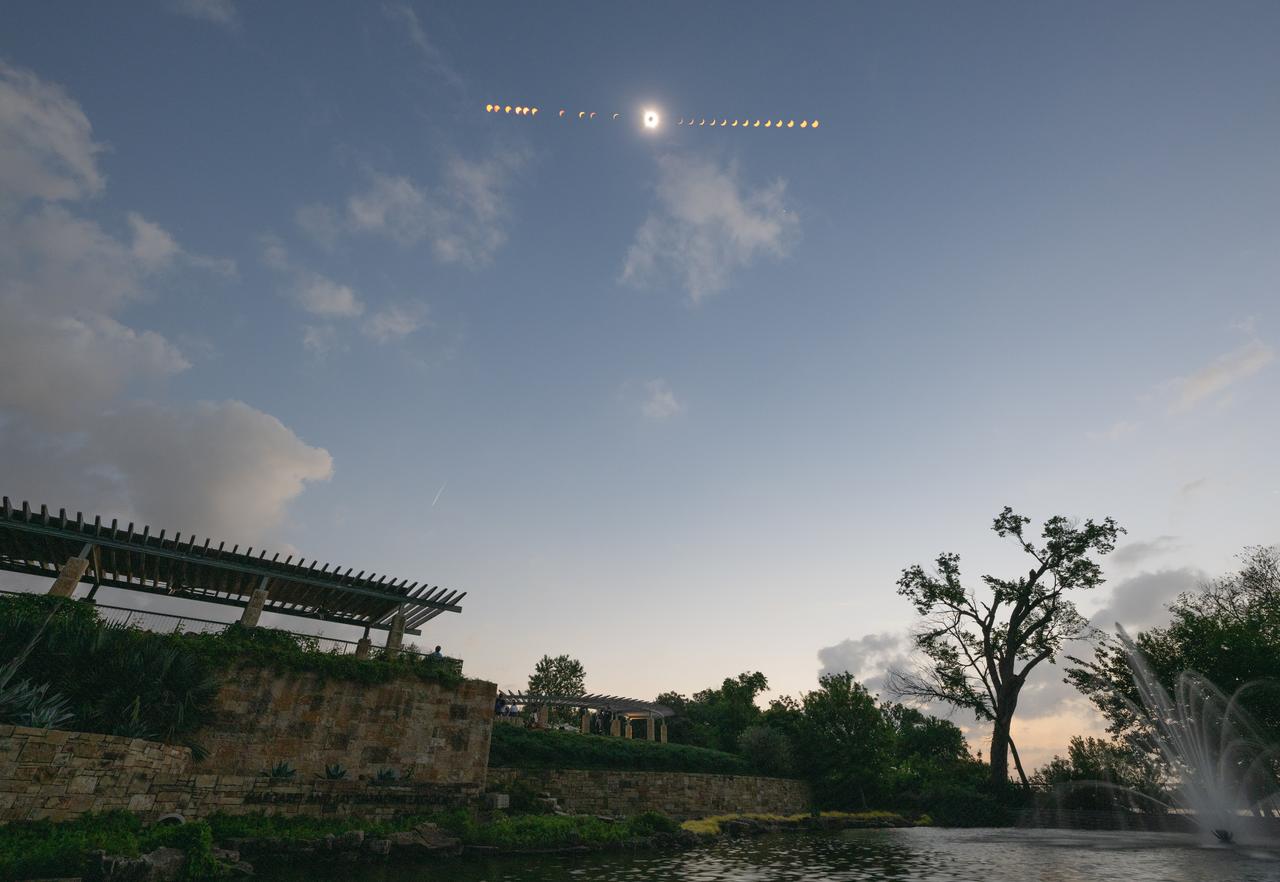
This composite image of multiple exposures shows the progression of a total solar eclipse in Dallas, Texas on Monday, April 8, 2024. A total solar eclipse swept across a narrow portion of the North American continent from Mexico’s Pacific coast to the Atlantic coast of Newfoundland, Canada. A partial solar eclipse was visible across the entire North American continent along with parts of Central America and Europe. Photo Credit: (NASA/Keegan Barber)
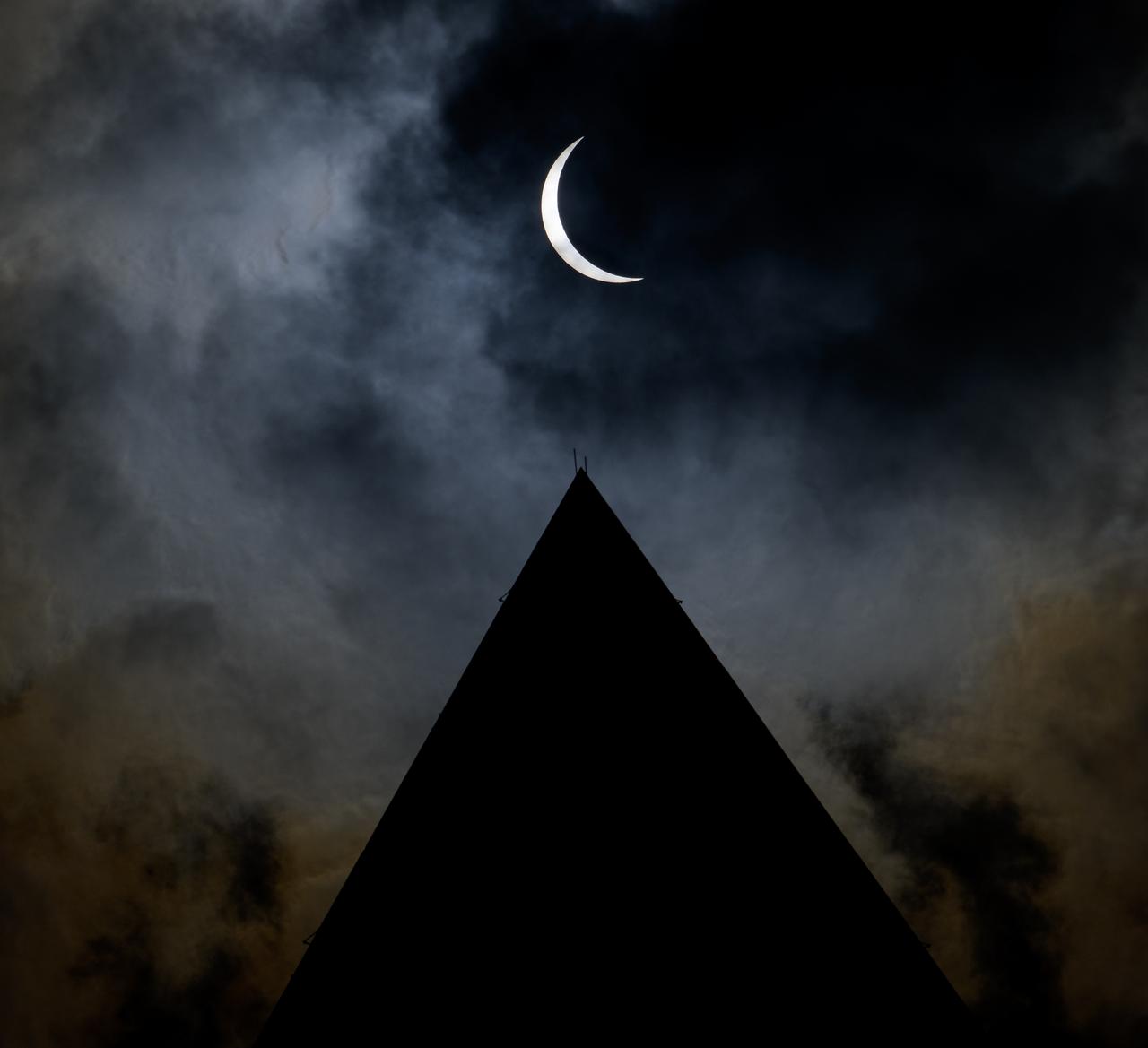
The Moon is seen passing in front of the Sun, with the top of the Washington Monument in silhouette, during a partial solar eclipse in Washington, on Monday, April 8, 2024. A total solar eclipse swept across a narrow portion of the North American continent from Mexico’s Pacific coast to the Atlantic coast of Newfoundland, Canada. A partial solar eclipse was visible across the entire North American continent along with parts of Central America and Europe. Photo Credit: (NASA/Bill Ingalls)