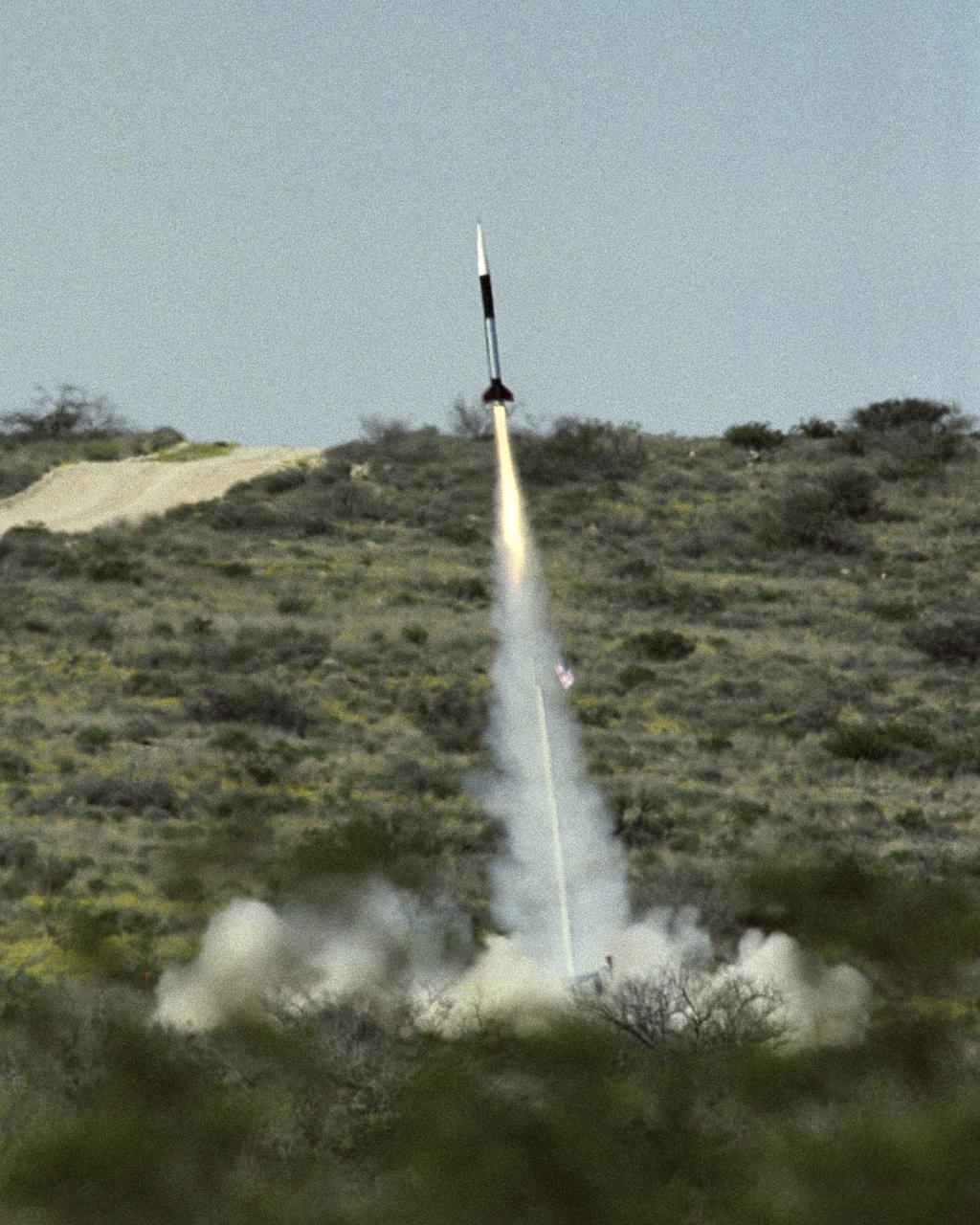
Launch of the first Dryden Aerospike rocket. The Dryden Aerospike Rocket Test provided the first known data from a solid-fueled aerospike rocket in flight.
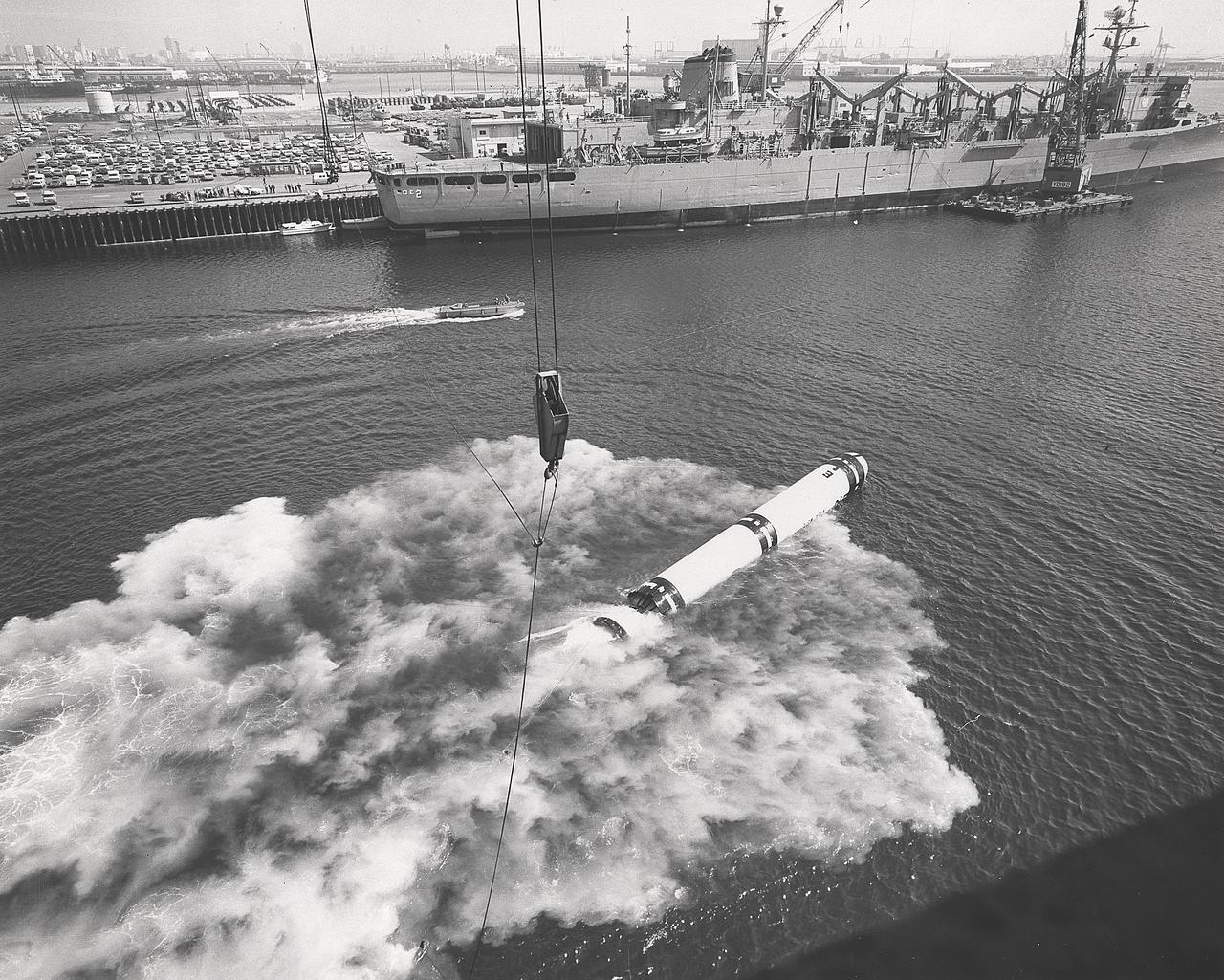
As early as September 1972, the Marshall Space Flight Center arnounced plans for a series of 20 water-entry simulation tests with a solid-fueled rocket casing assembly. The tests would provide valuable data for assessment of solid rocket booster parachute water recovery and aid in preliminary solid rocket motor design.
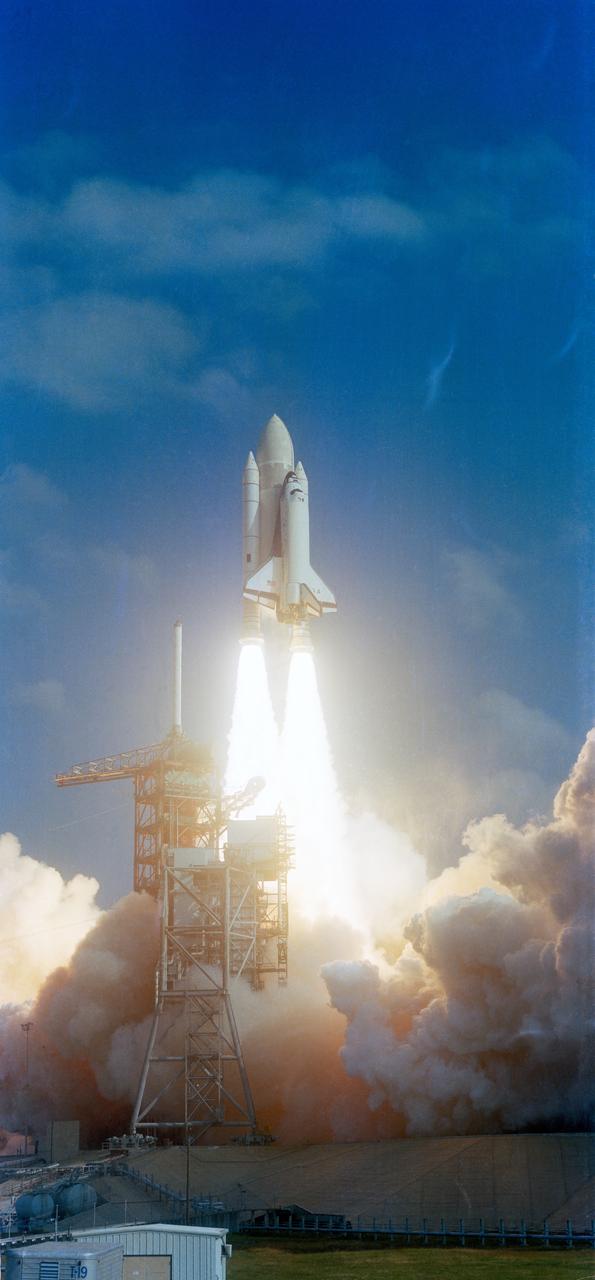
The 122 foot tall Space Shuttle Orbiter Columbia mated to its external fuel container (ET) and two solid rocket boosters (SRB) lifts off from Launch Pad 39A for the begining of STS-2.
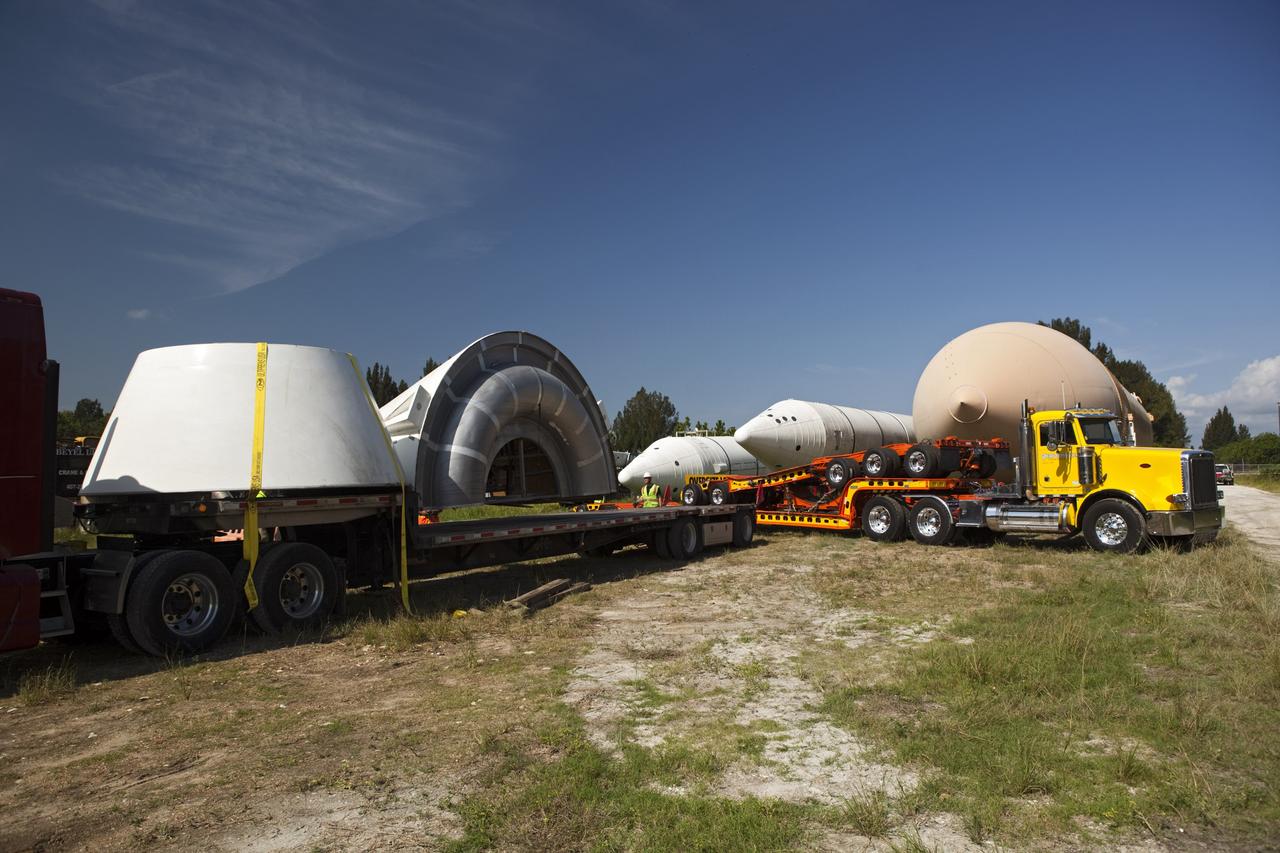
CAPE CANAVERAL, Fla. – At NASA’s Kennedy Space Center in Florida, aft skirts for space shuttle solid rocket boosters are being loaded on a truck. A twin set of space shuttle solid rocket boosters and an external fuel tank are being prepared for transport to separate museums. The solid rocket boosters, or SRBs, will be displayed at the California Science Center in Los Angeles. The external tank soon will be transported for display at the Wings of Dreams Aviation Museum at Keystone Heights Airport between Gainesville and Jacksonville, Fla. The 149-foot SRBs together provided six million pounds of thrust. The external fuel tank contained over 500,000 gallons of liquid hydrogen and liquid oxygen propellant for the shuttle orbiters' three main engines. The work is part of Transition and Retirement of the space shuttle. For more information, visit http://www.nasa.gov/transition Photo credit: NASA/ Dimitri Gerondidakis
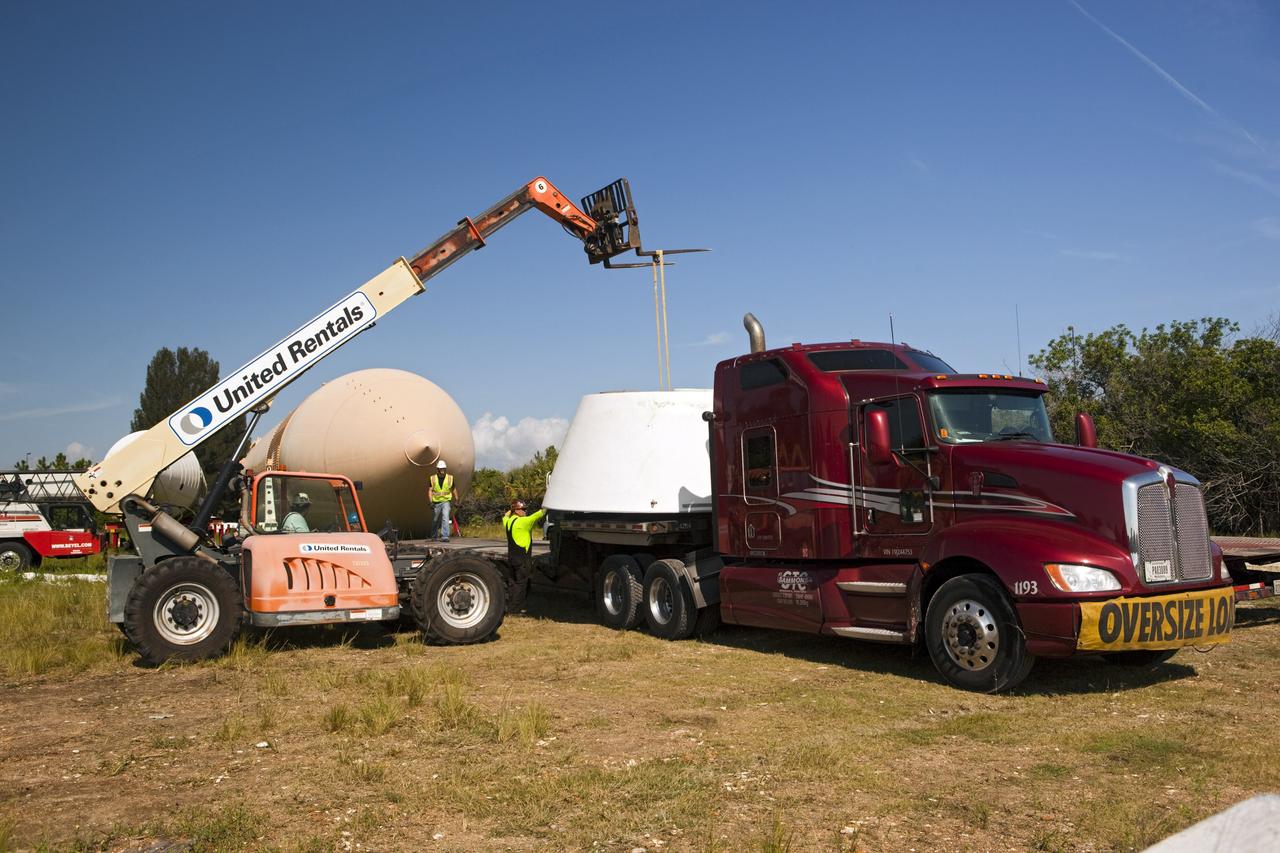
CAPE CANAVERAL, Fla. – At NASA’s Kennedy Space Center in Florida, a crane is used to load the aft skirt for a space shuttle solid rocket booster on a truck. A twin set of space shuttle solid rocket boosters and an external fuel tank are being prepared for transport to separate museums. The solid rocket boosters, or SRBs, will be displayed at the California Science Center in Los Angeles. The external tank soon will be transported for display at the Wings of Dreams Aviation Museum at Keystone Heights Airport between Gainesville and Jacksonville, Fla. The 149-foot SRBs together provided six million pounds of thrust. The external fuel tank contained over 500,000 gallons of liquid hydrogen and liquid oxygen propellant for the shuttle orbiters' three main engines. The work is part of Transition and Retirement of the space shuttle. For more information, visit http://www.nasa.gov/transition Photo credit: NASA/ Dimitri Gerondidakis
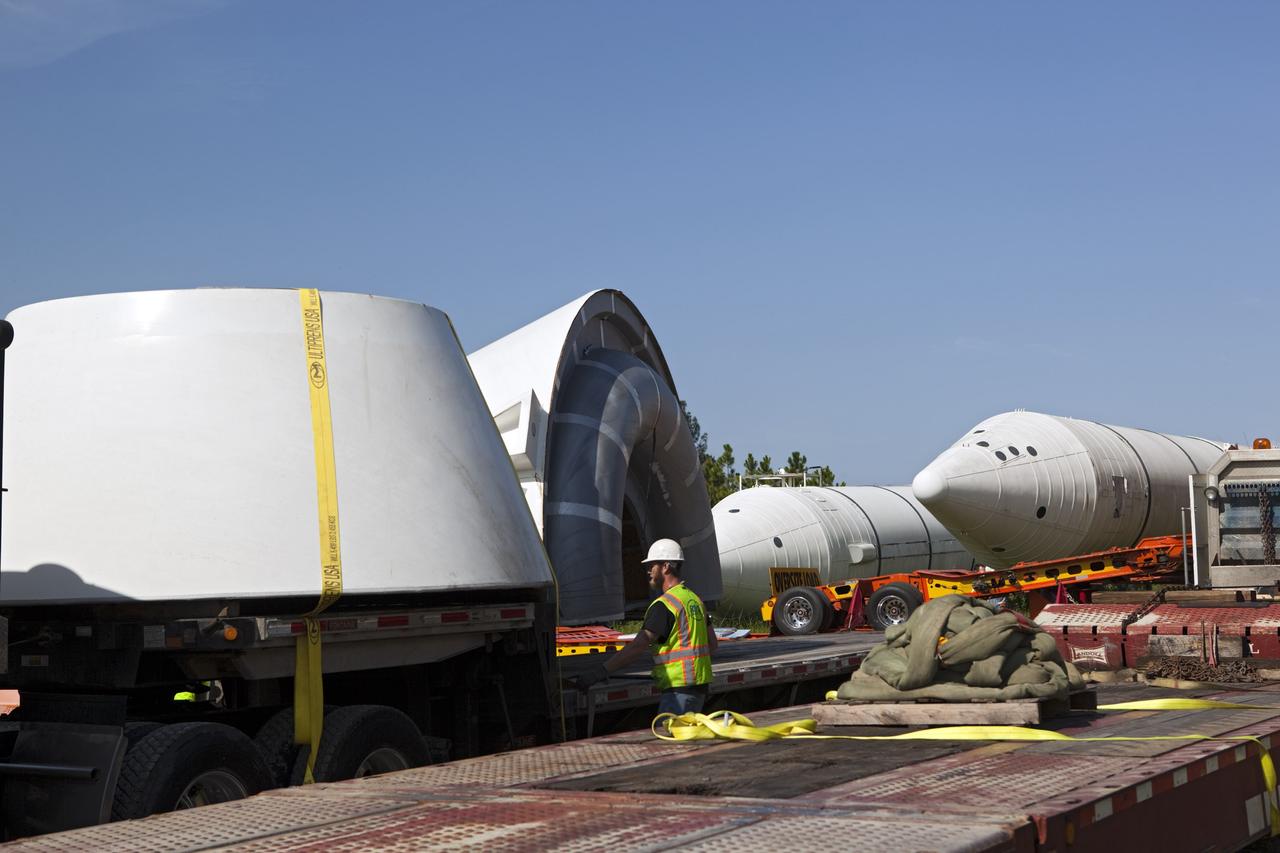
CAPE CANAVERAL, Fla. – At NASA’s Kennedy Space Center in Florida, aft skirts for space shuttle solid rocket boosters are being loaded on a truck. A twin set of space shuttle solid rocket boosters and an external fuel tank are being prepared for transport to separate museums. The solid rocket boosters, or SRBs, will be displayed at the California Science Center in Los Angeles. The external tank soon will be transported for display at the Wings of Dreams Aviation Museum at Keystone Heights Airport between Gainesville and Jacksonville, Fla. The 149-foot SRBs together provided six million pounds of thrust. The external fuel tank contained over 500,000 gallons of liquid hydrogen and liquid oxygen propellant for the shuttle orbiters' three main engines. The work is part of Transition and Retirement of the space shuttle. For more information, visit http://www.nasa.gov/transition Photo credit: NASA/ Dimitri Gerondidakis
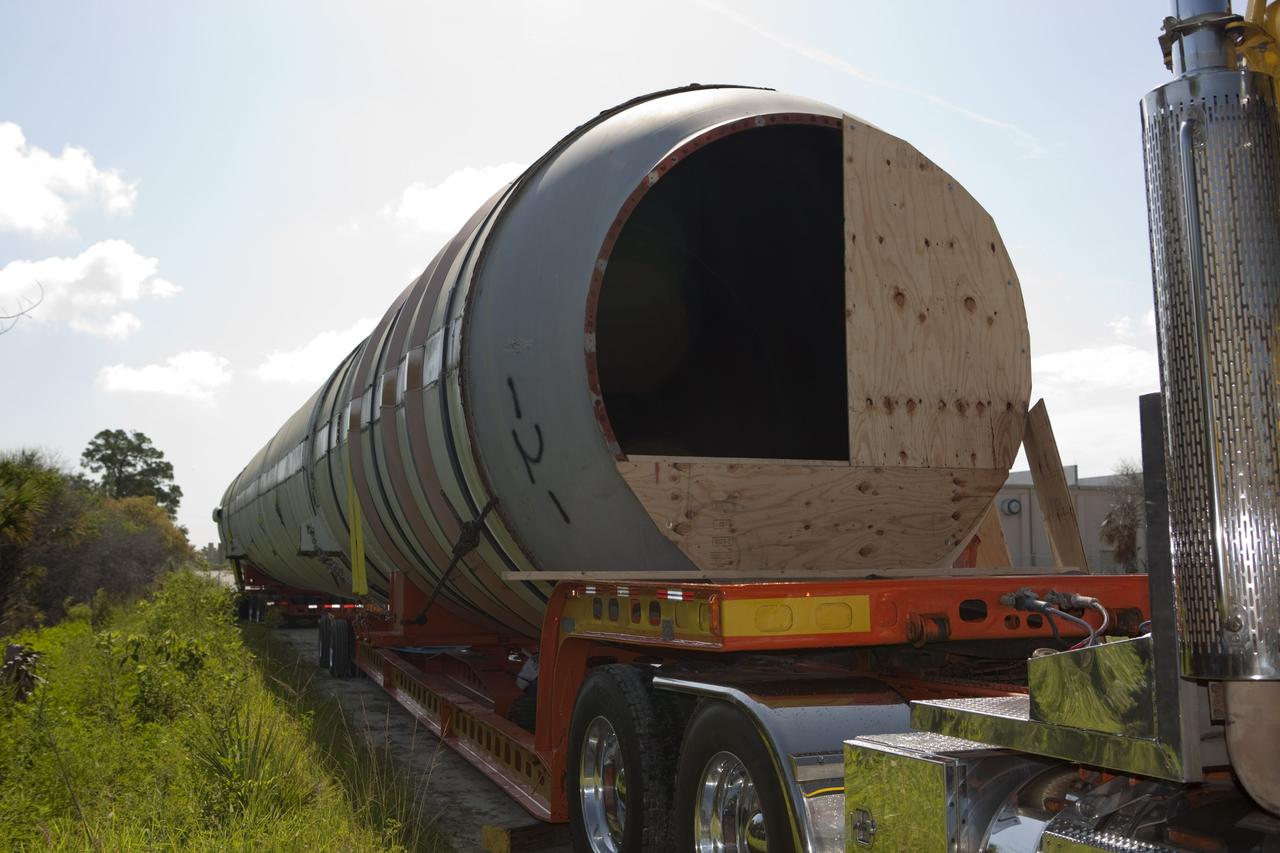
CAPE CANAVERAL, Fla. – At NASA’s Kennedy Space Center in Florida, a space shuttle solid rocket booster has been loaded on a truck. A twin set of space shuttle solid rocket boosters and an external fuel tank are being prepared for transport to separate museums. The solid rocket boosters, or SRBs, will be displayed at the California Science Center in Los Angeles. The external tank soon will be transported for display at the Wings of Dreams Aviation Museum at Keystone Heights Airport between Gainesville and Jacksonville, Fla. The 149-foot SRBs together provided six million pounds of thrust. The external fuel tank contained over 500,000 gallons of liquid hydrogen and liquid oxygen propellant for the shuttle orbiters' three main engines. The work is part of Transition and Retirement of the space shuttle. For more information, visit http://www.nasa.gov/transition Photo credit: NASA/ Dimitri Gerondidakis
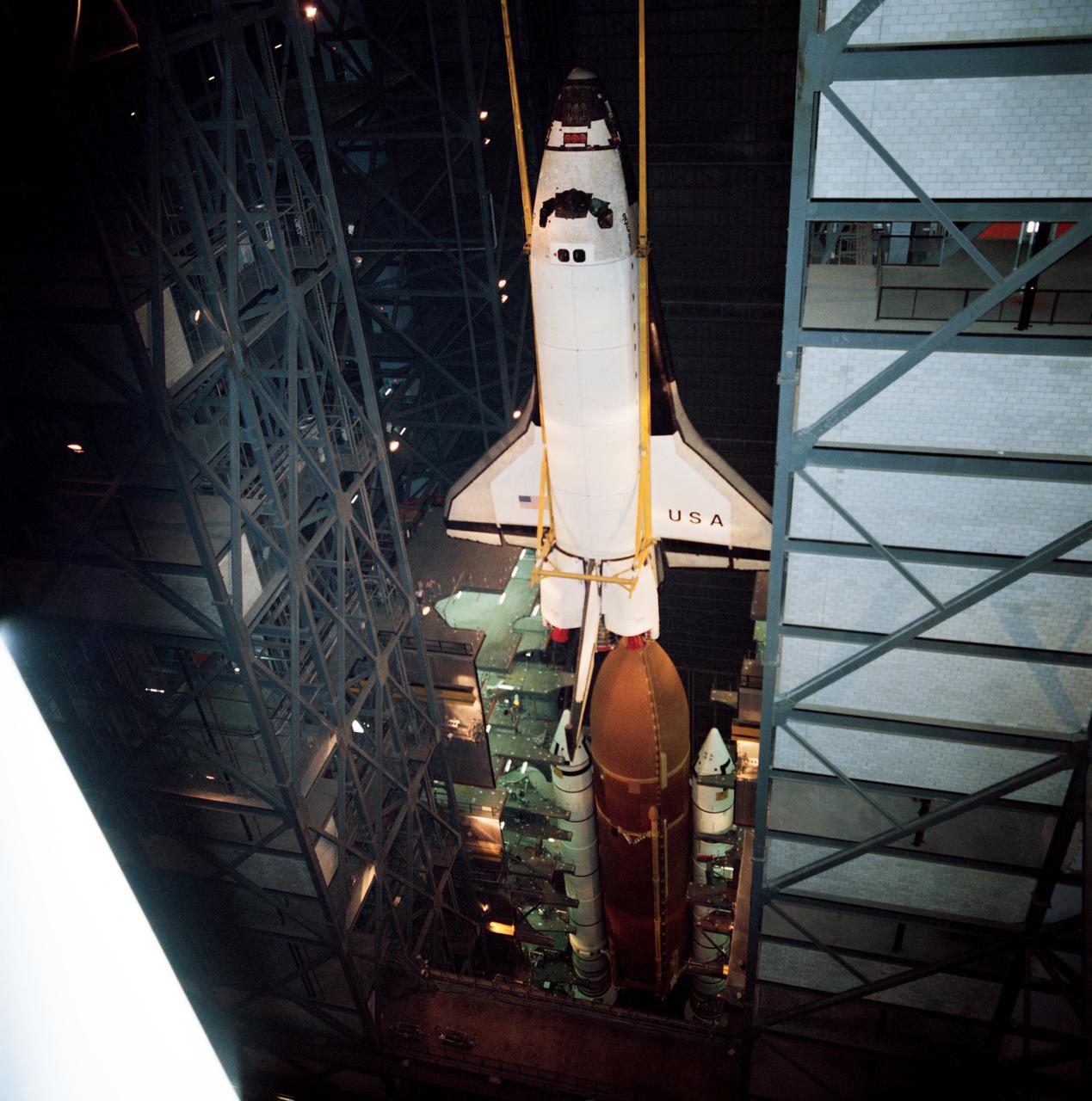
S89-40392 (12 July 1989) --- Inside KSC's giant vehicle assembly building, Space Shuttle Columbia is mated to two solid rocket boosters (SRB) and an external fuel tank as preparations continue for an early September launch. The mission is scheduled as a DOD-devoted flight, set for launch early next month.
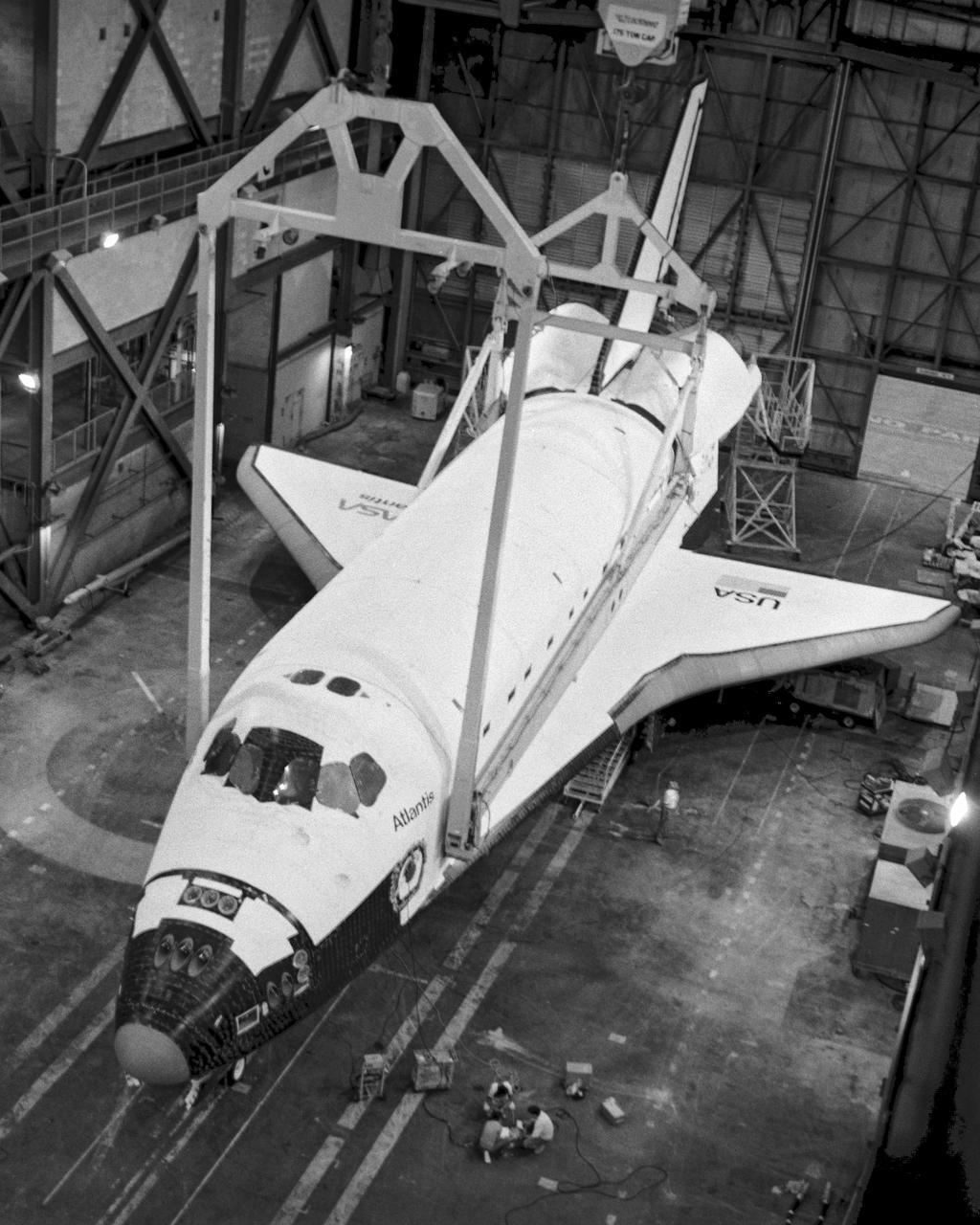
CAPE CANAVERAL, Fla. -- At the Kennedy Space Center in Florida, the space shuttle Atlantis is gently lowered into place next to the external fuel tank and solid rocket boosters in the Vehicle Assembly Building in preparation for its maiden flight, STS-51J. Photo credit: NASA
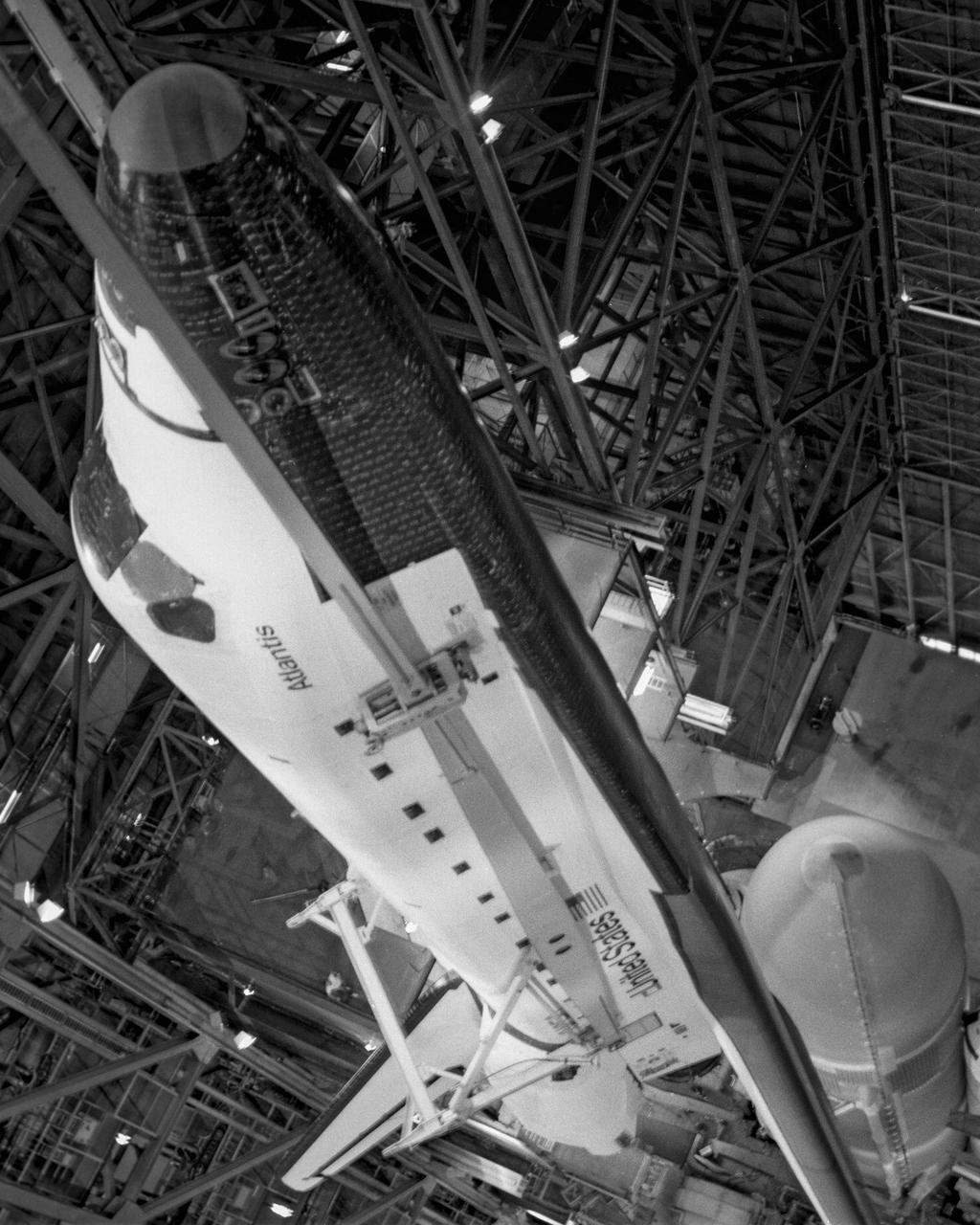
CAPE CANAVERAL, Fla. -- At the Kennedy Space Center in Florida, the space shuttle Atlantis is gently lowered into place next to the external fuel tank and solid rocket boosters in the Vehicle Assembly Building in preparation for its maiden flight, STS-51J. Photo credit: NASA
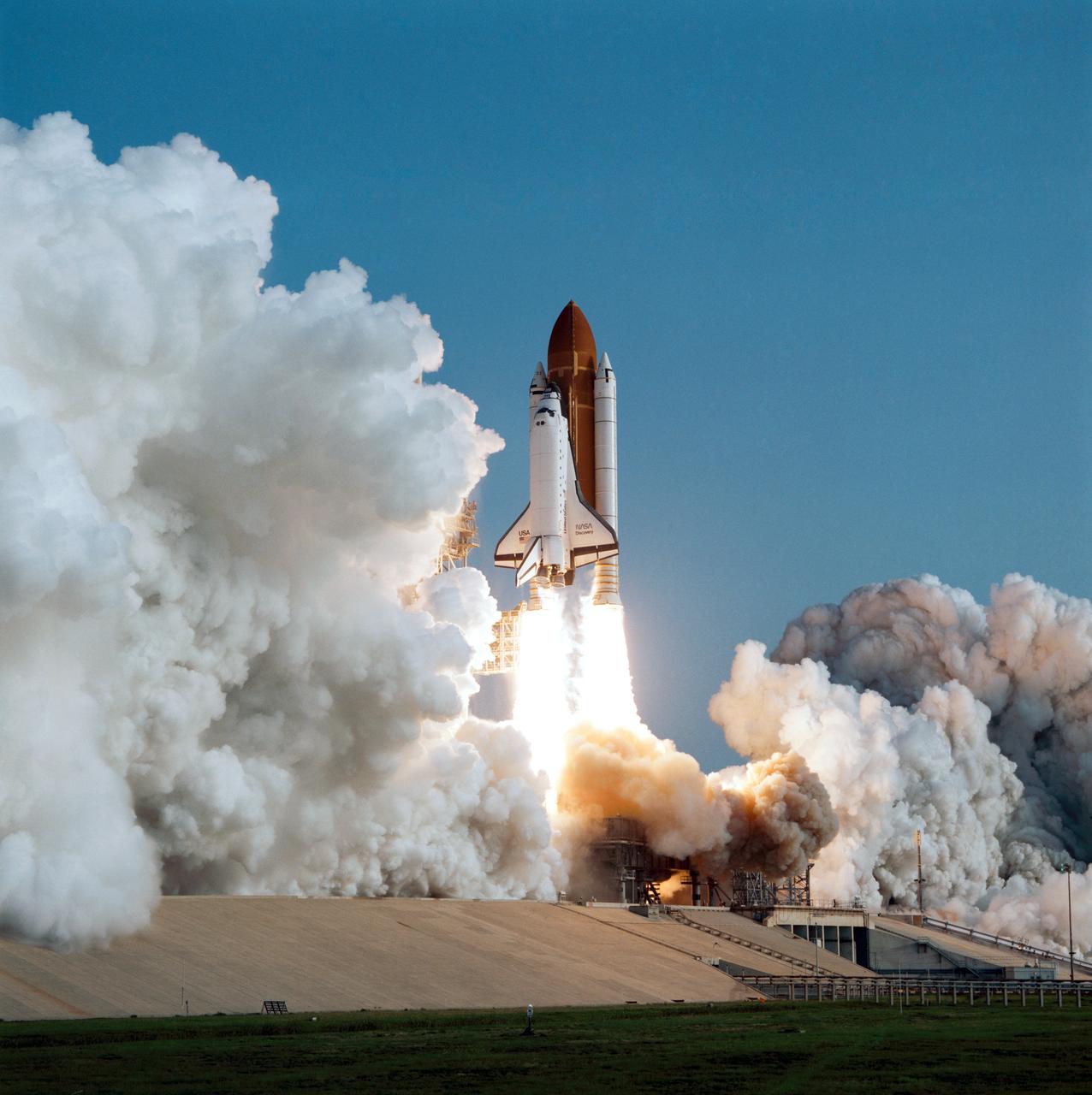
51G-S-098 (17 June 1985) --- With seven crewmembers and a variety of international payloads onboard, the Space Shuttle Discovery, attached to two solid rocket boosters and an external fuel tank, gets off the launch pad at 7:33:042 a.m. (EDT), June 17, 1985.
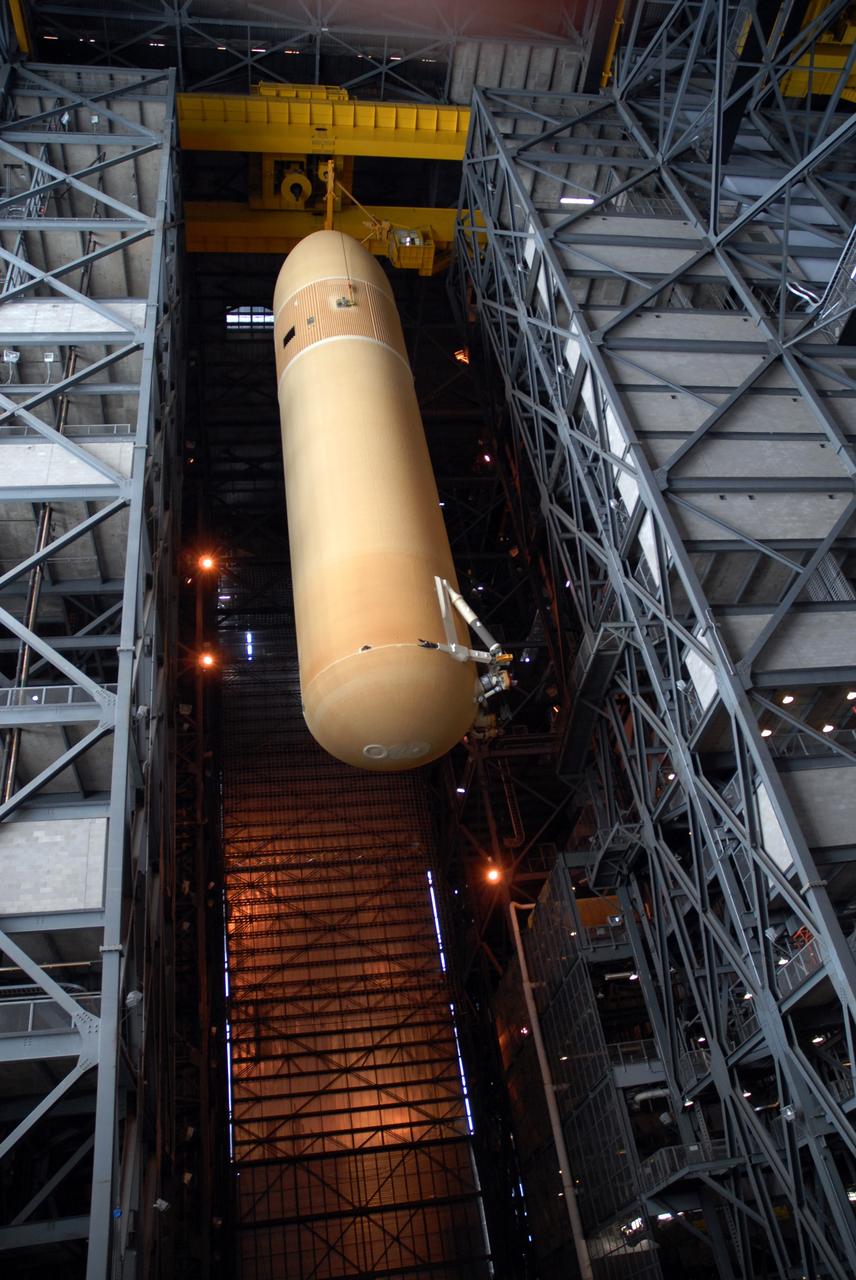
CAPE CANAVERAL, Fla. -- Suspended by a crane in the Vehicle Assembly Building at NASA's Kennedy Space Center in Florida, external fuel tank 130 is moved into high bay 2 for checkout before stacking with the solid rocket boosters and space shuttle Atlantis for the STS-125 mission. The fuel tank was previously designated for the STS-127 mission. The STS-125 Hubble servicing mission is targeted to launch May 12. Photo credit: NASA/Tim Jacobs

CAPE CANAVERAL, Fla. -- In the Vehicle Assembly Building at NASA's Kennedy Space Center in Florida, the vertical external fuel tank 130 is suspended by a crane over the transfer aisle. The tank will be lifted into high bay 2 for checkout before stacking with the solid rocket boosters and space shuttle Atlantis for the STS-125 mission. The fuel tank was previously designated for the STS-127 mission. The STS-125 Hubble servicing mission is targeted to launch May 12. Photo credit: NASA/Tim Jacobs

CAPE CANAVERAL, Fla. -- In the transfer aisle of the Vehicle Assembly Building at NASA's Kennedy Space Center in Florida, external fuel tank 130 is fitted with a crane to lift it off the transporter. The tank will be raised to vertical and lifted into high bay 2 for checkout before stacking with the solid rocket boosters and space shuttle Endeavour for the STS-125 mission. The fuel tank was previously designated for the STS-127 mission. The STS-125 Hubble servicing mission is targeted to launch May 12. Photo credit: NASA/Tim Jacobs
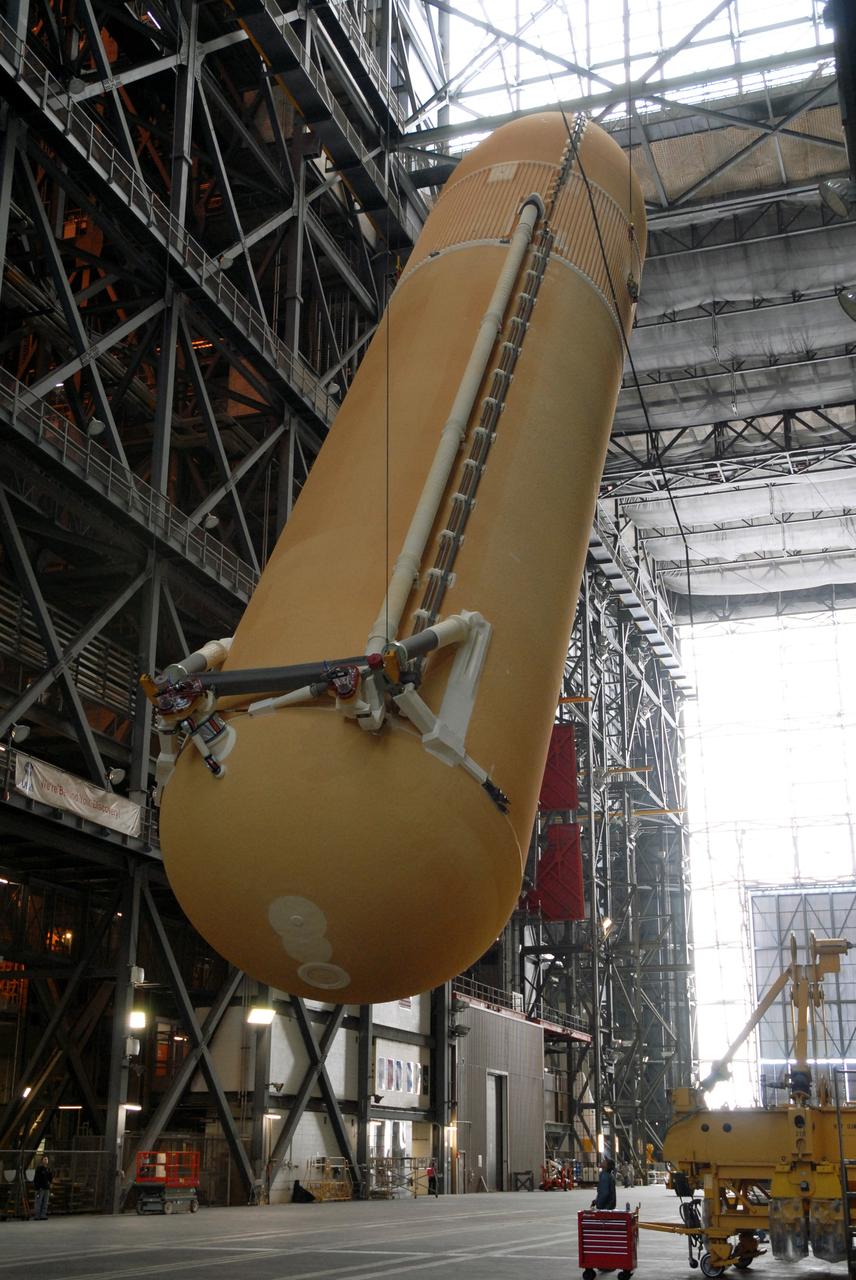
CAPE CANAVERAL, Fla. -- In the transfer aisle of the Vehicle Assembly Building at NASA's Kennedy Space Center in Florida, external fuel tank 130 is raised to a vertical position. The tank will be lifted into high bay 2 for checkout before stacking with the solid rocket boosters and space shuttle Atlantis for the STS-125 mission. The fuel tank was previously designated for the STS-127 mission. The STS-125 Hubble servicing mission is targeted to launch May 12. Photo credit: NASA/Tim Jacobs
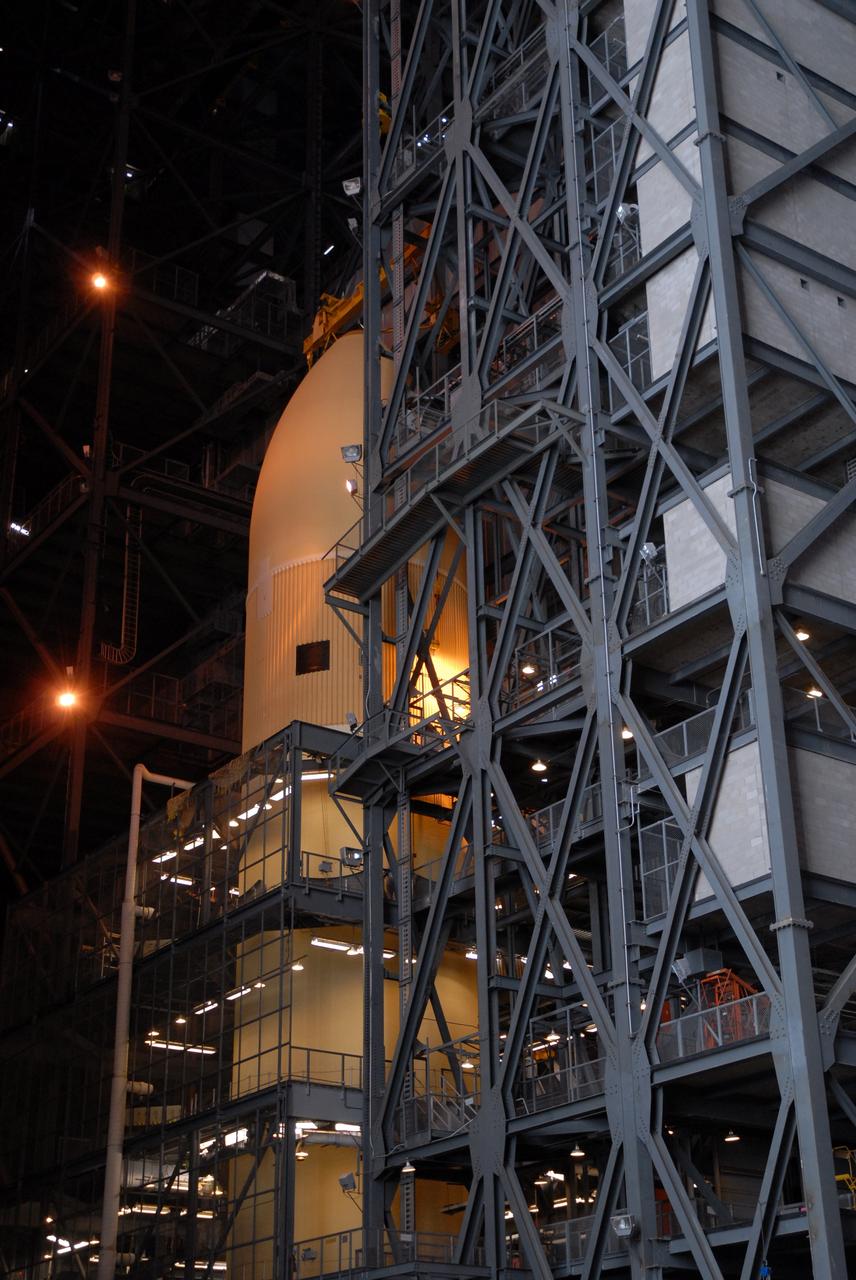
CAPE CANAVERAL, Fla. -- In the Vehicle Assembly Building at NASA's Kennedy Space Center in Florida, external fuel tank 130 is in place in high bay 2 where it will undergo checkout before stacking with the solid rocket boosters and space shuttle Atlantis for the STS-125 mission. The fuel tank was previously designated for the STS-127 mission. The STS-125 Hubble servicing mission is targeted to launch May 12. Photo credit: NASA/Tim Jacobs
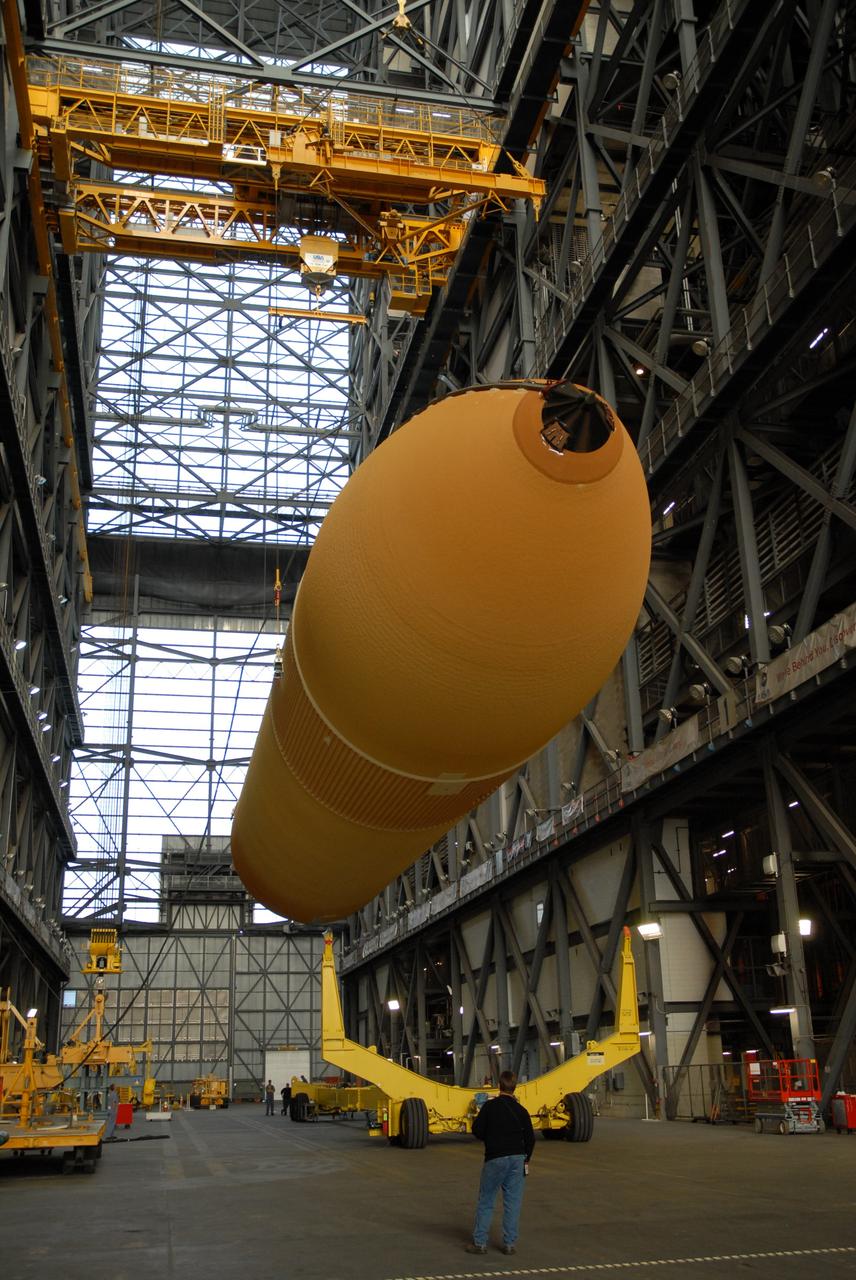
CAPE CANAVERAL, Fla. -- In the transfer aisle of the Vehicle Assembly Building at NASA's Kennedy Space Center in Florida, external fuel tank 130 is lifted off its transporter. The tank will be raised to vertical and lifted into high bay 2 for checkout before stacking with the solid rocket boosters and space shuttle Atlantis for the STS-125 mission. The fuel tank was previously designated for the STS-127 mission. The STS-125 Hubble servicing mission is targeted to launch May 12. Photo credit: NASA/Tim Jacobs
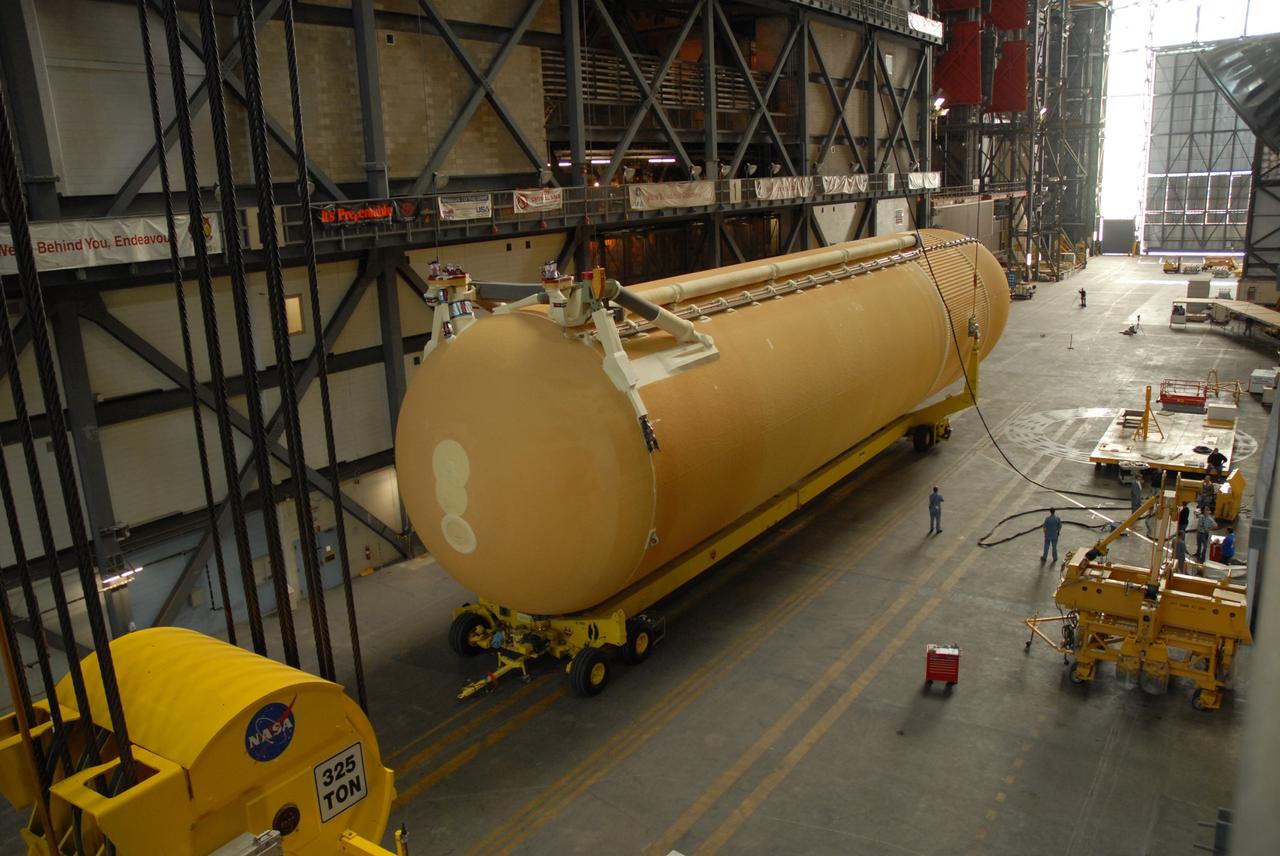
CAPE CANAVERAL, Fla. -- In the transfer aisle of the Vehicle Assembly Building at NASA's Kennedy Space Center in Florida, external fuel tank 130 is fitted with a crane to lift it off the transporter. The tank will be raised to vertical and lifted into high bay 2 for checkout before stacking with the solid rocket boosters and space shuttle Endeavour for the STS-125 mission. The fuel tank was previously designated for the STS-127 mission. The STS-125 Hubble servicing mission is targeted to launch May 12. Photo credit: NASA/Tim Jacobs
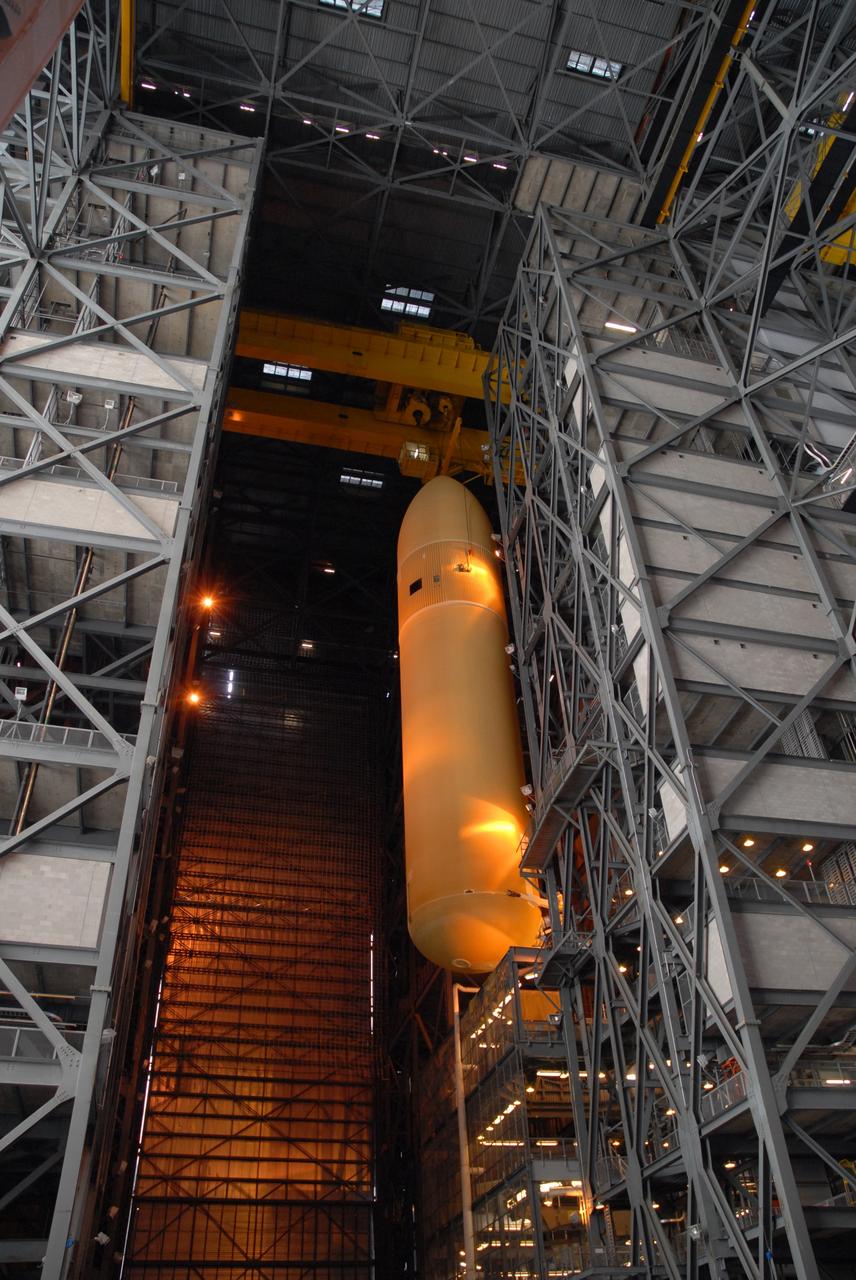
CAPE CANAVERAL, Fla. -- Suspended by a crane in the Vehicle Assembly Building at NASA's Kennedy Space Center in Florida, external fuel tank 130 is moved into high bay 2 for checkout before stacking with the solid rocket boosters and space shuttle Atlantis for the STS-125 mission. The fuel tank was previously designated for the STS-127 mission. The STS-125 Hubble servicing mission is targeted to launch May 12. Photo credit: NASA/Tim Jacobs
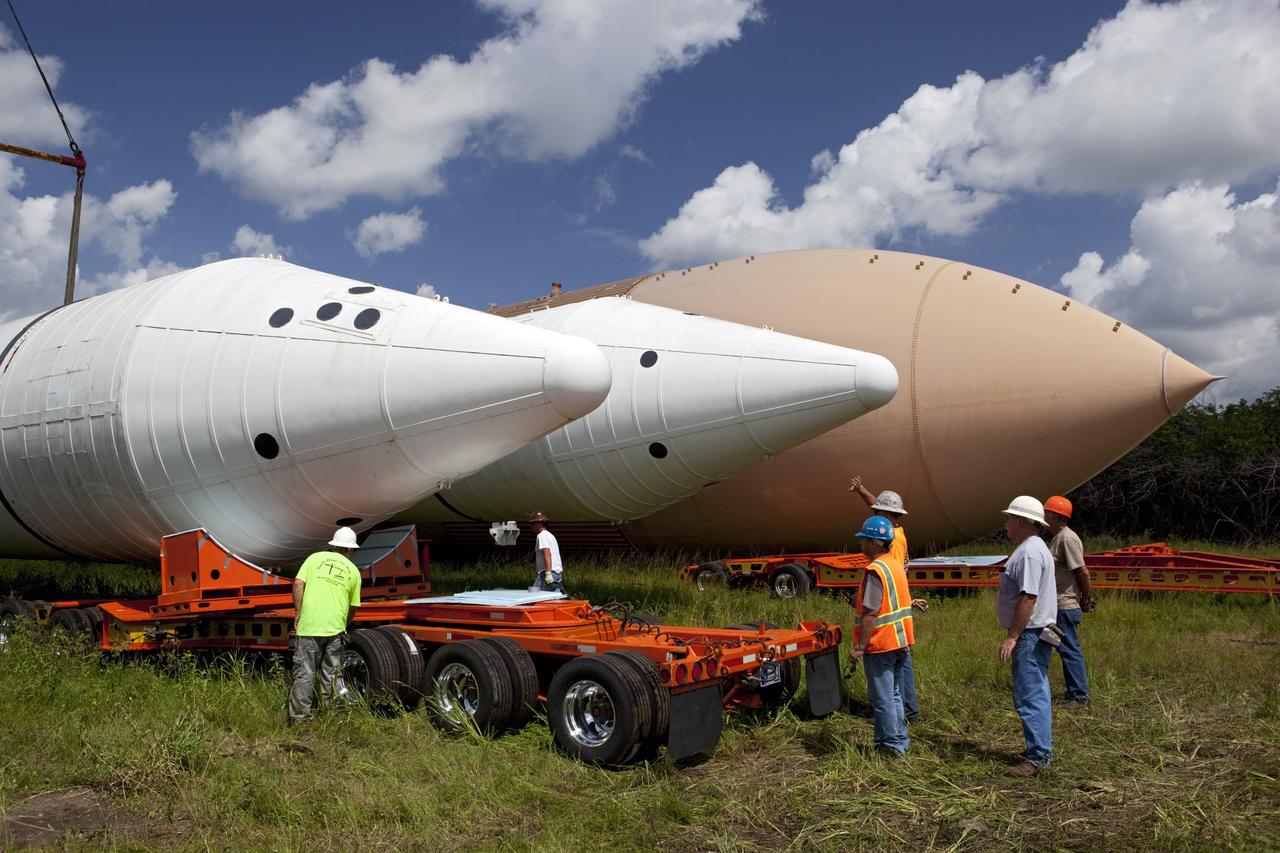
CAPE CANAVERAL, Fla. – At NASA’s Kennedy Space Center in Florida, preparations are underway to load a twin set of space shuttle solid rocket boosters and an external fuel tank on trucks for transport to separate museums. The solid rocket boosters, or SRBs, will be displayed at the California Science Center in Los Angeles. The external tank soon will be transported for display at the Wings of Dreams Aviation Museum at Keystone Heights Airport between Gainesville and Jacksonville, Fla. The 149-foot SRBs together provided six million pounds of thrust. The external fuel tank contained over 500,000 gallons of liquid hydrogen and liquid oxygen propellant for the shuttle orbiters' three main engines. The work is part of Transition and Retirement of the space shuttle. For more information, visit http://www.nasa.gov/transition Photo credit: NASA/ Dimitri Gerondidakis
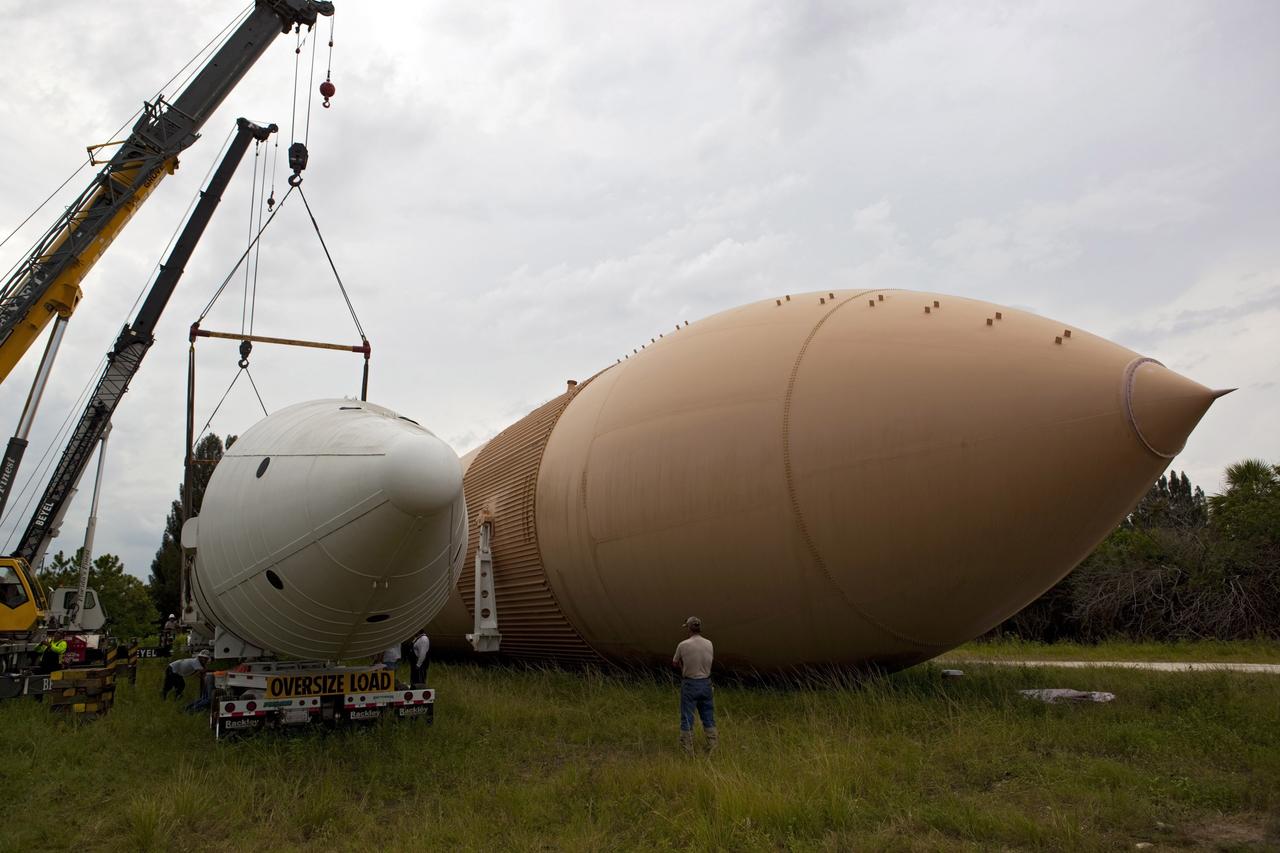
CAPE CANAVERAL, Fla. – At NASA’s Kennedy Space Center in Florida, a crane is used to load a space shuttle solid rocket booster and an external fuel tank on trucks for transport to separate museums. The solid rocket boosters, or SRBs, will be displayed at the California Science Center in Los Angeles. The external tank soon will be transported for display at the Wings of Dreams Aviation Museum at Keystone Heights Airport between Gainesville and Jacksonville, Fla. The 149-foot SRBs together provided six million pounds of thrust. The external fuel tank contained over 500,000 gallons of liquid hydrogen and liquid oxygen propellant for the shuttle orbiters' three main engines. The work is part of Transition and Retirement of the space shuttle. For more information, visit http://www.nasa.gov/transition Photo credit: NASA/ Dimitri Gerondidakis
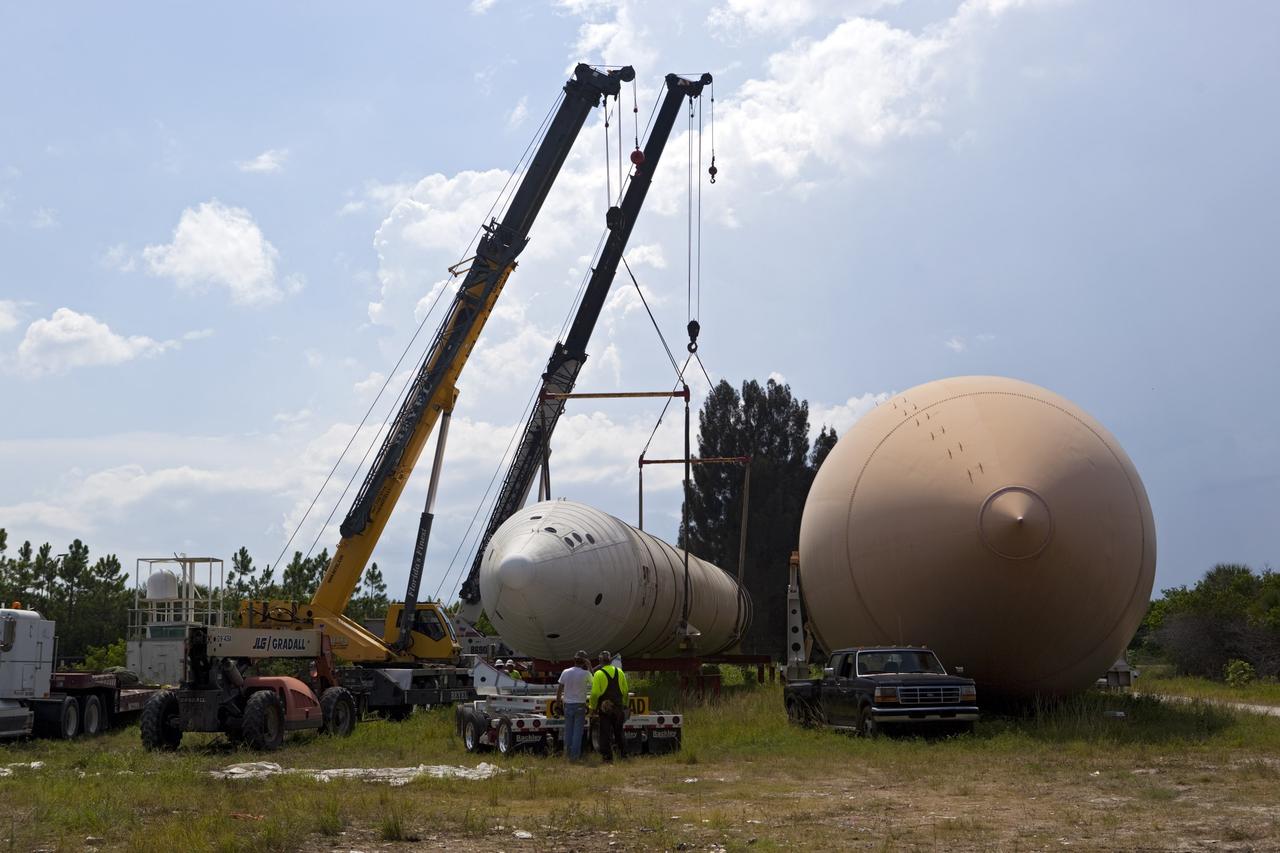
CAPE CANAVERAL, Fla. – At NASA’s Kennedy Space Center in Florida, a crane is used to load a space shuttle solid rocket booster and an external fuel tank on to trucks for transport to separate museums. The solid rocket boosters, or SRBs, will be displayed at the California Science Center in Los Angeles. The external tank soon will be transported for display at the Wings of Dreams Aviation Museum at Keystone Heights Airport between Gainesville and Jacksonville, Fla. The 149-foot SRBs together provided six million pounds of thrust. The external fuel tank contained over 500,000 gallons of liquid hydrogen and liquid oxygen propellant for the shuttle orbiters' three main engines. The work is part of Transition and Retirement of the space shuttle. For more information, visit http://www.nasa.gov/transition Photo credit: NASA/ Dimitri Gerondidakis

CAPE CANAVERAL, Fla. – At NASA’s Kennedy Space Center in Florida, a crane is used to load a space shuttle solid rocket booster and an external fuel tank on trucks for transport to separate museums. The solid rocket boosters, or SRBs, will be displayed at the California Science Center in Los Angeles. The external tank soon will be transported for display at the Wings of Dreams Aviation Museum at Keystone Heights Airport between Gainesville and Jacksonville, Fla. The 149-foot SRBs together provided six million pounds of thrust. The external fuel tank contained over 500,000 gallons of liquid hydrogen and liquid oxygen propellant for the shuttle orbiters' three main engines. The work is part of Transition and Retirement of the space shuttle. For more information, visit http://www.nasa.gov/transition Photo credit: NASA/ Dimitri Gerondidakis
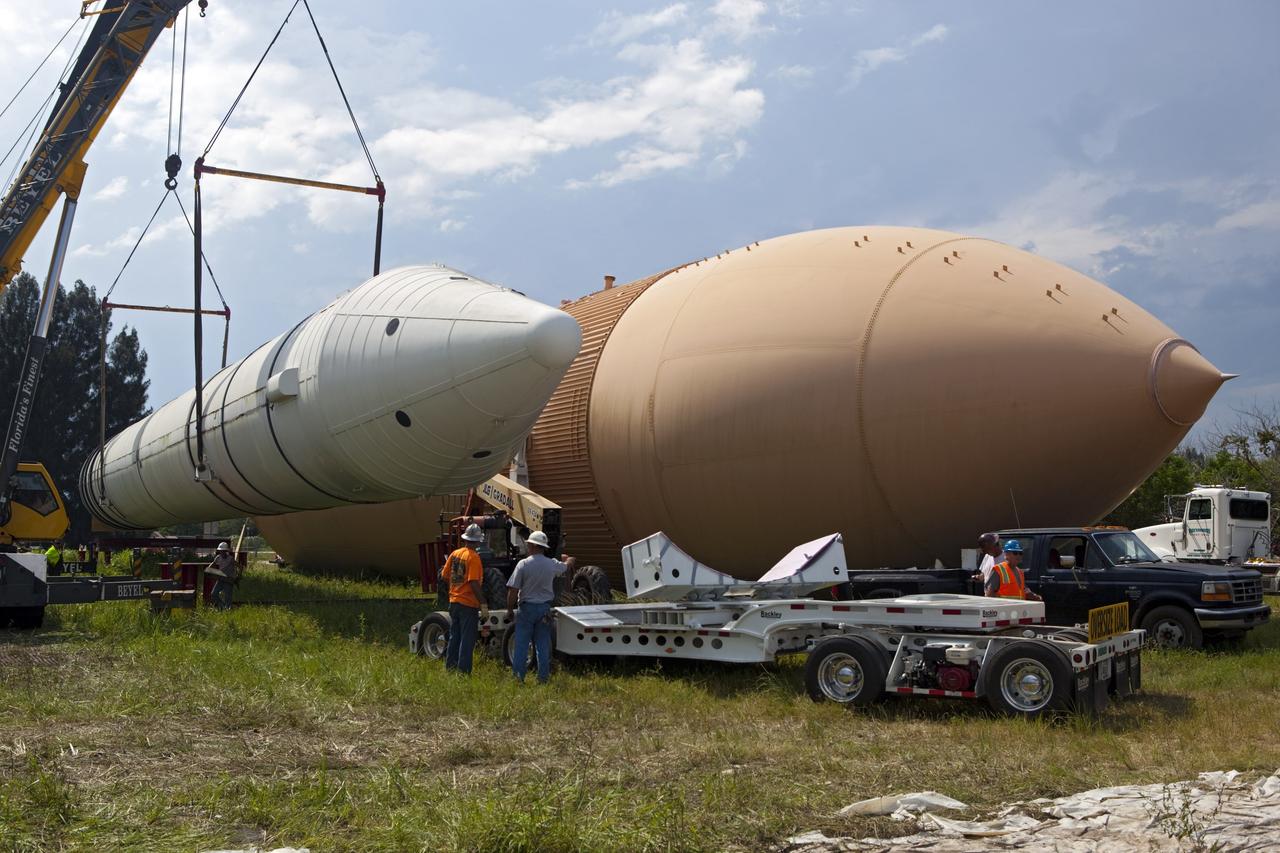
CAPE CANAVERAL, Fla. – At NASA’s Kennedy Space Center in Florida, a crane is used to load a space shuttle solid rocket booster and an external fuel tank on trucks for transport to separate museums. The solid rocket boosters, or SRBs, will be displayed at the California Science Center in Los Angeles. The external tank soon will be transported for display at the Wings of Dreams Aviation Museum at Keystone Heights Airport between Gainesville and Jacksonville, Fla. The 149-foot SRBs together provided six million pounds of thrust. The external fuel tank contained over 500,000 gallons of liquid hydrogen and liquid oxygen propellant for the shuttle orbiters' three main engines. The work is part of Transition and Retirement of the space shuttle. For more information, visit http://www.nasa.gov/transition Photo credit: NASA/ Dimitri Gerondidakis
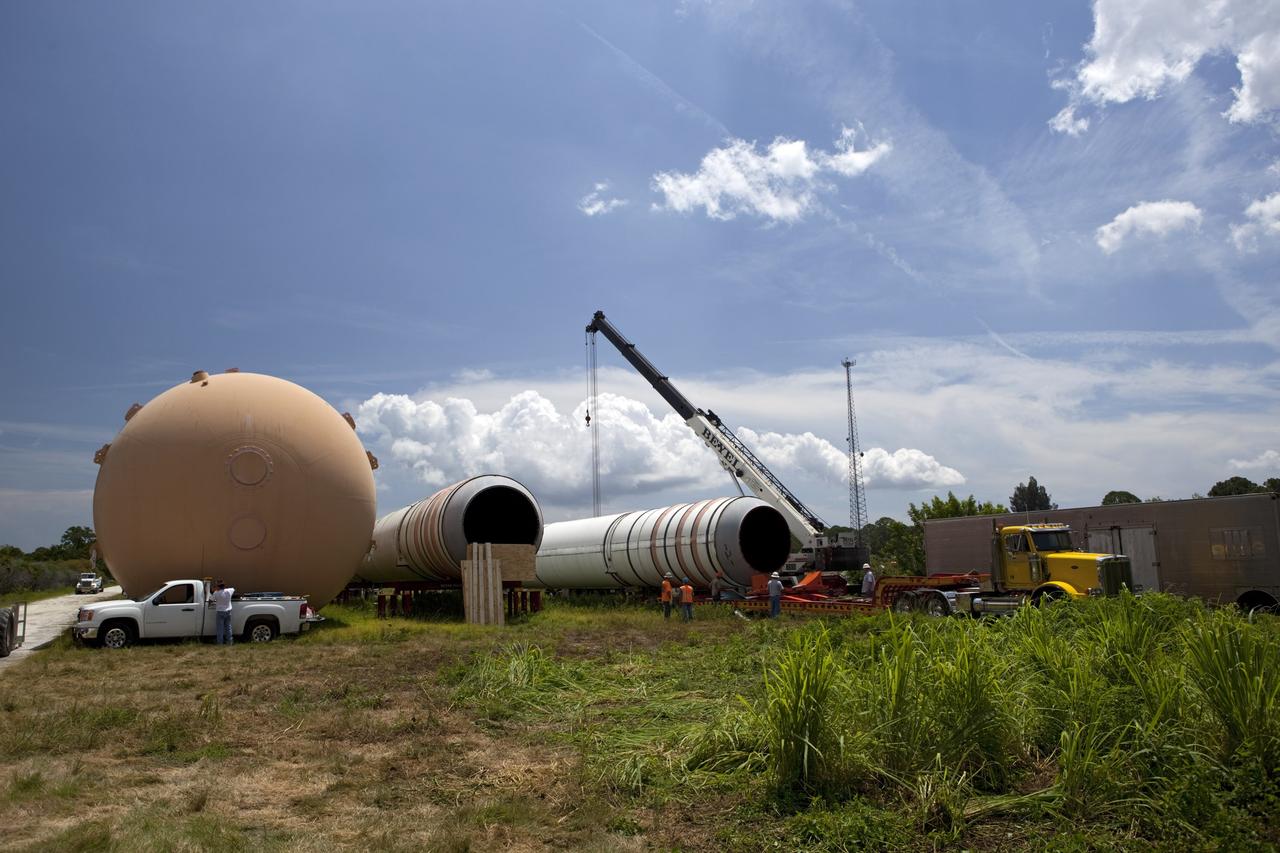
CAPE CANAVERAL, Fla. – At NASA’s Kennedy Space Center in Florida, a crane is used to load a twin set of space shuttle solid rocket boosters and an external fuel tank on trucks for transport to separate museums. The solid rocket boosters, or SRBs, will be displayed at the California Science Center in Los Angeles. The external tank soon will be transported for display at the Wings of Dreams Aviation Museum at Keystone Heights Airport between Gainesville and Jacksonville, Fla. The 149-foot SRBs together provided six million pounds of thrust. The external fuel tank contained over 500,000 gallons of liquid hydrogen and liquid oxygen propellant for the shuttle orbiters' three main engines. The work is part of Transition and Retirement of the space shuttle. For more information, visit http://www.nasa.gov/transition Photo credit: NASA/ Dimitri Gerondidakis
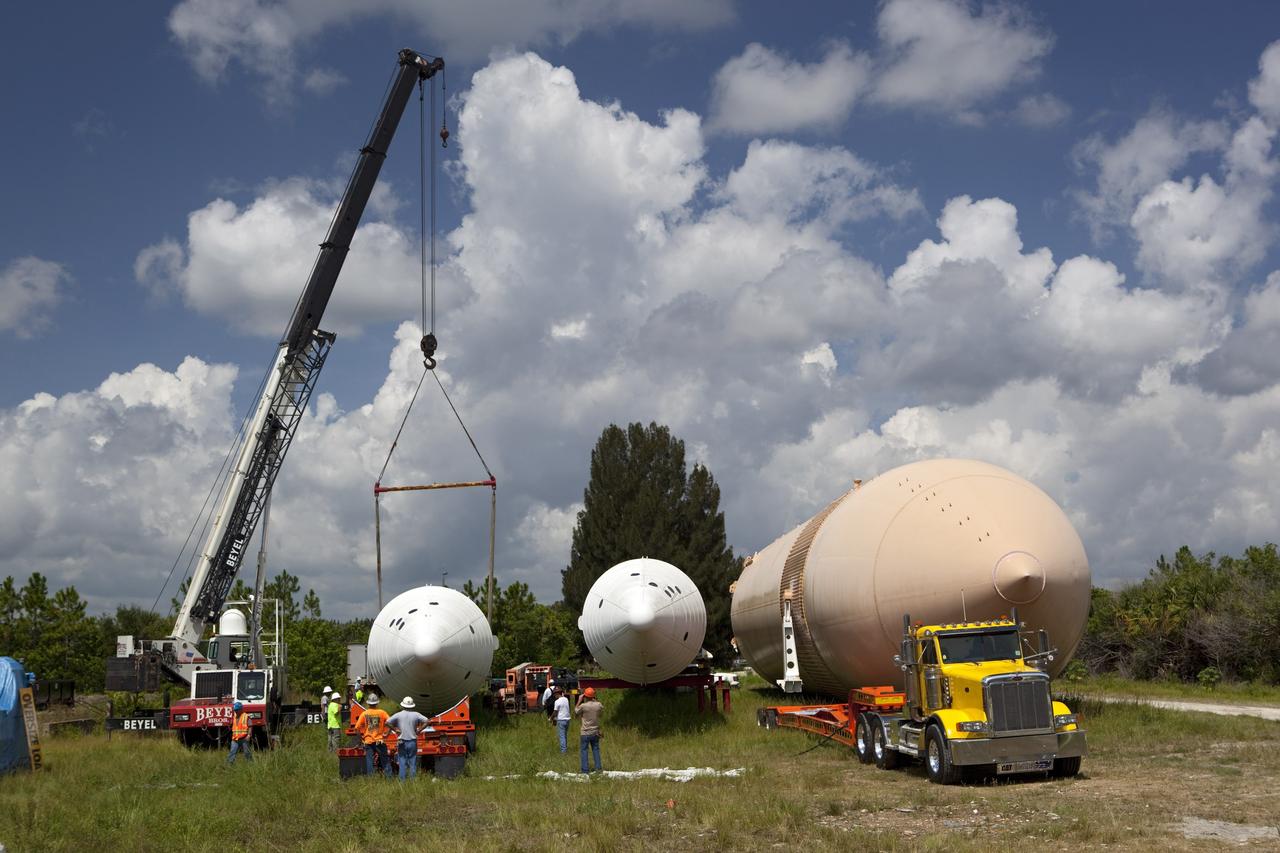
CAPE CANAVERAL, Fla. – At NASA’s Kennedy Space Center in Florida, a crane is used to load a twin set of space shuttle solid rocket boosters and an external fuel tank on trucks for transport to separate museums. The solid rocket boosters, or SRBs, will be displayed at the California Science Center in Los Angeles. The external tank soon will be transported for display at the Wings of Dreams Aviation Museum at Keystone Heights Airport between Gainesville and Jacksonville, Fla. The 149-foot SRBs together provided six million pounds of thrust. The external fuel tank contained over 500,000 gallons of liquid hydrogen and liquid oxygen propellant for the shuttle orbiters' three main engines. The work is part of Transition and Retirement of the space shuttle. For more information, visit http://www.nasa.gov/transition Photo credit: NASA/ Dimitri Gerondidakis
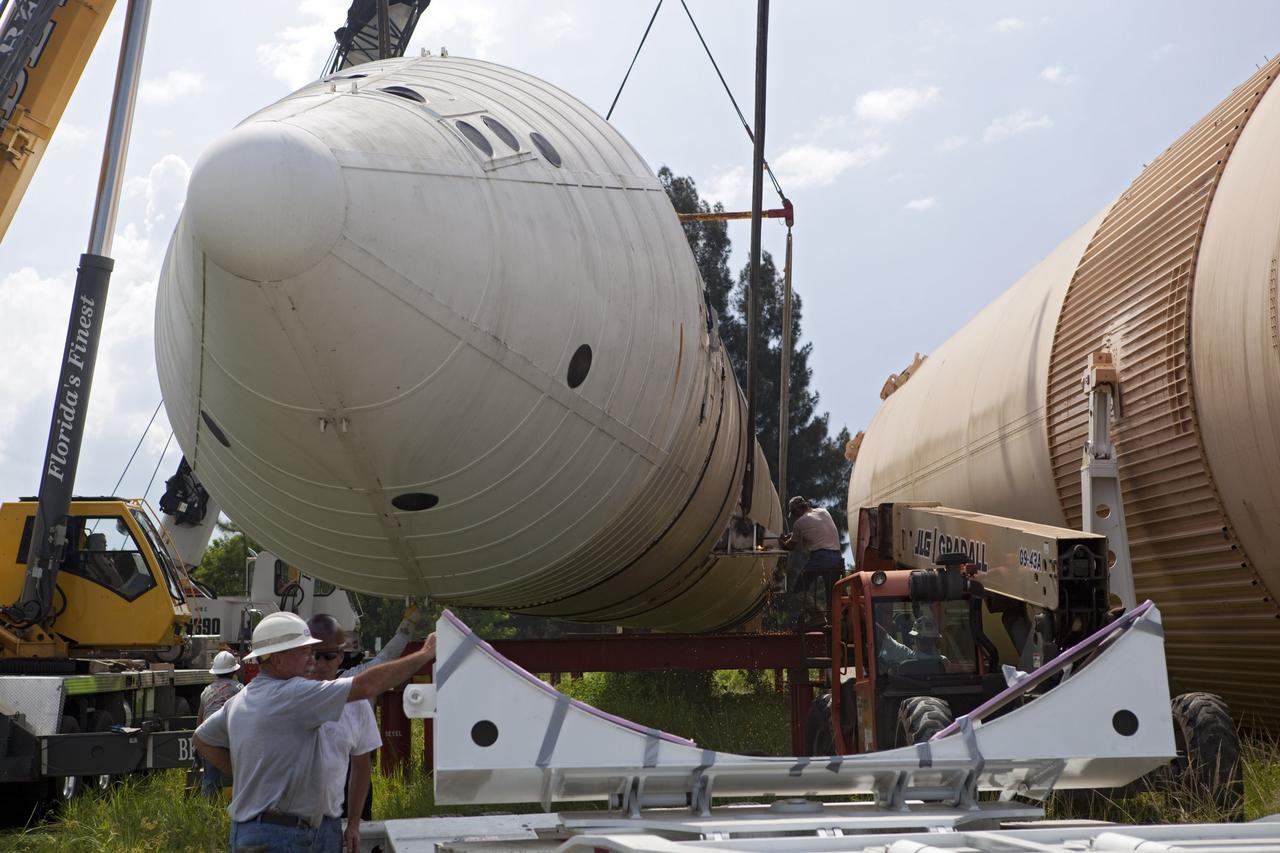
CAPE CANAVERAL, Fla. – At NASA’s Kennedy Space Center in Florida, a crane is used to load a space shuttle solid rocket booster and an external fuel tank on trucks for transport to separate museums. The solid rocket boosters, or SRBs, will be displayed at the California Science Center in Los Angeles. The external tank soon will be transported for display at the Wings of Dreams Aviation Museum at Keystone Heights Airport between Gainesville and Jacksonville, Fla. The 149-foot SRBs together provided six million pounds of thrust. The external fuel tank contained over 500,000 gallons of liquid hydrogen and liquid oxygen propellant for the shuttle orbiters' three main engines. The work is part of Transition and Retirement of the space shuttle. For more information, visit http://www.nasa.gov/transition Photo credit: NASA/ Dimitri Gerondidakis
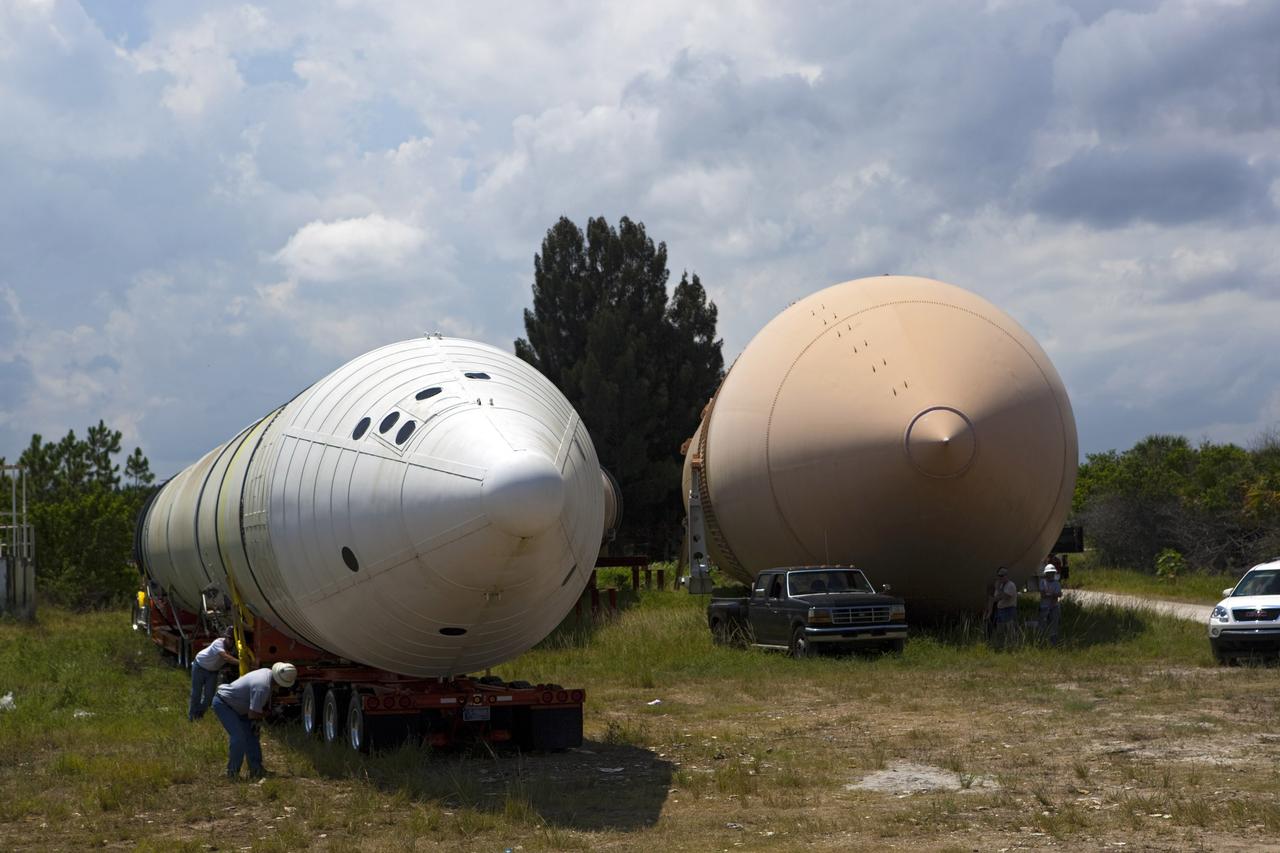
CAPE CANAVERAL, Fla. – At NASA’s Kennedy Space Center in Florida, preparations are underway to load a twin set of space shuttle solid rocket boosters and an external fuel tank on trucks for transport to separate museums. The solid rocket boosters, or SRBs, will be displayed at the California Science Center in Los Angeles. The external tank soon will be transported for display at the Wings of Dreams Aviation Museum at Keystone Heights Airport between Gainesville and Jacksonville, Fla. The 149-foot SRBs together provided six million pounds of thrust. The external fuel tank contained over 500,000 gallons of liquid hydrogen and liquid oxygen propellant for the shuttle orbiters' three main engines. The work is part of Transition and Retirement of the space shuttle. For more information, visit http://www.nasa.gov/transition Photo credit: NASA/ Dimitri Gerondidakis
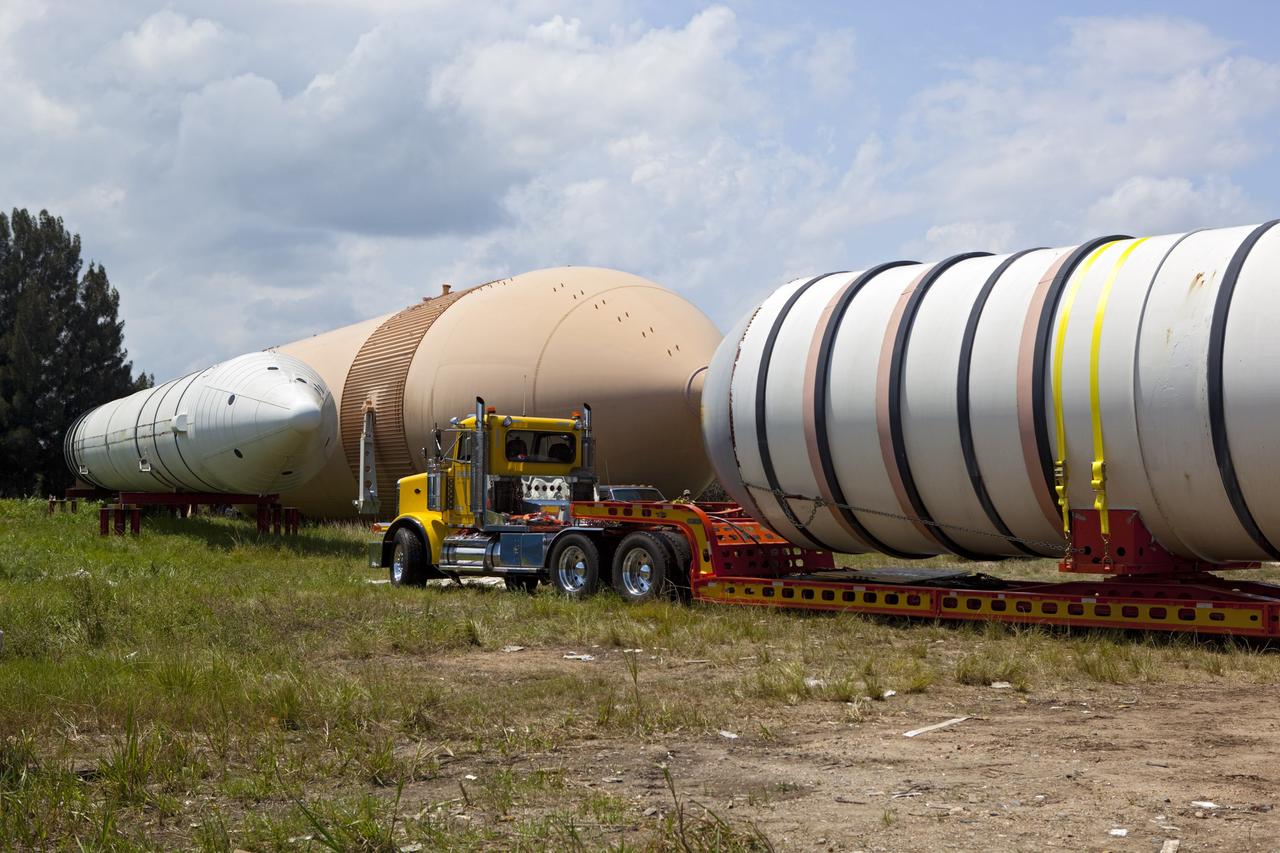
CAPE CANAVERAL, Fla. – At NASA’s Kennedy Space Center in Florida, a twin set of space shuttle solid rocket boosters and an external fuel tank are being loaded on trucks for transport to separate museums. The solid rocket boosters, or SRBs, will be displayed at the California Science Center in Los Angeles. The external tank soon will be transported for display at the Wings of Dreams Aviation Museum at Keystone Heights Airport between Gainesville and Jacksonville, Fla. The 149-foot SRBs together provided six million pounds of thrust. The external fuel tank contained over 500,000 gallons of liquid hydrogen and liquid oxygen propellant for the shuttle orbiters' three main engines. The work is part of Transition and Retirement of the space shuttle. For more information, visit http://www.nasa.gov/transition Photo credit: NASA/ Dimitri Gerondidakis
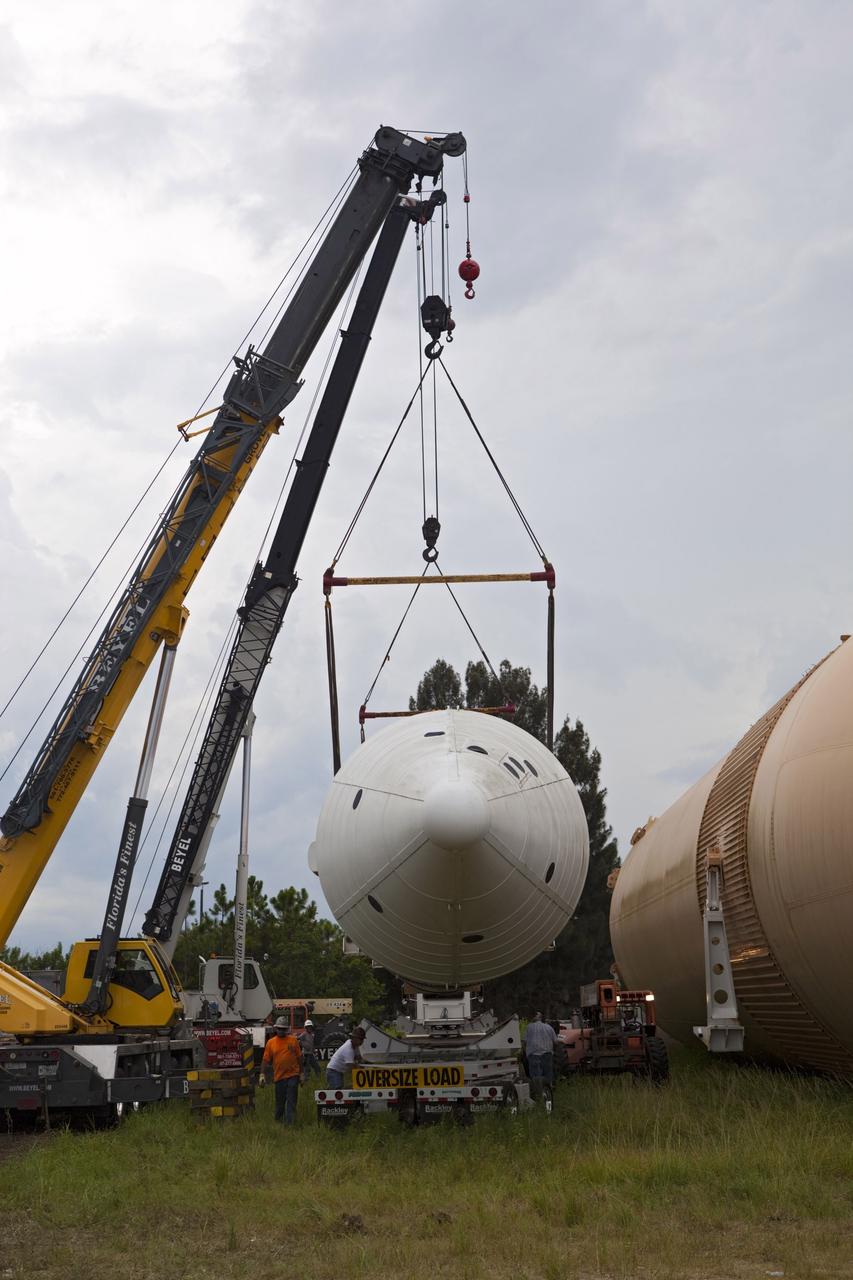
CAPE CANAVERAL, Fla. – At NASA’s Kennedy Space Center in Florida, a crane is used to load a space shuttle solid rocket booster and an external fuel tank on trucks for transport to separate museums. The solid rocket boosters, or SRBs, will be displayed at the California Science Center in Los Angeles. The external tank soon will be transported for display at the Wings of Dreams Aviation Museum at Keystone Heights Airport between Gainesville and Jacksonville, Fla. The 149-foot SRBs together provided six million pounds of thrust. The external fuel tank contained over 500,000 gallons of liquid hydrogen and liquid oxygen propellant for the shuttle orbiters' three main engines. The work is part of Transition and Retirement of the space shuttle. For more information, visit http://www.nasa.gov/transition Photo credit: NASA/ Dimitri Gerondidakis
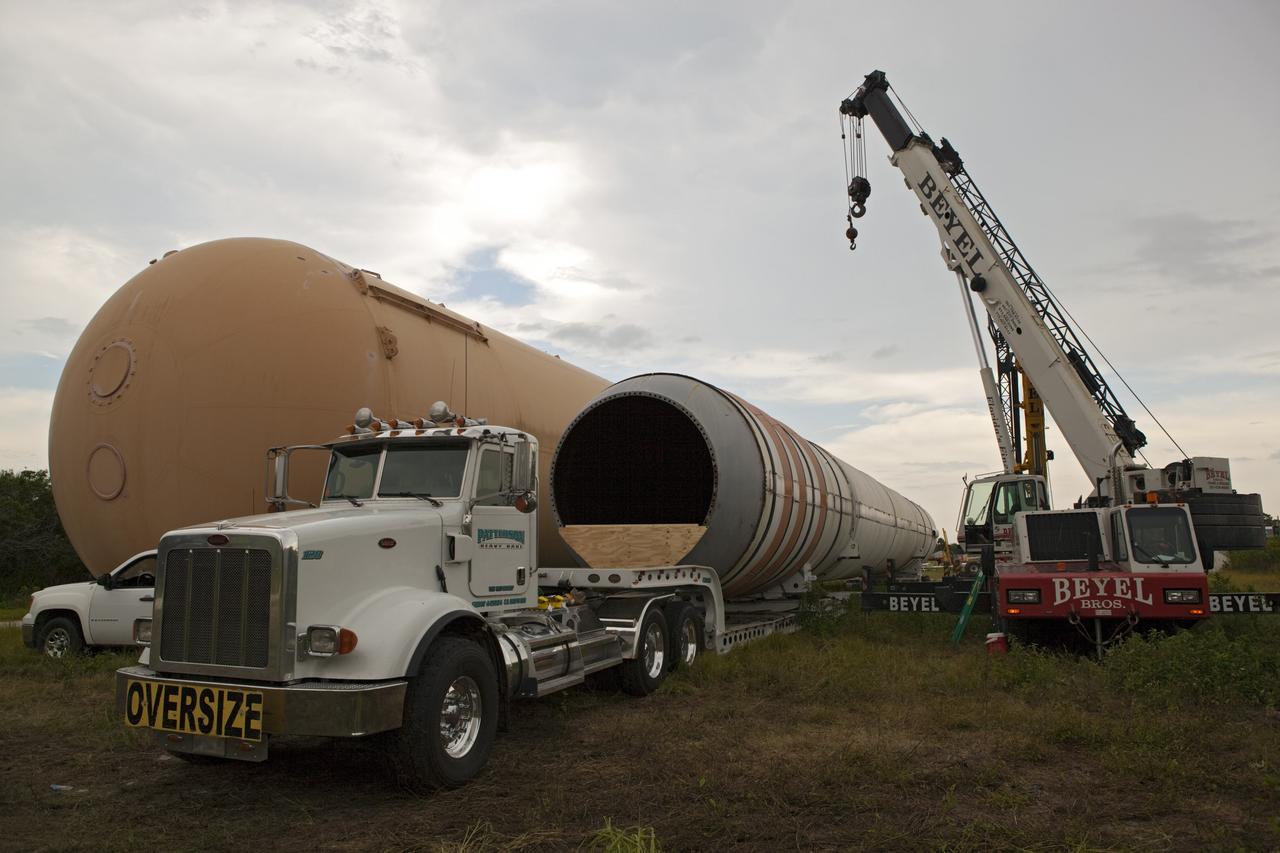
CAPE CANAVERAL, Fla. – At NASA’s Kennedy Space Center in Florida, a crane is used to load a space shuttle solid rocket booster and an external fuel tank on trucks for transport to separate museums. The solid rocket boosters, or SRBs, will be displayed at the California Science Center in Los Angeles. The external tank soon will be transported for display at the Wings of Dreams Aviation Museum at Keystone Heights Airport between Gainesville and Jacksonville, Fla. The 149-foot SRBs together provided six million pounds of thrust. The external fuel tank contained over 500,000 gallons of liquid hydrogen and liquid oxygen propellant for the shuttle orbiters' three main engines. The work is part of Transition and Retirement of the space shuttle. For more information, visit http://www.nasa.gov/transition Photo credit: NASA/ Dimitri Gerondidakis
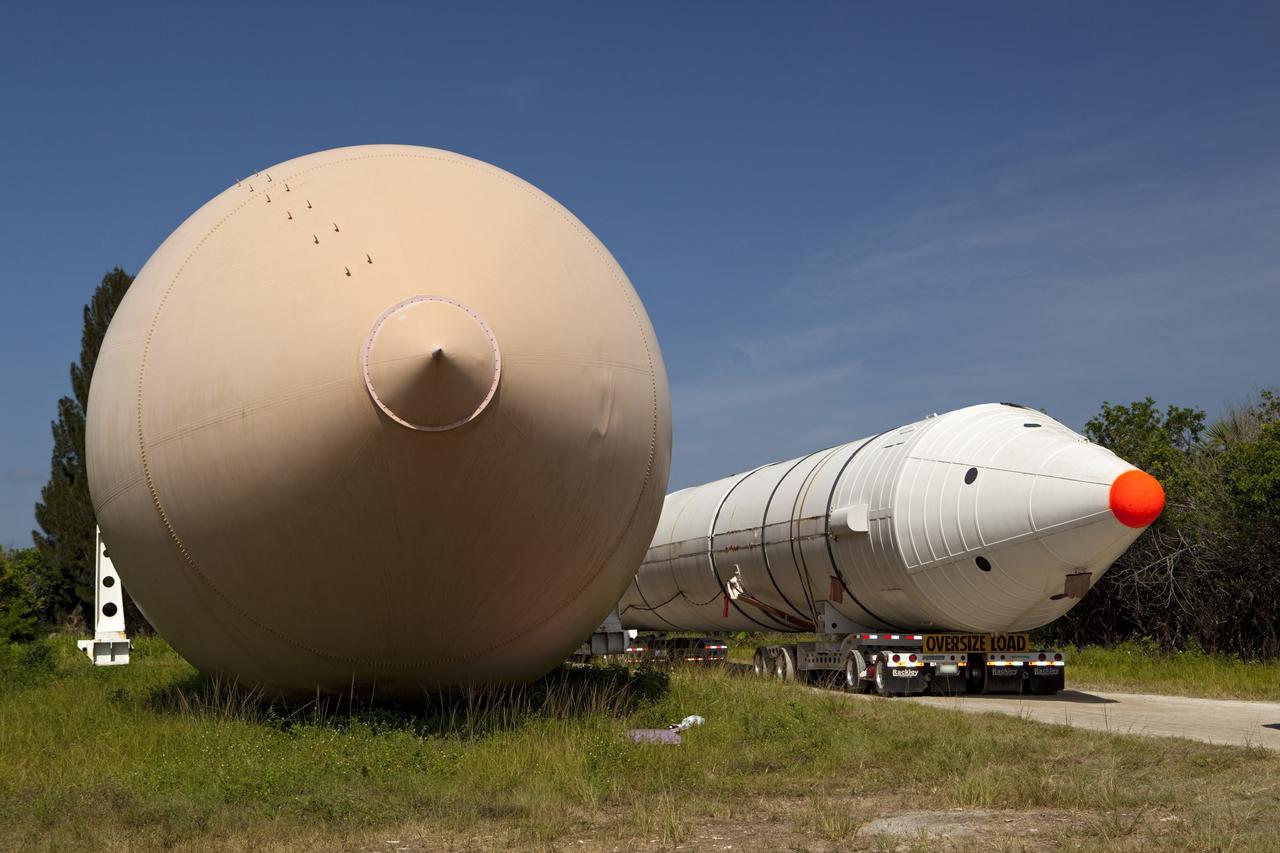
CAPE CANAVERAL, Fla. – At NASA’s Kennedy Space Center in Florida, a space shuttle solid rocket booster and an external fuel tank are being prepared for transport to separate museums. The solid rocket boosters, or SRBs, will be displayed at the California Science Center in Los Angeles. The external tank soon will be transported for display at the Wings of Dreams Aviation Museum at Keystone Heights Airport between Gainesville and Jacksonville, Fla. The 149-foot SRBs together provided six million pounds of thrust. The external fuel tank contained over 500,000 gallons of liquid hydrogen and liquid oxygen propellant for the shuttle orbiters' three main engines. The work is part of Transition and Retirement of the space shuttle. For more information, visit http://www.nasa.gov/transition Photo credit: NASA/ Dimitri Gerondidakis
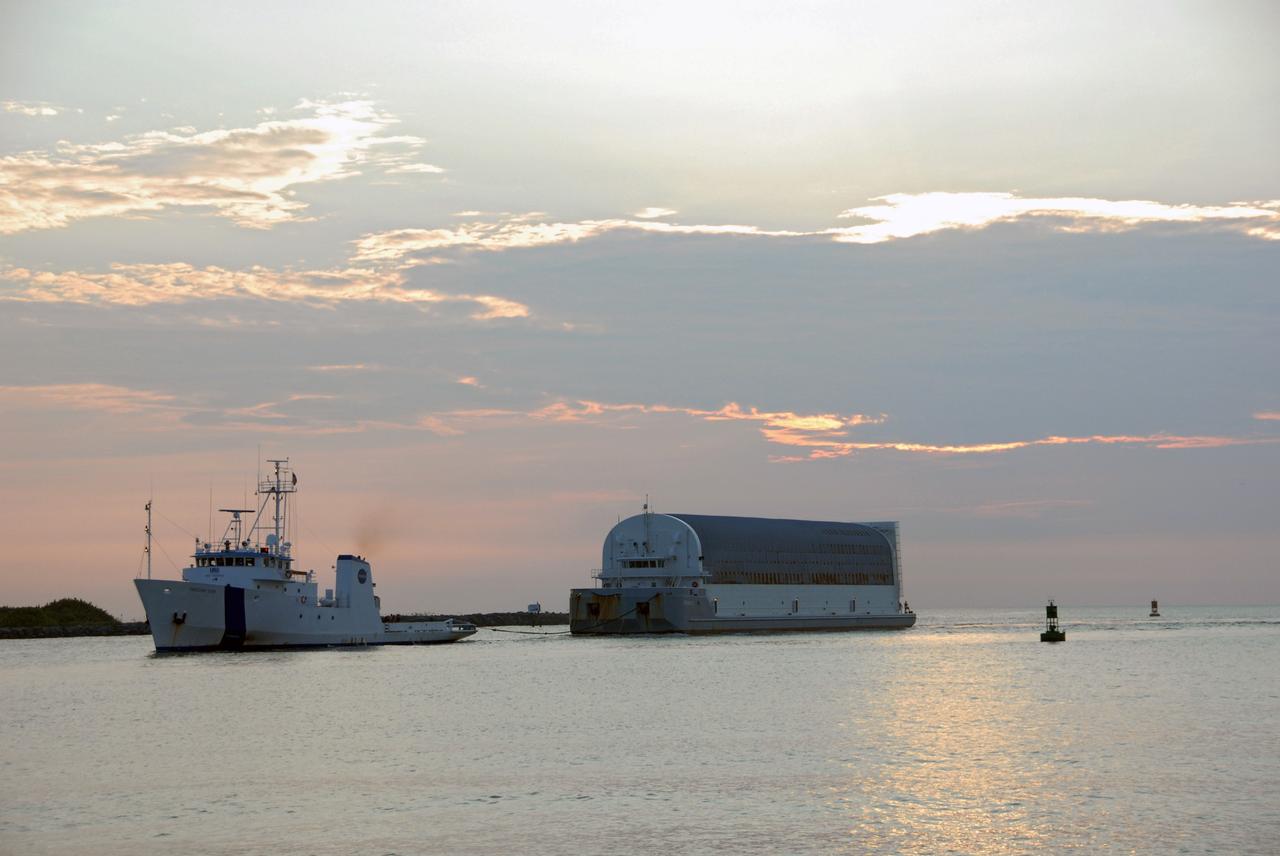
CAPE CANAVERAL, Fla. – The external fuel tank for space shuttle Atlantis' STS-125 mission to NASA's Hubble Space Telescope arrives at Port Canaveral, Fla., towed on the Pegasus barge by a solid rocket booster retrieval ship. The tank will be towed to the turn basin in the Launch Complex 39 Area at NASA's Kennedy Space Center, offloaded and moved to the Vehicle Assembly Building. Once inside the building, the tank will be raised to vertical, lifted and moved into a checkout cell. Stacking of the tank and solid rocket boosters is planned to start Aug. 7. Atlantis is targeted to launch Oct. 8. Photo credit: NASA/Jack Pfaller
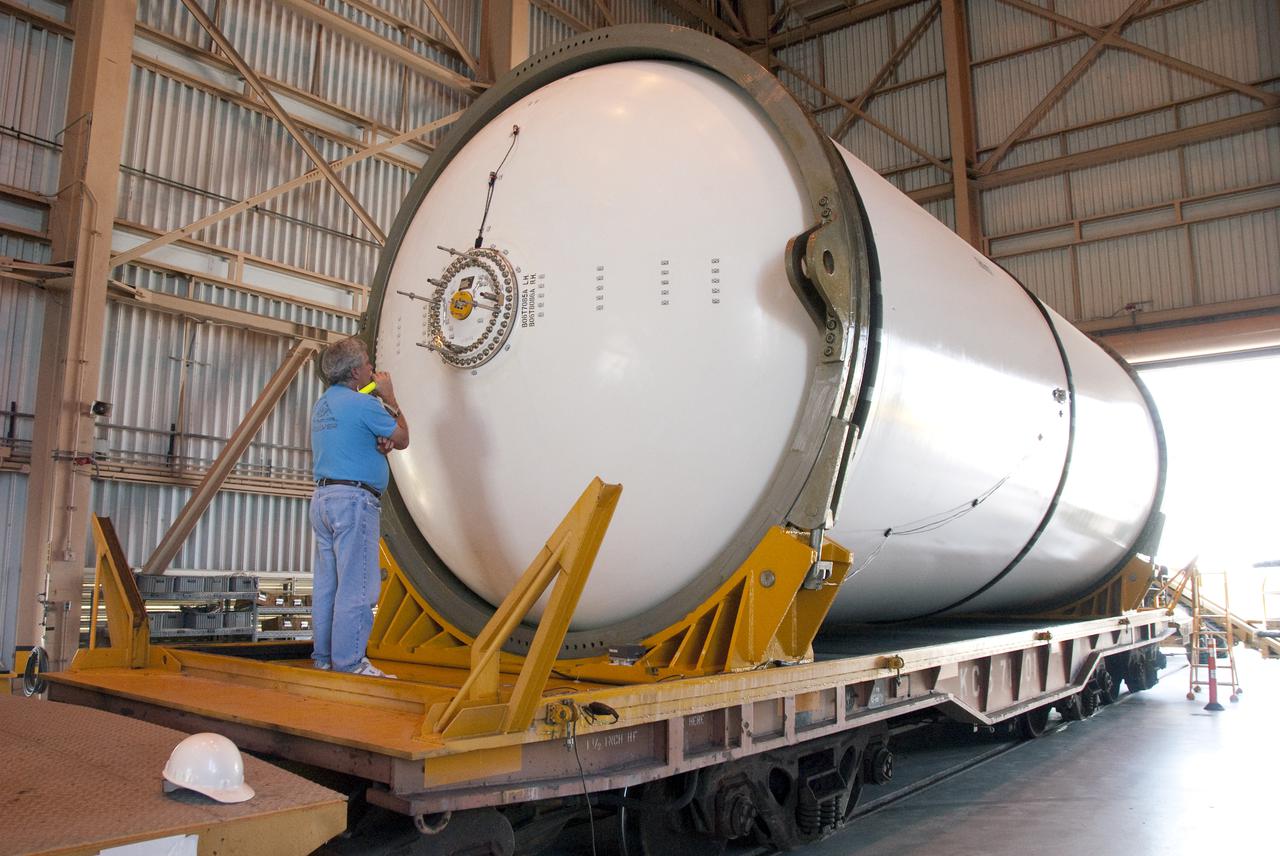
CAPE CANAVERAL, Fla. -- In the Rotation, Processing and Surge Facility, or RSPF, at NASA's Kennedy Space Center in Florida, workers perform the propellant grain inspection of the final solid rocket booster segments, which is a required safety analysis. The booster segments were manufactured at the ATK solid rocket booster plant in Promontory, Utah, and traveled to Kennedy along the Florida East Coast Railway. The booster segments will be stacked and then mated to space shuttle Atlantis and its external fuel tank in the Vehicle Assembly Building. The segments will be used for what currently is planned as the 'launch on need,' or potential rescue mission for the final shuttle flight, Endeavour's STS-134 mission. For information, visit www.nasa.gov_shuttle. Photo credit: NASA_Cory Huston
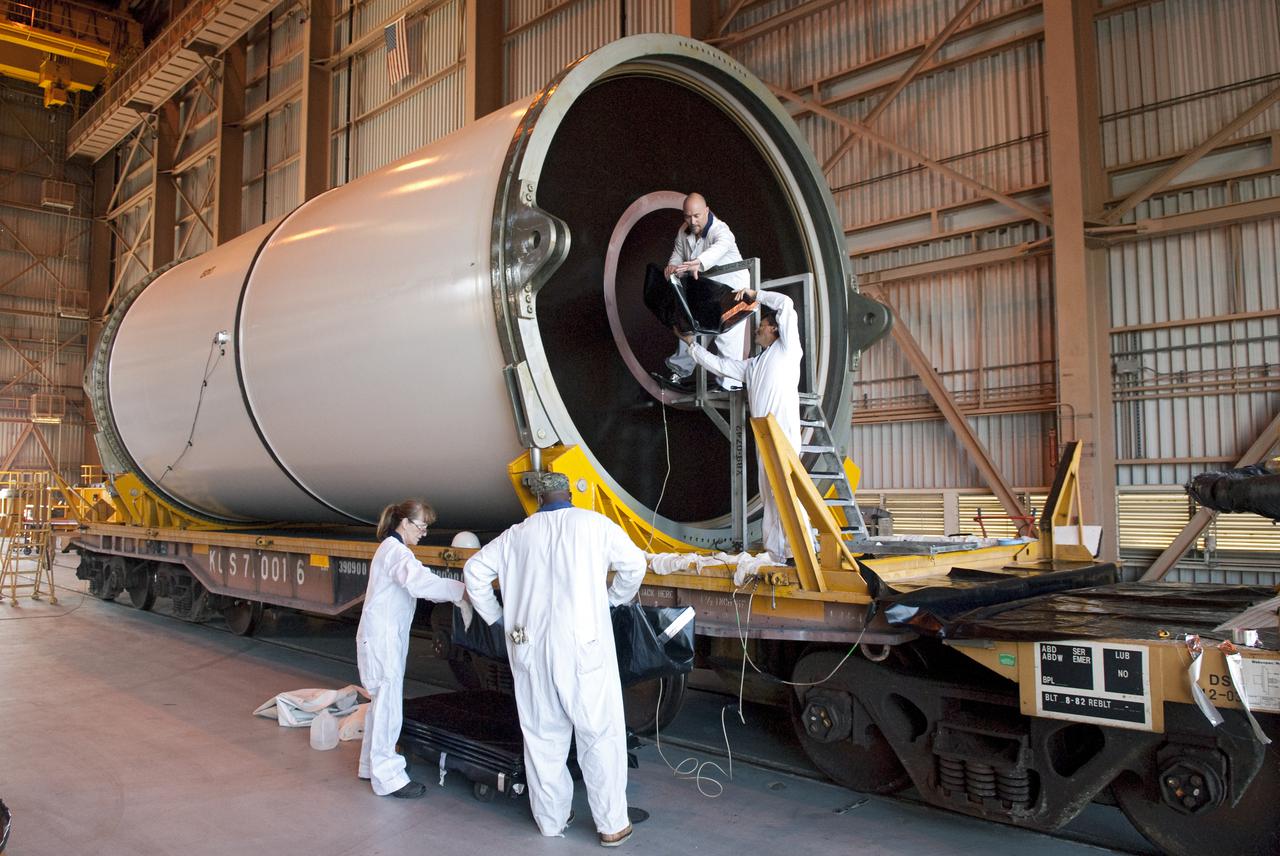
CAPE CANAVERAL, Fla. -- In the Rotation, Processing and Surge Facility, or RSPF, at NASA's Kennedy Space Center in Florida, workers prepare for the propellant grain inspection of the final solid rocket booster segments, which is a required safety analysis. The booster segments were manufactured at the ATK solid rocket booster plant in Promontory, Utah, and traveled to Kennedy along the Florida East Coast Railway. The booster segments will be stacked and then mated to space shuttle Atlantis and its external fuel tank in the Vehicle Assembly Building. The segments will be used for what currently is planned as the 'launch on need,' or potential rescue mission for the final shuttle flight, Endeavour's STS-134 mission. For information, visit www.nasa.gov_shuttle. Photo credit: NASA_Cory Huston
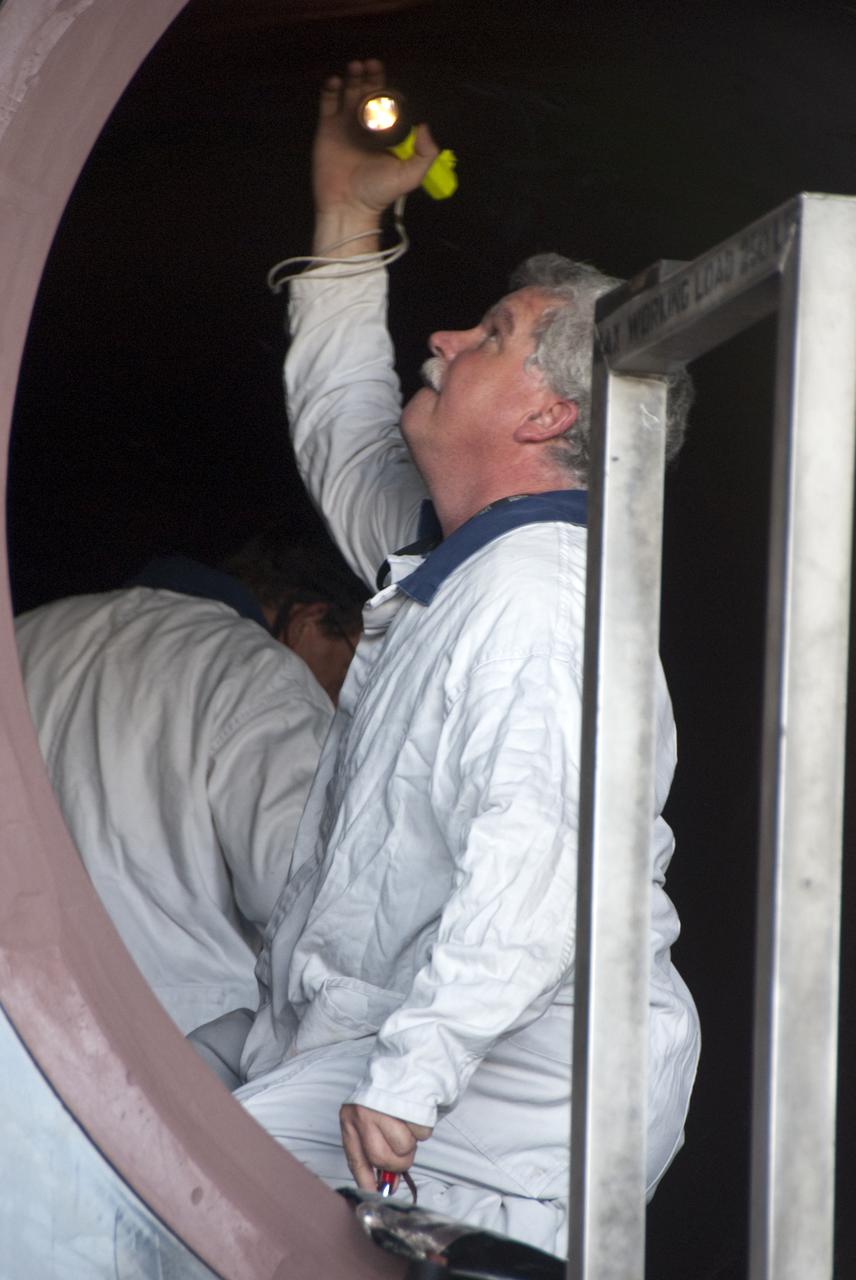
CAPE CANAVERAL, Fla. -- In the Rotation, Processing and Surge Facility, or RSPF, at NASA's Kennedy Space Center in Florida, a worker performs the propellant grain inspection of the final solid rocket booster segments, which is a required safety analysis. The booster segments were manufactured at the ATK solid rocket booster plant in Promontory, Utah, and traveled to Kennedy along the Florida East Coast Railway. The booster segments will be stacked and then mated to space shuttle Atlantis and its external fuel tank in the Vehicle Assembly Building. The segments will be used for what currently is planned as the 'launch on need,' or potential rescue mission for the final shuttle flight, Endeavour's STS-134 mission. For information, visit www.nasa.gov_shuttle. Photo credit: NASA_Cory Huston
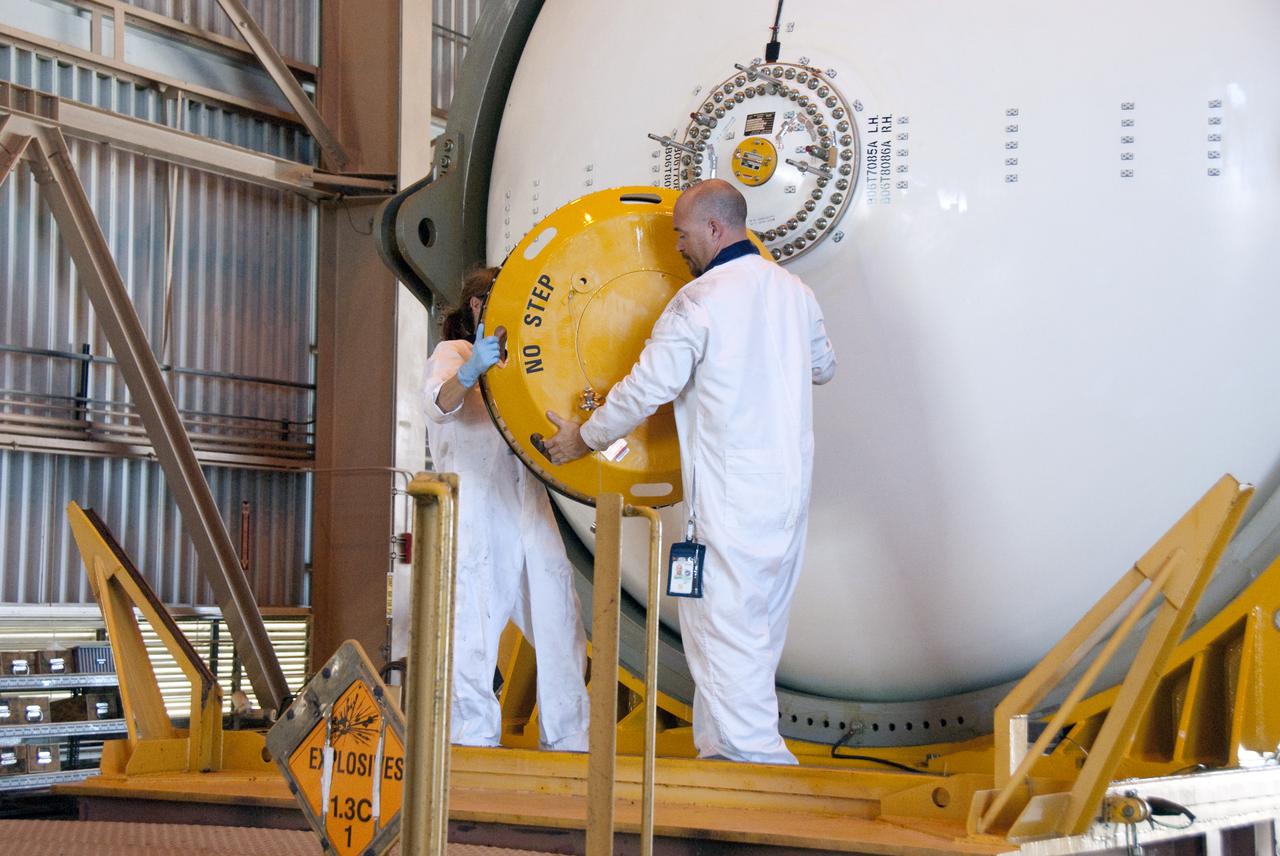
CAPE CANAVERAL, Fla. -- In the Rotation, Processing and Surge Facility, or RSPF, at NASA's Kennedy Space Center in Florida, workers perform the propellant grain inspection of the final solid rocket booster segments, which is a required safety analysis. The booster segments were manufactured at the ATK solid rocket booster plant in Promontory, Utah, and traveled to Kennedy along the Florida East Coast Railway. The booster segments will be stacked and then mated to space shuttle Atlantis and its external fuel tank in the Vehicle Assembly Building. The segments will be used for what currently is planned as the 'launch on need,' or potential rescue mission for the final shuttle flight, Endeavour's STS-134 mission. For information, visit www.nasa.gov_shuttle. Photo credit: NASA_Cory Huston
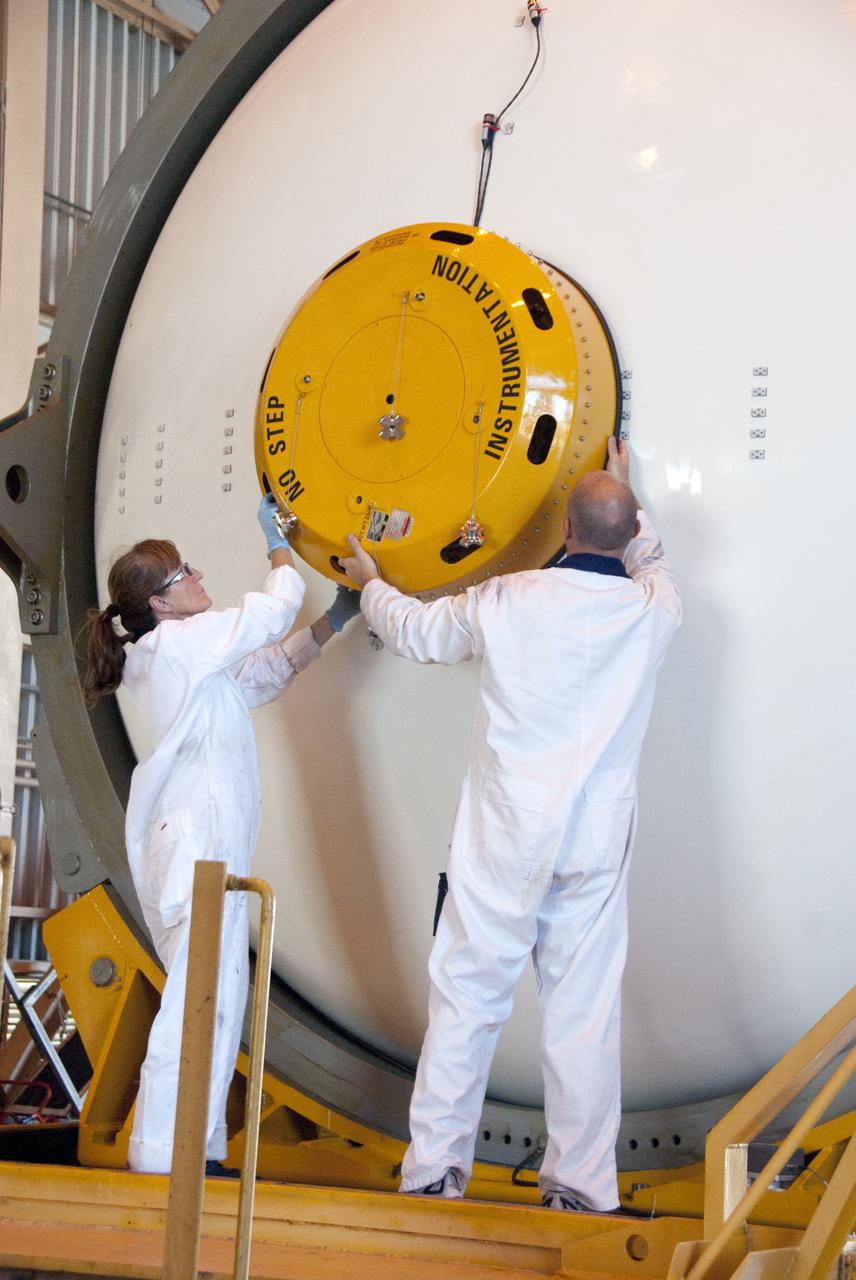
CAPE CANAVERAL, Fla. -- In the Rotation, Processing and Surge Facility, or RSPF, at NASA's Kennedy Space Center in Florida, workers perform the propellant grain inspection of the final solid rocket booster segments, which is a required safety analysis. The booster segments were manufactured at the ATK solid rocket booster plant in Promontory, Utah, and traveled to Kennedy along the Florida East Coast Railway. The booster segments will be stacked and then mated to space shuttle Atlantis and its external fuel tank in the Vehicle Assembly Building. The segments will be used for what currently is planned as the 'launch on need,' or potential rescue mission for the final shuttle flight, Endeavour's STS-134 mission. For information, visit www.nasa.gov_shuttle. Photo credit: NASA_Cory Huston
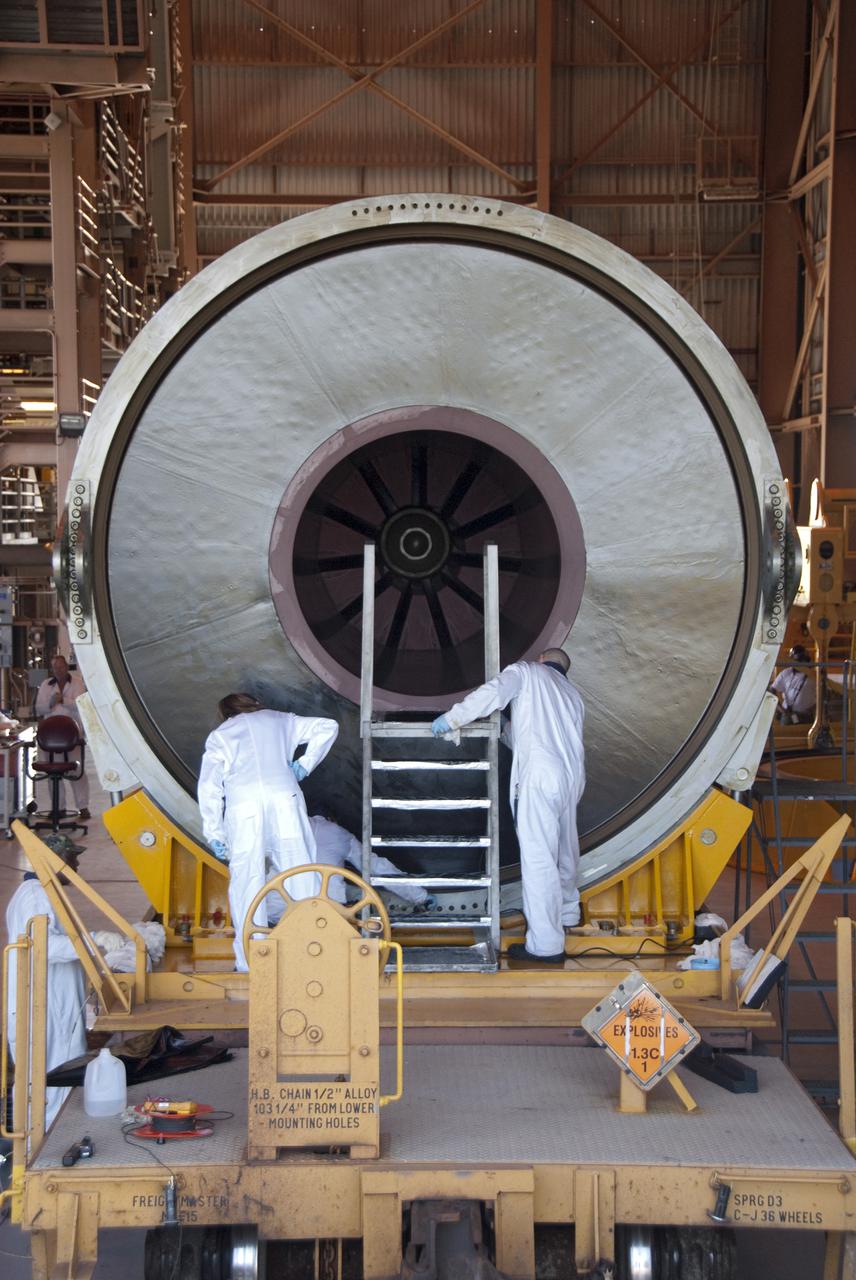
CAPE CANAVERAL, Fla. -- In the Rotation, Processing and Surge Facility, or RSPF, at NASA's Kennedy Space Center in Florida, workers prepare for the propellant grain inspection of the final solid rocket booster segments, which is a required safety analysis. The booster segments were manufactured at the ATK solid rocket booster plant in Promontory, Utah, and traveled to Kennedy along the Florida East Coast Railway. The booster segments will be stacked and then mated to space shuttle Atlantis and its external fuel tank in the Vehicle Assembly Building. The segments will be used for what currently is planned as the 'launch on need,' or potential rescue mission for the final shuttle flight, Endeavour's STS-134 mission. For information, visit www.nasa.gov_shuttle. Photo credit: NASA_Cory Huston
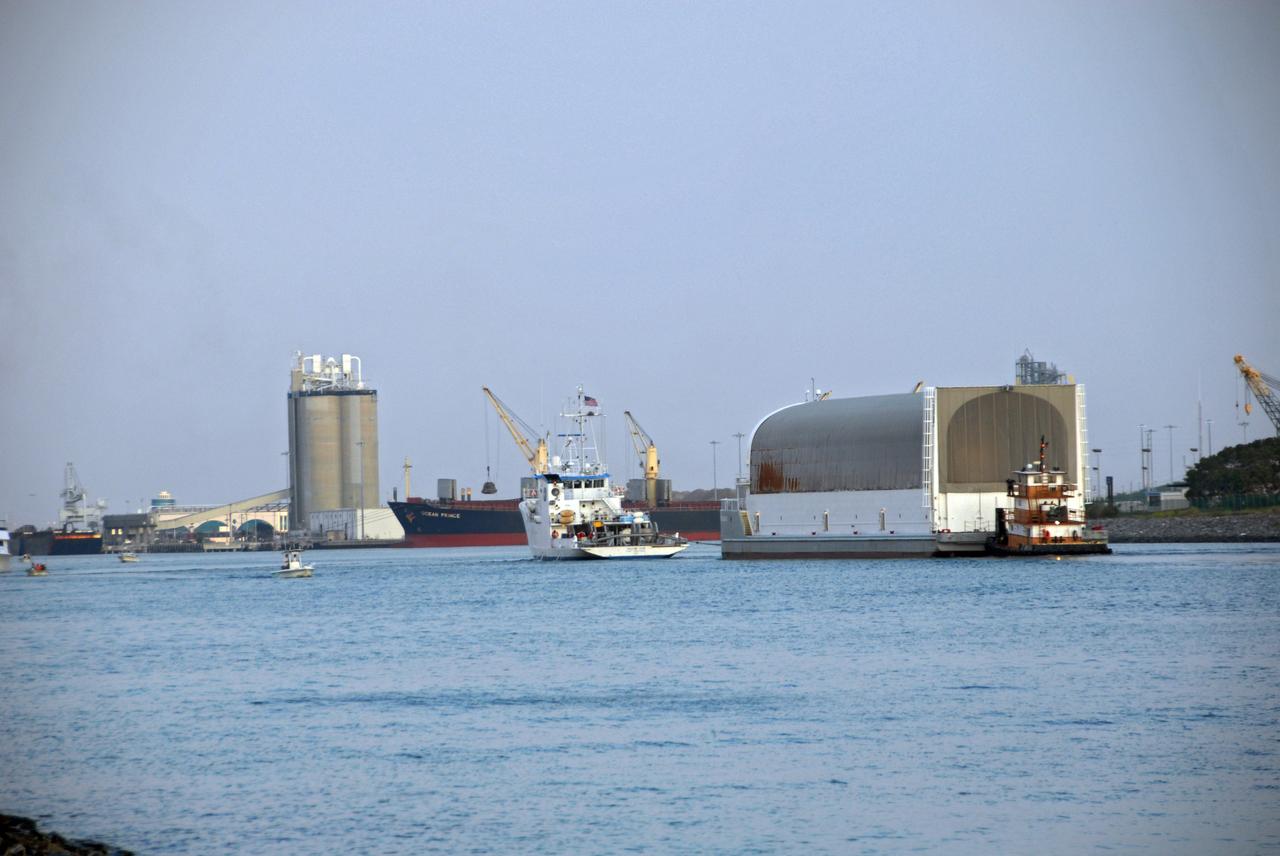
CAPE CANAVERAL, Fla. – The external fuel tank for space shuttle Atlantis' STS-125 mission to NASA's Hubble Space Telescope arrives at Port Canaveral, Fla., towed on the Pegasus barge by a solid rocket booster retrieval ship. The tank will be towed to the turn basin in the Launch Complex 39 Area at NASA's Kennedy Space Center, offloaded and moved to the Vehicle Assembly Building. Once inside the building, the tank will be raised to vertical, lifted and moved into a checkout cell. Stacking of the tank and solid rocket boosters is planned to start Aug. 7. Atlantis is targeted to launch Oct. 8. Photo credit: NASA/Jack Pfaller
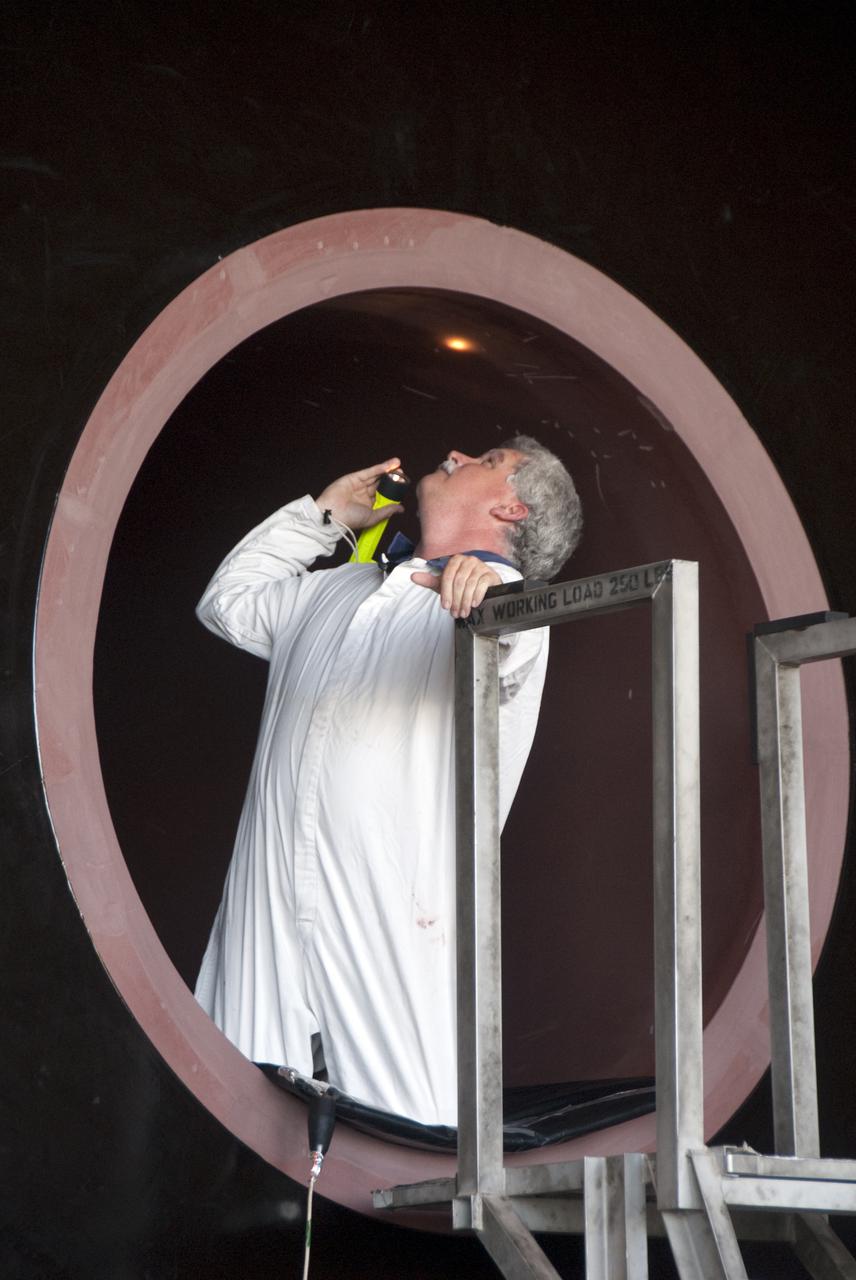
CAPE CANAVERAL, Fla. -- In the Rotation, Processing and Surge Facility, or RSPF, at NASA's Kennedy Space Center in Florida, a worker performs the propellant grain inspection of the final solid rocket booster segments, which is a required safety analysis. The booster segments were manufactured at the ATK solid rocket booster plant in Promontory, Utah, and traveled to Kennedy along the Florida East Coast Railway. The booster segments will be stacked and then mated to space shuttle Atlantis and its external fuel tank in the Vehicle Assembly Building. The segments will be used for what currently is planned as the 'launch on need,' or potential rescue mission for the final shuttle flight, Endeavour's STS-134 mission. For information, visit www.nasa.gov_shuttle. Photo credit: NASA_Cory Huston
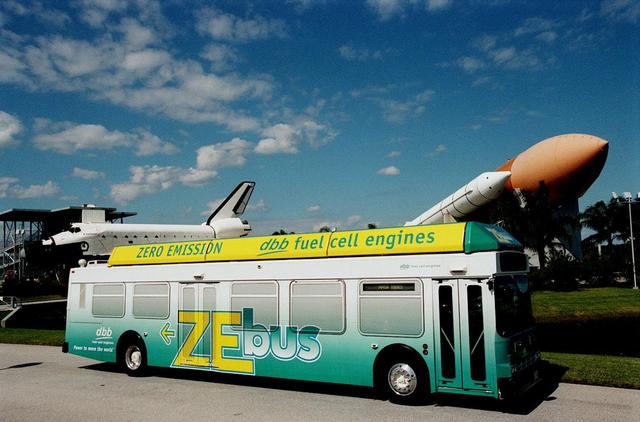
The Zero Emissions (ZE) transit bus tours the KSC Visitor Complex for a test ride. In the background are a mock-up orbiter named Explorer (left) and a stack of solid rocket boosters and external tank (right), typically used on Shuttle launches. Provided by dbb fuel cell engines inc. of Vancouver, Canada, the ZE bus was brought to KSC as part of the Center's Alternative Fuel Initiatives Program. The bus uses a Proton Exchange Membrane fuel cell in which hydrogen and oxygen, from atmospheric air, react to produce electricity that powers an electric motor drive system. The by-product "exhaust" from the fuel cell is water vapor, thus zero harmful emissions. A typical diesel-powered bus emits more than a ton of harmful pollutants from its exhaust every year. The ZE bus is being used on tour routes at the KSC Visitor Complex for two days to introduce the public to the concept
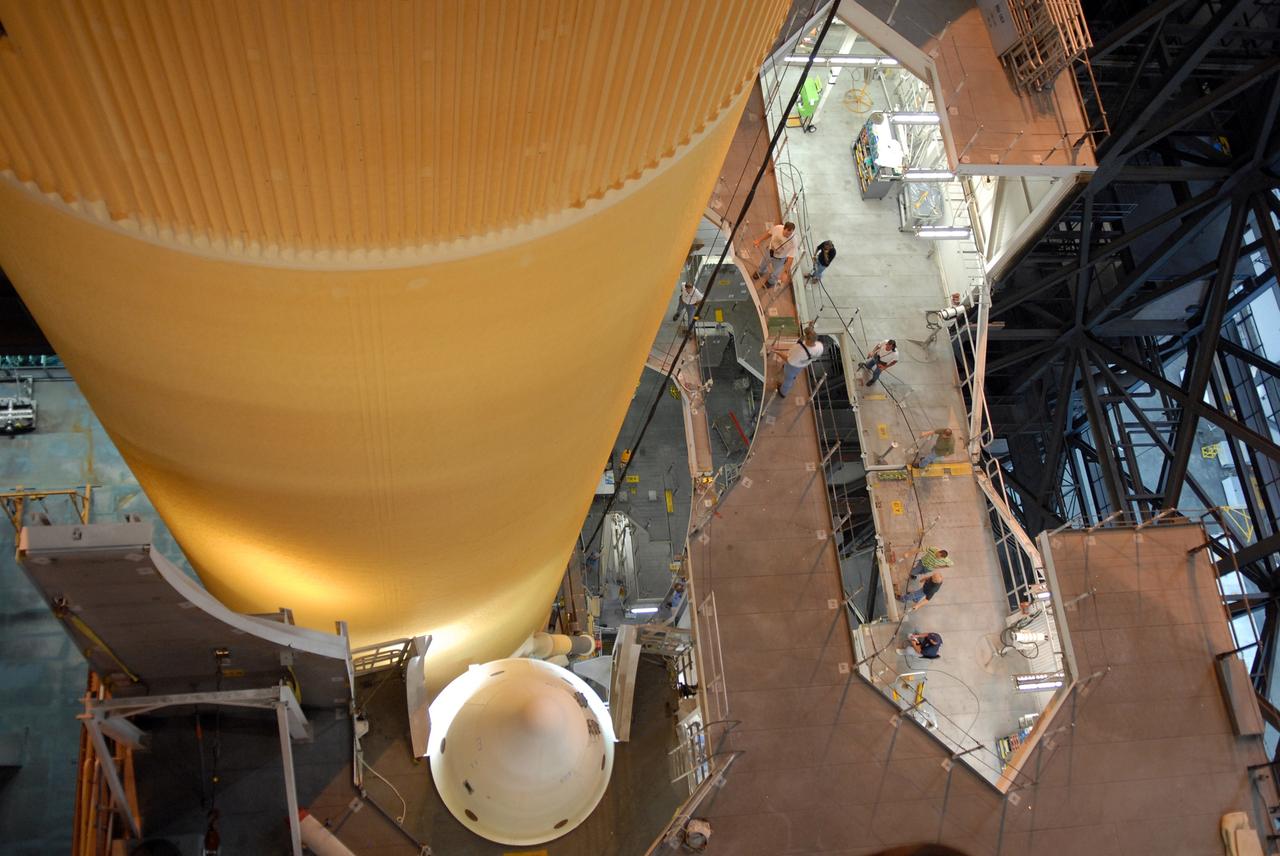
CAPE CANAVERAL, Fla. – The external fuel tank for space shuttle Atlantis' STS-129 mission is being lowered into NASA Kennedy Space Center's Vehicle Assembly Building high bay 2 for assembly with the solid rocket boosters already stacked on the mobile launch platform. The tip of one rocket is seen at bottom. The STS-129 mission is targeted to launch Nov. 12 on an 11-day supply mission to the International Space Station. Photo credit: NASA/Jim Grossmann
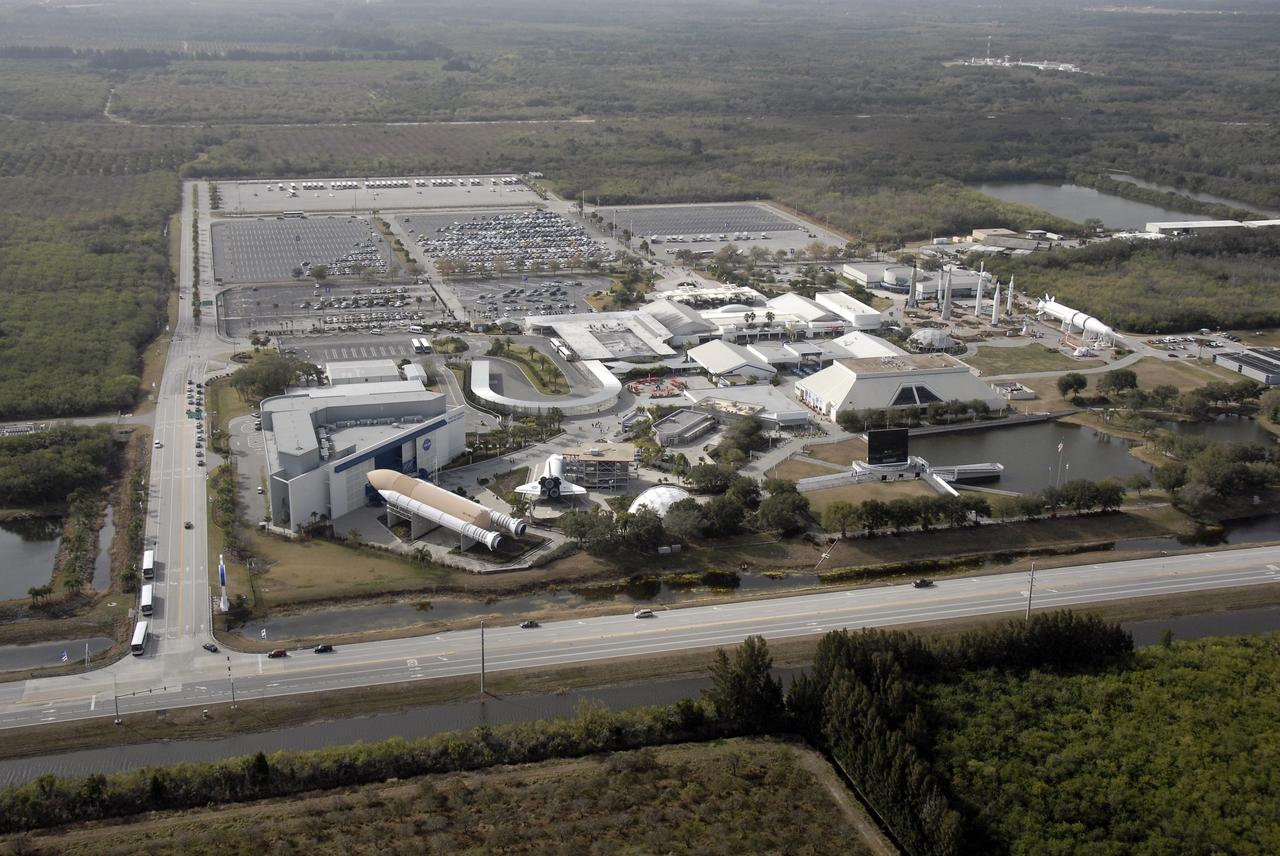
CAPE CANAVERAL, Fla. – An aerial view shows the entire Kennedy Space Center Visitor Complex in Florida. In the foreground at left are a full-size orbiter replica, the "Explorer," which allows guests to picture more clearly what it's like to live and work in space, as well as full-size, genuine solid rocket boosters and an external fuel tank (foreground, left). On the right at center is the rocket garden, which features eight authentic rockets from the past, including a Mercury-Atlas rocket similar to the one used to launch John Glenn into space in 1962 and climb-in Mercury, Gemini and Apollo capsule rep¬licas. Photo credit: NASA/Kim Shiflett
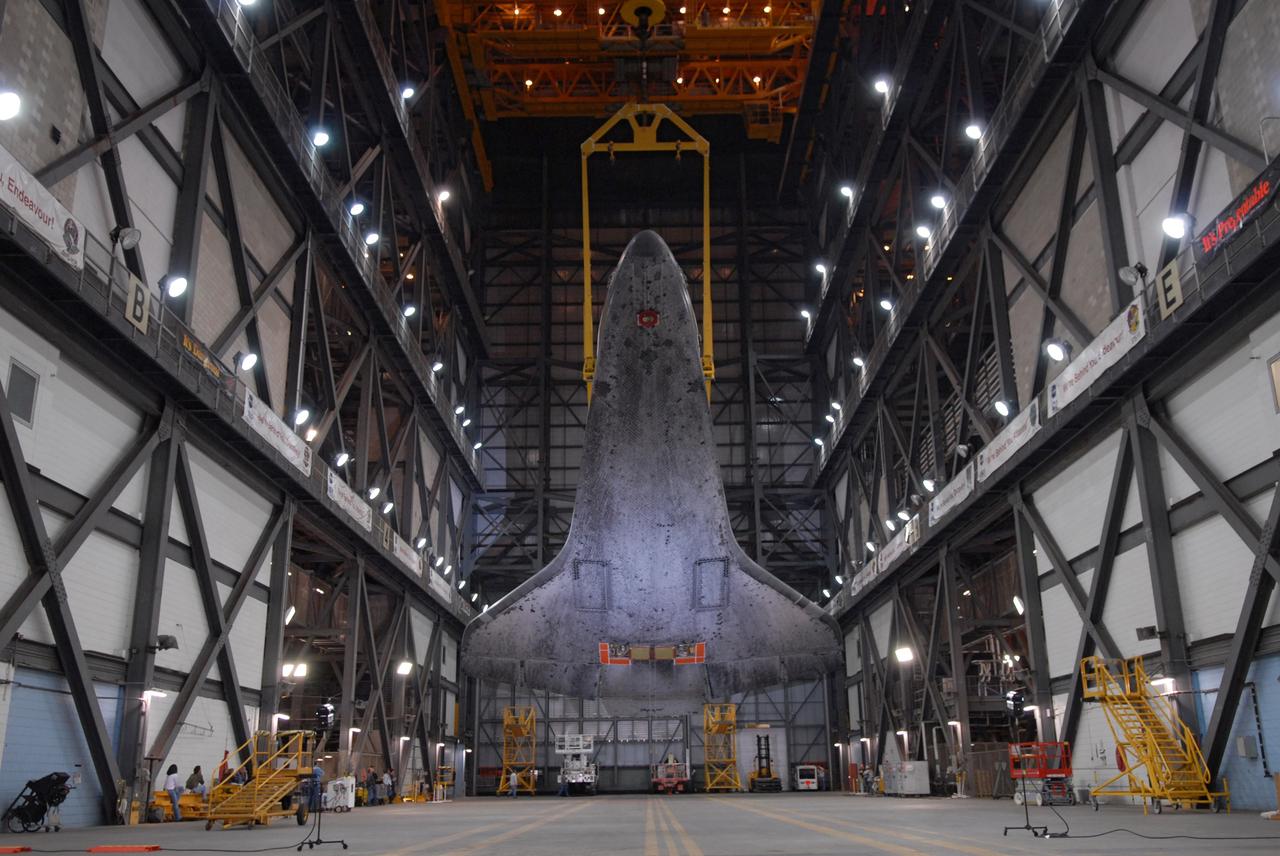
CAPE CANAVERAL, Fla. – In the Vehicle Assembly Building at NASA's Kennedy Space Center in Florida, space shuttle Atlantis is rotated by the crane toward a vertical position above the transfer aisle. The shuttle will be lifted into High Bay 3 where it will be attached to its external fuel tank and solid rocket boosters on the mobile launcher platform. After additional preparations are made, the shuttle will be rolled out to Launch Pad 39A for a targeted launch on May 12 on the STS-125 Hubble servicing mission. Photo credit: NASA/Cory Huston
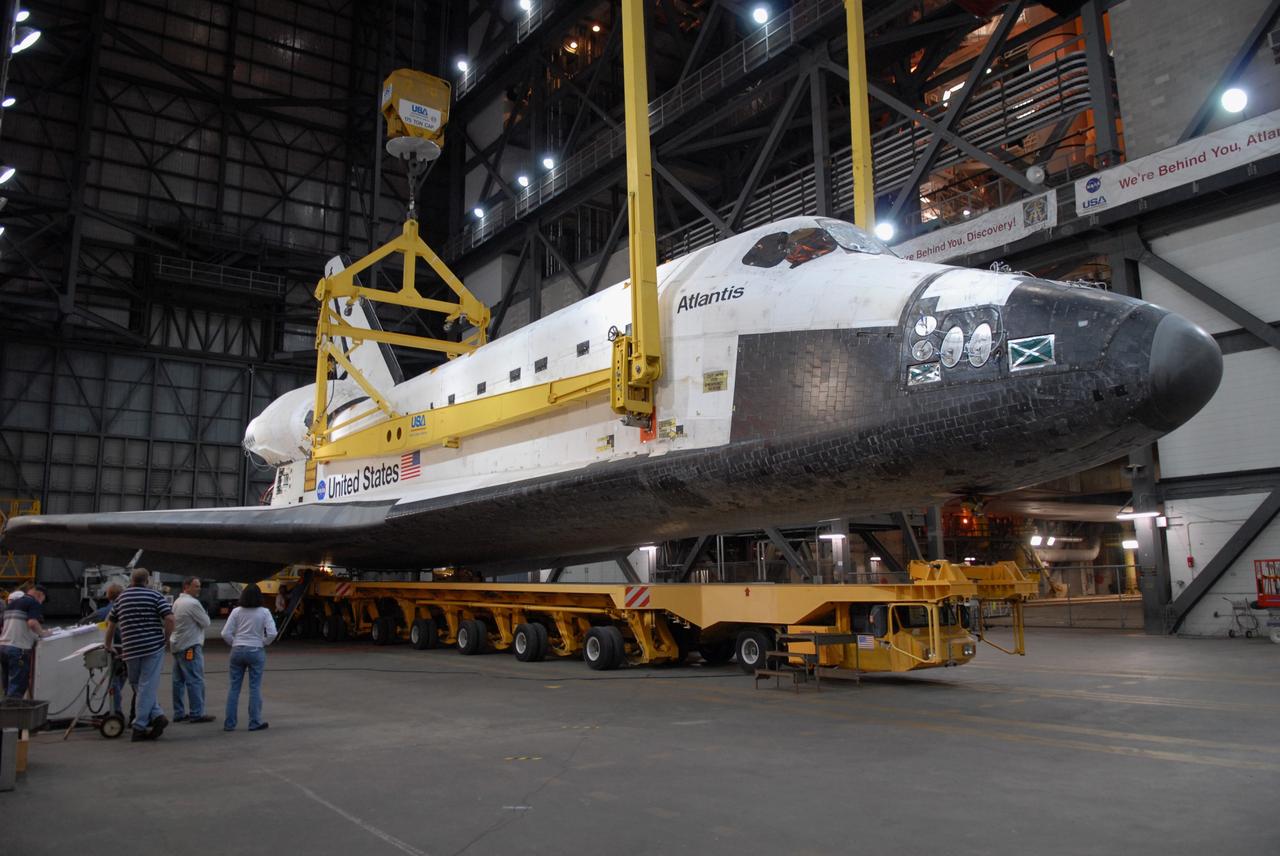
CAPE CANAVERAL, Fla. – In the Vehicle Assembly Building at NASA's Kennedy Space Center in Florida, space shuttle Atlantis is lifted off its transporter in the transfer aisle. The shuttle will be raised to a vertical position and lifted into High Bay 3 where it will be attached to its external fuel tank and solid rocket boosters on the mobile launcher platform. After additional preparations are made, the shuttle will be rolled out to Launch Pad 39A for a targeted launch on May 12 on the STS-125 Hubble servicing mission. Photo credit: NASA/Cory Huston
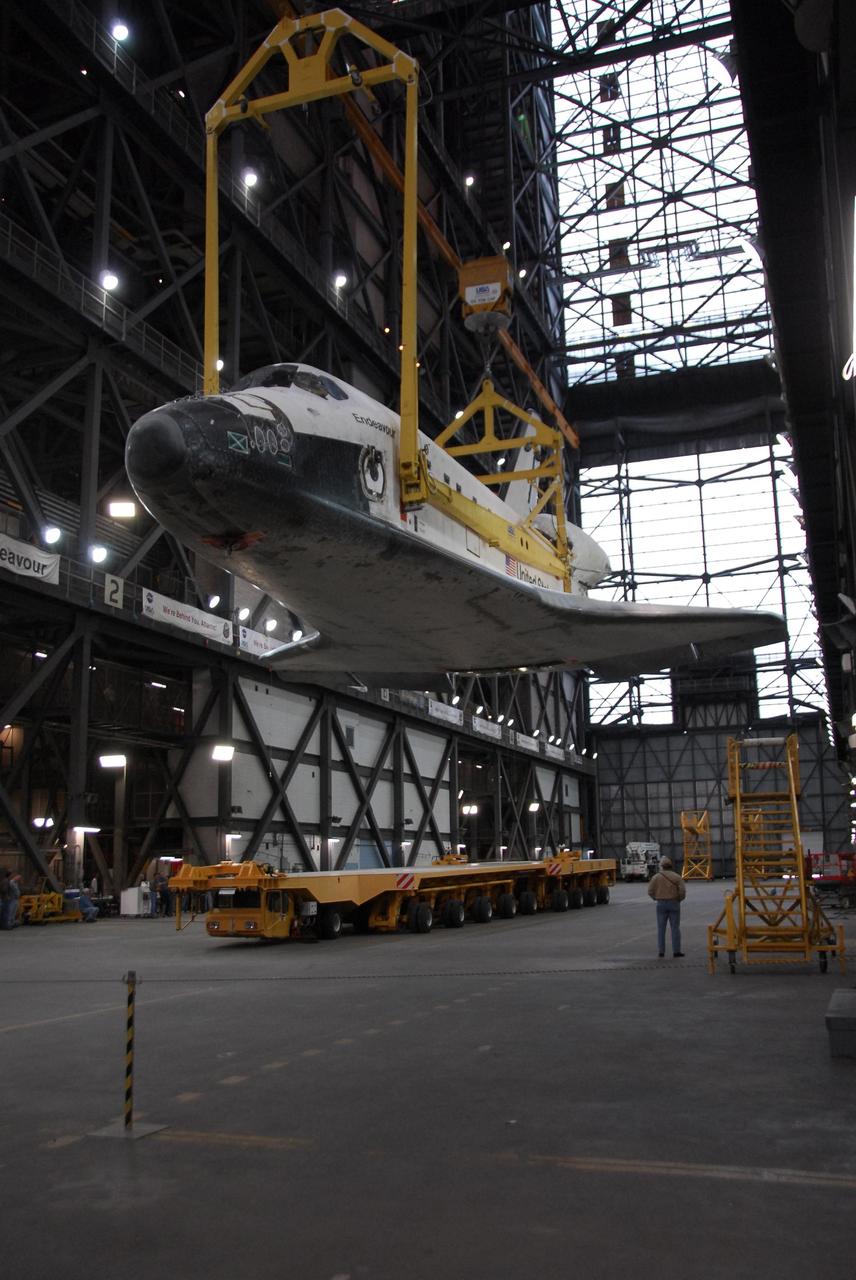
KENNEDY SPACE CENTER, FLA. -- In the transfer aisle of the Vehicle Assembly Building, space shuttle Endeavour is lifted off its transporter. The shuttle will be raised to a vertical position and lifted up into high bay 1 to be attached to its external fuel tank and solid rocket boosters in preparation for launch on the STS-123 mission, targeted for March 11. The mission will deliver the first section of the Japan Aerospace Exploration Agency's Kibo laboratory and the Canadian Space Agency's two-armed robotic system, Dextre. Photo credit: NASA/Dimitri Gerondidakis

CAPE CANAVERAL, Fla. – After rolling out of the Orbiter Processing Facility bay 1 at NASA's Kennedy Space Center, space shuttle Atlantis begins the short transfer to the Vehicle Assembly Building. In the VAB, Atlantis will be attached to its external fuel tank and twin solid rocket boosters. After additional preparations are made, the shuttle will be rolled out to Launch Pad 39A to prepare for launch on the STS-125 mission targeted for Oct. 8. Photo credit: NASA/Jack Pfaller
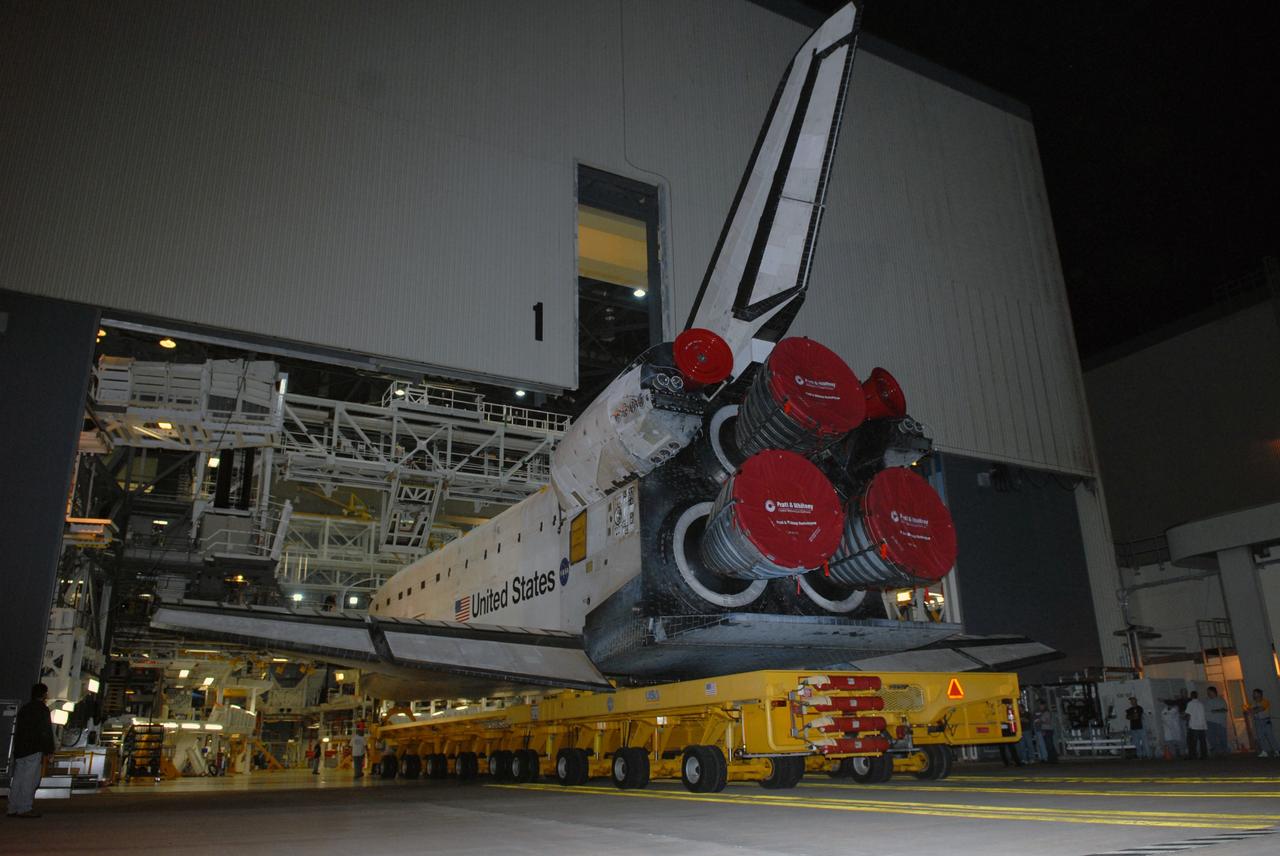
CAPE CANAVERAL, Fla. – Space shuttle Atlantis rolls out of the Orbiter Processing Facility bay 1 at NASA's Kennedy Space Center for transfer to the Vehicle Assembly Building. In the VAB, Atlantis will be attached to its external fuel tank and twin solid rocket boosters. After additional preparations are made, the shuttle will be rolled out to Launch Pad 39A to prepare for launch on the STS-125 mission targeted for Oct. 8. Photo credit: NASA/Jack Pfaller

CAPE CANAVERAL, Fla. – Space shuttle Atlantis rolls out of the Orbiter Processing Facility bay 1 at NASA's Kennedy Space Center for transfer to the Vehicle Assembly Building. In the VAB, Atlantis will be attached to its external fuel tank and twin solid rocket boosters. After additional preparations are made, the shuttle will be rolled out to Launch Pad 39A to prepare for launch on the STS-125 mission targeted for Oct. 8. Photo credit: NASA/Jack Pfaller
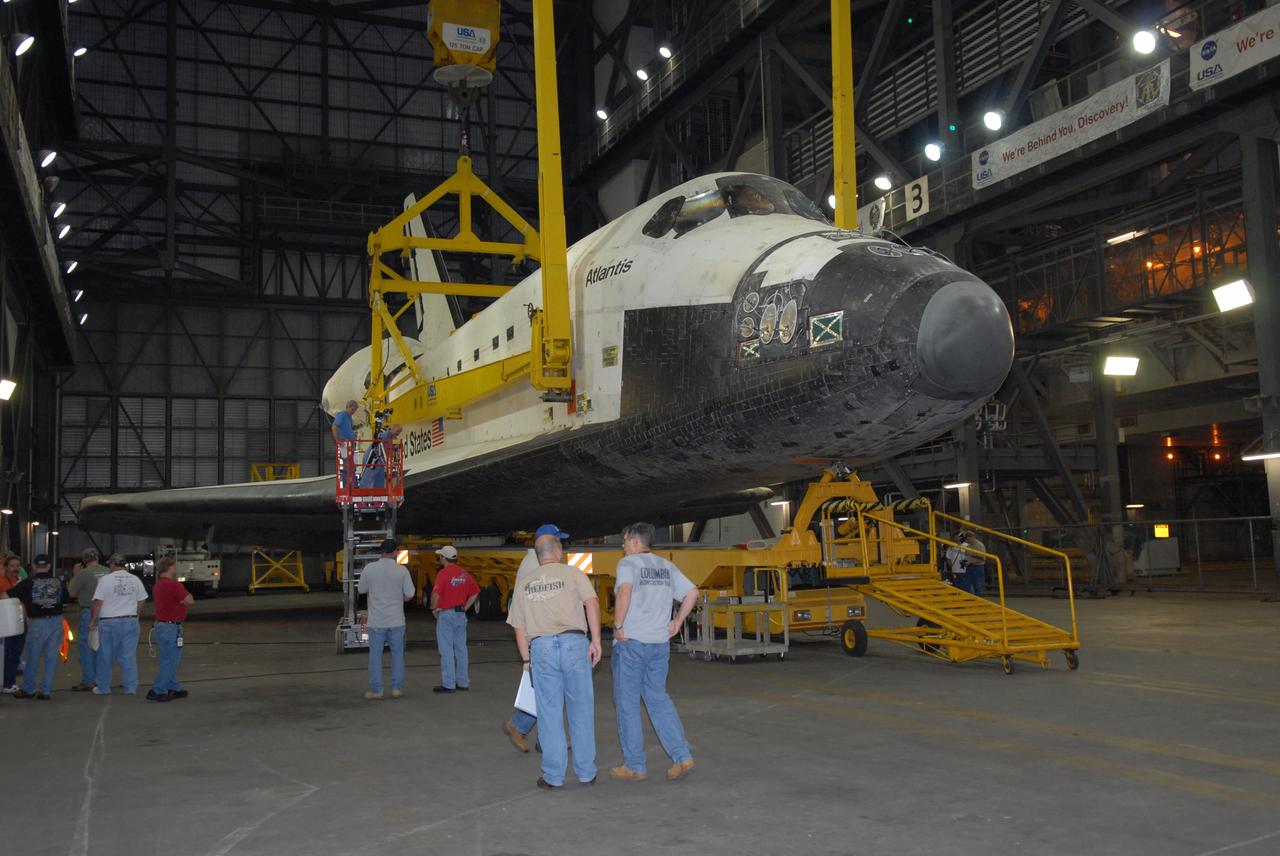
CAPE CANAVERAL, Fla. – In the Vehicle Assembly Building transfer aisle at NASA's Kennedy Space Center, the overhead crane is being attached to space shuttle Atlantis. The crane will lift Atlantis to vertical for transfer to high bay 3 to be stacked with its external fuel tank and twin solid rocket boosters. After additional preparations are made, the shuttle will be rolled out to Launch Pad 39A to prepare for launch on the STS-125 mission targeted for Oct. 8. Photo credit: NASA/Jack Pfaller
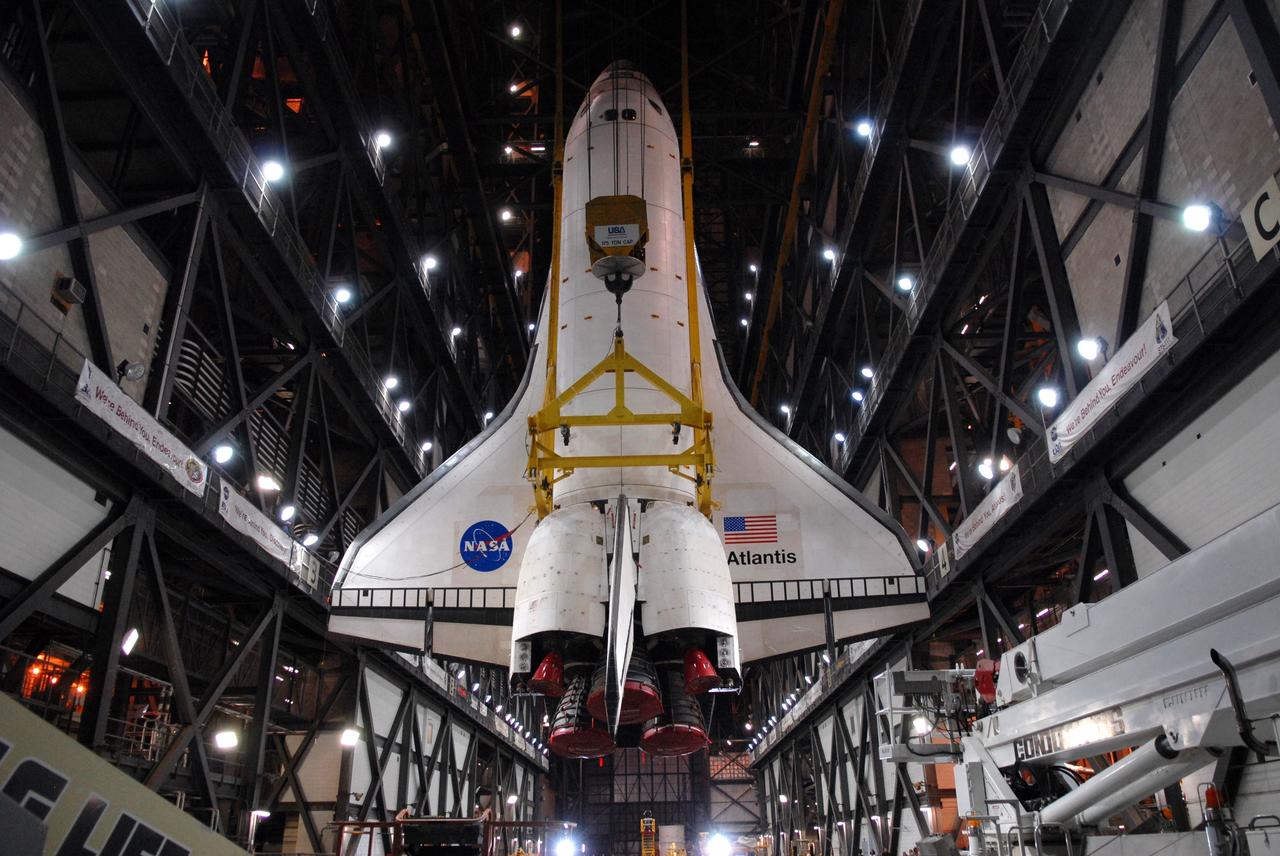
CAPE CANAVERAL, Fla. – After rotation in the Vehicle Assembly Building at NASA's Kennedy Space Center in Florida, space shuttle Atlantis is suspended vertically above the transfer aisle. The shuttle will be lifted into High Bay 3 where it will be attached to its external fuel tank and solid rocket boosters on the mobile launcher platform. After additional preparations are made, the shuttle will be rolled out to Launch Pad 39A for a targeted launch on May 12 on the STS-125 Hubble servicing mission. Photo credit: NASA/Cory Huston
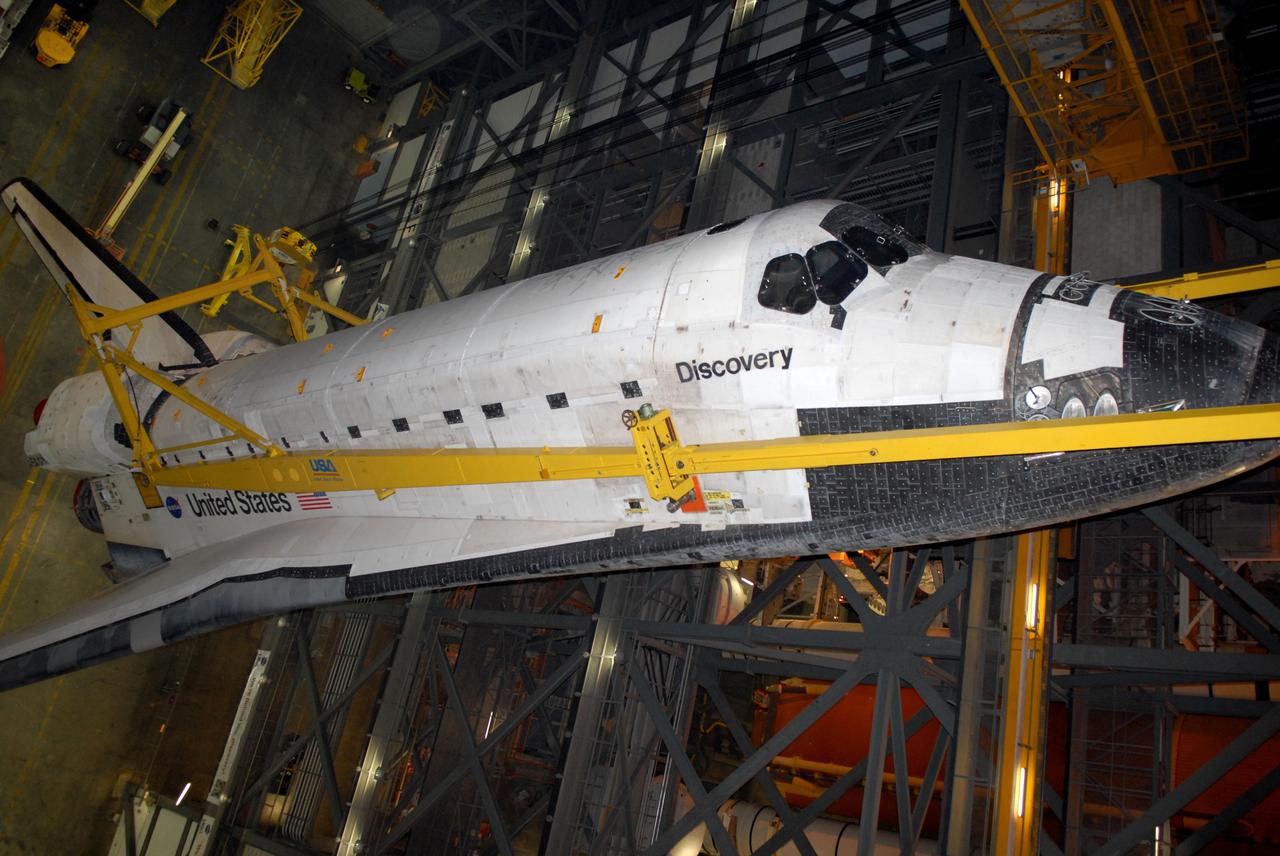
CAPE CANAVERAL, Fla. -- In the Vehicle Assembly Building at NASA's Kennedy Space Center in Florida, space shuttle Discovery is lifted into the upper levels for transfer to high bay 3. The shuttle will then be lowered onto the mobile launcher platform for mating with its external fuel tank and solid rocket boosters. After additional preparations are made, the shuttle will be rolled out to Launch Pad 39A for a targeted launch on Feb. 12. Discovery will carry the final starboard truss (S6) in the assembly of the International Space Station. Photo credit: NASA/Jack Pfaller

KENNEDY SPACE CENTER, FLA. -- Inside the Orbiter Processing Facility, space shuttle Endeavour is ready for the rollover to the Vehicle Assembly Building. In high bay 1 of the VAB, Endeavour will be attached to its external fuel tank and solid rocket boosters in preparation for its upcoming mission, STS-123, to the International Space Station targeted for March 11. The mission will deliver the first section of the Japan Aerospace Exploration Agency's Kibo laboratory and the Canadian Space Agency's two-armed robotic system, Dextre. Photo credit: NASA/Jim Grossmann
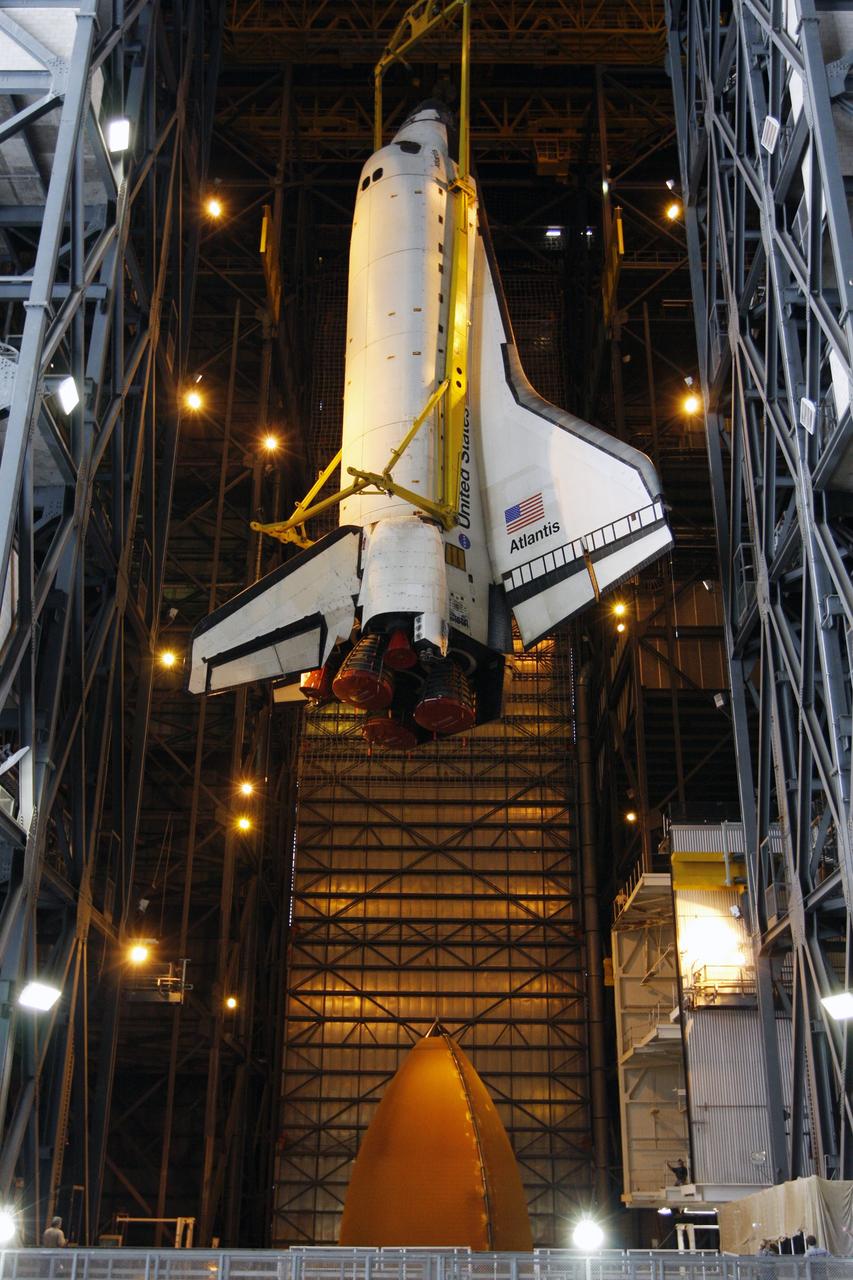
CAPE CANAVERAL, Fla. – In the Vehicle Assembly Building at NASA's Kennedy Space Center, space shuttle Atlantis is lowered toward the external fuel tank in high bay 3. Atlantis will be mated to the tank and twin solid rocket boosters stacked on the mobile launcher platform. After additional preparations are made, the shuttle will be rolled out to Launch Pad 39A to prepare for launch on the STS-125 mission targeted for 1:34 a.m. EDT Oct. 8. Photo credit: NASA/Dimitri Gerondidakis
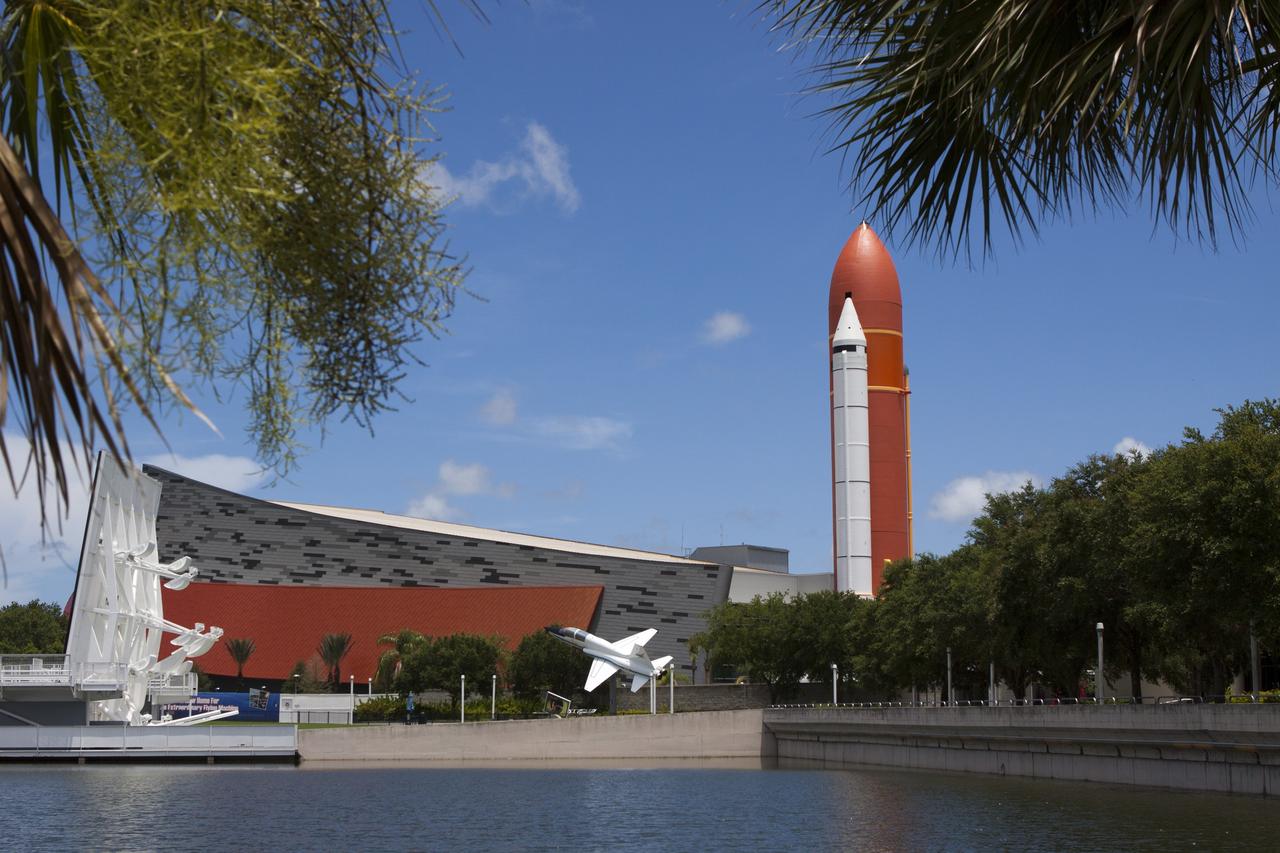
CAPE CANAVERAL, Fla. – At Kennedy Space Center Visitor Complex in Florida, replica external fuel tank and solid rocket boosters mark the entrance to the new Space Shuttle Atlantis exhibit. The new $100 million facility includes interactive exhibits that tell the story of the 30-year Space Shuttle Program and highlight the future of space exploration. Visitors to the exhibit will get an up close look at Atlantis with its payload bay doors open, similar to how it looked in space. Photo credit: NASA/Jim Grossmann
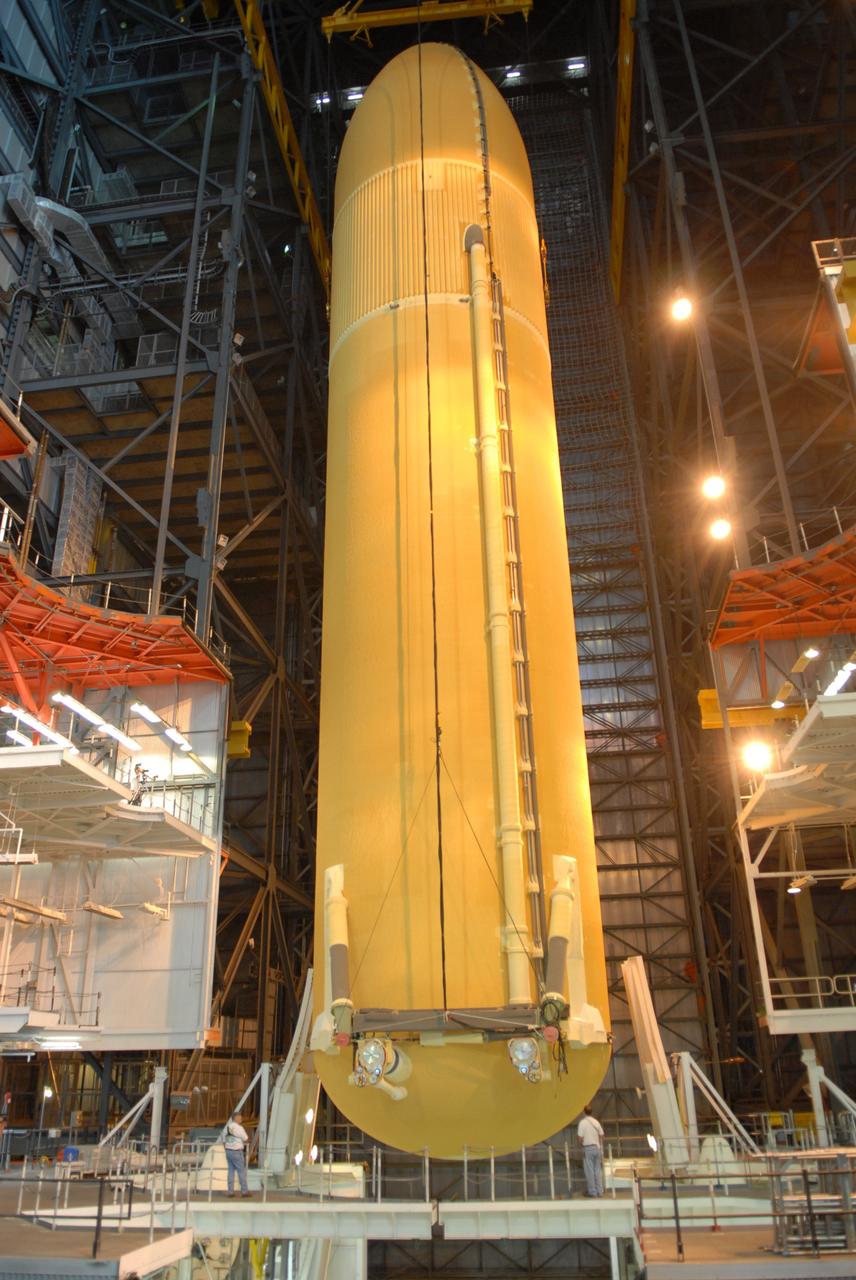
CAPE CANAVERAL, Fla. – The external fuel tank for space shuttle Atlantis' STS-129 mission is being lowered into NASA Kennedy Space Center's Vehicle Assembly Building high bay 2 for assembly with the solid rocket boosters already stacked on the mobile launch platform. The STS-129 mission is targeted to launch Nov. 12 on an 11-day supply mission to the International Space Station. Photo credit: NASA/Jim Grossmann
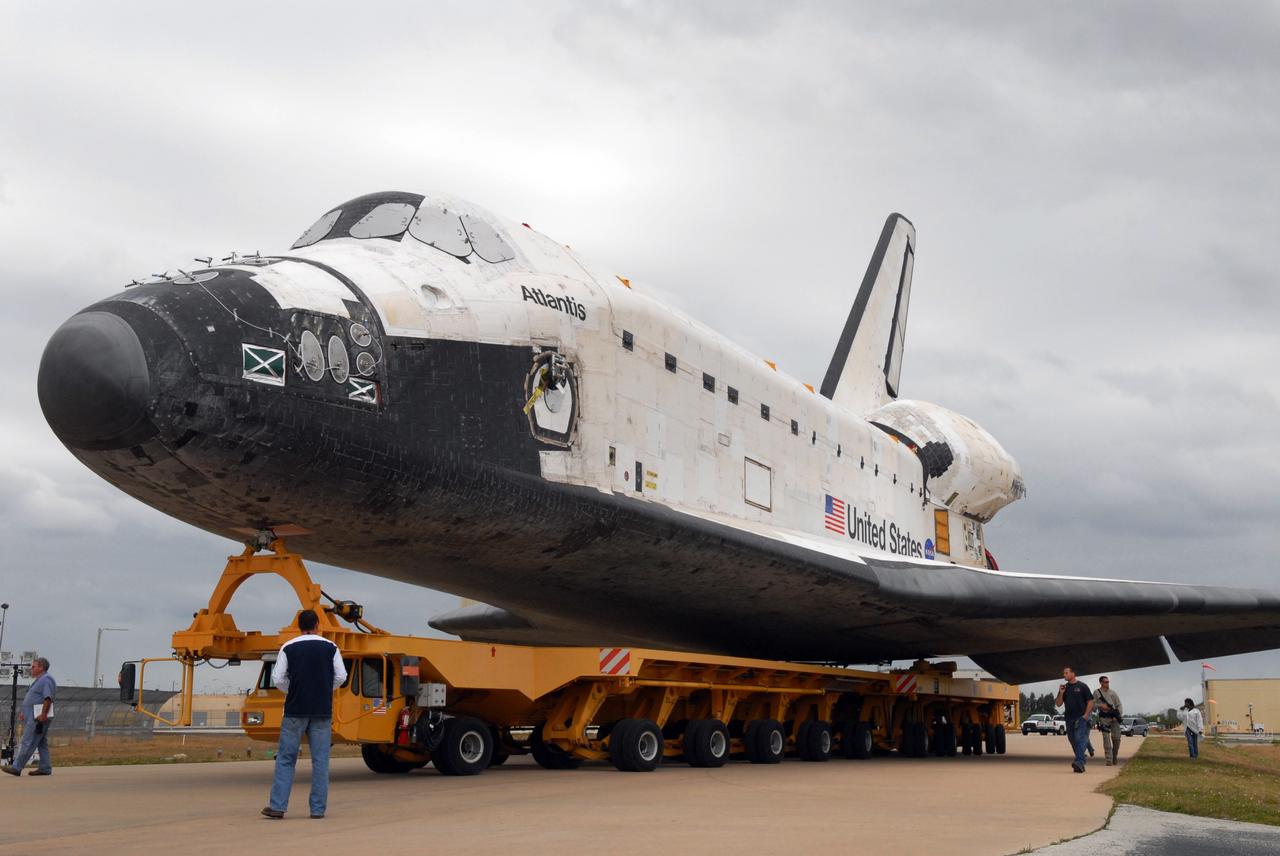
CAPE CANAVERAL, Fla. – On its transporter, space shuttle Atlantis rolls toward the Vehicle Assembly Building after leaving Orbiter Processing Facility 1 at NASA's Kennedy Space Center in Florida. First motion was at 11:30 a.m. EDT. In the VAB, Atlantis will be lifted into High Bay 3 and mated to the solid rocket booster-external fuel tank already installed on the mobile launcher platform.Atlantis is targeted to launch May 12 for the STS-125 Hubble servicing mission. Photo credit: NASA/Jack Pfaller
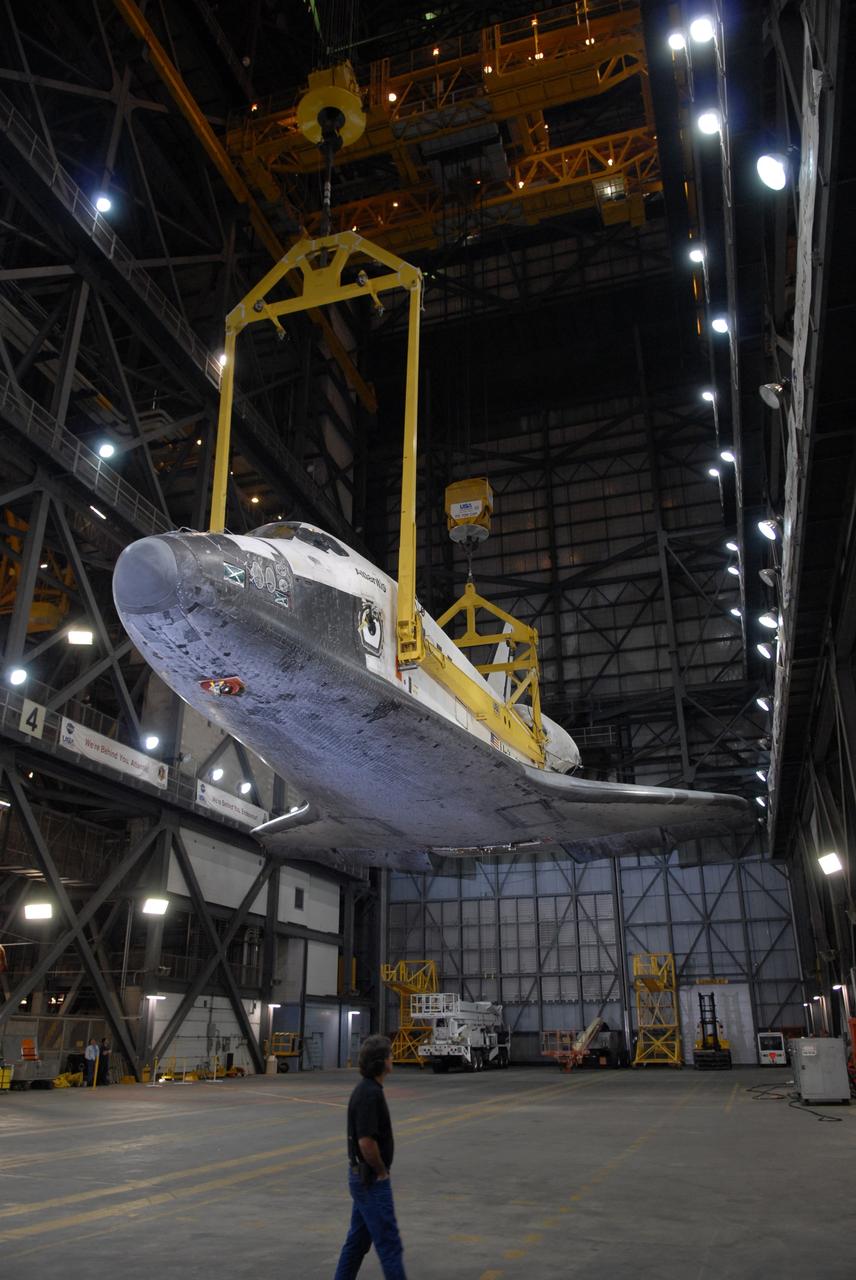
CAPE CANAVERAL, Fla. – In the Vehicle Assembly Building at NASA's Kennedy Space Center in Florida, space shuttle Atlantis is lifted higher above the transfer aisle. The shuttle will be rotated to a vertical position and lifted into High Bay 3 where it will be attached to its external fuel tank and solid rocket boosters on the mobile launcher platform. After additional preparations are made, the shuttle will be rolled out to Launch Pad 39A for a targeted launch on May 12 on the STS-125 Hubble servicing mission. Photo credit: NASA/Cory Huston
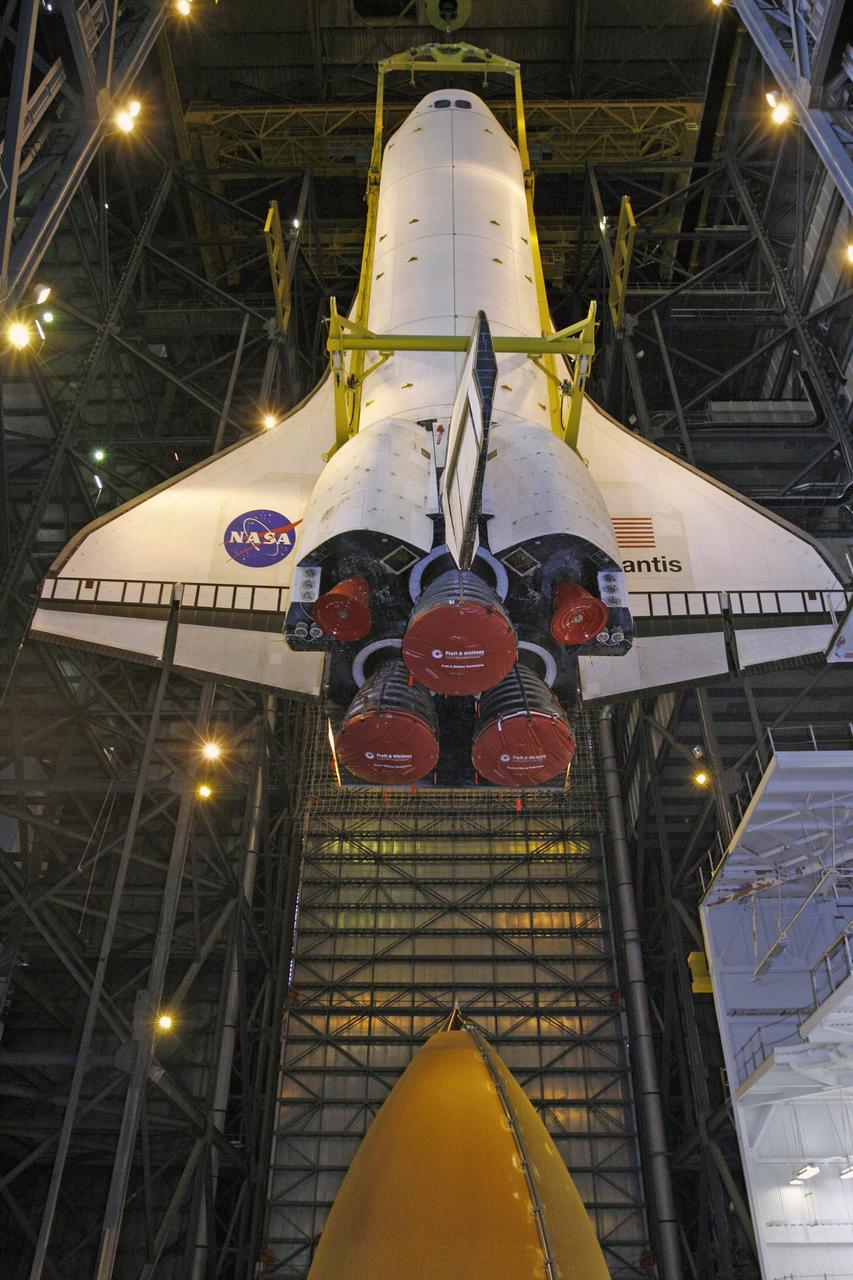
CAPE CANAVERAL, Fla. – In the Vehicle Assembly Building at NASA's Kennedy Space Center, space shuttle Atlantis is lowered toward the external fuel tank in high bay 3. Atlantis will be mated to the tank and twin solid rocket boosters stacked on the mobile launcher platform. After additional preparations are made, the shuttle will be rolled out to Launch Pad 39A to prepare for launch on the STS-125 mission targeted for 1:34 a.m. EDT Oct. 8. Photo credit: NASA/Dimitri Gerondidakis
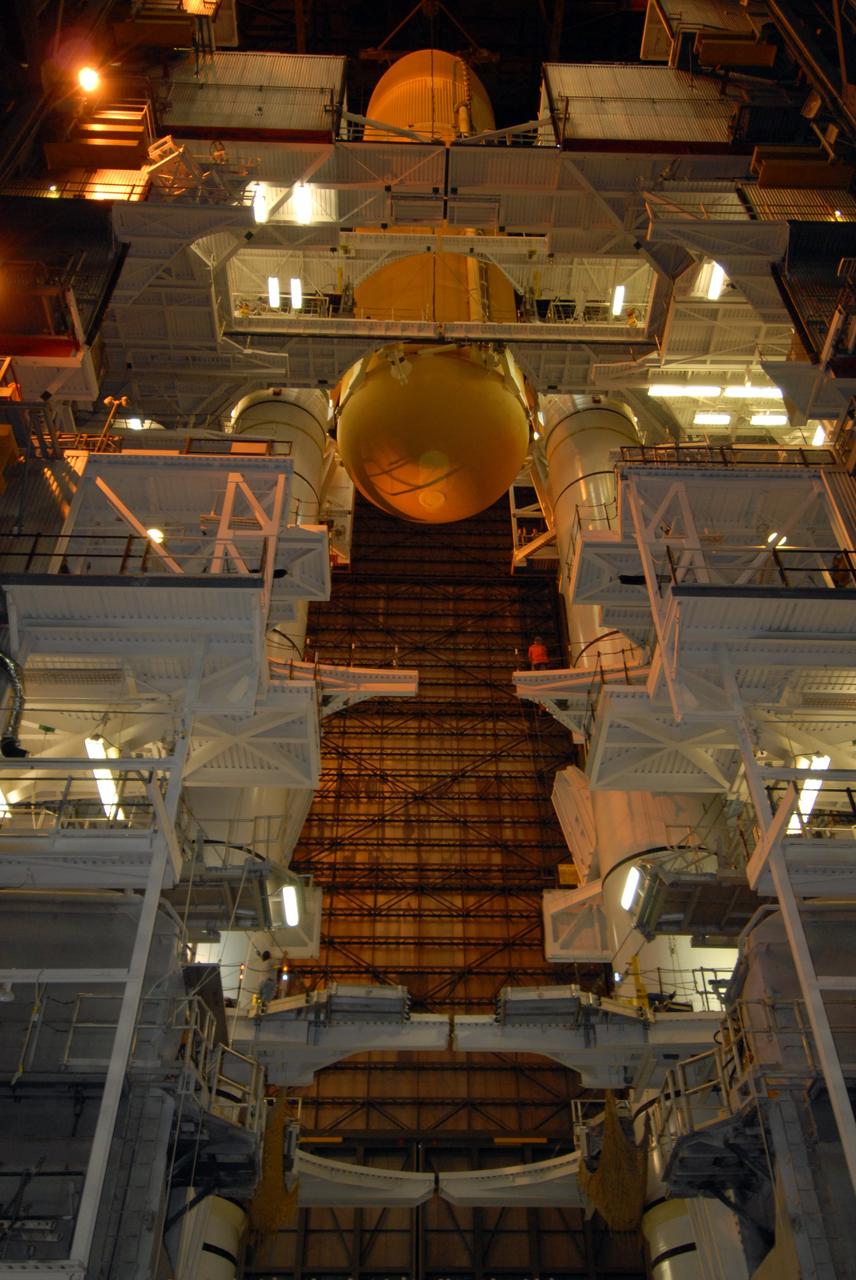
CAPE CANAVERAL, Fla. – In the Vehicle Assembly Building at NASA's Kennedy Space Center, external fuel tank 129 is lowered into high bay 1 between the solid rocket boosters for mating on the mobile launcher platform. The external tank-SRB stack will then be mated in two weeks to space shuttle Endeavour for the STS-126 mission. The STS-126 mission will deliver a Multi-Purpose Logistics Module to the International Space Station. Launch is targeted for Nov. 10. Photo credit: NASA/Jack Pfaller
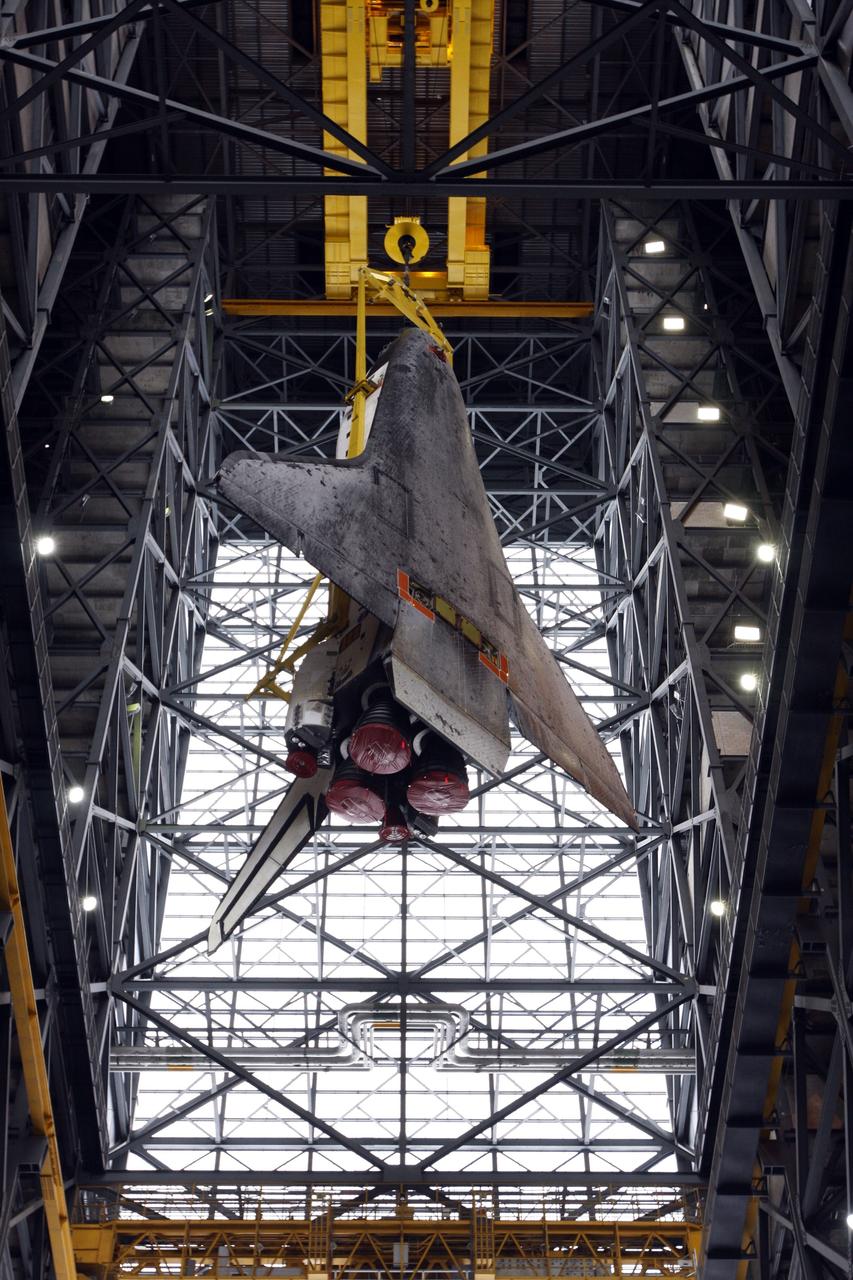
CAPE CANAVERAL, Fla. – A crane lifts space shuttle Atlantis higher into the upper levels of the Vehicle Assembly Building at NASA's Kennedy Space Center. The shuttle will be moved into high bay 3 and lowered for stacking with its external fuel tank and twin solid rocket boosters. After additional preparations are made, the shuttle will be rolled out to Launch Pad 39A to prepare for launch on the STS-125 mission targeted for 1:34 a.m. EDT Oct. 8. Photo credit: NASA/Dimitri Gerondidakis
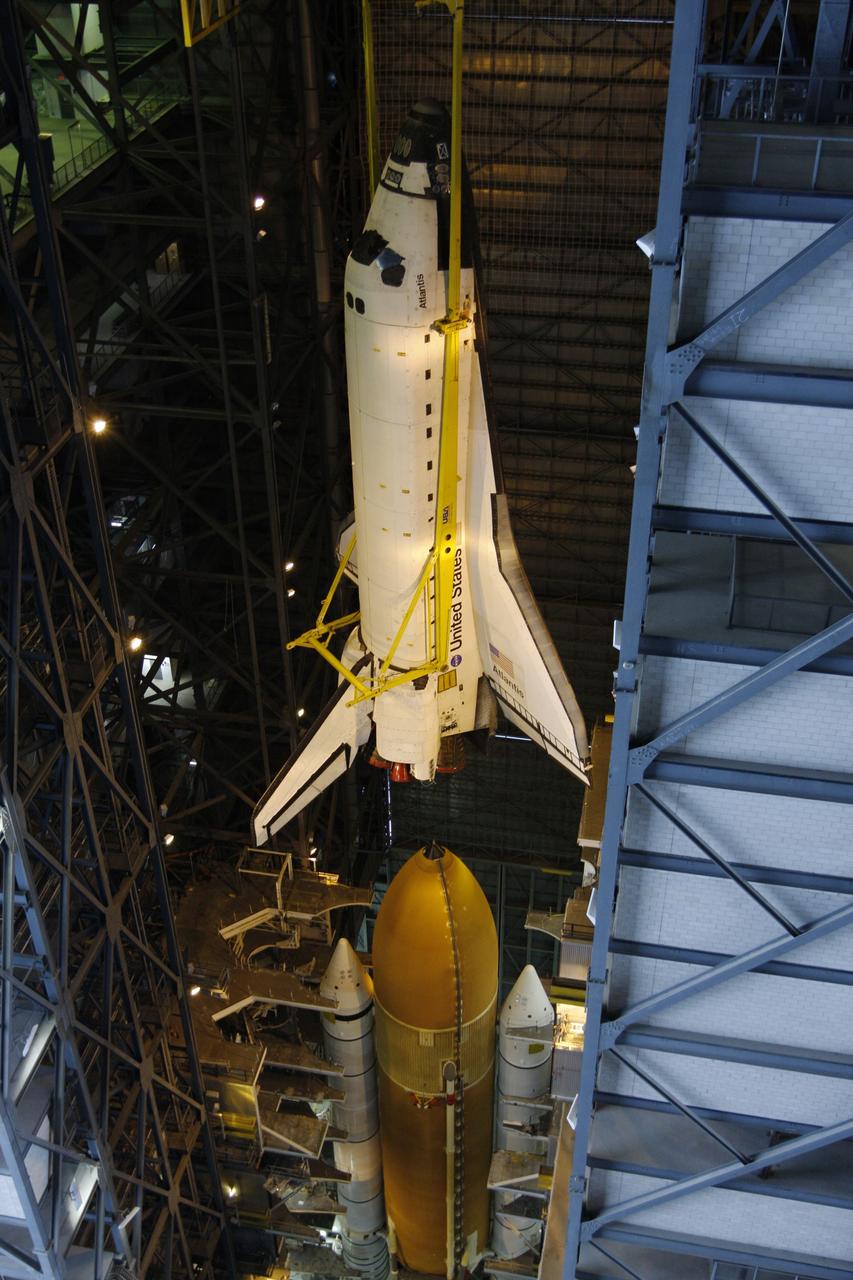
CAPE CANAVERAL, Fla. – In the Vehicle Assembly Building at NASA's Kennedy Space Center, space shuttle Atlantis is lowered toward the external fuel tank and twin solid rocket boosters in high bay 3. Atlantis will be mated to the tank and boosters stacked on the mobile launcher platform. After additional preparations are made, the shuttle will be rolled out to Launch Pad 39A to prepare for launch on the STS-125 mission targeted for 1:34 a.m. EDT Oct. 8. Photo credit: NASA/Dimitri Gerondidakis
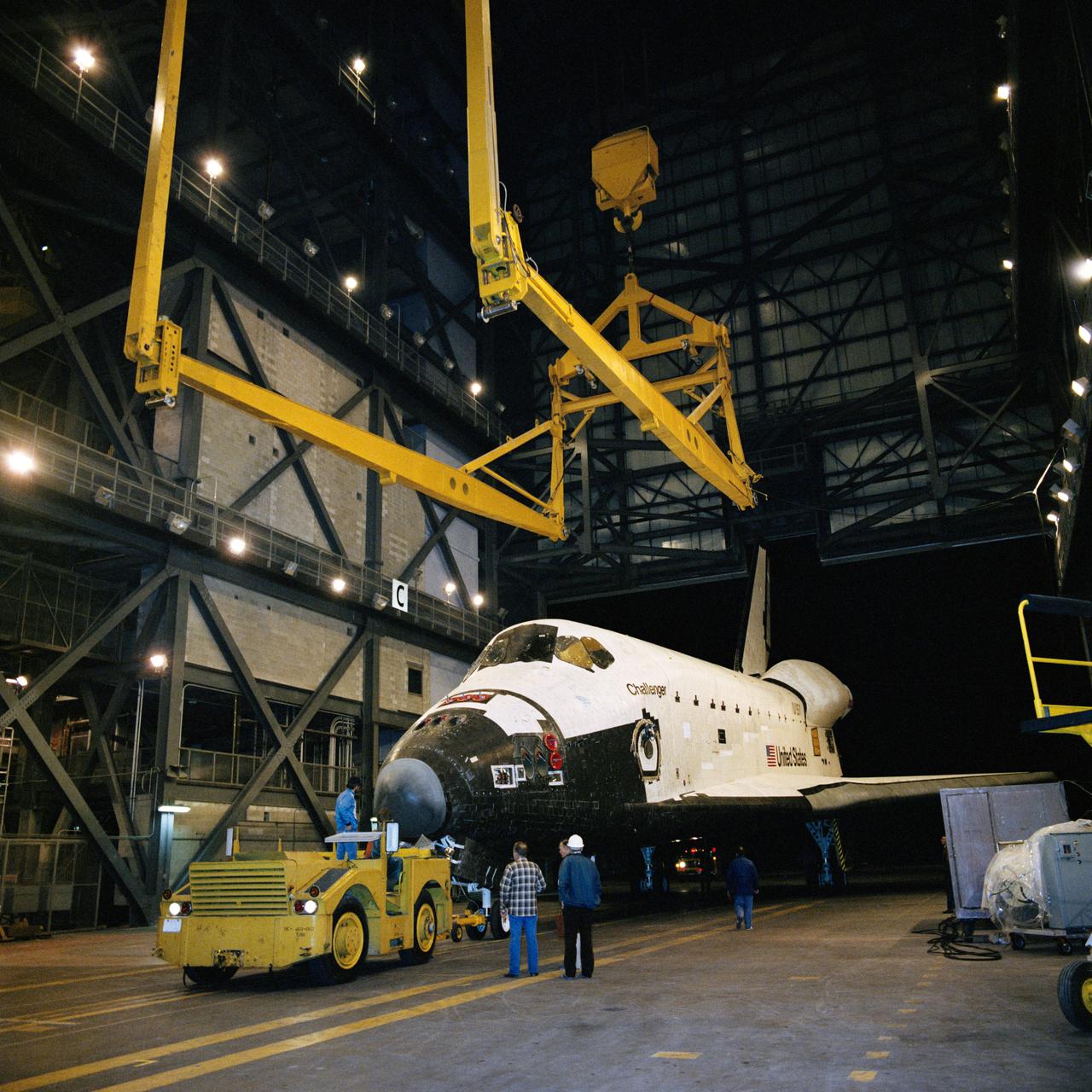
S84-25872 (6 Jan 1984) --- Progress continues at the Kennedy Space Center (KSC) as the Space Shuttle Challenger is moved into the Vehicle Assembly Building (VAB) for mating to its two Solid Rocket Boosters (SRB) and External Fuel Tank (ET). The flight of STS-41B will carry five astronaut crew members into space for the performance of a variety of duties. Launch is scheduled for February 3, 1984.
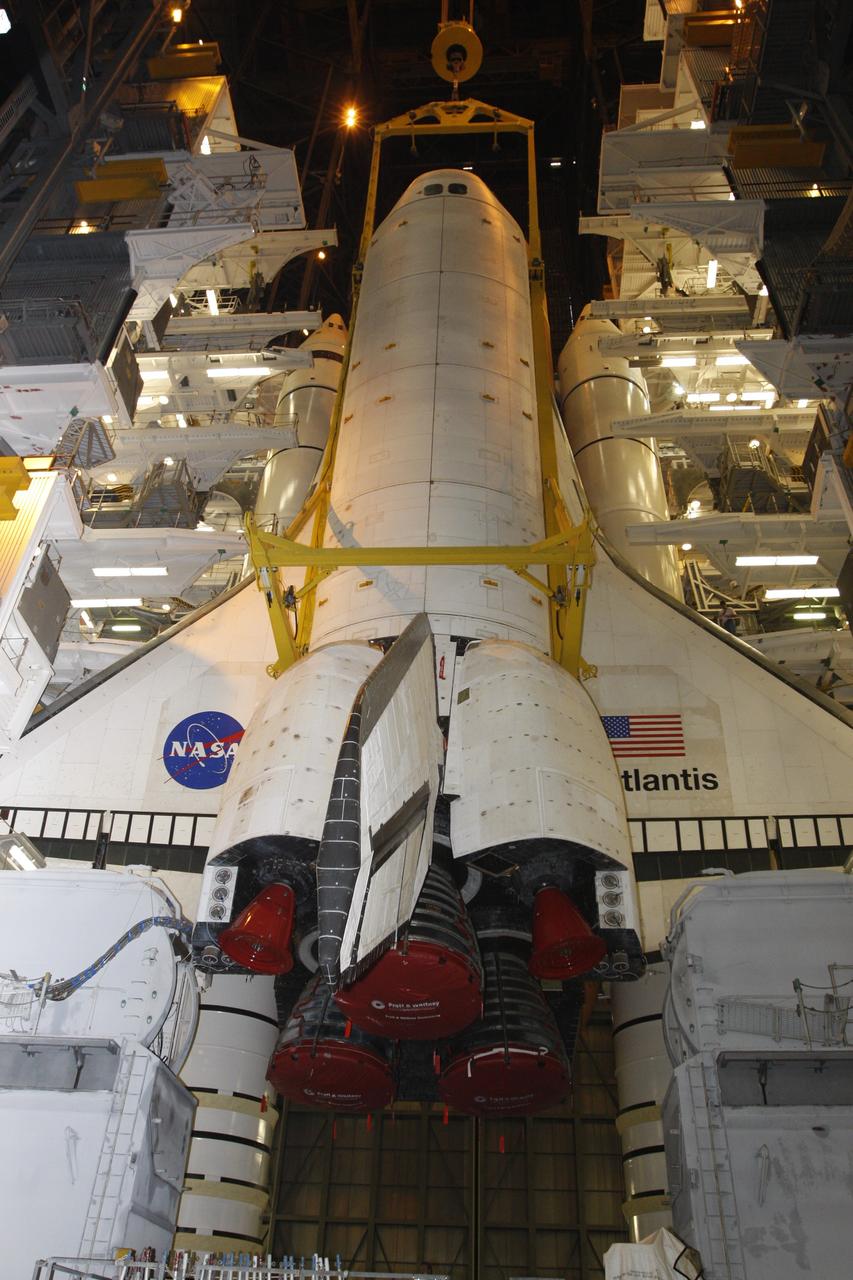
CAPE CANAVERAL, Fla. – In the Vehicle Assembly Building at NASA's Kennedy Space Center, space shuttle Atlantis approaches the floor of the mobile launcher platform in high bay 3. Behind the shuttle are the external fuel tank and twin solid rocket boosters already stacked there. Atlantis will be mated to the tank and boosters. After additional preparations are made, the shuttle will be rolled out to Launch Pad 39A to prepare for launch on the STS-125 mission targeted for 1:34 a.m. EDT Oct. 8. Photo credit: NASA/Dimitri Gerondidakis
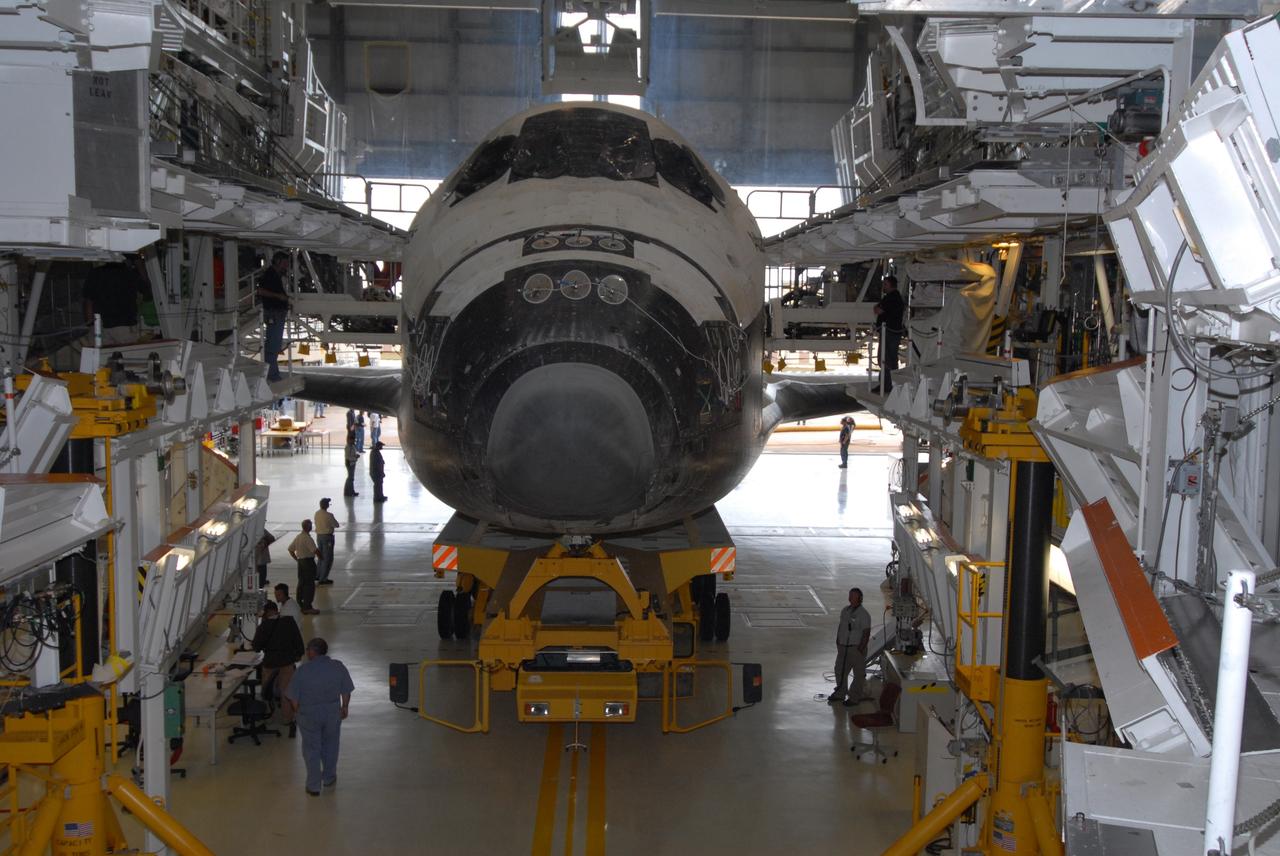
CAPE CANAVERAL, Fla. – Space shuttle Atlantis is ready to move out of Orbiter Processing Facility 1 at NASA's Kennedy Space Center in Florida and roll over to the Vehicle Assembly Building. In the VAB, Atlantis will be lifted into High Bay 3 and mated to the solid rocket booster-external fuel tank already installed on the mobile launcher platform. Atlantis is targeted to launch May 12 for the STS-125 Hubble servicing mission. Photo credit: NASA/Jack Pfaller
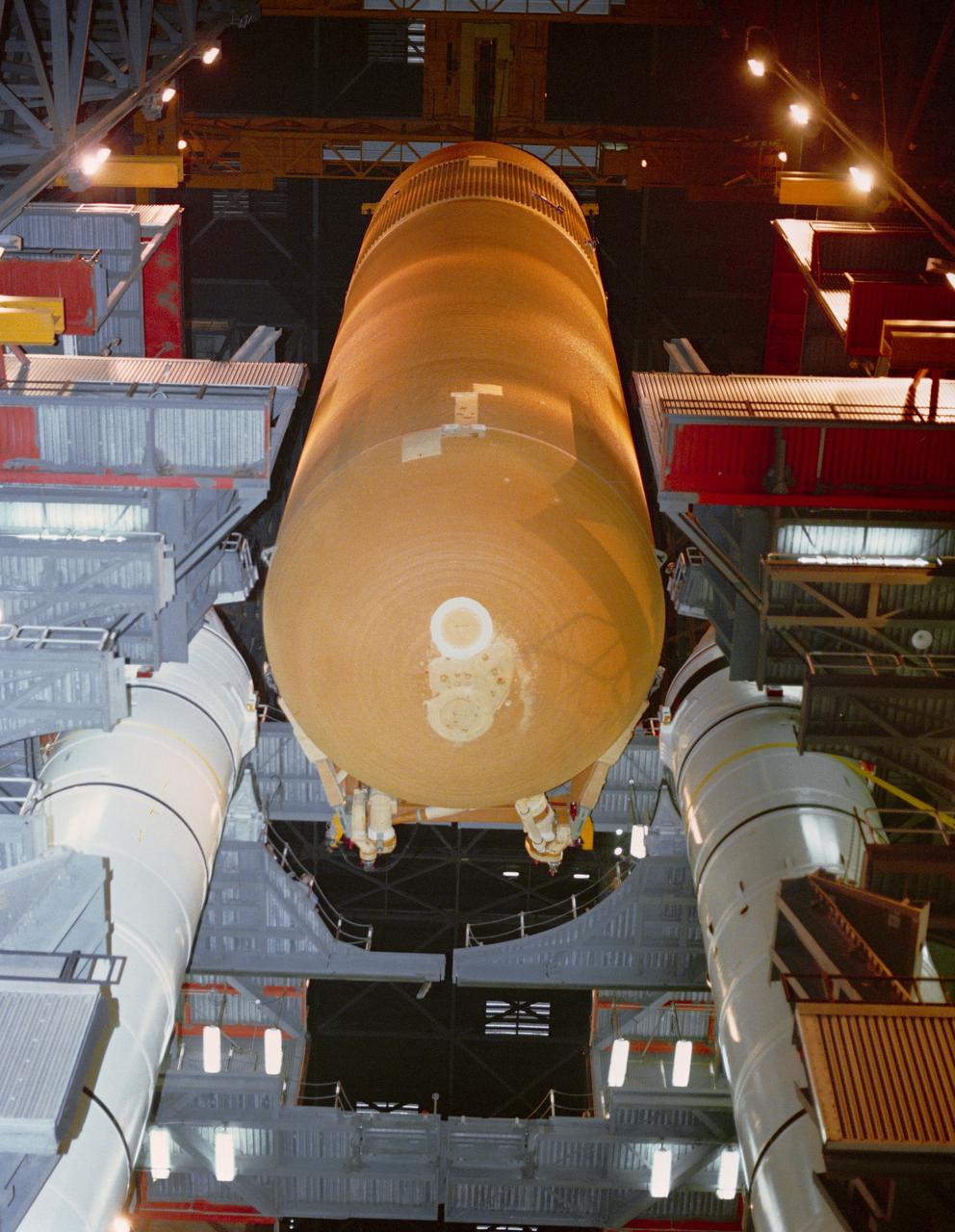
S89-27380 (15 Dec 1988) --- The 155-ft. long external fuel tank (ET) is slowly lowered for mating with the twin solid rocket boosters (SRB) in Bay 1 of the Vehicle Assembly Building at KSC, as preparations continue for a March 1989 launch of Discovery. Primary payload for the mission will be the tracking and data relay satellite (TDRS-D). Crewmembers are astronauts Michael L. Coats, John E. Blaha, James F. Buchli, Robert C. Springer and James P. Bagain.

CAPE CANAVERAL, Fla. – In the Vehicle Assembly Building at NASA's Kennedy Space Center in Florida, space shuttle Endeavour's external fuel tank is lifted into high bay 1 for stacking with the solid rocket boosters on the mobile launcher platform. Endeavour is the launch vehicle for the STS-127 mission. Endeavour will deliver the Japanese Experiment Module's Experiment Logistics Module-Exposed Section, or ELM-ES, to the International Space Station on STS-127. Launch is targeted for mid-June 2009. Photo credit: NASA/Jim Grossmann
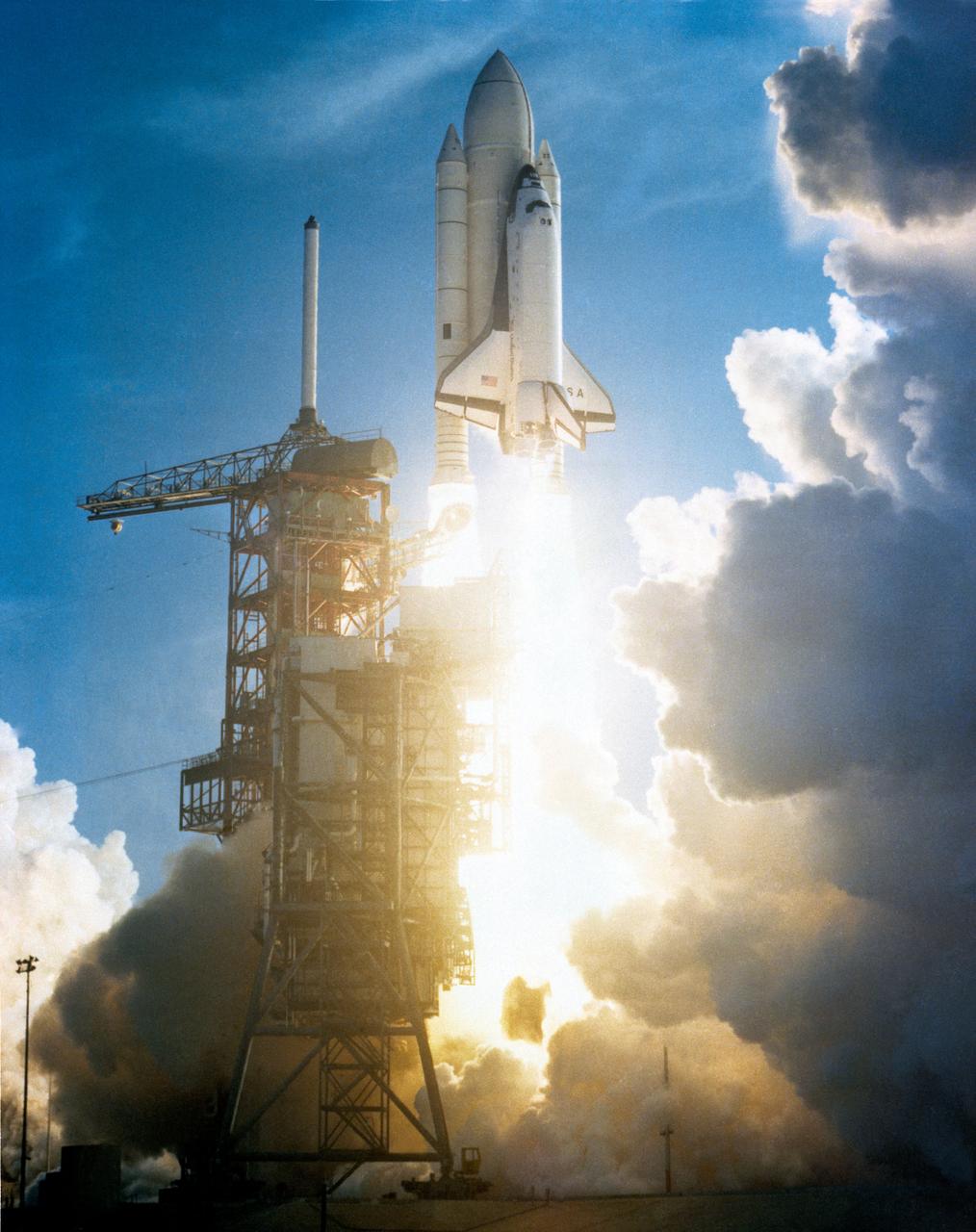
The Space Shuttle Columbia begins a new era of space transportation when it lifts off from NASA Kennedy Space Center (KSC). The reusable Orbiter, its two (2) fuel tanks and two (2) Solid Rocket Boosters (SRB) has just cleared the launch tower. Aboard the spacecraft are Astronauts John W. Young, Commander, and Robert L. Crippen, Pilot . 1. STS-I - LAUNCH KSC, FL KSC, FL Also available in 4x5 BW
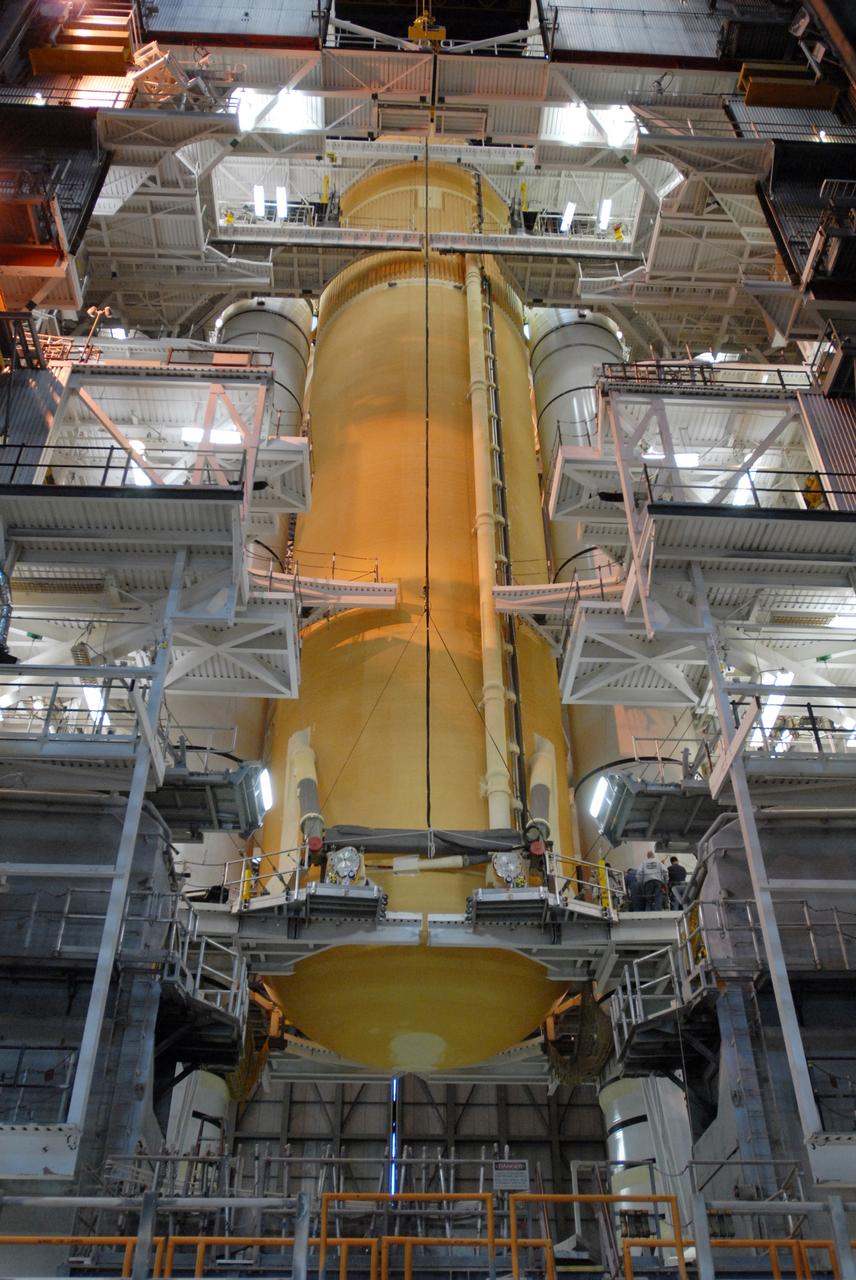
CAPE CANAVERAL, Fla. – In the Vehicle Assembly Building at NASA's Kennedy Space Center in Florida, space shuttle Endeavour's external fuel tank is lowered onto the mobile launcher platform in high bay 1 between the solid rocket boosters. Endeavour is the launch vehicle for the STS-127 mission. Endeavour will deliver the Japanese Experiment Module's Experiment Logistics Module-Exposed Section, or ELM-ES, to the International Space Station on STS-127. Launch is targeted for mid-June 2009. Photo credit: NASA/Jim Grossmann
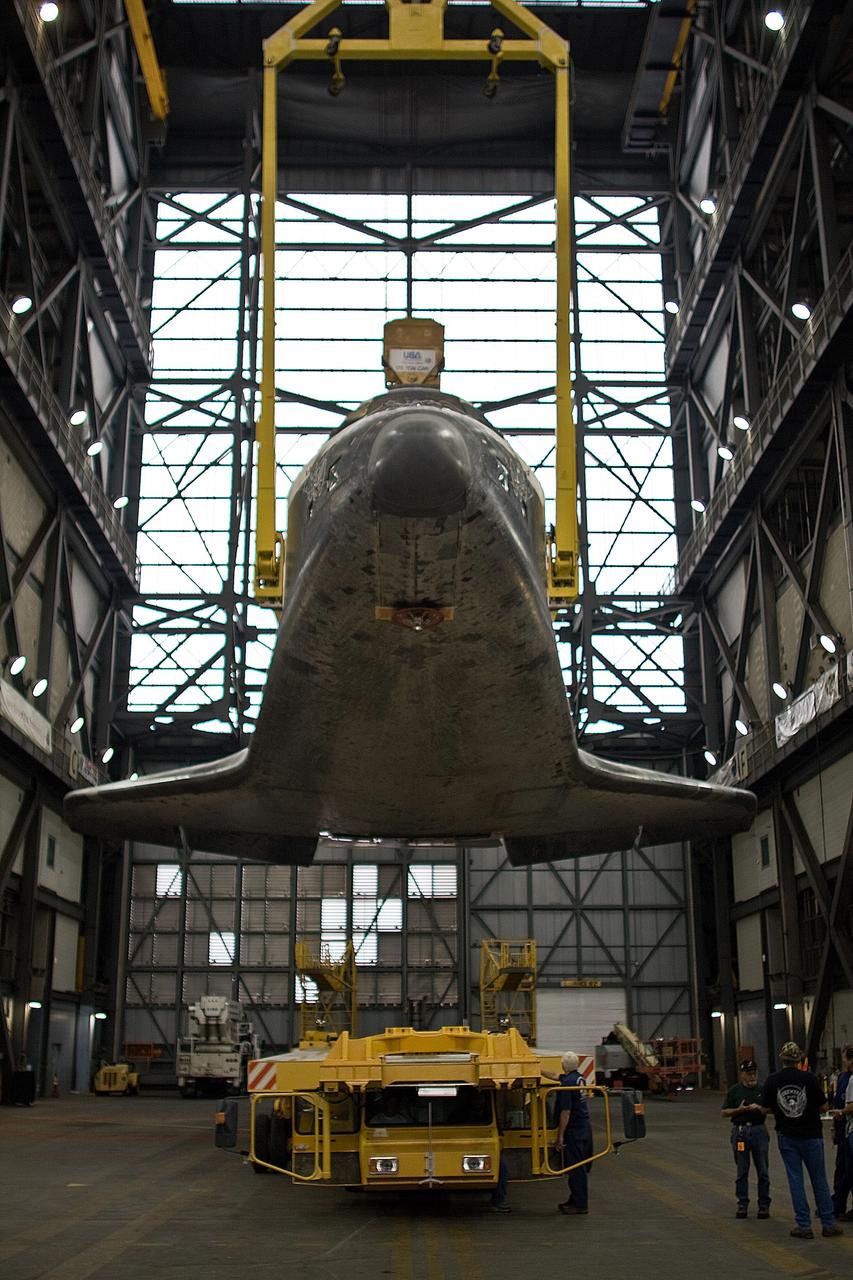
CAPE CANAVERAL, Fla. – In the Vehicle Assembly Building transfer aisle at NASA's Kennedy Space Center, the overhead crane lifts space shuttle Atlantis from its transporter. Atlantis will be raised to vertical for transfer to high bay 3. There it will be stacked with its external fuel tank and twin solid rocket boosters. After additional preparations are made, the shuttle will be rolled out to Launch Pad 39A to prepare for launch on the STS-125 mission targeted for 1:34 a.m. EDT Oct. 8. Photo credit: NASA/Dimitri Gerondidakis
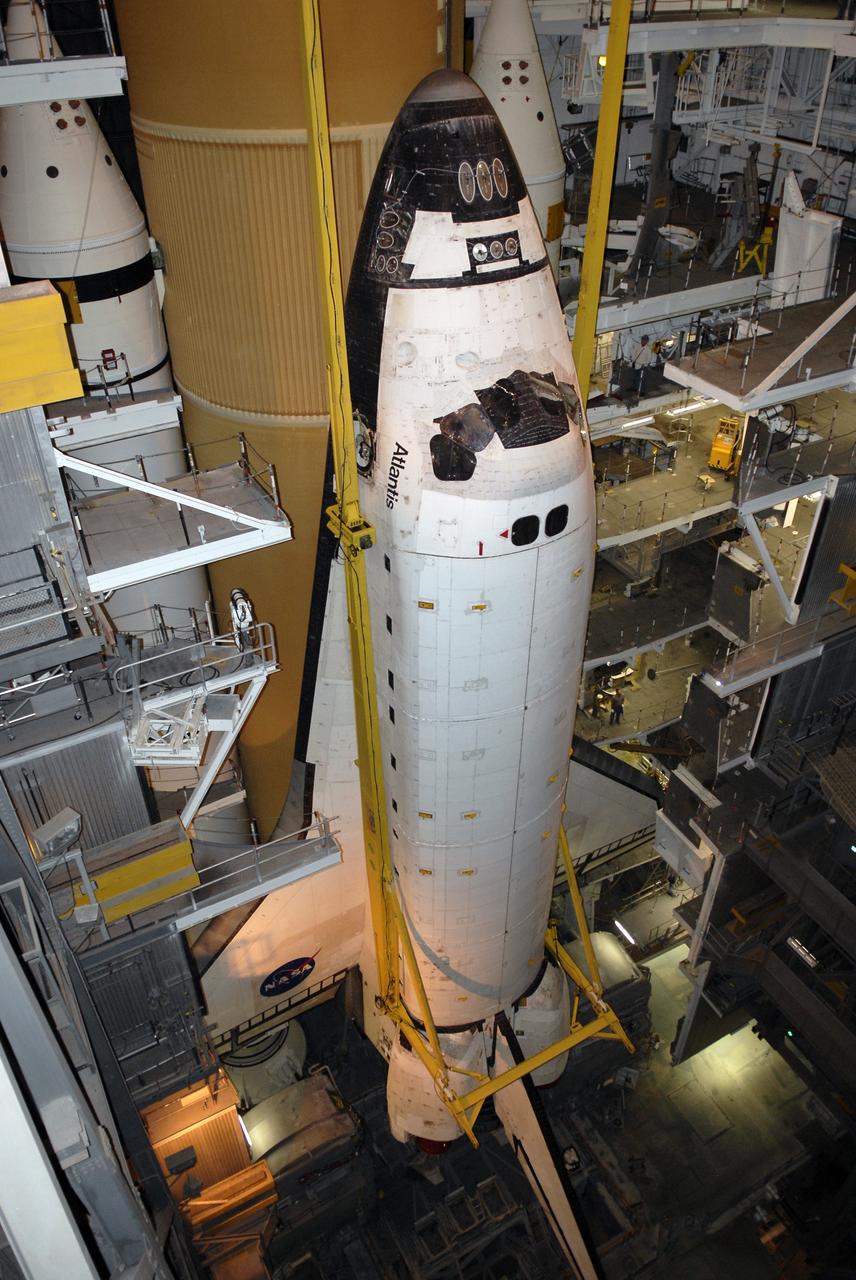
CAPE CANAVERAL, Fla. – In the Vehicle Assembly Building at NASA's Kennedy Space Center in Florida, space shuttle Atlantis is lowered alongside the external fuel tank and solid rocket boosters in High Bay 3. The shuttle will be mated with the external tank and boosters on the mobile launcher platform. After additional preparations are made, the shuttle will be rolled out to Launch Pad 39A for a targeted launch on May 12 on the STS-125 mission to service NASA's Hubble Space Telescope. Photo credit: NASA/Kim Shiflett
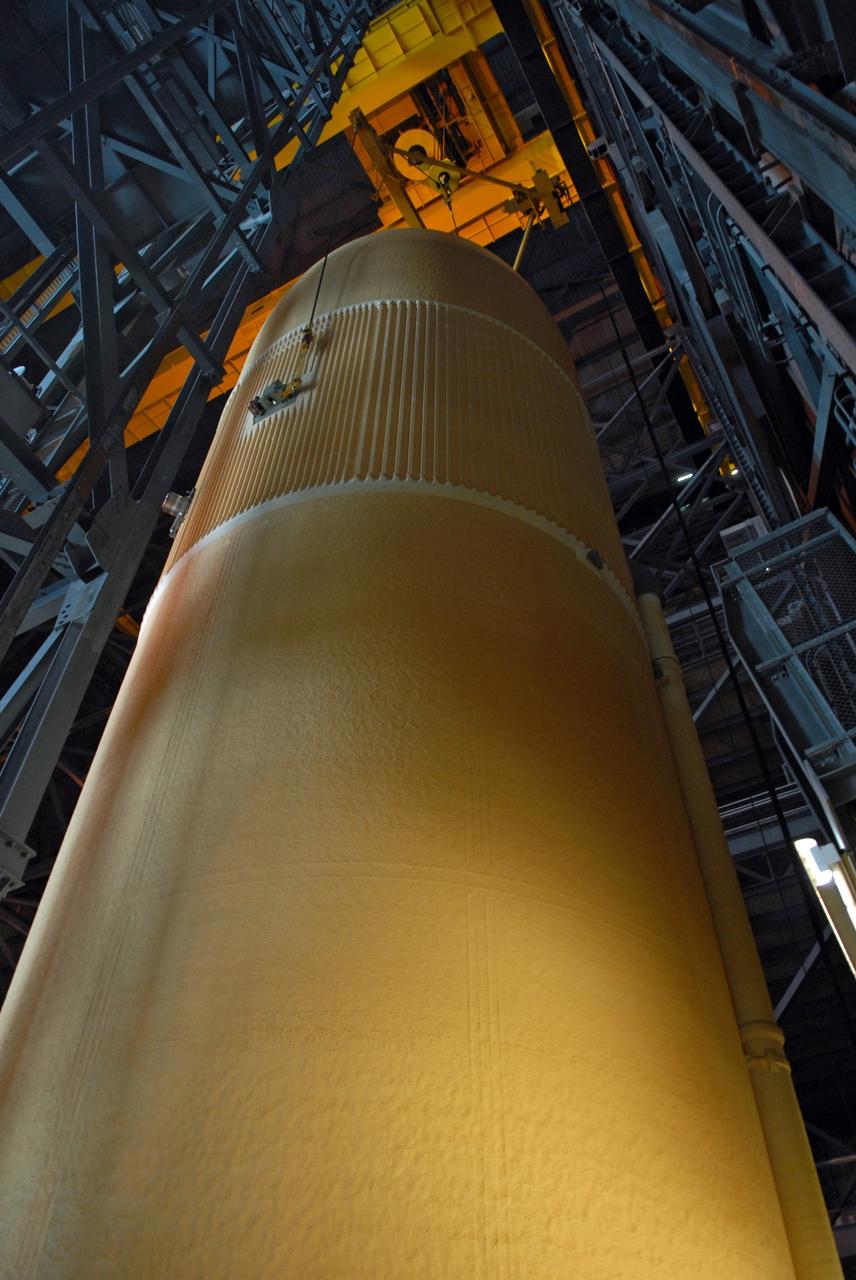
CAPE CANAVERAL, Fla. – The external fuel tank for space shuttle Atlantis' STS-129 mission is being lifted from the checkout cell of NASA Kennedy Space Center's Vehicle Assembly Building for transfer into high bay 2 and assembly with the solid rocket boosters already stacked on the mobile launch platform. The STS-129 mission is targeted to launch Nov. 12 on an 11-day supply mission to the International Space Station. Photo credit: NASA/Jim Grossmann
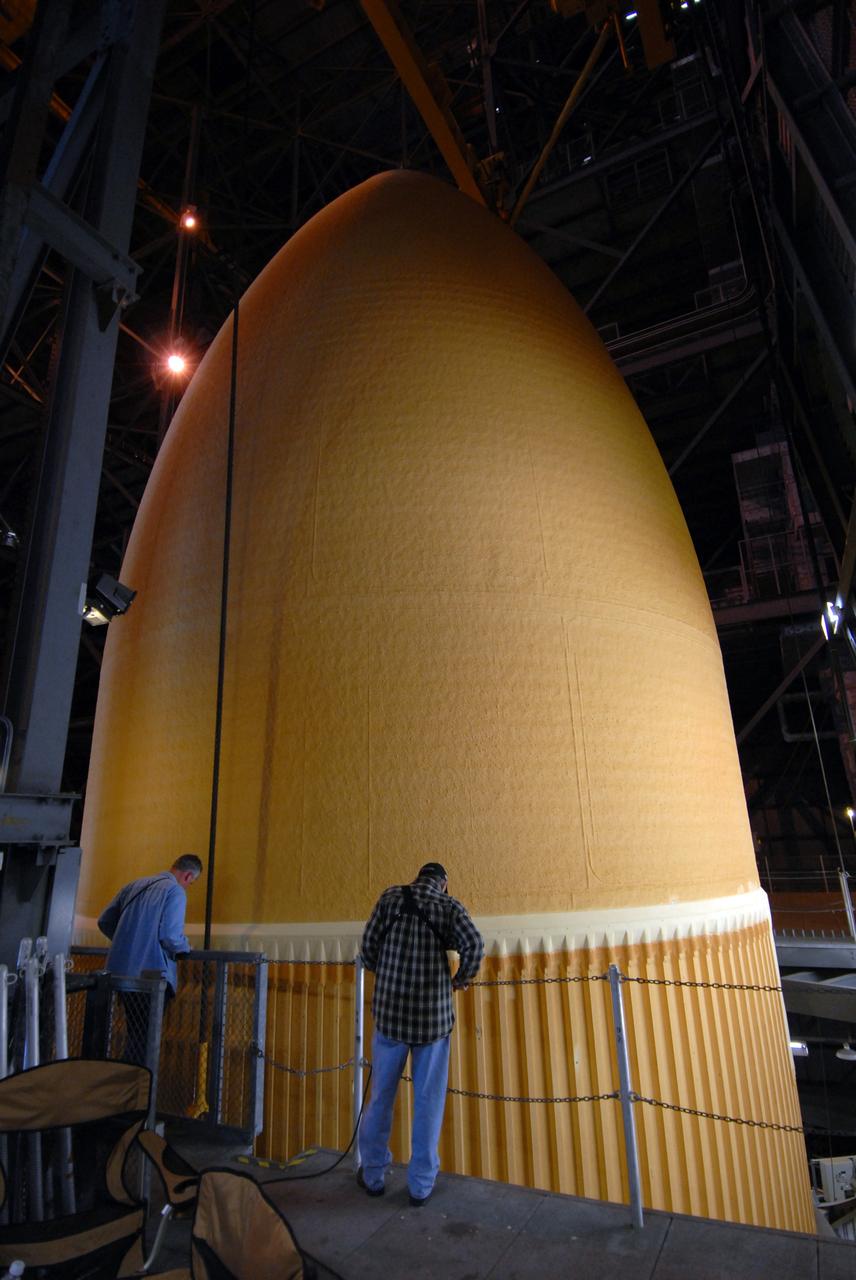
CAPE CANAVERAL, Fla. – In the Vehicle Assembly Building at NASA's Kennedy Space Center in Florida, the external fuel tank for space shuttle Atlantis' STS-125 mission is raised from the checkout cell in order to move it to high bay 3. There it will be lowered onto the mobile launcher platform and attached to the solid rocket boosters already installed. Atlantis' STS-125 mission is the fifth and final shuttle servicing mission to NASA’s Hubble Space Telescope. Launch is targeted for May 12. Photo credit: NASA/Jack Pfaller
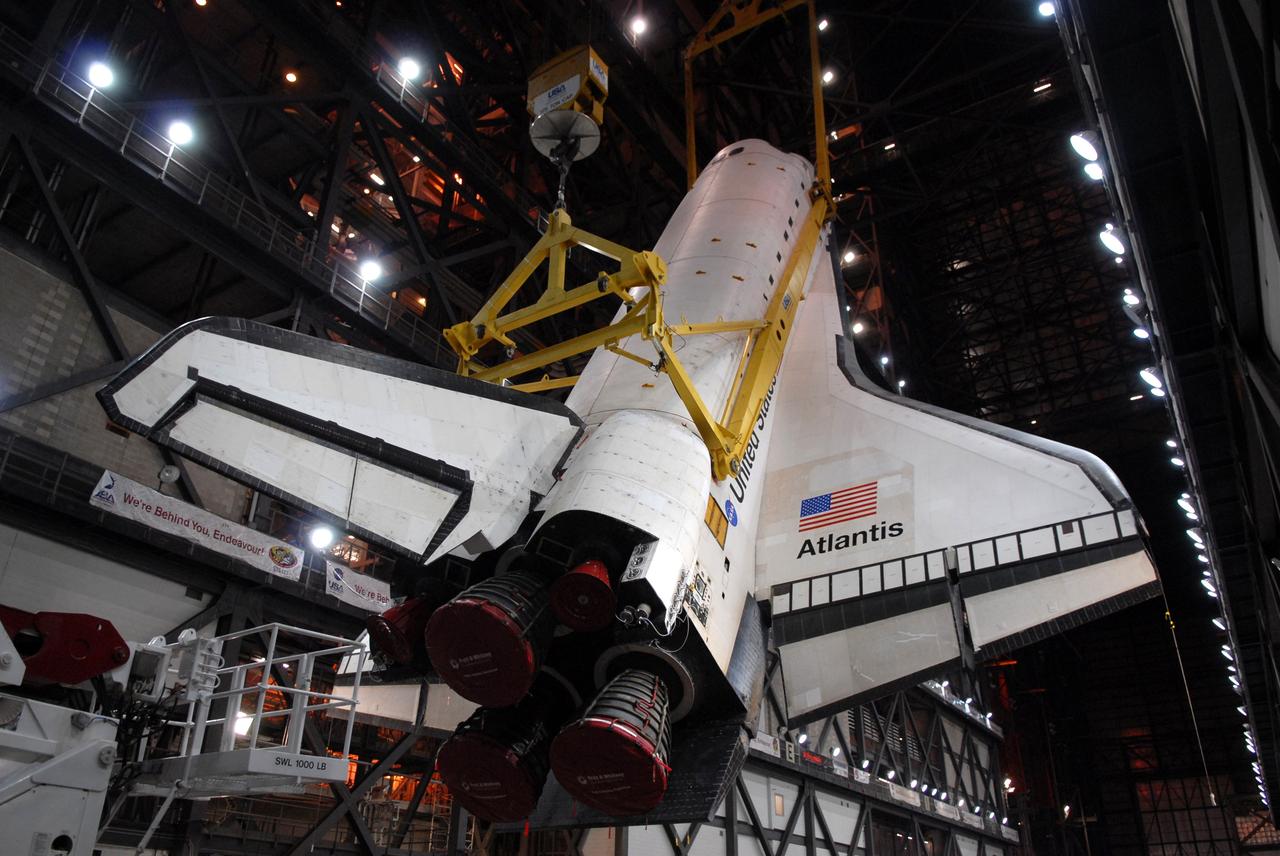
CAPE CANAVERAL, Fla. – In the Vehicle Assembly Building at NASA's Kennedy Space Center in Florida, the crane holding space shuttle Atlantis rotates it toward a vertical position above the transfer aisle. The shuttle will be lifted into High Bay 3 where it will be attached to its external fuel tank and solid rocket boosters on the mobile launcher platform. After additional preparations are made, the shuttle will be rolled out to Launch Pad 39A for a targeted launch on May 12 on the STS-125 Hubble servicing mission. Photo credit: NASA/Cory Huston
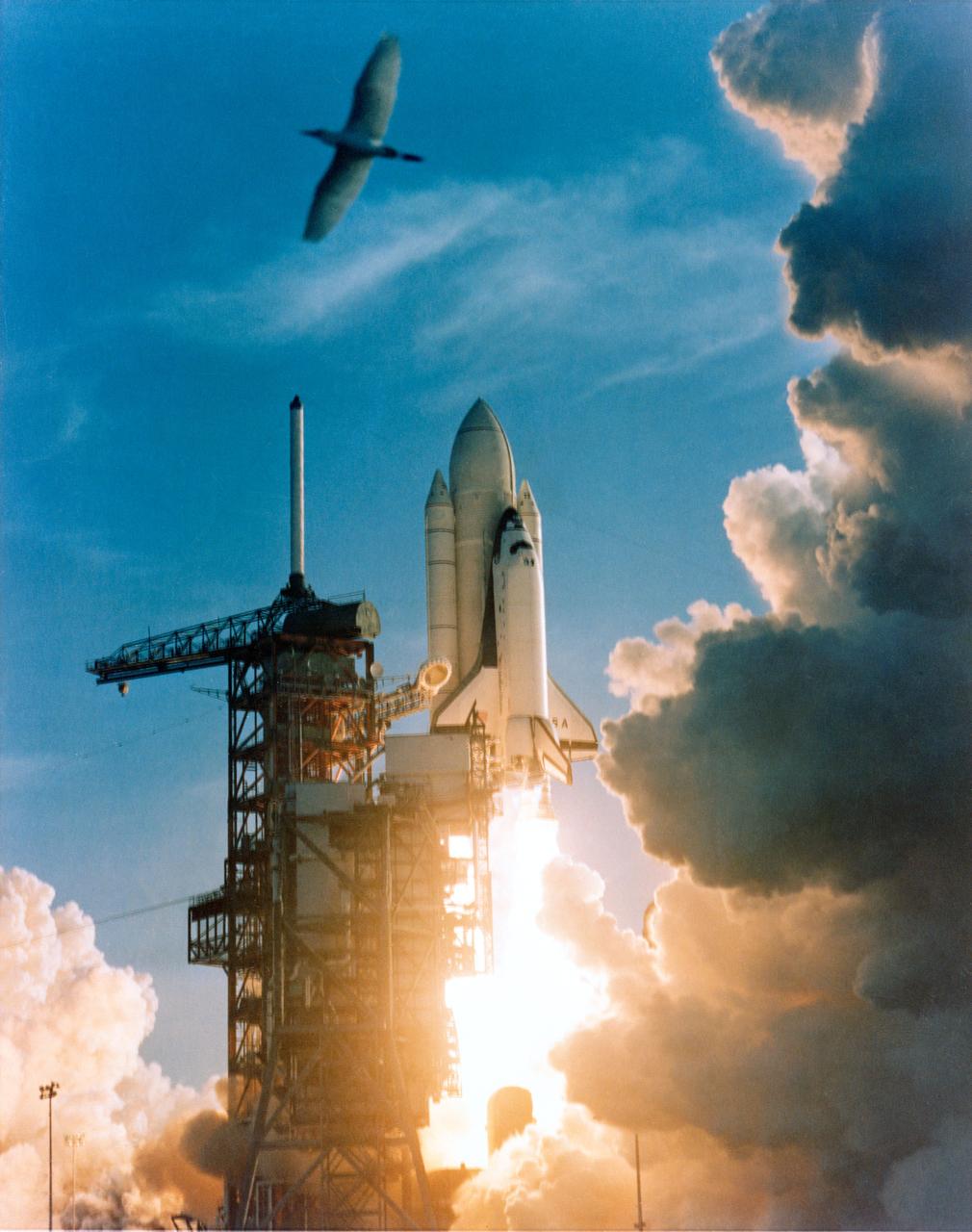
The Space Shuttle Columbia begins a new era of space transportation when it lifts off from NASA Kennedy Space Center (KSC). The reusable Orbiter, its two (2) fuel tanks and two (2) Solid Rocket Boosters (SRB) has just cleared the launch tower. Aboard the spacecraft are Astronauts John W. Young, Commander, and Robert L. Crippen, Pilot . 1. STS-I - LAUNCH KSC, FL KSC, FL Also available in 4x5 BW
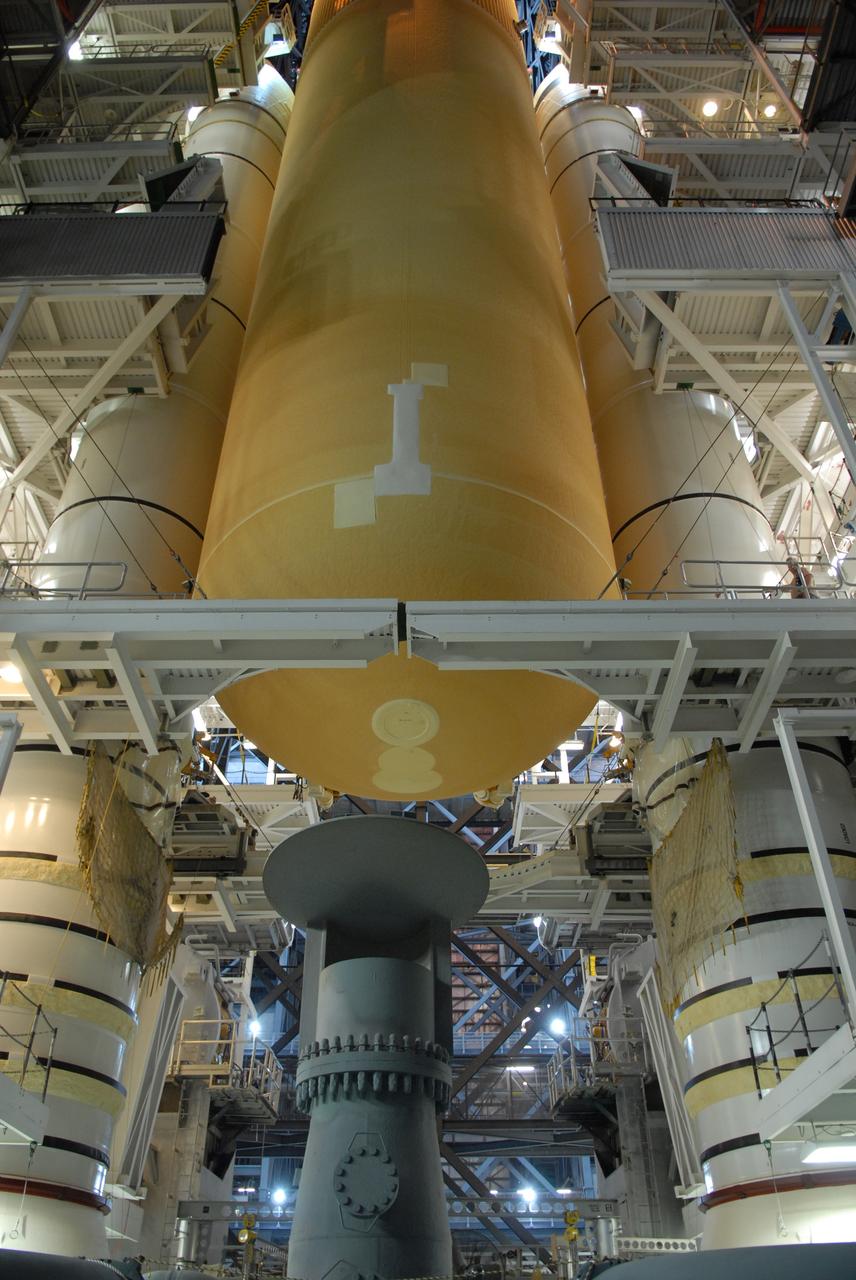
CAPE CANAVERAL, Fla. – The external fuel tank for space shuttle Atlantis' STS-129 mission is lowered between the solid rocket boosters stacked on the mobile launch platform in high bay 2 of NASA's Kennedy Space Center in Florida. The STS-129 mission is targeted to launch Nov. 12 on an 11-day supply mission to the International Space Station. Photo credit: NASA/Jim Grossmann

KENNEDY SPACE CENTER, FLA. -- In the Vehicle Assembly Building, space shuttle Endeavour hangs vertically suspended above the transfer aisle. Endeavour will be lifted up into high bay 1 to be attached to its external fuel tank and solid rocket boosters in preparation for launch on the STS-123 mission, targeted for March 11. The mission will deliver the first section of the Japan Aerospace Exploration Agency's Kibo laboratory and the Canadian Space Agency's two-armed robotic system, Dextre. Photo credit: NASA/Dimitri Gerondidakis
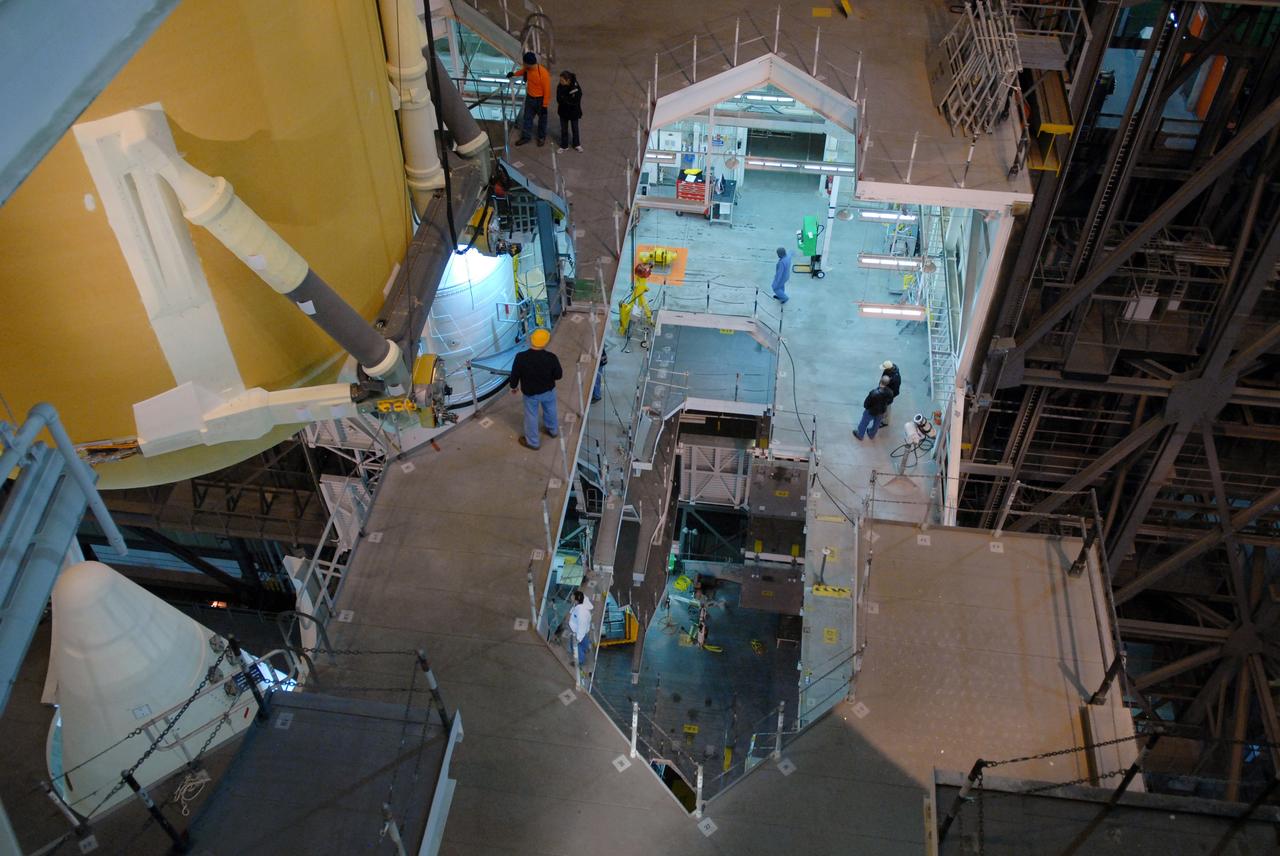
CAPE CANAVERAL, Fla. – In the Vehicle Assembly Building at NASA's Kennedy Space Center in Florida, the external fuel tank for space shuttle Atlantis' STS-125 mission is lowered into high bay 3. It will be installed on the mobile launcher platform and attached to the solid rocket boosters already there. Atlantis' STS-125 mission is the fifth and final shuttle servicing mission to NASA’s Hubble Space Telescope. Launch is targeted for May 12. Photo credit: NASA/Jack Pfaller
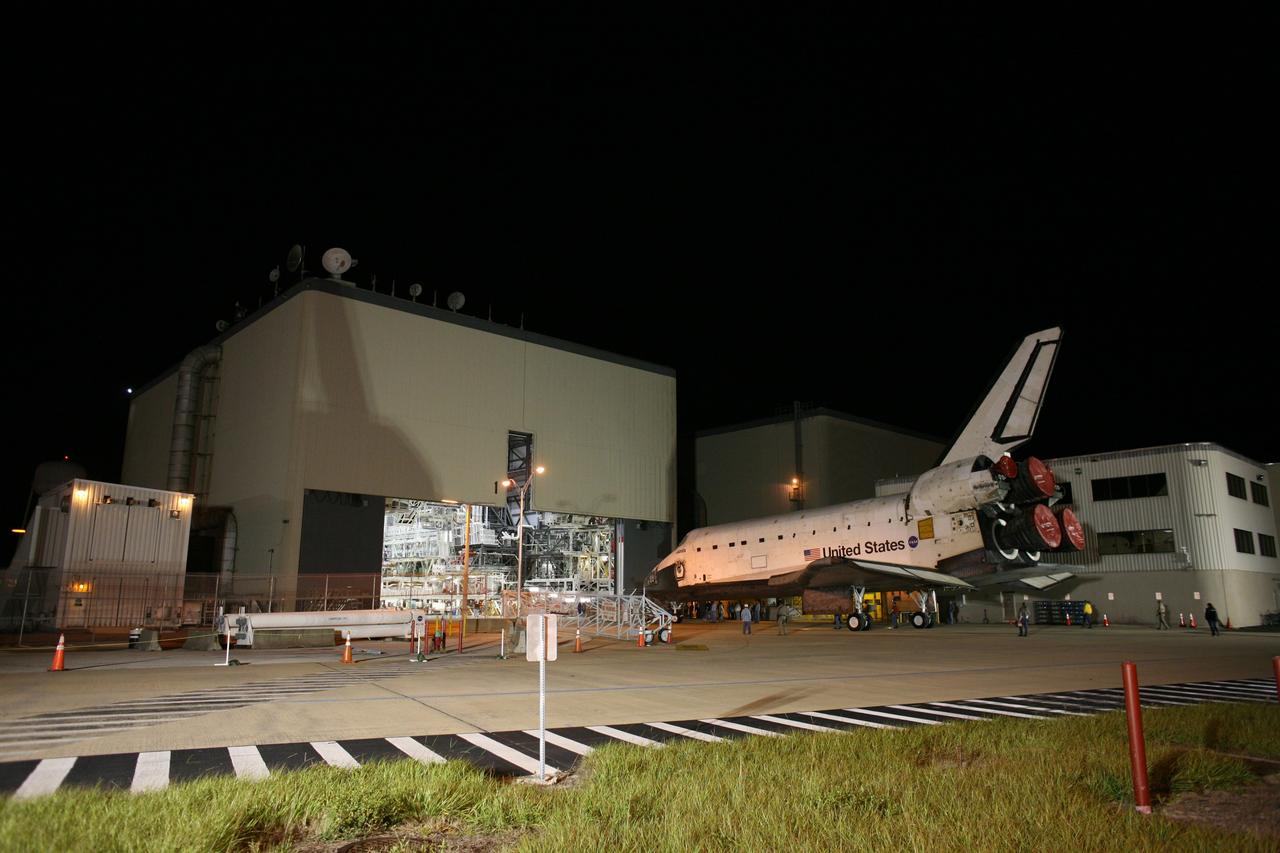
CAPE CANAVERAL, Fla. – Space shuttle Atlantis is towed into the Orbiter Processing Facility. Atlantis was removed from its external fuel tank and solid rocket boosters stack in the Vehicle Assembly Building after the delay of its STS-125 mission to NASA's Hubble Space Telescope. Atlantis' targeted launch on Oct. 14 was delayed when a system that transfers science data from the orbiting observatory to Earth malfunctioned on Sept. 27. The new target launch date is under review. Photo credit: NASA/Dimitri Gerondidakis
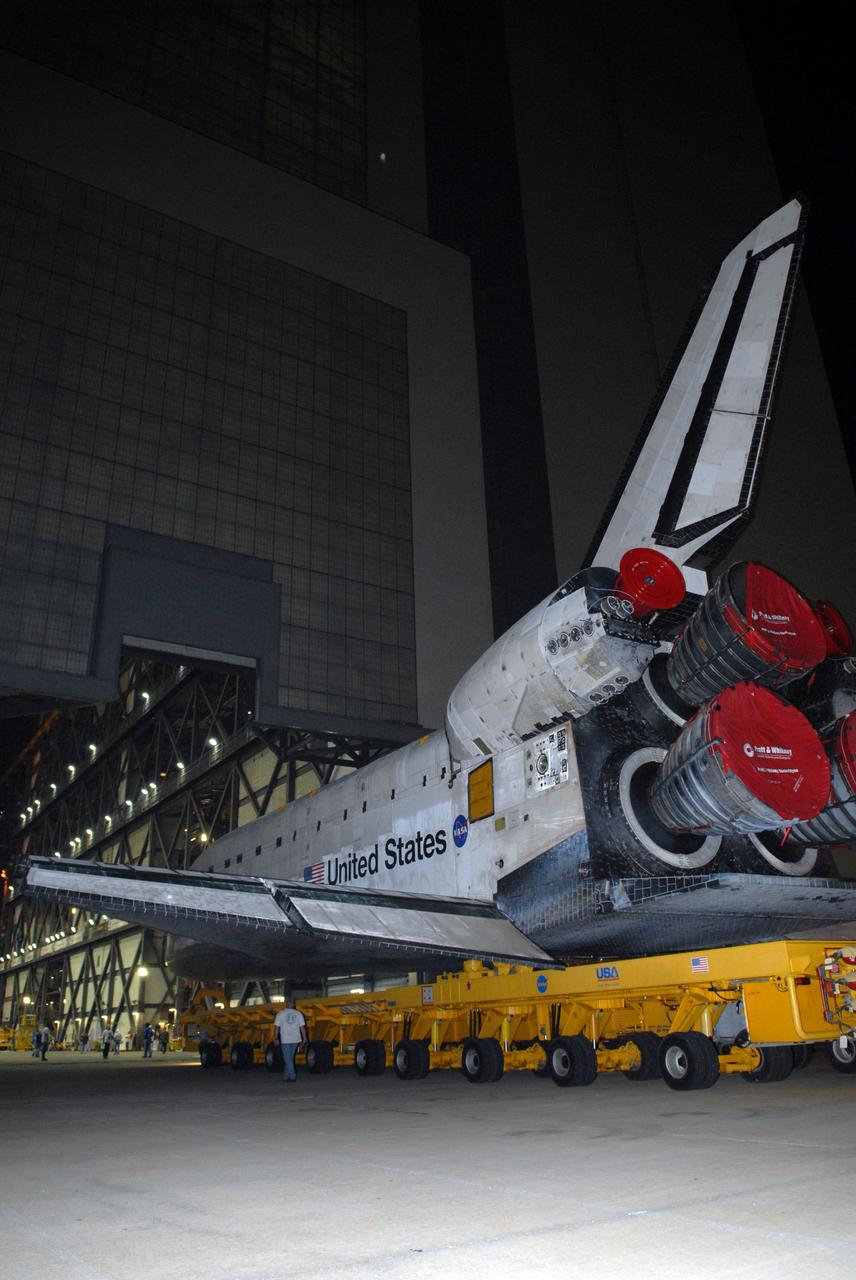
CAPE CANAVERAL, Fla. – Space shuttle Atlantis rolls into the Vehicle Assembly Building at NASA's Kennedy Space Center. The shuttle arrived in the VAB by 11:05 p.m. EDT. Atlantis will next be attached to its external fuel tank and twin solid rocket boosters. After additional preparations are made, the shuttle will be rolled out to Launch Pad 39A to prepare for launch on the STS-125 mission targeted for Oct. 8. Photo credit: NASA/Jack Pfaller
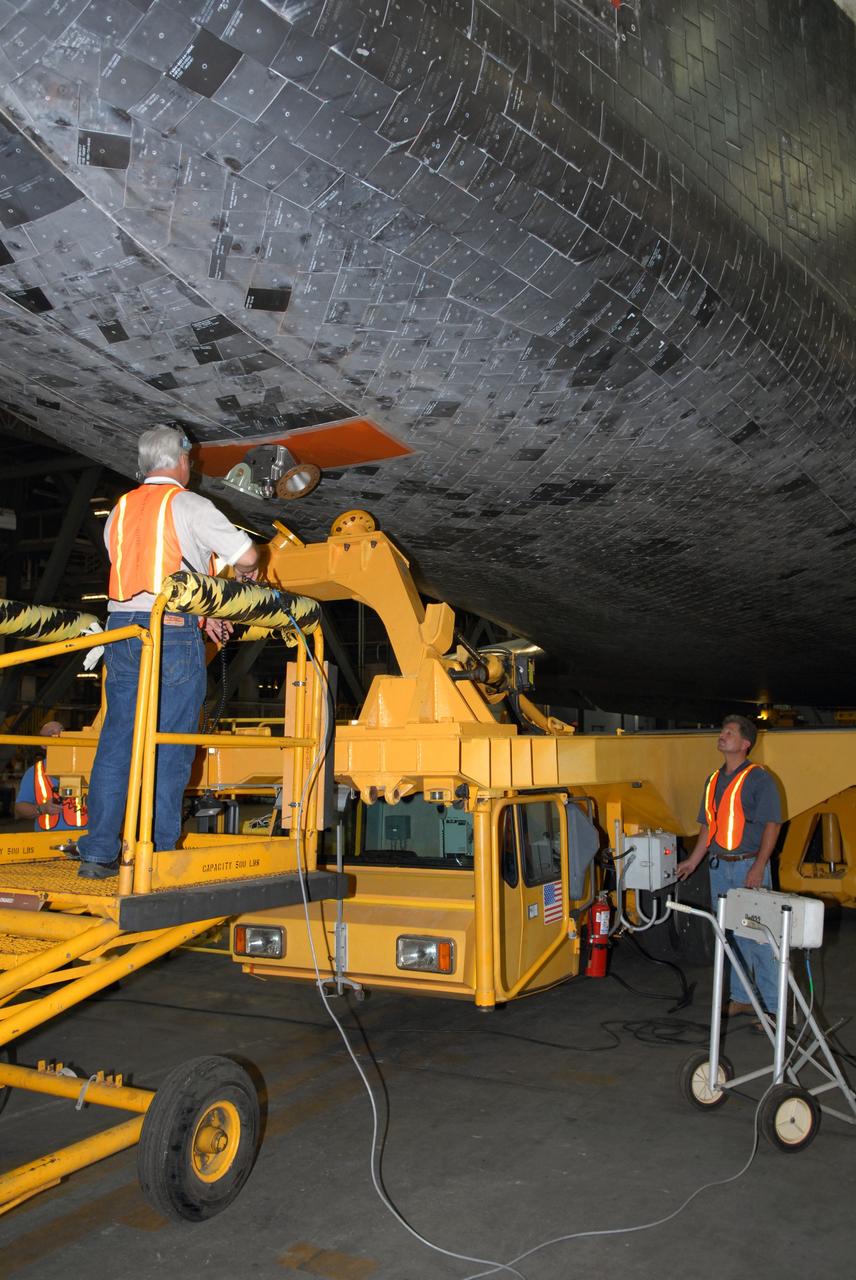
CAPE CANAVERAL, Fla. – In the Vehicle Assembly Building transfer aisle at NASA's Kennedy Space Center, workers have detached space shuttle Atlantis from its transporter. An overhead crane will lift Atlantis to vertical for transfer to high bay 3 to be stacked with its external fuel tank and twin solid rocket boosters. After additional preparations are made, the shuttle will be rolled out to Launch Pad 39A to prepare for launch on the STS-125 mission targeted for Oct. 8. Photo credit: NASA/Jack Pfaller
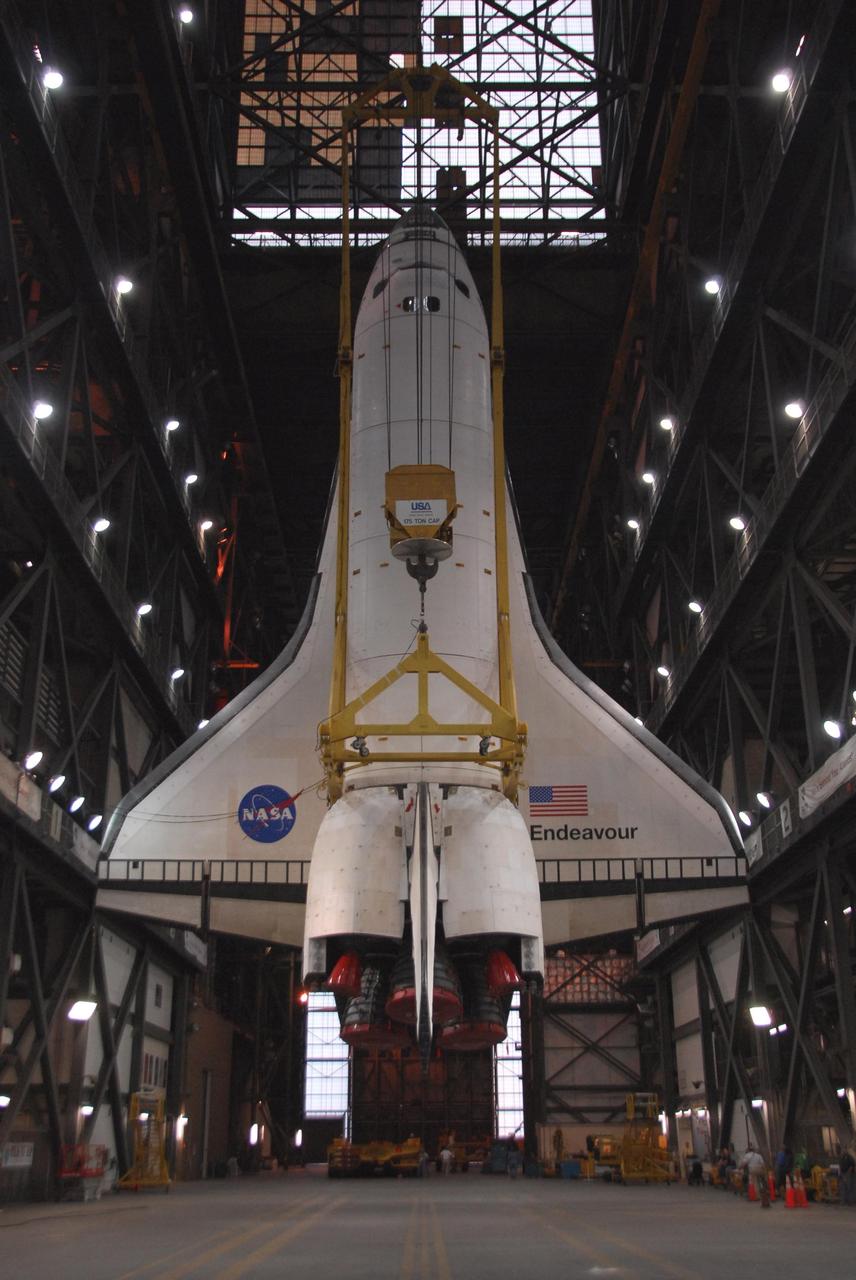
KENNEDY SPACE CENTER, FLA. -- In the Vehicle Assembly Building, space shuttle Endeavour hangs vertically suspended above the transfer aisle. Endeavour will be lifted up into high bay 1 to be lowered and attached to its external fuel tank and solid rocket boosters in preparation for launch on the STS-123 mission, targeted for March 11. The mission will deliver the first section of the Japan Aerospace Exploration Agency's Kibo laboratory and the Canadian Space Agency's two-armed robotic system, Dextre. Photo credit: NASA/Dimitri Gerondidakis
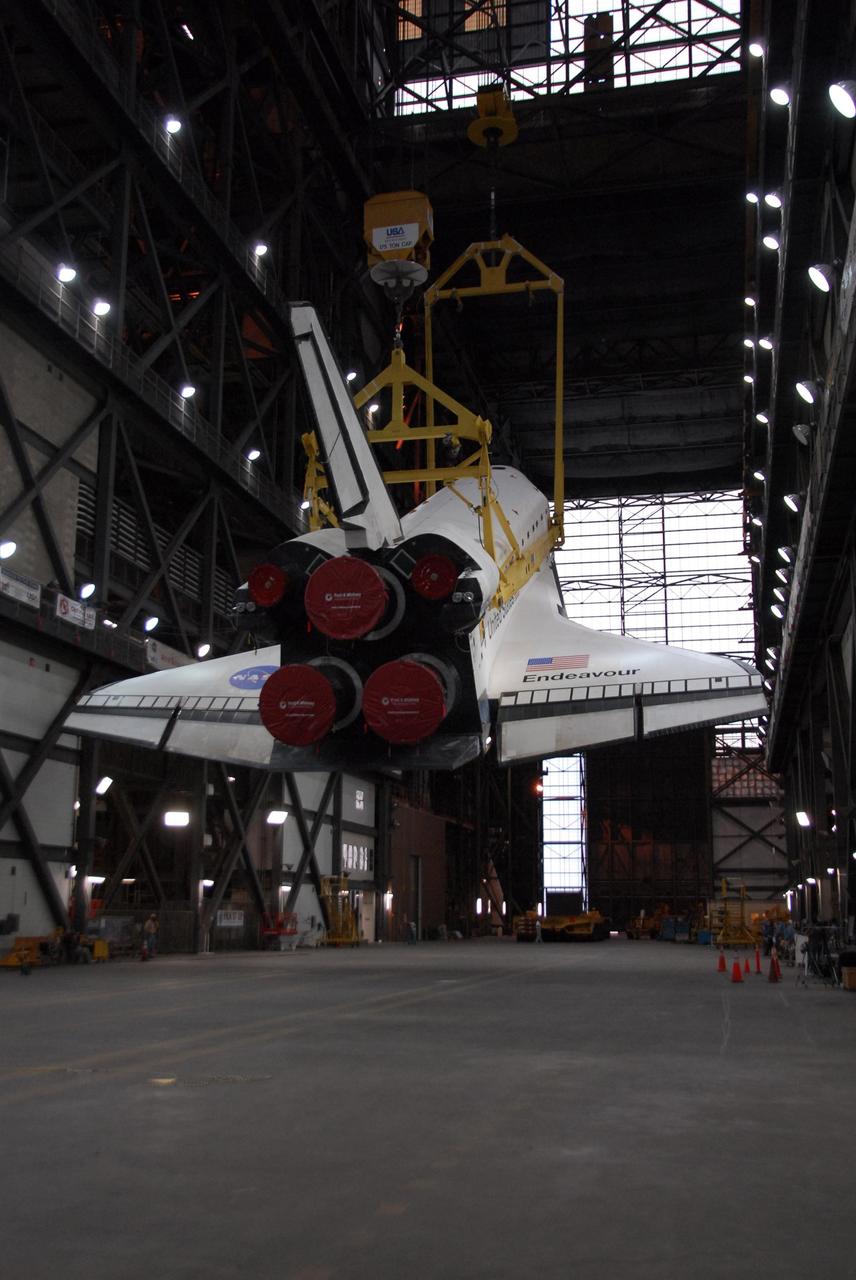
KENNEDY SPACE CENTER, FLA. -- In the transfer aisle of the Vehicle Assembly Building, the suspended space shuttle Endeavour is slowly being raised to a vertical position. It will then be lifted up into high bay 1 to be attached to its external fuel tank and solid rocket boosters in preparation for launch on the STS-123 mission, targeted for March 11. The mission will deliver the first section of the Japan Aerospace Exploration Agency's Kibo laboratory and the Canadian Space Agency's two-armed robotic system, Dextre. Photo credit: NASA/Dimitri Gerondidakis
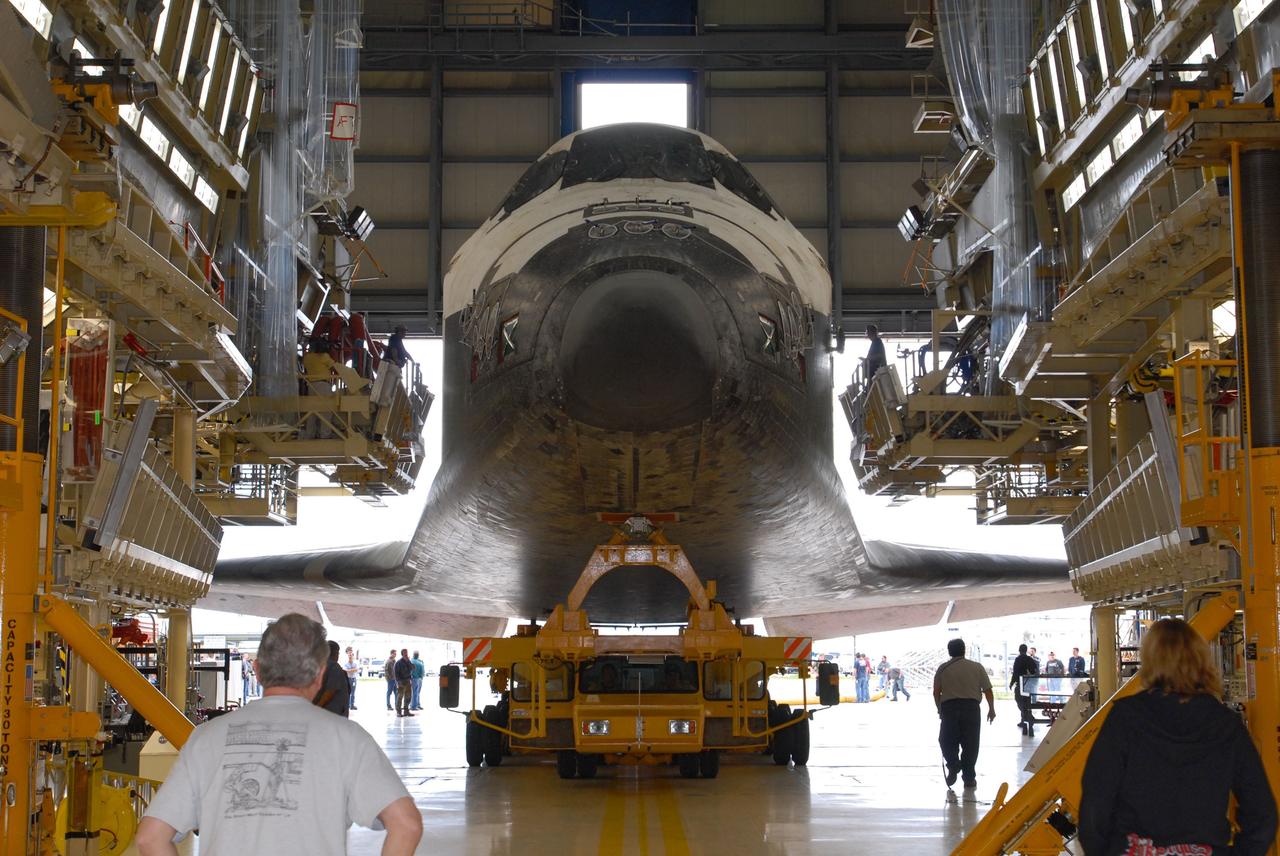
CAPE CANAVERAL, Fla. -- Space shuttle Discovery rolls out of Orbiter Processing Facility 3 at NASA's Kennedy Space Center in Florida to head to the Vehicle Assembly Building at NASA's Kennedy Space Center. First motion was at 2:30 p.m. EST. In the VAB, Discovery will be attached to its external fuel tank and twin solid rocket boosters. After additional preparations are made, the shuttle will be rolled out to Launch Pad 39A for a targeted launch to the International Space Station on Feb. 12. Photo credit: NASA/Jim Grossmann
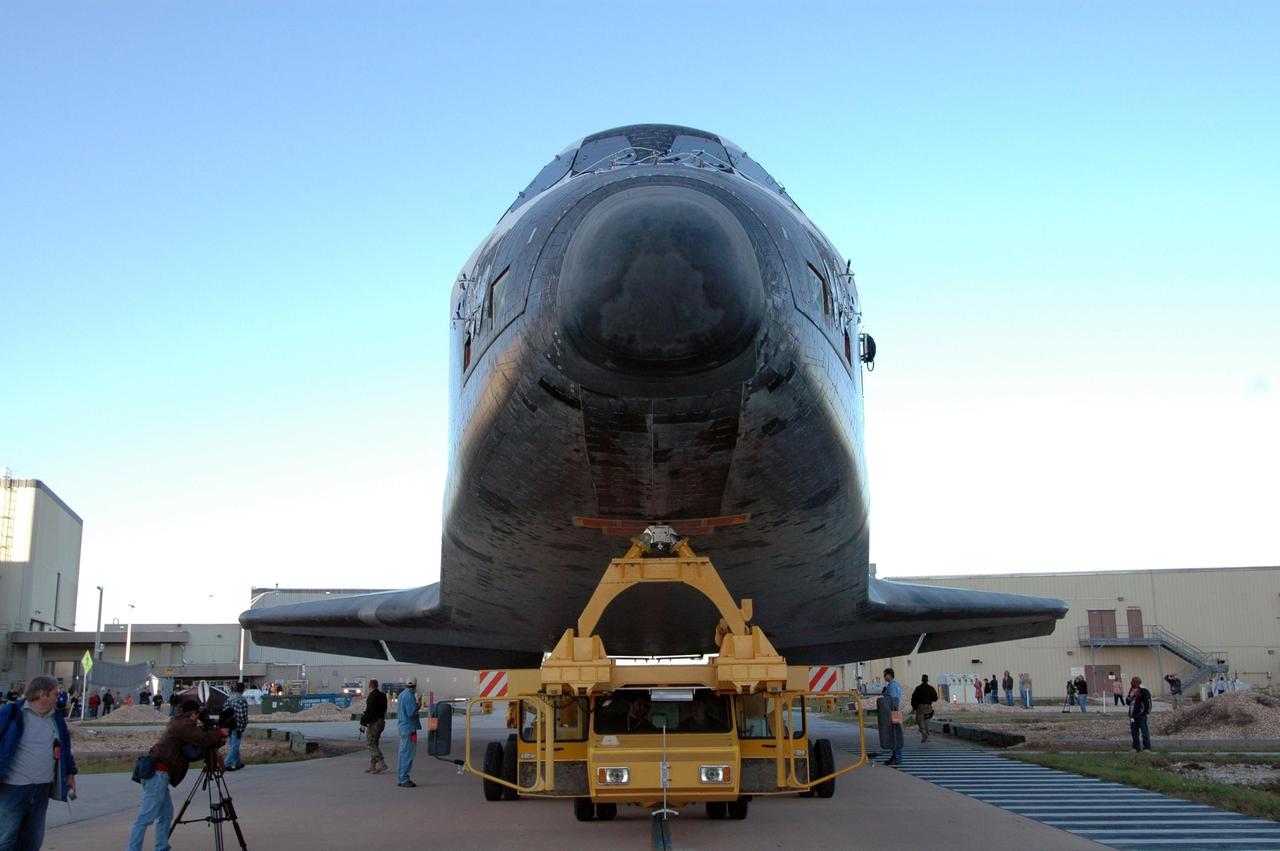
KENNEDY SPACE CENTER, FLA. -- On its transporter, space shuttle Endeavour begins the rollover to the Vehicle Assembly Building. In high bay 1 of the VAB, Endeavour will be attached to its external fuel tank and solid rocket boosters in preparation for its upcoming mission, STS-123, to the International Space Station targeted for March 11. The mission will deliver the first section of the Japan Aerospace Exploration Agency's Kibo laboratory and the Canadian Space Agency's two-armed robotic system, Dextre. Photo credit: NASA/Jim Grossmann
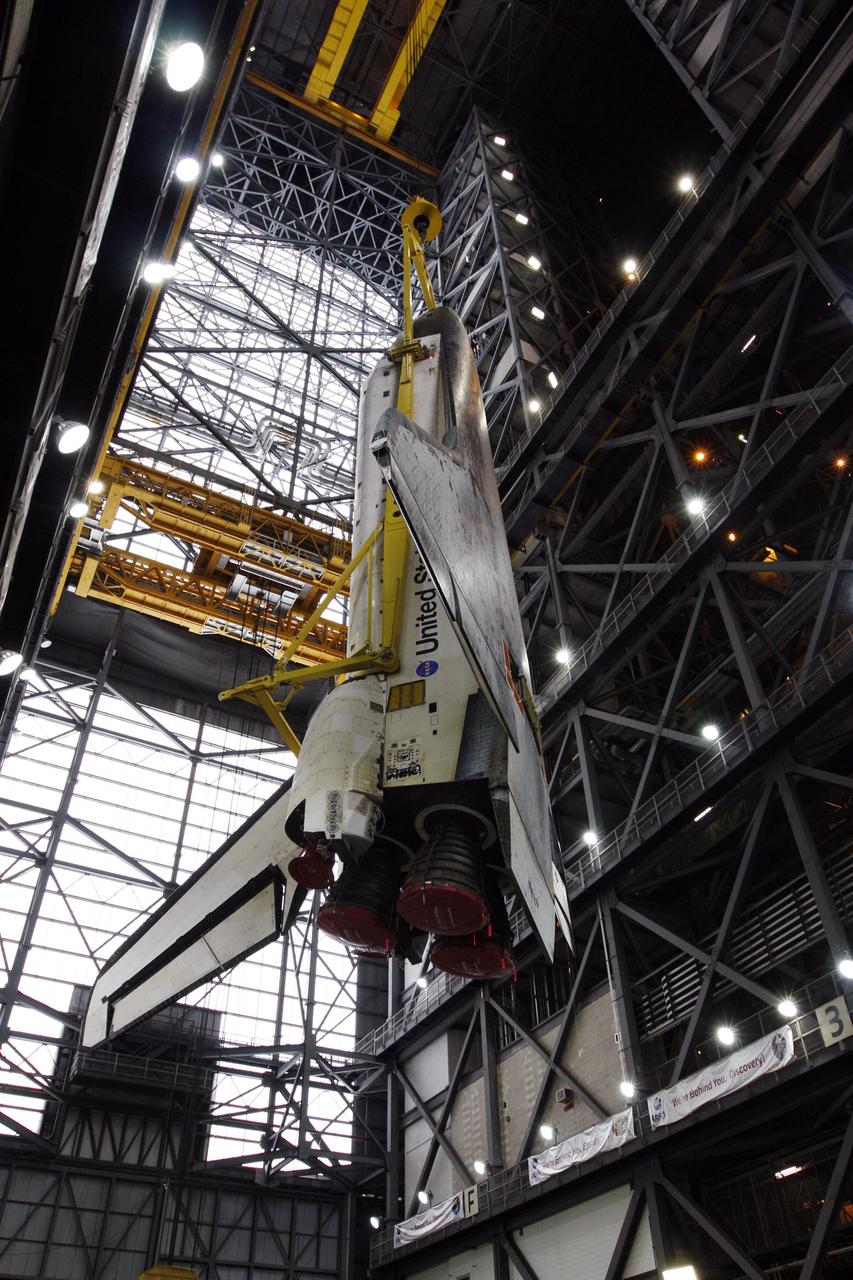
CAPE CANAVERAL, Fla. – A crane lifts space shuttle Atlantis into the upper levels of the Vehicle Assembly Building at NASA's Kennedy Space Center. The shuttle will be moved into high bay 3 and lowered for stacking with its external fuel tank and twin solid rocket boosters. After additional preparations are made, the shuttle will be rolled out to Launch Pad 39A to prepare for launch on the STS-125 mission targeted for 1:34 a.m. EDT Oct. 8. Photo credit: NASA/Dimitri Gerondidakis
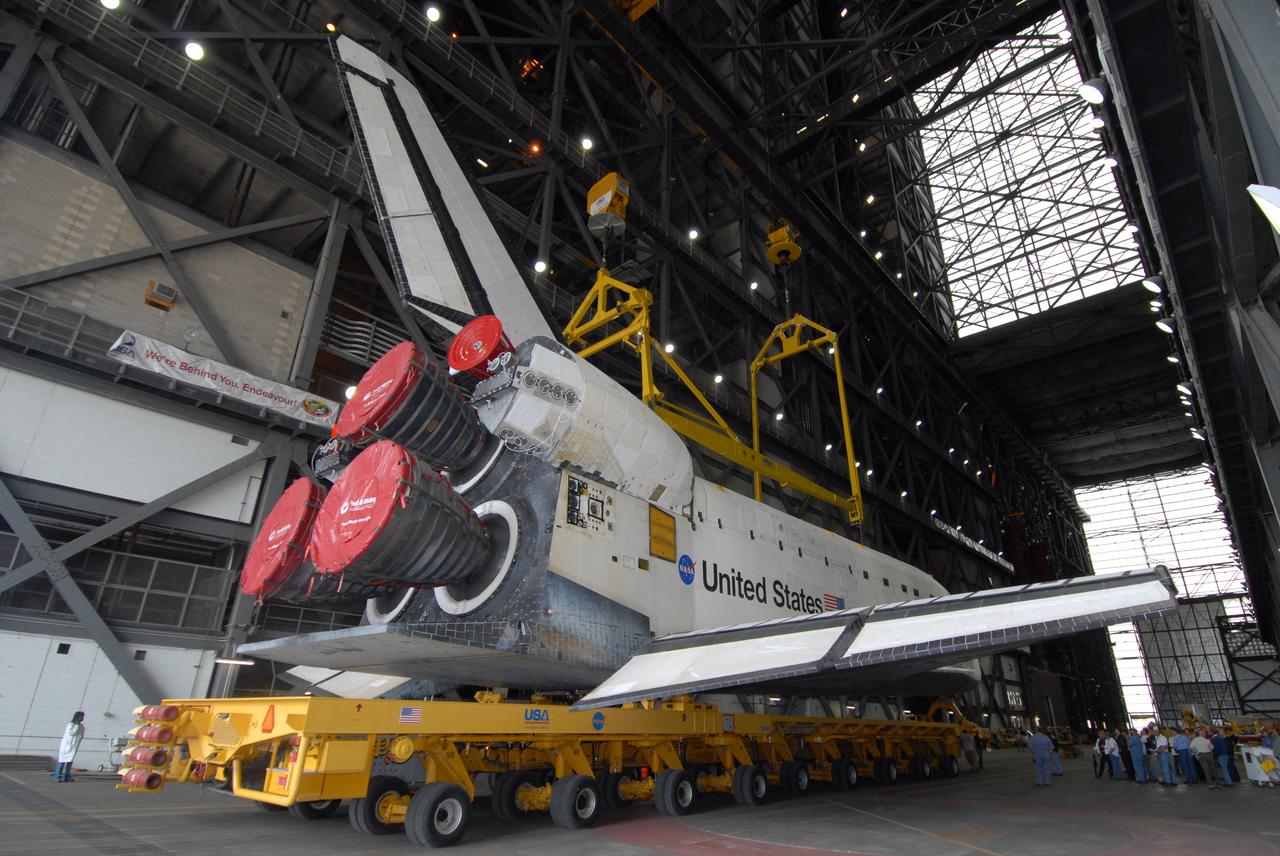
CAPE CANAVERAL, Fla. – Space shuttle Atlantis rolls into the transfer aisle of the Vehicle Assembly Building at NASA's Kennedy Space Center in Florida. First motion was at 11:30 a.m. EDT. From the transfer aisle, Atlantis will be lifted into High Bay 3 and mated to the solid rocket booster-external fuel tank already installed on the mobile launcher platform. Atlantis is targeted to launch May 12 for the STS-125 Hubble servicing mission. Photo credit: NASA/Jack Pfaller
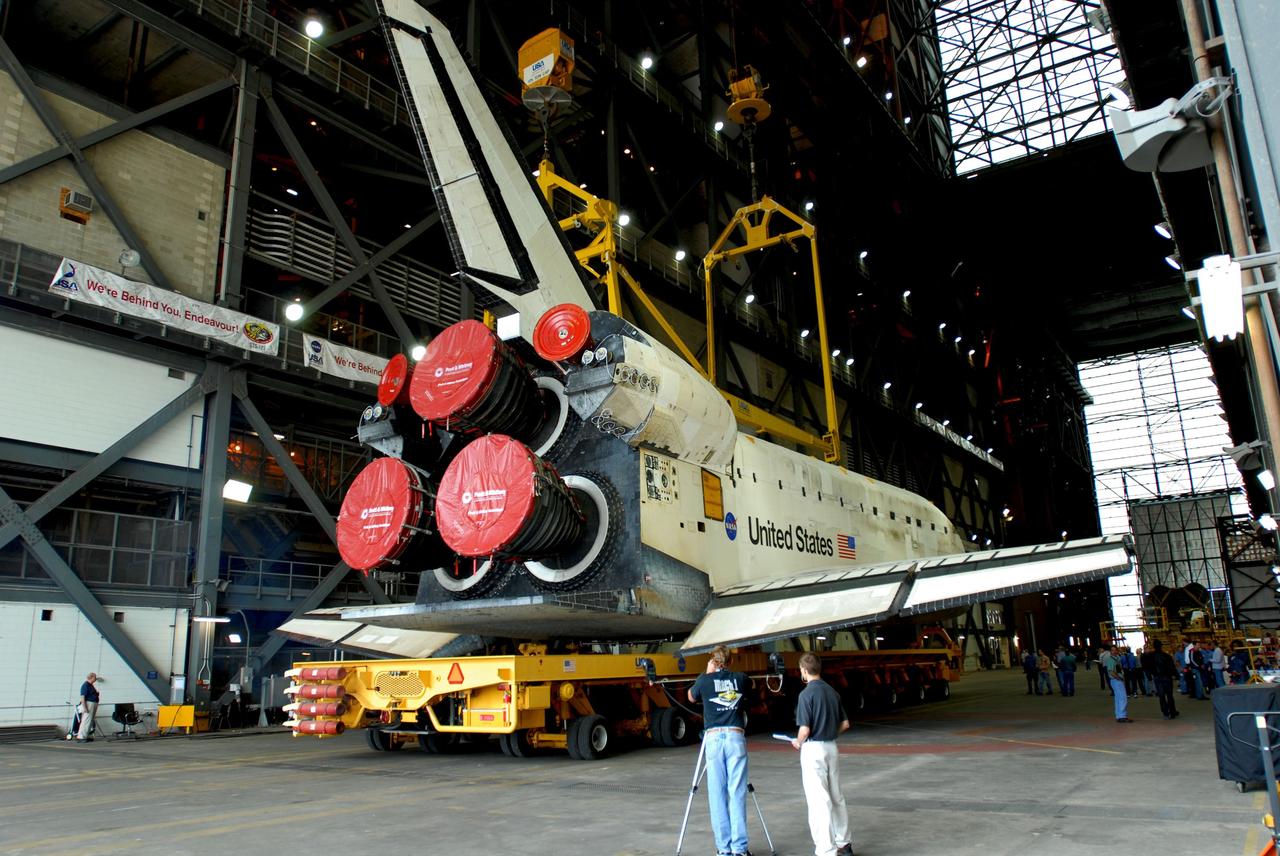
CAPE CANAVERAL, Fla. -- Aboard its transporter, space shuttle Discovery rolls into the transfer aisle of the Vehicle Assembly Building at NASA's Kennedy Space Center in Florida. Discovery left Orbiter Processing Facility 3 at 2:30 p.m. EST. In the VAB, Discovery will be attached to its external fuel tank and twin solid rocket boosters. After additional preparations are made, the shuttle will be rolled out to Launch Pad 39A for a targeted launch to the International Space Station on Feb. 12. Photo credit: NASA/Jim Grossmann
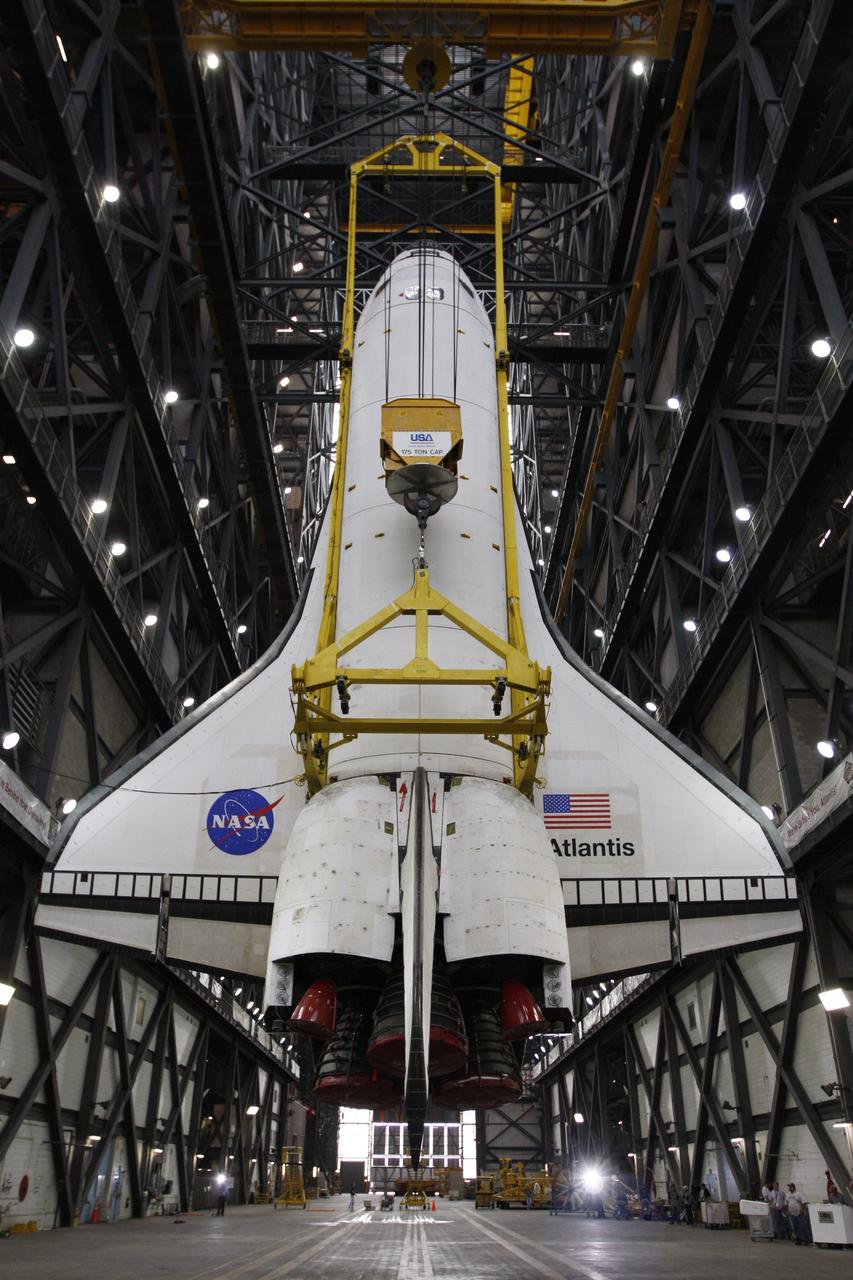
CAPE CANAVERAL, Fla. – Suspended above the transfer aisle in the Vehicle Assembly Building at NASA's Kennedy Space Center, space shuttle Atlantis is ready to be lifted into high bay 3 and stacked with its external fuel tank and twin solid rocket boosters. After additional preparations are made, the shuttle will be rolled out to Launch Pad 39A to prepare for launch on the STS-125 mission targeted for 1:34 a.m. EDT Oct. 8. Photo credit: NASA/Dimitri Gerondidakis
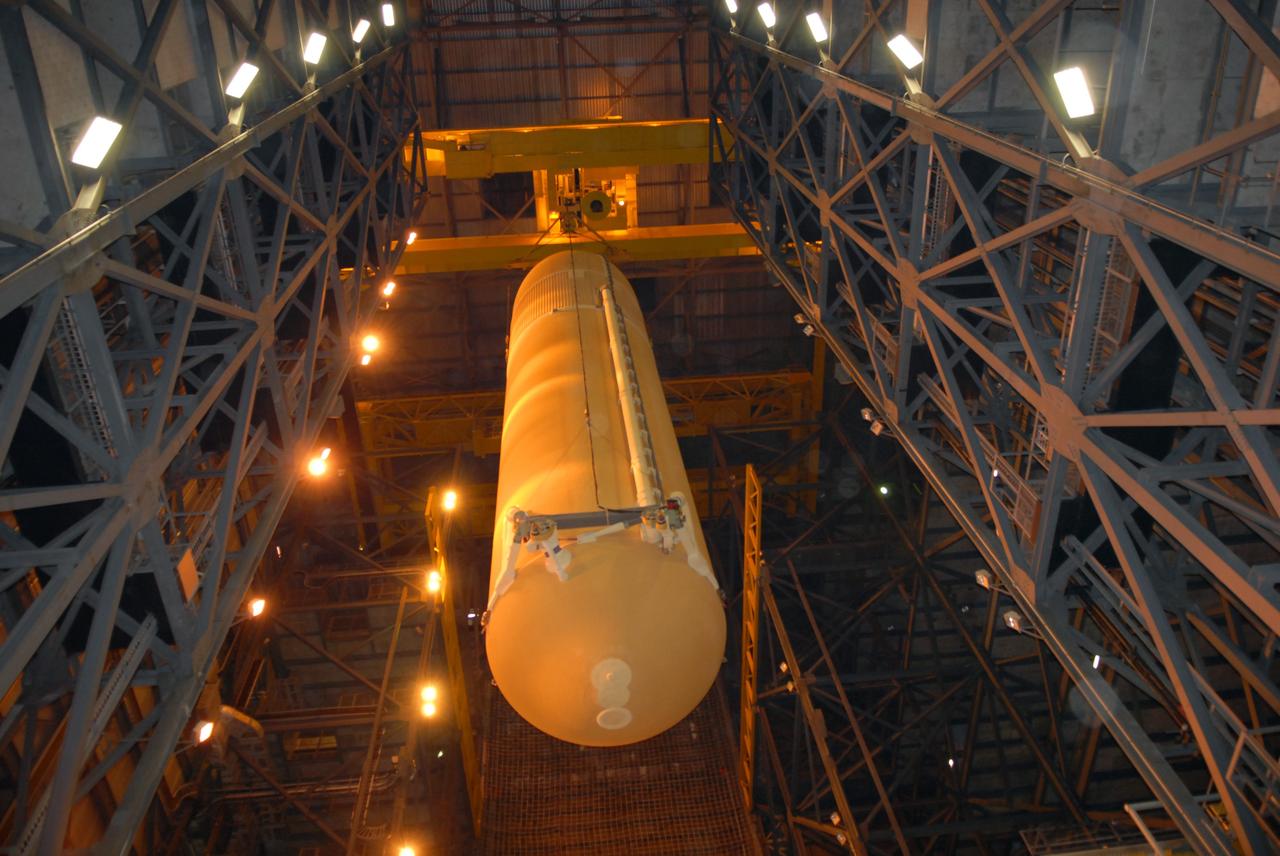
CAPE CANAVERAL, Fla. – In the Vehicle Assembly Building at NASA's Kennedy Space Center in Florida, the external fuel tank for space shuttle Atlantis' STS-125 mission is lowered into high bay 3. It will be installed on the mobile launcher platform and attached to the solid rocket boosters already there. Atlantis' STS-125 mission is the fifth and final shuttle servicing mission to NASA’s Hubble Space Telescope. Launch is targeted for May 12. Photo credit: NASA/Jack Pfaller
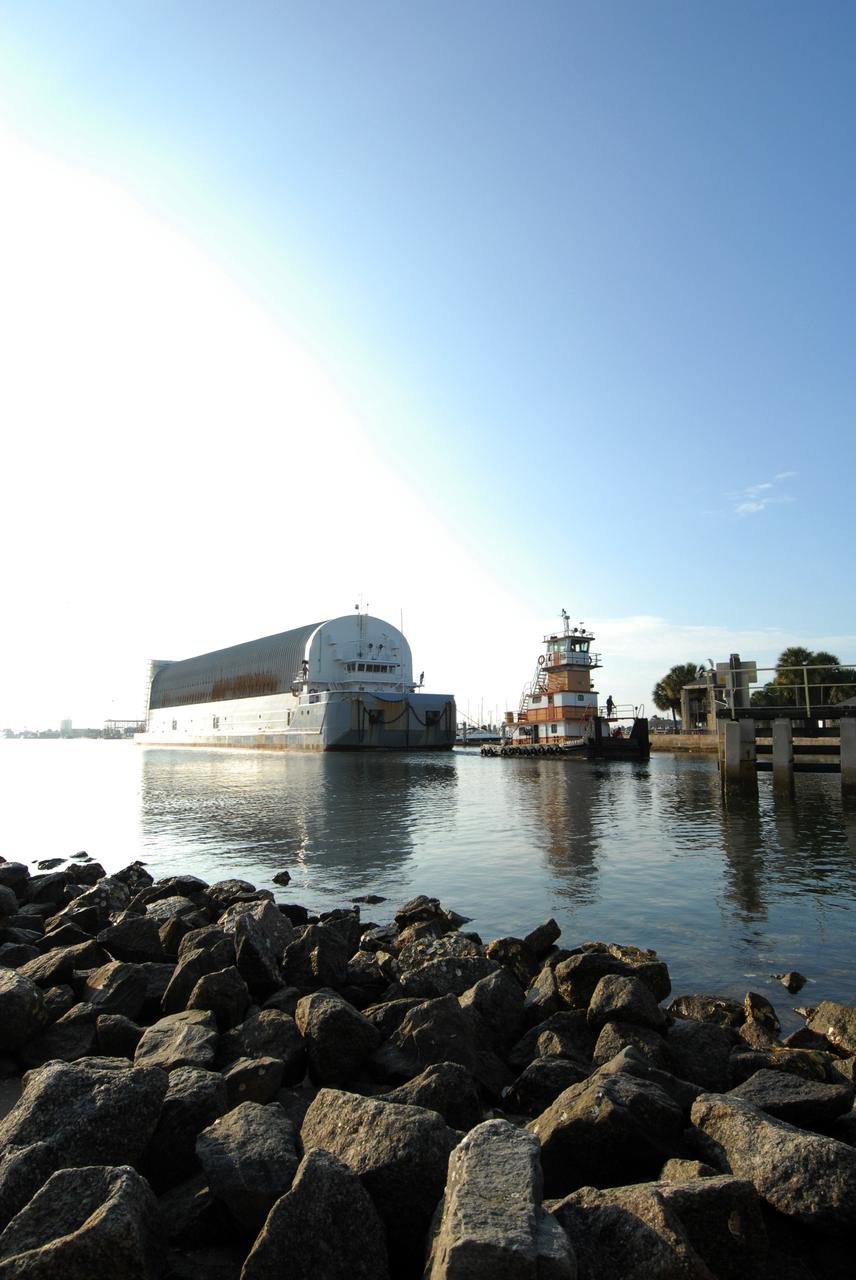
CAPE CANAVERAL, Fla. – The external fuel tank for space shuttle Atlantis' STS-125 mission to NASA's Hubble Space Telescope is towed to the turn basin in the Launch Complex 39 Area at NASA's Kennedy Space Center, where it will be offloaded and moved to the Vehicle Assembly Building. Once inside the building, the tank will be raised to vertical, lifted and moved into a checkout cell. Stacking of the tank and solid rocket boosters is planned to start Aug. 7. Atlantis is targeted to launch Oct. 8. Photo credit: NASA/Jack Pfaller
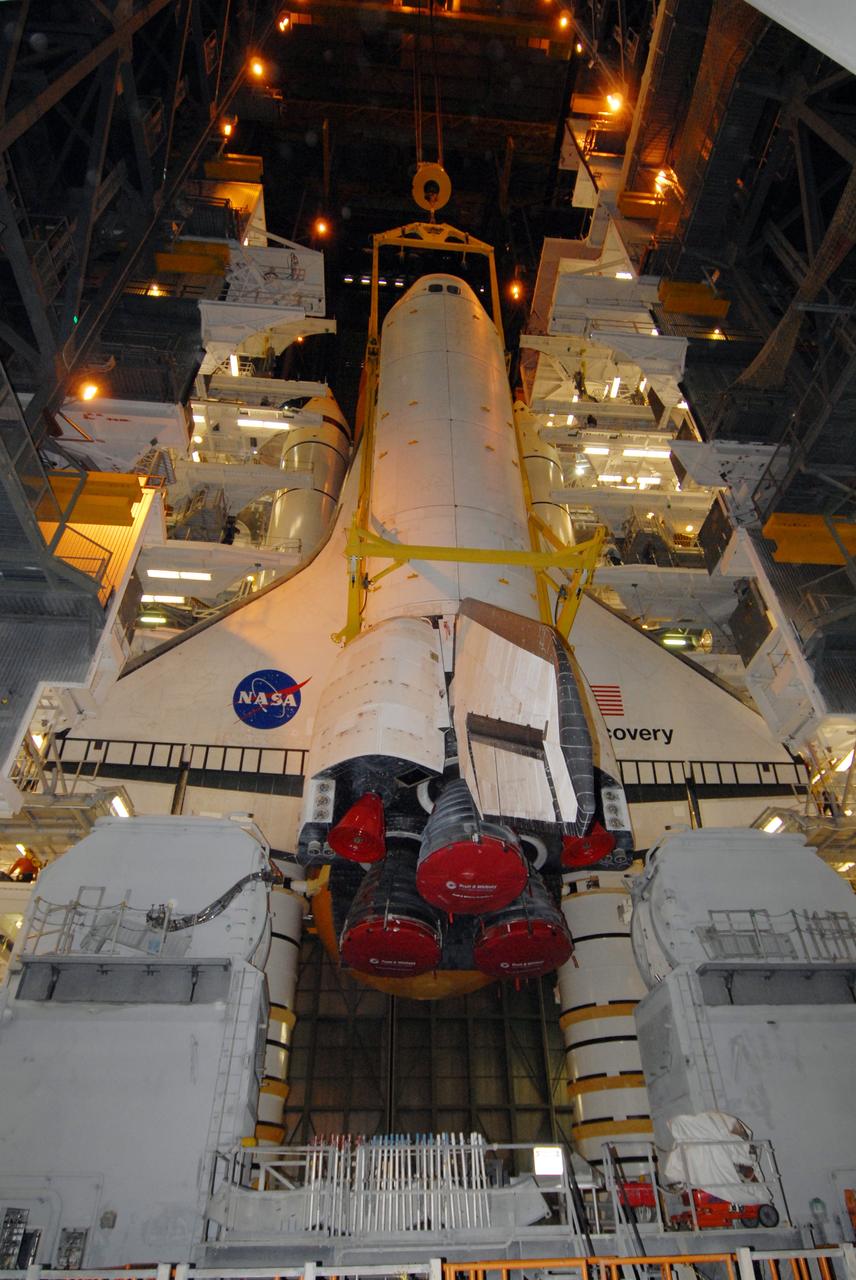
CAPE CANAVERAL, Fla. -- In the Vehicle Assembly Building at NASA's Kennedy Space Center in Florida, space shuttle Discovery is lowered alongside the external fuel tank and solid rocket boosters already stacked on the mobile launcher platform. Discovery will be mated with the stack. After additional preparations are made, the shuttle will be rolled out to Launch Pad 39A for a targeted launch on Feb. 12. Discovery will carry the final starboard truss (S6) in the assembly of the International Space Station. Photo credit: NASA/Jack Pfaller
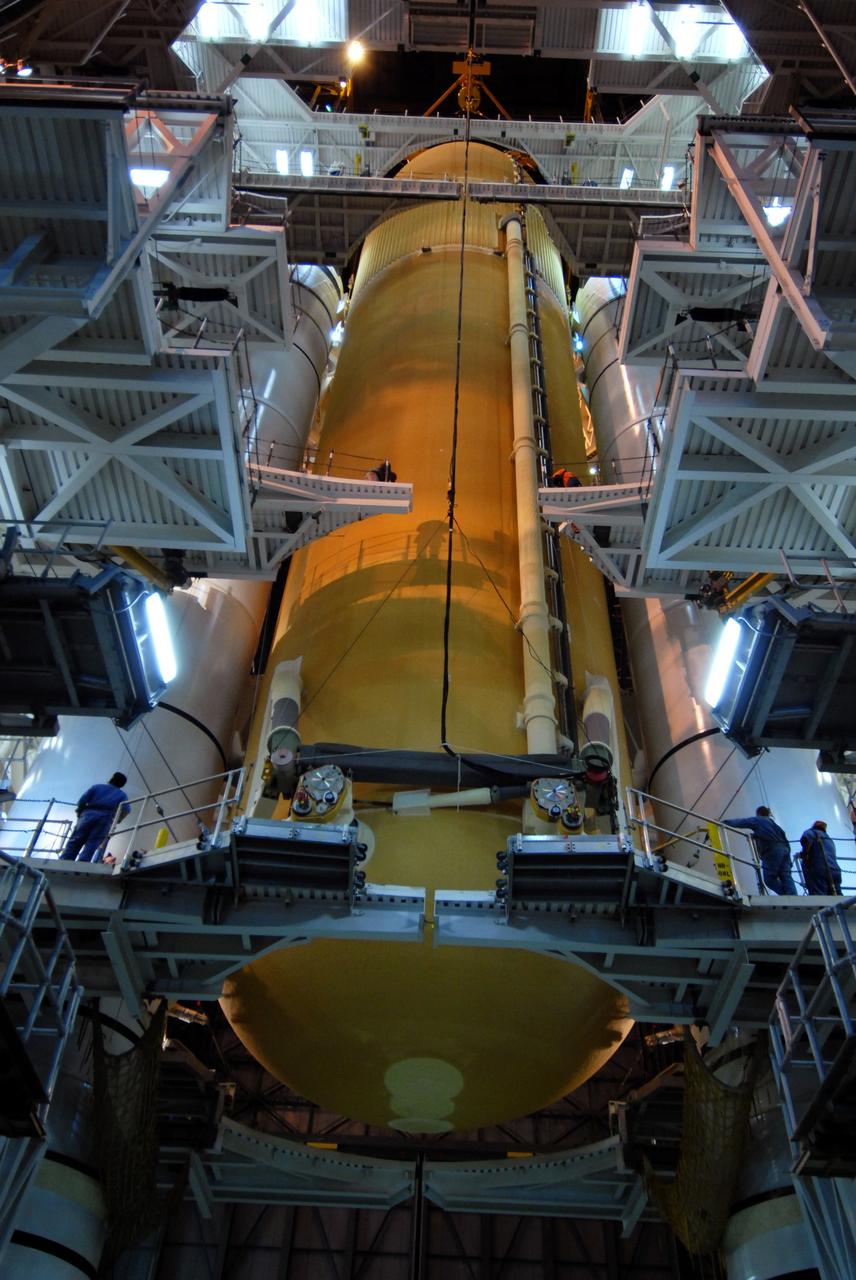
CAPE CANAVERAL, Fla. – In the Vehicle Assembly Building at NASA's Kennedy Space Center in Florida, the external fuel tank for space shuttle Atlantis' STS-125 mission is lowered between the solid rocket boosters installed on the mobile launcher platform in high bay 3. The tank and boosters will be attached for launch. Atlantis' STS-125 mission is the fifth and final shuttle servicing mission to NASA’s Hubble Space Telescope. Launch is targeted for May 12. Photo credit: NASA/Jack Pfaller
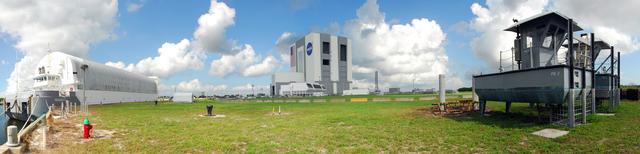
CAPE CANAVERAL, Fla. -- At NASA's Kennedy Space Center in Florida, the Pegasus barge, left, the Vehicle Assembly Building, center, and patrol boats, right, are seen from the Launch Complex 39 area. The barge carries space shuttle external fuel tanks from NASA's Michoud Assembly Facility in Louisiana to Kennedy and is towed by NASA's two solid rocket booster retrieval ships, Liberty Star and Freedom Star. Photo credit: NASA/Frankie Martin

CAPE CANAVERAL, Fla. – In the Vehicle Assembly Building at NASA's Kennedy Space Center, external fuel tank 129 is lowered into high bay 1 where it will be mated with the solid rocket boosters. The external tank-SRB stack will be mated in two weeks to space shuttle Endeavour for the STS-126 mission. The STS-126 mission will deliver a Multi-Purpose Logistics Module to the International Space Station. Launch is targeted for Nov. 10. Photo credit: NASA/Jack Pfaller
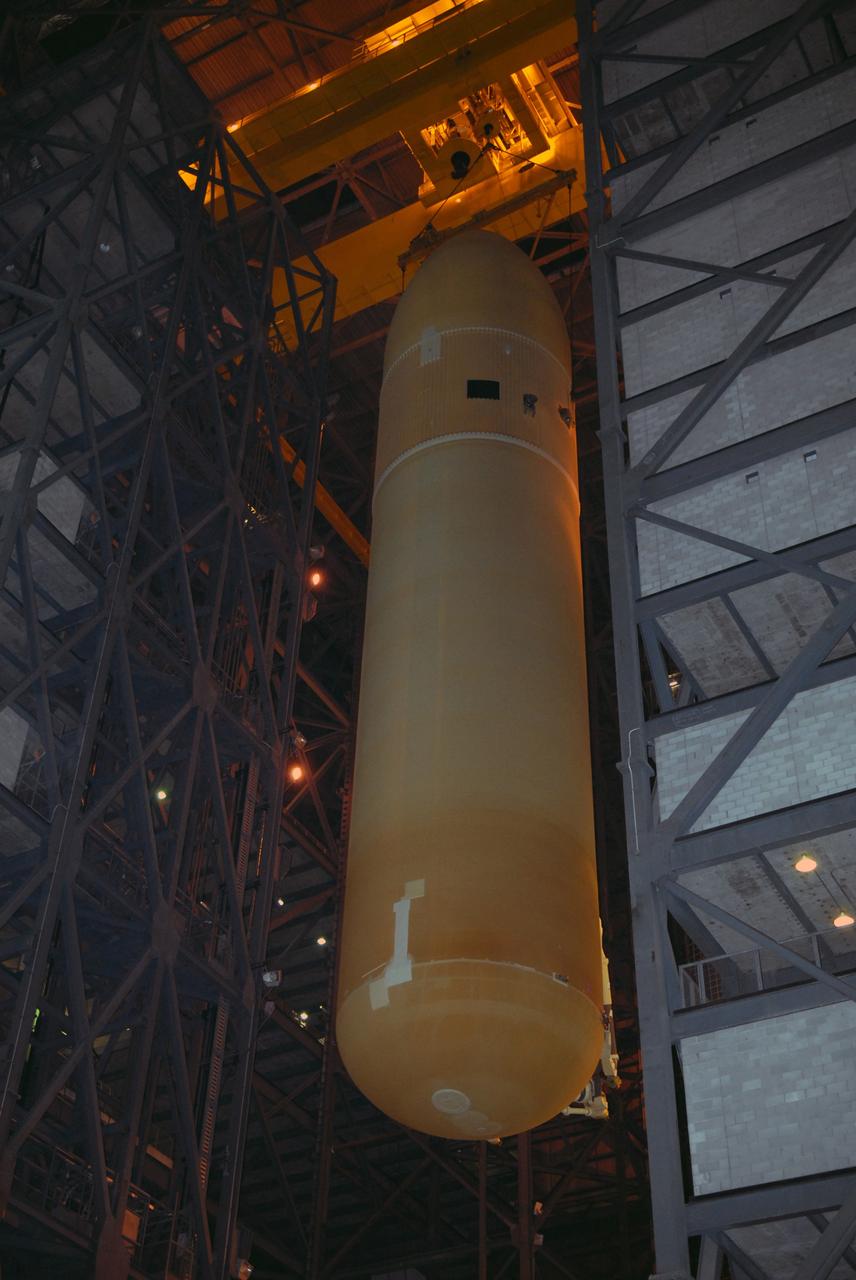
CAPE CANAVERAL, Fla. – In the Vehicle Assembly Building at NASA's Kennedy Space Center, external fuel tank 129 is lifted out of the checkout cell to high bay 1where it will be mated with the solid rocket boosters. The external tank-SRB stack will be mated in two weeks to space shuttle Endeavour for the STS-126 mission. The STS-126 mission will deliver a Multi-Purpose Logistics Module to the International Space Station. Launch is targeted for Nov. 10. Photo credit: NASA/Jack Pfaller

CAPE CANAVERAL, Fla. – In the Vehicle Assembly Building at NASA's Kennedy Space Center, a technician closely watches the progress of space shuttle Atlantis as it is lowered alongside the external fuel tank in high bay 3. Atlantis will be mated to the tank and twin solid rocket boosters stacked on the mobile launcher platform. After additional preparations are made, the shuttle will be rolled out to Launch Pad 39A to prepare for launch on the STS-125 mission targeted for 1:34 a.m. EDT Oct. 8. Photo credit: NASA/Dimitri Gerondidakis
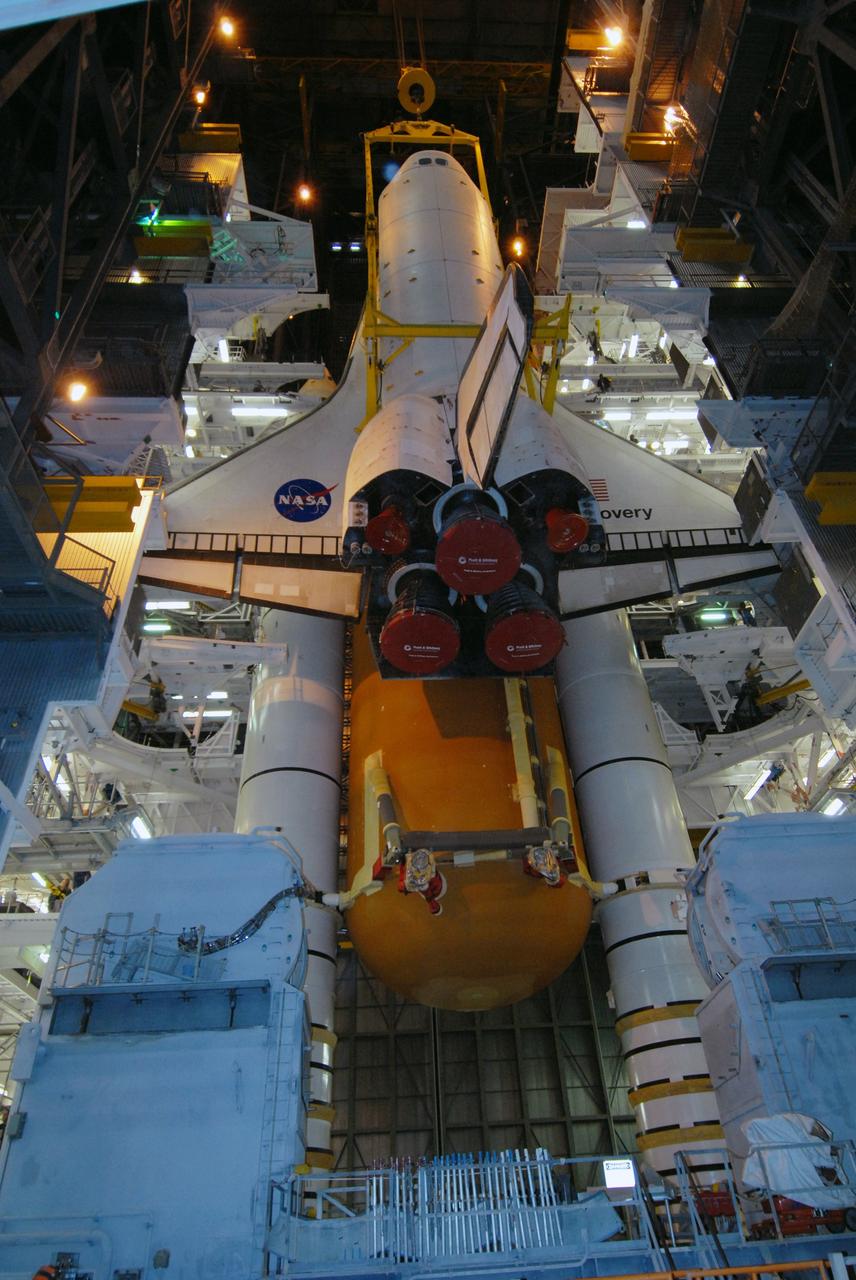
CAPE CANAVERAL, Fla. -- In the Vehicle Assembly Building at NASA's Kennedy Space Center in Florida, space shuttle Discovery is lowered into high bay 3 alongside the external fuel tank and solid rocket boosters are already stacked on the mobile launcher platform. Discovery will be mated with the stack. After additional preparations are made, the shuttle will be rolled out to Launch Pad 39A for a targeted launch on Feb. 12. Discovery will carry the final starboard truss (S6) in the assembly of the International Space Station. Photo credit: NASA/Jack Pfaller
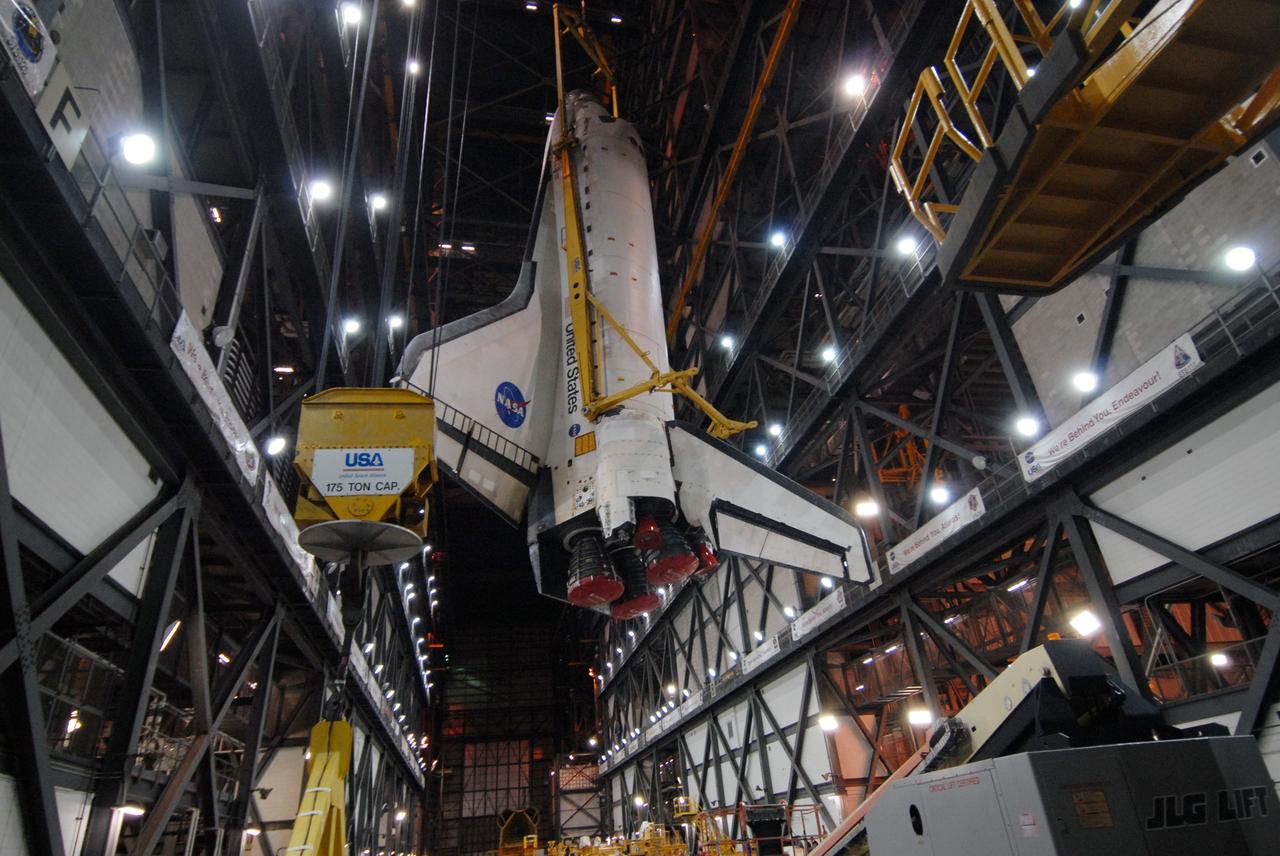
CAPE CANAVERAL, Fla. -- In the Vehicle Assembly Building at NASA's Kennedy Space Center in Florida, space shuttle Discovery is lifted into the upper levels for transfer to high bay 3. The shuttle will then be lowered onto the mobile launcher platform for mating with its external fuel tank and solid rocket boosters. After additional preparations are made, the shuttle will be rolled out to Launch Pad 39A for a targeted launch on Feb. 12. Discovery will carry the final starboard truss (S6) in the assembly of the International Space Station. Photo credit: NASA/Jack Pfaller