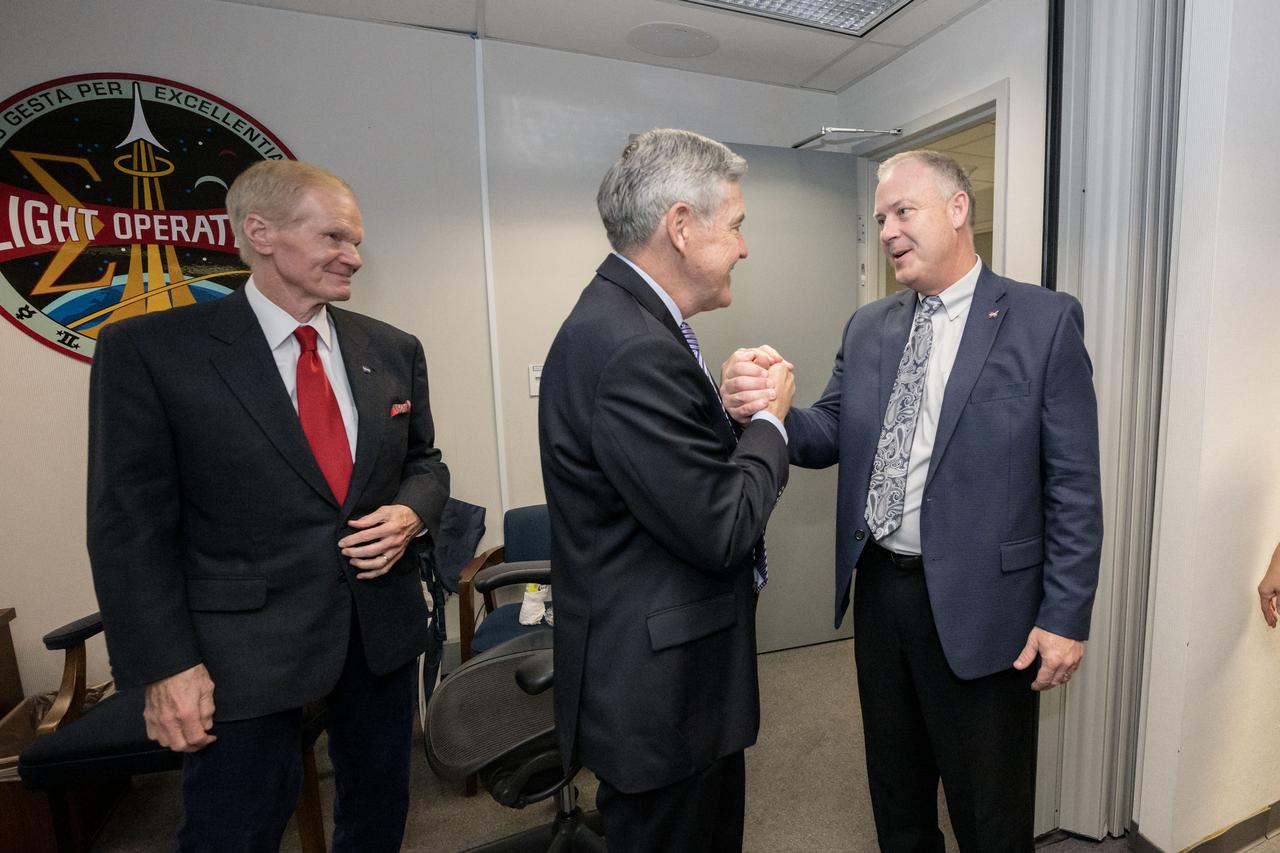
jsc2022e091676 (Dec. 11, 2022) NASA Administrator Bill Nelson visits Mission Control at NASA’s Johnson Space Center in Houston to witness the splashdown of Orion after a 25.5-day Artemis I mission. Nelson is joined by, from left, NASA Associate Administrator Bob Cabana, NASA Headquarters, and NASA Flight Operations Director Norm Knight, NASA Johnson.
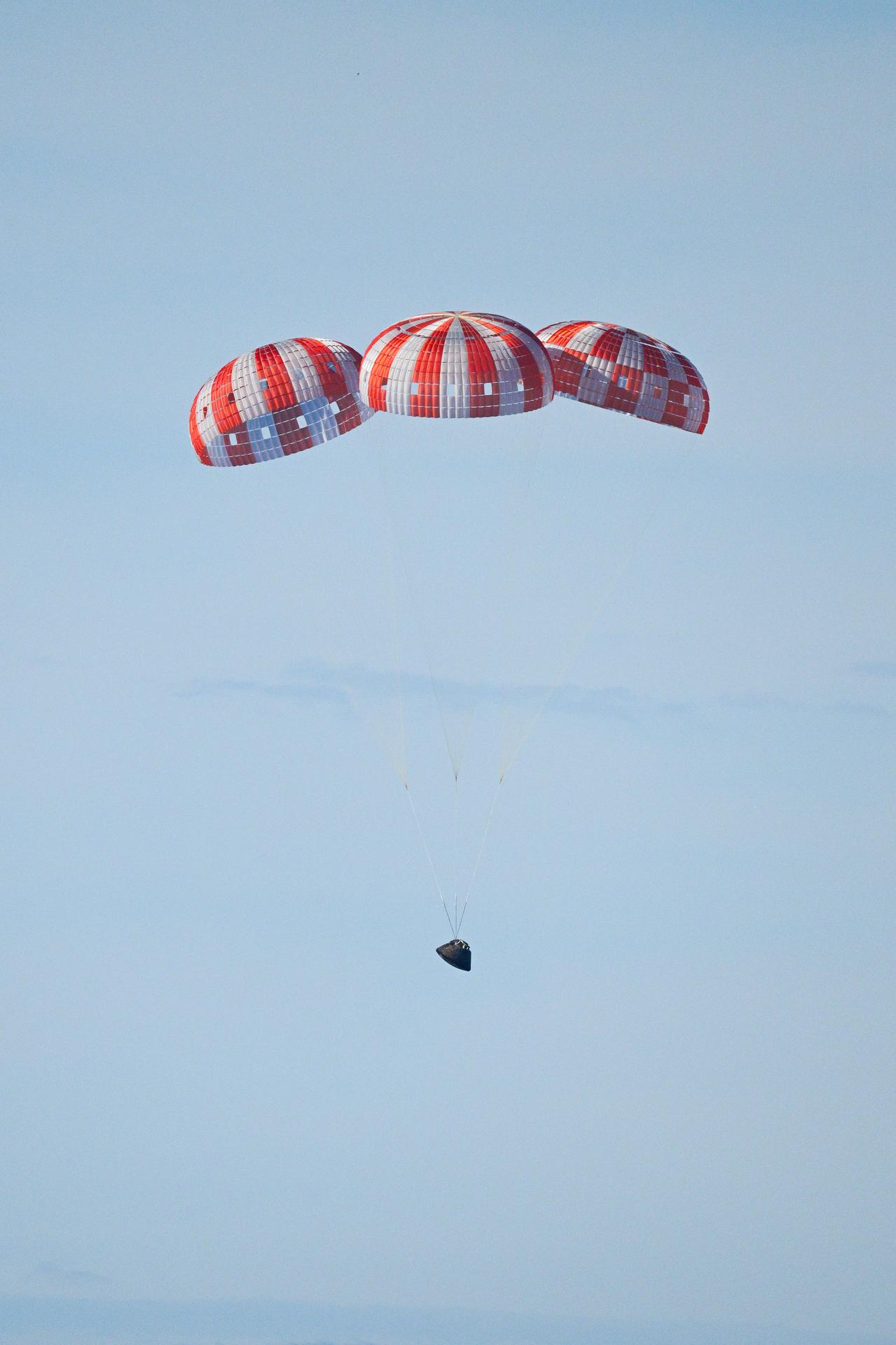
Parachutes secured to NASA’s Orion spacecraft deploy before splashdown in the Pacific Ocean near San Diego, California, on Friday, April 10, 2026, for the Artemis II test flight. The Artemis II mission carrying Artemis II Commander Reid Wiseman, Pilot Victor Glover, and Mission Specialist Christina Koch from NASA, along with Mission Specialist Jeremy Hansen from the CSA (Canadian Space Agency), launched on Wednesday, April 1, from NASA’s Kennedy Space Center in Florida to begin its 10-day journey around the Moon for scientific discovery, economic benefits, and to build on our foundation for the first crewed missions to Mars. NASA’s Landing and Recovery team and the U.S. military are coordinating efforts to extract the Artemis II crew from Orion.
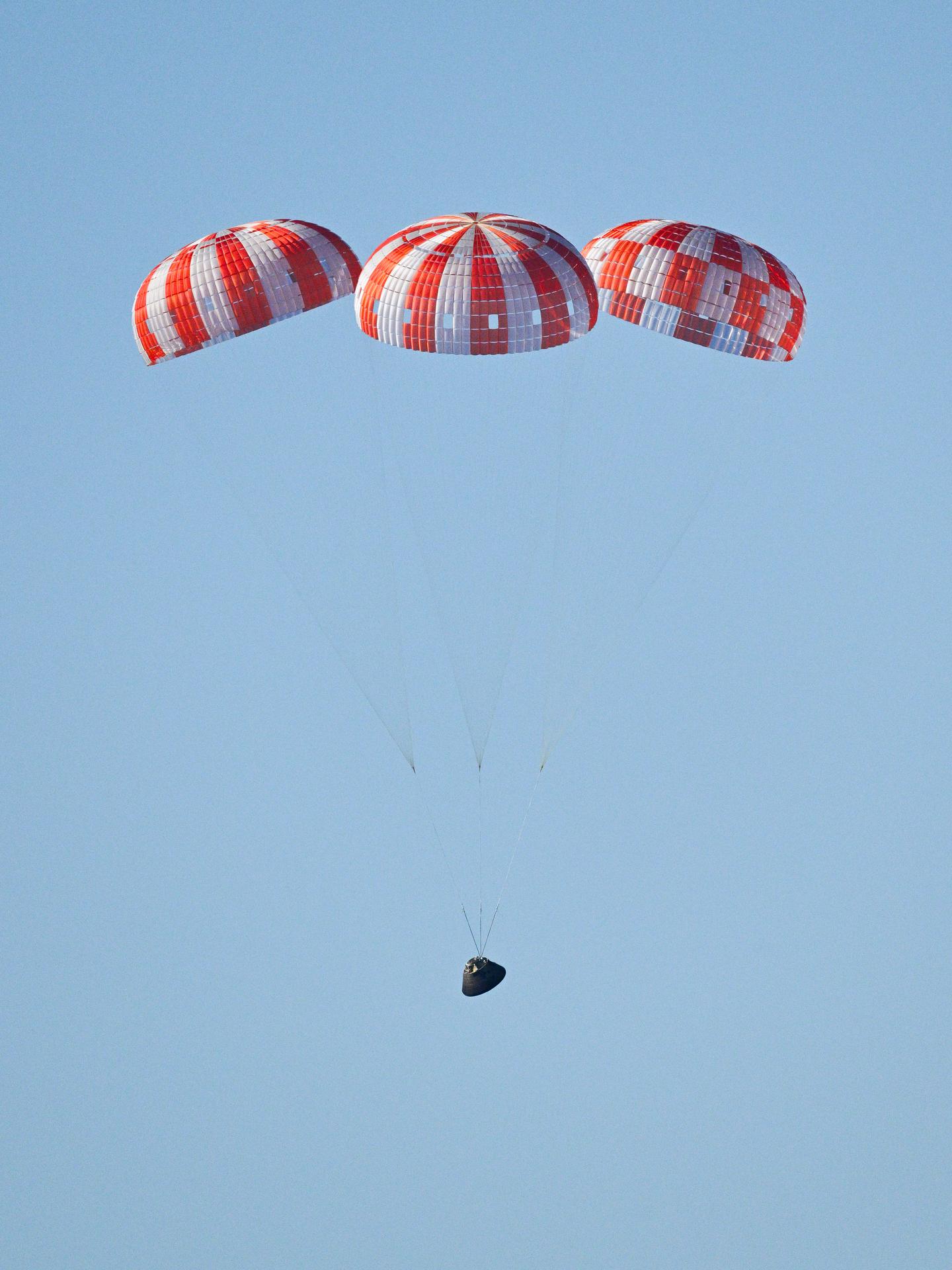
Parachutes secured to NASA’s Orion spacecraft deploy before splashdown in the Pacific Ocean near San Diego, California, on Friday, April 10, 2026, for the Artemis II test flight. The Artemis II mission carrying Artemis II Commander Reid Wiseman, Pilot Victor Glover, and Mission Specialist Christina Koch from NASA, along with Mission Specialist Jeremy Hansen from the CSA (Canadian Space Agency), launched on Wednesday, April 1, from NASA’s Kennedy Space Center in Florida to begin its 10-day journey around the Moon for scientific discovery, economic benefits, and to build on our foundation for the first crewed missions to Mars. NASA’s Landing and Recovery team and the U.S. military are coordinating efforts to extract the Artemis II crew from Orion.
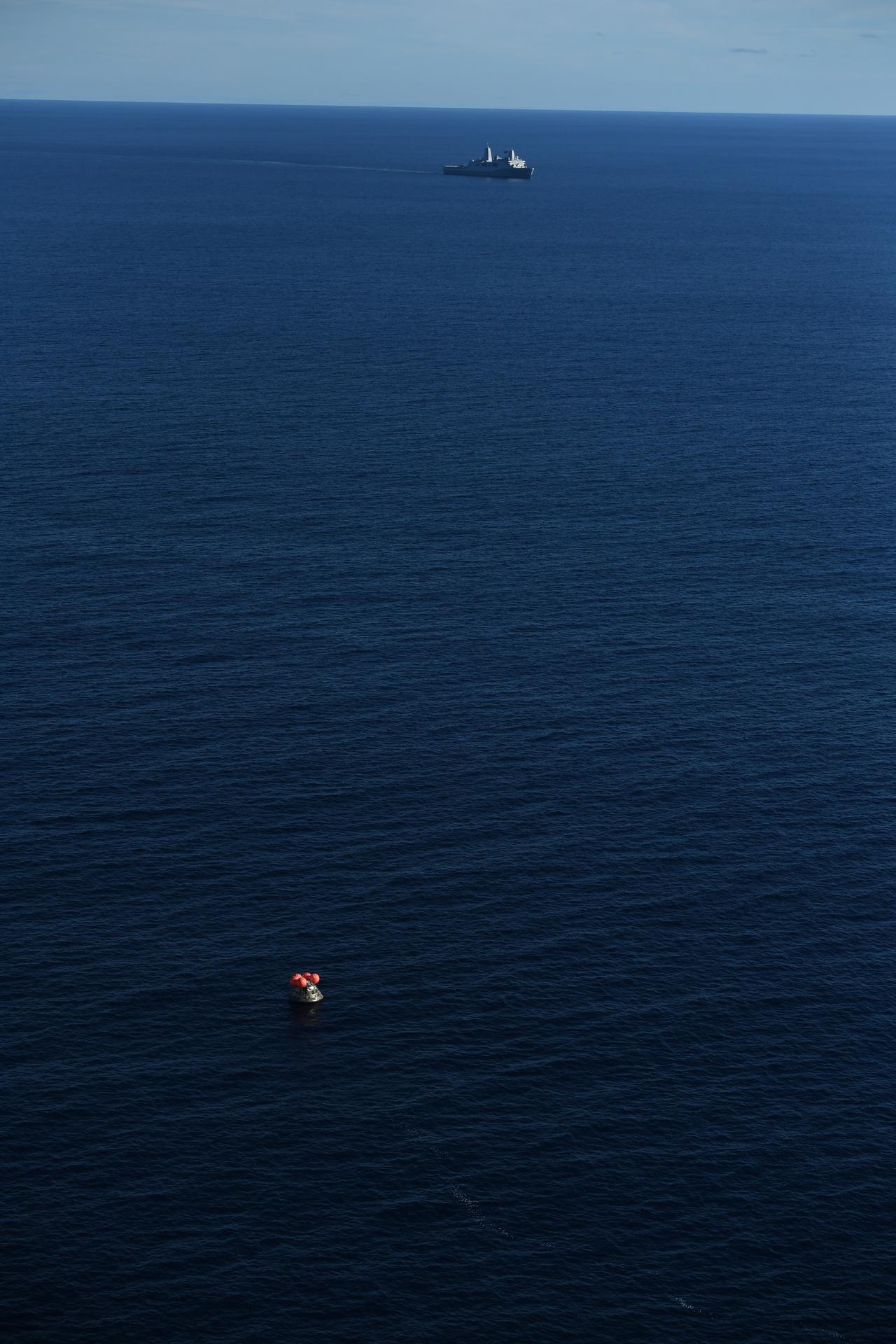
USS John P. Murtha approaches NASA's Orion spacecraft carrying Artemis II Commander Reid Wiseman, Pilot Victor Glover, and Mission Specialist Christina Koch from NASA, along with Mission Specialist Jeremy Hansen from the CSA (Canadian Space Agency), following splashdown in the Pacific Ocean near San Diego, California, at 5:07 p.m. PDT, (8:07 p.m. EDT) on Friday, April 10, 2026. The Artemis II test flight launched on Wednesday, April 1, from NASA’s Kennedy Space Center in Florida to begin its 10-day journey around the Moon for scientific discovery, economic benefits, and to build on our foundation for the first crewed missions to Mars. NASA’s Landing and Recovery team and the U.S. military are coordinating efforts to extract the Artemis II crew from the Orion spacecraft.
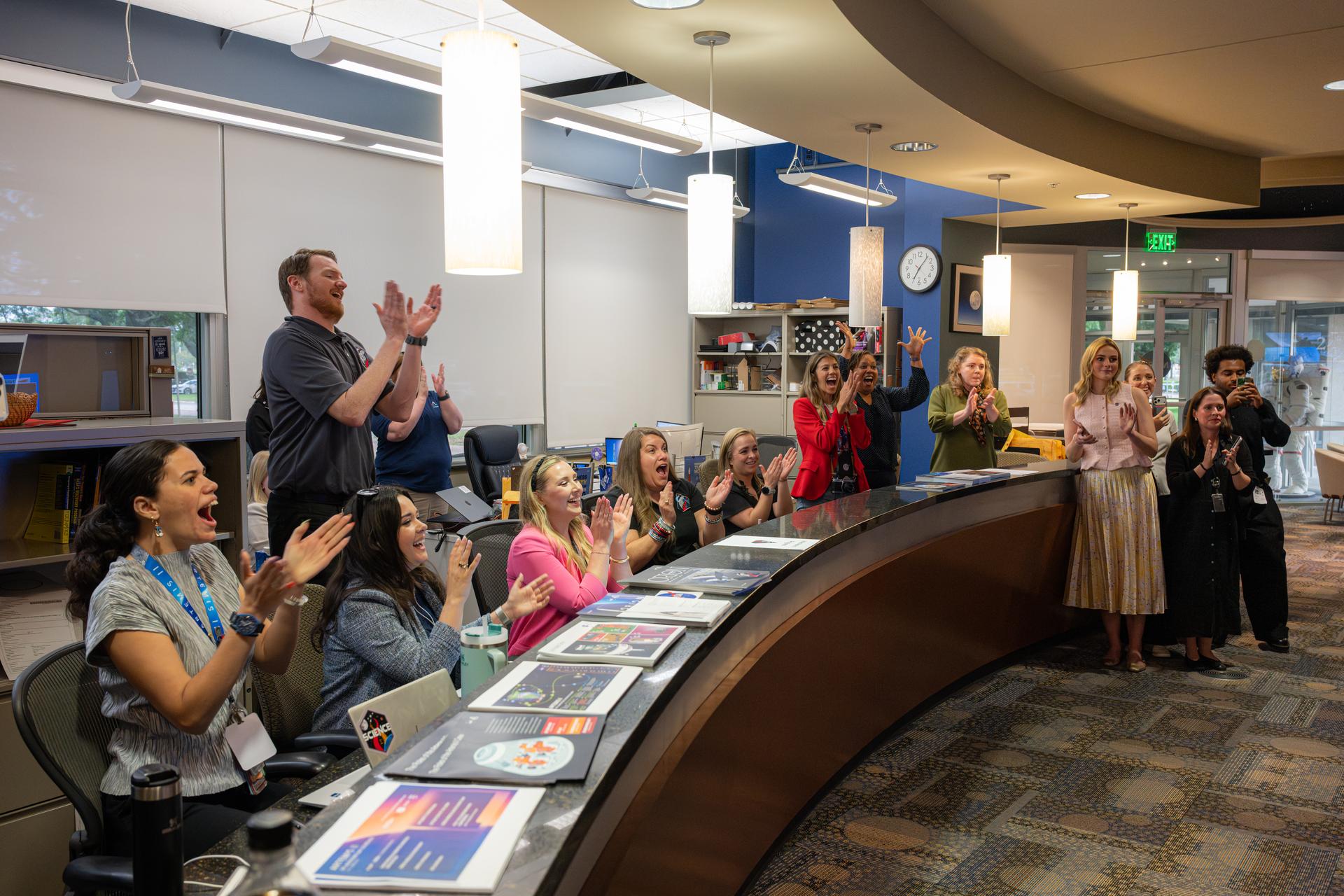
Members of NASA’s communications team react to the successful splashdown of the Orion spacecraft during the Artemis II mission, Friday, Apr. 10, 2026, at NASA’s Johnson Space Center in Houston, Texas. Photo Credit: (NASA/John Kraus)
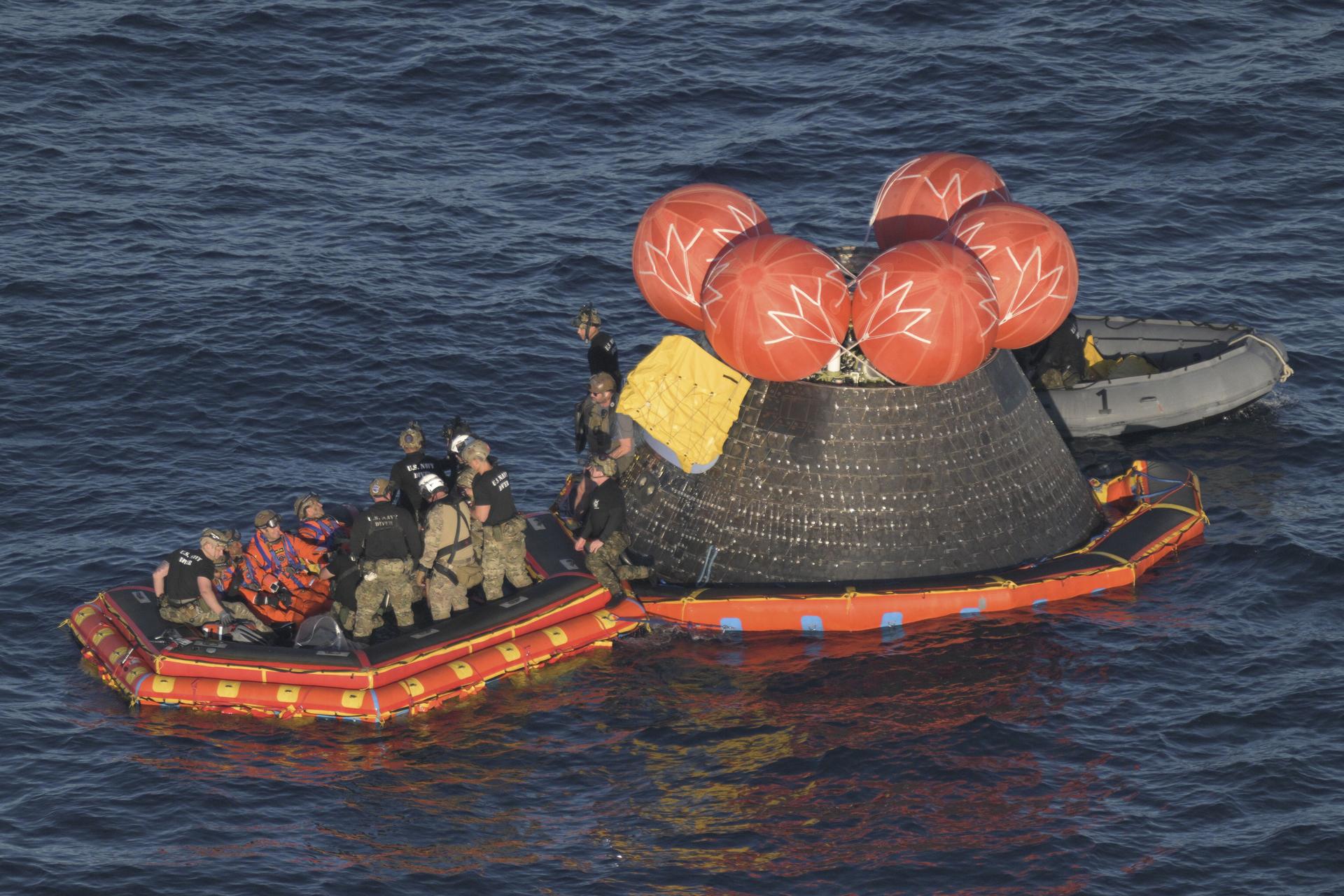
From left to right, Artemis II Mission Specialist Christina Koch and Pilot Victor Glover from NASA, Mission Specialist Jeremy Hansen from the CSA (Canadian Space Agency), and Commander Reid Wiseman from NASA, are extracted from NASA’s Orion spacecraft and loaded onto an inflatable raft, called the front porch, following splashdown in the Pacific Ocean near San Diego, California, at 5:07 p.m. PDT, (8:07 p.m. EDT) on Friday, April 10, 2026. The Artemis II crew will be taken to USS John P. Murtha to be routinely examined while NASA’s Landing and Recovery team and the U.S. Navy recover Orion and secure it in the well deck of USS John P. Murtha. The Artemis II test flight launched on Wednesday, April 1, from NASA’s Kennedy Space Center in Florida to begin its 10- day journey around the Moon for scientific discovery, economic benefits, and to build on our foundation for the first crewed missions to Mars.
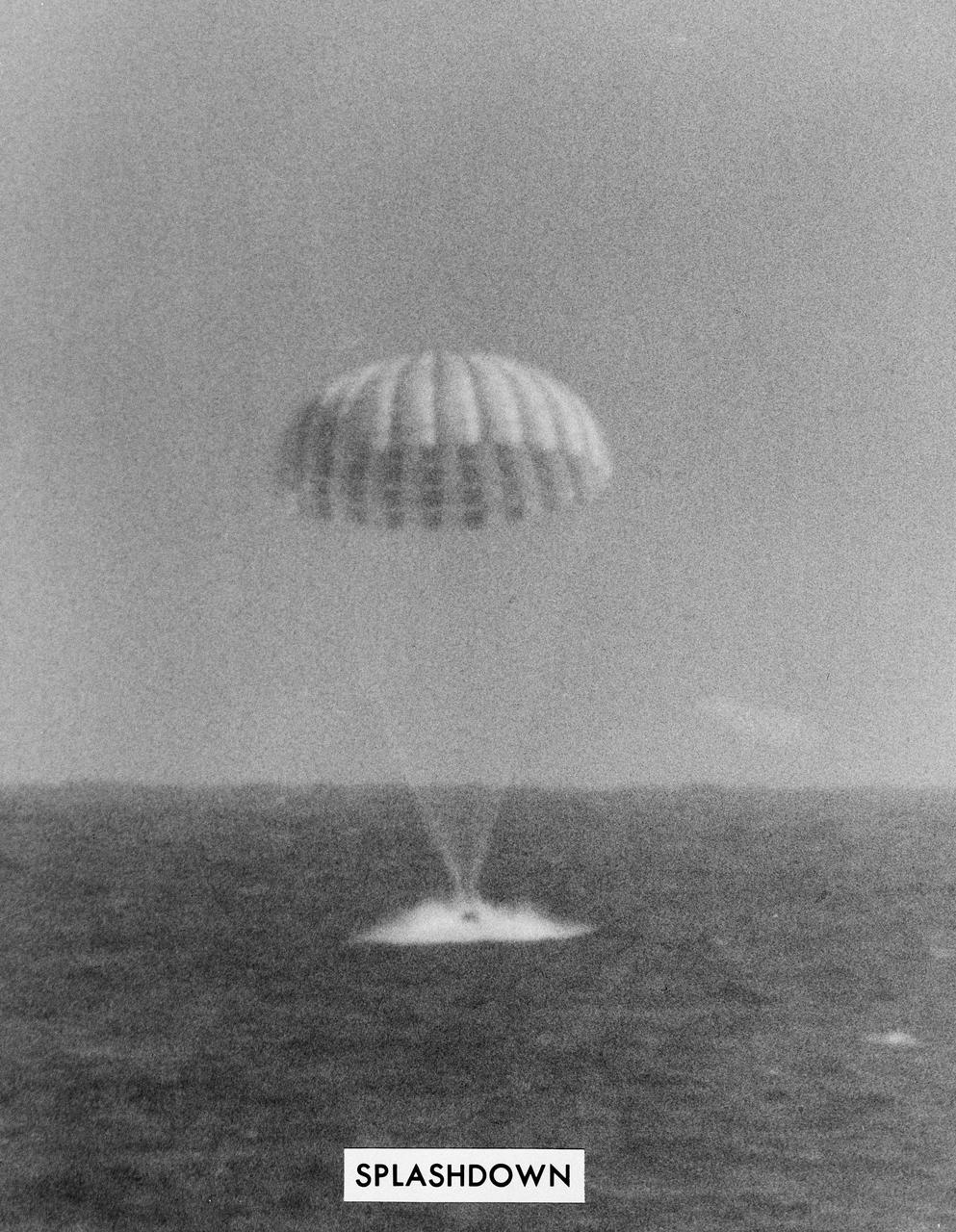
S63-00693 (3 Oct. 1962) --- Landing with parachute extended of astronaut Walter M. Schirra's Mercury-Atlas 8 (MA-8) capsule, called the Sigma 7, after a world orbital flight. Photo is labeled "Splashdown". Photo credit: NASA
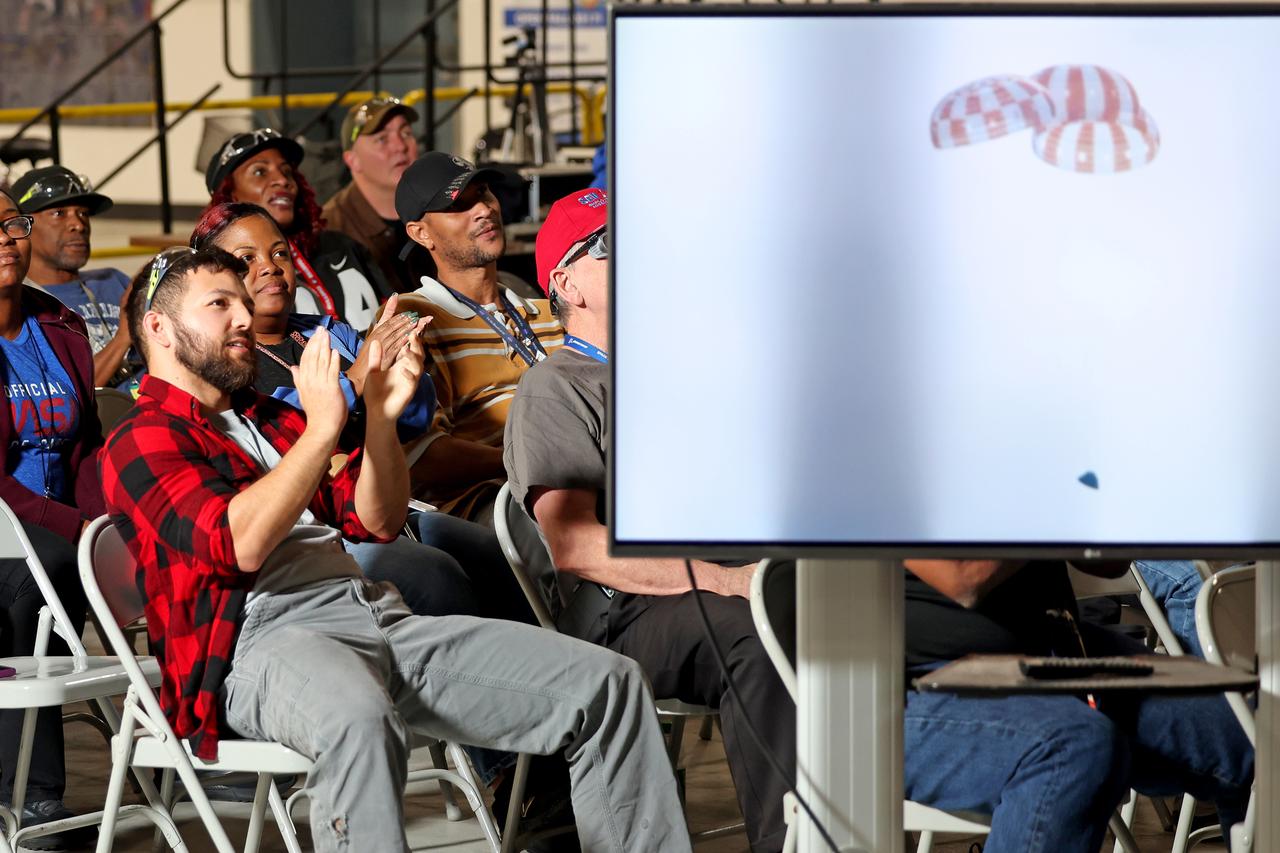
Employees at NASA’s Michoud Assembly Facility in New Orleans gather to watch the completion of NASA’s Artemis I mission with the splashdown of the Orion spacecraft on Dec. 11. The team cheered as the capsule safely returned to Earth following its 25.5-day mission, which brought it further into deep space than any human-rated spacecraft has ever flown before. The Orion crew capsule as well as parts for the launch abort system and the core stage of the Space Launch System rocket were built at the Michoud Assembly Facility. Artemis I is the first in a series of increasingly complex missions to the Moon. With the Artemis missions, NASA will land the first woman and the first person of color on the Moon. No other rocket is capable of carrying astronauts in Orion around the Moon in a single mission. Image credit: NASA/Michael DeMocker

Employees at NASA’s Michoud Assembly Facility in New Orleans gather to watch the completion of NASA’s Artemis I mission with the splashdown of the Orion spacecraft on Dec. 11. The team cheered as the capsule safely returned to Earth following its 25.5-day mission, which brought it further into deep space than any human-rated spacecraft has ever flown before. The Orion crew capsule as well as parts for the launch abort system and the core stage of the Space Launch System rocket were built at the Michoud Assembly Facility. Artemis I is the first in a series of increasingly complex missions to the Moon. With the Artemis missions, NASA will land the first woman and the first person of color on the Moon. No other rocket is capable of carrying astronauts in Orion around the Moon in a single mission. Image credit: NASA/Michael DeMocker

Employees at NASA’s Michoud Assembly Facility in New Orleans gather to watch the completion of NASA’s Artemis I mission with the splashdown of the Orion spacecraft on Dec. 11. The team cheered as the capsule safely returned to Earth following its 25.5-day mission, which brought it further into deep space than any human-rated spacecraft has ever flown before. The Orion crew capsule as well as parts for the launch abort system and the core stage of the Space Launch System rocket were built at the Michoud Assembly Facility. Artemis I is the first in a series of increasingly complex missions to the Moon. With the Artemis missions, NASA will land the first woman and the first person of color on the Moon. No other rocket is capable of carrying astronauts in Orion around the Moon in a single mission. Image credit: NASA/Michael DeMocker
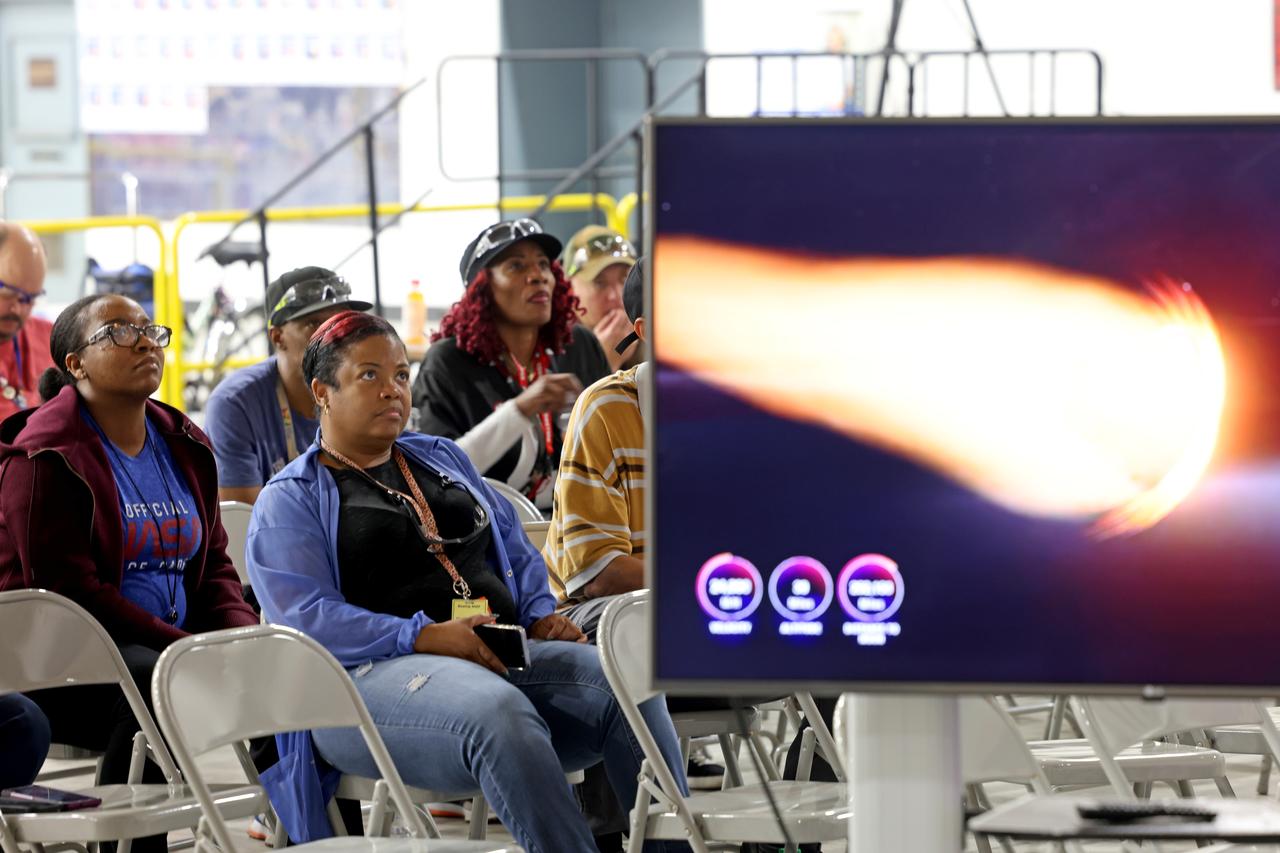
Employees at NASA’s Michoud Assembly Facility in New Orleans gather to watch the completion of NASA’s Artemis I mission with the splashdown of the Orion spacecraft on Dec. 11. The team cheered as the capsule safely returned to Earth following its 25.5-day mission, which brought it further into deep space than any human-rated spacecraft has ever flown before. The Orion crew capsule as well as parts for the launch abort system and the core stage of the Space Launch System rocket were built at the Michoud Assembly Facility. Artemis I is the first in a series of increasingly complex missions to the Moon. With the Artemis missions, NASA will land the first woman and the first person of color on the Moon. No other rocket is capable of carrying astronauts in Orion around the Moon in a single mission. Image credit: NASA/Michael DeMocker

SpaceX’s Crew Dragon is guided by four parachutes as it approaches splashdown in the Atlantic Ocean about 200 miles off Florida’s east coast on March 8, 2019, after returning from the International Space Station on the Demo-1 mission. The uncrewed spacecraft docked to the orbiting laboratory on March 3, following a 2:49 a.m. EST liftoff aboard a SpaceX Falcon 9 rocket from Launch Complex 39A at NASA’s Kennedy Space Center in Florida on March 2. Crew Dragon made 18 orbits of Earth before successfully attaching to the space station. The spacecraft undocked at 2:32 a.m., March 8, splashing down in the Atlantic Ocean at 8:45 a.m. SpaceX’s inaugural flight with NASA’s Commercial Crew Program is the first flight test of a space system designed for humans built and operated by a commercial company through a public-private partnership. NASA and SpaceX will use data from Demo-1 to further prepare for Demo-2, the crewed flight test that will carry NASA astronauts Bob Behnken and Doug Hurley to the International Space Station later this year.
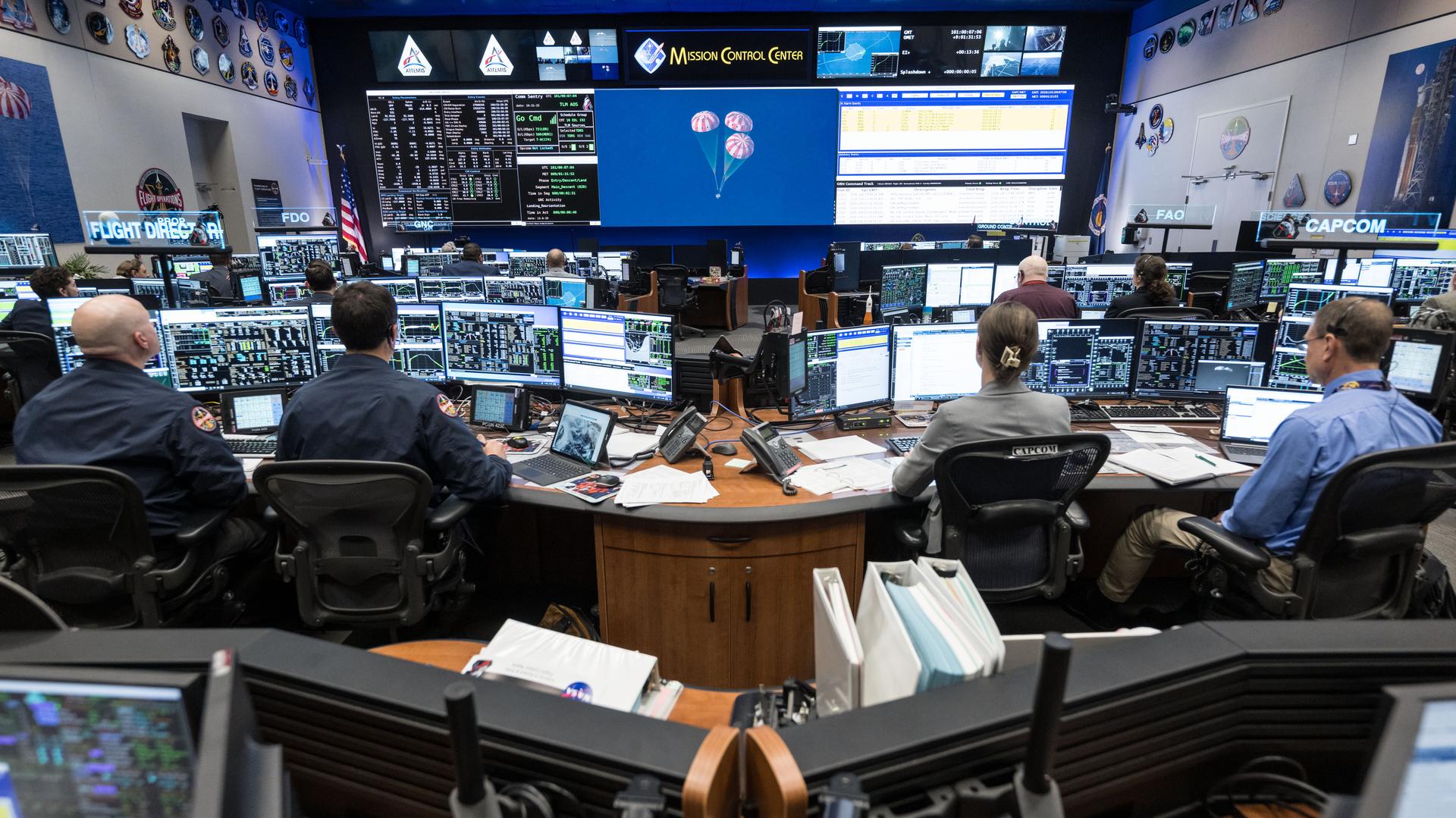
jsc2026e022251(April 10, 2026) - Artemis II Flight Control Team pictured at consoles within the White Flight Control Room in the Mission Control Center at NASA’s Johnson Space Center for the splashdown and recovery of the Artemis II crew as it landed in the Pacific Ocean off the coast of California, Friday, April 10, 2026 at 7:07 p.m. CDT. NASA’s Artemis II mission took NASA astronauts Reid Wiseman, commander; Victor Glover, pilot; Christina Koch, mission specialist; and CSA (Canadian Space Agency) astronaut Jeremy Hansen on a nearly 10-day journey around the Moon and back to Earth. In the foreground, from right to left, are Flight Director Judd Frieling, Flight Director Rick Henfling, CAPCOM (capsule communicator) Jacki Mahaffey, and astronaut Stan Love.
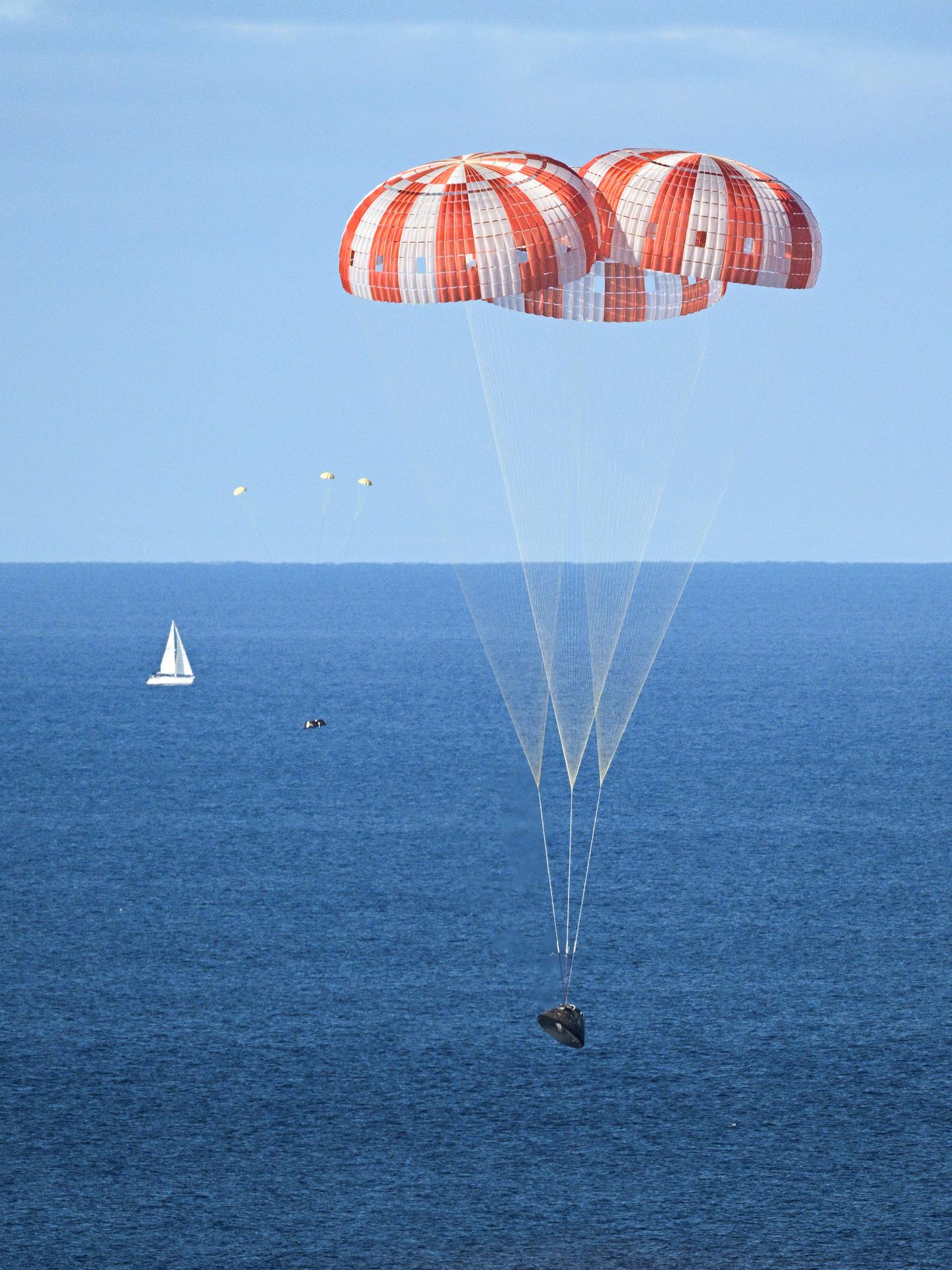
jsc2026e022246 (April 10, 2026) - NASA's Orion spacecraft carrying Artemis II Commander Reid Wiseman, Pilot Victor Glover, and Mission Specialist Christina Koch from NASA, along with Mission Specialist Jeremy Hansen from the CSA (Canadian Space Agency), splashes down in the Pacific Ocean near San Diego, California, at 5:07 p.m. PDT, (8:07 p.m. EDT) on Friday, April 10, 2026. The Artemis II test flight launched on Wednesday, April 1, from NASA’s Kennedy Space Center in Florida to begin its 10-day journey around the Moon for scientific discovery, economic benefits, and to build on our foundation for the first crewed missions to Mars. NASA’s Landing and Recovery team and the U.S. military are coordinating efforts to extract the Artemis II crew from the Orion spacecraft.
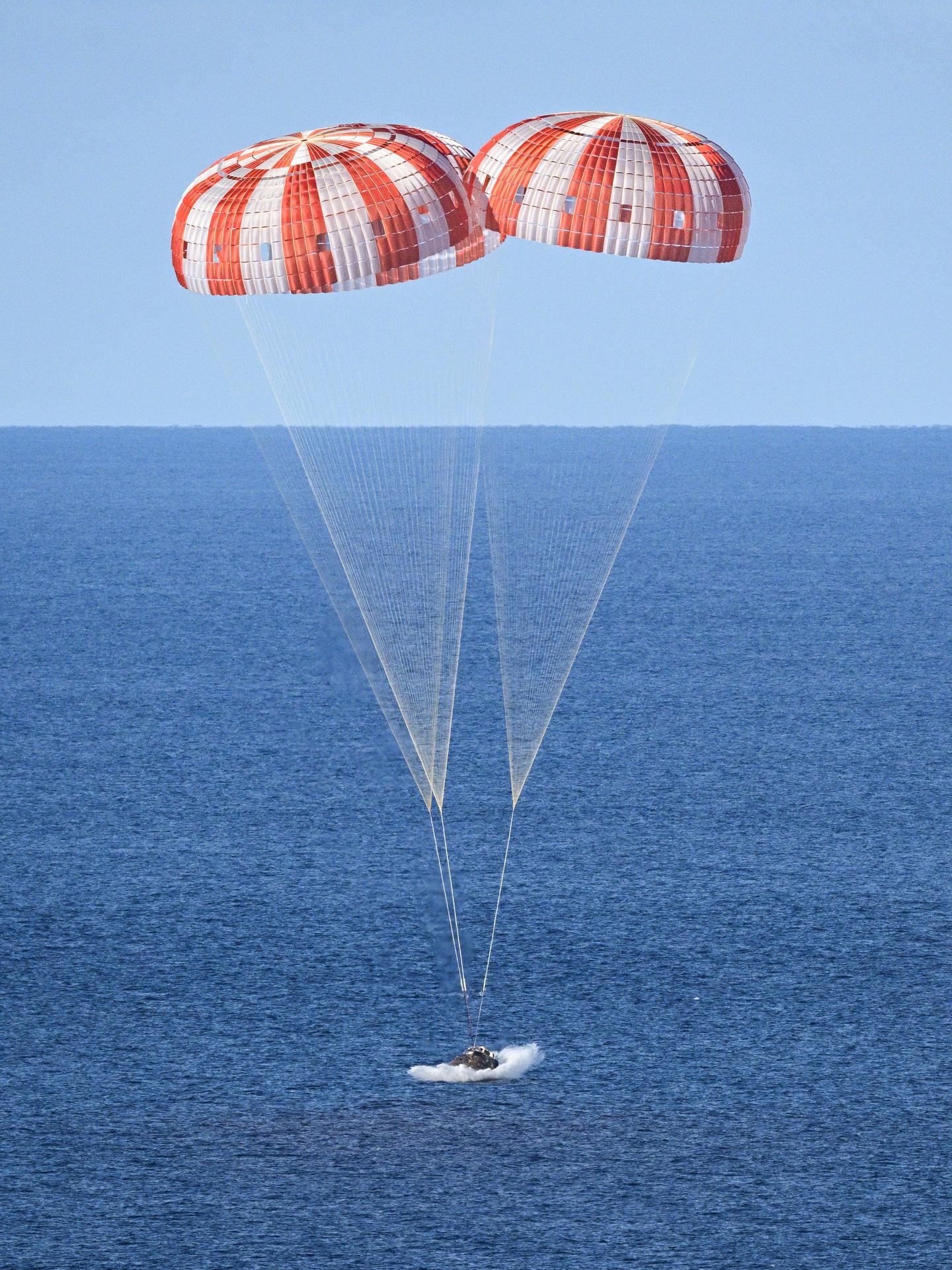
jsc2026e022247 (April 10, 2026) - NASA's Orion spacecraft carrying Artemis II Commander Reid Wiseman, Pilot Victor Glover, and Mission Specialist Christina Koch from NASA, along with Mission Specialist Jeremy Hansen from the CSA (Canadian Space Agency), splashes down in the Pacific Ocean near San Diego, California, at 5:07 p.m. PDT, (8:07 p.m. EDT) on Friday, April 10, 2026. The Artemis II test flight launched on Wednesday, April 1, from NASA’s Kennedy Space Center in Florida to begin its 10-day journey around the Moon for scientific discovery, economic benefits, and to build on our foundation for the first crewed missions to Mars. NASA’s Landing and Recovery team and the U.S. military are coordinating efforts to extract the Artemis II crew from the Orion spacecraft.
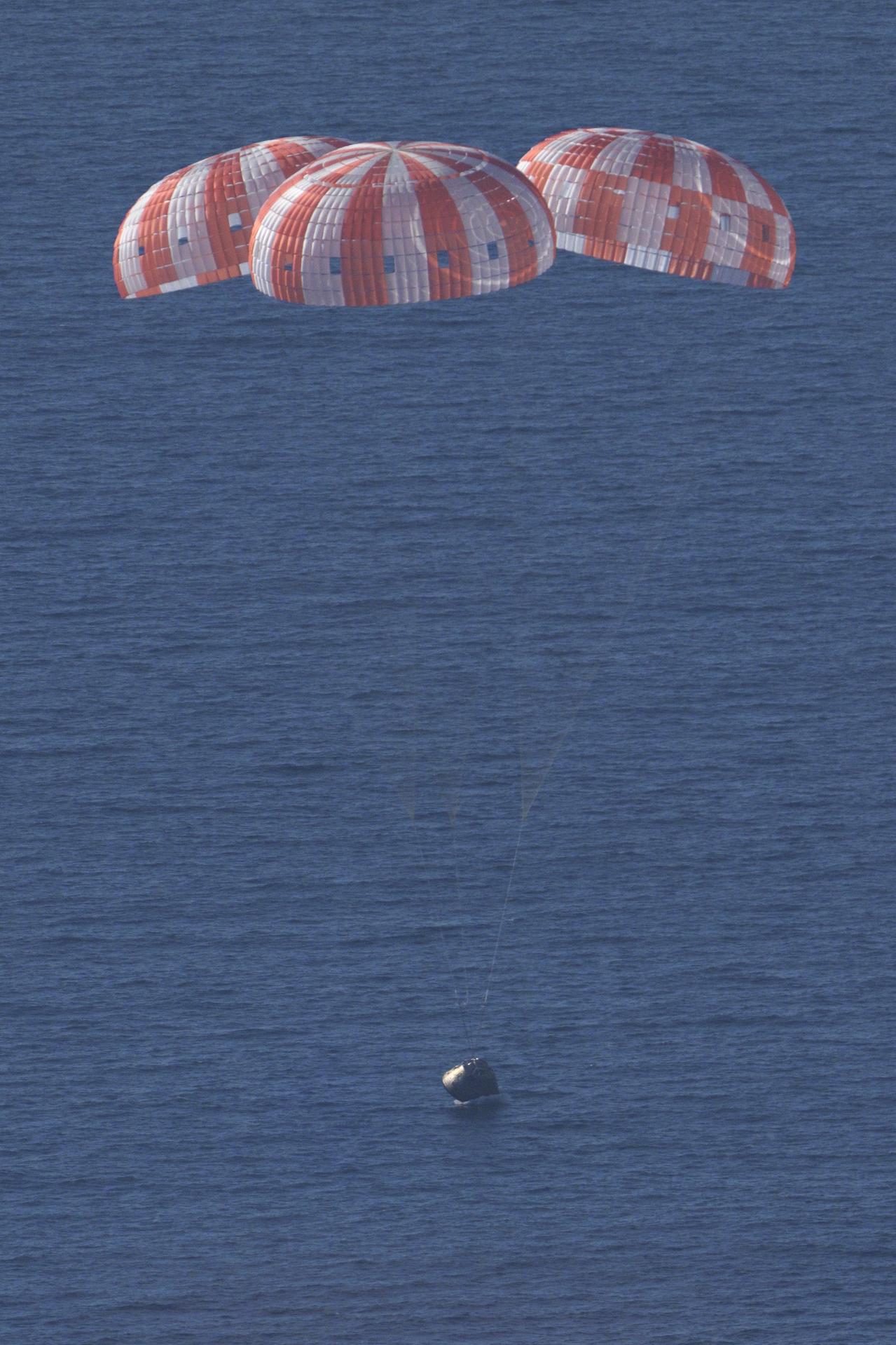
NASA's Orion spacecraft carrying Artemis II Commander Reid Wiseman, Pilot Victor Glover, and Mission Specialist Christina Koch from NASA, along with Mission Specialist Jeremy Hansen from the CSA (Canadian Space Agency), splashes down in the Pacific Ocean near San Diego, California, at 5:07 p.m. PDT, (8:07 p.m. EDT) on Friday, April 10, 2026. The Artemis II test flight launched on Wednesday, April 1, from NASA’s Kennedy Space Center in Florida to begin its 10-day journey around the Moon for scientific discovery, economic benefits, and to build on our foundation for the first crewed missions to Mars. NASA’s Landing and Recovery team and the U.S. military are coordinating efforts to extract the Artemis II crew from the Orion spacecraft.
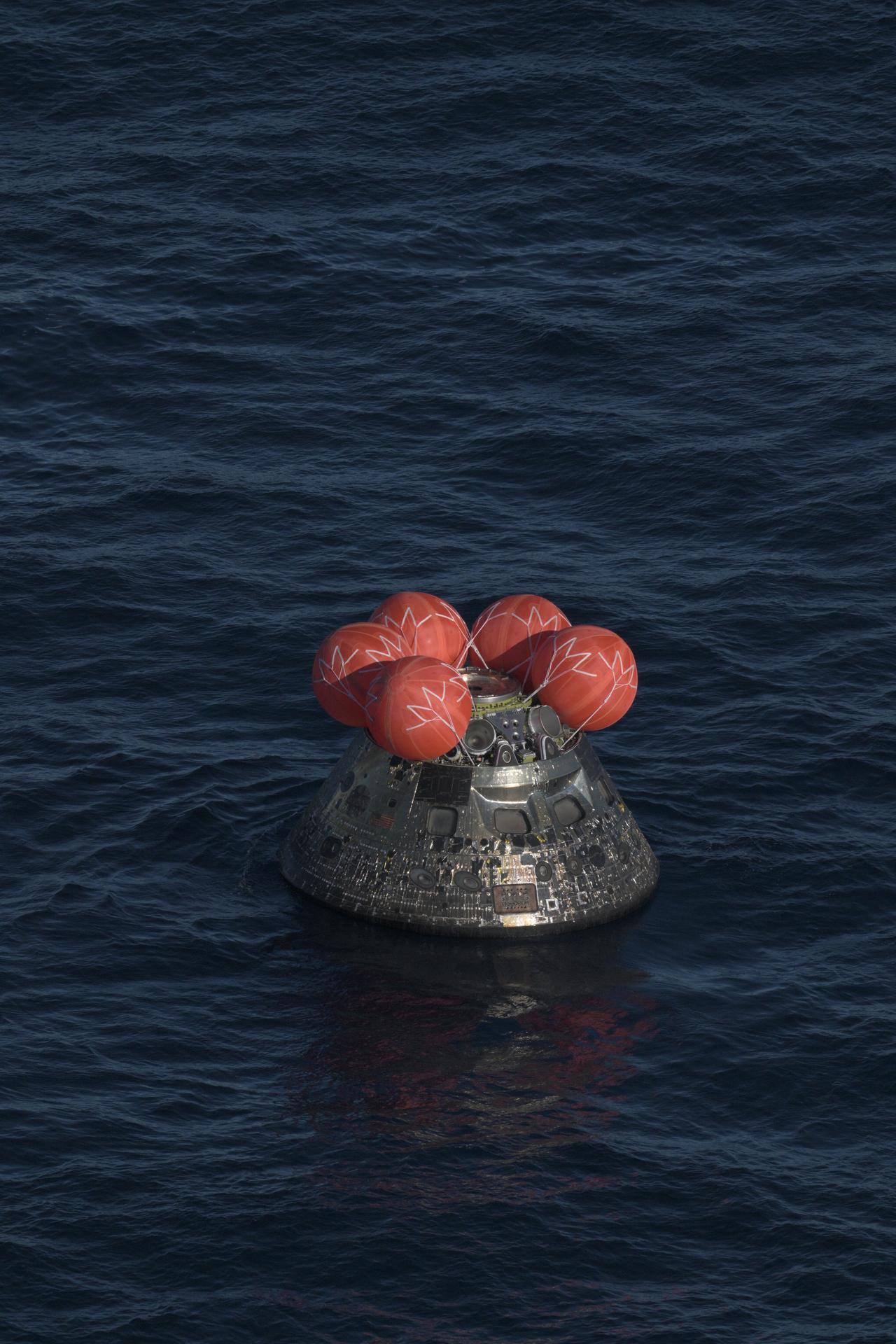
NASA's Orion spacecraft carrying Artemis II Commander Reid Wiseman, Pilot Victor Glover, and Mission Specialist Christina Koch from NASA, along with Mission Specialist Jeremy Hansen from the CSA (Canadian Space Agency), splashes down in the Pacific Ocean near San Diego, California, at 5:07 p.m. PDT, (8:07 p.m. EDT) on Friday, April 10, 2026. The Artemis II test flight launched on Wednesday, April 1, from NASA’s Kennedy Space Center in Florida to begin its 10-day journey around the Moon for scientific discovery, economic benefits, and to build on our foundation for the first crewed missions to Mars. NASA’s Landing and Recovery team and the U.S. military are coordinating efforts to extract the Artemis II crew from the Orion spacecraft.
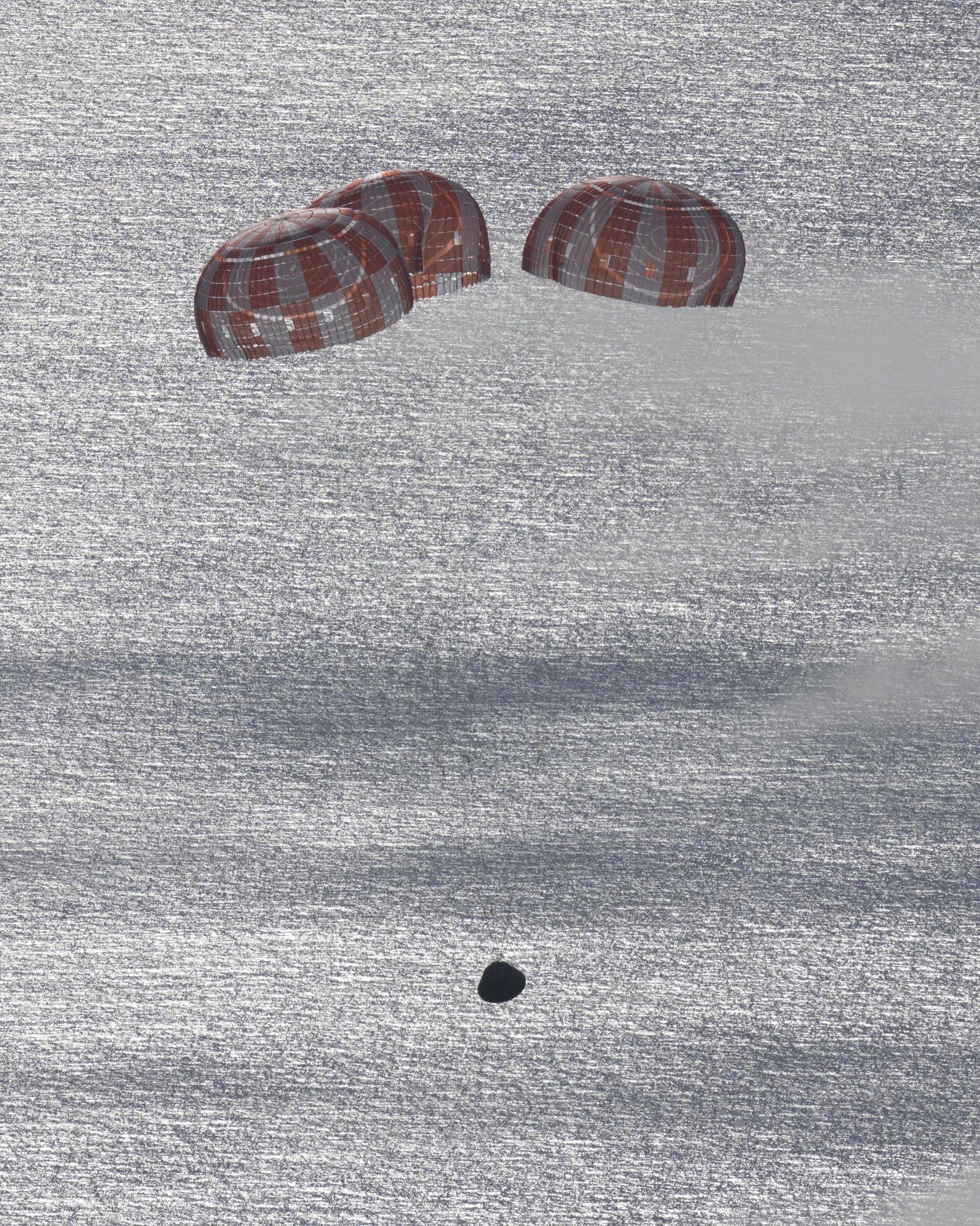
NASA's Orion spacecraft carrying Artemis II Commander Reid Wiseman, Pilot Victor Glover, and Mission Specialist Christina Koch from NASA, along with Mission Specialist Jeremy Hansen from the CSA (Canadian Space Agency), splashes down in the Pacific Ocean near San Diego, California, at 5:07 p.m. PDT, (8:07 p.m. EDT) on Friday, April 10, 2026. The Artemis II test flight launched on Wednesday, April 1, from NASA’s Kennedy Space Center in Florida to begin its 10-day journey around the Moon for scientific discovery, economic benefits, and to build on our foundation for the first crewed missions to Mars. NASA’s Landing and Recovery team and the U.S. military are coordinating efforts to extract the Artemis II crew from the Orion spacecraft.
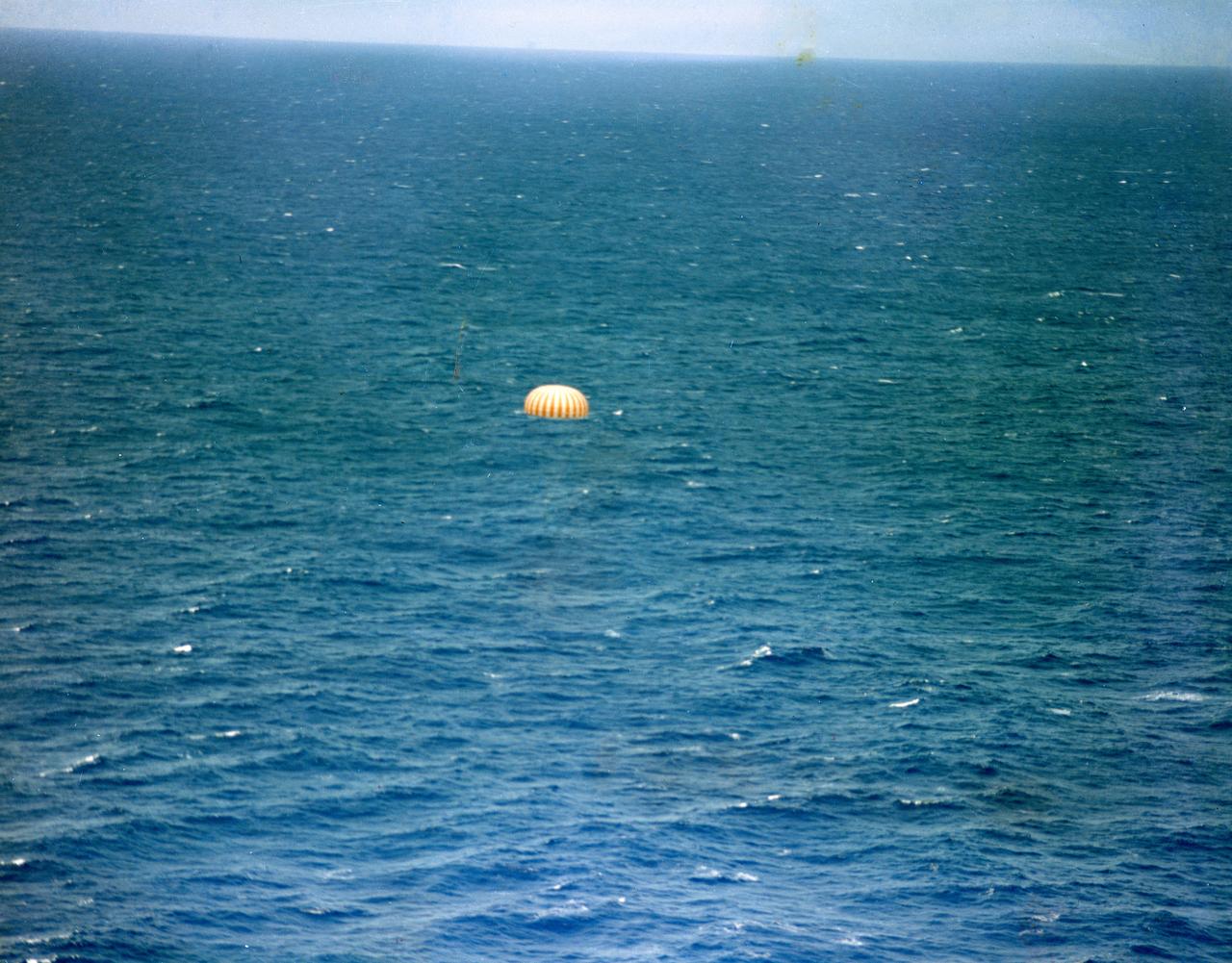
S63-09630 (16 May 1963) --- The Mercury-Atlas 9 (MA-9) "Faith 7" spacecraft, with astronaut L. Gordon Cooper Jr. aboard, nears splashdown in the Pacific Ocean to conclude a 22-orbit mission lasting 34 hours and 20.5 minutes. The capsule's parachute is fully deployed in this view. Photo credit: NASA
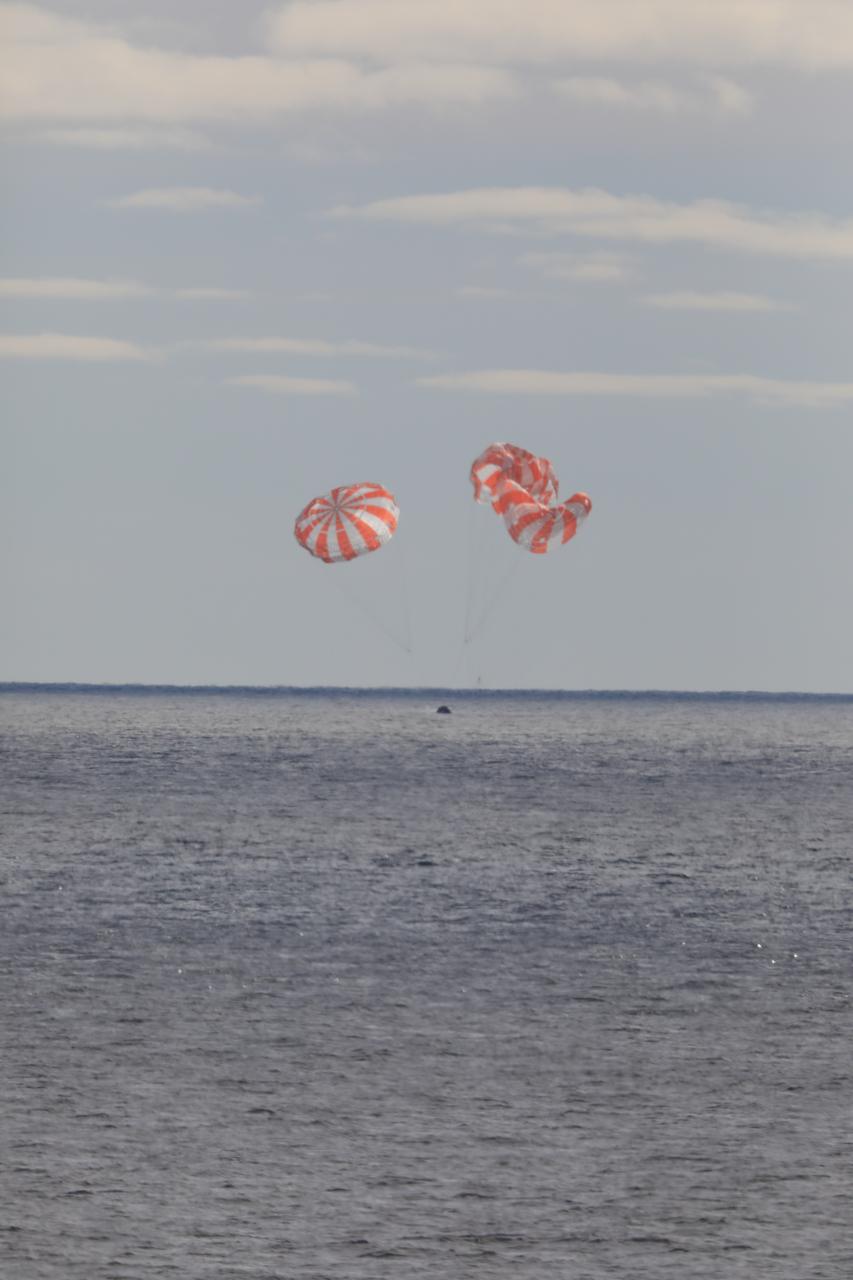
At 12:40 p.m. EST, Dec. 11, 2022, NASA’s Orion spacecraft for the Artemis I mission splashed down in the Pacific Ocean after a 25.5 day mission to the Moon. Orion will be recovered by NASA’s Landing and Recovery team, U.S. Navy and Department of Defense partners aboard the USS Portland.
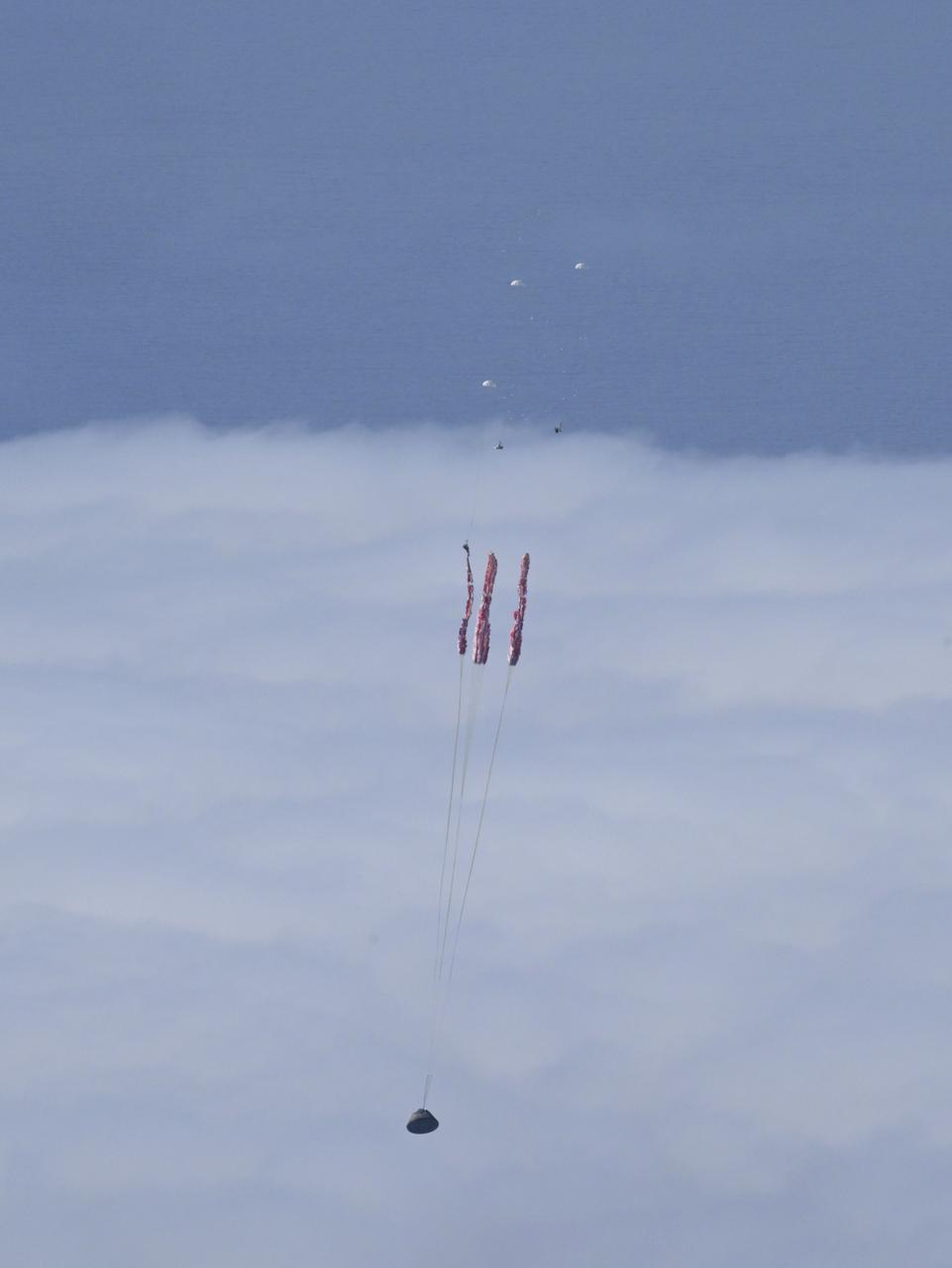
At 12:40 p.m. EST, Dec. 11, 2022, NASA’s Orion spacecraft for the Artemis I mission splashed down in the Pacific Ocean after a 25.5 day mission to the Moon. Orion will be recovered by NASA’s Landing and Recovery team, U.S. Navy and Department of Defense partners aboard the USS Portland.
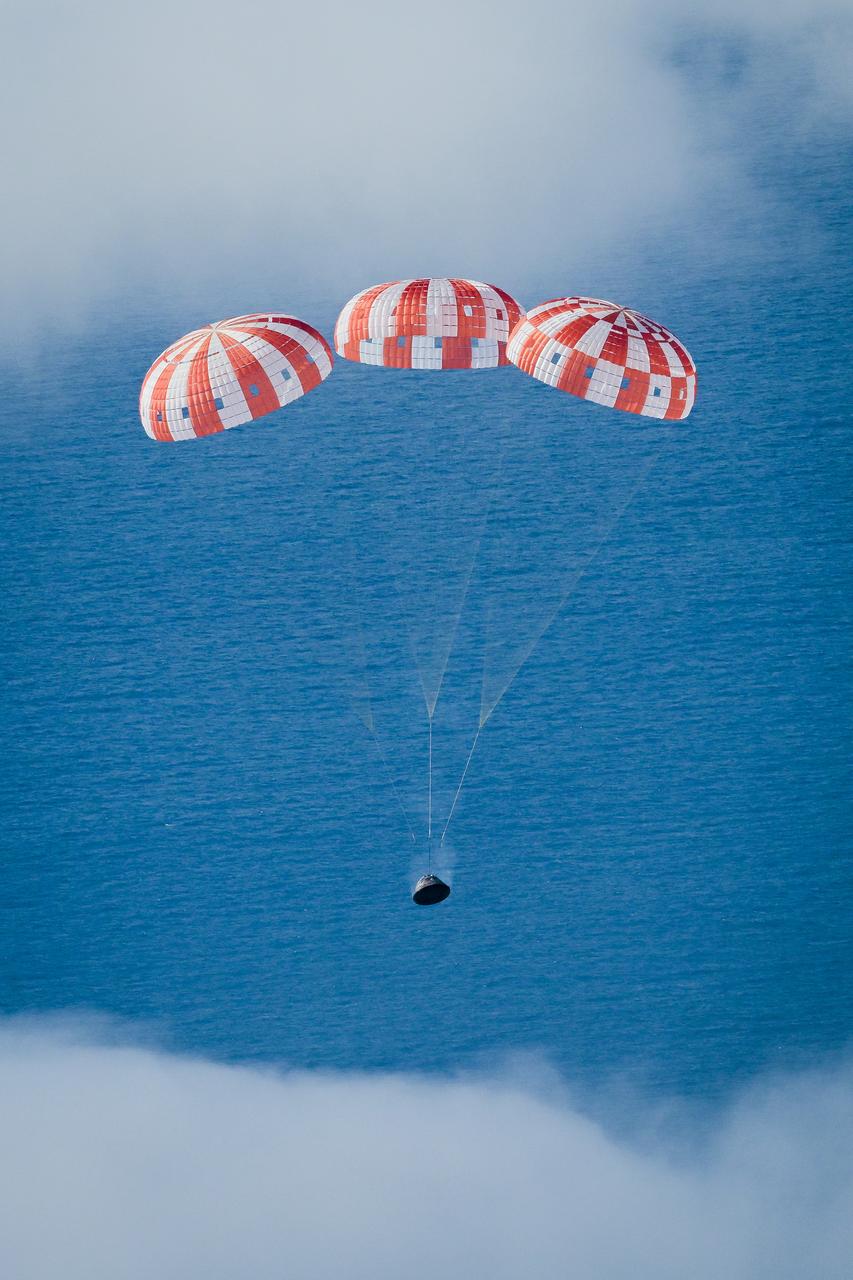
At 12:40 p.m. EST, Dec. 11, 2022, NASA’s Orion spacecraft for the Artemis I mission splashed down in the Pacific Ocean after a 25.5 day mission to the Moon. Orion will be recovered by NASA’s Landing and Recovery team, U.S. Navy and Department of Defense partners aboard the USS Portland.
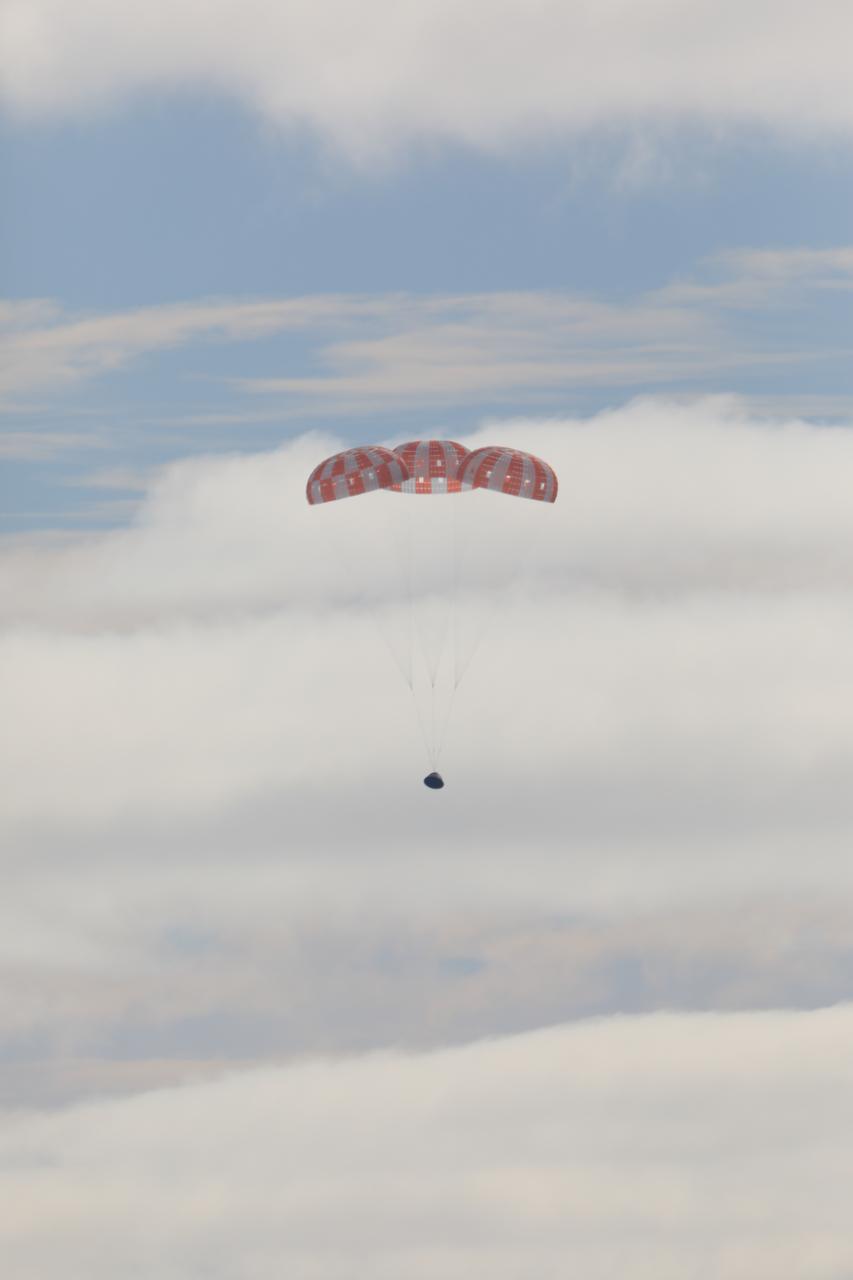
At 12:40 p.m. EST, Dec. 11, 2022, NASA’s Orion spacecraft for the Artemis I mission splashed down in the Pacific Ocean after a 25.5 day mission to the Moon. Orion will be recovered by NASA’s Landing and Recovery team, U.S. Navy and Department of Defense partners aboard the USS Portland.
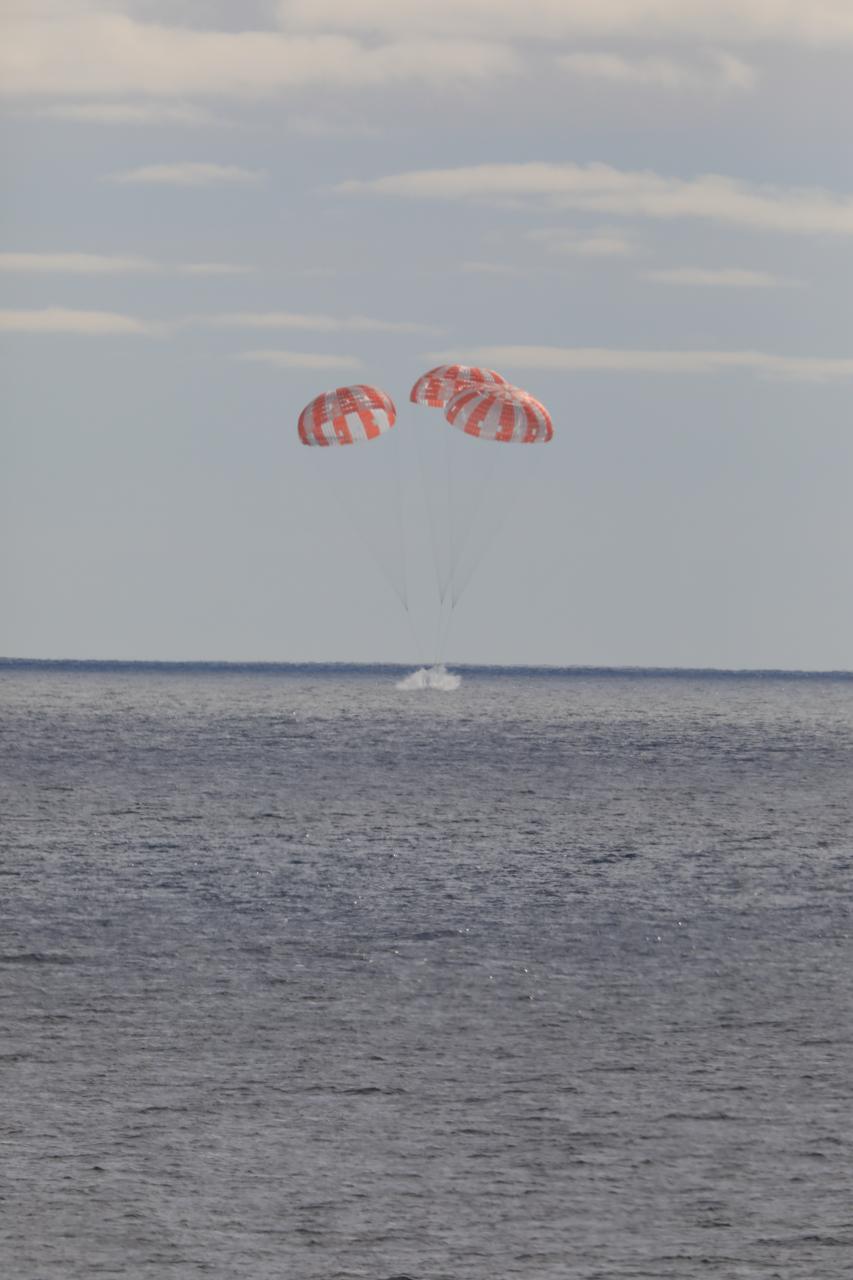
At 12:40 p.m. EST, Dec. 11, 2022, NASA’s Orion spacecraft for the Artemis I mission splashed down in the Pacific Ocean after a 25.5 day mission to the Moon. Orion will be recovered by NASA’s Landing and Recovery team, U.S. Navy and Department of Defense partners aboard the USS Portland.
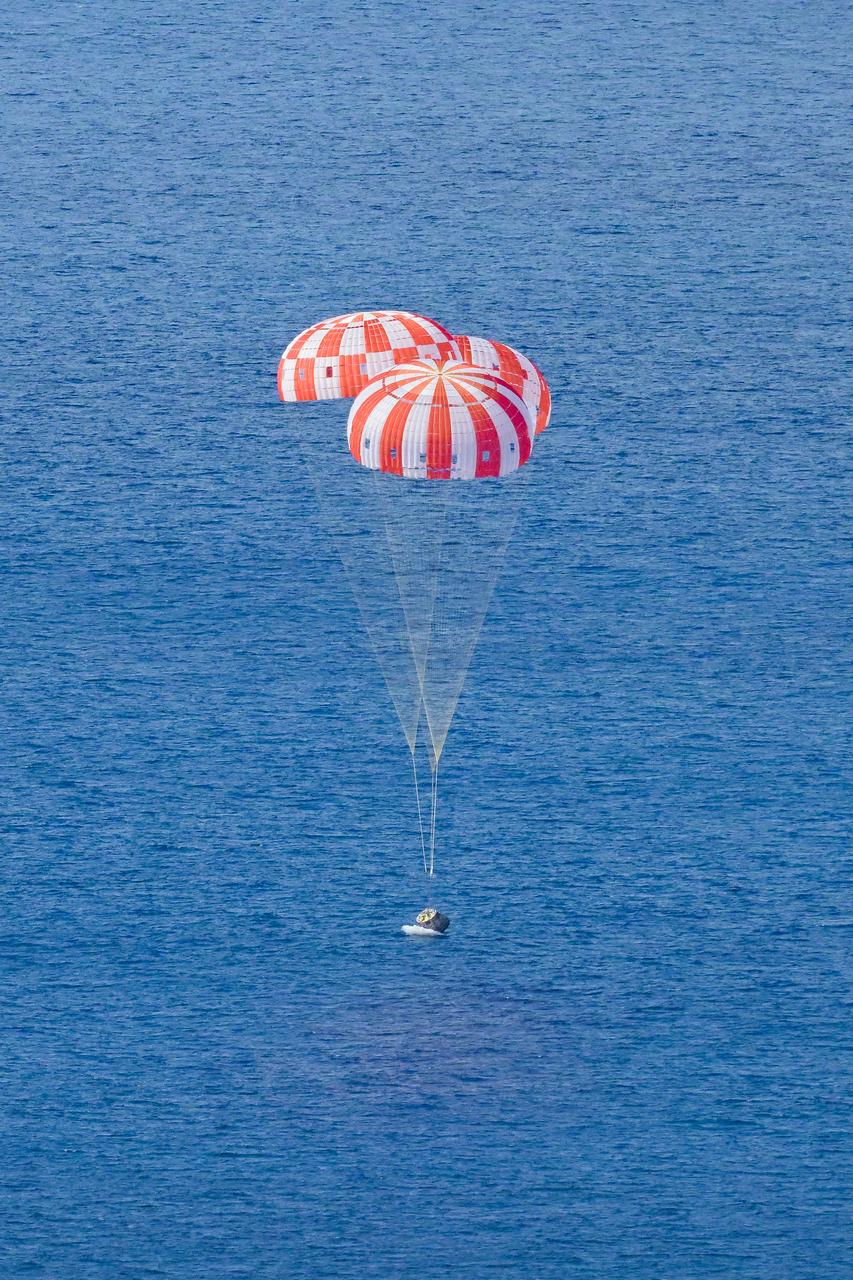
At 12:40 p.m. EST, Dec. 11, 2022, NASA’s Orion spacecraft for the Artemis I mission splashed down in the Pacific Ocean after a 25.5 day mission to the Moon. Orion will be recovered by NASA’s Landing and Recovery team, U.S. Navy and Department of Defense partners aboard the USS Portland.
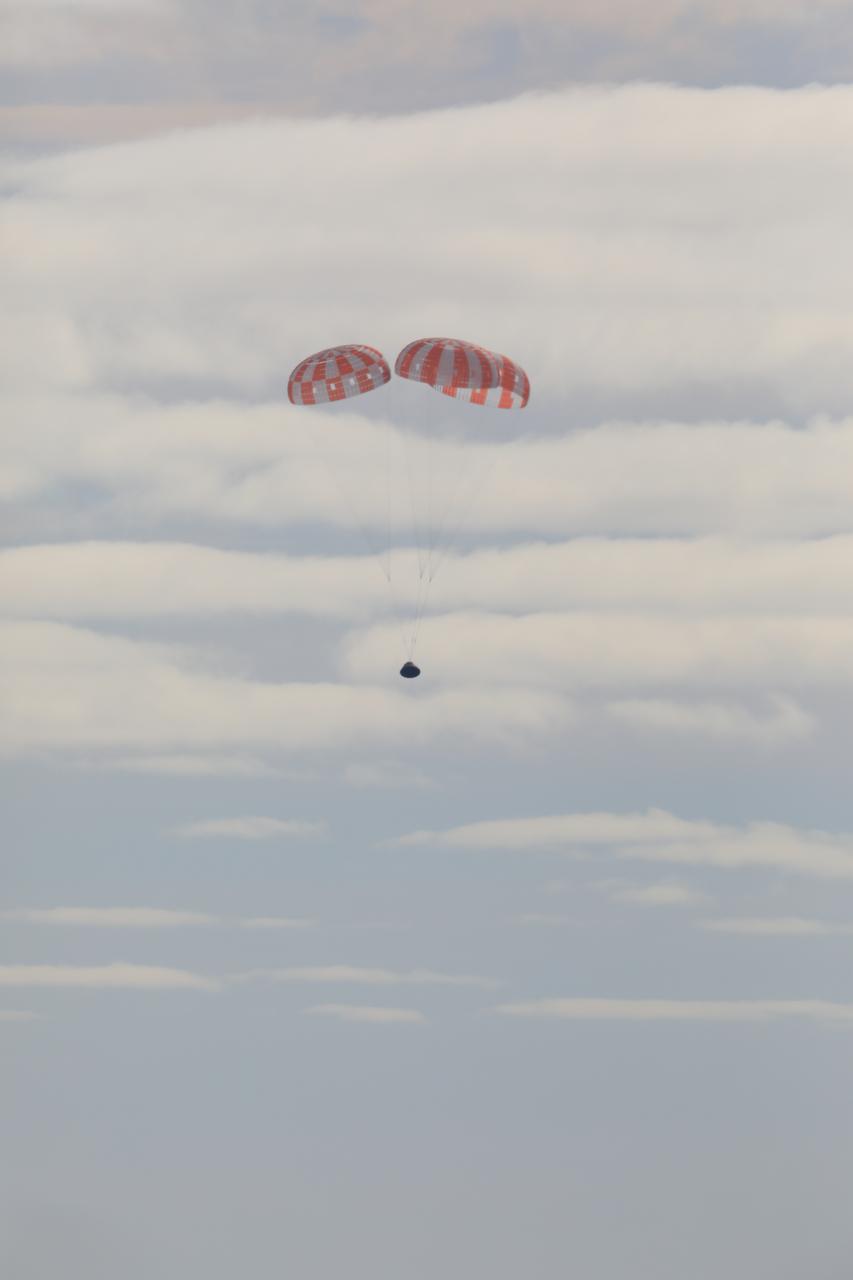
At 12:40 p.m. EST, Dec. 11, 2022, NASA’s Orion spacecraft for the Artemis I mission splashed down in the Pacific Ocean after a 25.5 day mission to the Moon. Orion will be recovered by NASA’s Landing and Recovery team, U.S. Navy and Department of Defense partners aboard the USS Portland.

At 12:40 p.m. EST, Dec. 11, 2022, NASA’s Orion spacecraft for the Artemis I mission splashed down in the Pacific Ocean after a 25.5 day mission to the Moon. Orion will be recovered by NASA’s Landing and Recovery team, U.S. Navy and Department of Defense partners aboard the USS Portland.
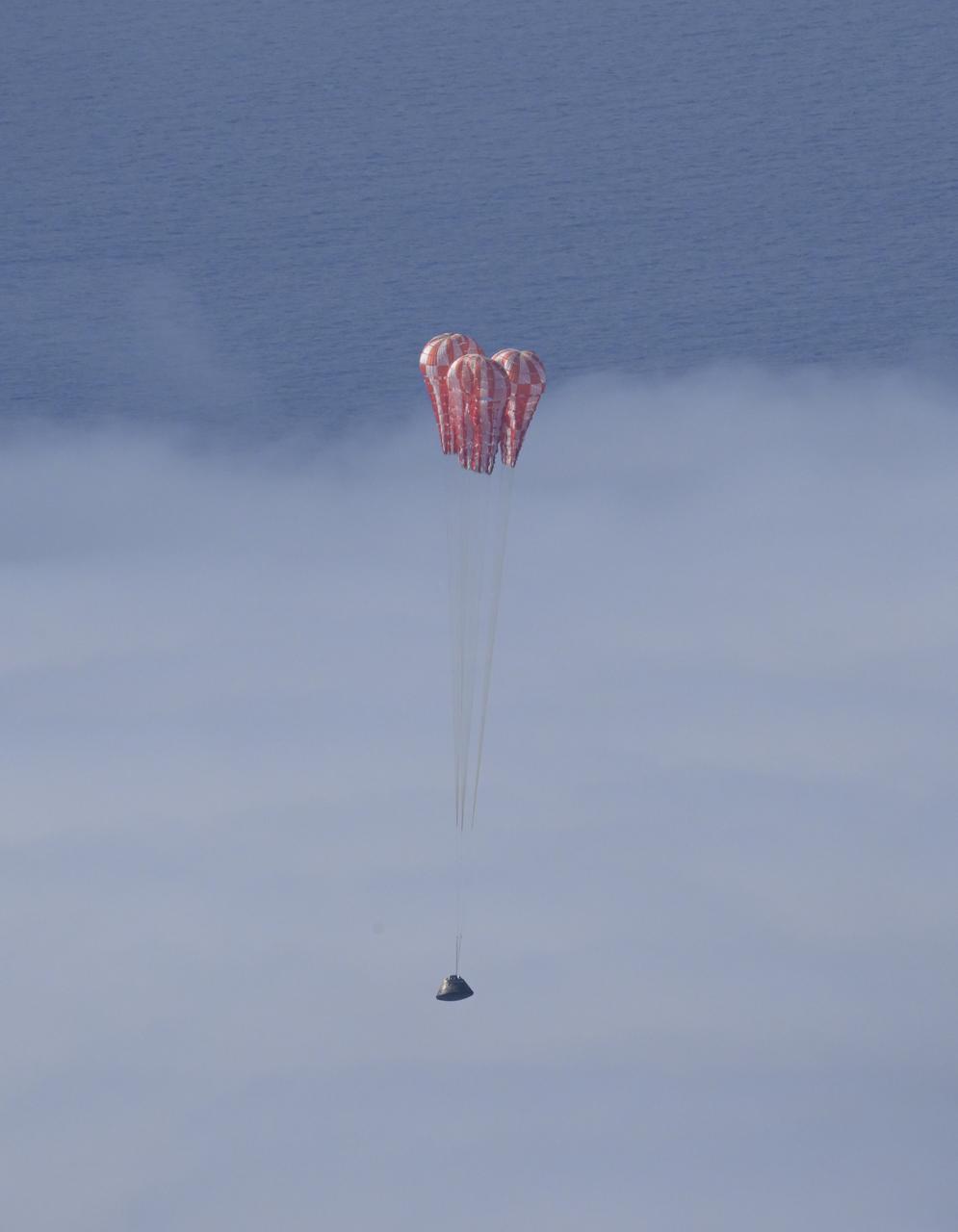
At 12:40 p.m. EST, Dec. 11, 2022, NASA’s Orion spacecraft for the Artemis I mission splashed down in the Pacific Ocean after a 25.5 day mission to the Moon. Orion will be recovered by NASA’s Landing and Recovery team, U.S. Navy and Department of Defense partners aboard the USS Portland.
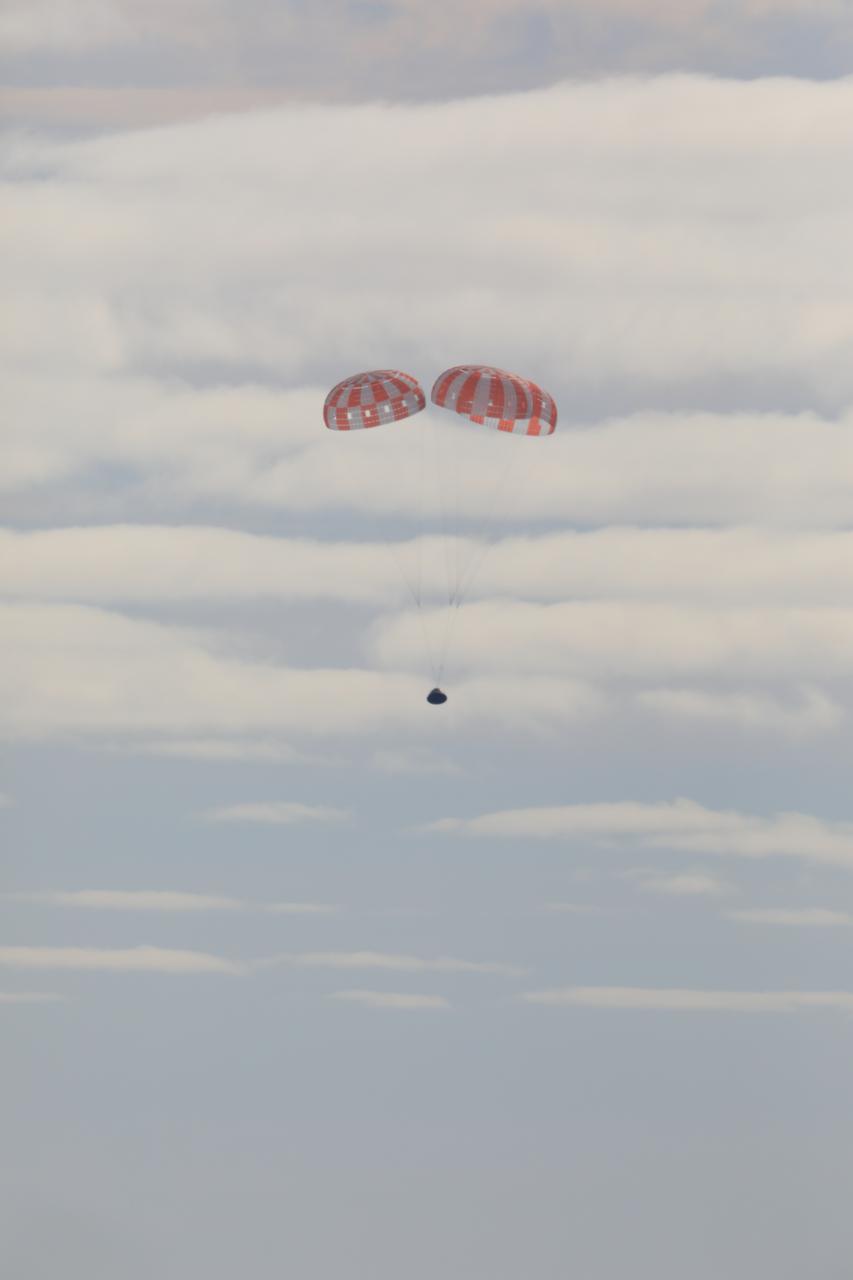
At 12:40 p.m. EST, Dec. 11, 2022, NASA’s Orion spacecraft for the Artemis I mission splashed down in the Pacific Ocean after a 25.5 day mission to the Moon. Orion will be recovered by NASA’s Landing and Recovery team, U.S. Navy and Department of Defense partners aboard the USS Portland.
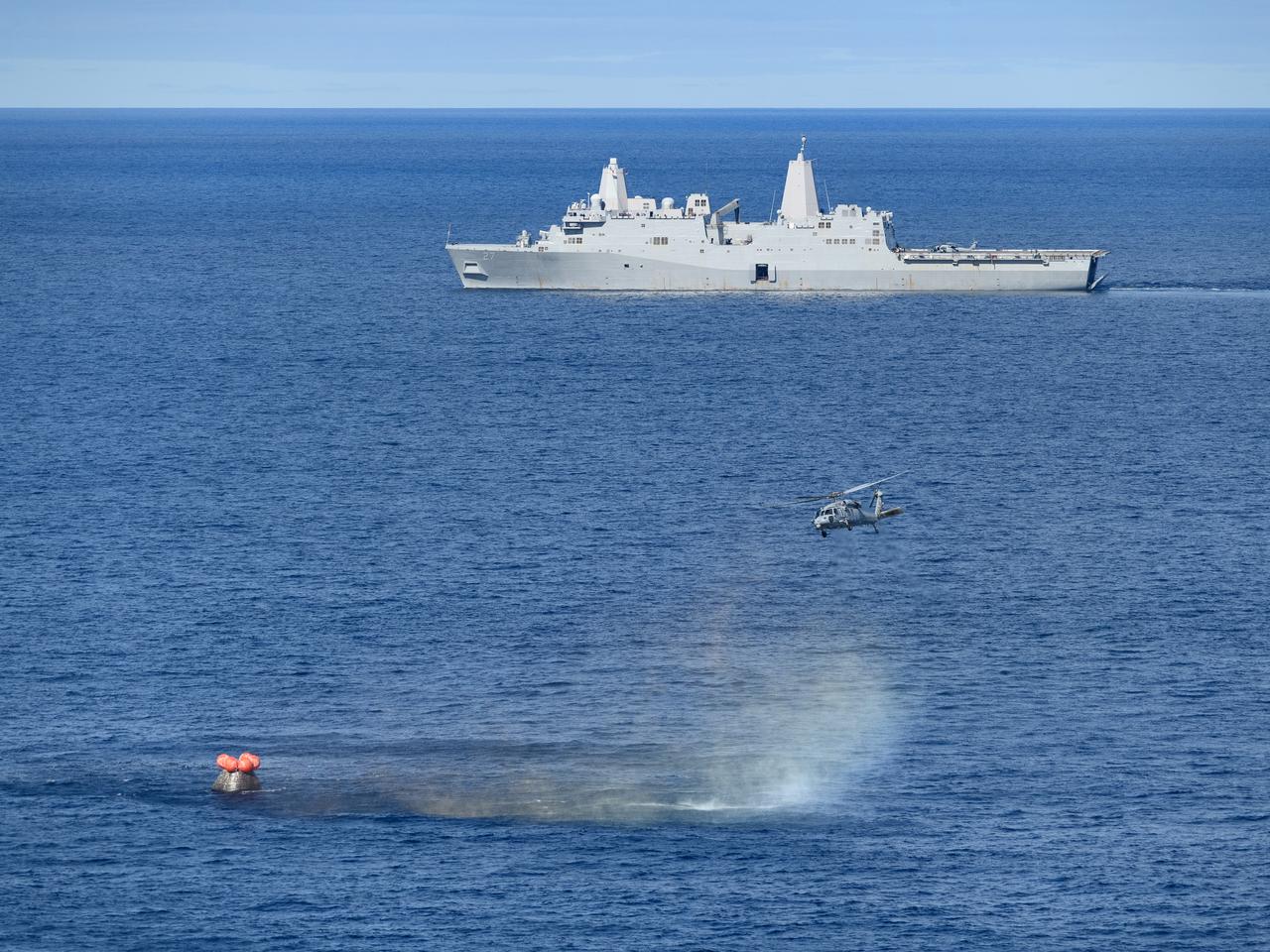
At 12:40 p.m. EST, Dec. 11, 2022, NASA’s Orion spacecraft for the Artemis I mission splashed down in the Pacific Ocean with the USS Portland seen in the distance after a 25.5 day mission to the Moon. Orion will be recovered by NASA’s Landing and Recovery team, U.S. Navy and Department of Defense partners aboard the USS Portland.
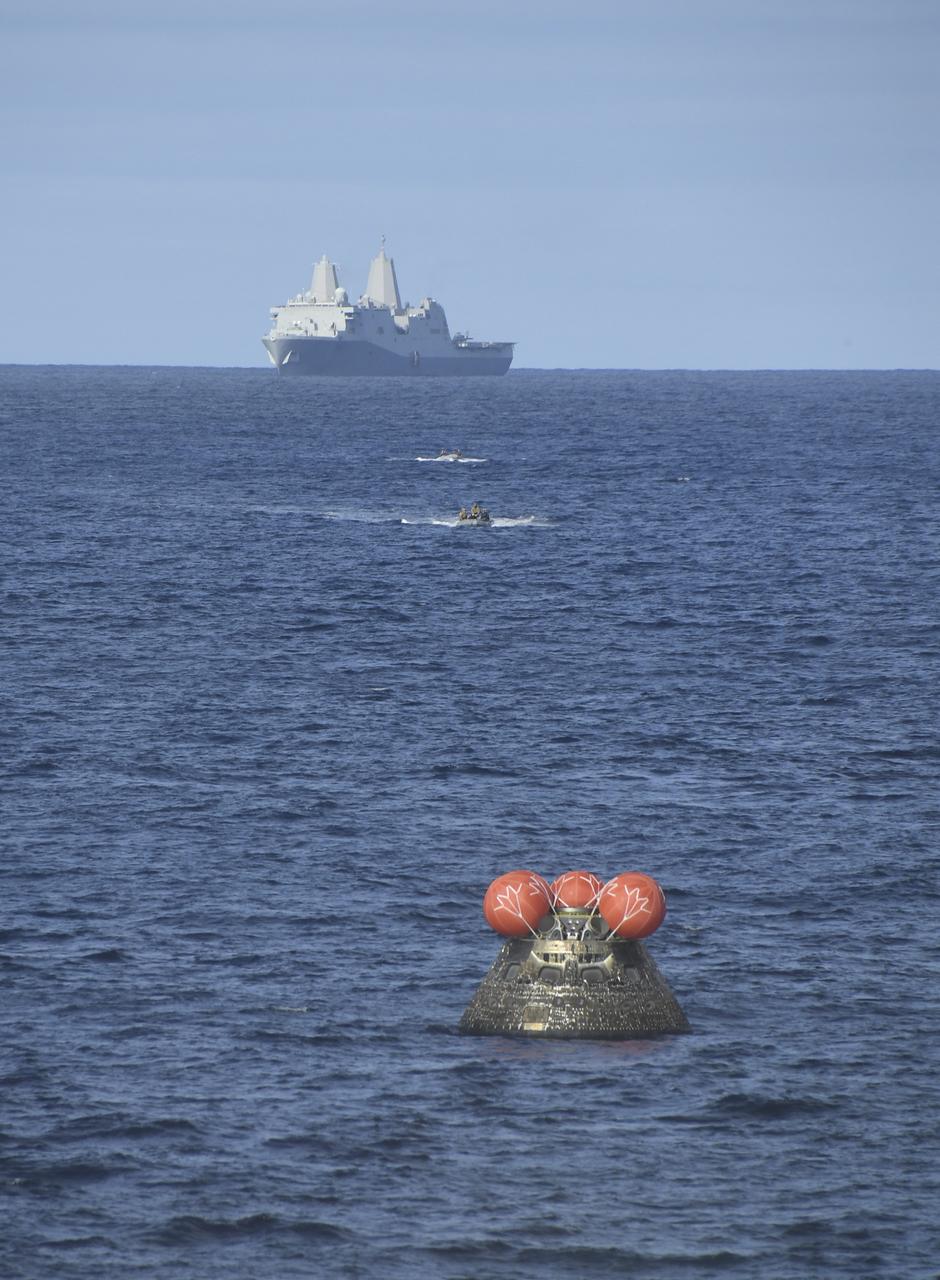
At 12:40 p.m. EST, Dec. 11, 2022, NASA’s Orion spacecraft for the Artemis I mission splashed down in the Pacific Ocean with the USS Portland seen in the distance after a 25.5 day mission to the Moon. Orion will be recovered by NASA’s Landing and Recovery team, U.S. Navy and Department of Defense partners aboard the USS Portland.
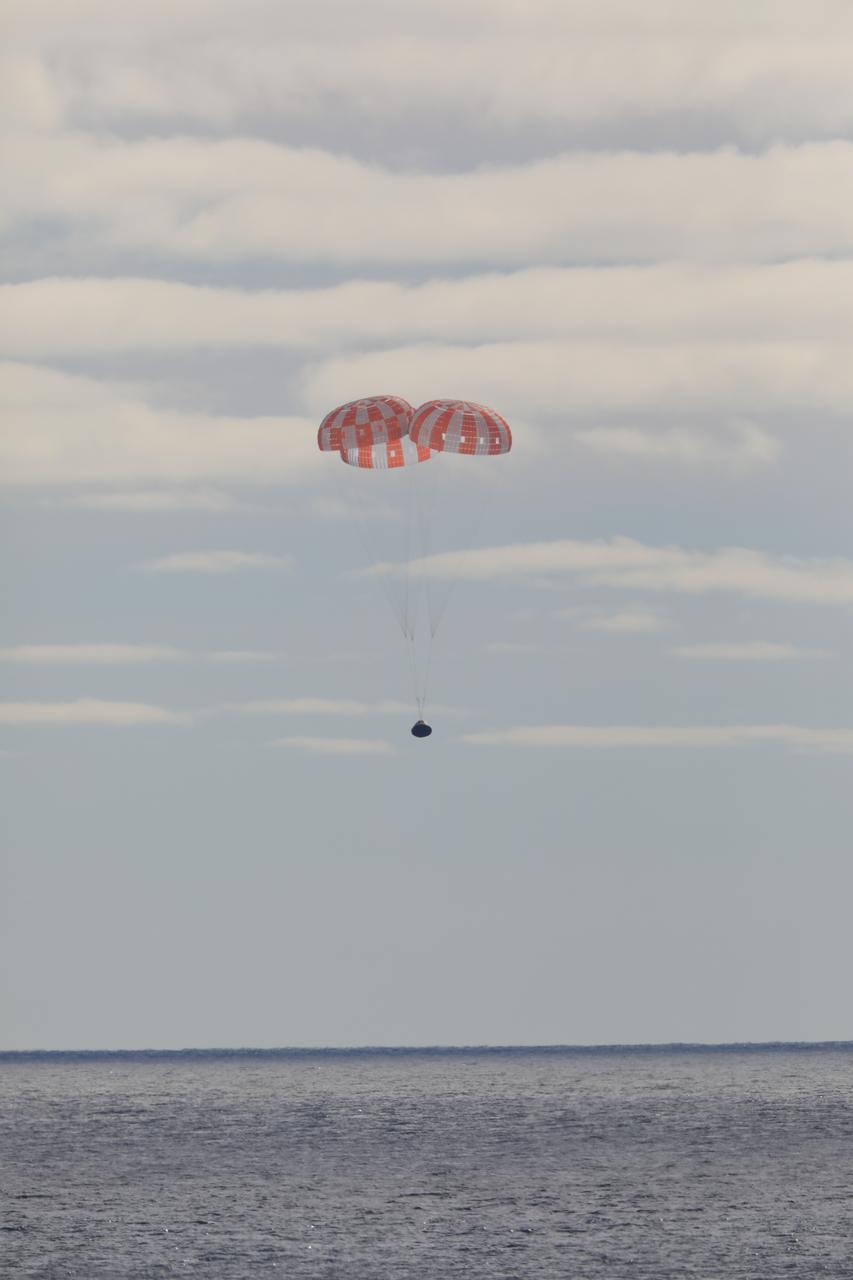
At 12:40 p.m. EST, Dec. 11, 2022, NASA’s Orion spacecraft for the Artemis I mission splashed down in the Pacific Ocean after a 25.5 day mission to the Moon. Orion will be recovered by NASA’s Landing and Recovery team, U.S. Navy and Department of Defense partners aboard the USS Portland.
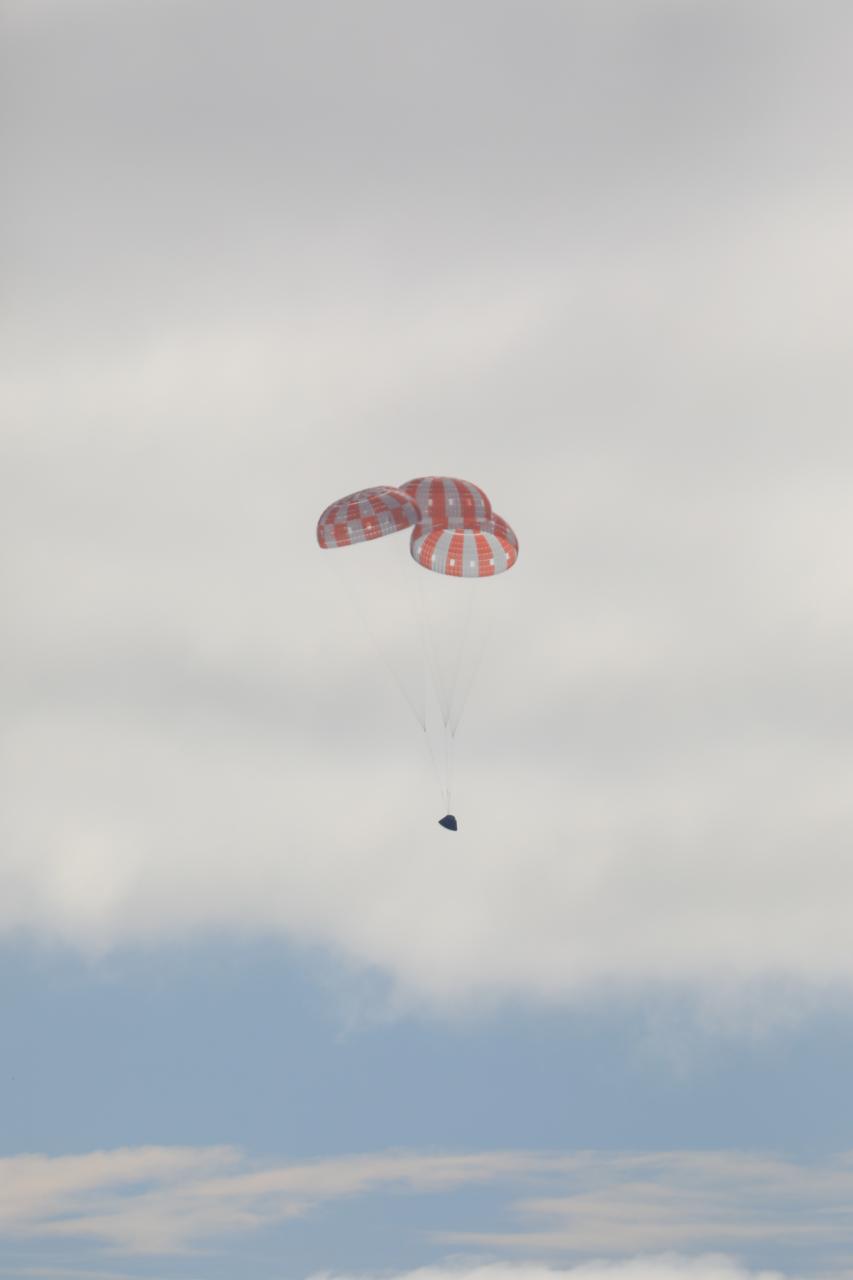
At 12:40 p.m. EST, Dec. 11, 2022, NASA’s Orion spacecraft for the Artemis I mission splashed down in the Pacific Ocean after a 25.5 day mission to the Moon. Orion will be recovered by NASA’s Landing and Recovery team, U.S. Navy and Department of Defense partners aboard the USS Portland.
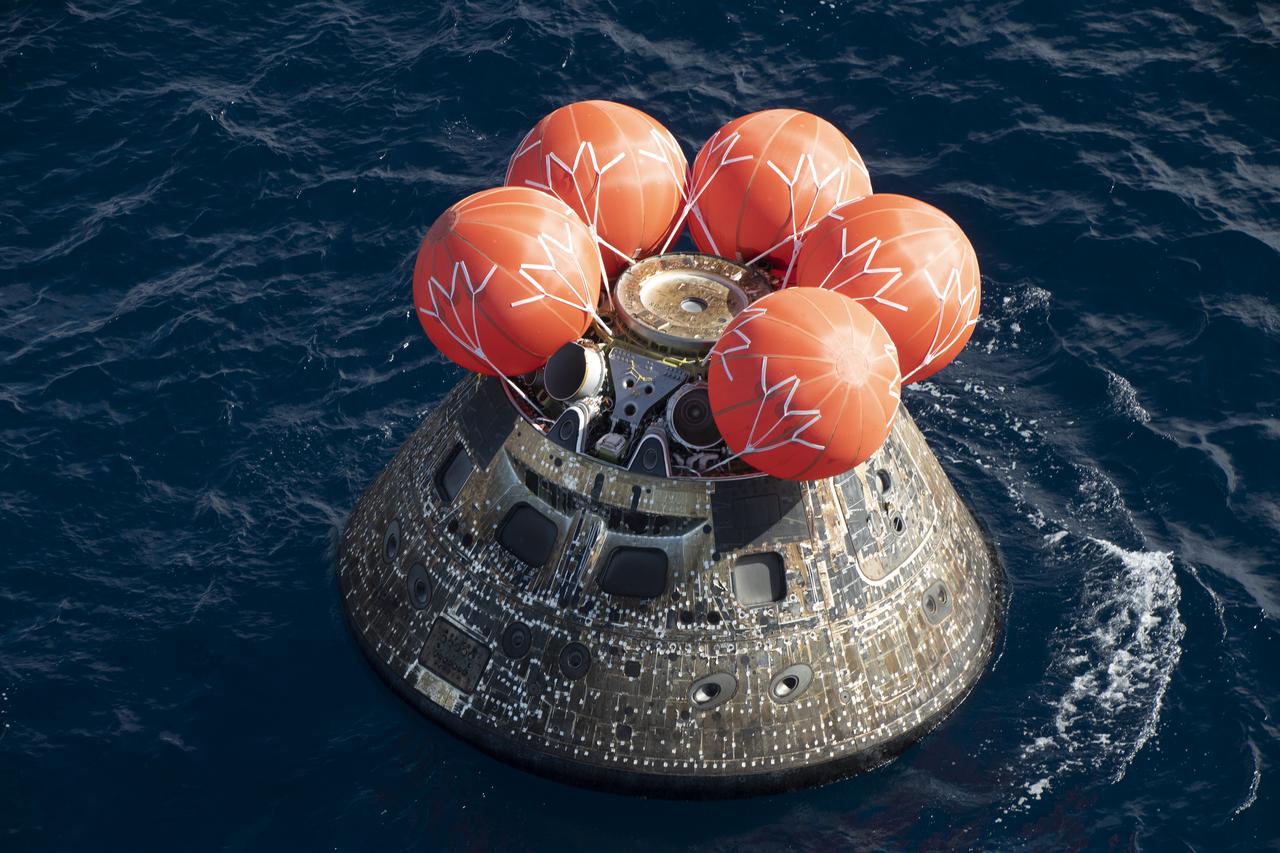
At 12:40 p.m. EST, Dec. 11, 2022, NASA’s Orion spacecraft for the Artemis I mission splashed down in the Pacific Ocean after a 25.5 day mission to the Moon. Orion will be recovered by NASA’s Landing and Recovery team, U.S. Navy and Department of Defense partners aboard the USS Portland.
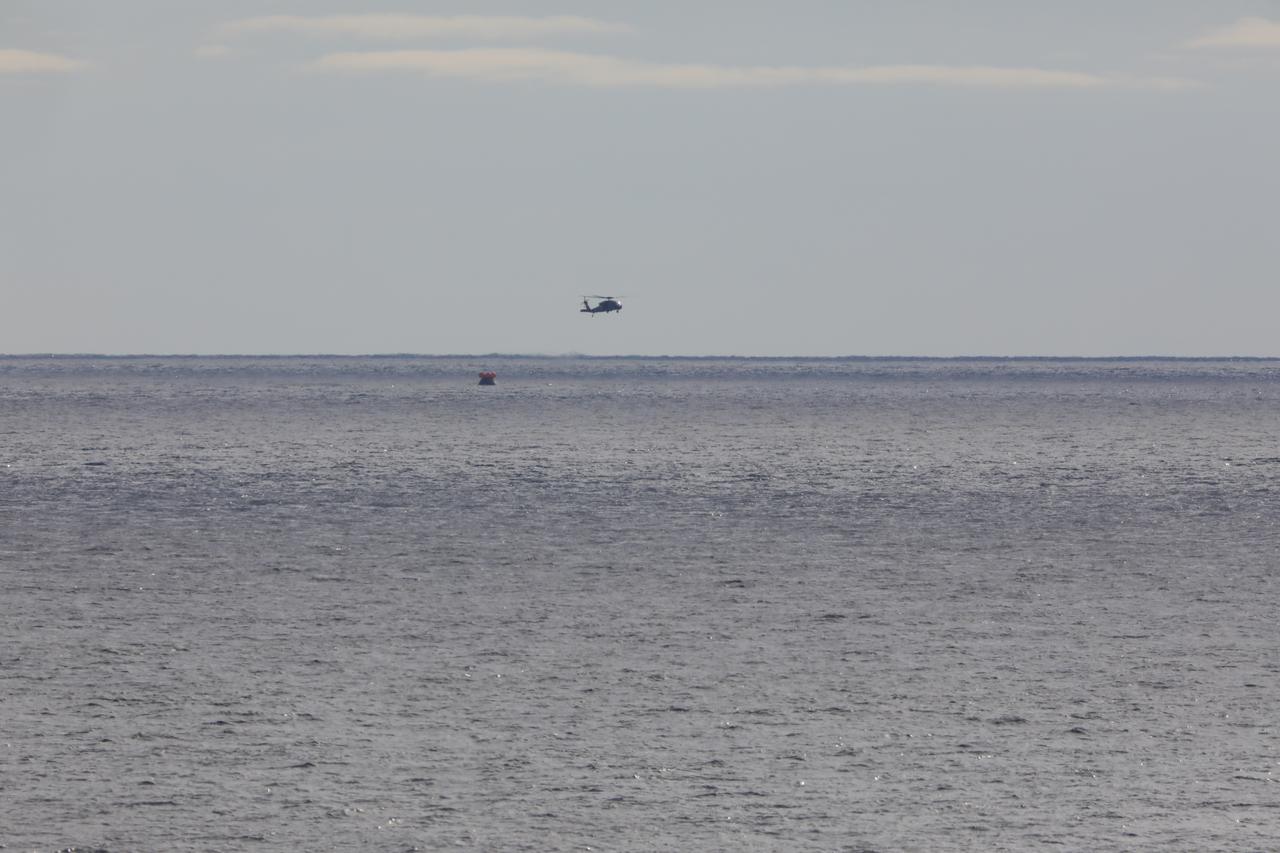
Helicopters and Navy divers surround NASA’s Orion spacecraft after it splashed down at 12:40 p.m. EST Dec. 11, 2022 in the Pacific Ocean after a 25.5 day mission to the Moon. Orion will be recovered by NASA’s Landing and Recovery team, U.S. Navy and Department of Defense partners aboard the USS Portland.
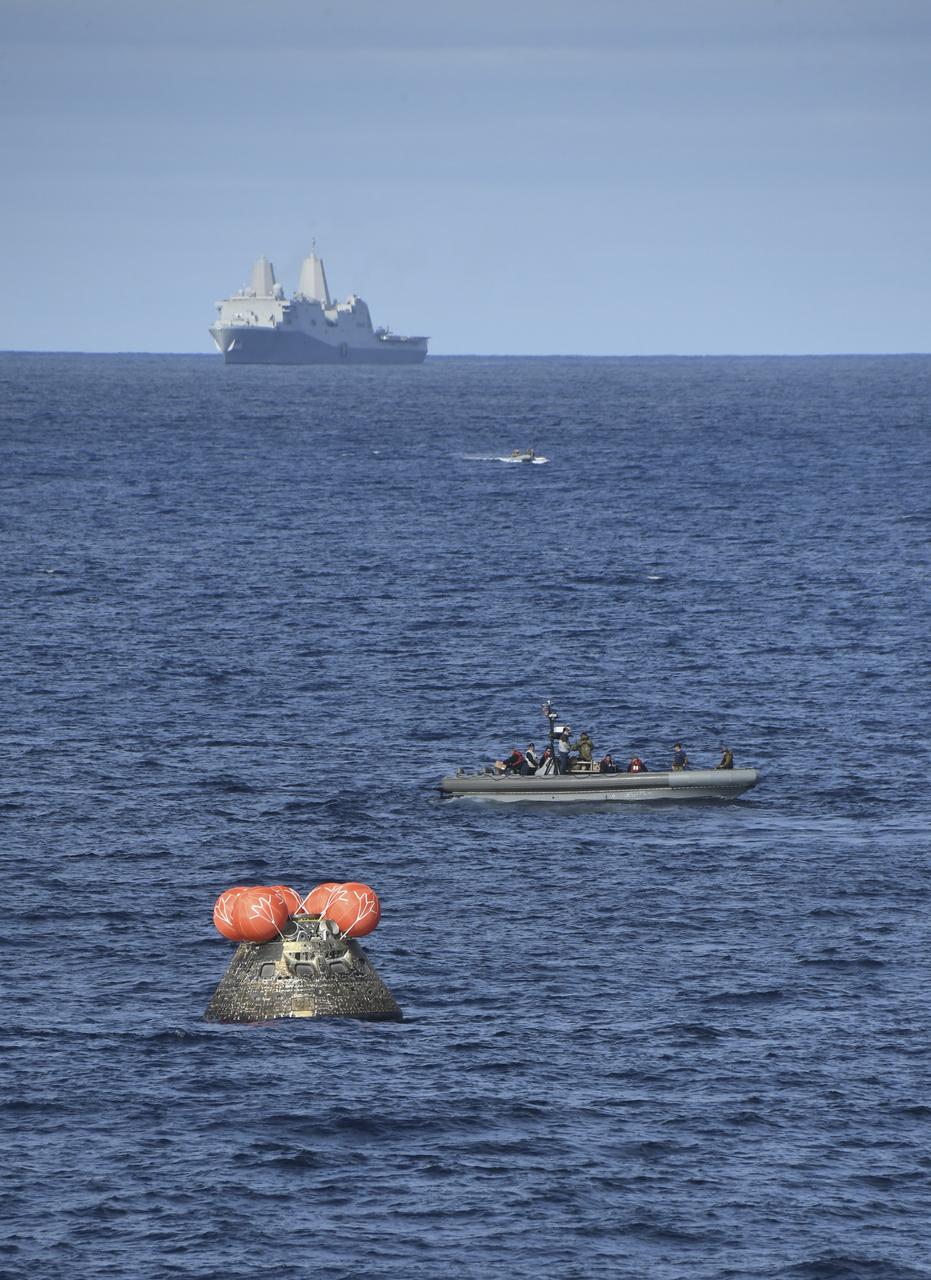
At 12:40 p.m. EST, Dec. 11, 2022, NASA’s Orion spacecraft for the Artemis I mission splashed down in the Pacific Ocean with the USS Portland seen in the distance after a 25.5 day mission to the Moon. Orion will be recovered by NASA’s Landing and Recovery team, U.S. Navy and Department of Defense partners aboard the USS Portland.
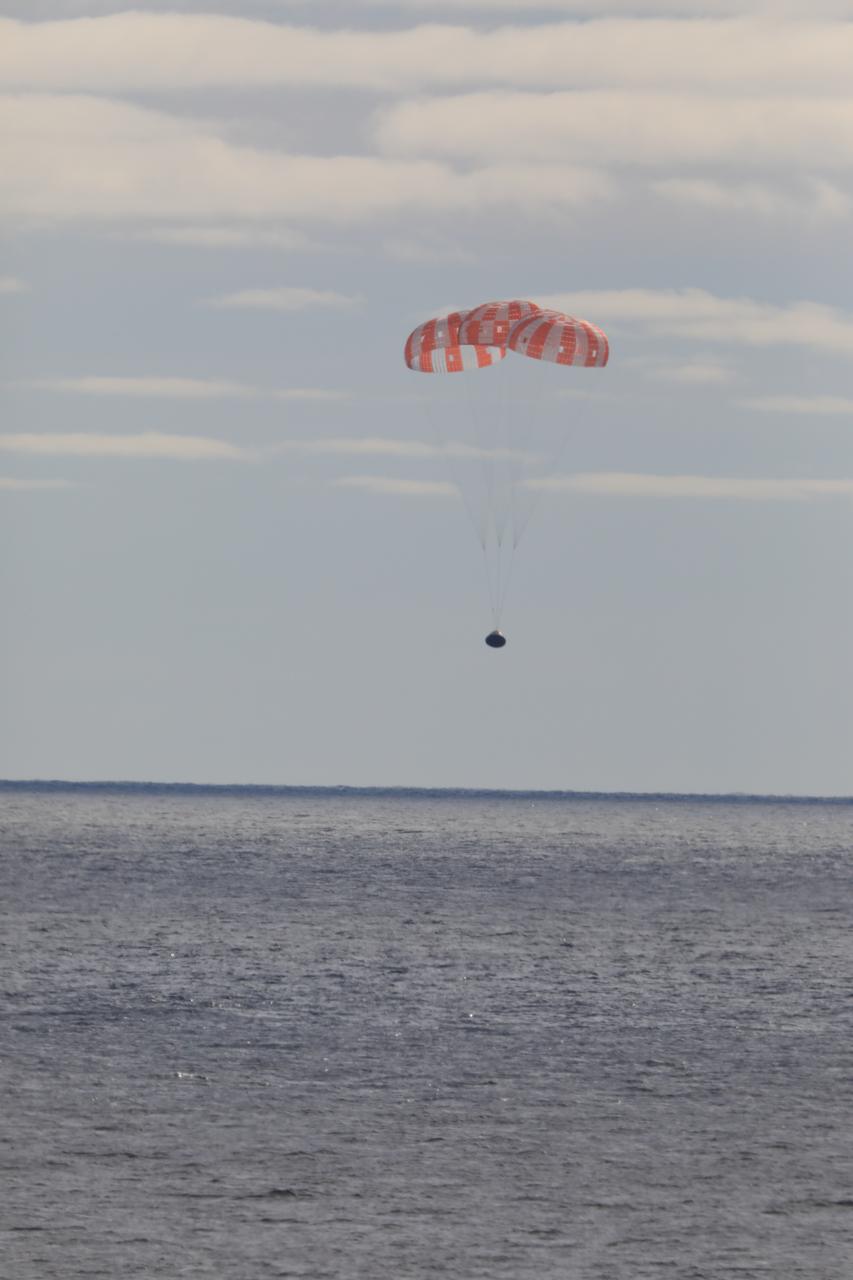
At 12:40 p.m. EST, Dec. 11, 2022, NASA’s Orion spacecraft for the Artemis I mission splashed down in the Pacific Ocean after a 25.5 day mission to the Moon. Orion will be recovered by NASA’s Landing and Recovery team, U.S. Navy and Department of Defense partners aboard the USS Portland.
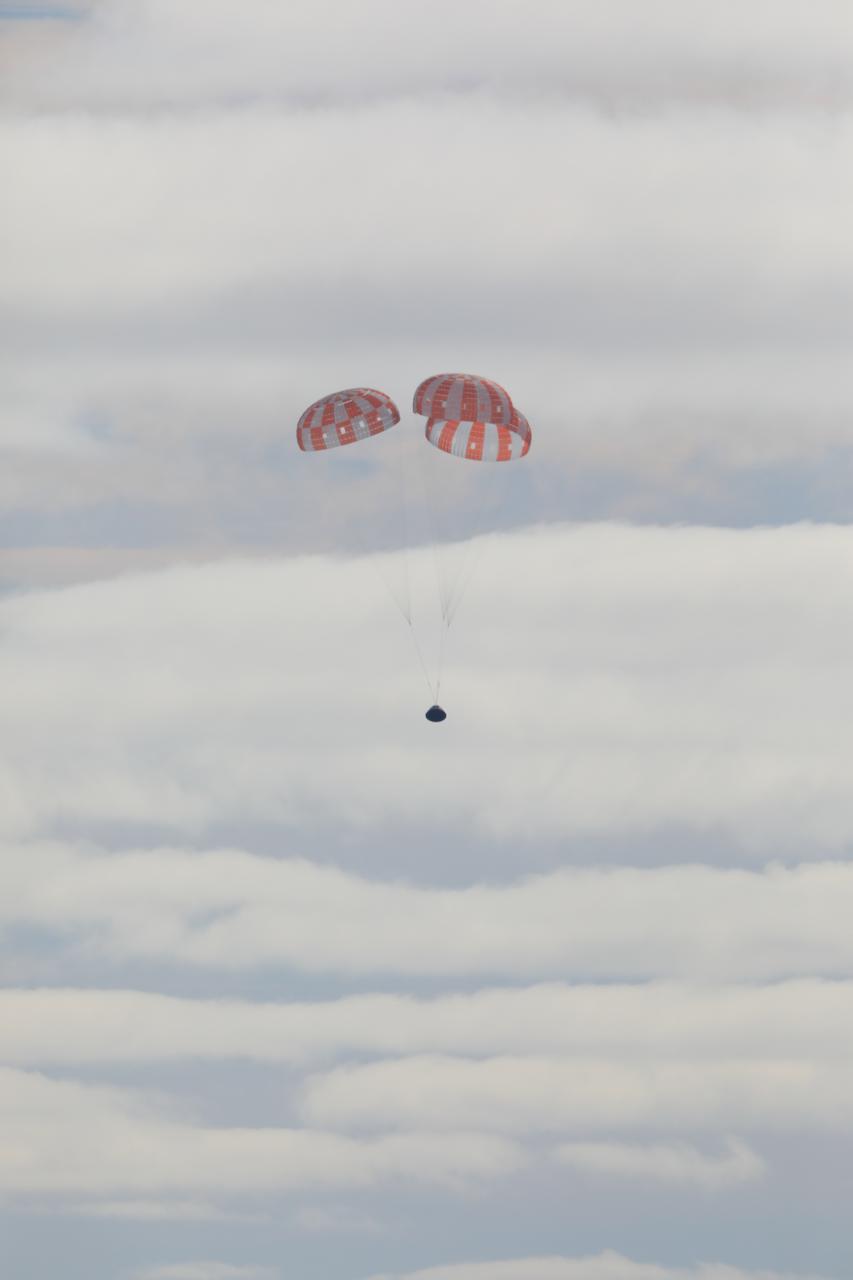
At 12:40 p.m. EST, Dec. 11, 2022, NASA’s Orion spacecraft for the Artemis I mission splashed down in the Pacific Ocean after a 25.5 day mission to the Moon. Orion will be recovered by NASA’s Landing and Recovery team, U.S. Navy and Department of Defense partners aboard the USS Portland.
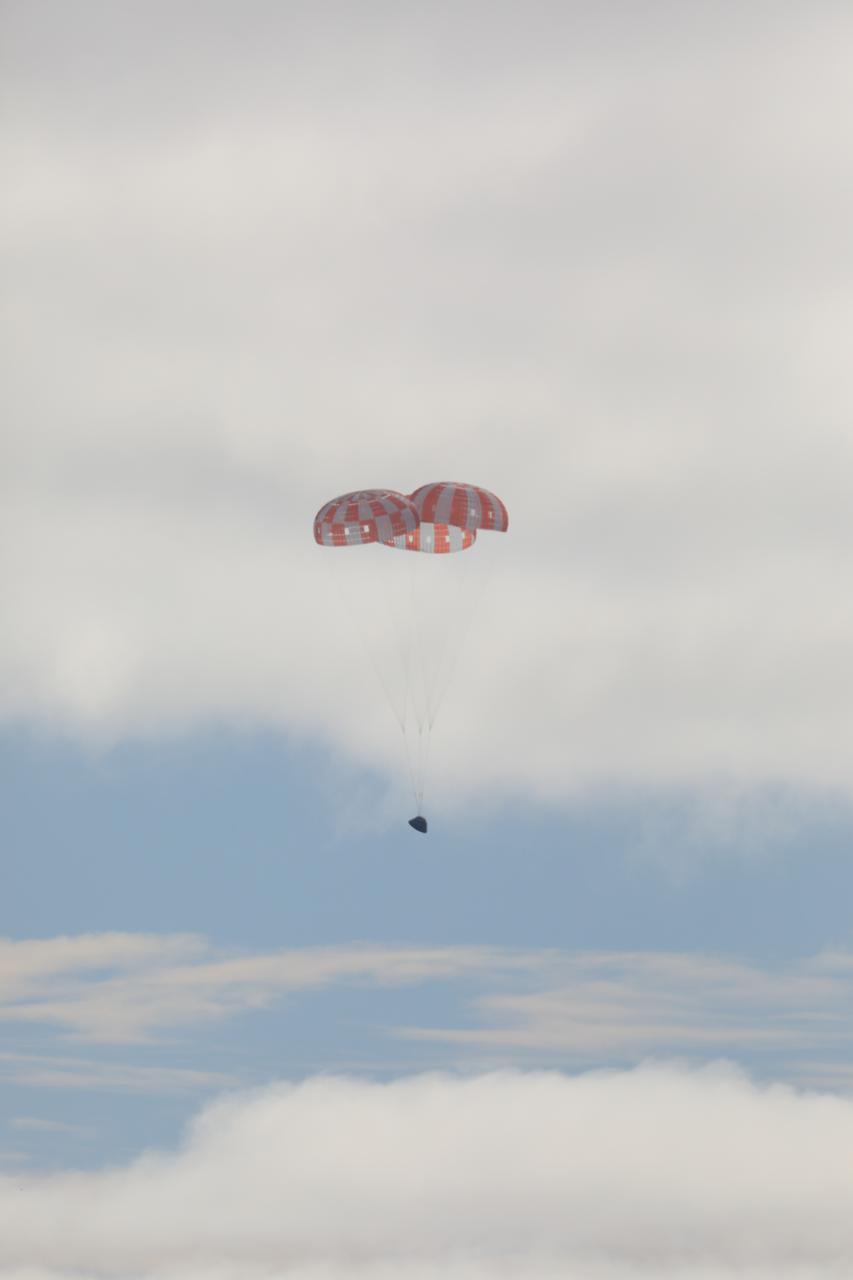
At 12:40 p.m. EST, Dec. 11, 2022, NASA’s Orion spacecraft for the Artemis I mission splashed down in the Pacific Ocean after a 25.5 day mission to the Moon. Orion will be recovered by NASA’s Landing and Recovery team, U.S. Navy and Department of Defense partners aboard the USS Portland.
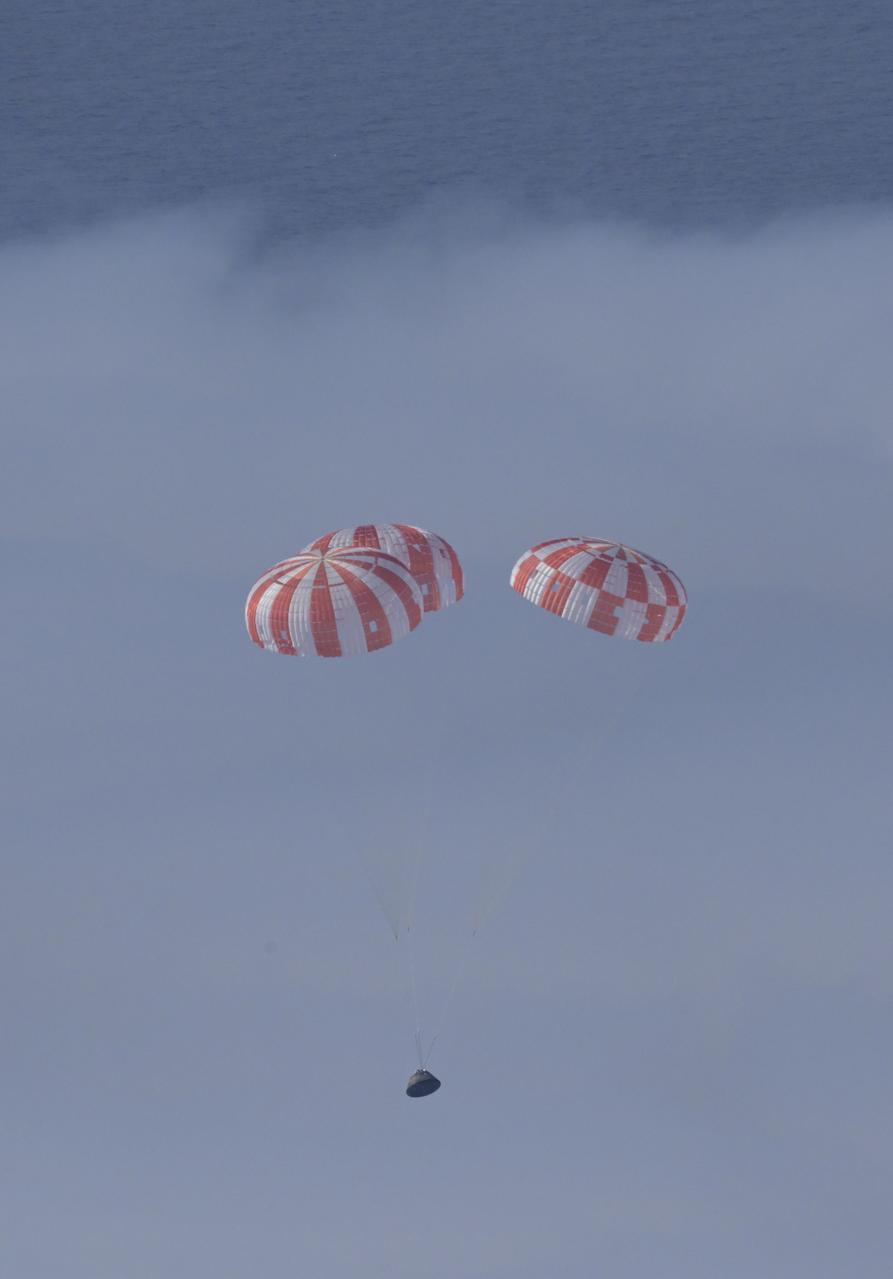
At 12:40 p.m. EST, Dec. 11, 2022, NASA’s Orion spacecraft for the Artemis I mission splashed down in the Pacific Ocean after a 25.5 day mission to the Moon. Orion will be recovered by NASA’s Landing and Recovery team, U.S. Navy and Department of Defense partners aboard the USS Portland.
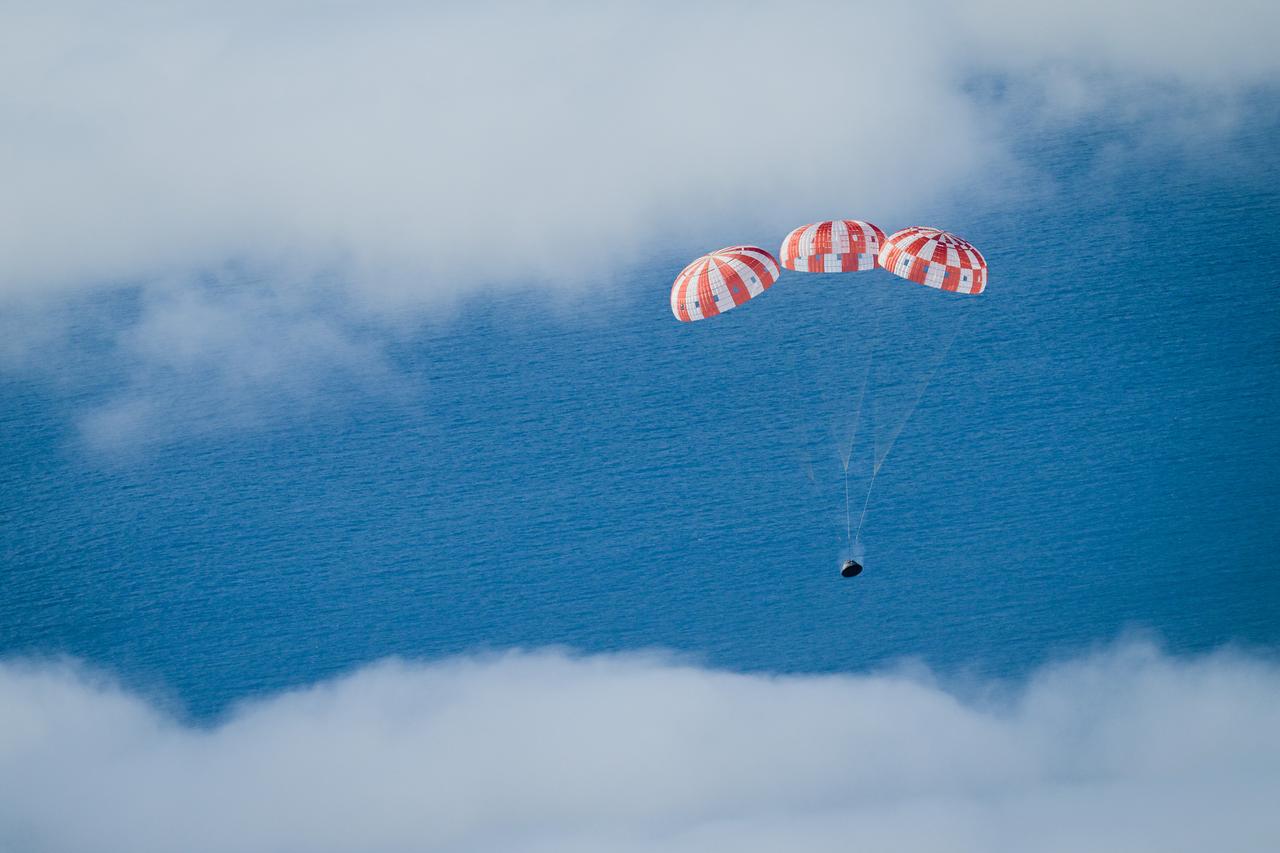
At 12:40 p.m. EST, Dec. 11, 2022, NASA’s Orion spacecraft for the Artemis I mission splashed down in the Pacific Ocean after a 25.5 day mission to the Moon. Orion will be recovered by NASA’s Landing and Recovery team, U.S. Navy and Department of Defense partners aboard the USS Portland.

NASA’s Artemis I landing and recovery director, Melissa Jones (center), NASA astronaut Shannon Walker (right), and members of the U.S. Navy and the Department of Defense celebrate NASA’s Orion spacecraft splashing down at 12:40 p.m. EST Dec. 11, 2022 in the Pacific Ocean after a 25.5 day mission to the Moon. Orion will be recovered by NASA’s Landing and Recovery team, U.S. Navy and Department of Defense partners aboard the USS Portland.
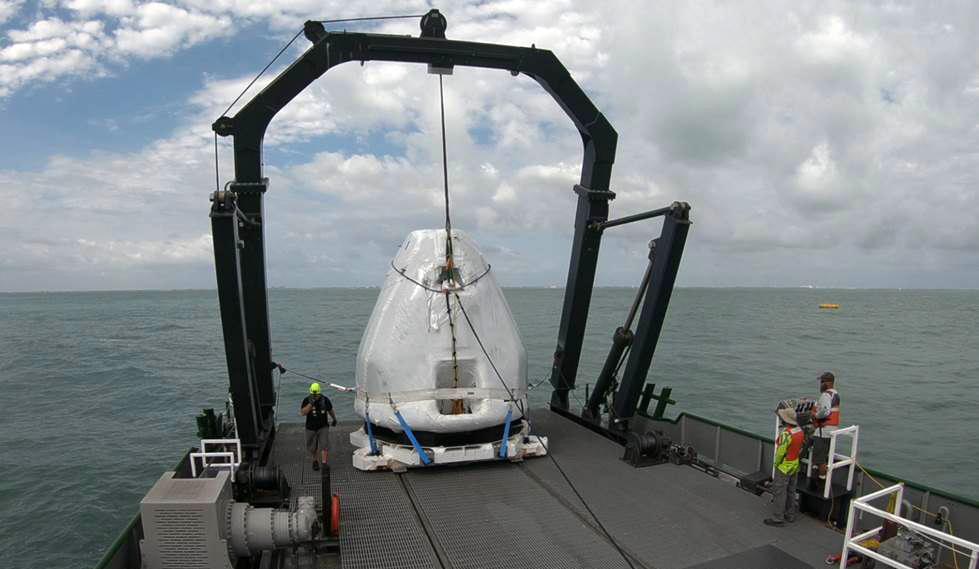
On February 28, SpaceX completed a demonstration of their ability to recover the crew and capsule after a nominal water splashdown. This marks an important recovery milestone and joint test. The timeline requirement from splashdown to crew egress onboard the ship is one hour, and the recovery team demonstrated that they can accomplish this operation under worst-case conditions in under 45 minutes. Further improvements are planned to shorten the recovery time even more as the team works to build a process that is safe, repeatable, and efficient.
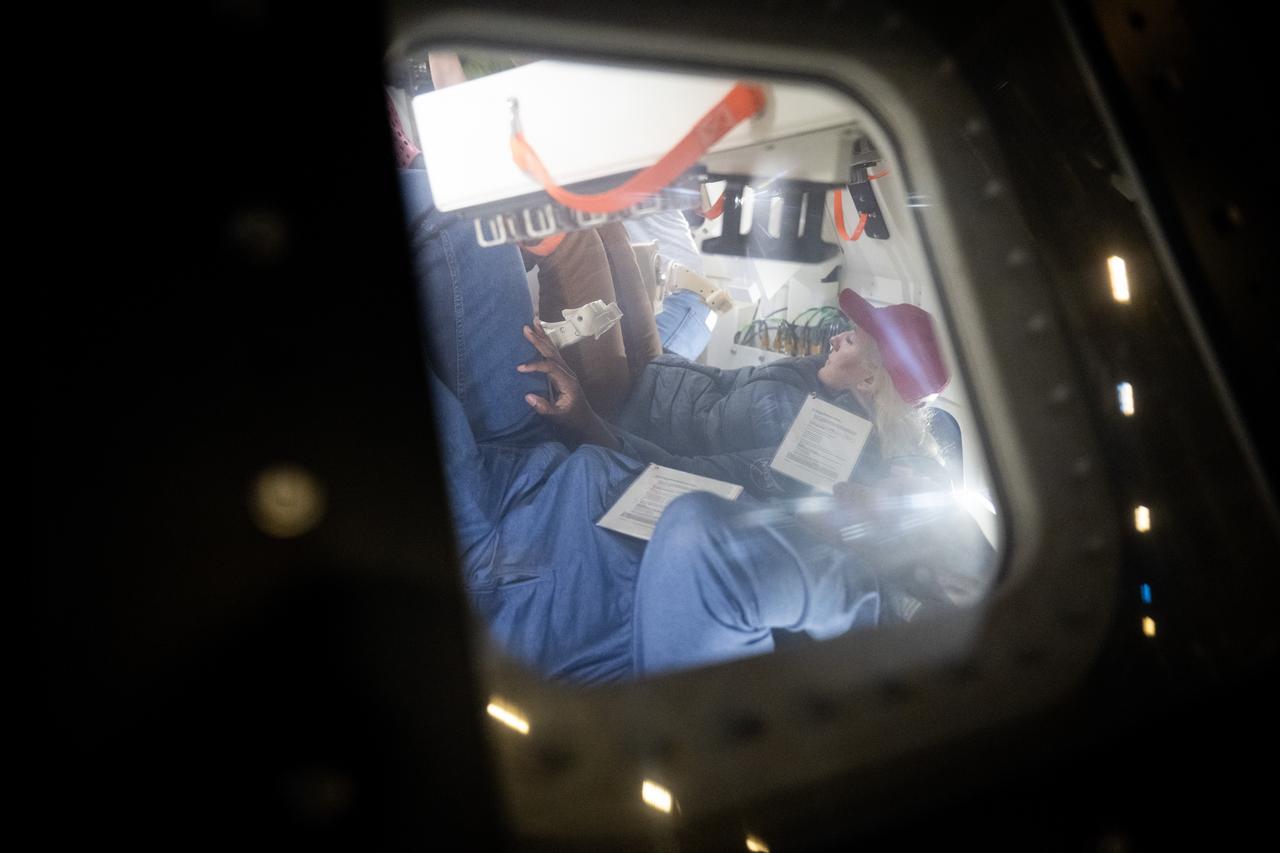
NASA astronauts Deniz Burnham and Andrew Douglas are seen inside the Crew Module Test Article (CMTA), a full-scale replica of the Orion spacecraft, during a familiarization walkthrough as part of Underway Recovery Test-12 onboard USS Somerset, Tuesday, March 25, 2025. During the test, NASA and Department of Defense teams are practicing to ensure recovery procedures are validated as NASA plans to send the Artemis II astronauts around the Moon and splashdown in the Pacific Ocean. Photo Credit: (NASA/Joel Kowsky)
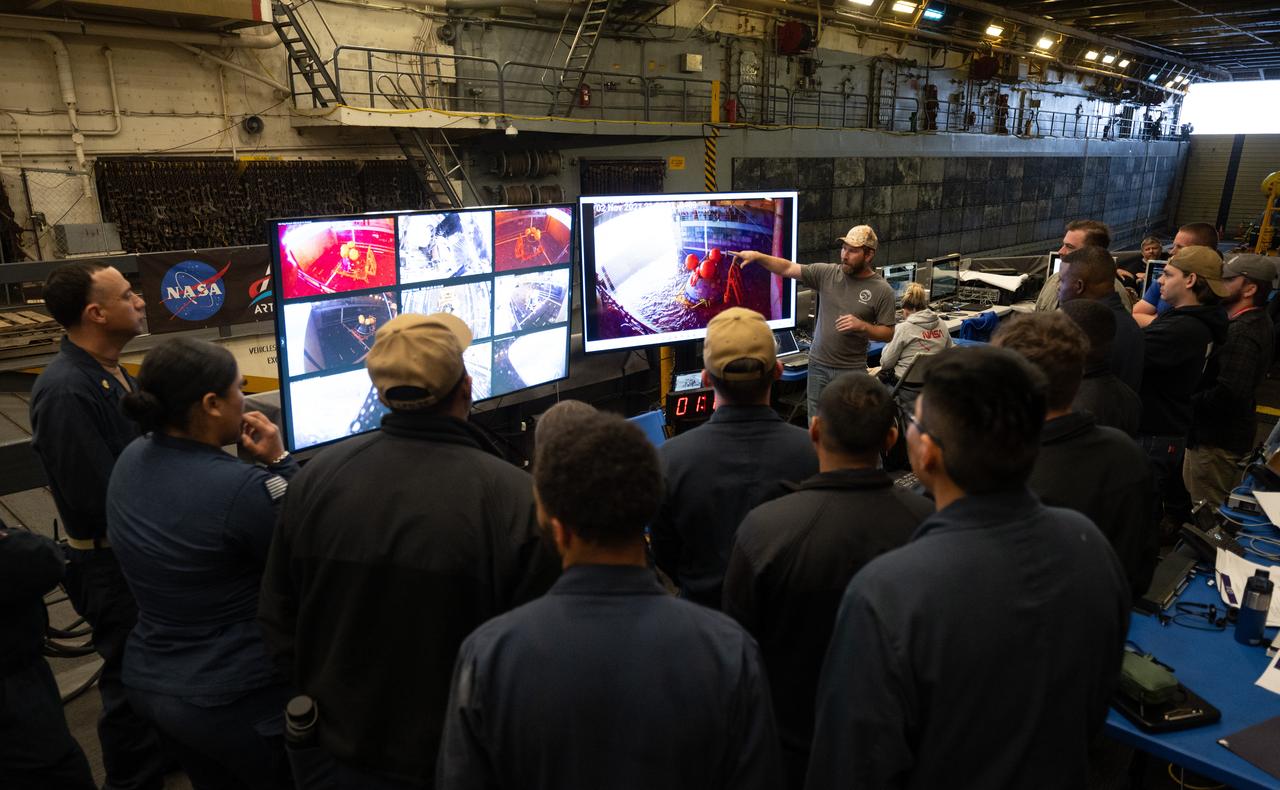
Teams gather as they prepare for the first day of Underway Recovery Test-12 onboard USS Somerset, Tuesday, March 25, 2025. During the test, NASA and Department of Defense teams are practicing to ensure recovery procedures are validated as NASA plans to send the Artemis II astronauts around the Moon and splashdown in the Pacific Ocean. Photo Credit: (NASA/Joel Kowsky)
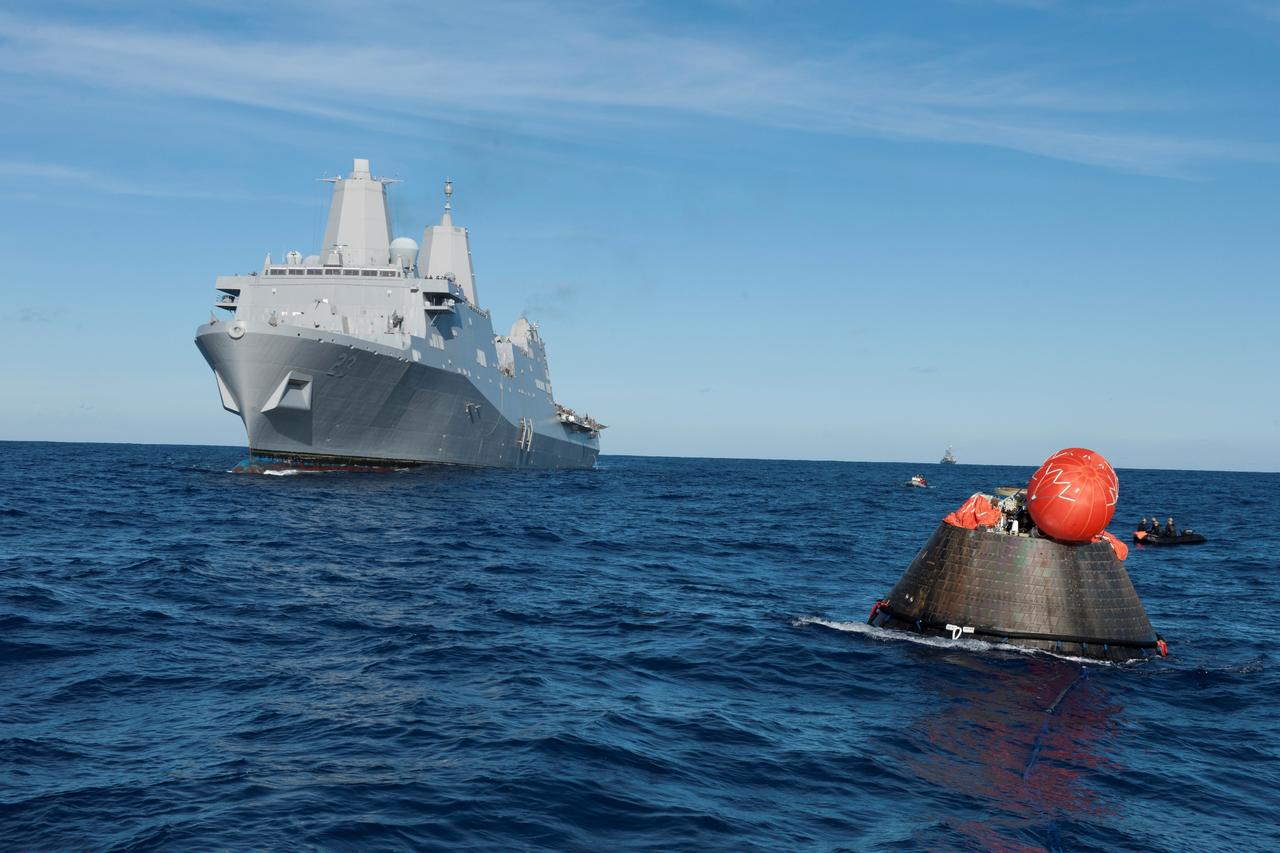
NASA's Orion spacecraft floats in the Pacific Ocean after splashdown from its first flight test in Earth orbit. The USS Anchorage is nearby. NASA, the U.S. Navy and Lockheed Martin are coordinating efforts to recover Orion and secure the spacecraft in the well deck of the USS Anchorage. Orion completed a two-orbit, four-and-a-half hour mission, to test systems critical to crew safety, including the launch abort system, the heat shield and the parachute system. The Ground Systems Development and Operations Program is leading the recovery efforts.
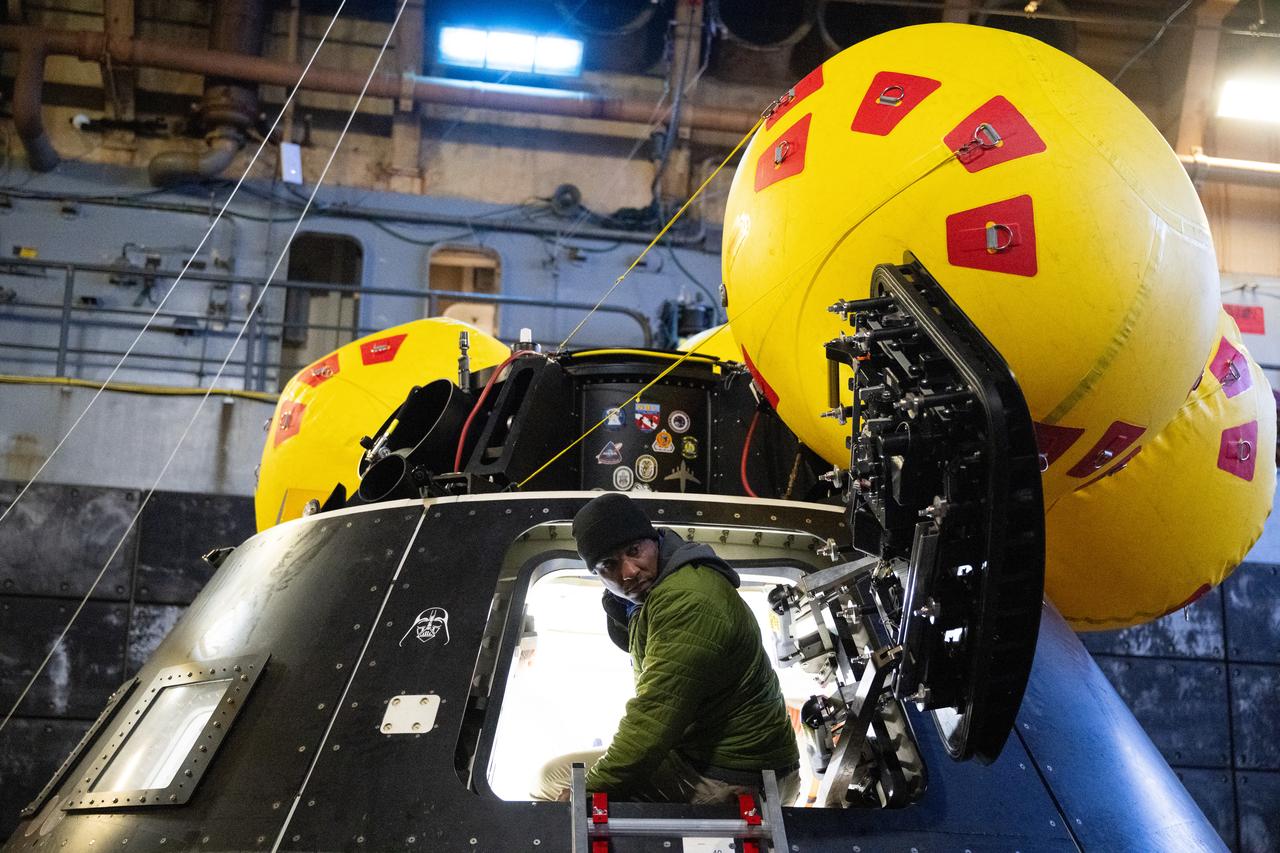
NASA astronaut and Artemis II pilot Victor Glover is seen in the hatch of the Crew Module Test Article (CMTA), a full-scale replica of the Orion spacecraft, during a familiarization walkthrough as part of Underway Recovery Test-12 onboard USS Somerset, Tuesday, March 25, 2025. During the test, NASA and Department of Defense teams are practicing to ensure recovery procedures are validated as NASA plans to send the Artemis II astronauts around the Moon and splashdown in the Pacific Ocean. Photo Credit: (NASA/Joel Kowsky)
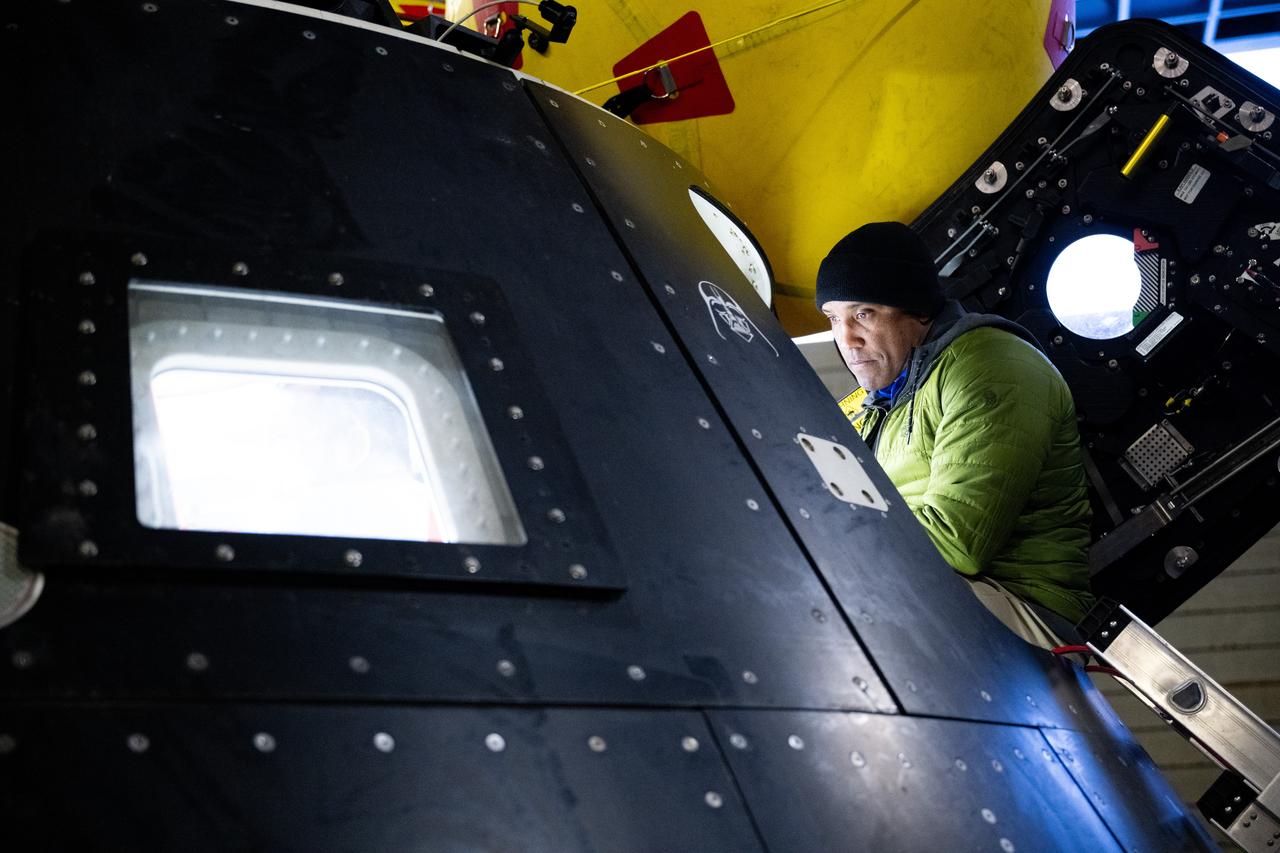
NASA astronaut and Artemis II pilot Victor Glover is seen in the hatch of the Crew Module Test Article (CMTA), a full-scale replica of the Orion spacecraft, during a familiarization walkthrough as part of Underway Recovery Test-12 onboard USS Somerset, Tuesday, March 25, 2025. During the test, NASA and Department of Defense teams are practicing to ensure recovery procedures are validated as NASA plans to send the Artemis II astronauts around the Moon and splashdown in the Pacific Ocean. Photo Credit: (NASA/Joel Kowsky)
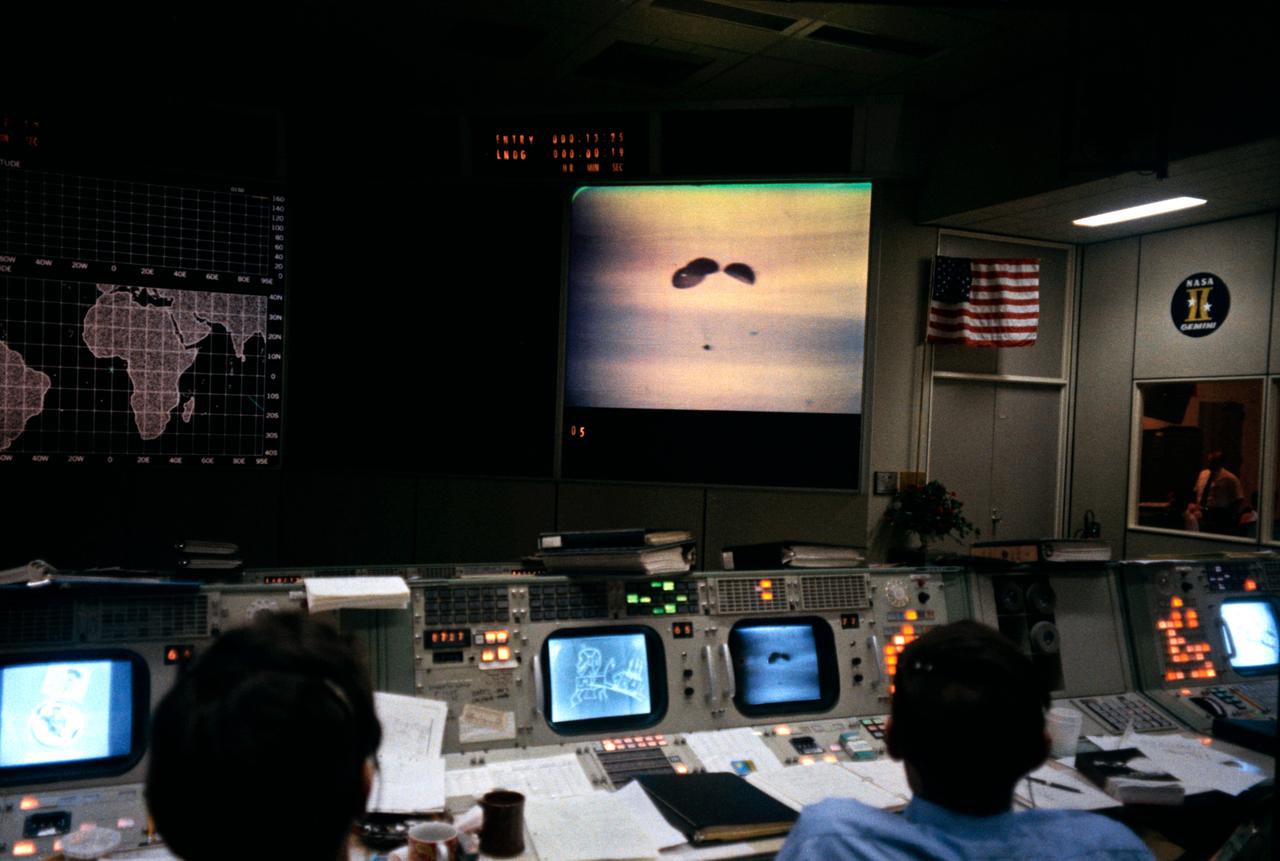
S70-35471 (17 April 1970) --- Two flight controllers man consoles in the Missions Operations Control Room (MOCR) of the Mission Control Center (MCC) at the Manned Spacecraft Center (MSC), Houston, Texas, just before splashdown occurred in the south Pacific Ocean. Though the MOCR does not appear to be crowded in this photo, there was a very large crowd of persons on hand for the splashdown and recovery operations coverage. Most of the group crowded around in the rear of the room. Apollo 13 splashdown occurred at 12:07:44 p.m. (CST), April 17, 1970.
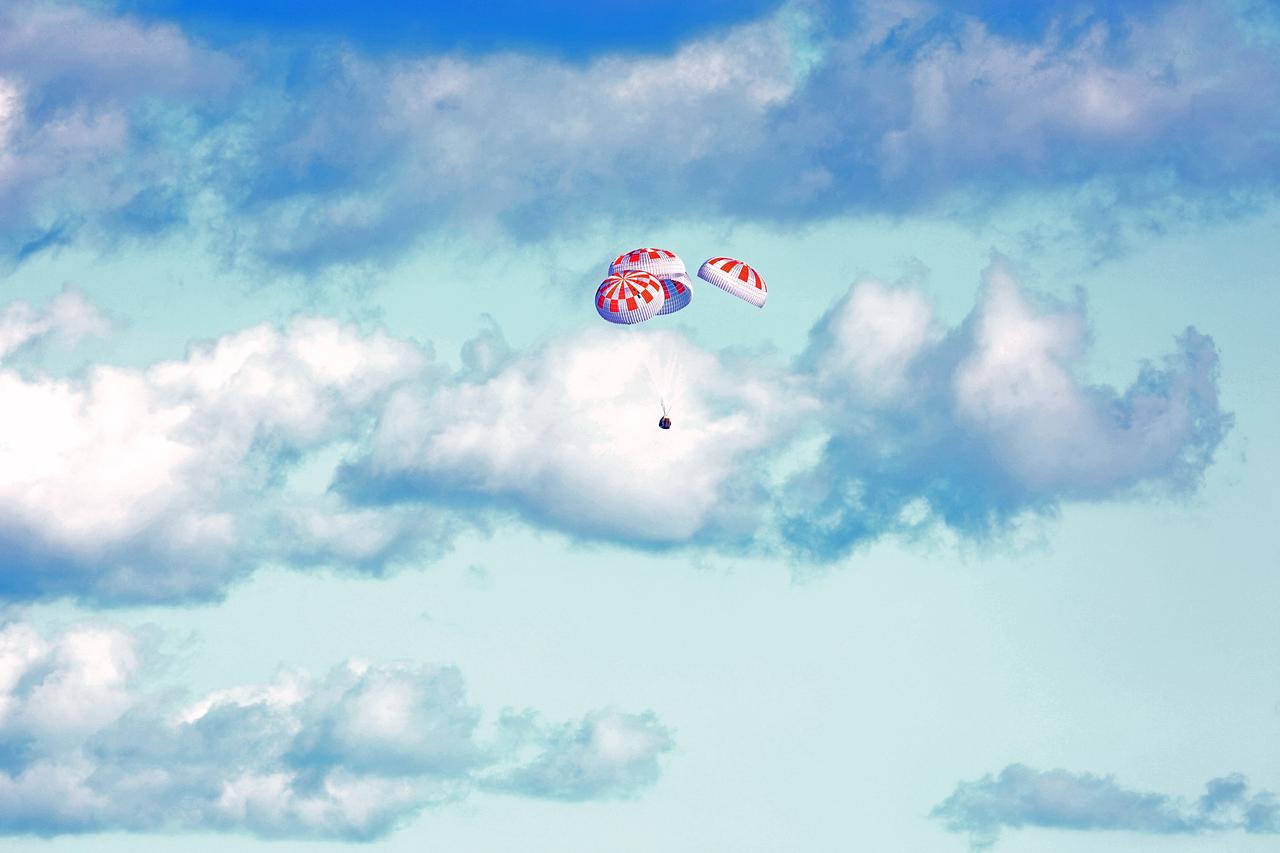
SpaceX’s Crew Dragon is guided by four parachutes toward the Atlantic Ocean on March 8 after returning from the International Space Station on the Demo-1 mission. The uncrewed spacecraft docked to the orbiting laboratory on March 3, following a 2:49 a.m. EST liftoff aboard a SpaceX Falcon 9 rocket from Launch Complex 39A at NASA’s Kennedy Space Center in Florida on March 2. Crew Dragon made 18 orbits of Earth before successfully attaching to the space station. The spacecraft undocked at 2:32 a.m., March 8, splashing down in the Atlantic Ocean, about 200 miles off Florida’s east coast at 8:45 a.m. SpaceX’s inaugural flight with NASA’s Commercial Crew Program is the first flight test of a space system designed for humans built and operated by a commercial company through a public-private partnership. NASA and SpaceX will use data from Demo-1 to further prepare for Demo-2, the crewed flight test that will carry NASA astronauts Bob Behnken and Doug Hurley to the International Space Station later this year.
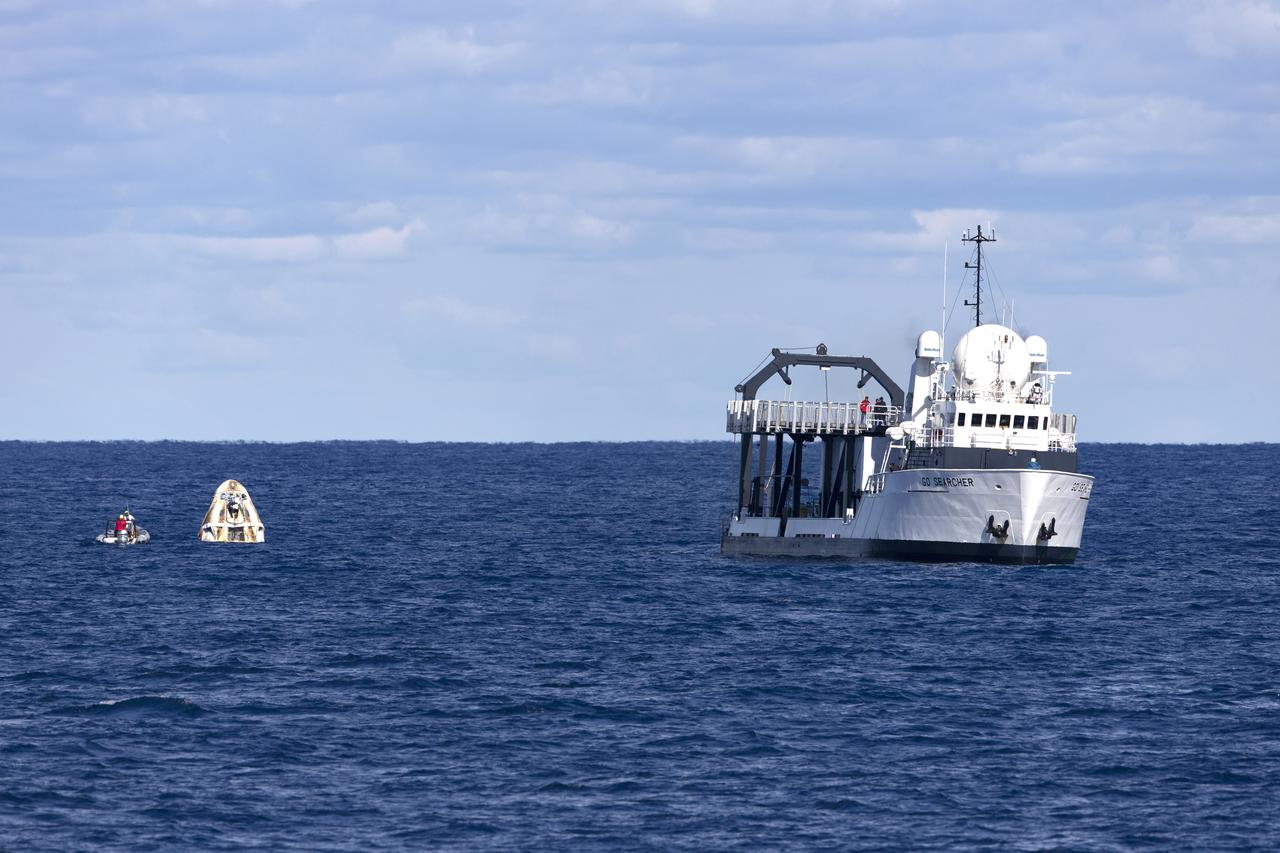
SpaceX’s recovery ship, Go Searcher, prepares to retrieve the company’s Crew Dragon from the Atlantic Ocean, about 200 miles off the east coast of Florida, March 8, 2019. The uncrewed spacecraft docked to the orbiting laboratory on March 3, following a 2:49 a.m. EST liftoff aboard a SpaceX Falcon 9 rocket from Launch Complex 39A at NASA’s Kennedy Space Center in Florida on March 2. The spacecraft undocked at 2:32 a.m., March 8, splashing down in the Atlantic Ocean at 8:45 a.m. SpaceX’s inaugural flight with NASA’s Commercial Crew Program, known as Demo-1, is the first flight test of a space system designed for humans built and operated by a commercial company through a public-private partnership. NASA and SpaceX will use data from Demo-1 to further prepare for Demo-2, the crewed flight test that will carry NASA astronauts Bob Behnken and Doug Hurley to the International Space Station later this year.
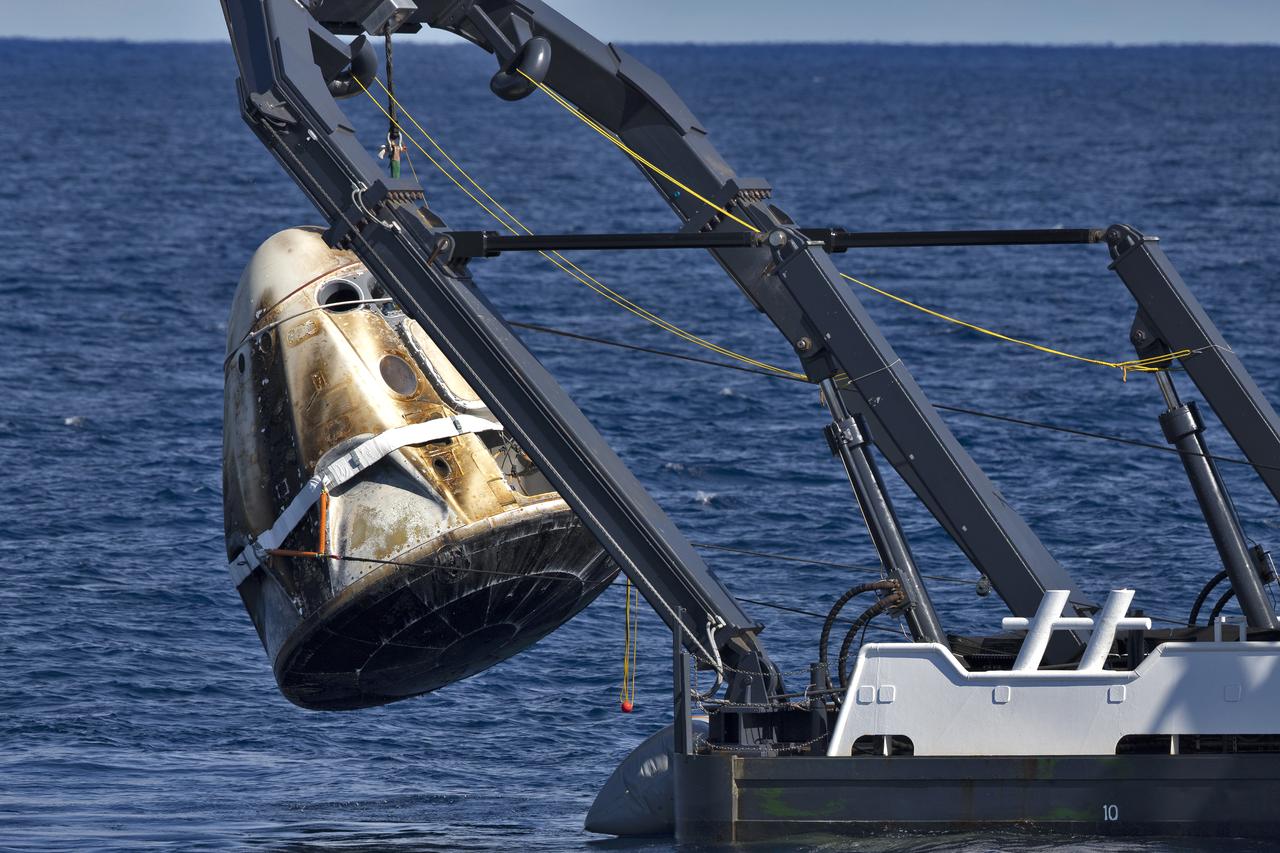
SpaceX’s Crew Dragon is retrieved by the company’s recovery ship, Go Searcher, in the Atlantic Ocean, about 200 miles off the east coast of Florida March 8, 2019, after its return to Earth on the Demo-1 mission. The uncrewed spacecraft docked to the orbiting laboratory on March 3, following a 2:49 a.m. EST liftoff aboard a SpaceX Falcon 9 rocket from Launch Complex 39A at NASA’s Kennedy Space Center in Florida on March 2. The spacecraft undocked at 2:32 a.m., March 8, splashing down in the Atlantic Ocean, at 8:45 a.m. SpaceX’s inaugural flight with NASA’s Commercial Crew Program is the first flight test of a space system designed for humans built and operated by a commercial company through a public-private partnership. NASA and SpaceX will use data from Demo-1 to further prepare for Demo-2, the crewed flight test that will carry NASA astronauts Bob Behnken and Doug Hurley to the International Space Station later this year.
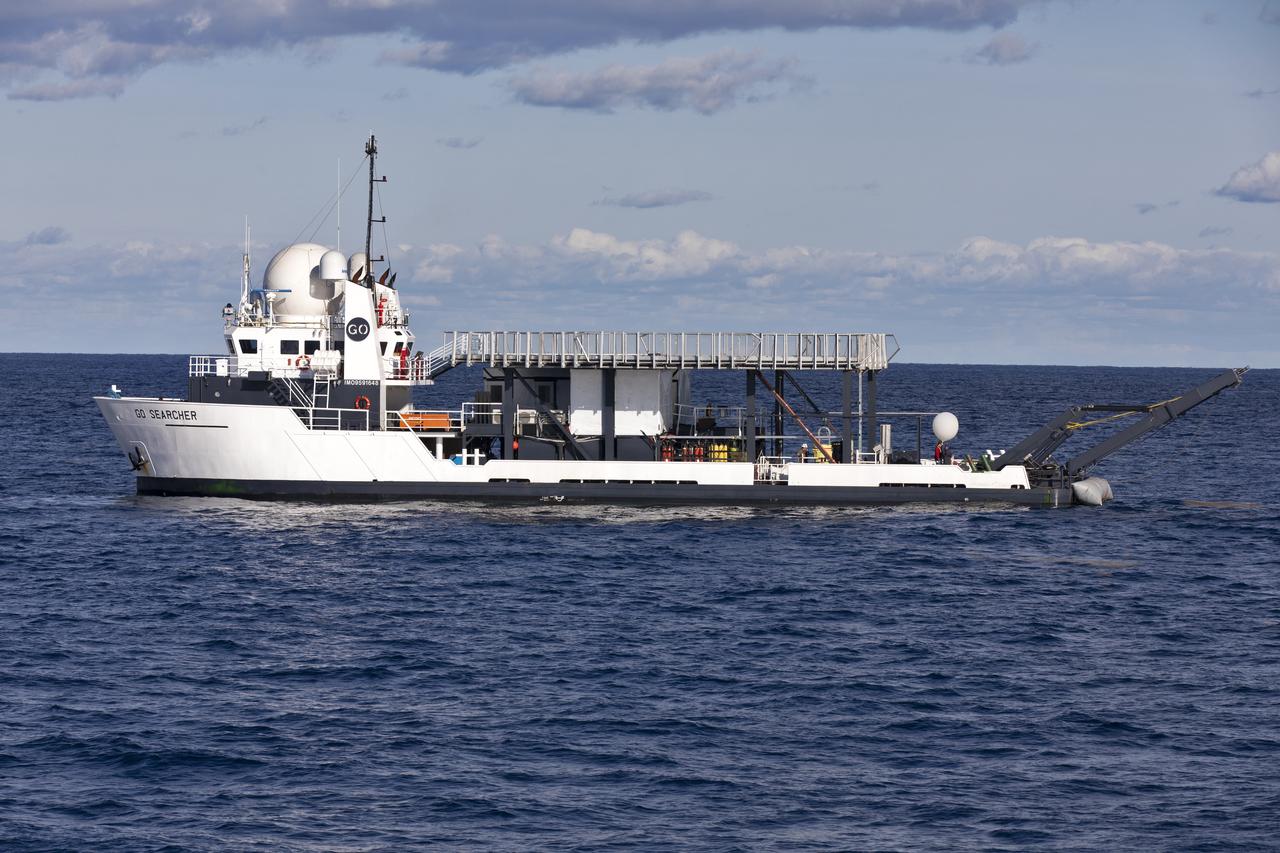
SpaceX’s recovery ship, Go Searcher, sails in the Atlantic Ocean off the east coast of Florida March 8, 2019, in preparation to retrieve the company’s Crew Dragon upon its return to Earth on the Demo-1 mission. The uncrewed spacecraft docked to the orbiting laboratory on March 3, following a 2:49 a.m. EST liftoff aboard a SpaceX Falcon 9 rocket from Launch Complex 39A at NASA’s Kennedy Space Center in Florida on March 2. The spacecraft undocked at 2:32 a.m., March 8, splashing down in the Atlantic Ocean at 8:45 a.m. SpaceX’s inaugural flight with NASA’s Commercial Crew Program is the first flight test of a space system designed for humans built and operated by a commercial company through a public-private partnership. NASA and SpaceX will use data from Demo-1 to further prepare for Demo-2, the crewed flight test that will carry NASA astronauts Bob Behnken and Doug Hurley to the International Space Station later this year.
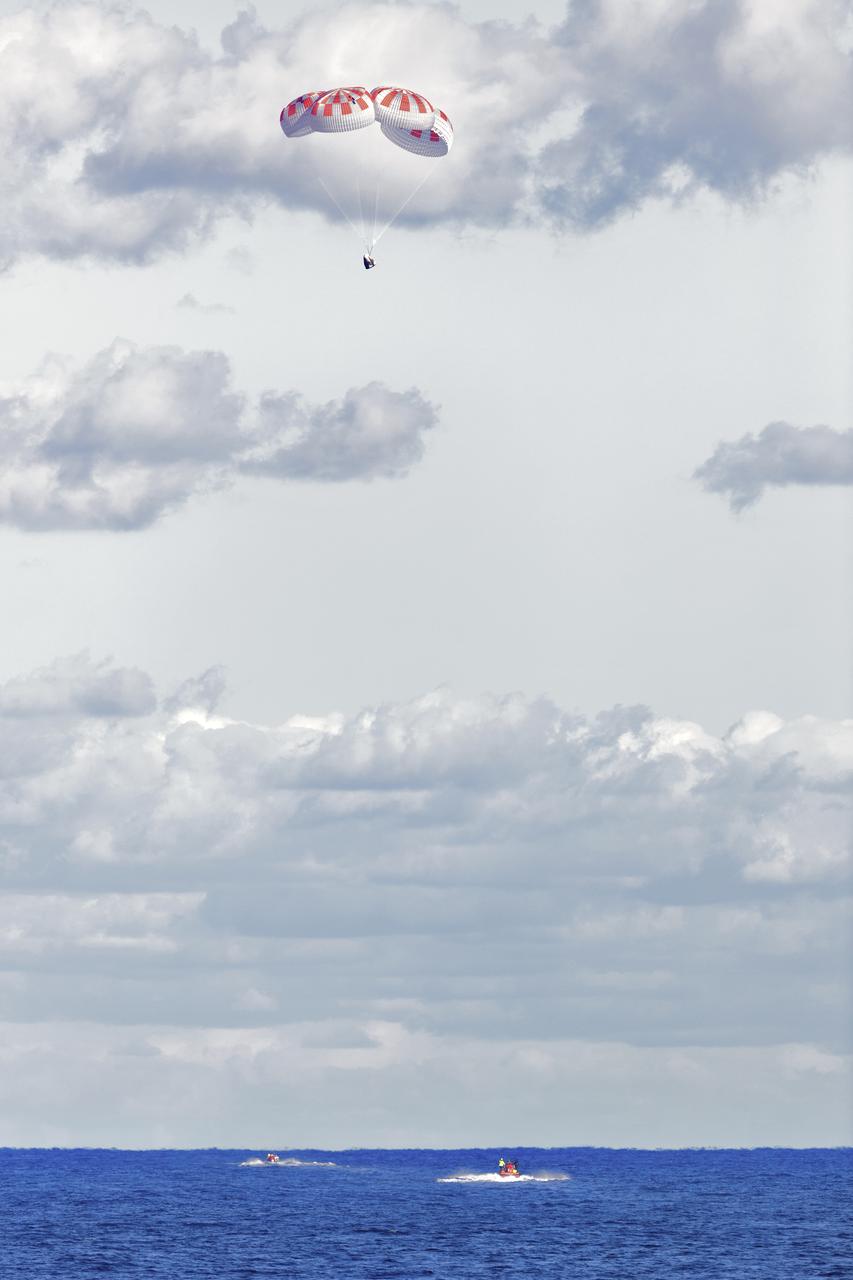
SpaceX’s Crew Dragon is guided by four parachutes toward the Atlantic Ocean on March 8, 2019, after returning from the International Space Station on the Demo-1 mission. The uncrewed spacecraft docked to the orbiting laboratory on March 3, following a 2:49 a.m. EST liftoff aboard a SpaceX Falcon 9 rocket from Launch Complex 39A at NASA’s Kennedy Space Center in Florida on March 2. Crew Dragon made 18 orbits of Earth before successfully attaching to the space station. The spacecraft undocked at 2:32 a.m., March 8, splashing down in the Atlantic Ocean, about 200 miles off Florida’s east coast at 8:45 a.m. SpaceX’s inaugural flight with NASA’s Commercial Crew Program is the first flight test of a space system designed for humans built and operated by a commercial company through a public-private partnership. NASA and SpaceX will use data from Demo-1 to further prepare for Demo-2, the crewed flight test that will carry NASA astronauts Bob Behnken and Doug Hurley to the International Space Station later this year.
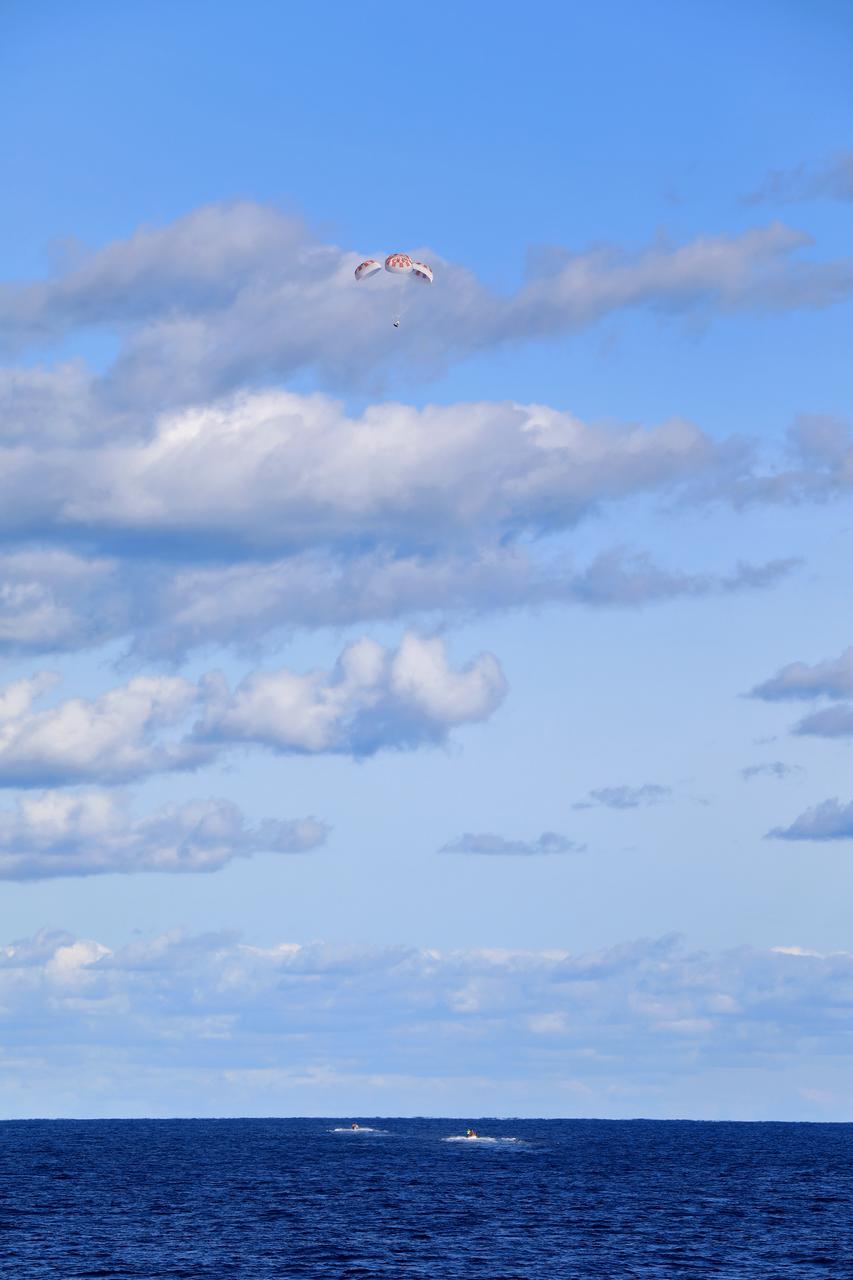
SpaceX’s Crew Dragon is guided by four parachutes toward the Atlantic Ocean on March 8 after returning from the International Space Station on the Demo-1 mission. The uncrewed spacecraft docked to the orbiting laboratory on March 3, following a 2:49 a.m. EST liftoff aboard a SpaceX Falcon 9 rocket from Launch Complex 39A at NASA’s Kennedy Space Center in Florida on March 2. Crew Dragon made 18 orbits of Earth before successfully attaching to the space station. The spacecraft undocked at 2:32 a.m., March 8, splashing down in the Atlantic Ocean, about 200 miles off Florida’s east coast at 8:45 a.m. SpaceX’s inaugural flight with NASA’s Commercial Crew Program is the first flight test of a space system designed for humans built and operated by a commercial company through a public-private partnership. NASA and SpaceX will use data from Demo-1 to further prepare for Demo-2, the crewed flight test that will carry NASA astronauts Bob Behnken and Doug Hurley to the International Space Station later this year.
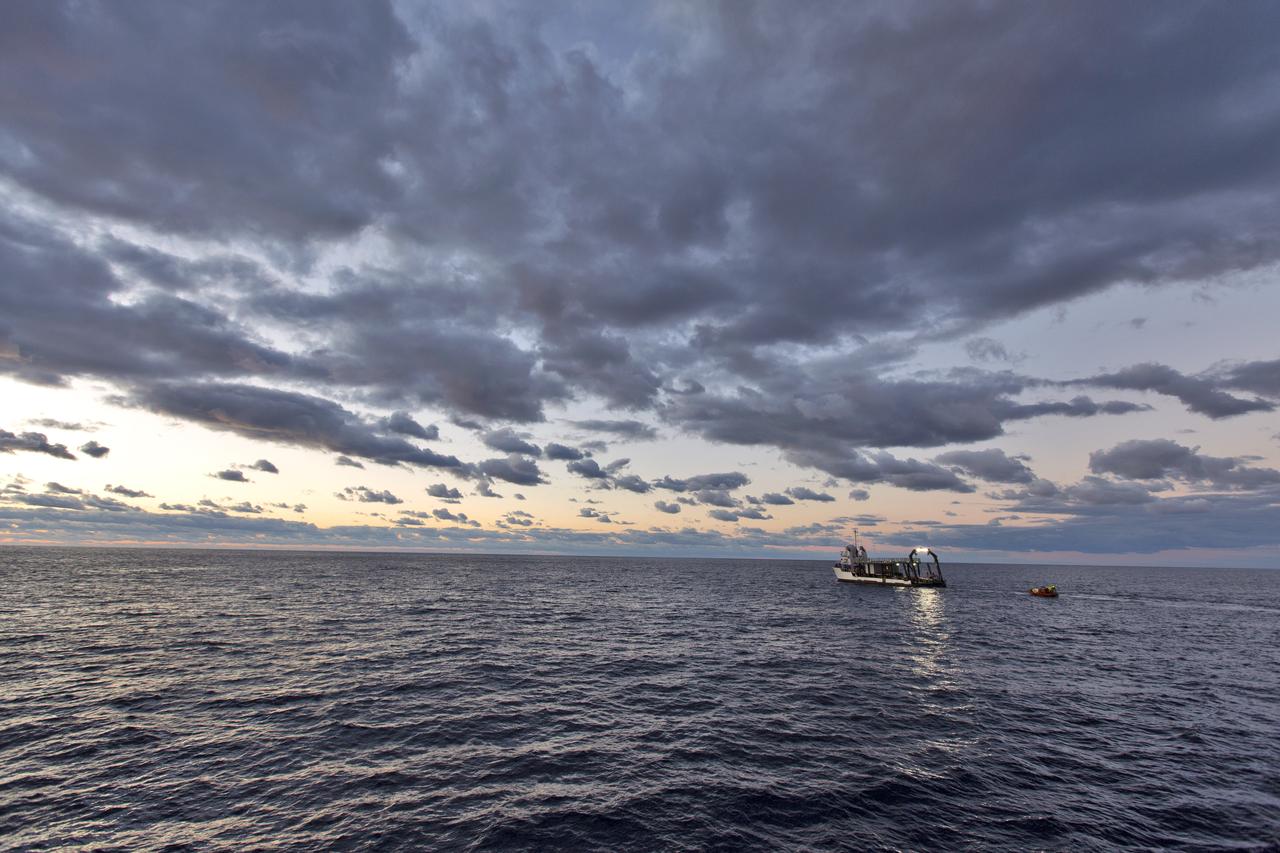
SpaceX’s recovery ship, Go Searcher, sails in the Atlantic Ocean off the east coast of Florida March 8, 2019, in preparation to retrieve the company’s Crew Dragon upon its return to Earth on the Demo-1 mission. The uncrewed spacecraft docked to the orbiting laboratory on March 3, following a 2:49 a.m. EST liftoff aboard a SpaceX Falcon 9 rocket from Launch Complex 39A at NASA’s Kennedy Space Center in Florida on March 2. The spacecraft undocked at 2:32 a.m., March 8, splashing down in the Atlantic Ocean at 8:45 a.m. SpaceX’s inaugural flight with NASA’s Commercial Crew Program is the first flight test of a space system designed for humans built and operated by a commercial company through a public-private partnership. NASA and SpaceX will use data from Demo-1 to further prepare for Demo-2, the crewed flight test that will carry NASA astronauts Bob Behnken and Doug Hurley to the International Space Station later this year.
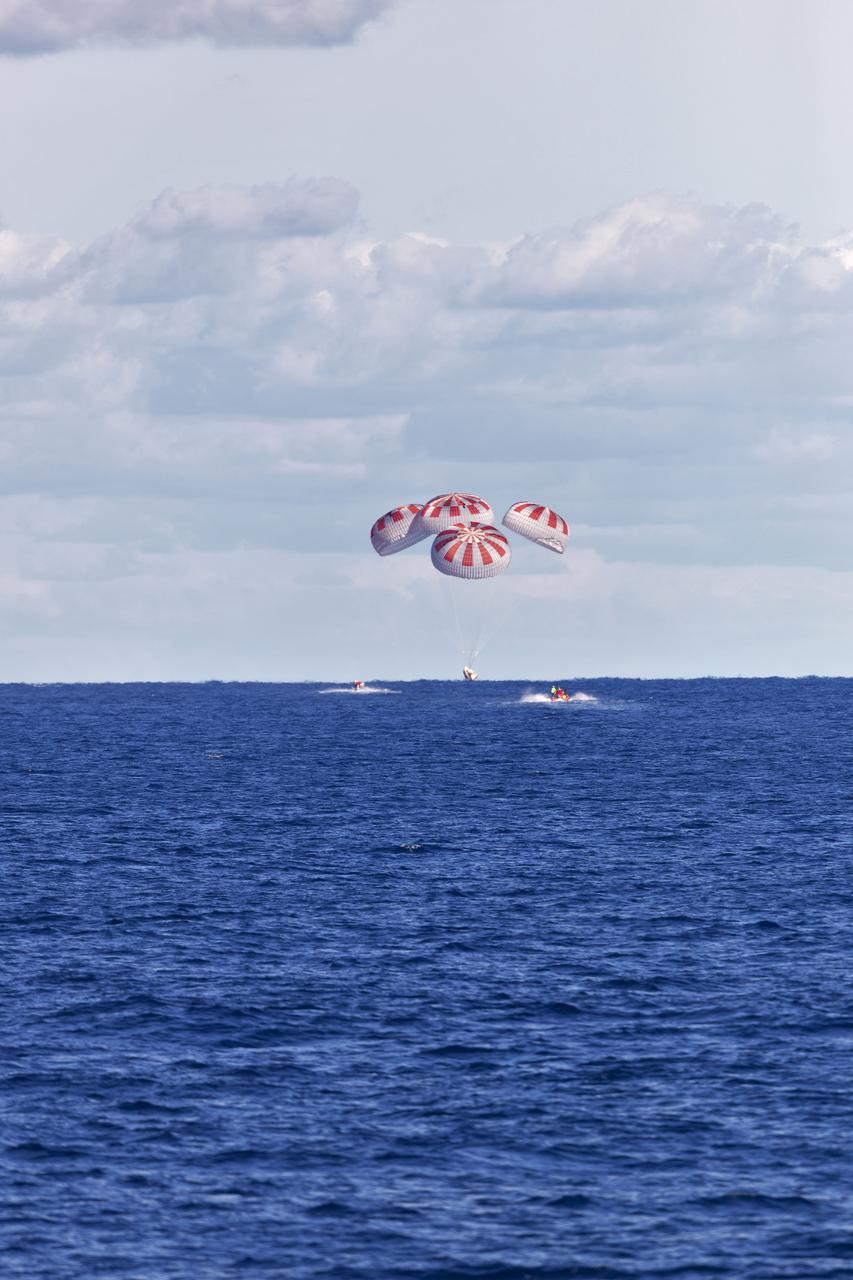
SpaceX’s Crew Dragon is guided by four parachutes as it splashes down in the Atlantic Ocean about 200 miles off Florida’s east coast on March 8, 2019, after returning from the International Space Station on the Demo-1 mission. The uncrewed spacecraft docked to the orbiting laboratory on March 3, following a 2:49 a.m. EST liftoff aboard a SpaceX Falcon 9 rocket from Launch Complex 39A at NASA’s Kennedy Space Center in Florida on March 2. Crew Dragon made 18 orbits of Earth before successfully attaching to the space station. The spacecraft undocked at 2:32 a.m., March 8, splashing down in the Atlantic Ocean at 8:45 a.m. SpaceX’s inaugural flight with NASA’s Commercial Crew Program is the first flight test of a space system designed for humans built and operated by a commercial company through a public-private partnership. NASA and SpaceX will use data from Demo-1 to further prepare for Demo-2, the crewed flight test that will carry NASA astronauts Bob Behnken and Doug Hurley to the International Space Station later this year.
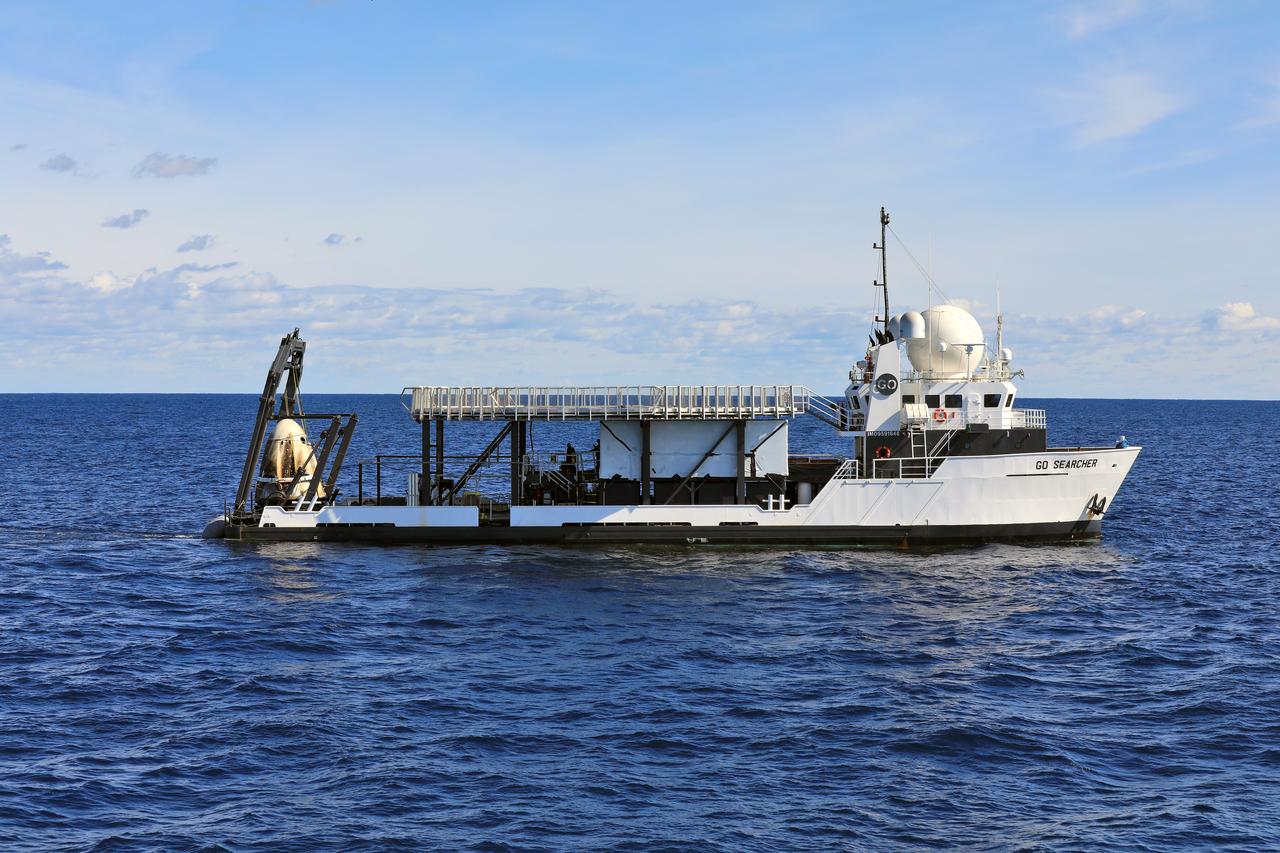
SpaceX’s Crew Dragon is carried by the company’s recovery ship, Go Searcher, in the Atlantic Ocean, about 200 miles off Florida’s east coast, on March 8, after returning from the International Space Station on the Demo-1 mission. The uncrewed spacecraft docked to the orbiting laboratory on March 3, following a 2:49 a.m. EST liftoff aboard a SpaceX Falcon 9 rocket from Launch Complex 39A at NASA’s Kennedy Space Center in Florida on March 2. Crew Dragon made 18 orbits of Earth before successfully attaching to the space station. The spacecraft undocked at 2:32 a.m., March 8, splashing down in the Atlantic Ocean, at 8:45 a.m. SpaceX’s inaugural flight with NASA’s Commercial Crew Program is the first flight test of a space system designed for humans built and operated by a commercial company through a public-private partnership. NASA and SpaceX will use data from Demo-1 to further prepare for Demo-2, the crewed flight test that will carry NASA astronauts Bob Behnken and Doug Hurley to the International Space Station later this year
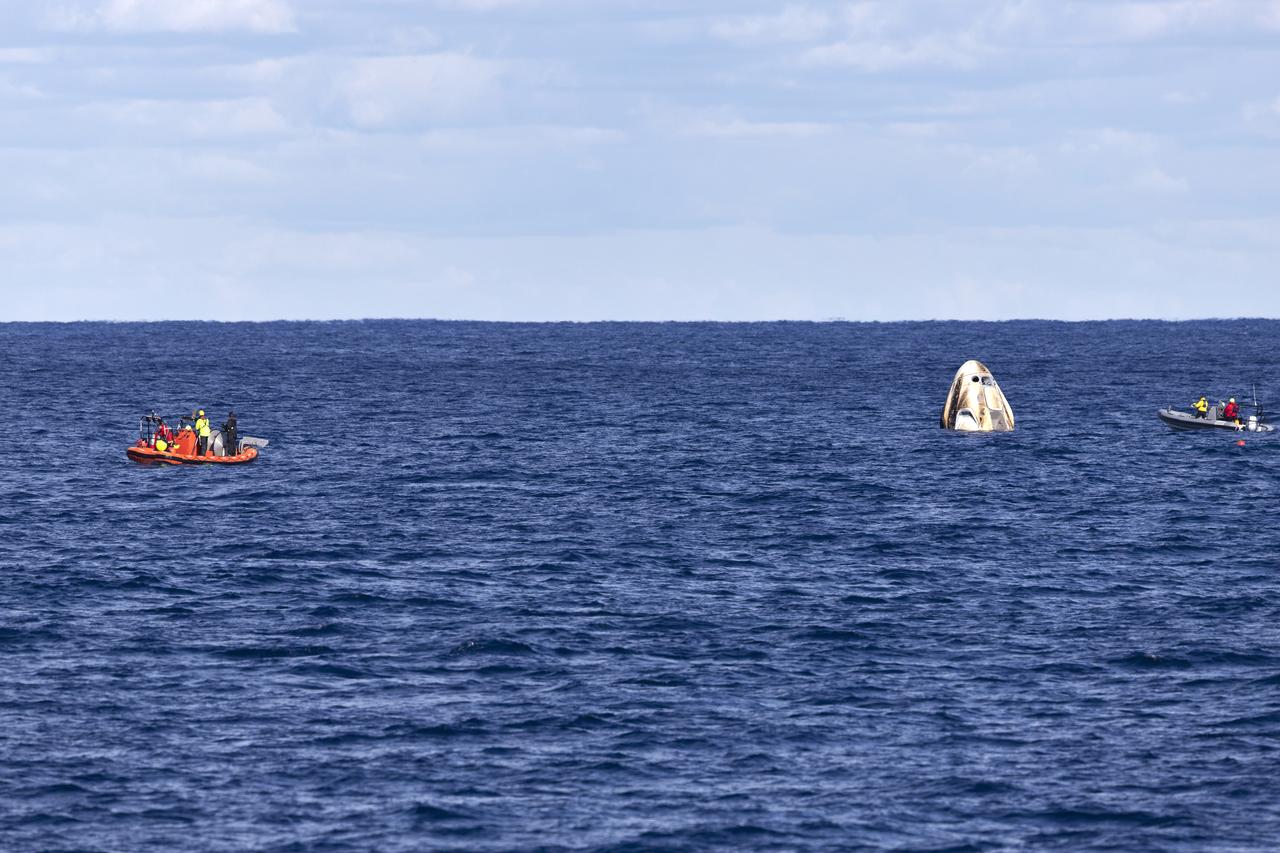
SpaceX’s Crew Dragon floats in the Atlantic Ocean, about 200 miles off Florida’s east coast, March 8, 2019, after returning from the International Space Station on the Demo-1 mission. The uncrewed spacecraft docked to the orbiting laboratory on March 3, following a 2:49 a.m. EST liftoff aboard a SpaceX Falcon 9 rocket from Launch Complex 39A at NASA’s Kennedy Space Center in Florida on March 2. The spacecraft undocked at 2:32 a.m., March 8, splashing down in the Atlantic Ocean at 8:45 a.m. SpaceX’s inaugural flight with NASA’s Commercial Crew Program is the first flight test of a space system designed for humans built and operated by a commercial company through a public-private partnership. NASA and SpaceX will use data from Demo-1 to further prepare for Demo-2, the crewed flight test that will carry NASA astronauts Bob Behnken and Doug Hurley to the International Space Station later this year.
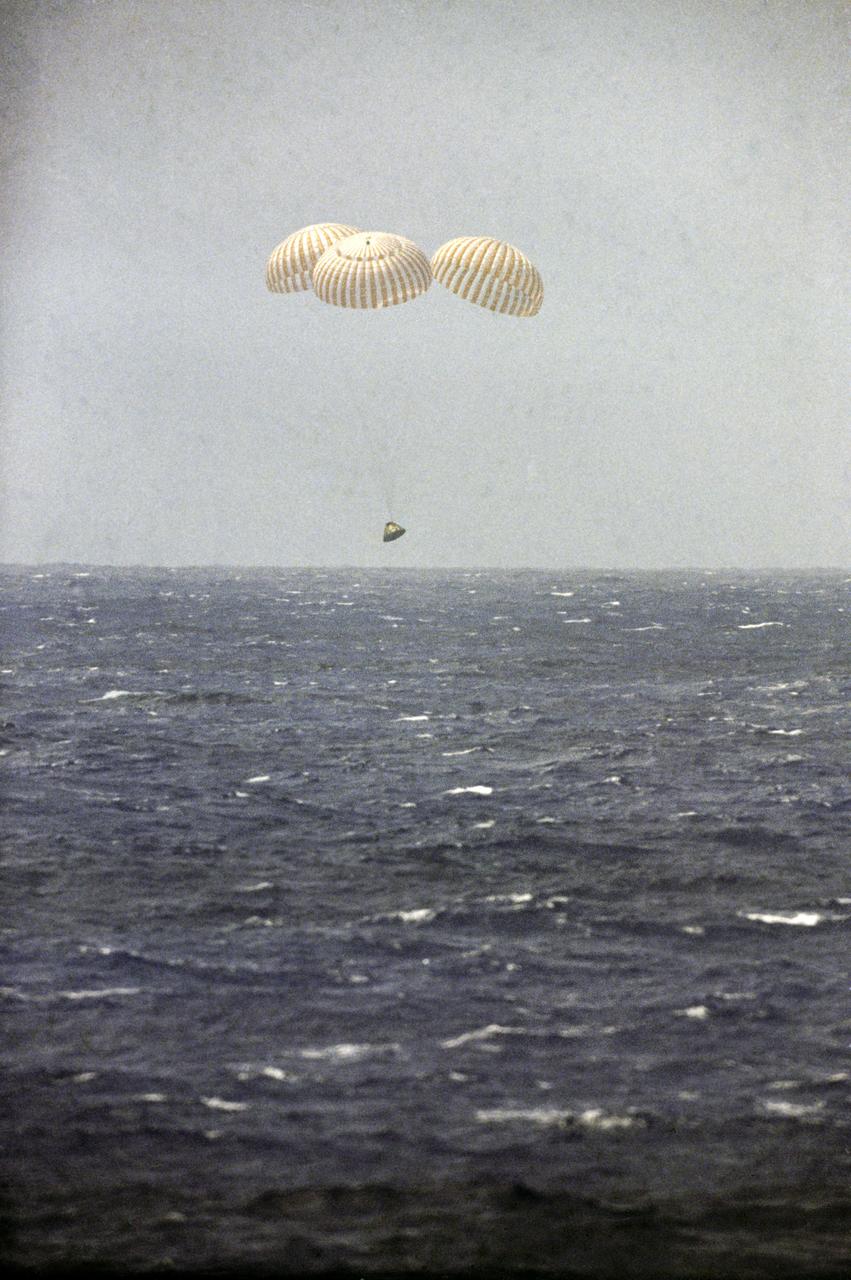
S69-22728 (24 Nov. 1969) --- The Apollo 12 Command Module, with astronauts Charles Conrad Jr., Richard F. Gordon Jr., and Alan L. Bean aboard, nears splashdown in the Pacific Ocean to conclude the second lunar landing mission. The Apollo 12 splashdown occurred at 2:58 p.m., Nov. 24, 1969, near American Samoa.
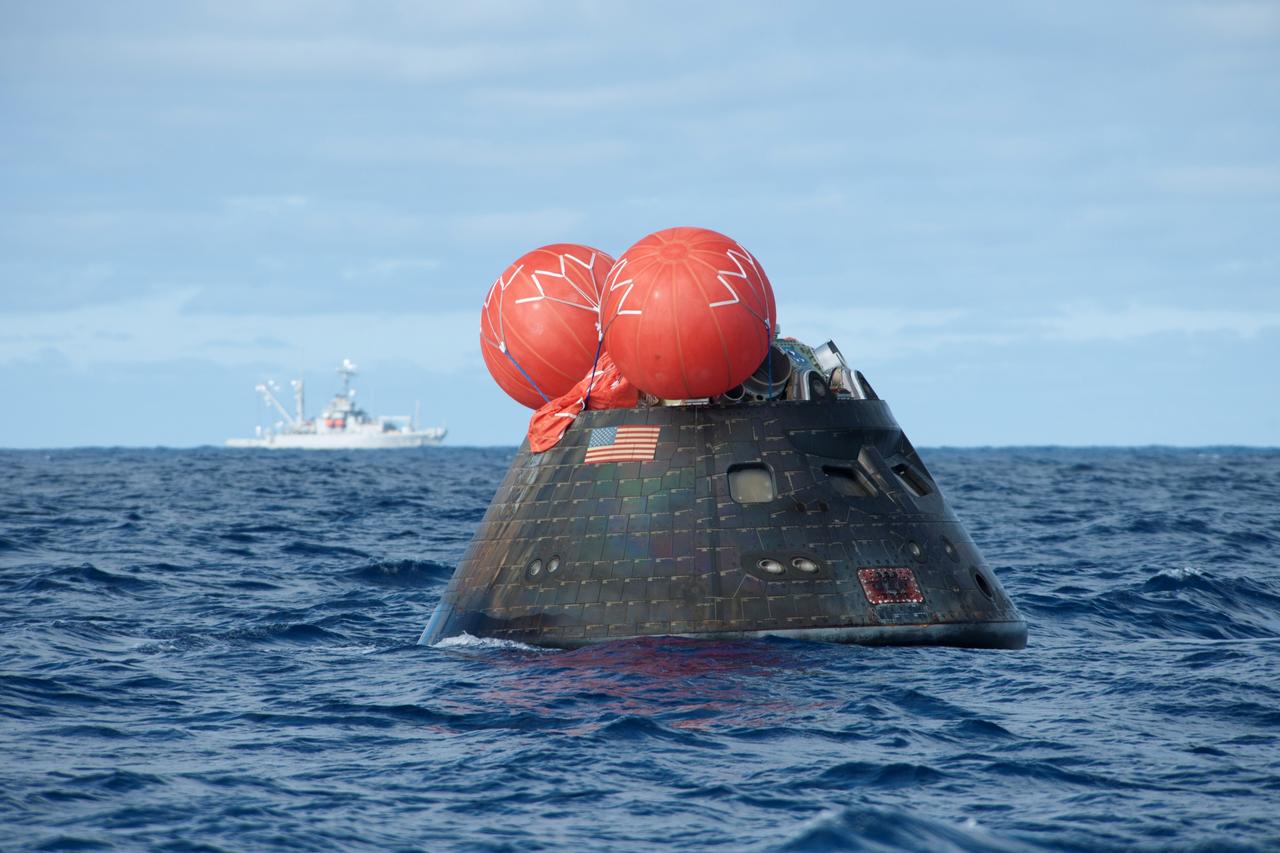
NASA's Orion spacecraft floats in the Pacific Ocean after splashdown from its first flight test in Earth orbit. In the background is the USNS Salvor. This U.S. Navy salvage ship was there as a backup in case it was needed. NASA, the U.S. Navy and Lockheed Martin are coordinating efforts to recover Orion and secure the spacecraft in the well deck of the USS Anchorage. Orion completed a two-orbit, four-and-a-half hour mission, to test systems critical to crew safety, including the launch abort system, the heat shield and the parachute system. The Ground Systems Development and Operations Program is leading the recovery efforts.
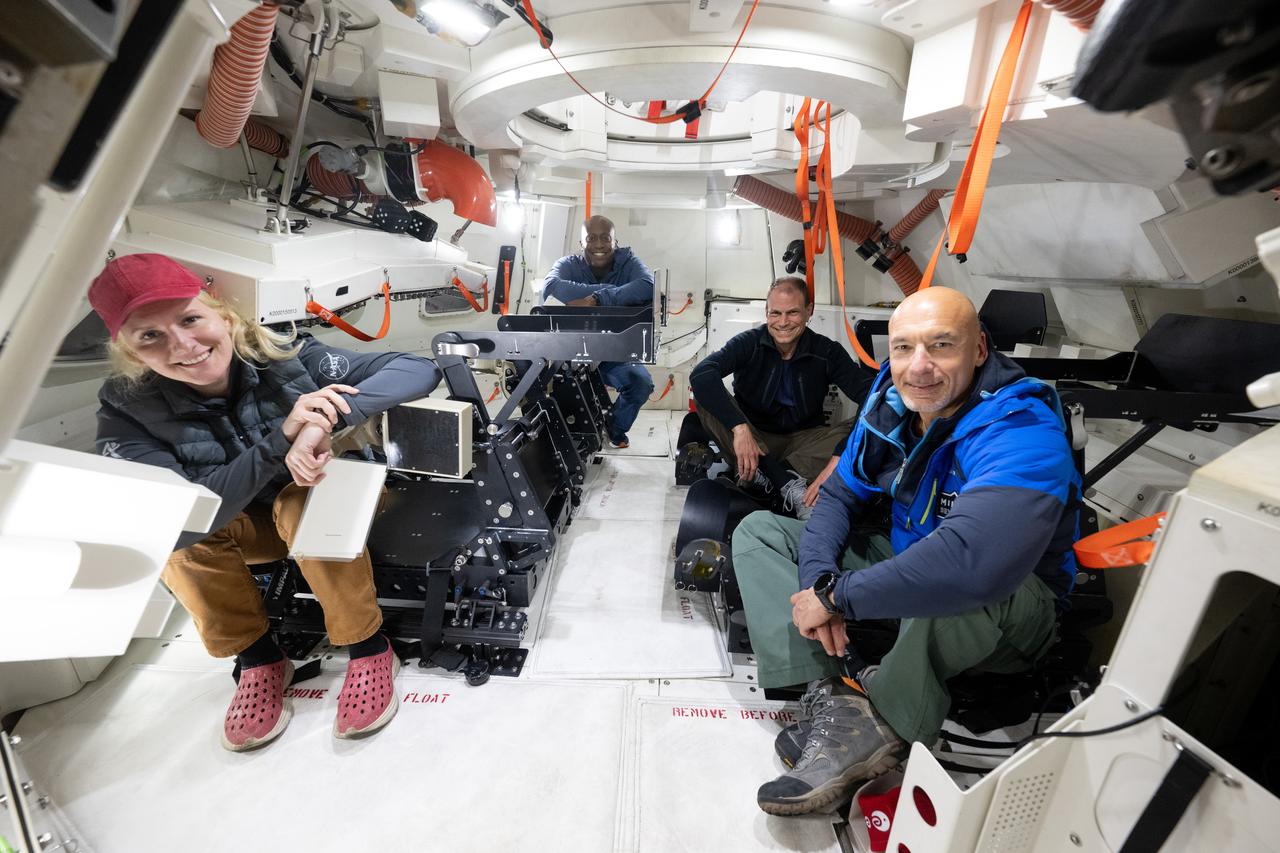
NASA astronauts Deniz Burnham, left, Andre Douglas, Stan Love, and ESA (European Space Agency) astronaut Luca Parmitano pose for a picture inside the Crew Module Test Article (CMTA), a full scale replica of the Orion spacecraft, as they prepare to participate in Underway Recovery Test-12 onboard USS Somerset, Tuesday, March 25, 2025. During the test, NASA and Department of Defense teams are practicing to ensure recovery procedures are validated as NASA plans to send the Artemis II astronauts around the Moon and splashdown in the Pacific Ocean. Photo Credit: (NASA/Joel Kowsky)
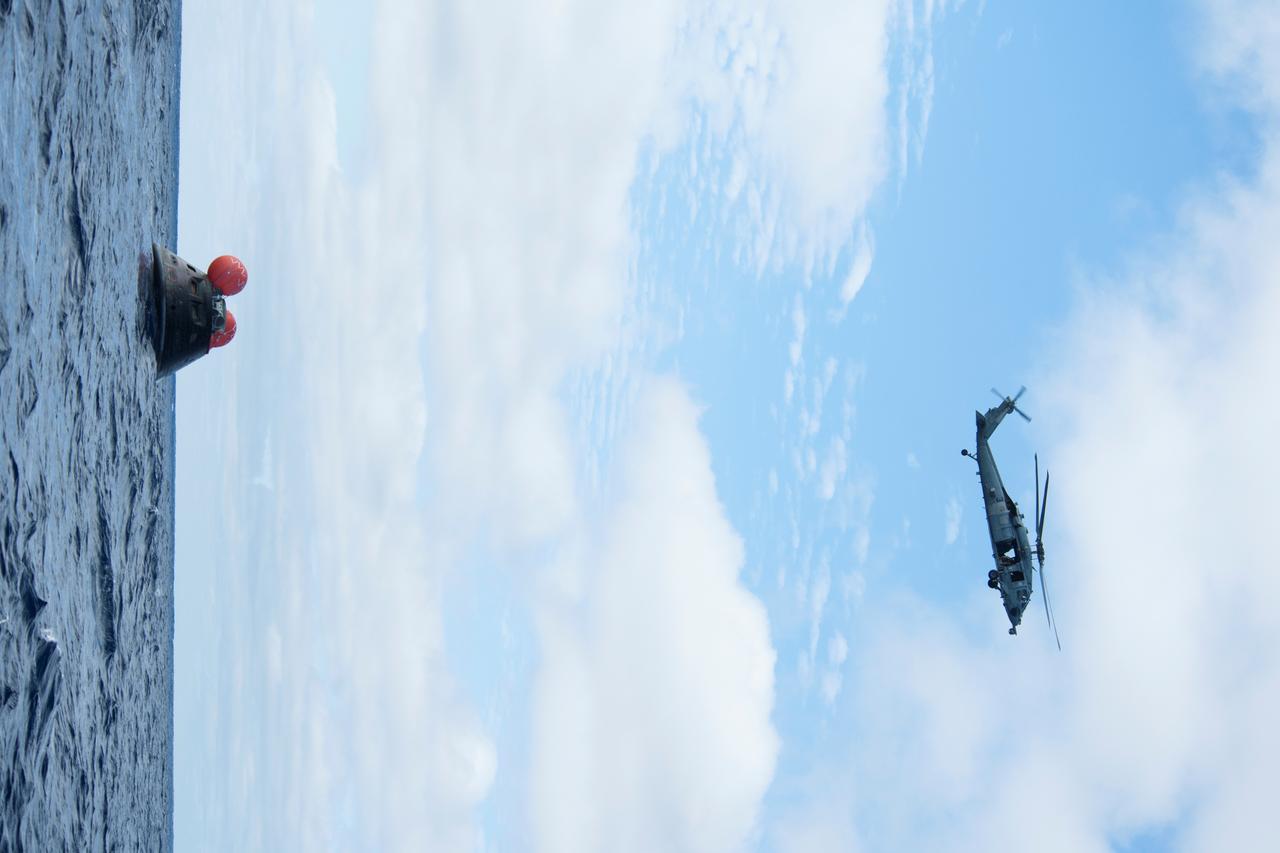
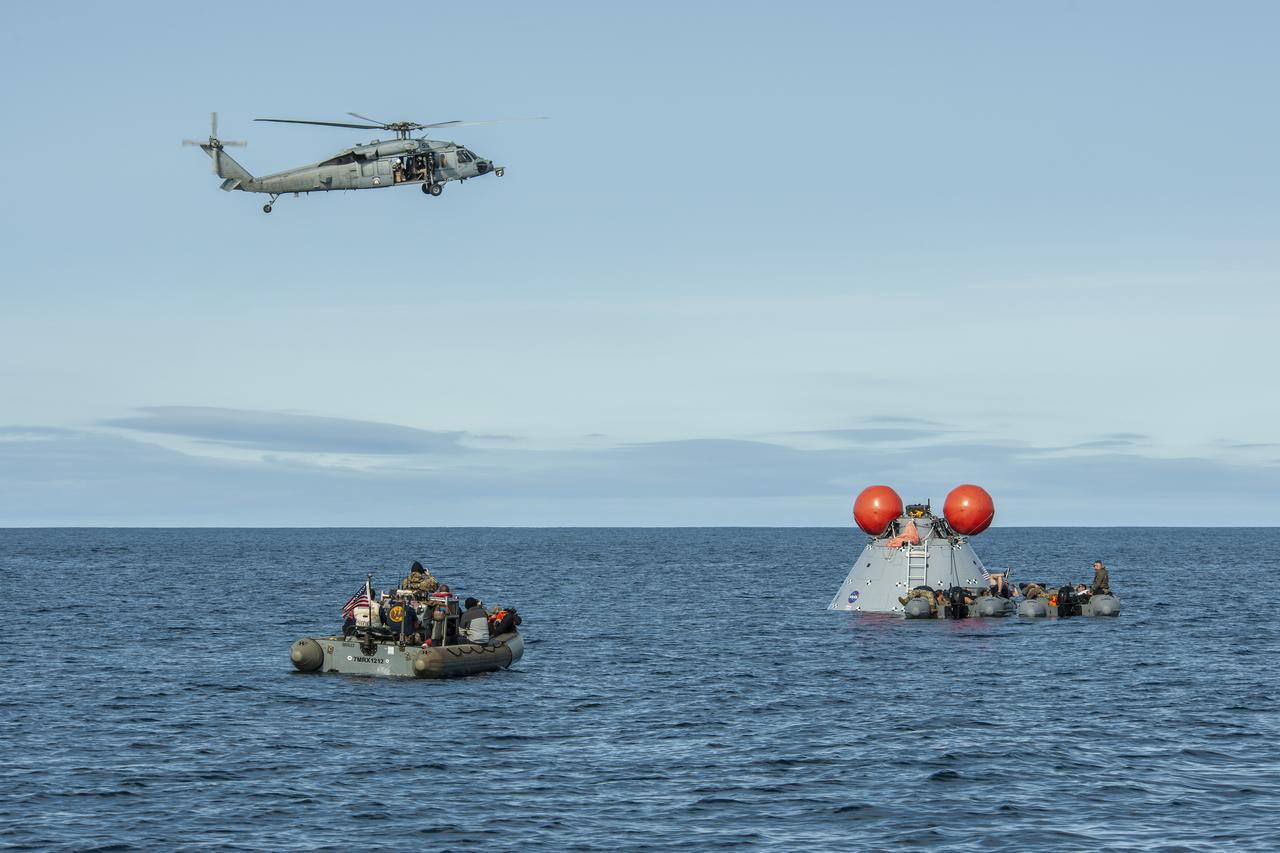
NASA's Orion spacecraft floats in the Pacific Ocean after splashdown from its first flight test in Earth orbit. An H60-S Seahawk helicopter hovers above to communicate the spacecraft's location back to the USS Anchorage. NASA, the U.S. Navy and Lockheed Martin are coordinating efforts to recover Orion and secure the spacecraft in the well deck of the USS Anchorage. Orion completed a two-orbit, four-and-a-half hour mission, to test systems critical to crew safety, including the launch abort system, the heat shield and the parachute system. The Ground Systems Development and Operations Program is leading the recovery efforts.
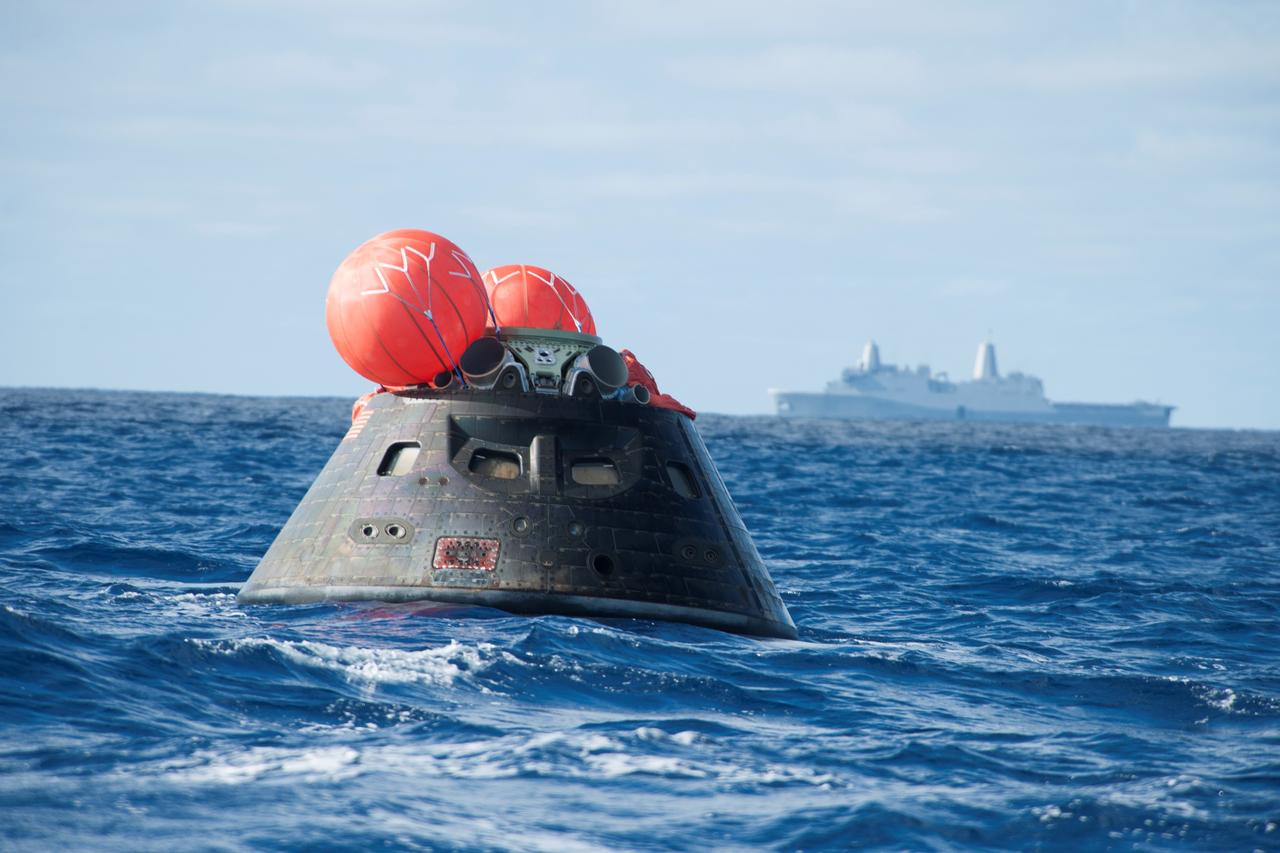
NASA's Orion spacecraft floats in the Pacific Ocean after splashdown from its first flight test in Earth orbit. An H60-S Seahawk helicopter hovers above to communicate the spacecraft's location back to the USS Anchorage. NASA, the U.S. Navy and Lockheed Martin are coordinating efforts to recover Orion and secure the spacecraft in the well deck of the USS Anchorage. Orion completed a two-orbit, four-and-a-half hour mission, to test systems critical to crew safety, including the launch abort system, the heat shield and the parachute system. The Ground Systems Development and Operations Program is leading the recovery efforts.
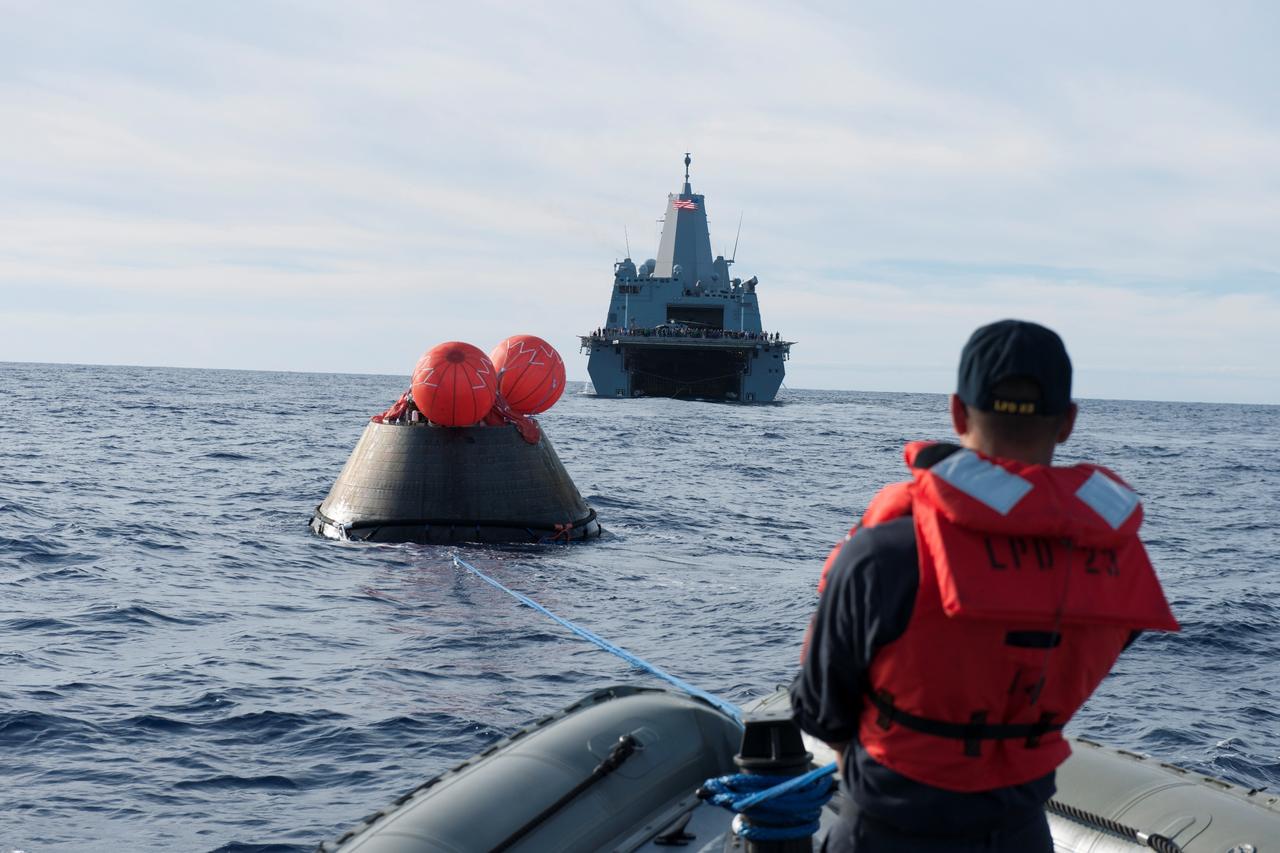
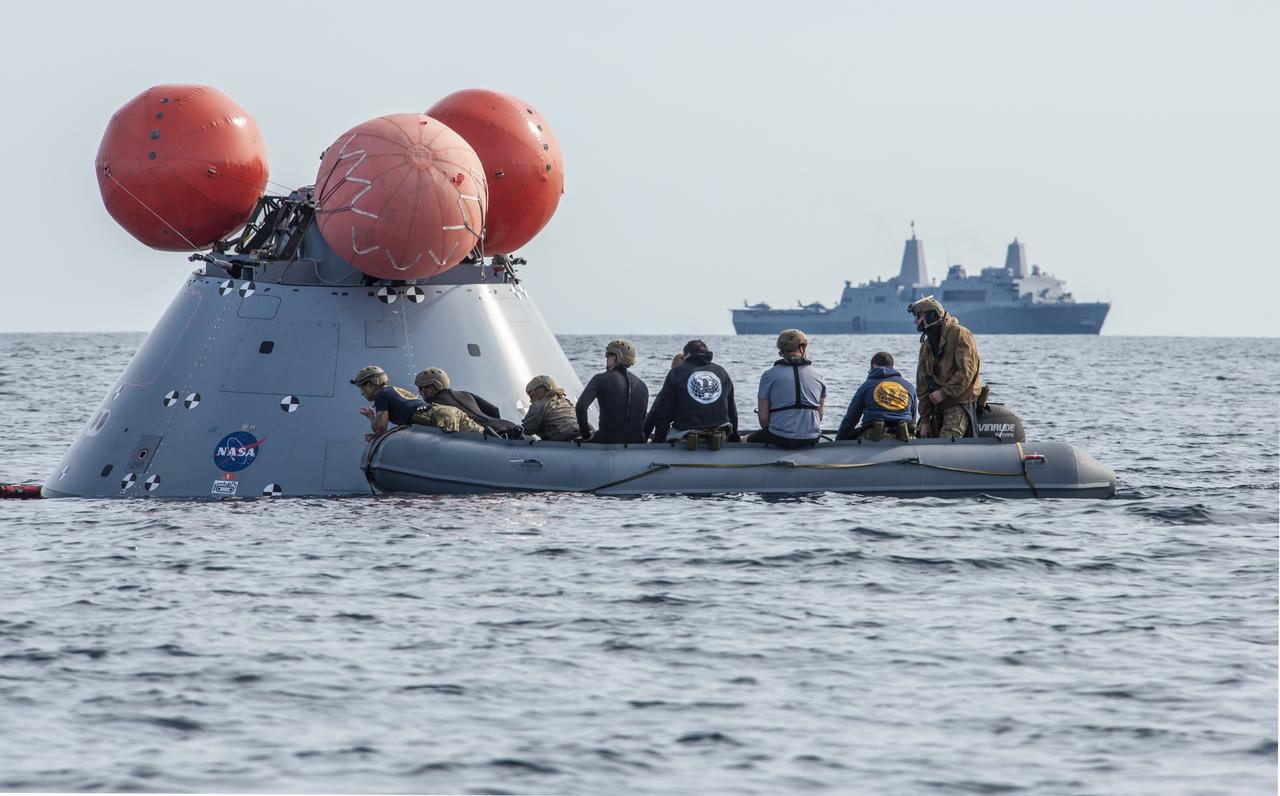
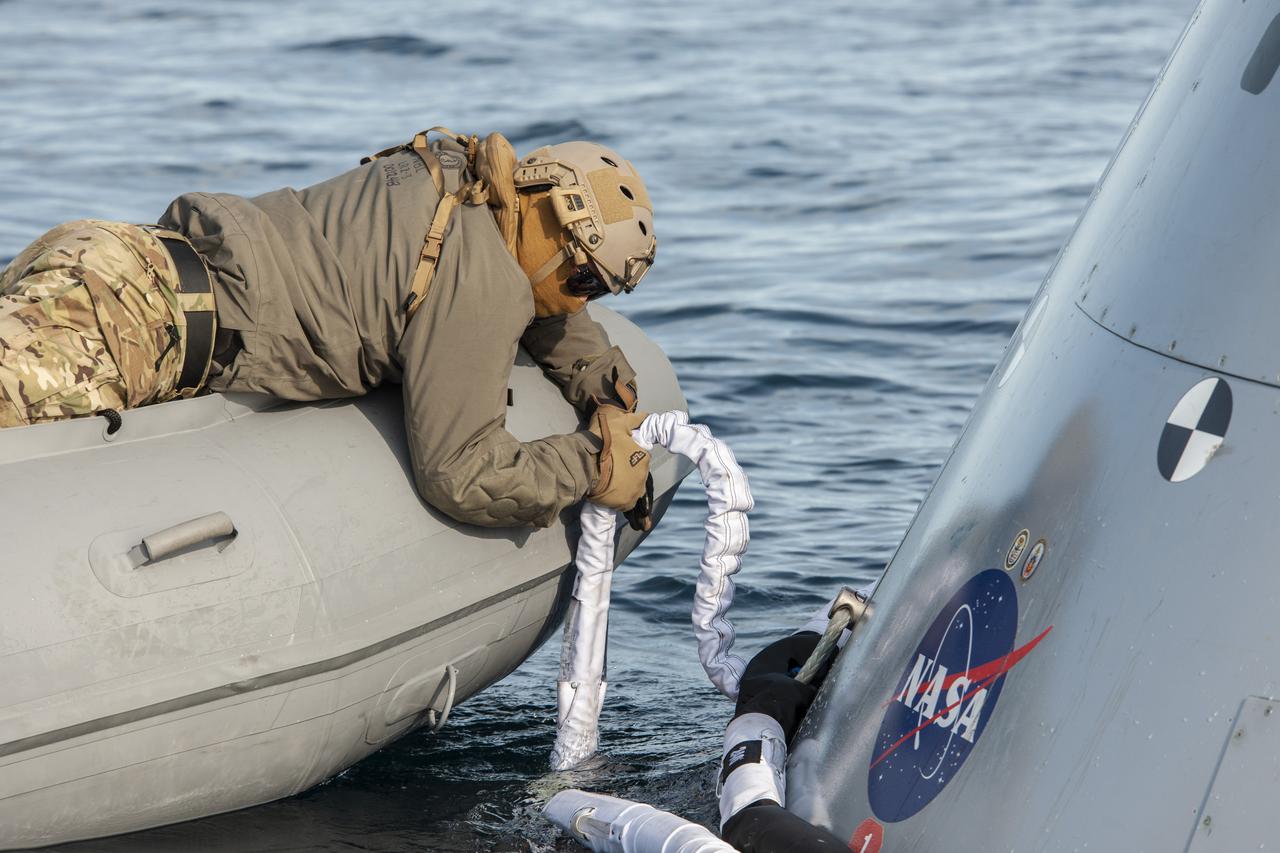
U.S. Navy personnel aboard a rigid hull inflatable boat help recover NASA's Orion spacecraft following its splashdown in the Pacific Ocean after its first flight test in Earth orbit. The USS Anchorage is in the background. NASA, the U.S. Navy and Lockheed Martin are coordinating efforts to recover Orion and secure the spacecraft in the well deck of the USS Anchorage. Orion completed a two-orbit, four-and-a-half hour mission, to test systems critical to crew safety, including the launch abort system, the heat shield and the parachute system. The Ground Systems Development and Operations Program is leading the recovery efforts.
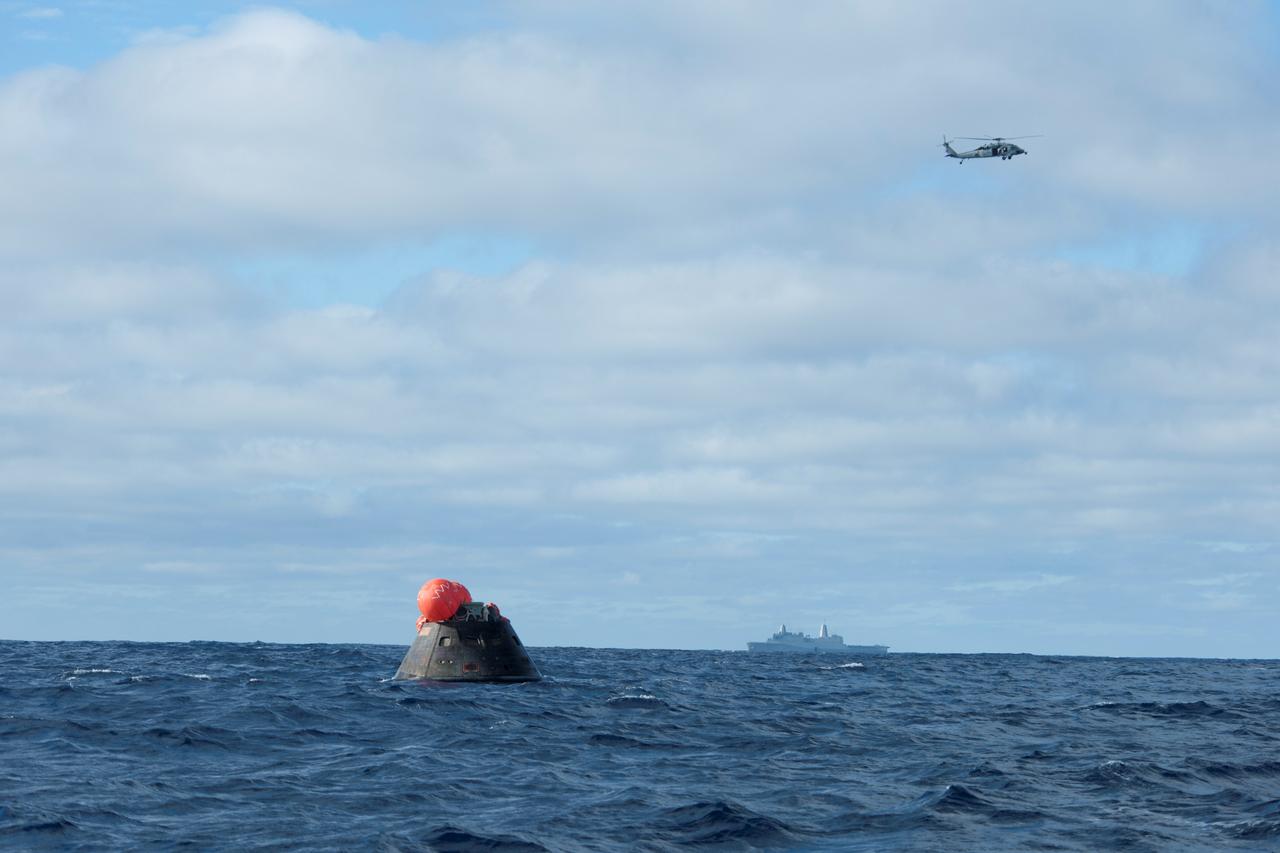
NASA's Orion spacecraft floats in the Pacific Ocean after splashdown from its first flight test in Earth orbit. An H60-S Seahawk helicopter hovers above to communicate the spacecraft's location back to the USS Anchorage, in the distance. NASA, the U.S. Navy and Lockheed Martin are coordinating efforts to recover Orion and secure the spacecraft in the well deck of the USS Anchorage. Orion completed a two-orbit, four-and-a-half hour mission, to test systems critical to crew safety, including the launch abort system, the heat shield and the parachute system. The Ground Systems Development and Operations Program is leading the recovery efforts.
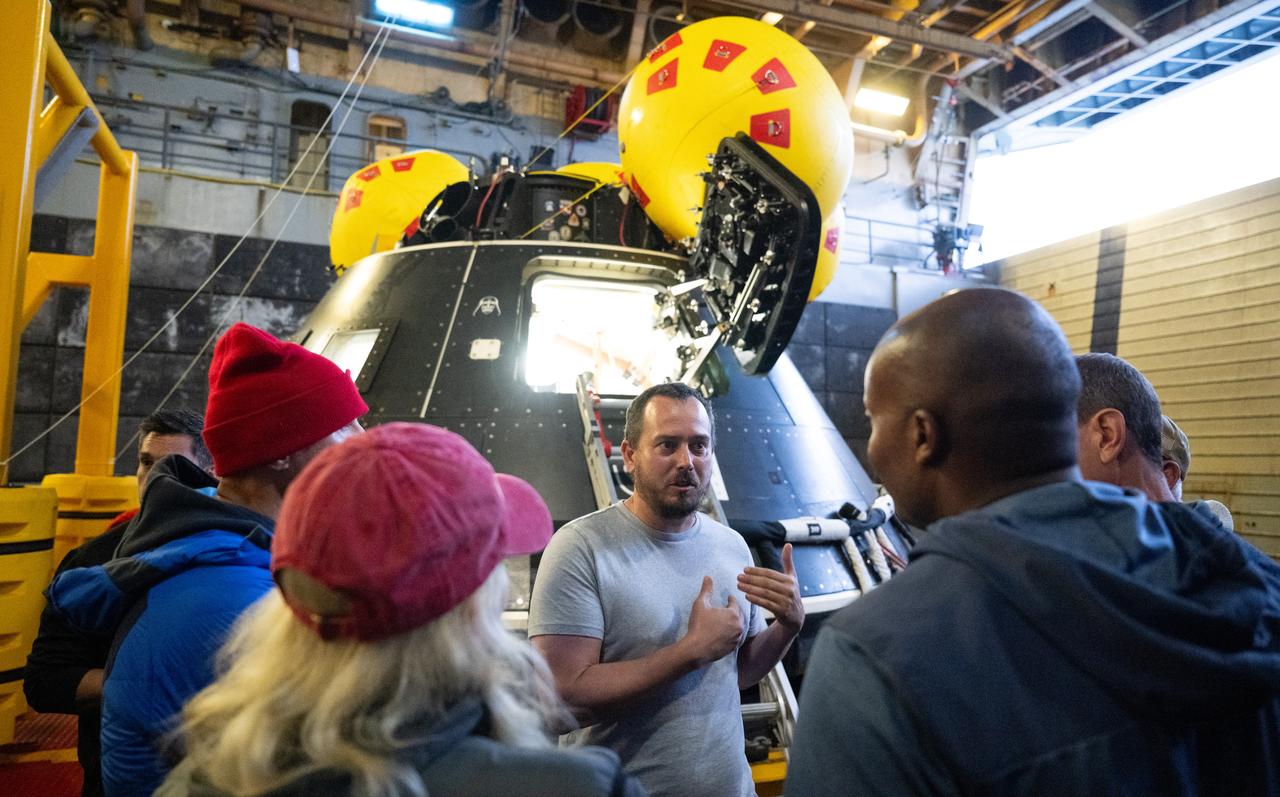
Bert Kallio, lead mechanical engineer for the Crew Module Test Article (CMTA), speaks with NASA astronauts Stan Love, Andre Douglas, Deniz Burnham, and ESA (European Space Agency) astronaut Luca Parmitano during a familiarization walkthrough as part of Underway Recovery Test-12 onboard USS Somerset, Tuesday, March 25, 2025. During the test, NASA and Department of Defense teams are practicing to ensure recovery procedures are validated as NASA plans to send the Artemis II astronauts around the Moon and splashdown in the Pacific Ocean. Photo Credit: (NASA/Joel Kowsky)
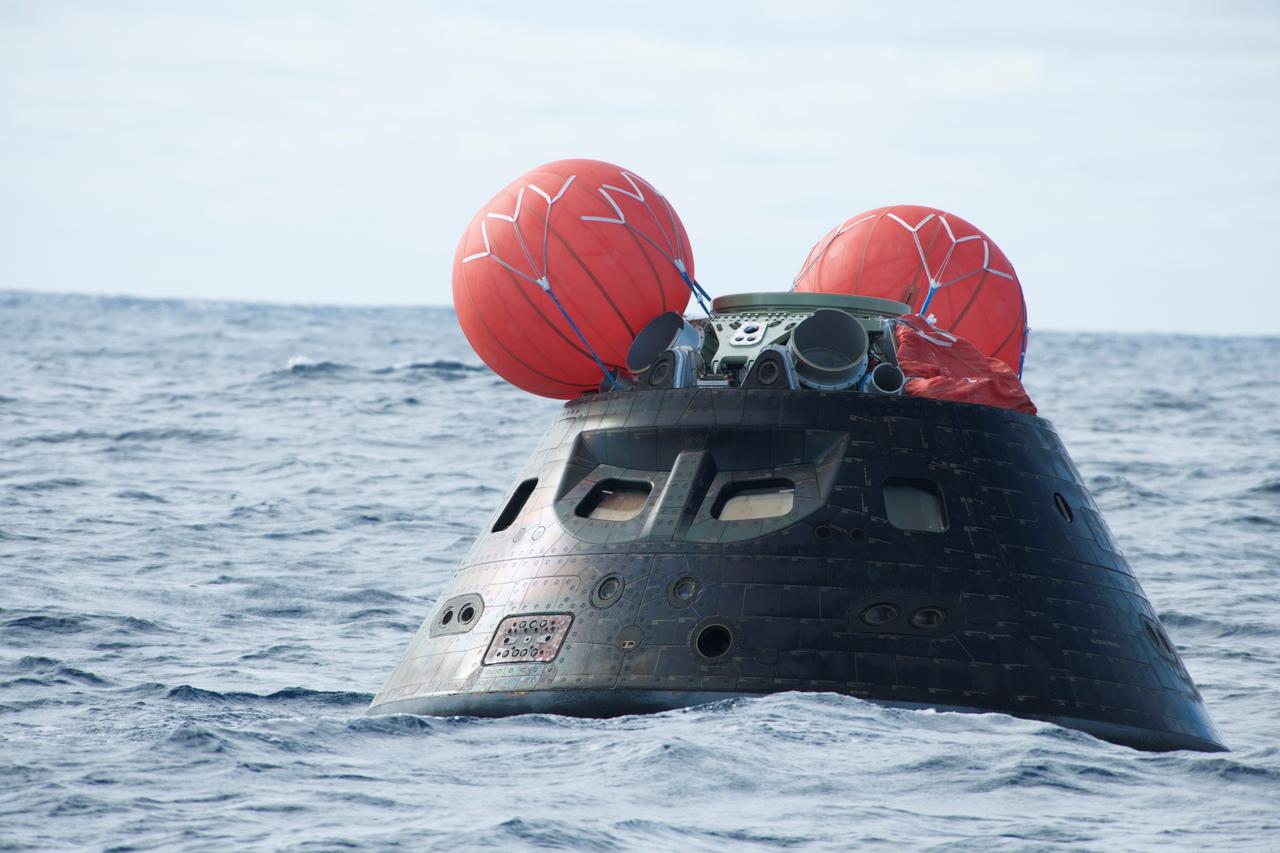
NASA's Orion spacecraft floats in the Pacific Ocean after splashdown from its first flight test in Earth orbit. The spacecraft completed a two-orbit, four-and-a-half-hour mission in Earth orbit. NASA, the U.S. Navy and Lockheed Martin are coordinating efforts to recover Orion, the forward bay cover and main parachutes. Orion will be towed in and secure in the well deck of the nearby USS Anchorage. Orion's mission tested systems critical to crew safety, including the launch abort system, the heat shield and the parachute system. The Ground Systems Development and Operations Program is leading the recovery efforts.
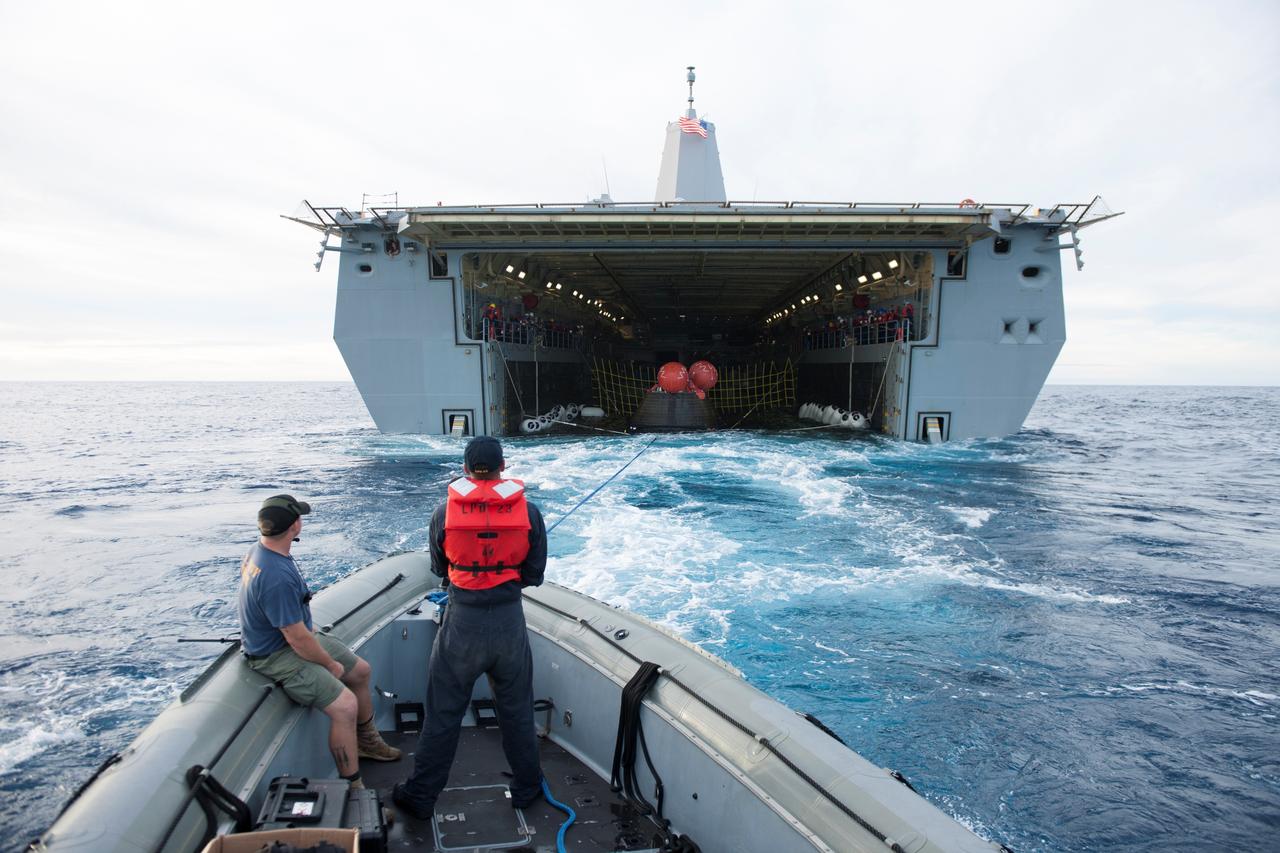
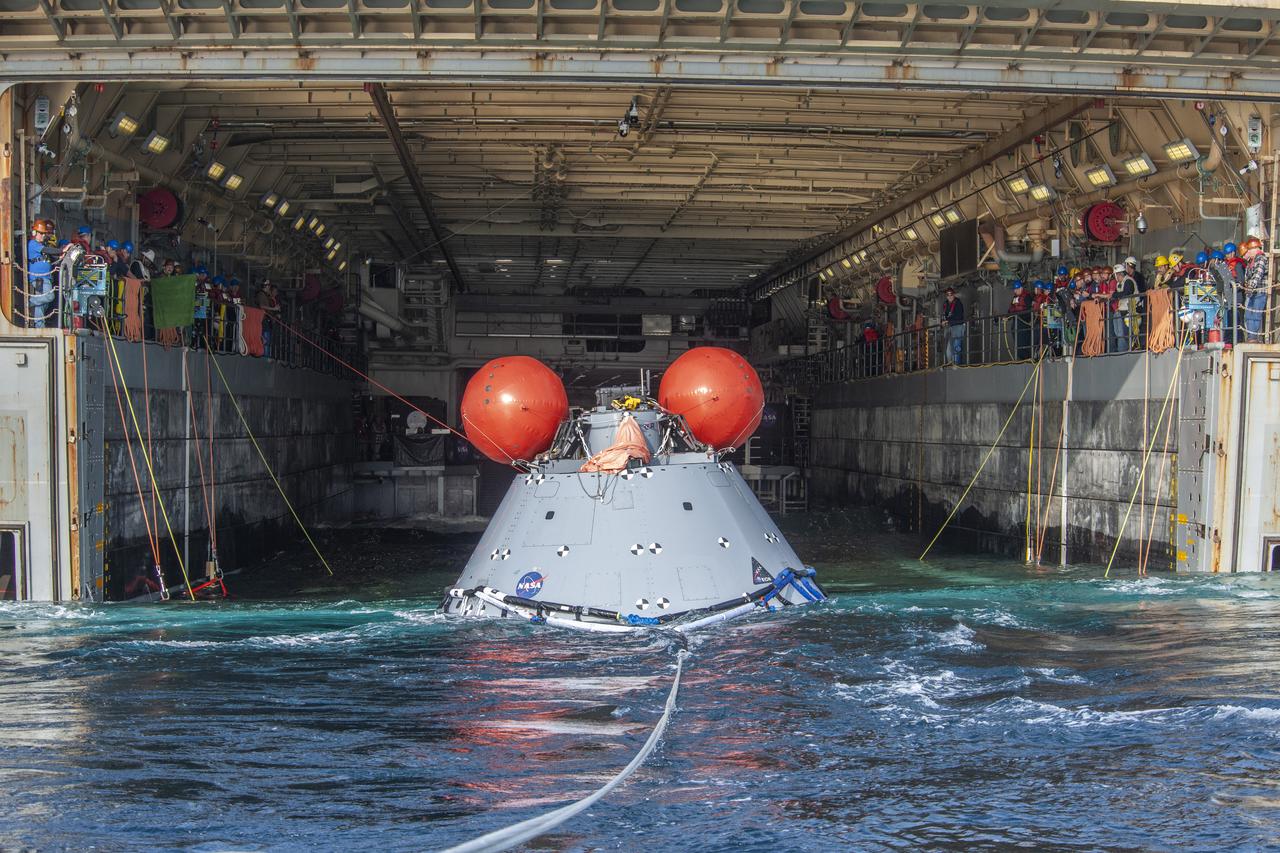
U.S. Navy personnel aboard a rigid hull inflatable boat help recover NASA's Orion spacecraft following its splashdown in the Pacific Ocean after its first flight test in Earth orbit. Orion is towed into the flooded well deck of the USS Anchorage. NASA, the U.S. Navy and Lockheed Martin coordinated efforts to recover Orion, the forward bay cover and main parachutes. Orion completed a two-orbit, four-and-a-half hour mission, to test systems critical to crew safety, including the launch abort system, the heat shield and the parachute system. The Ground Systems Development and Operations Program is leading the recovery efforts.
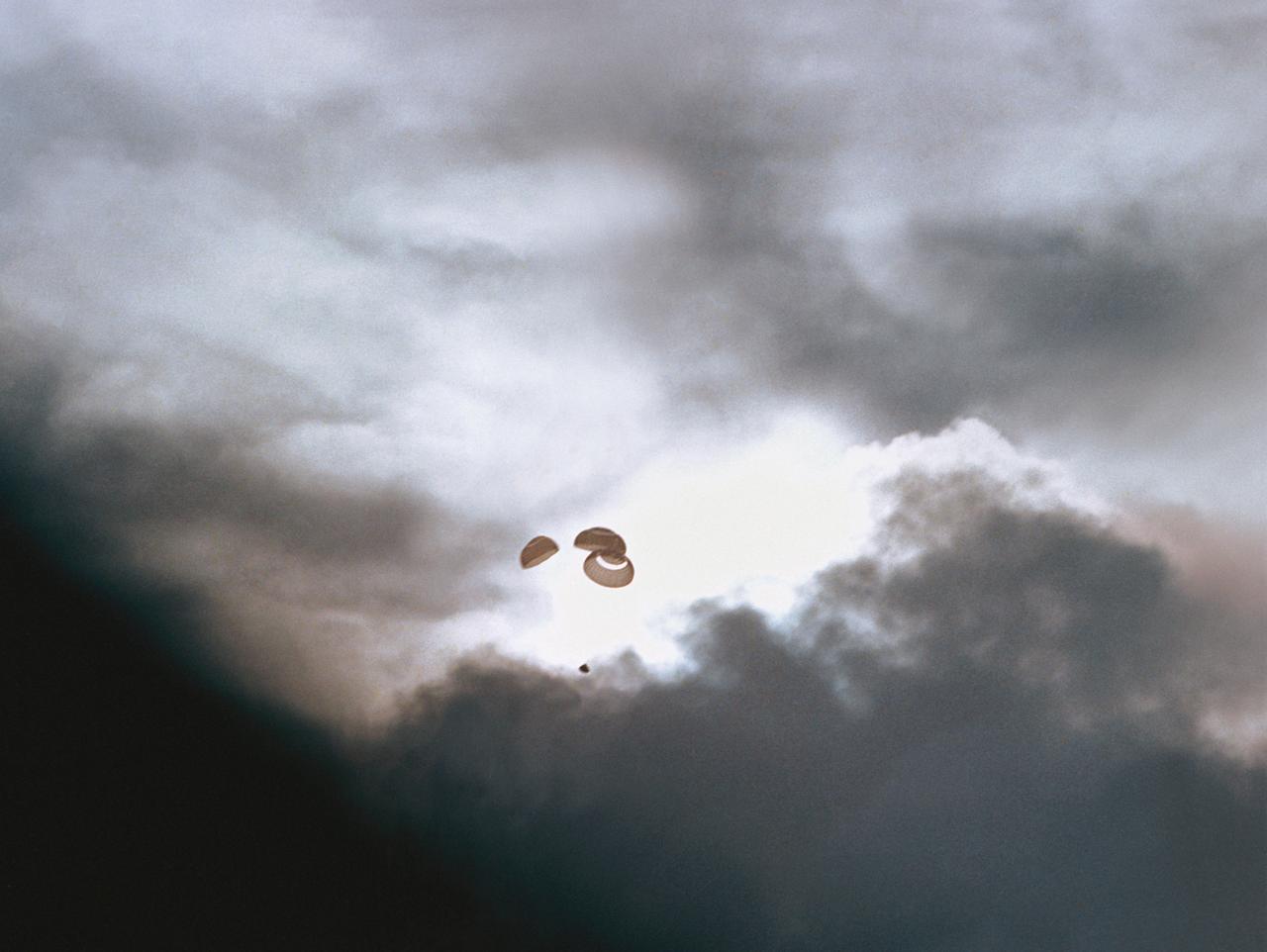
S70-35652 (17 April 1970) --- The Apollo 13 spacecraft heads toward a splashdown in the South Pacific Ocean. The Apollo 13 Command Module splashed down in the South Pacific at 12:07:44 p.m., April 17, 1970. Note the capsule and its parachutes just visible against a gap in the dark clouds.
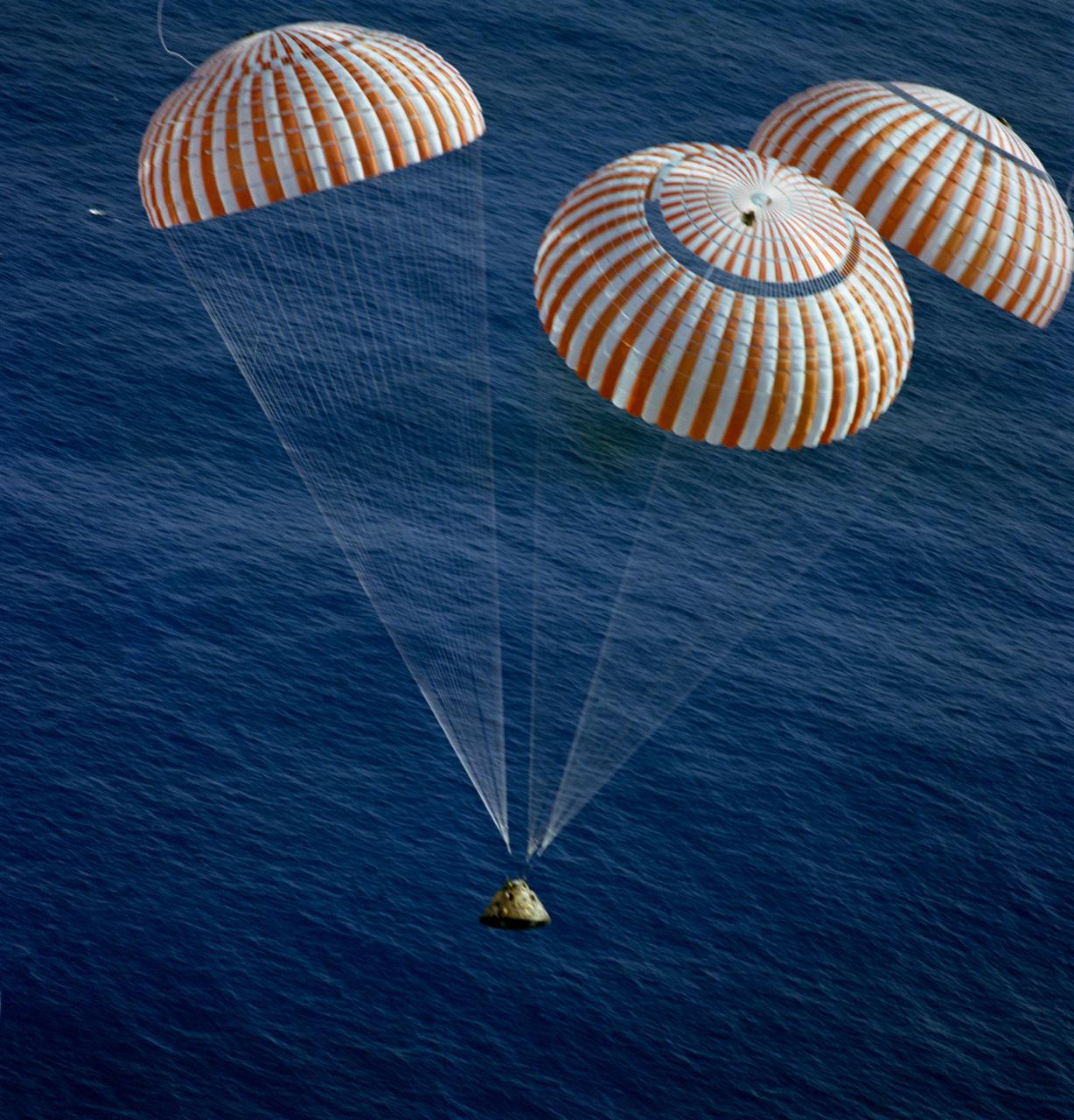
S72-55834 (19 Dec. 1972) --- The Apollo 17 Command Module (CM), with astronauts Eugene A. Cernan, Ronald E. Evans and Harrison H. Schmitt aboard, nears splashdown in the South Pacific Ocean to successfully concludes the final lunar landing mission in NASA's Apollo program. This overhead view was taken from a recovery aircraft seconds before the spacecraft hit the water. The splashdown occurred at 304:31:59 ground elapsed time, 1:24:59 p.m. (CST) Dec. 19, 1972, at coordinates of 166 degrees 8 minutes west longitude and 27 degrees 53 minutes south latitude, about 350 nautical miles southeast of the Samoan Islands. The splashdown was only .8 miles from the target point. Later, the three crewmen were picked up by a helicopter from the prime recovery ship, USS Ticonderoga.
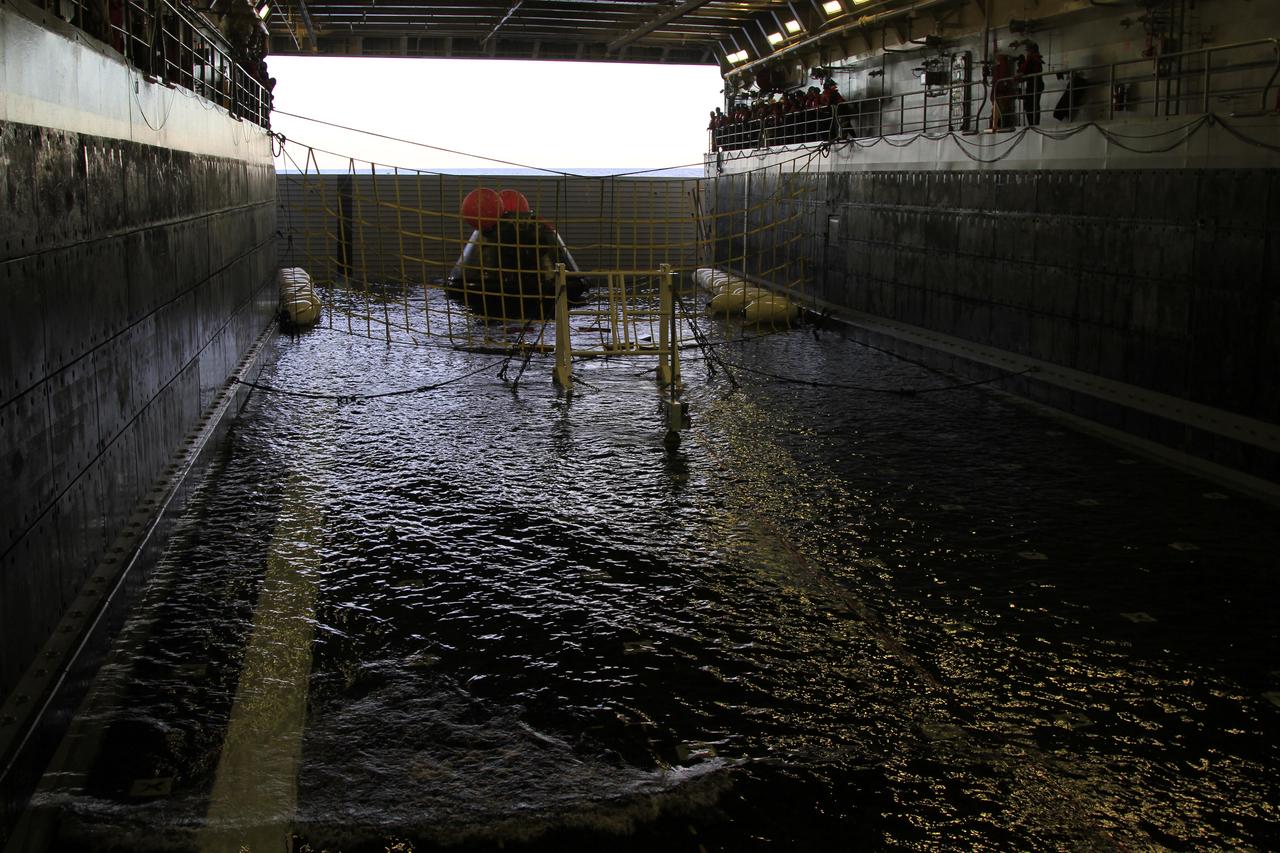
After splashdown, NASA's Orion spacecraft has been recovered and is positioned on rubber "speed bumps" inside the flooded well deck of the USS Anchorage in the Pacific Ocean about 600 miles off the coast of San Diego, California. After lifting off at 7:05 a.m. EST atop a Delta IV Heavy rocket from Space Launch Complex 37 at Cape Canaveral Air Force Station in Florida, Orion completed a two-orbit, four-and-a-half hour mission to test systems critical to crew safety, including the launch abort system, the heat shield and the parachute system. NASA, the U.S. Navy and Lockheed Martin coordinated efforts to recover Orion after splashdown. The Ground Systems Development and Operations Program is leading the recovery efforts.
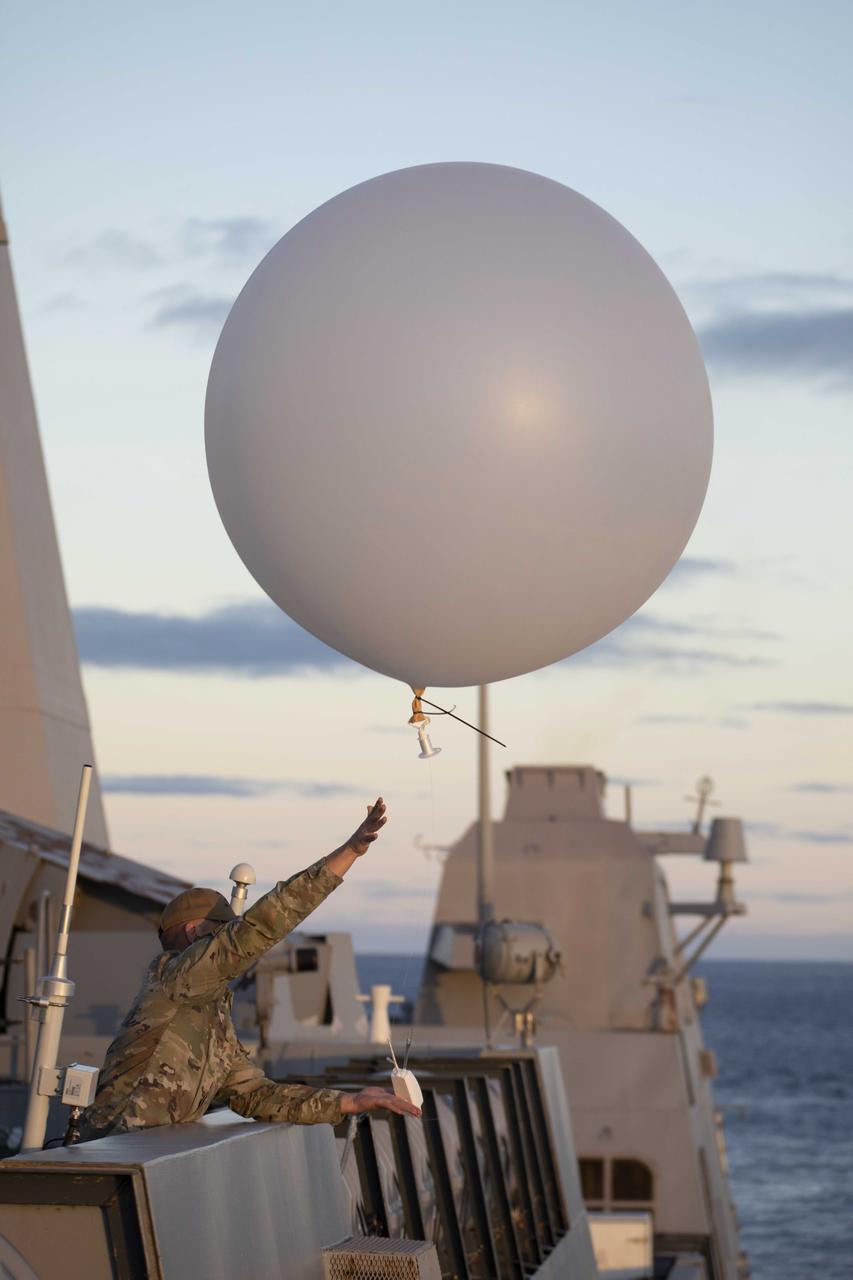
A member of the 45th Weather Squadron out of Patrick Space Force Base releases a weather balloon from the deck of USS Portland prior to splashdown of the NASA’s Orion spacecraft for the Artemis I mission on Dec. 11, 2022.

Caption: Off the pad abort shot at Wallops using Langley PARD designed full scale capsule with Recruit rocket and extended skirt main parachute. Shows sequential images of launch and capsule splashdown.
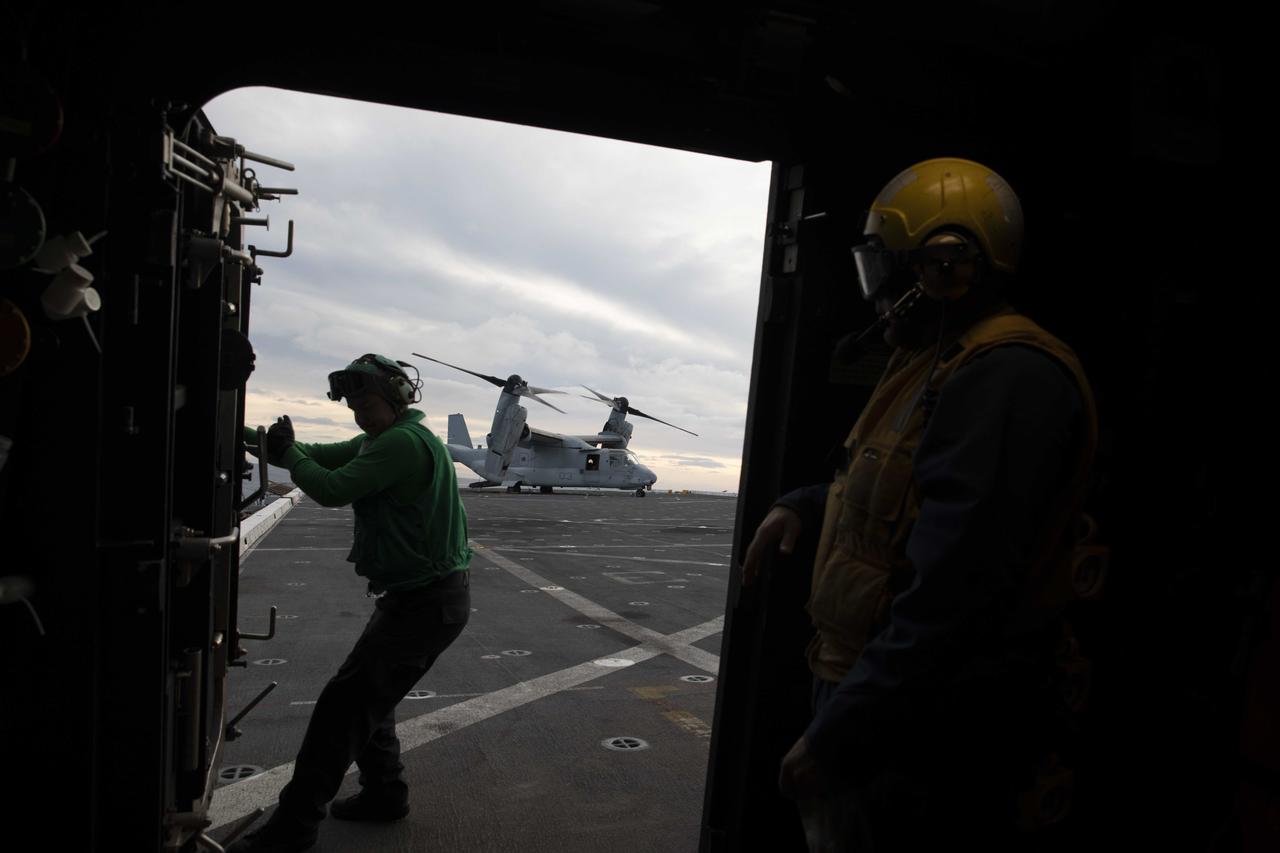
A member of the U.S. Navy helicopter team aboard USS Portland opens a door to the flight deck after a V-22 Osprey lands prior to NASA’s Orion splashdown for the Artemis I mission on Dec. 11, 2022.
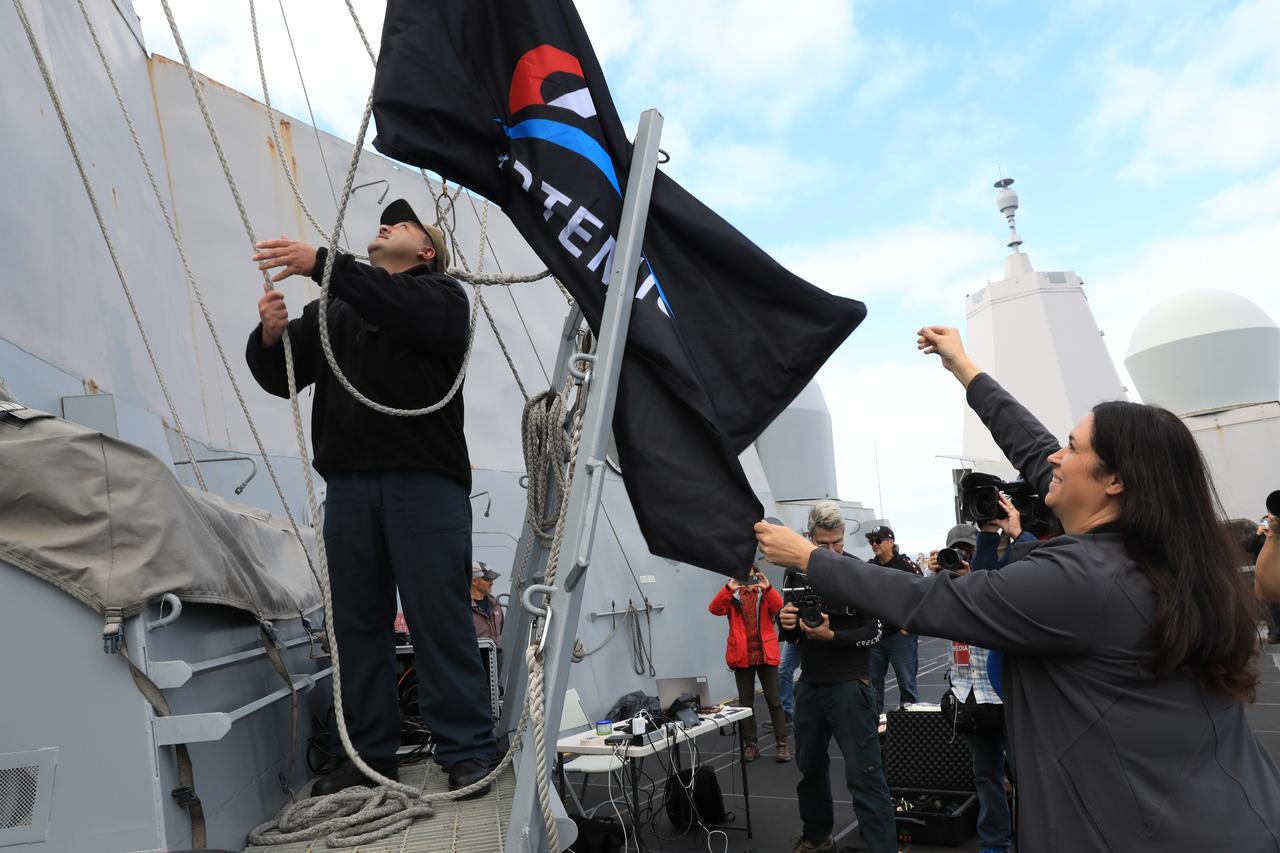
After splashdown of the Orion spacecraft on Dec. 11, 2022, NASA’s Artemis I Landing and Recovery Director Melissa Jones helps to raise the Artemis flag aboard USS Portland.
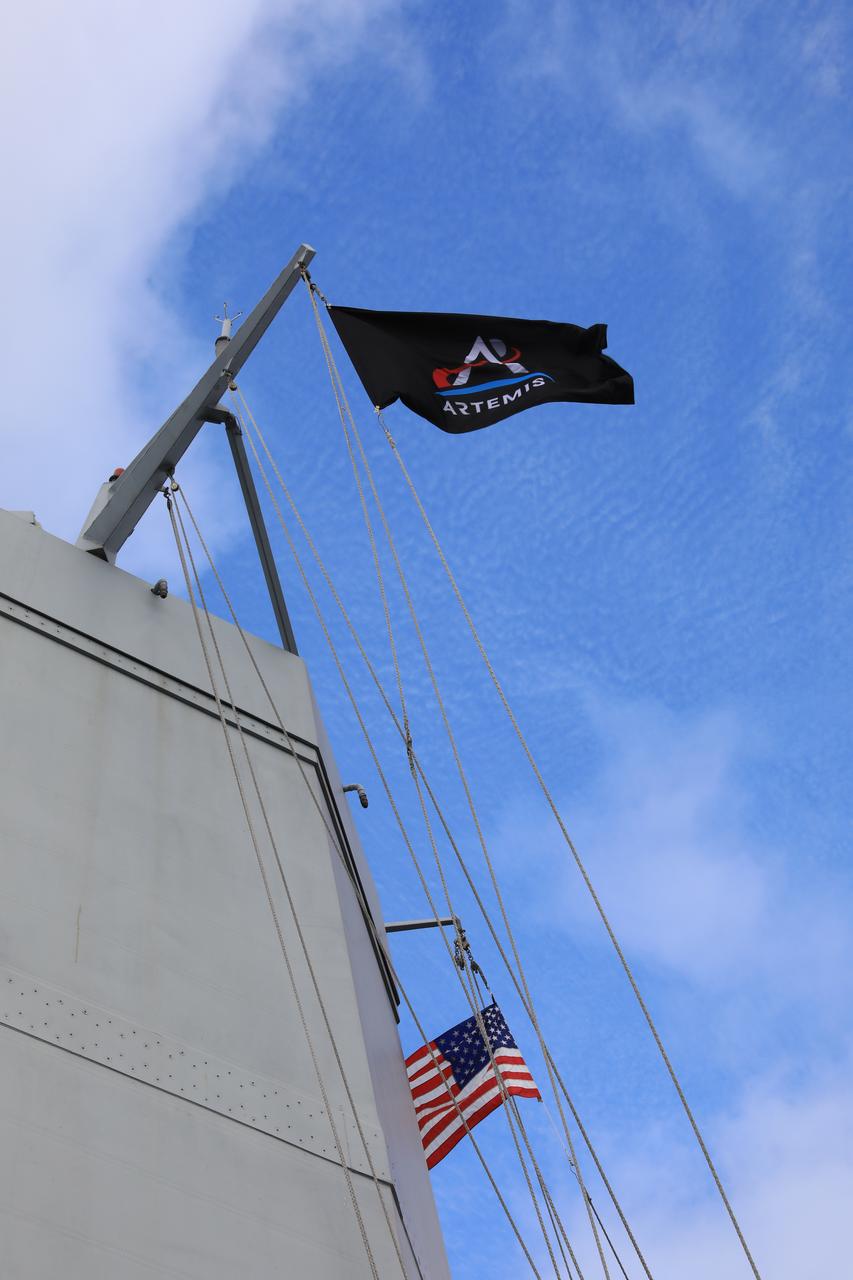
After splashdown of the Orion spacecraft on Dec. 11, 2022, NASA’s Artemis I Landing and Recovery Director Melissa Jones helps to raise the Artemis flag aboard USS Portland.
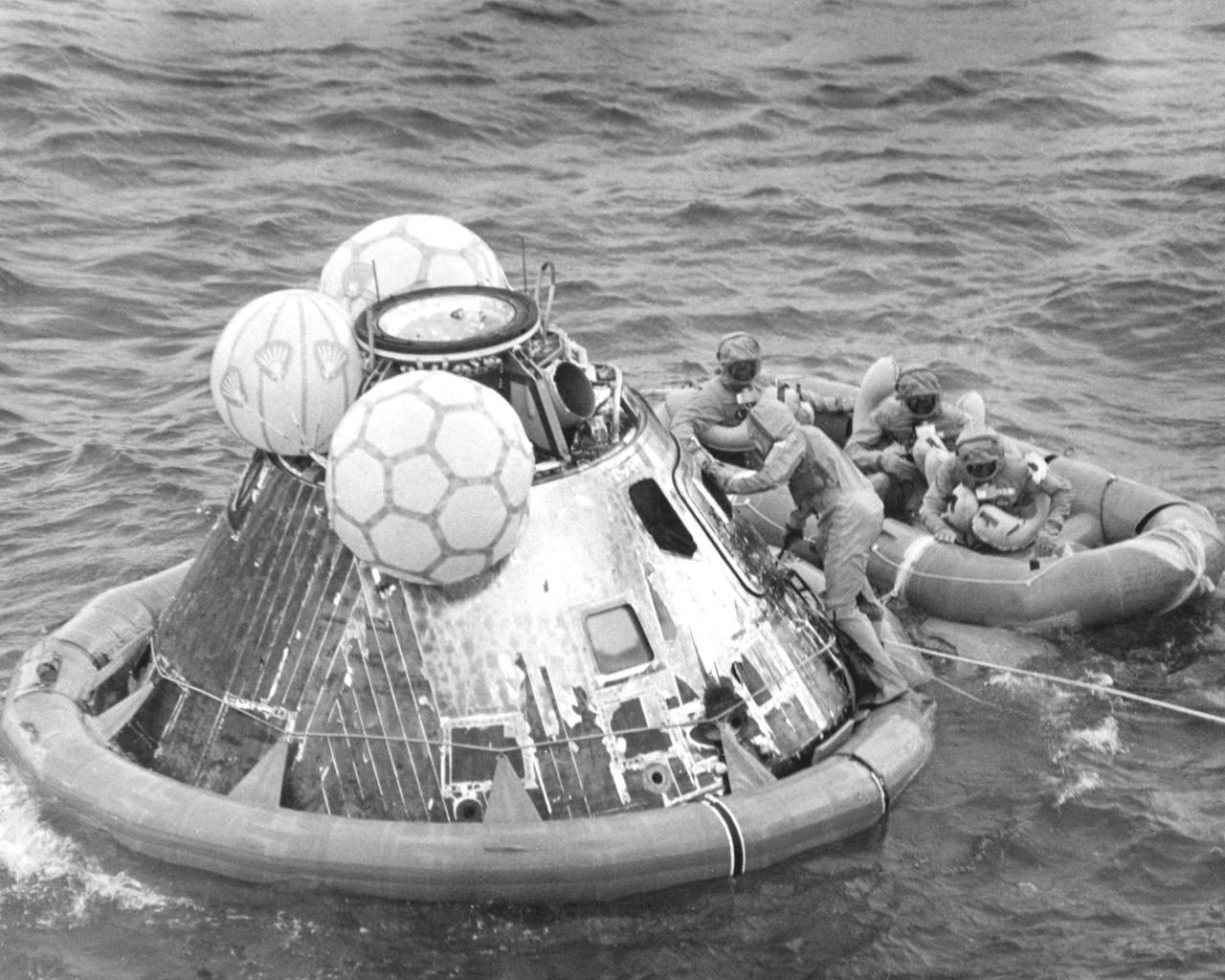
The Apollo 11 mission, the first manned lunar mission, launched from the Kennedy Space Center, Florida via the Saturn V launch vehicle on July 16, 1969 and safely returned to Earth on July 24, 1969. The Saturn V vehicle was developed by the Marshall Space Flight Center (MSFC) under the direction of Dr. Wernher von Braun. Aboard were astronauts Neil A. Armstrong, commander; Michael Collins, Command Module (CM) pilot; and Edwin E. Aldrin Jr., Lunar Module (LM) pilot. The CM, piloted by Michael Collins remained in a parking orbit around the Moon while the LM, named “Eagle’’, carrying astronauts Neil Armstrong and Edwin Aldrin, landed on the Moon. Armstrong was the first human to ever stand on the lunar surface, followed by Edwin (Buzz) Aldrin. During 2½ hours of surface exploration, the crew collected 47 pounds of lunar surface material for analysis back on Earth. Shown here is the recovery operation of the capsule in the Pacific Ocean after splashdown. The three astronauts wait in the life raft as a pararescue man closes and secures the capsule hatch. The crew was then air lifted to the prime recovery ship, the U.S.S. Hornet, where they were housed in a Mobile Quarantine Facility (MQF).

S71-19473 (9 Feb. 1971) --- The Apollo 14 crew members step aboard the USS New Orleans, after exiting a U.S. Navy helicopter which retrieved the three from their splashdown site not far away. From left to right, are astronauts Stuart A. Roosa, command module pilot; Edgar D. Mitchell, lunar module pilot; and Alan B. Shepard Jr., commander. They will be sealed inside a Mobile Quarantine Facility (MQF) aboard the prime recovery ship. Apollo 14 splashdown occurred at 3:04:39 p.m. (CST) in the South Pacific Ocean, approximately 765 nautical miles from American Samoa.
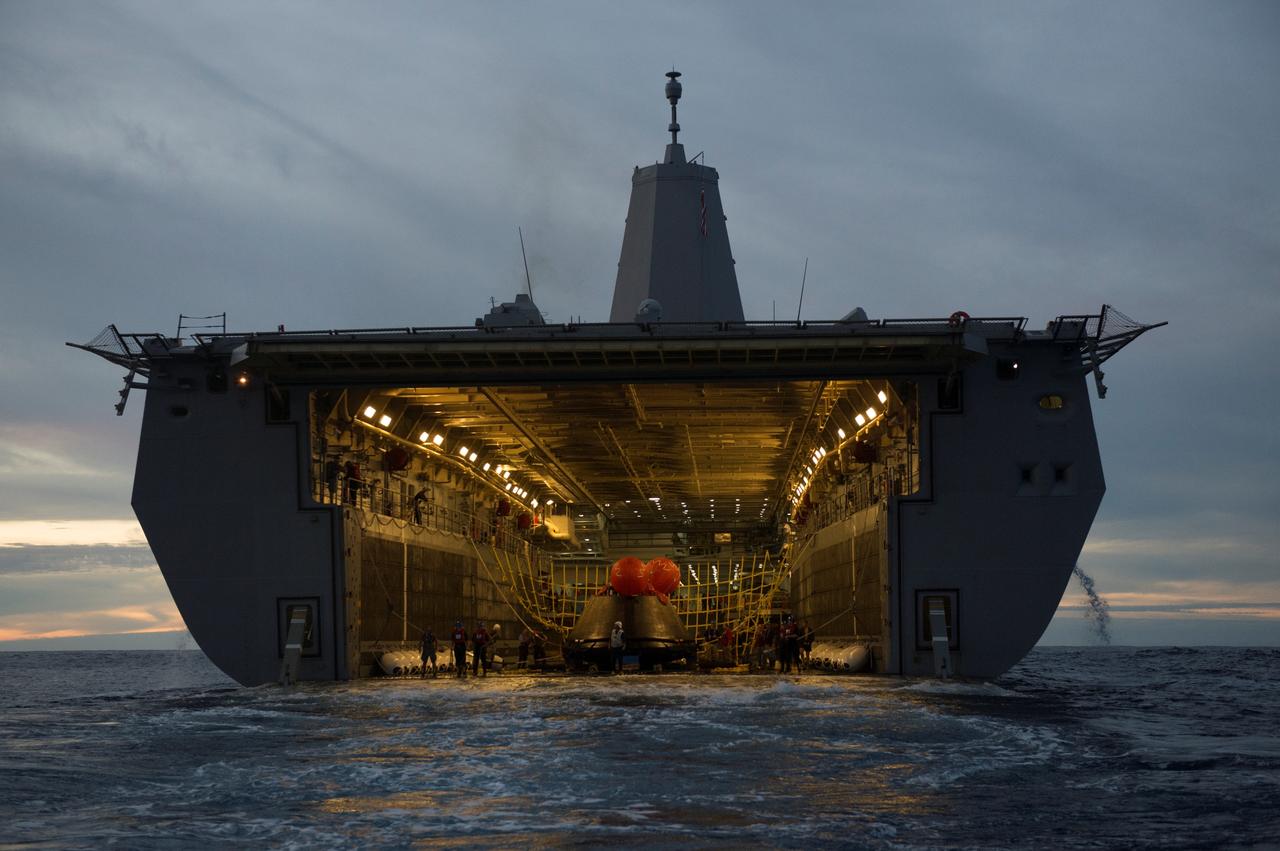
The Orion crew module is recovered after splashdown in the Pacific Ocean about 600 miles off the coast of San Diego, California. NASA, the U.S. Navy and Lockheed Martin coordinated efforts to recover Orion and secure the spacecraft inside the well deck of the USS Anchorage. After lifting off at 7:05 a.m. EST atop a Delta IV Heavy rocket from Space Launch Complex 37 at Cape Canaveral Air Force Station in Florida, NASA's Orion spacecraft completed a two-orbit, four-and-a-half hour mission to test systems critical to crew safety, including the launch abort system, the heat shield and the parachute system. The Ground Systems Development and Operations Program is leading the recovery efforts.
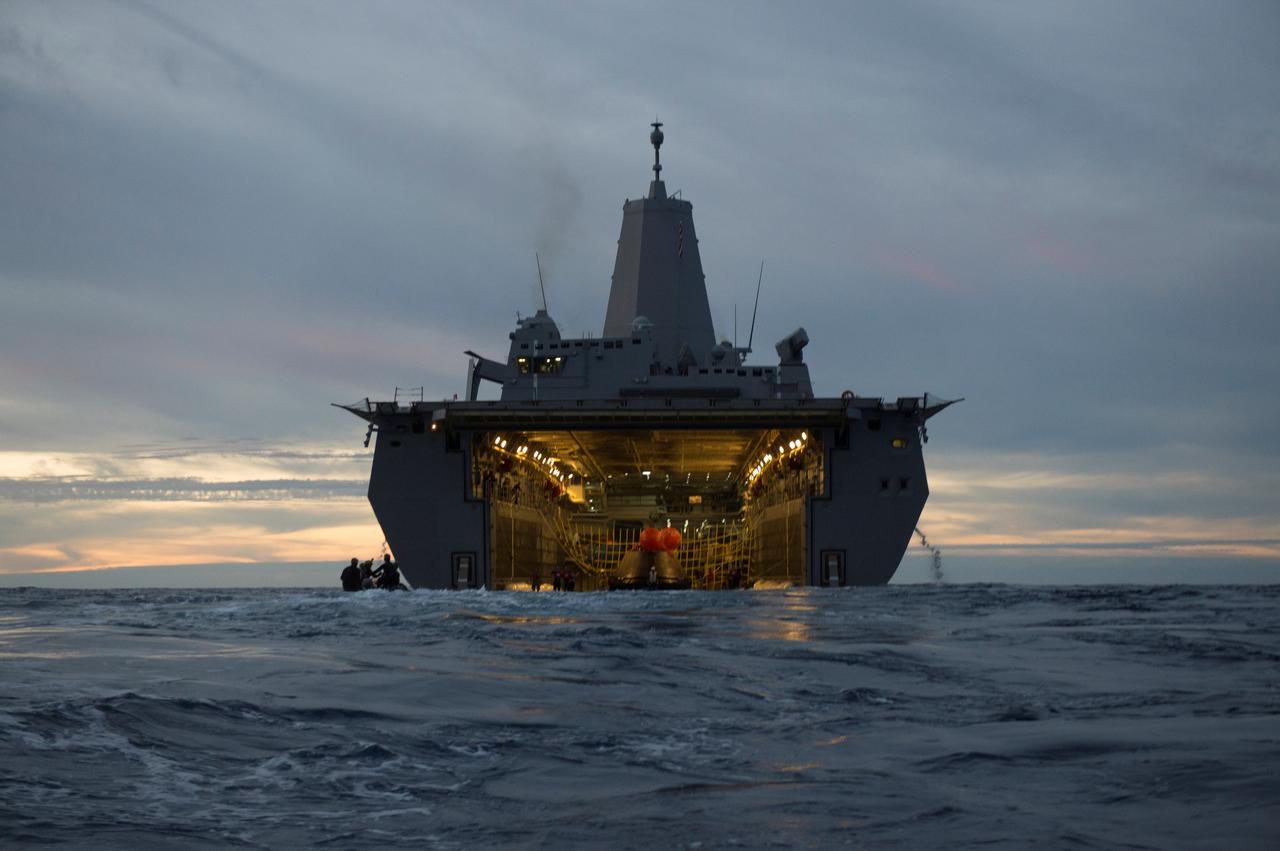
The Orion crew module is recovered after splashdown in the Pacific Ocean about 600 miles off the coast of San Diego, California. NASA, the U.S. Navy and Lockheed Martin coordinated efforts to recover Orion and secure the spacecraft inside the well deck of the USS Anchorage. After lifting off at 7:05 a.m. EST atop a Delta IV Heavy rocket from Space Launch Complex 37 at Cape Canaveral Air Force Station in Florida, NASA's Orion spacecraft completed a two-orbit, four-and-a-half hour mission to test systems critical to crew safety, including the launch abort system, the heat shield and the parachute system. The Ground Systems Development and Operations Program is leading the recovery efforts.
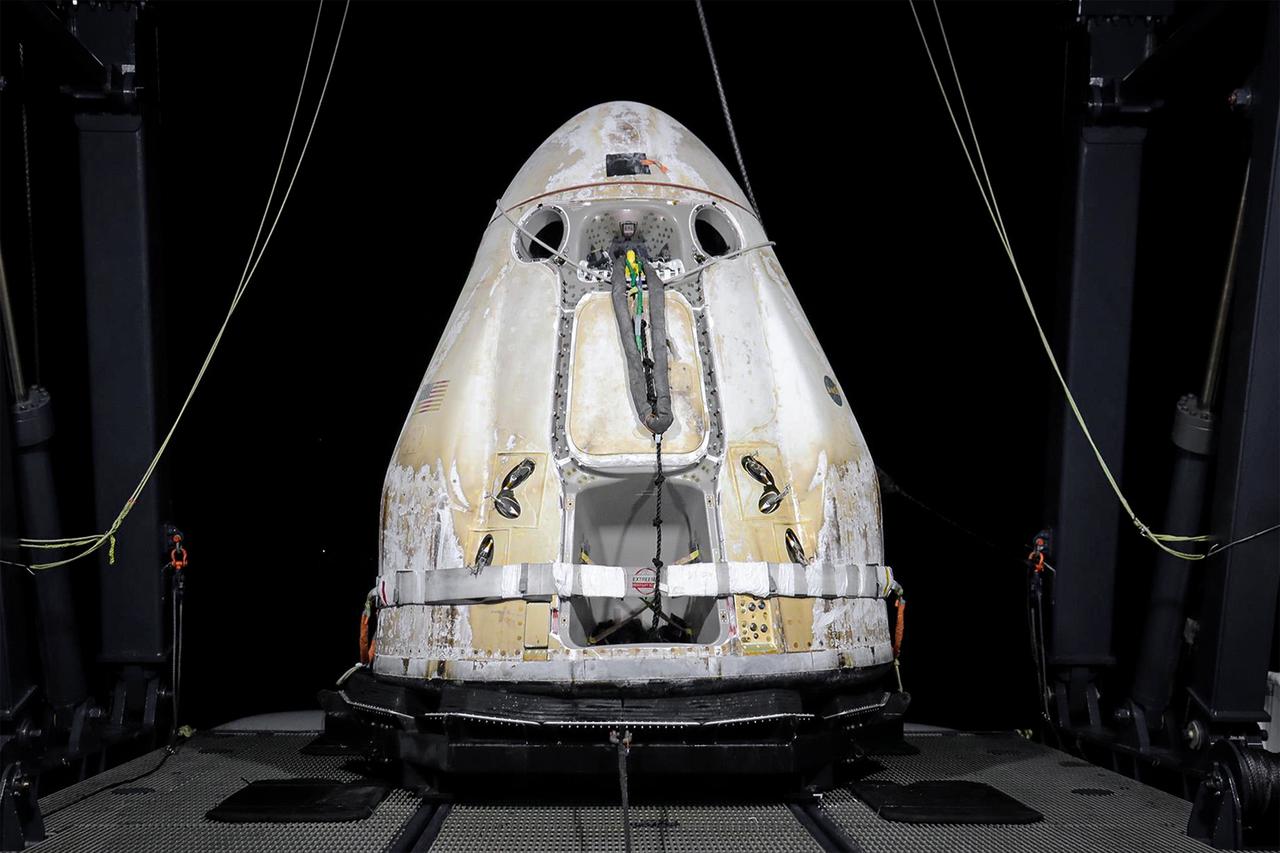
Shown here is the SpaceX Cargo Dragon spacecraft on board the company's Go Navigator recovery ship after making its successful parachute-assisted splashdown west of Tampa off the Florida coast on Jan. 13, 2020, at 8:26 p.m. EST. Just after loading Dragon onto Go Navigator, SpaceX packed an Airbus H225 helicopter with the time-sensitive research cargo for delivery to NASA’s Kennedy Space Center. Dragon returned more than 4,400 pounds of scientific experiments and other cargo from the International Space Station. The upgraded cargo Dragon capsule boasts double the powered locker capacity to preserve science samples, allowing for a significant increase in the research that can be carried back to Earth. Photo credit: SpaceX
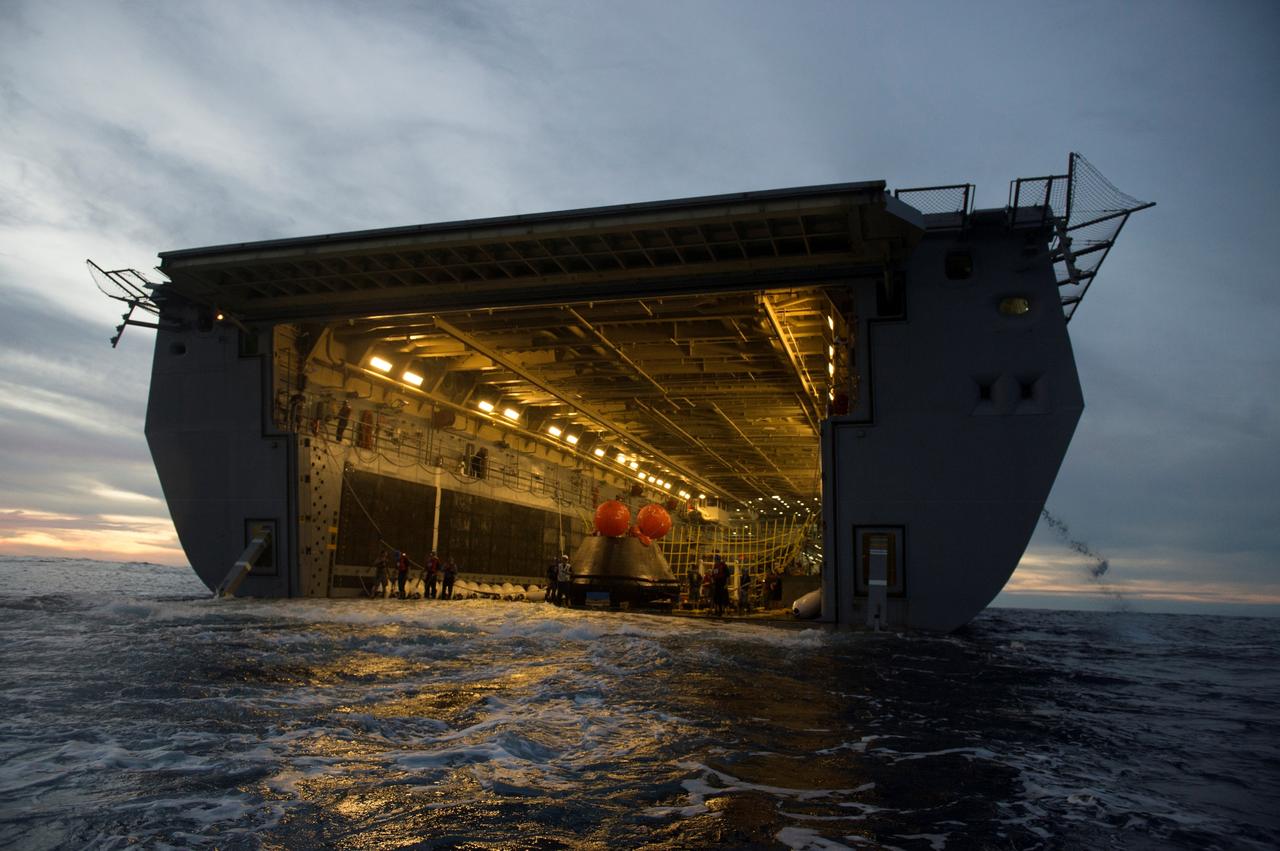
The Orion crew module is recovered after splashdown in the Pacific Ocean about 600 miles off the coast of San Diego, California. NASA, the U.S. Navy and Lockheed Martin coordinated efforts to recover Orion and secure the spacecraft inside the well deck of the USS Anchorage. After lifting off at 7:05 a.m. EST atop a Delta IV Heavy rocket from Space Launch Complex 37 at Cape Canaveral Air Force Station in Florida, NASA's Orion spacecraft completed a two-orbit, four-and-a-half hour mission to test systems critical to crew safety, including the launch abort system, the heat shield and the parachute system. The Ground Systems Development and Operations Program is leading the recovery efforts.
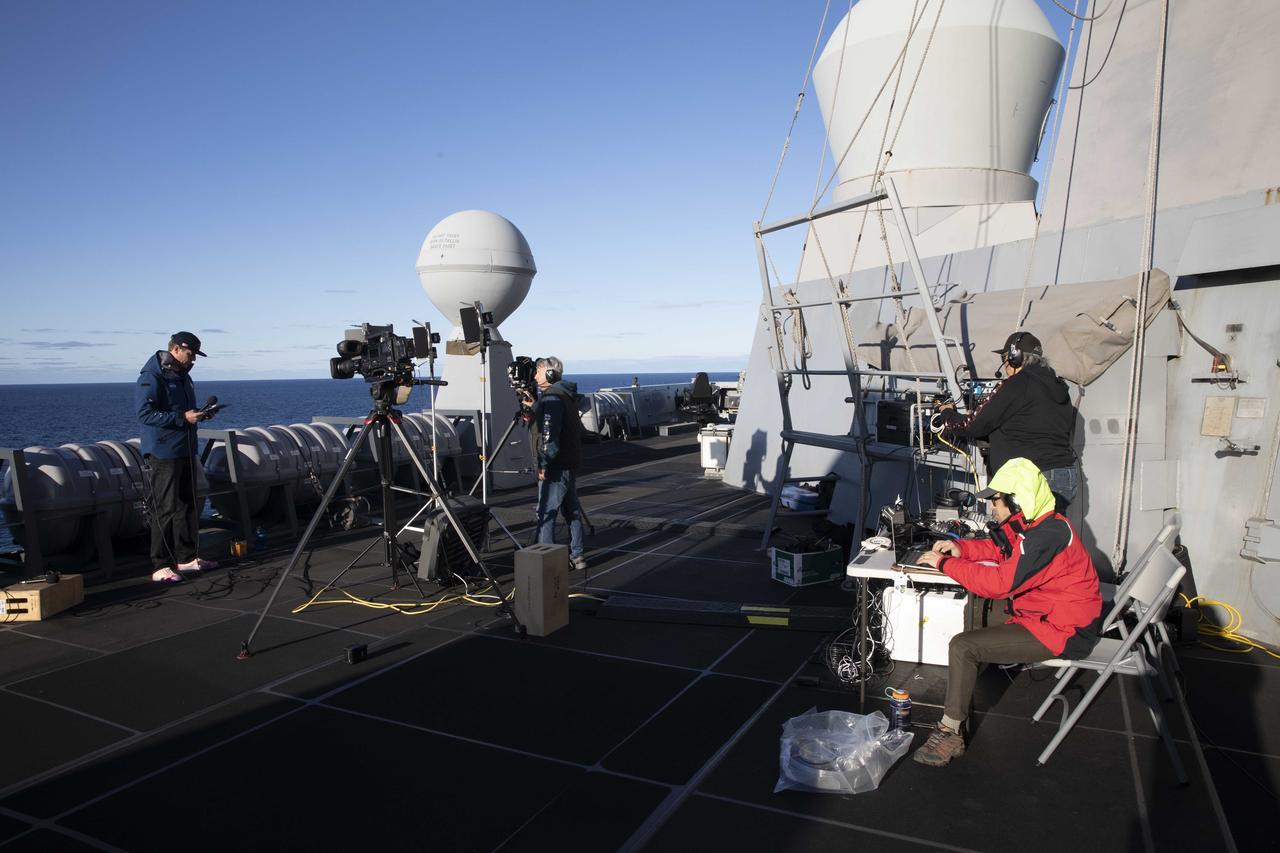
Members of Kennedy Space Center’s public affairs team prepare for live coverage of NASA’s Orion spacecraft’s splashdown for the Artemis I mission while aboard USS Portland. Orion safely splashed down in the Pacific Ocean on Dec. 11, 2022, completing a 25.5 day mission around the Moon and back.
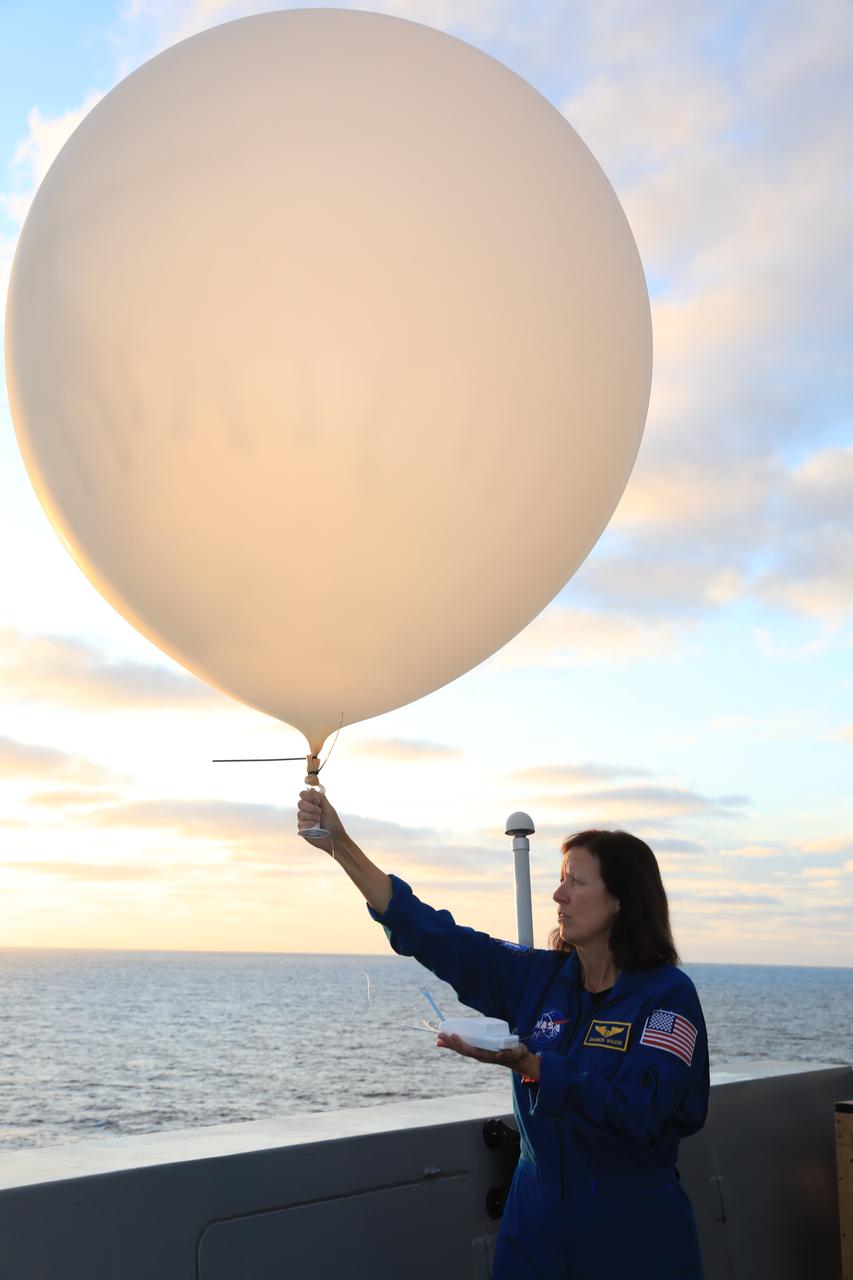
Astronaut Shannon Walker prepares to release a weather balloon from the deck of the USS Portland alongside members of the U.S. Space Force 45th Weather Squadron ahead of the splashdown of the Orion spacecraft on Dec. 11. NASA's Landing and Recovery team works alongside the DoD to safely recover Orion after Artemis missions to the Moon.

Astronaut Shannon Walker prepares to release a weather balloon from the deck of the USS Portland alongside members of the U.S. Space Force 45th Weather Squadron ahead of the splashdown of the Orion spacecraft on Dec. 11. NASA's Landing and Recovery team works alongside the DoD to safely recover Orion after Artemis missions to the Moon.
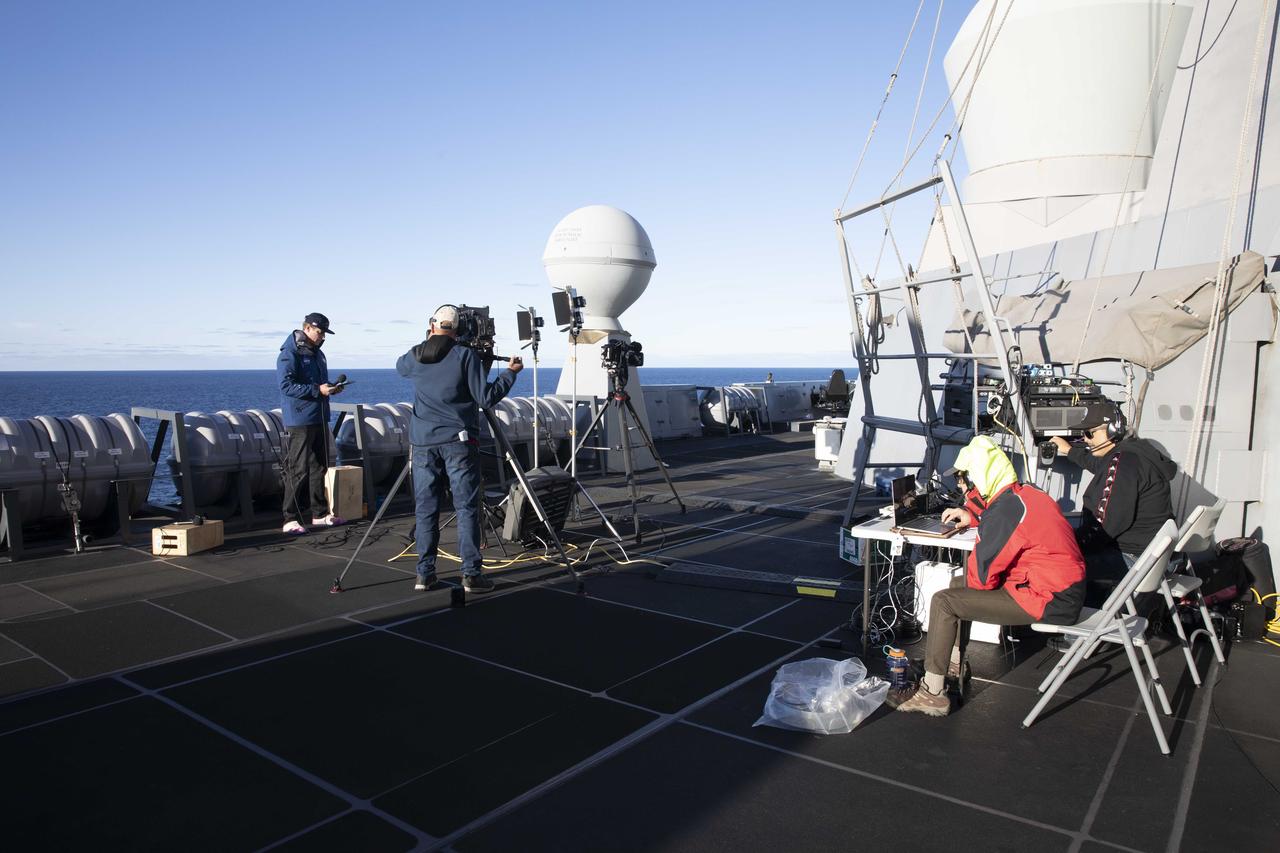
Members of Kennedy Space Center’s public affairs team prepare for live coverage of NASA’s Orion spacecraft’s splashdown for the Artemis I mission while aboard USS Portland. Orion safely splashed down in the Pacific Ocean on Dec. 11, 2022, completing a 25.5 day mission around the Moon and back.
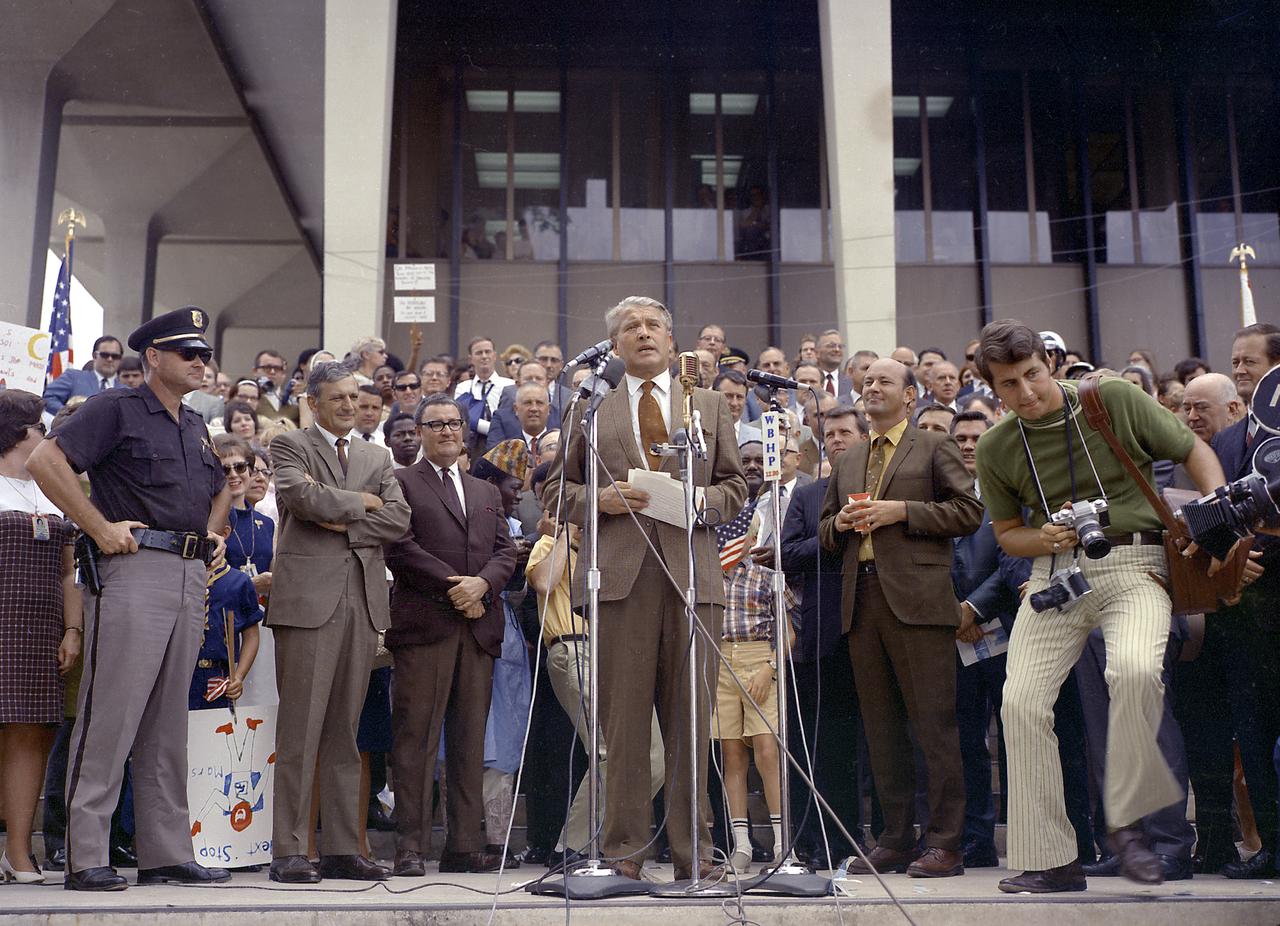
Apollo 11 splashdown celebration in Huntsville, Alabama, on July 24, 1969. Huntsville Alabama is the home of the Marshall Space Flight Center which developed the Saturn vehicles under the direction of Dr. von Braun. The photo shows Dr. von Braun speaking to the crowd at the Madison County Courthouse as Mayor Joe Davis, Madison County Commissioner James Record and City Council President Ken Johnson look on.

NASA and DoD members of the Artemis I recovery team run practice flight operations procedures aboard the USS Portland (LPD 27). The team is out at sea ahead of the Dec. 11 Orion splashdown in the Pacific Ocean.

NASA and DoD members of the Artemis I recovery team run practice flight operations procedures aboard the USS Portland (LPD 27). The team is out at sea ahead of the Dec. 11 Orion splashdown in the Pacific Ocean.
NASA's Landing and Recovery Team practices bringing a mock Orion capsule into the well deck of the USS Portland (LPD 27) ahead of the Artemis I Orion splashdown slated for Dec. 11.
NASA's Landing and Recovery Team practices bringing a mock Orion capsule into the well deck of the USS Portland (LPD 27) ahead of the Artemis I Orion splashdown slated for Dec. 11.
NASA's Landing and Recovery Team practices bringing a mock Orion capsule into the well deck of the USS Portland (LPD 27) ahead of the Artemis I Orion splashdown slated for Dec. 11.
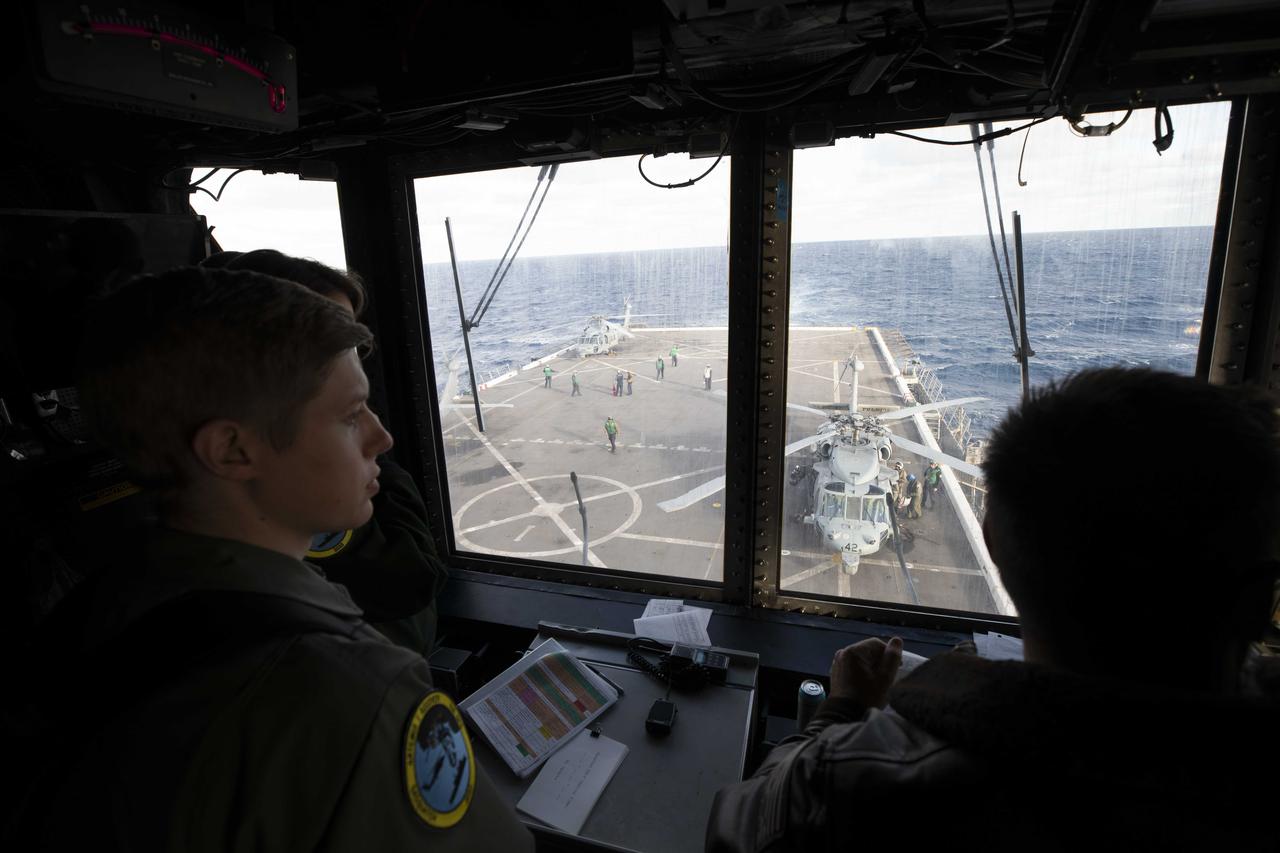
NASA and DoD members of the Artemis I recovery team run practice flight operations procedures aboard the USS Portland (LPD 27). The team is out at sea ahead of the Dec. 11 Orion splashdown in the Pacific Ocean.
NASA's Landing and Recovery Team practices bringing a mock Orion capsule into the well deck of the USS Portland (LPD 27) ahead of the Artemis I Orion splashdown slated for Dec. 11.
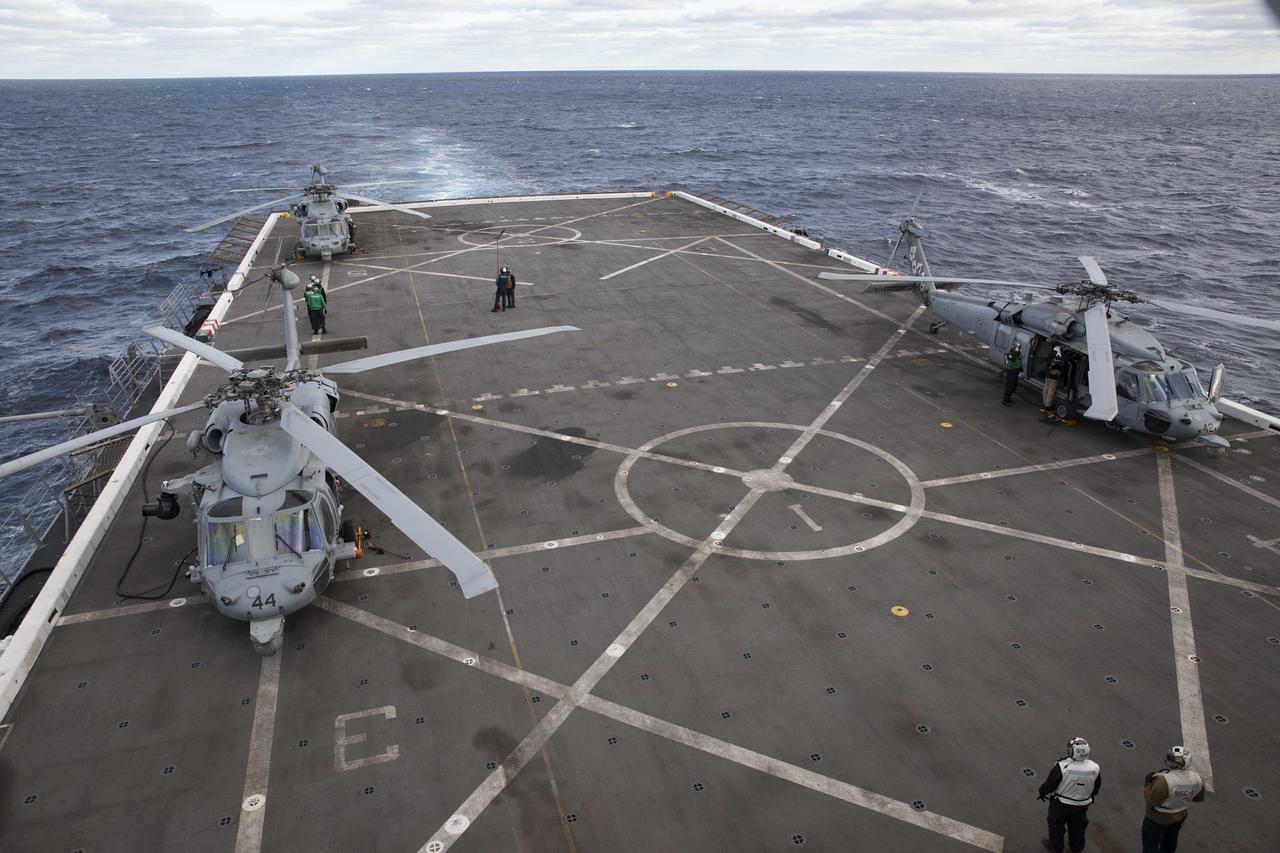
NASA and DoD members of the Artemis I recovery team run practice flight operations procedures aboard the USS Portland (LPD 27). The team is out at sea ahead of the Dec. 11 Orion splashdown in the Pacific Ocean.
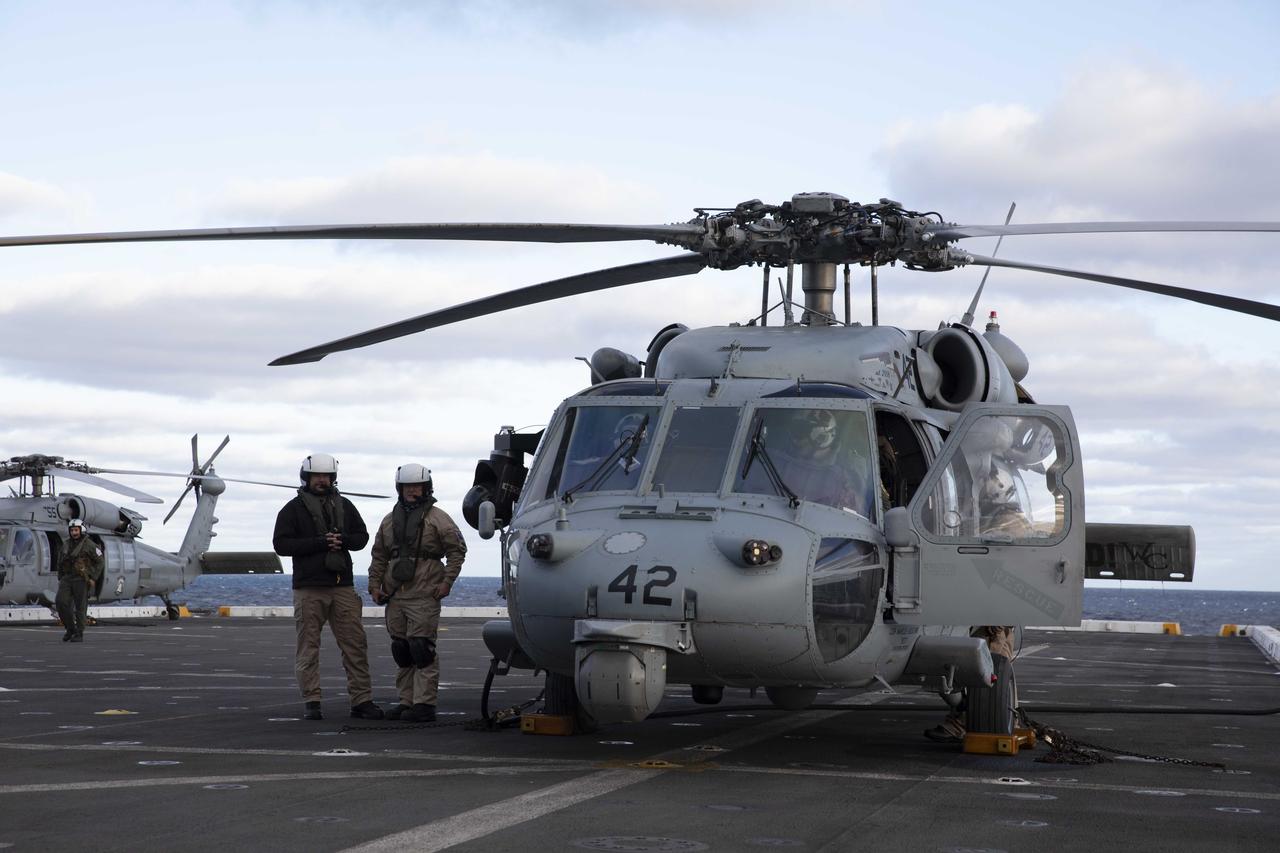
NASA and DoD members of the Artemis I recovery team run practice flight operations procedures aboard the USS Portland (LPD 27). The team is out at sea ahead of the Dec. 11 Orion splashdown in the Pacific Ocean.
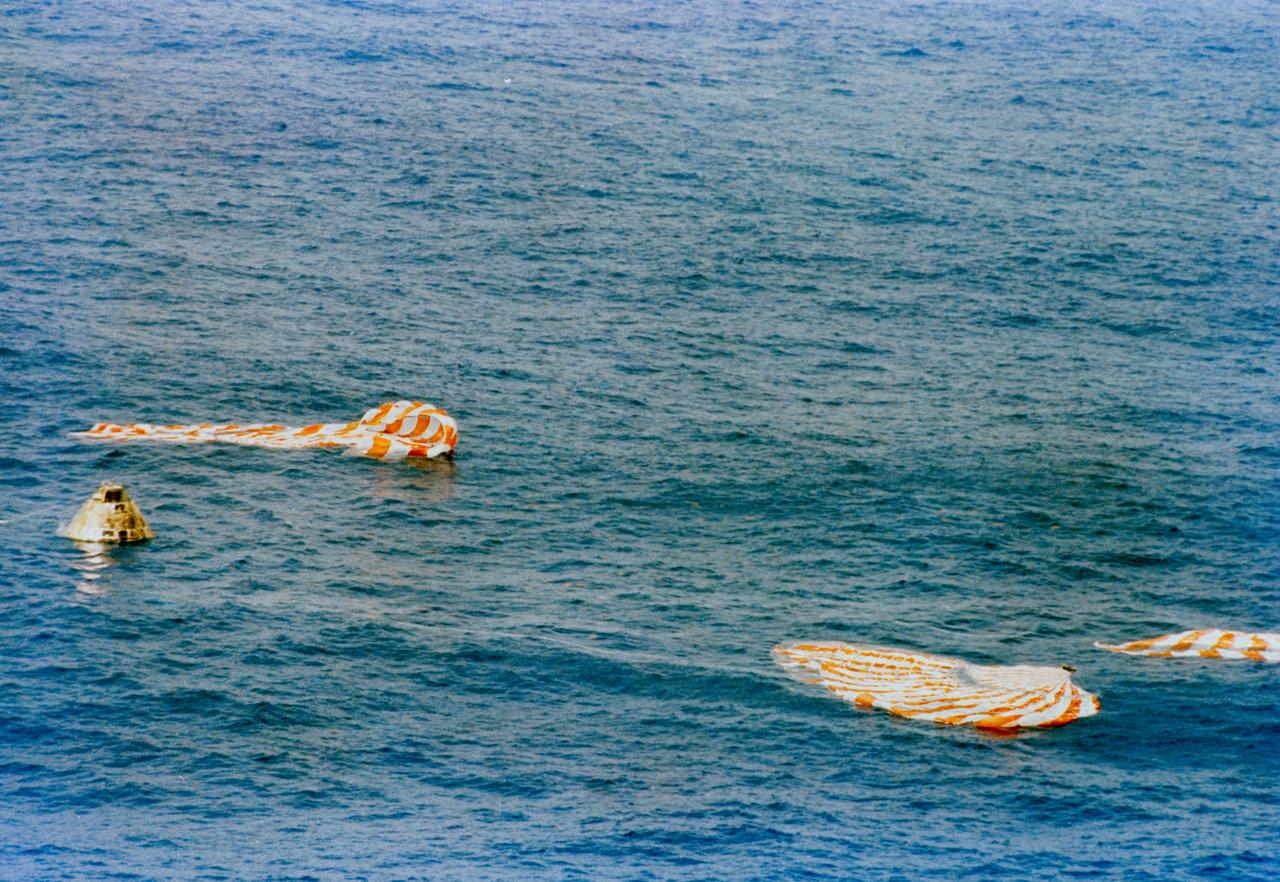
S69-27925 (13 March 1969) --- The Apollo 9 spacecraft, with astronauts James A. McDivitt, David R. Scott, and Russell L. Schweickart aboard, floats in the Atlantic immediately after splashdown. Moments later the three crewmen were picked up by a helicopter and flown to the deck of the USS Guadalcanal, prime recovery ship for the Apollo 9 10-day Earth-orbital space mission. Splashdown occurred at 12:00:53 p.m. (EST), March 13, 1969, only 4.5 nautical miles from the USS Guadalcanal. Just after this picture was taken U.S. Navy underwater demolition team swimmers were dropped into the water to assist in the recovery operations, including attaching a flotation collar to the spacecraft.
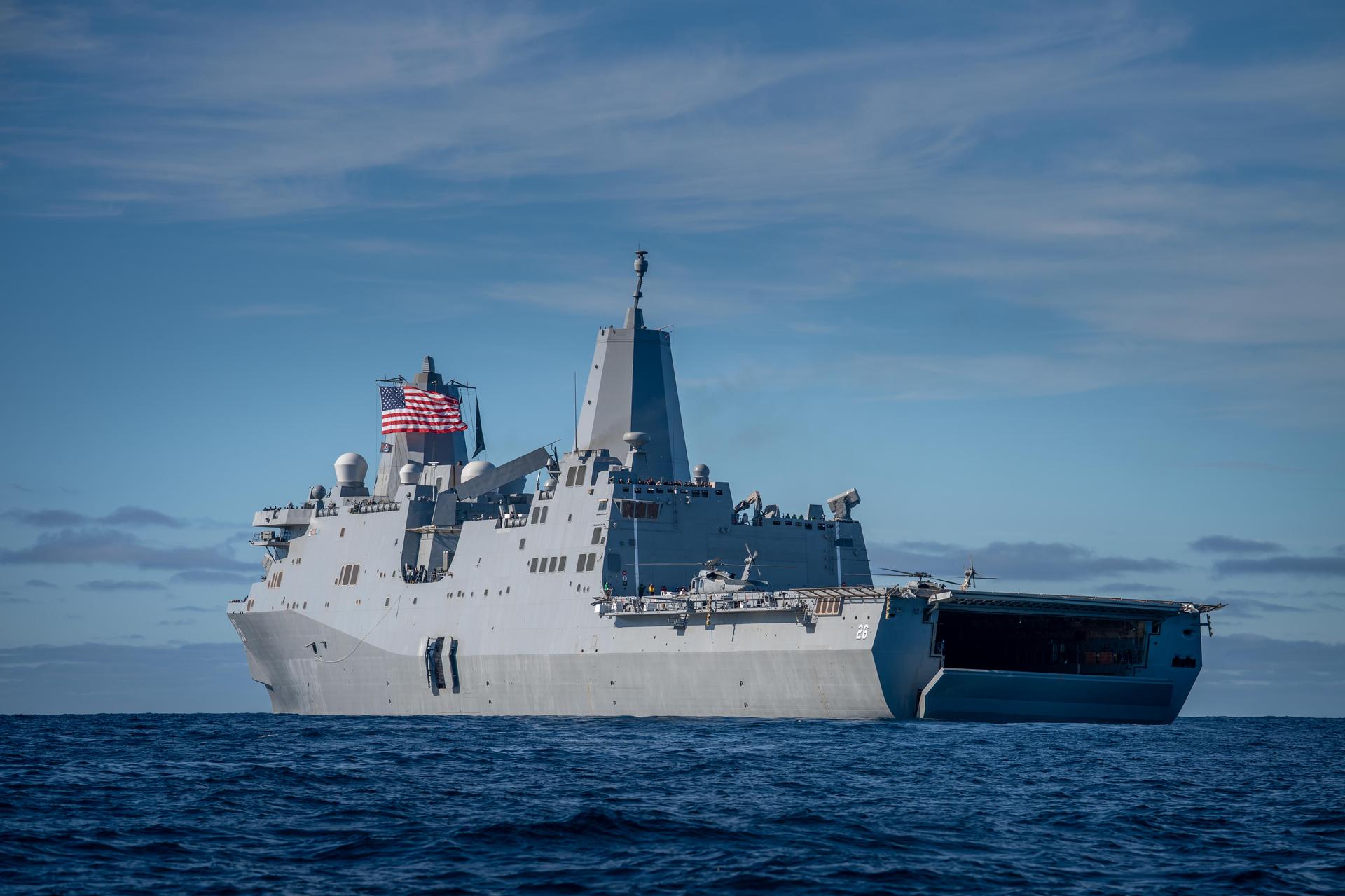
USS John P. Murtha approaches NASA's Orion spacecraft carrying Artemis II Commander Reid Wiseman, Pilot Victor Glover, and Mission Specialist Christina Koch from NASA, along with Mission Specialist Jeremy Hansen from the CSA (Canadian Space Agency), following splashdown in the Pacific Ocean near San Diego, California, at 5:07 p.m. PDT, (8:07 p.m. EDT) on Friday, April 10, 2026. The Artemis II test flight launched on Wednesday, April 1, from NASA’s Kennedy Space Center in Florida to begin its 10-day journey around the Moon for scientific discovery, economic benefits, and to build on our foundation for the first crewed missions to Mars. NASA’s Landing and Recovery team and the U.S. military are coordinating efforts to extract the Artemis II crew from the Orion spacecraft.
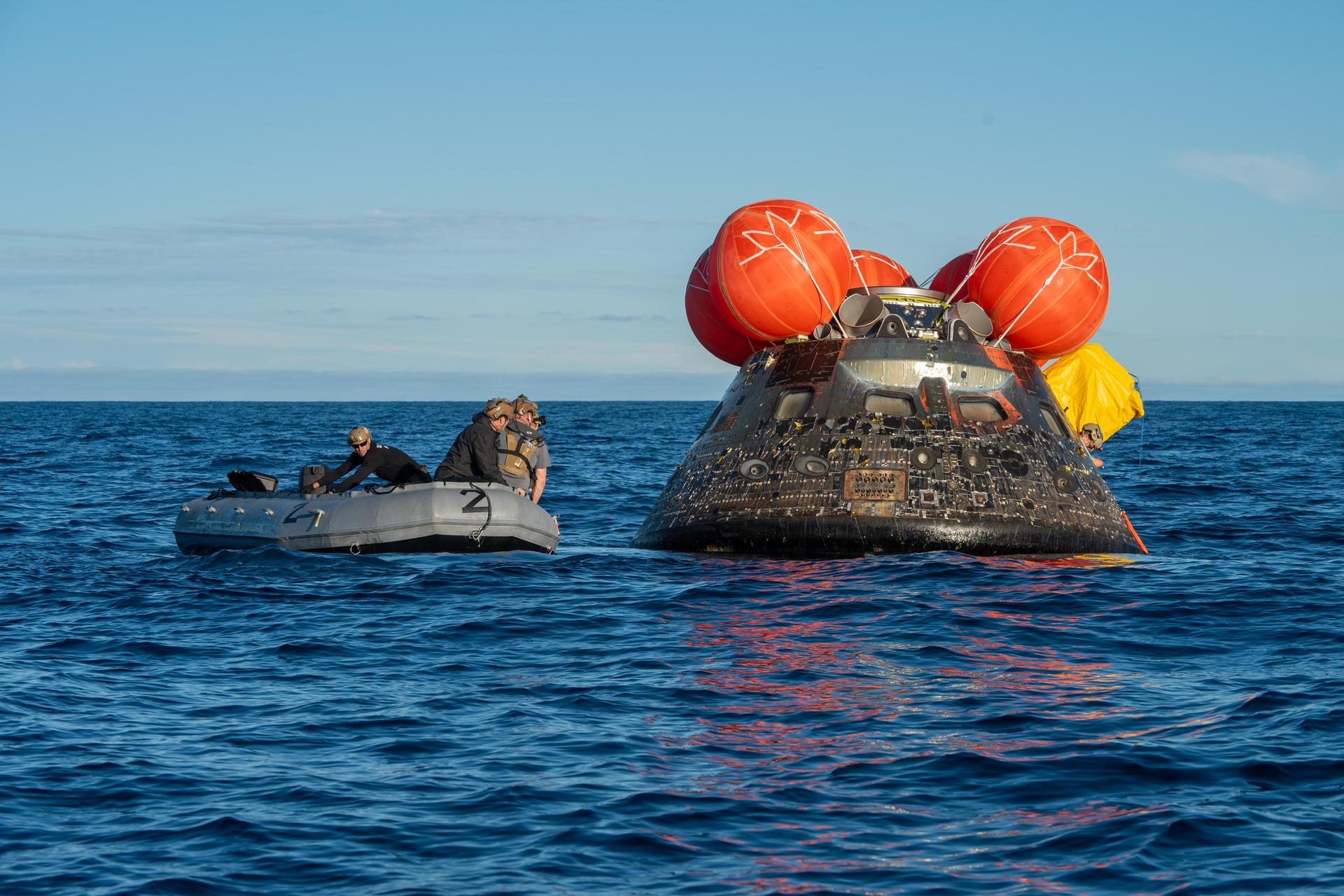
NASA’s Landing and Recovery team, along with U.S. Navy personnel aboard an inflatable raft approach NASA’s Orion spacecraft carrying Artemis II Commander Reid Wiseman, Pilot Victor Glover, and Mission Specialist Christina Koch from NASA, along with Mission Specialist Jeremy Hansen from the CSA (Canadian Space Agency), following splashdown in the Pacific Ocean near San Diego, California, at 5:07 p.m. PDT, (8:07 p.m. EDT) on Friday, April 10, 2026. The Artemis II test flight launched on Wednesday, April 1, from NASA’s Kennedy Space Center in Florida to begin its 10-day journey around the Moon for scientific discovery, economic benefits, and to build on our foundation for the first crewed missions to Mars. NASA’s Landing and Recovery team and the U.S. military are helping the Artemis II crew out of their Orion spacecraft.