
A NASA Mars Rover Landing banner is seen on the One Times Square video board as NASA's Perseverance rover continues its descent towards the surface of Mars, Thursday, Feb. 18, 2021 in New York City. A key objective for Perseverance’s mission on Mars is astrobiology, including the search for signs of ancient microbial life. The rover will characterize the planet’s geology and past climate, pave the way for human exploration of the Red Planet, and be the first mission to collect and cache Martian rock and regolith. Photo Credit: (NASA/Emma Howells)

A NASA Mars Rover Landing banner is seen on the One Times Square video board as NASA's Perseverance rover begins its descent towards the surface of Mars, Thursday, Feb. 18, 2021 in New York City. A key objective for Perseverance’s mission on Mars is astrobiology, including the search for signs of ancient microbial life. The rover will characterize the planet’s geology and past climate, pave the way for human exploration of the Red Planet, and be the first mission to collect and cache Martian rock and regolith. Photo Credit: (NASA/Emma Howells)

A NASA Mars Rover Landing banner is seen confirming the mission is complete on the One Times Square video board after NASA's Perseverance rover landed on the surface of Mars, Thursday, Feb. 18, 2021 in New York City. A key objective for Perseverance’s mission on Mars is astrobiology, including the search for signs of ancient microbial life. The rover will characterize the planet’s geology and past climate, pave the way for human exploration of the Red Planet, and be the first mission to collect and cache Martian rock and regolith. Photo Credit: (NASA/Emma Howells)

A NASA Mars Rover Landing banner is seen confirming the mission is complete on the One Times Square video board after NASA's Perseverance rover landed on the surface of Mars, Thursday, Feb. 18, 2021 in New York City. A key objective for Perseverance’s mission on Mars is astrobiology, including the search for signs of ancient microbial life. The rover will characterize the planet’s geology and past climate, pave the way for human exploration of the Red Planet, and be the first mission to collect and cache Martian rock and regolith. Photo Credit: (NASA/Emma Howells)

A NASA Mars Rover Landing banner is seen on the One Times Square video board as NASA's Perseverance rover begins its descent towards the surface of Mars, Thursday, Feb. 18, 2021 in New York City. A key objective for Perseverance’s mission on Mars is astrobiology, including the search for signs of ancient microbial life. The rover will characterize the planet’s geology and past climate, pave the way for human exploration of the Red Planet, and be the first mission to collect and cache Martian rock and regolith. Photo Credit: (NASA/Emma Howells)

A NASA Mars Rover Landing banner is seen on the One Times Square video board as NASA's Perseverance rover begins its descent towards the surface of Mars, Thursday, Feb. 18, 2021 in New York City. A key objective for Perseverance’s mission on Mars is astrobiology, including the search for signs of ancient microbial life. The rover will characterize the planet’s geology and past climate, pave the way for human exploration of the Red Planet, and be the first mission to collect and cache Martian rock and regolith. Photo Credit: (NASA/Emma Howells)

The live NASA TV broadcast from inside the Mission Support Area of NASA's Jet Propulsion Laboratory is seen on the One Times Square video board as NASA's Perseverance rover continues its descent towards the surface of Mars, Thursday, Feb. 18, 2021 in New York City. A key objective for Perseverance’s mission on Mars is astrobiology, including the search for signs of ancient microbial life. The rover will characterize the planet’s geology and past climate, pave the way for human exploration of the Red Planet, and be the first mission to collect and cache Martian rock and regolith. Photo Credit: (NASA/Emma Howells)
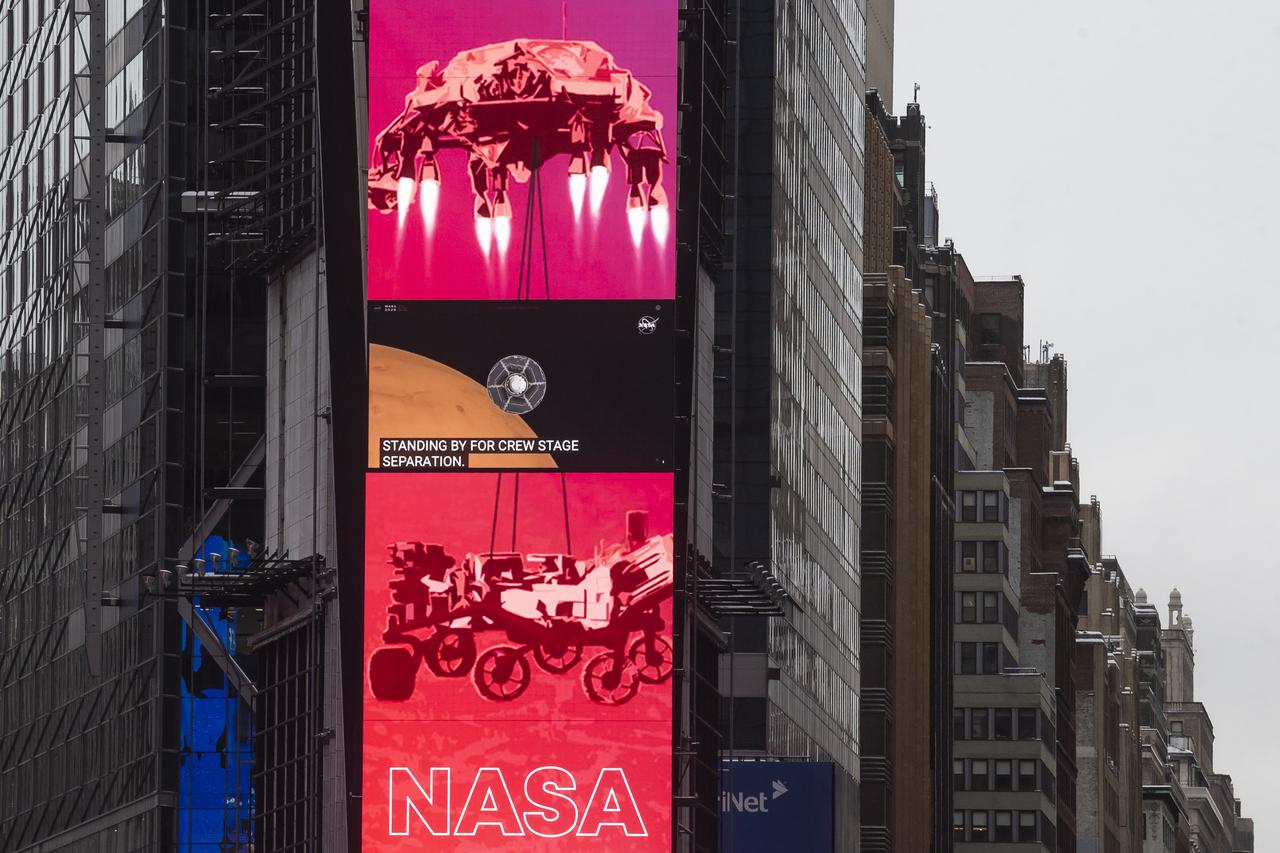
The live NASA TV broadcast from inside the Mission Support Area of NASA's Jet Propulsion Laboratory is seen on the One Times Square video board as NASA's Perseverance rover begins its descent towards the surface of Mars, Thursday, Feb. 18, 2021 in New York City. A key objective for Perseverance’s mission on Mars is astrobiology, including the search for signs of ancient microbial life. The rover will characterize the planet’s geology and past climate, pave the way for human exploration of the Red Planet, and be the first mission to collect and cache Martian rock and regolith. Photo Credit: (NASA/Emma Howells)
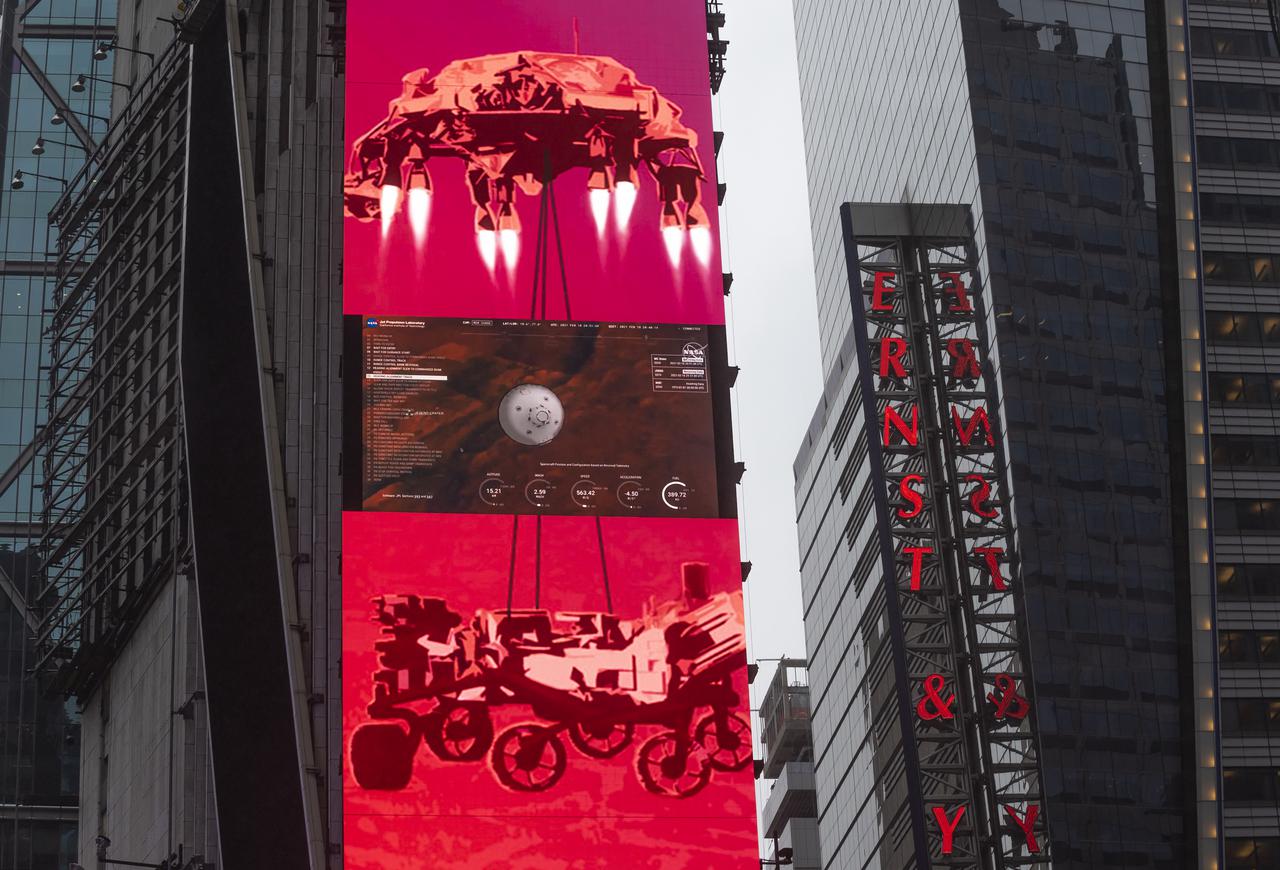
The live NASA TV broadcast from inside the Mission Support Area of NASA's Jet Propulsion Laboratory is seen on the One Times Square video board as NASA's Perseverance rover continues its descent towards the surface of Mars, Thursday, Feb. 18, 2021 in New York City. A key objective for Perseverance’s mission on Mars is astrobiology, including the search for signs of ancient microbial life. The rover will characterize the planet’s geology and past climate, pave the way for human exploration of the Red Planet, and be the first mission to collect and cache Martian rock and regolith. Photo Credit: (NASA/Emma Howells)

The live NASA TV broadcast from inside the Mission Support Area of NASA's Jet Propulsion Laboratory is seen on the One Times Square video board as NASA's Perseverance rover completes its descent towards the surface of Mars, Thursday, Feb. 18, 2021 in New York City. A key objective for Perseverance’s mission on Mars is astrobiology, including the search for signs of ancient microbial life. The rover will characterize the planet’s geology and past climate, pave the way for human exploration of the Red Planet, and be the first mission to collect and cache Martian rock and regolith. Photo Credit: (NASA/Emma Howells)

Expedition 65 prime crew member NASA astronaut Mark Vande Hei lays flowers at the site where Russian space icons are interred as part of traditional pre-launch ceremonies, Wednesday, March 24, 2021, at Red Square in Moscow. Photo Credit: (NASA/GCTC/Andrey Shelepin)

Expedition 65 prime crew member Russian cosmonaut Pyotr Dubrov of Roscosmos lays flowers at the site where Russian space icons are interred as part of traditional pre-launch ceremonies, Wednesday, March 24, 2021, at Red Square in Moscow. Photo Credit: (NASA/GCTC/Andrey Shelepin)

Expedition 65 prime crew member Russian cosmonaut Oleg Novitskiy of Roscosmos lays flowers at the site where Russian space icons are interred as part of traditional pre-launch ceremonies, Wednesday, March 24, 2021, at Red Square in Moscow. Photo Credit: (NASA/GCTC/Andrey Shelepin)

Expedition 64 backup crew member, Petr Dubrov of Roscosmos lays flowers at the site where Russian space icons are interred as part of traditional pre-launch ceremonies, Thursday, Sept. 24, 2020 at Red Square in Moscow. Photo Credit: (NASA/GCTC/Irina Spector)

Expedition 64 backup crew member, Mark Vande Hei of NASA lays flowers at the site where Russian space icons are interred as part of traditional pre-launch ceremonies, Thursday, Sept. 24, 2020 at Red Square in Moscow. Photo Credit: (NASA/GCTC/Irina Spector)

Expedition 65 backup crew member Russian cosmonaut Anton Shkaplerov of Roscosmos lays flowers at the site where Russian space icons are interred as part of traditional pre-launch ceremonies, Wednesday, March 24, 2021, at Red Square in Moscow. Photo Credit: (NASA/GCTC/Andrey Shelepin)

Expedition 64 prime crew member, Kate Rubins of NASA lays flowers at the site where Russian space icons are interred as part of traditional pre-launch ceremonies, Thursday, Sept. 24, 2020 at Red Square in Moscow. Photo Credit: (NASA/GCTC/Irina Spector)

Expedition 65 backup crew member Russian cosmonaut Oleg Artemyev of Roscosmos lays flowers at the site where Russian space icons are interred as part of traditional pre-launch ceremonies, Wednesday, March 24, 2021, at Red Square in Moscow. Photo Credit: (NASA/GCTC/Andrey Shelepin)

Expedition 64 prime crew member Sergey Ryzhikov of Roscosmos lays flowers at the site where Russian space icons are interred as part of traditional pre-launch ceremonies, Thursday, Sept. 24, 2020 at Red Square in Moscow. Photo Credit: (NASA/GCTC/Irina Spector)

Expedition 64 prime crew member Sergey Kud-Sverchkov of Roscosmos lays flowers at the site where Russian space icons are interred as part of traditional pre-launch ceremonies, Thursday, Sept. 24, 2020 at Red Square in Moscow. Photo Credit: (NASA/GCTC/Irina Spector)

Expedition 64 backup crew member, Oleg Novitskiy of Roscosmos lays flowers at the site where Russian space icons are interred as part of traditional pre-launch ceremonies, Thursday, Sept. 24, 2020 at Red Square in Moscow. Photo Credit: (NASA/GCTC/Irina Spector)

Expedition 65 backup crew member NASA astronaut Anne McClain lays flowers at the site where Russian space icons are interred as part of traditional pre-launch ceremonies, Wednesday, March 24, 2021, at Red Square in Moscow. Photo Credit: (NASA/GCTC/Andrey Shelepin)
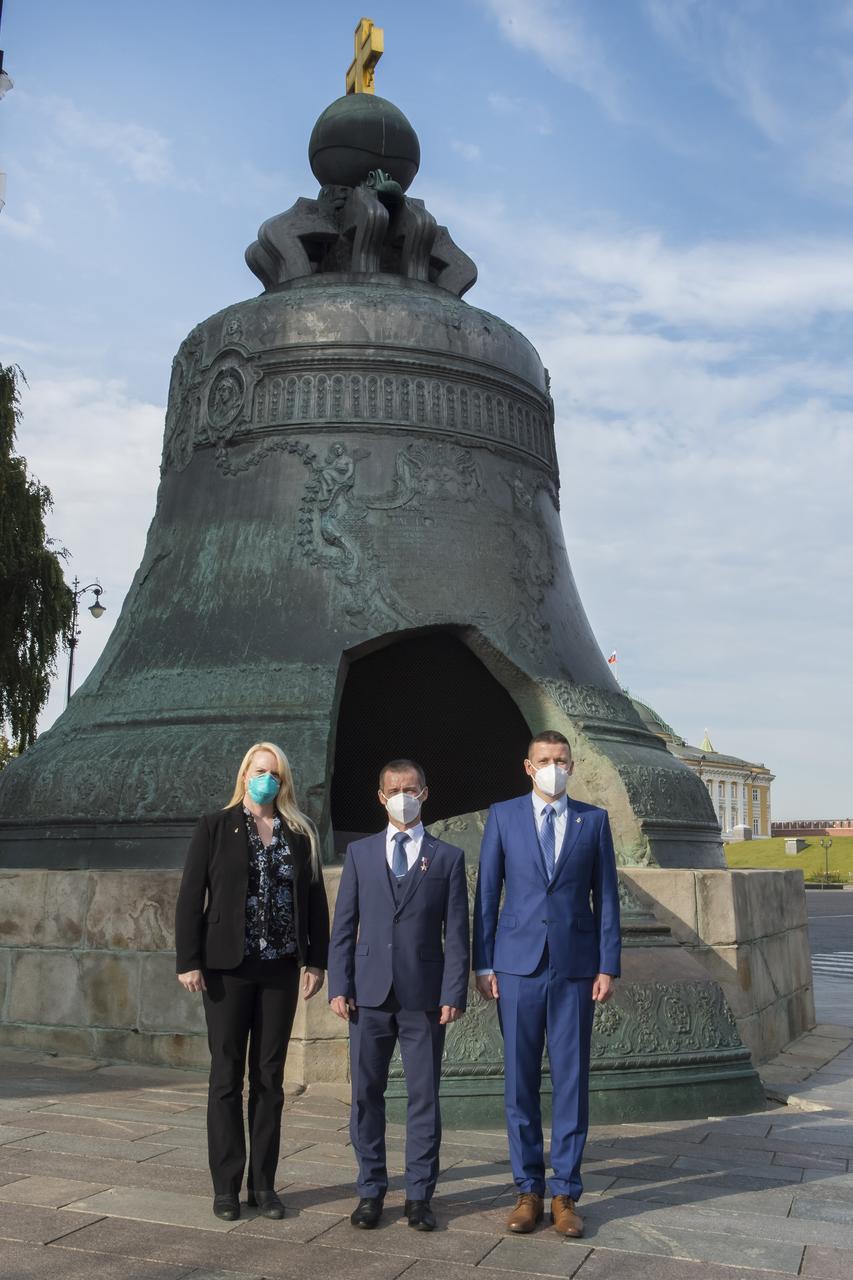
Expedition 64 prime crew members, NASA astronaut Kate Rubins, left, Russian cosmonaut Sergey Ryzhikov of Roscosmos, center, and Russian cosmonaut Sergey Kud-Sverchkov of Roscosmos pose for a photo in front of the Tsar Bell in Red Square after laying flowers at the site where Russian space icons are interred as part of traditional pre-launch ceremonies, Thursday, Sept. 24, 2020 in Moscow. Photo Credit: (NASA/GCTC/Irina Spector)
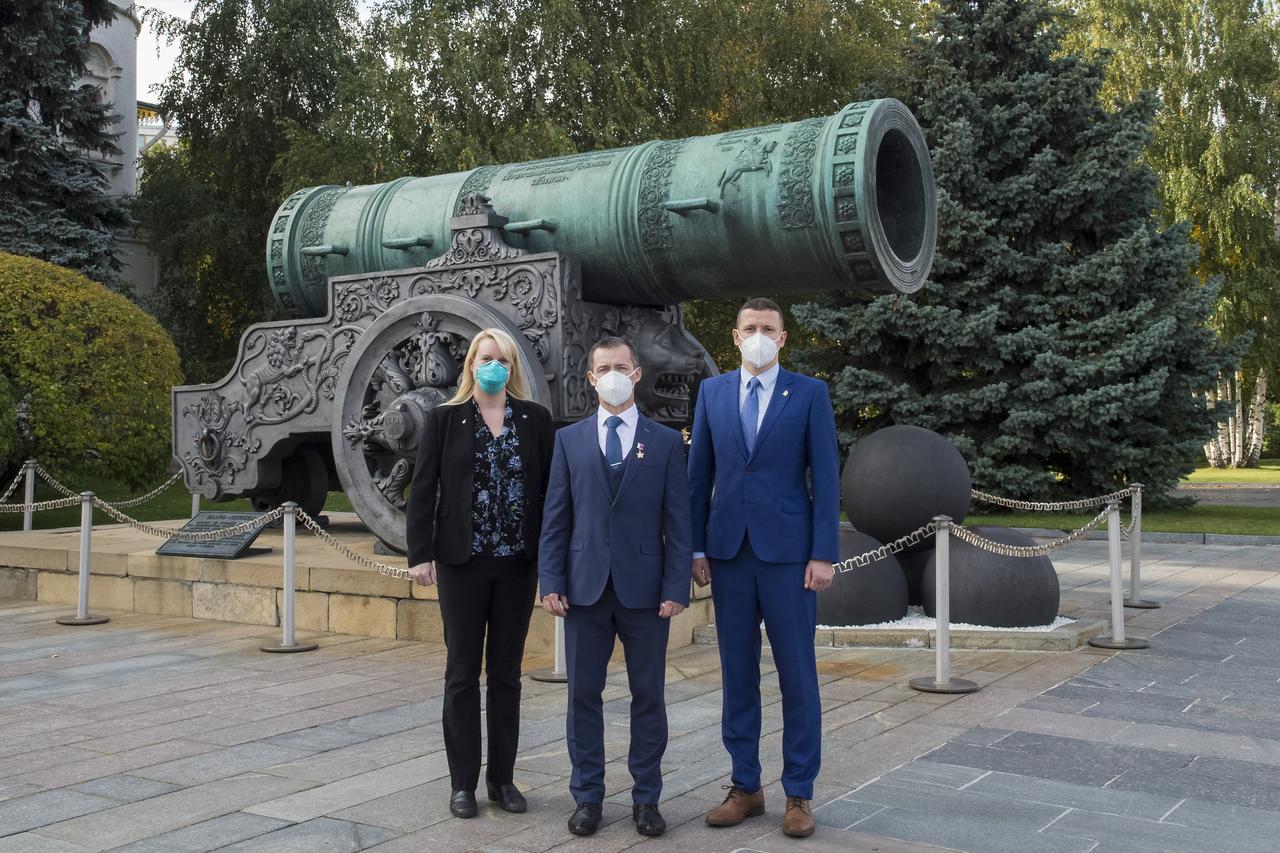
Expedition 64 prime crew members, NASA astronaut Kate Rubins, left, Russian cosmonaut Sergey Ryzhikov of Roscosmos, center, and Russian cosmonaut Sergey Kud-Sverchkov of Roscosmos pose for a photo in front of the Tsar Cannon in Red Square after laying flowers at the site where Russian space icons are interred as part of traditional pre-launch ceremonies, Thursday, Sept. 24, 2020 in Moscow. Photo Credit: (NASA/GCTC/Irina Spector)

Expedition 50 NASA astronaut Peggy Whitson, left, Russian cosmonaut Oleg Novitskiy of Roscosmos, center, and ESA astronaut Thomas Pesquet visit Red Square to lay roses at the site where Russian space icons are interred as part of traditional pre-launch ceremonies, Wednesday, Oct. 26, 2016, in Moscow. Photo Credit: (NASA/Bill Ingalls)
/nhq201610260004)~medium.jpg)
Expedition 50 NASA astronaut Peggy Whitson, left, Russian cosmonaut Oleg Novitskiy of Roscosmos, center, and ESA astronaut Thomas Pesquet visit Red Square to lay roses at the site where Russian space icons are interred as part of traditional pre-launch ceremonies, Wednesday, Oct. 26, 2016, in Moscow. Photo Credit: (NASA/Bill Ingalls)

Expedition 65 prime crew members NASA astronaut Mark Vande Hei, left, and Russian cosmonaut Pyotr Dubrov of Roscosmos, center, watch as Russian cosmonaut Oleg Novitskiy of Roscosmos lays flowers at the site where Russian space icons are interred as part of traditional pre-launch ceremonies, Wednesday, March 24, 2021, at Red Square in Moscow. Photo Credit: (NASA/GCTC/Andrey Shelepin)

Expedition 65 prime crew members, NASA astronaut Mark Vande Hei, left, Russian cosmonaut Oleg Novitskiy of Roscosmos, center, and Russian cosmonaut Pyotr Dubrov of Roscosmos visit Red Square to lay flowers at the site where Russian space icons are interred as part of traditional pre-launch ceremonies, Wednesday, March 24, 2021 in Moscow. Photo Credit: (NASA/GCTC/Andrey Shelepin)
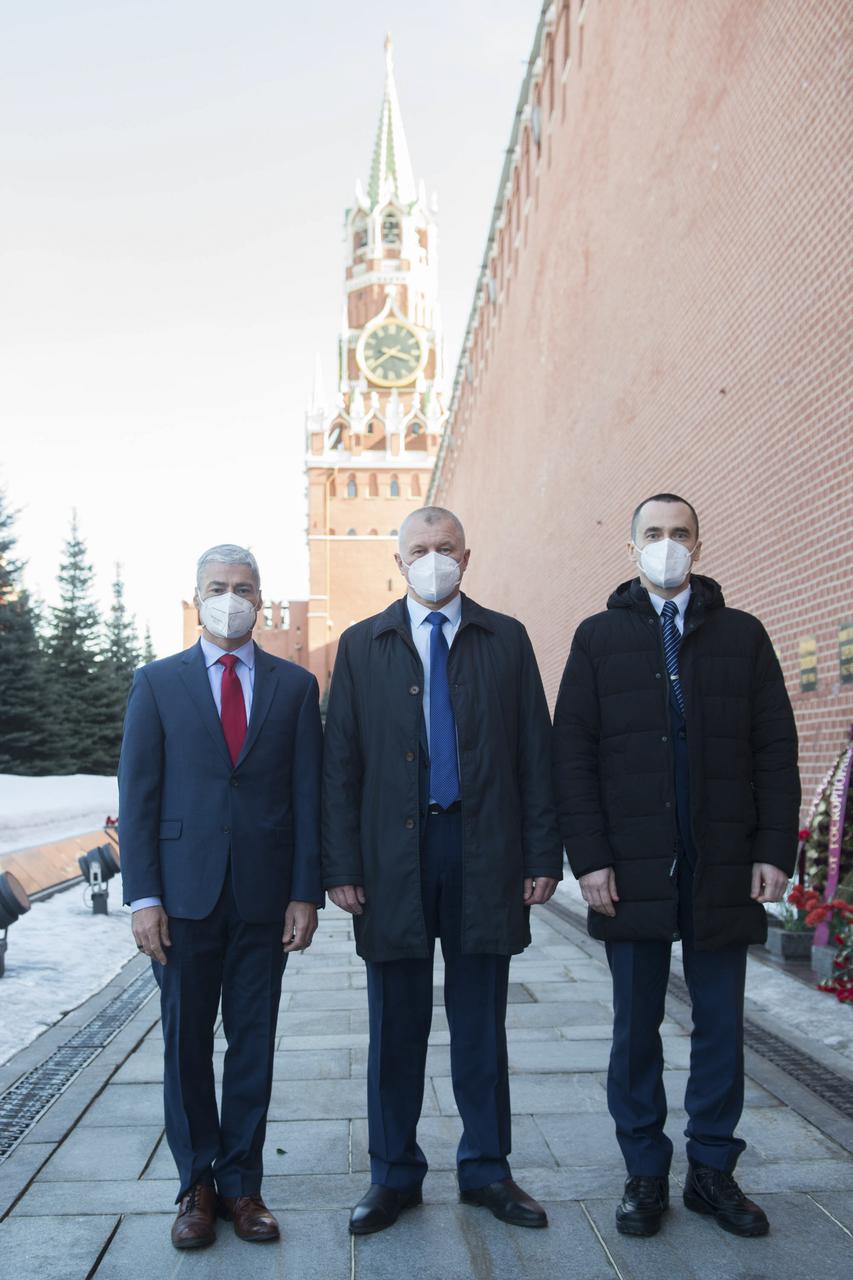
Expedition 65 prime crew members, NASA astronaut Mark Vande Hei, left, Russian cosmonaut Oleg Novitskiy of Roscosmos, center, and Russian cosmonaut Pyotr Dubrov of Roscosmos, right, pose for a photo in Red Square after laying flowers at the site where Russian space icons are interred as part of traditional pre-launch ceremonies, Wednesday, March 24, 2021 in Moscow. Photo Credit: (NASA/GCTC/Andrey Shelepin)

Expedition 64 prime crew members, NASA astronaut Kate Rubins, left, Russian cosmonaut Sergey Ryzhikov of Roscosmos, center, and Russian cosmonaut Sergey Kud-Sverchkov of Roscosmos visit Red Square to lay flowers at the site where Russian space icons are interred as part of traditional pre-launch ceremonies, Thursday, Sept. 24, 2020 in Moscow. Photo Credit: (NASA/GCTC/Irina Spector)
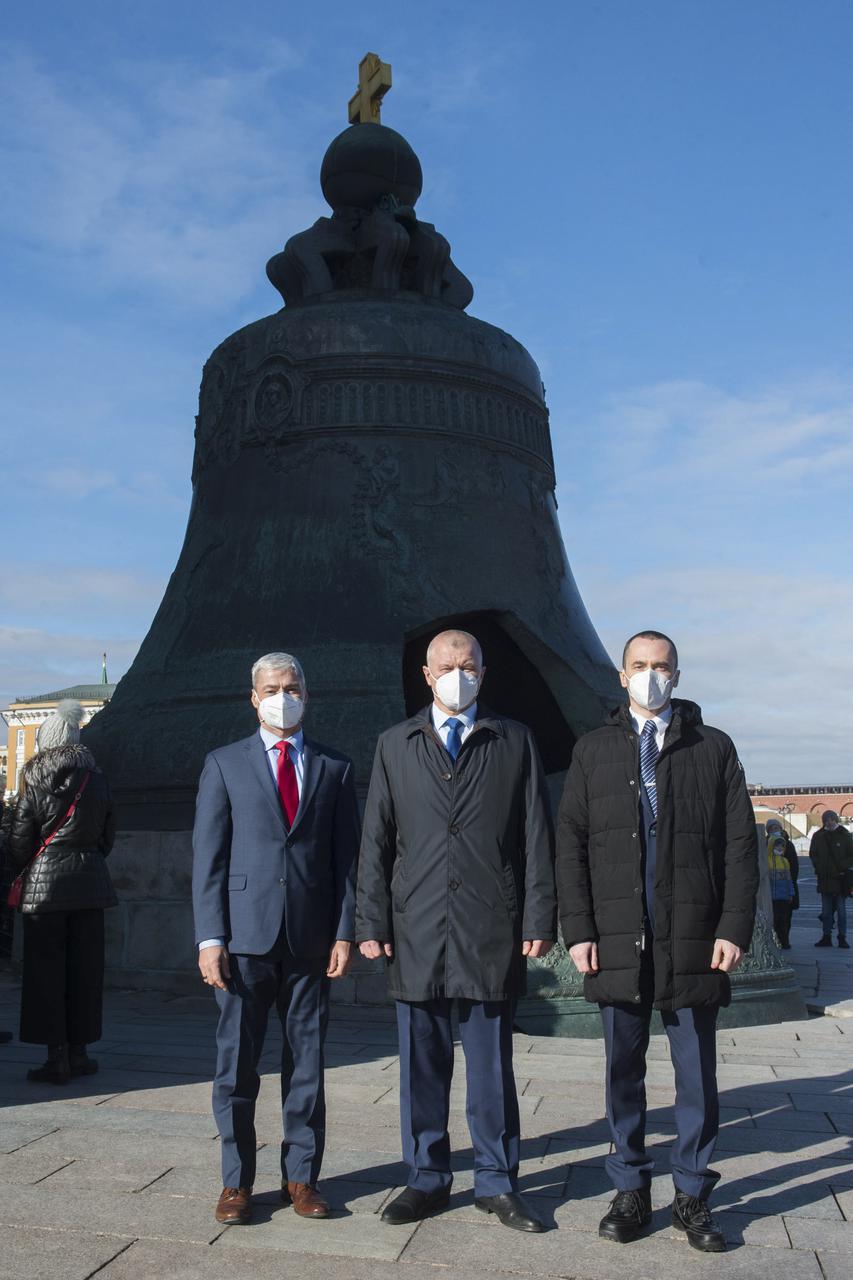
Expedition 65 prime crew members, NASA astronaut Mark Vande Hei, left, Russian cosmonaut Oleg Novitskiy of Roscosmos, center, and Russian cosmonaut Pyotr Dubrov of Roscosmos, right, pose for a photo in front of the Tsar Bell in Red Square after laying flowers at the site where Russian space icons are interred as part of traditional pre-launch ceremonies, Wednesday, March 24, 2021 in Moscow. Photo Credit: (NASA/GCTC/Andrey Shelepin)

Expedition 65 prime crew members NASA astronaut Mark Vande Hei, left, and Russian cosmonaut Oleg Novitskiy of Roscosmos, second from left, and backup crew members NASA astronaut Anne McClain, third from left, and Russian cosmonaut Anton Shkaplerov of Roscosmos, second from right watch as prime crew member Russian cosmonaut Pyotr Dubrov of Roscosmos, right, lays flowers at the site where Russian space icons are interred as part of traditional pre-launch ceremonies, Wednesday, March 24, 2021, at Red Square in Moscow. Photo Credit: (NASA/GCTC/Andrey Shelepin)

Expedition 52 backup crew members Norishige Kanai of the Japan Aerospace Exploration Agency (JAXA), left, Alexander Misurkin of Roscosmos, center, and Mark Vande Hei of NASA pose for a photograph in front of Saint Basil's Cathedral as they visited Red Square to lay roses at the site where Russian space icons are interred as part of traditional pre-launch ceremonies, Monday, July 10, 2017 in Moscow. Photo Credit: (NASA/Bill Ingalls)

Expedition 52 flight engineers Paolo Nespoli of ESA, left, Sergey Ryazanskiy of Roscosmos, center, and Randy Bresnik of NASA visit Red Square to lay roses at the site where Russian space icons are interred as part of traditional pre-launch ceremonies, Monday, July 10, 2017 in Moscow. Photo Credit: (NASA/Bill Ingalls)

A large display in New York’s Times Square shows an advertisement for a television appearance of NASA’s Artemis II crewmembers: NASA astronauts Reid Wiseman, commander; left, Victor Glover, pilot; Christina Koch, mission specialist, and CSA (Canadian Space Agency) astronaut Jeremy Hansen, mission specialist, right, Thursday, April 30, 2026. The Artemis II crew is in New York for postflight events. NASA’s Artemis II mission took Wiseman, Glover, Koch, and Hansen on a nearly 10-day journey around the Moon and back to Earth earlier in April 2026. Photo Credit: (NASA/Bill Ingalls)

A large display in New York’s Times Square shows an advertisement for a television appearance of NASA’s Artemis II crewmembers: NASA astronauts Reid Wiseman, commander; left, Victor Glover, pilot; Christina Koch, mission specialist, and CSA (Canadian Space Agency) astronaut Jeremy Hansen, mission specialist, right, Thursday, April 30, 2026. The Artemis II crew is in New York for postflight events. NASA’s Artemis II mission took Wiseman, Glover, Koch, and Hansen on a nearly 10-day journey around the Moon and back to Earth earlier in April 2026. Photo Credit: (NASA/Bill Ingalls)

From left to right, Expedition 64 prime crew members, NASA astronaut Kate Rubins, Russian cosmonaut Sergey Ryzhikov of Roscosmos, Russian cosmonaut Sergey Kud-Sverchkov of Roscosmos and Expedition 64 backup crew members, NASA astronaut Mark Vande Hei, Russian cosmonaut Oleg Novitskiy of Roscosmos, and Russian cosmonaut Petr Dubrov of Roscosmos, pose for a photo in front of the Tsar Bell in Red Square after laying flowers at the site where Russian space icons are interred as part of traditional pre-launch ceremonies, Thursday, Sept. 24, 2020 in Moscow. Photo Credit: (NASA/GCTC/Irina Spector)

From left to right, Expedition 64 backup crew members NASA astronaut Mark Vande Hei, Russian cosmonaut Oleg Novitskiy of Roscosmos, Russian cosmonaut Petr Dubrov of Roscosmos, and Expedition 64 prime crew members, NASA astronaut Kate Rubins, Russian cosmonaut Sergey Ryzhikov of Roscosmos, and Russian cosmonaut Sergey Kud-Sverchkov of Roscosmos pose for a photo at Red Square after laying flowers at the site where Russian space icons are interred as part of traditional pre-launch ceremonies, Thursday, Sept. 24, 2020 in Moscow. Photo Credit: (NASA/GCTC/Irina Spector)

Expedition 65 prime crew members, NASA astronaut Mark Vande Hei, left, Russian cosmonaut Oleg Novitskiy of Roscosmos, second form left, and Russian cosmonaut Pyotr Dubrov of Roscosmos, third from left, and backup crew members Russian cosmonaut Anton Shkaplerov of Roscosmos, third from right, NASA astronaut Anne McClain, second from right, and Russian cosmonaut Oleg Artemyev of Roscosmos, right, pose for a photo in front of the Tsar Bell in Red Square after laying flowers at the site where Russian space icons are interred as part of traditional pre-launch ceremonies, Wednesday, March 24, 2021 in Moscow. Photo Credit: (NASA/GCTC/Andrey Shelepin)

From left to right, Expedition 64 prime crew members, NASA astronaut Kate Rubins, Russian cosmonaut Sergey Ryzhikov of Roscosmos, Russian cosmonaut Sergey Kud-Sverchkov of Roscosmos and Expedition 64 backup crew members, NASA astronaut Mark Vande Hei, Russian cosmonaut Oleg Novitskiy of Roscosmos, and Russian cosmonaut Petr Dubrov of Roscosmos, pose for a photo in front of the Tsar Cannon in Red Square after laying flowers at the site where Russian space icons are interred as part of traditional pre-launch ceremonies, Thursday, Sept. 24, 2020 in Moscow. Photo Credit: (NASA/GCTC/Irina Spector)

From left to right, Expedition 64 prime crew members, NASA astronaut Kate Rubins, Russian cosmonaut Sergey Ryzhikov of Roscosmos, center, Russian cosmonaut Sergey Kud-Sverchkov of Roscosmos and Expedition 64 backup crew members, Russian cosmonaut Petr Dubrov of Roscosmos (right), NASA astronaut Mark Vande Hei, and Russian cosmonaut Oleg Novitskiy of Roscosmos, visit Red Square to lay flowers at the site where Russian space icons are interred as part of traditional pre-launch ceremonies, Thursday, Sept. 24, 2020 in Moscow. Photo Credit: (NASA/GCTC/Irina Spector)

Expedition 65 backup crew members Russian cosmonaut Anton Shkaplerov, left, NASA astronaut Anne McClain, second from left, prime crew members NASA astronaut Mark Vande Hei, third from left, Russian cosmonaut Oleg Novitskiy of Roscosmos, third from right, and Russian cosmonaut Pyotr Dubrov of Roscosmos, second from right, and backup crew member Russian cosmonaut Oleg Artemyev of Roscosmos, right, pose for a photo in Red Square after laying flowers at the site where Russian space icons are interred as part of traditional pre-launch ceremonies, Wednesday, March 24, 2021 in Moscow. Photo Credit: (NASA/GCTC/Andrey Shelepin)

Expedition 52 flight engineers Paolo Nespoli of ESA, left, Randy Bresnik of NASA, Sergey Ryazanskiy of Roscosmos, and backup crew members, Alexander Misurkin of Roscosmos, Mark Vande Hei of NASA, and Norishige Kanai of the Japan Aerospace Exploration Agency (JAXA), right, pose for a group photograph in Red Square after having laid roses at the site where Russian space icons are interred as part of traditional pre-launch ceremonies, Monday, July 10, 2017 in Moscow. Photo Credit: (NASA/Bill Ingalls)

Expedition 52 flight engineers Paolo Nespoli of ESA, left, Sergey Ryazanskiy of Roscosmos, center, and Randy Bresnik of NASA visit Red Square prepare to lay roses at the site where Russian space icons are interred as part of traditional pre-launch ceremonies, Monday, July 10, 2017 in Moscow. Photo Credit: (NASA/Bill Ingalls)

Expedition 65 backup crew members Russian cosmonaut Anton Shkaplerov, left, NASA astronaut Anne McClain, second from left, prime crew members NASA astronaut Mark Vande Hei, third from left, Russian cosmonaut Oleg Novitskiy of Roscosmos, third from right, and Russian cosmonaut Pyotr Dubrov of Roscosmos, second from right, and backup crew member Russian cosmonaut Oleg Artemyev of Roscosmos, right, pose for a photo in front of the Tsar Cannon in Red Square after laying flowers at the site where Russian space icons are interred as part of traditional pre-launch ceremonies, Wednesday, March 24, 2021 in Moscow. Photo Credit: (NASA/GCTC/Andrey Shelepin)

Expedition 64 prime crew member Sergey Ryzhikov of Roscosmos lays flowers at the site where Russian space icons are interred as part of traditional pre-launch ceremonies, Thursday, Sept. 24, 2020 in Moscow. Photo Credit: (NASA/GCTC/Irina Spector)

Expedition 52 flight engineer Paolo Nespoli of ESA lays roses at the site where Russian space icons are interred as part of traditional pre-launch ceremonies, Monday, July 10, 2017 in Moscow. Photo Credit: (NASA/Bill Ingalls)

Expedition 52 flight engineer Randy Bresnik of NASA salutes after laying roses at the site where Russian space icons are interred as part of traditional pre-launch ceremonies, Monday, July 10, 2017 in Moscow. Photo Credit: (NASA/Bill Ingalls)

NASA’s Artemis II crewmembers: NASA astronauts Reid Wiseman, commander, left, and Christina Koch, mission specialist, look at Times Square from the Times Square Skywalk, Thursday, April 30, 2026 in New York, NY. The Artemis II crew was in New York for a number of postflight events. NASA’s Artemis II mission took Wiseman, Victor Glover, Koch, and Jeremy Hansen on a nearly 10-day journey around the Moon and back to Earth earlier in April 2026. Photo Credit: (NASA/Bill Ingalls)
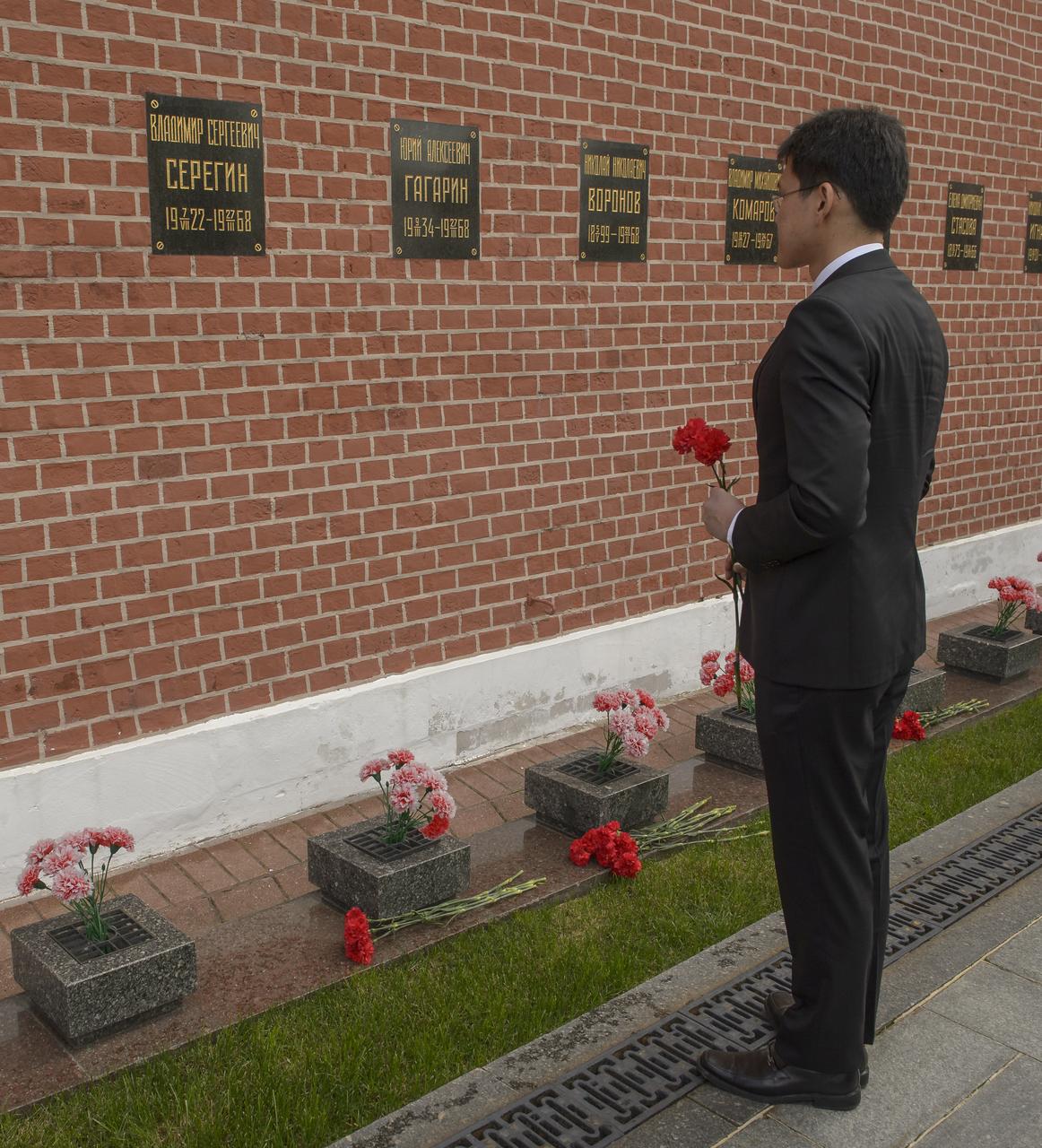
Expedition 52 backup crew member Norishige Kanai of the Japan Aerospace Exploration Agency (JAXA) lays roses at the site where Russian space icons are interred as part of traditional pre-launch ceremonies, Monday, July 10, 2017 in Moscow. Photo Credit: (NASA/Bill Ingalls)

A NASA Mars Rover Landing banner is seen on the Morgan Stanley video board as NASA's Perseverance rover begins its descent towards the surface of Mars, Thursday, Feb. 18, 2021 in New York City. A key objective for Perseverance’s mission on Mars is astrobiology, including the search for signs of ancient microbial life. The rover will characterize the planet’s geology and past climate, pave the way for human exploration of the Red Planet, and be the first mission to collect and cache Martian rock and regolith. Photo Credit: (NASA/Emma Howells)
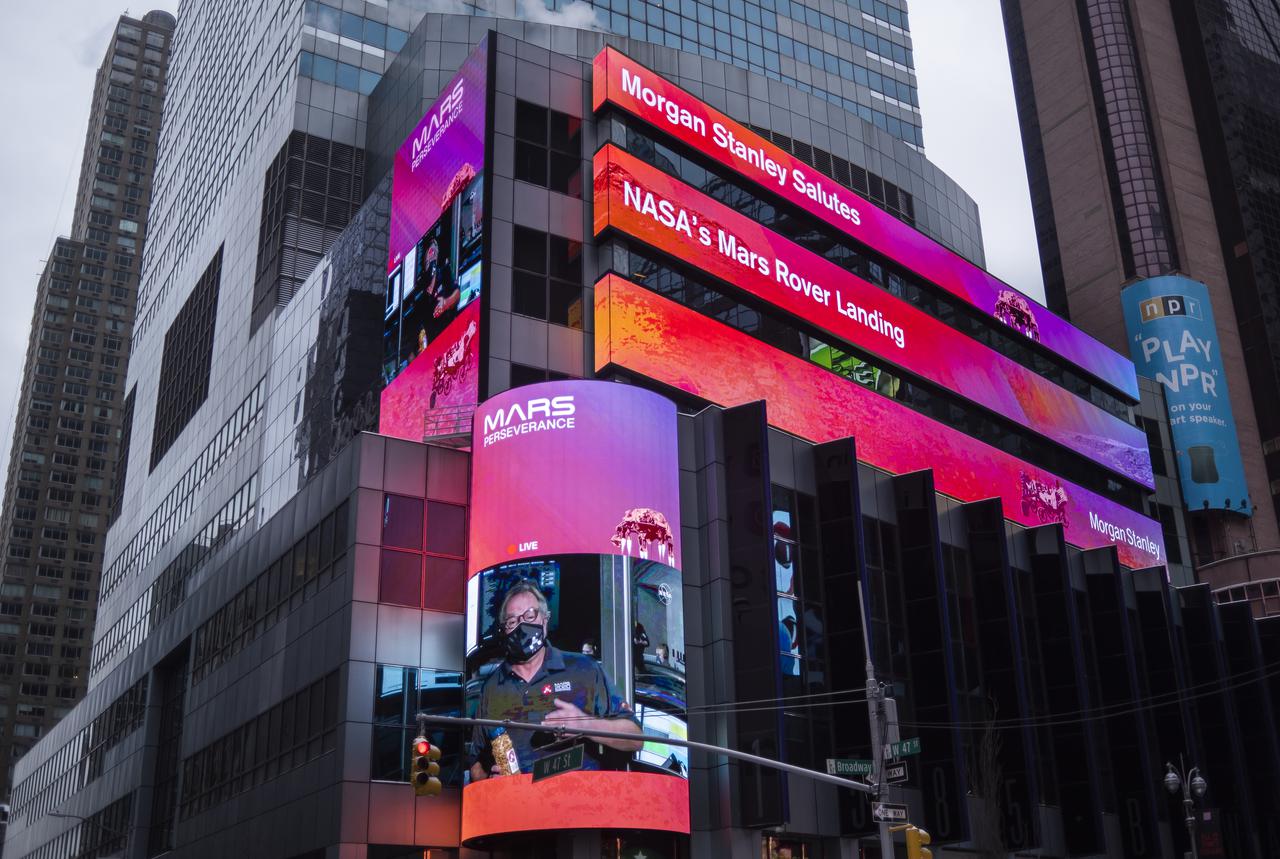
The live NASA TV broadcast from inside the Mission Support Area of NASA's Jet Propulsion Laboratory is seen on the Morgan Stanley video board as NASA's Perseverance rover begins its descent towards the surface of Mars, Thursday, Feb. 18, 2021 in New York City. A key objective for Perseverance’s mission on Mars is astrobiology, including the search for signs of ancient microbial life. The rover will characterize the planet’s geology and past climate, pave the way for human exploration of the Red Planet, and be the first mission to collect and cache Martian rock and regolith. Photo Credit: (NASA/Emma Howells)

The live NASA TV broadcast from inside the Mission Support Area of NASA's Jet Propulsion Laboratory is seen on the Morgan Stanley video board as NASA's Perseverance rover begins its descent towards the surface of Mars, Thursday, Feb. 18, 2021 in New York City. A key objective for Perseverance’s mission on Mars is astrobiology, including the search for signs of ancient microbial life. The rover will characterize the planet’s geology and past climate, pave the way for human exploration of the Red Planet, and be the first mission to collect and cache Martian rock and regolith. Photo Credit: (NASA/Emma Howells)
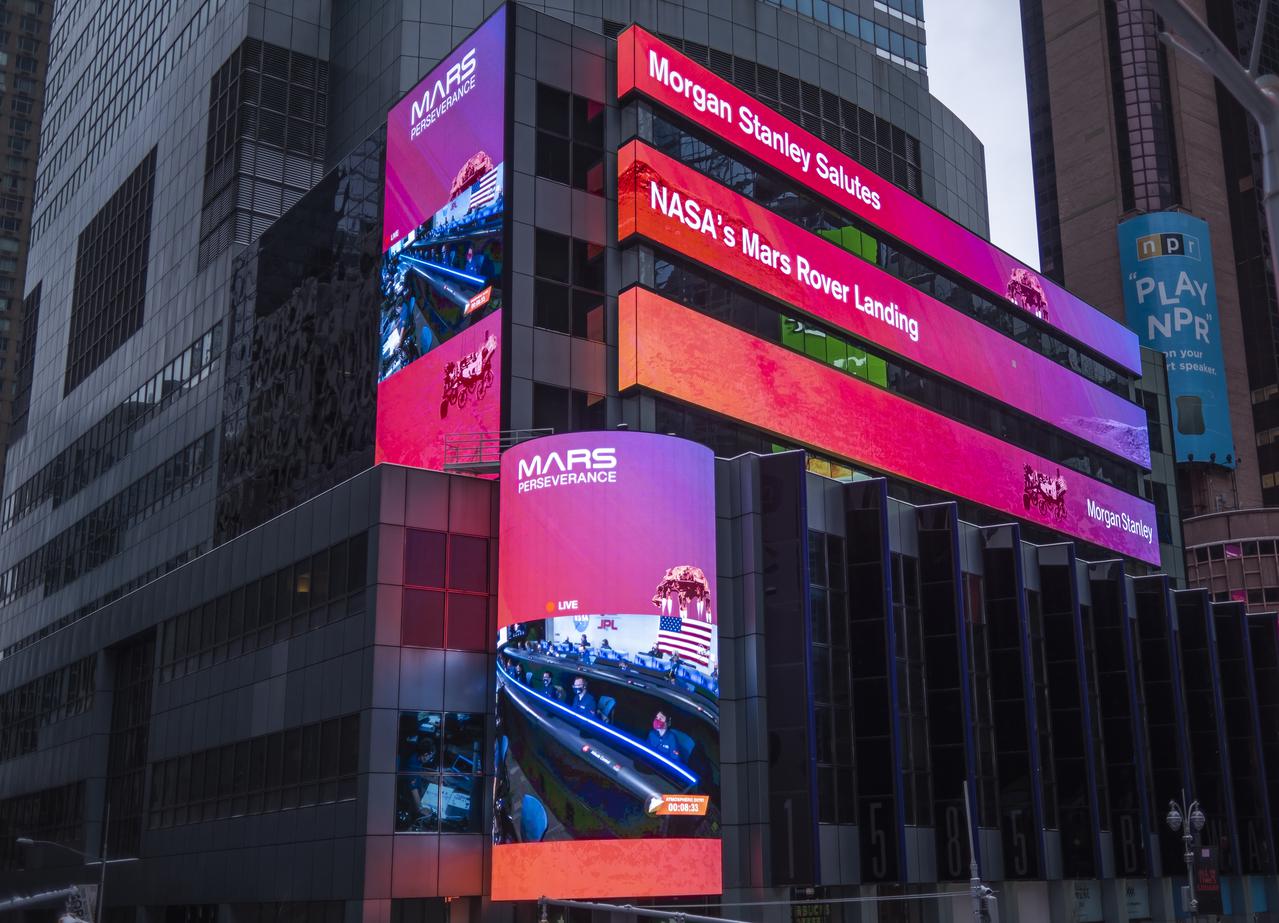
The live NASA TV broadcast from inside the Mission Support Area of NASA's Jet Propulsion Laboratory is seen on the Morgan Stanley video board as NASA's Perseverance rover begins its descent towards the surface of Mars, Thursday, Feb. 18, 2021 in New York City. A key objective for Perseverance’s mission on Mars is astrobiology, including the search for signs of ancient microbial life. The rover will characterize the planet’s geology and past climate, pave the way for human exploration of the Red Planet, and be the first mission to collect and cache Martian rock and regolith. Photo Credit: (NASA/Emma Howells)

A NASA Mars Rover Landing banner is seen on the Morgan Stanley video board as NASA's Perseverance rover completes its descent towards the surface of Mars, Thursday, Feb. 18, 2021 in New York City. A key objective for Perseverance’s mission on Mars is astrobiology, including the search for signs of ancient microbial life. The rover will characterize the planet’s geology and past climate, pave the way for human exploration of the Red Planet, and be the first mission to collect and cache Martian rock and regolith. Photo Credit: (NASA/Emma Howells)

The live NASA TV broadcast from inside the Mission Support Area of NASA's Jet Propulsion Laboratory is seen on the Morgan Stanley video board as NASA's Perseverance rover begins its descent towards the surface of Mars, Thursday, Feb. 18, 2021 in New York City. A key objective for Perseverance’s mission on Mars is astrobiology, including the search for signs of ancient microbial life. The rover will characterize the planet’s geology and past climate, pave the way for human exploration of the Red Planet, and be the first mission to collect and cache Martian rock and regolith. Photo Credit: (NASA/Emma Howells)

The Krispy Kreme Mars doughnut is seen in New York City, as NASA's Perseverance rover begins its descent towards the surface of Mars, Thursday, Feb. 18, 2021. A key objective for Perseverance’s mission on Mars is astrobiology, including the search for signs of ancient microbial life. The rover will characterize the planet’s geology and past climate, pave the way for human exploration of the Red Planet, and be the first mission to collect and cache Martian rock and regolith. Photo Credit: (NASA/Emma Howells)

Expedition 52 backup crew members Norishige Kanai of the Japan Aerospace Exploration Agency (JAXA), left, Alexander Misurkin of Roscosmos, center, and Mark Vande Hei of NASA lay roses at the site where Russian space icons are interred as part of traditional pre-launch ceremonies, Monday, July 10, 2017 in Moscow. Photo Credit: (NASA/Bill Ingalls)

NASA’s Artemis II crewmembers: CSA (Canadian Space Agency) astronaut Jeremy Hansen, mission specialist; left, NASA astronauts Reid Wiseman, commander; Christina Koch, mission specialist, and Victor Glover, pilot, right, look at Times Square from the Times Square Skywalk, Thursday, April 30, 2026 in New York, NY. The Artemis II crew was in New York for a number of postflight events. NASA’s Artemis II mission took Wiseman, Glover, Koch, and Hansen on a nearly 10-day journey around the Moon and back to Earth earlier in April 2026. Photo Credit: (NASA/Bill Ingalls)

Spectators in Times Square watch the video board of the Nasdaq MarketSite showing the live NASA TV broadcast as NASA InSight team members celebrate inside the Mission Support Area of NASA's Jet Propulsion Laboratory after receiving confirmation the lander successfully touched down on the surface of Mars, Monday, Nov. 26, 2018 in Times Square in New York City. The lander sent a signal affirming a completed landing sequence at approximately 3 p.m. EST (noon PST) after touching down on the western side of a flat, smooth expanse of lava called Elysium Planitila. InSight, short for Interior Exploration using Seismic Investigations, Geodesy and Heat Transport, is a Mars lander designed to study the "inner space" of Mars: its crust, mantle, and core. Photo Credit: (NASA/Joel Kowsky)

Video of the Artemis II launch is seen on a large display in New York’s Times Square, Thursday, April 30, 2026. NASA’s Artemis II crewmembers: NASA astronauts Reid Wiseman, commander; Christina Koch, mission specialist, Victor Glover, pilot; and CSA (Canadian Space Agency) astronaut Jeremy Hansen, mission specialist are in New York for a number of postflight events. NASA’s Artemis II mission took Wiseman, Glover, Koch, and Hansen on a nearly 10-day journey around the Moon and back to Earth earlier in April 2026. Photo Credit: (NASA/Bill Ingalls)

This is a 1956 night shot of the east side of Square in downtown Huntsville, Alabama. Photo Courtesy of Huntsville Public Library
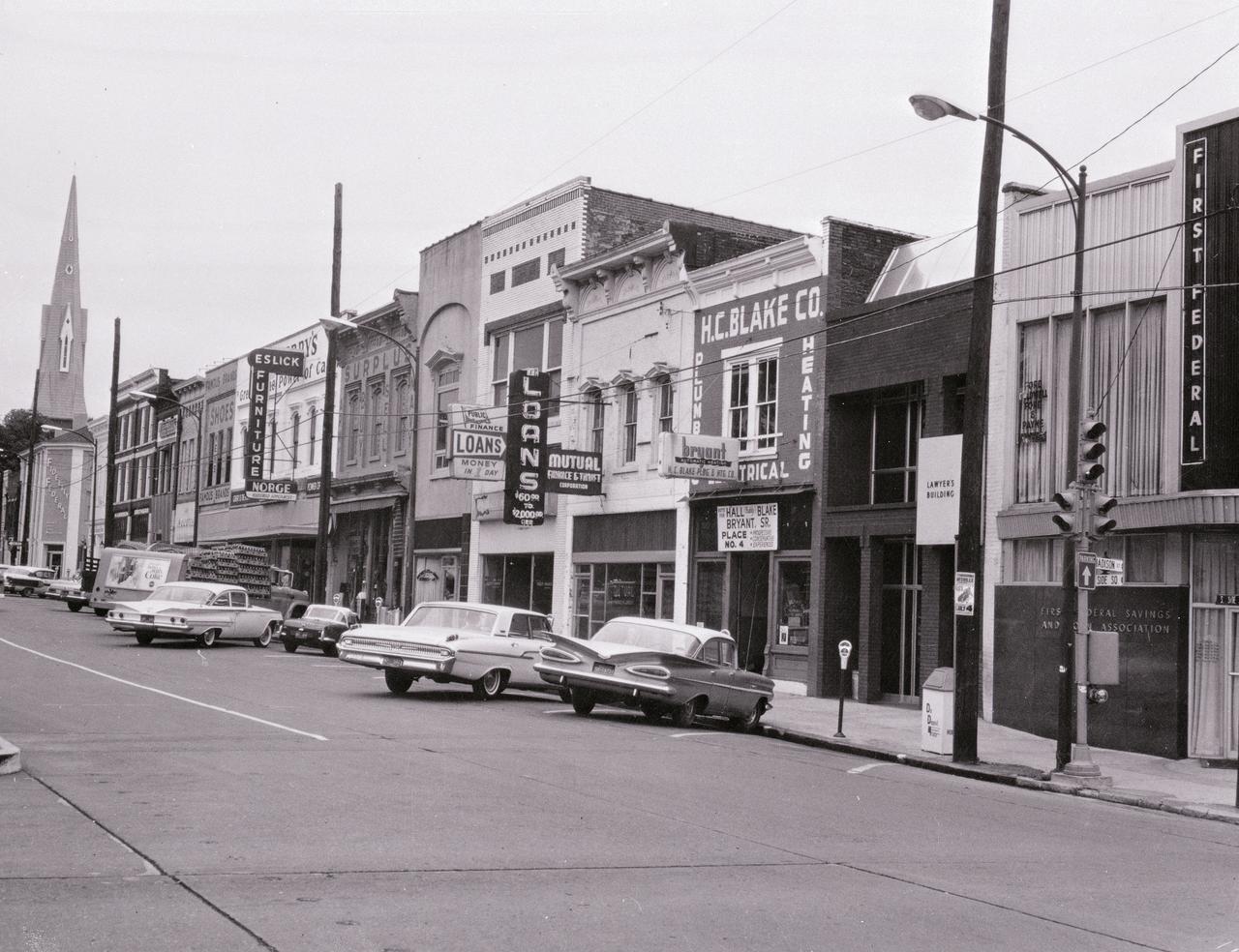
This historical photo of the South side of Square in downtown Huntsville, Alabama was taken in 1965. (Courtesy of Huntsville/Madison County Public Library)

NASA’s Artemis II crewmembers: CSA (Canadian Space Agency) astronaut Jeremy Hansen, mission specialist; left, NASA astronauts Reid Wiseman, commander; Christina Koch, mission specialist, and Victor Glover, pilot, right, pose for a group photograph at the Times Square Skywalk, Thursday, April 30, 2026 in New York, NY. The Artemis II crew was in New York for a number of postflight events. NASA’s Artemis II mission took Wiseman, Glover, Koch, and Hansen on a nearly 10-day journey around the Moon and back to Earth earlier in April 2026. Photo Credit: (NASA/Bill Ingalls)

NASA’s Artemis II crewmembers: CSA (Canadian Space Agency) astronaut Jeremy Hansen, mission specialist; left, NASA astronauts Reid Wiseman, commander; Christina Koch, mission specialist, and Victor Glover, pilot, right, pose for a group photograph at the Times Square Skywalk, Thursday, April 30, 2026 in New York, NY. The Artemis II crew was in New York for a number of postflight events. NASA’s Artemis II mission took Wiseman, Glover, Koch, and Hansen on a nearly 10-day journey around the Moon and back to Earth earlier in April 2026. Photo Credit: (NASA/Bill Ingalls)

NASA’s Artemis II crewmembers: CSA (Canadian Space Agency) astronaut Jeremy Hansen, mission specialist; left, NASA astronauts Reid Wiseman, commander; Christina Koch, mission specialist, and Victor Glover, pilot, right, pose for a group photograph at the Times Square Skywalk, Thursday, April 30, 2026 in New York, NY. The Artemis II crew was in New York for a number of postflight events. NASA’s Artemis II mission took Wiseman, Glover, Koch, and Hansen on a nearly 10-day journey around the Moon and back to Earth earlier in April 2026. Photo Credit: (NASA/Bill Ingalls)

NASA Administrator Jared Isaacman, left, NASA’s Artemis II crewmembers: CSA (Canadian Space Agency) astronaut Jeremy Hansen, mission specialist; NASA astronauts Reid Wiseman, commander; Christina Koch, mission specialist, and Victor Glover, pilot, right, pose for a group photograph at the Times Square Skywalk, Thursday, April 30, 2026 in New York, NY. The Artemis II crew was in New York for a number of postflight events. NASA’s Artemis II mission took Wiseman, Glover, Koch, and Hansen on a nearly 10-day journey around the Moon and back to Earth earlier in April 2026. Photo Credit: (NASA/Bill Ingalls)

A large display at the Times Square Skywalk shows NASA’s Artemis II crewmembers: CSA (Canadian Space Agency) astronaut Jeremy Hansen, mission specialist; NASA astronauts Victor Glover, pilot; Reid Wiseman, commander; and Christina Koch, mission specialist, right, Thursday, April 30, 2026 in New York, NY. The Artemis II crew was in New York for postflight events. NASA’s Artemis II mission took Wiseman, Glover, Koch, and Hansen on a nearly 10-day journey around the Moon and back to Earth earlier in April 2026. Photo Credit: (NASA/Bill Ingalls)

This 1940s photo of the South side of Square in downtown Huntsville, Alabama, looking west, shows a historical bank in the background with cars parked just South of the Courthouse (not shown in photo). (Courtesy of Huntsville/Madison County Public Library)

The live NASA TV broadcast from inside the Mission Support Area of NASA's Jet Propulsion Laboratory is seen on the video board of the Nasdaq MarketSite as NASA's InSight lander begins its descent towards the surface of Mars, Monday, Nov. 26, 2018 in Times Square in New York City. The lander sent a signal affirming a completed landing sequence at approximately 3 p.m. EST (noon PST) after touching down on the western side of a flat, smooth expanse of lava called Elysium Planitila. InSight, short for Interior Exploration using Seismic Investigations, Geodesy and Heat Transport, is a Mars lander designed to study the "inner space" of Mars: its crust, mantle, and core. Photo Credit: (NASA/Joel Kowsky)

The live NASA TV broadcast from inside the Mission Support Area of NASA's Jet Propulsion Laboratory is seen on the video board of the Nasdaq MarketSite as NASA's InSight lander begins its descent towards the surface of Mars, Monday, Nov. 26, 2018 in Times Square in New York City. The lander sent a signal affirming a completed landing sequence at approximately 3 p.m. EST (noon PST) after touching down on the western side of a flat, smooth expanse of lava called Elysium Planitila. InSight, short for Interior Exploration using Seismic Investigations, Geodesy and Heat Transport, is a Mars lander designed to study the "inner space" of Mars: its crust, mantle, and core. Photo Credit: (NASA/Joel Kowsky)

Expedition 43 NASA Astronaut Scott Kelly, left, Russian cosmonaut Gennady Padalka of the Russian Federal Space Agency (Roscosmos), center, and Russian cosmonaut Mikhail Kornienko of Roscosmos walk along the Kremlin Wall in Red Square to leave roses at the site where Russian space icons are interred as part of traditional pre-launch ceremonies, Friday, March 6, 2015, Moscow, Russia. The trio is preparing for launch to the International Space Station in their Soyuz TMA-16M spacecraft from the Baikonur Cosmodrome in Kazakhstan March 28, Kazakh time. As the one-year crew, Kelly and Kornienko will return to Earth on Soyuz TMA-18M in March 2016. Photo Credit: (NASA/Bill Ingalls)

Video of the Artemis II splashdown is seen on the Nasdaq building in New York’s Times Square, Thursday, April 30, 2026. NASA’s Artemis II crewmembers: NASA astronauts Reid Wiseman, commander; Christina Koch, mission specialist, Victor Glover, pilot; and CSA (Canadian Space Agency) astronaut Jeremy Hansen, mission specialist closed the Nasdaq trading session. NASA’s Artemis II mission took Wiseman, Glover, Koch, and Hansen on a nearly 10-day journey around the Moon and back to Earth earlier in April 2026. Photo Credit: (NASA/Bill Ingalls)
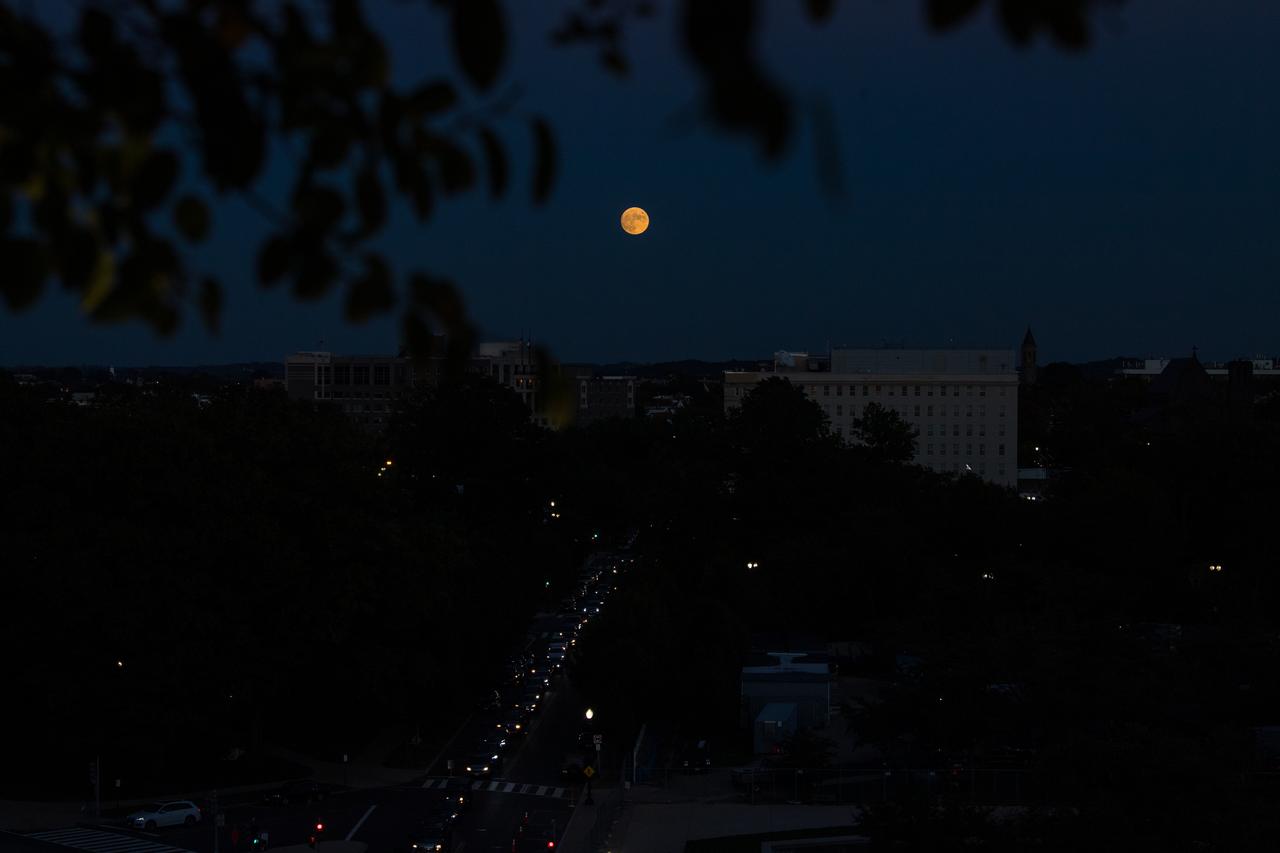
The nearly full Moon is seen as it rises from The Observatory at America’s Square in Washington, Tuesday, Oct. 19, 2021. Photo Credit: (NASA/Aubrey Gemignani)
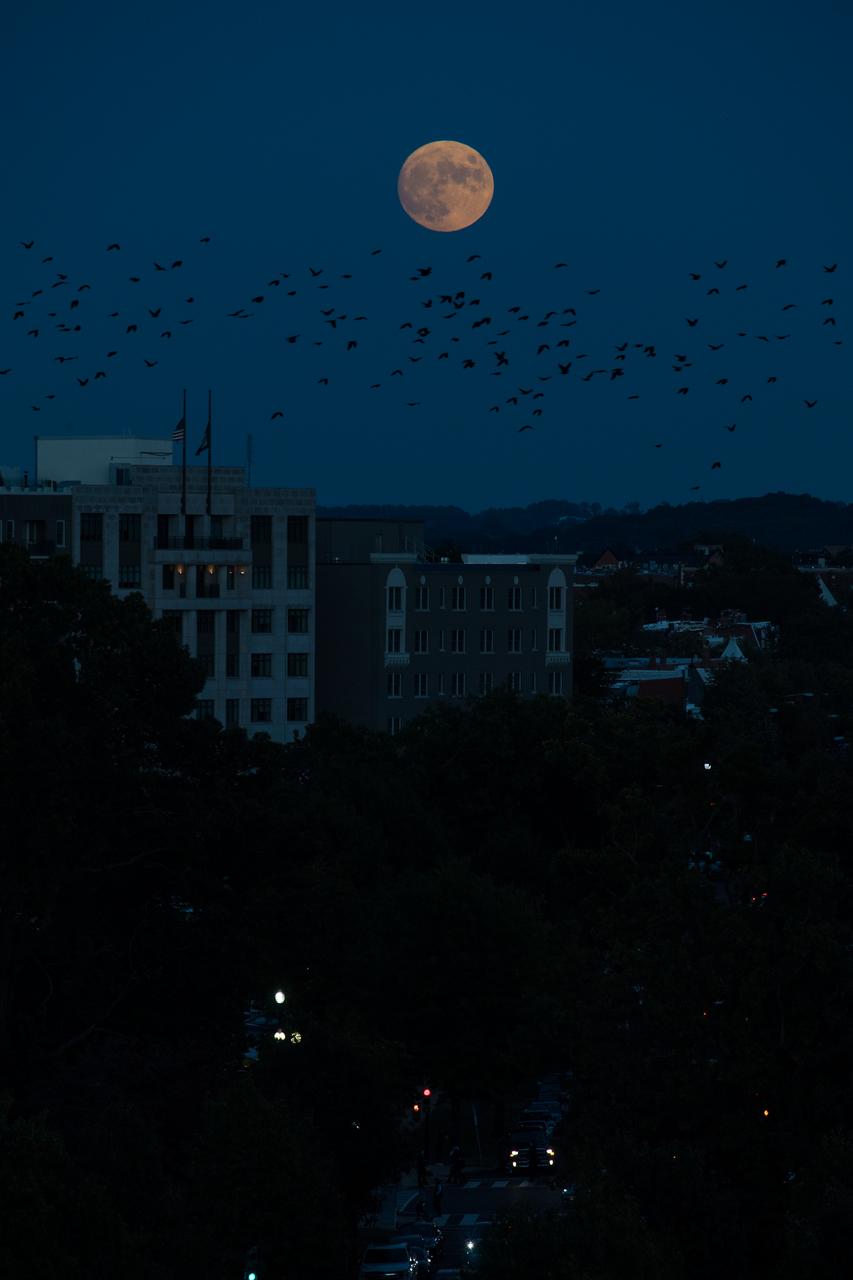
The nearly full Moon is seen as it rises from The Observatory at America’s Square in Washington, Tuesday, Oct. 19, 2021. Photo Credit: (NASA/Aubrey Gemignani)
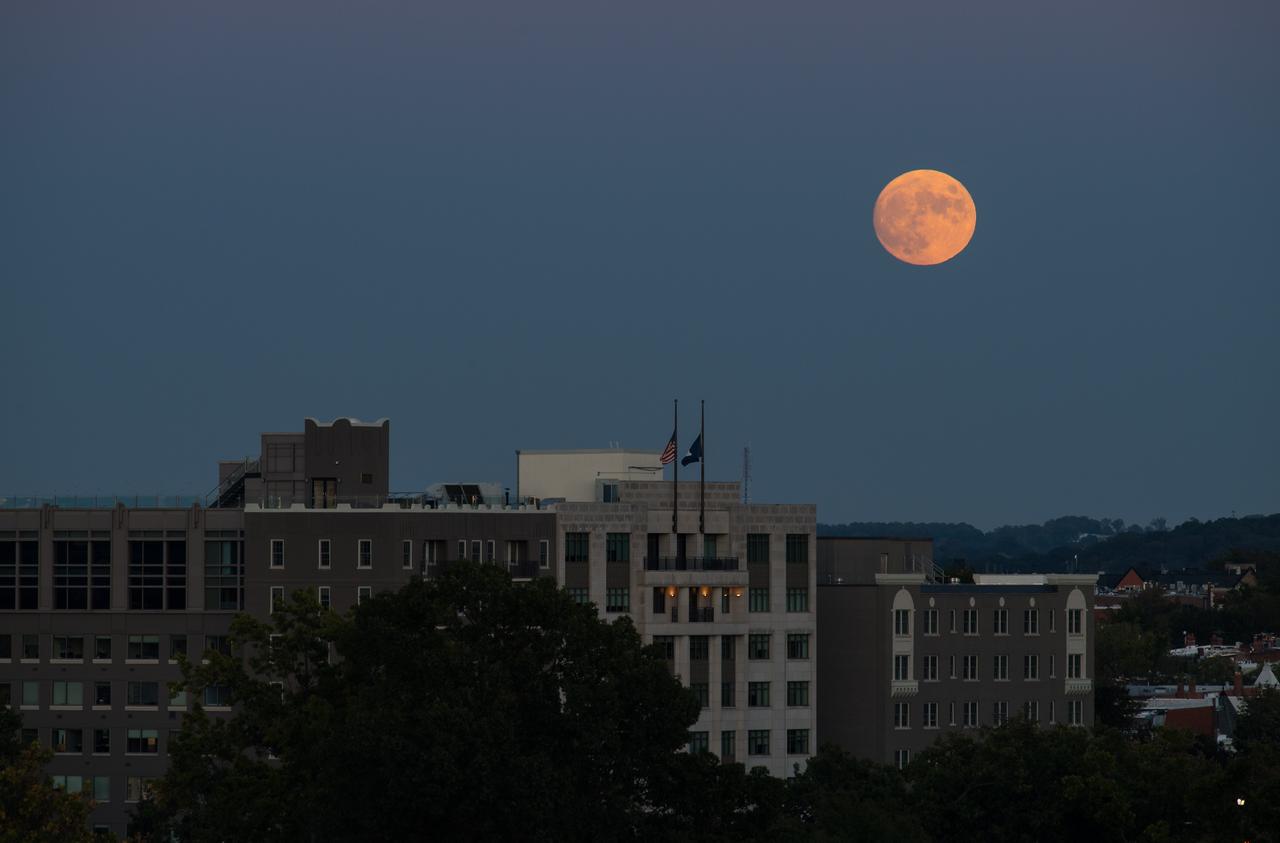
The nearly full Moon is seen as it rises from The Observatory at America’s Square in Washington, Tuesday, Oct. 19, 2021. Photo Credit: (NASA/Aubrey Gemignani)
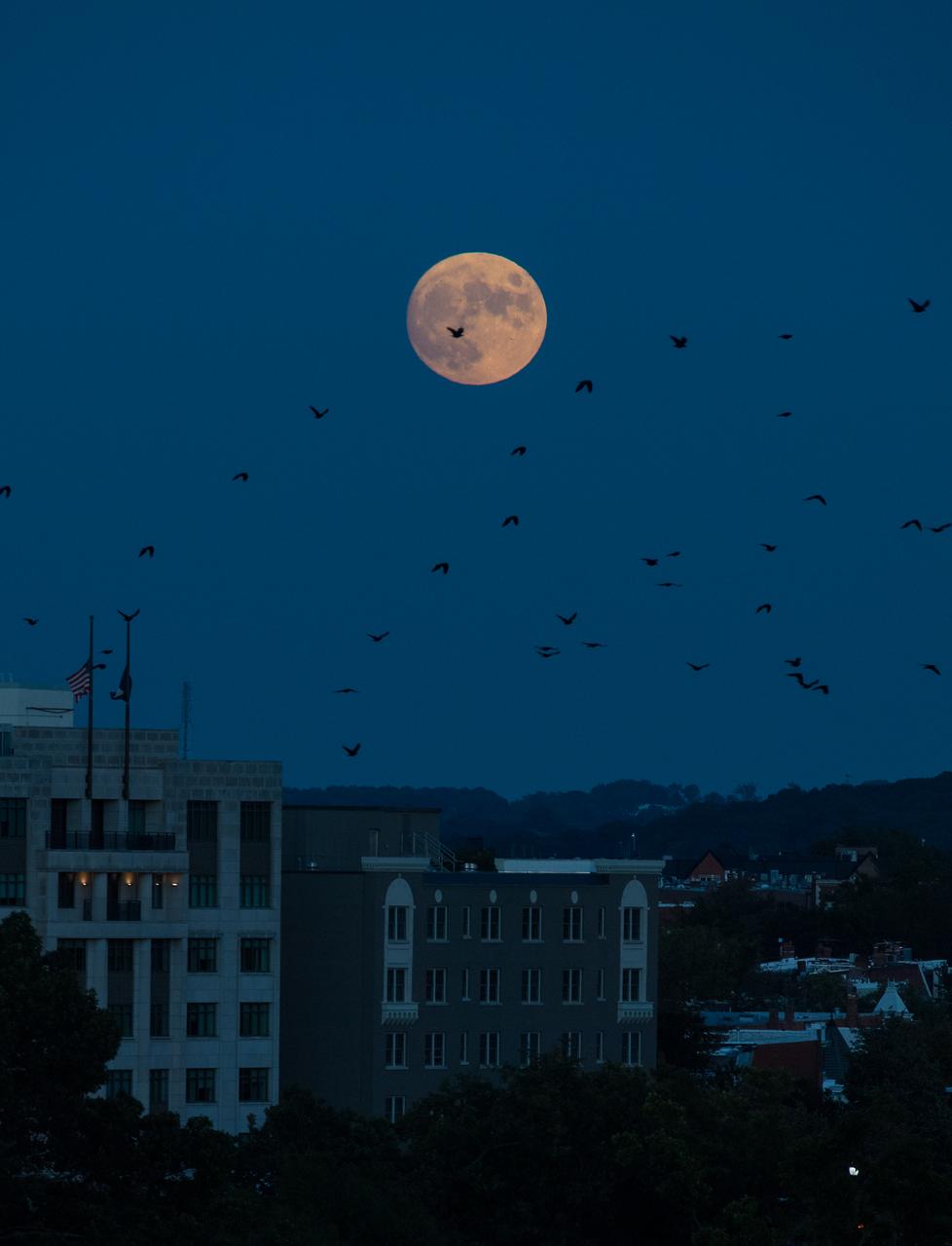
The nearly full Moon is seen as it rises from The Observatory at America’s Square in Washington, Tuesday, Oct. 19, 2021. Photo Credit: (NASA/Aubrey Gemignani)
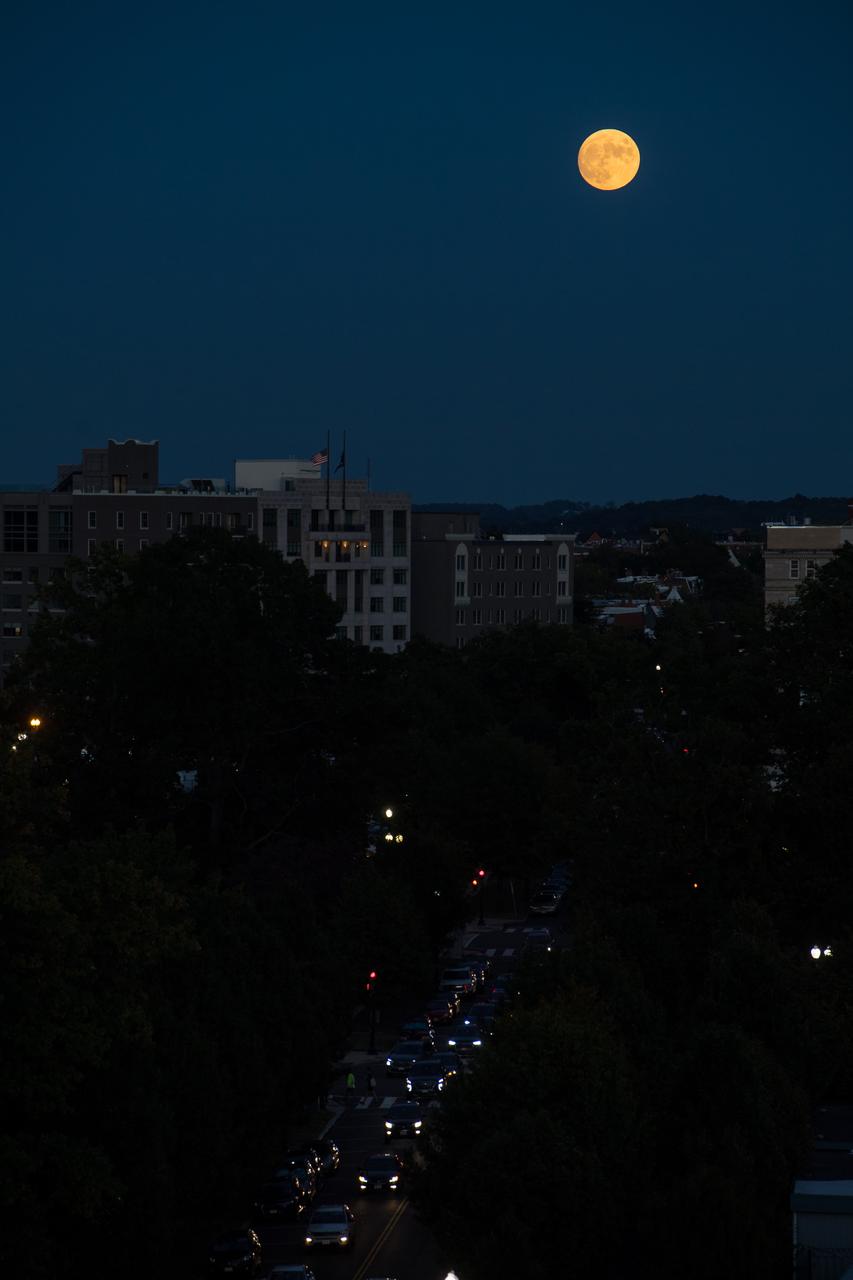
The nearly full Moon is seen as it rises from The Observatory at America’s Square in Washington, Tuesday, Oct. 19, 2021. Photo Credit: (NASA/Aubrey Gemignani)

NASA 60th Anniversary Logo (square) on black background

Australia is the world smallest, flattest, and after Antarctica driest continent, but at 7.7 million square kilometers 3.0 million square miles it is also the sixth largest country.

Samara Karasyk, President and CEO of the Hudson Square Business Improvement District talks to a member of the media in front of the mural “To the Moon, and Back” by the New York-based artist team Geraluz and WERC that was created as part of the reimagined NASA Art Program, Tuesday, September 24, 2024, in New York City’s Hudson Square neighborhood. For the inaugural project of the reestablished NASA Art Program the agency collaborated with the Hudson Square Business Improvement District on an open call for New York-based artists to design and install a large-scale mural inspired by NASA’s work and missions. Photo Credit: (NASA/Joel Kowsky)
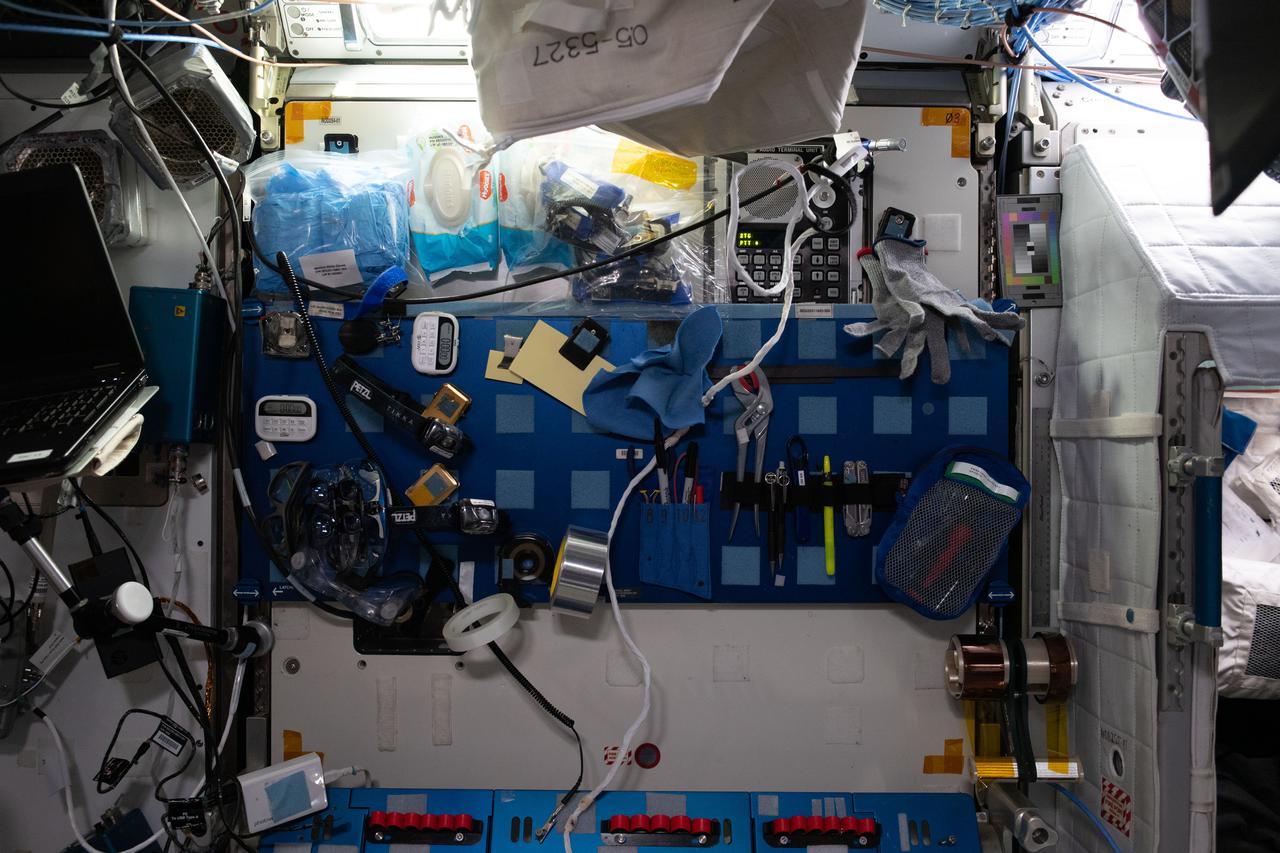
iss066e113865 (Jan. 15, 2022) --- A sample site is denoted for the SQuARE archaeological investigation with pieces of Kapton tape. This investigation studies how astronauts use objects in space over an extended period of time in space. The experiment adapts the standard archaeological technique on Earth called the “shovel test pit” by having crew members mark out square sample sites throughout the orbiting laboratory. Astronauts took picture of these sites at the same time every day, and then at randomly selected times. What we learn could inform design of future space habitats. Credits: International Space Station Archeological Project.

A Mars 2020 message is seen on the video board of the Nasdaq MarketSite after NASA's Perseverance rover landed on the surface of Mars, Thursday, Feb. 18, 2021 in New York City. A key objective for Perseverance’s mission on Mars is astrobiology, including the search for signs of ancient microbial life. The rover will characterize the planet’s geology and past climate, pave the way for human exploration of the Red Planet, and be the first mission to collect and cache Martian rock and regolith. Photo Credit: (NASA/Emma Howells)

A Mars 2020 message is seen on the video board of the Nasdaq MarketSite after NASA's Perseverance rover landed on the surface of Mars, Thursday, Feb. 18, 2021 in New York City. A key objective for Perseverance’s mission on Mars is astrobiology, including the search for signs of ancient microbial life. The rover will characterize the planet’s geology and past climate, pave the way for human exploration of the Red Planet, and be the first mission to collect and cache Martian rock and regolith. Photo Credit: (NASA/Emma Howells)
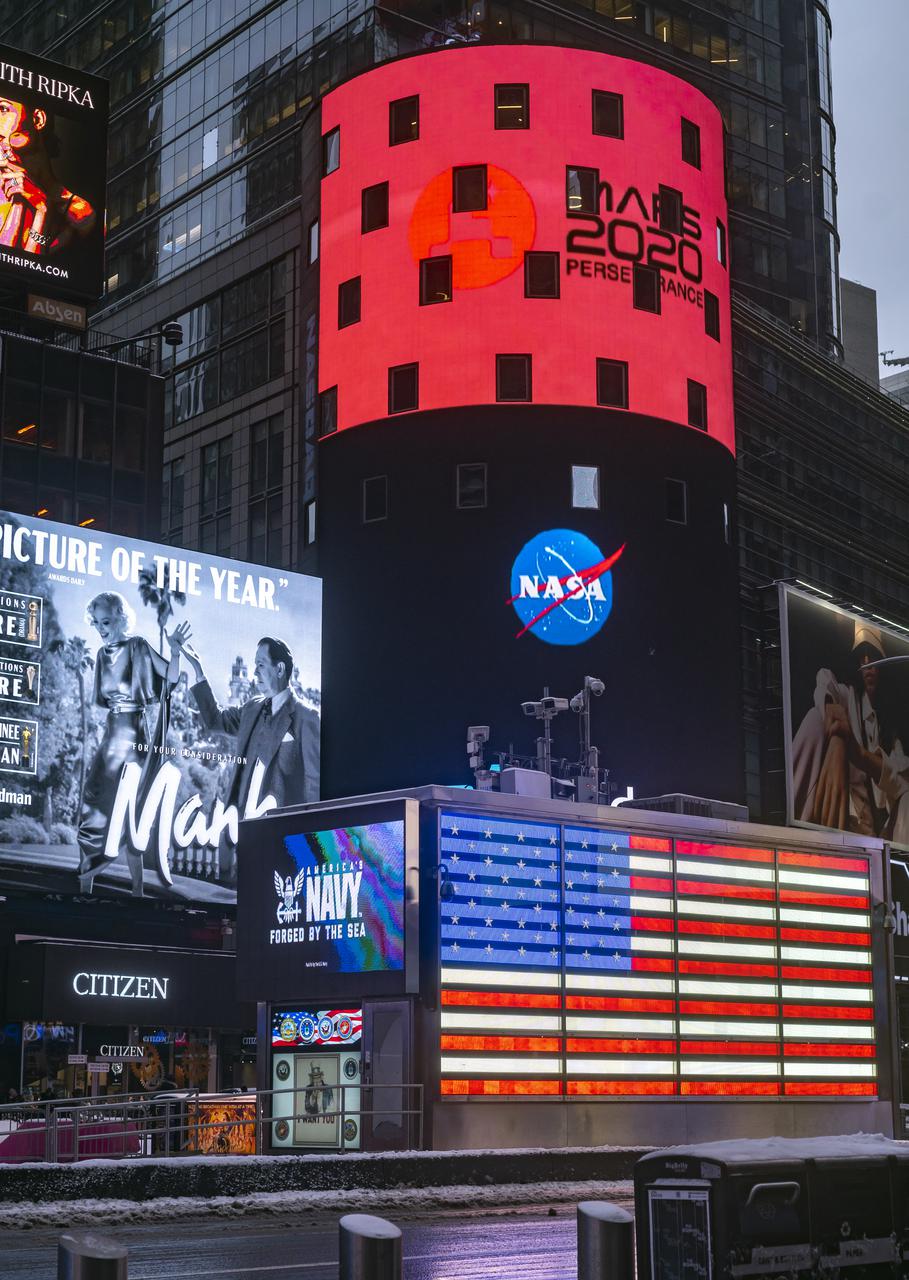
A Mars 2020 message is seen on the video board of the Nasdaq MarketSite after NASA's Perseverance rover landed on the surface of Mars, Thursday, Feb. 18, 2021 in New York City. A key objective for Perseverance’s mission on Mars is astrobiology, including the search for signs of ancient microbial life. The rover will characterize the planet’s geology and past climate, pave the way for human exploration of the Red Planet, and be the first mission to collect and cache Martian rock and regolith. Photo Credit: (NASA/Emma Howells)
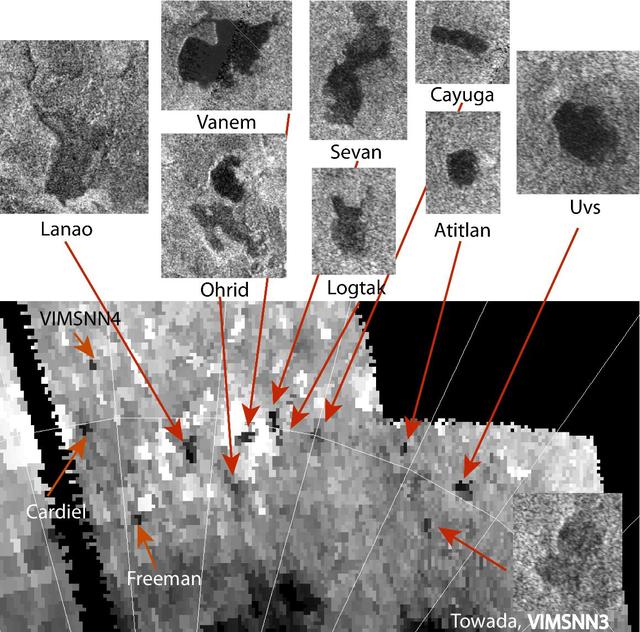
Three new small lakes, 100 to 300 square miles a few hundreds of square kilometers in surface area, have been identified on Saturn moon Titan in data from NASA Cassini spacecraft.

Artist Geraluz talks to a member of the media in front of the mural “To the Moon, and Back” by the New York-based artist team Geraluz and WERC that was created as part of the reimagined NASA Art Program, Tuesday, September 24, 2024, in New York City’s Hudson Square neighborhood. For the inaugural project of the reestablished NASA Art Program the agency collaborated with the Hudson Square Business Improvement District on an open call for New York-based artists to design and install a large-scale mural inspired by NASA’s work and missions. Photo Credit: (NASA/Joel Kowsky)
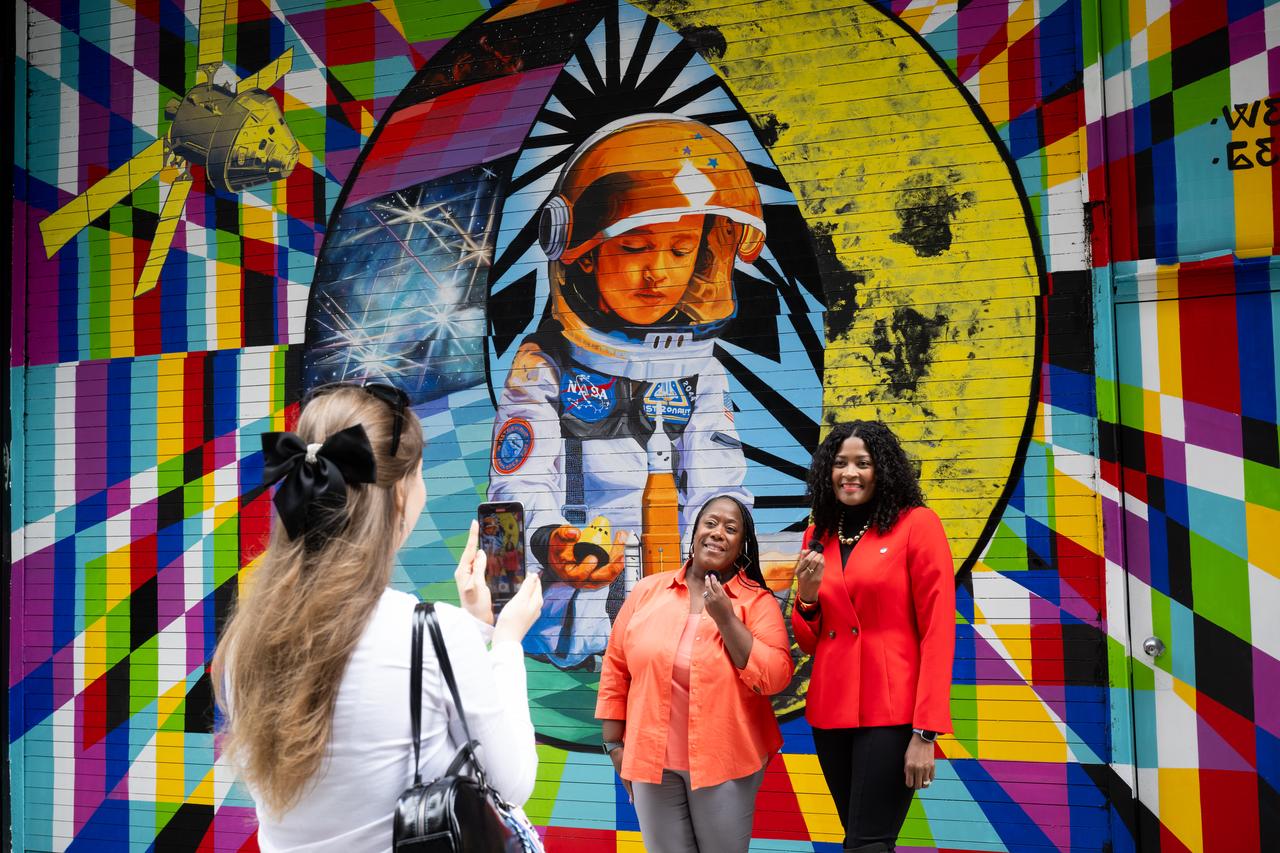
Michelle Jones, NASA’s deputy associate administrator for communications, left, and Aya Collins, director of the engagement division of NASA’s Office of Communications, record a video for social media in front of the mural “To the Moon, and Back” by the New York-based artist team Geraluz and WERC that was created as part of the reimagined NASA Art Program, Tuesday, September 24, 2024, in New York City’s Hudson Square neighborhood. For the inaugural project of the reestablished NASA Art Program the agency collaborated with the Hudson Square Business Improvement District on an open call for New York-based artists to design and install a large-scale mural inspired by NASA’s work and missions. Photo Credit: (NASA/Joel Kowsky)

Expedition 43 NASA Astronaut Scott Kelly, left, Russian cosmonaut Gennady Padalka of the Russian Federal Space Agency (Roscosmos), center, and Russian cosmonaut Mikhail Kornienko of Roscosmos pose for a photograph in front of St. Basil's Cathedral in Moscow as part of traditional pre-launch ceremonies, Friday, March 6, 2015. The trio is preparing for launch to the International Space Station in their Soyuz TMA-16M spacecraft from the Baikonur Cosmodrome in Kazakhstan March 28, Kazakh time. As the one-year crew, Kelly and Kornienko will return to Earth on Soyuz TMA-18M in March 2016. Photo Credit: (NASA/Bill Ingalls)
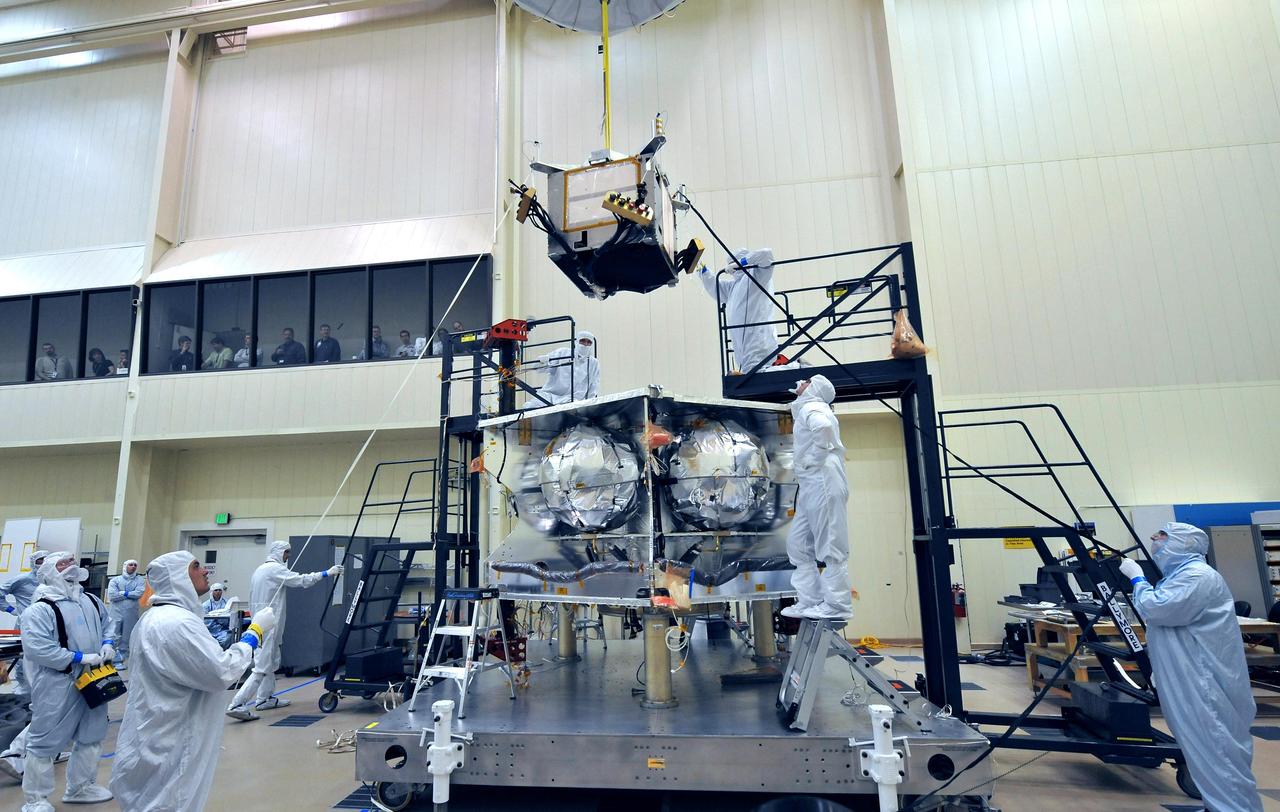
Technicians installed a special radiation vault onto the propulsion module of NASA Juno spacecraft. Each titanium wall measures nearly a square meter nearly 10 square feet in area and about 1 centimeter a third of an inch in thickness.
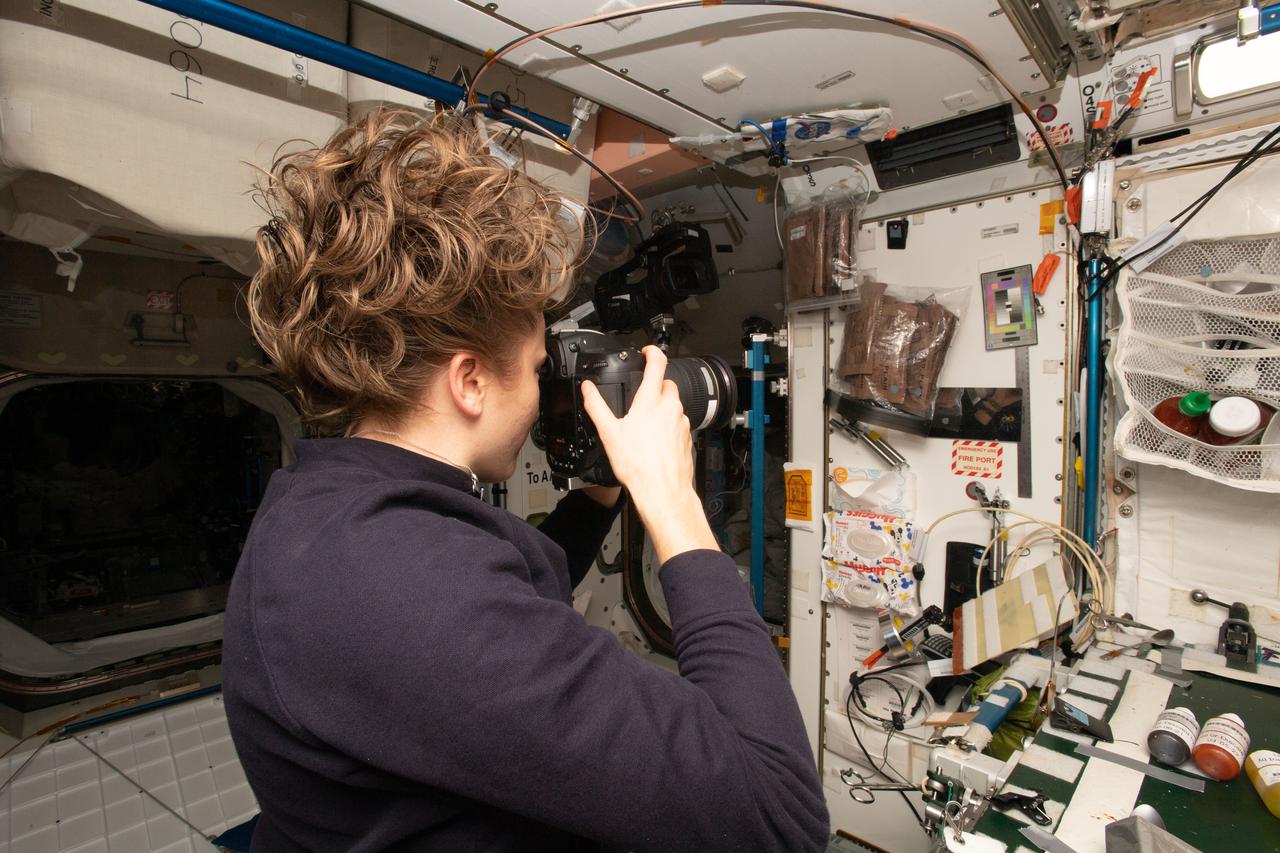
iss066e114158 (Jan. 15, 2022) --- NASA astronaut and expedition 66 Flight Engineer Kayla Barron snaps pictures of a sample “pit” aboard the International Space Station as part of the SQuARE experiment. This study is adapted from the standard archaeological technique on Earth called the “shovel test pit” and tracks the use and movement of objects in several sample sites throughout the orbiting laboratory. Crew members marked off the sample sites and took pictures at approximately the same every day, and then at randomly selected times. Scientists on the ground will analyze the images to understand how astronauts use objects and spaces over an extended period of time. What we learn could inform design of future space habitats. Credits: International Space Station Archeological Project/NASA
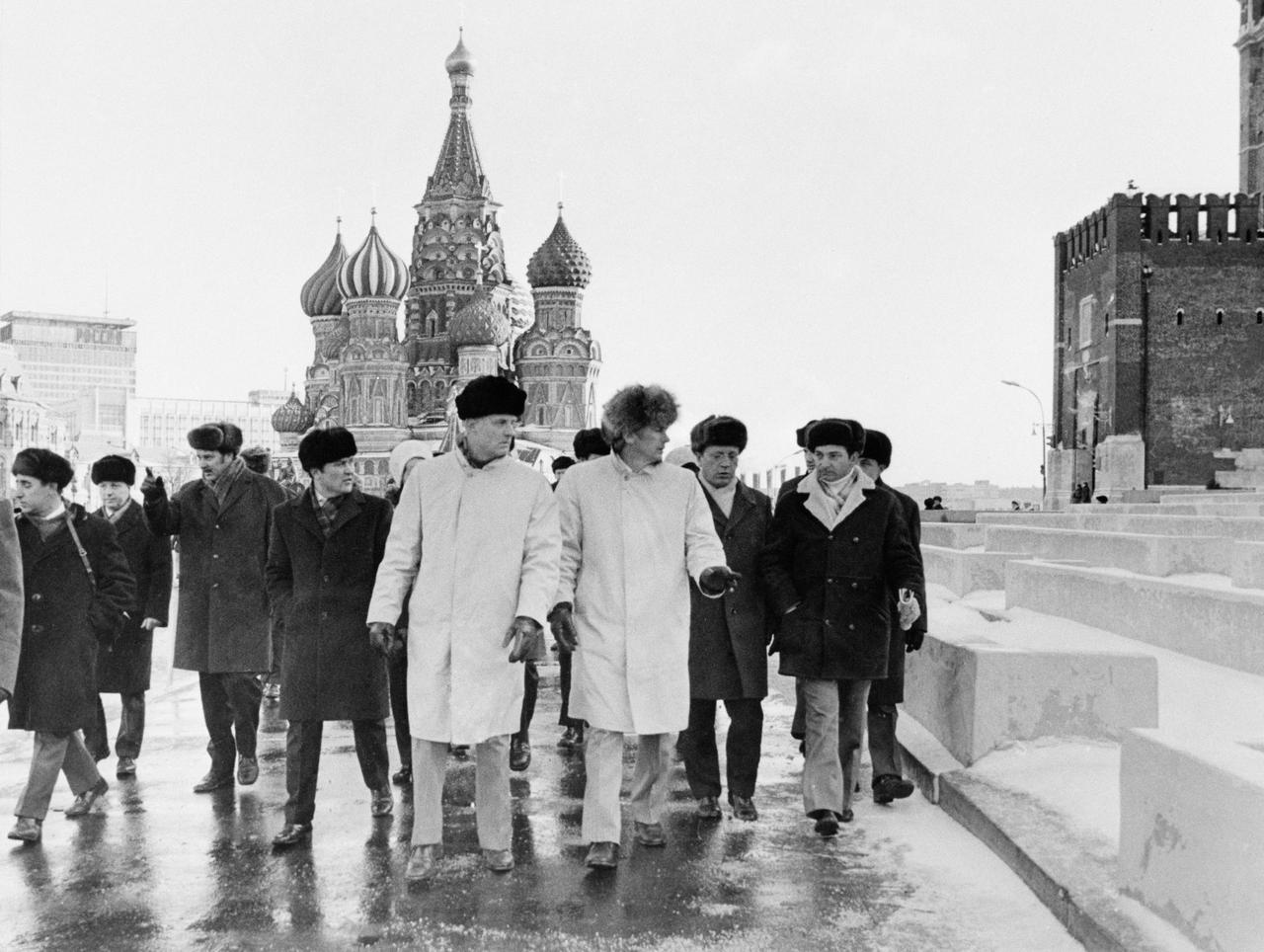
S74-20831 (November 1973) --- A group of astronauts and their cosmonaut hosts are photographed sightseeing on Red Square in the heart of Moscow during a tour of the Soviet capital. The Americans were in the USSR to participate in Apollo-Soyuz Test Project familiarization training on the Soyuz systems at the Cosmonaut Training Center (Star City) near Moscow. Astronaut Thomas P. Stafford (light coat, black cap), commander of the American ASTP crew, was head of the U.S. delegation to Star City. Astronaut Eugene A. Cernan (on Stafford?s left, light coat) is the Special Assistant to the American Technical Director of ASTP. The sightseeing group is walking in the direction of Lenin?s Mausoleum. The structure in the background is the Cathedral of the Intercession (St. Basil?s) Museum. The historic Kremlin complex is to the right. PHOTO COURTESY: USSR ACADEMY OF SCIENCES

NASA’s Artemis II mission specialist Christina Koch is seen on the Nasdaq building in New York’s Times Square soon after ringing the closing bell of the Nasdaq market session, with fellow crewmembers; CSA (Canadian Space Agency) astronaut Jeremy Hansen, mission specialist; and NASA astronauts Reid Wiseman, commander; and Victor Glover, pilot, Thursday, April 30, 2026. NASA’s Artemis II mission took Wiseman, Glover, Koch, and Hansen on a nearly 10-day journey around the Moon and back to Earth earlier in April 2026. Photo Credit: (NASA/Bill Ingalls)

Imagery from NASA’s Artemis II mission is seen on the Nasdaq building in New York’s Times Square after NASA’s Artemis II crewmembers: NASA astronauts Christina Koch, mission specialist; Reid Wiseman, commander; Victor Glover, pilot, mission specialist, and CSA (Canadian Space Agency) astronaut Jeremy Hansen, rang the closing bell Thursday, April 30, 2026. NASA’s Artemis II mission took Wiseman, Glover, Koch, and Hansen on a nearly 10-day journey around the Moon and back to Earth earlier in April 2026. Photo Credit: (NASA/Bill Ingalls)

NASA’s Artemis II mission specialist, CSA (Canadian Space Agency) astronaut Jeremy Hansen, is seen on the Nasdaq building in New York’s Times Square soon after ringing the closing bell of the Nasdaq market session, with fellow crewmembers; NASA astronauts Christina Koch, mission specialist; Reid Wiseman, commander; and Victor Glover, pilot, Thursday, April 30, 2026. NASA’s Artemis II mission took Wiseman, Glover, Koch, and Hansen on a nearly 10-day journey around the Moon and back to Earth earlier in April 2026. Photo Credit: (NASA/Bill Ingalls)

NASA’s Artemis II pilot Victor Glover, poses for a photograph in Times Square, New York, soon after ringing the closing bell of the Nasdaq market session, with fellow crewmembers; CSA (Canadian Space Agency) astronaut Jeremy Hansen, mission specialist; and NASA astronauts Reid Wiseman, commander; Christina Koch, mission specialist, Thursday, April 30, 2026. NASA’s Artemis II mission took Wiseman, Glover, Koch, and Hansen on a nearly 10-day journey around the Moon and back to Earth earlier in April 2026. Photo Credit: (NASA/Bill Ingalls)

NASA’s Artemis II mission specialist, CSA (Canadian Space Agency) astronaut Jeremy Hansen, poses for a photograph in Times Square, New York, soon after ringing the closing bell of the Nasdaq market session, with fellow crewmembers; NASA astronauts Christina Koch, mission specialist; Reid Wiseman, commander; and Victor Glover, pilot, Thursday, April 30, 2026. NASA’s Artemis II mission took Wiseman, Glover, Koch, and Hansen on a nearly 10-day journey around the Moon and back to Earth earlier in April 2026. Photo Credit: (NASA/Bill Ingalls)

Imagery from NASA’s Artemis II mission is seen on the Nasdaq building in New York’s Times Square after NASA’s Artemis II crewmembers: NASA astronauts Christina Koch, mission specialist; Reid Wiseman, commander; Victor Glover, pilot, mission specialist, and CSA (Canadian Space Agency) astronaut Jeremy Hansen, rang the closing bell Thursday, April 30, 2026. NASA’s Artemis II mission took Wiseman, Glover, Koch, and Hansen on a nearly 10-day journey around the Moon and back to Earth earlier in April 2026. Photo Credit: (NASA/Bill Ingalls)

NASA’s Artemis II commander Reid Wiseman, holds ‘Rise’ the zero gravity indicator, up for a photograph in Times Square, New York, after ringing the closing bell of the Nasdaq market session, with fellow crewmembers; CSA (Canadian Space Agency) astronaut Jeremy Hansen, mission specialist; and NASA astronauts Victor Glover, pilot; Christina Koch, mission specialist, Thursday, April 30, 2026. NASA’s Artemis II mission took Wiseman, Glover, Koch, and Hansen on a nearly 10-day journey around the Moon and back to Earth earlier in April 2026. Photo Credit: (NASA/Bill Ingalls)