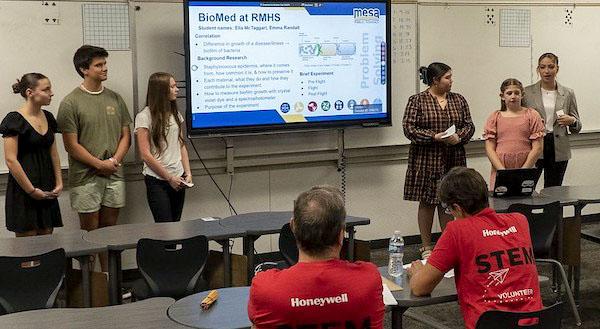
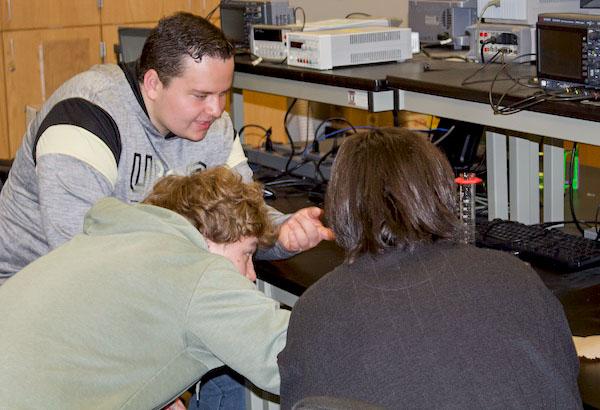
jsc2024e066518 (11/1/2023) --- Mesa Publc School students work together presenting their critical design review to their industry partners Honeywell Aerospace Technologies in their successful bid to be a finalist for the Nanoracks-National Center for Earth and Space Science Education-Surveyor-Student Spaceflight Experiments Program Mission 18 to ISS (Nanoracks-NCESSE-Surveyor-SSEP). Their experiment is The Growth and Mutation of Staphylococcus epidermidis Biofilm in Microgravity.
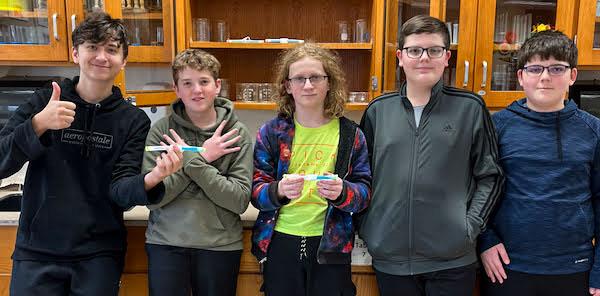
jsc2023e065190 (19/19/2023) --- Iroquois SSEP student researchers work on their crystallization experiment, which will be included in the Nanoracks-National Center for Earth and Space Science Education-Orbiter-Student Spaceflight Experiments Program Mission 17 to ISS (Nanoracks-NCESSE-Orbiter-SSEP).
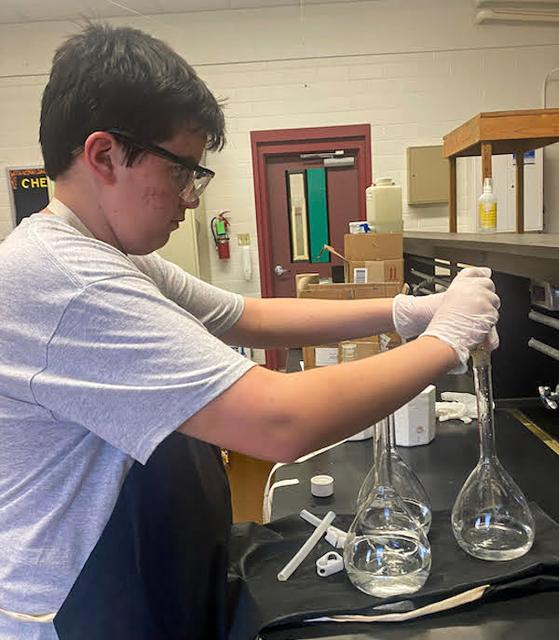
jsc2023e065200 (10/19/2023) --- Student researcher Sam Dondapati work on his experiment, Growth of Spirulina in Microgravity, which will be included in the Nanoracks-National Center for Earth and Space Science Education-Orbiter-Student Spaceflight Experiments Program Mission 17 to ISS (Nanoracks-NCESSE-Orbiter-SSEP).

jsc2023e065203 (10/19/2023) --- Lynbrook High School student researchers Jack and Aiden work on their experiment on the Wine cap mushroom , which will be included in the Nanoracks-National Center for Earth and Space Science Education-Orbiter-Student Spaceflight Experiments Program Mission 17 to ISS (Nanoracks-NCESSE-Orbiter-SSEP).
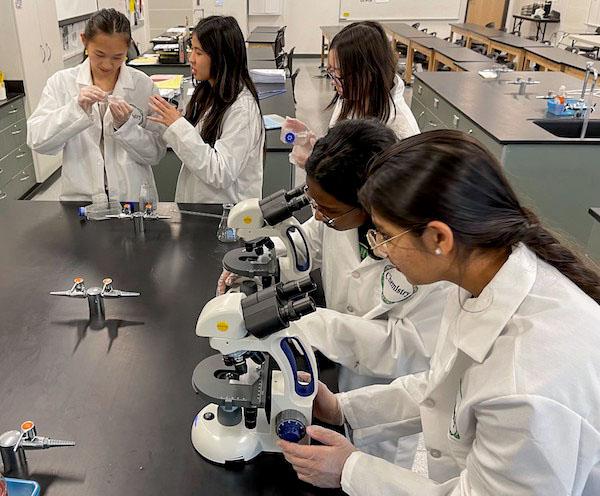
jsc2024e067106 (10/15/2024) --- Nematodes to the Rescue! - Space worms as an integral component of space agriculture is part of the Nanoracks-National Center for Earth and Space Science Education-Surveyor-Student Spaceflight Experiments Program Mission 18 to the ISS (Nanoracks-NCESSE-Surveyor-SSEP). Image courtesy of Canyons School District.
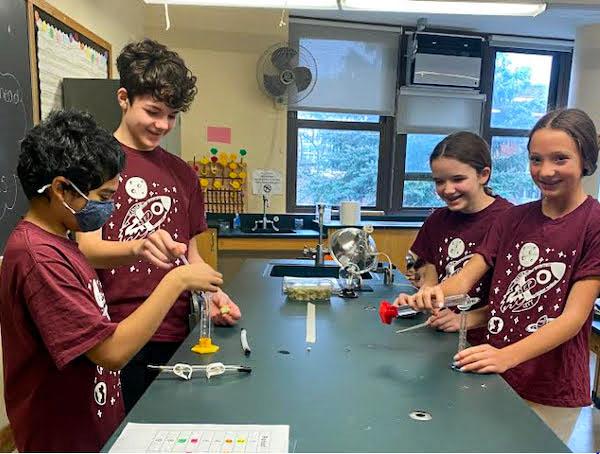
jsc2023e065191 (10/19/2023) --- Garden City Middle School student researchers work on their dill seed germination experiment, which will be included in the Nanoracks-National Center for Earth and Space Science Education-Orbiter-Student Spaceflight Experiments Program Mission 17 to ISS (Nanoracks-NCESSE-Orbiter-SSEP).
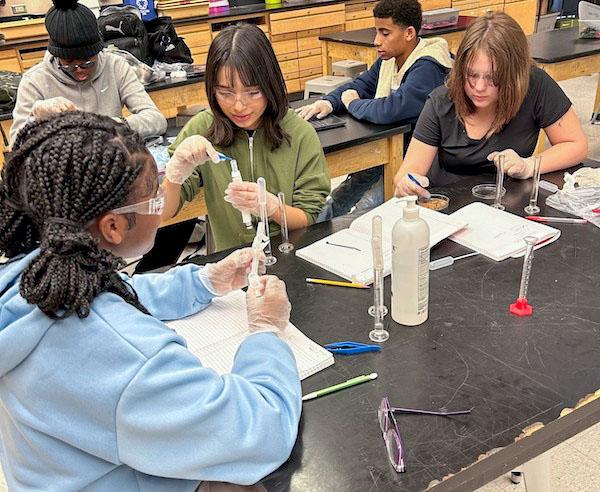
jsc2024e066522 (10/7/2024) --- Moreno Valley Unified School District students explore the effects of microgravity on a popular leafy green. Their experiment, The Effects of Microgravity on Arugula, is part of the Nanoracks-National Center for Earth and Space Science Education-Surveyor-Student Spaceflight Experiments Program Mission 18 to ISS (Nanoracks-NCESSE-Surveyor-SSEP).
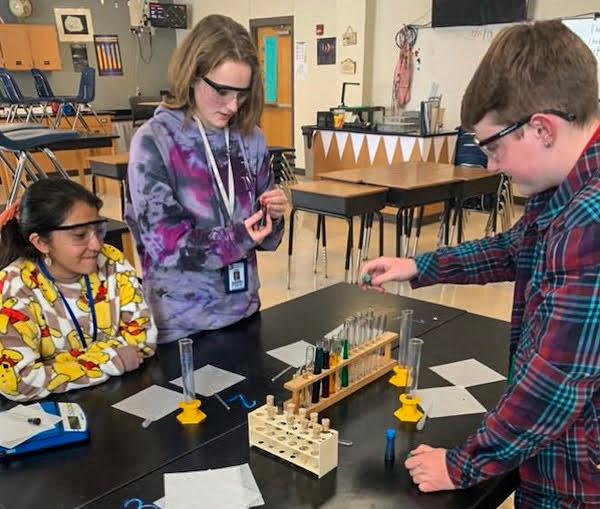
jsc2023e065182 (10/19/2023) --- Student researchers work on their Basil Germination experiment, which will be included in the Nanoracks-National Center for Earth and Space Science Education-Orbiter-Student Spaceflight Experiments Program Mission 17 to ISS (Nanoracks-NCESSE-Orbiter-SSEP).
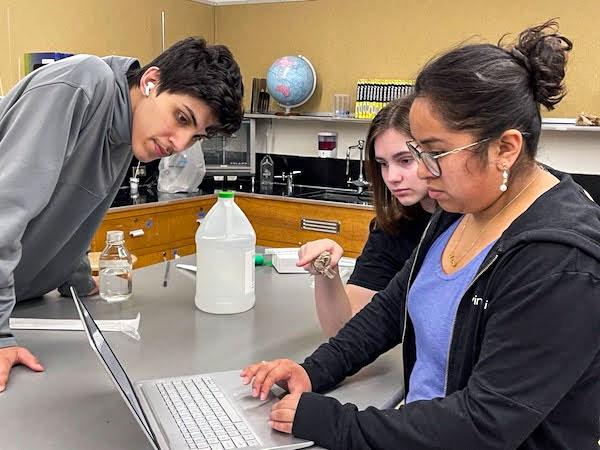
jsc2023e065192 (1/23/2023) --- Student researchers from Gervais, OR work on their experiment, Patulin Growth in Space, which will be included in the Nanoracks-National Center for Earth and Space Science Education-Orbiter-Student Spaceflight Experiments Program Mission 17 to ISS (Nanoracks-NCESSE-Orbiter-SSEP).
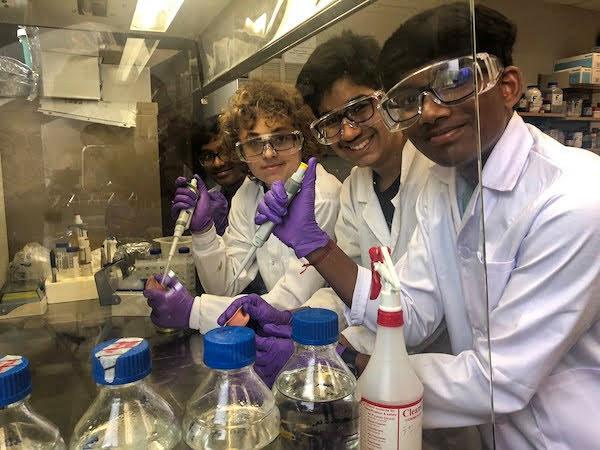
jsc2023e065209 (10/19/2023) --- Student researchers Rishik Yellu, Yatharth Kakkad, Felix Ratner and Rugan Suresh work on their experiment, which will be included in the Nanoracks-National Center for Earth and Space Science Education-Orbiter-Student Spaceflight Experiments Program Mission 17 to ISS (Nanoracks-NCESSE-Orbiter-SSEP).
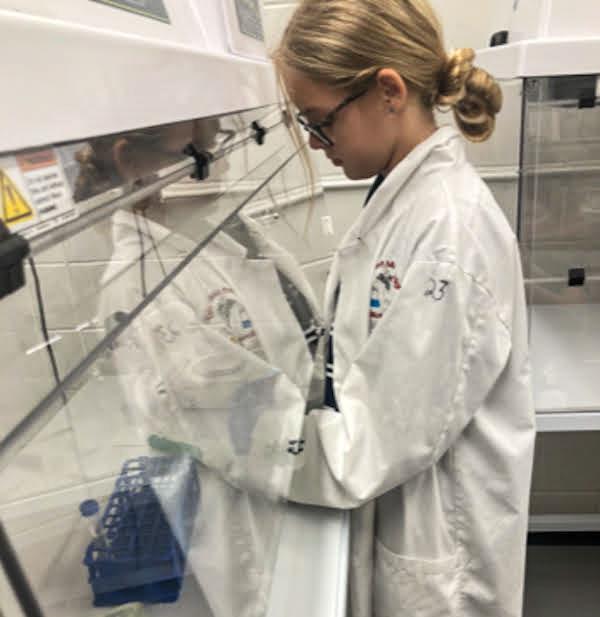
jsc2023e065208 (10/19/2023) --- Student researcher Collins works on their E. choli experiment, which will be included in the Nanoracks-National Center for Earth and Space Science Education-Orbiter-Student Spaceflight Experiments Program Mission 17 to ISS (Nanoracks-NCESSE-Orbiter-SSEP).
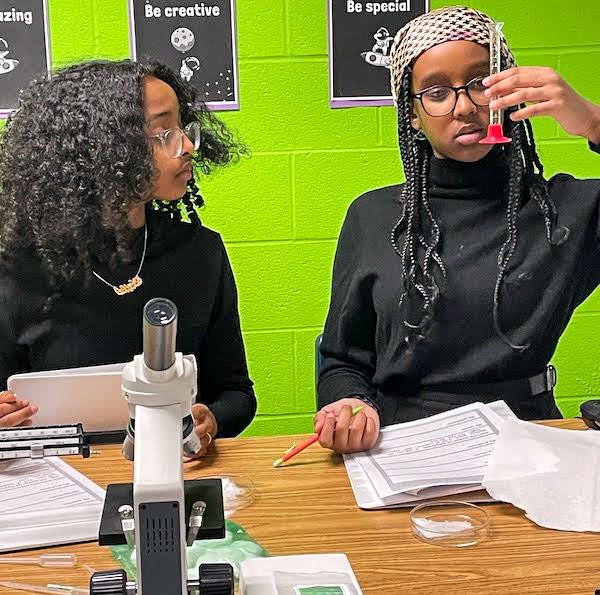
jsc2023e065211 (1/19/2023) --- Harmon Middle School student researchers work on their experiment, Bamboo Growth in Microgravity, which will be included in the Nanoracks-National Center for Earth and Space Science Education-Orbiter-Student Spaceflight Experiments Program Mission 17 to ISS (Nanoracks-NCESSE-Orbiter-SSEP).
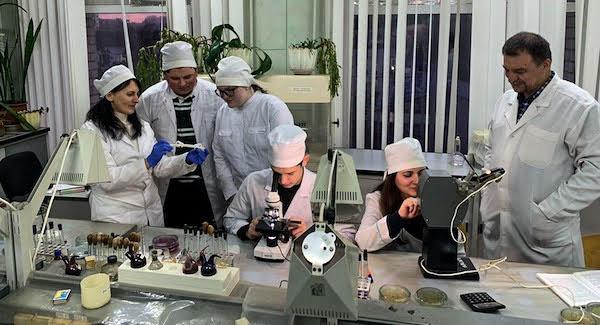
jsc2023e065217 (10/19/2023) --- Student researchers in Ukarine work on their experiment, which will be included in the Nanoracks-National Center for Earth and Space Science Education-Orbiter-Student Spaceflight Experiments Program Mission 17 to ISS (Nanoracks-NCESSE-Orbiter-SSEP).
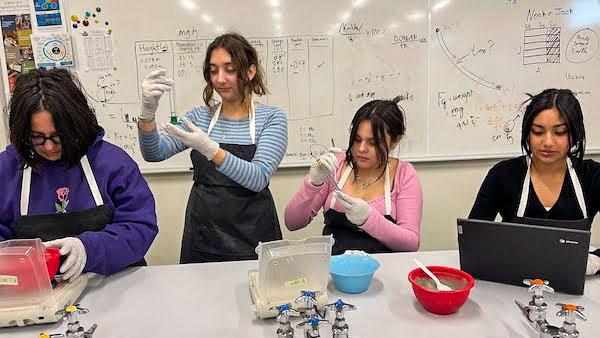
jsc2023e065206 (1/26/2023) --- Canyon Spring student researchers work on their experiment, which will be included in the Nanoracks-National Center for Earth and Space Science Education-Orbiter-Student Spaceflight Experiments Program Mission 17 to ISS (Nanoracks-NCESSE-Orbiter-SSEP).
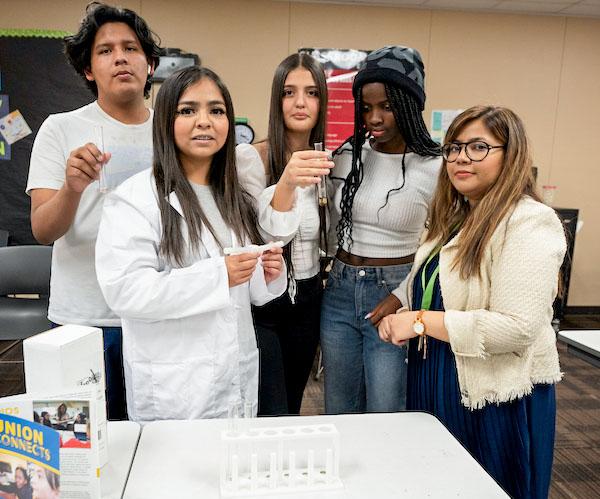
jsc2024e066519 (10/7/2024) --- The Comets set up the test tubes for the final trial of their experiment, Effects of Microgravity on Arabidopsis thaliana Seed Germination. Their experiment is part of the Nanoracks-National Center for Earth and Space Science Education-Surveyor-Student Spaceflight Experiments Program Mission 18 to ISS (Nanoracks-NCESSE-Surveyor-SSEP).
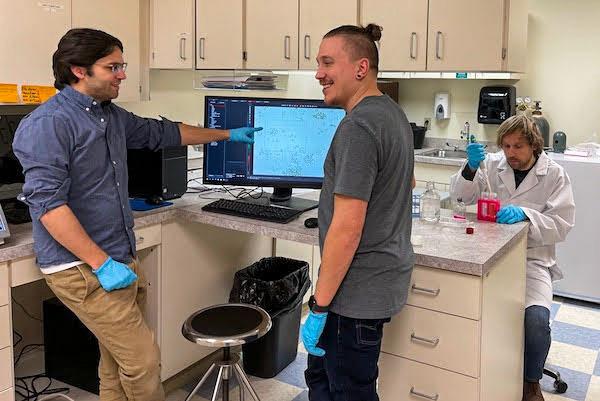
jsc2023e065212 (2/1/2023) --- Student researchers Daniel Roth and Jason Gomes work on their experiment, The Effect(s) of Microgravity on the Dormant State of Cancer Cells, which will be included in the Nanoracks-National Center for Earth and Space Science Education-Orbiter-Student Spaceflight Experiments Program Mission 17 to ISS (Nanoracks-NCESSE-Orbiter-SSEP).
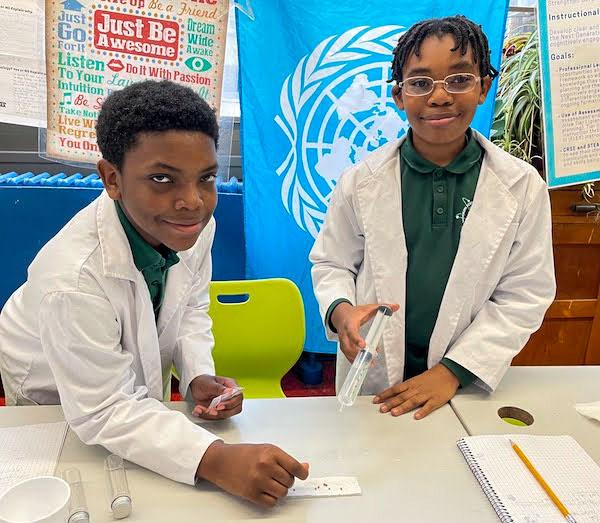
jsc2023e065183 (1/13/2023) --- Rundell Swan and Tristan Cole work on their experiment, What are the effects of microgravity on the germination of raphanus sativus (radish seeds), which will be included in the Nanoracks-National Center for Earth and Space Science Education-Orbiter-Student Spaceflight Experiments Program Mission 17 to ISS (Nanoracks-NCESSE-Orbiter-SSEP).
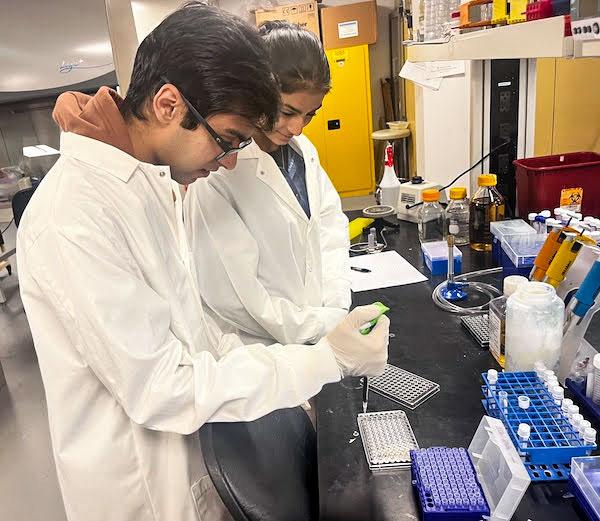
jsc2023e065219 (2/3/2023) --- Student researchers work on their experiment, The Effect of Microgravity on Telomerase Activity and Efficiency in Saccharomyces cerevisiae, which will be included in the Nanoracks-National Center for Earth and Space Science Education-Orbiter-Student Spaceflight Experiments Program Mission 17 to ISS (Nanoracks-NCESSE-Orbiter-SSEP).
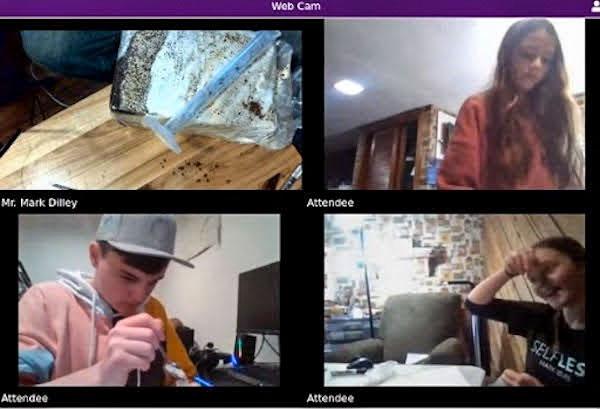
jsc2023e065197 (10/19/2023) --- iForward Public Online Charter School student researchers work on their experiment on Germination of Pleurotus ostreatus Spores, which will be included in the Nanoracks-National Center for Earth and Space Science Education-Orbiter-Student Spaceflight Experiments Program Mission 17 to ISS (Nanoracks-NCESSE-Orbiter-SSEP).
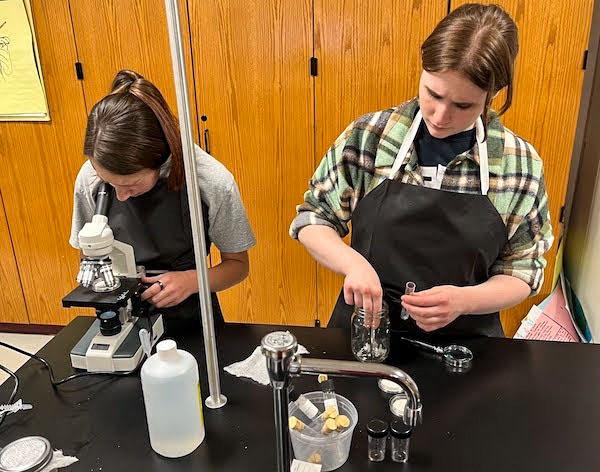
jsc2023e065207 (1/5/2023) --- Student researchers work on their experiment, The Effects of Microgravity on the Reproduction Cycle of Drosophila melanogaster, which will be included in the Nanoracks-National Center for Earth and Space Science Education-Orbiter-Student Spaceflight Experiments Program Mission 17 to ISS (Nanoracks-NCESSE-Orbiter-SSEP).
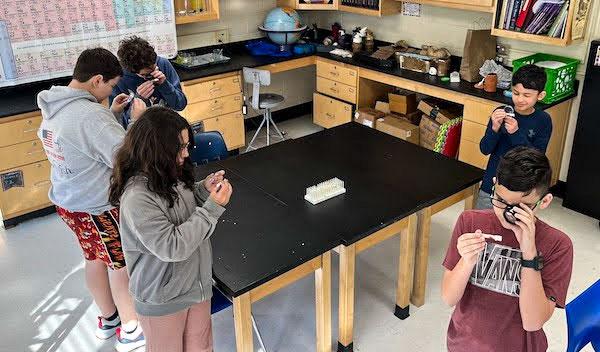
jsc2023e065202 (10/19/2023) --- Student researchers work on their experiment, How Does Microgravity Affect the Germination of Oyster Mushroom Spawns (Pleurotus Ostreatus), which will be included in the Nanoracks-National Center for Earth and Space Science Education-Orbiter-Student Spaceflight Experiments Program Mission 17 to ISS (Nanoracks-NCESSE-Orbiter-SSEP).
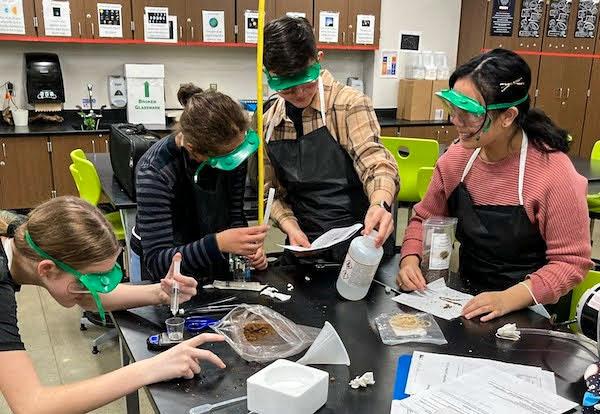
jsc2023e065214 (2/7/2023) --- Eighth grade student researchers work on their experiment, Microgreen Growth in Microgravity Environment, which will be included in the Nanoracks-National Center for Earth and Space Science Education-Orbiter-Student Spaceflight Experiments Program Mission 17 to ISS (Nanoracks-NCESSE-Orbiter-SSEP).
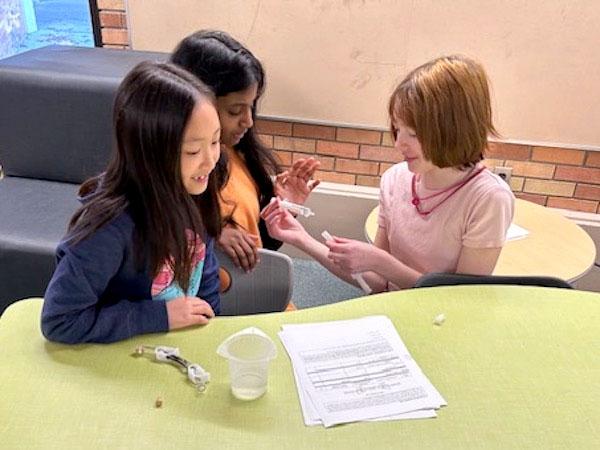
jsc2024e066530 (10/4/2024) --- Creek Valley Elementary School students prepare their experiment, Does Gravity Affect the Germination Growth of Raspberry Seeds, for space. Their experiment is part of the Nanoracks-National Center for Earth and Space Science Education-Surveyor-Student Spaceflight Experiments Program Mission 18 to ISS (Nanoracks-NCESSE-Surveyor-SSEP).
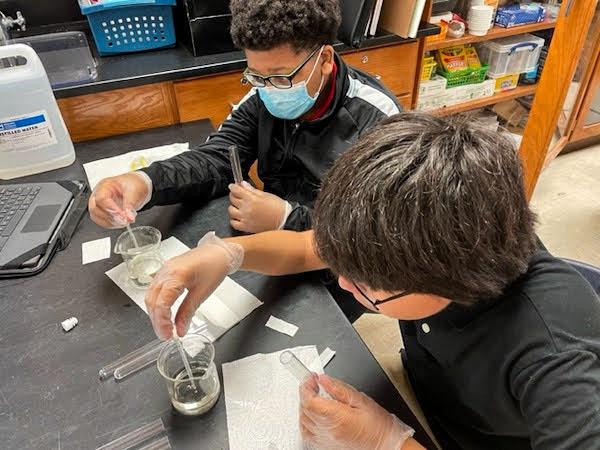
jsc2023e065199 (1/26/2023) --- Mundy's Mill Middle School student researchers work on their experiment, Germination of Mentha spicata in Microgravity, which will be included in the Nanoracks-National Center for Earth and Space Science Education-Orbiter-Student Spaceflight Experiments Program Mission 17 to ISS (Nanoracks-NCESSE-Orbiter-SSEP).
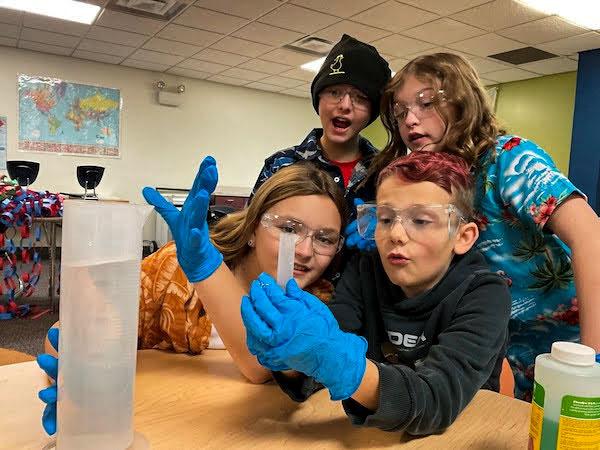
jsc2023e065184 (10/19/2023) --- Student researchers work on their experiment on chamomile seed germination, which will be included in the Nanoracks-National Center for Earth and Space Science Education-Orbiter-Student Spaceflight Experiments Program Mission 17 to ISS (Nanoracks-NCESSE-Orbiter-SSEP).
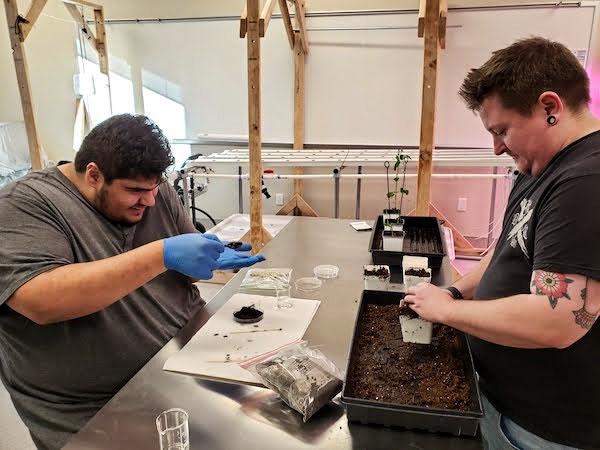
jsc2023e065205 (1/26/2023) --- Collin College student researchers Henry Elmendorf and Stefano Sacripanti work on their experiment, which will be included in the Nanoracks-National Center for Earth and Space Science Education-Orbiter-Student Spaceflight Experiments Program Mission 17 to ISS (Nanoracks-NCESSE-Orbiter-SSEP).
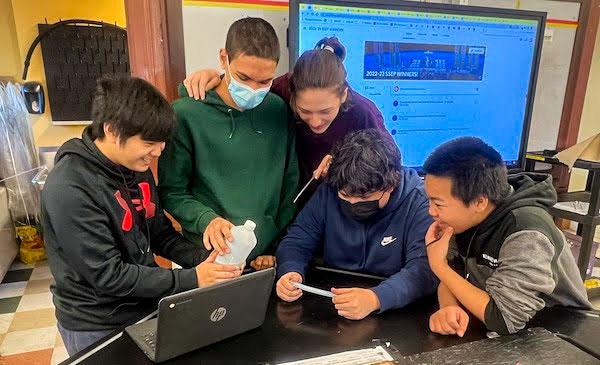
jsc2023e065181 (10/19/2023) --- Student researchers work on their experiment, which will be included in the Nanoracks-National Center for Earth and Space Science Education-Orbiter-Student Spaceflight Experiments Program Mission 17 to ISS (Nanoracks-NCESSE-Orbiter-SSEP).
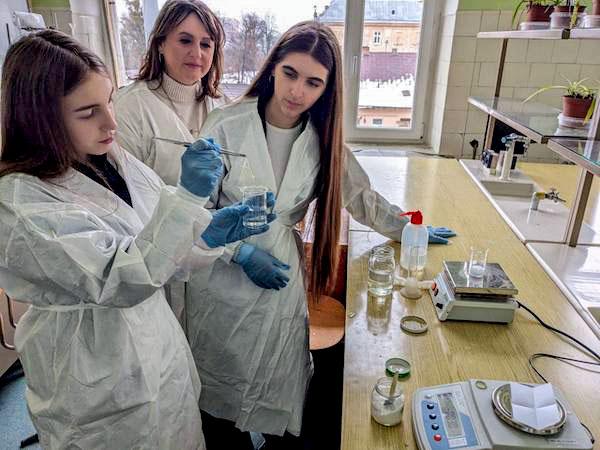
jsc2024e066517 (10/4/2024) --- Young researchers work on their experiment, Production of Biomedical Purpose Hydrogels in Microgravity, part of the Nanoracks-National Center for Earth and Space Science Education-Surveyor-Student Spaceflight Experiments Program Mission 18 to ISS (Nanoracks-NCESSE-Surveyor-SSEP).
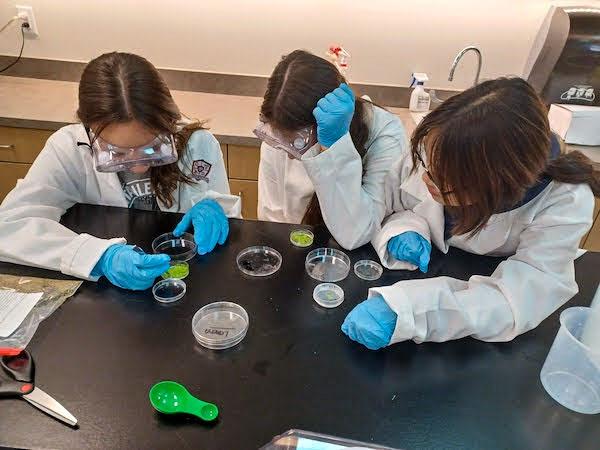
jsc2023e065201 (1/12/2023) --- Pinecrest St. Rose student researchers work on their experiment, Wolffia in Microgravity, which will be included in the Nanoracks-National Center for Earth and Space Science Education-Orbiter-Student Spaceflight Experiments Program Mission 17 to ISS (Nanoracks-NCESSE-Orbiter-SSEP).
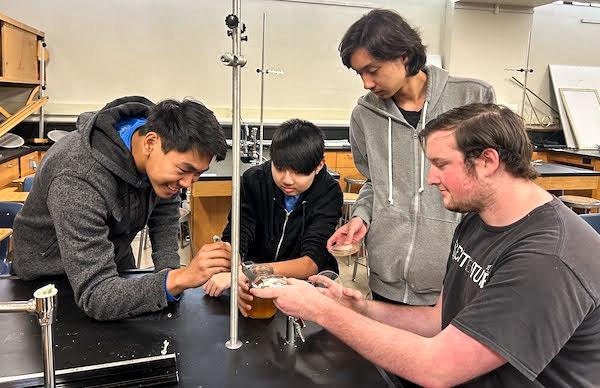
jsc2023e065193 (10/19/2023) --- Glendora High School’s M17 student researchers work on their Mushroom Leather Proposal experiment, which will be included in the Nanoracks-National Center for Earth and Space Science Education-Orbiter-Student Spaceflight Experiments Program Mission 17 to ISS (Nanoracks-NCESSE-Orbiter-SSEP).
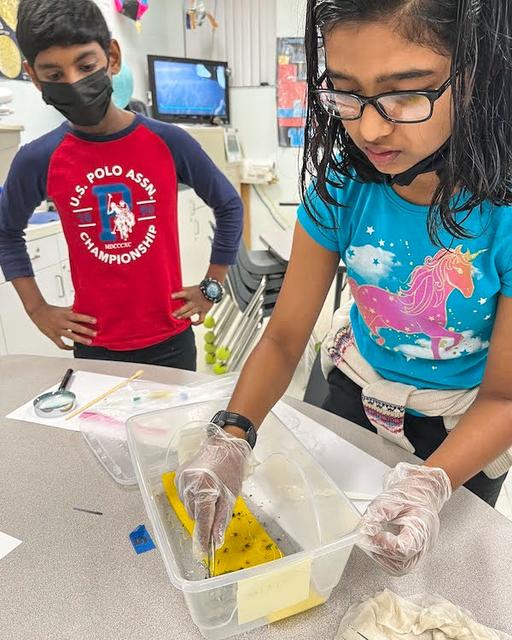
jsc2023e065196 (10/26/2023) --- Student researchers Lonappan John and Aadrita Roywork on their experiment, The Changes of Nutritional and Germination values of Sesame Microgreens in Microgravity, which will be included in the Nanoracks-National Center for Earth and Space Science Education-Orbiter-Student Spaceflight Experiments Program Mission 17 to ISS (Nanoracks-NCESSE-Orbiter-SSEP).
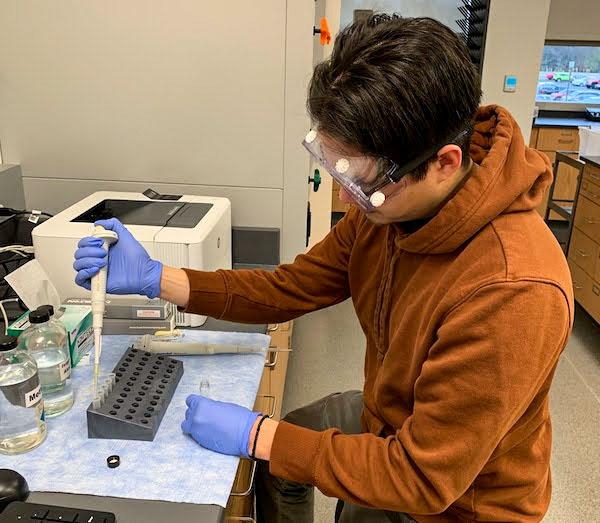
sc2023e065194 (1/20/2023) --- A student researcher works on their The Effects of Microgravity on Cholesterol Lowering Activity by Lactobacillus acidophilus, which will be included in the Nanoracks-National Center for Earth and Space Science Education-Orbiter-Student Spaceflight Experiments Program Mission 17 to ISS (Nanoracks-NCESSE-Orbiter-SSEP).
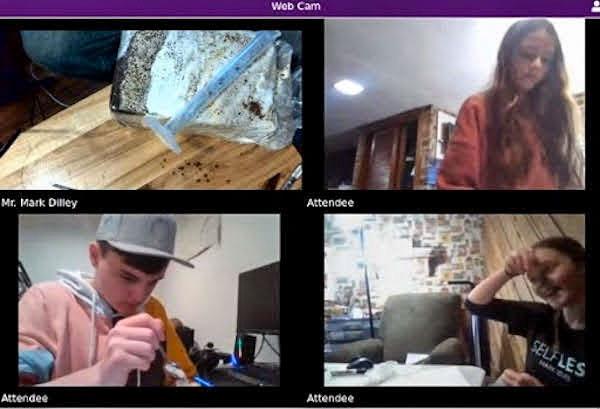
jsc2023e065198 (10/19/2023) --- iForward Public Online Charter School student researchers work on their experiment on Germination of Pleurotus ostreatus Spores, which will be included in the Nanoracks-National Center for Earth and Space Science Education-Orbiter-Student Spaceflight Experiments Program Mission 17 to ISS (Nanoracks-NCESSE-Orbiter-SSEP).
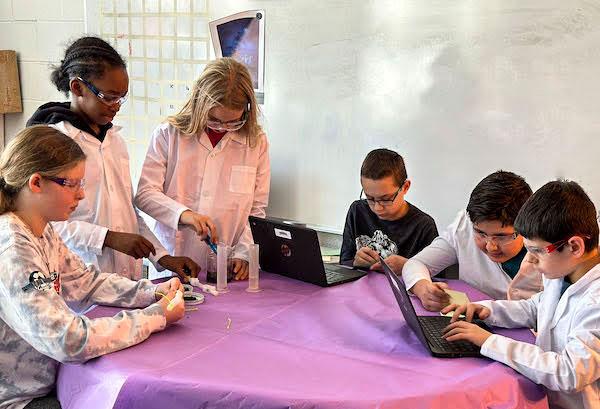
jsc2023e06522 (3/3/2023) --- Fifth grade student researchers from Walker-Winter Elementary School work on their experiment, Mushroom Germination in Microgravity, which will be included in the Nanoracks-National Center for Earth and Space Science Education-Orbiter-Student Spaceflight Experiments Program Mission 17 to ISS (Nanoracks-NCESSE-Orbiter-SSEP).
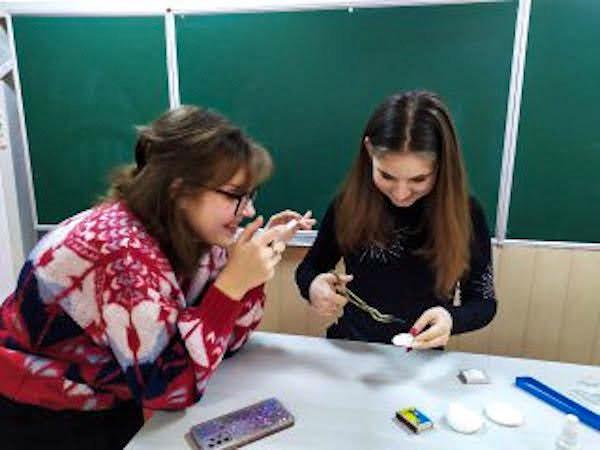
jsc2023e065218 (10/19/2023) --- Student researchers in Ukarine work on their experiment, which will be included in the Nanoracks-National Center for Earth and Space Science Education-Orbiter-Student Spaceflight Experiments Program Mission 17 to ISS (Nanoracks-NCESSE-Orbiter-SSEP).
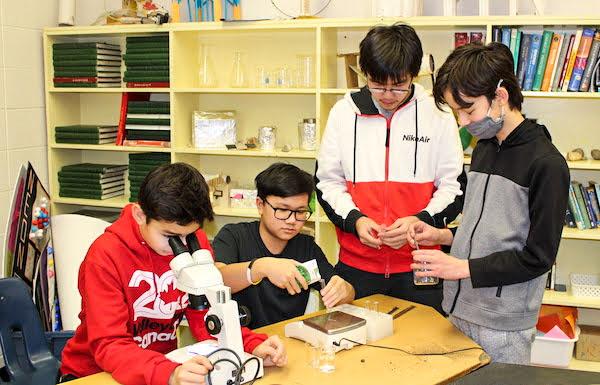
jsc2023e065189 (1/24/2023) --- Student researchers ( left to right: Scott Erskine, Marcus Li, XiaoLin Liu and Samuel Cullen) work on their experiment examining the Effects of Microgravity on the Statoliths and Statocyst Cells in Lepidium sativum (Garden Cress), which will be included in the Nanoracks-National Center for Earth and Space Science Education-Orbiter-Student Spaceflight Experiments Program Mission 17 to ISS (Nanoracks-NCESSE-Orbiter-SSEP).
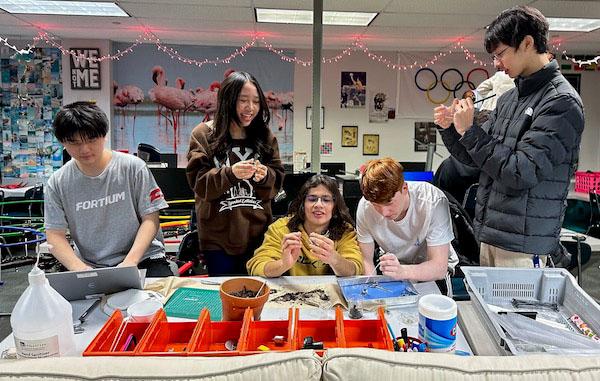
jsc2024e067098 (10/15/2024) --- James Martin High School students Kaleb Kim, Camilo Henao, Grant Hester, Ethan Chen and Sophia Lin Ochoa streamline germination parameters for their experiment, Germination of Pisum sativum in Microgravity. Their experimen is part of the Nanoracks-National Center for Earth and Space Science Education-Surveyor-Student Spaceflight Experiments Program Mission 18 to ISS (Nanoracks-NCESSE-Surveyor-SSEP).
jsc2024e066523 (1/6/2024) --- Colorado Springs students Noah Grebe, Luke Davis, and Blake MacDonald observe crystal growth.Their experiment, Calcium Sulfate Crystal Growth in Microgravity, is part of the Nanoracks-National Center for Earth and Space Science Education-Surveyor-Student Spaceflight Experiments Program Mission 18 to ISS (Nanoracks-NCESSE-Surveyor-SSEP).
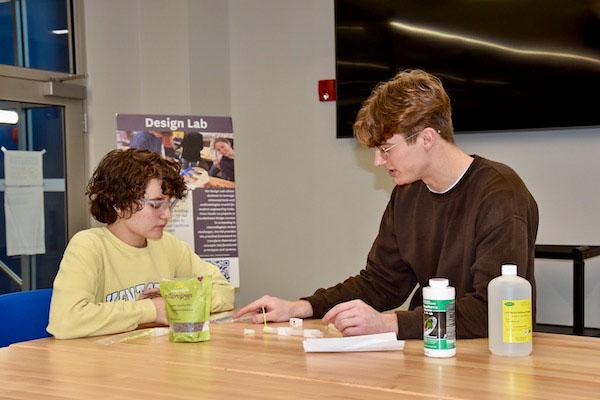
jsc2024e067094 (1/14/2024) --- Kent State University’s co-principal investigators, Mackenzie Guy and Jonathan King from the College of Aeronautics and Engineering, develop their experiment in the Design Lab located in the Aeronautics and Engineering Building. Their experiment, The Effects of Microgravity on Pisum sativum Roots, is part of the Nanoracks-National Center for Earth and Space Science Education-Surveyor-Student Spaceflight Experiments Program Mission 18 to ISS (Nanoracks-NCESSE-Surveyor-SSEP).
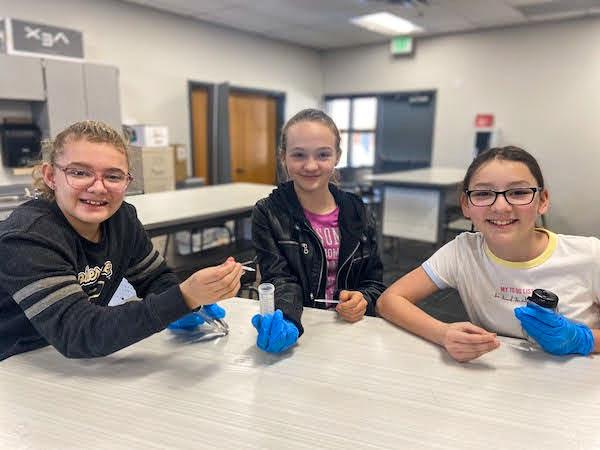
jsc2023e065210 (1/24/2023) --- Fifth grade students from Pendergast School District work on their experiment, which will be included in the Nanoracks-National Center for Earth and Space Science Education-Orbiter-Student Spaceflight Experiments Program Mission 17 to ISS (Nanoracks-NCESSE-Orbiter-SSEP). Pictured left to right: Brynn Smith, Sophia Ketring, and Zoey Harrold.
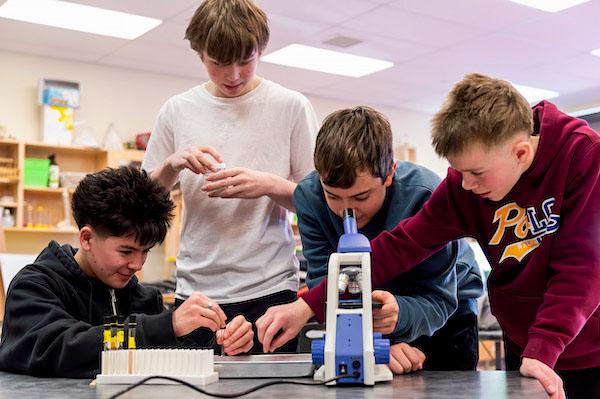
jsc2024e066514 (1/19/2024) --- The flight team from Michael Strembitsky School conducts trials on Dugesia flatworms to examine their ability to regenerate and reproduce in microgravity. Their experiment, The Effect of Microgravity on Reproduction of Dugesia tigrina, is part of the Nanoracks-National Center for Earth and Space Science Education-Surveyor-Student Spaceflight Experiments Program Mission 18 to ISS (Nanoracks-NCESSE-Surveyor-SSEP).
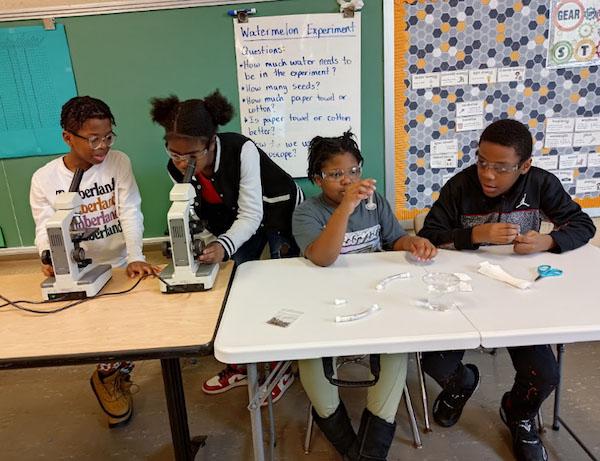
jsc2024e066529 (10/7/2024) --- The Pepper Elementary student team utilizes microscopy to investigate Citrullus lanatus (watermelon) seeds while preparing sample experiments to continue research.Their experiment, How Watermelon Germinates in Space Versus on Earth, is part of the Nanoracks-National Center for Earth and Space Science Education-Surveyor-Student Spaceflight Experiments Program Mission 18 to ISS (Nanoracks-NCESSE-Surveyor-SSEP).
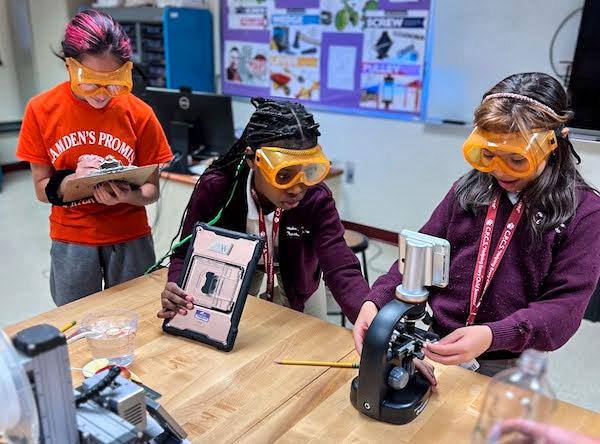
jsc2023e065186 (10/19/2023) --- Student researchers Inari Toledo (left), Sahara Miller (middle), and Siany Lee (right) work on their experiment on how microgravity effects mold growth, which will be included in the Nanoracks-National Center for Earth and Space Science Education-Orbiter-Student Spaceflight Experiments Program Mission 17 to ISS (Nanoracks-NCESSE-Orbiter-SSEP).
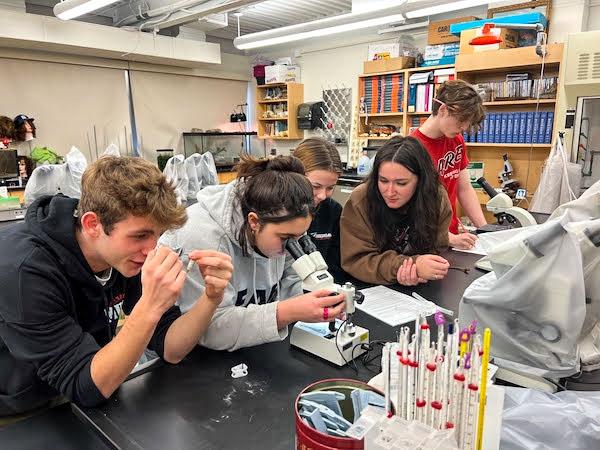
jsc2023e065213 (10/19/2023) --- Student researchers work on their experiment, Examining Artemia salina Hatching in the Presence of Microgravity, which will be included in the Nanoracks-National Center for Earth and Space Science Education-Orbiter-Student Spaceflight Experiments Program Mission 17 to ISS (Nanoracks-NCESSE-Orbiter-SSEP). Pictured from left to right: Raphael Senterfit-Sanjuan, Zola Campisi, Avis Roszco, Jessica Amato and Tucker Sheehan.

jsc2023e065185 (2/9/2023) --- Burleson Independent School District’s Mission 17 flight team for Lavender Seed Germination work on their experiment, which will be included in the Nanoracks-National Center for Earth and Space Science Education-Orbiter-Student Spaceflight Experiments Program Mission 17 to ISS (Nanoracks-NCESSE-Orbiter-SSEP). Team members left to right: Abigail Bain, Jack Crow, Lyla Meek, and Addison White.
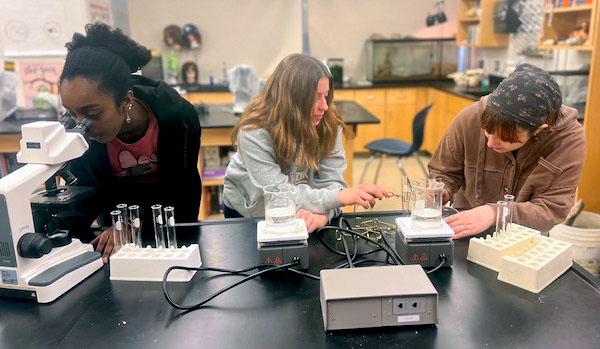
sc2024e066533 (10/4/2024) --- View of Red Hook High School students Lotta Pflaum, Emmy Nelson- Madore and Ava Hubner. Their experiment, The Effect of Microgravity on the Hatching Rate of Rotifers, is part of the Nanoracks-National Center for Earth and Space Science Education-Surveyor-Student Spaceflight Experiments Program Mission 18 to ISS (Nanoracks-NCESSE-Surveyor-SSEP).

jsc2023e065220 (10/19/2023) --- Pinecrest Academy Space Coast students Liam Hauser, Connor Santore, Eric Distasi, Evan Ireland, and Luke Costa work on their experiment, E-coli and Endotoxin Detection in Microgravity via LAL-Horseshoe Crab Blood Testing, which will be included in the Nanoracks-National Center for Earth and Space Science Education-Orbiter-Student Spaceflight Experiments Program Mission 17 to ISS (Nanoracks-NCESSE-Orbiter-SSEP).
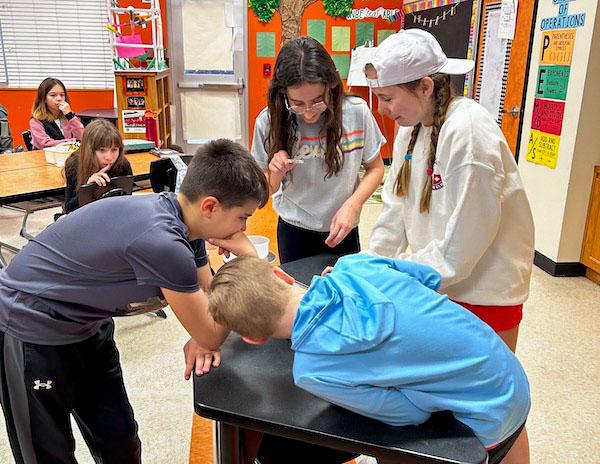
jsc2024e067103 (2/2/2024) --- Martha and Josh Morris Mathematics and Engineering Elementary students Lizzy, Lynnley, Isaac, and Cooper work on ways to calculate the strength of concrete in microgravity. Their experiment, Will Normal Strength Concrete (NSC) Keep its Structure in Microgravity?, is part of the Nanoracks-National Center for Earth and Space Science Education-Surveyor-Student Spaceflight Experiments Program Mission 18 to ISS (Nanoracks-NCESSE-Surveyor-SSEP).
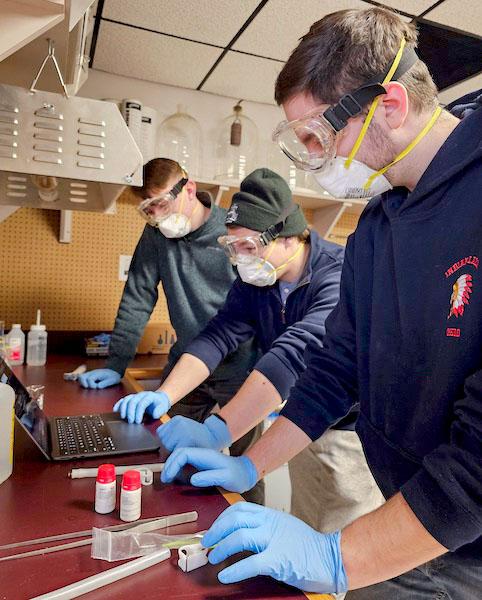
jsc2024e066535 (1/31/2024) --- The University of North Dakota Space Beans Crew looks over their data during the first run of their experiment, The Effects of 6-Benzylaminopurine Enriched Soil on the Growth of Phaseolus vulgaris (Black Beans) in Microgravity. Their experiment is part of the Nanoracks-National Center for Earth and Space Science Education-Surveyor-Student Spaceflight Experiments Program Mission 18 to ISS (Nanoracks-NCESSE-Surveyor-SSEP).
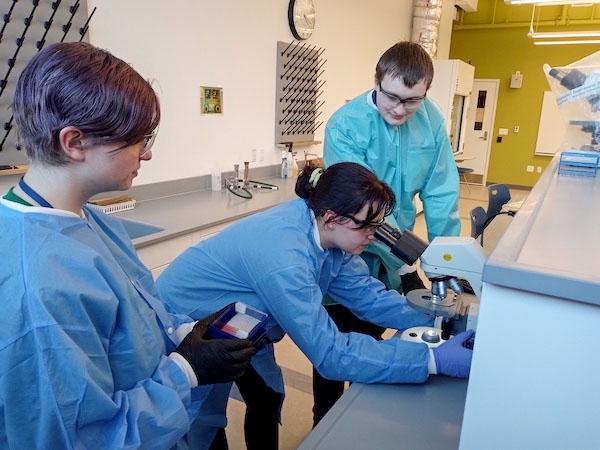
jsc2024e066528 (2/8/2024) --- The Pittsfield team examines onion root tips halted mid-mitosis in preparation for their experiment, The Effects of Microgravity on Mitosis in Onion Root Tip Cells, part of the Nanoracks-National Center for Earth and Space Science Education-Surveyor-Student Spaceflight Experiments Program Mission 18 to ISS (Nanoracks-NCESSE-Surveyor-SSEP).
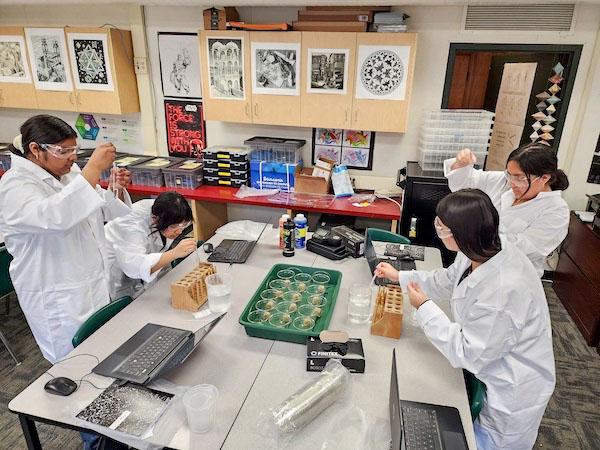
jsc2024e066521 (2/8/2024) --- Lamont Community winners work to cultivate knowledge through Spinacia oleracea seed germination research. Their experiment, Effects of Microgravity on Spinacia oleracea, is part of the Nanoracks-National Center for Earth and Space Science Education-Surveyor-Student Spaceflight Experiments Program Mission 18 to ISS (Nanoracks-NCESSE-Surveyor-SSEP).
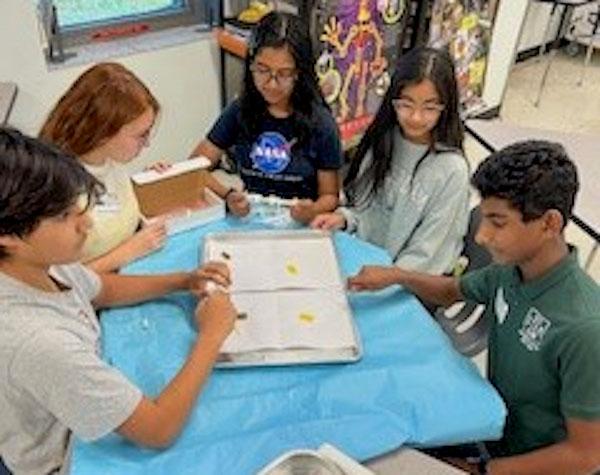
jsc2024e066526 (10/7/2024) --- Randall Middle School students work to optimize the materials and volumes for testing the growth of Trigonella foenum-graecum in microgravity. Their experiment, Fenugreek and its Nutritional Value in Microgravity, is part of the Nanoracks-National Center for Earth and Space Science Education-Surveyor-Student Spaceflight Experiments Program Mission 18 to ISS (Nanoracks-NCESSE-Surveyor-SSEP).
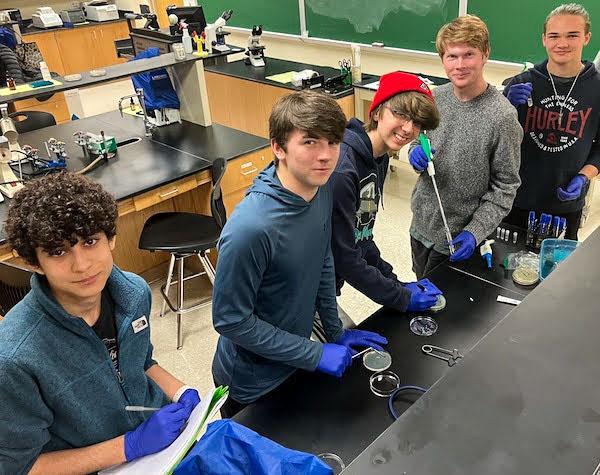
jsc2023e065187 (2/6/2023) --- Student researchers work on their experiment, which will be included in the Nanoracks-National Center for Earth and Space Science Education-Orbiter-Student Spaceflight Experiments Program Mission 17 to ISS (Nanoracks-NCESSE-Orbiter-SSEP). Pictured left to right: Evan Hernandez, Georgi Shourmaroff, Evan Boyer, Bryan Nash, and Kagan Holder.
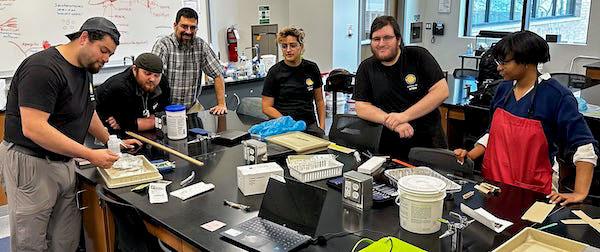
jsc2024e067097 (10/15/2024) --- The Midlands Tech experimental flight team and faculty advisors prepare materials to be autoclaved for the next round of tests. Their experiment, Gravitational Effects on Calcium Oxalate (CaOx) Regulation in Edible Greens, is part of the Nanoracks-National Center for Earth and Space Science Education-Surveyor-Student Spaceflight Experiments Program Mission 18 to ISS (Nanoracks-NCESSE-Surveyor-SSEP).
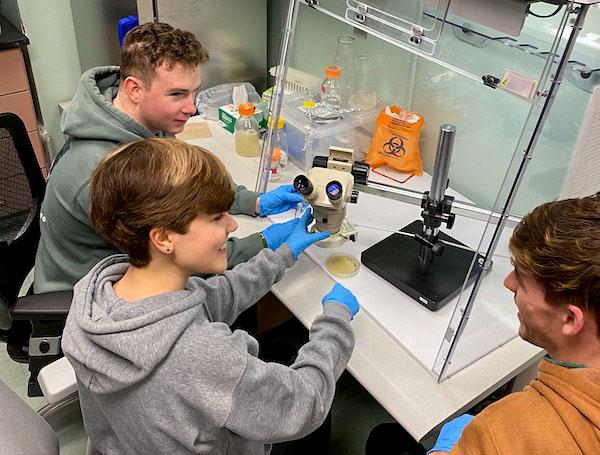
jsc2024e067093 (1/19/2024) --- Ohio University’s Mission 18 Team (Michael Lane, Victoria Swiler and Nathan Smith) examine the growth of Sphingomonas sanguinis, an ISS-derived bacteria. Their experiment, Effect of Spaceflight-Adapted Bacteria on Plant Growth and Resilience in Microgravity, is part of the Nanoracks-National Center for Earth and Space Science Education-Surveyor-Student Spaceflight Experiments Program Mission 18 to ISS (Nanoracks-NCESSE-Surveyor-SSEP).
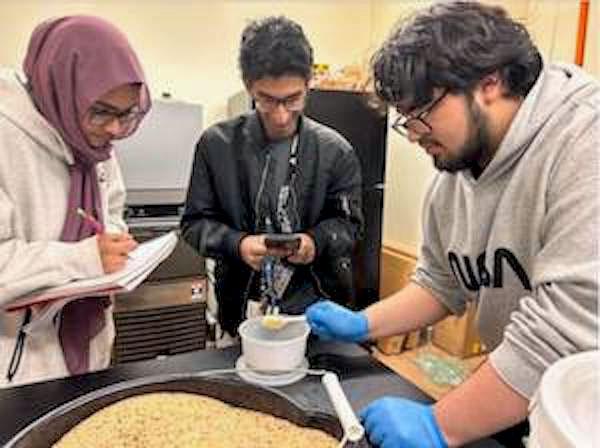
jsc2024e067101 (10/15/2024) --- Plano ISD Academy High School students Nawal, Abhi, and Jacob measure feed for the crickets they are farming. They need to harvest the eggs for their experiment, Growth and Life Cycle of Crickets (Acheta domesticus) in Microgravity for Astronaut Consumption. Their experiment is part of the Nanoracks-National Center for Earth and Space Science Education-Surveyor-Student Spaceflight Experiments Program Mission 18 to ISS (Nanoracks-NCESSE-Surveyor-SSEP).
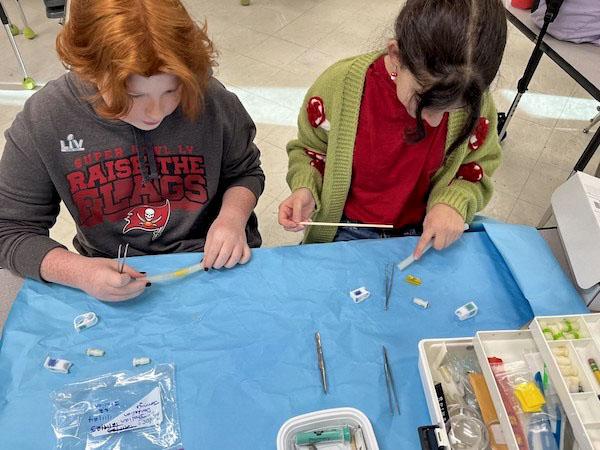
jsc2024e066525 (10/7/2024) --- Seventh grade researchers from Randall Middle School work on optimizing their Taraxacum officinale germination experiment, Handy Dandy Dandelions – Germination of Dandelion in Microgravity, for flight.Their experiment is part of the Nanoracks-National Center for Earth and Space Science Education-Surveyor-Student Spaceflight Experiments Program Mission 18 to ISS (Nanoracks-NCESSE-Surveyor-SSEP).
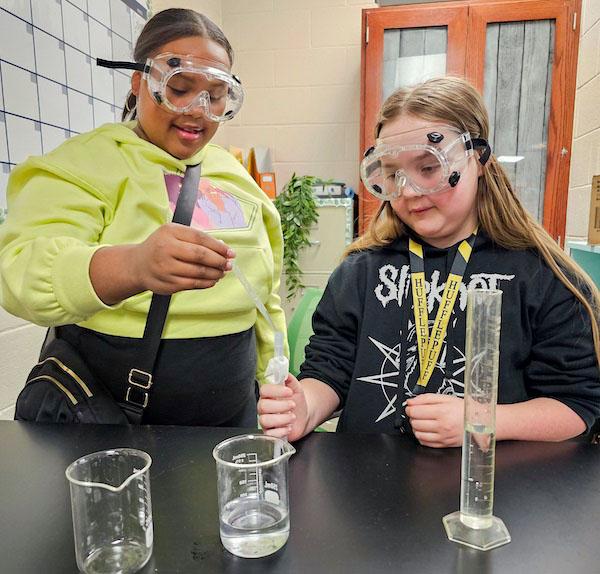
jsc2024e067105 (1/29/2024) --- Eddie Finley Junior High School student researchers (Caris Gray and Olivia Jones) adding tardigrade to the experiment tube to begin terrestrial examination of tardigrade growth. Their experiment, Tardigrade Growth in Space, is part of the Nanoracks-National Center for Earth and Space Science Education-Surveyor-Student Spaceflight Experiments Program Mission 18 to ISS (Nanoracks-NCESSE-Surveyor-SSEP).
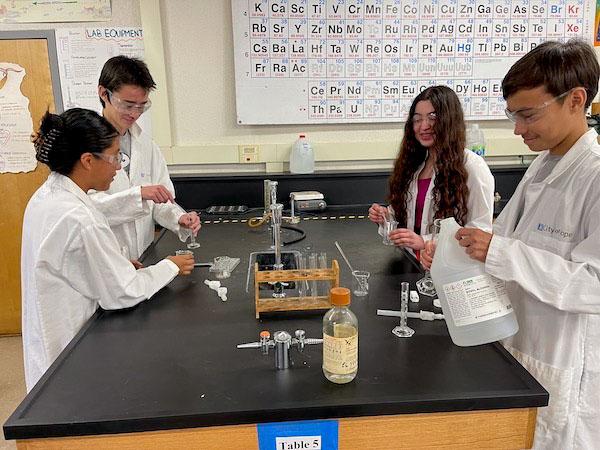
jsc2024e066520 (1/31/2024) --- Glendora High School students test ethanol concentrations to minimize diffusion loss. Their experiment, Cyanobacteria (Trichormus variabilis) Growth in Extreme Conditions of Microgravity, is part of the Nanoracks-National Center for Earth and Space Science Education-Surveyor-Student Spaceflight Experiments Program Mission 18 to ISS (Nanoracks-NCESSE-Surveyor-SSEP).
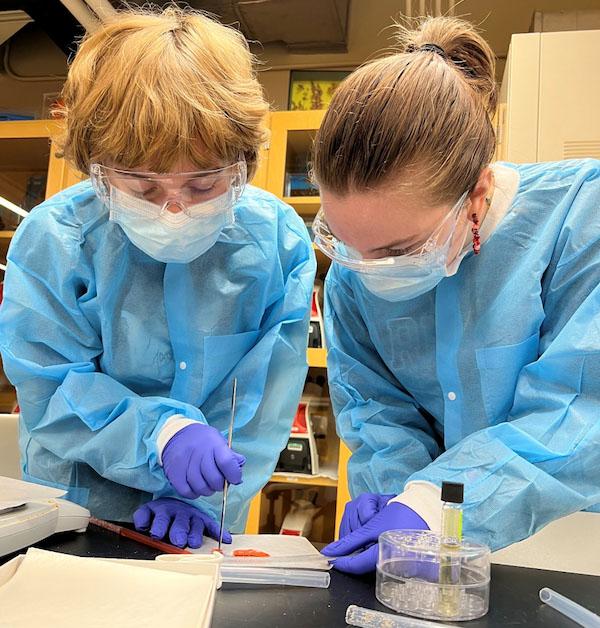
jsc2024e067096 (15/15/2024) --- Maya Burns and Faith Dunn test a mold to create an agar cylinder for assessment of fungal polyurethane degradation. Their experiment, Effect of Microgravity on the Enzymatic Degradation of Polyurethane by Penicillium chrysogenum, is part of the Nanoracks-National Center for Earth and Space Science Education-Surveyor-Student Spaceflight Experiments Program Mission 18 to ISS (Nanoracks-NCESSE-Surveyor-SSEP).
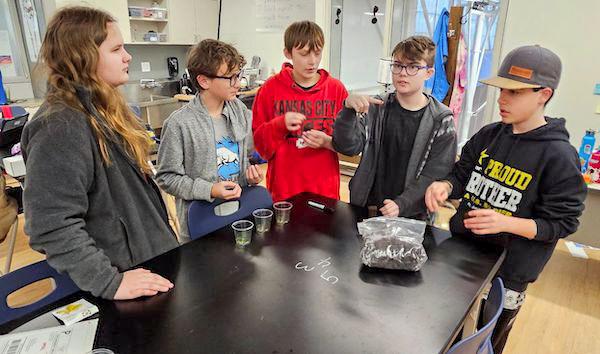
jsc2024e066524 (10/7/2024) --- High Plains School students Maelle Webb, Conor Greene, Aiden Gonzalez, Lee Soyland, and Zachary Collins discuss trial protocols for their experiment, Capsicum annuum Seed Germination in Microgravity. Their experiment is part of the Nanoracks-National Center for Earth and Space Science Education-Surveyor-Student Spaceflight Experiments Program Mission 18 to ISS (Nanoracks-NCESSE-Surveyor-SSEP).
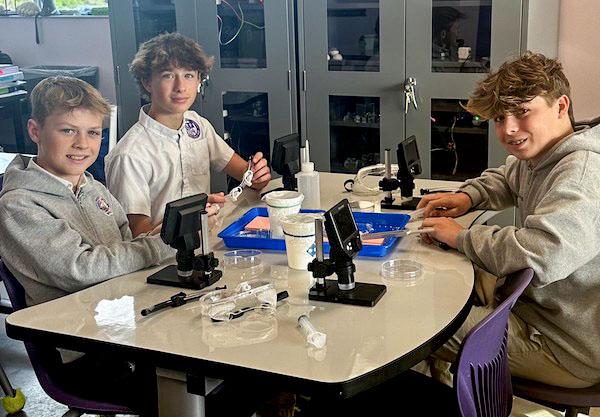
jsc2024e066527 (10/4/2024) --- Pinecrest Academy Space Coast students Cameron Winchester, Chase Elden-Moore and Baylen Wreggit experiment on tardigrades extending the efficacy of Hemlibra. Their experiment is part of the Nanoracks-National Center for Earth and Space Science Education-Surveyor-Student Spaceflight Experiments Program Mission 18 to ISS (Nanoracks-NCESSE-Surveyor-SSEP).
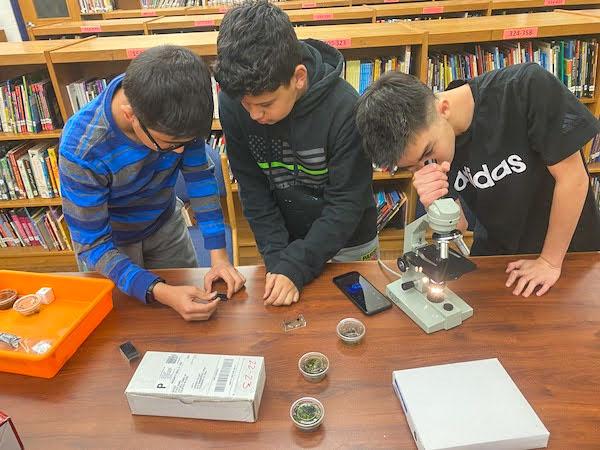
jsc2023e065216 (10/19/2023) --- Seventh grade student researchers Nirav Neupane, Kevontae Espada, and Max Gaylor work on their experiment, Do Tardigrades Develop Properly in Microgravity, which will be included in the Nanoracks-National Center for Earth and Space Science Education-Orbiter-Student Spaceflight Experiments Program Mission 17 to ISS (Nanoracks-NCESSE-Orbiter-SSEP).
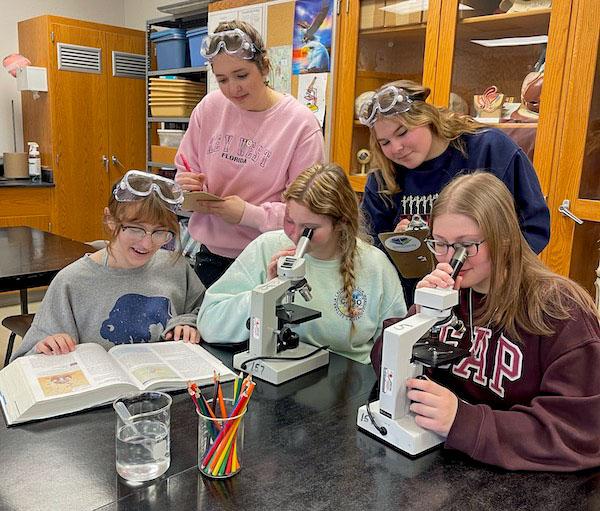
jsc2024e066534 (2/2/2024) --- The North Tonawanda High School student team refine their experiment and expand their knowledge on the behavior of bacteria Bacillus Thuringiensis.Their experiment, The Crystallization of the Spores of Bacillus thuringiensis in a Microgravity Environment, is part of the Nanoracks-National Center for Earth and Space Science Education-Surveyor-Student Spaceflight Experiments Program Mission 18 to ISS (Nanoracks-NCESSE-Surveyor-SSEP).
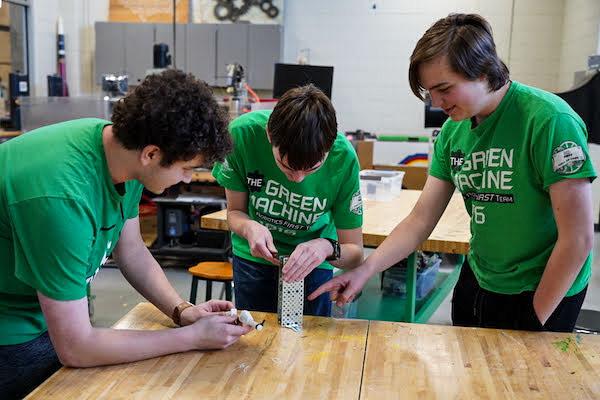
jsc2023e065188 (1/27/2023) --- Student researchers work on their experiment, which will be included in the Nanoracks-National Center for Earth and Space Science Education-Orbiter-Student Spaceflight Experiments Program Mission 17 to ISS (Nanoracks-NCESSE-Orbiter-SSEP). Edina High School students Josh Cram, Colin Shaw and Grayson Irons, work together to create a seed holder device meant to minimize vibrations and guide roots of growing bean plants while aboard the ISS.

jsc2023e065195 (10/19/2023) --- Student researchers Nathan Bohra, Crystal Heidenreich, Savannah Kersey, Ricardo Melendez, Sanjana Rao, and Nichita Scobelev work on their experiment, The Microgreen of the Future: Amaranthus tricolor, which will be included in the Nanoracks-National Center for Earth and Space Science Education-Orbiter-Student Spaceflight Experiments Program Mission 17 to ISS (Nanoracks-NCESSE-Orbiter-SSEP).
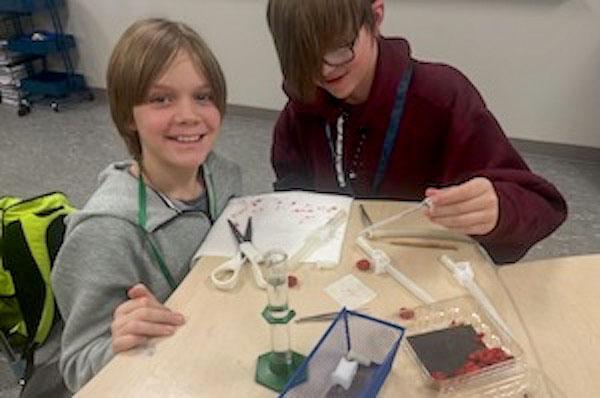
jsc2024e067099 (10/15/2024) --- Stream Middle School students Cade Sando and Mac McGinnis harvest raspberry seeds to complete additional raspberry seed growth trials to optimize and finalize their experiment, Growth of Raspberry Seeds in Microgravity. Their experiment is part of the Nanoracks-National Center for Earth and Space Science Education-Surveyor-Student Spaceflight Experiments Program Mission 18 to ISS (Nanoracks-NCESSE-Surveyor-SSEP).
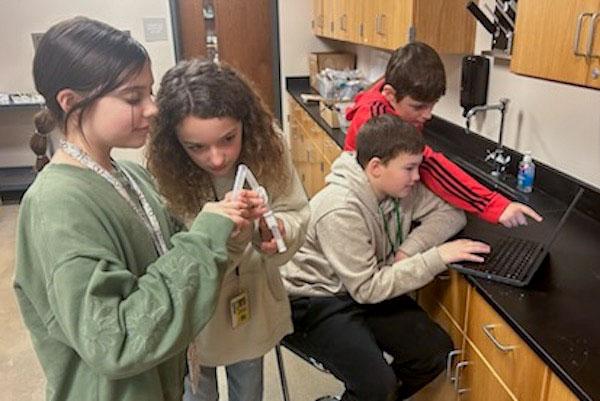
jsc2024e067104 (10/15/2024) --- Robbie E. Howard Junior High School student researchers (Cadee Smith, Coralee Holloway, Caiden Holmquist, and Levi Blaise Lewis) take measurements and record data for their experiment, How do microgravity and space conditions affect the growth of Cucumber, Cucumbis sativus? Their experiment is part of the Nanoracks-National Center for Earth and Space Science Education-Surveyor-Student Spaceflight Experiments Program Mission 18 to ISS (Nanoracks-NCESSE-Surveyor-SSEP).
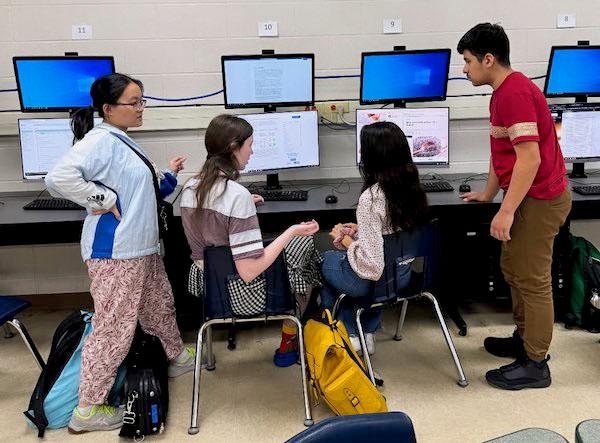
jsc2024e067102 (10/15/2024) --- The Theodore Roosevelt High School team discusses their trial experiments with chia seeds and potassium acetate. Their experiment, Effects of Microgravity on Chia Seed Growth, is part of the Nanoracks-National Center for Earth and Space Science Education-Surveyor-Student Spaceflight Experiments Program Mission 18 to ISS (Nanoracks-NCESSE-Surveyor-SSEP).
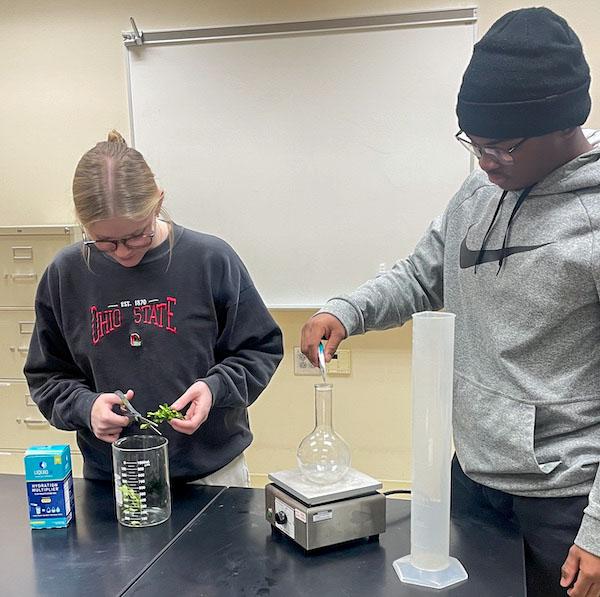
jsc2024e067095 (1/30/2024) --- Pickerington High School North students Macy Erickson and Dorian Hamilton prepard Elodea samples and hydration solution for their research experiment trials. Their experiment, Effects of Microgravity on Liquid I.V. Hydration Multiplier, is part of the Nanoracks-National Center for Earth and Space Science Education-Surveyor-Student Spaceflight Experiments Program Mission 18 to ISS (Nanoracks-NCESSE-Surveyor-SSEP).
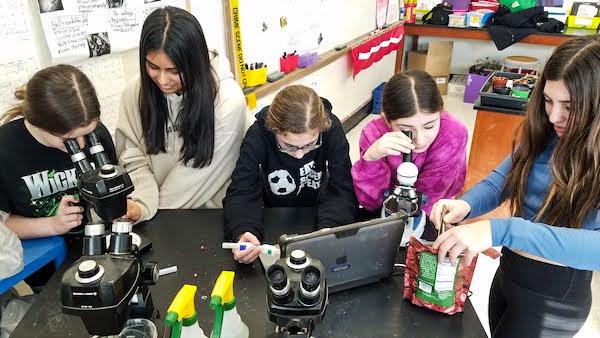
jsc2023e065215 (2/2/2023) --- Student researchers Isabella Zabinski, Sharlyn Dubey, Aria Molinelli, Avital Kandel, and Taylor Tripet work on their experiment, The Effect of Microgravity on Gray Mold, which will be included in the Nanoracks-National Center for Earth and Space Science Education-Orbiter-Student Spaceflight Experiments Program Mission 17 to ISS (Nanoracks-NCESSE-Orbiter-SSEP).
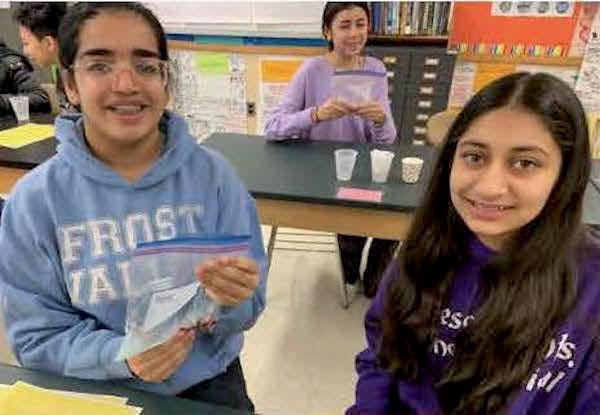
jsc2024e066531 (10/7/2024) --- Garden City Middle School students Anjali P. Motwani and Tanya Oza work on their experiment, The Effects of Microgravity on Salvia hispanica Seeds. Their experiment is part of the Nanoracks-National Center for Earth and Space Science Education-Surveyor-Student Spaceflight Experiments Program Mission 18 to ISS (Nanoracks-NCESSE-Surveyor-SSEP).
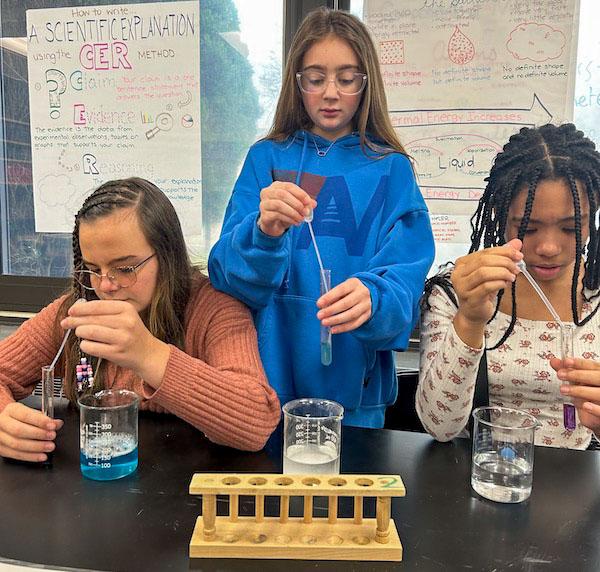
jsc2024e066532 (2/28/2024) --- View of Long Beach, NY student researchers Katrina Casey, Claire Cristallo and Jasmine Davidson-Smith. Their experiment, The Effect of Microgravity on the Germination of Watercress Seeds, is part of the Nanoracks-National Center for Earth and Space Science Education-Surveyor-Student Spaceflight Experiments Program Mission 18 to ISS (Nanoracks-NCESSE-Surveyor-SSEP).
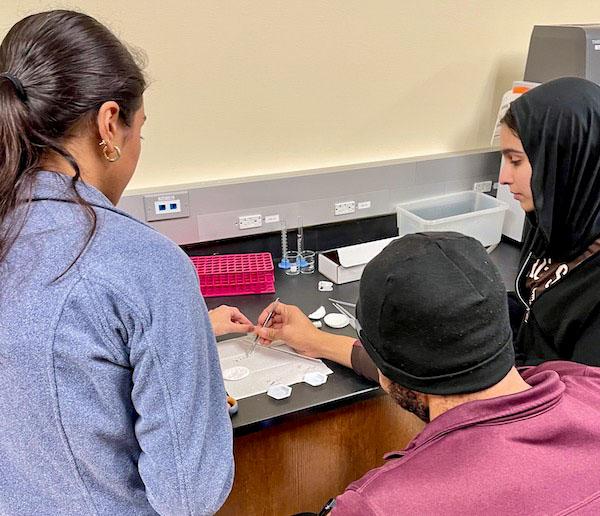
jsc2024e067100 (1/22/2024) --- The San Jacinto College – South Campus student team prepares a trial run to optimize germination conditions for their experiment, Comparison of Arabidopsis thaliana Germination and Cell Wall Growth in Microgravity versus Standard Conditions. Their experiment is part of the Nanoracks-National Center for Earth and Space Science Education-Surveyor-Student Spaceflight Experiments Program Mission 18 to ISS (Nanoracks-NCESSE-Surveyor-SSEP).
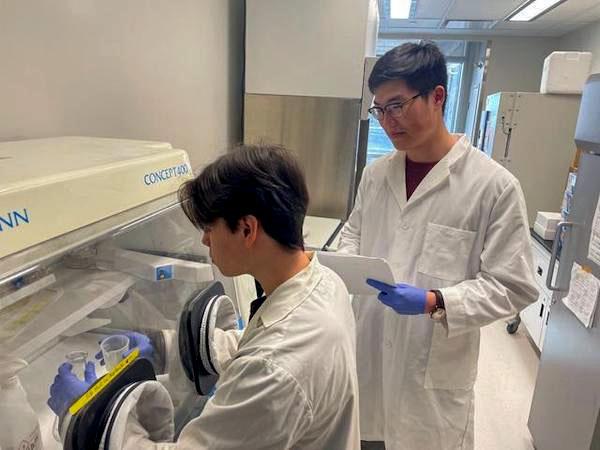
jsc2024e066516 (10/4/2024) --- Student researcher Ryan Stewart works to optimize the bacterial growth medium for his experiment, The Impact of Lectins on Escherichia coli Biofilm Formation in Microgravity. The experiment is part of the Nanoracks-National Center for Earth and Space Science Education-Surveyor-Student Spaceflight Experiments Program Mission 18 to ISS (Nanoracks-NCESSE-Surveyor-SSEP).
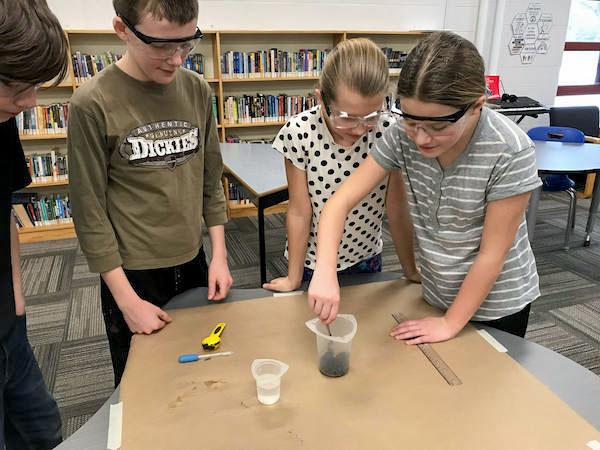
jsc2024e066515 (2/1/2024) --- Alma Public School students remove the sample compostable bag from garden soil following a 10-day period to measure the bag to determine the extent of decomposition. Their experiment, Will Soil Bacteria Biodegrade Compostable Plastic in Microgravity?, is part of the Nanoracks-National Center for Earth and Space Science Education-Surveyor-Student Spaceflight Experiments Program Mission 18 to ISS (Nanoracks-NCESSE-Surveyor-SSEP).
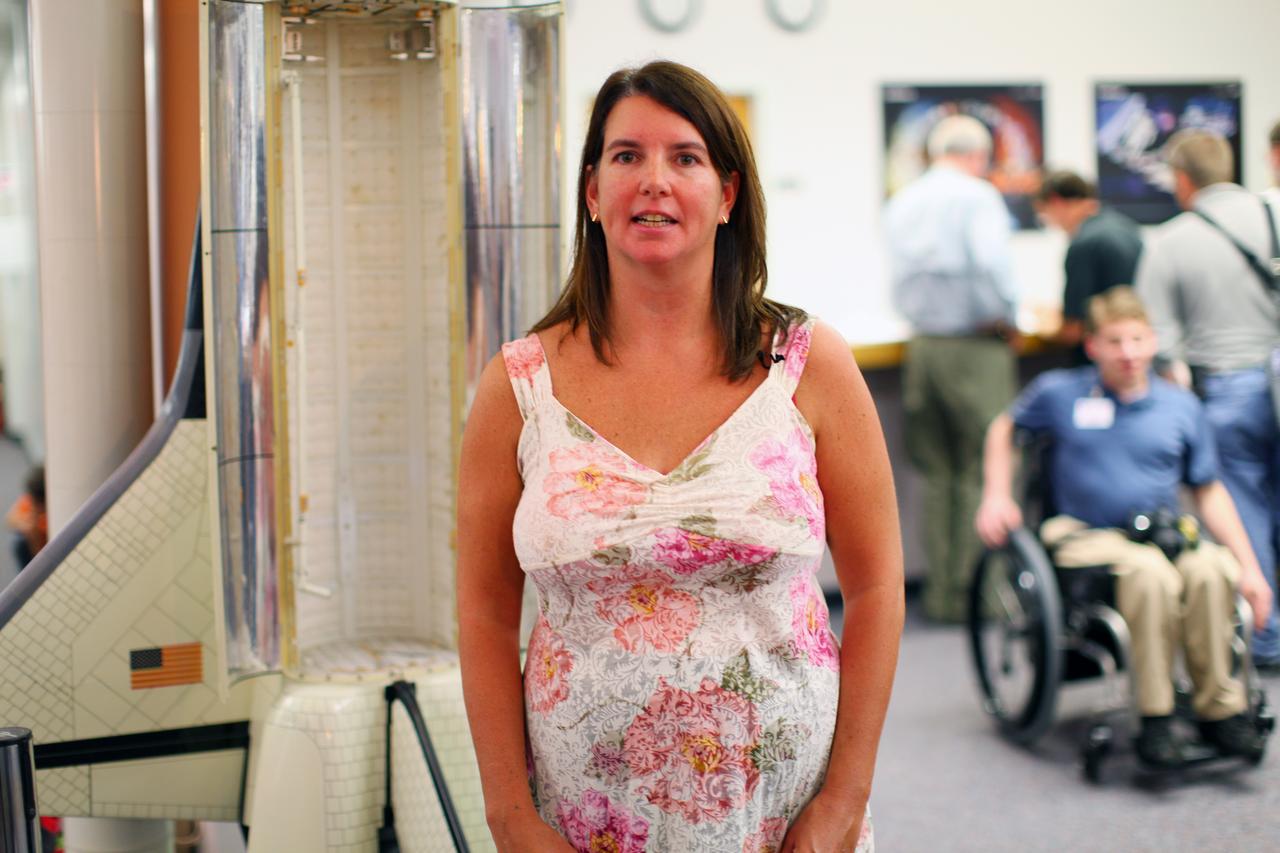
COTS-2 Student Spaceflight Experiments Program (SSEP)
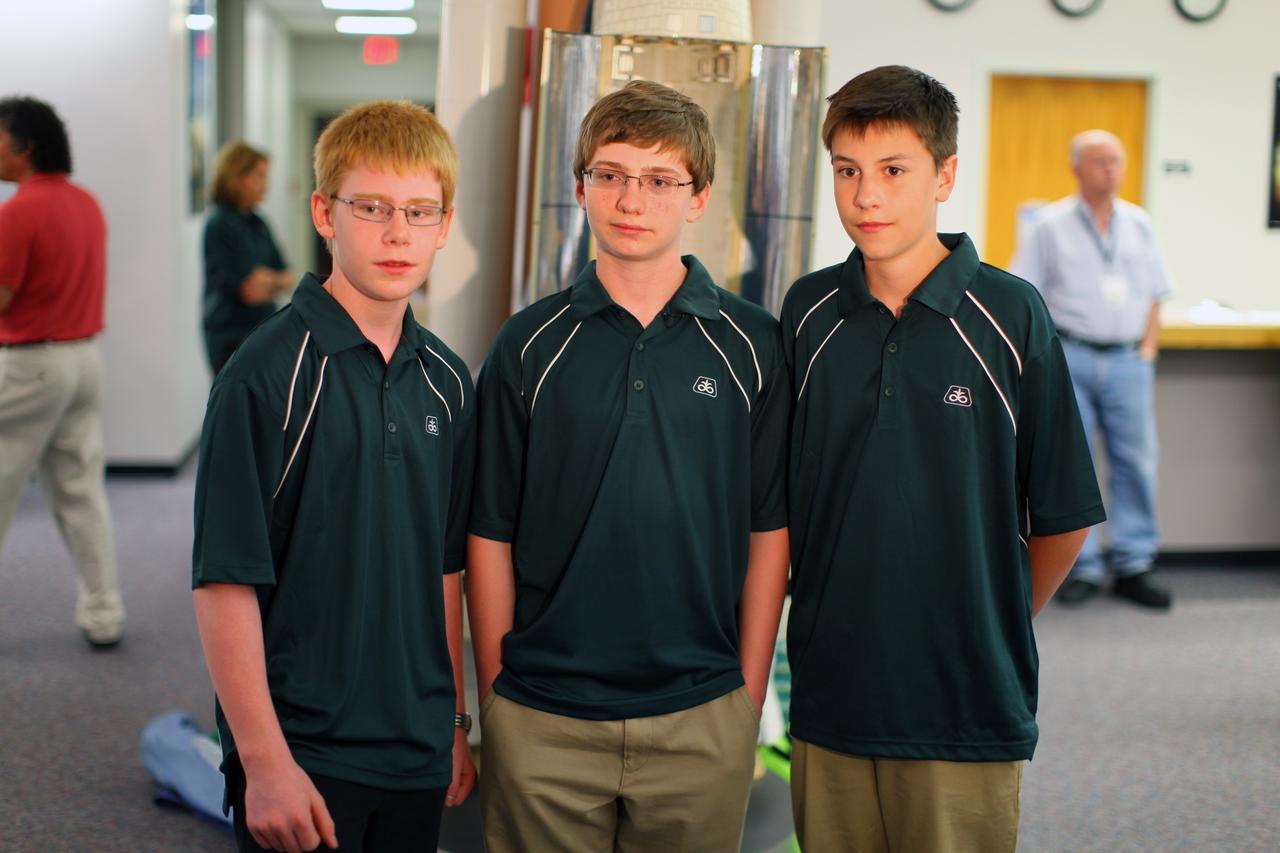
COTS-2 Student Spaceflight Experiments Program (SSEP)
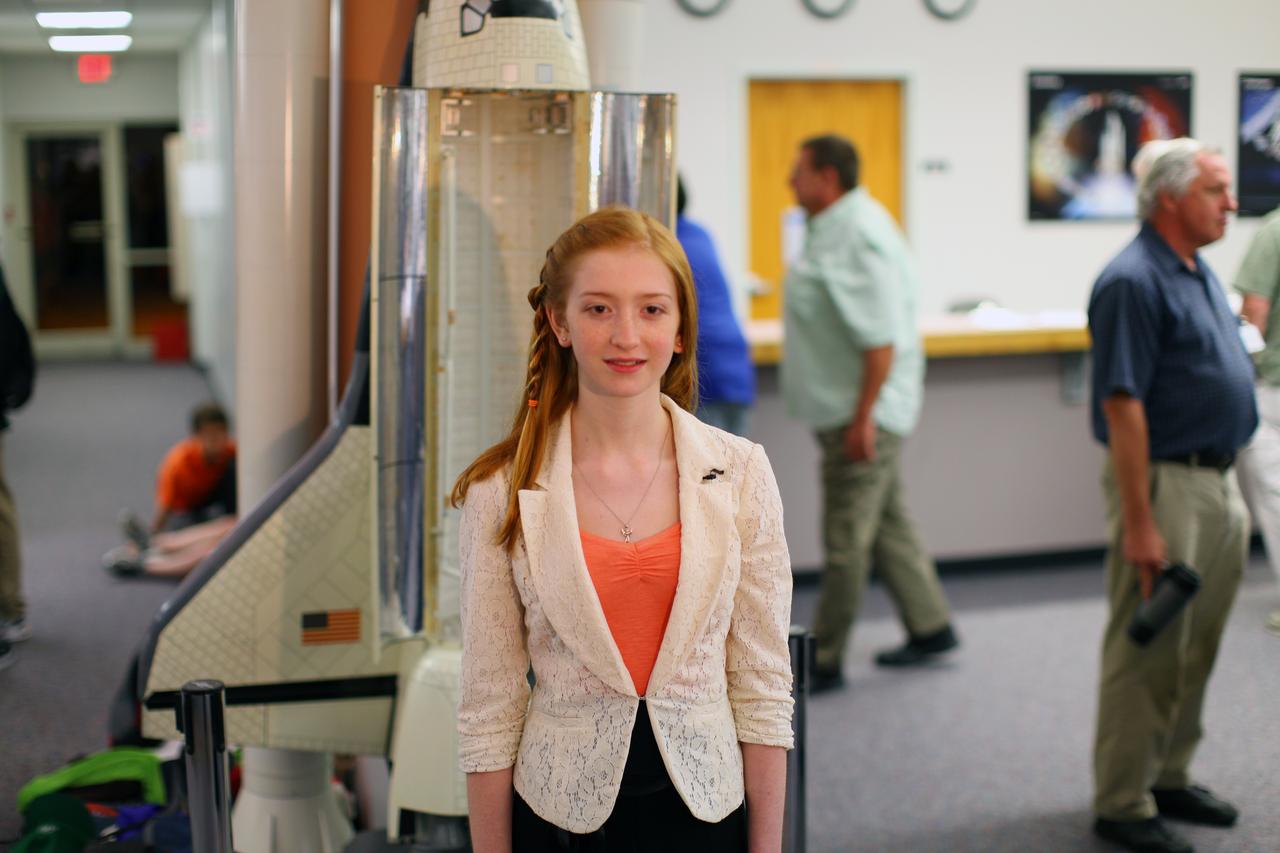
COTS-2 Student Spaceflight Experiments Program (SSEP)
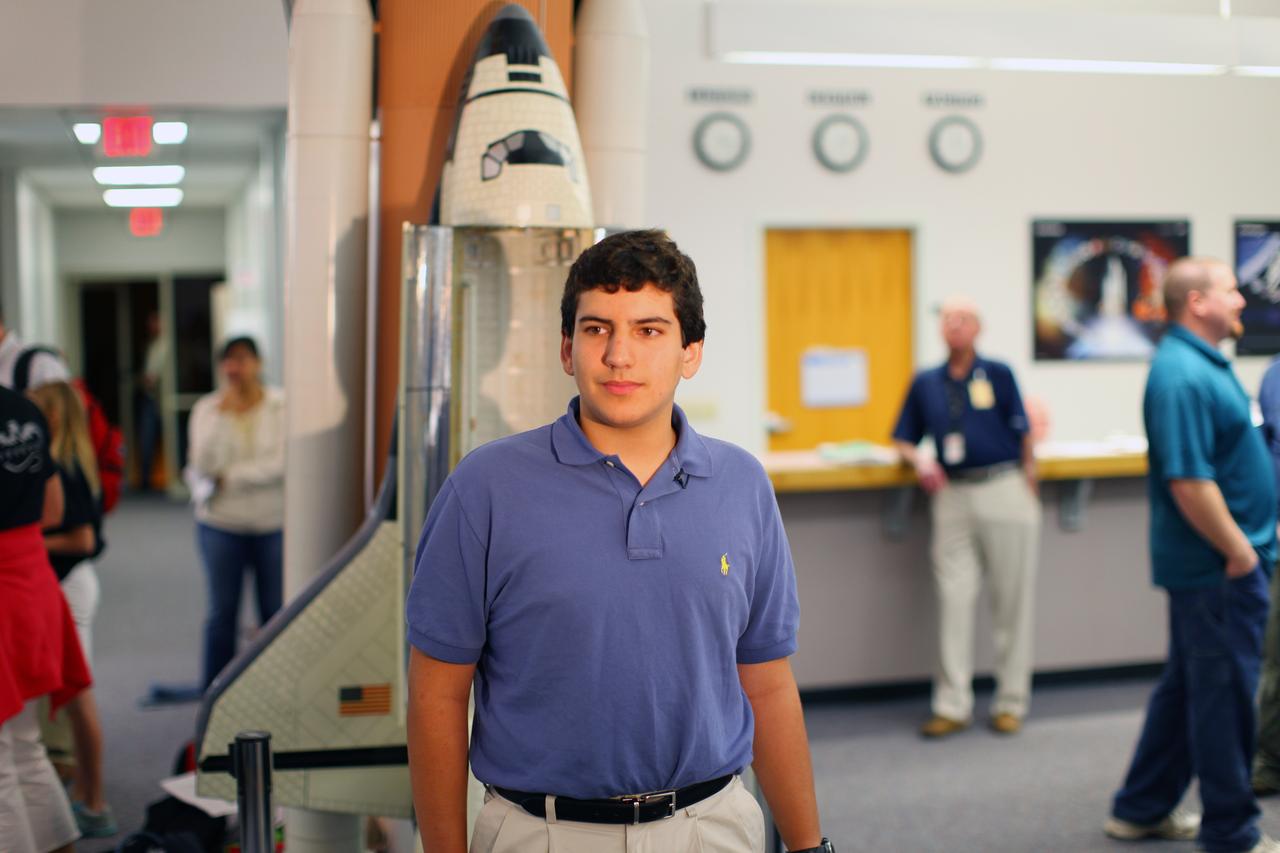
COTS-2 Student Spaceflight Experiments Program (SSEP)
COTS-2 Student Spaceflight Experiments Program (SSEP)

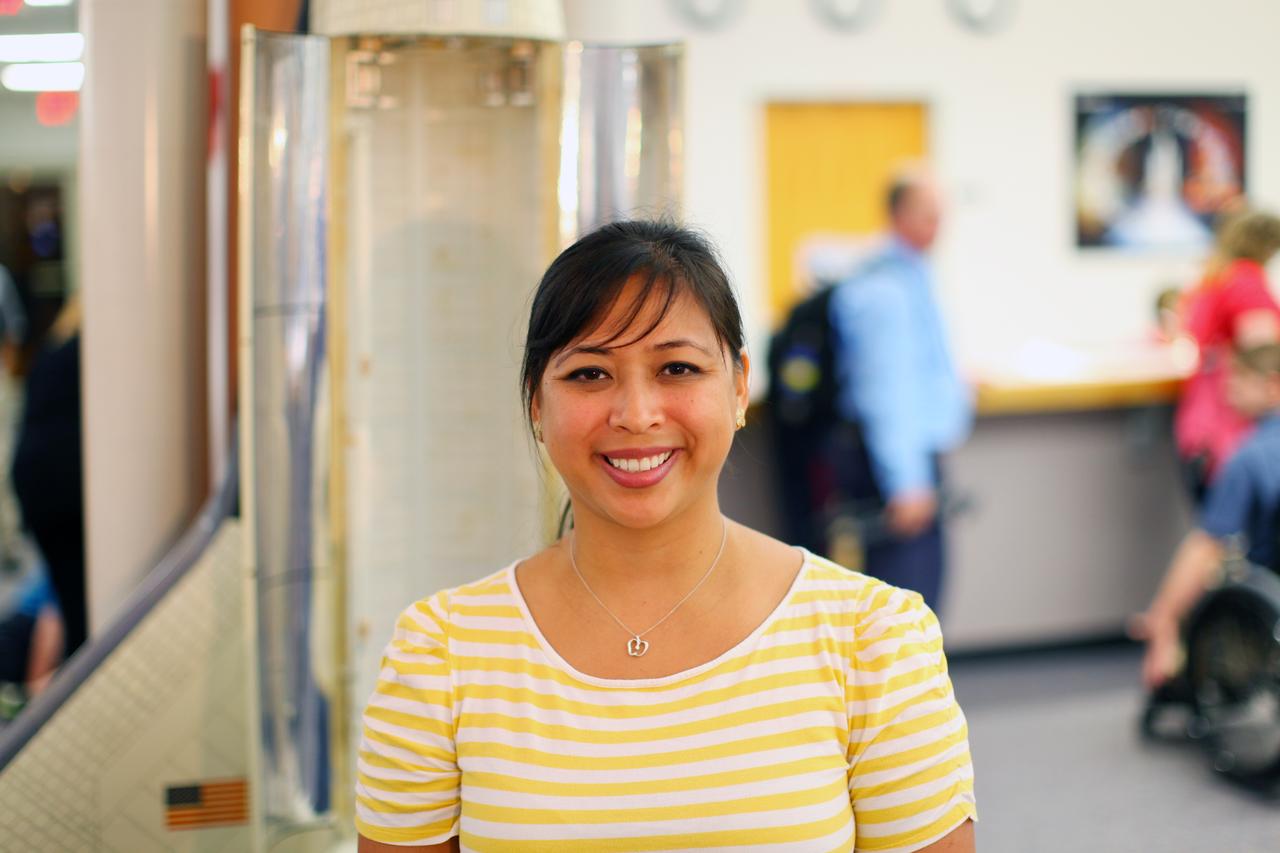
CAPE CANAVERAL, Fla. – Student investigator Emily Soice is interviewed by the media in the NASA Newsroom at Kennedy Space Center in Florida during prelaunch activities for the SpaceX demonstration test flight. Soice is an eighth-grade student at Johnston Middle School in Houston, Texas. Her experiment, “Hepatocyte Development in Bioscaffolds Infused with TGFB3 in Microgravity,” is one of 15 in the Student Spaceflight Experiments Program, or SSEP, being ferried to the International Space Station inside the Dragon capsule. The launch will be the second demonstration test flight for SpaceX for NASA's Commercial Orbital Transportation Services program, or COTS. SSEP, which began operation in June 2010 through a partnership of the National Center for Earth and Space Science Education with NanoRacks LLC, is a U.S. national science, technology, engineering and mathematics STEM education initiative that gives students across a community the opportunity to propose and design real experiments to fly in low Earth orbit. SSEP experiments flew on space shuttle missions STS-134 and STS-135 in 2011, the final flights of space shuttles Endeavour and Atlantis. For more information on SSEP, visit http://www.nasa.gov/audience/foreducators/station-here-we-come.html. Photo credit: NASA/Gianni Woods
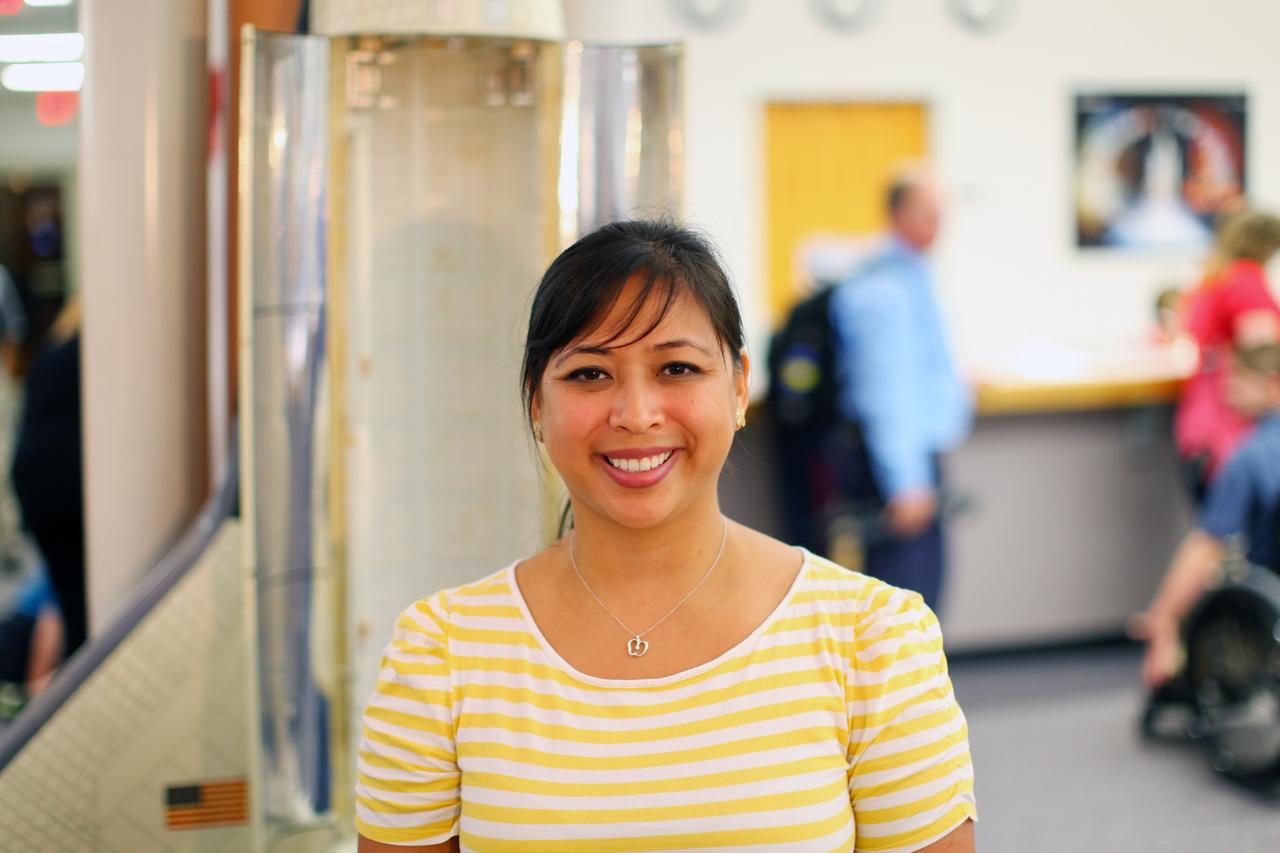
CAPE CANAVERAL, Fla. – Teacher Anthonette Pena is interviewed by the media in the NASA Newsroom at Kennedy Space Center in Florida during prelaunch activities for the SpaceX demonstration test flight. Pena is the facilitator for the student experiment developed by a team of eighth-graders at the Capitol Hill Cluster School in Washington, D.C. The experiment, “Does Hay Bacillus Break Down Human Waste Represented by Brown Egg in Microgravity as Well as in Earth Gravity?” is one of 15 in the Student Spaceflight Experiments Program, or SSEP, being ferried to the International Space Station inside the Dragon capsule. The launch will be the second demonstration test flight for SpaceX for NASA's Commercial Orbital Transportation Services program, or COTS. SSEP, which began operation in June 2010 through a partnership of the National Center for Earth and Space Science Education with NanoRacks LLC, is a U.S. national science, technology, engineering and mathematics STEM education initiative that gives students across a community the opportunity to propose and design real experiments to fly in low Earth orbit. SSEP experiments flew on space shuttle missions STS-134 and STS-135 in 2011, the final flights of space shuttles Endeavour and Atlantis. For more information on SSEP, visit http://www.nasa.gov/audience/foreducators/station-here-we-come.html. Photo credit: NASA/Gianni Woods
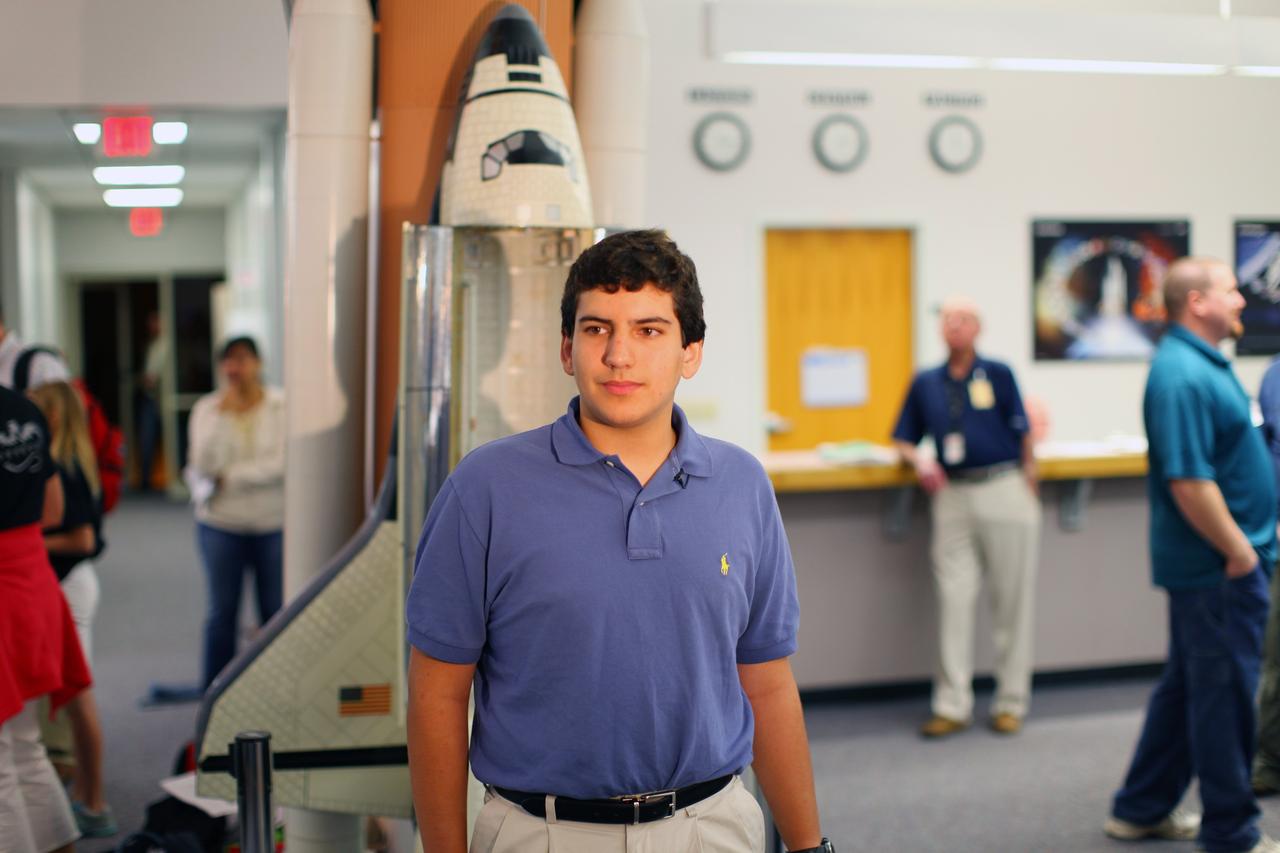
CAPE CANAVERAL, Fla. – Student investigator Ryan Puri is interviewed by the media in the NASA Newsroom at Kennedy Space Center in Florida during prelaunch activities for the SpaceX demonstration test flight. Puri, a tenth-grade student at San Marino High School in San Marino, Calif., is co-investigator of the student-developed experiment “Effect of Microgravity on the Antibacterial Resistance of P. aeruginosa.” The experiment is one of 15 in the Student Spaceflight Experiments Program, or SSEP, being ferried to the International Space Station inside the Dragon capsule. The launch will be the second demonstration test flight for SpaceX for NASA's Commercial Orbital Transportation Services program, or COTS. SSEP, which began operation in June 2010 through a partnership of the National Center for Earth and Space Science Education with NanoRacks LLC, is a U.S. national science, technology, engineering and mathematics STEM education initiative that gives students across a community the opportunity to propose and design real experiments to fly in low Earth orbit. SSEP experiments flew on space shuttle missions STS-134 and STS-135 in 2011, the final flights of space shuttles Endeavour and Atlantis. For more information on SSEP, visit http://www.nasa.gov/audience/foreducators/station-here-we-come.html. Photo credit: NASA/Gianni Woods
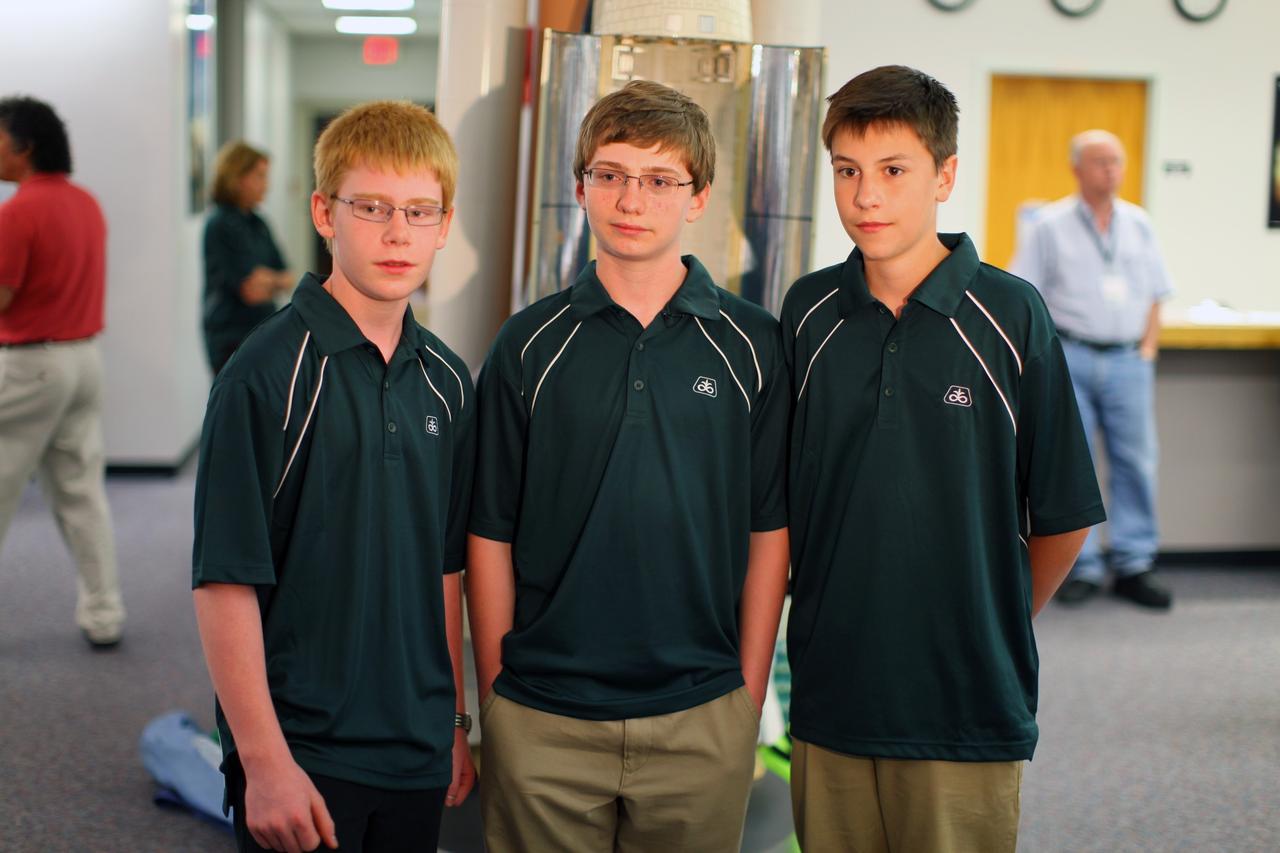
CAPE CANAVERAL, Fla. – Student investigators Cameron Zandstra, Jack Barth and JP Peerbolte are interviewed by the media in the NASA Newsroom at Kennedy Space Center in Florida during prelaunch activities for the SpaceX demonstration test flight. The team members are seventh- and eighth-grade students at Highland Christian School in Lake County, Ind. Their experiment, “The Effect of Microgravity on the Quality and Nutritional Value of the Seed Sprout of Germinated 92M72 Genetically-Modified Soy Bean,” is one of 15 in the Student Spaceflight Experiments Program, or SSEP, being ferried to the International Space Station inside the Dragon capsule. The launch will be the second demonstration test flight for SpaceX for NASA's Commercial Orbital Transportation Services program, or COTS. SSEP, which began operation in June 2010 through a partnership of the National Center for Earth and Space Science Education with NanoRacks LLC, is a U.S. national science, technology, engineering and mathematics STEM education initiative that gives students across a community the opportunity to propose and design real experiments to fly in low Earth orbit. SSEP experiments flew on space shuttle missions STS-134 and STS-135 in 2011, the final flights of space shuttles Endeavour and Atlantis. For more information on SSEP, visit http://www.nasa.gov/audience/foreducators/station-here-we-come.html. Photo credit: NASA/Gianni Woods
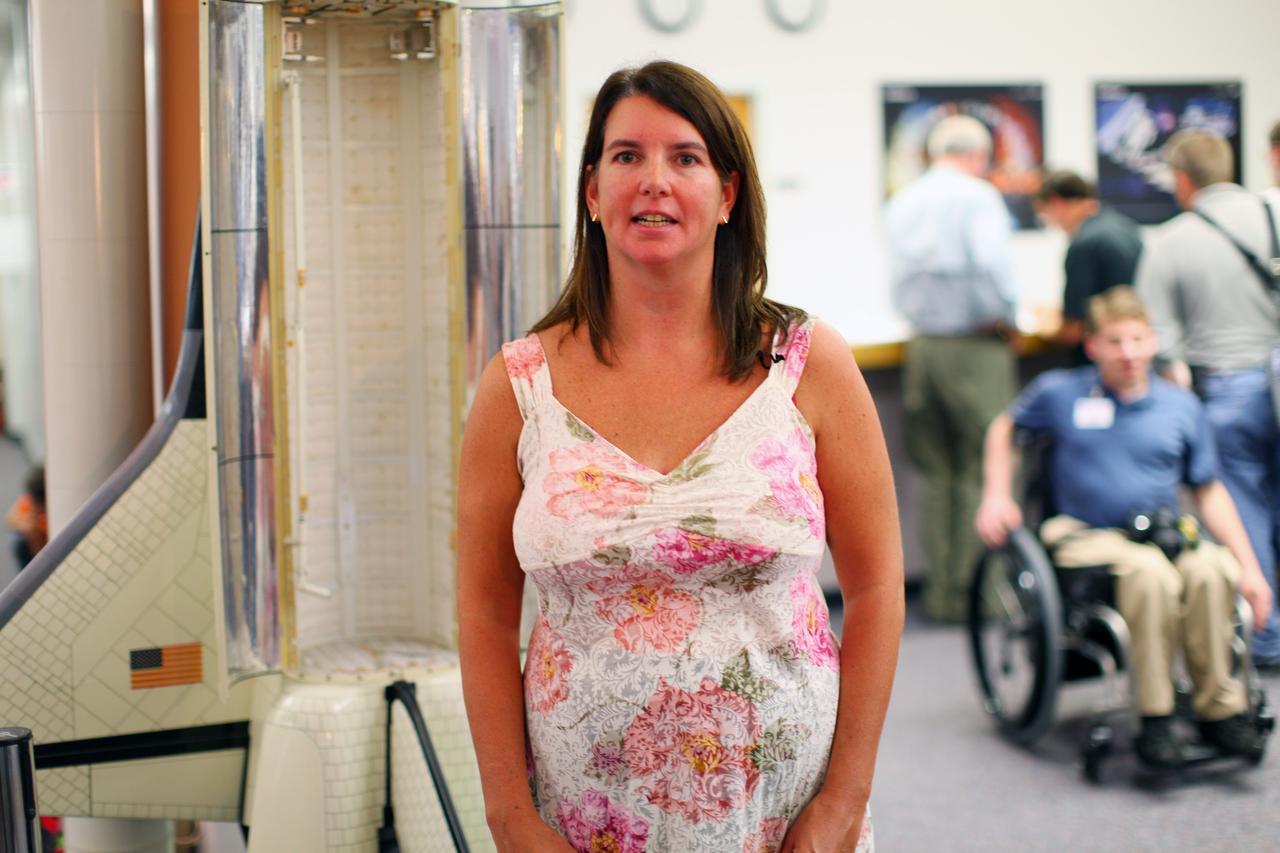
CAPE CANAVERAL, Fla. – Dr. Freya Shephard is interviewed by the media in the NASA Newsroom at Kennedy Space Center in Florida during prelaunch activities for the SpaceX demonstration test flight. Shephard is a researcher from the University of Nottingham in the United Kingdom and mentor to Paul Warren, an eleventh-grade student investigator from Henry E. Lackey High School in Charles County, Md. Warren’s experiment “Physiological Effects of Microgravity and Increased Levels of Radiation on Wild Type and Genetically Engineered Caenorhabditis elegans,” is one of 15 in the Student Spaceflight Experiments Program, or SSEP, being ferried to the International Space Station inside the Dragon capsule. The launch will be the second demonstration test flight for SpaceX for NASA's Commercial Orbital Transportation Services program, or COTS. SSEP, which began operation in June 2010 through a partnership of the National Center for Earth and Space Science Education with NanoRacks LLC, is a U.S. national science, technology, engineering and mathematics STEM education initiative that gives students across a community the opportunity to propose and design real experiments to fly in low Earth orbit. SSEP experiments flew on space shuttle missions STS-134 and STS-135 in 2011, the final flights of space shuttles Endeavour and Atlantis. For more information on SSEP, visit http://www.nasa.gov/audience/foreducators/station-here-we-come.html. Photo credit: NASA/Gianni Woods
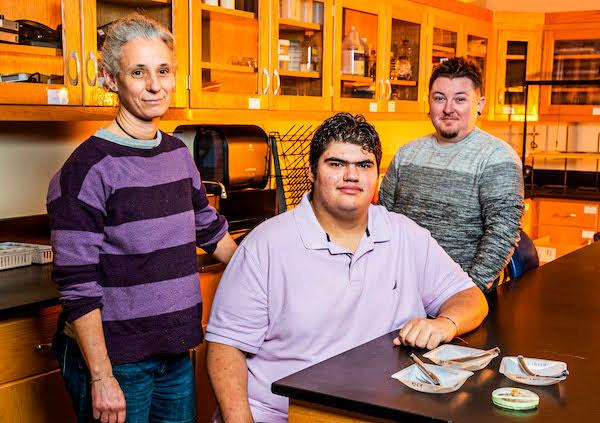
jsc2023e065204 (12/20/2022) --- The Collin College team work on their experiment, which will be included in the Nanoracks-National Center for Earth and Space Science Education-Orbiter-Student Spaceflight Experiments Program Mission 17 to ISS (Nanoracks-NCESSE-Orbiter-SSEP). The team is comprised of (left to right) Dr. Tamara Basham, Stefano Sacripanti and Henry Elmendorf.
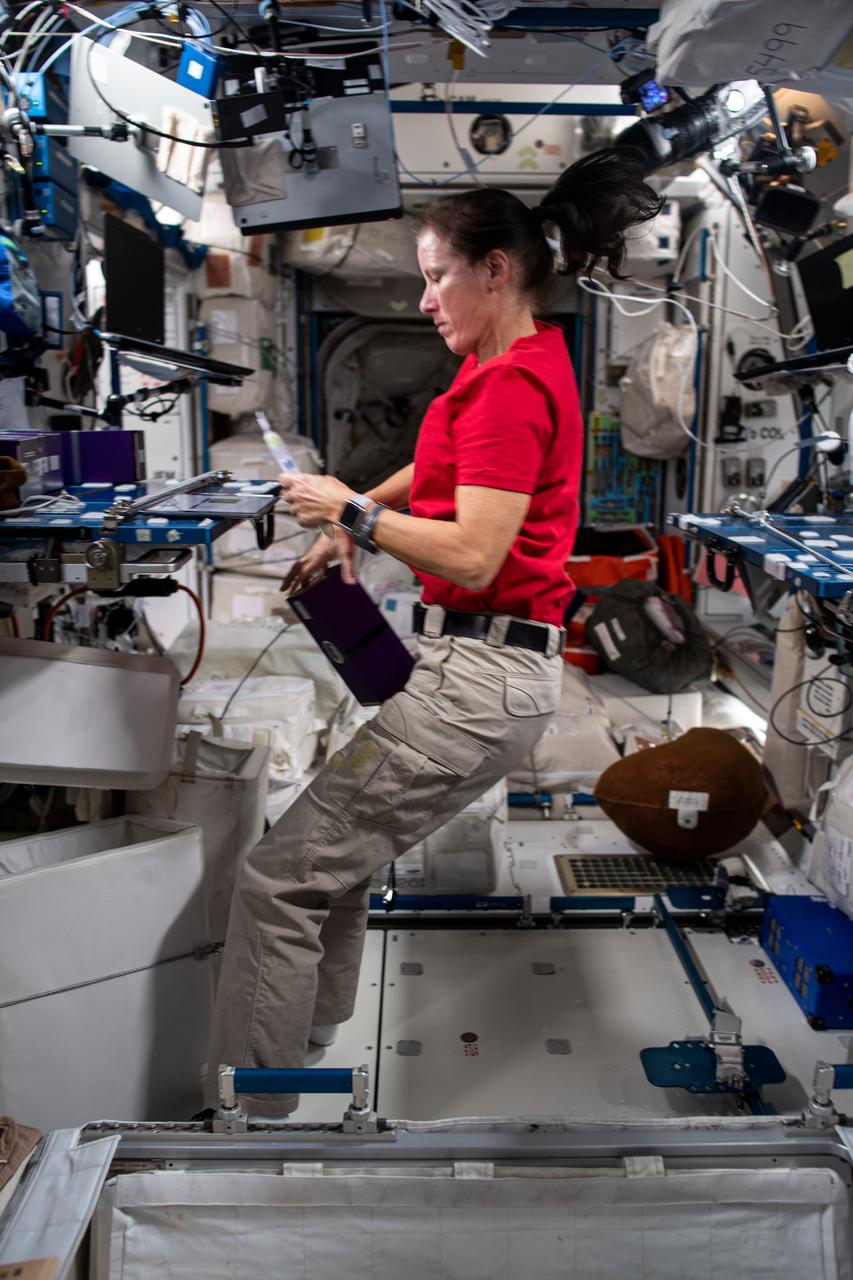
iss064e010970 (12/8/2020) --- NASA astronaut Shannon Walker conducts activation operations (OPS) for a Nanoracks-National Center for Earth and Space Science Education-Apollo-SSEP Mission 14 to ISS (Nanoracks-NCESSE-Apollo) experiment Mixture Tube, part of Nanoracks Module-9. The photo was taken in the Harmony Node 2 module aboard the International Space Station (ISS).

International Space Station Expedition 33 Commander Sunita Williams (on screen) answers questions from students during a downlink event held in honor of International Education Week at the Smithsonian National Air and Space Museum, Thursday, Nov. 15, 2012 in Washington. Seen next to Williams is Exp. 33 Flight Engineer Kevin Ford. More than 9,500 student participants from the Student Spaceflight Experiments Program (SSEP) around the country took part in the live video event. This was a joint venture between the Department of Education and the National Center for Earth and Space Science Education (NCESSE). Photo Credit: (NASA/Carla Cioffi)
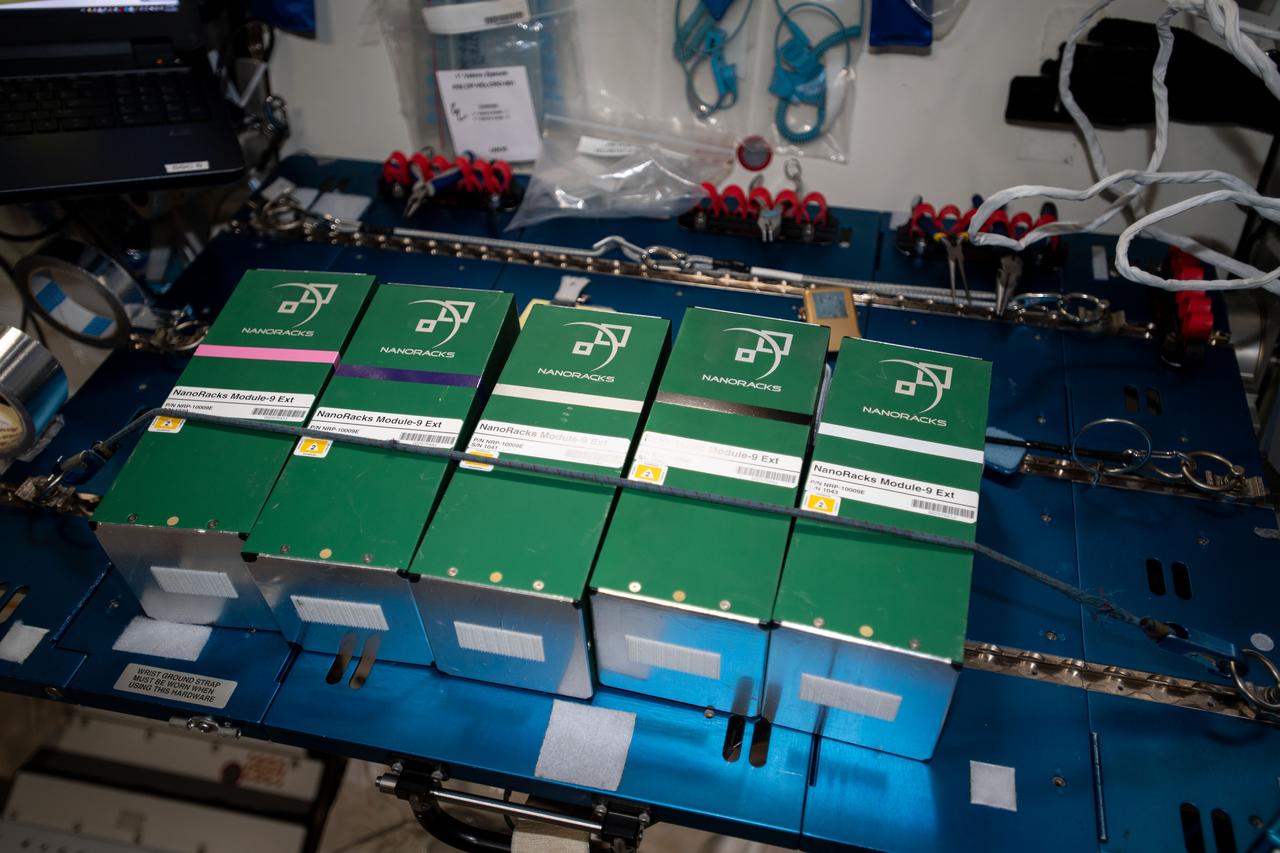
iss060e035405 (8/13/2019) --- A view the NanoRacks-NCESSE-Gemini NanoRacks-National Center for Earth and Space Science-Gemini (SSEP Mission 13) - Part of NanoRacks Module-9 Ext. aboard the International Space Station (ISS). The experiments range from examinations of water filtration and purification to synthetic soil production, rust formation, antibiotic effectiveness, growth and development of microacquatic organisms, and growth of plant, fungi, and bacteria. Each was chosen from more than 3,000 entries submitted by more than 23,000 U.S., Canadian, and Brazilian students. The experiments use NanoRacks MixStix, miniature laboratories activated by space station crew and eventually returned to the student teams on Earth for analysis.
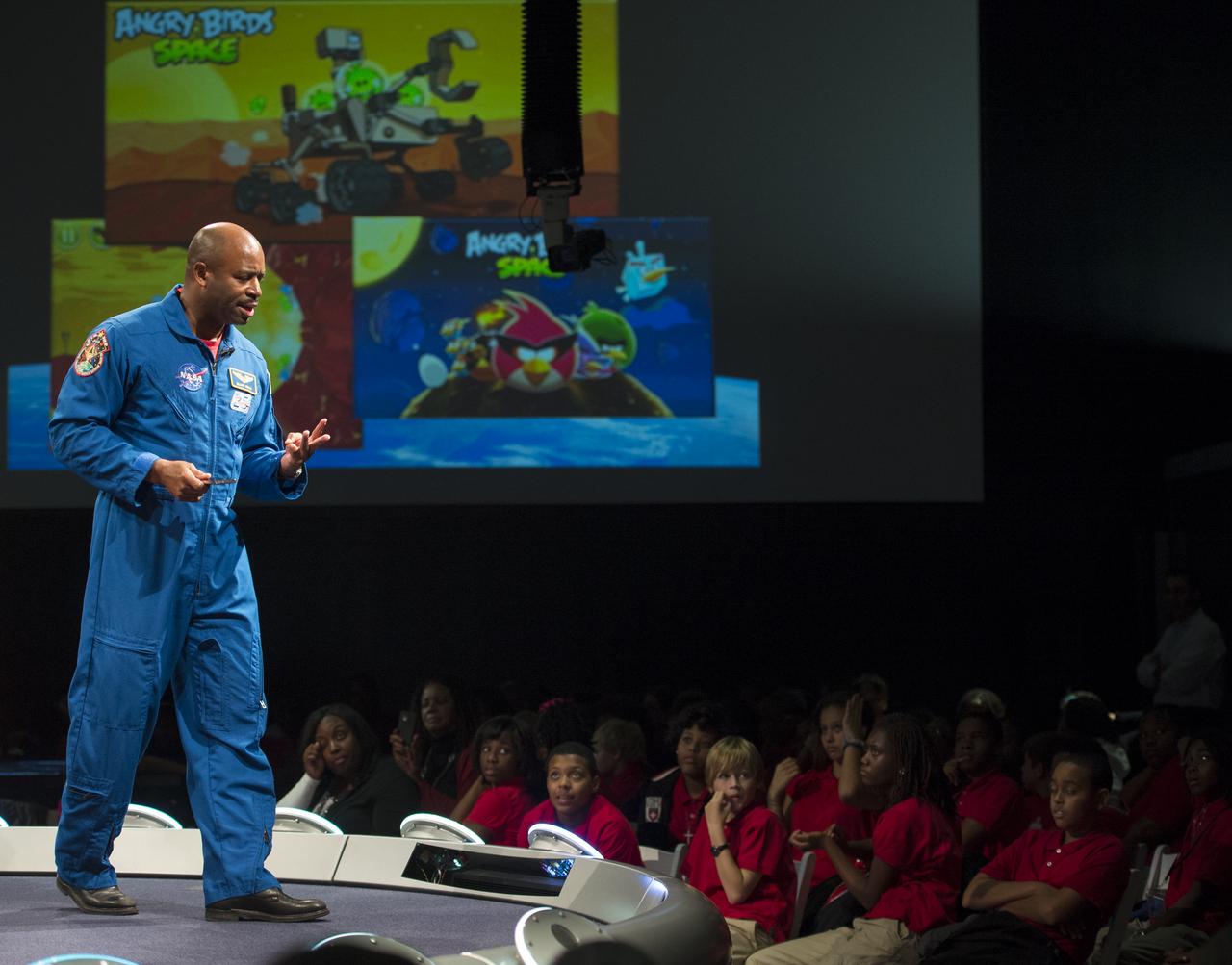
Leland Melvin, NASA Associate Administrator for Education and two-time space shuttle astronaut, speaks to students from D.C.'s Stuart-Hobson Middle School at the Smithsonian National Air and Space Museum, Thursday, Nov. 15, 2012 in Washington. The students, participants from the Student Spaceflight Experiments Program (SSEP) conducted a live conversation with astronauts aboard the International Space Station. The downlink is an annual event held in honor of International Education Week, and was co-hosted with the Department of Education and the National Center for Earth and Space Science Education (NCESSE). Photo Credit: (NASA/Carla Cioffi)
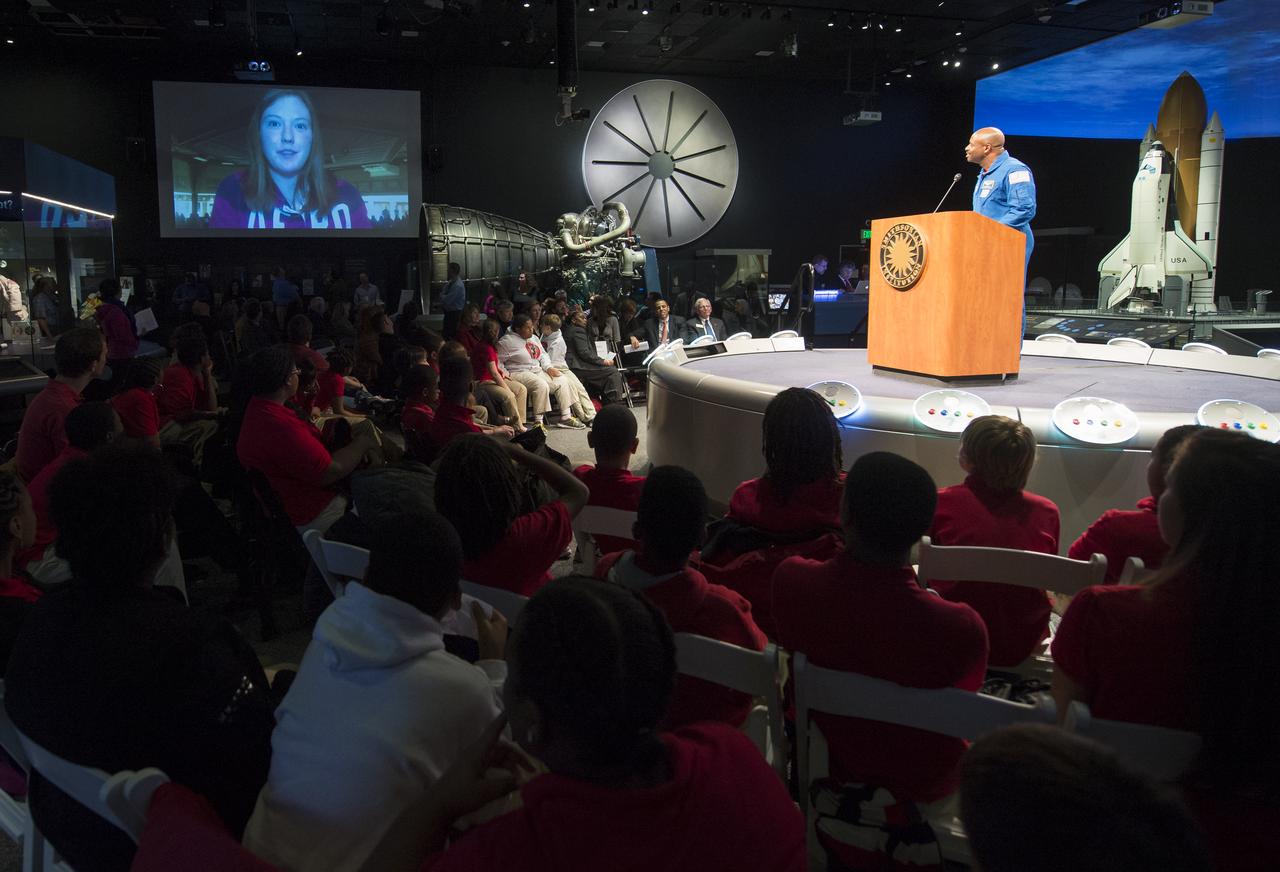
Leland Melvin, NASA Associate Administrator for Education and two-time space shuttle astronaut, answers a question from a student in a live video downlink at the Smithsonian National Air and Space Museum, Thursday, Nov. 15, 2012 in Washington. The students, participants from the Student Spaceflight Experiments Program (SSEP) conducted a live conversation with astronauts aboard the International Space Station. The downlink is an annual event held in honor of International Education Week, and was co-hosted with the Department of Education and the National Center for Earth and Space Science Education (NCESSE). Photo Credit: (NASA/Carla Cioffi)
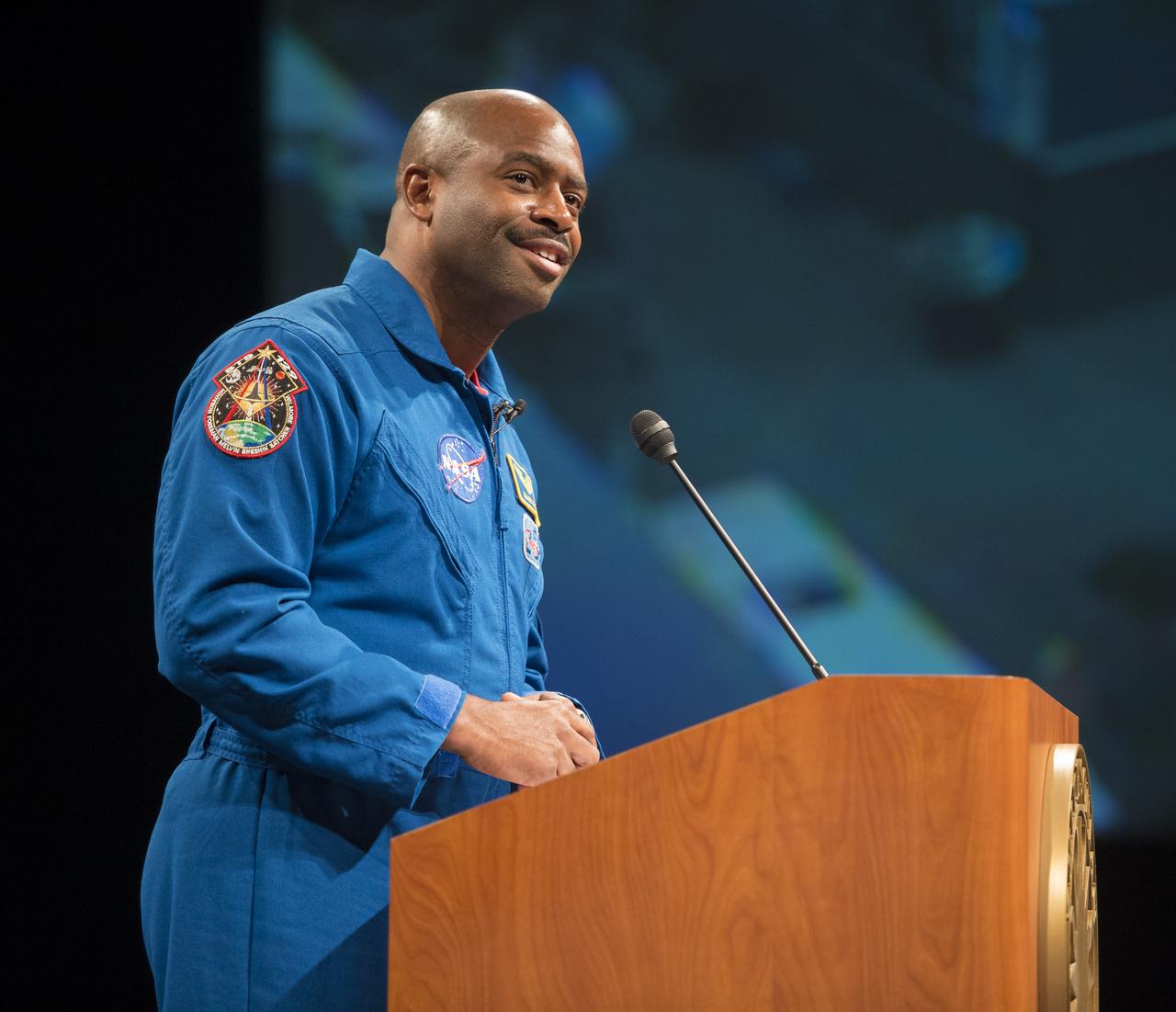
Leland Melvin, NASA Associate Administrator for Education and two-time space shuttle astronaut, speaks to students from D.C.'s Stuart-Hobson Middle School at the Smithsonian National Air and Space Museum, Thursday, Nov. 15, 2012 in Washington. The students, participants from the Student Spaceflight Experiments Program (SSEP) conducted a live conversation with astronauts aboard the International Space Station. The downlink is an annual event held in honor of International Education Week, and was co-hosted with the Department of Education and the National Center for Earth and Space Science Education (NCESSE). Photo Credit: (NASA/Carla Cioffi)

International Space Station Expedition 33 flight engineer Kevin Ford (on screen) answers questions from students during a downlink event held in honor of International Education Week at the Smithsonian National Air and Space Museum, Thursday, Nov. 15, 2012 in Washington. Seen next to Ford is Exp. 33 Commander Sunita Williams. More than 9,500 student participants from the Student Spaceflight Experiments Program (SSEP) around the country took part in the live video event. This was a joint venture between the Department of Education and the National Center for Earth and Space Science Education (NCESSE). Photo Credit: (NASA/Carla Cioffi)
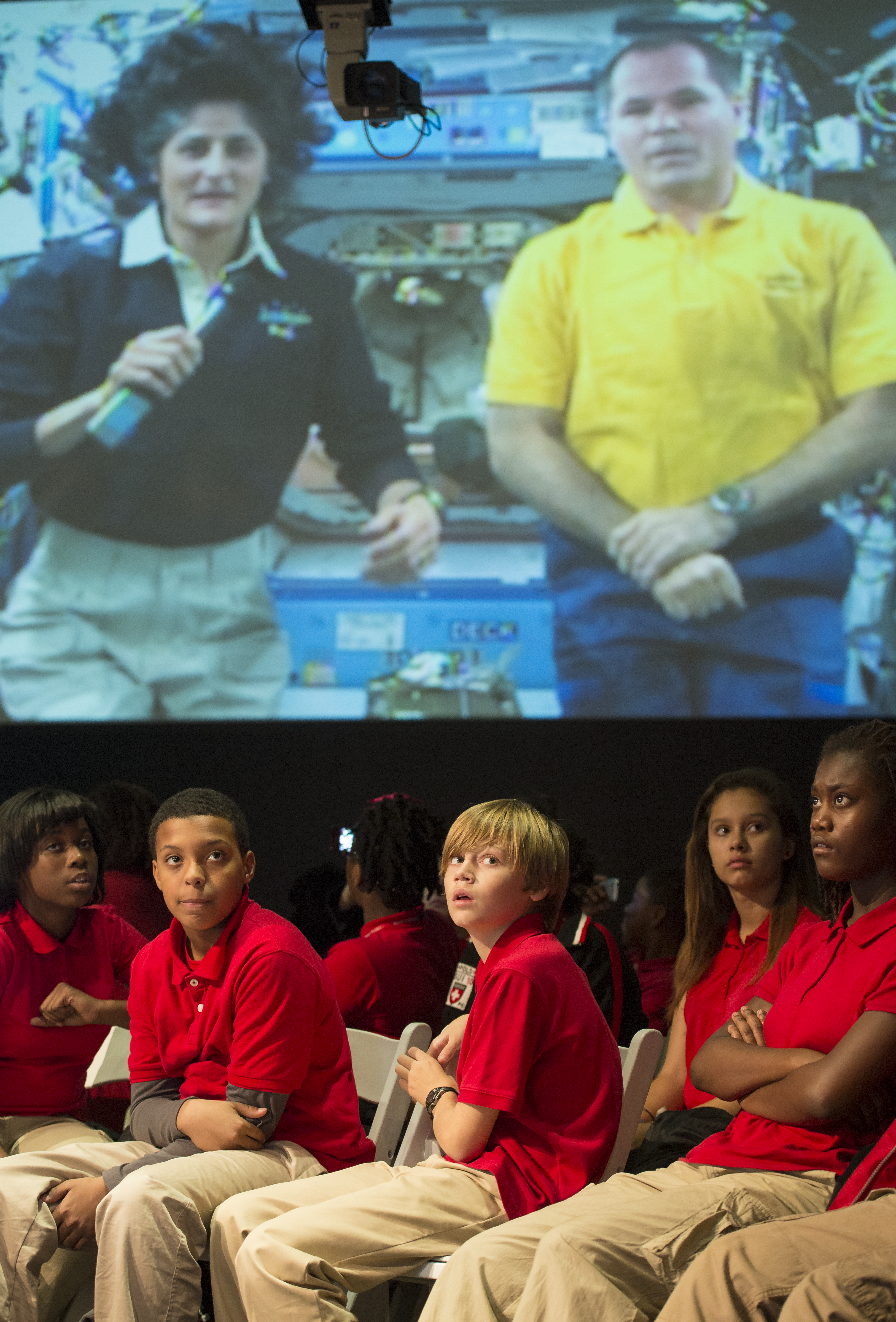
International Space Station Expedition 33 Commander Sunita Williams (on screen) answers questions from students during a downlink event held in honor of International Education Week at the Smithsonian National Air and Space Museum, Thursday, Nov. 15, 2012 in Washington. Seen next to Williams is Exp. 33 Flight Engineer Kevin Ford. More than 9,500 student participants from the Student Spaceflight Experiments Program (SSEP) around the country took part in the live video event. This was a joint venture between the Department of Education and the National Center for Earth and Space Science Education (NCESSE). Photo Credit: (NASA/Carla Cioffi)
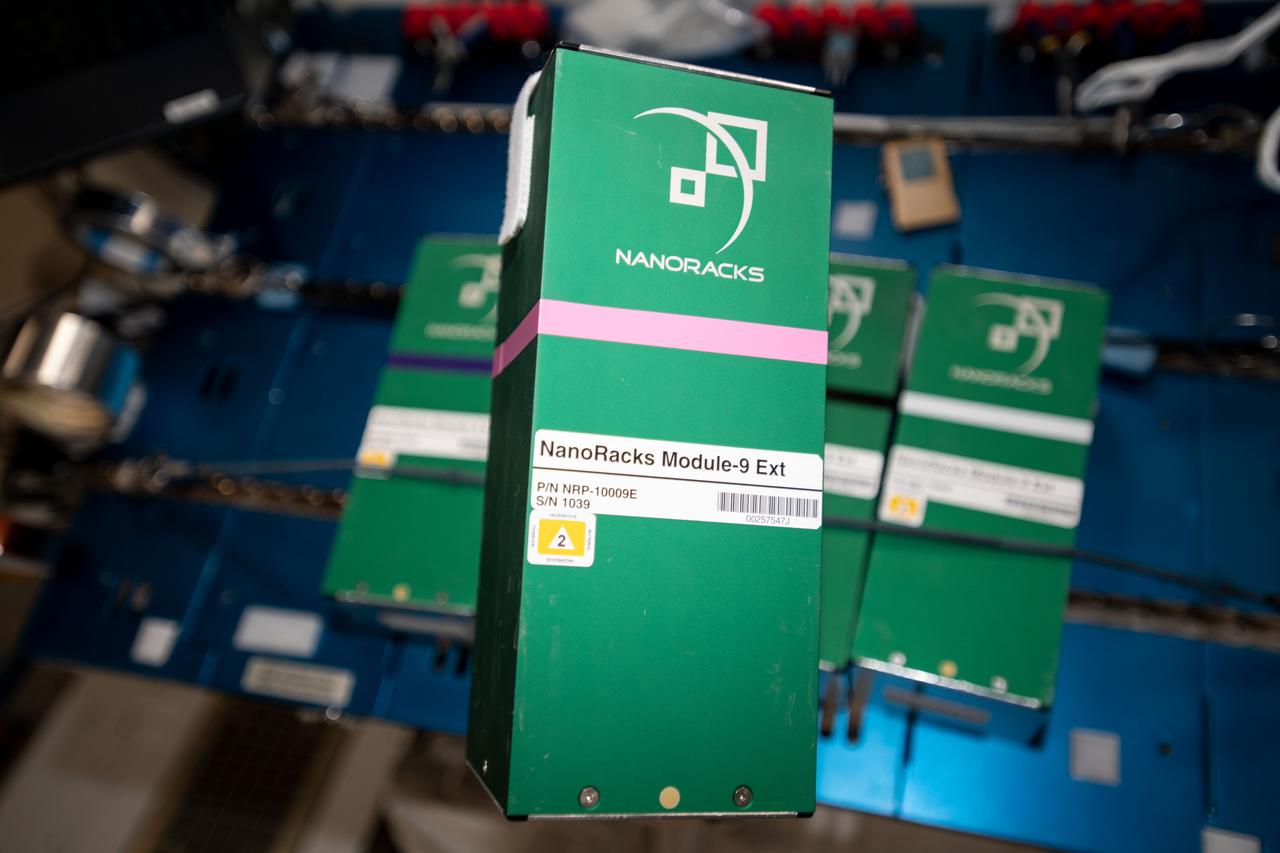
iss060e035407 (8/13/2019) --- A view the NanoRacks-NCESSE-Gemini NanoRacks-National Center for Earth and Space Science-Gemini (SSEP Mission 13) - Part of NanoRacks Module-9 Ext. The experiments range from examinations of water filtration and purification to synthetic soil production, rust formation, antibiotic effectiveness, growth and development of microacquatic organisms, and growth of plant, fungi, and bacteria. Each was chosen from more than 3,000 entries submitted by more than 23,000 U.S., Canadian, and Brazilian students. The experiments use NanoRacks MixStix, miniature laboratories activated by space station crew and eventually returned to the student teams on Earth for analysis.

International Space Station Expedition 33 flight engineer Kevin Ford (on screen) answers questions from students during a downlink event held in honor of International Education Week at the Smithsonian National Air and Space Museum, Thursday, Nov. 15, 2012 in Washington. Seen next to Ford is Exp. 33 Commander Sunita Williams. More than 9,500 student participants from the Student Spaceflight Experiments Program (SSEP) around the country took part in the live video event. This was a joint venture between the Department of Education and the National Center for Earth and Space Science Education (NCESSE). Photo Credit: (NASA/Carla Cioffi)
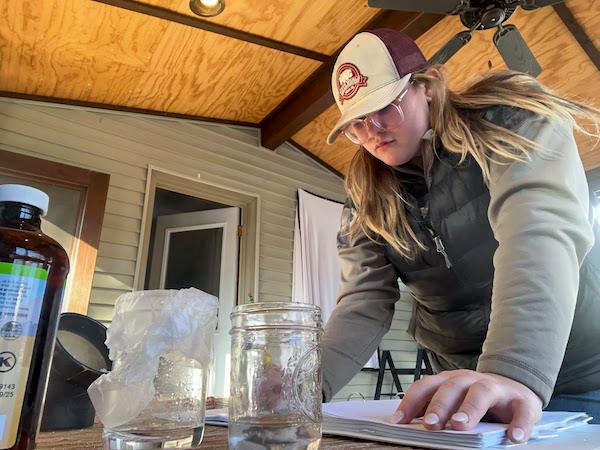
jsc2024e067107 (10/15/2024) --- Jordan Brown is testing different solution amounts while studying the growth and development of brine shrimp. (image courtesy of Grantsburg SD)
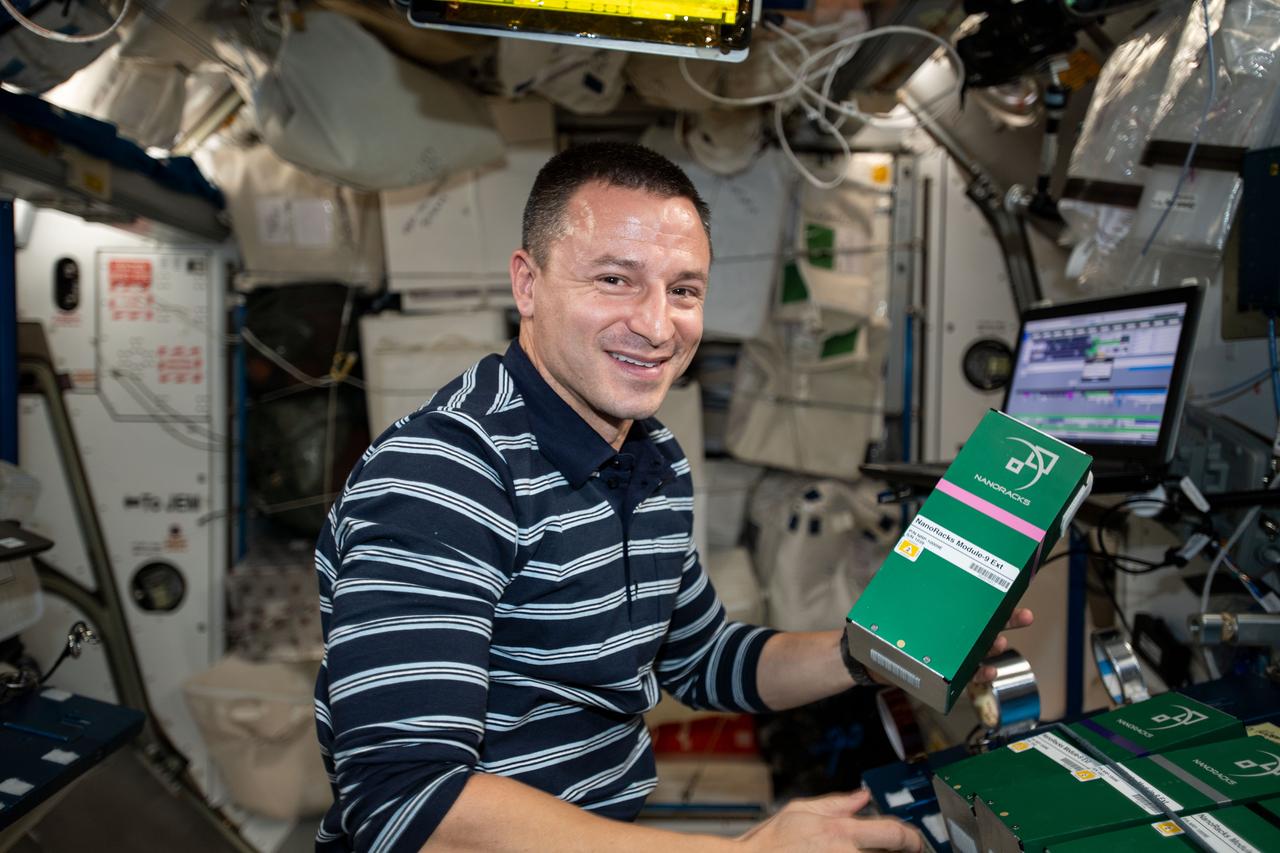
iss060e035409 (8/13/2019) --- A view of NASA astronaut Drew Morgan during the deactivation and/or shaking designated mixture tubes of NanoRacks-NCESSE-Gemini NanoRacks-National Center for Earth and Space Science-Gemini (SSEP Mission 13) - Part of NanoRacks Module-9 Ext. aboard the International Space Station (ISS). The experiments range from examinations of water filtration and purification to synthetic soil production, rust formation, antibiotic effectiveness, growth and development of microacquatic organisms, and growth of plant, fungi, and bacteria. Each was chosen from more than 3,000 entries submitted by more than 23,000 U.S., Canadian, and Brazilian students. The experiments use NanoRacks MixStix, miniature laboratories activated by space station crew and eventually returned to the student teams on Earth for analysis.
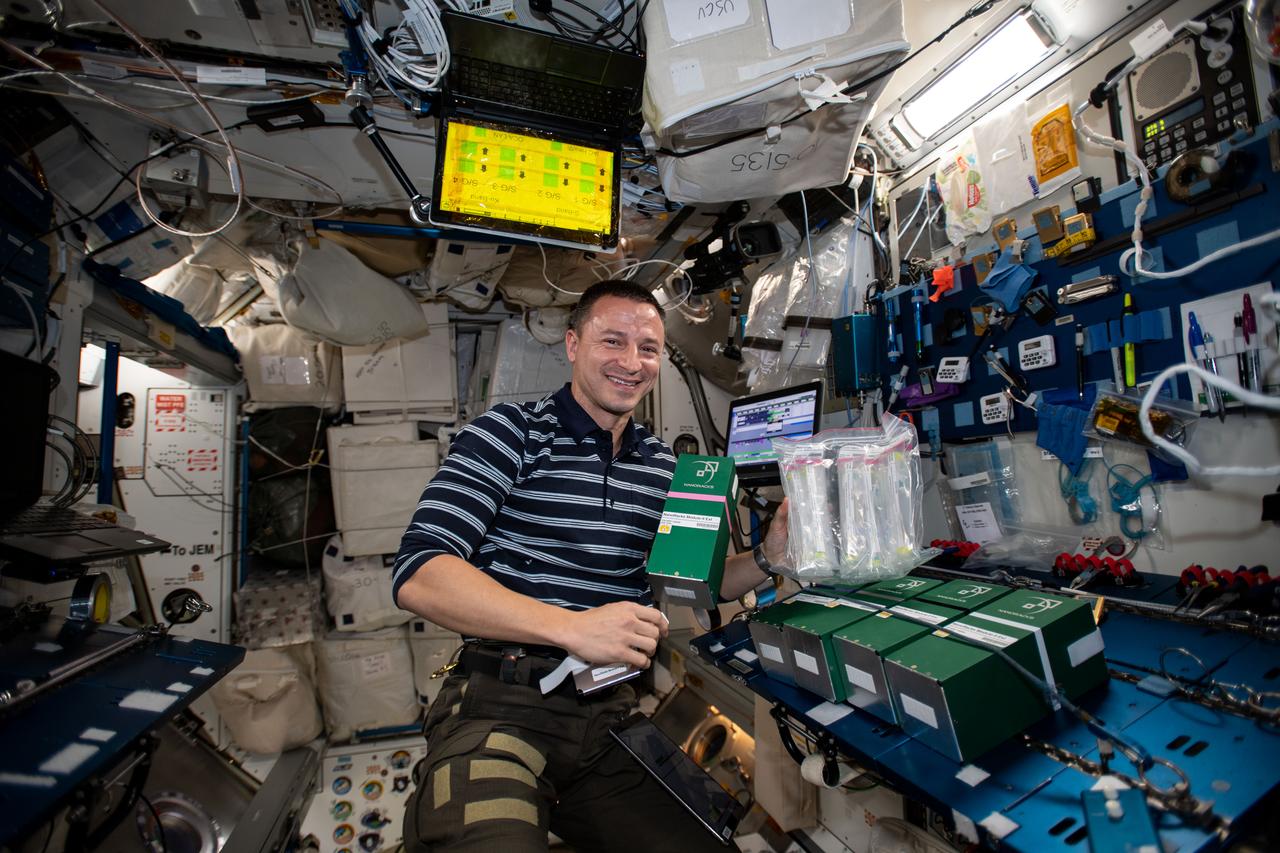
iss060e035415 8/13/2019) --- A view of NASA astronaut Drew Morgan during the deactivation and/or shaking designated mixture tubes of NanoRacks-NCESSE-Gemini NanoRacks-National Center for Earth and Space Science-Gemini (SSEP Mission 13) - Part of NanoRacks Module-9 Ext. aboard the International Space Station (ISS). The experiments range from examinations of water filtration and purification to synthetic soil production, rust formation, antibiotic effectiveness, growth and development of microacquatic organisms, and growth of plant, fungi, and bacteria. Each was chosen from more than 3,000 entries submitted by more than 23,000 U.S., Canadian, and Brazilian students. The experiments use NanoRacks MixStix, miniature laboratories activated by space station crew and eventually returned to the student teams on Earth for analysis.