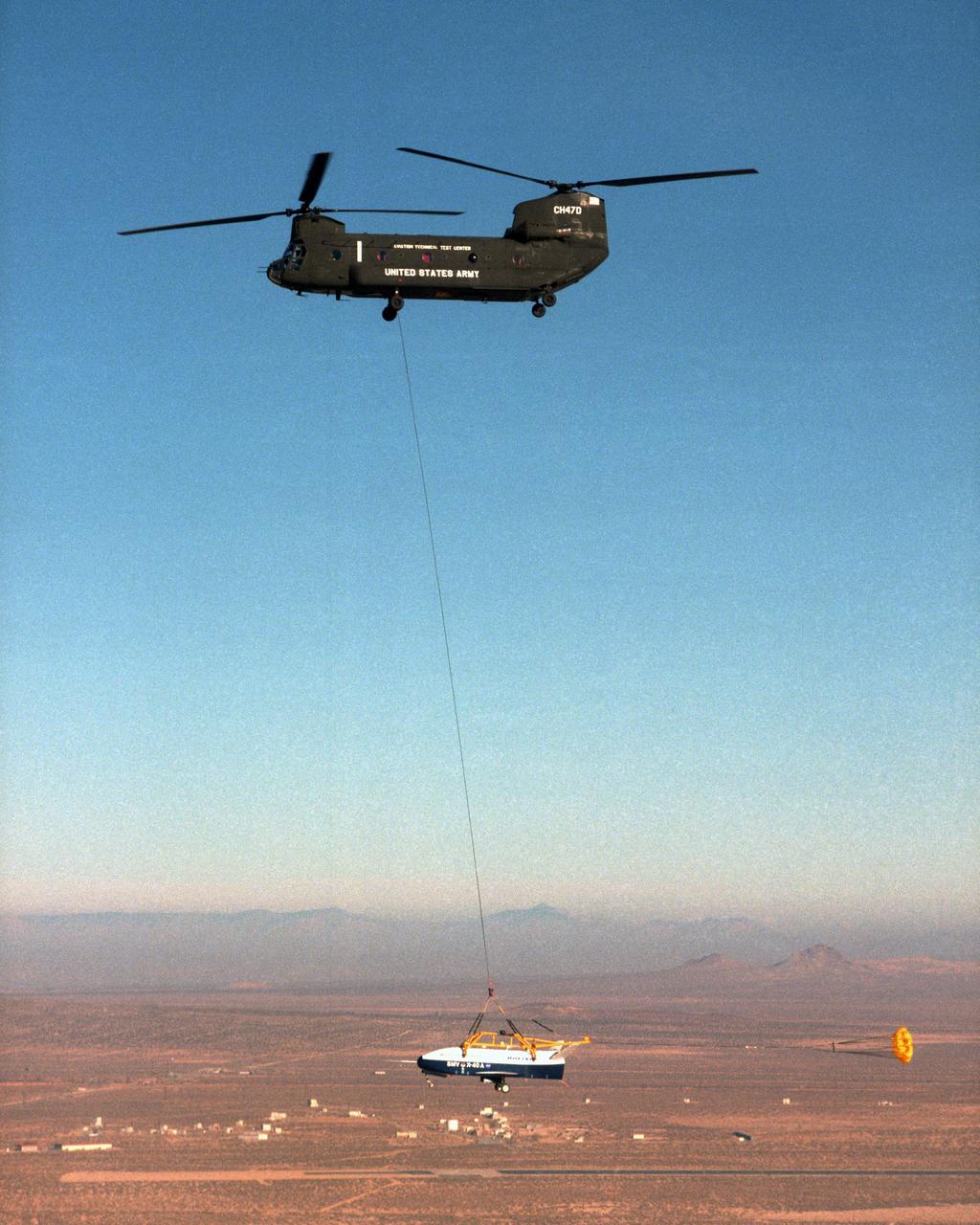
With a small stabilization parachute trailing behind, the X-40 sub-scale technology demonstrator is suspended under a U.S. Army CH-47 Chinook cargo helicopter during a captive-carry test flight at NASA's Dryden Flight Research Center, Edwards, California. The captive carry flights are designed to verify the X-40's navigation and control systems, rigging angles for its sling, and stability and control of the helicopter while carrying the X-40 on a tether. Following a series of captive-carry flights, the X-40 made free flights from a launch altitude of about 15,000 feet above ground, gliding to a fully autonomous landing. The X-40 is an unpowered 82 percent scale version of the X-37, a Boeing-developed spaceplane designed to demonstrate various advanced technologies for development of future lower-cost access to space vehicles.
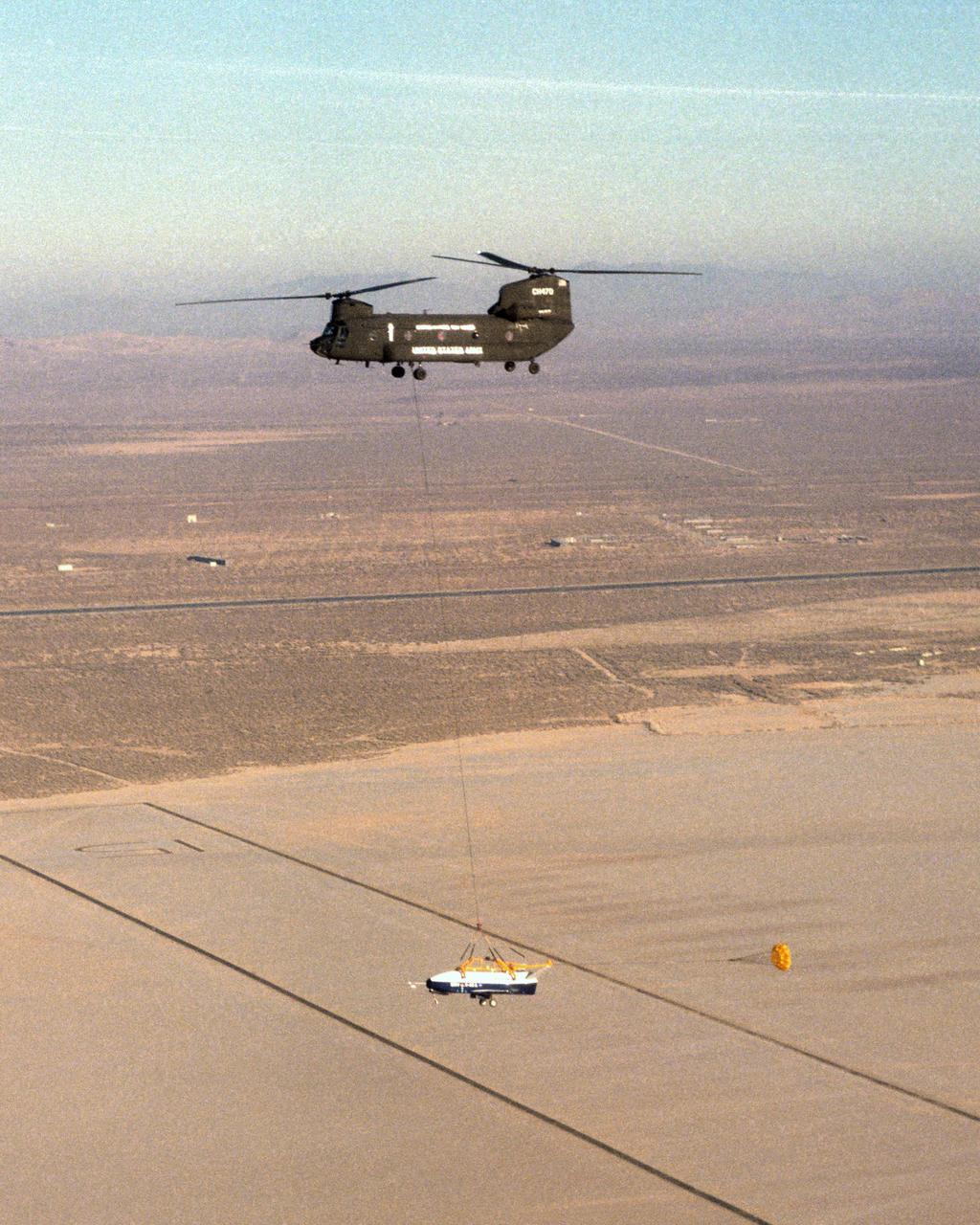
The X-40 sub-scale technology demonstrator and its U.S. Army CH-47 Chinook helicopter mothership fly over a dry lakebed runway during a captive-carry test flight from NASA's Dryden Flight Research Center, Edwards, California. The X-40 is attached to a sling which is suspended from the CH-47 by a 110-foot-long cable during the tests, while a small parachute trails behind to provide stability. The captive carry flights are designed to verify the X-40's navigation and control systems, rigging angles for its sling, and stability and control of the helicopter while carrying the X-40 on a tether. Following a series of captive-carry flights, the X-40 made free flights from a launch altitude of about 15,000 feet above ground, gliding to a fully autonomous landing. The X-40 is an unpowered 82 percent scale version of the X-37, a Boeing-developed spaceplane designed to demonstrate various advanced technologies for development of future lower-cost access to space vehicles.
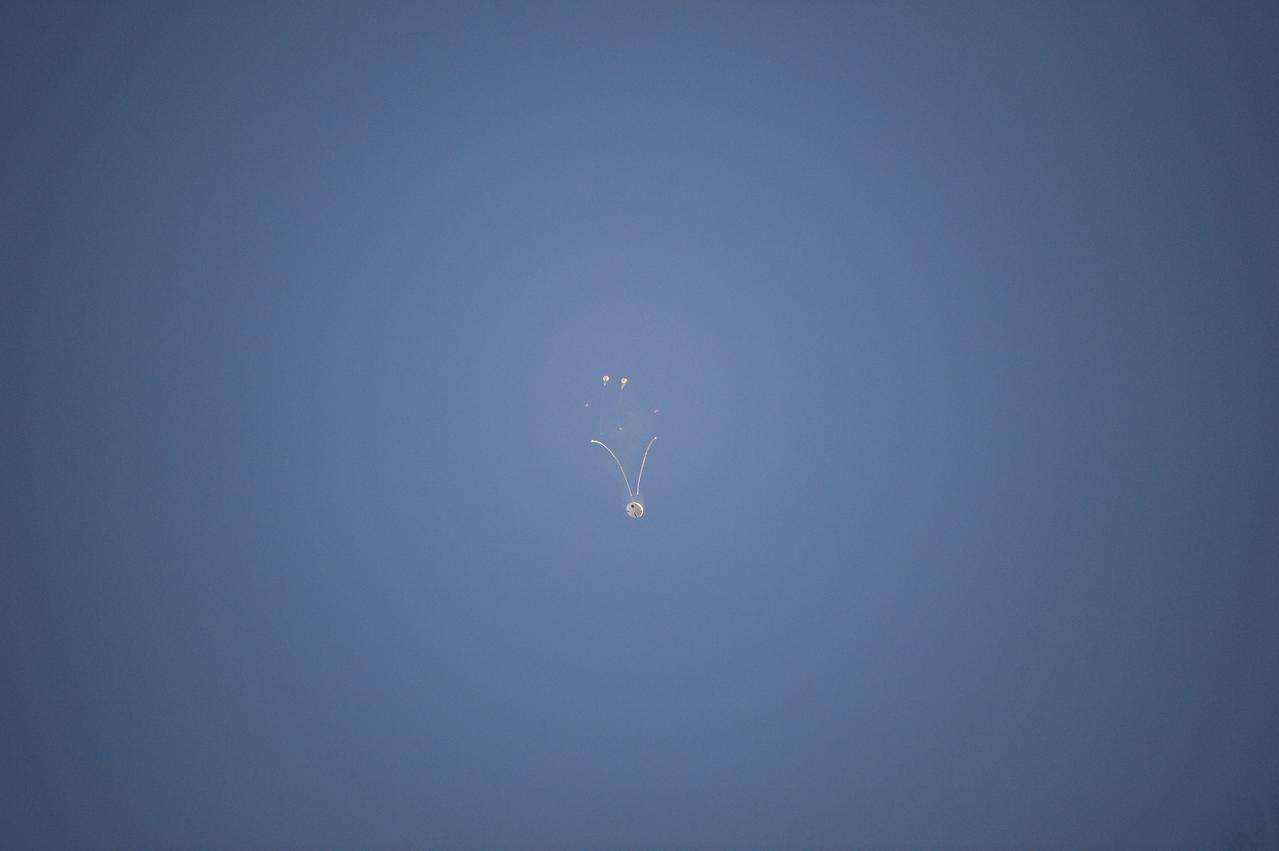
Engineers successfully evaluated a failure scenario of Orion’s parachute system in which only two of the system’s three orange and white main parachutes deploy after several other parachutes in the system used to slow and stabilize Orion endure high aerodynamic stresses ahead of a safe landing. The test occurred Dec. 15, 2017 at the U.S. Army Proving Ground in Yuma, Arizona. A mock capsule was dropped from a C-17 aircraft at 35,000 feet in altitude to enable the right conditions for the test. It was the fifth of eight tests to qualify Orion’s parachute system for flights with astronauts beginning with Artemis II.

Engineers successfully evaluated a failure scenario of Orion’s parachute system in which only two of the system’s three orange and white main parachutes deploy after several other parachutes in the system used to slow and stabilize Orion endure high aerodynamic stresses ahead of a safe landing. The test occurred Dec. 15, 2017 at the U.S. Army Proving Ground in Yuma, Arizona. A mock capsule was dropped from a C-17 aircraft at 35,000 feet in altitude to enable the right conditions for the test. It was the fifth of eight tests to qualify Orion’s parachute system for flights with astronauts beginning with Artemis II.

Engineers successfully evaluated a failure scenario of Orion’s parachute system in which only two of the system’s three orange and white main parachutes deploy after several other parachutes in the system used to slow and stabilize Orion endure high aerodynamic stresses ahead of a safe landing. The test occurred Dec. 15, 2017 at the U.S. Army Proving Ground in Yuma, Arizona. A mock capsule was dropped from a C-17 aircraft at 35,000 feet in altitude to enable the right conditions for the test. It was the fifth of eight tests to qualify Orion’s parachute system for flights with astronauts beginning with Artemis II.

Engineers successfully evaluated a failure scenario of Orion’s parachute system in which only two of the system’s three orange and white main parachutes deploy after several other parachutes in the system used to slow and stabilize Orion endure high aerodynamic stresses ahead of a safe landing. The test occurred Dec. 15, 2017 at the U.S. Army Proving Ground in Yuma, Arizona. A mock capsule was dropped from a C-17 aircraft at 35,000 feet in altitude to enable the right conditions for the test. It was the fifth of eight tests to qualify Orion’s parachute system for flights with astronauts beginning with Artemis II.
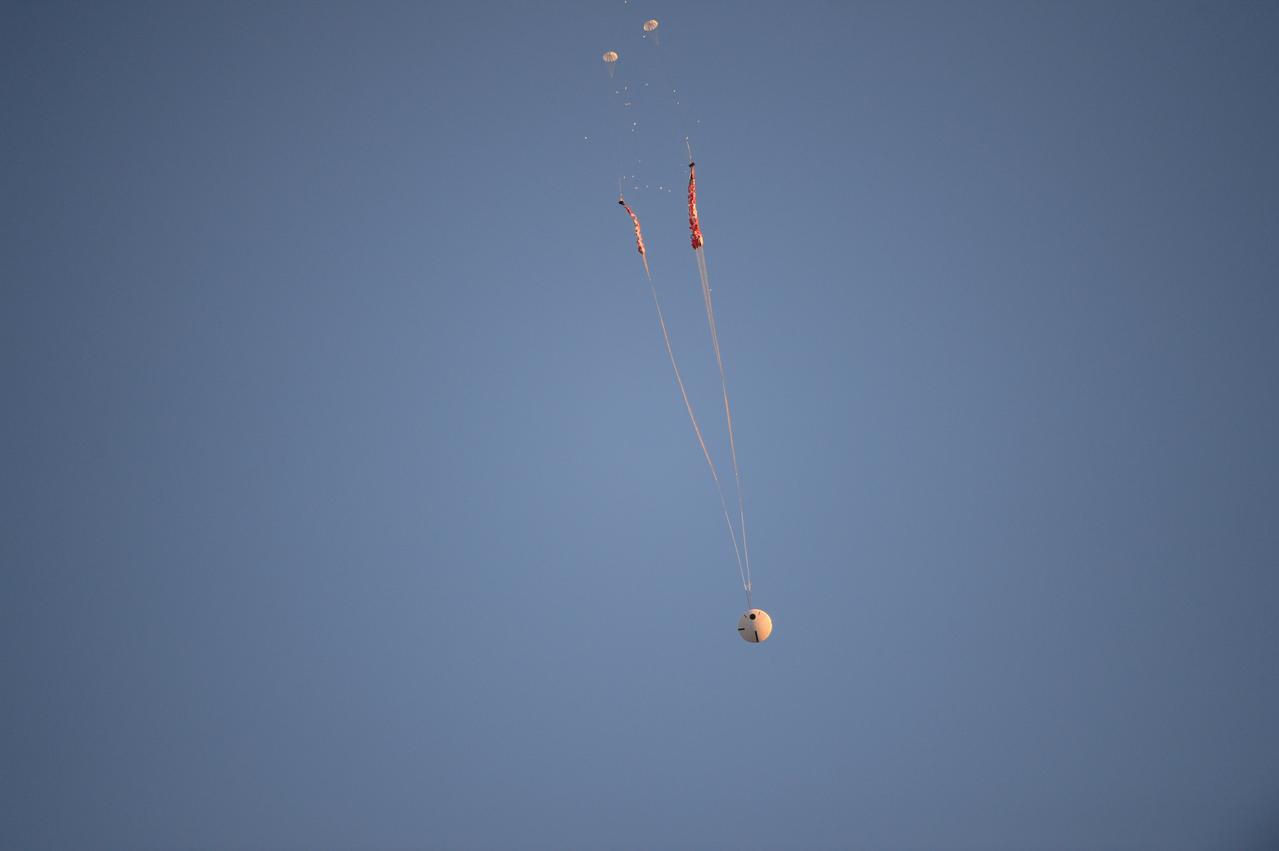
Engineers successfully evaluated a failure scenario of Orion’s parachute system in which only two of the system’s three orange and white main parachutes deploy after several other parachutes in the system used to slow and stabilize Orion endure high aerodynamic stresses ahead of a safe landing. The test occurred Dec. 15, 2017 at the U.S. Army Proving Ground in Yuma, Arizona. A mock capsule was dropped from a C-17 aircraft at 35,000 feet in altitude to enable the right conditions for the test. It was the fifth of eight tests to qualify Orion’s parachute system for flights with astronauts beginning with Artemis II.
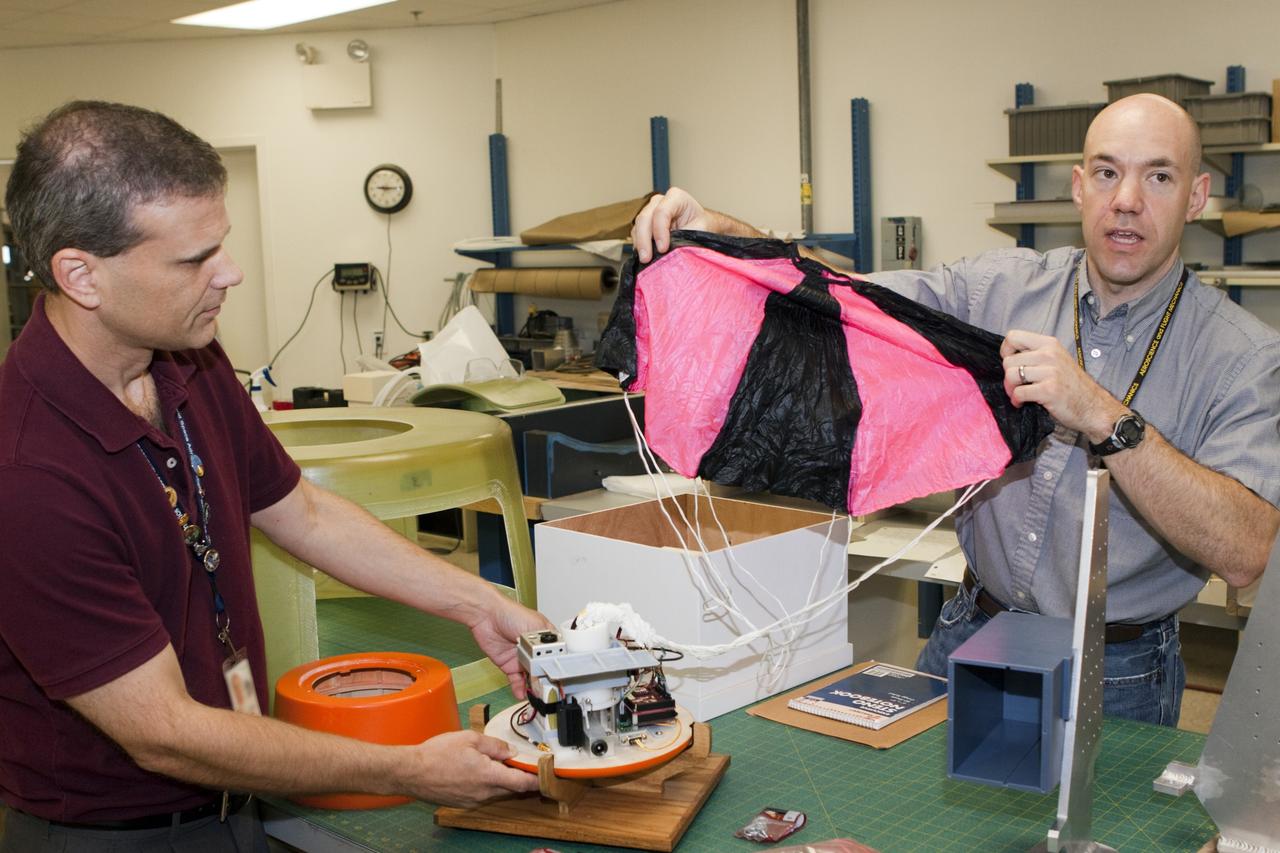
CAPE CANAVERAL, Fla. – Paul Paulick, left, and Ron Sterick, both participants in the Rocket University program, inspect a capsule and parachute that are being prepared for a high-altitude balloon flight. The test flight was used to evaluate the stability of an instrumented capsule as it fell to Earth before its parachute opened. Rocket University is a program of courses, workshops, labs and projects offered to engineering and research pros of all stripes to keep their skills fresh and broaden their experiences. Photo credit: NASA/Jim Grossmann
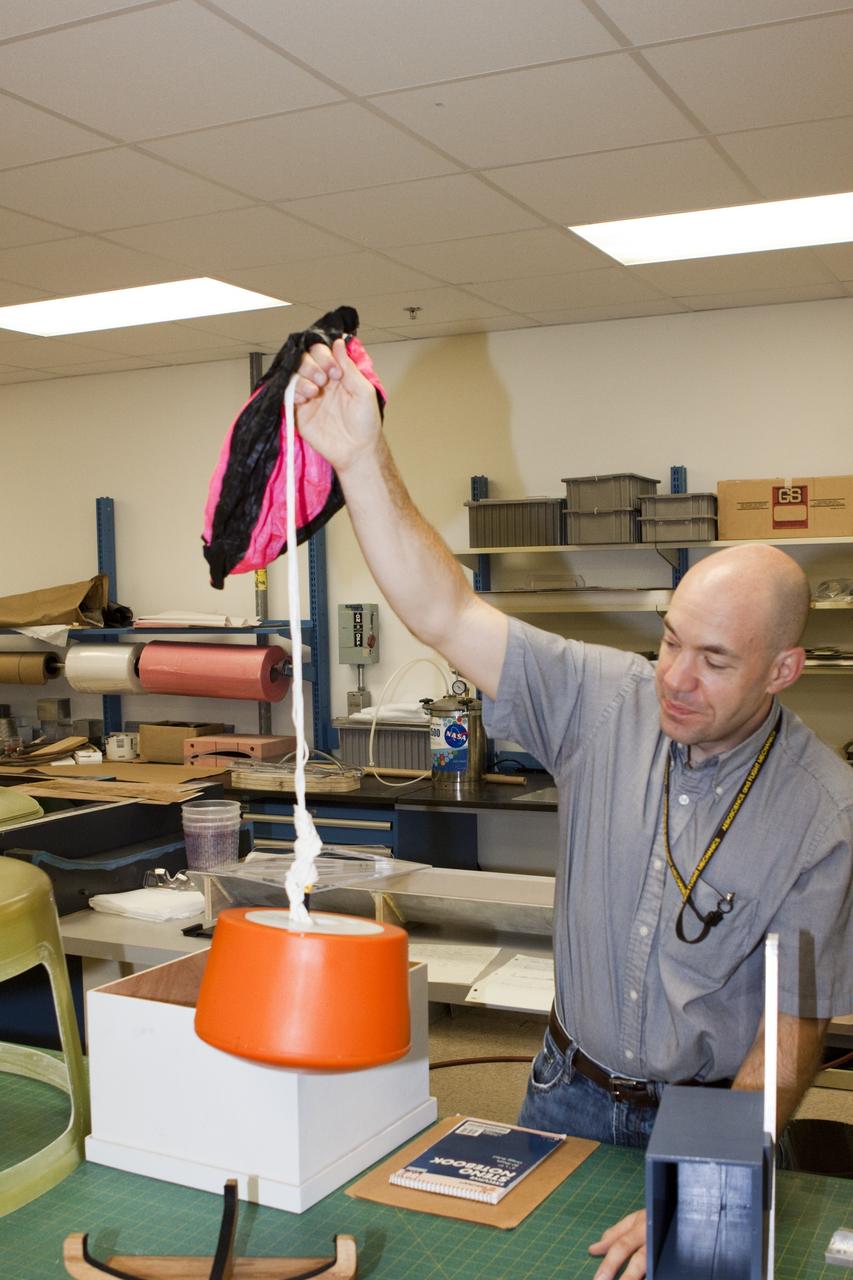
CAPE CANAVERAL, Fla. – Ron Sterick, a participant in the Rocket University program, inspects a capsule and parachute that are being prepared for a high-altitude balloon flight. The test flight was used to evaluate the stability of an instrumented capsule as it fell to Earth before its parachute opened. Rocket University is a program of courses, workshops, labs and projects offered to engineering and research pros of all stripes to keep their skills fresh and broaden their experiences. Photo credit: NASA/Jim Grossmann
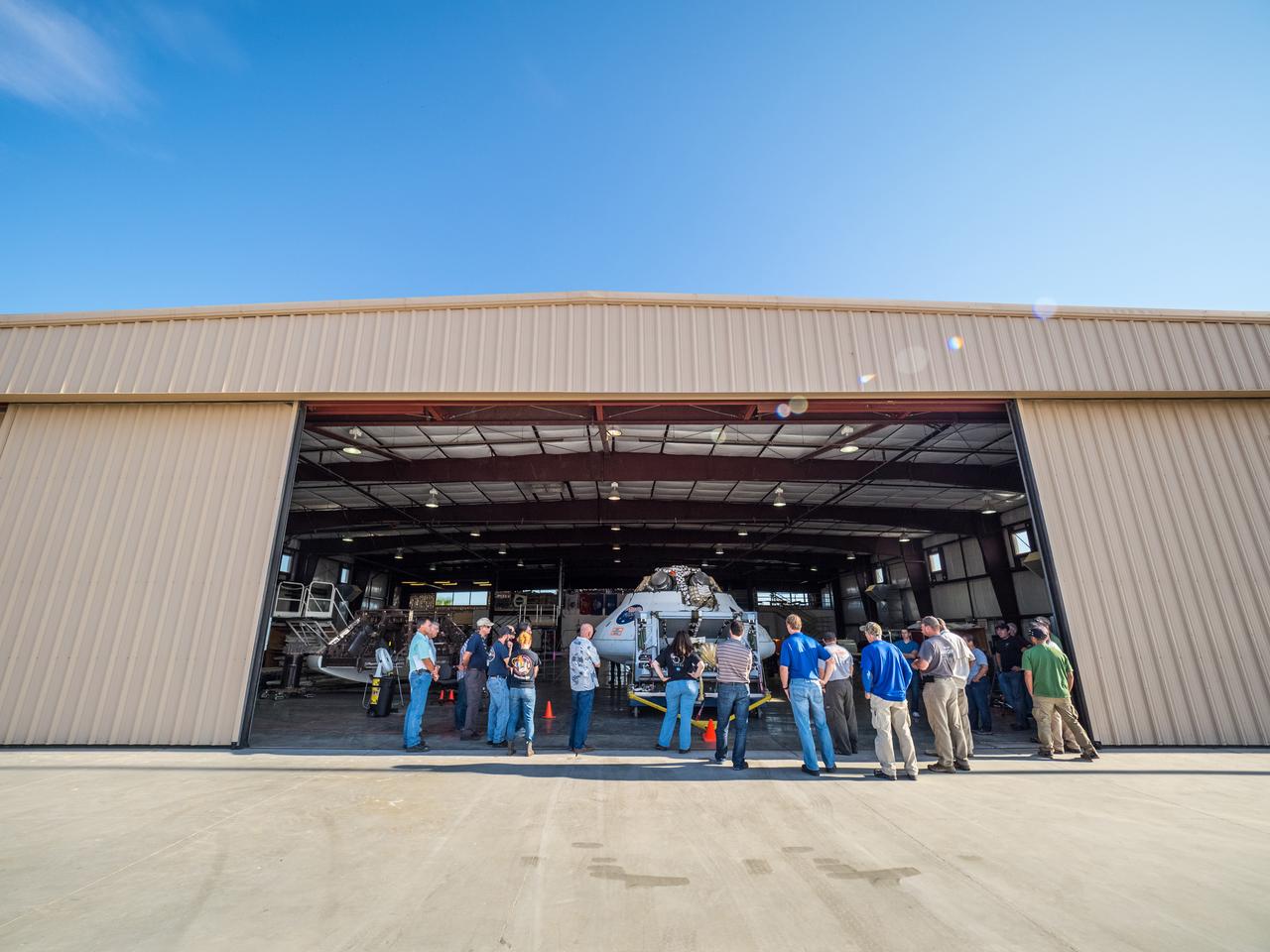
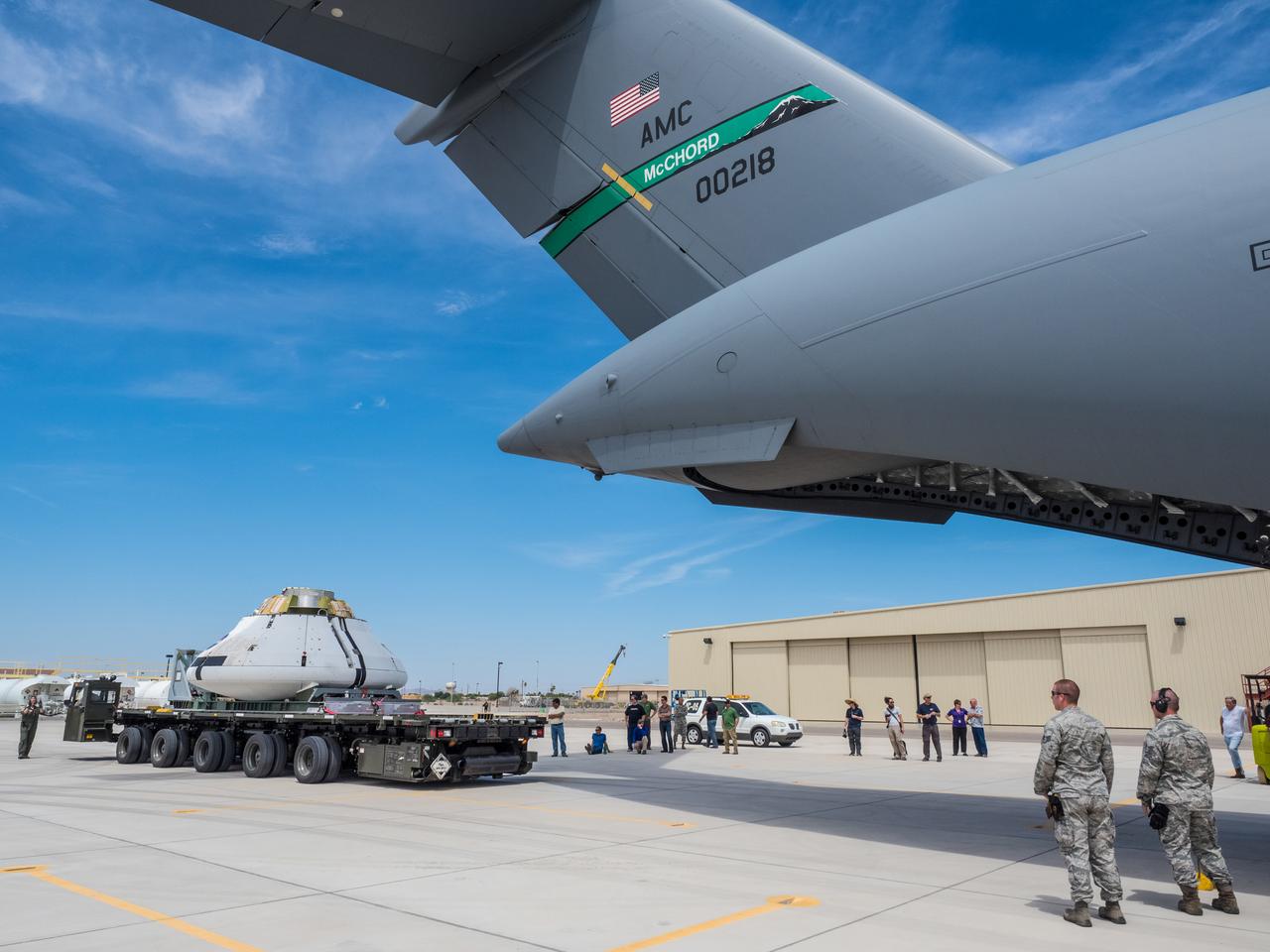
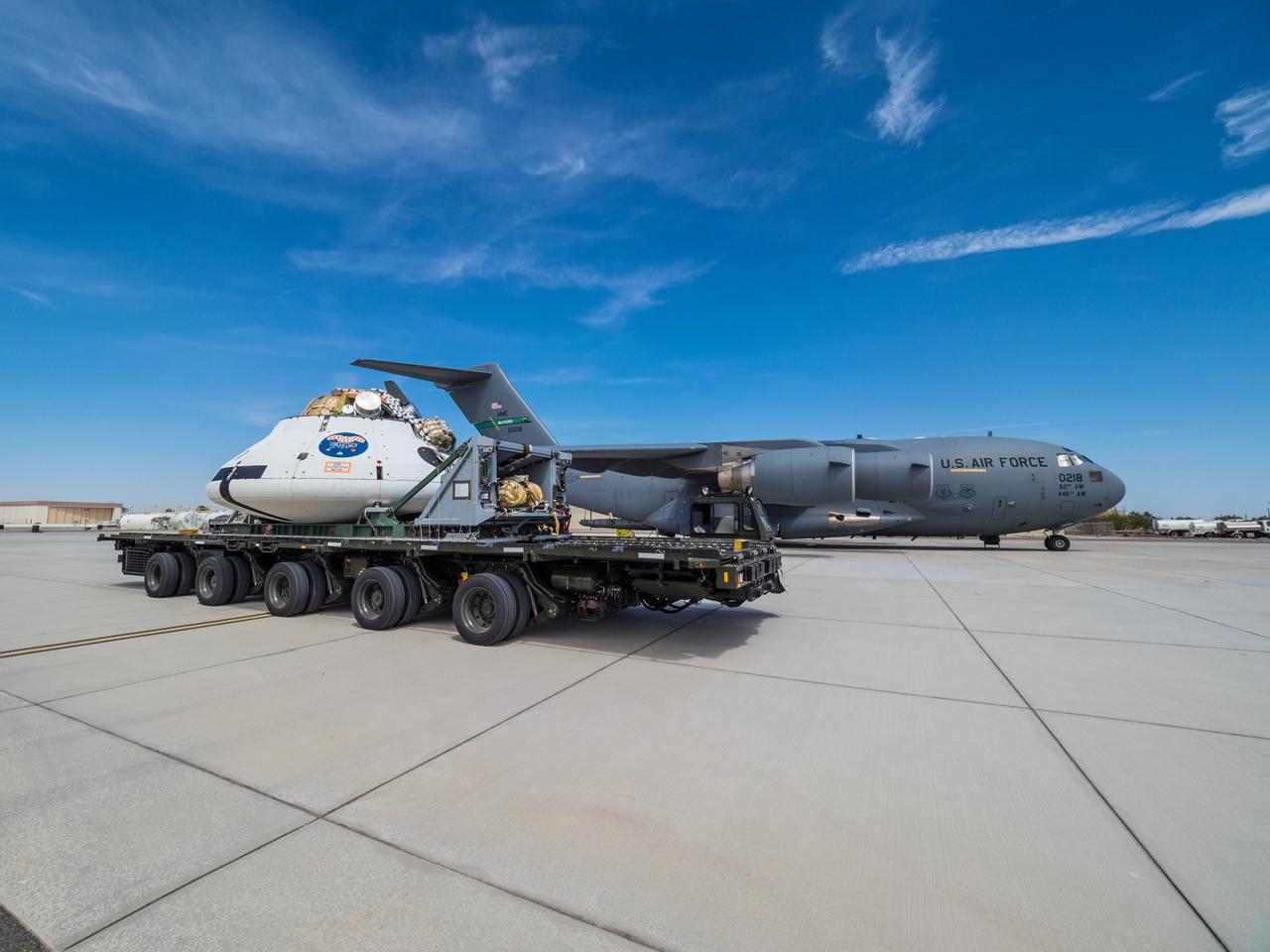
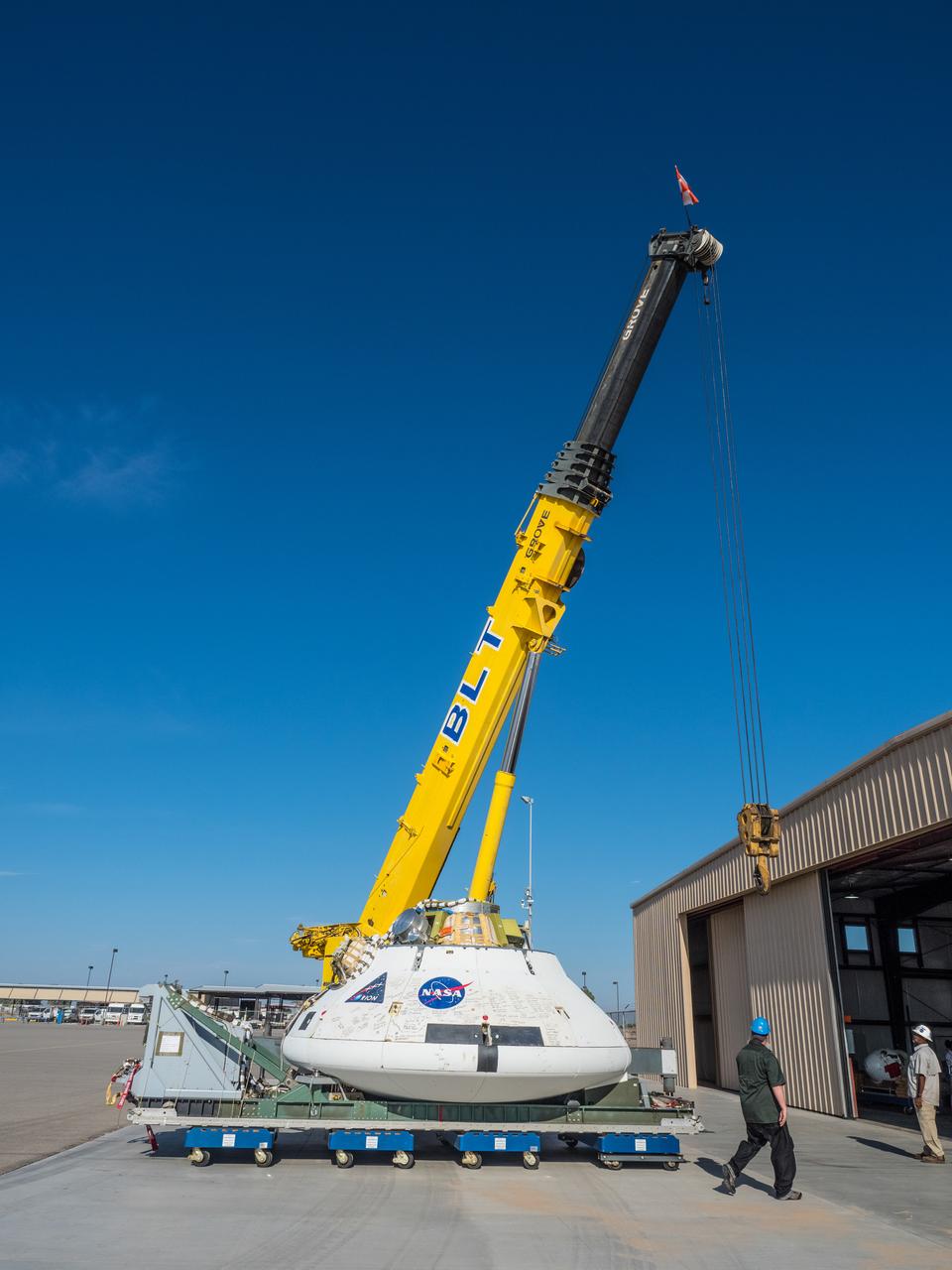
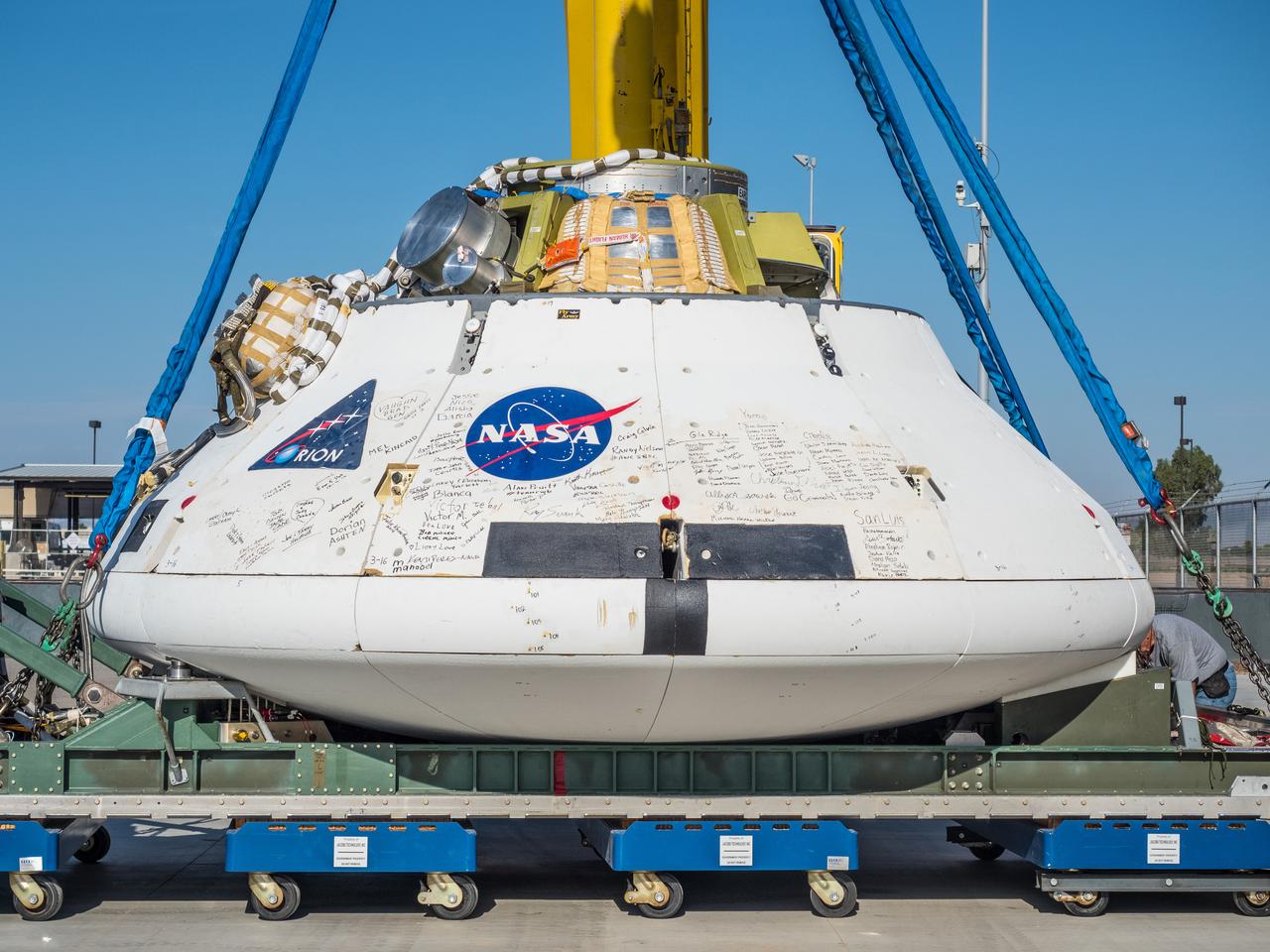
Engineers prepare to test the parachute system for NASA’s Orion spacecraft at the U.S. Army Yuma Proving Ground in Yuma, Arizona on Aug. 24, 2015. During the test, planned for Wednesday, Aug. 26, a C-17 aircraft will carry a representative Orion capsule to 35,000 feet in altitude and then drop it from its cargo bay. Engineers will test a scenario in which one of Orion’s two drogue parachutes, used to stabilize it in the air, does not deploy, and one of its three main parachutes, used to slow the capsule during the final stage of descent, also does not deploy. The risky test will provide data engineers will use as they gear up to qualify Orion’s parachutes for missions with astronauts. On Aug. 24, a C-17 was loaded with the test version of Orion, which has a similar mass and interfaces with the parachutes as the Orion being developed for deep space missions but is shorter on top to fit inside the aircraft. Part of Batch image transfer from Flickr.
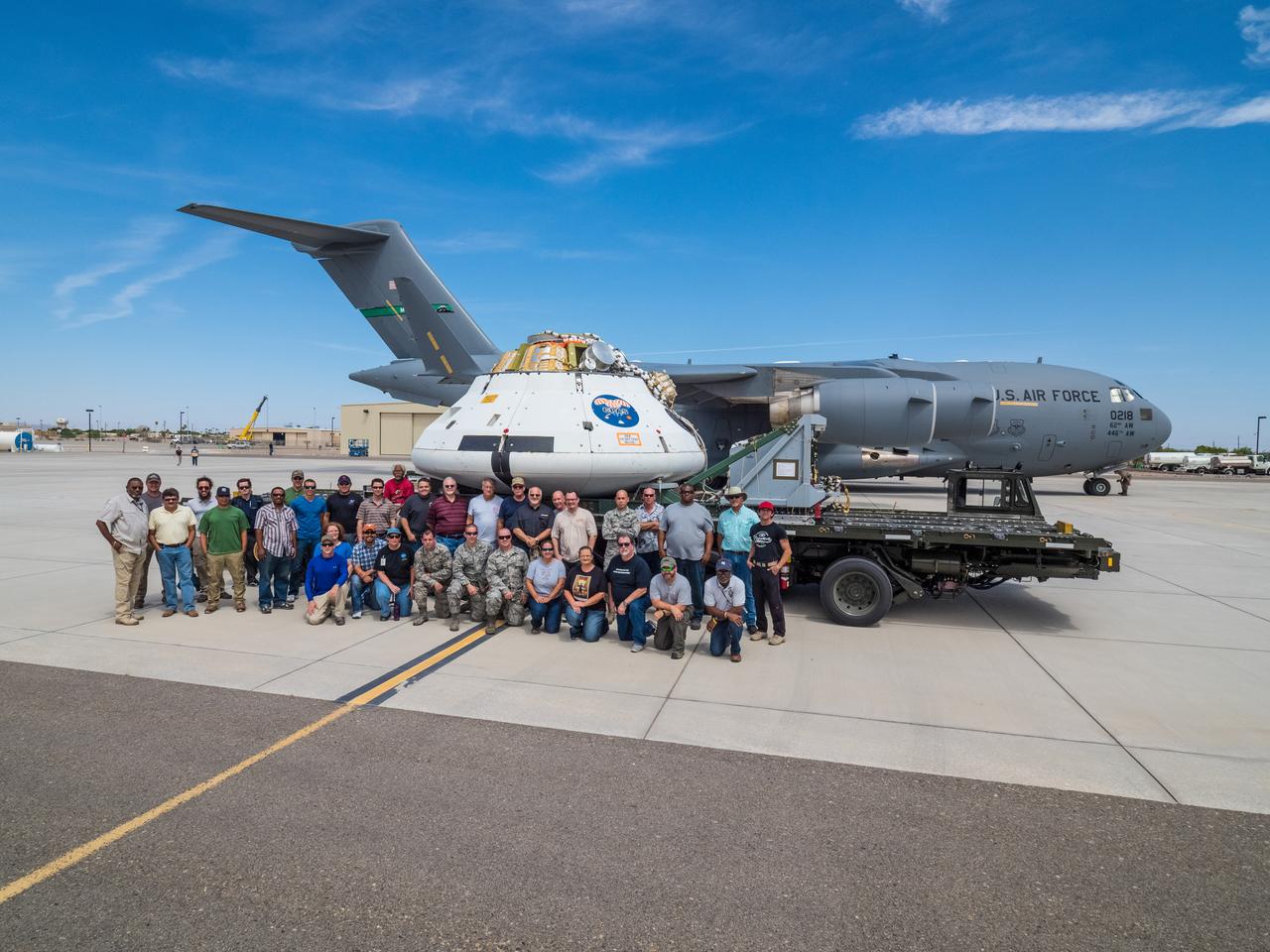
Engineers prepare to test the parachute system for NASA’s Orion spacecraft at the U.S. Army Yuma Proving Ground in Yuma, Arizona on Aug. 24, 2015. During the test, planned for Wednesday, Aug. 26, a C-17 aircraft will carry a representative Orion capsule to 35,000 feet in altitude and then drop it from its cargo bay. Engineers will test a scenario in which one of Orion’s two drogue parachutes, used to stabilize it in the air, does not deploy, and one of its three main parachutes, used to slow the capsule during the final stage of descent, also does not deploy. The risky test will provide data engineers will use as they gear up to qualify Orion’s parachutes for missions with astronauts. On Aug. 24, a C-17 was loaded with the test version of Orion, which has a similar mass and interfaces with the parachutes as the Orion being developed for deep space missions but is shorter on top to fit inside the aircraft. Part of Batch image transfer from Flickr.

Engineers prepare to test the parachute system for NASA’s Orion spacecraft at the U.S. Army Yuma Proving Ground in Yuma, Arizona on Aug. 24, 2015. During the test, planned for Wednesday, Aug. 26, a C-17 aircraft will carry a representative Orion capsule to 35,000 feet in altitude and then drop it from its cargo bay. Engineers will test a scenario in which one of Orion’s two drogue parachutes, used to stabilize it in the air, does not deploy, and one of its three main parachutes, used to slow the capsule during the final stage of descent, also does not deploy. The risky test will provide data engineers will use as they gear up to qualify Orion’s parachutes for missions with astronauts. On Aug. 24, a C-17 was loaded with the test version of Orion, which has a similar mass and interfaces with the parachutes as the Orion being developed for deep space missions but is shorter on top to fit inside the aircraft. Part of Batch image transfer from Flickr.
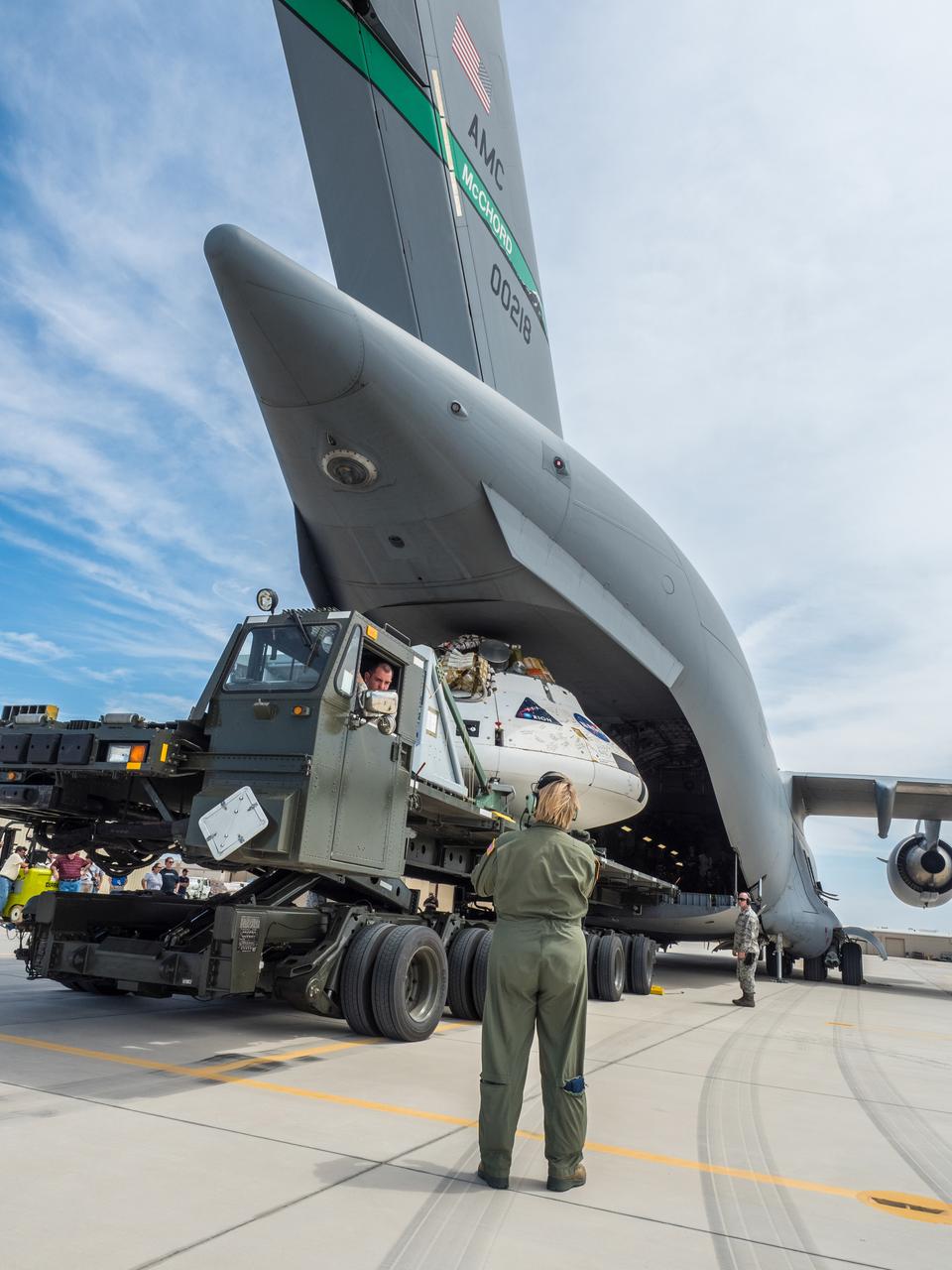
Engineers prepare to test the parachute system for NASA’s Orion spacecraft at the U.S. Army Yuma Proving Ground in Yuma, Arizona on Aug. 24, 2015. During the test, planned for Wednesday, Aug. 26, a C-17 aircraft will carry a representative Orion capsule to 35,000 feet in altitude and then drop it from its cargo bay. Engineers will test a scenario in which one of Orion’s two drogue parachutes, used to stabilize it in the air, does not deploy, and one of its three main parachutes, used to slow the capsule during the final stage of descent, also does not deploy. The risky test will provide data engineers will use as they gear up to qualify Orion’s parachutes for missions with astronauts. On Aug. 24, a C-17 was loaded with the test version of Orion, which has a similar mass and interfaces with the parachutes as the Orion being developed for deep space missions but is shorter on top to fit inside the aircraft. Part of Batch image transfer from Flickr.
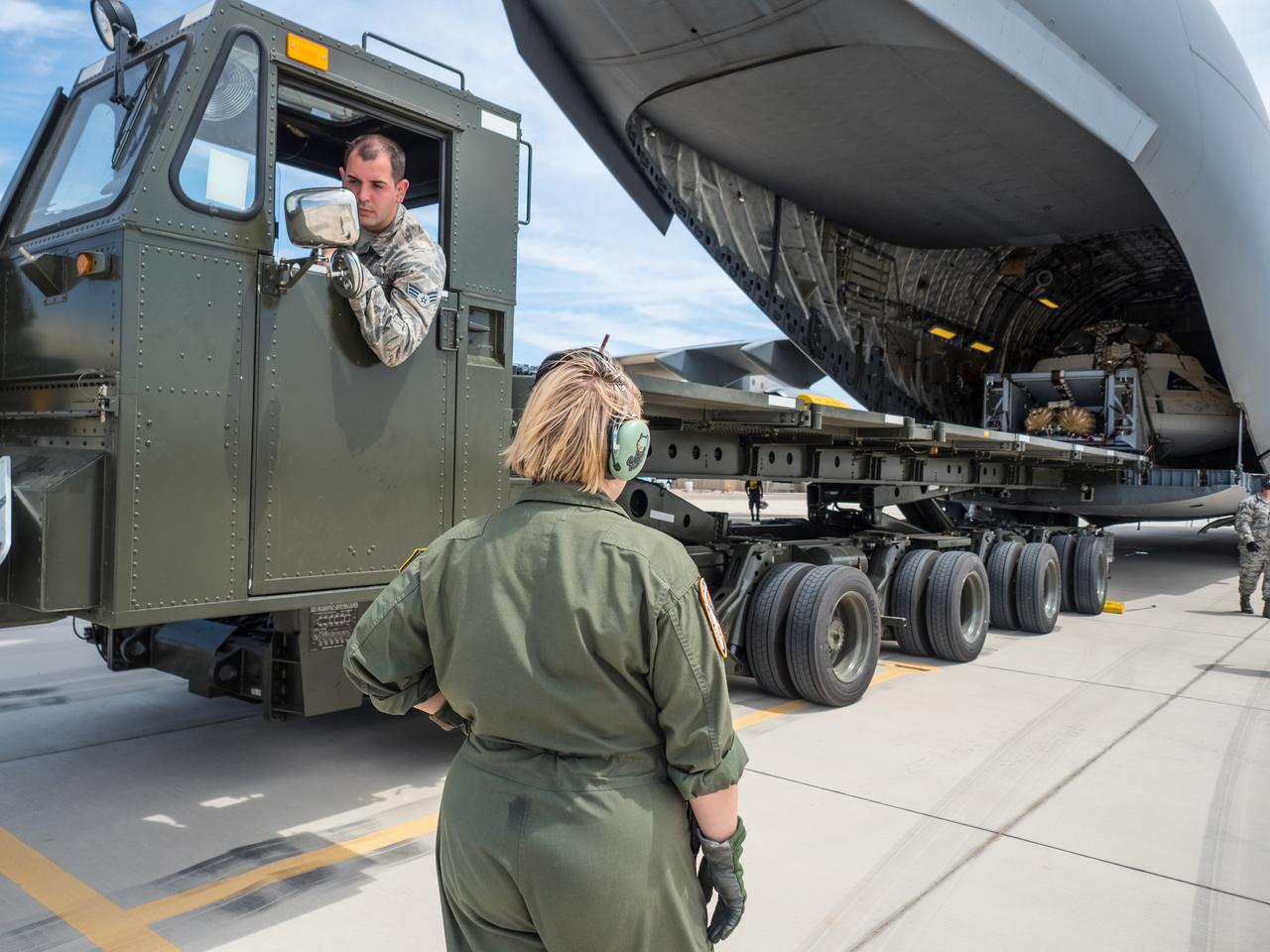
Engineers prepare to test the parachute system for NASA’s Orion spacecraft at the U.S. Army Yuma Proving Ground in Yuma, Arizona on Aug. 24, 2015. During the test, planned for Wednesday, Aug. 26, a C-17 aircraft will carry a representative Orion capsule to 35,000 feet in altitude and then drop it from its cargo bay. Engineers will test a scenario in which one of Orion’s two drogue parachutes, used to stabilize it in the air, does not deploy, and one of its three main parachutes, used to slow the capsule during the final stage of descent, also does not deploy. The risky test will provide data engineers will use as they gear up to qualify Orion’s parachutes for missions with astronauts. On Aug. 24, a C-17 was loaded with the test version of Orion, which has a similar mass and interfaces with the parachutes as the Orion being developed for deep space missions but is shorter on top to fit inside the aircraft. Part of Batch image transfer from Flickr.
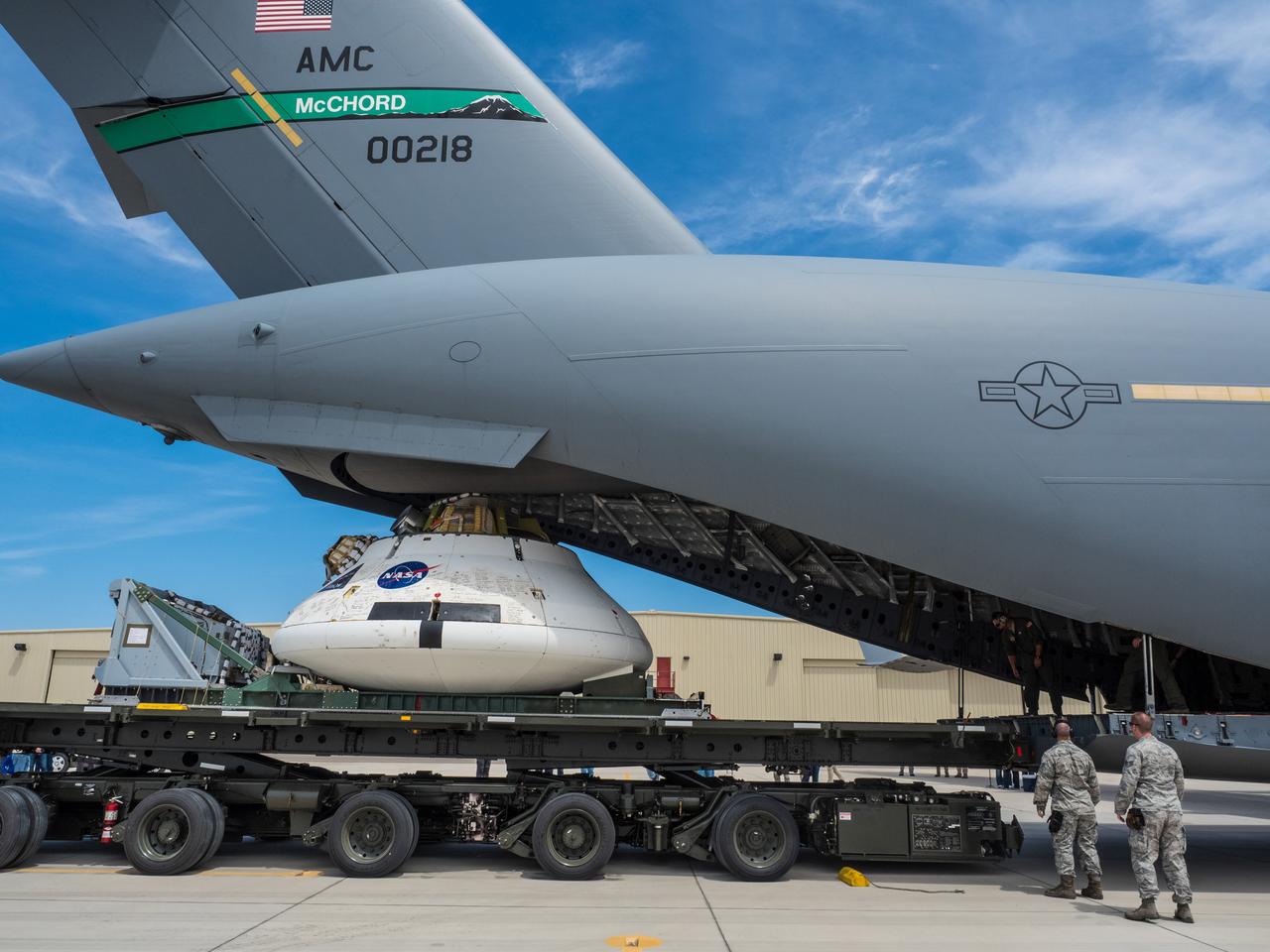
Engineers prepare to test the parachute system for NASA’s Orion spacecraft at the U.S. Army Yuma Proving Ground in Yuma, Arizona on Aug. 24, 2015. During the test, planned for Wednesday, Aug. 26, a C-17 aircraft will carry a representative Orion capsule to 35,000 feet in altitude and then drop it from its cargo bay. Engineers will test a scenario in which one of Orion’s two drogue parachutes, used to stabilize it in the air, does not deploy, and one of its three main parachutes, used to slow the capsule during the final stage of descent, also does not deploy. The risky test will provide data engineers will use as they gear up to qualify Orion’s parachutes for missions with astronauts. On Aug. 24, a C-17 was loaded with the test version of Orion, which has a similar mass and interfaces with the parachutes as the Orion being developed for deep space missions but is shorter on top to fit inside the aircraft. Part of Batch image transfer from Flickr.
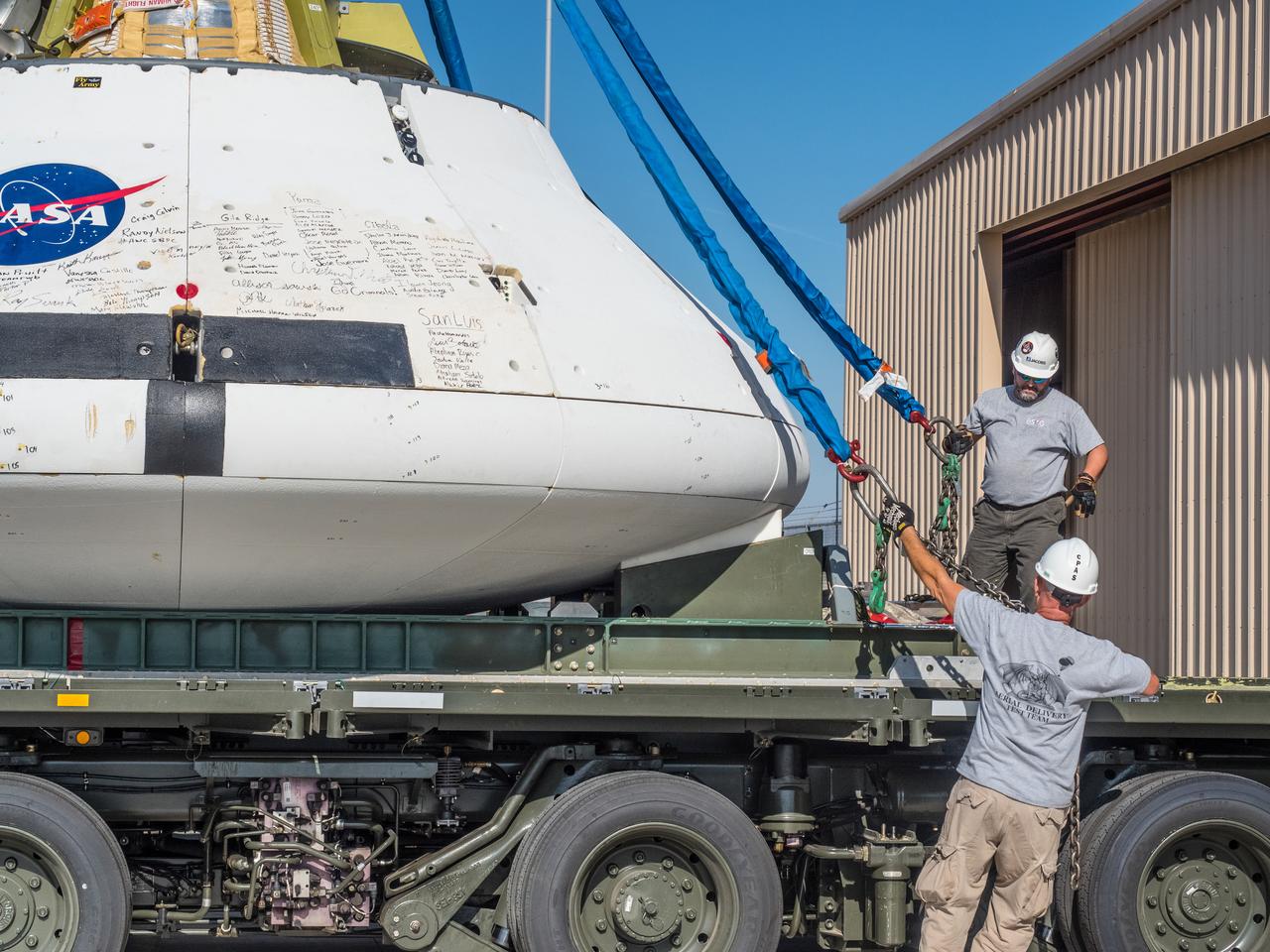
Engineers prepare to test the parachute system for NASA’s Orion spacecraft at the U.S. Army Yuma Proving Ground in Yuma, Arizona on Aug. 24, 2015. During the test, planned for Wednesday, Aug. 26, a C-17 aircraft will carry a representative Orion capsule to 35,000 feet in altitude and then drop it from its cargo bay. Engineers will test a scenario in which one of Orion’s two drogue parachutes, used to stabilize it in the air, does not deploy, and one of its three main parachutes, used to slow the capsule during the final stage of descent, also does not deploy. The risky test will provide data engineers will use as they gear up to qualify Orion’s parachutes for missions with astronauts. On Aug. 24, a C-17 was loaded with the test version of Orion, which has a similar mass and interfaces with the parachutes as the Orion being developed for deep space missions but is shorter on top to fit inside the aircraft. Part of Batch image transfer from Flickr.
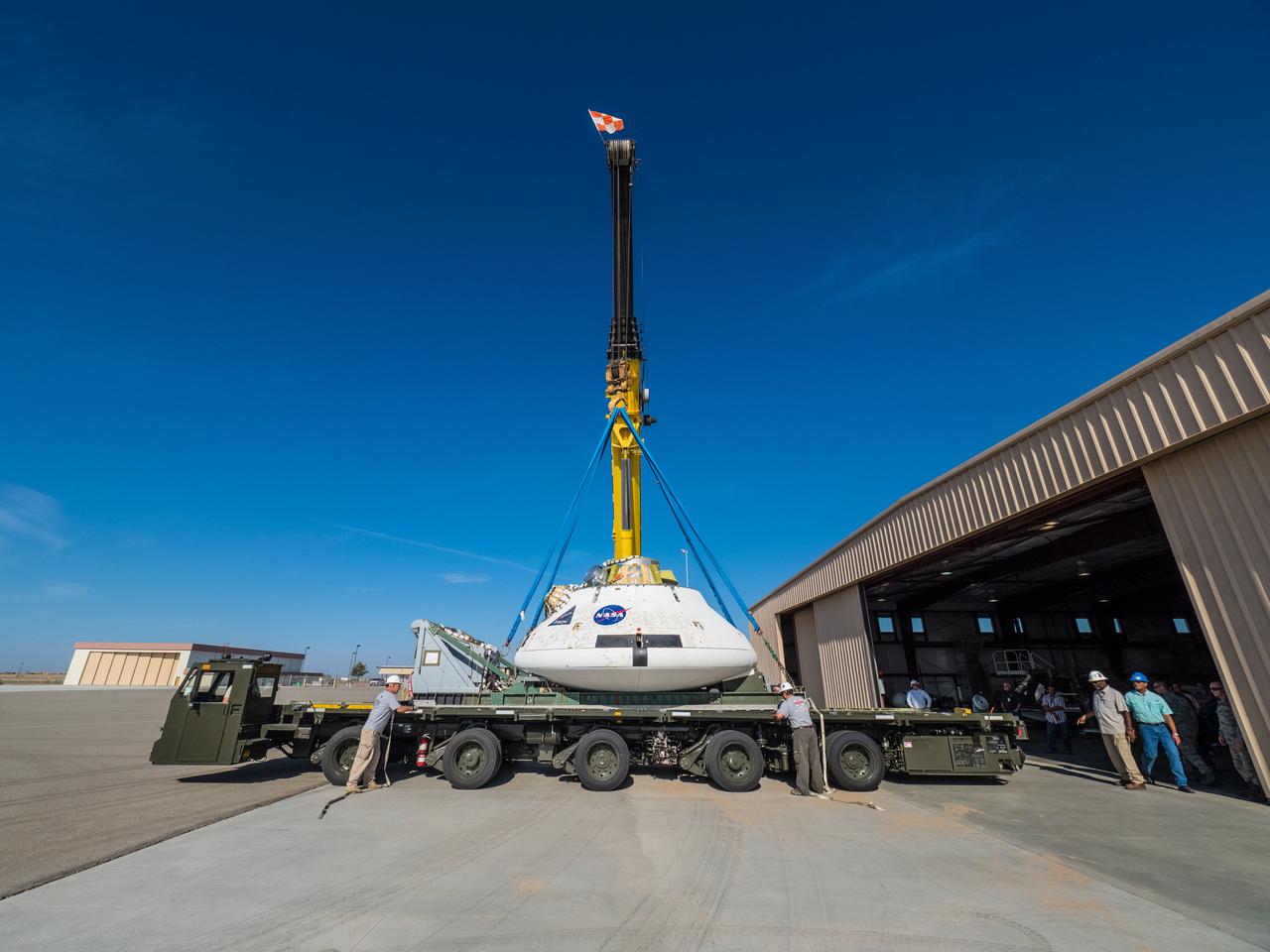
Engineers prepare to test the parachute system for NASA’s Orion spacecraft at the U.S. Army Yuma Proving Ground in Yuma, Arizona on Aug. 24, 2015. During the test, planned for Wednesday, Aug. 26, a C-17 aircraft will carry a representative Orion capsule to 35,000 feet in altitude and then drop it from its cargo bay. Engineers will test a scenario in which one of Orion’s two drogue parachutes, used to stabilize it in the air, does not deploy, and one of its three main parachutes, used to slow the capsule during the final stage of descent, also does not deploy. The risky test will provide data engineers will use as they gear up to qualify Orion’s parachutes for missions with astronauts. On Aug. 24, a C-17 was loaded with the test version of Orion, which has a similar mass and interfaces with the parachutes as the Orion being developed for deep space missions but is shorter on top to fit inside the aircraft. Part of Batch image transfer from Flickr.
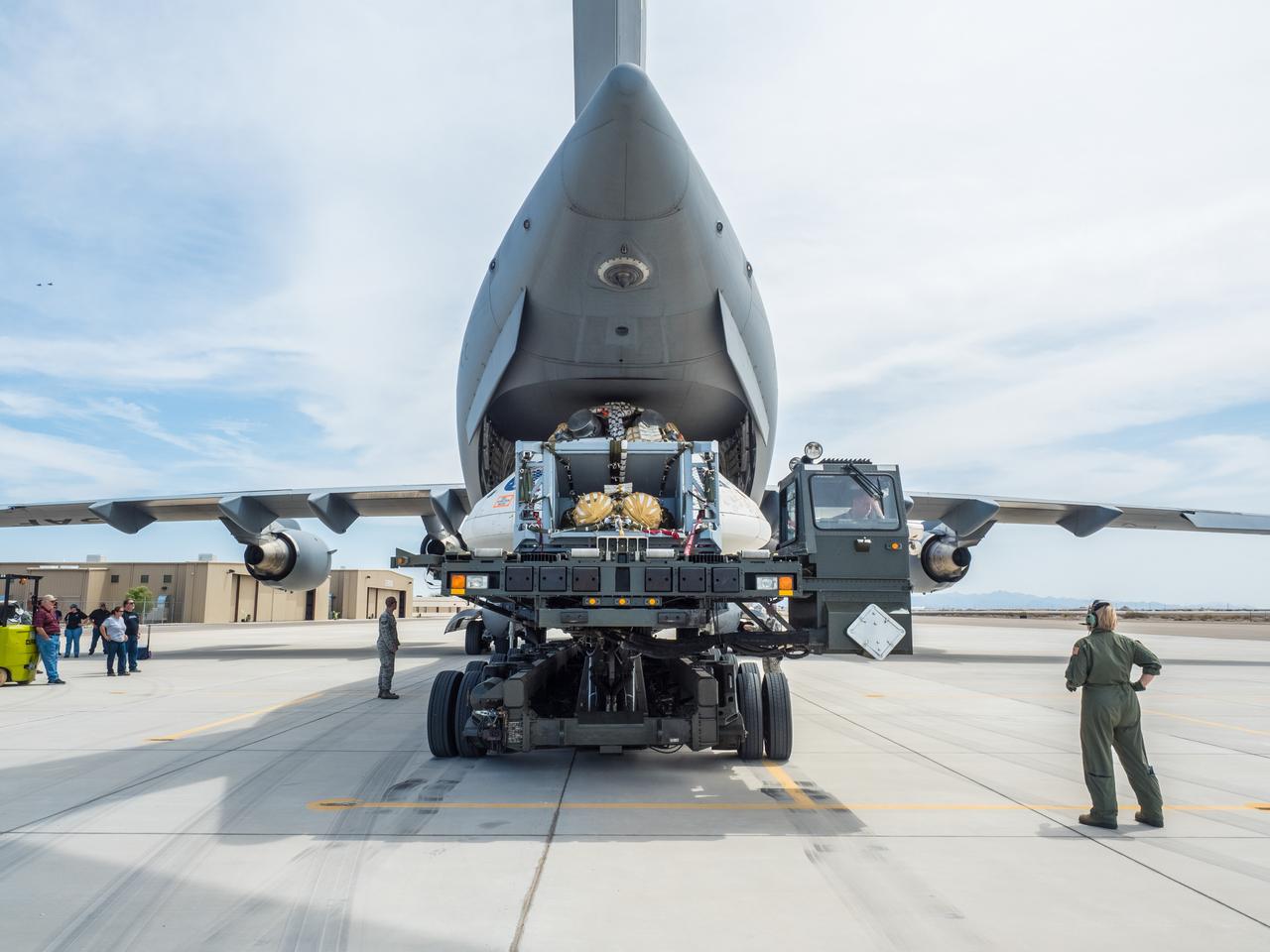
Engineers prepare to test the parachute system for NASA’s Orion spacecraft at the U.S. Army Yuma Proving Ground in Yuma, Arizona on Aug. 24, 2015. During the test, planned for Wednesday, Aug. 26, a C-17 aircraft will carry a representative Orion capsule to 35,000 feet in altitude and then drop it from its cargo bay. Engineers will test a scenario in which one of Orion’s two drogue parachutes, used to stabilize it in the air, does not deploy, and one of its three main parachutes, used to slow the capsule during the final stage of descent, also does not deploy. The risky test will provide data engineers will use as they gear up to qualify Orion’s parachutes for missions with astronauts. On Aug. 24, a C-17 was loaded with the test version of Orion, which has a similar mass and interfaces with the parachutes as the Orion being developed for deep space missions but is shorter on top to fit inside the aircraft. Part of Batch image transfer from Flickr.
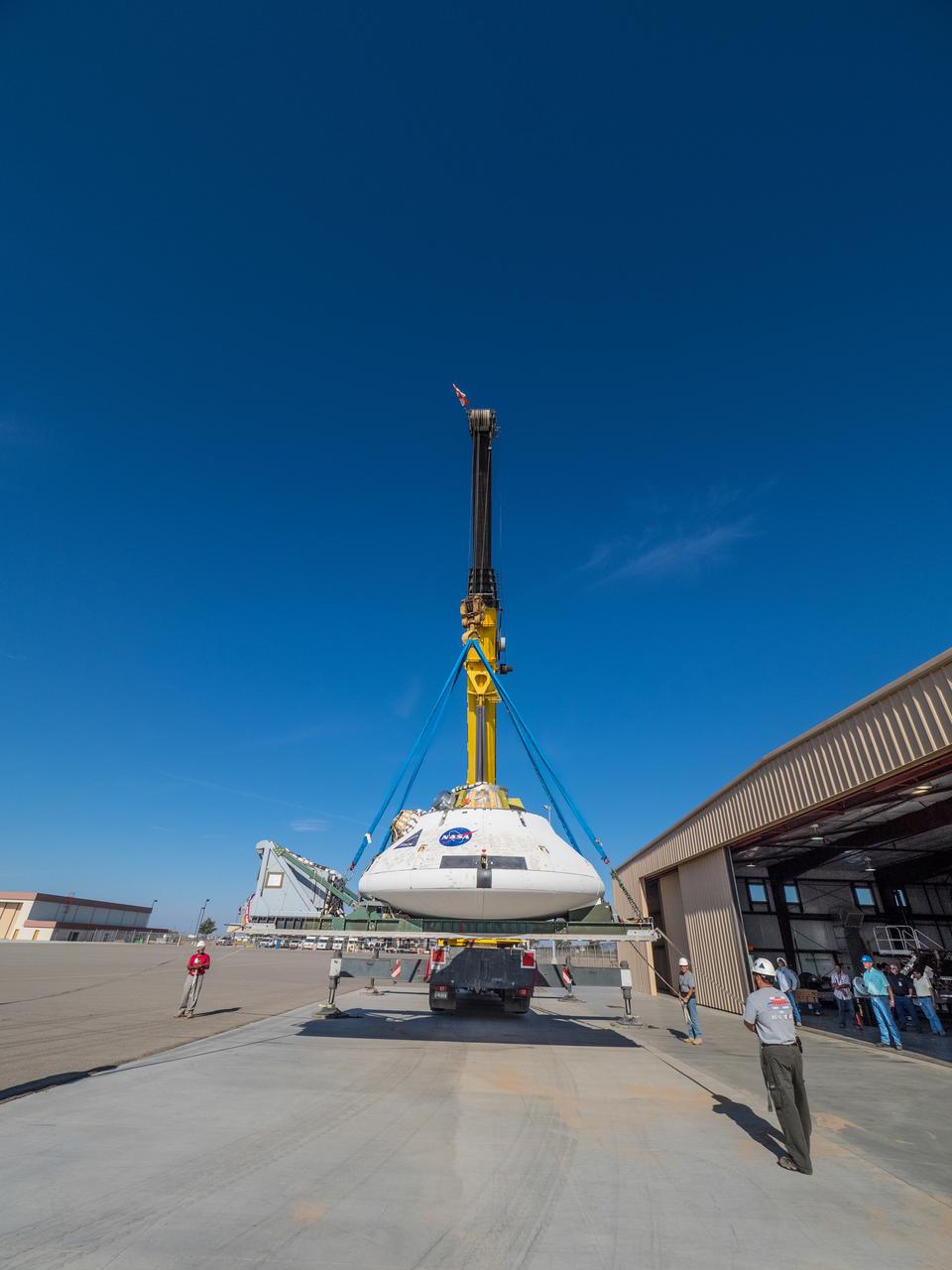
Engineers prepare to test the parachute system for NASA’s Orion spacecraft at the U.S. Army Yuma Proving Ground in Yuma, Arizona on Aug. 24, 2015. During the test, planned for Wednesday, Aug. 26, a C-17 aircraft will carry a representative Orion capsule to 35,000 feet in altitude and then drop it from its cargo bay. Engineers will test a scenario in which one of Orion’s two drogue parachutes, used to stabilize it in the air, does not deploy, and one of its three main parachutes, used to slow the capsule during the final stage of descent, also does not deploy. The risky test will provide data engineers will use as they gear up to qualify Orion’s parachutes for missions with astronauts. On Aug. 24, a C-17 was loaded with the test version of Orion, which has a similar mass and interfaces with the parachutes as the Orion being developed for deep space missions but is shorter on top to fit inside the aircraft. Part of Batch image transfer from Flickr.
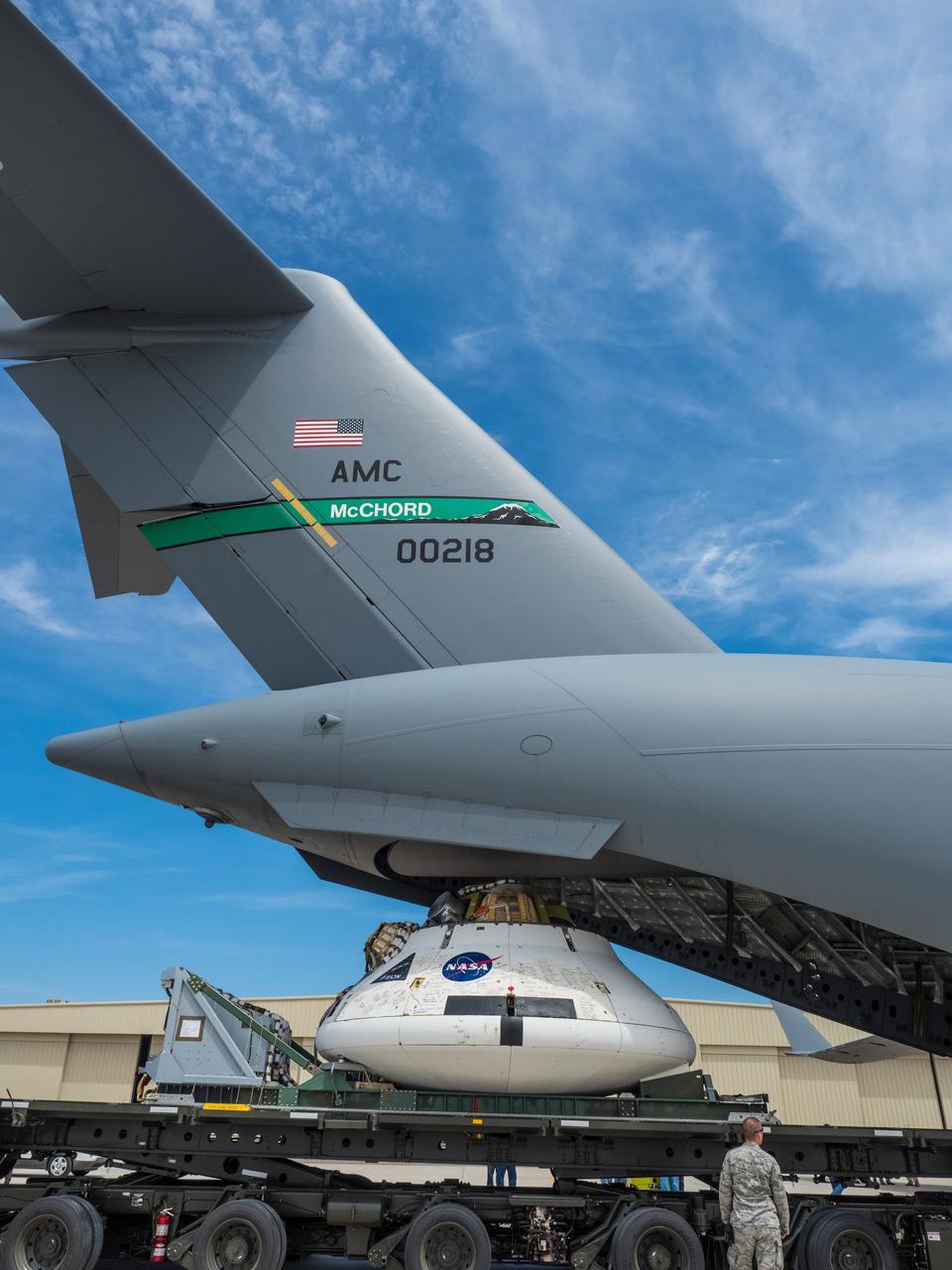
Engineers prepare to test the parachute system for NASA’s Orion spacecraft at the U.S. Army Yuma Proving Ground in Yuma, Arizona on Aug. 24, 2015. During the test, planned for Wednesday, Aug. 26, a C-17 aircraft will carry a representative Orion capsule to 35,000 feet in altitude and then drop it from its cargo bay. Engineers will test a scenario in which one of Orion’s two drogue parachutes, used to stabilize it in the air, does not deploy, and one of its three main parachutes, used to slow the capsule during the final stage of descent, also does not deploy. The risky test will provide data engineers will use as they gear up to qualify Orion’s parachutes for missions with astronauts. On Aug. 24, a C-17 was loaded with the test version of Orion, which has a similar mass and interfaces with the parachutes as the Orion being developed for deep space missions but is shorter on top to fit inside the aircraft. Part of Batch image transfer from Flickr.
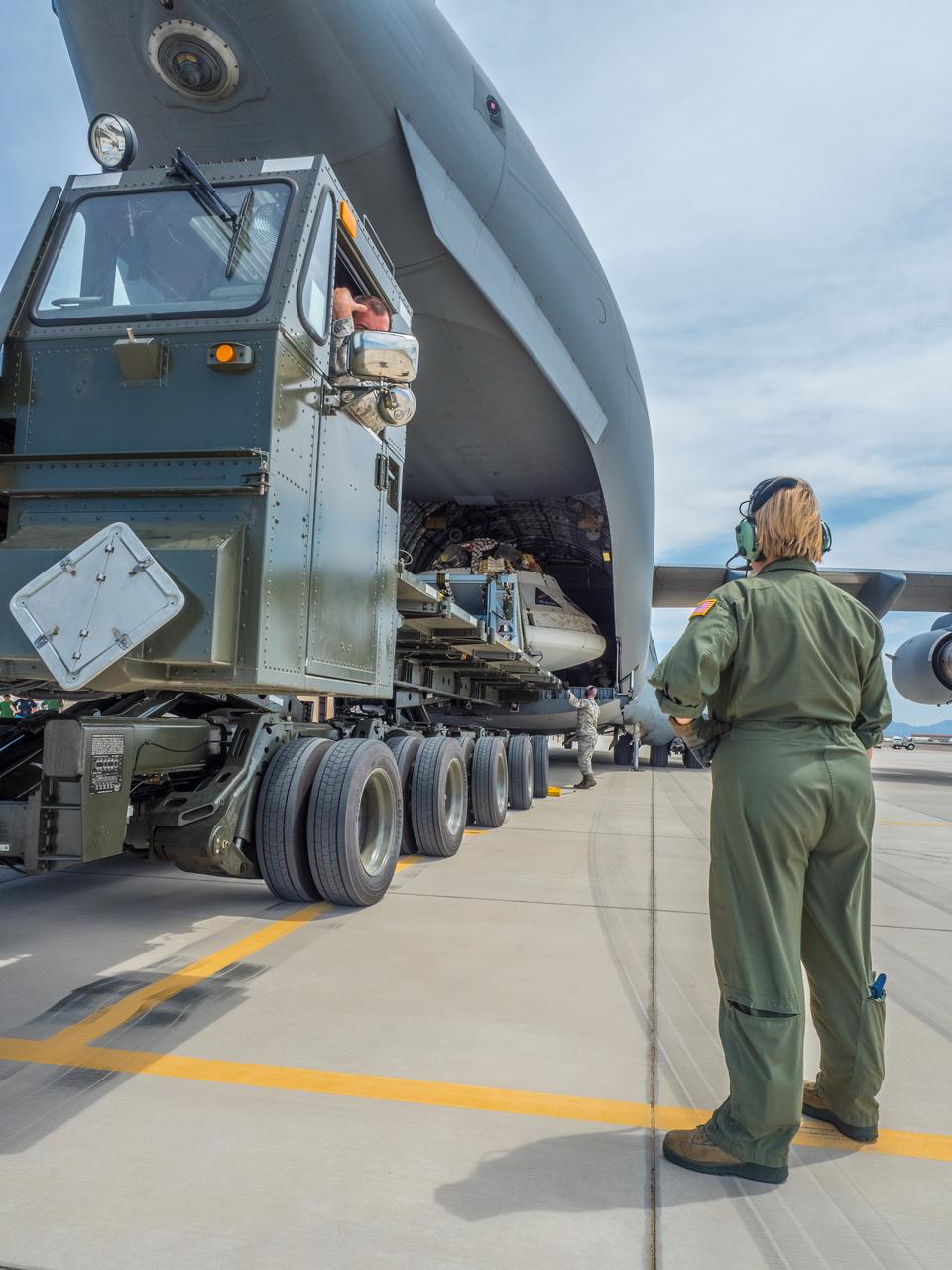
Engineers prepare to test the parachute system for NASA’s Orion spacecraft at the U.S. Army Yuma Proving Ground in Yuma, Arizona on Aug. 24, 2015. During the test, planned for Wednesday, Aug. 26, a C-17 aircraft will carry a representative Orion capsule to 35,000 feet in altitude and then drop it from its cargo bay. Engineers will test a scenario in which one of Orion’s two drogue parachutes, used to stabilize it in the air, does not deploy, and one of its three main parachutes, used to slow the capsule during the final stage of descent, also does not deploy. The risky test will provide data engineers will use as they gear up to qualify Orion’s parachutes for missions with astronauts. On Aug. 24, a C-17 was loaded with the test version of Orion, which has a similar mass and interfaces with the parachutes as the Orion being developed for deep space missions but is shorter on top to fit inside the aircraft. Part of Batch image transfer from Flickr.
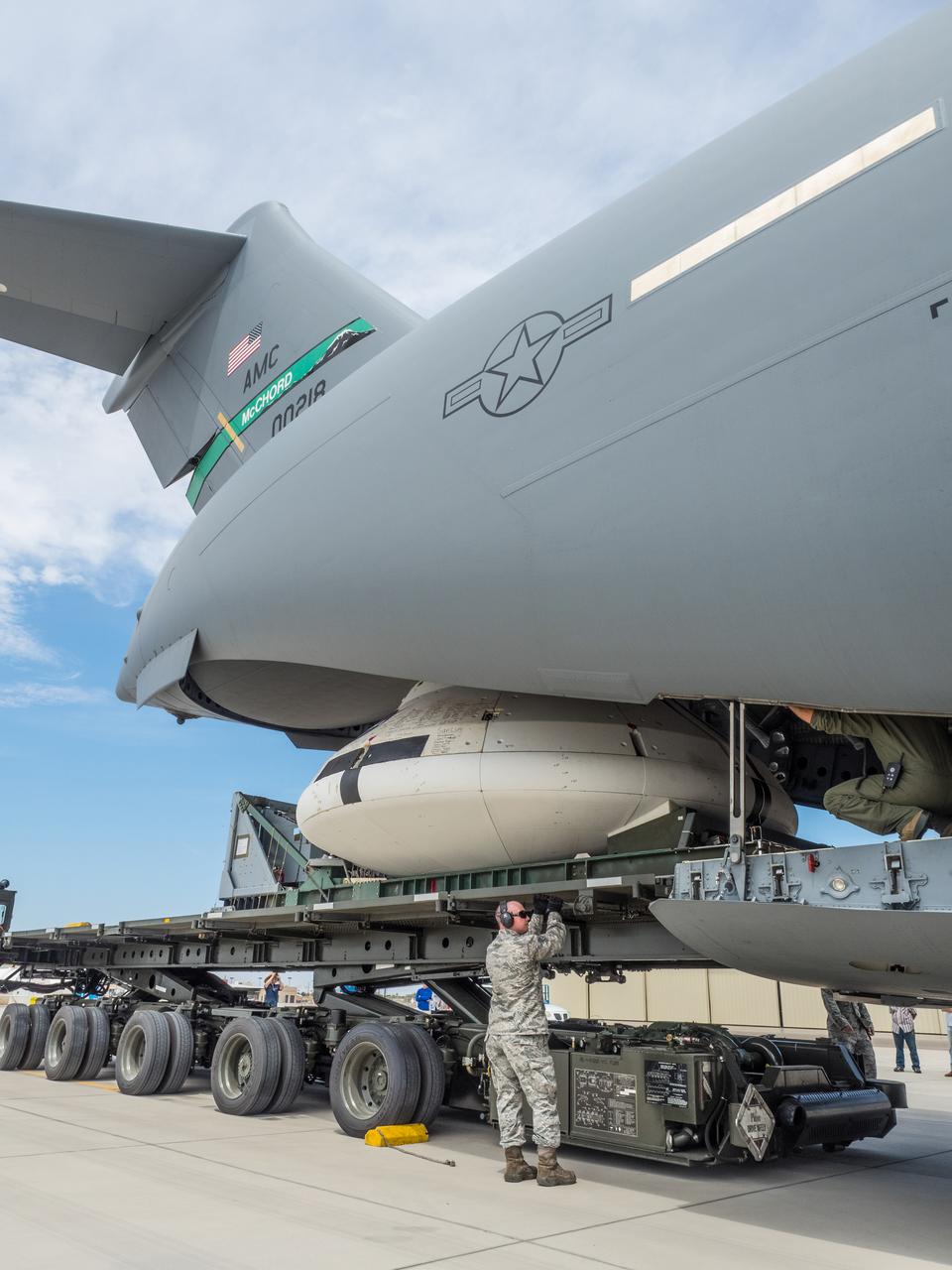
Engineers prepare to test the parachute system for NASA’s Orion spacecraft at the U.S. Army Yuma Proving Ground in Yuma, Arizona on Aug. 24, 2015. During the test, planned for Wednesday, Aug. 26, a C-17 aircraft will carry a representative Orion capsule to 35,000 feet in altitude and then drop it from its cargo bay. Engineers will test a scenario in which one of Orion’s two drogue parachutes, used to stabilize it in the air, does not deploy, and one of its three main parachutes, used to slow the capsule during the final stage of descent, also does not deploy. The risky test will provide data engineers will use as they gear up to qualify Orion’s parachutes for missions with astronauts. On Aug. 24, a C-17 was loaded with the test version of Orion, which has a similar mass and interfaces with the parachutes as the Orion being developed for deep space missions but is shorter on top to fit inside the aircraft. Part of Batch image transfer from Flickr.
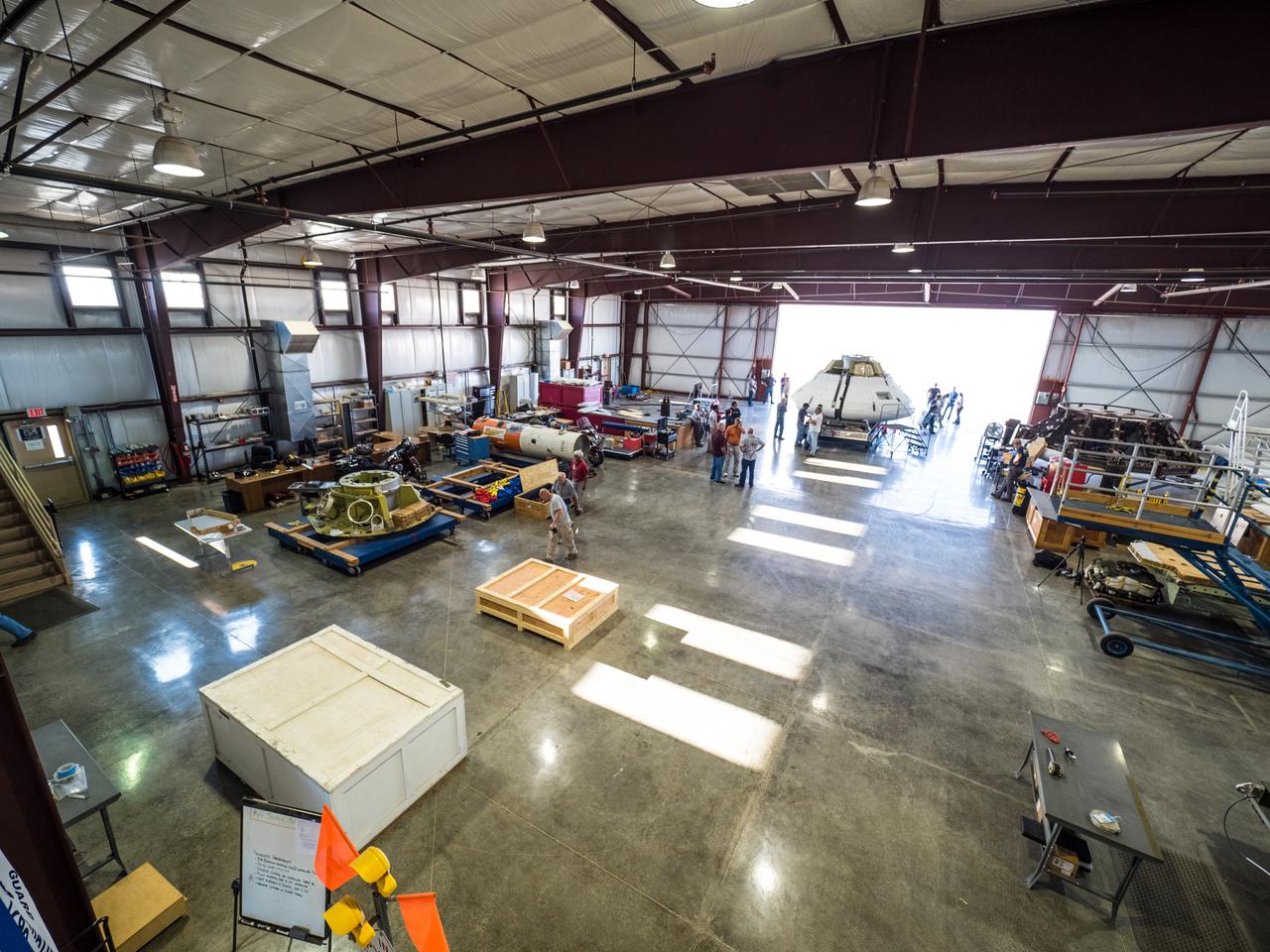
Engineers prepare to test the parachute system for NASA’s Orion spacecraft at the U.S. Army Yuma Proving Ground in Yuma, Arizona on Aug. 24, 2015. During the test, planned for Wednesday, Aug. 26, a C-17 aircraft will carry a representative Orion capsule to 35,000 feet in altitude and then drop it from its cargo bay. Engineers will test a scenario in which one of Orion’s two drogue parachutes, used to stabilize it in the air, does not deploy, and one of its three main parachutes, used to slow the capsule during the final stage of descent, also does not deploy. The risky test will provide data engineers will use as they gear up to qualify Orion’s parachutes for missions with astronauts. On Aug. 24, a C-17 was loaded with the test version of Orion, which has a similar mass and interfaces with the parachutes as the Orion being developed for deep space missions but is shorter on top to fit inside the aircraft. Part of Batch image transfer from Flickr.
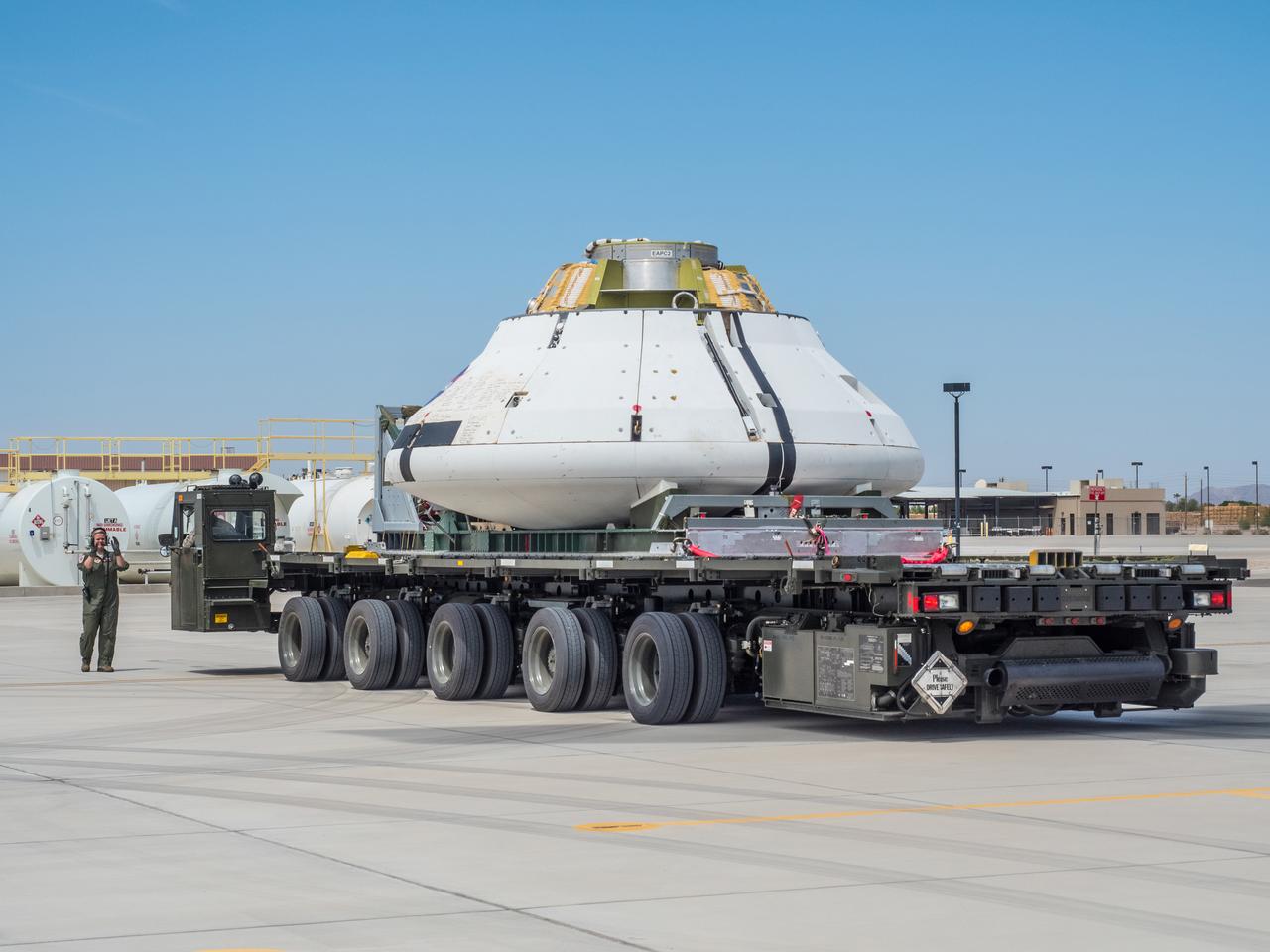
Engineers prepare to test the parachute system for NASA’s Orion spacecraft at the U.S. Army Yuma Proving Ground in Yuma, Arizona on Aug. 24, 2015. During the test, planned for Wednesday, Aug. 26, a C-17 aircraft will carry a representative Orion capsule to 35,000 feet in altitude and then drop it from its cargo bay. Engineers will test a scenario in which one of Orion’s two drogue parachutes, used to stabilize it in the air, does not deploy, and one of its three main parachutes, used to slow the capsule during the final stage of descent, also does not deploy. The risky test will provide data engineers will use as they gear up to qualify Orion’s parachutes for missions with astronauts. On Aug. 24, a C-17 was loaded with the test version of Orion, which has a similar mass and interfaces with the parachutes as the Orion being developed for deep space missions but is shorter on top to fit inside the aircraft. Part of Batch image transfer from Flickr.
Engineers prepare to test the parachute system for NASA’s Orion spacecraft at the U.S. Army Yuma Proving Ground in Yuma, Arizona on Aug. 24, 2015. During the test, planned for Wednesday, Aug. 26, a C-17 aircraft will carry a representative Orion capsule to 35,000 feet in altitude and then drop it from its cargo bay. Engineers will test a scenario in which one of Orion’s two drogue parachutes, used to stabilize it in the air, does not deploy, and one of its three main parachutes, used to slow the capsule during the final stage of descent, also does not deploy. The risky test will provide data engineers will use as they gear up to qualify Orion’s parachutes for missions with astronauts. On Aug. 24, a C-17 was loaded with the test version of Orion, which has a similar mass and interfaces with the parachutes as the Orion being developed for deep space missions but is shorter on top to fit inside the aircraft. Part of Batch image transfer from Flickr.
Engineers prepare to test the parachute system for NASA’s Orion spacecraft at the U.S. Army Yuma Proving Ground in Yuma, Arizona on Aug. 24, 2015. During the test, planned for Wednesday, Aug. 26, a C-17 aircraft will carry a representative Orion capsule to 35,000 feet in altitude and then drop it from its cargo bay. Engineers will test a scenario in which one of Orion’s two drogue parachutes, used to stabilize it in the air, does not deploy, and one of its three main parachutes, used to slow the capsule during the final stage of descent, also does not deploy. The risky test will provide data engineers will use as they gear up to qualify Orion’s parachutes for missions with astronauts. On Aug. 24, a C-17 was loaded with the test version of Orion, which has a similar mass and interfaces with the parachutes as the Orion being developed for deep space missions but is shorter on top to fit inside the aircraft. Part of Batch image transfer from Flickr.
Engineers prepare to test the parachute system for NASA’s Orion spacecraft at the U.S. Army Yuma Proving Ground in Yuma, Arizona on Aug. 24, 2015. During the test, planned for Wednesday, Aug. 26, a C-17 aircraft will carry a representative Orion capsule to 35,000 feet in altitude and then drop it from its cargo bay. Engineers will test a scenario in which one of Orion’s two drogue parachutes, used to stabilize it in the air, does not deploy, and one of its three main parachutes, used to slow the capsule during the final stage of descent, also does not deploy. The risky test will provide data engineers will use as they gear up to qualify Orion’s parachutes for missions with astronauts. On Aug. 24, a C-17 was loaded with the test version of Orion, which has a similar mass and interfaces with the parachutes as the Orion being developed for deep space missions but is shorter on top to fit inside the aircraft. Part of Batch image transfer from Flickr.
Engineers prepare to test the parachute system for NASA’s Orion spacecraft at the U.S. Army Yuma Proving Ground in Yuma, Arizona on Aug. 24, 2015. During the test, planned for Wednesday, Aug. 26, a C-17 aircraft will carry a representative Orion capsule to 35,000 feet in altitude and then drop it from its cargo bay. Engineers will test a scenario in which one of Orion’s two drogue parachutes, used to stabilize it in the air, does not deploy, and one of its three main parachutes, used to slow the capsule during the final stage of descent, also does not deploy. The risky test will provide data engineers will use as they gear up to qualify Orion’s parachutes for missions with astronauts. On Aug. 24, a C-17 was loaded with the test version of Orion, which has a similar mass and interfaces with the parachutes as the Orion being developed for deep space missions but is shorter on top to fit inside the aircraft. Part of Batch image transfer from Flickr.
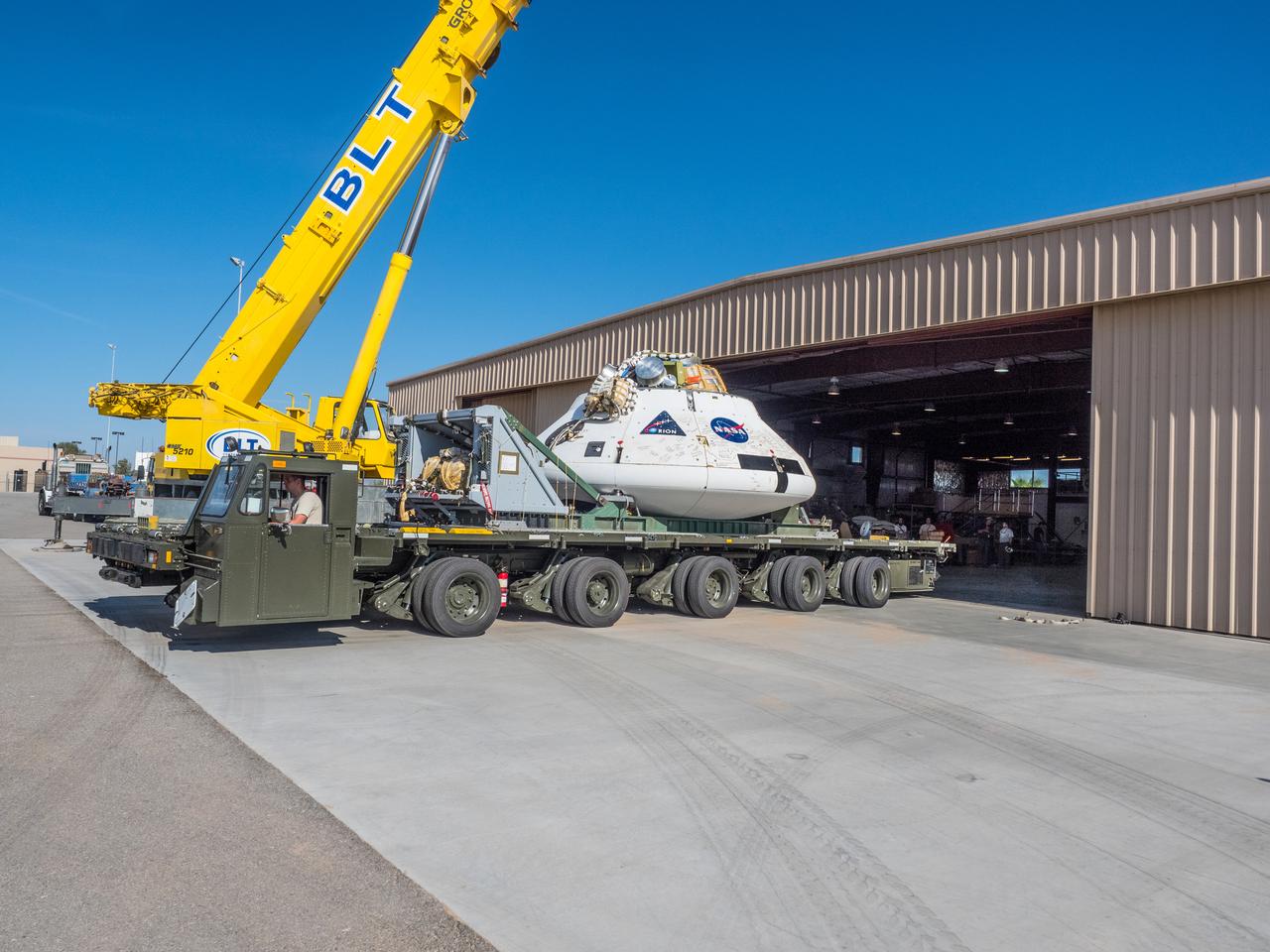
Engineers prepare to test the parachute system for NASA’s Orion spacecraft at the U.S. Army Yuma Proving Ground in Yuma, Arizona on Aug. 24, 2015. During the test, planned for Wednesday, Aug. 26, a C-17 aircraft will carry a representative Orion capsule to 35,000 feet in altitude and then drop it from its cargo bay. Engineers will test a scenario in which one of Orion’s two drogue parachutes, used to stabilize it in the air, does not deploy, and one of its three main parachutes, used to slow the capsule during the final stage of descent, also does not deploy. The risky test will provide data engineers will use as they gear up to qualify Orion’s parachutes for missions with astronauts. On Aug. 24, a C-17 was loaded with the test version of Orion, which has a similar mass and interfaces with the parachutes as the Orion being developed for deep space missions but is shorter on top to fit inside the aircraft. Part of Batch image transfer from Flickr.
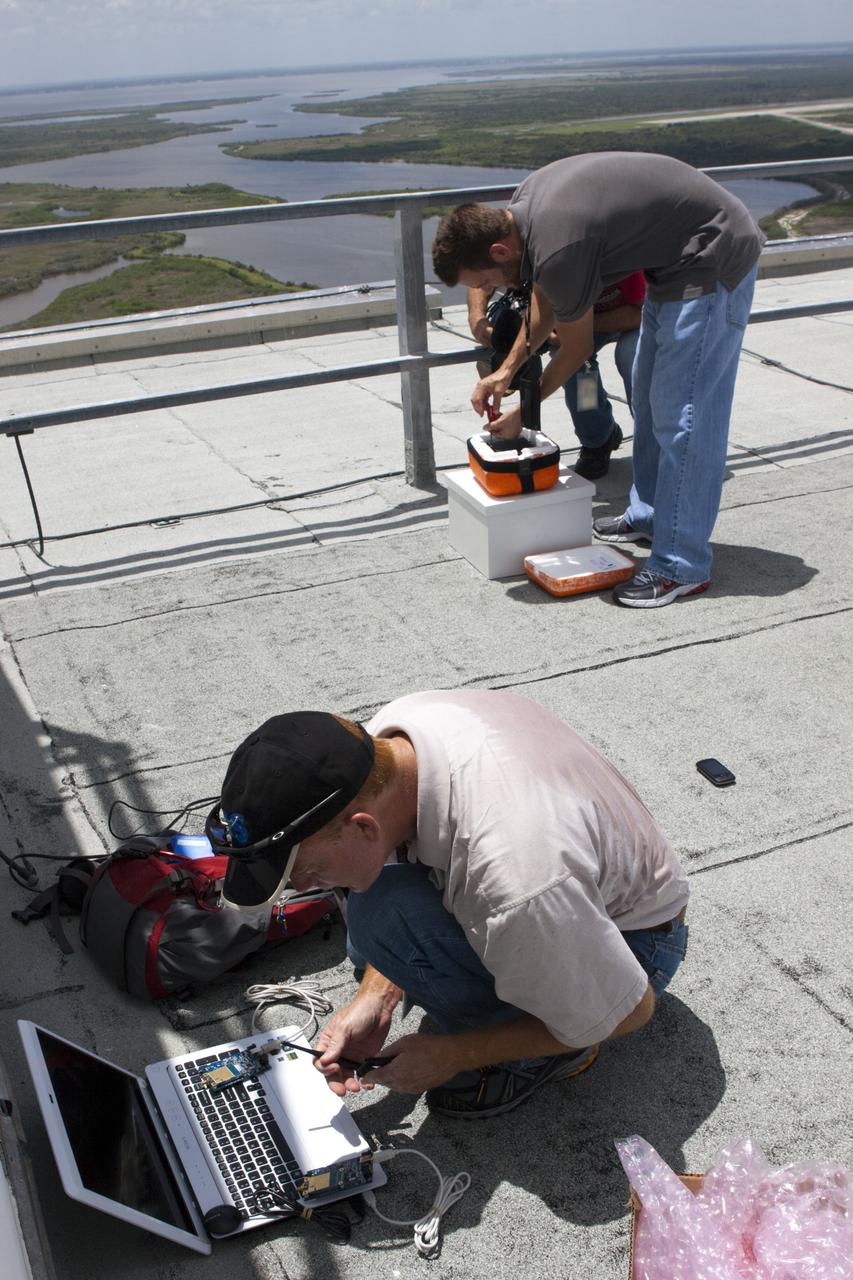
CAPE CANAVERAL, Fla. – Karl Stolleis, left and Nick Pack prepare an instrument package for testing as part of a high-altitude balloon flight for the Rocket University program. The test flight was used to evaluate the stability of an instrumented capsule as it fell to Earth before its parachute opened. Rocket University is a program of courses, workshops, labs and projects offered to engineering and research pros of all stripes to keep their skills fresh and broaden their experiences. Photo credit: NASA/Jim Grossmann
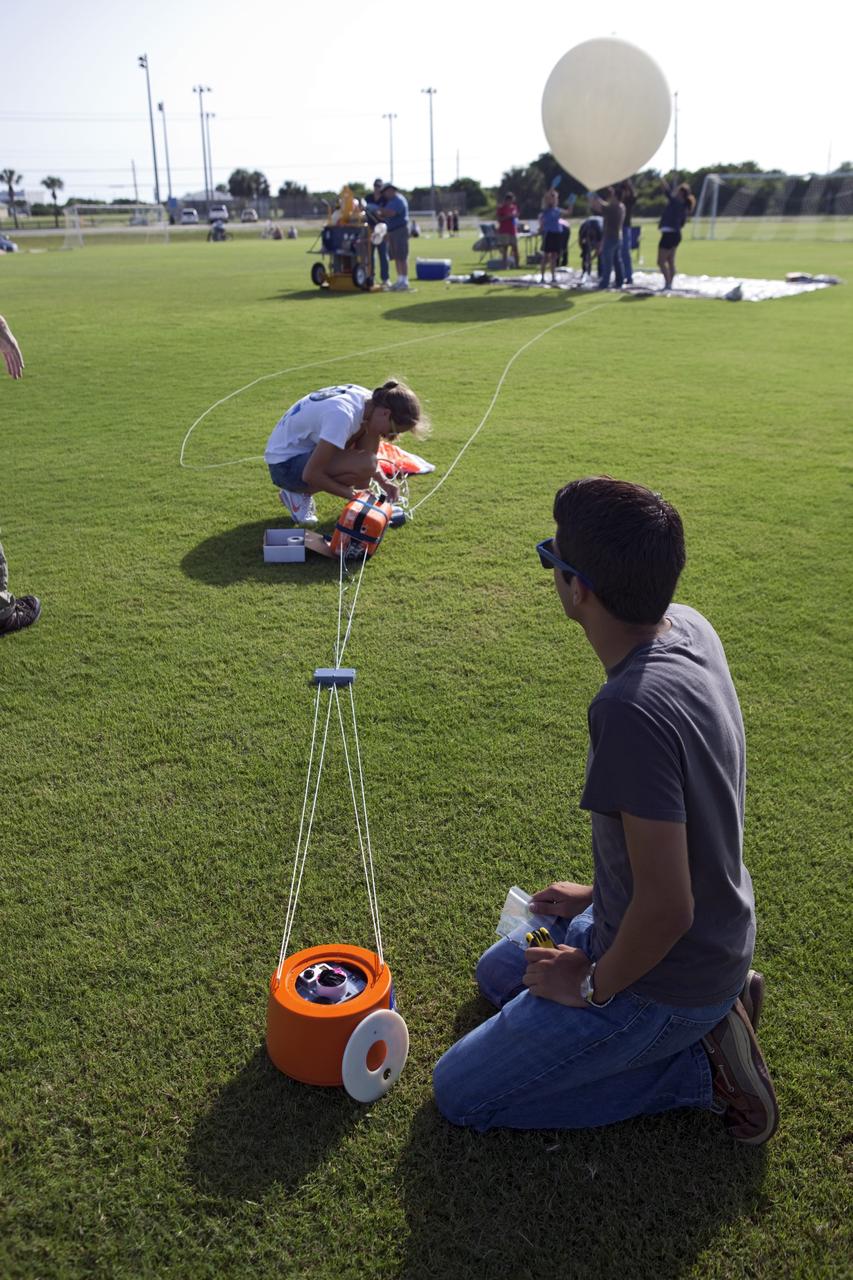
CAPE CANAVERAL, Fla. – Alejandro Azocar, foreground, and Page Attany, Rocket University participants, prepare an instrument package to launch on a high-altitude balloon flight. The test flight was used to evaluate the stability of an instrumented capsule as it fell to Earth before its parachute opened. Rocket University is a program of courses, workshops, labs and projects offered to engineering and research pros of all stripes to keep their skills fresh and broaden their experiences. Photo credit: NASA/Jim Grossmann
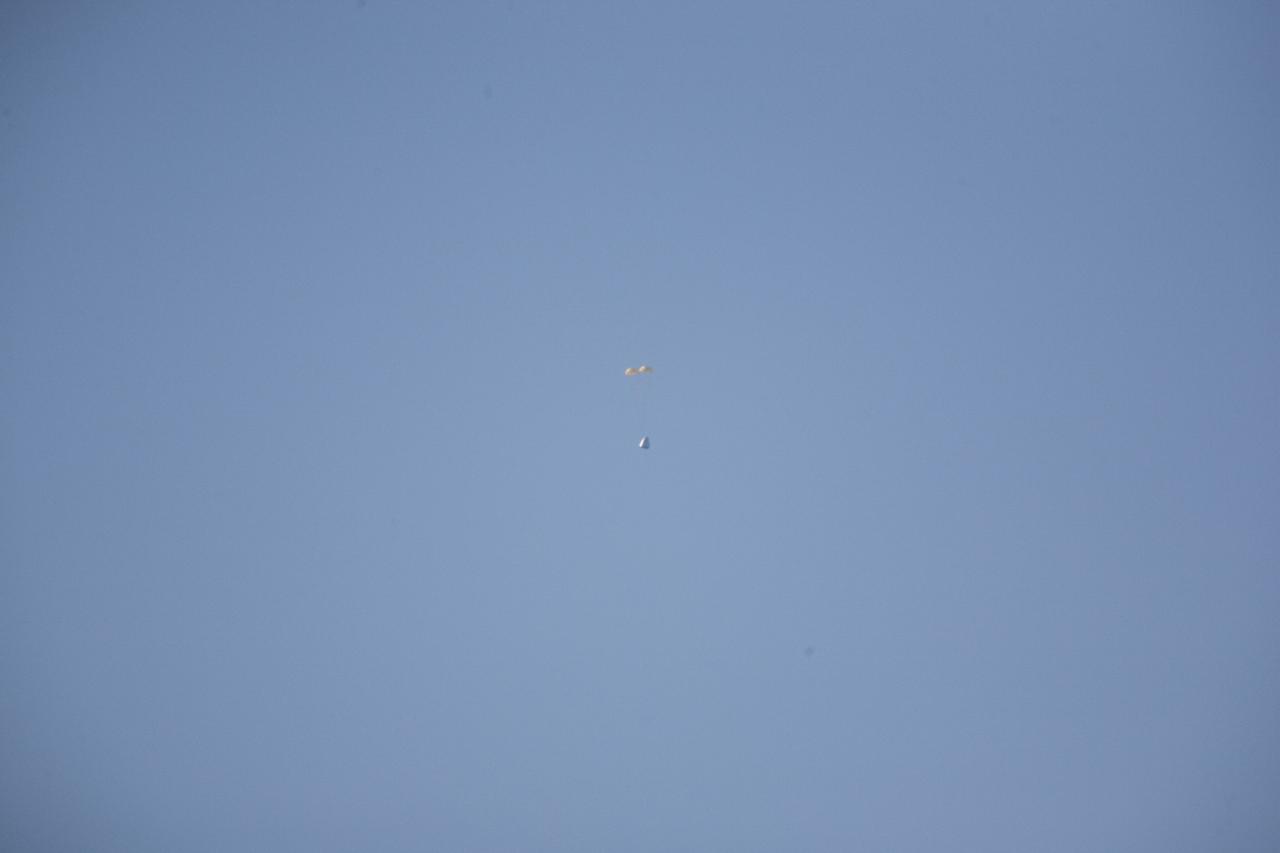
MORRO BAY, Calif. – Drogue chutes open above Dragon test article during a test to evaluate the spacecraft's parachute deployment system. The drogue chutes stabilized the vehicle, in preparation for main chute deployment as part of a milestone under SpaceX's Commercial Crew Integrated Capability agreement with NASA's Commercial Crew Program. Photo credit: NASA/Kim Shiflett
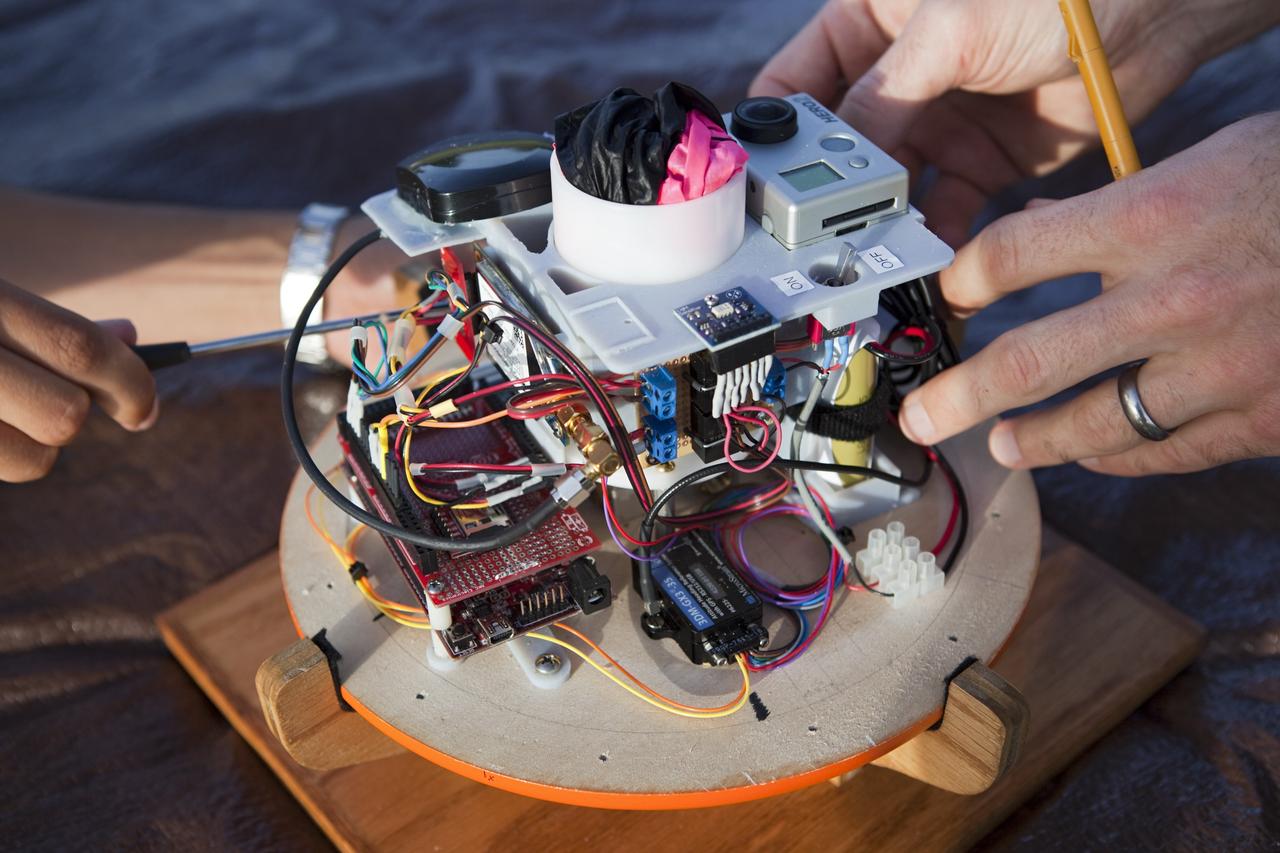
CAPE CANAVERAL, Fla. – The instrument package built by Rocket University participants for a high-altitude balloon flight. The test flight was used to evaluate the stability of an instrumented capsule as it fell to Earth before its parachute opened. Rocket University is a program of courses, workshops, labs and projects offered to engineering and research pros of all stripes to keep their skills fresh and broaden their experiences. Photo credit: NASA/Jim Grossmann
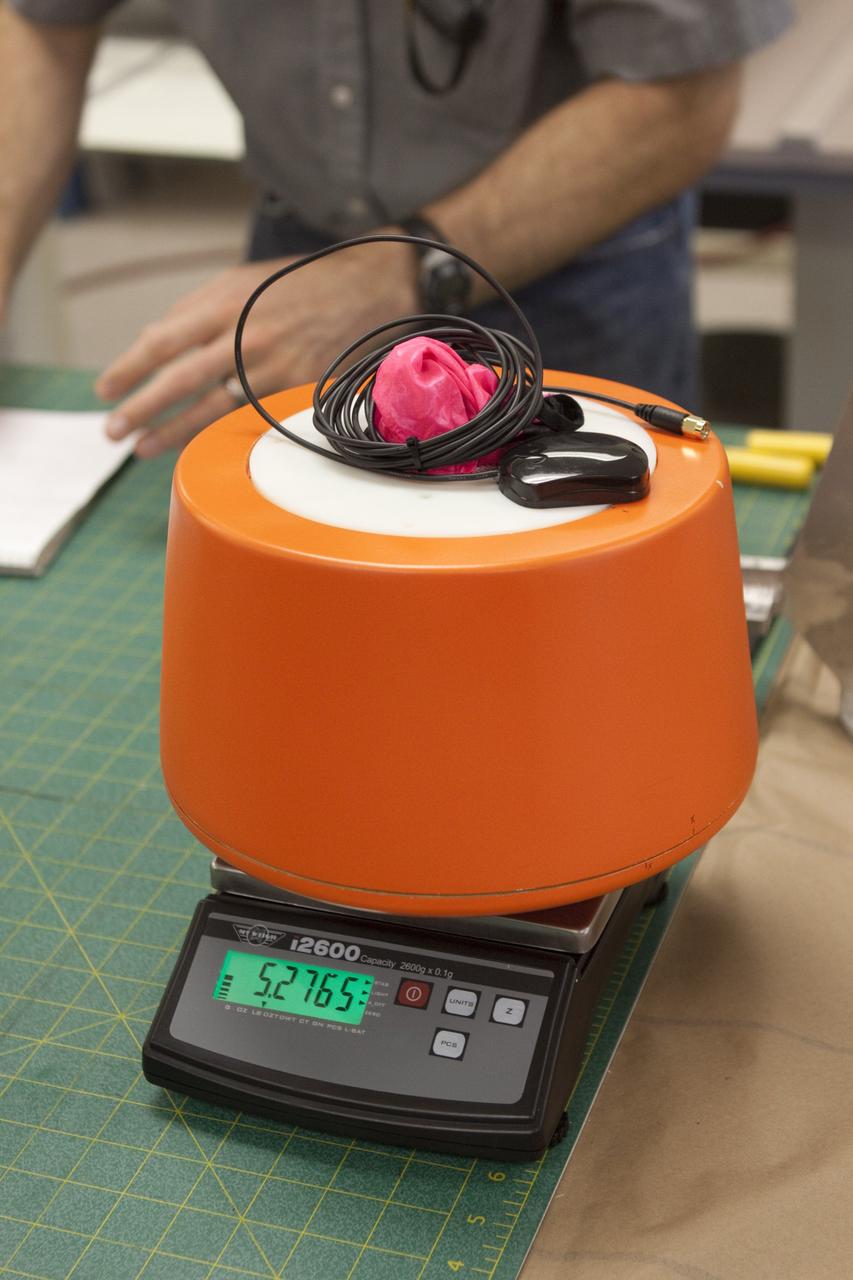
CAPE CANAVERAL, Fla. – The instrument package and capsule built by Rocket University participants for a high-altitude balloon flight. The test flight was used to evaluate the stability of an instrumented capsule as it fell to Earth before its parachute opened. Rocket University is a program of courses, workshops, labs and projects offered to engineering and research pros of all stripes to keep their skills fresh and broaden their experiences. Photo credit: NASA/Jim Grossmann

CAPE CANAVERAL, Fla. – Karl Stolleis prepares an instrument package for testing as part of a high-altitude balloon flight for the Rocket University program. The test flight was used to evaluate the stability of an instrumented capsule as it fell to Earth before its parachute opened. Rocket University is a program of courses, workshops, labs and projects offered to engineering and research pros of all stripes to keep their skills fresh and broaden their experiences. Photo credit: NASA/Jim Grossmann
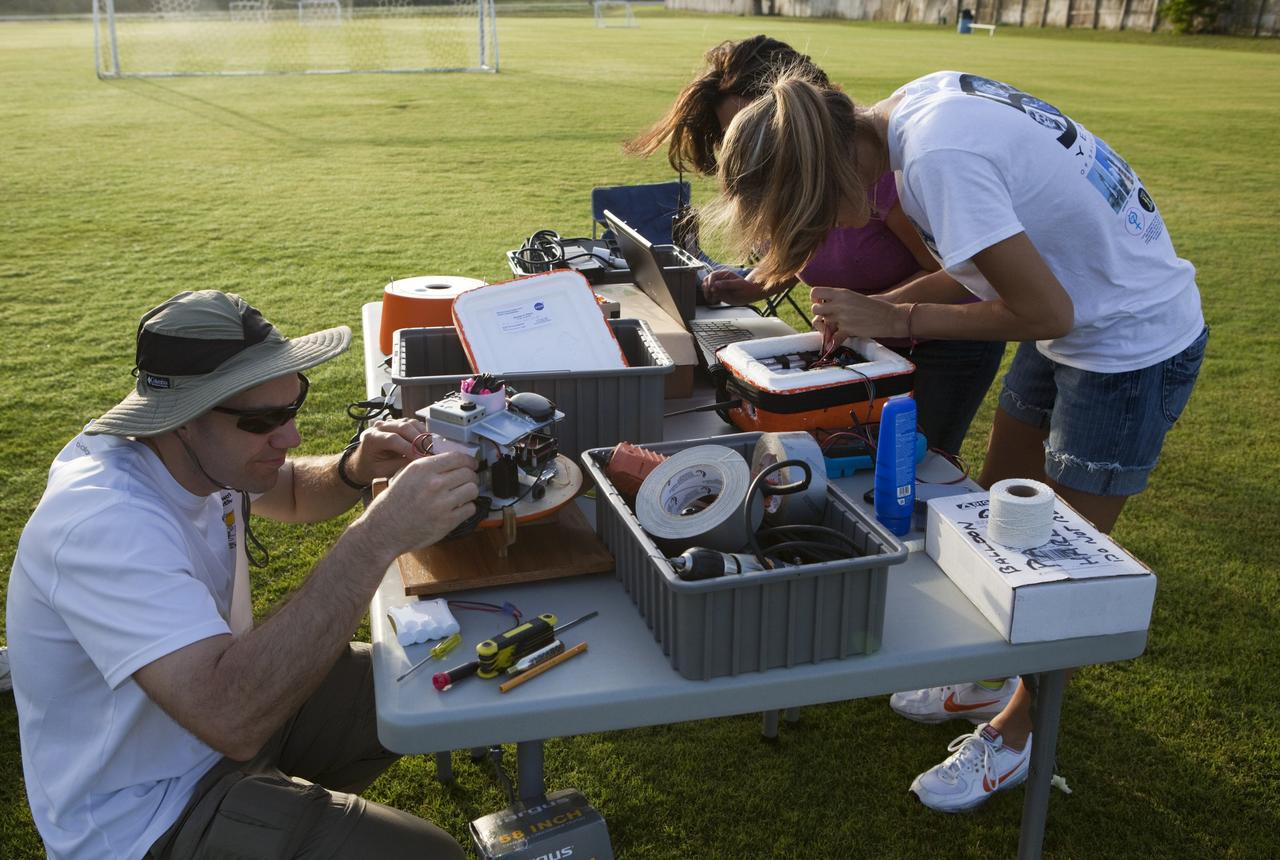
CAPE CANAVERAL, Fla. – Ron Sterick, left to right, Nicole Otermat and Page Attany, participants in the Rocket University program, prepare an instrument package to launch on a high-altitude balloon flight. The test flight was used to evaluate the stability of an instrumented capsule as it fell to Earth before its parachute opened. Rocket University is a program of courses, workshops, labs and projects offered to engineering and research pros of all stripes to keep their skills fresh and broaden their experiences. Photo credit: NASA/Jim Grossmann
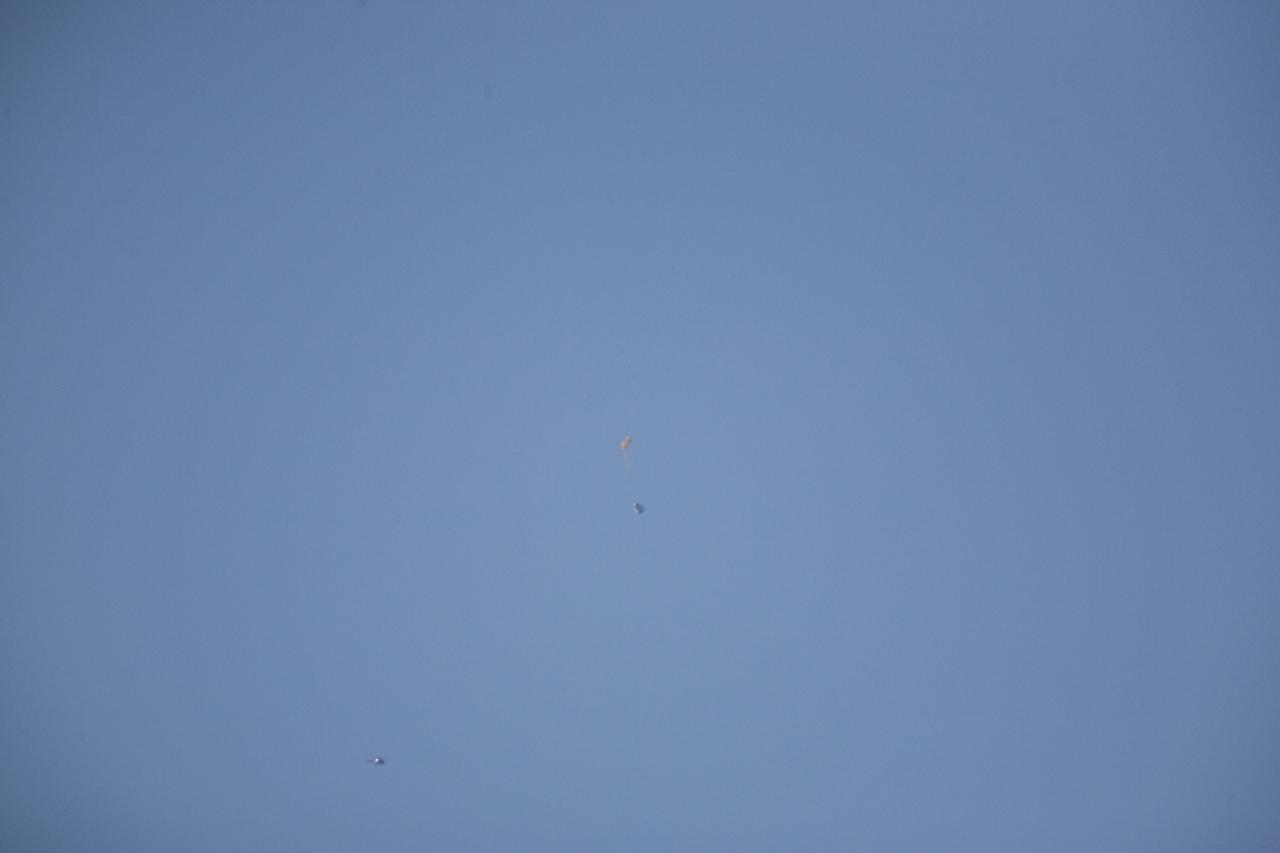
MORRO BAY, Calif. – Drogue chutes open above Dragon test article during a test to evaluate the spacecraft's parachute deployment system. The drogue chutes stabilized the vehicle, in preparation for main chute deployment as part of a milestone under SpaceX's Commercial Crew Integrated Capability agreement with NASA's Commercial Crew Program. Photo credit: NASA/Kim Shiflett
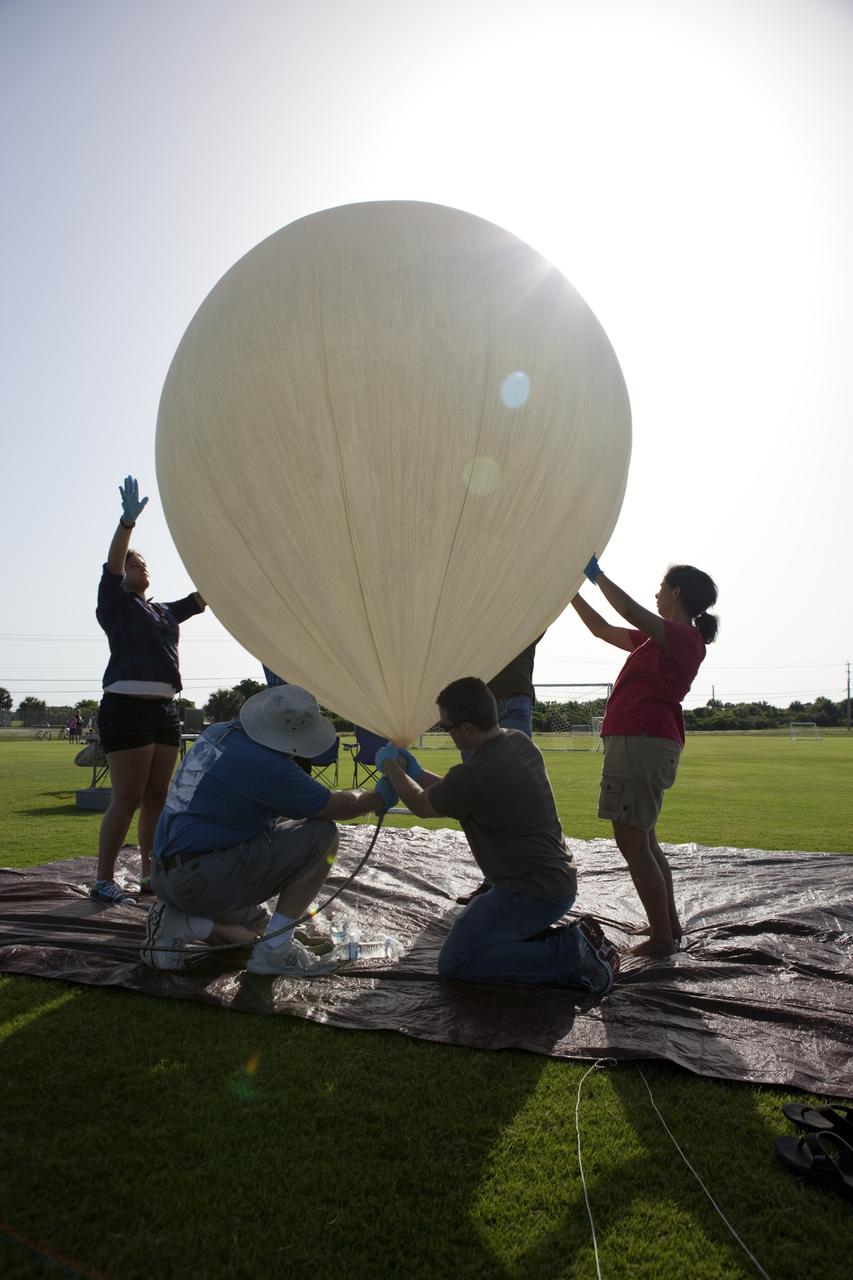
CAPE CANAVERAL, Fla. – Rocket University participants prepare to launch a high-altitude balloon flight and instrument package. The test flight was used to evaluate the stability of an instrumented capsule as it fell to Earth before its parachute opened. Rocket University is a program of courses, workshops, labs and projects offered to engineering and research pros of all stripes to keep their skills fresh and broaden their experiences. Photo credit: NASA/Jim Grossmann
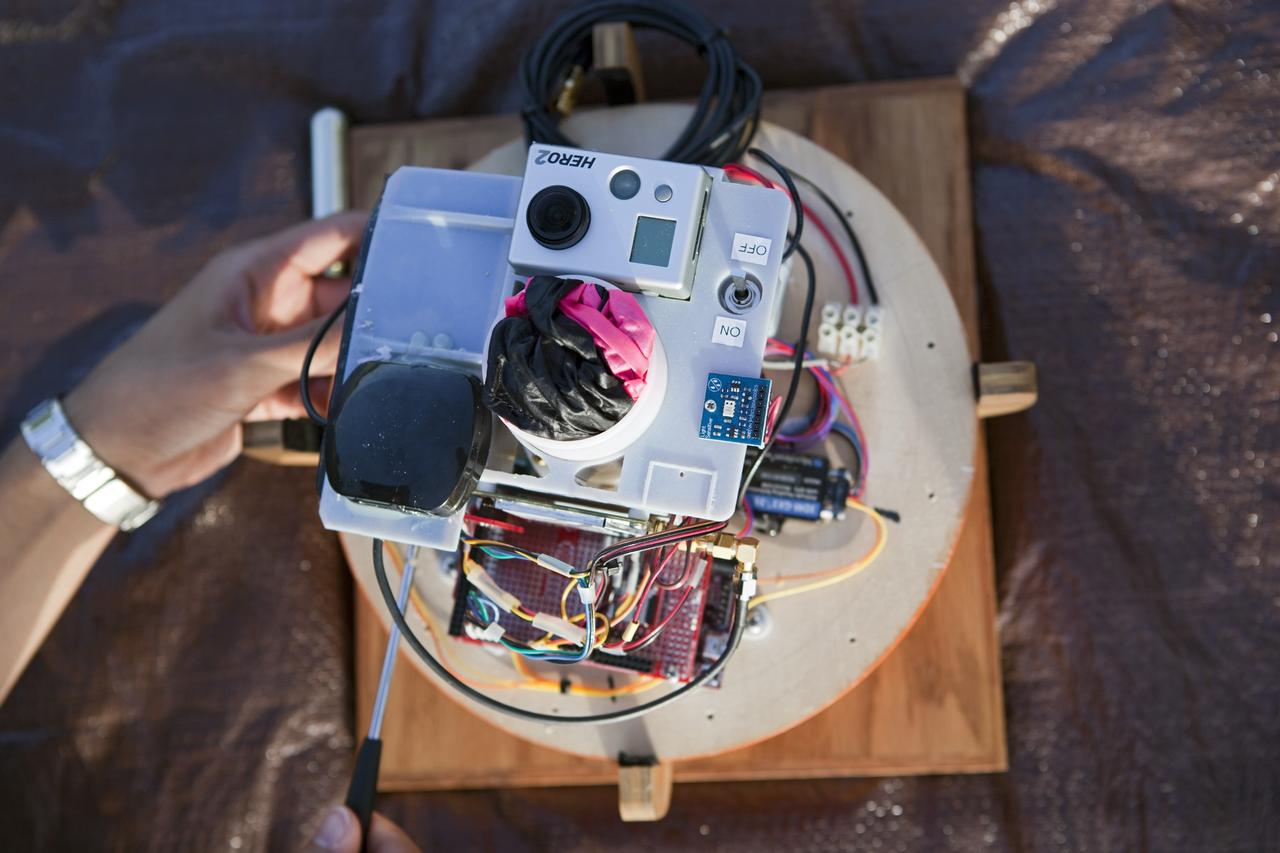
CAPE CANAVERAL, Fla. – The instrument package built by Rocket University participants for a high-altitude balloon flight. The test flight was used to evaluate the stability of an instrumented capsule as it fell to Earth before its parachute opened. Rocket University is a program of courses, workshops, labs and projects offered to engineering and research pros of all stripes to keep their skills fresh and broaden their experiences. Photo credit: NASA/Jim Grossmann
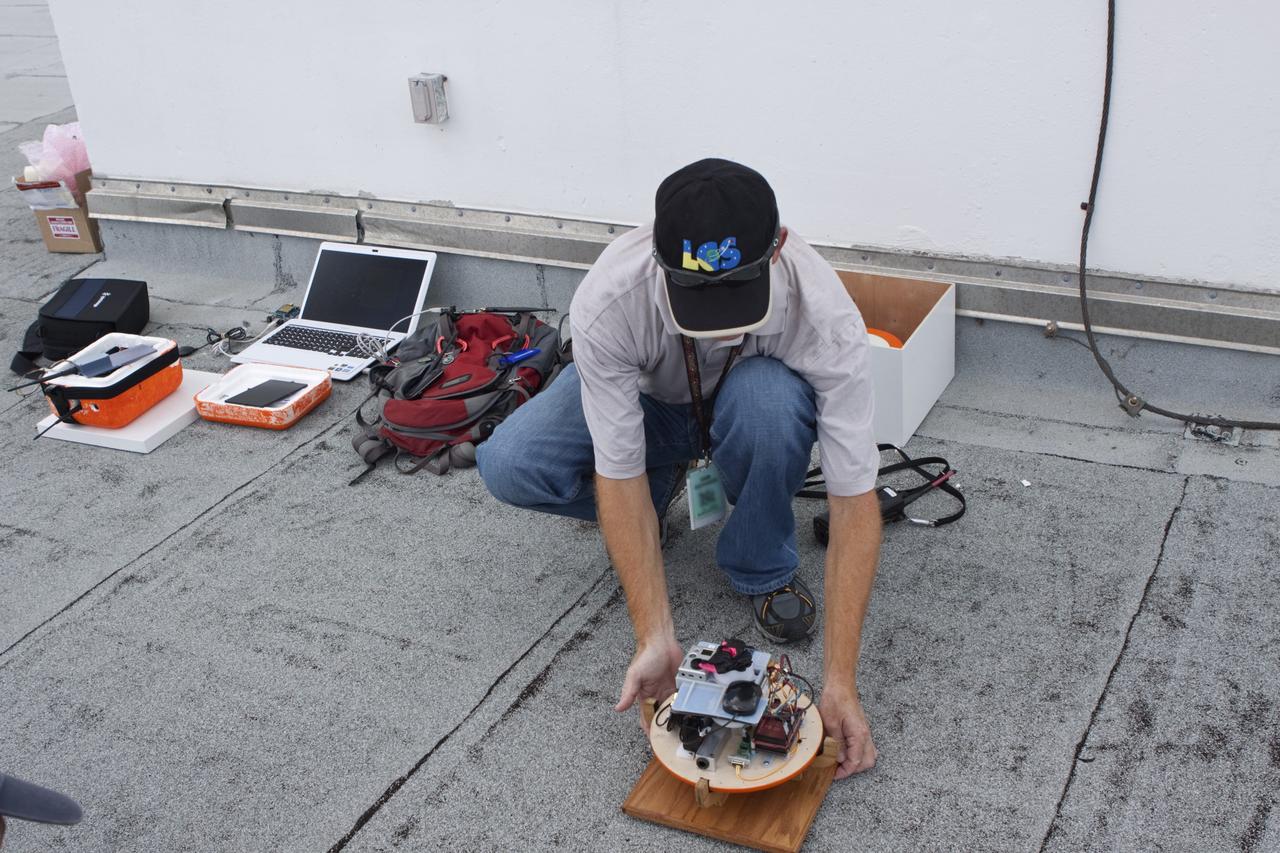
CAPE CANAVERAL, Fla. – Karl Stolleis prepares an instrument package for testing as part of a high-altitude balloon flight for the Rocket University program. The test flight was used to evaluate the stability of an instrumented capsule as it fell to Earth before its parachute opened. Rocket University is a program of courses, workshops, labs and projects offered to engineering and research pros of all stripes to keep their skills fresh and broaden their experiences. Photo credit: NASA/Jim Grossmann
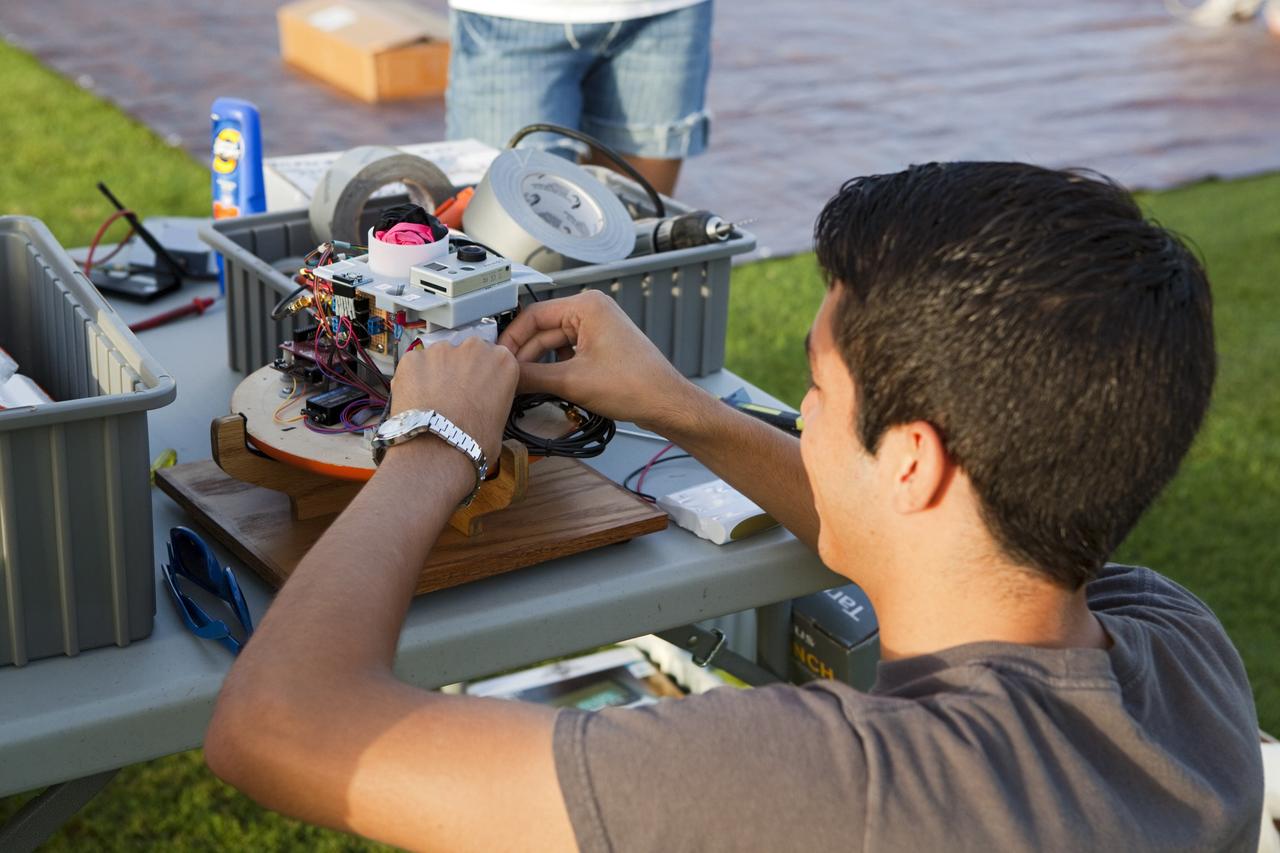
CAPE CANAVERAL, Fla. – Alejandro Azocar, a Rocket University participant, prepares an instrument package to launch on a high-altitude balloon flight. The test flight was used to evaluate the stability of an instrumented capsule as it fell to Earth before its parachute opened. Rocket University is a program of courses, workshops, labs and projects offered to engineering and research pros of all stripes to keep their skills fresh and broaden their experiences. Photo credit: NASA/Jim Grossmann
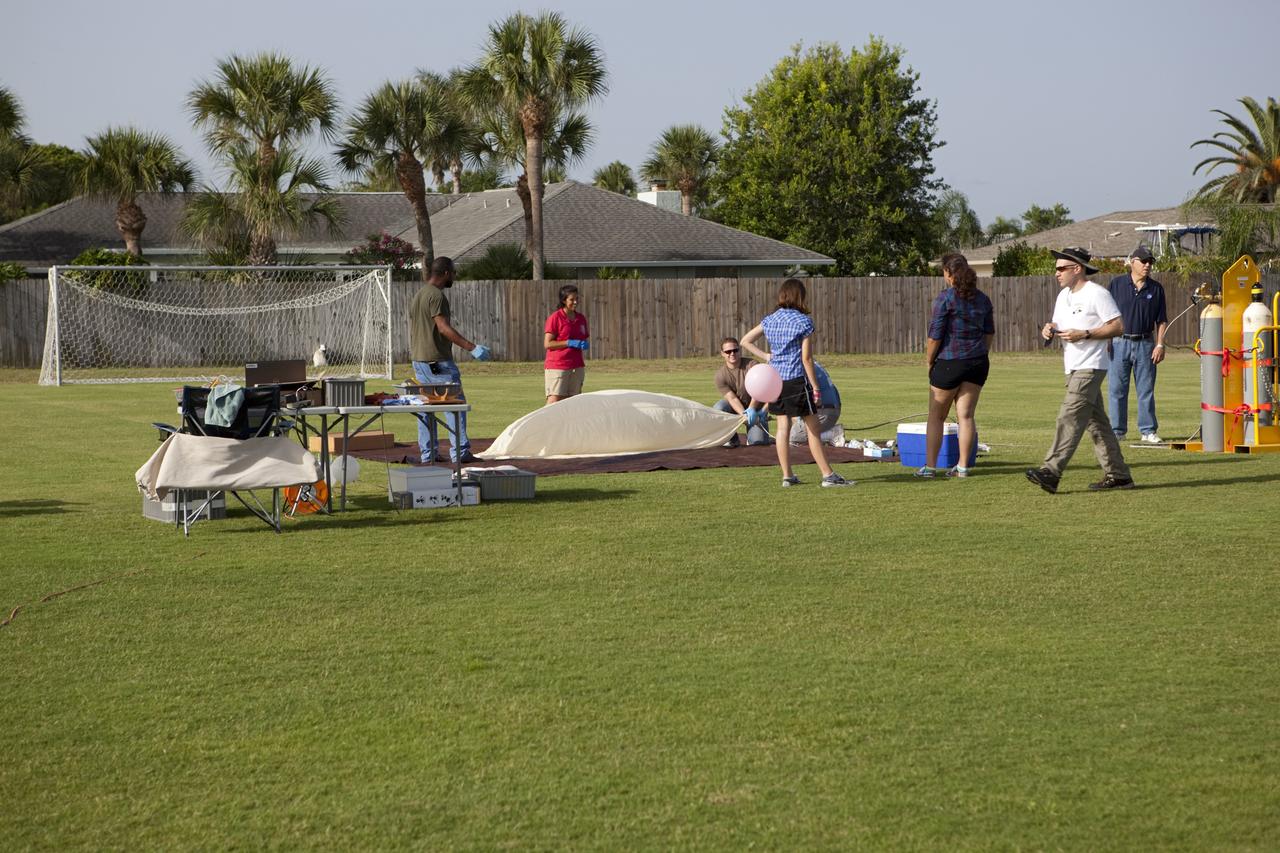
CAPE CANAVERAL, Fla. – Rocket University participants prepare to launch a high-altitude balloon flight and instrument package. The test flight was used to evaluate the stability of an instrumented capsule as it fell to Earth before its parachute opened. Rocket University is a program of courses, workshops, labs and projects offered to engineering and research pros of all stripes to keep their skills fresh and broaden their experiences. Photo credit: NASA/Jim Grossmann
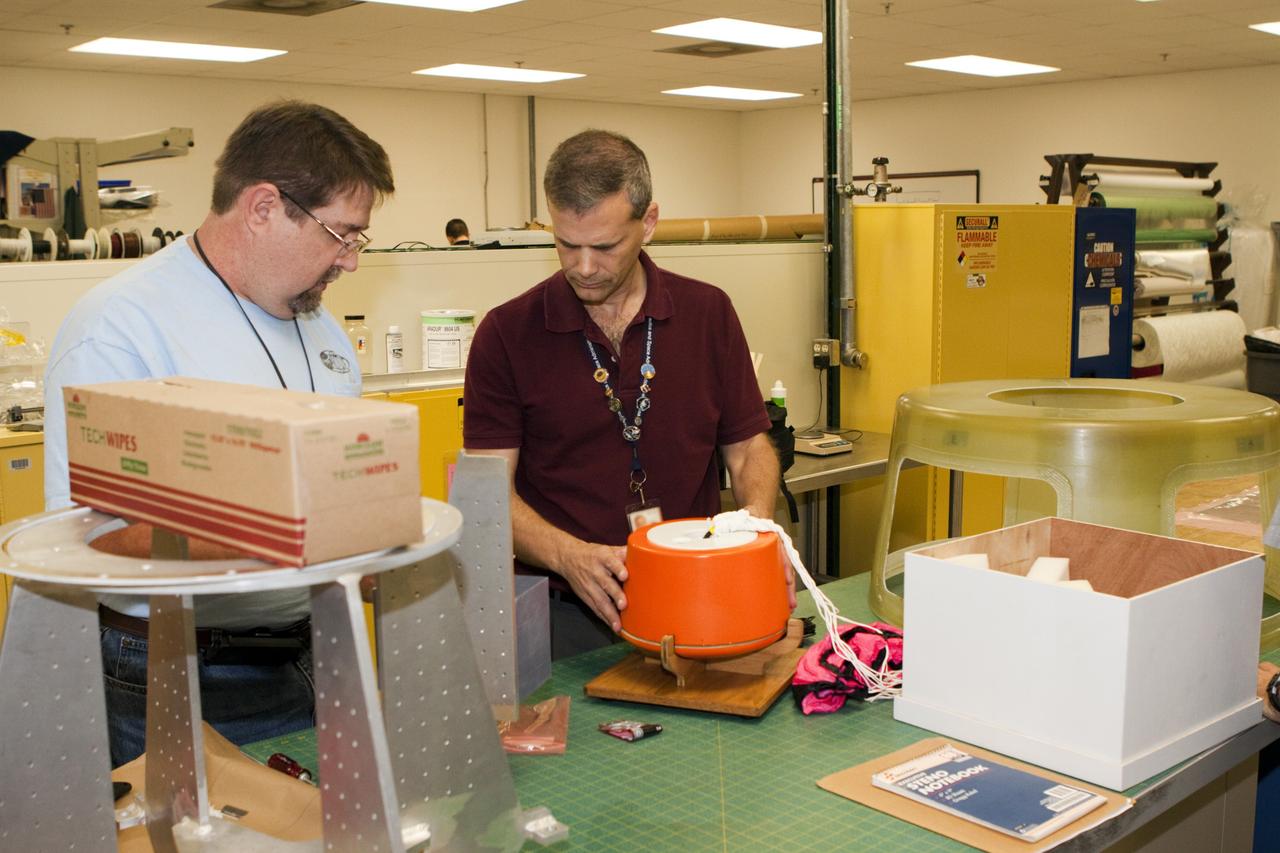
CAPE CANAVERAL, Fla. – Mike Lane, left, and Paul Paulick, both participants in the Rocket University program, inspect a capsule that is being prepared for a high-altitude balloon flight. The test flight was used to evaluate the stability of an instrumented capsule as it fell to Earth before its parachute opened. Rocket University is a program of courses, workshops, labs and projects offered to engineering and research pros of all stripes to keep their skills fresh and broaden their experiences. Photo credit: NASA/Jim Grossmann
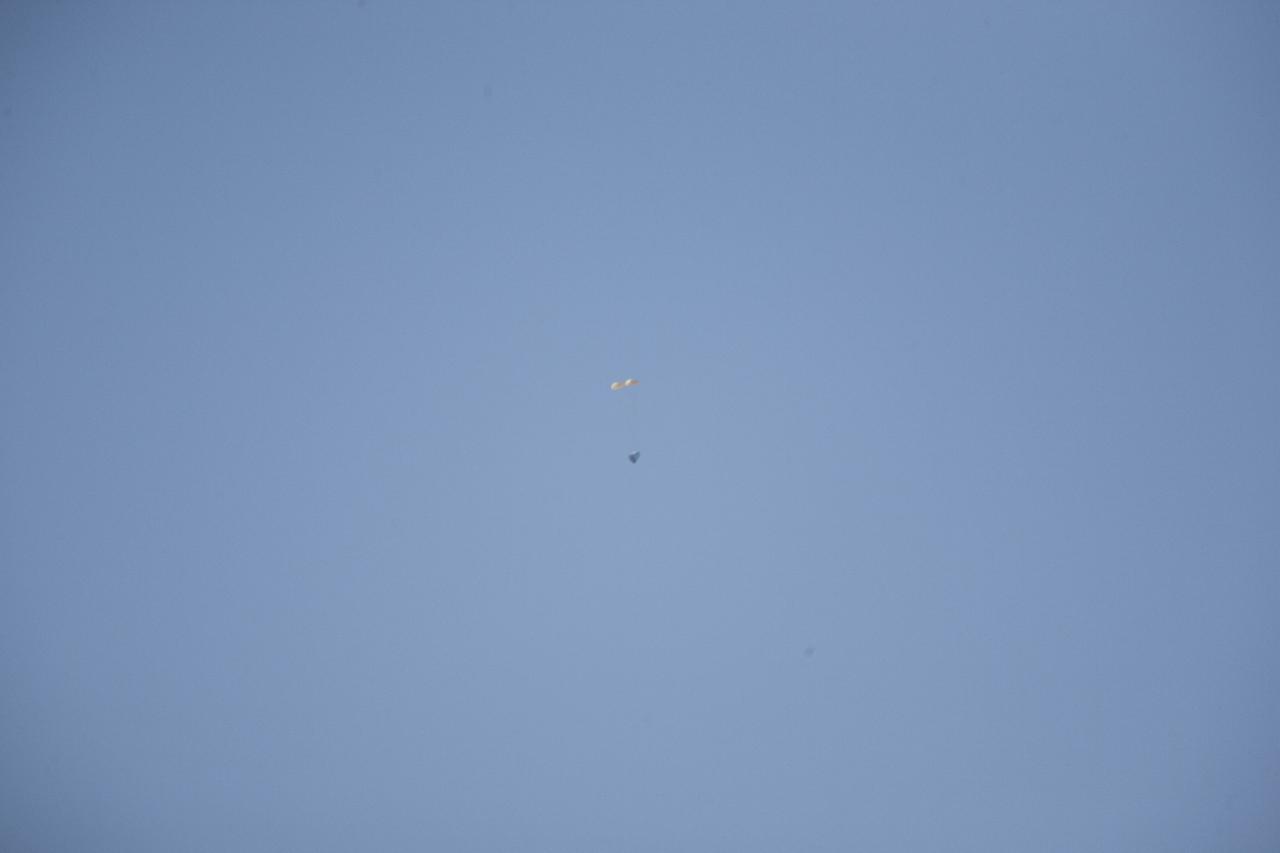
MORRO BAY, Calif. – Drogue chutes open above Dragon test article during a test to evaluate the spacecraft's parachute deployment system. The drogue chutes stabilized the vehicle, in preparation for main chute deployment as part of a milestone under SpaceX's Commercial Crew Integrated Capability agreement with NASA's Commercial Crew Program. Photo credit: NASA/Kim Shiflett
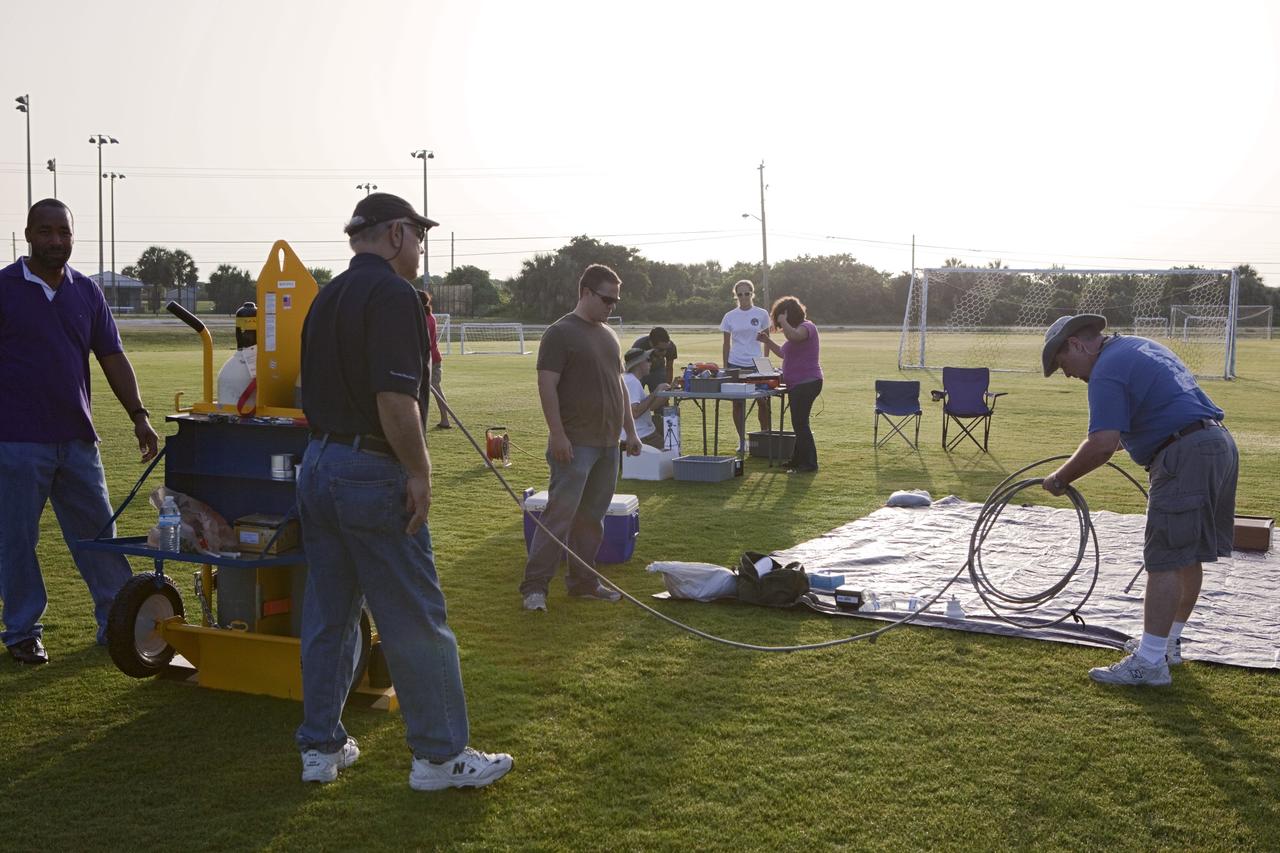
CAPE CANAVERAL, Fla. – Rocket University participants prepare to launch a high-altitude balloon flight and instrument package. The test flight was used to evaluate the stability of an instrumented capsule as it fell to Earth before its parachute opened. Rocket University is a program of courses, workshops, labs and projects offered to engineering and research pros of all stripes to keep their skills fresh and broaden their experiences. Photo credit: NASA/Jim Grossmann
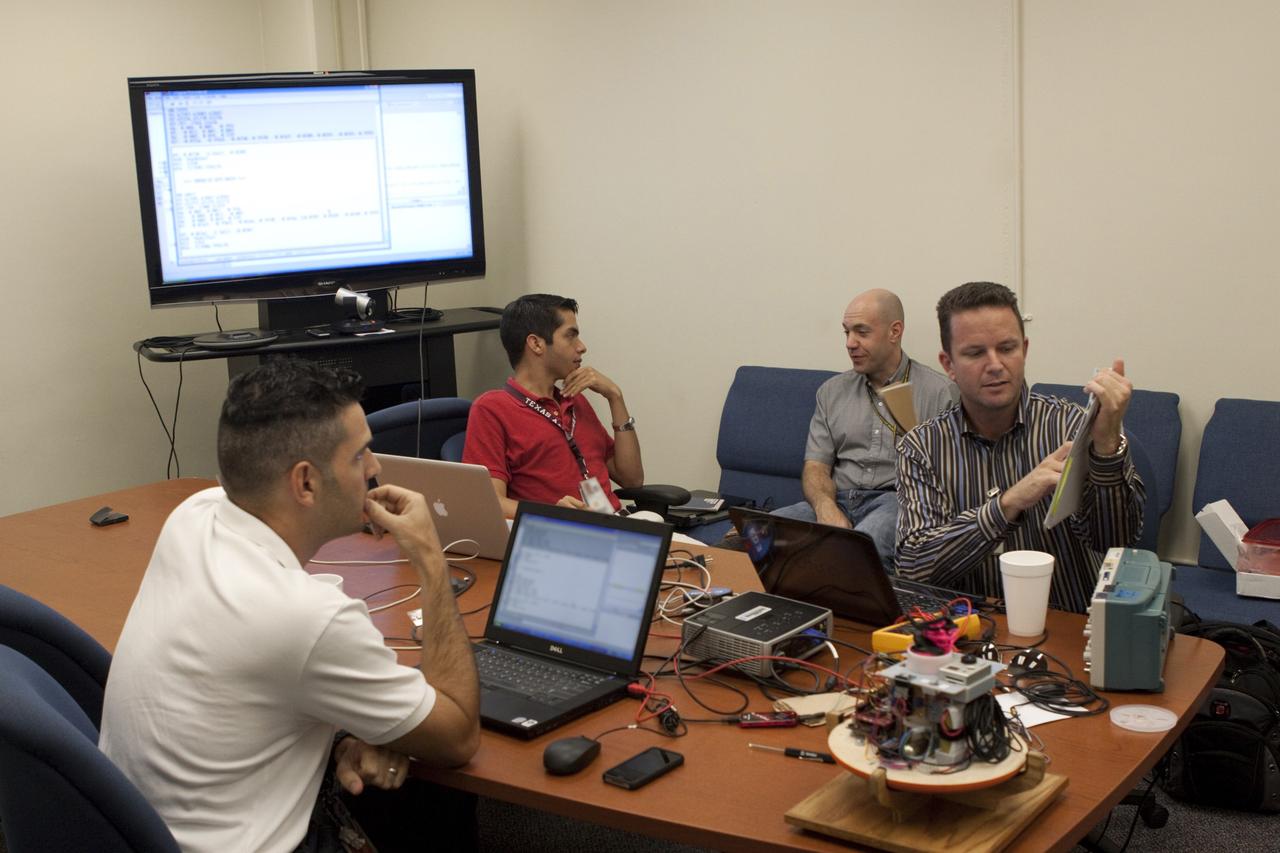
CAPE CANAVERAL, Fla. – Leandro James, left to right, Alejandro Azocar, Ron Sterick and Chris Iannello discuss a high-altitude balloon flight for the Rocket University program. The test flight was used to evaluate the stability of an instrumented capsule as it fell to Earth before its parachute opened. Rocket University is a program of courses, workshops, labs and projects offered to engineering and research pros of all stripes to keep their skills fresh and broaden their experiences. Photo credit: NASA/Jim Grossmann
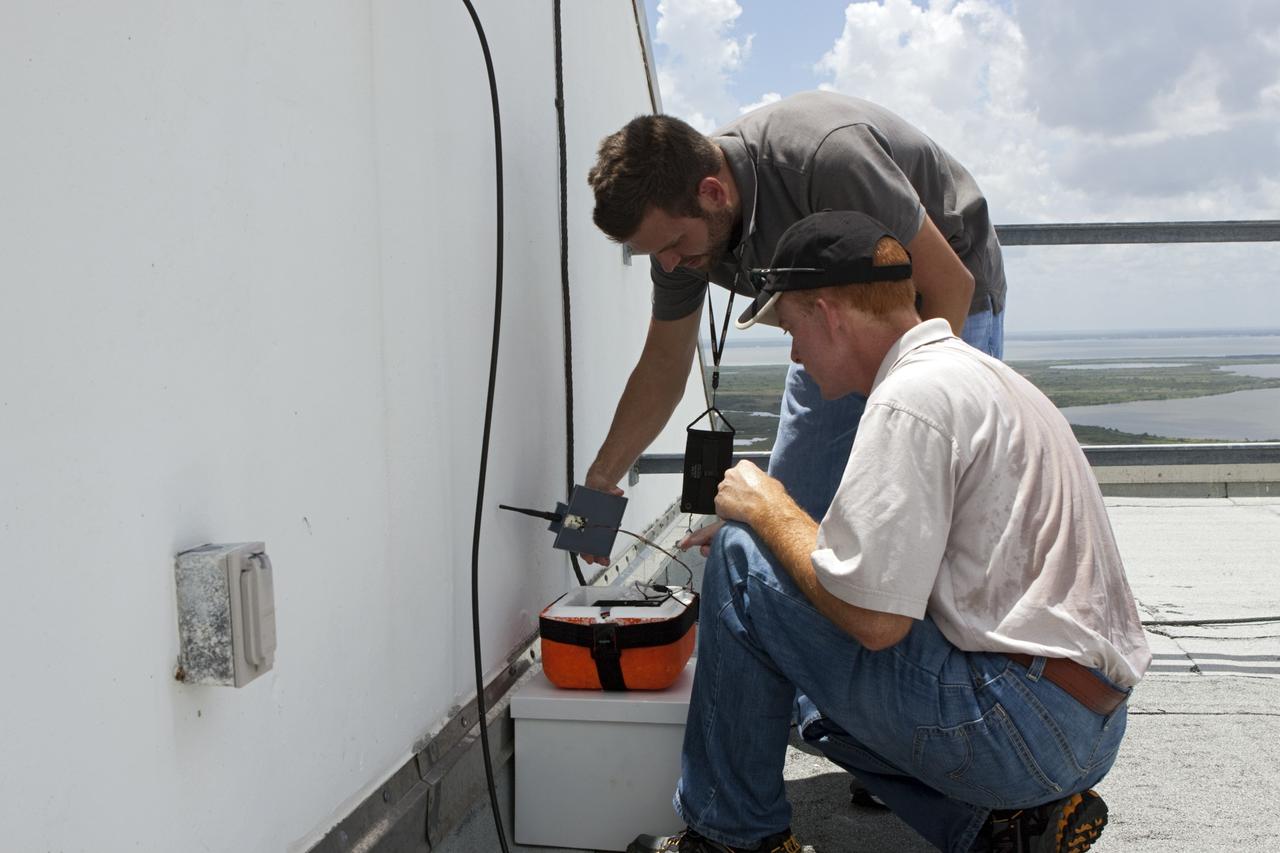
CAPE CANAVERAL, Fla. – Karl Stolleis, kneeling, and Nick Pack prepare an instrument package for testing as part of a high-altitude balloon flight for the Rocket University program. The test flight was used to evaluate the stability of an instrumented capsule as it fell to Earth before its parachute opened. Rocket University is a program of courses, workshops, labs and projects offered to engineering and research pros of all stripes to keep their skills fresh and broaden their experiences. Photo credit: NASA/Jim Grossmann
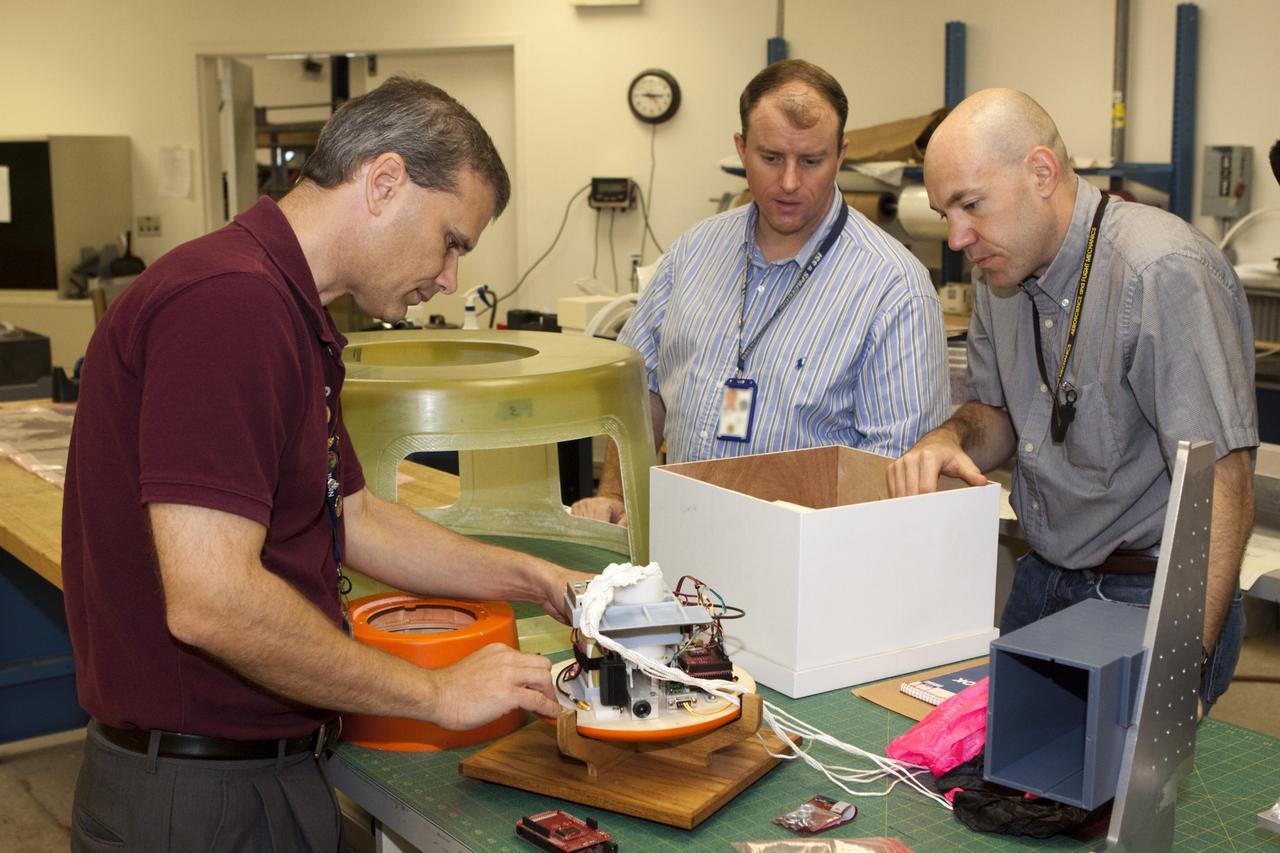
CAPE CANAVERAL, Fla. – Rocket University participants inspect a capsule that is being prepared for a high-altitude balloon flight. The test flight was used to evaluate the stability of an instrumented capsule as it fell to Earth before its parachute opened. Rocket University is a program of courses, workshops, labs and projects offered to engineering and research pros of all stripes to keep their skills fresh and broaden their experiences. Photo credit: NASA/Jim Grossmann
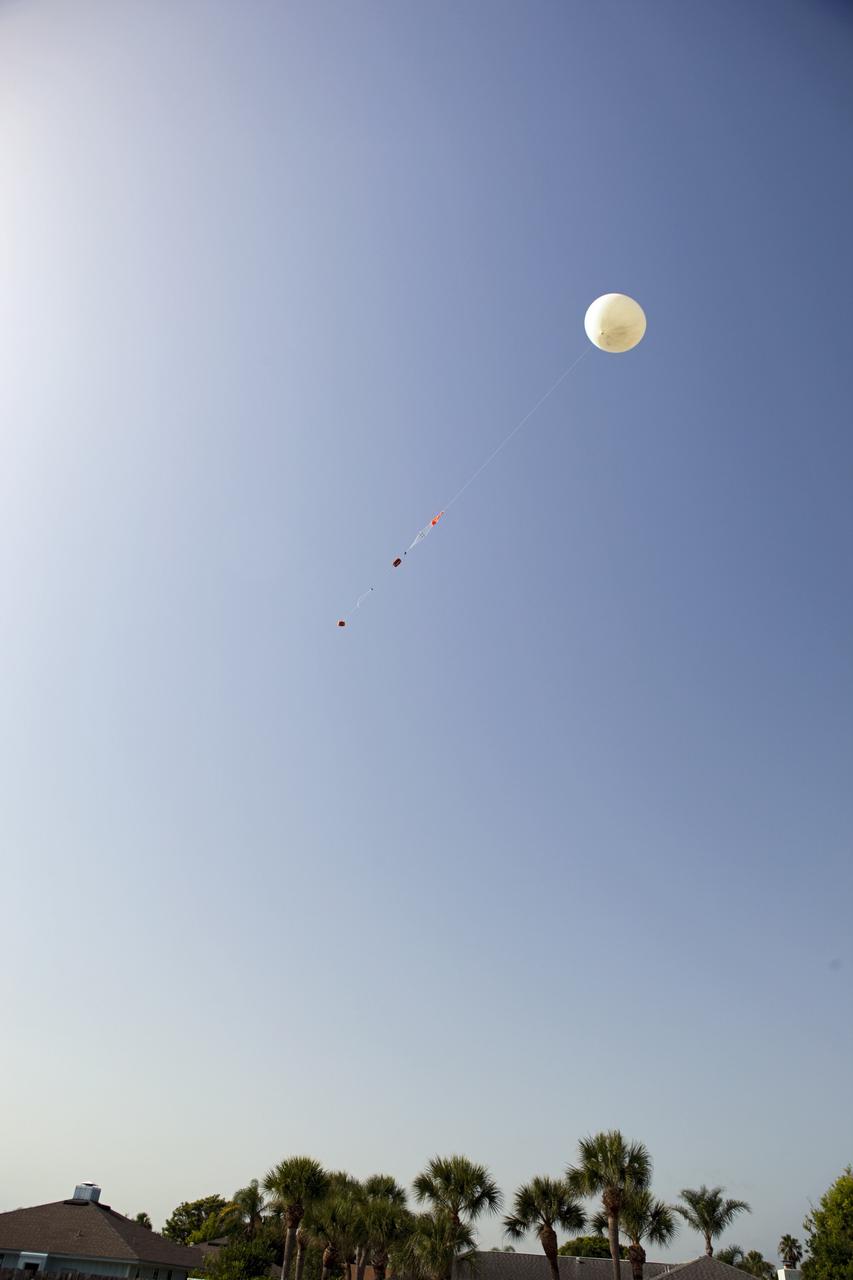
CAPE CANAVERAL, Fla. – Rocket University participants launch a high-altitude balloon flight and instrument package. The test flight was used to evaluate the stability of an instrumented capsule as it fell to Earth before its parachute opened. Rocket University is a program of courses, workshops, labs and projects offered to engineering and research pros of all stripes to keep their skills fresh and broaden their experiences. Photo credit: NASA/Jim Grossmann
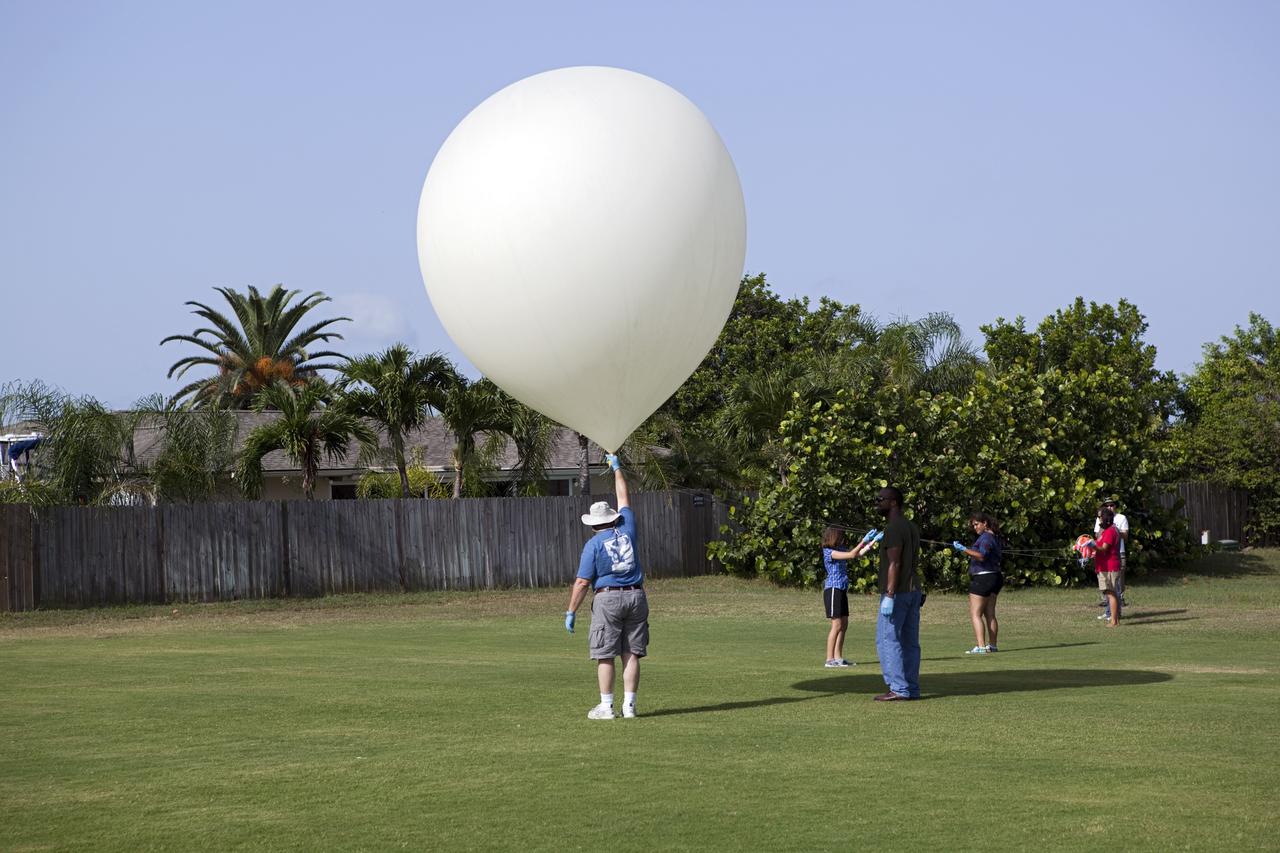
CAPE CANAVERAL, Fla. – Rocket University participants prepare to launch a high-altitude balloon flight and instrument package. The test flight was used to evaluate the stability of an instrumented capsule as it fell to Earth before its parachute opened. Rocket University is a program of courses, workshops, labs and projects offered to engineering and research pros of all stripes to keep their skills fresh and broaden their experiences. Photo credit: NASA/Jim Grossmann
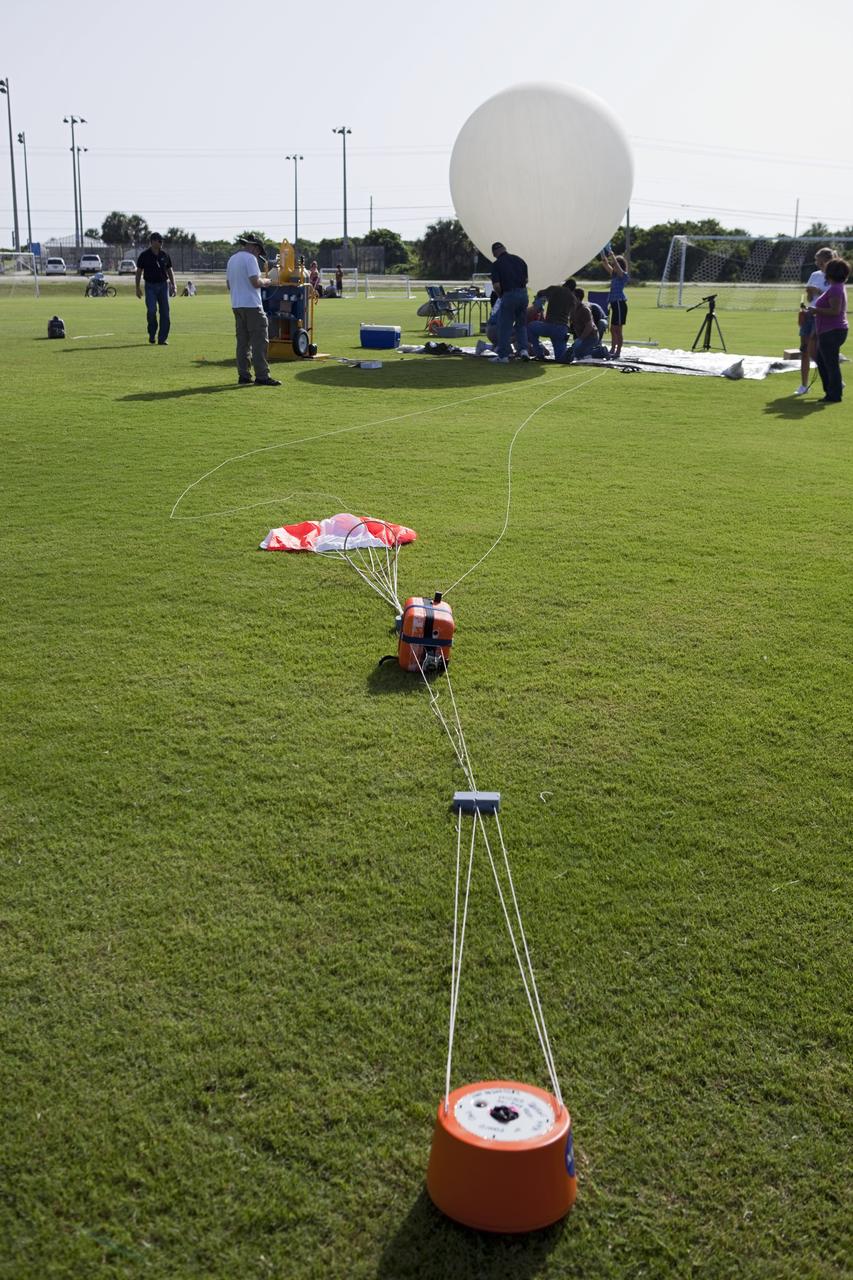
CAPE CANAVERAL, Fla. – The instrument package built by Rocket University participants for a high-altitude balloon flight sits on the ground moments before launch. The test flight was used to evaluate the stability of an instrumented capsule as it fell to Earth before its parachute opened. Rocket University is a program of courses, workshops, labs and projects offered to engineering and research pros of all stripes to keep their skills fresh and broaden their experiences. Photo credit: NASA/Jim Grossmann
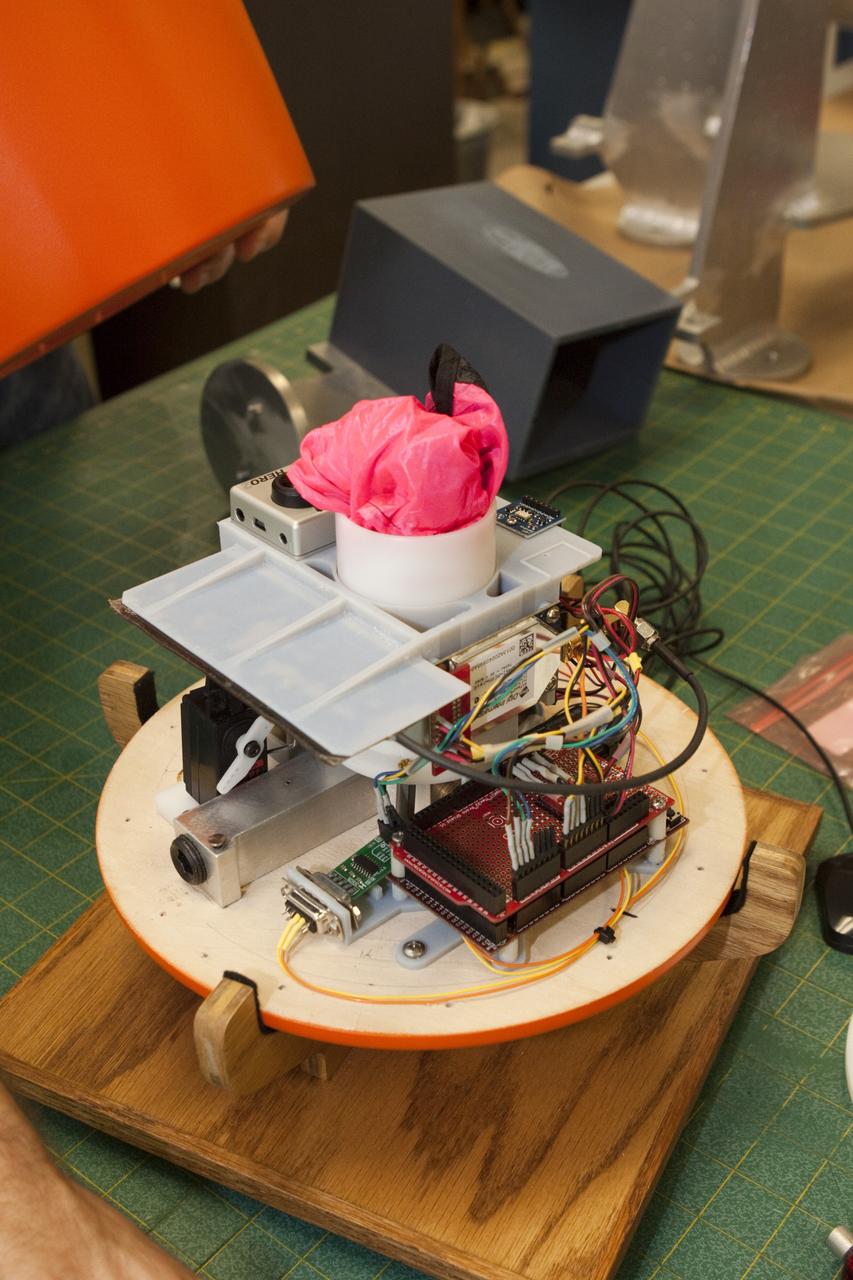
CAPE CANAVERAL, Fla. – The instrument package built by Rocket University participants for a high-altitude balloon flight. The test flight was used to evaluate the stability of an instrumented capsule as it fell to Earth before its parachute opened. Rocket University is a program of courses, workshops, labs and projects offered to engineering and research pros of all stripes to keep their skills fresh and broaden their experiences. Photo credit: NASA/Jim Grossmann
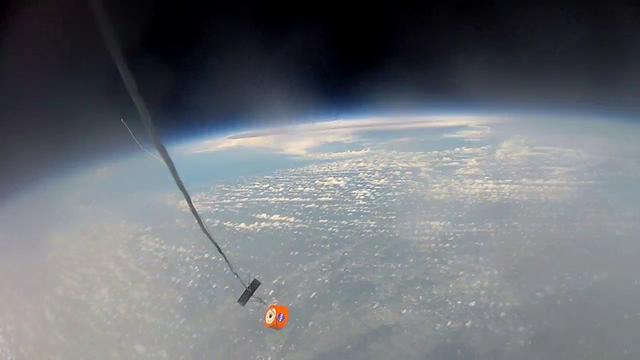
CAPE CANAVERAL, Fla. – An instrument-laden capsule begins its descent from 105,000 feet above Earth during a flight hosted by Rocket University participants. After the high-altitude balloon carrying it burst, the capsule free-fell to 50,000 feet and then deployed a parachute to land safely on the ground. The test flight was used to evaluate the stability of the capsule as it fell to Earth before its parachute opened. Rocket University is a program of courses, workshops, labs and projects offered to engineering and research pros of all stripes to keep their skills fresh and broaden their experiences. Photo credit: Courtesy of Rocket University The work is part of Transition and Retirement of the remaining space shuttles, Atlantis and Endeavour. Atlantis is being prepared for public display at Kennedy's Visitor Complex. Over the course of its 26-year career, Atlantis spent 293 days in space during 33 missions. For more information, visit http://www.nasa.gov/transition Photo credit: NASA/Kim Shiflett
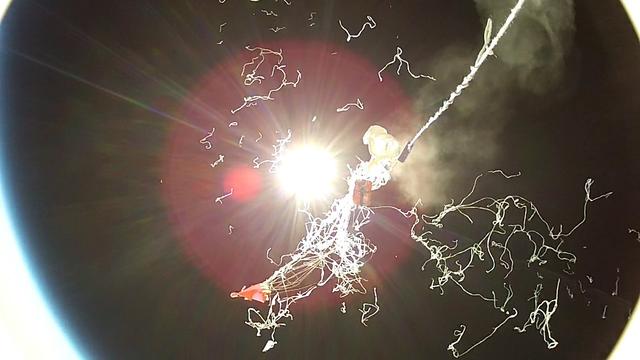
CAPE CANAVERAL, Fla. – The high-altitude balloon that carried an instrument-laden capsule bursts 105,000 feet above Earth during a flight hosted by Rocket University participants. The bursting of the balloon allowed the capsule to free-fall to 50,000 feet and then deploy a parachute to land safely on the ground. The test flight was used to evaluate the stability of an instrumented capsule as it fell to Earth before its parachute opened. Rocket University is a program of courses, workshops, labs and projects offered to engineering and research pros of all stripes to keep their skills fresh and broaden their experiences. Photo credit: Courtesy of Rocket University The work is part of Transition and Retirement of the remaining space shuttles, Atlantis and Endeavour. Atlantis is being prepared for public display at Kennedy's Visitor Complex. Over the course of its 26-year career, Atlantis spent 293 days in space during 33 missions. For more information, visit http://www.nasa.gov/transition Photo credit: NASA/Kim Shiflett
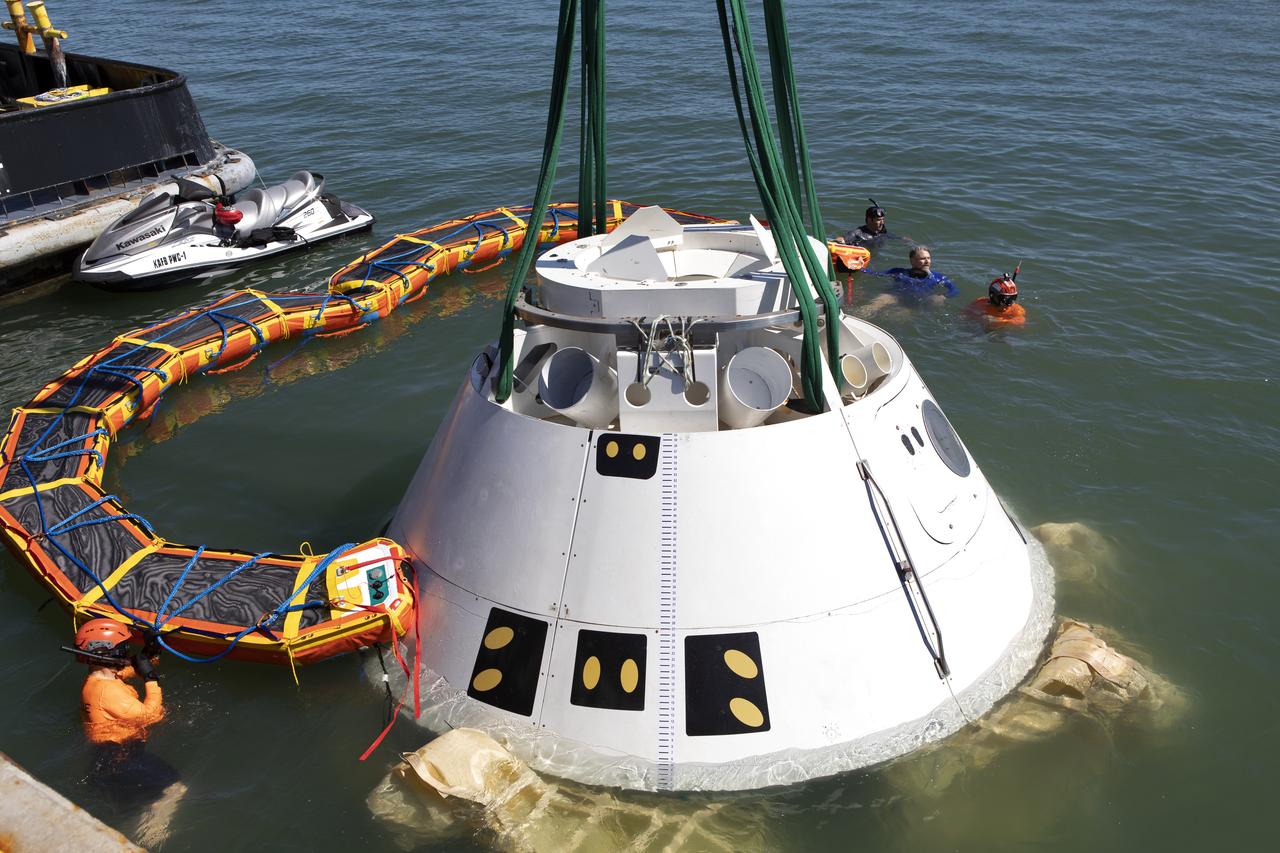
Rescue team members remove the stabilization collar from the Boeing CST-100 Starliner training capsule, known as Boiler Plate 3, in the water at the Army Wharf at Cape Canaveral Air Force Station in Florida on April 16, 2019. NASA and the Department of Defense Human Space Flight Support Office Rescue Division are conducting a search and rescue training exercise using the Starliner trainer over the next several days at the Wharf and in the Atlantic Ocean simulating a rescue in the unlikely event of an emergency. It is the first at-sea exercise with the Starliner training capsule ahead of Boeing’s Crew Flight Test with astronauts targeted for later this year. During normal return scenarios, Boeing's Starliner will land on land in a safe zone of about 15 square miles in the Western United States. Throughout the commercial crew development phases with NASA, Boeing has performed dozens of qualification tests on its parachute and airbag systems simulating conditions on land and in the water.
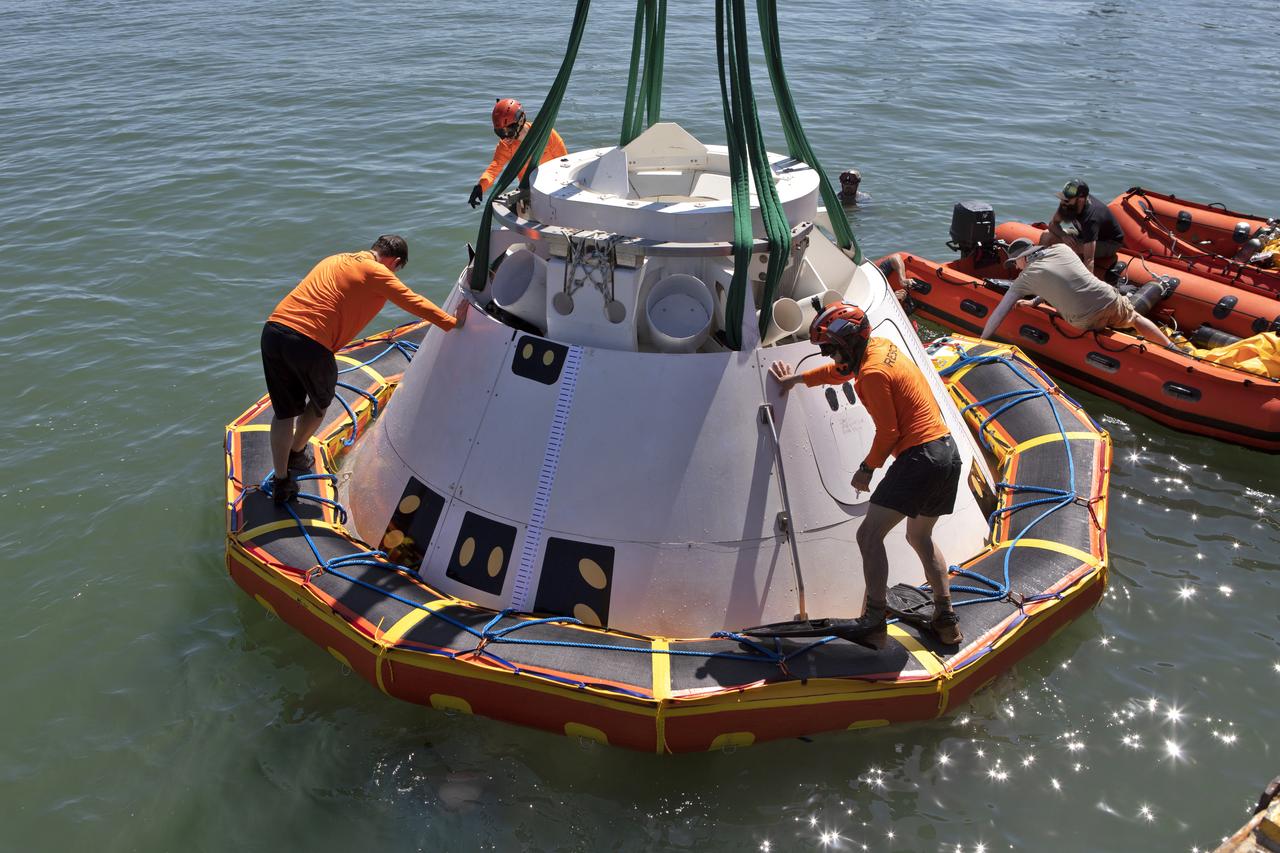
Rescue team members stand on the stabilization collar attached to the Boeing CST-100 Starliner training capsule, known as Boiler Plate 3, to perform checks during a search and rescue training exercise April 16, 2019. NASA and the Department of Defense Human Space Flight Support Office Rescue Division are conducting the exercise over the next several days at the Wharf and in the Atlantic Ocean simulating a rescue in the unlikely event of an emergency. It is the first at-sea exercise with the Starliner training capsule ahead of Boeing’s Crew Flight Test with astronauts targeted for later this year. During normal return scenarios, Boeing's Starliner will land on land in a safe zone of about 15 square miles in the Western United States. Throughout the commercial crew development phases with NASA, Boeing has performed dozens of qualification tests on its parachute and airbag systems simulating conditions on land and in the water.
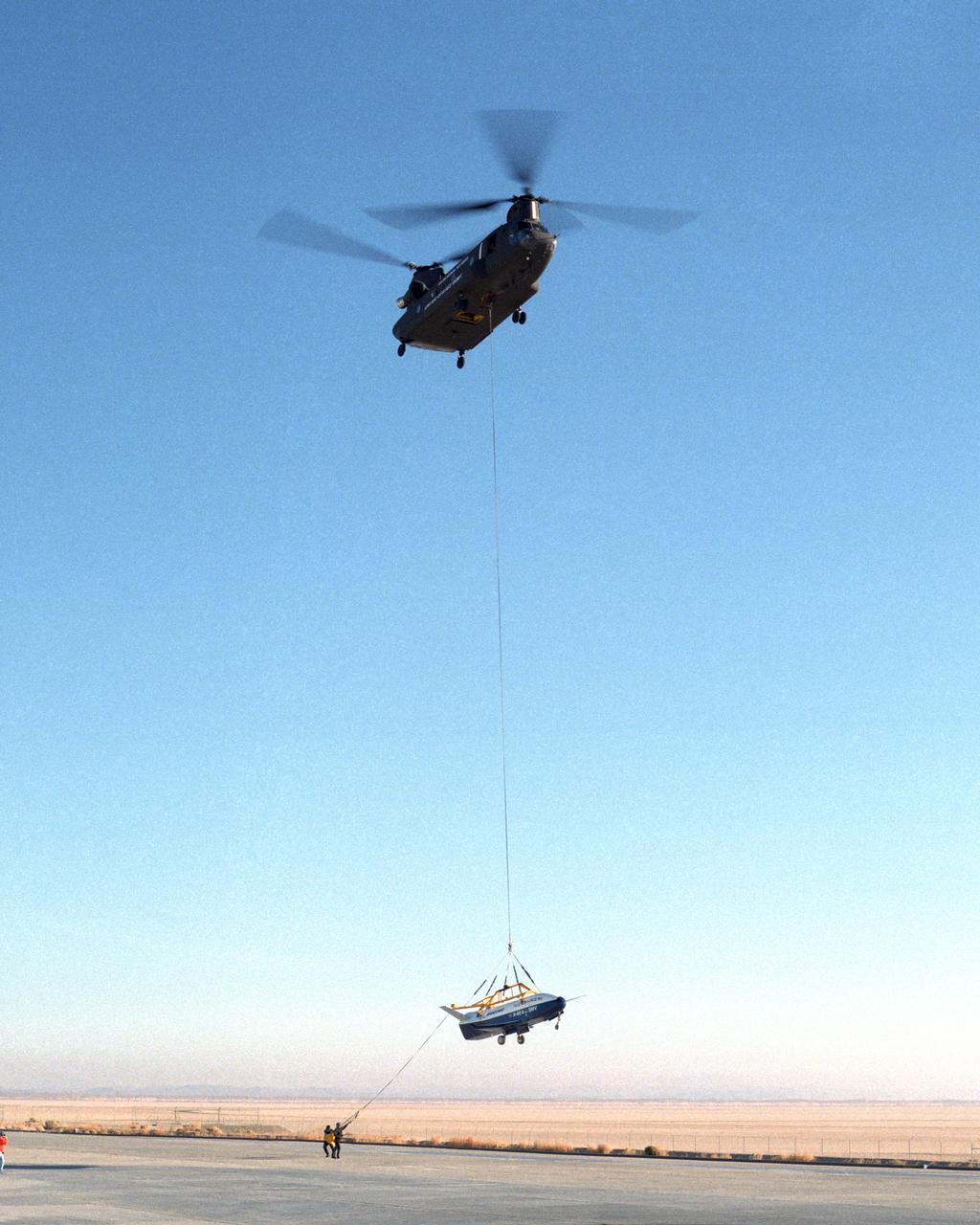
Ground crewmen help guide the alignment of the X-40 technology demonstrator as the experimental craft is gently lowered to the ground by a U.S. Army CH-47 Chinook cargo helicopter following a captive-carry test flight at NASA's Dryden Flight Research Center, Edwards, California. The X-40 is an unpowered 82 percent scale version of the X-37, a Boeing-developed spaceplane designed to demonstrate various advanced technologies for development of future lower-cost access to space vehicles. The X-37 will be carried into space aboard a space shuttle and then released to perform various maneuvers and a controlled re-entry through the Earth's atmosphere to an airplane-style landing on a runway, controlled entirely by pre-programmed computer software. Following a series of captive-carry flights, the X-40 made several free flights from a launch altitude of about 15,000 feet above ground, gliding to a fully autonomous landing. The captive carry flights helped verify the X-40's navigation and control systems, rigging angles for its sling, and stability and control of the helicopter while carrying the X-40 on a tether.
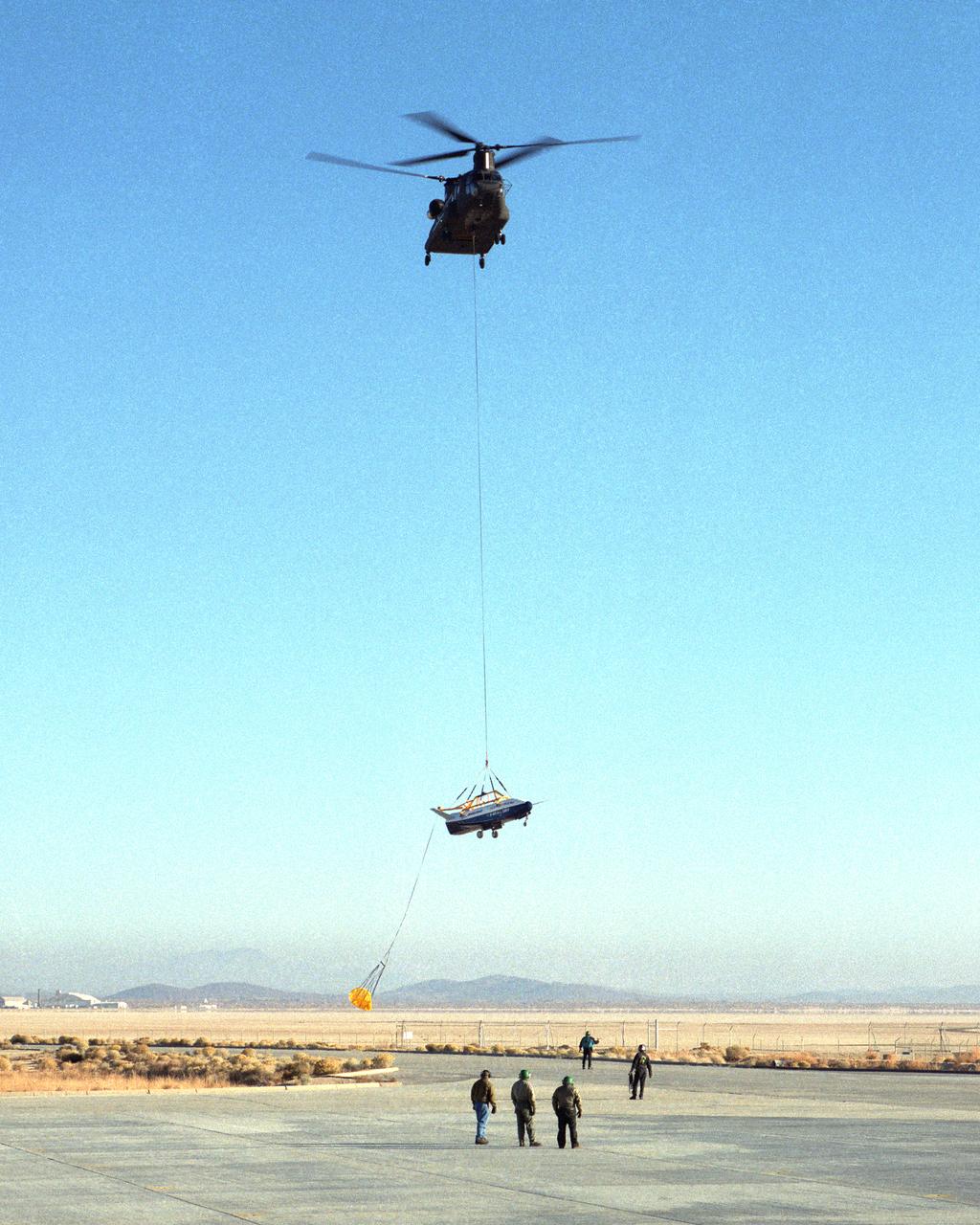
A U.S. Army CH-47 Chinook helicopter slowly lowers the X-40 sub-scale technology demonstrator to the ground under the watchful eyes of ground crew at the conclusion of a captive-carry test flight at NASA's Dryden Flight Research Center, Edwards, California. Several captive-carry flights were conducted to check out all operating systems and procedures before the X-40 made its first free flight at Edwards, gliding to a fully-autonomous approach and landing on the Edwards runway. The X-40 is an unpowered 82 percent scale version of the X-37, a Boeing-developed spaceplane designed to demonstrate various advanced technologies for development of future lower-cost access to space vehicles. Flight tests of the X-40 are designed to reduce the risks associated with research flights of the larger, more complex X-37.
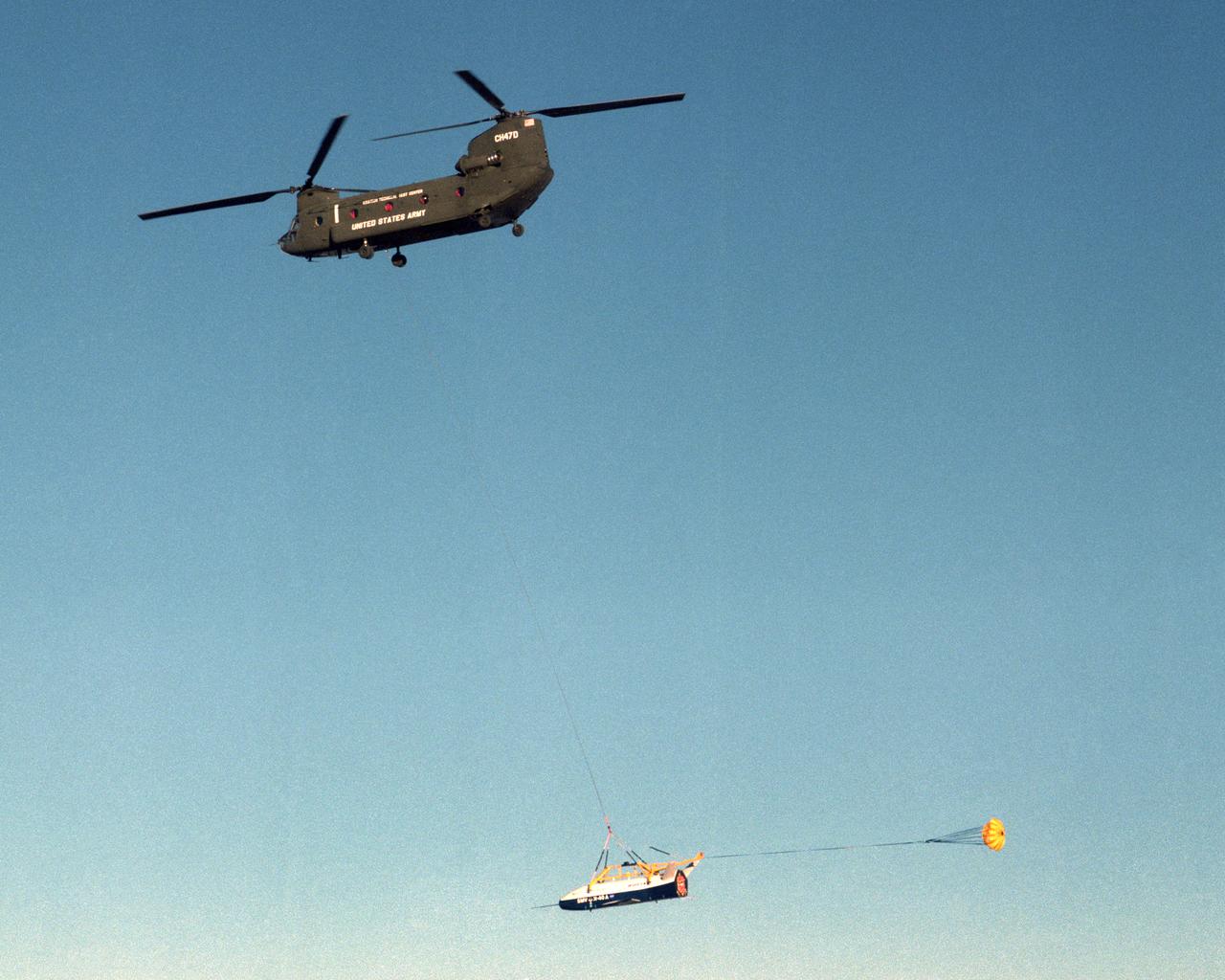
The X-40 sub-scale technology demonstrator is suspended under a U.S. Army CH-47 Chinook cargo helicopter during a captive-carry test flight at NASA's Dryden Flight Research Center, Edwards, California. The captive carry flights are designed to verify the X-40's navigation and control systems, rigging angles for its sling, and stability and control of the helicopter while carrying the X-40 on a tether. Following a series of captive-carry flights, the X-40 made free flights from a launch altitude of about 15,000 feet above ground, gliding to a fully autonomous landing. The X-40 is an unpowered 82 percent scale version of the X-37, a Boeing-developed spaceplane designed to demonstrate various advanced technologies for development of future lower-cost access to space vehicles.
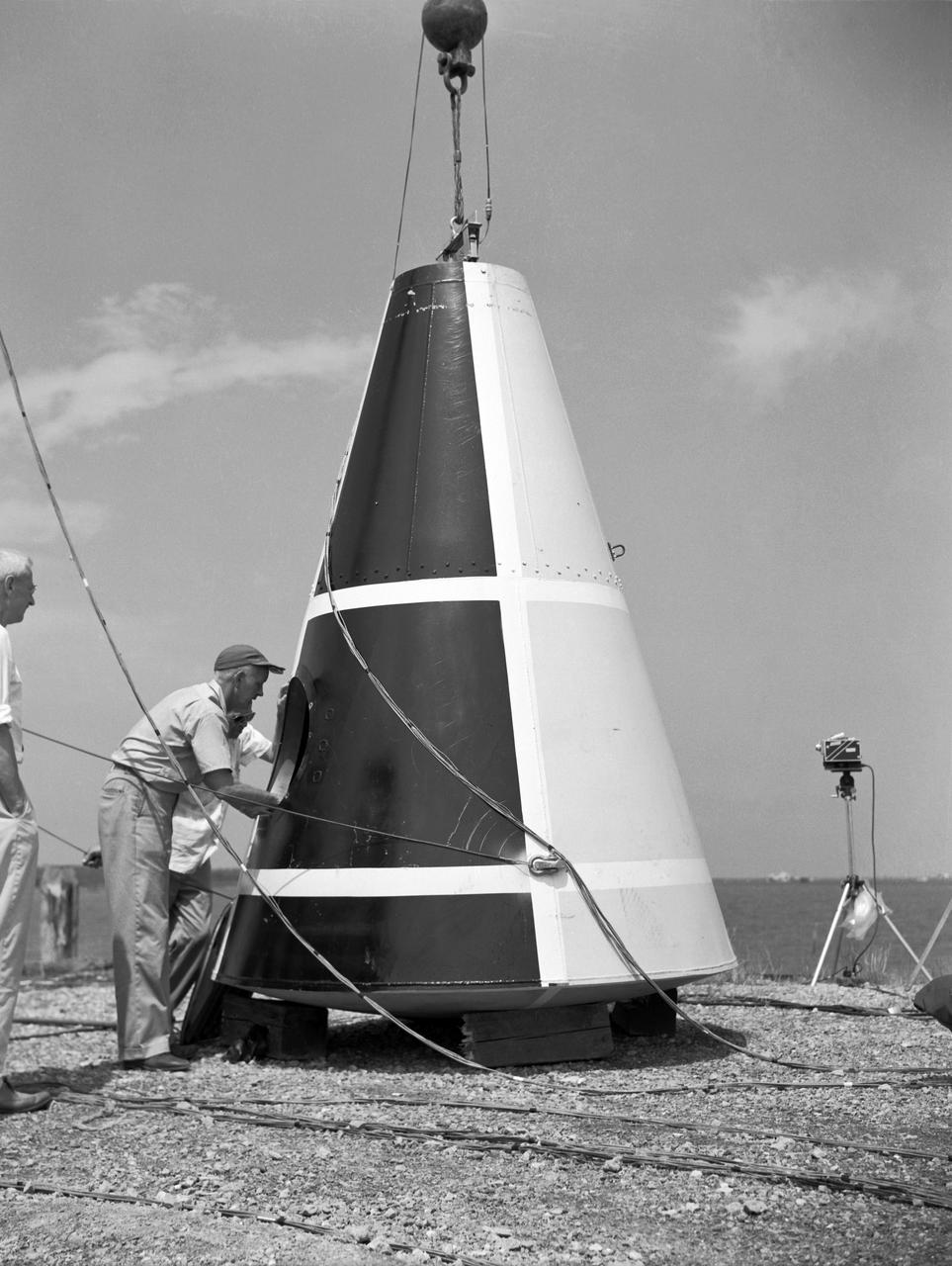
Photographed on: 08 05 1958. -- Impact test conducted by Langley's Hydrodynamics Division. The Division conducted a series of impact studies with full scale and model capsules of the original capsule shape A. Joseph Shortal wrote (Vol. 3, p. 16): The basic design of the capsule was made by M.A. Faget and his coworkers at PARD during the winter of 1957-1958. It was natural, then, that extensive use was made of the facilities at Wallops during the development of the spacecraft. The tests at Wallops consisted of 26 full-size capsules, either launched from the ground by rocket power or dropped from airplanes at high altitude and 28 scaled models, either rocket boosted or released from balloons. Emphasis in the Wallops program was on dynamic stability and aerodynamic heating of the capsule, and effectiveness of the pilot-escape and parachute-recovery systems. The biggest part of the Wallops program was the series of full-size capsules, rocket launched with the Little Joe booster, developed especially for Mercury. -- Published in Joseph A. Shortal, History of Wallops Station: Origins and Activities Through 1949, (Wallops Island, VA: National Aeronautics and Space Administration, Wallops Station, nd), Comment Edition.
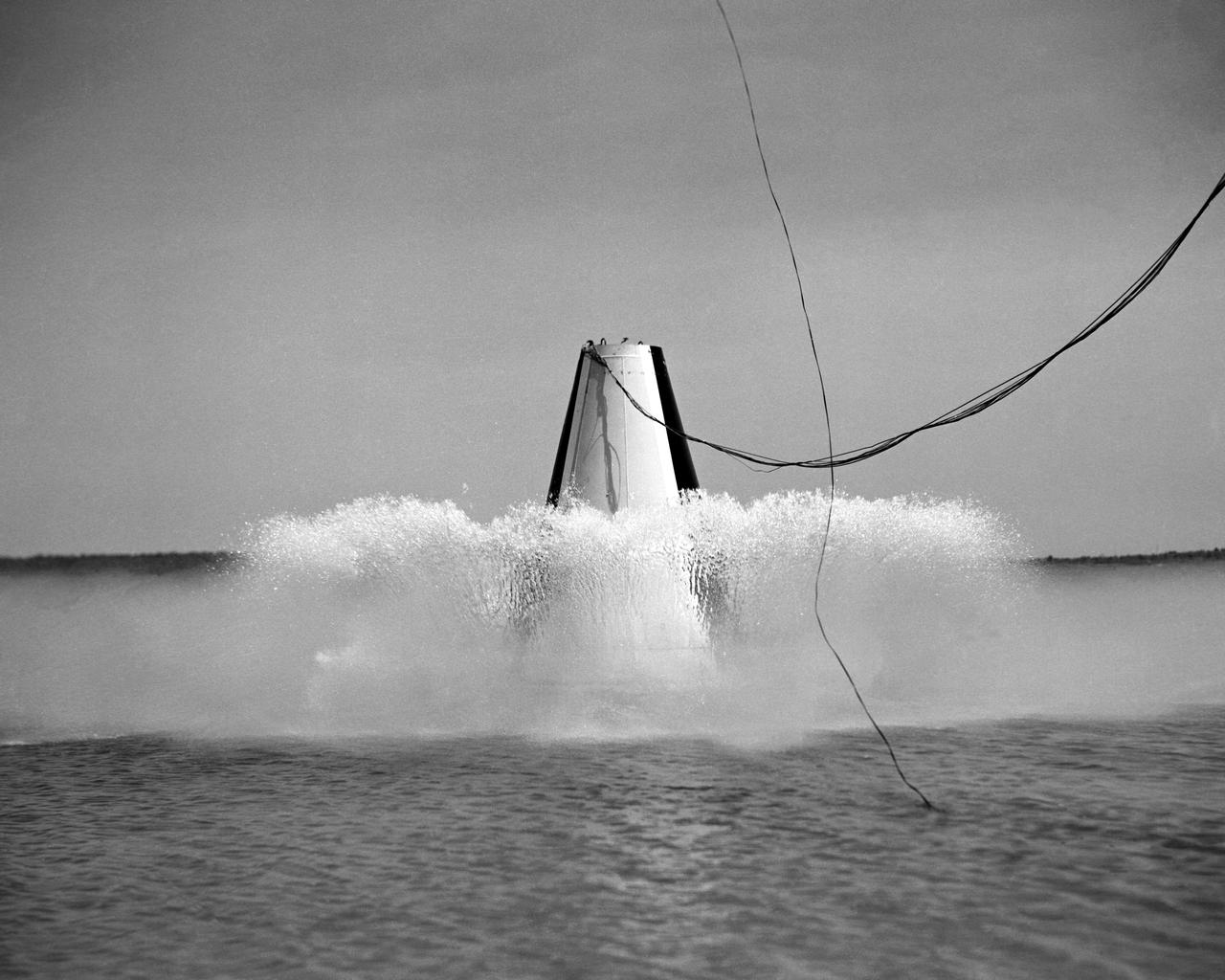
Photographed on: 08 05 1958. -- Impact test conducted by Langley's Hydrodynamics Division. The Division conducted a series of impact studies with full scale and model capsules of the original capsule shape A. Joseph Shortal wrote (Vol. 3, p. 16): The basic design of the capsule was made by M.A. Faget and his coworkers at PARD during the winter of 1957-1958. It was natural, then, that extensive use was made of the facilities at Wallops during the development of the spacecraft. The tests at Wallops consisted of 26 full-size capsules, either launched from the ground by rocket power or dropped from airplanes at high altitude and 28 scaled models, either rocket boosted or released from balloons. Emphasis in the Wallops program was on dynamic stability and aerodynamic heating of the capsule, and effectiveness of the pilot-escape and parachute-recovery systems. The biggest part of the Wallops program was the series of full-size capsules, rocket launched with the Little Joe booster, developed especially for Mercury. -- Published in Joseph A. Shortal, History of Wallops Station: Origins and Activities Through 1949, (Wallops Island, VA: National Aeronautics and Space Administration, Wallops Station, nd), Comment Edition.
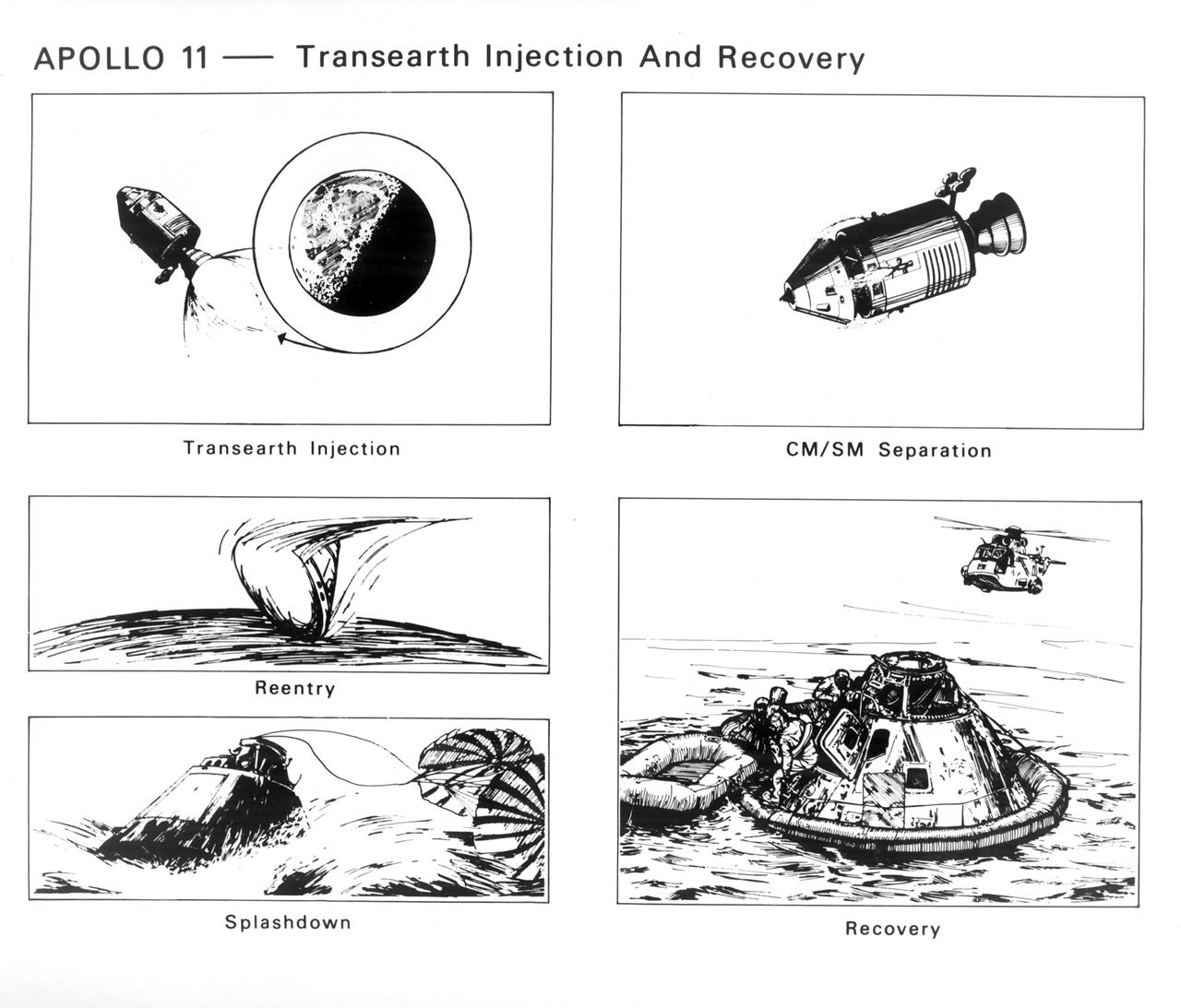
The Apollo 11 mission launched from the Kennedy Space Center (KSC) in Florida via the Marshall Space Flight Center (MSFC) developed Saturn V launch vehicle on July 16, 1969 and safely returned to Earth on July 24, 1969. Aboard the space craft were astronauts Neil A. Armstrong, commander; Michael Collins, Command Module (CM) pilot; and Edwin E. (Buzz) Aldrin Jr., Lunar Module (LM) pilot. With the success of Apollo 11, the national objective to land men on the Moon and return them safely to Earth had been accomplished. These sketches illustrate the steps taken by the astronauts to return to Earth. The service propulsion system engine was fired to increase space craft speed enough to escape Lunar orbit on a trajectory for Earth. Any necessary midcourse corrections were made enroute. Near the point of reentry into Earth’s atmosphere, the CM separated from the service module and turned 180 degrees so the heat shield faced forward on the line of flight. Friction of the atmosphere heated the shield to a white hot temperature, as a meteor, which slowed the craft as it reached lower altitudes. At about three miles altitude, drogue parachutes opened to stabilize the craft. Moments later the main parachutes opened to lower the CM to the waters of the Pacific Ocean. Helicopters and recovery crews from the U.S. S. Hornet aircraft carrier were standing by to pick up the astronauts.
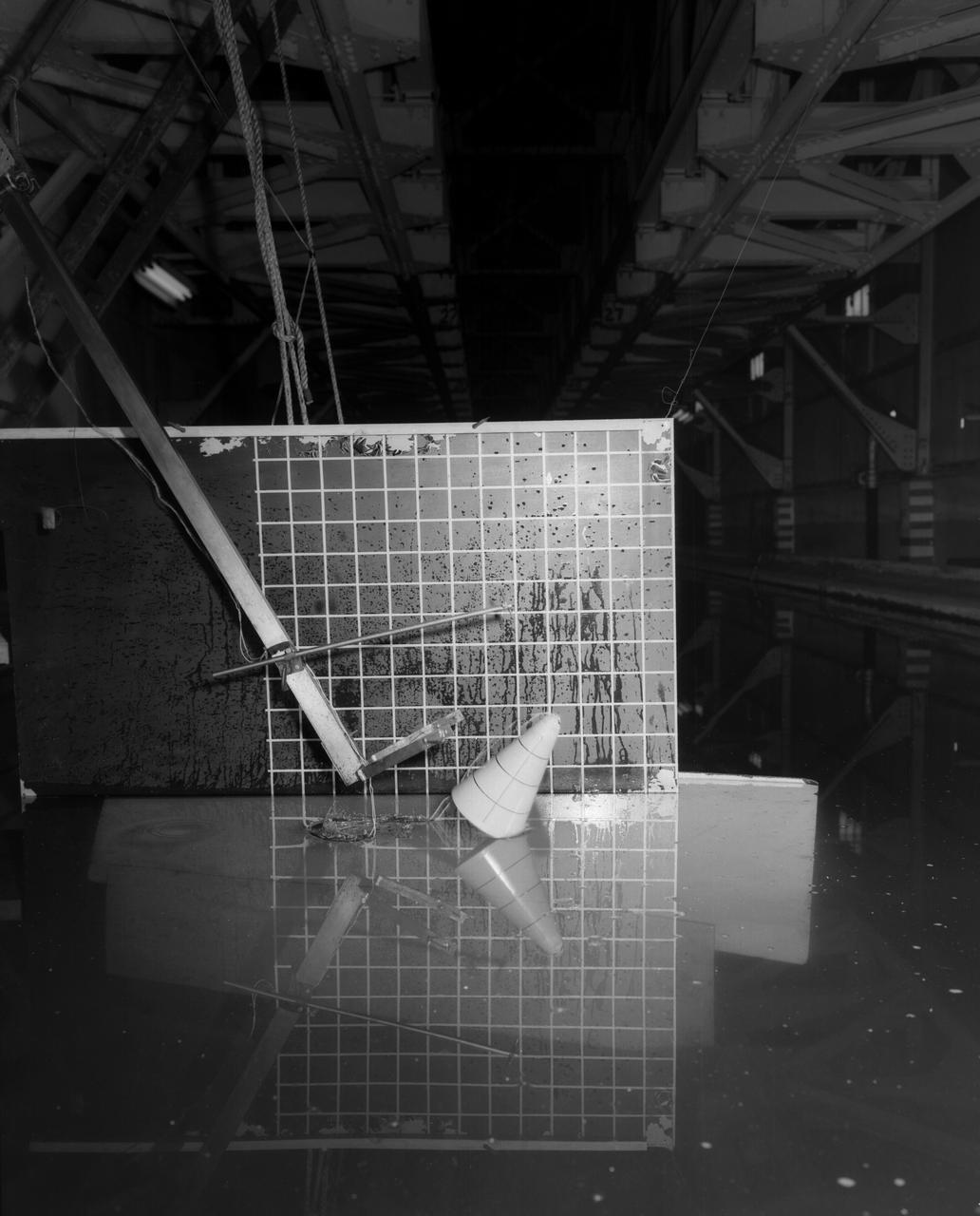
Testing of Mercury Capsule Shape A by the Hydrodynamics Division of Langley. Joseph Shortal wrote (vol. 3, p. 19): The Hydrodynamics Division provided assistance in determining landing loads. In this connection, after PARD engineers had unofficially approached that division to make some water impact tests with the boilerplate capsule, J.B. Parkinson, Hydrodynamics Chief visited Shortal to find out if the request had his support. Finding out that it did, Parkinson said, Its your capsule. If you want us to drop it in the water, we will do it. From Shortal (Vol. 3, p. 16): The basic design of the capsule was made by M.A. Faget and his coworkers at PARD during the winter of 1957-1958. It was natural, then, that extensive use was made of the facilities at Wallops during the development of the spacecraft. The tests at Wallops consisted of 26 full-size capsules, either launched from the ground by rocket power or dropped from airplanes at high altitude and 28 scaled models, either rocket boosted or released from balloons. Emphasis in the Wallops program was on dynamic stability and aerodynamic heating of the capsule, and effectiveness of the pilot-escape and parachute-recovery systems. The biggest part of the Wallops program was the series of full-size capsules, rocket launched with the Little Joe booster, developed especially for Mercury. -- Published in Joseph A. Shortal, History of Wallops Station: Origins and Activities Through 1949, (Wallops Island, VA: National Aeronautics and Space Administration, Wallops Station, nd), Comment Edition.