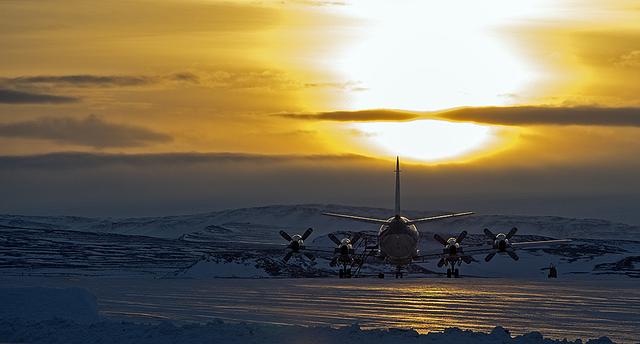
The P-3B is waiting outside the hangar at Thule Air Base with the Greenland Ice sheet in the background. Today, NASA's IceBridge, Arctic 2013 mission will collect data across the Arctic Ocean between Greenland and Alaska. -- IceBridge, a six-year NASA mission, is the largest airborne survey of Earth's polar ice ever flown. It will yield an unprecedented three-dimensional view of Arctic and Antarctic ice sheets, ice shelves and sea ice. These flights will provide a yearly, multi-instrument look at the behavior of the rapidly changing features of the Greenland and Antarctic ice. Data collected during IceBridge will help scientists bridge the gap in polar observations between NASA's Ice, Cloud and Land Elevation Satellite (ICESat) -- in orbit since 2003 -- and ICESat-2, planned for early 2016. ICESat stopped collecting science data in 2009, making IceBridge critical for ensuring a continuous series of observations. IceBridge will use airborne instruments to map Arctic and Antarctic areas once a year. IceBridge flights are conducted in March-May over Greenland and in October-November over Antarctica. Other smaller airborne surveys around the world are also part of the IceBridge campaign. Credit: NASA/Goddard/Michael Studinger <b><a href="http://www.nasa.gov/audience/formedia/features/MP_Photo_Guidelines.html" rel="nofollow">NASA image use policy.</a></b> <b><a href="http://www.nasa.gov/centers/goddard/home/index.html" rel="nofollow">NASA Goddard Space Flight Center</a></b> enables NASA’s mission through four scientific endeavors: Earth Science, Heliophysics, Solar System Exploration, and Astrophysics. Goddard plays a leading role in NASA’s accomplishments by contributing compelling scientific knowledge to advance the Agency’s mission. <b>Follow us on <a href="http://twitter.com/NASA_GoddardPix" rel="nofollow">Twitter</a></b> <b>Like us on <a href="http://www.facebook.com/pages/Greenbelt-MD/NASA-Goddard/395013845897?ref=tsd" rel="nofollow">Facebook</a></b> <b>Find us on <a href="http://instagram.com/nasagoddard?vm=grid" rel="nofollow">Instagram</a></b>
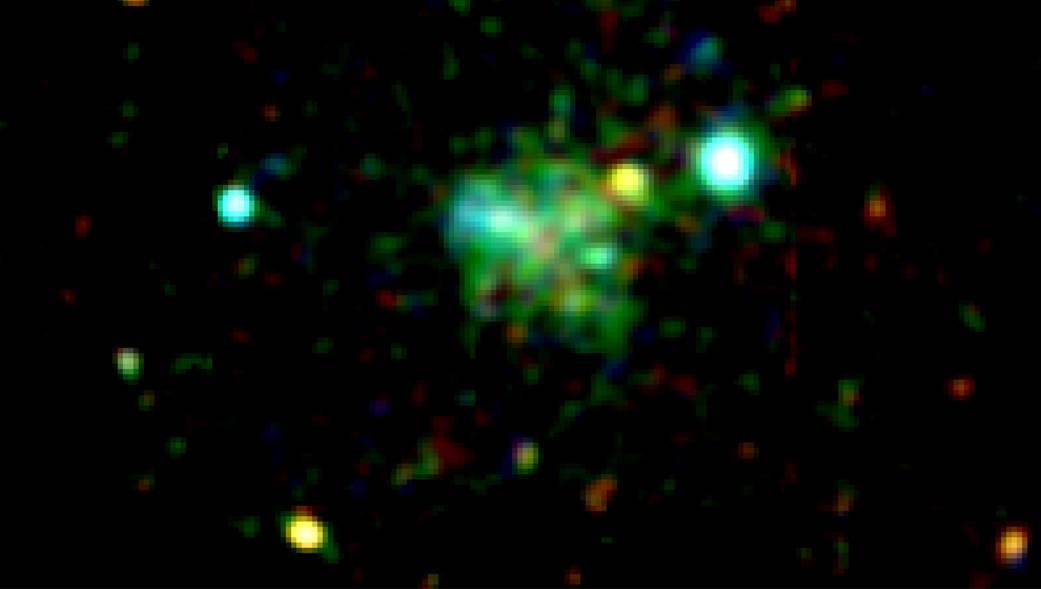
Astronomers have discovered a vast cloud of high-energy particles called a wind nebula around a rare ultra-magnetic neutron star, or magnetar, for the first time. The find offers a unique window into the properties, environment and outburst history of magnetars, which are the strongest magnets in the universe. A neutron star is the crushed core of a massive star that ran out of fuel, collapsed under its own weight, and exploded as a supernova. Each one compresses the equivalent mass of half a million Earths into a ball just 12 miles (20 kilometers) across, or about the length of New York's Manhattan Island. Neutron stars are most commonly found as pulsars, which produce radio, visible light, X-rays and gamma rays at various locations in their surrounding magnetic fields. When a pulsar spins these regions in our direction, astronomers detect pulses of emission, hence the name. Credit: ESA/XMM-Newton/Younes et al. 2016

Leah Martin, NASA Communications, moderates the Safety Starts With You Leadership Panel on Jan. 25, 2022, at Kennedy Space Center in Florida. The panel discussion featured senior leaders from the spaceport addressing ways employees can focus on safely completing mission objectives in the new year. Panelists included Kennedy Space Center Director Janet Petro, Director of Safety and Mission Assurance Ronnie Rodriguez, Director of Spaceport Integration and Services Nancy Bray, and Exploration Ground Systems Chief of Staff Sasha Sims.
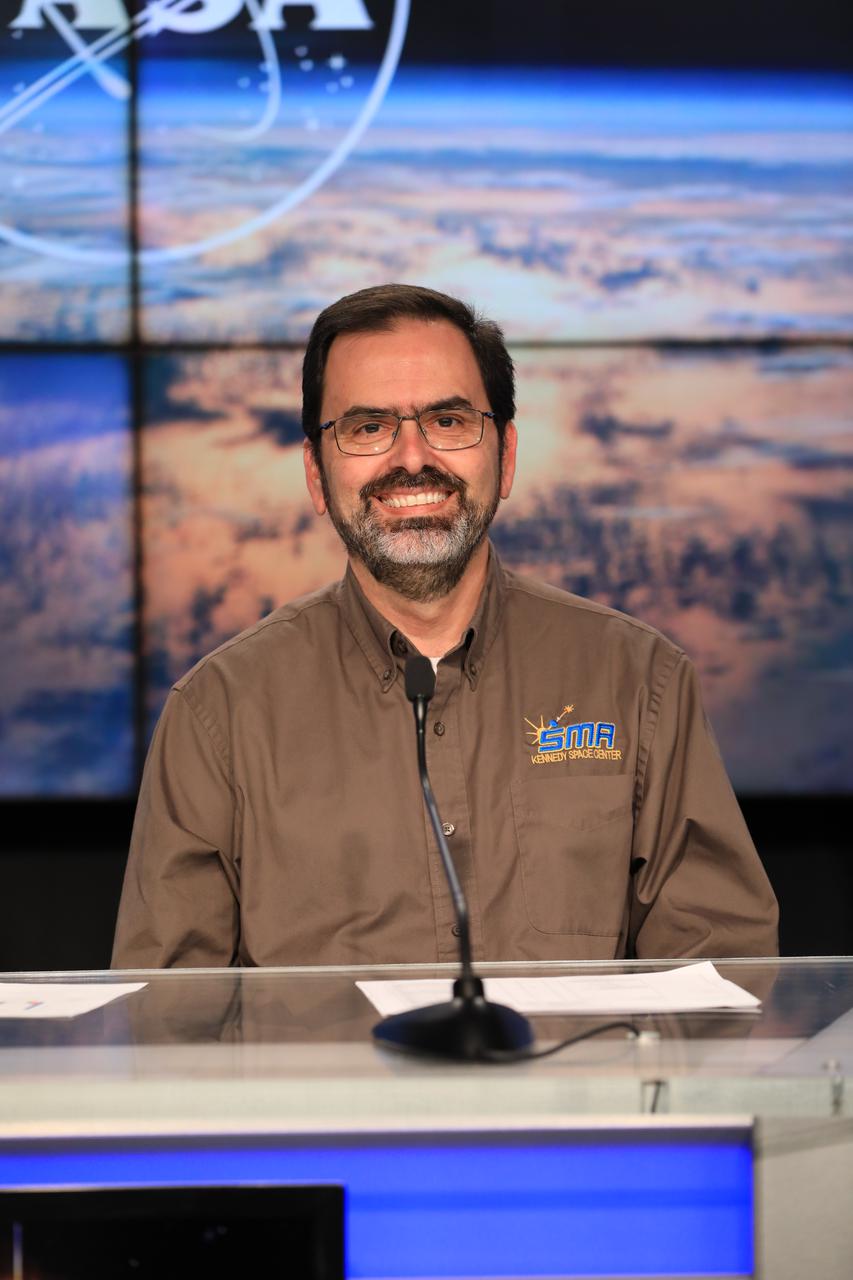
Director of Safety and Mission Assurance Ronnie Rodriguez participates in the Safety Starts With You Leadership Panel on Jan. 25, 2022, at NASA’s Kennedy Space Center in Florida. The panel discussion featured senior leaders from the spaceport addressing ways employees can focus on safely completing mission objectives in the new year. Other panelists included Kennedy Space Center Director Janet Petro, Director of Spaceport Integration and Services Nancy Bray, and Exploration Ground Systems Chief of Staff Sasha Sims.
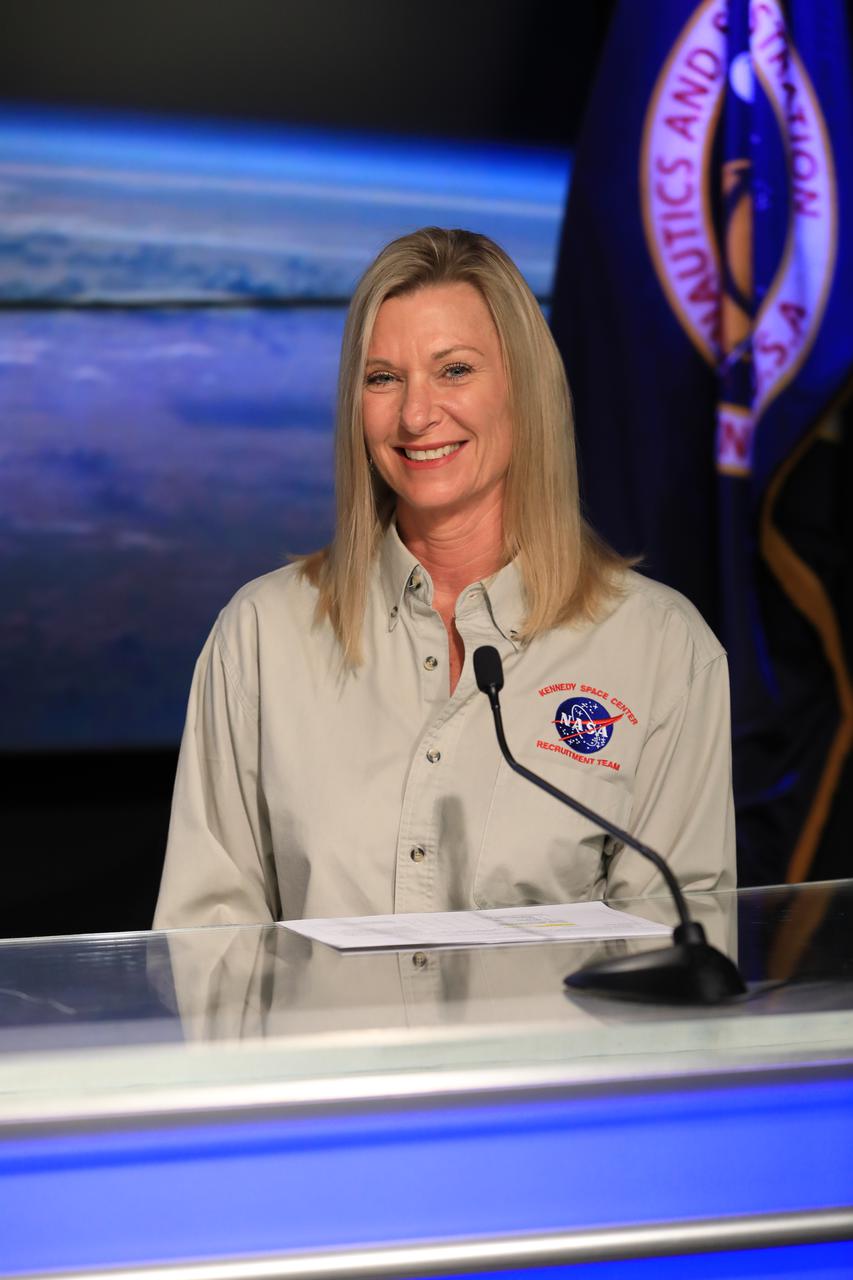
Director of Spaceport Integration and Services Nancy Bray participates in the Safety Starts With You Leadership Panel on Jan. 25, 2022, at NASA’s Kennedy Space Center in Florida. The panel discussion featured senior leaders from the spaceport addressing ways employees can focus on safely completing mission objectives in the new year. Other panelists included Kennedy Space Center Director Janet Petro, Director of KSC Safety and Mission Assurance Ronnie Rodriguez, and Exploration Ground Systems Chief of Staff Sasha Sims.

Exploration Ground Systems Chief of Staff Sasha Sims participates in the Safety Starts With You Leadership Panel on Jan. 25, 2022, at NASA’s Kennedy Space Center in Florida. The panel discussion featured senior leaders from the spaceport addressing ways employees can focus on safely completing mission objectives in the new year. Other panelists included Kennedy Space Center Director Janet Petro, Director of Safety and Mission Assurance Ronnie Rodriguez, and Director of Spaceport Integration and Services Nancy Bray.
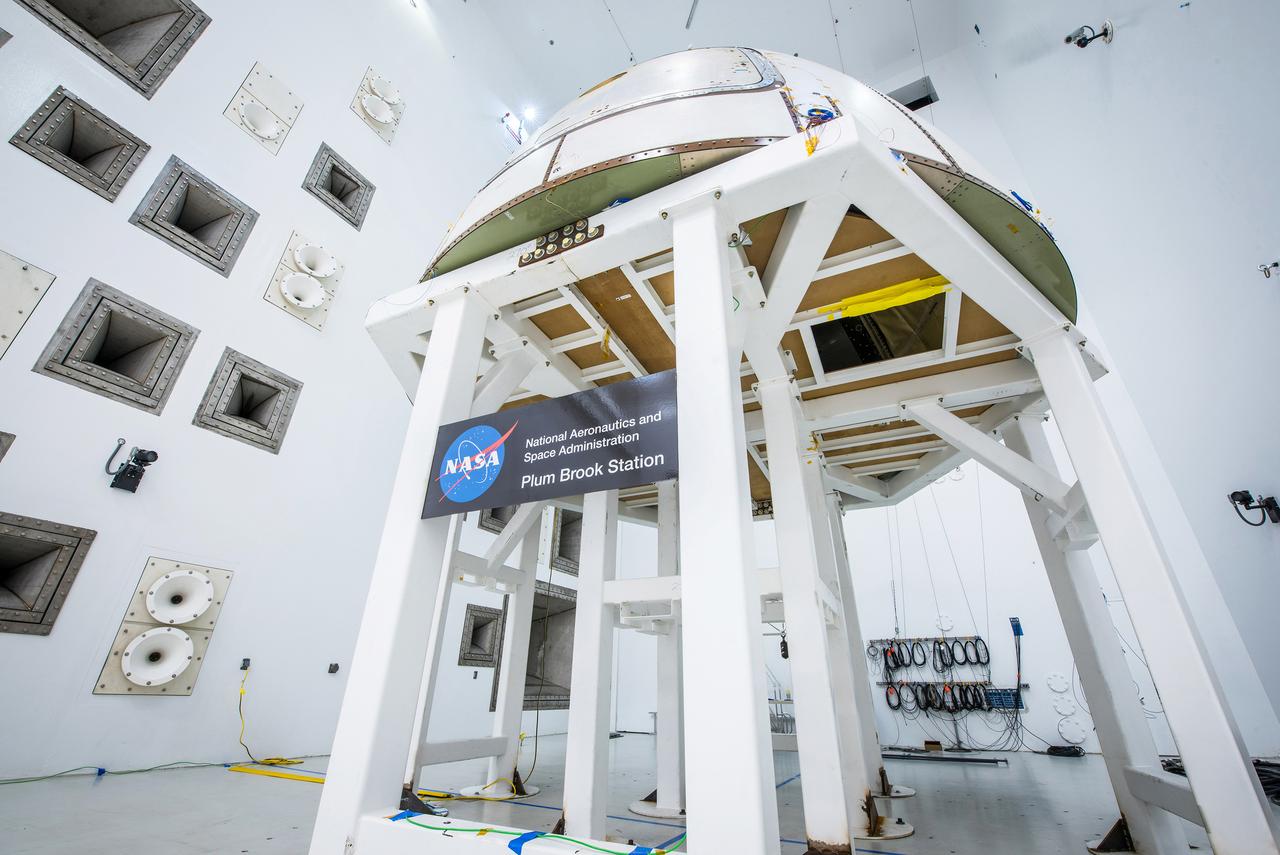
The ogive panels protect Orion's crew module from harsh acoustic conditions at launch and in case of an abort. Acoustic testing of the ogive hatch starts today at Space Power Facility at NASA Glenn Research Center's Plum Brook station in Sandusky, Ohio takes place on July 19, 2017. The ogive is installed in the Reverberant Acoustic Chamber where it will be blasted with 161 db of sound to simulate launch conditions.
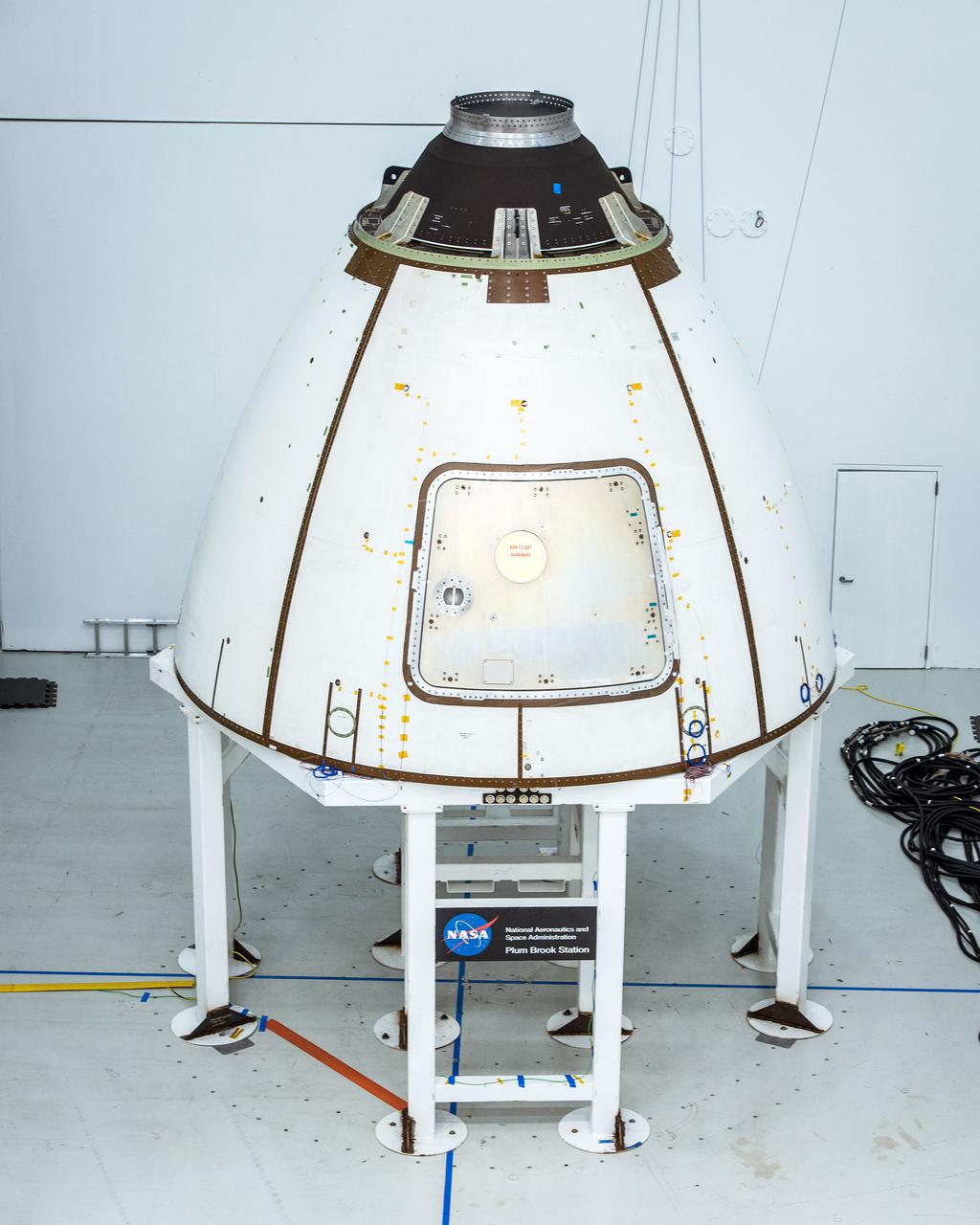
The ogive panels protect Orion's crew module from harsh acoustic conditions at launch and in case of an abort. Acoustic testing of the ogive hatch starts today at Space Power Facility at NASA Glenn Research Center's Plum Brook station in Sandusky, Ohio takes place on July 19, 2017. The ogive is installed in the Reverberant Acoustic Chamber where it will be blasted with 161 db of sound to simulate launch conditions.
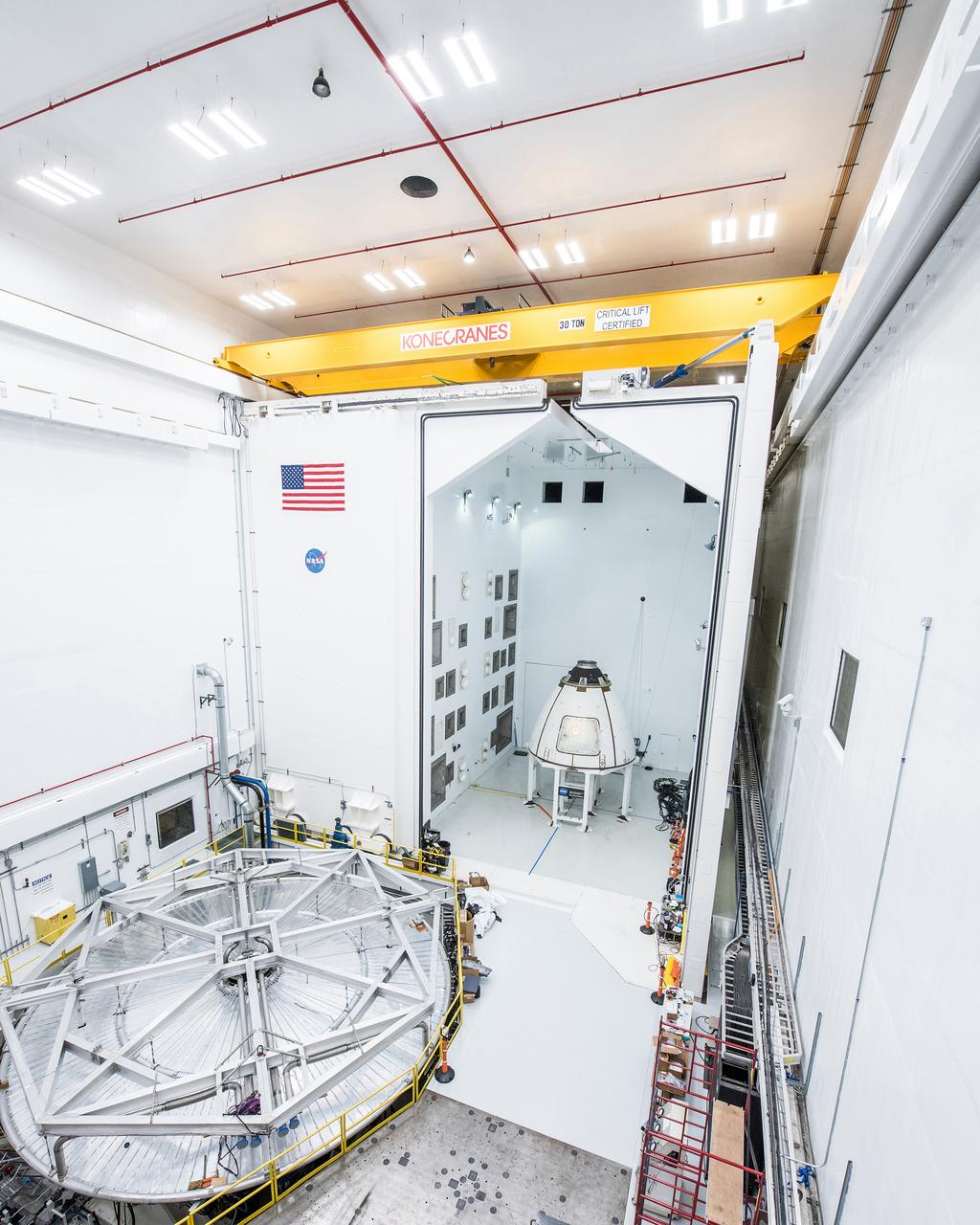
The ogive panels protect Orion's crew module from harsh acoustic conditions at launch and in case of an abort. Acoustic testing of the ogive hatch starts today at Space Power Facility at NASA Glenn Research Center's Plum Brook station in Sandusky, Ohio takes place on July 19, 2017. The ogive is installed in the Reverberant Acoustic Chamber where it will be blasted with 161 db of sound to simulate launch conditions.
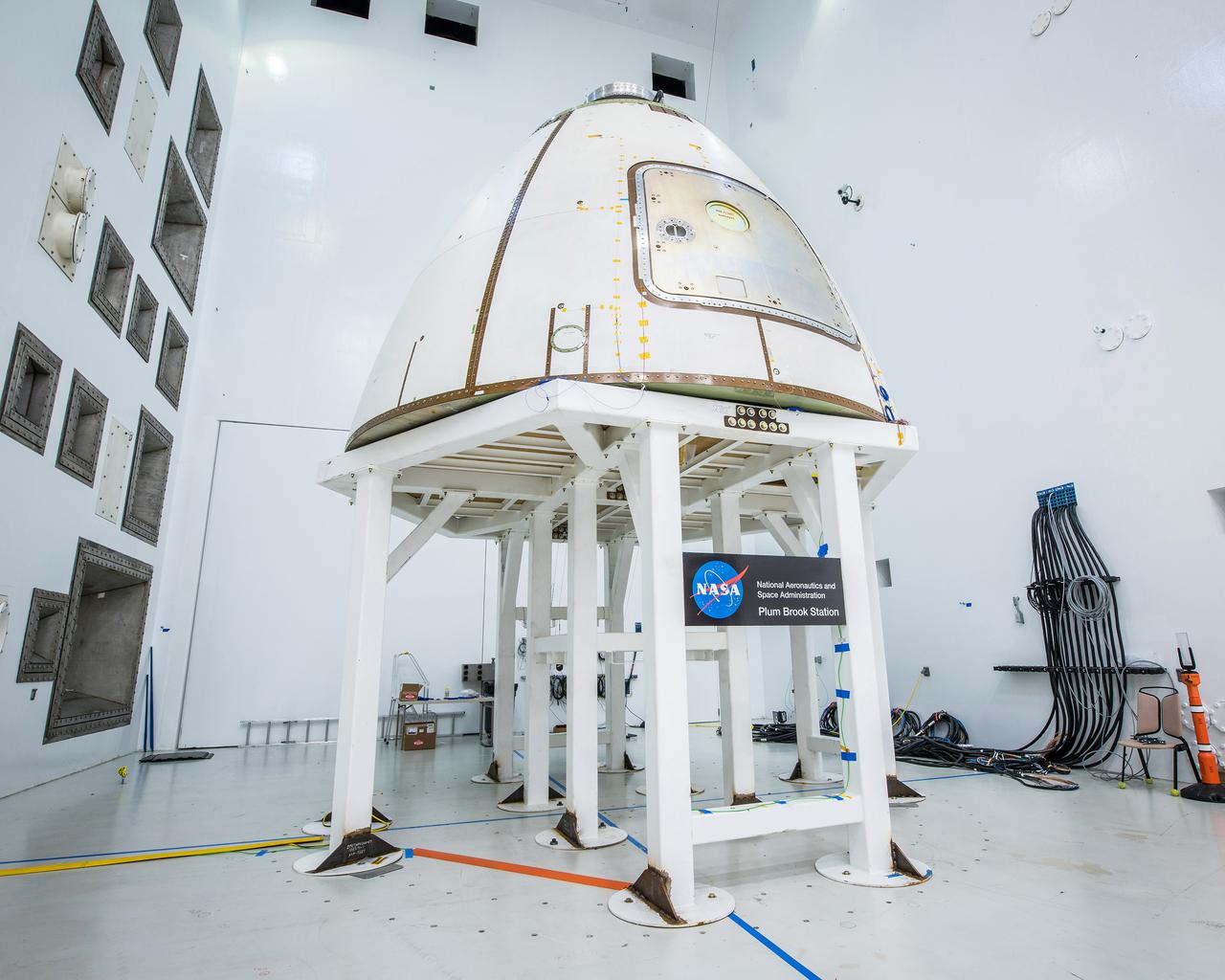
The ogive panels protect Orion's crew module from harsh acoustic conditions at launch and in case of an abort. Acoustic testing of the ogive hatch starts today at Space Power Facility at NASA Glenn Research Center's Plum Brook station in Sandusky, Ohio takes place on July 19, 2017. The ogive is installed in the Reverberant Acoustic Chamber where it will be blasted with 161 db of sound to simulate launch conditions.
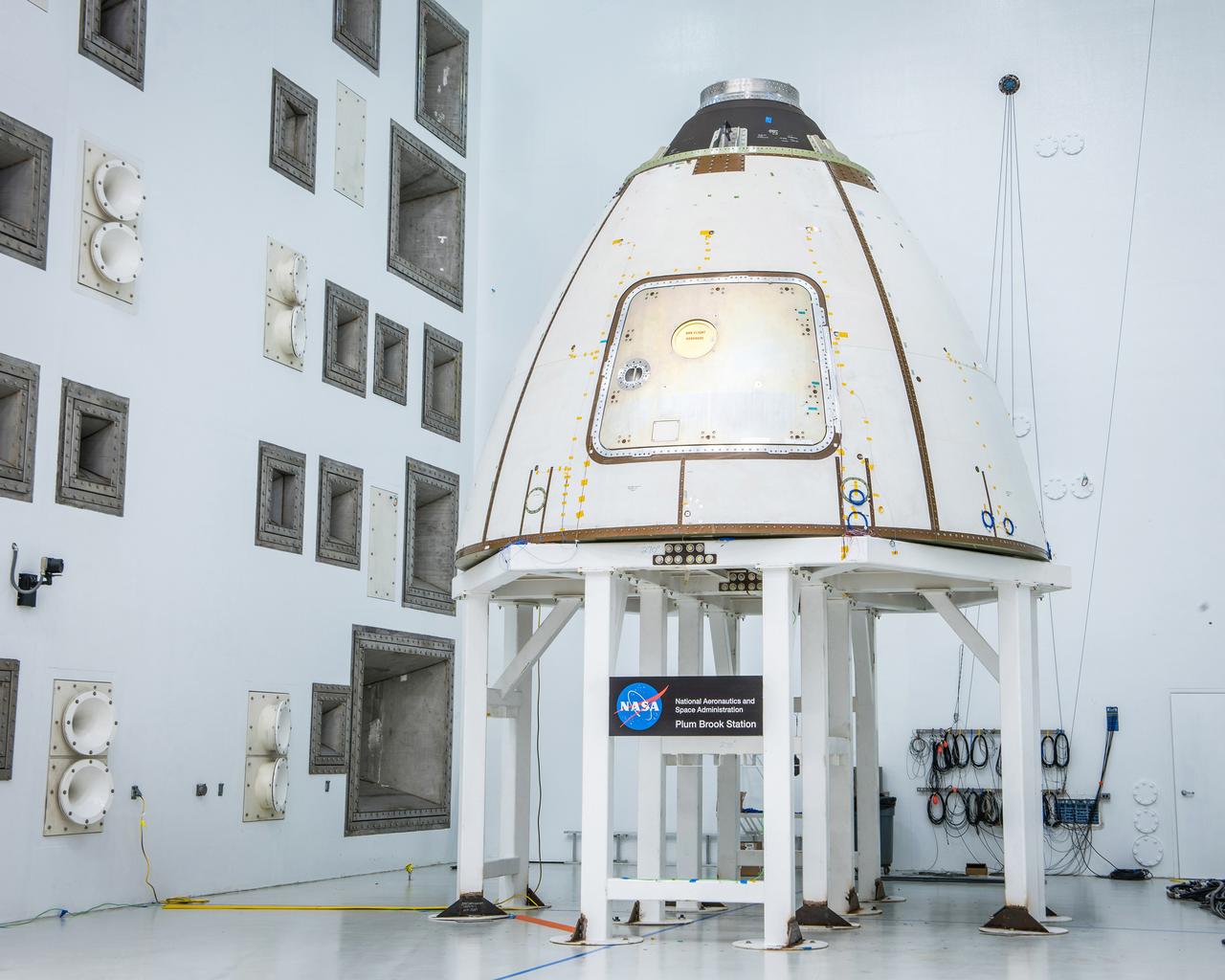
The ogive panels protect Orion's crew module from harsh acoustic conditions at launch and in case of an abort. Acoustic testing of the ogive hatch starts today at Space Power Facility at NASA Glenn Research Center's Plum Brook station in Sandusky, Ohio takes place on July 19, 2017. The ogive is installed in the Reverberant Acoustic Chamber where it will be blasted with 161 db of sound to simulate launch conditions.
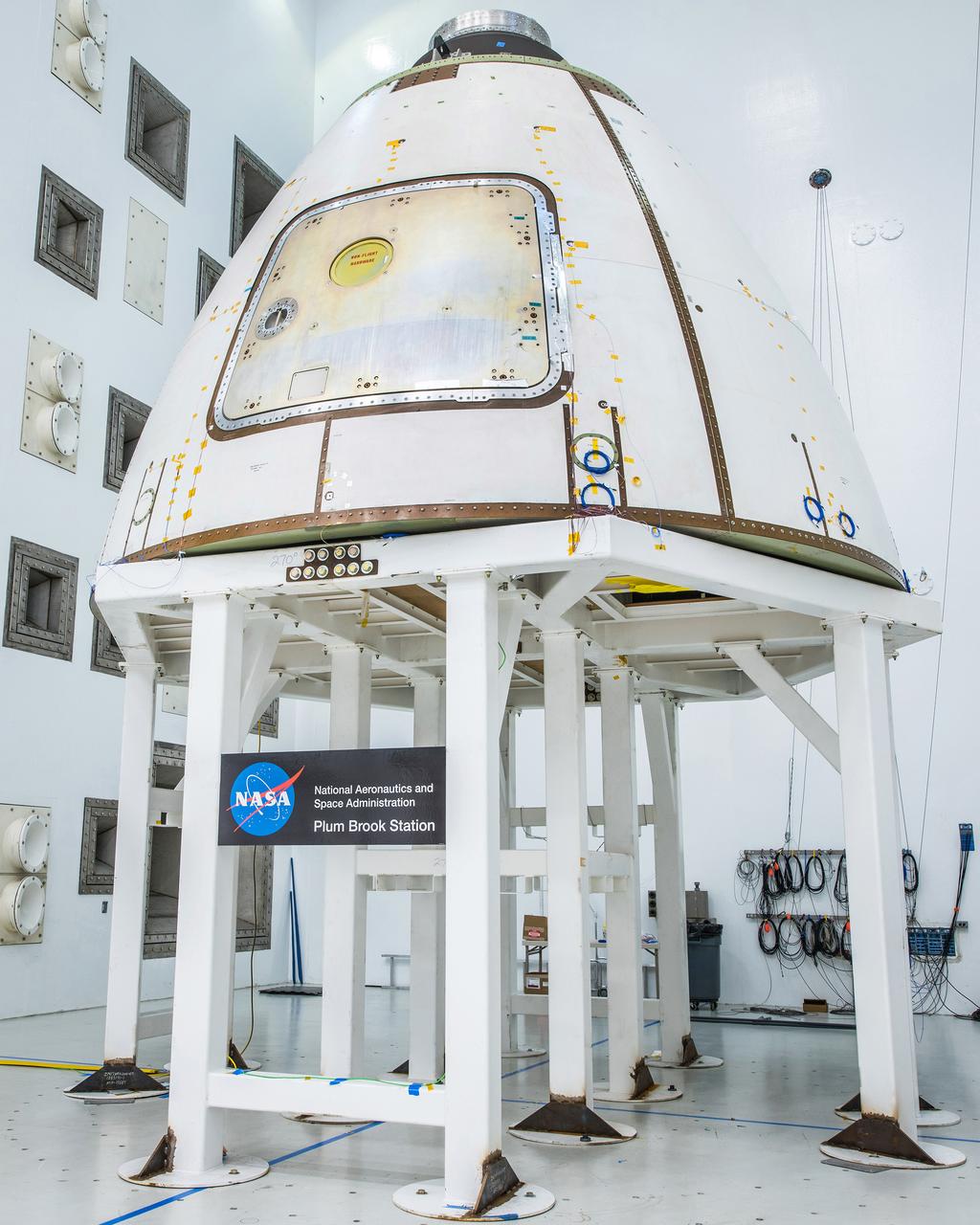
The ogive panels protect Orion's crew module from harsh acoustic conditions at launch and in case of an abort. Acoustic testing of the ogive hatch starts today at Space Power Facility at NASA Glenn Research Center's Plum Brook station in Sandusky, Ohio takes place on July 19, 2017. The ogive is installed in the Reverberant Acoustic Chamber where it will be blasted with 161 db of sound to simulate launch conditions.
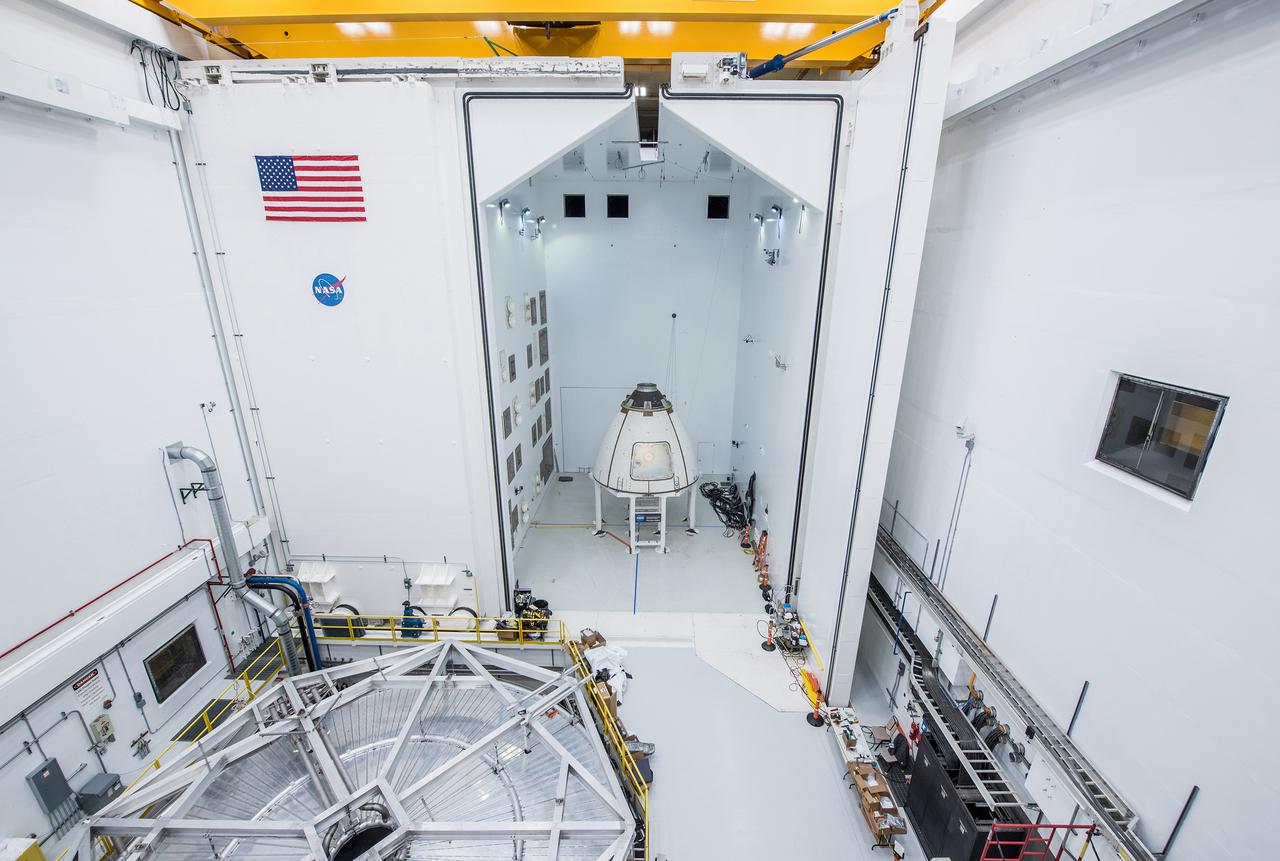
The ogive panels protect Orion's crew module from harsh acoustic conditions at launch and in case of an abort. Acoustic testing of the ogive hatch starts today at Space Power Facility at NASA Glenn Research Center's Plum Brook station in Sandusky, Ohio takes place on July 19, 2017. The ogive is installed in the Reverberant Acoustic Chamber where it will be blasted with 161 db of sound to simulate launch conditions.
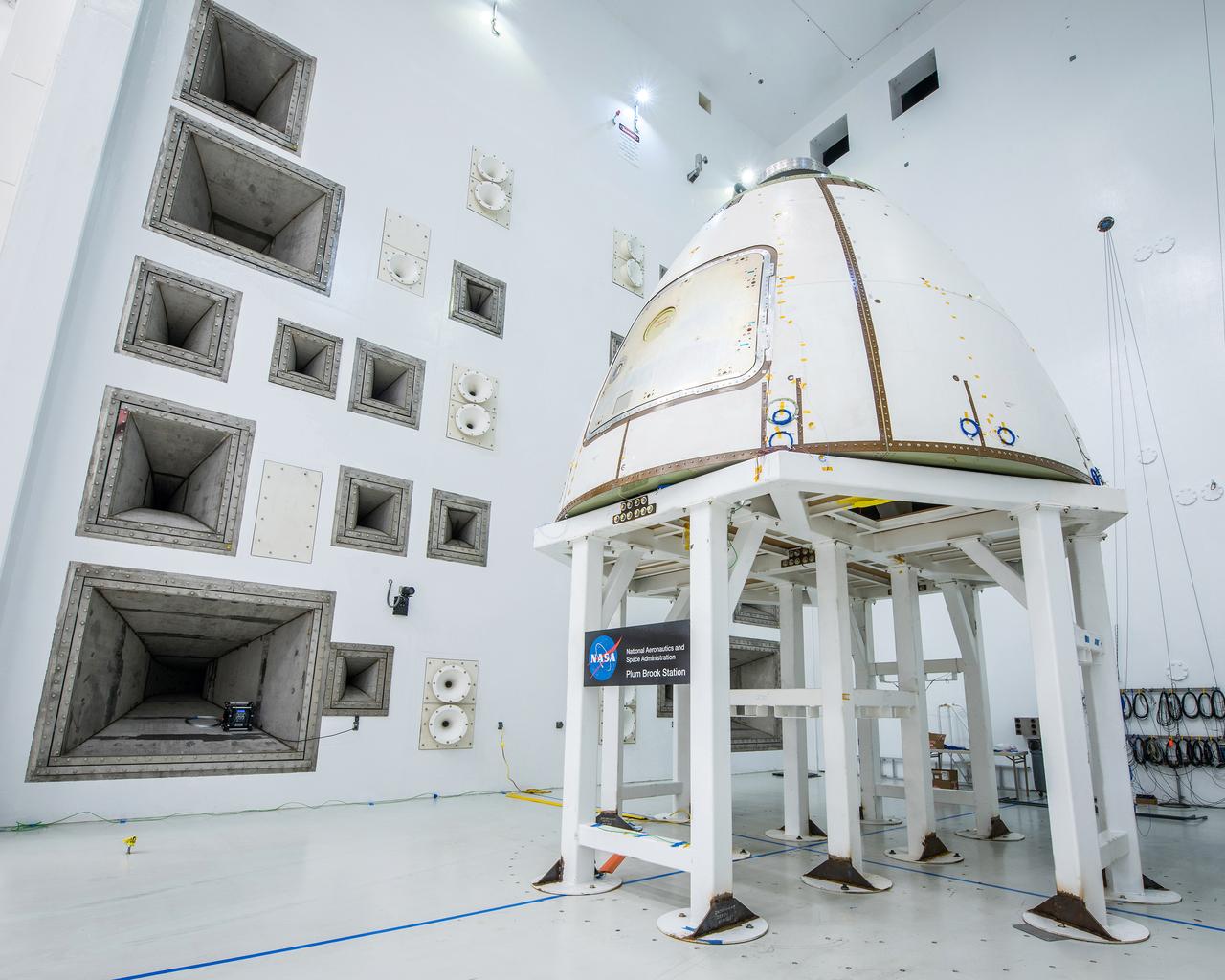
The ogive panels protect Orion's crew module from harsh acoustic conditions at launch and in case of an abort. Acoustic testing of the ogive hatch starts today at Space Power Facility at NASA Glenn Research Center's Plum Brook station in Sandusky, Ohio takes place on July 19, 2017. The ogive is installed in the Reverberant Acoustic Chamber where it will be blasted with 161 db of sound to simulate launch conditions.
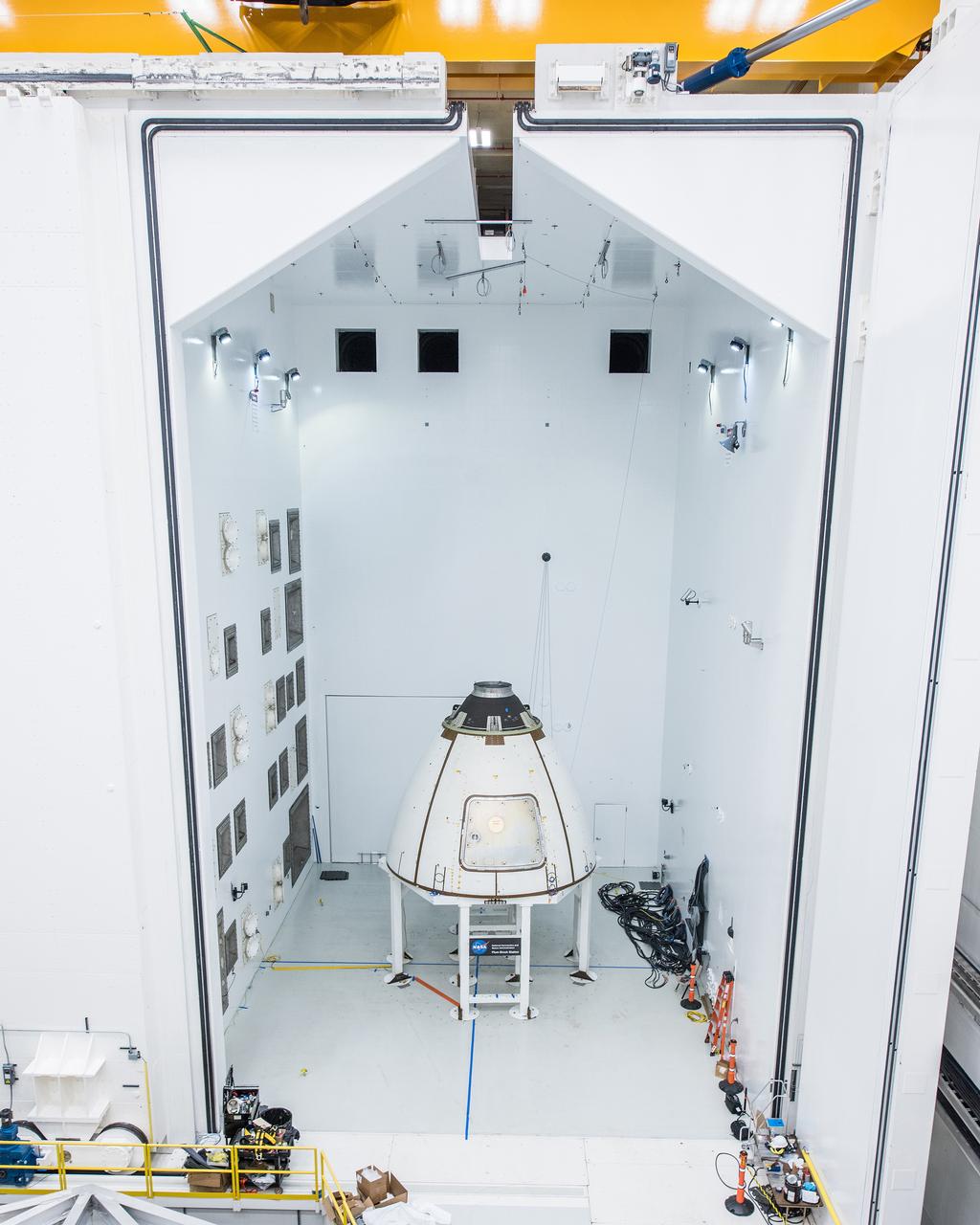
The ogive panels protect Orion's crew module from harsh acoustic conditions at launch and in case of an abort. Acoustic testing of the ogive hatch starts today at Space Power Facility at NASA Glenn Research Center's Plum Brook station in Sandusky, Ohio takes place on July 19, 2017. The ogive is installed in the Reverberant Acoustic Chamber where it will be blasted with 161 db of sound to simulate launch conditions.
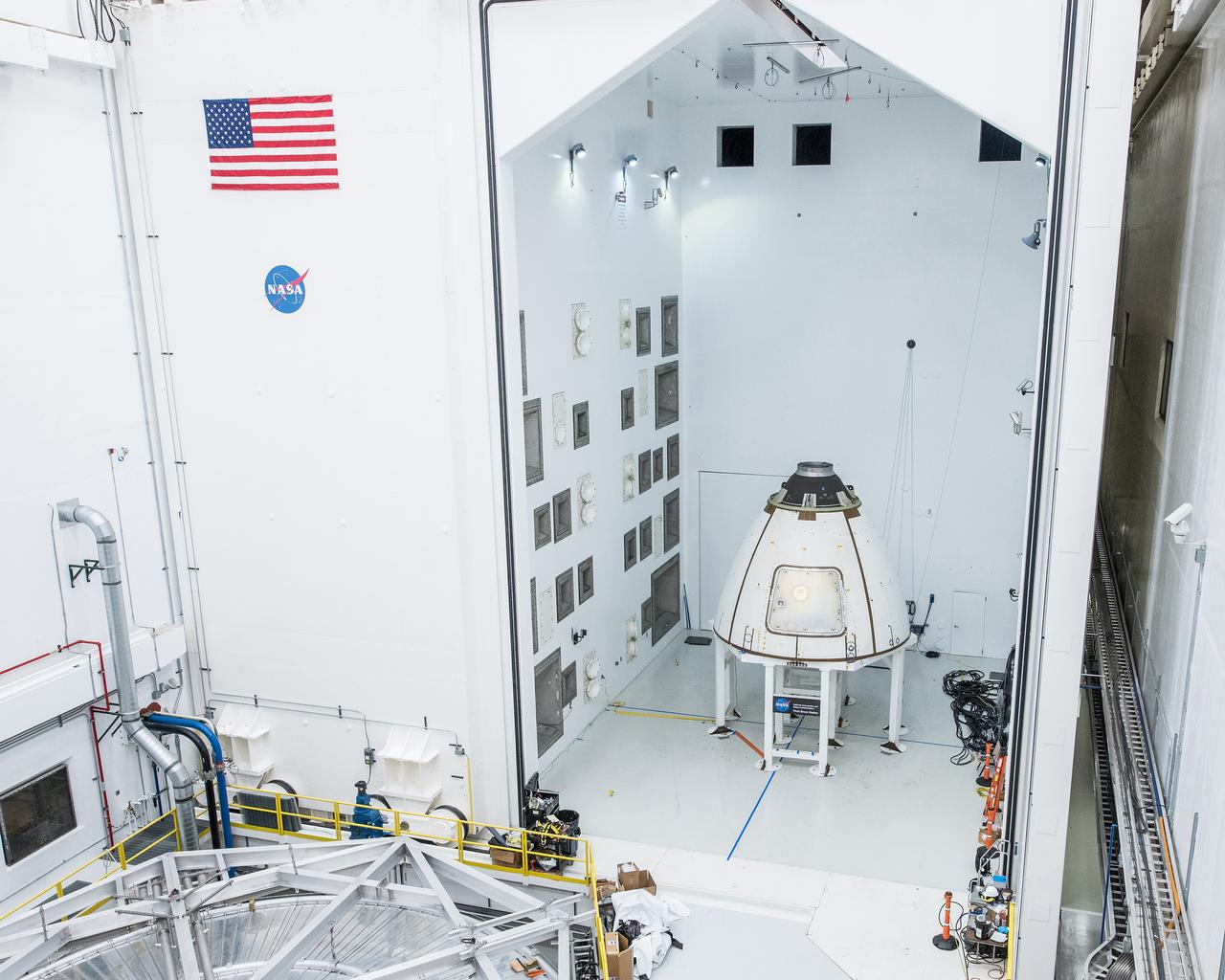
The ogive panels protect Orion's crew module from harsh acoustic conditions at launch and in case of an abort. Acoustic testing of the ogive hatch starts today at Space Power Facility at NASA Glenn Research Center's Plum Brook station in Sandusky, Ohio takes place on July 19, 2017. The ogive is installed in the Reverberant Acoustic Chamber where it will be blasted with 161 db of sound to simulate launch conditions.
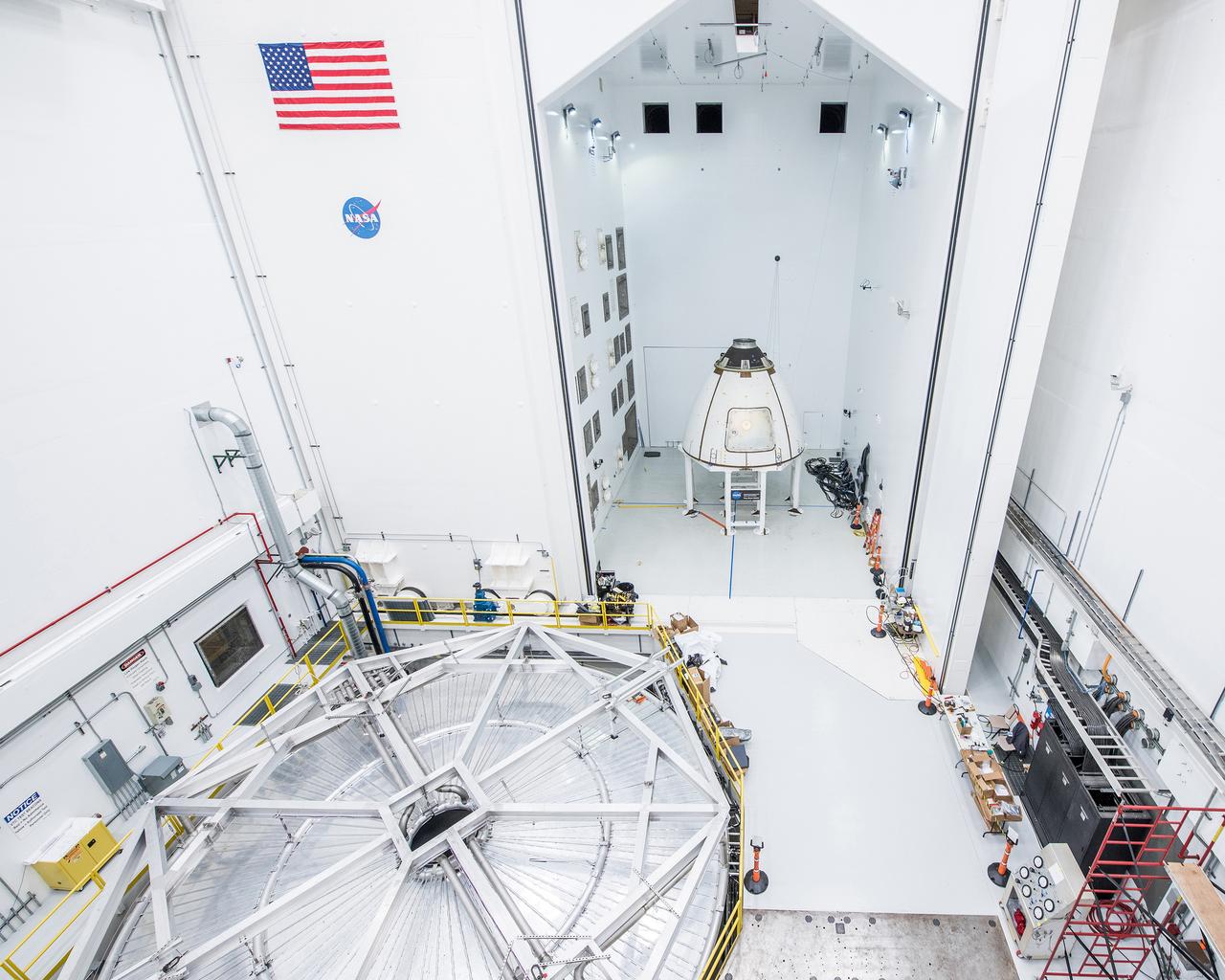
The ogive panels protect Orion's crew module from harsh acoustic conditions at launch and in case of an abort. Acoustic testing of the ogive hatch starts today at Space Power Facility at NASA Glenn Research Center's Plum Brook station in Sandusky, Ohio takes place on July 19, 2017. The ogive is installed in the Reverberant Acoustic Chamber where it will be blasted with 161 db of sound to simulate launch conditions.
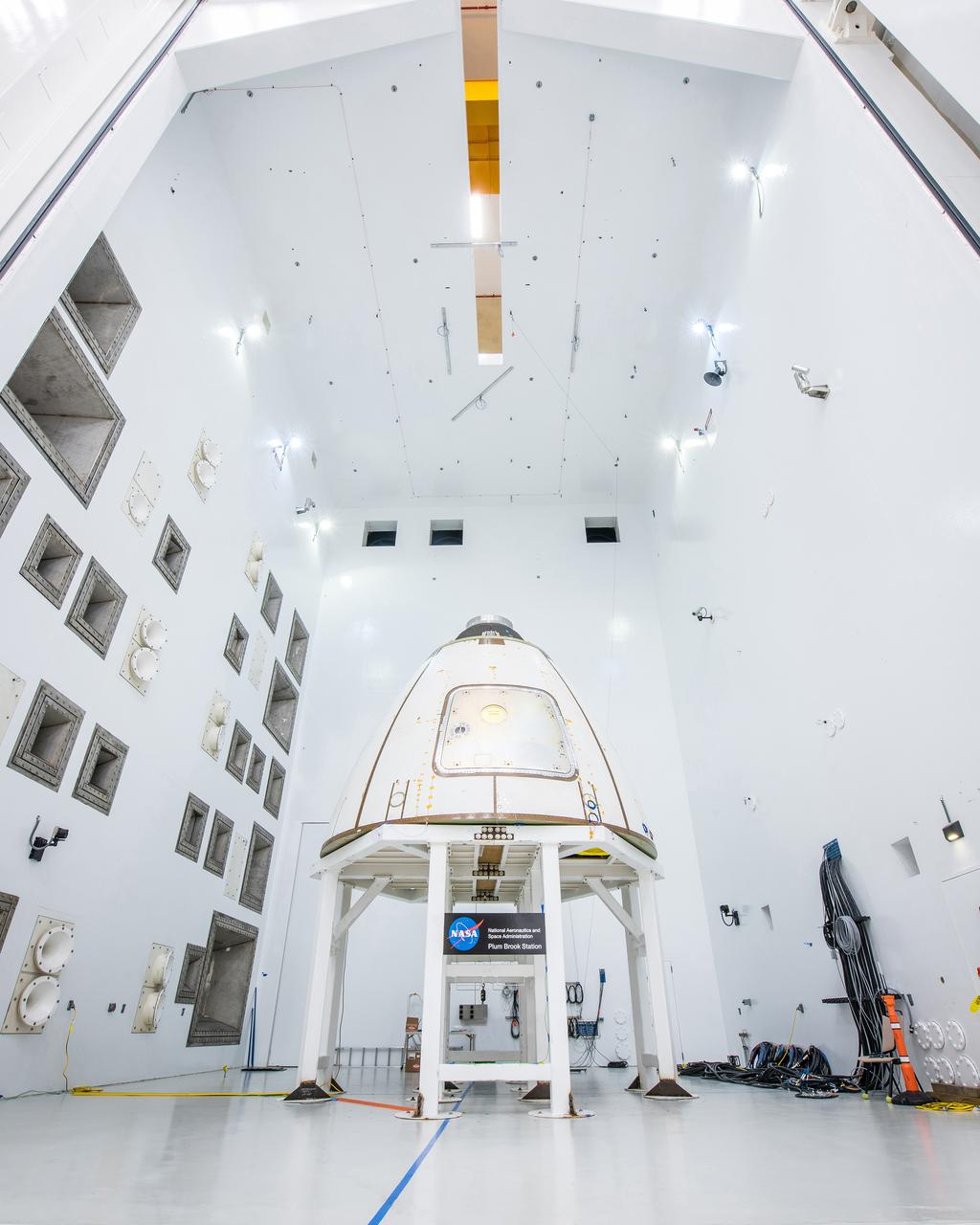
The ogive panels protect Orion's crew module from harsh acoustic conditions at launch and in case of an abort. Acoustic testing of the ogive hatch starts today at Space Power Facility at NASA Glenn Research Center's Plum Brook station in Sandusky, Ohio takes place on July 19, 2017. The ogive is installed in the Reverberant Acoustic Chamber where it will be blasted with 161 db of sound to simulate launch conditions.
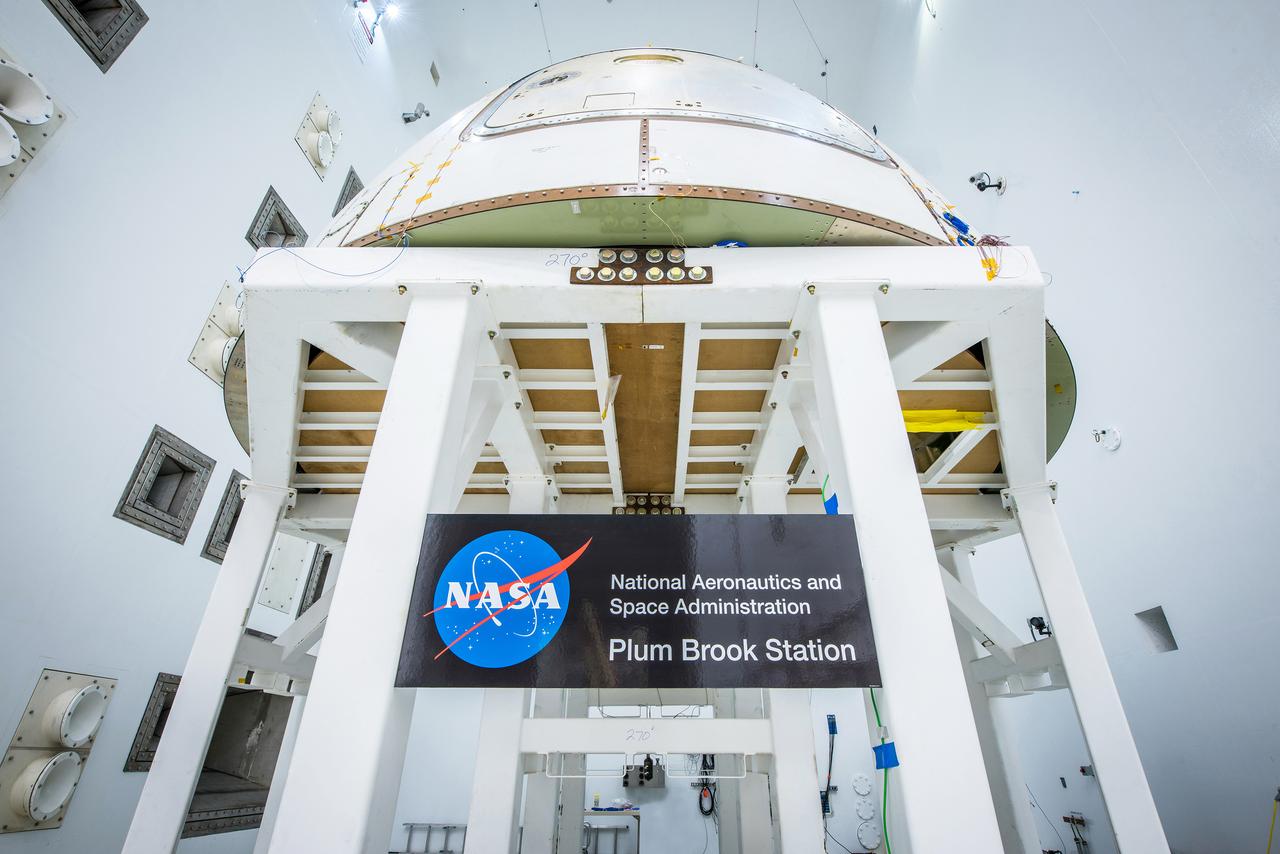
The ogive panels protect Orion's crew module from harsh acoustic conditions at launch and in case of an abort. Acoustic testing of the ogive hatch starts today at Space Power Facility at NASA Glenn Research Center's Plum Brook station in Sandusky, Ohio takes place on July 19, 2017. The ogive is installed in the Reverberant Acoustic Chamber where it will be blasted with 161 db of sound to simulate launch conditions.
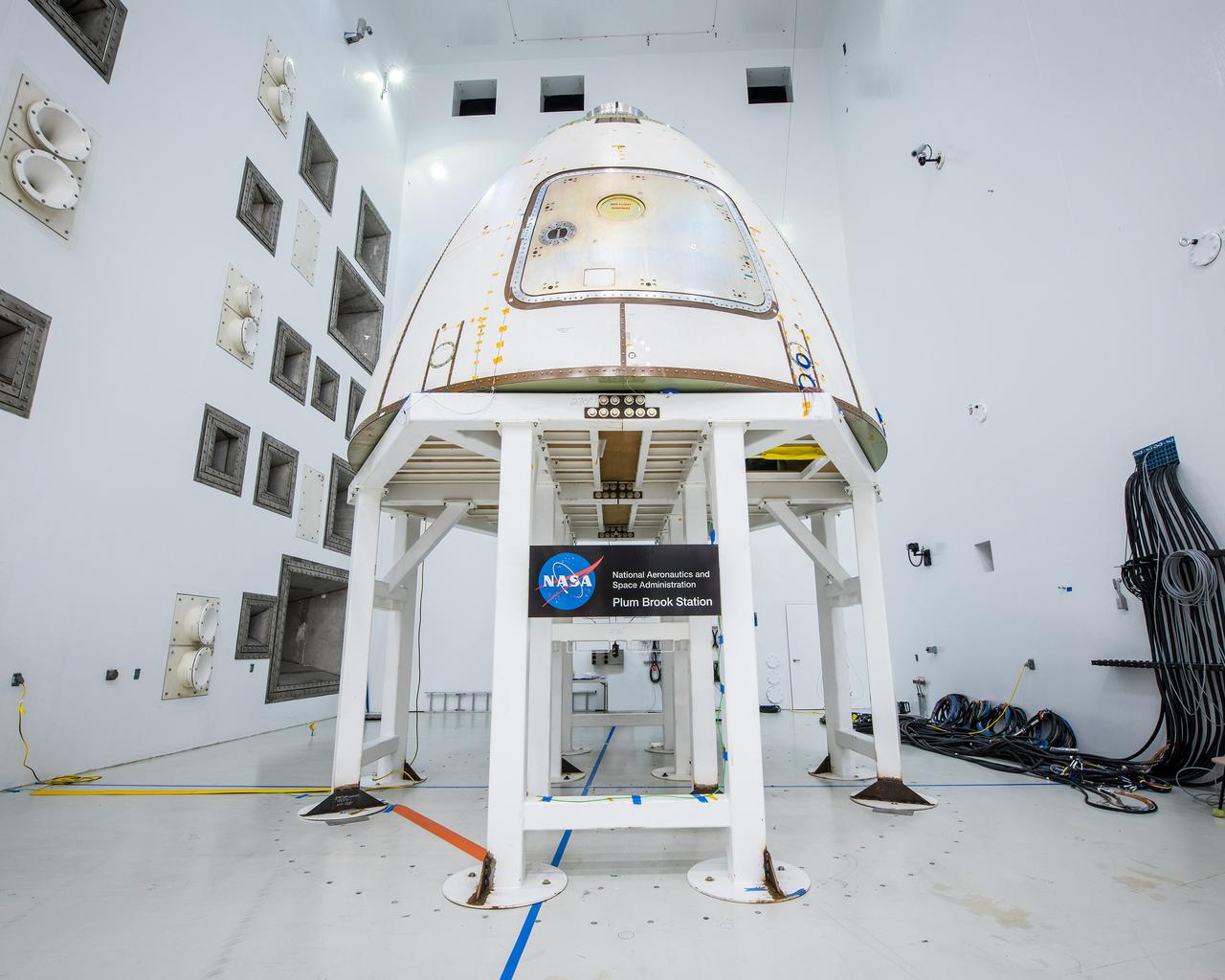
The ogive panels protect Orion's crew module from harsh acoustic conditions at launch and in case of an abort. Acoustic testing of the ogive hatch starts today at Space Power Facility at NASA Glenn Research Center's Plum Brook station in Sandusky, Ohio takes place on July 19, 2017. The ogive is installed in the Reverberant Acoustic Chamber where it will be blasted with 161 db of sound to simulate launch conditions.
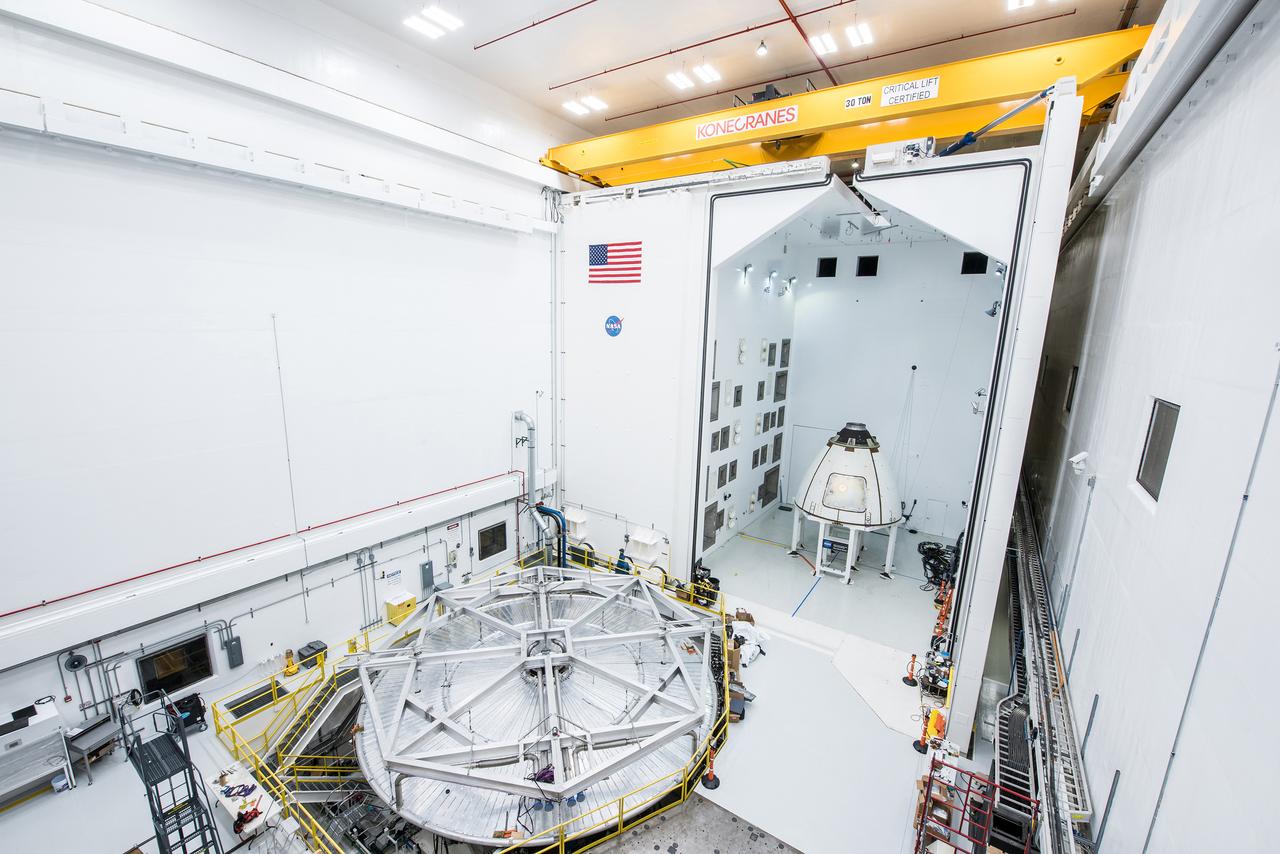
The ogive panels protect Orion's crew module from harsh acoustic conditions at launch and in case of an abort. Acoustic testing of the ogive hatch starts today at Space Power Facility at NASA Glenn Research Center's Plum Brook station in Sandusky, Ohio takes place on July 19, 2017. The ogive is installed in the Reverberant Acoustic Chamber where it will be blasted with 161 db of sound to simulate launch conditions.
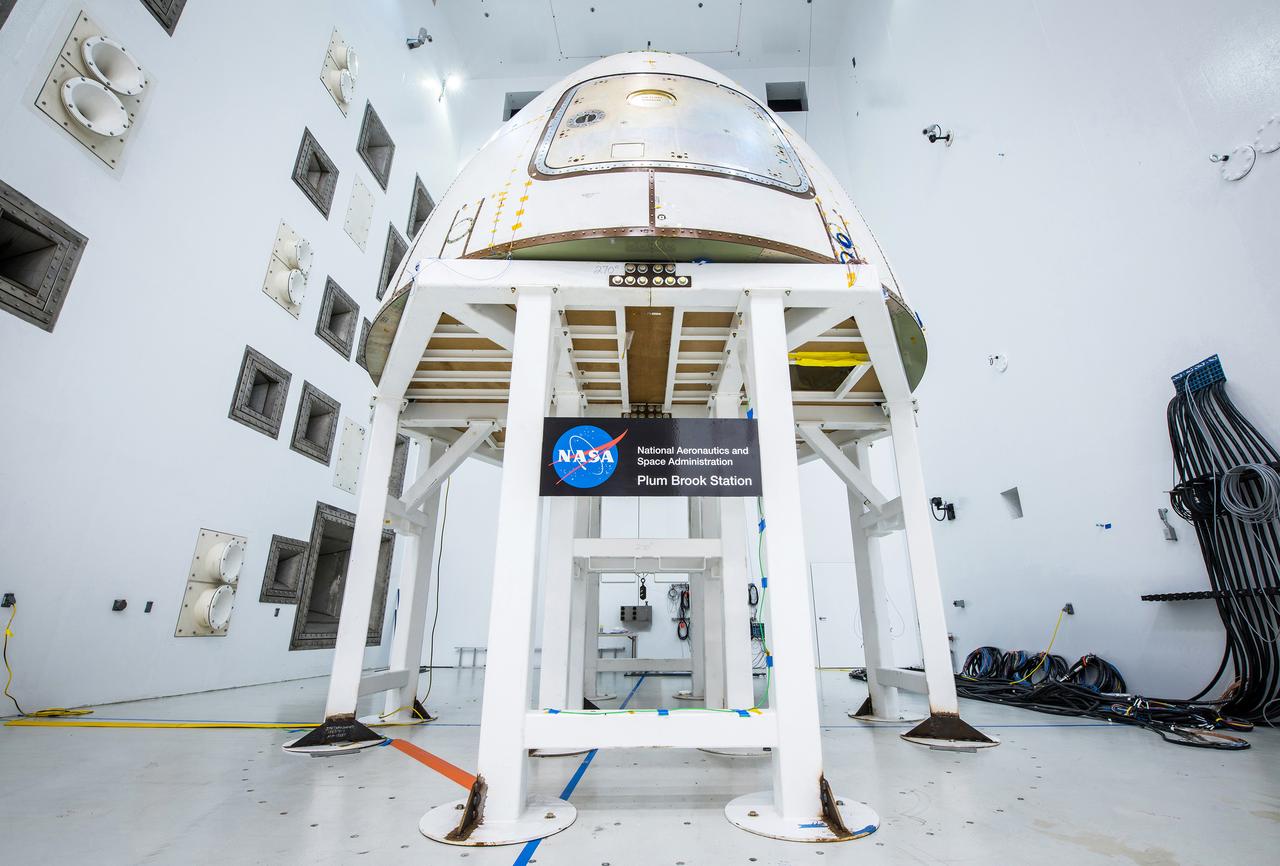
The ogive panels protect Orion's crew module from harsh acoustic conditions at launch and in case of an abort. Acoustic testing of the ogive hatch starts today at Space Power Facility at NASA Glenn Research Center's Plum Brook station in Sandusky, Ohio takes place on July 19, 2017. The ogive is installed in the Reverberant Acoustic Chamber where it will be blasted with 161 db of sound to simulate launch conditions.
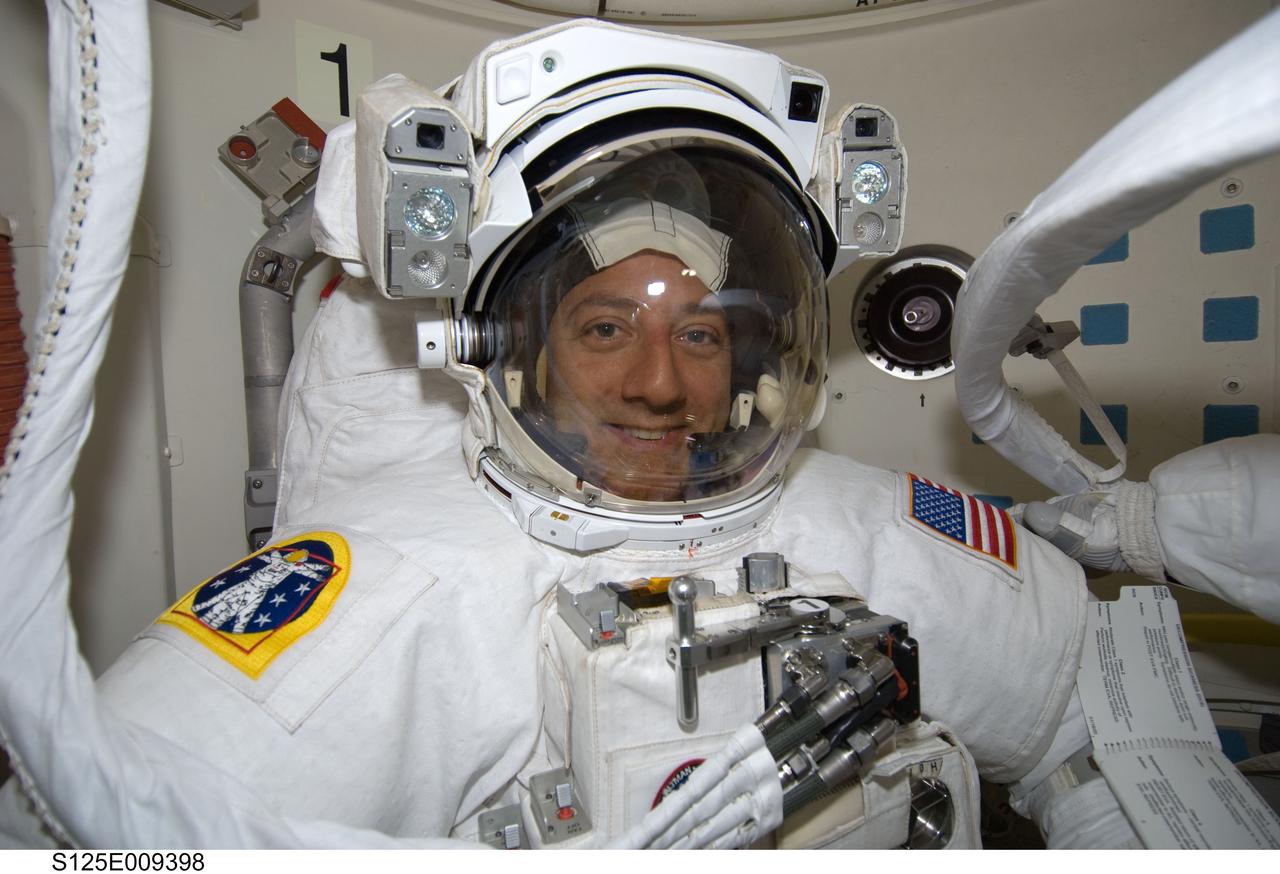
S125-E-009398 (17 May 2009) --- Astronaut Mike Massimino, STS-125 mission specialist, attired in his Extravehicular Mobility Unit (EMU) spacesuit, is pictured in the Space Shuttle Atlantis? airlock prior to the start of the mission?s fourth session of extravehicular activity (EVA).
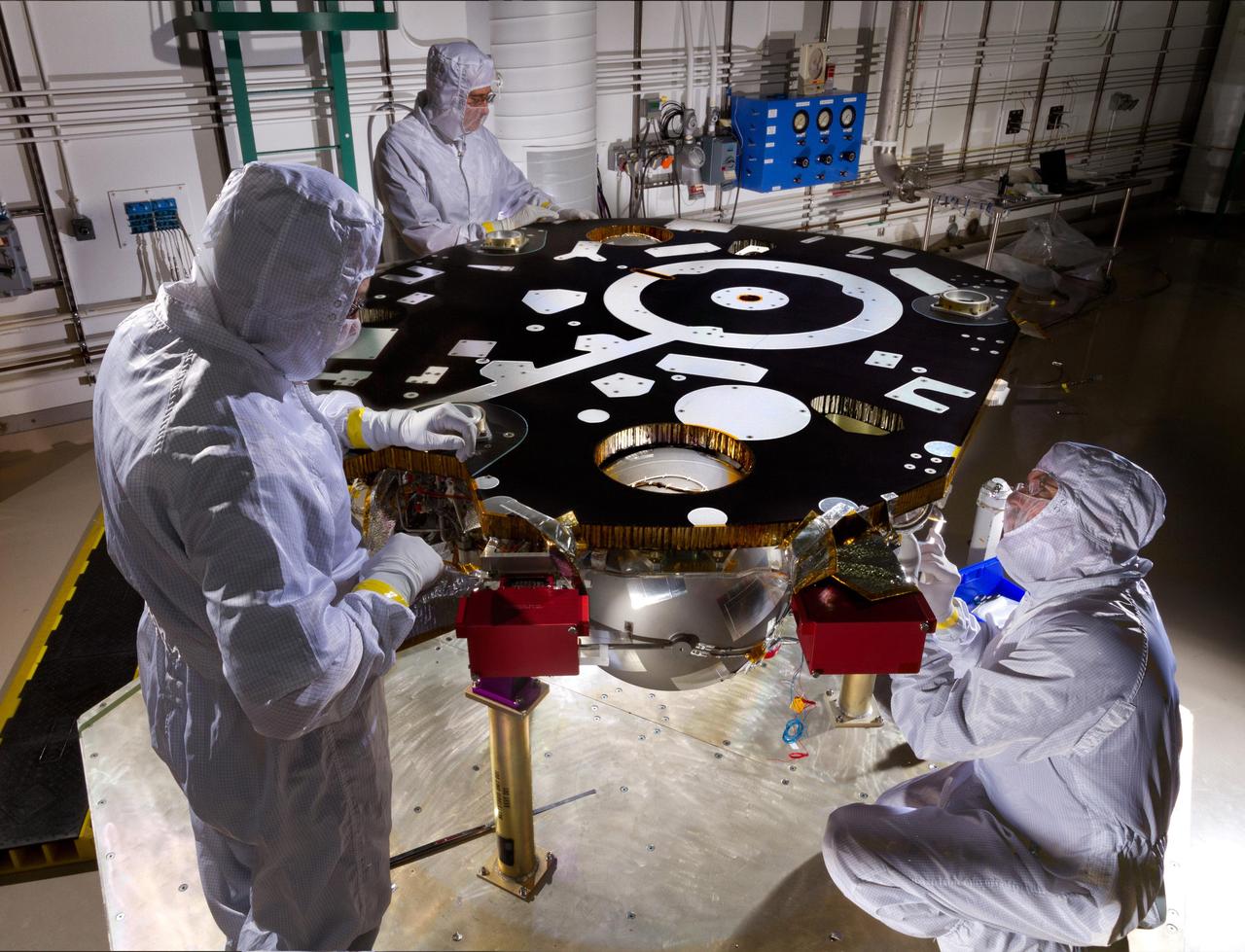
Technicians in a Lockheed Martin clean room near Denver prepare NASA's InSight Mars lander for propulsion proof and leak testing on Oct. 31, 2014. Following the test, the lander was moved to another clean room for the start of the mission's assembly, test and launch operations (ATLO) phase. The assembly portion of ATLO will last about six months. The InSight mission (for Interior Exploration using Seismic Investigations, Geodesy and Heat Transport) is scheduled to launch in March 2016 and land on Mars six months later. It will investigate processes that formed and shaped Mars and will help scientists better understand the evolution of our inner solar system's rocky planets, including Earth. Note: After thorough examination, NASA managers have decided to suspend the planned March 2016 launch of the Interior Exploration using Seismic Investigations Geodesy and Heat Transport (InSight) mission. The decision follows unsuccessful attempts to repair a leak in a section of the prime instrument in the science payload. http://photojournal.jpl.nasa.gov/catalog/PIA18884
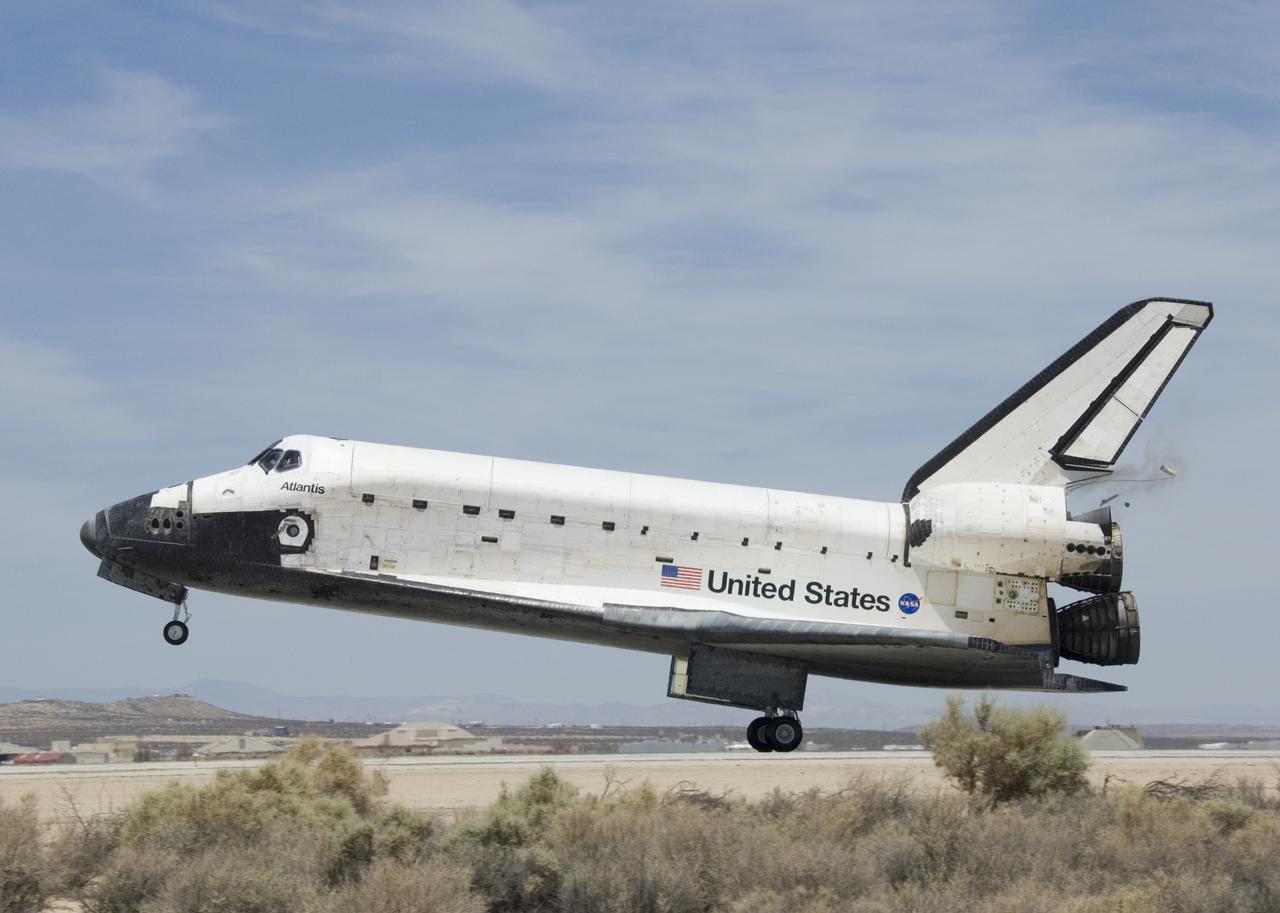
Space Shuttle Atlantis starts to deploy its braking parachute following touchdown at Edwards Air Force Base, California, on June 22, 2007.
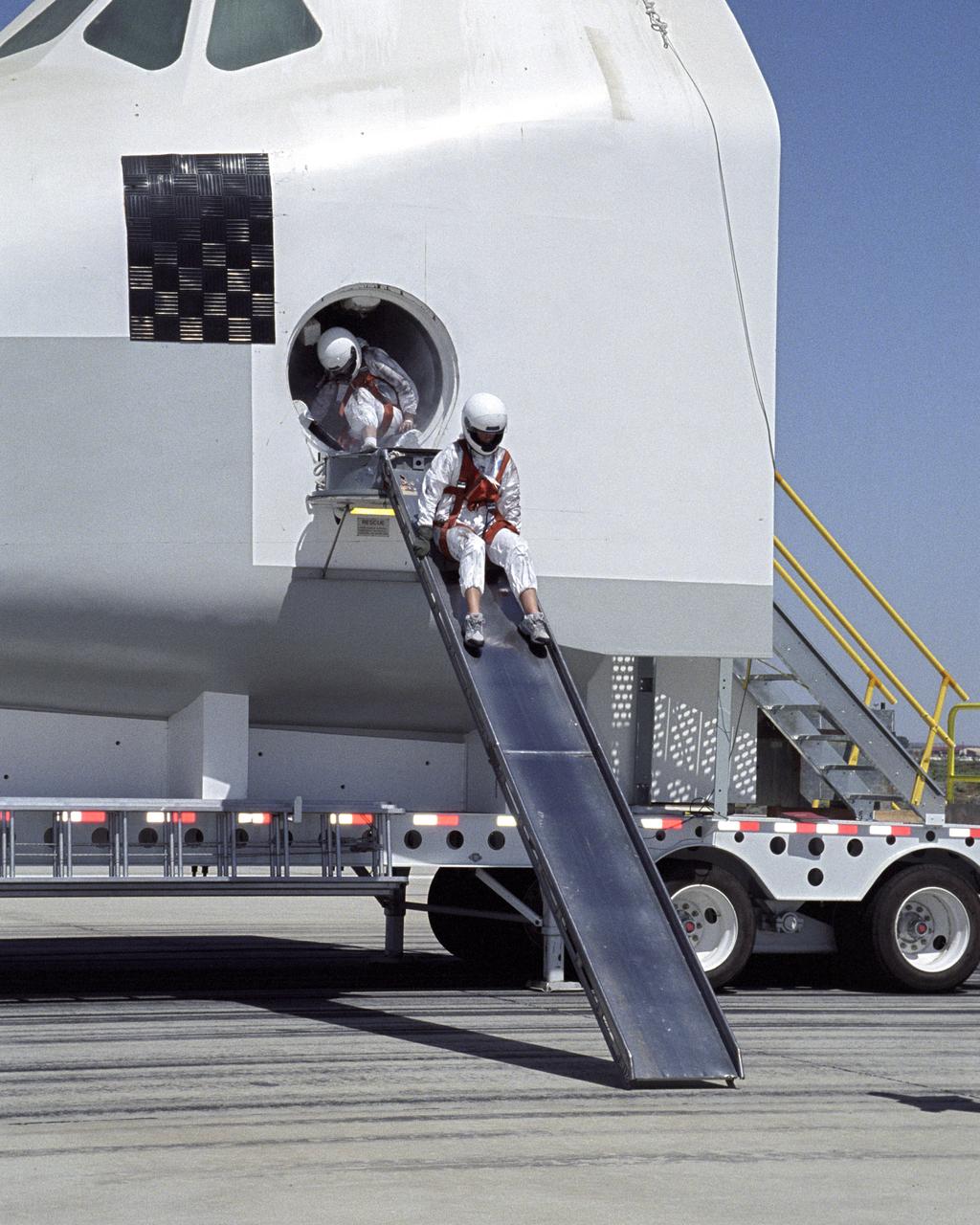
A volunteer "astronaut" starts down an exit slide from a Space Shuttle crew compartment mockup during a rescue and recovery training exercise.
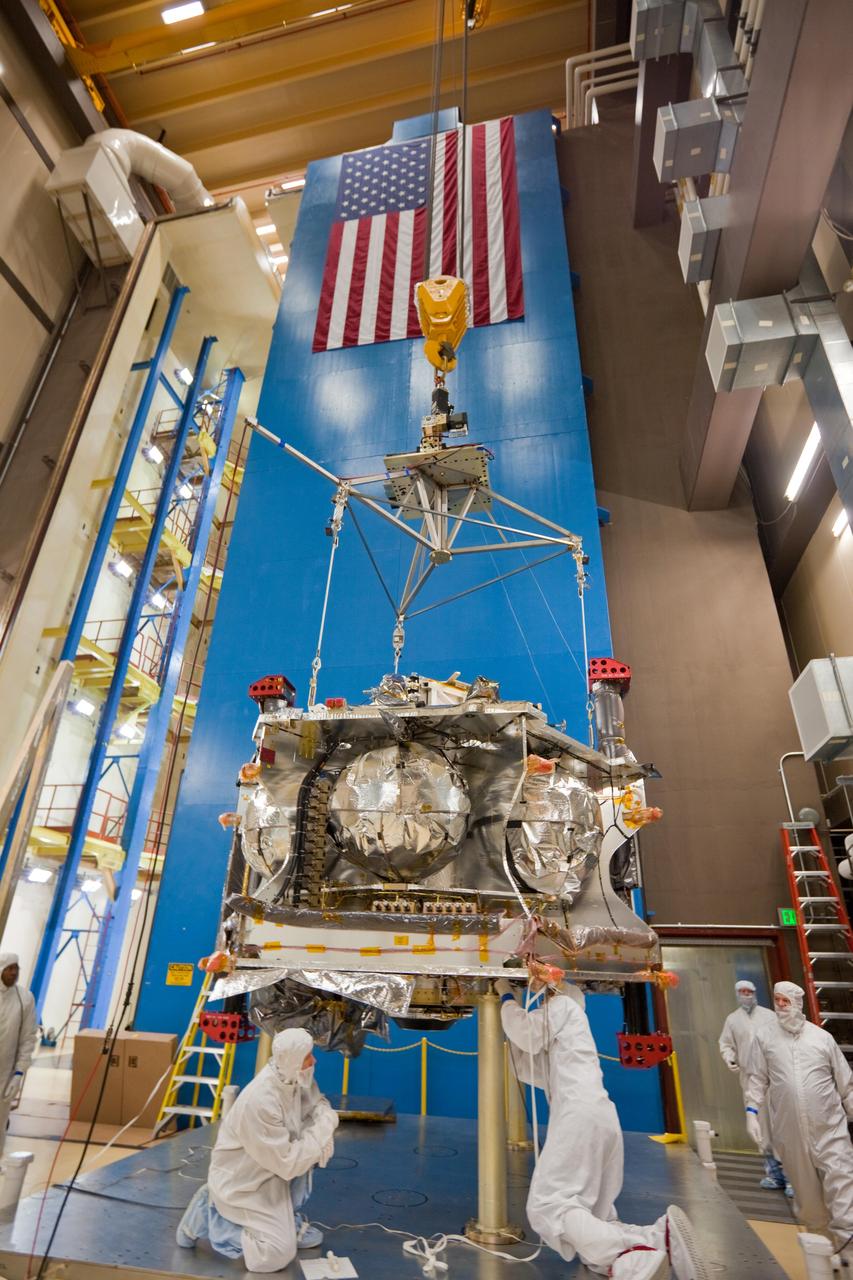
Technicians lift NASA Juno spacecraft onto a dolly prior to the start of a round of acoustical testing.
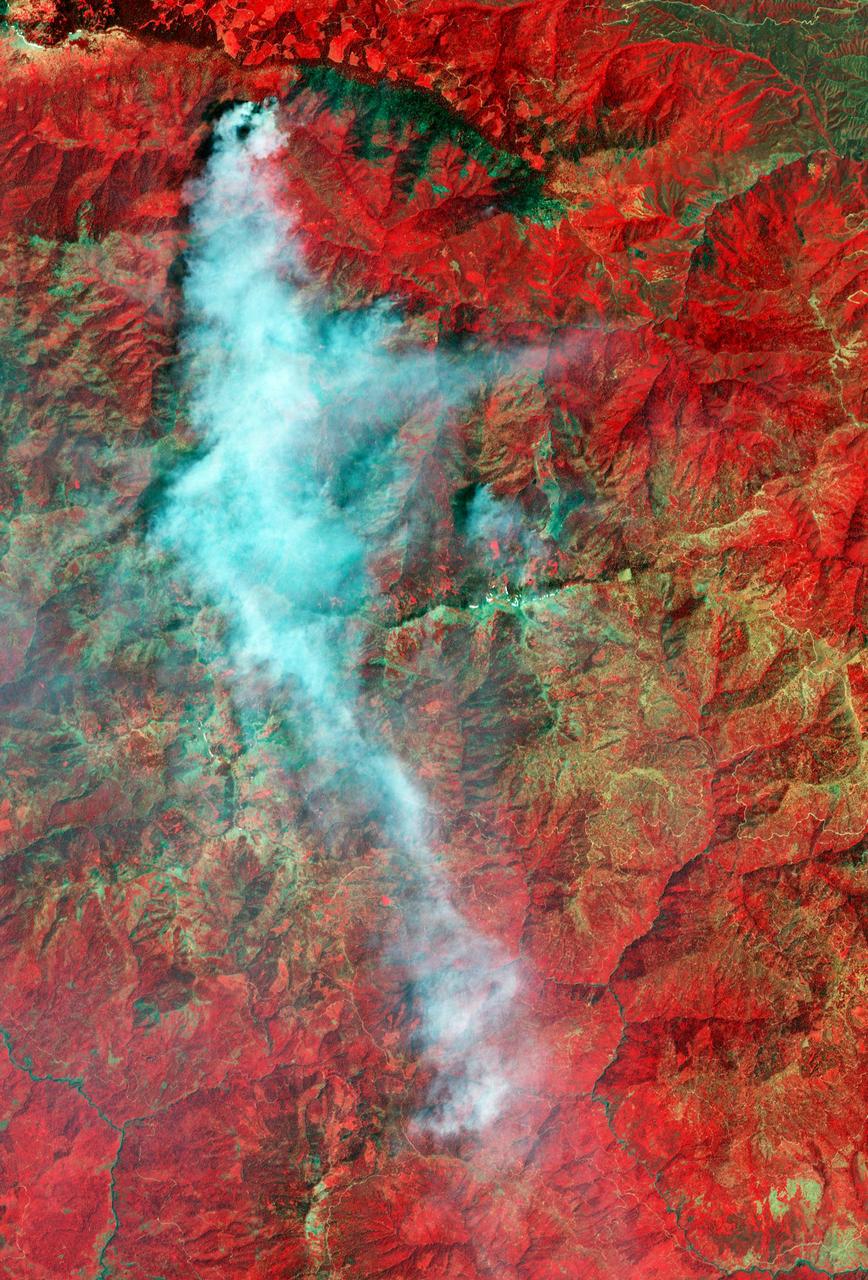
The Yolla Bolly Complex Wildland Fire was started on June 21, 2008 by a lightning strike. This image was acquired by NASA Terra spacecraft.
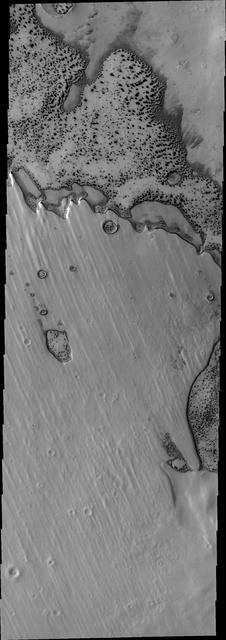
Dark surface material is starting to appear as the frost is sublimated in this image of Pityusa Patera as seen by NASA Mars Odyssey.
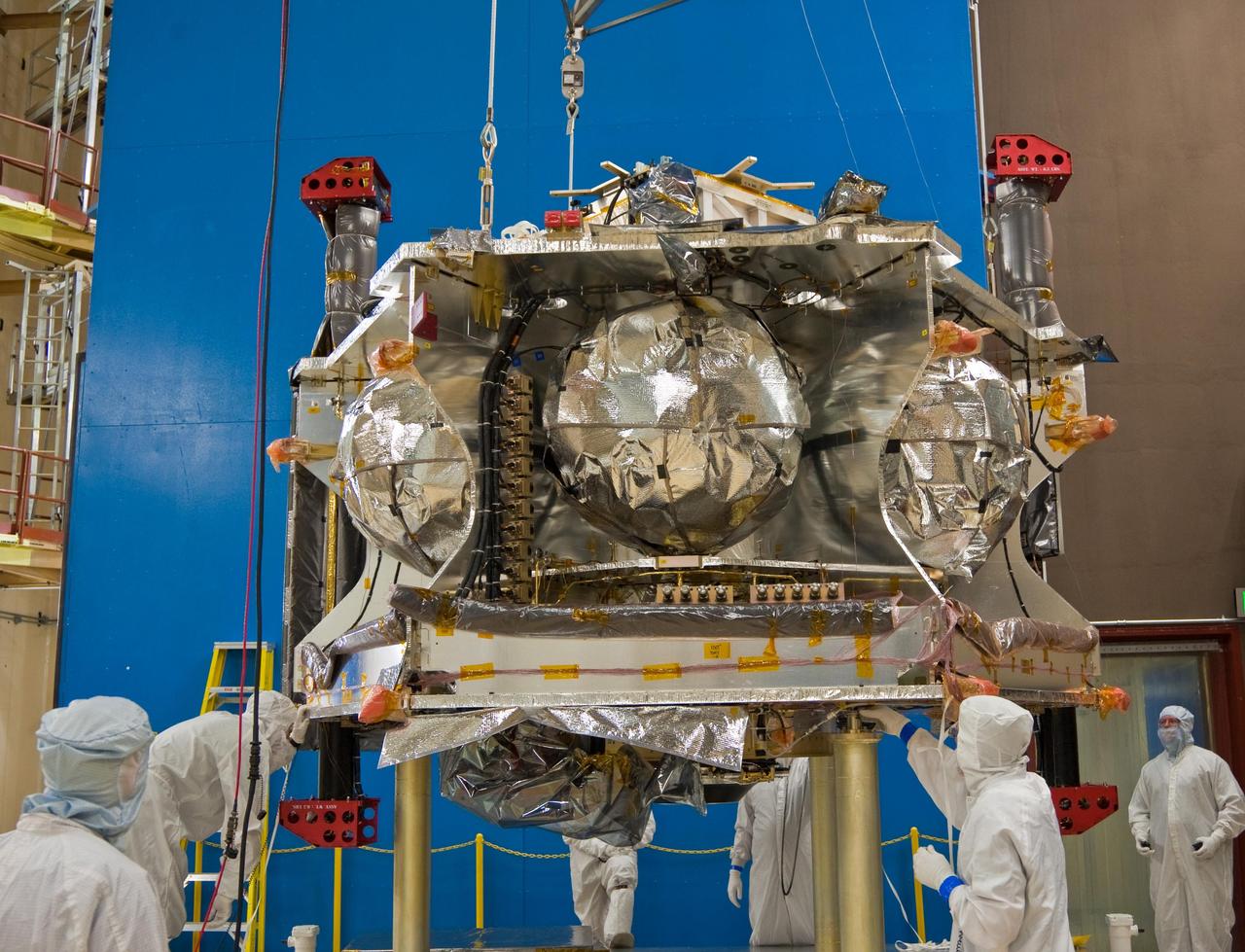
Technicians position NASA’s Juno spacecraft on a dolly prior to the start of a round of acoustical testing.
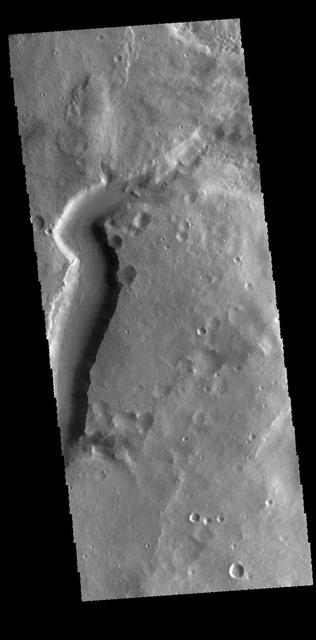
Today's VIS image shows the start of Mamers Valles. Orbit Number: 60364 Latitude: 31.4345 Longitude: 20.3221 Instrument: VIS Captured: 2015-07-24 03:06 http://photojournal.jpl.nasa.gov/catalog/PIA19764
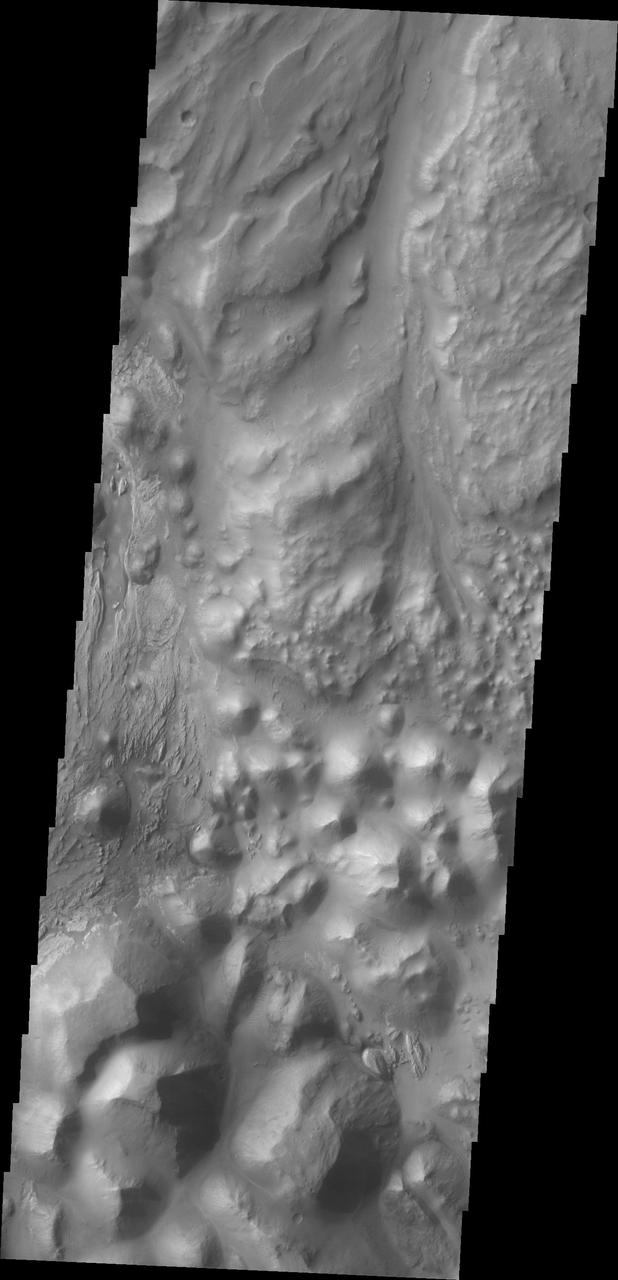
This image captured by NASA 2001 Mars Odyssey spacecraft shows where Ares Vallis starts top of image from Iani Chaos bottom of image.

This image montage shows comet Hartley 2 as NASA EPOXI mission approached and flew under the comet. The images progress in time clockwise, starting at the top left.
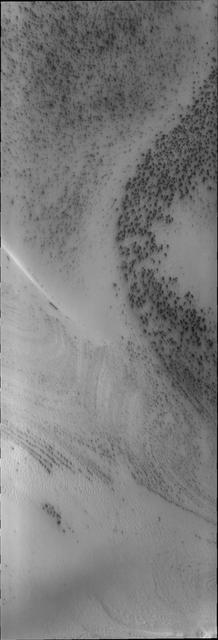
Dark spots appear on the south polar ice cap just after the sun starts to shine in this image captured by NASA Mars Odyssey.
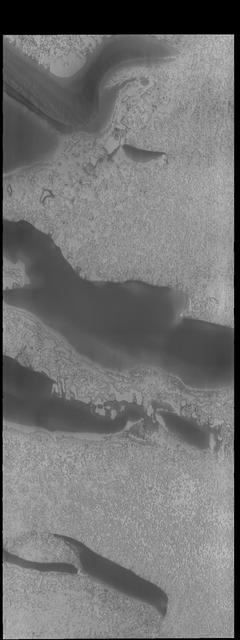
This VIS image of the south pole was taken at the end of summer. Frost will soon start to form as the season transitions into fall. Fall in the southern hemisphere means spring in the northern, so the north polar cap is just starting to thaw. Orbit Number: 67893 Latitude: -87.0251 Longitude: 275.679 Instrument: VIS Captured: 2017-04-04 06:19 https://photojournal.jpl.nasa.gov/catalog/PIA21679
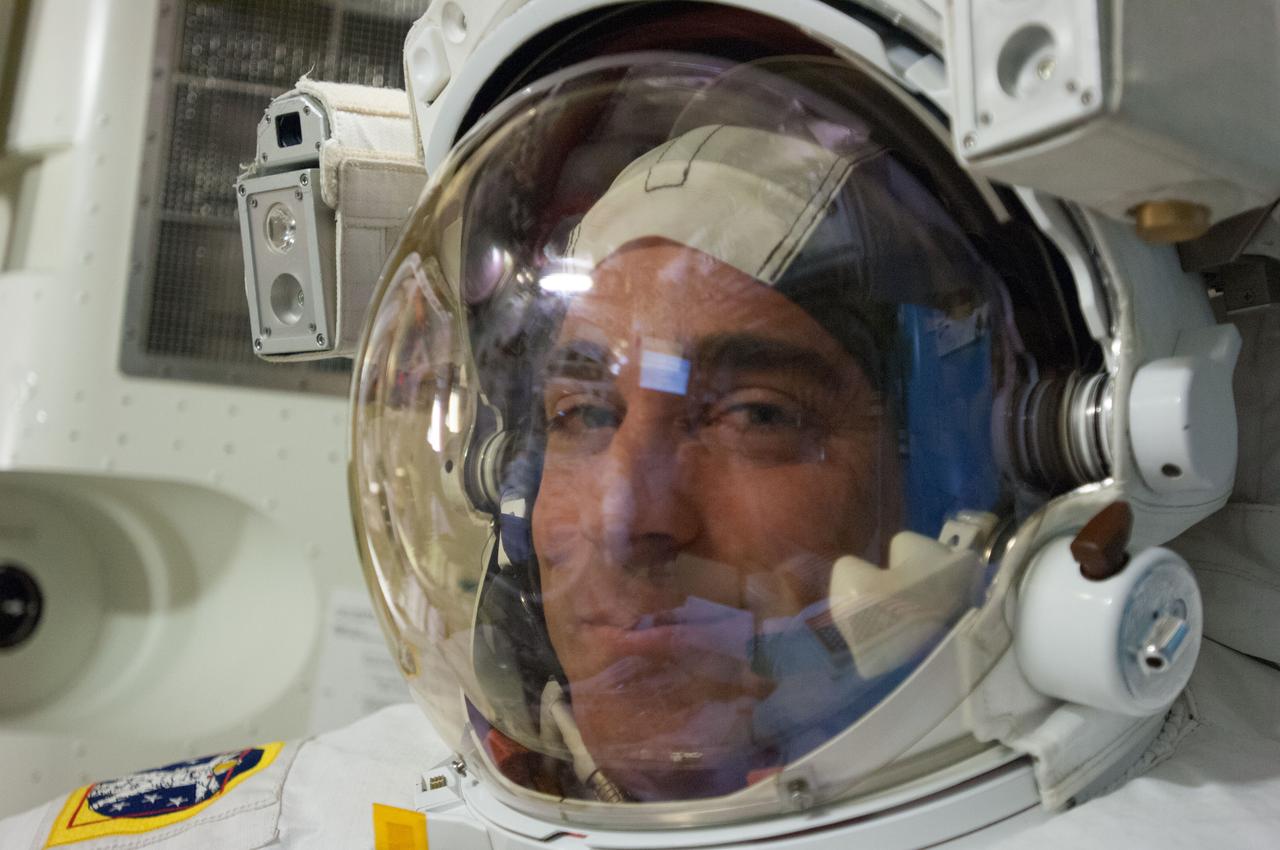
ISS035-E-036843 (11 May 2013) --- Expedition 35 Flight Engineer Chris Cassidy is captured in a close-up image in the Quest Airlock of the International Space Station prior to a space walk which he shared with Flight Engineer Tom Marshburn (out of frame). The NASA astronauts completed the space walk at 2:14 p.m. EDT May 11 to inspect and replace a pump controller box on the International Space Station?s far port truss (P6) leaking ammonia coolant. The pair began the 5-hour, 30-minute spacewalk at 8:44 a.m.
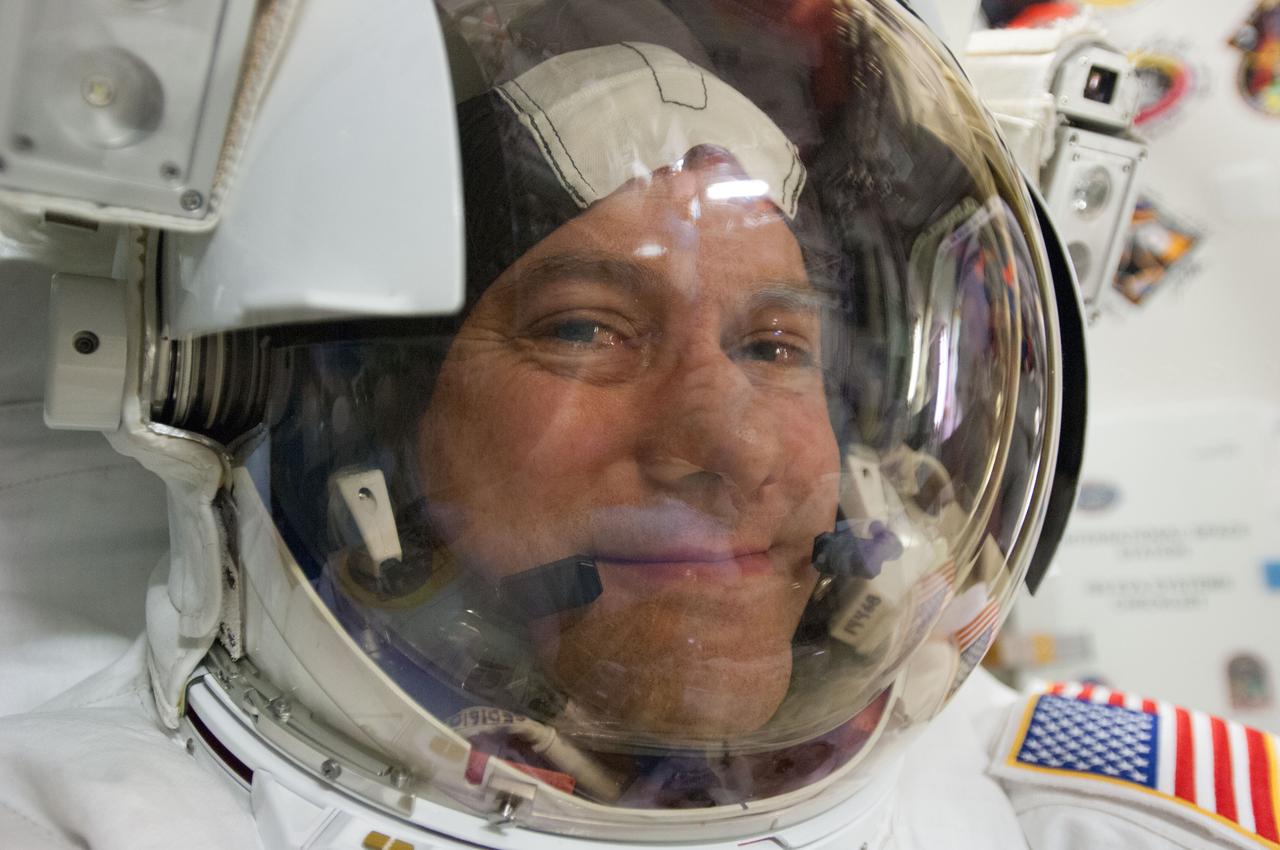
ISS035-E-036840 (11 May 2013) --- Expedition 35 Flight Engineer Tom Marshburn is captured in a close-up image in the Quest Airlock of the International Space Station prior to a space walk which he shared with Flight Engineer Chris Cassidy (out of frame). The NASA astronauts completed the space walk at 2:14 p.m. EDT May 11 to inspect and replace a pump controller box on the International Space Station’s far port truss (P6) leaking ammonia coolant. The pair began the 5-hour, 30-minute space walk at 8:44 a.m.
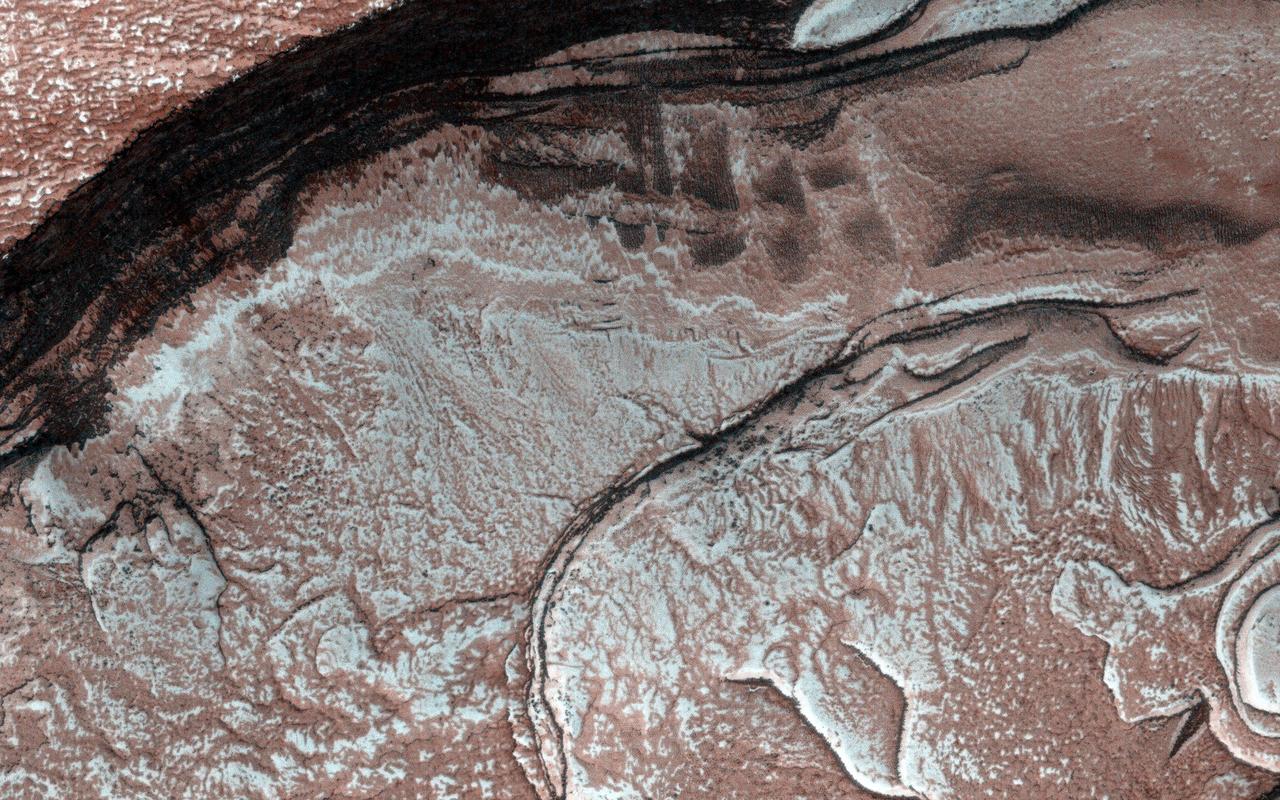
Sunlight was just starting to reach the high Northern latitudes in late winter when NASA Mars Reconnaissance Orbiter HiRISE camera captured this image of part of the steep scarps around portions of the North Polar layered deposits.
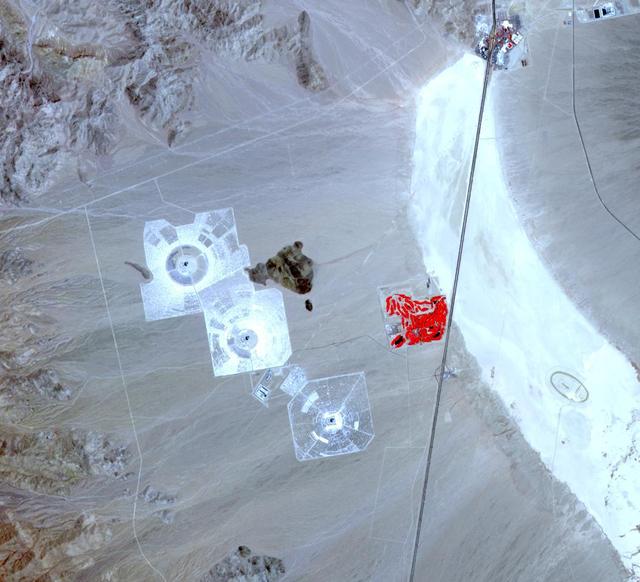
On May 30, 2013, NASA Terra spacecraft acquired this image of the largest solar plant of its kind in the world started producing power in southern California Mojave Desert near the Nevada border.

This view from the navigation camera on NASA Mars Exploration Rover Opportunity shows tracks left by backing out of a wind-formed ripple after the rover wheels had started to dig too deeply into the dust and sand of the ripple.
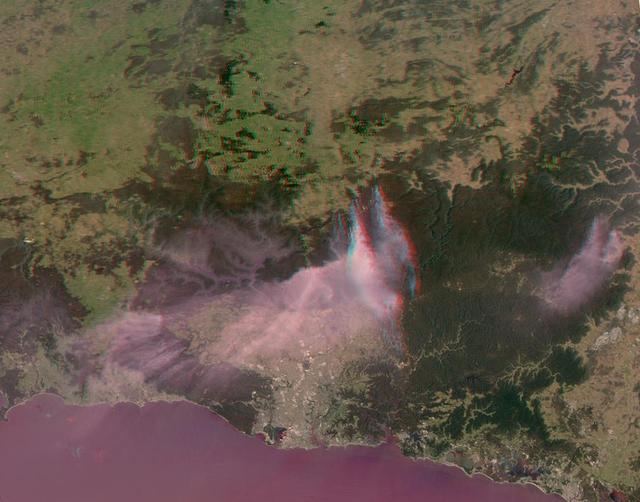
NASA Terra spacecraft passed over the Blue Mountains to the west and north of Sydney, A mild winter and an extremely hot September in Australia have led to an early start to the fire season.
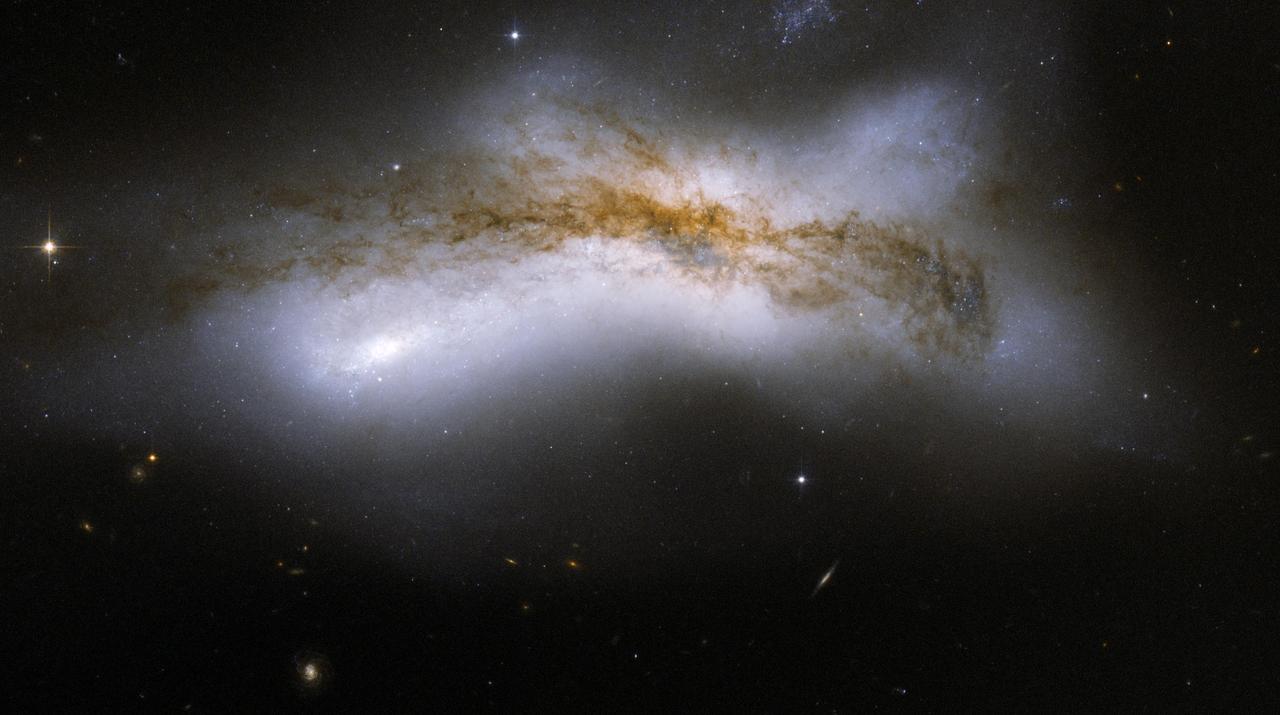
NGC 520 is the product of a collision between two disk galaxies that started 300 million years ago. This image is part of a large collection of images of merging galaxies taken by NASA Hubble Space Telescope.
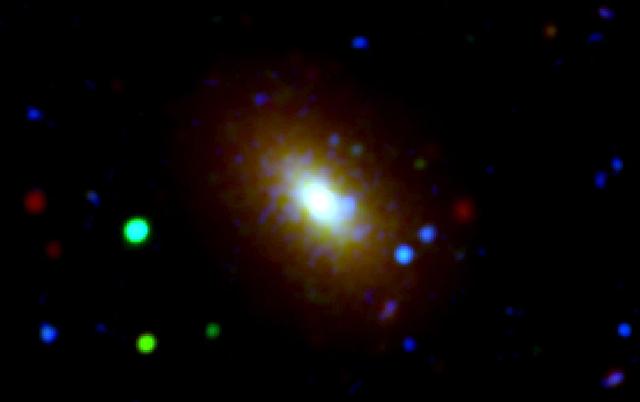
Evidence from NASA Wide-field Infrared Survey Explorer and Galaxy Evolution Explorer missions provide support for the inside-out theory of galaxy evolution, which holds that star formation starts at the core of the galaxy and spreads outward.
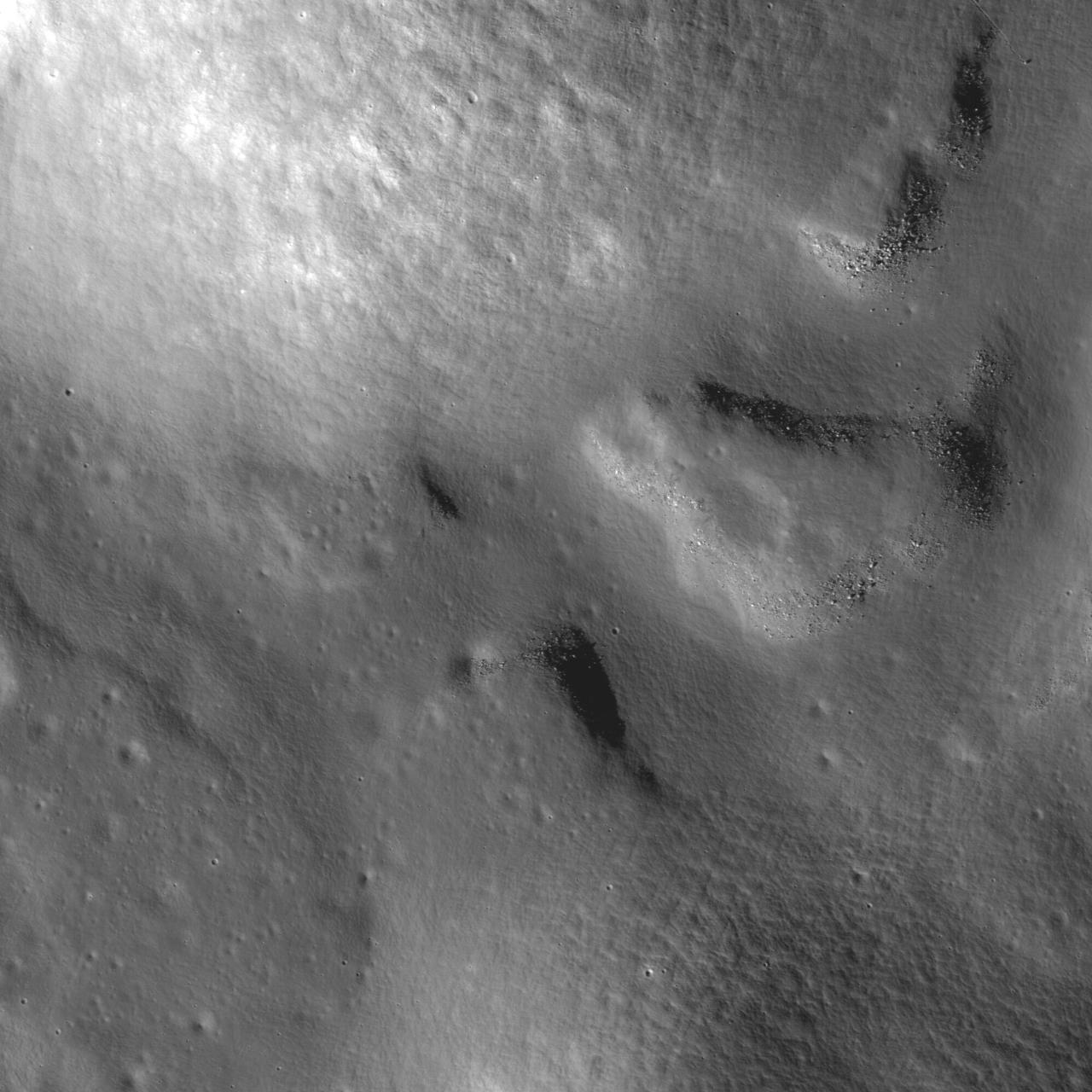
A bottleneck at the start of the lunar sinuous rille within Vallis Alpes formed several morphologic features including a lava pond, a breached dam, and an island in the rille in this image captured by NASA Lunar Reconnaissance Orbiter.
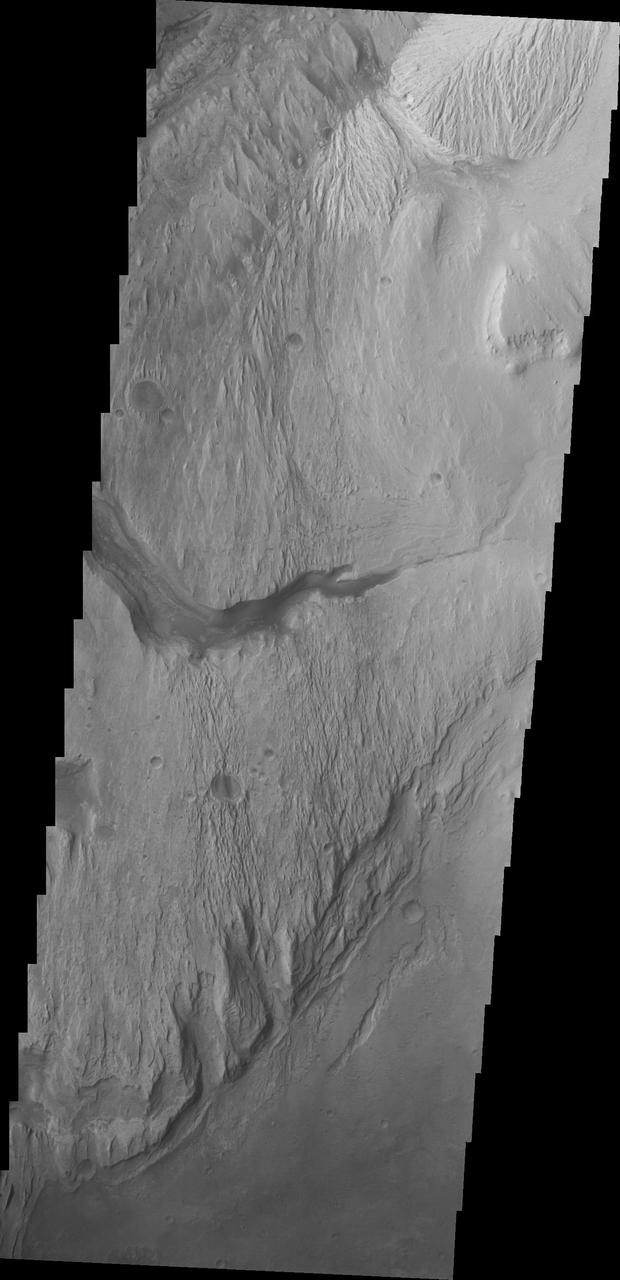
This image from NASA Mars Odyssey spacecraft shows the major channel that started near the top of Mt. Sharp. Near the top of this image is a wide valley that reaches to the crater floor and the nearby dunes.
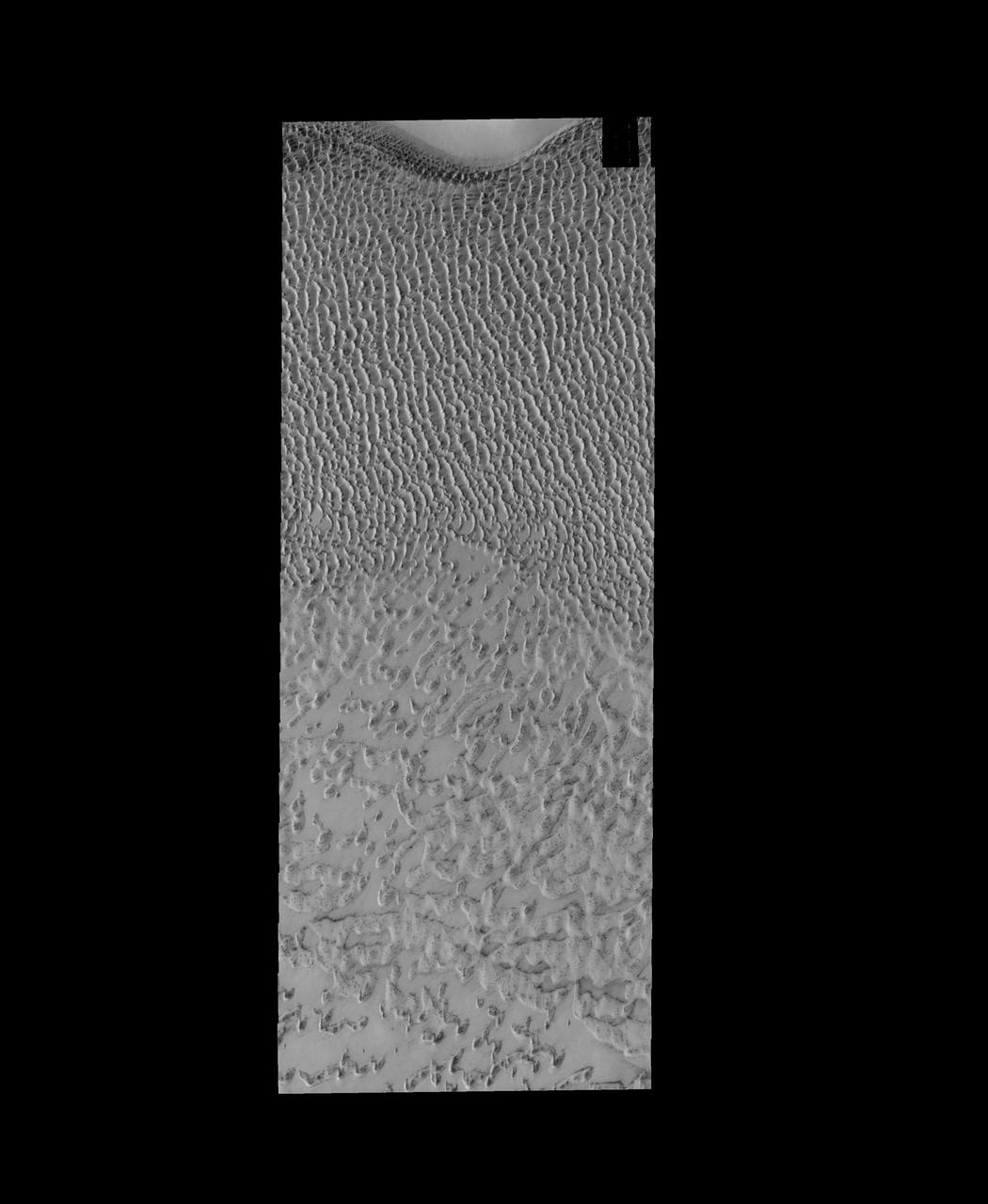
This image from NASA 2001 Mars Odyssey spacecraft shows dunes near the north polar cap of Mars. It is springtime at the north pole and the dunes are starting to lose their frost cover.
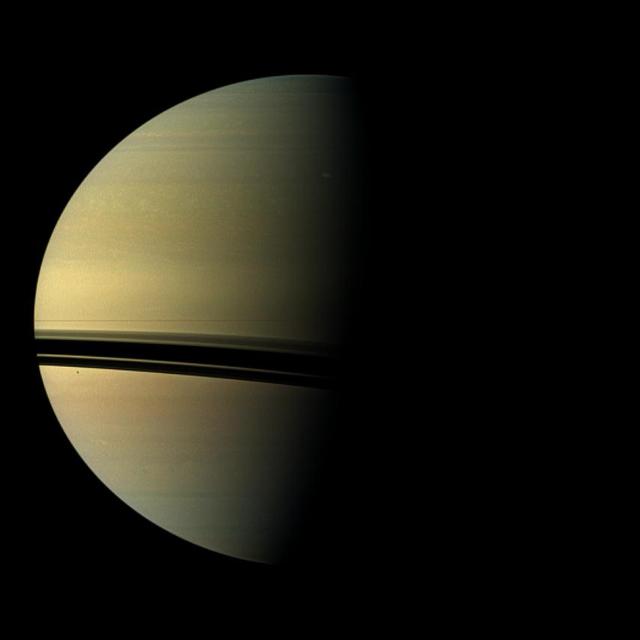
The largest storm to ravage Saturn in decades started as a small spot seen in this image from NASA Cassini spacecraft on Dec. 5, 2010 -- the same day Cassini also detected frequent lightning signals.
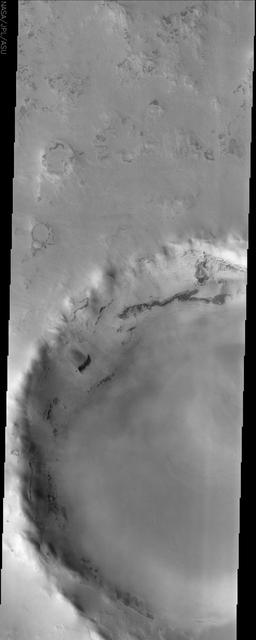
This image from NASA Mars Odyssey spacecraft displays a frosted crater in the Martian northern hemisphere. It was taken during the northern spring, when the CO2 ice cap starts to sublimate and recede.
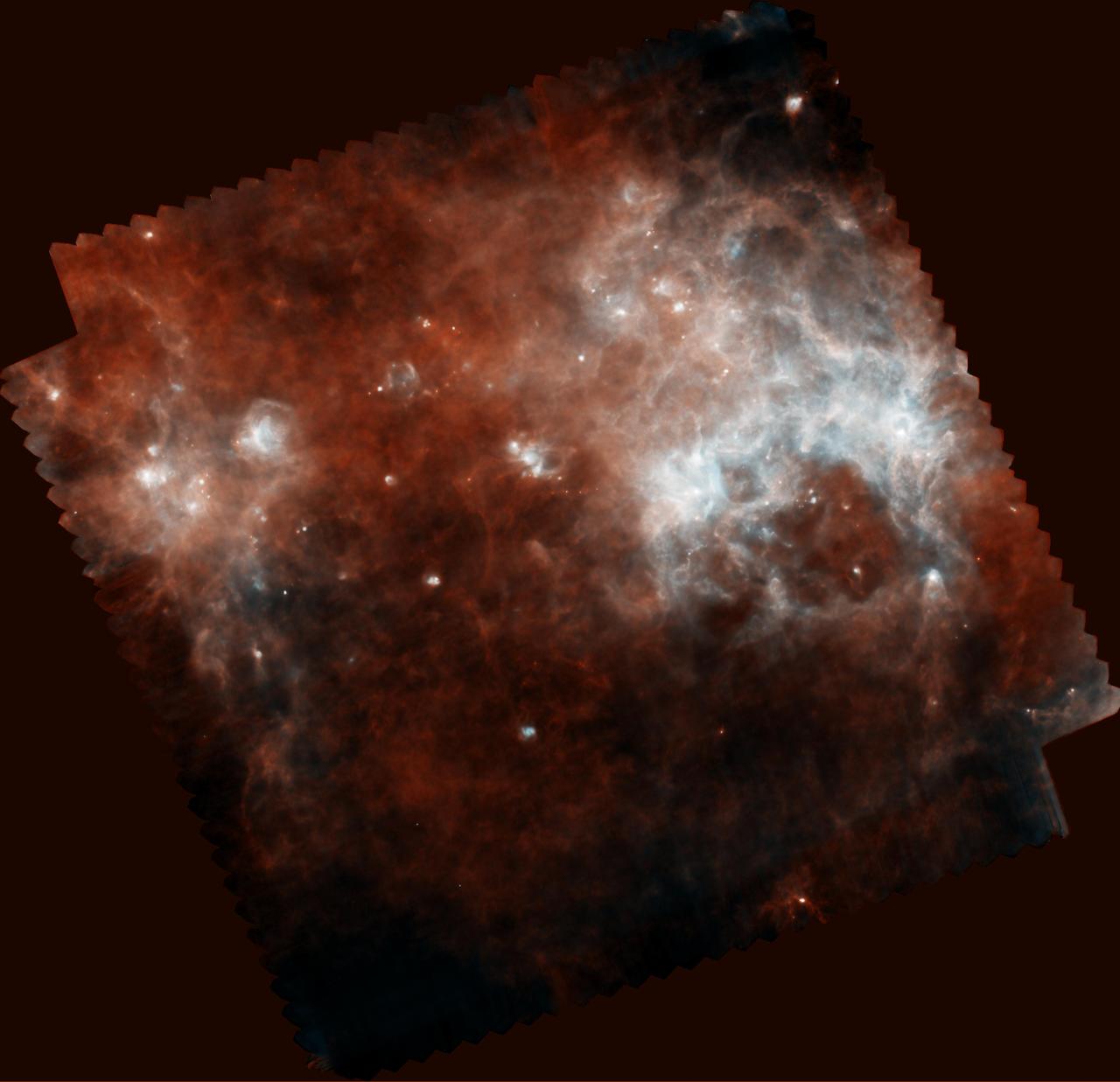
In this infrared view from the Herschel Observatory, a European Space Agency mission, blue shows the warmest dust, and red, the coolest. The choppy clouds of gas and dust are just starting to condense into new stars.
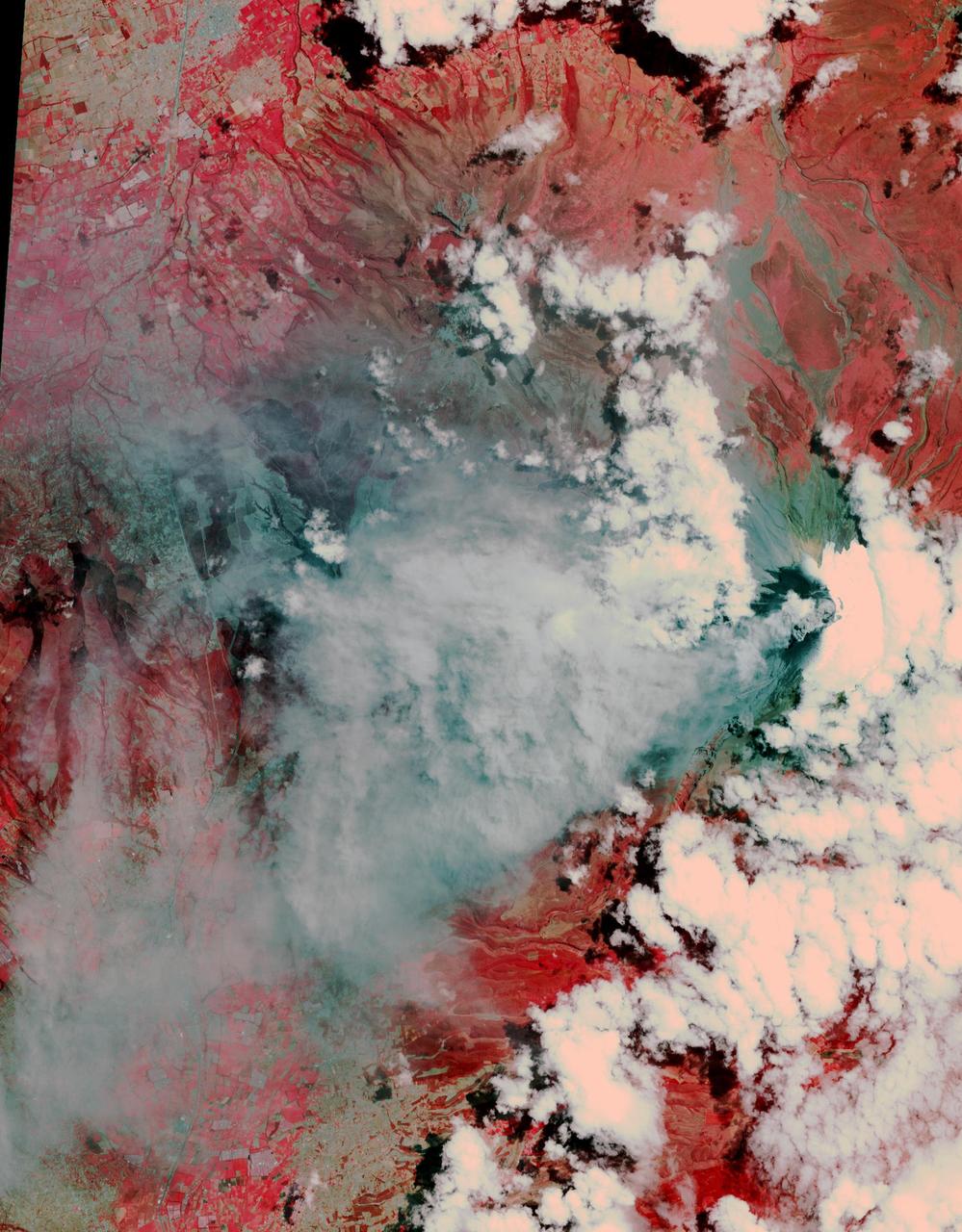
After lying dormant for 70 years, Cotopaxi volcano in Ecuador started erupting the week of Aug. 17, 2015. NASA Terra spacecraft acquired this image on August 22, showing huge columns of ash that affected towns in the region.

This image acquired by NASA Terra spacecraft is of the Sierra Leone estuary, which became a focal point for trade and interaction between Africans and Europeans because of its exceptional harbor, starting in the mid-15th century.
This frame from an animation shows Phobos, the larger of the two moons of Mars, passing overhead, as observed by NASA Mars rover Curiosity, centered straight overhead starting shortly after sunset.
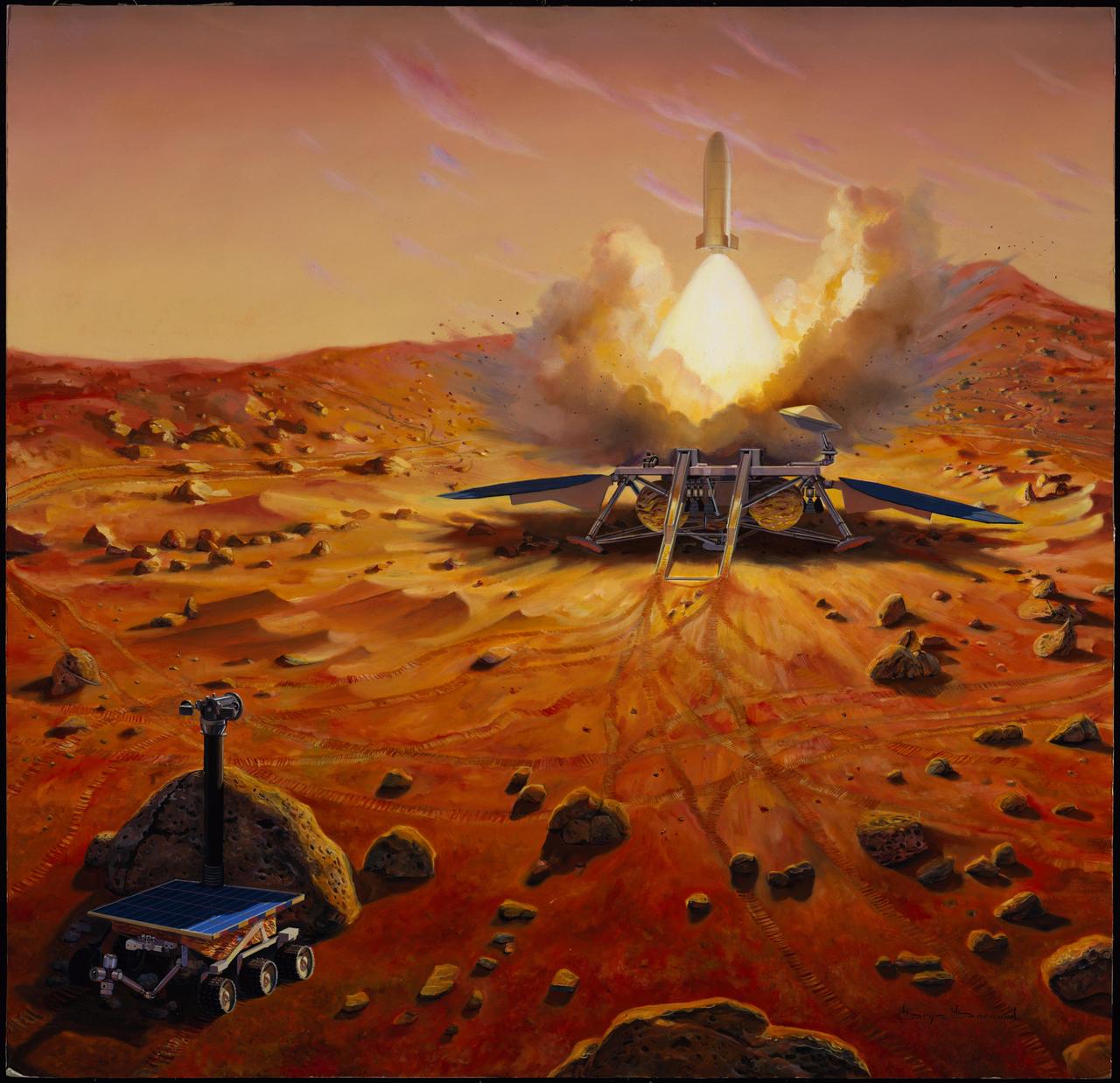
One crucial step in NASA Mars sample return mission would be to launch the collected sample away from the surface of Mars. This artist concept depicts a Mars ascent vehicle for starting a sample of Mars rocks on their trip to Earth.
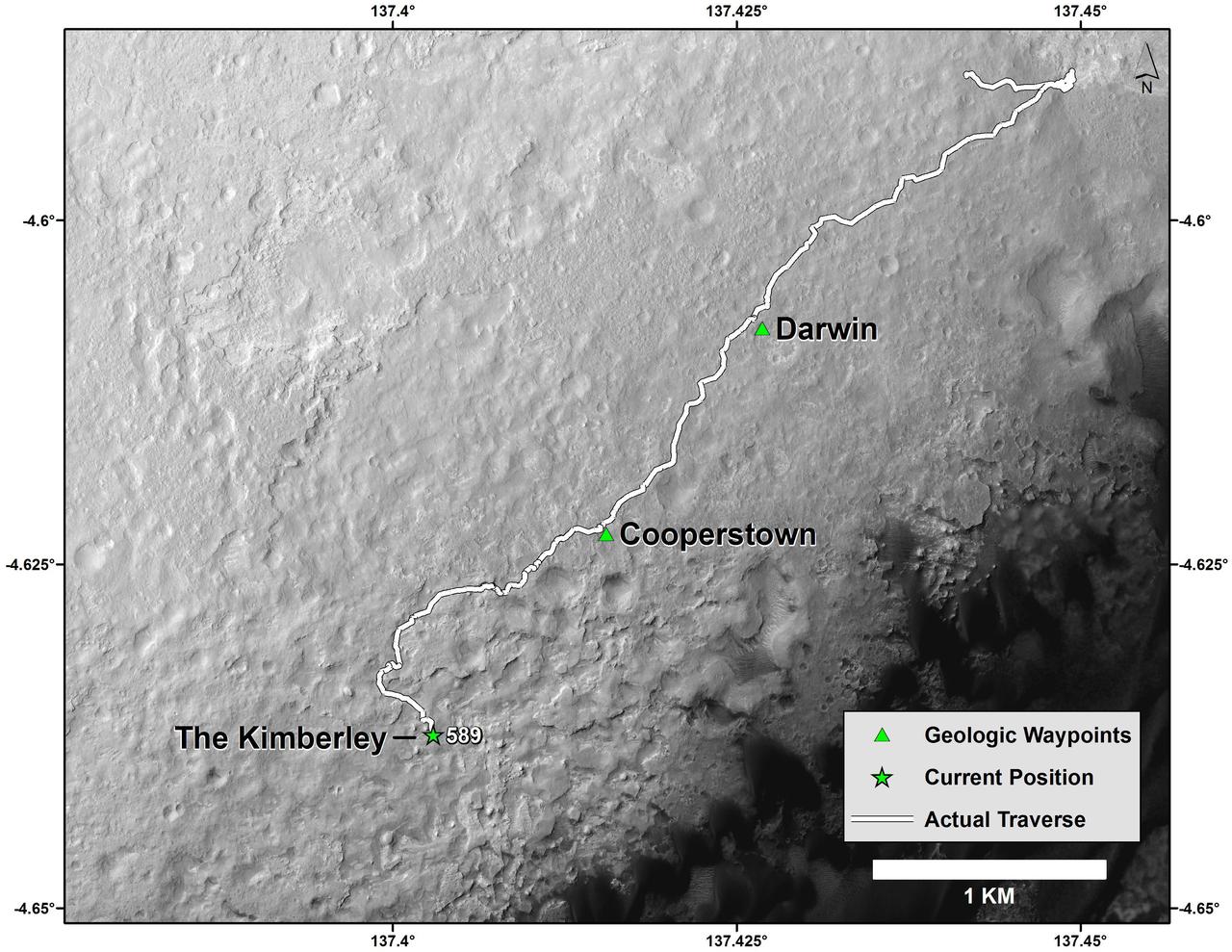
This map shows the route driven by NASA Curiosity Mars rover from the Bradbury Landing location where it landed in August 2012 the start of the line in upper right to a major waypoint called the Kimberley.
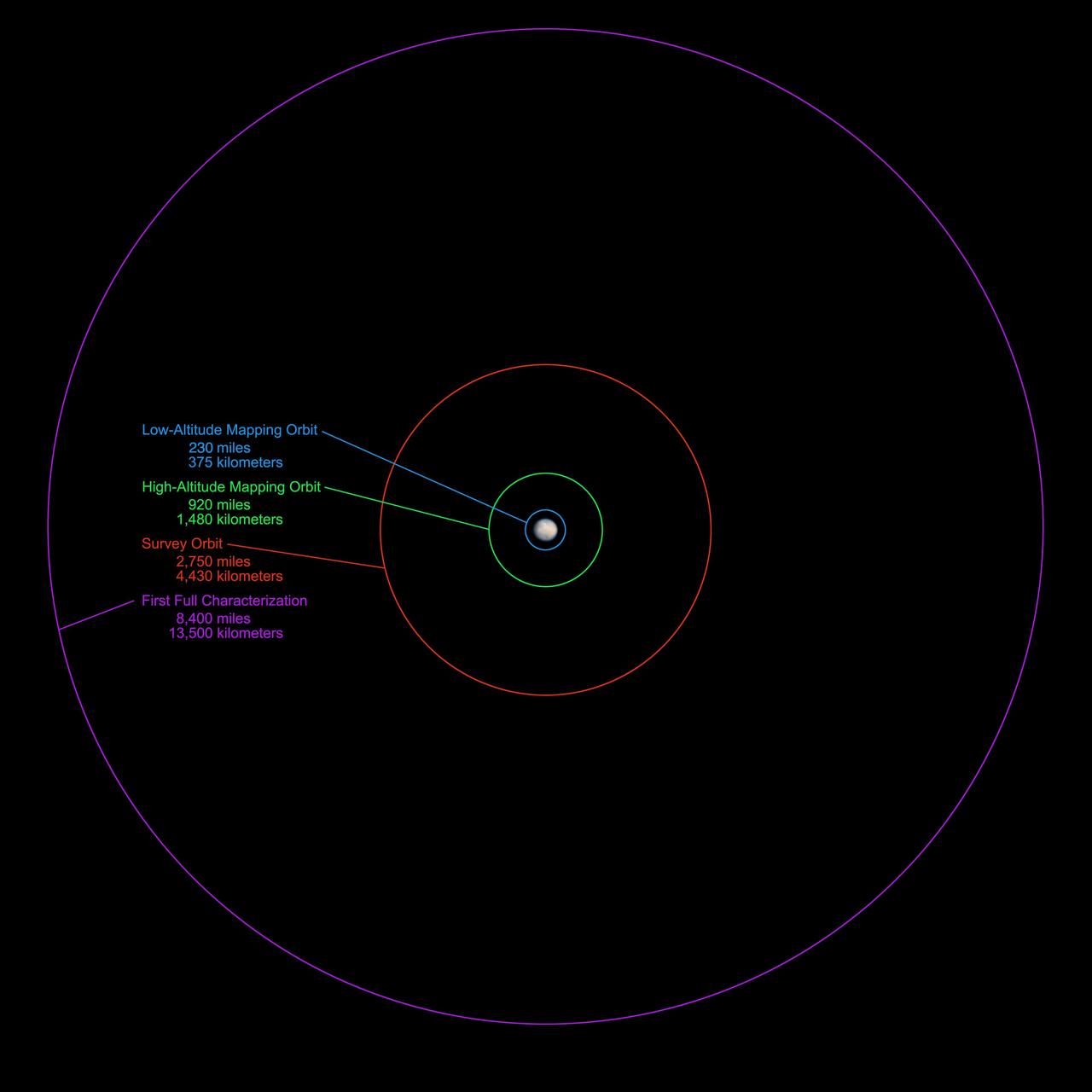
NASA Dawn spacecraft will be getting an up-close look at the dwarf planet Ceres starting in late March or the beginning of April 2015. This graphic shows the science-gathering orbits planned for the spacecraft.
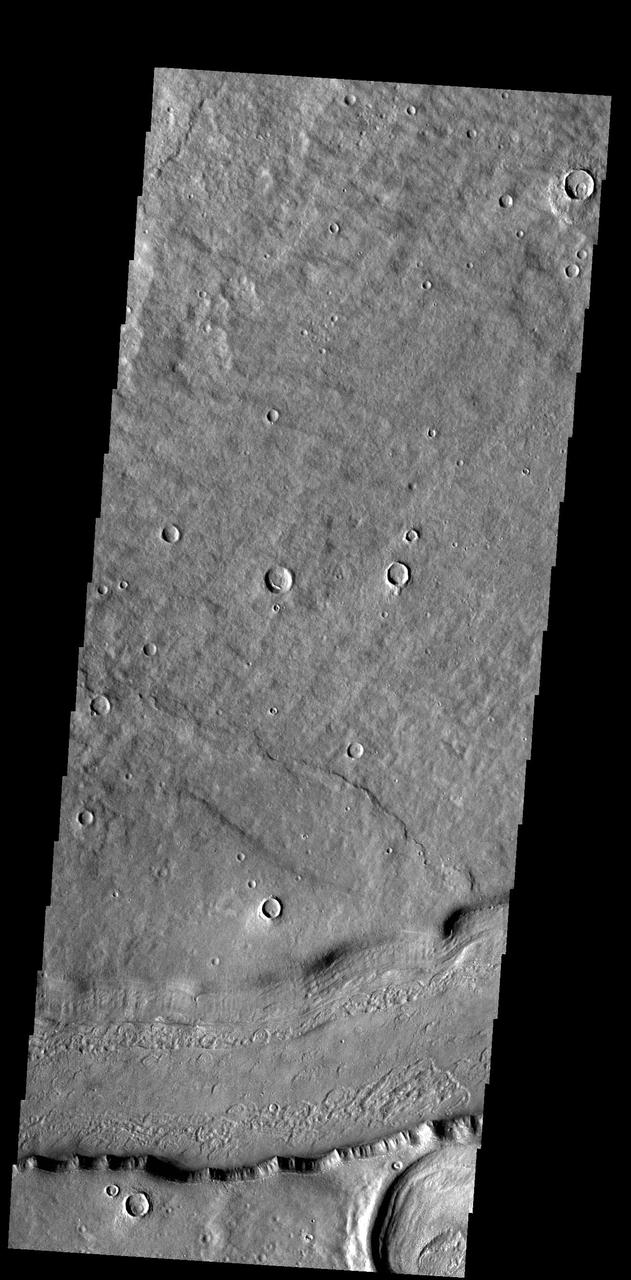
This VIS image shows a short section of Reull Vallis. Reull Vallis starts in Promethei Terra and empties into Hellas Plainitia. Reull Vallis is 1051km (653 miles) long. Orbit Number: 92169 Latitude: -41.0221 Longitude: 107.284 Instrument: VIS Captured: 2022-09-24 11:18 https://photojournal.jpl.nasa.gov/catalog/PIA25750
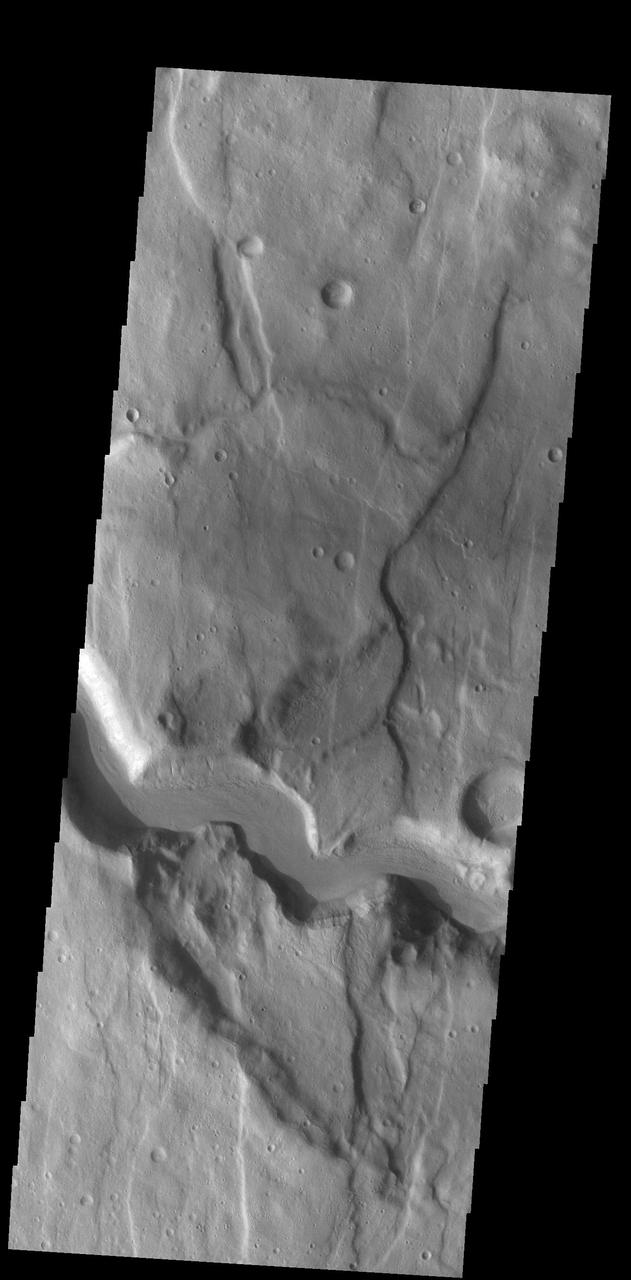
This VIS image shows a section of an unnamed channel. This channel starts within Claritas Fossae and empties down hill into Icaria Planum. Orbit Number: 75343 Latitude: -39.1537 Longitude: 257.791 Instrument: VIS Captured: 2018-12-08 23:49 https://photojournal.jpl.nasa.gov/catalog/PIA23030
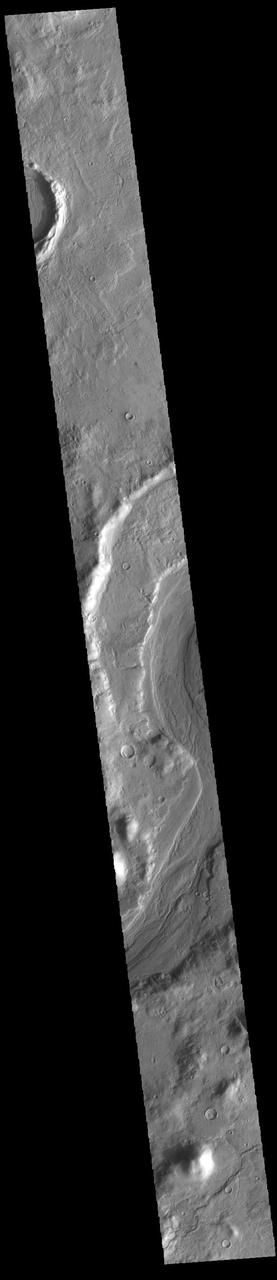
This VIS image shows a short section of Reull Vallis. Reull Vallis starts in Promethei Terra and empties into Hellas Plainitia. Reull Vallis is 1051km (653 miles) long. Orbit Number: 92175 Latitude: -38.4731 Longitude: 111.272 Instrument: VIS Captured: 2022-09-24 23:41 https://photojournal.jpl.nasa.gov/catalog/PIA25751
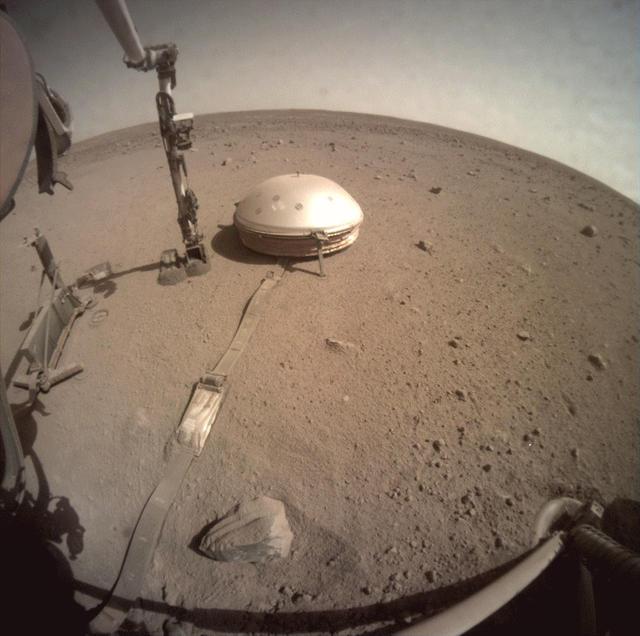
NASA's InSight lander used the scoop on its robotic arm to begin trickling soil over the cable connecting its seismometer to the spacecraft on March 14, 2021, the 816th Martian day, or sol of the mission. Scientists hope this make it easier to detect marsquakes by helping to insulate the cable from the wind and from the extreme temperature shifts that cause the cable to expand and contract. Animation available at https://photojournal.jpl.nasa.gov/catalog/PIA24450

NASA’s flight systems engineer, Kassidy Mclaughlin conducts environmental testing on an instrumentation pallet. The pallet was used during NASA’s National Campaign project in 2020 at NASA’s Armstrong Flight Research Center in Edwards, California.
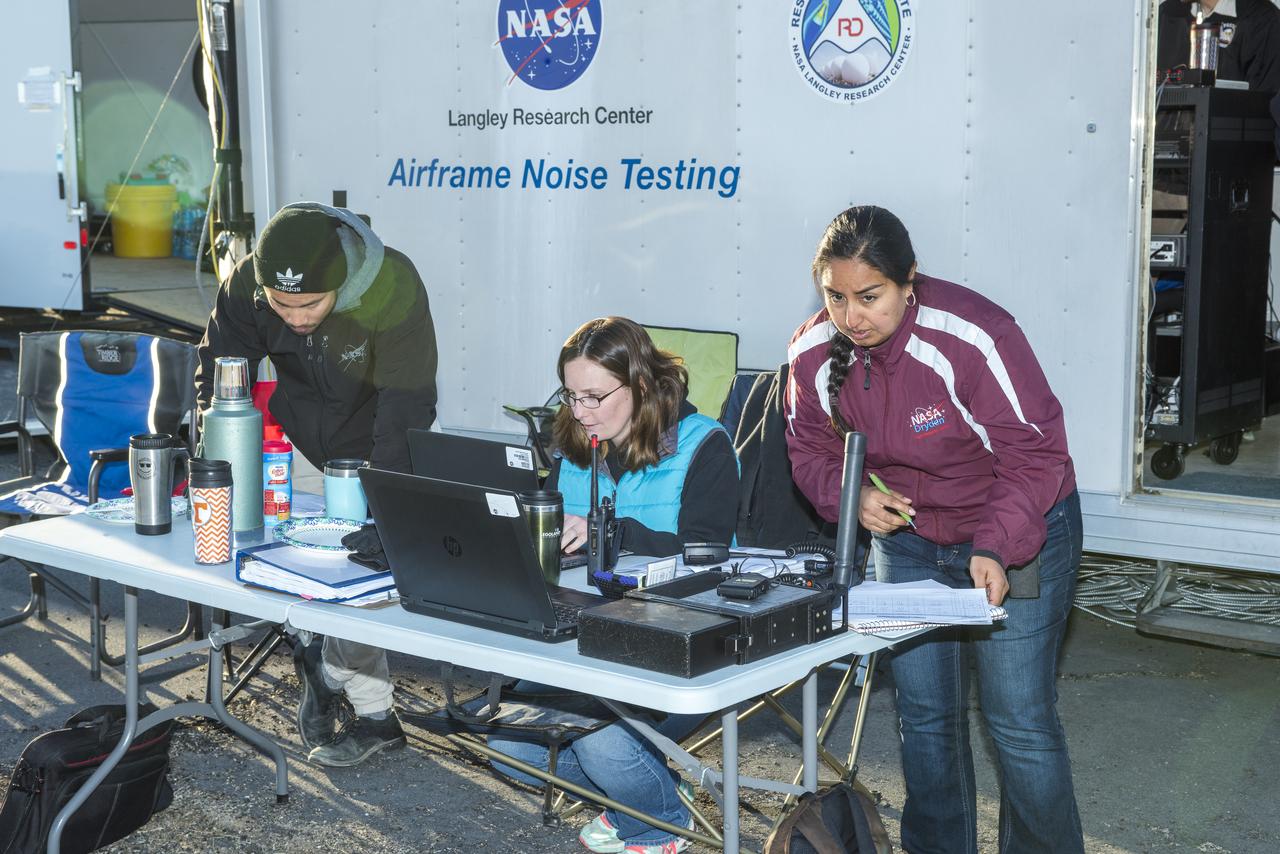
Claudia Sales, NASA’s acting X-59 deputy chief engineer and airworthiness certification lead for the quiet supersonic research aircraft, stands in front of a Gulfstream G-III, also known as Subsonic Research Aircraft Testbed (SCRAT). Sales supported ground testing as test conductor for Acoustics Research Measurements (ARM) flights at NASA’s Armstrong Research Flight Center in Edwards, California, in 2018.
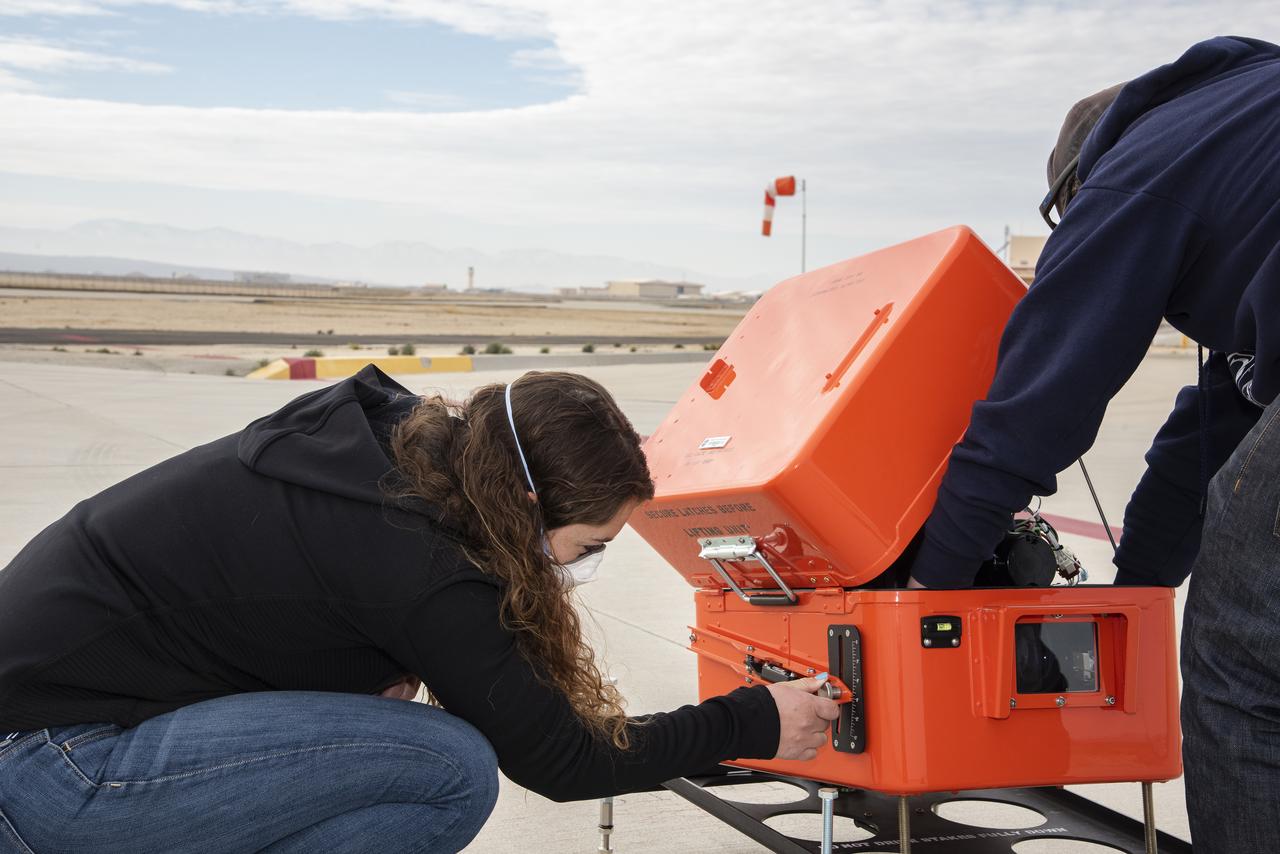
NASA’s flight systems engineer, Kassidy Mclaughlin adjusts a visual approach aid for aircraft called Pulse Light Approach Slope Indicator (PLASI). Dry run build-up test flights were conducted in 2021 at NASA’s Armstrong Flight Research Center in Edwards, California.
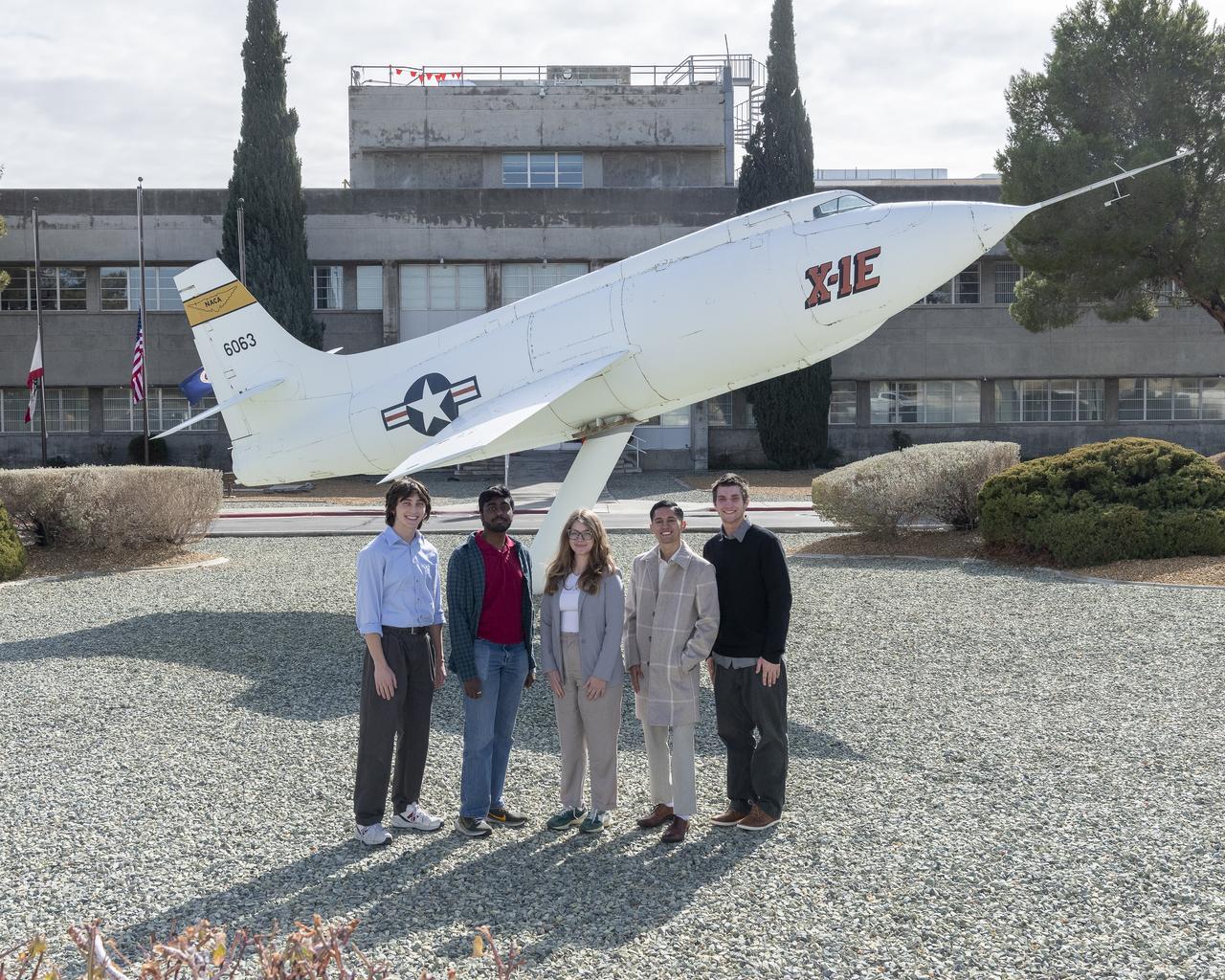
The 2025 internship class at NASA’s Armstrong Flight Research Center in Edwards, California, stand in front of the historic X-1E aircraft on display at the center. From left, are interns: Tyler Requa, Gokul Nookula, Madeleine Phillips, Oscar Keiloht Chavez Ramirez, and Nicolas Marzocchetti.
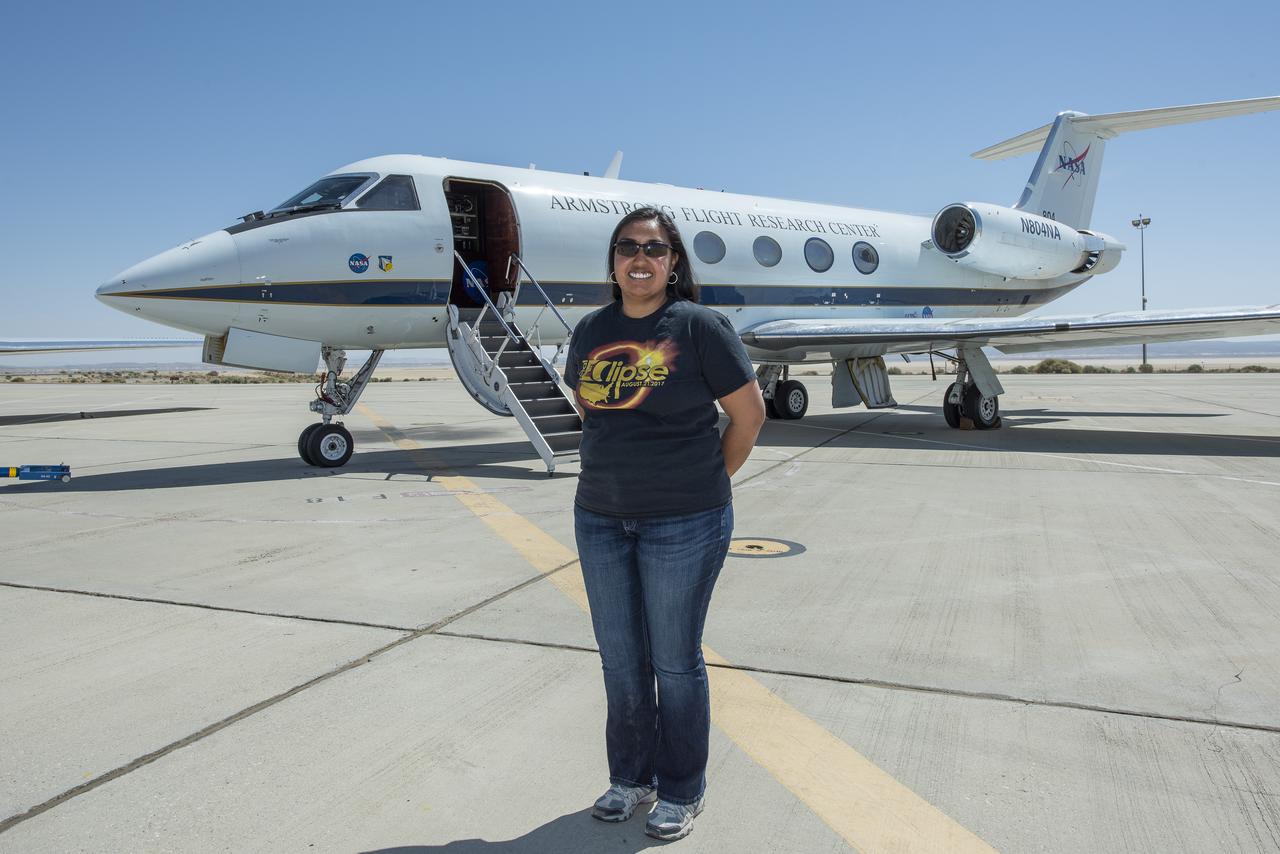
Claudia Sales, NASA’s acting X-59 deputy chief engineer and airworthiness certification lead for the quiet supersonic research aircraft, supports ground testing for Acoustic Research Measurements (ARM) flights. The test campaign to evaluate technologies that reduce aircraft noise was conducted at NASA’s Armstrong Flight Research Center in Edwards, California, in 2018.
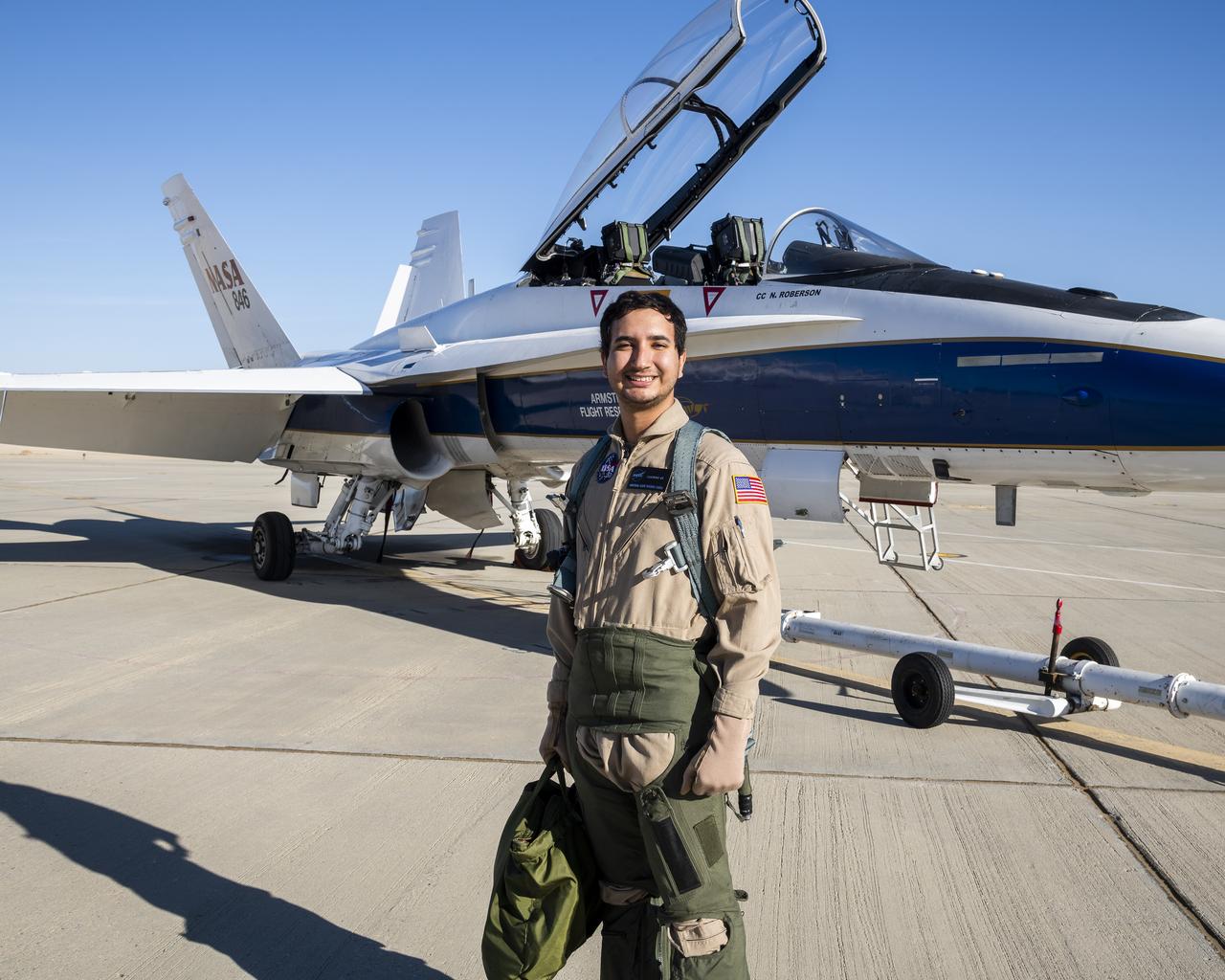
Julio Treviño, lead operations engineer for NASA’s Global Hawk SkyRange project, stands in front of an F/A-18 mission support aircraft at NASA’s Armstrong Flight Research Center in Edwards, California.
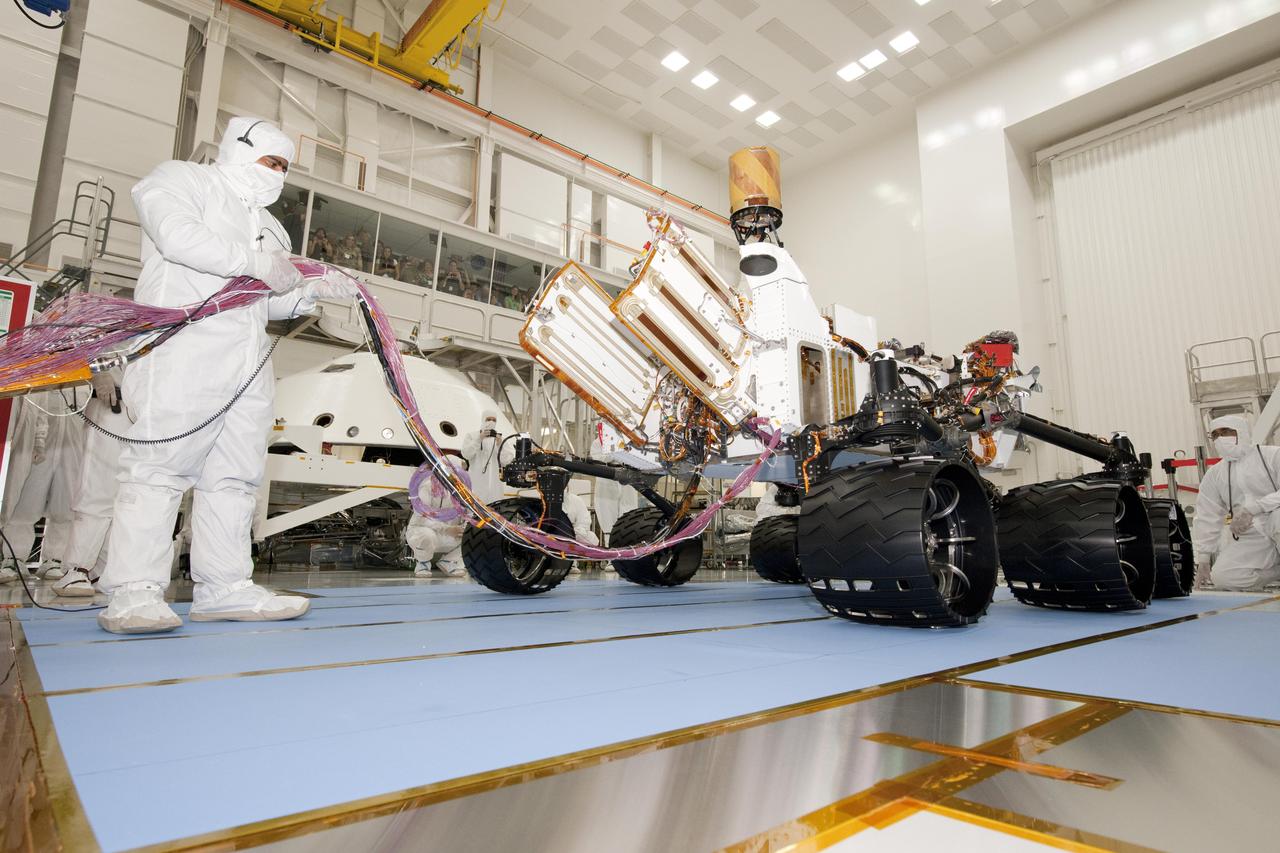
A test operator in clean-room garb holds umbilical cables for NASA Mars rover Curiosity during the rover first drive test, on July 23, 2010. NASA will launch Curiosity in late 2011 for arrival at Mars in August 2012.
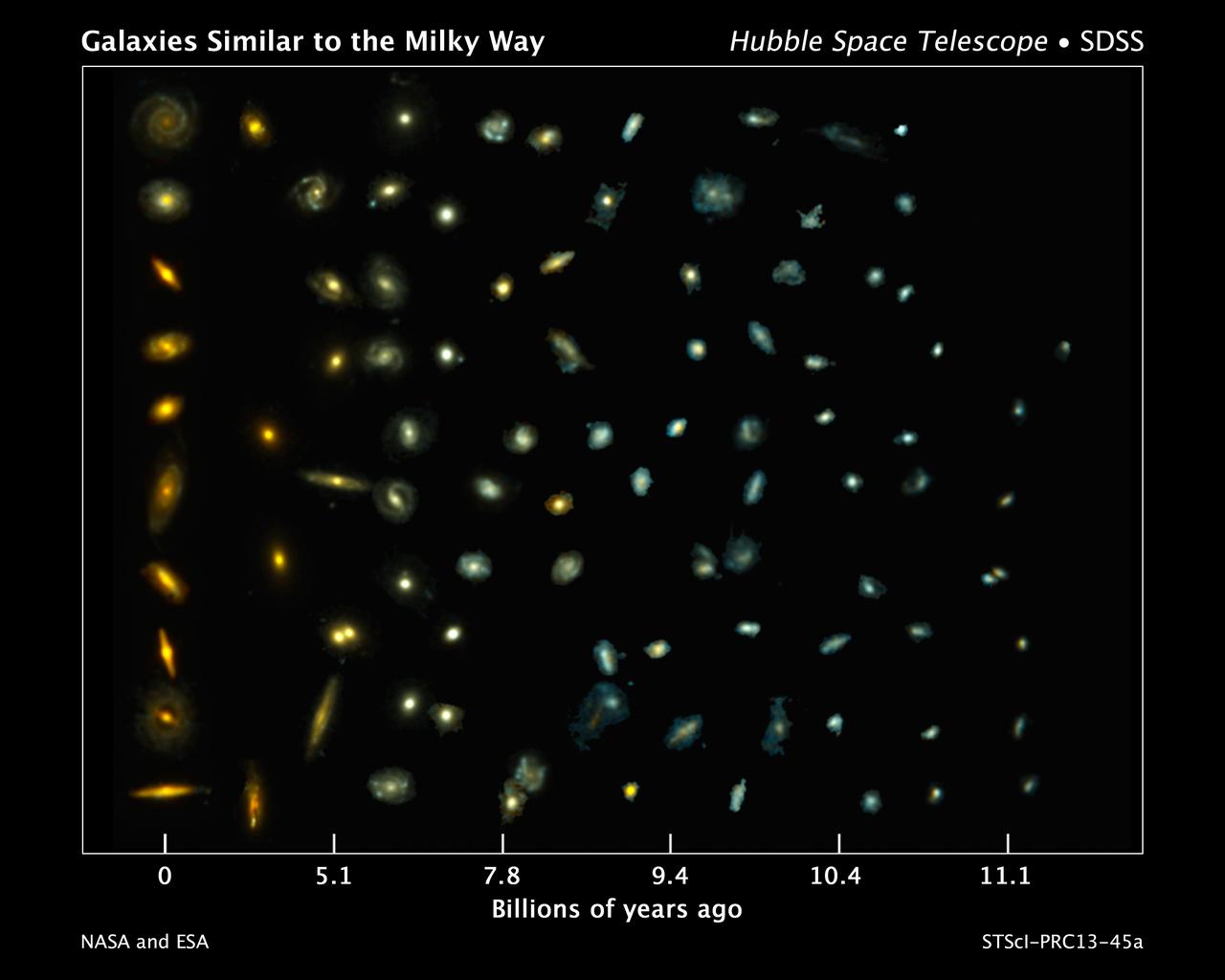
This composite image shows examples of galaxies similar to our Milky Way at various stages of construction over a time span of 11 billion years. The galaxies are arranged according to time. Those on the left reside nearby; those at far right existed when the cosmos was about 2 billion years old. The bluish glow from young stars dominates the color of the galaxies on the right. The galaxies at left are redder from the glow of older stellar populations. Astronomers found the distant galaxies in two Hubble Space Telescope surveys: 3D-HST and the Cosmic Assembly Near-infrared Deep Extragalactic Legacy Survey, or CANDELS. The observations were made in visible and near-infrared light by Hubble's Wide Field Camera 3 and Advanced Camera for Surveys. The nearby galaxies were taken from the Sloan Digital Sky Survey. This image traces Milky Way-like galaxies over most of cosmic history, revealing how they evolve over time. Hubble's sharp vision resolved the galaxies' shapes, showing that their bulges and disks grew simultaneously. Credit: NASA, ESA, P. van Dokkum (Yale University), S. Patel (Leiden University), and the 3D-HST Team <b><a href="http://www.nasa.gov/audience/formedia/features/MP_Photo_Guidelines.html" rel="nofollow">NASA image use policy.</a></b> <b><a href="http://www.nasa.gov/centers/goddard/home/index.html" rel="nofollow">NASA Goddard Space Flight Center</a></b> enables NASA’s mission through four scientific endeavors: Earth Science, Heliophysics, Solar System Exploration, and Astrophysics. Goddard plays a leading role in NASA’s accomplishments by contributing compelling scientific knowledge to advance the Agency’s mission. <b>Follow us on <a href="http://twitter.com/NASA_GoddardPix" rel="nofollow">Twitter</a></b> <b>Like us on <a href="http://www.facebook.com/pages/Greenbelt-MD/NASA-Goddard/395013845897?ref=tsd" rel="nofollow">Facebook</a></b> <b>Find us on <a href="http://instagram.com/nasagoddard?vm=grid" rel="nofollow">Instagram</a></b>
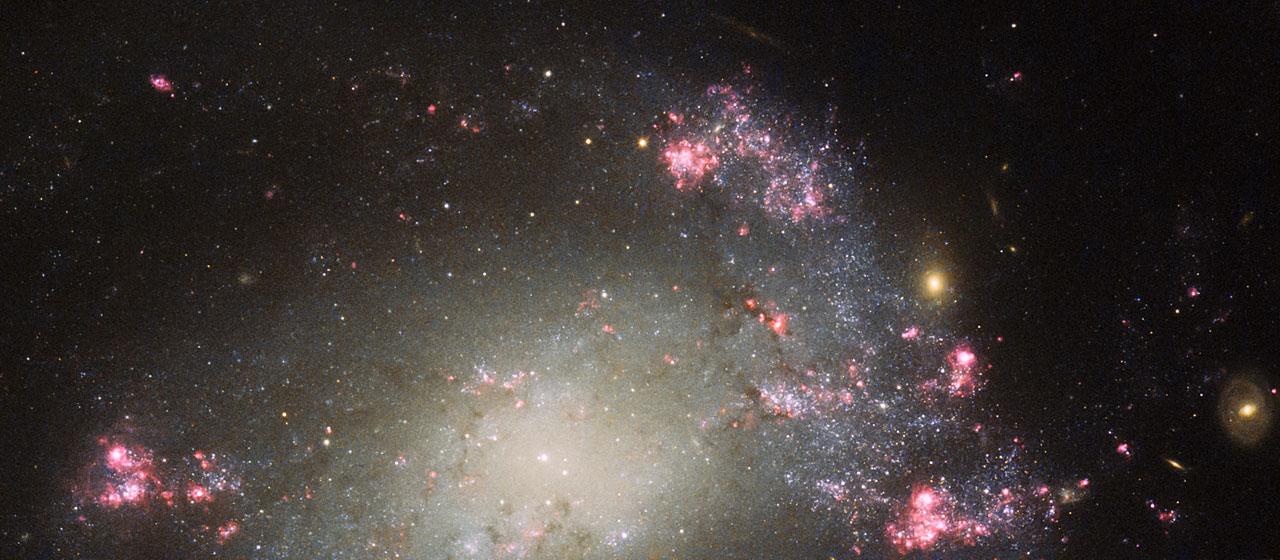
Bursts of pink and red, dark lanes of mottled cosmic dust, and a bright scattering of stars — this NASA/ESA Hubble Space Telescope image shows part of a messy barred spiral galaxy known as NGC 428. It lies approximately 48 million light-years away from Earth in the constellation of Cetus (The Sea Monster). Although a spiral shape is still just about visible in this close-up shot, overall NGC 428’s spiral structure appears to be quite distorted and warped, thought to be a result of a collision between two galaxies. There also appears to be a substantial amount of star formation occurring within NGC 428 — another telltale sign of a merger. When galaxies collide their clouds of gas can merge, creating intense shocks and hot pockets of gas, and often triggering new waves of star formation. NGC 428 was discovered by William Herschel in December 1786. More recently a type of supernova designated SN2013ct was discovered within the galaxy by Stuart Parker of the BOSS (Backyard Observatory Supernova Search) project in Australia and New Zealand, although it is unfortunately not visible in this image. This image was captured by Hubble’s Advanced Camera for Surveys (ACS) and Wide Field and Planetary Camera 2 (WFPC2). Image credit: ESA/Hubble and NASA and S. Smartt (Queen's University Belfast), Acknowledgements: Nick Rose and Flickr user pennine cloud <b><a href="http://www.nasa.gov/audience/formedia/features/MP_Photo_Guidelines.html" rel="nofollow">NASA image use policy.</a></b> <b><a href="http://www.nasa.gov/centers/goddard/home/index.html" rel="nofollow">NASA Goddard Space Flight Center</a></b> enables NASA’s mission through four scientific endeavors: Earth Science, Heliophysics, Solar System Exploration, and Astrophysics. Goddard plays a leading role in NASA’s accomplishments by contributing compelling scientific knowledge to advance the Agency’s mission. <b>Follow us on <a href="http://twitter.com/NASAGoddardPix" rel="nofollow">Twitter</a></b> <b>Like us on <a href="http://www.facebook.com/pages/Greenbelt-MD/NASA-Goddard/395013845897?ref=tsd" rel="nofollow">Facebook</a></b> <b>Find us on <a href="http://instagrid.me/nasagoddard/?vm=grid" rel="nofollow">Instagram</a></b>
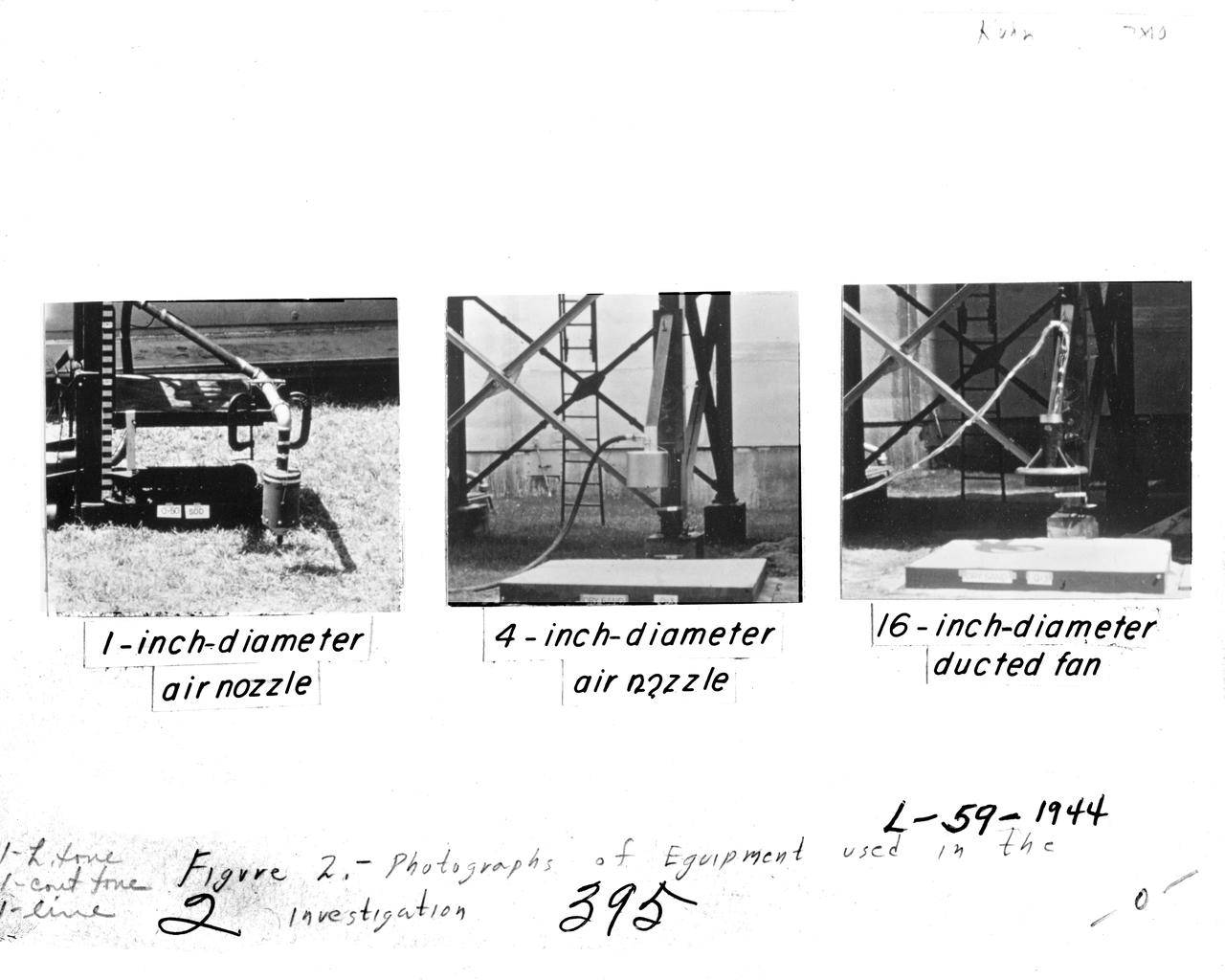
Image for NASA Document NASA-TN-D-56. Equipment Used In Investigation. Document Title: An investigation to determine conditions under which downwash from VTOL aircraft will start surface erosion from various types of terrain Figure 2. Equipment Used In Investigation
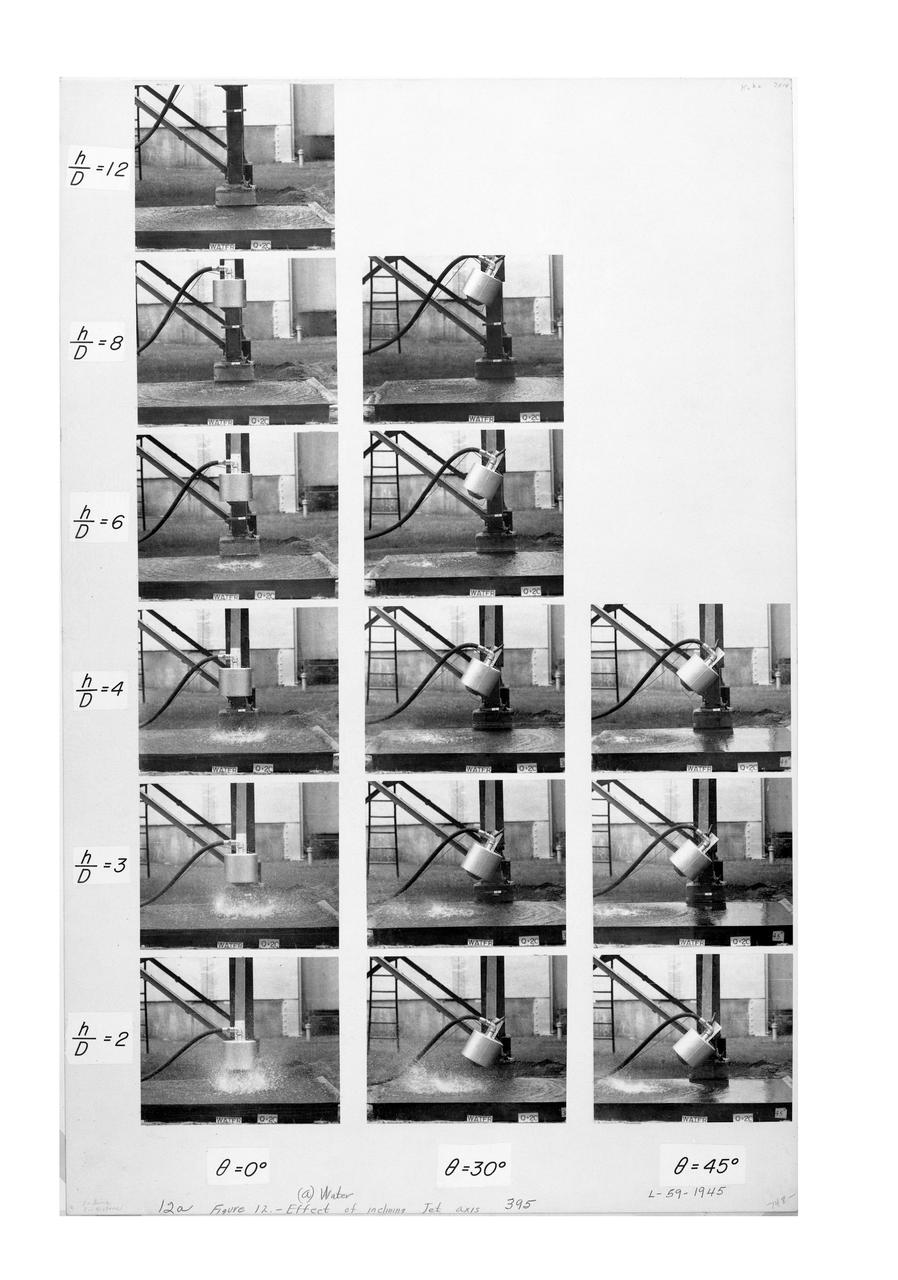
Figure 12(a) Effects of Inclining Water. Figure 12(b) Sand. NASA-TN-D-56 An investigation to determine conditions under which downwash from VTOL aircraft will start surface erosion from various types of terrain.

KENNEDY SPACE CENTER, FLA. - The pitcher with the Brevard Manatees, a minor league baseball team in Central Florida, starts the game on a night that hosted KSC employees. Before the game, attendees offered a moment of silence to honor the STS-107 crew and two recovery workers who died in a helicopter crash.
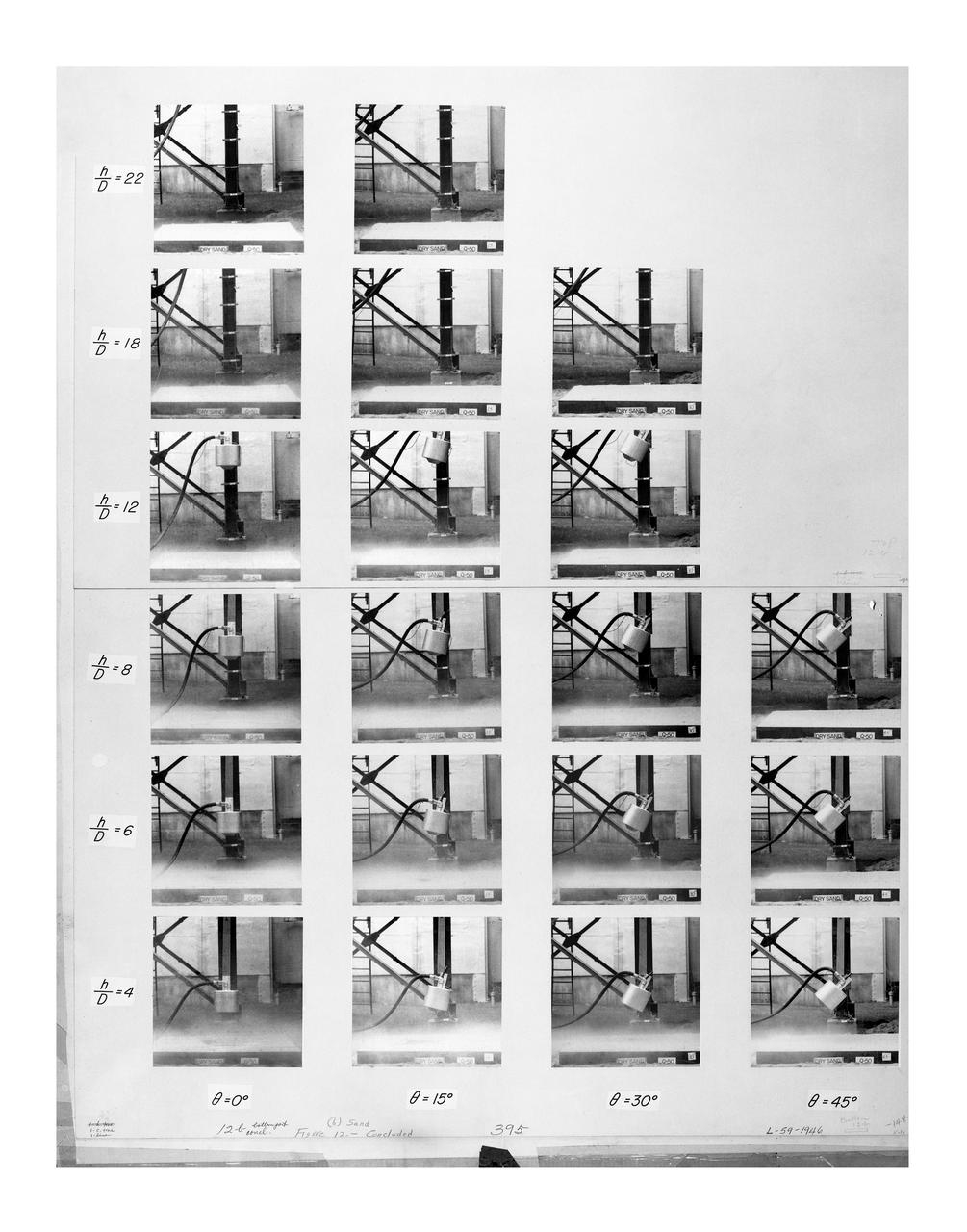
Figure 12(a) Effects of Inclining Water. Figure 12(b) Sand. NASA-TN-D-56 An investigation to determine conditions under which downwash from VTOL aircraft will start surface erosion from various types of terrain.
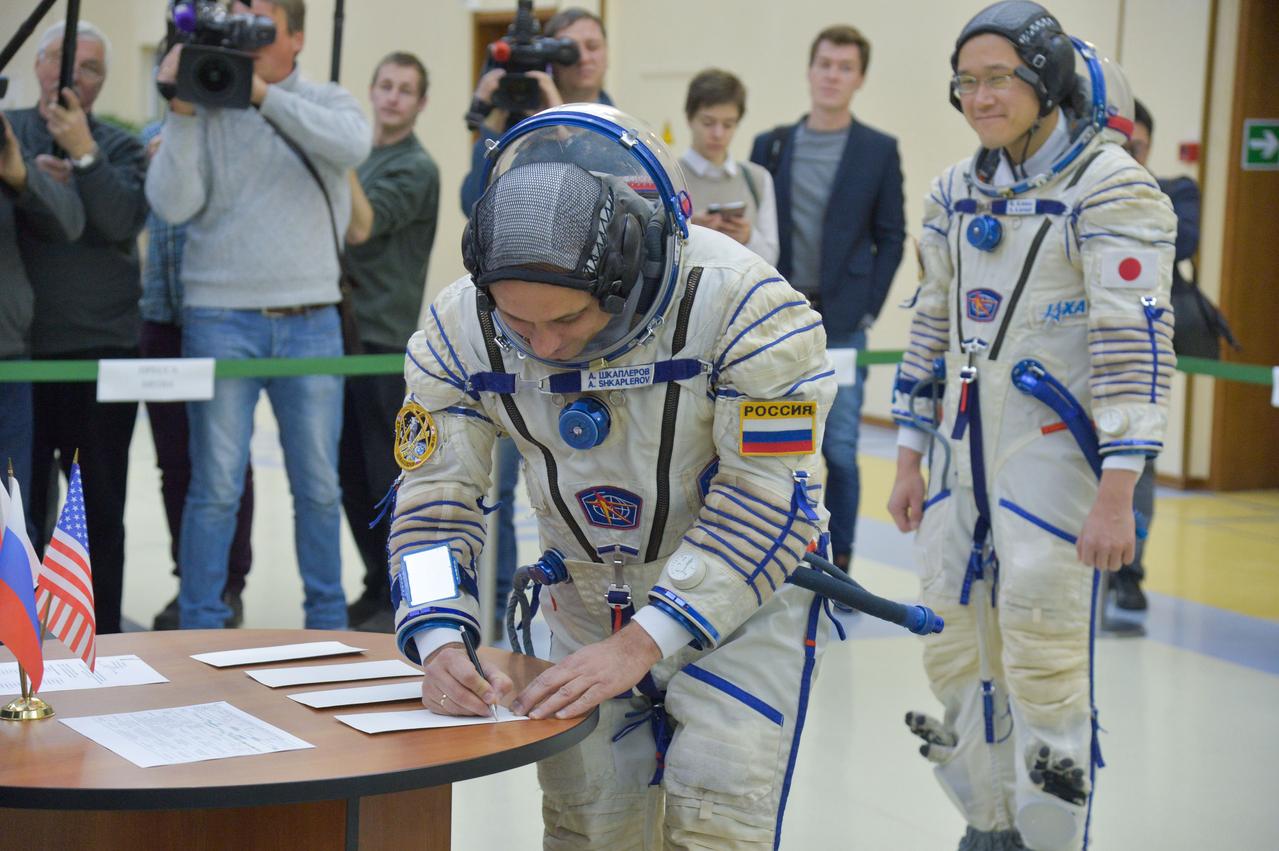
jsc2017e135200 - At the Gagarin Cosmonaut Training Center in Star City, Russia, Expedition 54-55 prime crewmember Anton Shkaplerov of the Russian Federal Space Agency (Roscosmos) signs in for the start of the crew’s final qualification exam activities Nov. 29 as crewmate Norishige Kanai of the Japan Aerospace Exploration Agency (JAXA) looks on. Shkaplerov, Kanai and Scott Tingle of NASA will launch Dec. 17 on the Soyuz MS-07 spacecraft from the Baikonur Cosmodrome in Kazakhstan for a five-month mission on the International Space Station...NASA/Elizabeth Weissinger.
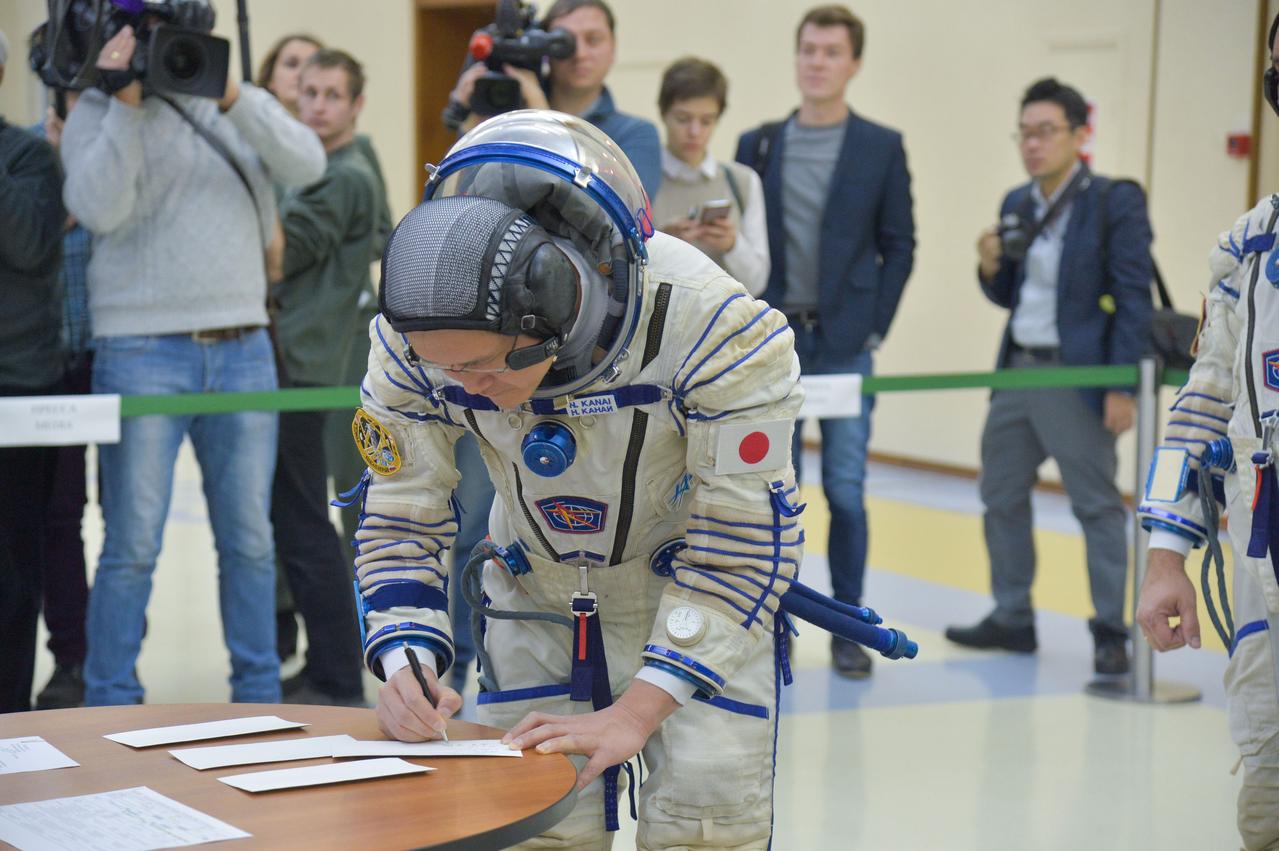
jsc2017e135202 - At the Gagarin Cosmonaut Training Center in Star City, Russia, Expedition 54-55 prime crewmember Norishige Kanai of the Japan Aerospace Exploration Agency (JAXA) signs in for the start of the crew’s final qualification exam activities Nov. 29. Kanai, Scott Tingle of NASA and Anton Shkaplerov of the Russian Federal Space Agency (Roscosmos) will launch Dec. 17 on the Soyuz MS-07 spacecraft from the Baikonur Cosmodrome in Kazakhstan for a five-month mission on the International Space Station...NASA/Elizabeth Weissinger.
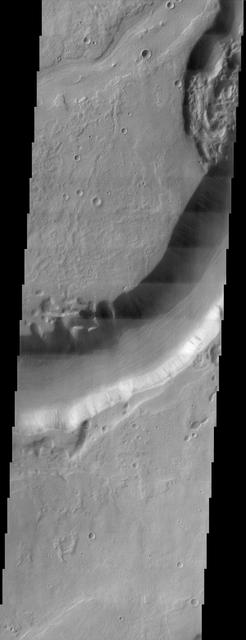
This NASA Mars Odyssey image shows Dao Vallis, a large outflow channel that starts on the southeast flank of a large volcano called Hadriaca Patera and runs for 1,000 kilometers about 620 miles southwest into the Hellas impact basin. http://photojournal.jpl.nasa.gov/catalog/PIA04009
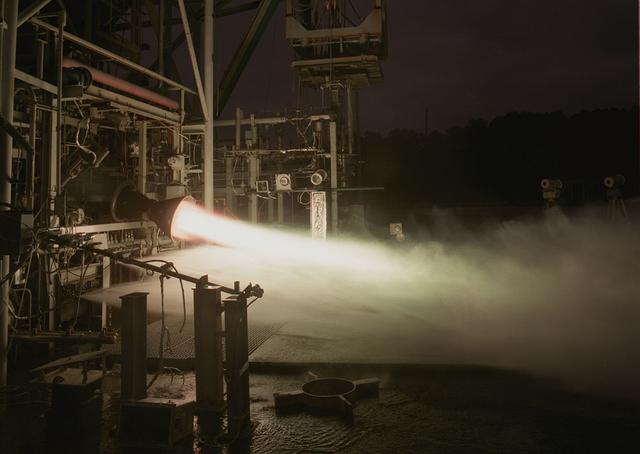
This is a photo of an X-34 40K Fastrac II duration test performed at the Marshall Space Flight Center test stand 116 (TS116) in June 1997. Engine ignition is started with Tea-Gas which makes the start burn green. The X-34 program was cancelled in 2001.

Tour DE Ames Bicycle event (start at Macon Road Gate - ending a the Old Mimi Mart on R.T. Jones Road) Deb Feng, Chief Center Operations (acting), starts off the race with fellow bikers on the first Tour de Ames
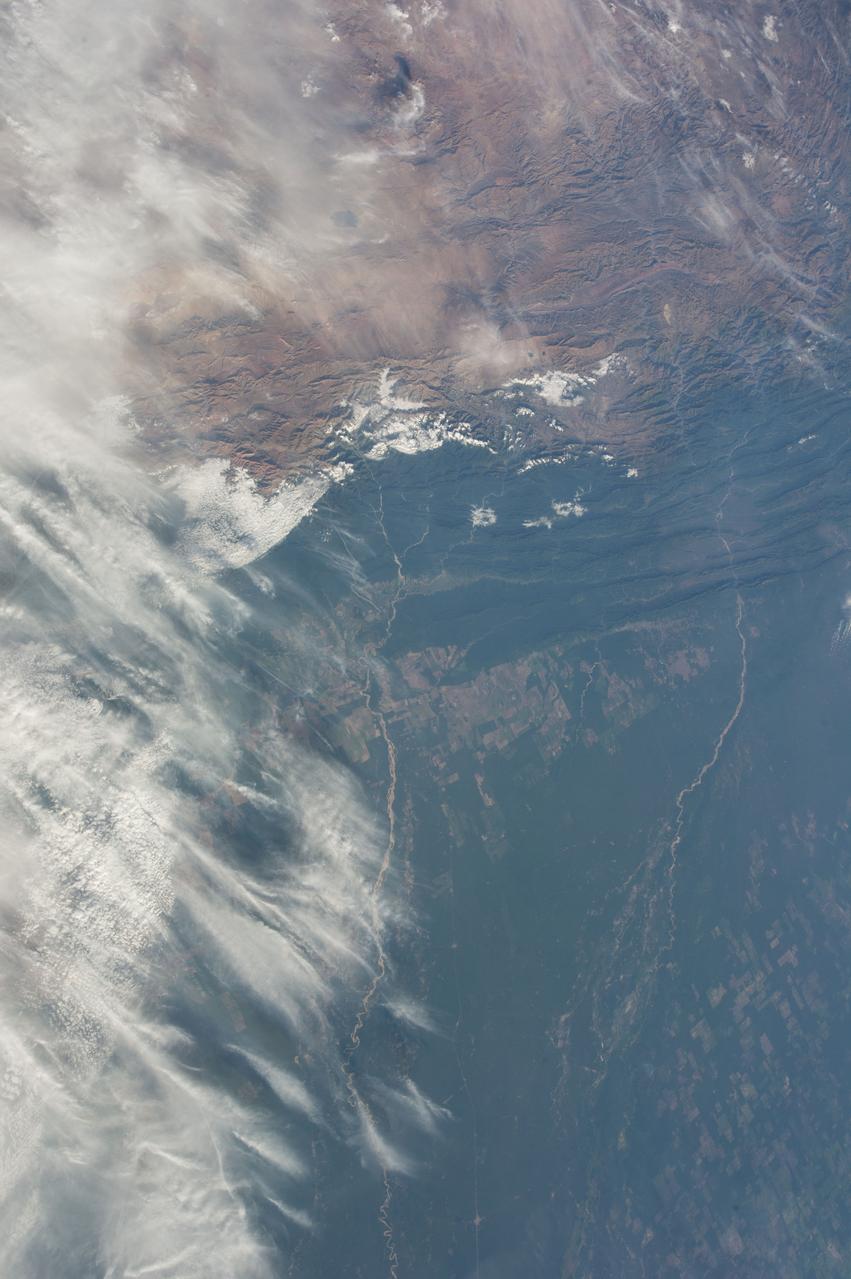
GMT362_00_58_Terry Virts_chile andes central south america amazon start in mountains_123
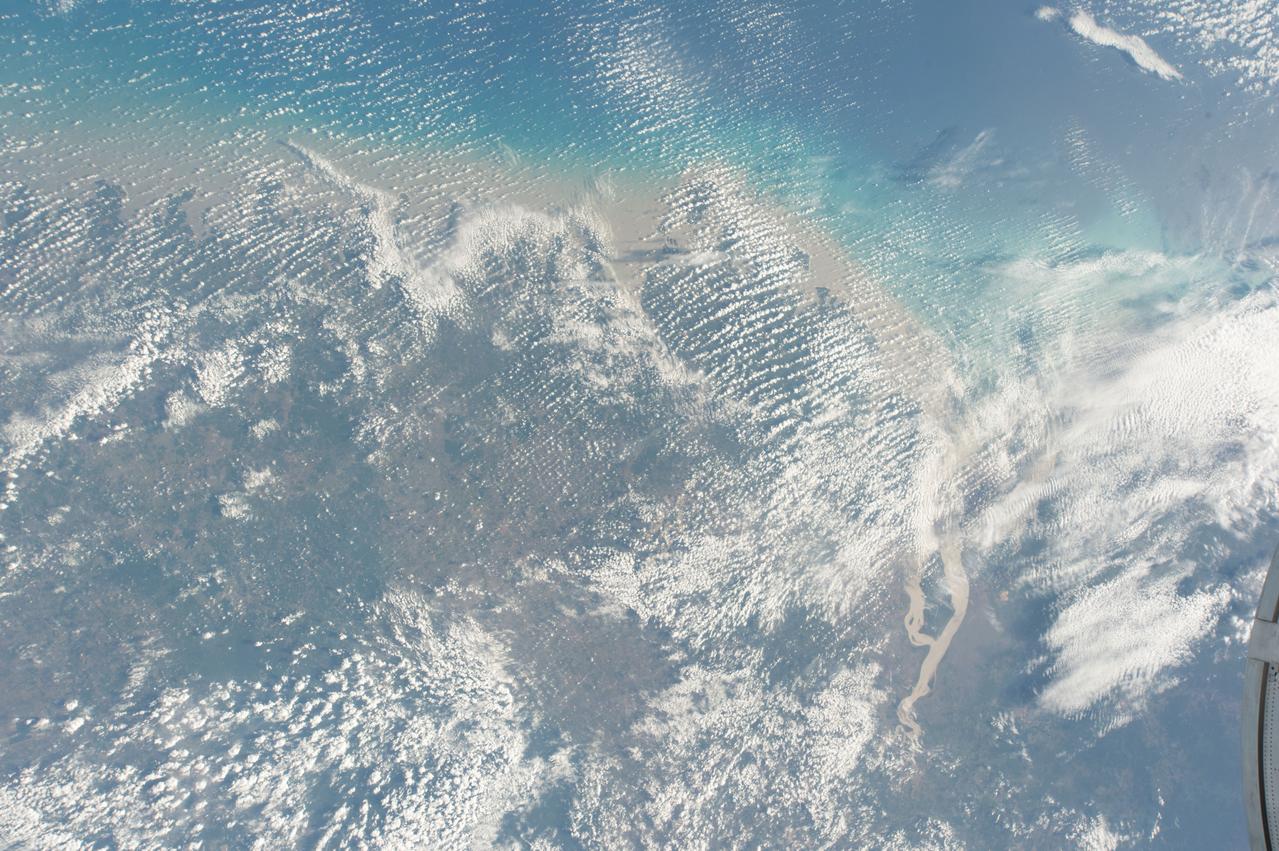
GMT362_00_58_Terry Virts_chile andes central south america amazon start in mountains_123
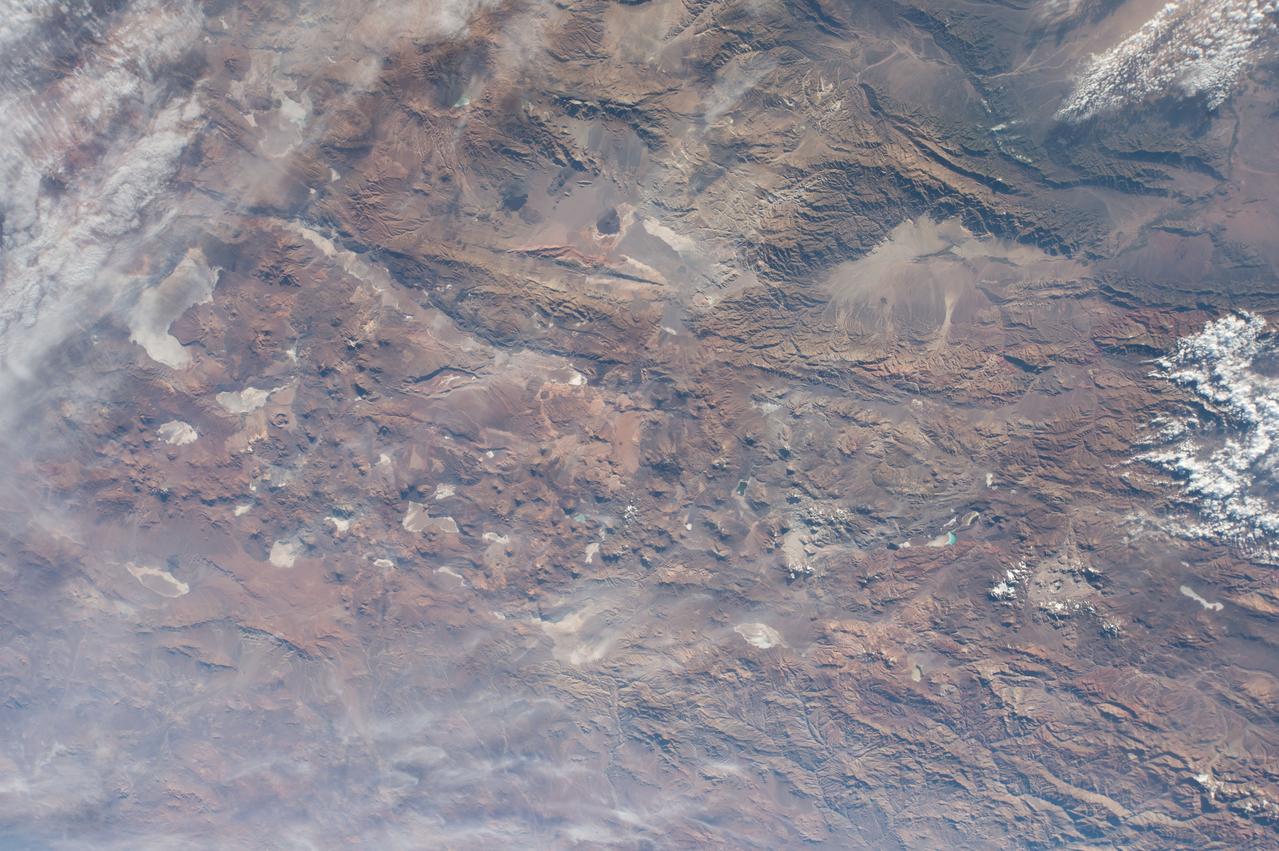
GMT362_00_58_Terry Virts_chile andes central south america amazon start in mountains_123
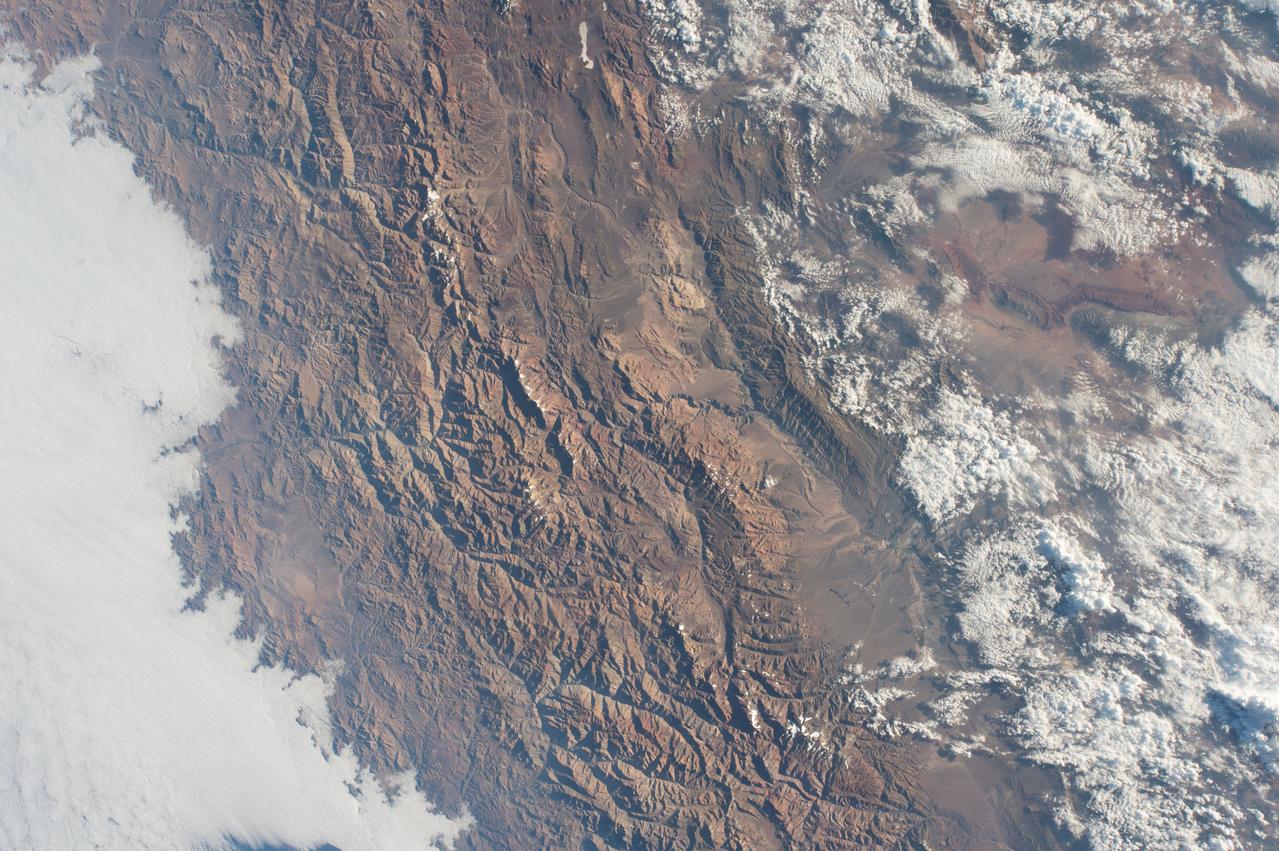
GMT362_00_58_Terry Virts_chile andes central south america amazon start in mountains_123
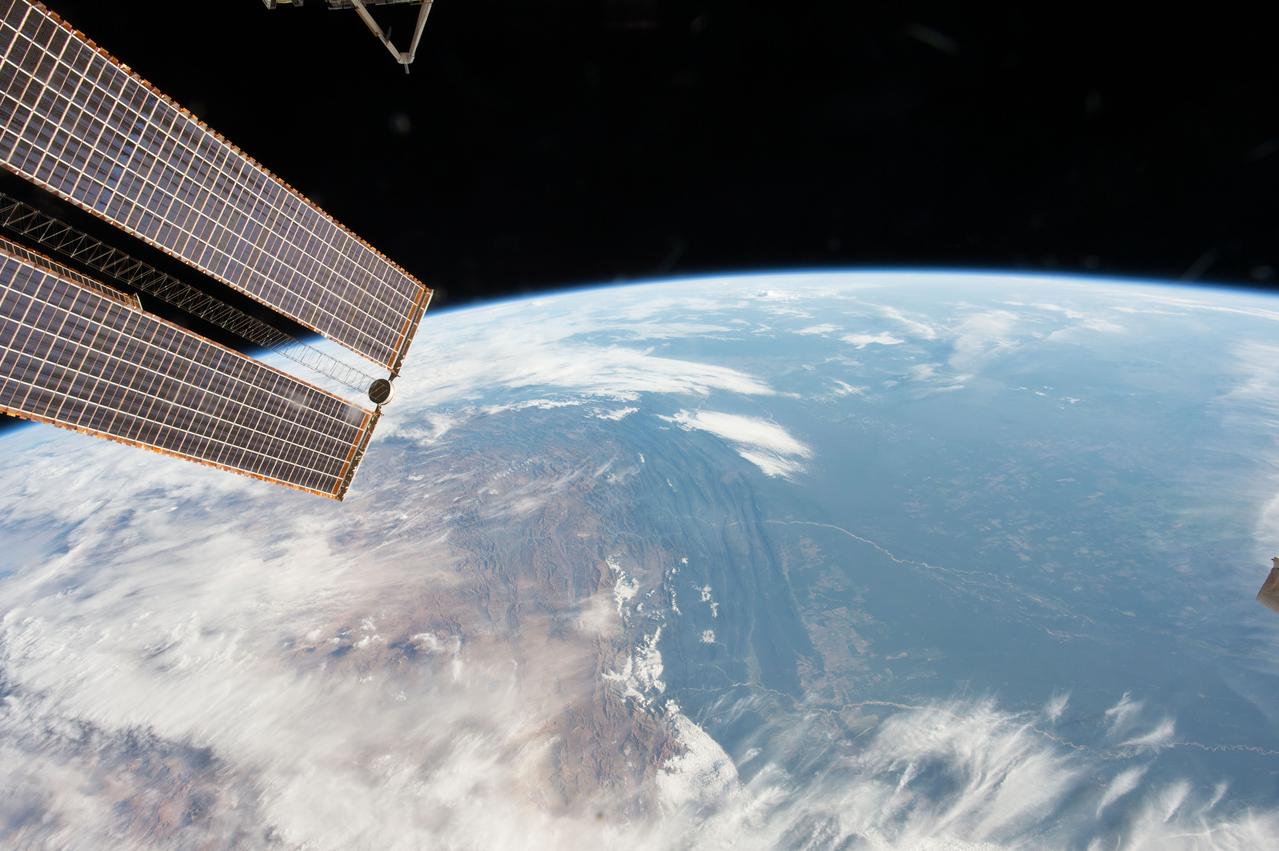
GMT362_00_58_Terry Virts_chile andes central south america amazon start in mountains_123
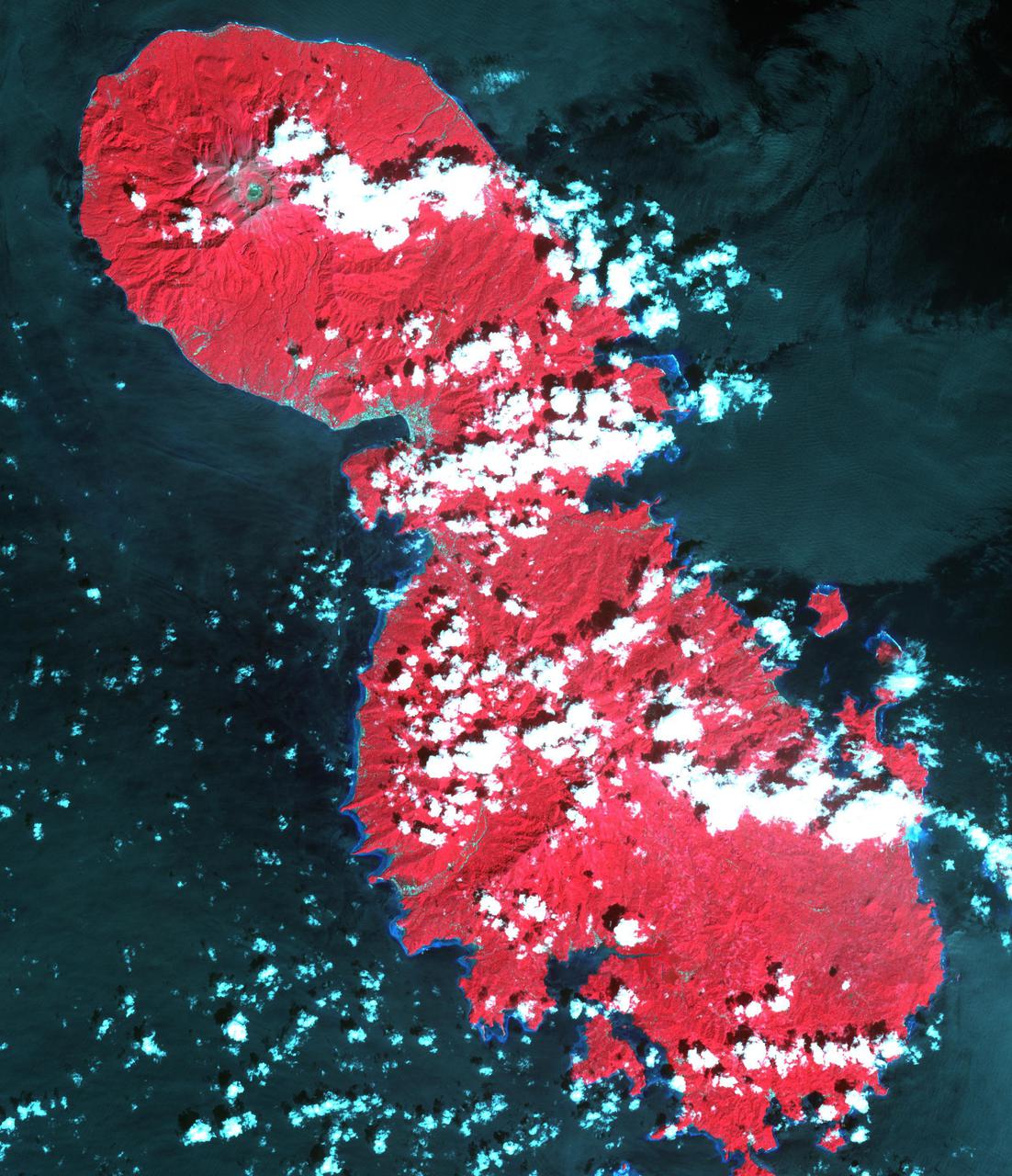
Canadian-based Baru Gold is hoping to start gold mining on the Indonesian island of Sangihe this year. The company's concession covers the southern half of the volcanic island. Opposition to the mining activity cites threats to endemic bird populations and the residents themselves, due to inadequate tailings handling technology. The company projects reserves of nearly 115,000 ounces of gold and 2 million ounces of silver. The image was acquired December 4, 2020, covers an area of 36.3 by 42.1 km, and is located at 3.5 degrees north, 125.5 degrees east. https://photojournal.jpl.nasa.gov/catalog/PIA24942
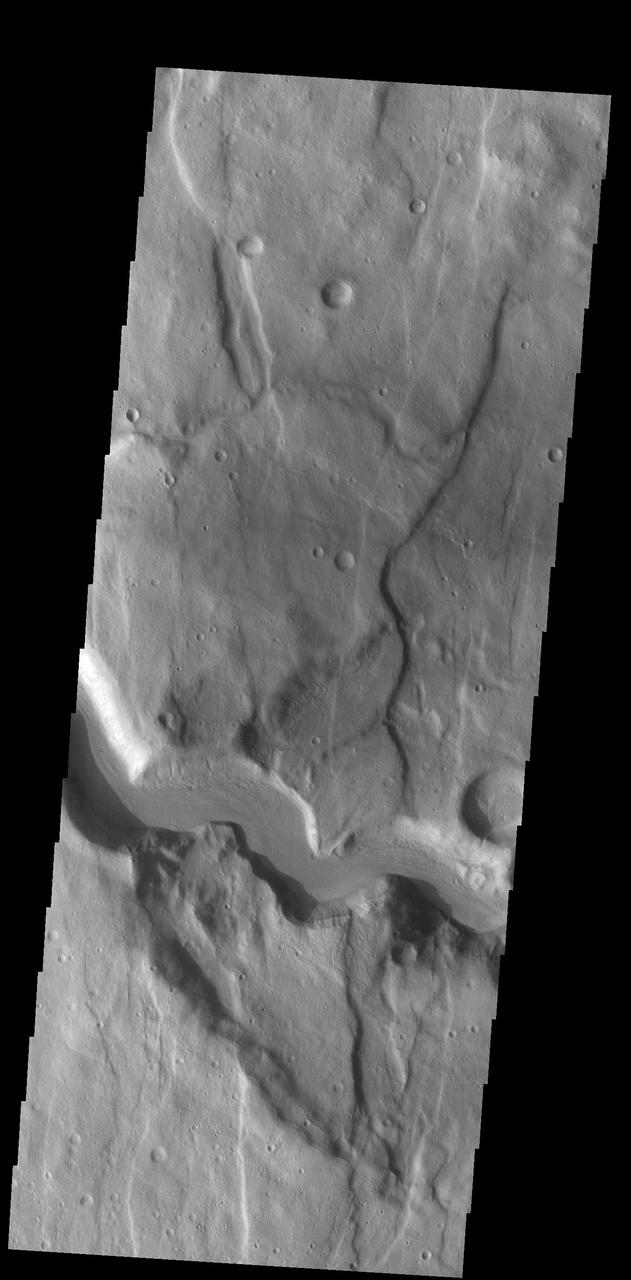
Today's VIS image shows a section of an unnamed channel. This channel starts in Claritas Fossae and empties down into Icaria Planum. The linear features that parallel the sides of the image are fractures that can create linear depressions (fossae). Orbit Number: 75343 Latitude: -39.1537 Longitude: 257.791 Instrument: VIS Captured: 2018-12-08 23:49 https://photojournal.jpl.nasa.gov/catalog/PIA23075
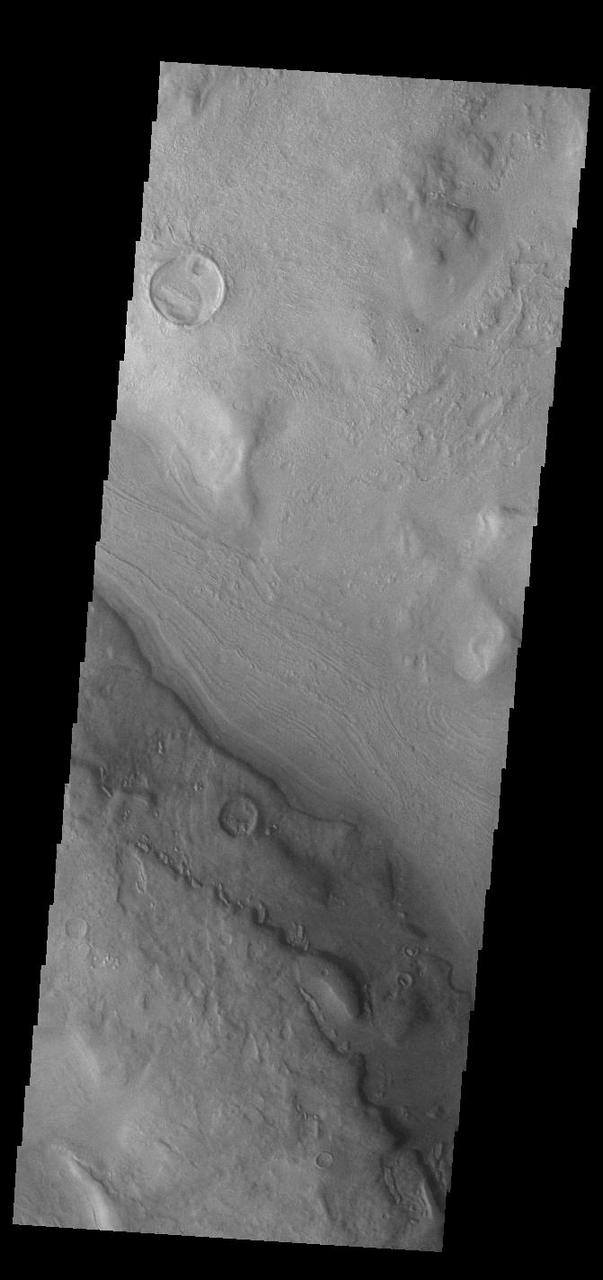
This VIS image shows a short section of Reull Vallis. Reull Vallis starts in Promethei Terra and empties into Hellas Plainitia. On the floor of this channel are ridged and grooved materials. In other sections of the channel these materials appear to deflect around obstacles. These features are proposed to be ice-rich materials similar to glaciers on Earth. Reull Vallis is 1051km (653 miles) long. Orbit Number: 91670 Latitude: -42.326 Longitude: 103.002 Instrument: VIS Captured: 2022-08-14 09:12 https://photojournal.jpl.nasa.gov/catalog/PIA25617
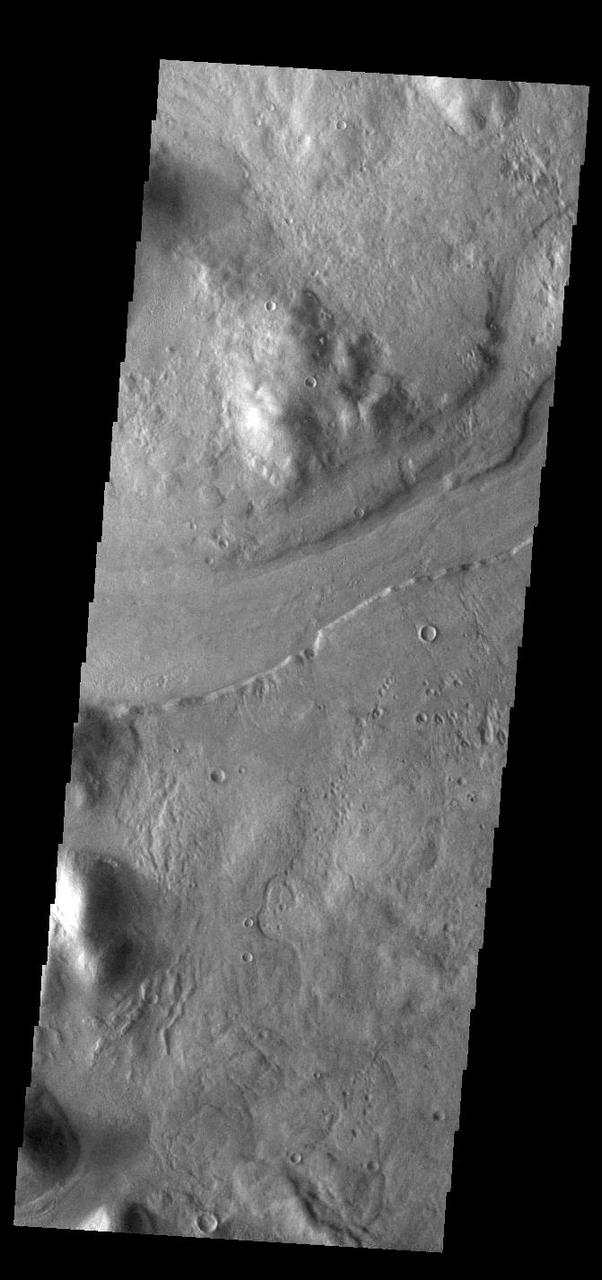
This VIS image shows a short section of Reull Vallis. Reull Vallis starts in Promethei Terra and empties into Hellas Plainitia. In other regions of the channel the floor contains ridged and grooved materials. In some sections of the channel these materials appear to deflect around obstacles. These features are proposed to be ice-rich materials similar to glaciers on Earth. Reull Vallis is 1051km (653 miles) long. Orbit Number: 92980 Latitude: -39.6307 Longitude: 110.597 Instrument: VIS Captured: 2022-11-30 05:57 https://photojournal.jpl.nasa.gov/catalog/PIA25803
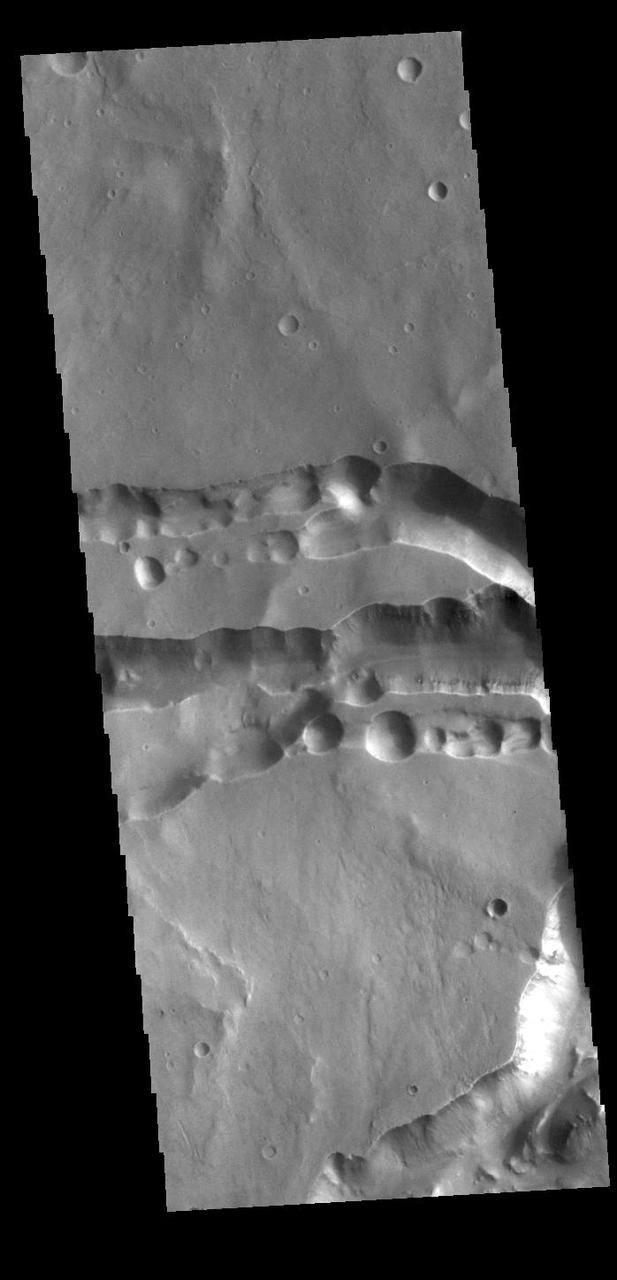
Today's VIS image is located near Hydraotes Chaos. The linear depressions in the region appear to be the start of valley formation that are the first part of chaos creation. It is thought that removal of subsurface ice/water drives the formation of chaos. Orbit Number: 88686 Latitude: 1.32181 Longitude: 322.473 Instrument: VIS Captured: 2021-12-11 17:03 https://photojournal.jpl.nasa.gov/catalog/PIA25201
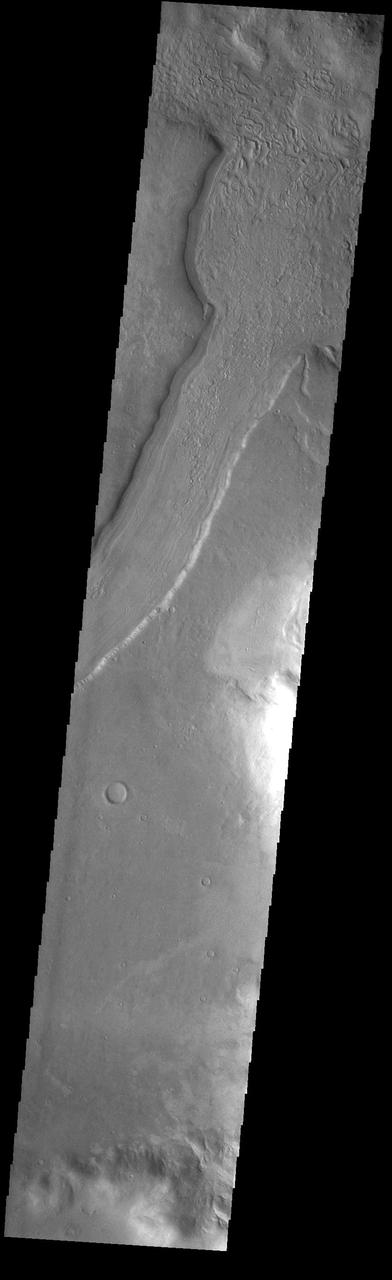
This VIS image shows a short section of Reull Vallis. Reull Vallis starts in Promethei Terra and empties into Hellas Plainitia. On the floor of this channel are ridged and grooved materials. In other sections of the channel these materials appear to deflect around obstacles. These features are proposed to be ice-rich materials similar to glaciers on Earth. Reull Vallis is 1051km (653 miles) long. Orbit Number: 91570 Latitude: -41.1029 Longitude: 108.157 Instrument: VIS Captured: 2022-08-06 03:34 https://photojournal.jpl.nasa.gov/catalog/PIA25606
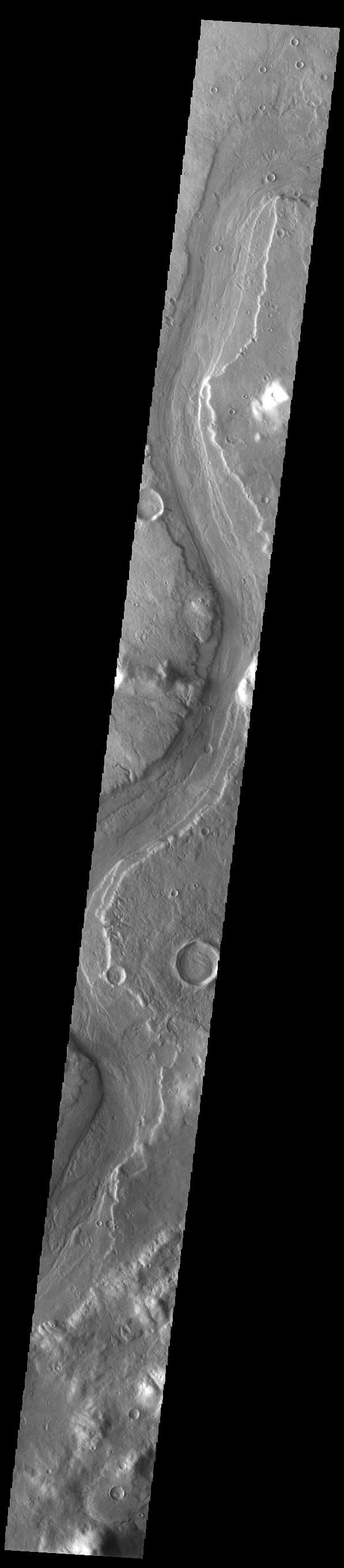
This VIS image shows a long section of Reull Vallis. Reull Vallis starts in Promethei Terra and empties into Hellas Plainitia. On the floor of this channel are ridged and grooved materials that seem to deflect around obstacles. These features are proposed to be ice-rich materials similar to glaciers on Earth. Reull Vallis is 1051km (653 miles) long. Orbit Number: 84794 Latitude: -38.2433 Longitude: 111.672 Instrument: VIS Captured: 2021-01-25 05:11 https://photojournal.jpl.nasa.gov/catalog/PIA24716
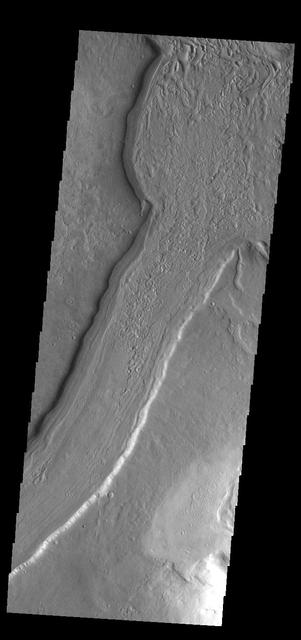
This VIS image shows a short section of Reull Vallis. Reull Vallis starts in Promethei Terra and empties into Hellas Plainitia. On the floor of this channel are ridged and grooved materials that seem to deflect around obstacles. These features are proposed to be ice-rich materials similar to glaciers on Earth. Reull Vallis is 1051km (653 miles) long. Orbit Number: 83958 Latitude: -40.8313 Longitude: 108.188 Instrument: VIS Captured: 2020-11-17 09:14 https://photojournal.jpl.nasa.gov/catalog/PIA24355
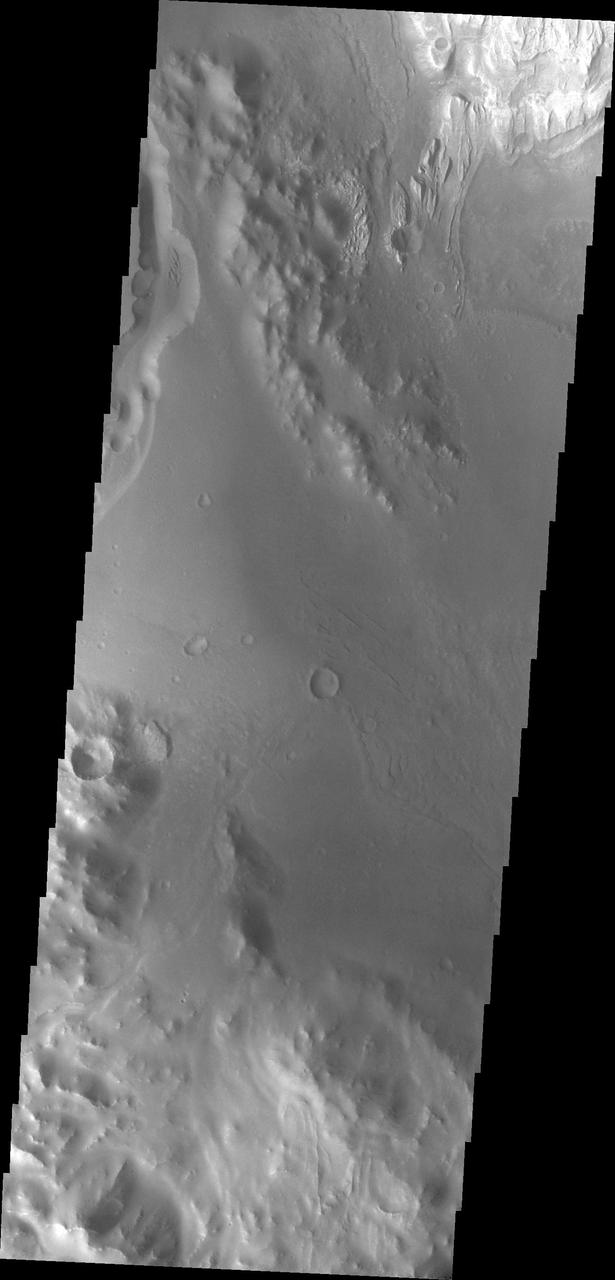
Backtracking a bit, this image from NASA Mars Odyssey spacecraft shows the large channel in the upper left of the frame. Just below the brighter material of Mt. Sharp is the start of the arced edge of material we saw in yesterday image top right.
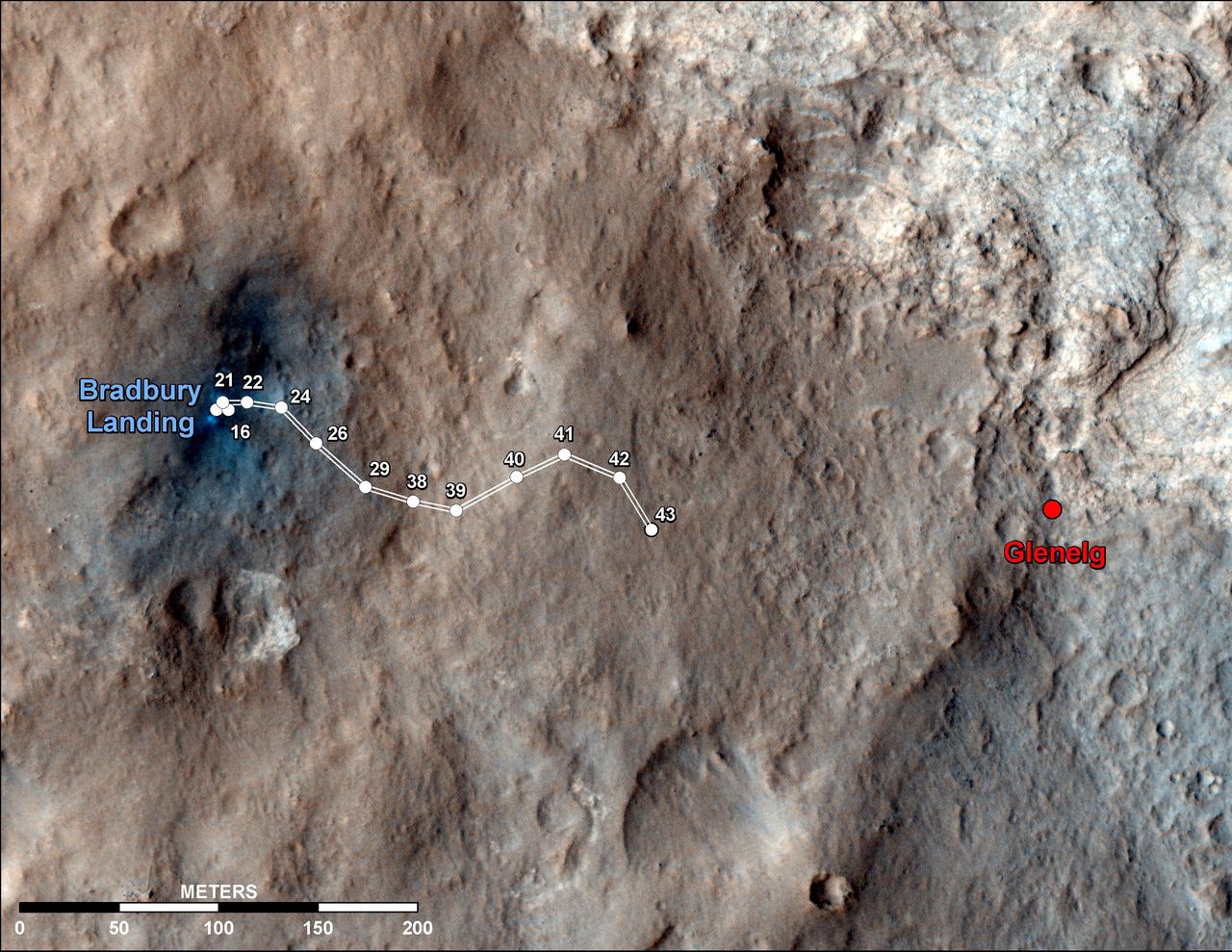
This map shows the route driven by NASA Mars rover Curiosity through the 43rd Martian day, or sol, of the rover mission on Mars Sept. 19, 2012. The route starts where the rover touched down, a site subsequently named Bradbury Landing.
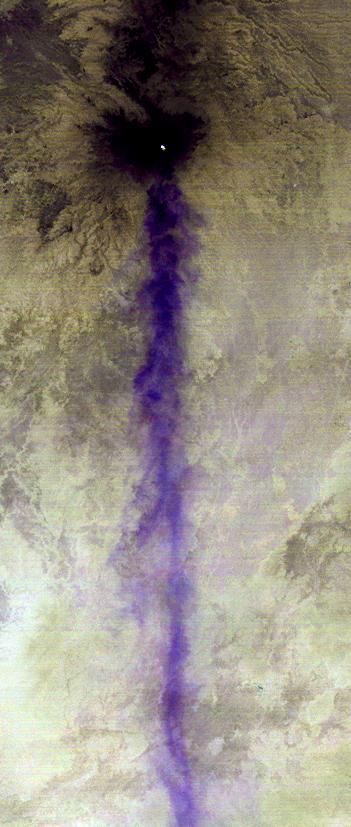
NASA Terra spacecraft shows Popocatepetl, the nearly 18.000-foot-high volcano about 40 miles southeast of Mexico City, continuing to spew water vapor, gas, ashes and glowing rocks from its latest eruption, which started in mid-April 2012.

This satellite interferometric synthetic aperture radar image using COSMO-SkyMed radar data, depicts the relative deformation of Earth surface at Kilauea between Feb. 11, 2011 and March 7, 2011 two days following the start of the current eruption.
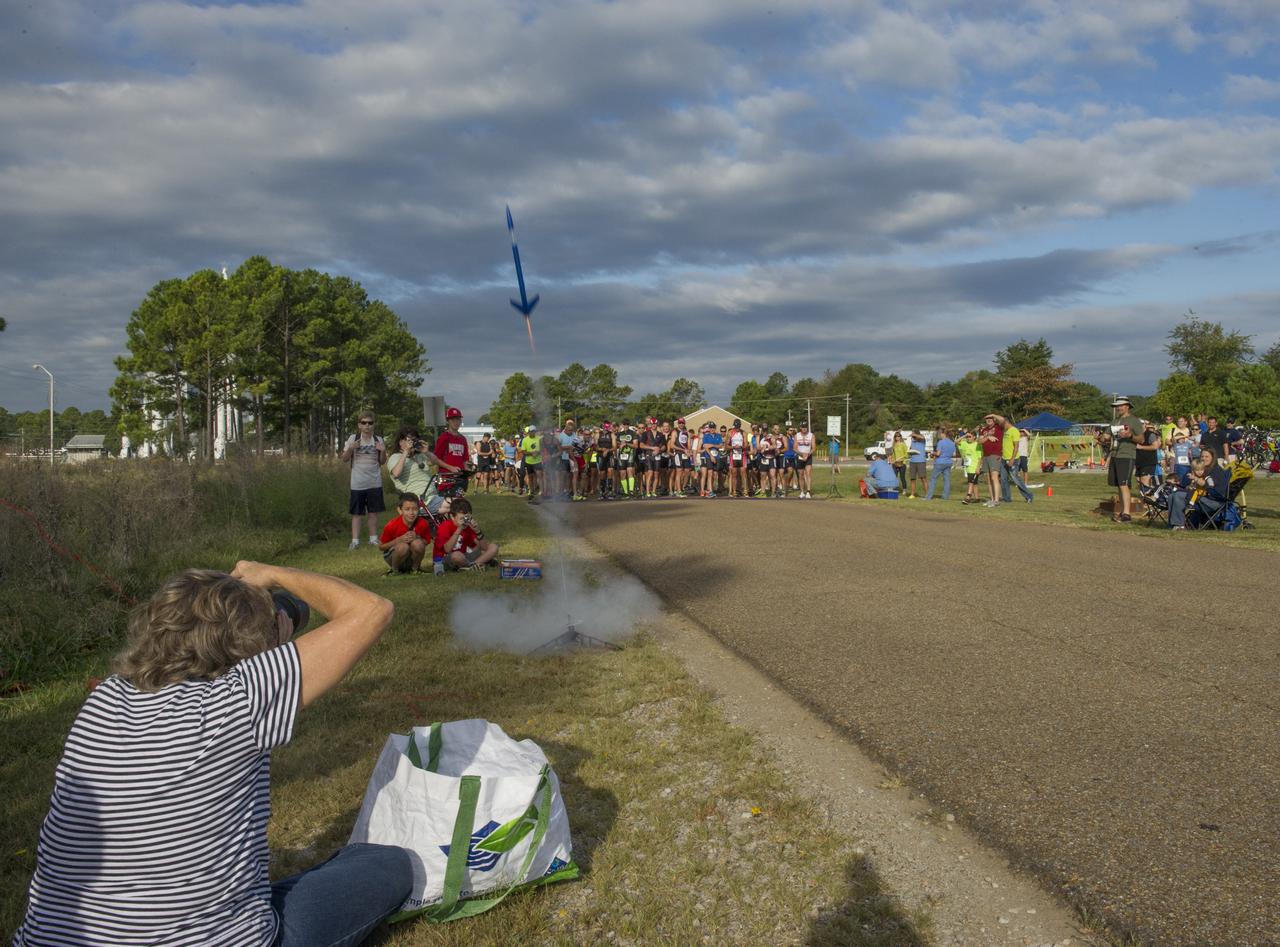
A MODEL ROCKET SIGNALS THE START OF THE ANNUAL RACIN' THE STATION DUATHLON AT THE MARSHALL SPACE FLIGHT CENTER SEPT. 27
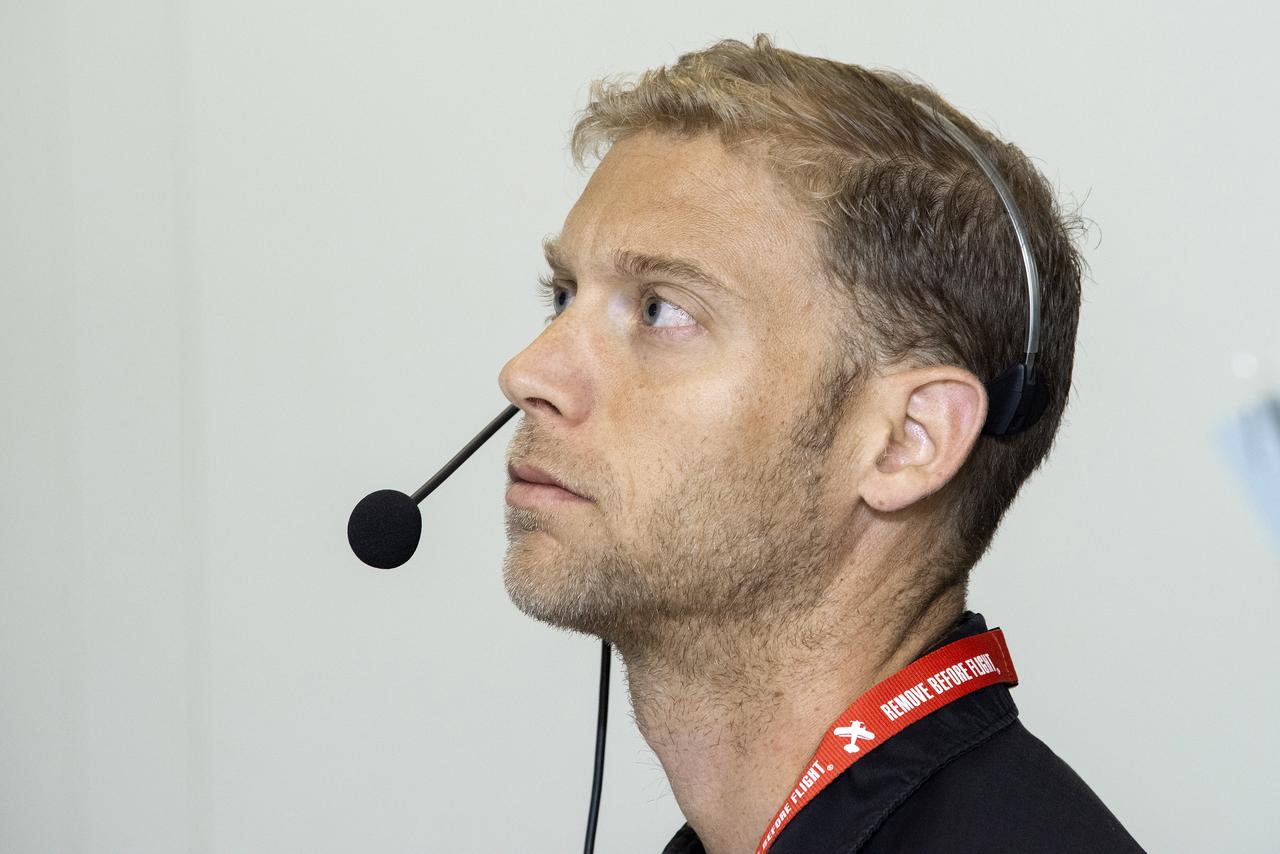
Chris Miller, who was test conductor on this X-56 A flight, prepares for the start of the mission.
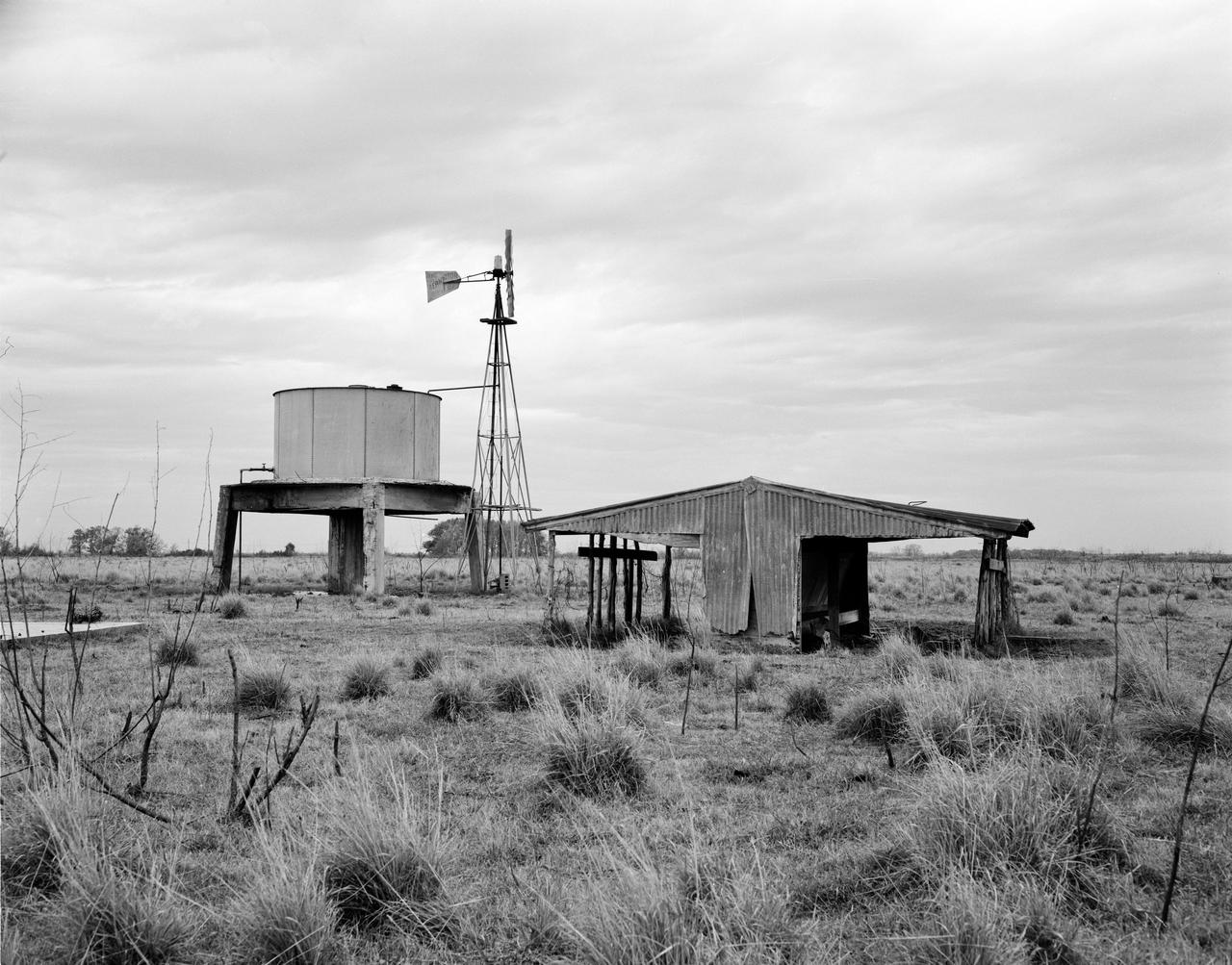
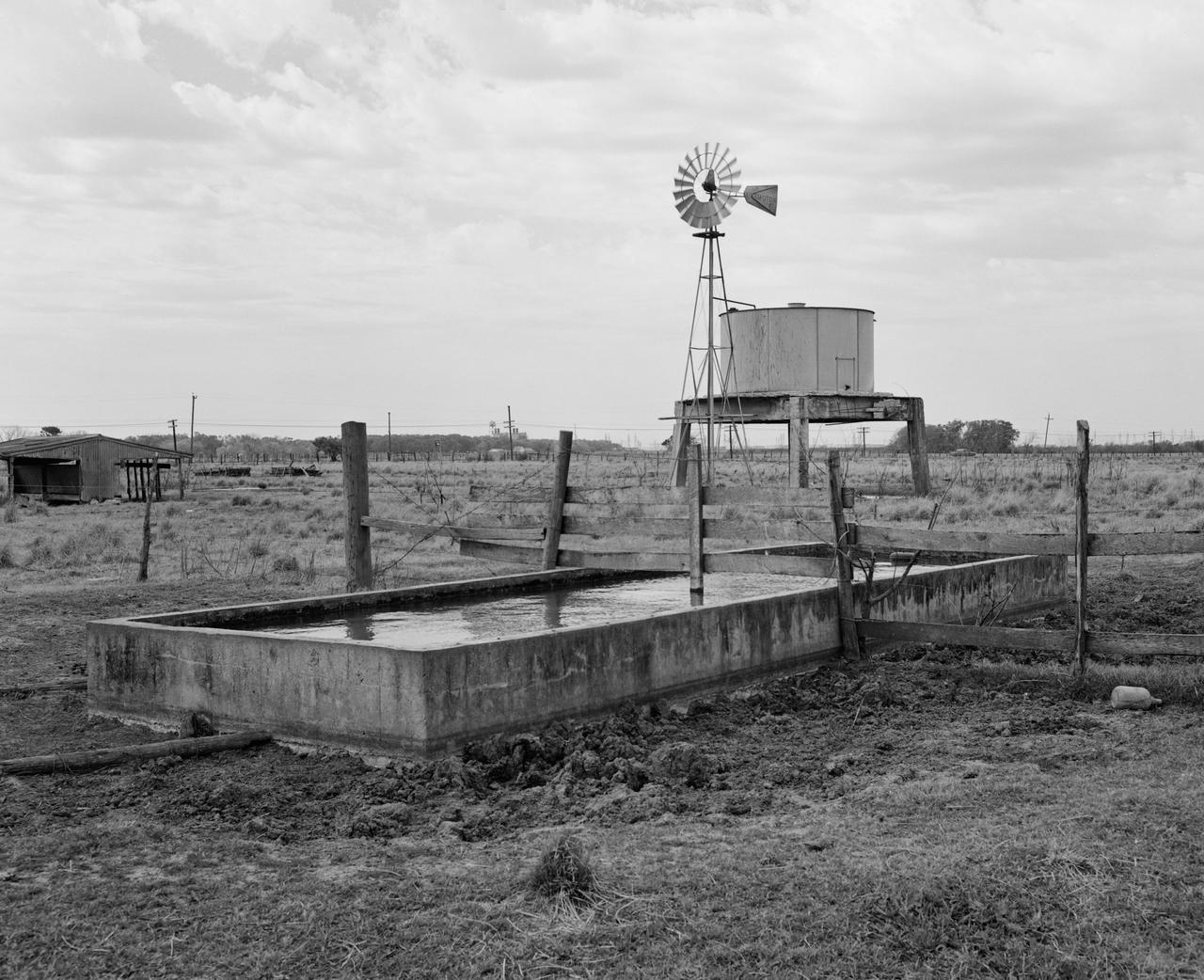
S62-00631 (March 1962) --- Area photograph of Site 1, Manned Spacecraft Center, at Clear Lake, prior to start of construction.
S62-00632 (March 1962) --- Area photograph of Site 1, Manned Spacecraft Center, at Clear Lake, prior to start of construction.

Launch views of the Columbia from Pad 39A starting the STS-4 Mission, 06/27/1982. KSC, FL
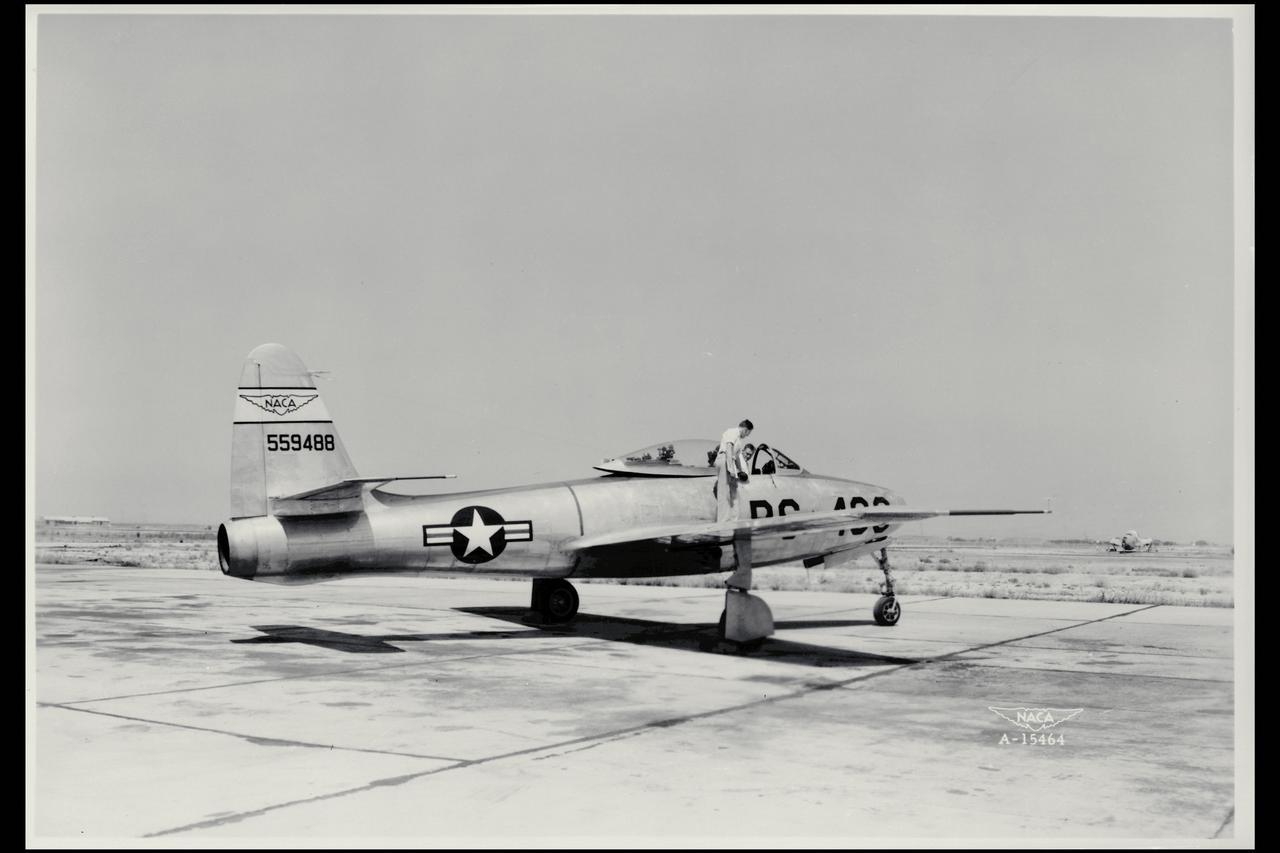
Aileron control; EYF-84 (No. 559488) airplane, differential pressure. The P-84A had a climbing tendency starting at March 0.78.