Polar Stratosphere
Polar Stratosphere
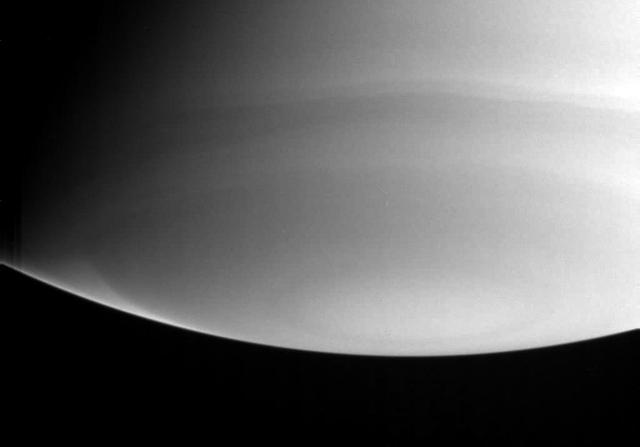
Ultraviolet View Shows Jupiter Stratosphere
Ultraviolet Movie of Jupiter Polar Stratosphere
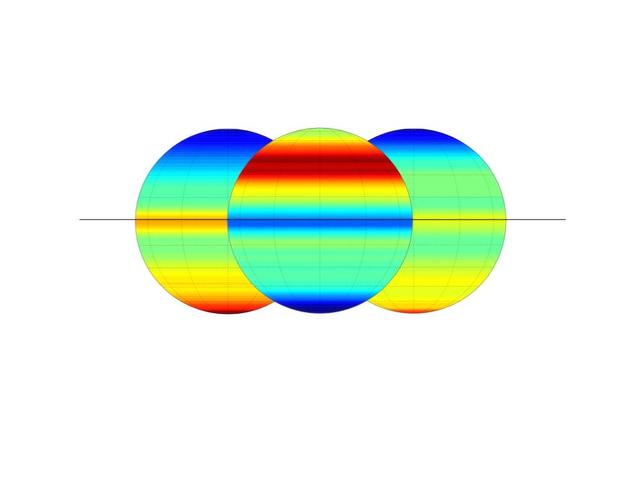
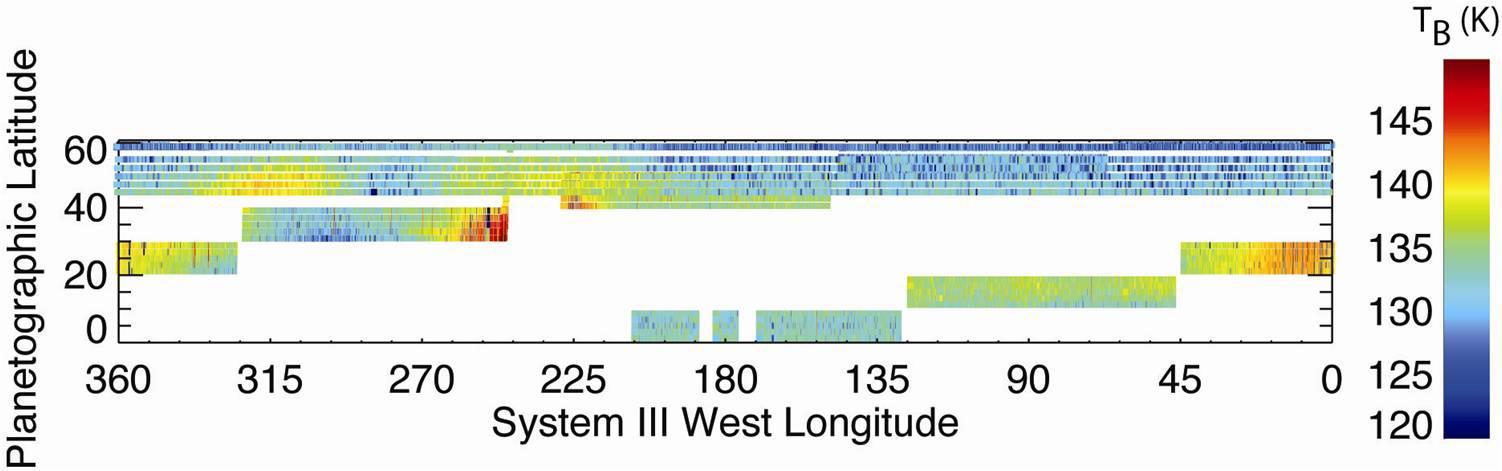
NASA Cassini spacecraft obtained shifting stratospheric temperatures. The difference between the temperatures from 2005-2008 is shown in the middle, with red indicating warming in the stratosphere and blue indicating cooling.
Changing Temperatures in Saturn Stratosphere
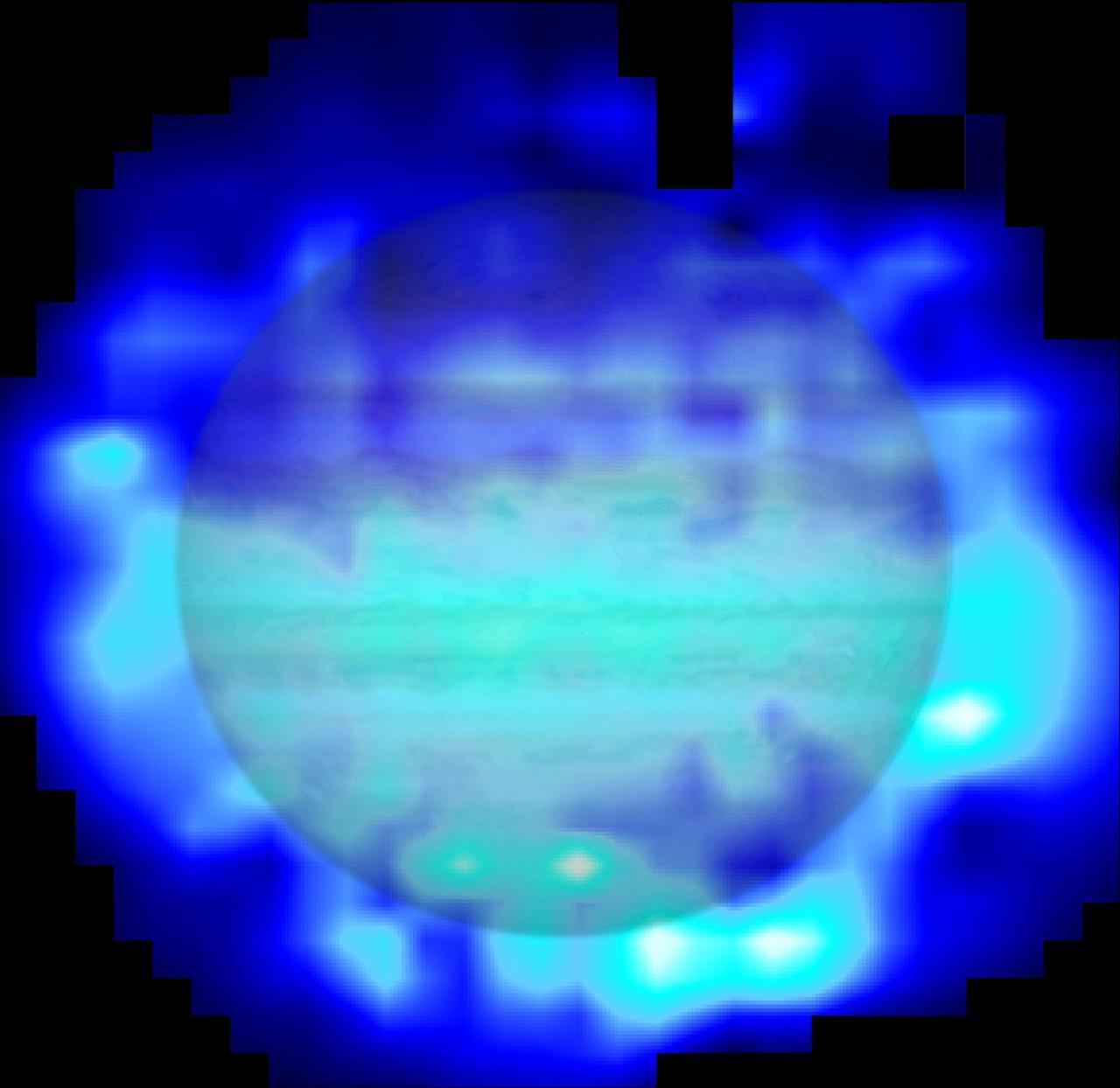
This map shows the distribution of water in the stratosphere of Jupiter as measured with the Herschel space observatory. White and cyan indicate highest concentration of water, and blue indicates lesser amounts.
Distribution of Water in Jupiter Stratosphere
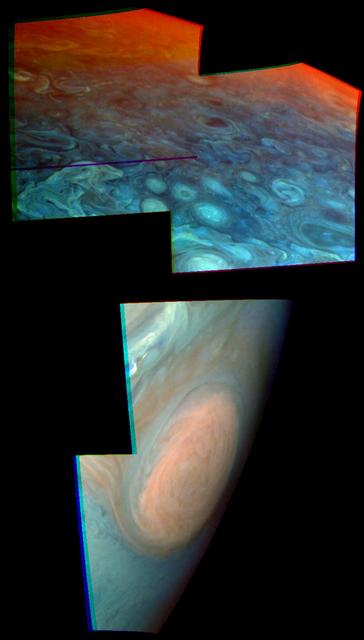
These two views of Jupiter obtained by NASA Galileo spacecraft show evidence of strikingly different stratospheric hazes between the polar regions and low or mid latitudes. The Great Red Spot shows in one mosaic taken on June 26, 1996.
Jupiter Stratospheric Haze Comparison
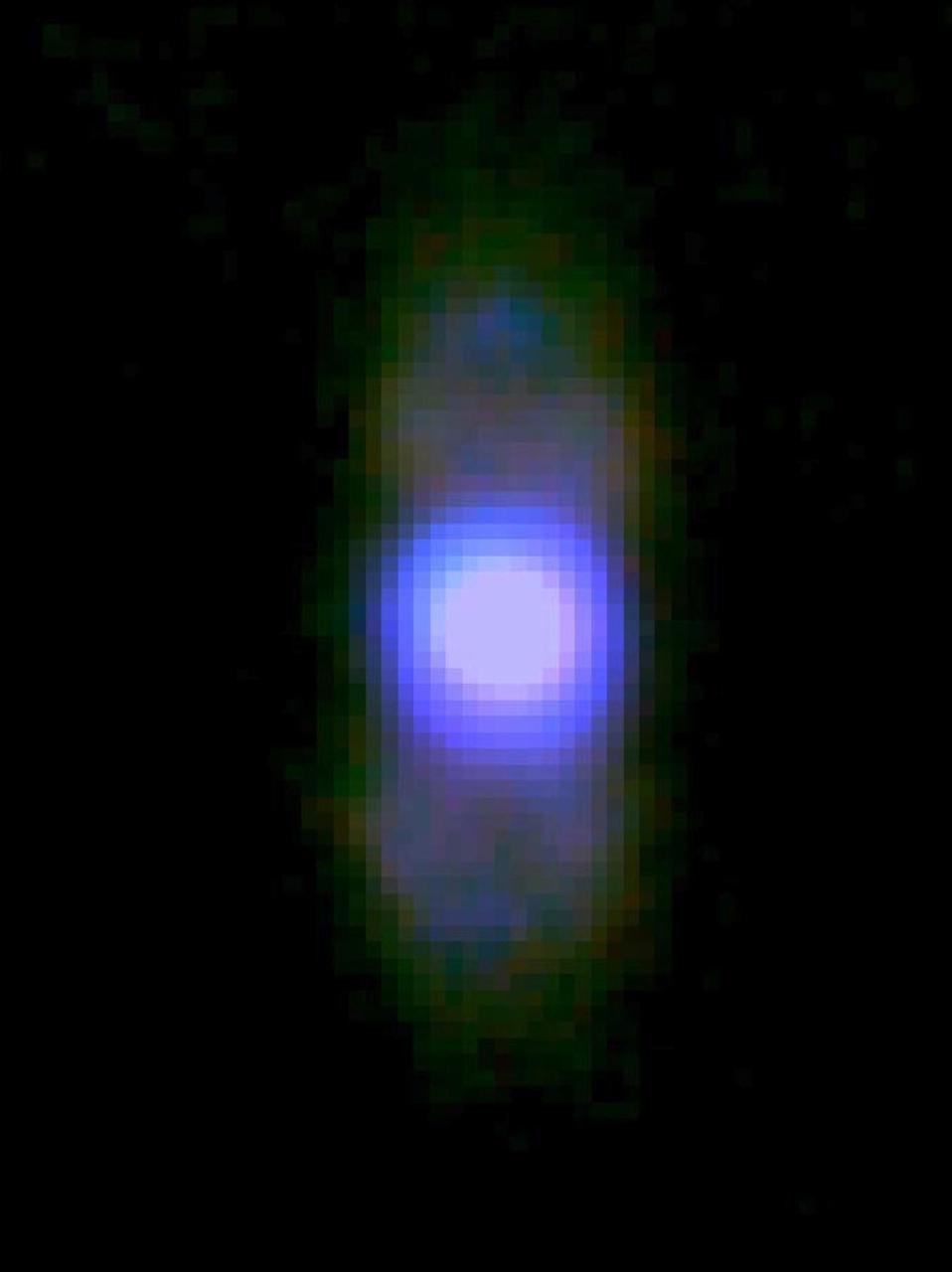
Researchers using NASA Stratospheric Observatory for Infrared Astronomy SOFIA have captured infrared images of the last exhalations of a dying sun-like star. This image is of the planetary Nebula M2-9.
NASA SOFIA Captures Images of the Planetary Nebula M2-9
This high-dynamic range (HDR) photo of the Stratospheric Observatory for Infrared Astronomy (SOFIA) was captured just before sunset at the Christchurch International Airport in Christchurch, New Zealand while aircraft crews were preparing for a nighttime observation flight.
ED15-0187-236
A rainbow frames the Stratospheric Observatory for Infrared Astronomy 747SP during its first Southern Hemisphere deployment in Christchurch, New Zealand, in July 2013.
NASA Armstrong Celebrates 70 Years of Flight Research
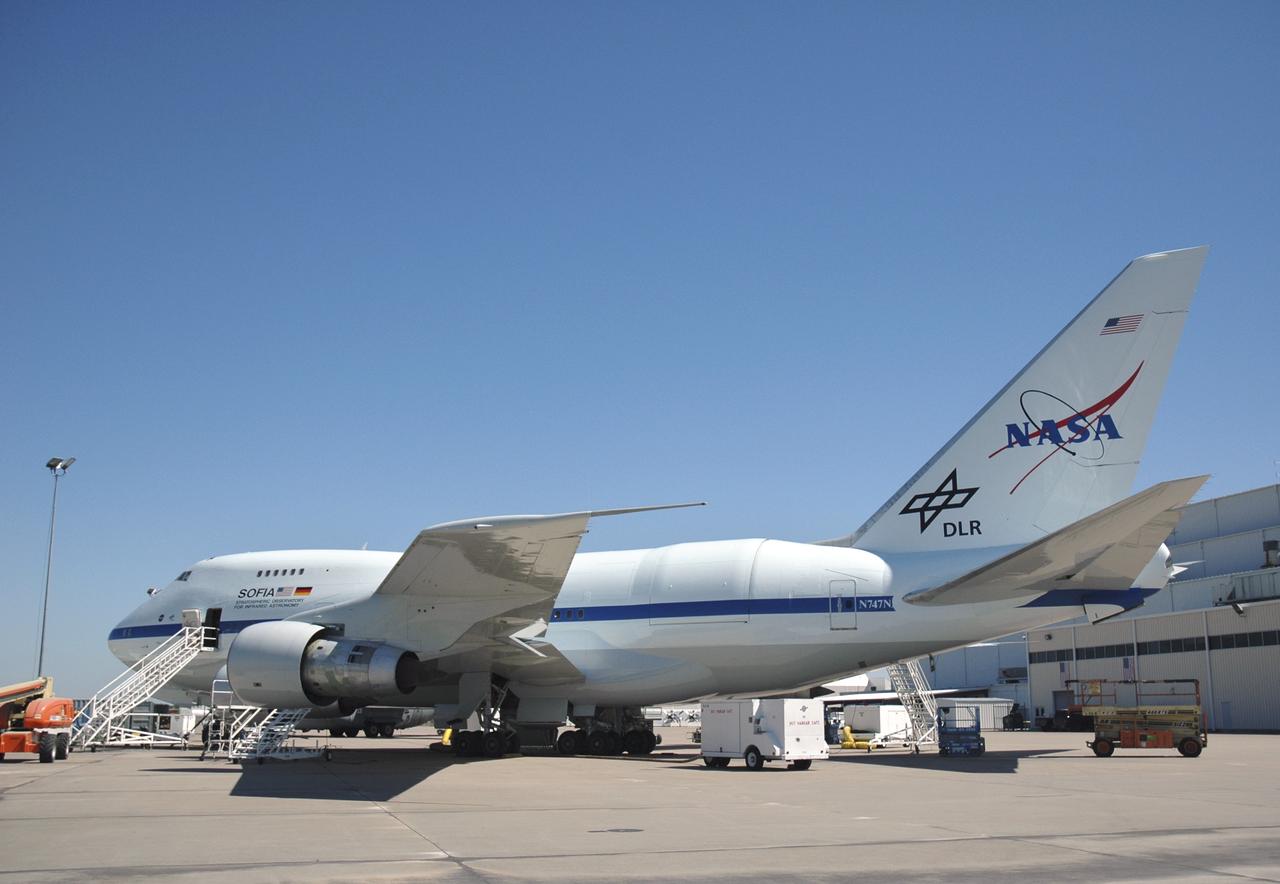
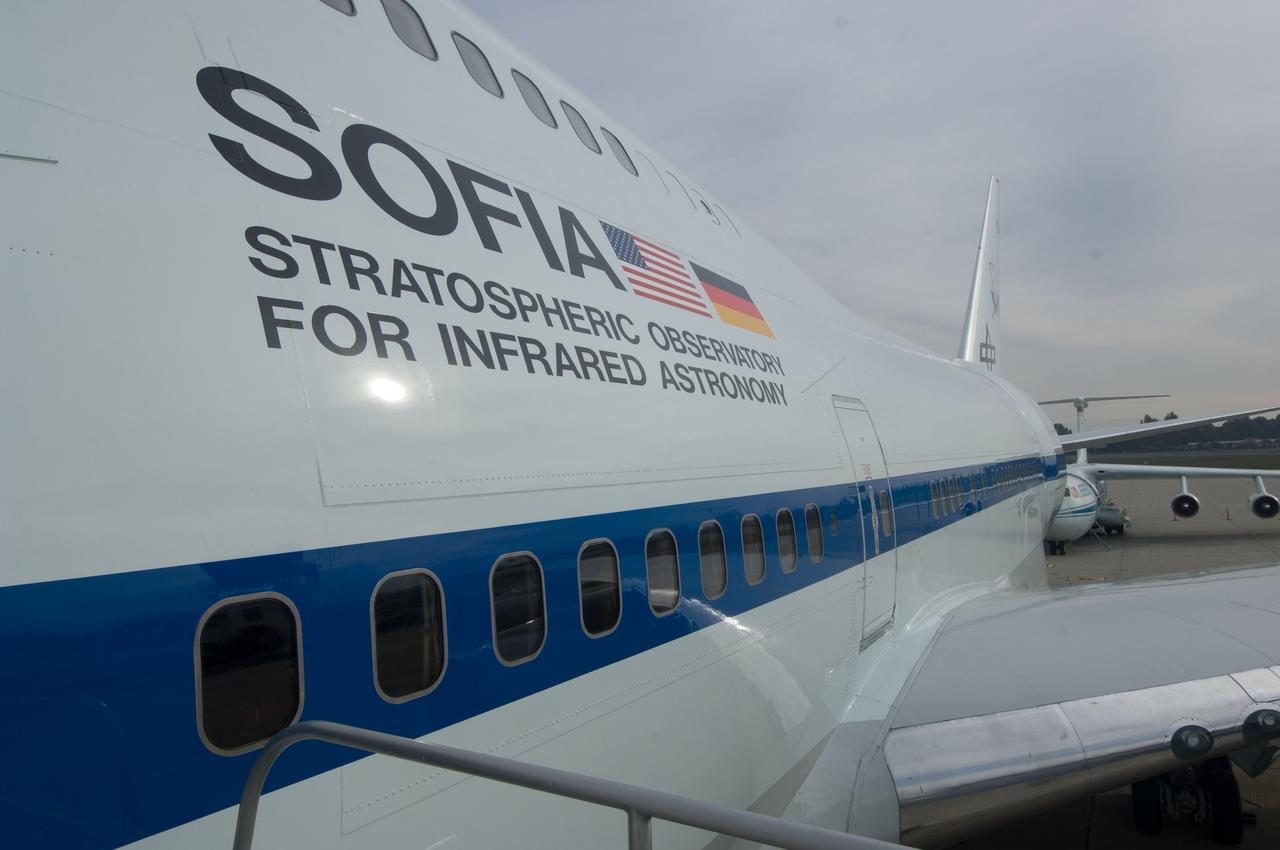
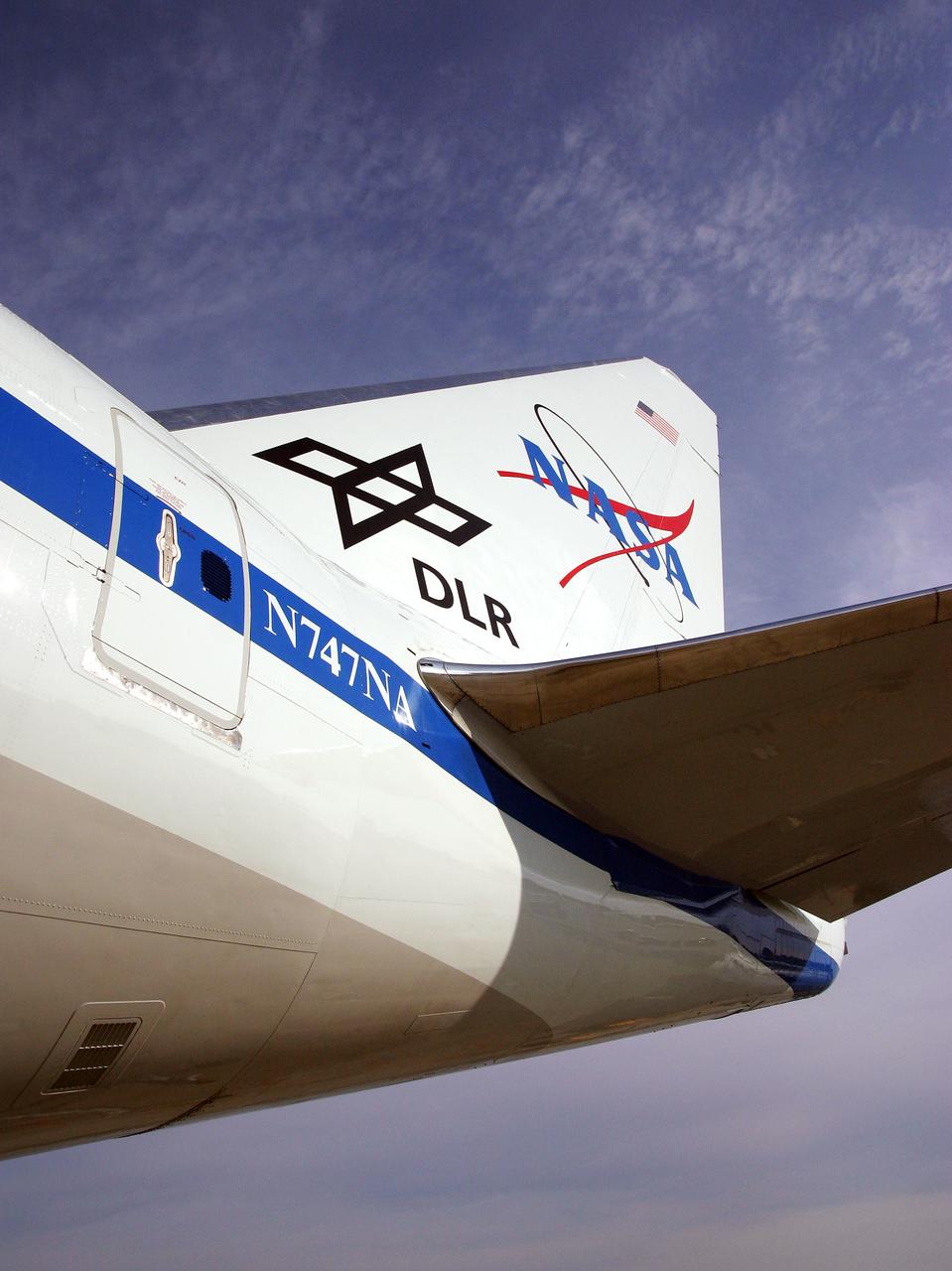
Logos of NASA and the German Aerospace Center (DLR) are displayed prominently on the tail of the Stratospheric Observatory for Infrared Astronomy (SOFIA) 747SP.
Logos of NASA and the German Aerospace Center (DLR) are displayed prominently on the tail of the Stratospheric Observatory for Infrared Astronomy (SOFIA) 747SP
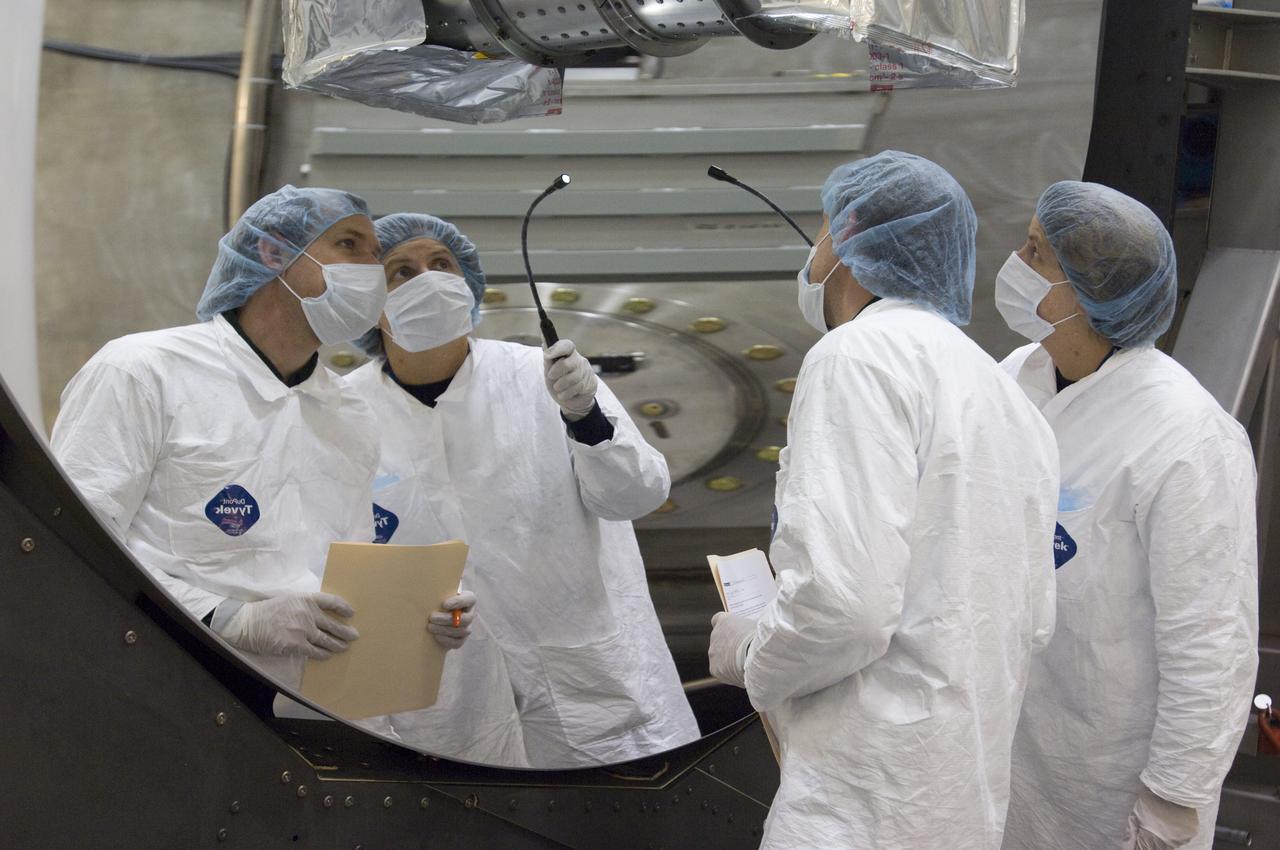
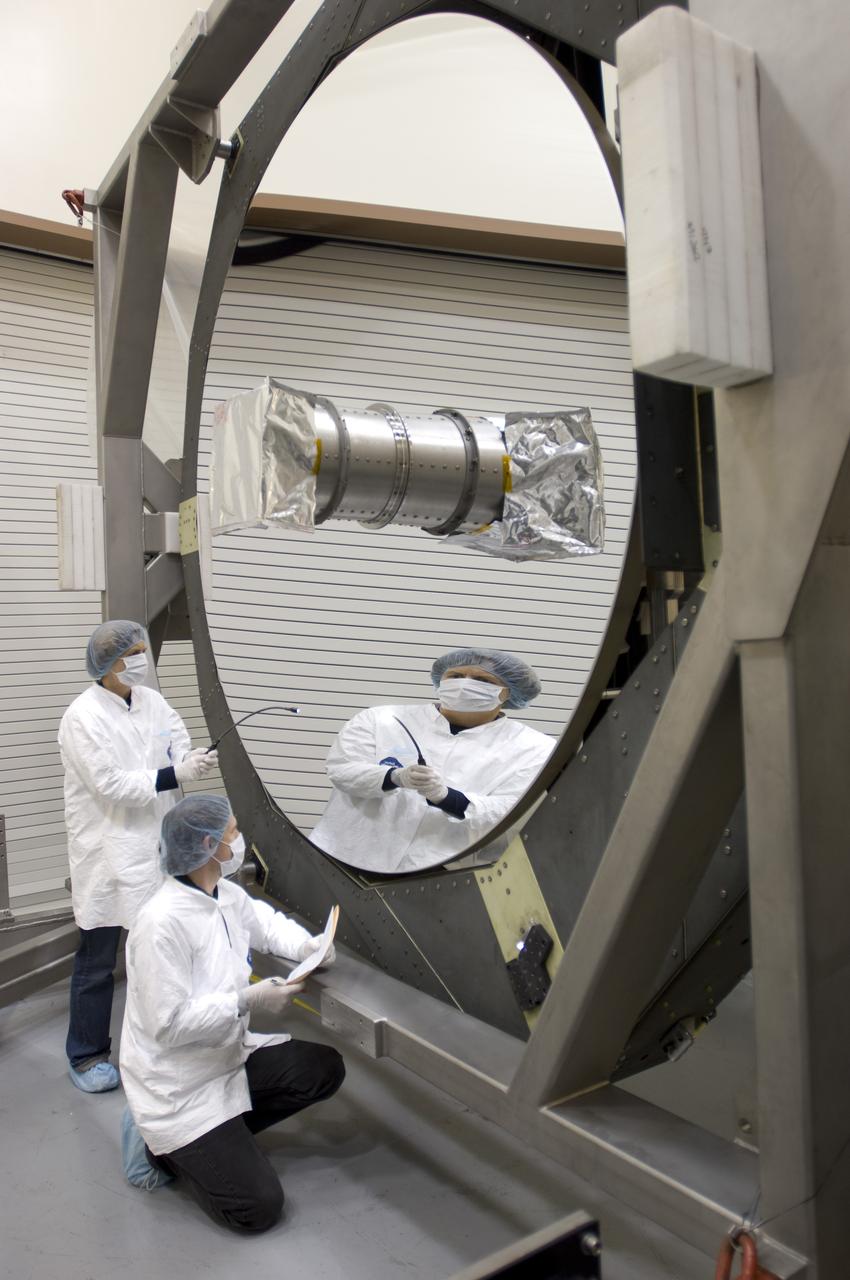
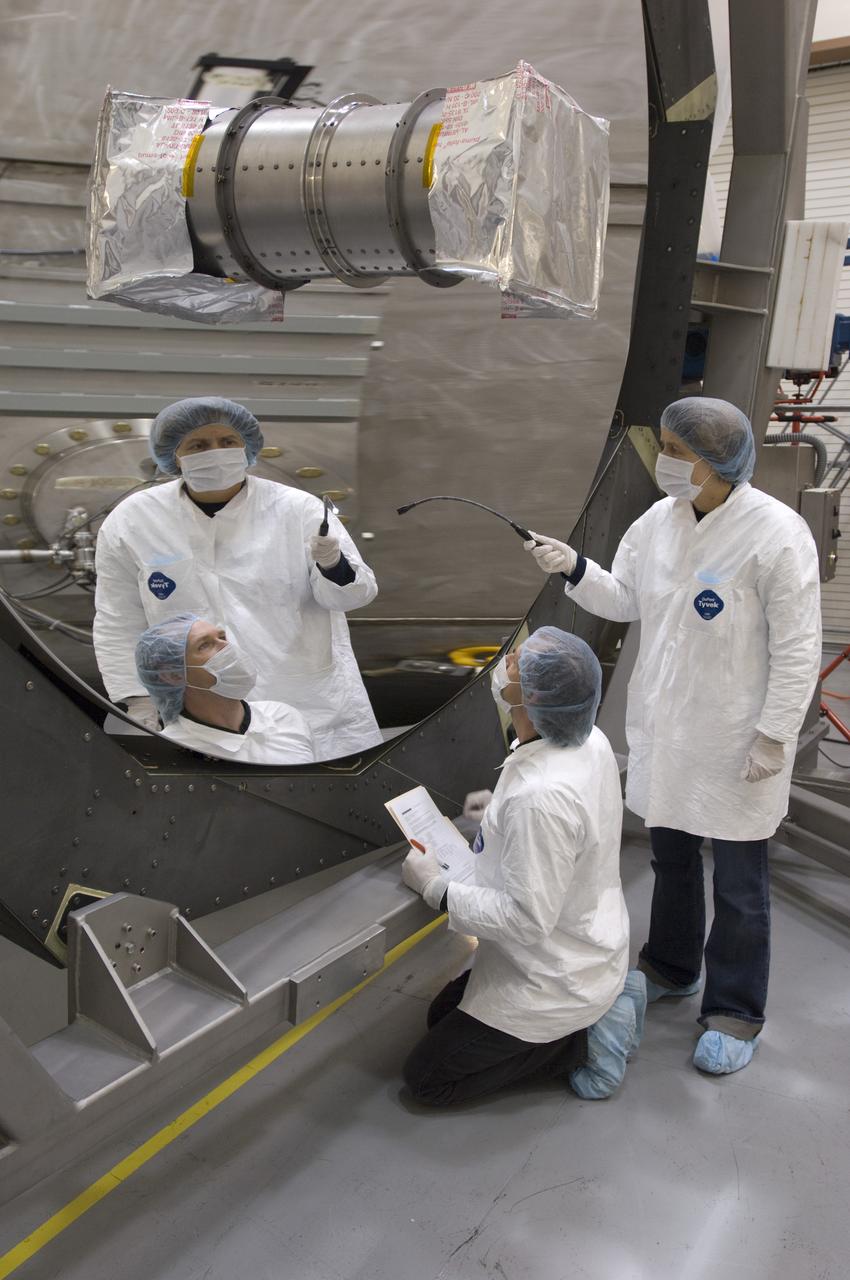
Technicians check out the mounting structure of the 20-metric-ton infrared telescope installed in NASA's Stratospheric Observatory for Infrared Astronomy (SOFIA).
Technicians check out the mounting structure of the infrared telescope installed in NASA's Stratospheric Observatory for Infrared Astronomy (SOFIA)
The German-built 100-inch telescope that is the heart of NASA's Stratospheric Observatory for Infrared Astronomy is nestled in the SOFIA 747's rear fuselage.
The German-built 100-inch telescope that is the heart of NASA's Stratospheric Observatory for Infrared Astronomy is nestled in the SOFIA 747's rear fuselage
NASA's Stratospheric Observatory for Infrared Astronomy (SOFIA) was airborne for almost two hours during its first check flight at Waco, Texas on April 26, 2007.
NASA's Stratospheric Observatory for Infrared Astronomy (SOFIA) was airborne for almost two hours during its first check flight at Waco, Texas on April 26, 2007
NASA's Stratospheric Observatory for Infrared Astronomy is silhouetted against the sky as it soars on its second check flight near Waco, Texas on May 10, 2007.
NASA's Stratospheric Observatory for Infrared Astronomy is silhouetted against the sky as it soars on its second check flight near Waco, Texas on May 10, 2007
With landing gear extended, the NASA/DLR Stratospheric Observatory for Infared Astronomy (SOFIA) 747SP cruises over central Texas on its first checkout flight.
With landing gear extended, the NASA/DLR Stratospheric Observatory for Infared Astronomy (SOFIA) 747SP cruises over central Texas on its first checkout flight
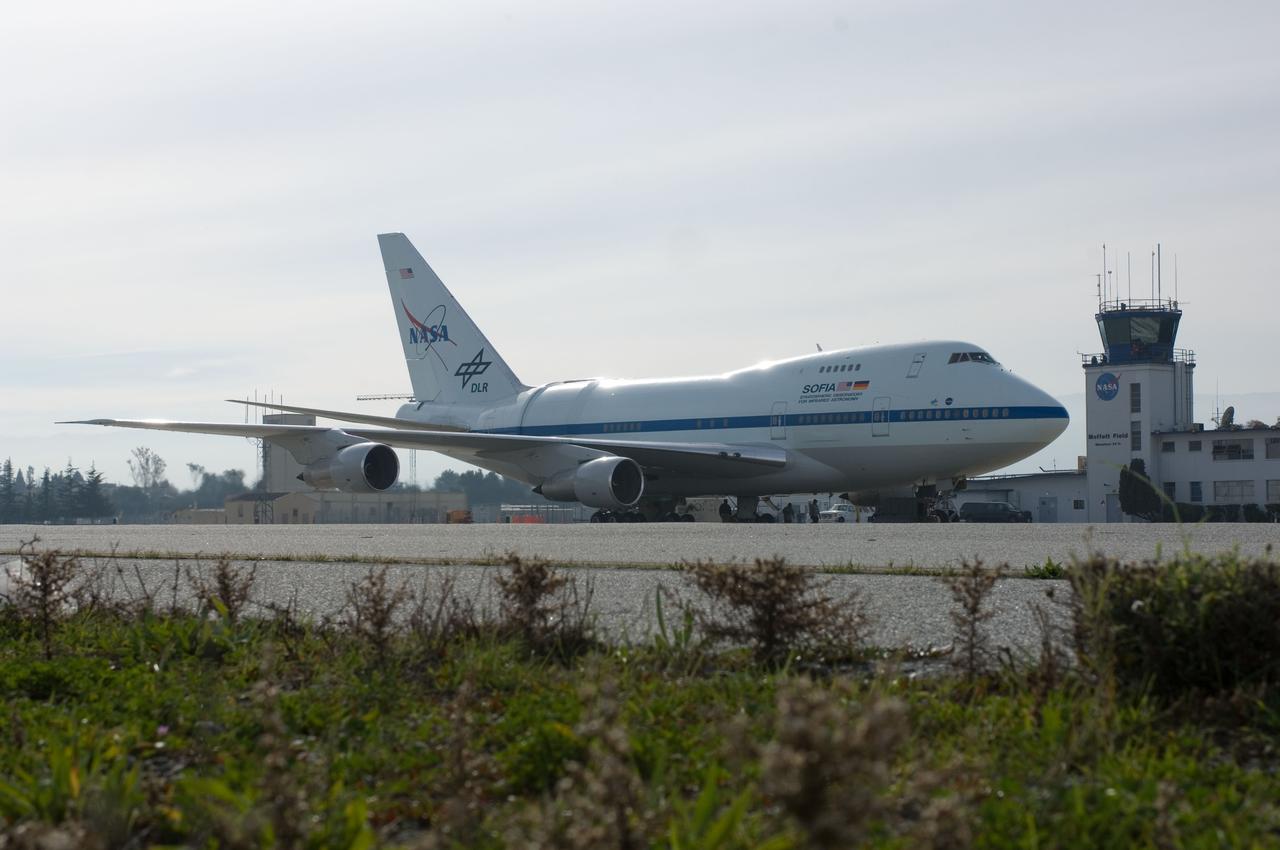
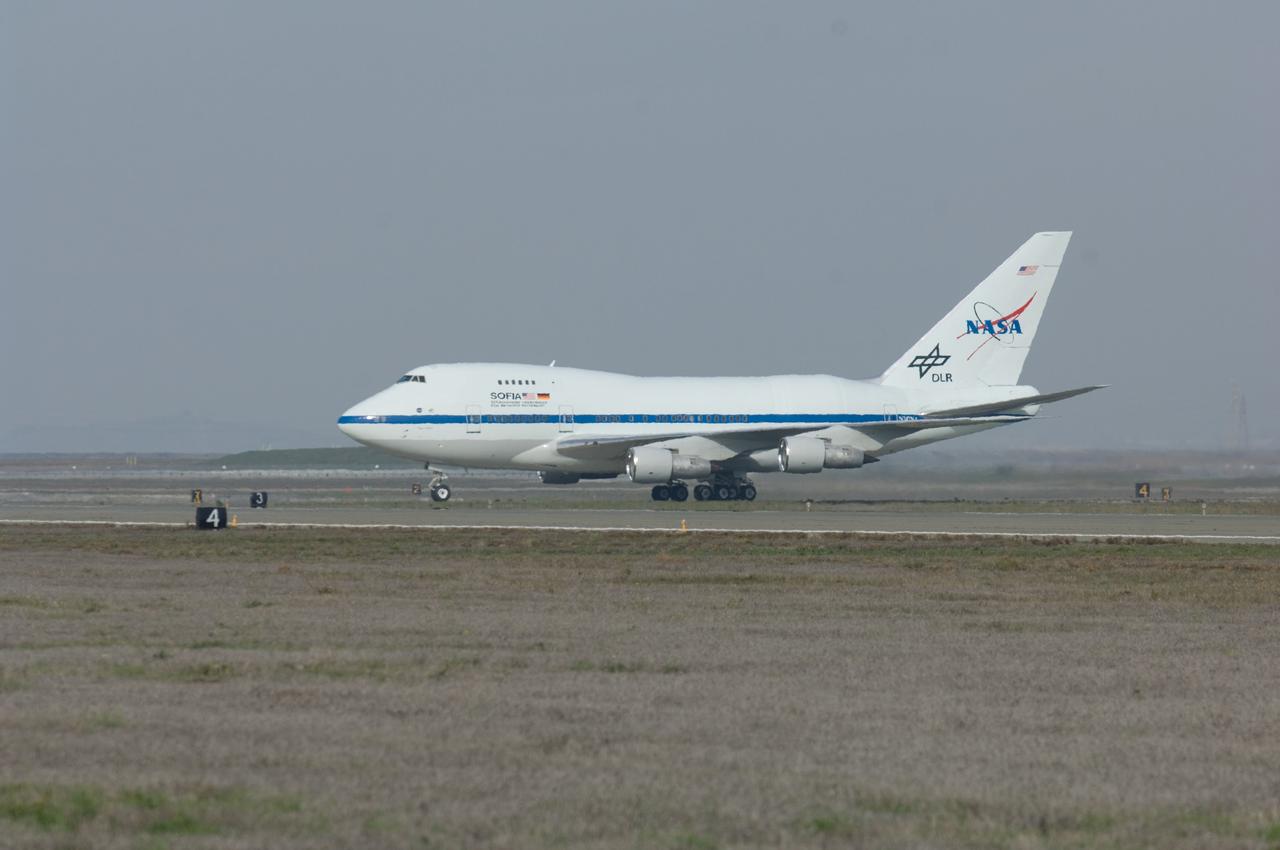
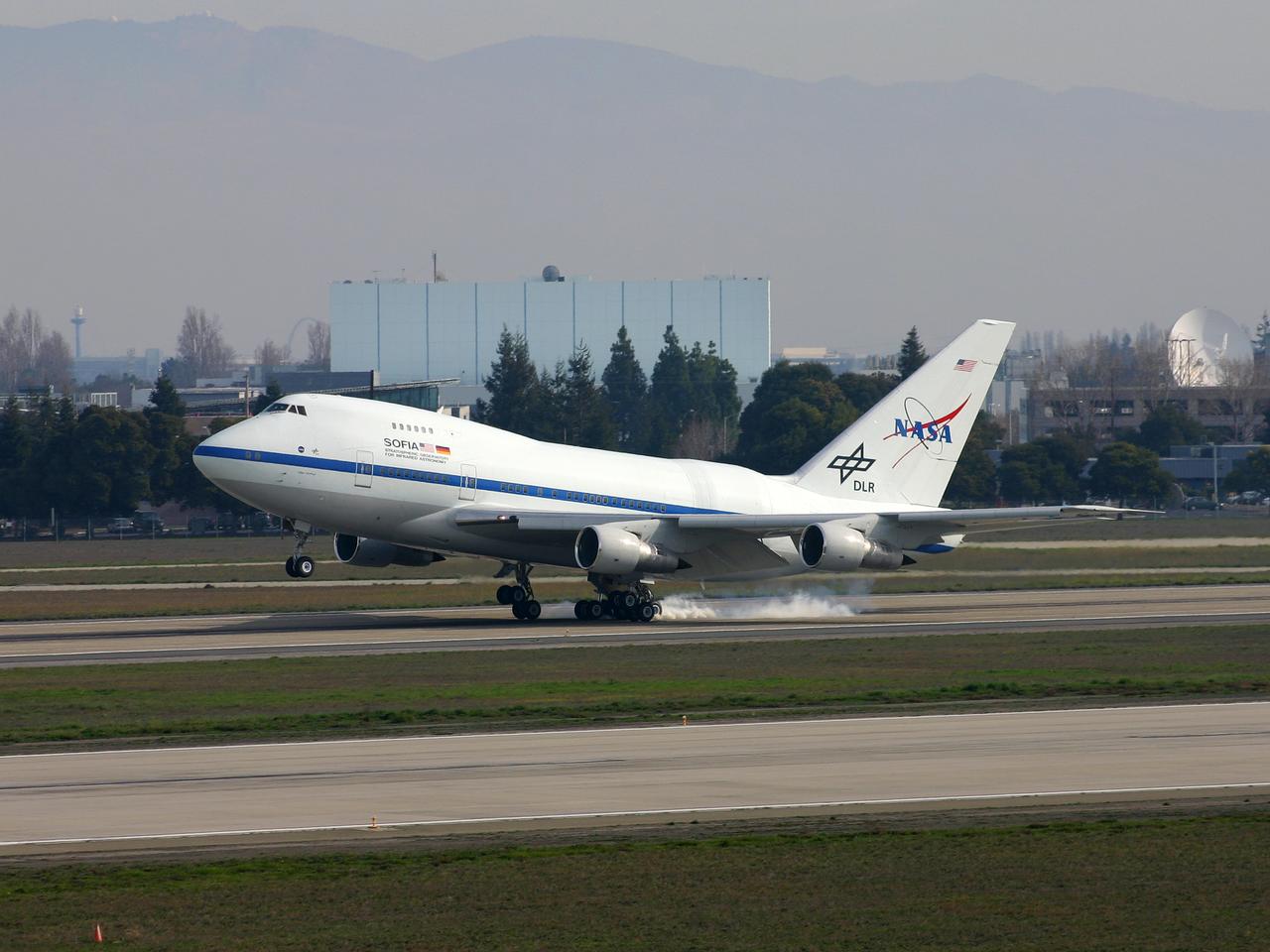
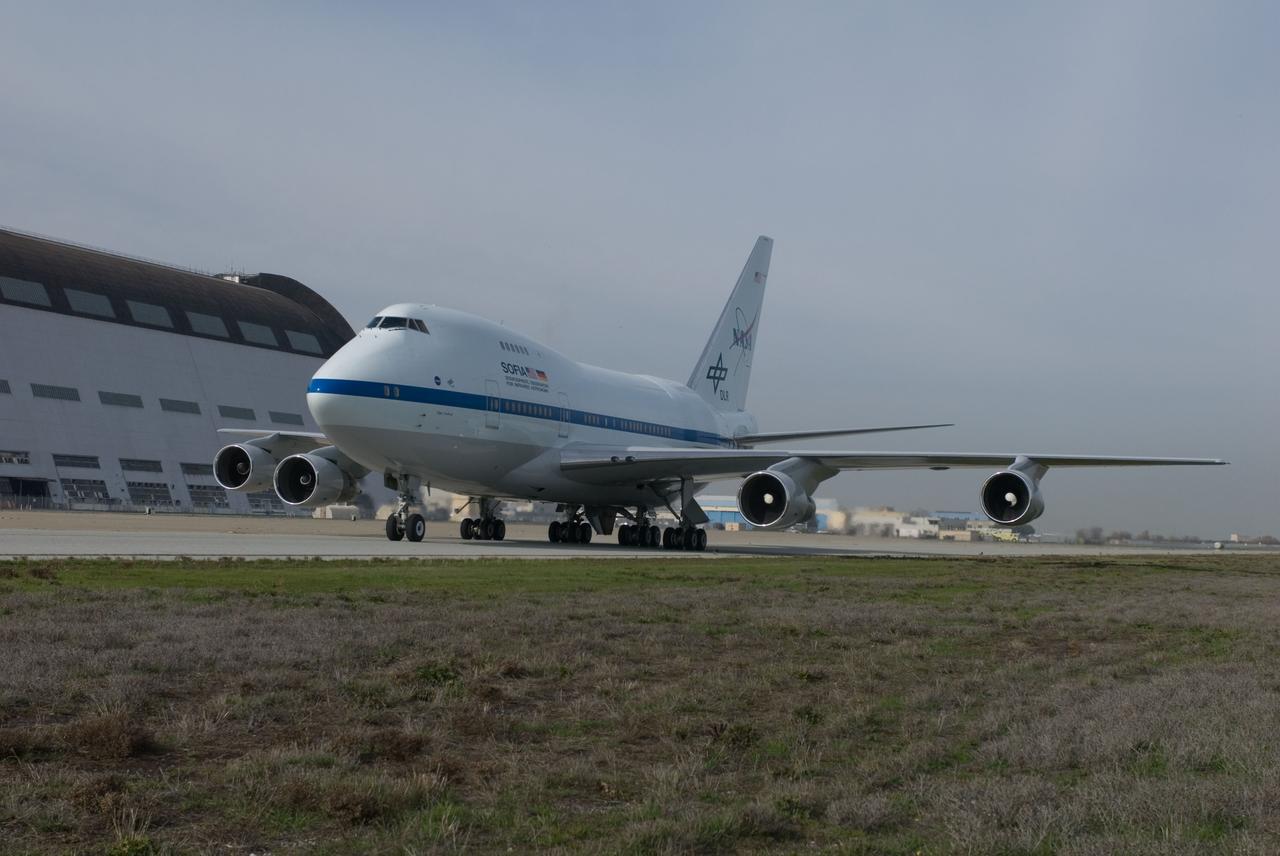
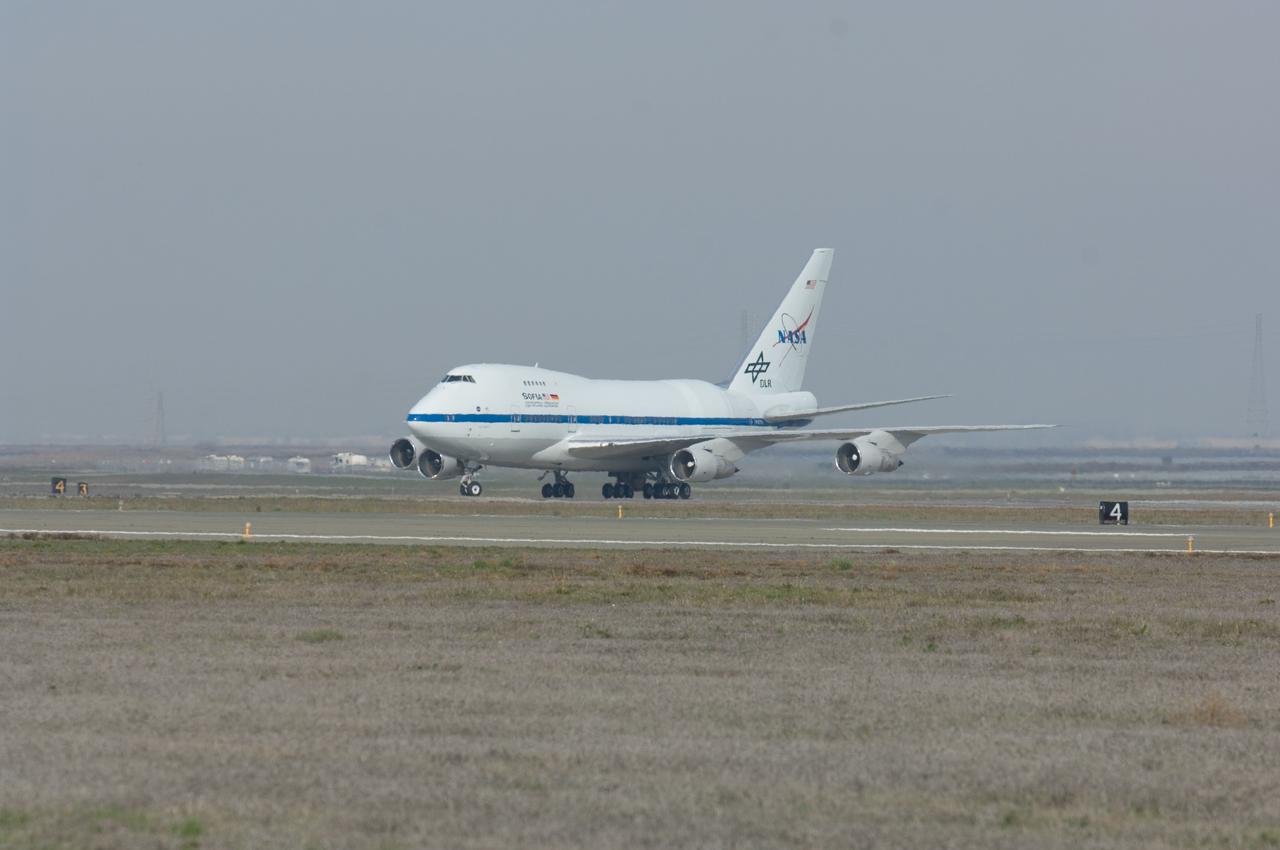
NASA's Stratospheric Observatory for Infrared Astronomy touches down at Moffett Field, Calif., for its first visit to NASA Ames Research Center, Jan. 14, 2008.
NASA's Stratospheric Observatory for Infrared Astronomy touches down at Moffett Field, Calif., for its first visit to NASA Ames Research Center, Jan. 14, 2008
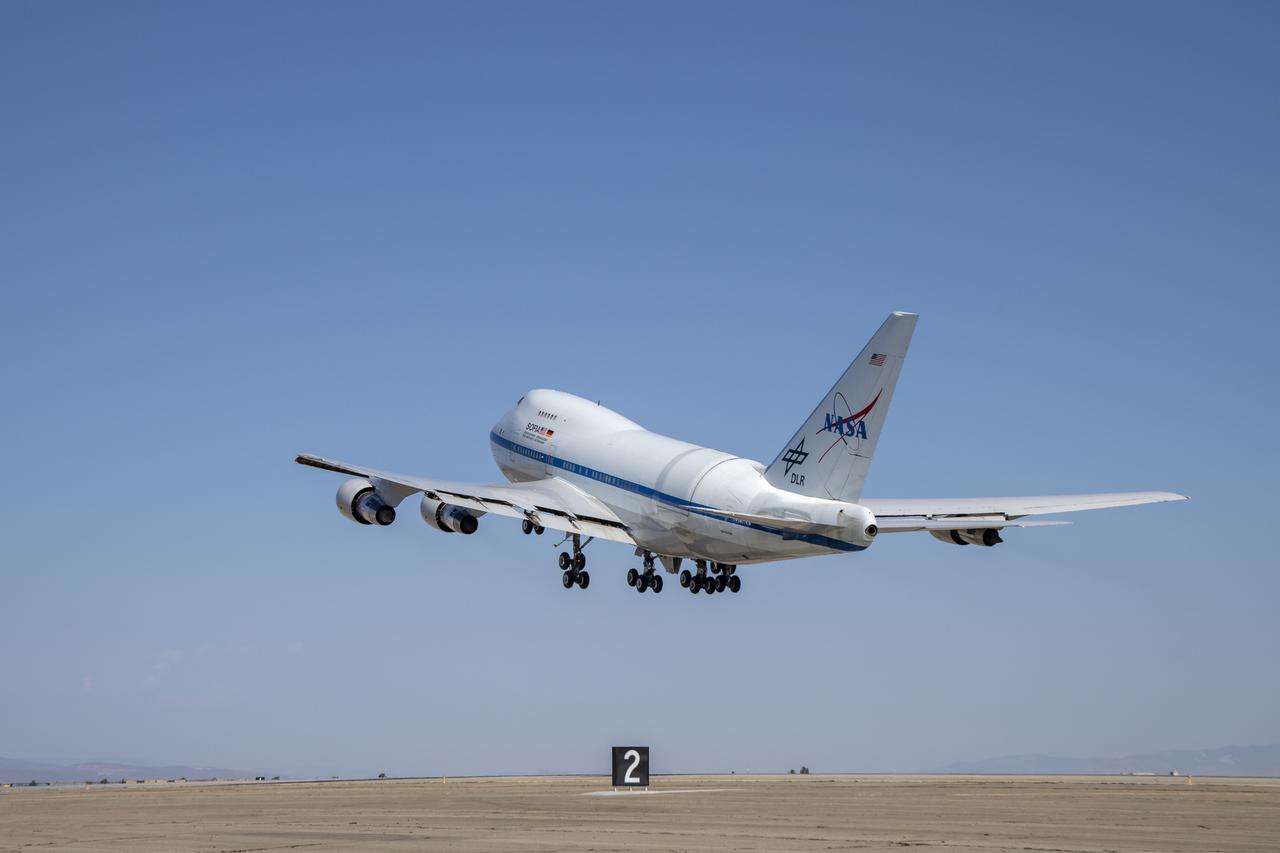
NASA’s Stratospheric Observatory for Infrared Astronomy, SOFIA, takes off from its base of operations at NASA’s Armstrong Flight Research Center’s Building 703 in Palmdale, California. The aircraft is on its way to Fa’a’ā, French Polynesia where it will be on a mission from July 19 to Sept. 12 to observe parts of the sky that are not visible from the Northern Hemisphere. NASA’s Stratospheric Observatory for Infrared Astronomy, SOFIA, takes off from its base of operations at NASA’s Armstrong Flight Research Center’s Building 703 in Palmdale, California. The aircraft is on its way to Fa’a’ā, French Polynesia where it will be on a mission from July 19 to Sept. 12 to observe parts of the sky that are not visible from the Northern Hemisphere.
SOFIA deployment to French Polynesia
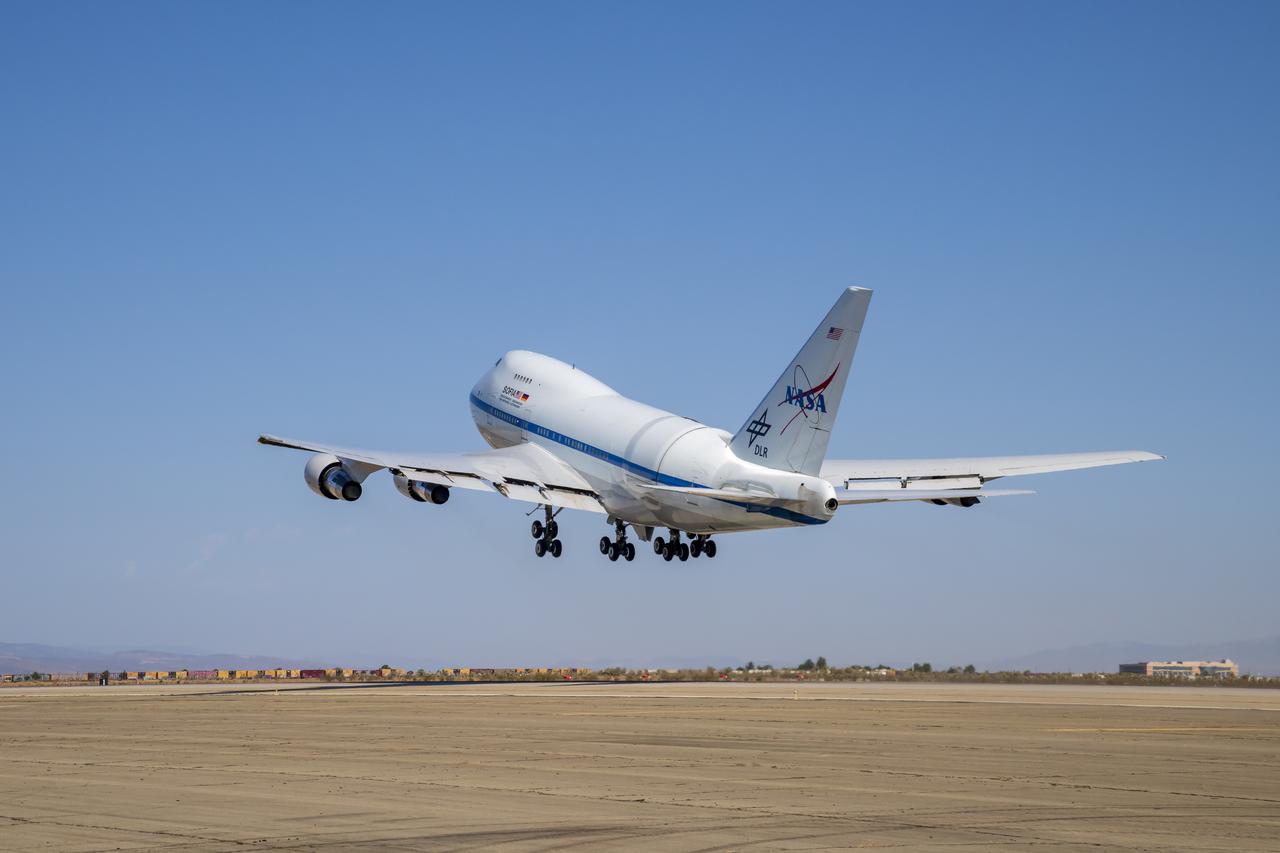
NASA’s Stratospheric Observatory for Infrared Astronomy, SOFIA, takes off from its base of operations at NASA’s Armstrong Flight Research Center’s Building 703 in Palmdale, California. The aircraft is on its way to Fa’a’ā, French Polynesia where it will be on a mission from July 19 to Sept. 12 to observe parts of the sky that are not visible from the Northern Hemisphere. NASA’s Stratospheric Observatory for Infrared Astronomy, SOFIA, takes off from its base of operations at NASA’s Armstrong Flight Research Center’s Building 703 in Palmdale, California. The aircraft is on its way to Fa’a’ā, French Polynesia where it will be on a mission from July 19 to Sept. 12 to observe parts of the sky that are not visible from the Northern Hemisphere.
SOFIA deployment to French Polynesia
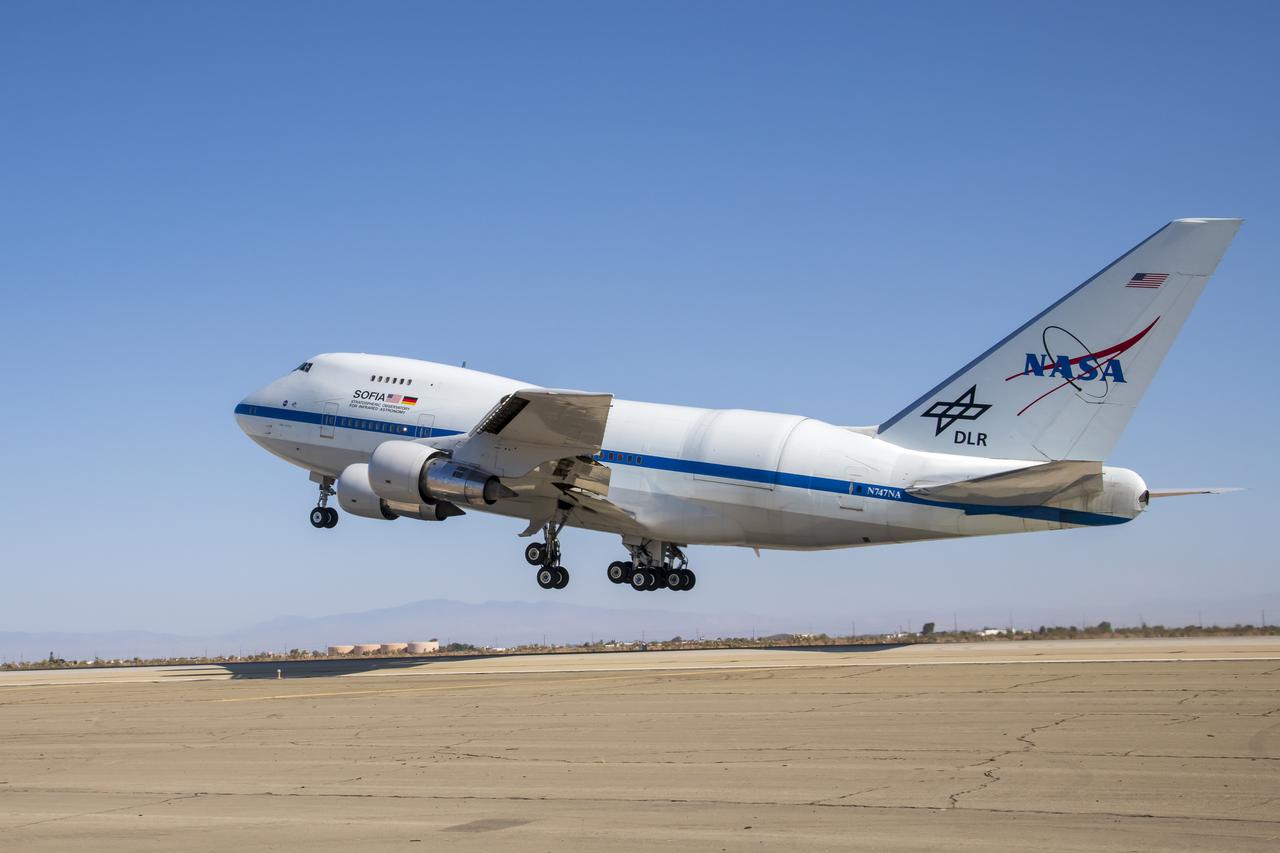
NASA’s Stratospheric Observatory for Infrared Astronomy, SOFIA, takes off from its base of operations at NASA’s Armstrong Flight Research Center’s Building 703 in Palmdale, California. The aircraft is on its way to Fa’a’ā, French Polynesia where it will be on a mission from July 19 to Sept. 12 to observe parts of the sky that are not visible from the Northern Hemisphere. NASA’s Stratospheric Observatory for Infrared Astronomy, SOFIA, takes off from its base of operations at NASA’s Armstrong Flight Research Center’s Building 703 in Palmdale, California. The aircraft is on its way to Fa’a’ā, French Polynesia where it will be on a mission from July 19 to Sept. 12 to observe parts of the sky that are not visible from the Northern Hemisphere.
SOFIA deployment to French Polynesia
NASA’s Stratospheric Observatory for Infrared Astronomy, SOFIA, takes off from its base of operations at NASA’s Armstrong Flight Research Center’s Building 703 in Palmdale, California. The aircraft is on its way to Fa’a’ā, French Polynesia where it will be on a mission from July 19 to Sept. 12 to observe parts of the sky that are not visible from the Northern Hemisphere. NASA’s Stratospheric Observatory for Infrared Astronomy, SOFIA, takes off from its base of operations at NASA’s Armstrong Flight Research Center’s Building 703 in Palmdale, California. The aircraft is on its way to Fa’a’ā, French Polynesia where it will be on a mission from July 19 to Sept. 12 to observe parts of the sky that are not visible from the Northern Hemisphere.
SOFIA deployment to French Polynesia
NASA’s Stratospheric Observatory for Infrared Astronomy, SOFIA, takes off from its base of operations at NASA’s Armstrong Flight Research Center’s Building 703 in Palmdale, California. The aircraft is on its way to Fa’a’ā, French Polynesia where it will be on a mission from July 19 to Sept. 12 to observe parts of the sky that are not visible from the Northern Hemisphere. NASA’s Stratospheric Observatory for Infrared Astronomy, SOFIA, takes off from its base of operations at NASA’s Armstrong Flight Research Center’s Building 703 in Palmdale, California. The aircraft is on its way to Fa’a’ā, French Polynesia where it will be on a mission from July 19 to Sept. 12 to observe parts of the sky that are not visible from the Northern Hemisphere.
SOFIA deployment to French Polynesia
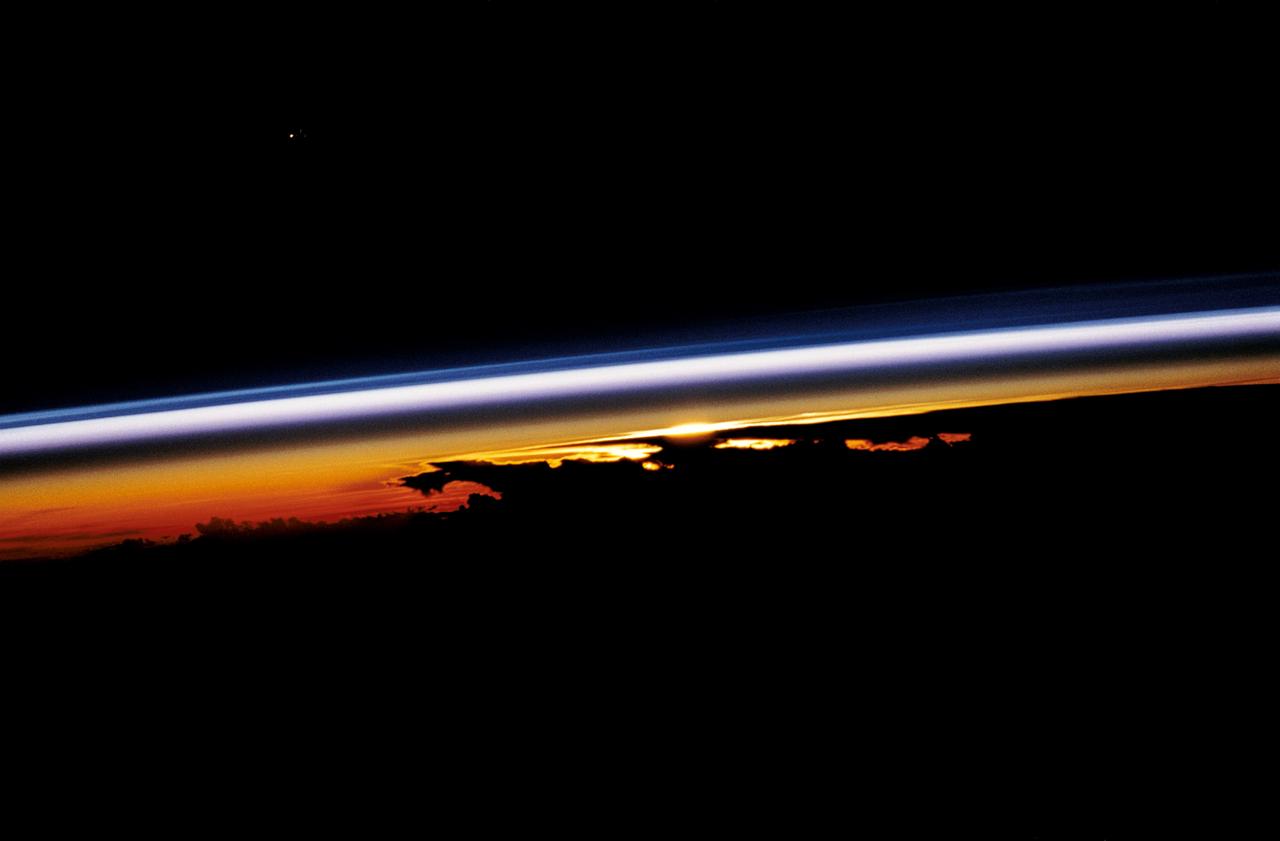
STS047-54-018 (12-20 Sept. 1992) --- The colors in this photograph provide insight into the relative density of the atmosphere. The crew members had many opportunities to witness sunrises and sunsets, considering they orbit the Earth every 90 minutes, but few, they said, compared to this scene. It captures the silhouette of several mature thunderstorms with their cirrus anvil tops spreading out against the tropopause (the top of the lowest layer of Earth's atmosphere) at sunset. The lowest layer (troposphere) is the densest and refracts light at the red end of the visible spectrum (7,400 Angstroms), while the blues (4,000 Angstroms) are separated in the least dense portion of the atmosphere (middle and upper atmosphere, or stratosphere and mesosphere). Several layers of blue can be seen. NASA scientists studying the photos believe this stratification to be caused by the scattering of light by particulate trapped in the stratosphere and mesosphere particulate that generally originate from volcanic eruptions, such as those of Mt. Pinatubo in the Philippines and, most recently, Mt. Spurr in Alaska.
Sunrise, Earth Limb, SW Pacific Ocean
NASA's Stratospheric Observatory for Infrared Astronomy (SOFIA) Boeing 747SP flies over NASA's Dryden Flight Research Center after a ferry flight from Waco, Texas. NASA's Stratospheric Observatory for Infrared Astronomy, or SOFIA, arrived at NASA's Dryden Flight Research Center at Edwards Air Force Base, Calif. on May 31, 2007. The heavily modified Boeing 747SP was ferried to Dryden from Waco, Texas, where L-3 Communications Integrated Systems installed a German-built 2.5-meter infrared telescope and made other major modifications over the past several years. SOFIA is scheduled to undergo installation and integration of mission systems and a multi-phase flight test program at Dryden over the next three years that is expected to lead to a full operational capability to conduct astronomy missions in about 2010. During its expected 20-year lifetime, SOFIA will be capable of "Great Observatory" class astronomical science, providing astronomers with access to the visible, infrared and sub-millimeter spectrum with optimized performance in the mid-infrared to sub-millimeter range.
NASA's Stratospheric Observatory for Infrared Astronomy (SOFIA) Boeing 747SP flies over NASA DFRC after a ferry flight from Waco, Texas
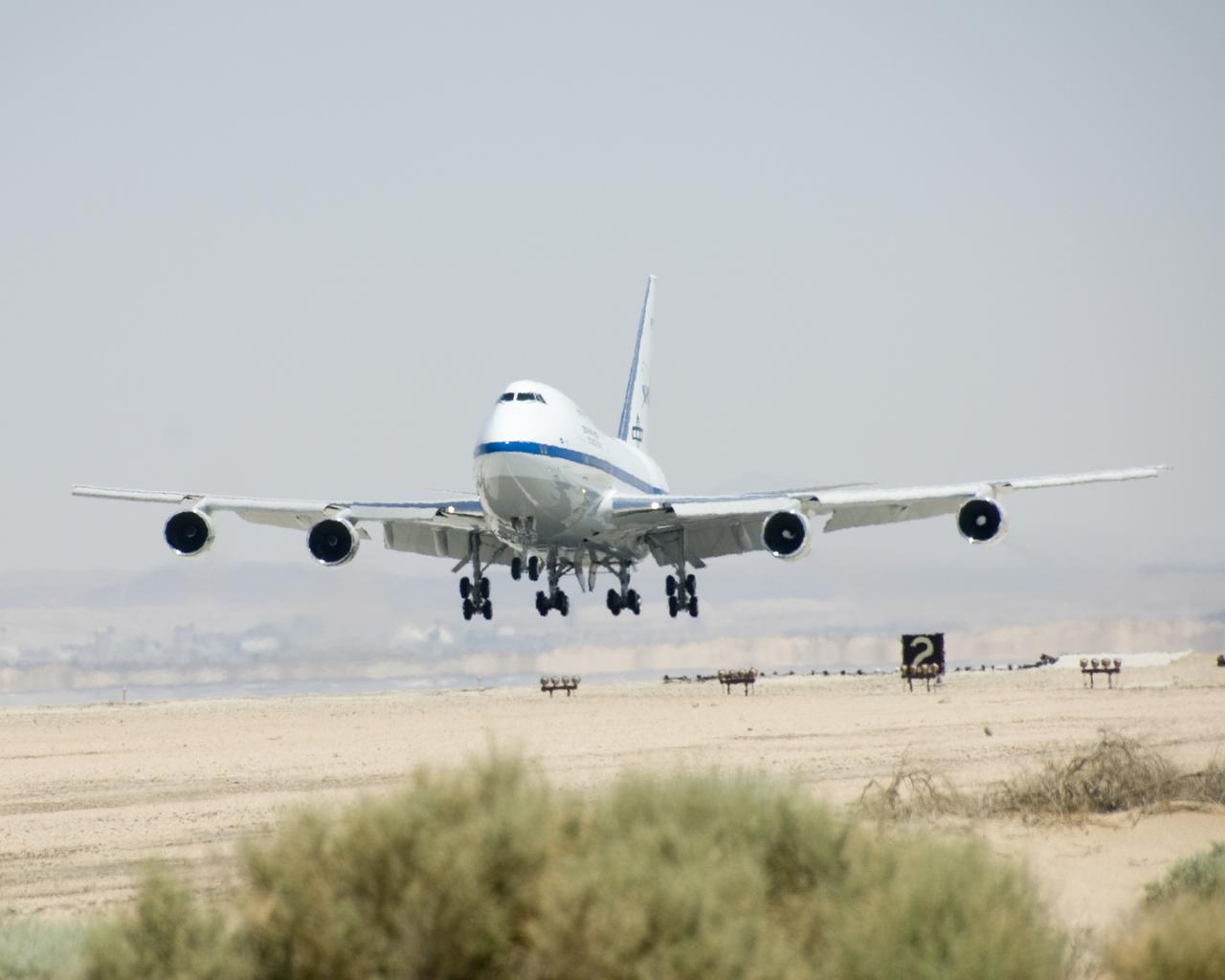
NASA's Stratospheric Observatory for Infrared Astronomy (SOFIA) Boeing 747SP flares for landing at Edwards AFB after a ferry flight from Waco, Texas. NASA's Stratospheric Observatory for Infrared Astronomy, or SOFIA, arrived at NASA's Dryden Flight Research Center at Edwards Air Force Base, Calif. on May 31, 2007. The heavily modified Boeing 747SP was ferried to Dryden from Waco, Texas, where L-3 Communications Integrated Systems installed a German-built 2.5-meter infrared telescope and made other major modifications over the past several years. SOFIA is scheduled to undergo installation and integration of mission systems and a multi-phase flight test program at Dryden over the next three years that is expected to lead to a full operational capability to conduct astronomy missions in about 2010. During its expected 20-year lifetime, SOFIA will be capable of "Great Observatory" class astronomical science, providing astronomers with access to the visible, infrared and sub-millimeter spectrum with optimized performance in the mid-infrared to sub-millimeter range.
NASA's Stratospheric Observatory for Infrared Astronomy (SOFIA) Boeing 747SP flares for landing at Edwards AFB after a ferry flight from Waco, Texas
Measurements by NASA Cassini spacecraft reveal temperatures in a high layer of Saturn atmosphere known as the stratosphere and show the dramatic effects of the massive storm deep below.
Taking the Temperature of a Saturn Storm
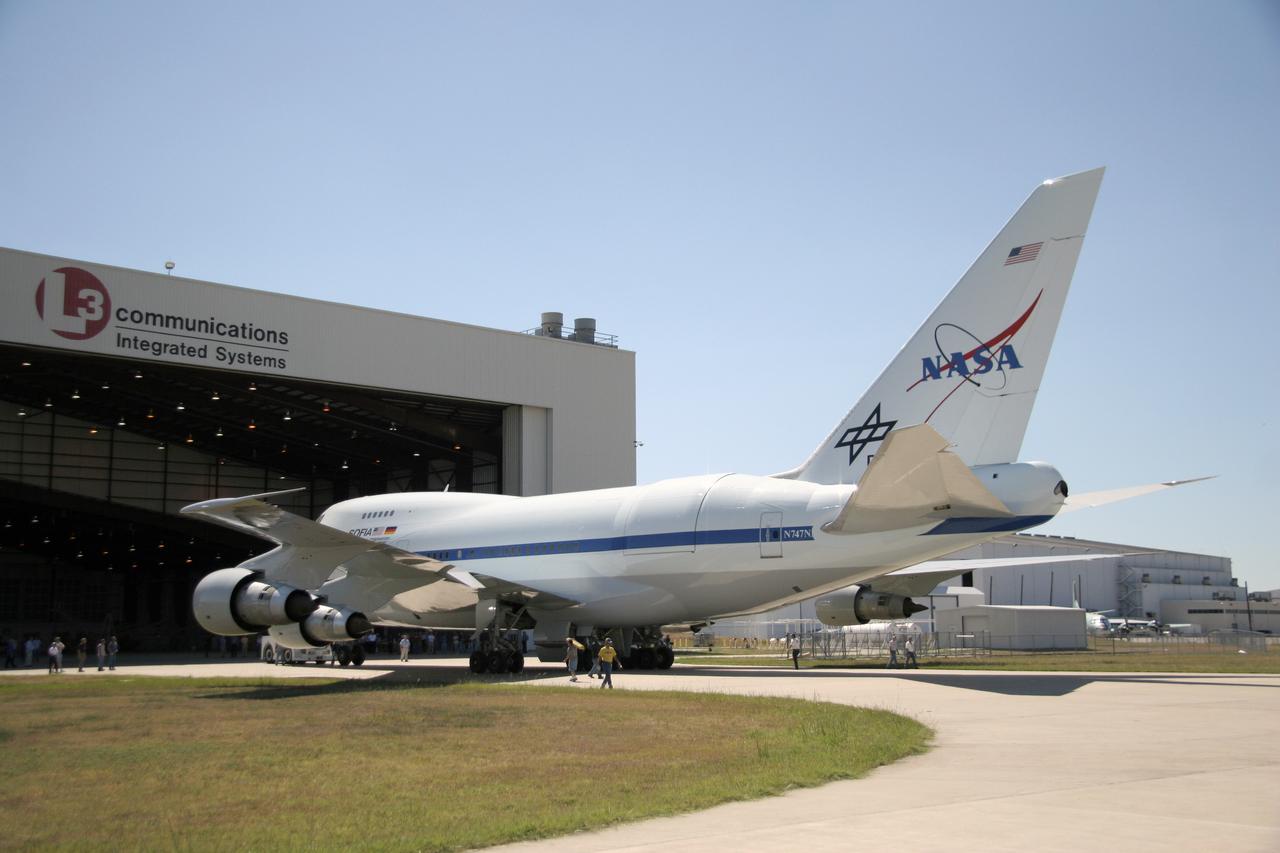
NASA's freshly painted Stratospheric Observatory for Infrared Astronomy (SOFIA) 747SP aircraft sits outside a hangar at L-3 Communications Integrated Systems' facility in Waco, Texas. The observatory, which features a German-built 100-inch (2.5 meter) diameter infrared telescope weighing 20 tons, is approaching the flight test phase as part of a joint program by NASA and DLR Deutsches Zentrum fuer Luft- und Raumfahrt (German Aerospace Center). SOFIA's science and mission operations are being planned jointly by Universities Space Research Association (USRA) and the Deutsches SOFIA Institut (DSI). Once operational, SOFIA will be the world's primary infrared observatory during a mission lasting up to 20 years, as well as an outstanding laboratory for developing and testing instrumentation and detector technology.
NASA's newly painted Stratospheric Observatory for Infrared Astronomy 747SP is pushed back from L-3 Communications' Integrated Systems hangar in Waco, Texas
NASA's freshly painted Stratospheric Observatory for Infrared Astronomy (SOFIA) 747SP is shown at L-3 Communications Integrated Systems' facility in Waco, Texas, where major modifications and installation was performed. The observatory, which features a German-built 100-inch (2.5 meter) diameter infrared telescope weighing 20 tons, is approaching the flight test phase as part of a joint program by NASA and DLR Deutsches Zentrum fuer Luft- und Raumfahrt (German Aerospace Center). SOFIA's science and mission operations are being planned jointly by Universities Space Research Association (USRA) and the Deutsches SOFIA Institut (DSI). Once operational, SOFIA will be the world's primary infrared observatory during a mission lasting up to 20 years, as well as an outstanding laboratory for developing and testing instrumentation and detector technology.
NASA's Stratospheric Observatory for Infrared Astronomy 747SP shows off its new blue-and-white livery at L-3 Communications' Integrated Systems in Waco, Texas
This cross section of the Earth's atmosphere at sunset and earth limb (24.5S, 43.5E) displays an unusual layering believed to be caused by temperature inversions which effectively concentrate smoke, dust and aerosols into narrow layers. the top of the stratosphere can be seen as the top of the white layer thought to contain volcanic debris. The purple layer is the troposphere containing smoke from landclearing biomass burning.
Sunset
WASP-18b is an exoplanet located 325 light-years from Earth. The planet's mass is 10 times that of Jupiter, and it orbits its star once every 23 hours.  A 2017 study found that this planet has a stratosphere that's loaded with carbon dioxide, but has no signs of water. A stratosphere is a layer of atmosphere in which temperature increases with higher altitudes. The study used NASA's Spitzer and Hubble space telescopes.  https://photojournal.jpl.nasa.gov/catalog/PIA22087
WASP-18b (Artist's Concept)
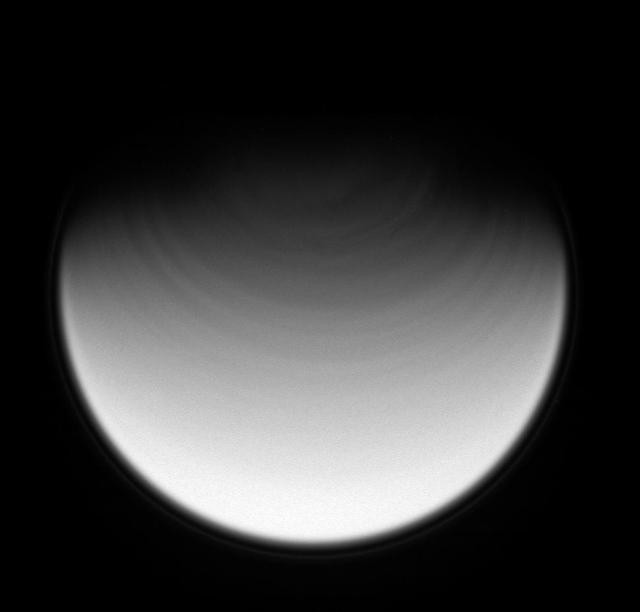
The rapidly rotating clouds above Titan northernmost latitudes stretch into streaks that circumscribe the pole. The ultraviolet spectral filter used to take this image allows the Cassini spacecraft to view the moon stratosphere
Circumpolar Bands
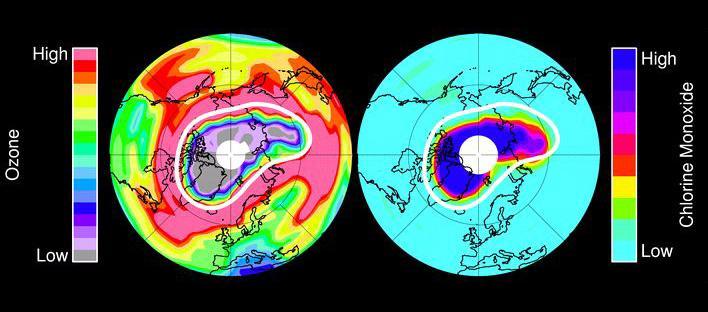
In mid-March 2011, NASA Aura spacecraft observed ozone in Earth stratosphere -- low ozone amounts are shown in purple and grey colors, large amounts of chlorine monoxide are shown in dark blue colors.
Unprecedented Arctic Ozone Loss in 2011
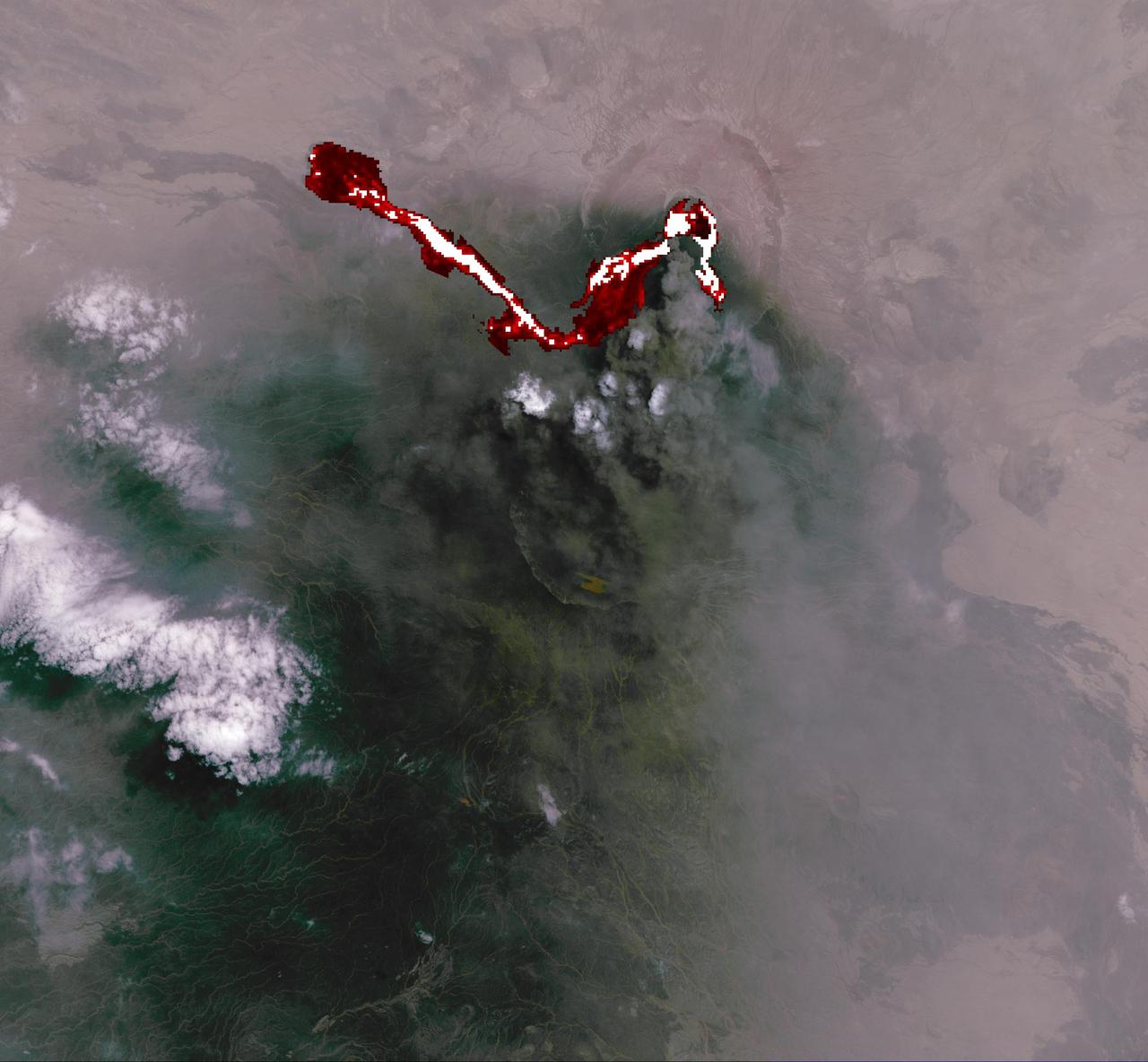
This image of Africa Nabro volcano in Eritrea was acquired by NASA Terra spacecraft on July 6, 2011. Ash plumes sent into the stratosphere disrupted air traffic in Sudan, Djibouti, Ethiopia and Sudan.
Africa Nabro Volcano Spews a Fiery Brew in NASA Spacecraft Image
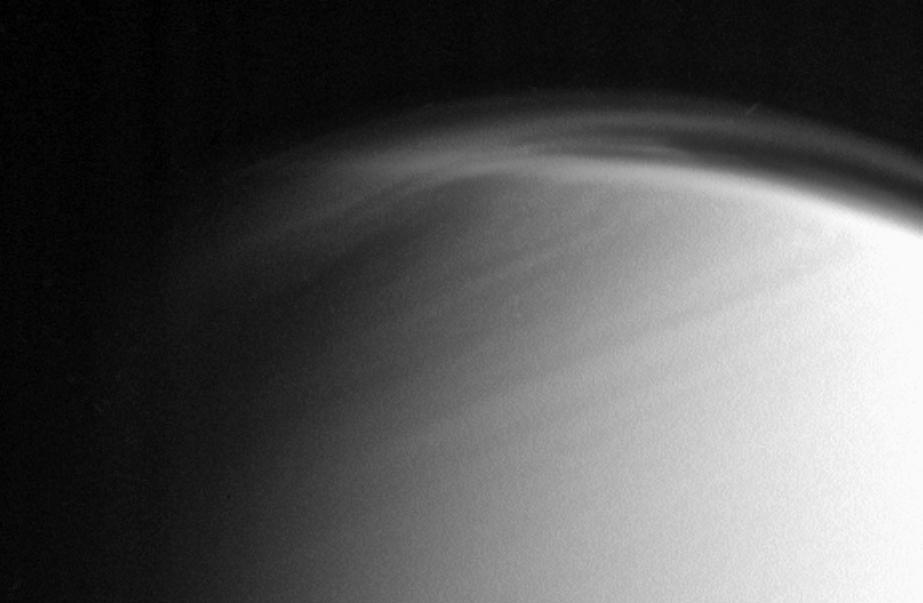
The complex and dynamic atmosphere of Titan displays multiple haze layers near the north pole in this view, which also provides an excellent look at the detached stratospheric haze layer that surrounds the moon at lower latitudes
Shifting Northern Hazes
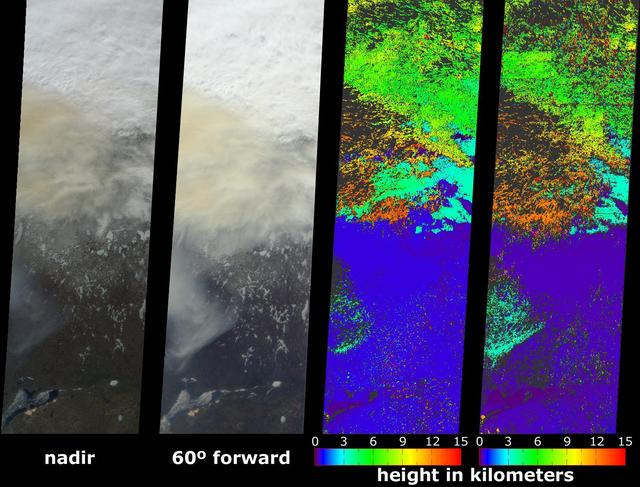
A look at smoke from the Chisholm forest fire, which ignited on May 23, 2001 about 160 kilometers north of Edmonton in Alberta, Canada, as seen by NASA Terra spacecraft.
Smoke Soars to Stratospheric Heights
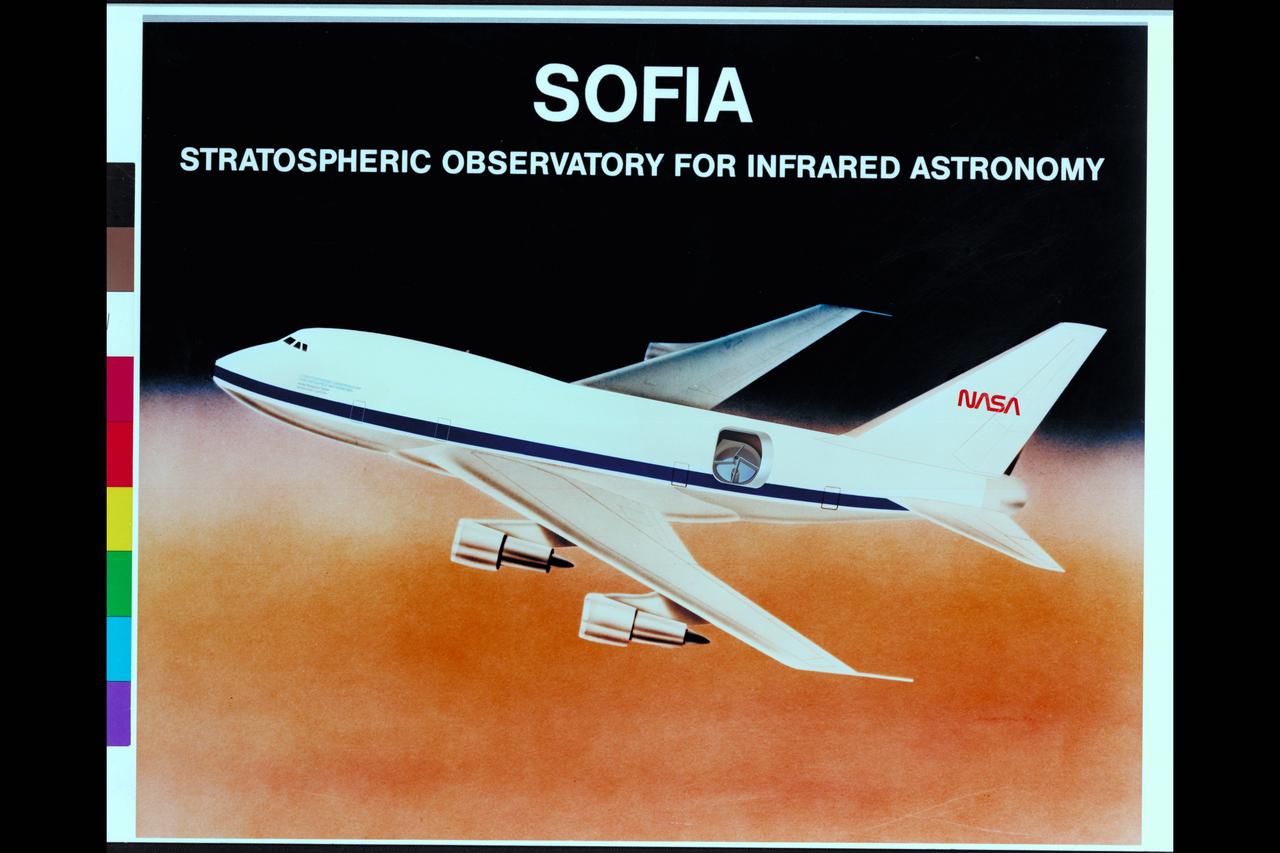
SOFIA (Stratospheric Observatory For Infrared Astronomy) with Telescope Configuration Changes Artwork
ARC-1992-AC92-0151
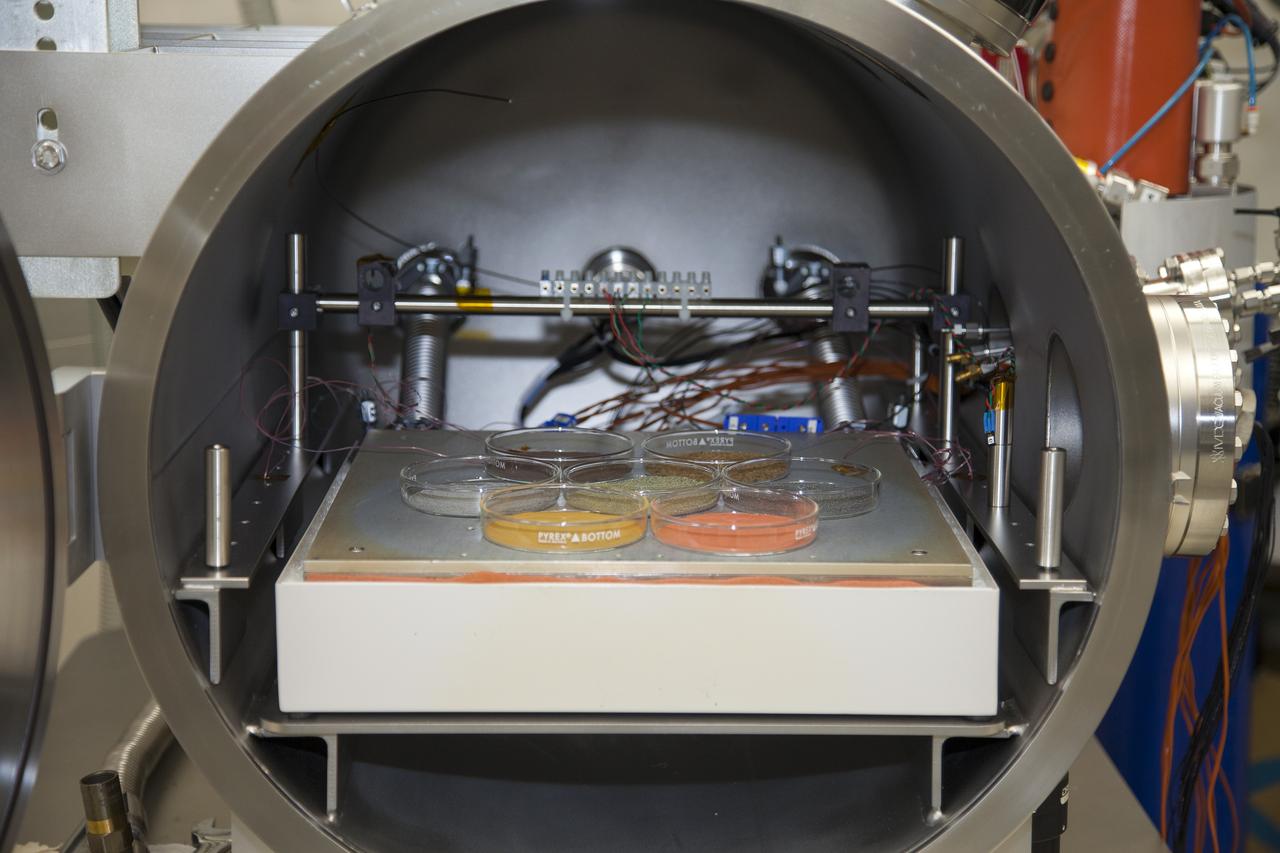
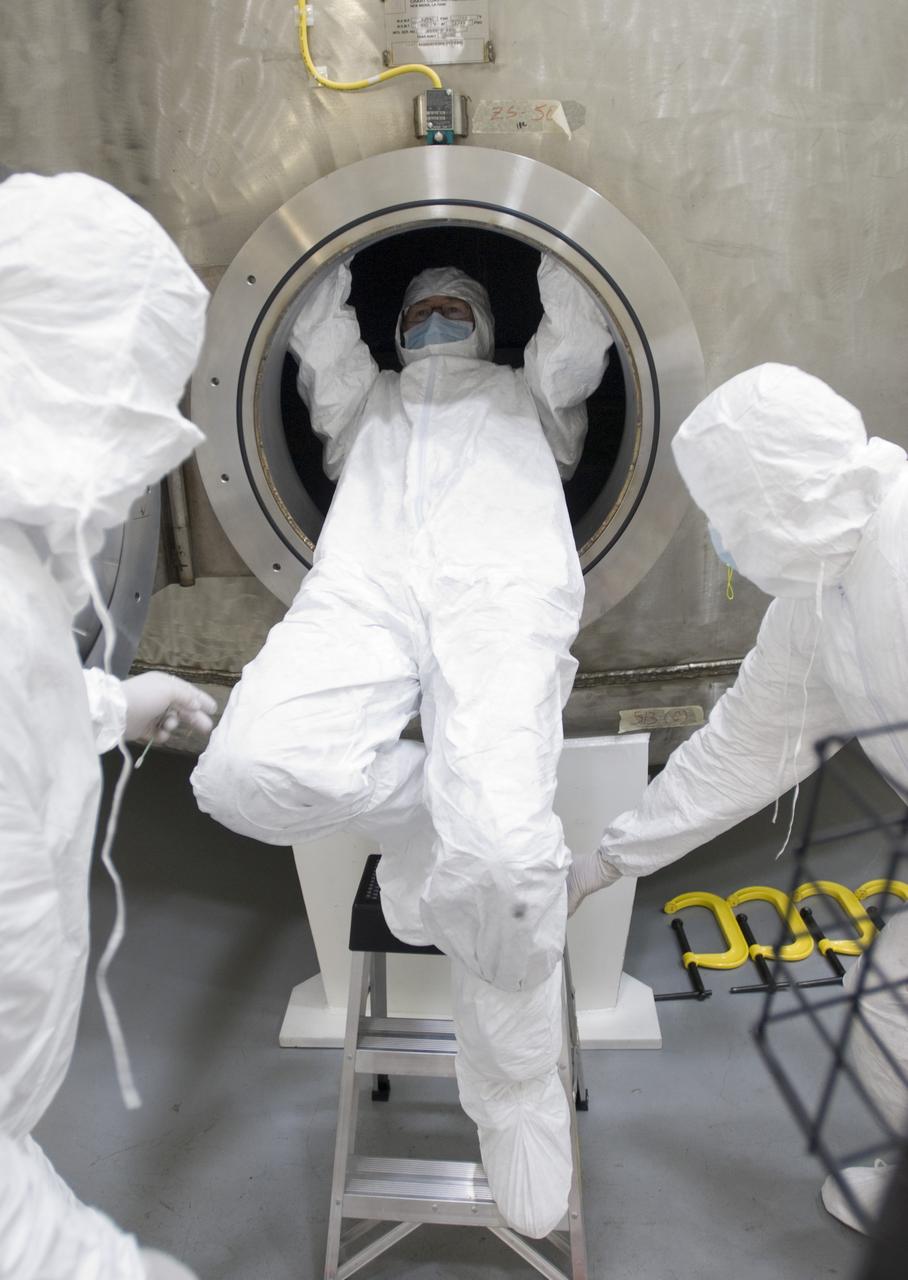
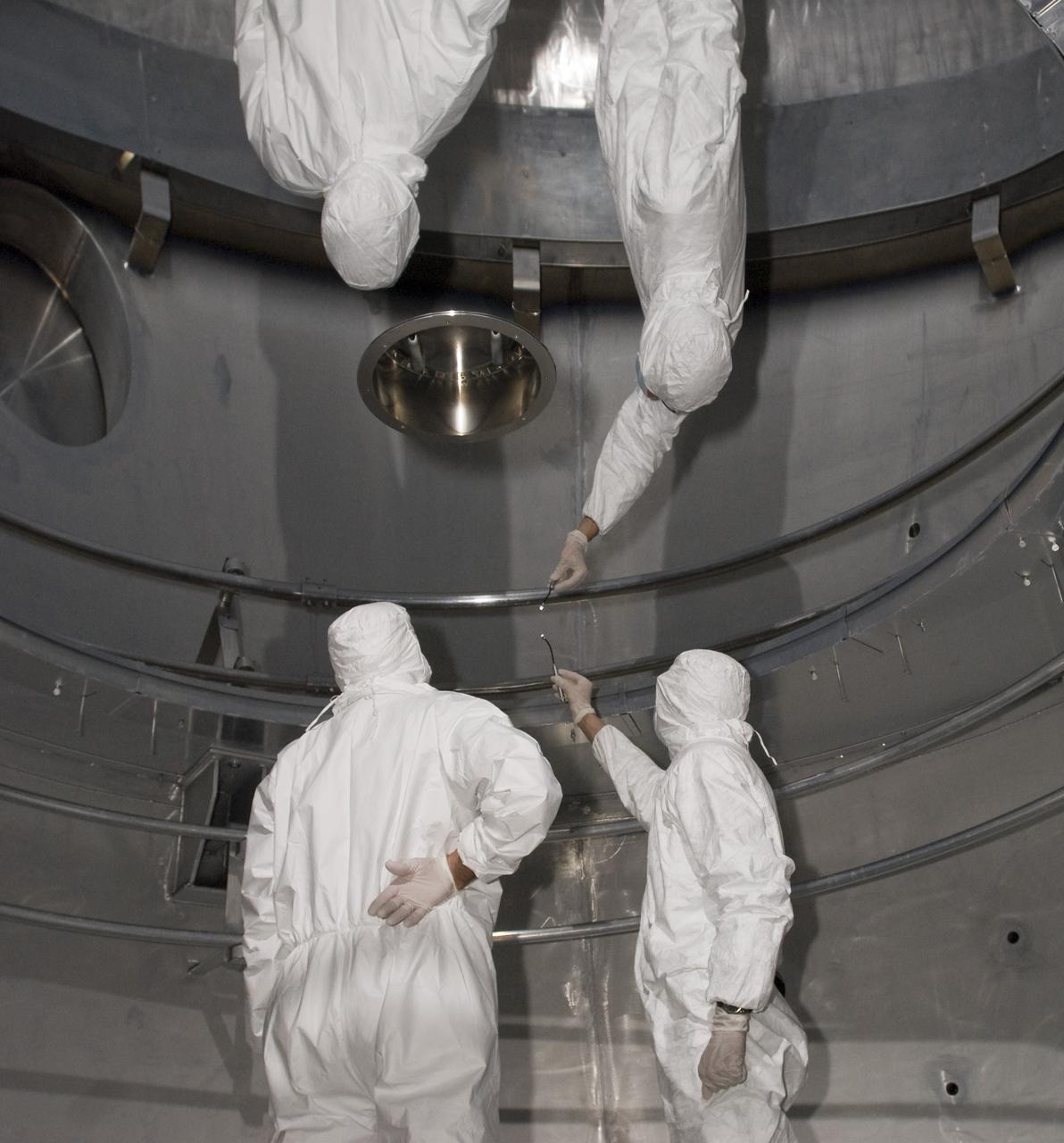
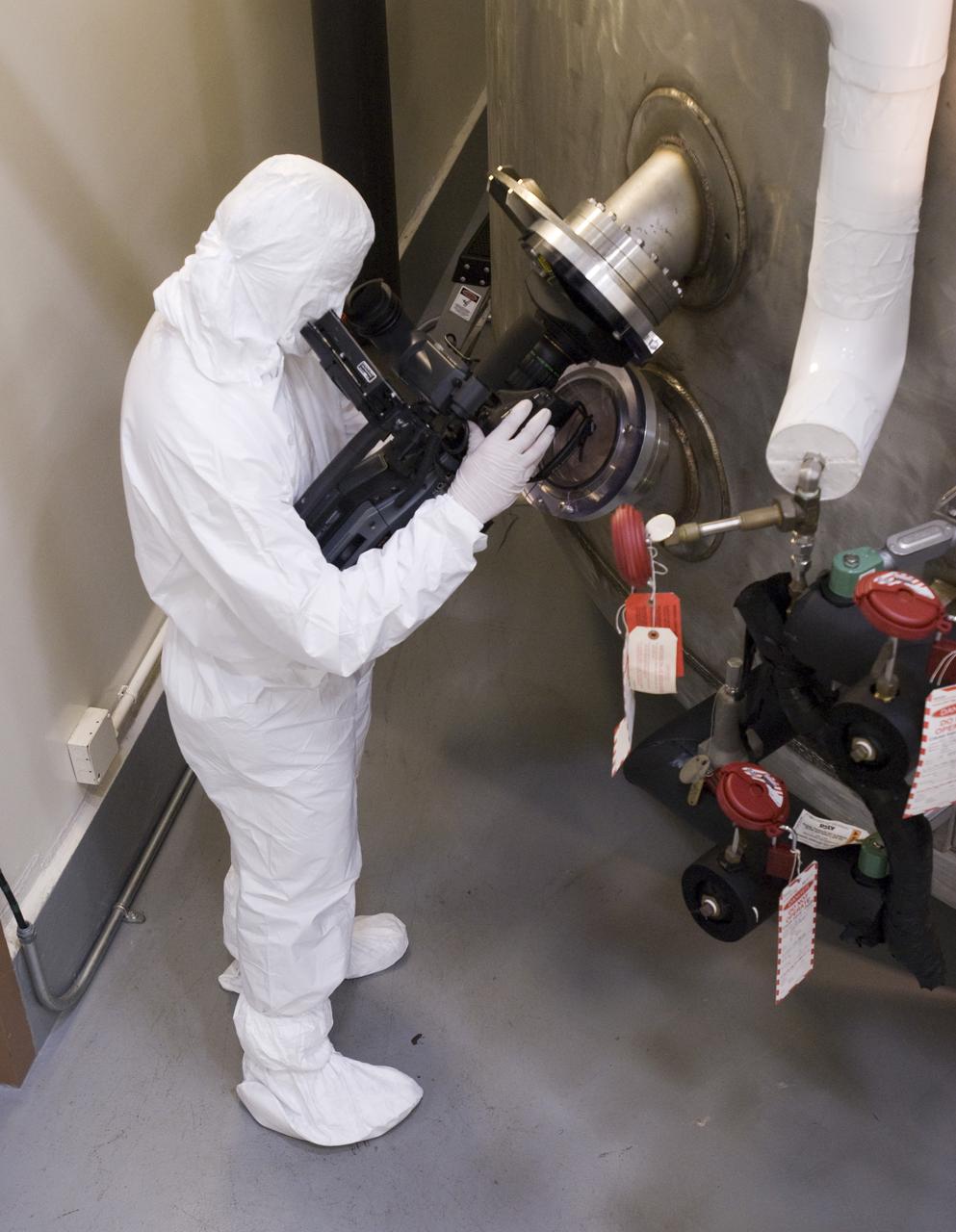
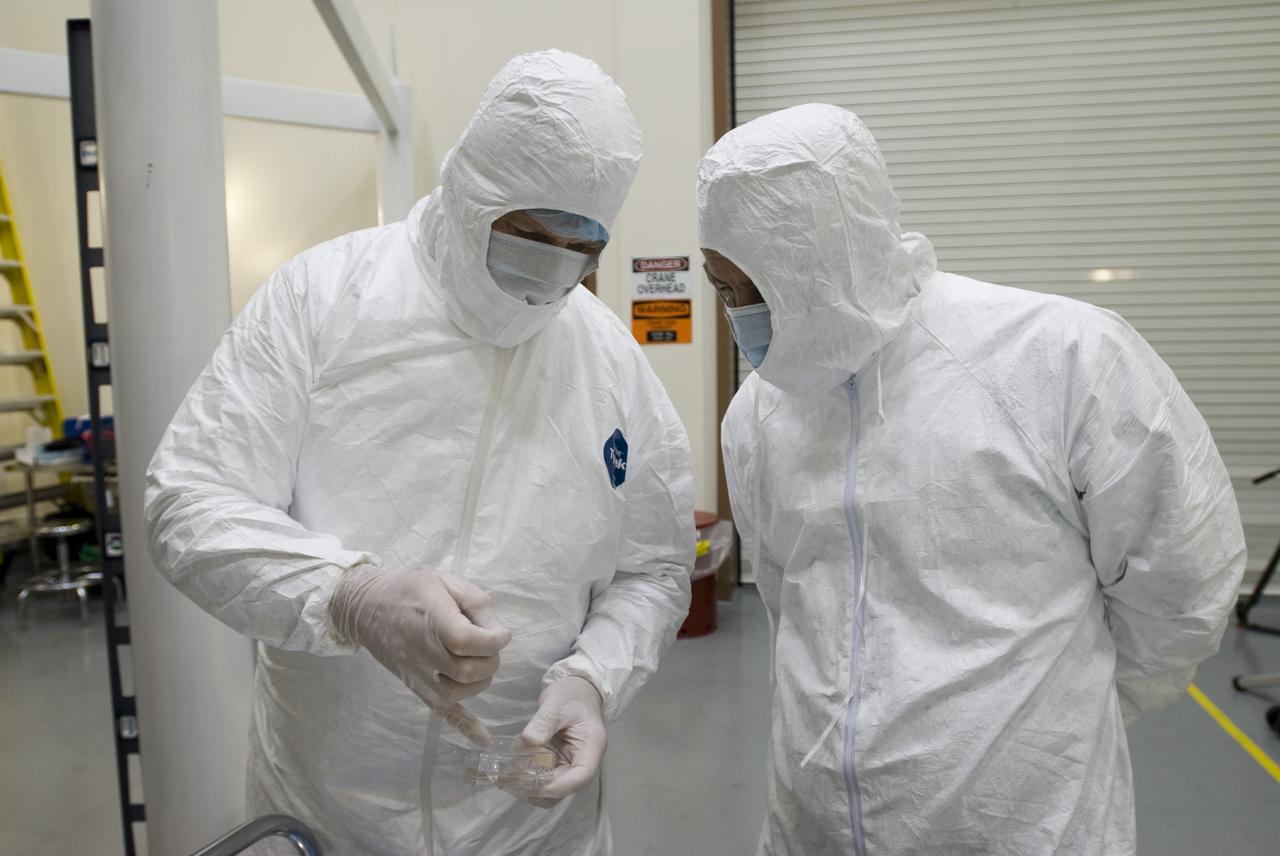
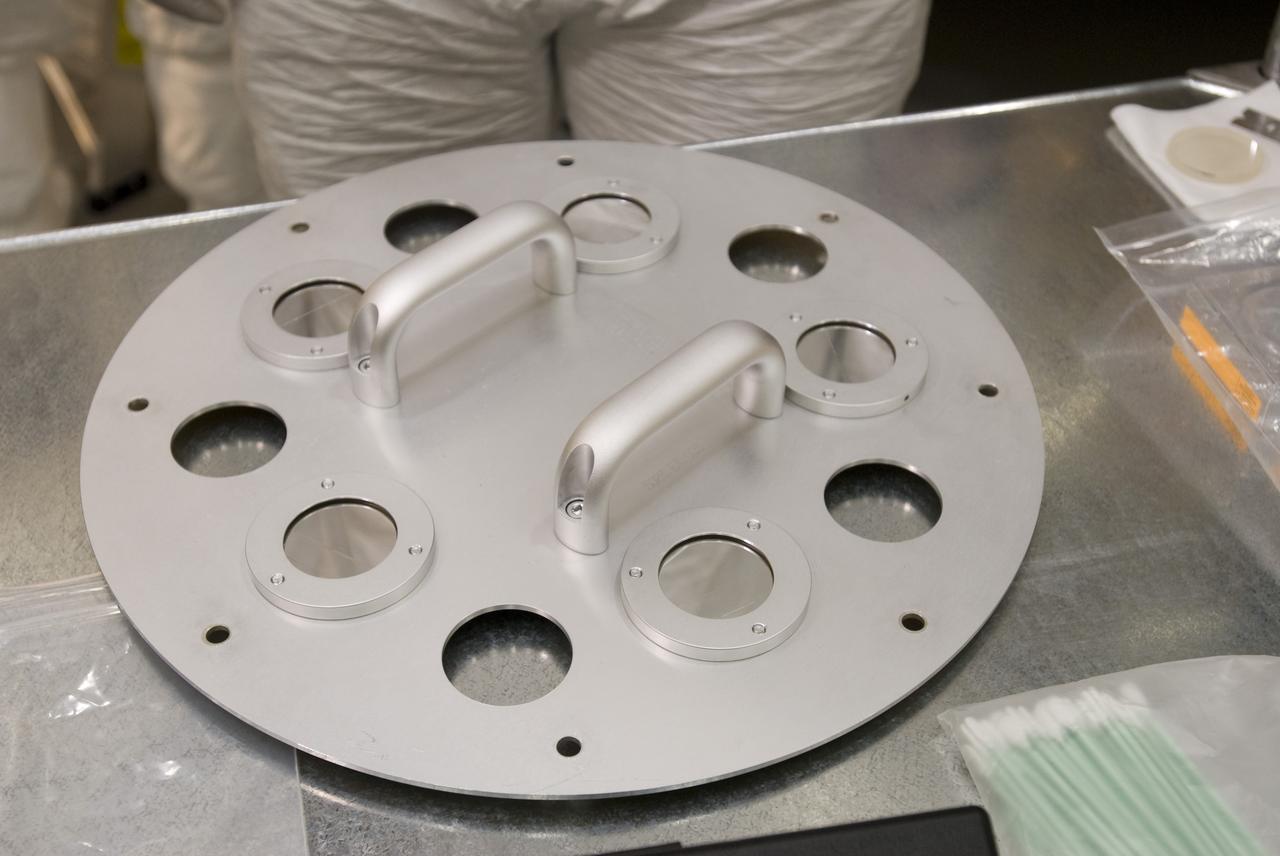
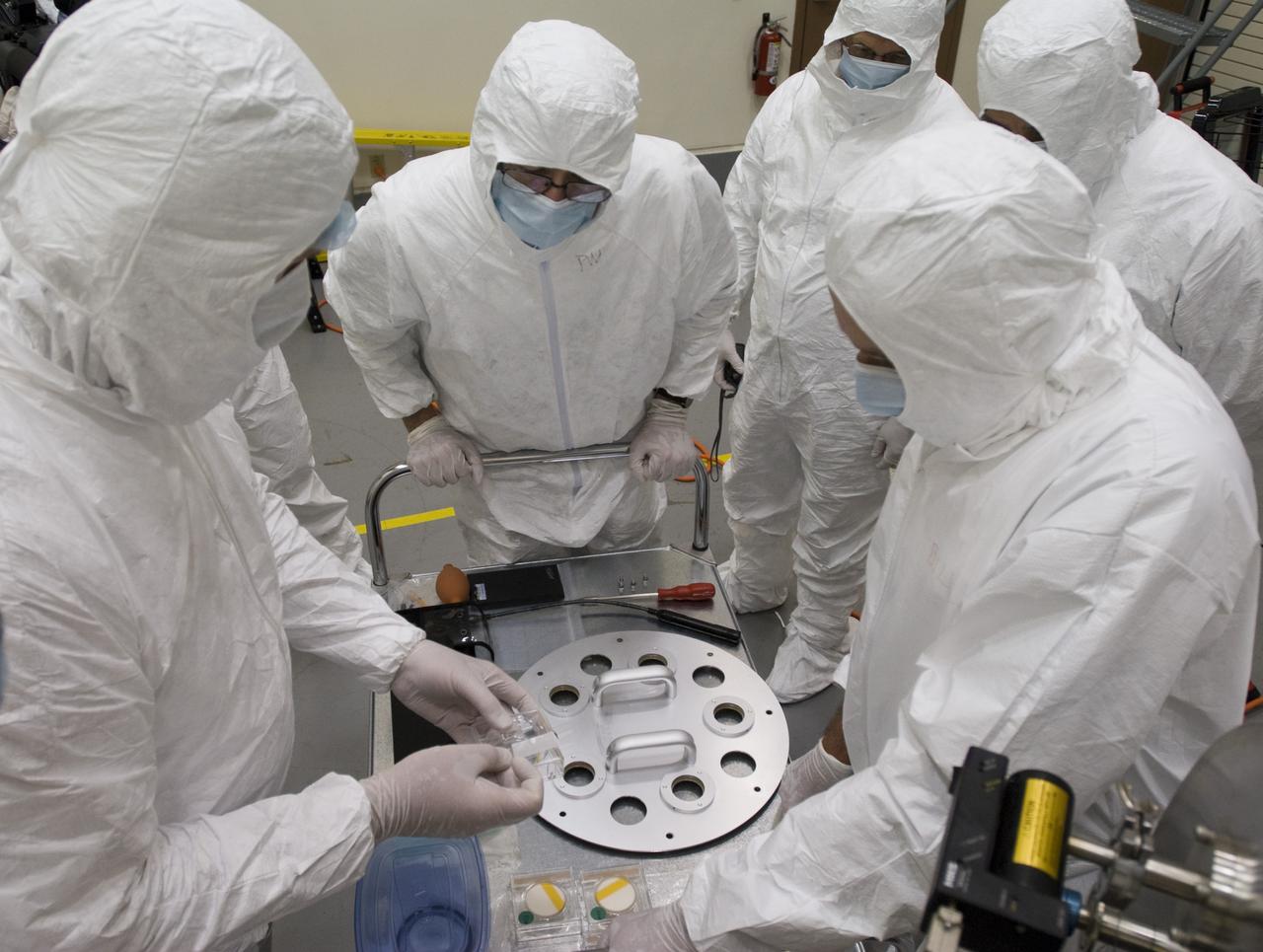
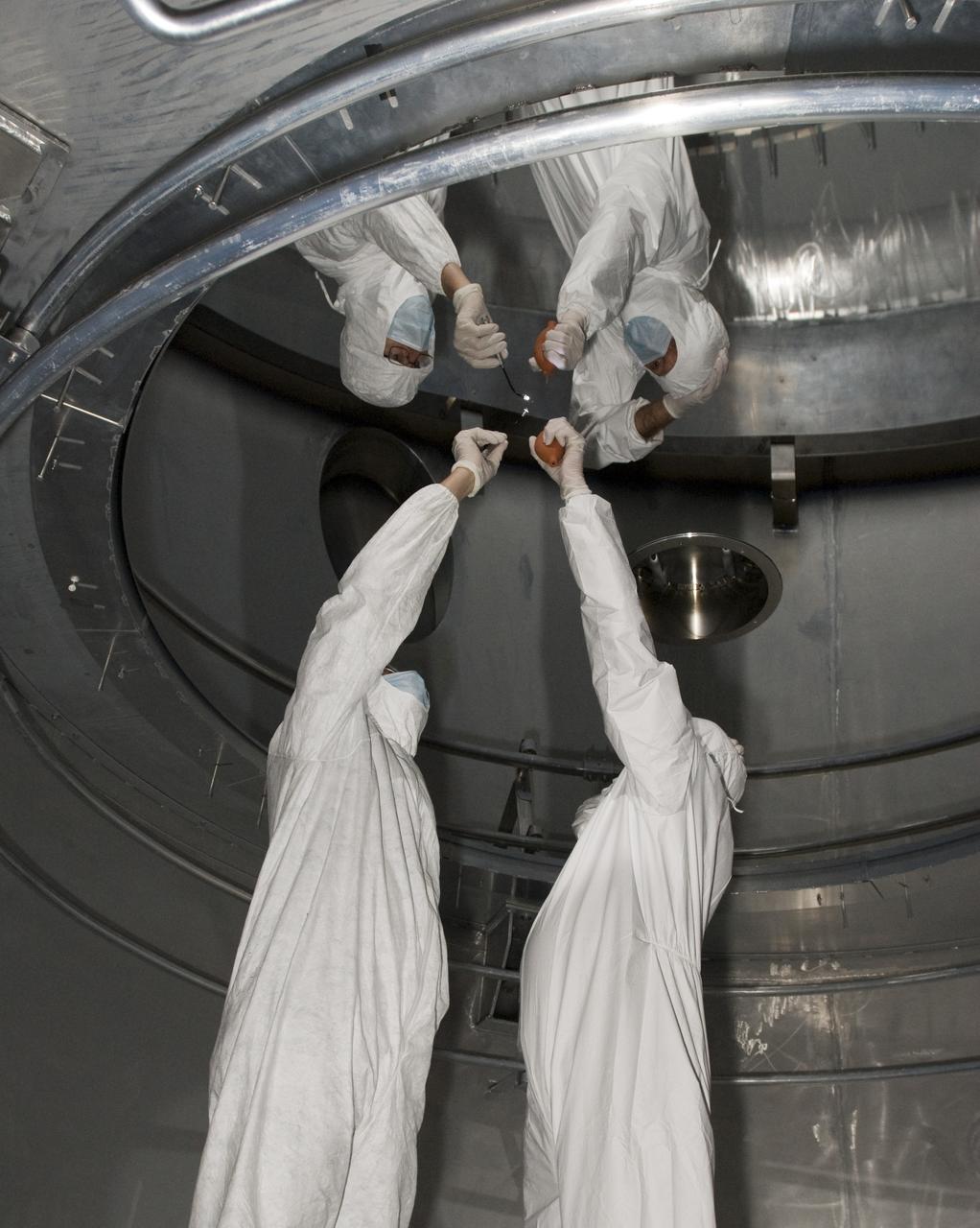
CAPE CANAVERAL, Fla. -- Inside the Space Life Sciences Laboratory near NASA’s Kennedy Space Center in Florida, the Mars Simulation Chamber is being prepared for the Microorganisms in the Stratosphere, or MIST, mission support. The chamber allows MIST scientists and engineers to simulate the stratosphere prior to high altitude flight experiments.    The MIST mission will fly a small biological payload in low altitudes aboard a blimp in July to measure microbial survival and cellular responses to exposure in the upper atmosphere. Later in the year, the MIST mission will deploy samples at even high altitudes in the stratosphere using scientific balloons. Photo credit: NASA/Daniel Casper
KSC-2013-2764
CAPE CANAVERAL, Fla. -- Inside the Space Life Sciences Laboratory near NASA’s Kennedy Space Center in Florida, the Mars Simulation Chamber is being prepared for the Microorganisms in the Stratosphere, or MIST, mission support. The chamber allows MIST scientists and engineers to simulate the stratosphere prior to high altitude flight experiments.     The MIST mission will fly a small biological payload aboard a blimp in July to measure microbial survival and cellular responses to exposure in the upper atmosphere. Later in the year, the MIST mission will deploy samples at even higher altitudes in the stratosphere using scientific balloons. Photo credit: NASA/Daniel Casper
KSC-2013-2765
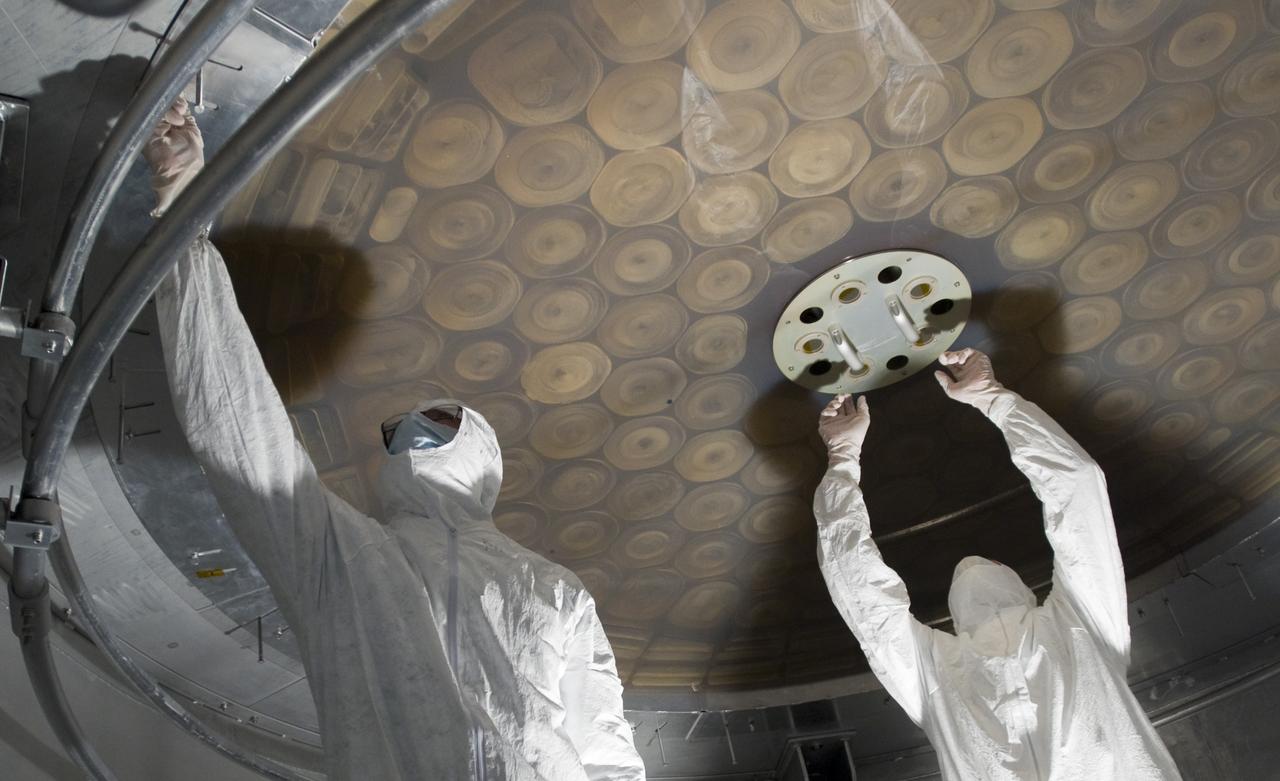
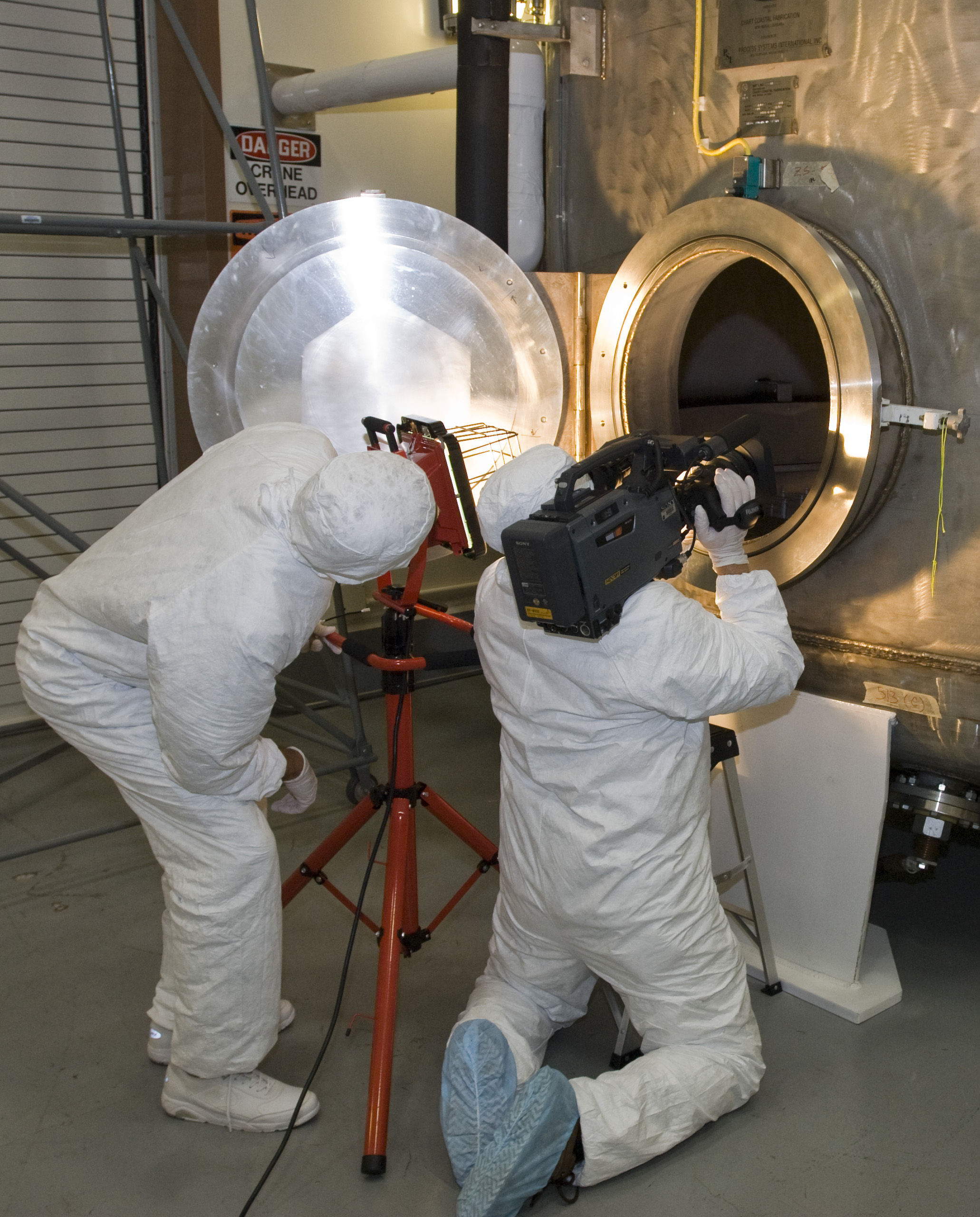
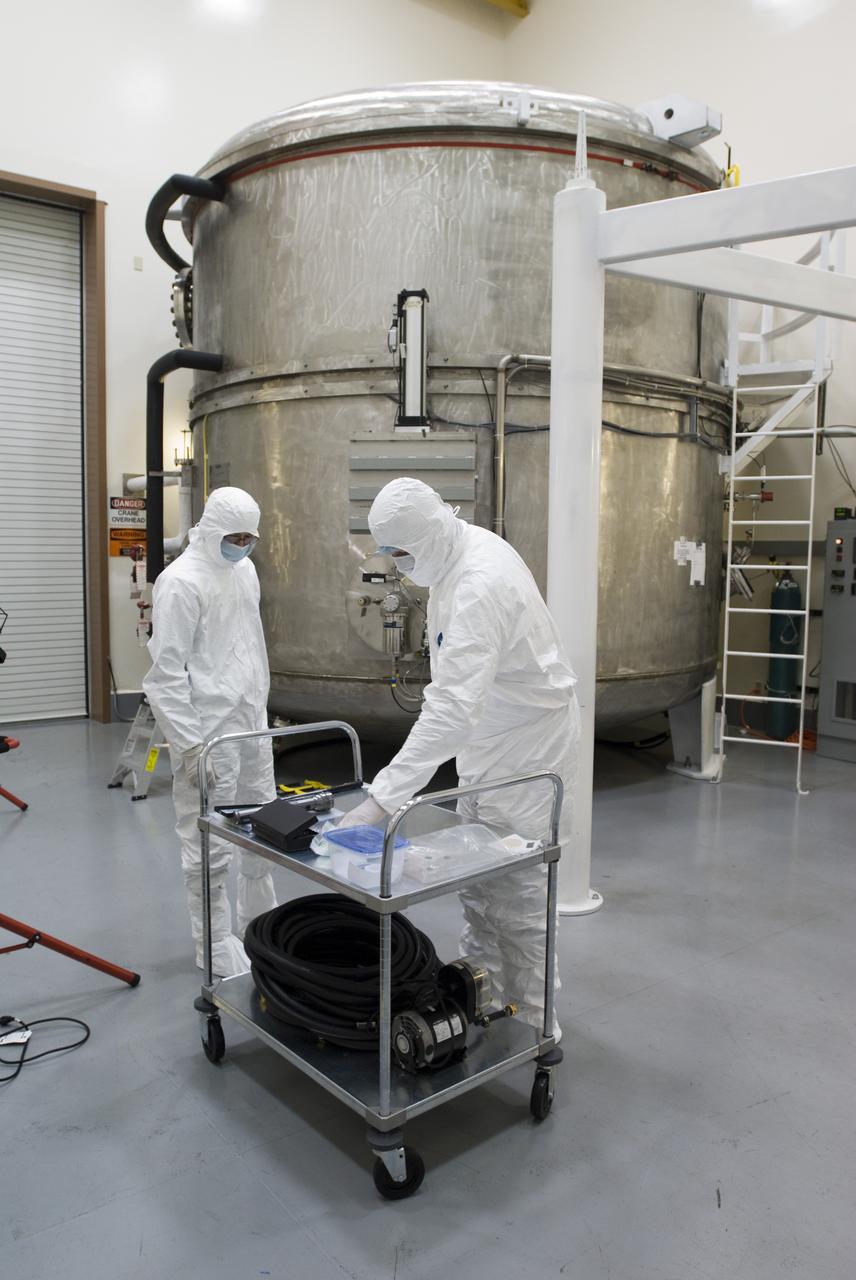
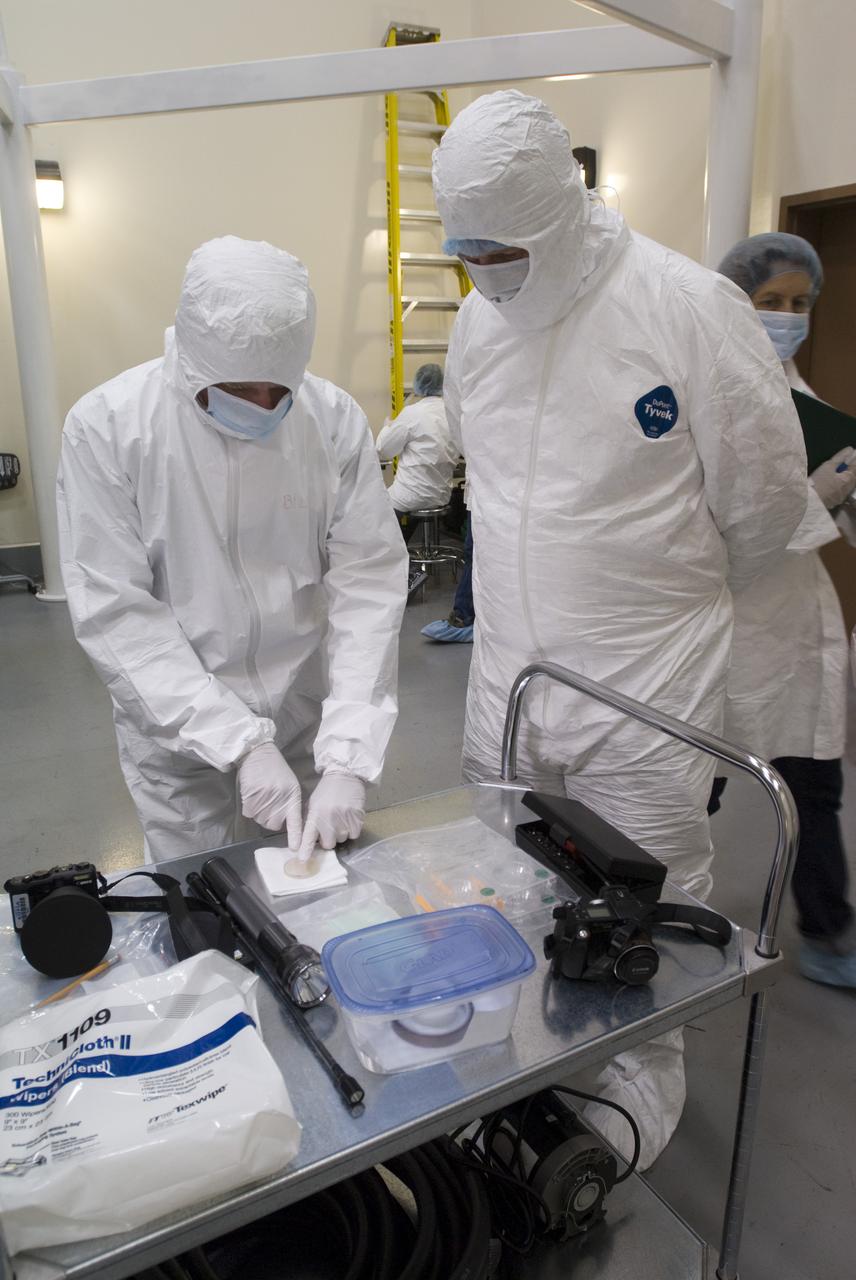
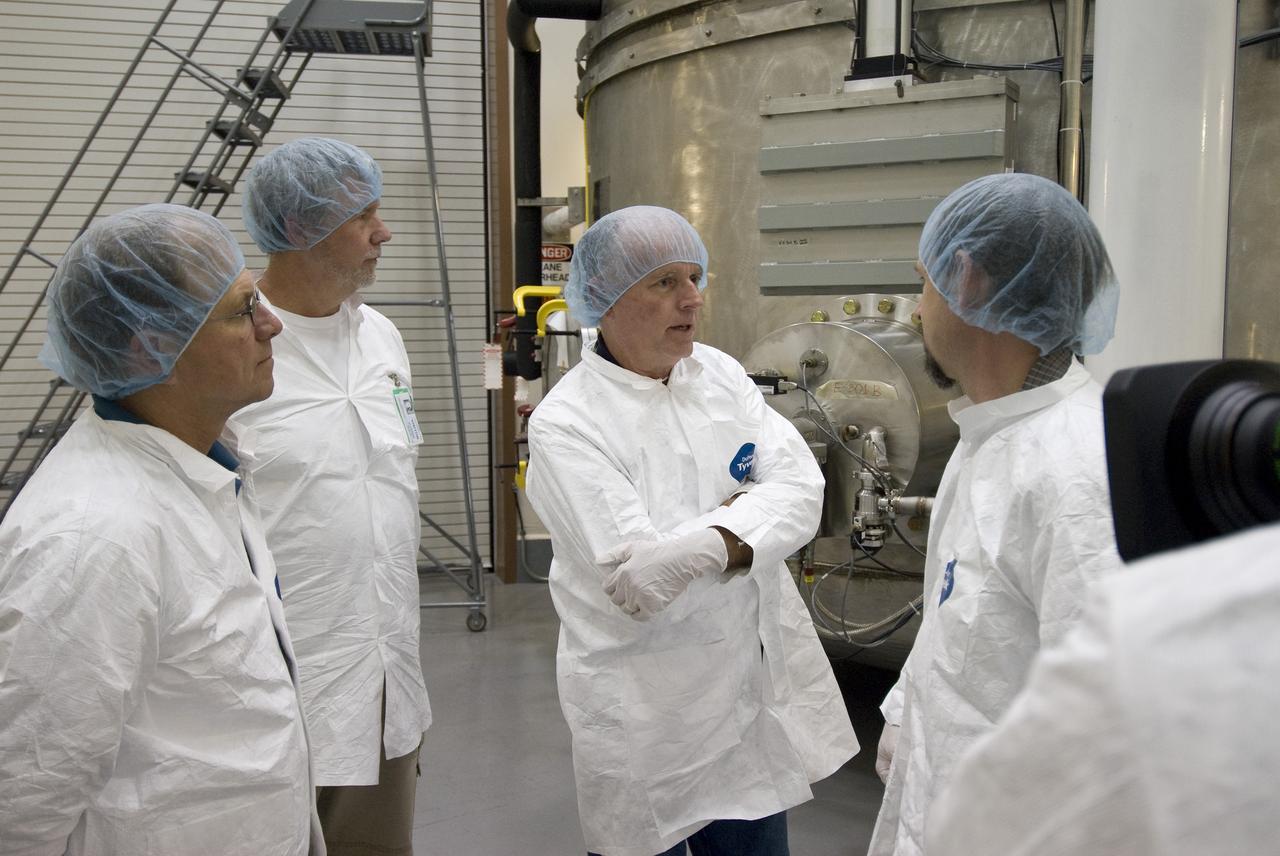
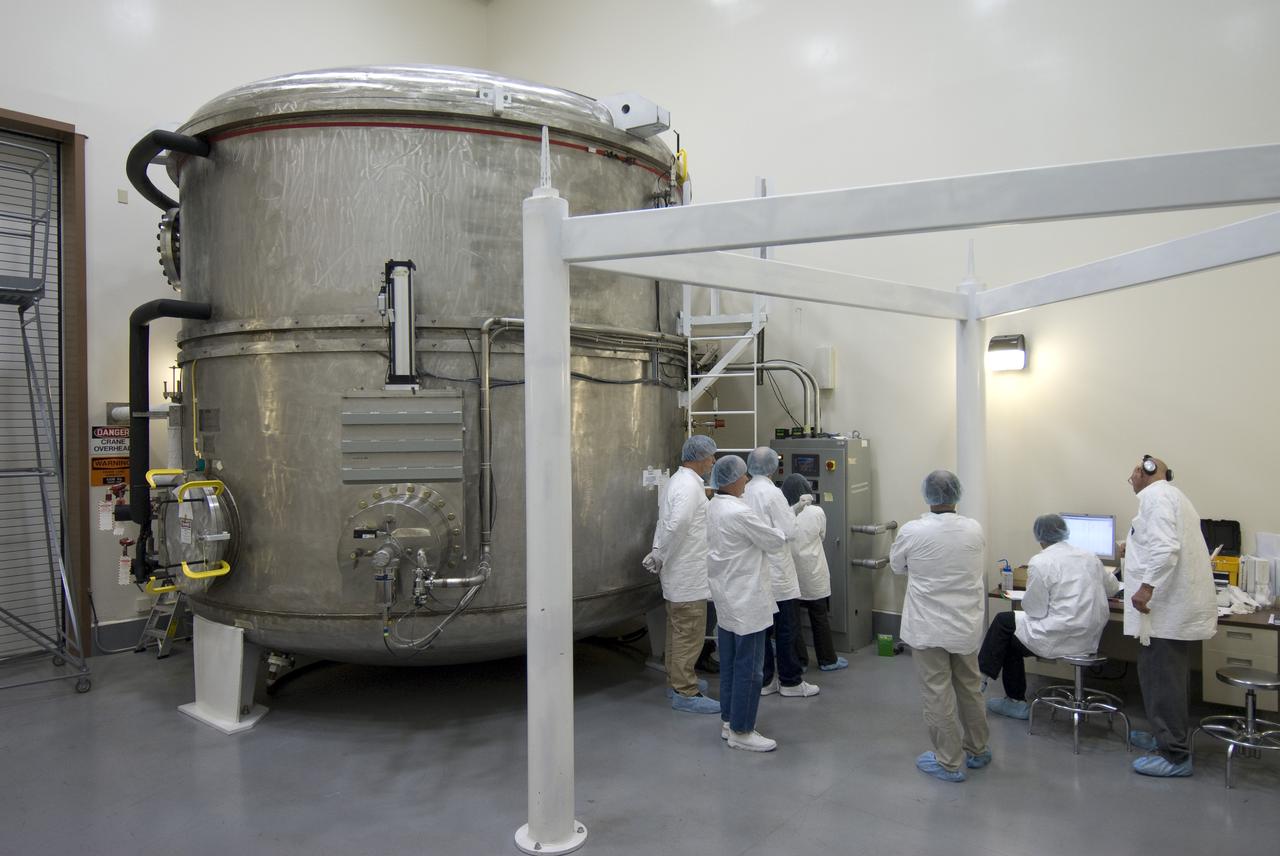
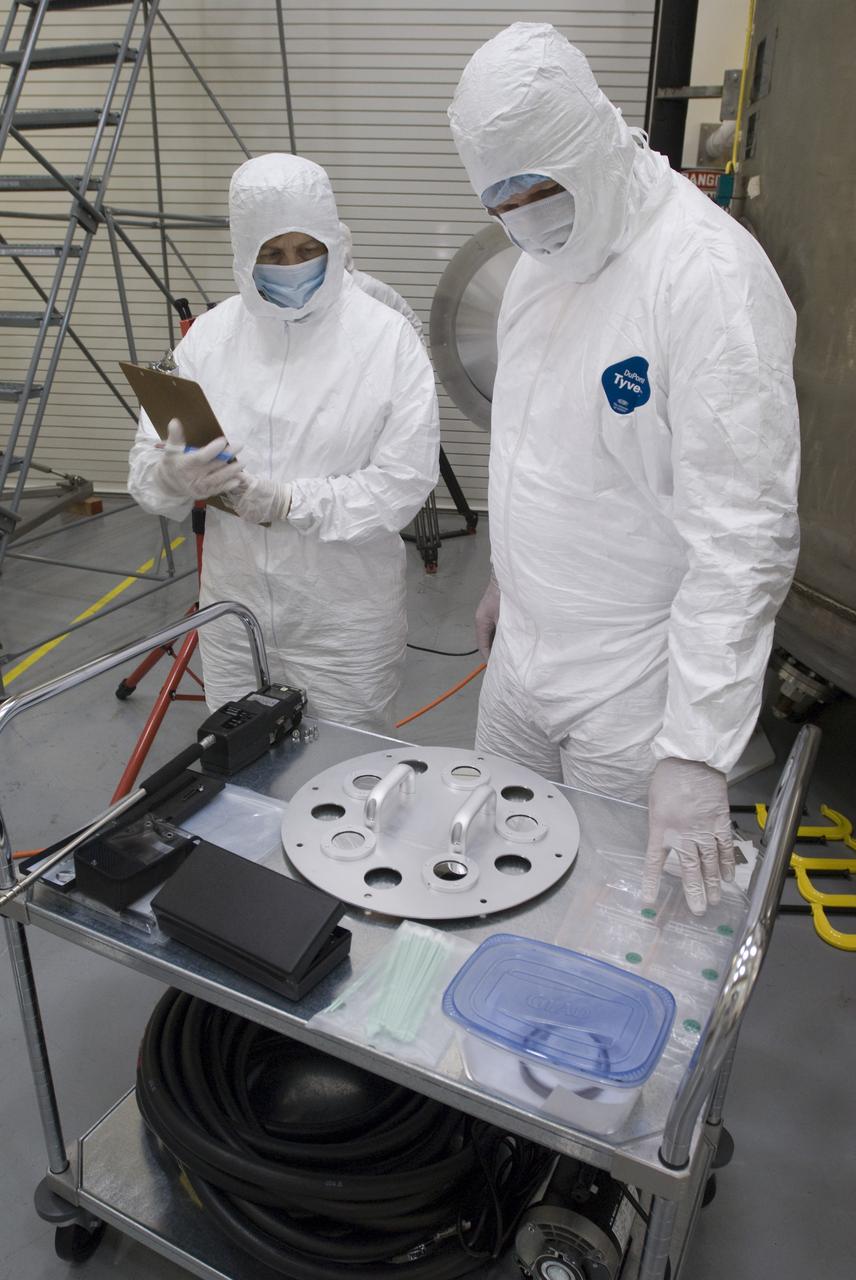
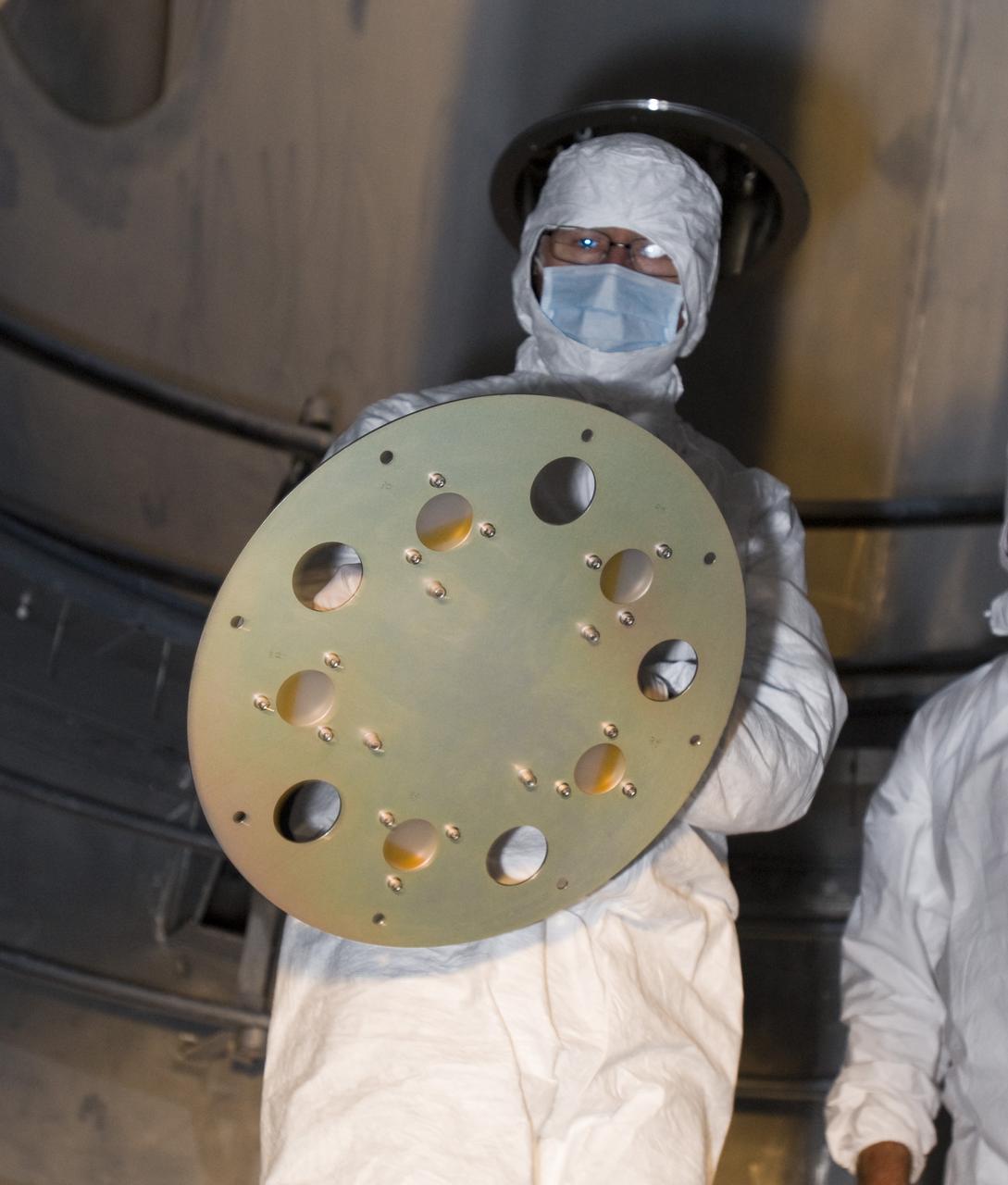
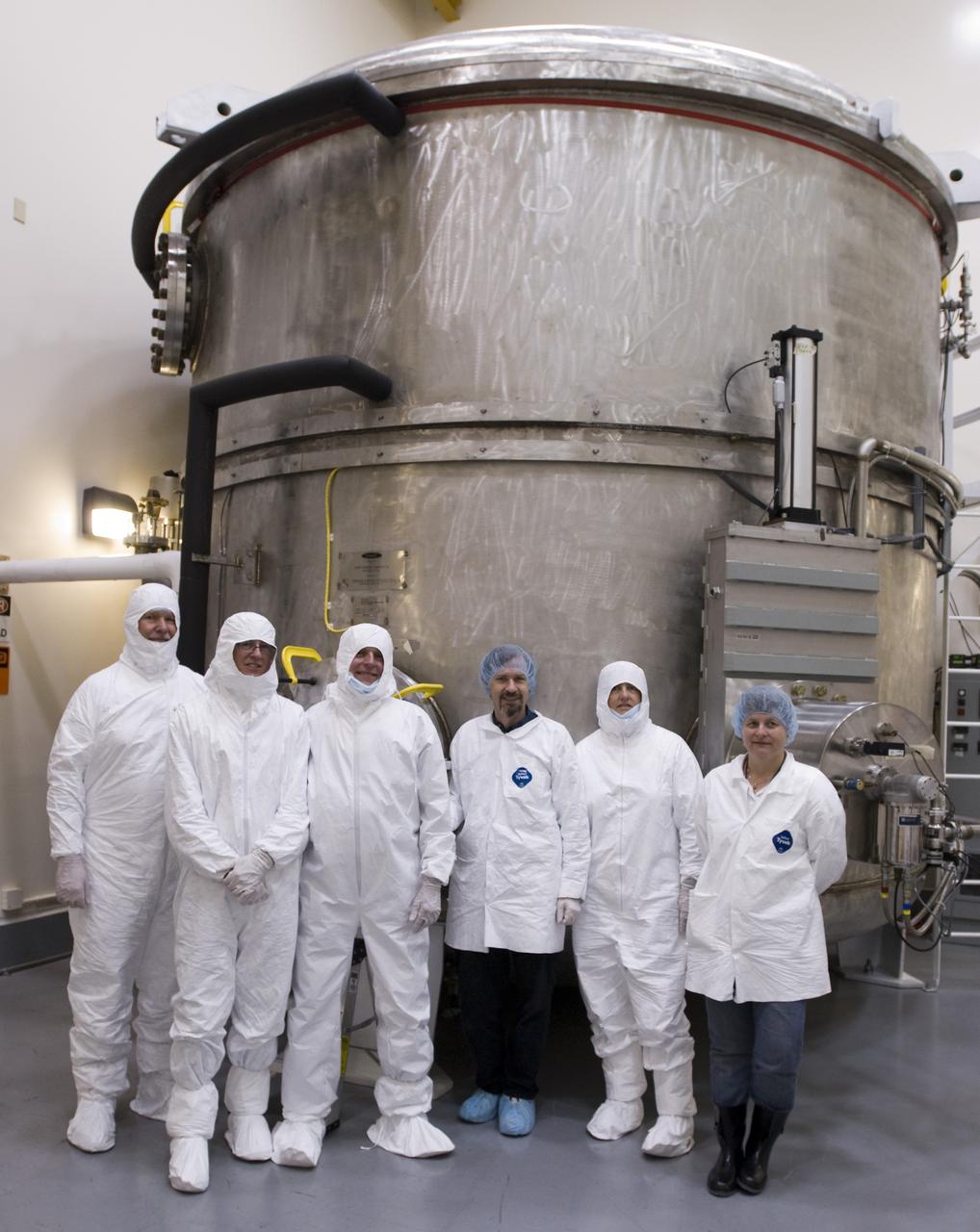
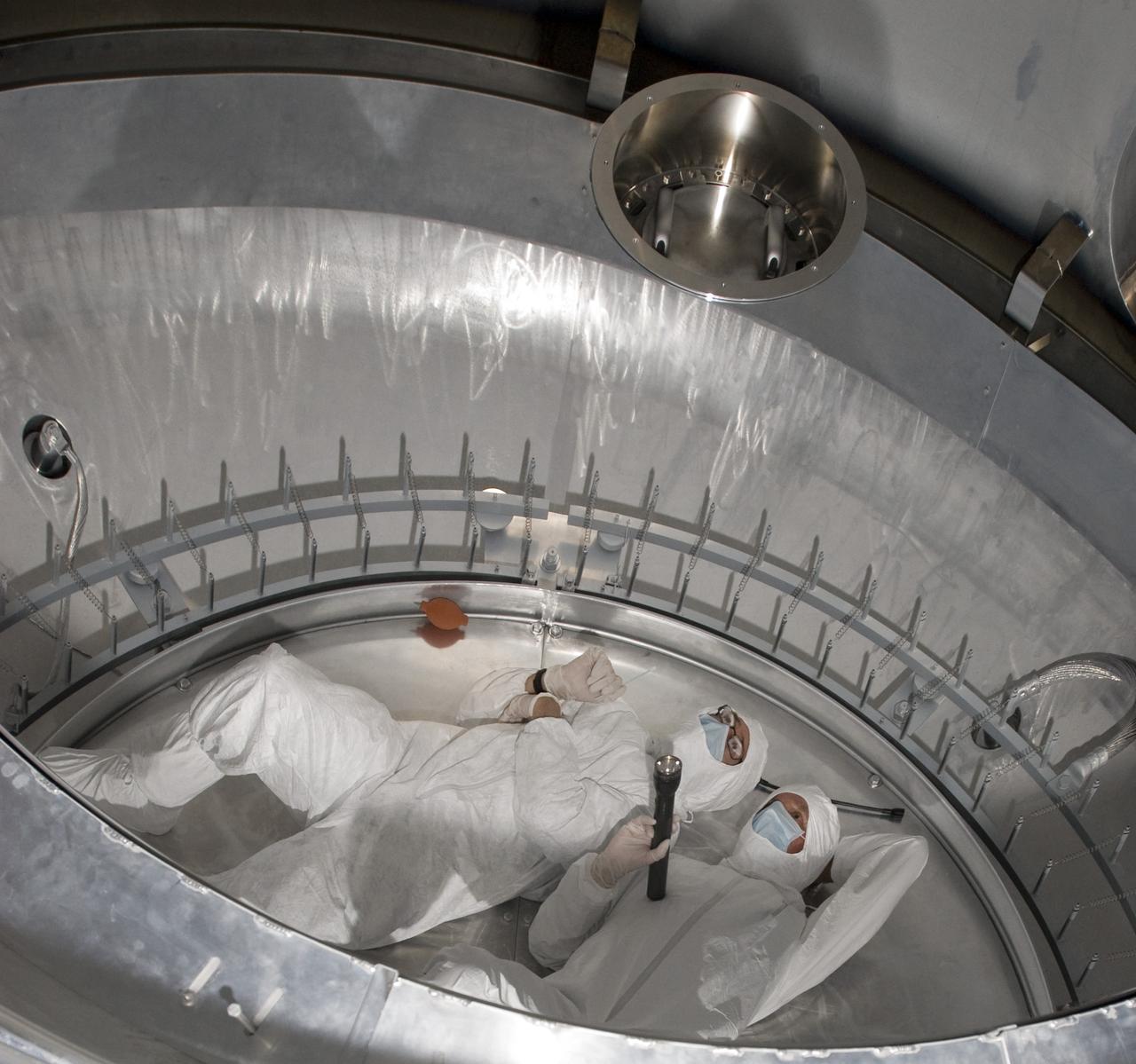
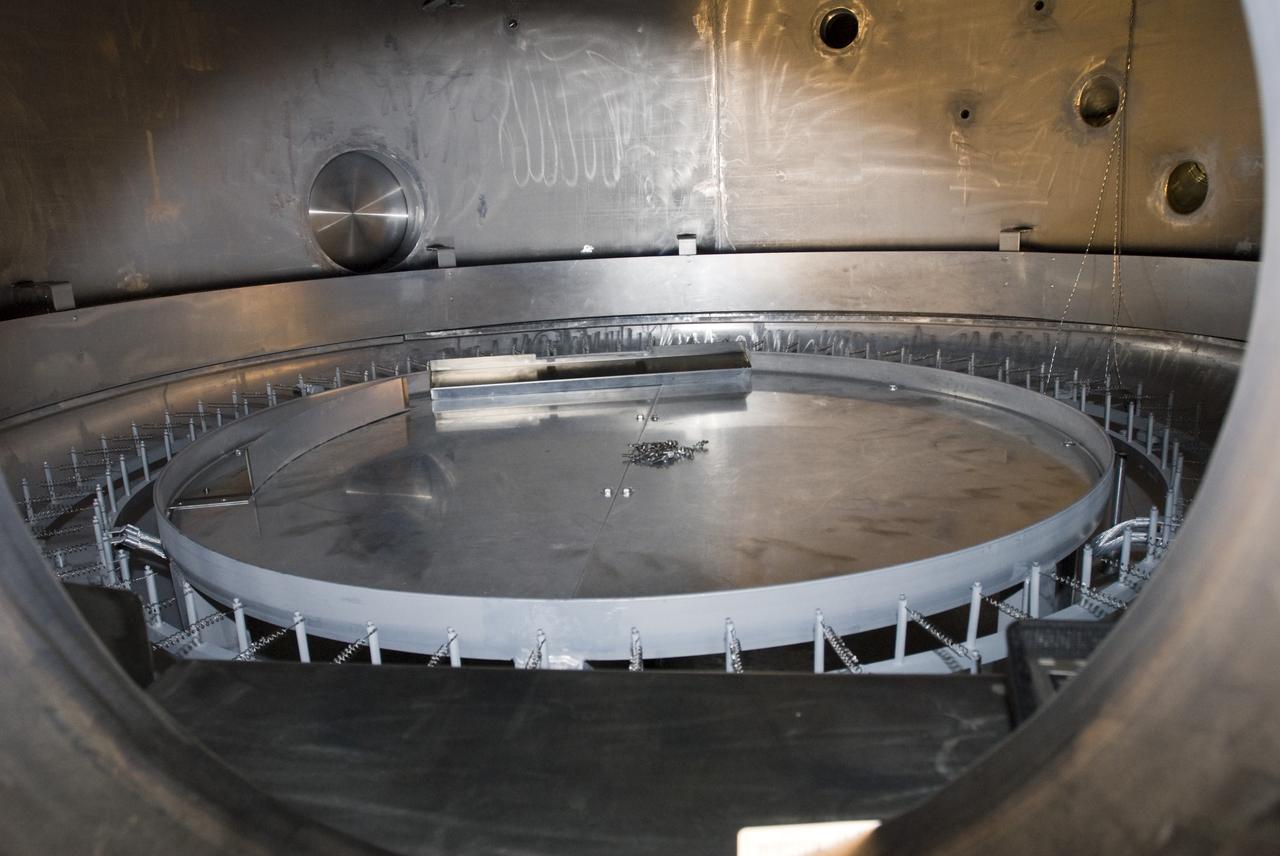
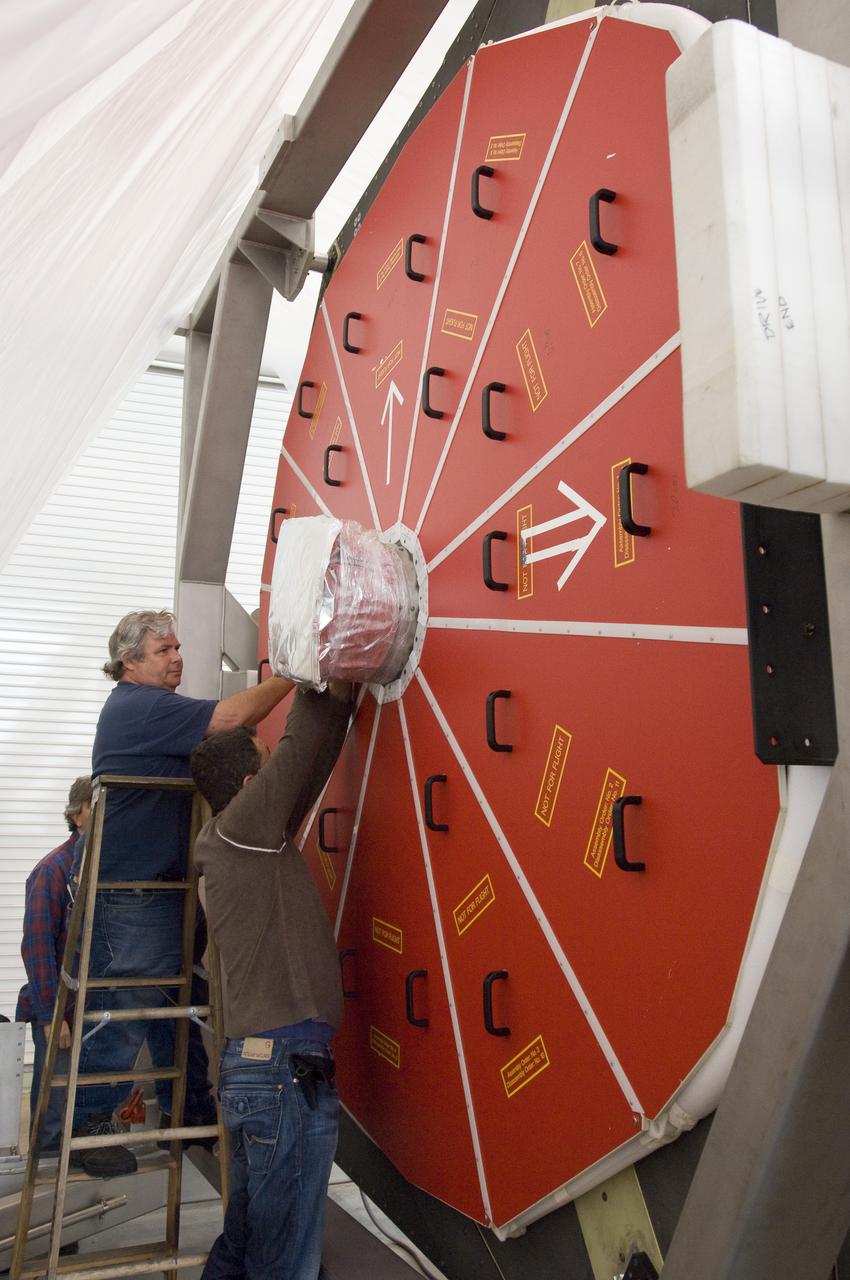
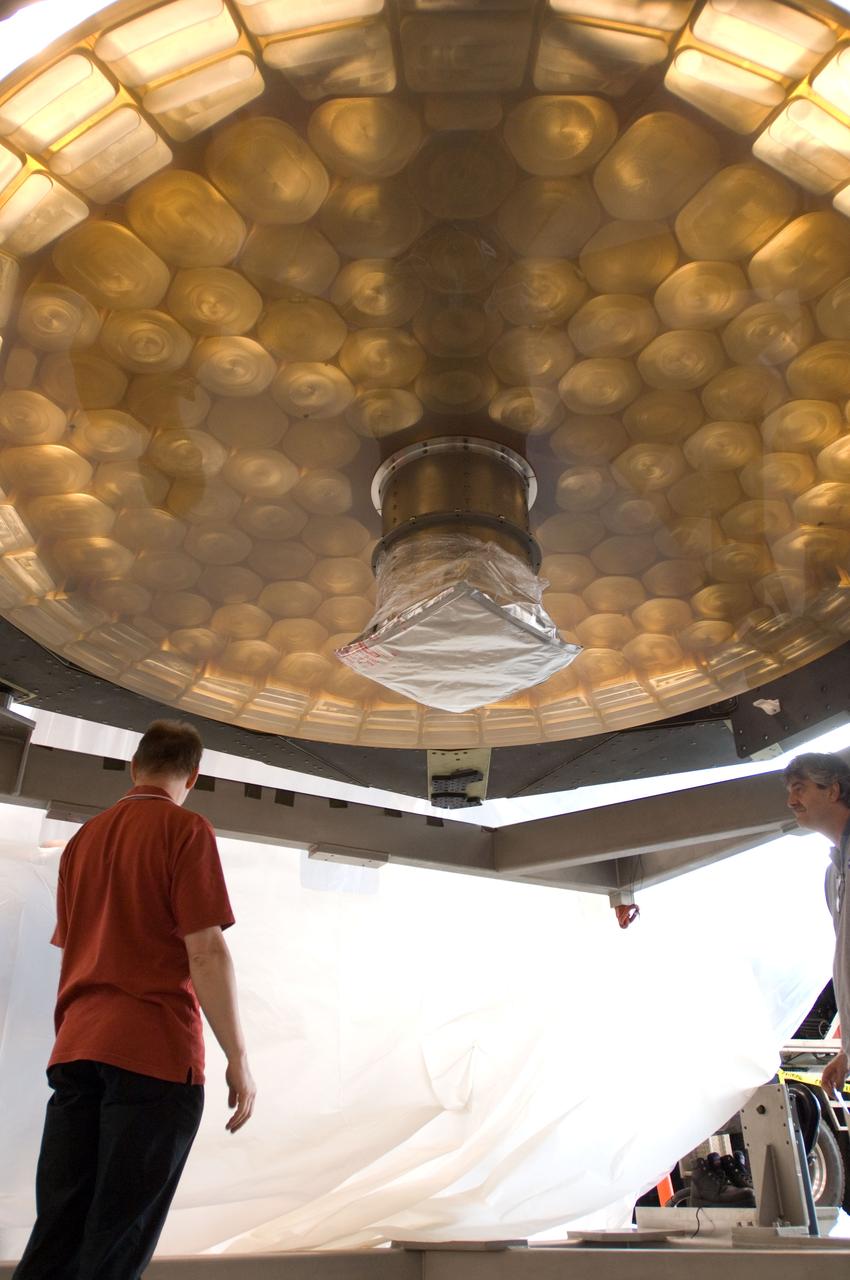
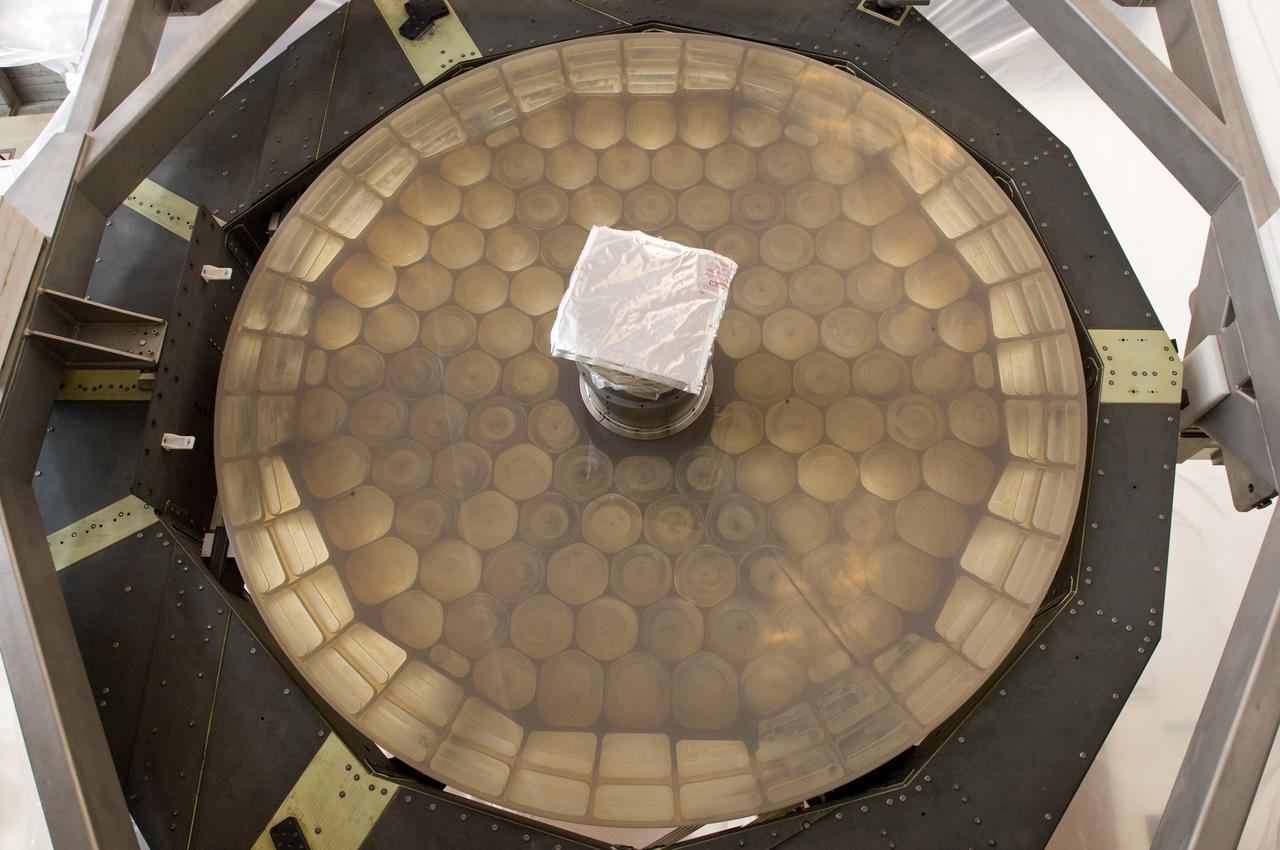
SOFIA (Stratospheric Observatory for Infrared Astronomy) primary mirror being coated in the Ames N-211 Vacuum Chamber.
ARC-2008-ACD08-0110-208
SOFIA (Stratospheric Observatory for Infrared Astronomy) primary mirror being coated in the Ames N-211 Vacuum Chamber.
ARC-2008-ACD08-0110-198
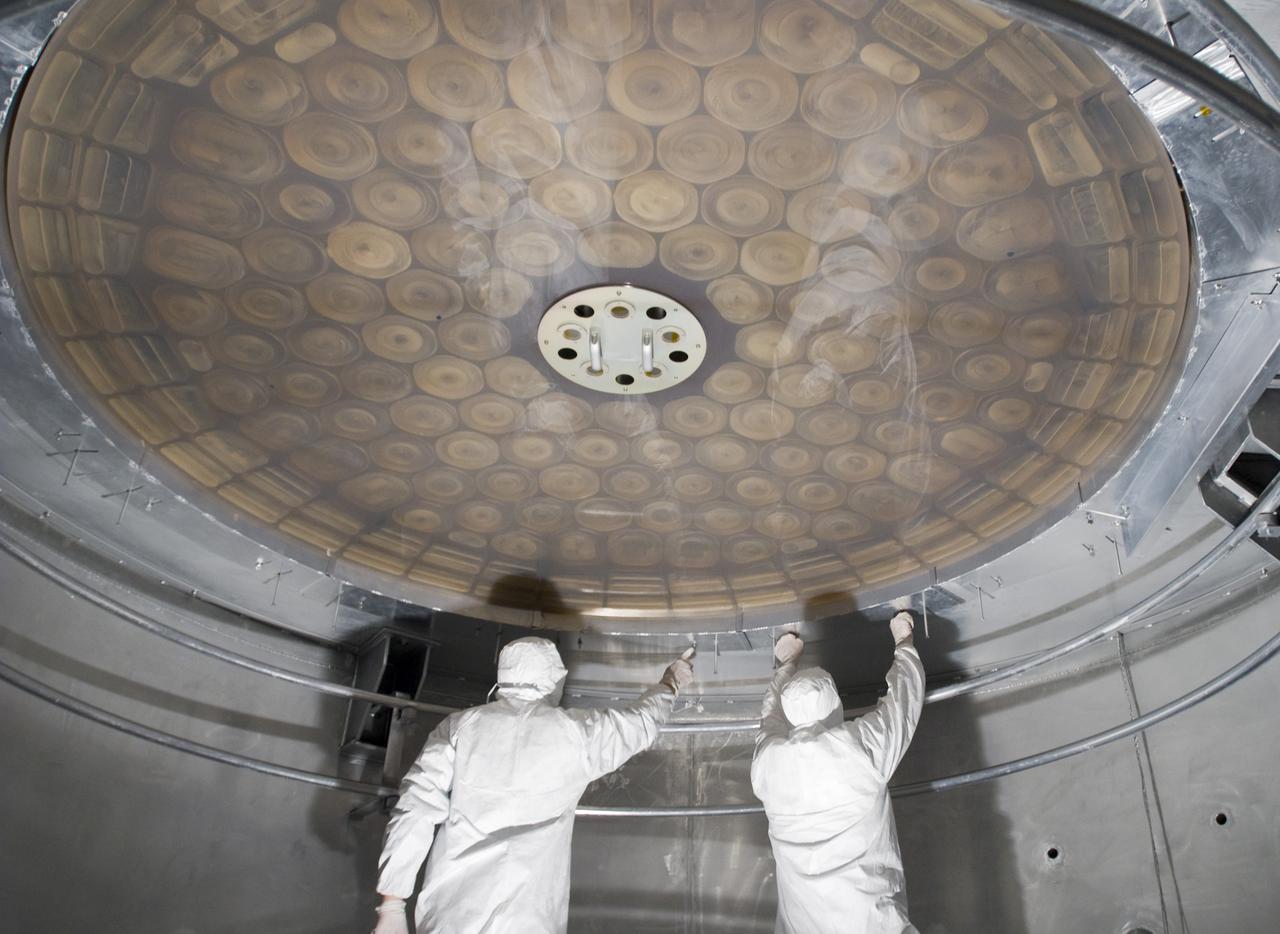
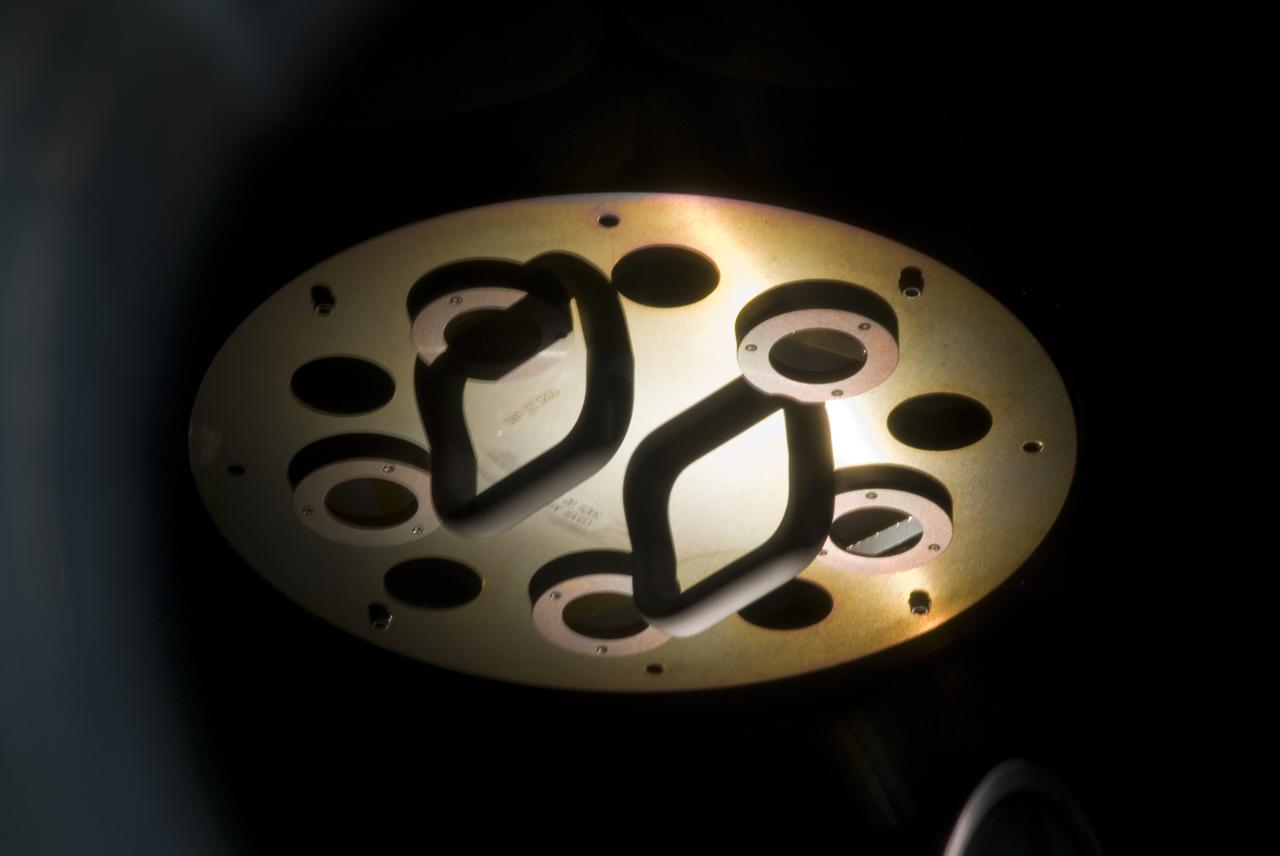
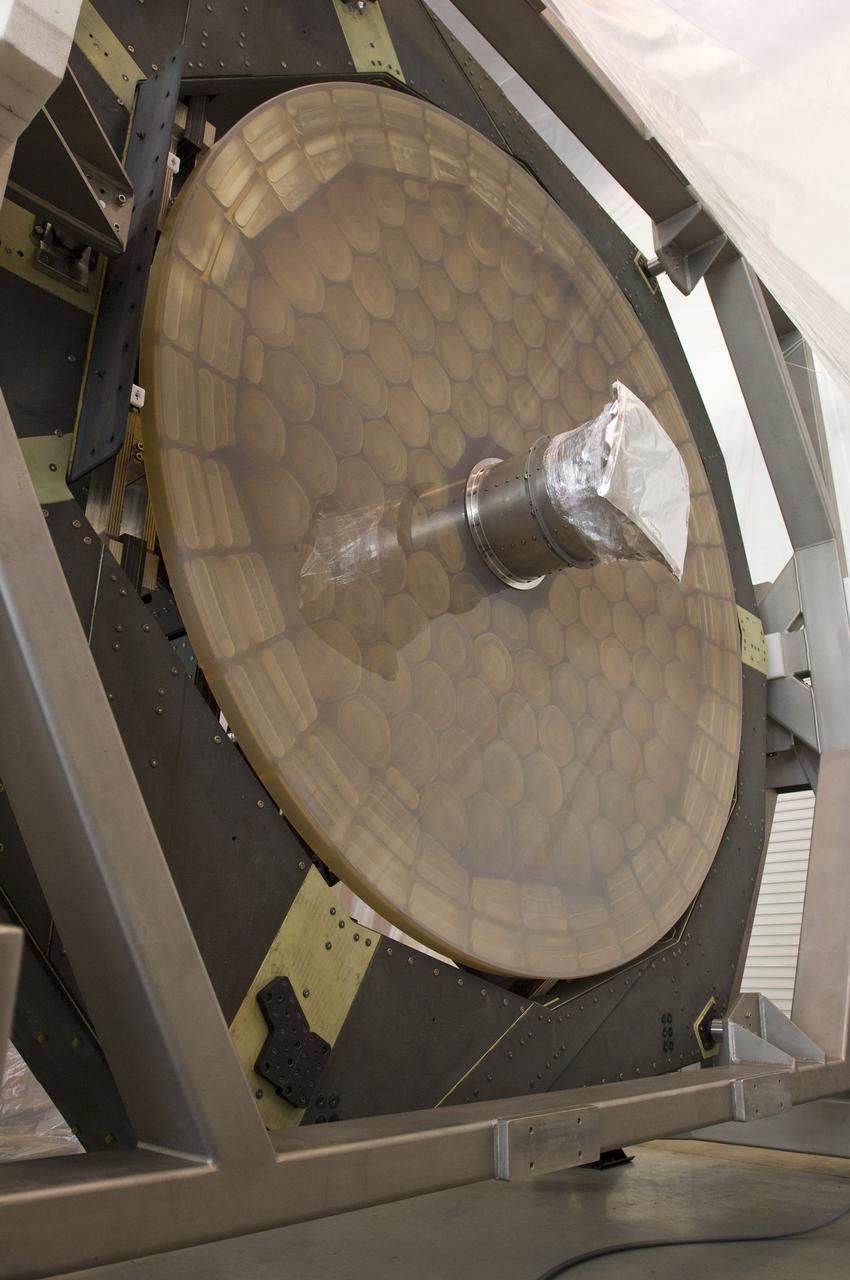
SOFIA (Stratospheric Observatory for Infrared Astromony)  primary mirror coating completed at the Ames Vacuum Chamber in N-211.
ARC-2008-ACD08-0110-261
SOFIA (Stratospheric Observatory for Infrared Astronomy) primary mirror being coated in the Ames N-211 Vacuum Chamber.
ARC-2008-ACD08-0110-183
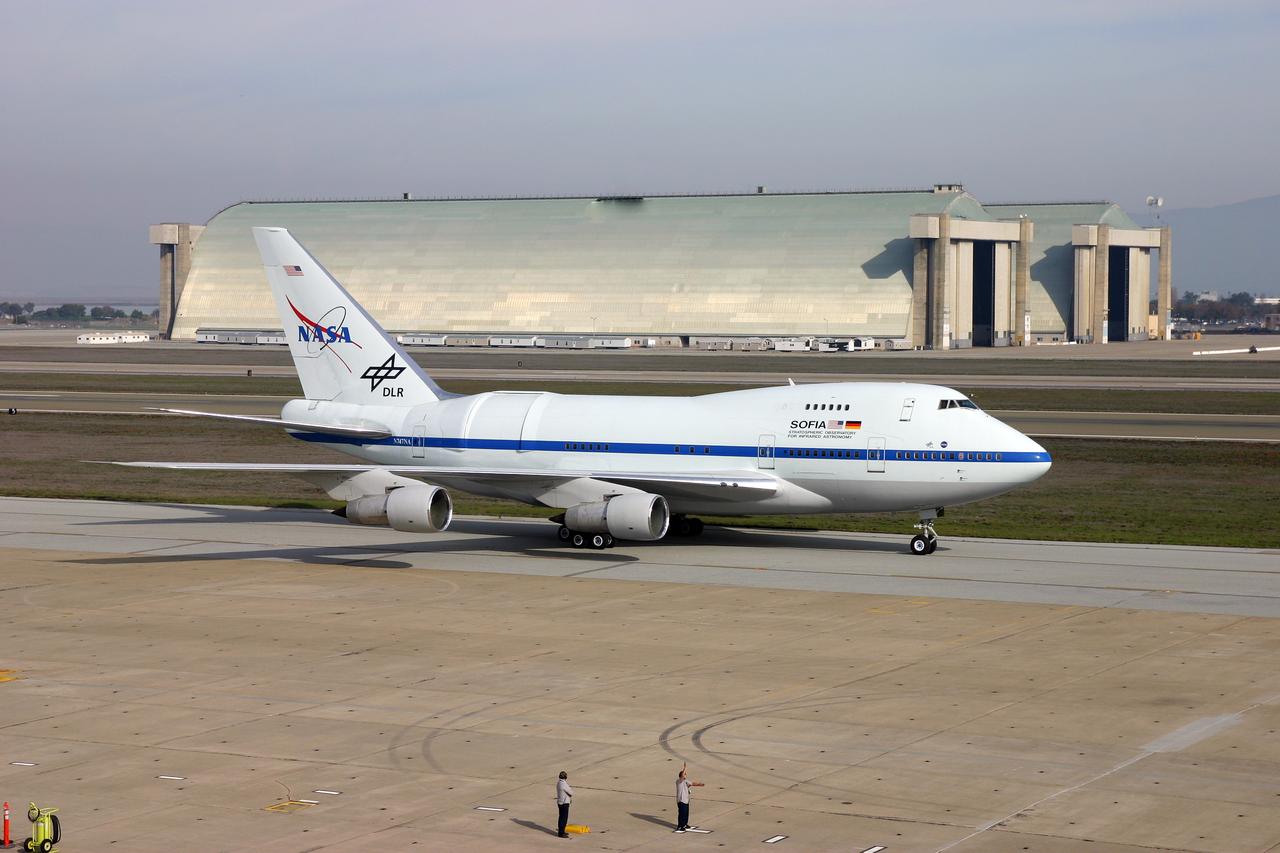
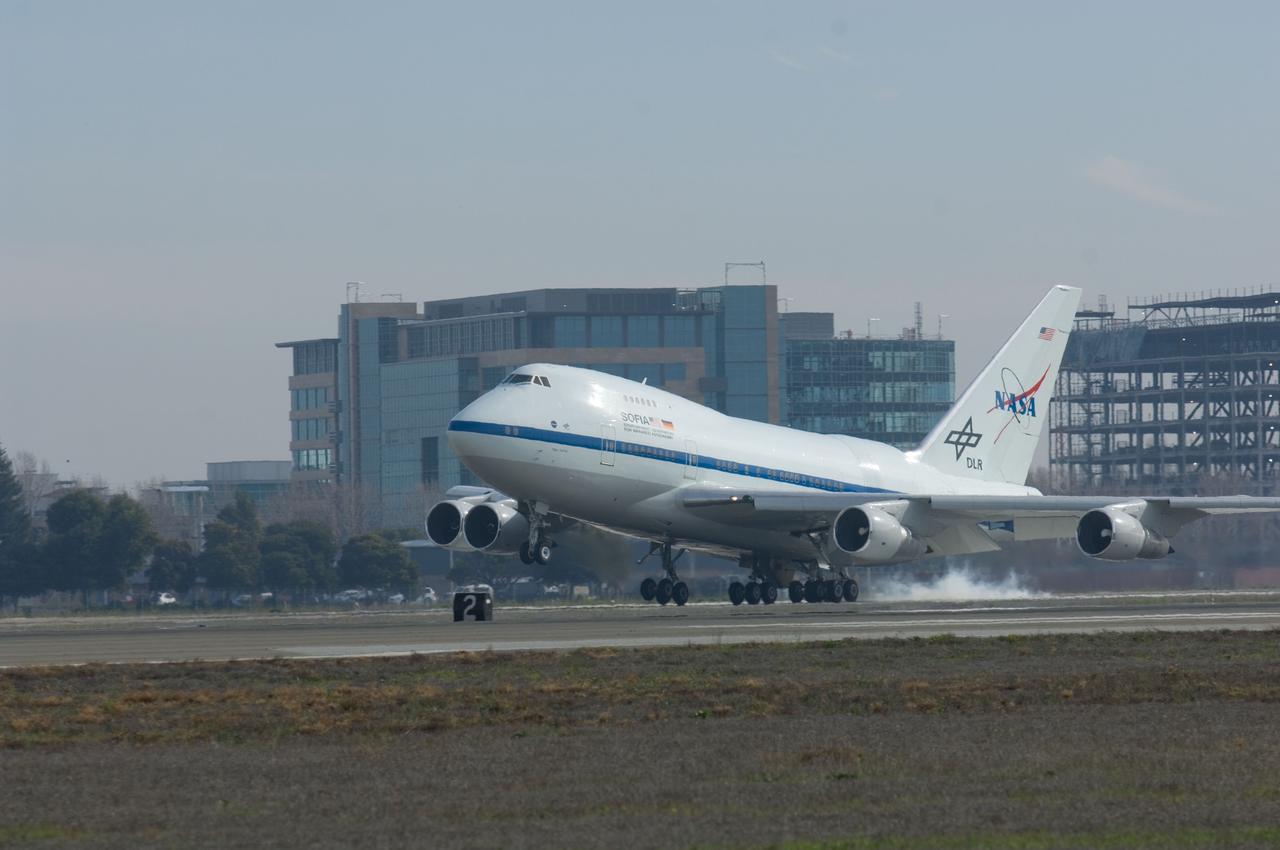
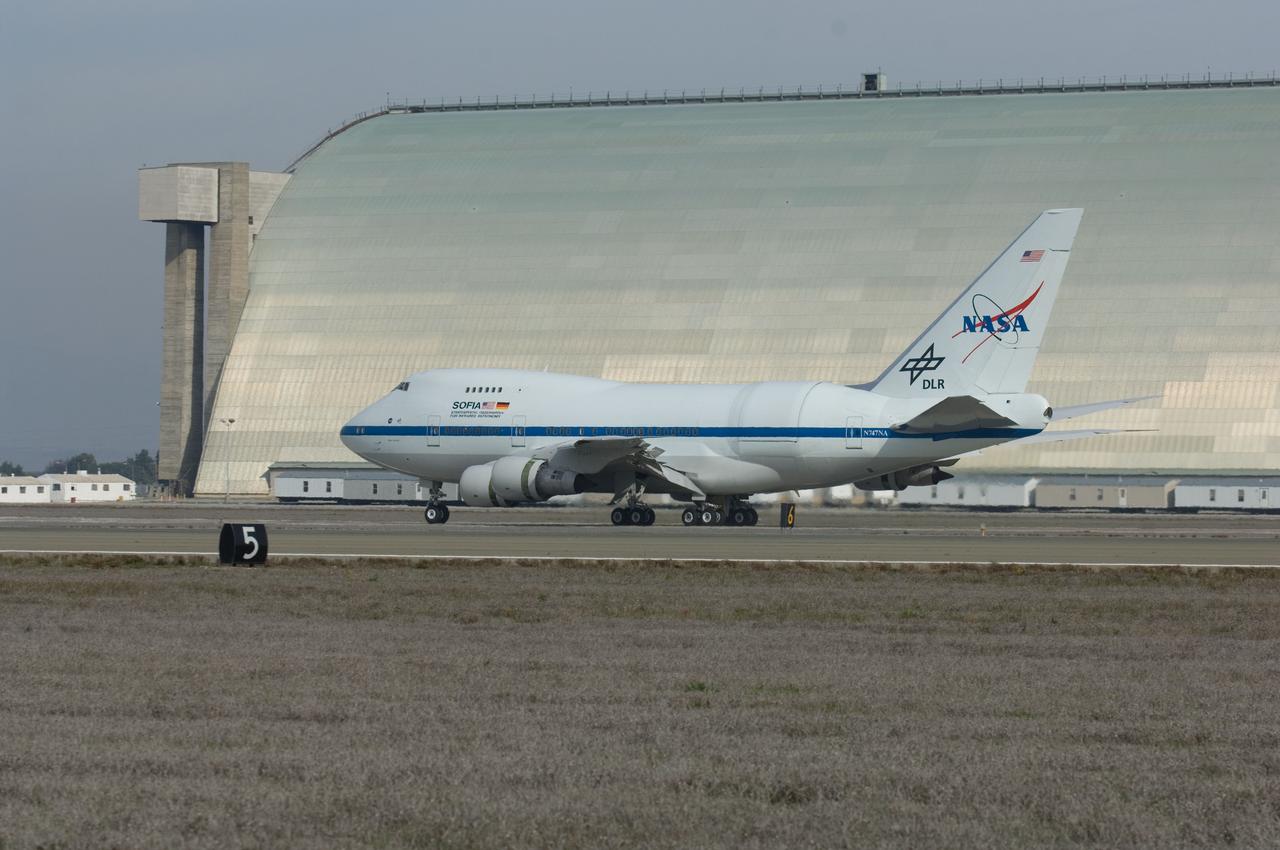
SOFIA (Stratospheric Ovservatory for Infrared Astronomy) visit to Ames Research Center, Moffett Field, CA: landing
ARC-2008-ACD08-0005-003
SOFIA (Stratospheric Observatory for Infrared Astronomy) primary mirror being coated in the Ames N-211 Vacuum Chamber.
ARC-2008-ACD08-0110-178
SOFIA (Stratospheric Ovservatory for Infrared Astronomy) visit to Ames Research Center, Moffett Field, CA: landing and taxi to tower
ARC-2008-ACD08-0005-024
SOFIA (Stratospheric Observatory for Infrared Astronomy) primary mirror being coated in the Ames N-211 Vacuum Chamber.
ARC-2008-ACD08-0110-222
SOFIA (Stratospheric Observatory for Infrared Astronomy) primary mirror being coated in the Ames N-211 Vacuum Chamber.
ARC-2008-ACD08-0110-204
SOFIA (Stratospheric Observatory for Infrared Astronomy) primary mirror being coated in the Ames N-211 Vacuum Chamber.
ARC-2008-ACD08-0110-185
SOFIA (Stratospheric Observatory for Infrared Astronomy) primary mirror being coated in the Ames N-211 Vacuum Chamber.
ARC-2008-ACD08-0110-126
SOFIA (Stratospheric Observatory for Infrared Astronomy) primary mirror being coated in the Ames N-211 Vacuum Chamber.
ARC-2008-ACD08-0110-242
SOFIA (Stratospheric Observatory for Infrared Astromony)  primary mirror coating completed at the Ames Vacuum Chamber in N-211.
ARC-2008-ACD08-0110-263
SOFIA (Stratospheric Observatory for Infrared Astronomy) primary mirror being coated in the Ames N-211 Vacuum Chamber.
ARC-2008-ACD08-0110-079
SOFIA (Stratospheric Ovservatory for Infrared Astronomy) visit to Ames Research Center, Moffett Field, CA: tail
ARC-2008-ACD08-0005-010
SOFIA (Stratospheric Ovservatory for Infrared Astronomy) visit to Ames Research Center, Moffett Field, CA: landing and taxi to tower
ARC-2008-ACD08-0005-020
SOFIA (Stratospheric Observatory for Infrared Astronomy) primary mirror being coated in the Ames N-211 Vacuum Chamber.
ARC-2008-ACD08-0110-211
SOFIA (Stratospheric Observatory for Infrared Astronomy) primary mirror being coated in the Ames N-211 Vacuum Chamber.
ARC-2008-ACD08-0110-224
SOFIA (Stratospheric Ovservatory for Infrared Astronomy) visit to Ames Research Center, Moffett Field, CA: landing and taxi to tower
ARC-2008-ACD08-0005-042
SOFIA (Stratospheric Observatory for Infrared Astronomy) primary mirror being coated in the Ames N-211 Vacuum Chamber.
ARC-2008-ACD08-0110-218
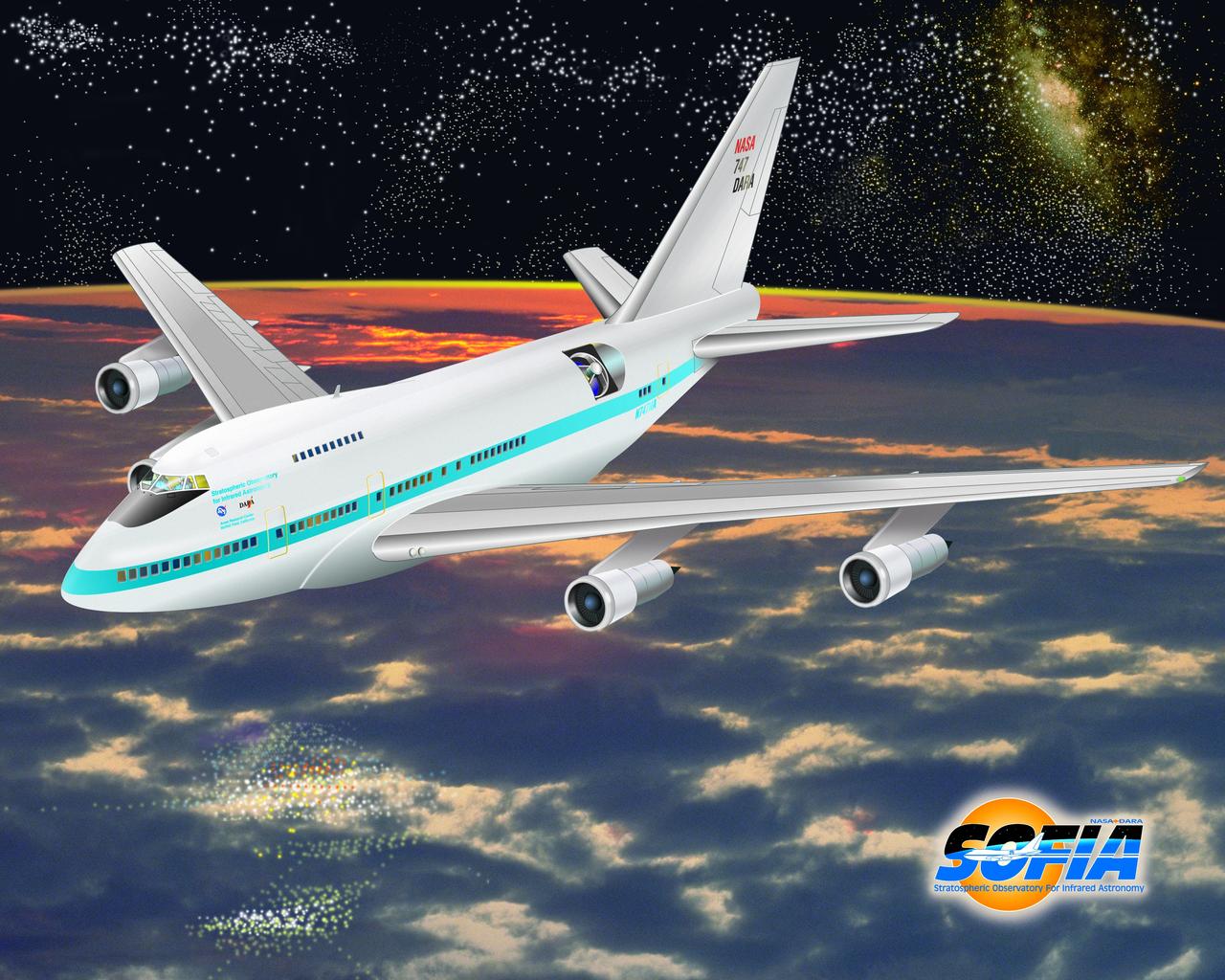
Artwork SOFIA (Stratospheric Observatory for Infrared Astronomy) in flight morning sky with logo in layers photoshop file
ARC-1997-ACD96-0402-1
SOFIA (Stratospheric Observatory for Infrared Astromony)  primary mirror coating completed at the Ames Vacuum Chamber in N-211.
ARC-2008-ACD08-0110-262
SOFIA (Stratospheric Ovservatory for Infrared Astronomy) visit to Ames Research Center, Moffett Field, CA: landing and taxi to tower
ARC-2008-ACD08-0005-026
SOFIA (Stratospheric Ovservatory for Infrared Astronomy) visit to Ames Research Center, Moffett Field, CA: landing and taxi to tower
ARC-2008-ACD08-0005-031
SOFIA (Stratospheric Observatory for Infrared Astronomy) primary mirror being coated in the Ames N-211 Vacuum Chamber.
ARC-2008-ACD08-0110-219
SOFIA (Stratospheric Observatory for Infrared Astromony)  primary mirror coating completed at the Ames Vacuum Chamber in N-211.
ARC-2008-ACD08-0110-260
SOFIA (Stratospheric Observatory for Infrared Astromony)  primary mirror coating completed at the Ames Vacuum Chamber in N-211.
ARC-2008-ACD08-0110-265
SOFIA (Stratospheric Observatory for Infrared Astronomy) primary mirror being coated in the Ames N-211 Vacuum Chamber.
ARC-2008-ACD08-0110-209
SOFIA (Stratospheric Observatory for Infrared Astronomy) primary mirror being coated in the Ames N-211 Vacuum Chamber.
ARC-2008-ACD08-0110-235
SOFIA (Stratospheric Observatory for Infrared Astronomy) primary mirror being coated in the Ames N-211 Vacuum Chamber.
ARC-2008-ACD08-0110-195
SOFIA (Stratospheric Observatory for Infrared Astronomy) primary mirror being coated in the Ames N-211 Vacuum Chamber.
ARC-2008-ACD08-0110-245
SOFIA (Stratospheric Observatory for Infrared Astronomy) primary mirror being coated in the Ames N-211 Vacuum Chamber.
ARC-2008-ACD08-0110-213
SOFIA (Stratospheric Observatory for Infrared Astromony)  primary mirror coating completed at the Ames Vacuum Chamber in N-211.
ARC-2008-ACD08-0110-264
SOFIA (Stratospheric Ovservatory for Infrared Astronomy) visit to Ames Research Center, Moffett Field, CA: landing
ARC-2008-ACD08-0005-005
SOFIA (Stratospheric Ovservatory for Infrared Astronomy) visit to Ames Research Center, Moffett Field, CA: landing and taxi to tower
ARC-2008-ACD08-0005-036
SOFIA (Stratospheric Ovservatory for Infrared Astronomy) visit to Ames Research Center, Moffett Field, CA: landing and taxi to tower
ARC-2008-ACD08-0005-025
SOFIA (Stratospheric Observatory for Infrared Astronomy) primary mirror being coated in the Ames N-211 Vacuum Chamber.
ARC-2008-ACD08-0110-207
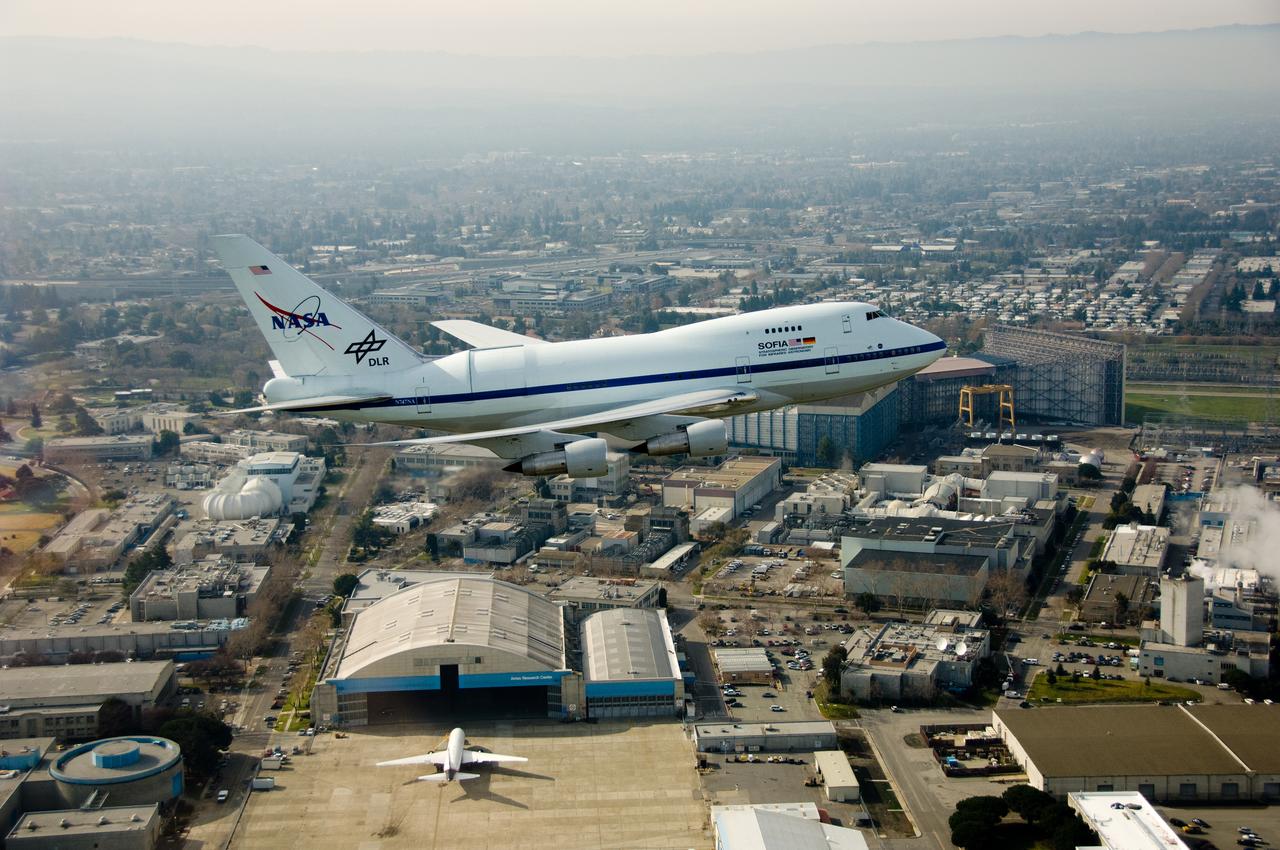
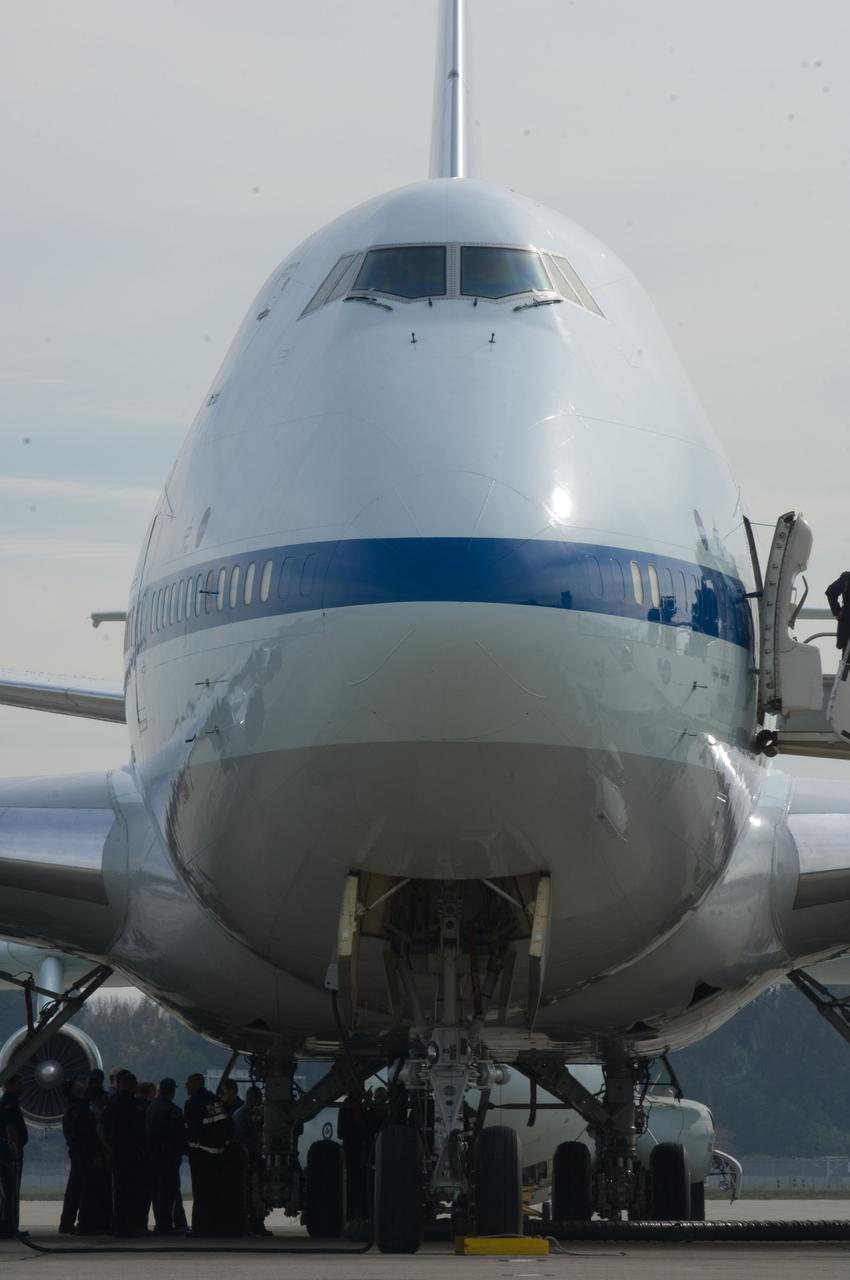
Air to air view of the Stratospheric Observatory for Infrared Astronomy or SOFIA aircraft fly-by on a visit to Ames Research Center
ACD08-0005-117
SOFIA (Stratospheric Observatory for Infrared Astronomy) primary mirror being coated in the Ames N-211 Vacuum Chamber.
ARC-2008-ACD08-0110-186
SOFIA (Stratospheric Observatory for Infrared Astronomy) primary mirror being coated in the Ames N-211 Vacuum Chamber.
ARC-2008-ACD08-0110-223
SOFIA (Stratospheric Observatory for Infrared Astronomy) primary mirror being coated in the Ames N-211 Vacuum Chamber.
ARC-2008-ACD08-0110-221
SOFIA (Stratospheric Observatory for Infrared Astronomy) primary mirror being coated in the Ames N-211 Vacuum Chamber.
ARC-2008-ACD08-0110-226
SOFIA (Stratospheric Observatory for Infrared Astronomy) primary mirror being coated in the Ames N-211 Vacuum Chamber.
ARC-2008-ACD08-0110-205
SOFIA (Stratospheric Observatory for Infrared Astronomy) primary mirror being coated in the Ames N-211 Vacuum Chamber.
ARC-2008-ACD08-0110-228
SOFIA (Stratospheric Ovservatory for Infrared Astronomy) visit to Ames Research Center, Moffett Field, CA: landing and taxi to tower
ARC-2008-ACD08-0005-048
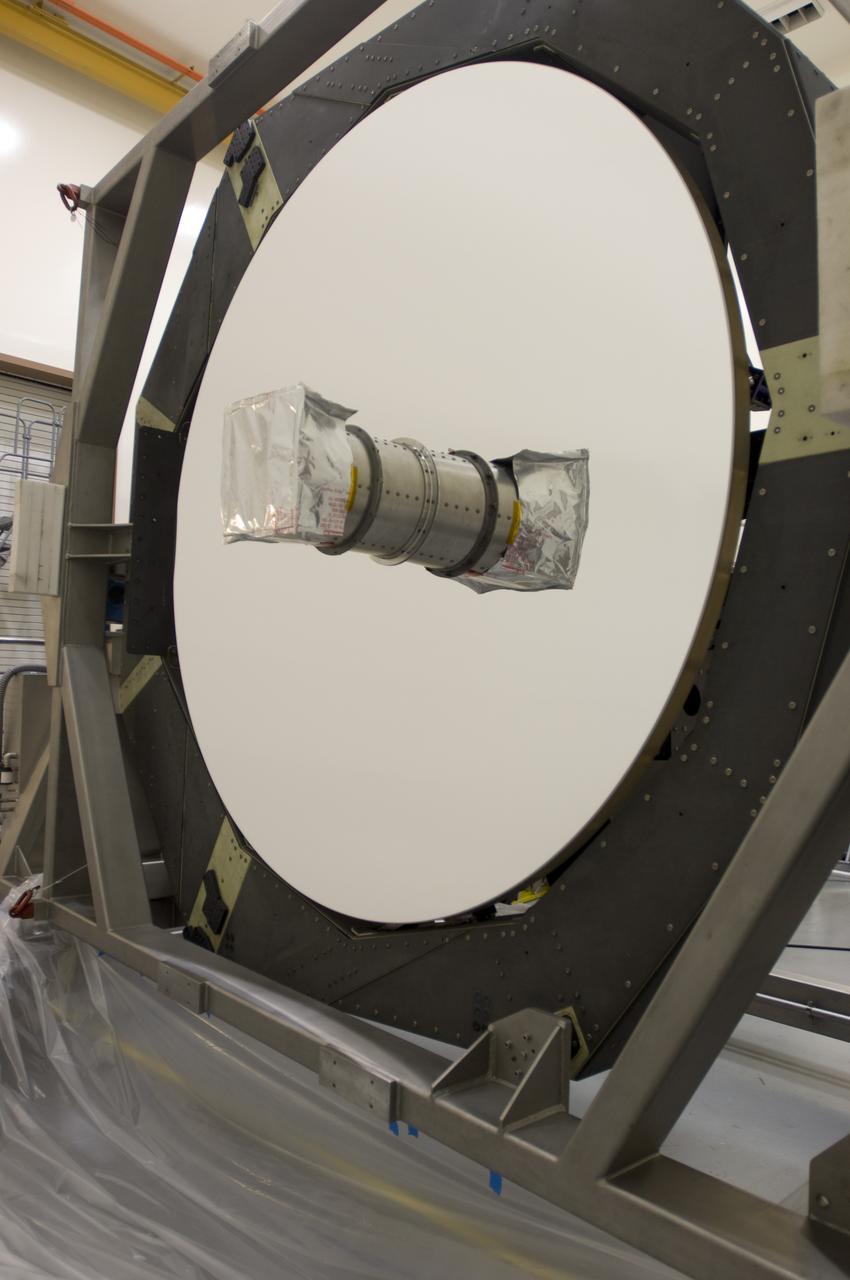
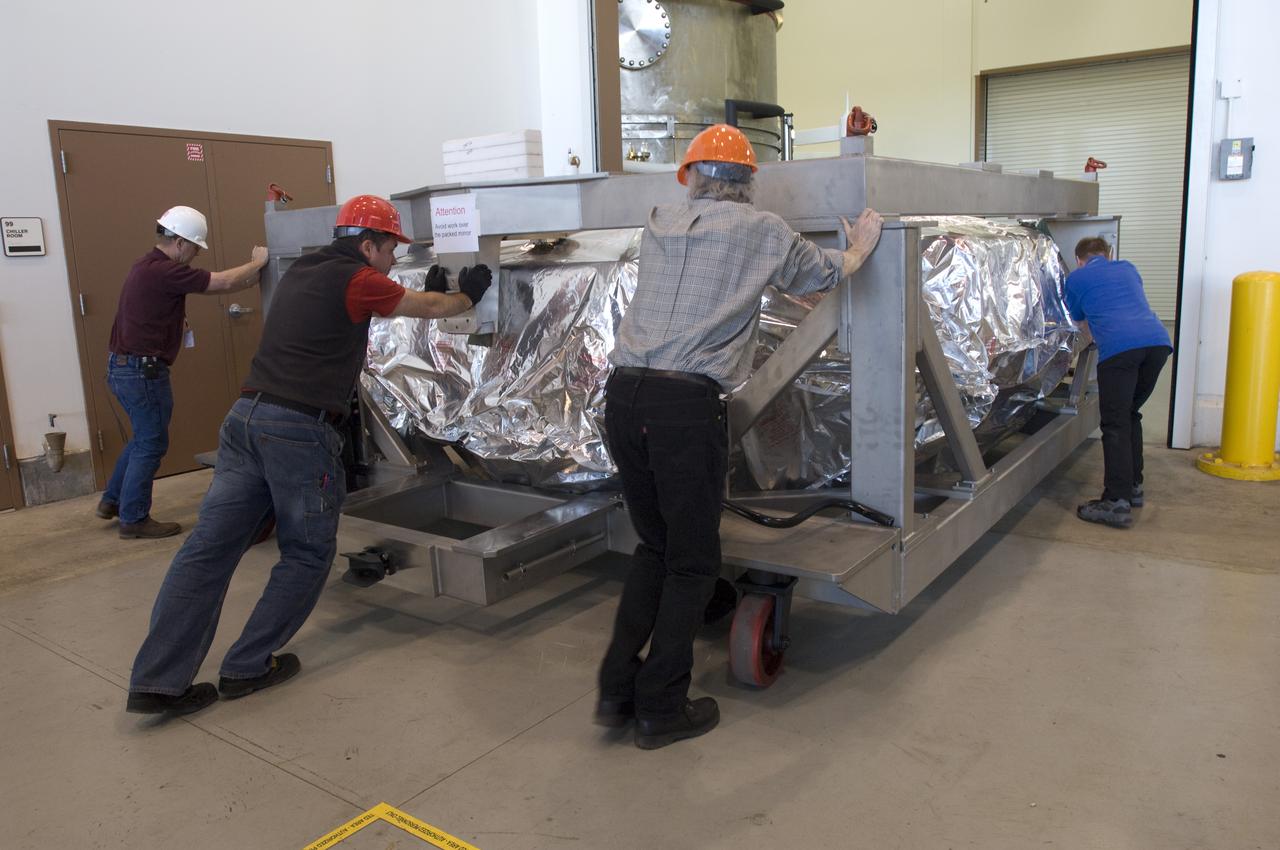
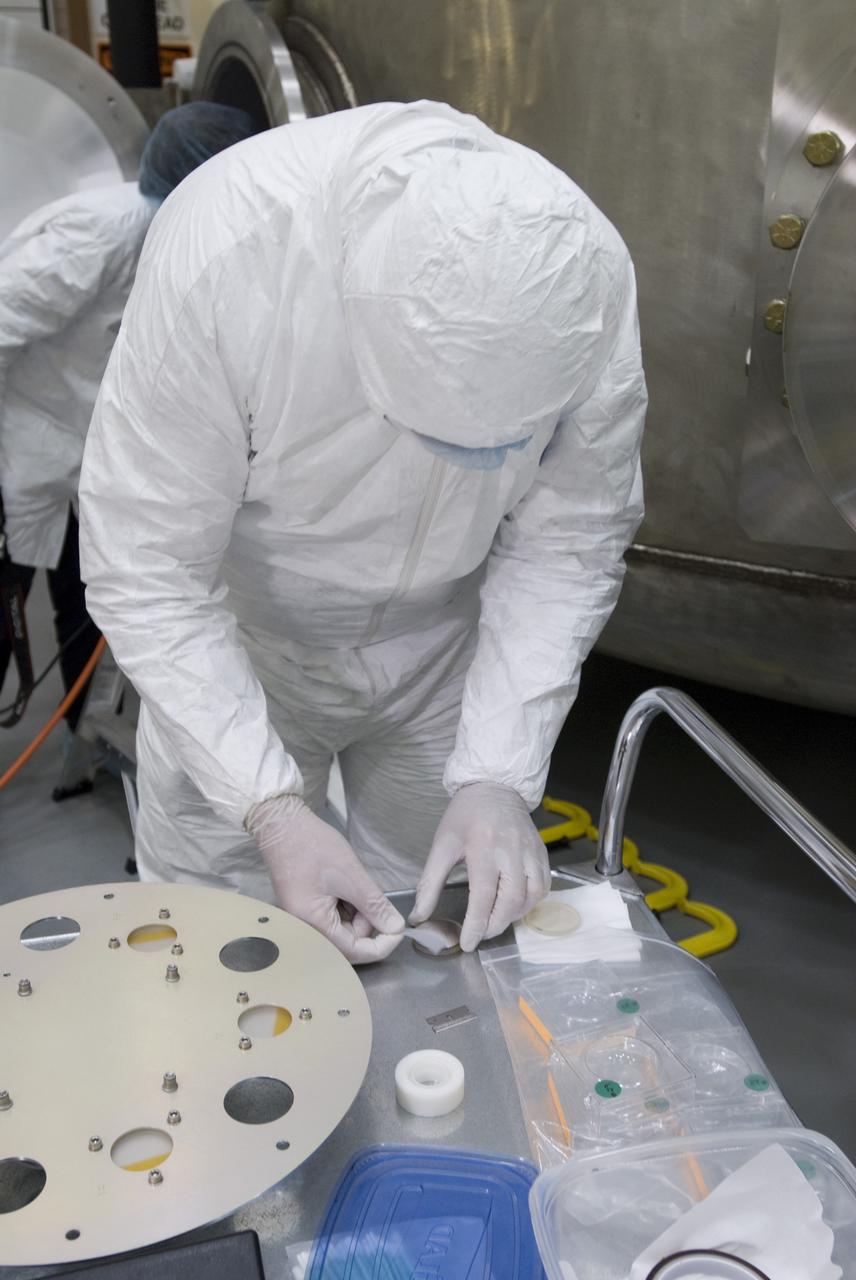
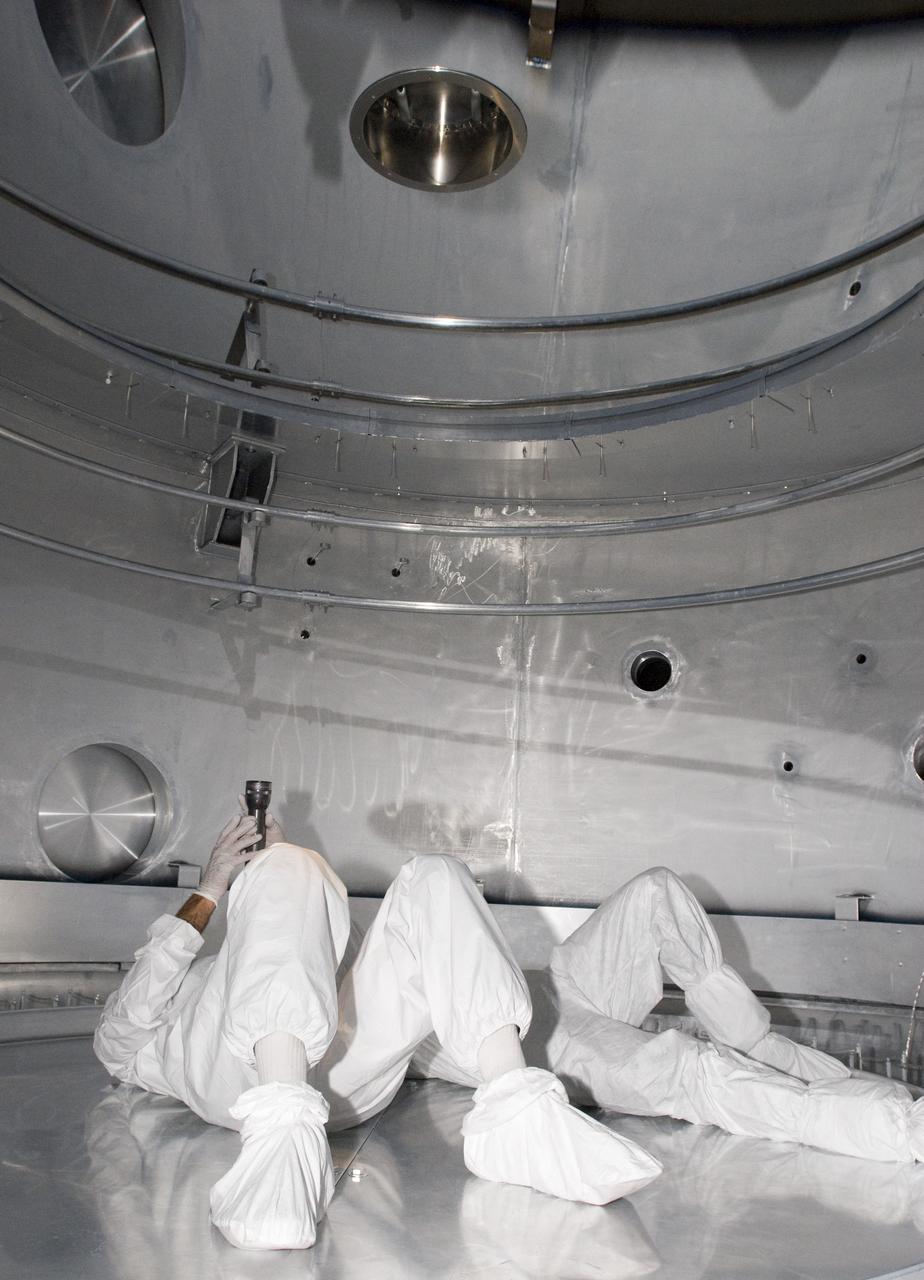
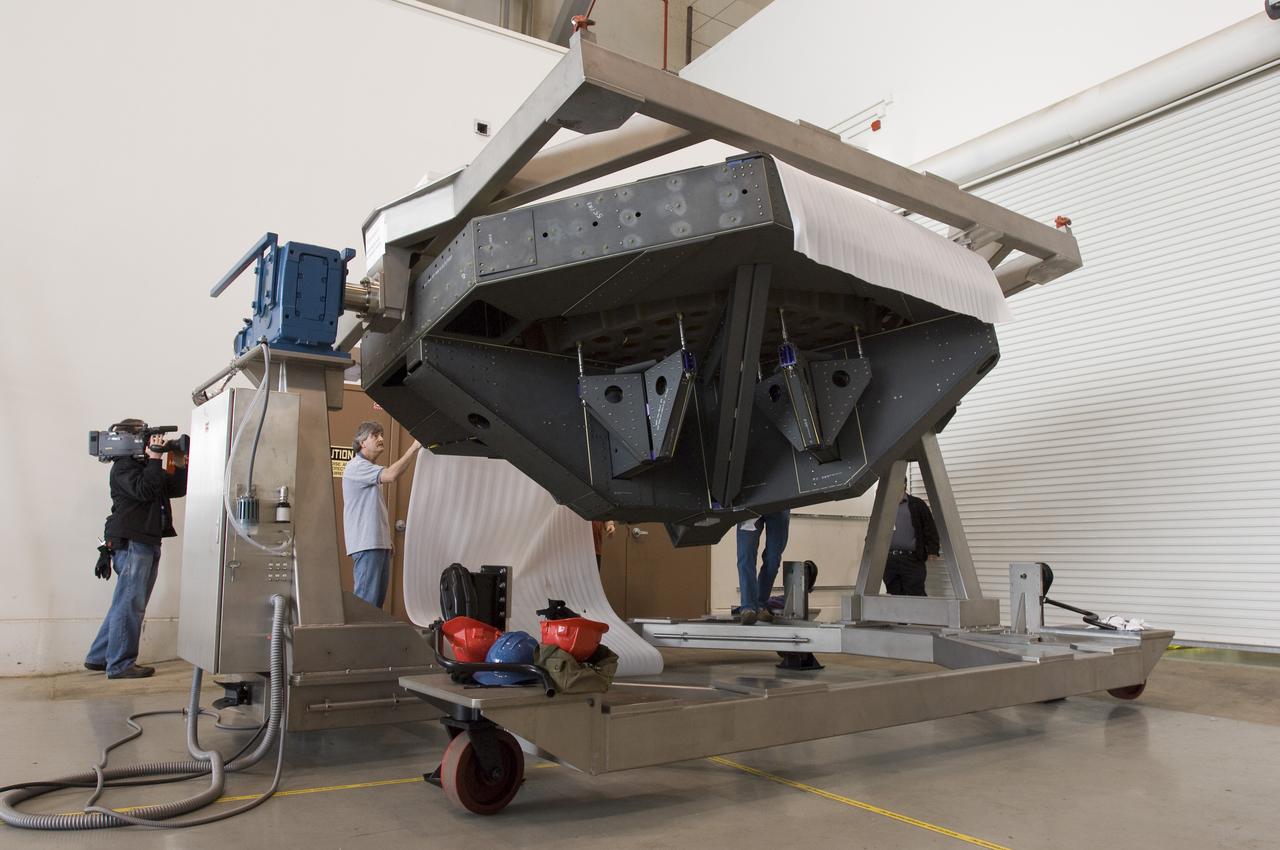
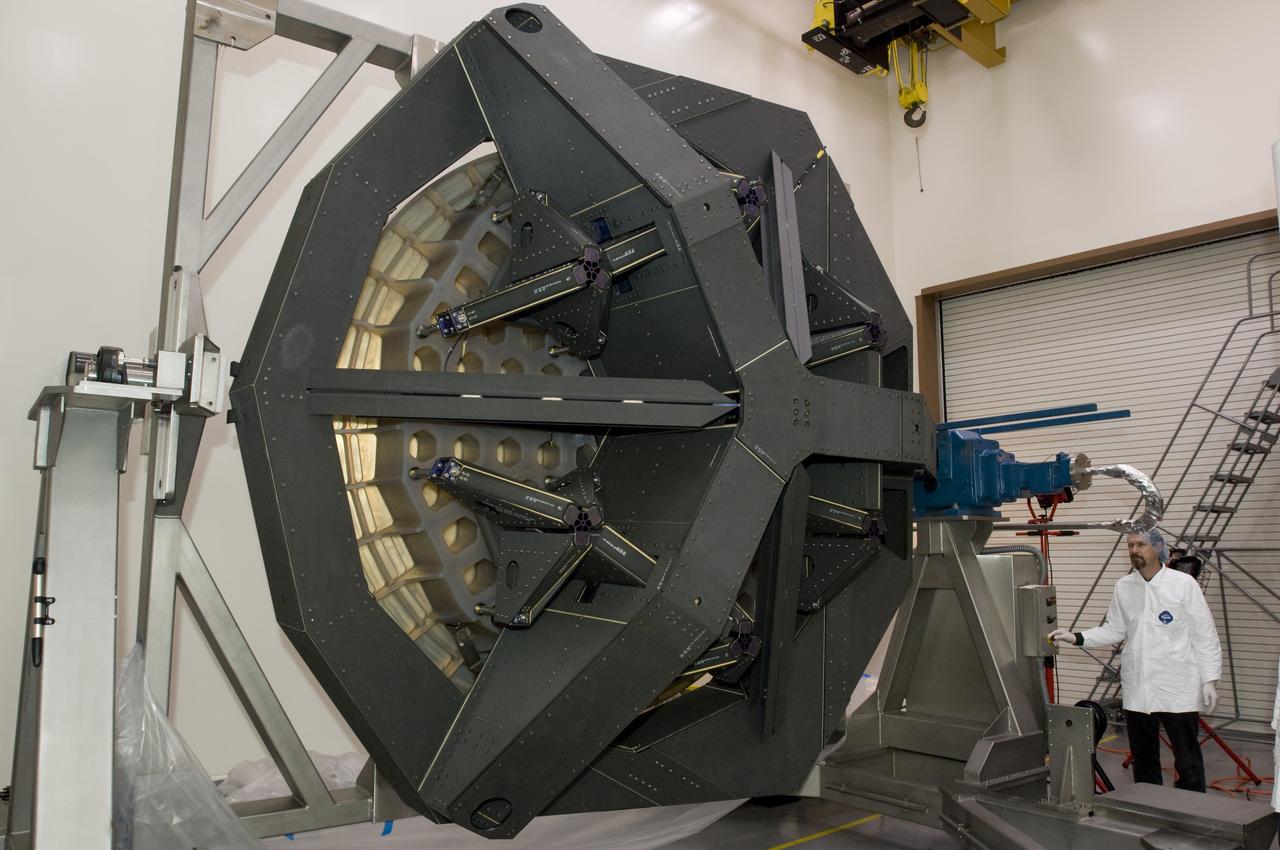
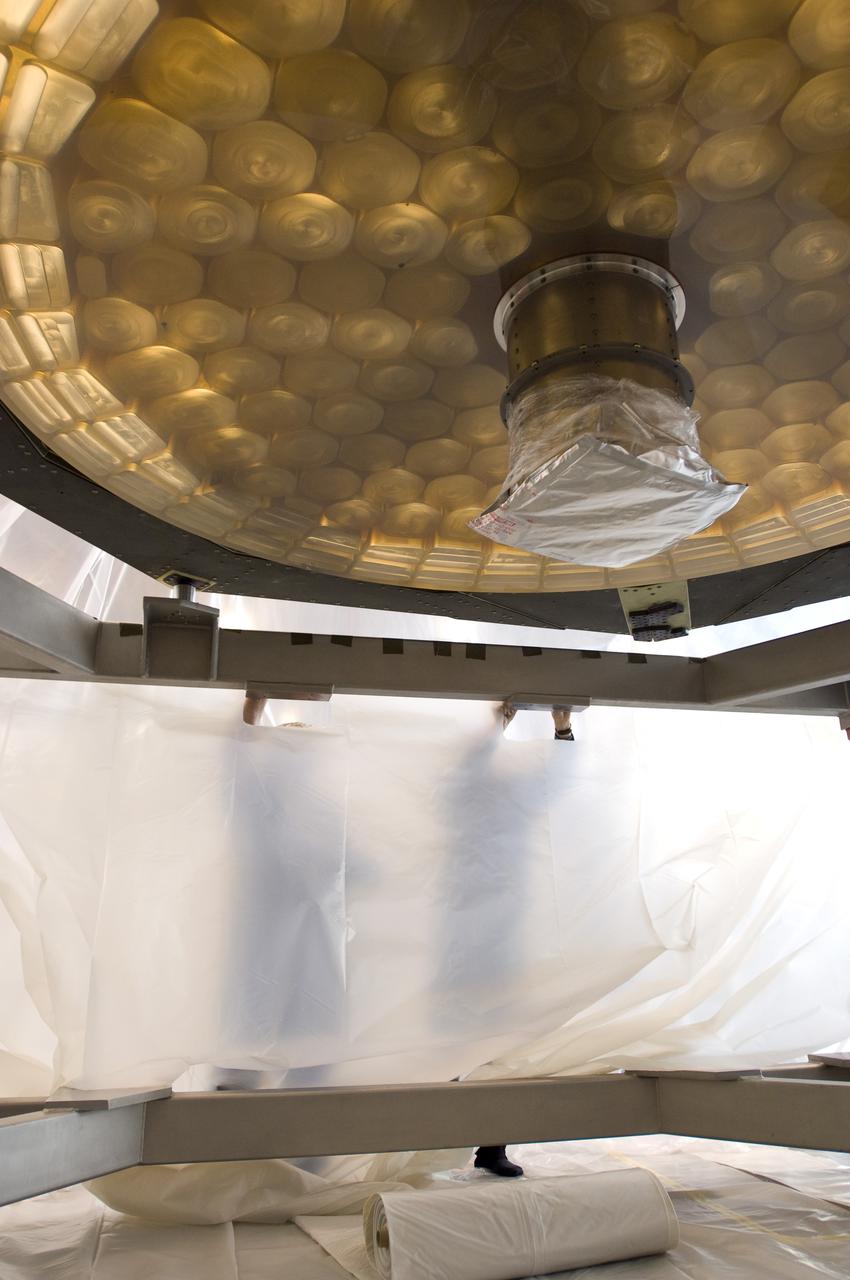
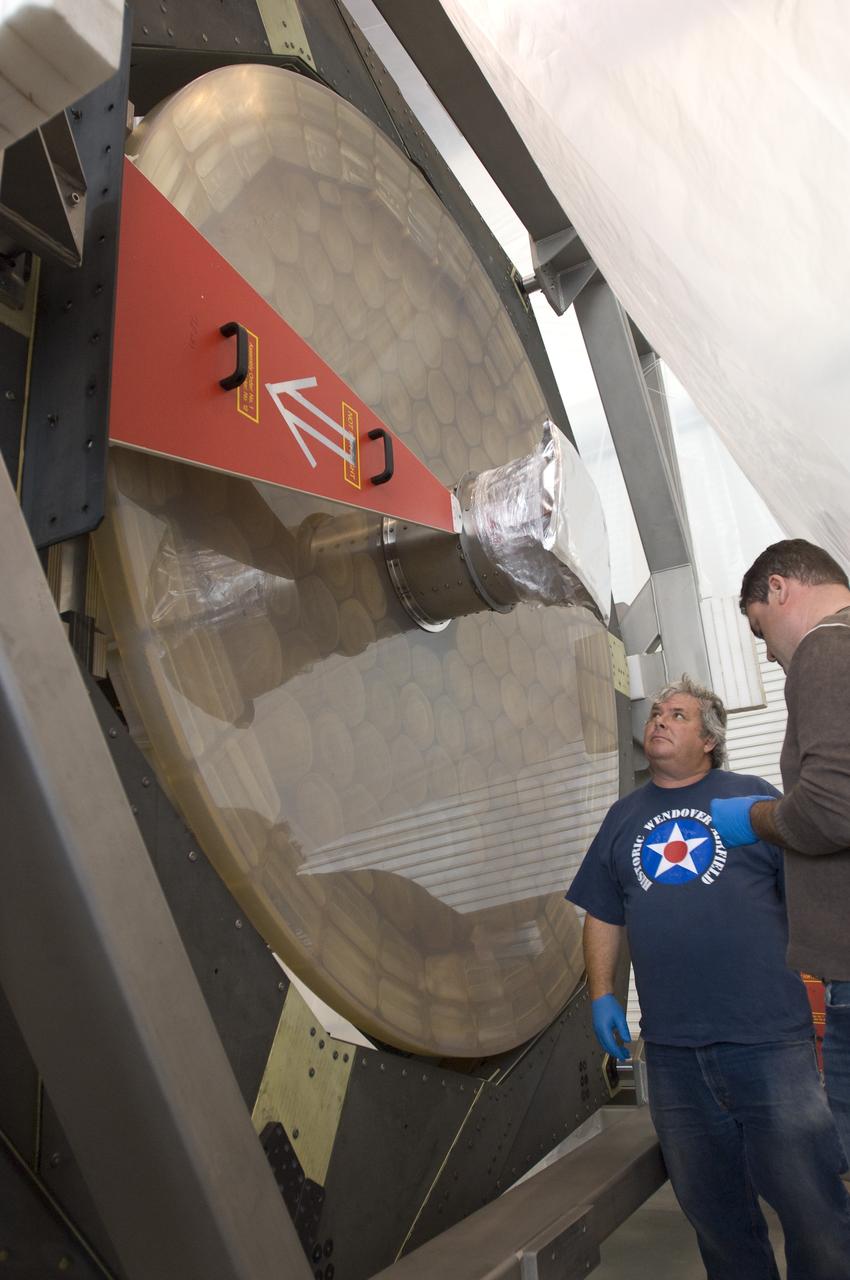
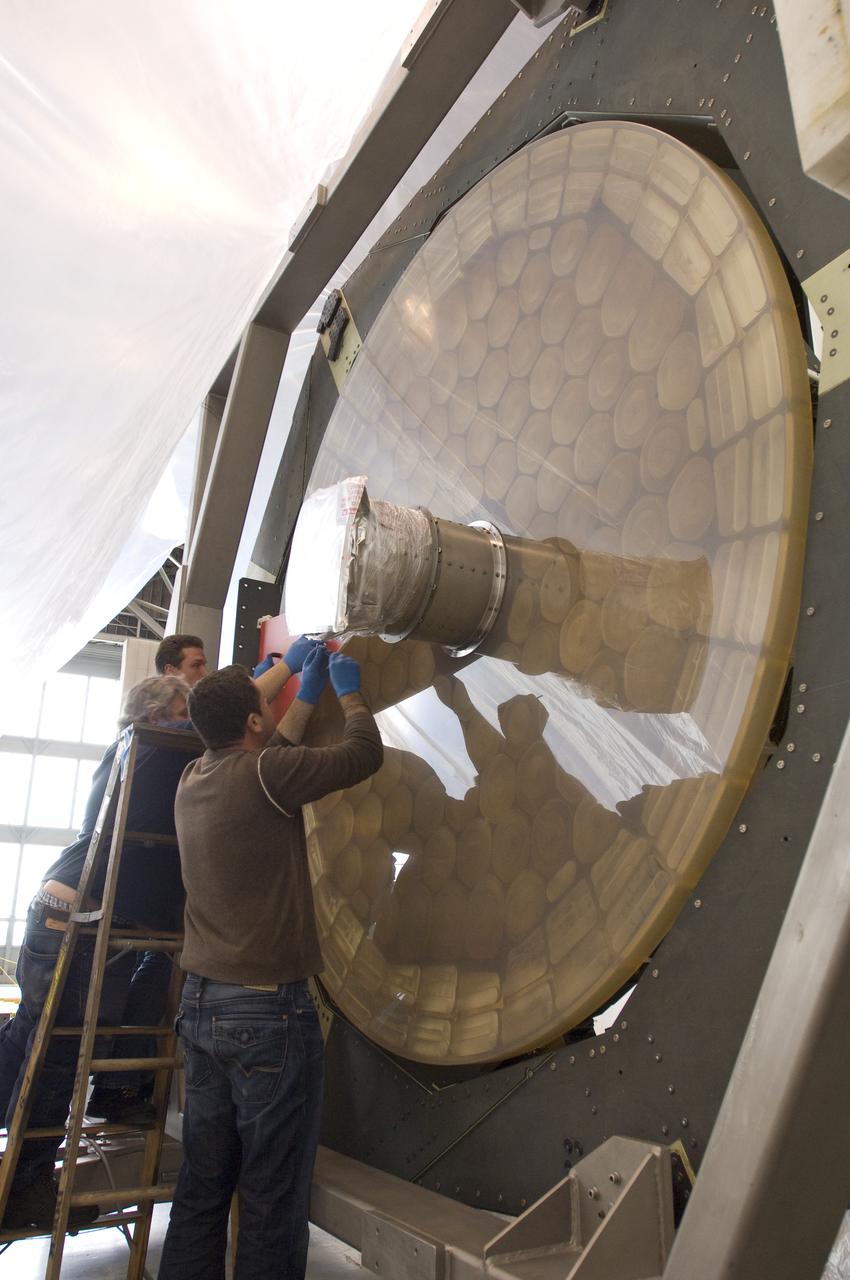
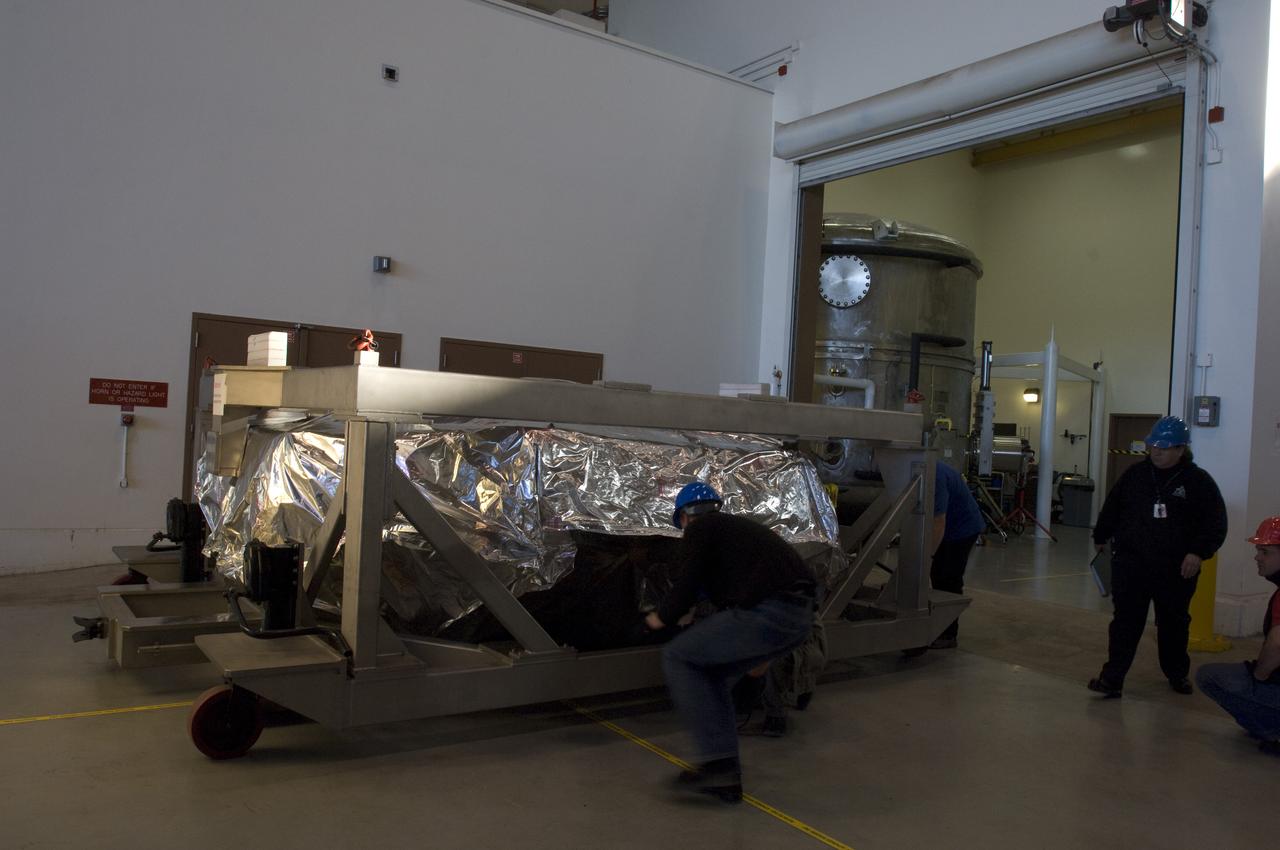
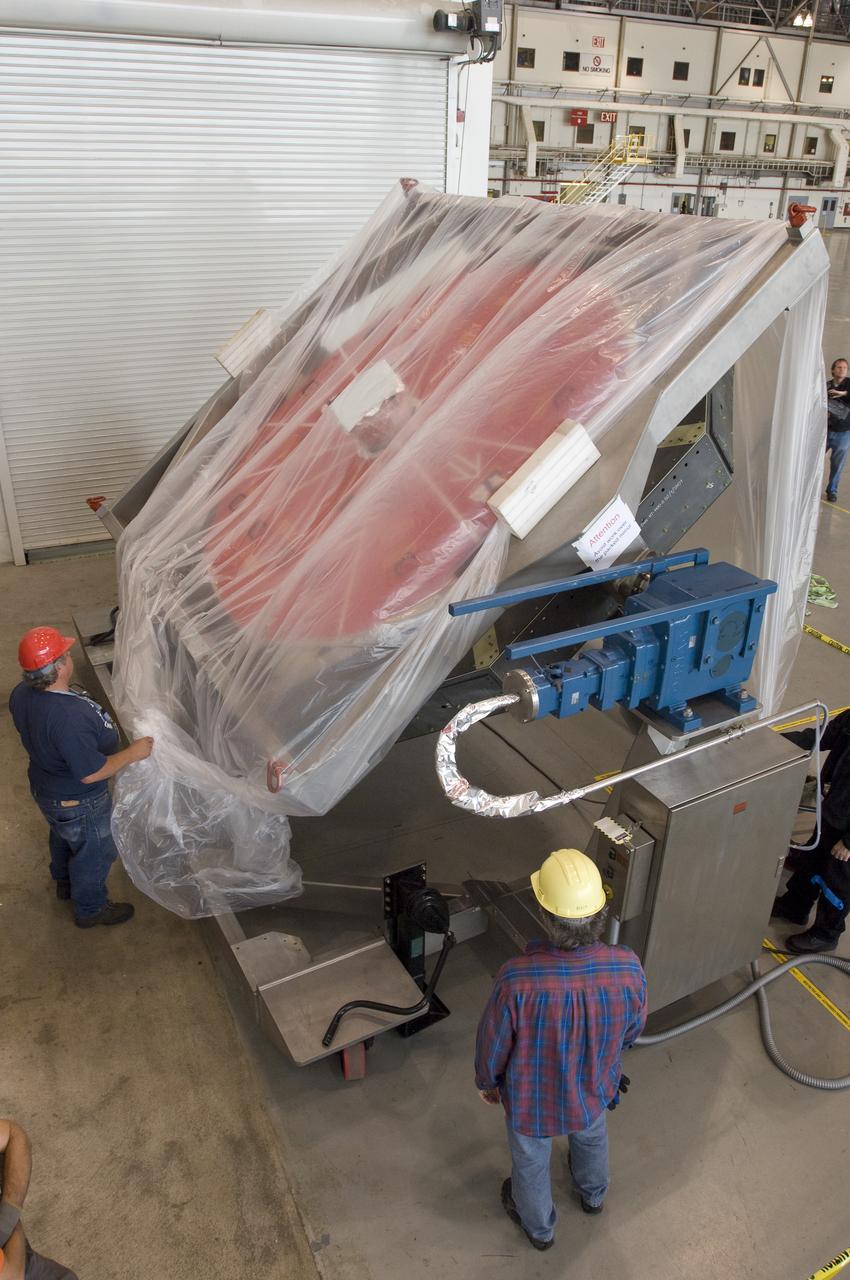
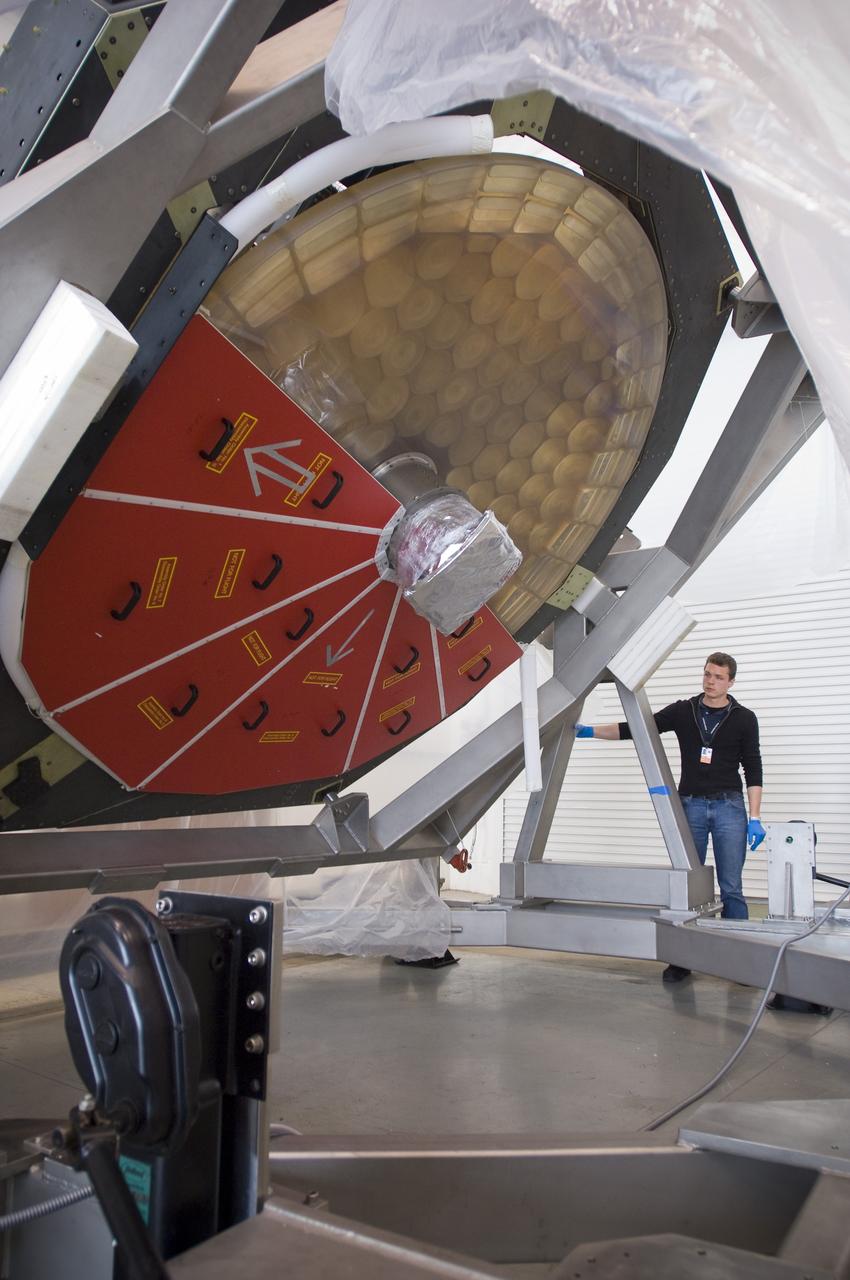
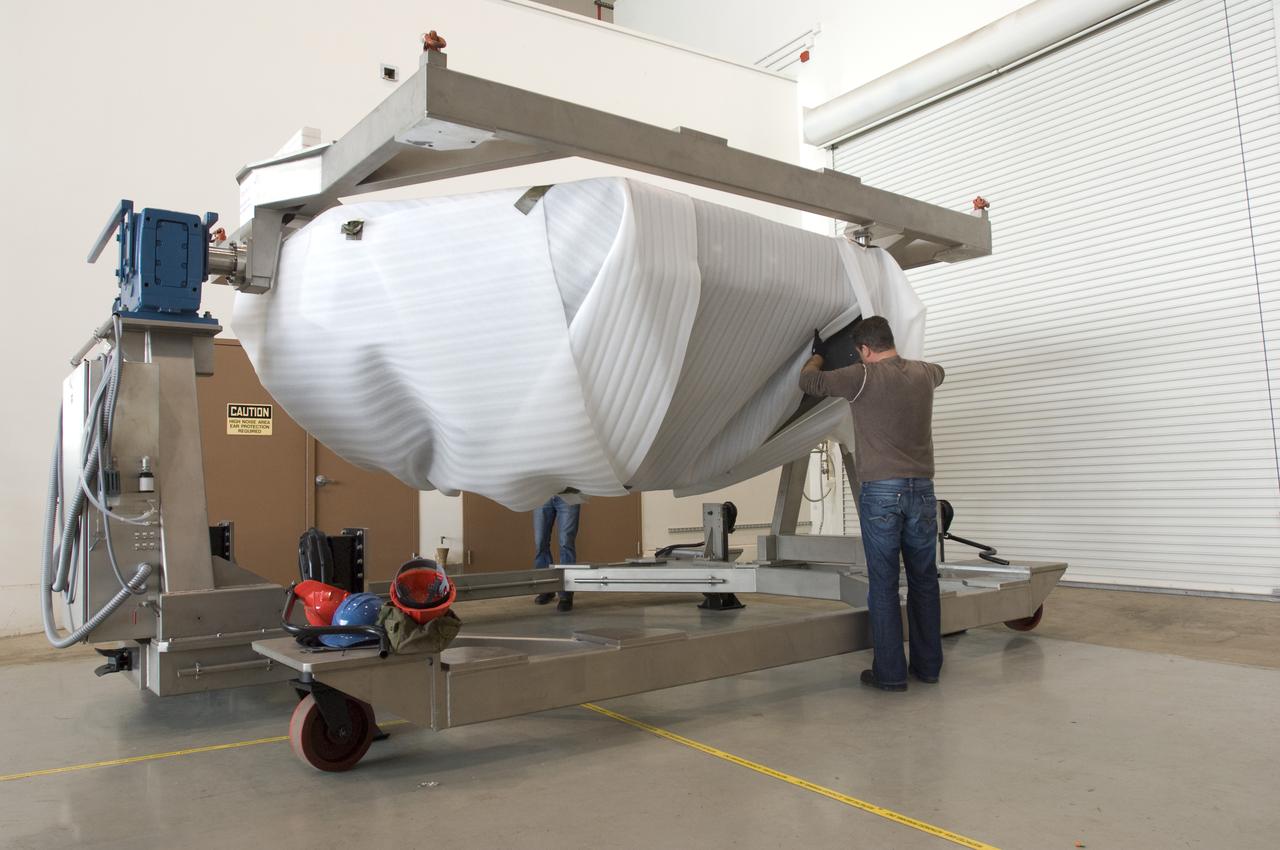
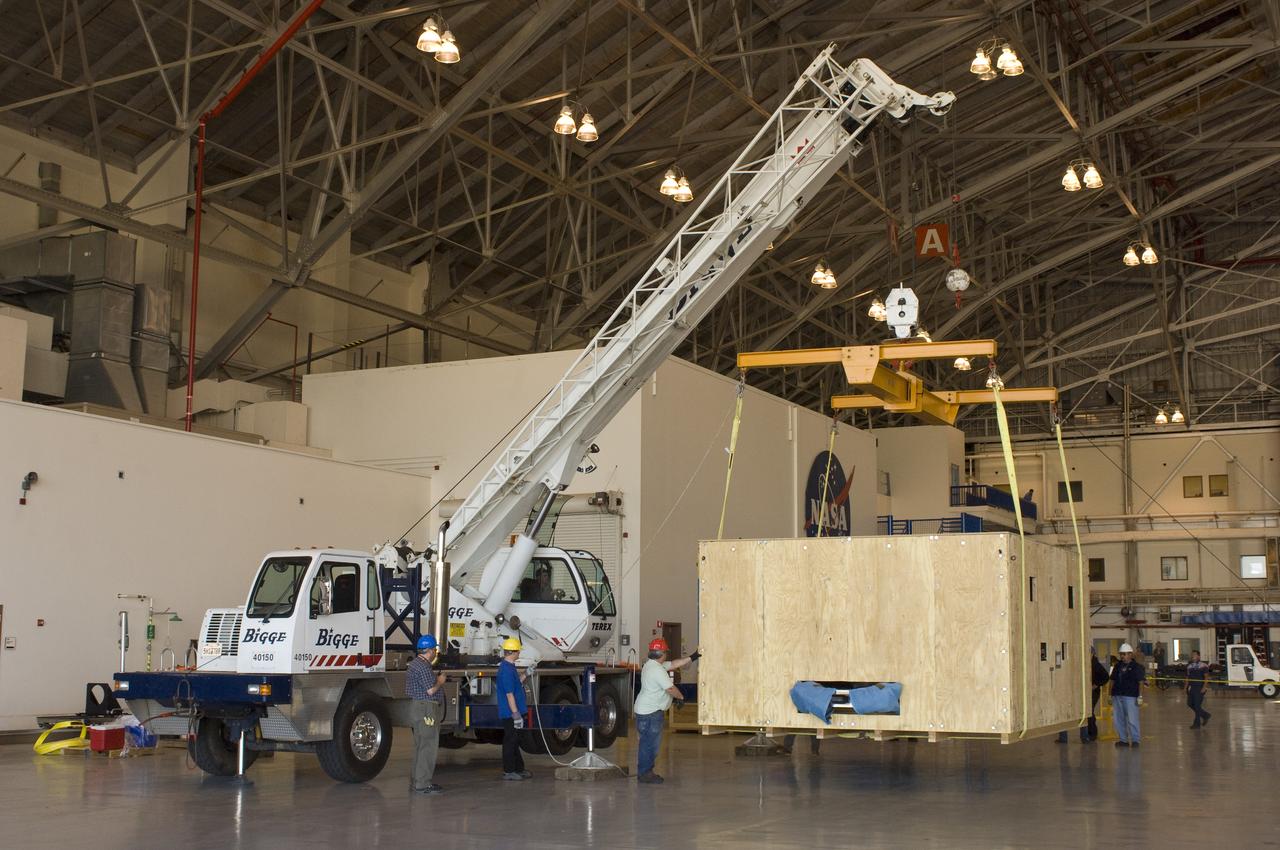
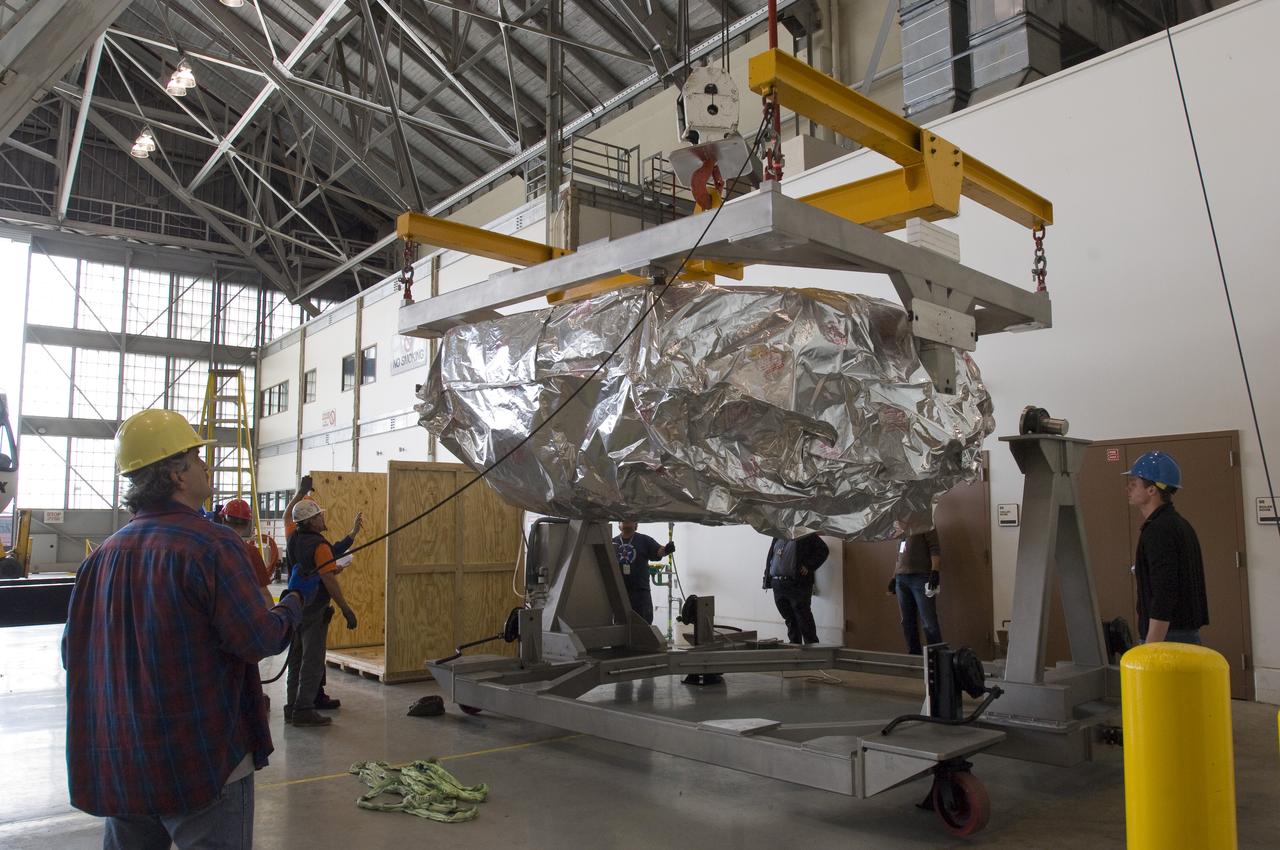
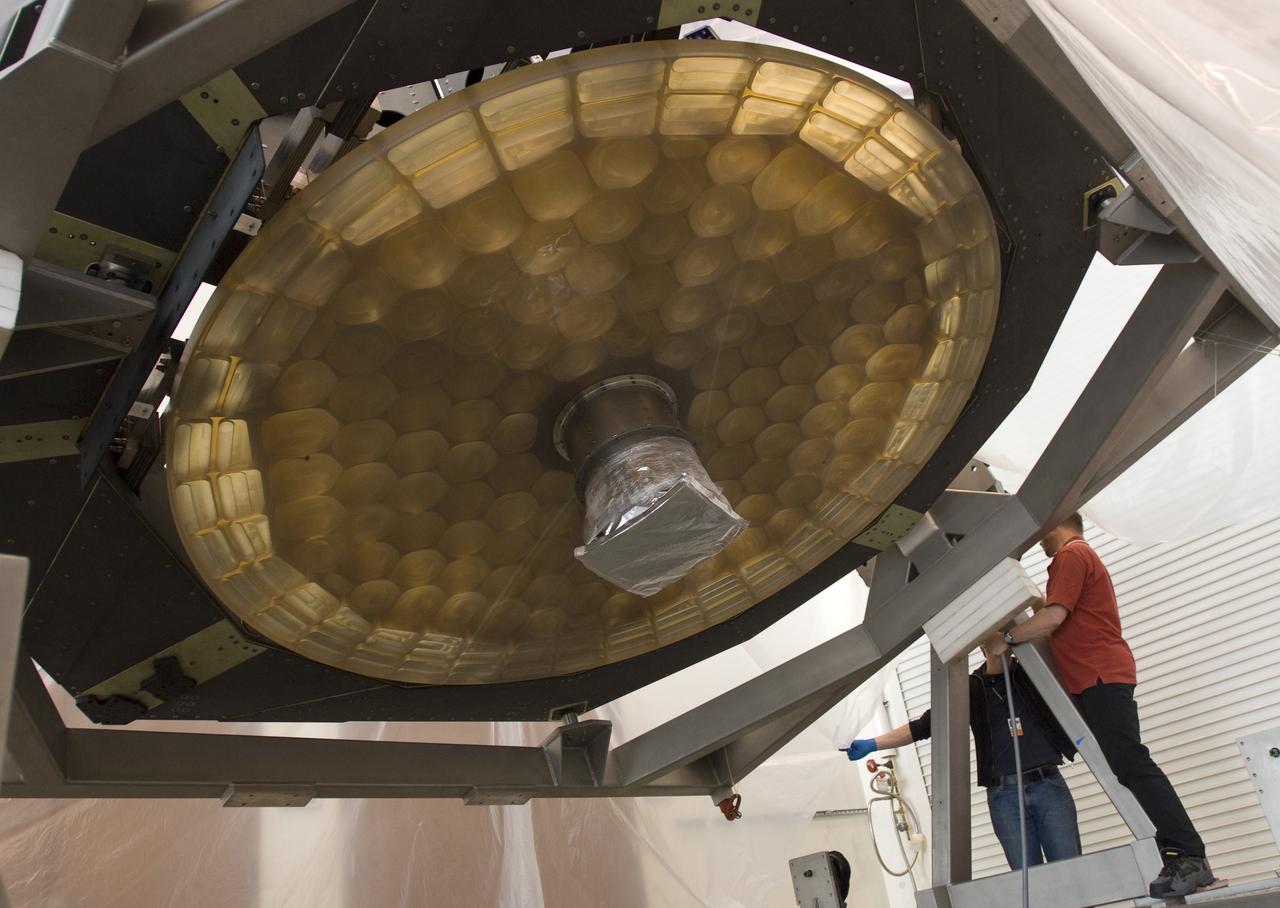
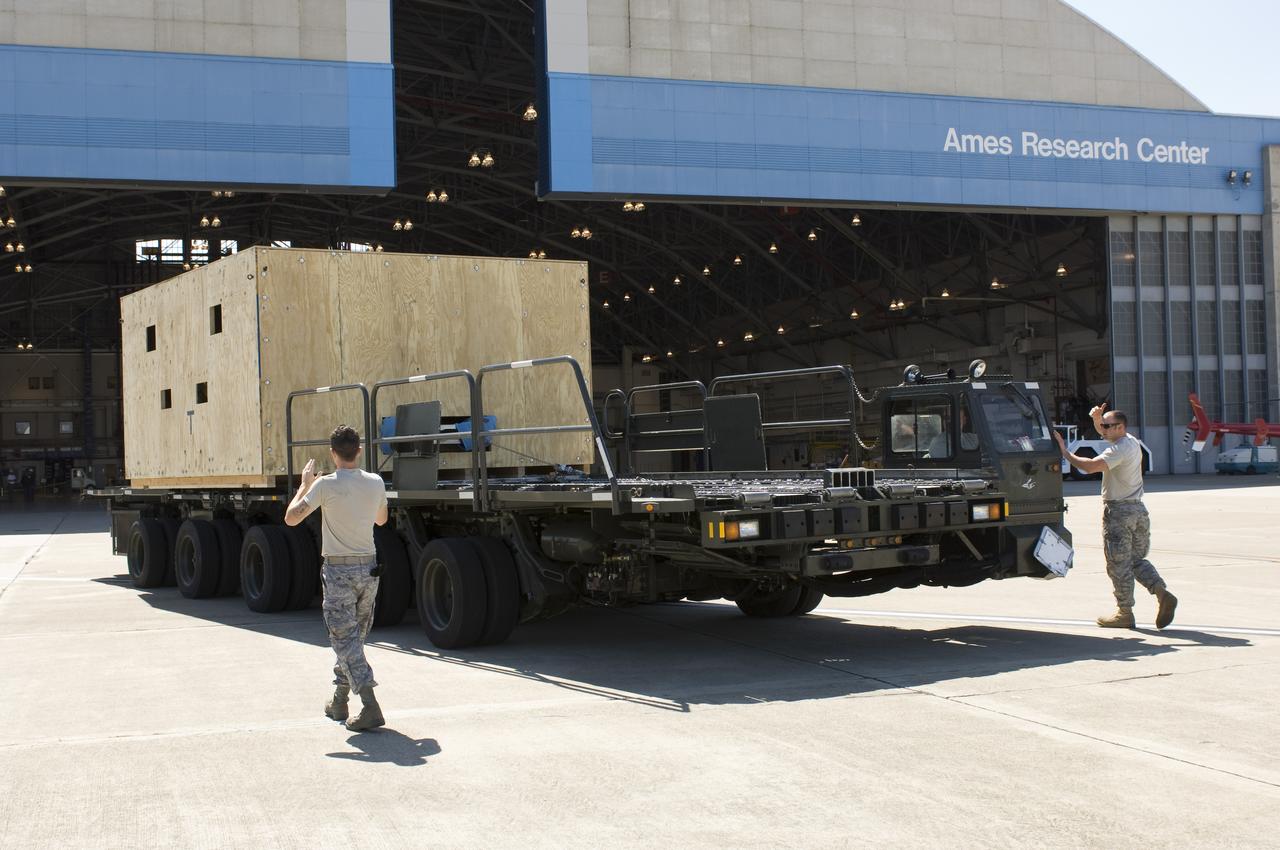
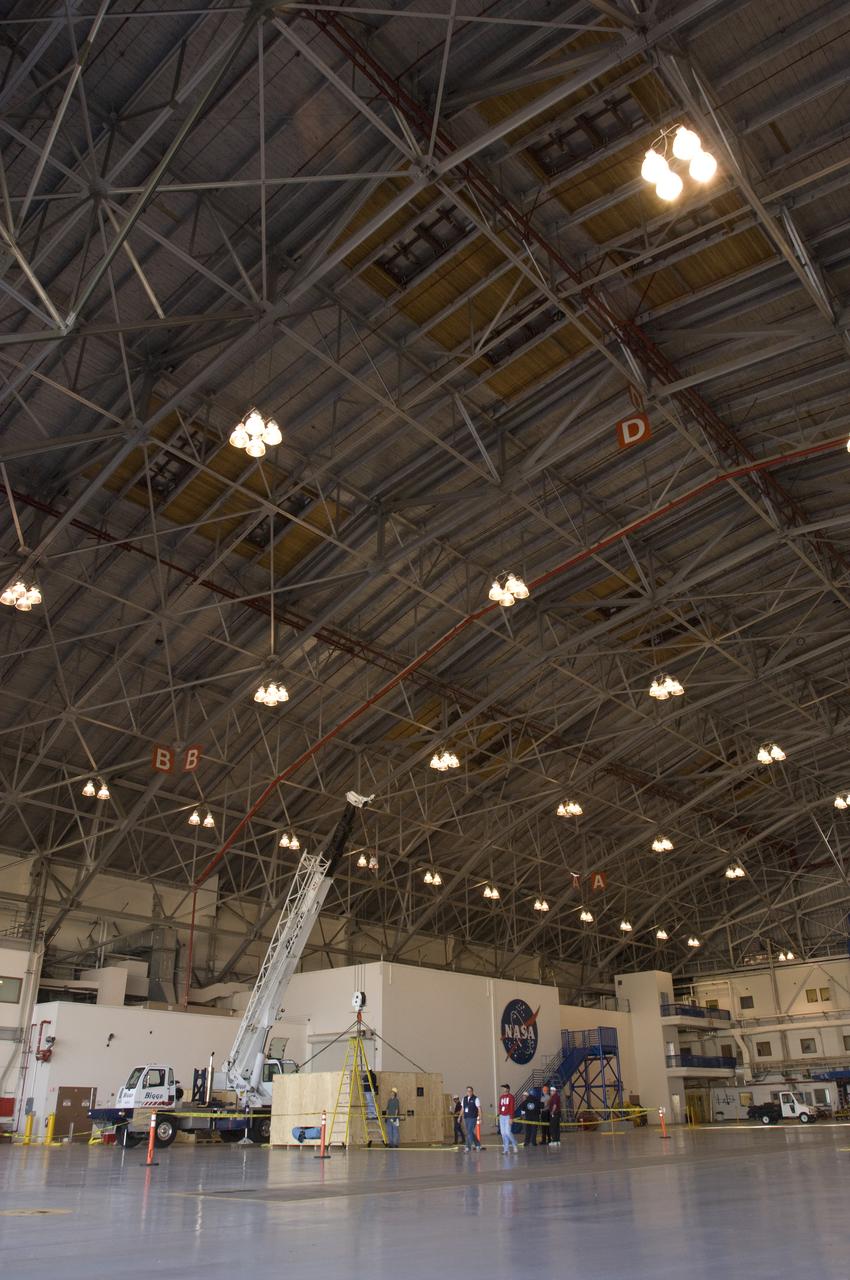
SOFIA (Stratospheric Observatory for Infrared Astronomy) primary mirror being moved into N-211, readied and move into the Ames Vacuum Chamber for the coating process.
ARC-2008-ACD08-0110-106
SOFIA (Stratospheric Observatory for Infrared Astronomy) primary mirror being moved into N-211, readied and move into the Ames Vacuum Chamber for the coating process.
ARC-2008-ACD08-0110-030
SOFIA (Stratospheric Observatory for Infrared Astronomy) primary mirror being moved into N-211, readied and move into the Ames Vacuum Chamber for the coating process.
ARC-2008-ACD08-0110-147
Earth atmosphere observation taken by the Expedition 35 crew aboard the ISS. The colors roughly denote the layers of the atmosphere (the orange troposphere, the white stratosphere, and the blue mesosphere).
Earth Atmosphere Observations taken by the Expedition 35 Crew
SOFIA (Stratospheric Observatory for Infrared Astronomy) primary mirror being moved into N-211, readied and move into the Ames Vacuum Chamber for the coating process.
ARC-2008-ACD08-0110-033
SOFIA (Stratospheric Observatory for Infrared Astronomy) primary mirror being moved into N-211, readied and move into the Ames Vacuum Chamber for the coating process.
ARC-2008-ACD08-0110-143
SOFIA (Stratospheric Observatory for Infrared Astronomy) primary mirror being moved into N-211, readied and move into the Ames Vacuum Chamber for the coating process.
ARC-2008-ACD08-0110-153
SOFIA (Stratospheric Observatory for Infrared Astronomy) primary mirror being moved into N-211, readied and move into the Ames Vacuum Chamber for the coating process.
ARC-2008-ACD08-0110-157
SOFIA (Stratospheric Observatory for Infrared Astronomy) primary mirror being moved into N-211, readied and move into the Ames Vacuum Chamber for the coating process.
ARC-2008-ACD08-0110-151
SOFIA (Stratospheric Observatory for Infrared Astronomy) primary mirror being moved into N-211, readied and move into the Ames Vacuum Chamber for the coating process.
ARC-2008-ACD08-0110-150
SOFIA (Stratospheric Observatory for Infrared Astronomy) primary mirror being moved into N-211, readied and move into the Ames Vacuum Chamber for the coating process.
ARC-2008-ACD08-0110-141
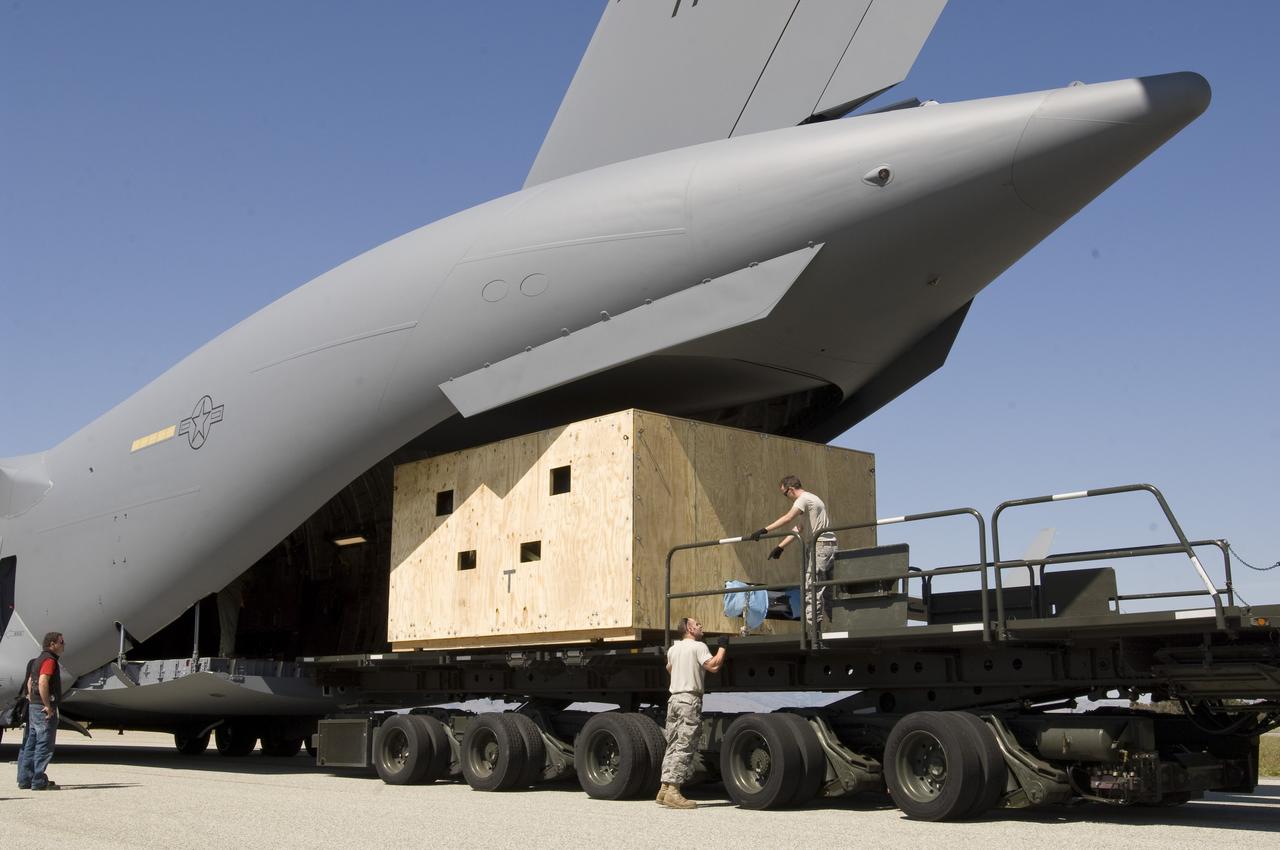
SOFIA (Stratospheric Observatory for Infrared Astronomy) primary mirror arrives onboard a C-17 for coating in the Ames N-211 Vacuum Chamber.
ARC-2008-ACD08-0110-023
SOFIA (Stratospheric Observatory for Infrared Astronomy) primary mirror being moved into N-211, readied and move into the Ames Vacuum Chamber for the coating process.
ARC-2008-ACD08-0110-117
SOFIA (Stratospheric Observatory for Infrared Astronomy) primary mirror being moved into N-211, readied and move into the Ames Vacuum Chamber for the coating process.
ARC-2008-ACD08-0110-156
SOFIA (Stratospheric Observatory for Infrared Astronomy) primary mirror being moved into N-211, readied and move into the Ames Vacuum Chamber for the coating process.
ARC-2008-ACD08-0110-050
SOFIA (Stratospheric Observatory for Infrared Astronomy) primary mirror being moved into N-211, readied and move into the Ames Vacuum Chamber for the coating process.
ARC-2008-ACD08-0110-054
SOFIA (Stratospheric Observatory for Infrared Astronomy) primary mirror being moved into N-211, readied and move into the Ames Vacuum Chamber for the coating process.
ARC-2008-ACD08-0110-134
SOFIA (Stratospheric Observatory for Infrared Astronomy) primary mirror being moved into N-211, readied and move into the Ames Vacuum Chamber for the coating process.
ARC-2008-ACD08-0110-161