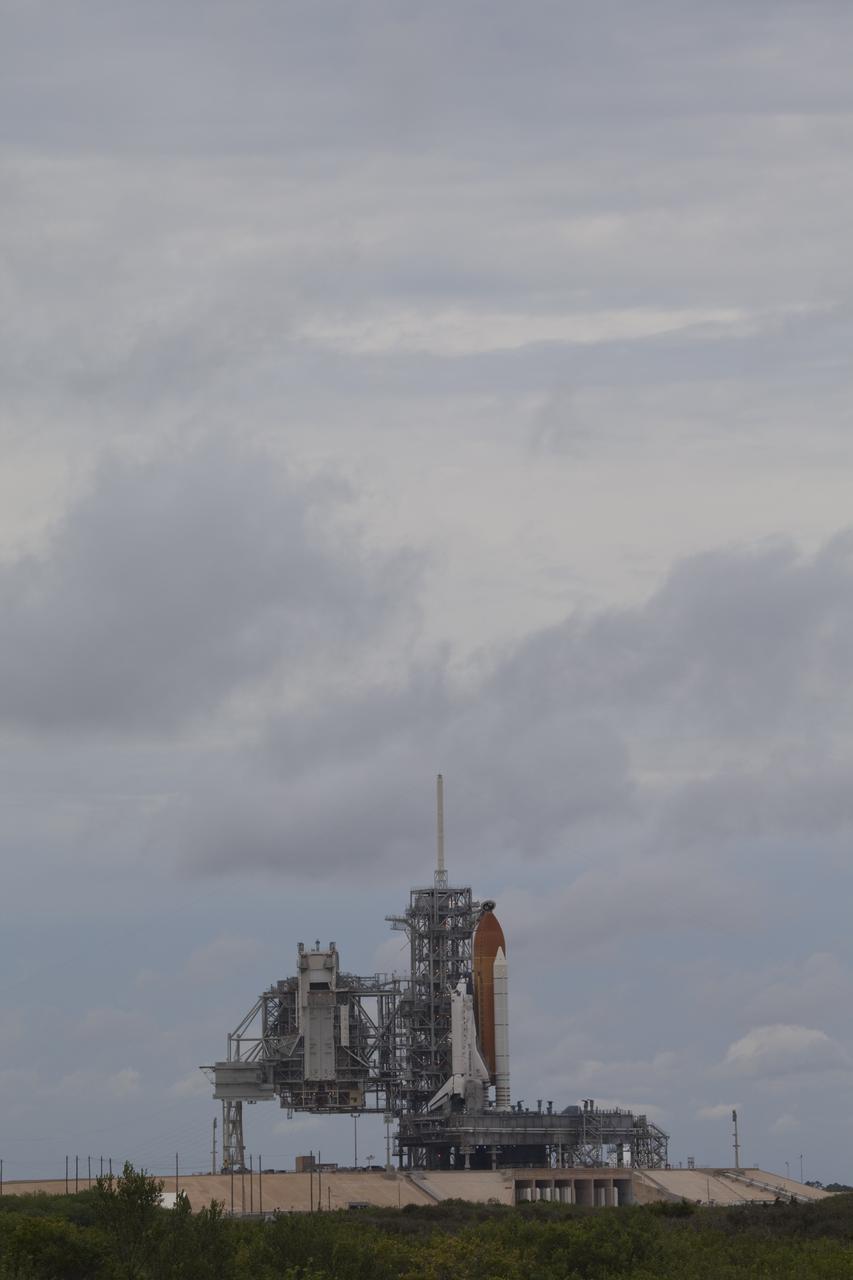
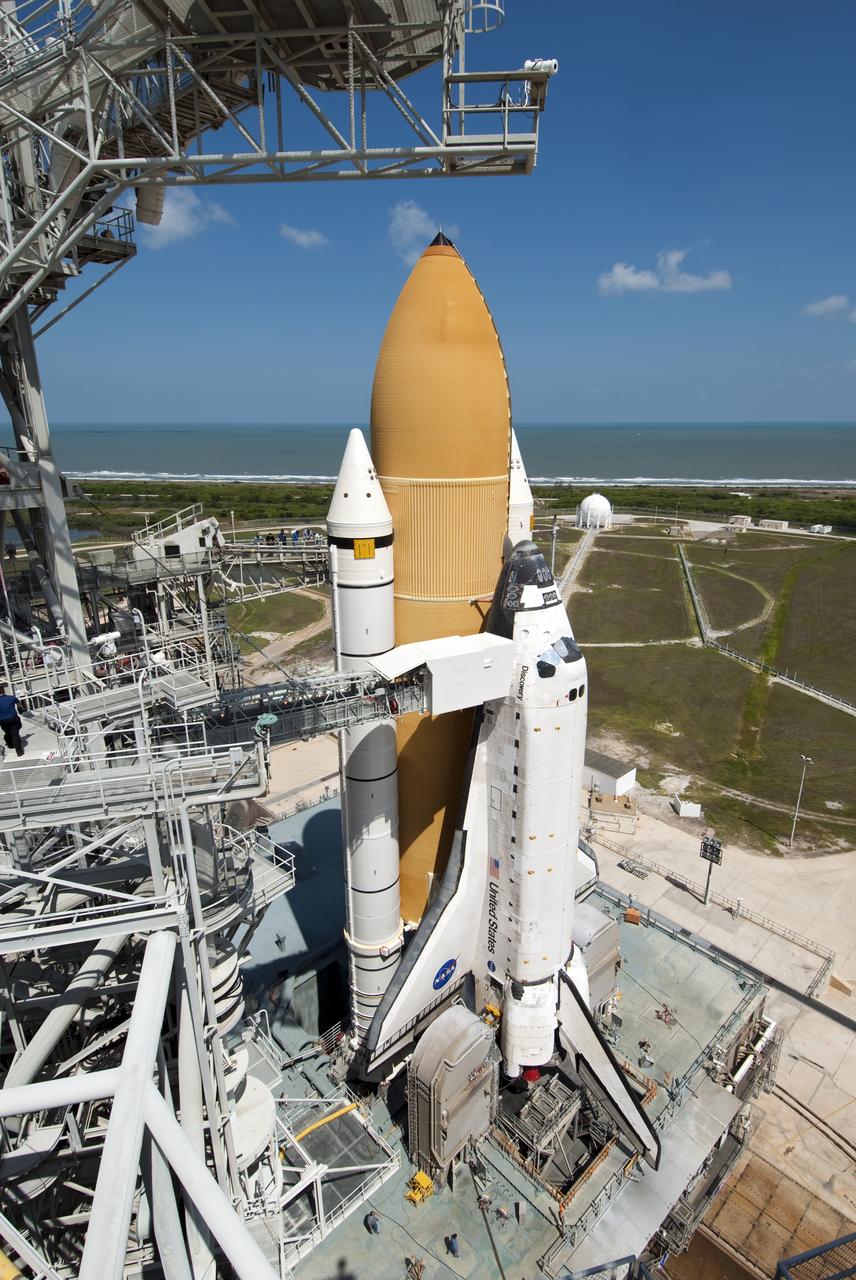
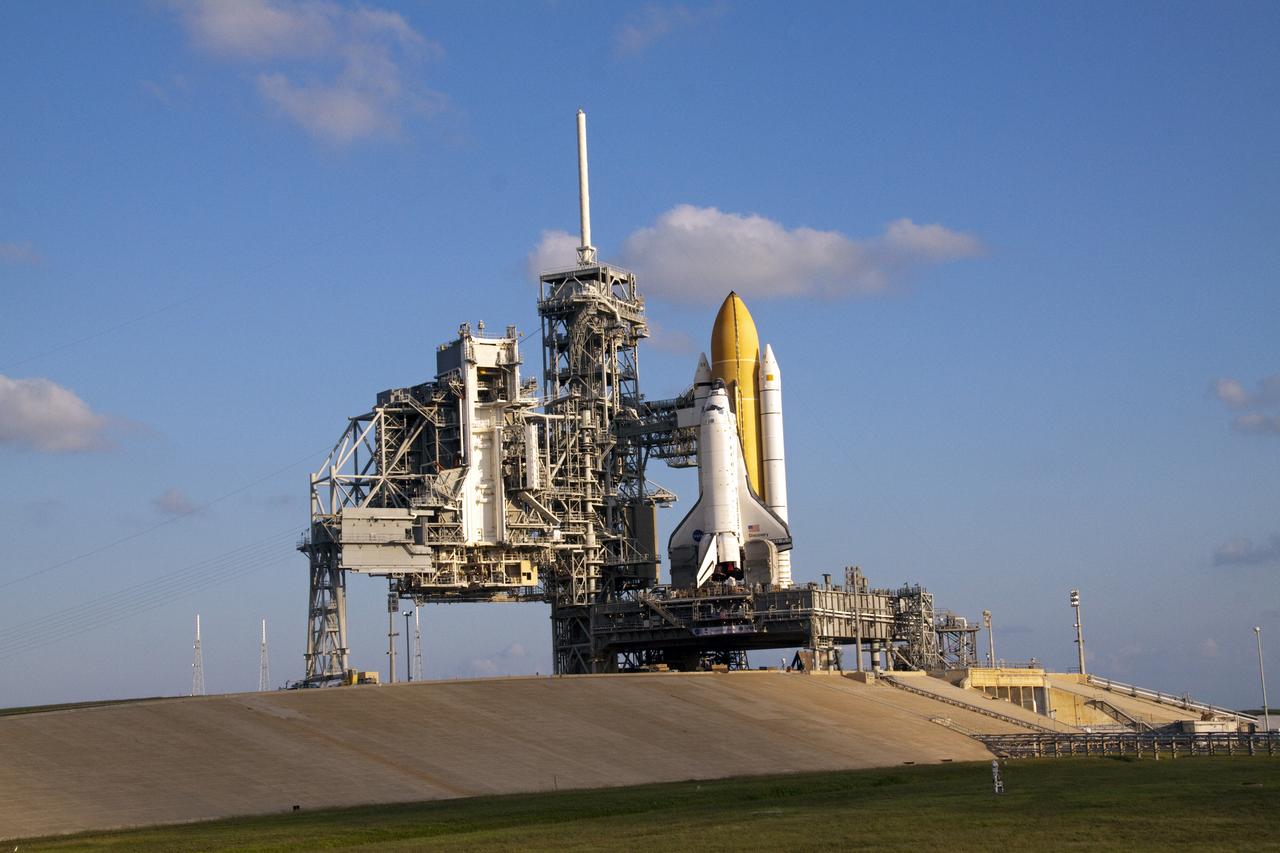
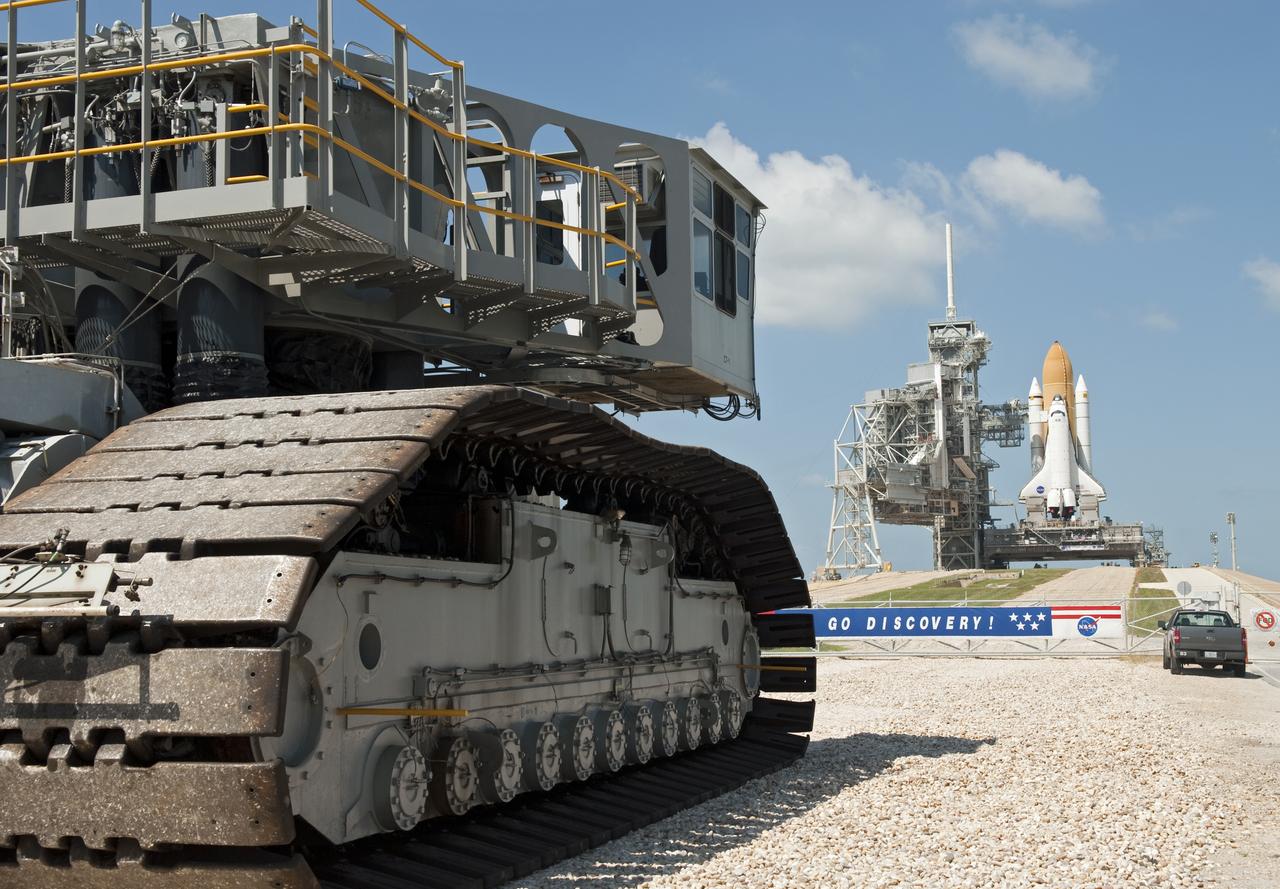
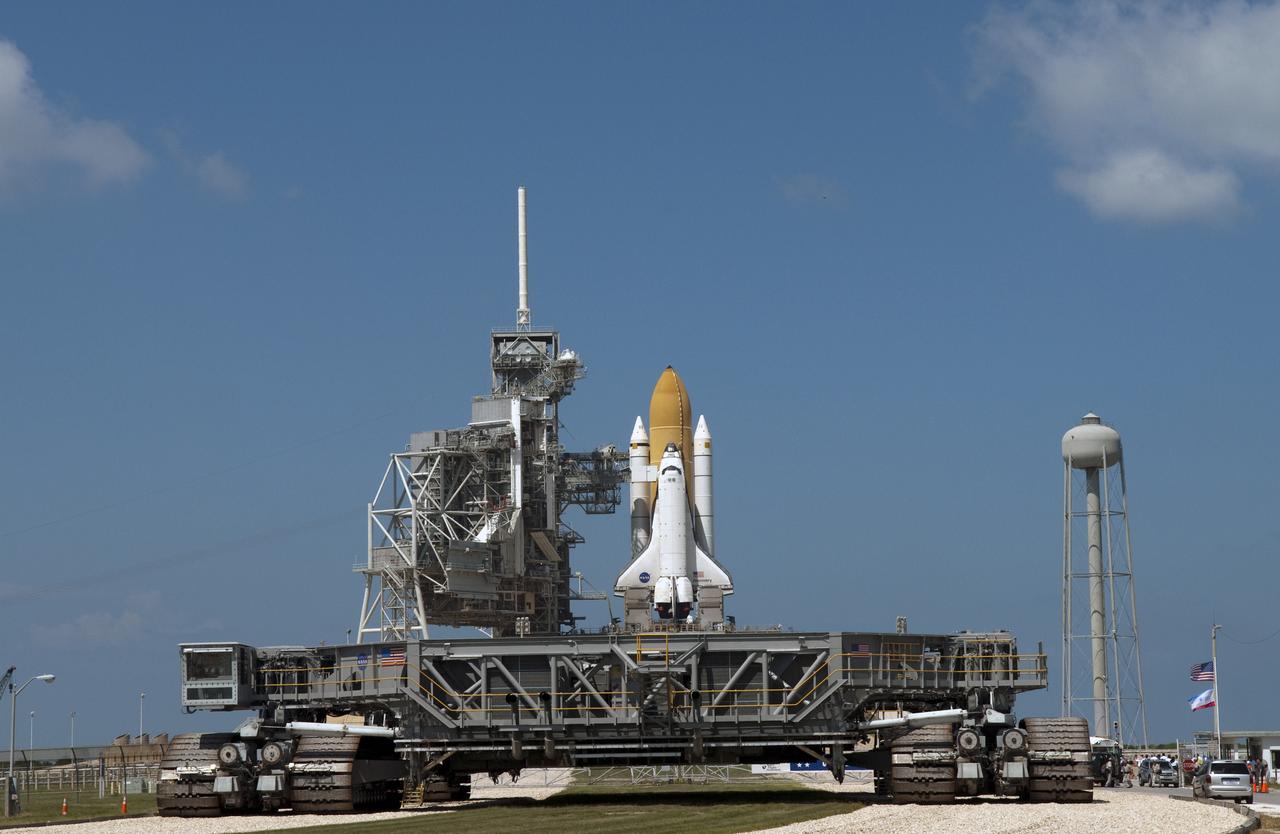
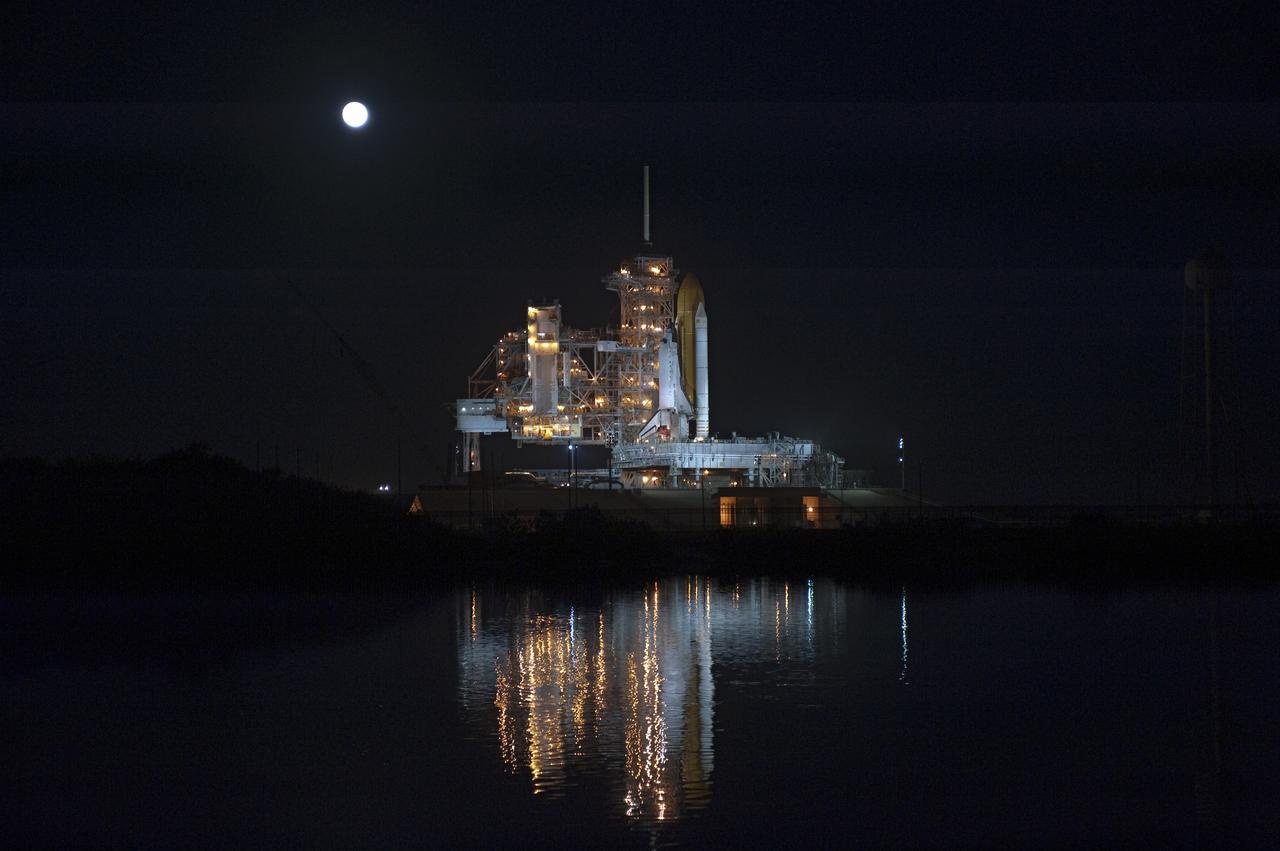
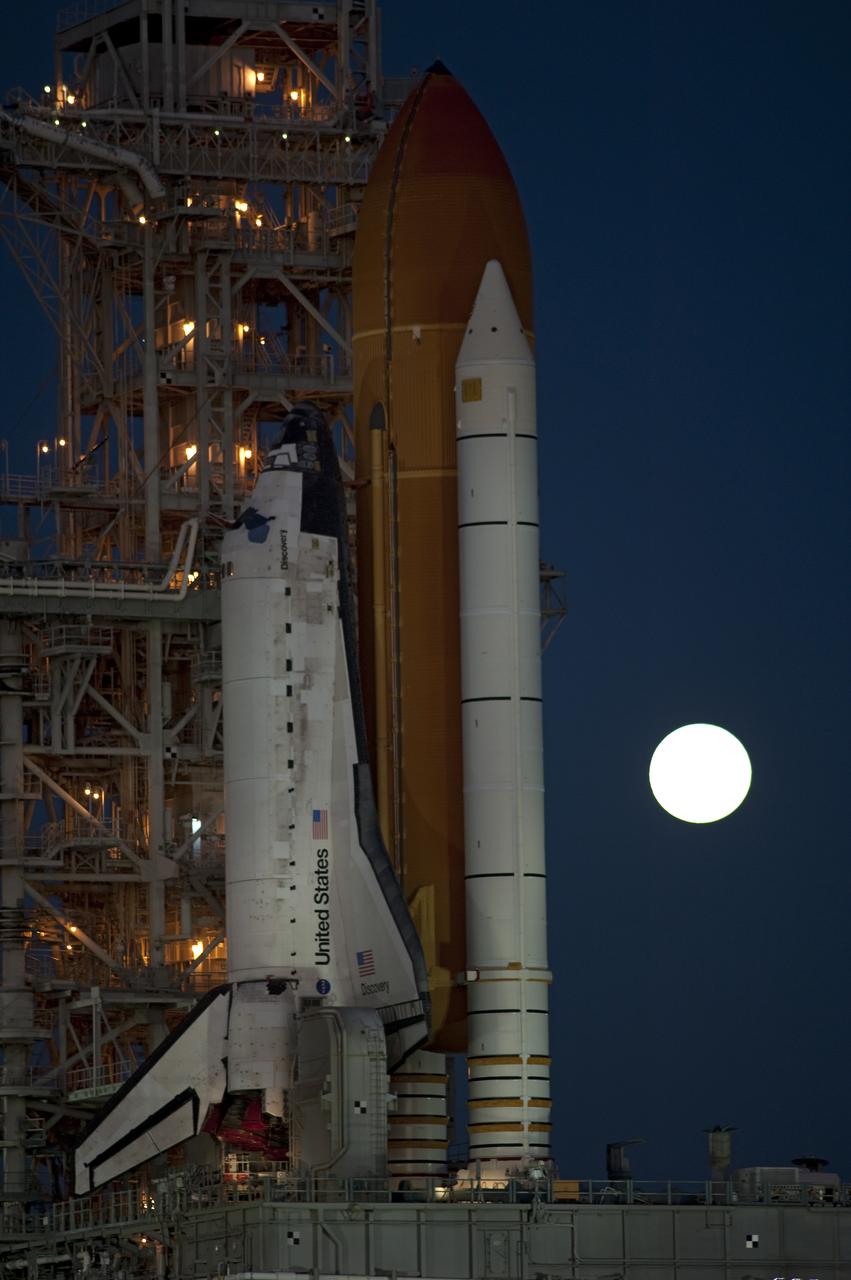
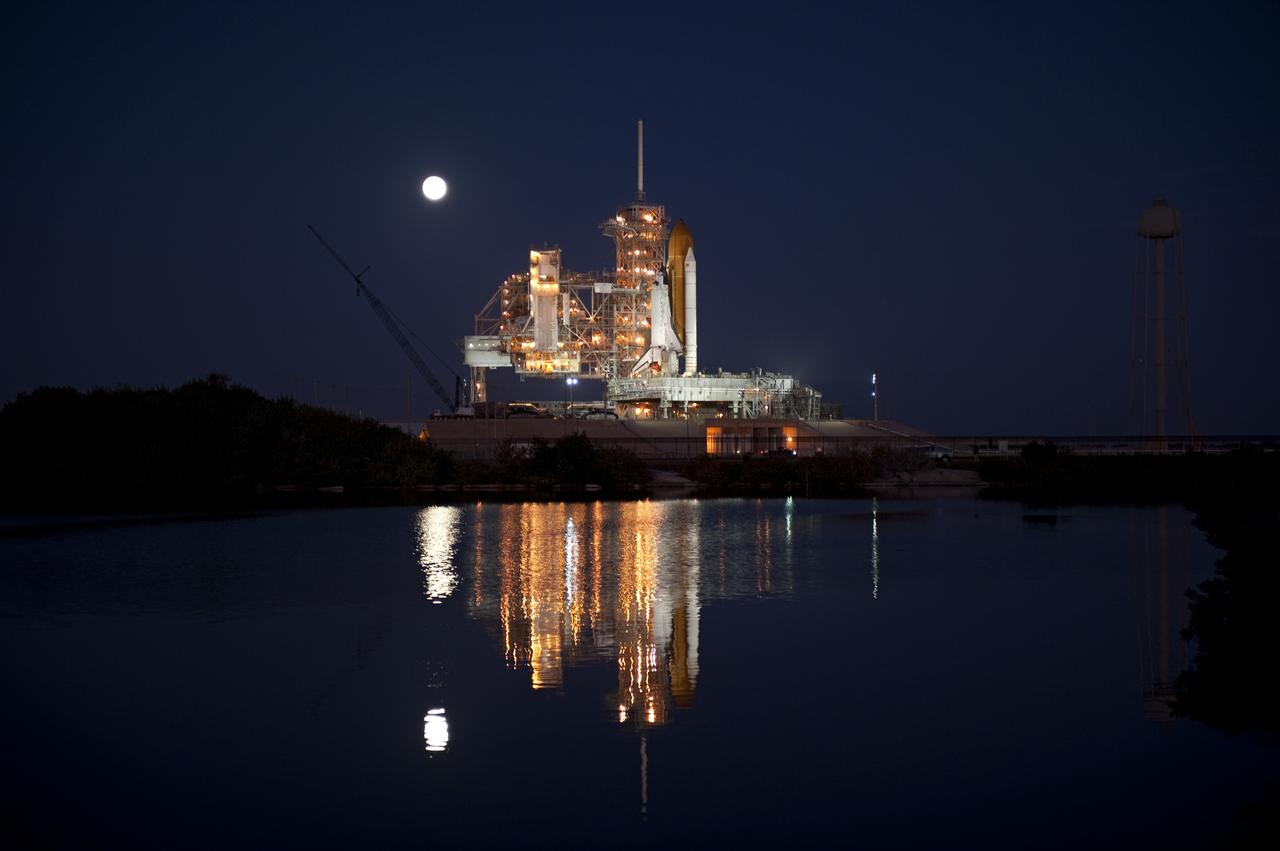
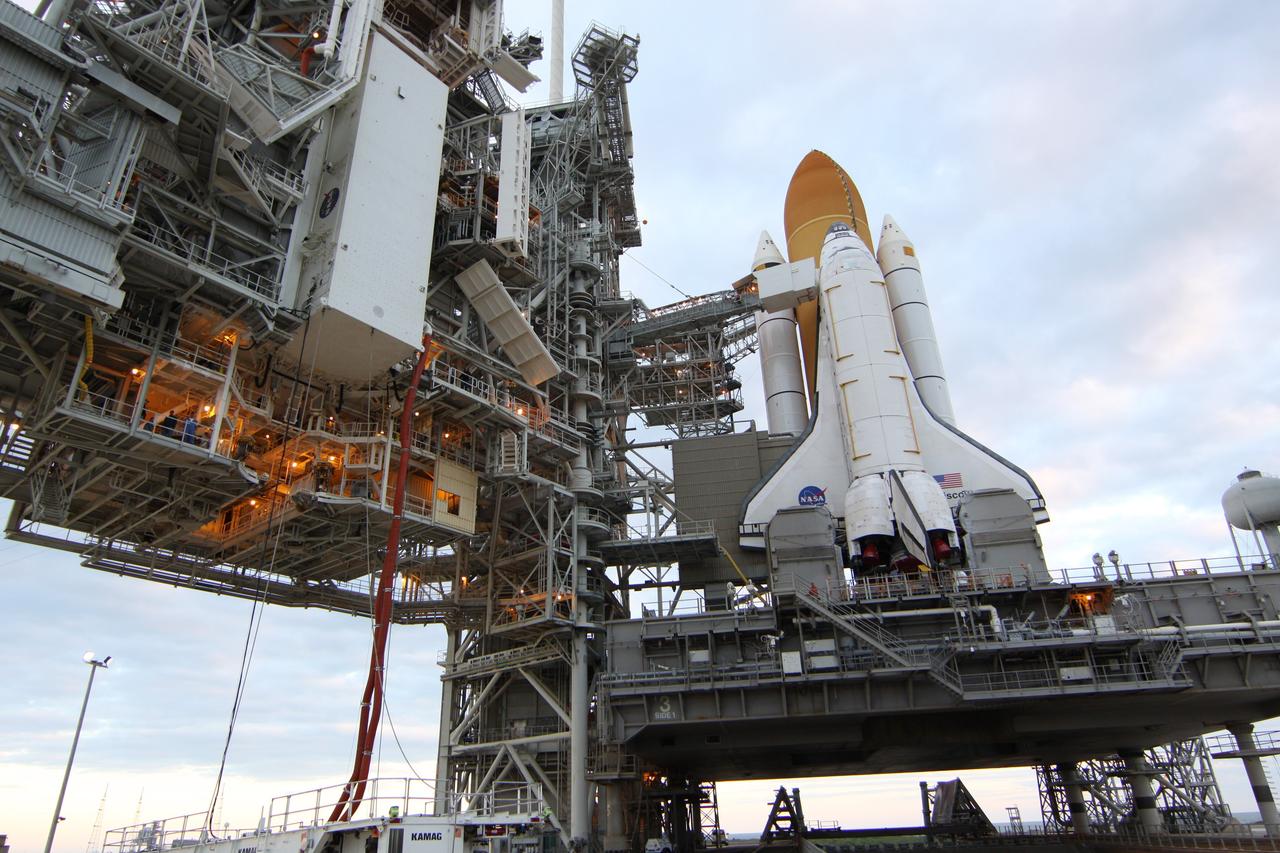
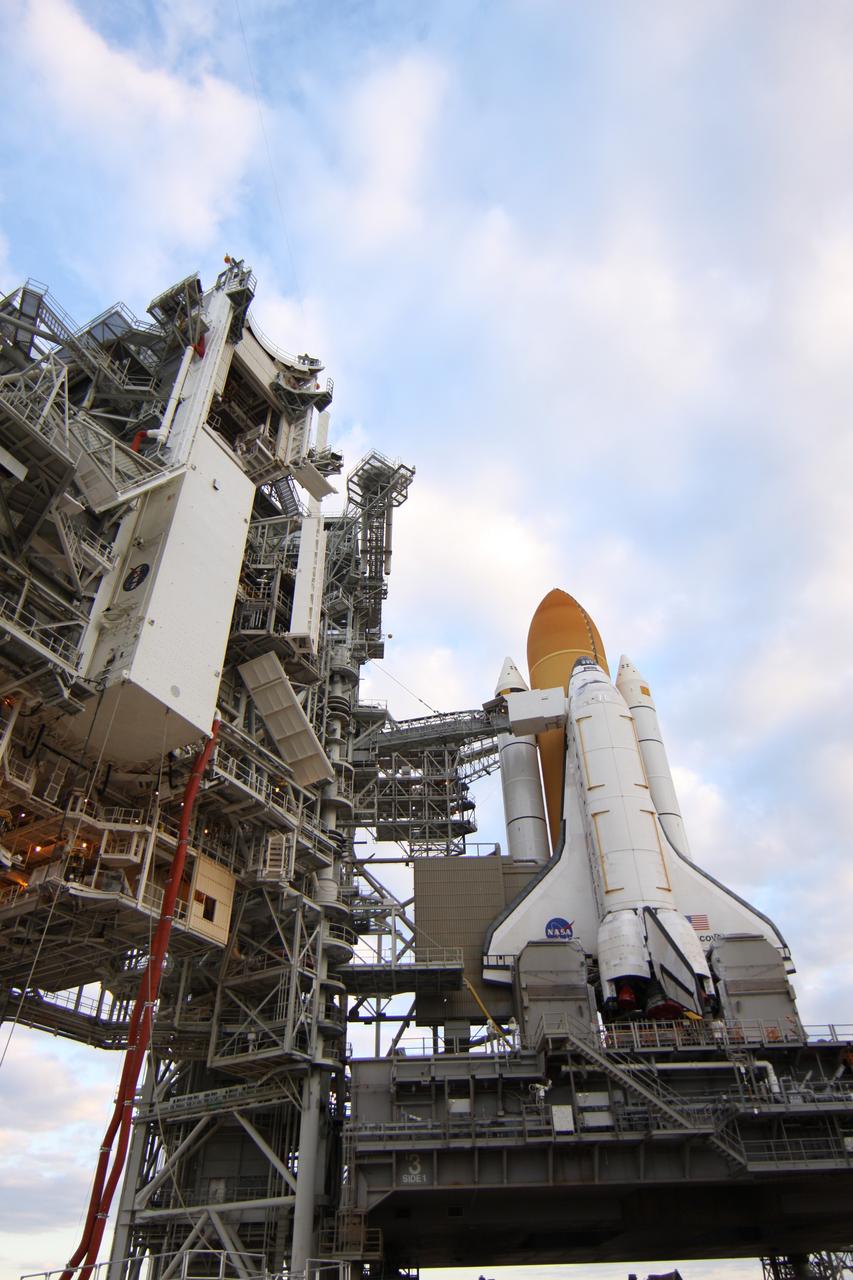
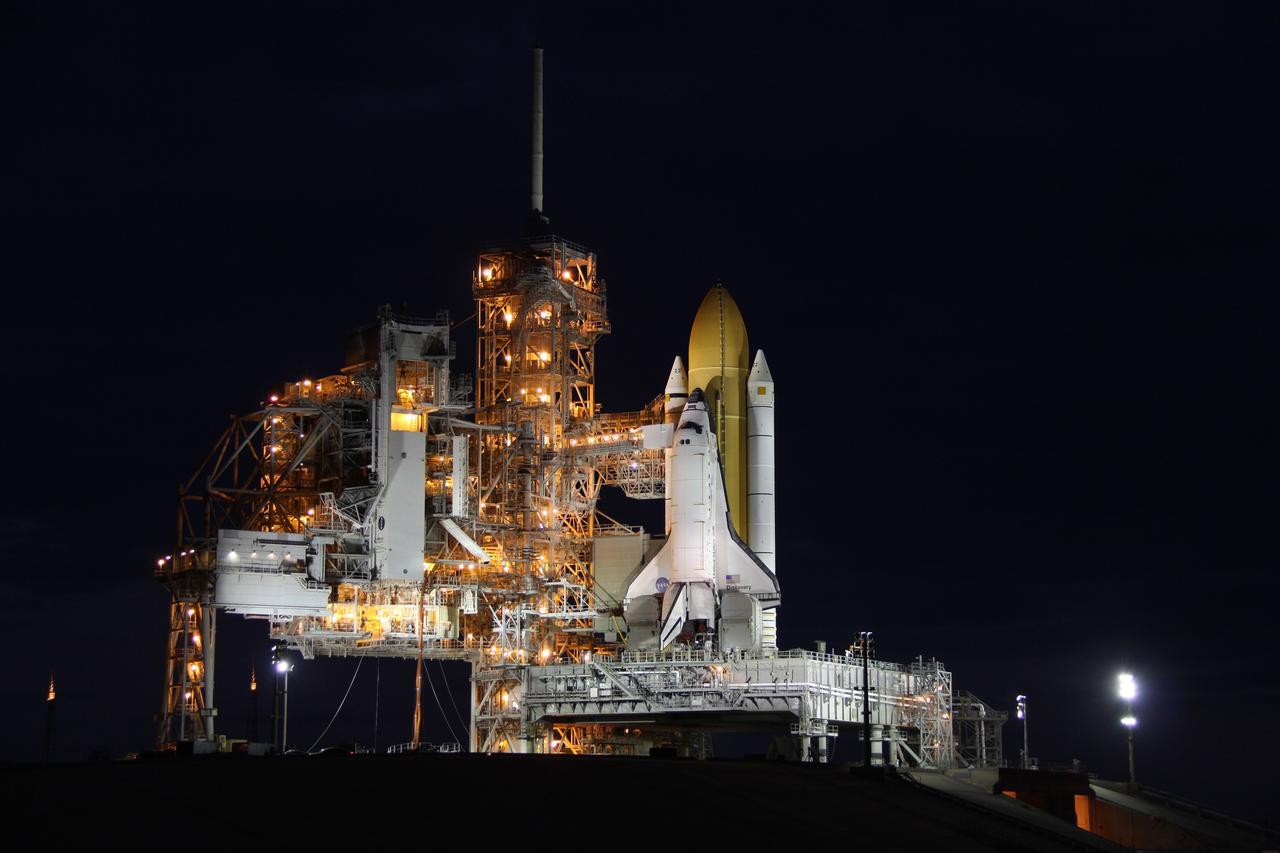
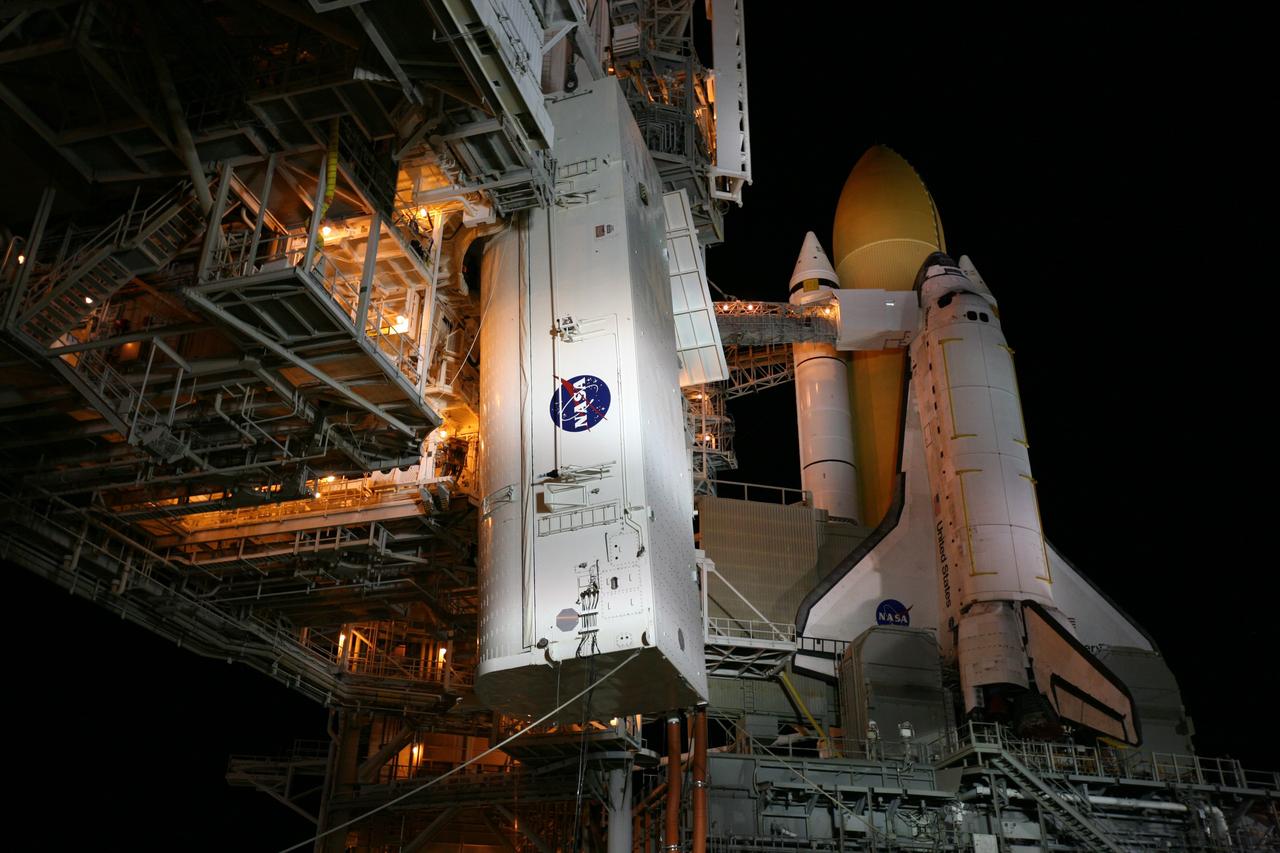
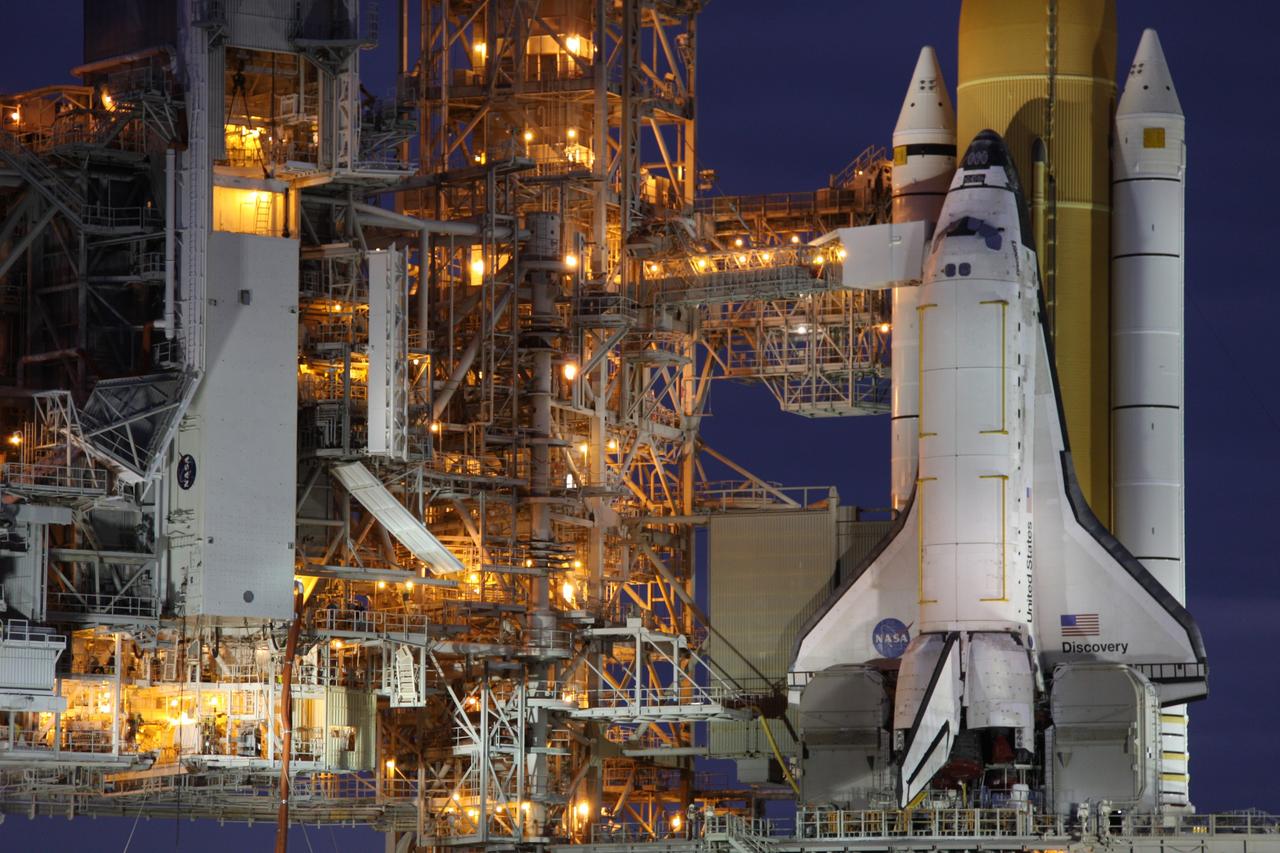
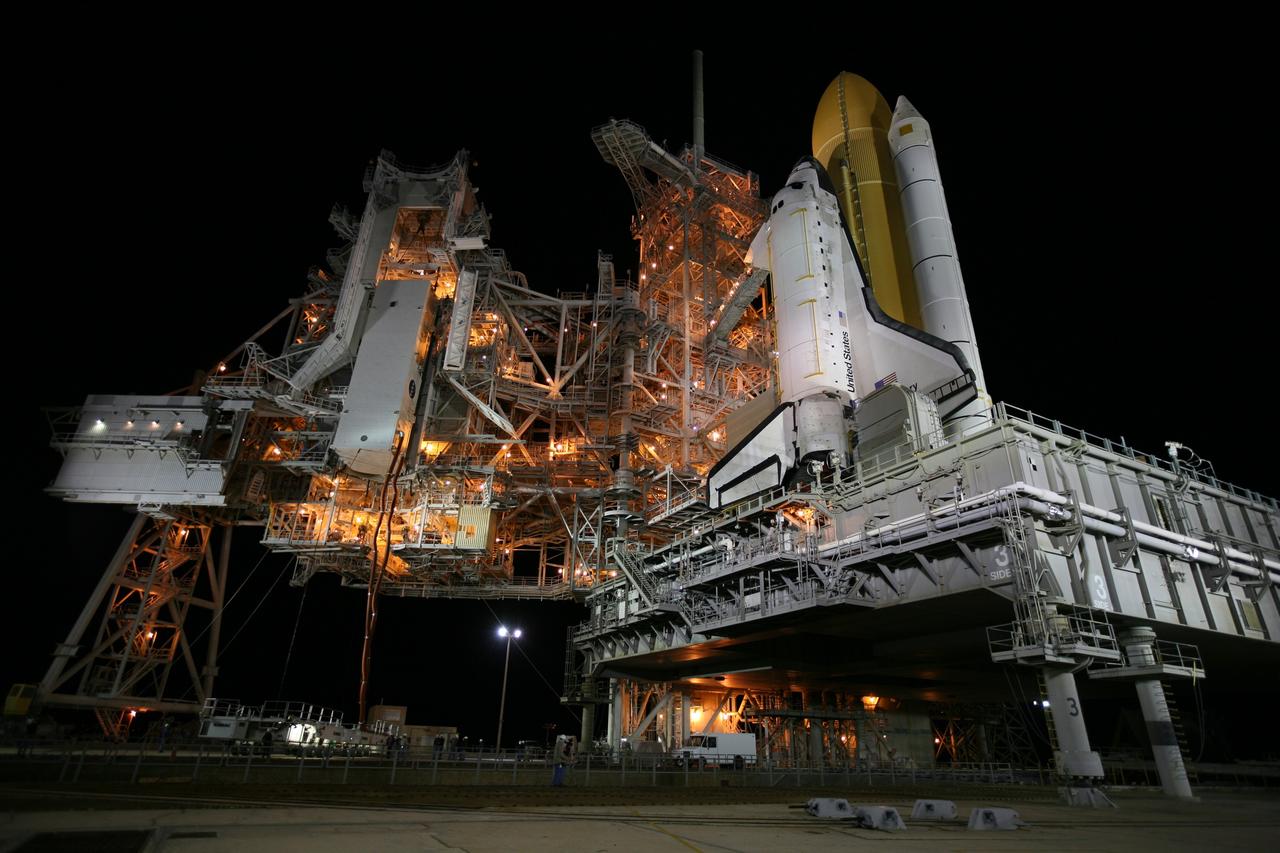
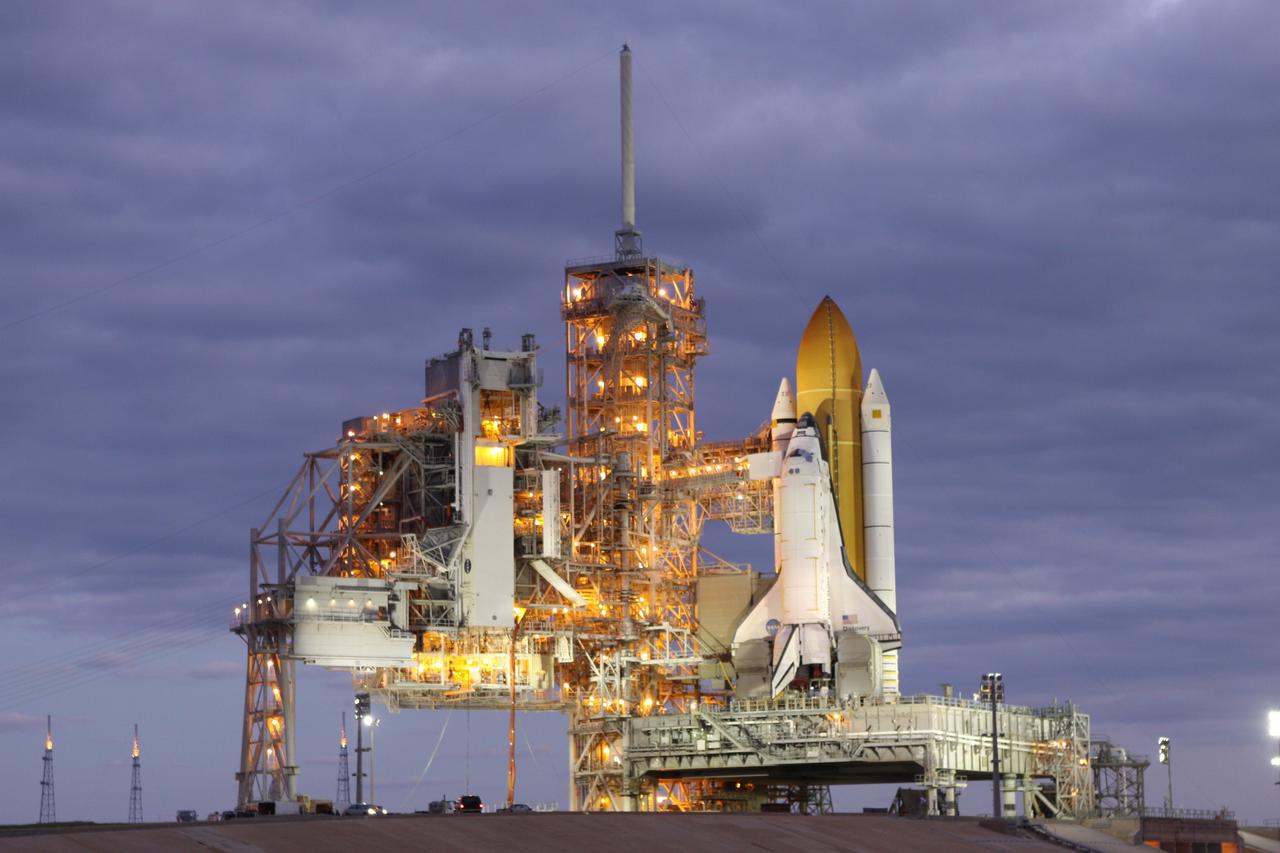
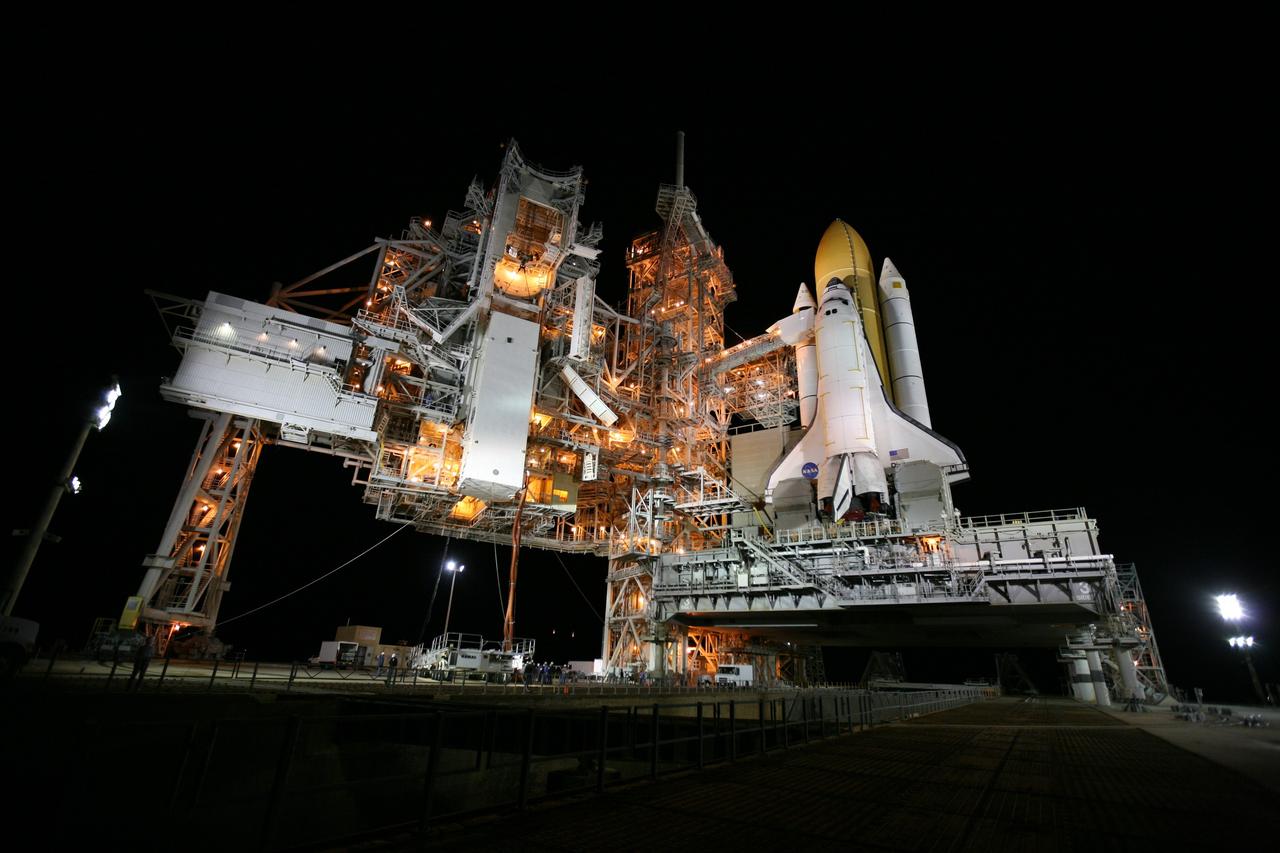
CAPE CANAVERAL, Fla. -- At NASA's Kennedy Space Center in Florida, space shuttle Discovery waits patiently on Launch Pad 39A for its STS-133 launch to the International Space Station. A cold front that was predicted to produce rain, wind and a low-cloud ceiling as it moved through the sunshine state delayed launch by one day. Lift off now is set for 3:04 p.m. on Nov. 5. During the 11-day mission, Discovery and its six crew members will deliver the Permanent Multipurpose Module, packed with supplies and critical spare parts, as well as Robonaut 2, to the orbiting laboratory. Discovery, which will fly its 39th mission, is scheduled to be retired following STS-133. This will be the 133rd Space Shuttle Program mission and the 35th shuttle voyage to the space station. For more information on STS-133, visit www.nasa.gov/mission_pages/shuttle/shuttlemissions/sts133/. Photo credit: NASA/Frank Michaux
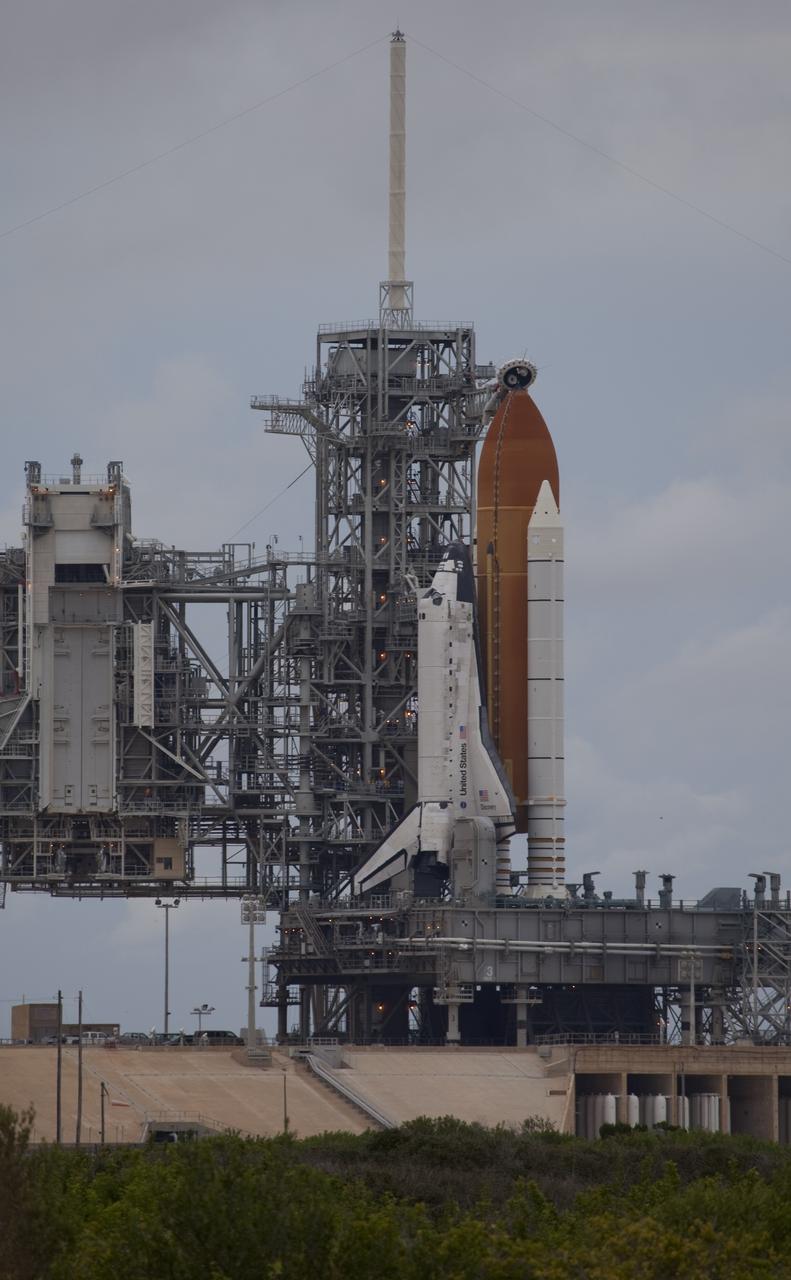
CAPE CANAVERAL, Fla. -- At NASA's Kennedy Space Center in Florida, space shuttle Discovery waits patiently on Launch Pad 39A for its STS-133 launch to the International Space Station. A cold front that was predicted to produce rain, wind and a low-cloud ceiling as it moved through the sunshine state delayed launch by one day. Lift off now is set for 3:04 p.m. on Nov. 5. During the 11-day mission, Discovery and its six crew members will deliver the Permanent Multipurpose Module, packed with supplies and critical spare parts, as well as Robonaut 2, to the orbiting laboratory. Discovery, which will fly its 39th mission, is scheduled to be retired following STS-133. This will be the 133rd Space Shuttle Program mission and the 35th shuttle voyage to the space station. For more information on STS-133, visit www.nasa.gov/mission_pages/shuttle/shuttlemissions/sts133/. Photo credit: NASA/Frank Michaux
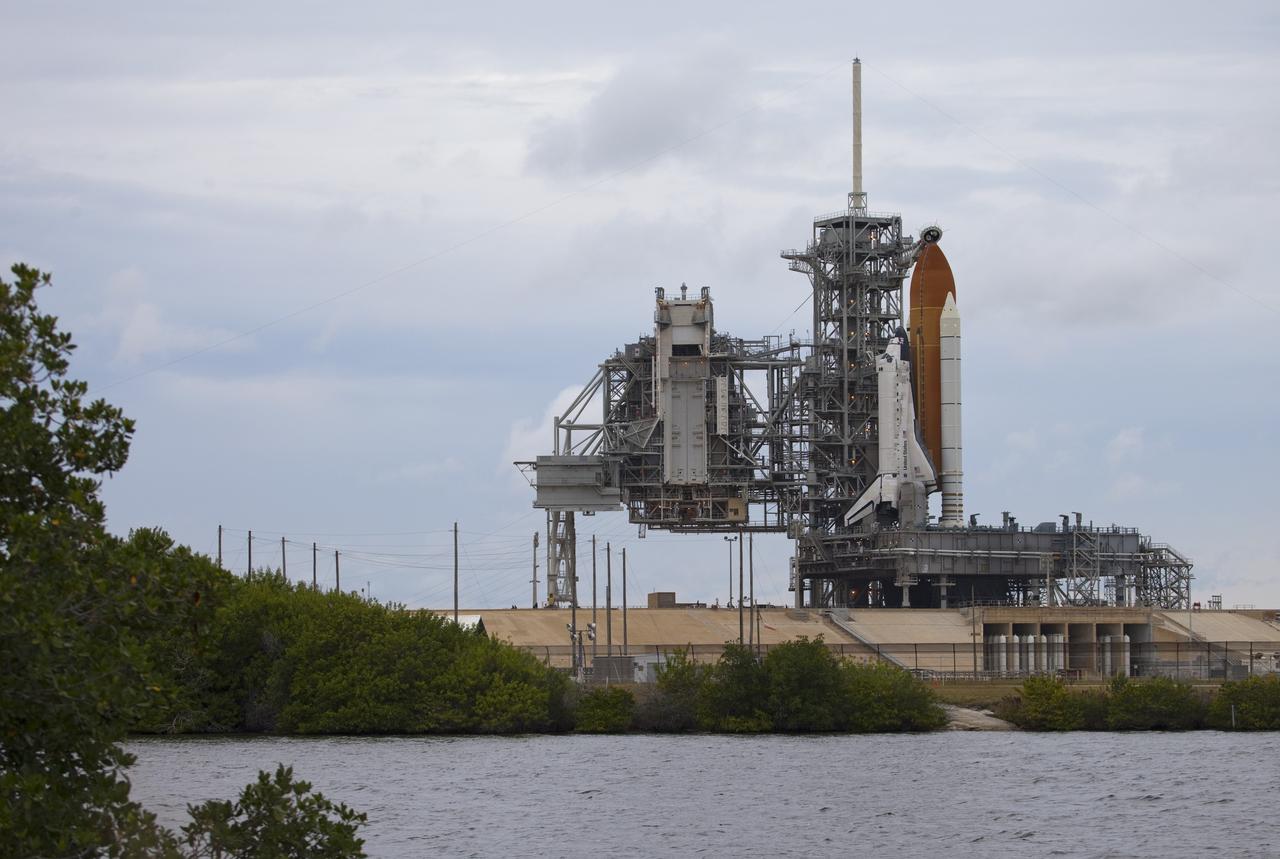
CAPE CANAVERAL, Fla. -- At NASA's Kennedy Space Center in Florida, space shuttle Discovery waits patiently on Launch Pad 39A for its STS-133 launch to the International Space Station. A cold front that was predicted to produce rain, wind and a low-cloud ceiling as it moved through the sunshine state delayed launch by one day. Lift off now is set for 3:04 p.m. on Nov. 5. During the 11-day mission, Discovery and its six crew members will deliver the Permanent Multipurpose Module, packed with supplies and critical spare parts, as well as Robonaut 2, to the orbiting laboratory. Discovery, which will fly its 39th mission, is scheduled to be retired following STS-133. This will be the 133rd Space Shuttle Program mission and the 35th shuttle voyage to the space station. For more information on STS-133, visit www.nasa.gov/mission_pages/shuttle/shuttlemissions/sts133/. Photo credit: NASA/Frank Michaux

CAPE CANAVERAL, Fla. -- At NASA's Kennedy Space Center in Florida, space shuttle Discovery waits patiently on Launch Pad 39A for its STS-133 launch to the International Space Station. A cold front that was predicted to produce rain, wind and a low-cloud ceiling as it moved through the sunshine state delayed launch by one day. Lift off now is set for 3:04 p.m. on Nov. 5. During the 11-day mission, Discovery and its six crew members will deliver the Permanent Multipurpose Module, packed with supplies and critical spare parts, as well as Robonaut 2, to the orbiting laboratory. Discovery, which will fly its 39th mission, is scheduled to be retired following STS-133. This will be the 133rd Space Shuttle Program mission and the 35th shuttle voyage to the space station. For more information on STS-133, visit www.nasa.gov/mission_pages/shuttle/shuttlemissions/sts133/. Photo credit: NASA/Frank Michaux
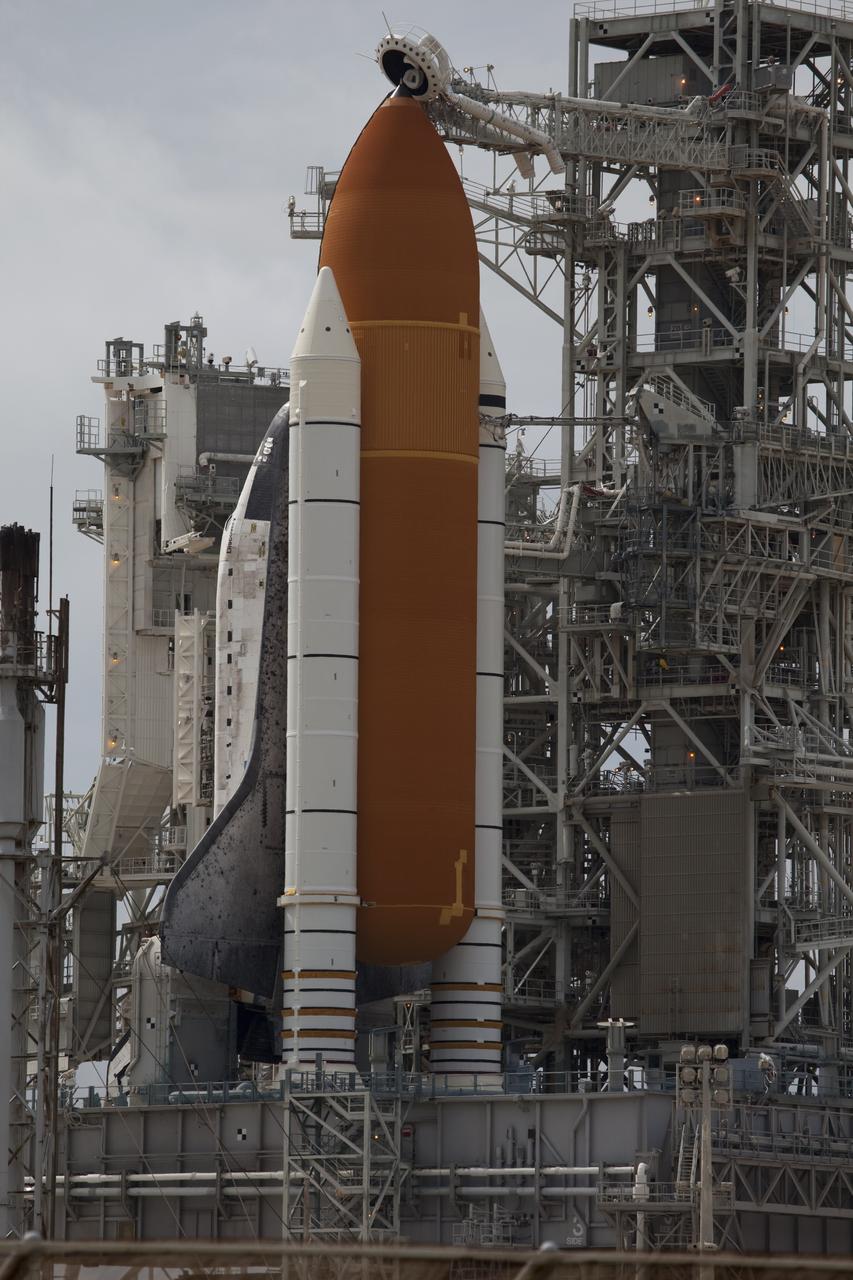
CAPE CANAVERAL, Fla. -- At NASA's Kennedy Space Center in Florida, space shuttle Discovery waits patiently on Launch Pad 39A for its STS-133 launch to the International Space Station. A cold front that was predicted to produce rain, wind and a low-cloud ceiling as it moved through the sunshine state delayed launch by one day. Lift off now is set for 3:04 p.m. on Nov. 5. During the 11-day mission, Discovery and its six crew members will deliver the Permanent Multipurpose Module, packed with supplies and critical spare parts, as well as Robonaut 2, to the orbiting laboratory. Discovery, which will fly its 39th mission, is scheduled to be retired following STS-133. This will be the 133rd Space Shuttle Program mission and the 35th shuttle voyage to the space station. For more information on STS-133, visit www.nasa.gov/mission_pages/shuttle/shuttlemissions/sts133/. Photo credit: NASA/Frank Michaux
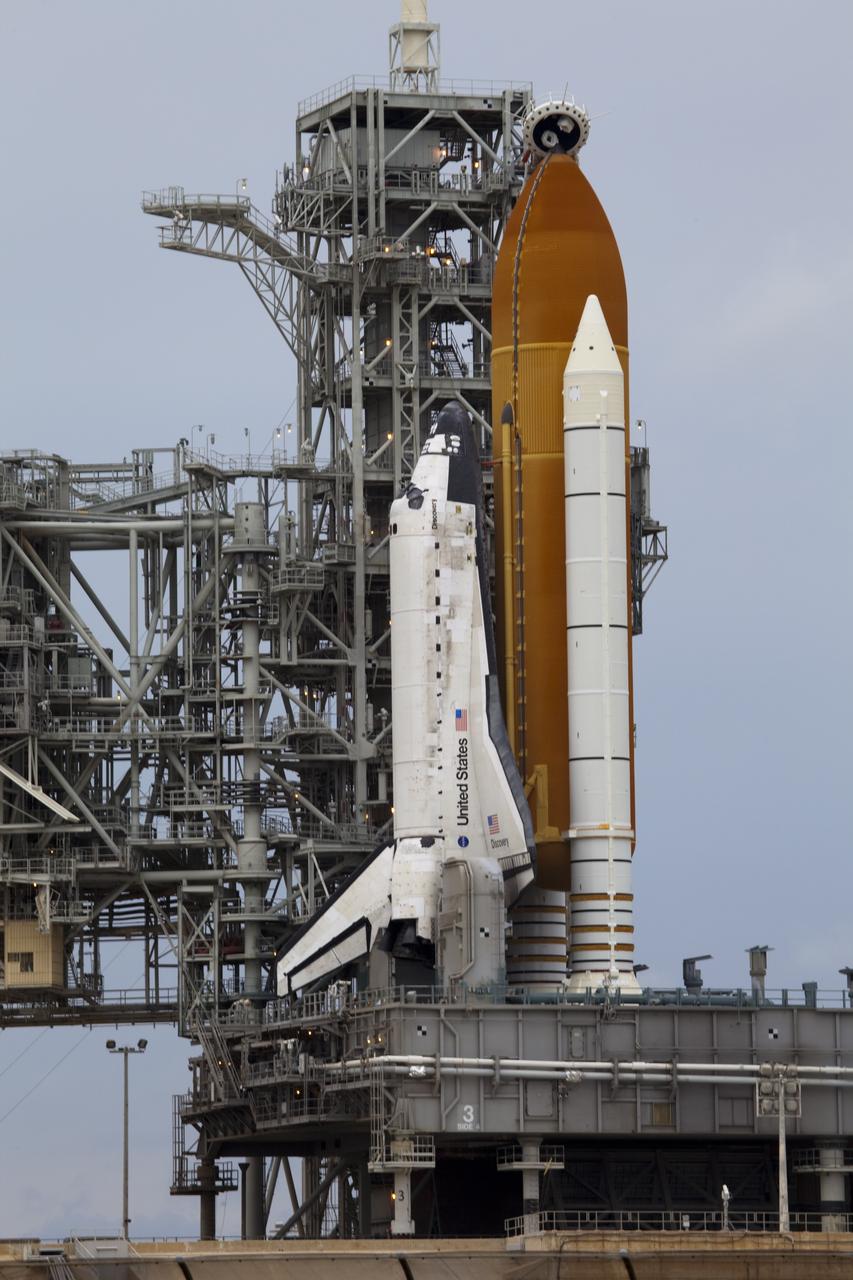
CAPE CANAVERAL, Fla. -- At NASA's Kennedy Space Center in Florida, space shuttle Discovery waits patiently on Launch Pad 39A for its STS-133 launch to the International Space Station. A cold front that was predicted to produce rain, wind and a low-cloud ceiling as it moved through the sunshine state delayed launch by one day. Lift off now is set for 3:04 p.m. on Nov. 5. During the 11-day mission, Discovery and its six crew members will deliver the Permanent Multipurpose Module, packed with supplies and critical spare parts, as well as Robonaut 2, to the orbiting laboratory. Discovery, which will fly its 39th mission, is scheduled to be retired following STS-133. This will be the 133rd Space Shuttle Program mission and the 35th shuttle voyage to the space station. For more information on STS-133, visit www.nasa.gov/mission_pages/shuttle/shuttlemissions/sts133/. Photo credit: NASA/Frank Michaux
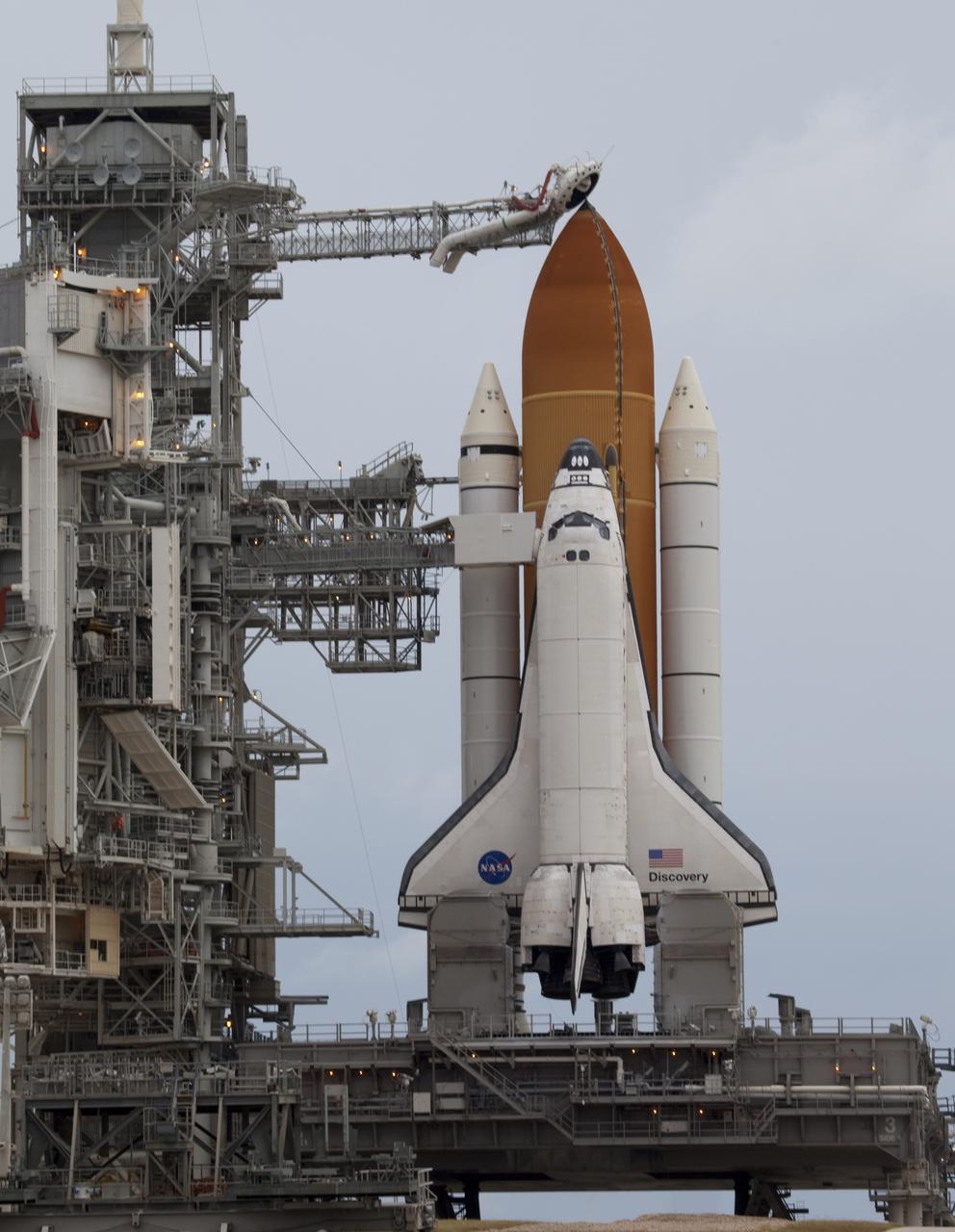
CAPE CANAVERAL, Fla. -- At NASA's Kennedy Space Center in Florida, space shuttle Discovery waits patiently on Launch Pad 39A for its STS-133 launch to the International Space Station. A cold front that was predicted to produce rain, wind and a low-cloud ceiling as it moved through the sunshine state delayed launch by one day. Lift off now is set for 3:04 p.m. on Nov. 5. During the 11-day mission, Discovery and its six crew members will deliver the Permanent Multipurpose Module, packed with supplies and critical spare parts, as well as Robonaut 2, to the orbiting laboratory. Discovery, which will fly its 39th mission, is scheduled to be retired following STS-133. This will be the 133rd Space Shuttle Program mission and the 35th shuttle voyage to the space station. For more information on STS-133, visit www.nasa.gov/mission_pages/shuttle/shuttlemissions/sts133/. Photo credit: NASA/Frank Michaux
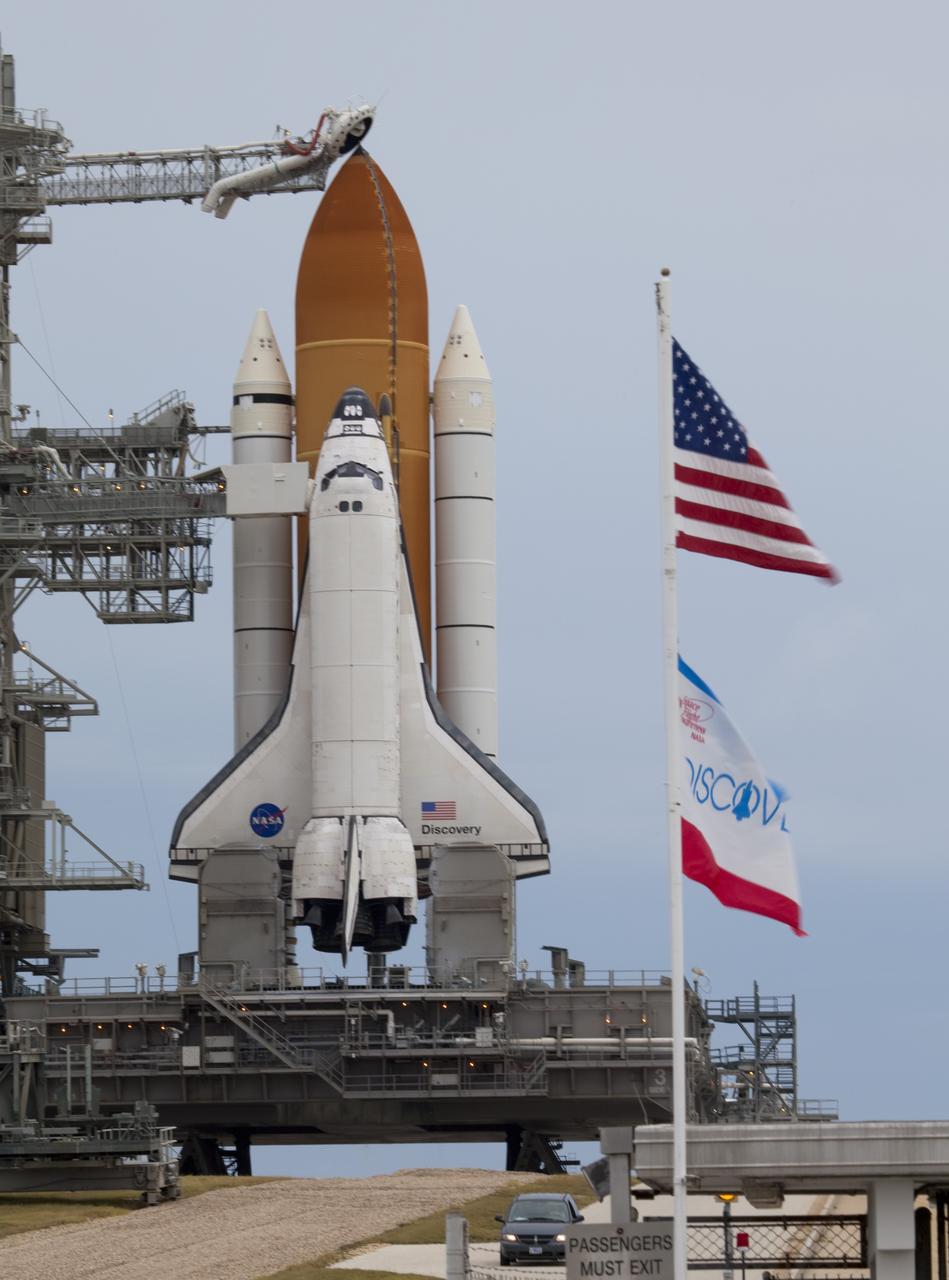
CAPE CANAVERAL, Fla. -- At NASA's Kennedy Space Center in Florida, space shuttle Discovery waits patiently on Launch Pad 39A for its STS-133 launch to the International Space Station. A cold front that was predicted to produce rain, wind and a low-cloud ceiling as it moved through the sunshine state delayed launch by one day. Lift off now is set for 3:04 p.m. on Nov. 5. During the 11-day mission, Discovery and its six crew members will deliver the Permanent Multipurpose Module, packed with supplies and critical spare parts, as well as Robonaut 2, to the orbiting laboratory. Discovery, which will fly its 39th mission, is scheduled to be retired following STS-133. This will be the 133rd Space Shuttle Program mission and the 35th shuttle voyage to the space station. For more information on STS-133, visit www.nasa.gov/mission_pages/shuttle/shuttlemissions/sts133/. Photo credit: NASA/Frank Michaux
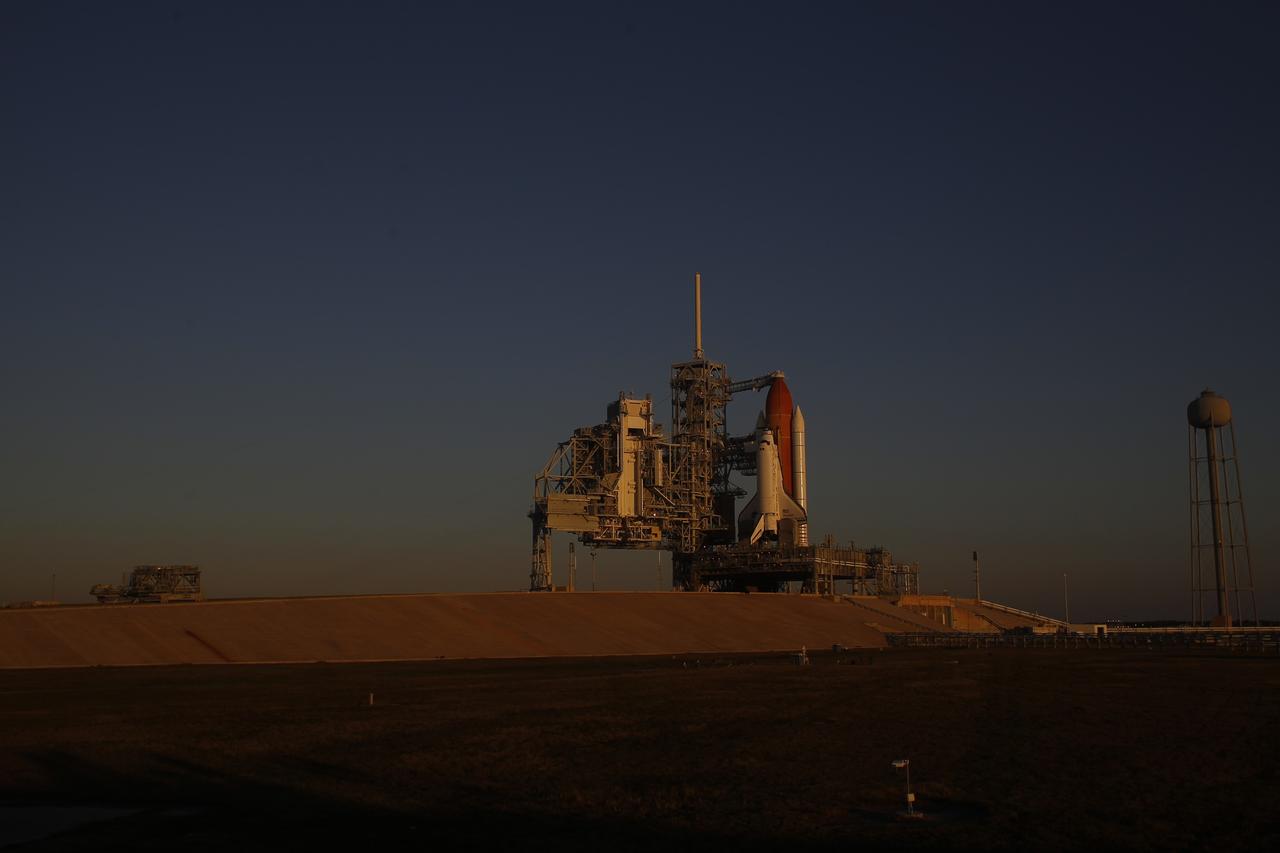
CAPE CANAVERAL, Fla. -- At NASA's Kennedy Space Center in Florida, space shuttle Discovery waits patiently on Launch Pad 39A for its STS-133 launch to the International Space Station. Managers scrubbed the Nov. 5 launch attempt because a hydrogen gas leak was detected at the Ground Umbilical Carrier Plate (GUCP) while Discovery's external fuel tank was being loaded. The GUCP is an attachment point between the external tank and a pipe that carries gaseous hydrogen safely away from the shuttle to the flare stack, where it is burned off. The next possible launch attempt would be Monday, Nov. 8, at 12:53 p.m. EST. After that, the launch window moves to Nov. 30 through Dec. 5. During the 11-day mission, Discovery and its six crew members will deliver the Permanent Multipurpose Module, packed with supplies and critical spare parts, as well as Robonaut 2, to the orbiting laboratory. Discovery, which will fly its 39th mission, is scheduled to be retired following STS-133. This will be the 133rd Space Shuttle Program mission and the 35th shuttle voyage to the space station. For more information on STS-133, visit www.nasa.gov/mission_pages/shuttle/shuttlemissions/sts133/. Photo credit: NASA
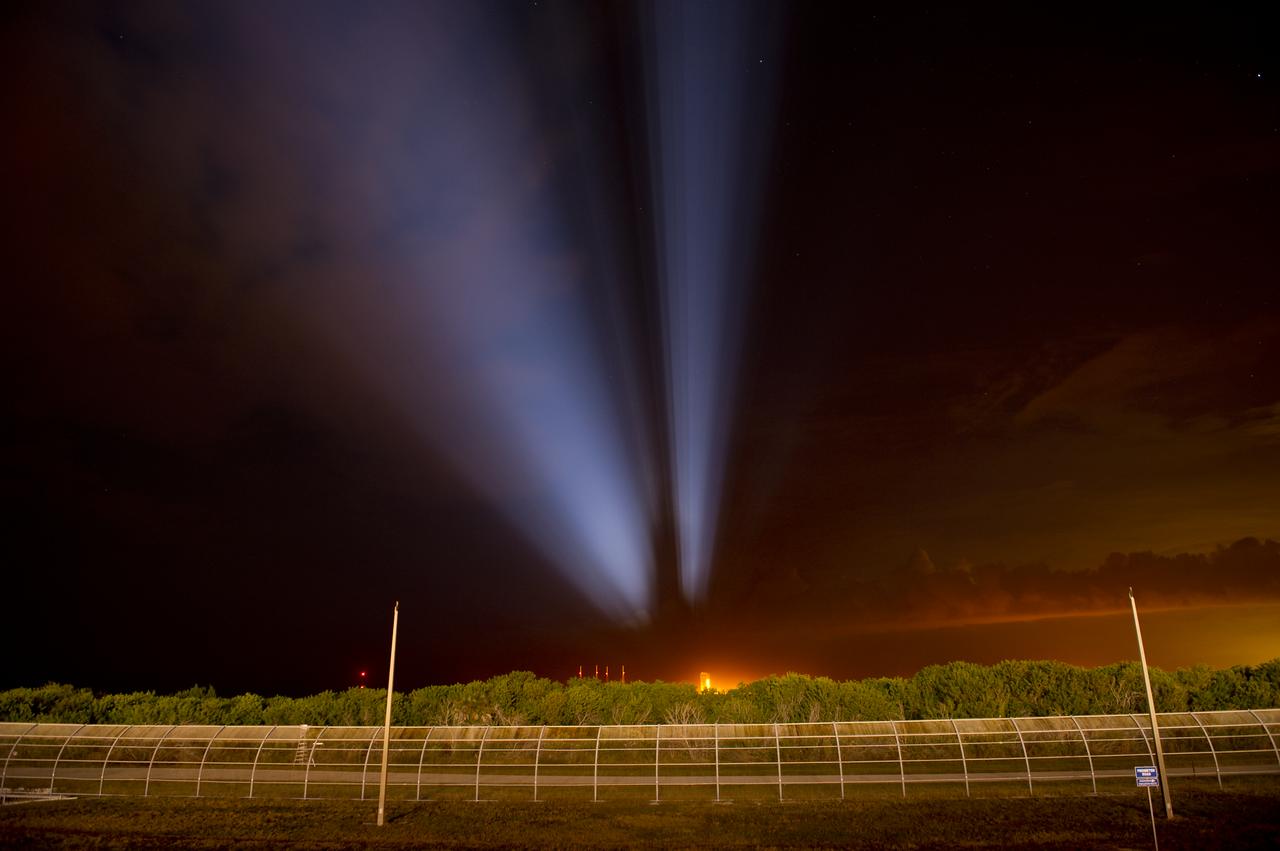
An faint profile outline of the space shuttle Discovery and launch pad 39a are seen projected in the sky as powerful xenon lights illuminate launch pad 39a on Wednesday, Nov. 3, 2010 at the NASA Kennedy Space Center in Cape Canaveral, Fla. During space shuttle Discovery's final spaceflight, the STS-133 crew members will take important spare parts to the International Space Station along with the Express Logistics Carrier-4. Photo Credit: (NASA/Bill Ingalls)
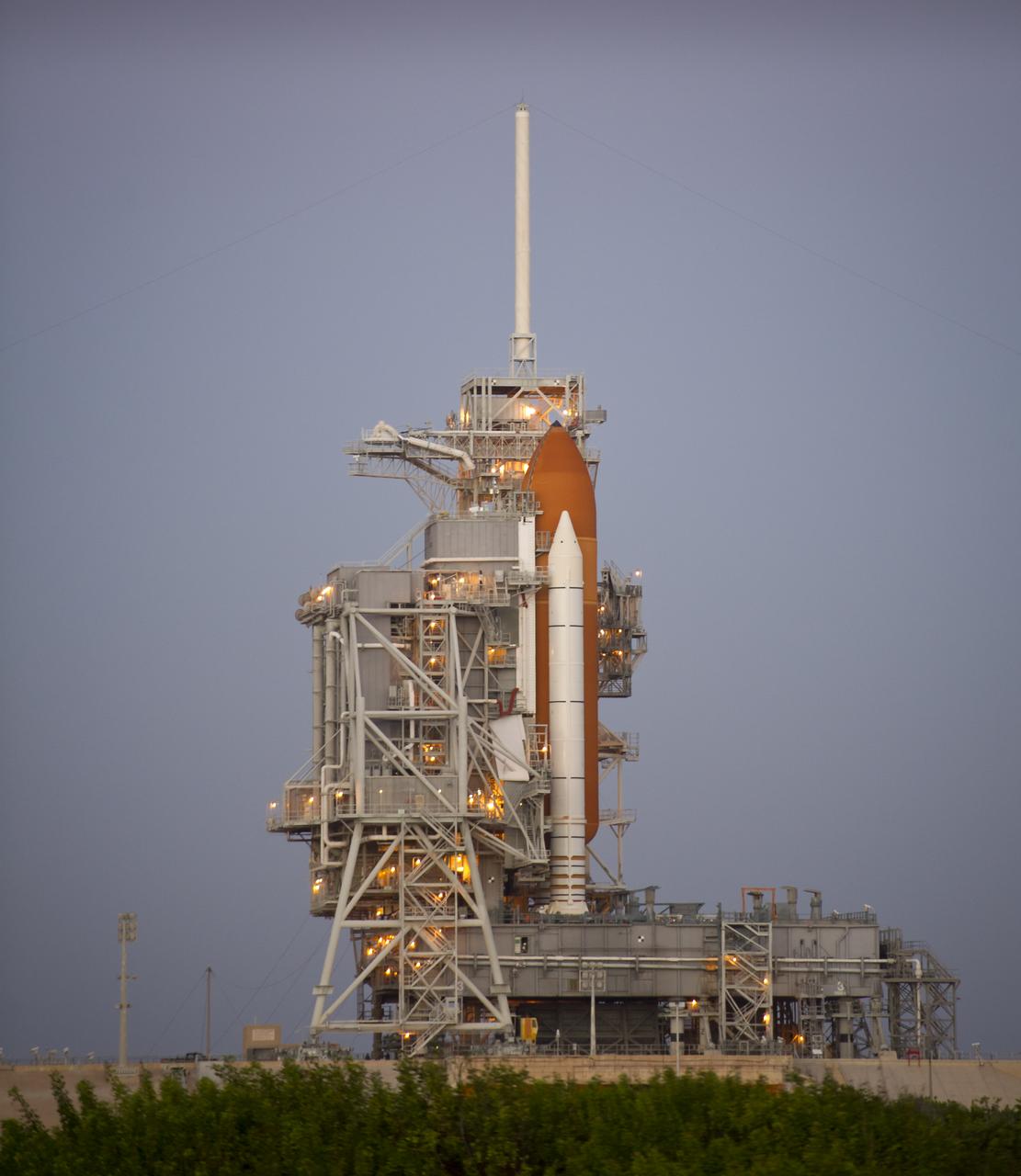
The space shuttle Discovery is seen on launch pad 39a early in the morning of Sunday, Oct. 31, 2010 at the NASA Kennedy Space Center in Cape Canaveral, Fla. During Space Shuttle Discovery's final spaceflight, the STS-133 crew members will take important spare parts to the International Space Station along with the Express Logistics Carrier-4. Discovery is targeted for launch at 3:52 p.m. Wednesday, Nov. 3, 2010. Photo Credit: (NASA/Bill Ingalls)
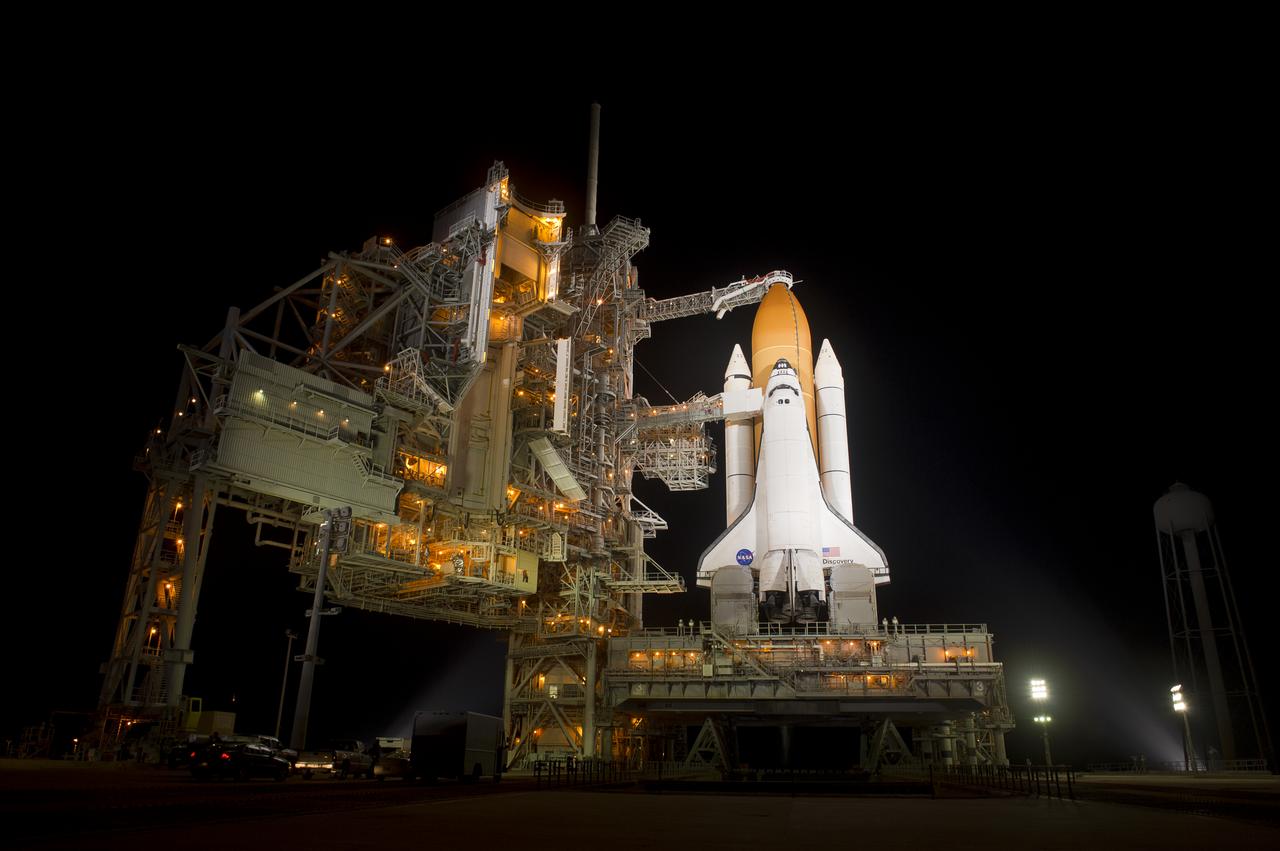
The space shuttle Discovery is seen on launch Pad 39a after the Rotating Service Structure (RSS) is rolled back on Wednesday, Nov. 3, 2010 at the NASA Kennedy Space Center in Cape Canaveral, Fla. During space shuttle Discovery's final spaceflight, the STS-133 crew members will take important spare parts to the International Space Station along with the Express Logistics Carrier-4. Photo Credit: (NASA/Bill Ingalls)
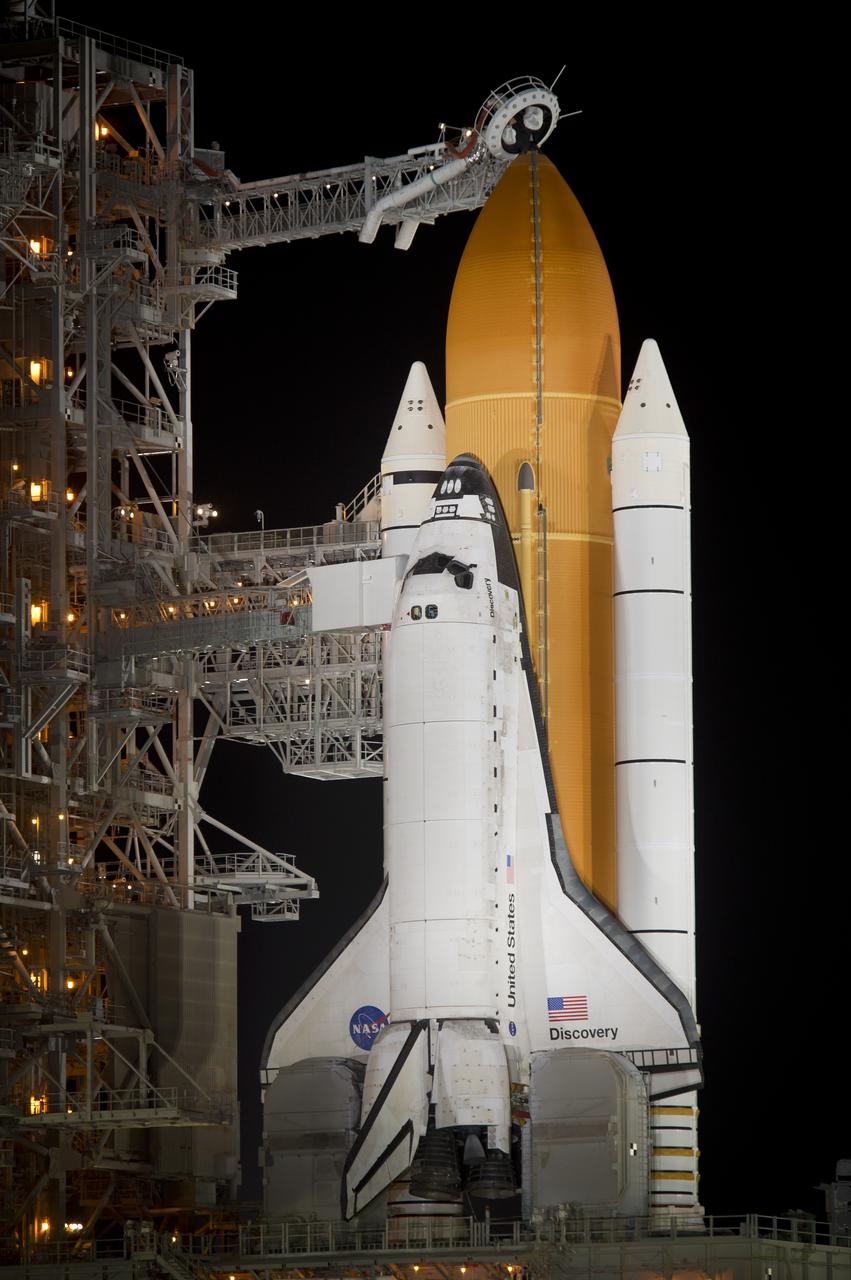
The space shuttle Discovery is seen on launch Pad 39a after the Rotating Service Structure (RSS) is rolled back on Wednesday, Nov. 3, 2010 at the NASA Kennedy Space Center in Cape Canaveral, Fla. During space shuttle Discovery's final spaceflight, the STS-133 crew members will take important spare parts to the International Space Station along with the Express Logistics Carrier-4. Photo Credit: (NASA/Bill Ingalls)
STS-133 DISCOVERY AT PAD 39A

STS-133 DISCOVERY AT PAD 39A
STS-133 DISCOVERY AT PAD 39A
STS-133 DISCOVERY AT PAD 39A
STS-133 DISCOVERY AT PAD 39A
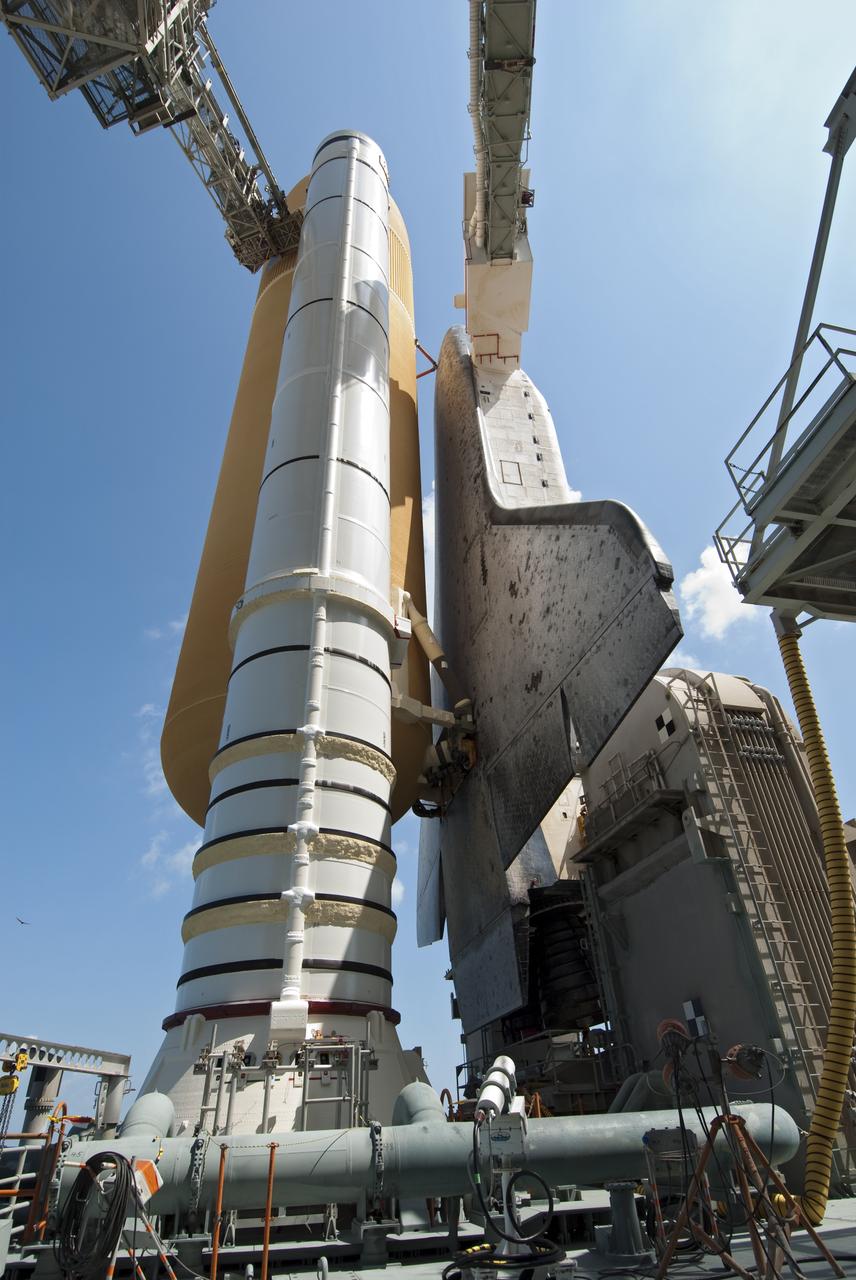
STS-133 DISCOVERY AT PAD 39A
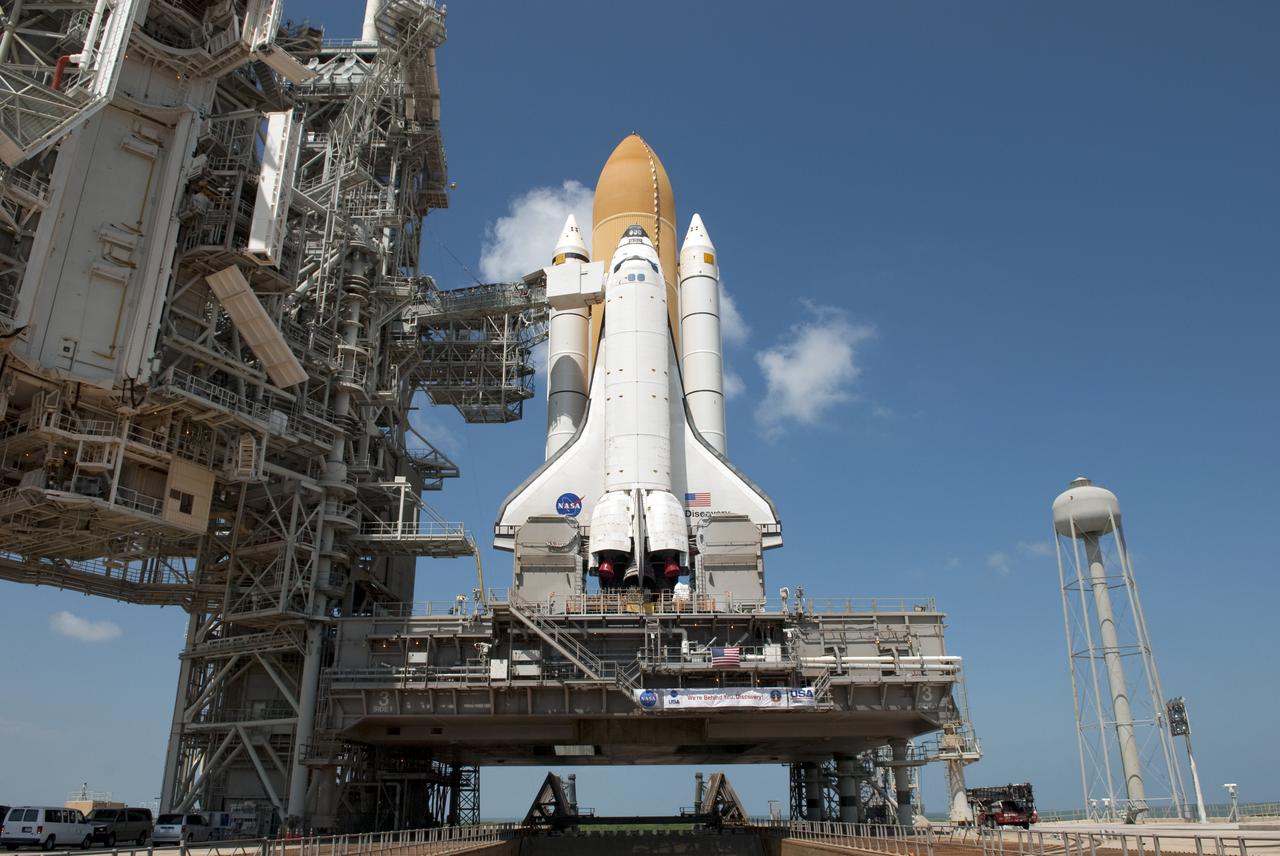
STS-133 DISCOVERY AT PAD 39A
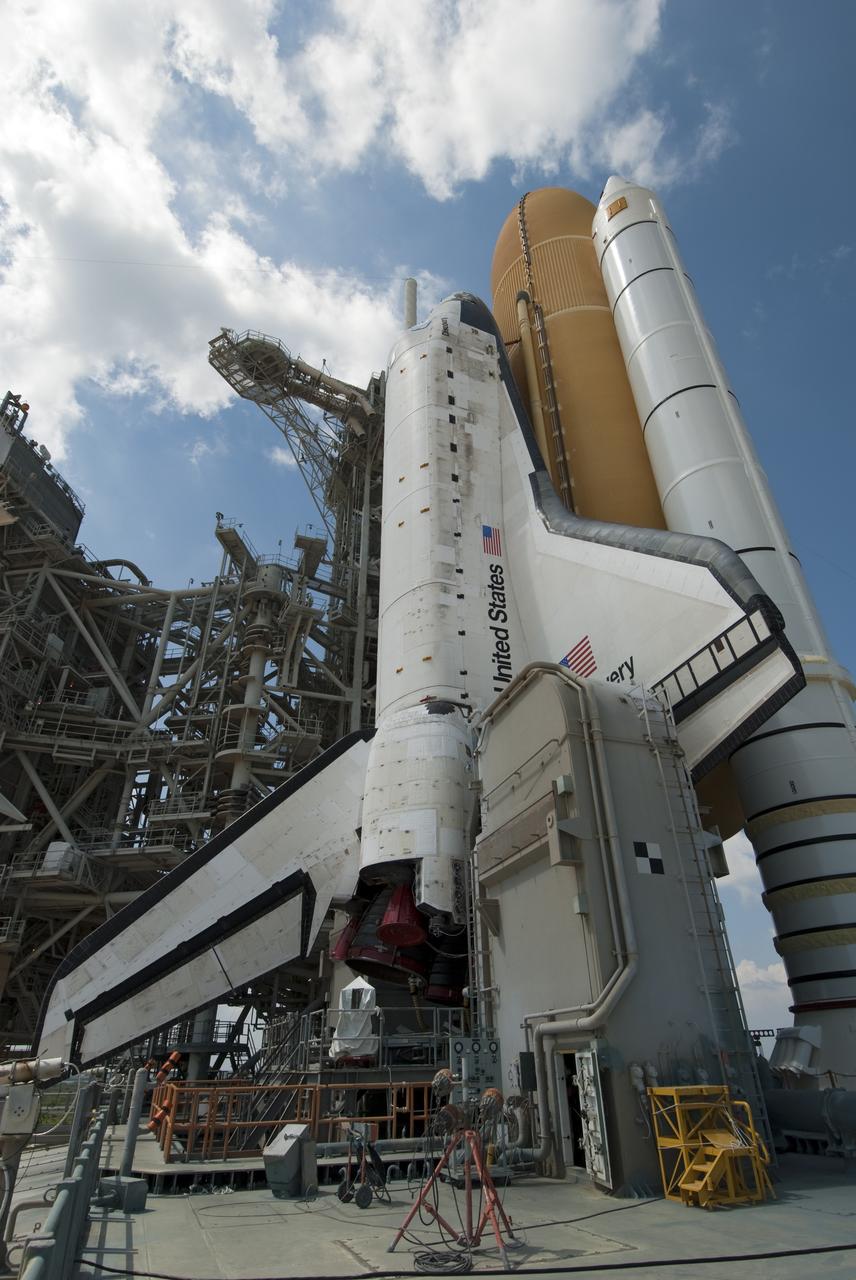
STS-133 DISCOVERY AT PAD 39A
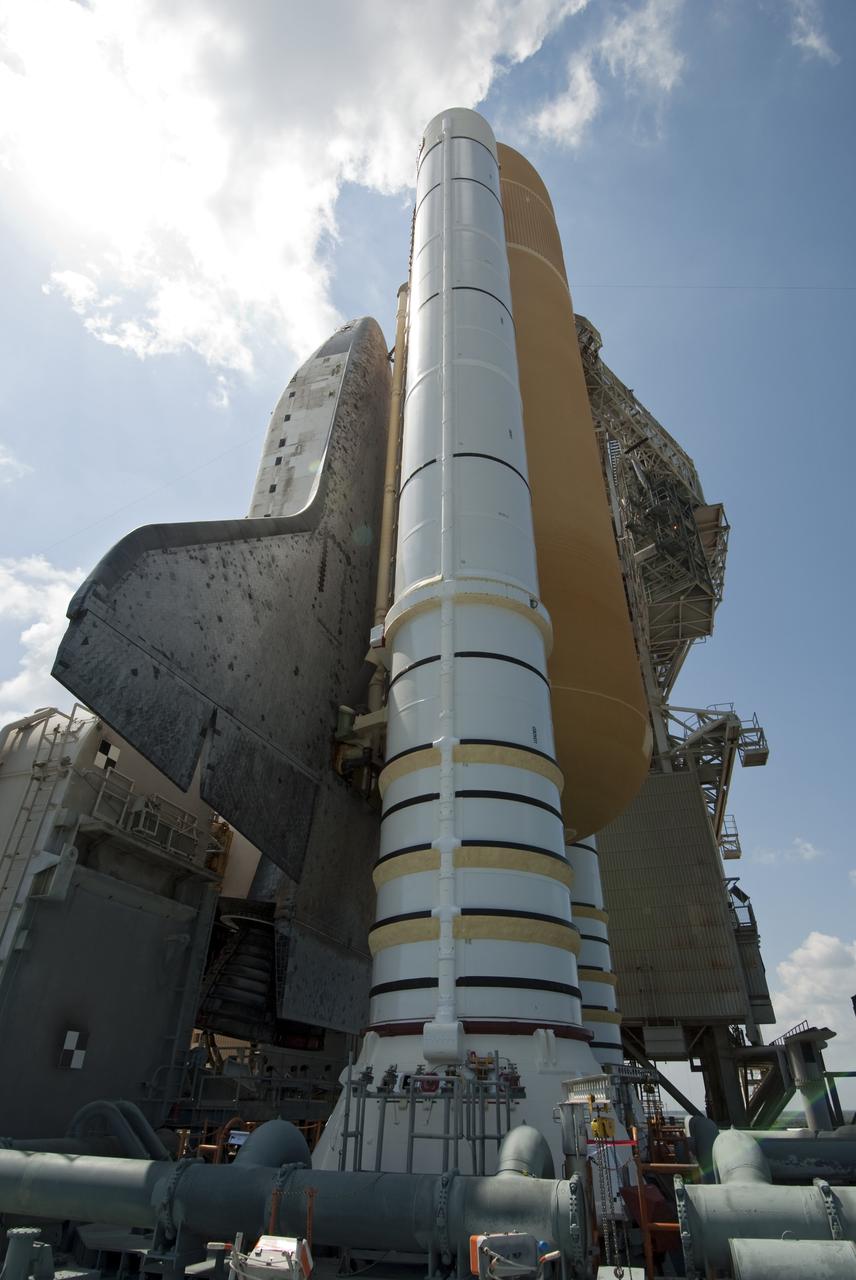
STS-133 DISCOVERY AT PAD 39A
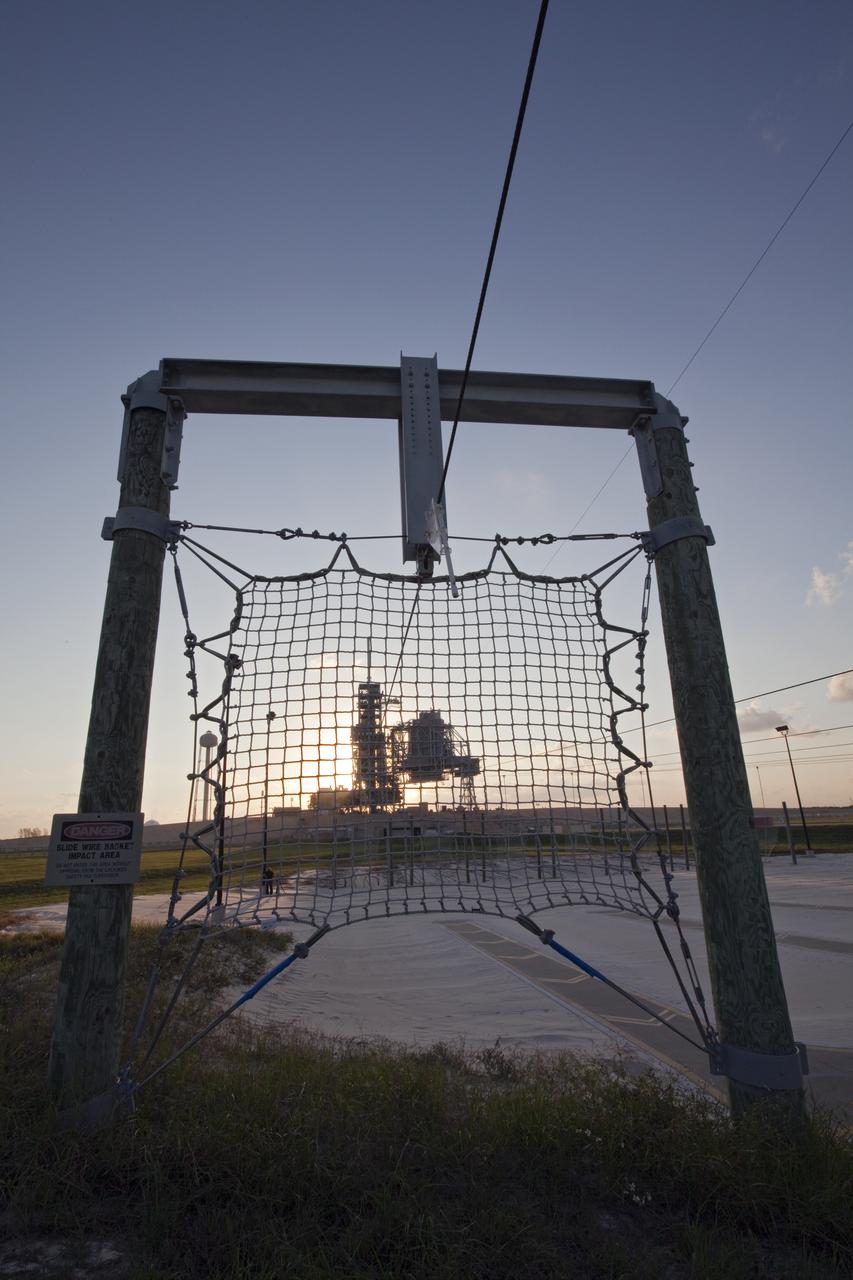
STS-133 DISCOVERY AT PAD 39A AFTER ROLLOUT
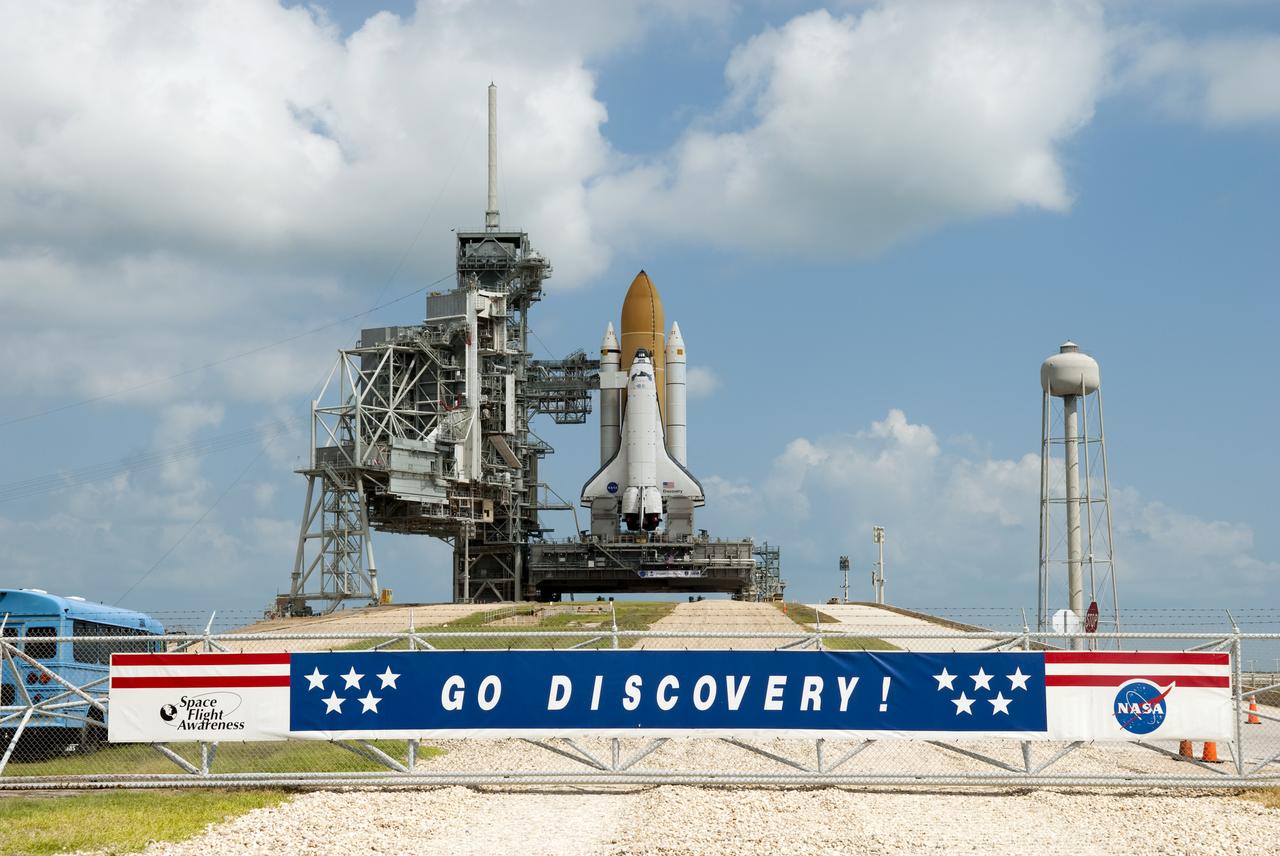
STS-133 KSC EMPLOYEES WITH DISCOVERY ON PAD 39A
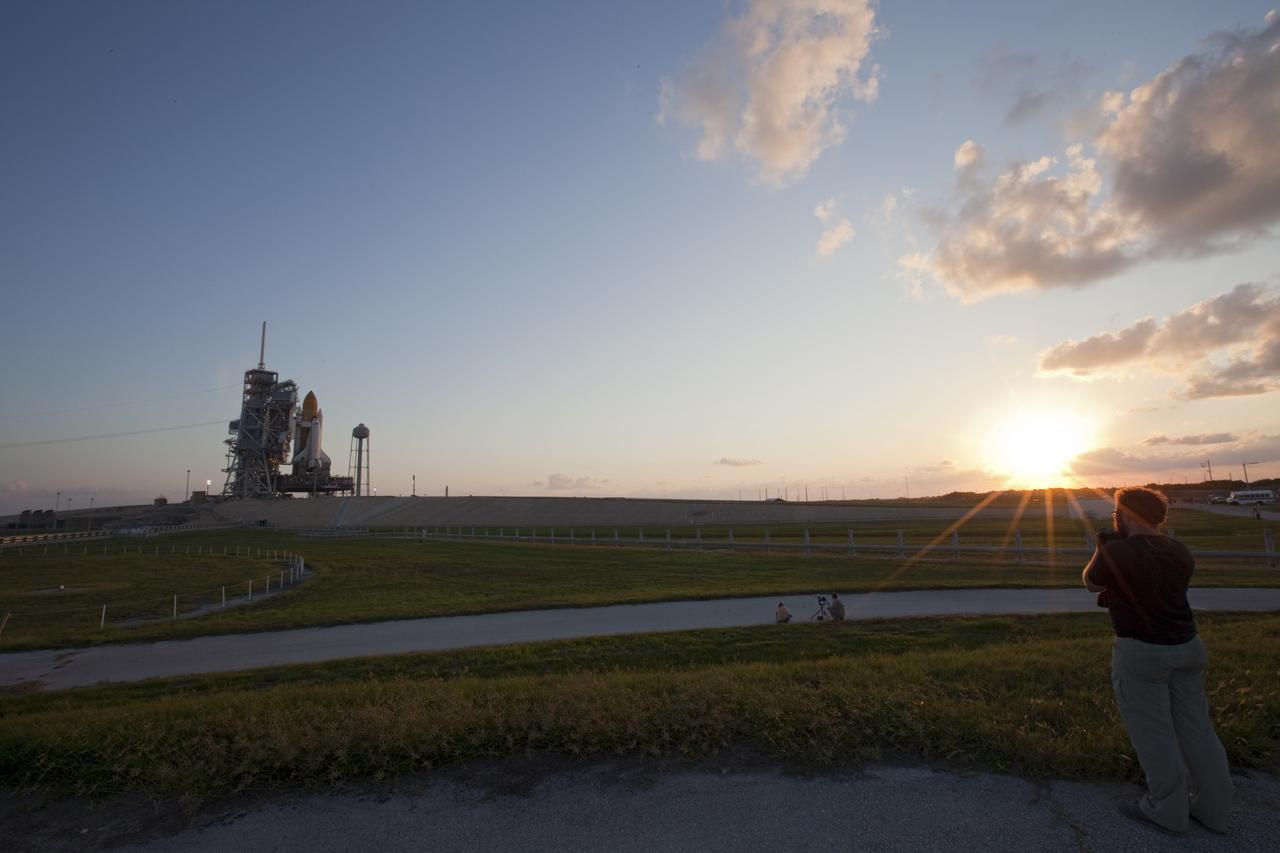
STS-133 DISCOVERY AT PAD 39A AFTER ROLLOUT
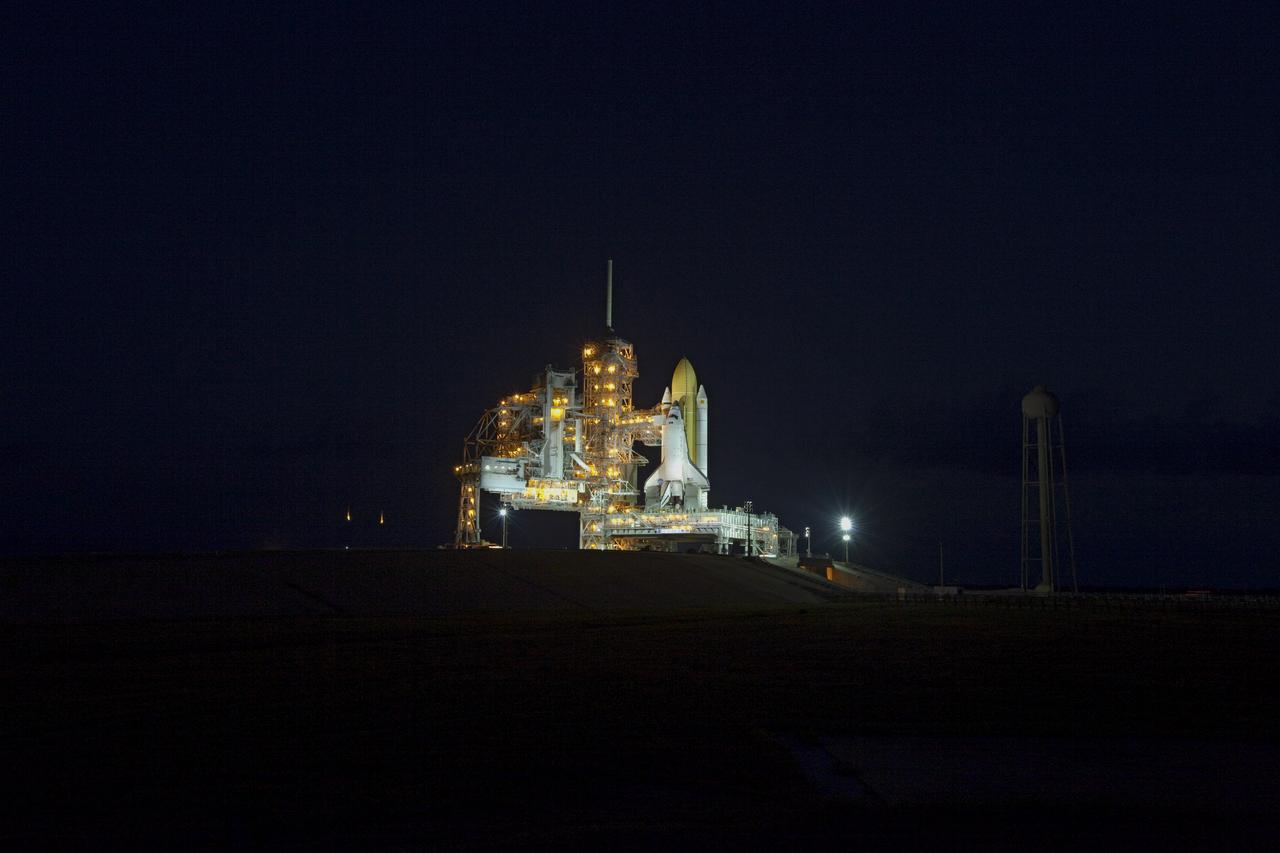
STS-133 DISCOVERY AT PAD 39A AFTER ROLLOUT
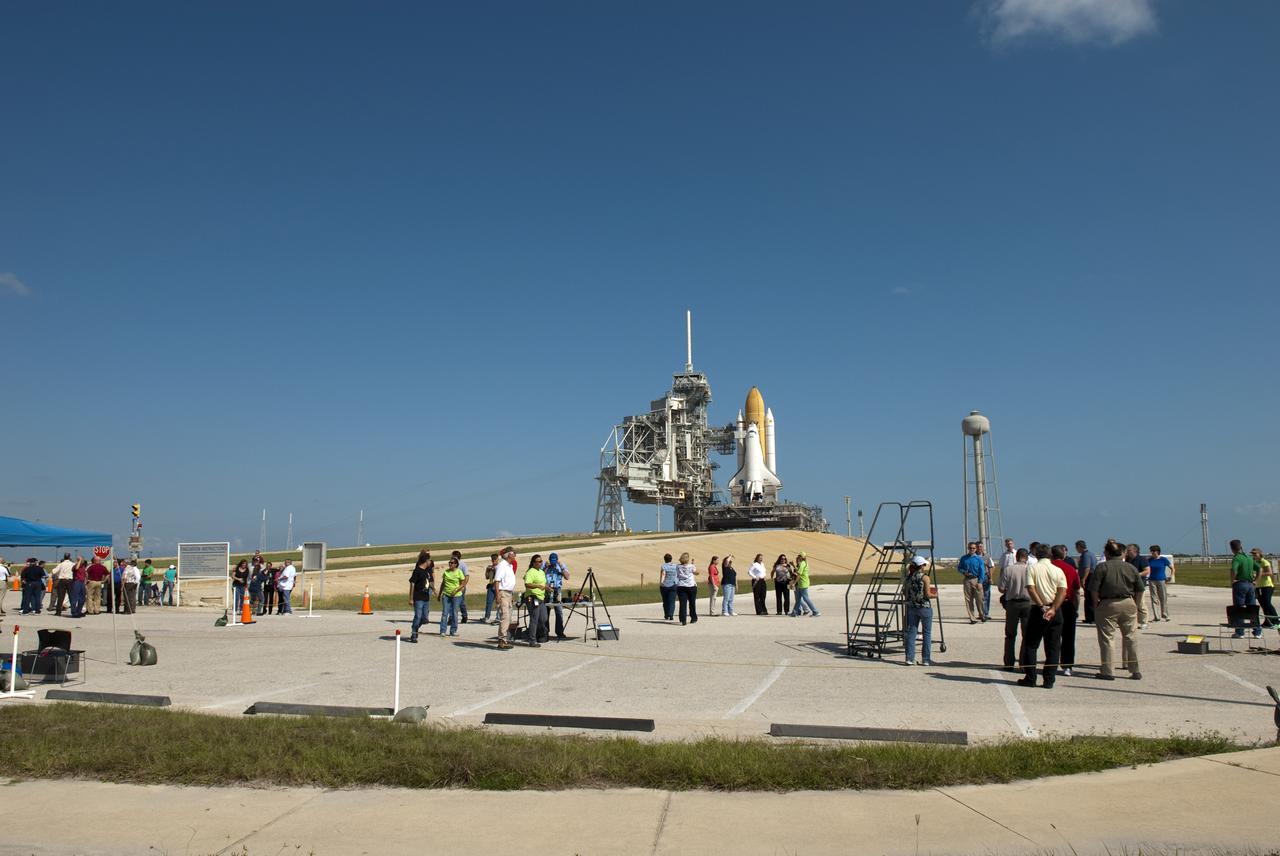
STS-133 KSC EMPLOYEES WITH DISCOVERY ON PAD 39A
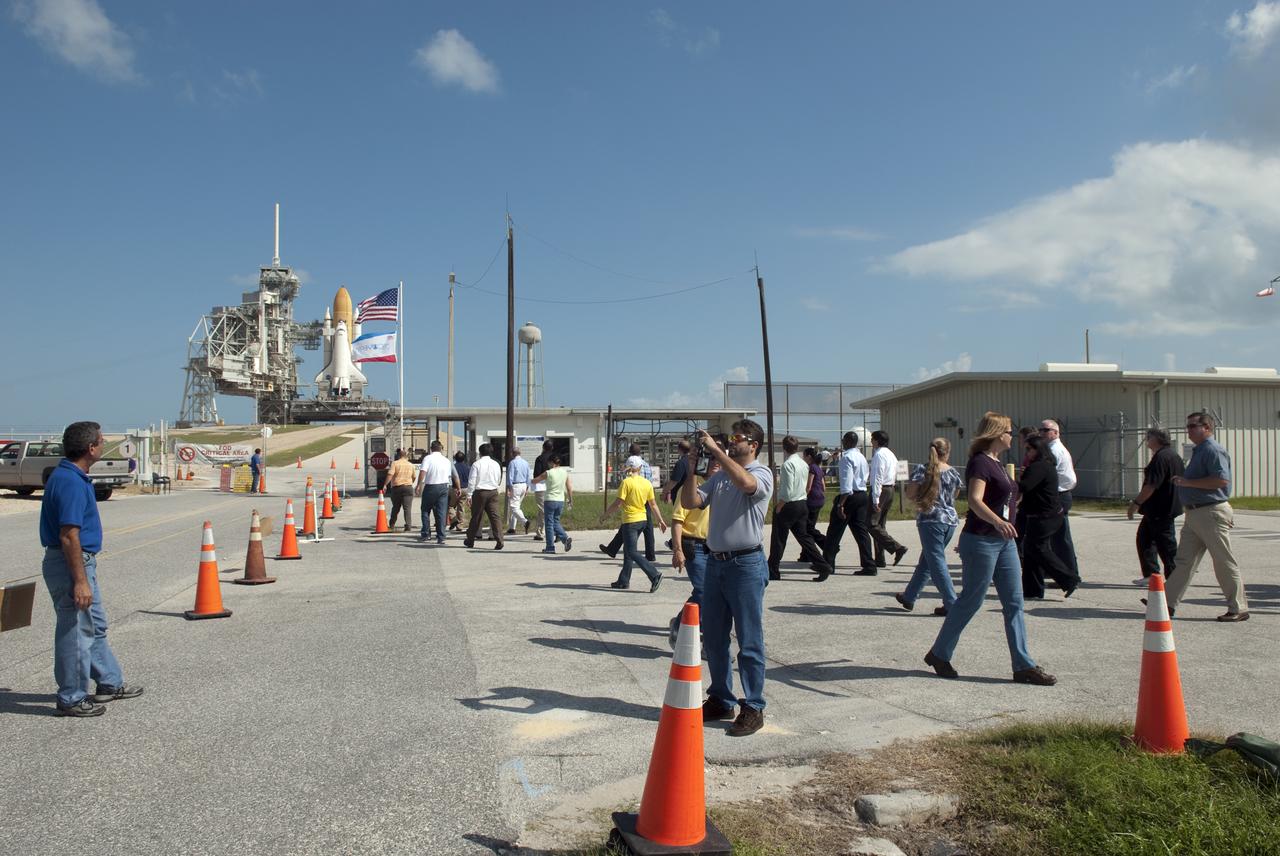
STS-133 KSC EMPLOYEES WITH DISCOVERY ON PAD 39A
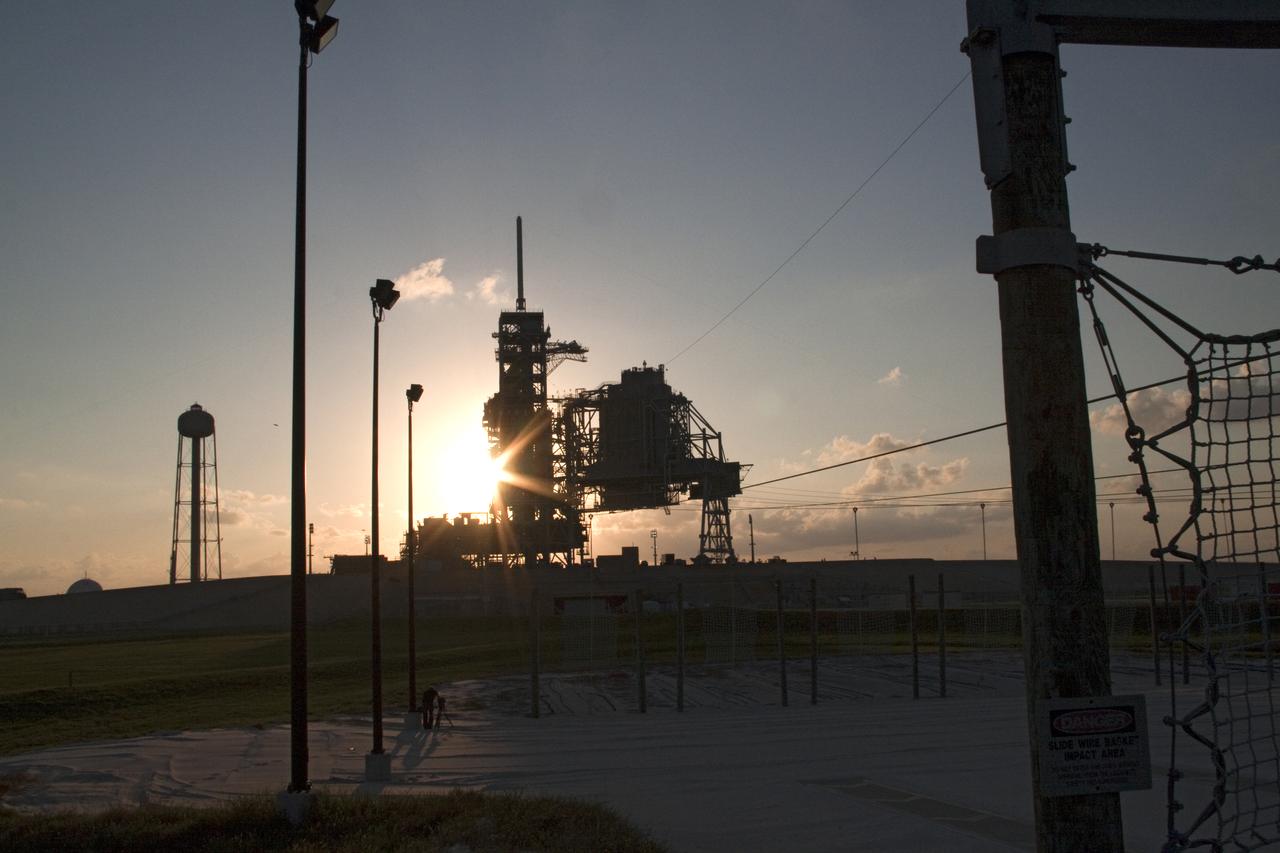
STS-133 DISCOVERY AT PAD 39A - SUNRISE SHOTS
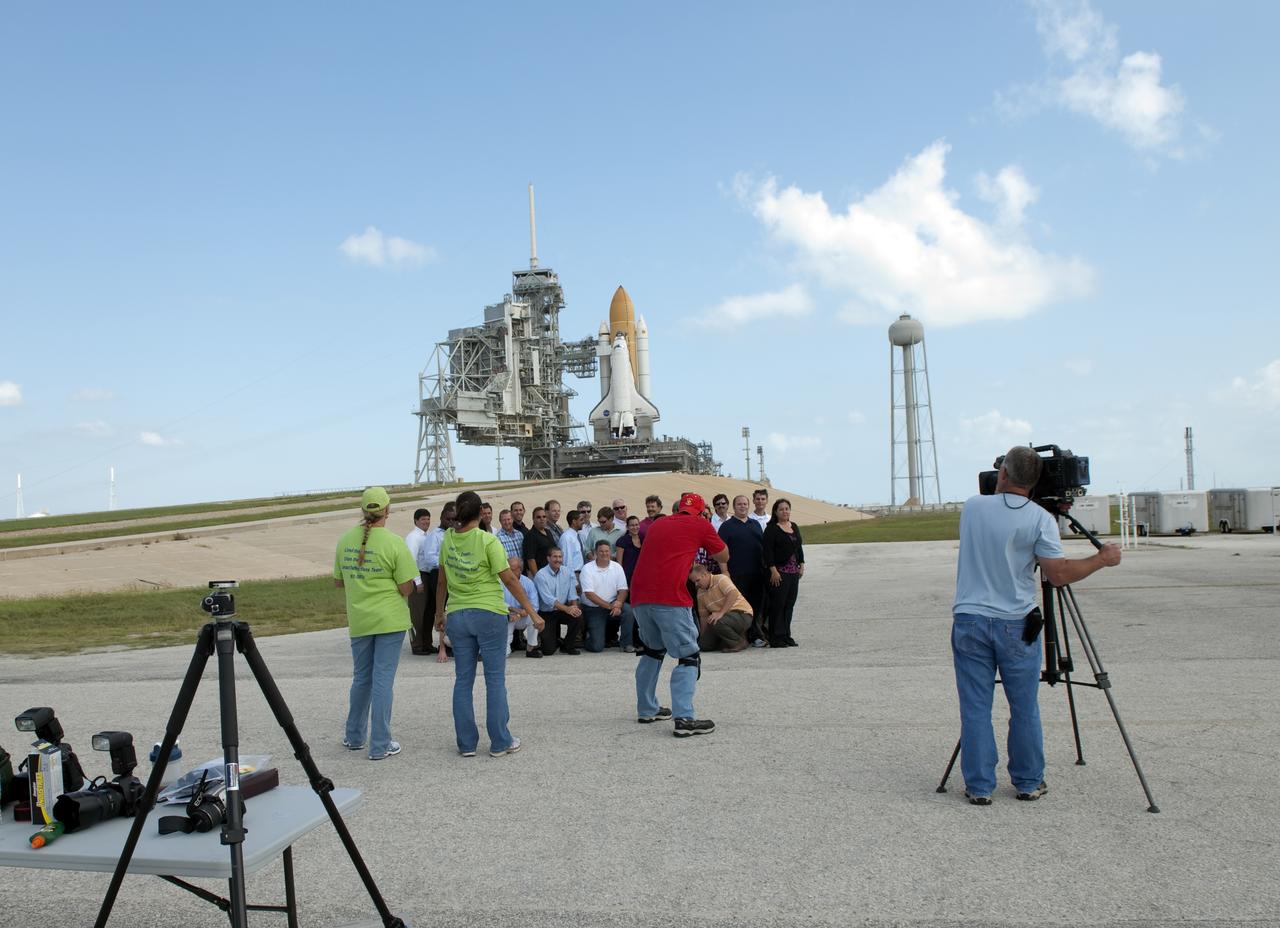
STS-133 KSC EMPLOYEES WITH DISCOVERY ON PAD 39A
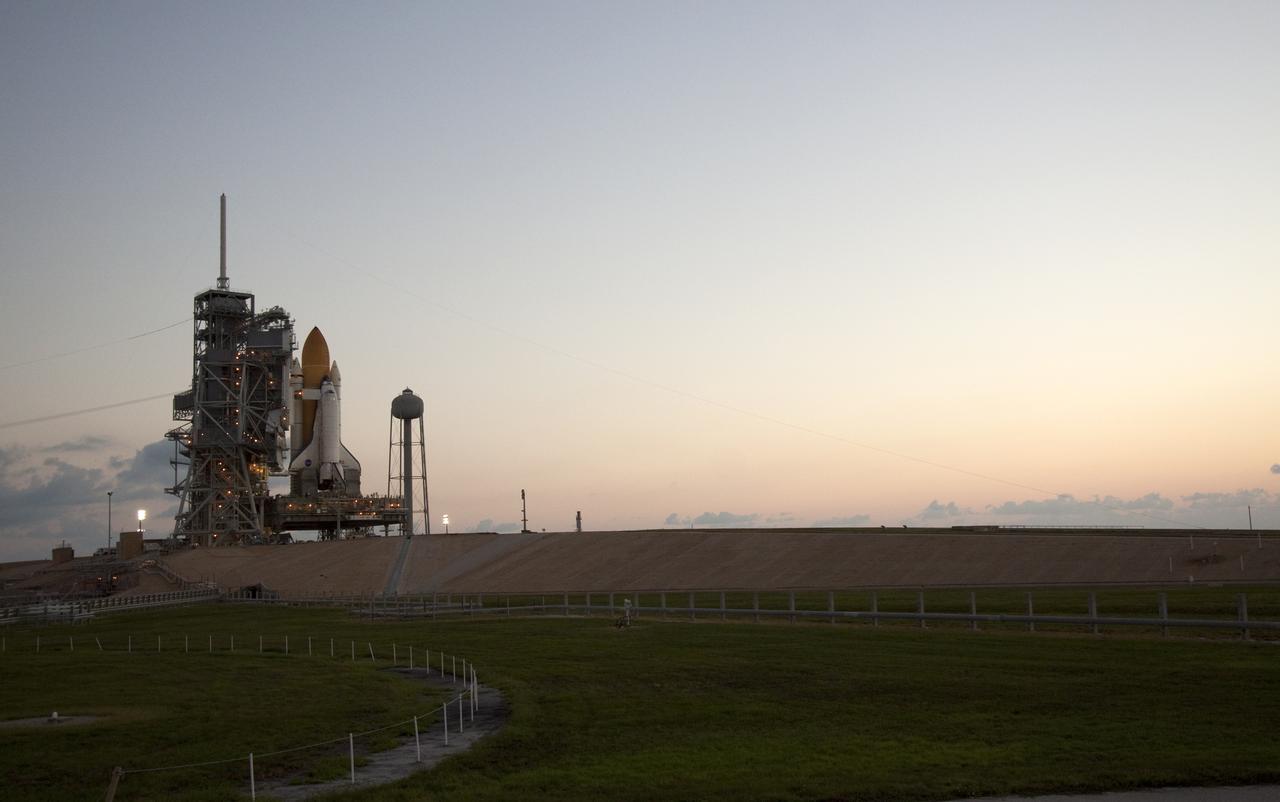
STS-133 DISCOVERY AT PAD 39A - SUNRISE SHOTS
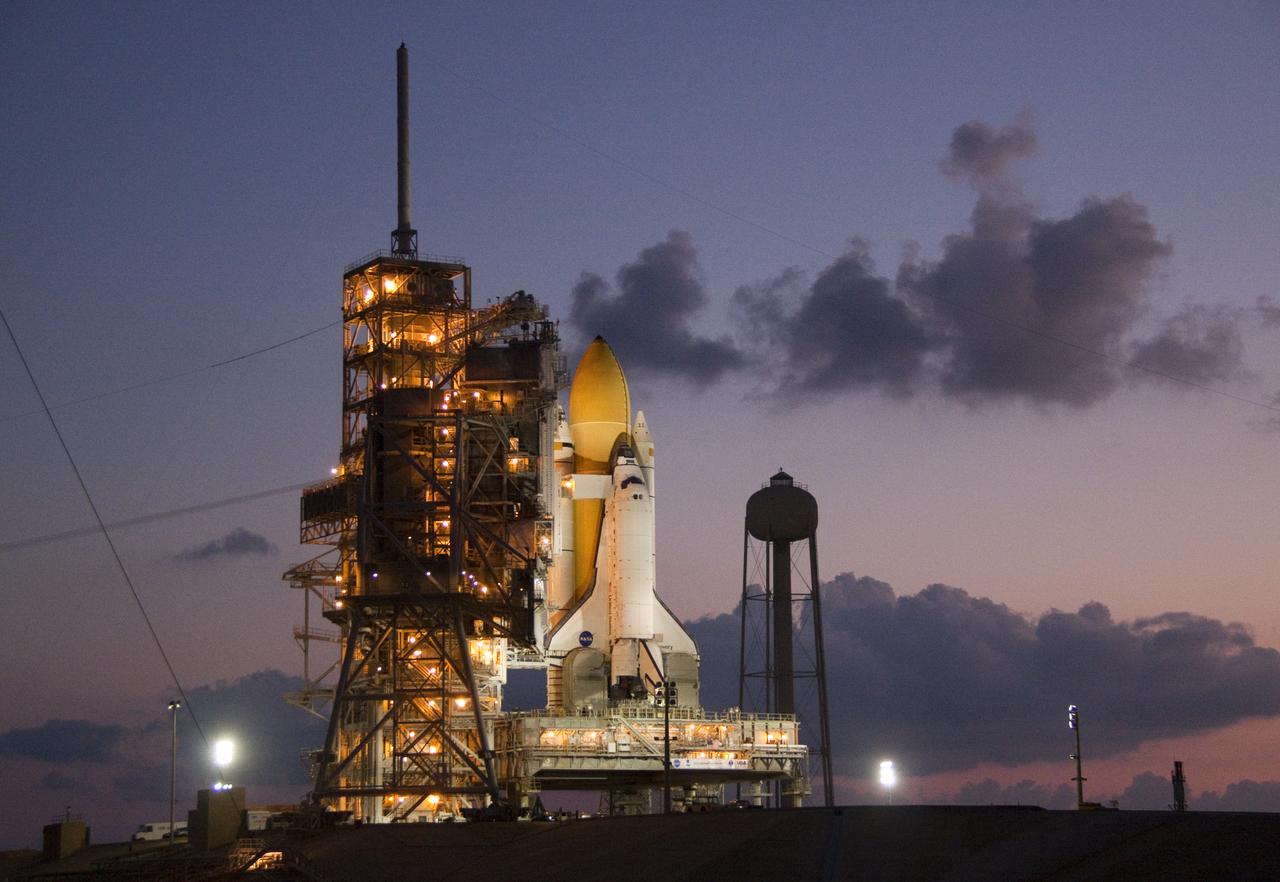
STS-133 DISCOVERY AT PAD 39A - SUNRISE SHOTS

STS-133 DISCOVERY ROLLOUT FROM VAB TO PAD 39A

STS-133 DISCOVERY ROLLOUT FROM VAB TO PAD 39A
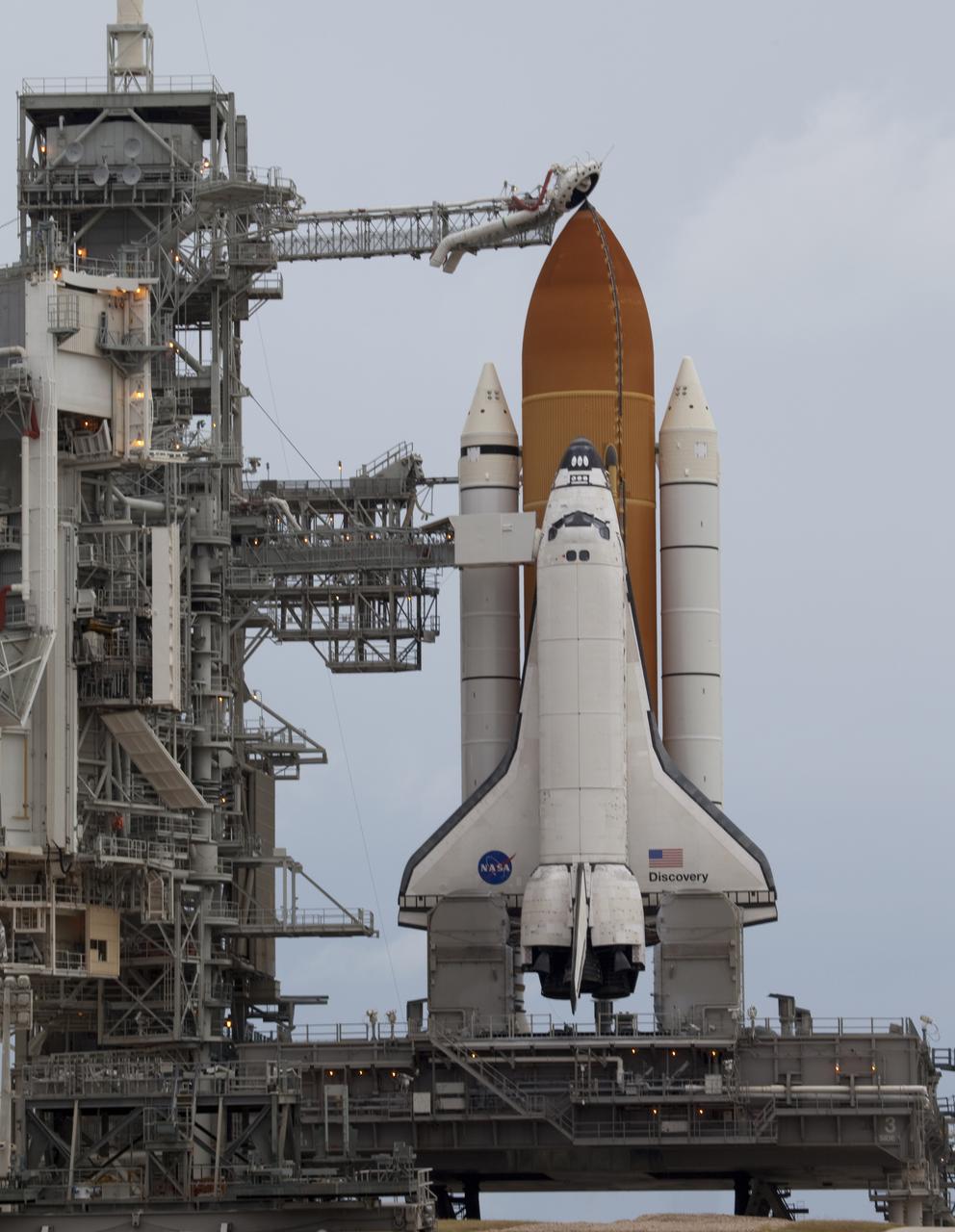
STS-133 DISCOVERY ON PAD 39A & SURROUNDING WILDLIFE - WEATHER SCRUB
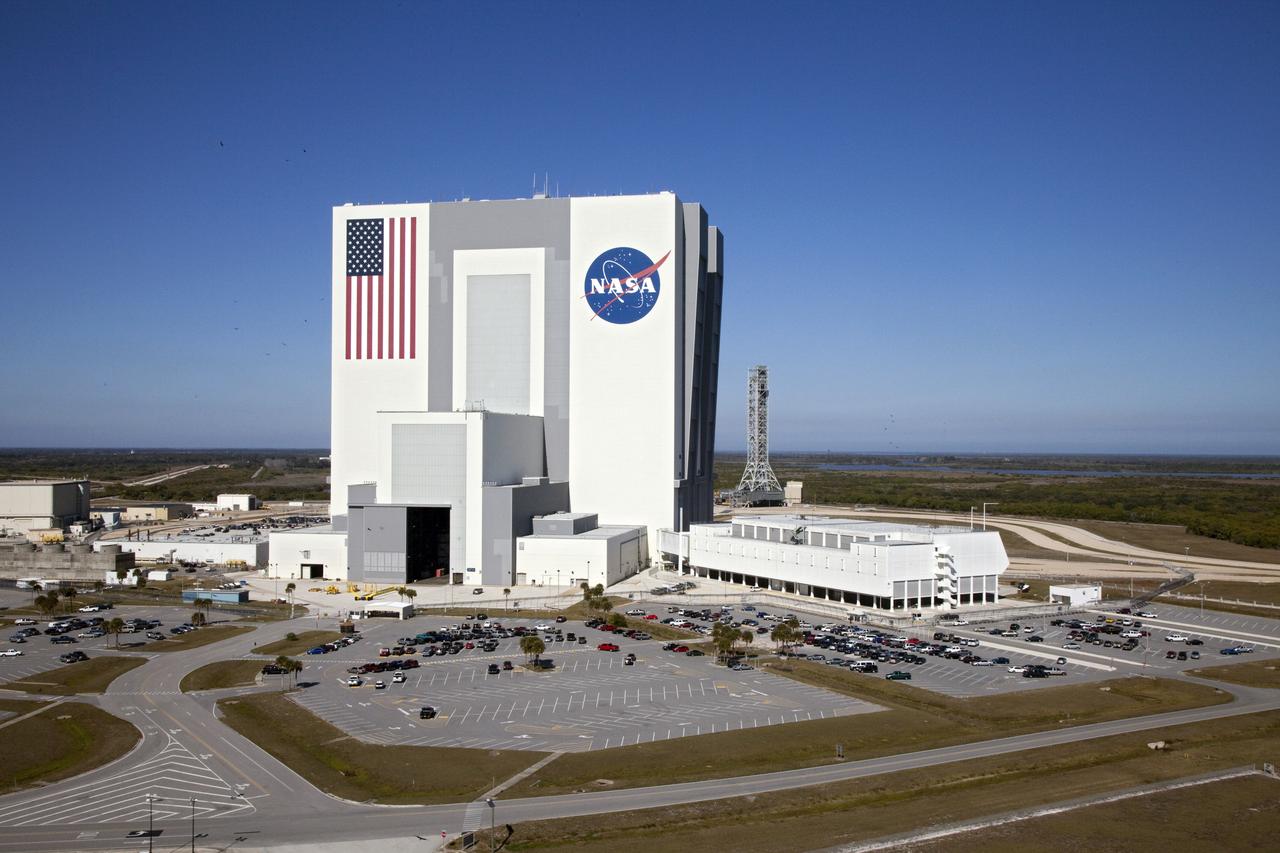
Aerials - STS-133 Discovery on Pad 39A, LEED Bldg., VAB
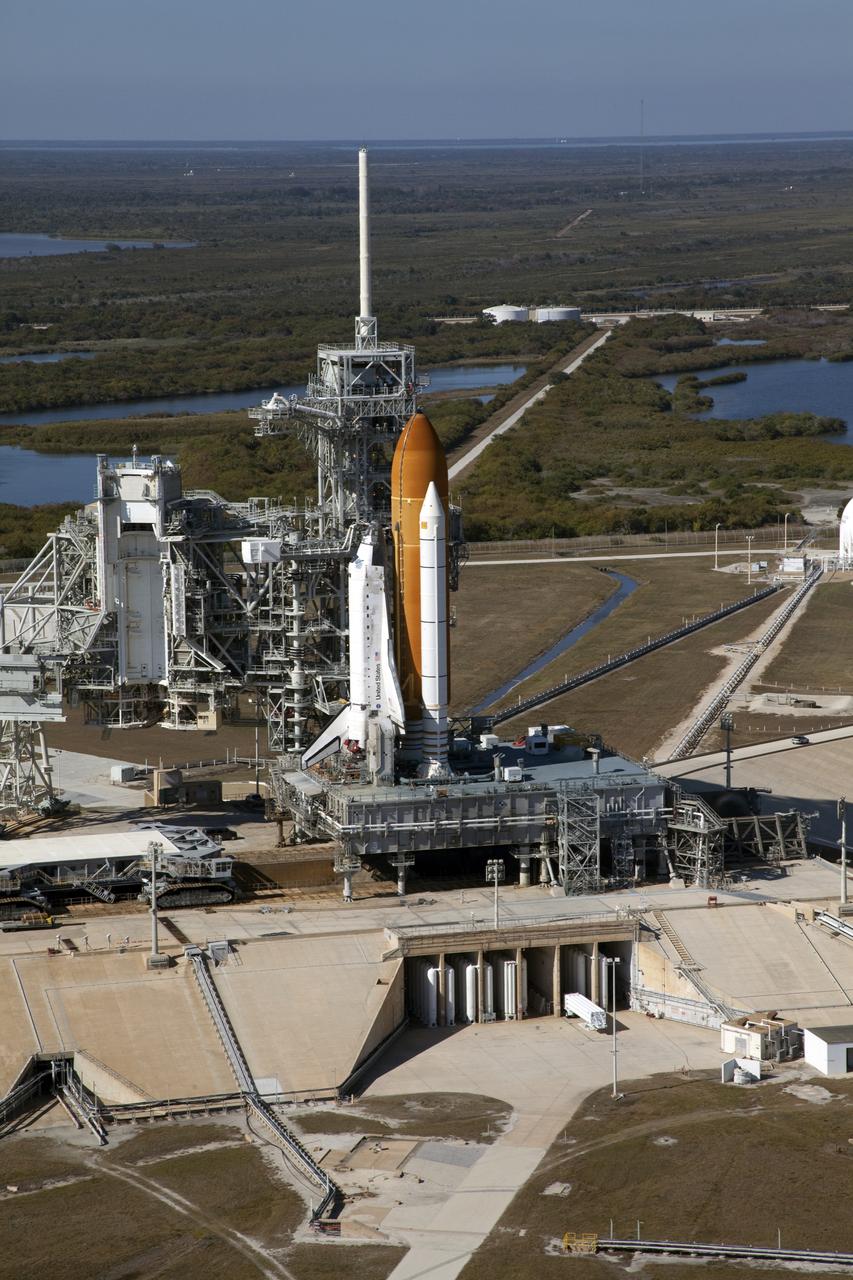
Aerials - STS-133 Discovery on Pad 39A, LEED Bldg., VAB
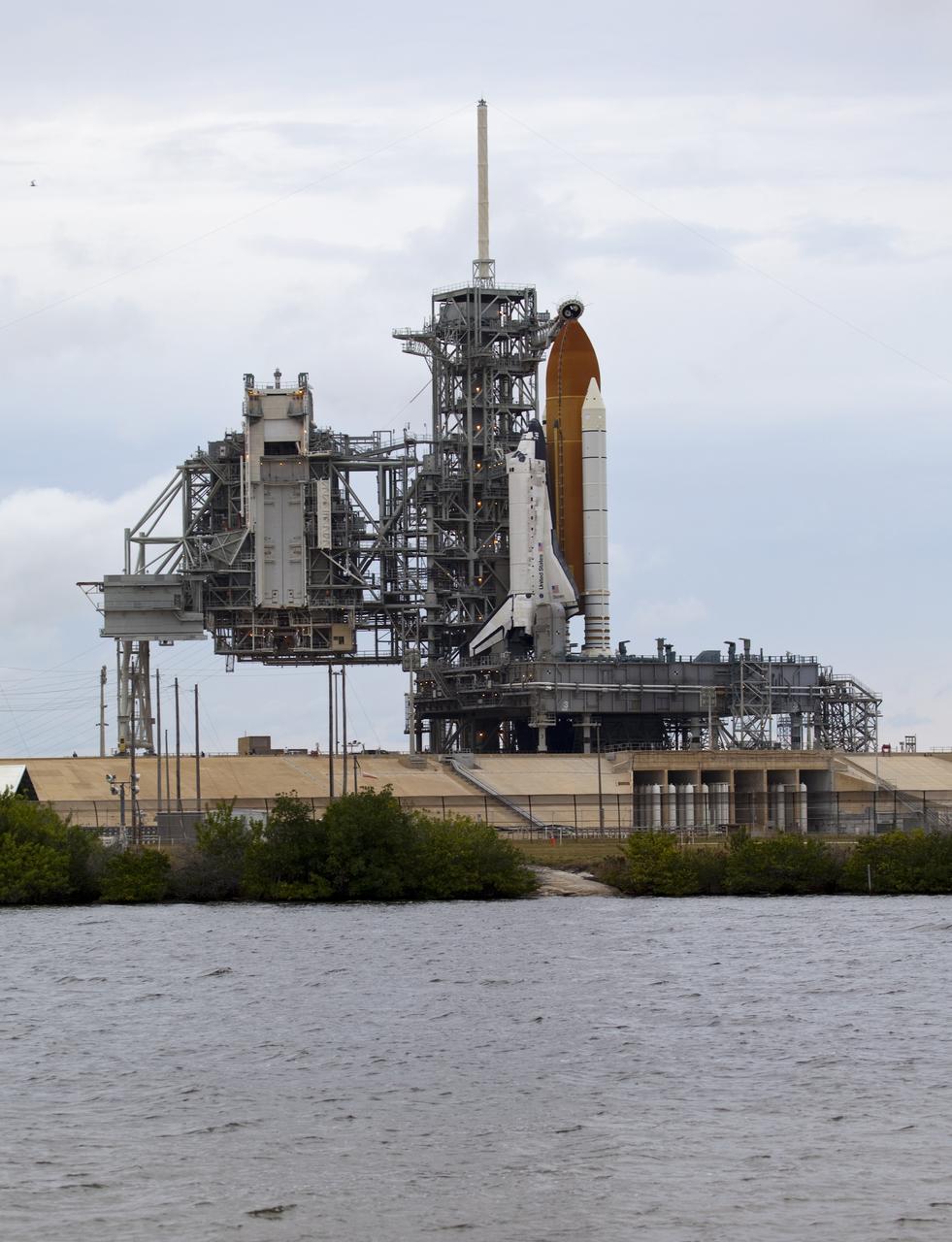
STS-133 DISCOVERY ON PAD 39A & SURROUNDING WILDLIFE - WEATHER SCRUB
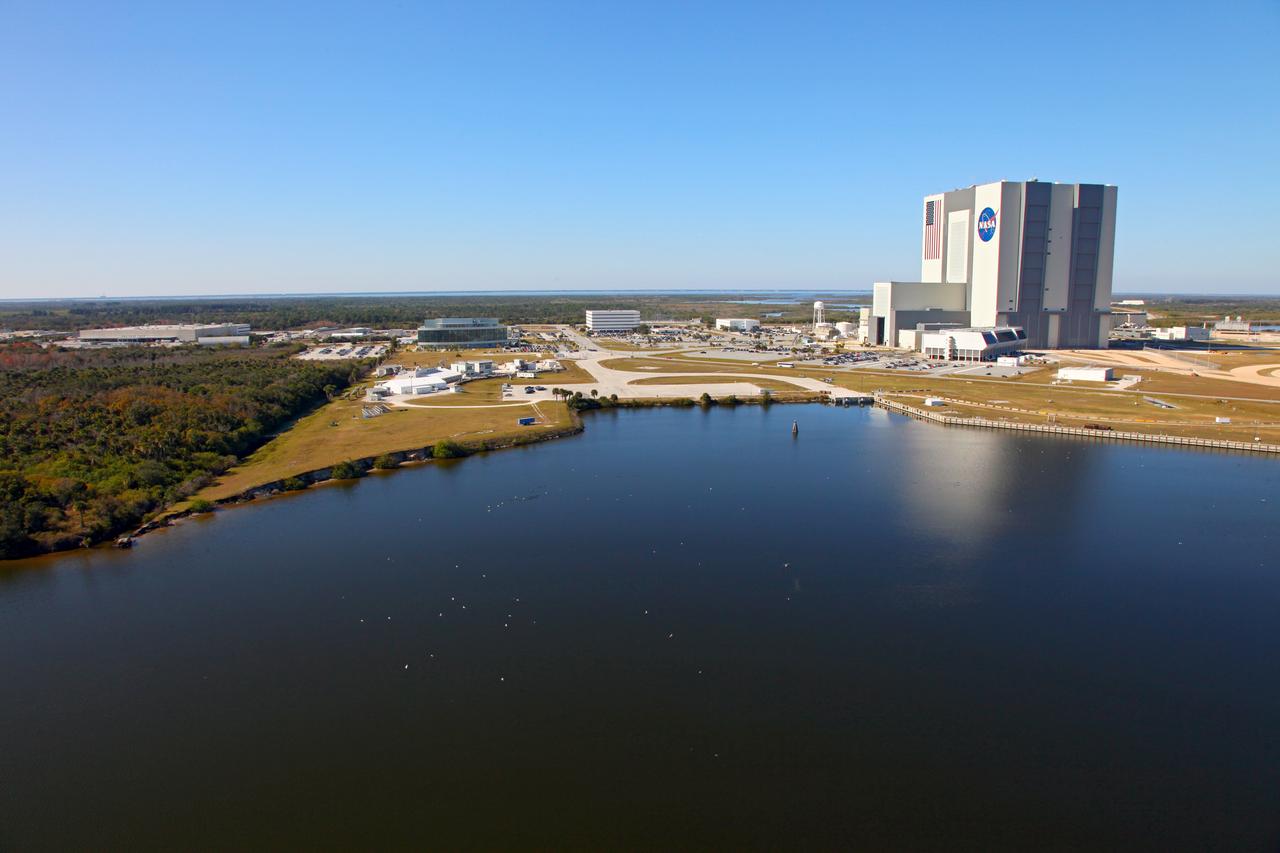
Aerials - STS-133 Discovery on Pad 39A, LEED Bldg., VAB
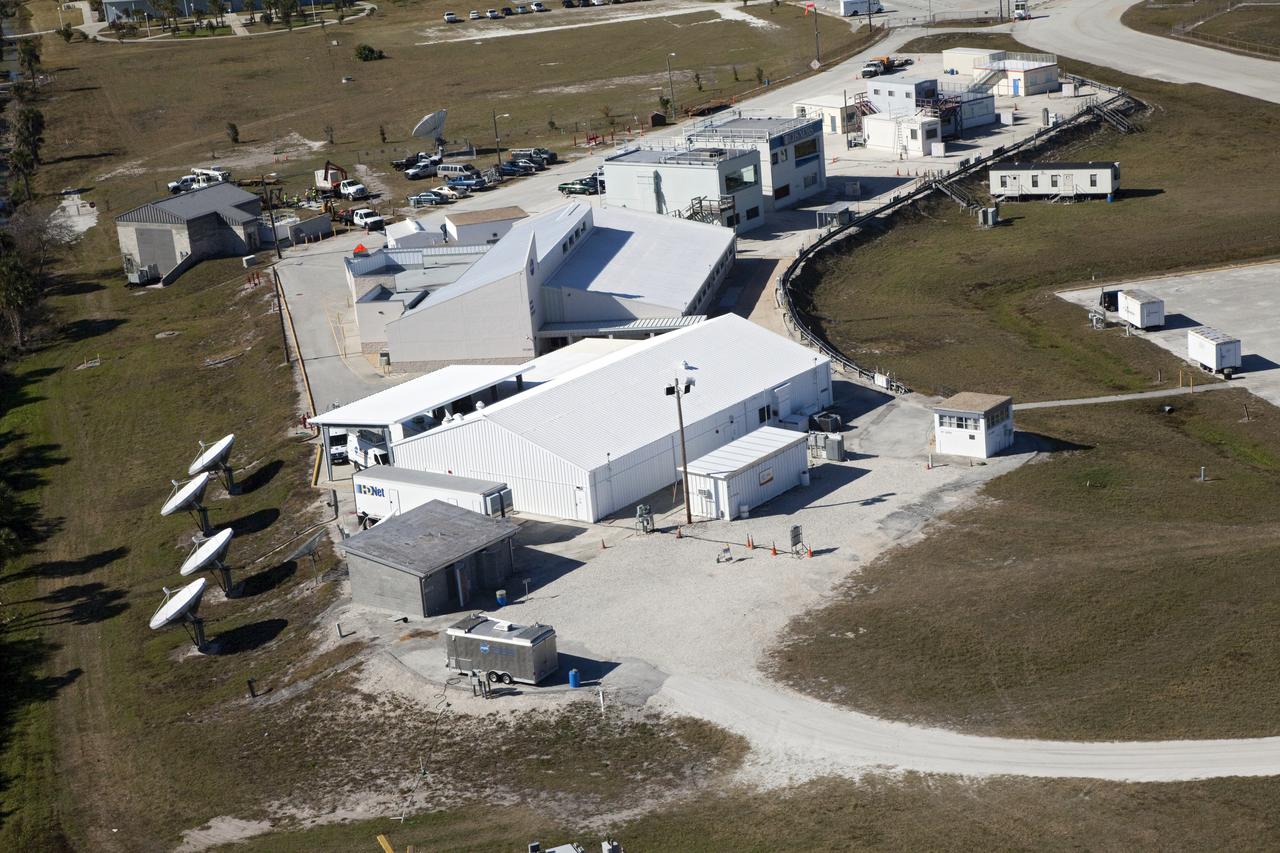
Aerials - STS-133 Discovery on Pad 39A, LEED Bldg., VAB
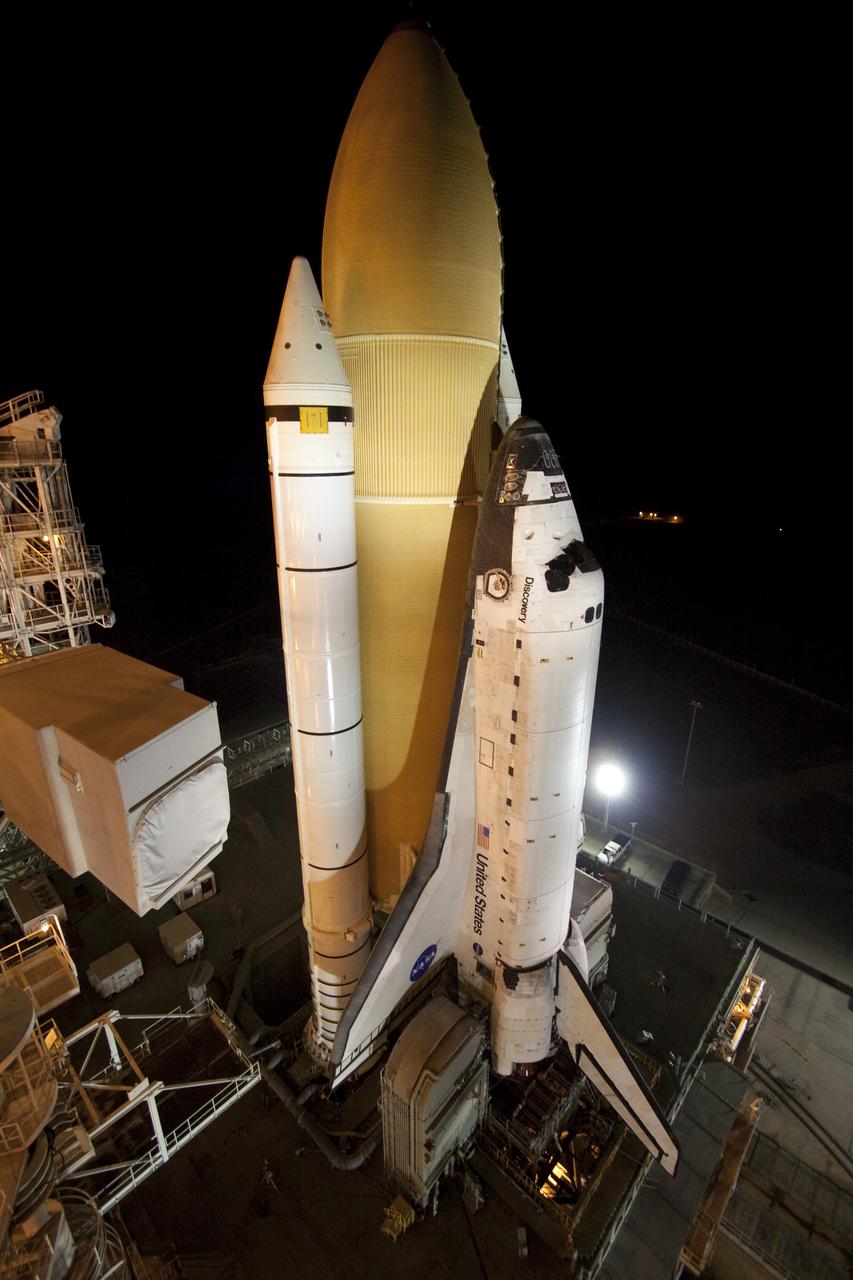
STS-133 DISCOVERY ROLLOUT FROM VAB TO PAD 39A
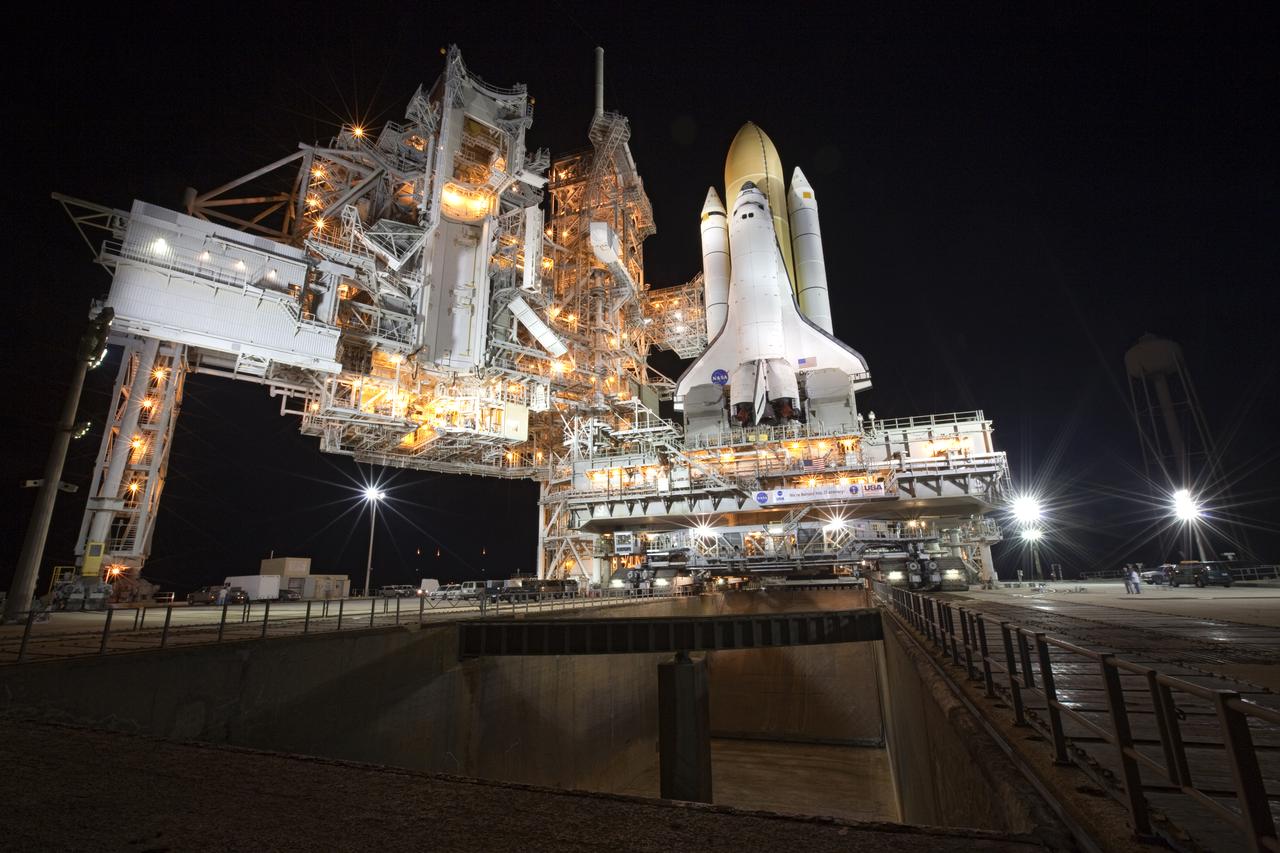
STS-133 DISCOVERY ROLLOUT FROM VAB TO PAD 39A
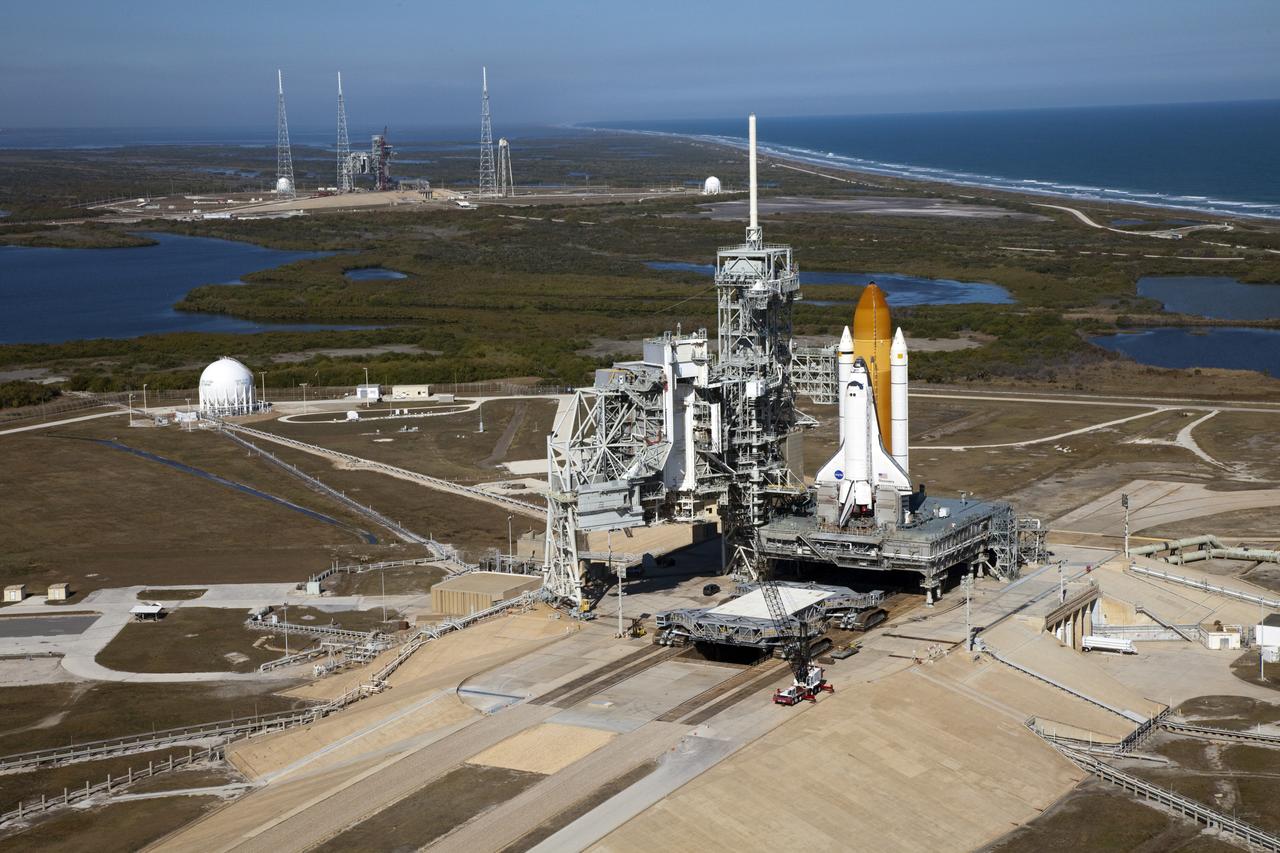
Aerials - STS-133 Discovery on Pad 39A, LEED Bldg., VAB
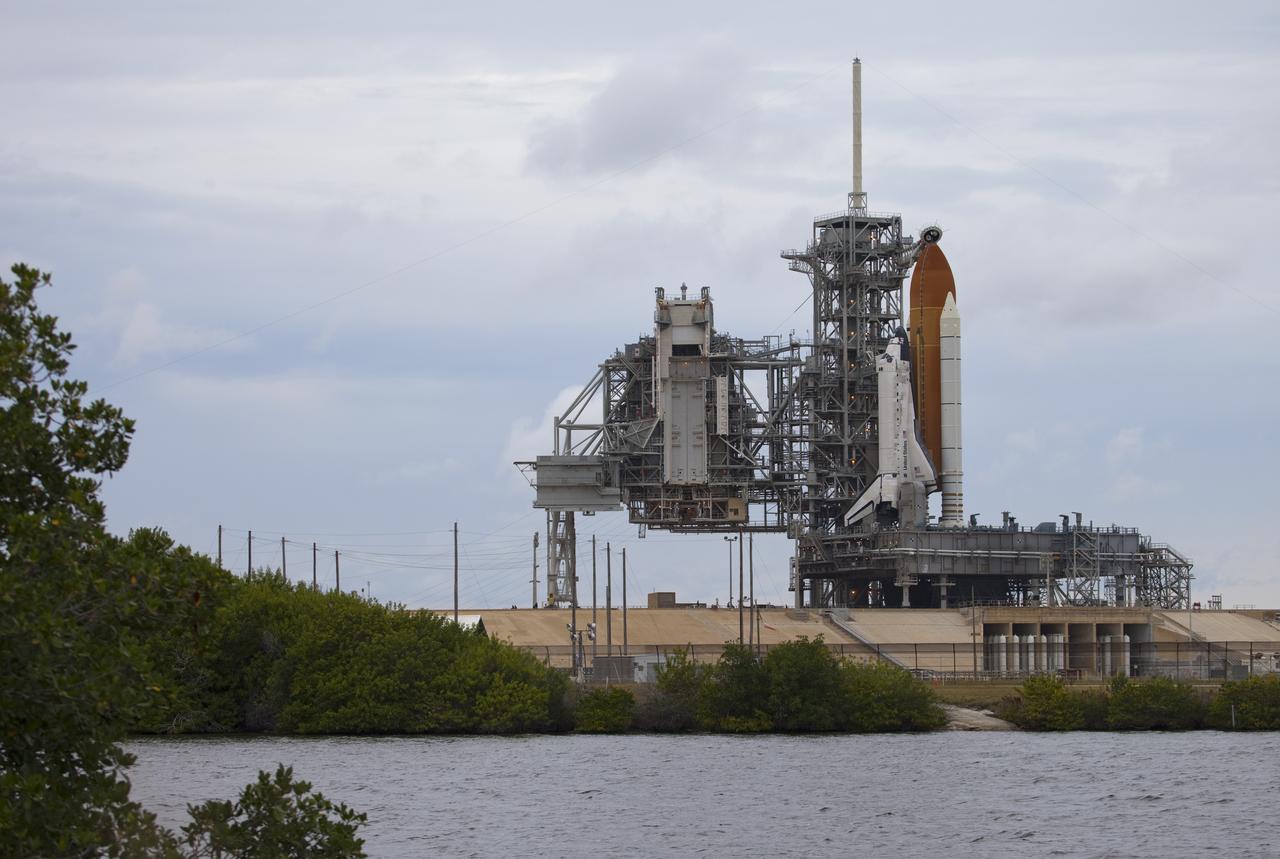
STS-133 DISCOVERY ON PAD 39A & SURROUNDING WILDLIFE - WEATHER SCRUB
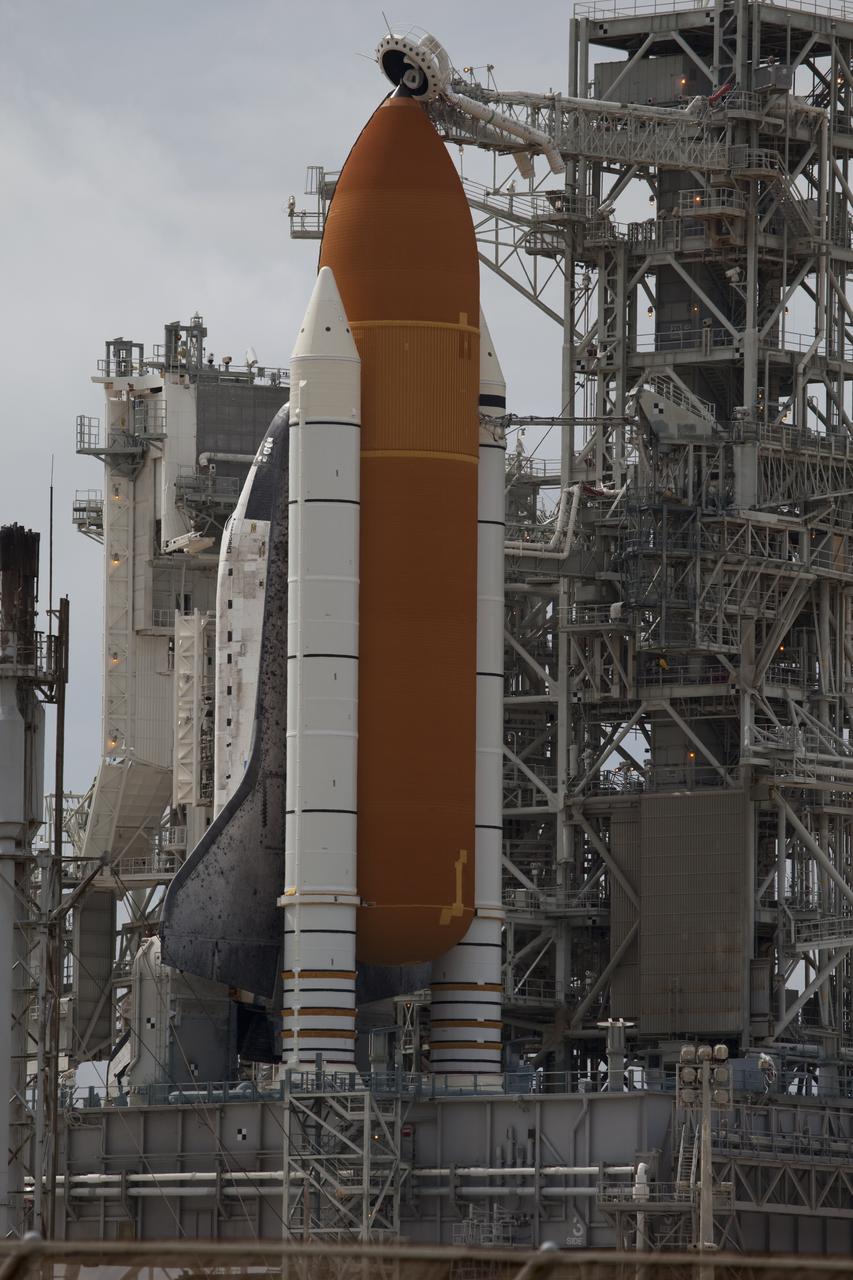
STS-133 DISCOVERY ON PAD 39A & SURROUNDING WILDLIFE - WEATHER SCRUB
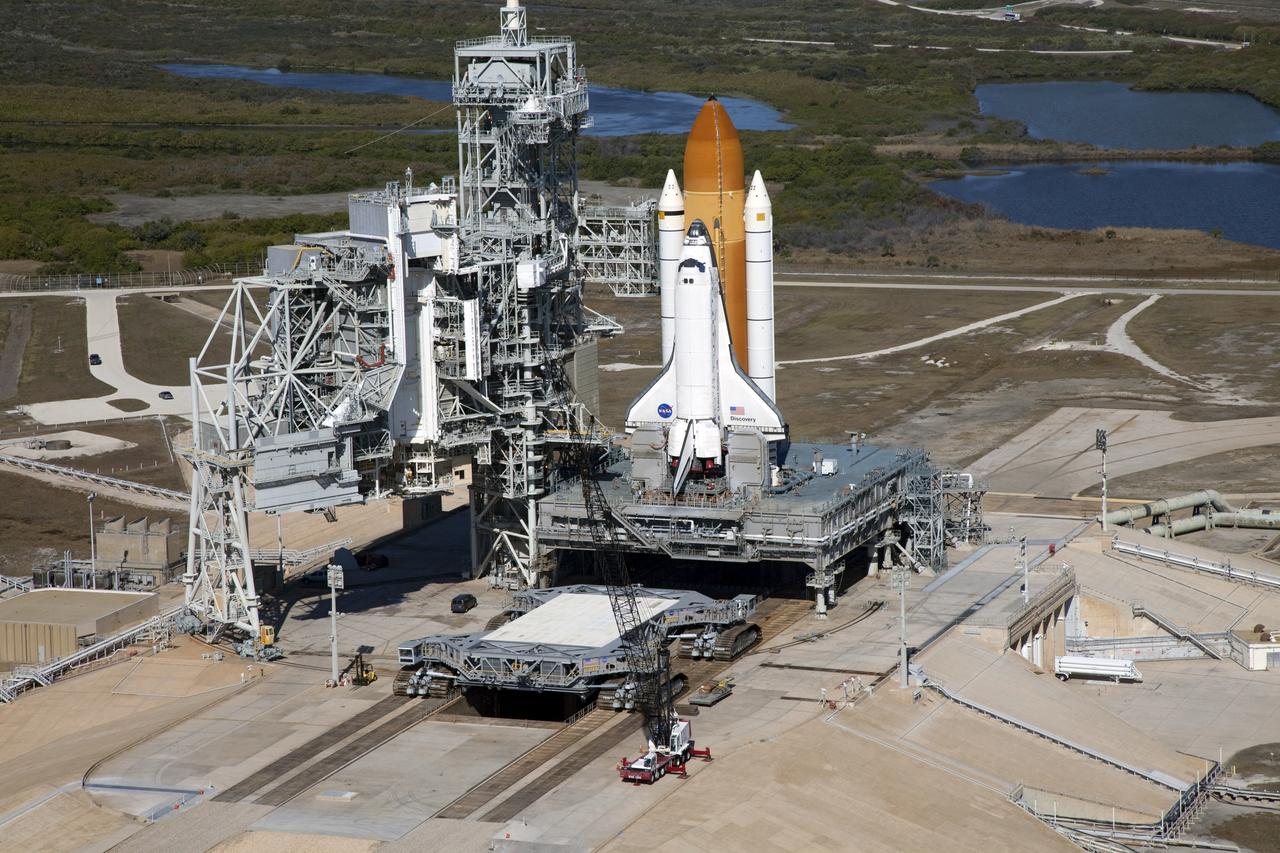
Aerials - STS-133 Discovery on Pad 39A, LEED Bldg., VAB
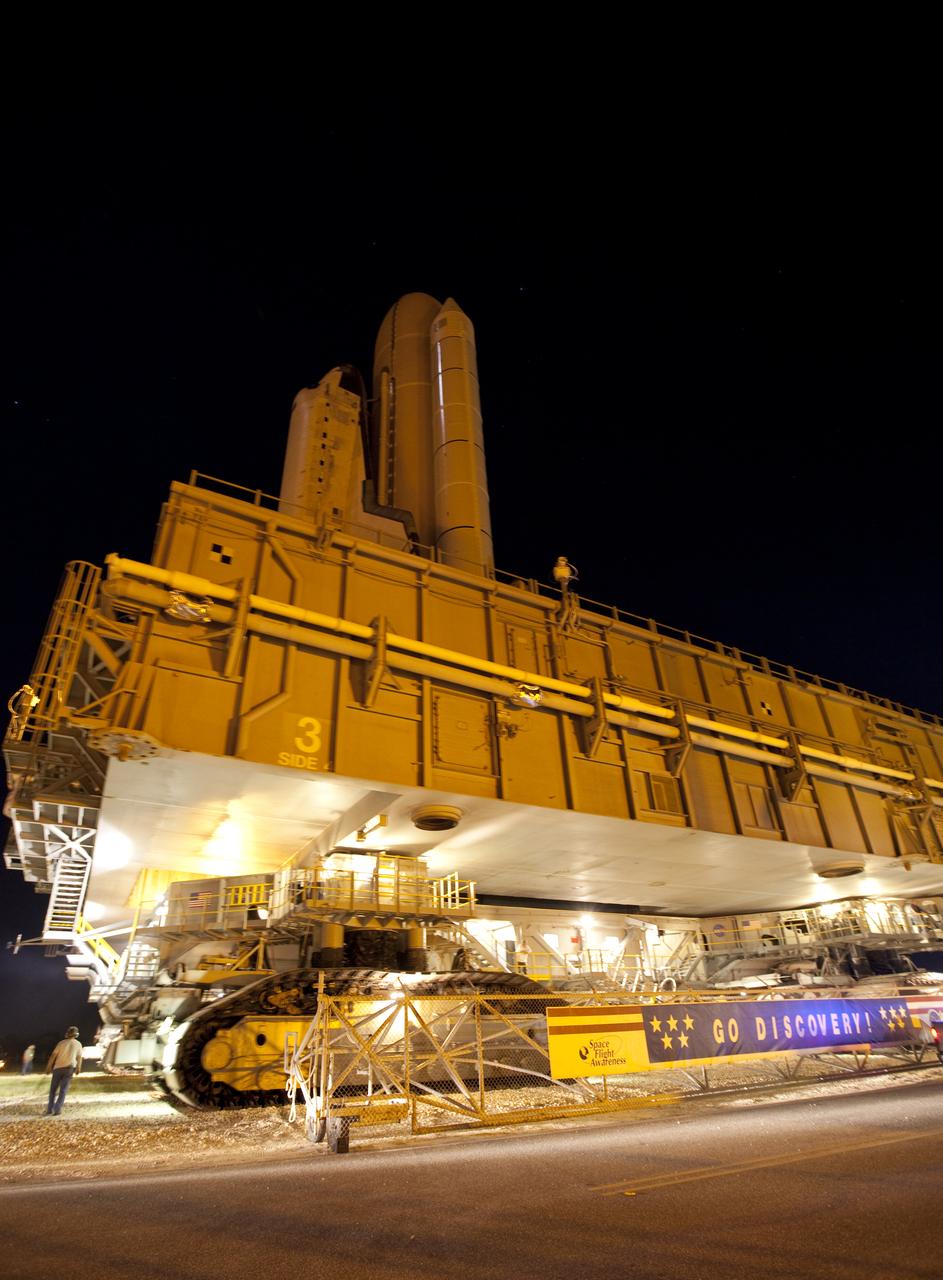
STS-133 DISCOVERY ROLLOUT FROM VAB TO PAD 39A
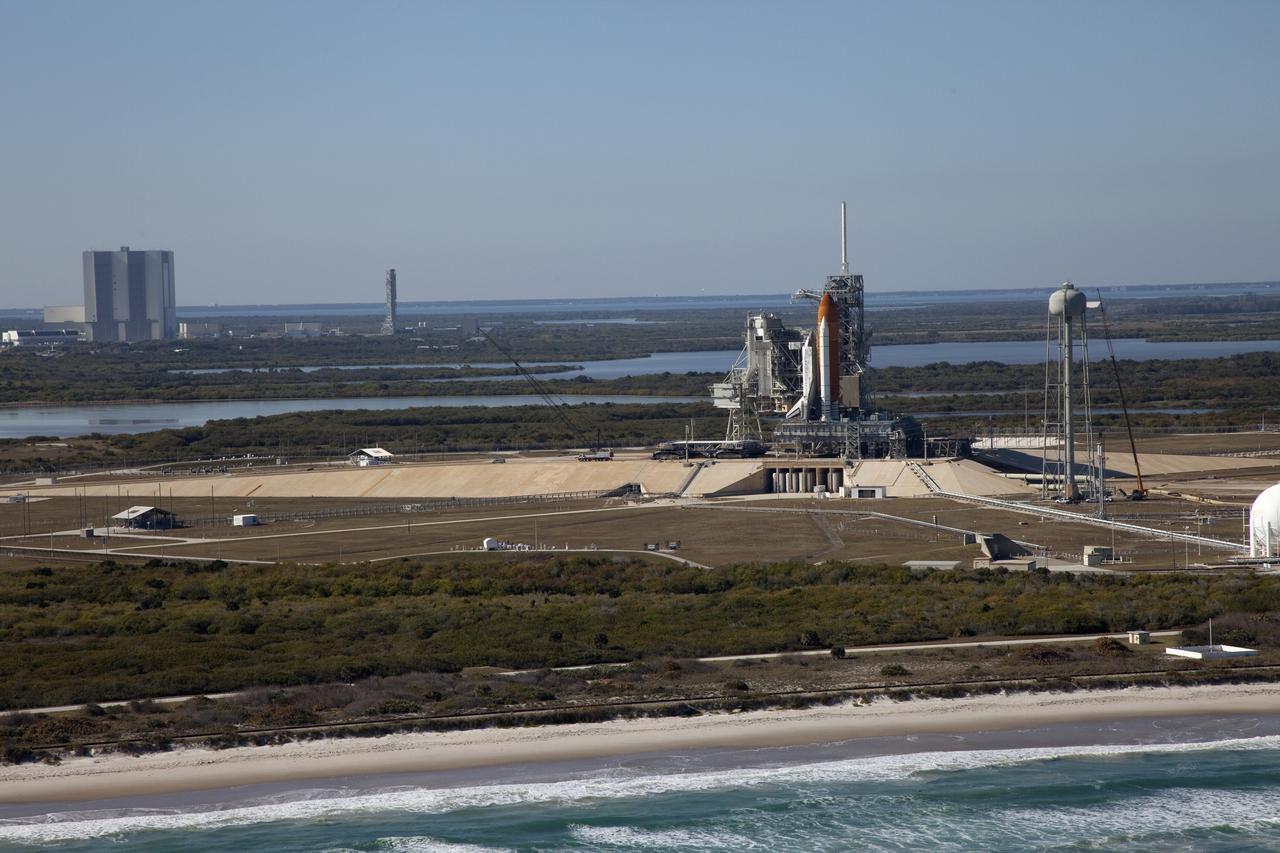
Aerials - STS-133 Discovery on Pad 39A, LEED Bldg., VAB
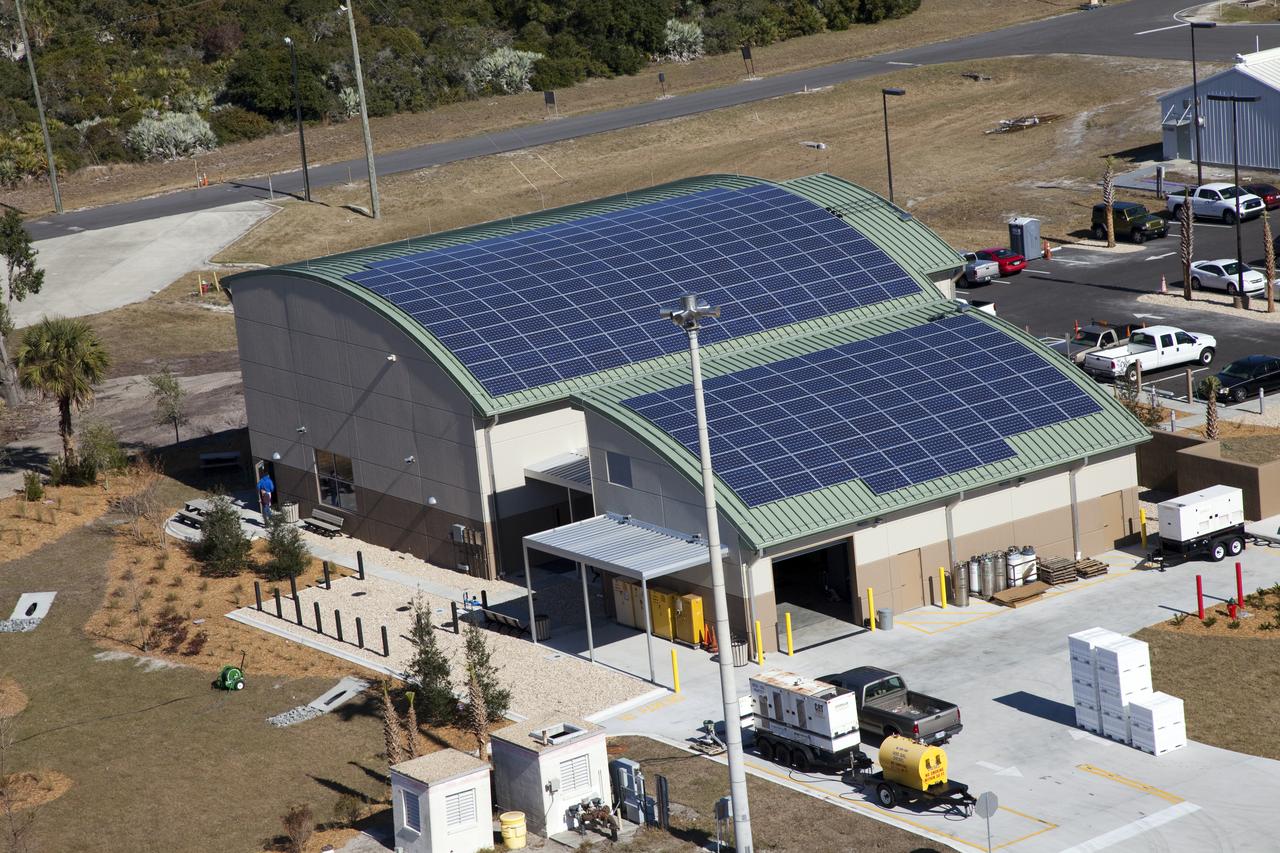
Aerials - STS-133 Discovery on Pad 39A, LEED Bldg., VAB
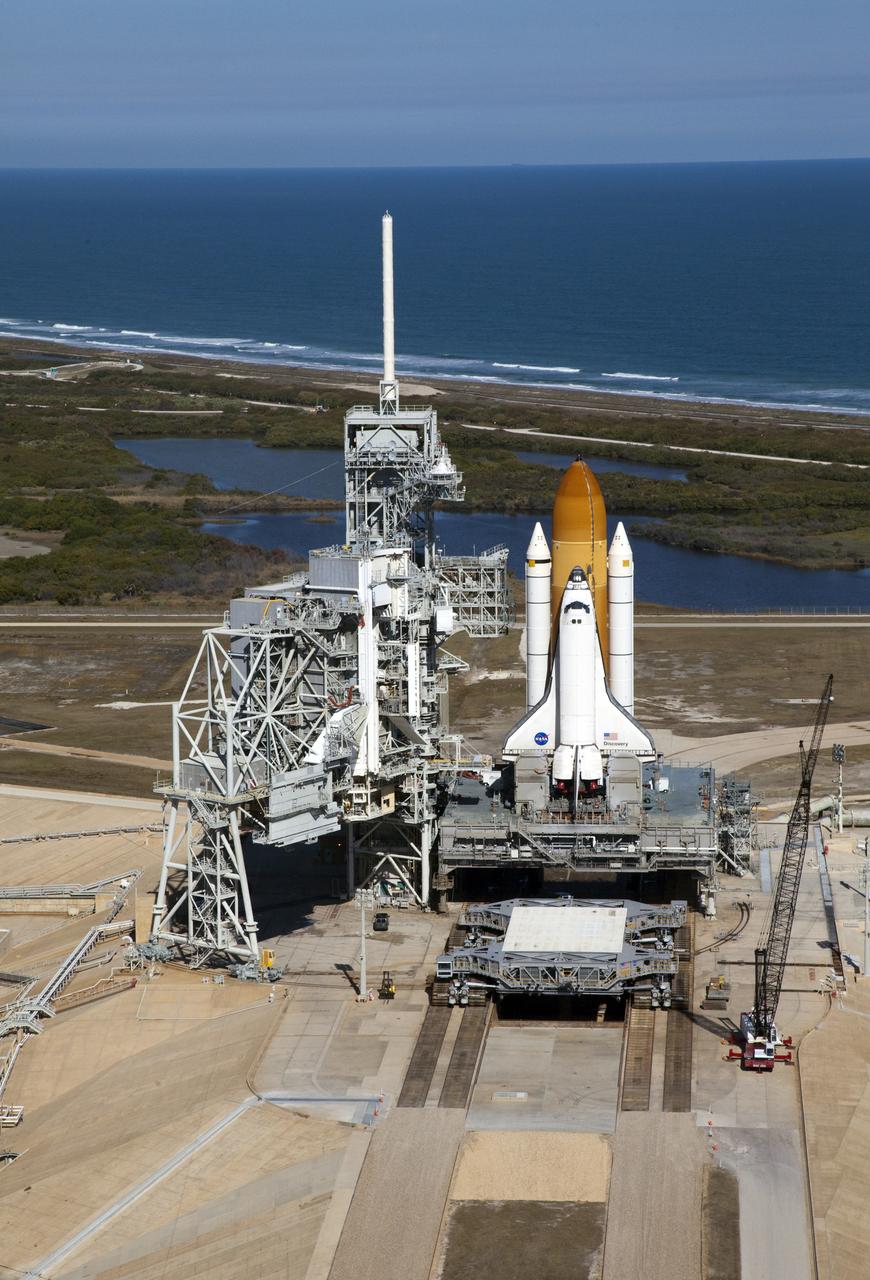
Aerials - STS-133 Discovery on Pad 39A, LEED Bldg., VAB
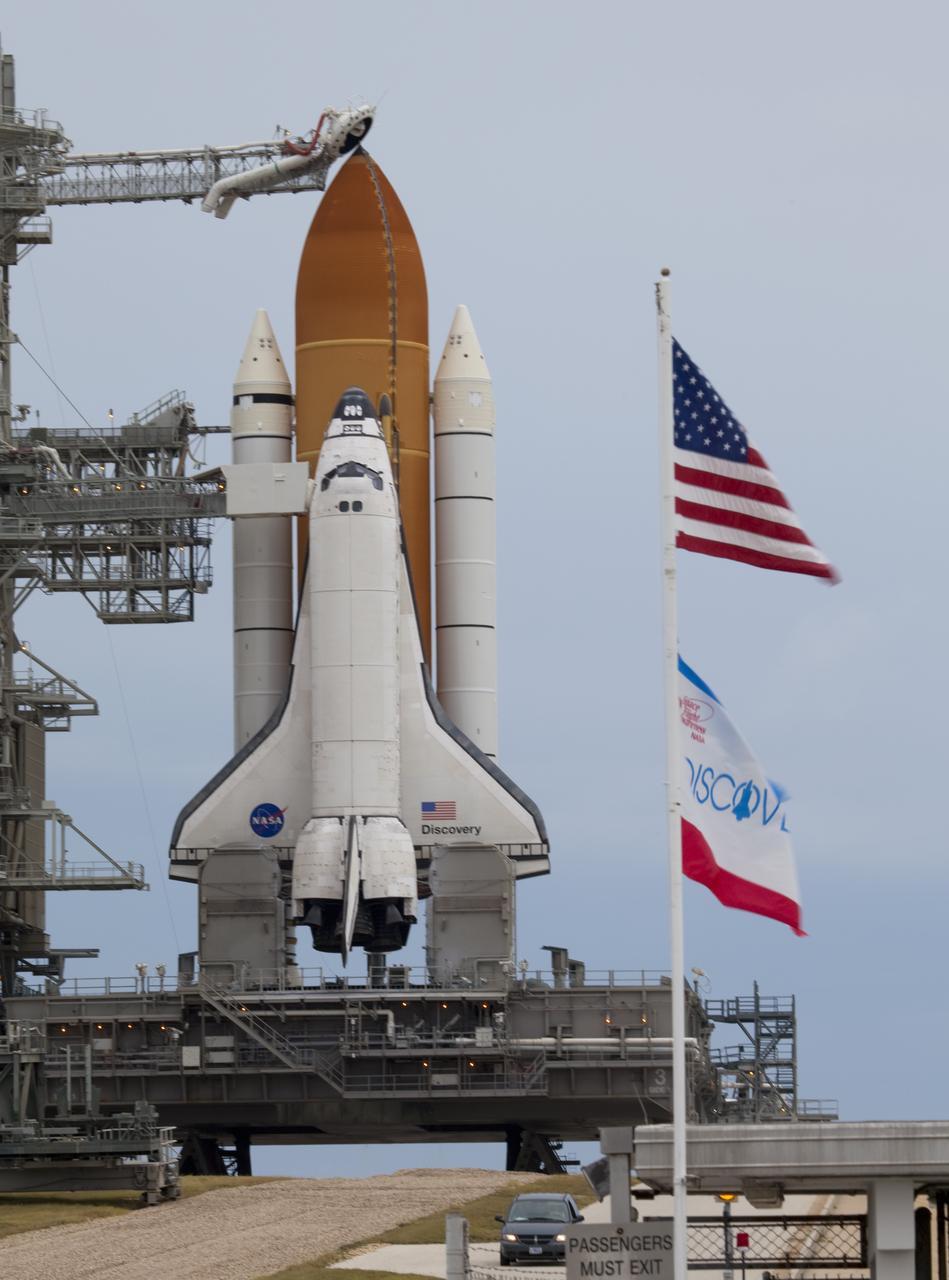
STS-133 DISCOVERY ON PAD 39A & SURROUNDING WILDLIFE - WEATHER SCRUB
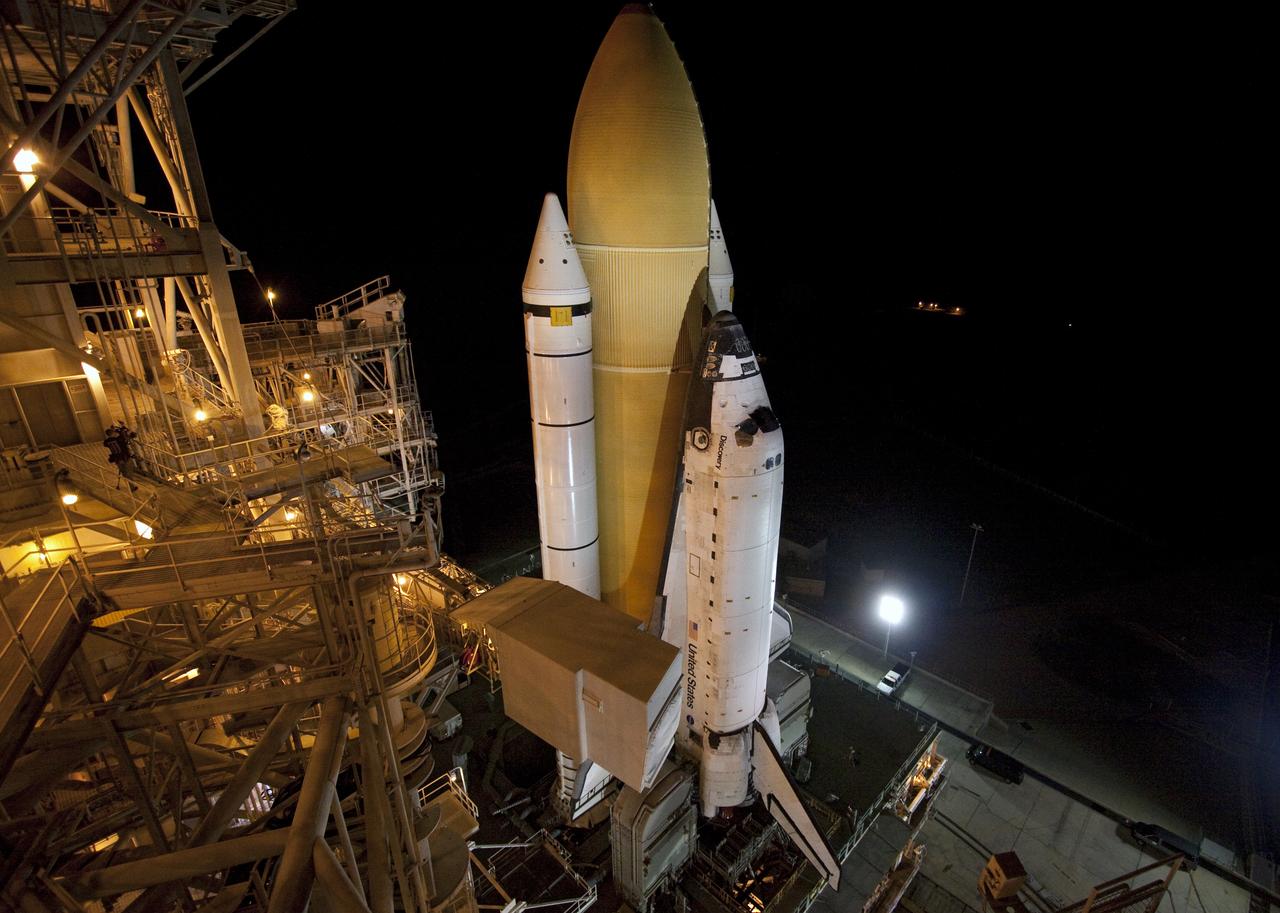
STS-133 DISCOVERY ROLLOUT FROM VAB TO PAD 39A
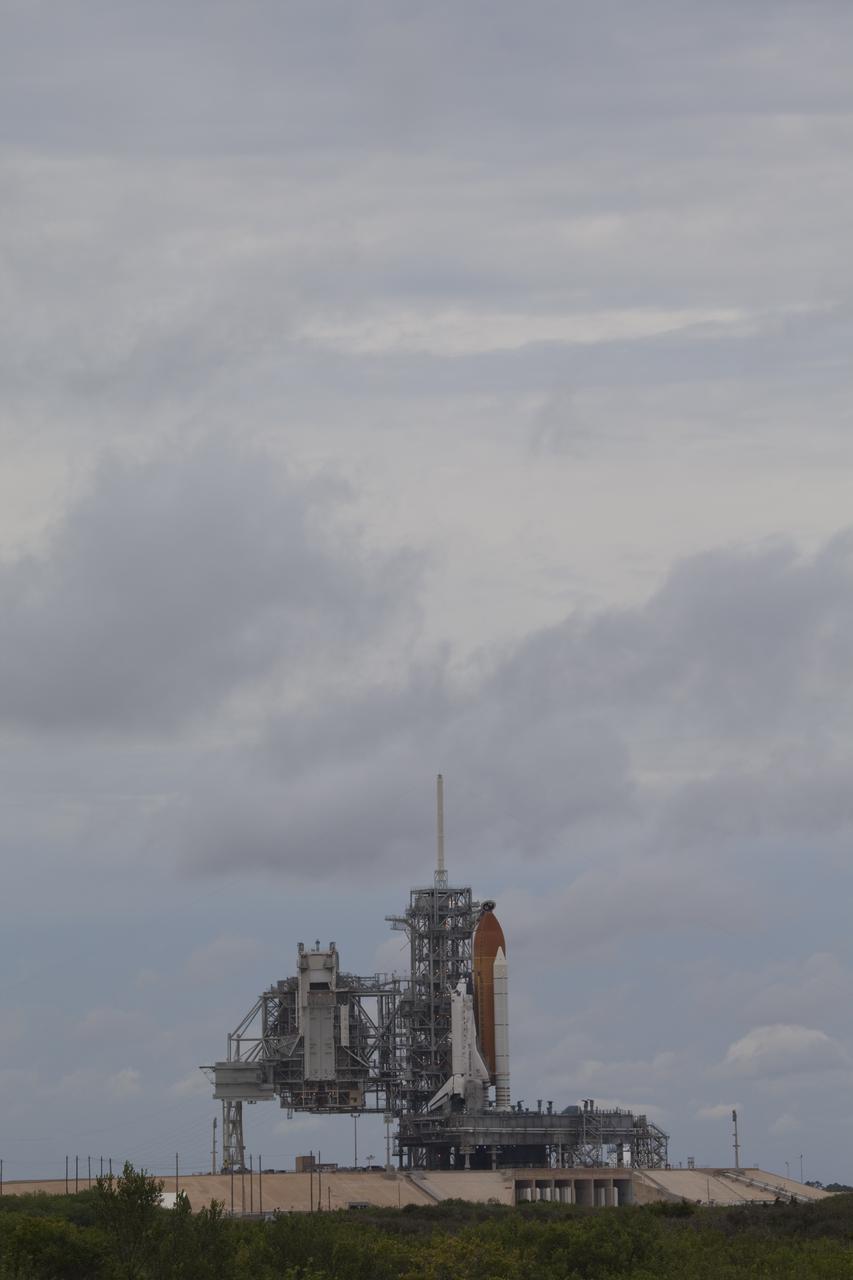
STS-133 DISCOVERY ON PAD 39A & SURROUNDING WILDLIFE - WEATHER SCRUB

STS-133 DISCOVERY ROLLOUT FROM VAB TO PAD 39A
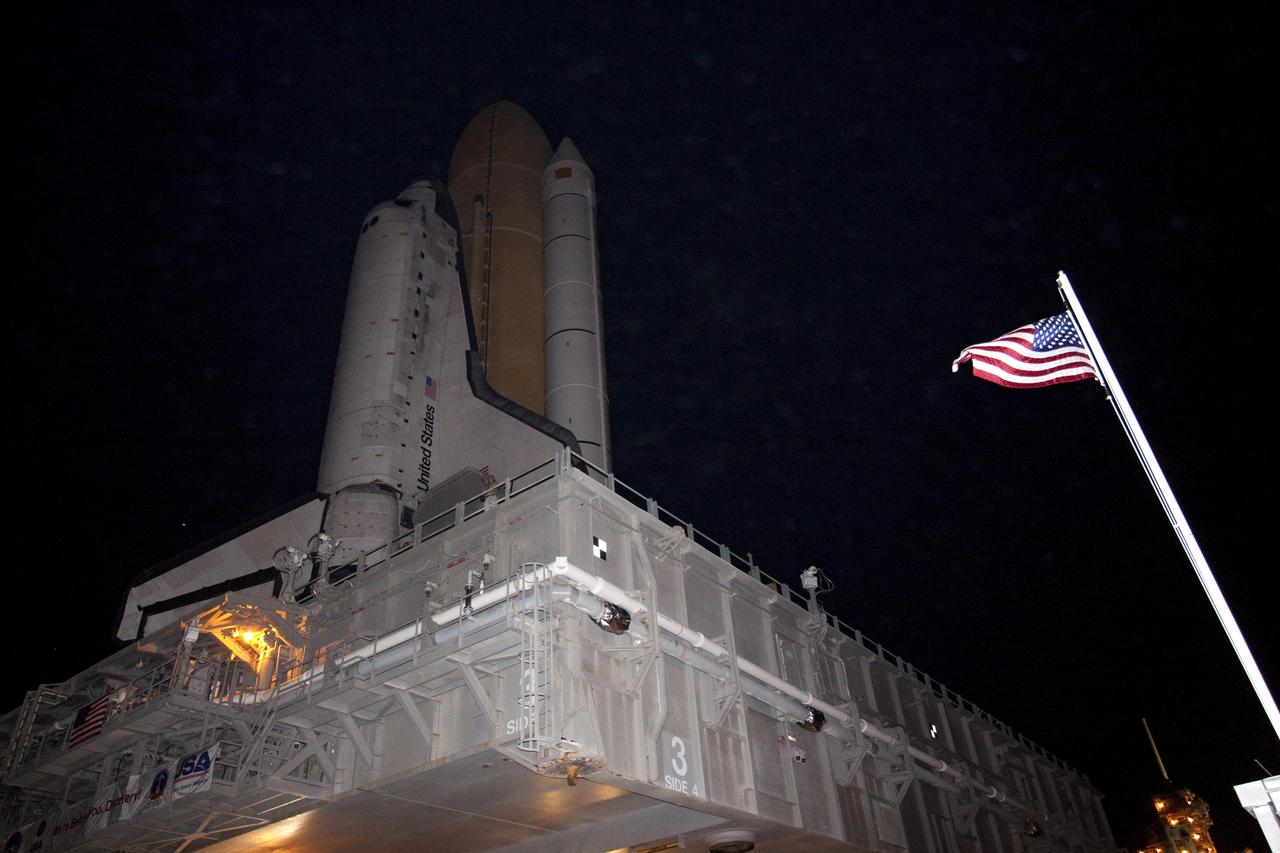
STS-133 DISCOVERY ROLLOUT FROM VAB TO PAD 39A
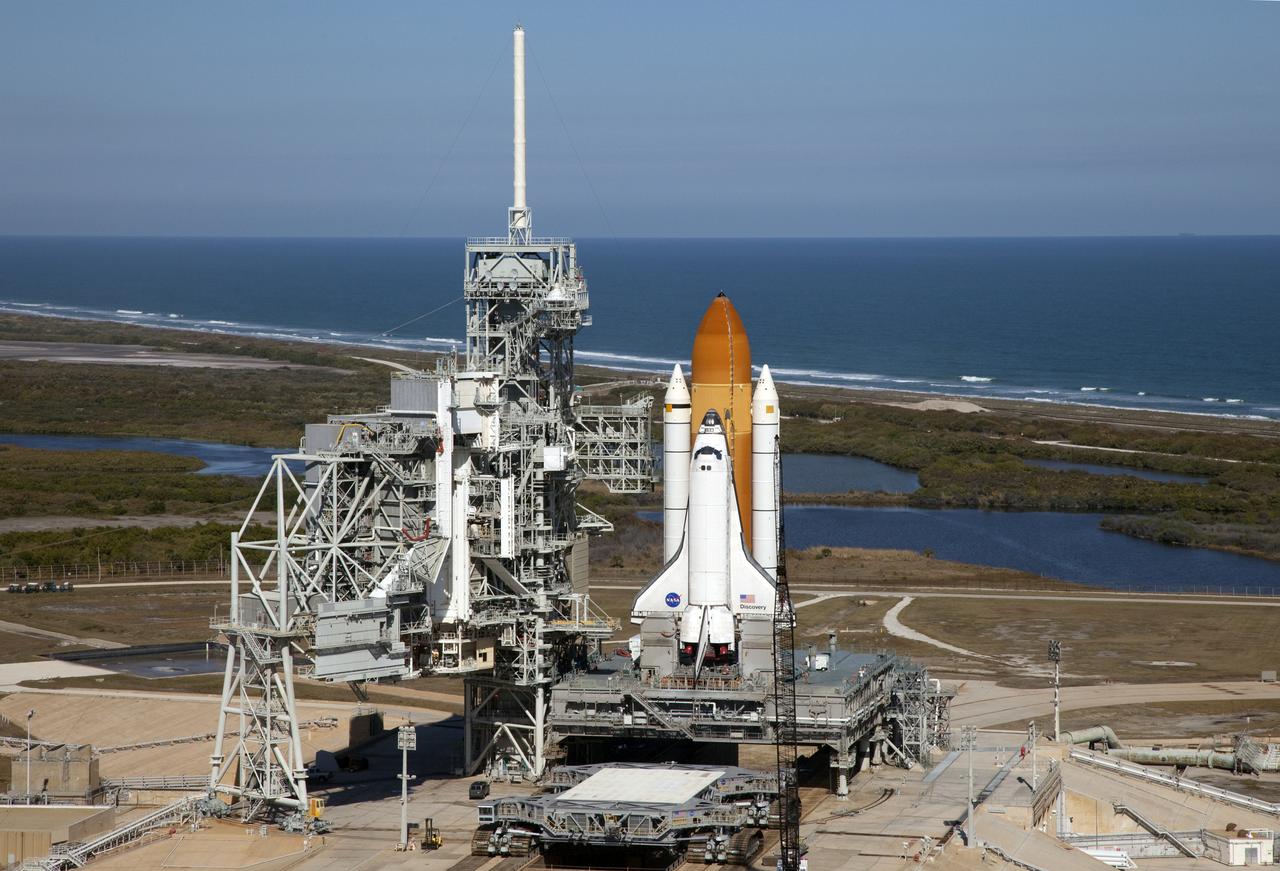
Aerials - STS-133 Discovery on Pad 39A, LEED Bldg., VAB
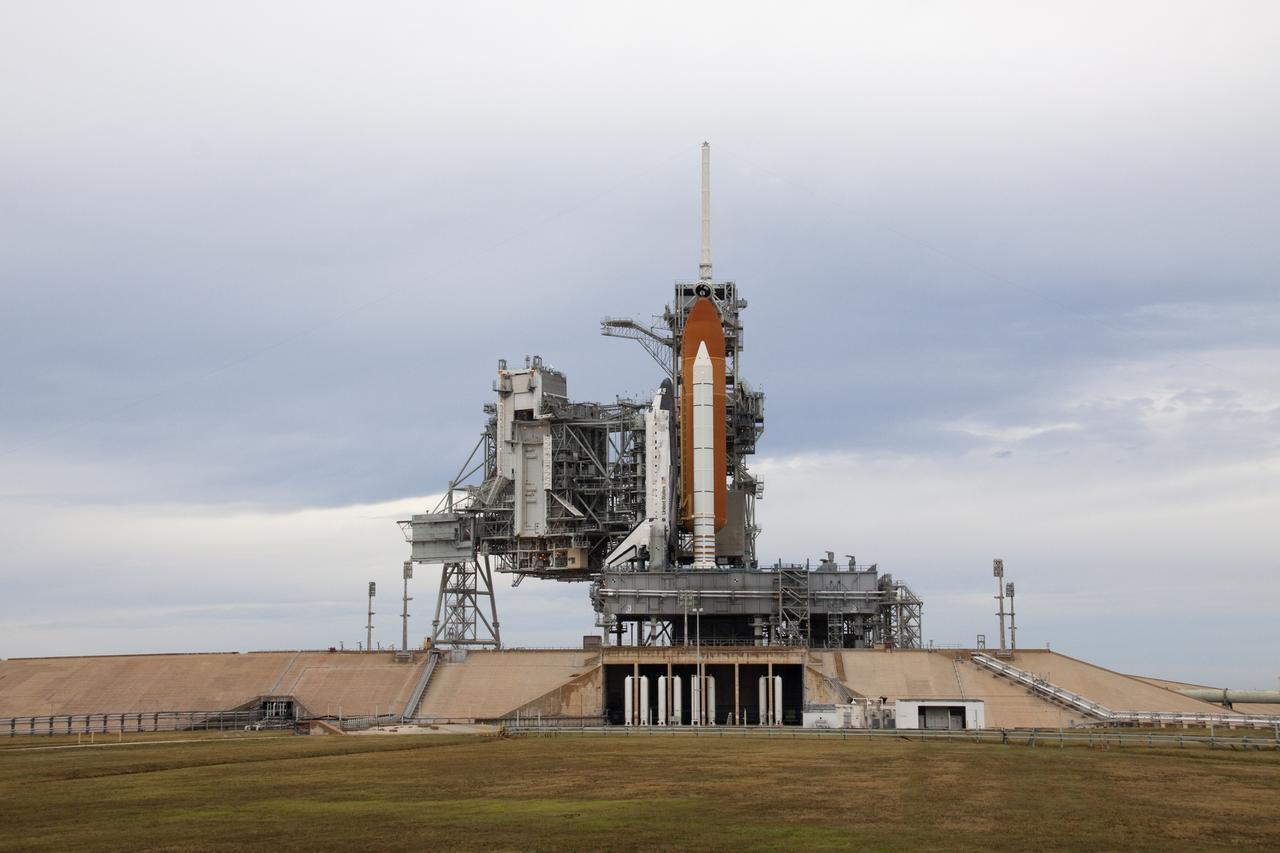
STS-133 LAUNCH L-1 DISCOVERY ON PAD 39A - WEATHER SCRUB
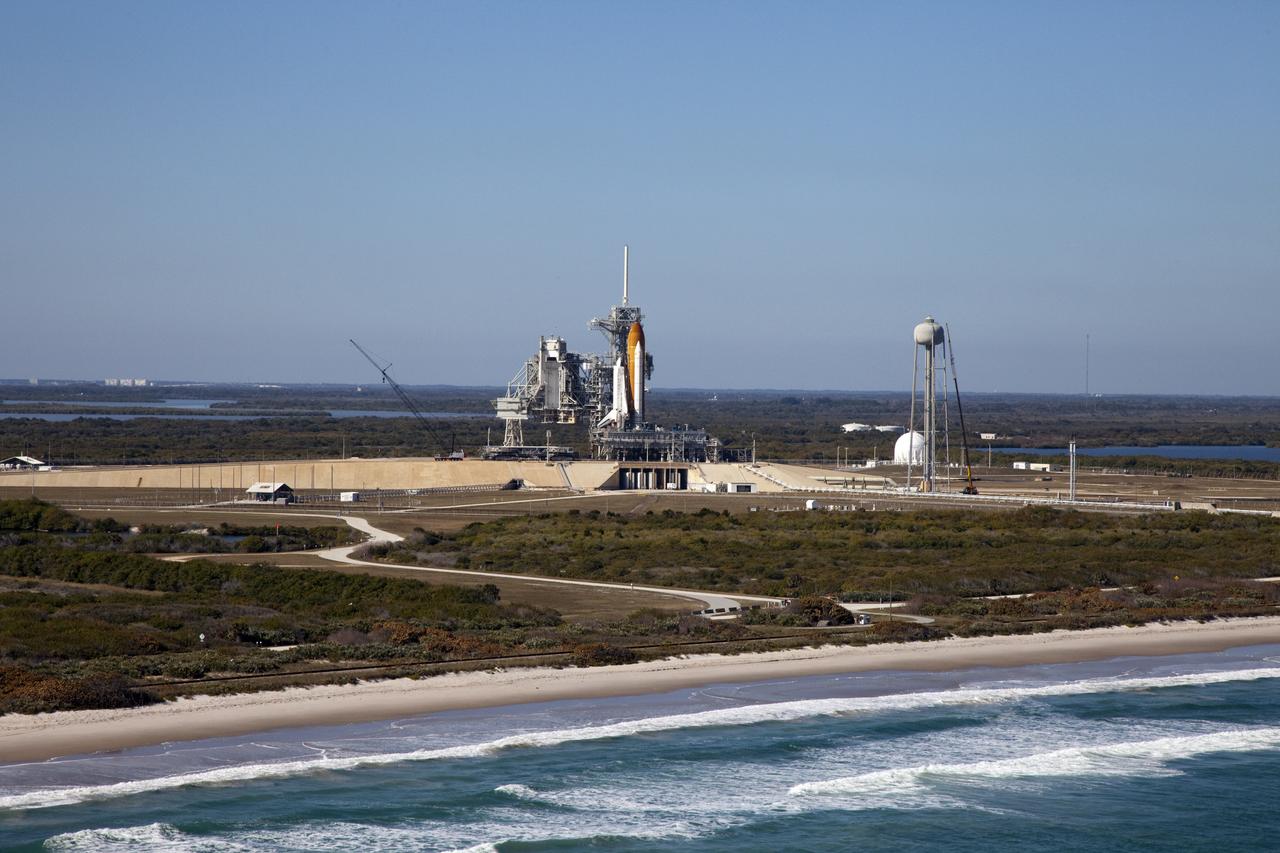
Aerials - STS-133 Discovery on Pad 39A, LEED Bldg., VAB
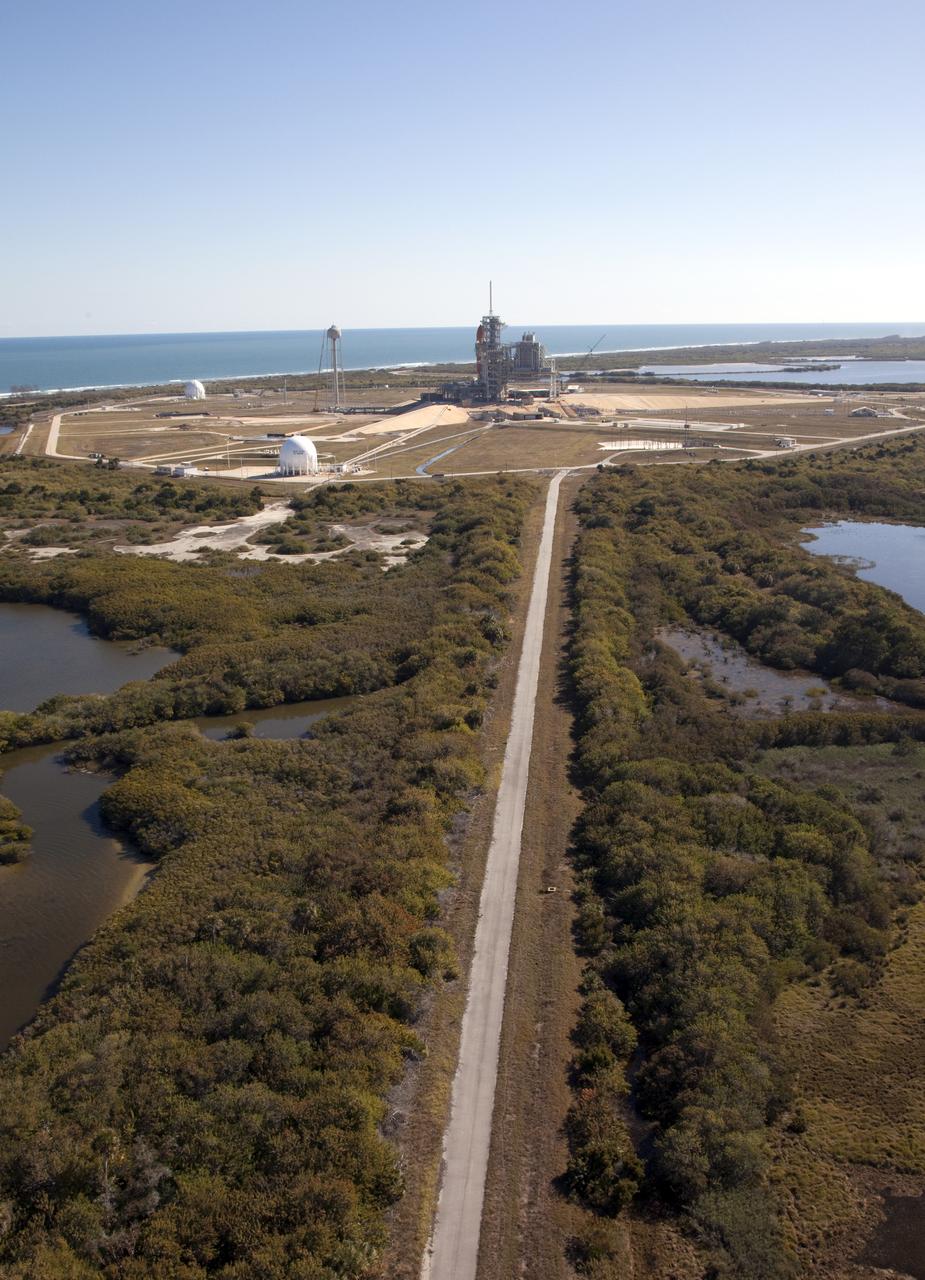
Aerials - STS-133 Discovery on Pad 39A, LEED Bldg., VAB
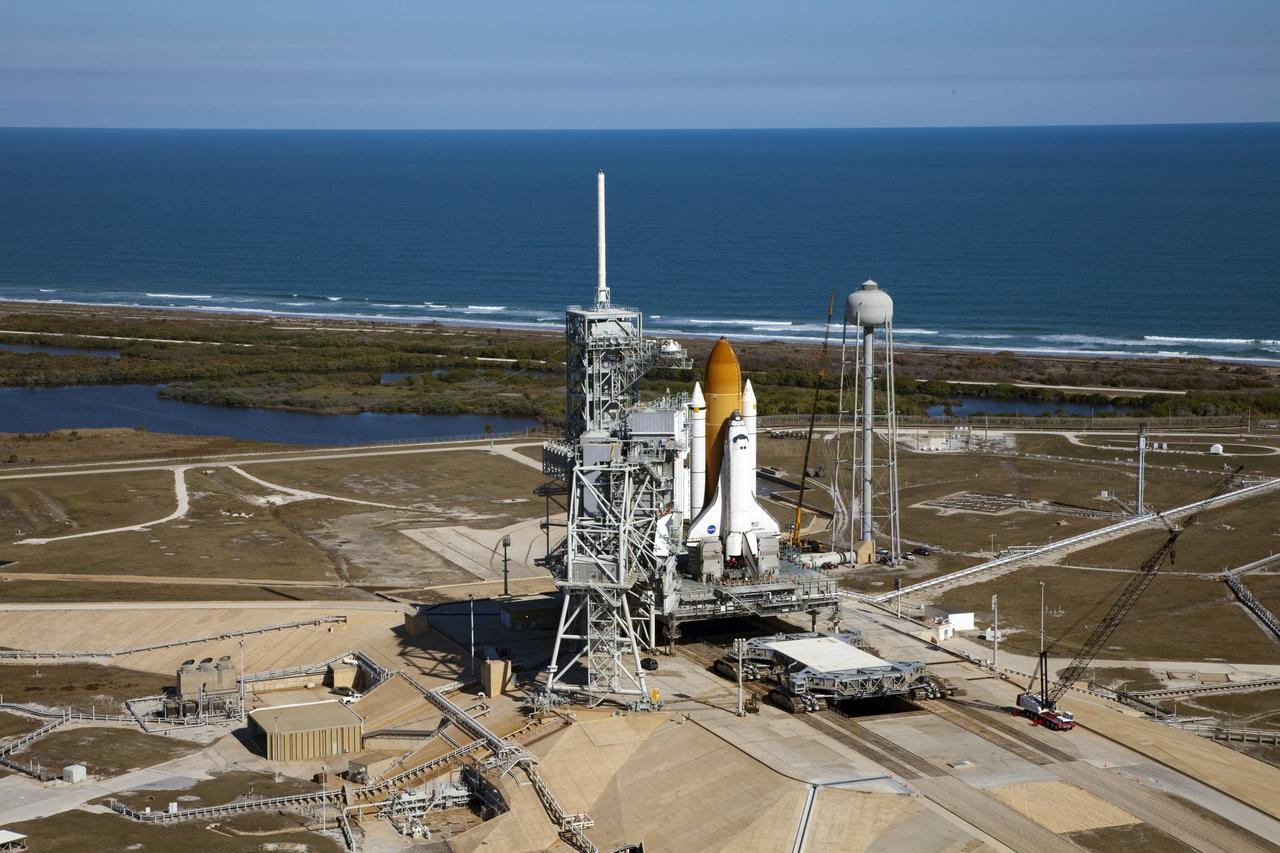
Aerials - STS-133 Discovery on Pad 39A, LEED Bldg., VAB
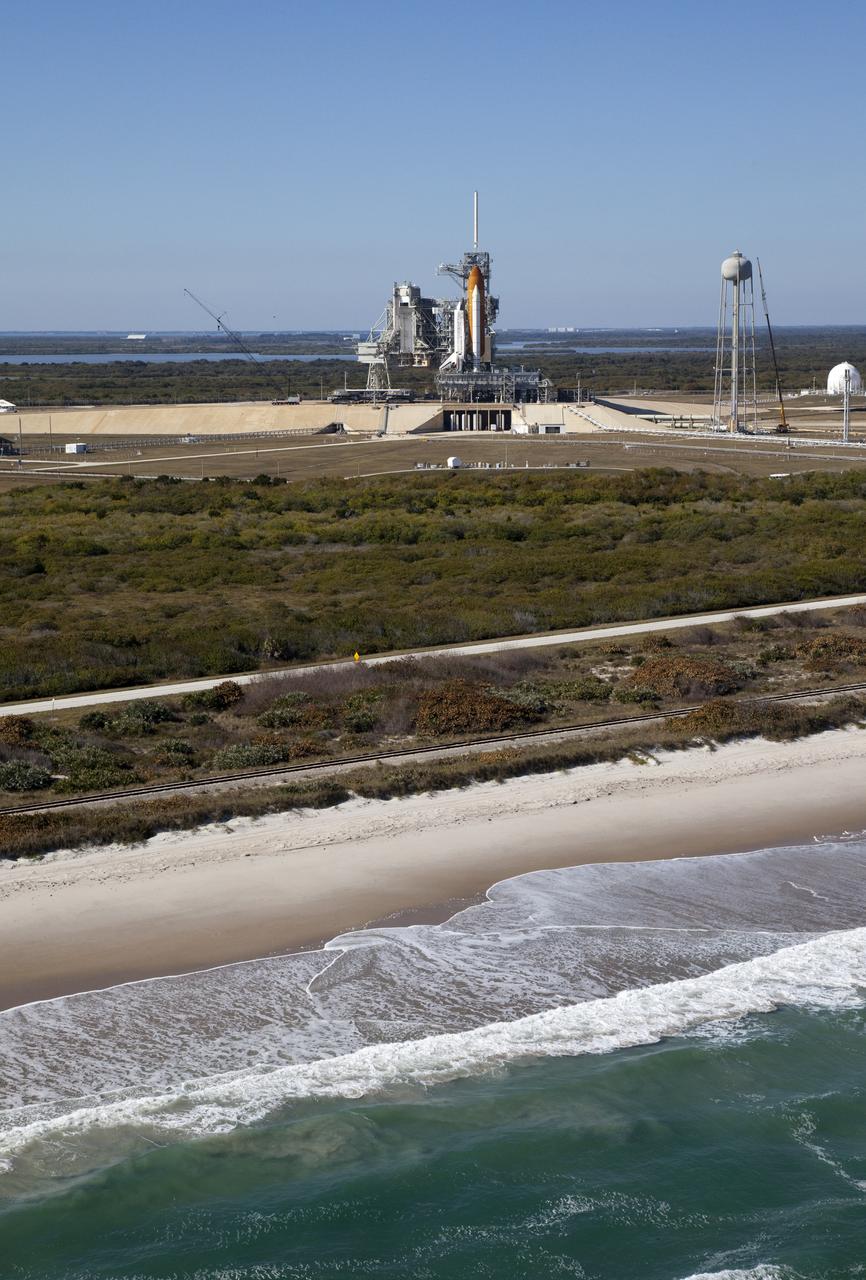
Aerials - STS-133 Discovery on Pad 39A, LEED Bldg., VAB
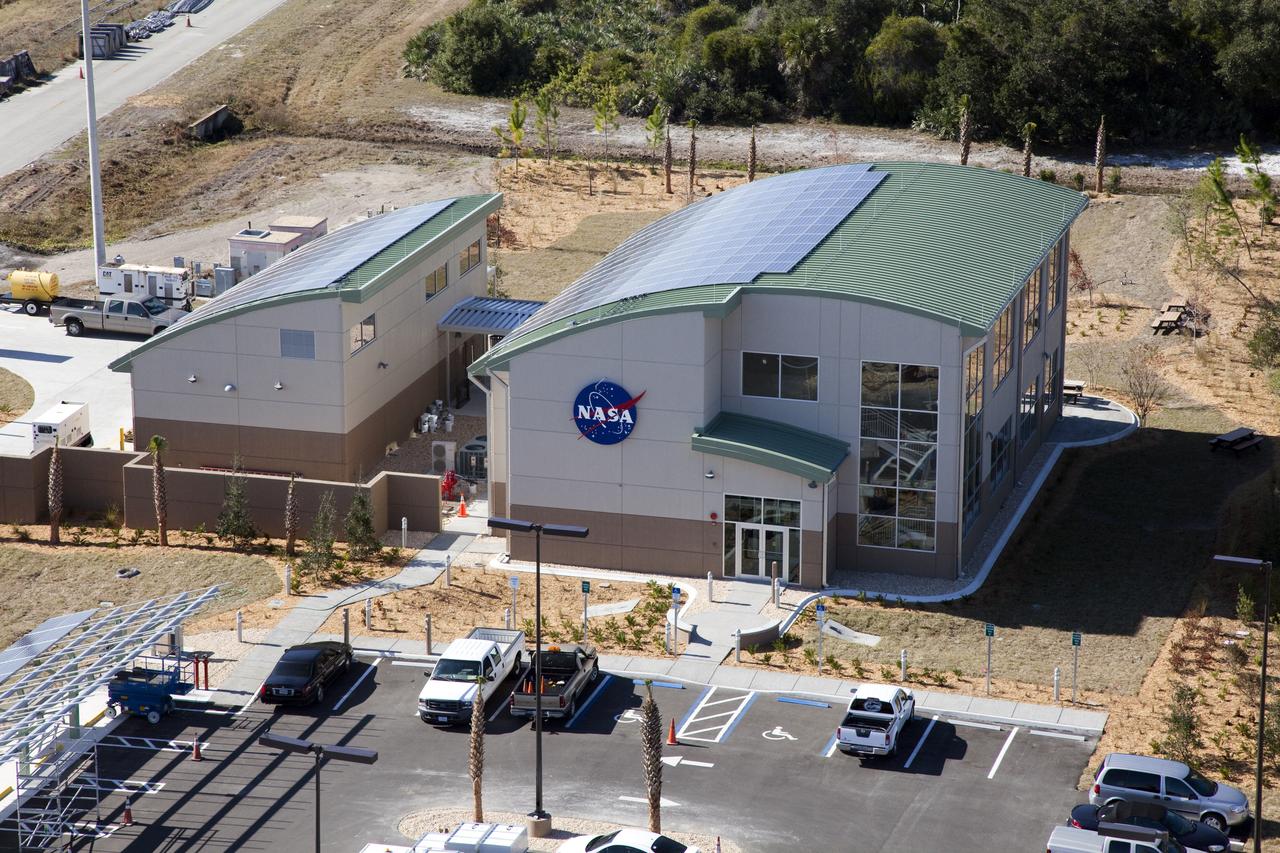
Aerials - STS-133 Discovery on Pad 39A, LEED Bldg., VAB
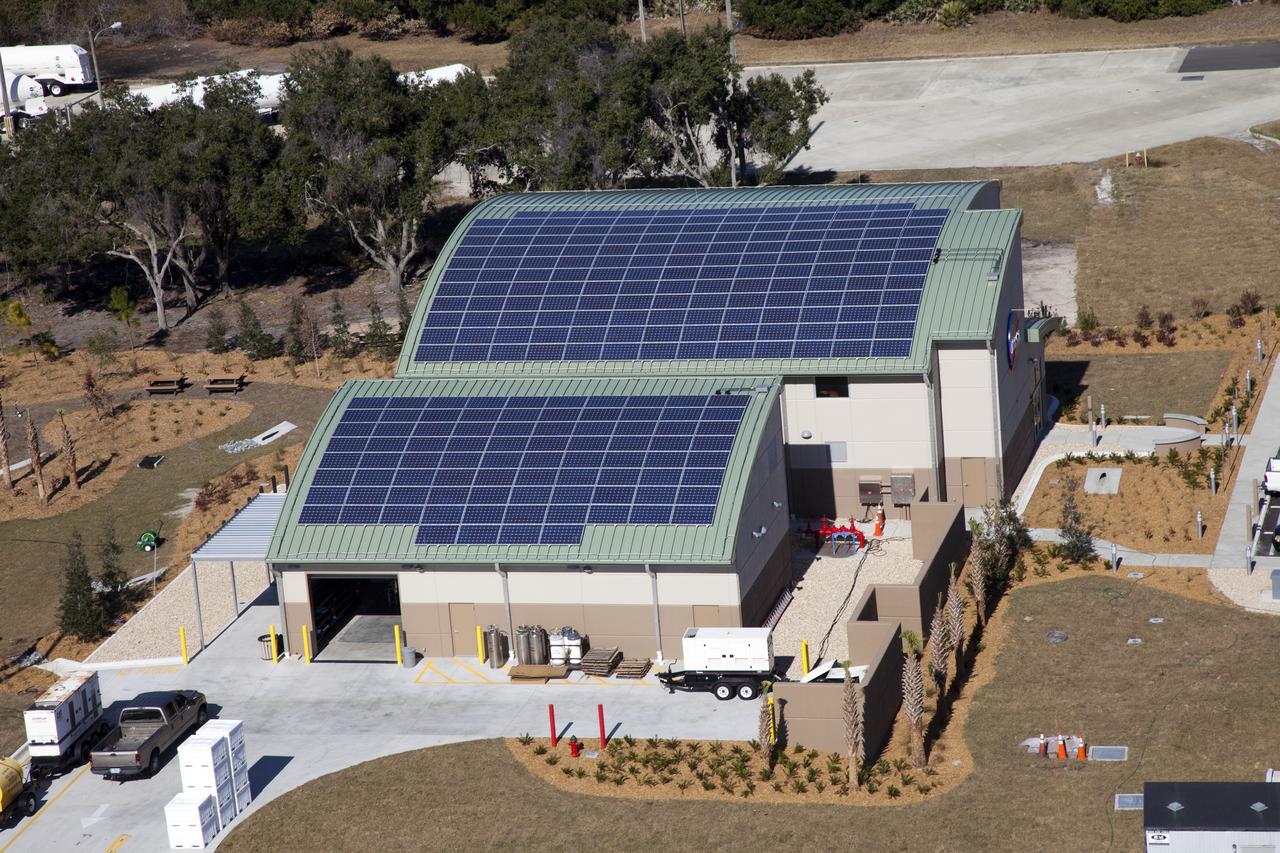
Aerials - STS-133 Discovery on Pad 39A, LEED Bldg., VAB
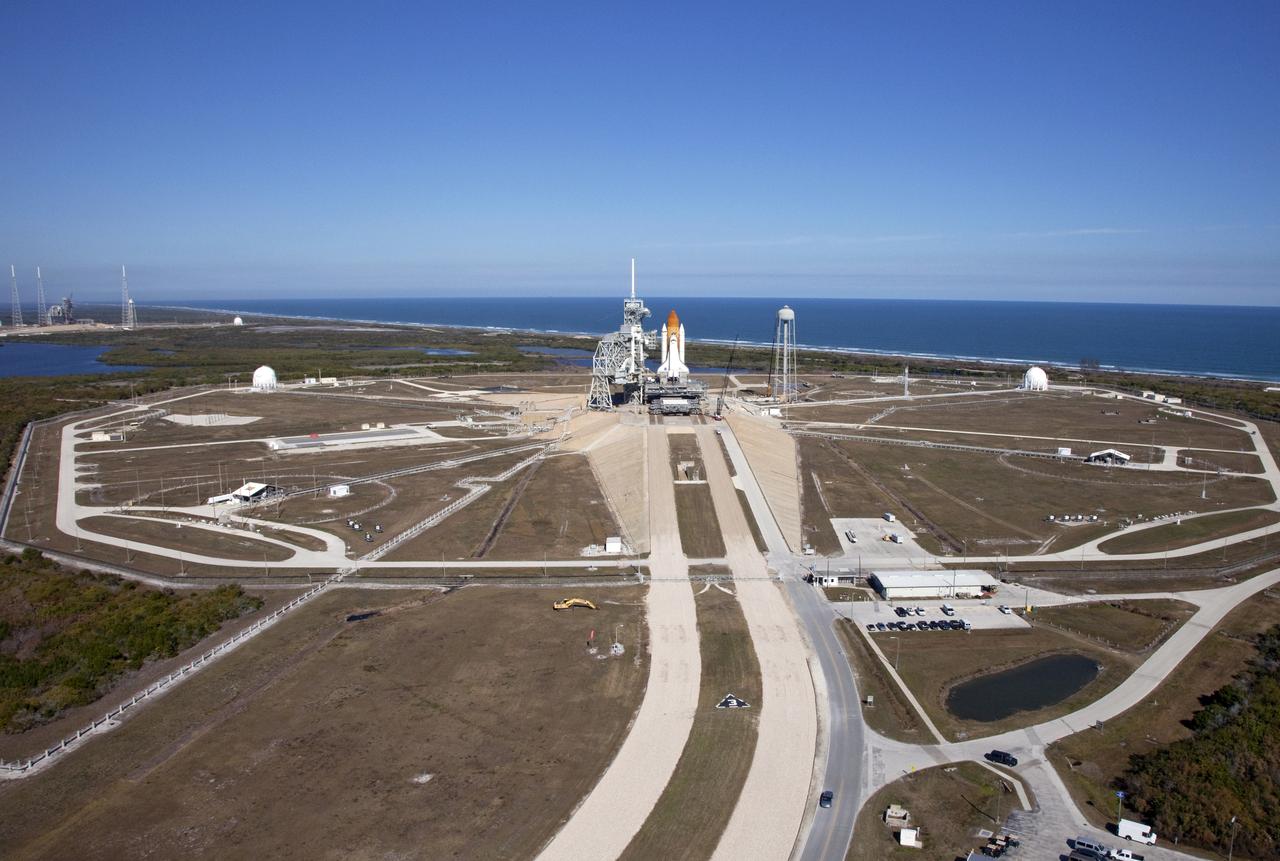
Aerials - STS-133 Discovery on Pad 39A, LEED Bldg., VAB

STS-133 DISCOVERY ROLLOUT FROM VAB TO PAD 39A
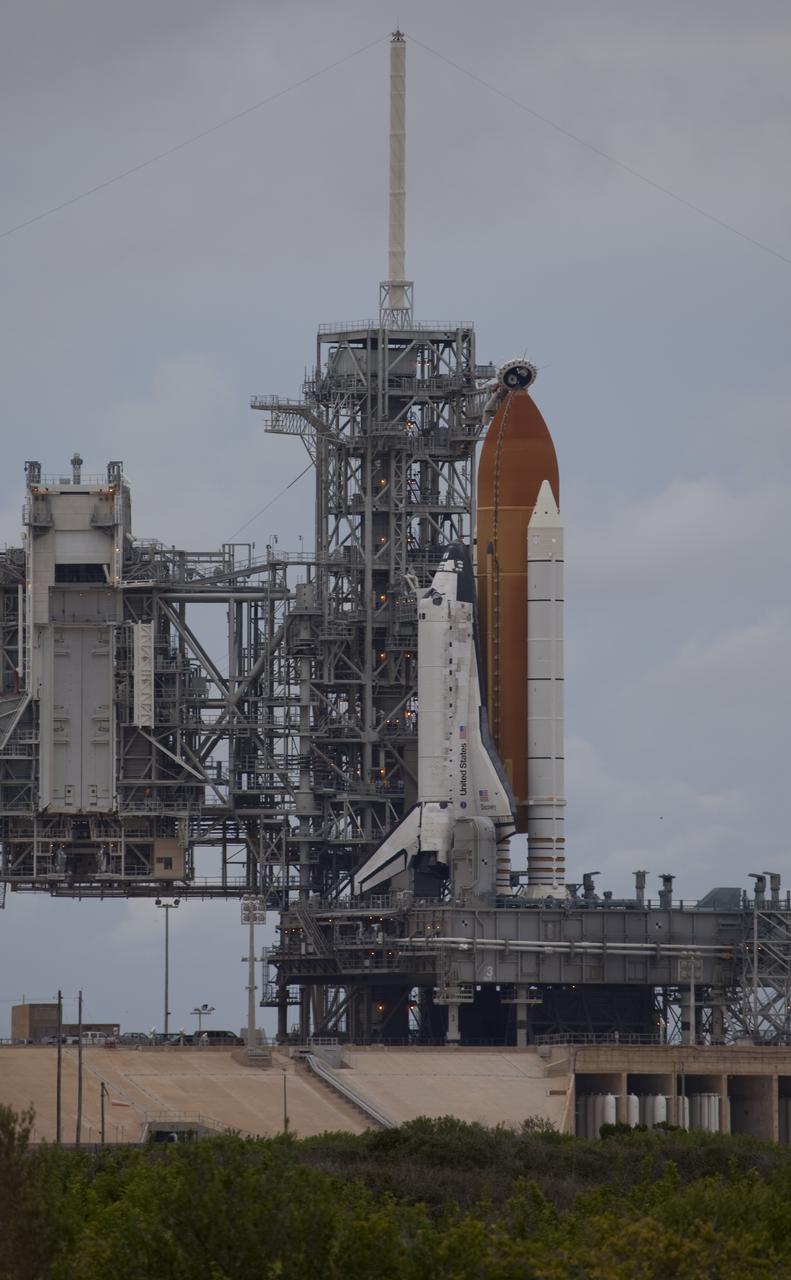
STS-133 DISCOVERY ON PAD 39A & SURROUNDING WILDLIFE - WEATHER SCRUB
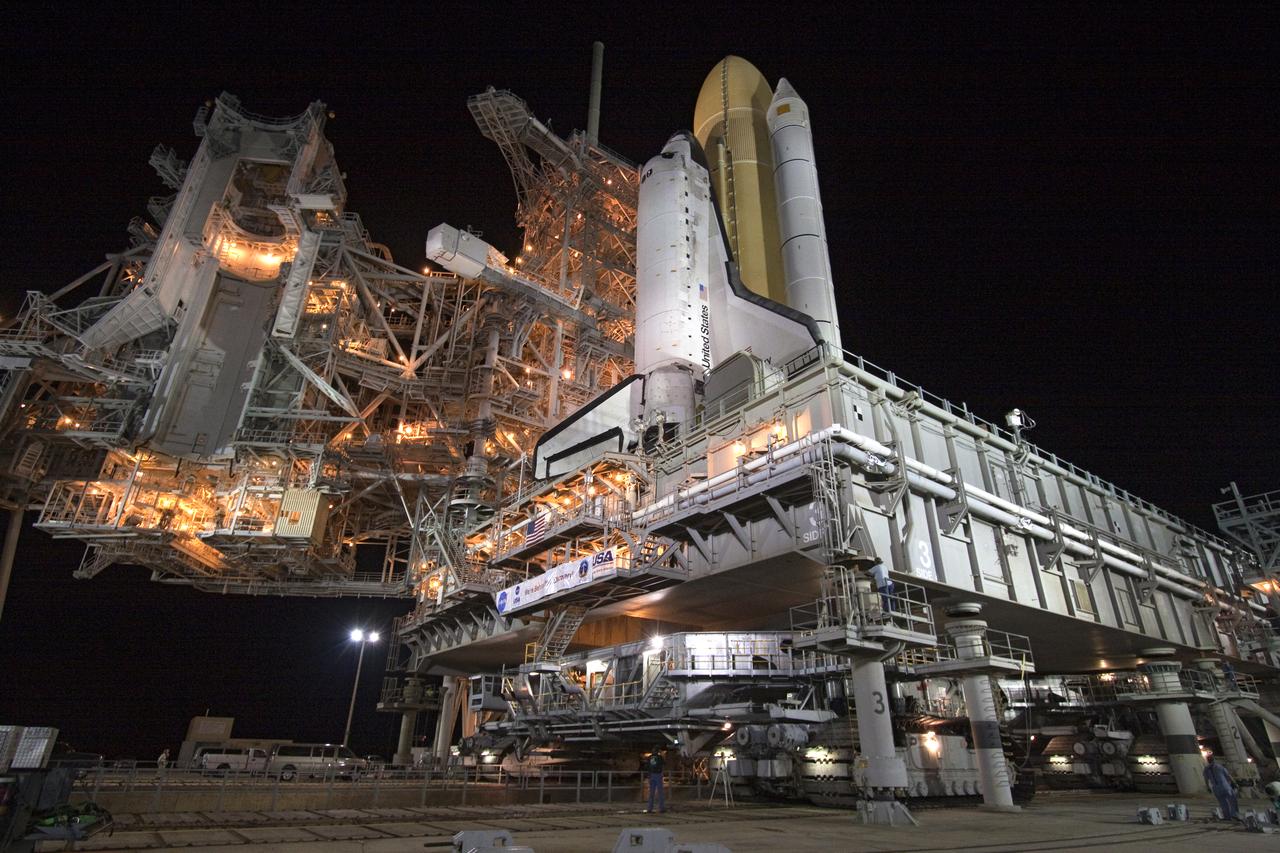
STS-133 DISCOVERY ROLLOUT FROM VAB TO PAD 39A
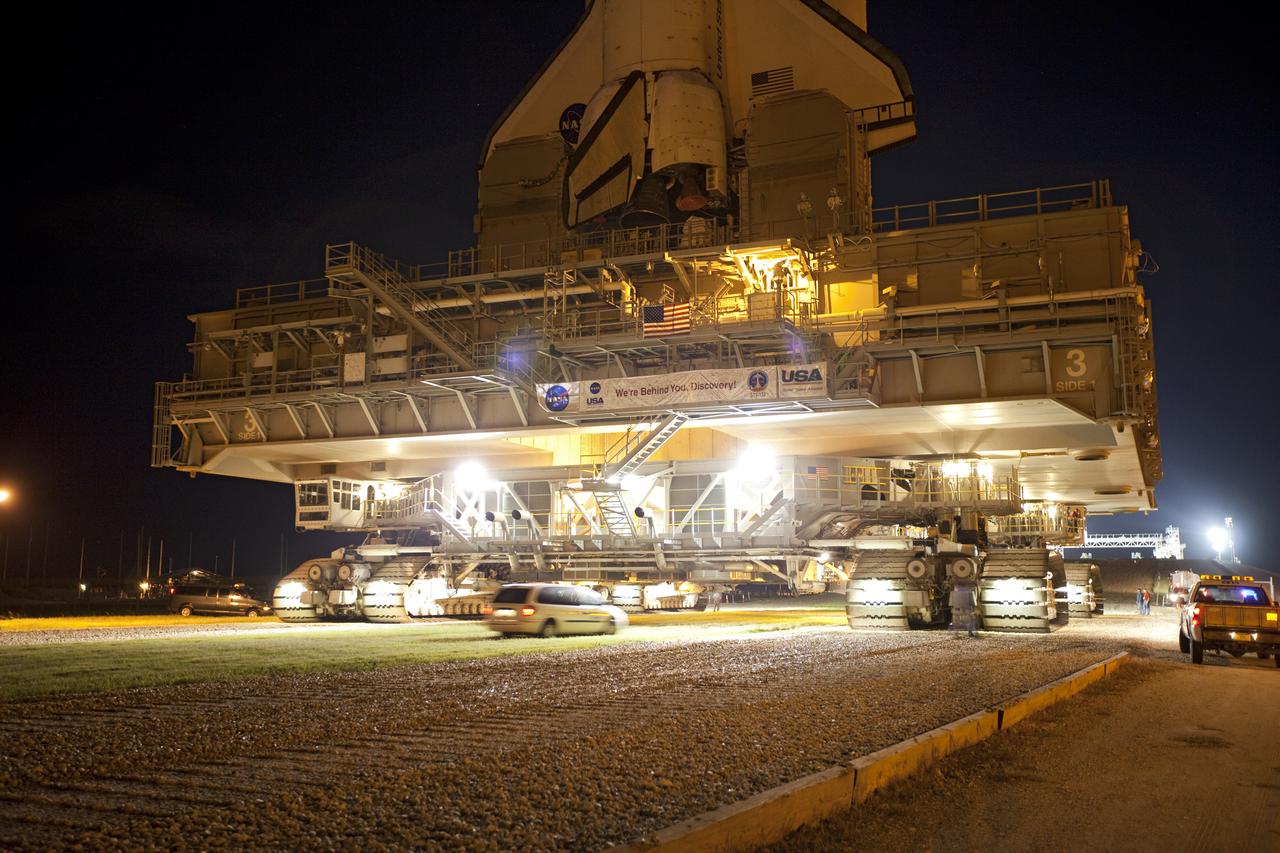
STS-133 DISCOVERY ROLLOUT FROM VAB TO PAD 39A
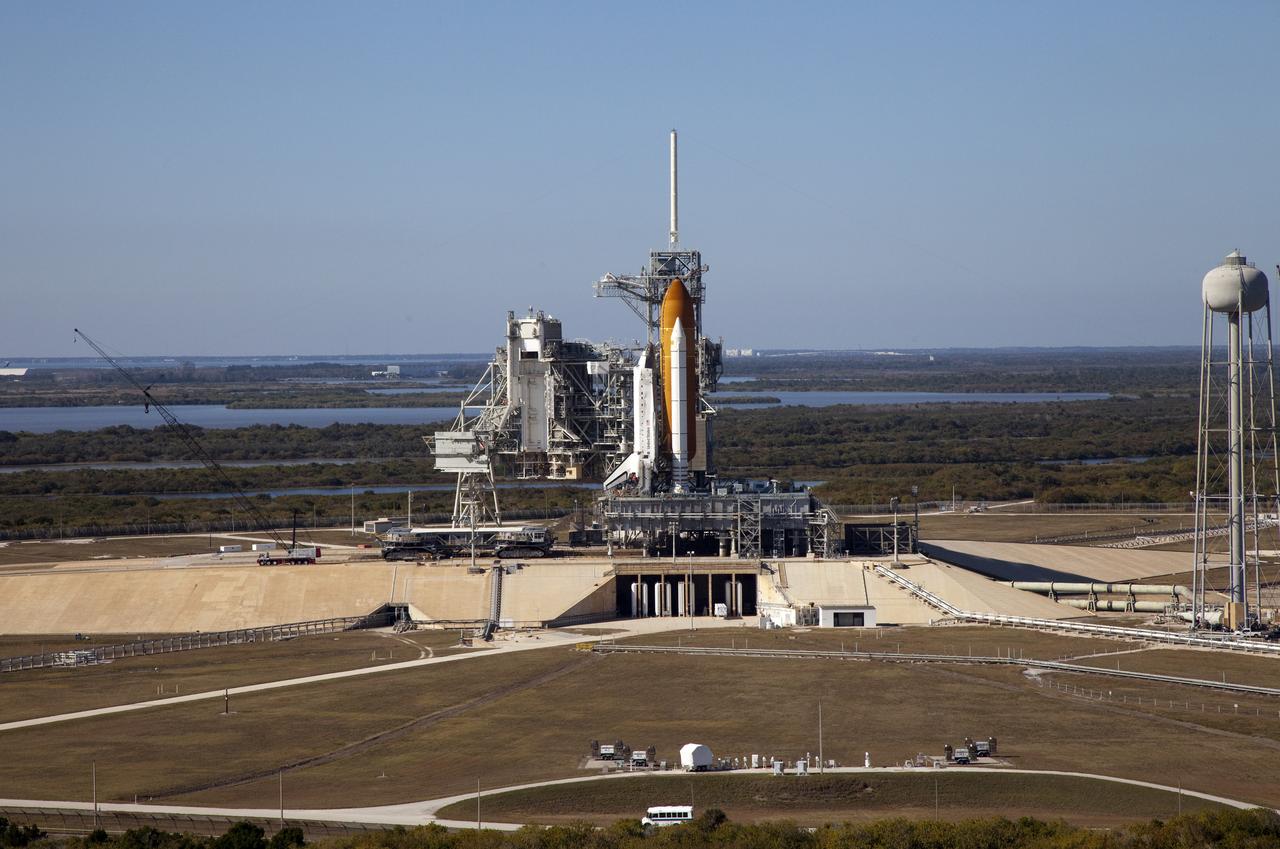
Aerials - STS-133 Discovery on Pad 39A, LEED Bldg., VAB
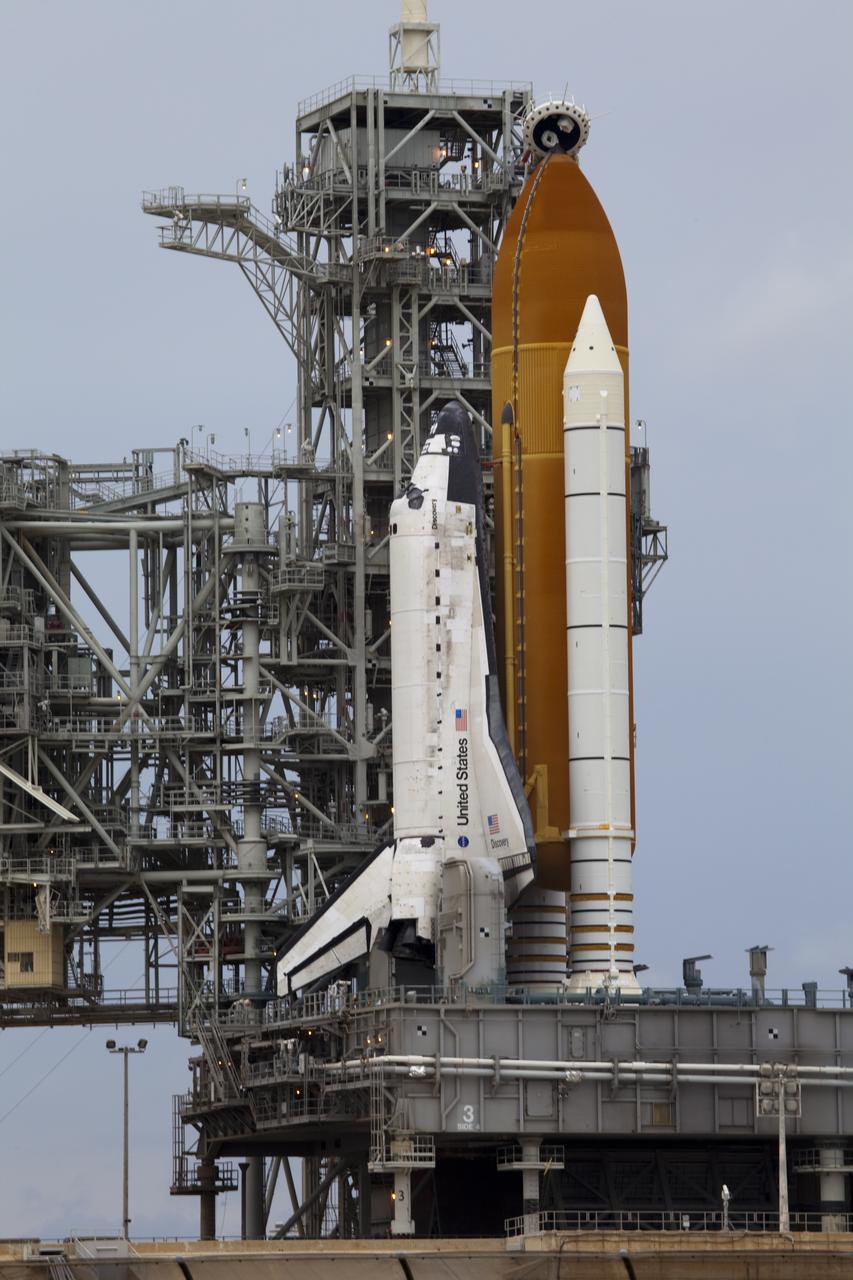
STS-133 DISCOVERY ON PAD 39A & SURROUNDING WILDLIFE - WEATHER SCRUB
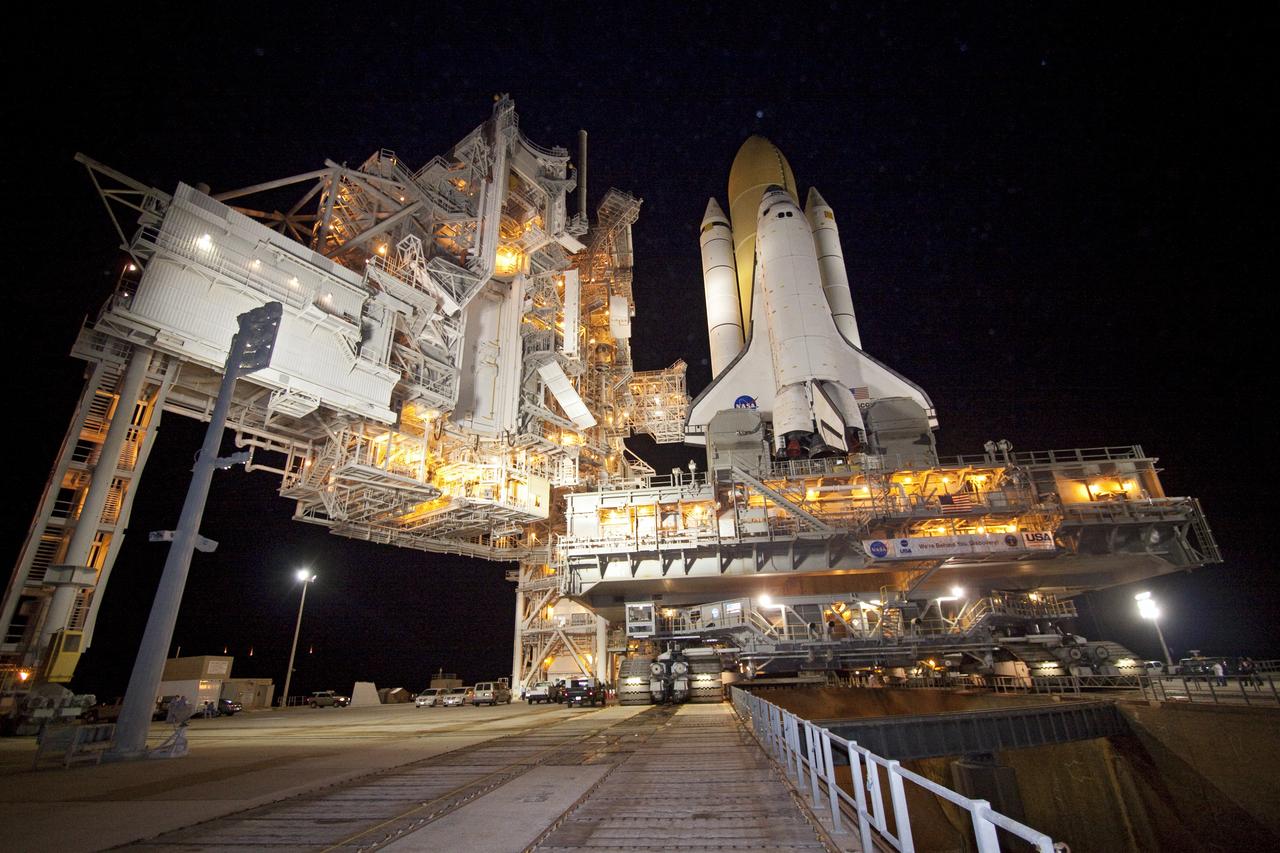
STS-133 DISCOVERY ROLLOUT FROM VAB TO PAD 39A
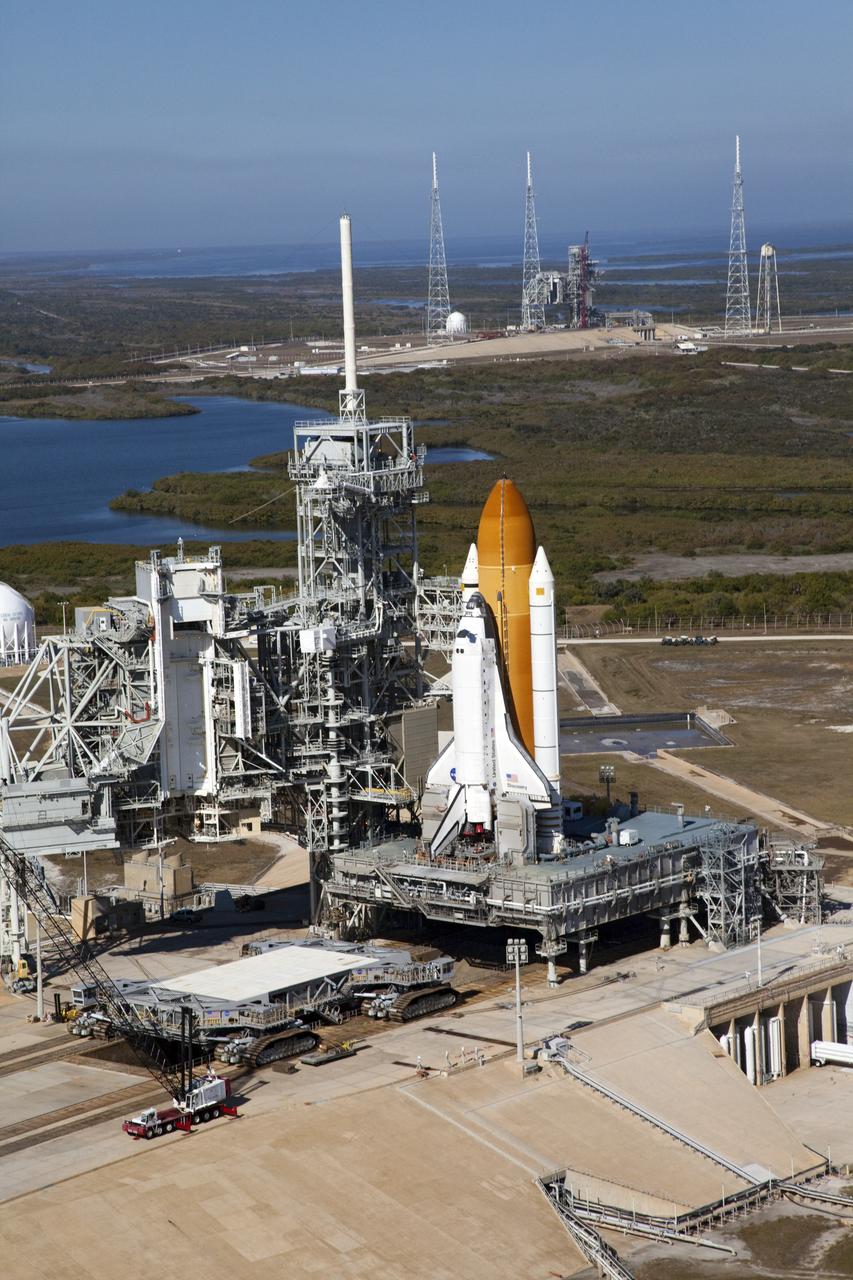
Aerials - STS-133 Discovery on Pad 39A, LEED Bldg., VAB
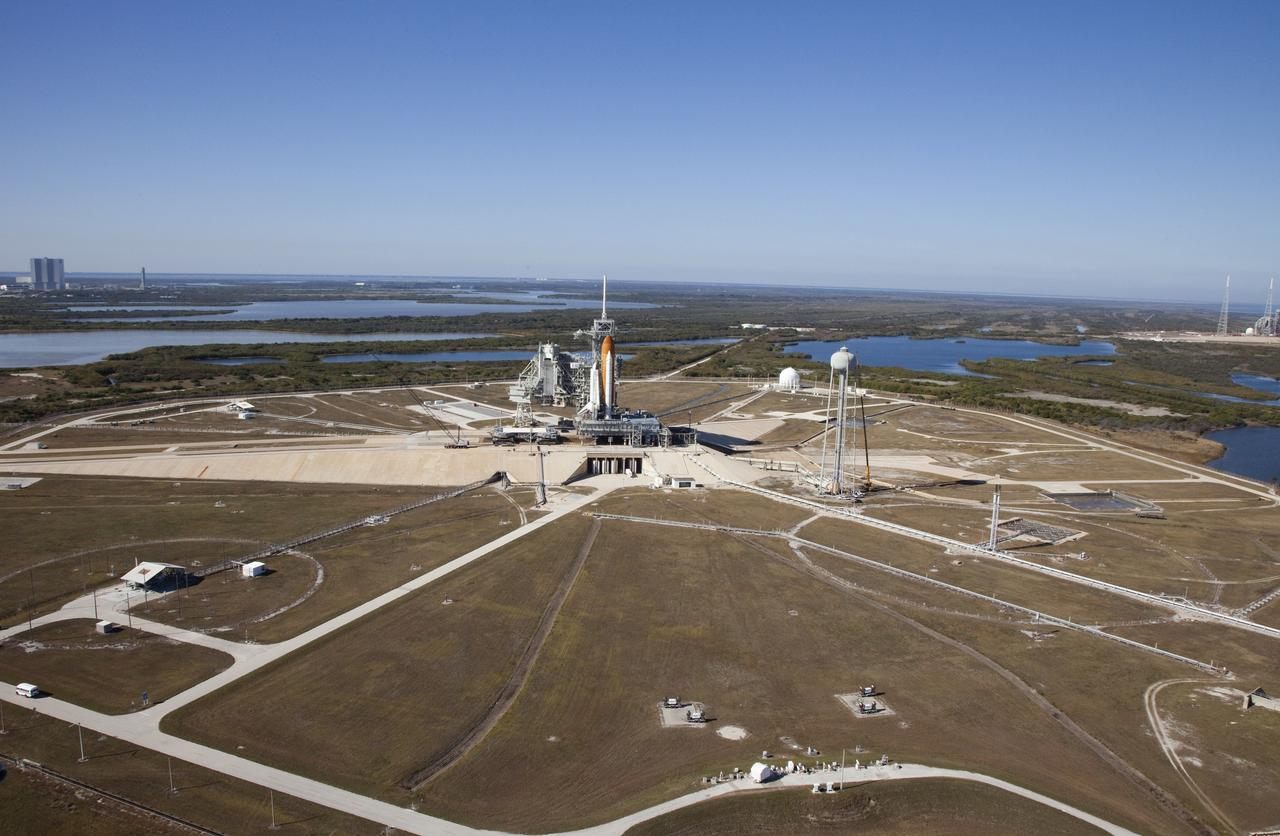
Aerials - STS-133 Discovery on Pad 39A, LEED Bldg., VAB
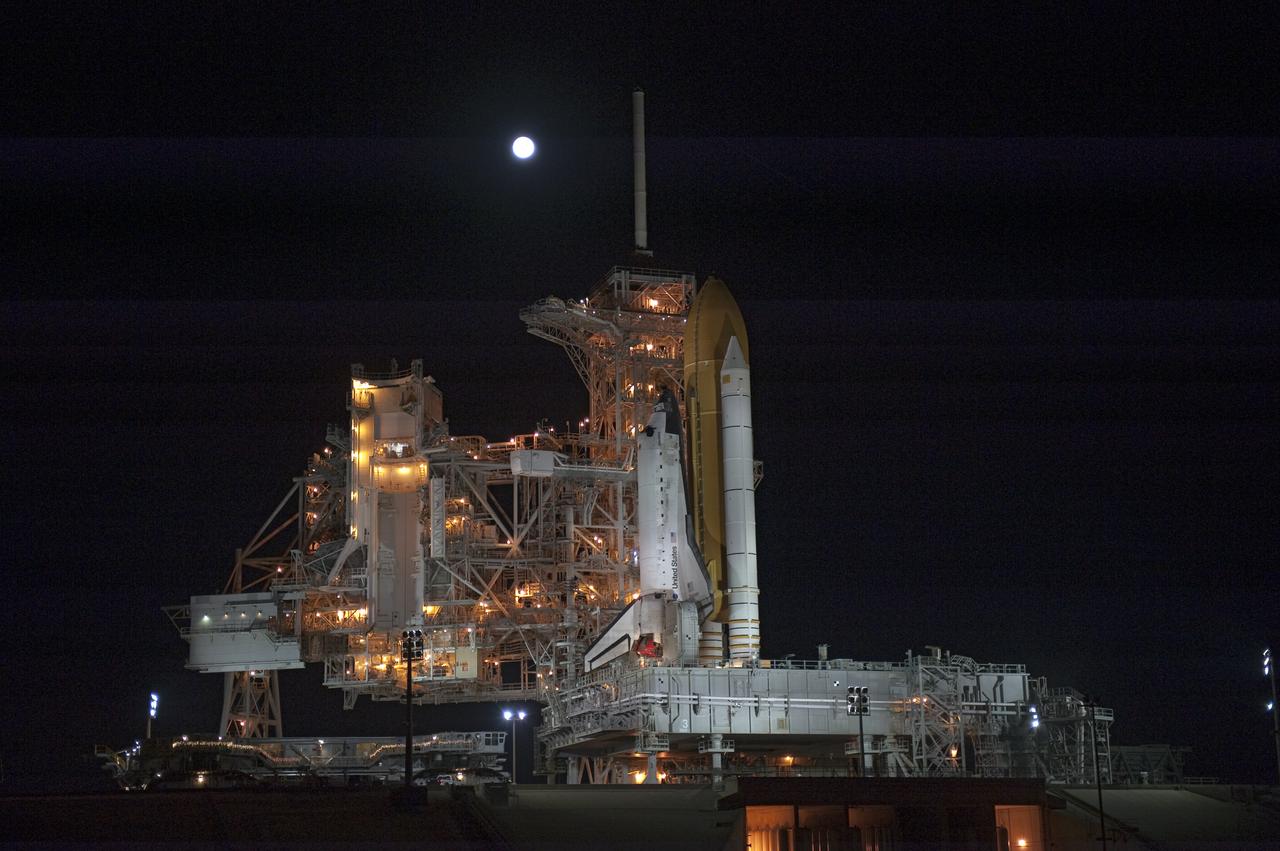
STS-133 Discovery on Pad 39A with Winter Solstice Moon Eclipse - scrubbed Rollback to VAB
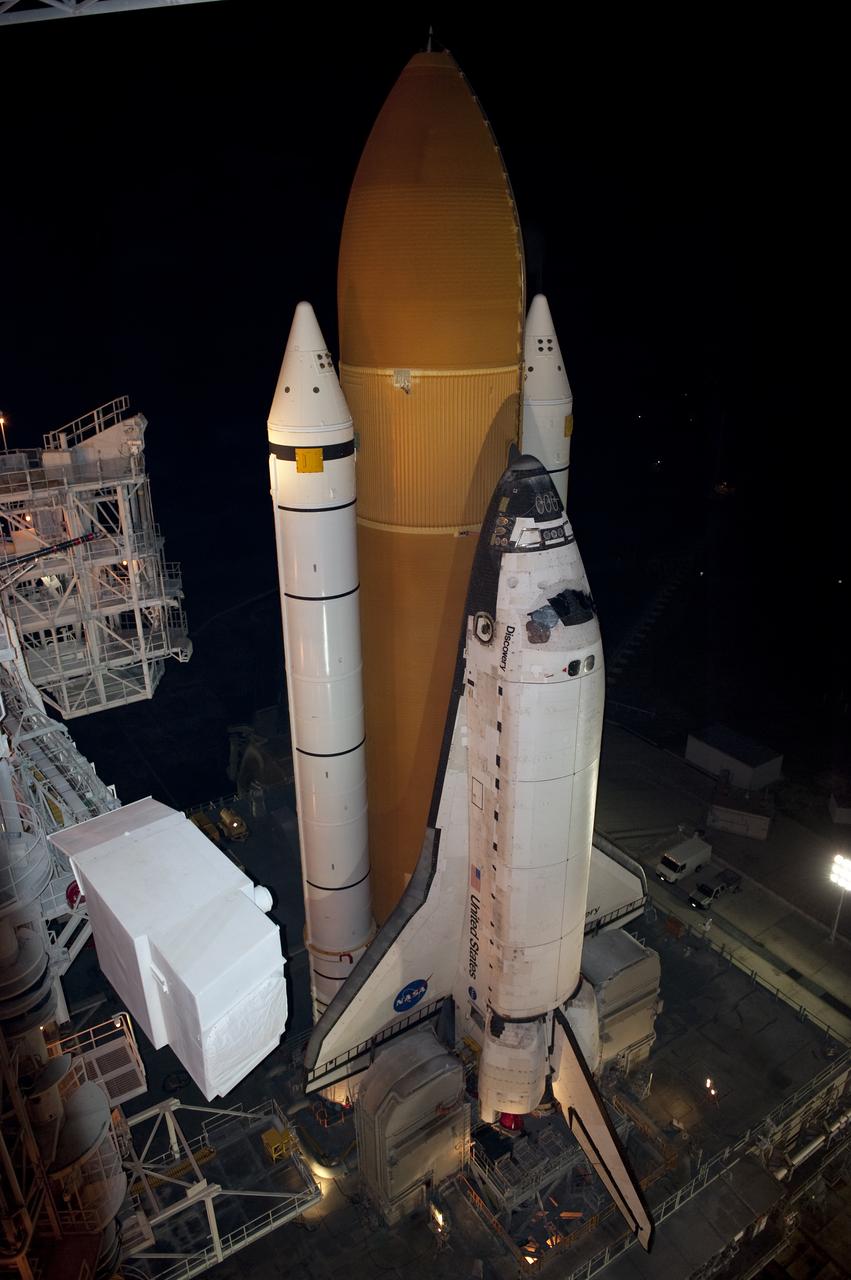
STS-133 Discovery on Pad 39A with Winter Solstice Moon Eclipse - scrubbed Rollback to VAB
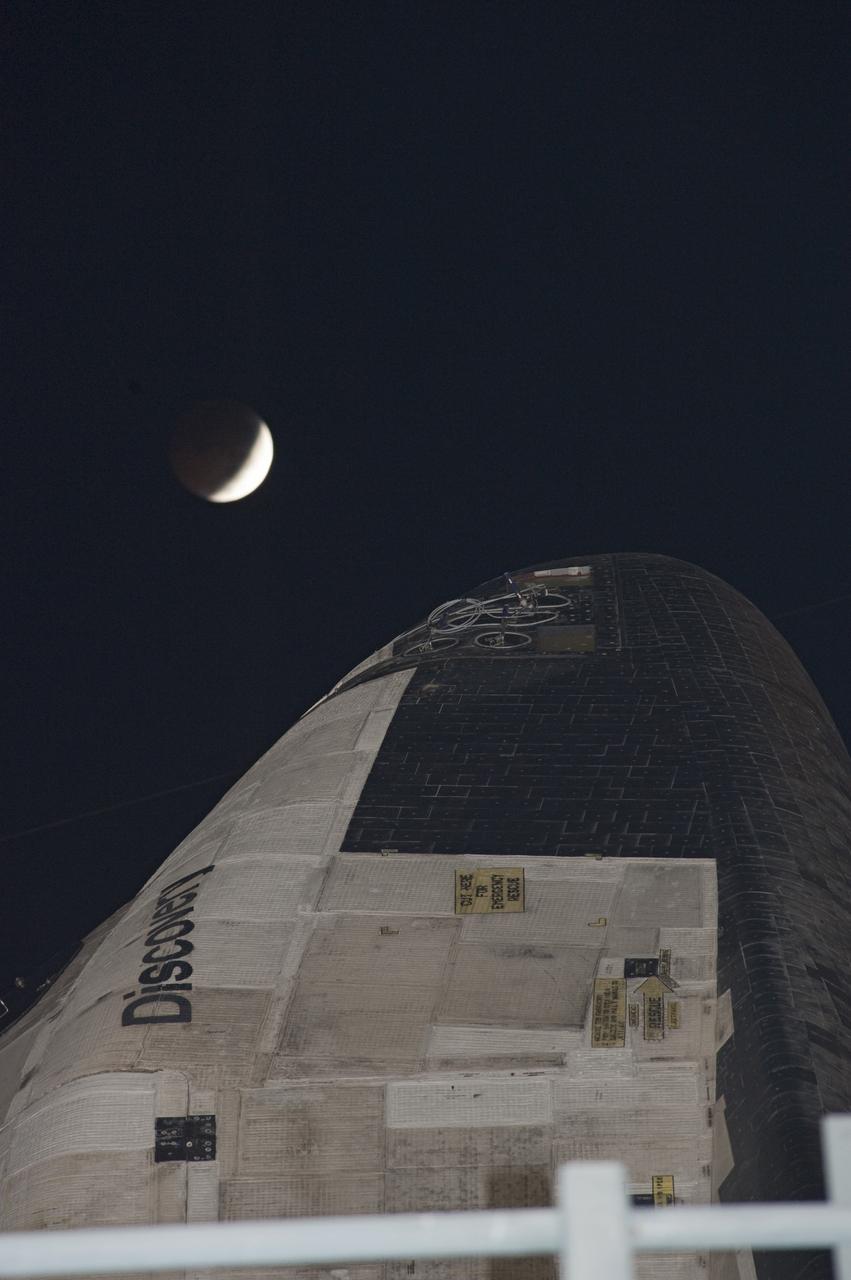
STS-133 Discovery on Pad 39A with Winter Solstice Moon Eclipse - scrubbed Rollback to VAB
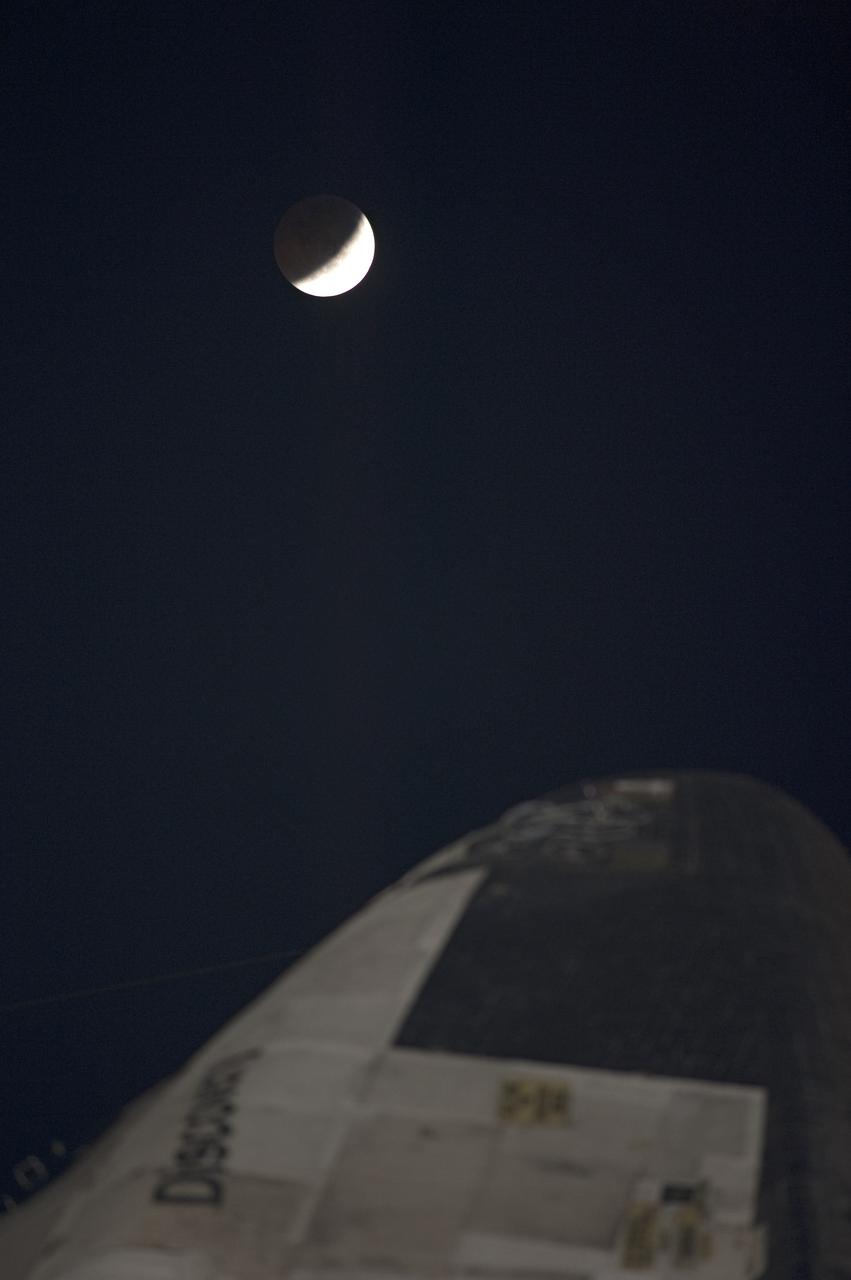
STS-133 Discovery on Pad 39A with Winter Solstice Moon Eclipse - scrubbed Rollback to VAB
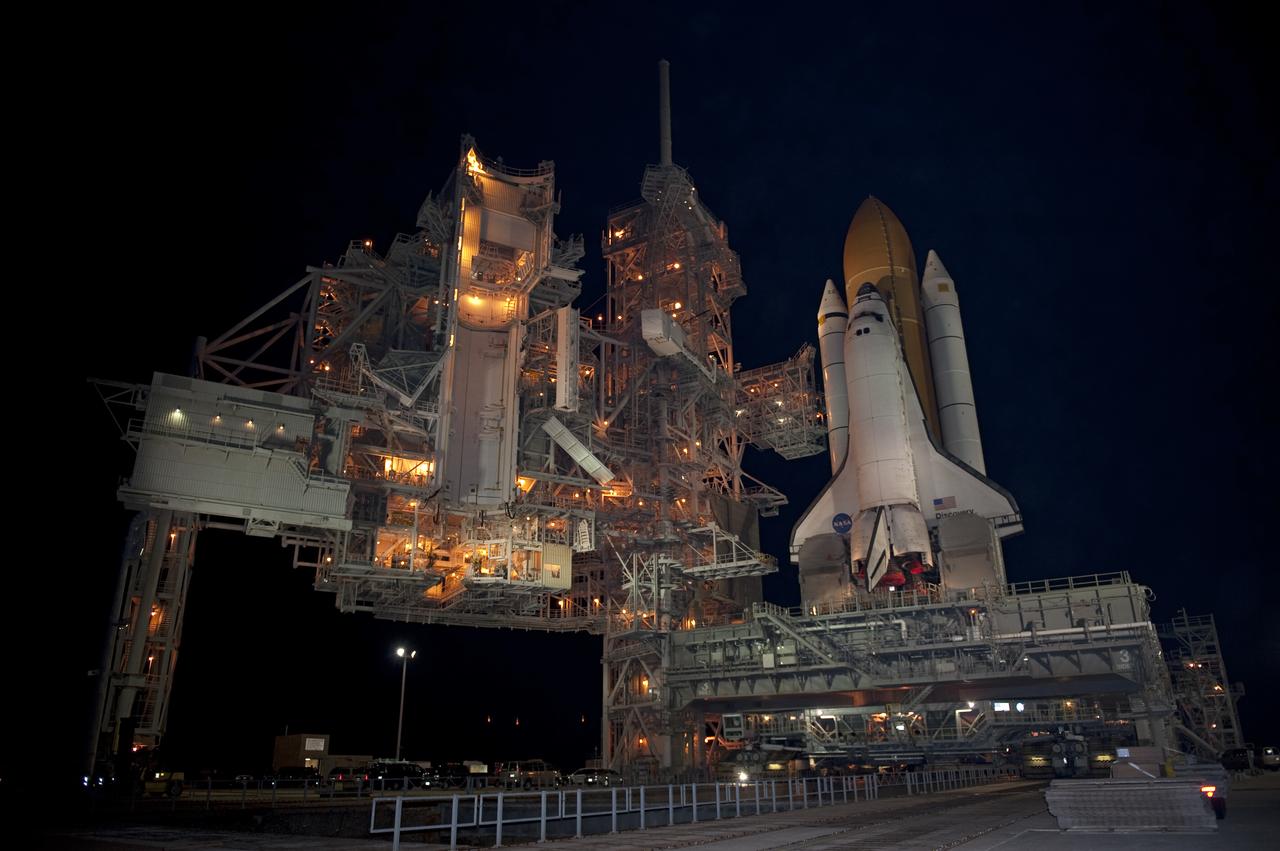
STS-133 Discovery on Pad 39A with Winter Solstice Moon Eclipse - scrubbed Rollback to VAB
STS-133 Discovery on Pad 39A with Winter Solstice Moon Eclipse - scrubbed Rollback to VAB
STS-133 Discovery on Pad 39A with Winter Solstice Moon Eclipse - scrubbed Rollback to VAB
STS-133 Discovery on Pad 39A with Winter Solstice Moon Eclipse - scrubbed Rollback to VAB
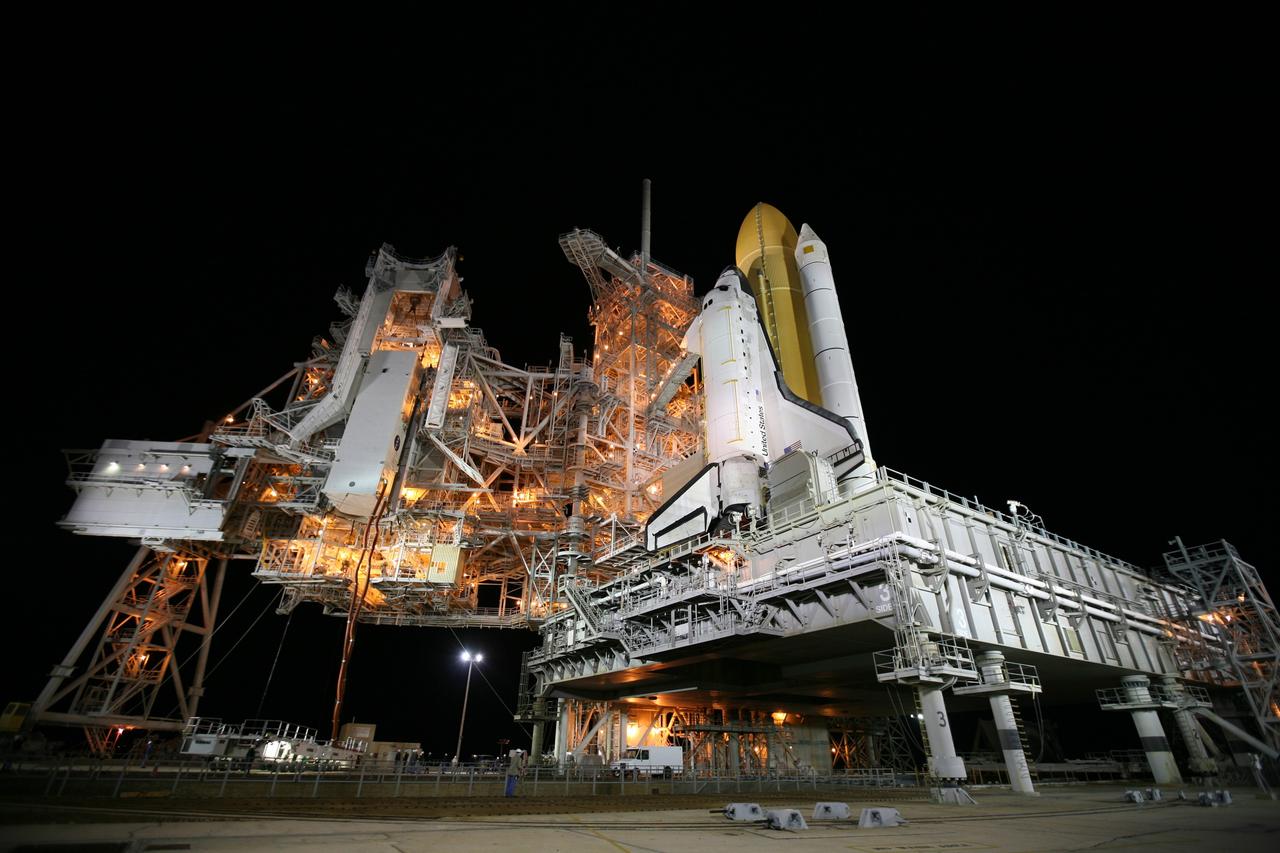
CAPE CANAVERAL, Fla. -- At NASA's Kennedy Space Center in Florida, the STS-133 payload canister is lifted into the rotating service structure on Launch Pad 39A. The payload then will be moved into space shuttle Discovery's payload bay. Discovery and its STS-133 crew will deliver the Permanent Multipurpose Module, packed with supplies and critical spare parts, as well as Robonaut 2, the dexterous humanoid astronaut helper, to the International Space Station. Launch is targeted for 4:40 p.m. EDT, Nov. 1. Photo credit: NASA/Amanda Diller

CAPE CANAVERAL, Fla. -- Space shuttle Discovery's external fuel tank is visible on Launch Pad 39A at NASA's Kennedy Space Center in Florida. Discovery's next mission is STS-133, which will deliver the Permanent Multipurpose Module (PMM), packed with supplies and critical spare parts, as well as Robonaut 2 (R2), to the International Space Station. For more information on STS-133, visit www.nasa.gov/mission_pages/shuttle/shuttlemissions/sts133/. Photo credit: NASA/Frank Michaux
CAPE CANAVERAL, Fla. -- At NASA's Kennedy Space Center in Florida, the STS-133 payload canister now is in the rotating service structure on Launch Pad 39A. The payload then will be moved into space shuttle Discovery's payload bay. Discovery and its STS-133 crew will deliver the Permanent Multipurpose Module, packed with supplies and critical spare parts, as well as Robonaut 2, the dexterous humanoid astronaut helper, to the International Space Station. Launch is targeted for 4:40 p.m. EDT, Nov. 1. Photo credit: NASA/Troy Cryder
CAPE CANAVERAL, Fla. -- At NASA's Kennedy Space Center in Florida, the STS-133 payload canister now is in the rotating service structure on Launch Pad 39A. The payload then will be moved into space shuttle Discovery's payload bay. Discovery and its STS-133 crew will deliver the Permanent Multipurpose Module, packed with supplies and critical spare parts, as well as Robonaut 2, the dexterous humanoid astronaut helper, to the International Space Station. Launch is targeted for 4:40 p.m. EDT, Nov. 1. Photo credit: NASA/Troy Cryder
CAPE CANAVERAL, Fla. -- At NASA's Kennedy Space Center in Florida, the STS-133 payload canister is lifted into the rotating service structure on Launch Pad 39A. The payload then will be moved into space shuttle Discovery's payload bay. Discovery and its STS-133 crew will deliver the Permanent Multipurpose Module, packed with supplies and critical spare parts, as well as Robonaut 2, the dexterous humanoid astronaut helper, to the International Space Station. Launch is targeted for 4:40 p.m. EDT, Nov. 1. Photo credit: NASA/Troy Cryder
CAPE CANAVERAL, Fla. -- At NASA's Kennedy Space Center in Florida, the STS-133 payload canister is lifted into the rotating service structure on Launch Pad 39A. The payload then will be moved into space shuttle Discovery's payload bay. Discovery and its STS-133 crew will deliver the Permanent Multipurpose Module, packed with supplies and critical spare parts, as well as Robonaut 2, the dexterous humanoid astronaut helper, to the International Space Station. Launch is targeted for 4:40 p.m. EDT, Nov. 1. Photo credit: NASA/Amanda Diller
CAPE CANAVERAL, Fla. -- At NASA's Kennedy Space Center in Florida, the STS-133 payload canister is lifted into the rotating service structure on Launch Pad 39A. The payload then will be moved into space shuttle Discovery's payload bay. Discovery and its STS-133 crew will deliver the Permanent Multipurpose Module, packed with supplies and critical spare parts, as well as Robonaut 2, the dexterous humanoid astronaut helper, to the International Space Station. Launch is targeted for 4:40 p.m. EDT, Nov. 1. Photo credit: NASA/Troy Cryder
CAPE CANAVERAL, Fla. -- At NASA's Kennedy Space Center in Florida, the STS-133 payload canister is lifted into the rotating service structure on Launch Pad 39A. The payload then will be moved into space shuttle Discovery's payload bay. Discovery and its STS-133 crew will deliver the Permanent Multipurpose Module, packed with supplies and critical spare parts, as well as Robonaut 2, the dexterous humanoid astronaut helper, to the International Space Station. Launch is targeted for 4:40 p.m. EDT, Nov. 1. Photo credit: NASA/Amanda Diller
CAPE CANAVERAL, Fla. -- At NASA's Kennedy Space Center in Florida, the STS-133 payload canister is lifted into the rotating service structure on Launch Pad 39A. The payload then will be moved into space shuttle Discovery's payload bay. Discovery and its STS-133 crew will deliver the Permanent Multipurpose Module, packed with supplies and critical spare parts, as well as Robonaut 2, the dexterous humanoid astronaut helper, to the International Space Station. Launch is targeted for 4:40 p.m. EDT, Nov. 1. Photo credit: NASA/Troy Cryder
CAPE CANAVERAL, Fla. -- At NASA's Kennedy Space Center in Florida, the STS-133 payload canister is lifted into the rotating service structure on Launch Pad 39A. The payload then will be moved into space shuttle Discovery's payload bay. Discovery and its STS-133 crew will deliver the Permanent Multipurpose Module, packed with supplies and critical spare parts, as well as Robonaut 2, the dexterous humanoid astronaut helper, to the International Space Station. Launch is targeted for 4:40 p.m. EDT, Nov. 1. Photo credit: NASA/Amanda Diller
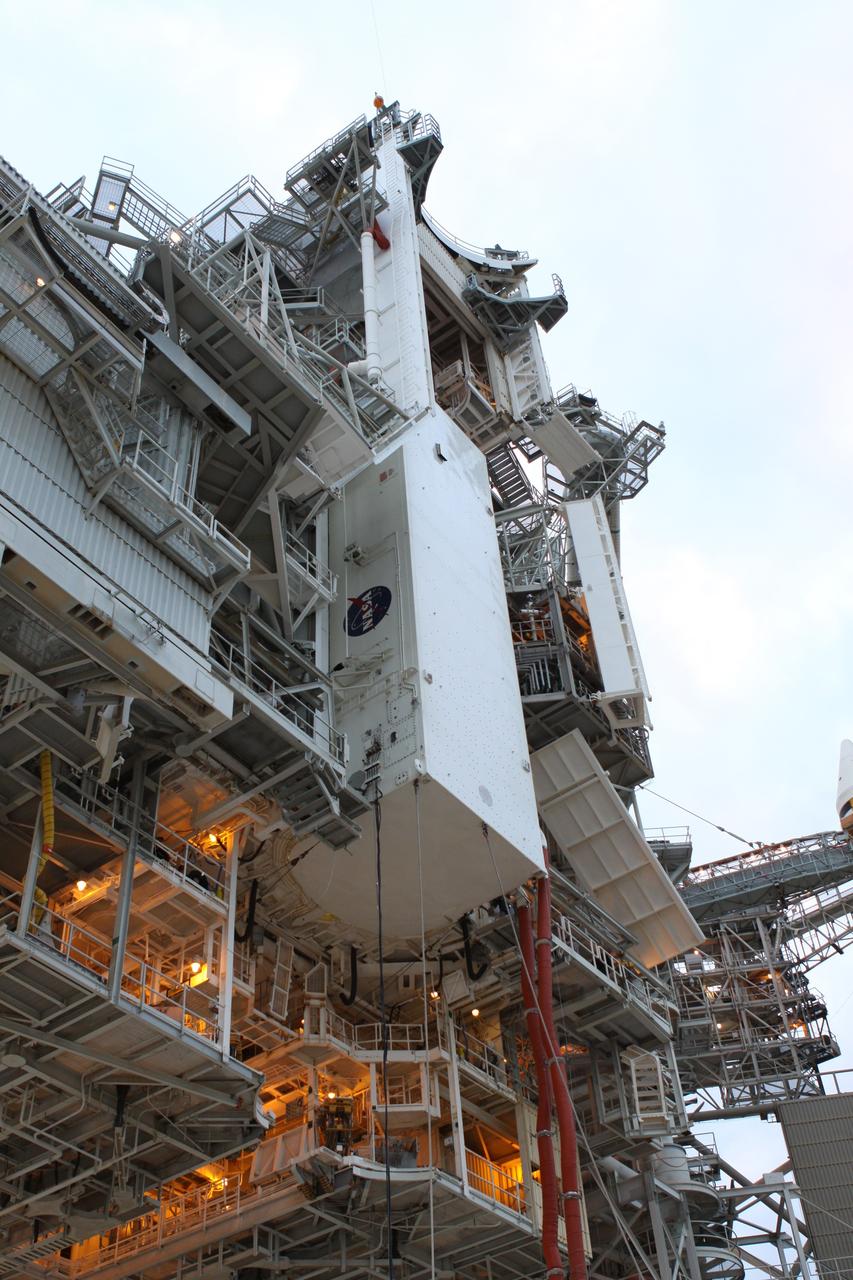
CAPE CANAVERAL, Fla. -- At NASA's Kennedy Space Center in Florida, the STS-133 payload canister now is in the rotating service structure on Launch Pad 39A. The payload then will be moved into space shuttle Discovery's payload bay. Discovery and its STS-133 crew will deliver the Permanent Multipurpose Module, packed with supplies and critical spare parts, as well as Robonaut 2, the dexterous humanoid astronaut helper, to the International Space Station. Launch is targeted for 4:40 p.m. EDT, Nov. 1. Photo credit: NASA/Troy Cryder
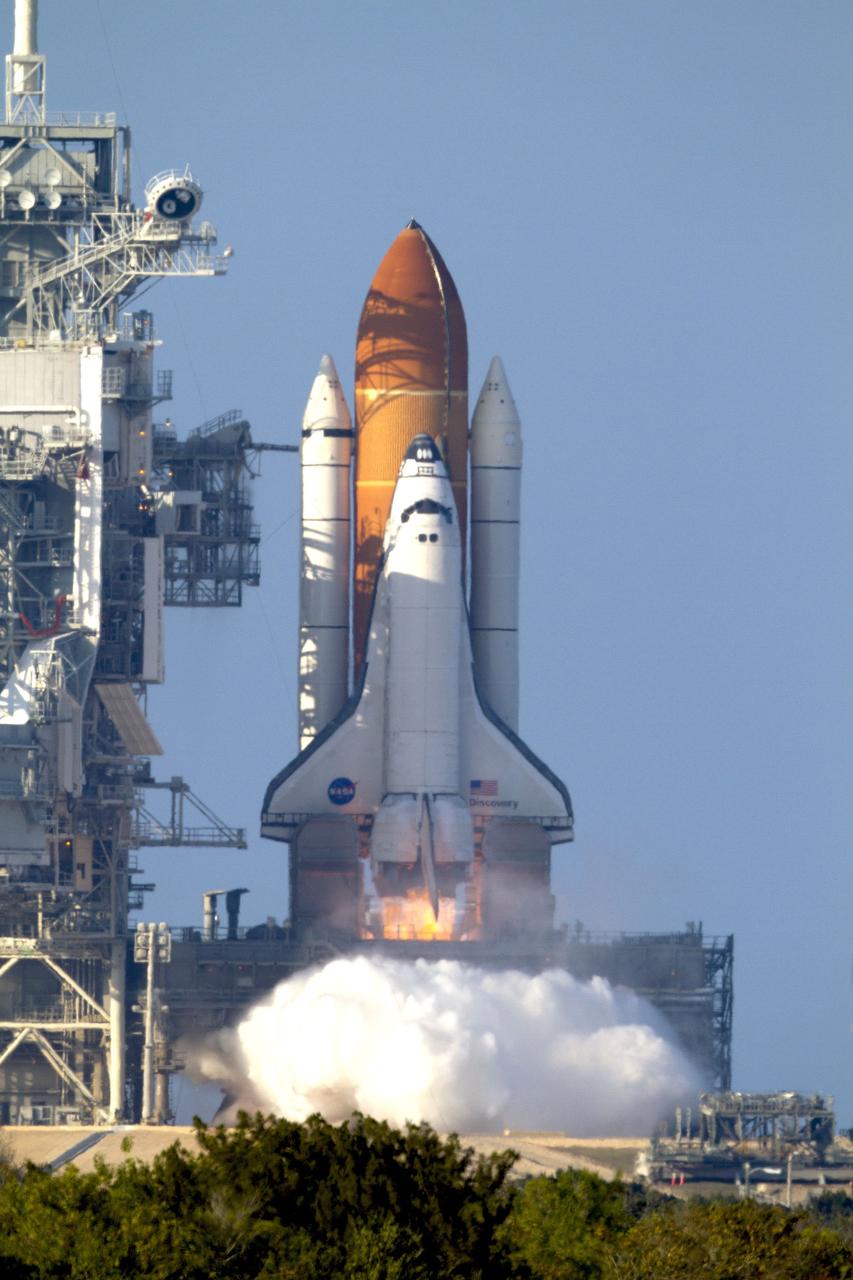
CAPE CANAVERAL, Fla. -- Space shuttle Discovery's boosters ignite and main engines start beginning its final scheduled mission, STS-133, to the International Space Station. Liftoff from launch Pad 39A at NASA's Kennedy Space Center in Florida occurred at 4:53 p.m. EST on Feb. 24. Discovery and its six-member crew are on a mission to deliver the Permanent Multipurpose Module, packed with supplies and critical spare parts, as well as Robonaut 2, the dexterous humanoid astronaut helper, to the International Space Station. Discovery is making its 39th mission and is scheduled to be retired following STS-133. This is the 133rd Space Shuttle Program mission, the 35th shuttle voyage to the space station and Discovery's final mission. For more information on the STS-133 mission, visit www.nasa.gov/mission_pages/shuttle/shuttlemissions/sts133/. Photo credit: NASA/Kenny Allen
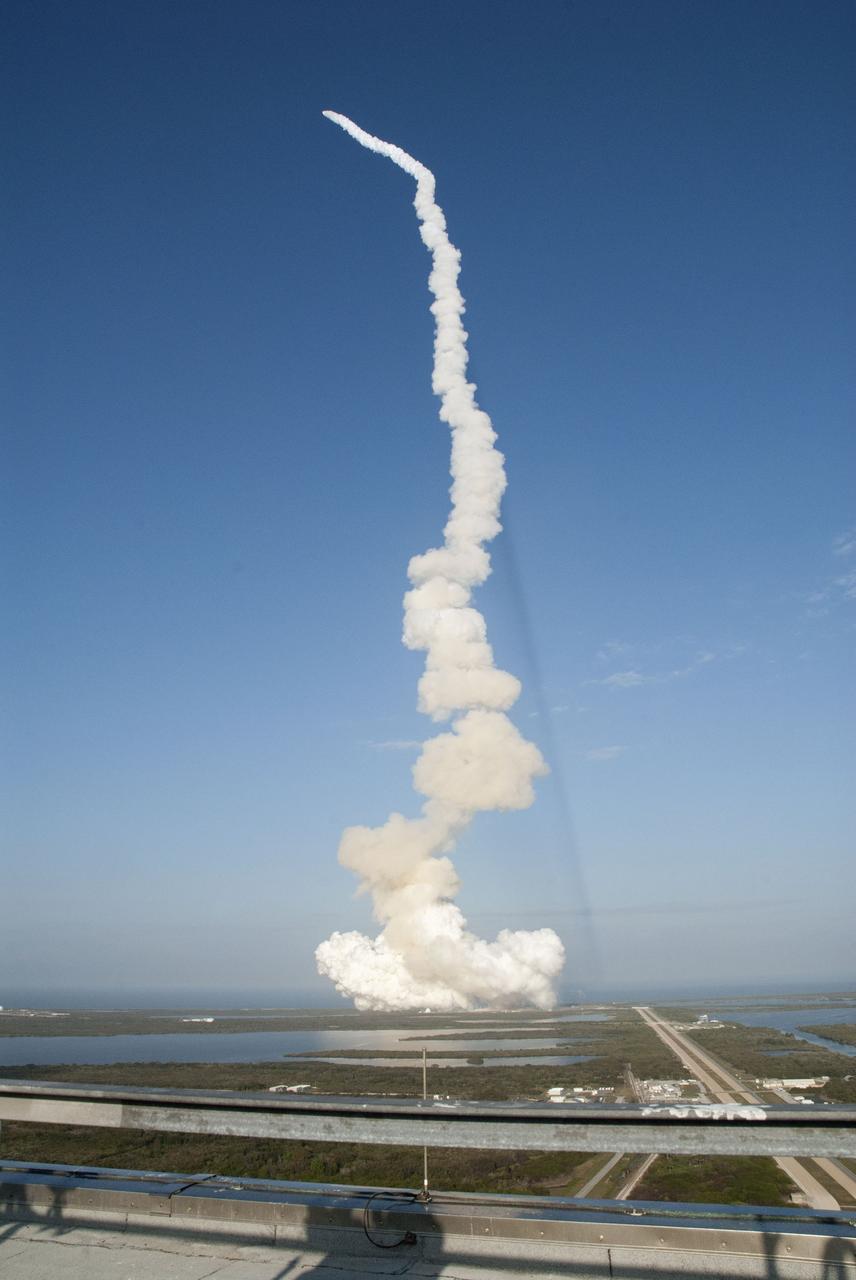
CAPE CANAVERAL, Fla. -- Taken from the roof of the Vehicle Assembly Building at NASA's Kennedy Space Center in Florida, space shuttle Discovery lifts off Launch Pad 39A atop twin columns of fire, creating rolling clouds of smoke and steam in its track. Launch of the STS-133 mission was at 4:53 p.m. EST on Feb. 24. Discovery and its six-member crew are on a mission to deliver the Permanent Multipurpose Module, packed with supplies and critical spare parts, as well as Robonaut 2, the dexterous humanoid astronaut helper, to the International Space Station. Discovery is making its 39th mission and is scheduled to be retired following STS-133. This is the 133rd Space Shuttle Program mission, the 35th shuttle voyage to the space station and Discovery's final mission. For more information on the STS-133 mission, visit www.nasa.gov/mission_pages/shuttle/shuttlemissions/sts133/. Photo credit: NASA/Jeff Marino
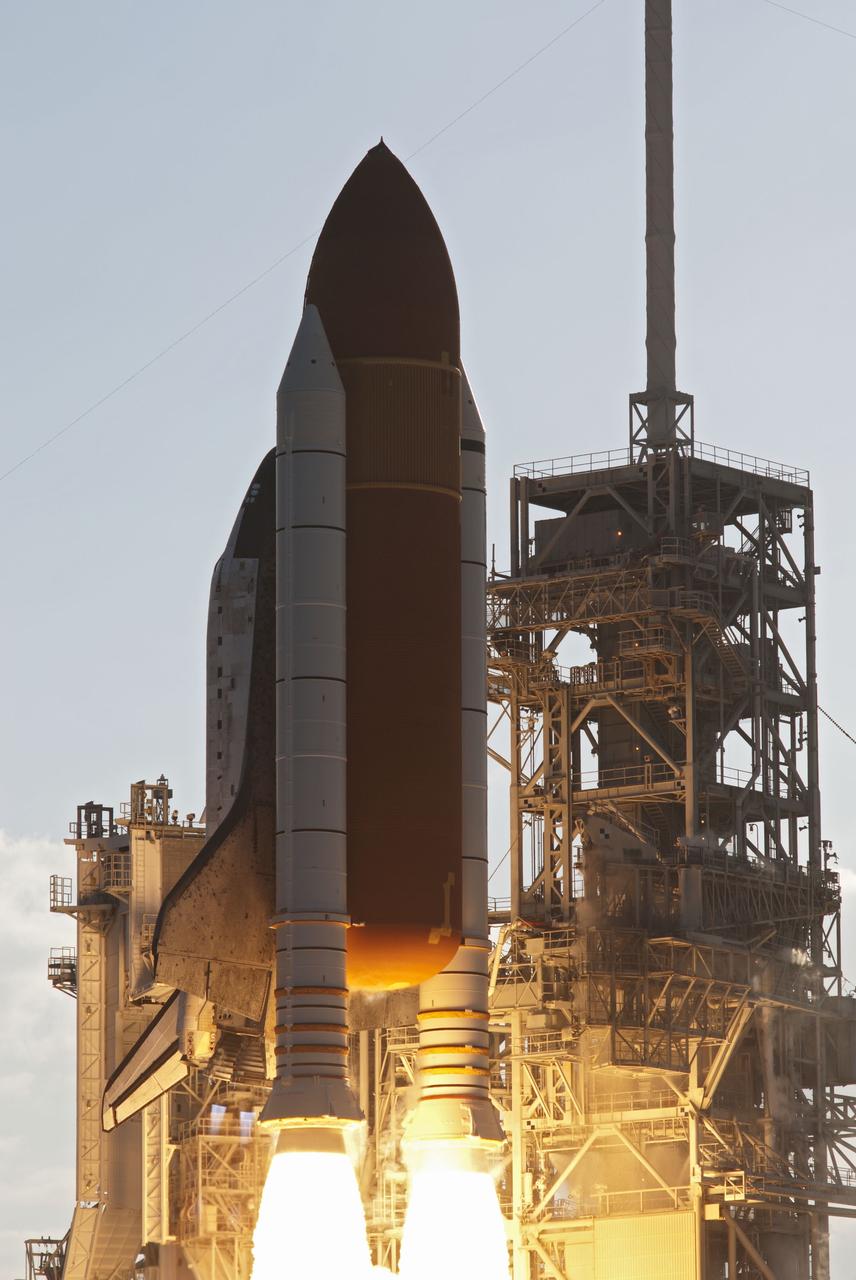
CAPE CANAVERAL, Fla. -- On twin columns of fire, space shuttle Discovery's solid rocket boosters ignite for liftoff on Launch Pad 39A at NASA's Kennedy Space Center in Florida. Discovery's final launch, the STS-133 mission, to the International Space was at 4:53 p.m. EST. Discovery and its six-member crew will deliver the Permanent Multipurpose Module, packed with supplies and critical spare parts, as well as Robonaut 2, the dexterous humanoid astronaut helper, to the orbiting outpost. Discovery is flying on its 39th mission and is scheduled to be retired following STS-133. This is the 133rd Space Shuttle Program mission and the 35th shuttle voyage to the space station. For more information on the STS-133 mission, visit www.nasa.gov/mission_pages/shuttle/shuttlemissions/sts133/. Photo credit: NASA/Rusty Backer and Michael Gayle
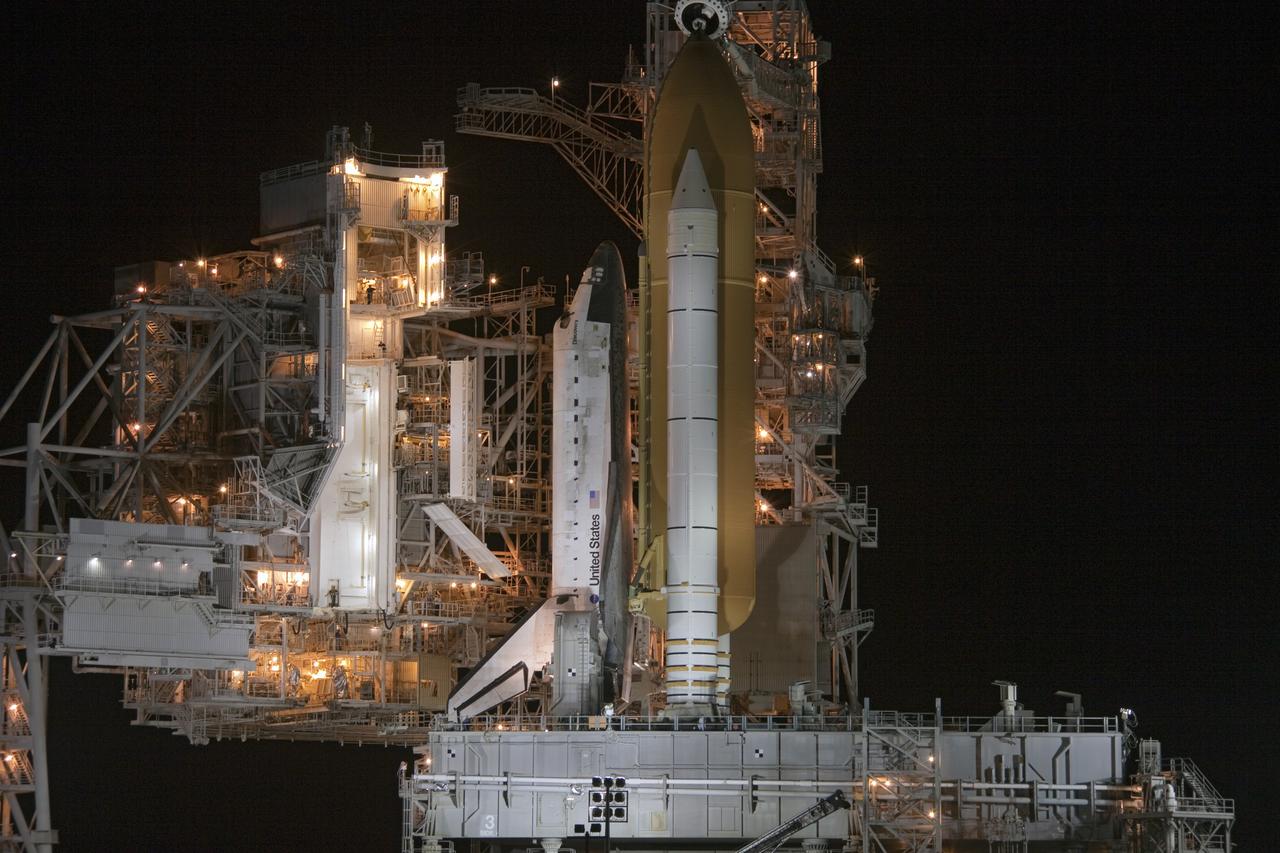
CAPE CANAVERAL, Fla. -- At NASA's Kennedy Space Center in Florida, the rotating service structure on Launch Pad 39A moves away from space shuttle Discovery. The structure provides weather protection and access to the shuttle while it awaits lift off on the pad. Launch of Discovery on the STS-133 mission to the International Space Station is set for 3:29 p.m. on Nov. 4. During the 11-day mission, Discovery and its six crew members will deliver the Permanent Multipurpose Module, packed with supplies and critical spare parts, as well as Robonaut 2, to the orbiting laboratory. Discovery, which will fly its 39th mission, is scheduled to be retired following STS-133. This will be the 133rd Space Shuttle Program mission and the 35th shuttle voyage to the space station. For more information on STS-133, visit www.nasa.gov/mission_pages/shuttle/shuttlemissions/sts133/. Photo credit: NASA/Troy Cryder
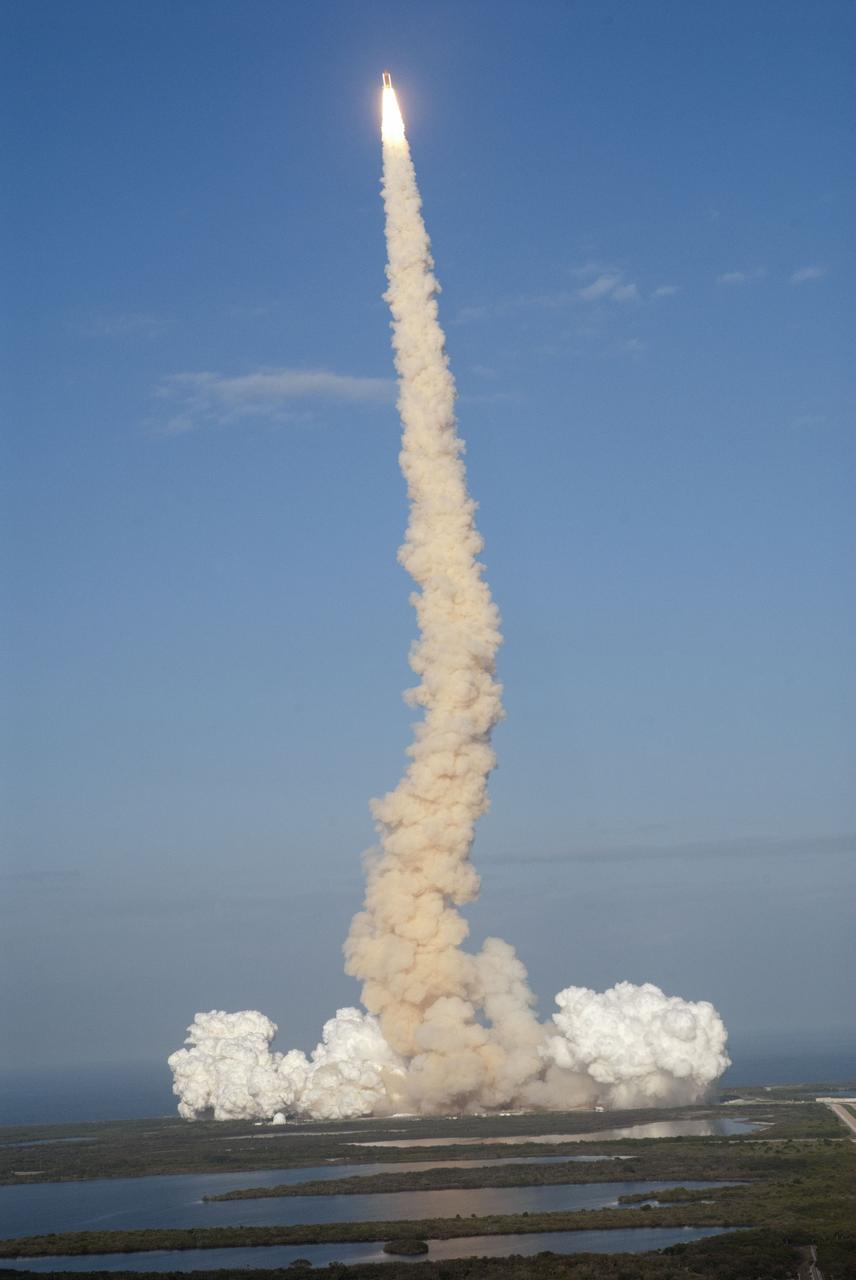
CAPE CANAVERAL, Fla. -- Taken from the roof of the Vehicle Assembly Building at NASA's Kennedy Space Center in Florida, space shuttle Discovery lifts off Launch Pad 39A atop twin columns of fire, creating rolling clouds of smoke and steam in its track. Launch of the STS-133 mission was at 4:53 p.m. EST on Feb. 24. Discovery and its six-member crew are on a mission to deliver the Permanent Multipurpose Module, packed with supplies and critical spare parts, as well as Robonaut 2, the dexterous humanoid astronaut helper, to the International Space Station. Discovery is making its 39th mission and is scheduled to be retired following STS-133. This is the 133rd Space Shuttle Program mission, the 35th shuttle voyage to the space station and Discovery's final mission. For more information on the STS-133 mission, visit www.nasa.gov/mission_pages/shuttle/shuttlemissions/sts133/. Photo credit: NASA/Jeff Marino
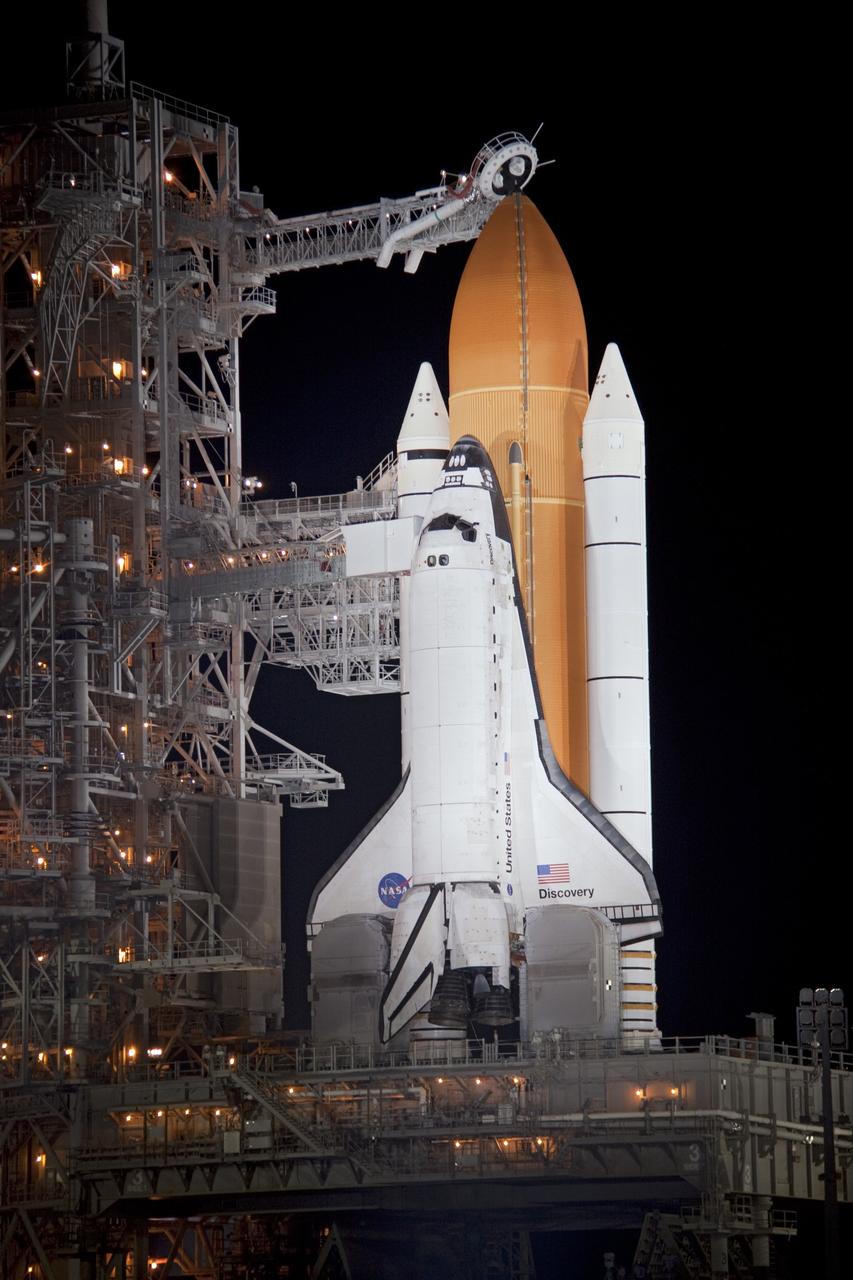
CAPE CANAVERAL, Fla. -- At NASA's Kennedy Space Center in Florida, xenon lights illuminate space shuttle Discovery on Launch Pad 39A following the retraction of the rotating service structure. The structure provides weather protection and access to the shuttle while it awaits lift off on the pad. Launch of Discovery on the STS-133 mission to the International Space Station is set for 3:29 p.m. on Nov. 4. During the 11-day mission, Discovery and its six crew members will deliver the Permanent Multipurpose Module, packed with supplies and critical spare parts, as well as Robonaut 2, to the orbiting laboratory. Discovery, which will fly its 39th mission, is scheduled to be retired following STS-133. This will be the 133rd Space Shuttle Program mission and the 35th shuttle voyage to the space station. For more information on STS-133, visit www.nasa.gov/mission_pages/shuttle/shuttlemissions/sts133/. Photo credit: NASA/Troy Cryder
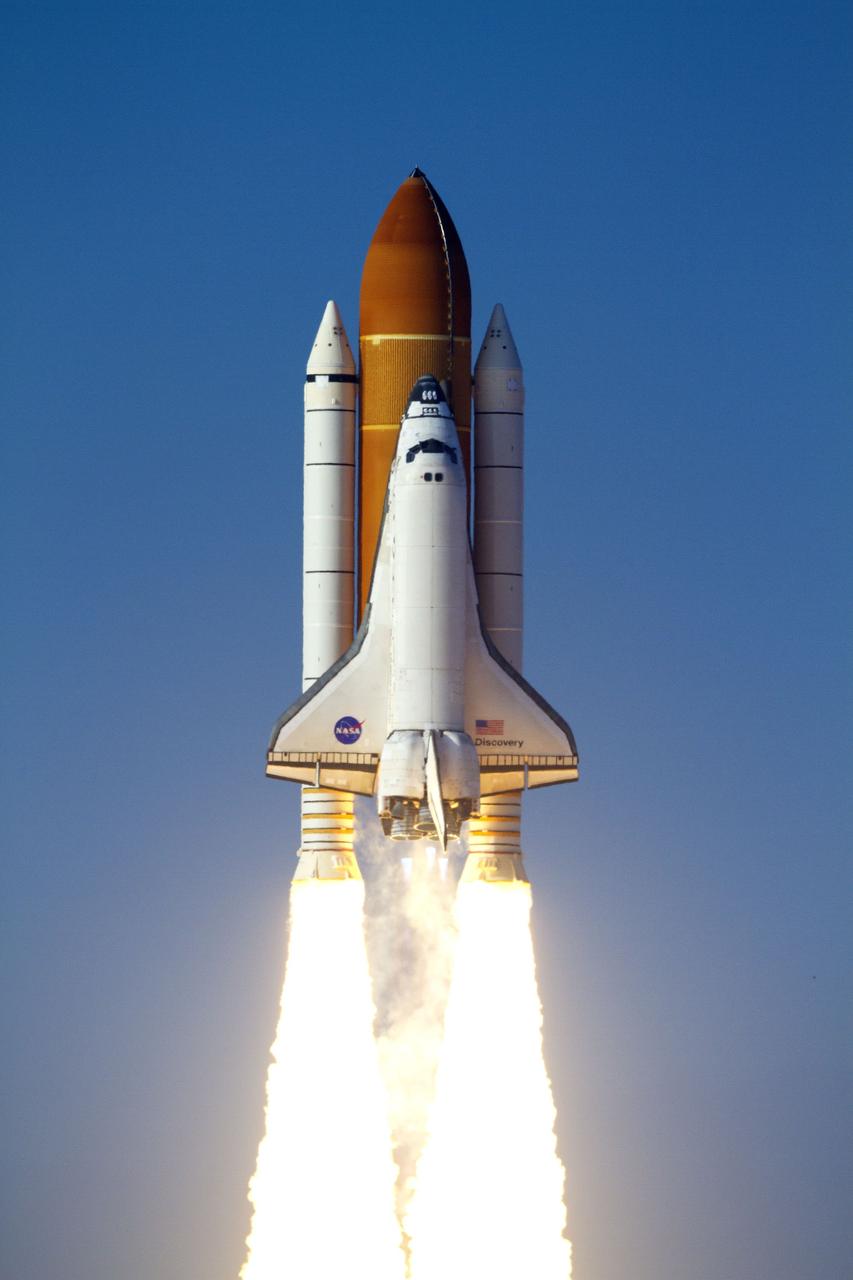
CAPE CANAVERAL, Fla. -- Space shuttle Discovery soars into orbit at 17,500 miles per hour atop twin columns of fire, embarking on its final scheduled mission, STS-133, to the International Space Station. Liftoff from launch Pad 39A at NASA's Kennedy Space Center in Florida occurred at 4:53 p.m. EST on Feb. 24. Discovery and its six-member crew are on a mission to deliver the Permanent Multipurpose Module, packed with supplies and critical spare parts, as well as Robonaut 2, the dexterous humanoid astronaut helper, to the International Space Station. Discovery is making its 39th mission and is scheduled to be retired following STS-133. This is the 133rd Space Shuttle Program mission, the 35th shuttle voyage to the space station and Discovery's final mission. For more information on the STS-133 mission, visit www.nasa.gov/mission_pages/shuttle/shuttlemissions/sts133/. Photo credit: NASA/Kenny Allen
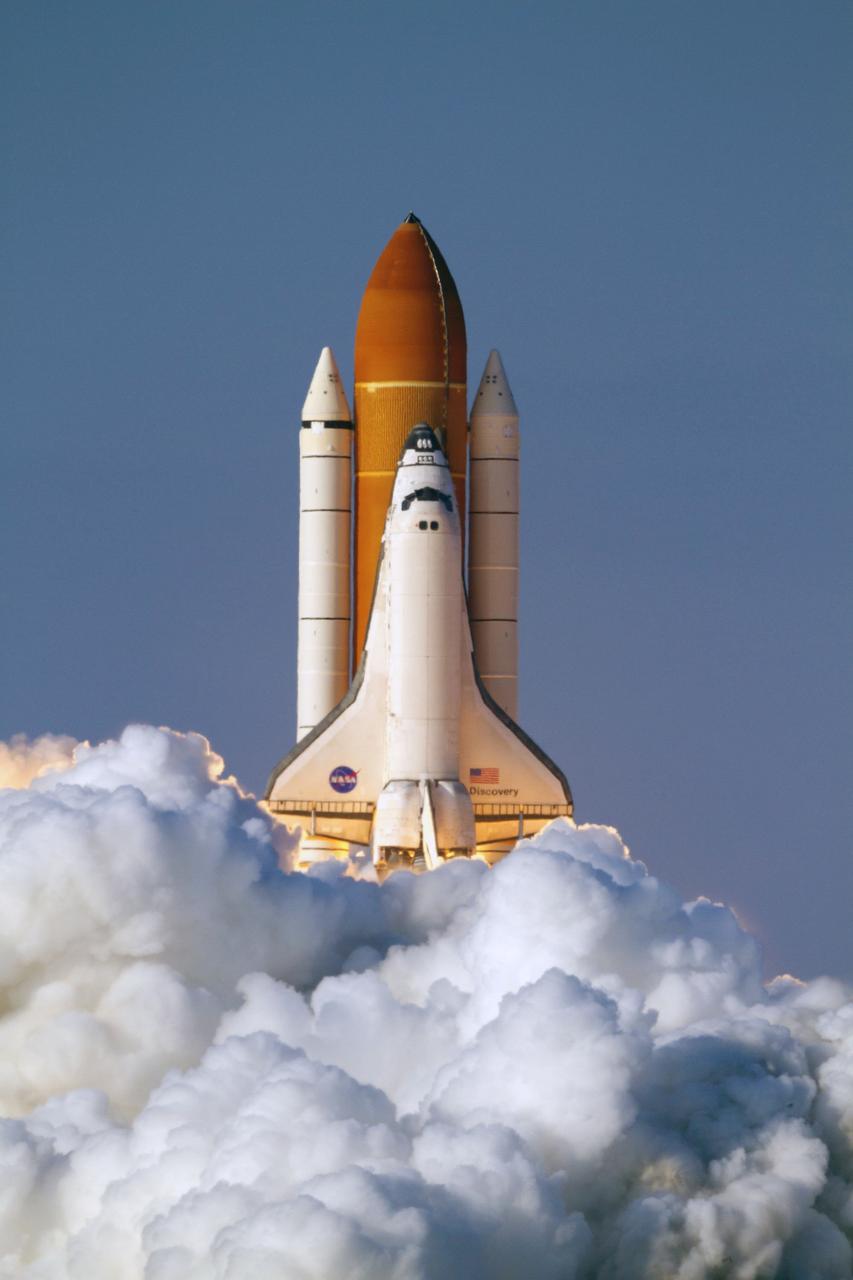
CAPE CANAVERAL, Fla. -- As if soaring through the heavens, space shuttle Discovery launches through rolling clouds of smoke and steam, embarking on its final scheduled mission, STS-133, to the International Space Station. Liftoff from launch Pad 39A at NASA's Kennedy Space Center in Florida occurred at 4:53 p.m. EST on Feb. 24. Discovery and its six-member crew are on a mission to deliver the Permanent Multipurpose Module, packed with supplies and critical spare parts, as well as Robonaut 2, the dexterous humanoid astronaut helper, to the International Space Station. Discovery is making its 39th mission and is scheduled to be retired following STS-133. This is the 133rd Space Shuttle Program mission, the 35th shuttle voyage to the space station and Discovery's final mission. For more information on the STS-133 mission, visit www.nasa.gov/mission_pages/shuttle/shuttlemissions/sts133/. Photo credit: NASA/Kenny Allen