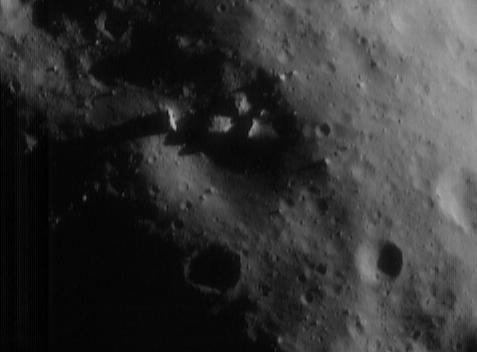
Peeking Into the Sunlight
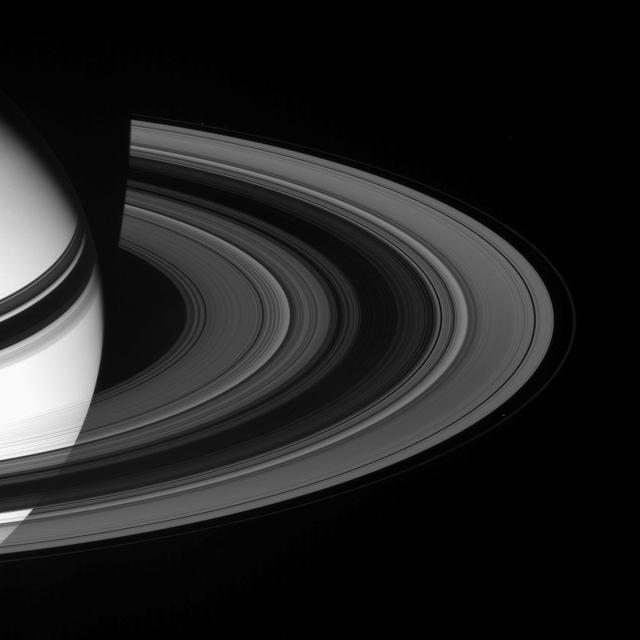
Scattered Sunlight
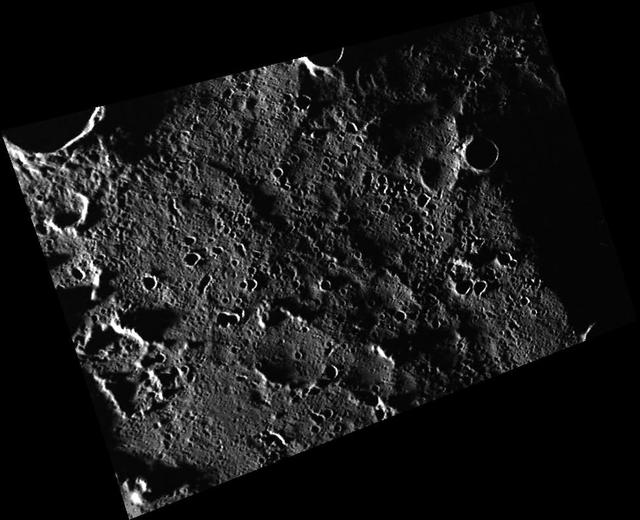
Sunlight Near the North Pole

Sunlight reflecting off of ice in the Bellingshausen Sea on Oct. 19, 2012. Credit: NASA / George Hale NASA's Operation IceBridge is an airborne science mission to study Earth's polar ice. For more information about IceBridge, visit: <a href="http://www.nasa.gov/icebridge" rel="nofollow">www.nasa.gov/icebridge</a> <b><a href="http://www.nasa.gov/audience/formedia/features/MP_Photo_Guidelines.html" rel="nofollow">NASA image use policy.</a></b> <b><a href="http://www.nasa.gov/centers/goddard/home/index.html" rel="nofollow">NASA Goddard Space Flight Center</a></b> enables NASA’s mission through four scientific endeavors: Earth Science, Heliophysics, Solar System Exploration, and Astrophysics. Goddard plays a leading role in NASA’s accomplishments by contributing compelling scientific knowledge to advance the Agency’s mission. <b>Follow us on <a href="http://twitter.com/NASA_GoddardPix" rel="nofollow">Twitter</a></b> <b>Like us on <a href="http://www.facebook.com/pages/Greenbelt-MD/NASA-Goddard/395013845897?ref=tsd" rel="nofollow">Facebook</a></b> <b>Find us on <a href="http://instagrid.me/nasagoddard/?vm=grid" rel="nofollow">Instagram</a></b>
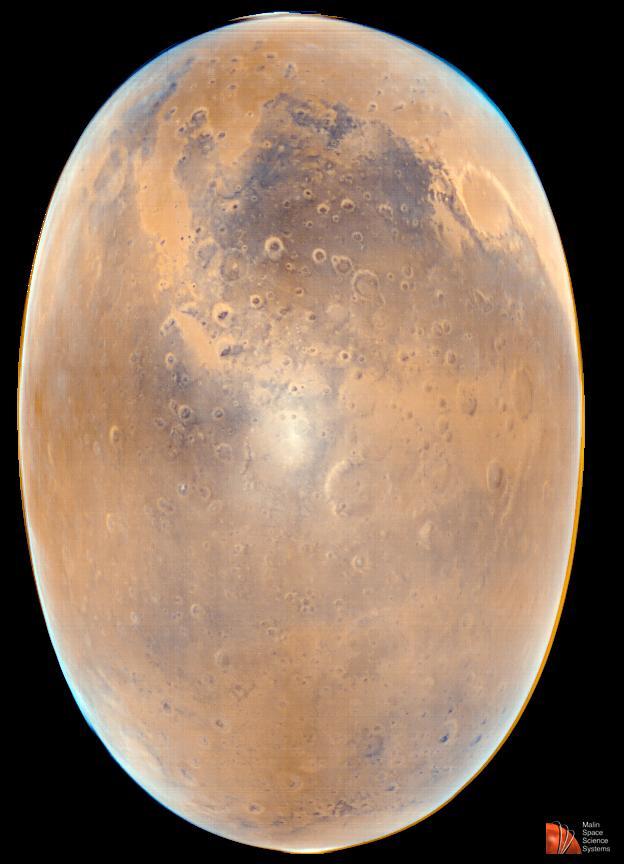
Opposition Surge: Sunlight Glinting off Mars
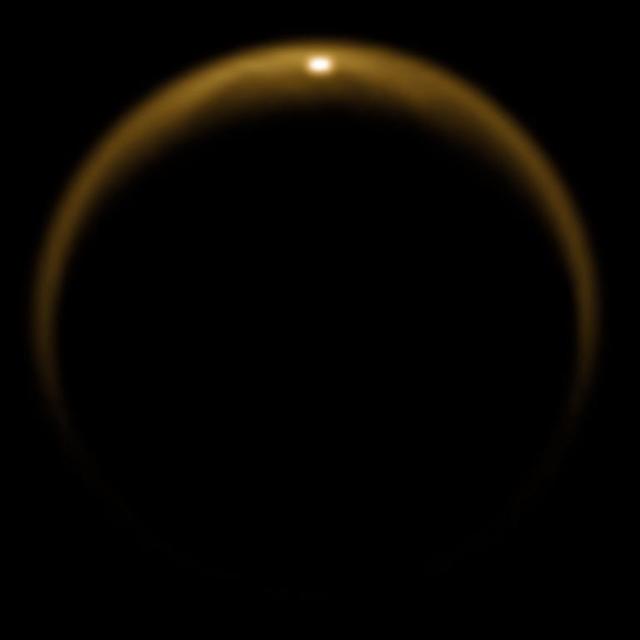
This image taken by NASA Cassini spacecraft in 2009, shows the first flash of sunlight reflected off a hydrocarbon lake on Saturn moon Titan. The glint off a mirror-like surface is known as a specular reflection.
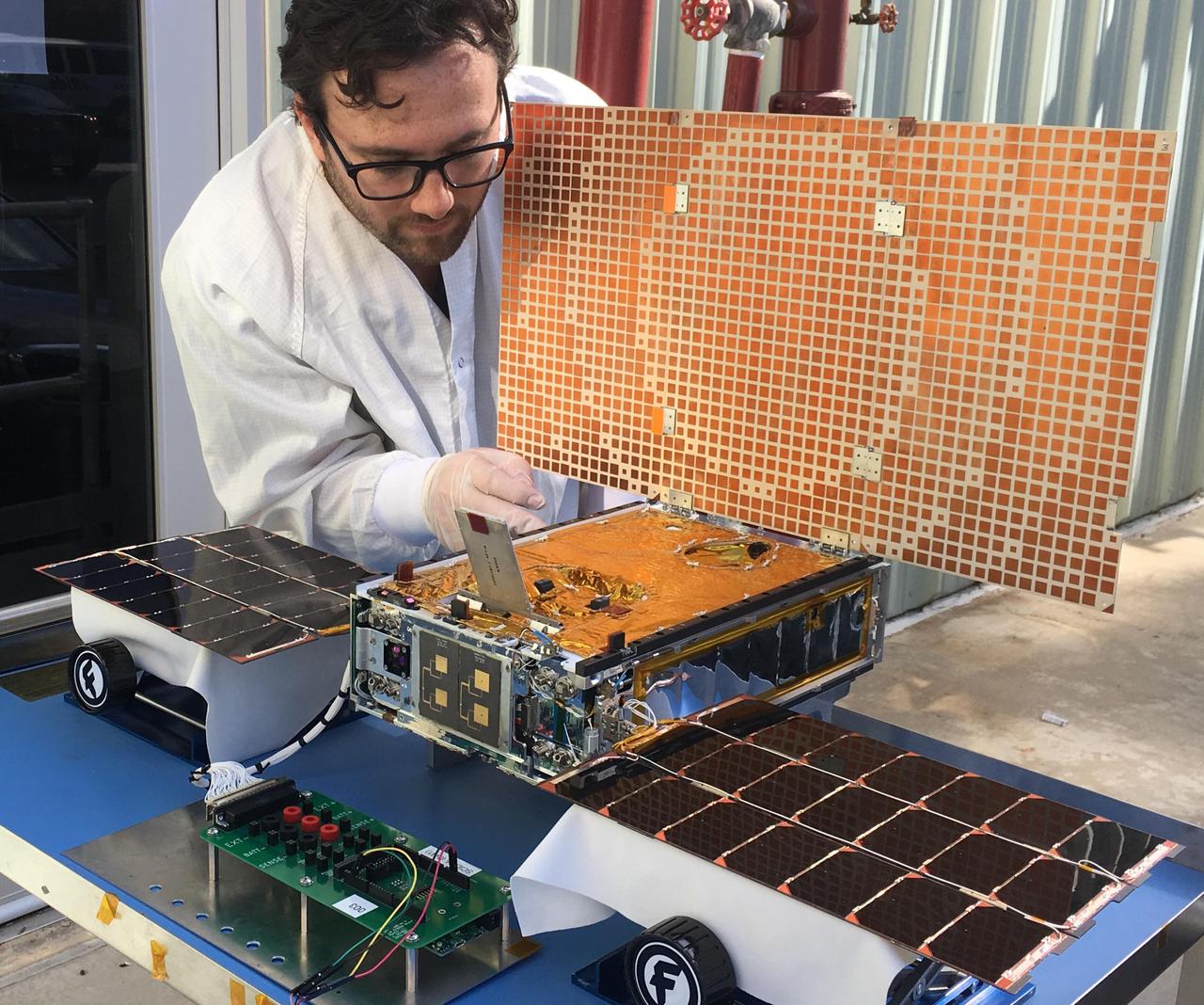
Engineer Joel Steinkraus uses sunlight to test the solar arrays on one of the Mars Cube One (MarCO) spacecraft at NASA's Jet Propulsion Laboratory. The MarCOs will be the first CubeSats -- a kind of modular, mini-satellite -- flown into deep space. They're designed to fly along behind NASA's InSight lander on its cruise to Mars. If they make the journey to Mars, they will test a relay of data about InSight's entry, descent and landing back to Earth. Though InSight's mission will not depend on the success of the MarCOs, they will be a test of how CubeSats can be used in deep space. https://photojournal.jpl.nasa.gov/catalog/PIA22317
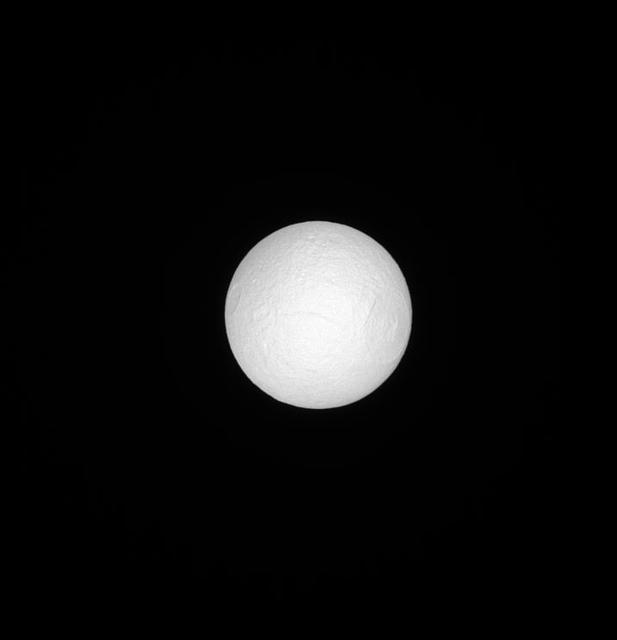
Seen by NASA Cassini spacecraft, Tethys, like many moons in the solar system, keeps one face pointed towards the planet around which it orbits. Tethys anti-Saturn face is seen here, fully illuminated, basking in sunlight. The Odysseus crater is 280 miles (450 kilometers) across while Tethys is 660 miles (1,062 kilometers) across. See PIA07693 for a closer view and more information on the Odysseus crater. This view looks toward the anti-Saturn side of Tethys. North on Tethys is up and rotated 33 degrees to the right. The image was taken in visible light with the Cassini spacecraft narrow-angle camera on June 15, 2013. The view was acquired at a distance of approximately 503,000 miles (809,000 kilometers) from Tethys. Image scale is 3 miles (5 kilometers) per pixel. http://photojournal.jpl.nasa.gov/catalog/PIA18275
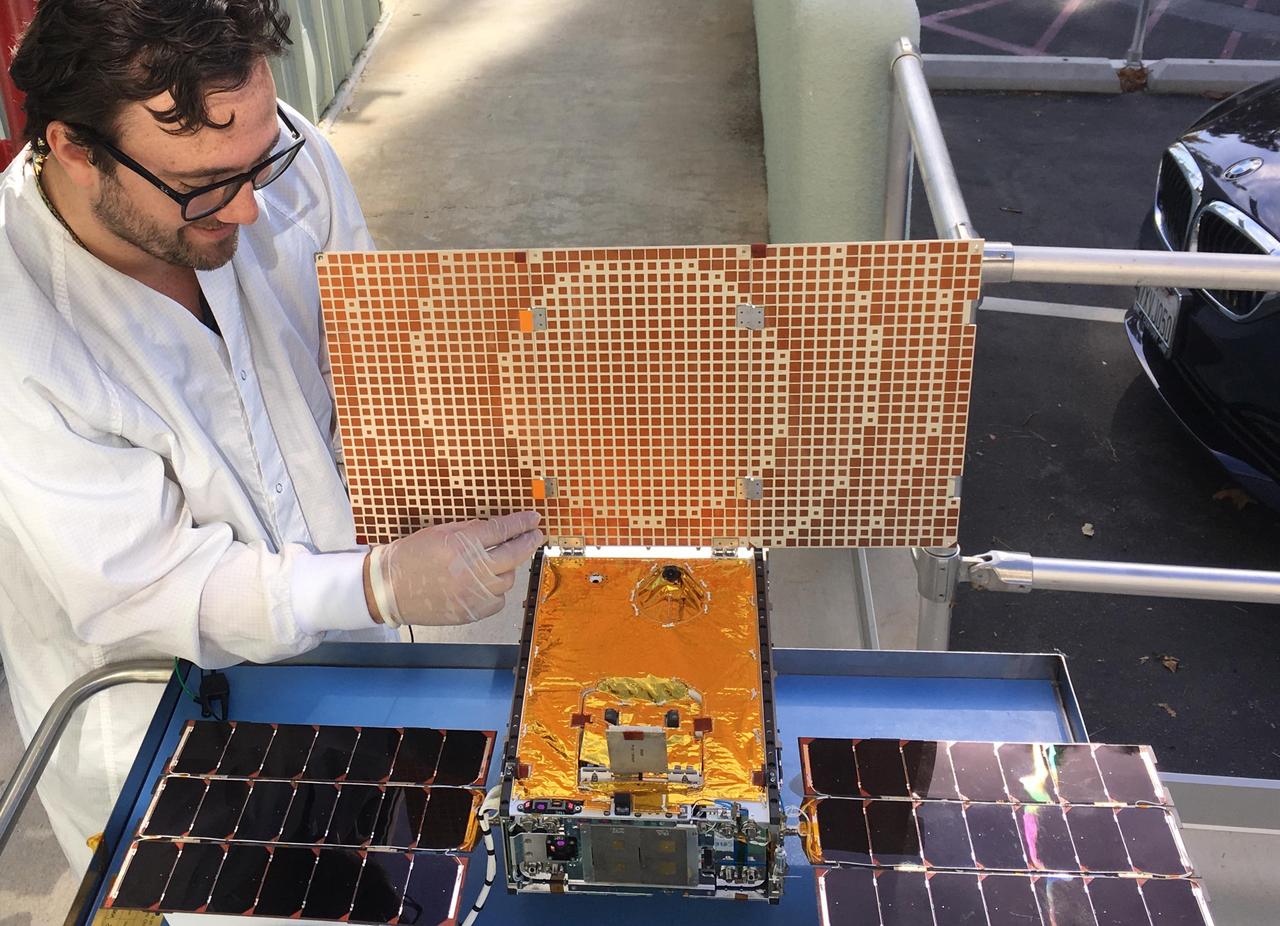
Engineer Joel Steinkraus uses sunlight to test the solar arrays on one of the Mars Cube One (MarCO) spacecraft at NASA's Jet Propulsion Laboratory. The MarCOs will be the first CubeSats -- a kind of modular, mini-satellite -- flown into deep space. They're designed to fly along behind NASA's InSight lander on its cruise to Mars. If they make the journey, they will test a relay of data about InSight's entry, descent and landing back to Earth. Though InSight's mission will not depend on the success of the MarCOs, they will be a test of how CubeSats can be used in deep space. https://photojournal.jpl.nasa.gov/catalog/PIA22318

iss073e0865640 (Oct. 7, 2025) --- Lake Michigan beams in the afternoon sunlight as clouds blanket its southern tip—spanning Michigan, Indiana, and Illinois—in this photograph taken from the International Space Station while orbiting 263 miles above Earth. The northern tip of Lake Huron is visible at left.
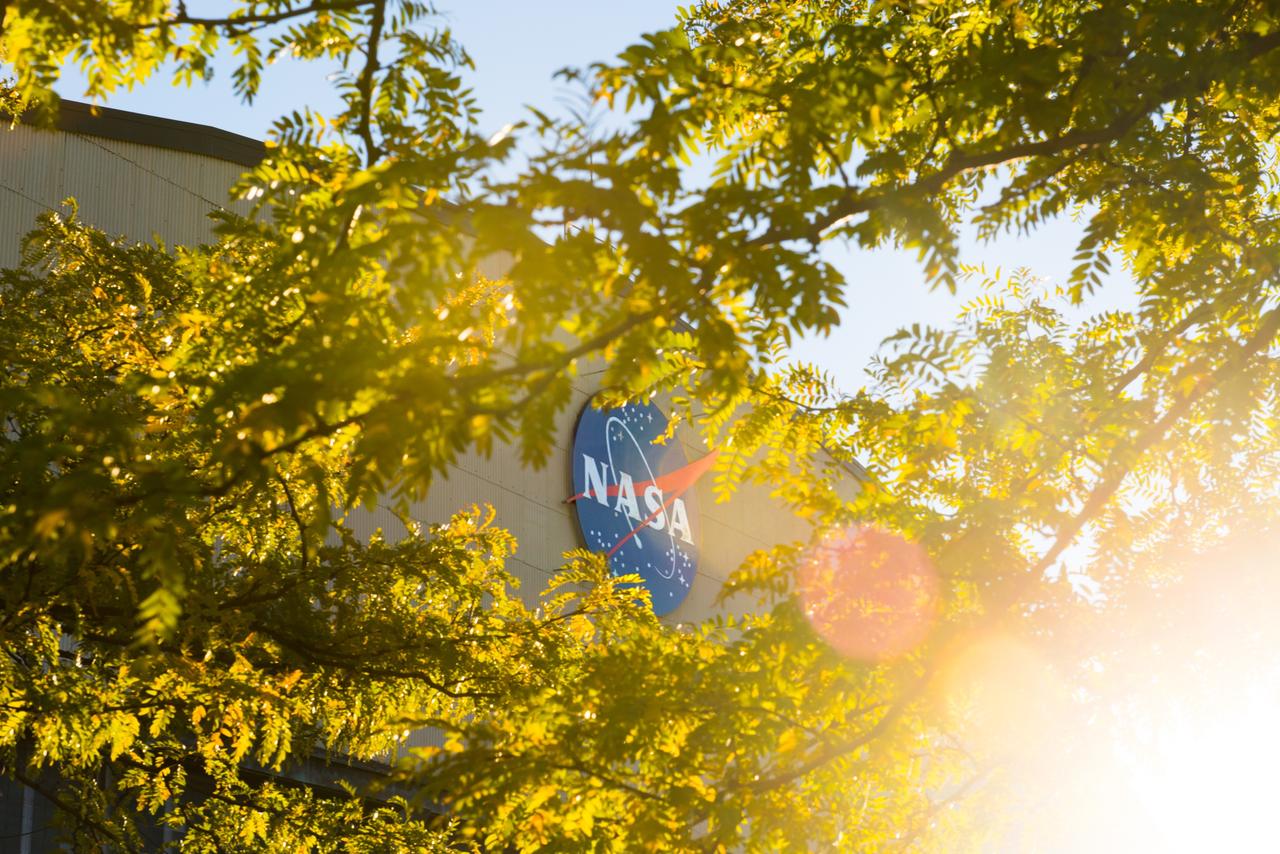
The NASA logo mounted on the south side of the Hangar at Glenn Research Center as seen through foliage.
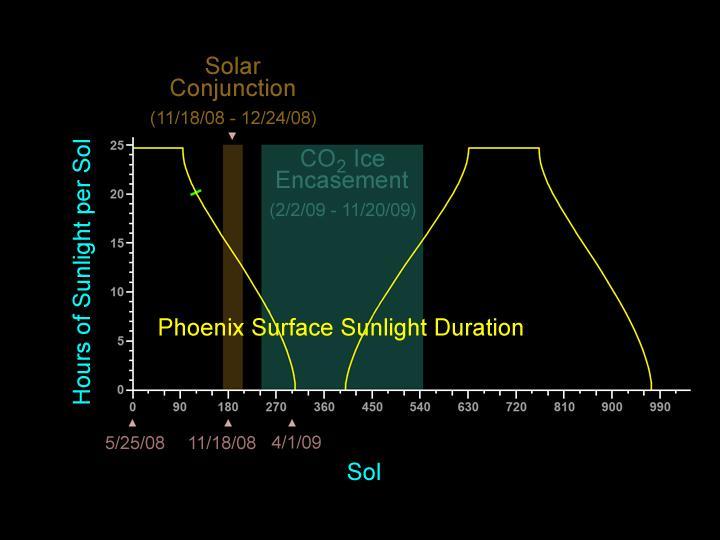
The yellow line on this graphic indicates the number of hours of sunlight each sol, or Martian day, beginning with the entire Martian day about 24 hours and 40 minutes for the first 90 sols, then declining to no sunlight by about sol 300.
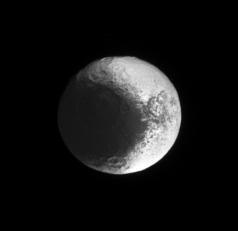
The Cassini spacecraft continues to image terrain on Iapetus that is progressively eastward of the terrain it has previously seen illuminated by sunlight

This animation depicts the illumination of the topography near Prokofiev crater, showing the small proportion of sunlight that reaches Prokofiev floor and rim.
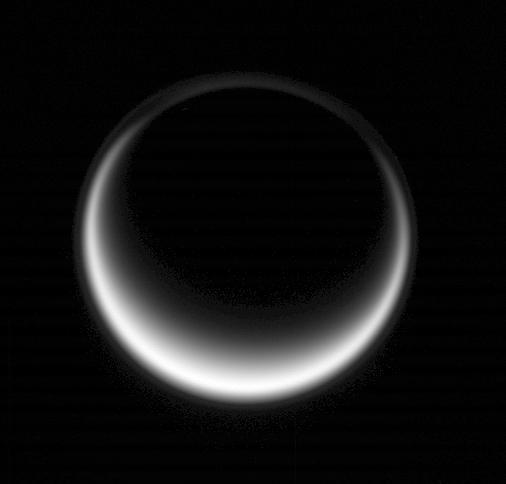
Sunlight scatters through Titan atmosphere, illuminating high hazes and bathing the entire moon in a soft glow

Sunlight scattering through the periphery of Titan atmosphere reaches NASA Cassini as the spacecraft camera is pointed at the dark side of the moon.
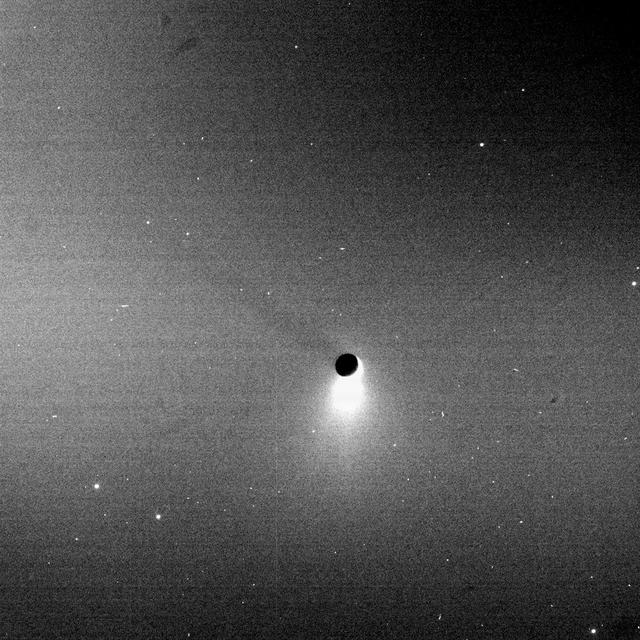
Blazing like an icy torch, the plume of Enceladus shines in scattered sunlight as the moon casts a shadow onto Saturn E ring
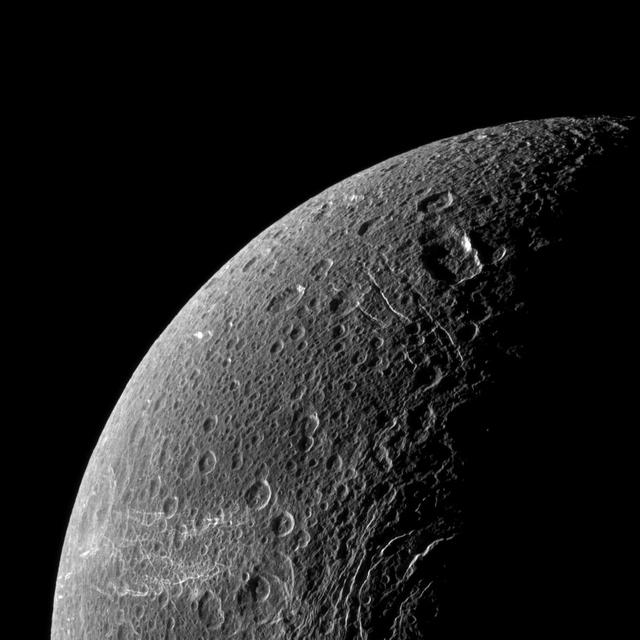
Wispy terrain reflects sunlight brightly in the lower left of this NASA Cassini image of the northern latitudes of Saturn moon Dione.
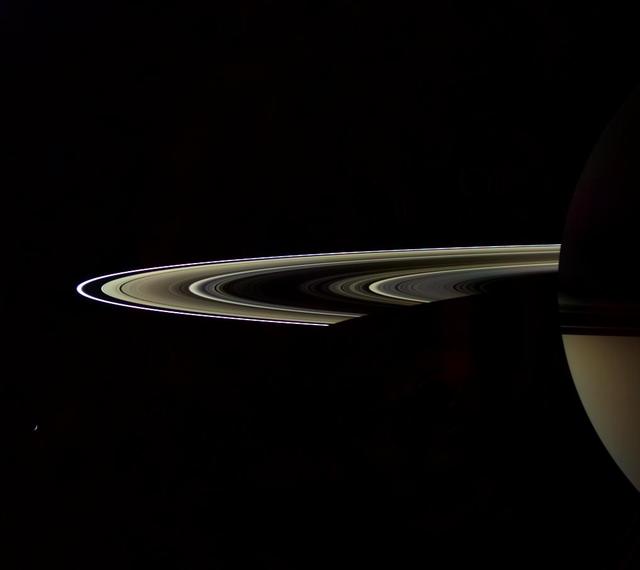
Sunlight filters through Saturn rings in sepia tones in this artful view from the Cassini spacecraft of the dark side of the rings
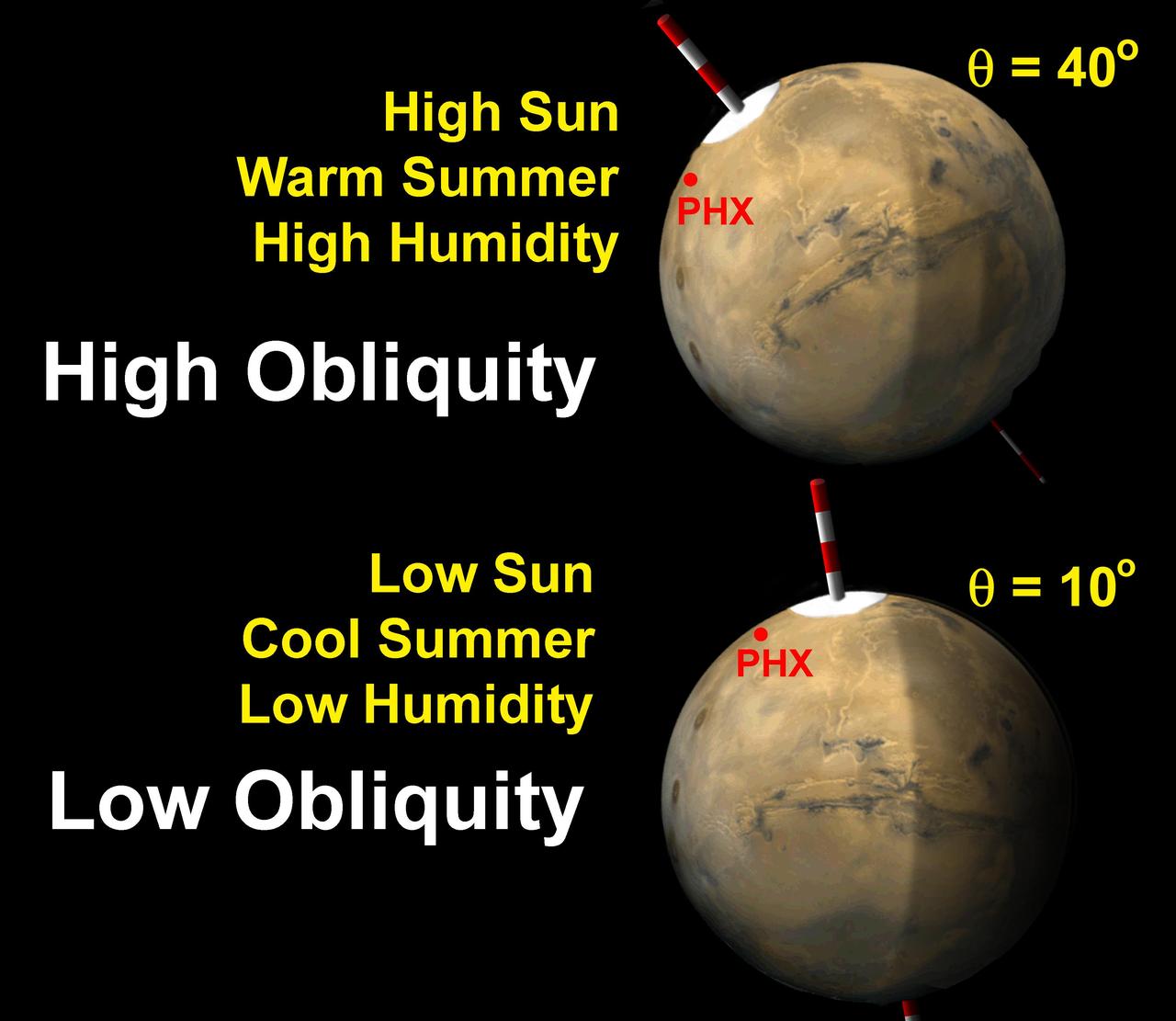
The tilt of Mars spin axis obliquity varies cyclically over hundreds of thousands of years, and affects the sunlight falling on the poles.
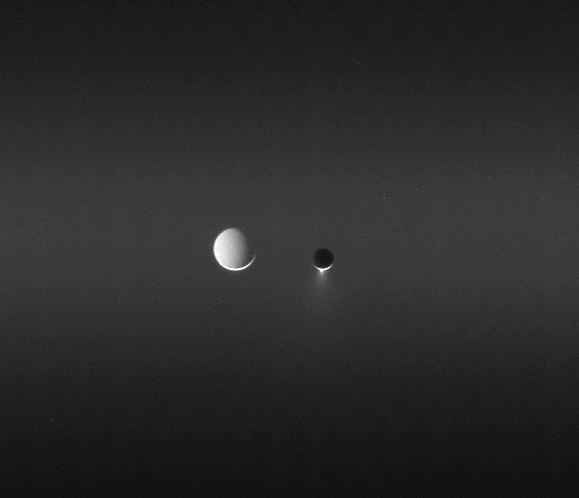
Sunlight makes visible the faint band called the E ring as two moons meet in the sky
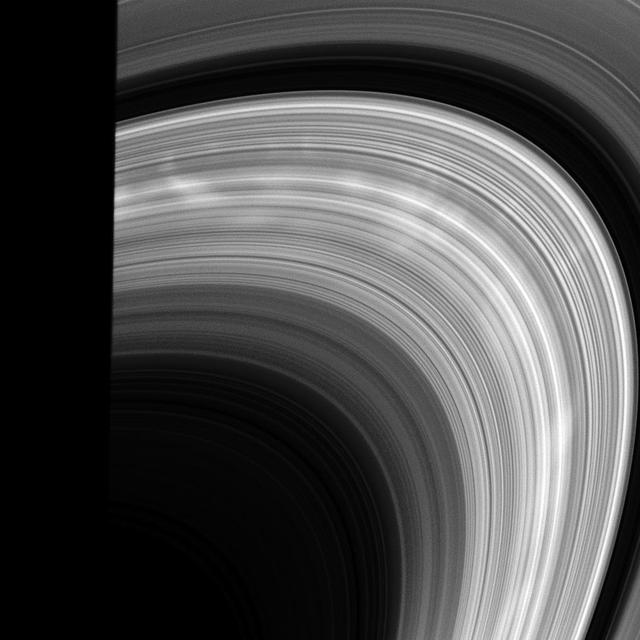
Bright spokes emerge from behind the shadow of the planet and into sunlight in this view from the Cassini spacecraft.
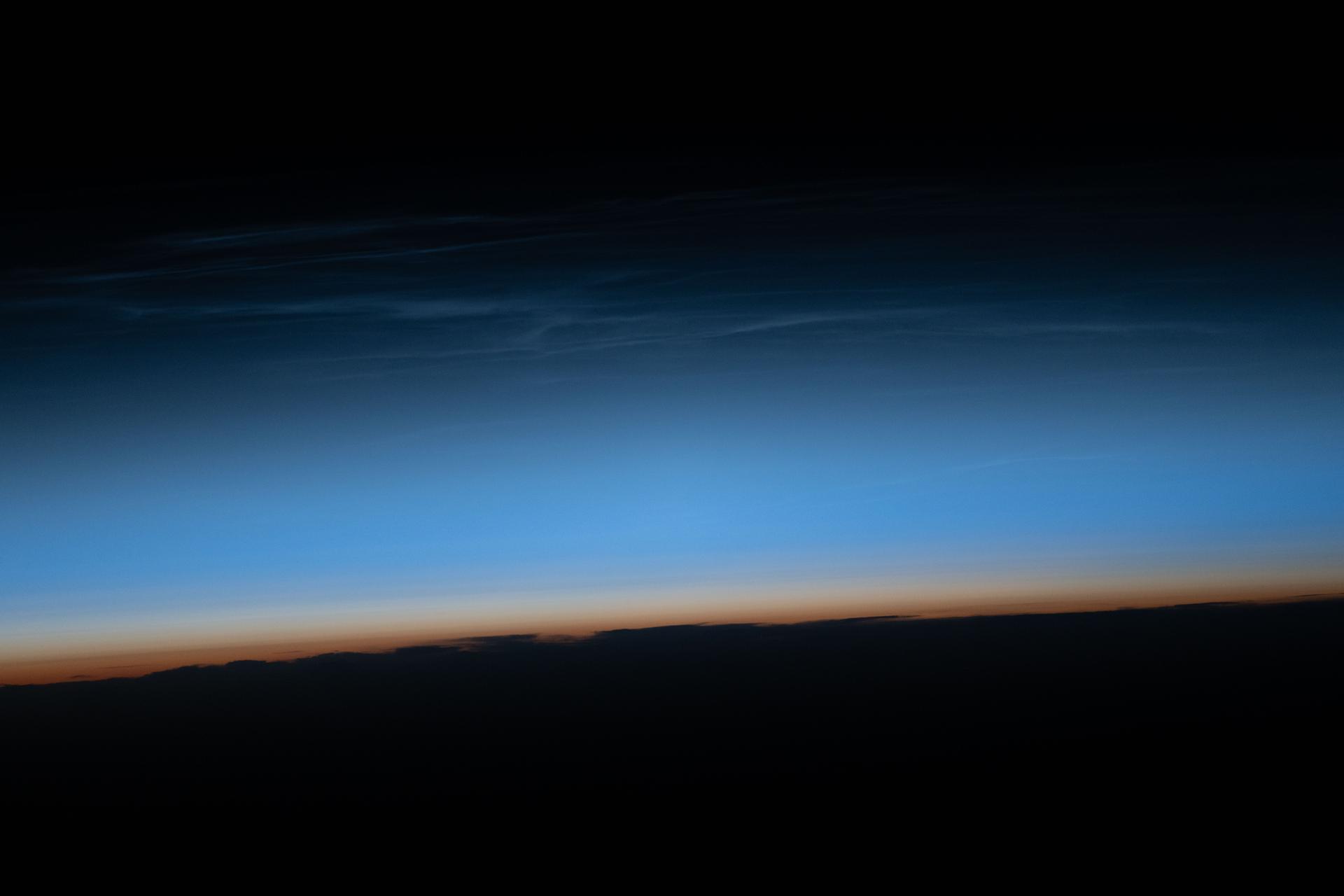
iss074e0784418 (June 29, 2026) --- Noctilucent clouds—polar mesospheric clouds illuminated by sunlight just after the Sun has set below the horizon—are pictured from the International Space Station as it orbited 264 miles above northwest China. These high-altitude clouds are more easily seen from space than from the ground and form when extremely low temperatures freeze water vapor in the mesosphere during summer months at high latitudes. Credit: NASA/Chris Williams
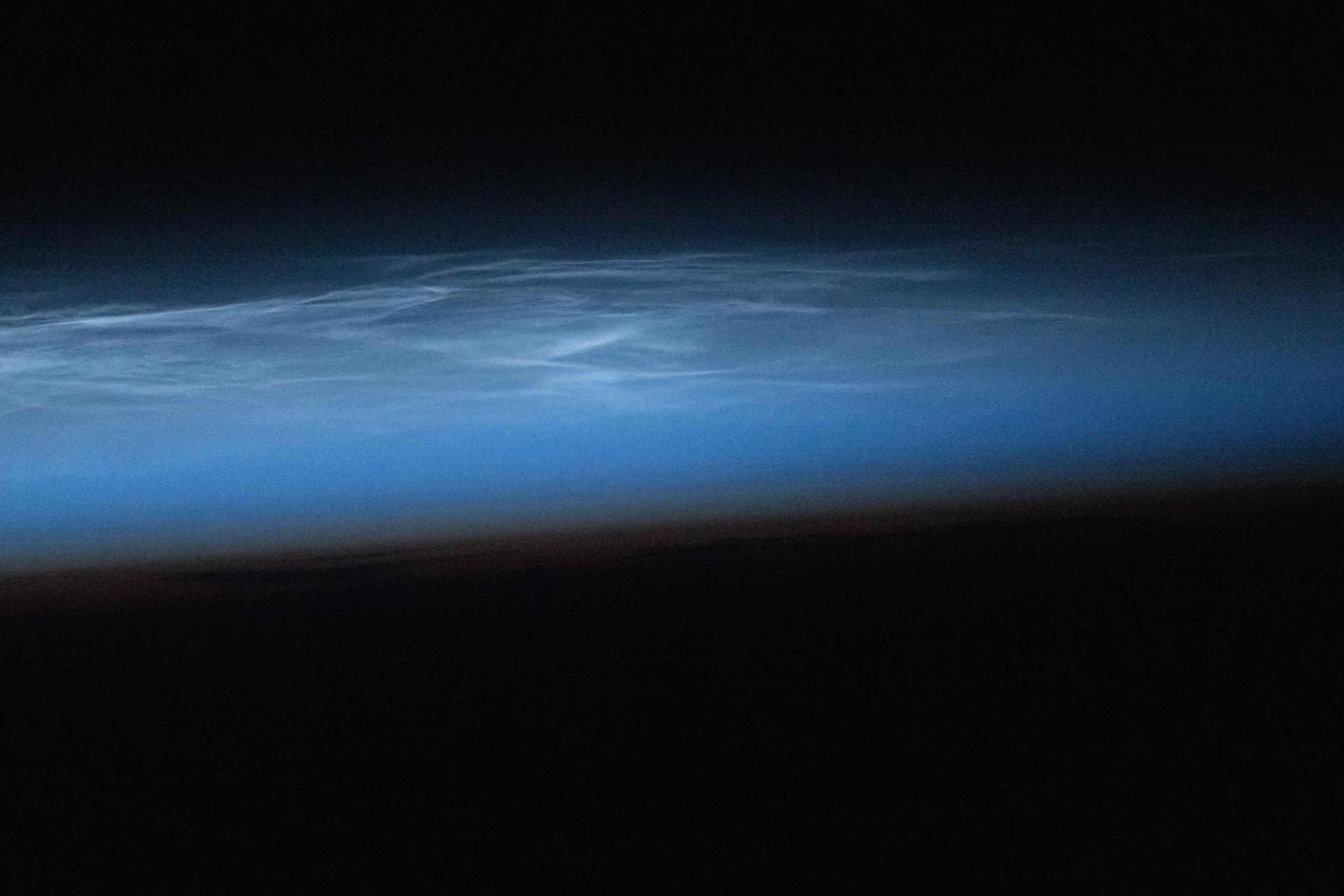
iss074e0784417 (June 29, 2026) --- Noctilucent clouds—polar mesospheric clouds illuminated by sunlight just after the Sun has set below the horizon—are pictured from the International Space Station as it orbited 264 miles above northwest China. These high-altitude clouds are more easily seen from space than from the ground and form when extremely low temperatures freeze water vapor in the mesosphere during summer months at high latitudes. Credit: NASA/Chris Williams
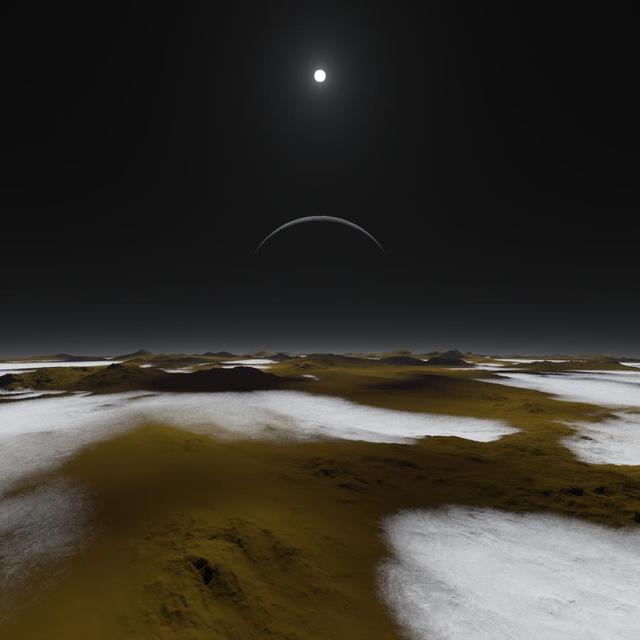
Just how dim is the sunlight on Pluto, some three billion miles away? This artist concept of the frosty surface of Pluto with Charon and our sun as backdrops illustrates that while sunlight is much weaker than it is here on Earth, it isnt as dark as you might expect. http://photojournal.jpl.nasa.gov/catalog/PIA19682

Reflected sunlight is the source of the illumination for visible wavelength images such as the one above. However, at longer infrared wavelengths, direct thermal emission from objects dominates over reflected sunlight. This enabled instruments that can detect infrared radiation to observe the pole even in the dark days of winter when Cassini first arrived at Saturn and Saturn's northern hemisphere was shrouded in shadow. Now, 13 years later, the north pole basks in full sunlight. Close to the northern summer solstice, sunlight illuminates the previously dark region, permitting Cassini scientists to study this area with the spacecraft's full suite of imagers. This view looks toward the northern hemisphere from about 34 degrees above Saturn's ringplane. The image was taken with the Cassini spacecraft wide-angle camera on April 25, 2017 using a spectral filter which preferentially admits wavelengths of near-infrared light centered at 752 nanometers. The view was acquired at a distance of approximately 274,000 miles (441,000 kilometers) from Saturn and at a Sun-Saturn-spacecraft, or phase, angle of 111 degrees. Image scale is 16 miles (26 kilometers) per pixel. The Cassini spacecraft ended its mission on Sept. 15, 2017. https://photojournal.jpl.nasa.gov/catalog/PIA21351
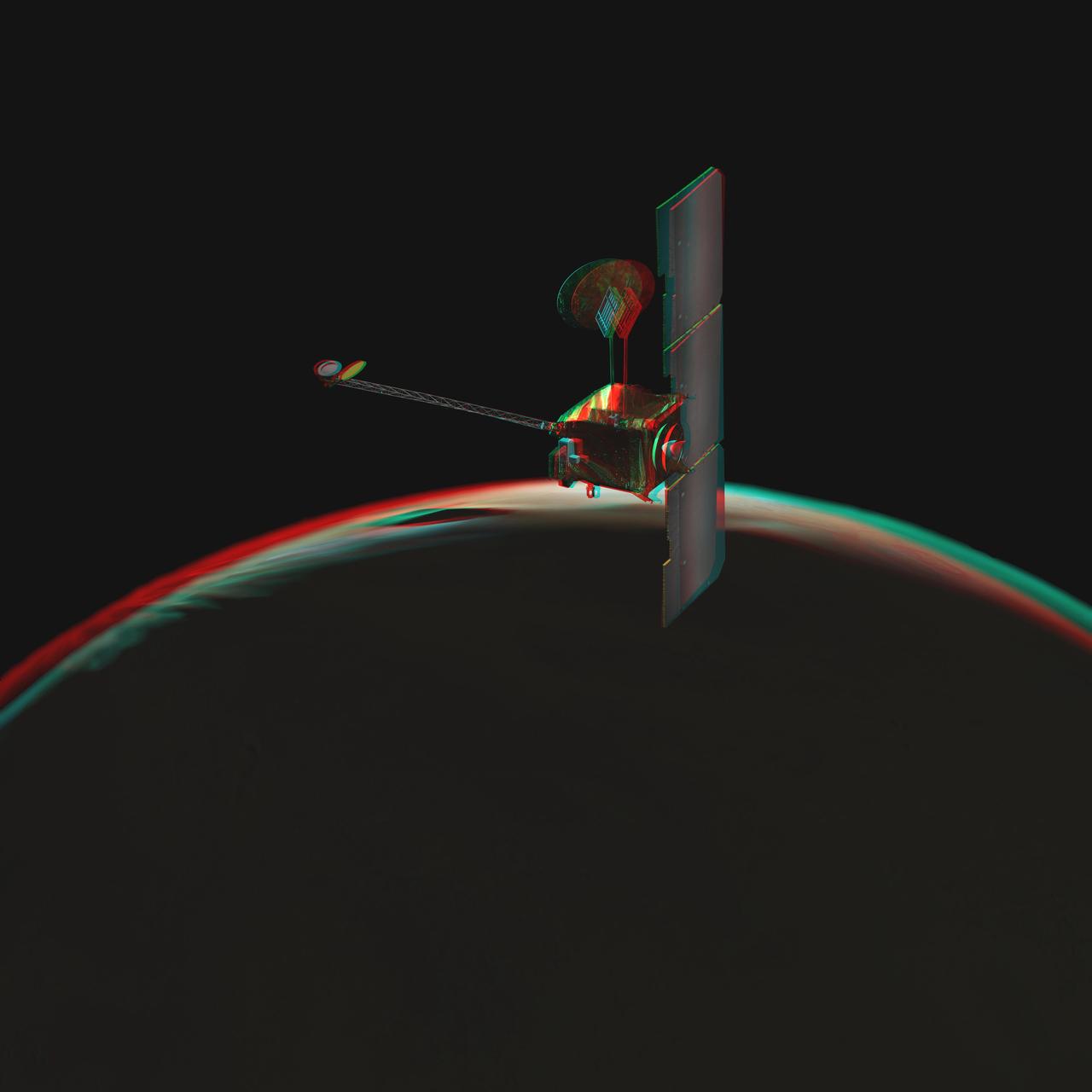
NASA Mars Odyssey spacecraft passes above a portion of the planet that is rotating into the sunlight in this artist concept illustration. 3D glasses are necessary to view this image.
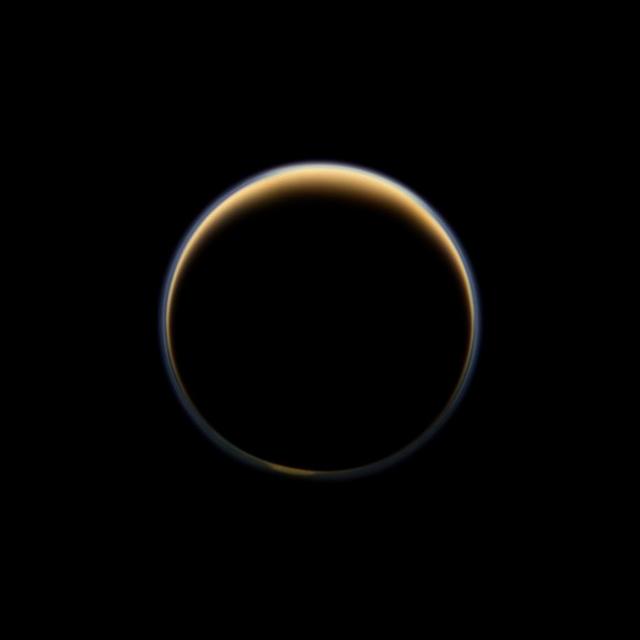
NASA Cassini spacecraft looks toward the night side of Saturn largest moon and sees sunlight scattering through the periphery of Titan atmosphere and forming a ring of color.
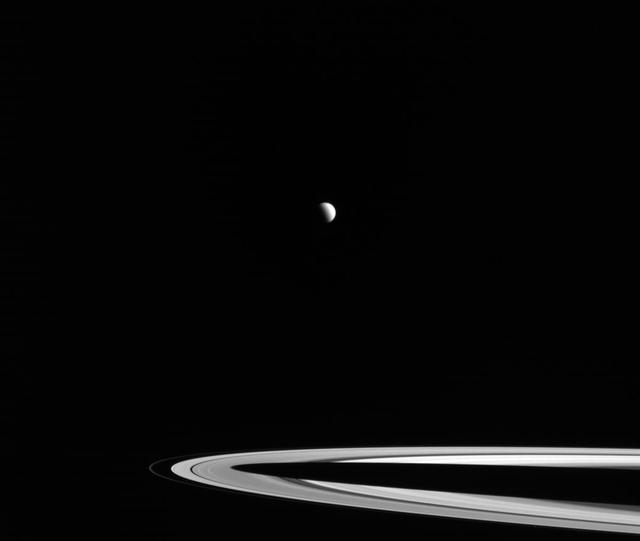
Distant Titan, its northern hemisphere drenched in the sunlight of late spring, hangs above Saturn rings in this image captured by NASA Cassini spacecraft.
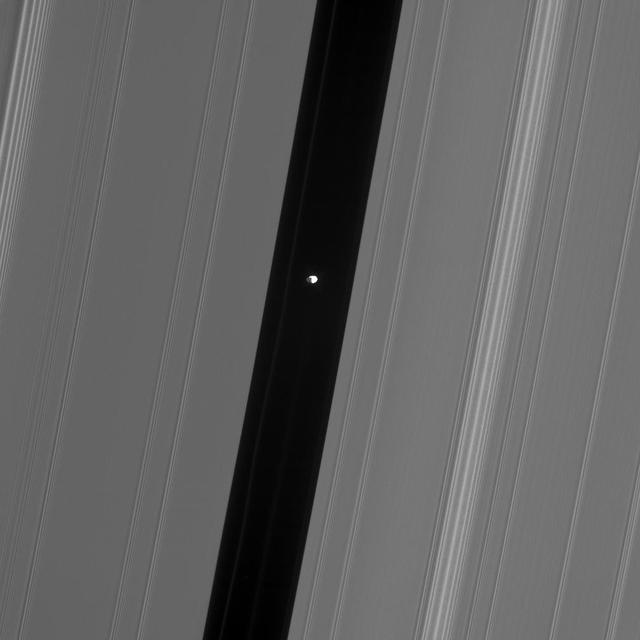
This Cassini spacecraft view of Pan in the Encke gap shows hints of detail on the moon dark side, which is lit by saturnshine -- sunlight reflected off Saturn.
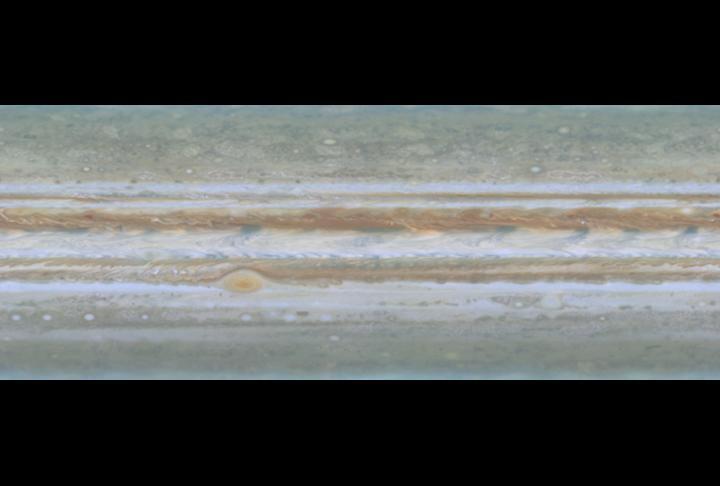
NASA Cassini spacecraft took narrow-angle images of Jupiter outer atmosphere, showing the giant planet as if it were constantly bathed in sunlight.
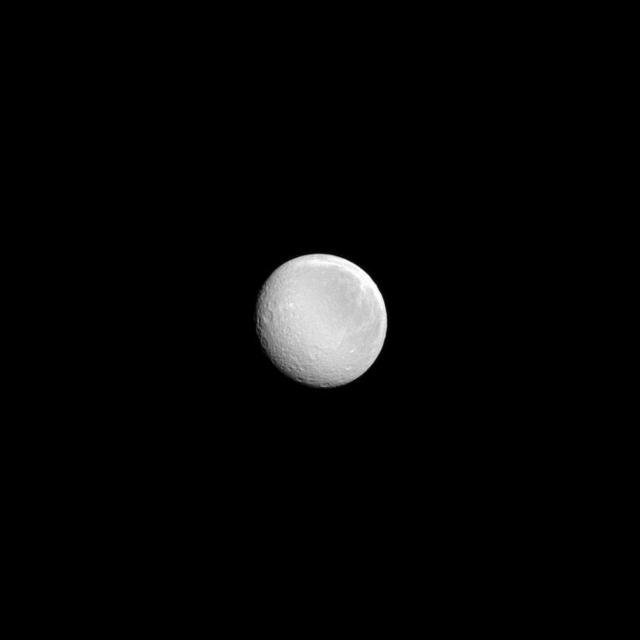
A nearly full Rhea shines in the sunlight in this image from NASA Cassini spacecraft. Rhea 949 miles, or 1,527 kilometers across is Saturn second largest moon.
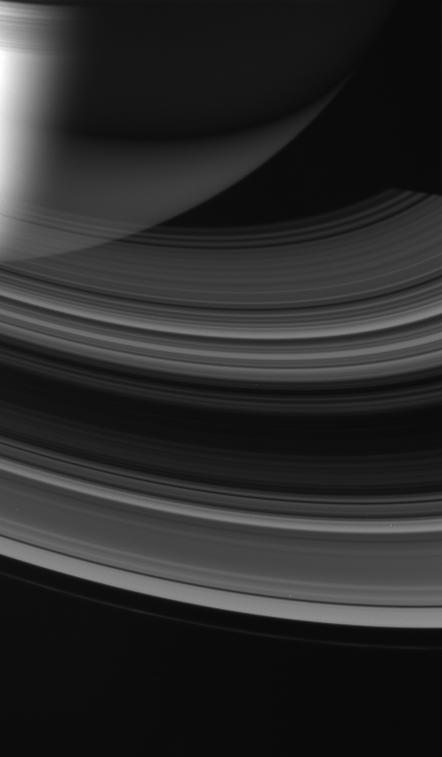
The rings of Saturn glow softly as sunlight from below wends its way through. Some of the Sun light bounces off the rings opposite side

Although the sun is on the other side of Saturn in this dramatic image, some sunlight scatters through the uppermost part of the atmosphere to reach NASA Cassini spacecraft cameras.
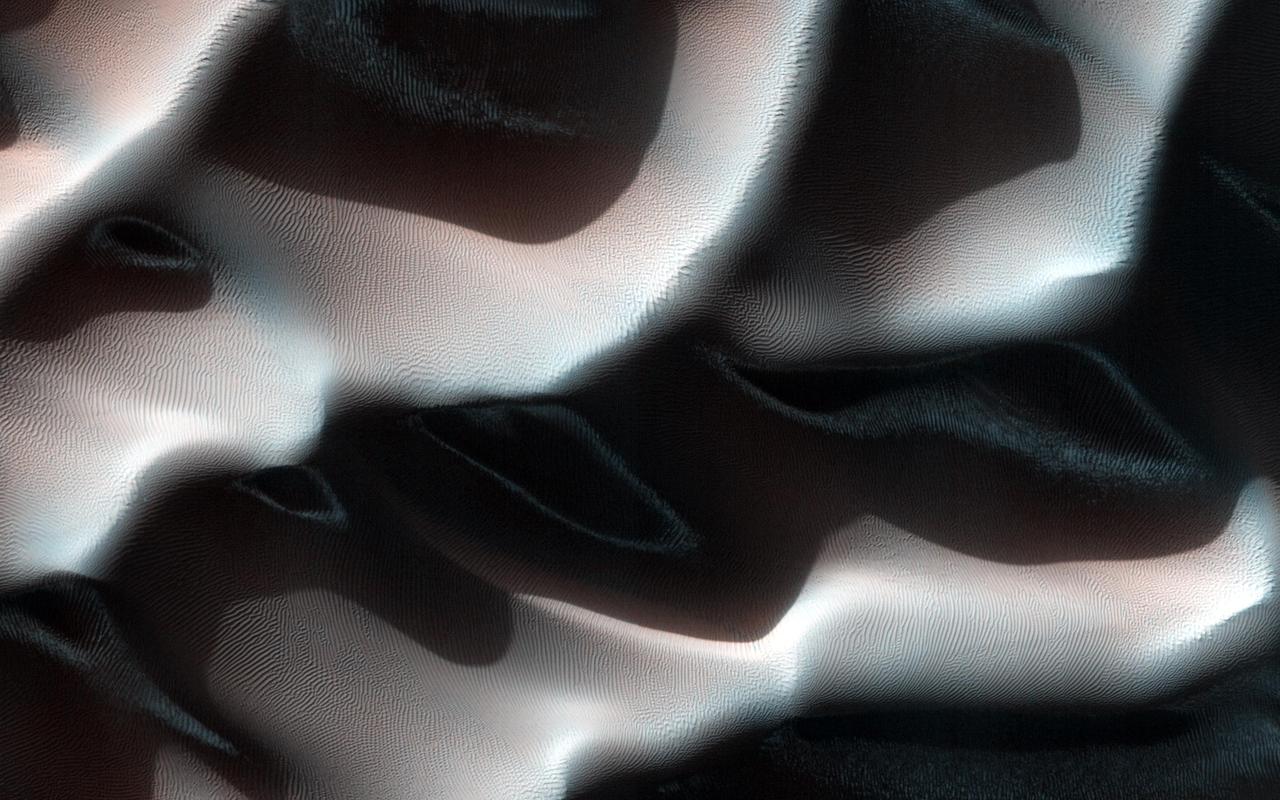
This Southern autumn image captured by NASA Mars Reconnaissance Orbiter offers a view of frosty dunes. The sunlight is shining on the dunes from the upper right.
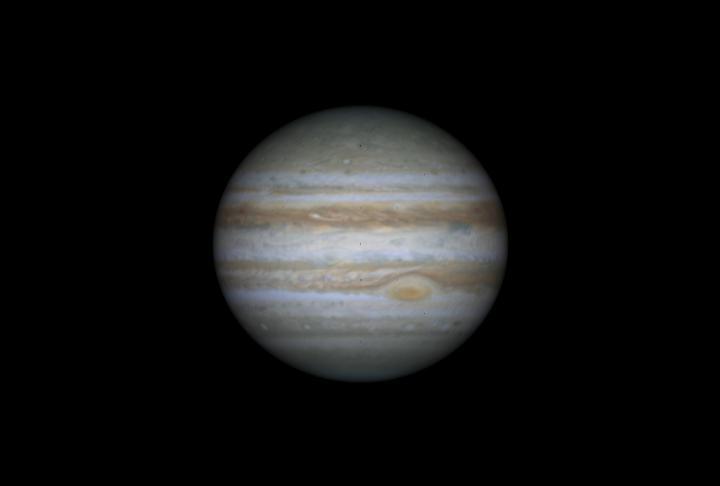
NASA Cassini spacecraft took narrow-angle images of Jupiter outer atmosphere, showing the giant planet as if it were constantly bathed in sunlight.

Some seasonal ice on Mars is transparent so that the sunlight penetrates to the bottom of the ice. Heat from this sunlight can turn the ice directly into a gas in a process called sublimation and this gas can scour channels in the loose dirt under the ice. Channels formed by sublimation of a layer of seasonal dry ice are so dense in this area that they look like lace. Gas flow erodes channels as it escapes to the surface of the overlying seasonal ice layer seeking the path of least resistance. http://photojournal.jpl.nasa.gov/catalog/PIA14451
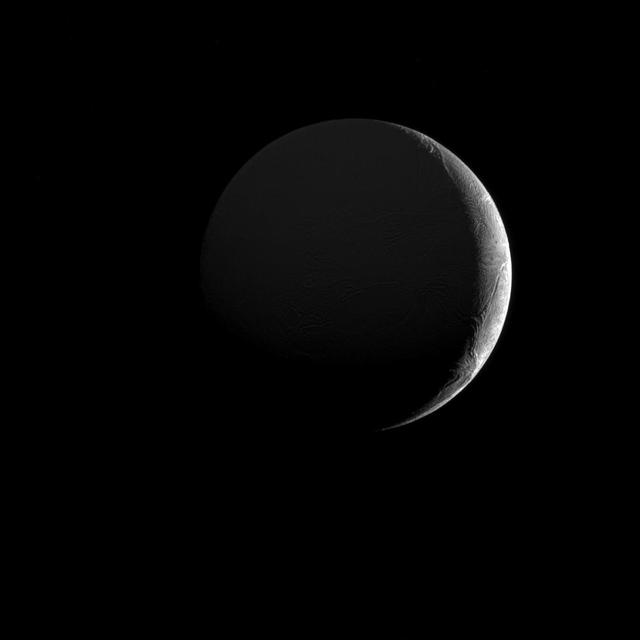
The low angle of sunlight along the slim crescent of Saturn's moon Enceladus (313 miles or 504 kilometers across) highlights the many fractures and furrows on its icy surface. This view looks toward the Saturn-facing hemisphere of Enceladus, which is dimly illuminated in the image above by sunlight reflected off Saturn. North on Enceladus is up and rotated 14 degrees to the left. The image was taken in visible light with NASA's Cassini spacecraft narrow-angle camera on Dec. 26, 2016. The view was obtained at a distance of approximately 104,000 miles (168,000 kilometers) from Enceladus. Image scale is 3,303 feet (1 kilometer) per pixel. https://photojournal.jpl.nasa.gov/catalog/PIA21330
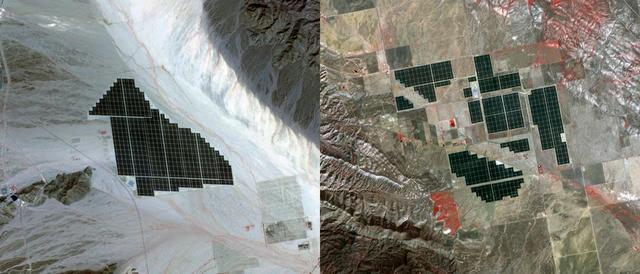
On February 15, 2015 the Desert Sunlight solar project in California’s Mojave Desert became operational. This image from NASA Terra spacecraft shows the 550-megawatt plant generates enough electricity to power 160,000 average homes. Covering an area of 16 km2, the 8.8 million cadmium telluride photovoltaic modules take advantage of the more than 300 days of sunshine. Desert Sunlight joins the similar-sized Topaz Solar Farm in San Luis Obispo County, CA, that became operational in June, 2014. The Desert Sunlight image (left) was acquired March 12, 2015 and is located at 33.8 degrees north, 115.4 degrees west; the Topaz image (right) was acquired September 11, 2014 and is located at 35.4 degrees north, 120.1 degrees west. Each image covers an area of 10.5 x 12 km. http://photojournal.jpl.nasa.gov/catalog/PIA19268
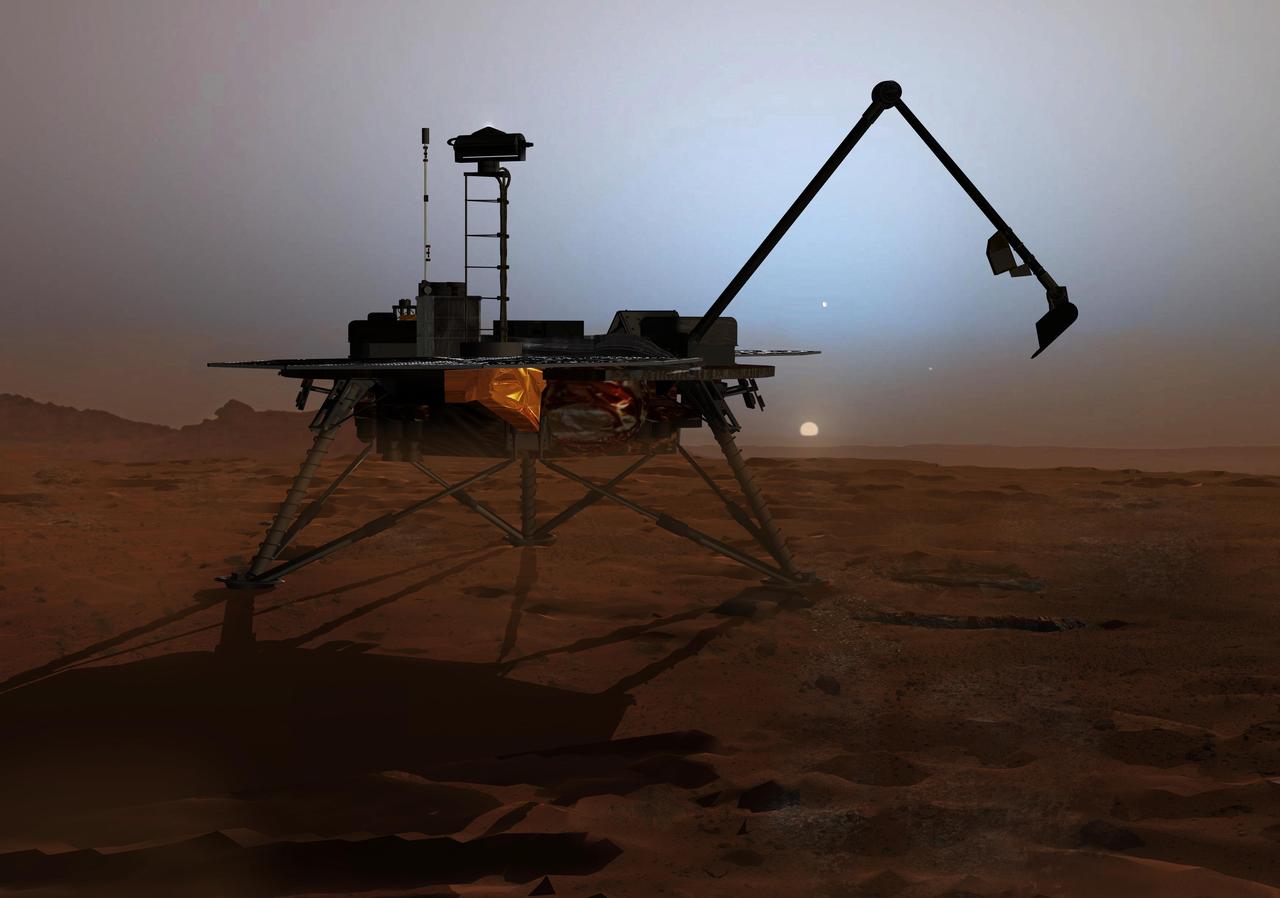
In this artist concept illustration, NASA Phoenix Mars Lander begins to shut down operations as winter sets in. The far-northern latitudes on Mars experience no sunlight during winter.
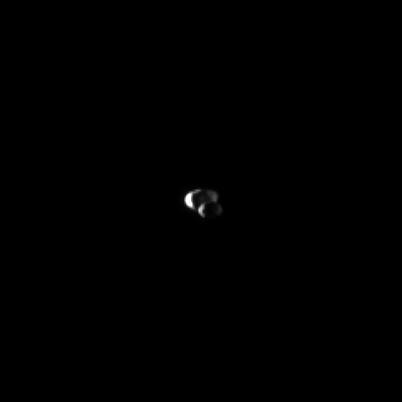
Saturn moon Epimetheus moves in front of the larger moon Janus as seen by NASA Cassini spacecraft. The moons are lit by sunlight on the left and light reflected off Saturn on the right.
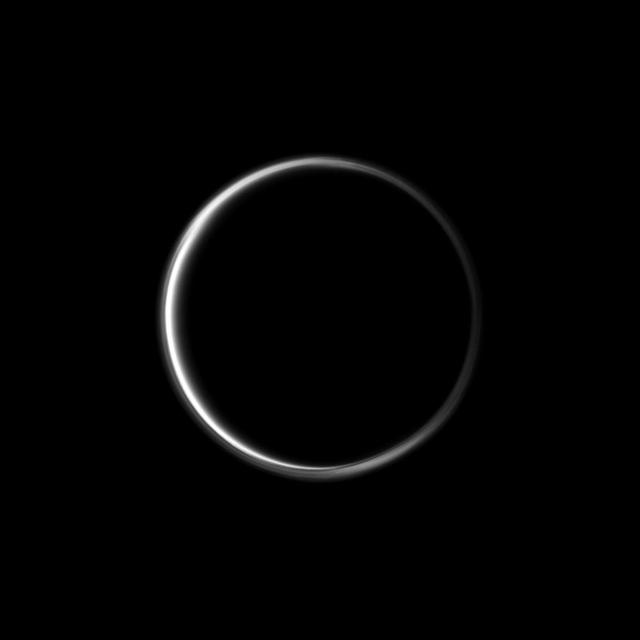
NASA Cassini spacecraft looks toward the dark side of Saturn largest moon and captures the halo-like ring produced by sunlight scattering through the periphery of Titan atmosphere.

The Cassini spacecraft gazes down through the dark side of Saturn rings toward the softly glowing planet. The night side southern hemisphere is lit by sunlight reflecting off the opposite side of the rings

Saturn casts its shadow on the rings in this NASA Cassini spacecraft image that also shows how the rings reflect sunlight onto the dark side of the planet. Here Saturn appears dimly illuminated by this ringshine.

After journeying a bit more than an hour across the Solar System, bright sunlight reflects off the gleaming icy cliffs in the wispy terrain of Dione and is captured by NASA Cassini spacecraft cameras several light seconds later
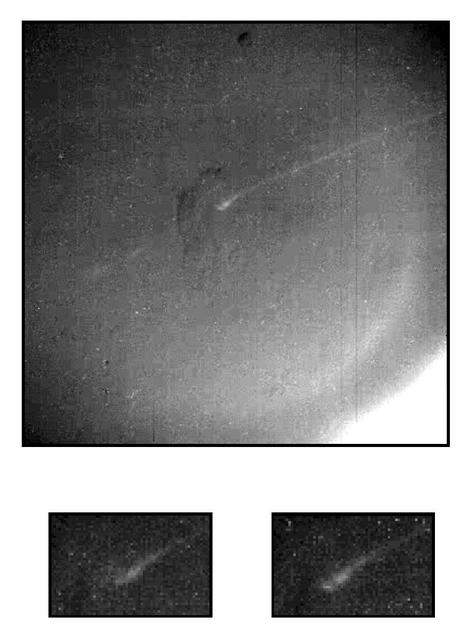
This image, taken by NASA Galileo spacecraft, shows the darkside of Jupiter, the part not illuminated by sunlight. The curved line crossing from the lower left to the upper right is the auroral arc on the horizon.
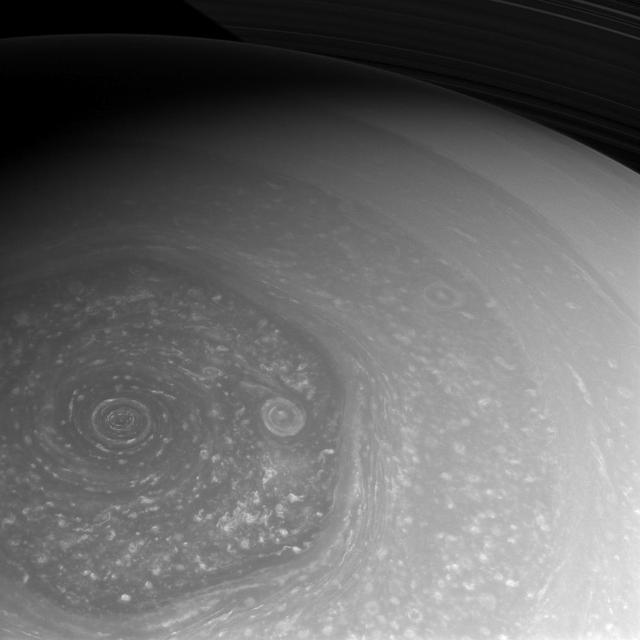
NASA Cassini spacecraft takes full advantage of the sunlight to capture these amazing views of the north polar hexagon and myriad storms, large and small, that comprise the weather systems in the polar region.

NASA Cassini spacecraft looks toward the dark side of Saturn largest moon as a circle of light is produced by sunlight scattering through the periphery of Titan atmosphere. A detached, high-altitude global haze layer encircles the moon.

A brilliant spot of sunlight, the opposition effect, travels outward across the rings as the Cassini spacecraft orbits Saturn. This surge in ring brightness is created around the point directly opposite the Sun from the spacecraft

Sunlight was just starting to reach the high Northern latitudes in late winter when NASA Mars Reconnaissance Orbiter HiRISE camera captured this image of part of the steep scarps around portions of the North Polar layered deposits.
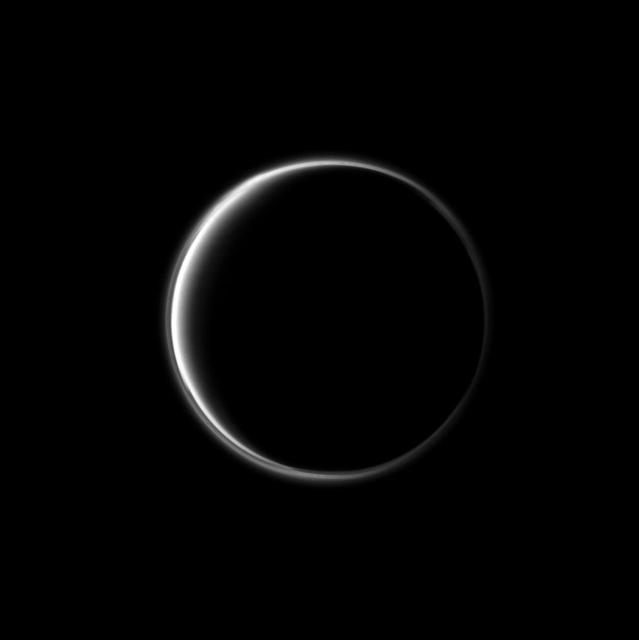
NASA Cassini spacecraft looks toward the dark side of Saturn largest moon and captures the halo-like ring produced by sunlight scattering through the periphery of Titan atmosphere.

The shadow of Saturn cuts across the rings as seen by NASA Cassini spacecraft. As the ring particles enter Saturn shadow, their temperature drops to even colder temperatures, only to warm back up again when they re-emerge into the sunlight.
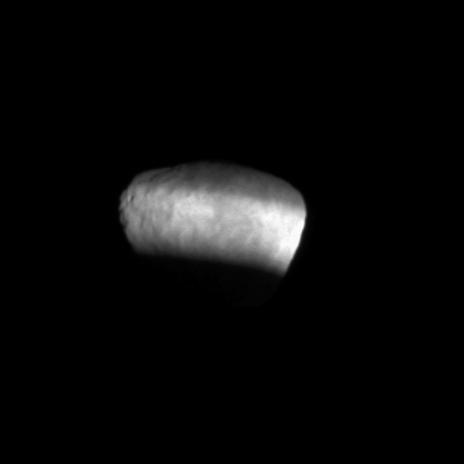
Sunlight passing through the Cassini Division between Saturn A and B rings sweeps across and illuminates the surface of the moon Janus in this image captured by NASA Cassini spacecraft. Go to the Photojournal to view the animation.
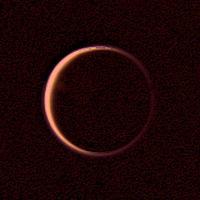
NASA Voyager 2 obtained this wide-angle image of the night side of Titan on Aug. 25, 1979. This is a view of Titan extended atmosphere. the bright orangish ring being caused by the atmosphere scattering of the incident sunlight.
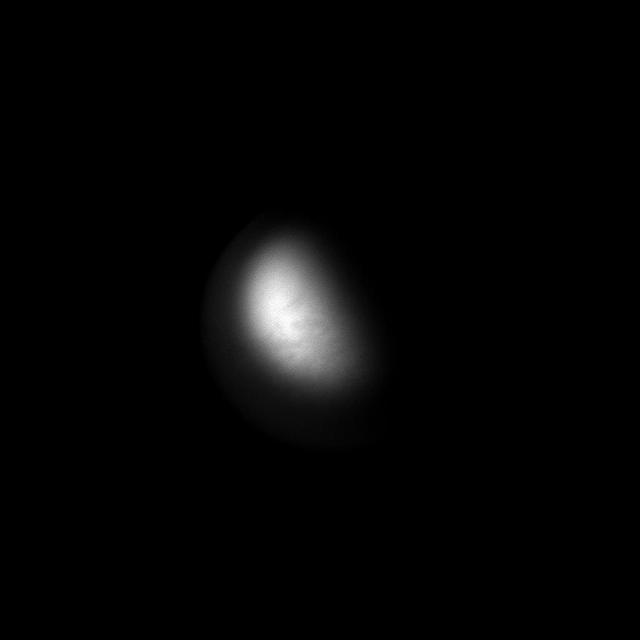
NASA Cassini Orbiter sees Titan become obscured as it moves into eclipse by Saturn. Most of the light comes from refracted sunlight passing through the edge of Saturn atmosphere.
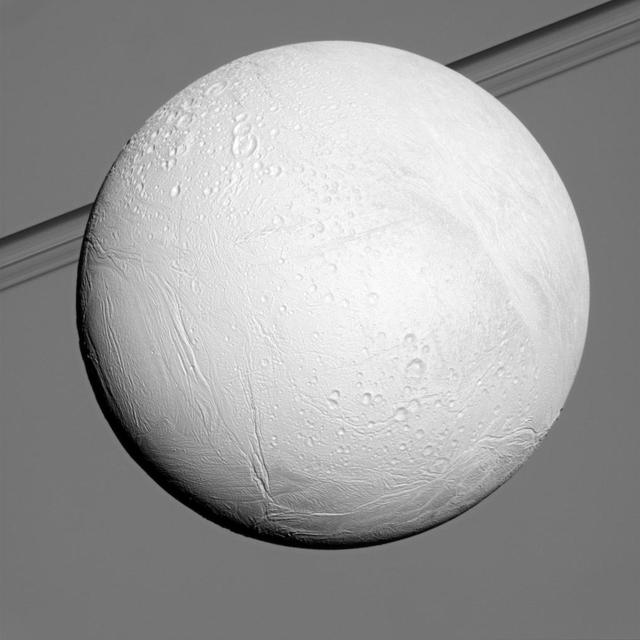
Saturn moon Enceladus reflects sunlight brightly while the planet and its rings fill the background in this view from NASA Cassini spacecraft. Enceladus is one of the most reflective bodies in the solar system.
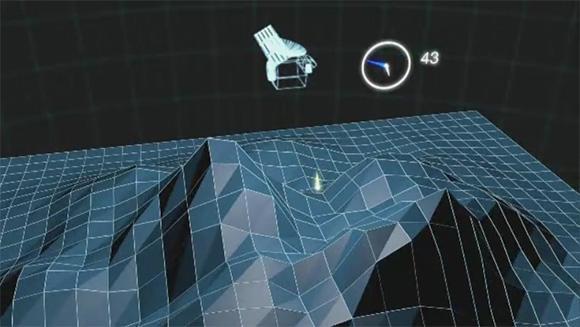
NASA Mercury Laser Altimeter MLA is shown ranging to Mercury surface from orbit. In this animation, yellow flashes represent near-infrared laser pulses that can reflect off terrain in shadow as well as in sunlight.
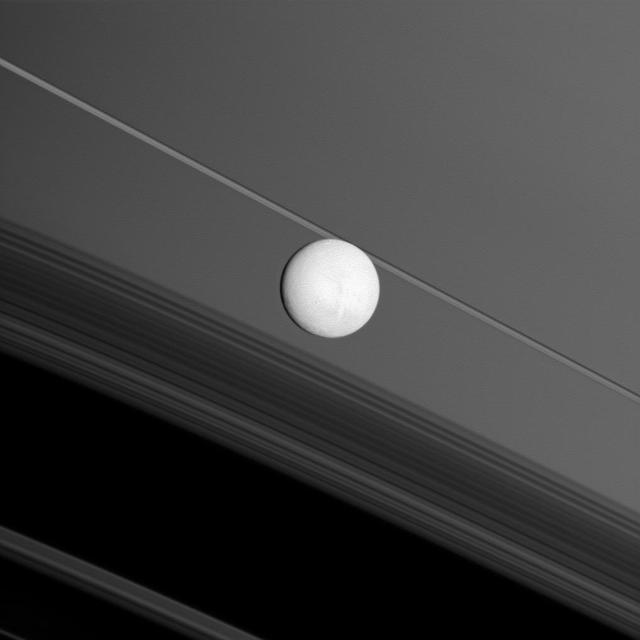
Saturn moon Enceladus brightly reflects sunlight before a backdrop of the planet rings and the rings shadows cast onto the planet. NASA Cassini spacecraft captured this snapshot during its flyby of the moon on Nov. 30, 2010.
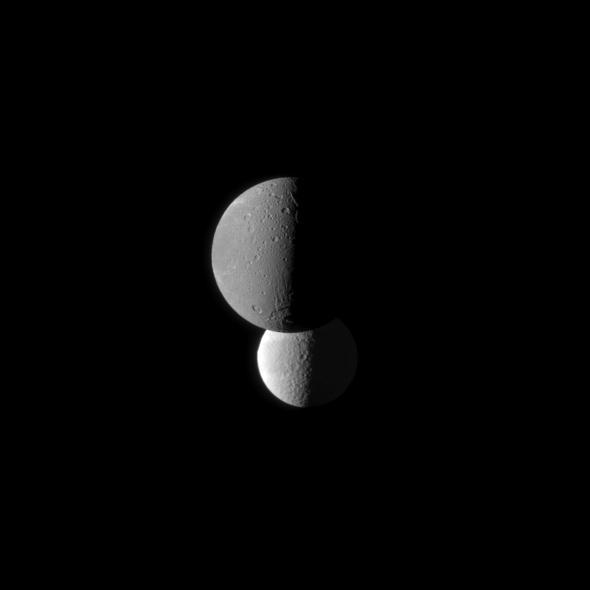
Saturn moon Dione, in the foreground of this image from NASA Cassini spacecraft, appears darker than the moon Tethys. Tethys appears brighter because it has a higher albedo than Dione, meaning Tethys reflects more sunlight.
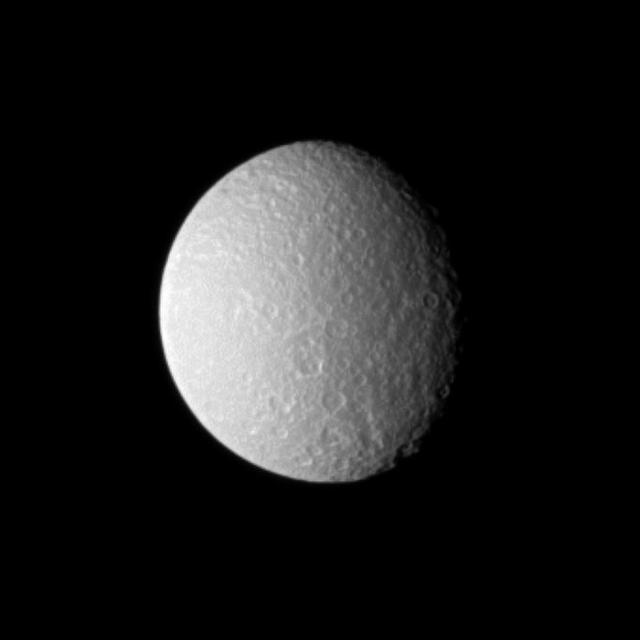
Bright sunlight on Rhea shows off the cratered surface of Saturn second largest moon in this image captured by NASA Cassini Orbiter. The image was taken in visible light with the Cassini spacecraft narrow-angle camera on Sept. 21, 2009.
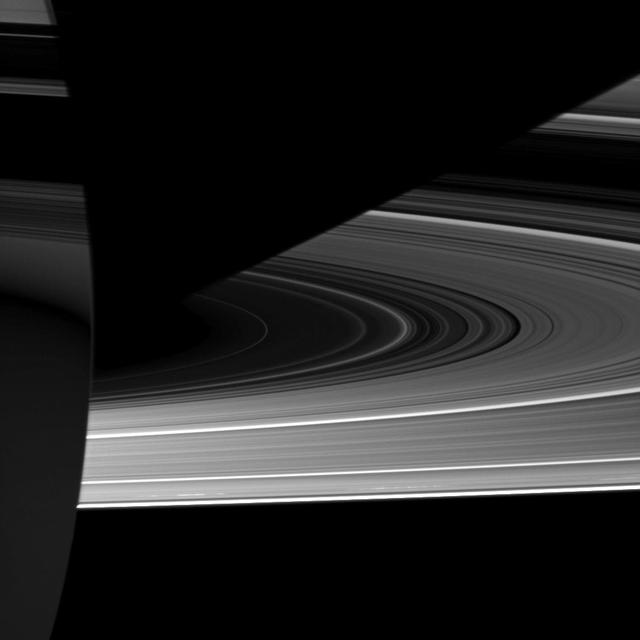
Capturing the interplay between light and shadow, NASA Cassini spacecraft looks toward the night side of Saturn where sunlight reflected off the rings has dimly illuminated what would otherwise be the dark side of the planet.

NASA Cassini spacecraft looks toward the dark side of Titan as a circle of light is produced by sunlight scattering through the periphery of the atmosphere of Saturn largest moon. A detached, high-altitude global haze layer encircles the moon.
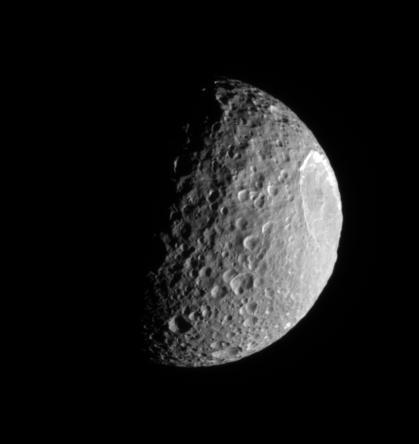
Mimas plows along in its orbit, its pockmarked surface in crisp relief. The bright, steep walls of the enormous crater, Herschel 130 kilometers, or 80 miles wide, gleam in the sunlight
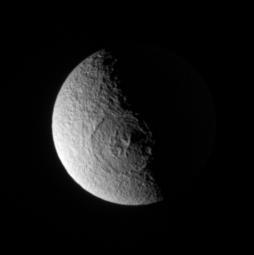
The Cassini spacecraft stares directly into the great Odysseus impact basin on Tethys. Peaks near the crater center cast long shadows toward the east. The elevated eastern rim of the crater catches sunlight
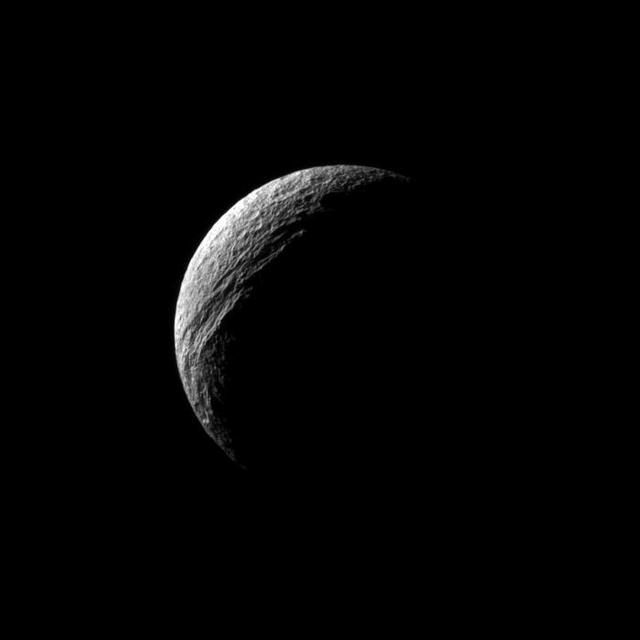
Sunlight illuminates the deep cut of Ithaca Chasma on Saturn moon Tethys. Ithaca Chasma runs roughly north-south for more than 1,000 kilometers 620 miles on Tethys in this image captured by NASA Cassini spacecraft.
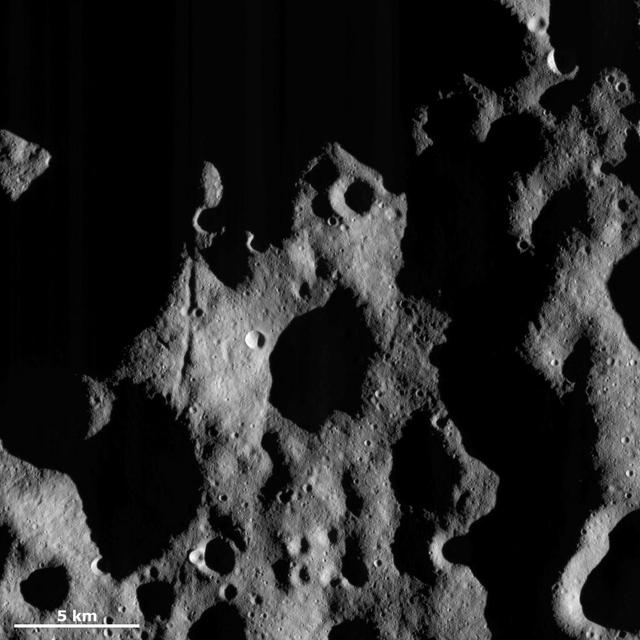
This image from NASA Dawn spacecraft shows an area in Vesta northern hemisphere that has been illuminated by the sun. As asteroid Vesta progresses from its winter to its spring the sunlight is creeping further and further northwards.
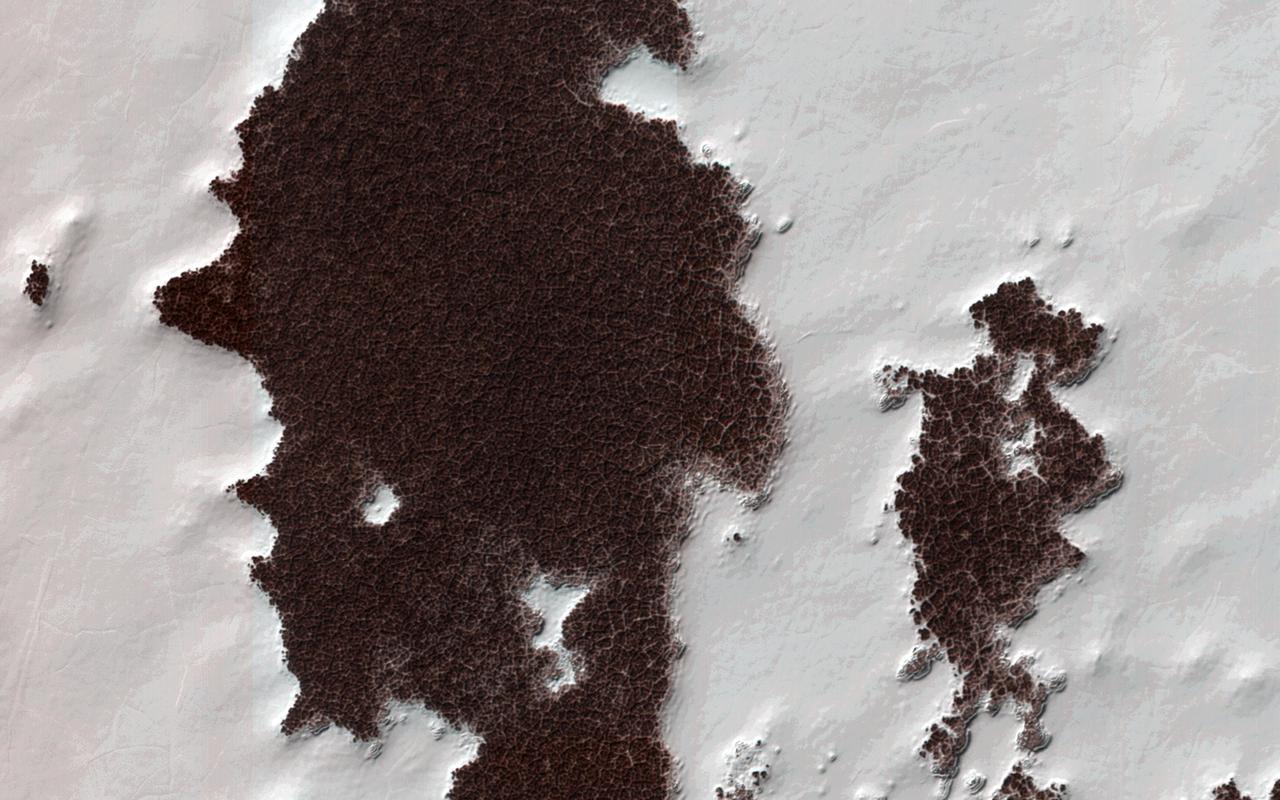
The white portions of this observation are part of the South Polar residual ice cap, with the sunlight is coming from roughly the bottom of this non-map projected image captured by NASA Mars Reconnaissance Orbiter.
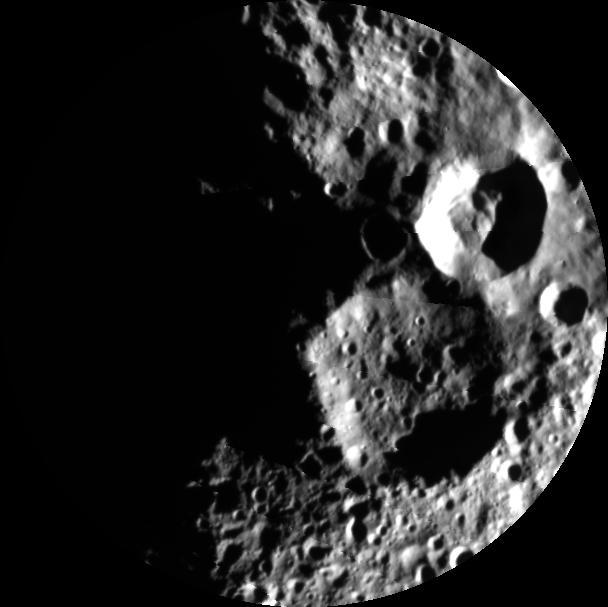
This image from NASA Dawn mission reveals the creeping dawn over the north pole of the giant asteroid Vesta now that sunlight is shining over that area. The mosaic shows two large impact craters.
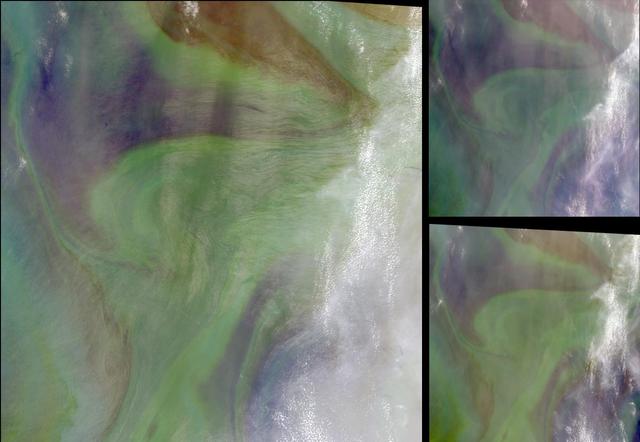
In the Arabian Sea, sunlight and nutrients has fueled a startling occurrence of colorful phytoplankton and bacterial assemblages, which is captured in these natural color images from NASA Terra spacecraft October 2, 2004.
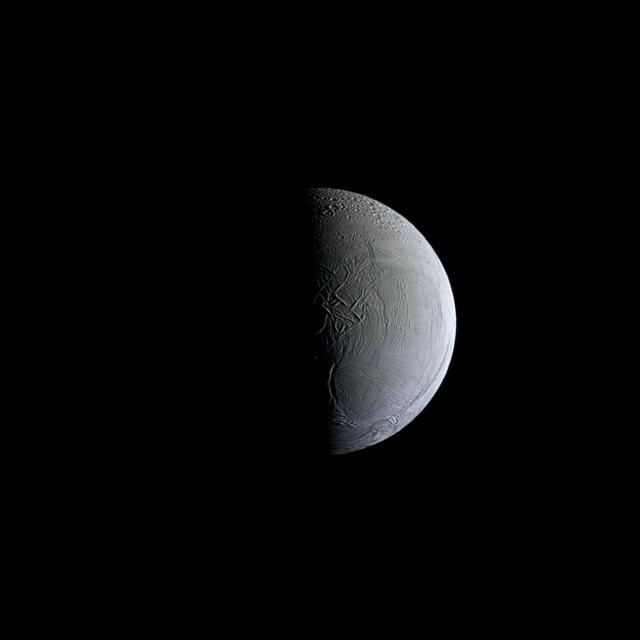
NASA Cassini spacecraft captures a still and partially sunlit Enceladus. The Saturnian moon is covered in ice that reflects sunlight similar to freshly fallen snow, making Enceladus one of the most reflective objects in the solar system.

Graceful giant Saturn poses with a few of the small worlds it holds close. From this viewpoint the Cassini spacecraft can see across the entirety of the planet shadow on the rings, to where the ringplane emerges once again into sunlight
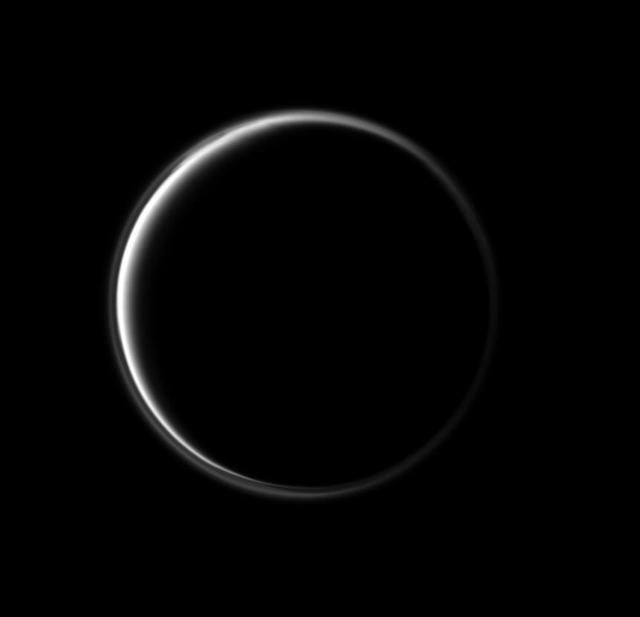
In this stunning image, NASA Cassini spacecraft looks at the dark side of Saturn largest moon. The narrowing circle of light surrounding Titan is produced by sunlight scattering through Titan atmosphere.
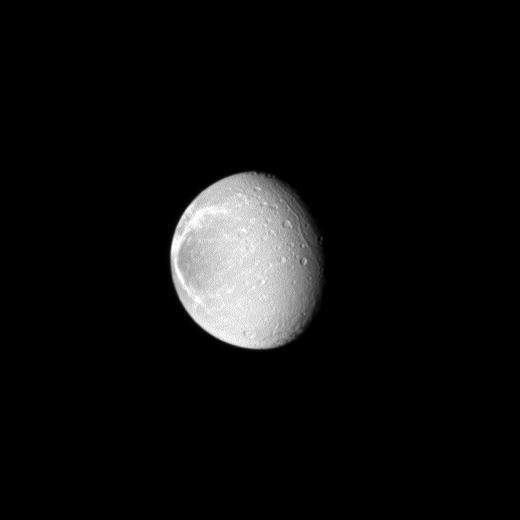
Sunlight highlights the bright, wispy features on the trailing hemisphere of Saturn moon Dione as seen by NASA Cassini spacecraft. These wispy features are a system of braided canyons with bright walls caused by fractures.
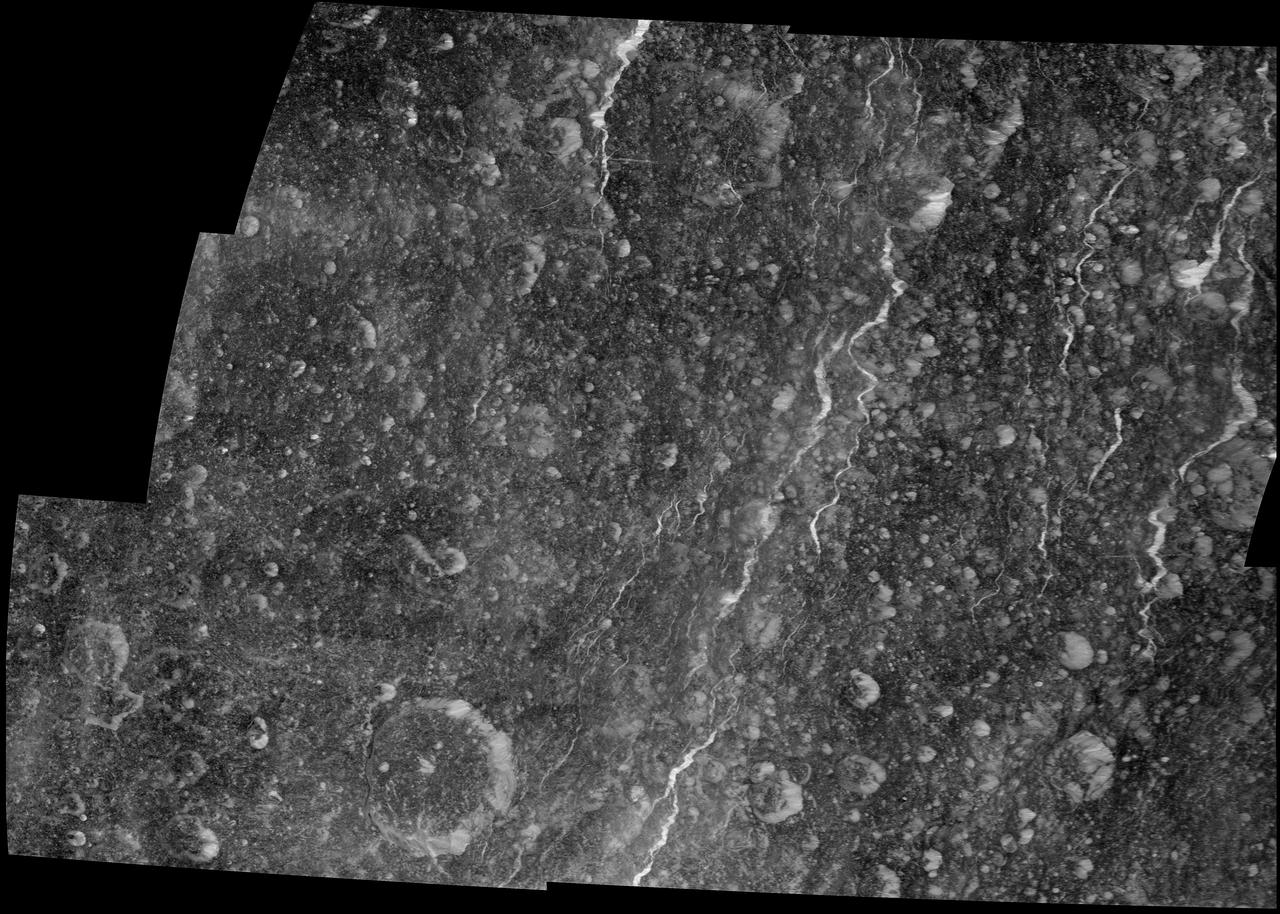
Icy fractures on Saturn moon Rhea reflect sunlight brightly in this high-resolution mosaic created from images captured by NASA Cassini spacecraft during its March 2, 2010, flyby.

iss072e420661 (Jan. 1, 2025) --- New Year's Day dawns on Cuba as the sunlight gleams off its Atlantic and Caribbean coasts in this photograph from the International Space Station as it orbited 260 miles above the Gulf of Mexico.
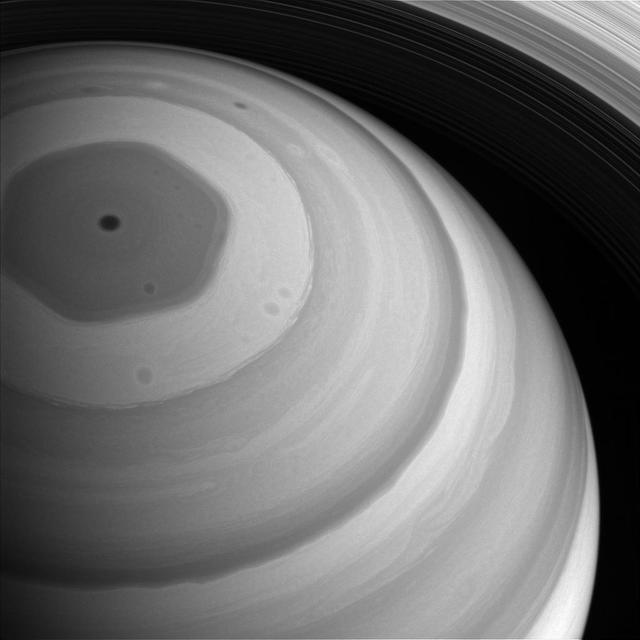
Sunlight truly has come to Saturn's north pole. The whole northern region is bathed in sunlight in this view from late 2016, feeble though the light may be at Saturn's distant domain in the solar system. The hexagon-shaped jet-stream is fully illuminated here. In this image, the planet appears darker in regions where the cloud deck is lower, such the region interior to the hexagon. Mission experts on Saturn's atmosphere are taking advantage of the season and Cassini's favorable viewing geometry to study this and other weather patterns as Saturn's northern hemisphere approaches Summer solstice. This view looks toward the sunlit side of the rings from about 51 degrees above the ring plane. The image was taken with the Cassini spacecraft wide-angle camera on Sept. 9, 2016 using a spectral filter which preferentially admits wavelengths of near-infrared light centered at 728 nanometers. The view was obtained at a distance of approximately 750,000 miles (1.2 million kilometers) from Saturn. Image scale is 46 miles (74 kilometers) per pixel. http://photojournal.jpl.nasa.gov/catalog/PIA20513
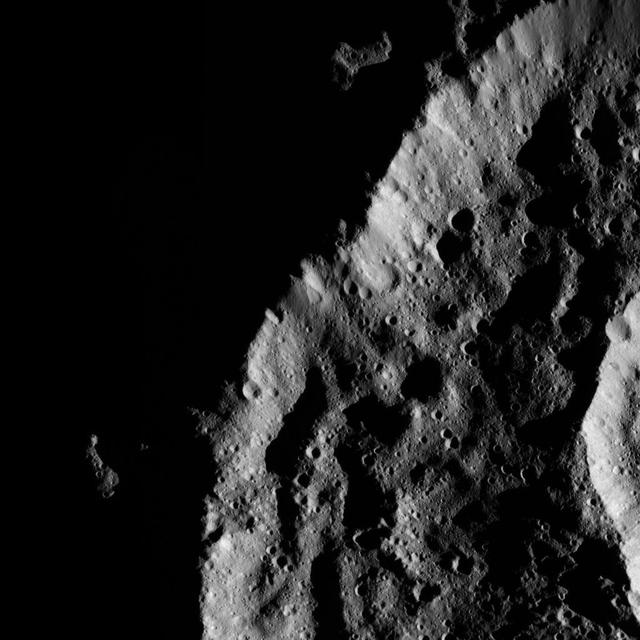
The low angle of sunlight creates stark shadows in this Cerean scene. The image is centered at approximately 74 degrees south latitude, 159 degrees east longitude. NASA's Dawn spacecraft took this image on June 17, 2016, from its low-altitude mapping orbit, at a distance of about 240 miles (385 kilometers) above the surface. The image resolution is 120 feet (35 meters) per pixel. http://photojournal.jpl.nasa.gov/catalog/PIA20861
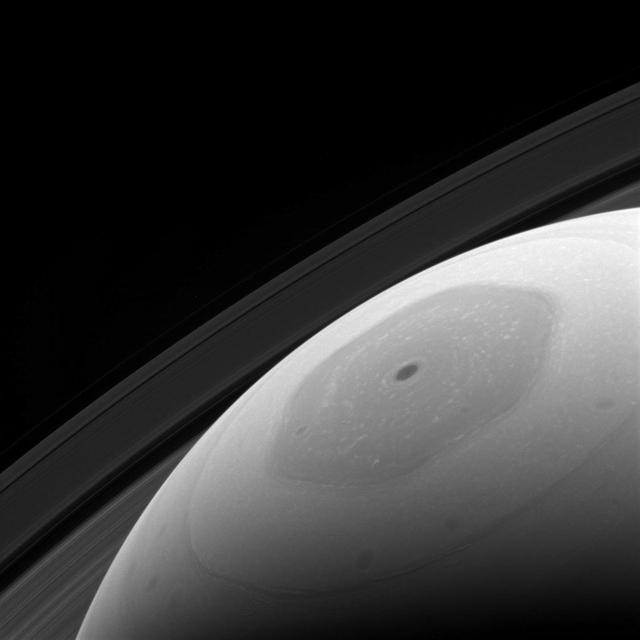
Saturn hexagonal polar jet stream is the shining feature of almost every view of the north polar region of Saturn. The region, in shadow for the first part of NASA's Cassini mission, now enjoys full sunlight, which enables Cassini scientists to directly image it in reflected light. Although the sunlight falling on the north pole of Saturn is enough to allow us to image and study the region, it does not provide much warmth. In addition to being low in the sky (just like summer at Earth's poles), the sun is nearly ten times as distant from Saturn as from Earth. This results in the sunlight being only about 1 percent as intense as at our planet. This view looks toward Saturn from about 31 degrees above the ring plane. The image was taken with the Cassini spacecraft wide-angle camera on Jan. 22, 2017 using a spectral filter which preferentially admits wavelengths of near-infrared light centered at 939 nanometers. The view was obtained at a distance of approximately 560,000 miles (900,000 kilometers) from Saturn. Image scale is 33 miles (54 kilometers) per pixel. https://photojournal.jpl.nasa.gov/catalog/PIA21327
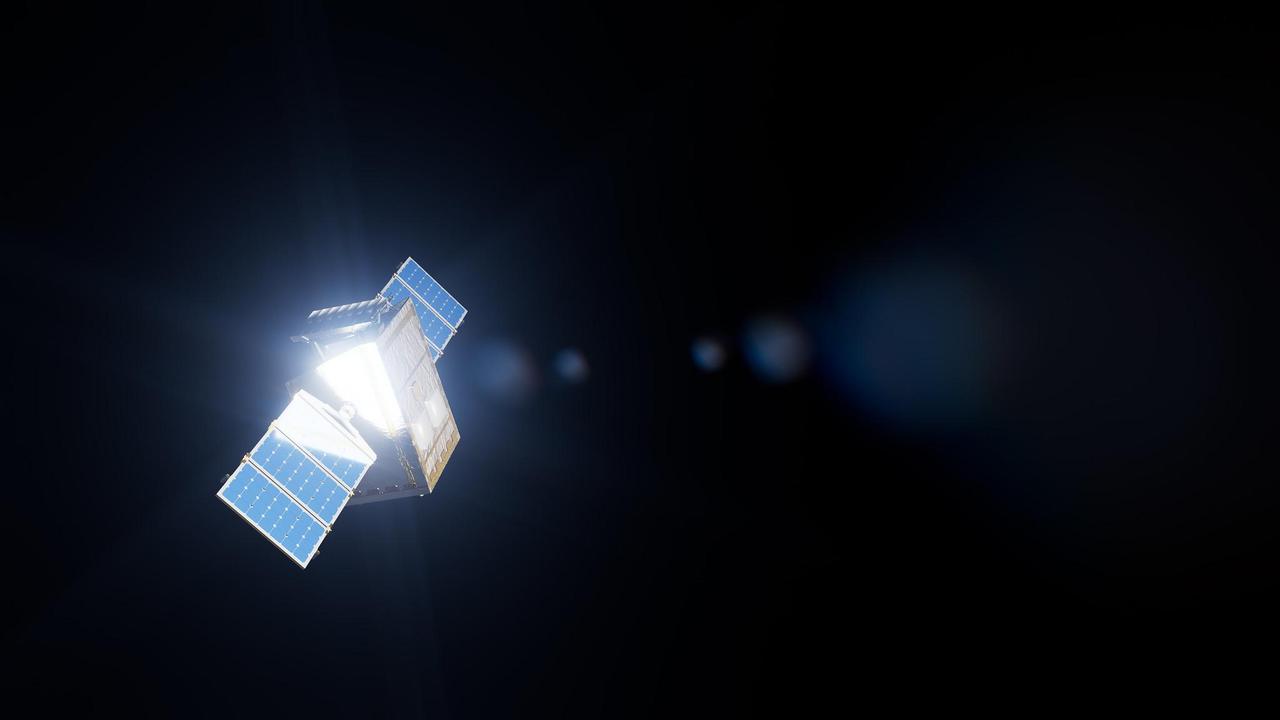
Sunlight gleams off NASA's Lunar Trailblazer in this artist's concept depicting the small satellite in lunar orbit. The spacecraft weighs only 440 pounds (200 kilograms) and measures 11.5 feet (3.5 meters) wide when its solar panels are fully deployed. https://photojournal.jpl.nasa.gov/catalog/PIA26429

A self-portrait of NASA's Curiosity rover taken on Sol 2082 (June 15, 2018). A Martian dust storm has reduced sunlight and visibility at the rover's location in Gale Crater. Self-portraits are created using images taken by Curiosity's Mars Hands Lens Imager (MAHLI). https://photojournal.jpl.nasa.gov/catalog/PIA22486
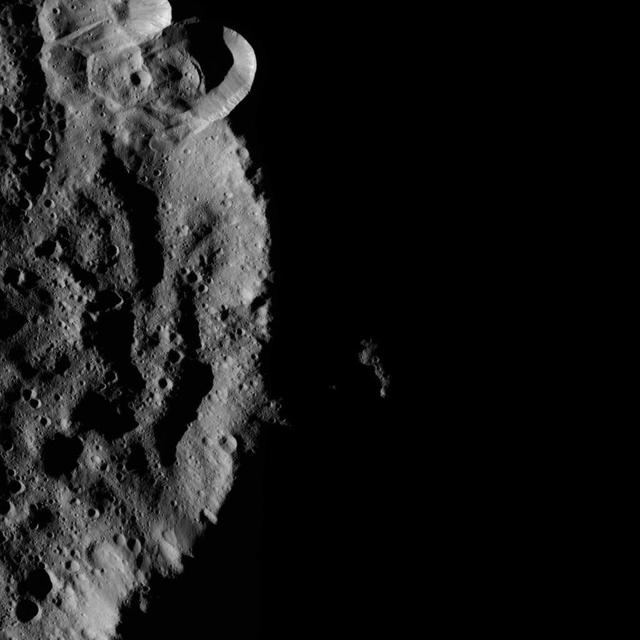
The rim of the crater blocks sunlight coming from the right, creating a moody scene on Ceres. The image is centered at approximately 76 degrees south latitude, 155 degrees east longitude. NASA's Dawn spacecraft took this image on June 16, 2016, from its low-altitude mapping orbit, at a distance of about 240 miles (385 kilometers) above the surface. The image resolution is 120 feet (35 meters) per pixel. http://photojournal.jpl.nasa.gov/catalog/PIA20832
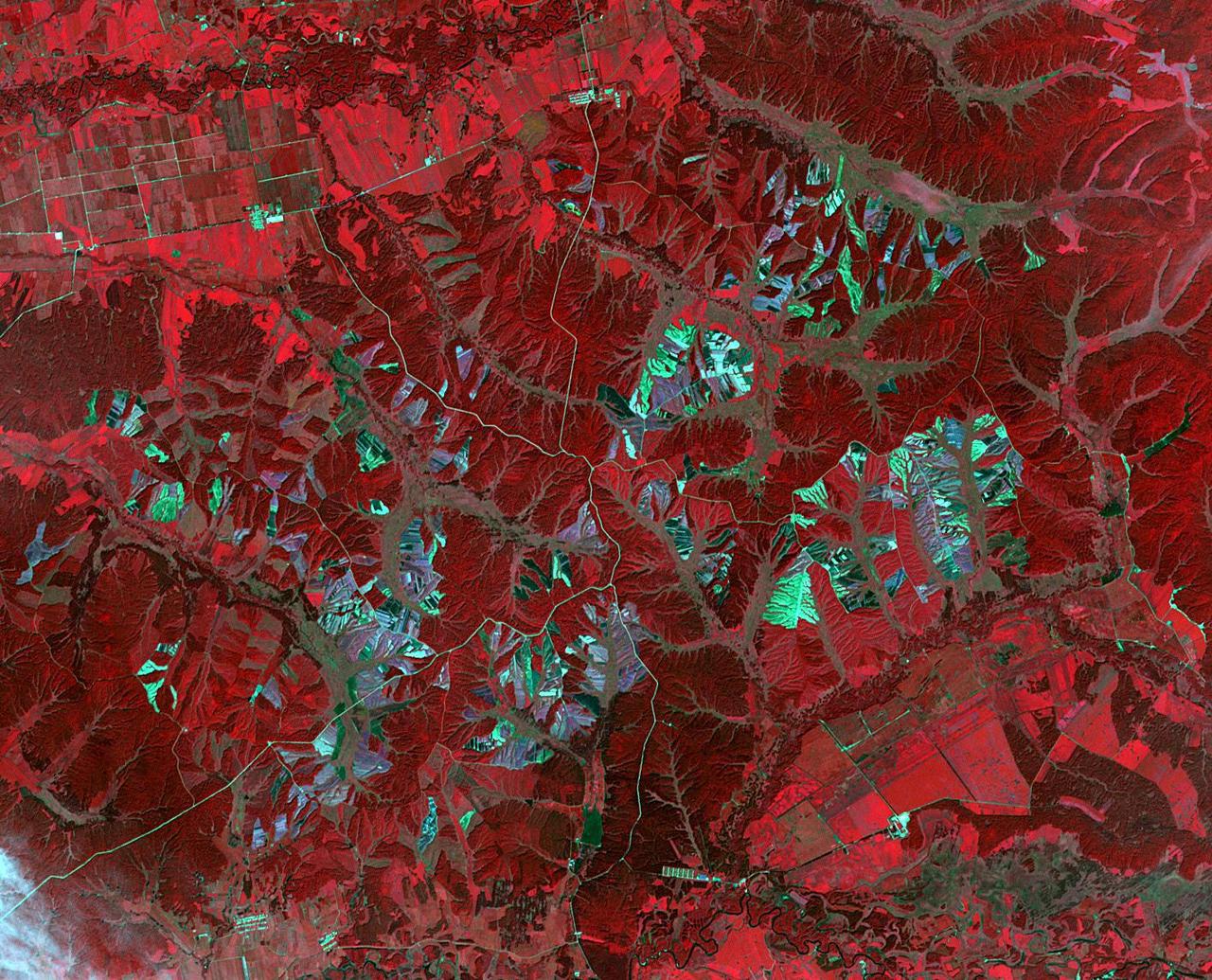
In Heilongjiang province, northeast China, shade covers shelter farmed ginseng from the effects of direct sunlight. China is the world's leading producer of ginseng, a plant believed to have curative properties. It is just as popular in the US as in Asian countries. The image was acquired August 29, 2016, covers an area of 16.7 by 21.2 km, and is located at 47.2 degrees north, 127.9 degrees east. https://photojournal.jpl.nasa.gov/catalog/PIA25895
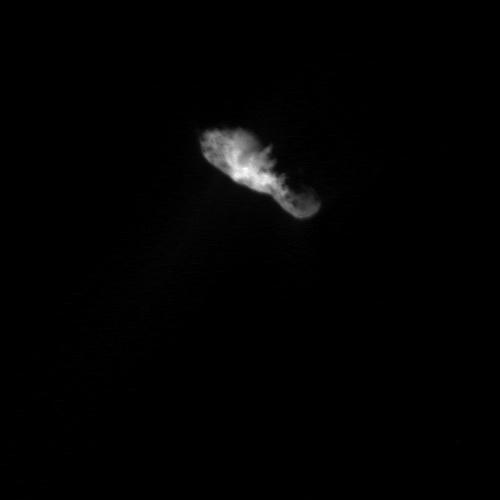
Sunlight illuminates the bowling-pin shaped nucleus from directly below comet Borrelly as seen by NASA Deep Space 1. At this distance, many features become vivid on the surface of the nucleus, including a jagged line between day and night on the comet.
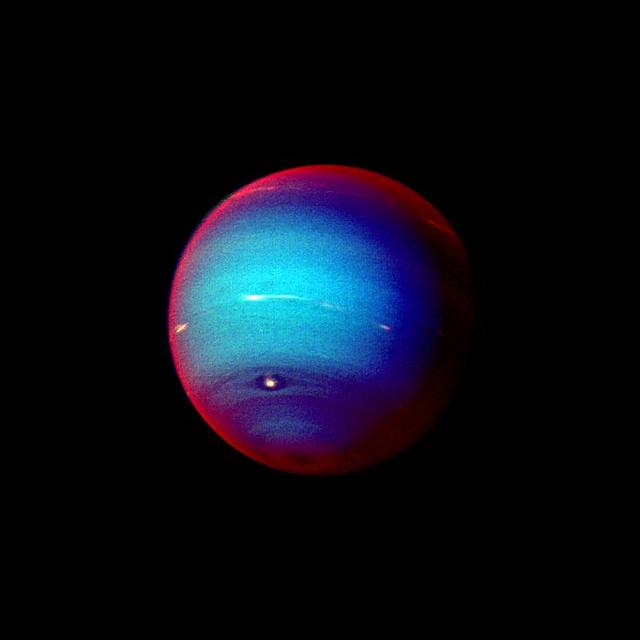
This false color photograph of Neptune was made from NASA's Voyager 2 images taken through three filters: blue, green, and a filter that passes light at a wavelength that is absorbed by methane gas. Thus, regions that appear white or bright red are those that reflect sunlight before it passes through a large quantity of methane. The image reveals the presence of a ubiquitous haze that covers Neptune in a semitransparent layer. Near the center of the disk, sunlight passes through the haze and deeper into the atmosphere, where some wavelengths are absorbed by methane gas, causing the center of the image to appear less red. Near the edge of the planet, the haze scatters sunlight at higher altitude, above most of the methane, causing the bright red edge around the planet. By measuring haze brightness at several wavelengths, scientists are able to estimate the thickness of the haze and its ability to scatter sunlight. The image is among the last full disk photos that Voyager 2 took before beginning its endless journey into interstellar space. http://photojournal.jpl.nasa.gov/catalog/PIA00057
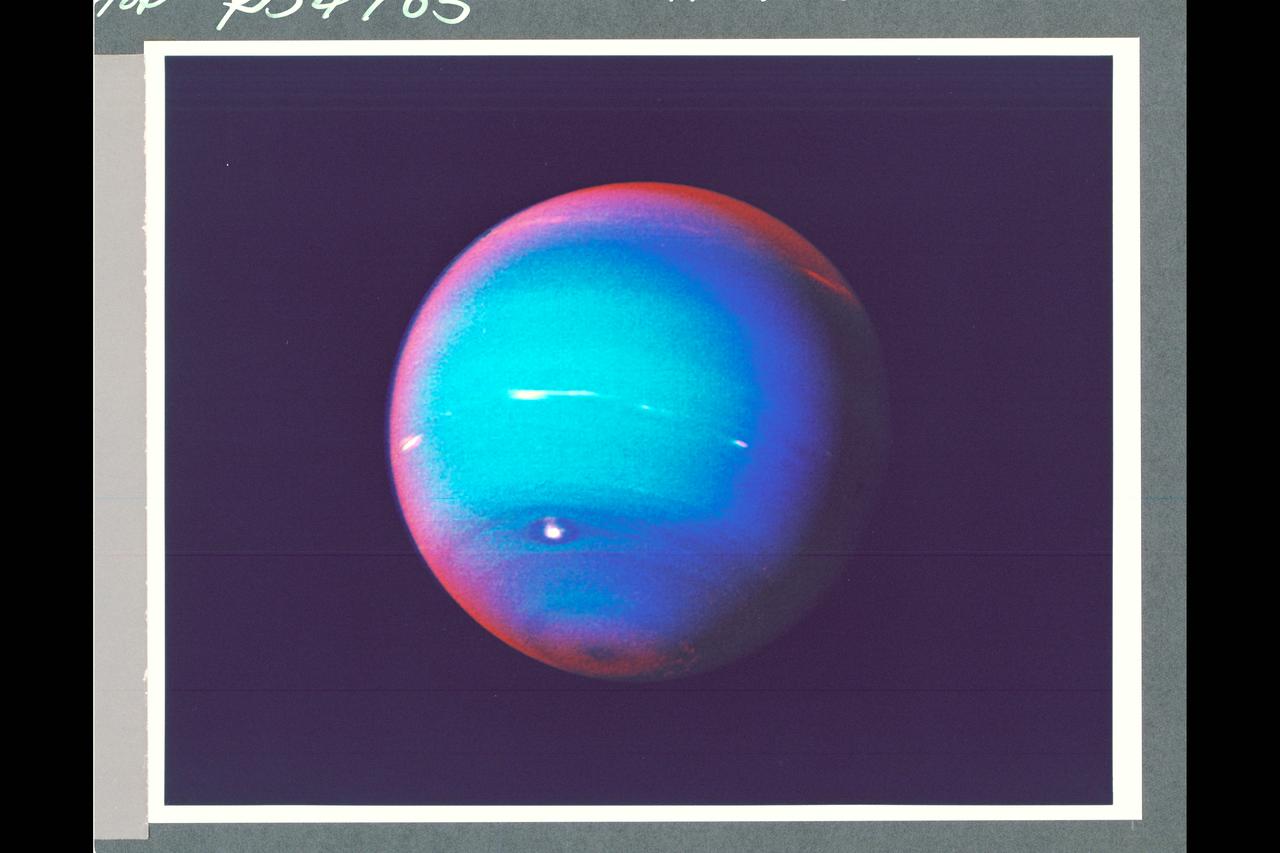
P-34705 This false-color photograph of Neptune was made from Voyager 2 images taken through three filters: blue, green, and a filter that passes light at a wavelength that is absorbed by methane gas. Thus, regions that appear white or bright red are those that reflect sunlight before it passes through a large quantity of methane. The image reveals the presence of a ubiquitous haze that covers Neptune in a semitransparent layer. Near the center of the disk, sunlight passes through the haze and deeper into the atmosphere, where some wavelenghths are absorbed by methane gas, causing the center to appear less red. Near the edge of the planet, the haze scatters sunlight at a higher altitude, above most of the methane, causing the bright red edge around the planet. By measuring haze brightness at several wavelengths, scientists are able to estimate the thickness of the haze and its ability to scatter sunlight. The image is among the last of the full-disk photos that Voyager 2 took before beginning its endless journey into interstellar space.
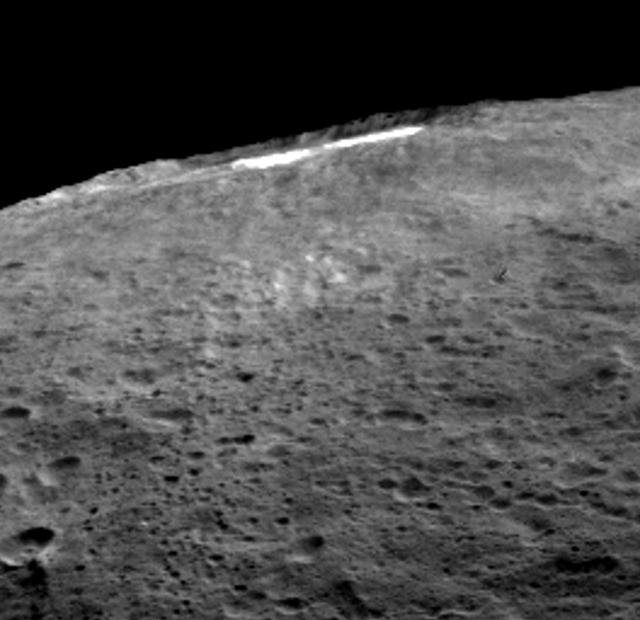
A group of scientists from NASA's Dawn mission suggests that when sunlight reaches Ceres' Occator Crater, a kind of thin haze of dust and evaporating water forms there. This haze only becomes dense enough to be seen by looking at it laterally, as in this image, the scientists wrote in the journal Nature in December 2015. Occator measures about 60 miles (90 kilometers) wide, and contains the brightest material seen on Ceres. http://photojournal.jpl.nasa.gov/catalog/PIA20181

STS-36 Earth observation shows sun beaming off ocean waters with heavy cloud cover.
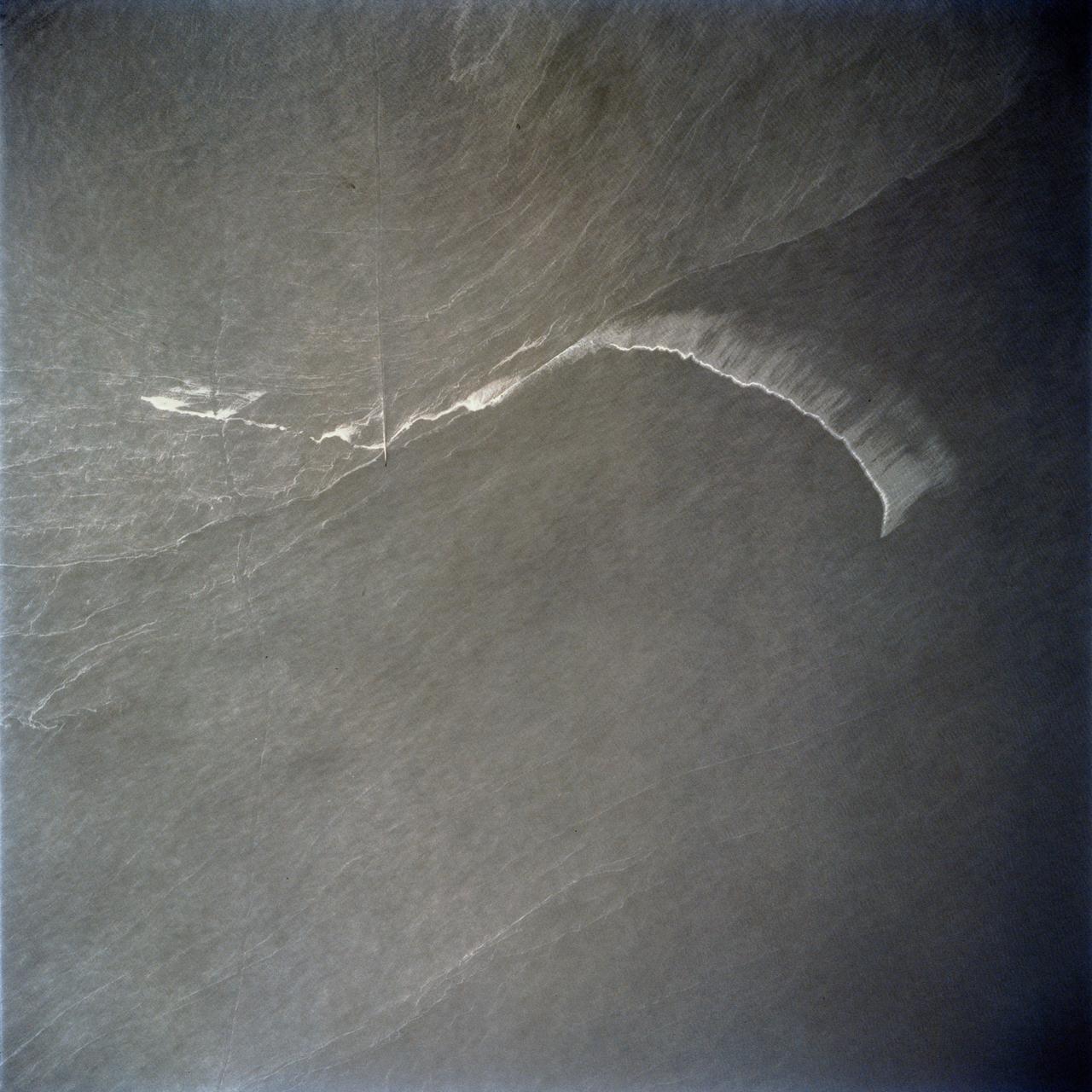
STS062-86-196 (4-18 March 1994) --- This photo depicts many of the types of ocean features seen when illuminated by sunglint. These features include a shear line, bilge dump, currents and ship wakes. Winds, currents and oils effect the smoothness of the surface of the water. The oils smooth the water which reflect the sun more than the rougher surround water. This is seen in the bright curved line which is a bilge dump of oily water from a ship. The oils then start to take the form of the currents and in this case are also being blown by the surface winds. The shear line is approximately 240 miles west of Bombay, India. This shear line appears to be a result of two water masses, moving at slightly different speeds, having converged. Ship wakes, such as those in the photo, which cross a shear line, often give us an indication of the relative strenght of a a shear.

STS062-153-226 (4-18 March 1994) --- Though it did not reproduce well, this photo gives scientific information to aid in studying all types of earth's processes. It documents ocean features in the sunglint in the Gulf of California, off the Isla Cerralvo, souther Baja, California. Biological oils collect on the surface and shows current patterns, eddies and ship wakes. The small bright spot on the edge of the eddy is a ship dumping oily water from its bilges. The line in the brighter area is a light wind gust roughening the surface.
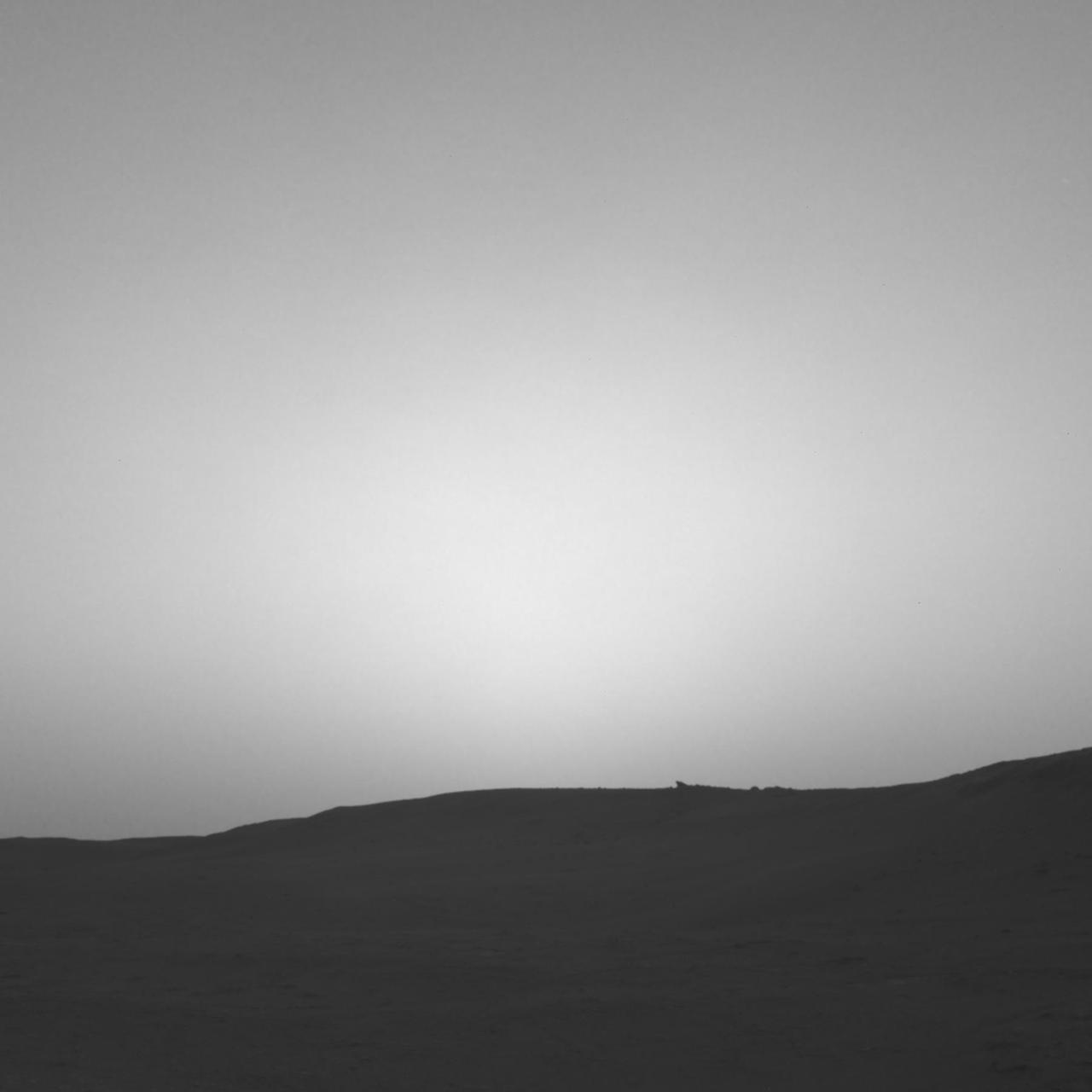
This series of images shows the shadow of Phobos as it sweeps over NASA's Curiosity Mars rover and darkens the sunlight on Monday, March 25, 2019 (the 2,358th sol, or Martian day, of the mission). This image was taken by one of Curiosity's Navigation Cameras (Navcams). The sequence has been contrast-enhanced and sped up by a factor of four. The image was taken after the Sun had descended behind the horizon, just as Phobos was rising and throwing its elongated shadow across the Martian surface. Dust particles in the atmosphere acted as a screen against which the shadow was projected. Movie available at https://photojournal.jpl.nasa.gov/catalog/PIA23135
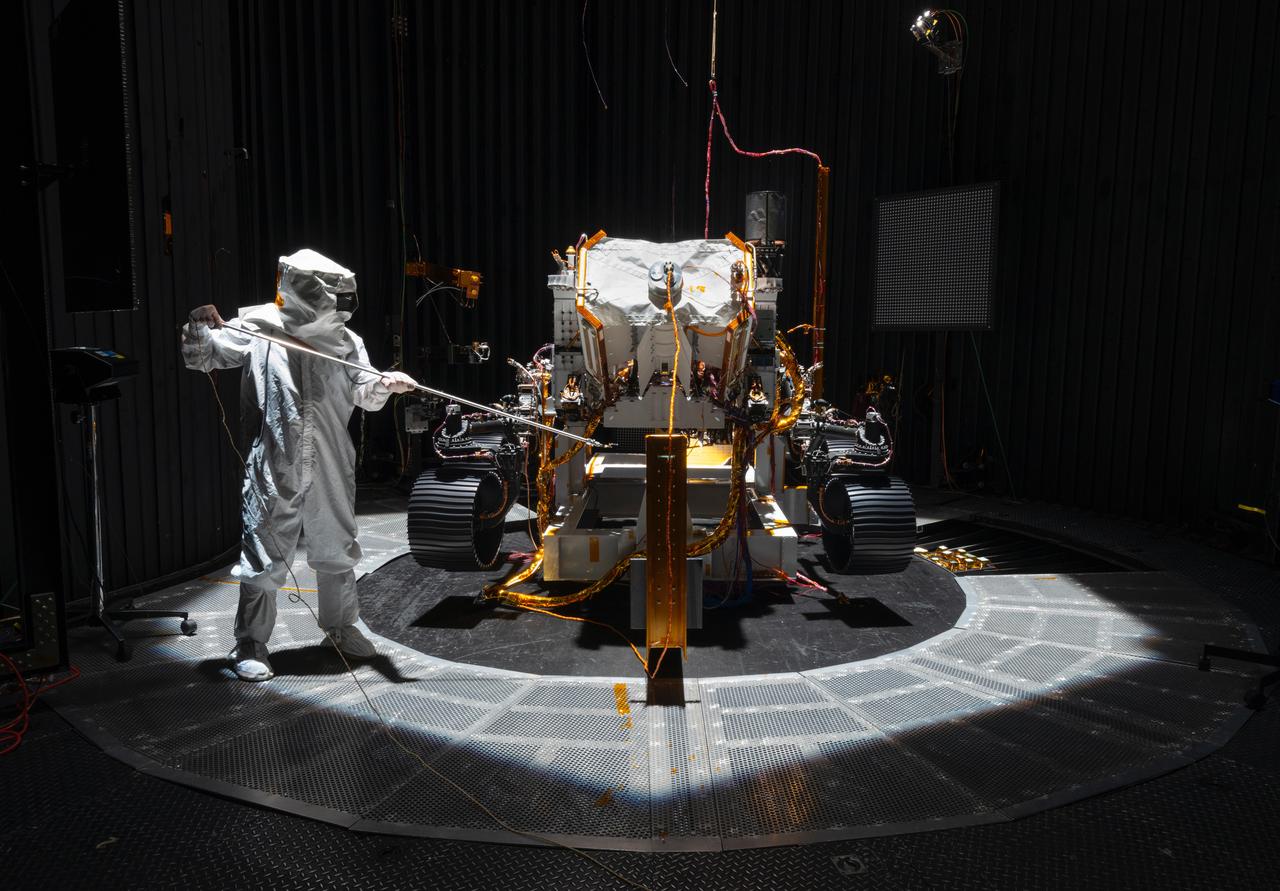
An engineer working on NASA's Mars 2020 mission uses a solar intensity probe to measure and compare the amount of artificial sunlight that reaches different portions of the rover. To simulate the Sun's rays for the test, powerful xenon lamps several floors below the chamber were illuminated, their light directed onto a mirror at the top of the chamber and reflected down on the spacecraft. The data collected during this test will be used to confirm thermal models the team has generated regarding how the Sun's rays will interact with the 2020 rover while on the surface of Mars. The image was taken on Oct. 14, 2019, in the Space Simulator Facility at NASA's Jet Propulsion Laboratory in Pasadena, California. https://photojournal.jpl.nasa.gov/catalog/PIA23469
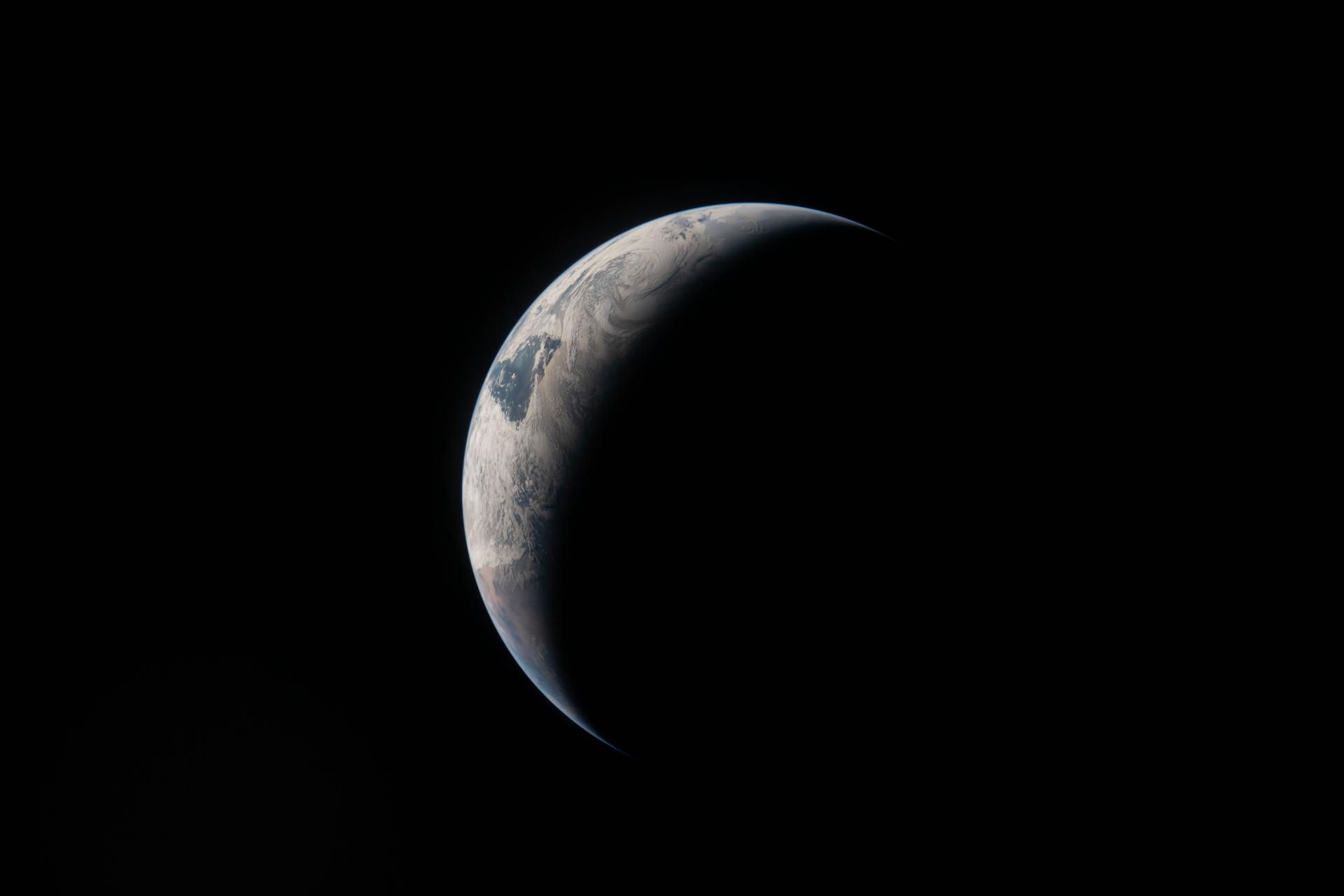
art002e009205 (April 4, 2026) - A thin arc glowing in the darkness of space. Sunlight traces the curves of the ocean and clouds, while the rest of the planet fades into shadow. Credit: NASA
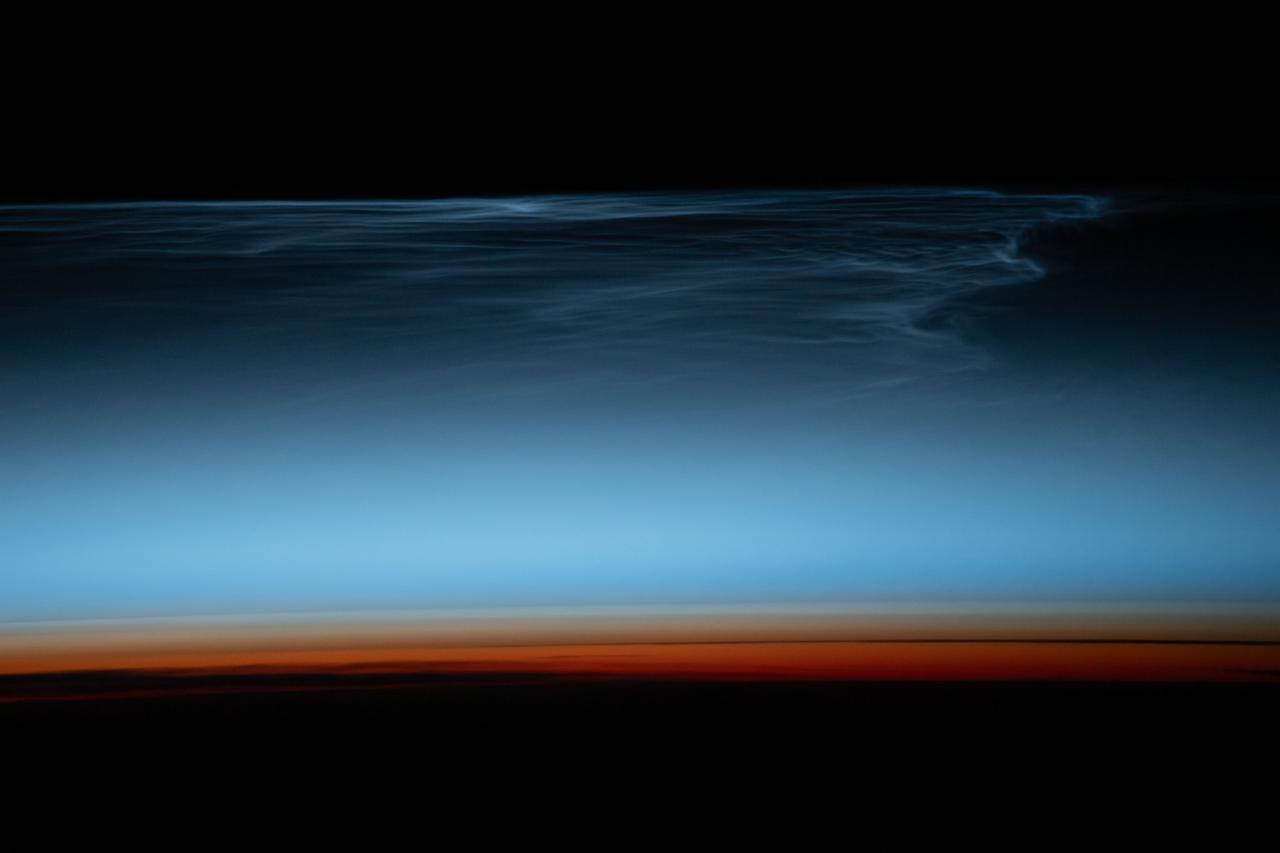
iss070e090453 (Feb. 10, 2024) --- Noctilucent clouds, wispy clouds in Earth's upper atmosphere illuminated by the sunlight just after sunset, are pictured from the International Space Station as it orbited 269 miles above the south Pacific Ocean.
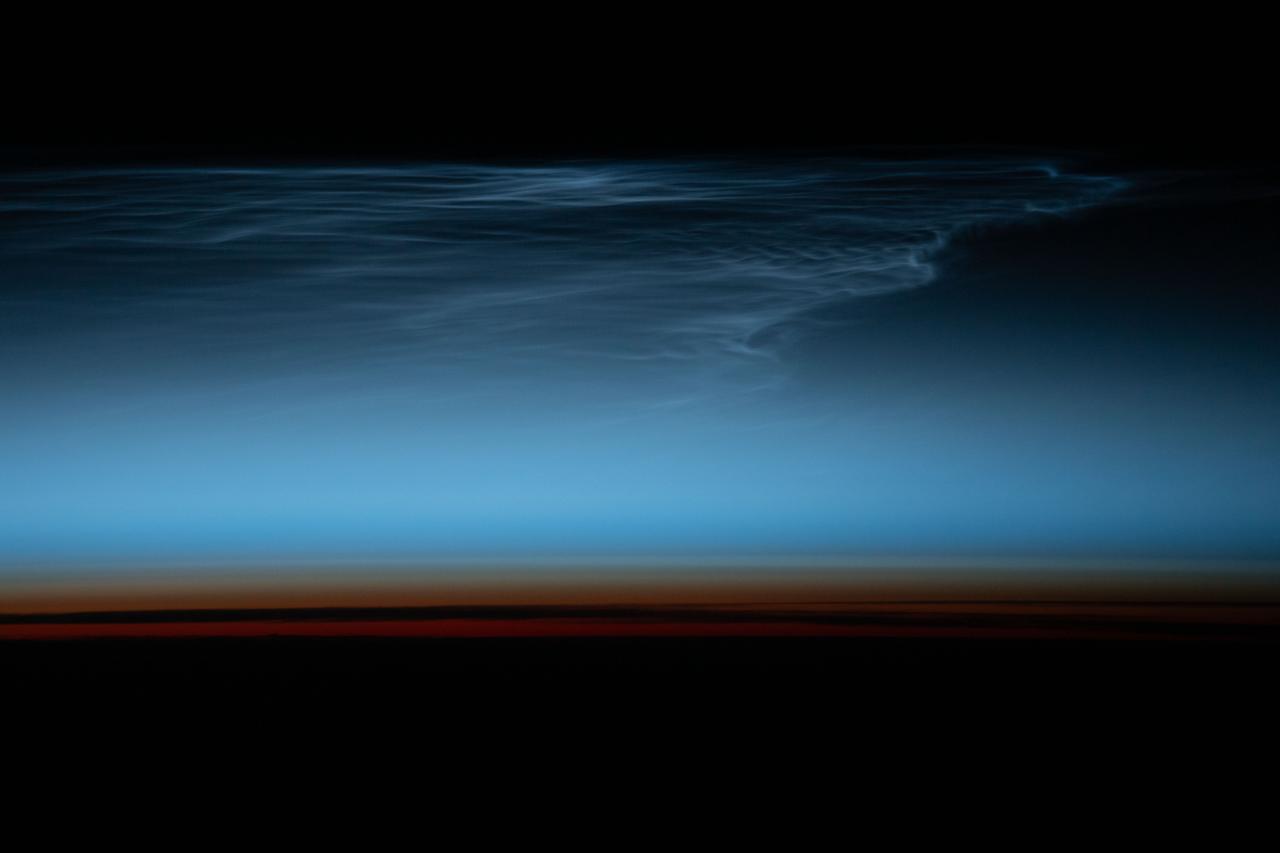
iss070e090457 (Feb. 10, 2024) --- Noctilucent clouds, wispy clouds in Earth's upper atmosphere illuminated by the sunlight just after sunset, are pictured from the International Space Station as it orbited 269 miles above the south Pacific Ocean.
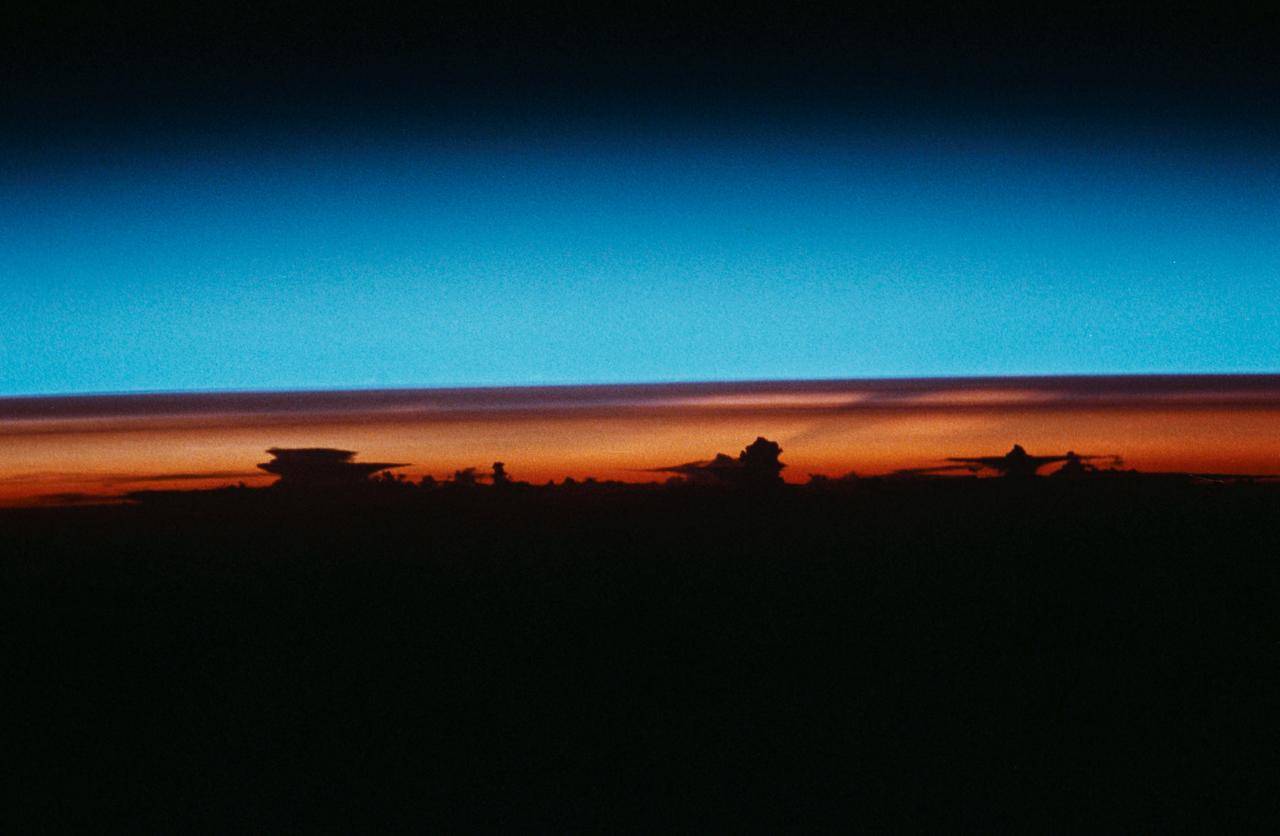
STS-43 Earth observation taken aboard Atlantis, Orbiter Vehicle (OV) 104, captures the Earth's limb at sunrise with unusual cloud patterns silhouetted by the sunlight and rising into the terminator lines.

Sunlight washes over the exterior of the integration and testing facility at Goddard Space Flight Center, Greenbelt, Md., Feb 20, 2023. This photo is approved for public release. NASA/Mike Guinto
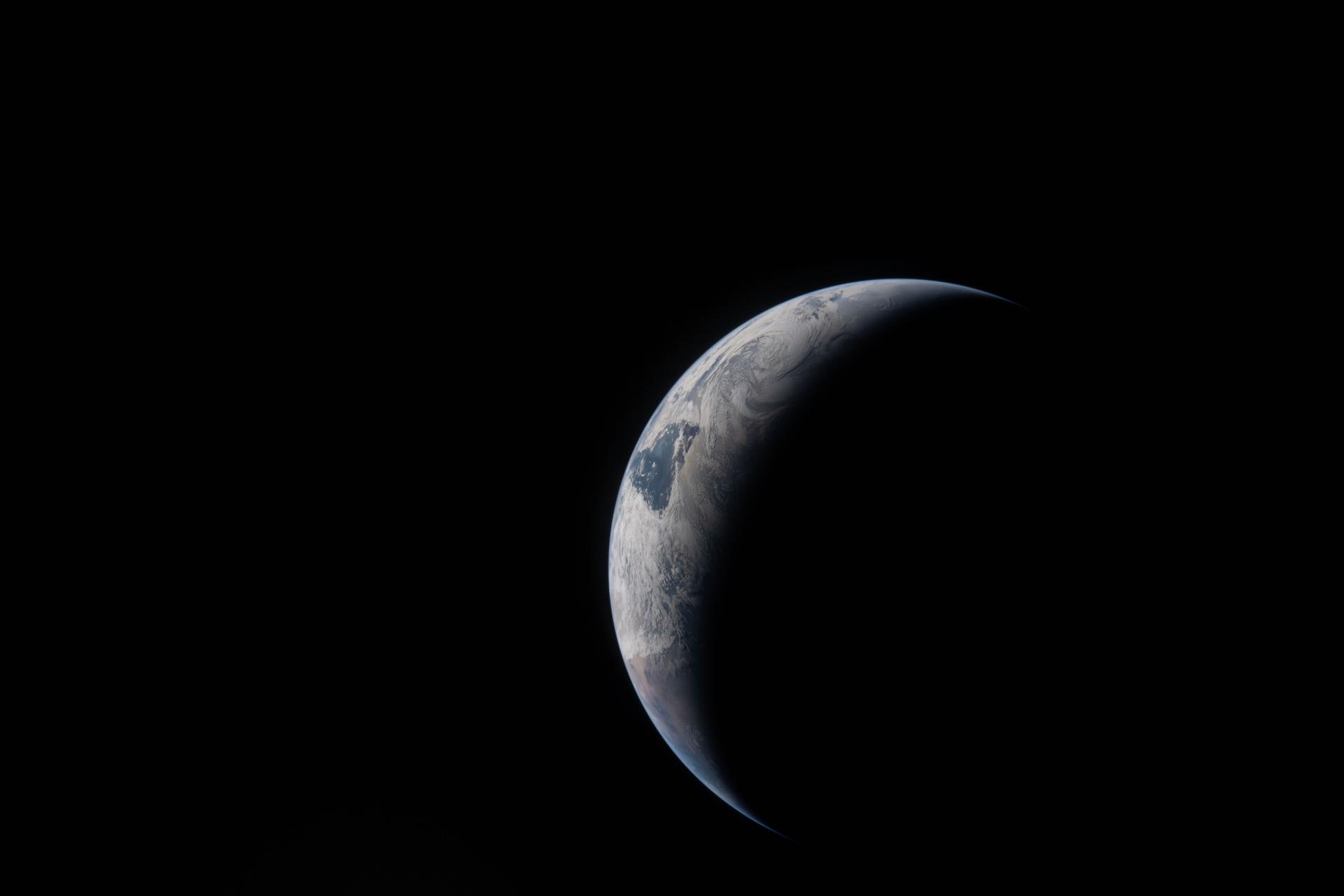
art002e024014 (April 4, 2026) - A thin arc glowing in the darkness of space. Sunlight traces the curves of the ocean and clouds, while the rest of the planet fades into shadow. Credit: NASA
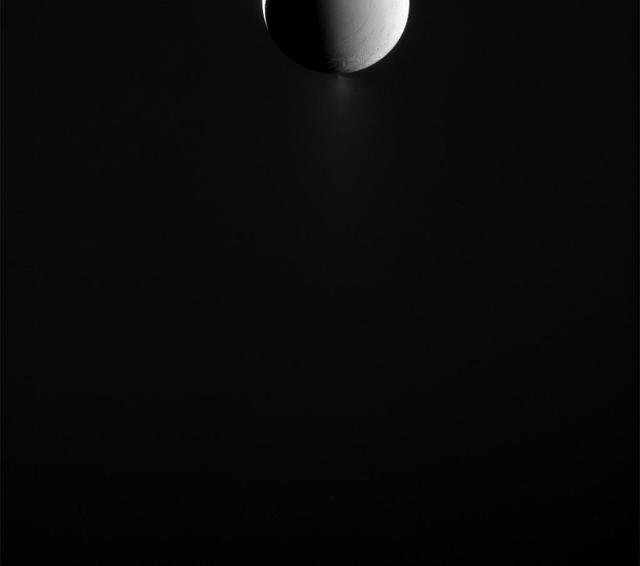
Enceladus looks as though it is half lit by sunlight in this view from NASA's Cassini spacecraft, but looks can be deceiving. The area on the right, where surface features can be made out, are actually illuminated by light reflected off of Saturn. A sliver of surface illuminated by direct sunlight is visible on the left. Images like this one are designed to capture the extended plume of icy material spraying from the moon's south polar region. Such images need to be taken with Cassini looking toward the icy moon's night side, since the small particles in the plume are most easily seen when backlit by the sun. This view looks toward the leading hemisphere of Enceladus. North on Enceladus is up. The image was taken in visible light with Cassini's narrow-angle camera on May 10, 2015. Enceladus is 313 miles (504 kilometers) across. The view was acquired at a distance of approximately 226,000 miles (364,000 kilometers) from Enceladus and at a Sun-Enceladus-spacecraft, or phase, angle of 152 degrees. Image scale is 1.4 miles (2.2 kilometers) per pixel. http://photojournal.jpl.nasa.gov/catalog/PIA18328
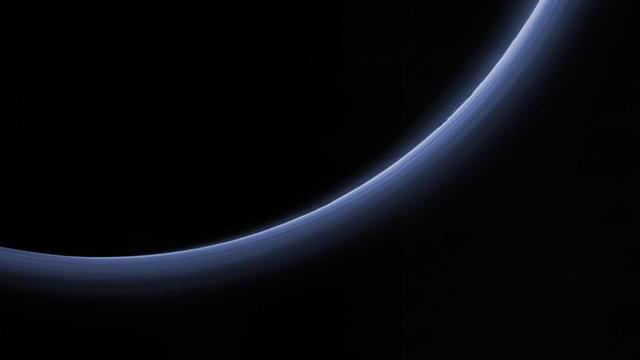
This processed image is the highest-resolution color look yet at the haze layers in Pluto's atmosphere. Shown in approximate true color, the picture was constructed from a mosaic of four panchromatic images from the Long Range Reconnaissance Imager (LORRI) splashed with Ralph/Multispectral Visible Imaging Camera (MVIC) four-color filter data, all acquired by NASA's New Horizons spacecraft on July 14, 2015. The resolution is 1 kilometer (0.6 miles) per pixel; the sun illuminates the scene from the right. Scientists believe the haze is a photochemical smog resulting from the action of sunlight on methane and other molecules in Pluto's atmosphere, producing a complex mixture of hydrocarbons such as acetylene and ethylene. These hydrocarbons accumulate into small particles, a fraction of a micrometer in size, and scatter sunlight to make the bright blue haze seen in this image. As they settle down through the atmosphere, the haze particles form numerous intricate, horizontal layers, some extending for hundreds of miles around Pluto. The haze layers extend to altitudes of over 200 kilometers (120 miles). Adding to the stark beauty of this image are mountains on Pluto's limb (on the right, near the 4 o'clock position), surface features just within the limb to the right, and crepuscular rays (dark finger-like shadows to the left) extending from Pluto's topographic features. http://photojournal.jpl.nasa.gov/catalog/PIA20362

NASA’s Advanced Composite Solar Sail System is seen orbiting Earth in this 13-second exposure photograph, Monday, Sept. 2, 2024, from Arlington, Virginia. The mission team confirmed the spacecraft’s unique composite boom system unfurled its reflective sail on Thursday, accomplishing a critical milestone in the agency’s demonstration of next-generation solar sail technology that will allow small spacecraft to “sail on sunlight.” Just as a sailboat is powered by wind in a sail, a spacecraft can use the pressure of sunlight on a solar sail for propulsion. This technology demonstration serves as a pathfinder for future missions powered by solar sail technology. Photo Credit: (NASA/Bill Ingalls)