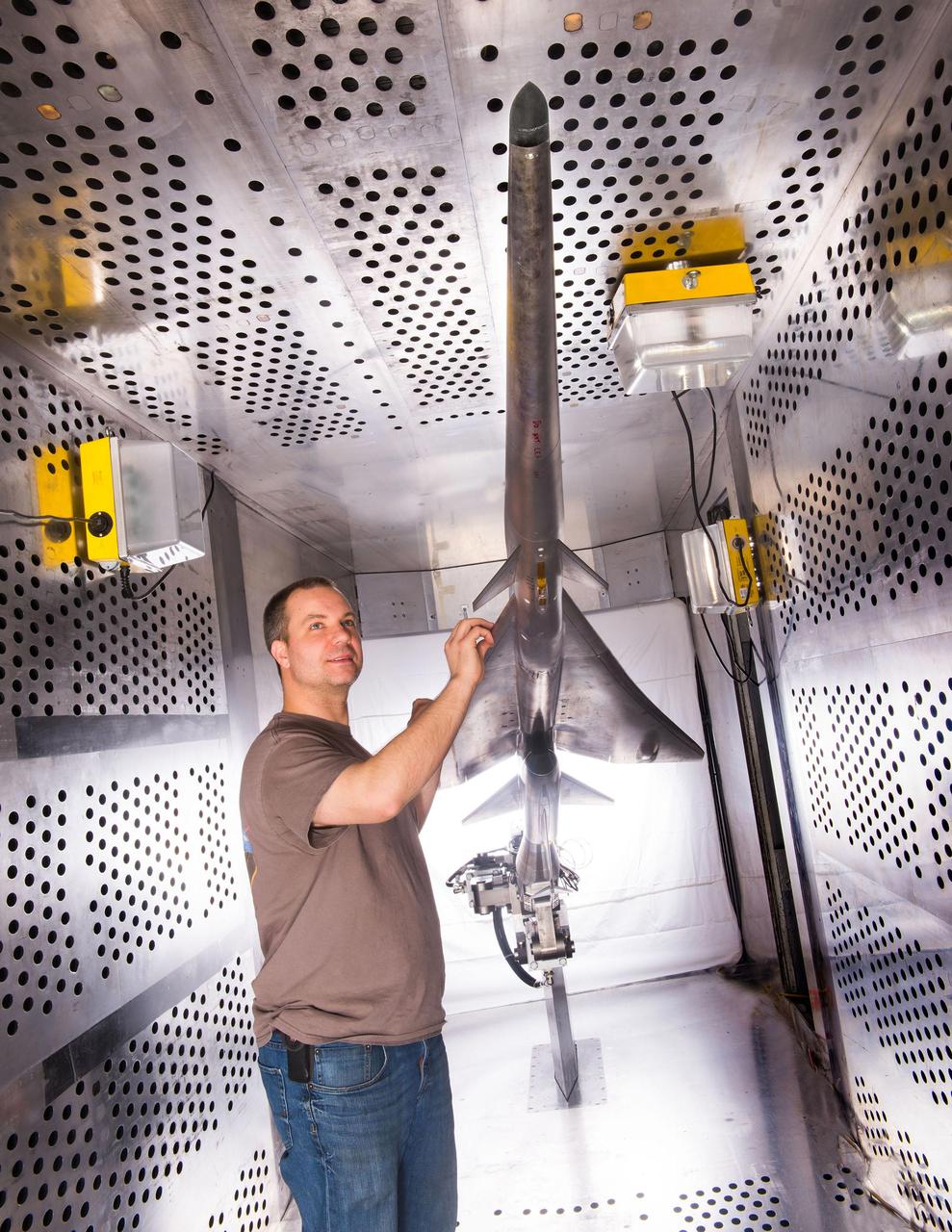
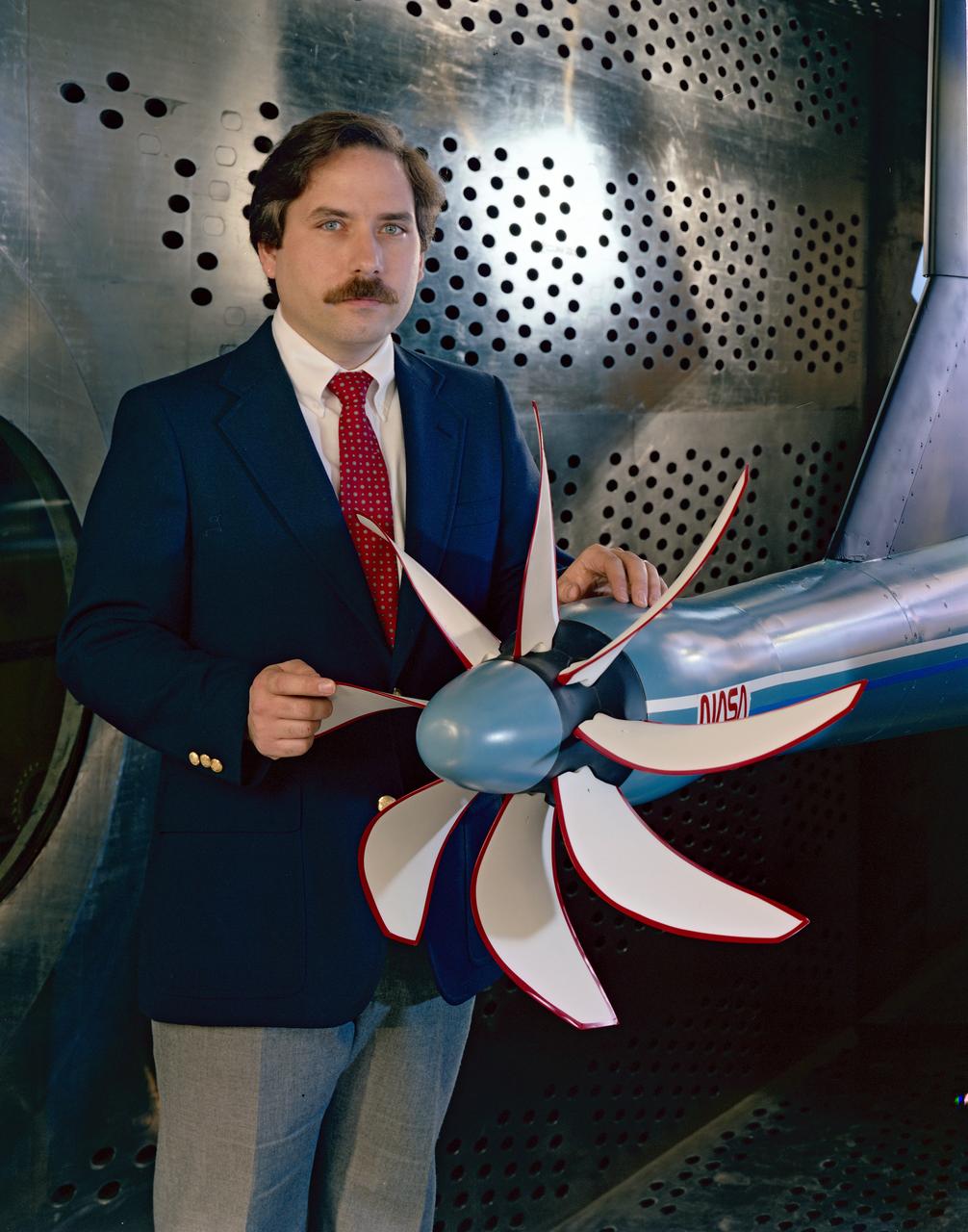
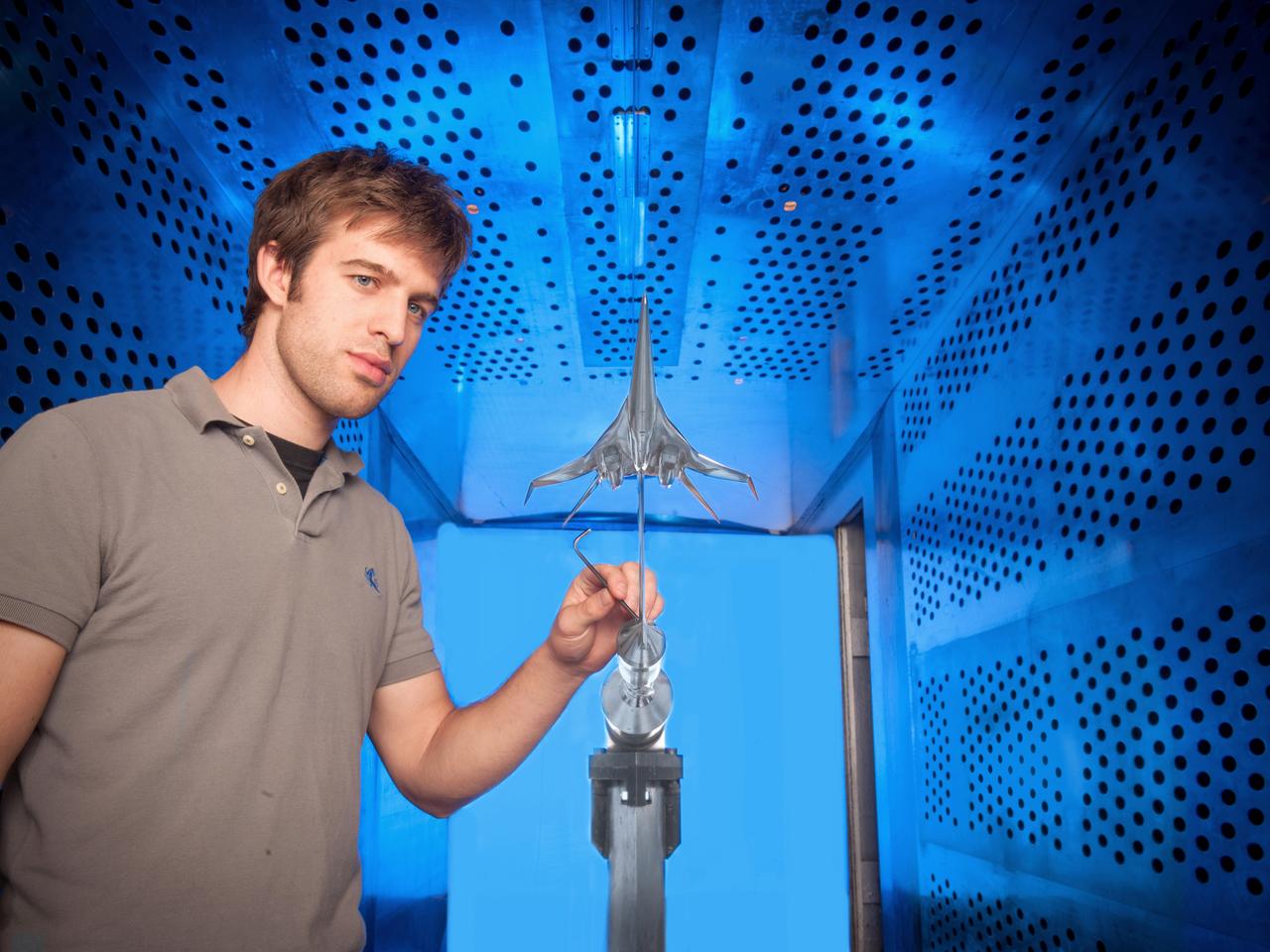
NASA Glenn engineer Gary Williamson with a small model of a future low-boom supersonic aircraft used for testing in the 8' x 6' Supersonic Wind Tunnel at NASA Glenn Research Center.
Low-boom Supersonic Aircraft
Mechanical technician Dan Pitts prepares a scale model of Lockheed Martin's Quiet Supersonic Technology (QueSST) X-plane preliminary design for its first high-speed wind tunnel tests at NASA's Glenn Research Center.
Quiet Supersonic Technology (QueSST)
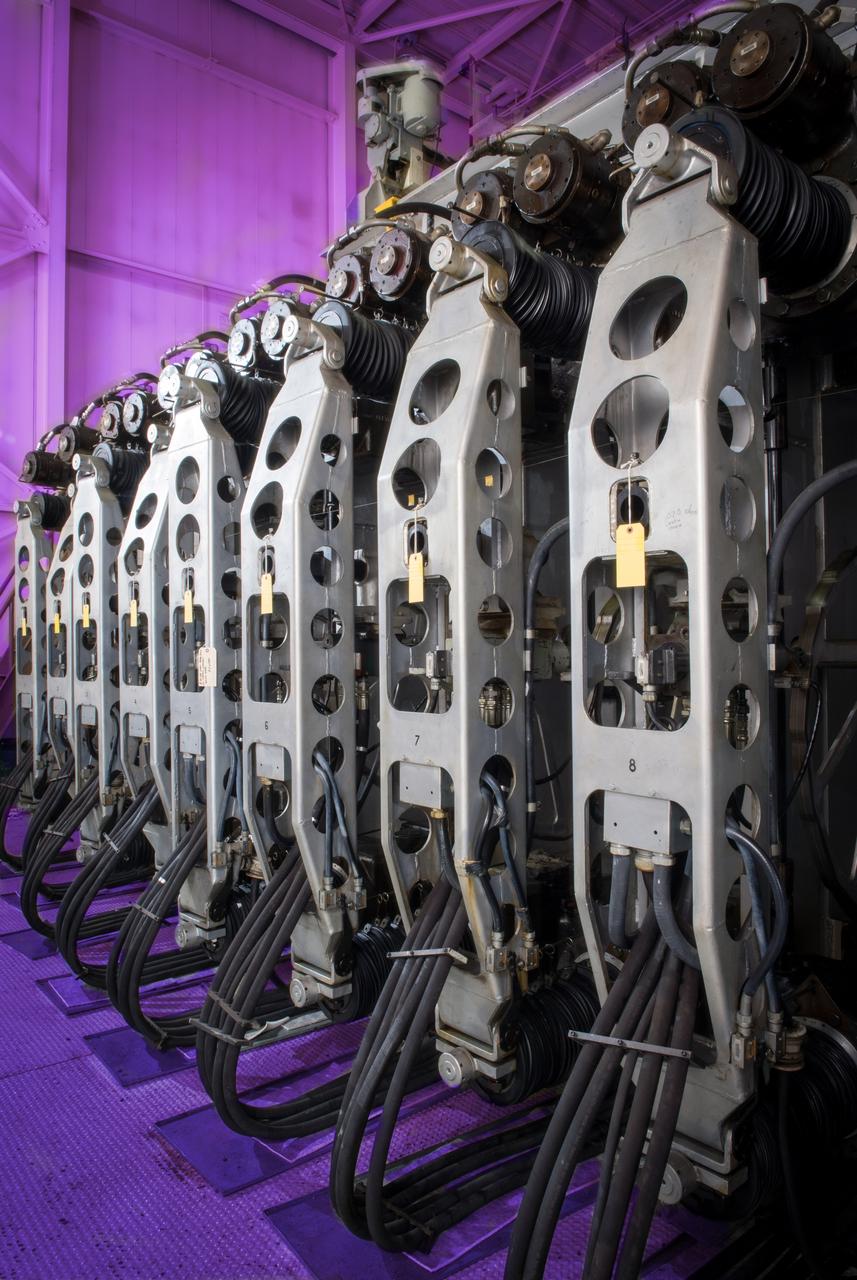
The flexwall section of NASA Glenn’s 10x10 supersonic wind tunnel is made up of two movable flexible steel sidewalls. These powerful hydraulic jacks move the walls in and out to control supersonic air speeds in the test section between Mach 2.0 and 3.5.
10' x 10' Supersonic Wind Tunnel Flexwall
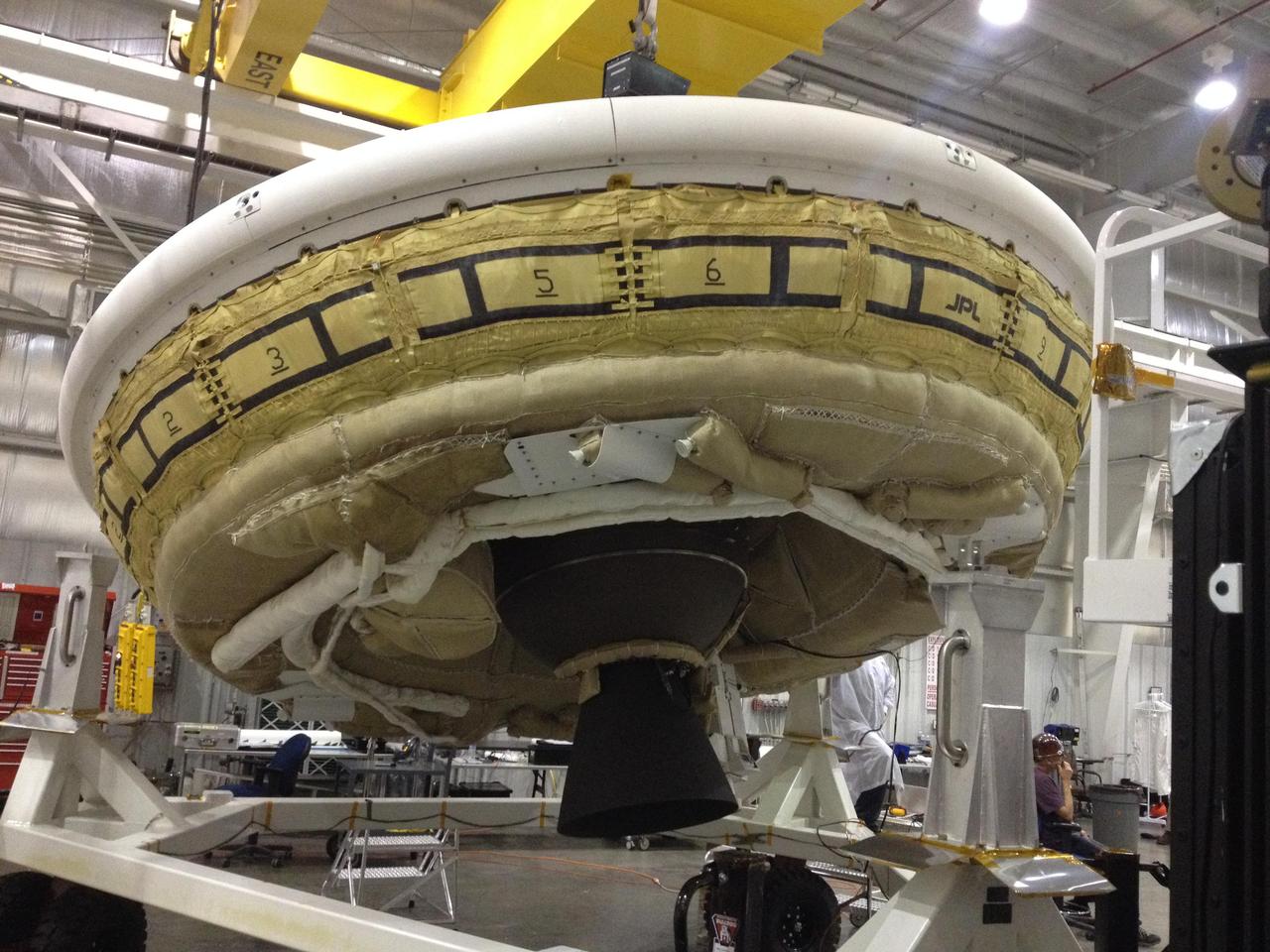
NASA Low-Density Supersonic Decelerator project, will test an inflatable decelerator and a parachute at high altitudes and speeds over the Pacific Missile Range this June.
Preparing for a Supersonic Test
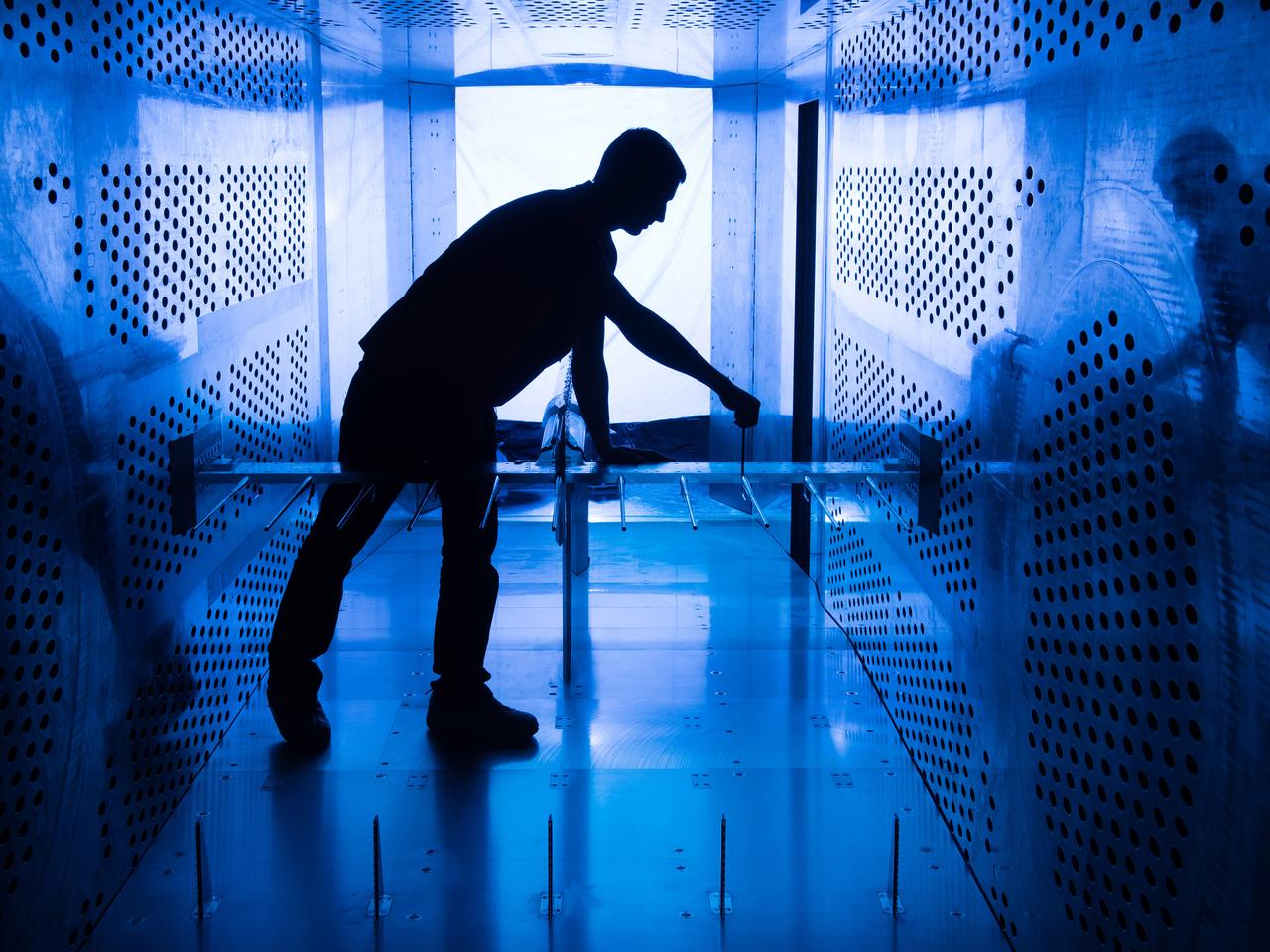
Raised Floor Calibration Hardware for the Boundary Layer Ingesting Inlet Distortion Tolerant Fan tests to be performed in the 8' x 6' Supersonic Wind Tunnel at NASA Glenn Research Center.
8' x 6' Supersonic Wind Tunnel
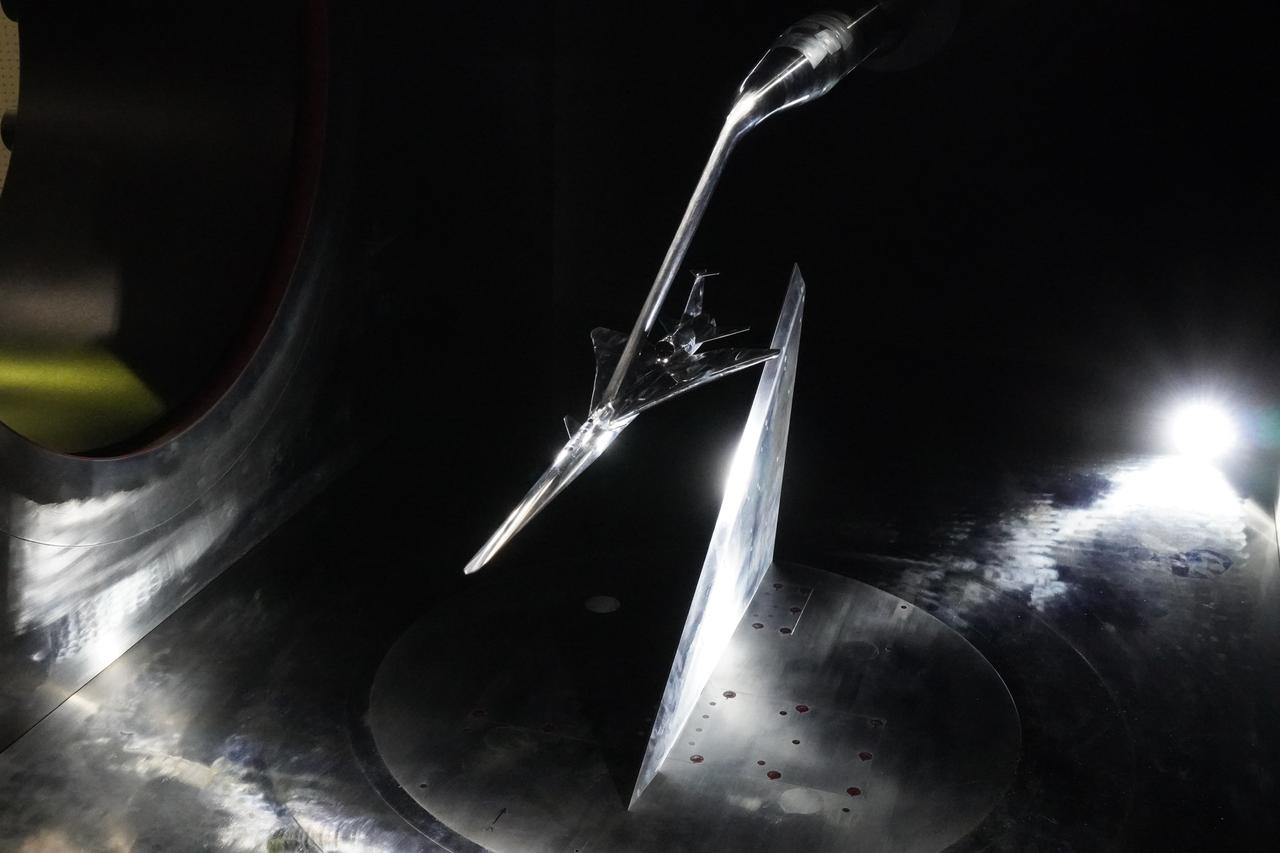
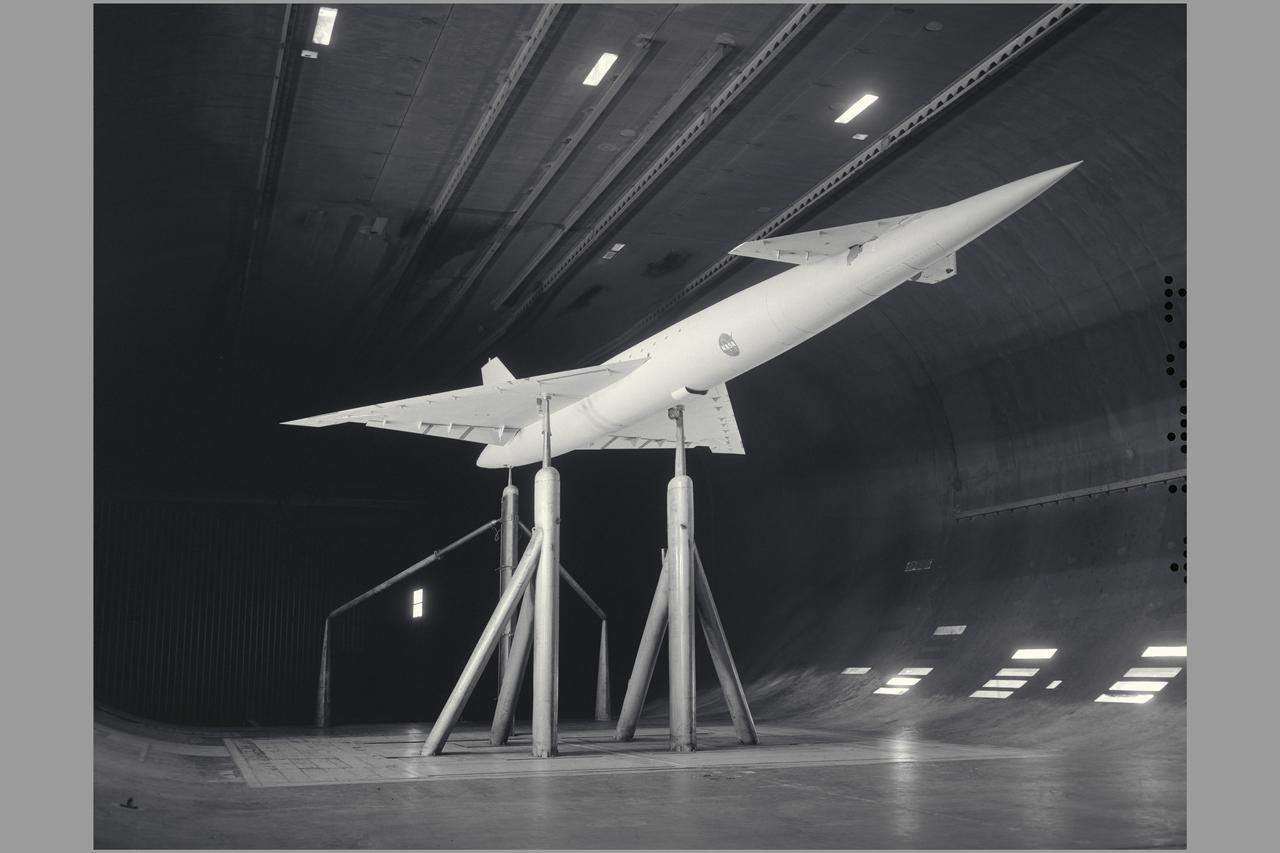
Here you see the X-59 scaled model inside the JAXA supersonic wind tunnel during critical tests related to sound predictions.
X-59 Model Tested in Japanese Supersonic Wind Tunnel
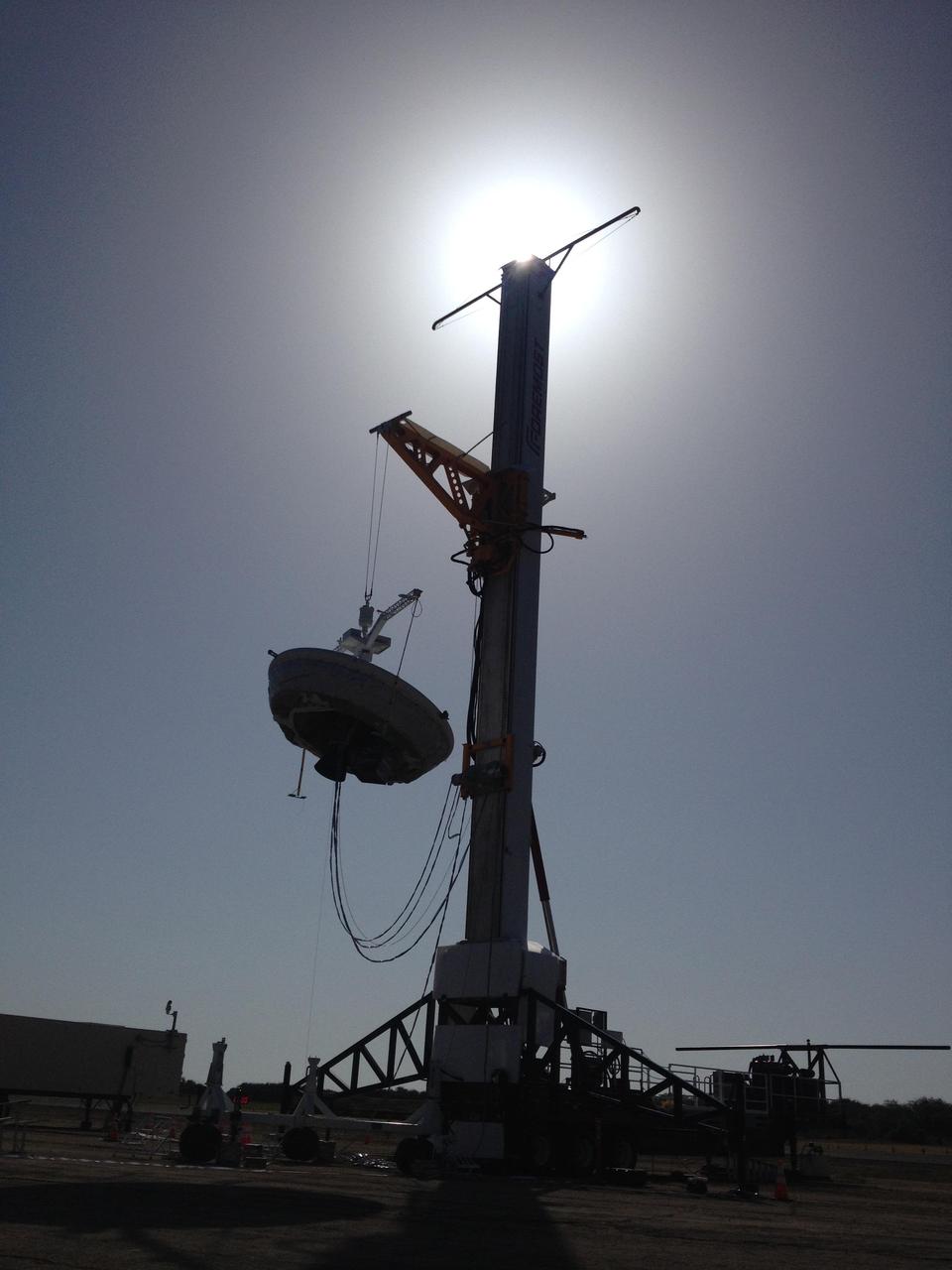
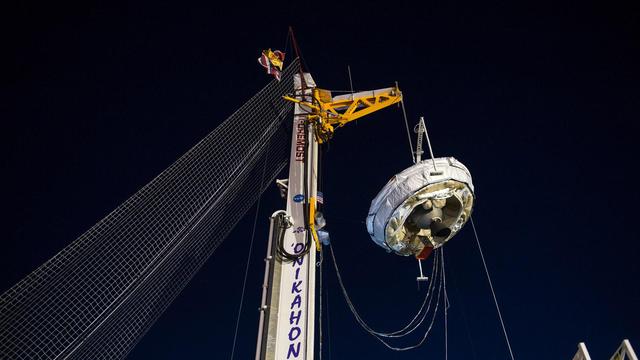
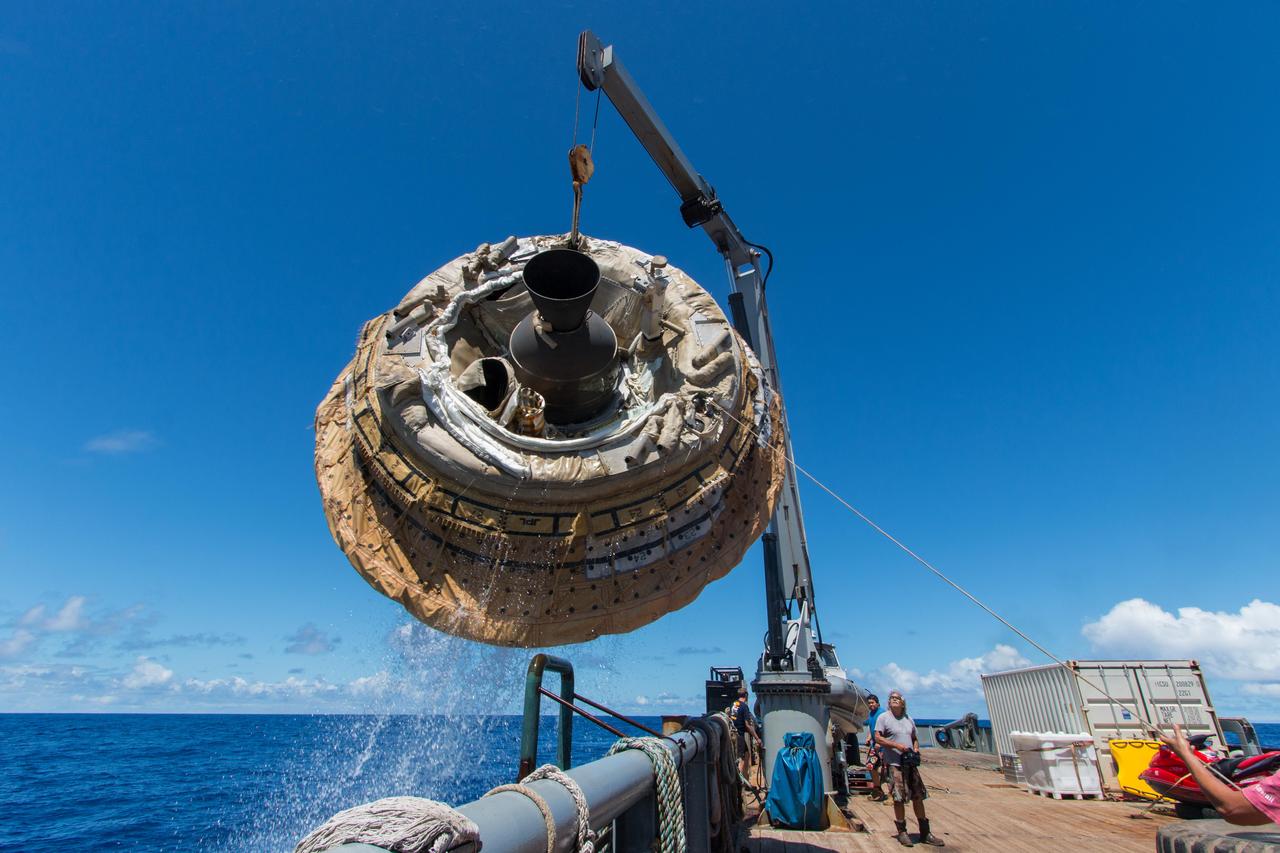
A saucer-shaped vehicle part of NASA Low-Density Supersonic Decelerator LDSD project designed to test interplanetary landing devices hangs on a tower in preparation for launch at the Pacific Missile Range Facility in Kauai, Hawaii.
Before the Drop: Engineers Ready Supersonic Decelerator
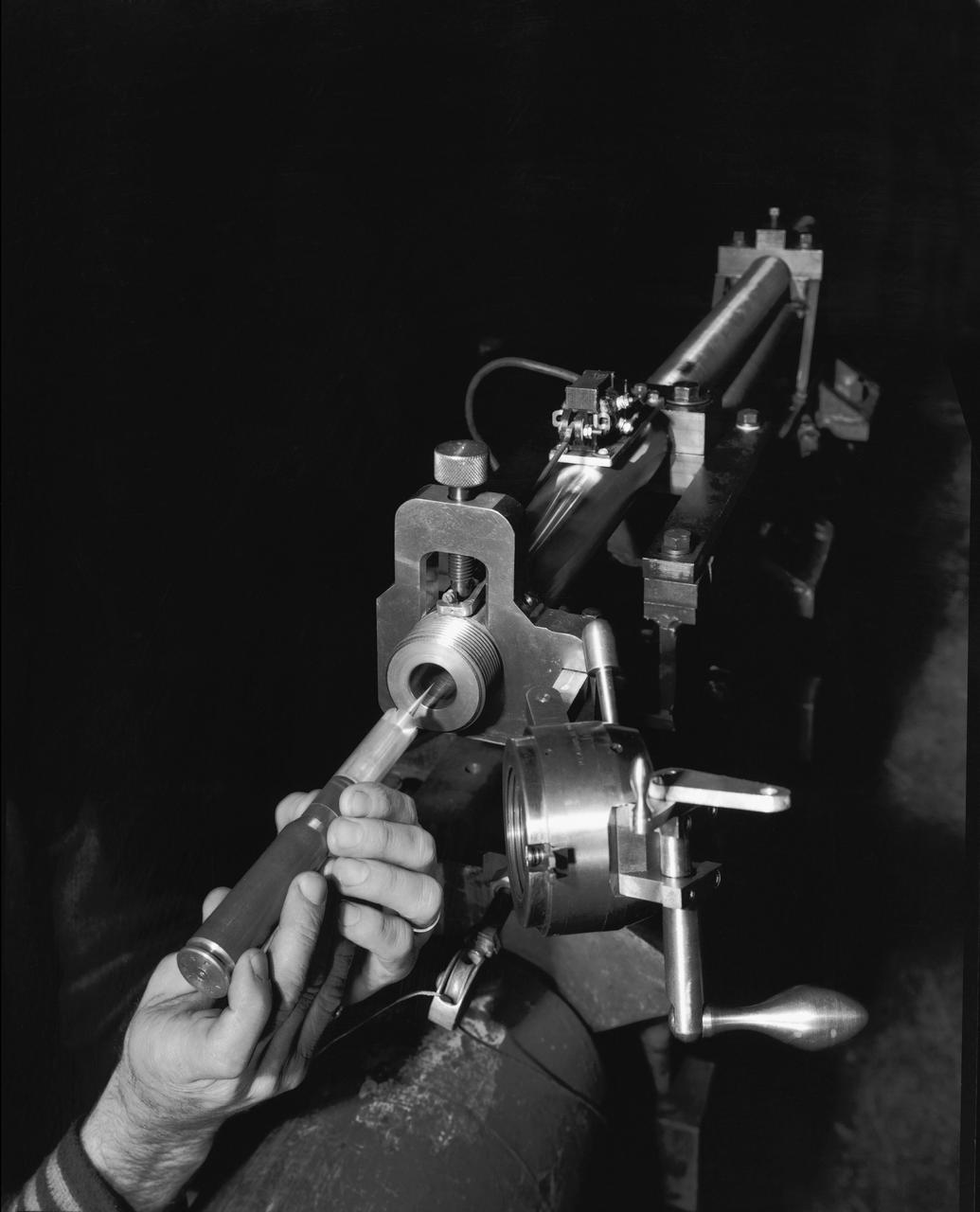
Supersonic Free Flight Wind Tunnel 620 gun and model; model, sabot and cartridge assembly and ready for firing in the supersonic free flight tunnel
ARC-1951-A-15768
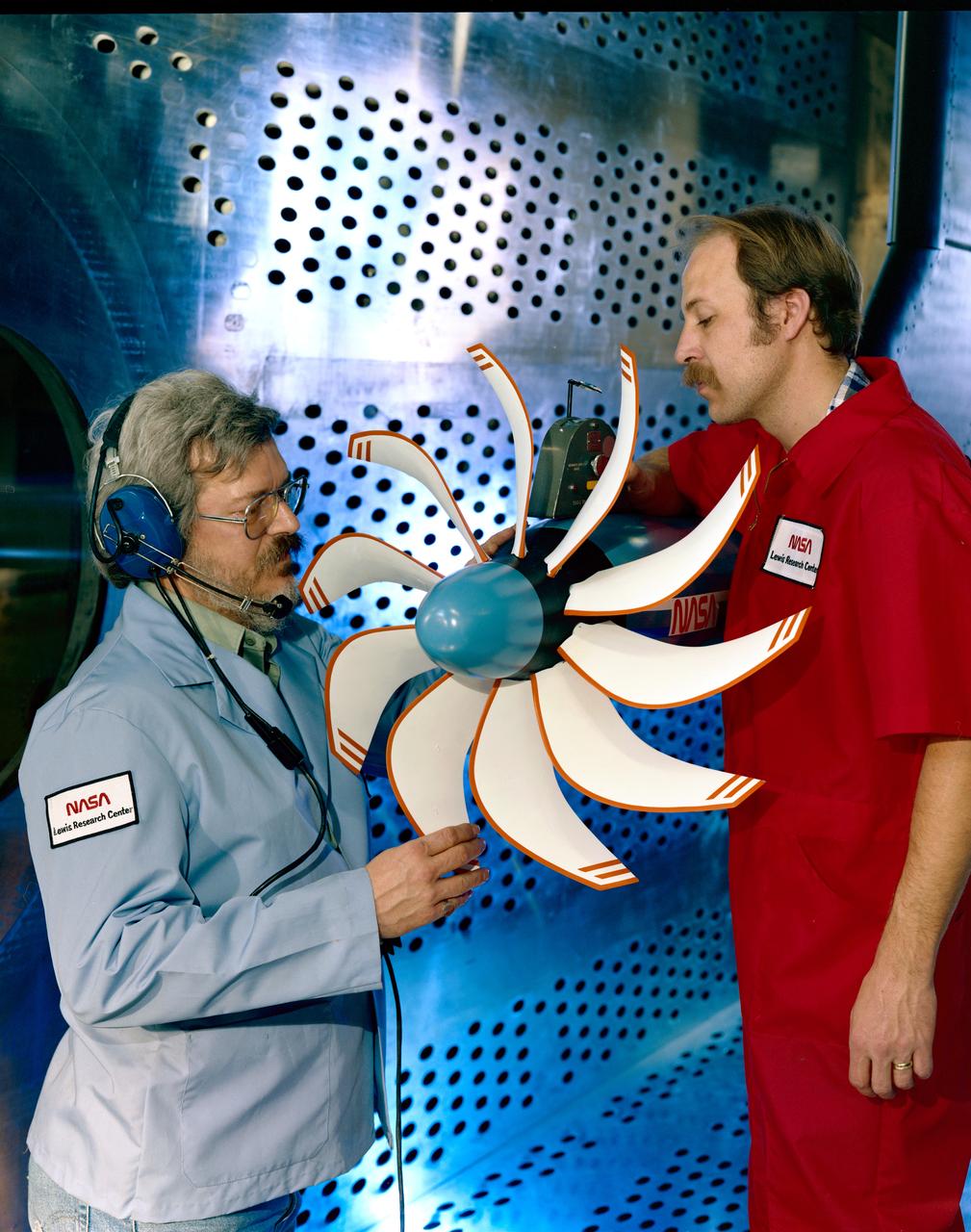
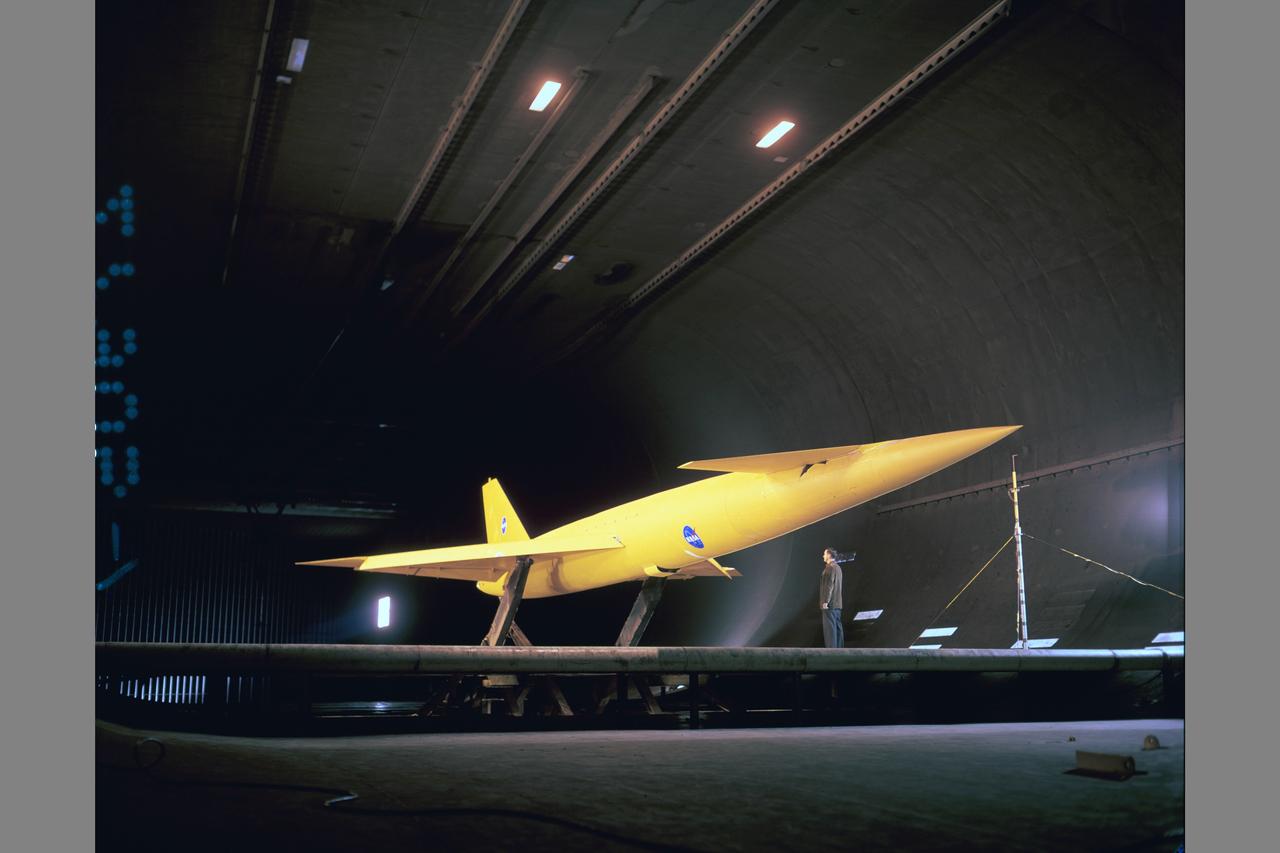
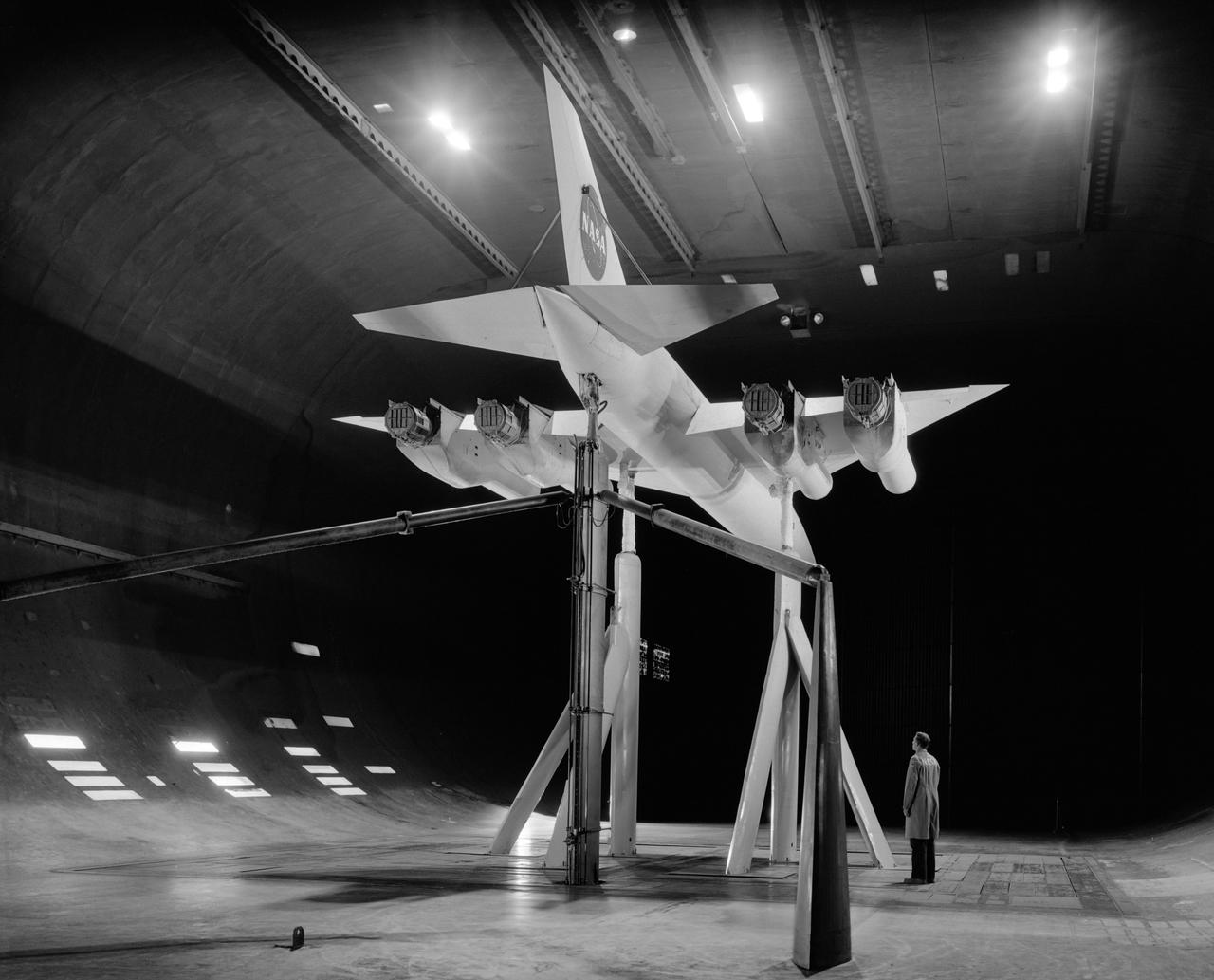
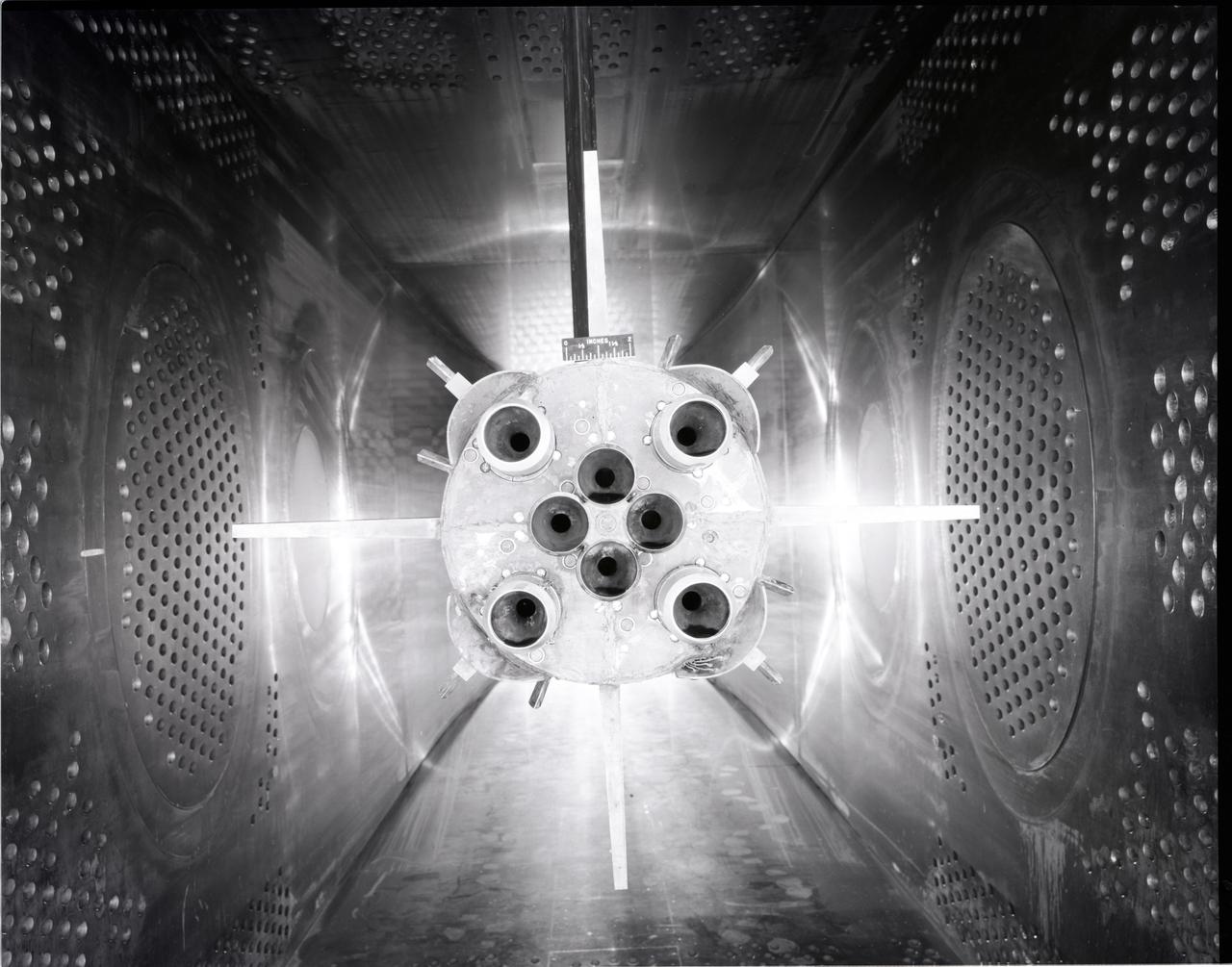
SR-3 Advanced Turboprop (Propfan) in 8x6 foot Supersonic Wind Tunnel
SR-3 Advanced Turboprop (Propfan) in 8x6 foot Supersonic Wind Tu
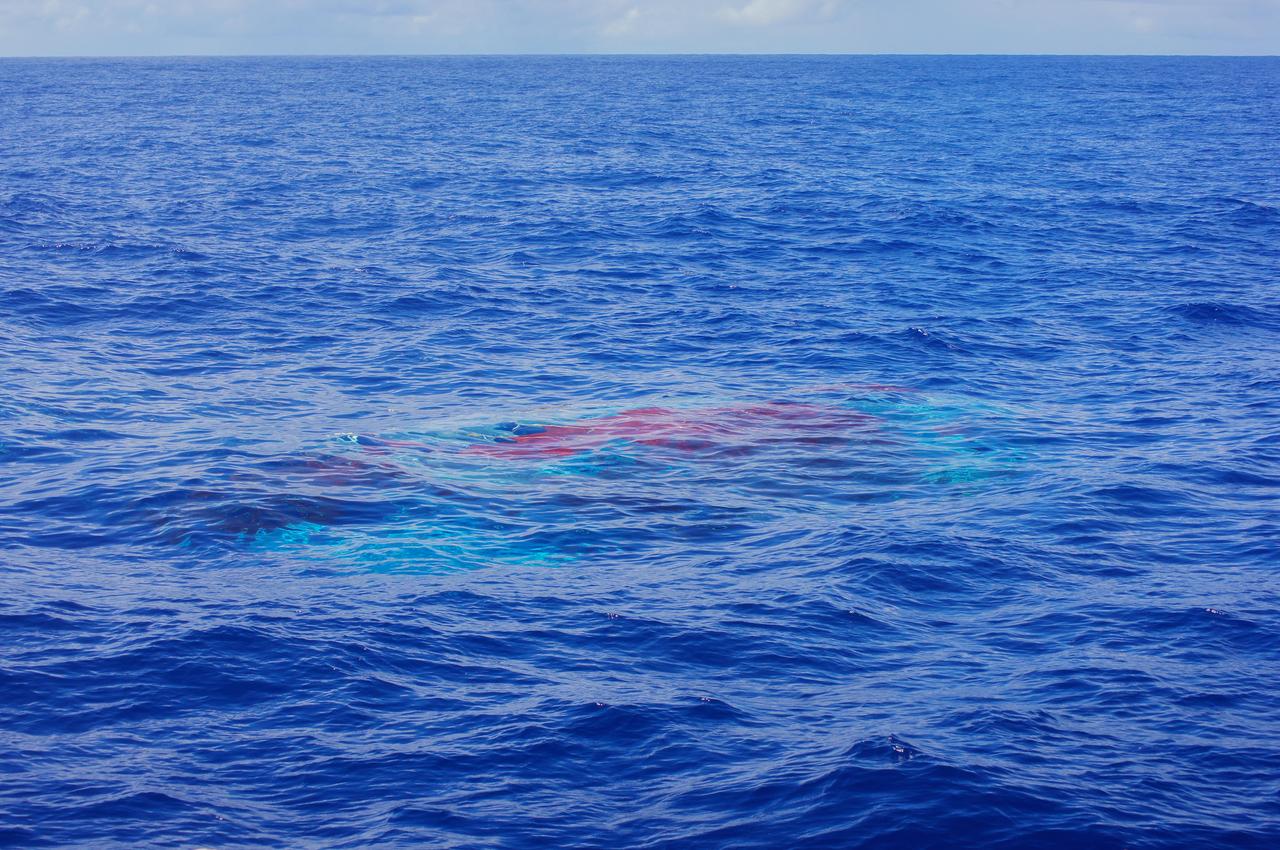
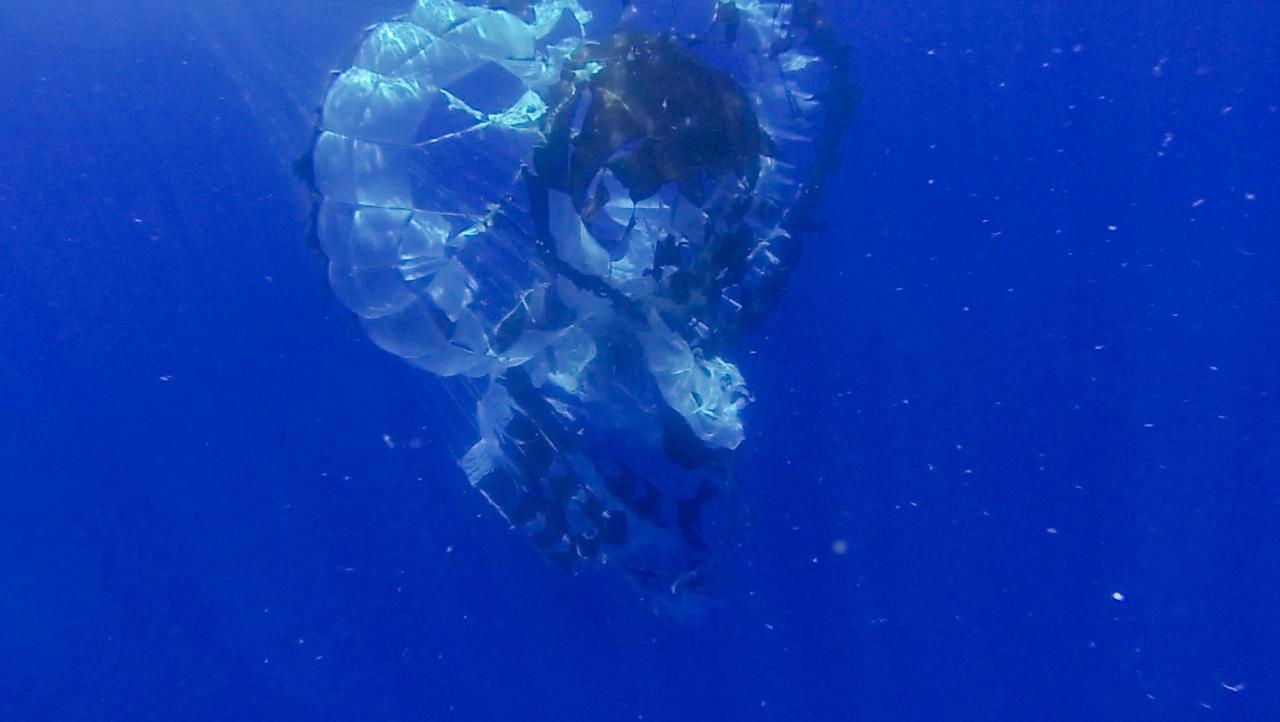
NASA Supersonic Disk Sail Parachute, one of the new technologies being developed as part of NASA Low-Density Supersonic Decelerator LDSD project, floats just below the surface of the Pacific Ocean on June 28, 2014.
LDSD Chute Beneath the Surface
SR-3 Advanced Turboprop (Propfan) in 8x6 foot Supersonic Wind Tunnel (SWT)
SR-3 Advanced Turboprop (Propfan) in 8x6 foot Supersonic Wind Tu
20 Inch Variable Supersonic Tunnel G.A.S. Variable Mach Tunnel
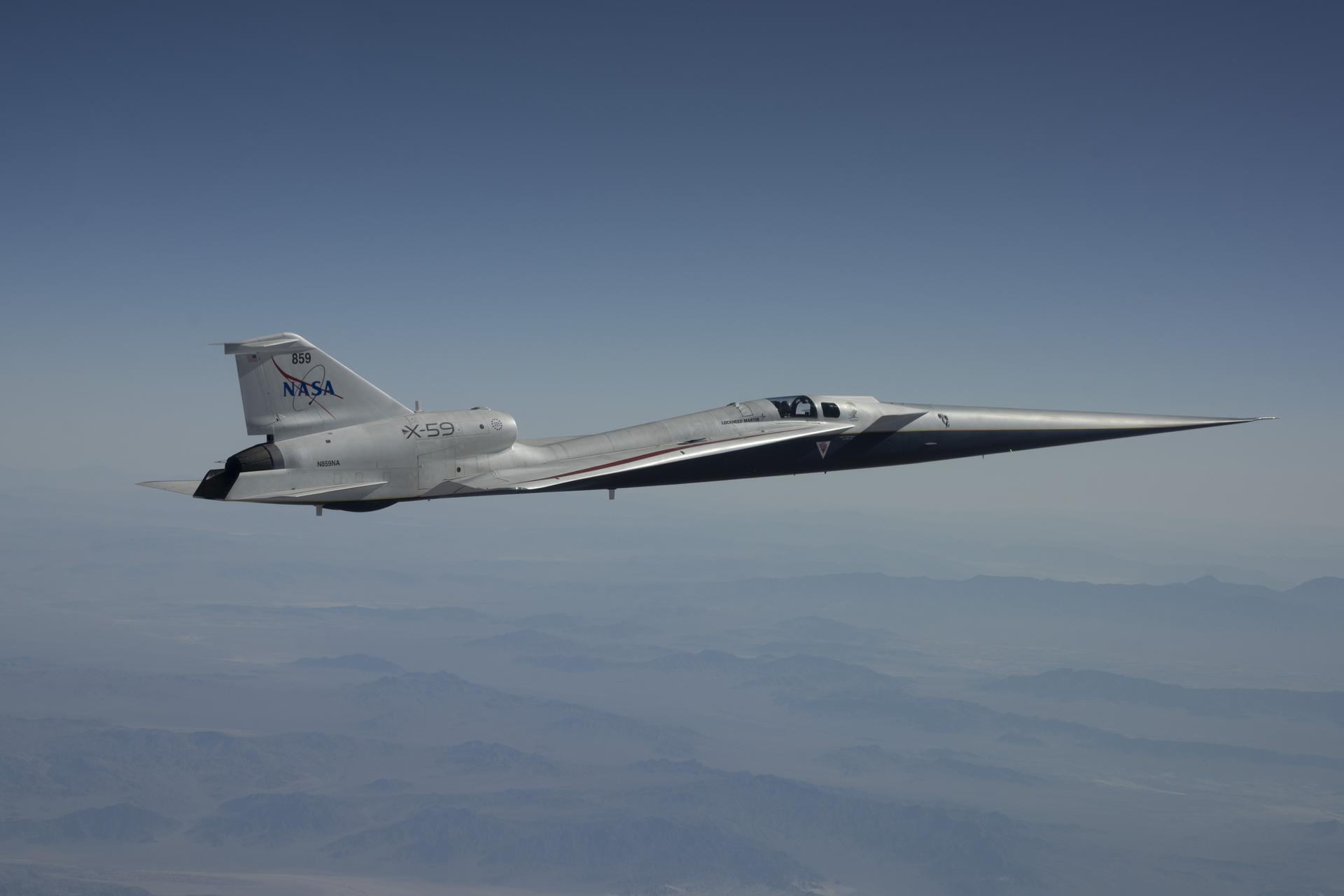
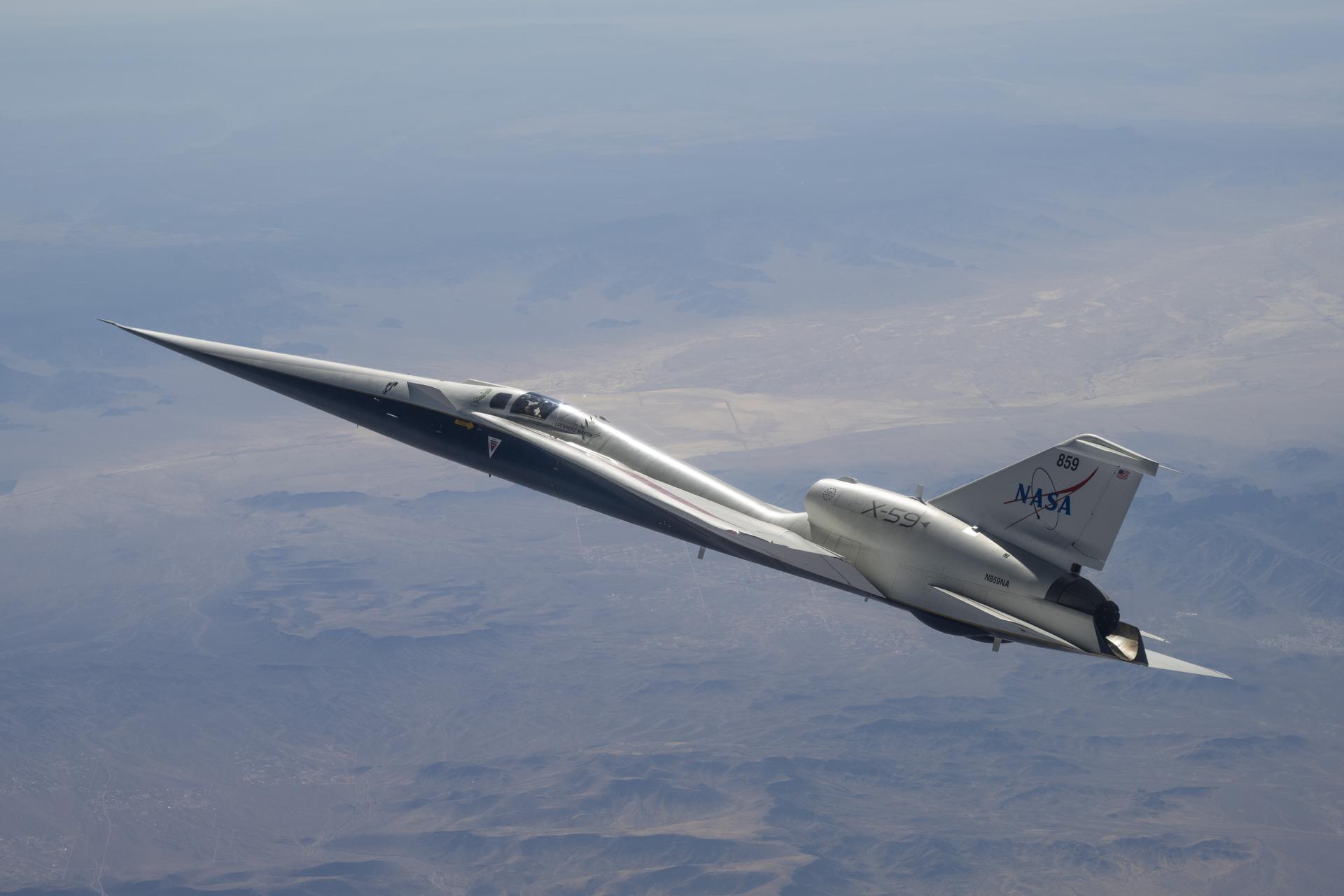
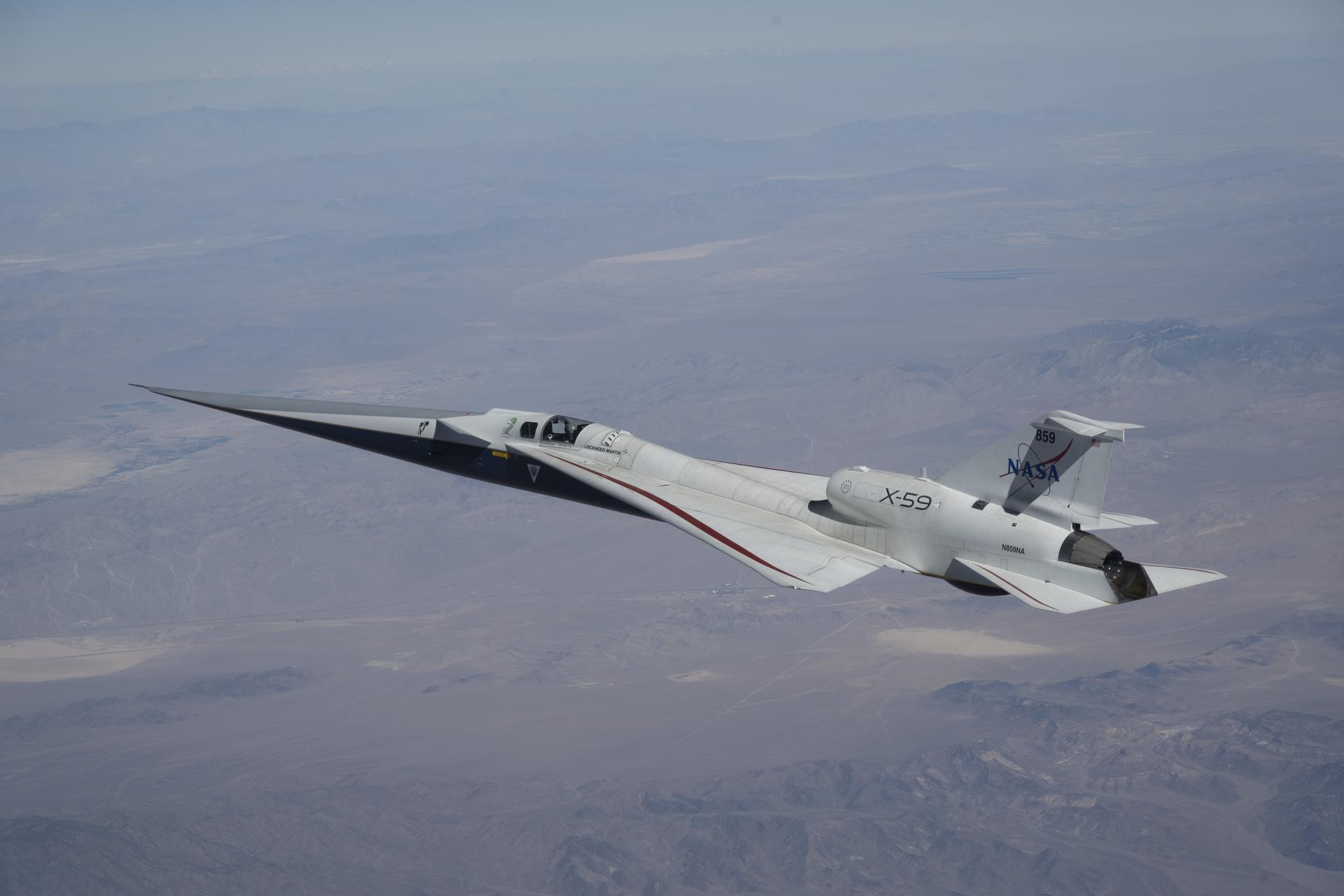
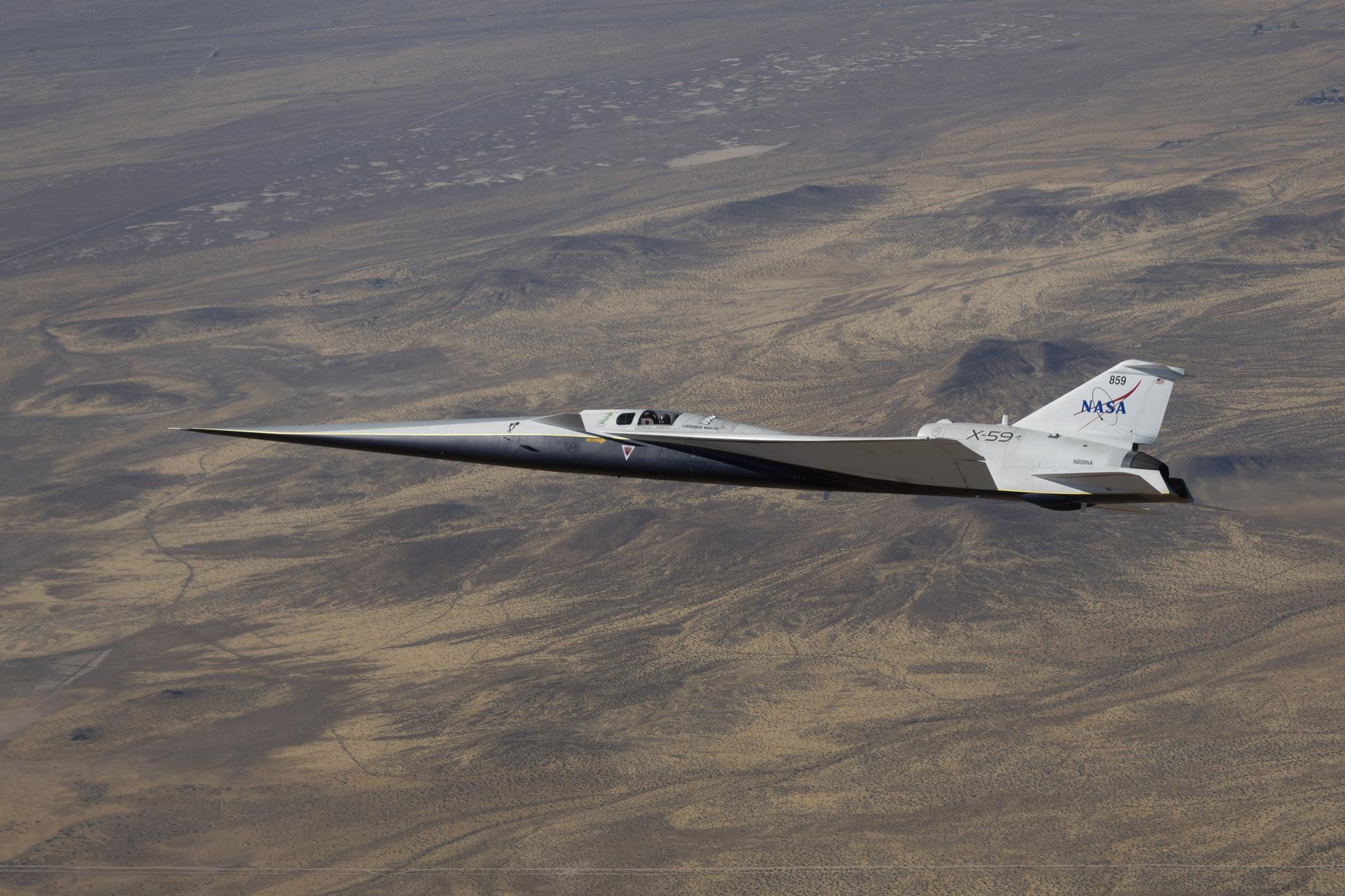
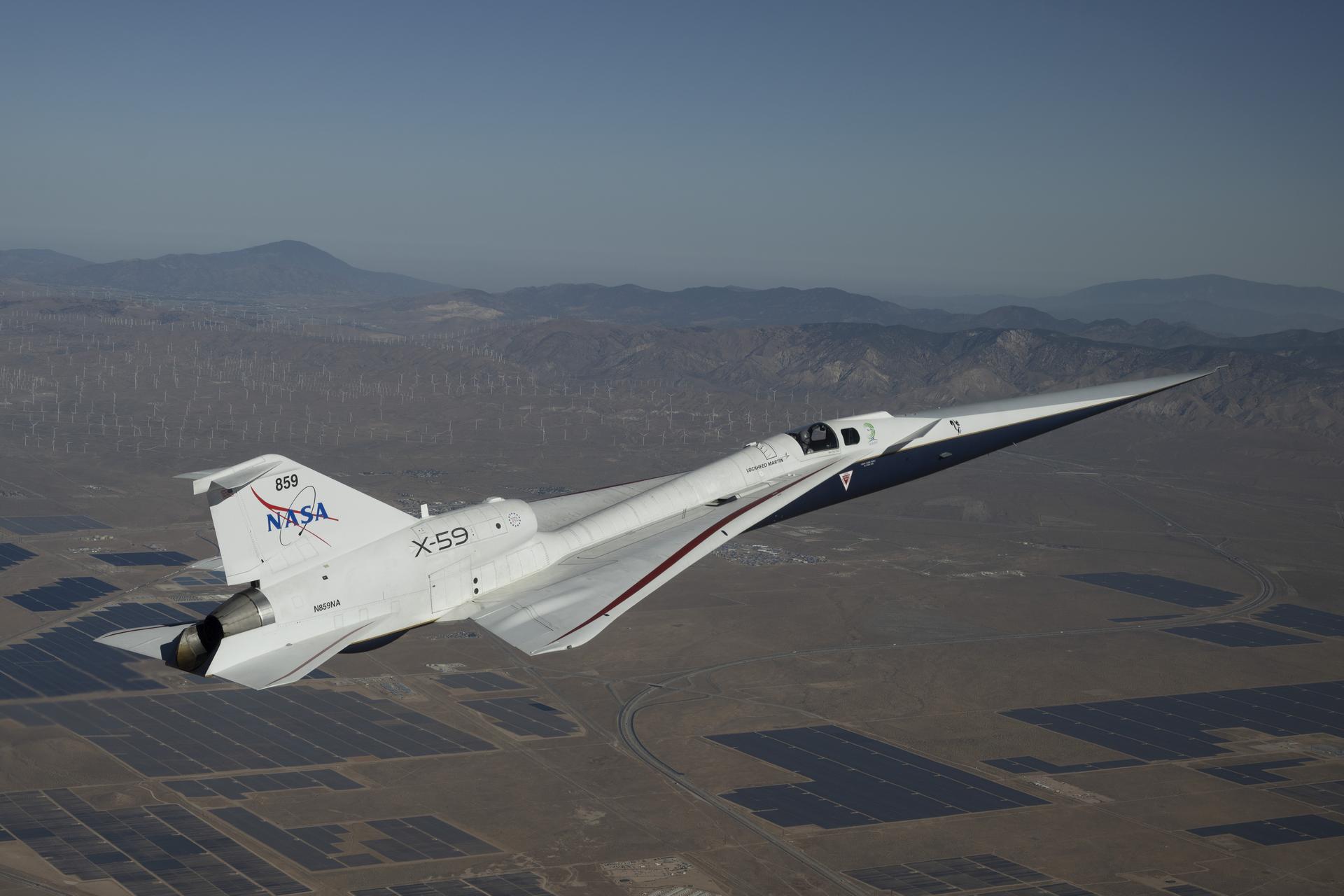
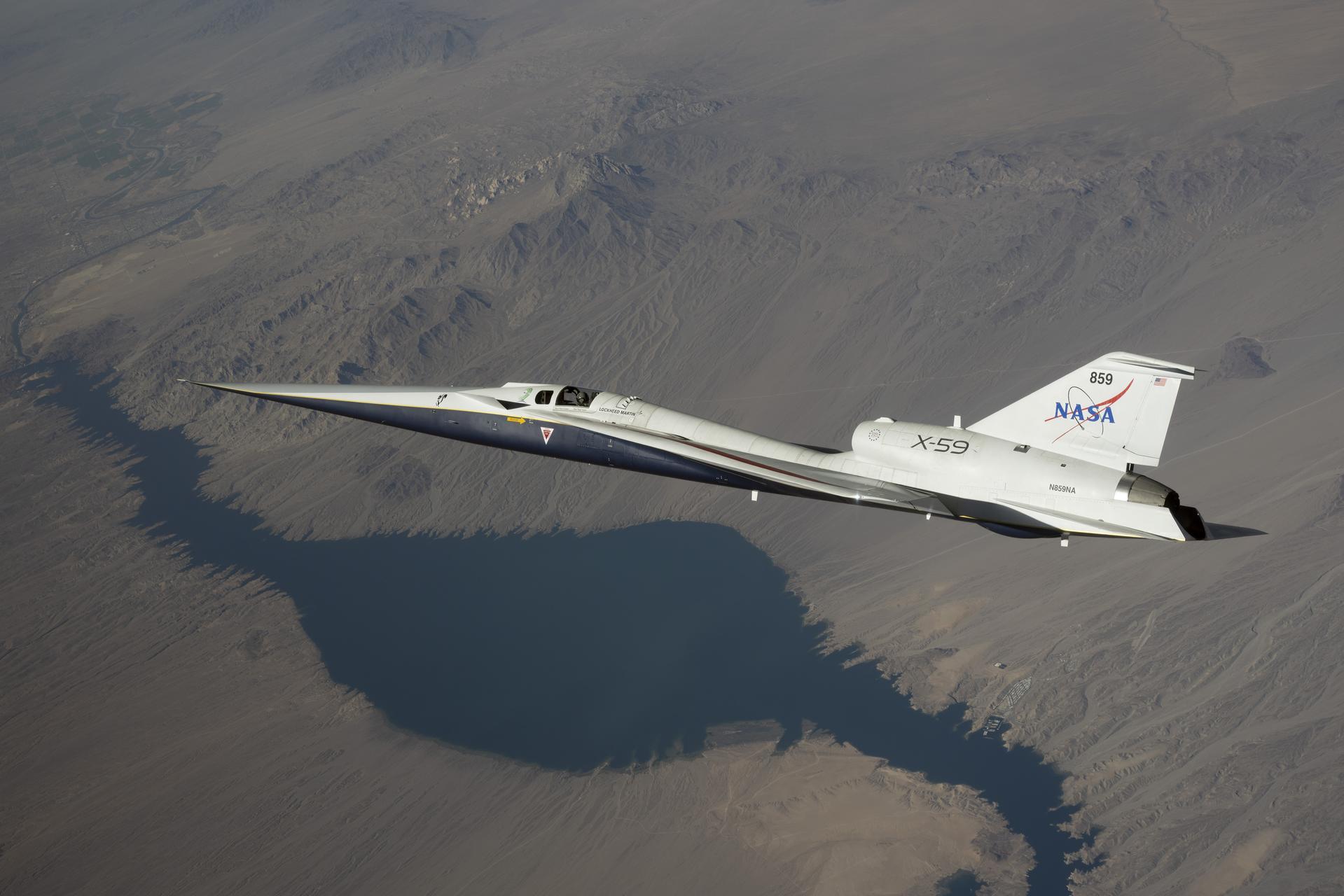
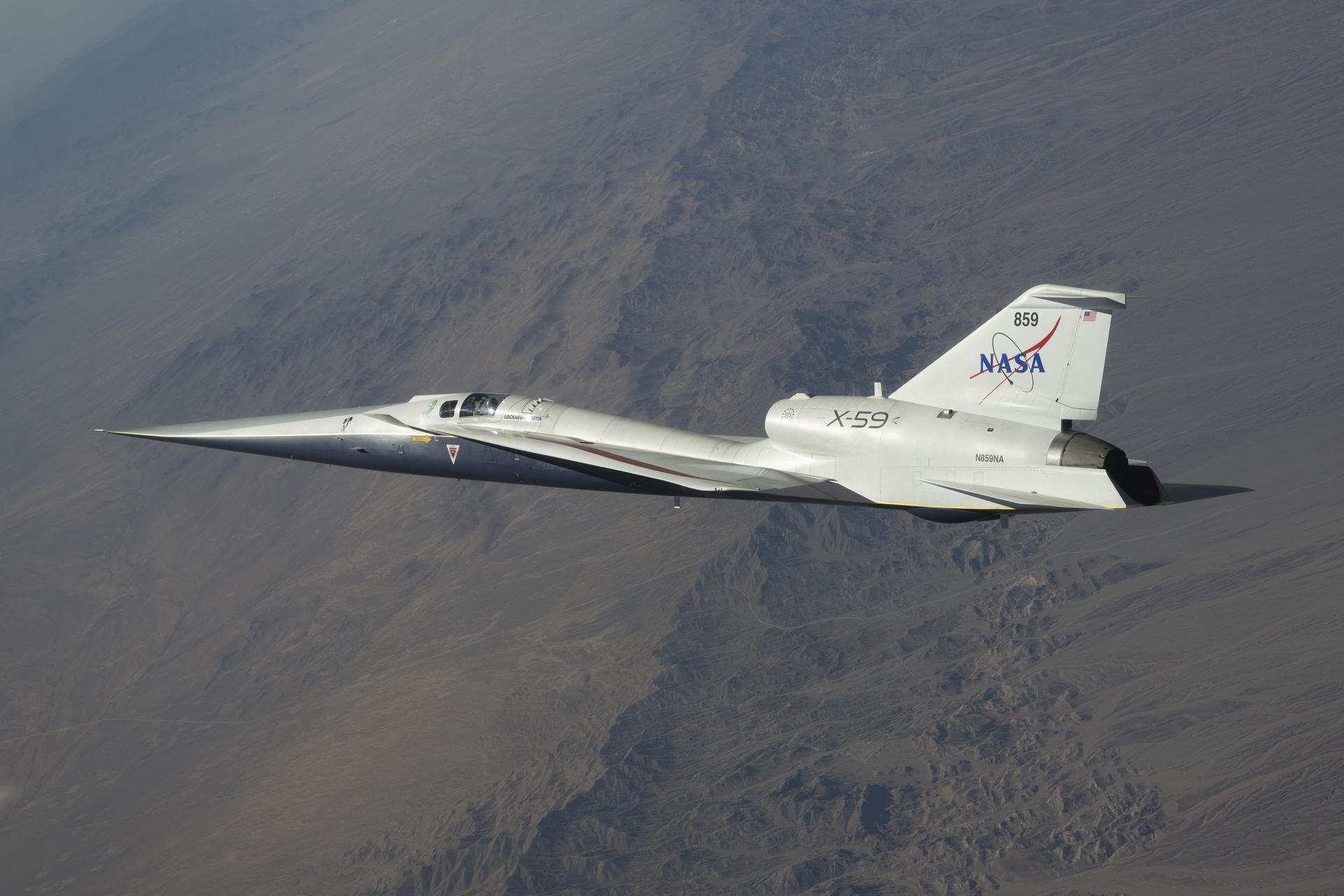
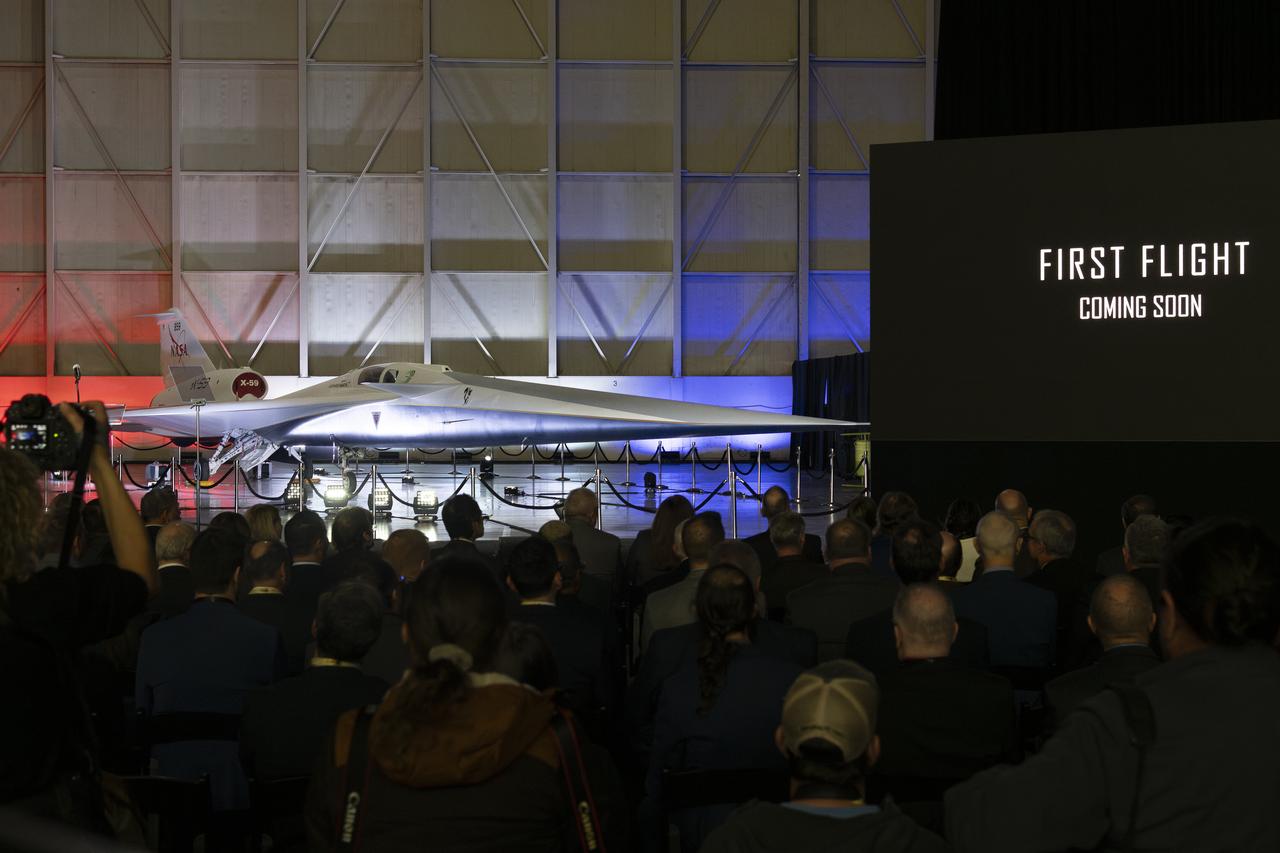
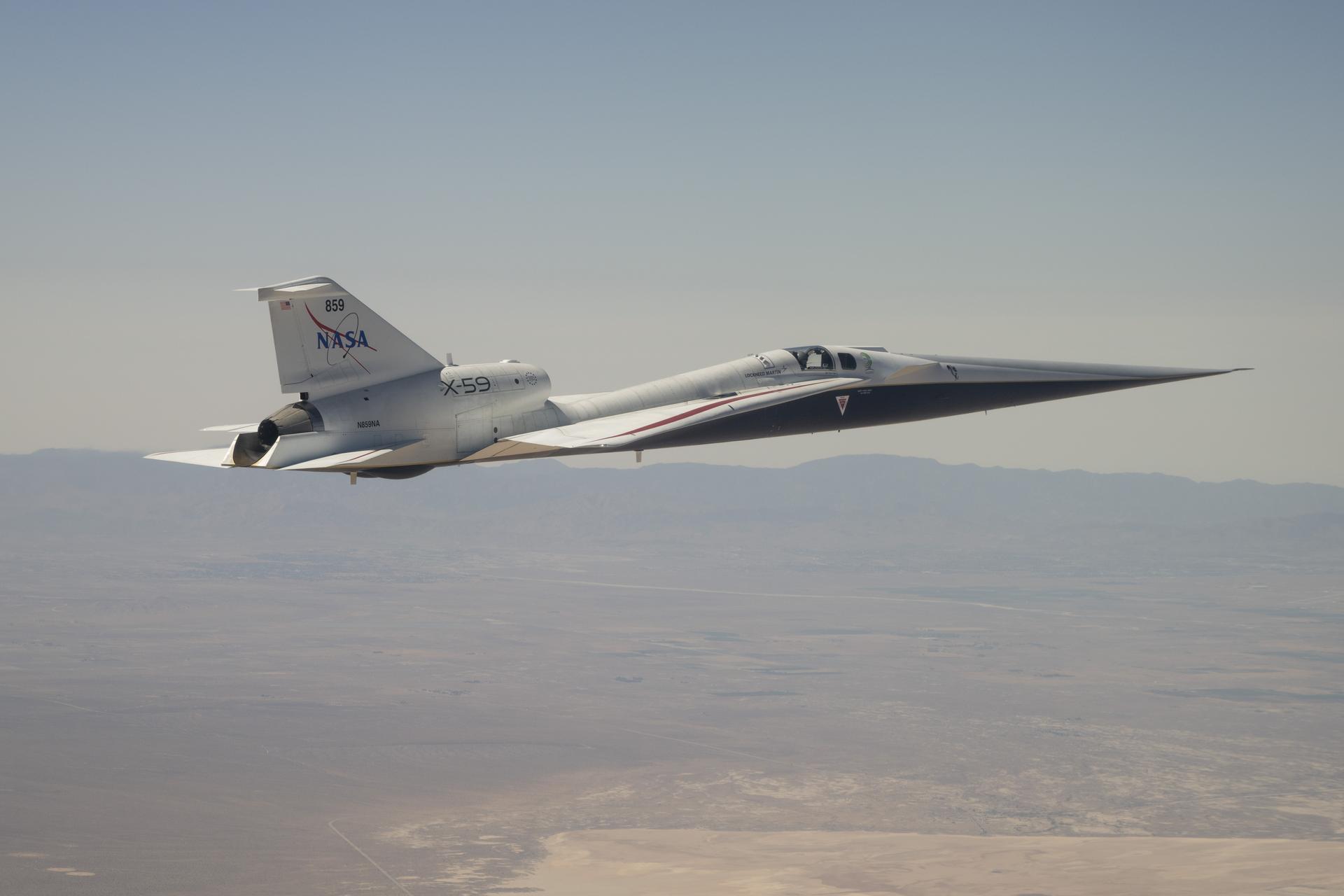
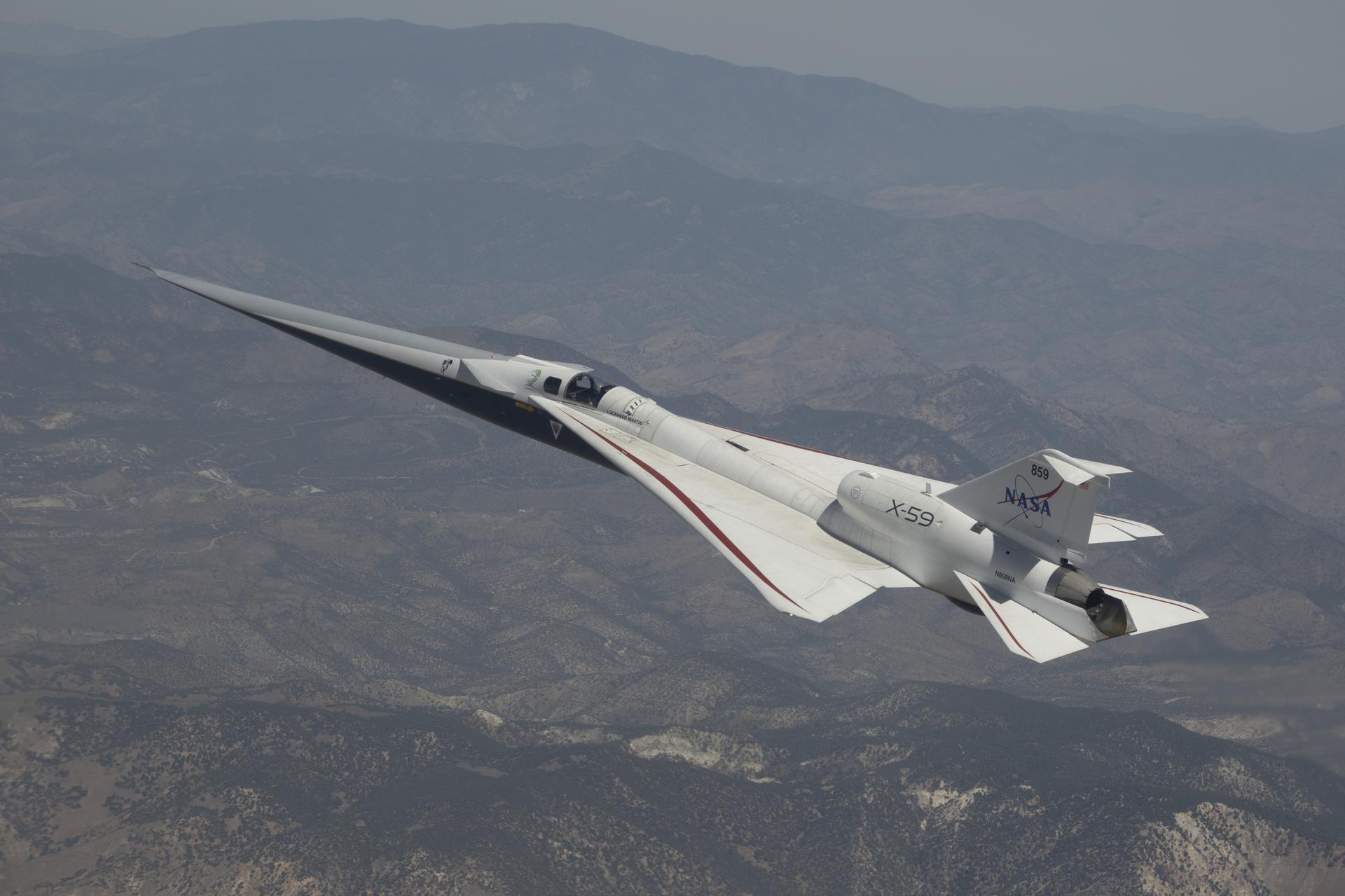
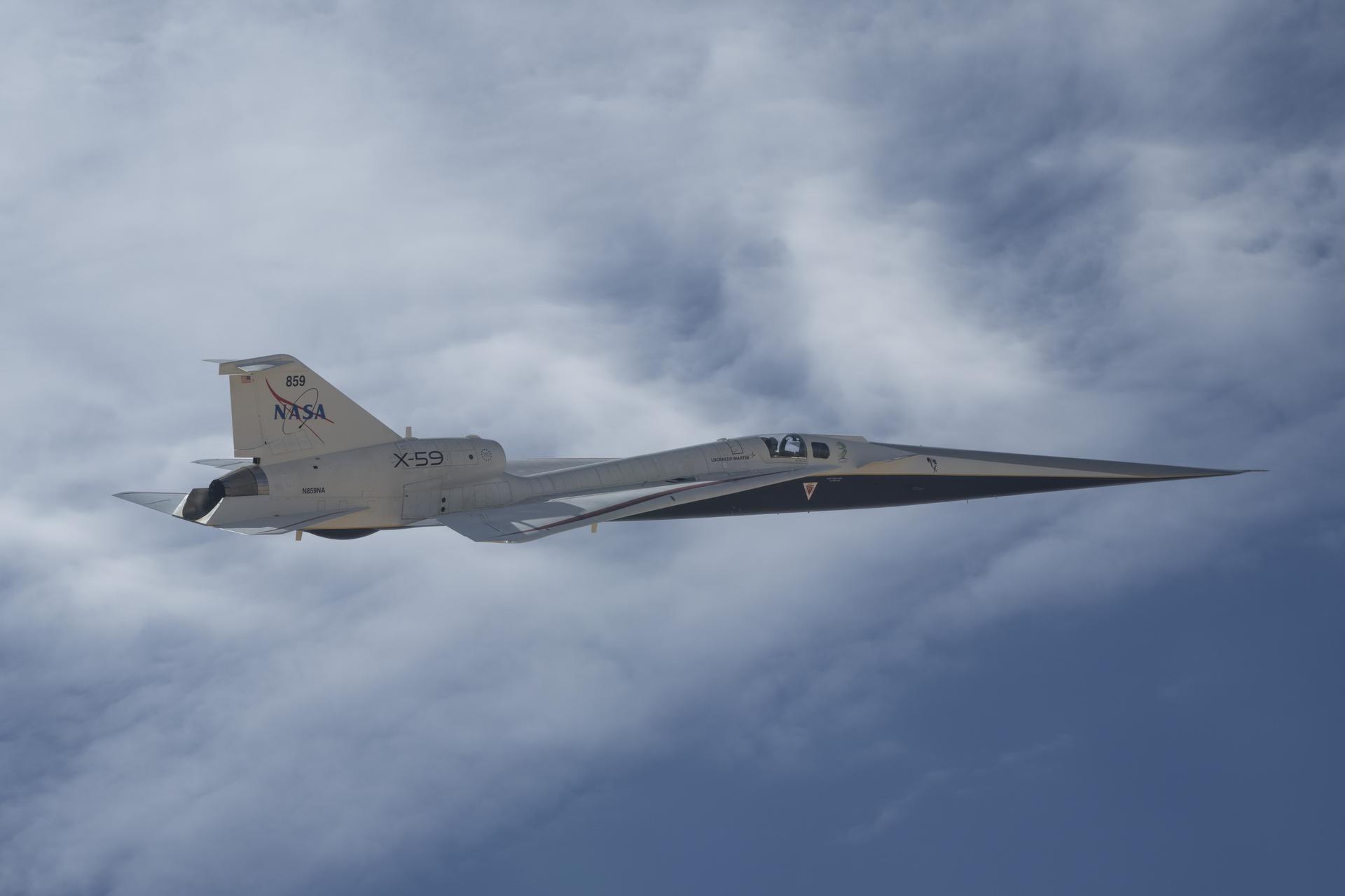
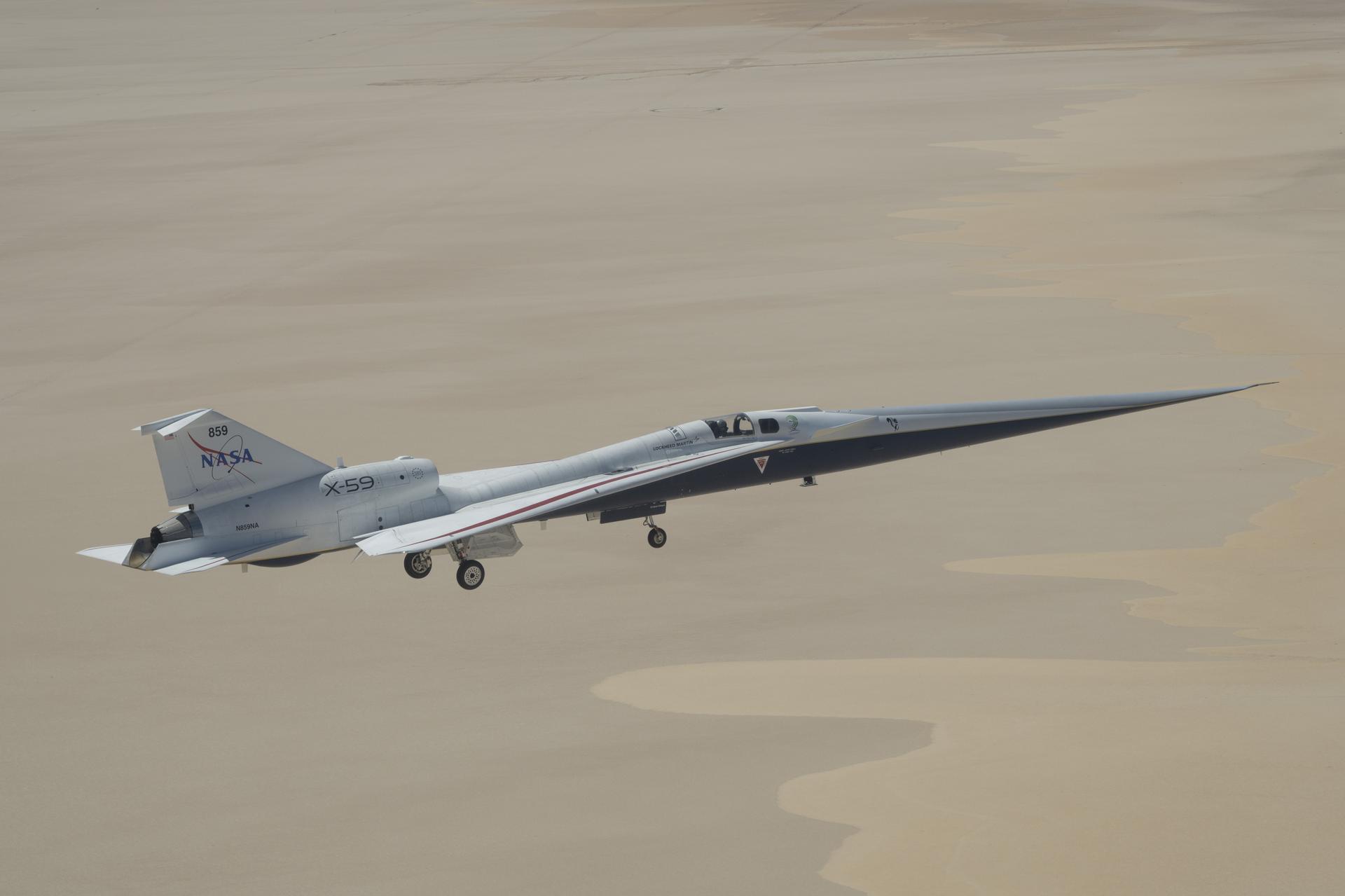
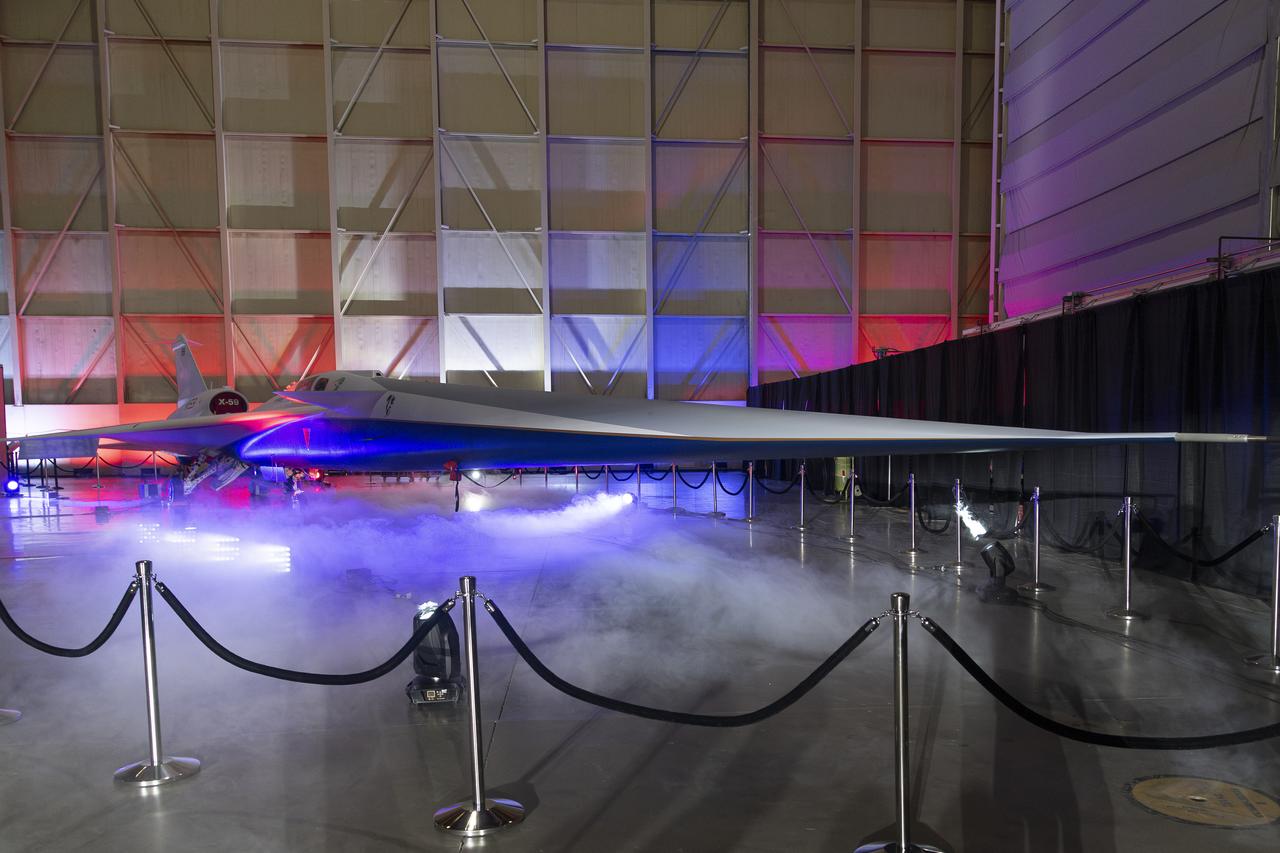
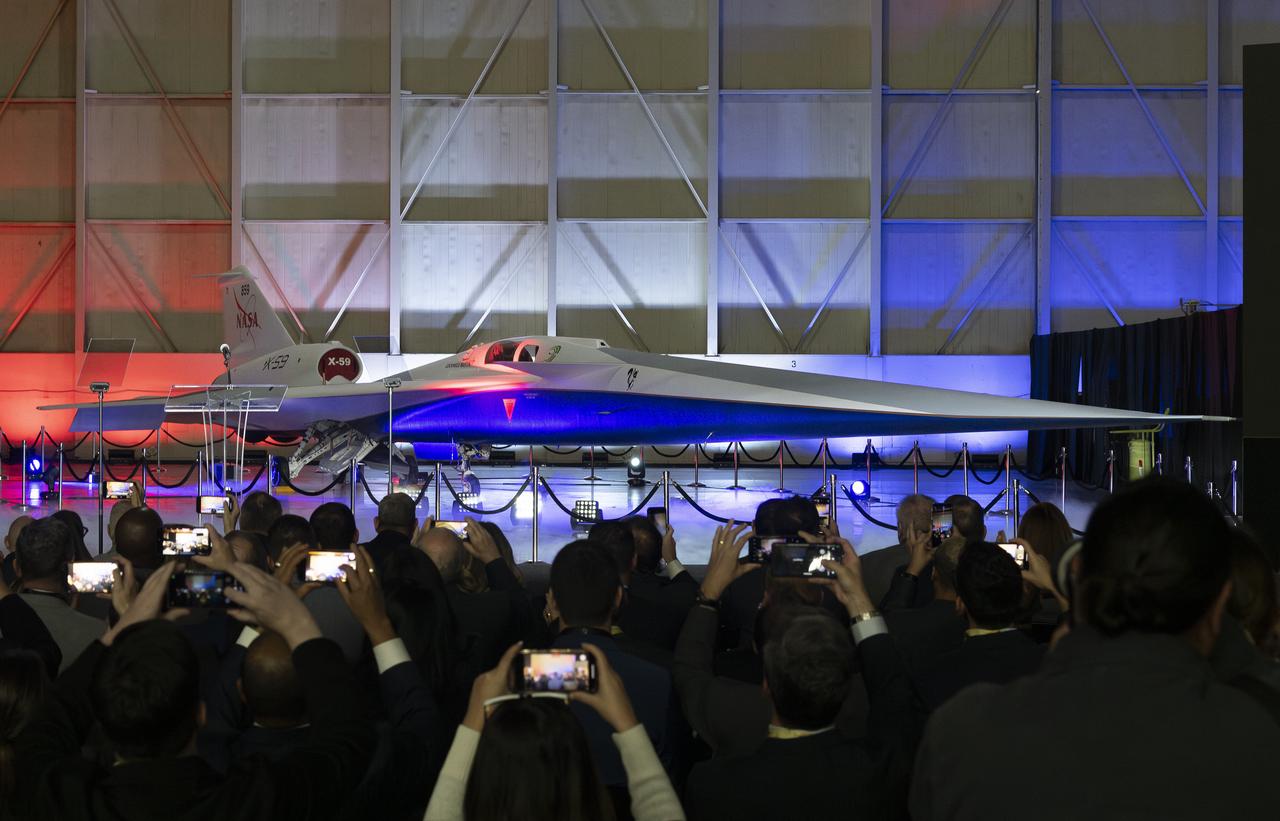
NASA’s X-59 quiet supersonic research aircraft is unveiled at a January 12, 2024 event at Lockheed Martin Skunk Works in Palmdale, California. The X-59 is the centerpiece of NASA’s Quesst mission, which seeks to solve one of the major barriers to supersonic flight over land, currently banned in the United States, by making sonic booms quieter.
NASA’s X-59 Quiet Supersonic Aircraft Unveiled
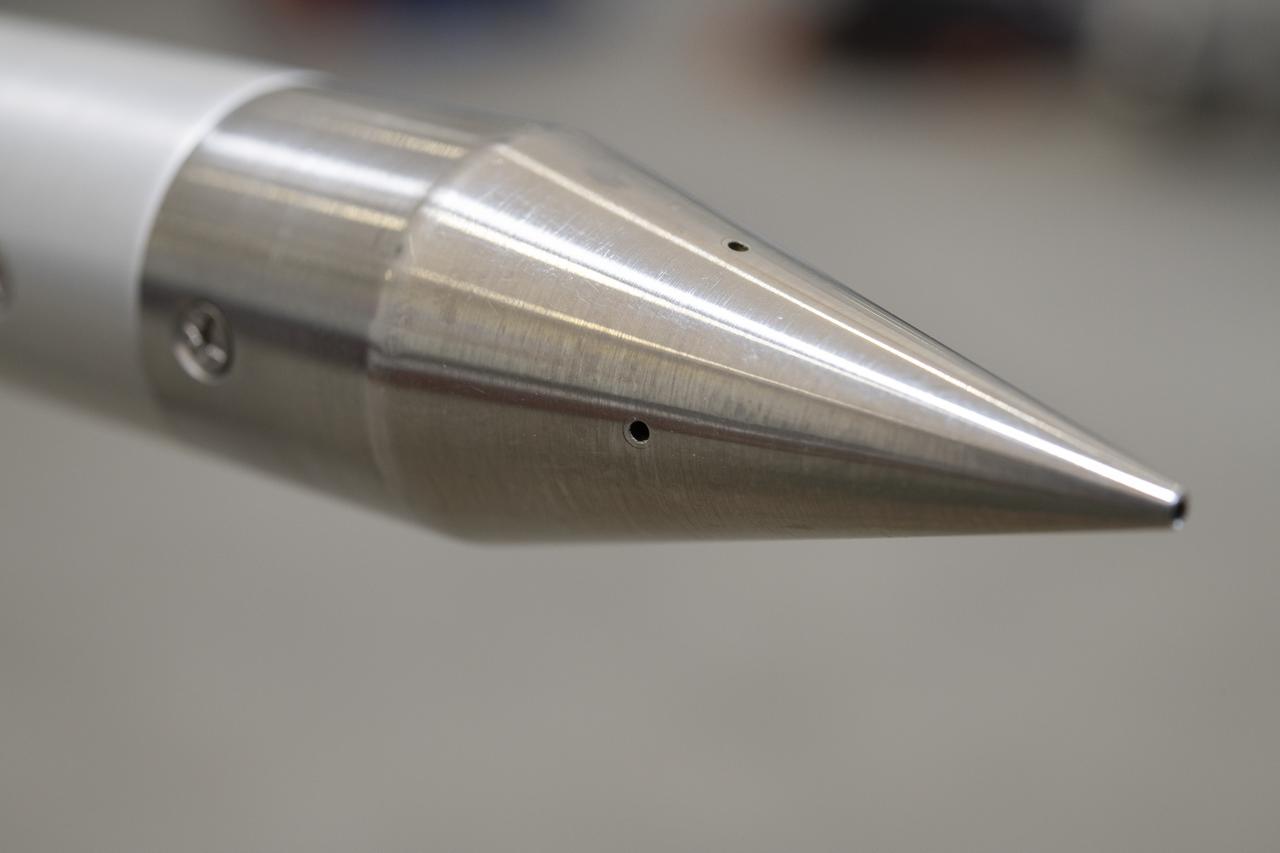
A close-up of NASA’s shock-sensing probe highlights its pressure ports, designed to measure air pressure changes during supersonic flight. The probe will be mounted on NASA’s F-15B Aeronautics Research Test Bed for calibration flights, validating its ability to measure shock waves generated by the X-59 as part of NASA's Quesst mission.
NASA’s Shock Sensing Probe Prepares for Supersonic Testing
Supersonic Free flight Wind tunnel model construction and firing techniques; separation of model and finger type sabot
ARC-1950-A-15590
Supersonic Transport installed in 40x80ft w.t.
ARC-1961-AC-27905-1
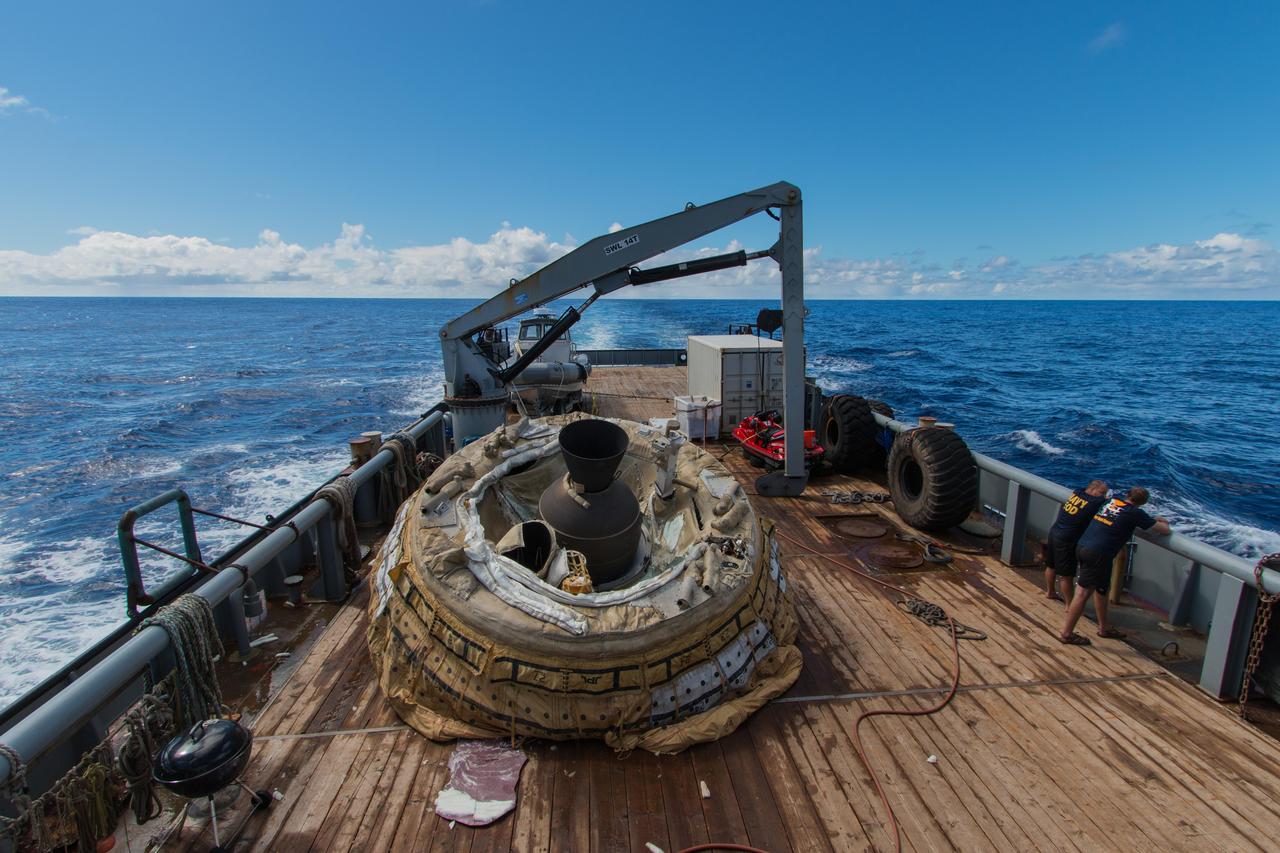
The first flown test vehicle of NASA Low-Density Supersonic Decelerator project relaxes aboard the recovery vessel Kahana.
First Seconds of LDSD Test
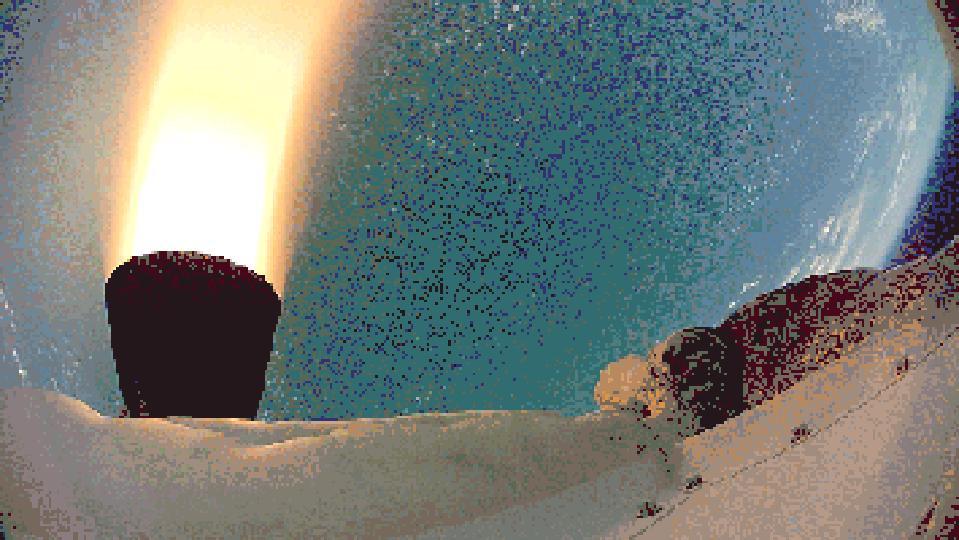
This frame from a video clip shows rockets fired by the test vehicle for NASA Low-Density Supersonic Decelerator project.
Firing the Saucer
The first flown test vehicle of NASA Low-Density Supersonic Decelerator project relaxes aboard the recovery vessel Kahana.
LDSD Saucer Aboard
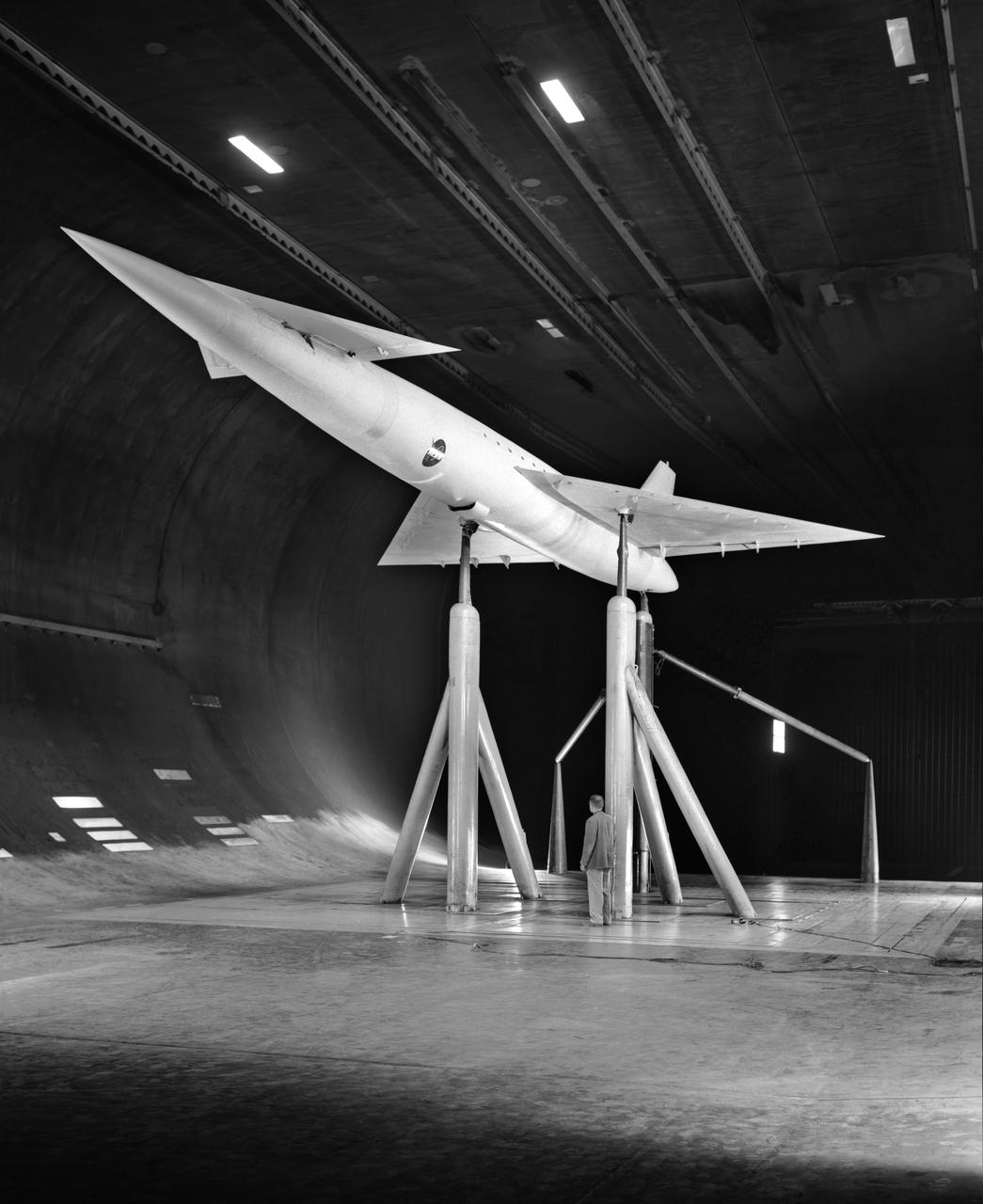
Supersonic Transport Model (SST) in 40x80ft w.t.
ARC-1962-A-28474
Supersonic Transport being installed in 40x80ft w.t.
ARC-1961-AC-27905-22
SCAT-15F supersonic transport model, lower 3/4 front view.
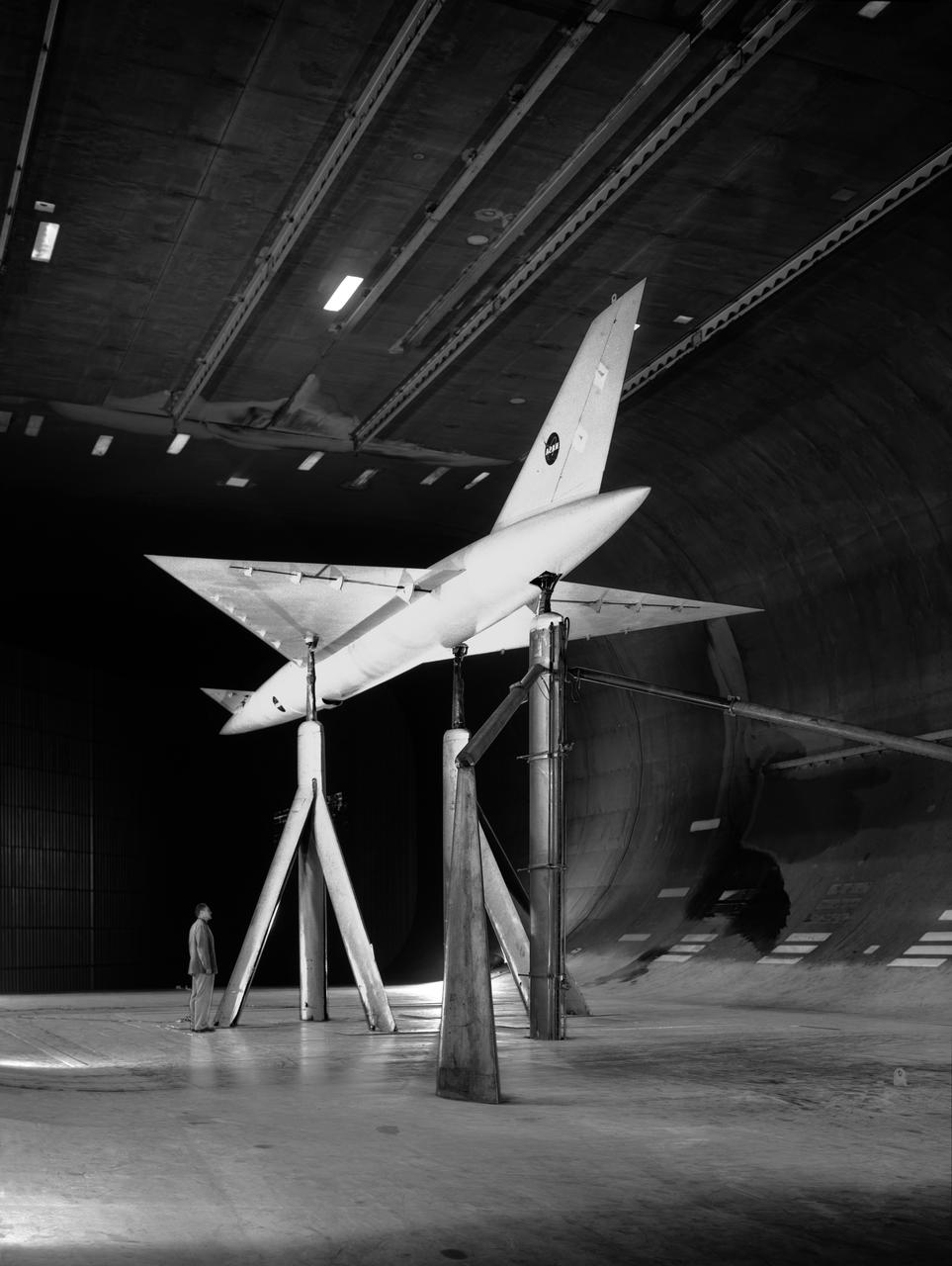
Supersonic Transport Model mounted in the Ames 40x80 Foot Wind Tunnel.
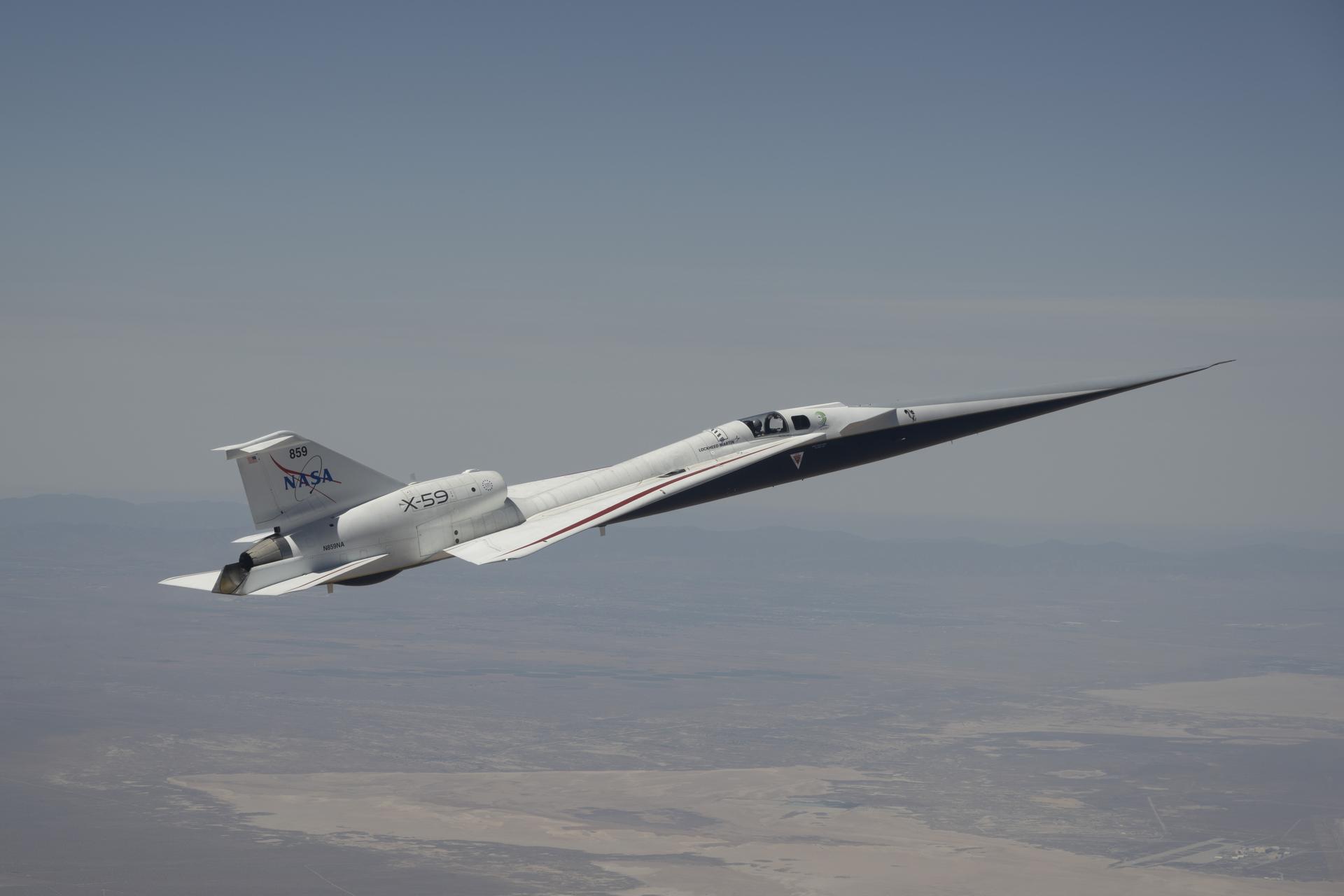
NASA and Lockheed Martin publicly unveil the X-59 quiet supersonic research aircraft at a ceremony in Lockheed Martin’s Skunk Works facility in Palmdale, California. The X-59 is the centerpiece of NASA’s Quesst mission, which seeks to solve one of the major barriers to supersonic flight over land, currently banned in the United States, by making sonic booms quieter.
NASA’s X-59 Quiet Supersonic Research Aircraft Unveiled
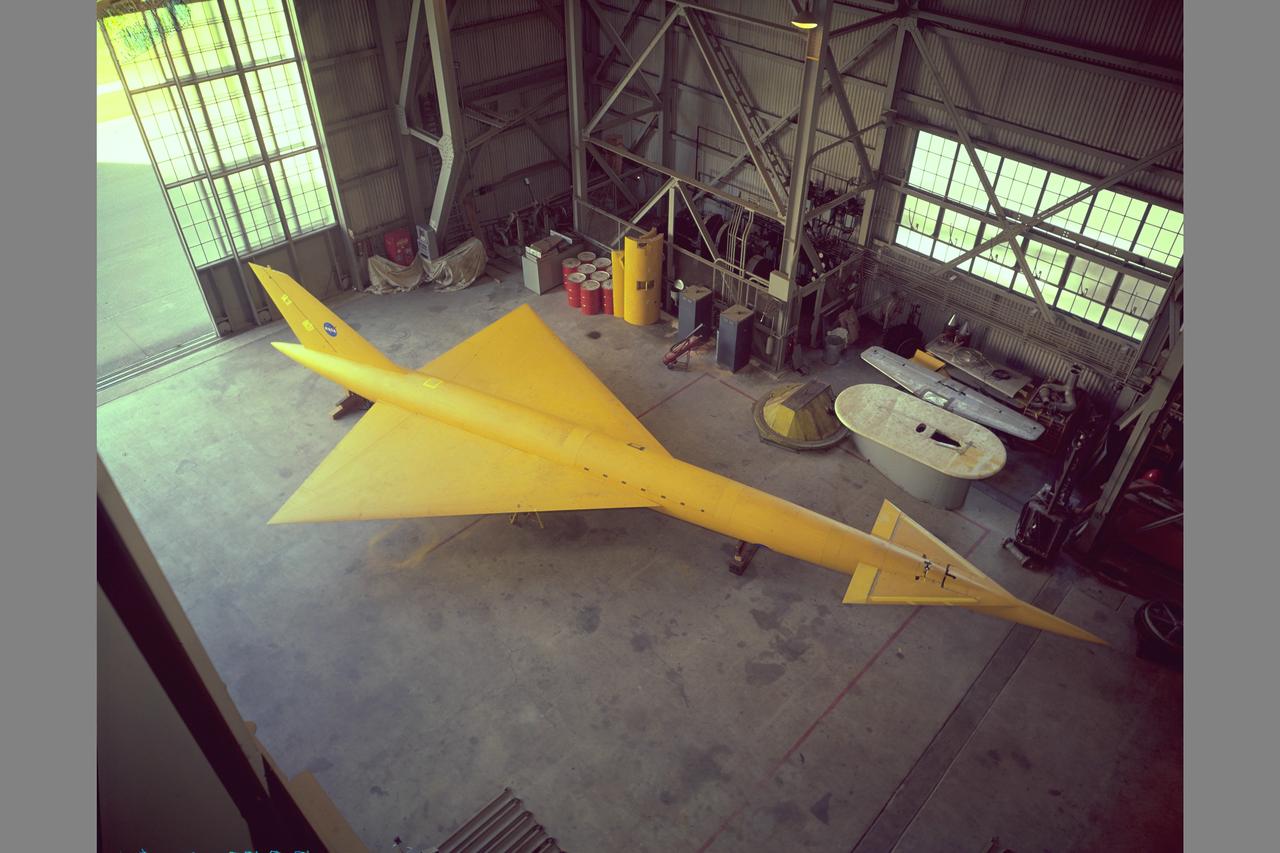
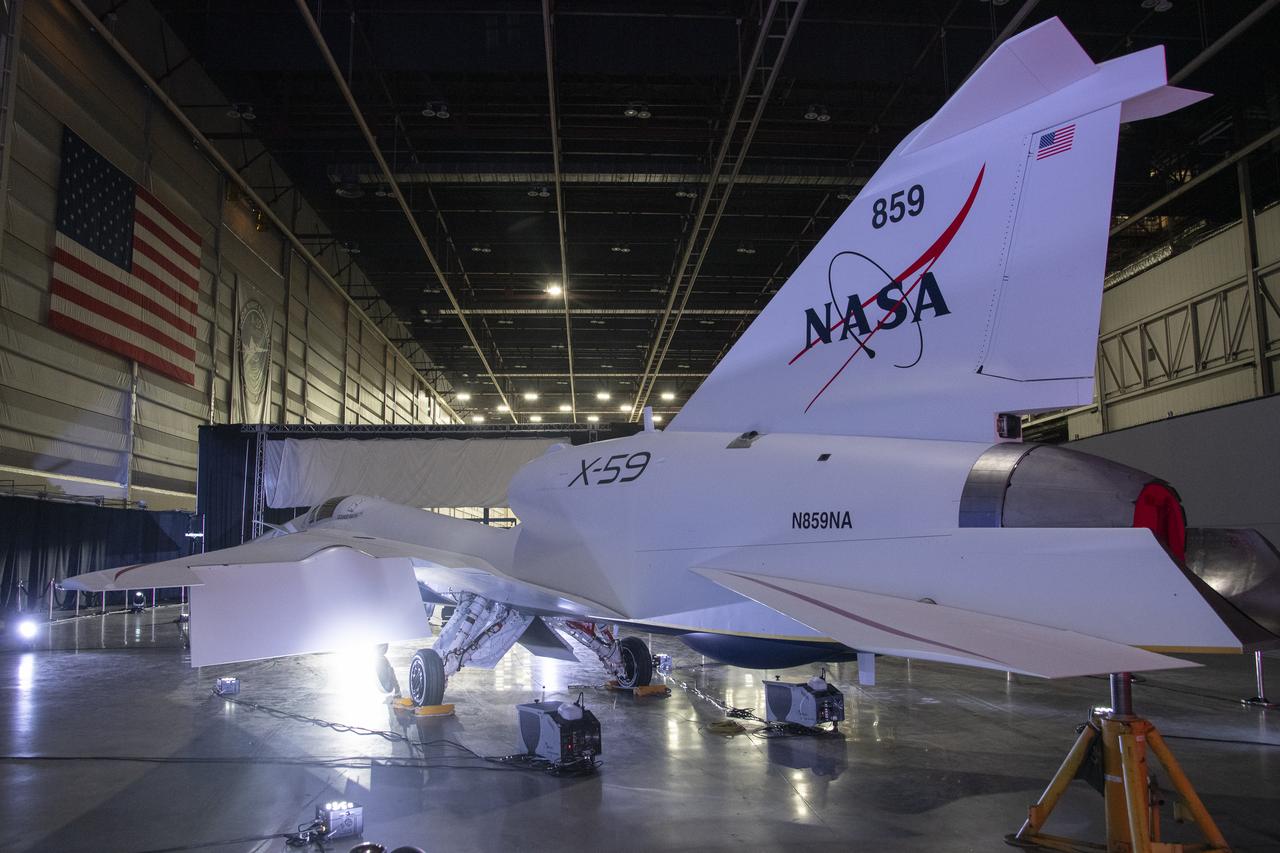
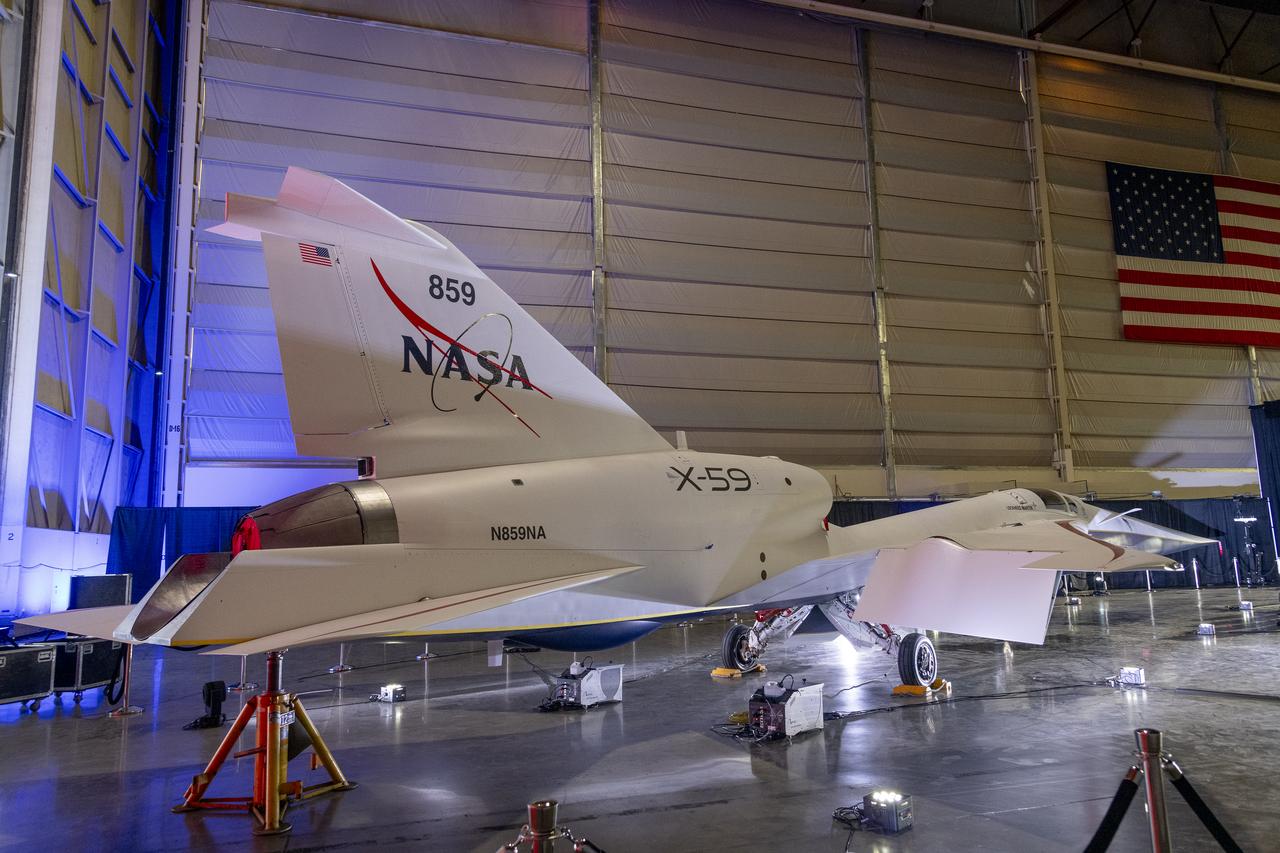
NASA’s X-59 quiet supersonic research aircraft sits in position inside a hangar at Lockheed Martin Skunk Works in Palmdale, California prior to its January 12, 2024 unveiling. The X-59 is the centerpiece of NASA’s Quesst mission, which seeks to solve one of the major barriers to supersonic flight over land, currently banned in the United States, by making sonic booms quieter.
NASA’s X-59 Quiet Supersonic Aircraft Prior to Unveiling
NASA’s X-59 quiet supersonic research aircraft sits in position inside a hangar at Lockheed Martin Skunk Works in Palmdale, California prior to its January 12, 2024 unveiling. The X-59 is the centerpiece of NASA’s Quesst mission, which seeks to solve one of the major barriers to supersonic flight over land, currently banned in the United States, by making sonic booms quieter.
NASA’s X-59 Quiet Supersonic Aircraft Prior to Unveiling
NASA’s X-59 quiet supersonic research aircraft sits in position inside a hangar at Lockheed Martin Skunk Works in Palmdale, California prior to its January 12, 2024 unveiling. The X-59 is the centerpiece of NASA’s Quesst mission, which seeks to solve one of the major barriers to supersonic flight over land, currently banned in the United States, by making sonic booms quieter.
NASA’s X-59 Quiet Supersonic Aircraft Prior to Unveiling
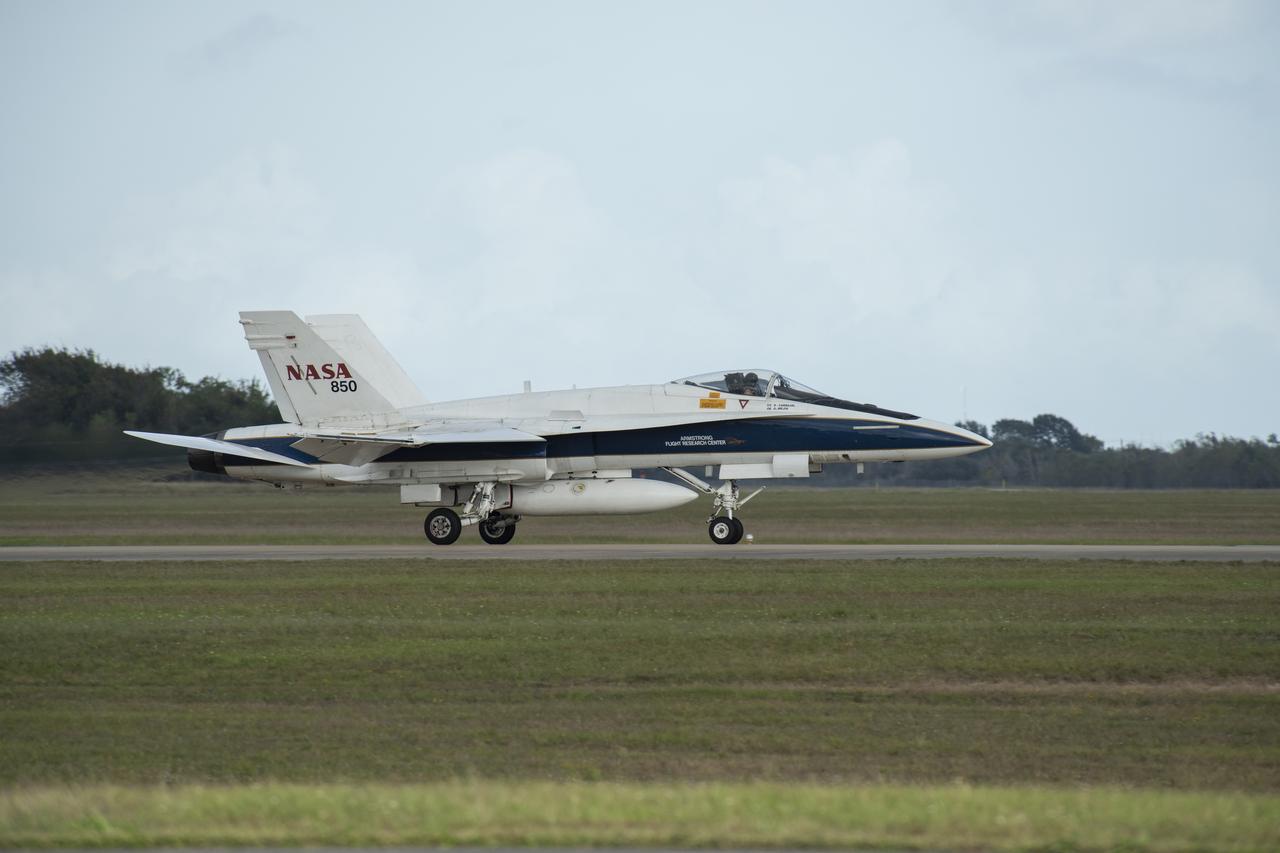
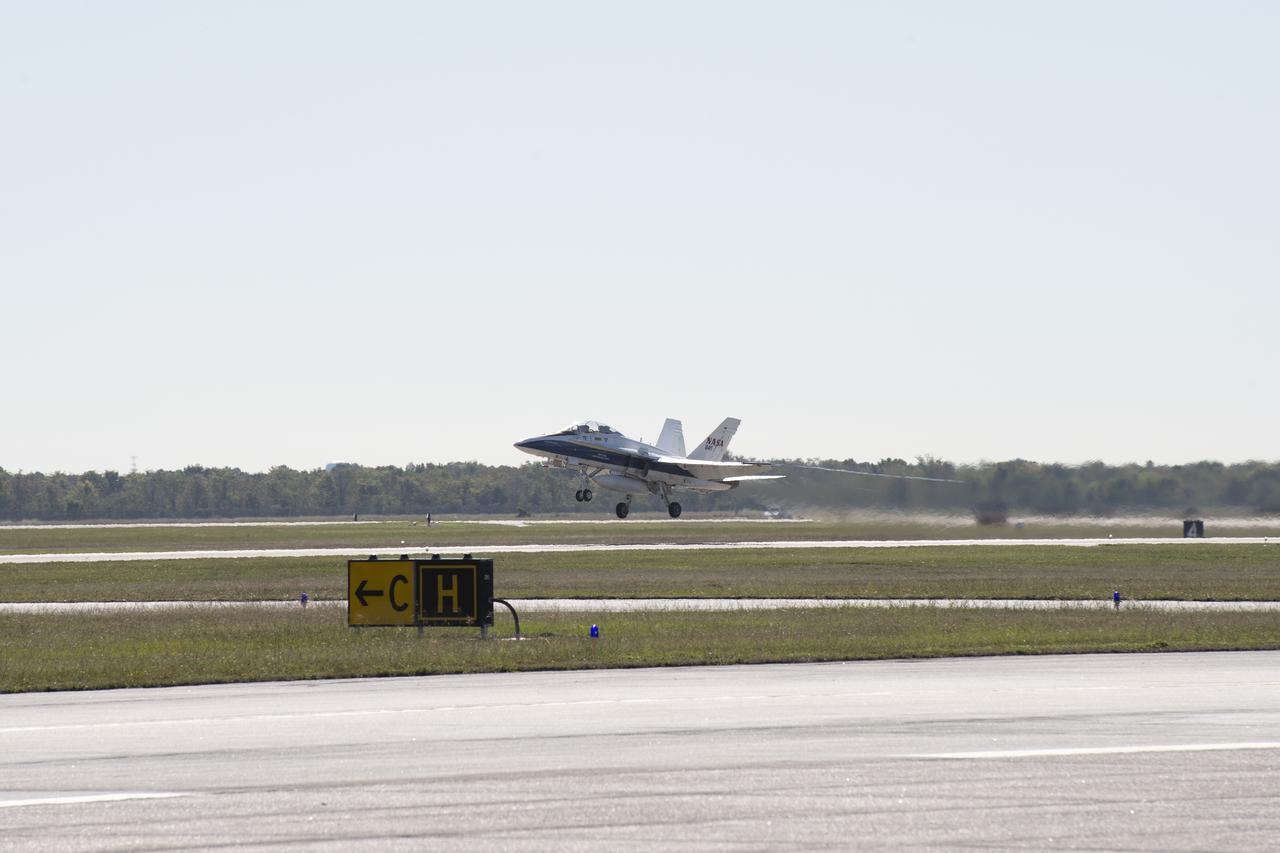
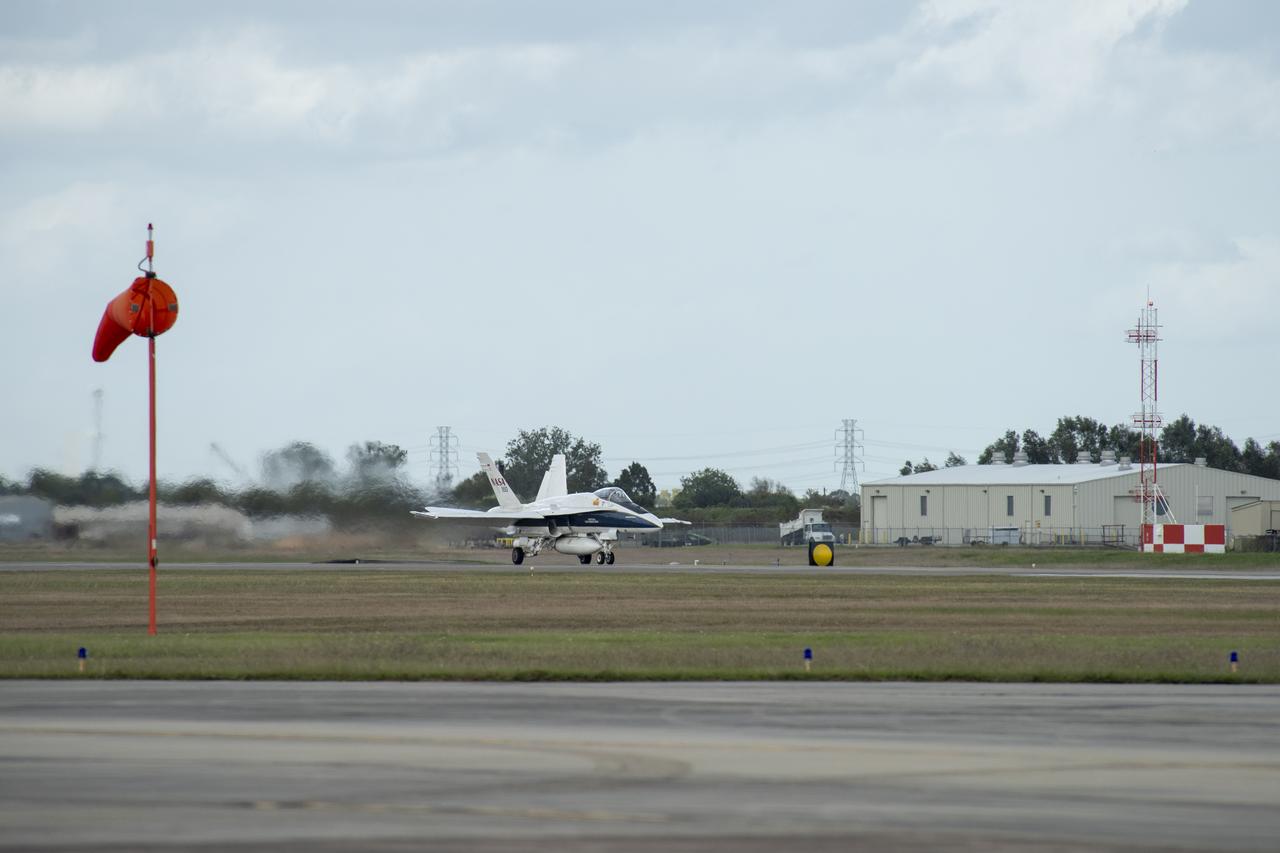
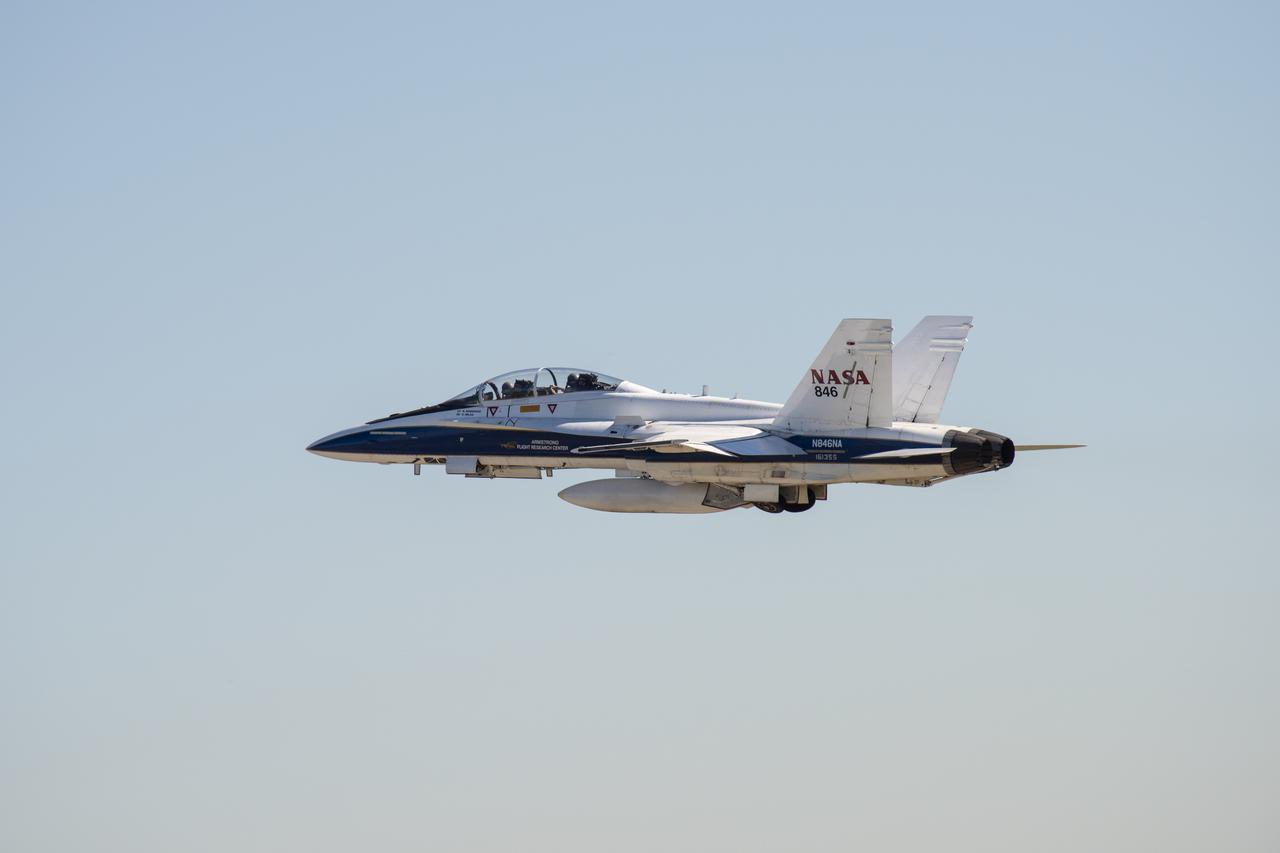
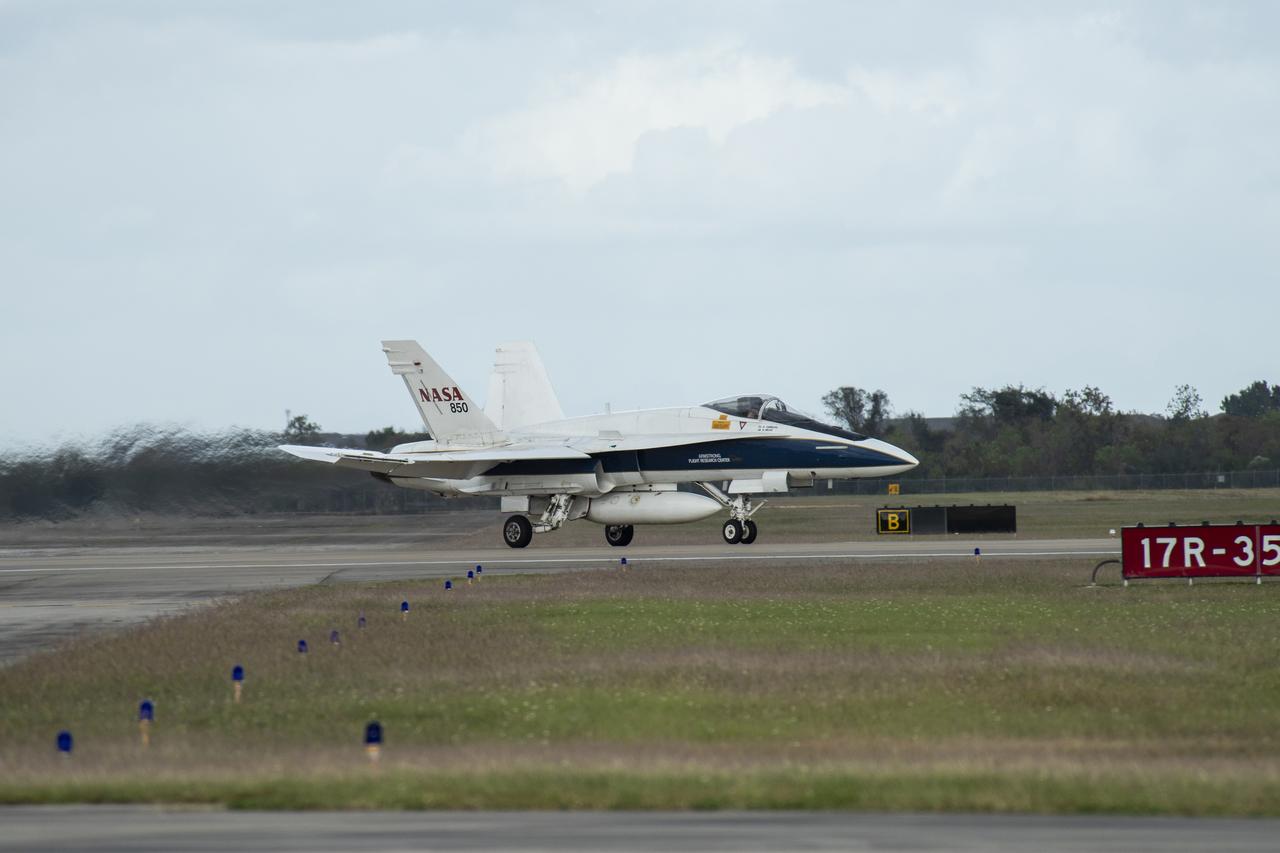
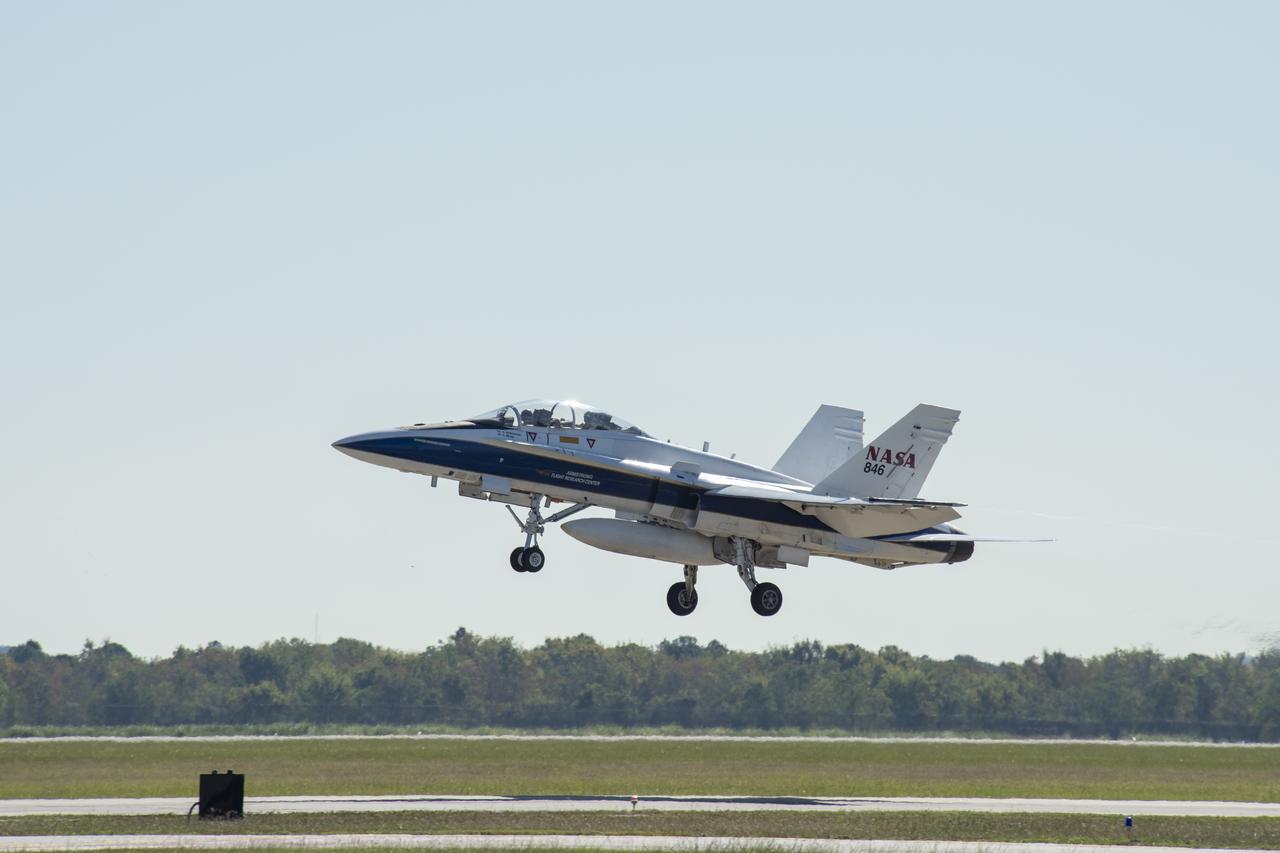
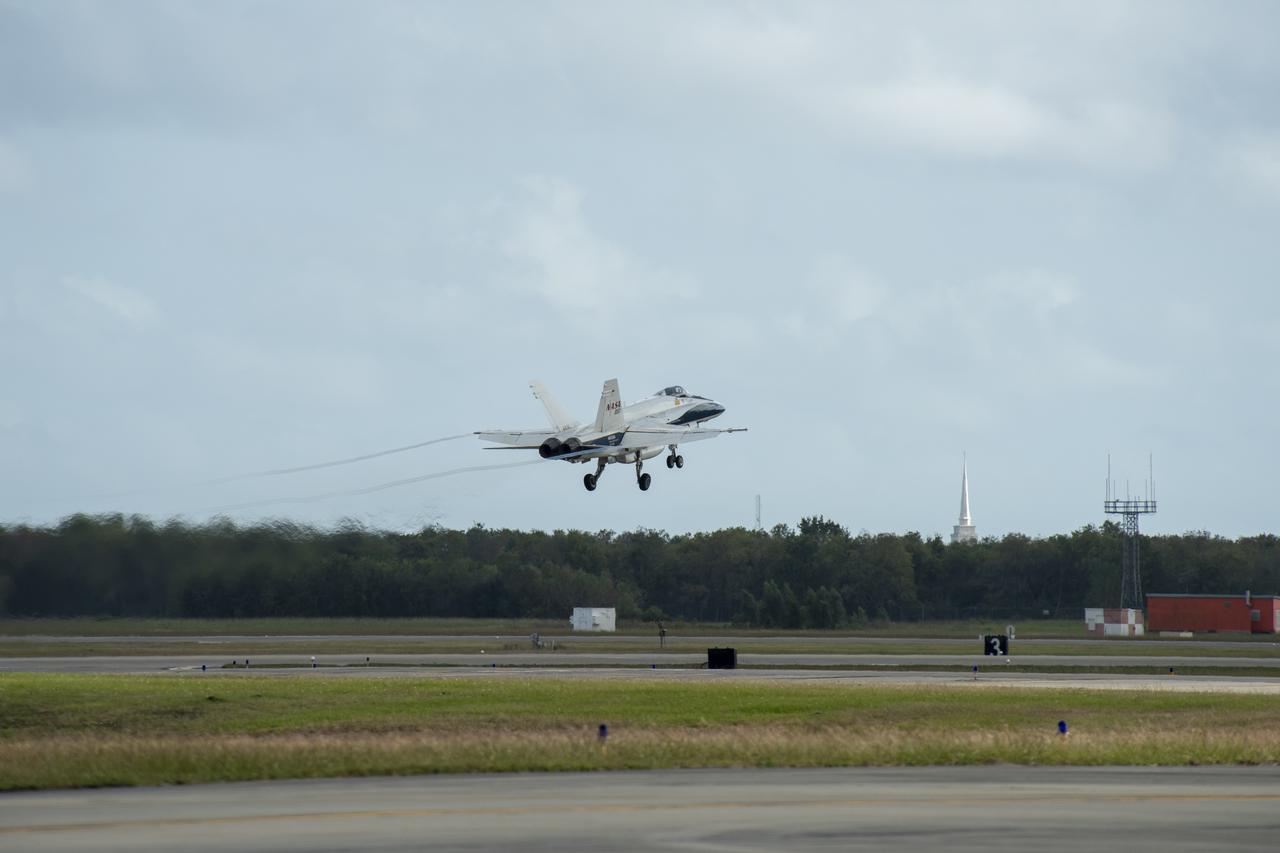
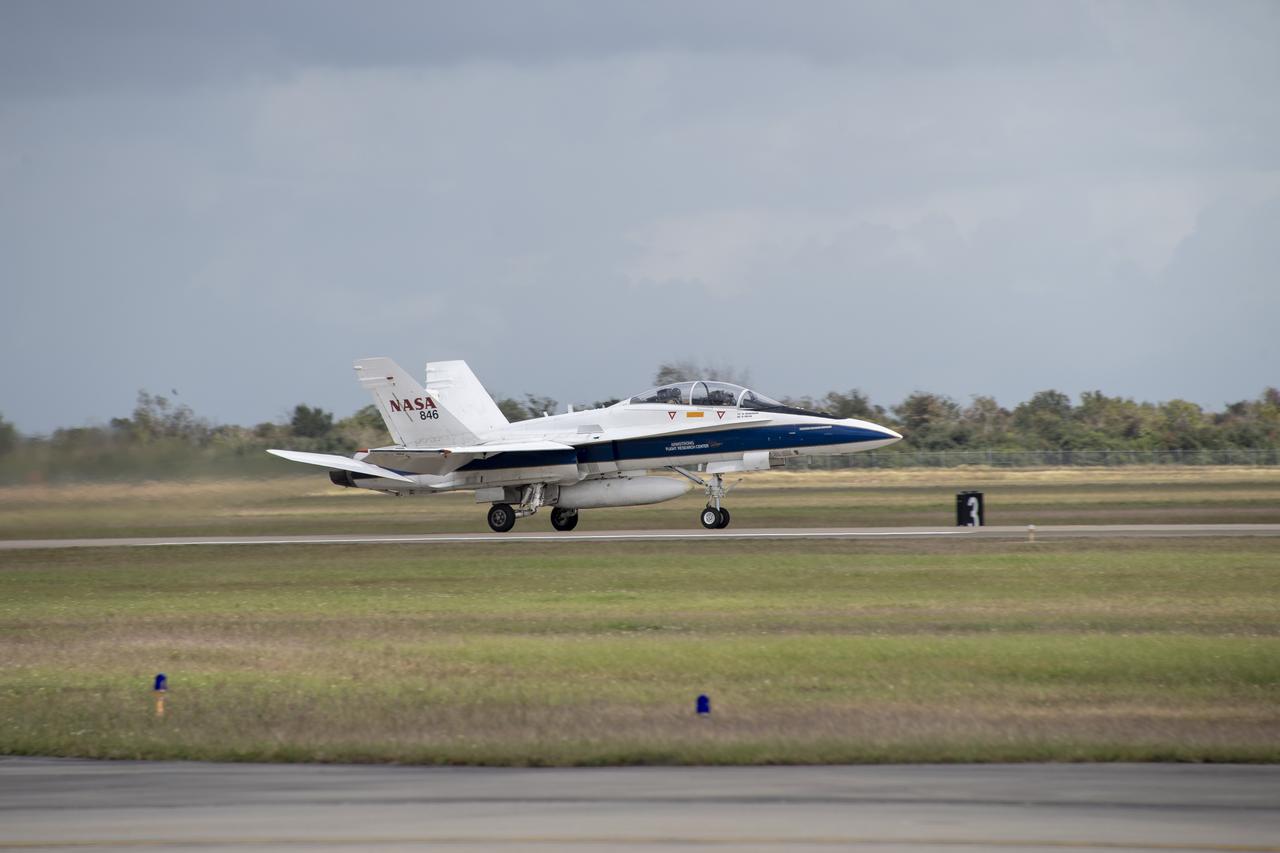
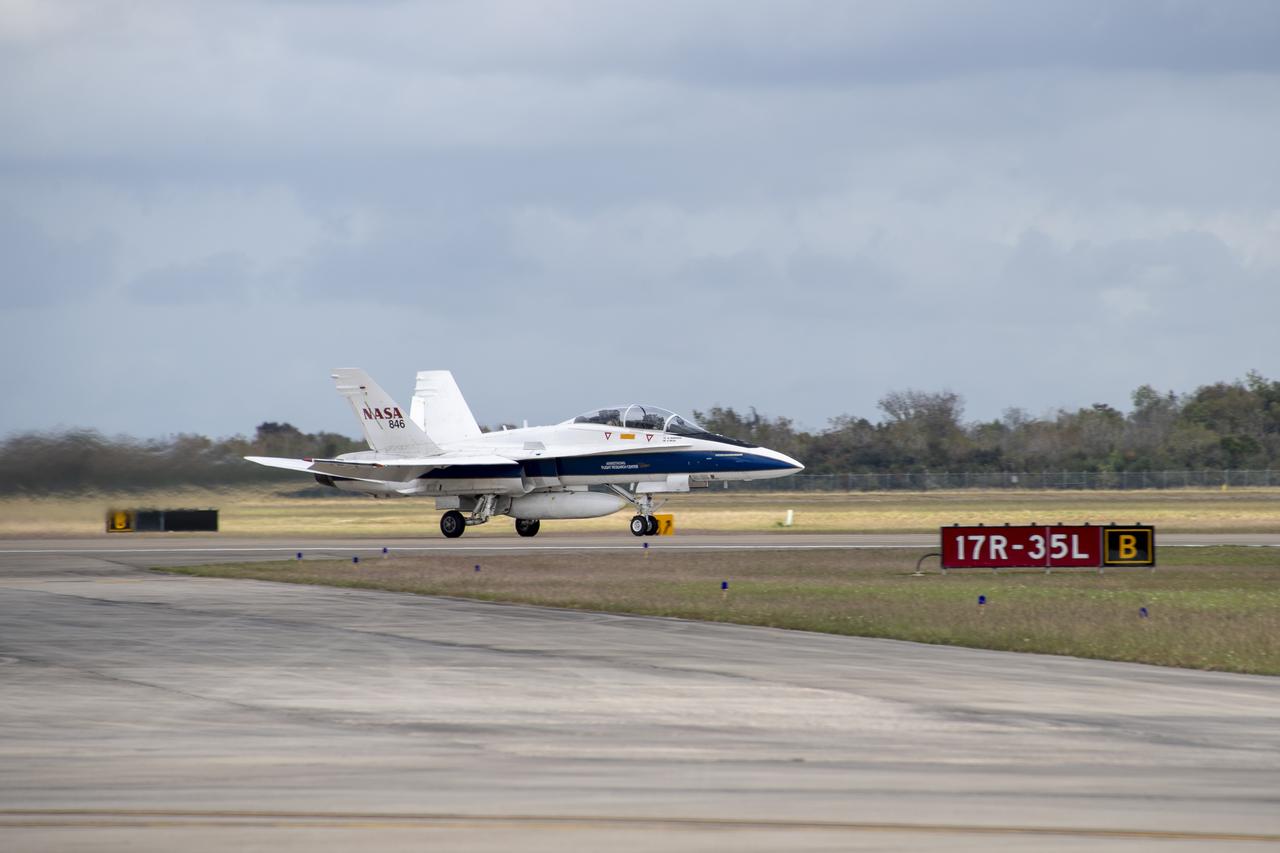
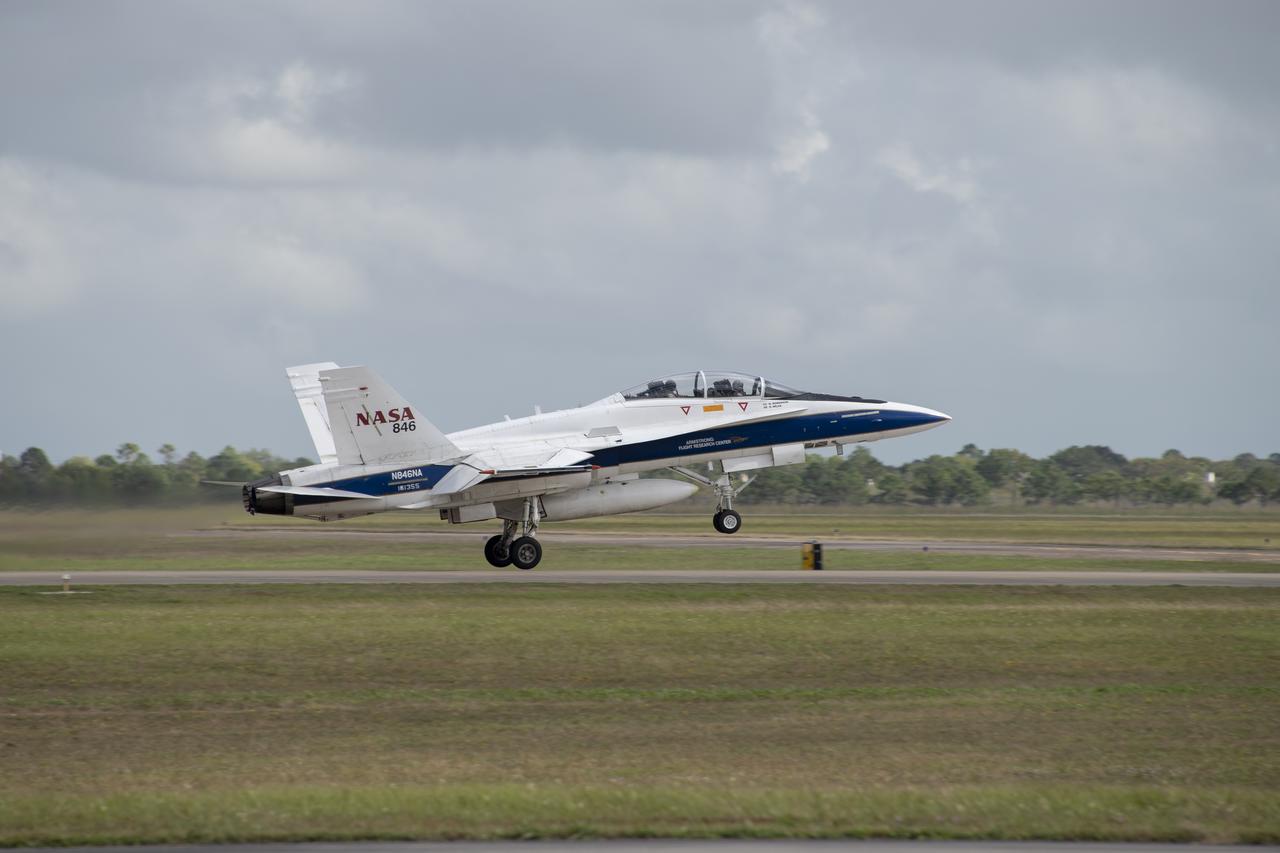
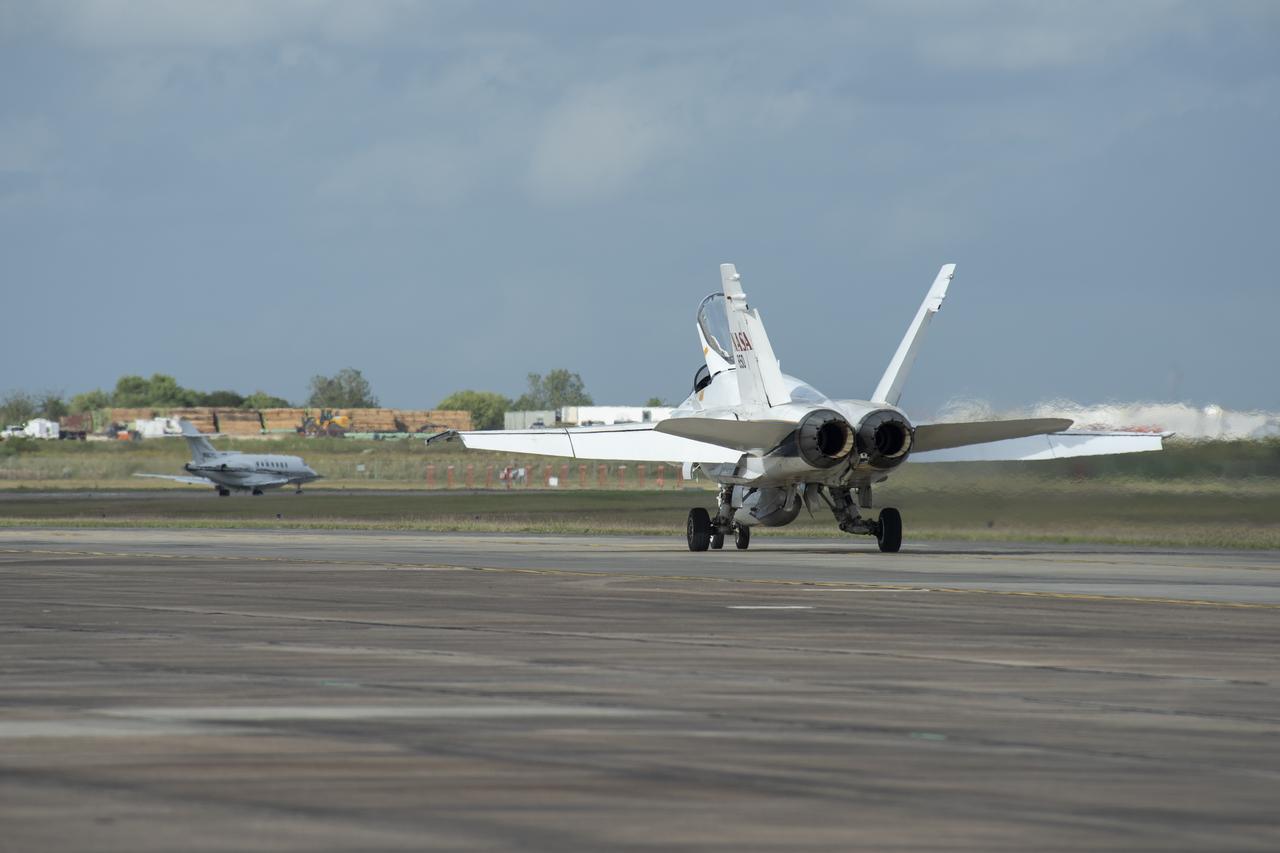
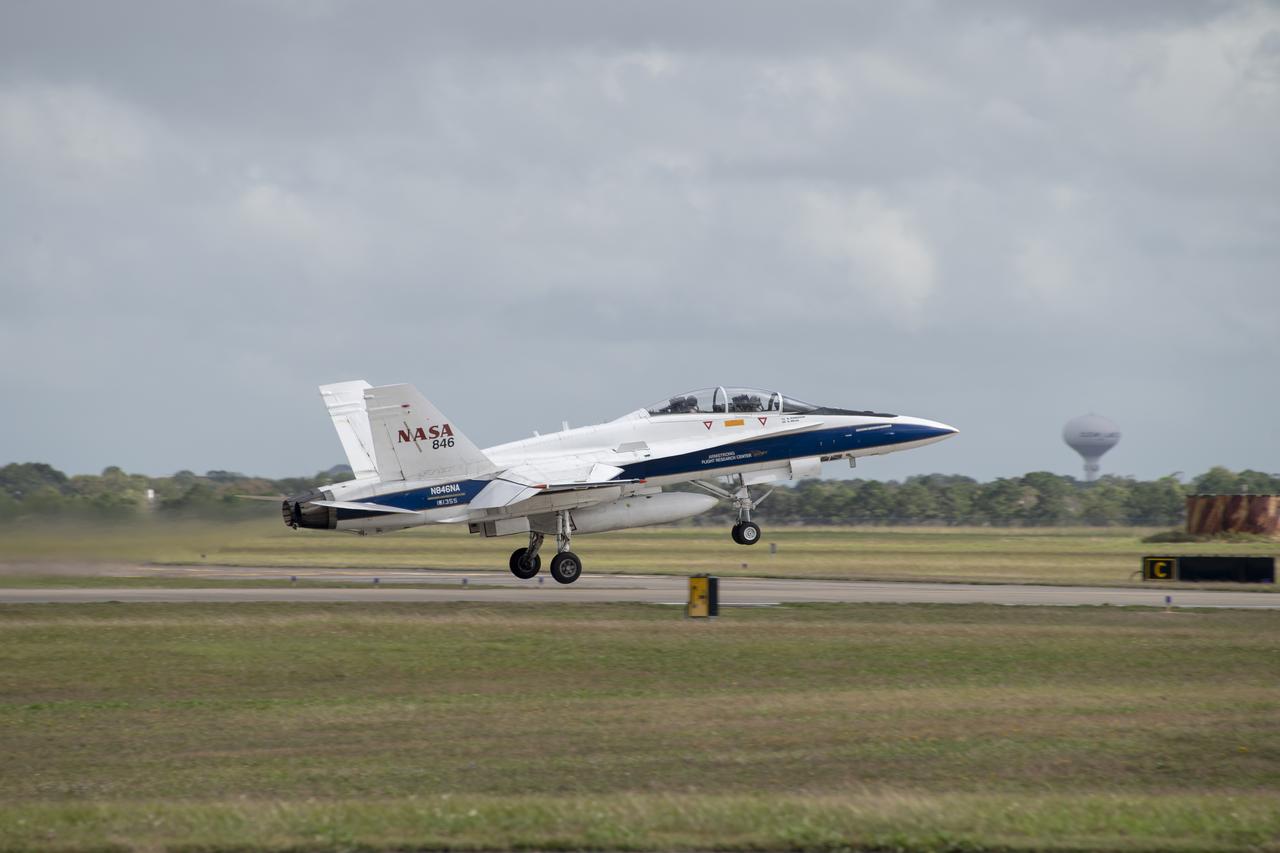
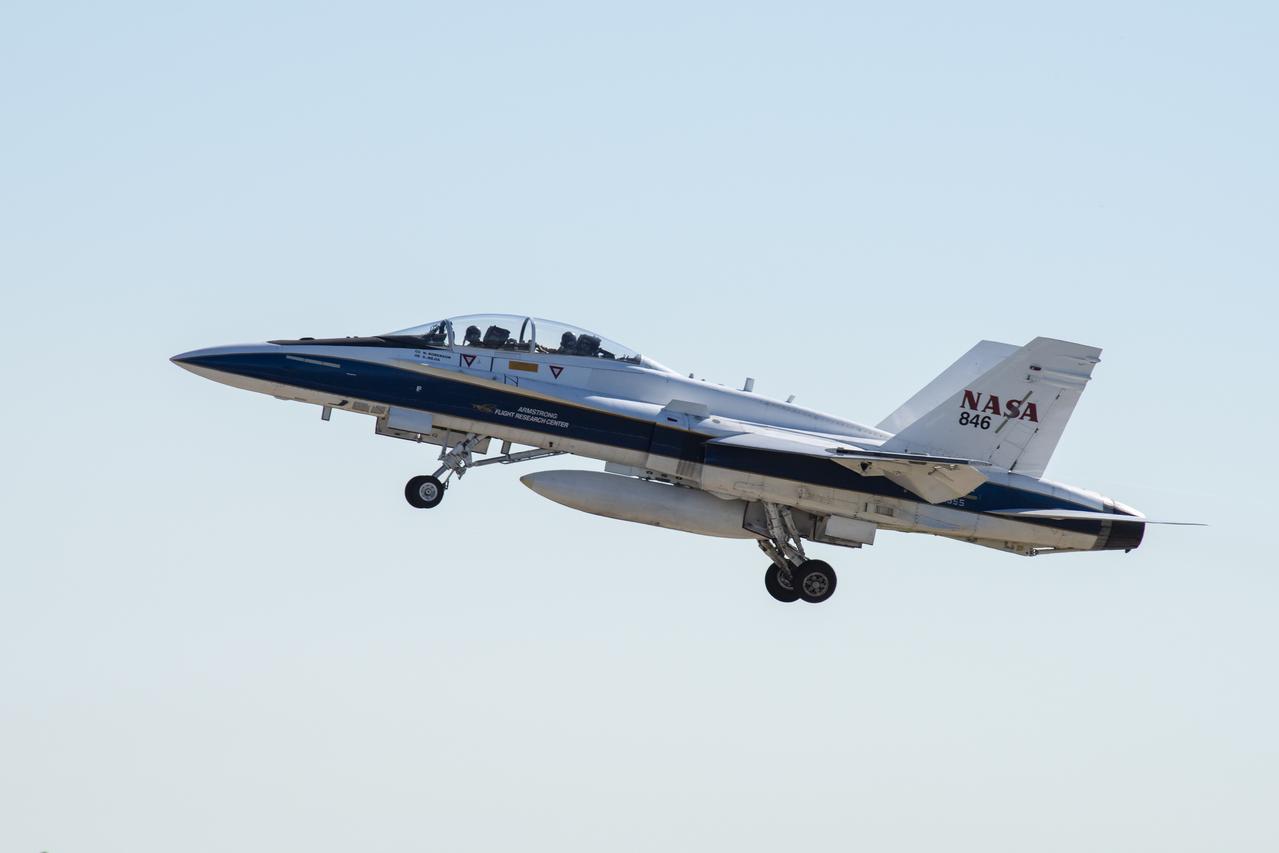
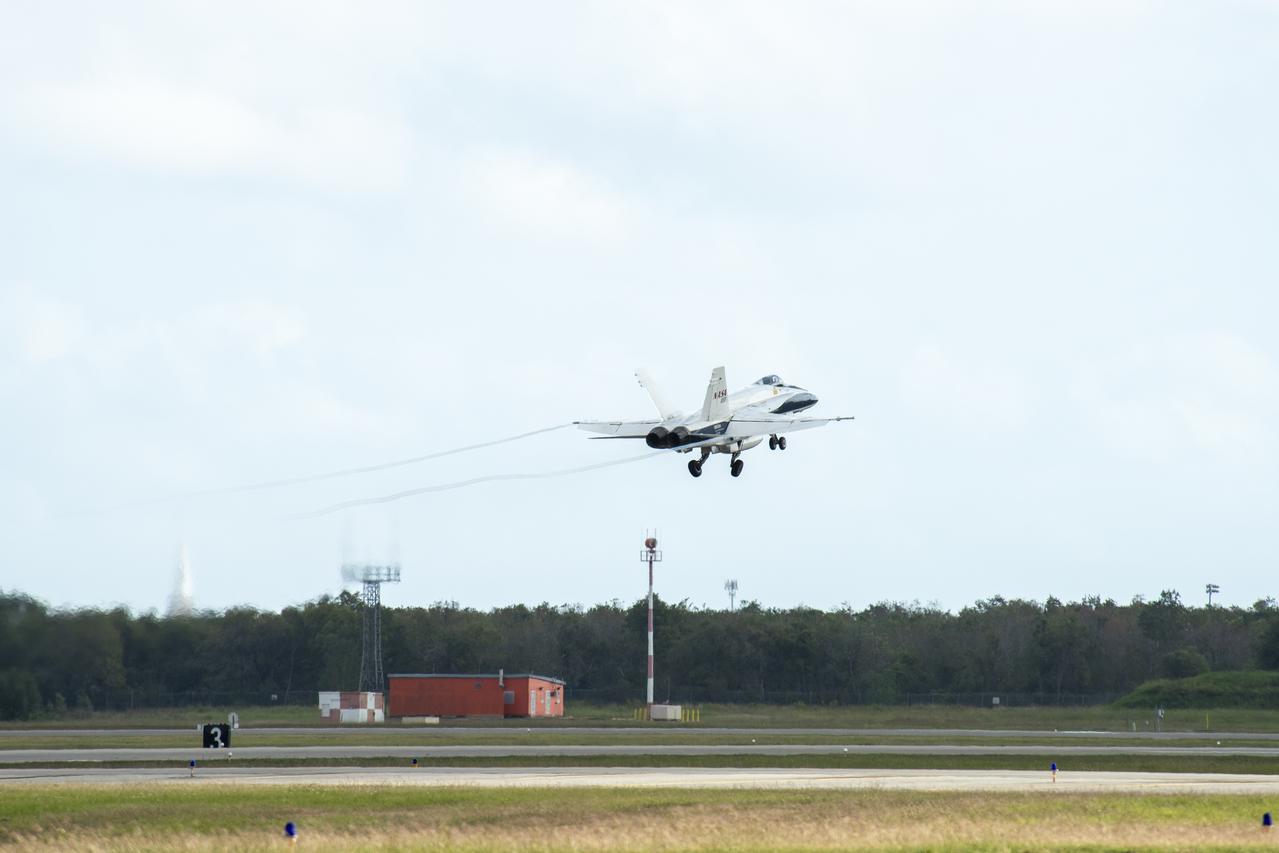
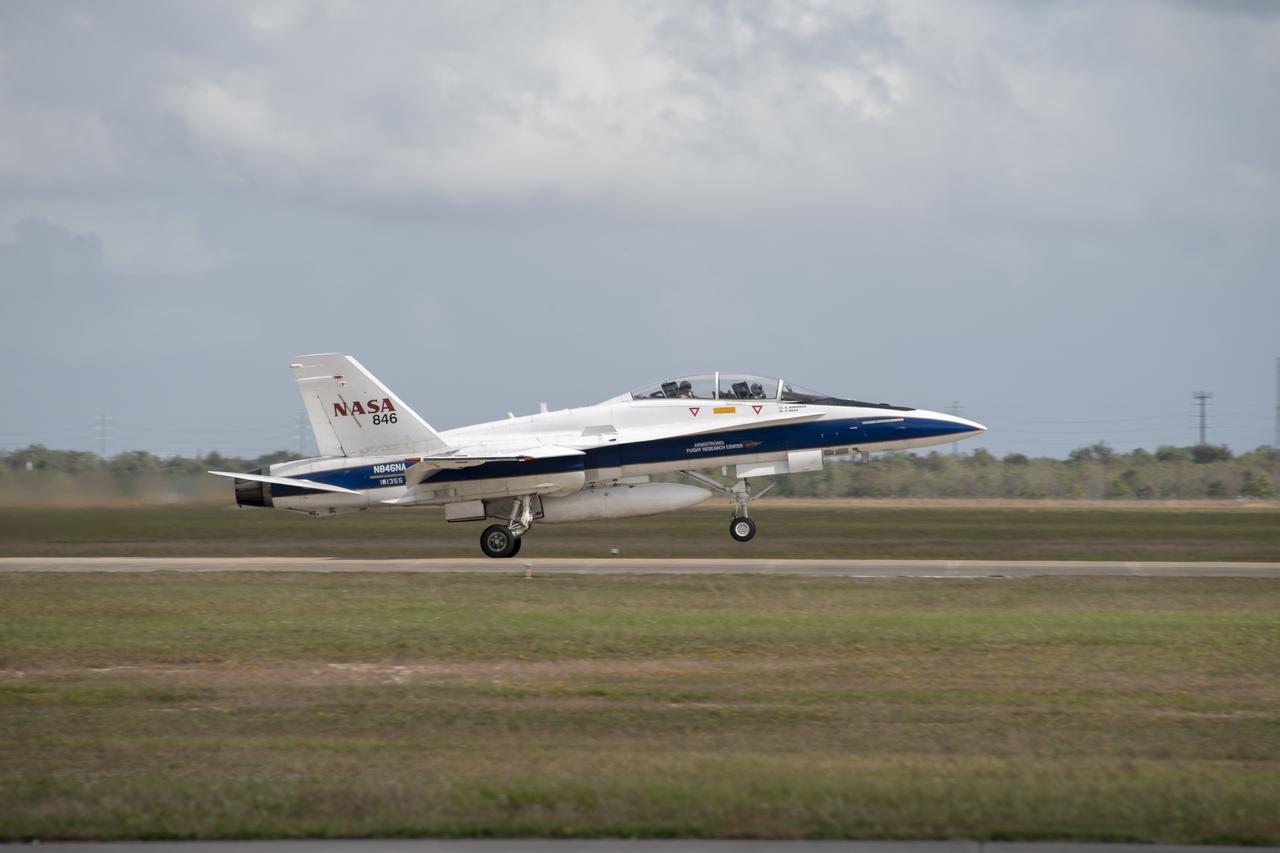
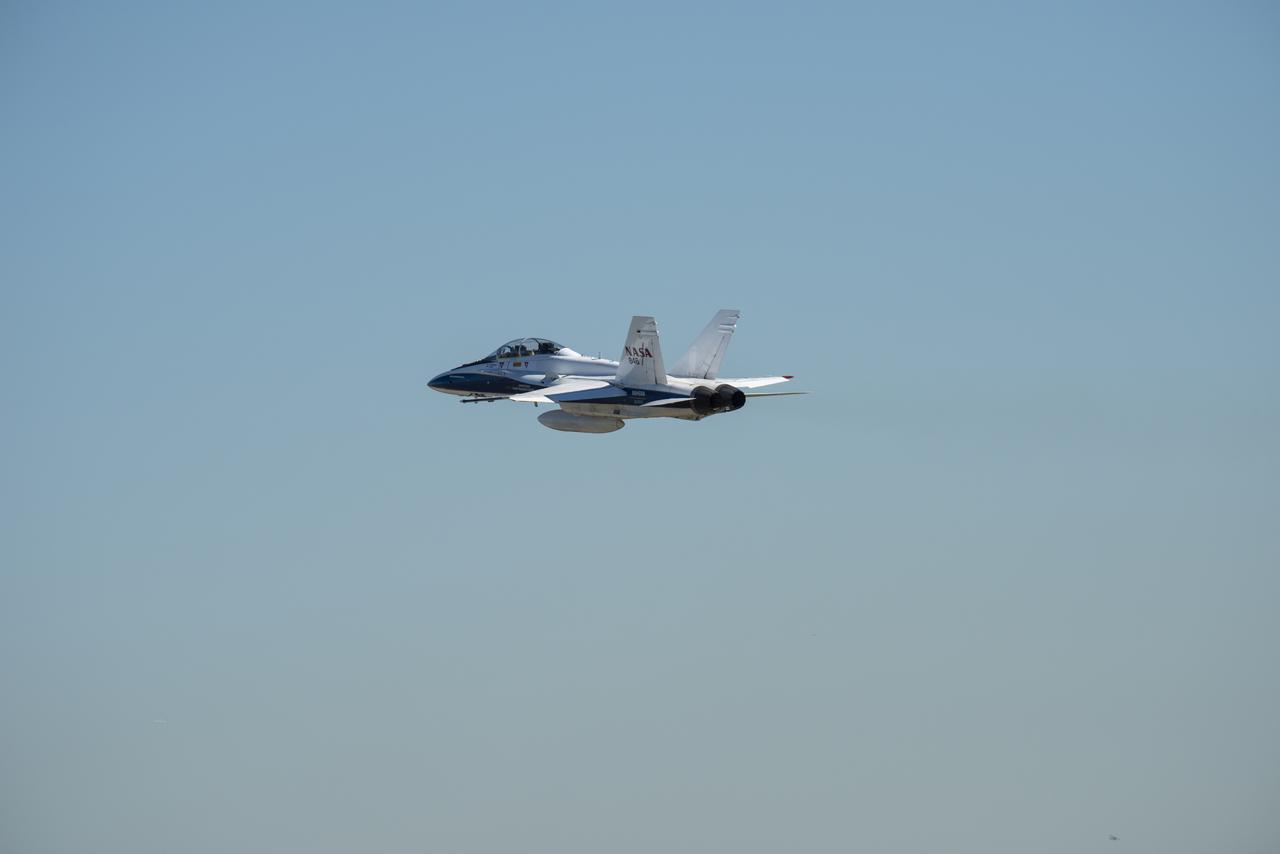
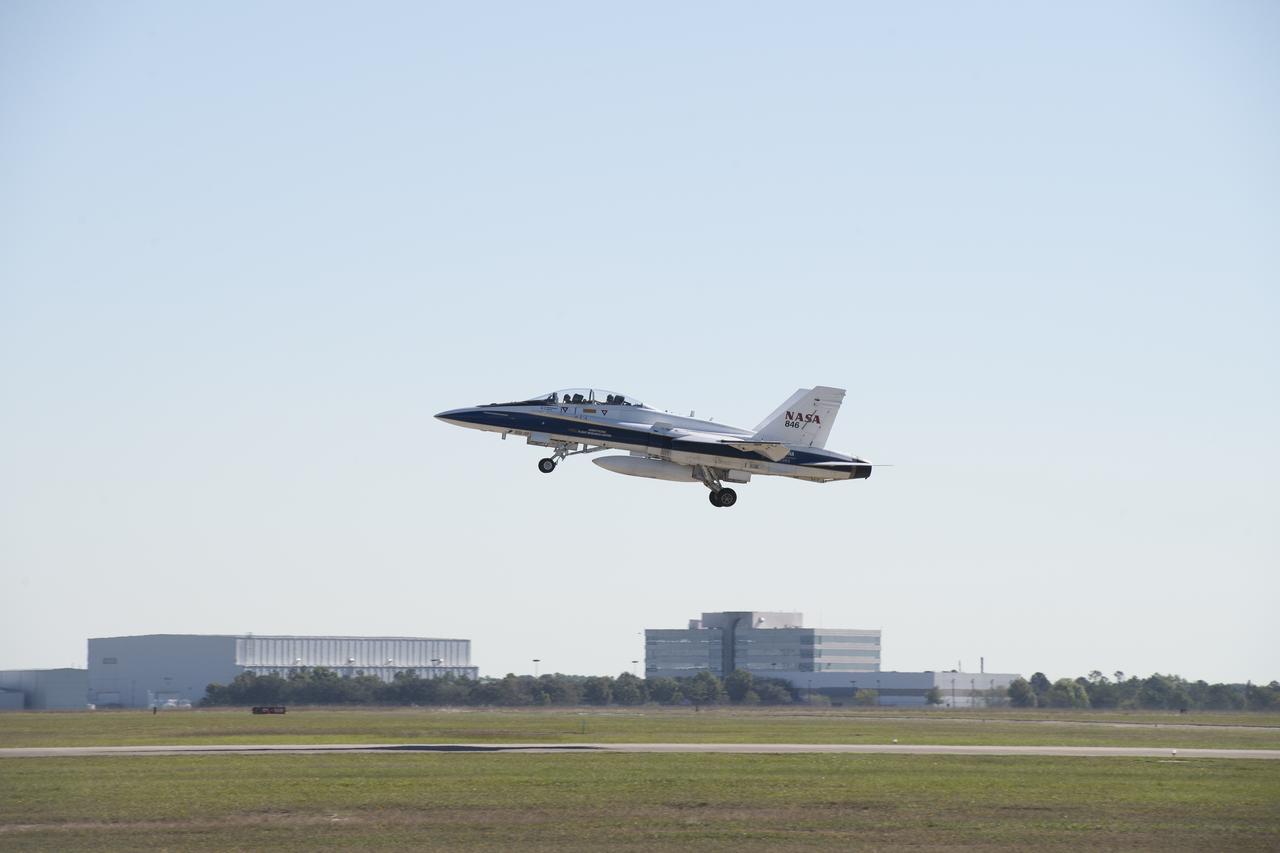
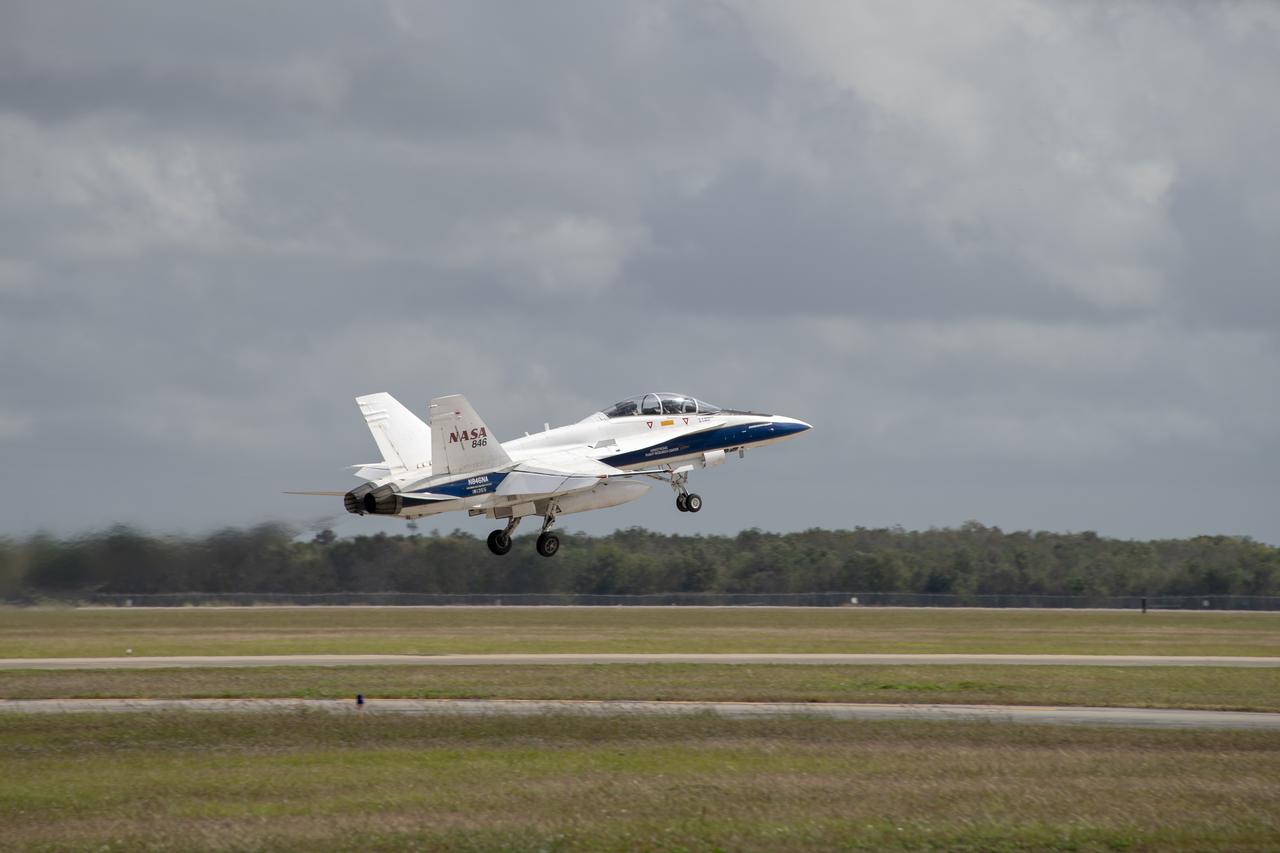
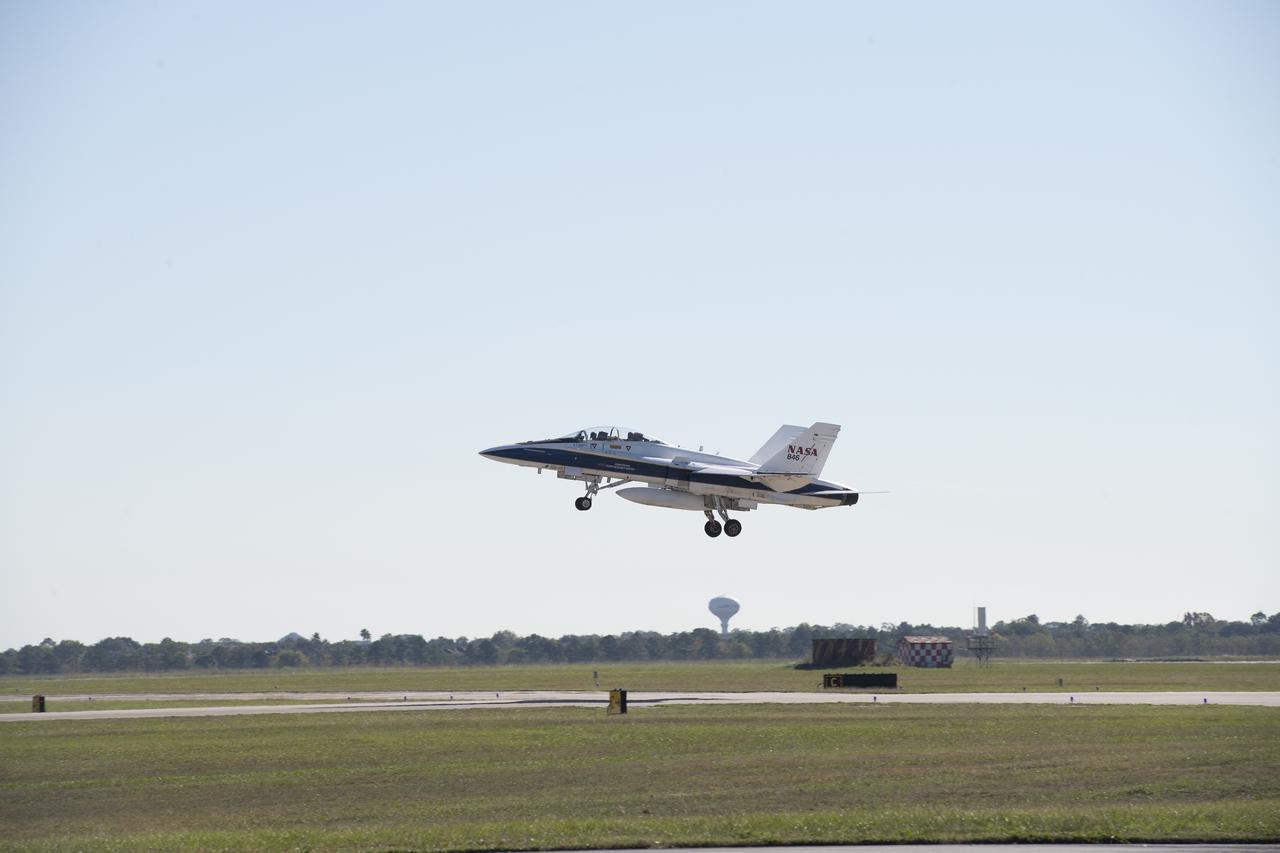
NASA's F/A-18 research aircraft takes off from Ellington Field in Houston, Texas for a quiet supersonic research flight off the coast of Galveston, as part of the QSF18 flight series. The F/A-18 will climb to 50,000 feet over the Gulf of Mexico, where it will perform the quiet supersonic dive maneuver.
QSF-18 (Quiet Supersonic Flight 2018)
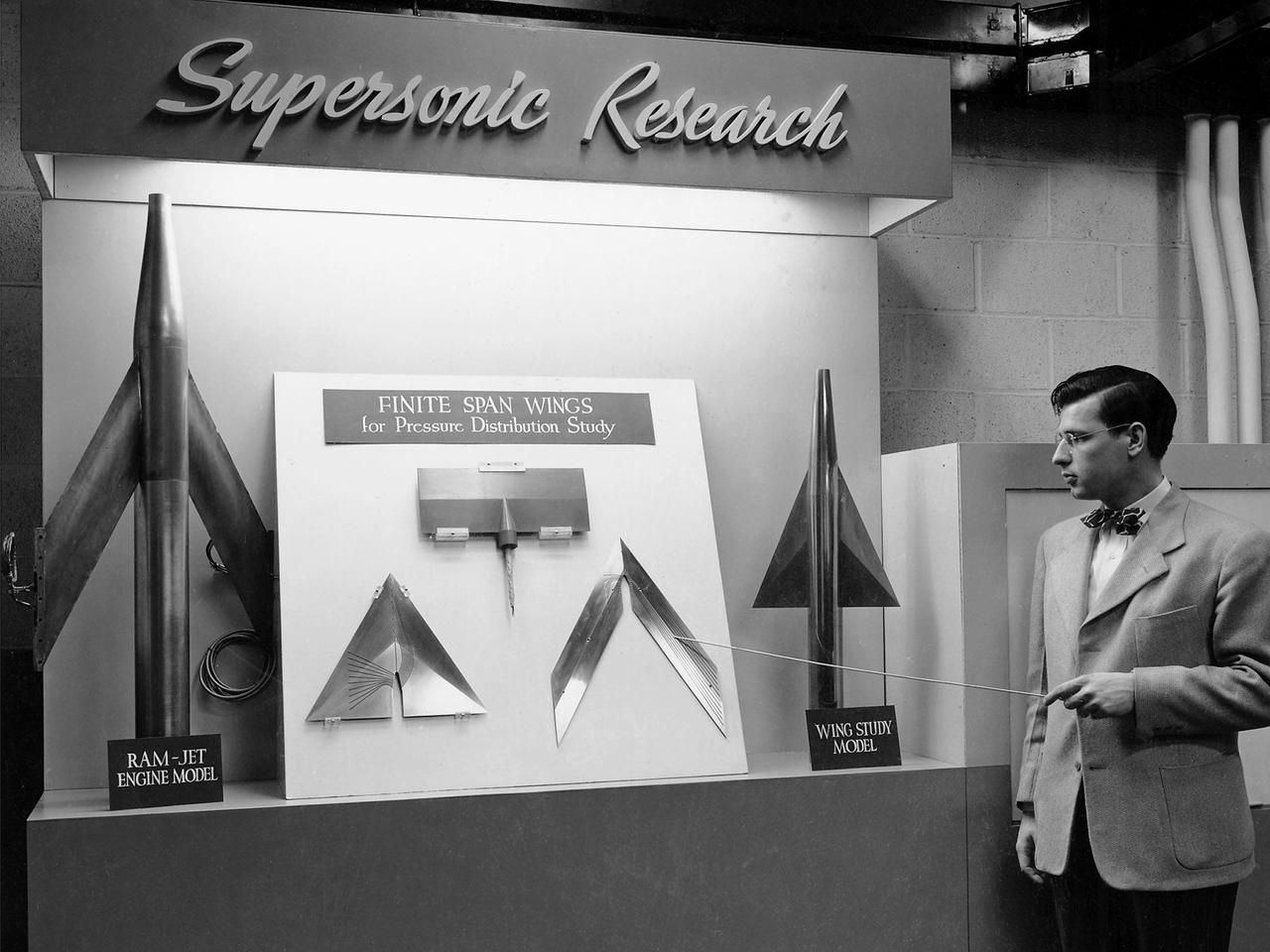
On March 22, 1946, 250 members of the Institute of Aeronautical Science toured the NACA’s Aircraft Engine Research Laboratory. NACA Chairman Jerome Hunsaker and Secretary John Victory were on hand to brief the attendees in the Administration Building before the visited the lab’s test facilities. At each of the twelve stops, researchers provided brief presentations on their work. Topics included axial flow combustors, materials for turbine blades, engine cooling, icing prevention, and supersonic flight.    The laboratory reorganized itself in October 1945 as World War II came to an end to address newly emerging technologies such as the jet engine, rockets, and high-speed flight. While design work began on what would eventually become the 8- by 6-Foot Supersonic Wind Tunnel, NACA Lewis quickly built several small supersonic tunnels. These small facilities utilized the Altitude Wind Tunnel’s massive air handling equipment to generate high-speed airflow.    The display seen in this photograph was set up in the building that housed the first of these wind tunnels. Eventually the building would contain three small supersonic tunnels, referred to as the “stack tunnels” because of the vertical alignment. The two other tunnels were added to this structure in 1949 and 1951. The small tunnels were used until the early 1960s to study the aerodynamic characteristics of supersonic inlets and exits.
Supersonic Research Display for Tour
NASA's Low-Density Supersonic Decelerator (LDSD) hangs from a launch tower at U.S. Navy's Pacific Missile Range Facility in Kauai, Hawaii.  The saucer-shaped vehicle will test two devices for landing heavy payloads on Mars: an inflatable donut-shaped device and a supersonic parachute.  The launch tower helps link the vehicle to a balloon; once the balloon floats up, the vehicle is released from the tower and the balloon carries it to high altitudes. The vehicle's rocket takes it to even higher altitudes, to the top of the stratosphere, where the supersonic test begins.  http://photojournal.jpl.nasa.gov/catalog/PIA19342
LDSD Ready for Launch
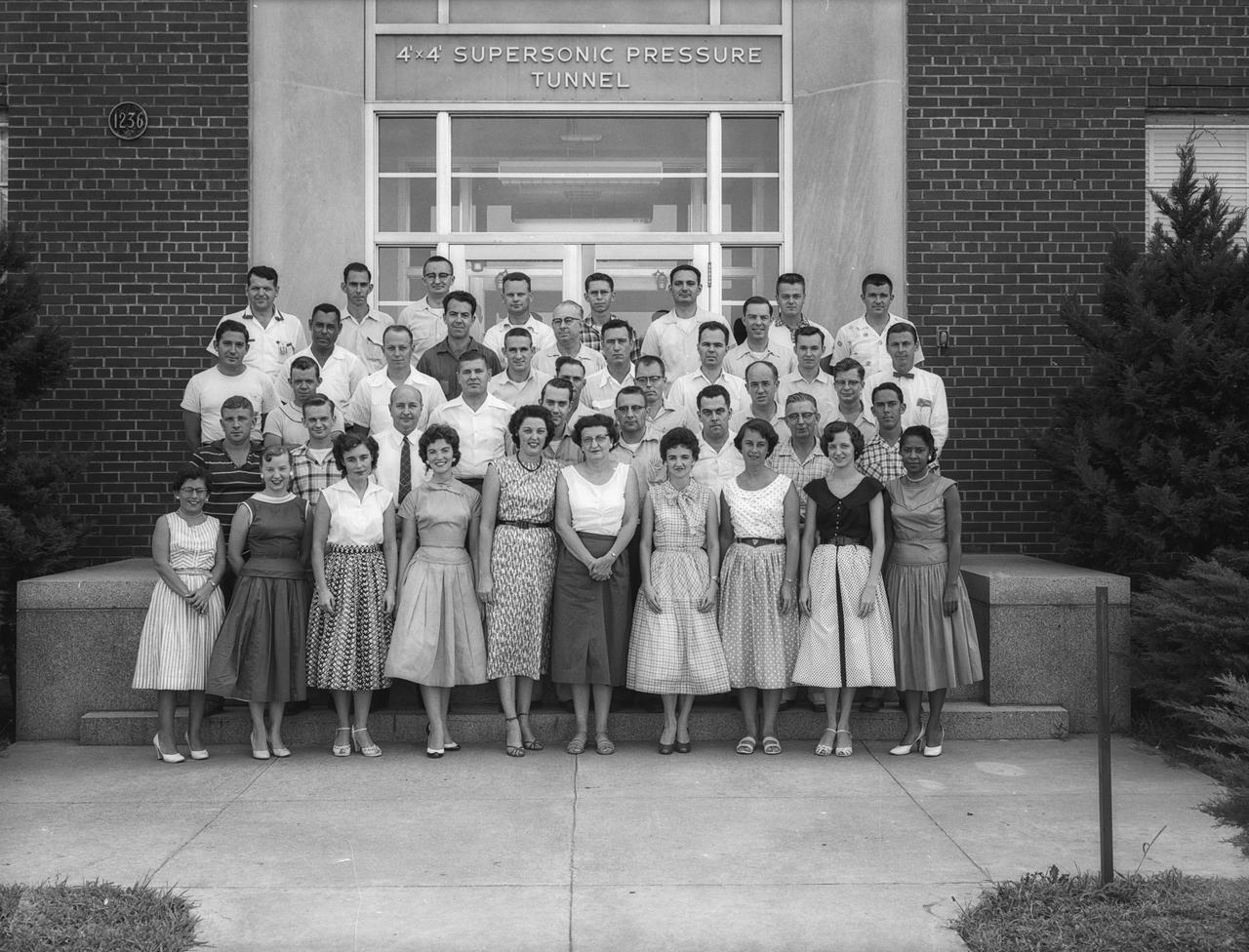
This photograph was taken August 15, 1956.  Mary Jackson first person in the front row right side.  Mary Jackson began at Langley in 1951 as a computer.  She was later assigned to work at the 4-Foot by 4-Foot Supersonic Pressure Tunnel where she worked with Kazimierz "Kaz" Czarnecki, who encouraged her to become an engineer.  To attend the university extension engineering classes held at the then all-white Hampton High School, Jackson was required to petition the courts, which she did successfully. The 4’ x 4’ Supersonic Pressure Tunnel was the NACA’s first supersonic wind tunnel. At the time of the photo, Mary Jackson was still a human computer, but was participating in the hands-on experimental work. Mrs. Jackson had begun her  studies to be an engineer in the Spring of the same year the photo was taken.  She obtained a degree in aerospace engineering in 1958.  Photo published in "A Century at Langley" by  Joseph R. Chambers page 74.
4'x4' Supersonic Pressure Tunnel Staff
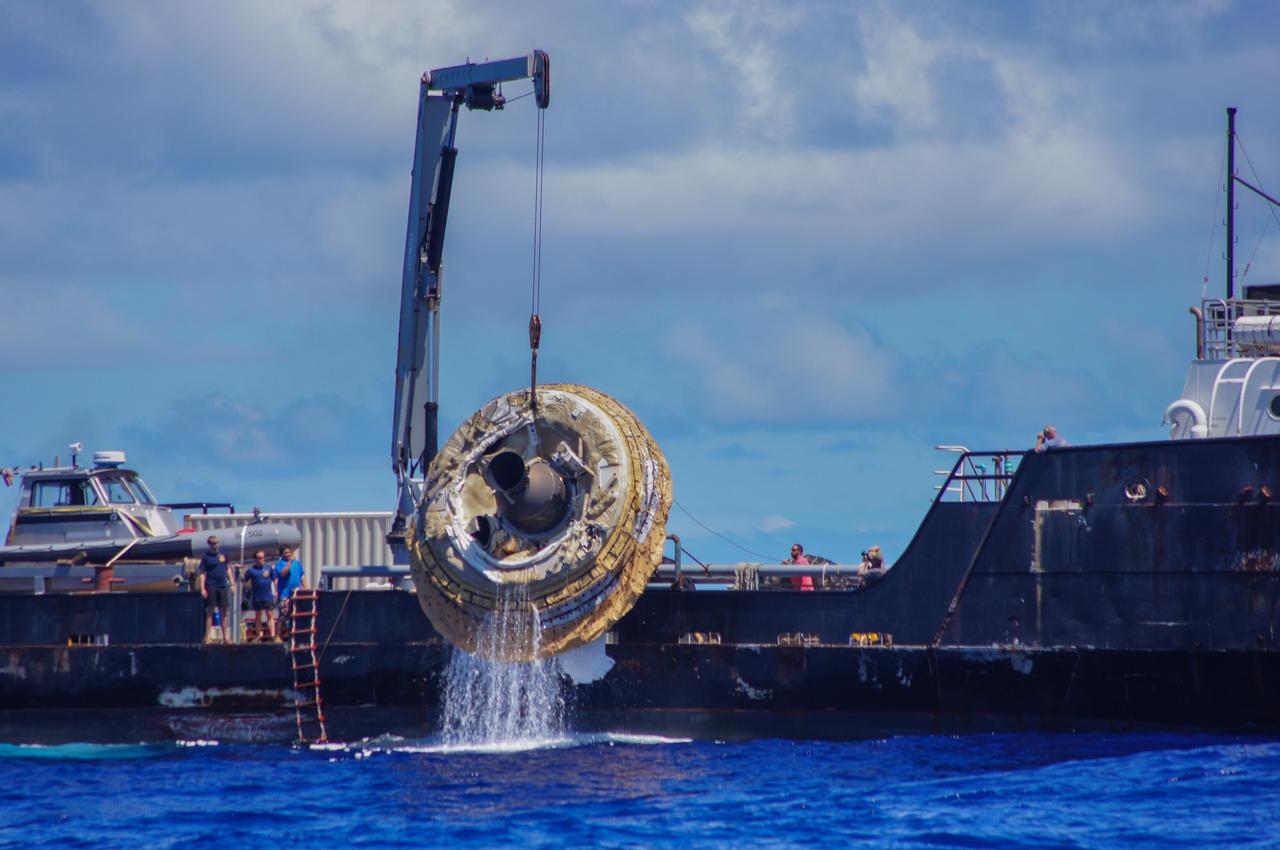
Divers retrieve the test vehicle for NASA Low-Density Supersonic Decelerator off the coast of the U.S. Navy Pacific Missile Range Facility in Kauai, Hawaii.
Fishing LDSD out of the Water
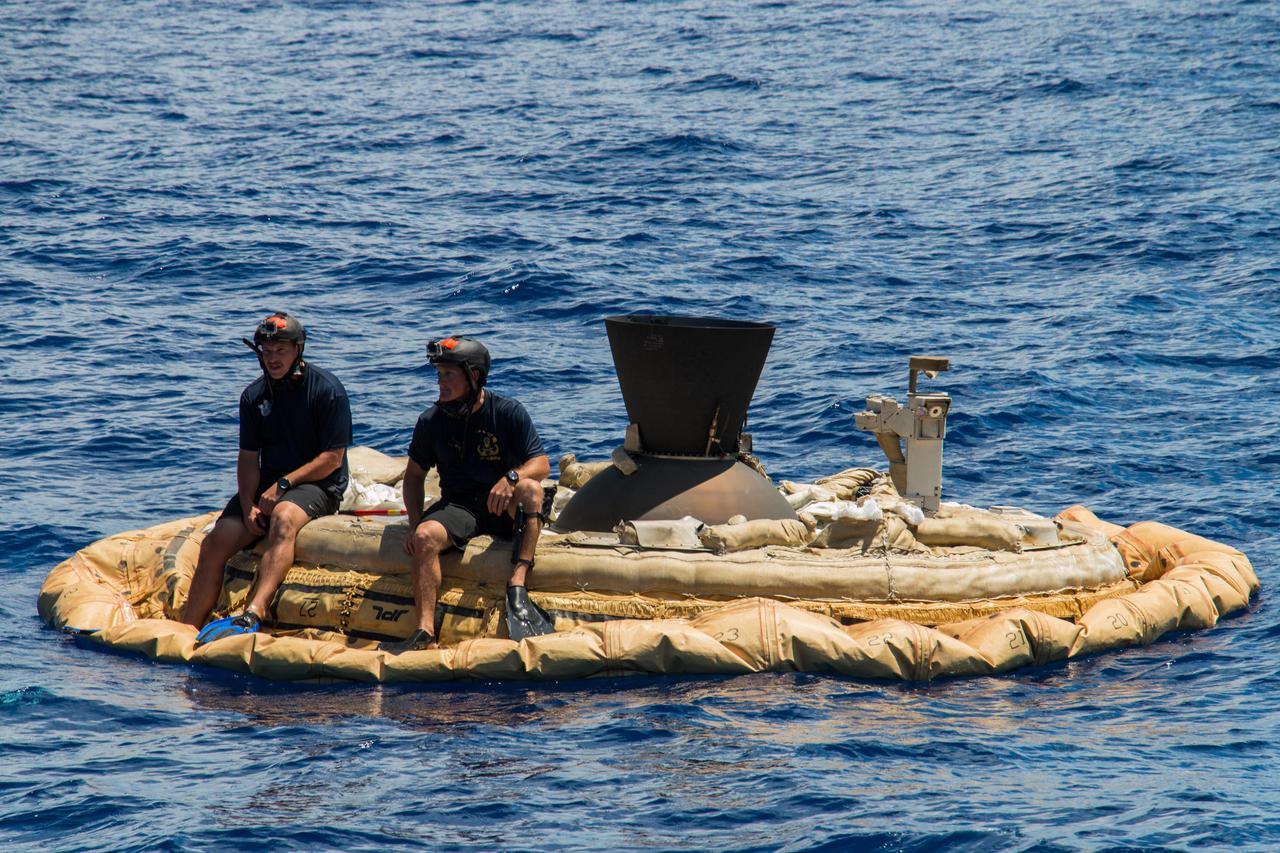
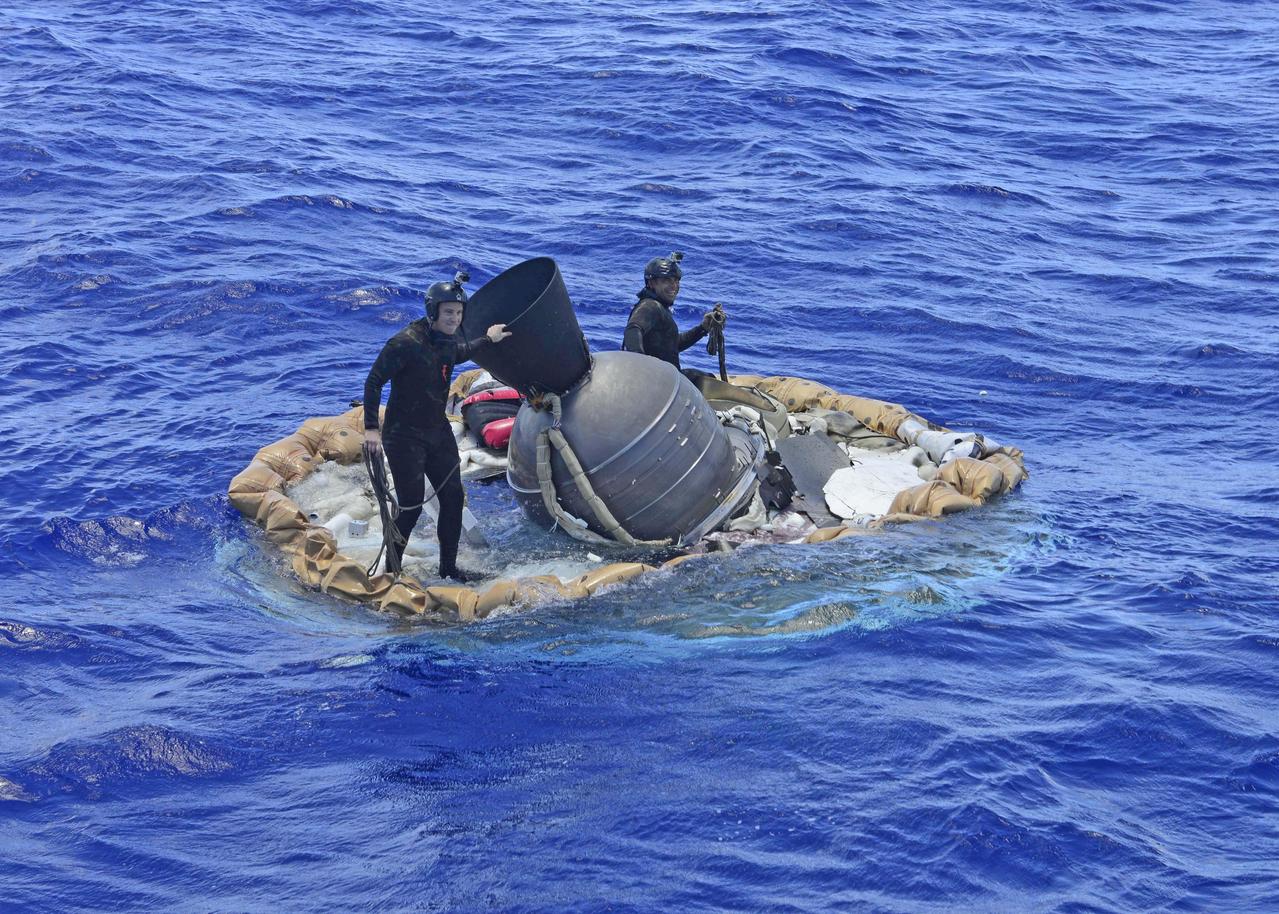
Two members of the Navy Explosive Ordinance Disposal team perch on the test vehicle used in the first flight of NASA Low-density Supersonic Decelerator project.
Mach 4 to Pacific
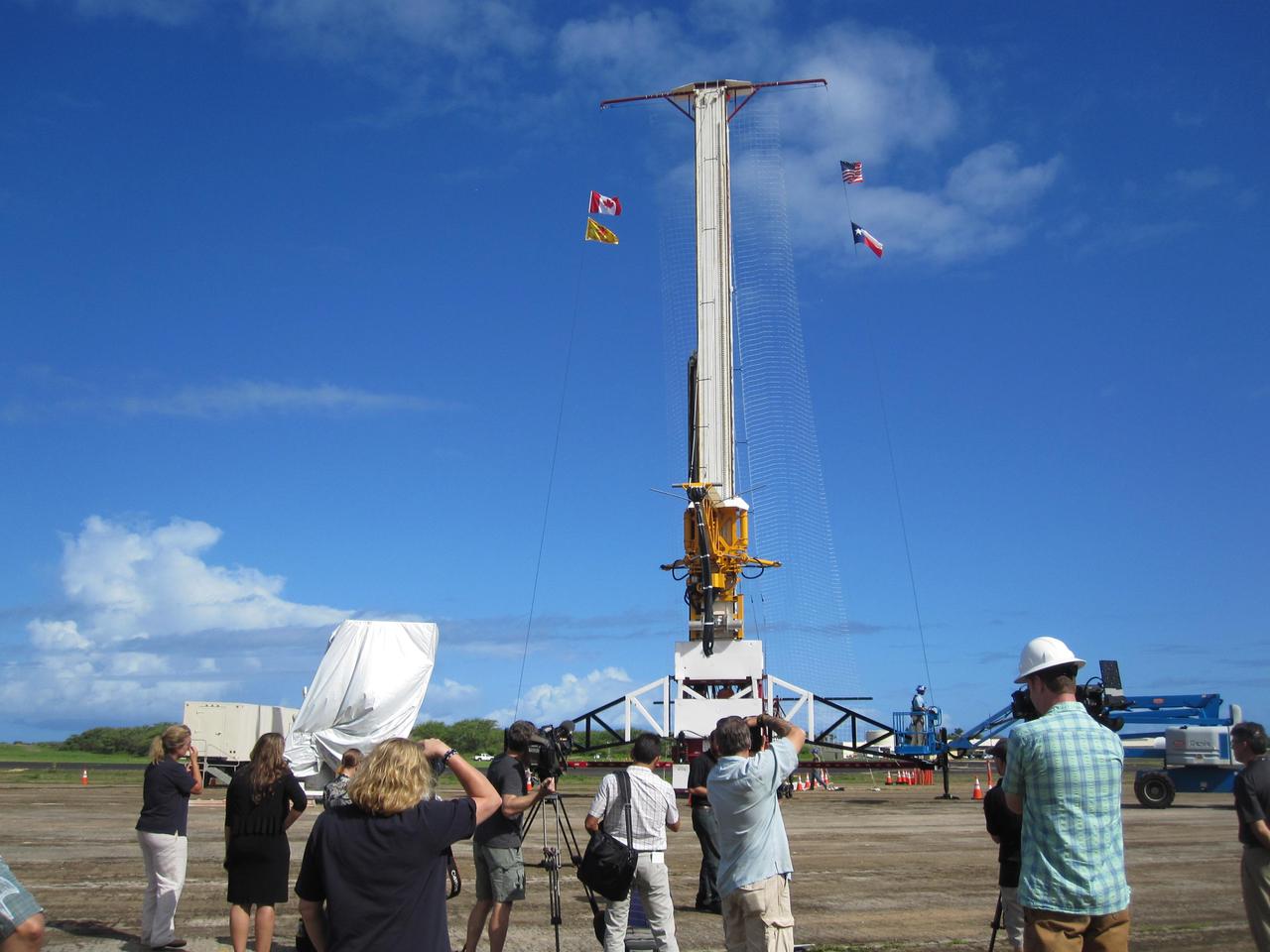
This image shows the tower from which the test vehicle for NASA Low-Density Supersonic Decelerator LDSD will hang before a balloon lifts it to high altitudes.
Launch Tower for LDSD
Sled tests will allow NASA Low-Density Supersonic Decelerator Project, or LDSD, to test inflatable and parachute decelerators to slow spacecraft prior to landing.
NASA Tests Future Mars Landing Technology
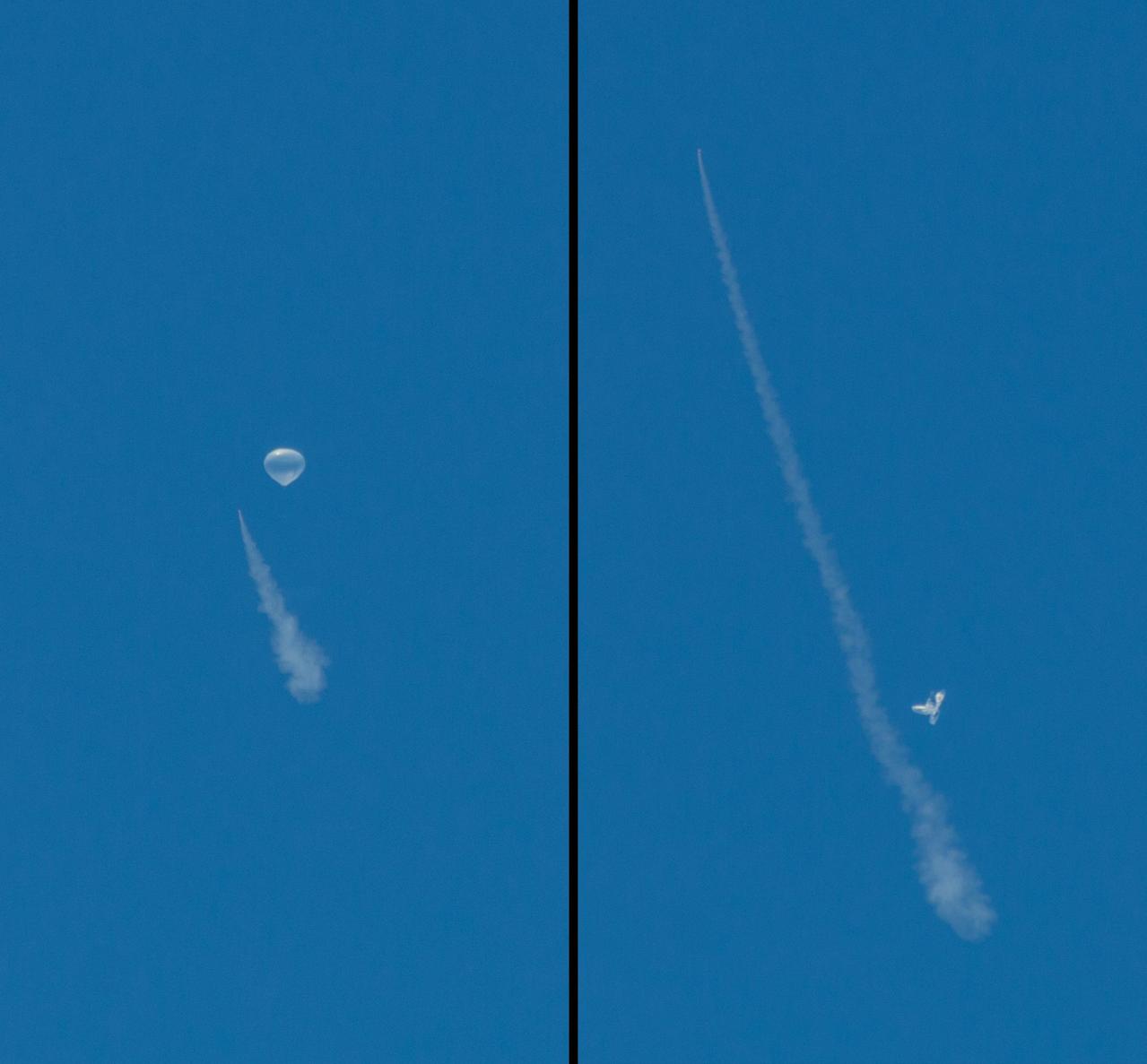
The test vehicle for NASA Low-Density Supersonic Decelerator is seen here before and after the balloon that helped carry it to near-space was deflated.
A Balloon Job Well Done: LDSD in Flight
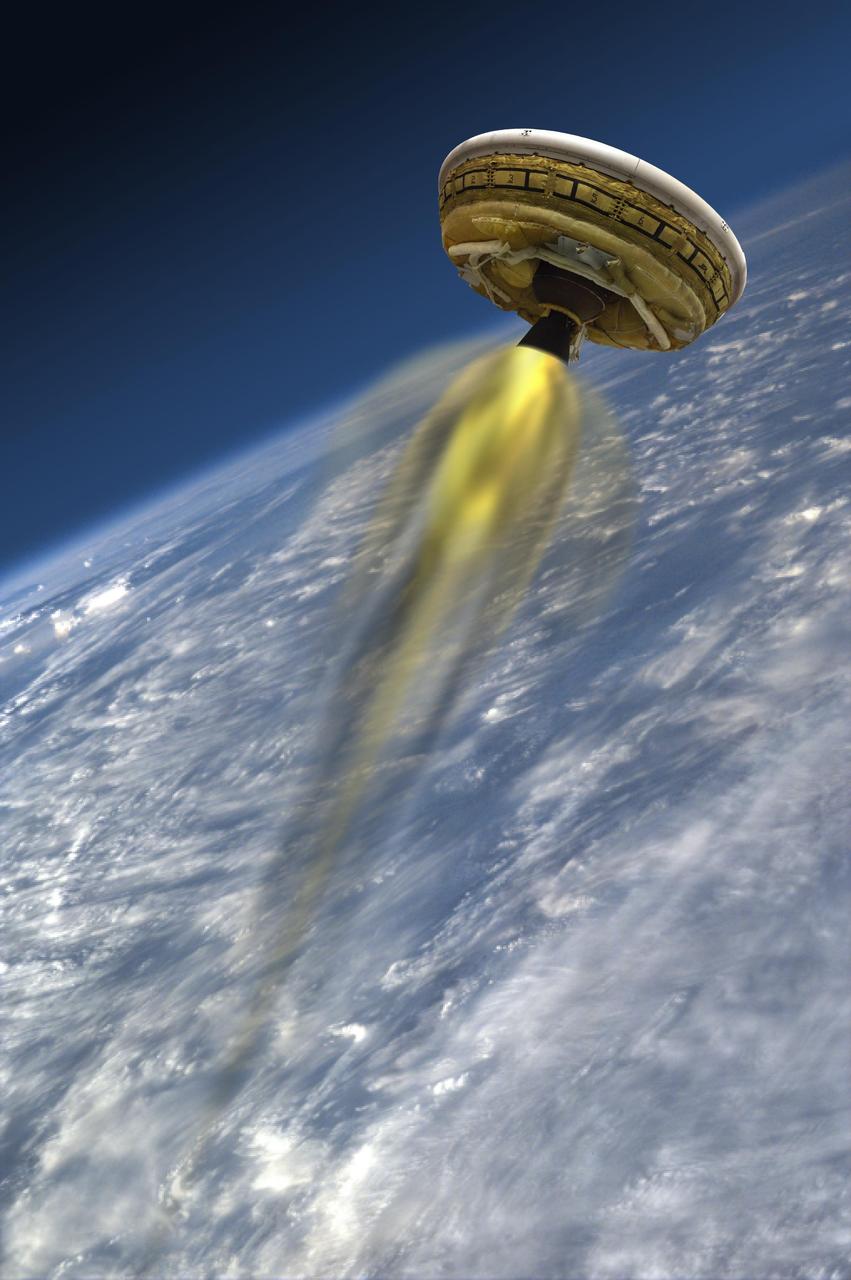
This artist concept shows the test vehicle for NASA Low-Density Supersonic Decelerator LDSD, designed to test landing technologies for future Mars missions.
LDSD Rocket-powered Test Vehicle
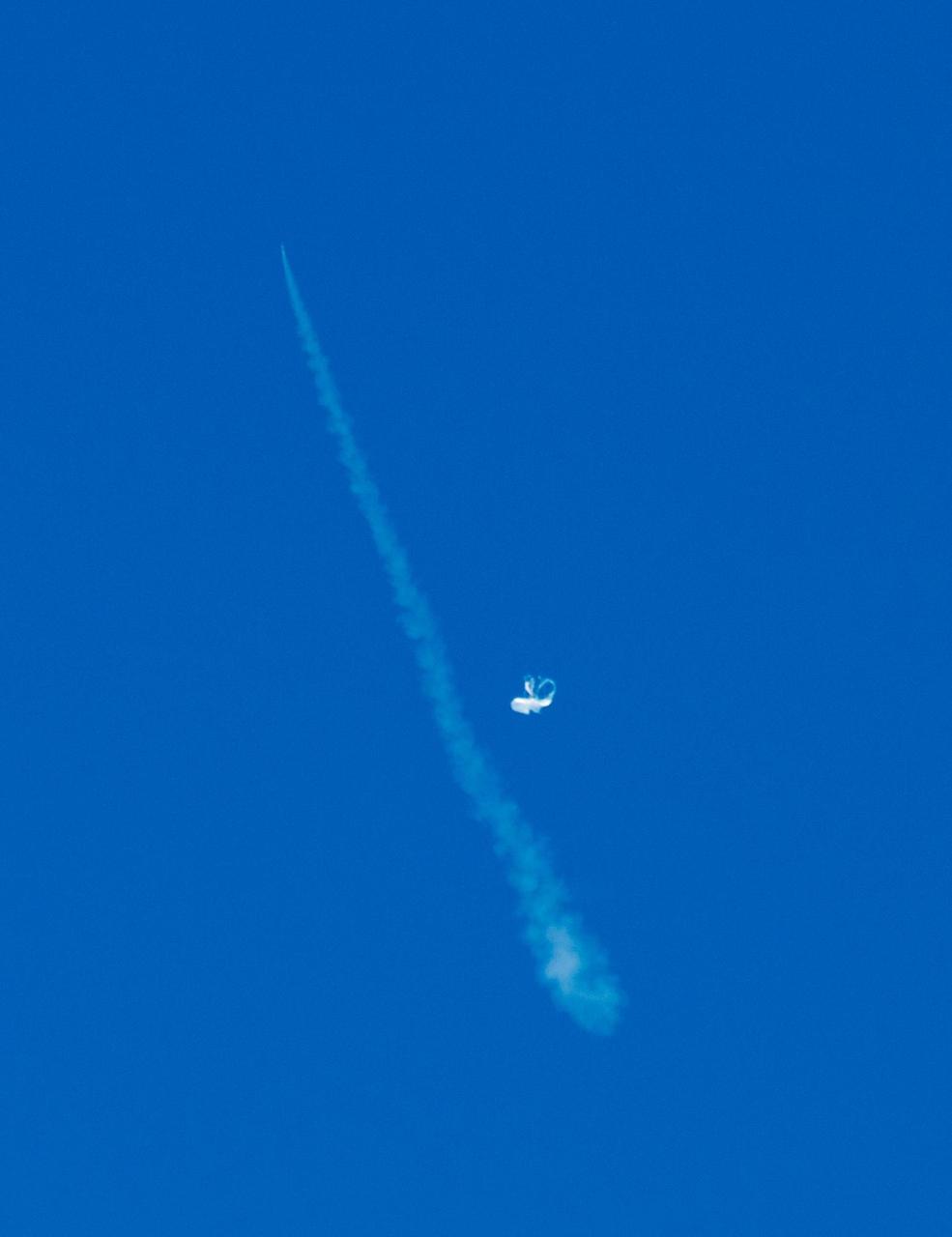
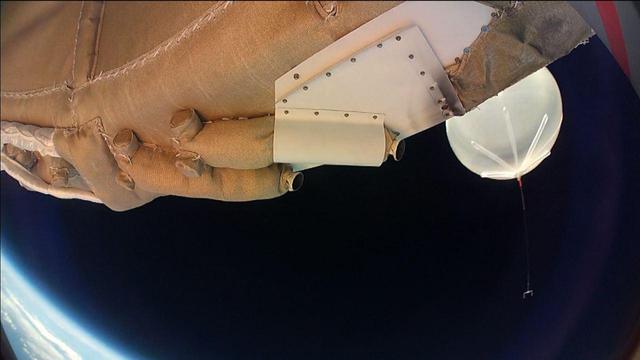
Moments into its powered flight, NASALow-density Supersonic Decelerator LDSD test vehicle captured this image of the balloon which carried it to high altitudes.
Departing Saucer Snaps Balloon
Hours after its successful engineering flight, the first test vehicle for NASA Low-Density Supersonic Decelerator project is lifted aboard the recovery vessel Kahana.
Test Vehicle Gets a Lift
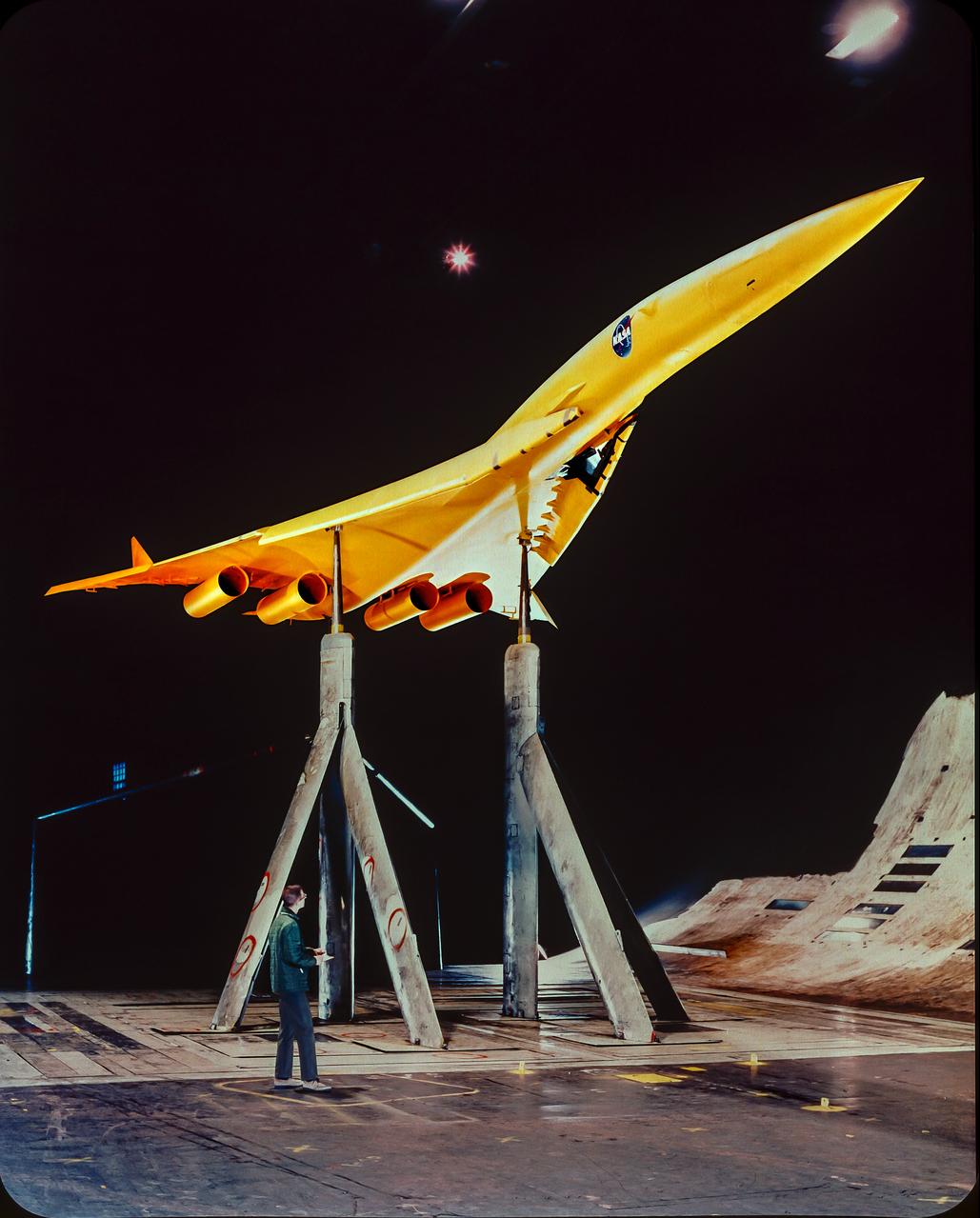
Low Speed investigation of a supersonic transport model in the 40x80 Wind Tunnel.  03/01/1961  R 975 T  Zero angel of attack. Supersonic transport with delta wing and delta conard. 3/4 front view.
Low Speed Investigation of a Supersonic Transport Model in the 40x80 Wind Tunnel at NASA Ames.
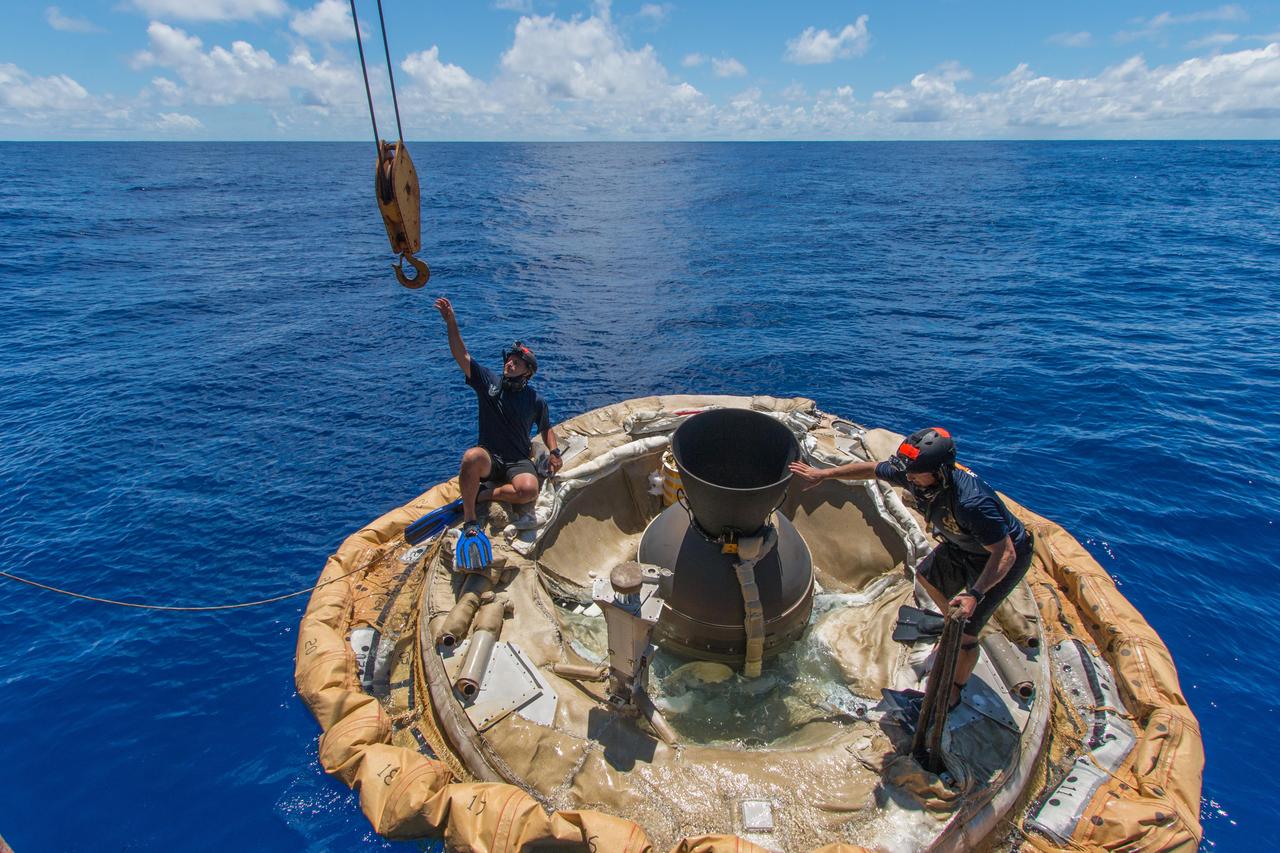
Two members of the U.S. Navy's Mobile Diving Salvage Unit (MDSU) 1 Explosive Ordnance Detachment work on recovering the test vehicle for NASA's Low-Density Supersonic Decelerator (LDSD) project. The saucer-shaped LDSD craft splashed down at 11:49 a.m. HST (2:49 PDT/5:49 p.m. EDT) Monday, June 8, 2015, in the Pacific Ocean off the west coast of the Kauai, Hawaii, after a four-hour experimental flight test that investigated new technologies for landing future robotic and human Mars missions.  During the flight test, a Supersonic Inflatable Aerodynamic Decelerator (SIAD) and a supersonic parachute were deployed. The SIAD operated as expected, dramatically slowing the test vehicle's velocity. When the parachute was deployed into the supersonic slipstream, it appeared to blossom to full inflation prior to the emergence of a tear which then propagated and destroyed the parachute's canopy. As a result, the saucer's splashdown in the Pacific Ocean was hard, resulting in fracturing parts of the structure.  Memory cards containing comprehensive test data -- including high-speed, high-resolution imagery recorded during the flight -- were successfully recovered. Also recovered were the test vehicle and its components, the supersonic parachute, the ballute used to deploy the parachute, and a large weather balloon that initially carried the saucer to an altitude of 120,000 feet.  http://photojournal.jpl.nasa.gov/catalog/PIA19684
Saucer Shoal: LDSD Recovery off Kauai
3/4 rear view of SCAT-17 supersonic transport with thrust reverser installed and trailing edge flaps deflected at 30 deg.
SCAT-17 Supersonic Transport in the 40x80 foot wind tunnel at NASA Ames.
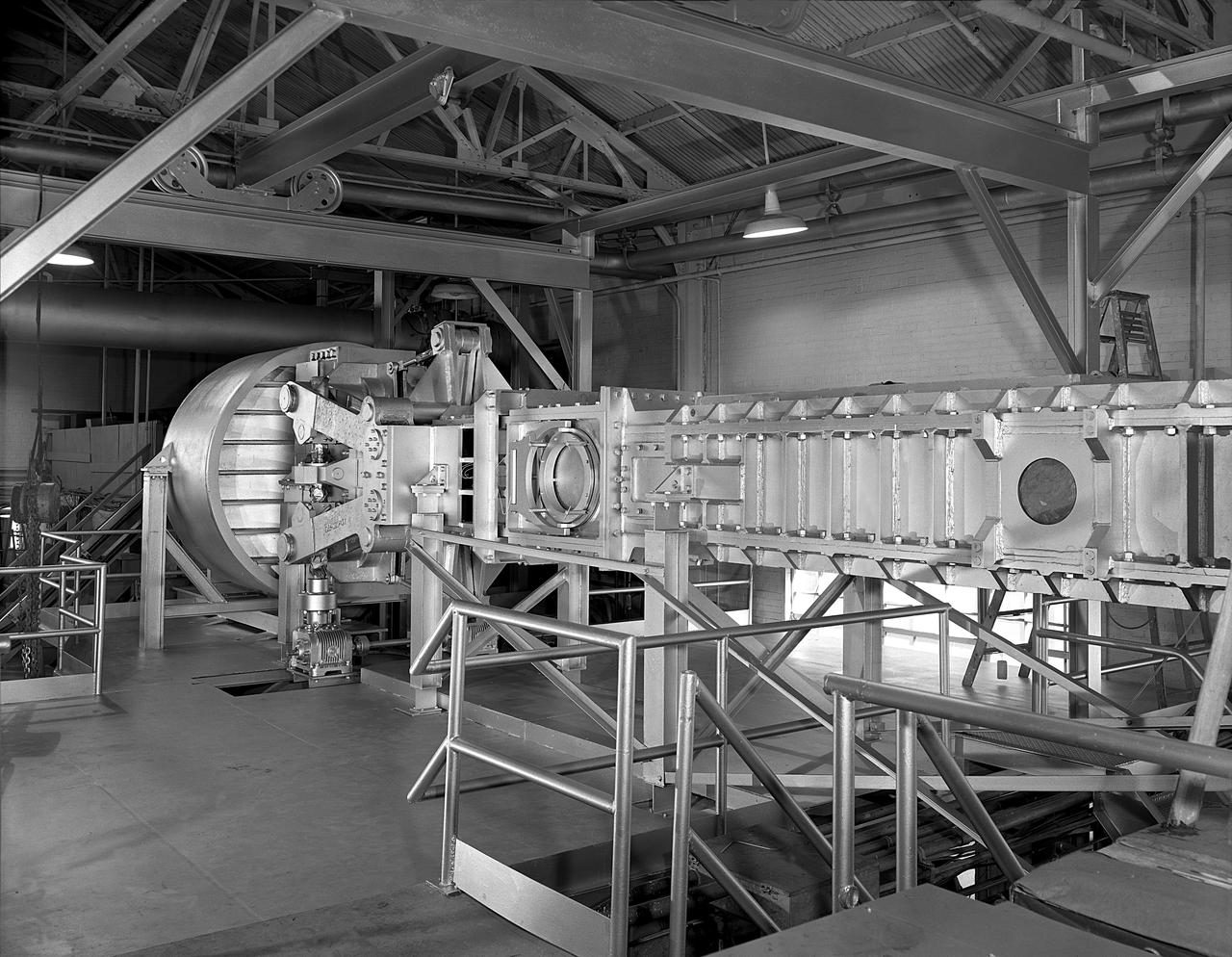
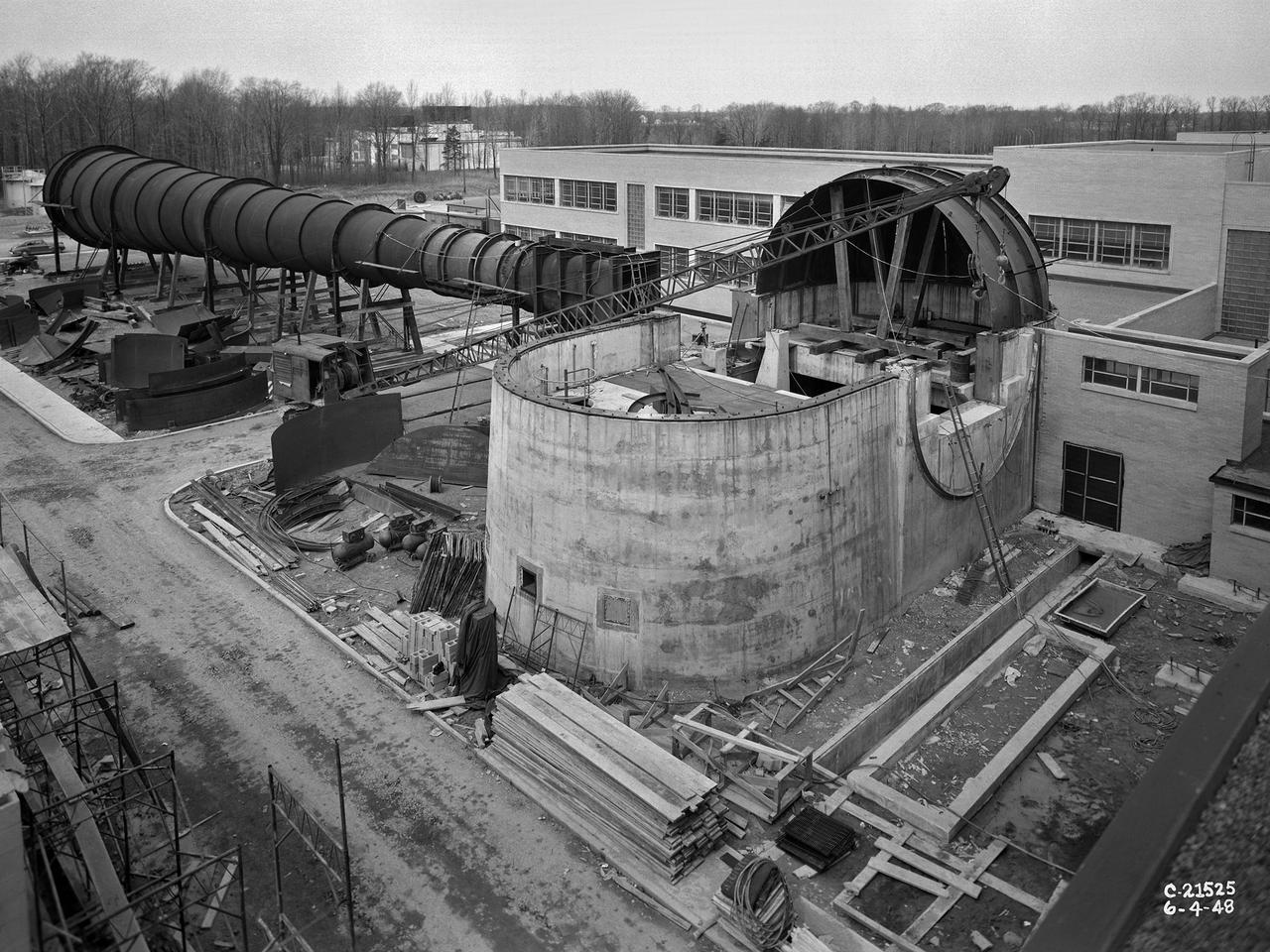
The 8- by 6-Foot Supersonic Wind Tunnel at the National Advisory Committee for Aeronautics (NACA) Lewis Flight Propulsion Laboratory was the nation’s largest supersonic facility when it began operation in April 1949. The emergence of new propulsion technologies such as turbojets, ramjets, and rockets during World War II forced the NACA and the aircraft industry to develop new research tools. In late 1945 the NACA began design work for new large supersonic wind tunnels at its three laboratories. The result was the 4- by 4-Foot Supersonic Wind Tunnel at Langley Memorial Aeronautical Laboratory, 6- by 6-foot supersonic wind tunnel at Ames Aeronautical Laboratory, and the largest facility, the 8- by 6-Foot Supersonic Wind Tunnel in Cleveland. The two former tunnels were to study aerodynamics, while the 8- by 6 facility was designed for supersonic propulsion.    The 8- by 6-Foot Supersonic Wind Tunnel was used to study propulsion systems, including inlets and exit nozzles, combustion fuel injectors, flame holders, exit nozzles, and controls on ramjet and turbojet engines. Flexible sidewalls alter the tunnel’s nozzle shape to vary the Mach number during operation. A seven-stage axial compressor, driven by three electric motors that yield a total of 87,000 horsepower, generates air speeds from Mach 0.36 to 2.0. A section of the tunnel is seen being erected in this photograph.
Construction of the 8- by 6-Foot Supersonic Wind Tunnel
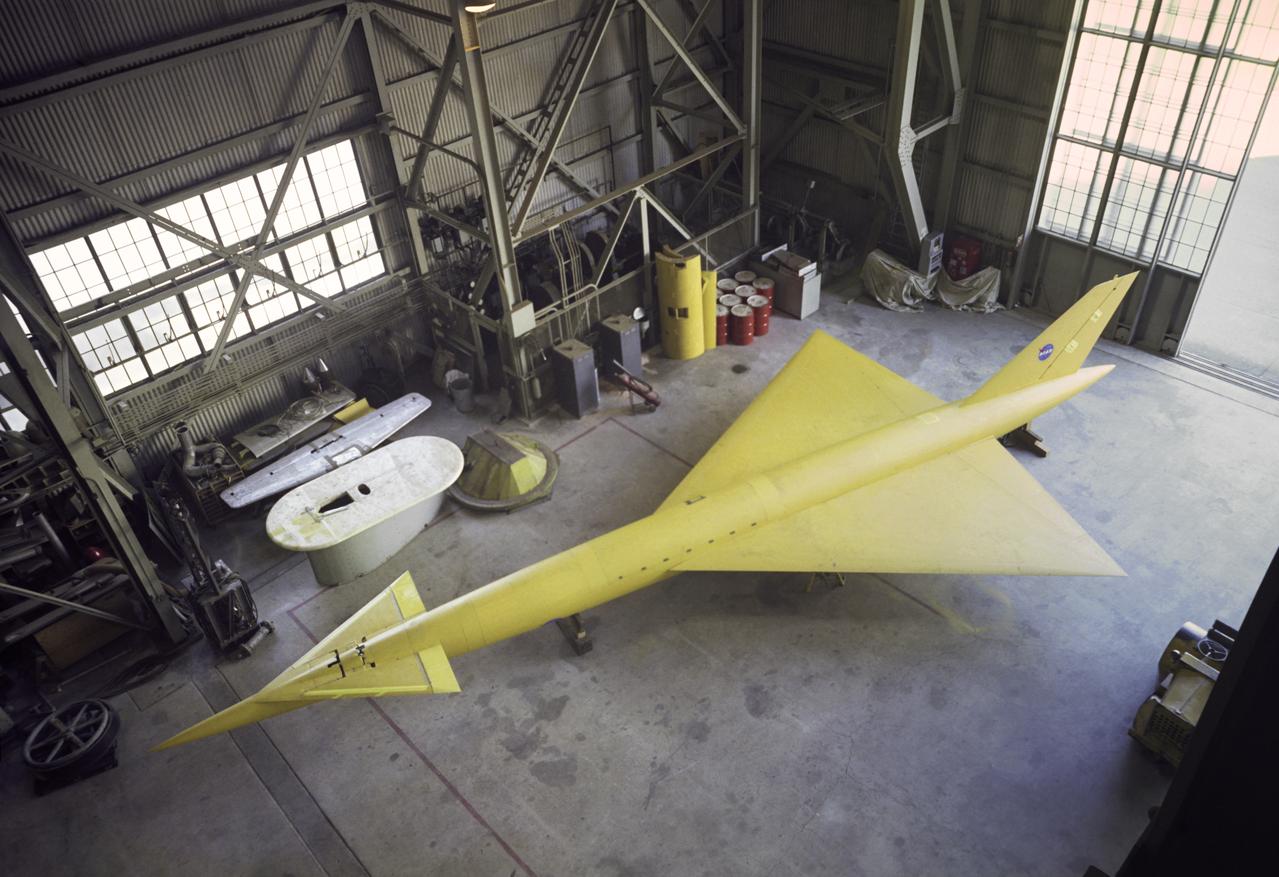
Supersonic transport model test in 40x80 foot wind tunnel, 3/4 overhead view of model in shop floor.  04/06/1961 R 975 T
Supersonic Transport Model in the shop of the Ames 40x80 Foot Wind Tunnel.
Low Speed investigation of a supersonic transport model with delta wing and delta conard, in the 40x80 Wind Tunnel. R 975 T  Zero angel of attack.  3/4 rear view from below.
Low Speed Investigation of a Supersonic Transport Model in the 40x80 Foot Wind Tunnel.
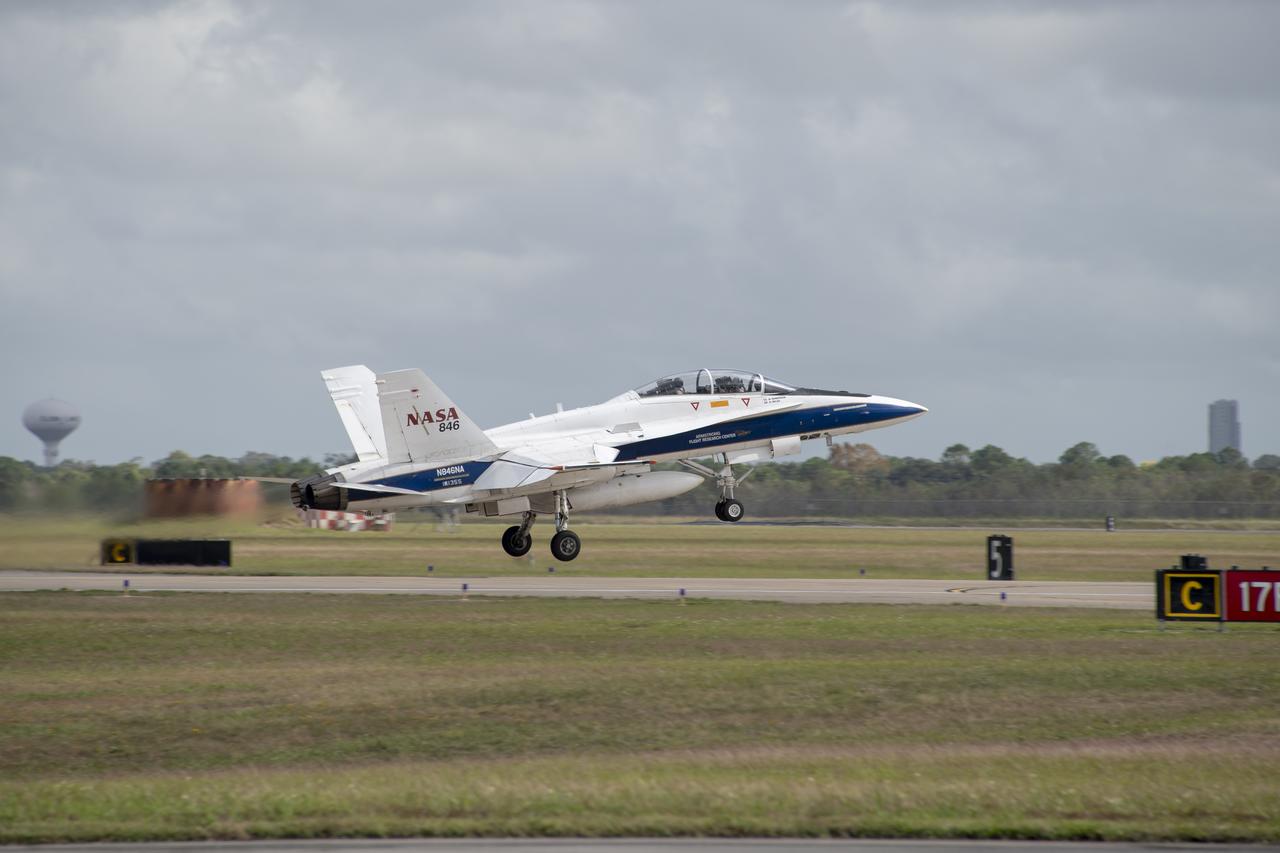
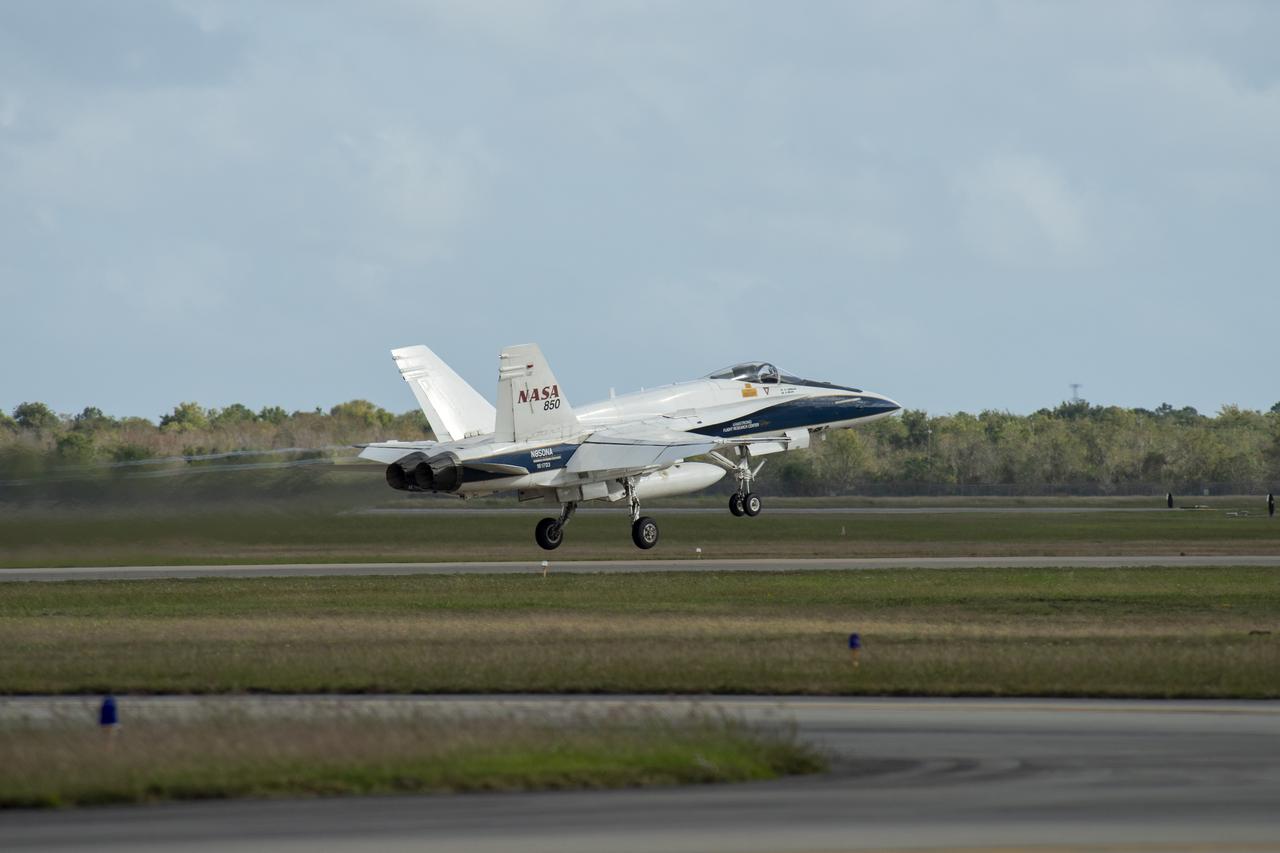
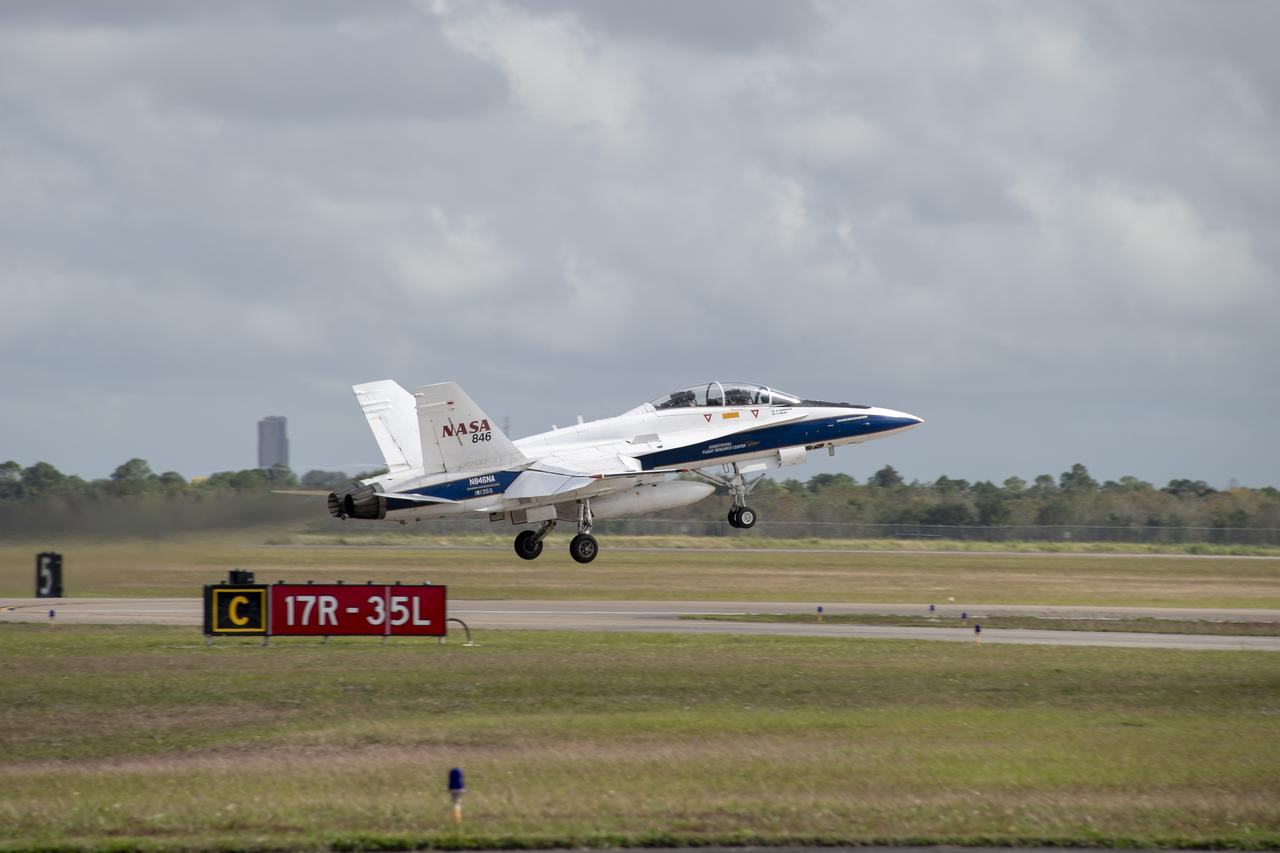
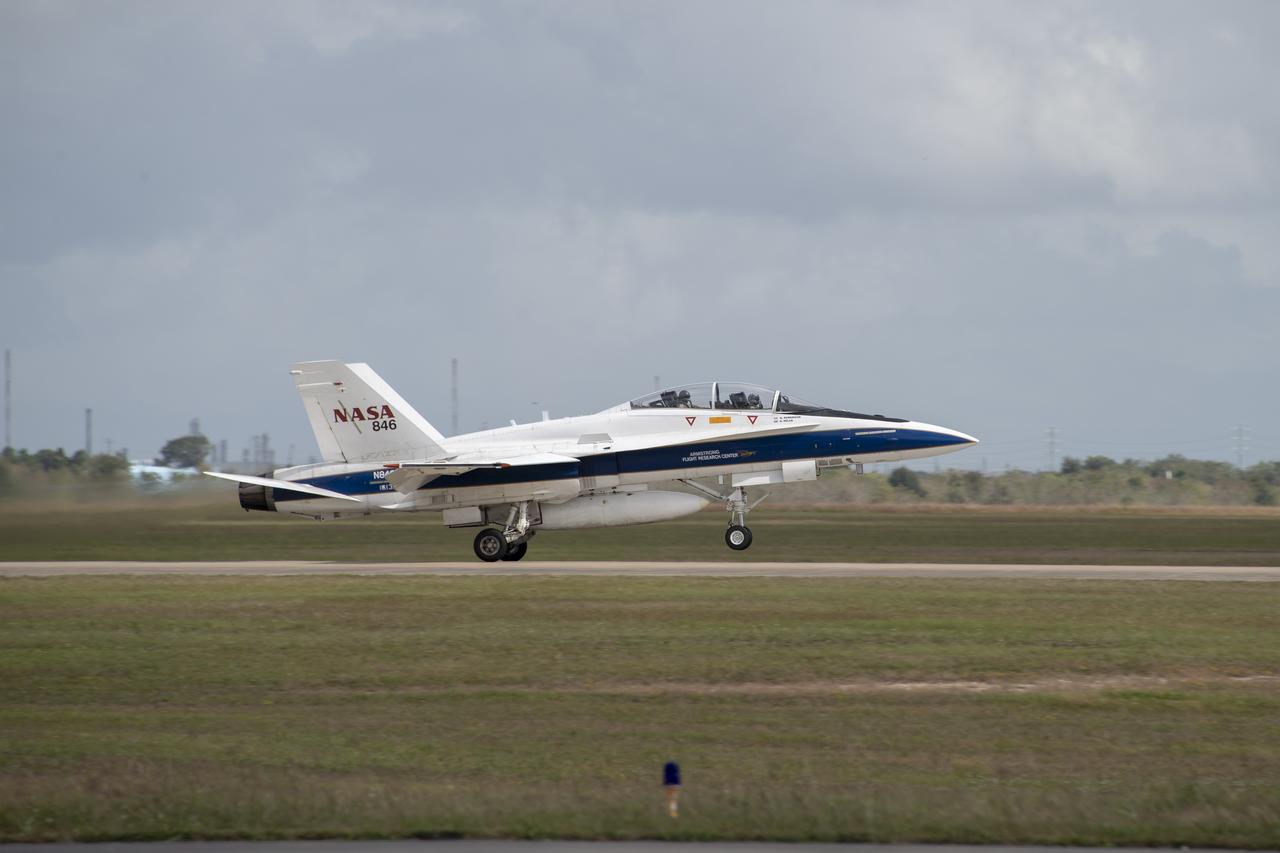
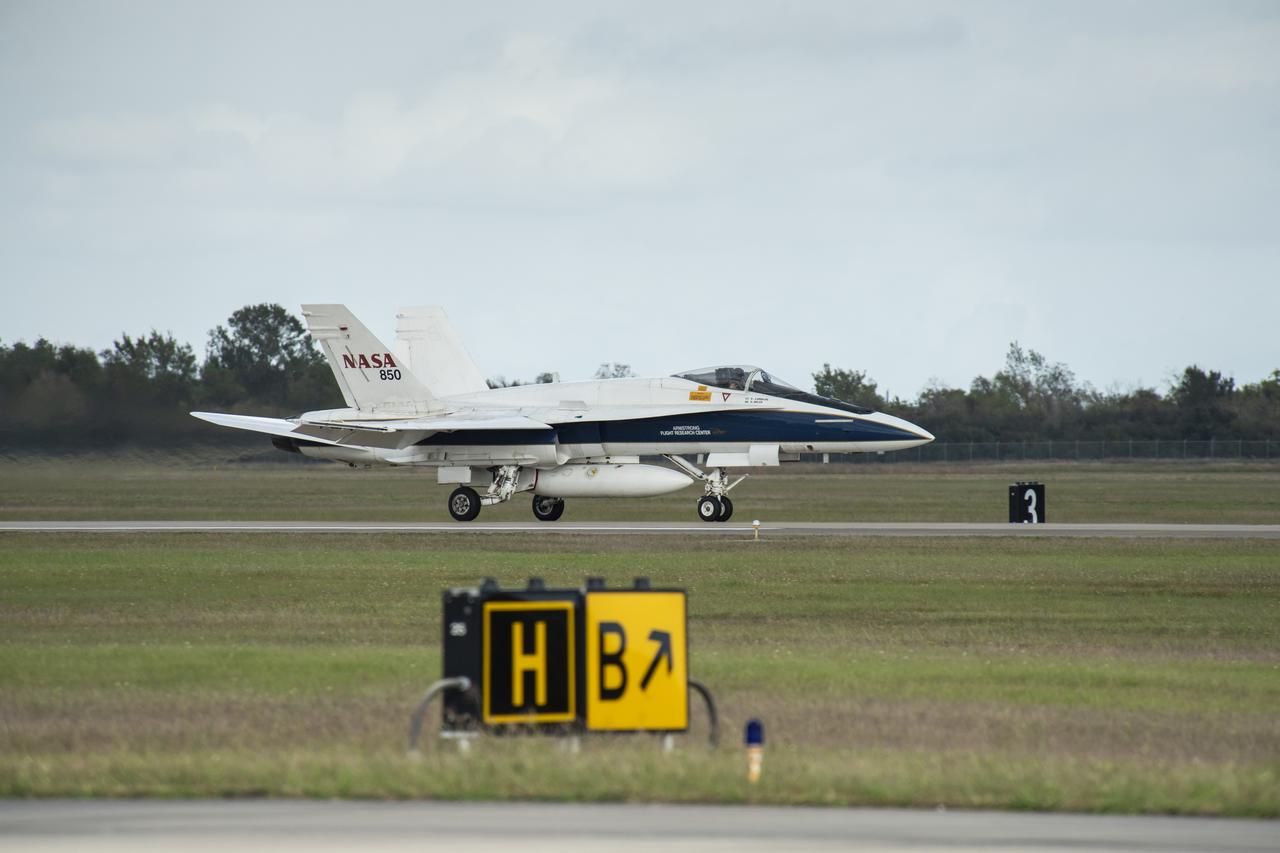
NASA’s F/A-18 research aircraft takes off from Ellington Field in Houston, Texas for a quiet supersonic research flight off the coast of Galveston, as part of the QSF18 flight series. The F/A-18 will climb to 50,000 feet over the Gulf of Mexico, where it will perform the quiet supersonic dive maneuver.
NASA F/A-18 Takes Off for QSF18 Supersonic Flight
NASA’s F/A-18 research aircraft takes off from Ellington Field in Houston, Texas for a quiet supersonic research flight off the coast of Galveston, as part of the QSF18 flight series. The F/A-18 will climb to 50,000 feet over the Gulf of Mexico, where it will perform the quiet supersonic dive maneuver.
NASA F/A-18 Takes Off for QSF18 Supersonic Flight
NASA’s F/A-18 research aircraft takes off from Ellington Field in Houston, Texas for a quiet supersonic research flight off the coast of Galveston, as part of the QSF18 flight series. The F/A-18 will climb to 50,000 feet over the Gulf of Mexico, where it will perform the quiet supersonic dive maneuver.
NASA F/A-18 Takes Off for QSF18 Supersonic Flight
NASA’s F/A-18 research aircraft takes off from Ellington Field in Houston, Texas for a quiet supersonic research flight off the coast of Galveston, as part of the QSF18 flight series. The F/A-18 will climb to 50,000 feet over the Gulf of Mexico, where it will perform the quiet supersonic dive maneuver.
NASA F/A-18 Takes Off for QSF18 Supersonic Flight
NASA’s F/A-18 research aircraft takes off from Ellington Field in Houston, Texas for a quiet supersonic research flight off the coast of Galveston, as part of the QSF18 flight series. The F/A-18 will climb to 50,000 feet over the Gulf of Mexico, where it will perform the quiet supersonic dive maneuver.
NASA F/A-18 Takes Off for QSF18 Supersonic Flight
NASA's F/A-18 research aircraft takes off from Ellington Field in Houston, Texas for a quiet supersonic research flight off the coast of Galveston, as part of the QSF18 flight series. The F/A-18 will climb to 50,000 feet over the Gulf of Mexico, where it will perform the quiet supersonic dive maneuver.
NASA F/A-18 Takes Off for QSF18 Supersonic Flight
NASA’s F/A-18 research aircraft takes off from Ellington Field in Houston, Texas for a quiet supersonic research flight off the coast of Galveston, as part of the QSF18 flight series. The F/A-18 will climb to 50,000 feet over the Gulf of Mexico, where it will perform the quiet supersonic dive maneuver.
NASA F/A-18 Takes Off for QSF18 Supersonic Flight
NASA's F/A-18 research aircraft takes off from Ellington Field in Houston, Texas for a quiet supersonic research flight off the coast of Galveston, as part of the QSF18 flight series. The F/A-18 will climb to 50,000 feet over the Gulf of Mexico, where it will perform the quiet supersonic dive maneuver.
NASA F/A-18 Takes Off for QSF18 Supersonic Flight
NASA’s F/A-18 research aircraft takes off from Ellington Field in Houston, Texas for a quiet supersonic research flight off the coast of Galveston, as part of the QSF18 flight series. The F/A-18 will climb to 50,000 feet over the Gulf of Mexico, where it will perform the quiet supersonic dive maneuver.
NASA F/A-18 Takes Off for QSF18 Supersonic Flight
NASA’s F/A-18 research aircraft takes off from Ellington Field in Houston, Texas for a quiet supersonic research flight off the coast of Galveston, as part of the QSF18 flight series. The F/A-18 will climb to 50,000 feet over the Gulf of Mexico, where it will perform the quiet supersonic dive maneuver.
NASA F/A-18 Takes Off for QSF18 Supersonic Flight
NASA’s F/A-18 research aircraft takes off from Ellington Field in Houston, Texas for a quiet supersonic research flight off the coast of Galveston, as part of the QSF18 flight series. The F/A-18 will climb to 50,000 feet over the Gulf of Mexico, where it will perform the quiet supersonic dive maneuver.
NASA F/A-18 Takes Off for QSF18 Supersonic Flight
NASA’s F/A-18 research aircraft takes off from Ellington Field in Houston, Texas for a quiet supersonic research flight off the coast of Galveston, as part of the QSF18 flight series. The F/A-18 will climb to 50,000 feet over the Gulf of Mexico, where it will perform the quiet supersonic dive maneuver.
NASA F/A-18 Takes Off for QSF18 Supersonic Flight
NASA’s F/A-18 research aircraft takes off from Ellington Field in Houston, Texas for a quiet supersonic research flight off the coast of Galveston, as part of the QSF18 flight series. The F/A-18 will climb to 50,000 feet over the Gulf of Mexico, where it will perform the quiet supersonic dive maneuver.
NASA F/A-18 Takes Off for QSF18 Supersonic Flight
NASA's F/A-18 research aircraft takes off from Ellington Field in Houston, Texas for a quiet supersonic research flight off the coast of Galveston, as part of the QSF18 flight series. The F/A-18 will climb to 50,000 feet over the Gulf of Mexico, where it will perform the quiet supersonic dive maneuver.
NASA F/A-18 Takes Off for QSF18 Supersonic Flight
NASA’s F/A-18 research aircraft takes off from Ellington Field in Houston, Texas for a quiet supersonic research flight off the coast of Galveston, as part of the QSF18 flight series. The F/A-18 will climb to 50,000 feet over the Gulf of Mexico, where it will perform the quiet supersonic dive maneuver.
NASA F/A-18 Takes Off for QSF18 Supersonic Flight
NASA’s F/A-18 research aircraft takes off from Ellington Field in Houston, Texas for a quiet supersonic research flight off the coast of Galveston, as part of the QSF18 flight series. The F/A-18 will climb to 50,000 feet over the Gulf of Mexico, where it will perform the quiet supersonic dive maneuver.
NASA F/A-18 Takes Off for QSF18 Supersonic Flight
NASA's F/A-18 research aircraft takes off from Ellington Field in Houston, Texas for a quiet supersonic research flight off the coast of Galveston, as part of the QSF18 flight series. The F/A-18 will climb to 50,000 feet over the Gulf of Mexico, where it will perform the quiet supersonic dive maneuver.
NASA F/A-18 Takes Off for QSF18 Supersonic Flight
NASA’s F/A-18 research aircraft takes off from Ellington Field in Houston, Texas for a quiet supersonic research flight off the coast of Galveston, as part of the QSF18 flight series. The F/A-18 will climb to 50,000 feet over the Gulf of Mexico, where it will perform the quiet supersonic dive maneuver.
NASA F/A-18 Takes Off for QSF18 Supersonic Flight
NASA’s F/A-18 research aircraft takes off from Ellington Field in Houston, Texas for a quiet supersonic research flight off the coast of Galveston, as part of the QSF18 flight series. The F/A-18 will climb to 50,000 feet over the Gulf of Mexico, where it will perform the quiet supersonic dive maneuver.
NASA F/A-18 Takes Off for QSF18 Supersonic Flight
NASA’s F/A-18 research aircraft takes off from Ellington Field in Houston, Texas for a quiet supersonic research flight off the coast of Galveston, as part of the QSF18 flight series. The F/A-18 will climb to 50,000 feet over the Gulf of Mexico, where it will perform the quiet supersonic dive maneuver.
NASA F/A-18 Takes Off for QSF18 Supersonic Flight
NASA’s F/A-18 research aircraft takes off from Ellington Field in Houston, Texas for a quiet supersonic research flight off the coast of Galveston, as part of the QSF18 flight series. The F/A-18 will climb to 50,000 feet over the Gulf of Mexico, where it will perform the quiet supersonic dive maneuver.
NASA F/A-18 Takes Off for QSF18 Supersonic Flight
NASA’s F/A-18 research aircraft takes off from Ellington Field in Houston, Texas for a quiet supersonic research flight off the coast of Galveston, as part of the QSF18 flight series. The F/A-18 will climb to 50,000 feet over the Gulf of Mexico, where it will perform the quiet supersonic dive maneuver.
NASA F/A-18 Takes Off for QSF18 Supersonic Flight
NASA’s F/A-18 research aircraft takes off from Ellington Field in Houston, Texas for a quiet supersonic research flight off the coast of Galveston, as part of the QSF18 flight series. The F/A-18 will climb to 50,000 feet over the Gulf of Mexico, where it will perform the quiet supersonic dive maneuver.
NASA F/A-18 Takes Off for QSF18 Supersonic Flight
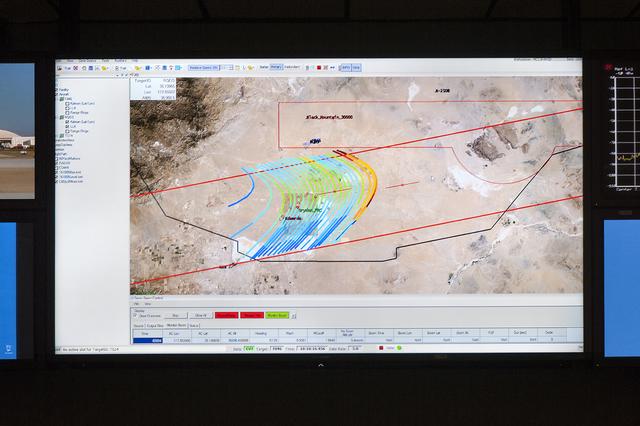
The CISBoomDA display allows the pilot of a supersonic aircraft to monitor the locations of any sonic booms produced, to prevent the aircraft from positioning booms in restricted area.
NASA’s Improved Supersonic Cockpit Display Shows Precise Locations of Sonic Booms
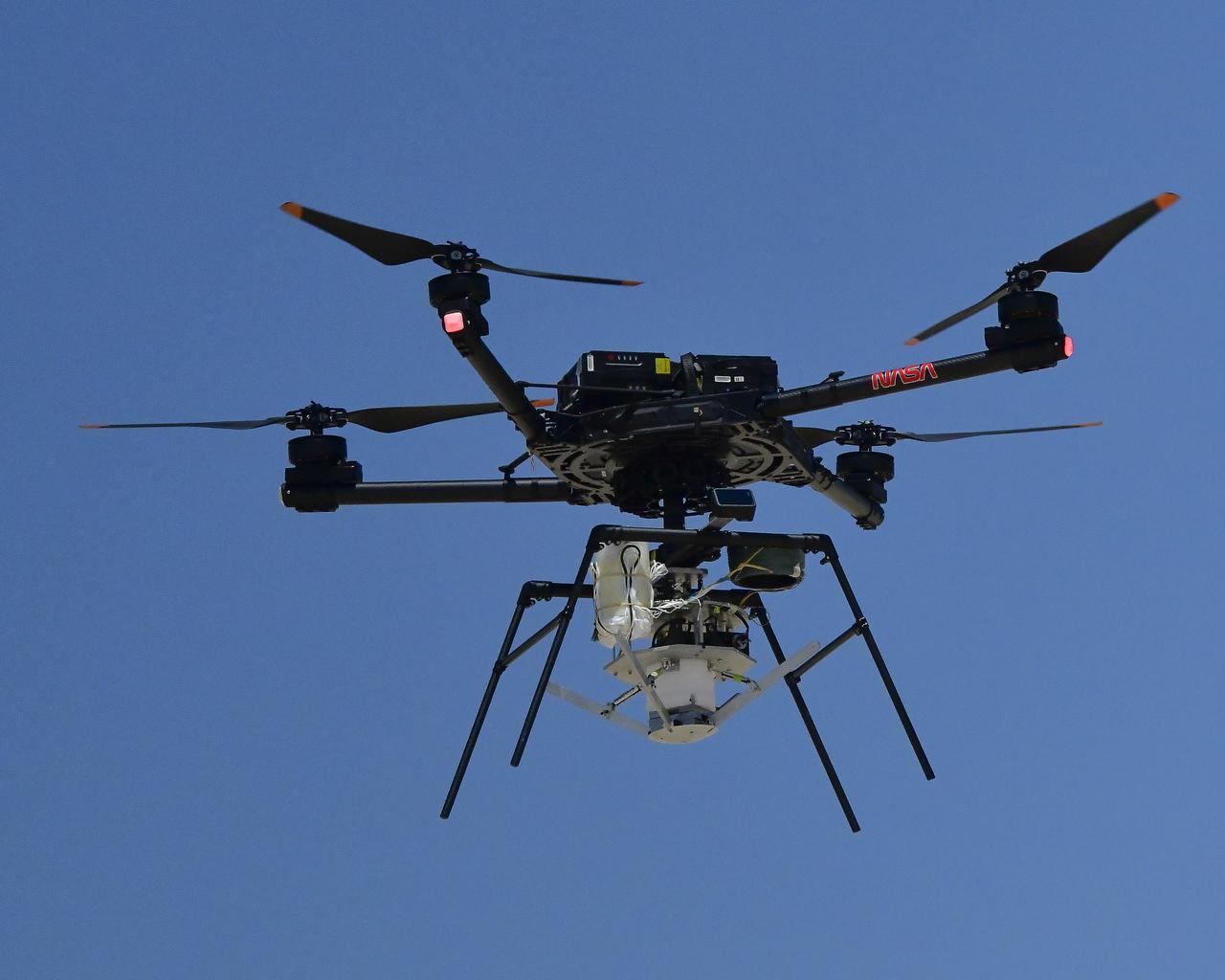
An Alta X drone is positioned at altitude for an air launch of the Enhancing Parachutes by Instrumenting the Canopy test experiment on June 4, 2025, at NASA’s Armstong Flight Research Center in Edwards, California. NASA researchers are developing technology to make supersonic parachutes safer and more reliable for delivering science instruments and payloads to Mars.
NASA Works to Improve Supersonic Parachutes for Mars Missions
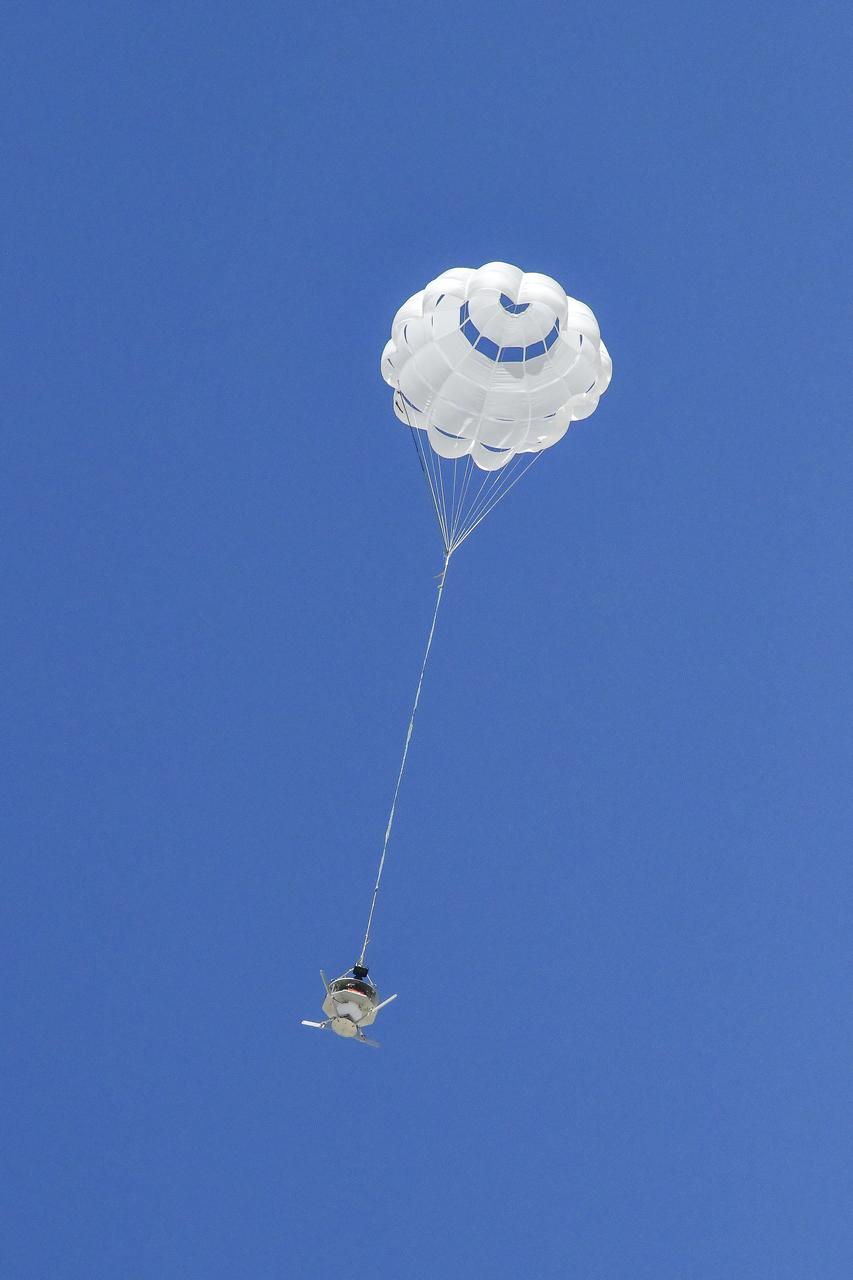
The parachute of the Enhancing Parachutes by Instrumenting the Canopy test experiment deploys following an air launch from an Alta X drone on June 4, 2025, at NASA’s Armstong Flight Research Center in Edwards, California. NASA researchers are developing technology to make supersonic parachutes safer and more reliable for delivering science instruments and payloads to Mars.
NASA Works to Improve Supersonic Parachutes for Mars Missions
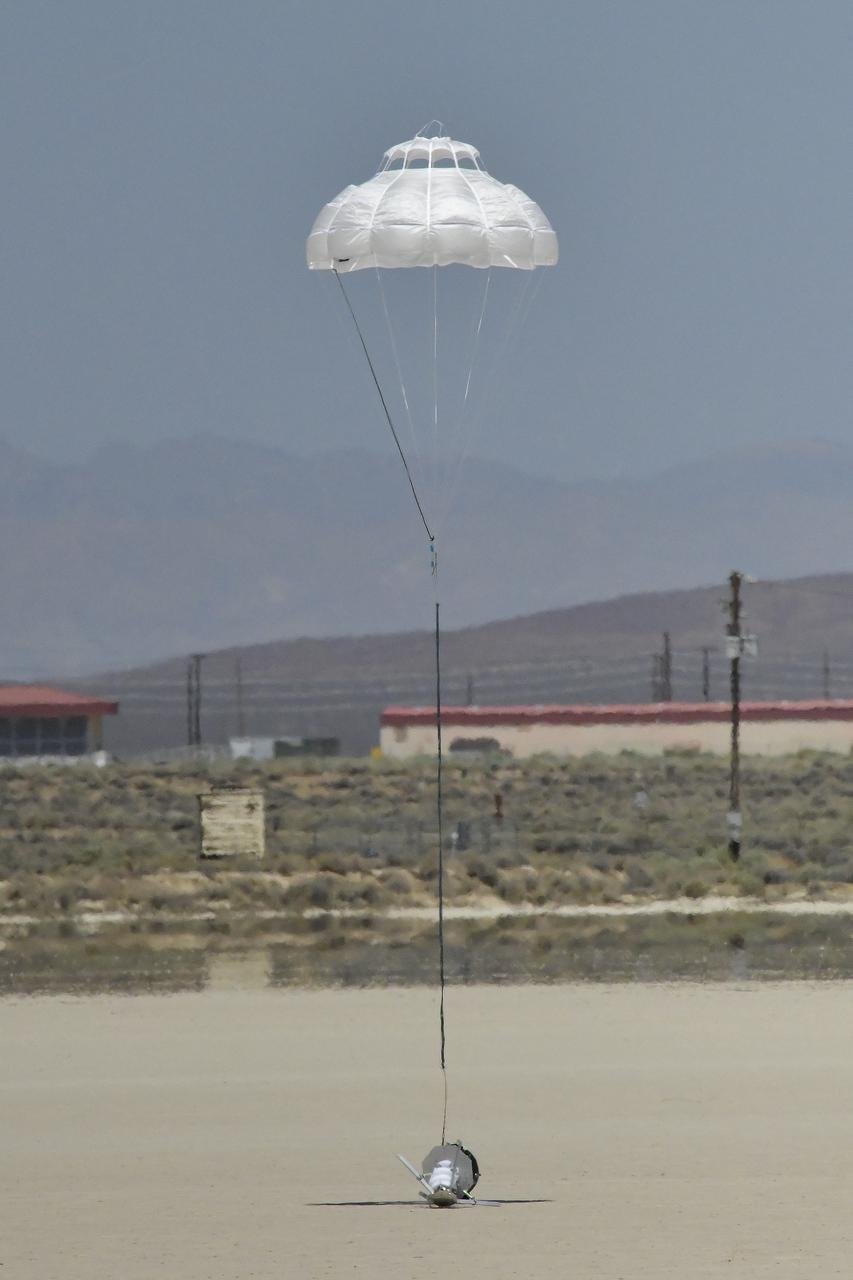
The Enhancing Parachutes by Instrumenting the Canopy test experiment lands following an air launch from an Alta X drone on June 4, 2025, at NASA’s Armstong Flight Research Center in Edwards, California. NASA researchers are developing technology to make supersonic parachutes safer and more reliable for delivering science instruments and payloads to Mars.
NASA Works to Improve Supersonic Parachutes for Mars Missions
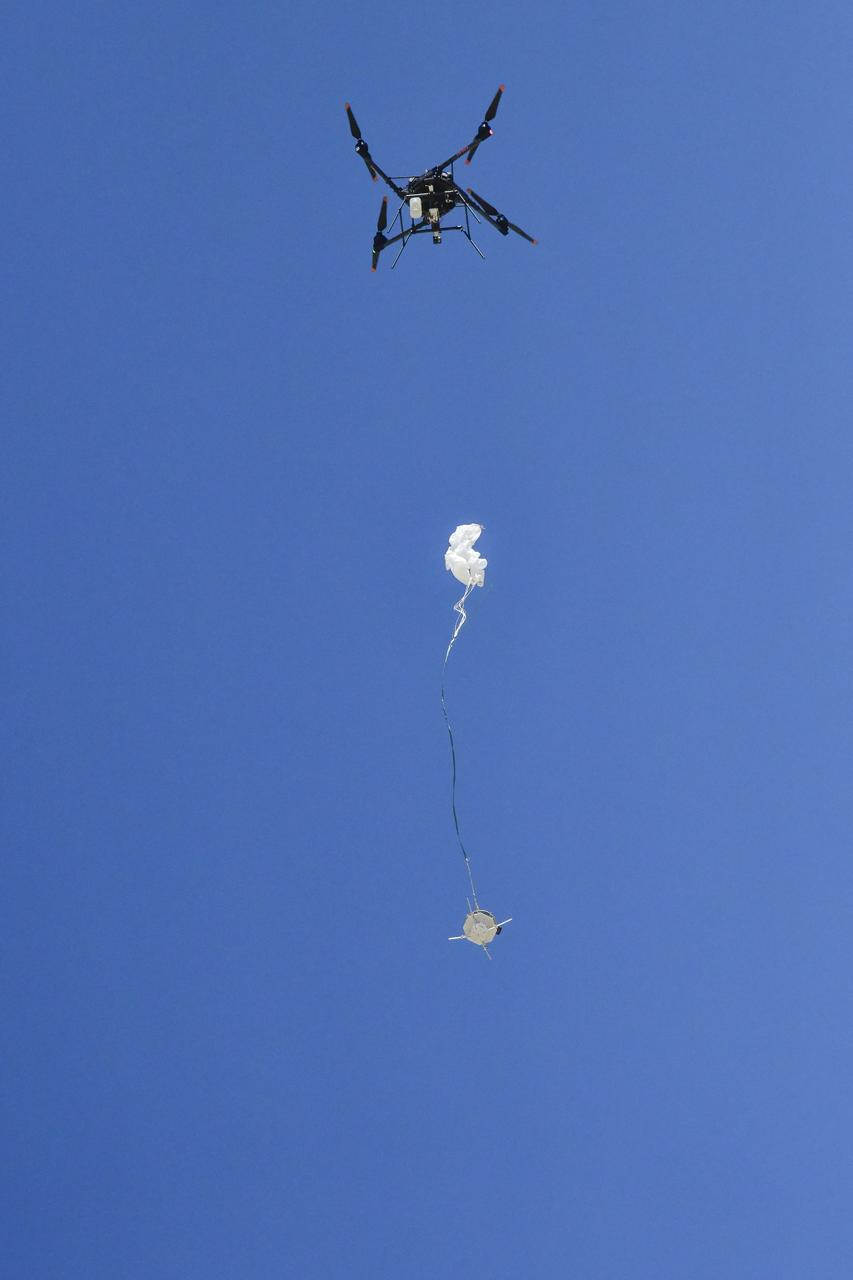
An Alta X drone air launches the Enhancing Parachutes by Instrumenting the Canopy test experiment on June 4, 2025, at NASA’s Armstong Flight Research Center in Edwards, California. NASA researchers are developing technology to make supersonic parachutes safer and more reliable for delivering science instruments and payloads to Mars.
NASA Works to Improve Supersonic Parachutes for Mars Missions
The main structural body of the second flight test vehicle in NASA Low-Density Supersonic Decelerator LDSD project is seen during its assembly in a cleanroom at NASA Jet Propulsion Laboratory.
LDSD Flight Test Vehicle 2 in Cleanroom
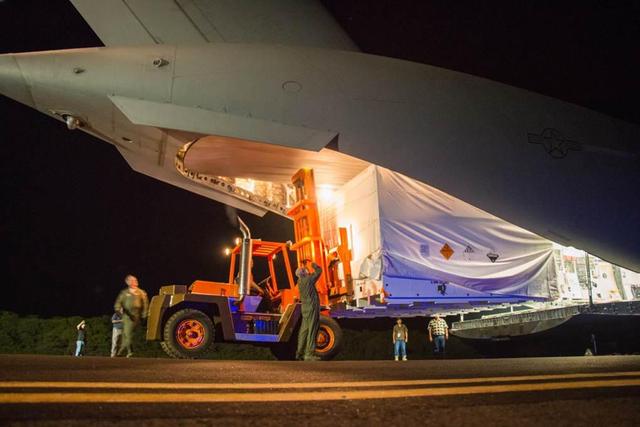
The saucer-shaped test vehicle for NASA Low-Density Supersonic Decelerator LDSD project, packaged in the box shown here, was shipped via plane to the Navy Pacific Missile Range Facility in Kauai, Hawaii on April 17.
Unloading LDSD Test Device in Hawaii
Tears are visible in the parachute from NASA Supersonic Disk Sail Parachute, which did not deploy as expected. The photo was obtained by Navy divers during recovery of the LDSD test vehicle and parachute.
LDSD Chute
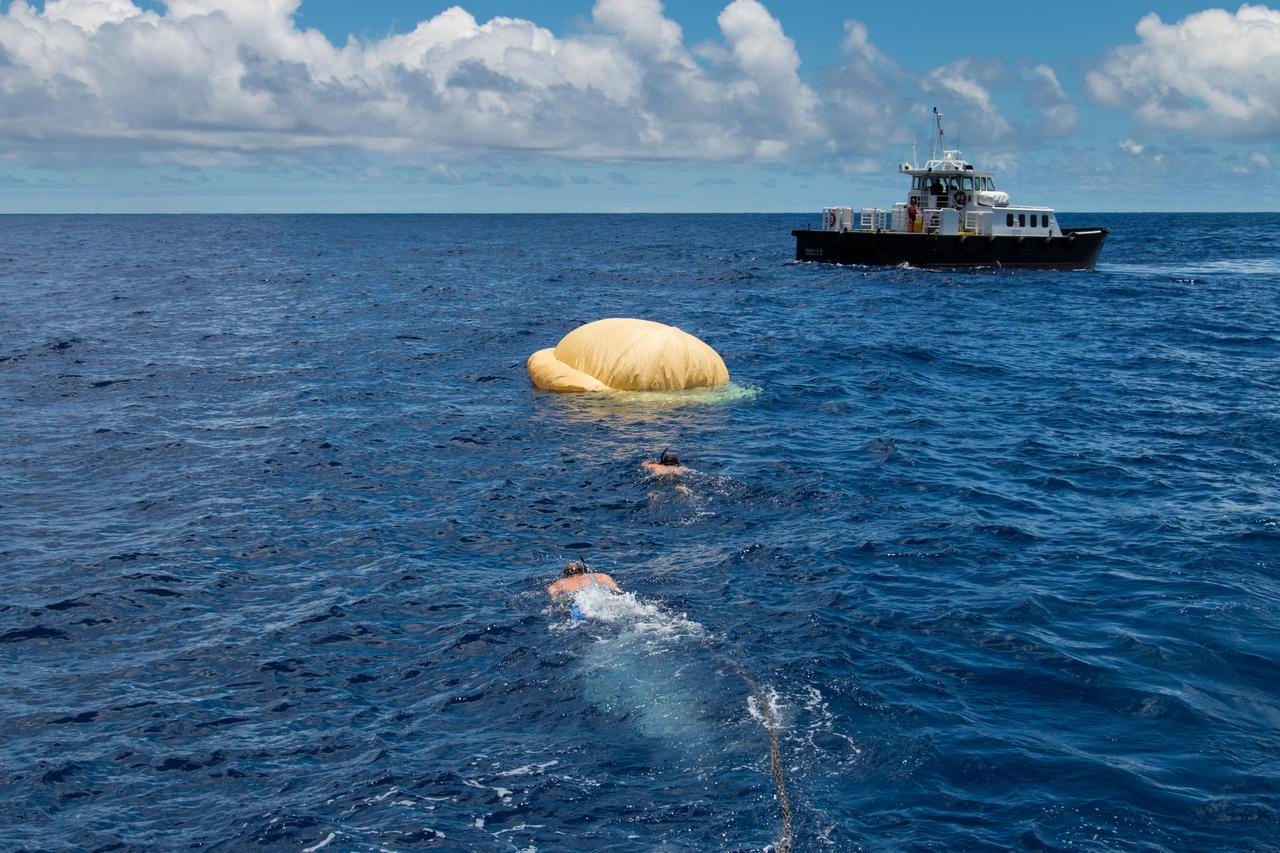
Hours after the June 28, 2014, test of NASA Low-Density Supersonic Decelerator over the U.S. Navy Pacific Missile Range, two members of the Navy Explosive Ordinance Disposal swim toward the test vehicle.
Saturday Afternoon Swim
Hours after the June 28, 2014, test of NASA Low-Density Supersonic Decelerator over the U.S. Navy Pacific Missile Range, the saucer-shaped test vehicle is lifted aboard the Kahana recovery vessel.
Saucer Out of the Drink
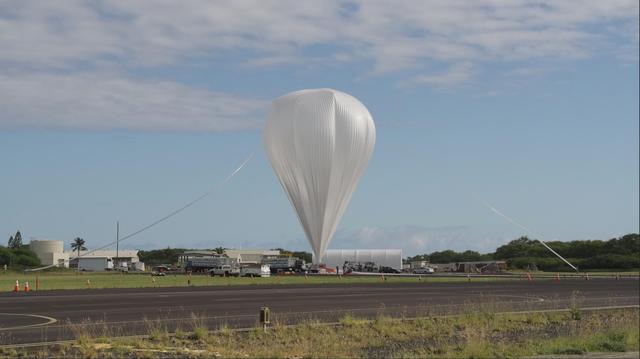
Crews from the Columbia Scientific Balloon Facility prepare the balloon for flight for the 2014 NASA Low-Density Supersonic Decelerator test from the U.S. Navy Pacific Missile Range Facility on Kauai, Hawaii.
The Saucer Ride
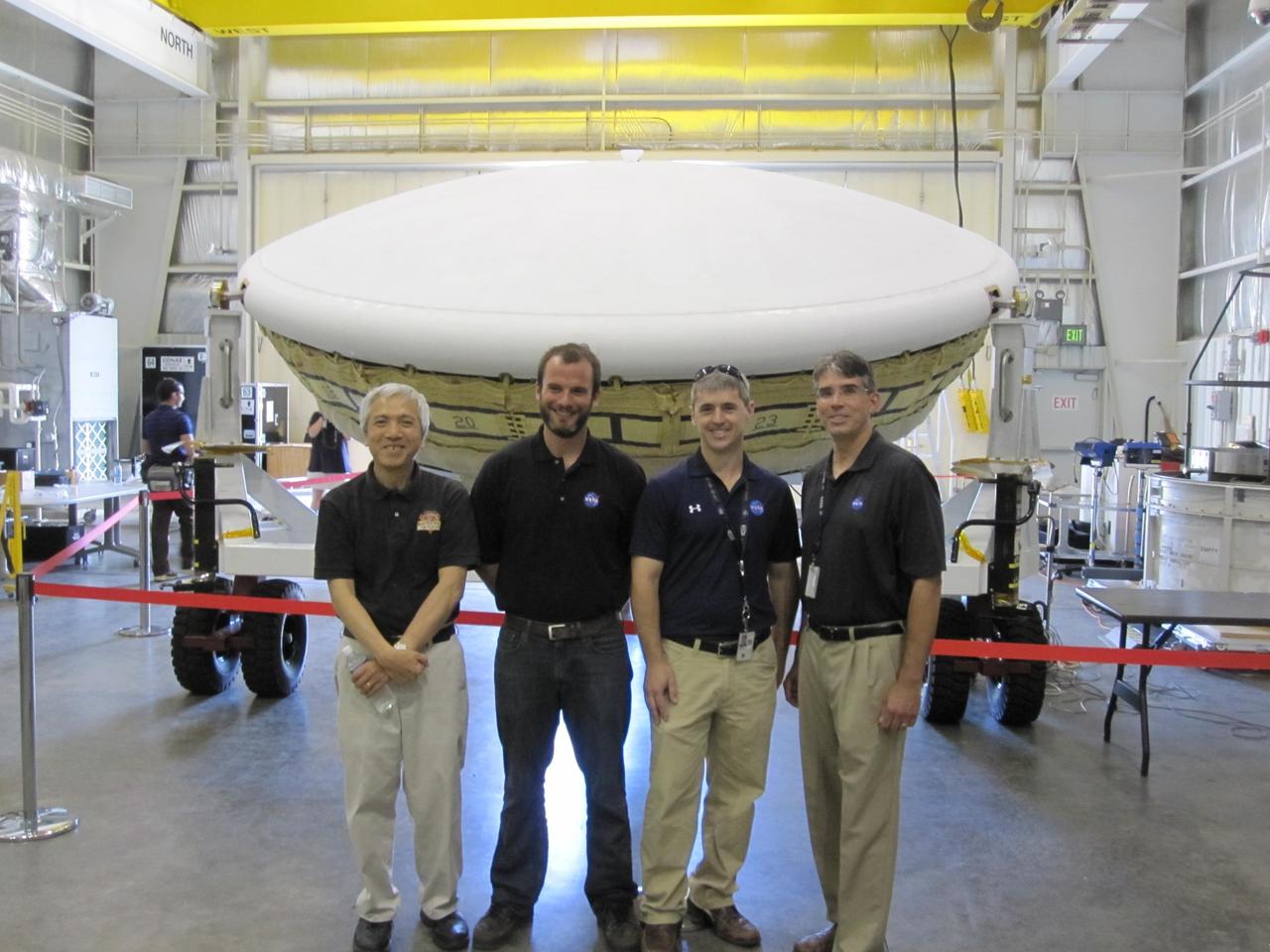
Members of the team for NASA Low-Density Supersonic Decelerator LDSD stand in front of the project saucer-shaped test vehicle at the U.S. Navy Pacific Missile Range Facility in Kauai, Hawaii.
LDSD Team in Hawaii
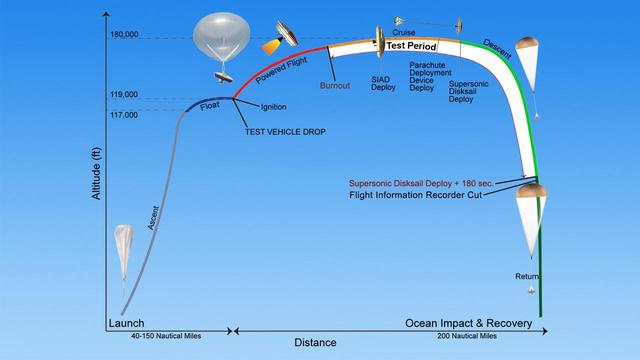
The saucer-shaped test vehicle for NASA Low-Density Supersonic Decelerator LDSD will undergo a series of events in the skies above Hawaii, with the ultimate goal of testing future landing technologies for Mars missions.
Timeline of Events for Planetary Landing Test
An engineer works on the Parachute Deployment Device of the Low-Density Supersonic Decelerator test vehicle in this image taken at the Missile Assembly Building at the U.S. Navy Pacific Missile Range Facility in Kauai, Hawaii.
Prepping the Parachute Deployment Device
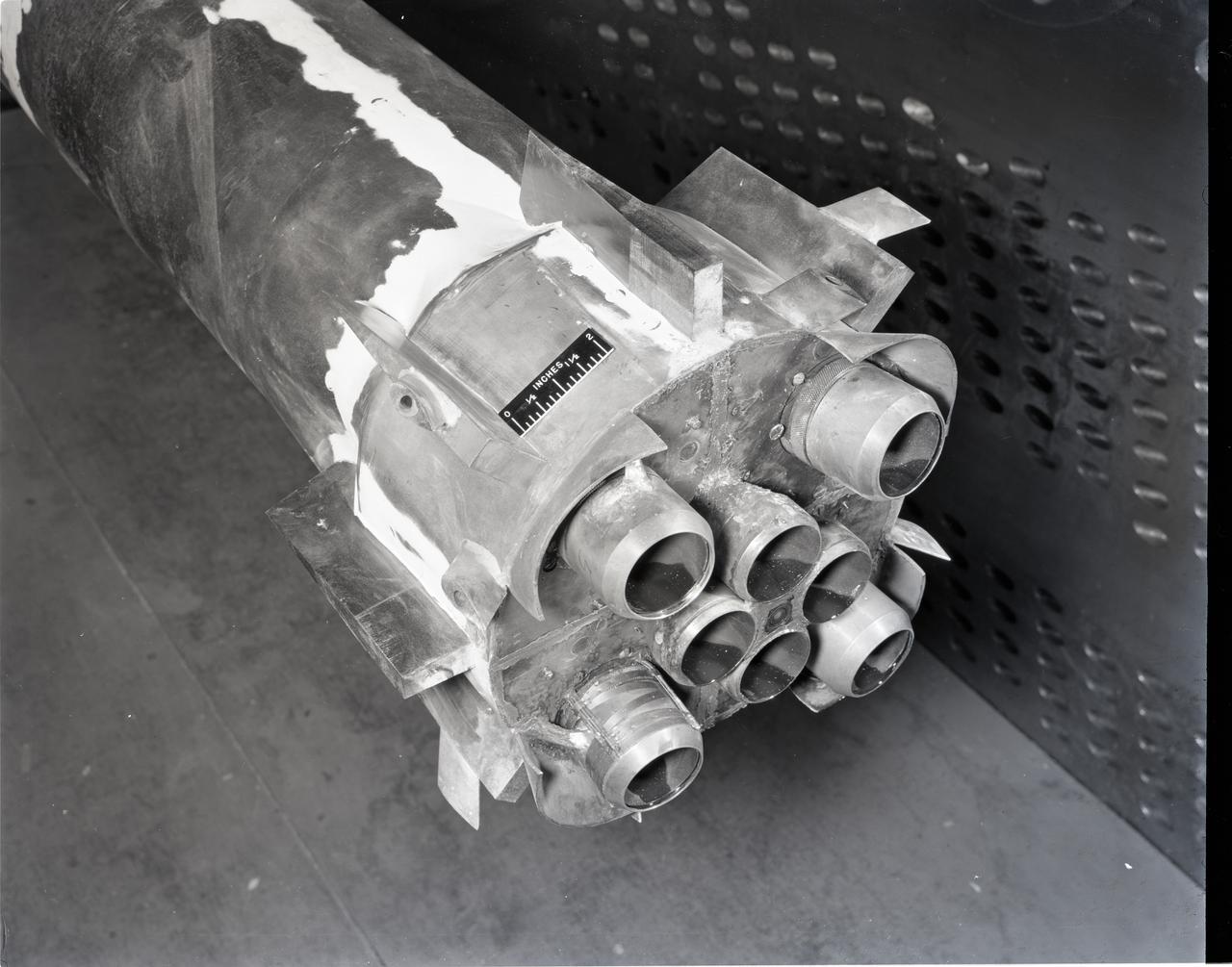
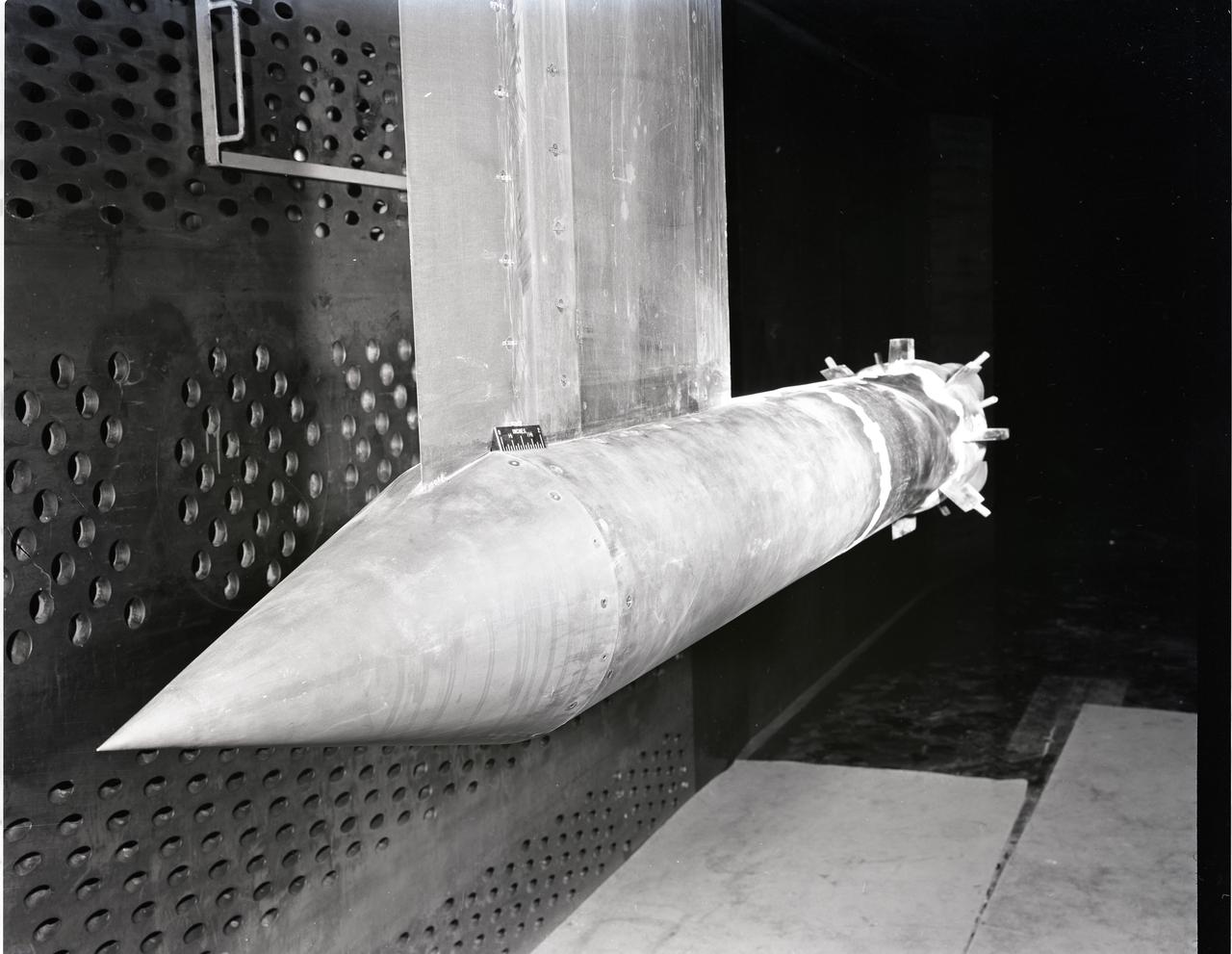
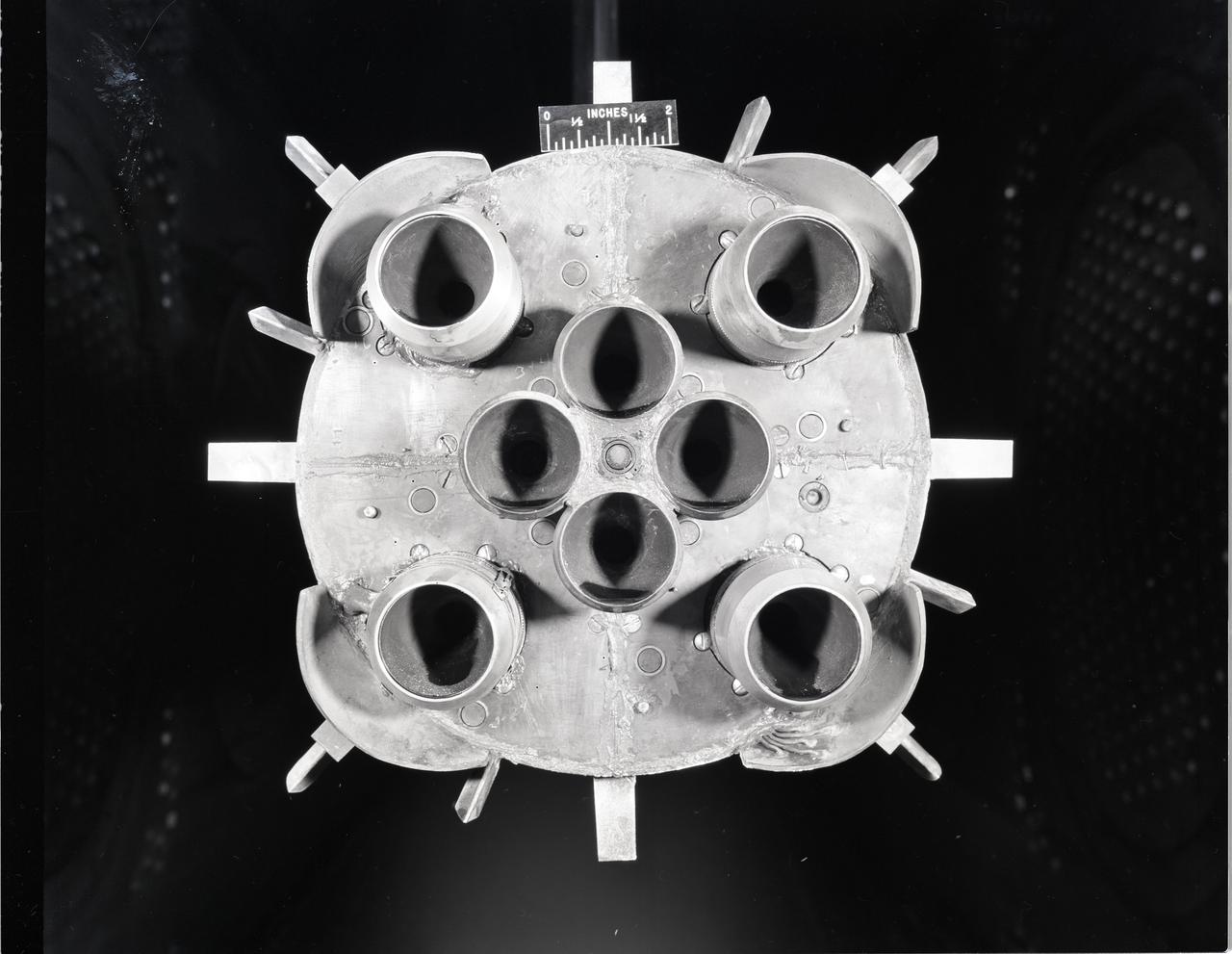
APOLLO CONFIGURATION OF SATURN MODEL IN THE 8X6-FOOT SUPERSONIC WIND TUNNEL
APOLLO CONFIGURATION OF SATURN MODEL IN THE 8X6-FOOT SUPERSONIC
APOLLO CONFIGURATION OF SATURN MODEL IN THE 8X6-FOOT SUPERSONIC WIND TUNNEL
APOLLO CONFIGURATION OF SATURN MODEL IN THE 8X6-FOOT SUPERSONIC
APOLLO CONFIGURATION OF SATURN MODEL IN THE 8X6-FOOT SUPERSONIC WIND TUNNEL
APOLLO CONFIGURATION OF SATURN MODEL IN THE 8X6-FOOT SUPERSONIC
APOLLO CONFIGURATION OF SATURN MODEL IN THE 8X6-FOOT SUPERSONIC WIND TUNNEL
APOLLO CONFIGURATION OF SATURN MODEL IN THE 8X6-FOOT SUPERSONIC
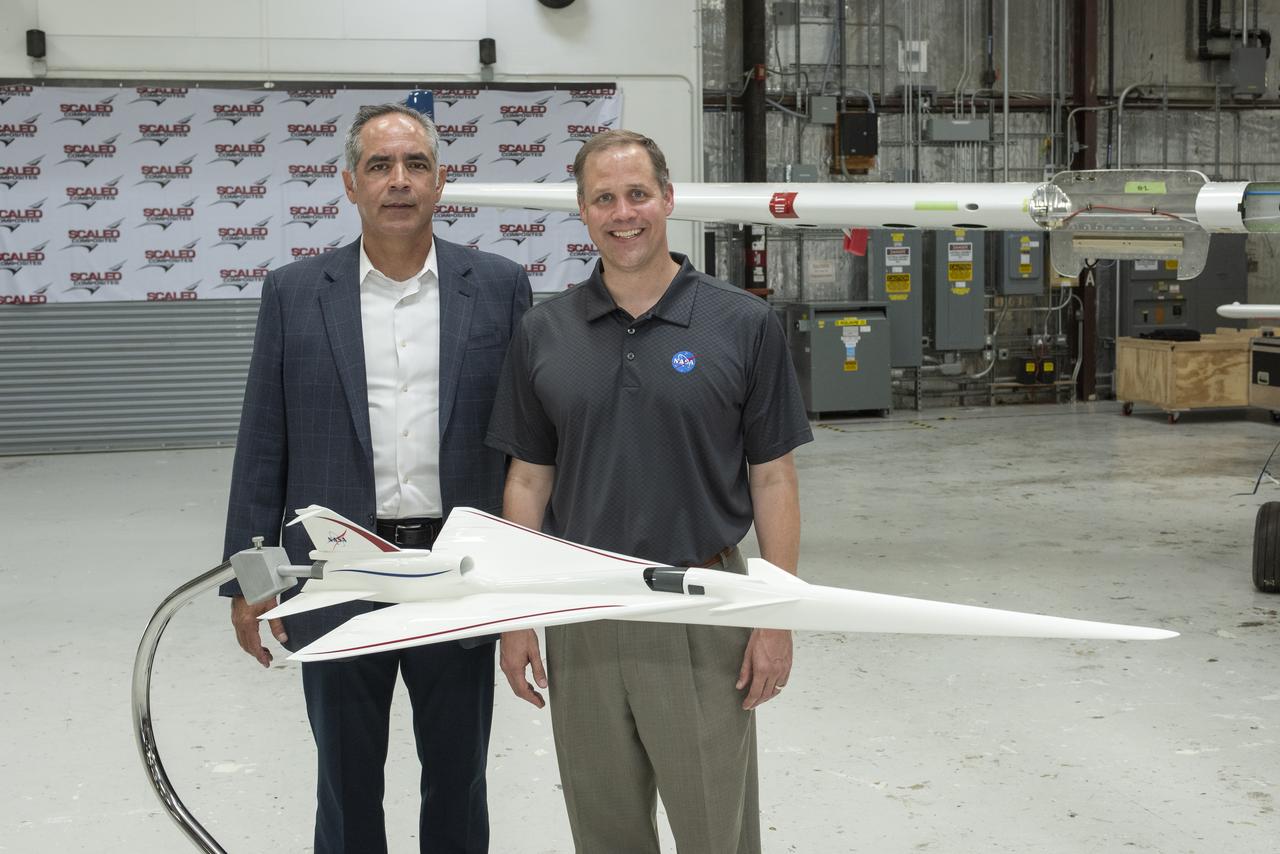
NASA Administrator Bridenstine stands with AFRC center director McBride by model NASA's Supersonic X-Plane, X-59 Quiet Supersonic Technology or QueSST. Bridenstine spoke at press event at Mojave Air and Space Port in California. The goal of X-59 is to quiet the sound when aircraft pierce the speed of sound and make a loud sonic boom on the ground.
NASA Administrator Bridenstine and Armstrong Flight Research Center's Center Director McBride stand beside model of NASA's Supersonic X-Plane, X-59 Quiet Supersonic Technology or QueSST at press event in Mojave Air & Space Port in California
NASA mission controllers, engineers, pilots and communications specialists in the mission control room monitor the supersonic research flight off the coast of Galveston, as part of the QSF18 flight series. The flight operations crew tracks the status of the flights, maintains communications with the aircraft, communicates with U.S. Coast Guard, and coordinates community feedback data.
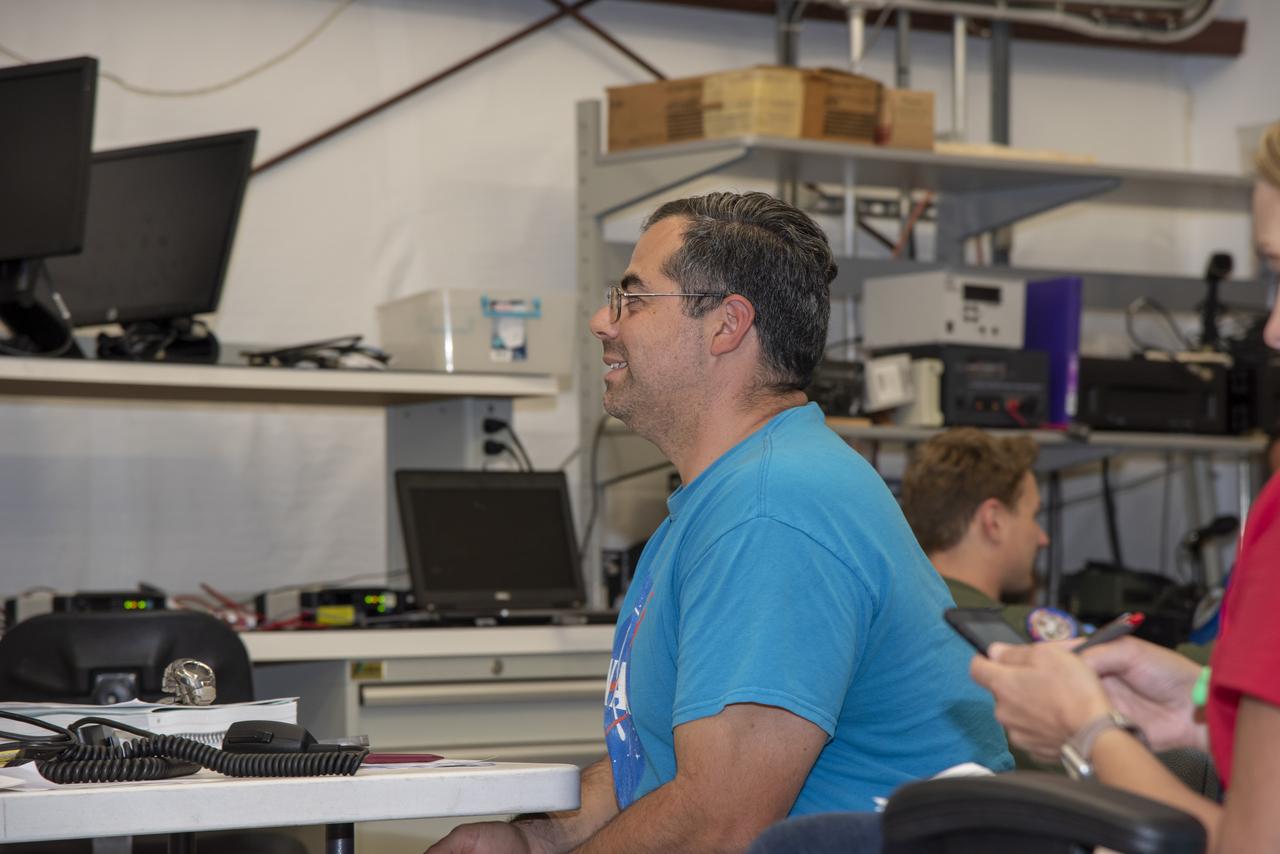
NASA Flight Operations Crew Monitors Supersonic Flight
NASA mission controllers, engineers, pilots and communications specialists in the mission control room monitor the supersonic research flight off the coast of Galveston, as part of the QSF18 flight series. The flight operations crew tracks the status of the flights, maintains communications with the aircraft, communicates with U.S. Coast Guard, and coordinates community feedback data.
NASA Flight Operations Crew Monitors Supersonic Flight
NASA mission controllers, engineers, pilots and communications specialists in the mission control room monitor the supersonic research flight off the coast of Galveston, as part of the QSF18 flight series. The flight operations crew tracks the status of the flights, maintains communications with the aircraft, communicates with U.S. Coast Guard, and coordinates community feedback data.
NASA Flight Operations Crew Monitors Supersonic Flight
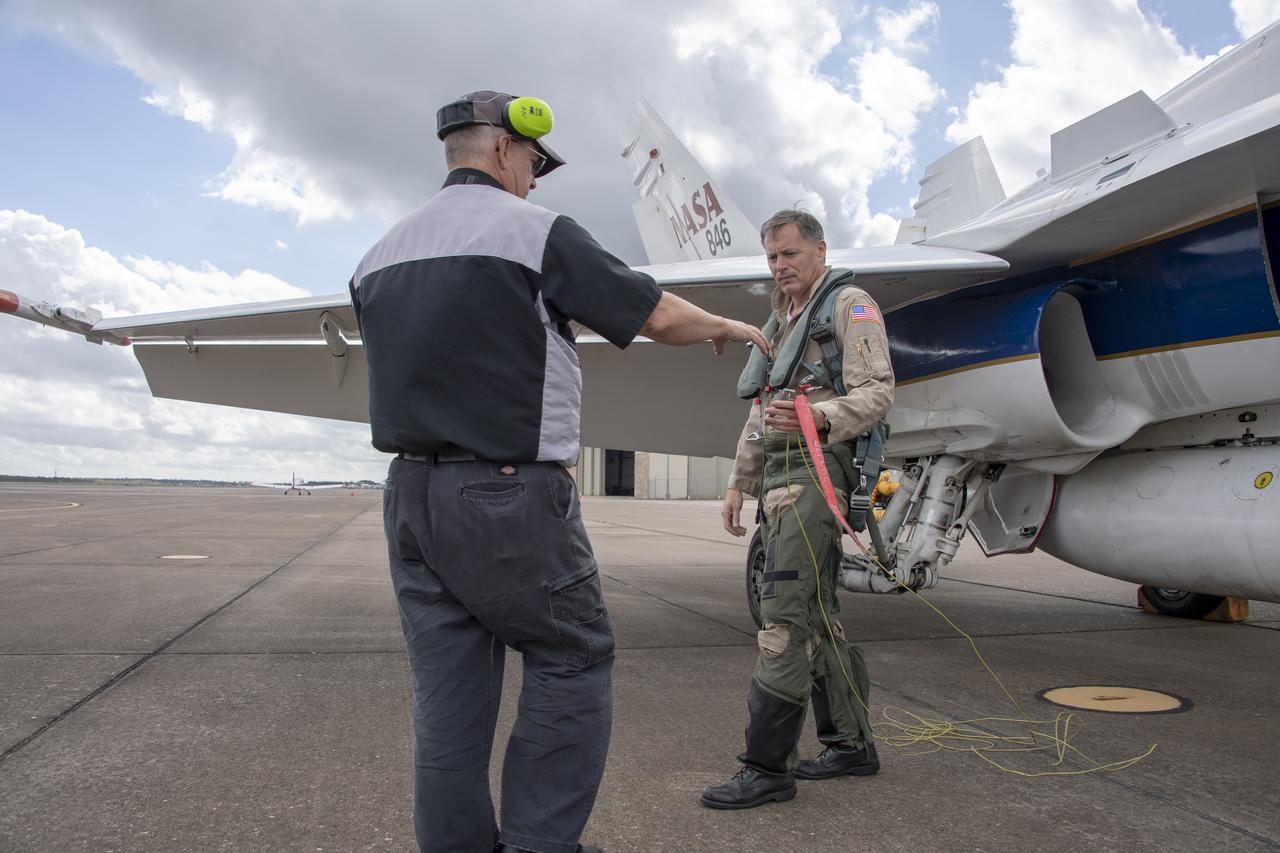
NASA test pilot Wayne “Ringo” Ringelberg and photographer Carla Thomas prepare to take off for a supersonic research flight in support of the QSF18 campaign off the coast of Texas. NASA photographers and videographers take part in operations to support mission documentation.
NASA F/A-18 Prepares for Supersonic Research Flight
NASA test pilot Wayne “Ringo” Ringelberg and photographer Carla Thomas prepare to take off for a supersonic research flight in support of the QSF18 campaign off the coast of Texas. NASA photographers and videographers take part in operations to support mission documentation.
NASA F/A-18 Prepares for Supersonic Research Flight
NASA mission controllers, engineers, pilots and communications specialists in the mission control room monitor the supersonic research flight off the coast of Galveston, as part of the QSF18 flight series. The flight operations crew tracks the status of the flights, maintains communications with the aircraft, communicates with U.S. Coast Guard, and coordinates community feedback data.
NASA Flight Operations Crew Monitors Supersonic Flight
NASA mission controllers, engineers, pilots and communications specialists in the mission control room monitor the supersonic research flight off the coast of Galveston, as part of the QSF18 flight series. The flight operations crew tracks the status of the flights, maintains communications with the aircraft, communicates with U.S. Coast Guard, and coordinates community feedback data.
NASA Flight Operations Crew Monitors Supersonic Flight
NASA test pilot Wayne “Ringo” Ringelberg and photographer Carla Thomas prepare to take off for a supersonic research flight in support of the QSF18 campaign off the coast of Texas. NASA photographers and videographers take part in operations to support mission documentation.
NASA F/A-18 Prepares for Supersonic Research Flight
NASA mission controllers, engineers, pilots and communications specialists in the mission control room monitor the supersonic research flight off the coast of Galveston, as part of the QSF18 flight series. The flight operations crew tracks the status of the flights, maintains communications with the aircraft, communicates with U.S. Coast Guard, and coordinates community feedback data.
NASA Flight Operations Crew Monitors Supersonic Flight
NASA test pilot Wayne “Ringo” Ringelberg and photographer Carla Thomas prepare to take off for a supersonic research flight in support of the QSF18 campaign off the coast of Texas. NASA photographers and videographers take part in operations to support mission documentation.
NASA F/A-18 Prepares for Supersonic Research Flight
NASA test pilot Wayne “Ringo” Ringelberg and photographer Carla Thomas prepare to take off for a supersonic research flight in support of the QSF18 campaign off the coast of Texas. NASA photographers and videographers take part in operations to support mission documentation.
NASA F/A-18 Prepares for Supersonic Research Flight
NASA test pilot Wayne “Ringo” Ringelberg and photographer Carla Thomas prepare to take off for a supersonic research flight in support of the QSF18 campaign off the coast of Texas. NASA photographers and videographers take part in operations to support mission documentation.
NASA F/A-18 Prepares for Supersonic Research Flight
NASA mission controllers, engineers, pilots and communications specialists in the mission control room monitor the supersonic research flight off the coast of Galveston, as part of the QSF18 flight series. The flight operations crew tracks the status of the flights, maintains communications with the aircraft, communicates with U.S. Coast Guard, and coordinates community feedback data.
NASA Flight Operations Crew Monitors Supersonic Flight
NASA test pilot Wayne “Ringo” Ringelberg and photographer Carla Thomas prepare to take off for a supersonic research flight in support of the QSF18 campaign off the coast of Texas. NASA photographers and videographers take part in operations to support mission documentation.
NASA F/A-18 Prepares for Supersonic Research Flight