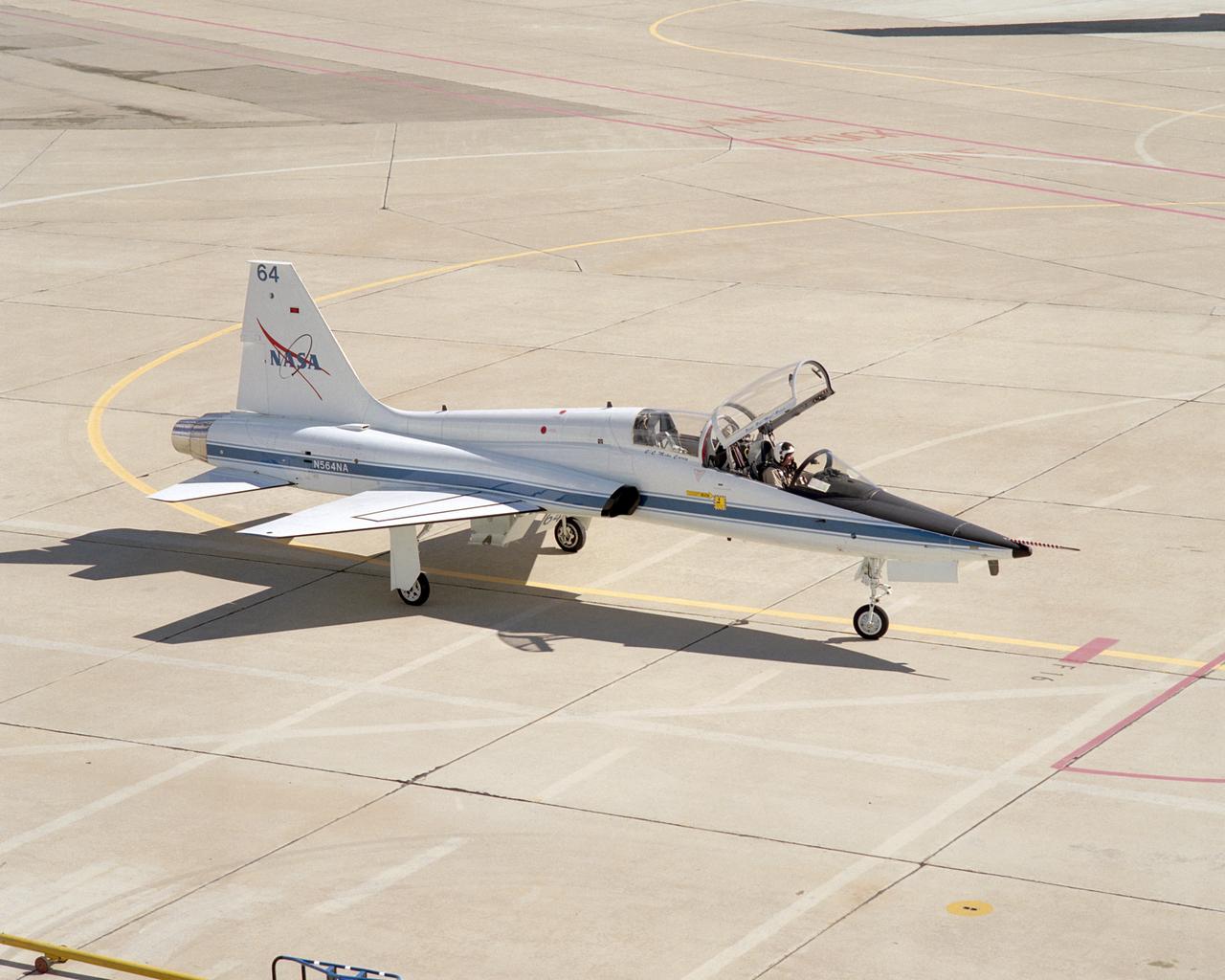
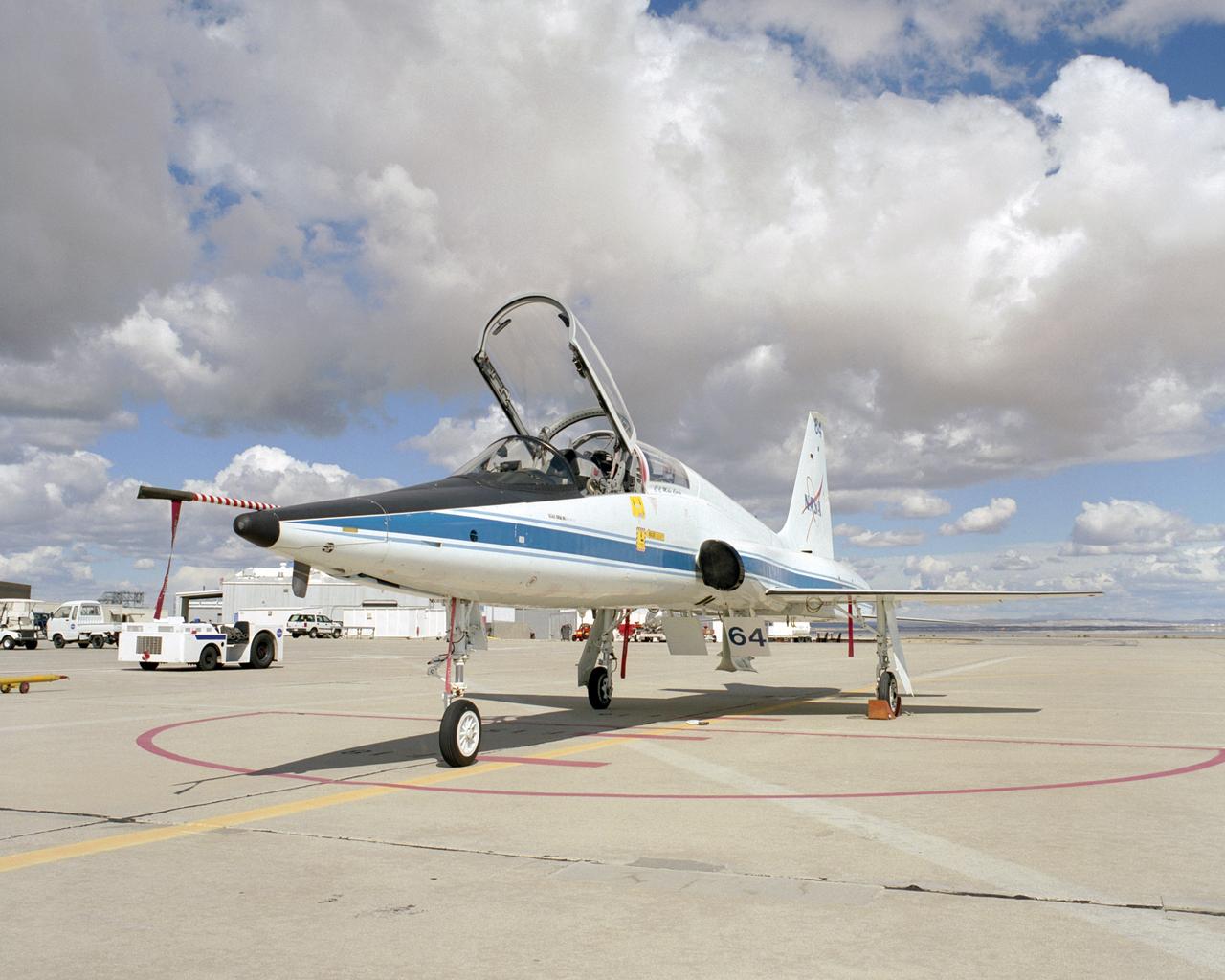
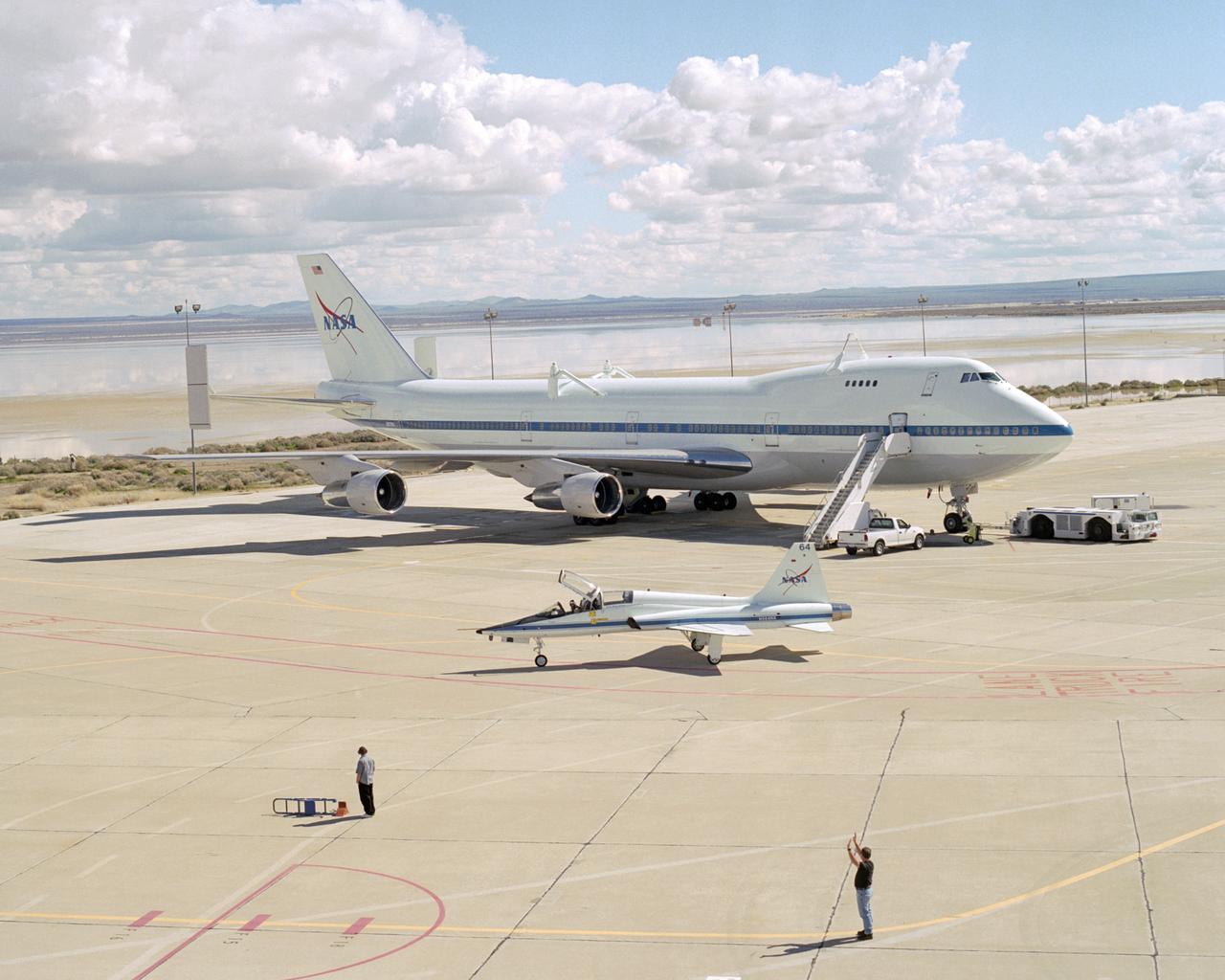
Puffy white clouds and a flooded lakebed form a backdrop as a T-38 support aircraft taxies across the ramp in front of NASA's Boeing 747 Shuttle Carrier Aircraft.
White clouds and a flooded lakebed form a backdrop as a T-38 support aircraft taxies across the ramp in front of NASA's Boeing 747 Shuttle Carrier Aircraft
Pilot Gordon Fullerton taxies NASA Dryden's "newest" mission support aircraft, a T-38 Talon, into position on the ramp upon its arrival on February 24, 2005.
Pilot Gordon Fullerton taxies NASA Dryden's "newest" mission support aircraft, a T-38 Talon, into position on the ramp upon its arrival on February 24, 2005
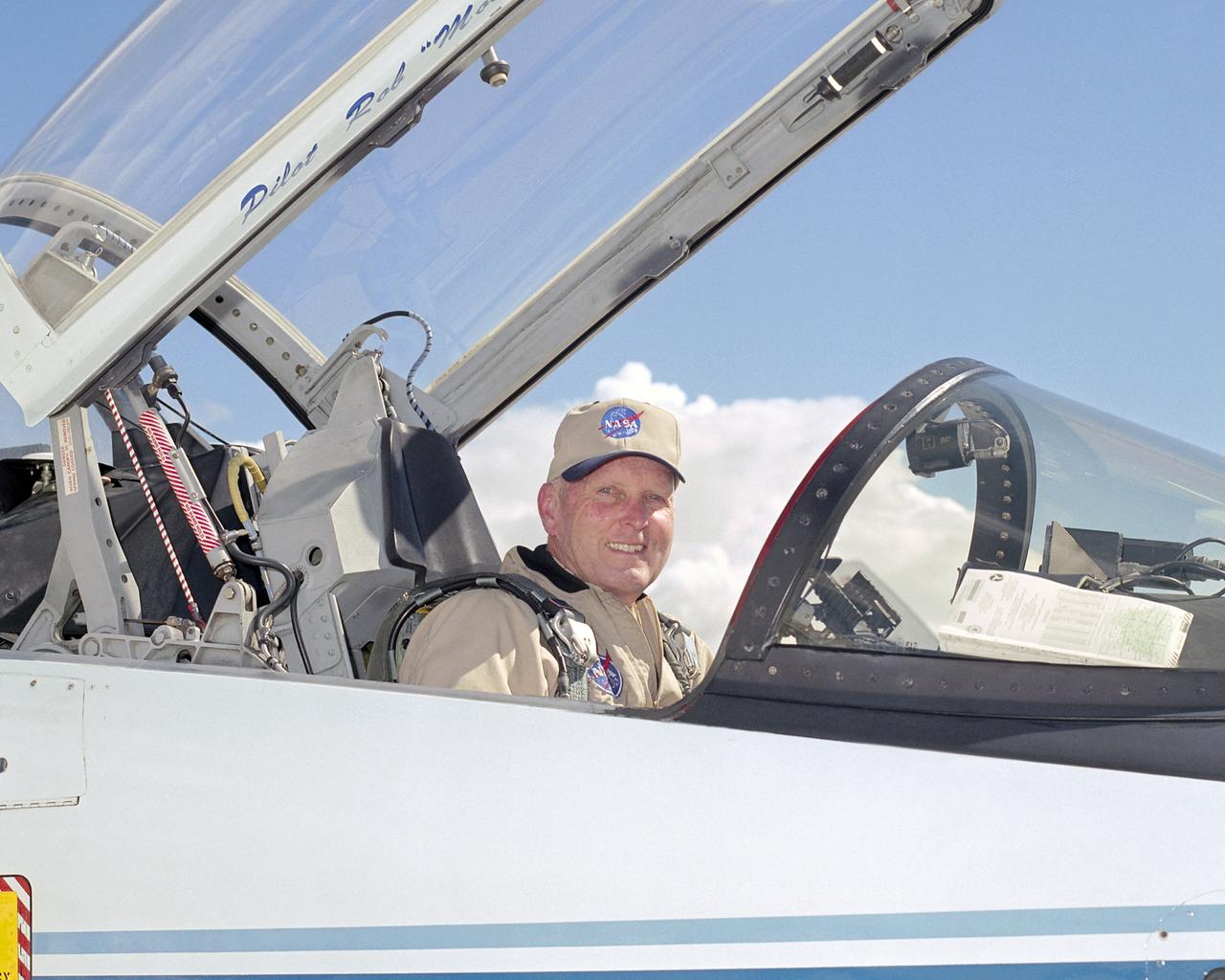
NASA Dryden Flight Research Center's chief pilot Gordon Fullerton in the cockpit of the center's T-38 Talon mission support aircraft.
NASA Dryden life support technician Jim Sokolik assists pressure-suited pilot Dee Porter into the cockpit of NASA's ER-2 Earth resources aircraft.
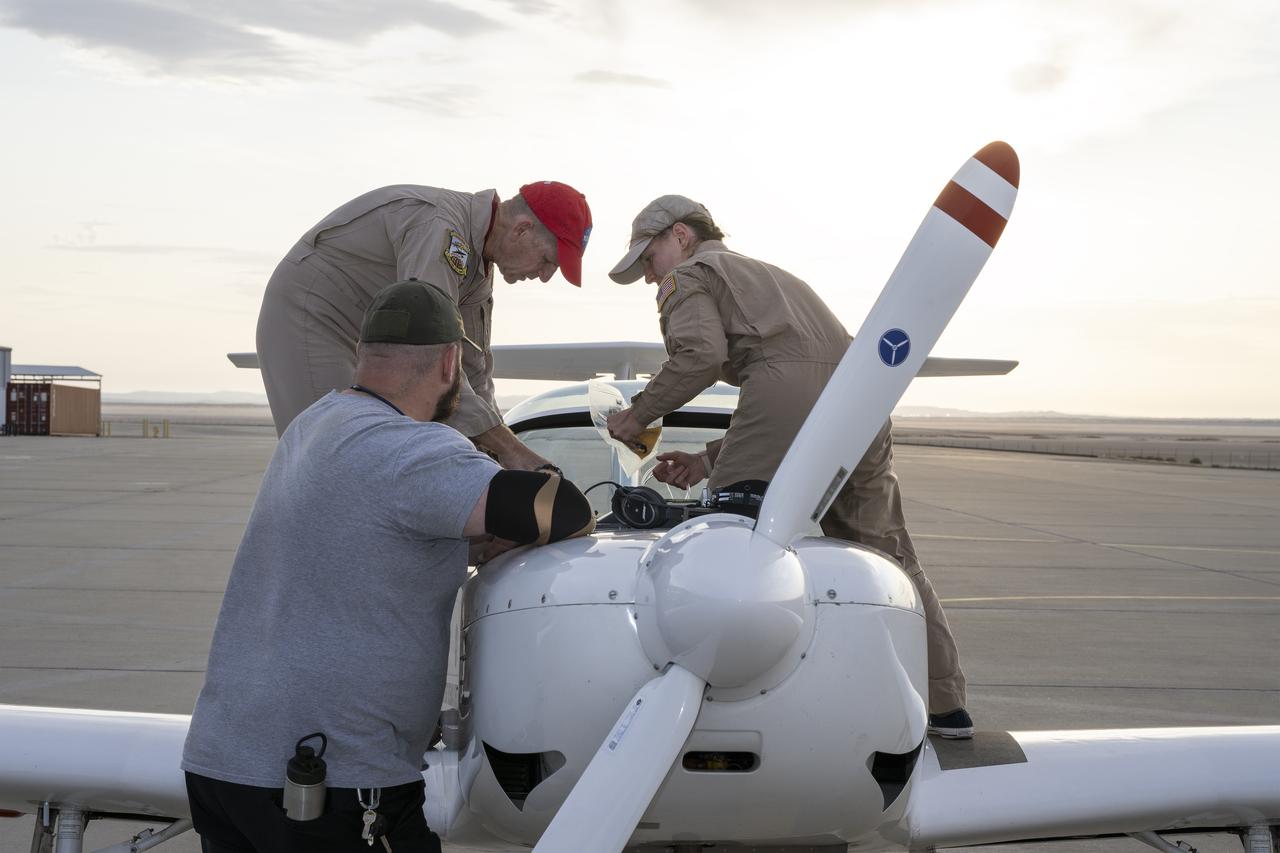
A NASA TG-14 glider aircraft is prepared for flight at NASA’s Armstrong Flight Research Center in Edwards, California, in support of the agency’s Quesst mission. The aircraft is equipped with onboard microphones to capture sonic boom noise generated during rehearsal flights, helping researchers measure the acoustic signature of supersonic aircraft closer to the ground.
NASA Glider Aircraft Supports Quesst Rehearsal Flights
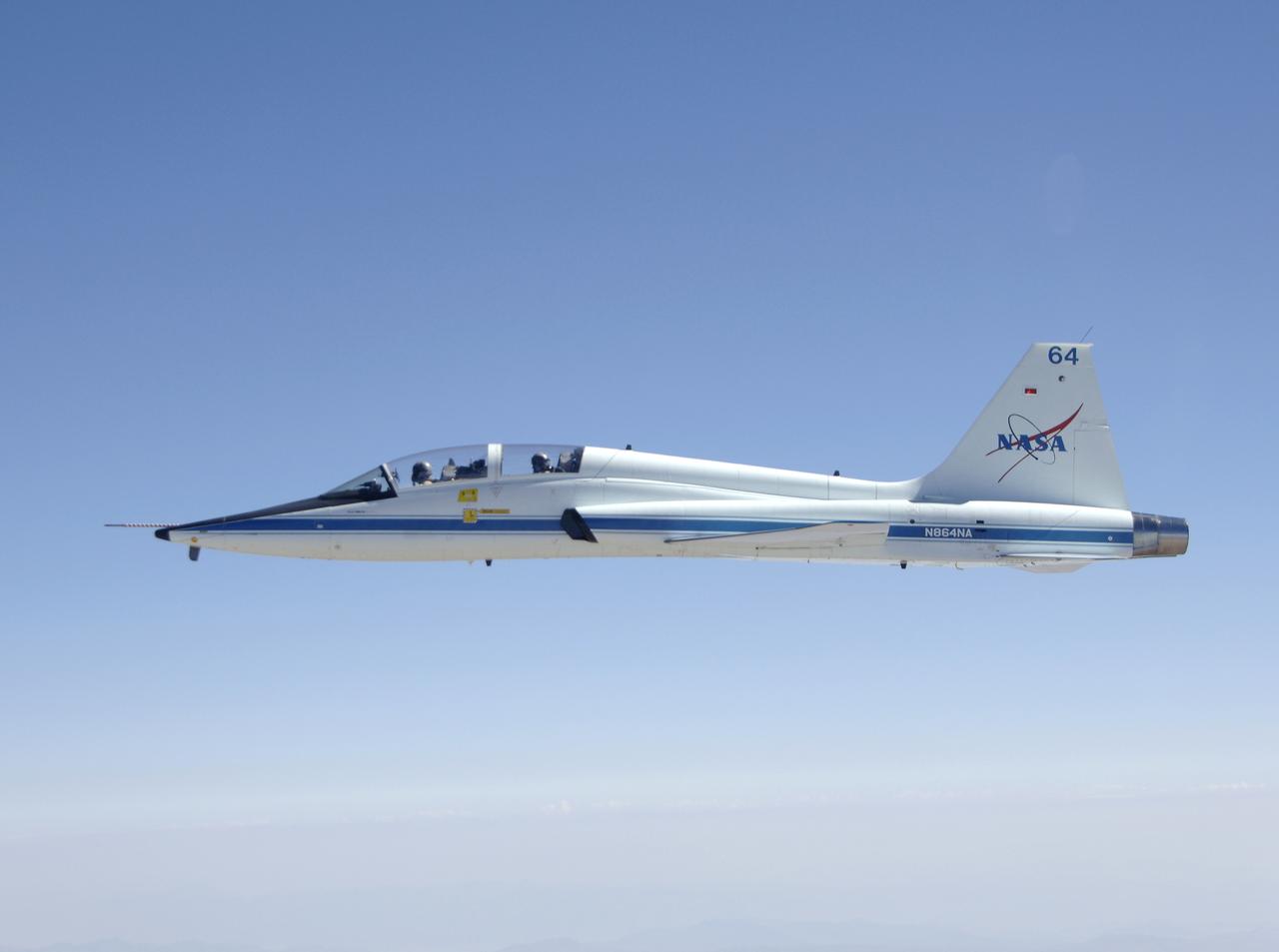
NASA Dryden's T-38 Talon trainer aircraft in flight near Edwards Air Force Base. Formerly at NASA's Langley Research Center, this Northrop T-38 Talon is now used for mission support and pilot proficiency at the Dryden Flight Research Center.
NASA Dryden's T-38 Talon trainer aircraft in flight near Edwards Air Force Base
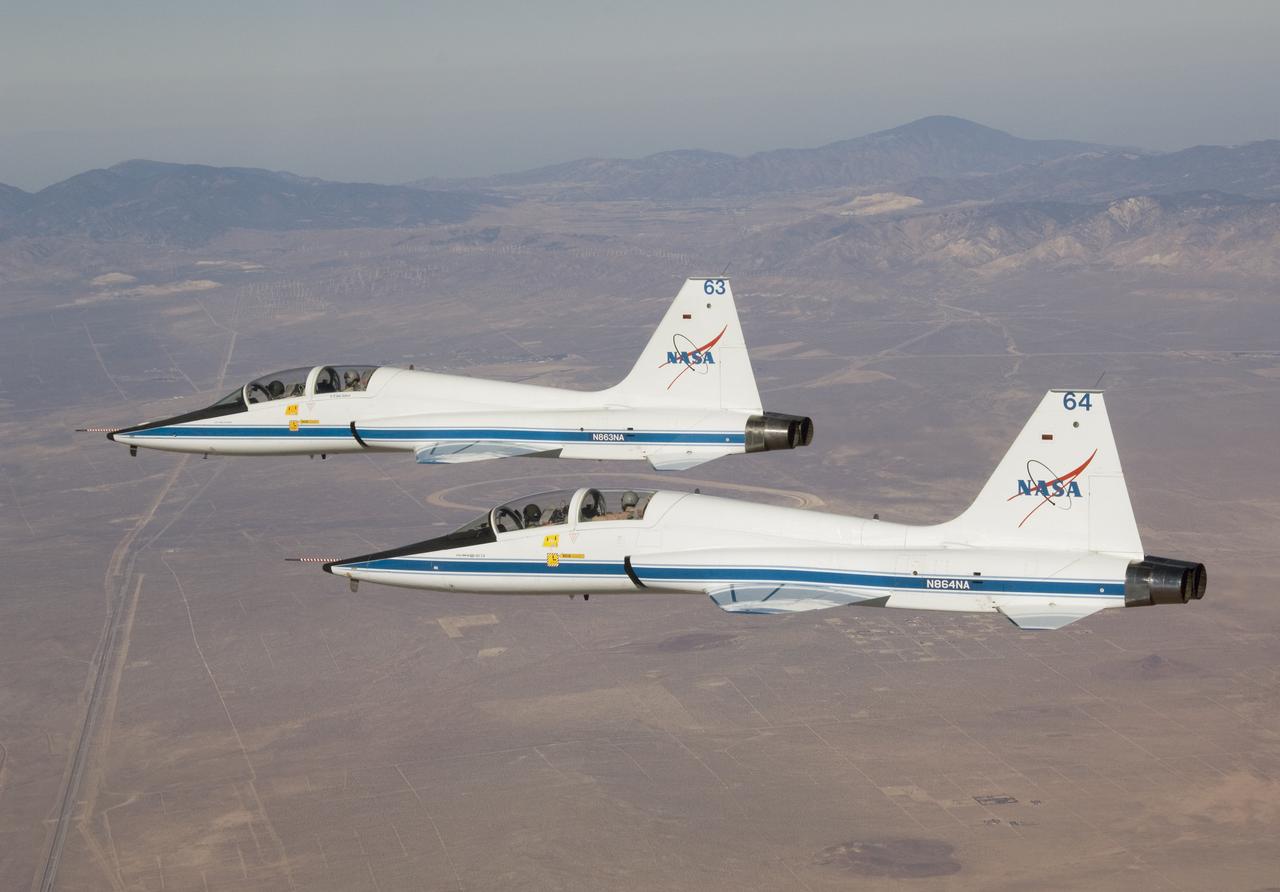
NASA Dryden Flight Research Center's two T-38A Talon mission support aircraft flew together for the first time on Sept. 26, 2007 while conducting pitot-static airspeed calibration checks during routine pilot proficiency flights. The two aircraft, flown by NASA research pilots Kelly Latimer and Frank Batteas, joined up with a NASA Dryden F/A-18 flown by NASA research pilot Dick Ewers to fly the airspeed calibrations at several speeds and altitudes that would be flown by the Stratospheric Observatory for Infrared Astronomy (SOFIA) Boeing 747SP during its initial flight test phase. The T-38s, along with F/A-18s, serve in a safety chase role during those test missions, providing critical instrument and visual monitoring for the flight test series.
NASA Dryden's two T-38A mission support aircraft fly in tight formation while conducting a pitot-static airspeed calibration check near Edwards Air Force Base
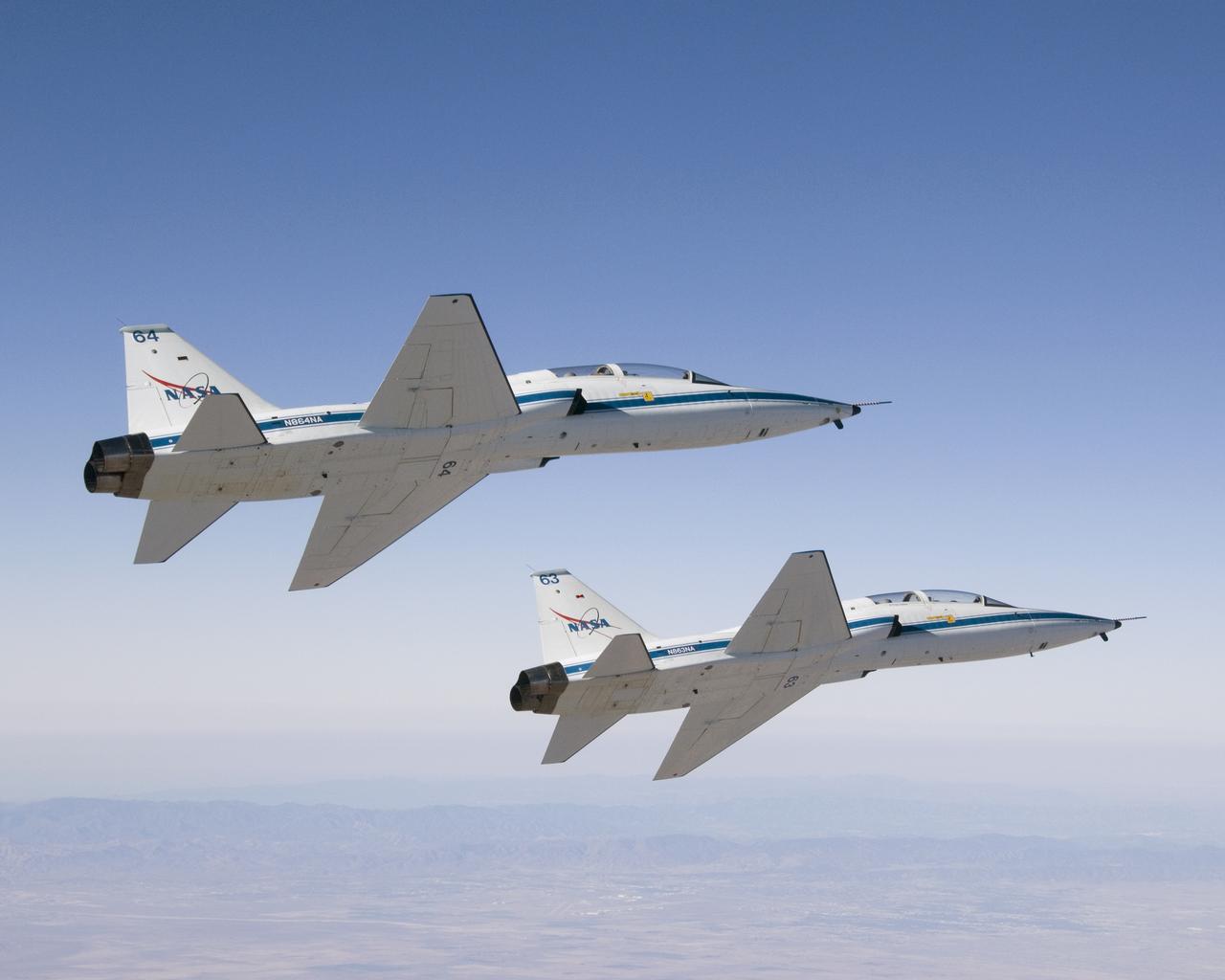
NASA Dryden Flight Research Center's two T-38A Talon mission support aircraft flew together for the first time on Sept. 26, 2007 while conducting pitot-static airspeed calibration checks during routine pilot proficiency flights. The two aircraft, flown by NASA research pilots Kelly Latimer and Frank Batteas, joined up with a NASA Dryden F/A-18 flown by NASA research pilot Dick Ewers to fly the airspeed calibrations at several speeds and altitudes that would be flown by the Stratospheric Observatory for Infrared Astronomy (SOFIA) Boeing 747SP during its initial flight test phase. The T-38s, along with F/A-18s, serve in a safety chase role during those test missions, providing critical instrument and visual monitoring for the flight test series.
NASA Dryden's two T-38A mission support aircraft fly in tight formation while conducting a pitot-static airspeed calibration check near Edwards Air Force Base
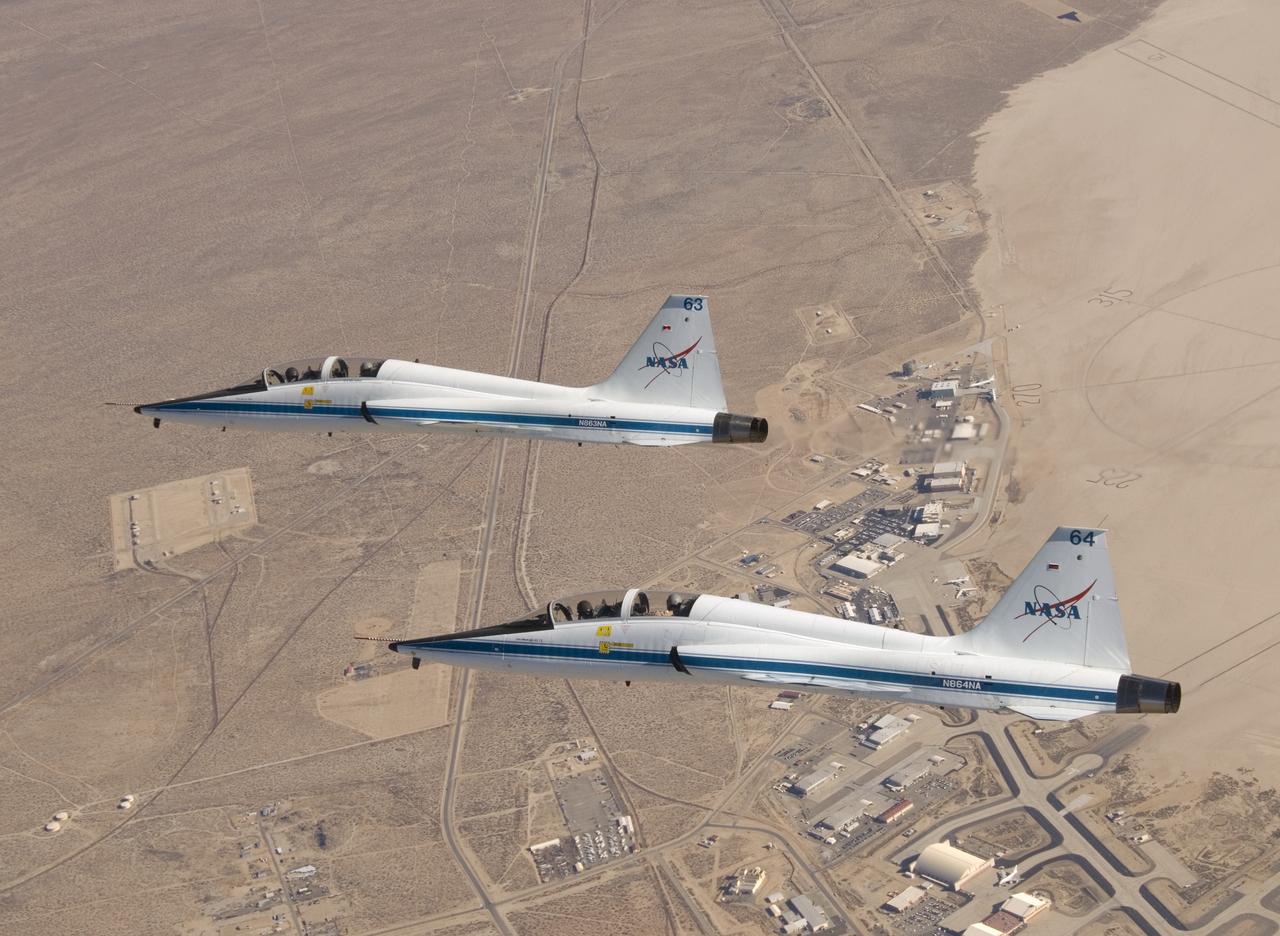
NASA Dryden Flight Research Center's two T-38A Talon mission support aircraft flew together for the first time on Sept. 26, 2007 while conducting pitot-static airspeed calibration checks during routine pilot proficiency flights. The two aircraft, flown by NASA research pilots Kelly Latimer and Frank Batteas, joined up with a NASA Dryden F/A-18 flown by NASA research pilot Dick Ewers to fly the airspeed calibrations at several speeds and altitudes that would be flown by the Stratospheric Observatory for Infrared Astronomy (SOFIA) Boeing 747SP during its initial flight test phase. The T-38s, along with F/A-18s, serve in a safety chase role during those test missions, providing critical instrument and visual monitoring for the flight test series.
NASA Dryden's two T-38A mission support aircraft fly in tight formation while conducting a pitot-static airspeed calibration check near Edwards Air Force Base
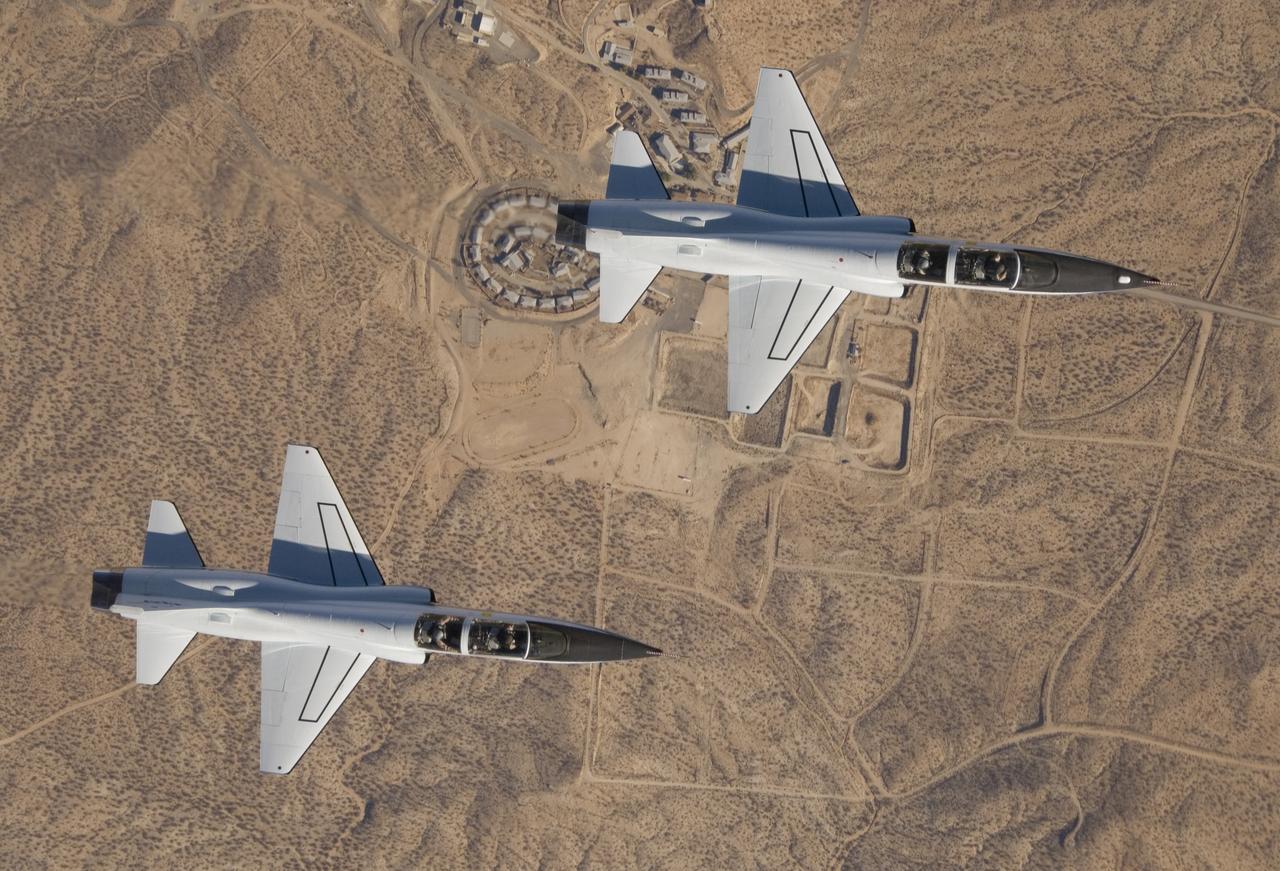
NASA Dryden Flight Research Center's two T-38A Talon mission support aircraft flew together for the first time on Sept. 26, 2007 while conducting pitot-static airspeed calibration checks during routine pilot proficiency flights. The two aircraft, flown by NASA research pilots Kelly Latimer and Frank Batteas, joined up with a NASA Dryden F/A-18 flown by NASA research pilot Dick Ewers to fly the airspeed calibrations at several speeds and altitudes that would be flown by the Stratospheric Observatory for Infrared Astronomy (SOFIA) Boeing 747SP during its initial flight test phase. The T-38s, along with F/A-18s, serve in a safety chase role during those test missions, providing critical instrument and visual monitoring for the flight test series.
NASA Dryden's two T-38A mission support aircraft fly in tight formation while conducting a pitot-static airspeed calibration check near Edwards Air Force Base
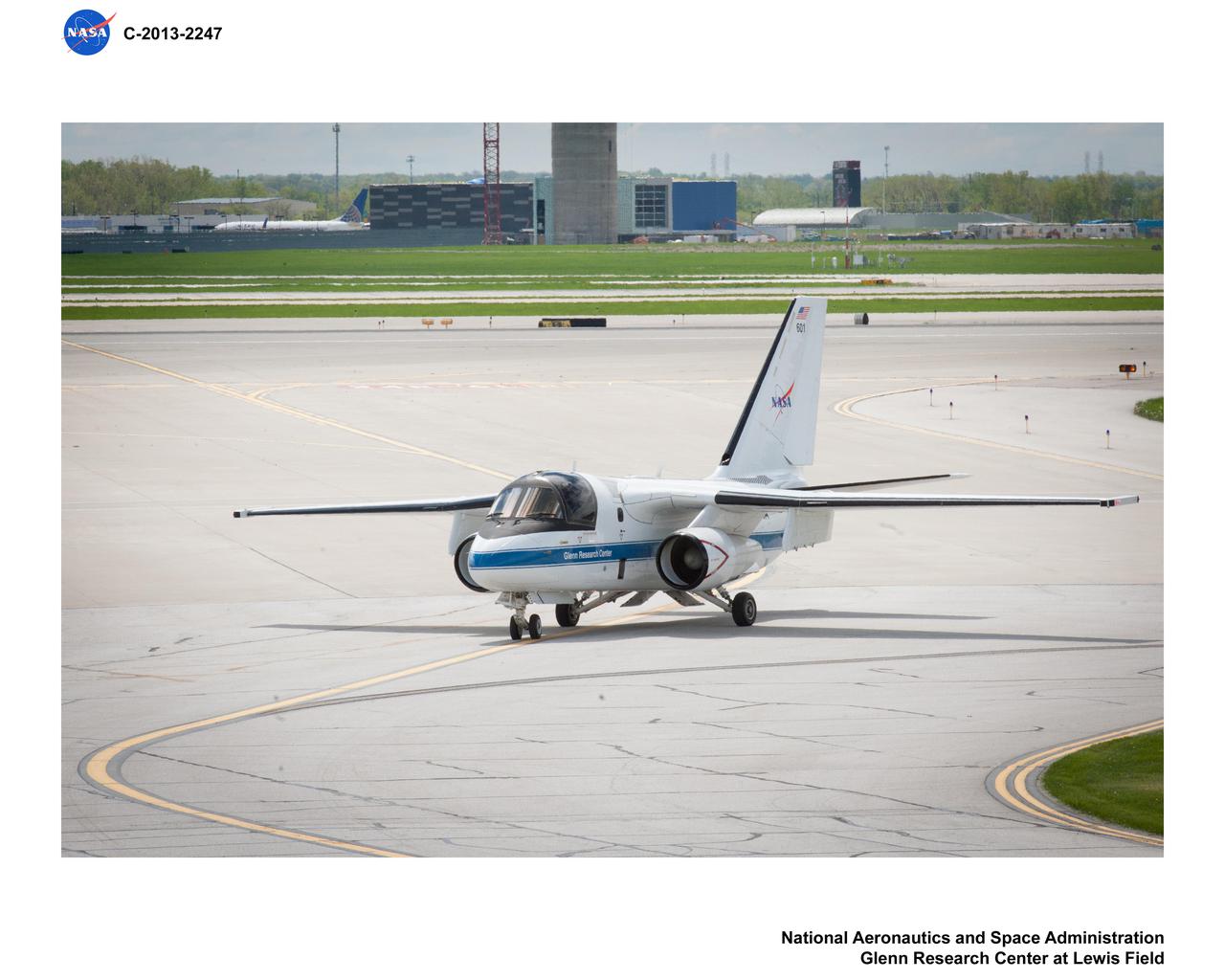
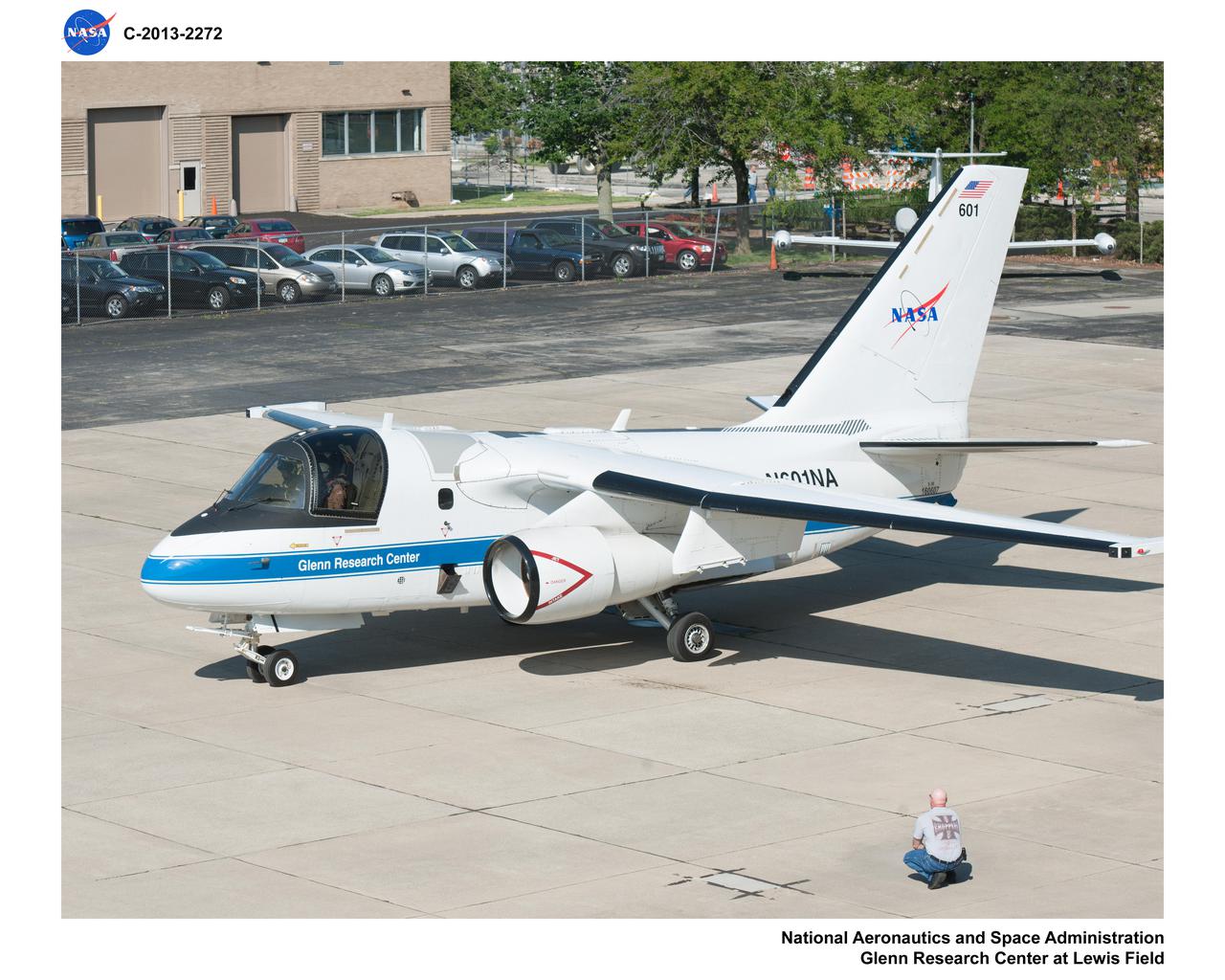
NASA, Lockheed Martin S-3B Viking Aircraft #N601NA, prepares for departure from Cleveland Hopkins Airport in support of the Unmanned Aircraft Communications Project
NASA, Lockheed Martin S-3B Viking Aircraft #N601NA, Unmanned Aircraft Communications Project
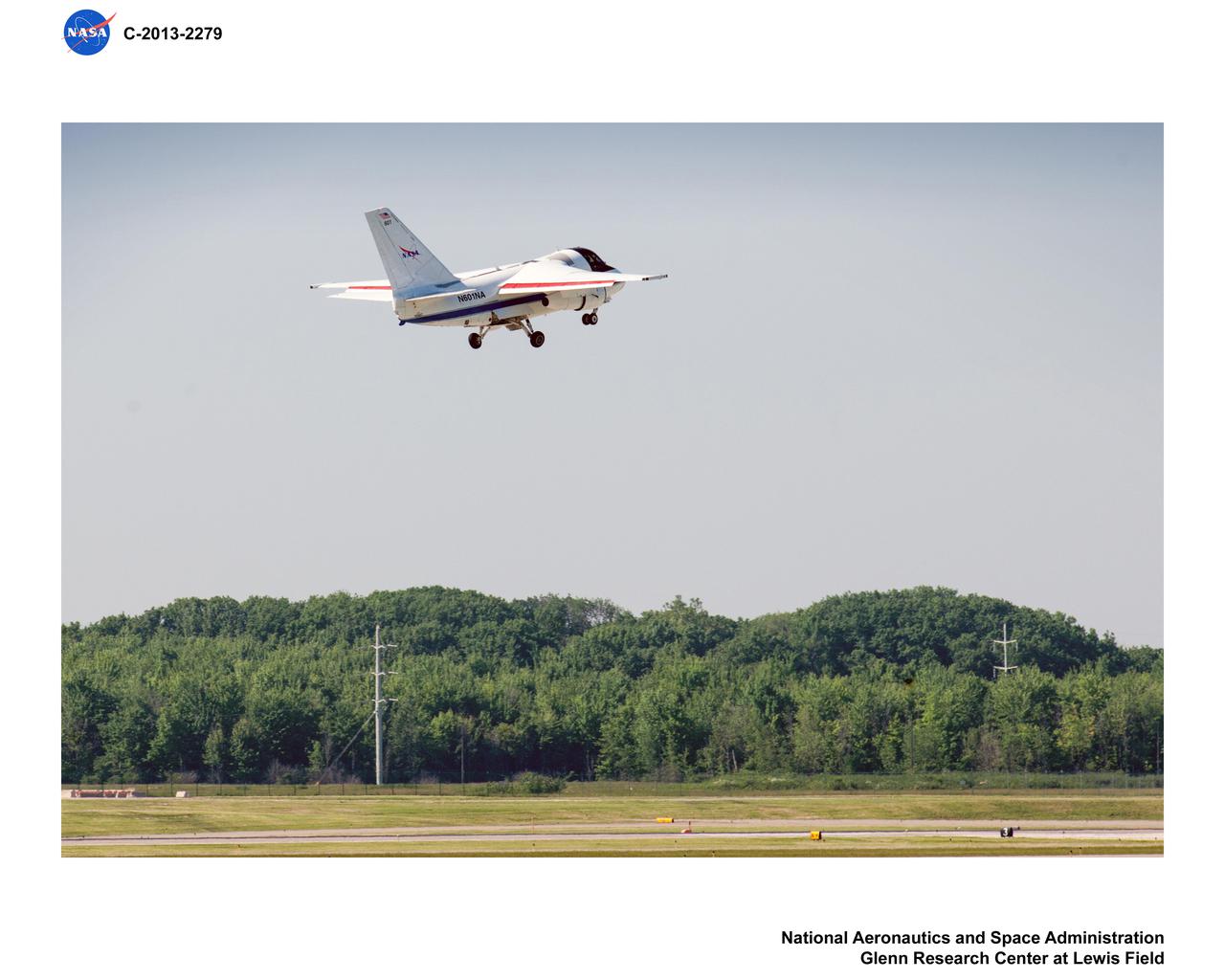
NASA, Lockheed Martin S-3B Viking Aircraft #N601NA, takes off from Cleveland Hopkins Airport, in support of the Unmanned Aircraft Communications Project
NASA, Lockheed Martin S-3B Viking Aircraft #N601NA, Unmanned Aircraft Communications Project
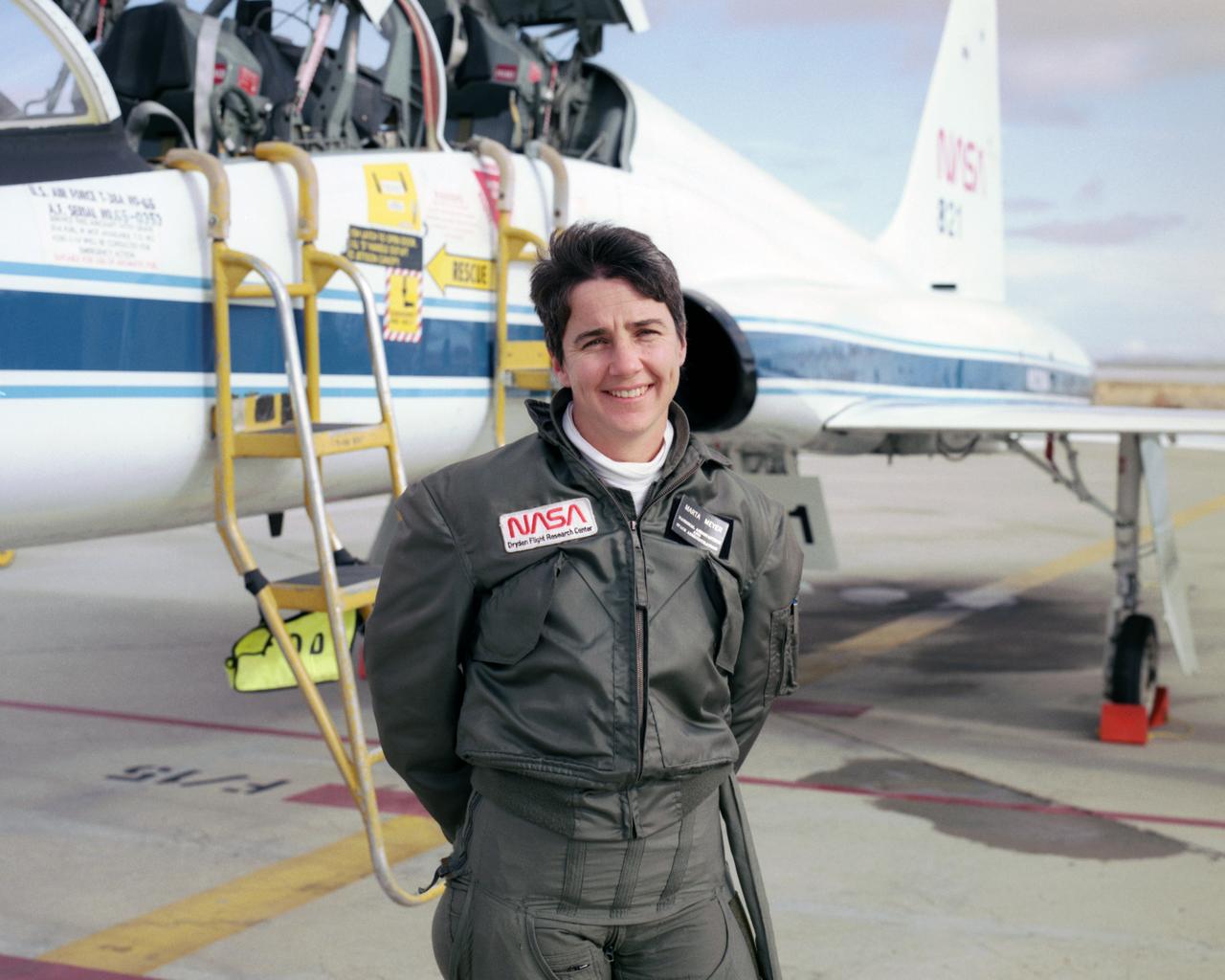
Marta Bohn-Meyer flew as a back-seat flight test engineer in this NASA T-38 mission support aircraft when this 1993 photo was taken.
NASA Dryden Flight Research Center's T-34 support aircraft provided safety chase for the joint NASA/Boeing X-48B.
Dryden's T-34 Chases the X-48B
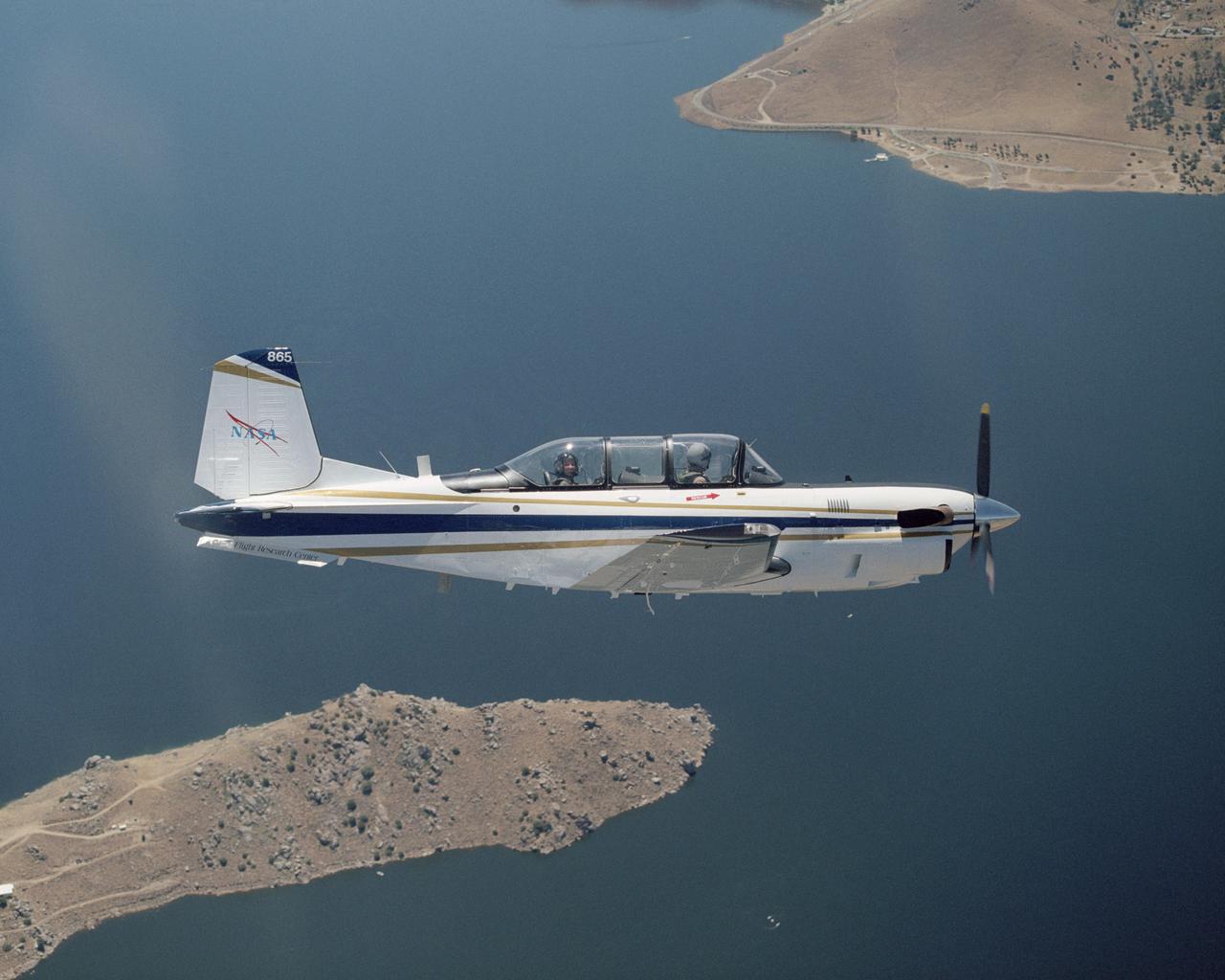
A Beech T-34C aircraft used by NASA Dryden Flight Research Center for mission support banks over Lake Isabella in Kern County during a recent flight.
A Beech T-34C aircraft used by NASA Dryden Flight Research Center for mission support banks over Lake Isabella in Kern County during a recent flight
A Beech T-34C mission support aircraft flown by NASA Dryden Flight Research Center shows off its classic lines as it soars over the desert near Edwards Air Force Base.
A Beech T-34C mission support aircraft flown by NASA Dryden Flight Research Center shows off its classic lines as it soars over the desert near Edwards AFB
A Beech T-34C aircraft used by NASA Dryden Flight Research Center for mission support banks over Lake Isabella in Kern County during a recent flight.
A Beech T-34C aircraft used by NASA Dryden Flight Research Center for mission support banks over Lake Isabella in Kern County during a recent flight
Formerly at NASA's Langley Research Center, this Northrop T-38 Talon is now used for mission support and pilot proficiency at the Dryden Flight Research Center.
Formerly at NASA's Langley Research Center, this Northrop T-38 Talon is now used for mission support and pilot proficiency at the Dryden Flight Research Center
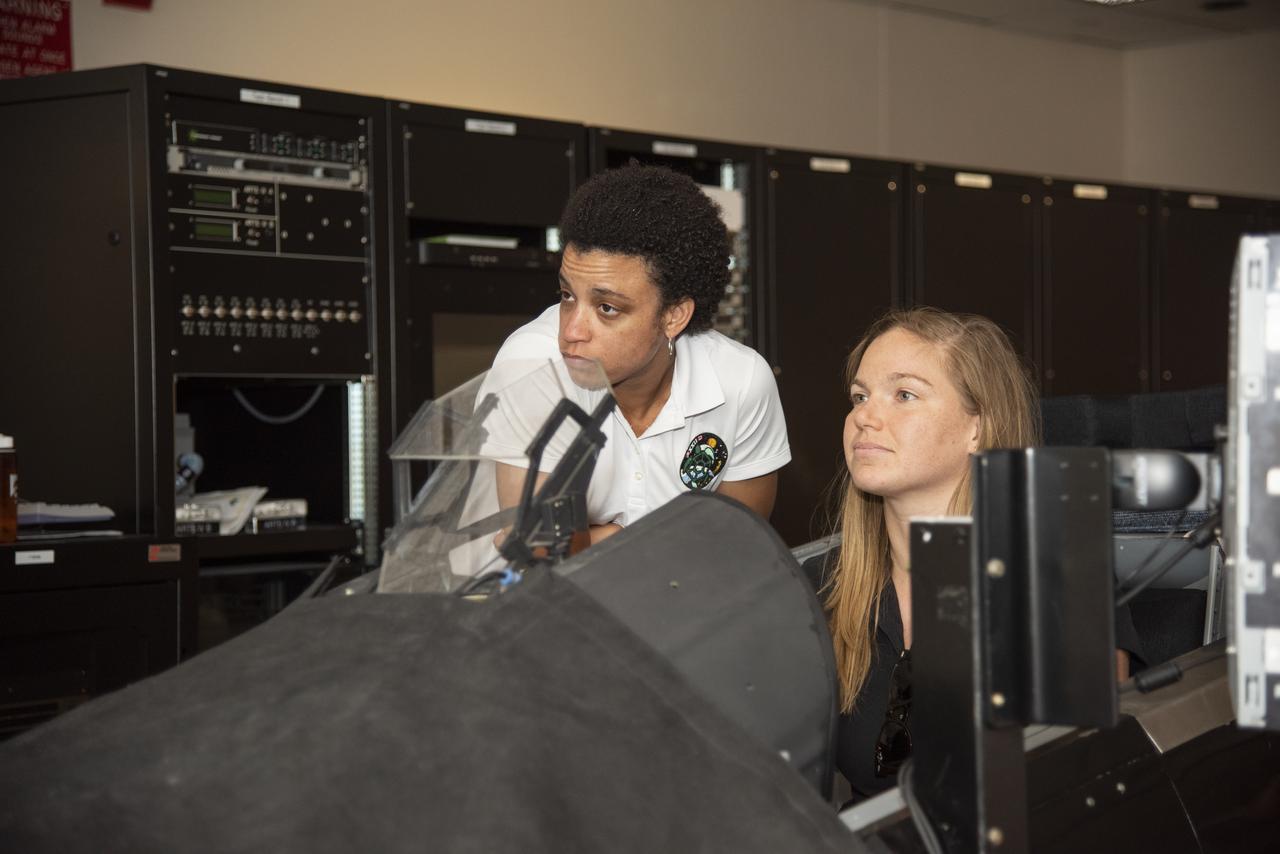
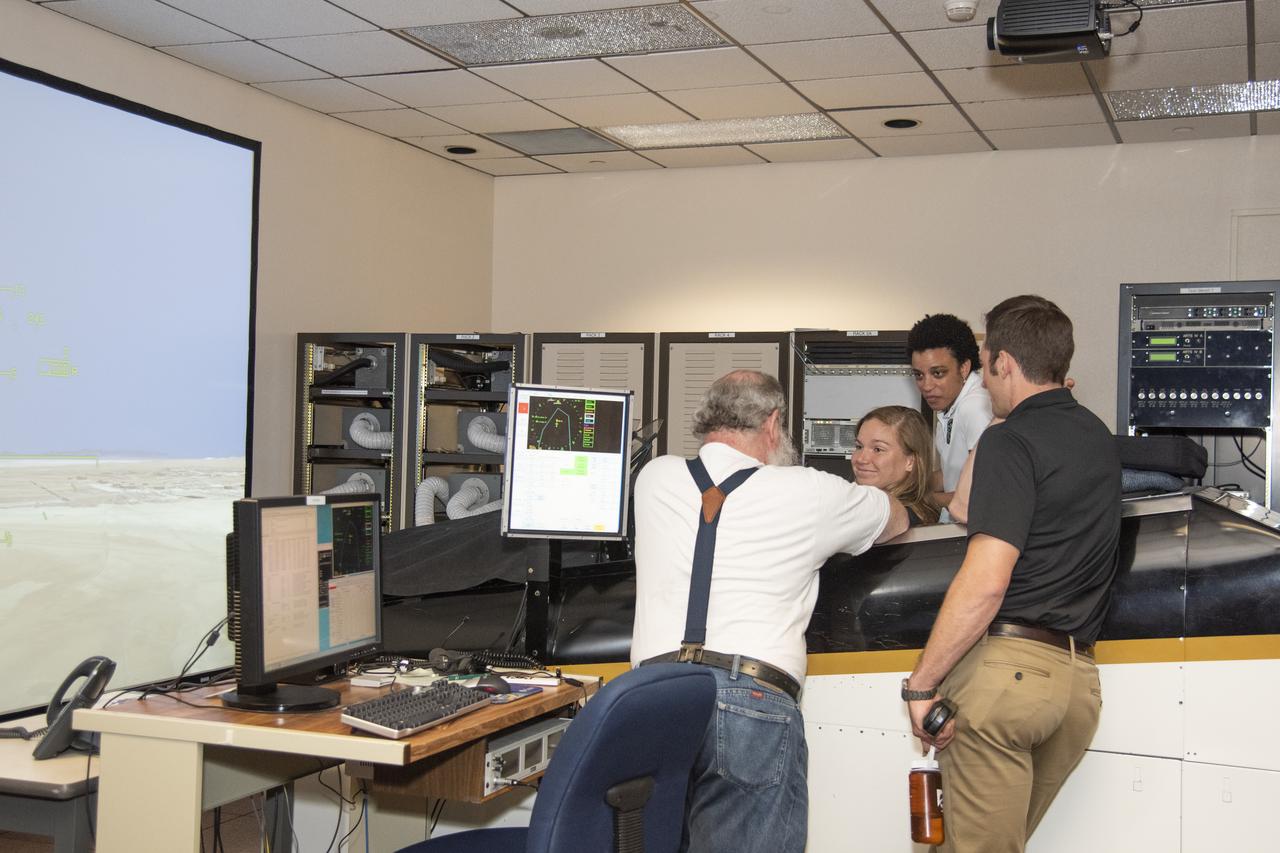
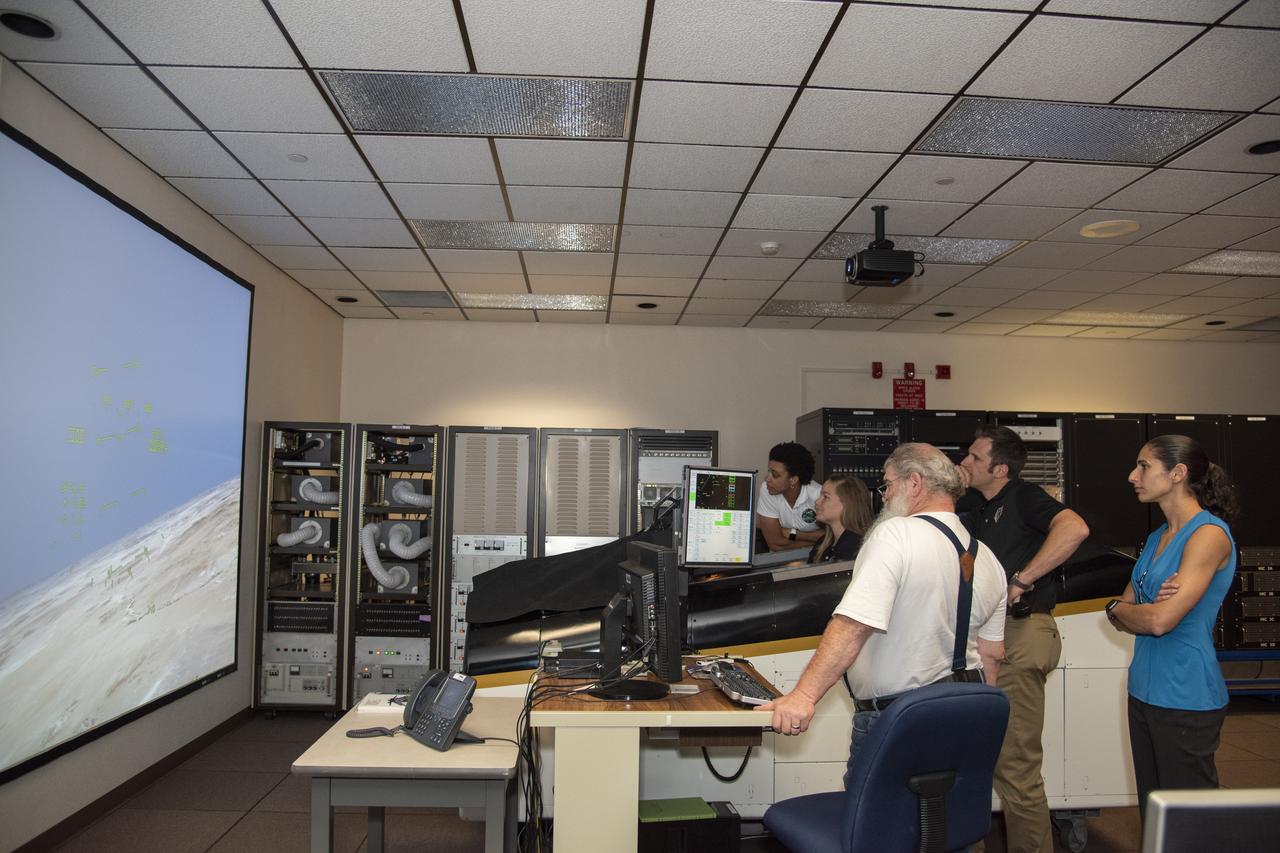
NASA's 2017 astronaut candidates (L to R) Jenni Sidey-Gibbons, Jessica Watkins and Joshua Kutryk practice flying in an F-18 aircraft cockpit simulator at Armstrong Flight Research Center, in Southern California. The F-18's are flown for research support and pilot proficiency. Currently, the F-18 is conducting supersonic research in support of the X-59 QueSST overall mission.
Astronauts Pilot F-18 Simulator at Armstrong Flight Research Center
NASA's 2017 astronaut candidates (L to R) Jessica Watkins and Jenni Sidey-Gibbons practice flying in an F-18 aircraft cockpit simulator at Armstrong Flight Research Center, in Southern California. The F-18's are flown for research support and pilot proficiency. Currently, the F-18's are being used to conduct supersonic research in support of the X-59 QueSST overall mission.
Astronauts Pilot F-18 Simulator at Armstrong Flight Research Center
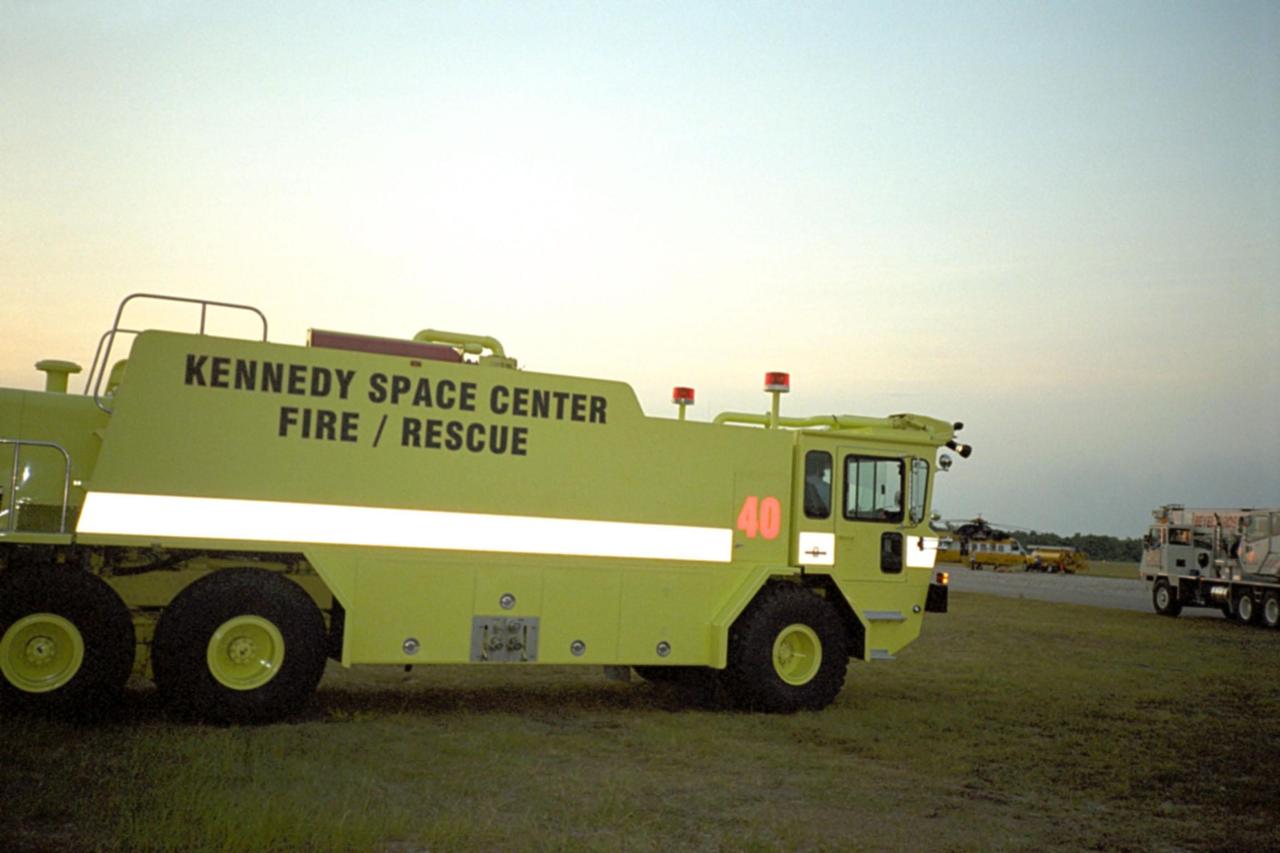
A Kennedy Space Center aircraft rescue firefighting vehicle supports heavy traffic at the Space Coast Regional Airport in Titusville, Florida, where aircraft capable of carrying water were staged during the recent brushfires throughout Florida. Aircraft were supporting firefighting efforts in Brevard, Volusia, and Flagler counties
KSC-98pc798
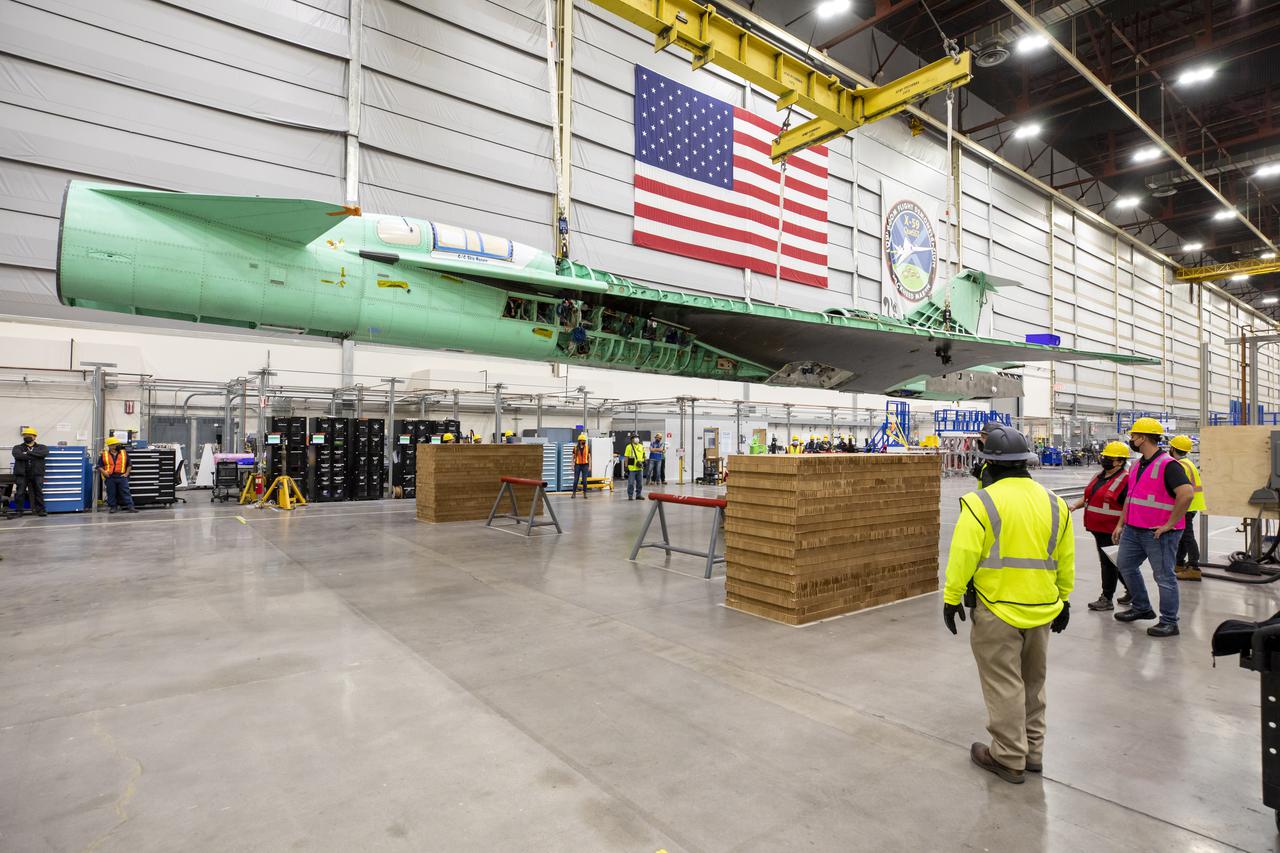
The X-59 is free from its structural support jig for the first time. In this image, cranes are holding up the aircraft prior to placement on the floor jacks. Notice that the nose has been removed temporarily  — it will be reinstalled again before the upcoming structural testing.  Lockheed Martin Photography By Garry Tice 1011 Lockheed Way, Palmdale, Ca. 93599 Event: Removal From Tooling Jig Date: 10/27/2021 Additional Info:
Removal From Tooling Jig
NASA’s 2017 astronaut candidates (L to R) Jessica Watkins, Jenni Sidey-Gibbons, Joshua Kutryk, and Jasmin Moghbeli practice flying in an F-18 aircraft cockpit simulator at Armstrong Flight Research Center, in Southern California. The F-18’s are flown for research support and pilot proficiency. Currently, the F-18’s are being used to conduct supersonic research in support of the X-59 QueSST overall mission.
Astronauts Pilot F-18 Simulator at Armstrong Flight Research Center
Lockheed S-3B Vikig Aircraft prepares for departure during testing in support of the Unmanned Aircraft Communications Project
GRC-2013-C-02272
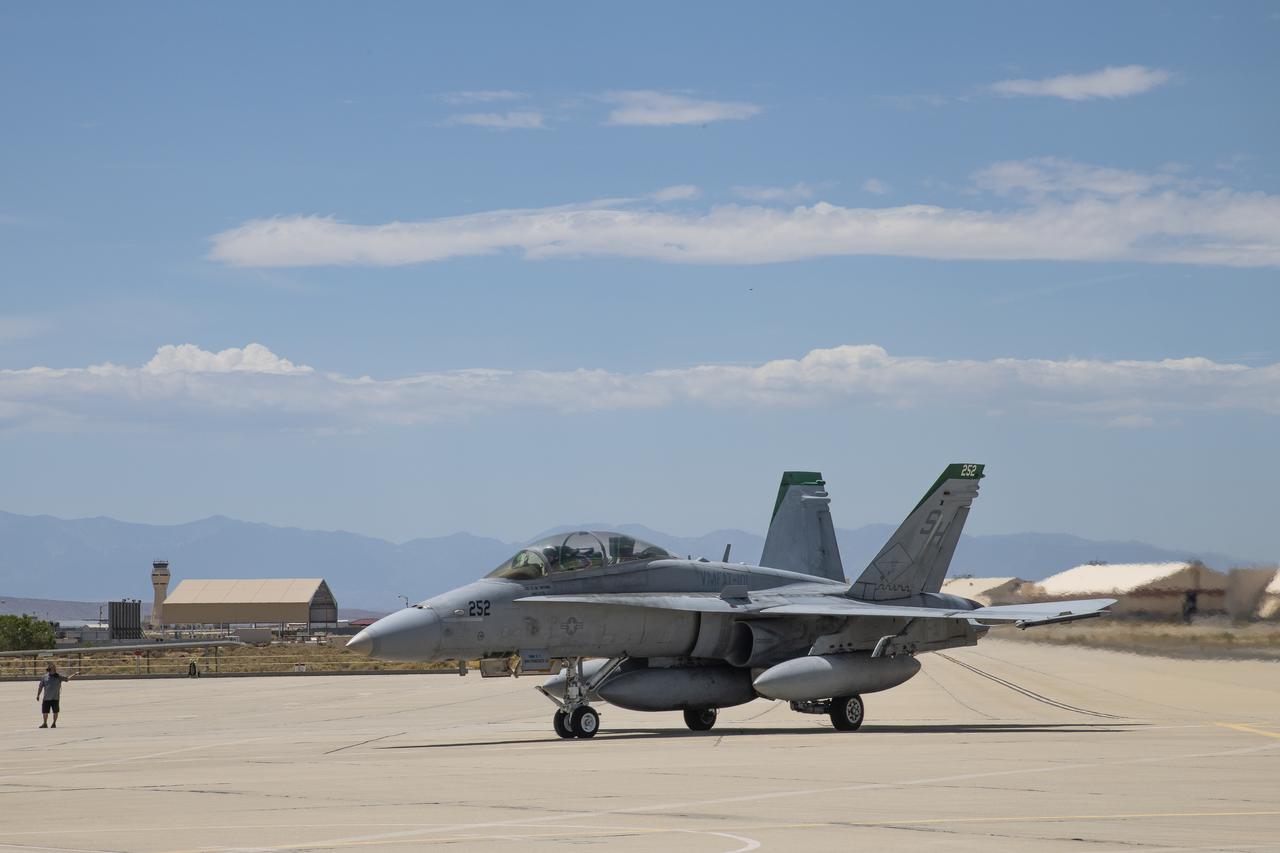
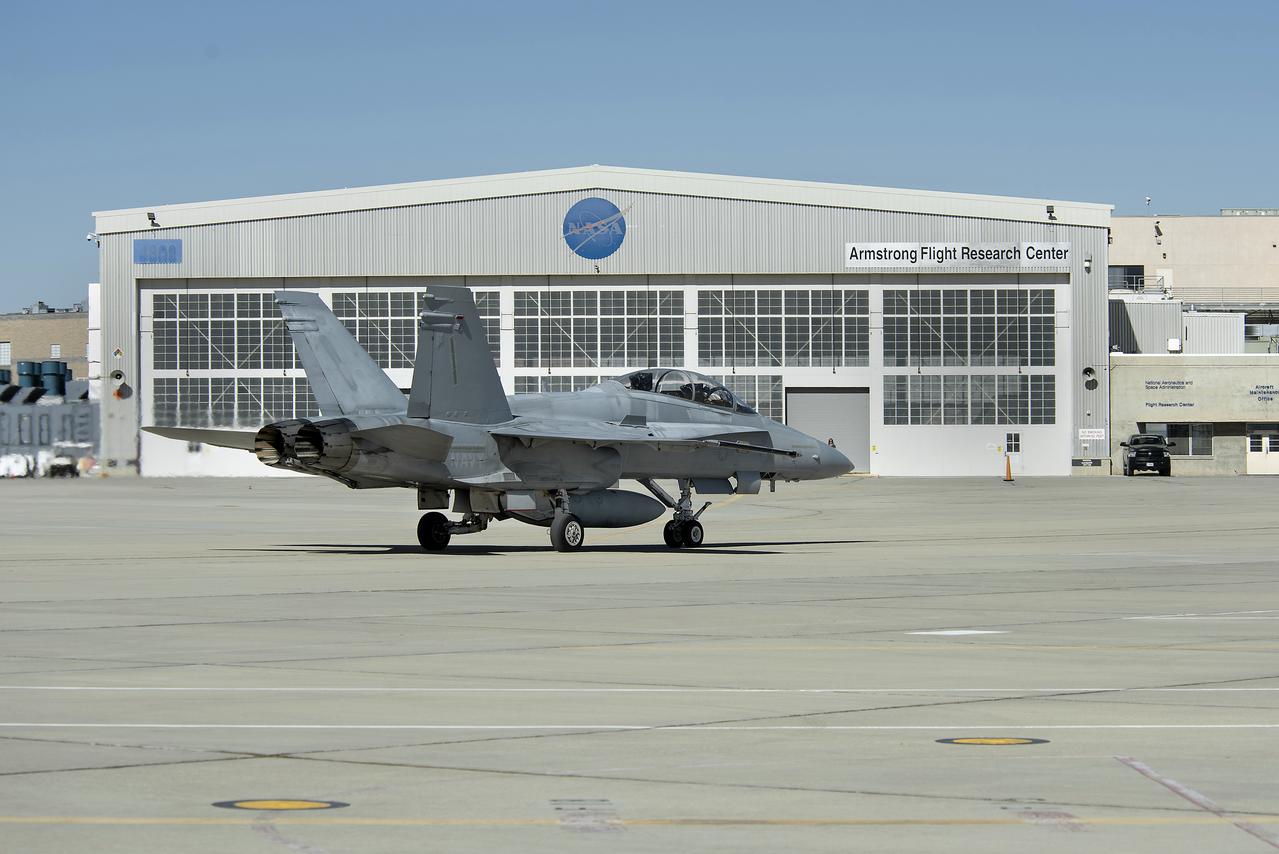
NASA 862, which is an F/A-18D now based at NASA’s Armstrong Flight Research Center in Edwards, California, arrives for the first time in 2021. The aircraft was stationed at the U.S. Naval Air Station Patuxent River in Maryland. Once here, the aircraft was sent for major maintenance, painting, and preparation to join the NASA Armstrong aircraft fleet.
F-18D Support Parts Aircraft Arrival #1
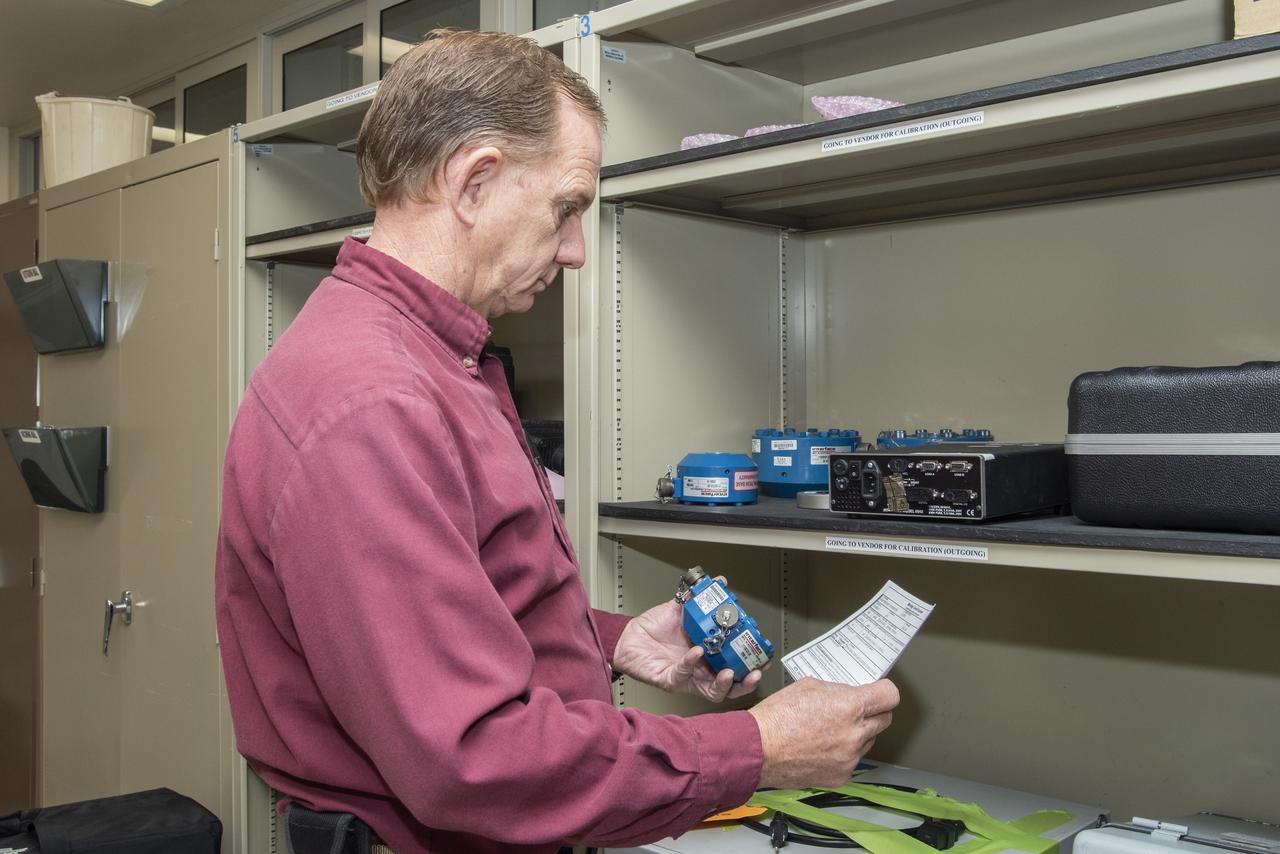
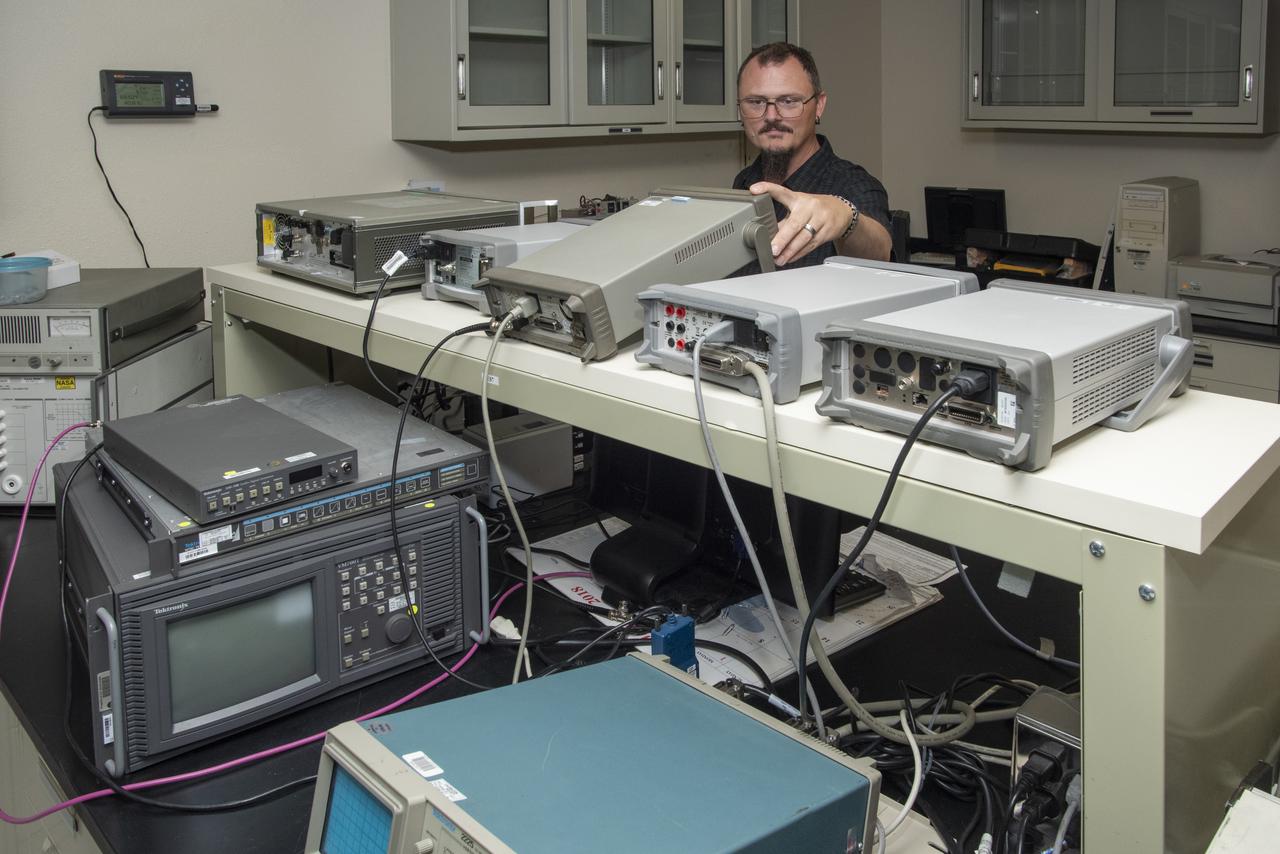
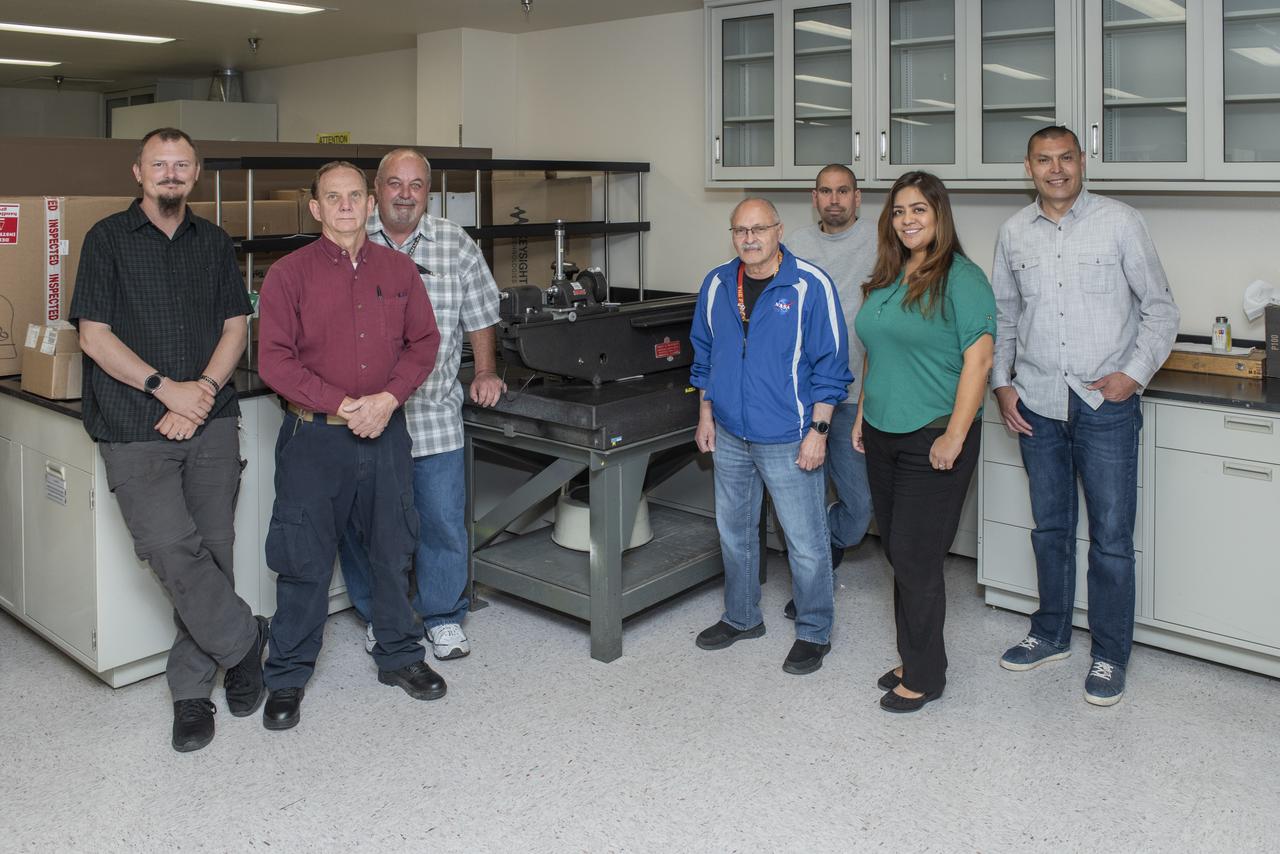
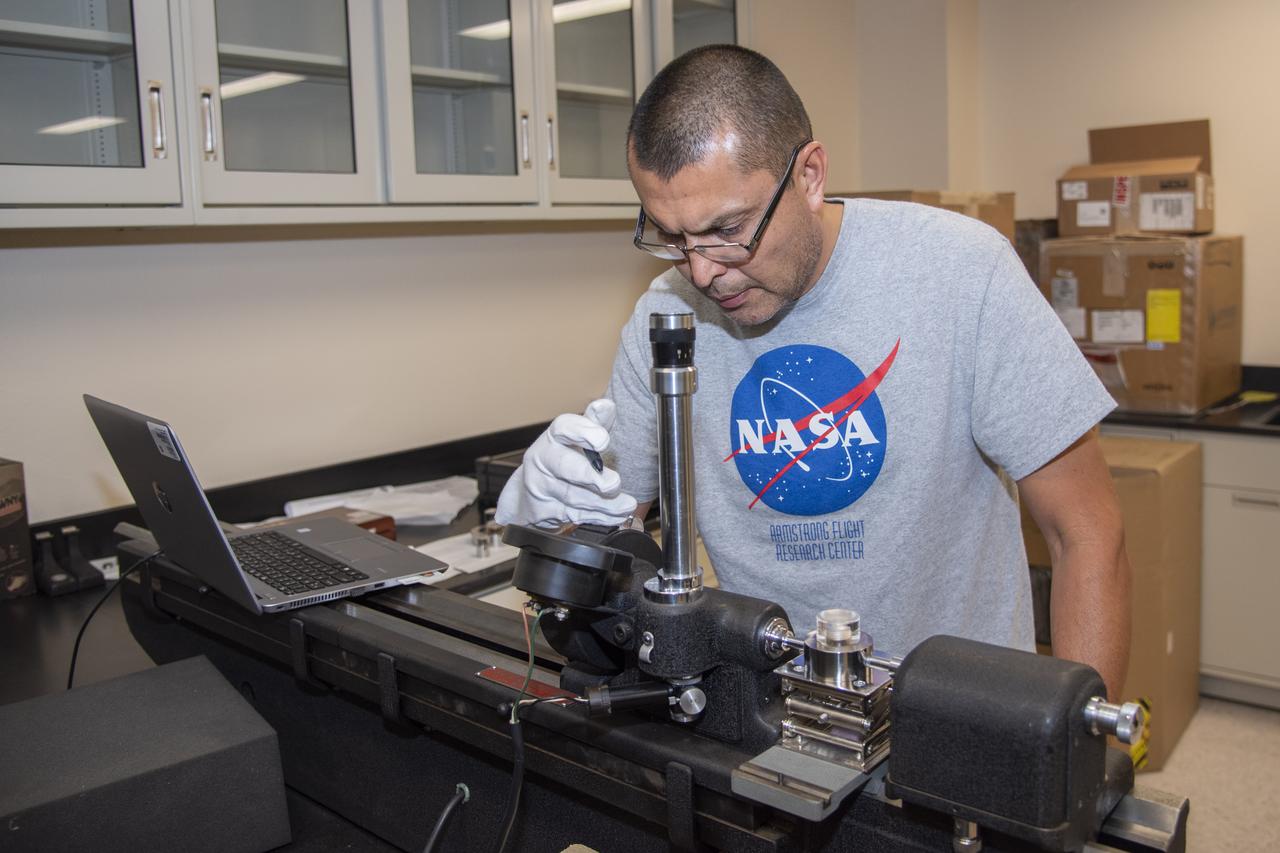
NASA’s Armstrong Flight Research Center Calibration Laboratory in California has a workload that is 80 percent related to items used in preparing aircraft for flight. To successfully complete that work takes a staff, which from left includes Paul Craig, James Kelly, David Swindle, Arnold Gonzales, Ronnie Juvinall, Anita Solorio and Alex Rivera. They are standing by a 1948 calibration tool they call the boat anchor, which still is a valued asset. 
Calibration Laboratory Provides Key Aircraft Support
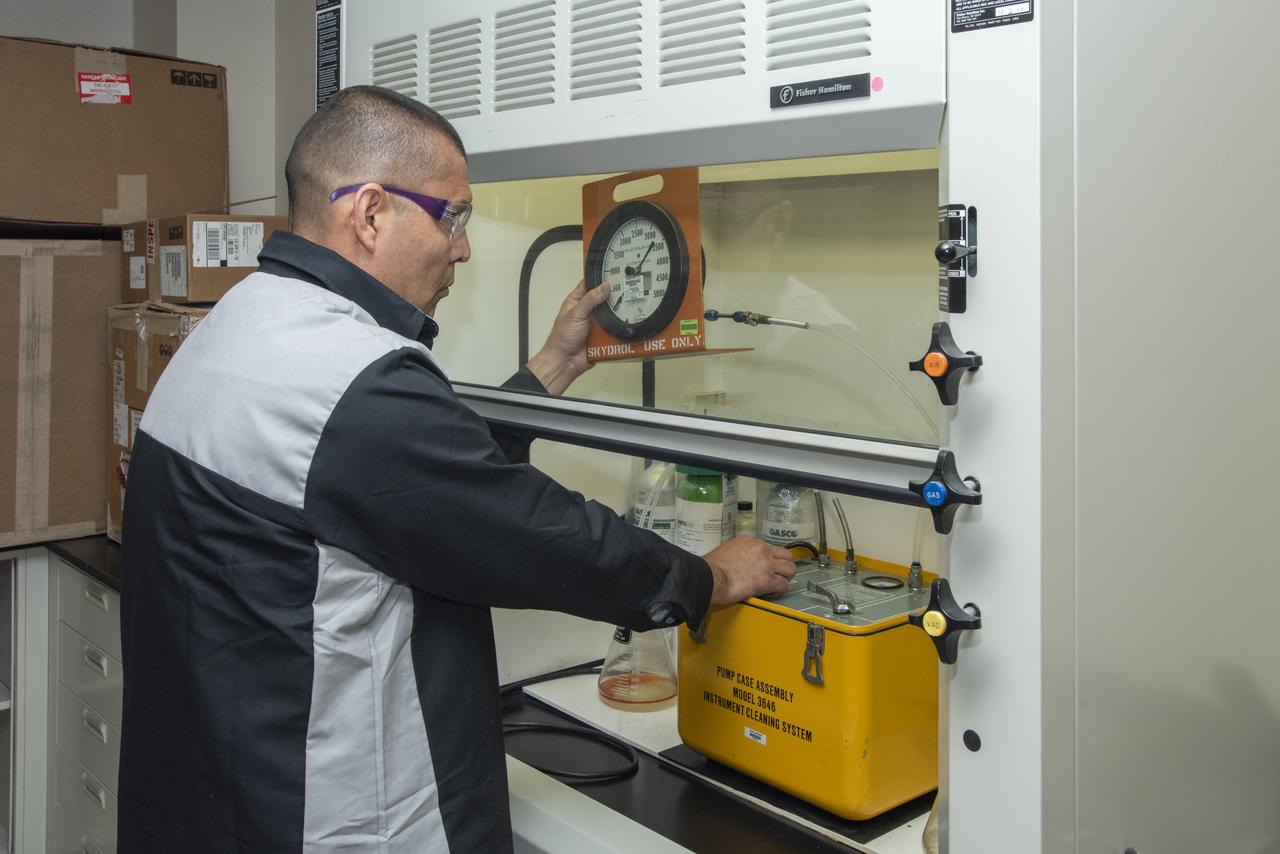
Alex Rivera purges a gauge of contamination prior to a calibration test at NASA's Armstrong Flight Research Center in California.
Calibration Laboratory Provides Key Aircraft Support
Paul Craig calibrates specialized high-level radio frequency equipment at NASA’s Armstrong Flight Research Center in California.
Calibration Laboratory Provides Key Aircraft Support
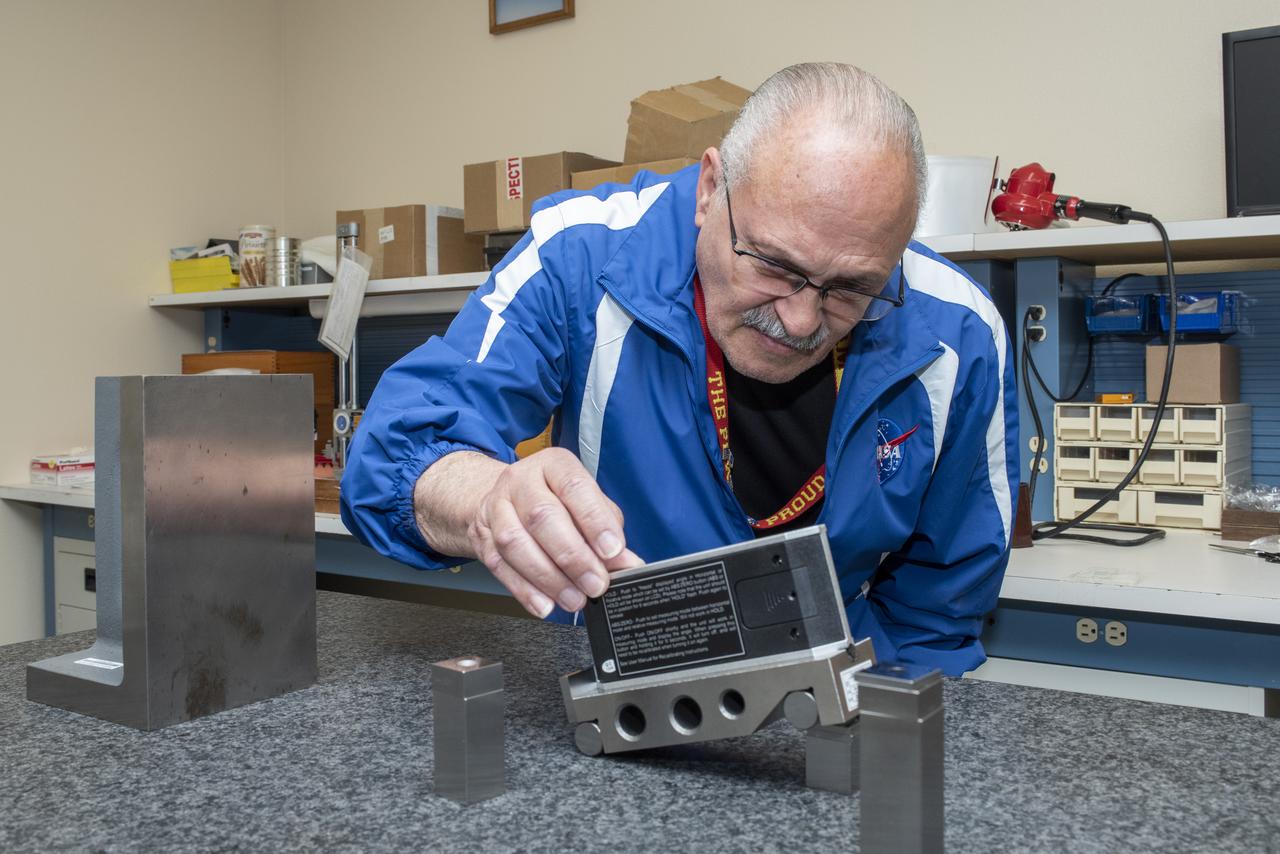
Arnold Gonzales, a 20-year veteran of the NASA Armstrong Calibration Laboratory, uses a digital protractor to calibrate an item sent to the lab at NASA’s Armstrong Flight Research Center in California.
Calibration Laboratory Provides Key Aircraft Support
James Kelly, who is responsible for pickup and delivery of items to and from NASA Armstrong's Calibration Laboratory, checks the numbers of a part before he puts it on the delivery vehicle for transport back to a customer.
Calibration Laboratory Provides Key Aircraft Support
Alex Rivera calibrates a cylindrical plug gauge at NASA's Armstrong Flight Research Center Calibration Laboratory in California.
Calibration Laboratory Provides Key Aircraft Support
The first of three “new” F/A-18B Hornets arrived at NASA’s Armstrong Flight Research Center in California Nov. 6.
NASA Armstrong Receives First of Three F/A-18Bs
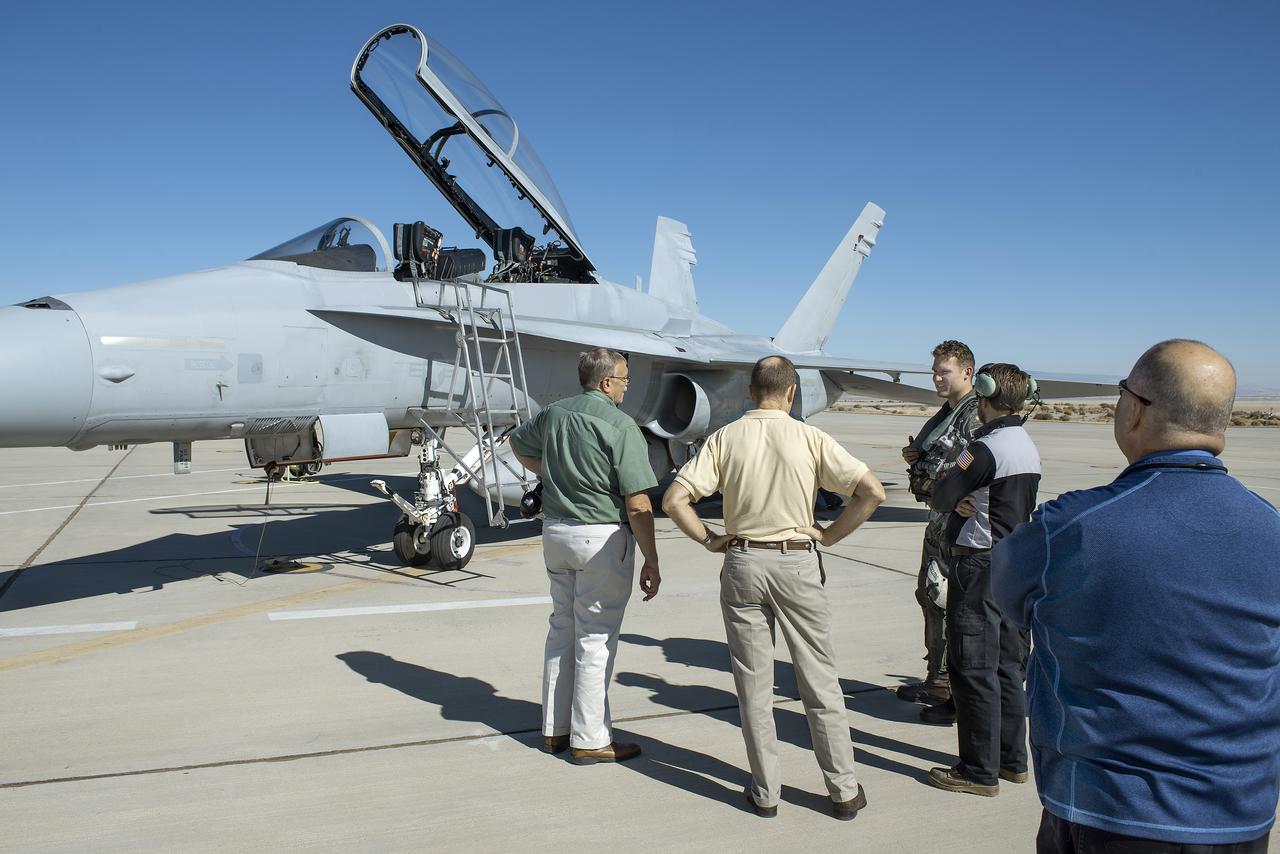
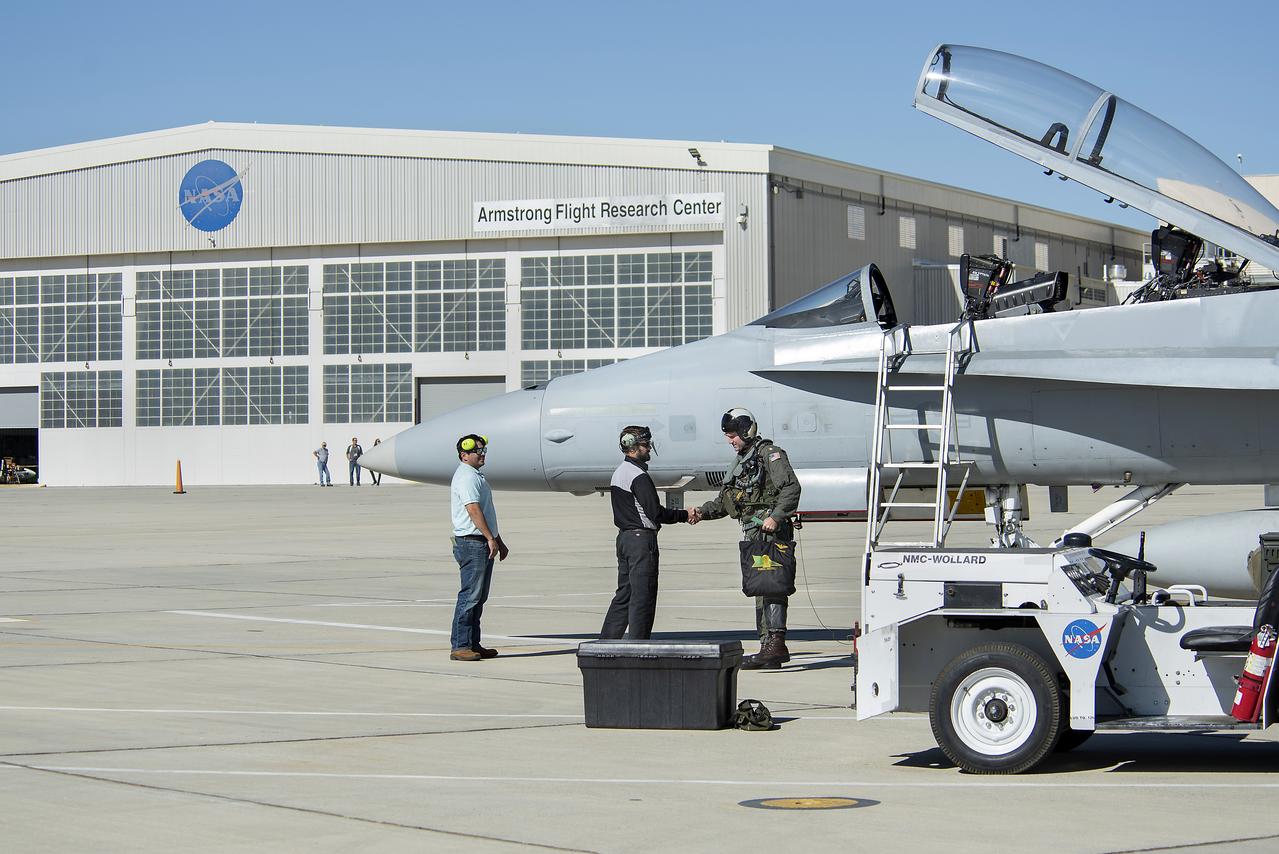
Lt. Cmdr. Mike Shelton delivers a F/A/-18B Hornet to NASA’s Armstrong Flight Research Center in California. Shelton, center, was met by Armstrong’s Tom Grindle, from left, Ted Williams, Gary Gano and Brian Fox.
NASA Armstrong Receives First of Three F/A-18Bs
David Carbajal and Gary Gano meet Lt. Cmdr. Mike Shelton, right, of the U.S. Naval Air Station Patuxent River in Maryland. Shelton delivered a F/A-18B Hornet to NASA’s Armstrong Flight Research Center in California.
NASA Armstrong Receives First of Three F/A-18Bs
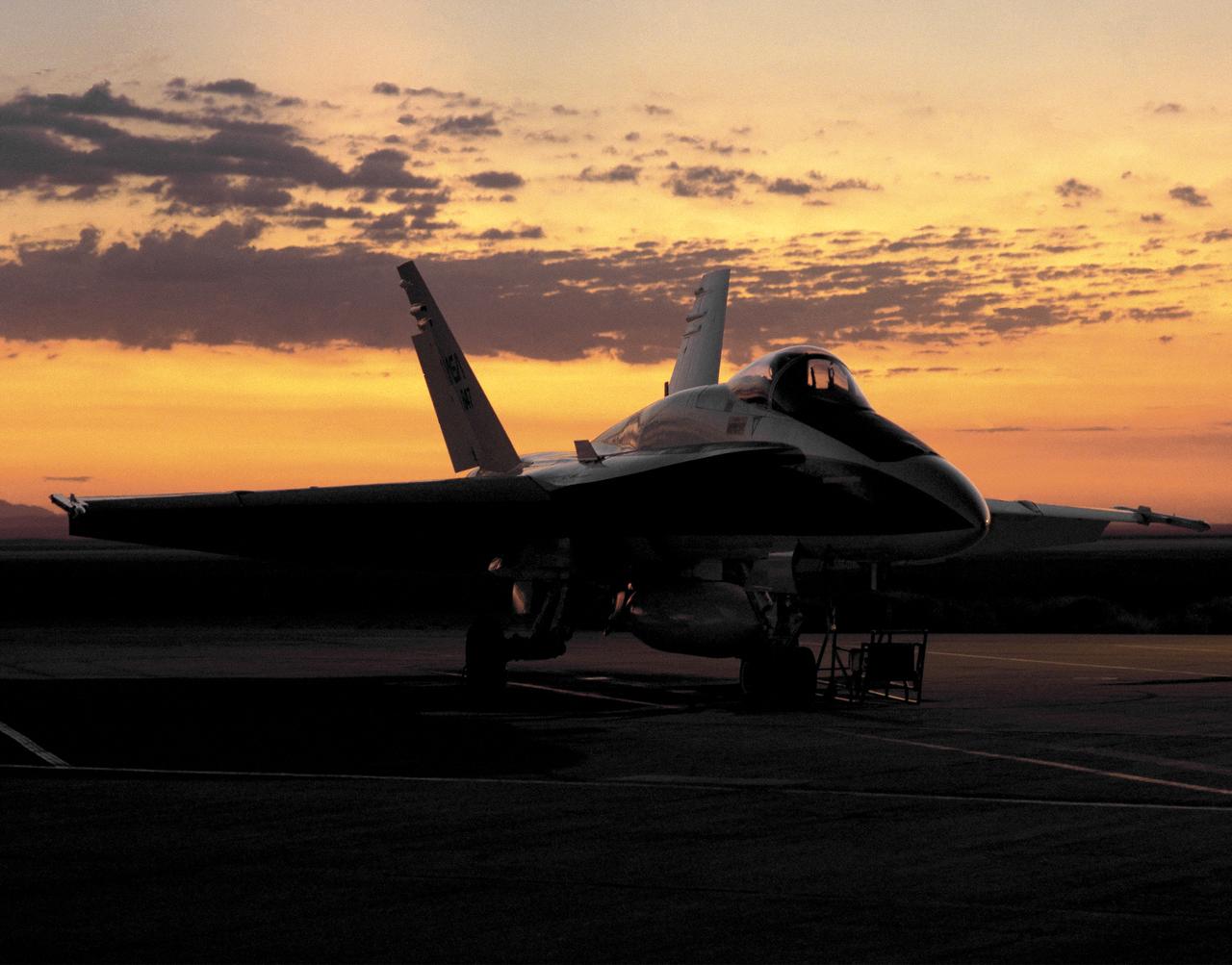
One of NASA's F/A-18 Hornets on the ramp at the Dryden Flight Research Center, Edwards, California at dawn August 6, 1993. F-18 aircraft, on loan to NASA by the U.S. Navy, were flown at Dryden as support aircraft and as research testbeds. As support aircraft, they were used primarily for safety chase, pilot proficiency and aerial photography. As research aircraft, they were involved in thrust vectoring and high angle of attack research, as well as numerous smaller scale experiments.
EC93-42116-2
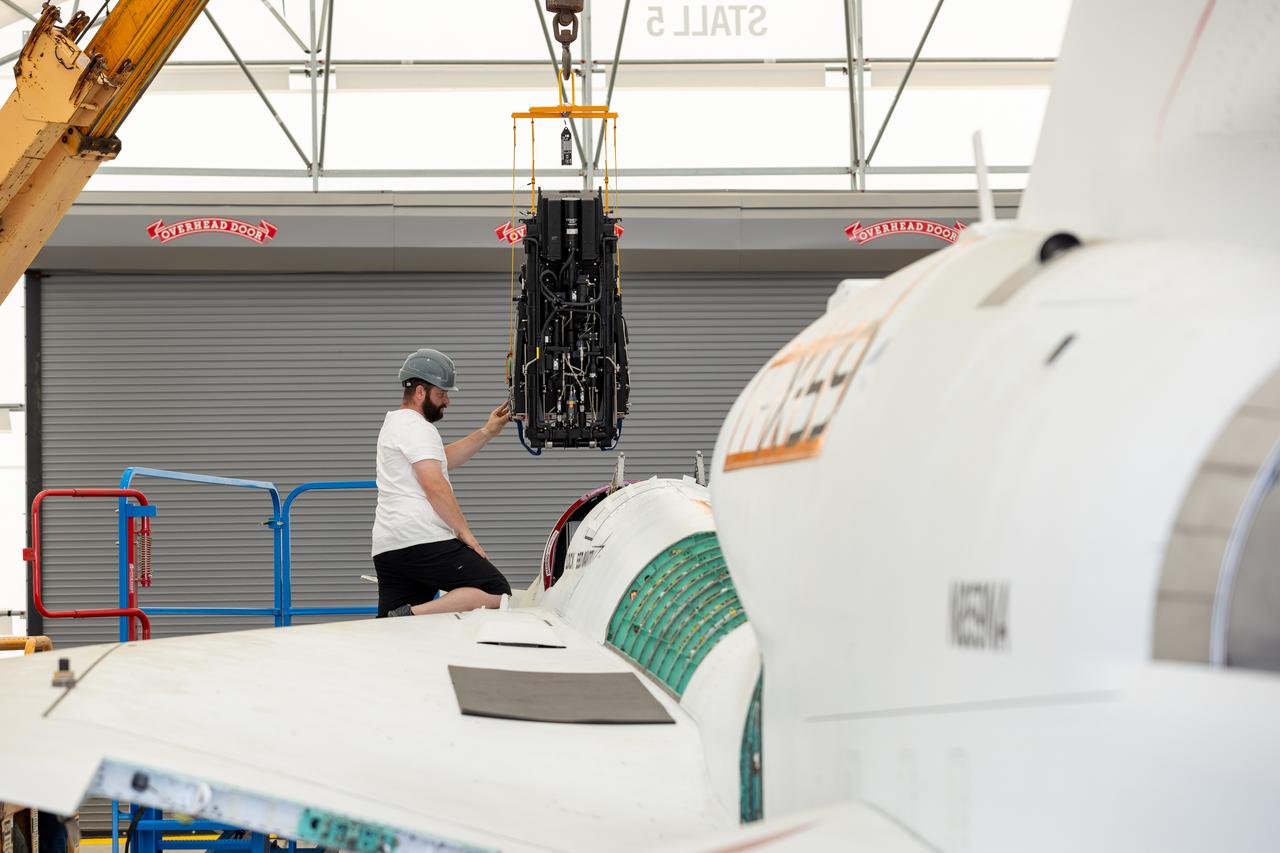
NASA Life Support Technician Mathew Sechler provides support as the X-59’s ejection seat is installed into the aircraft at Lockheed Martin Skunk Works’ facilities in Palmdale, California. Completion of the seat’s installation marks an integration milestone for the aircraft as it prepares for final ground tests.
Ejection Seat Install
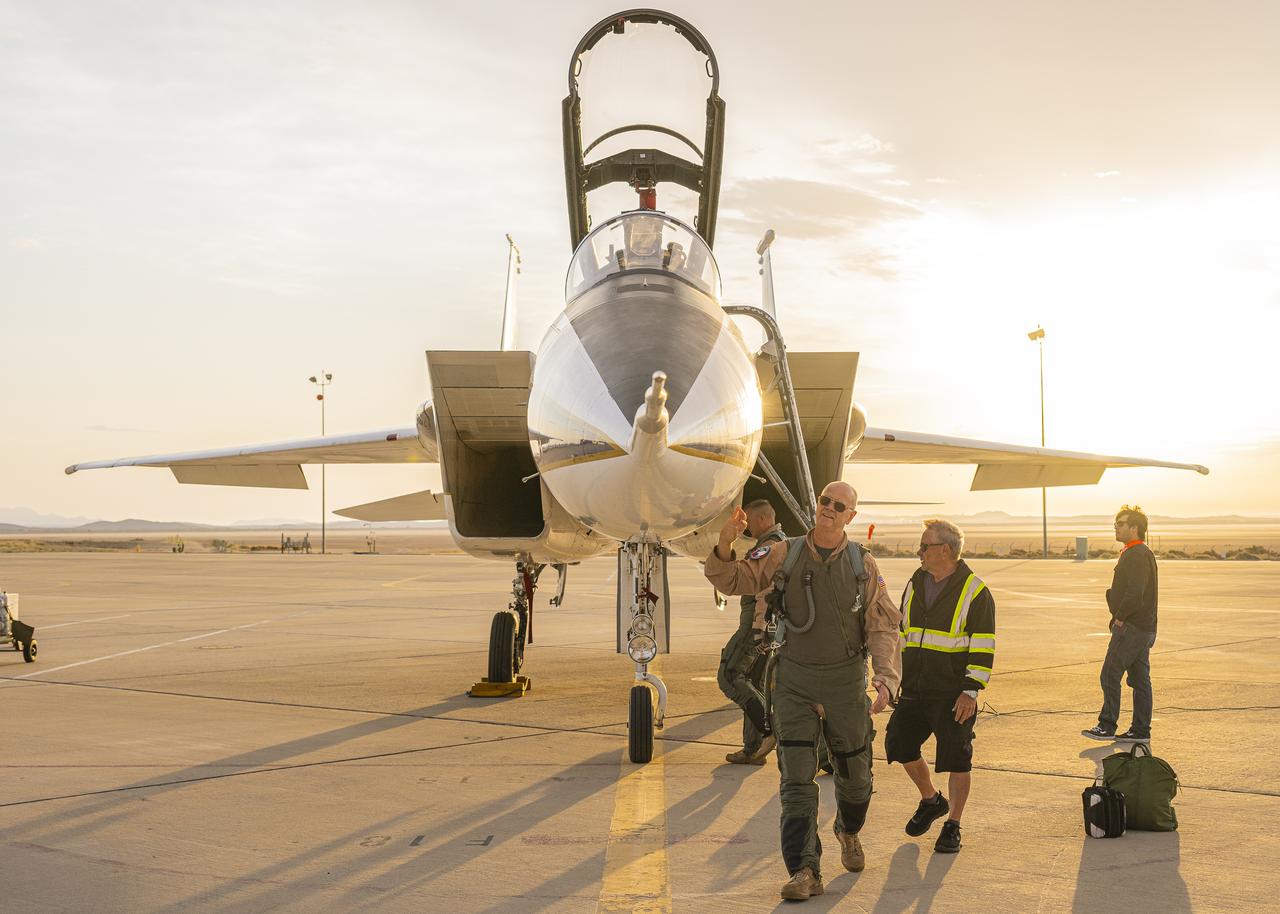
NASA test pilot Nils Larson walks around an F-15B research aircraft for a rehearsal flight supporting the agency’s Quesst mission at NASA’s Armstrong Flight Research Center in Edwards, California. The flight was part of a full-scale dress rehearsal for Phase 2 of the mission, which will eventually measure quiet sonic thumps generated by the X-59. The flight series helped NASA teams refine procedures and practice data collection ahead of future X-59 flights.
NASA Test Pilot Prepares for Rehearsal Flight
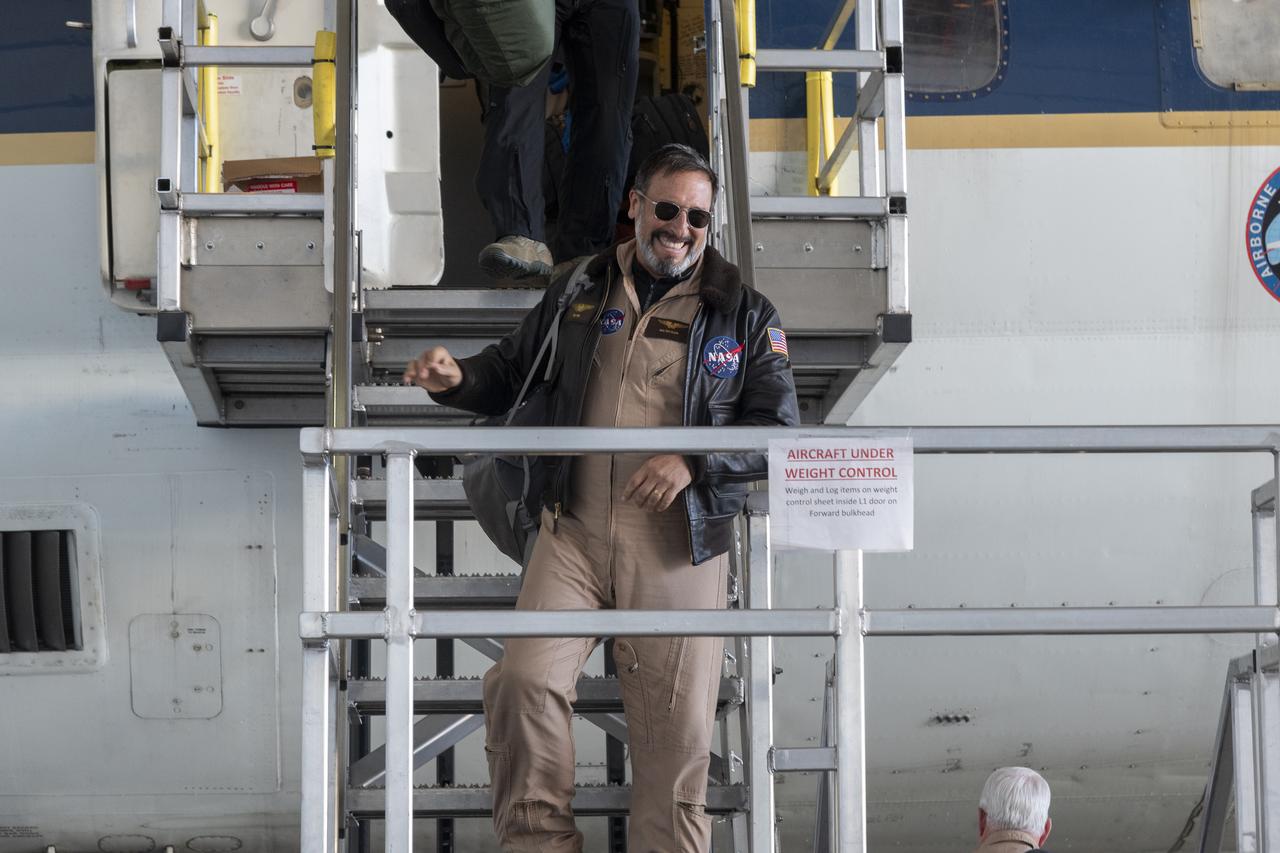
Walter Klein, DC-8 navigator, exits the aircraft cabin and is welcomed with applause from a supportive team after the DC-8 aircraft and crew return to NASA’s Armstrong Flight Research Center Building 703 in Palmdale, California, on April 1, 2024, following the aircraft’s final mission in support of the Airborne and Satellite Investigation of Asian Air Quality (ASIA-AQ).
NASA’s DC-8 Returns from Final Mission
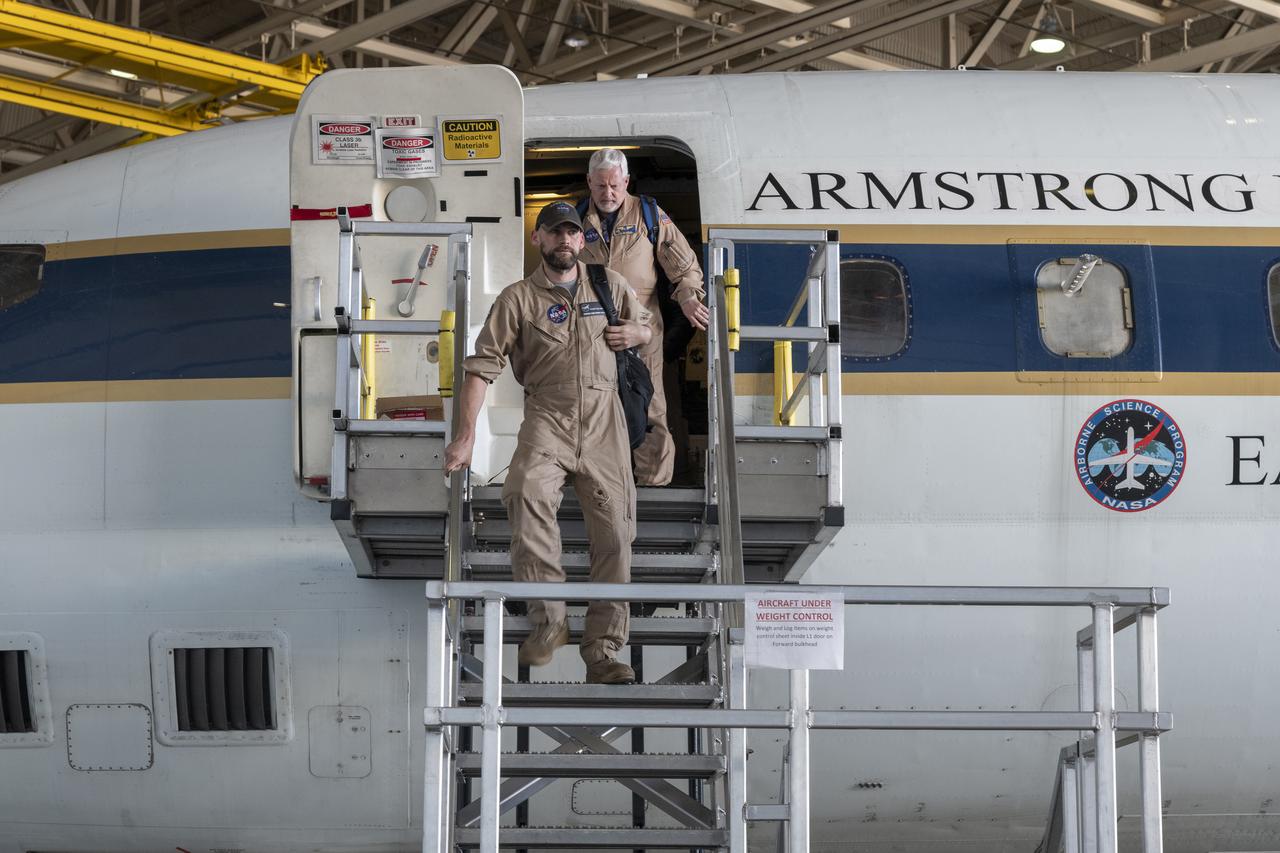
Kelly Jellison, avionics lead, and Tim Sandon, flight engineer, exit the DC-8 aircraft cabin and are welcomed with applause from a supportive team after the DC-8 aircraft and crew return to NASA’s Armstrong Flight Research Center Building 703 in Palmdale, California, on April 1, 2024, following the aircraft’s final mission in support of the Airborne and Satellite Investigation of Asian Air Quality (ASIA-AQ).
NASA’s DC-8 Returns from Final Mission
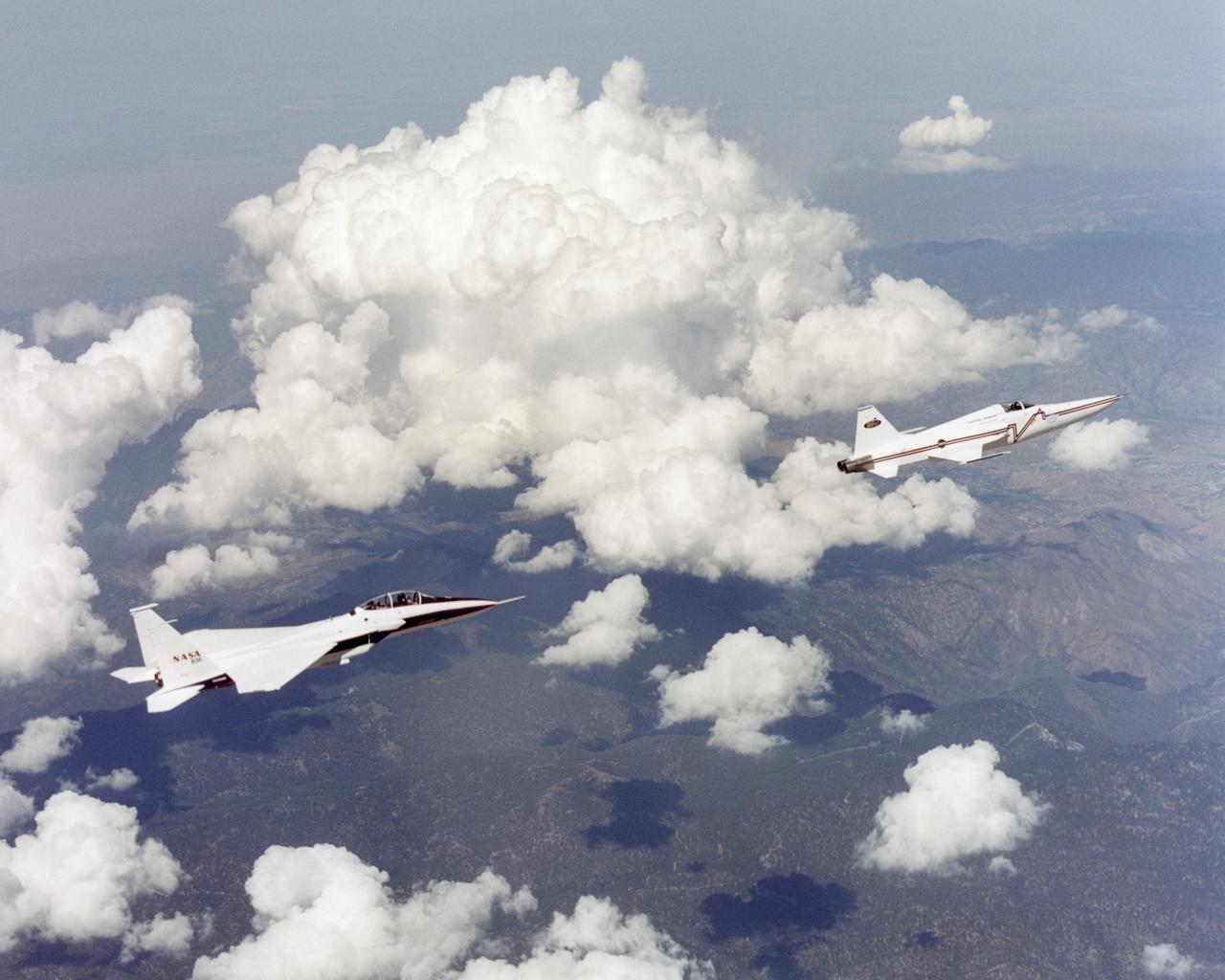
NASA's F-15B research testbed jet from NASA's Dryden Flight Research Center flew in the supersonic shockwave of a Northrop Grumman Corp. modified U.S. Navy F-5E jet in support of the Shaped Sonic Boom Demonstration (SSBD) project, which is part of the DARPA's Quiet Supersonic Platform (QSP) program. On Aug. 27, 2003, the F-5 SSBD aircraft demonstrated a method to reduce the intensity of sonic booms.
NASA's F-15B from the Dryden Flight Research Center flew in the supersonic shockwave of a modified U.S. Navy F-5E jet in support of the Shaped Sonic Boom Demonstration (SSBD) project. On Aug. 27, 2003, the F-5 SSBD aircraft demonstrated a method to reduce
The F-18 simulator at NASA's Dryden Flight Research Center, Edwards, California. Simulators offer a safe and economical alternative to actual flights to gather data, as well as being excellent facilities for pilot practice and training. The F-18 Hornet is used primarily as a safety chase and mission support aircraft at NASA's Dryden Flight Research Center, Edwards, California. As support aircraft, the F-18's are used for safety chase, pilot proficiency, aerial photography and other mission support functions.
The F-18 simulator at NASA's Dryden Flight Research Center, Edwards, California
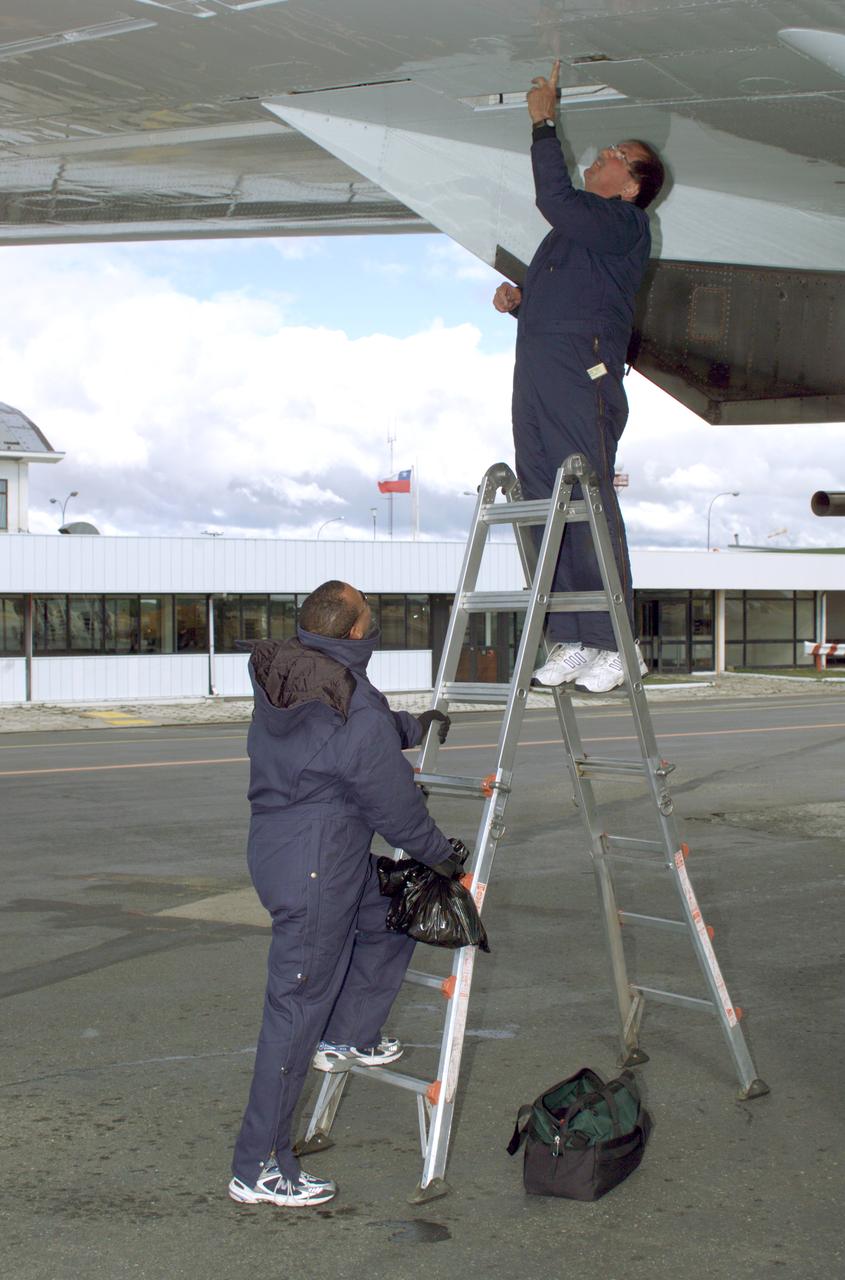
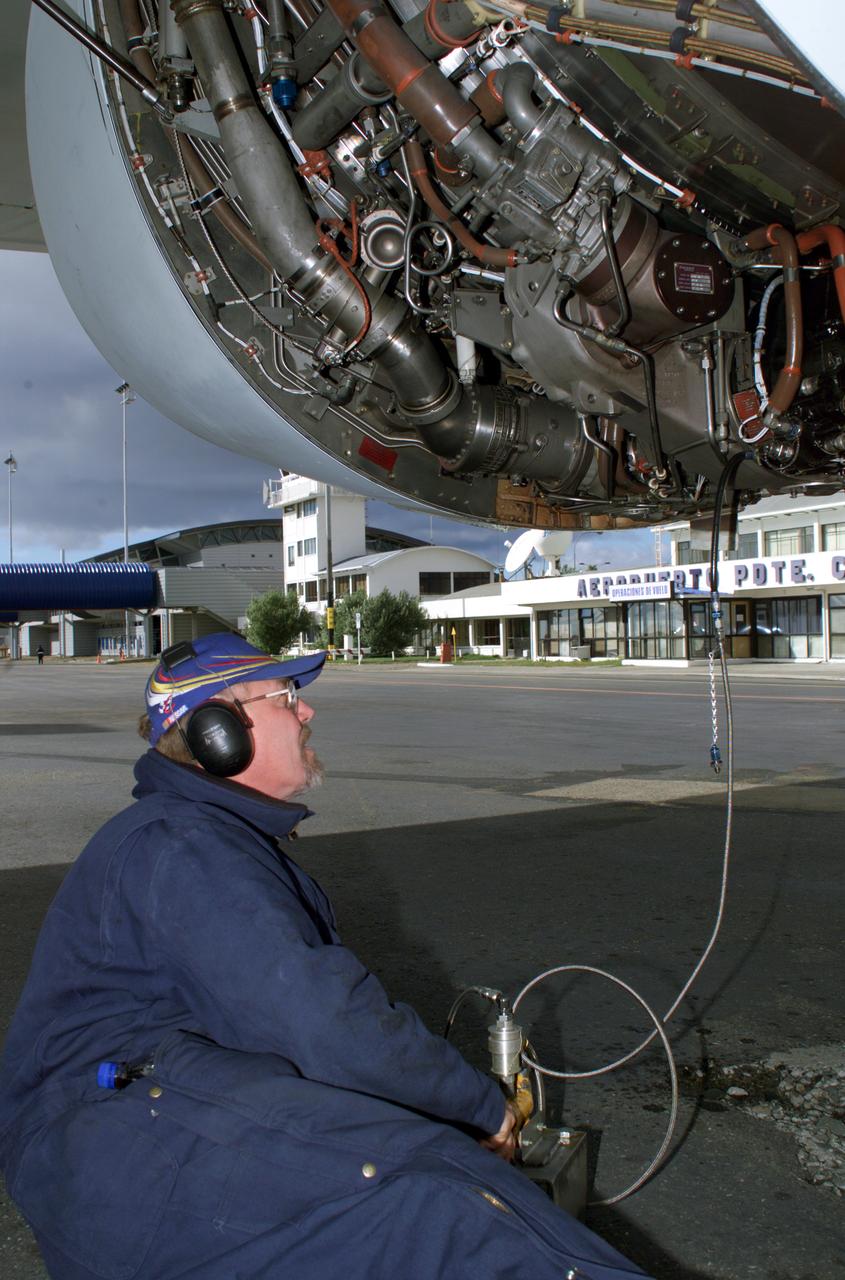
NASA DC-8 Ground Support Technicians Mark Corlew and Mike Lakowski perform routine maintenance on the aircraft at Carlos Ibanez del Campo International Airport in Punta Arenas, Chile. AirSAR 2004 is a three-week expedition by an international team of scientists that is using an all-weather imaging tool, called the Airborne Synthetic Aperture Radar (AirSAR) which is located onboard NASA's DC-8 airborne laboratory.  Scientists from many parts of the world including NASA's Jet Propulsion Laboratory are combining ground research done in several areas in Central and South America with NASA's AirSAR technology to improve and expand on the quality of research they are able to conduct.  In South America and Antarctica, AirSAR will collect imagery and data to help determine the contribution of Southern Hemisphere glaciers to sea level rise due to climate change. In Patagonia, researchers found this contribution had more than doubled from 1995 to 2000, compared to the previous 25 years. AirSAR data will make it possible to determine whether that trend is decreasing, continuing or accelerating. AirSAR will also provide reliable information on ice shelf thickness to measure the contribution of the glaciers to sea level.
NASA DC-8 Ground Support Technicians Mark Corlew and Mike Lakowski perform routine maintenance on the aircraft in Punta Arenas, Chile
NASA DC-8 Ground Support Technician Joe Niquette performs routine maintenance on the DC-8 aircraft at Carlos Ibanez del Campo International Airport in Punta Arenas, Chile. AirSAR 2004 is a three-week expedition by an international team of scientists that is using an all-weather imaging tool, called the Airborne Synthetic Aperture Radar (AirSAR) which is located onboard NASA's DC-8 airborne laboratory.  Scientists from many parts of the world including NASA's Jet Propulsion Laboratory are combining ground research done in several areas in Central and South America with NASA's AirSAR technology to improve and expand on the quality of research they are able to conduct.  In South America and Antarctica, AirSAR will collect imagery and data to help determine the contribution of Southern Hemisphere glaciers to sea level rise due to climate change. In Patagonia, researchers found this contribution had more than doubled from 1995 to 2000, compared to the previous 25 years. AirSAR data will make it possible to determine whether that trend is decreasing, continuing or accelerating. AirSAR will also provide reliable information on ice shelf thickness to measure the contribution of the glaciers to sea level.
NASA DC-8 Ground Support Technician Joe Niquette performs routine maintenance on the DC-8 aircraft in Punta Arenas, Chile
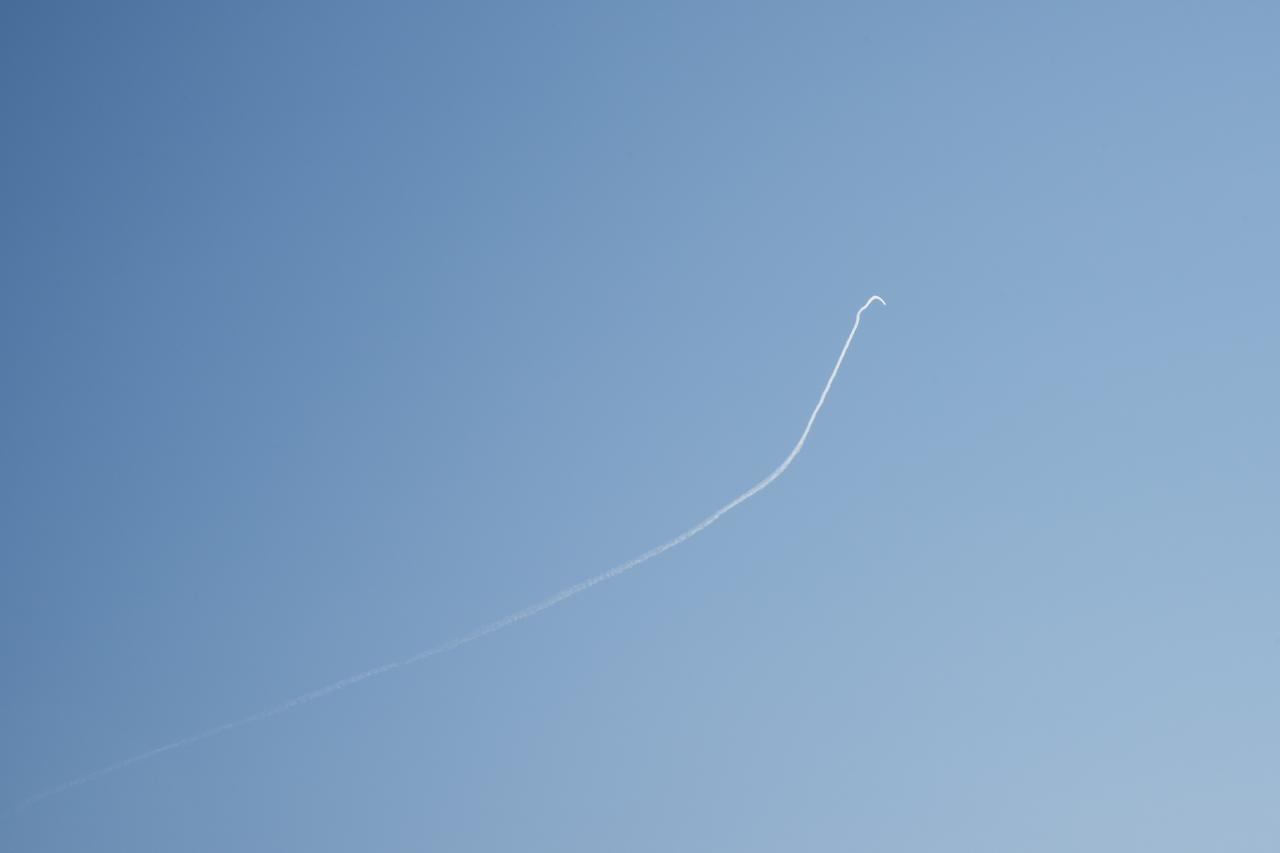
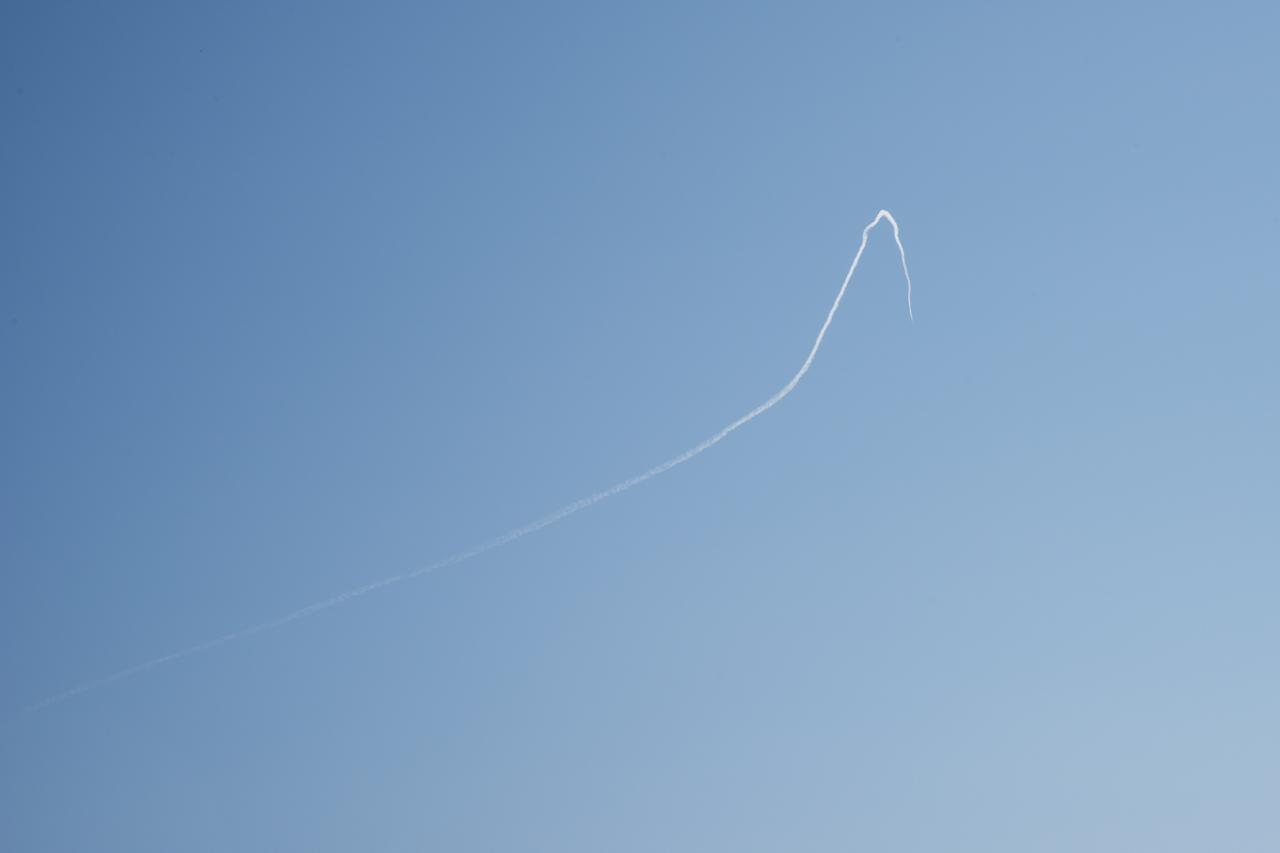
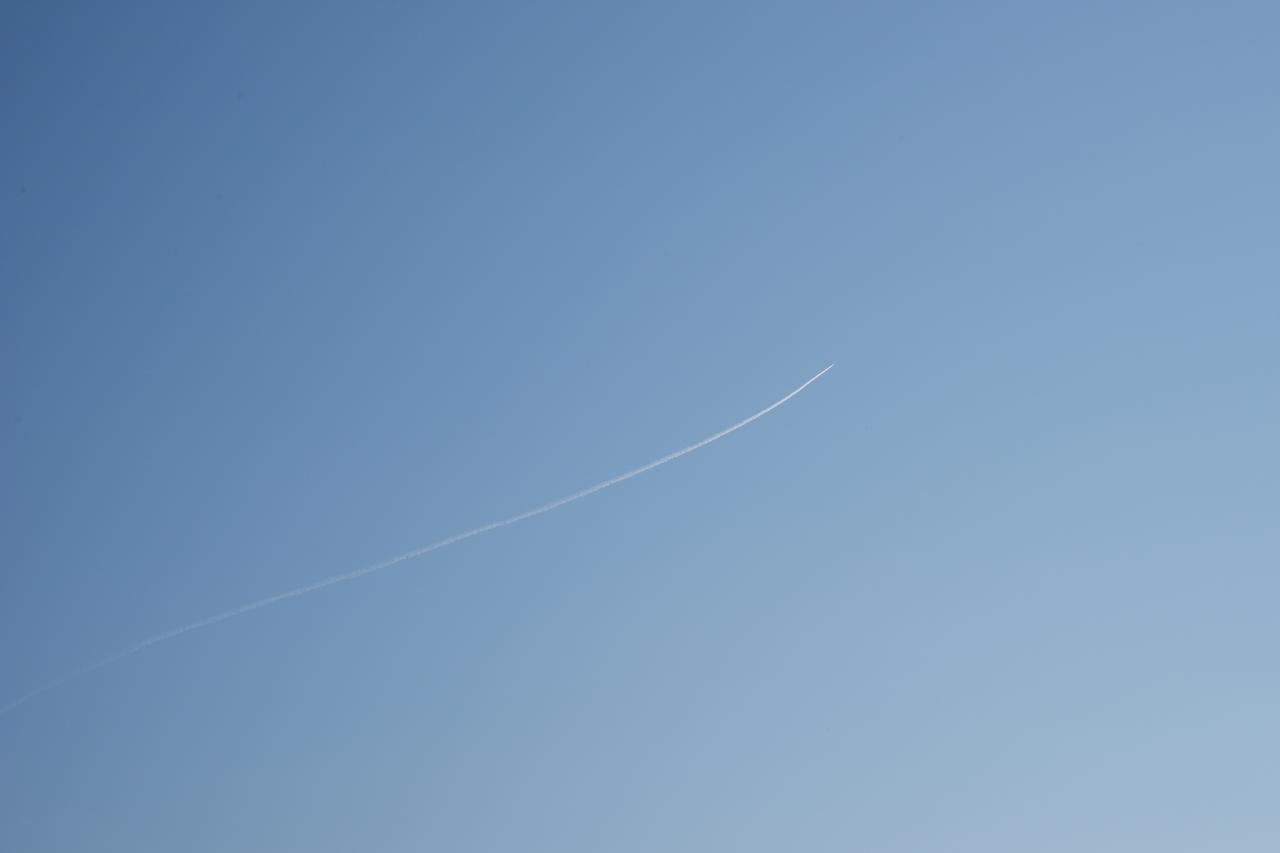
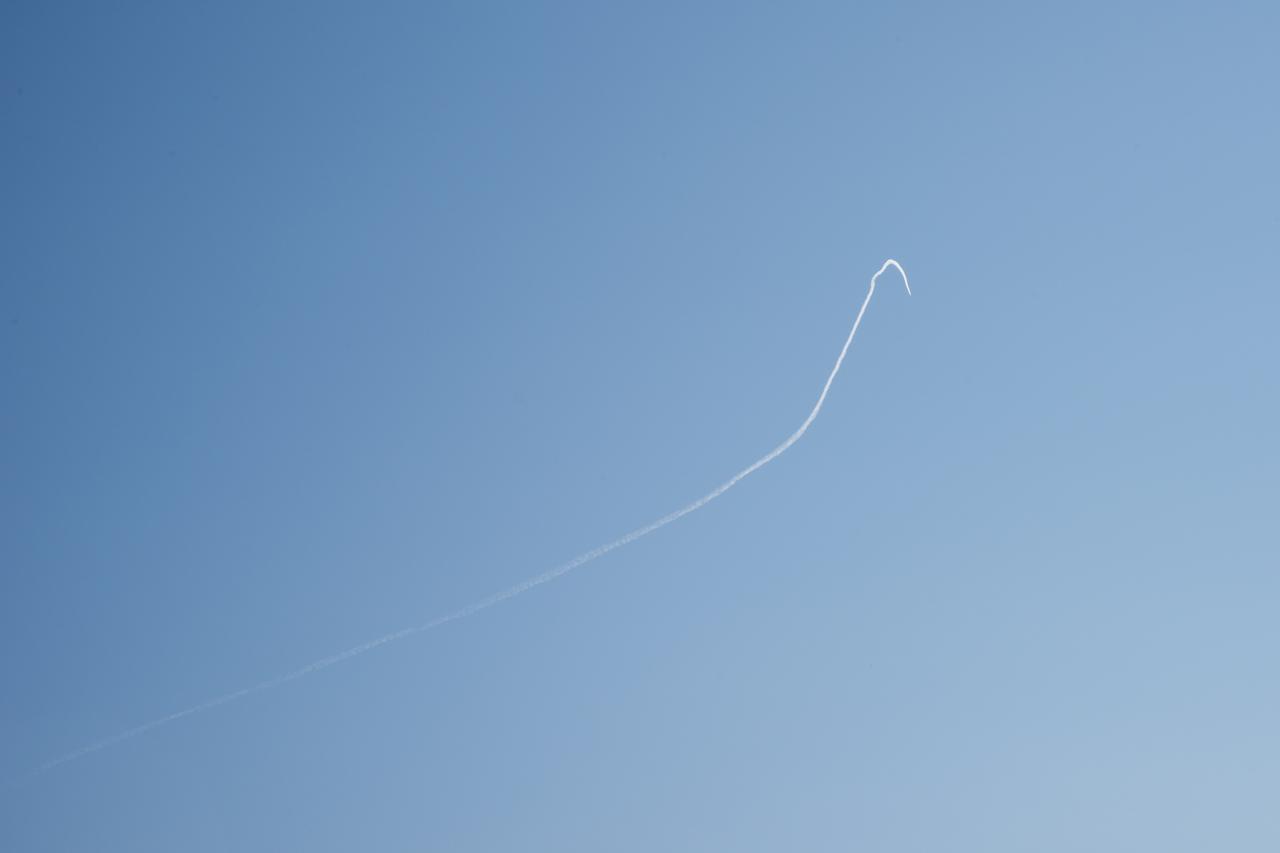
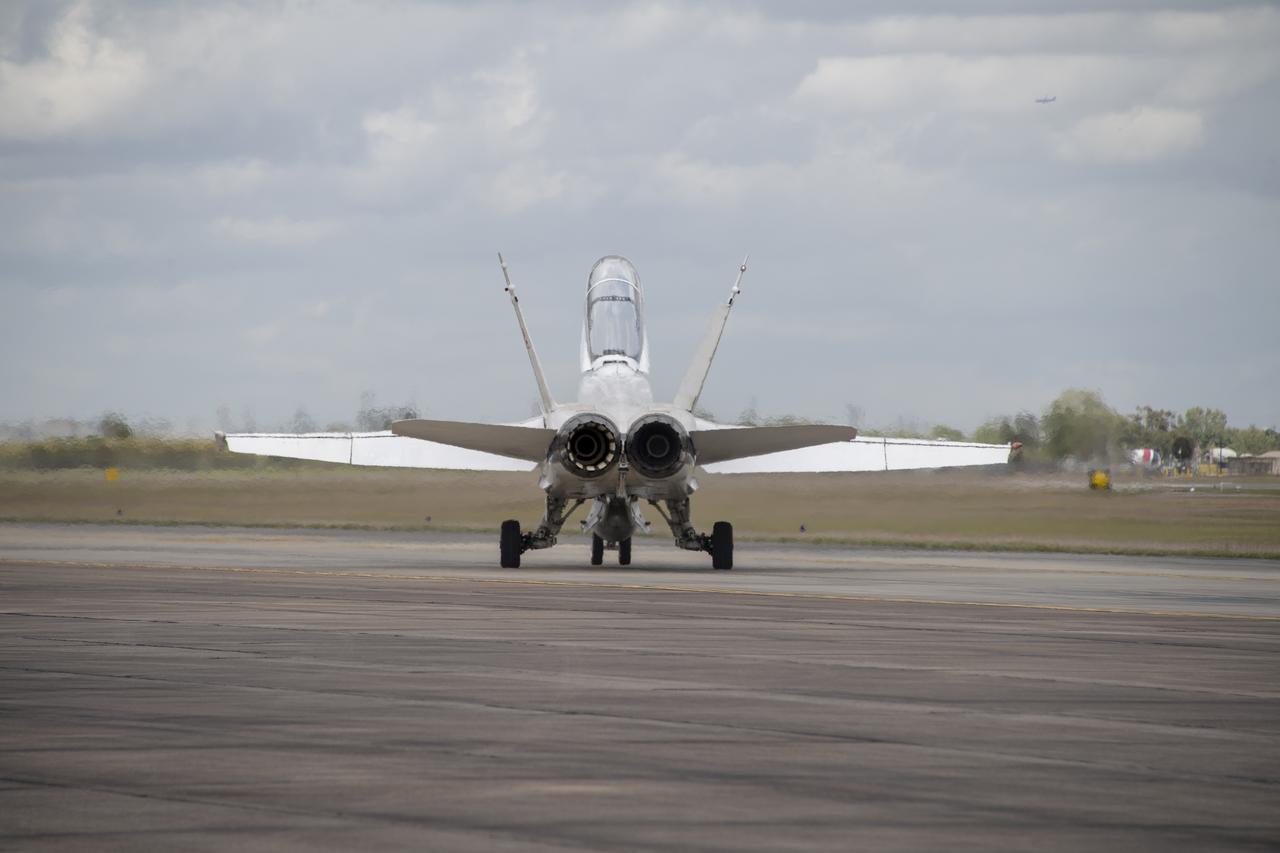
A contrail of the NASA F/A-18 research aircraft is seen off the coast of Galveston, performing the quiet supersonic dive maneuver in support of the QSF18 flight series.
Contrail of NASA F/A-18 Seen Off Coast During QSF18 Flight
A contrail of the NASA F/A-18 research aircraft is seen off the coast of Galveston, performing the quiet supersonic dive maneuver in support of the QSF18 flight series.
Contrail of NASA F/A-18 Seen Off Coast During QSF18 Flight
NASA’s Armstrong Flight Research Center flies the C-20 aircraft in support of the Advanced Synthetic Aperture Radar (ASAR) campaign on July 22, 2021. 
C-20 ASAR Flight
NASA's Armstrong Flight Research Center flies the C-20 aircraft in support of the Advanced Synthetic Aperture Radar (ASAR) campaign on July 22, 2021.
C-20 ASAR Flight
A contrail of the NASA F/A-18 research aircraft is seen off the coast of Galveston, performing the quiet supersonic dive maneuver in support of the QSF18 flight series.
Contrail of NASA F/A-18 Seen Off Coast During QSF18 Flight
NASA's Armstrong Flight Research Center flies the C-20 aircraft in support of the Advanced Synthetic Aperture Radar (ASAR) campaign on July 22, 2021.
C-20 ASAR Flight
A contrail of the NASA F/A-18 research aircraft is seen off the coast of Galveston, performing the quiet supersonic dive maneuver in support of the QSF18 flight series.
Contrail of NASA F/A-18 Seen Off Coast During QSF18 Flight
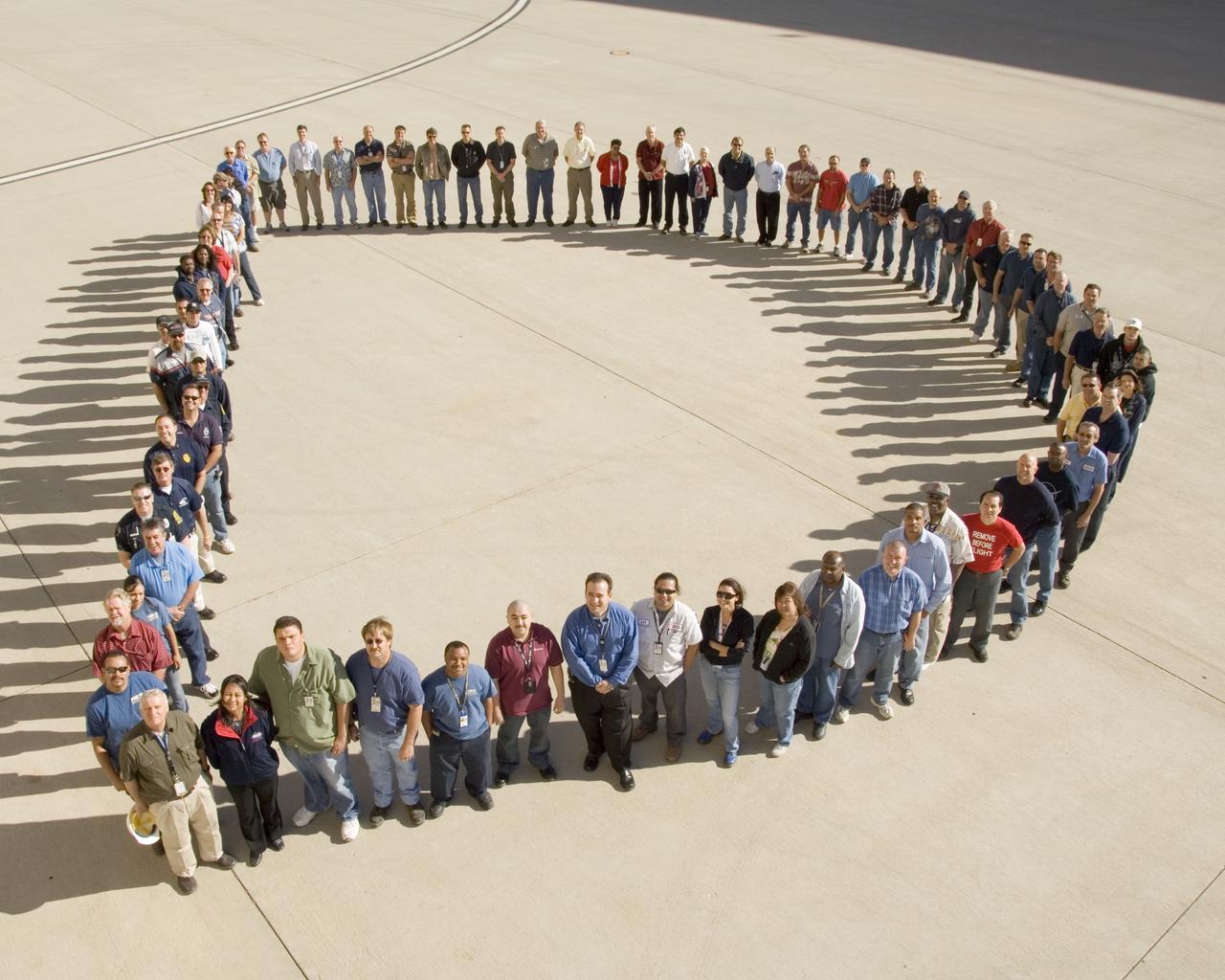
To support NASA's 50th Anniversary, NASA government and contractor employees gathered to form a giant "D" outside the Dryden Aircraft Operations Facility
Dryden People
NASA’s Armstrong Flight Research Center flies the C-20 aircraft in support of the Advanced Synthetic Aperture Radar (ASAR) campaign on July 22, 2021. 
C-20 ASAR Flight
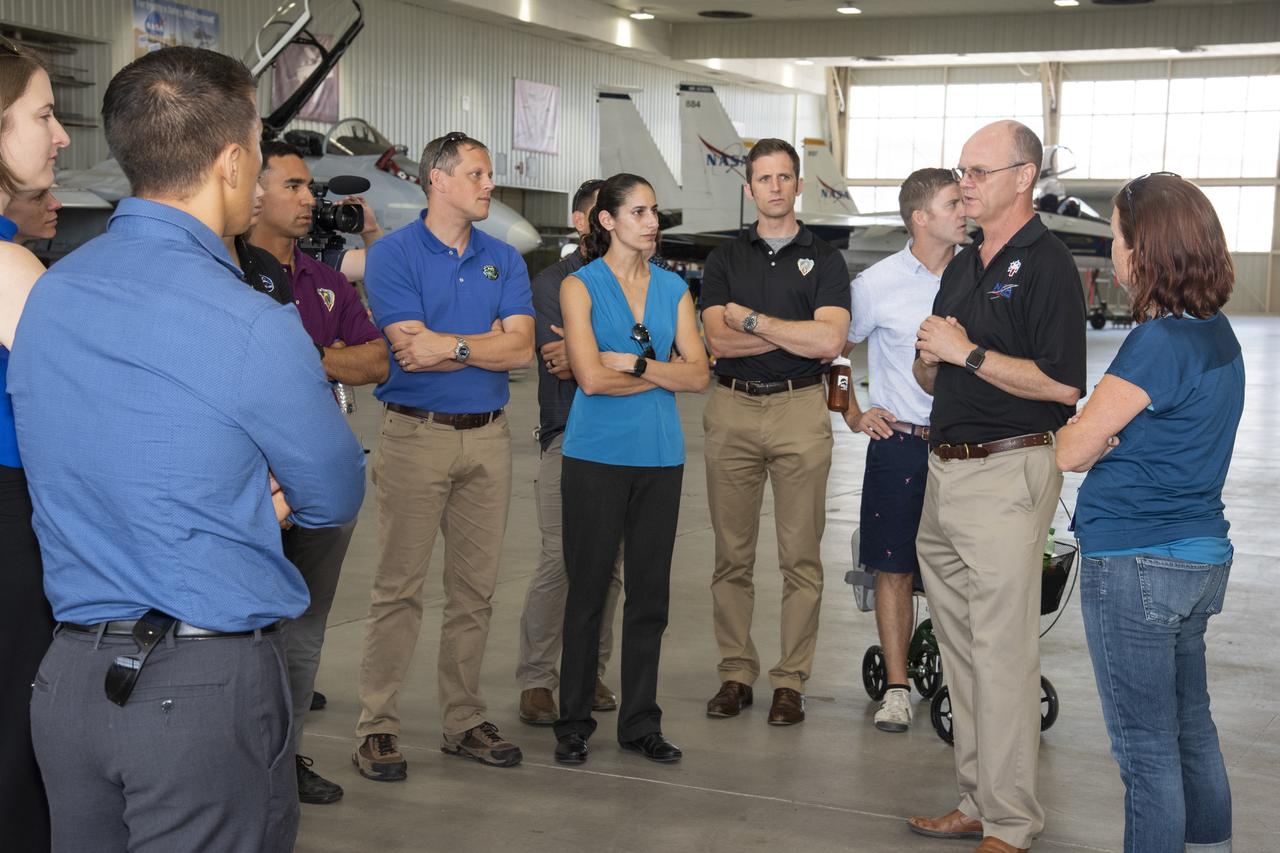
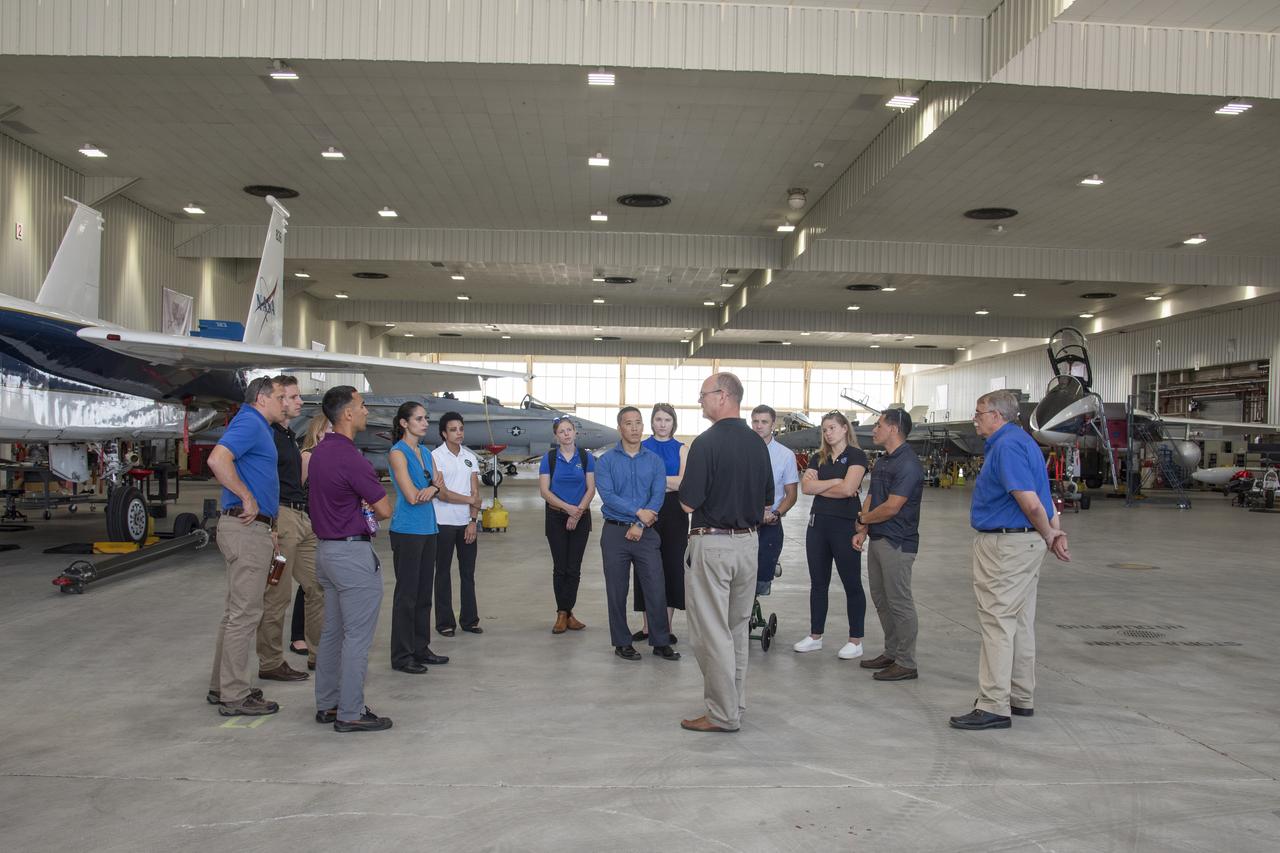
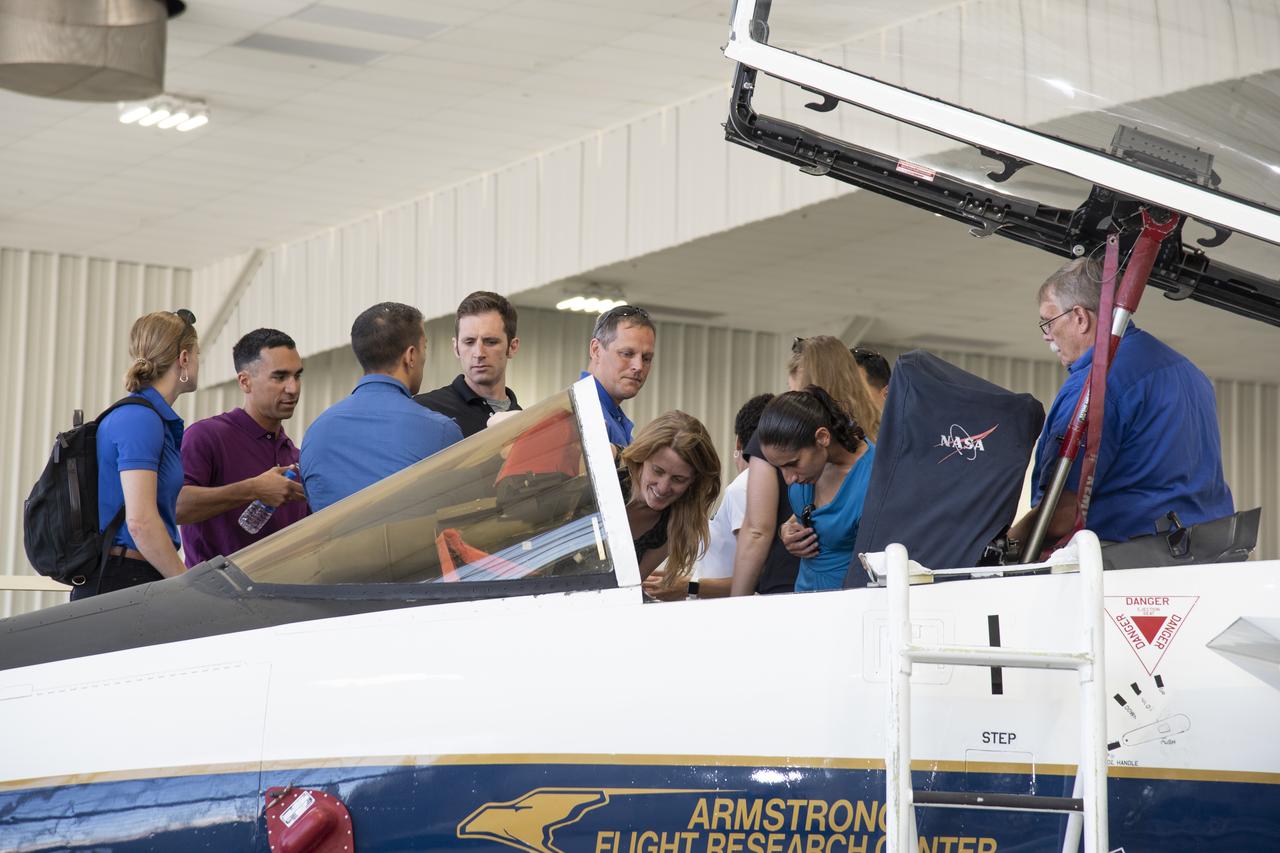
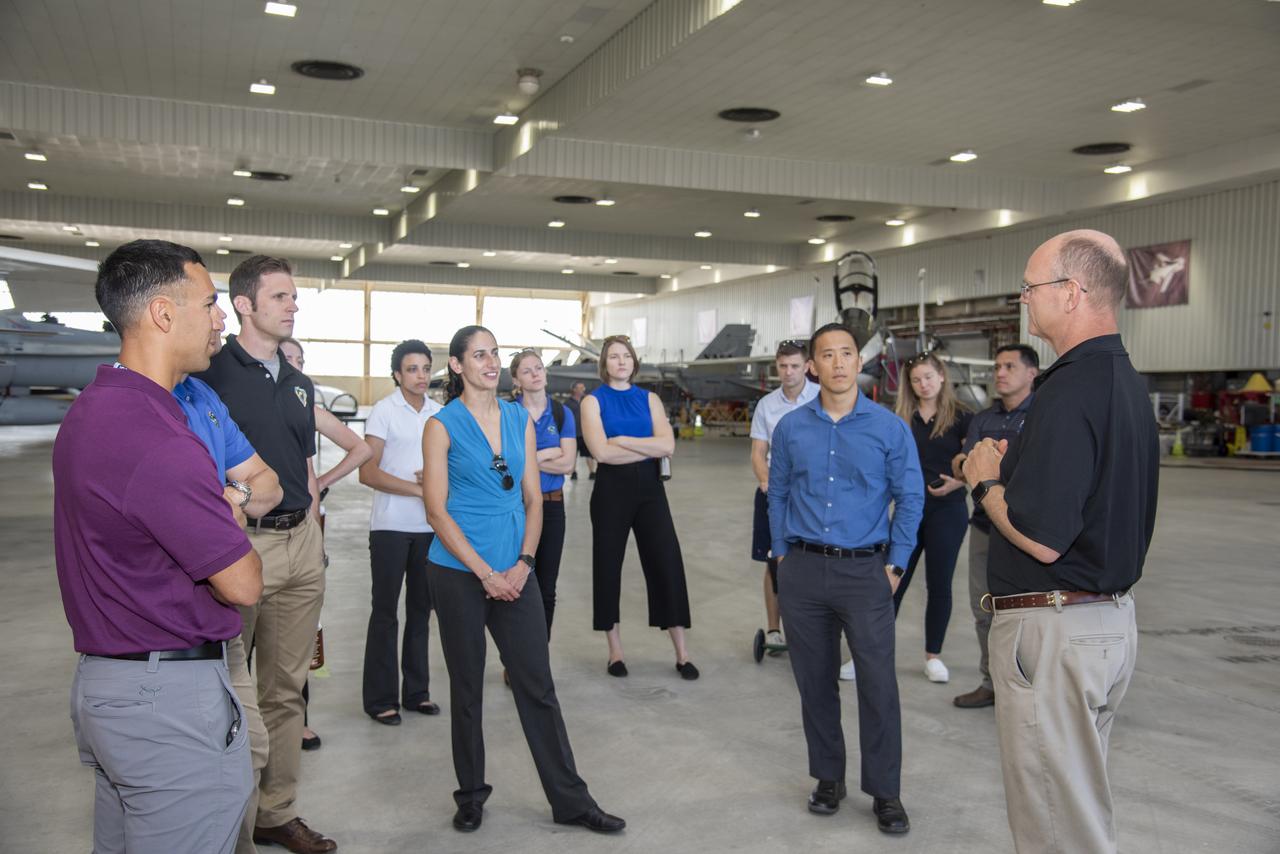
NASA's 2017 astronaut candidates toured aircraft hangar at Armstrong Flight Research Center, in Southern California. On the right, NASA's, X-59 pilot Nils Larsen, briefs the astronauts as they look at Armstrong's fleet of supersonic research support aircraft, including the F-15, which will fly in tandem with the X-59 QueSST during early flight test stages, and the F-18, which is conducting supersonic research in support of the overall mission.
Pilot Nils Larsen Speaks to Astronauts on X-59 Research Using Jets
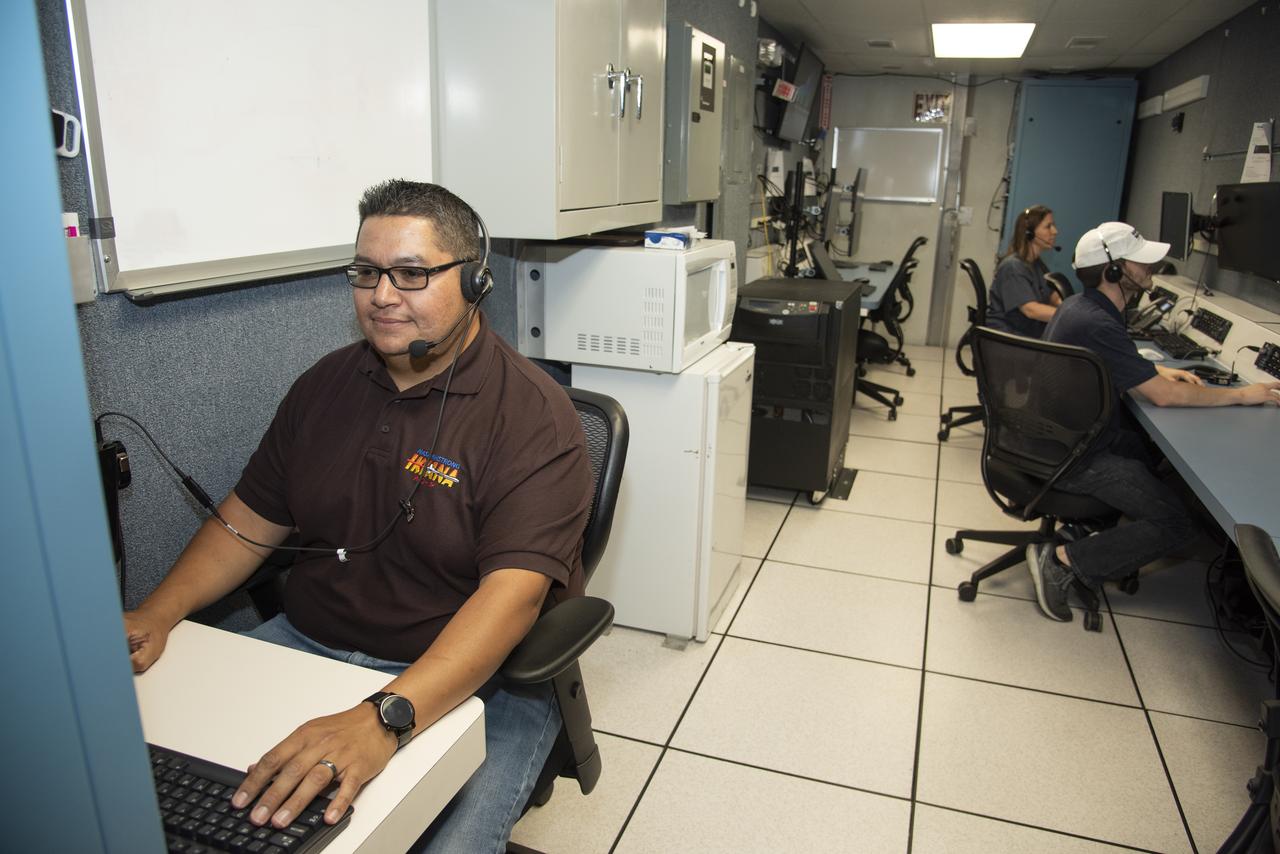
Jesus Vazquez, Zach Springer and Sonja Belcher, from left, are at stations in the Mobile Operations Facility 5 at NASA’s Armstrong Flight Research Center in California. The mobile station support included the Pad Abort-1 test of the Orion Launch Abort System at White Sands, New Mexico, the first Dream Chaser air launch and most recently supported the TigerShark remotely piloted aircraft for the Unmanned Aircraft Systems Integration in the National Airspace System flights.
DATR Supports Space Communication, Research Flights
NASA’s 2017 astronaut candidates toured aircraft hangar at Armstrong Flight Research Center, in Southern California. On the right, NASA’s, X-59 pilot Nils Larsen, briefs the astronauts as they look at Armstrong’s fleet of supersonic research support aircraft, including the F-15, which will fly in tandem with the X-59 QueSST during early flight test stages, and the F-18, which is conducting supersonic research in support of the overall mission.
Pilot Nils Larsen Speaks to Astronauts on X-59 Research Using Jets
NASA's 2017 astronaut candidates toured aircraft hangar at Armstrong Flight Research Center, in Southern California. On the right, NASA's, X-59 pilot Nils Larsen, briefs the astronauts as they look at Armstrong's fleet of supersonic research support aircraft, including the F-15, which will fly in tandem with the X-59 QueSST during early flight test stages, and the F-18, which is conducting supersonic research in support of the overall mission.
Pilot Nils Larsen Speaks to Astronauts on X-59 Research Using Jets
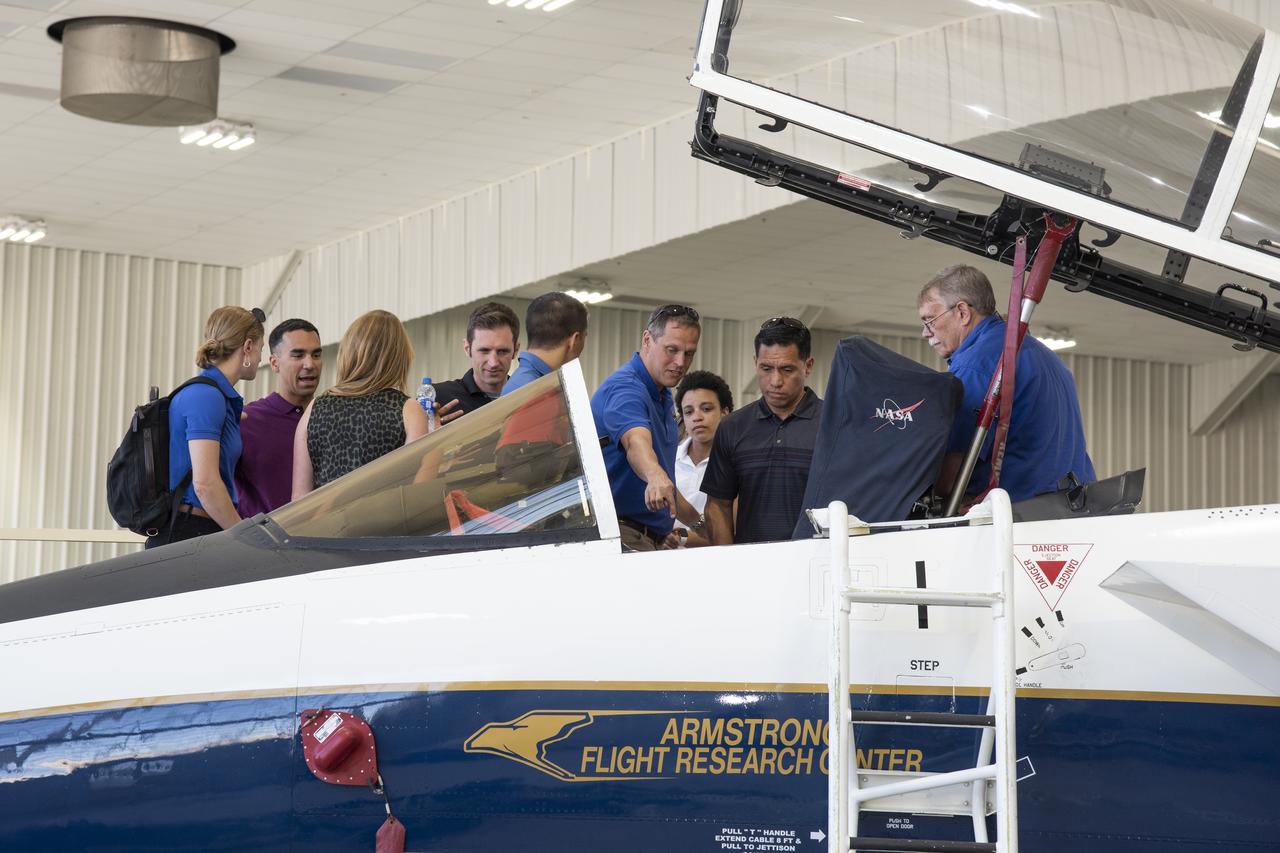
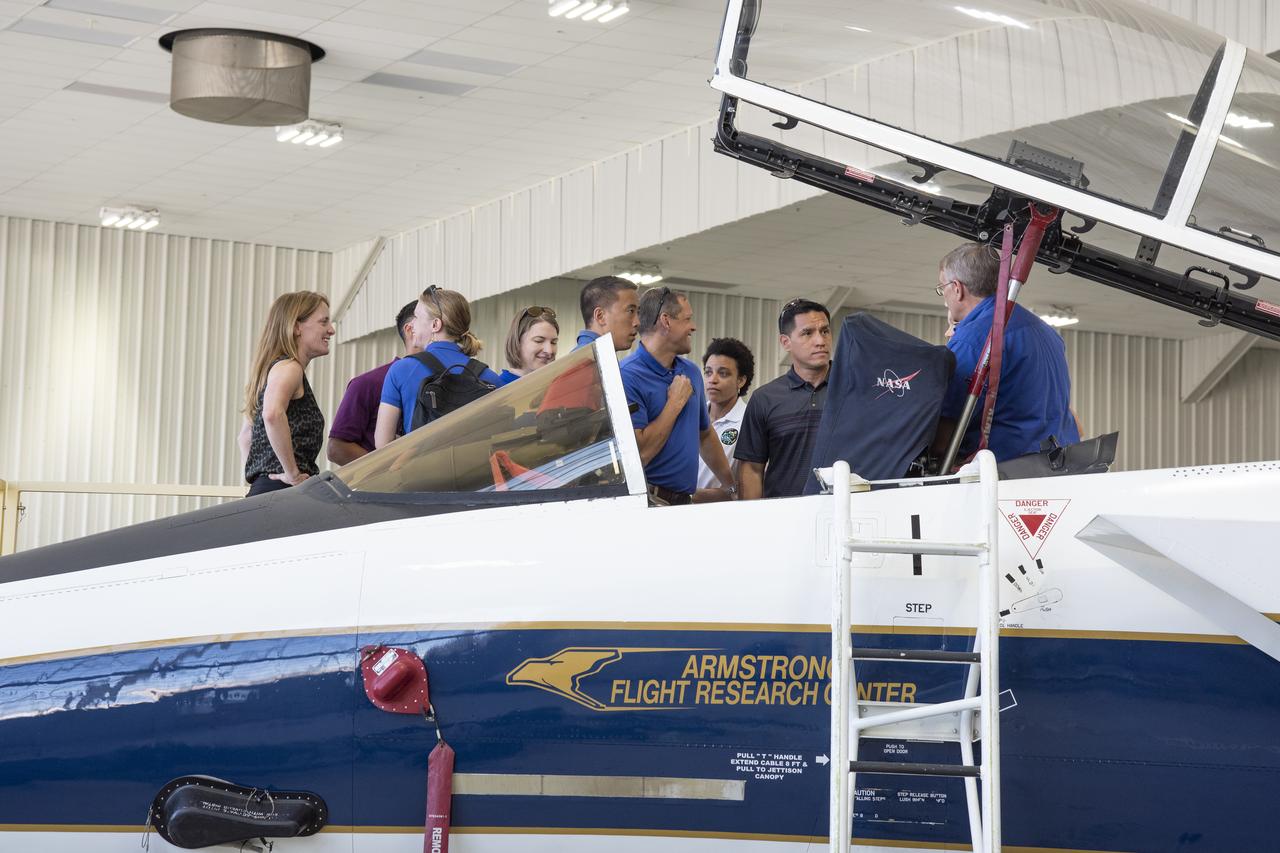
NASA's 2017 astronaut candidates toured aircraft hangar at Armstrong Flight Research Center, in Southern California where they checked out a F-15 cockpit. The center is using its fleet of supersonic research support aircraft for sonic boom research, including the F-15, which will fly in tandem with the X-59 QueSST during early flight test stages, and the F-18, which is conducting supersonic research in support of the overall mission.
2017 Astronauts Tour Hangar at Armstrong Flight Research Center
NASA's 2017 astronaut candidates toured aircraft hangar at Armstrong Flight Research Center, in Southern California where they checked out a F-15 cockpit. The center is using its fleet of supersonic research support aircraft for sonic boom research, including the F-15, which will fly in tandem with the X-59 QueSST during early flight test stages, and the F-18, which is conducting supersonic research in support of the overall mission.
2017 Astronauts Tour Hangar at Armstrong Flight Research Center
NASA’s 2017 astronaut candidates toured aircraft hangar at Armstrong Flight Research Center, in Southern California where they checked out a F-15 cockpit. The center is using its fleet of supersonic research support aircraft for sonic boom research, including the F-15, which will fly in tandem with the X-59 QueSST during early flight test stages, and the F-18, which is conducting supersonic research in support of the overall mission.
2017 Astronauts Tour Hangar at Armstrong Flight Research Center
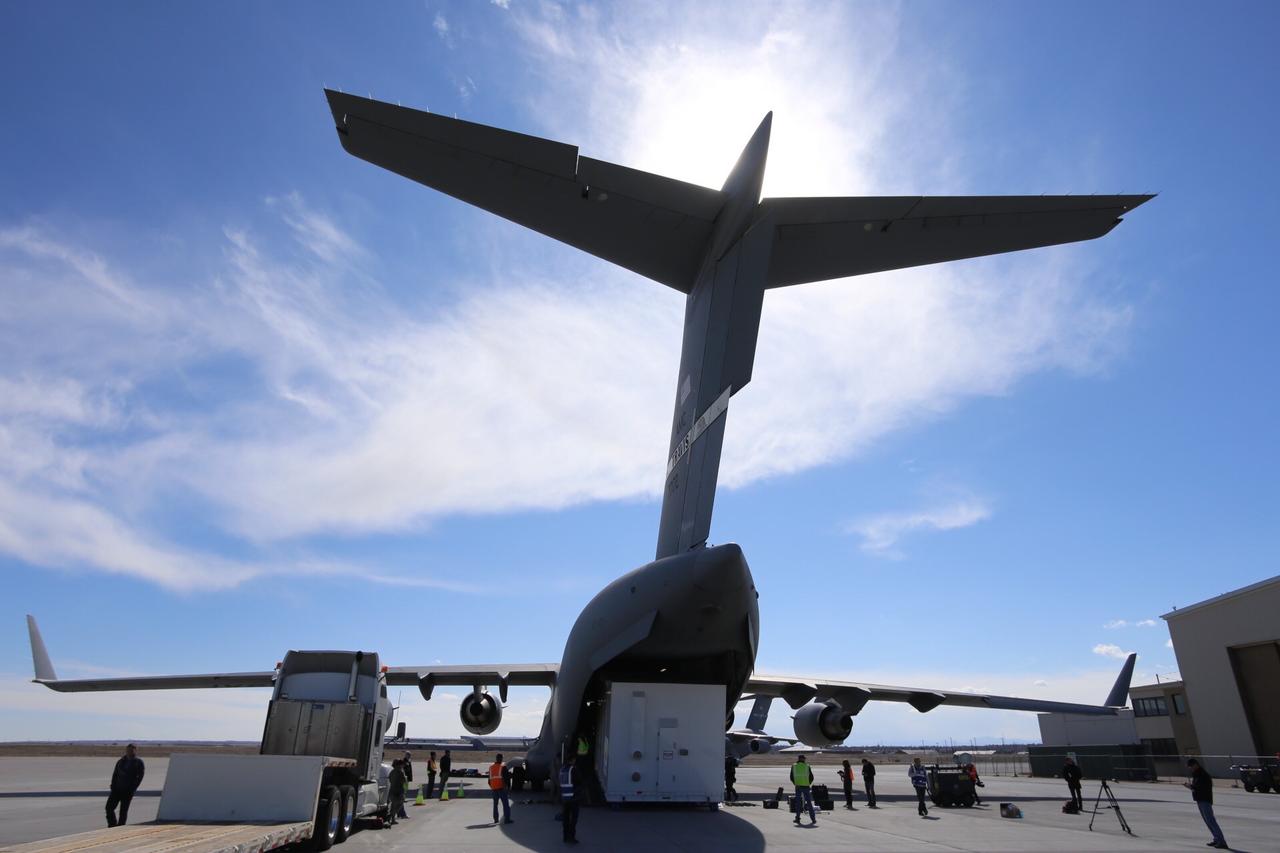
Personnel supporting NASA's InSight mission to Mars load the crated InSight spacecraft into a C-17 cargo aircraft at Buckley Air Force Base, Denver, for shipment to Vandenberg Air Force Base, California. The spacecraft, built in Colorado by Lockheed Martin Space, was shipped February 28, 2018, in preparation for launch from Vandenberg in May 2018.  InSight, short for Interior Exploration using Seismic Investigations, Geodesy and Heat Transport, is the first mission dedicated to studying the deep interior of Mars. Its findings will advance understanding of the early history of all rocky planets, including Earth.  https://photojournal.jpl.nasa.gov/catalog/PIA22252
Shipping InSight Mars Spacecraft to California for Launch
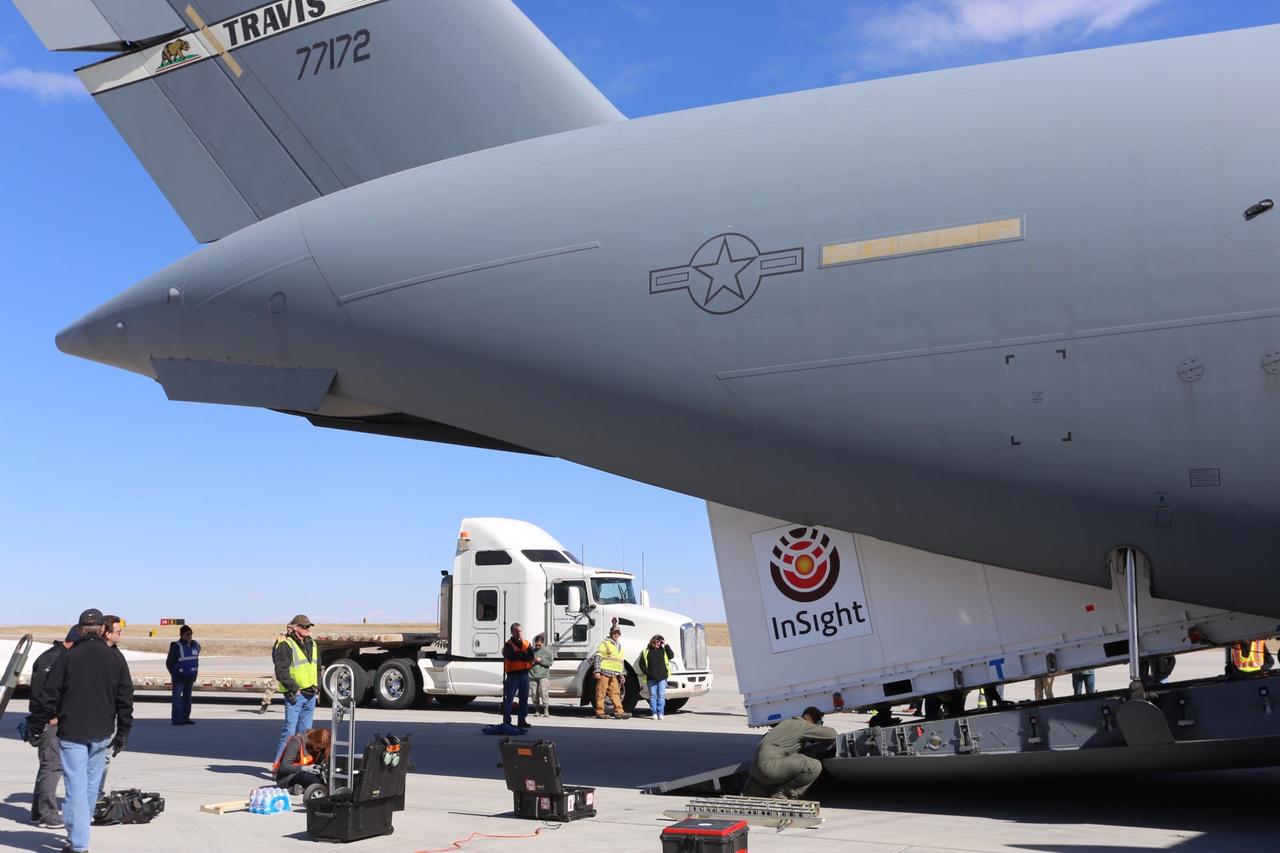
Personnel supporting NASA's InSight mission to Mars load the crated InSight spacecraft into a C-17 cargo aircraft at Buckley Air Force Base, Denver, for shipment to Vandenberg Air Force Base, California. The spacecraft, built in Colorado by Lockheed Martin Space, was shipped February 28, 2018, in preparation for launch from Vandenberg in May 2018.  InSight, short for Interior Exploration using Seismic Investigations, Geodesy and Heat Transport, is the first mission dedicated to studying the deep interior of Mars. Its findings will advance understanding of the early history of all rocky planets, including Earth.  https://photojournal.jpl.nasa.gov/catalog/PIA22253
Shipping InSight Mars Spacecraft to California for Launch
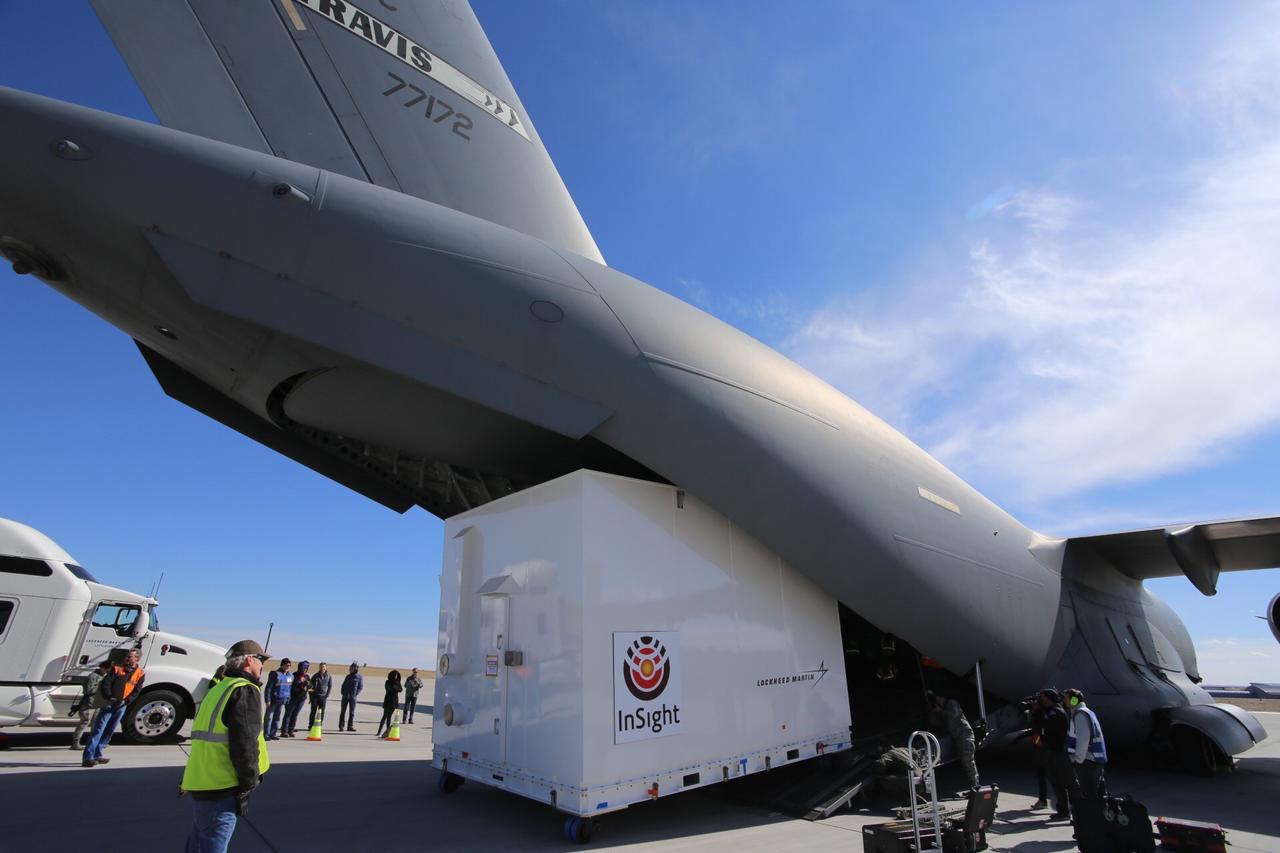
Personnel supporting NASA's InSight mission to Mars load the crated InSight spacecraft into a C-17 cargo aircraft at Buckley Air Force Base, Denver, for shipment to Vandenberg Air Force Base, California. The spacecraft, built in Colorado by Lockheed Martin Space, was shipped February 28, 2018, in preparation for launch from Vandenberg in May 2018.  InSight, short for Interior Exploration using Seismic Investigations, Geodesy and Heat Transport, is the first mission dedicated to studying the deep interior of Mars. Its findings will advance understanding of the early history of all rocky planets, including Earth.  https://photojournal.jpl.nasa.gov/catalog/PIA22220
Shipping InSight Mars Spacecraft to California for Launch
Claudia Sales, NASA’s acting X-59 deputy chief engineer and airworthiness certification lead for the quiet supersonic research aircraft, supports ground testing for Acoustic Research Measurements (ARM) flights. The test campaign to evaluate technologies that reduce aircraft noise was conducted at NASA’s Armstrong Flight Research Center in Edwards, California, in 2018.
NASA Employees’ Careers Started as Interns
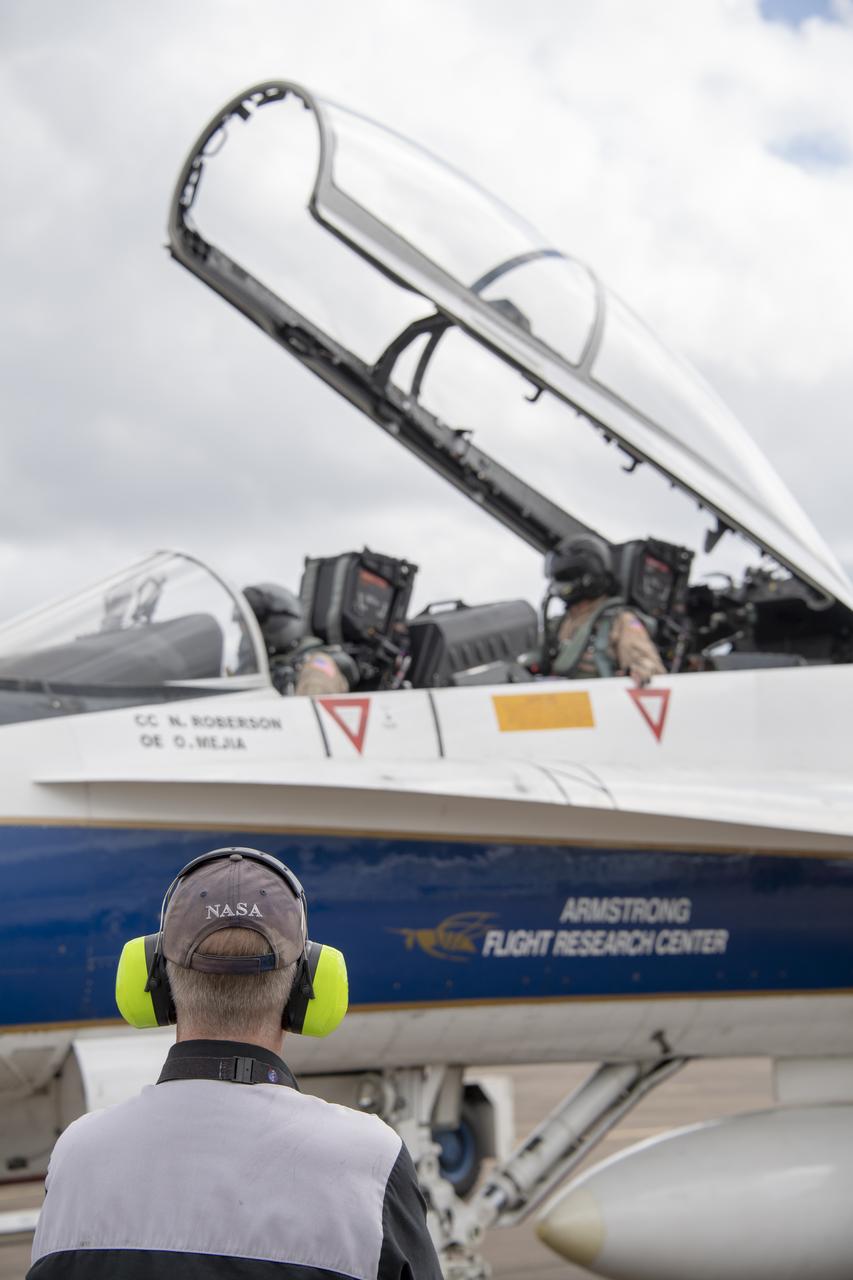
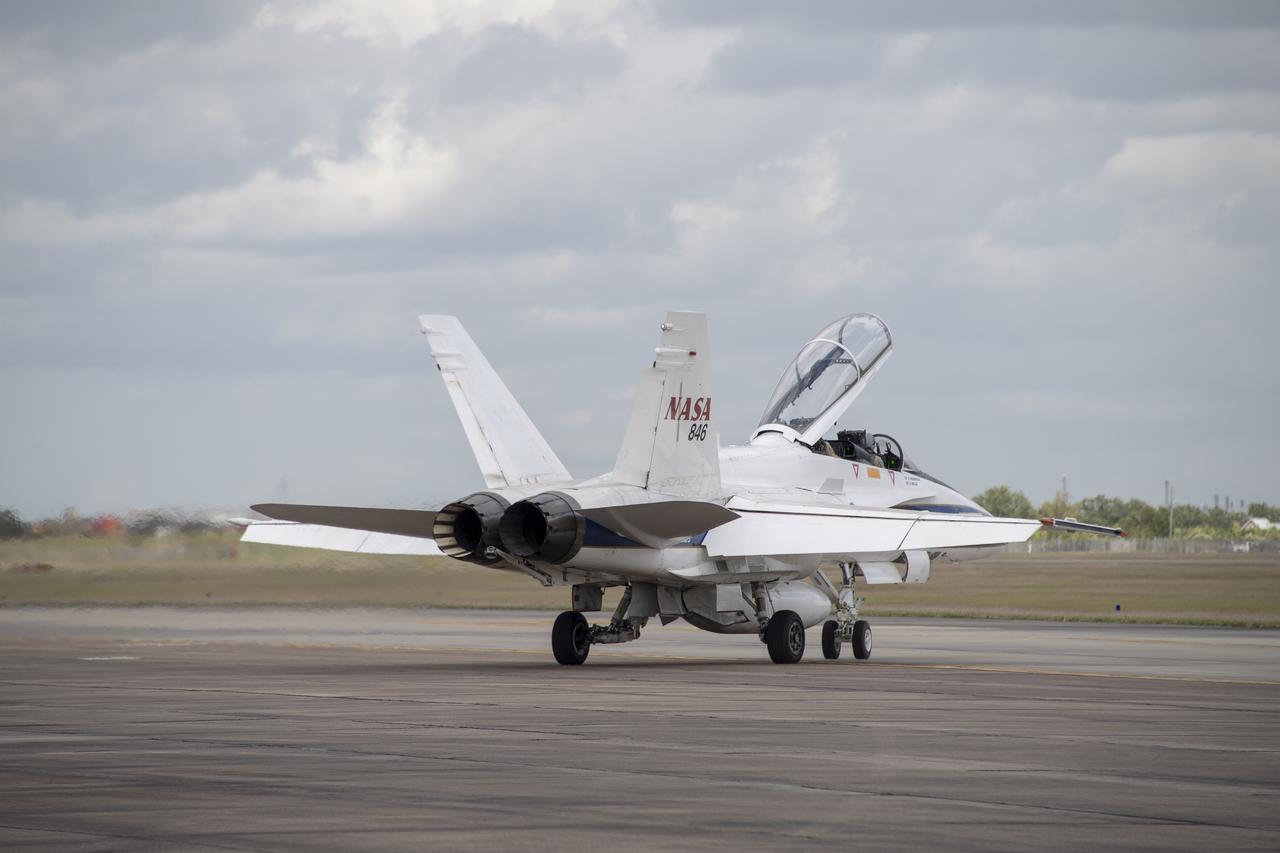
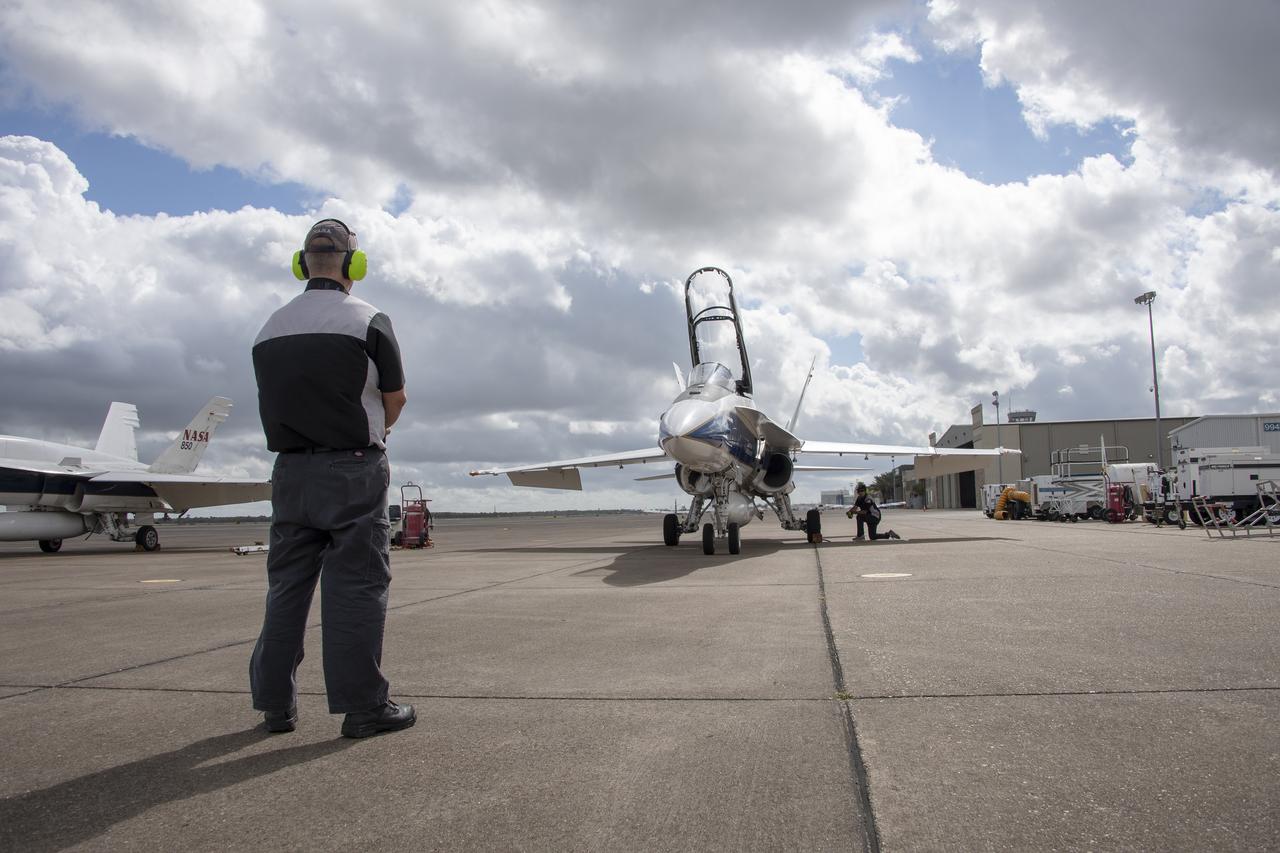
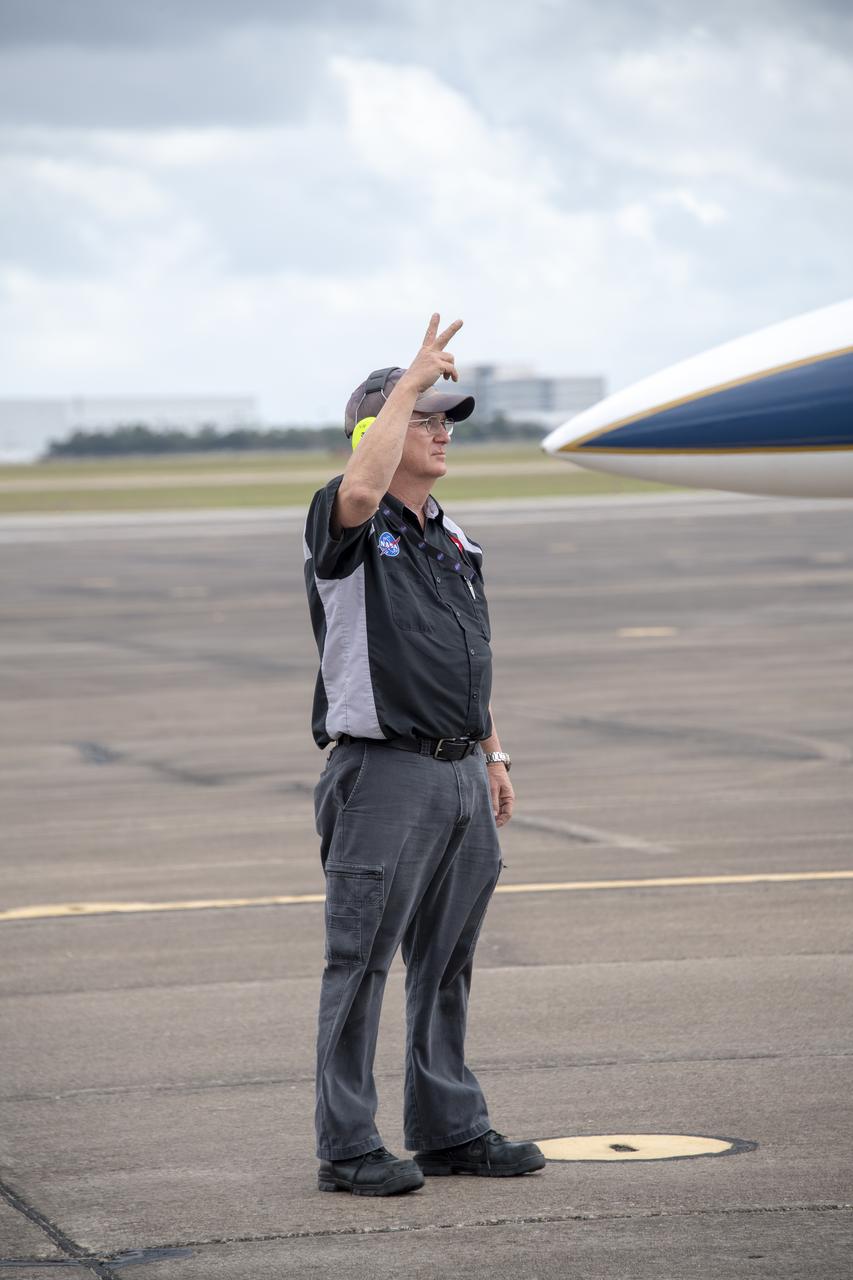
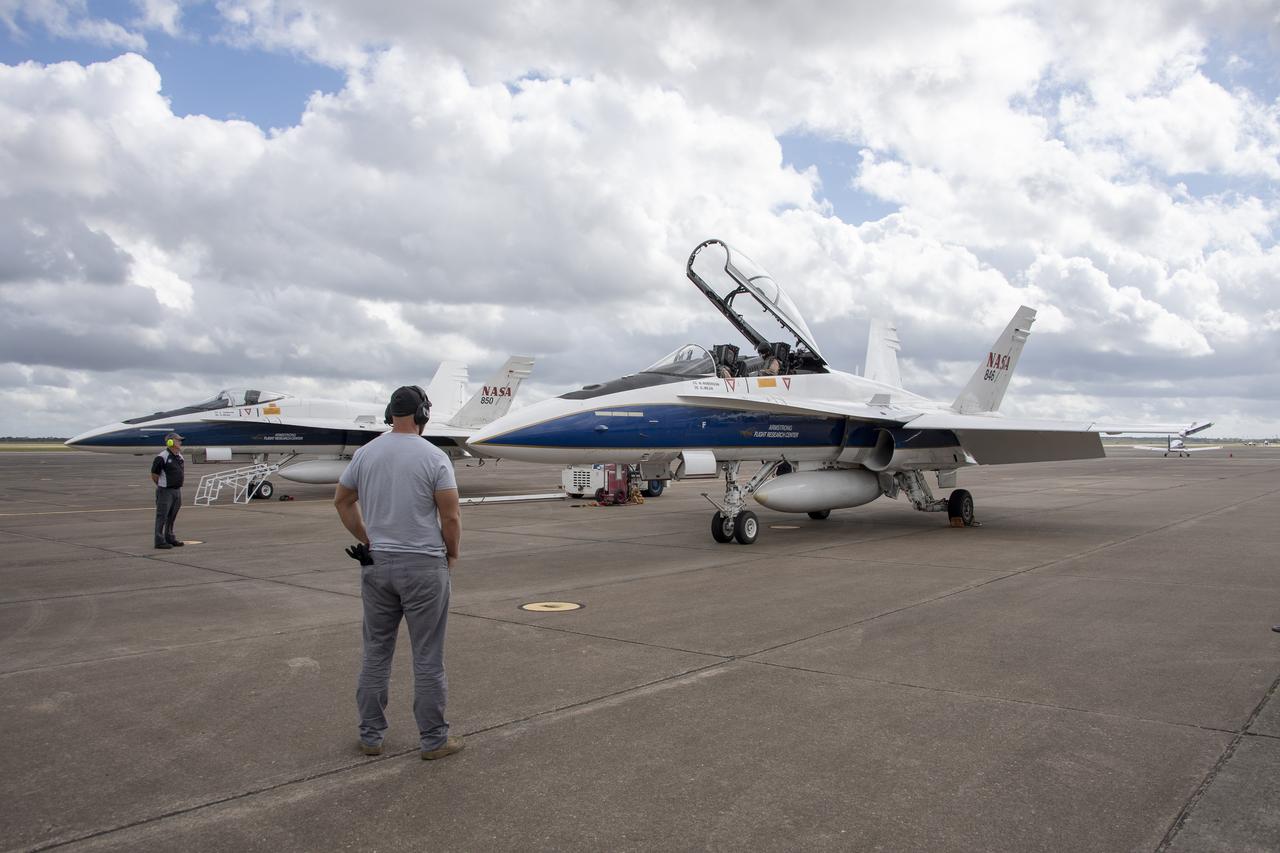
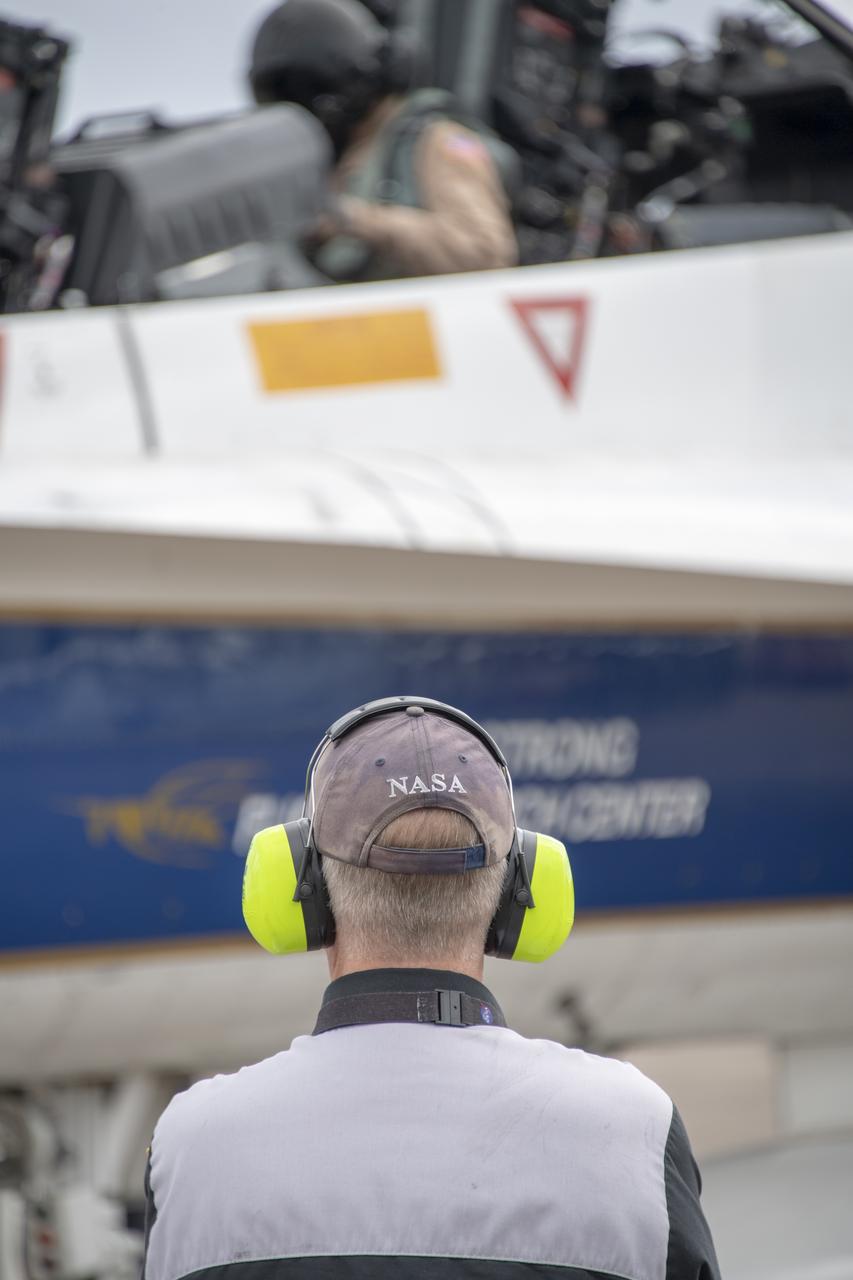
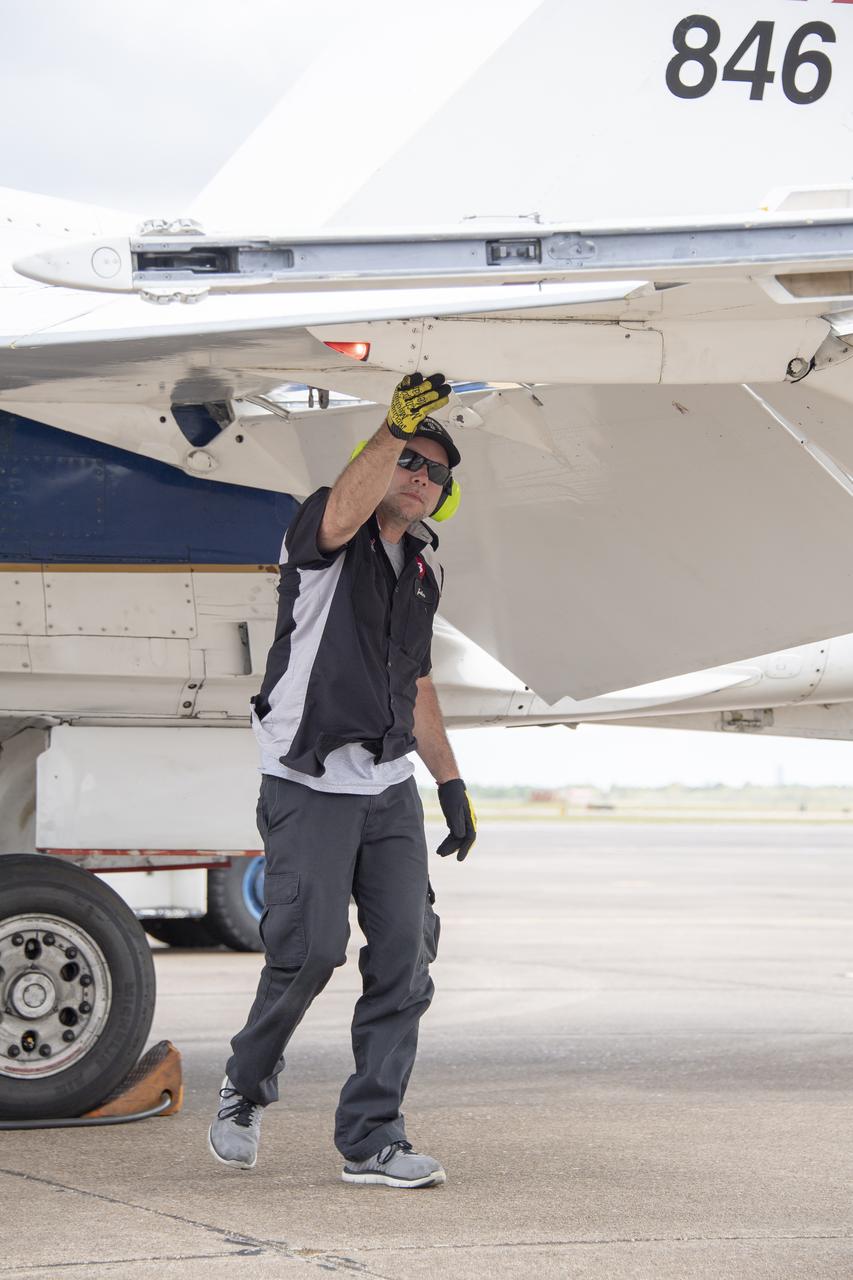
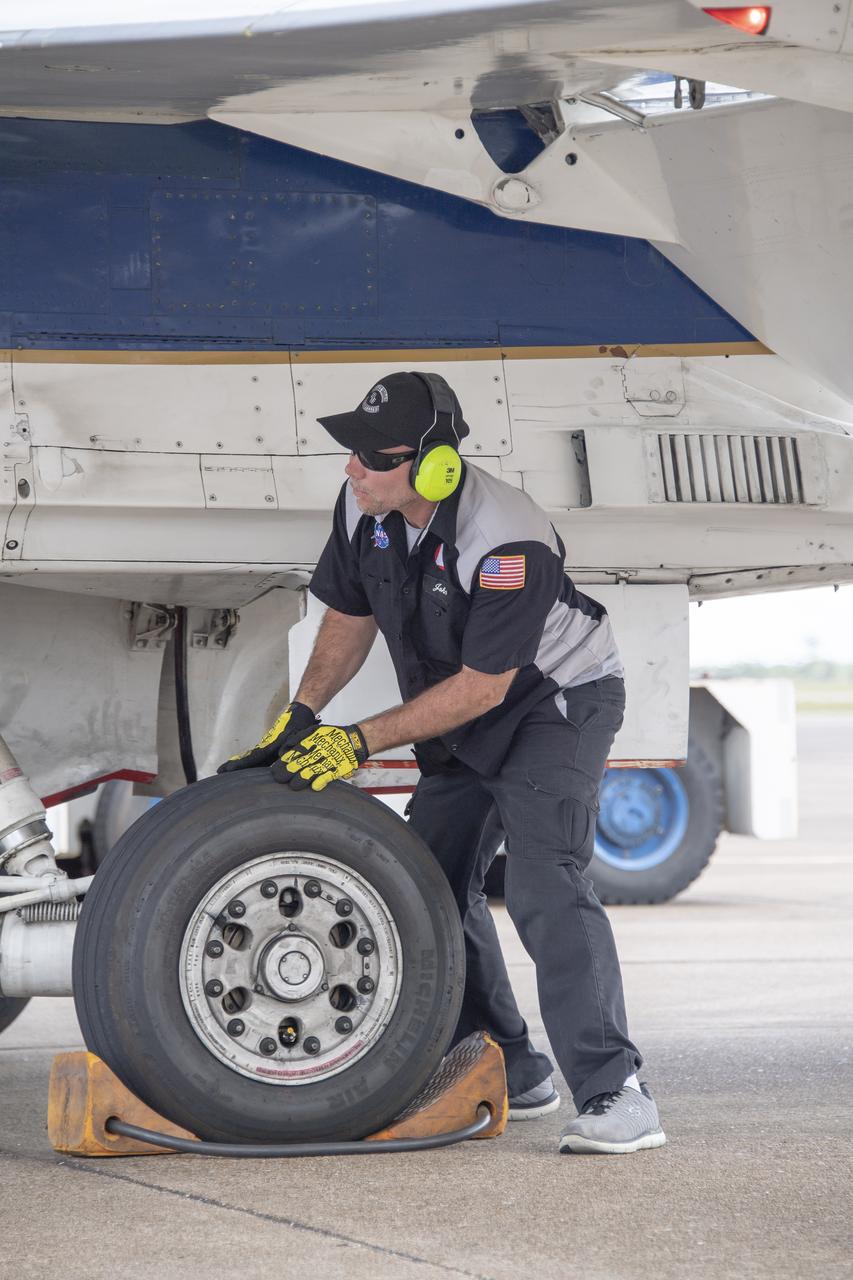
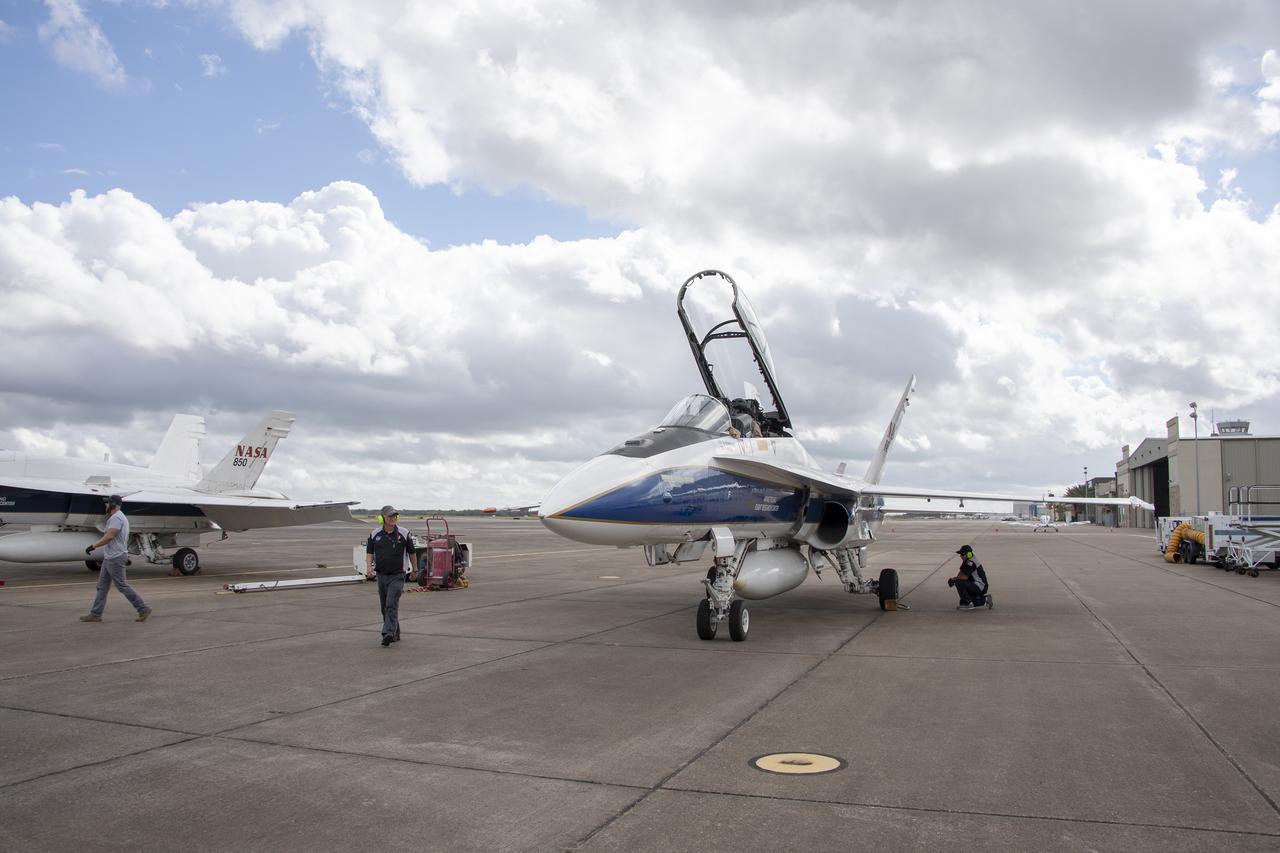
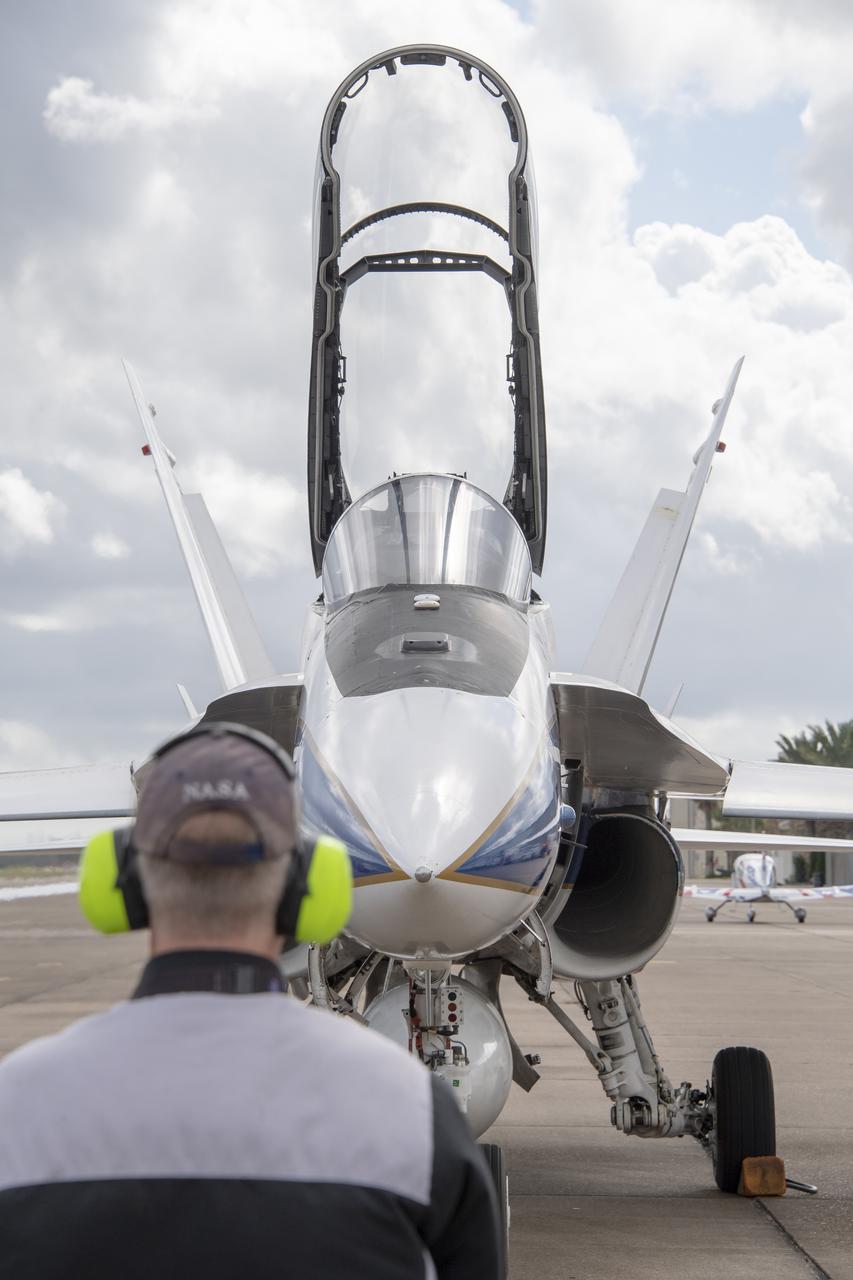
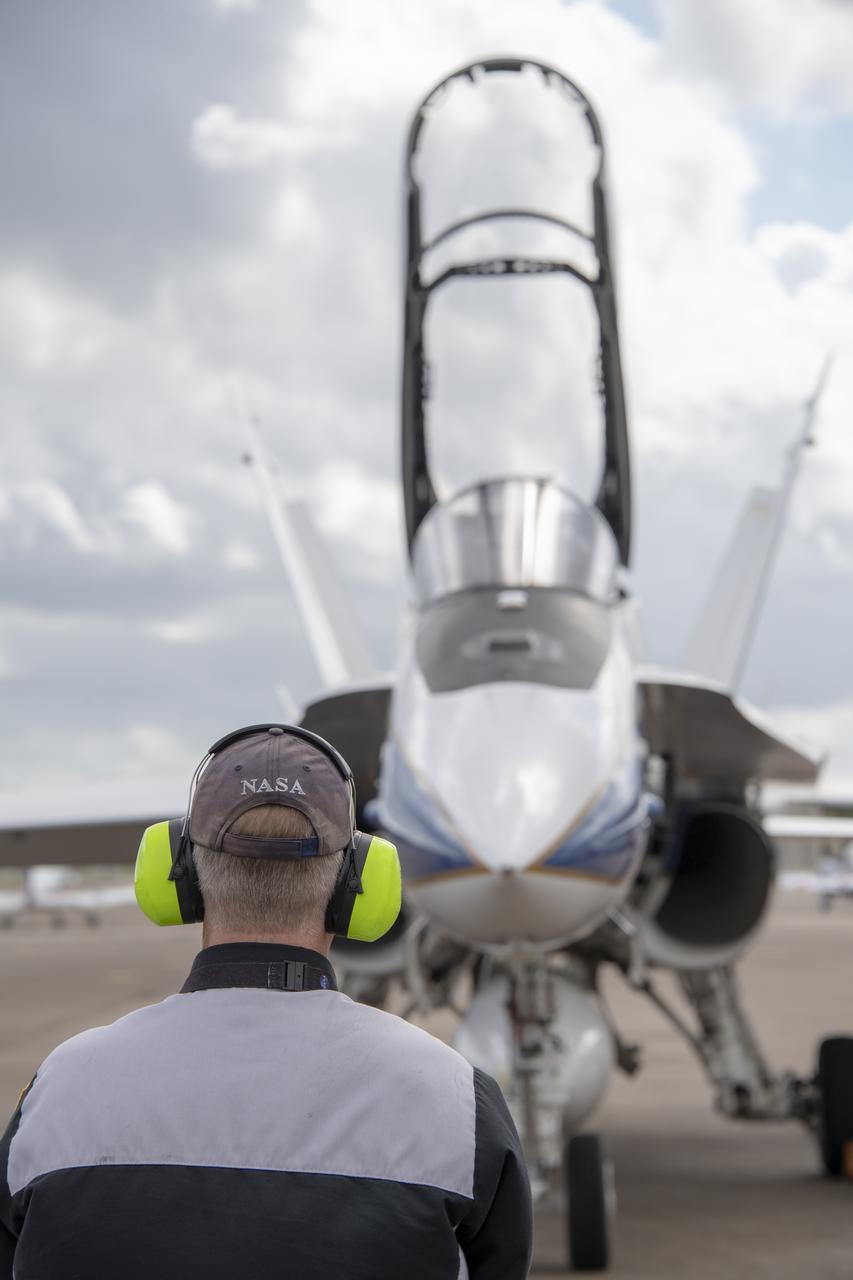
NASA ground and maintenance crews prepare the F/A-18 research aircraft for a supersonic research flight off the coast of Galveston, Texas in support of the QSF18 flight campaign. These crews are vital to making sure the aircraft is ready to operate safely and efficiently for NASA’s research.
NASA Ground Crews Prepare F/A-18 for QSF18 Takeoff
NASA ground and maintenance crews prepare the F/A-18 research aircraft for a supersonic research flight off the coast of Galveston, Texas in support of the QSF18 flight campaign. These crews are vital to making sure the aircraft is ready to operate safely and efficiently for NASA’s research.
NASA Ground Crews Prepare F/A-18 for QSF18 Takeoff
NASA ground and maintenance crews prepare the F/A-18 research aircraft for a supersonic research flight off the coast of Galveston, Texas in support of the QSF18 flight campaign. These crews are vital to making sure the aircraft is ready to operate safely and efficiently for NASA’s research.
NASA Ground Crews Prepare F/A-18 for QSF18 Takeoff
NASA ground and maintenance crews prepare the F/A-18 research aircraft for a supersonic research flight off the coast of Galveston, Texas in support of the QSF18 flight campaign. These crews are vital to making sure the aircraft is ready to operate safely and efficiently for NASA’s research.
NASA Ground Crews Prepare F/A-18 for QSF18 Takeoff
NASA ground and maintenance crews prepare the F/A-18 research aircraft for a supersonic research flight off the coast of Galveston, Texas in support of the QSF18 flight campaign. These crews are vital to making sure the aircraft is ready to operate safely and efficiently for NASA’s research.
NASA Ground Crews Prepare F/A-18 for QSF18 Takeoff
The communication antenna is used primarily for test flights to receive downlink flight data and video from test aircraft and also to support command uplink of data to test aircraft for command and control. It is one of two such assets of the Dryden Aeronautical Test Range at NASA’s Armstrong Flight Research Center in California.
DATR Supports Space Communication, Research Flights
NASA ground and maintenance crews prepare the F/A-18 research aircraft for a supersonic research flight off the coast of Galveston, Texas in support of the QSF18 flight campaign. These crews are vital to making sure the aircraft is ready to operate safely and efficiently for NASA’s research.
NASA Ground Crews Prepare F/A-18 for QSF18 Takeoff
NASA ground and maintenance crews prepare the F/A-18 research aircraft for a supersonic research flight off the coast of Galveston, Texas in support of the QSF18 flight campaign. These crews are vital to making sure the aircraft is ready to operate safely and efficiently for NASA’s research.
NASA Ground Crews Prepare F/A-18 for QSF18 Takeoff
NASA ground and maintenance crews prepare the F/A-18 research aircraft for a supersonic research flight off the coast of Galveston, Texas in support of the QSF18 flight campaign. These crews are vital to making sure the aircraft is ready to operate safely and efficiently for NASA’s research.
NASA Ground Crews Prepare F/A-18 for QSF18 Takeoff
NASA ground and maintenance crews prepare the F/A-18 research aircraft for a supersonic research flight off the coast of Galveston, Texas in support of the QSF18 flight campaign. These crews are vital to making sure the aircraft is ready to operate safely and efficiently for NASA’s research.
NASA Ground Crews Prepare F/A-18 for QSF18 Takeoff
NASA ground and maintenance crews prepare the F/A-18 research aircraft for a supersonic research flight off the coast of Galveston, Texas in support of the QSF18 flight campaign. These crews are vital to making sure the aircraft is ready to operate safely and efficiently for NASA’s research.
NASA Ground Crews Prepare F/A-18 for QSF18 Takeoff
NASA ground and maintenance crews prepare the F/A-18 research aircraft for a supersonic research flight off the coast of Galveston, Texas in support of the QSF18 flight campaign. These crews are vital to making sure the aircraft is ready to operate safely and efficiently for NASA’s research.
NASA Ground Crews Prepare F/A-18 for QSF18 Takeoff
NASA ground and maintenance crews prepare the F/A-18 research aircraft for a supersonic research flight off the coast of Galveston, Texas in support of the QSF18 flight campaign. These crews are vital to making sure the aircraft is ready to operate safely and efficiently for NASA’s research.
NASA Ground Crews Prepare F/A-18 for QSF18 Takeoff
The communication antenna is used primarily for test flights to receive downlink flight data and video from test aircraft and also to support command uplink of data to test aircraft for command and control. It is one of two such assets of the Dryden Aeronautical Test Range at NASA’s Armstrong Flight Research Center in California.
DATR Supports Space Communication, Research Flights
NASA ground and maintenance crews prepare the F/A-18 research aircraft for a supersonic research flight off the coast of Galveston, Texas in support of the QSF18 flight campaign. These crews are vital to making sure the aircraft is ready to operate safely and efficiently for NASA’s research.
NASA Ground Crews Prepare F/A-18 for QSF18 Takeoff
NASA ground and maintenance crews prepare the F/A-18 research aircraft for a supersonic research flight off the coast of Galveston, Texas in support of the QSF18 flight campaign. These crews are vital to making sure the aircraft is ready to operate safely and efficiently for NASA’s research.
NASA Ground Crews Prepare F/A-18 for QSF18 Takeoff
NASA ground and maintenance crews prepare the F/A-18 research aircraft for a supersonic research flight off the coast of Galveston, Texas in support of the QSF18 flight campaign. These crews are vital to making sure the aircraft is ready to operate safely and efficiently for NASA’s research.
NASA Ground Crews Prepare F/A-18 for QSF18 Takeoff
NASA ground and maintenance crews prepare the F/A-18 research aircraft for a supersonic research flight off the coast of Galveston, Texas in support of the QSF18 flight campaign. These crews are vital to making sure the aircraft is ready to operate safely and efficiently for NASA’s research.
NASA Ground Crews Prepare F/A-18 for QSF18 Takeoff
NASA ground and maintenance crews prepare the F/A-18 research aircraft for a supersonic research flight off the coast of Galveston, Texas in support of the QSF18 flight campaign. These crews are vital to making sure the aircraft is ready to operate safely and efficiently for NASA’s research.
NASA Ground Crews Prepare F/A-18 for QSF18 Takeoff
NASA ground and maintenance crews prepare the F/A-18 research aircraft for a supersonic research flight off the coast of Galveston, Texas in support of the QSF18 flight campaign. These crews are vital to making sure the aircraft is ready to operate safely and efficiently for NASA’s research.
NASA Ground Crews Prepare F/A-18 for QSF18 Takeoff
NASA ground and maintenance crews prepare the F/A-18 research aircraft for a supersonic research flight off the coast of Galveston, Texas in support of the QSF18 flight campaign. These crews are vital to making sure the aircraft is ready to operate safely and efficiently for NASA’s research.
NASA Ground Crews Prepare F/A-18 for QSF18 Takeoff
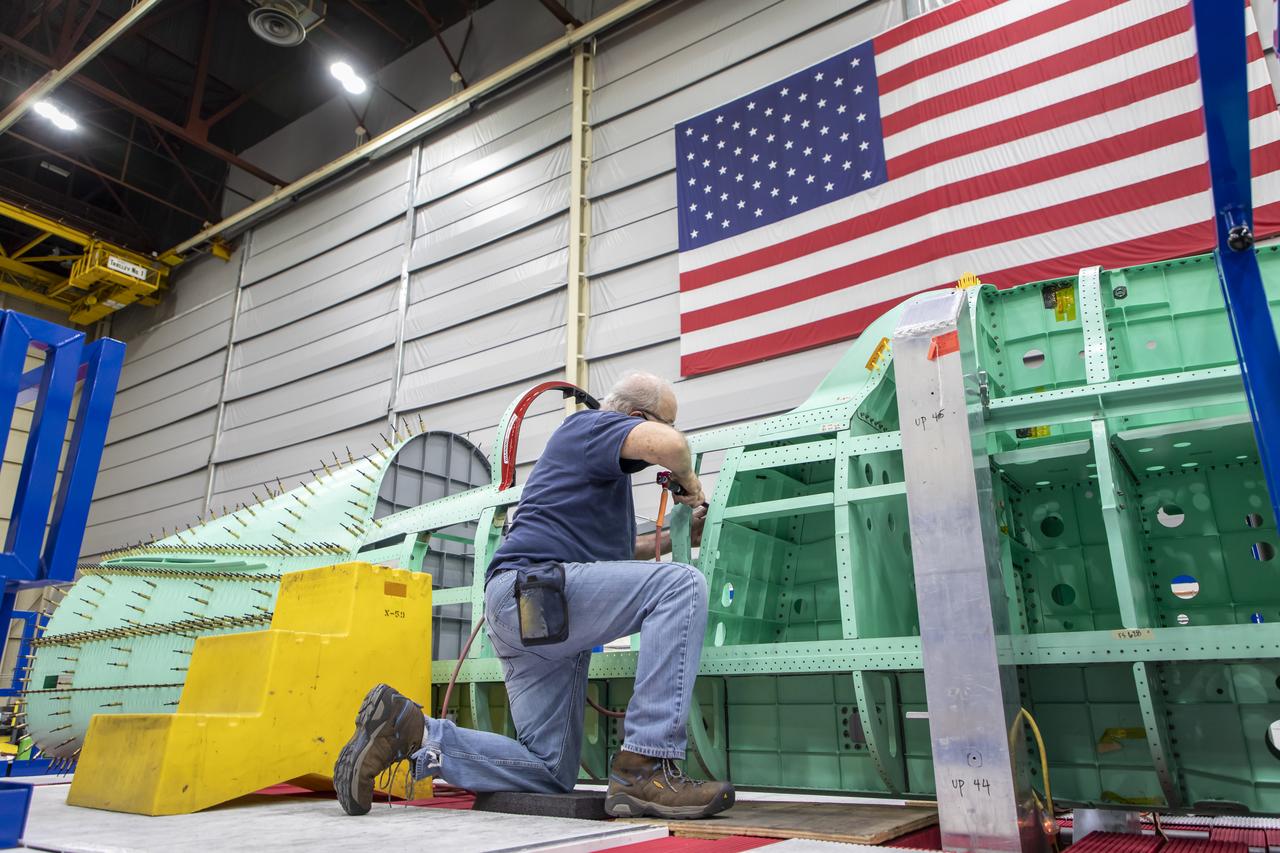
Event: SEG 210 Forebody A Lockheed Martin technician works on the ejection seat support structure and once complete, the ejection seat rails will be installed on the X-59 airplane. The aircraft, under construction at Lockheed Martin Skunk Works in Palmdale, California, will demonstrate the ability to fly supersonic while reducing the loud sonic boom to a quiet sonic thump.
SEG 210 Forebody
NASA pilot Ed Lewis with the T-34C aircraft on the Dryden Flight Research Center Ramp. The aircraft was previously used at the Lewis Research Center in propulsion experiments involving turboprop engines, and was used as a chase aircraft at Dryden for smaller and slower research projects.  Chase aircraft accompany research flights for photography and video purposes, and also as support for safety and research. At Dryden, the T-34 is used mainly for smaller remotely piloted vehicles which fly slower than NASA's F-18's, used for larger scale projects. This aircraft was returned to the U.S. Navy in May of 2002.
Pilot Ed Lewis with T-34C aircraft on ramp
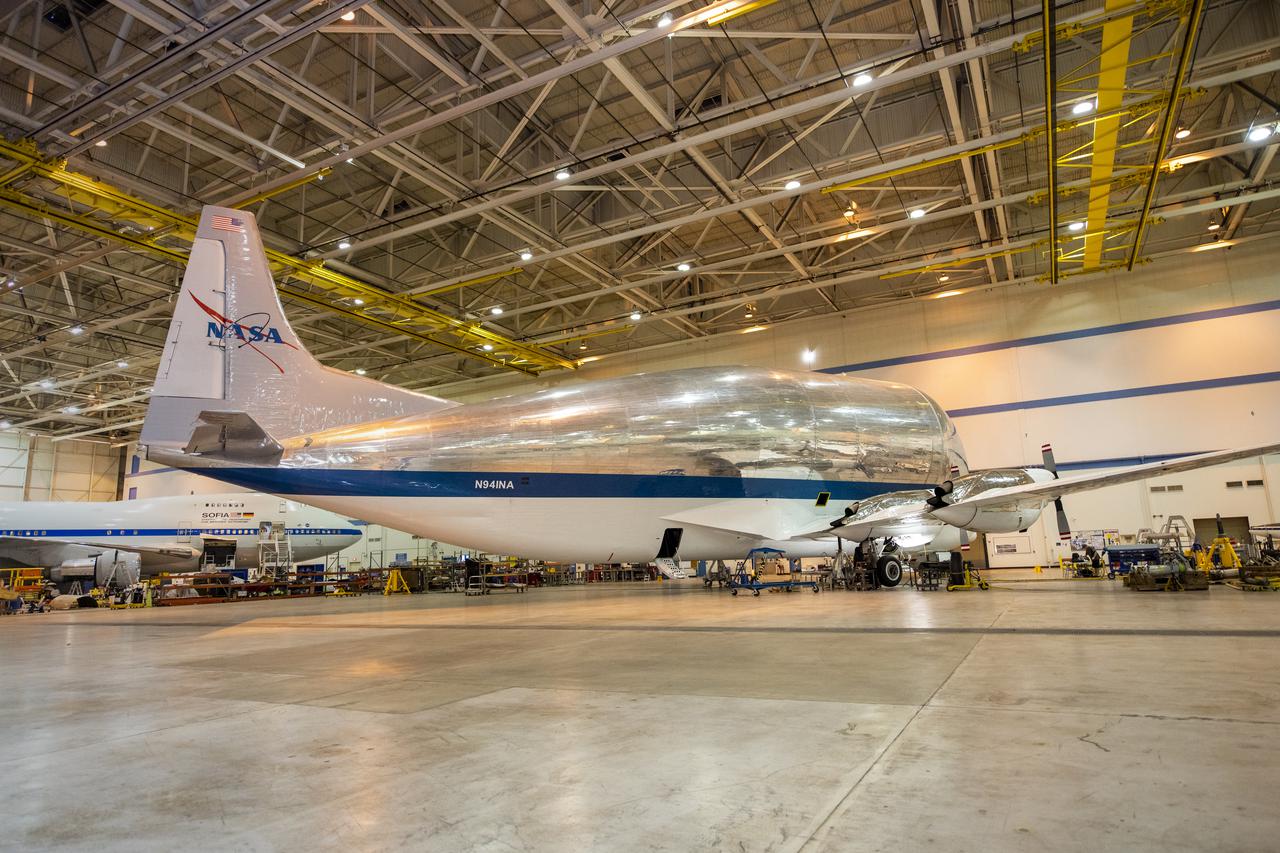
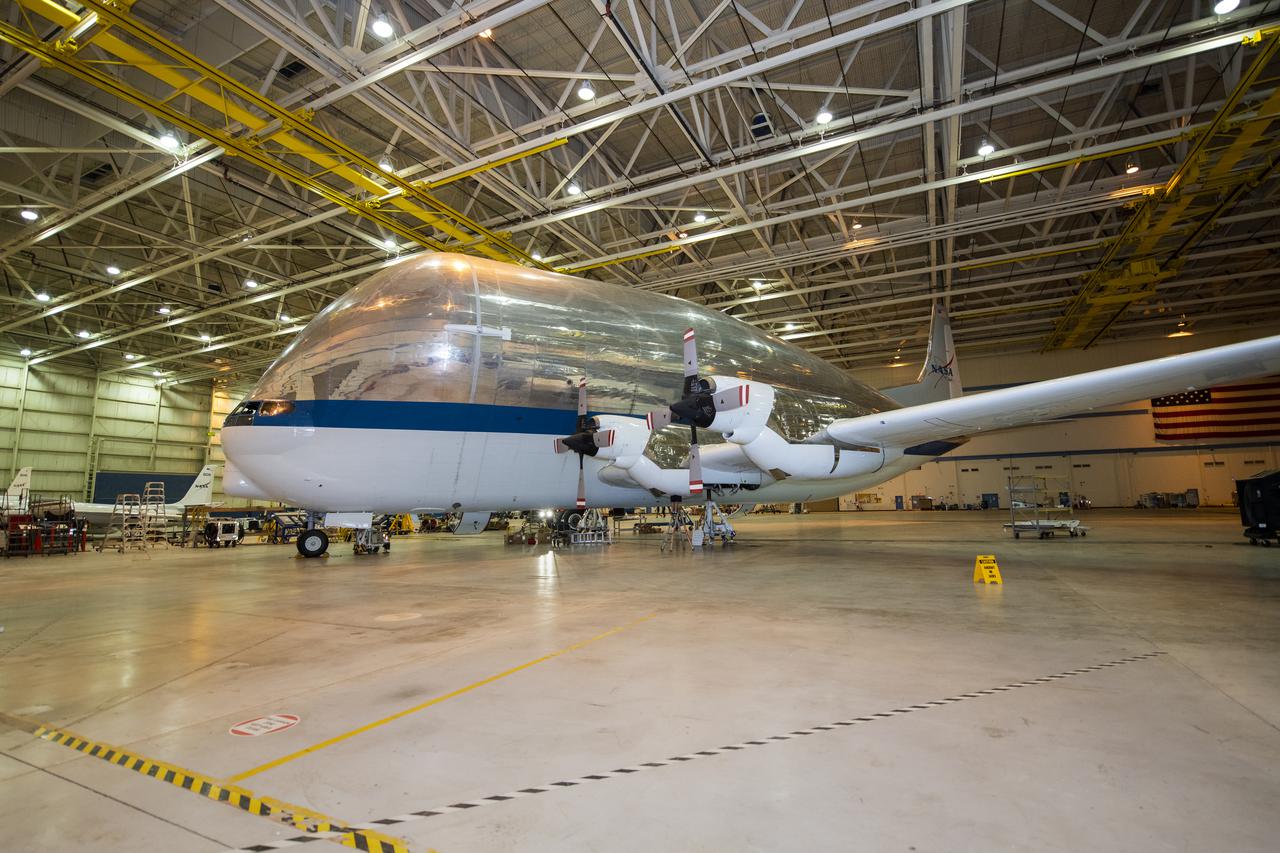
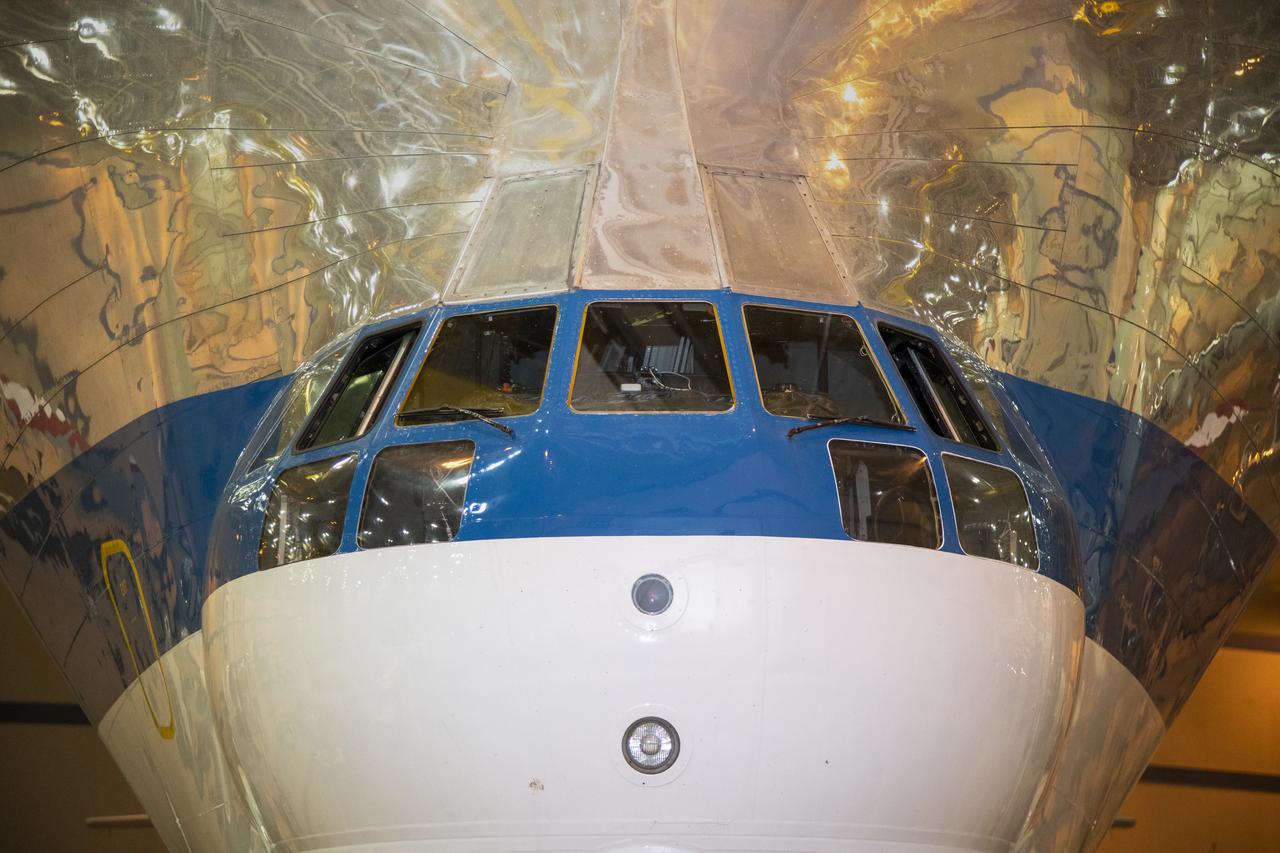
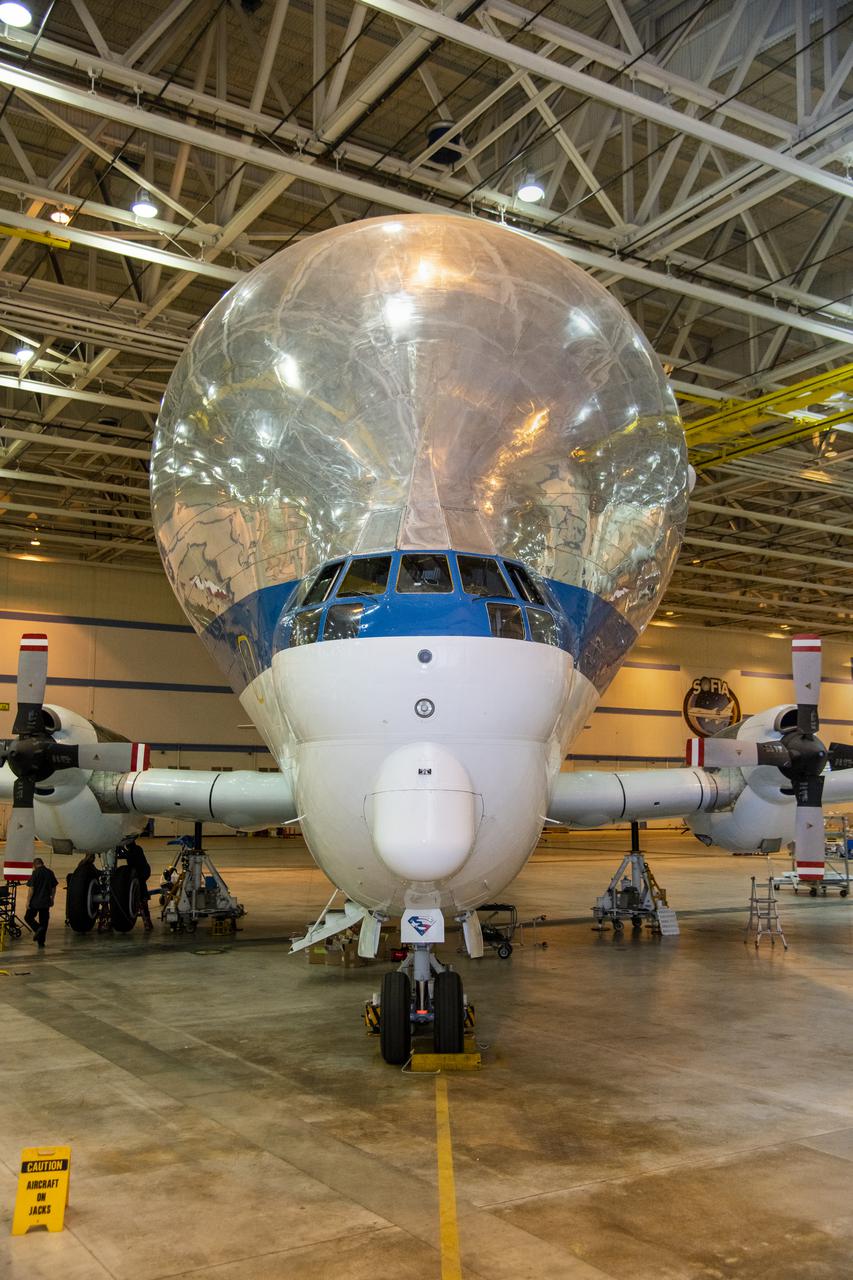
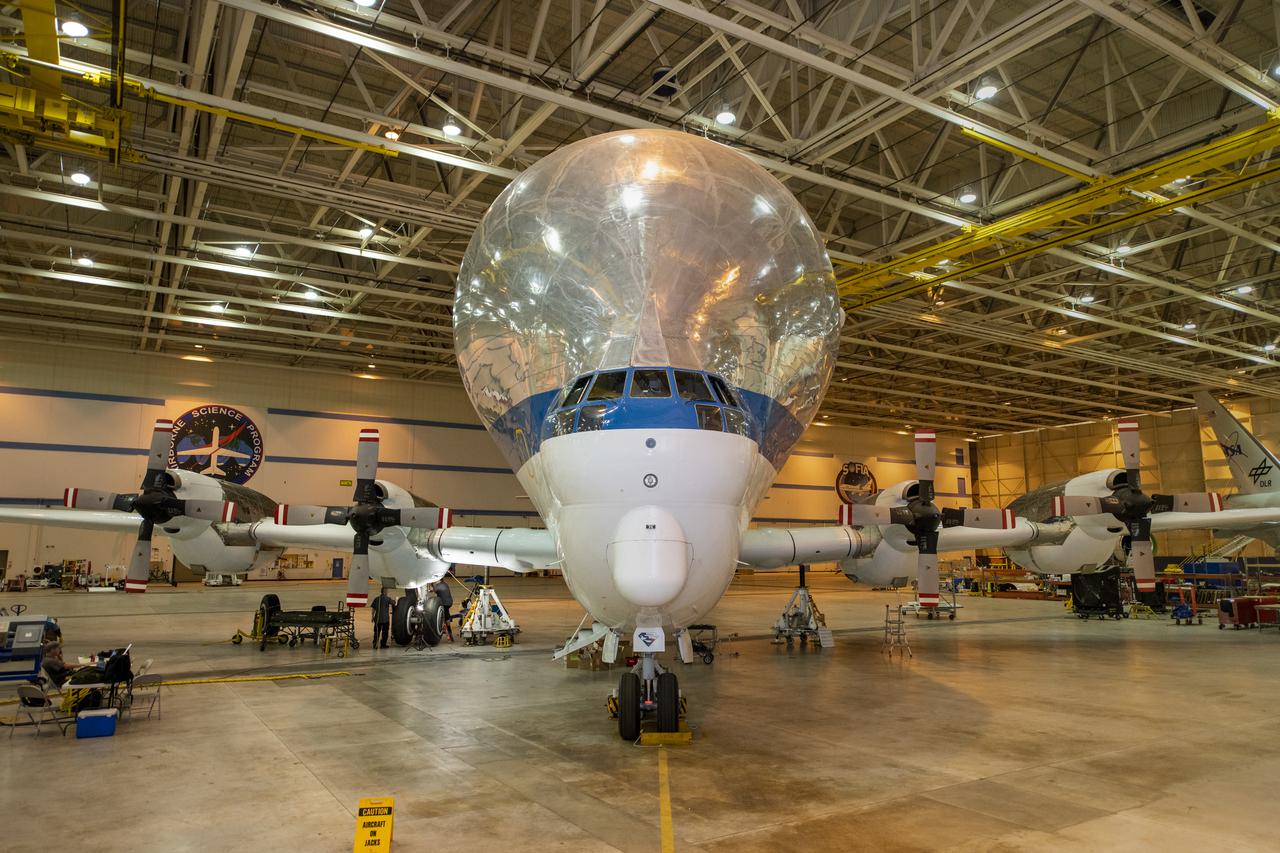
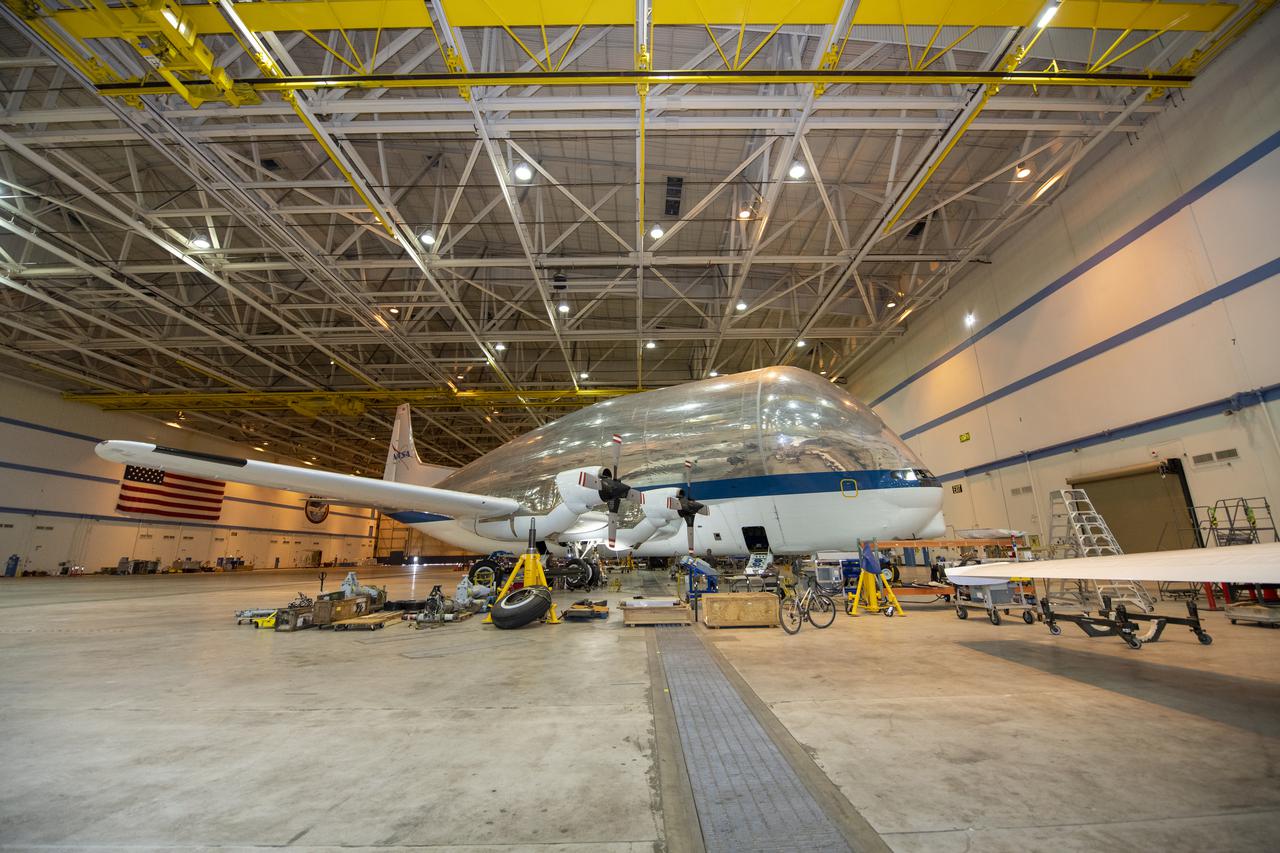
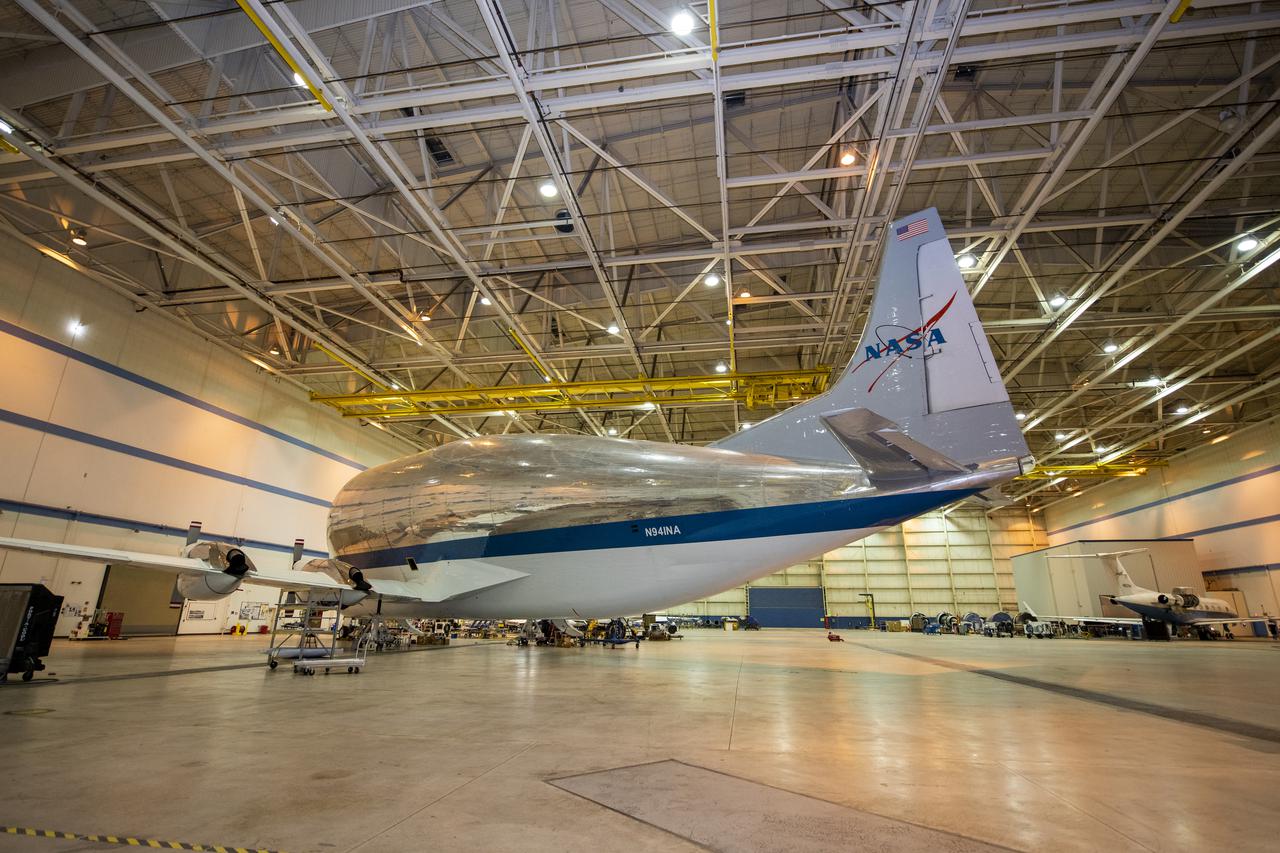
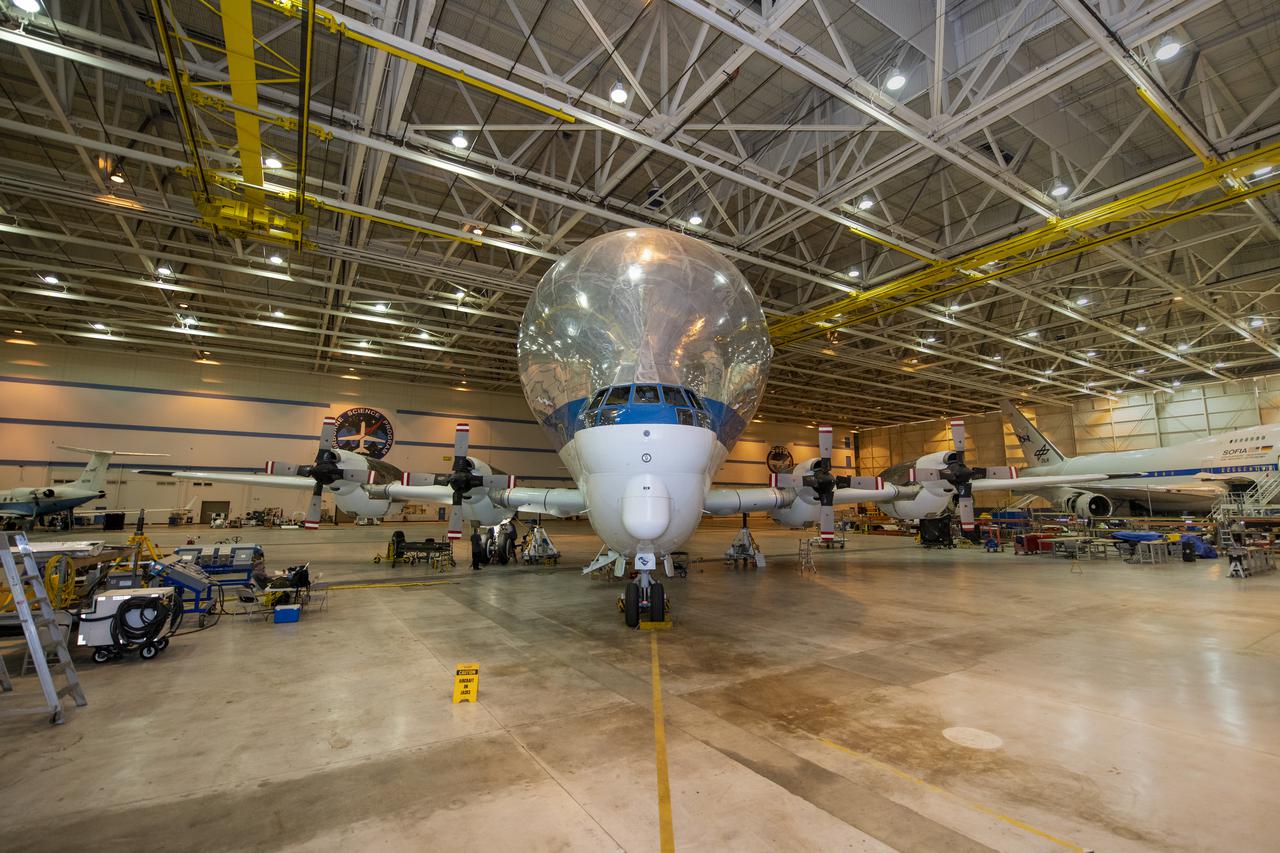
NASA's Super Guppy Turbine cargo aircraft in the hangar at NASA's Armstrong Flight Research Center on August 24, 2021. This unique whale-like aircraft arrived at the center's Building 703 in Palmdale, CA to support crews in the performance of routine maintenance. The Super Guppy aircraft, operated by NASA's Johnson Space Center, aids in the transportation of oversized aerospace cargo in a practical and economical way.
NASA's Super Guppy in the hangar at Armstrong Building 703
NASA's Super Guppy Turbine cargo aircraft in the hangar at NASA's Armstrong Flight Research Center on August 24, 2021. This unique whale-like aircraft arrived at the center's Building 703 in Palmdale, CA to support crews in the performance of routine maintenance. The Super Guppy aircraft, operated by NASA's Johnson Space Center, aids in the transportation of oversized aerospace cargo in a practical and economical way.
NASA's Super Guppy in the hangar at Armstrong Building 703
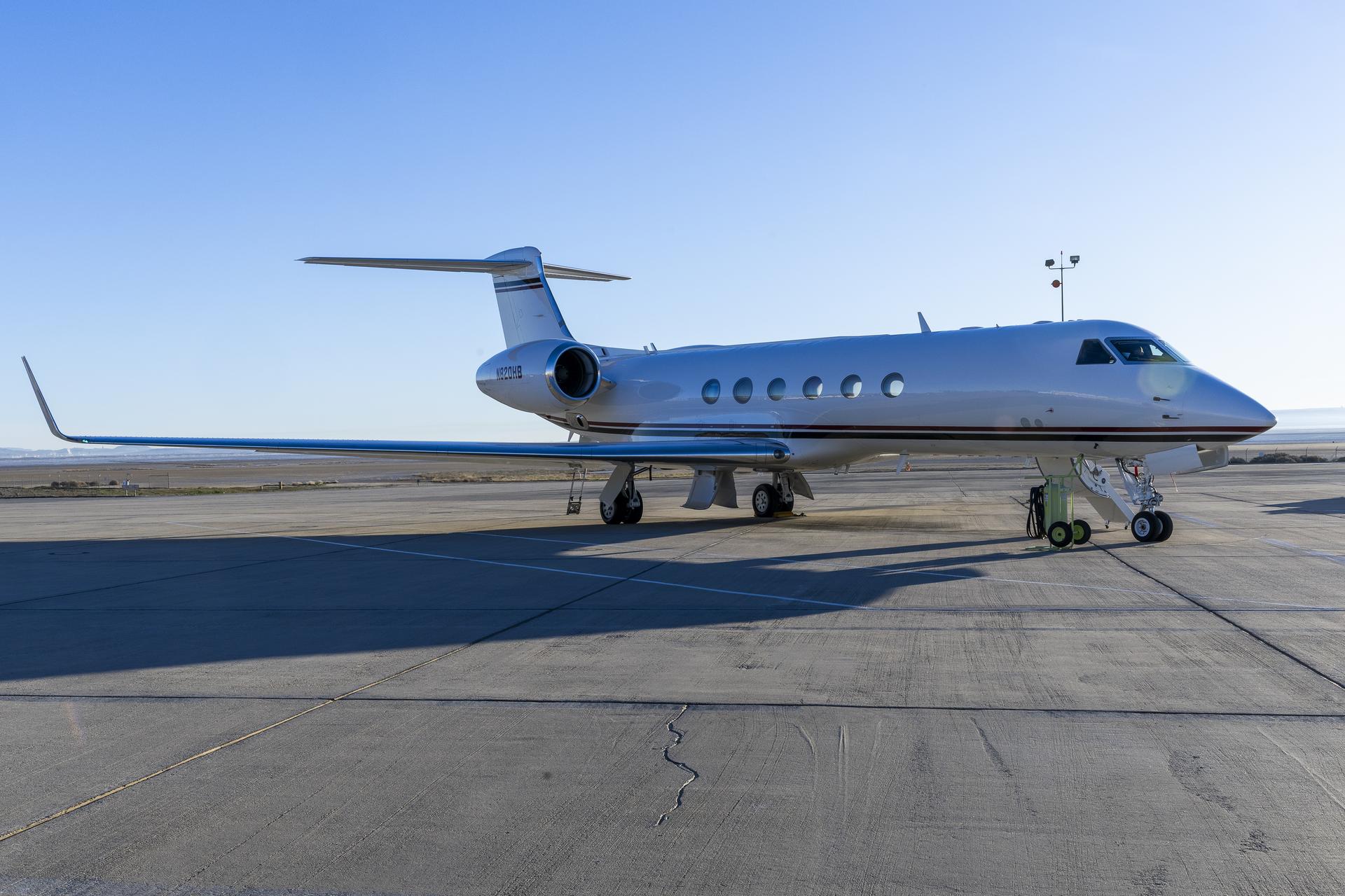
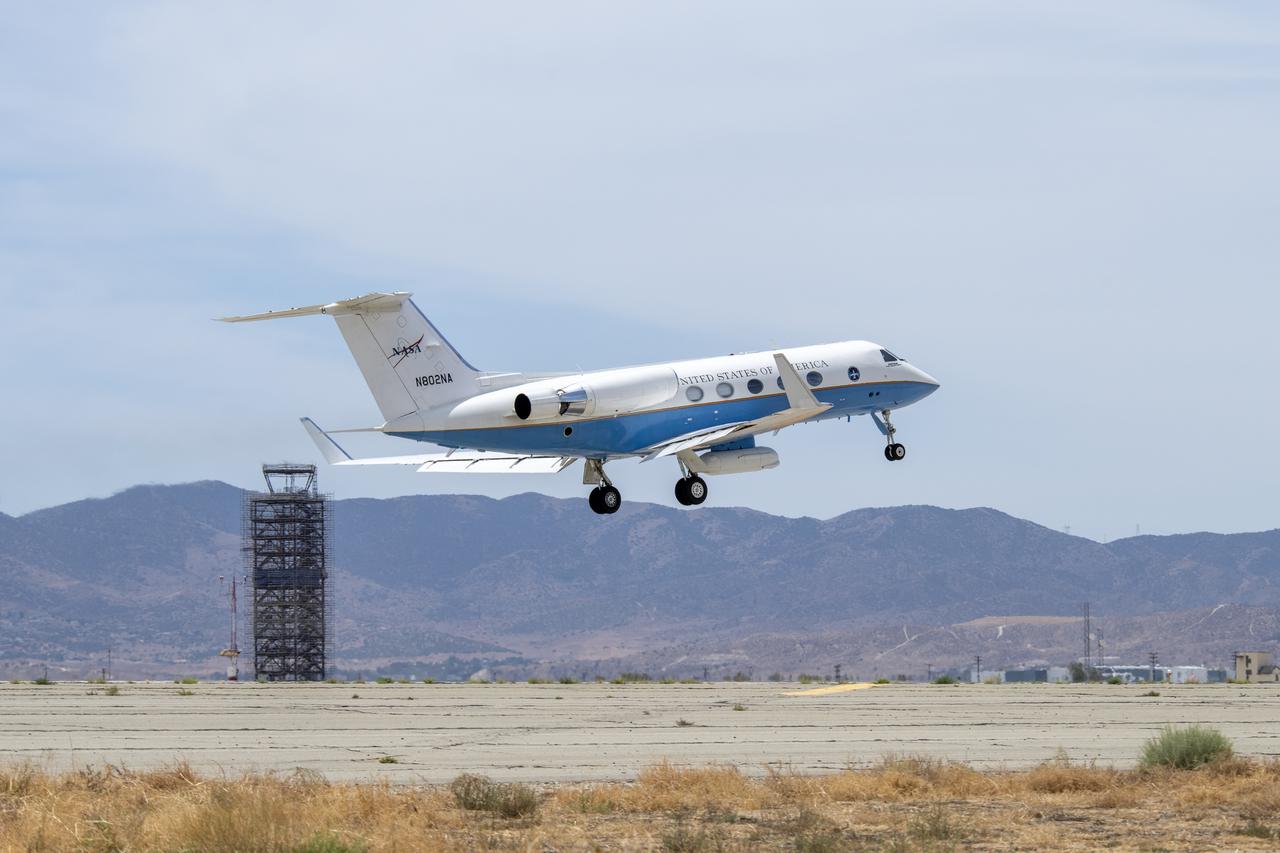
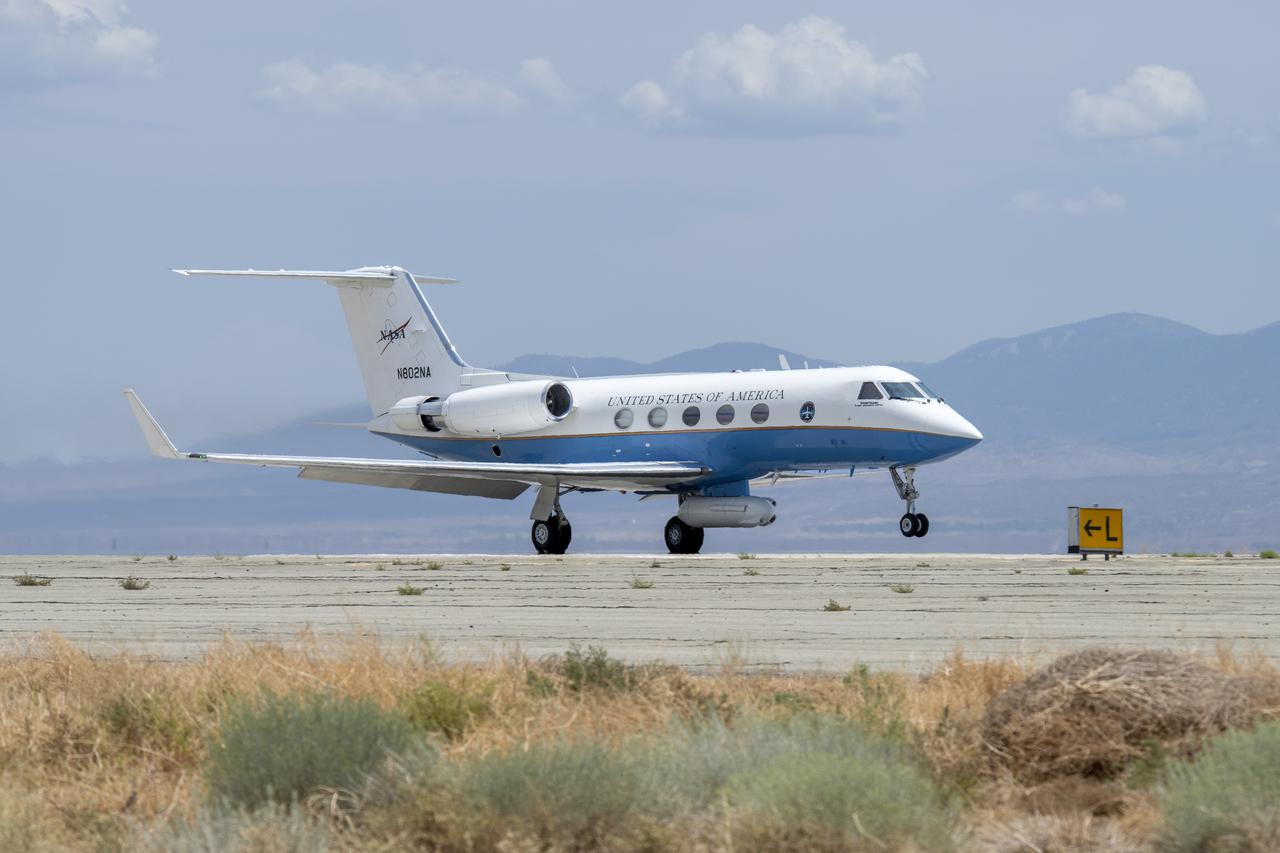
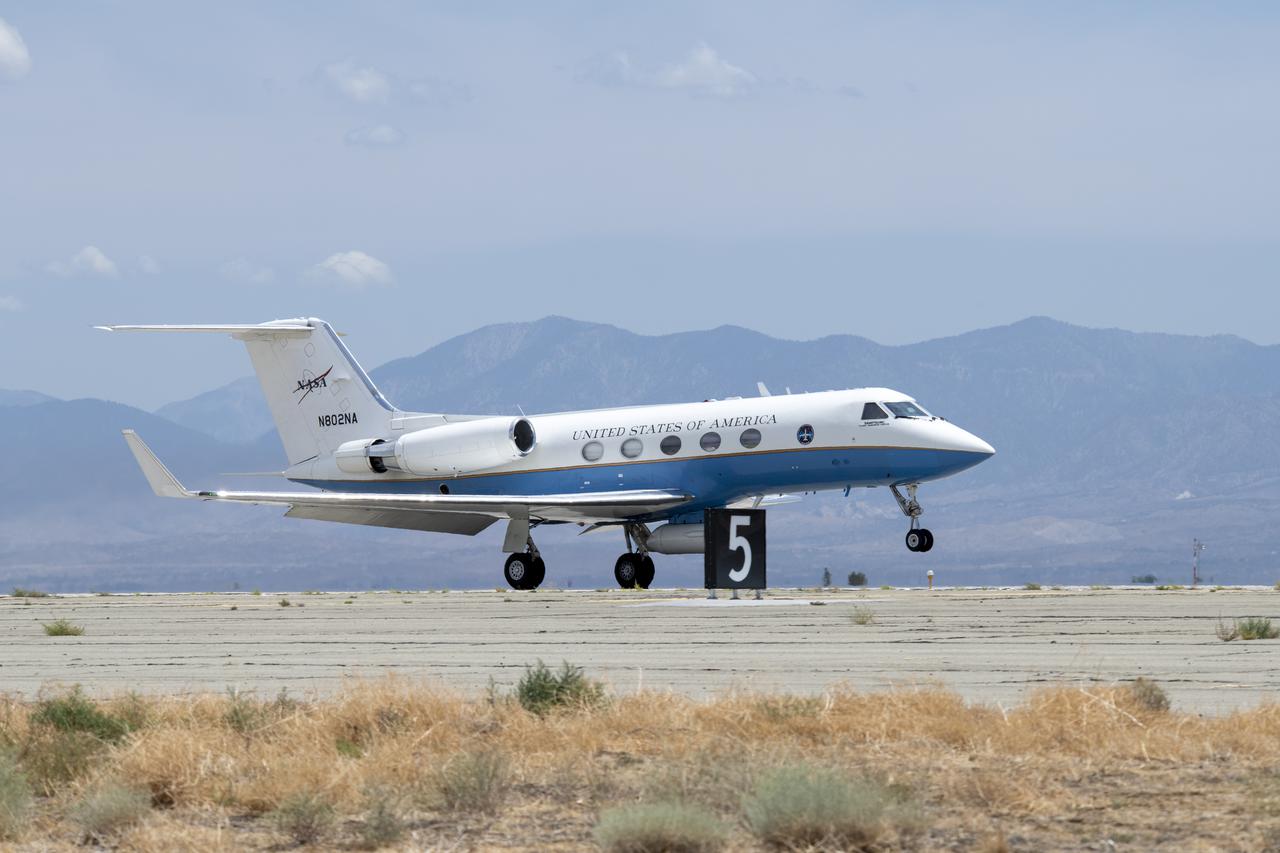
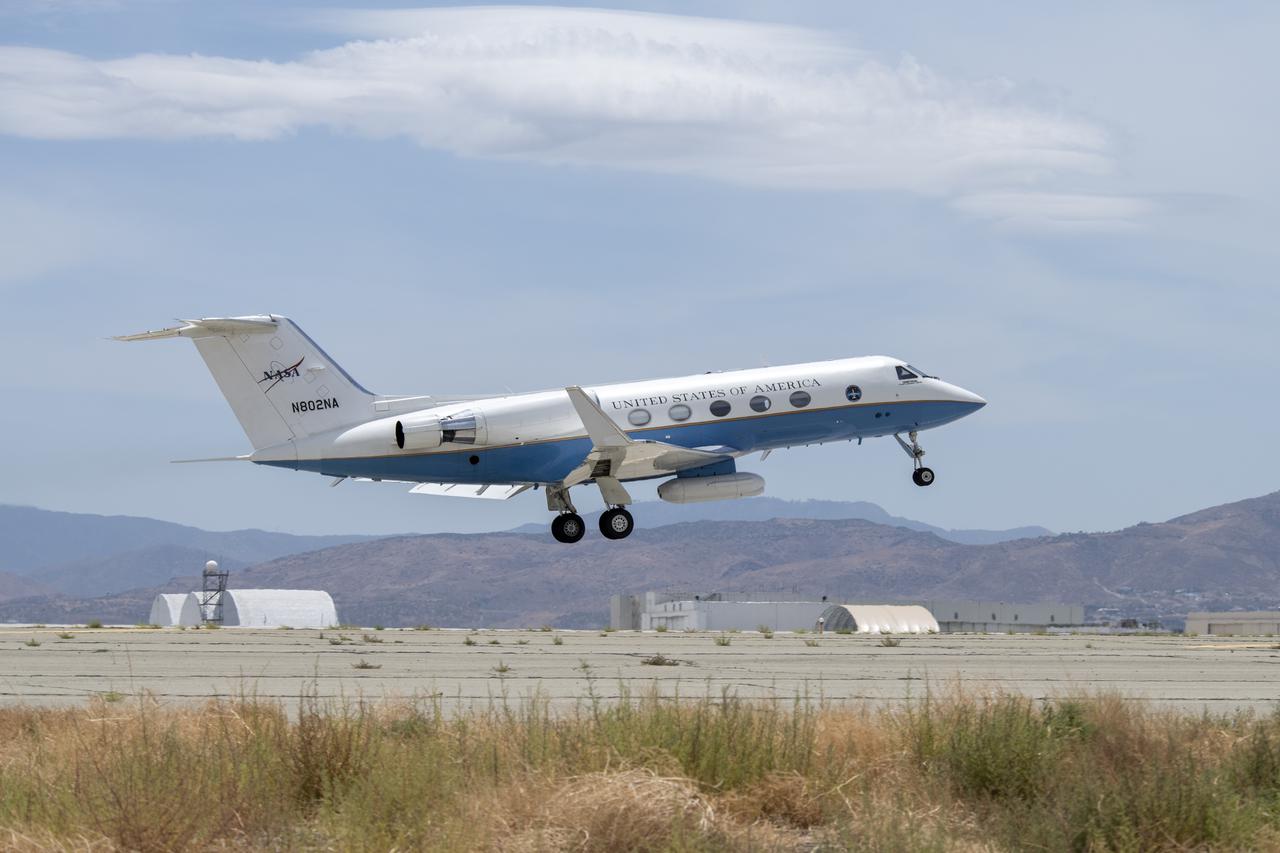
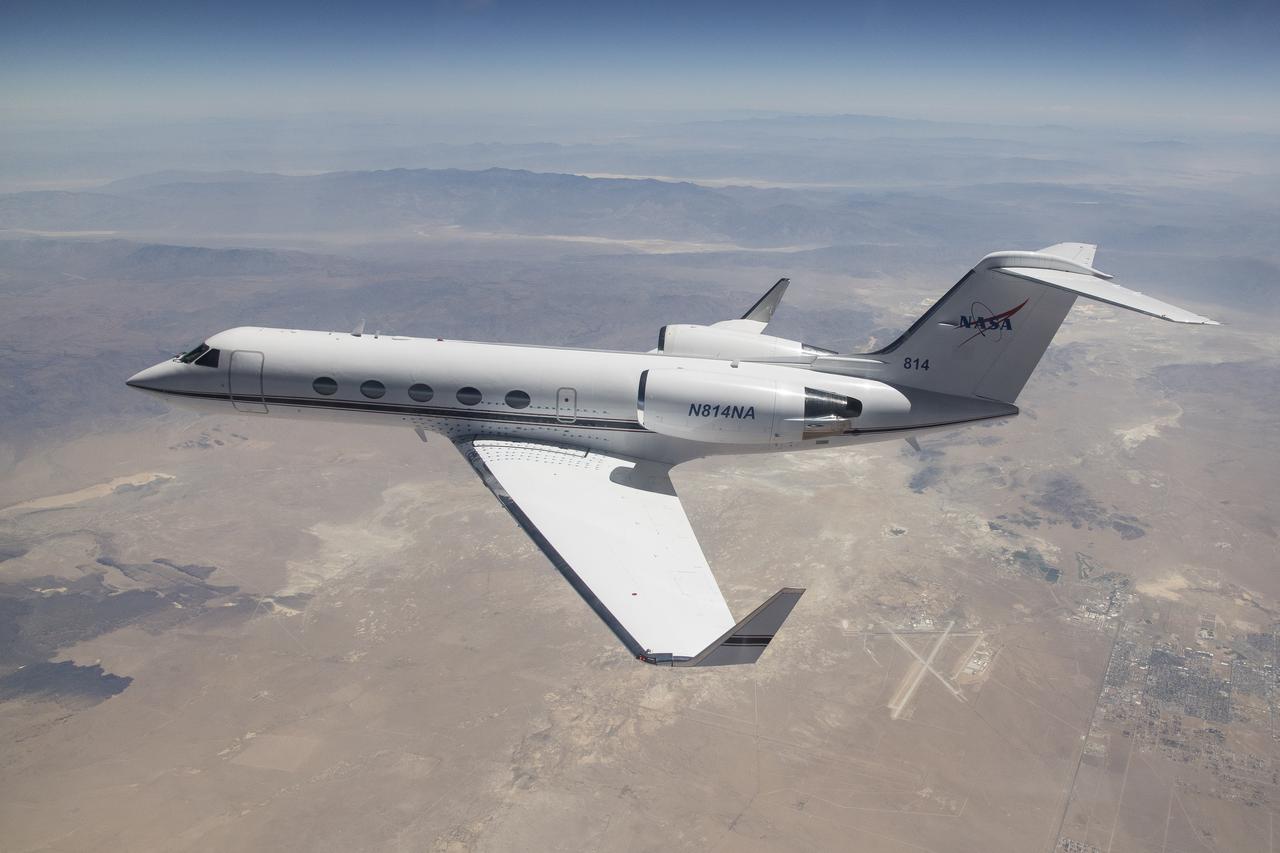
In a series of baseline flights beginning on June 24, 2024, the G-IV aircraft flew over the Antelope Valley to analyze aircraft performance. To accommodate a new radar instrument developed by JPL, NASA’s Airborne Science Program has selected the Gulfstream-IV aircraft to be modified and operated by Armstrong Flight Research Center in Edwards, California and will accommodate new instrumentation on board in support of the agency’s science mission directorate. Baseline flights began at NASA Armstrong in June 2024
The G-IV joins NASA’s Armstrong Flight Research Center’s fleet of airborne science aircraft 
NASA's Super Guppy Turbine cargo aircraft in the hangar at NASA's Armstrong Flight Research Center on August 24, 2021. This unique whale-like aircraft arrived at the center's Building 703 in Palmdale, CA to support crews in the performance of routine maintenance. The Super Guppy aircraft, operated by NASA's Johnson Space Center, aids in the transportation of oversized aerospace cargo in a practical and economical way.
NASA's Super Guppy in the hangar at Armstrong Building 703
NASA’s Super Guppy Turbine cargo aircraft in the hangar at NASA’s Armstrong Flight Research Center on August 24, 2021. This unique whale-like aircraft arrived at the center’s Building 703 in Palmdale, CA to support crews in the performance of routine maintenance. The Super Guppy aircraft, operated by NASA’s Johnson Space Center, aids in the transportation of oversized aerospace cargo in a practical and economical way.
NASA’s Super Guppy in the hangar at Armstrong Building 703
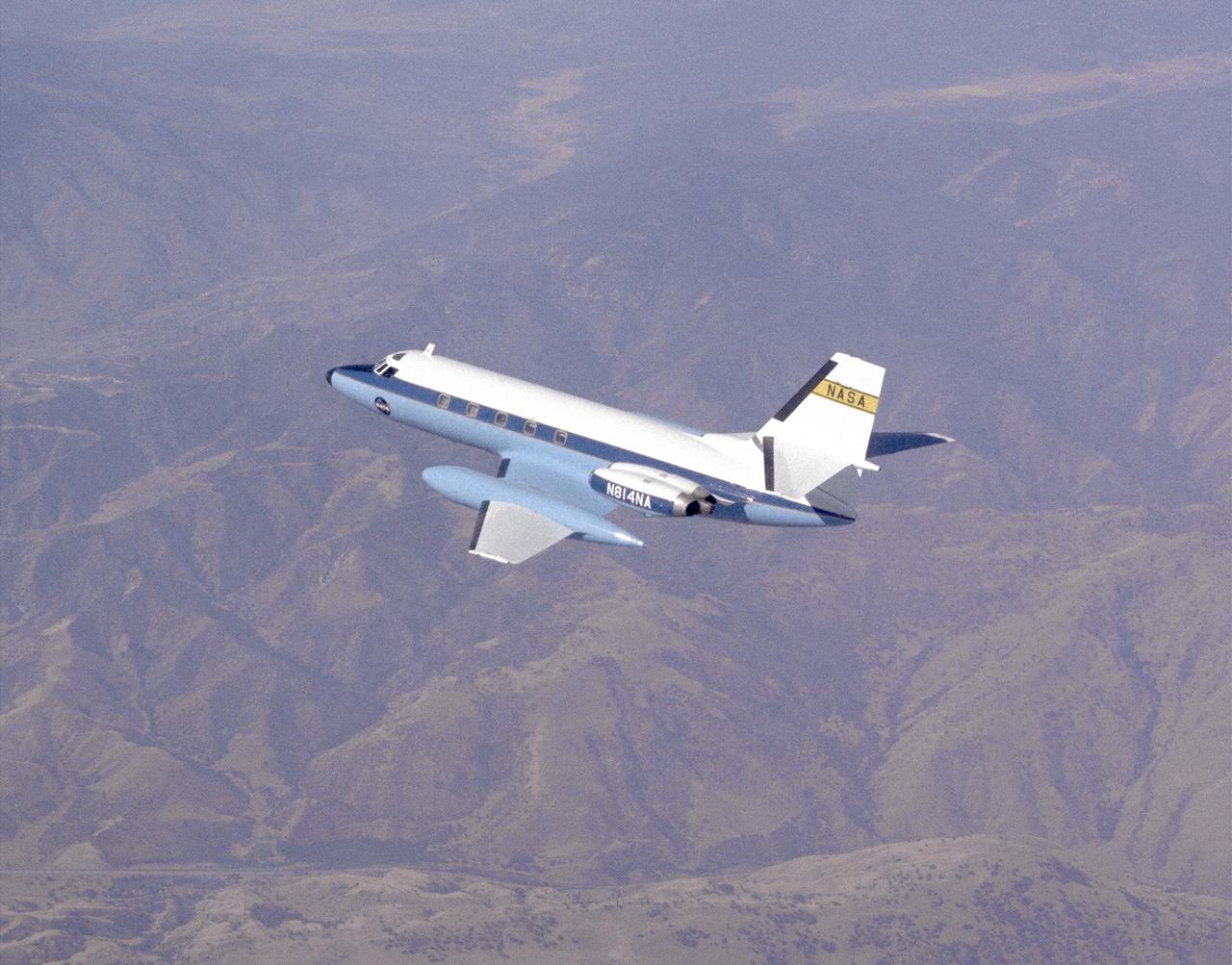
The C-140 JetStar was reconfigured as the General Purpose Airborne Simulator (GPAS) to simulate the flight characteristics of other aircraft. The JetStar was used for research for supersonic transports, general aviation aircraft, and as a training support aircraft for the Space Shuttle Approach and Landing tests at Dryden Flight Research Center (under different names) at Edwards, CA, in 1977. One of the engineers on the GPAS program was Ken Szalai, who later became Dryden's director from 1990 to August 1998.
ECN-2478
NASA's Super Guppy Turbine cargo aircraft in the hangar at NASA's Armstrong Flight Research Center on August 24, 2021. This unique whale-like aircraft arrived at the center's Building 703 in Palmdale, CA to support crews in the performance of routine maintenance. The Super Guppy aircraft, operated by NASA's Johnson Space Center, aids in the transportation of oversized aerospace cargo in a practical and economical way.
NASA's Super Guppy in the hangar at Armstrong Building 703
NASA’s Super Guppy Turbine cargo aircraft in the hangar at NASA’s Armstrong Flight Research Center on August 24, 2021. This unique whale-like aircraft arrived at the center’s Building 703 in Palmdale, CA to support crews in the performance of routine maintenance. The Super Guppy aircraft, operated by NASA’s Johnson Space Center, aids in the transportation of oversized aerospace cargo in a practical and economical way.
NASA’s Super Guppy in the hangar at Armstrong Building 703
NASA's Super Guppy Turbine cargo aircraft in the hangar at NASA's Armstrong Flight Research Center on August 24, 2021. This unique whale-like aircraft arrived at the center's Building 703 in Palmdale, CA to support crews in the performance of routine maintenance. The Super Guppy aircraft, operated by NASA's Johnson Space Center, aids in the transportation of oversized aerospace cargo in a practical and economical way.
NASA's Super Guppy in the hangar at Armstrong Building 703
NASA’s Super Guppy Turbine cargo aircraft in the hangar at NASA’s Armstrong Flight Research Center on August 24, 2021. This unique whale-like aircraft arrived at the center’s Building 703 in Palmdale, CA to support crews in the performance of routine maintenance. The Super Guppy aircraft, operated by NASA’s Johnson Space Center, aids in the transportation of oversized aerospace cargo in a practical and economical way.
NASA’s Super Guppy in the hangar at Armstrong Building 703
KENNEDY SPACE CENTER, FLA. -- Kennedy Space Center firefighters support firefighting efforts in north Brevard County with an aircraft rescue firefighting vehicle capable of holding 1,000 gallons of water.
KSC-98pc796
Two Beechcraft King Air mission support aircraft operated by NASA's Dryden Flight Research Center fly in formation over Rogers Dry Lake at Edwards Air Force Base.
ED08-0141-10
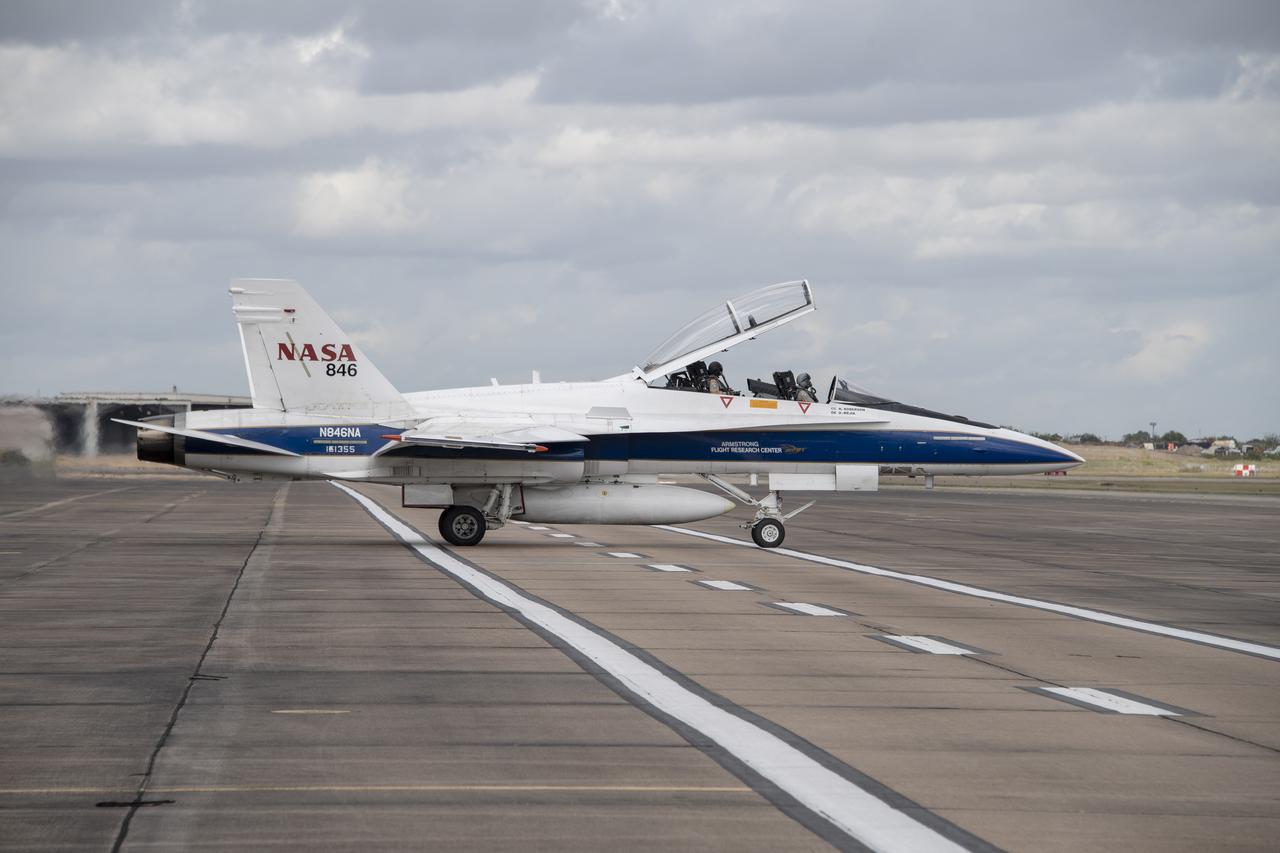
Julio Treviño, lead operations engineer for NASA’s Global Hawk SkyRange project, stands in front of an F/A-18 mission support aircraft at NASA’s Armstrong Flight Research Center in Edwards, California.
NASA Employees’ Careers Started as Interns
NASA Dryden technicians (Dave Dennis, Freddy Green and Jeff Doughty) position a support cylinder under the right wing of the Active Aeroelastic Wing F/A-18 test aircraft prior to ground vibration tests.
EC02-0203-14