
CAPE CANAVERAL, Fla. - Employees turn out during their lunchtime for a ribbon-cutting ceremony opening the new fitness trail next to the Space Station Processing Facility at NASA's Kennedy Space Center in Florida. Director of Center Operations Nancy Bray, at left, encourages the employees to join her in putting the trail to good use. The one-mile-long track will provide employees with a safe place off Kennedy's roadways to walk or run. The more than 6 tons of green waste removed to create the trail's footprint will be mulched and used for cover at Kennedy's landfill. Approximately 1,594 tons of crawler fines -- ground-up crawler rock removed from the crawlerway in the Launch Complex 39 area -- was used for the foundation of the trail. Fitness equipment has been ordered and will be installed on a concrete slab at the trail's west end. After the equipment has been installed, the slab will be coated to provide a rubberized exercise pad. At Kennedy Space Center, the health and safety of every employee is paramount. To learn more about Kennedy, visit http://www.nasa.gov/kennedy. Photo credit: NASA/Frankie Martin
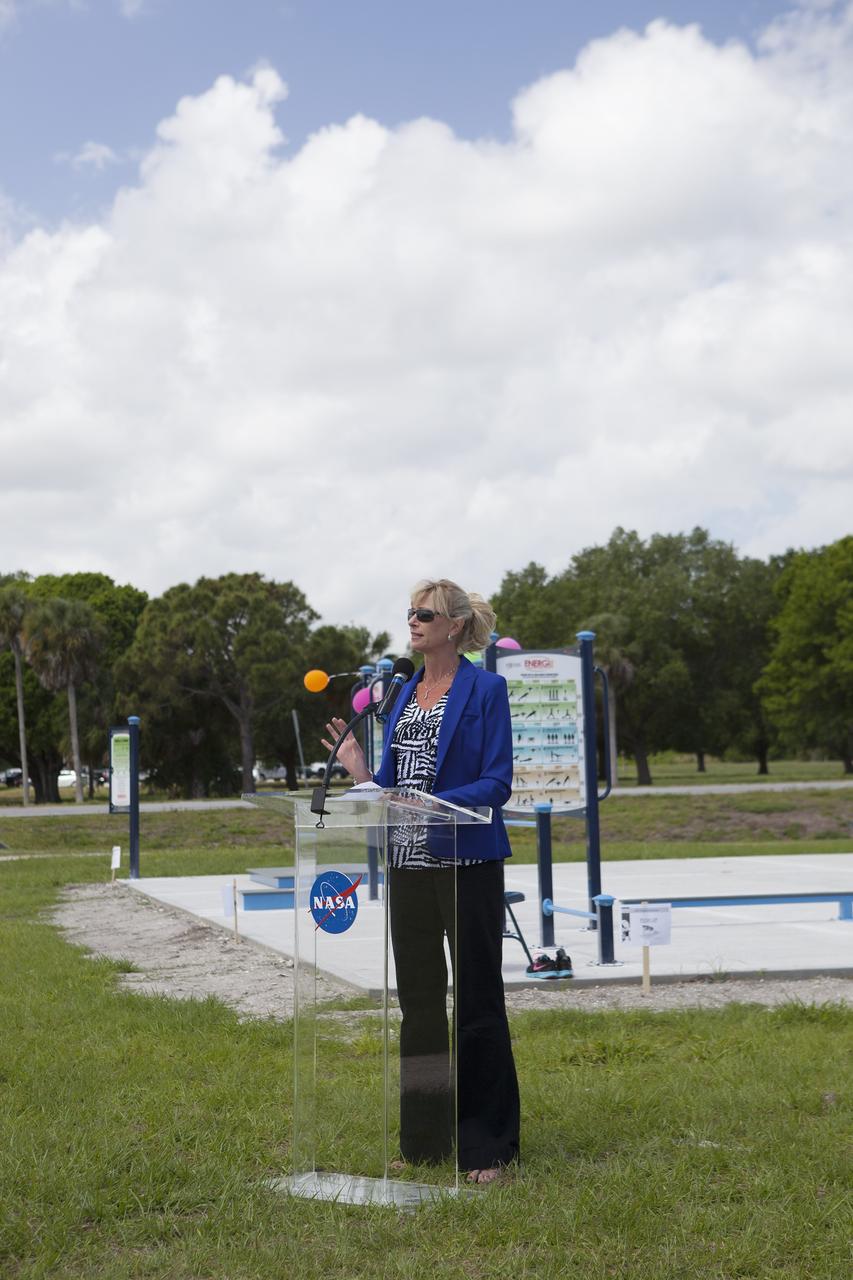
CAPE CANAVERAL, Fla. - Director of Center Operations Nancy Bray welcomes the employees who turned out during their lunchtime for a ribbon-cutting ceremony opening the new fitness trail next to the Space Station Processing Facility at NASA's Kennedy Space Center in Florida. The one-mile-long track will provide employees with a safe place off Kennedy's roadways to walk or run. The more than 6 tons of green waste removed to create the trail's footprint will be mulched and used for cover at Kennedy's landfill. Approximately 1,594 tons of crawler fines -- ground-up crawler rock removed from the crawlerway in the Launch Complex 39 area -- was used for the foundation of the trail. Fitness equipment has been ordered and will be installed on a concrete slab at the trail's west end. After the equipment has been installed, the slab will be coated to provide a rubberized exercise pad. At Kennedy Space Center, the health and safety of every employee is paramount. To learn more about Kennedy, visit http://www.nasa.gov/kennedy. Photo credit: NASA/Frankie Martin
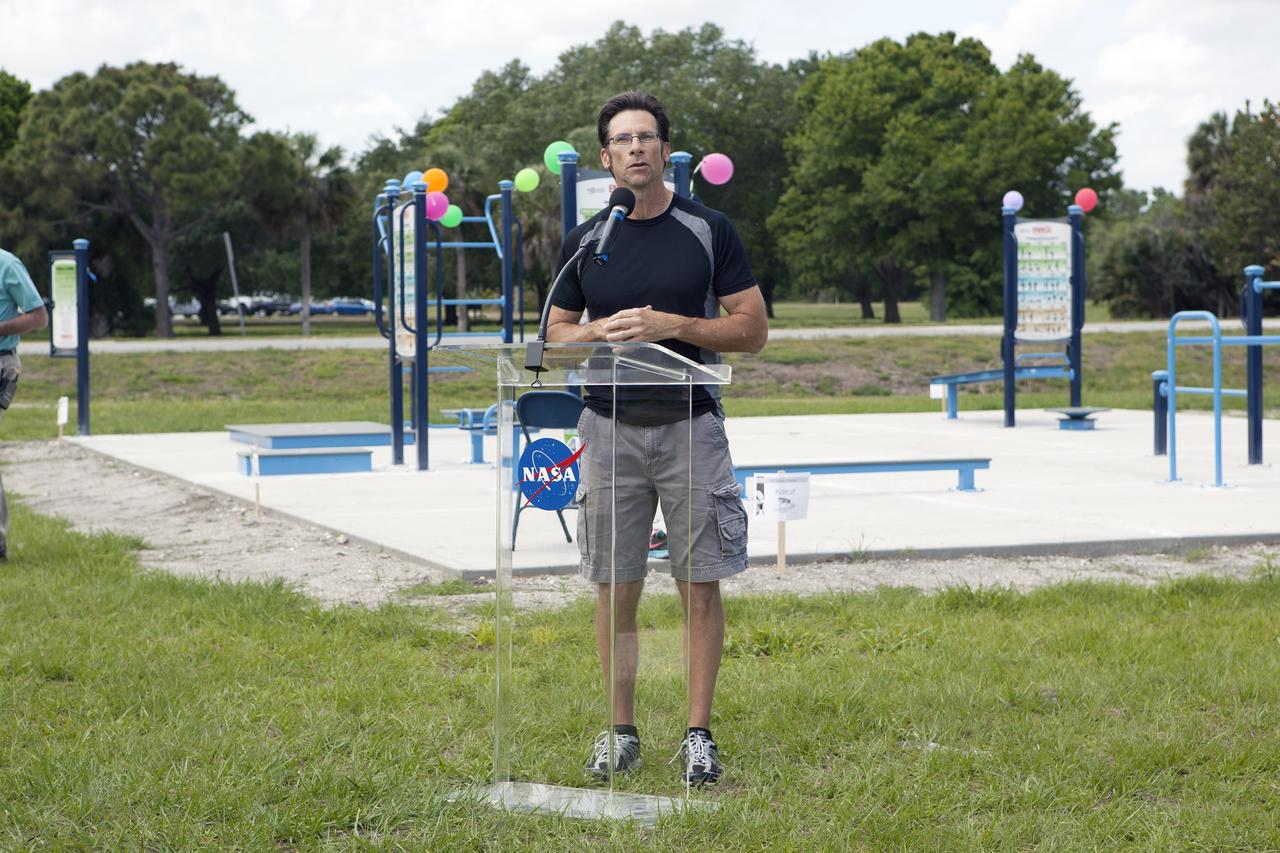
CAPE CANAVERAL, Fla. - Dressed for a little exercise, Deputy Program Manager of Launch Services Chuck Dovale addresses the employees who have turned out during their lunchtime for a ribbon-cutting ceremony opening the new fitness trail next to the Space Station Processing Facility at NASA's Kennedy Space Center in Florida. The one-mile-long track will provide employees with a safe place off Kennedy's roadways to walk or run. The more than 6 tons of green waste removed to create the trail's footprint will be mulched and used for cover at Kennedy's landfill. Approximately 1,594 tons of crawler fines -- ground-up crawler rock removed from the crawlerway in the Launch Complex 39 area -- was used for the foundation of the trail. Fitness equipment has been ordered and will be installed on a concrete slab at the trail's west end. After the equipment has been installed, the slab will be coated to provide a rubberized exercise pad. At Kennedy Space Center, the health and safety of every employee is paramount. To learn more about Kennedy, visit http://www.nasa.gov/kennedy. Photo credit: NASA/Frankie Martin
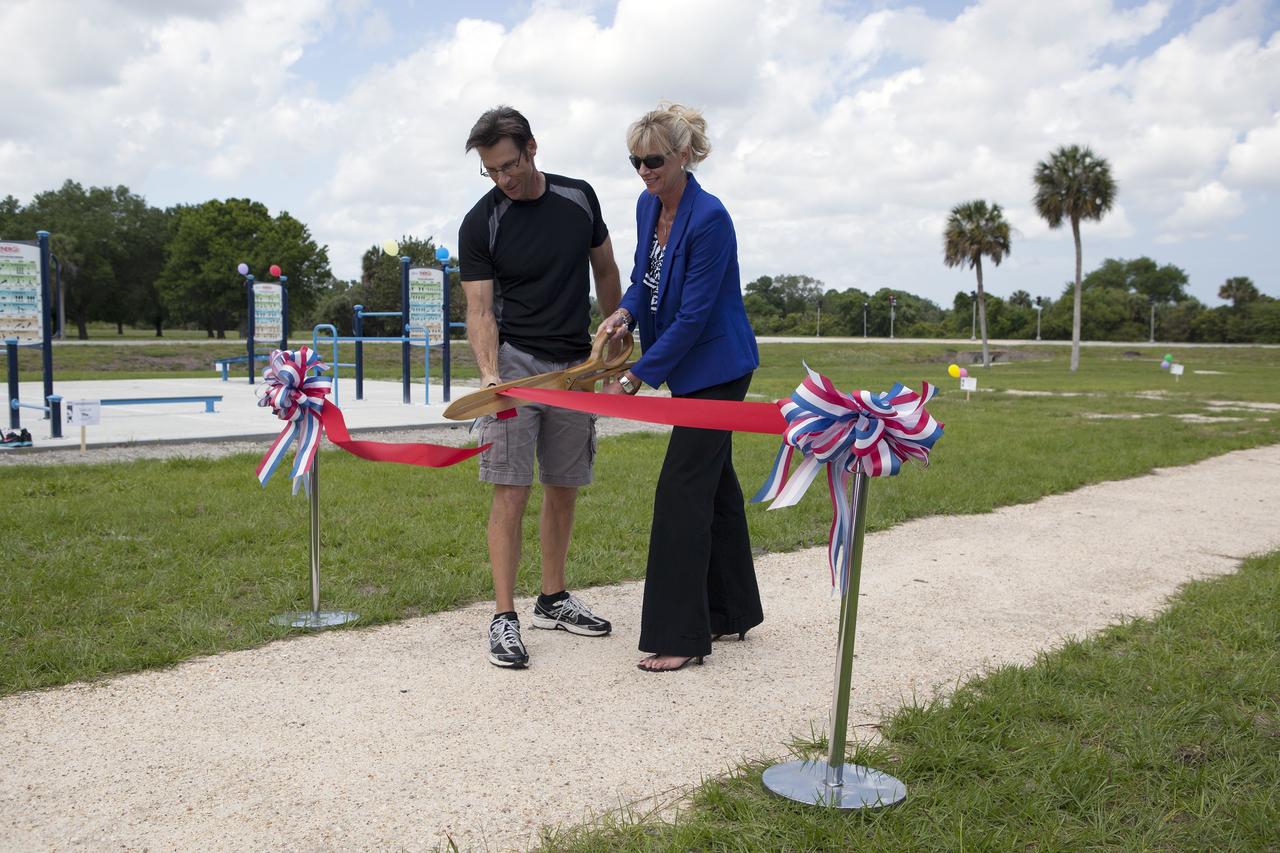
CAPE CANAVERAL, Fla. - Chuck Dovale, at left, deputy program manager of Launch Services, and Nancy Bray, director of Center Operations, cut a ribbon officially opening the new fitness trail next to the Space Station Processing Facility at NASA's Kennedy Space Center in Florida. The one-mile-long track will provide employees with a safe place off Kennedy's roadways to walk or run. The more than 6 tons of green waste removed to create the trail's footprint will be mulched and used for cover at Kennedy's landfill. Approximately 1,594 tons of crawler fines -- ground-up crawler rock removed from the crawlerway in the Launch Complex 39 area -- was used for the foundation of the trail. Fitness equipment has been ordered and will be installed on a concrete slab at the trail's west end. After the equipment has been installed, the slab will be coated to provide a rubberized exercise pad. At Kennedy Space Center, the health and safety of every employee is paramount. To learn more about Kennedy, visit http://www.nasa.gov/kennedy. Photo credit: NASA/Frankie Martin
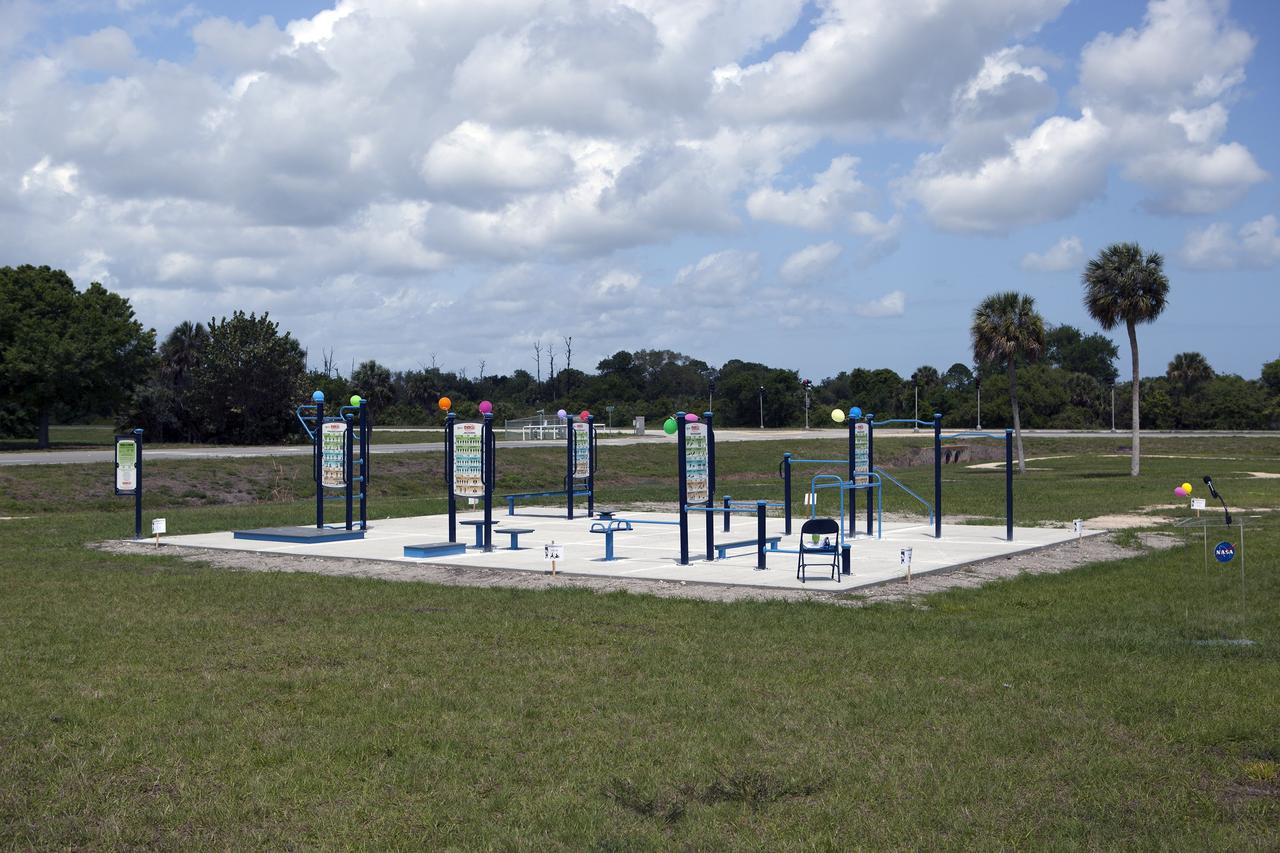
CAPE CANAVERAL, Fla. - Construction of an exercise pad is underway beside the new fitness trail next to the Space Station Processing Facility at NASA's Kennedy Space Center in Florida. The one-mile-long track will provide employees with a safe place off Kennedy's roadways to walk or run. The more than 6 tons of green waste removed to create the trail's footprint will be mulched and used for cover at Kennedy's landfill. Approximately 1,594 tons of crawler fines -- ground-up crawler rock removed from the crawlerway in the Launch Complex 39 area -- was used for the foundation of the trail. Fitness equipment has been ordered and will be installed on a concrete slab at the trail's west end. After the equipment has been installed, the slab will be coated to provide a rubberized exercise pad. At Kennedy Space Center, the health and safety of every employee is paramount. To learn more about Kennedy, visit http://www.nasa.gov/kennedy. Photo credit: NASA/Frankie Martin
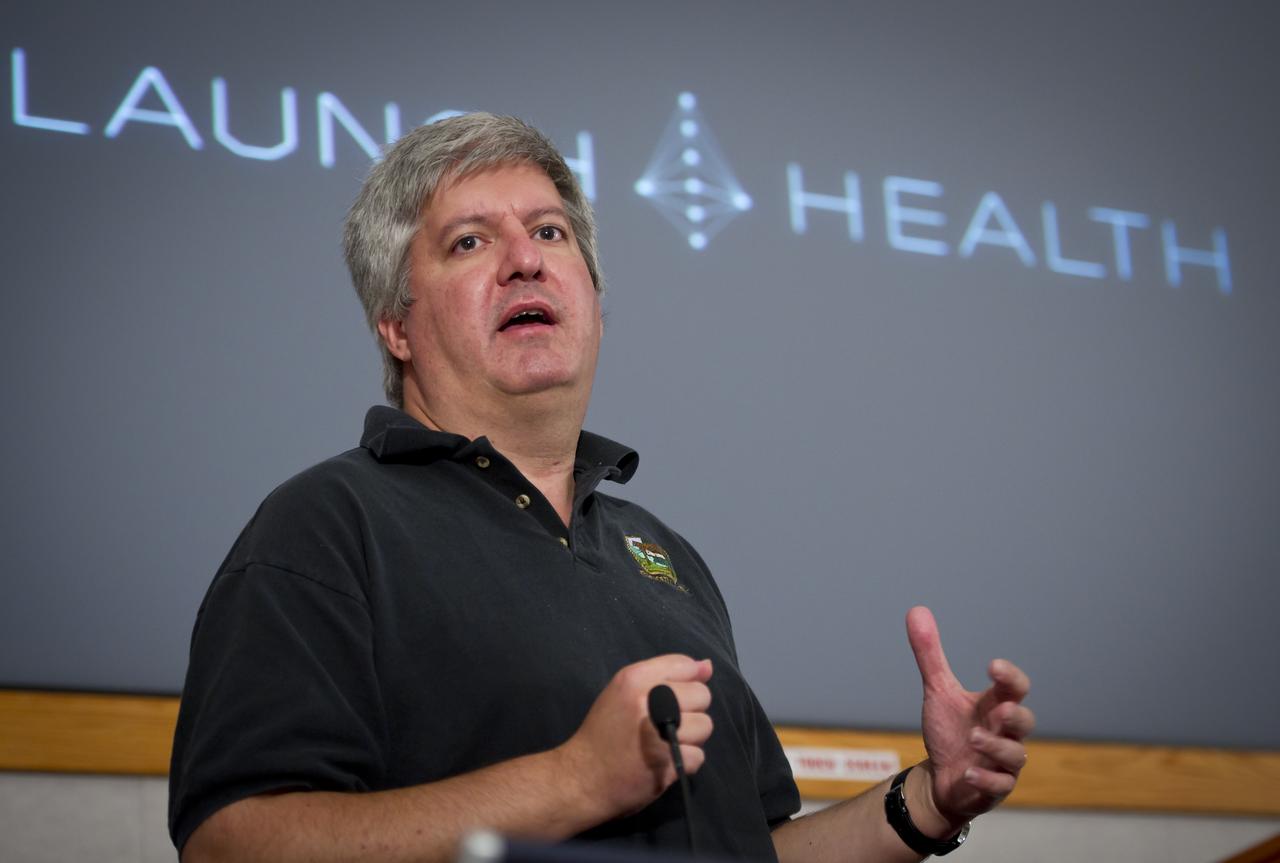
Tom Kalil, Deputy Director of the White House Office of Science and Technology Policy, opens the LAUNCH: Health forum at NASA's Kennedy Space Center in Florida on Saturday, Oct. 30, 2010. LAUNCH: Health provides a forum to discuss accelerating innovation for a sustainable future. LAUNCH: Health partners include NASA, USAID and Nike. Photo Credit: (NASA/Bill Ingalls)
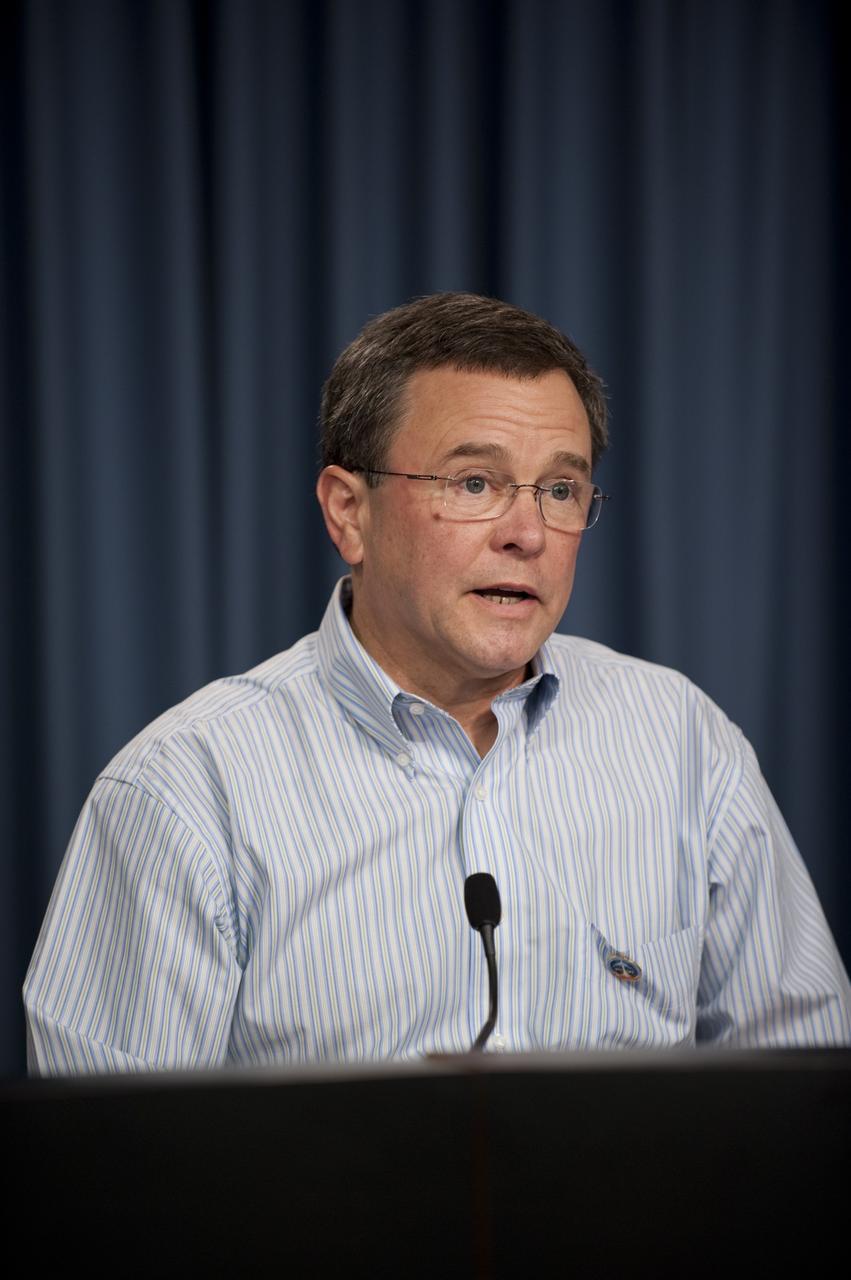
CAPE CANAVERAL, Fla. -- Dr. Jeff Davis, the director of Space and Life Sciences at NASA's Johnson Space Center in Houston, participates in a news conference at NASA's Kennedy Space Center in Florida following the "LAUNCH: Health" forum. During the two-day forum, 10 international participants showcased new innovations that could address health problems on Earth and in space. LAUNCH is a global initiative to identify and support innovative work that will contribute to a sustainable future. Through a series of forums focused on key challenge areas, including water, air, food, energy, mobility and sustainable cities, LAUNCH gives leaders an opportunity to present innovative ideas among peers and join in collaborative, solution-driven discussions. This is the second forum hosted at Kennedy. The first was "LAUNCH: Water" in March 2010. Photo credit: NASA/Kim Shiflett

CAPE CANAVERAL, Fla. -- Mikkel Vestergaard, the president of Vestergaard Frandsen in Lausanne, Switzerland, participates in a news conference at NASA's Kennedy Space Center in Florida following the "LAUNCH: Health" forum. During the two-day forum, 10 international participants showcased new innovations that could address health problems on Earth and in space. LAUNCH is a global initiative to identify and support innovative work that will contribute to a sustainable future. Through a series of forums focused on key challenge areas, including water, air, food, energy, mobility and sustainable cities, LAUNCH gives leaders an opportunity to present innovative ideas among peers and join in collaborative, solution-driven discussions. This is the second forum hosted at Kennedy. The first was "LAUNCH: Water" in March 2010. Photo credit: NASA/Kim Shiflett

CAPE CANAVERAL, Fla. -- Dave Ferguson, the director of Global Development Common for the U.S. Agency for International Development, participates in a news conference at NASA's Kennedy Space Center in Florida following the "LAUNCH: Health" forum. During the two-day forum, 10 international participants showcased new innovations that could address health problems on Earth and in space. LAUNCH is a global initiative to identify and support innovative work that will contribute to a sustainable future. Through a series of forums focused on key challenge areas, including water, air, food, energy, mobility and sustainable cities, LAUNCH gives leaders an opportunity to present innovative ideas among peers and join in collaborative, solution-driven discussions. This is the second forum hosted at Kennedy. The first was "LAUNCH: Water" in March 2010. Photo credit: NASA/Kim Shiflett
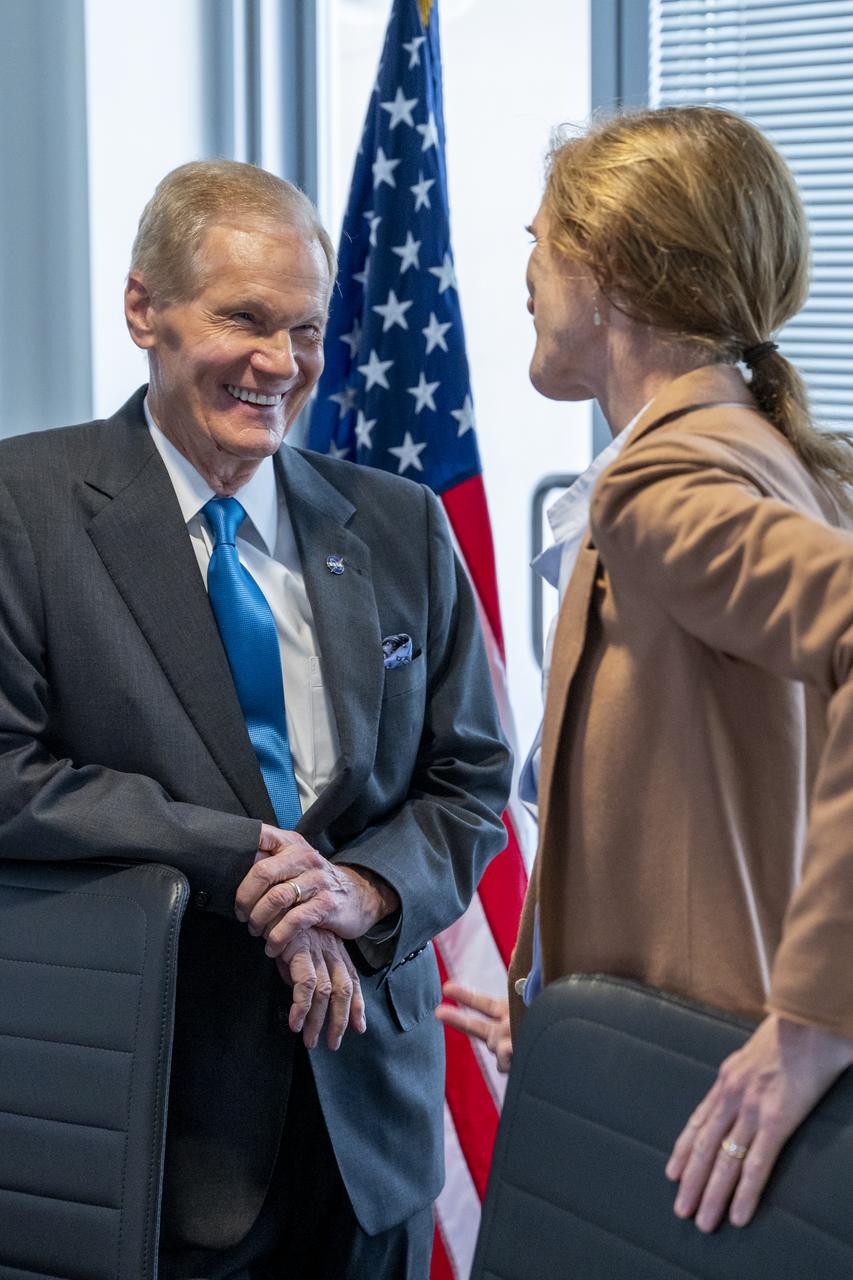
NASA Administrator Bill Nelson meets with USAID Administrator Samantha Power and staff prior to signing a NASA-USAID Memorandum of Understanding (MoU) Friday, Nov. 4, 2022, at the Mary W. Jackson NASA Headquarters building in Washington. The MoU will enhance and expand the Agencies’ longstanding partnership that promotes science and technology solutions to address international development challenges in areas such as global health, climate change, food security, disaster mitigation and response, biodiversity conservation, and environmental management for sustainable development. Photo Credit: (NASA/Keegan Barber)
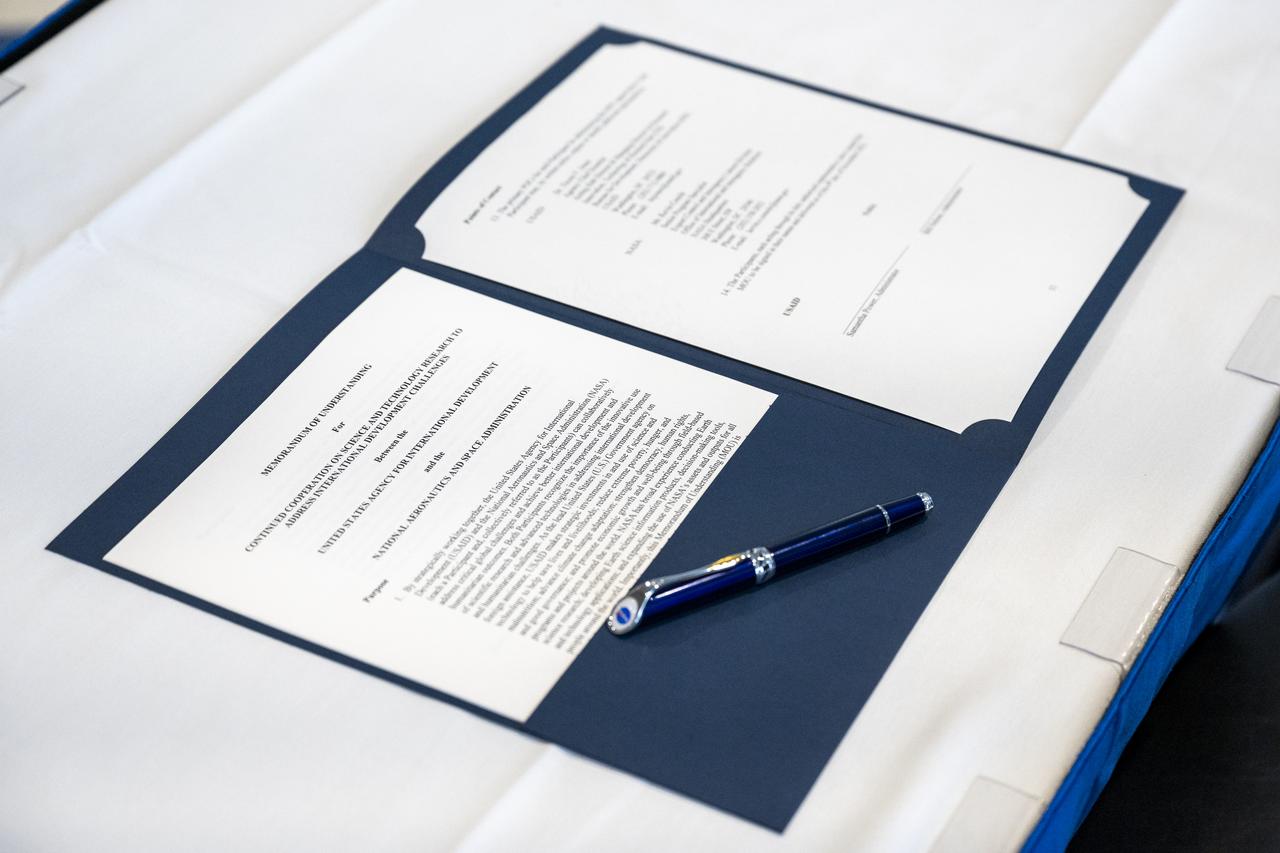
NASA Administrator Bill Nelson meets with USAID Administrator Samantha Power and staff prior to signing a NASA-USAID Memorandum of Understanding (MoU) Friday, Nov. 4, 2022, at the Mary W. Jackson NASA Headquarters building in Washington. The MoU will enhance and expand the Agencies’ longstanding partnership that promotes science and technology solutions to address international development challenges in areas such as global health, climate change, food security, disaster mitigation and response, biodiversity conservation, and environmental management for sustainable development. Photo Credit: (NASA/Keegan Barber)
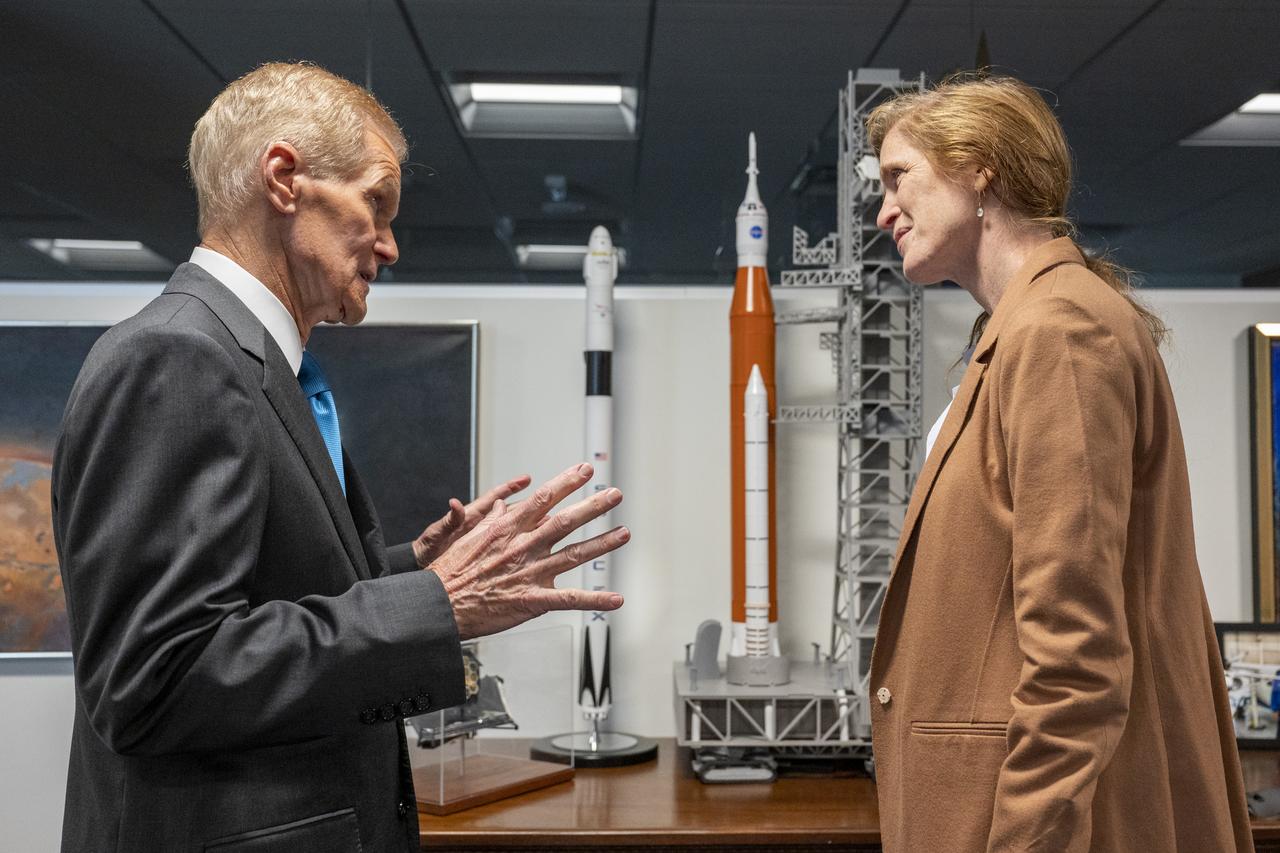
NASA Administrator Bill Nelson meets with USAID Administrator Samantha Power and staff prior to signing a NASA-USAID Memorandum of Understanding (MoU) Friday, Nov. 4, 2022, at the Mary W. Jackson NASA Headquarters building in Washington. The MoU will enhance and expand the Agencies’ longstanding partnership that promotes science and technology solutions to address international development challenges in areas such as global health, climate change, food security, disaster mitigation and response, biodiversity conservation, and environmental management for sustainable development. Photo Credit: (NASA/Keegan Barber)
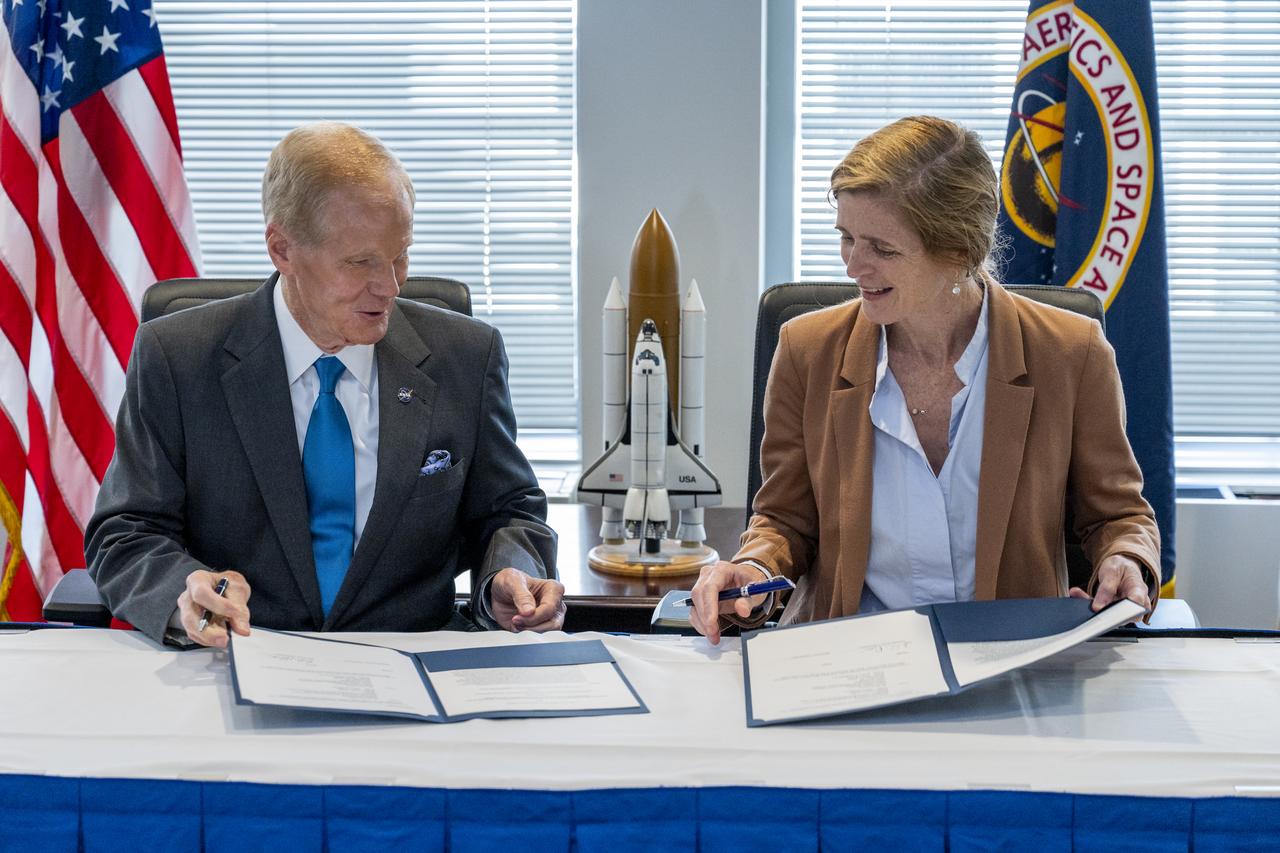
NASA Administrator Bill Nelson and USAID Administrator Samantha Power participate in a NASA-USAID Memorandum of Understanding (MoU) signing ceremony Friday, Nov. 4, 2022, at the Mary W. Jackson NASA Headquarters building in Washington. The MoU will enhance and expand the Agencies’ longstanding partnership that promotes science and technology solutions to address international development challenges in areas such as global health, climate change, food security, disaster mitigation and response, biodiversity conservation, and environmental management for sustainable development. Photo Credit: (NASA/Keegan Barber)
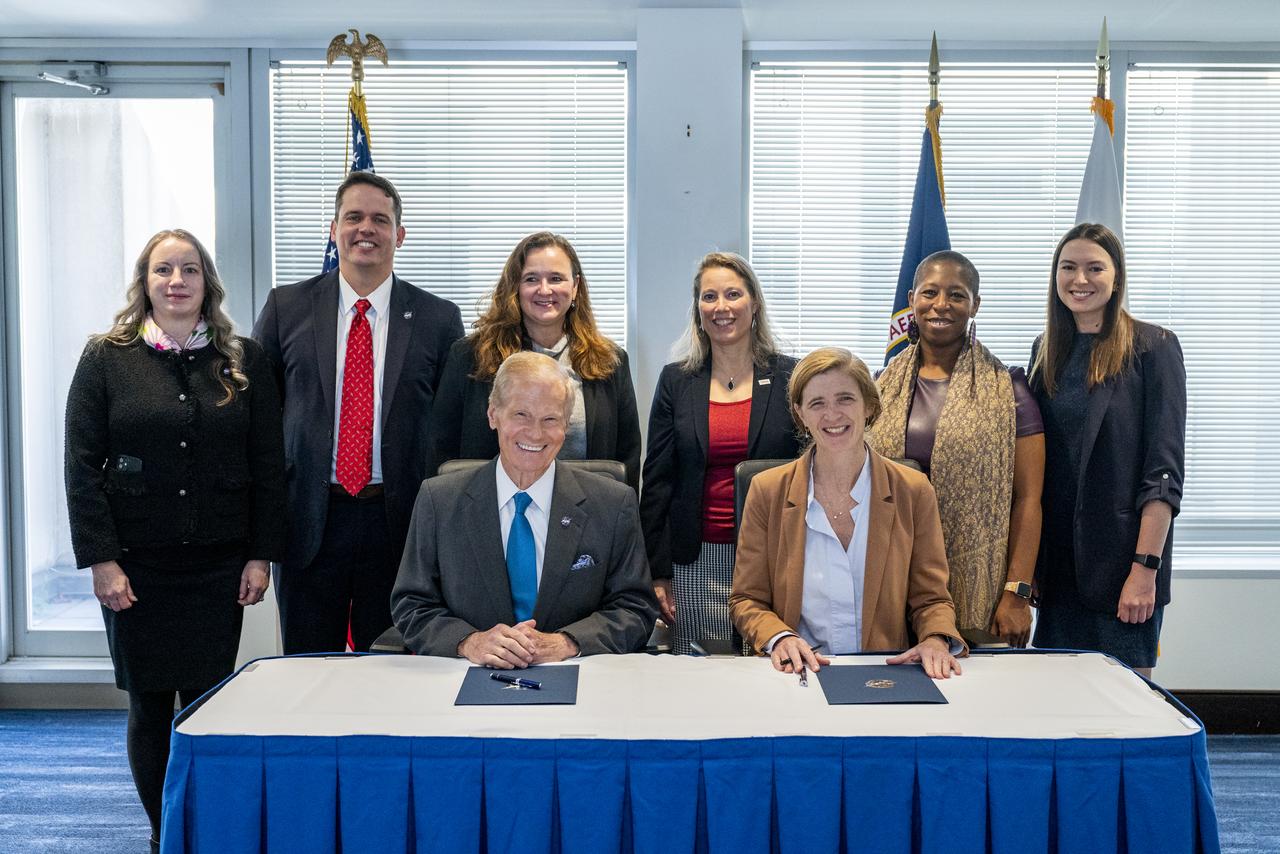
NASA Administrator Bill Nelson and USAID Administrator Samantha Power participate in a NASA-USAID Memorandum of Understanding (MoU) signing ceremony Friday, Nov. 4, 2022, at the Mary W. Jackson NASA Headquarters building in Washington. The MoU will enhance and expand the Agencies’ longstanding partnership that promotes science and technology solutions to address international development challenges in areas such as global health, climate change, food security, disaster mitigation and response, biodiversity conservation, and environmental management for sustainable development. Photo Credit: (NASA/Keegan Barber)
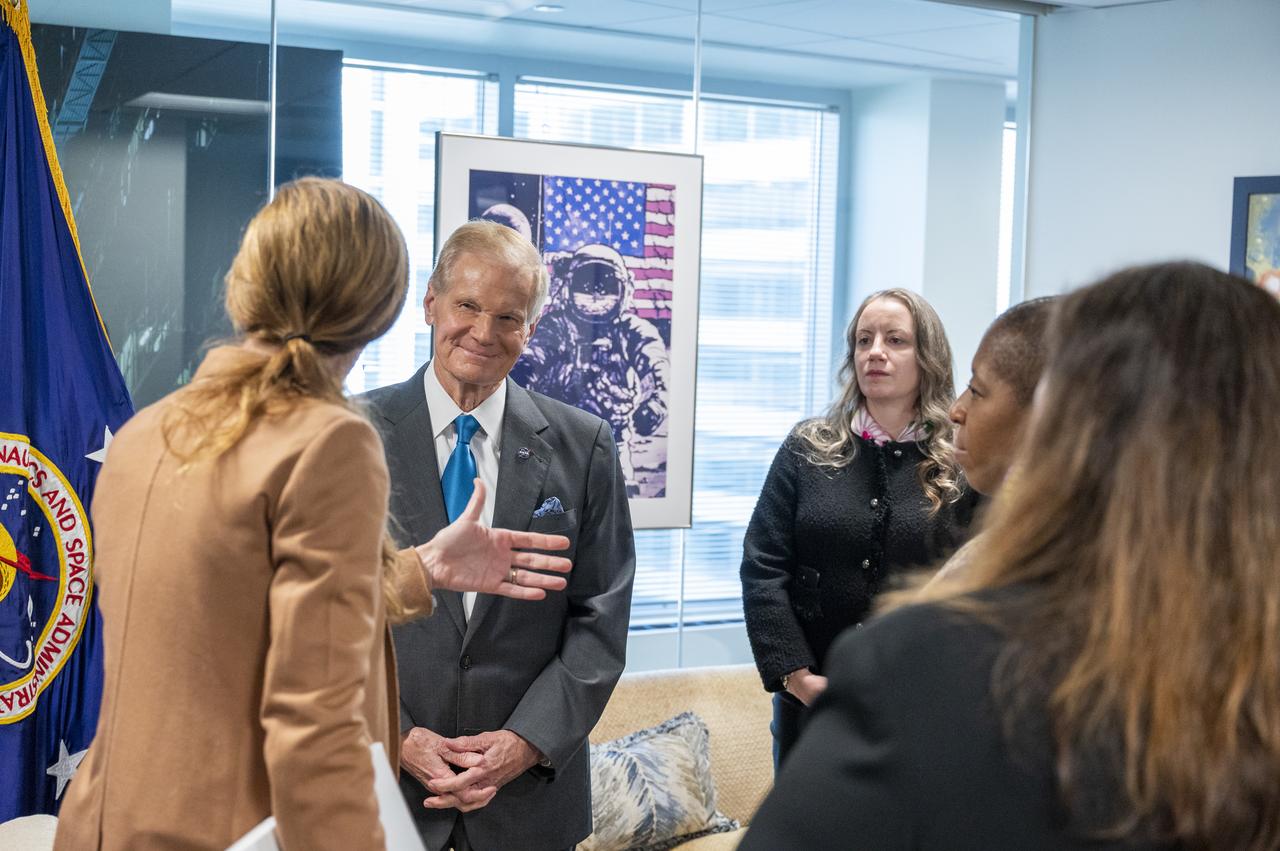
NASA Administrator Bill Nelson meets with USAID Administrator Samantha Power and staff prior to signing a NASA-USAID Memorandum of Understanding (MoU) Friday, Nov. 4, 2022, at the Mary W. Jackson NASA Headquarters building in Washington. The MoU will enhance and expand the Agencies’ longstanding partnership that promotes science and technology solutions to address international development challenges in areas such as global health, climate change, food security, disaster mitigation and response, biodiversity conservation, and environmental management for sustainable development. Photo Credit: (NASA/Keegan Barber)
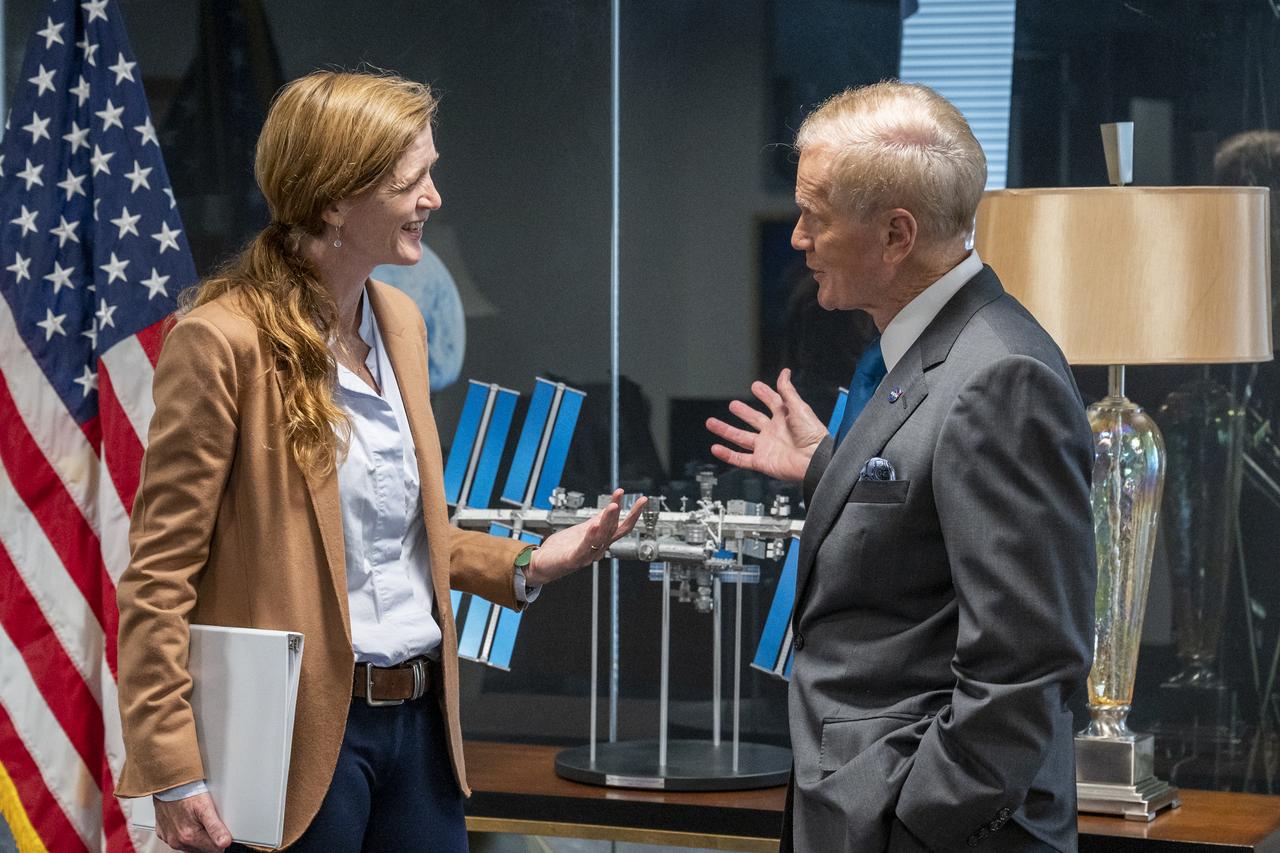
NASA Administrator Bill Nelson meets with USAID Administrator Samantha Power and staff prior to signing a NASA-USAID Memorandum of Understanding (MoU) Friday, Nov. 4, 2022, at the Mary W. Jackson NASA Headquarters building in Washington. The MoU will enhance and expand the Agencies’ longstanding partnership that promotes science and technology solutions to address international development challenges in areas such as global health, climate change, food security, disaster mitigation and response, biodiversity conservation, and environmental management for sustainable development. Photo Credit: (NASA/Keegan Barber)
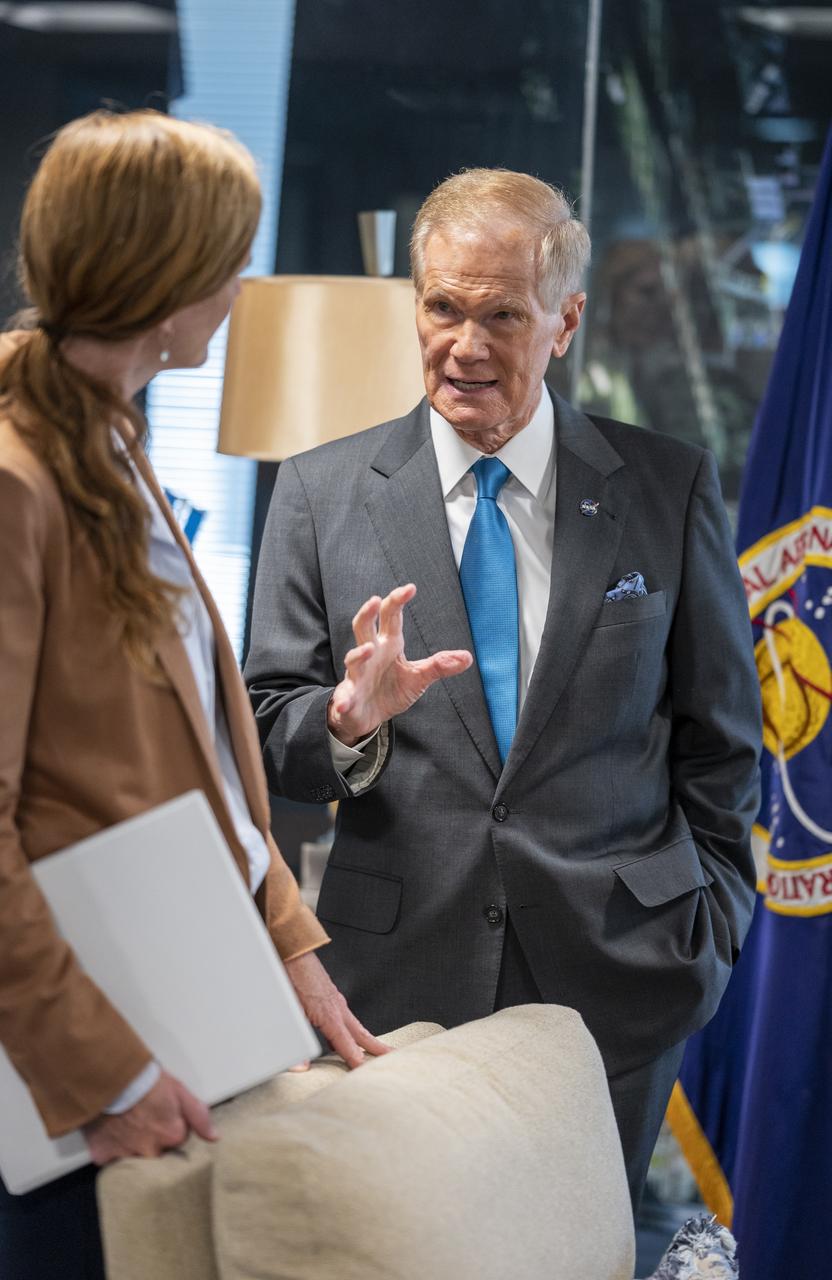
NASA Administrator Bill Nelson meets with USAID Administrator Samantha Power and staff prior to signing a NASA-USAID Memorandum of Understanding (MoU) Friday, Nov. 4, 2022, at the Mary W. Jackson NASA Headquarters building in Washington. The MoU will enhance and expand the Agencies’ longstanding partnership that promotes science and technology solutions to address international development challenges in areas such as global health, climate change, food security, disaster mitigation and response, biodiversity conservation, and environmental management for sustainable development. Photo Credit: (NASA/Keegan Barber)
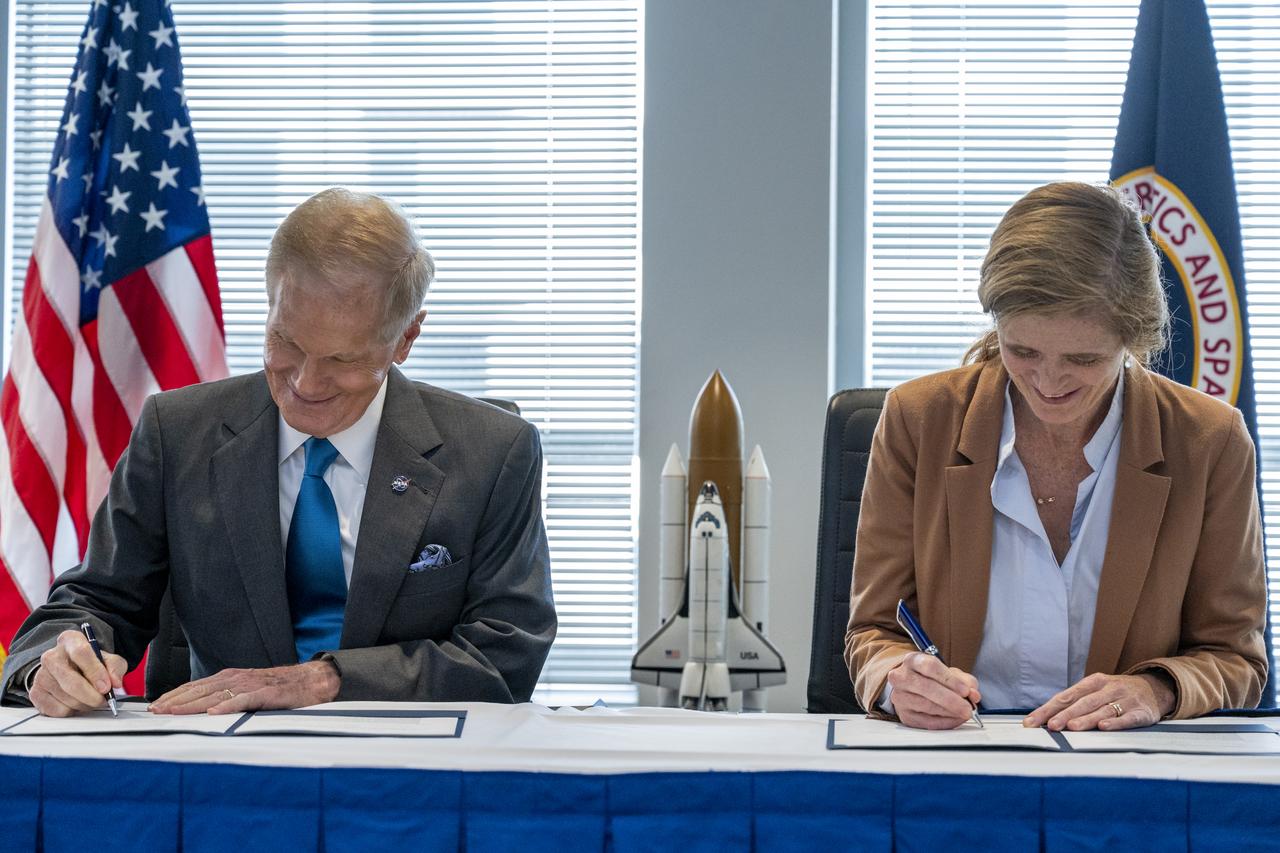
NASA Administrator Bill Nelson and USAID Administrator Samantha Power participate in a NASA-USAID Memorandum of Understanding (MoU) signing ceremony Friday, Nov. 4, 2022, at the Mary W. Jackson NASA Headquarters building in Washington. The MoU will enhance and expand the Agencies’ longstanding partnership that promotes science and technology solutions to address international development challenges in areas such as global health, climate change, food security, disaster mitigation and response, biodiversity conservation, and environmental management for sustainable development. Photo Credit: (NASA/Keegan Barber)

NASA Administrator Bill Nelson meets with USAID Administrator Samantha Power and staff prior to signing a NASA-USAID Memorandum of Understanding (MoU) Friday, Nov. 4, 2022, at the Mary W. Jackson NASA Headquarters building in Washington. The MoU will enhance and expand the Agencies’ longstanding partnership that promotes science and technology solutions to address international development challenges in areas such as global health, climate change, food security, disaster mitigation and response, biodiversity conservation, and environmental management for sustainable development. Photo Credit: (NASA/Keegan Barber)
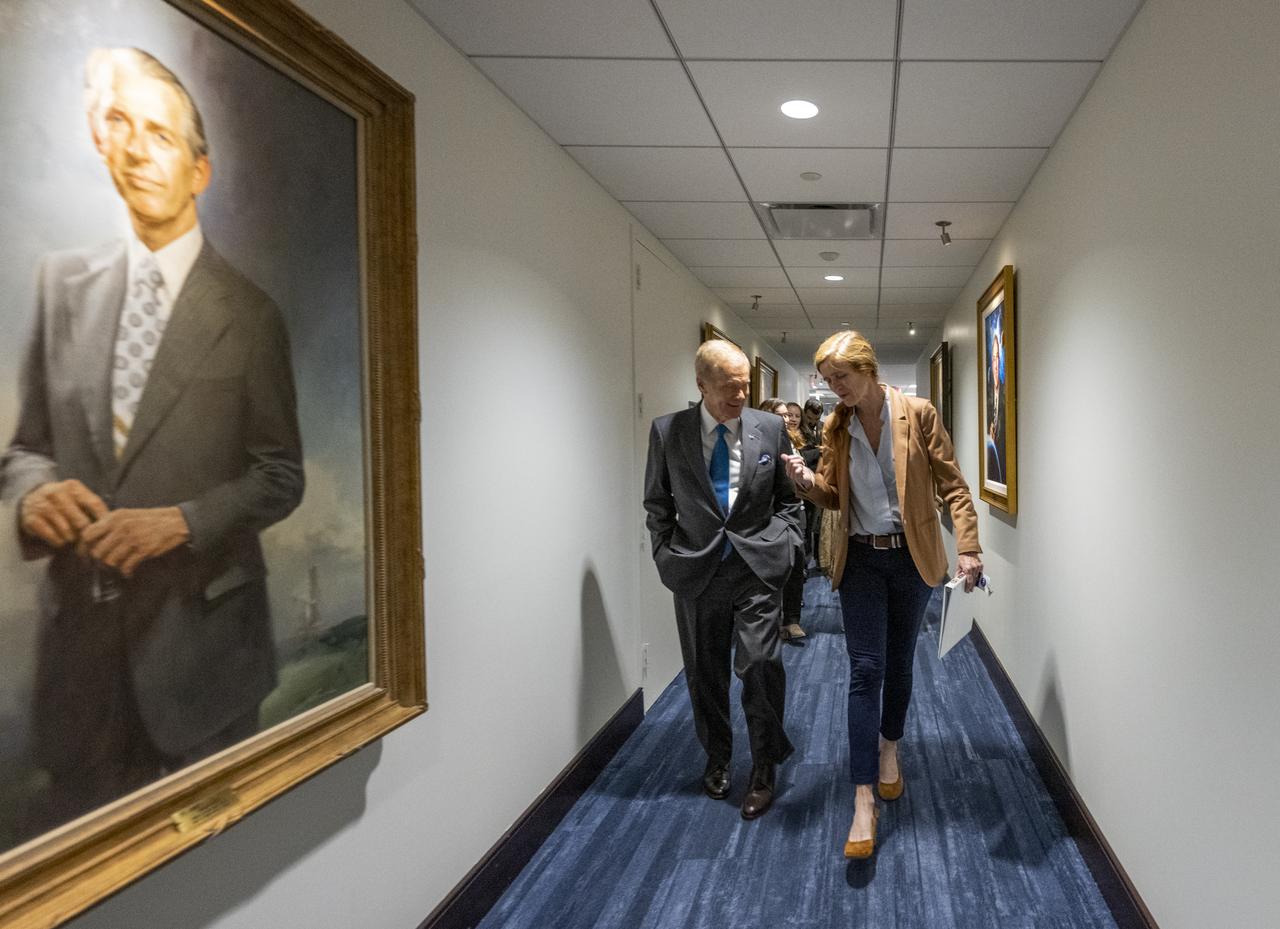
NASA Administrator Bill Nelson meets with USAID Administrator Samantha Power and staff prior to signing a NASA-USAID Memorandum of Understanding (MoU) Friday, Nov. 4, 2022, at the Mary W. Jackson NASA Headquarters building in Washington. The MoU will enhance and expand the Agencies’ longstanding partnership that promotes science and technology solutions to address international development challenges in areas such as global health, climate change, food security, disaster mitigation and response, biodiversity conservation, and environmental management for sustainable development. Photo Credit: (NASA/Keegan Barber)
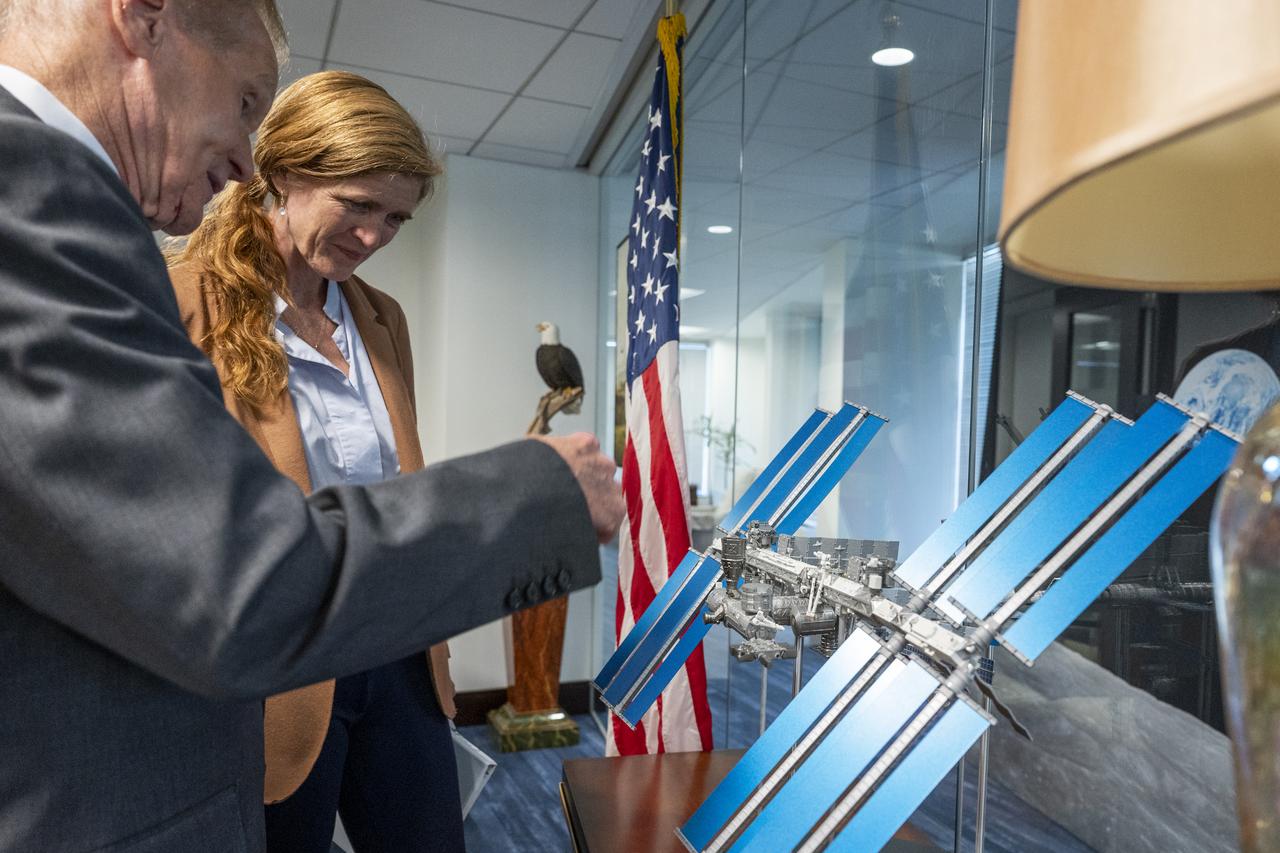
NASA Administrator Bill Nelson meets with USAID Administrator Samantha Power and staff prior to signing a NASA-USAID Memorandum of Understanding (MoU) Friday, Nov. 4, 2022, at the Mary W. Jackson NASA Headquarters building in Washington. The MoU will enhance and expand the Agencies’ longstanding partnership that promotes science and technology solutions to address international development challenges in areas such as global health, climate change, food security, disaster mitigation and response, biodiversity conservation, and environmental management for sustainable development. Photo Credit: (NASA/Keegan Barber)
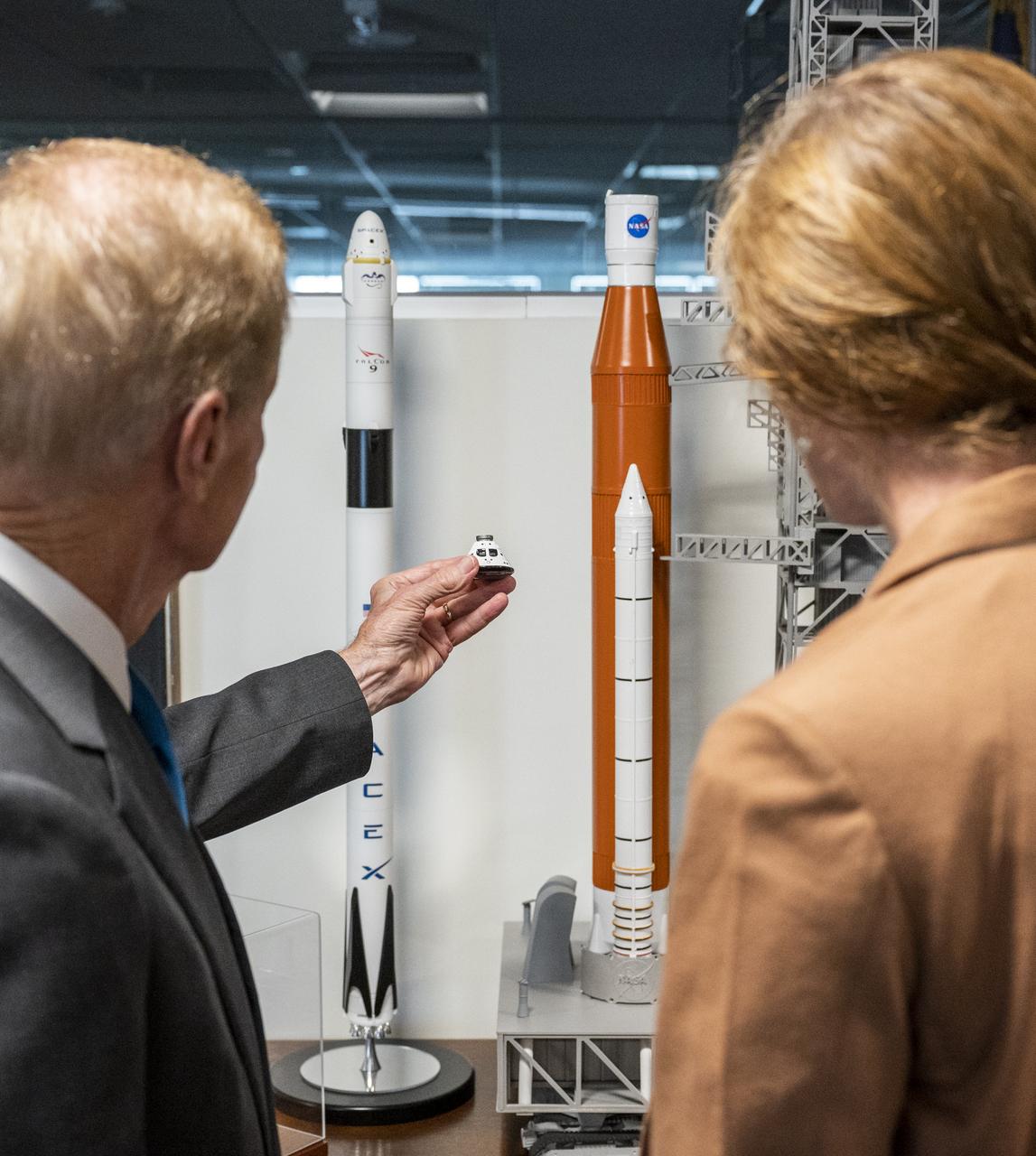
NASA Administrator Bill Nelson meets with USAID Administrator Samantha Power and staff prior to signing a NASA-USAID Memorandum of Understanding (MoU) Friday, Nov. 4, 2022, at the Mary W. Jackson NASA Headquarters building in Washington. The MoU will enhance and expand the Agencies’ longstanding partnership that promotes science and technology solutions to address international development challenges in areas such as global health, climate change, food security, disaster mitigation and response, biodiversity conservation, and environmental management for sustainable development. Photo Credit: (NASA/Keegan Barber)
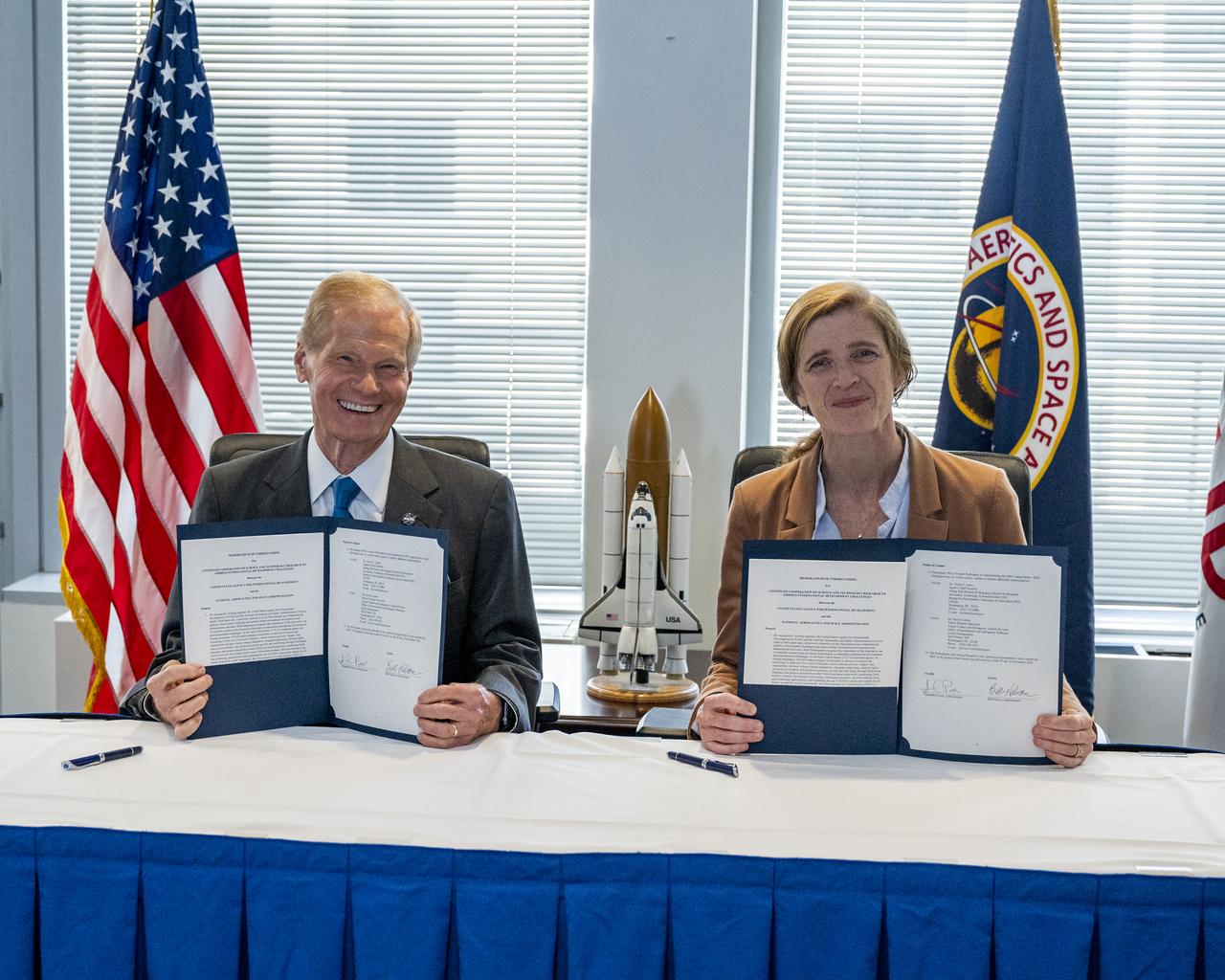
NASA Administrator Bill Nelson and USAID Administrator Samantha Power participate in a NASA-USAID Memorandum of Understanding (MoU) signing ceremony Friday, Nov. 4, 2022, at the Mary W. Jackson NASA Headquarters building in Washington. The MoU will enhance and expand the Agencies’ longstanding partnership that promotes science and technology solutions to address international development challenges in areas such as global health, climate change, food security, disaster mitigation and response, biodiversity conservation, and environmental management for sustainable development. Photo Credit: (NASA/Keegan Barber)
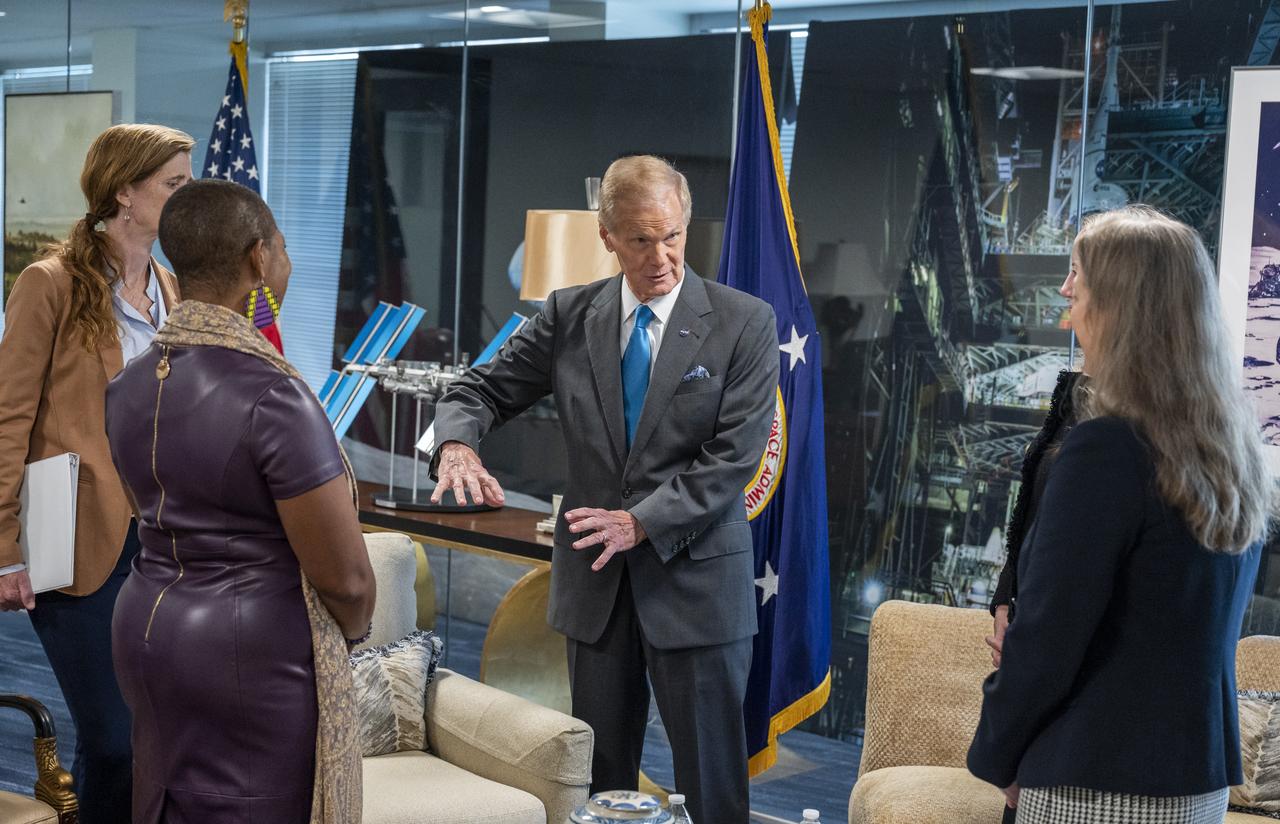
NASA Administrator Bill Nelson meets with USAID Administrator Samantha Power and staff prior to signing a NASA-USAID Memorandum of Understanding (MoU) Friday, Nov. 4, 2022, at the Mary W. Jackson NASA Headquarters building in Washington. The MoU will enhance and expand the Agencies’ longstanding partnership that promotes science and technology solutions to address international development challenges in areas such as global health, climate change, food security, disaster mitigation and response, biodiversity conservation, and environmental management for sustainable development. Photo Credit: (NASA/Keegan Barber)
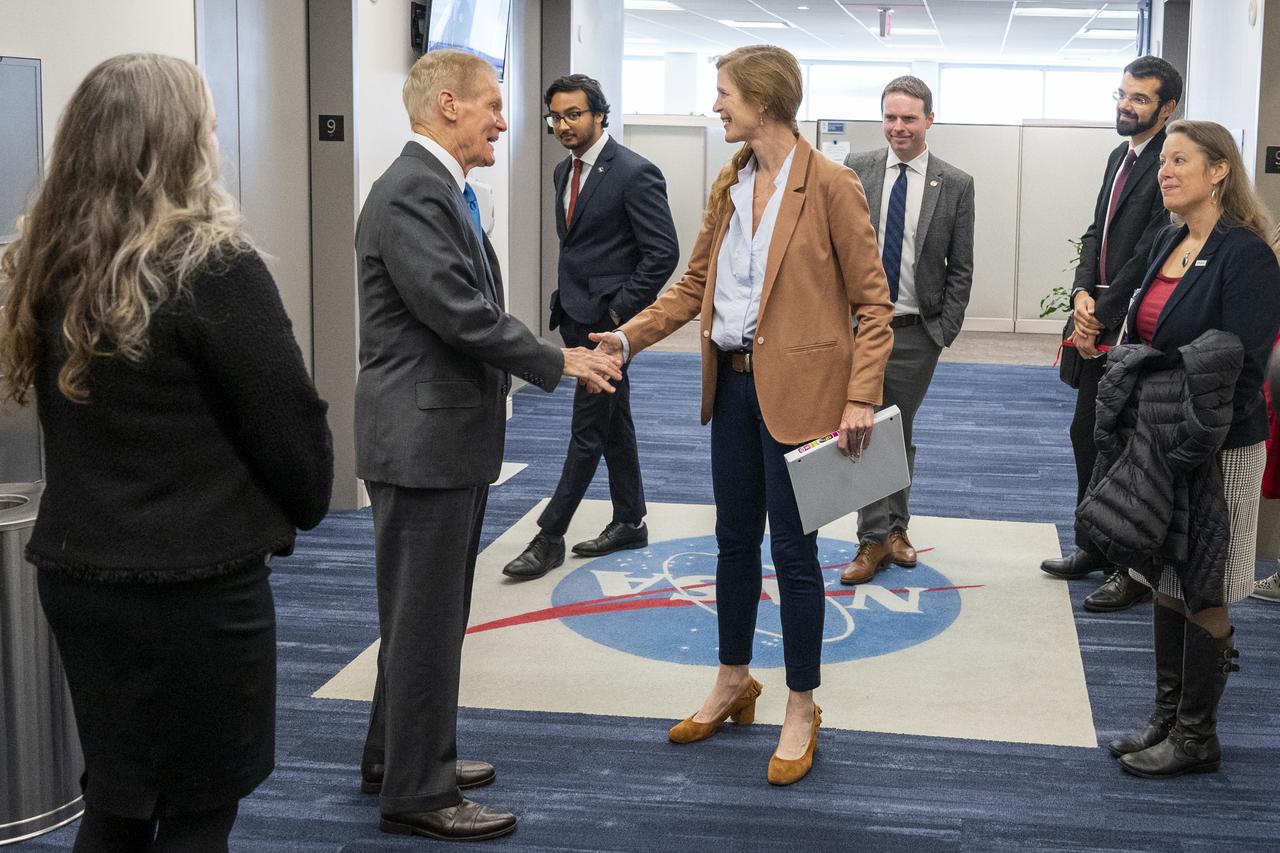
NASA Administrator Bill Nelson meets with USAID Administrator Samantha Power and staff prior to signing a NASA-USAID Memorandum of Understanding (MoU) Friday, Nov. 4, 2022, at the Mary W. Jackson NASA Headquarters building in Washington. The MoU will enhance and expand the Agencies’ longstanding partnership that promotes science and technology solutions to address international development challenges in areas such as global health, climate change, food security, disaster mitigation and response, biodiversity conservation, and environmental management for sustainable development. Photo Credit: (NASA/Keegan Barber)
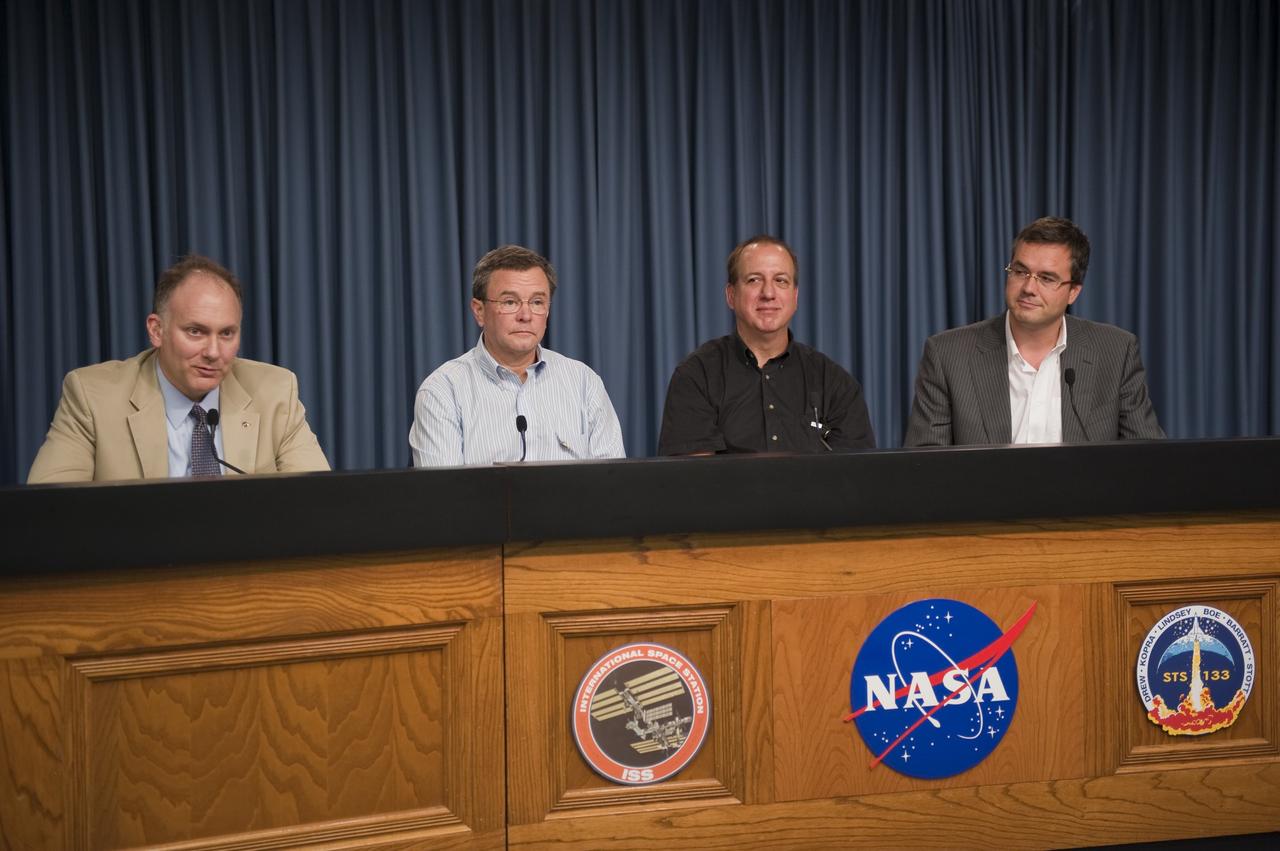
CAPE CANAVERAL, Fla. -- Attendees from the "LAUNCH: Health" forum participate in a news conference at NASA's Kennedy Space Center in Florida. From left, are NASA Public Affairs Officer David Steitz, Dr. Jeff Davis, the director of Space and Life Sciences at NASA's Johnson Space Center in Houston, Dave Ferguson, the director of Global Development Common for the U.S. Agency for International Development, and Mikkel Vestergaard, the president of Vestergaard Frandsen in Lausanne, Switzerland. During the two-day forum, 10 international participants showcased new innovations that could address health problems on Earth and in space. LAUNCH is a global initiative to identify and support innovative work that will contribute to a sustainable future. Through a series of forums focused on key challenge areas, including water, air, food, energy, mobility and sustainable cities, LAUNCH gives leaders an opportunity to present innovative ideas among peers and join in collaborative, solution-driven discussions. This is the second forum hosted at Kennedy. The first was "LAUNCH: Water" in March 2010. Photo credit: NASA/Kim Shiflett
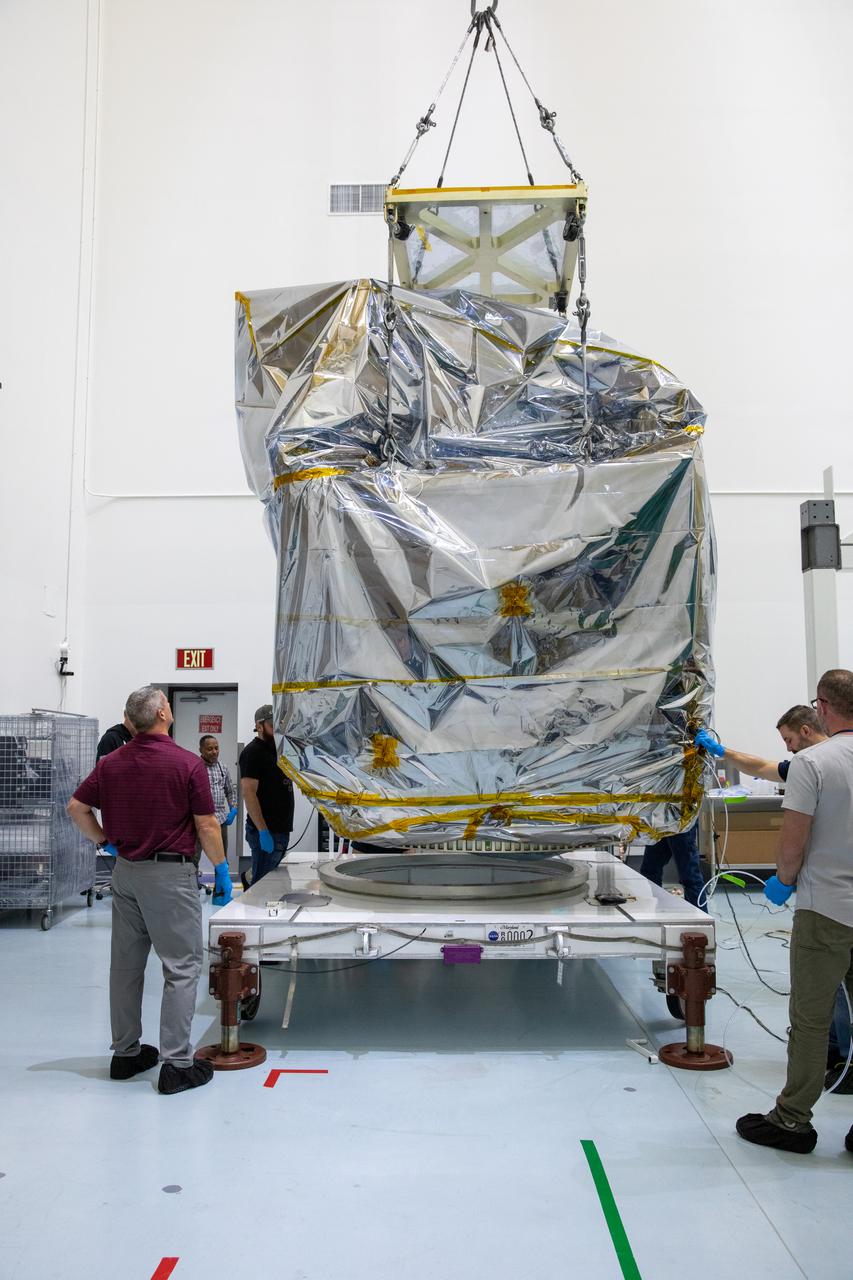
NASA’s Plankton, Aerosol, Cloud, ocean Ecosystem (PACE) observatory spacecraft is uncrated for prelaunch processing at the Astrotech Space Operations Facility near the agency’s Kennedy Space Center in Florida on Wednesday, Nov. 15, 2023. The PACE observatory will help us better understand how the ocean and atmosphere exchange carbon dioxide, measure key atmospheric variables associated with air quality and Earth's climate, and monitor ocean health, in part by studying phytoplankton, tiny plants and algae that sustain the marine food web. PACE will be encapsulated for launch aboard a SpaceX Falcon 9 rocket from Space Launch Complex 40 at Cape Canaveral Space Force Station in Florida.
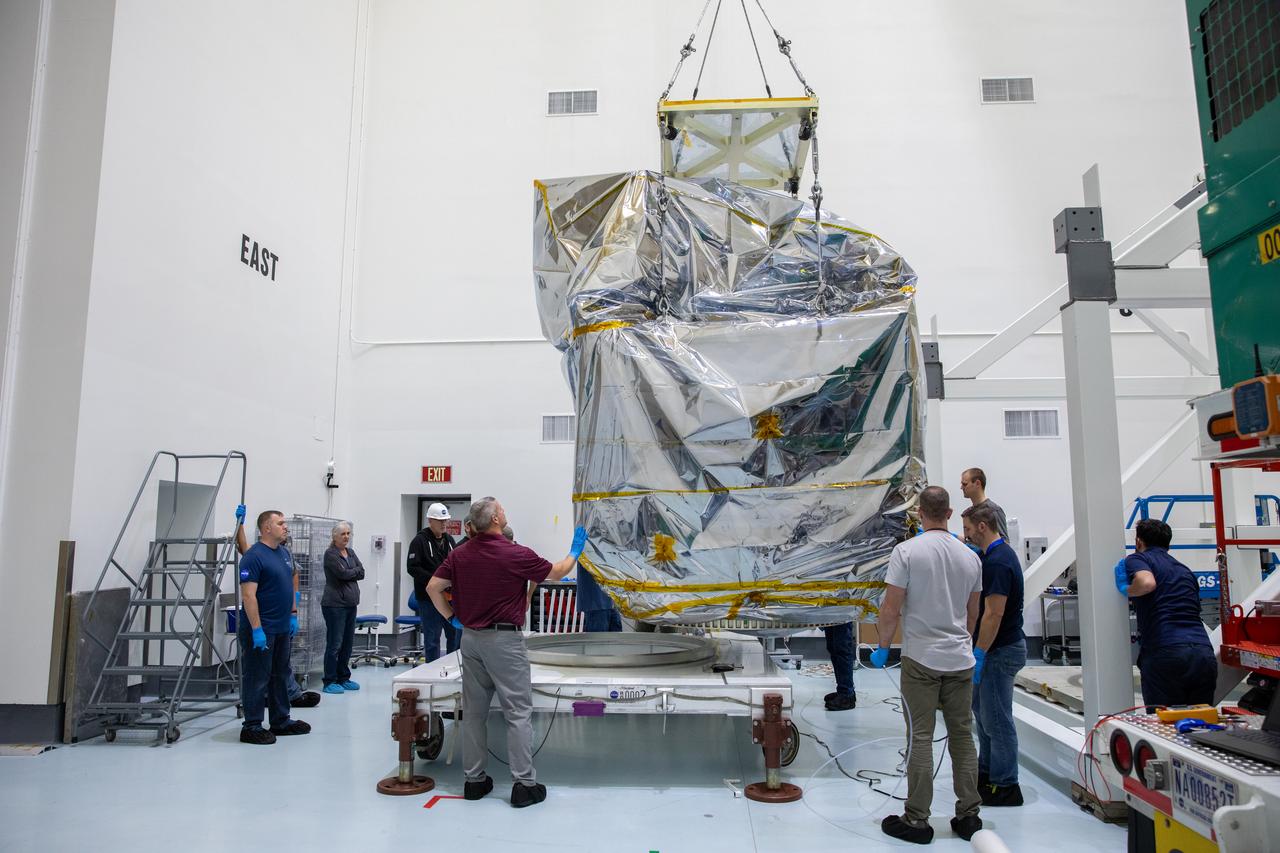
NASA’s Plankton, Aerosol, Cloud, ocean Ecosystem (PACE) observatory spacecraft is uncrated for prelaunch processing at the Astrotech Space Operations Facility near the agency’s Kennedy Space Center in Florida on Wednesday, Nov. 15, 2023. The PACE observatory will help us better understand how the ocean and atmosphere exchange carbon dioxide, measure key atmospheric variables associated with air quality and Earth's climate, and monitor ocean health, in part by studying phytoplankton, tiny plants and algae that sustain the marine food web. PACE will be encapsulated for launch aboard a SpaceX Falcon 9 rocket from Space Launch Complex 40 at Cape Canaveral Space Force Station in Florida.
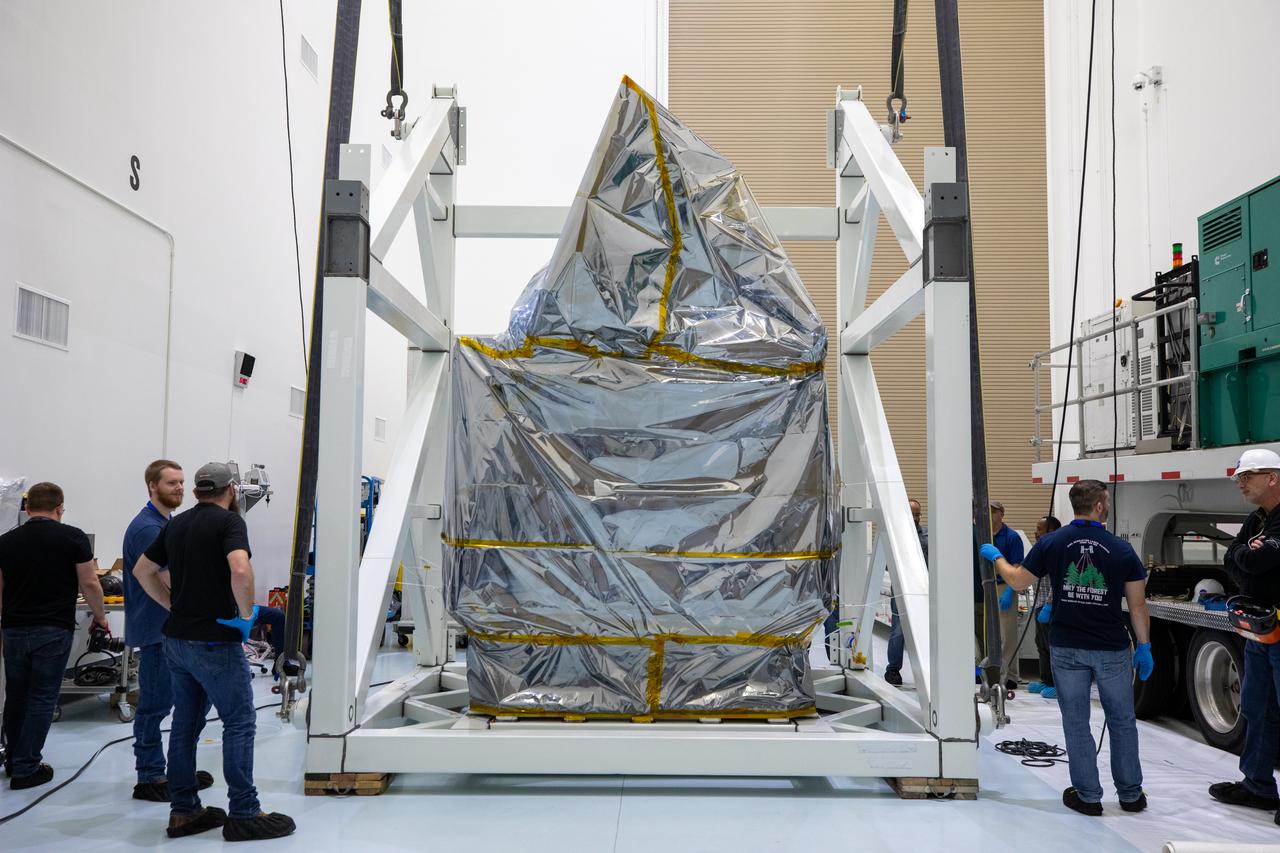
NASA’s Plankton, Aerosol, Cloud, ocean Ecosystem (PACE) observatory spacecraft is uncrated for prelaunch processing at the Astrotech Space Operations Facility near the agency’s Kennedy Space Center in Florida on Wednesday, Nov. 15, 2023. The PACE observatory will help us better understand how the ocean and atmosphere exchange carbon dioxide, measure key atmospheric variables associated with air quality and Earth's climate, and monitor ocean health, in part by studying phytoplankton, tiny plants and algae that sustain the marine food web. PACE will be encapsulated for launch aboard a SpaceX Falcon 9 rocket from Space Launch Complex 40 at Cape Canaveral Space Force Station in Florida.
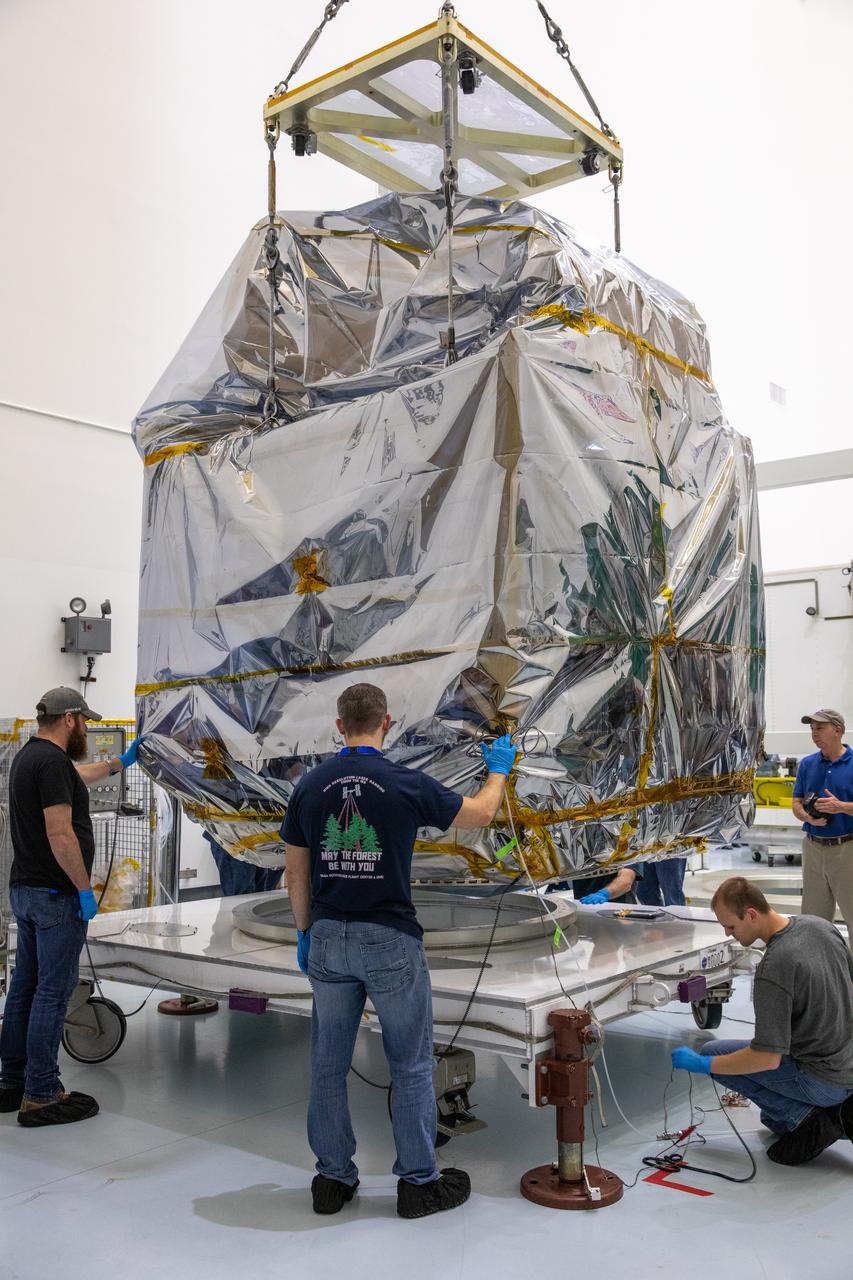
NASA’s Plankton, Aerosol, Cloud, ocean Ecosystem (PACE) observatory spacecraft is uncrated for prelaunch processing at the Astrotech Space Operations Facility near the agency’s Kennedy Space Center in Florida on Wednesday, Nov. 15, 2023. The PACE observatory will help us better understand how the ocean and atmosphere exchange carbon dioxide, measure key atmospheric variables associated with air quality and Earth's climate, and monitor ocean health, in part by studying phytoplankton, tiny plants and algae that sustain the marine food web. PACE will be encapsulated for launch aboard a SpaceX Falcon 9 rocket from Space Launch Complex 40 at Cape Canaveral Space Force Station in Florida.
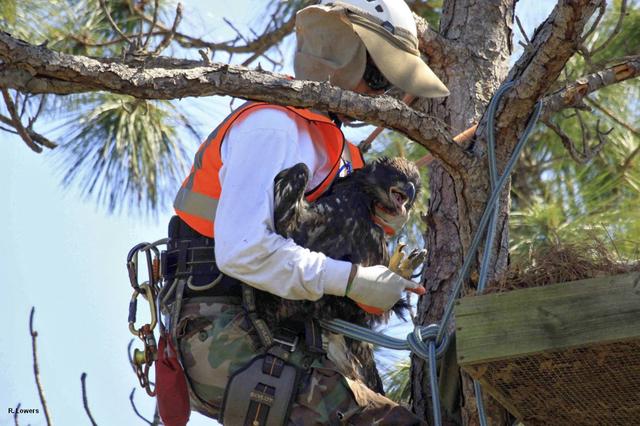
At the Kennedy Space Center in Florida, an eaglet is returned to the area where he was found by Jim Lott, an arborist from the Audubon Center for Birds of Prey in Maitland, Fla. A nest box was built with a wood frame, wire mesh in the bottom and filled with twigs and straw. When a strong thunderstorm recently blew through NASA's Kennedy Space Center in Florida on March 24, two eagles fell to the ground along with their nest. Ecologists at the spaceport, who take great care to track the birds and protect their habitat, stepped in and rescued the eaglets. For more: http://www.nasa.gov/centers/kennedy/about/sustainability/eagles_rescued.html Photo courtesy: InoMedic Health Applications/Russ Lowers
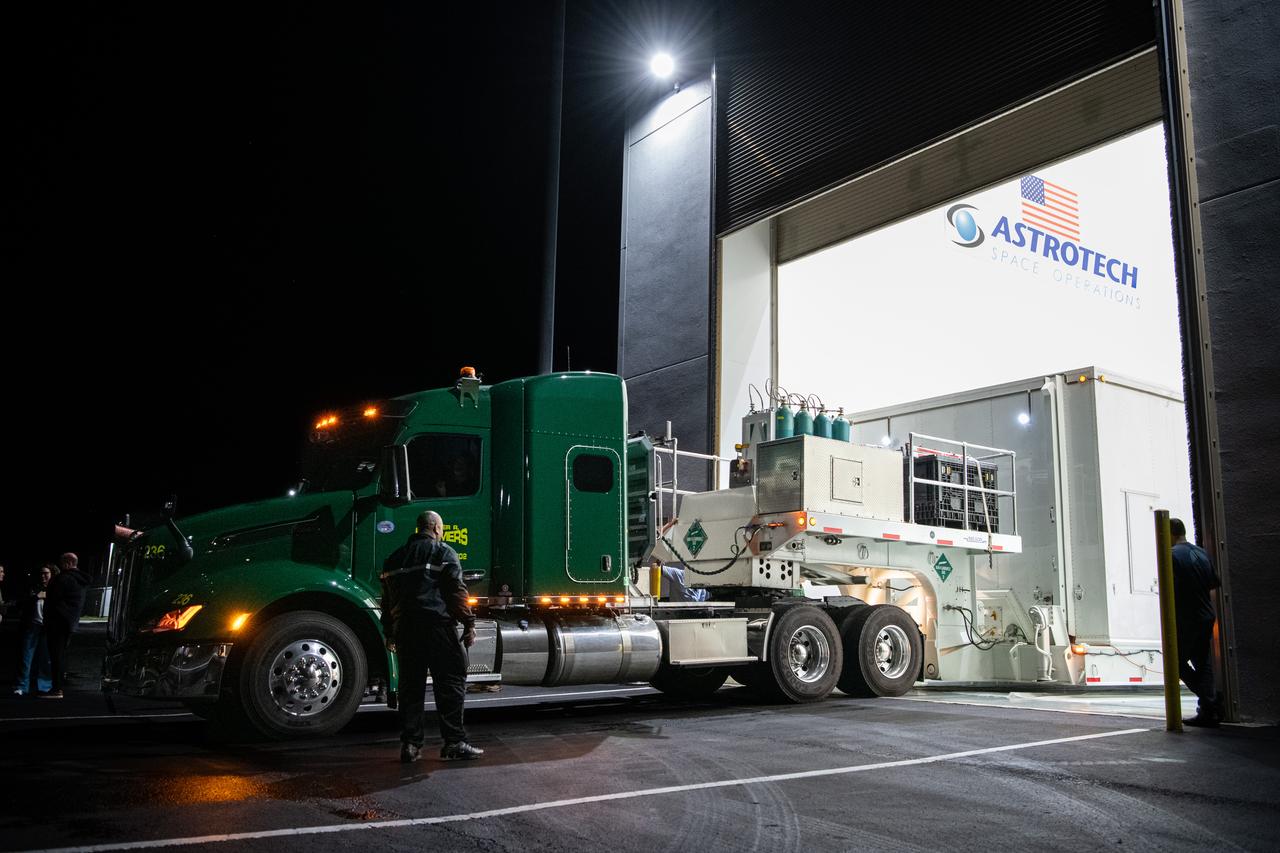
The transport carrier containing NASA’s Plankton, Aerosol, Cloud, ocean Ecosystem (PACE) observatory spacecraft arrives at the Astrotech Space Operations Facility near the agency’s Kennedy Space Center in Florida on Tuesday, Nov. 14, 2023. PACE was shipped from the agency’s Goddard Space Flight Center in Greenbelt, Maryland, and is targeted to launch on January 30, 2024, on a SpaceX Falcon 9 rocket lifting off from Space Launch Complex 40 at Cape Canaveral Space Force Station. The PACE observatory will help us better understand how the ocean and atmosphere exchange carbon dioxide, measure key atmospheric variables associated with air quality and Earth's climate, and monitor ocean health, in part by studying phytoplankton, tiny plants and algae that sustain the marine food web.
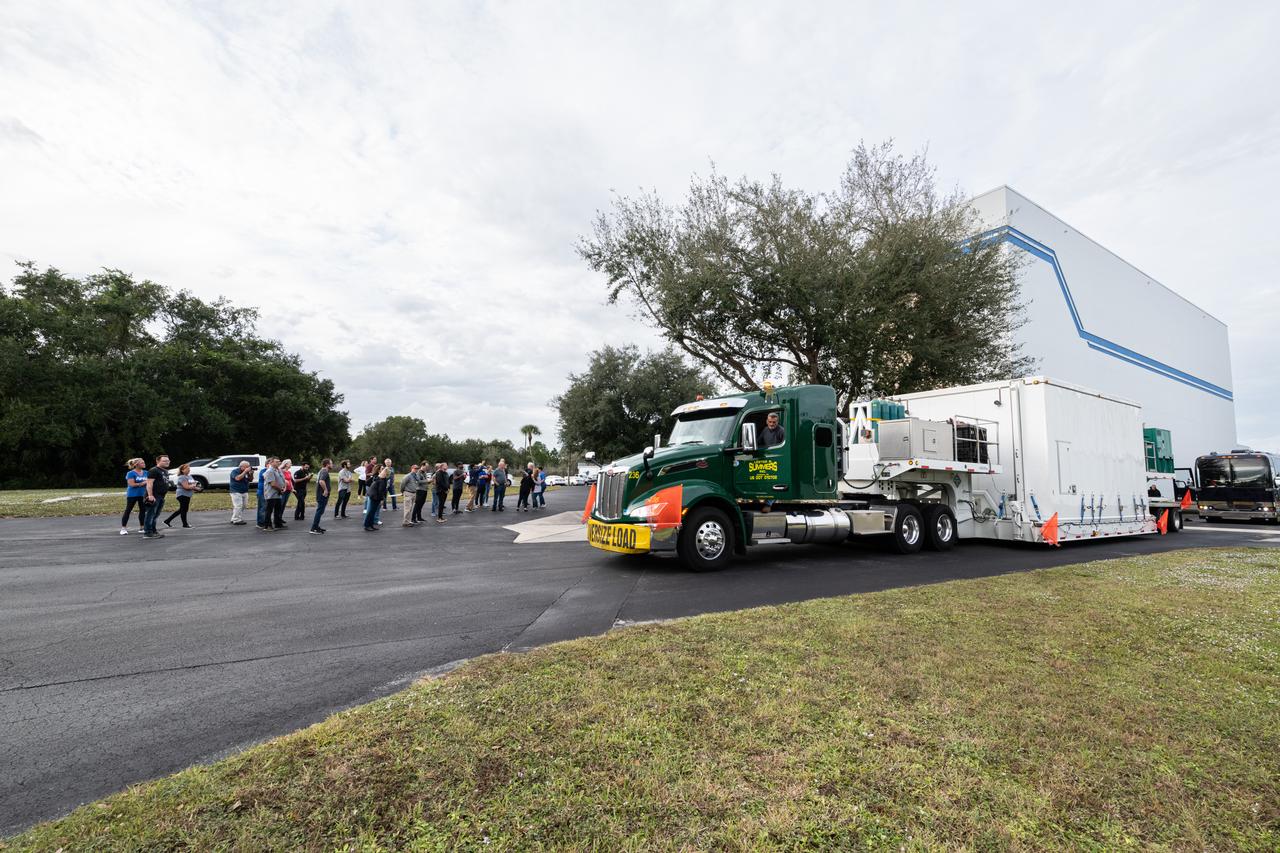
The transport carrier containing NASA’s Plankton, Aerosol, Cloud, ocean Ecosystem (PACE) observatory spacecraft arrives at the Astrotech Space Operations Facility near the agency’s Kennedy Space Center in Florida on Tuesday, Nov. 14, 2023. PACE was shipped from the agency’s Goddard Space Flight Center in Greenbelt, Maryland, and is targeted to launch on January 30, 2024, on a SpaceX Falcon 9 rocket lifting off from Space Launch Complex 40 at Cape Canaveral Space Force Station. The PACE observatory will help us better understand how the ocean and atmosphere exchange carbon dioxide, measure key atmospheric variables associated with air quality and Earth's climate, and monitor ocean health, in part by studying phytoplankton, tiny plants and algae that sustain the marine food web.
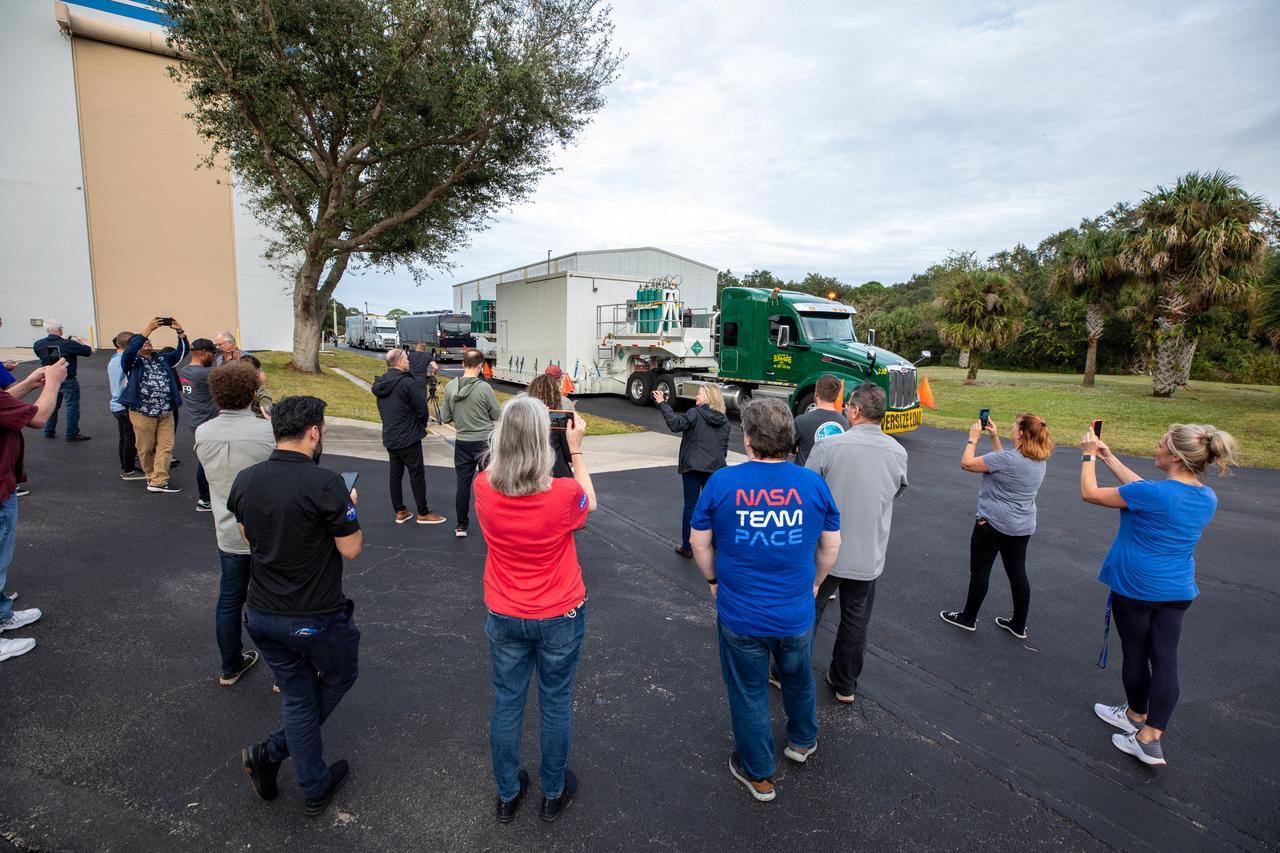
The transport carrier containing NASA’s Plankton, Aerosol, Cloud, ocean Ecosystem (PACE) observatory spacecraft arrives at the Astrotech Space Operations Facility near the agency’s Kennedy Space Center in Florida on Tuesday, Nov. 14, 2023. PACE was shipped from the agency’s Goddard Space Flight Center in Greenbelt, Maryland, and is targeted to launch on January 30, 2024, on a SpaceX Falcon 9 rocket lifting off from Space Launch Complex 40 at Cape Canaveral Space Force Station. The PACE observatory will help us better understand how the ocean and atmosphere exchange carbon dioxide, measure key atmospheric variables associated with air quality and Earth's climate, and monitor ocean health, in part by studying phytoplankton, tiny plants and algae that sustain the marine food web.

The transport carrier containing NASA’s Plankton, Aerosol, Cloud, ocean Ecosystem (PACE) observatory spacecraft departs NASA’s Goddard Space Flight Center in Greenbelt Maryland on Monday, Nov. 13, 2023. PACE is traveling to Astrotech Space Operations Facility near the agency’s Kennedy Space Center in Florida. PACE is targeted to launch on January 30, 2024, on a SpaceX Falcon 9 rocket lifting off from Space Launch Complex 40 at Cape Canaveral Space Force Station. The PACE observatory will help us better understand how the ocean and atmosphere exchange carbon dioxide, measure key atmospheric variables associated with air quality and Earth's climate, and monitor ocean health, in part by studying phytoplankton, tiny plants and algae that sustain the marine food web.
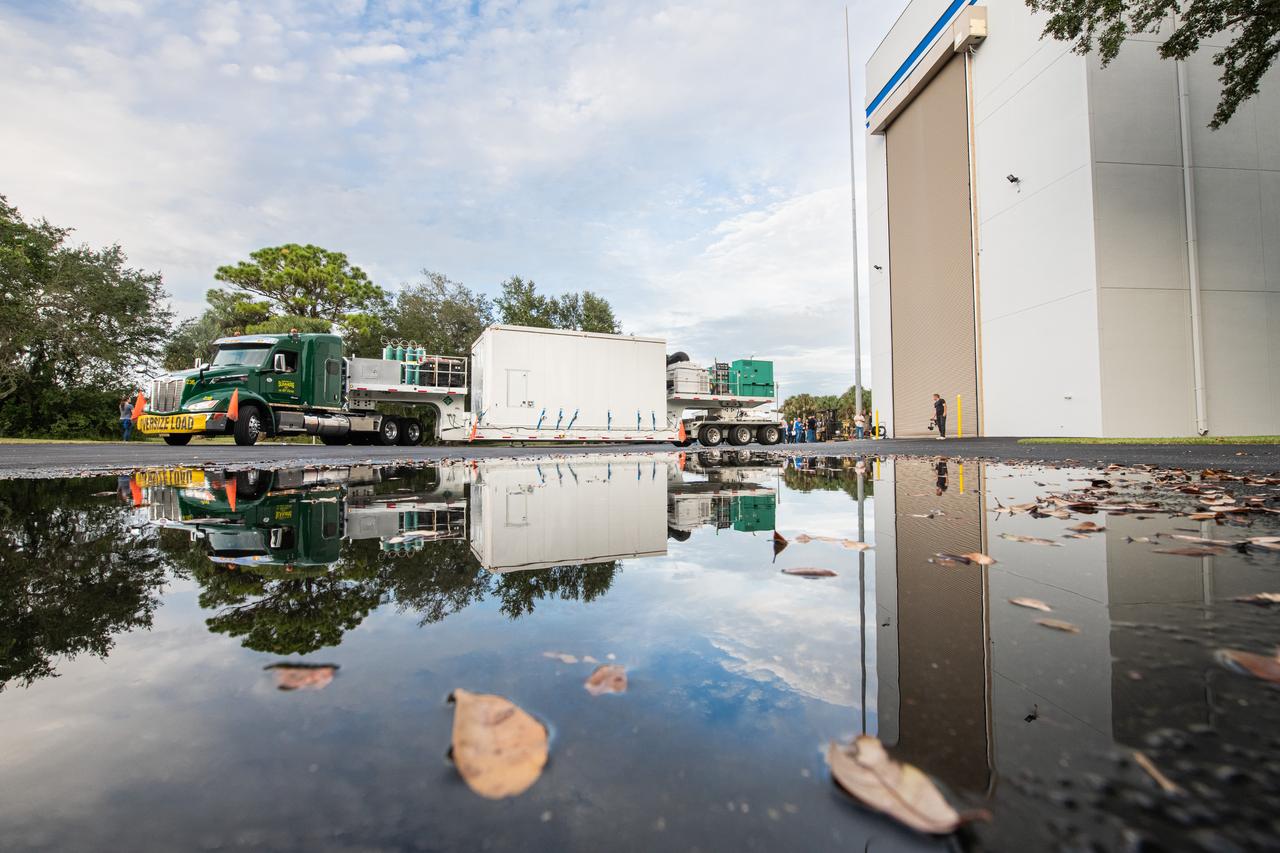
The transport carrier containing NASA’s Plankton, Aerosol, Cloud, ocean Ecosystem (PACE) observatory spacecraft arrives at the Astrotech Space Operations Facility near the agency’s Kennedy Space Center in Florida on Tuesday, Nov. 14, 2023. PACE was shipped from the agency’s Goddard Space Flight Center in Greenbelt, Maryland, and is targeted to launch on January 30, 2024, on a SpaceX Falcon 9 rocket lifting off from Space Launch Complex 40 at Cape Canaveral Space Force Station. The PACE observatory will help us better understand how the ocean and atmosphere exchange carbon dioxide, measure key atmospheric variables associated with air quality and Earth's climate, and monitor ocean health, in part by studying phytoplankton, tiny plants and algae that sustain the marine food web.
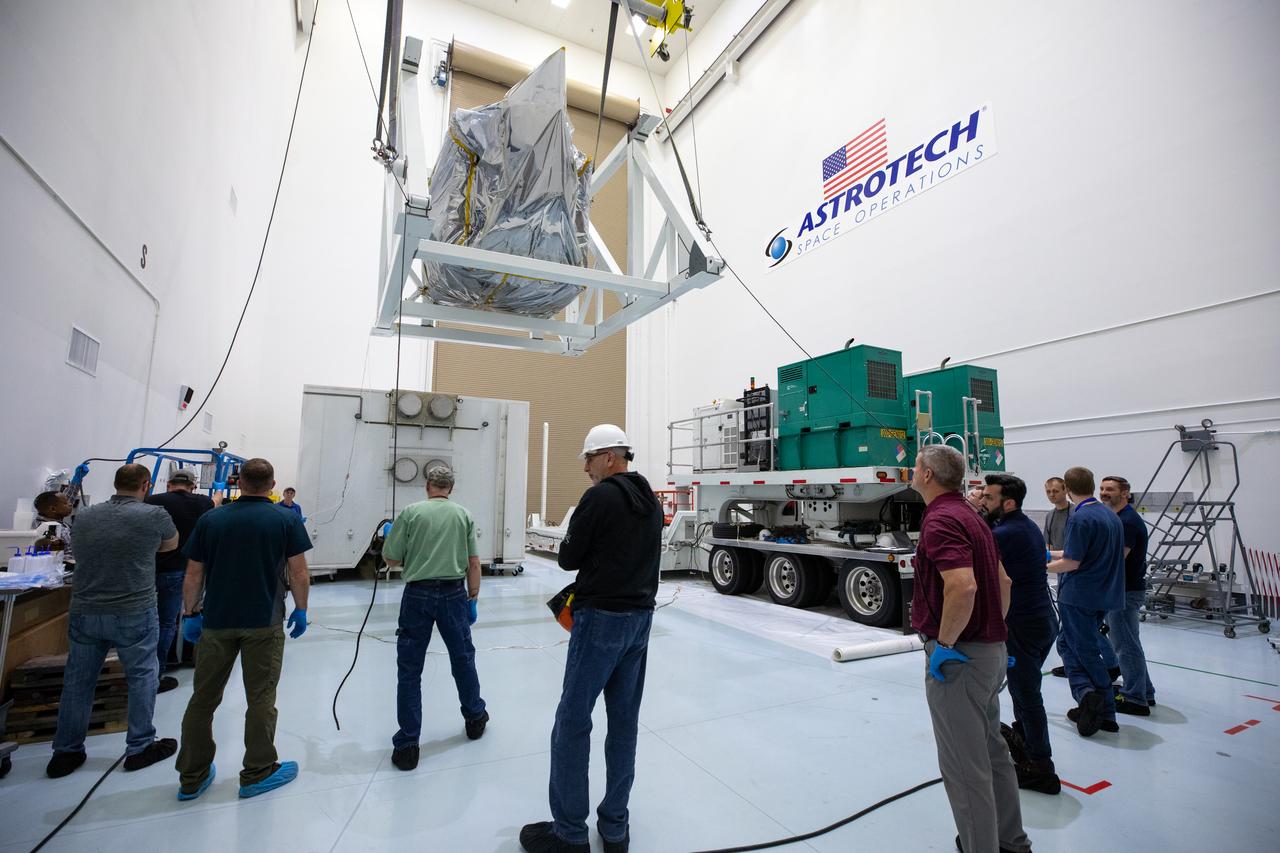
Technicians monitor movement as a crane hoists NASA’s Plankton, Aerosol, Cloud, ocean Ecosystem (PACE) observatory spacecraft after being uncrated on Wednesday, Nov. 15, 2023, at the Astrotech Space Operations Facility near the agency’s Kennedy Space Center in Florida. The PACE observatory will help us better understand how the ocean and atmosphere exchange carbon dioxide, measure key atmospheric variables associated with air quality and Earth's climate, and monitor ocean health, in part by studying phytoplankton, tiny plants and algae that sustain the marine food web. PACE will be encapsulated for launch aboard a SpaceX Falcon 9 rocket from Space Launch Complex 40 at Cape Canaveral Space Force Station in Florida.
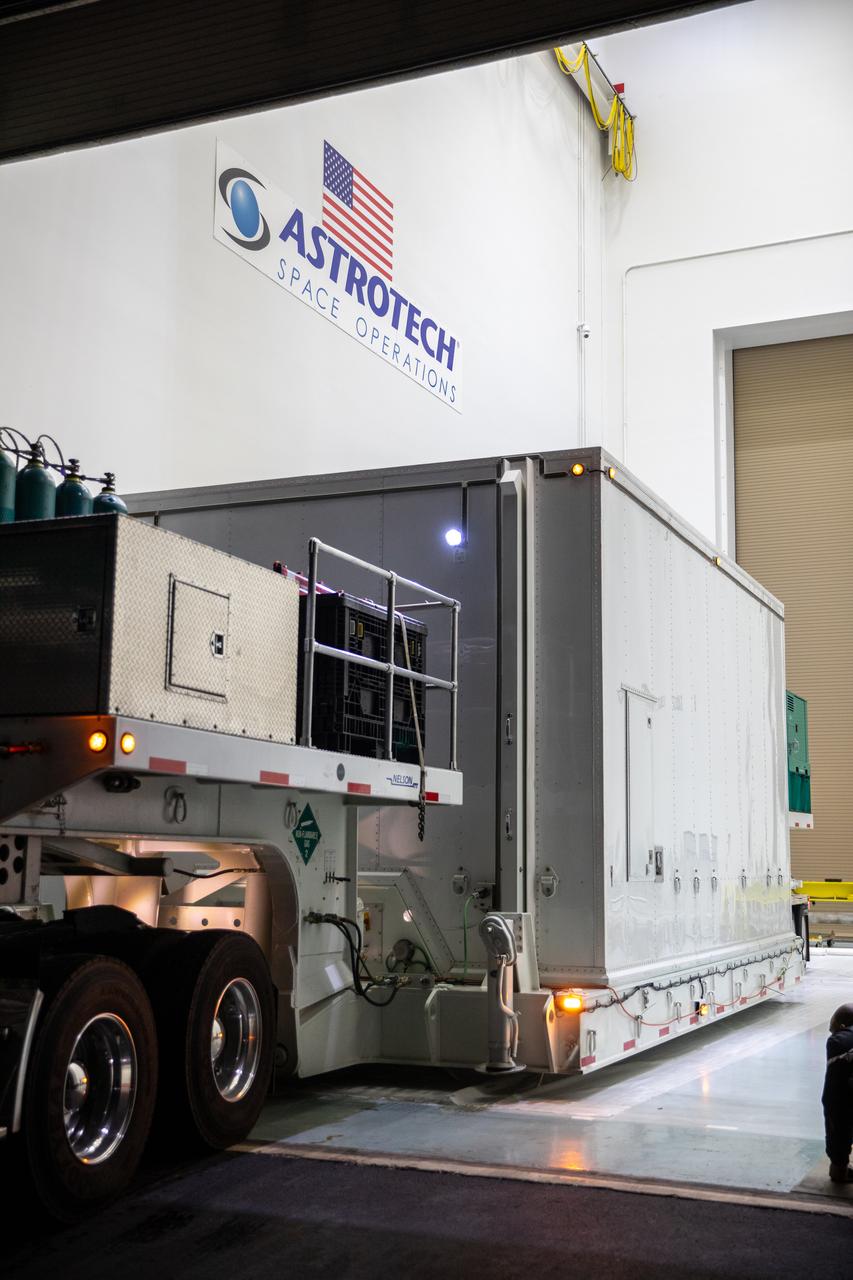
The transport carrier containing NASA’s Plankton, Aerosol, Cloud, ocean Ecosystem (PACE) observatory spacecraft is offloaded at the Astrotech Space Operations Facility near the agency’s Kennedy Space Center in Florida on Tuesday, Nov. 14, 2023. PACE was shipped from the agency’s Goddard Space Flight Center in Greenbelt, Maryland, and is targeted to launch on January 30, 2024, on a SpaceX Falcon 9 rocket lifting off from Space Launch Complex 40 at Cape Canaveral Space Force Station. The PACE observatory will help us better understand how the ocean and atmosphere exchange carbon dioxide, measure key atmospheric variables associated with air quality and Earth's climate, and monitor ocean health, in part by studying phytoplankton, tiny plants and algae that sustain the marine food web.
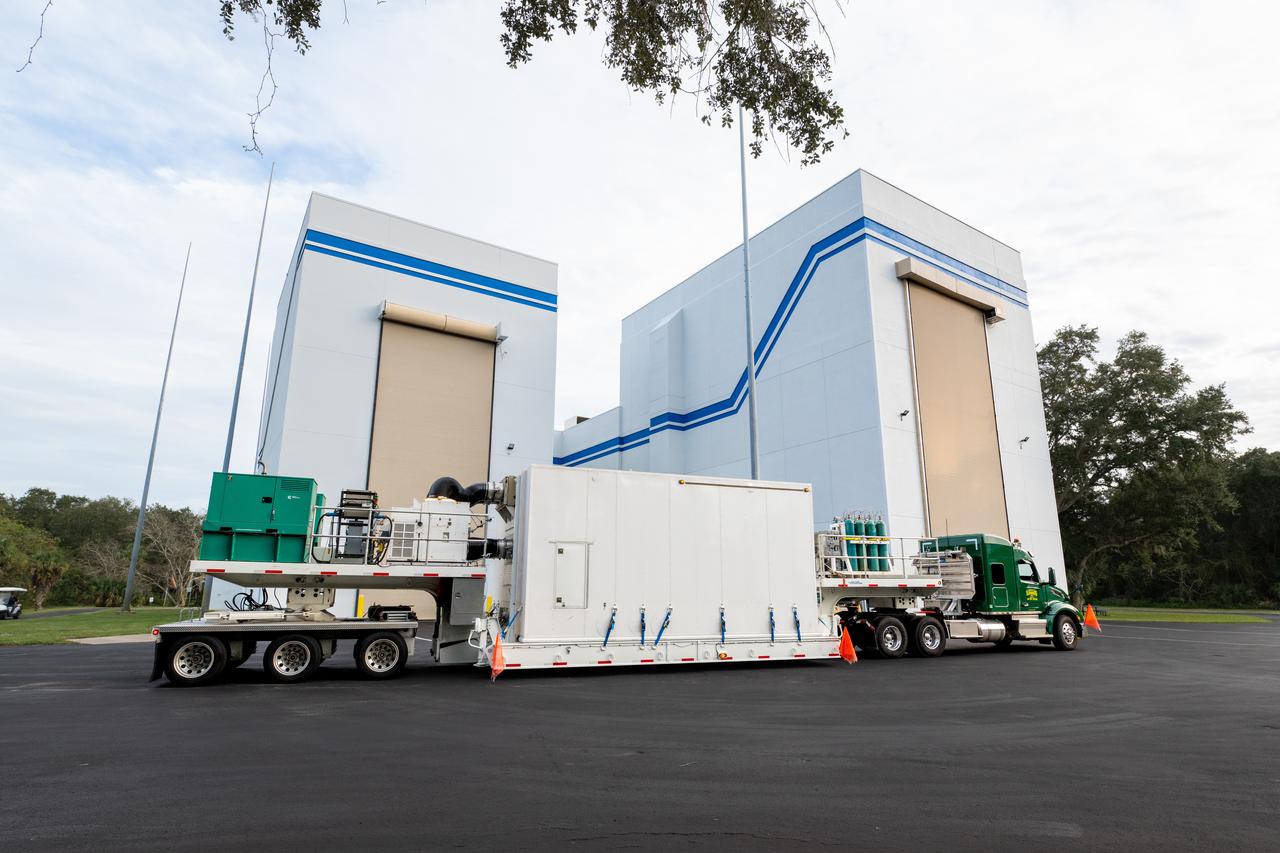
The transport carrier containing NASA’s Plankton, Aerosol, Cloud, ocean Ecosystem (PACE) observatory spacecraft arrives at the Astrotech Space Operations Facility near the agency’s Kennedy Space Center in Florida on Tuesday, Nov. 14, 2023. PACE was shipped from the agency’s Goddard Space Flight Center in Greenbelt, Maryland, and is targeted to launch on January 30, 2024, on a SpaceX Falcon 9 rocket lifting off from Space Launch Complex 40 at Cape Canaveral Space Force Station. The PACE observatory will help us better understand how the ocean and atmosphere exchange carbon dioxide, measure key atmospheric variables associated with air quality and Earth's climate, and monitor ocean health, in part by studying phytoplankton, tiny plants and algae that sustain the marine food web.
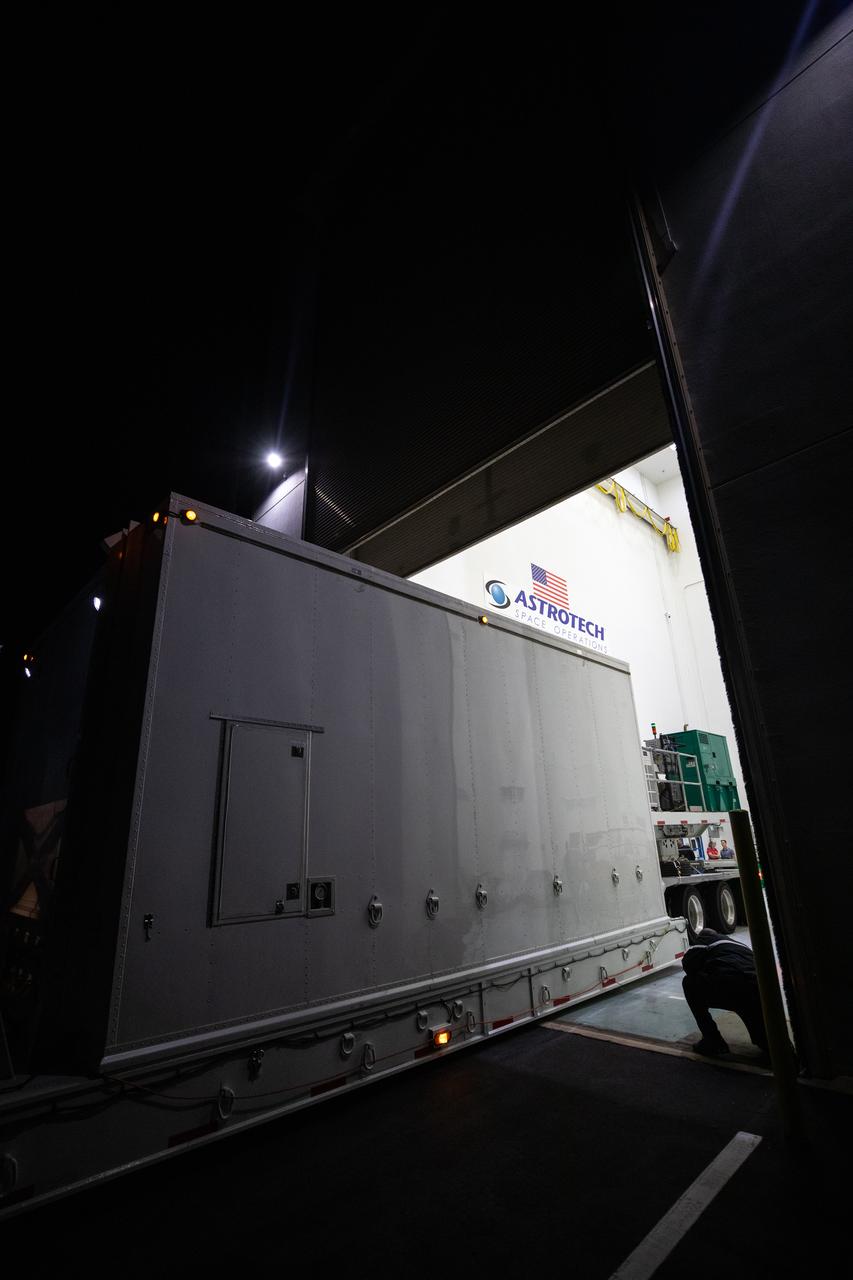
The transport carrier containing NASA’s Plankton, Aerosol, Cloud, ocean Ecosystem (PACE) observatory spacecraft is offloaded at the Astrotech Space Operations Facility near the agency’s Kennedy Space Center in Florida on Tuesday, Nov. 14, 2023. PACE was shipped from the agency’s Goddard Space Flight Center in Greenbelt, Maryland, and is targeted to launch on January 30, 2024, on a SpaceX Falcon 9 rocket lifting off from Space Launch Complex 40 at Cape Canaveral Space Force Station. The PACE observatory will help us better understand how the ocean and atmosphere exchange carbon dioxide, measure key atmospheric variables associated with air quality and Earth's climate, and monitor ocean health, in part by studying phytoplankton, tiny plants and algae that sustain the marine food web.
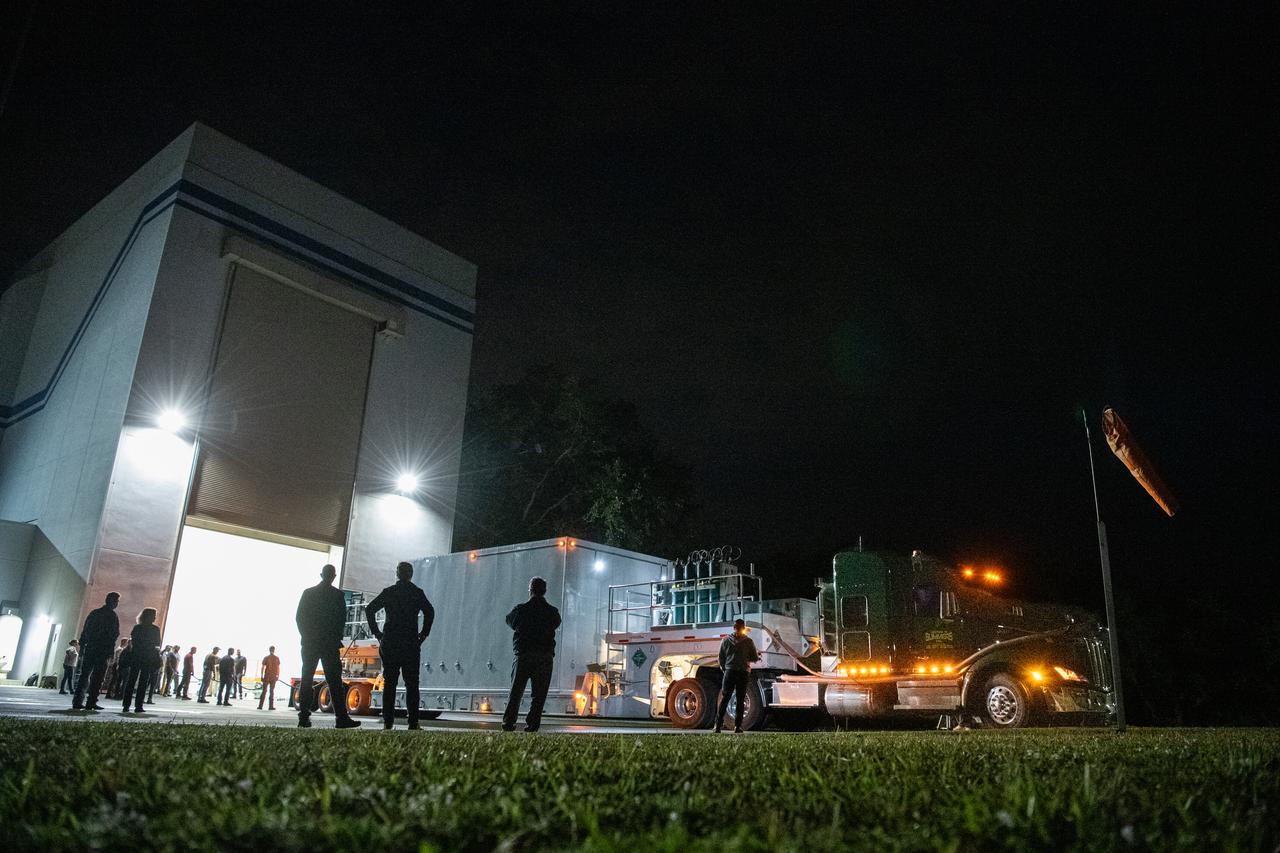
The transport carrier containing NASA’s Plankton, Aerosol, Cloud, ocean Ecosystem (PACE) observatory spacecraft arrives at the Astrotech Space Operations Facility near the agency’s Kennedy Space Center in Florida on Tuesday, Nov. 14, 2023. PACE was shipped from the agency’s Goddard Space Flight Center in Greenbelt, Maryland, and is targeted to launch on January 30, 2024, on a SpaceX Falcon 9 rocket lifting off from Space Launch Complex 40 at Cape Canaveral Space Force Station. The PACE observatory will help us better understand how the ocean and atmosphere exchange carbon dioxide, measure key atmospheric variables associated with air quality and Earth's climate, and monitor ocean health, in part by studying phytoplankton, tiny plants and algae that sustain the marine food web.
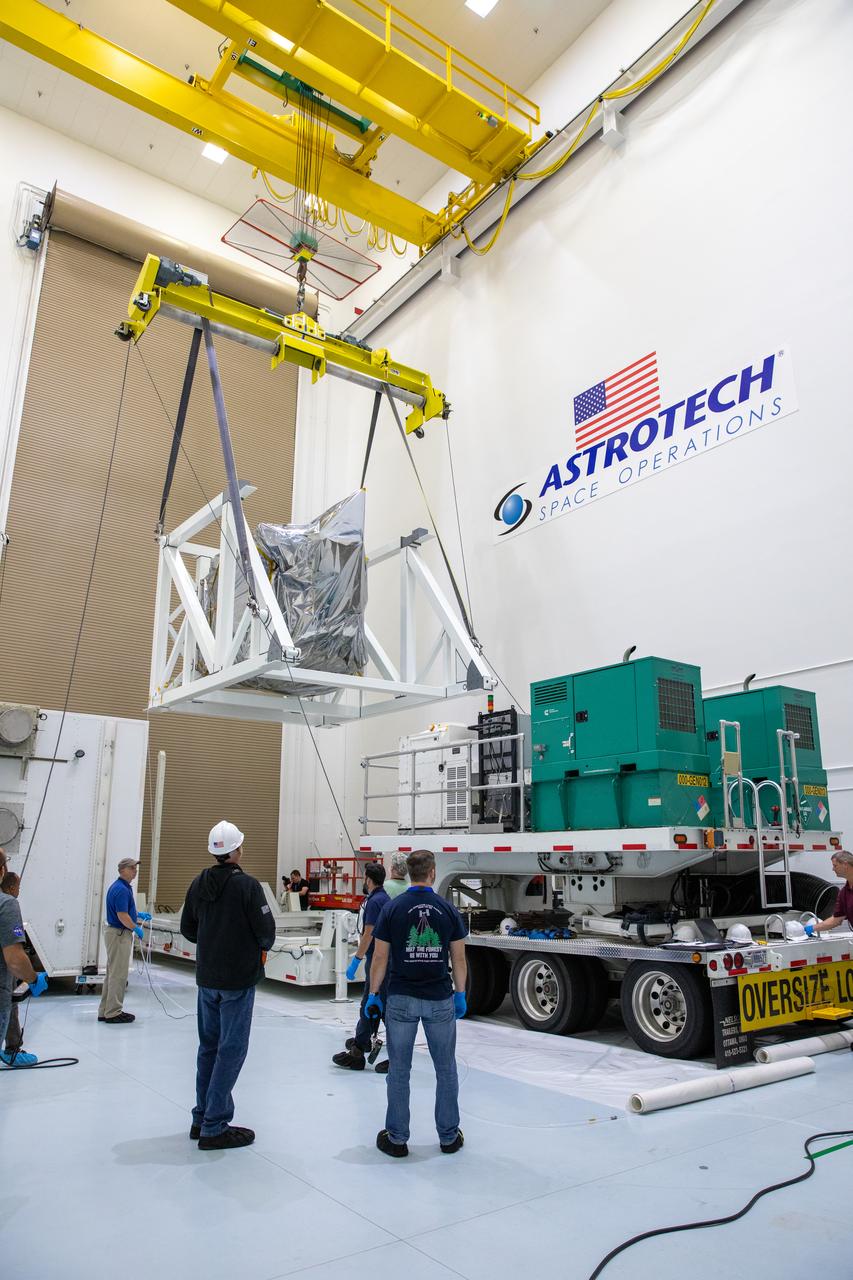
Technicians monitor movement as a crane hoists NASA’s Plankton, Aerosol, Cloud, ocean Ecosystem (PACE) observatory spacecraft after being uncrated on Wednesday, Nov. 15, 2023, at the Astrotech Space Operations Facility near the agency’s Kennedy Space Center in Florida. The PACE observatory will help us better understand how the ocean and atmosphere exchange carbon dioxide, measure key atmospheric variables associated with air quality and Earth's climate, and monitor ocean health, in part by studying phytoplankton, tiny plants and algae that sustain the marine food web. PACE will be encapsulated for launch aboard a SpaceX Falcon 9 rocket from Space Launch Complex 40 at Cape Canaveral Space Force Station in Florida.
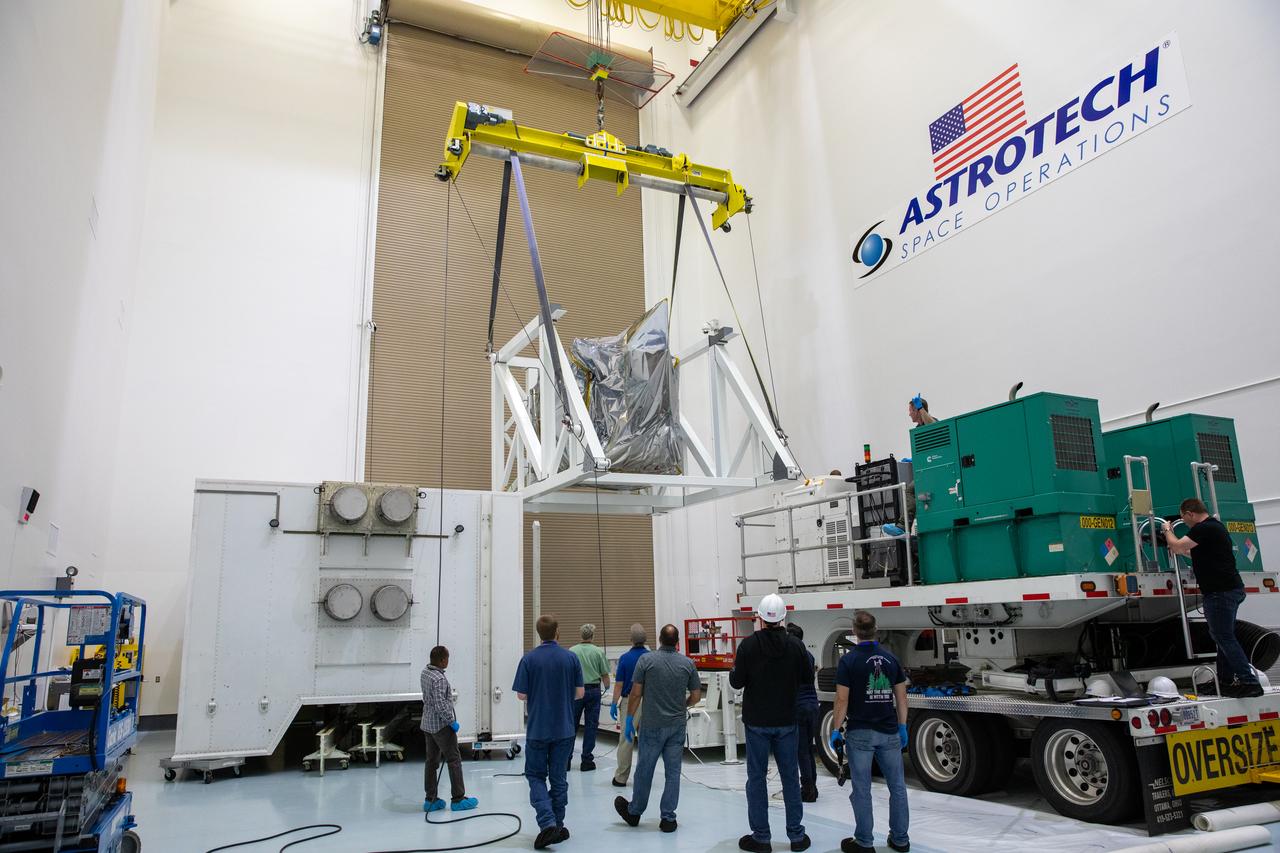
Technicians monitor movement as a crane hoists NASA’s Plankton, Aerosol, Cloud, ocean Ecosystem (PACE) observatory spacecraft after being uncrated on Wednesday, Nov. 15, 2023, at the Astrotech Space Operations Facility near the agency’s Kennedy Space Center in Florida. The PACE observatory will help us better understand how the ocean and atmosphere exchange carbon dioxide, measure key atmospheric variables associated with air quality and Earth's climate, and monitor ocean health, in part by studying phytoplankton, tiny plants and algae that sustain the marine food web. PACE will be encapsulated for launch aboard a SpaceX Falcon 9 rocket from Space Launch Complex 40 at Cape Canaveral Space Force Station in Florida.
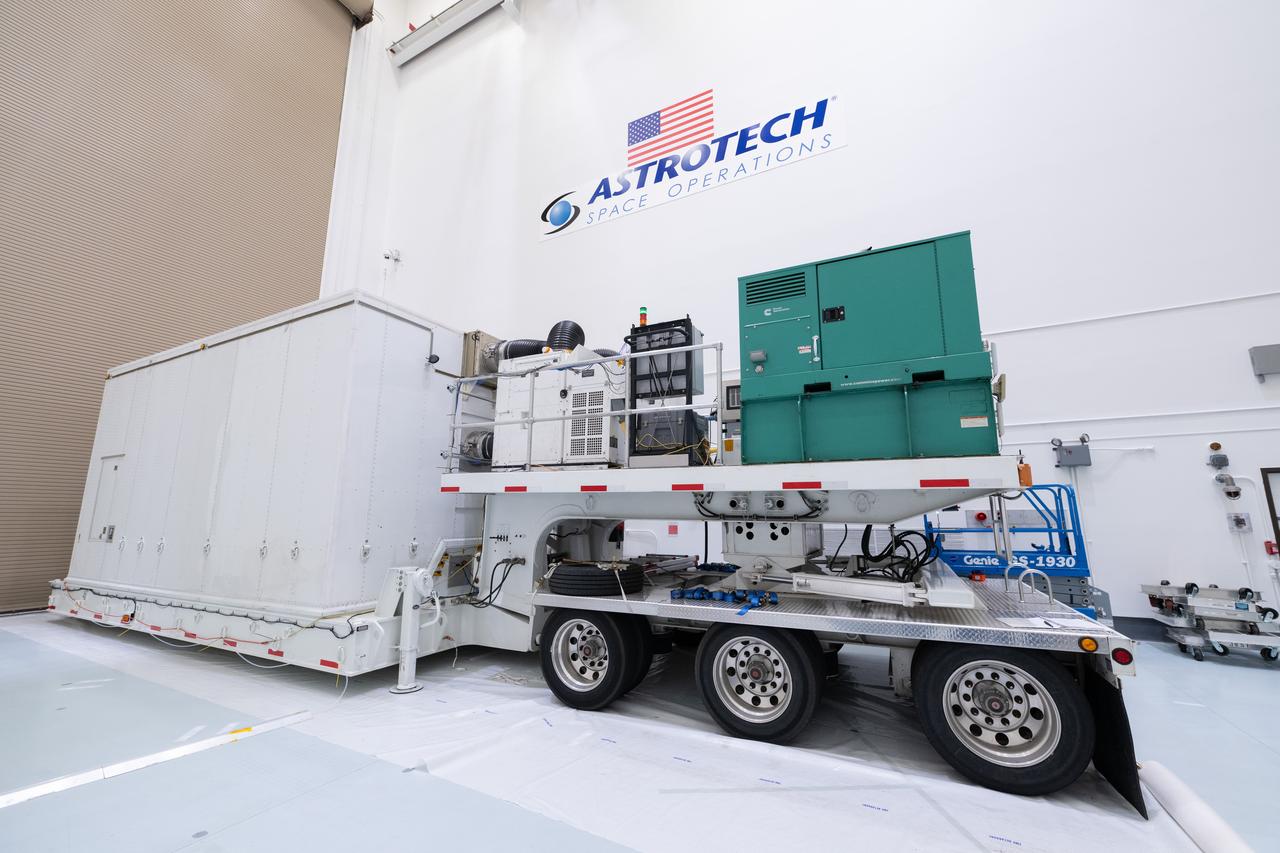
The transport carrier containing NASA’s Plankton, Aerosol, Cloud, ocean Ecosystem (PACE) observatory spacecraft arrives at the Astrotech Space Operations Facility near the agency’s Kennedy Space Center in Florida on Tuesday, Nov. 14, 2023. PACE was shipped from the agency’s Goddard Space Flight Center in Greenbelt, Maryland, and is targeted to launch on January 30, 2024, on a SpaceX Falcon 9 rocket lifting off from Space Launch Complex 40 at Cape Canaveral Space Force Station. The PACE observatory will help us better understand how the ocean and atmosphere exchange carbon dioxide, measure key atmospheric variables associated with air quality and Earth's climate, and monitor ocean health, in part by studying phytoplankton, tiny plants and algae that sustain the marine food web.

NASA climatologist Gary Jedlovec, a member of the Earth Science team in Marshall Space Flight Center’s Science and Technology Office, discusses the satellite technology and ground-based tools used to record and trend regional and global climate changes over the past century and to provide forecast models looking 100 years into the future. Jedlovec and his team, which partners with National Oceanic and Atmospheric Association researchers and their colleagues around the world, spoke to the Marshall “Green Team” -- environmental engineers and support personnel who help guide Marshall’s focus on safer, more cost-efficient energy use. The Green Team, led by Marshall Sustainability Engineer Donna Leach of the Environmental Engineering & Occupational Health Office, currently is preparing activities and outreach for Earth Day 2020, set for next April.
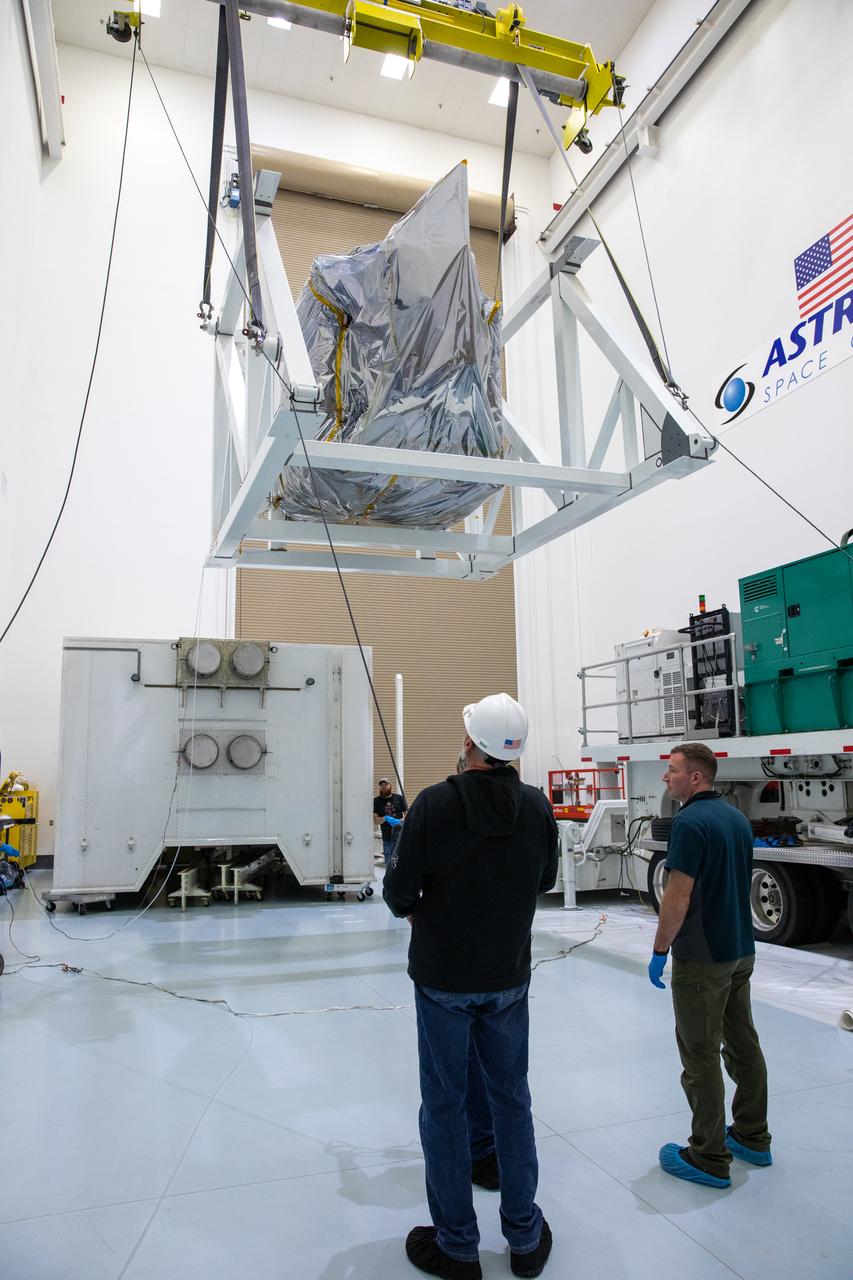
Technicians monitor movement as a crane hoists NASA’s Plankton, Aerosol, Cloud, ocean Ecosystem (PACE) observatory spacecraft after being uncrated on Wednesday, Nov. 15, 2023, at the Astrotech Space Operations Facility near the agency’s Kennedy Space Center in Florida. The PACE observatory will help us better understand how the ocean and atmosphere exchange carbon dioxide, measure key atmospheric variables associated with air quality and Earth's climate, and monitor ocean health, in part by studying phytoplankton, tiny plants and algae that sustain the marine food web. PACE will be encapsulated for launch aboard a SpaceX Falcon 9 rocket from Space Launch Complex 40 at Cape Canaveral Space Force Station in Florida.
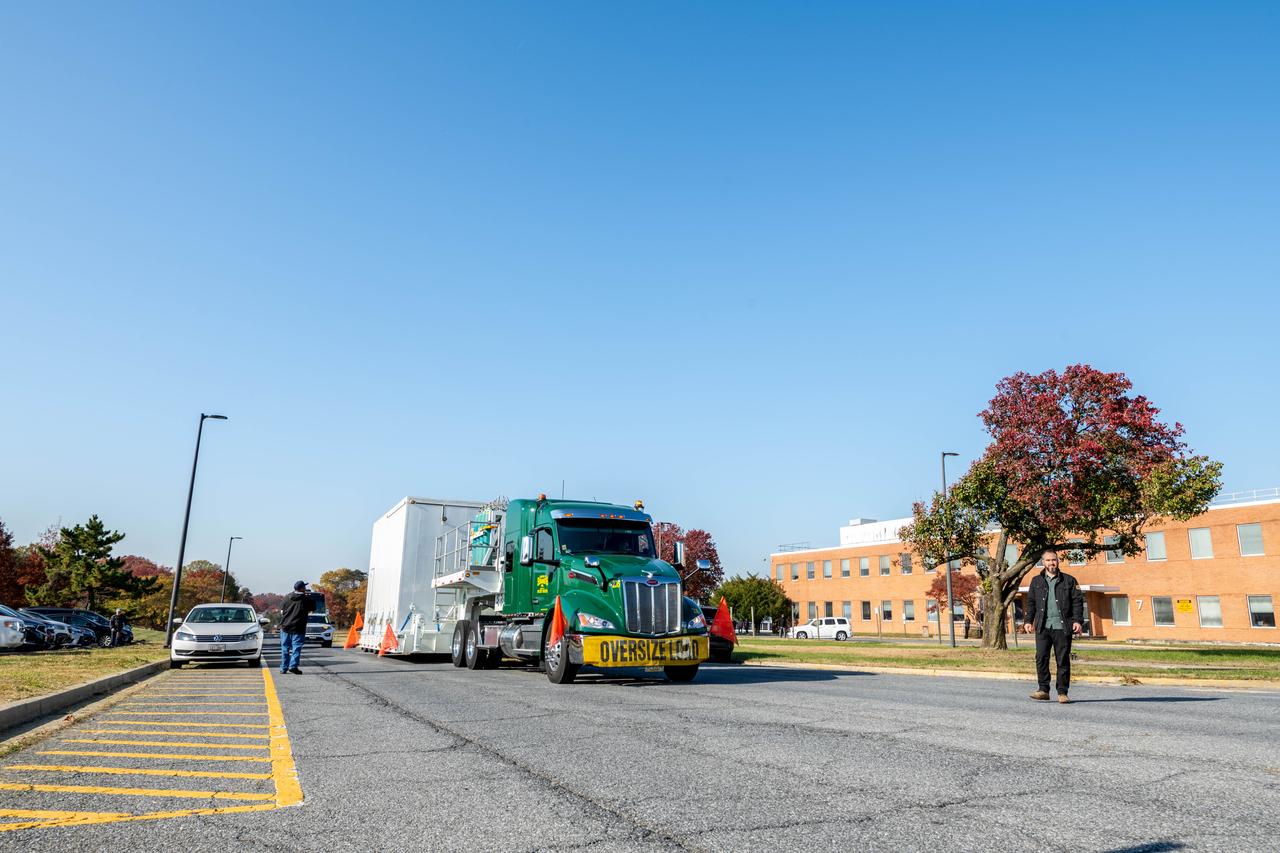
The transport carrier containing NASA’s Plankton, Aerosol, Cloud, ocean Ecosystem (PACE) observatory spacecraft departs NASA’s Goddard Space Flight Center in Greenbelt Maryland on Monday, Nov. 13, 2023. PACE is traveling to Astrotech Space Operations Facility near the agency’s Kennedy Space Center in Florida. PACE is targeted to launch on January 30, 2024, on a SpaceX Falcon 9 rocket lifting off from Space Launch Complex 40 at Cape Canaveral Space Force Station. The PACE observatory will help us better understand how the ocean and atmosphere exchange carbon dioxide, measure key atmospheric variables associated with air quality and Earth's climate, and monitor ocean health, in part by studying phytoplankton, tiny plants and algae that sustain the marine food web.
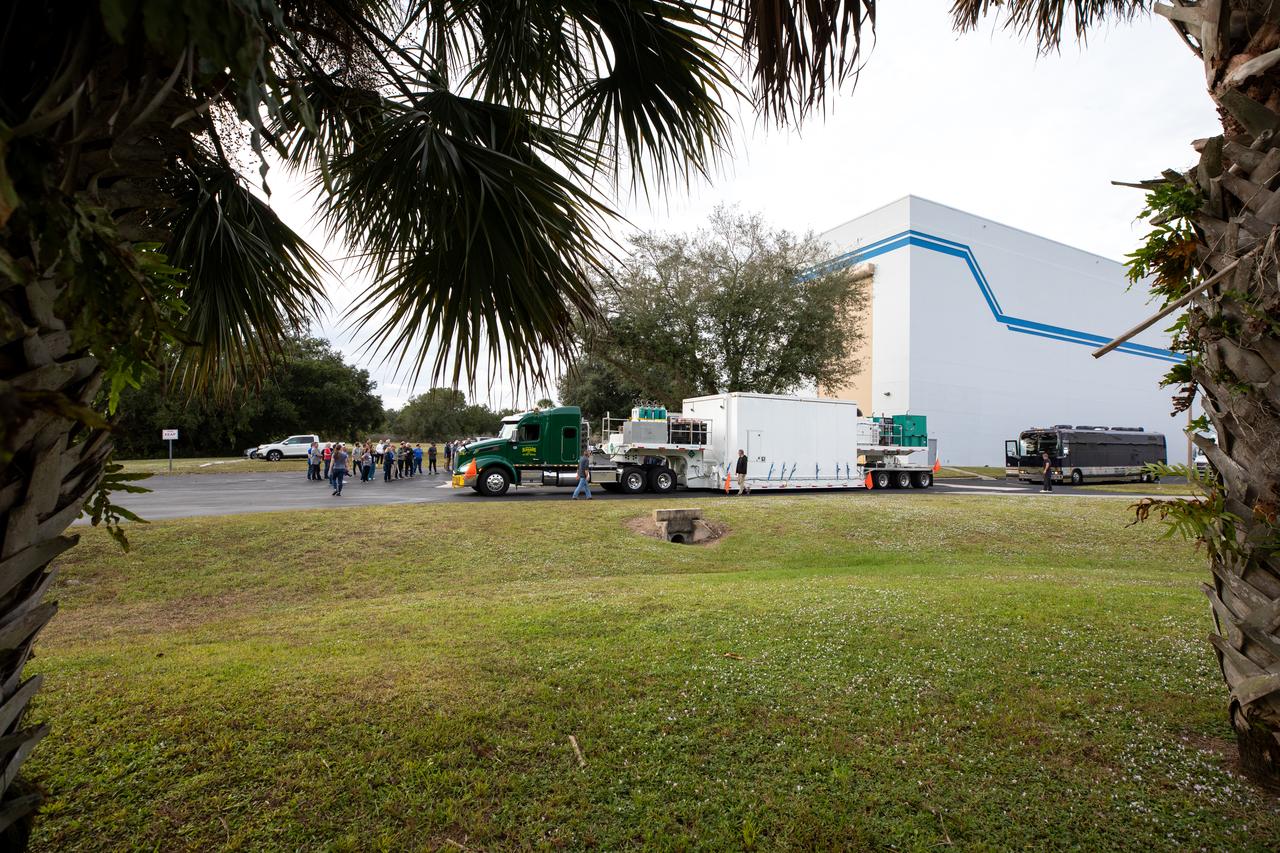
The transport carrier containing NASA’s Plankton, Aerosol, Cloud, ocean Ecosystem (PACE) observatory spacecraft arrives at the Astrotech Space Operations Facility near the agency’s Kennedy Space Center in Florida on Tuesday, Nov. 14, 2023. PACE was shipped from the agency’s Goddard Space Flight Center in Greenbelt, Maryland, and is targeted to launch on January 30, 2024, on a SpaceX Falcon 9 rocket lifting off from Space Launch Complex 40 at Cape Canaveral Space Force Station. The PACE observatory will help us better understand how the ocean and atmosphere exchange carbon dioxide, measure key atmospheric variables associated with air quality and Earth's climate, and monitor ocean health, in part by studying phytoplankton, tiny plants and algae that sustain the marine food web.
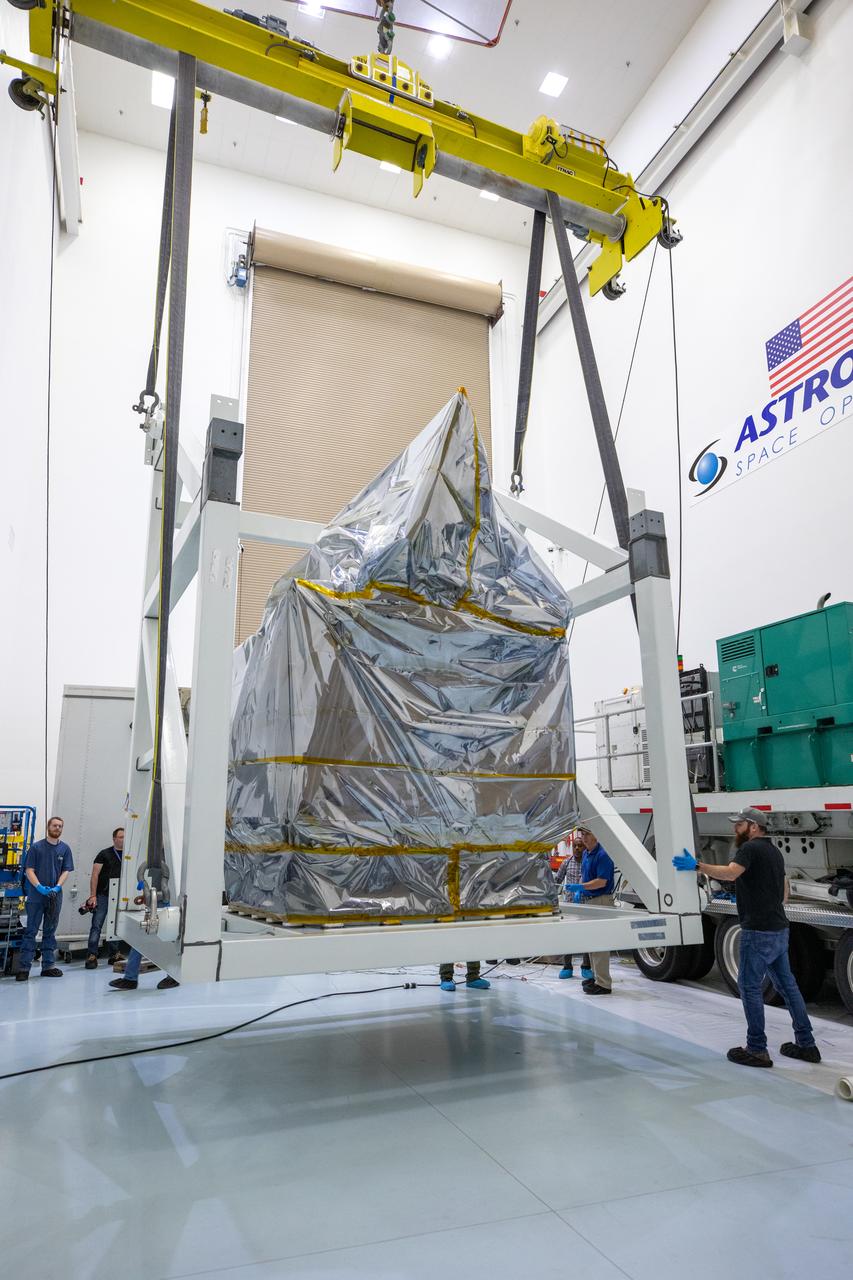
Technicians monitor movement as a crane hoists NASA’s Plankton, Aerosol, Cloud, ocean Ecosystem (PACE) observatory spacecraft after being uncrated on Wednesday, Nov. 15, 2023, at the Astrotech Space Operations Facility near the agency’s Kennedy Space Center in Florida. The PACE observatory will help us better understand how the ocean and atmosphere exchange carbon dioxide, measure key atmospheric variables associated with air quality and Earth's climate, and monitor ocean health, in part by studying phytoplankton, tiny plants and algae that sustain the marine food web. PACE will be encapsulated for launch aboard a SpaceX Falcon 9 rocket from Space Launch Complex 40 at Cape Canaveral Space Force Station in Florida.
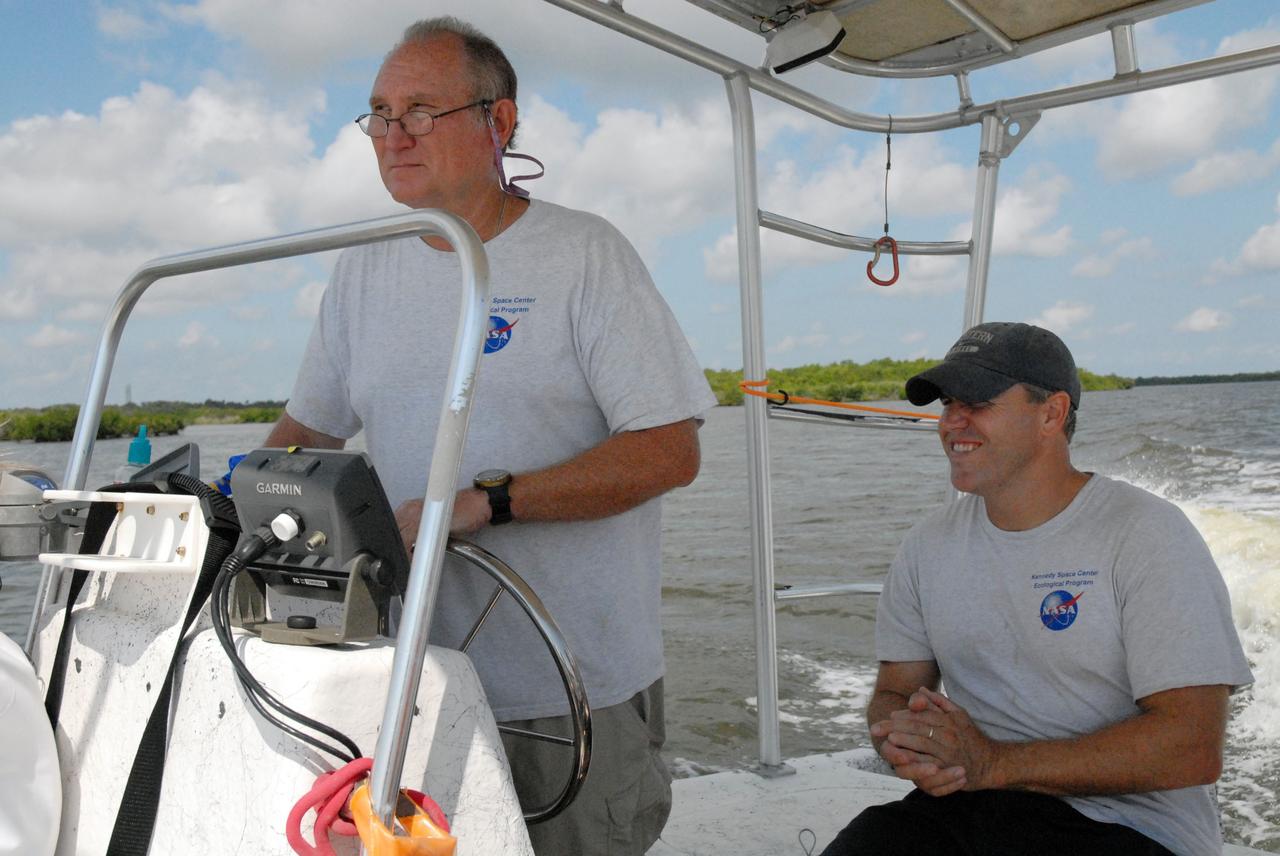
CAPE CANAVERAL, Fla. – Aquatic biologists Doug Scheidt, left, and Eric Reyier with Innovative Health Applications, or IHA, lead a field-guided boat tour of NASA's Kennedy Space Center in Florida. As part of the center's first-ever Innovation Expo, the tour, called "Living Outdoor Laboratory for Environmental Sustainability," is giving employees the opportunity to see the unique estuarine ecosystems that are protected from development by the presence of Kennedy and the Merritt Island National Wildlife Refuge. The diverse and healthy area encompassing about 140,000 acres of central Florida's east coast has been closed to the public for 50 years, allowing the coastal dunes, saltwater estuaries and marshes, freshwater impoundments, scrub, pine flatwoods, and hardwood hammocks to provide habitats for more than 1,000 species of plants and animals. Innovation Expo is showcasing the innovative work taking place throughout the center's facilities and labs to encourage employees to work together to solve future challenges. For more information, visit http://www.nasa.gov/kennedy. Photo credit: NASA
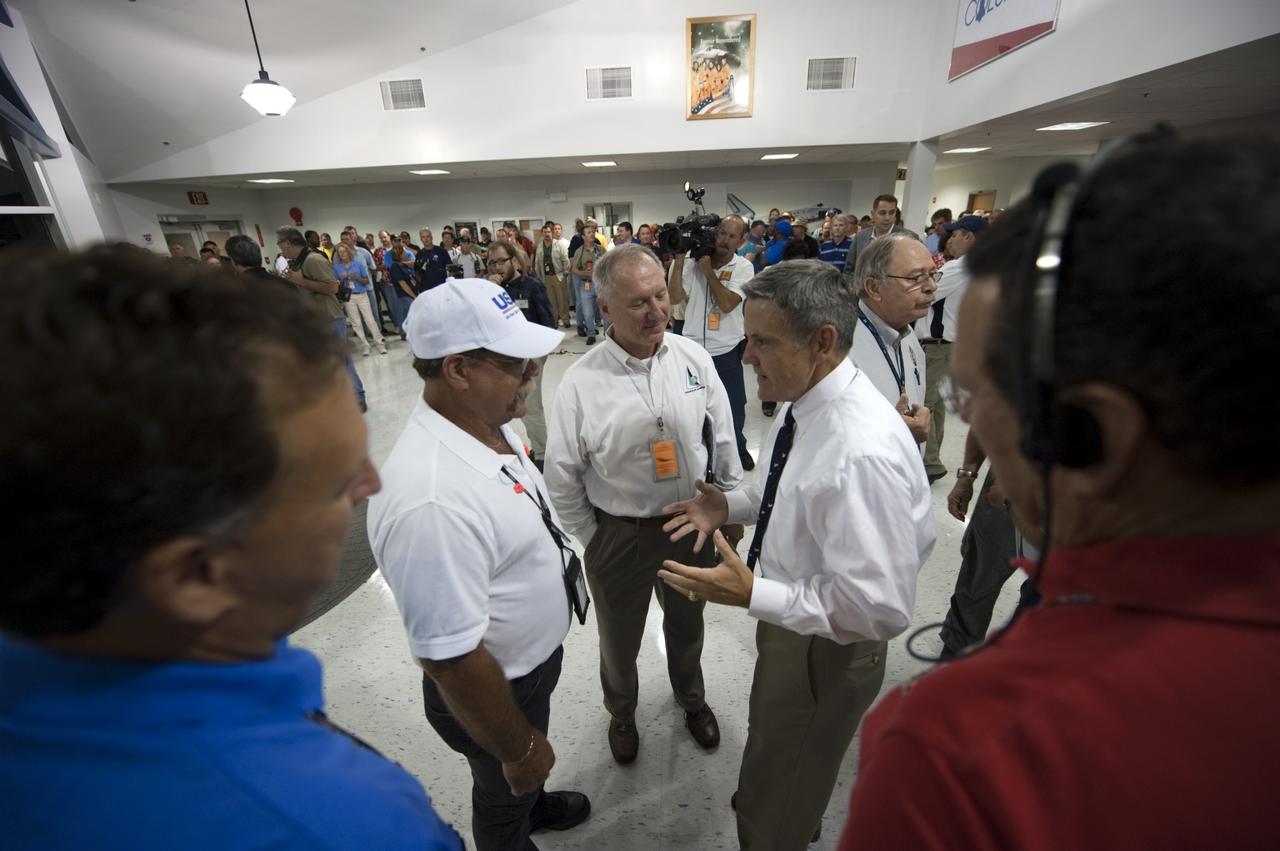
CAPE CANAVERAL, Fla. -- In the Flight Vehicle Support Building at NASA Kennedy Space Center's Shuttle Landing Facility (SLF), Kennedy Center Director Bob Cabana speaks with Closeout Crew lead Travis Thompson (left), and STS-135 Assistant Launch Director Pete Nickolenko during a prelanding convoy meeting. A Convoy Command Center vehicle will be positioned near shuttle Atlantis on the SLF. The command vehicle is equipped to control critical communications between the crew still aboard Atlantis and the Launch Control Center. The team will monitor the health of the orbiter systems and direct convoy operations made up of about 40 vehicles, including 25 specially designed vehicles to assist the crew in leaving the shuttle, and prepare the vehicle for towing from the SLF to its processing hangar. Securing the space shuttle fleet's place in history, Atlantis will mark the 26th nighttime landing of NASA's Space Shuttle Program and the 78th landing at Kennedy. Atlantis and its crew delivered to the International Space Station the Raffaello multi-purpose logistics module packed with more than 9,400 pounds of spare parts, equipment and supplies that will sustain station operations for the next year. STS-135 is the 33rd and final flight for Atlantis and final mission of the Space Shuttle Program. For more information, visit www.nasa.gov/mission_pages/shuttle/shuttlemissions/sts135/index.html. Photo credit: NASA/Kim Shiflett
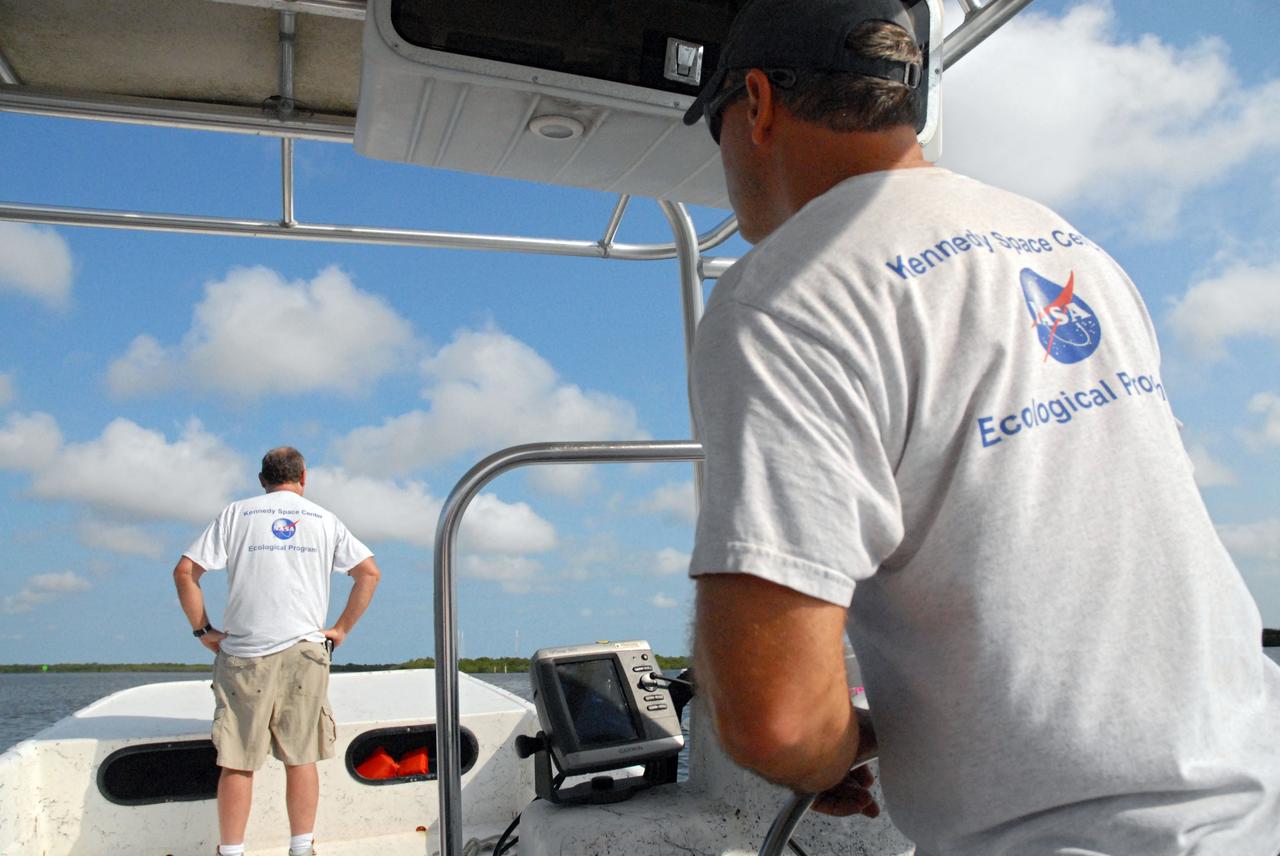
CAPE CANAVERAL, Fla. – Aquatic biologist Eric Reyier with Innovative Health Applications, or IHA, drives a skiff boat during a field-guided tour of NASA's Kennedy Space Center in Florida. As part of the center's first-ever Innovation Expo, the tour, called "Living Outdoor Laboratory for Environmental Sustainability," is giving employees the opportunity to see the unique estuarine ecosystems that are protected from development by the presence of Kennedy and the Merritt Island National Wildlife Refuge. Aquatic biologist Doug Scheidt searches for landmarks and wildlife during the tour. The diverse and healthy area encompassing about 140,000 acres of central Florida's east coast has been closed to the public for 50 years, allowing the coastal dunes, saltwater estuaries and marshes, freshwater impoundments, scrub, pine flatwoods, and hardwood hammocks to provide habitats for more than 1,000 species of plants and animals. Innovation Expo is showcasing the innovative work taking place throughout the center's facilities and labs to encourage employees to work together to solve future challenges. For more information, visit http://www.nasa.gov/kennedy. Photo credit: NASA
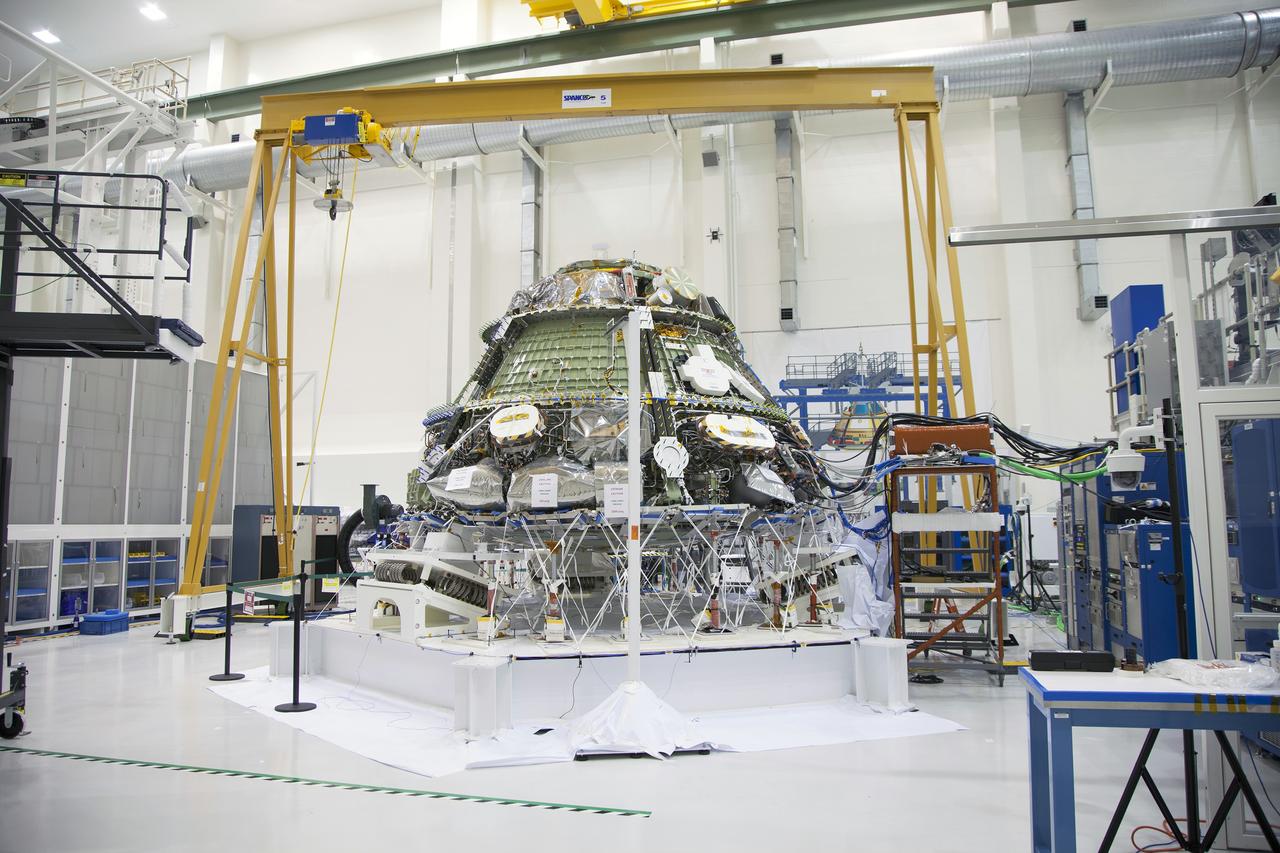
CAPE CANAVERAL, Fla. - Inside the Operations and Checkout Building high bay at NASA’s Kennedy Space Center in Florida, the Orion crew module is positioned on a special portable test chamber and prepared for a multi-point random vibration test. Accelerometers and strain gages have been attached to Orion in various locations. During a series of tests, each lasting only 30 seconds, Orion will be subjected to gradually increasing levels of vibrations that represent levels the vehicle would experience during launch, orbit and descent. The data is reviewed in order to assess the health of the crew module. Orion is the exploration spacecraft designed to carry astronauts to destinations not yet explored by humans, including an asteroid and Mars. It will have emergency abort capability, sustain the crew during space travel and provide safe re-entry from deep space return velocities. The first unpiloted test flight of the Orion is scheduled to launch later this year atop a Delta IV rocket and in 2017 on NASA’s Space Launch System rocket. For more information, visit http://www.nasa.gov/orion. Photo credit: NASA/Daniel Casper
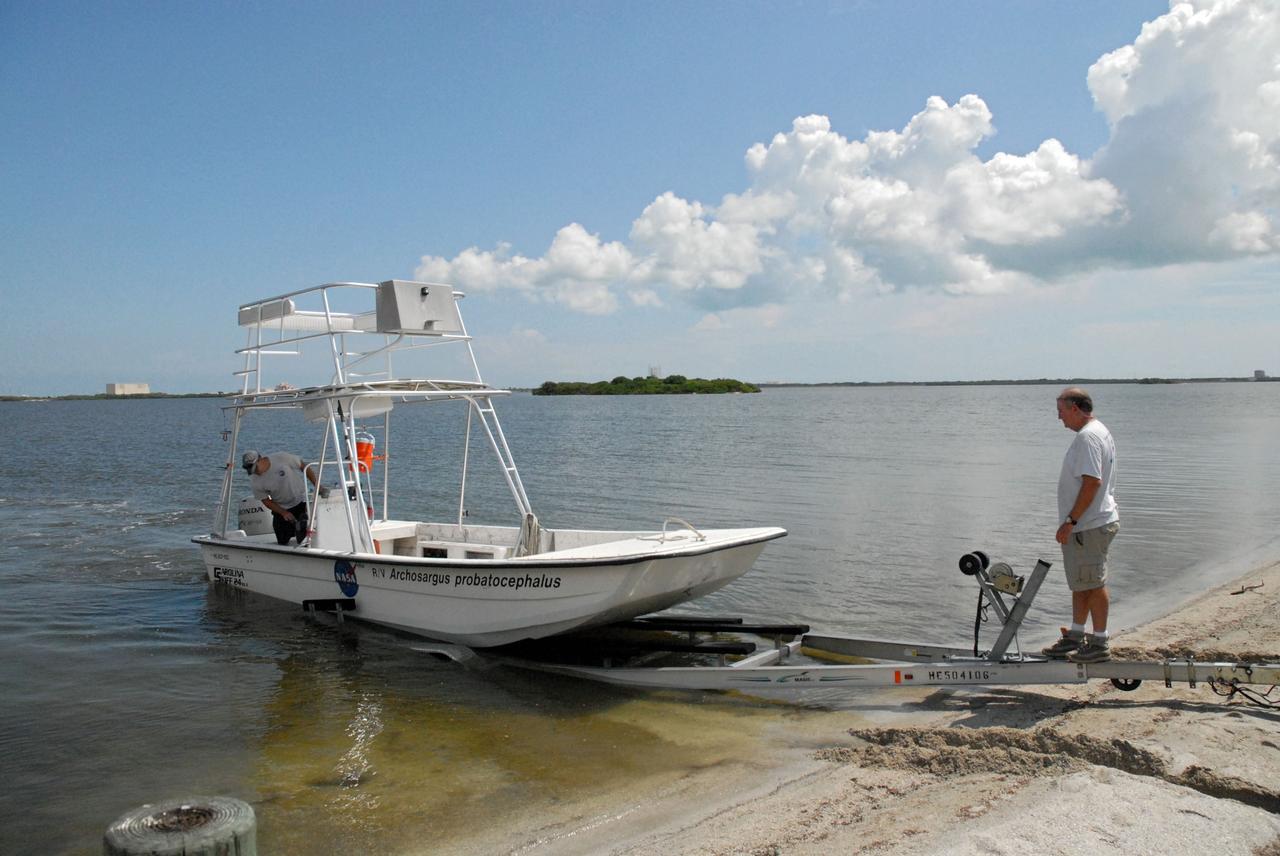
CAPE CANAVERAL, Fla. – Aquatic biologists Eric Reyier, left, and Doug Scheidt with Innovative Health Applications, or IHA, prepare for a field-guided boat tour of NASA's Kennedy Space Center in Florida. As part of the center's first-ever Innovation Expo, the tour, called "Living Outdoor Laboratory for Environmental Sustainability," is giving employees the opportunity to see the unique estuarine ecosystems that are protected from development by the presence of Kennedy and the Merritt Island National Wildlife Refuge. The diverse and healthy area encompassing about 140,000 acres of central Florida's east coast has been closed to the public for 50 years, allowing the coastal dunes, saltwater estuaries and marshes, freshwater impoundments, scrub, pine flatwoods, and hardwood hammocks to provide habitats for more than 1,000 species of plants and animals. Innovation Expo is showcasing the innovative work taking place throughout the center's facilities and labs to encourage employees to work together to solve future challenges. For more information, visit http://www.nasa.gov/kennedy. Photo credit: NASA
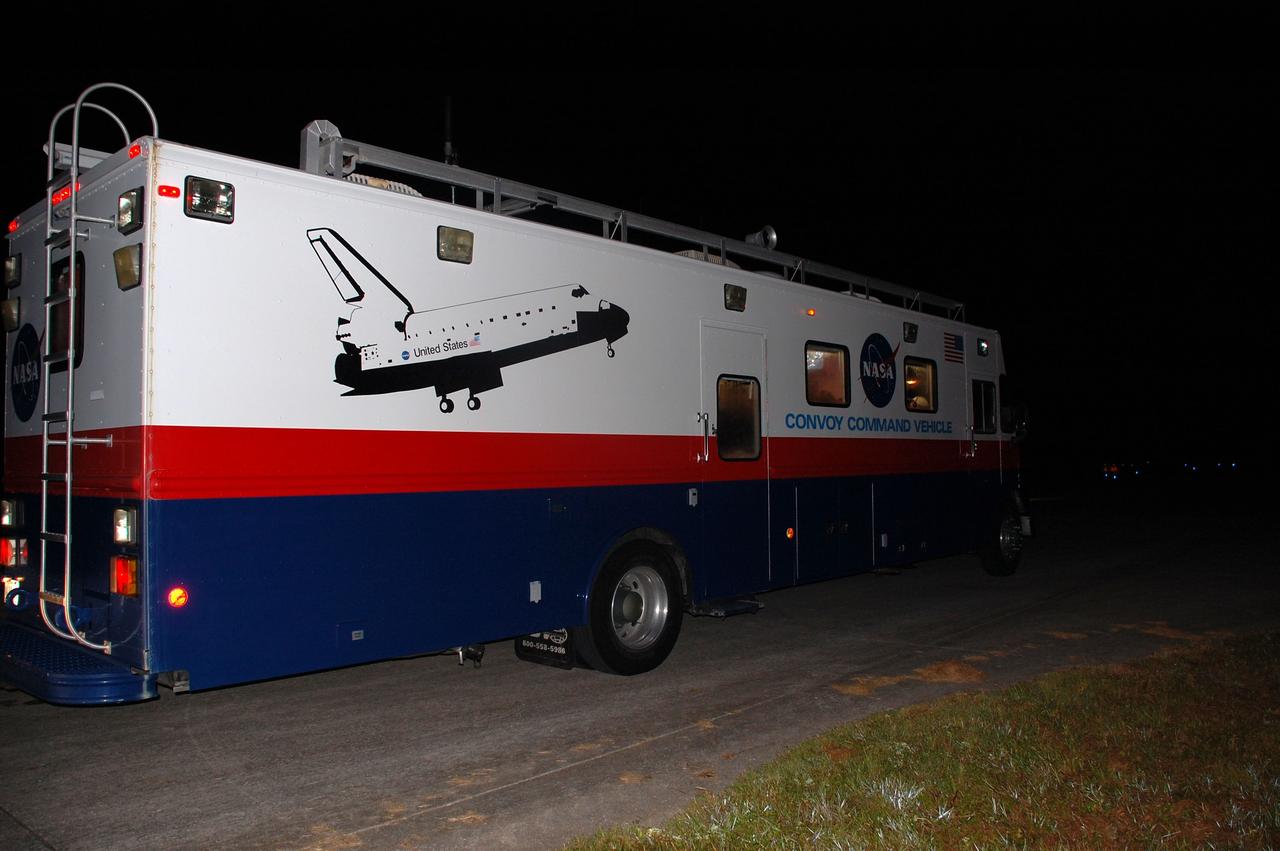
CAPE CANAVERAL, Fla. -- The Convoy Command Center vehicle is positioned on the Shuttle Landing Facility (SLF) at NASA's Kennedy Space Center in Florida awaiting the landing of space shuttle Atlantis. The command vehicle is equipped to control critical communications between the crew still aboard Atlantis and the Launch Control Center. The team will monitor the health of the orbiter systems and direct convoy operations made up of about 40 vehicles, including 25 specially designed vehicles to assist the crew in leaving the shuttle, and prepare the vehicle for towing from the SLF to its processing hangar. Securing the space shuttle fleet's place in history, Atlantis marks the 26th nighttime landing of NASA's Space Shuttle Program and the 78th landing at Kennedy. Atlantis and its crew delivered to the International Space Station the Raffaello multi-purpose logistics module packed with more than 9,400 pounds of spare parts, equipment and supplies that will sustain station operations for the next year. STS-135 is the 33rd and final flight for Atlantis and the final mission of the Space Shuttle Program. For more information, visit www.nasa.gov/mission_pages/shuttle/shuttlemissions/sts135/index.html. Photo credit: NASA/Ben Smegelsky
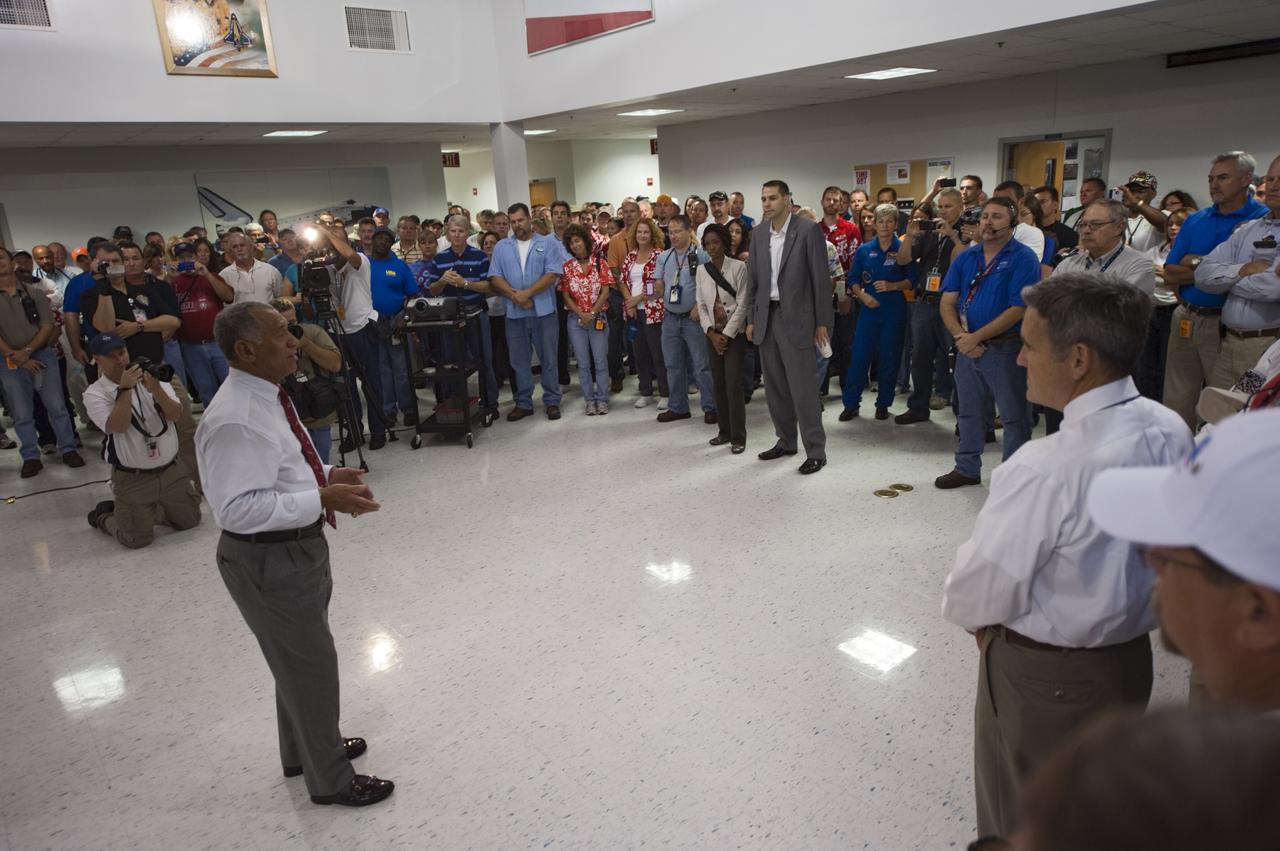
CAPE CANAVERAL, Fla. -- In the Flight Vehicle Support Building at NASA Kennedy Space Center's Shuttle Landing Facility (SLF), NASA Administrator Charles Bolden discusses strategies with NASA managers and convoy crew members during a prelanding convoy meeting. A Convoy Command Center vehicle will be positioned near shuttle Atlantis on the SLF. The command vehicle is equipped to control critical communications between the crew still aboard Atlantis and the Launch Control Center. The team will monitor the health of the orbiter systems and direct convoy operations made up of about 40 vehicles, including 25 specially designed vehicles to assist the crew in leaving the shuttle, and prepare the vehicle for towing from the SLF to its processing hangar. Securing the space shuttle fleet's place in history, Atlantis will mark the 26th nighttime landing of NASA's Space Shuttle Program and the 78th landing at Kennedy. Atlantis and its crew delivered to the International Space Station the Raffaello multi-purpose logistics module packed with more than 9,400 pounds of spare parts, equipment and supplies that will sustain station operations for the next year. STS-135 is the 33rd and final flight for Atlantis and final mission of the Space Shuttle Program. For more information, visit www.nasa.gov/mission_pages/shuttle/shuttlemissions/sts135/index.html. Photo credit: NASA/Kim Shiflett
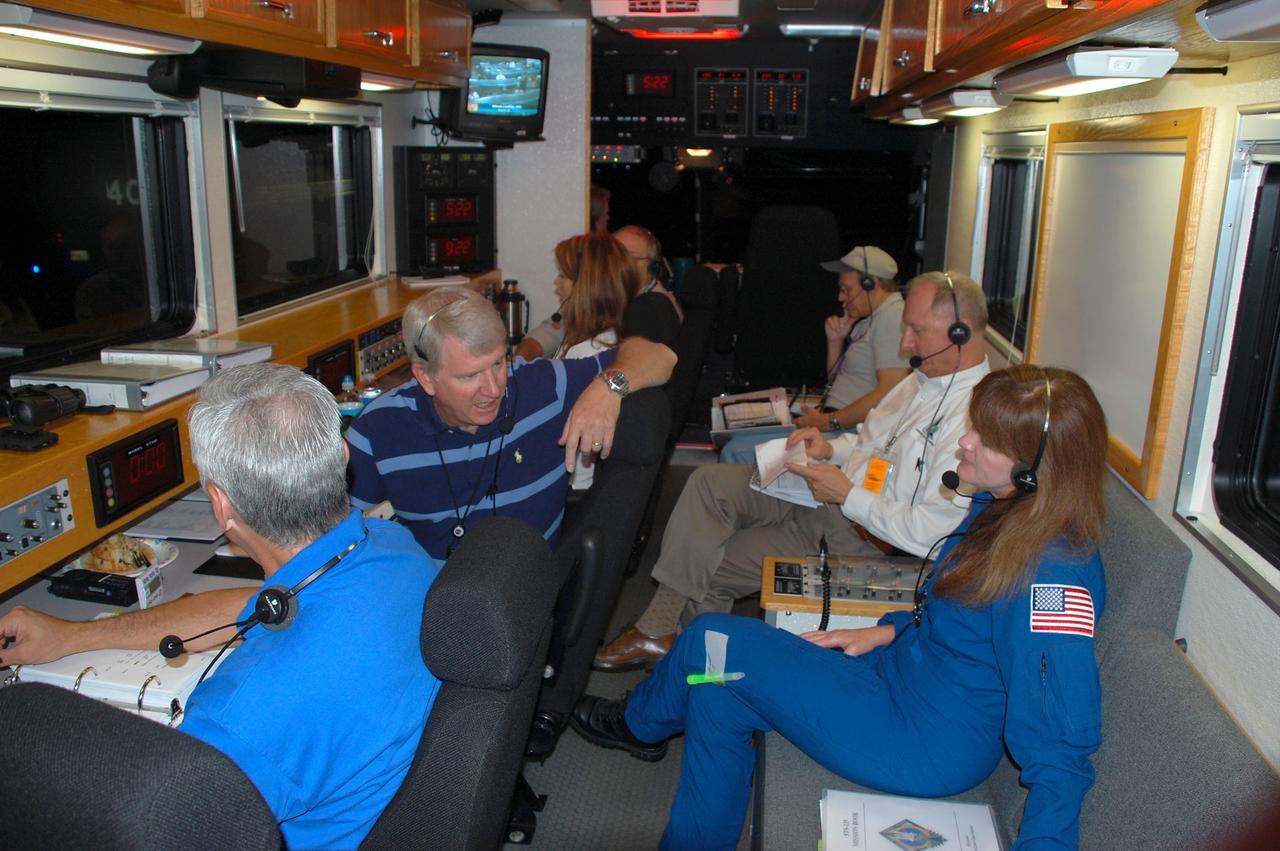
CAPE CANAVERAL, Fla. -- The Convoy Command Center vehicle is positioned on the Shuttle Landing Facility (SLF) at NASA's Kennedy Space Center in Florida awaiting the landing of space shuttle Atlantis. The command vehicle is equipped to control critical communications between the crew still aboard Atlantis and the Launch Control Center. The team will monitor the health of the orbiter systems and direct convoy operations made up of about 40 vehicles, including 25 specially designed vehicles to assist the crew in leaving the shuttle, and prepare the vehicle for towing from the SLF to its processing hangar. Accompanying the command convoy team are STS-135 Assistant Launch Director Pete Nickolenko (right), NASA astronaut Janet Kavandi and Chris Hasselbring, USA Operations Manager (left). Securing the space shuttle fleet's place in history, Atlantis marks the 26th nighttime landing of NASA's Space Shuttle Program and the 78th landing at Kennedy. Atlantis and its crew delivered to the International Space Station the Raffaello multi-purpose logistics module packed with more than 9,400 pounds of spare parts, equipment and supplies that will sustain station operations for the next year. STS-135 is the 33rd and final flight for Atlantis and the final mission of the Space Shuttle Program. For more information, visit www.nasa.gov/mission_pages/shuttle/shuttlemissions/sts135/index.html. Photo credit: NASA/Ben Smegelsky
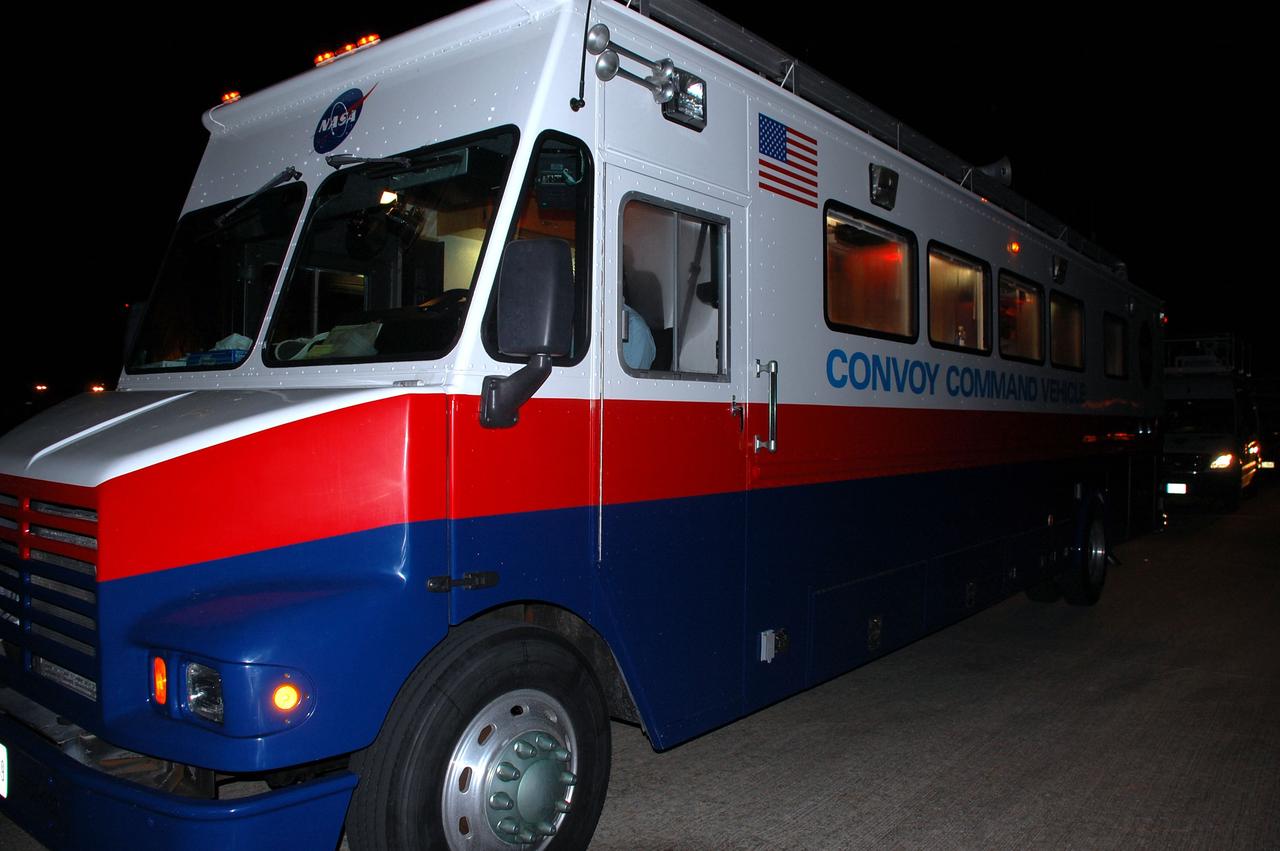
CAPE CANAVERAL, Fla. -- The Convoy Command Center vehicle is positioned on the Shuttle Landing Facility (SLF) at NASA's Kennedy Space Center in Florida awaiting the landing of space shuttle Atlantis. The command vehicle is equipped to control critical communications between the crew still aboard Atlantis and the Launch Control Center. The team will monitor the health of the orbiter systems and direct convoy operations made up of about 40 vehicles, including 25 specially designed vehicles to assist the crew in leaving the shuttle, and prepare the vehicle for towing from the SLF to its processing hangar. Securing the space shuttle fleet's place in history, Atlantis marks the 26th nighttime landing of NASA's Space Shuttle Program and the 78th landing at Kennedy. Atlantis and its crew delivered to the International Space Station the Raffaello multi-purpose logistics module packed with more than 9,400 pounds of spare parts, equipment and supplies that will sustain station operations for the next year. STS-135 is the 33rd and final flight for Atlantis and the final mission of the Space Shuttle Program. For more information, visit www.nasa.gov/mission_pages/shuttle/shuttlemissions/sts135/index.html. Photo credit: NASA/Ben Smegelsky
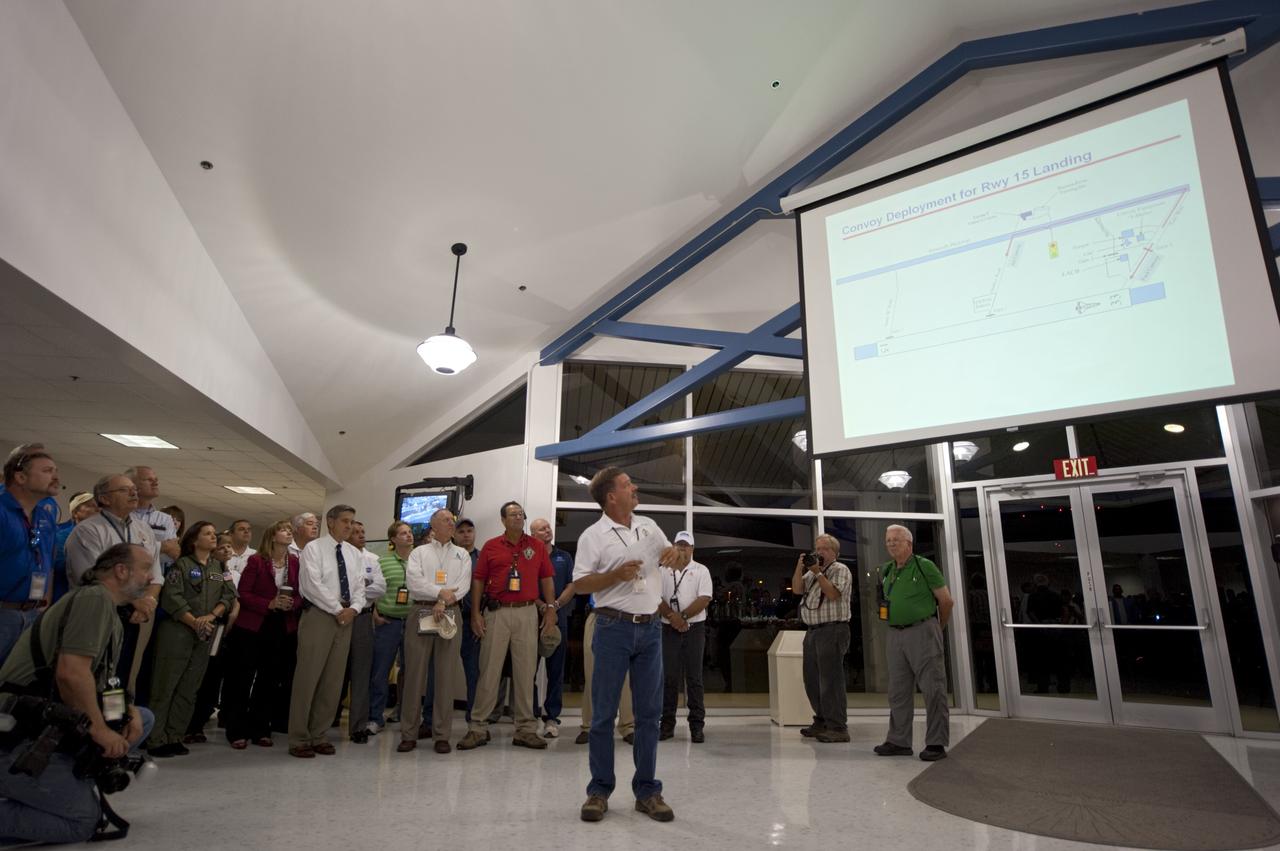
CAPE CANAVERAL, Fla. -- In the Flight Vehicle Support Building at NASA Kennedy Space Center's Shuttle Landing Facility (SLF), Mission Convoy Commander Tim Obrien strategies with NASA managers and convoy crew members during a prelanding meeting. A Convoy Command Center vehicle will be positioned near shuttle Atlantis on the SLF. The command vehicle is equipped to control critical communications between the crew still aboard Atlantis and the Launch Control Center. The team will monitor the health of the orbiter systems and direct convoy operations made up of about 40 vehicles, including 25 specially designed vehicles to assist the crew in leaving the shuttle, and prepare the vehicle for towing from the SLF to its processing hangar. Securing the space shuttle fleet's place in history, Atlantis will mark the 26th nighttime landing of NASA's Space Shuttle Program and the 78th landing at Kennedy. Atlantis and its crew delivered to the International Space Station the Raffaello multi-purpose logistics module packed with more than 9,400 pounds of spare parts, equipment and supplies that will sustain station operations for the next year. STS-135 is the 33rd and final flight for Atlantis and final mission of the Space Shuttle Program. For more information, visit www.nasa.gov/mission_pages/shuttle/shuttlemissions/sts135/index.html. Photo credit: NASA/Kim Shiflett
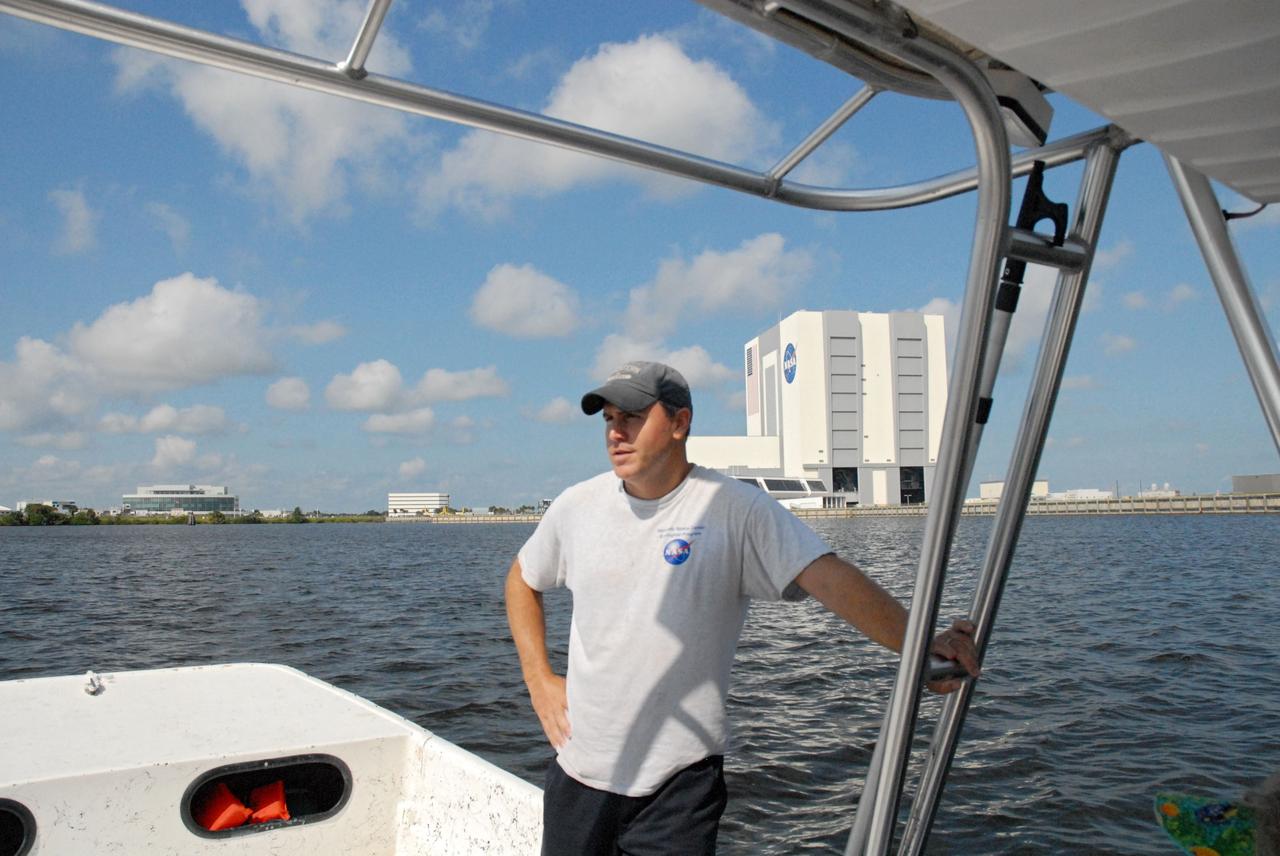
CAPE CANAVERAL, Fla. – Aquatic biologist Eric Reyier with Innovative Health Applications, or IHA, talks about the work that goes into protecting the natural habitat at a launch operations center during a field-guided boat tour of NASA's Kennedy Space Center in Florida. As part of the center's first-ever Innovation Expo, the tour, called "Living Outdoor Laboratory for Environmental Sustainability," is giving employees the opportunity to see the unique estuarine ecosystems that are protected from development by the presence of Kennedy and the Merritt Island National Wildlife Refuge. In the background is Kennedy's Launch Complex 39. The diverse and healthy area encompassing about 140,000 acres of central Florida's east coast has been closed to the public for 50 years, allowing the coastal dunes, saltwater estuaries and marshes, freshwater impoundments, scrub, pine flatwoods, and hardwood hammocks to provide habitats for more than 1,000 species of plants and animals. Innovation Expo is showcasing the innovative work taking place throughout the center's facilities and labs to encourage employees to work together to solve future challenges. For more information, visit http://www.nasa.gov/kennedy. Photo credit: NASA
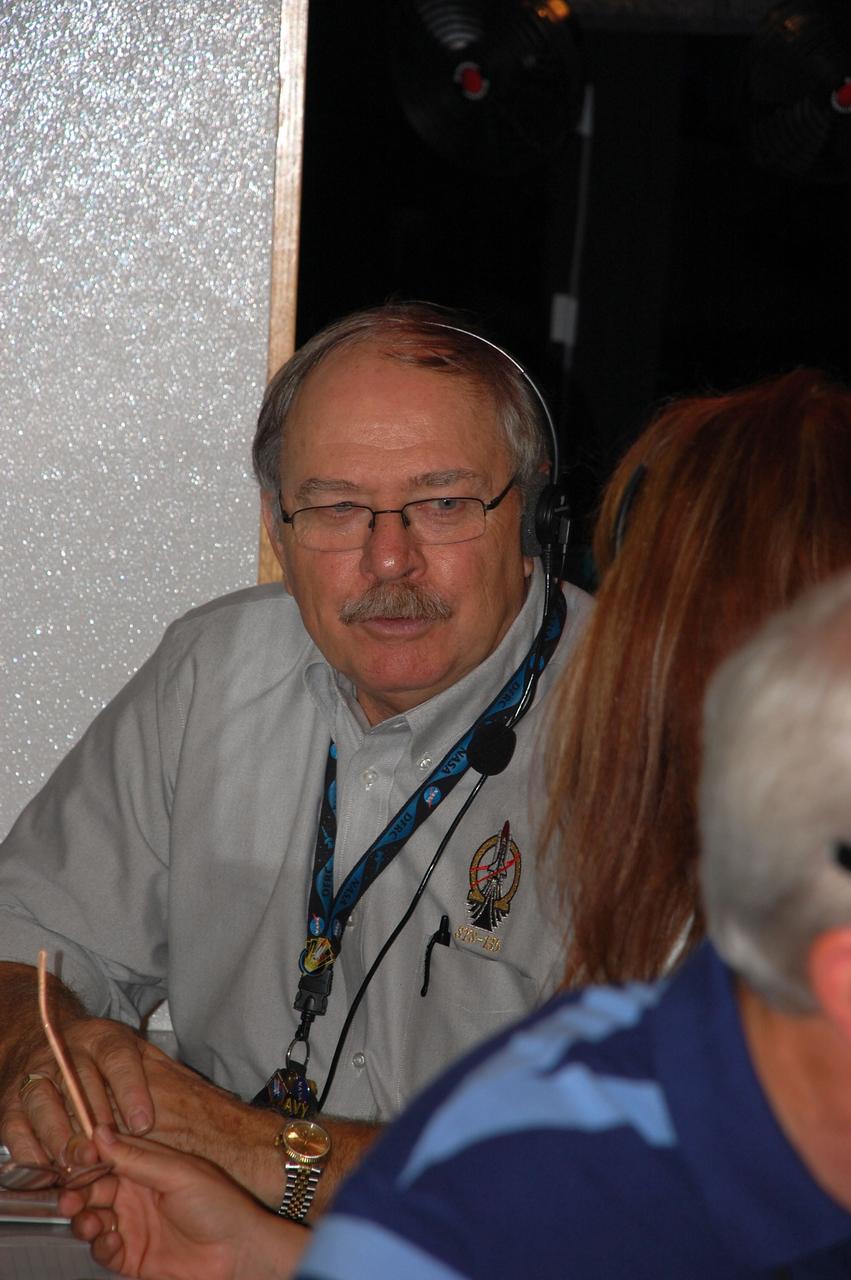
CAPE CANAVERAL, Fla. -- The Convoy Command Center vehicle is positioned on the Shuttle Landing Facility (SLF) at NASA's Kennedy Space Center in Florida awaiting the landing of space shuttle Atlantis. The command vehicle is equipped to control critical communications between the crew still aboard Atlantis and the Launch Control Center. The team will monitor the health of the orbiter systems and direct convoy operations made up of about 40 vehicles, including 25 specially designed vehicles to assist the crew in leaving the shuttle, and prepare the vehicle for towing from the SLF to its processing hangar. Seen here is Dean Schaaf with the Convoy Command Center. Securing the space shuttle fleet's place in history, Atlantis marks the 26th nighttime landing of NASA's Space Shuttle Program and the 78th landing at Kennedy. Atlantis and its crew delivered to the International Space Station the Raffaello multi-purpose logistics module packed with more than 9,400 pounds of spare parts, equipment and supplies that will sustain station operations for the next year. STS-135 is the 33rd and final flight for Atlantis and the final mission of the Space Shuttle Program. For more information, visit www.nasa.gov/mission_pages/shuttle/shuttlemissions/sts135/index.html. Photo credit: NASA/Ben Smegelsky

CAPE CANAVERAL, Fla. -- The Convoy Command Center vehicle is positioned on the Shuttle Landing Facility (SLF) at NASA's Kennedy Space Center in Florida awaiting the landing of space shuttle Atlantis. The command vehicle is equipped to control critical communications between the crew still aboard Atlantis and the Launch Control Center. The team will monitor the health of the orbiter systems and direct convoy operations made up of about 40 vehicles, including 25 specially designed vehicles to assist the crew in leaving the shuttle, and prepare the vehicle for towing from the SLF to its processing hangar. Seen here is Chris Hasselbring, USA Operations Manager. Securing the space shuttle fleet's place in history, Atlantis marks the 26th nighttime landing of NASA's Space Shuttle Program and the 78th landing at Kennedy. Atlantis and its crew delivered to the International Space Station the Raffaello multi-purpose logistics module packed with more than 9,400 pounds of spare parts, equipment and supplies that will sustain station operations for the next year. STS-135 is the 33rd and final flight for Atlantis and the final mission of the Space Shuttle Program. For more information, visit www.nasa.gov/mission_pages/shuttle/shuttlemissions/sts135/index.html. Photo credit: NASA/Ben Smegelsky
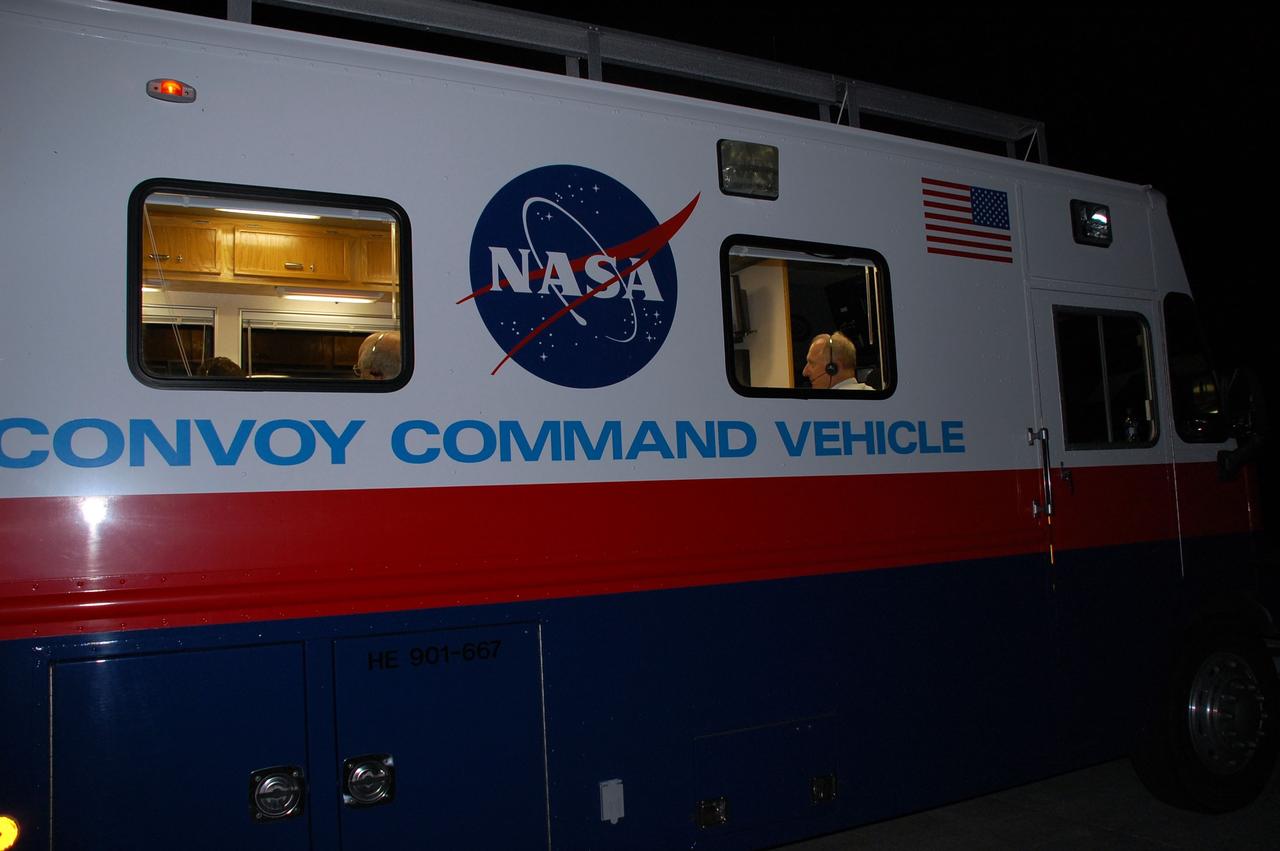
CAPE CANAVERAL, Fla. -- The Convoy Command Center vehicle is positioned near shuttle Endeavour on the Shuttle Landing Facility at NASA's Kennedy Space Center in Florida. The command vehicle is equipped to control critical communications between the crew still aboard Endeavour and the Launch Control Center. The team will monitor the health of the orbiter systems and direct convoy operations made up of about 40 vehicles, including 25 specially designed vehicles to assist the crew in leaving the shuttle, and prepare the vehicle for towing from the Shuttle Landing Facility to Orbiter Processing Facility-1. Endeavour's final return from space completed the 16-day, 6.5-million-mile STS-134 mission. Main gear touchdown was at 2:34:51 a.m. EDT, followed by nose gear touchdown at 2:35:04 a.m., and wheelstop at 2:35:36 a.m. STS-134 delivered the Alpha Magnetic Spectrometer-2 (AMS) and the Express Logistics Carrier-3 (ELC-3) to the International Space Station. AMS will help researchers understand the origin of the universe and search for evidence of dark matter, strange matter and antimatter from the station. ELC-3 carried spare parts that will sustain station operations once the shuttles are retired from service. STS-134 was the 25th and final flight for Endeavour, which spent 299 days in space, orbited Earth 4,671 times and traveled 122,883,151 miles. Photo credit: NASA/Ben Smegelsky
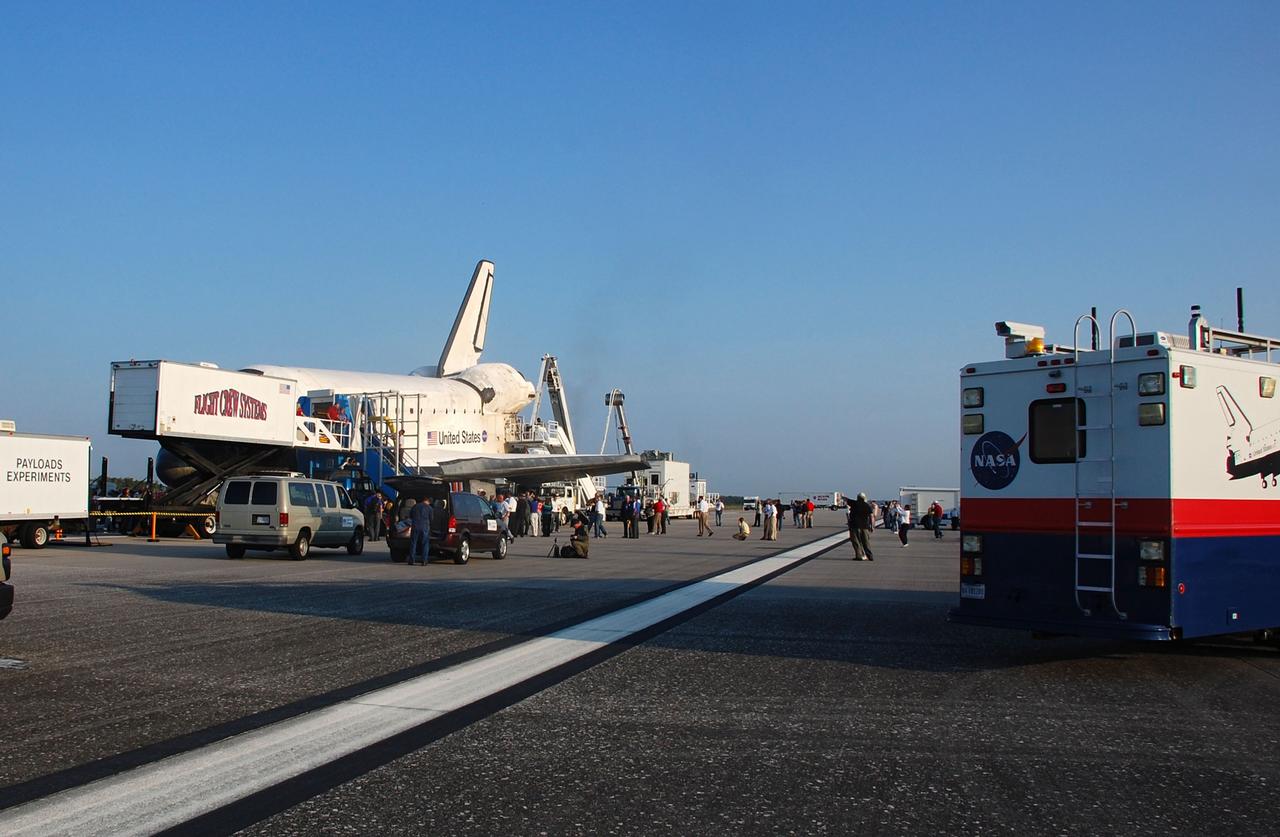
CAPE CANAVERAL, Fla. -- The Convoy Command Center vehicle is positioned near space shuttle Atlantis on the Shuttle Landing Facility (SLF) at NASA's Kennedy Space Center in Florida. The command vehicle is equipped to control critical communications between the crew still aboard Atlantis and the Launch Control Center. The team will monitor the health of the orbiter systems and direct convoy operations made up of about 40 vehicles, including 25 specially designed vehicles to assist the crew in leaving the shuttle, and prepare the vehicle for towing from the SLF to its processing hangar. Main gear touchdown was at 5:57:00 a.m. EDT, followed by nose gear touchdown at 5:57:20 a.m., and wheelstop at 5:57:54 a.m. On board are STS-135 Commander Chris Ferguson, Pilot Doug Hurley, and Mission Specialists Sandra Magnus and Rex Walheim. Securing the space shuttle fleet's place in history, Atlantis marks the 26th nighttime landing of NASA's Space Shuttle Program and the 78th landing at Kennedy. Atlantis and its crew delivered to the International Space Station the Raffaello multi-purpose logistics module packed with more than 9,400 pounds of spare parts, equipment and supplies that will sustain station operations for the next year. STS-135 is the 33rd and final flight for Atlantis and the final mission of the Space Shuttle Program. For more information, visit www.nasa.gov/mission_pages/shuttle/shuttlemissions/sts135/index.html. Photo credit: NASA/Ben Smegelsky
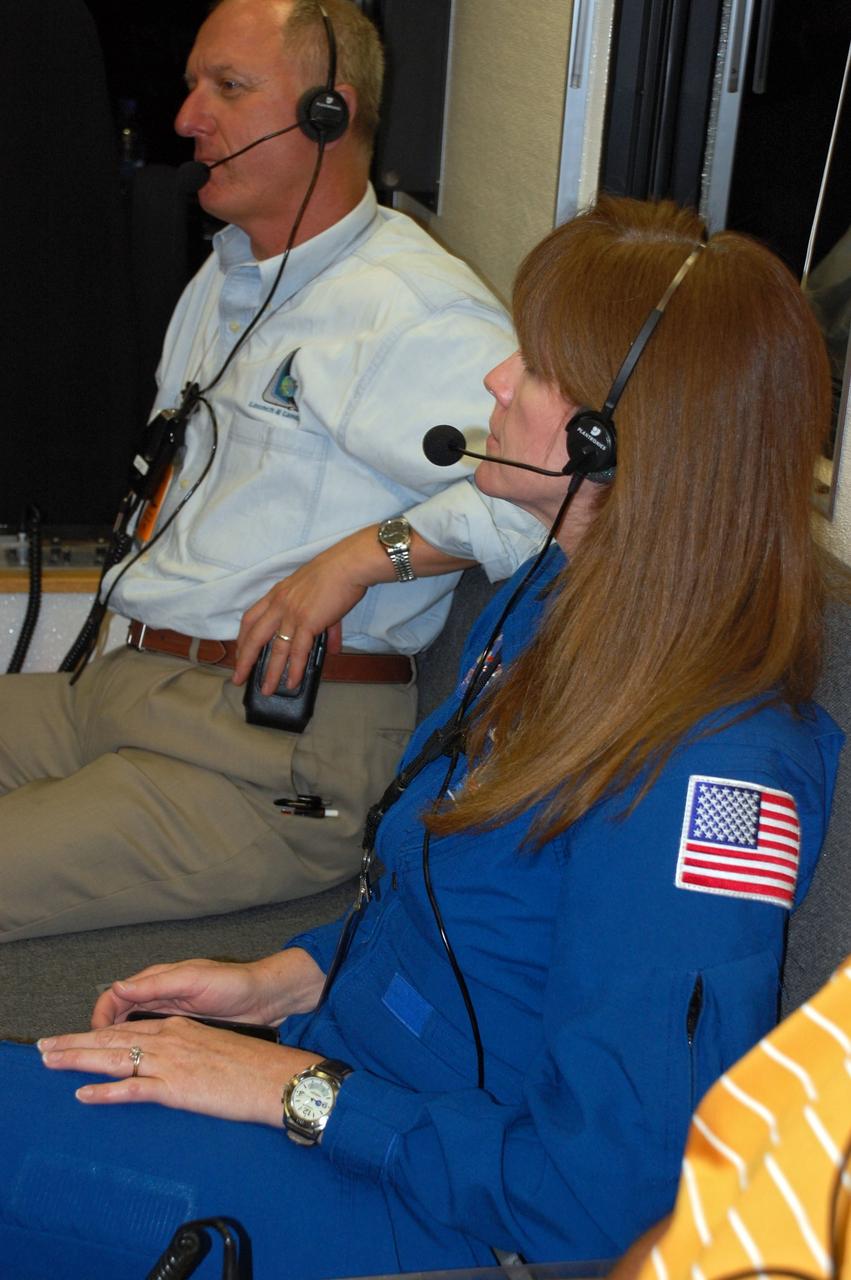
CAPE CANAVERAL, Fla. -- At NASA's Kennedy Space Center in Florida, a team of highly trained personnel inside the Convoy Command Vehicle is ready to "safe" shuttle Endeavour. The command vehicle is equipped to control critical communications between the crew still aboard Endeavour and the Launch Control Center. The team will monitor the health of the orbiter systems and direct convoy operations made up of about 40 vehicles, including 25 specially designed vehicles to assist the crew in leaving the shuttle, and prepare the vehicle for towing from the Shuttle Landing Facility to Orbiter Processing Facility-1. Accompanying the command convoy team are STS-134 assistant launch director Pete Nickolenko and NASA astronaut Janet Kavandi. Endeavour's final return from space completed the 16-day, 6.5-million-mile STS-134 mission. Main gear touchdown was at 2:34:51 a.m. EDT, followed by nose gear touchdown at 2:35:04 a.m., and wheelstop at 2:35:36 a.m. STS-134 delivered the Alpha Magnetic Spectrometer-2 (AMS) and the Express Logistics Carrier-3 (ELC-3) to the International Space Station. AMS will help researchers understand the origin of the universe and search for evidence of dark matter, strange matter and antimatter from the station. ELC-3 carried spare parts that will sustain station operations once the shuttles are retired from service. STS-134 was the 25th and final flight for Endeavour, which spent 299 days in space, orbited Earth 4,671 times and traveled 122,883,151 miles. Photo credit: NASA/Ben Smegelsky
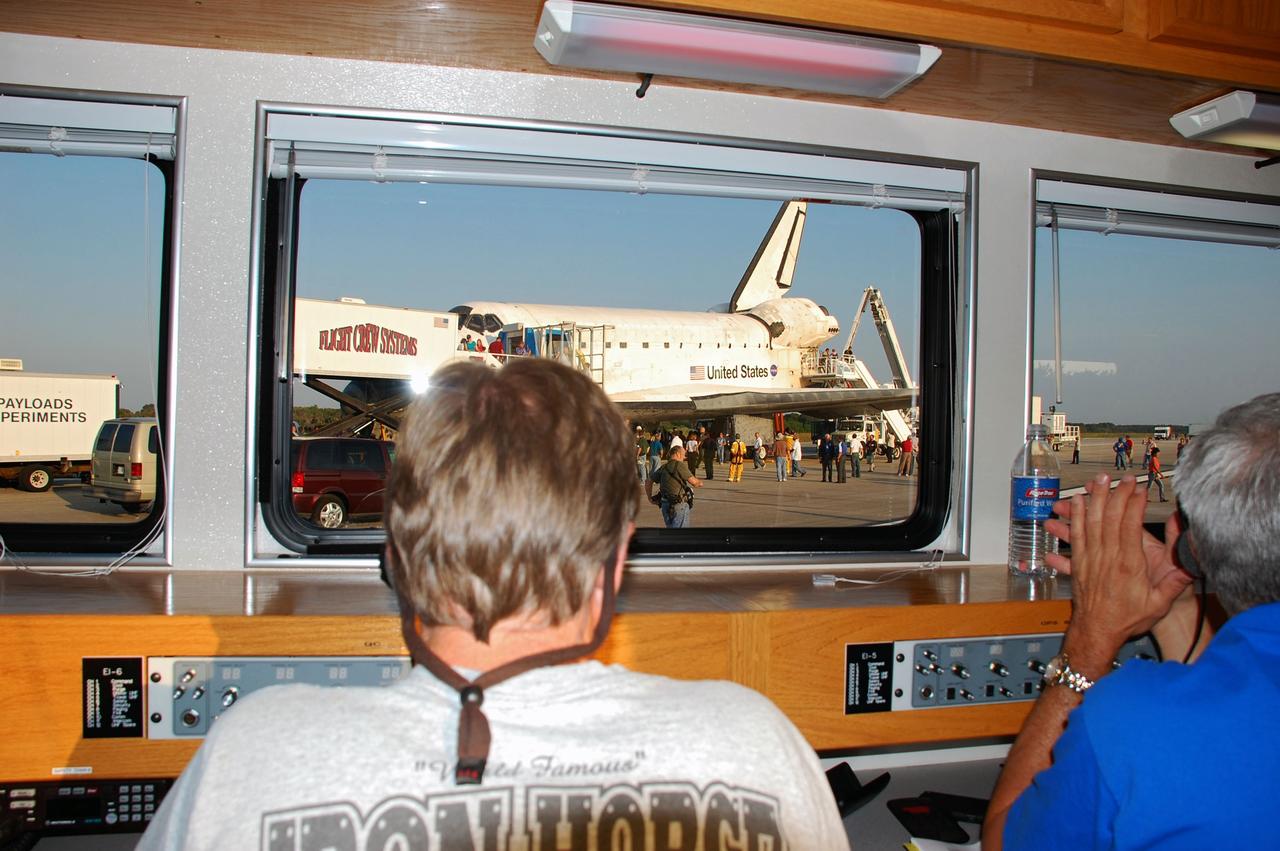
CAPE CANAVERAL, Fla. -- The Convoy Command Center vehicle is positioned near space shuttle Atlantis on the Shuttle Landing Facility (SLF) at NASA's Kennedy Space Center in Florida. The command vehicle is equipped to control critical communications between the crew still aboard Atlantis and the Launch Control Center. The team will monitor the health of the orbiter systems and direct convoy operations made up of about 40 vehicles, including 25 specially designed vehicles to assist the crew in leaving the shuttle, and prepare the vehicle for towing from the SLF to its processing hangar. Main gear touchdown was at 5:57:00 a.m. EDT, followed by nose gear touchdown at 5:57:20 a.m., and wheelstop at 5:57:54 a.m. On board are STS-135 Commander Chris Ferguson, Pilot Doug Hurley, and Mission Specialists Sandra Magnus and Rex Walheim. Securing the space shuttle fleet's place in history, Atlantis marks the 26th nighttime landing of NASA's Space Shuttle Program and the 78th landing at Kennedy. Atlantis and its crew delivered to the International Space Station the Raffaello multi-purpose logistics module packed with more than 9,400 pounds of spare parts, equipment and supplies that will sustain station operations for the next year. STS-135 is the 33rd and final flight for Atlantis and the final mission of the Space Shuttle Program. For more information, visit www.nasa.gov/mission_pages/shuttle/shuttlemissions/sts135/index.html. Photo credit: NASA/Ben Smegelsky
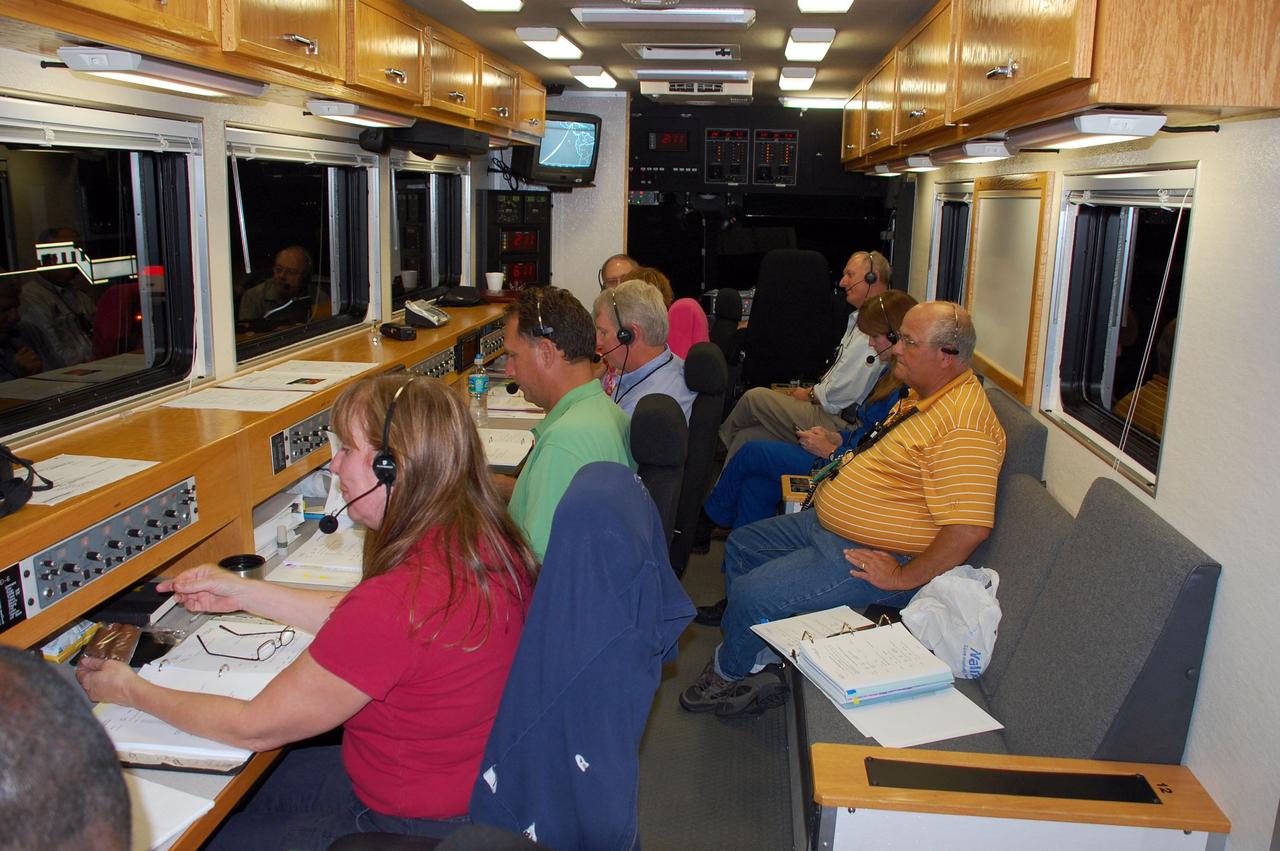
CAPE CANAVERAL, Fla. -- At NASA's Kennedy Space Center in Florida, a team of highly trained personnel inside the Convoy Command Vehicle is ready to "safe" shuttle Endeavour. The command vehicle is equipped to control critical communications between the crew still aboard Endeavour and the Launch Control Center. The team will monitor the health of the orbiter systems and direct convoy operations made up of about 40 vehicles, including 25 specially designed vehicles to assist the crew in leaving the shuttle, and prepare the vehicle for towing from the Shuttle Landing Facility to Orbiter Processing Facility-1. Endeavour's final return from space completed the 16-day, 6.5-million-mile STS-134 mission. Main gear touchdown was at 2:34:51 a.m. EDT, followed by nose gear touchdown at 2:35:04 a.m., and wheelstop at 2:35:36 a.m. STS-134 delivered the Alpha Magnetic Spectrometer-2 (AMS) and the Express Logistics Carrier-3 (ELC-3) to the International Space Station. AMS will help researchers understand the origin of the universe and search for evidence of dark matter, strange matter and antimatter from the station. ELC-3 carried spare parts that will sustain station operations once the shuttles are retired from service. STS-134 was the 25th and final flight for Endeavour, which spent 299 days in space, orbited Earth 4,671 times and traveled 122,883,151 miles. Photo credit: NASA/Ben Smegelsky
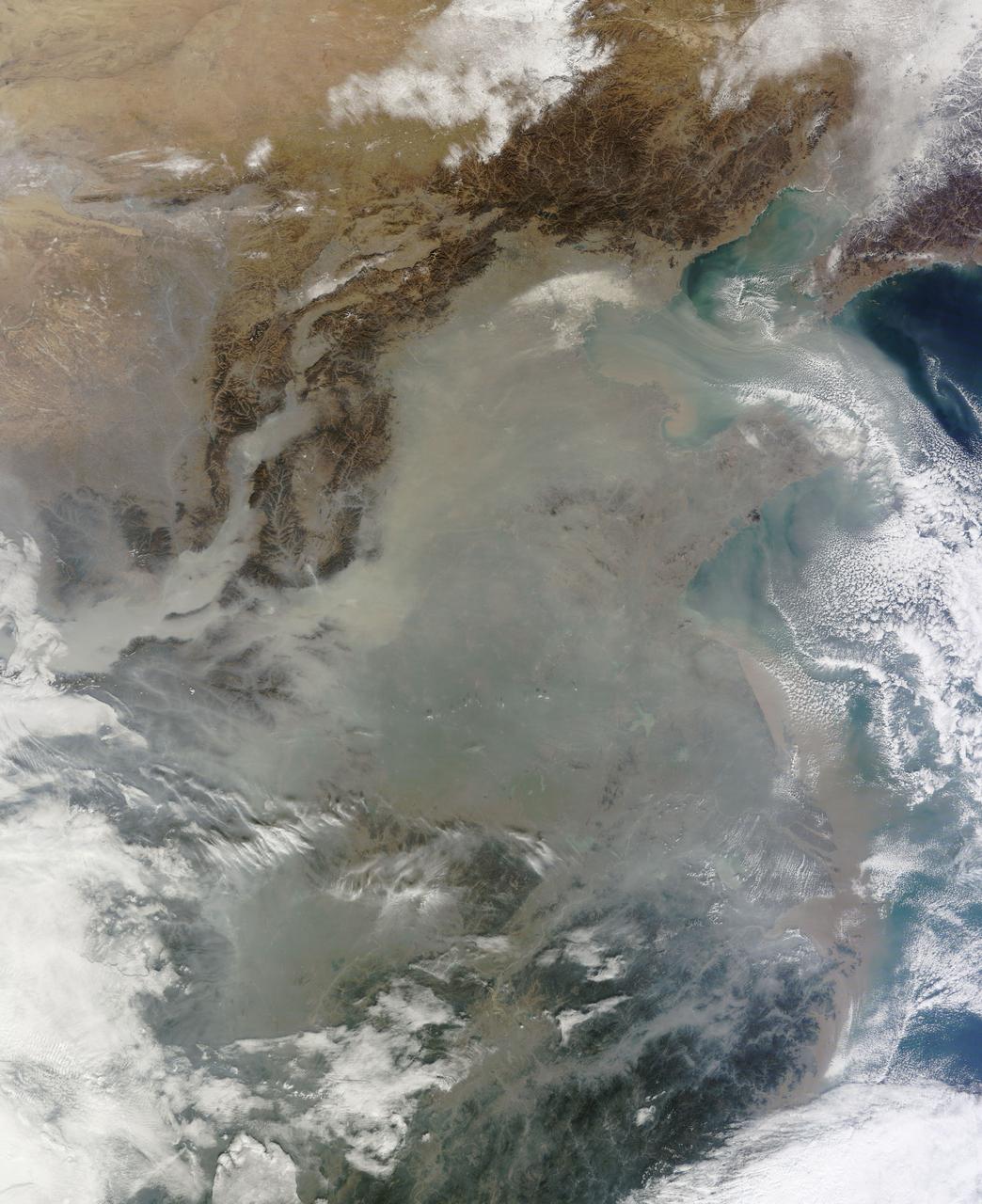
The skies over northern China were shrouded with a thick haze in late December, 2013. The Moderate Resolution Imaging Spectroradiometer (MODIS) aboard the Terra satellite captured this true-color image on December 23. The dense, gray haze obscures almost all the land and much of the coastal waters from view south and east of the Taihang Mountains. Clearer air covers the region north of the mountains, although fingers of haze roll through most river valleys. The cities of Beijing and Hebei, both west of the Bohai Sea are complete enshrouded. By December 24 the smog levels in some area exceeded World Health Organization-recommended levels by 30 times, according to Bloomberg News. The concentration of PM2.5, which are fine air particulates, were reported at 421 micrograms per cubic meter at 2 p.m. near Tiananmen Square in Beijing, while levels were 795 in Xi’an and 740 in Zhengzhou. The World Health Organization (WHO) recommends 24-hour exposure to PM2.5 concentrations no higher than 25 micrograms per cubic meter. While not the sole cause of haze and pollution, the use of coal as a very cheap energy source adds to the problem, particularly north of the Huai River. Prior to 1980, the government policy provided free coal for fuel boilers for all people living north of the Huai River. The widespread use of coal allows people in the north to stay warm in winter, but they have paid a price in air quality. According to Michael Greenstone, a Professor of Environmental Economics at Massachusetts Institute of Technology (MIT), whose research team published a paper on sustained exposure to air pollution on life expectancy in the region, air pollution, as measured by total suspended particulates, was about 55% higher north of the Huai River than south of it, for a difference of around 184 micrograms of particulate matter per cubic meter. The research, published in Proceedings of the National Academy of Sciences in July, 2013, also noted life expectancies were about 5.5 years lower in the north, owing to an increased incidence of cardiorespiratory mortality. Air pollution is an on-going issue for the government of China, and Beijing’s Five-Year Clean Air Action Plan aims to reduce overall particle density by over 25 percent on the PM2.5 scale by 2017, and also takes aim at shutting down all coal-burning plants. Credit: NASA/GSFC/Jeff Schmaltz/MODIS Land Rapid Response Team <b><a href="http://www.nasa.gov/audience/formedia/features/MP_Photo_Guidelines.html" rel="nofollow">NASA image use policy.</a></b> <b><a href="http://www.nasa.gov/centers/goddard/home/index.html" rel="nofollow">NASA Goddard Space Flight Center</a></b> enables NASA’s mission through four scientific endeavors: Earth Science, Heliophysics, Solar System Exploration, and Astrophysics. Goddard plays a leading role in NASA’s accomplishments by contributing compelling scientific knowledge to advance the Agency’s mission. <b>Follow us on <a href="http://twitter.com/NASA_GoddardPix" rel="nofollow">Twitter</a></b> <b>Like us on <a href="http://www.facebook.com/pages/Greenbelt-MD/NASA-Goddard/395013845897?ref=tsd" rel="nofollow">Facebook</a></b> <b>Find us on <a href="http://instagram.com/nasagoddard?vm=grid" rel="nofollow">Instagram</a></b>
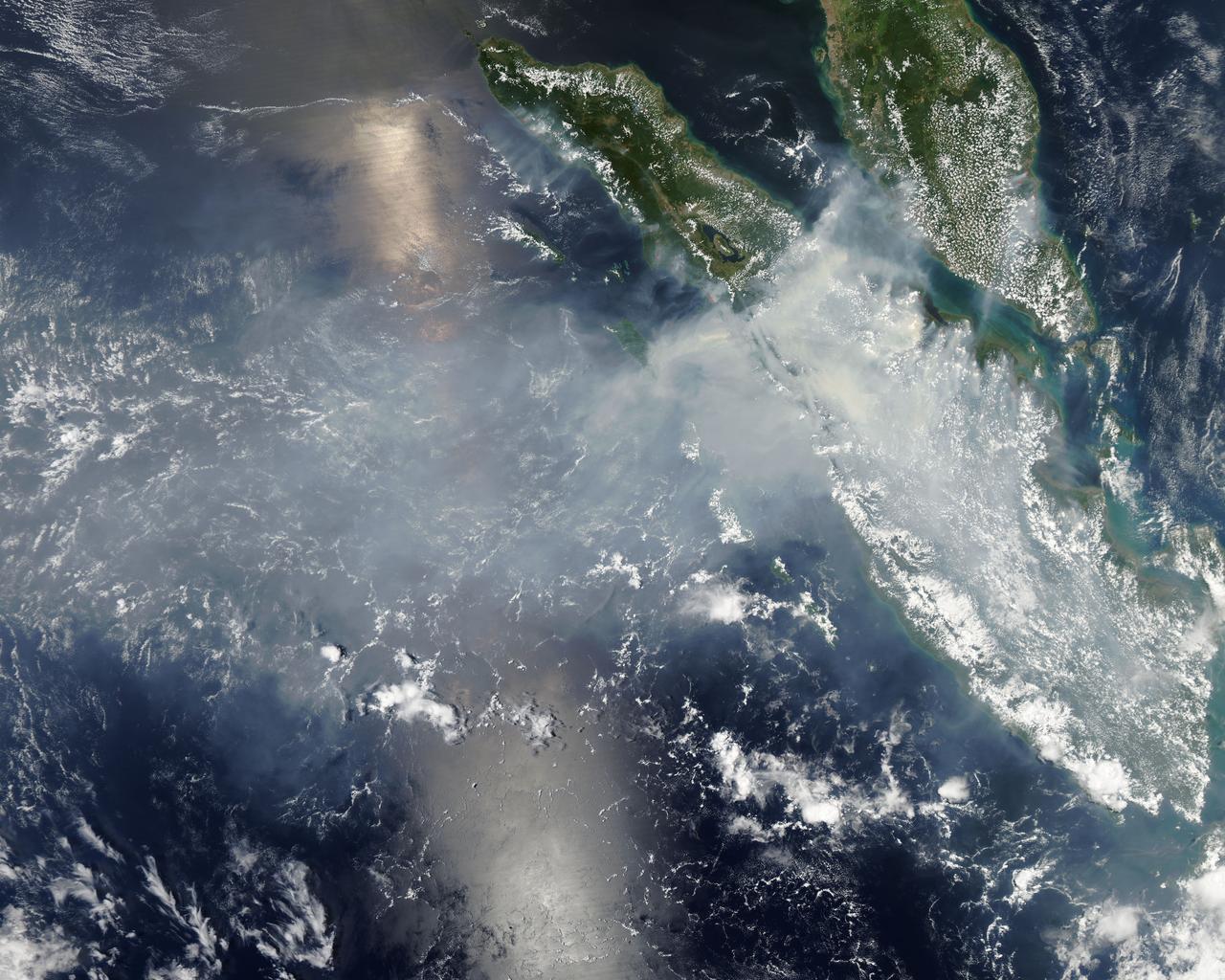
Fires burning in Sumatra continued to pour smoke over the region in mid-March, 2014, bringing air quality to dangerous levels. The Moderate Resolution Imaging Spectroradiometer (MODIS) aboard NASA’s Aqua satellite captured this true-color image of the smoke and haze across the region on March 12. According to the Jakarta Post, on March 12 the Sumatra Environmental Laboratory reported that 10 of 12 spots in Riau had an air quality of index above 300 on the Pollutant Standards Index (PSI), which is considered hazardous. Hazardous air quality had been recorded in some of the locations for 11 consecutive days. The province of Riau is located in the central eastern coast of Sumatra and, in this image, is hidden under thick bands of light gray smoke. Intense fires, reported as deliberately set to clear land, were burning in the Giam Siak Kecil-Bukit Batu biosphere reserve. This reserve contains over 700,000 hectares of sensitive peat forest that sustains a wide range of plant and animal species, including the Sumatra tiger, elephant, tapir and sun bear. With visibility as low as 500 m (1640 ft), 58 flights were cancelled in Pekanbaru, the capital of Riau province, on March 11. Schools were closed across the region, with 43,000 students affected in Payakumbuh, West Sumatra. On March 14, Selangor, Malaysia closed 203 schools, affecting 211,700 pupils, until the air quality improved. On that same day, according to Riau Health Agency, more than 55,000 residents in the province were suffering from haze-related illnesses, including acute respiratory infections, pneumonia and skin and eye irritation. Poor air quality not only affected transportation, human health and the ecosystem, but has had significant economic impacts. On March 17, Reuters reported that the poor air quality had forced Chevron, the country’s biggest oil producer, to close hundreds of its wells. As a result, Indonesia’s crude oil output dropped to 790,000 barrels per day (bpd) – significantly lower than the 870,000 bpd target. Although slash-and-burn techniques, which use fire to clear land, is illegal in Indonesia, the practice is still widespread, with approximately 99% of fires in Sumatra considered to be intentionally set. This year’s early agricultural fires began in February in Riau Province, home to palm-oil and pulpwood plantations. The emergency has prompted strong government response, including a shoot-on-sight order for any suspects involved in land burning activities that resisted arrest. According to the Jakarta Post, police have named as many as 60 suspected-fire starters in Riau. Credit: NASA/GSFC/Jeff Schmaltz/MODIS Land Rapid Response Team <b><a href="http://www.nasa.gov/audience/formedia/features/MP_Photo_Guidelines.html" rel="nofollow">NASA image use policy.</a></b> <b><a href="http://www.nasa.gov/centers/goddard/home/index.html" rel="nofollow">NASA Goddard Space Flight Center</a></b> enables NASA’s mission through four scientific endeavors: Earth Science, Heliophysics, Solar System Exploration, and Astrophysics. Goddard plays a leading role in NASA’s accomplishments by contributing compelling scientific knowledge to advance the Agency’s mission. <b>Follow us on <a href="http://twitter.com/NASAGoddardPix" rel="nofollow">Twitter</a></b> <b>Like us on <a href="http://www.facebook.com/pages/Greenbelt-MD/NASA-Goddard/395013845897?ref=tsd" rel="nofollow">Facebook</a></b> <b>Find us on <a href="http://instagram.com/nasagoddard?vm=grid" rel="nofollow">Instagram</a></b>