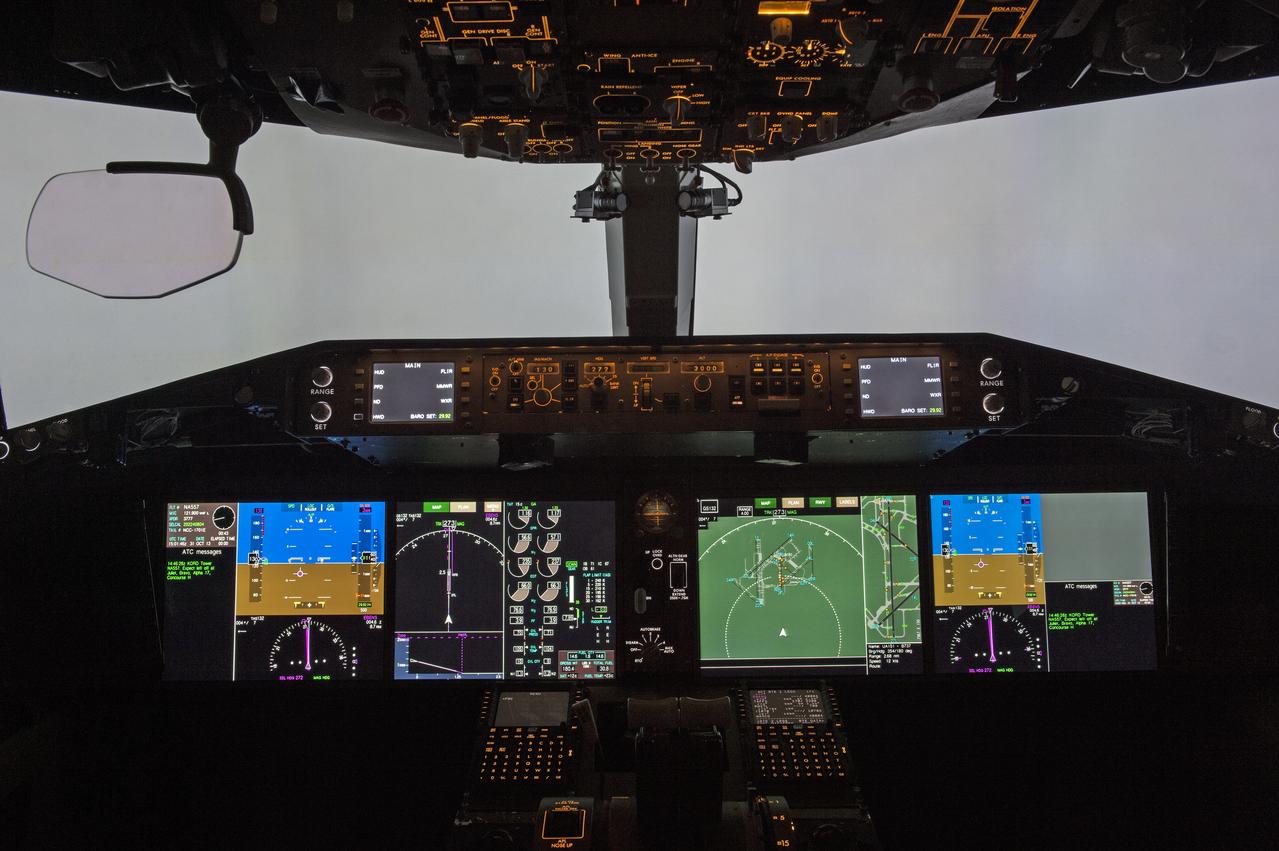
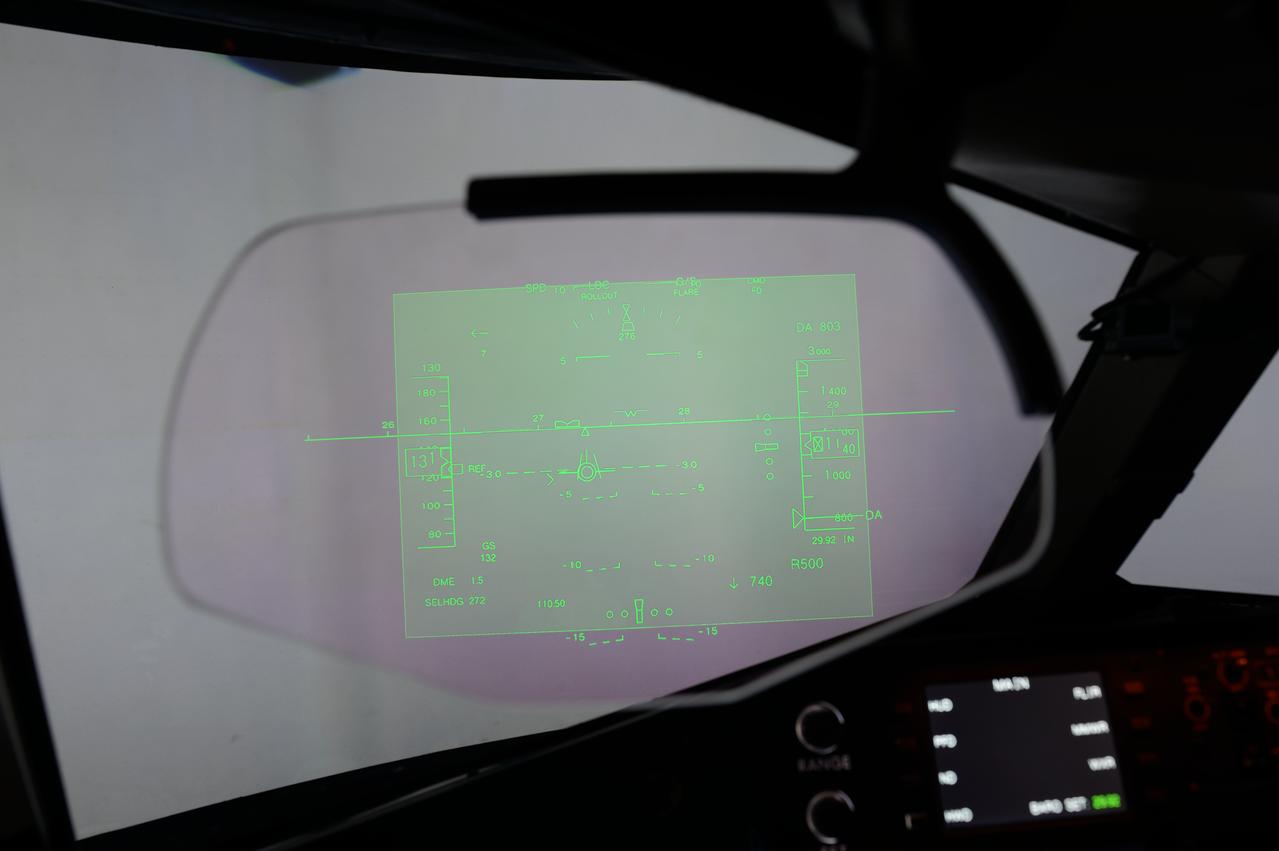
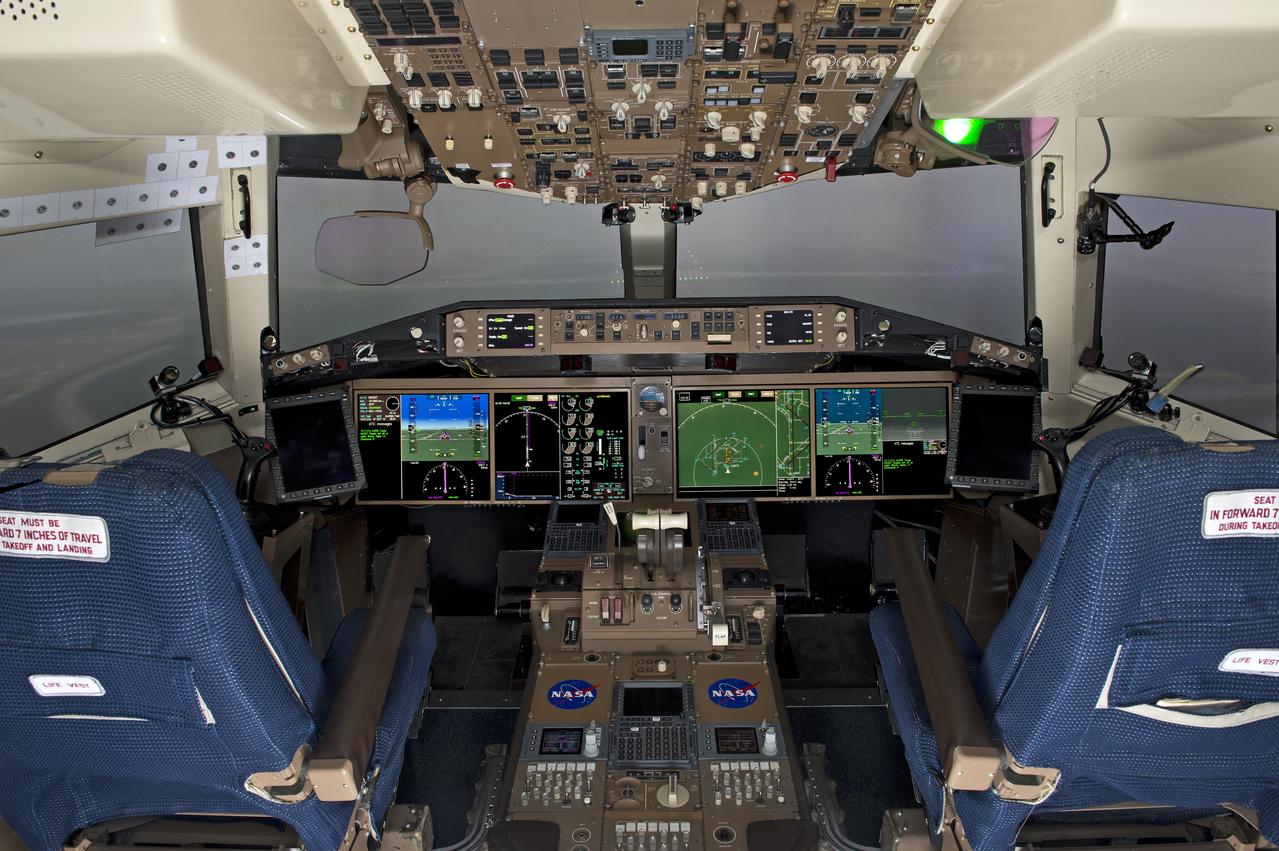
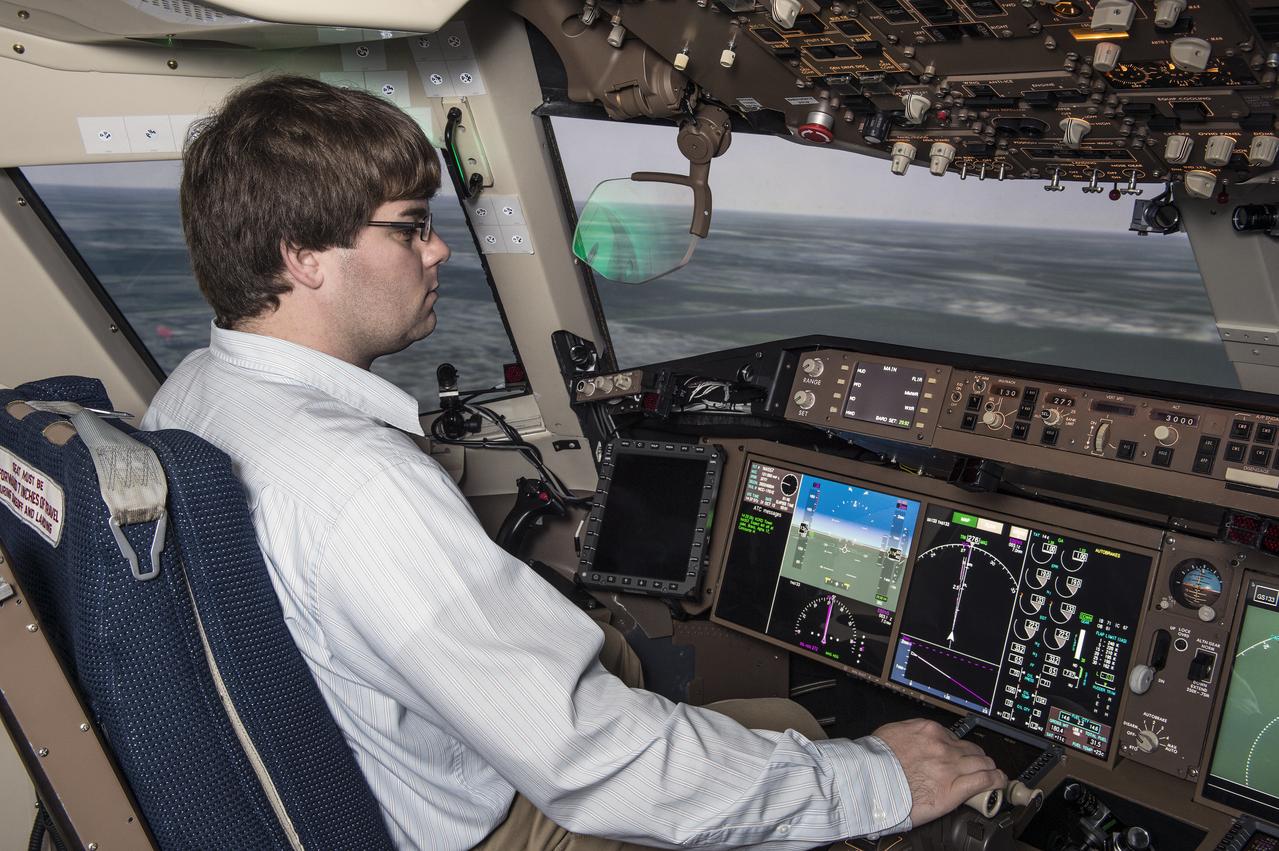
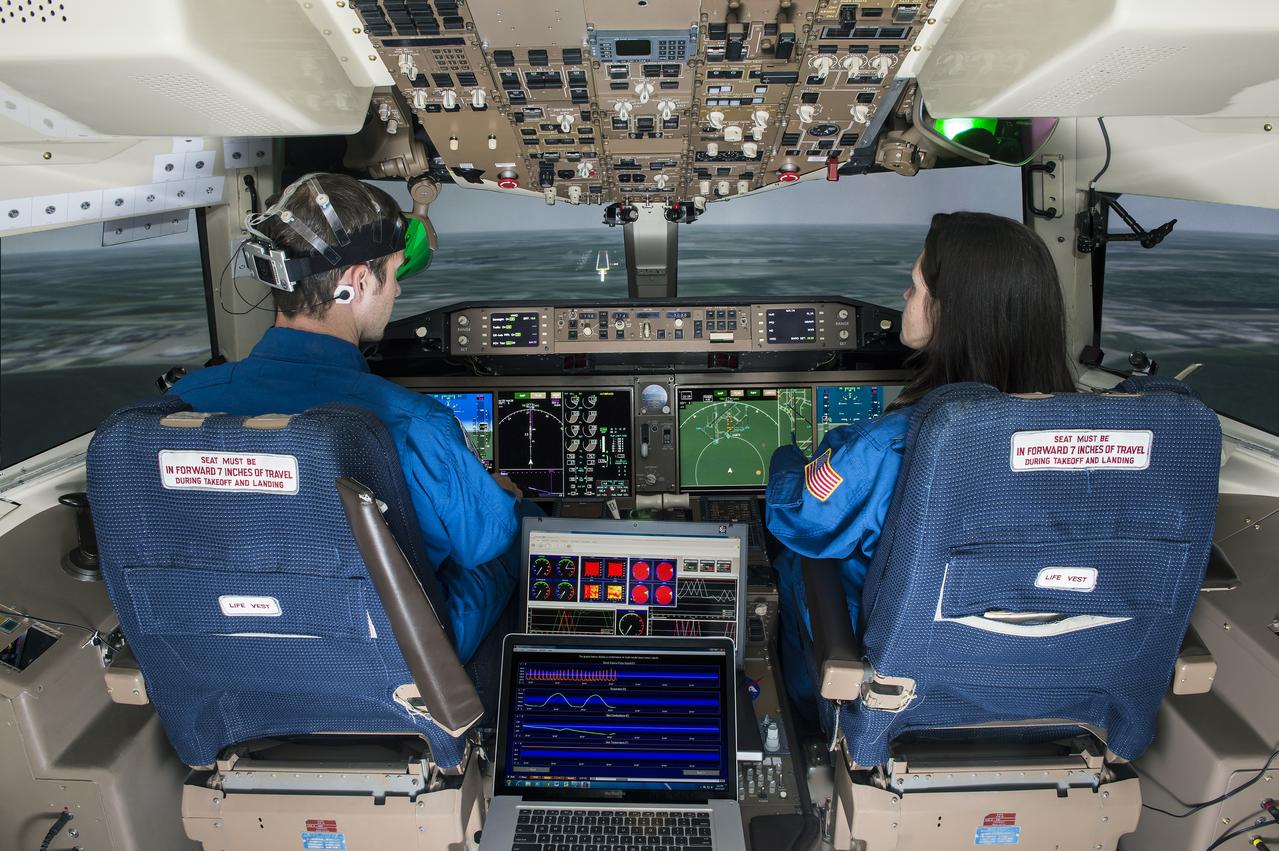
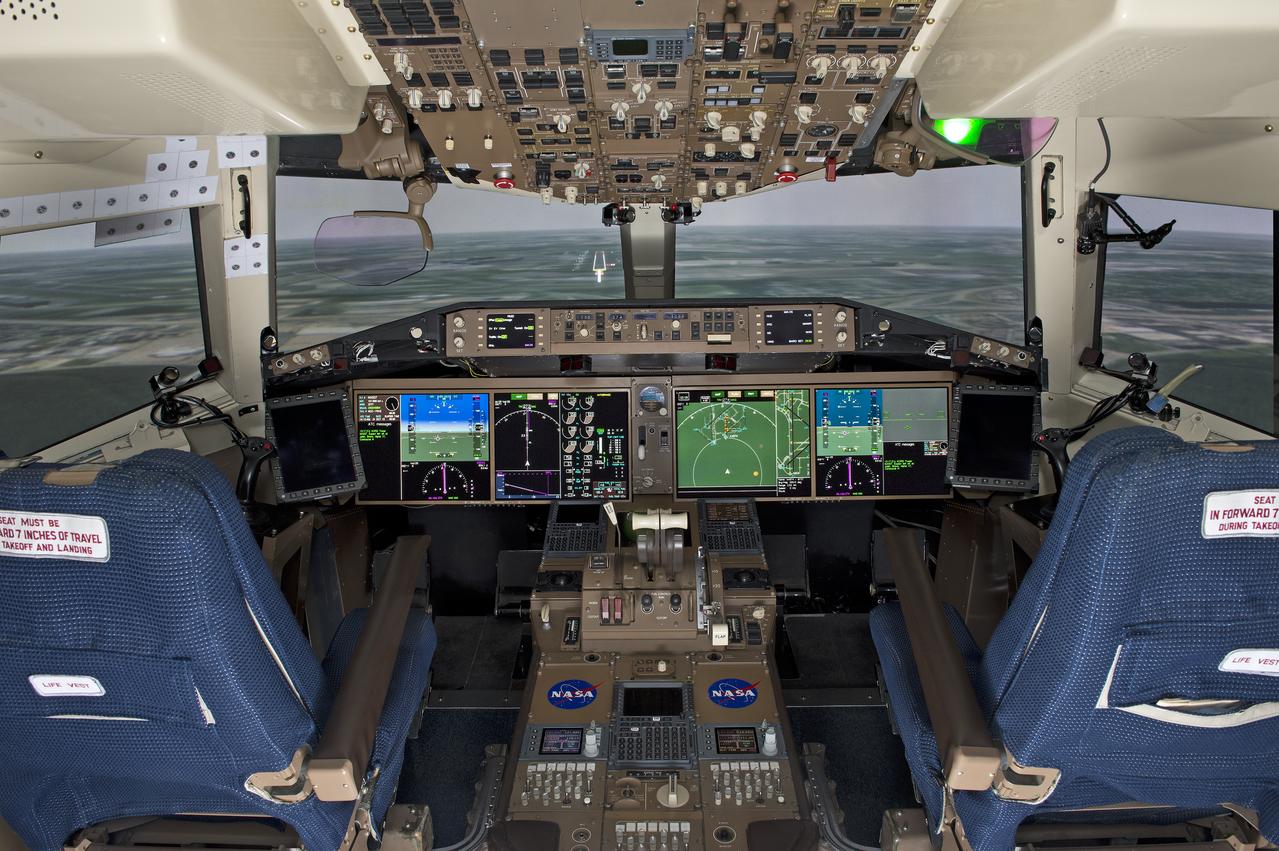
NextSafe 2.5 Motion Simulation Experiment Crew evaluation of vision system technologies
NextSafe 2.5 Motion Simulation Experiment
NextSafe 2.5 Motion Simulation Experiment Crew evaluation of vision system technologies
NextSafe 2.5 Motion Simulation Experiment
NextSafe 2.5 Motion Simulation Experiment Crew evaluation of vision system technologies
NextSafe 2.5 Motion Simulation Experiment
NextSafe 2.5 Motion Simulation Experiment Crew evaluation of vision system technologies
NextSafe 2.5 Motion Simulation Experiment
NextSafe 2.5 Motion Simulation Experiment Crew evaluation of vision system technologies
NextSafe 2.5 Motion Simulation Experiment
NextSafe 2.5 Motion Simulation Experiment Crew evaluation of vision system technologies
NextSafe 2.5 Motion Simulation Experiment
NextSafe 2.5 Motion Simulation Experiment Crew evaluation of vision system technologies
NextSafe 2.5 Motion Simulation Experiment
NextSafe 2.5 Motion Simulation Experiment Crew evaluation of vision system technologies
NextSafe 2.5 Motion Simulation Experiment
NextSafe 2.5 Motion Simulation Experiment Crew evaluation of vision system technologies
NextSafe 2.5 Motion Simulation Experiment
NextSafe 2.5 Motion Simulation Experiment Crew evaluation of vision system technologies
NextSafe 2.5 Motion Simulation Experiment
NextSafe 2.5 Motion Simulation Experiment Crew evaluation of vision system technologies
NextSafe 2.5 Motion Simulation Experiment
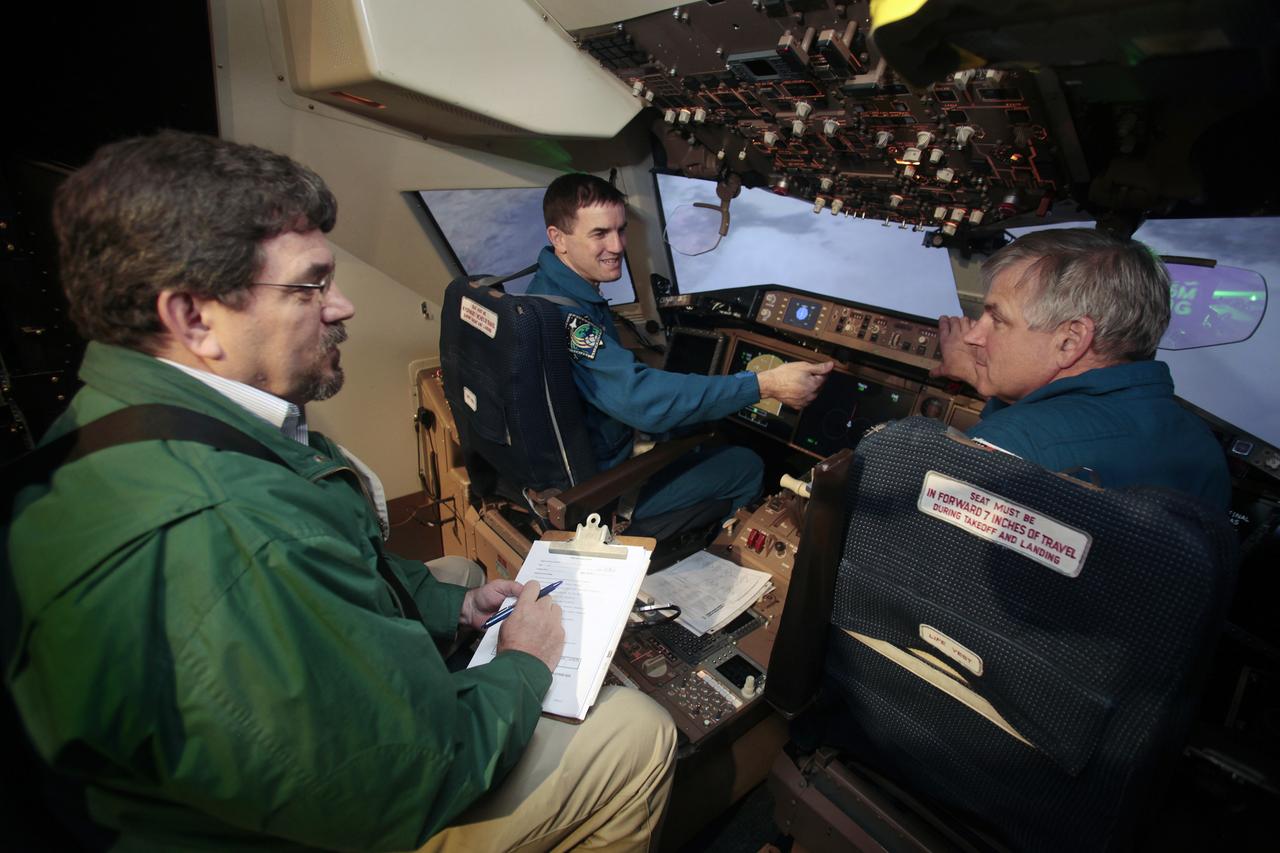
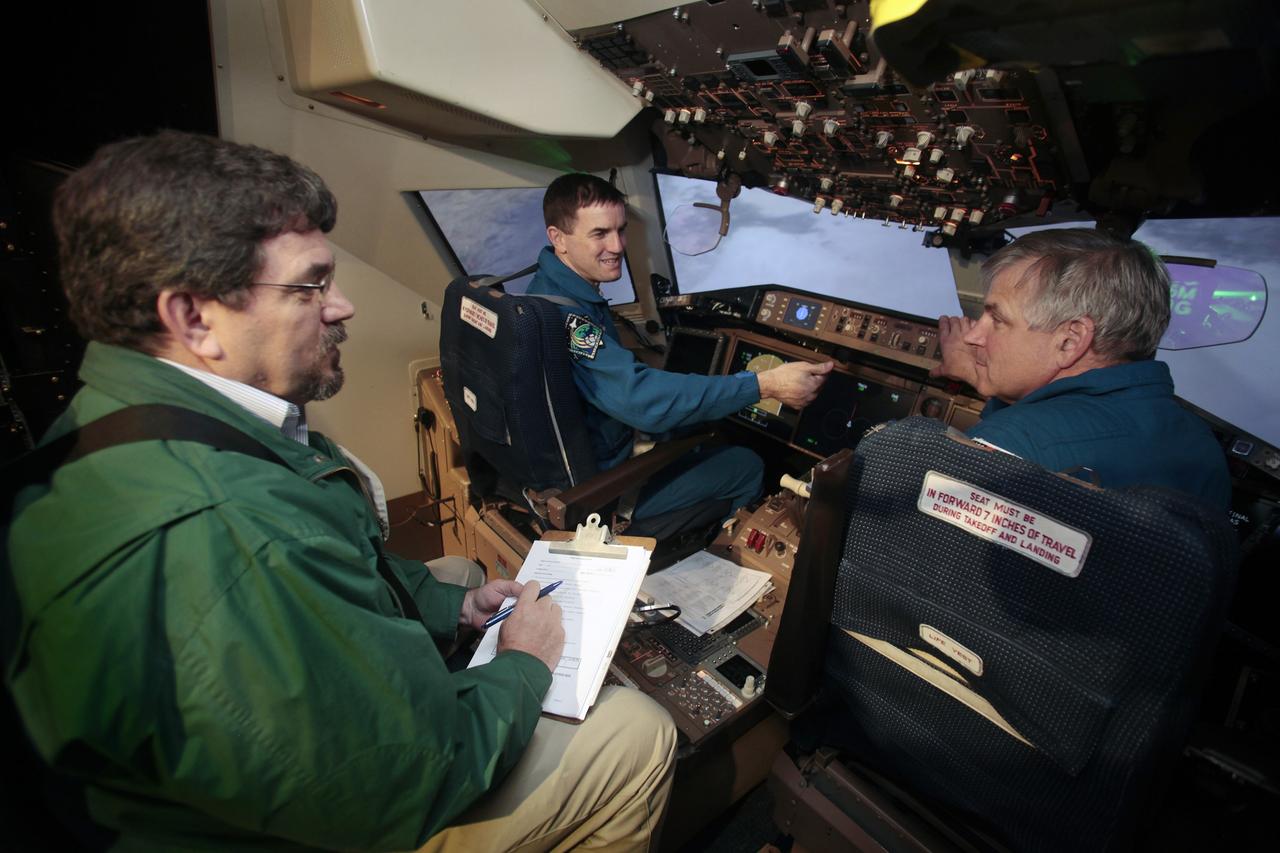
 (left to right) NASA Langley aerospace engineer Bruce Jackson briefs astronauts Rex Walheim and Gregory Johnson about the Synthetic Vision (SV) and Enhanced Vision (EV) systems in a flight simulator at the center's Cockpit Motion Facility. The astronauts were training to land the Dream Chaser spacecraft May 15th 2013. credit NASA/David C. Bowman
2013-2363
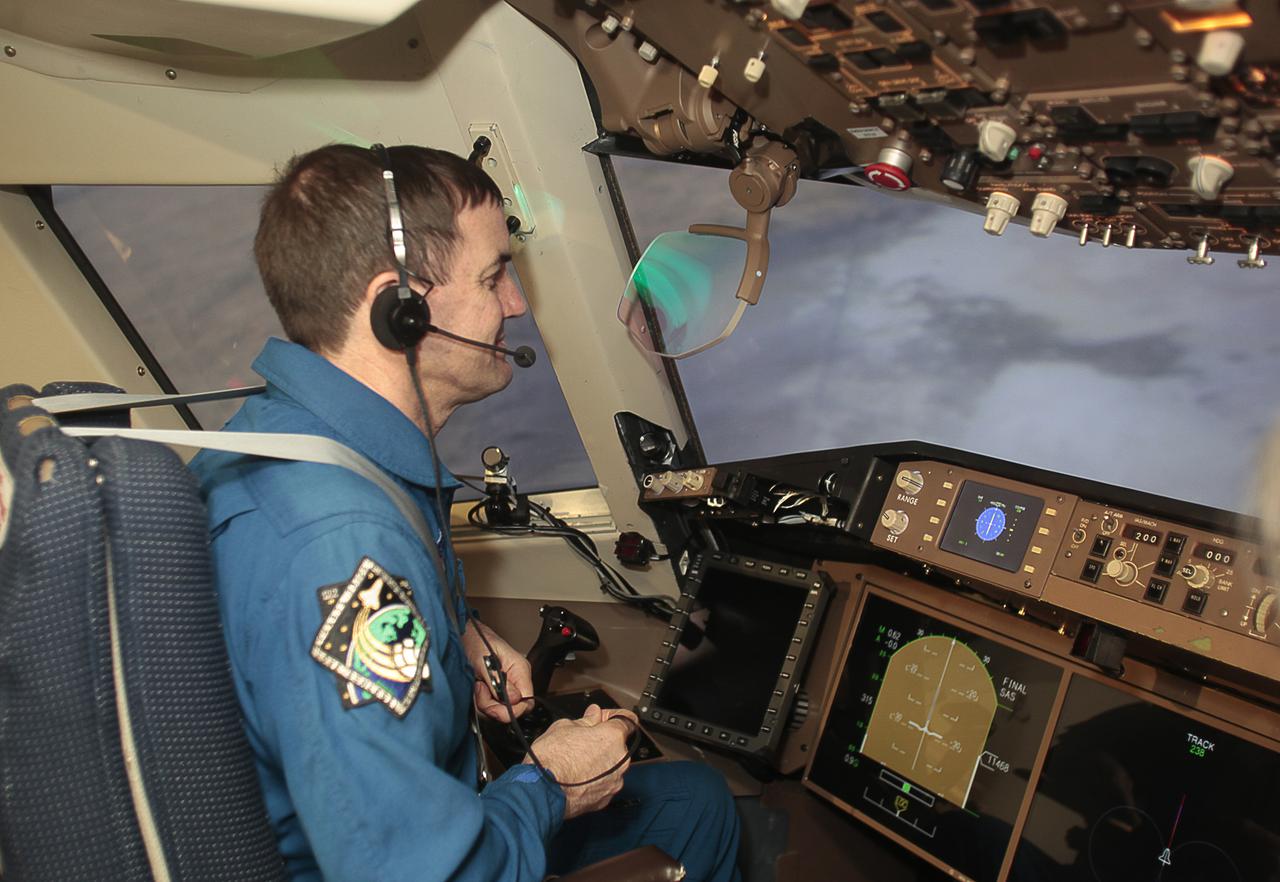
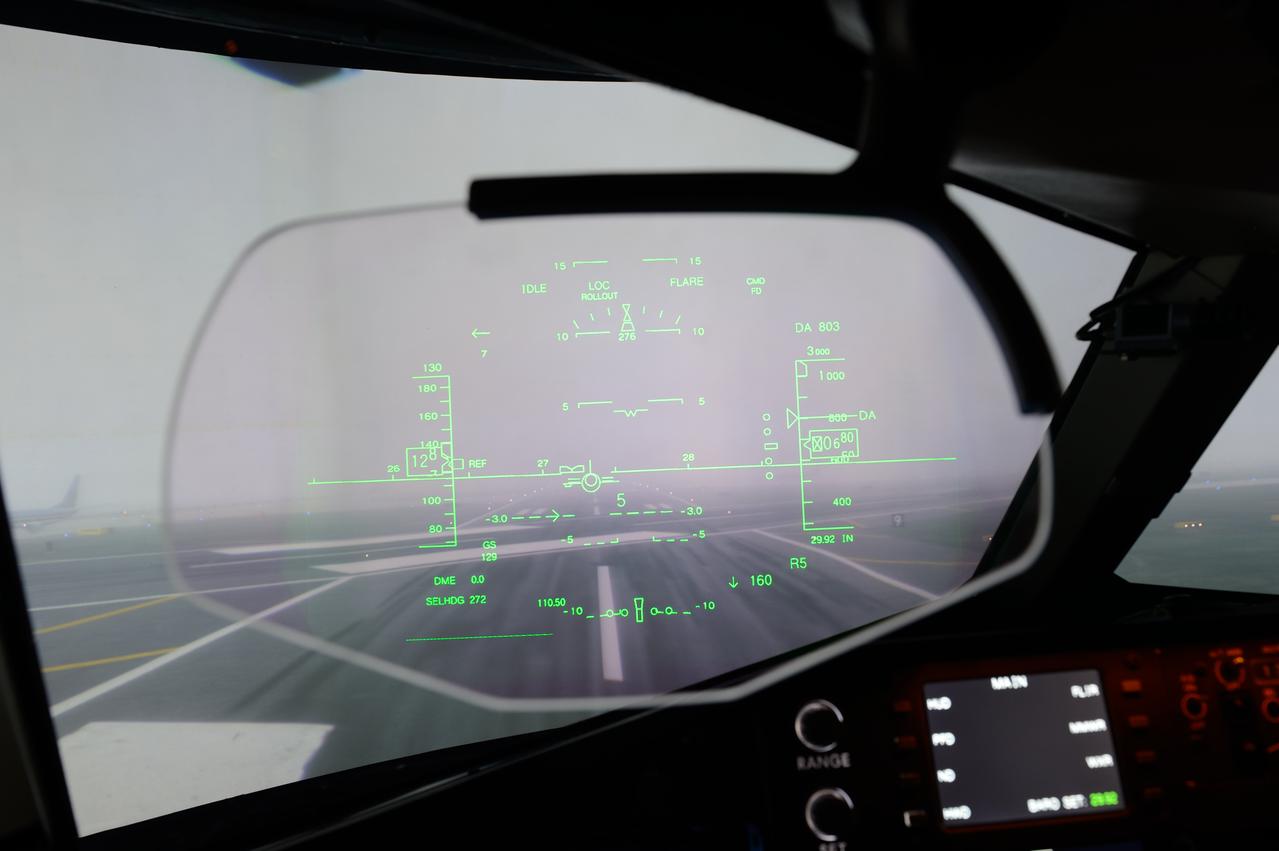
HAMPTON, Va. – At NASA's Langley Research Center in Hampton, Va., astronaut Rex Walheim flies simulations of a Dream Chaser approach and landing to help evaluate the spacecraft's subsonic handling in support of the agency's Commercial Crew Program, or CCP, efforts. The simulation makes use of the Synthetic Vision and Enhanced Vision systems in the center's Cockpit Motion Facility.  SNC is one of three companies working with CCP during the agency's Commercial Crew Integrated Capability, or CCiCap, initiative, which is intended to lead to the availability of commercial human spaceflight services for government and commercial customers. To learn more about CCP and its industry partners, visit www.nasa.gov_commercialcrew. Image credit: NASA_David C. Bowman
KSC-2013-2385
HAMPTON, Va. – Bruce Jackson, an aerospace engineer at NASA’s Langley Flight Research Center, briefs astronauts Rex Walheim, left, and Gregory Johnson as they evaluate Sierra Nevada Corporation, or SNC, Space Systems' Dream Chaser landing simulation, in support of NASA Commercial Crew Program, or CCP, efforts. The simulation makes use of the Synthetic Vision and Enhanced Vision systems in the center's Cockpit Motion Facility.     SNC is one of three companies working with CCP during the agency's Commercial Crew Integrated Capability, or CCiCap, initiative, which is intended to lead to the availability of commercial human spaceflight services for government and commercial customers. To learn more about CCP and its industry partners, visit www.nasa.gov/commercialcrew. Image credit: NASA/David C. Bowman
KSC-2013-2363