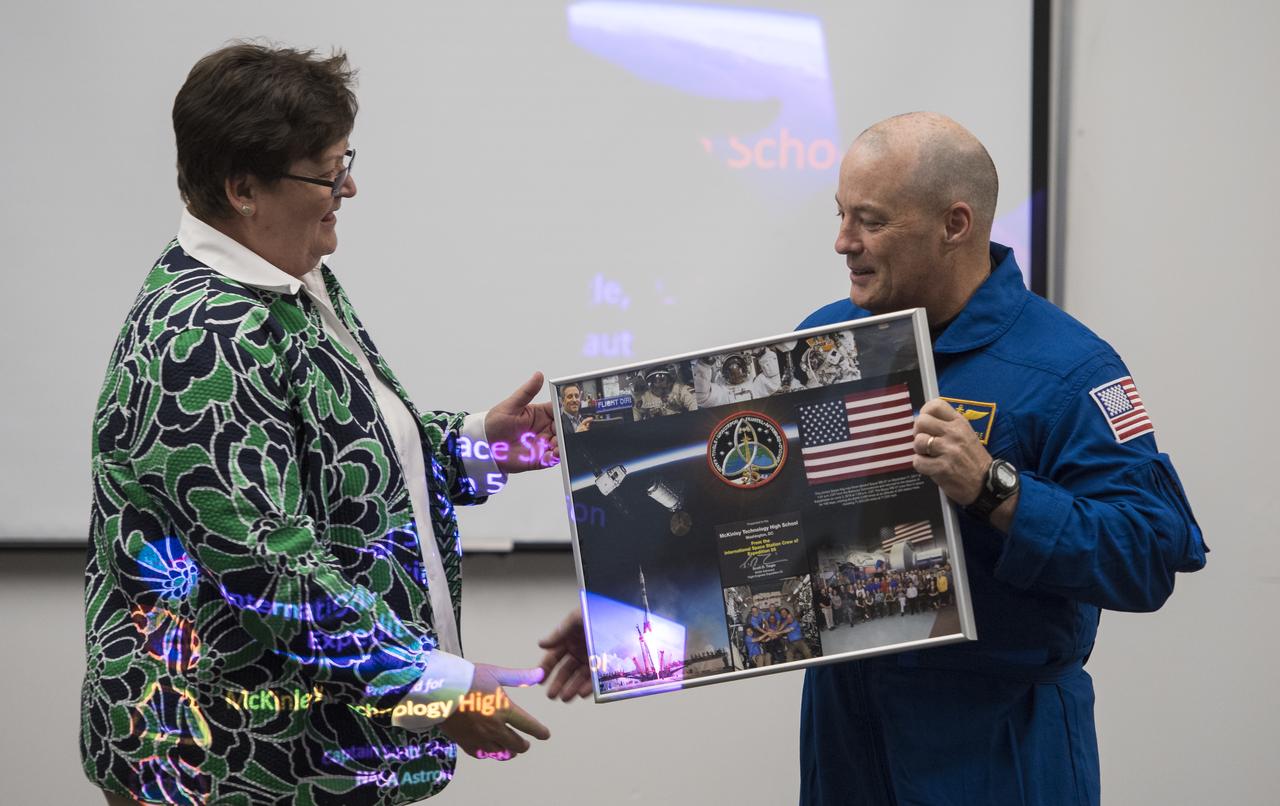
NASA astronaut Scott Tingle presents a montage for McKinley Technology High School to Principal Louise Jones before speaking to students about his time onboard the International Space Station, Friday, Sept. 14, 2018 at McKinley Technology High School in Washington, DC. Tingle spent 168 days onboard the International Space Station as part of Expeditions 54 and 55. Photo Credit: (NASA/Joel Kowsky)
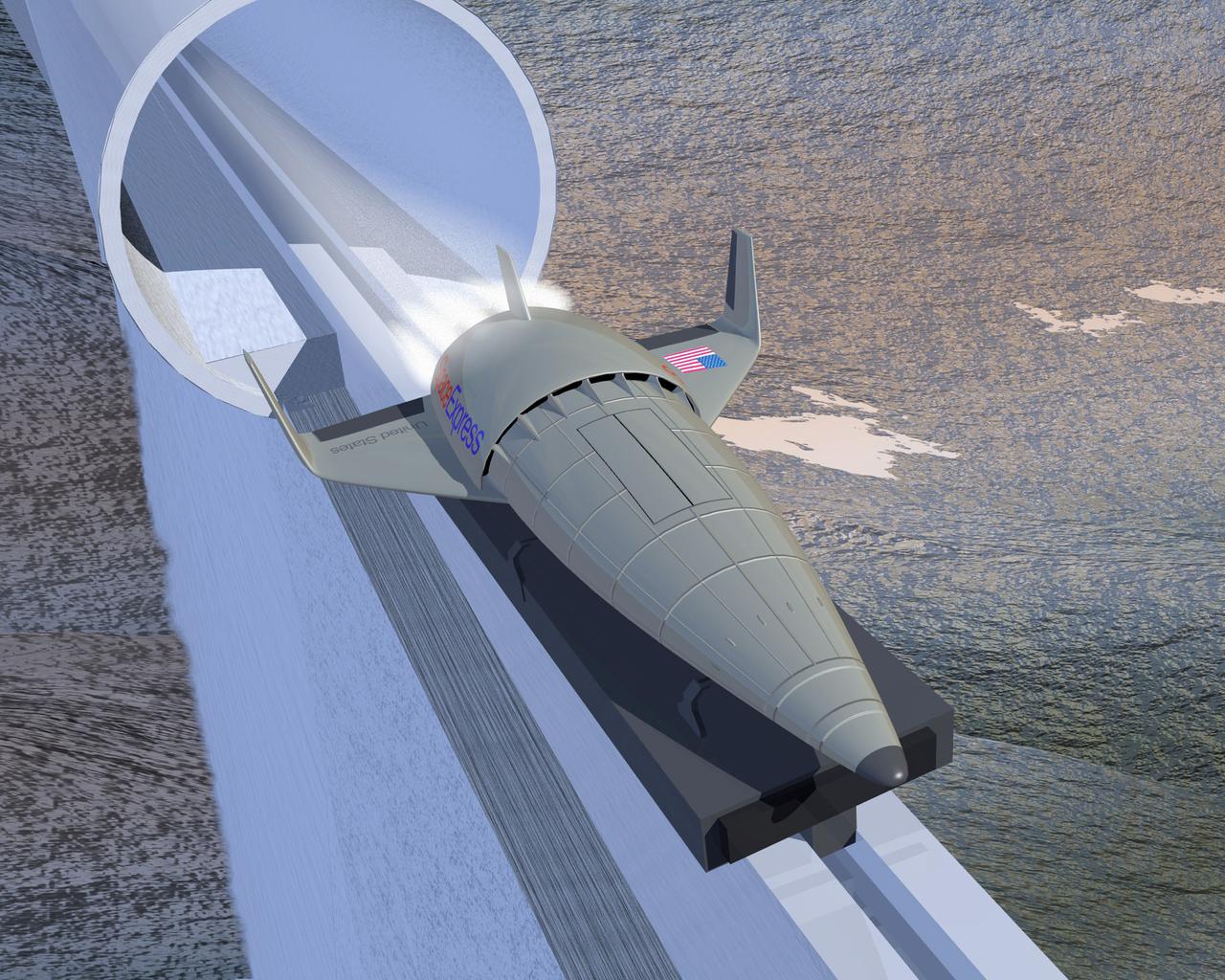
Pictured is an artist's concept of the Rocket Based Combined Cycle (RBCC) launch. The RBCC's overall objective is to provide a technology test bed to investigate critical technologies associated with opperational usage of these engines. The program will focus on near term technologies that can be leveraged to ultimately serve as the near term basis for Two Stage to Orbit (TSTO) air breathing propulsions systems and ultimately a Single Stage To Orbit (SSTO) air breathing propulsion system.
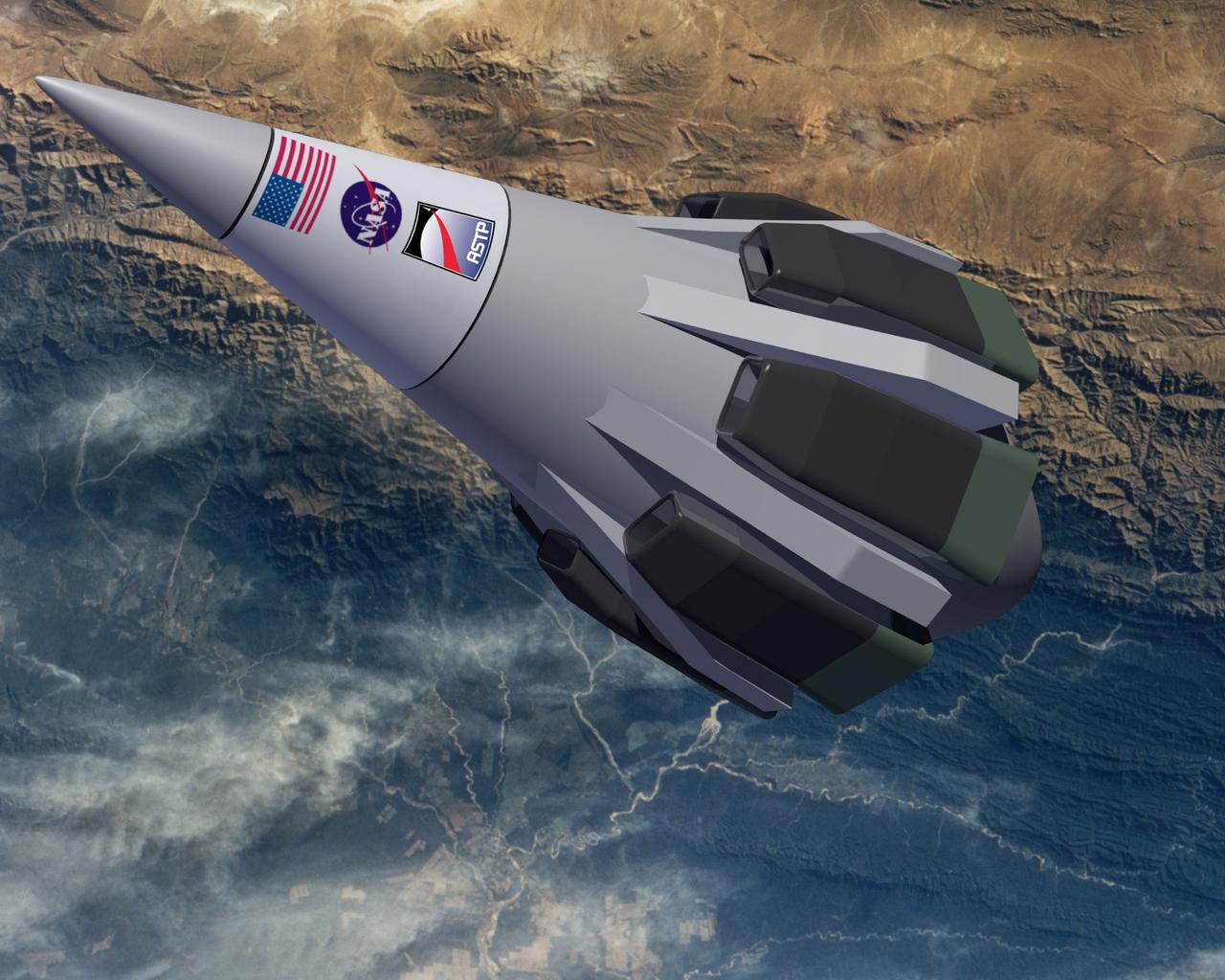
Pictured is an artist's concept of the Rocket Based Combined Cycle (RBCC) launch. The RBCC's overall objective is to provide a technology test bed to investigate critical technologies associated with opperational usage of these engines. The program will focus on near term technologies that can be leveraged to ultimately serve as the near term basis for Two Stage to Orbit (TSTO) air breathing propulsions systems and ultimately a Single Stage To Orbit (SSTO) air breathing propulsion system.
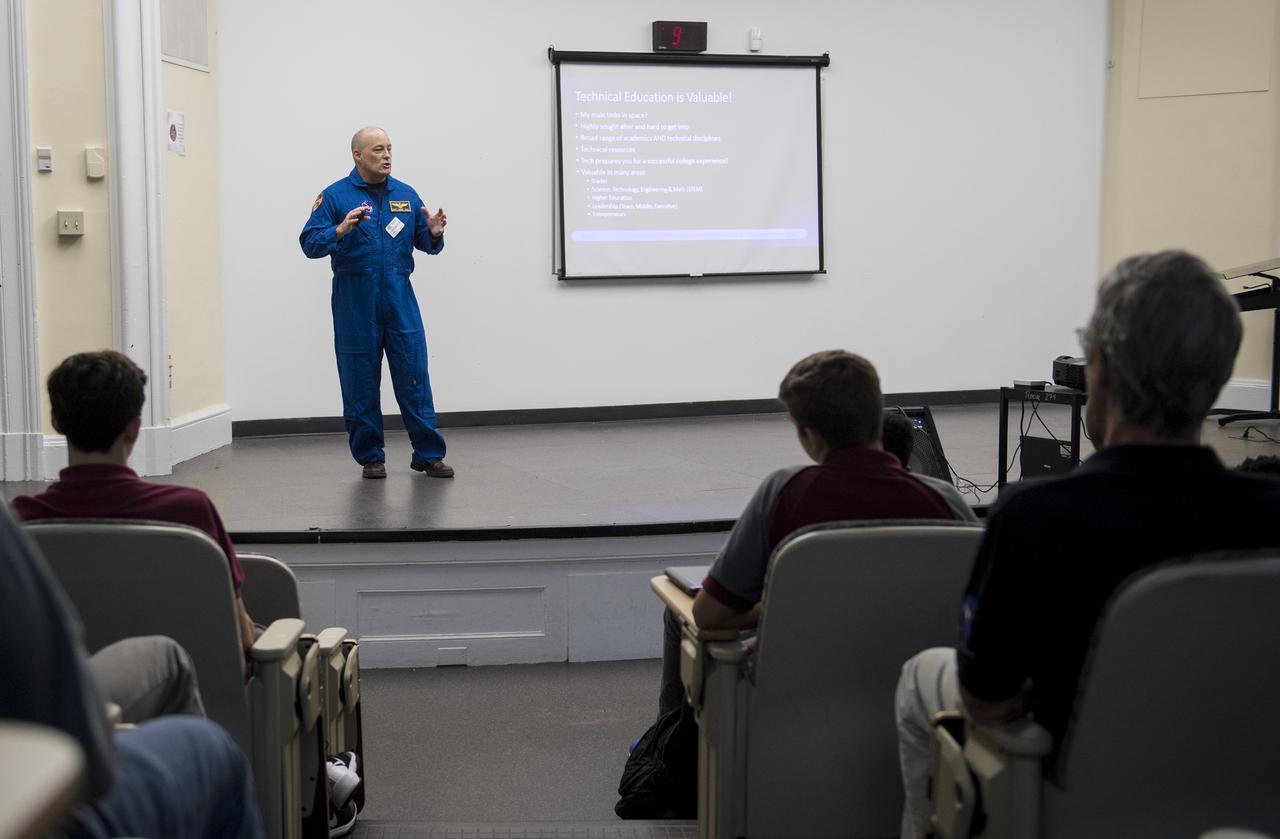
NASA astronaut Scott Tingle speaks to students about his time onboard the International Space Station, Friday, Sept. 14, 2018 at McKinley Technology High School in Washington, DC. Tingle spent 168 days onboard the International Space Station as part of Expeditions 54 and 55. Photo Credit: (NASA/Joel Kowsky)
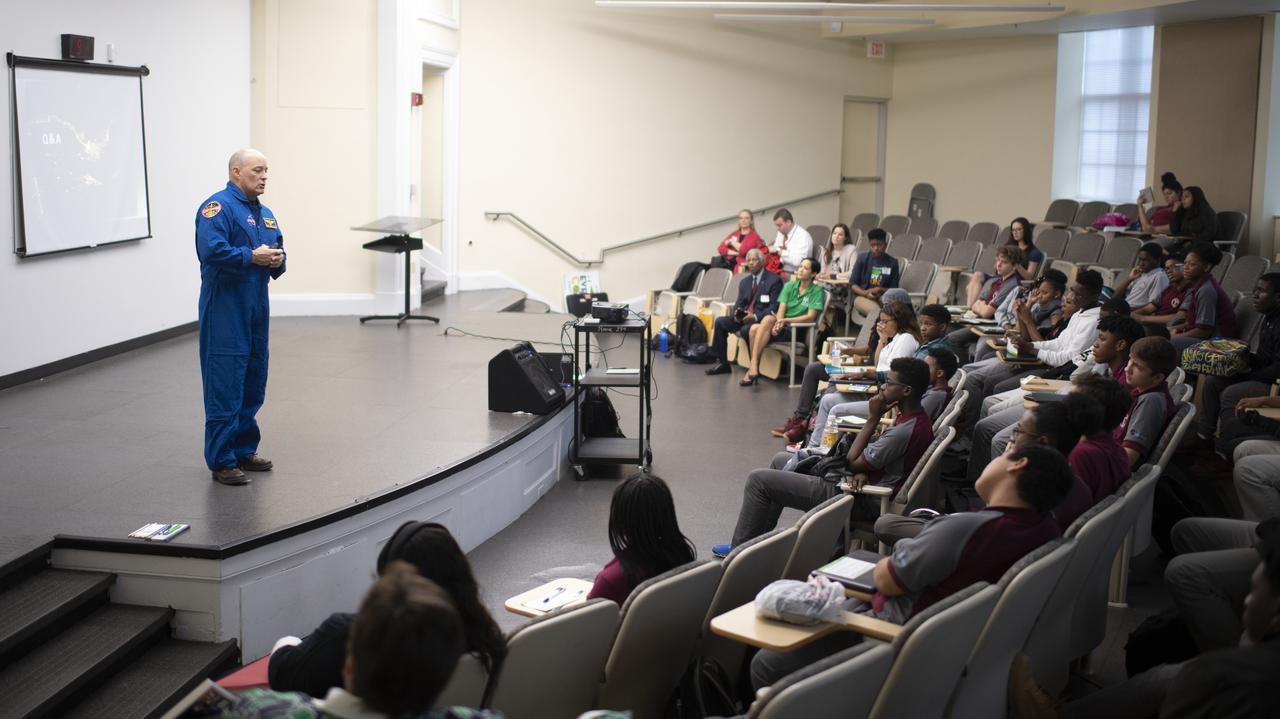
NASA astronaut Scott Tingle speaks to students about his time onboard the International Space Station, Friday, Sept. 14, 2018 at McKinley Technology High School in Washington, DC. Tingle spent 168 days onboard the International Space Station as part of Expeditions 54 and 55. Photo Credit: (NASA/Joel Kowsky)
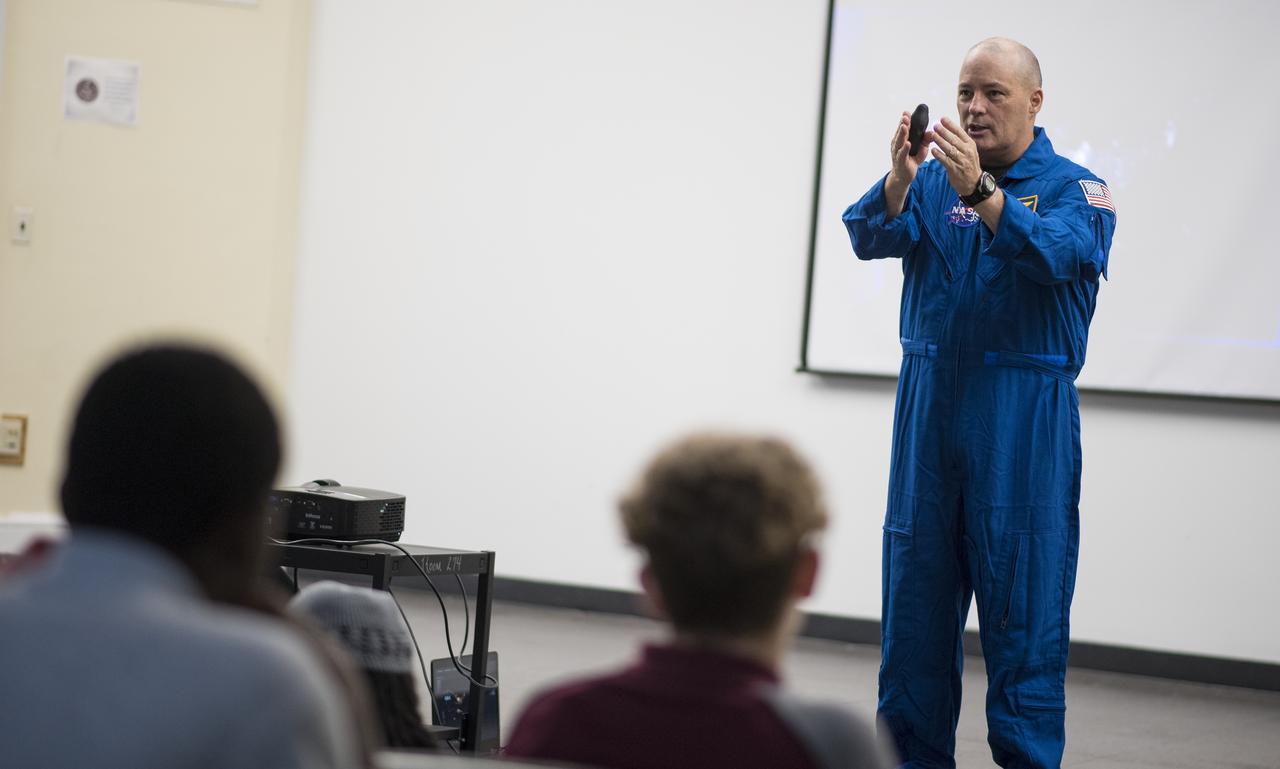
NASA astronaut Scott Tingle speaks to students about his time onboard the International Space Station, Friday, Sept. 14, 2018 at McKinley Technology High School in Washington, DC. Tingle spent 168 days onboard the International Space Station as part of Expeditions 54 and 55. Photo Credit: (NASA/Joel Kowsky)
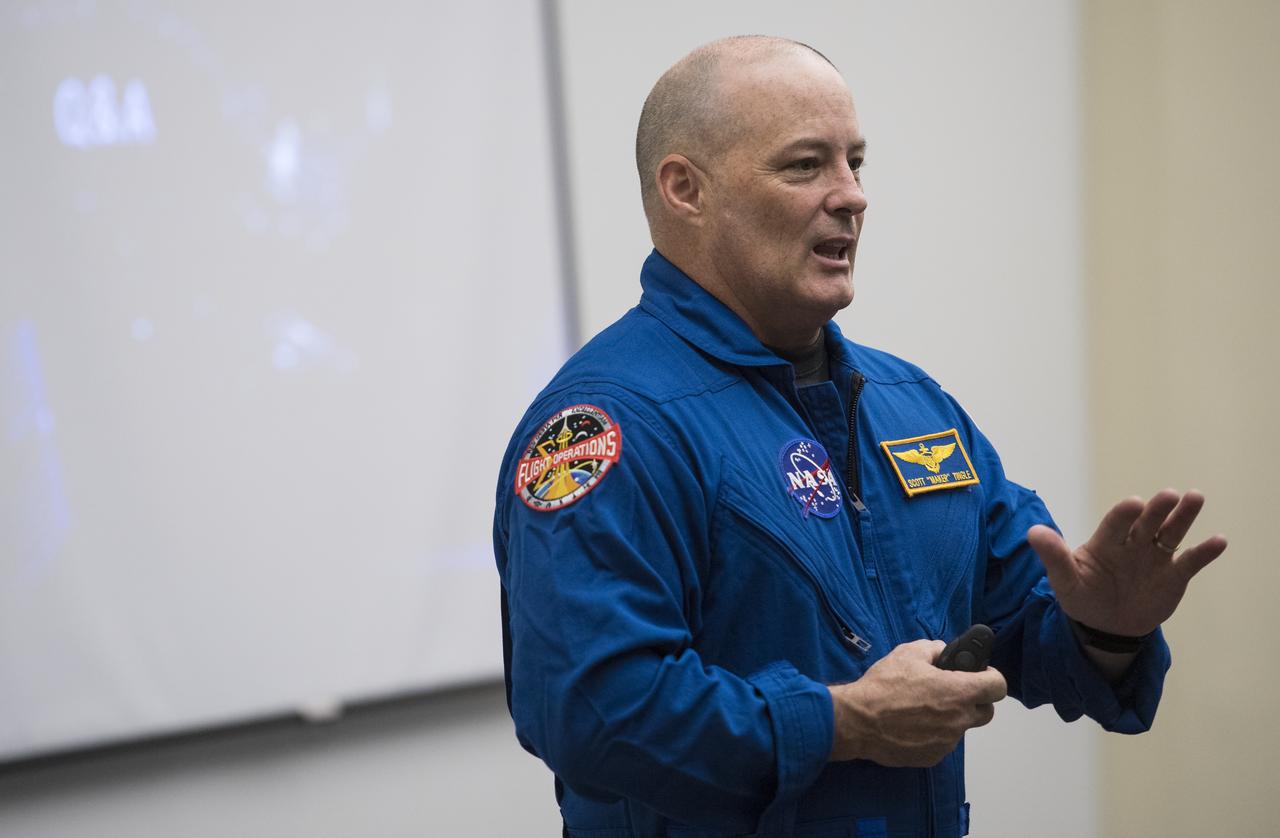
NASA astronaut Scott Tingle speaks to students about his time onboard the International Space Station, Friday, Sept. 14, 2018 at McKinley Technology High School in Washington, DC. Tingle spent 168 days onboard the International Space Station as part of Expeditions 54 and 55. Photo Credit: (NASA/Joel Kowsky)
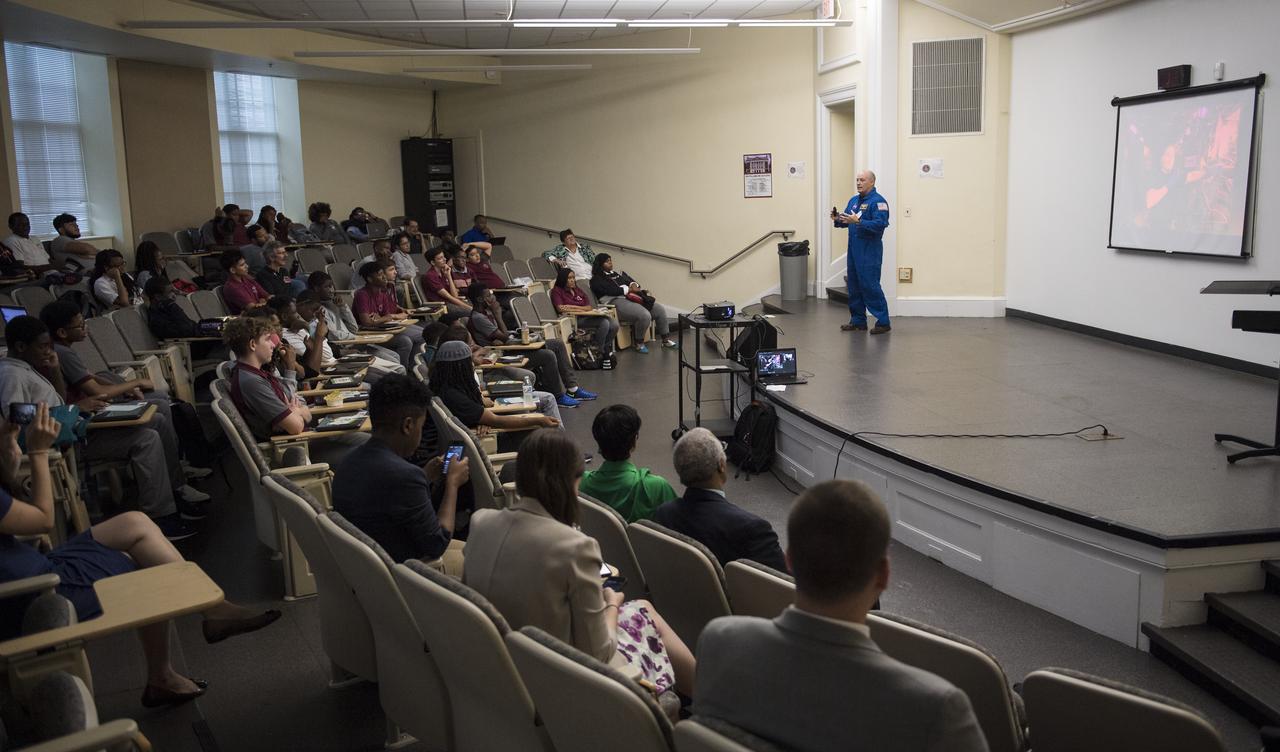
NASA astronaut Scott Tingle speaks to students about his time onboard the International Space Station, Friday, Sept. 14, 2018 at McKinley Technology High School in Washington, DC. Tingle spent 168 days onboard the International Space Station as part of Expeditions 54 and 55. Photo Credit: (NASA/Joel Kowsky)
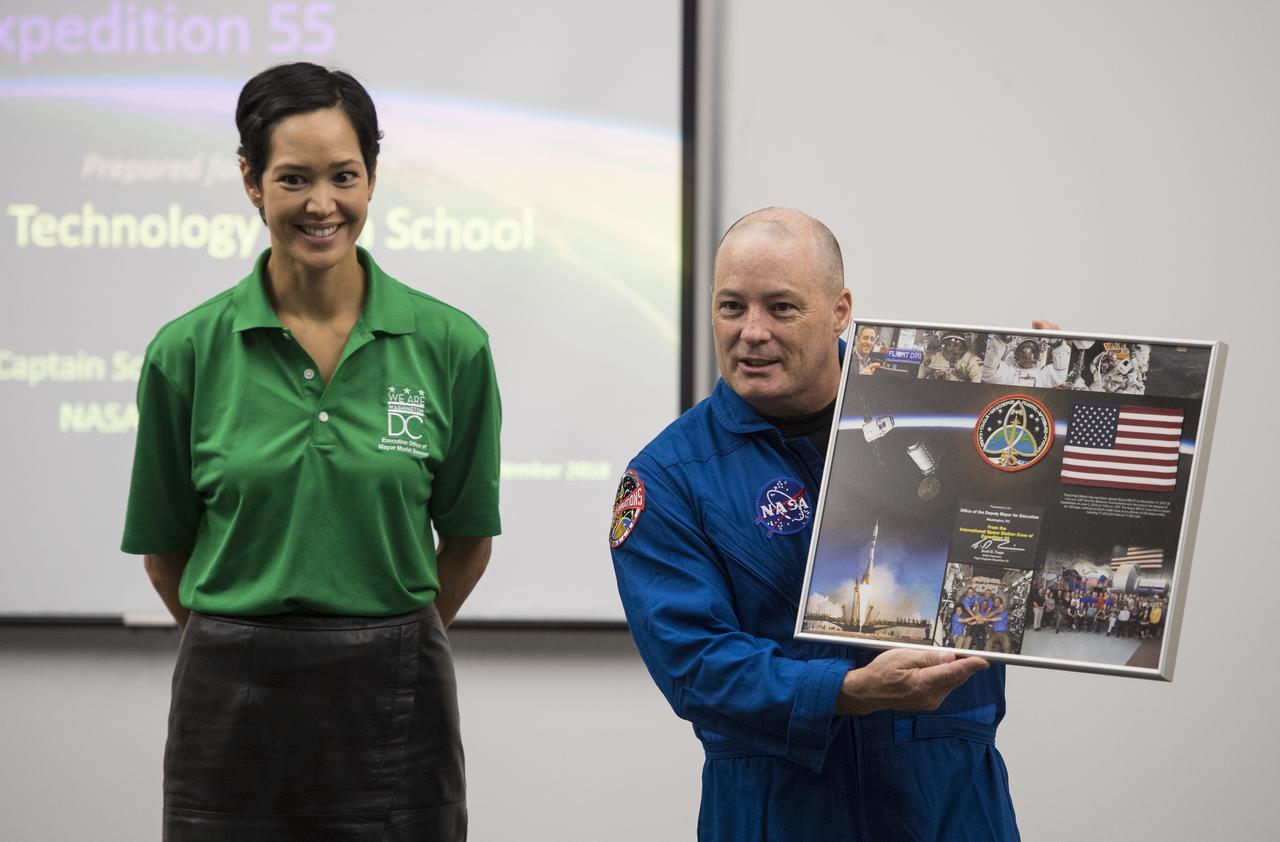
NASA astronaut Scott Tingle presents a montage for Washington, DC's Office of the Deputy Mayor for Education to Ahnna Smith, Interim Deputy Mayor for Education, prior to speaking to students about his time onboard the International Space Station, Friday, Sept. 14, 2018 at McKinley Technology High School in Washington, DC. Tingle spent 168 days onboard the International Space Station as part of Expeditions 54 and 55. Photo Credit: (NASA/Joel Kowsky)
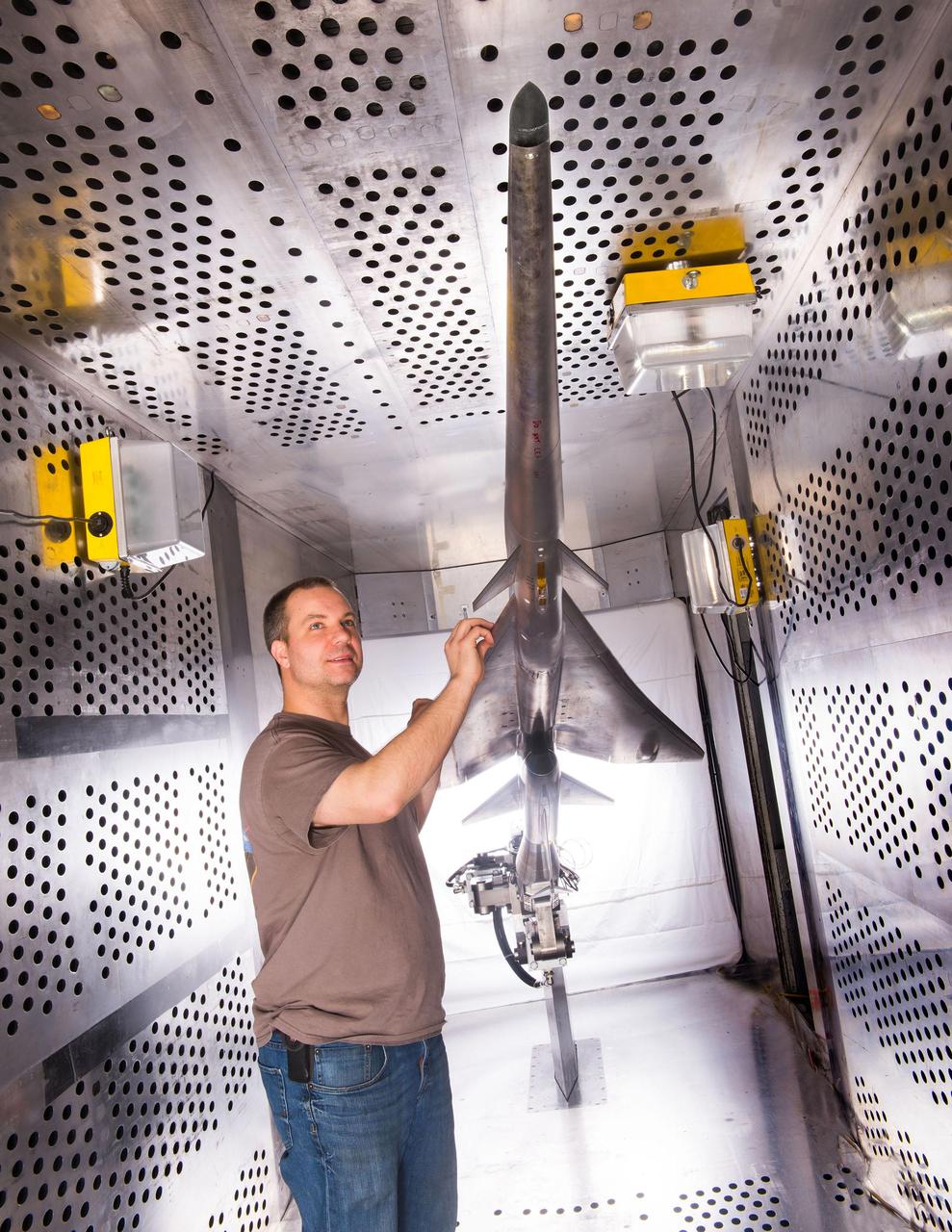
Mechanical technician Dan Pitts prepares a scale model of Lockheed Martin's Quiet Supersonic Technology (QueSST) X-plane preliminary design for its first high-speed wind tunnel tests at NASA's Glenn Research Center.
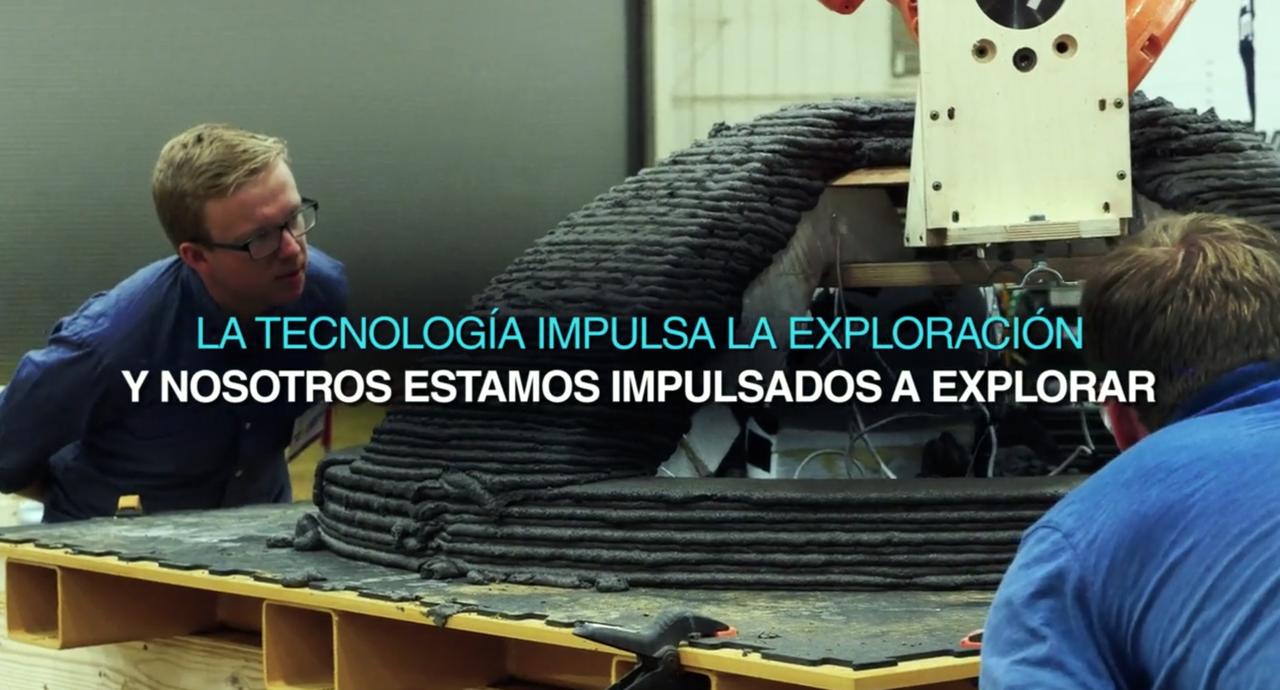
NASA is going to the Moon and on to Mars, in a measured, sustainable way. Working with U.S. companies and international partners, NASA will push the boundaries of human exploration forward to the Moon.
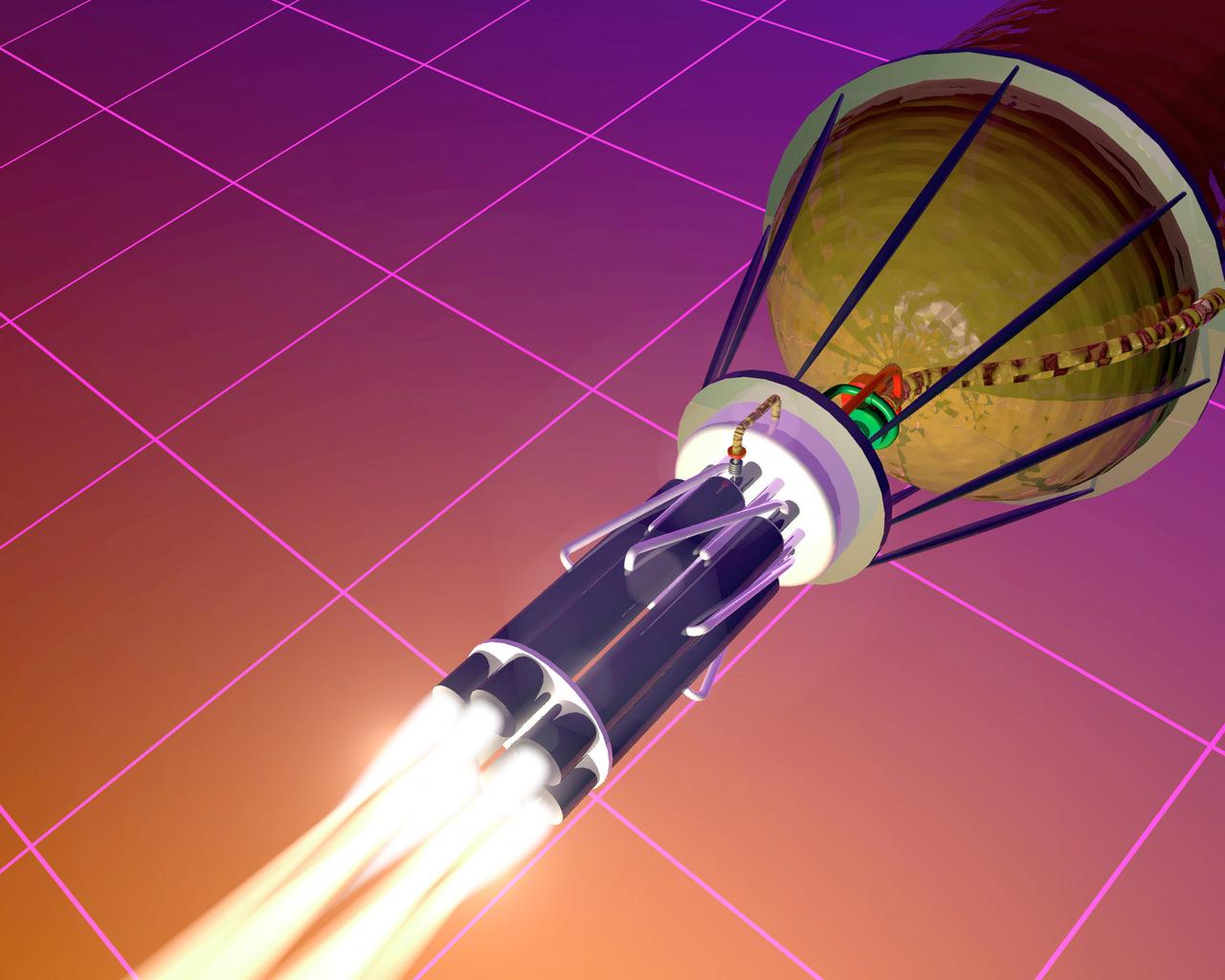
Pictured is an artist's concept of an advanced chemical propulsion system called Pulse Detonation. Long term technology research in this advanced propulsion system has the potential to dramatically change the way we think about space propulsion systems. This research is expected to significantly reduce the cost of space travel within the next 25 years.

NASA Marshall Space Flight Center’s Science and Technology Office held its 11th annual Science and Technology Jamboree Dec. 8 at Marshall Activities Building 4316. A poster session with around 60 poster presentations highlighted current science and technology topics and the innovative projects underway across the center. Here, Debra Needham, right, talks with coworker Sabrina Savage about one of the presentations. Both Needham and Savage are scientists in the Heliophysics & Planetary Science Branch of the Science Research and Projects Division.
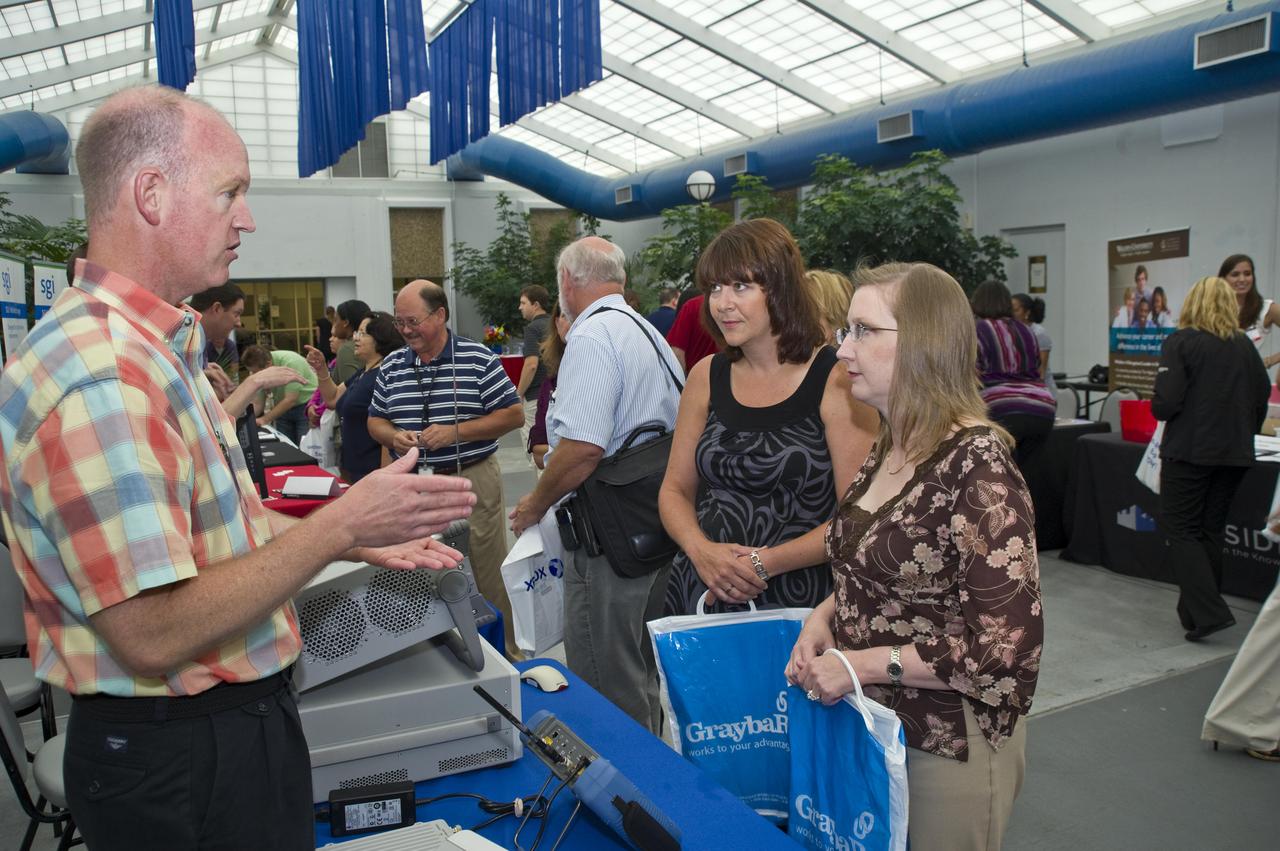
Phillip Stallcup with Agilent Technologies in Huntsville, Ala., talks with NASA employees Leslie Ladner (l) and Kelly Sullivan about spectrum analyzers and other test equipment during the Stennis Technology Expo on May 26. The expo was hosted by NASA Solutions for Enterprise-Wide Procurement and featured various exhibitors demonstrating the latest in a range of technologies, such as training equipment, secure data storage, video networks, distance learning and data management.
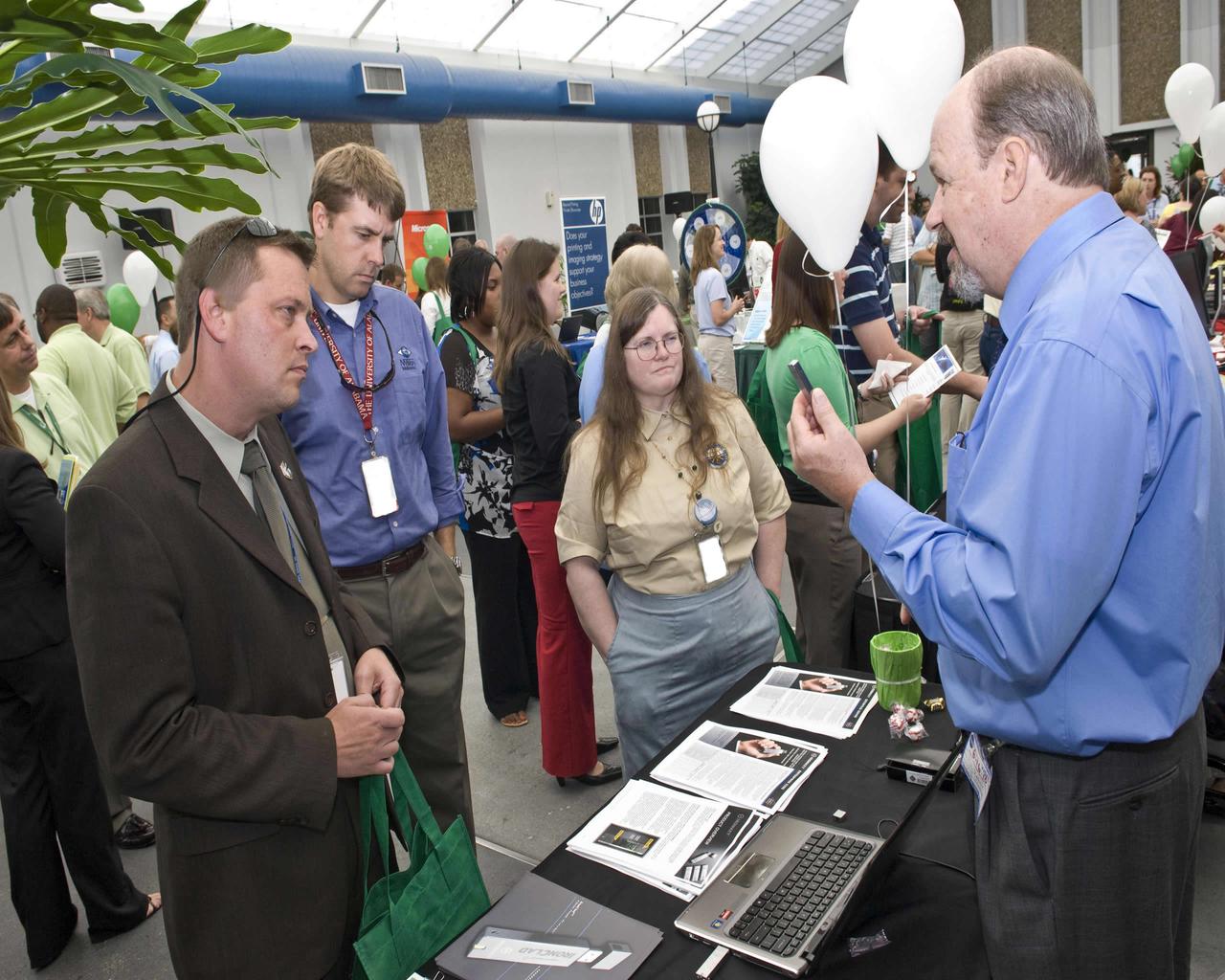
Brian Wagner (l to r) with the U.S. Navy, Andrew Hiukenbein with NVision Solutions and Theresa Avoskey with the Naval Oceanographic Office at Stennis Space Center learn about the latest improvements in making flash drives secure during an Information Technology Expo held June 16. Various area companies visited Stennis during the day to offer exhibits for employees on a range of information technology topics. The theme of the daylong expo was 'The Road to Green IT Computing.'
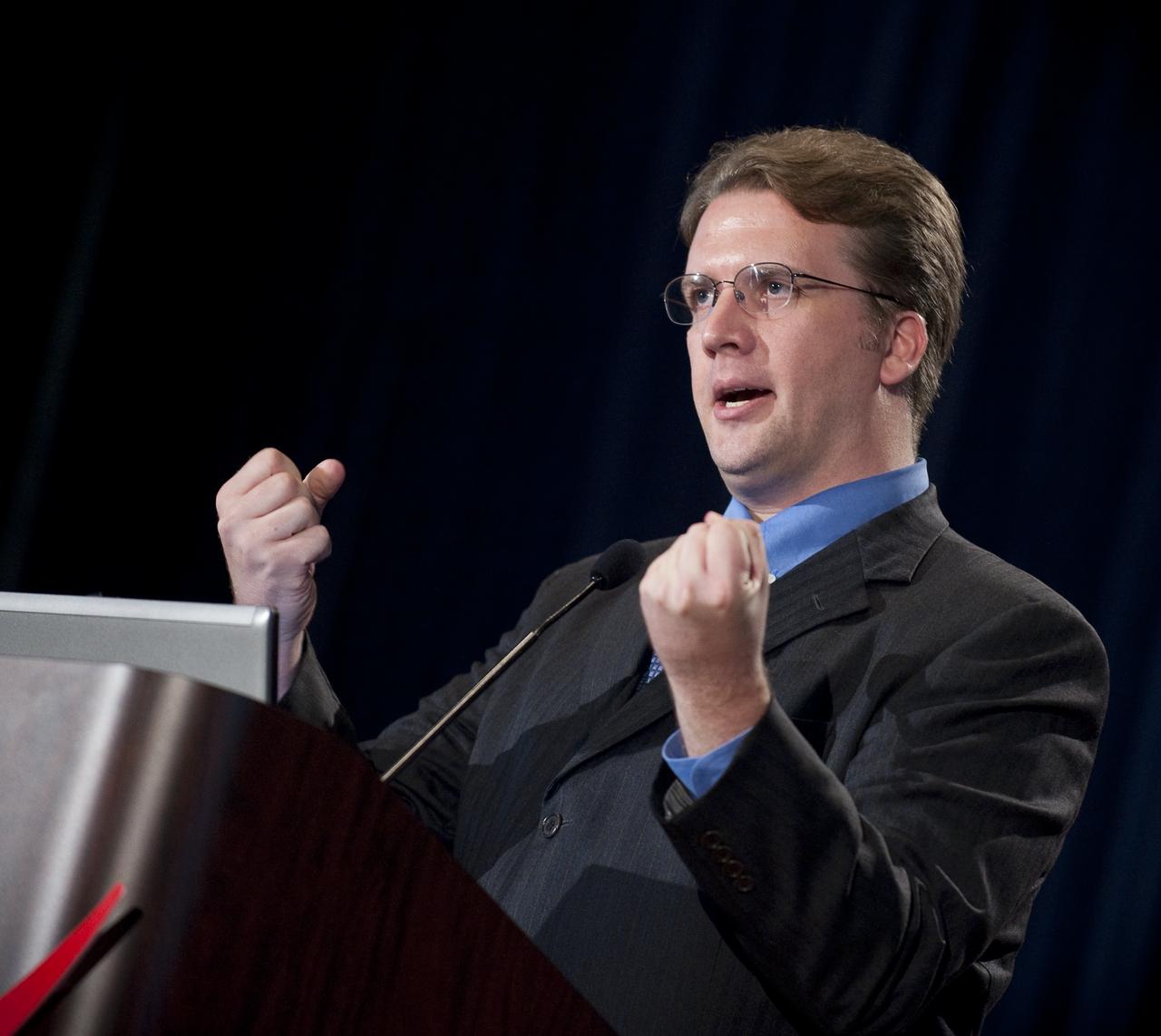
NASA Small Satellite Subsystem Technology and Edison Small Satellite Demonstrations Program Executive Brant Sponberg speaks during the NASA New Space Technology Industry Forum being held at the University of Maryland in College Park on Tuesday, July 13, 2010. During the two-day event, speakers are focusing on the president's fiscal year 2011 budget request for NASA's new Space Technology Program. Representatives from industry, academia and the federal government are in attendance to discuss strategy, development and implementation of NASA's proposed new technology-enabled exploration. Photo Credit: (NASA/Bill Ingalls)
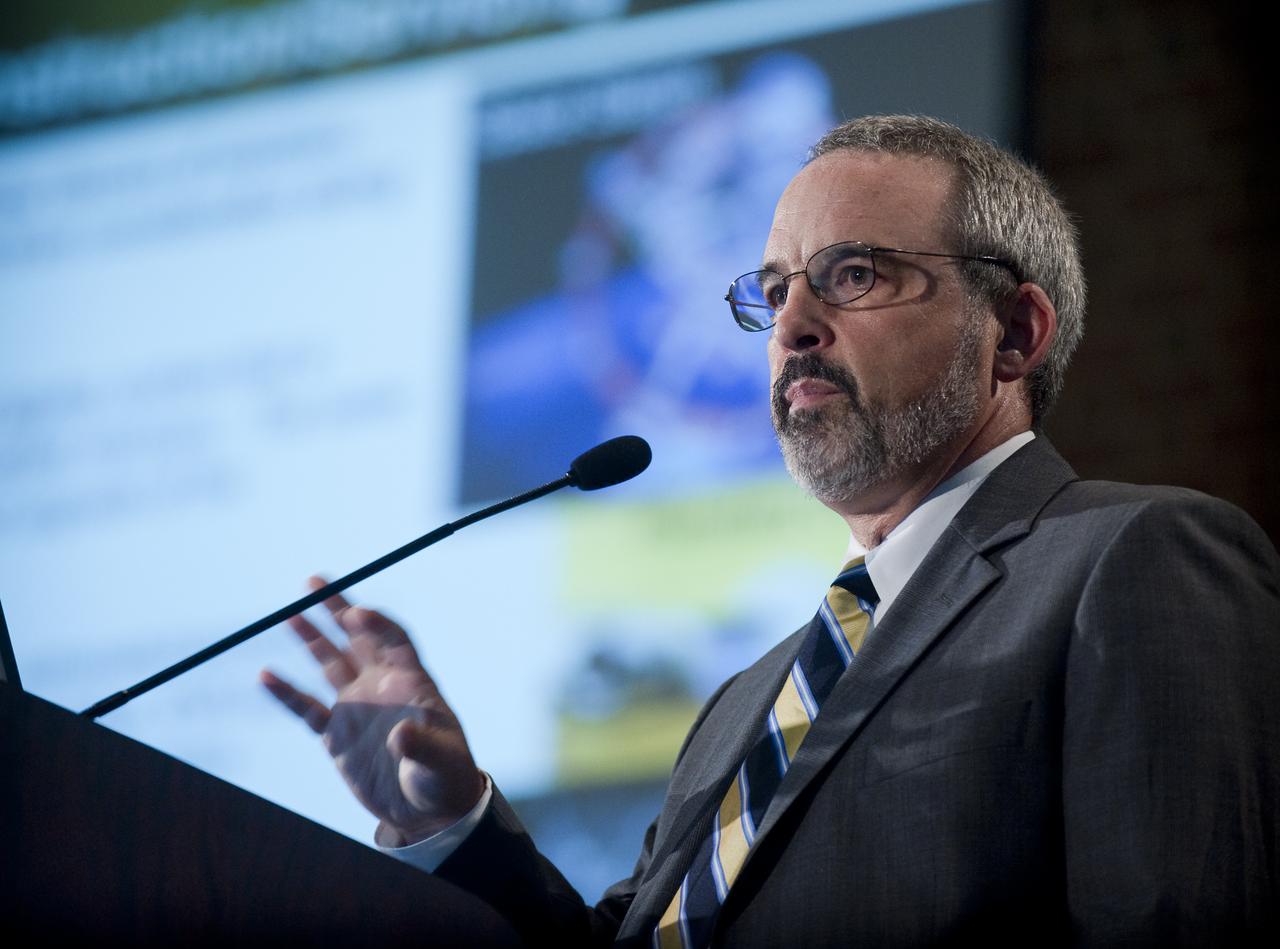
NASA Program Manager for Game Changing Technology Program Jean Francois Barthelemy speaks during the NASA New Space Technology Industry Forum being held at the University of Maryland in College Park on Tuesday, July 13, 2010. During the two-day event, speakers are focusing on the president's fiscal year 2011 budget request for NASA's new Space Technology Program. Representatives from industry, academia and the federal government are in attendance to discuss strategy, development and implementation of NASA's proposed new technology-enabled exploration. Photo Credit: (NASA/Bill Ingalls)
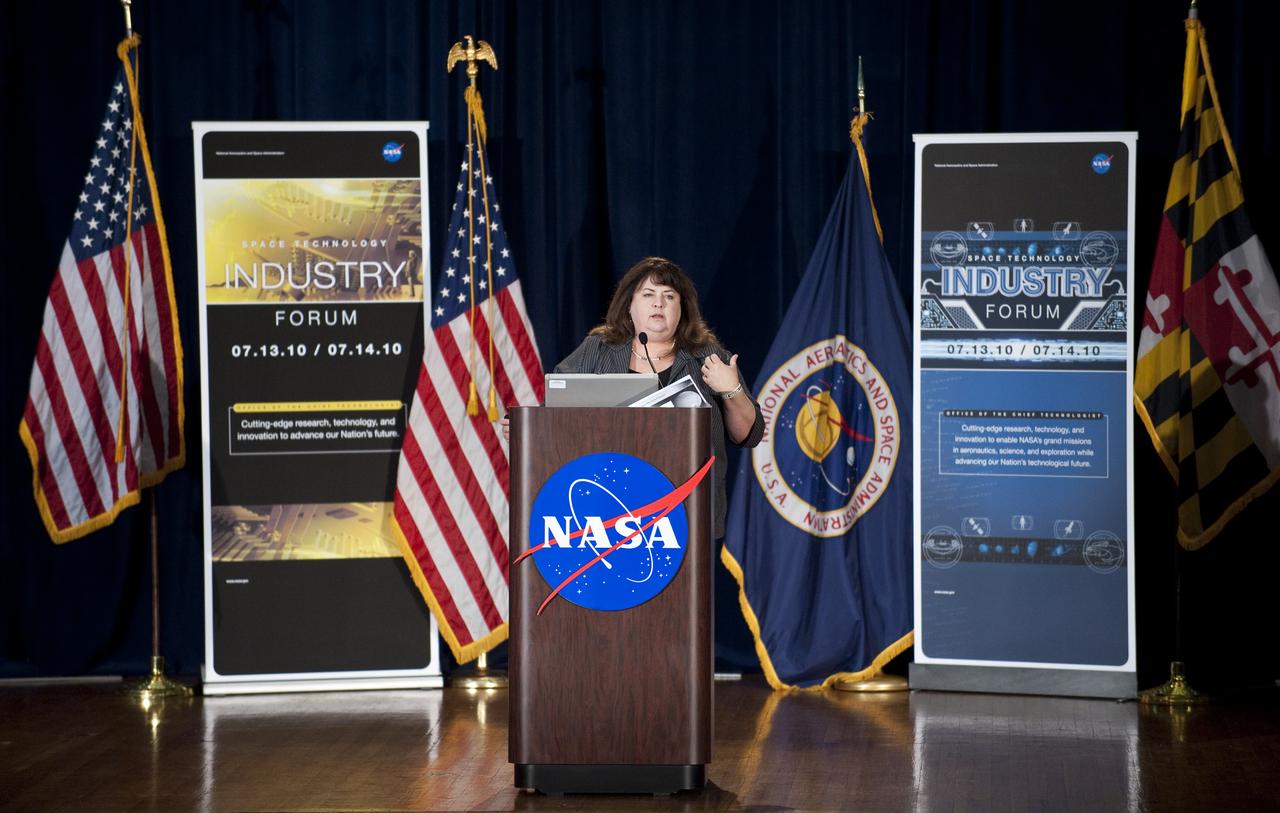
NASA's Program Executive for Technology Demonstration Missions Bonnie James speaks during the NASA New Space Technology Industry Forum being held at the University of Maryland in College Park on Tuesday, July 13, 2010. During the two-day event, speakers are focusing on the president's fiscal year 2011 budget request for NASA's new Space Technology Program. Representatives from industry, academia and the federal government are in attendance to discuss strategy, development and implementation of NASA's proposed new technology-enabled exploration. Photo Credit: (NASA/Bill Ingalls)
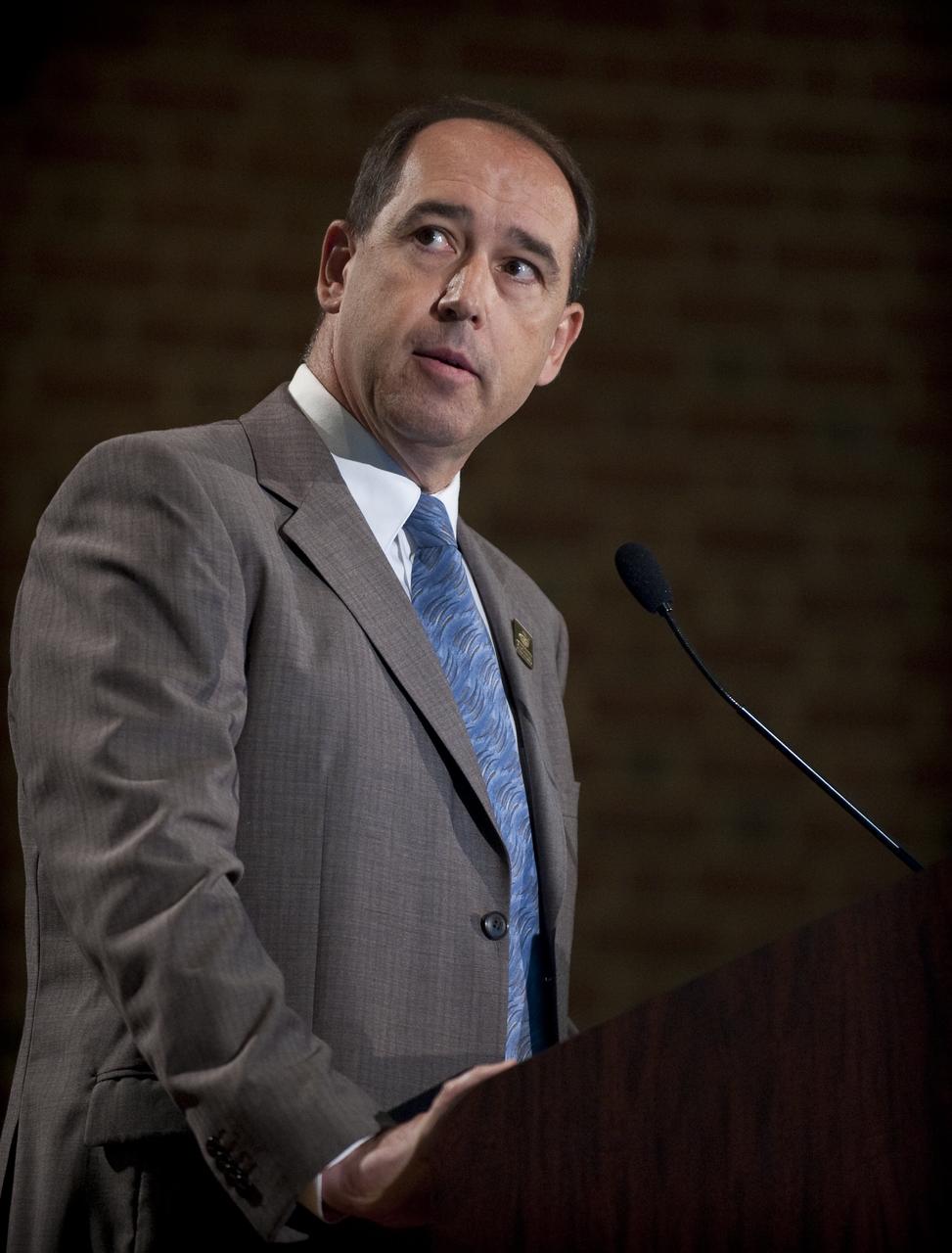
NASA's Manager of Centennial Challenges Andy Petro speaks during the NASA New Space Technology Industry Forum being held at the University of Maryland in College Park on Tuesday, July 13, 2010. During the two-day event, speakers are focusing on the president's fiscal year 2011 budget request for NASA's new Space Technology Program. Representatives from industry, academia and the federal government are in attendance to discuss strategy, development and implementation of NASA's proposed new technology-enabled exploration. Photo Credit: (NASA/Bill Ingalls)
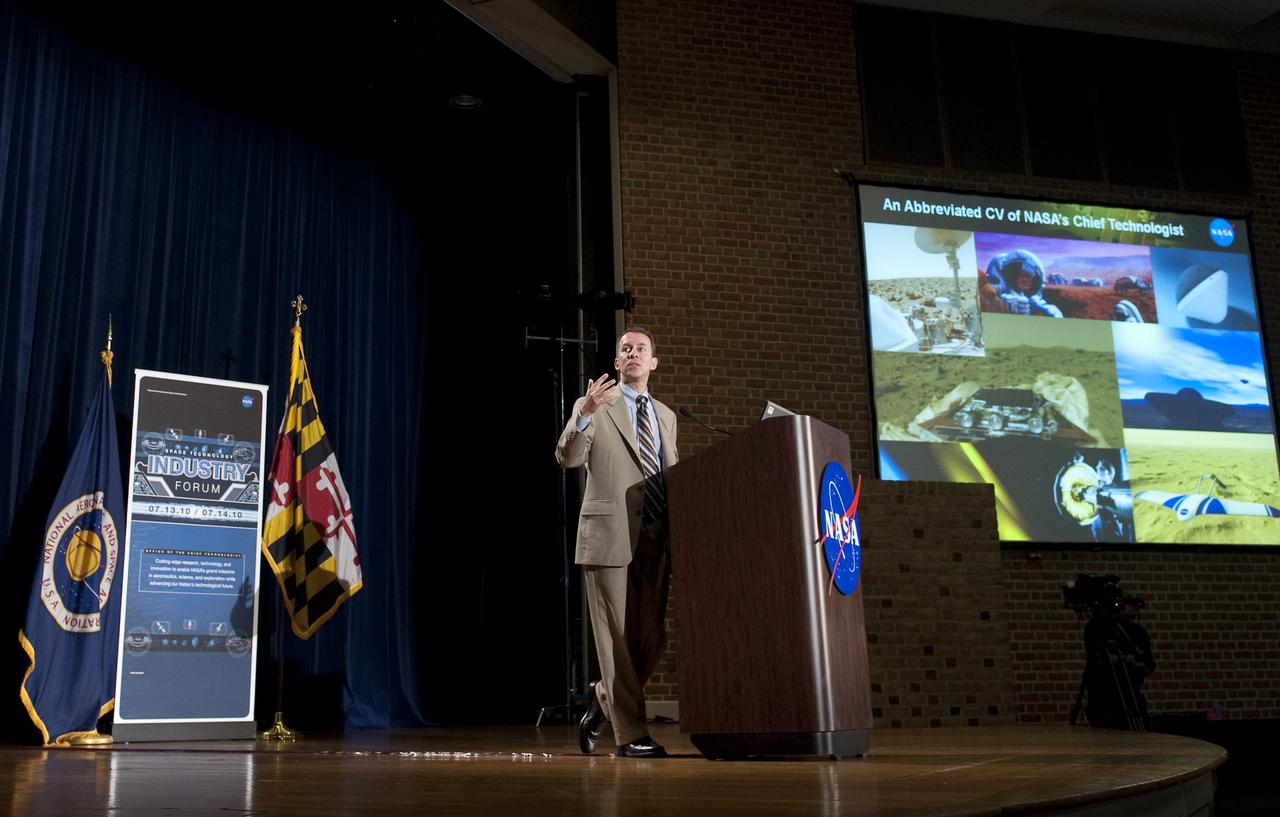
NASA Chief Technologist Bobby Braun speaks during the NASA New Space Technology Industry Forum being held at the University of Maryland in College Park on Tuesday, July 13, 2010. During the two-day event, speakers are focusing on the president's fiscal year 2011 budget request for NASA's new Space Technology Program. Representatives from industry, academia and the federal government are in attendance to discuss strategy, development and implementation of NASA's proposed new technology-enabled exploration. Photo Credit: (NASA/Bill Ingalls)
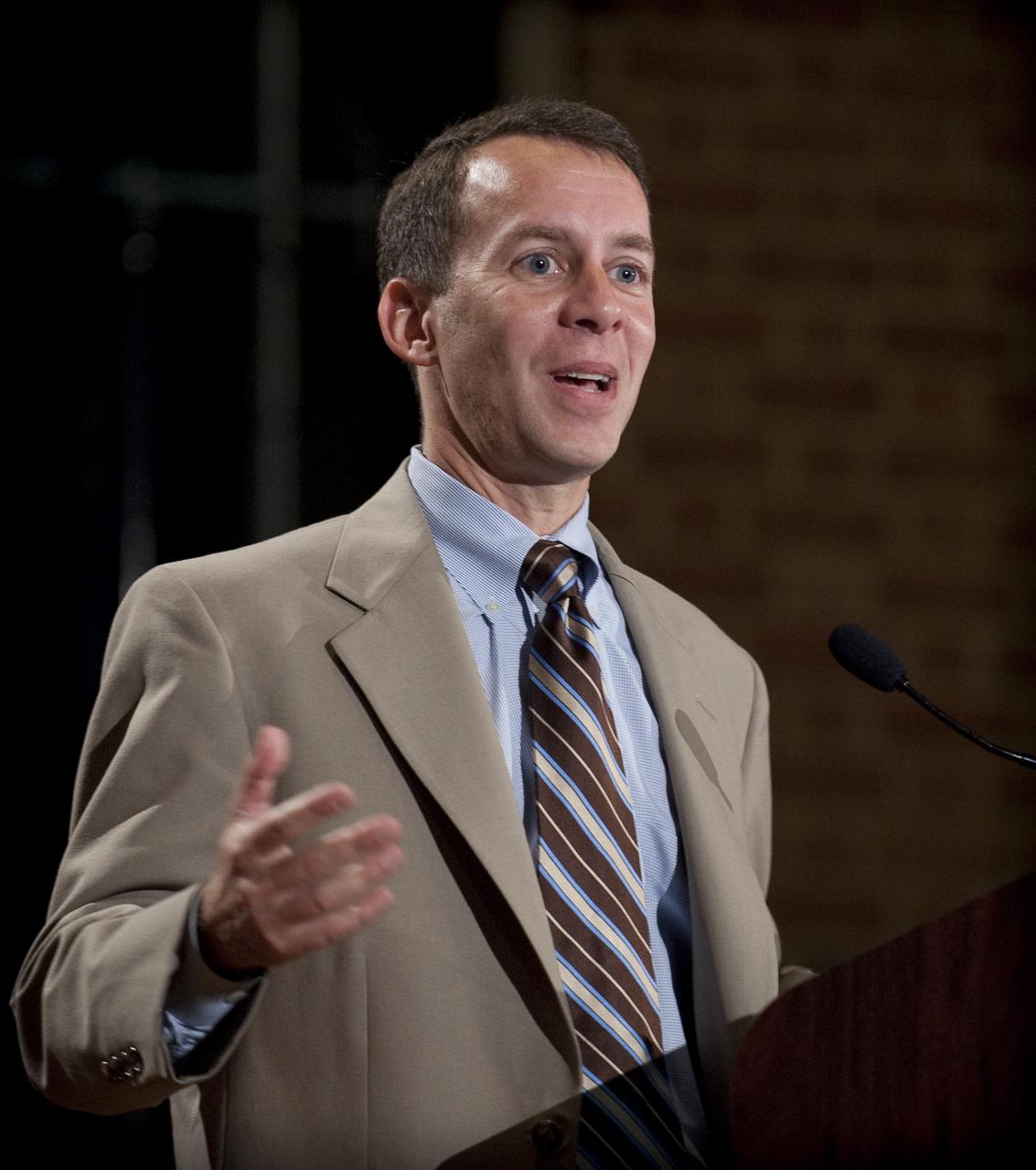
NASA Chief Technologist Bobby Braun speaks during the NASA New Space Technology Industry Forum being held at the University of Maryland in College Park on Tuesday, July 13, 2010. During the two-day event, speakers are focusing on the president's fiscal year 2011 budget request for NASA's new Space Technology Program. Representatives from industry, academia and the federal government are in attendance to discuss strategy, development and implementation of NASA's proposed new technology-enabled exploration. Photo Credit: (NASA/Bill Ingalls)
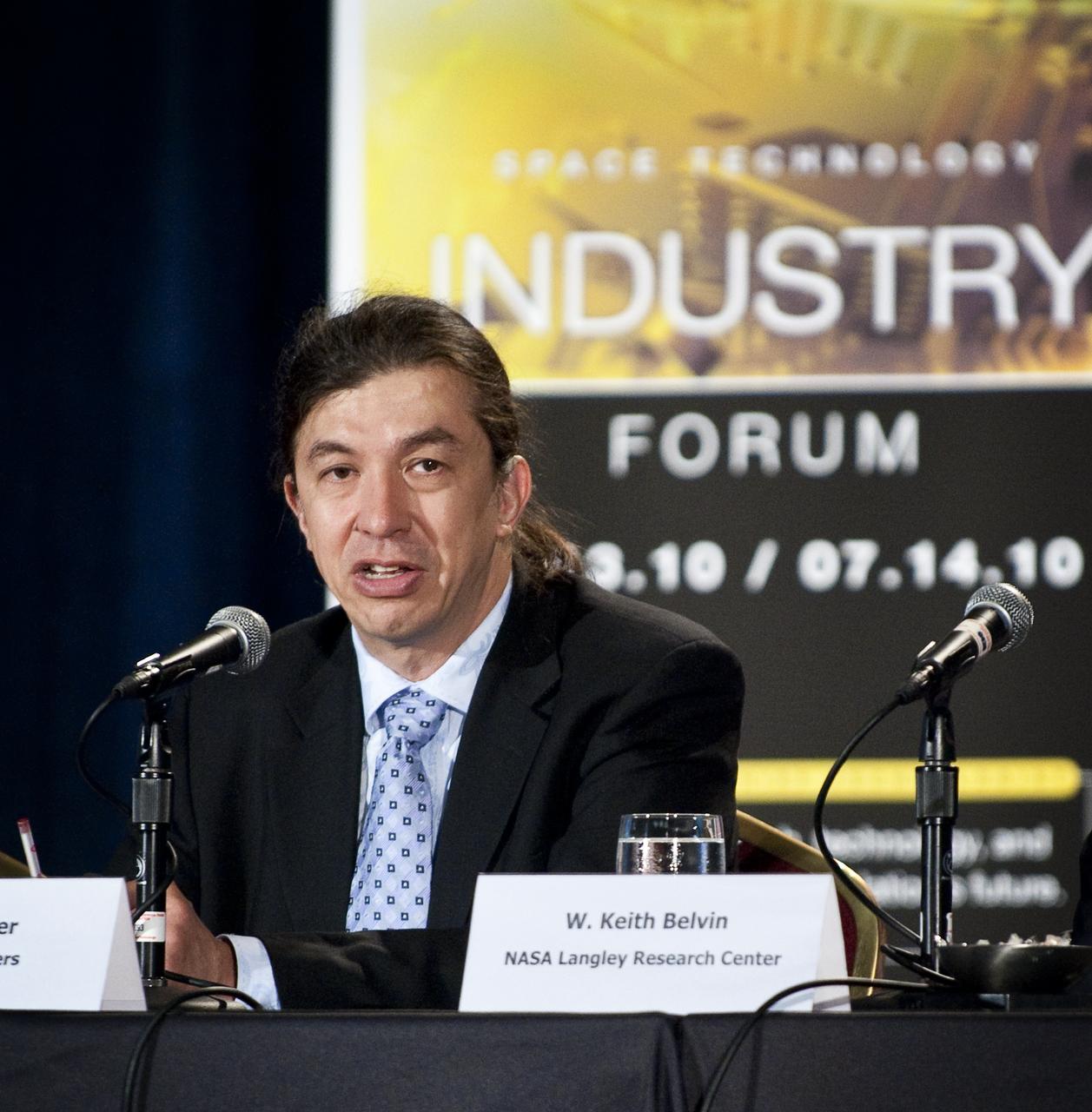
James Reuther, Director of Strategic Integration at NASA Headquarters, speaks during the NASA New Space Technology Industry Forum being held at the University of Maryland in College Park on Wednesday, July 14, 2010. During the two-day event, speakers are focusing on the president's fiscal year 2011 budget request for NASA's new Space Technology Program. Representatives from industry, academia and the federal government are in attendance to discuss strategy, development and implementation of NASA's proposed new technology-enabled exploration. Photo Credit: (NASA/Carla Cioffi)
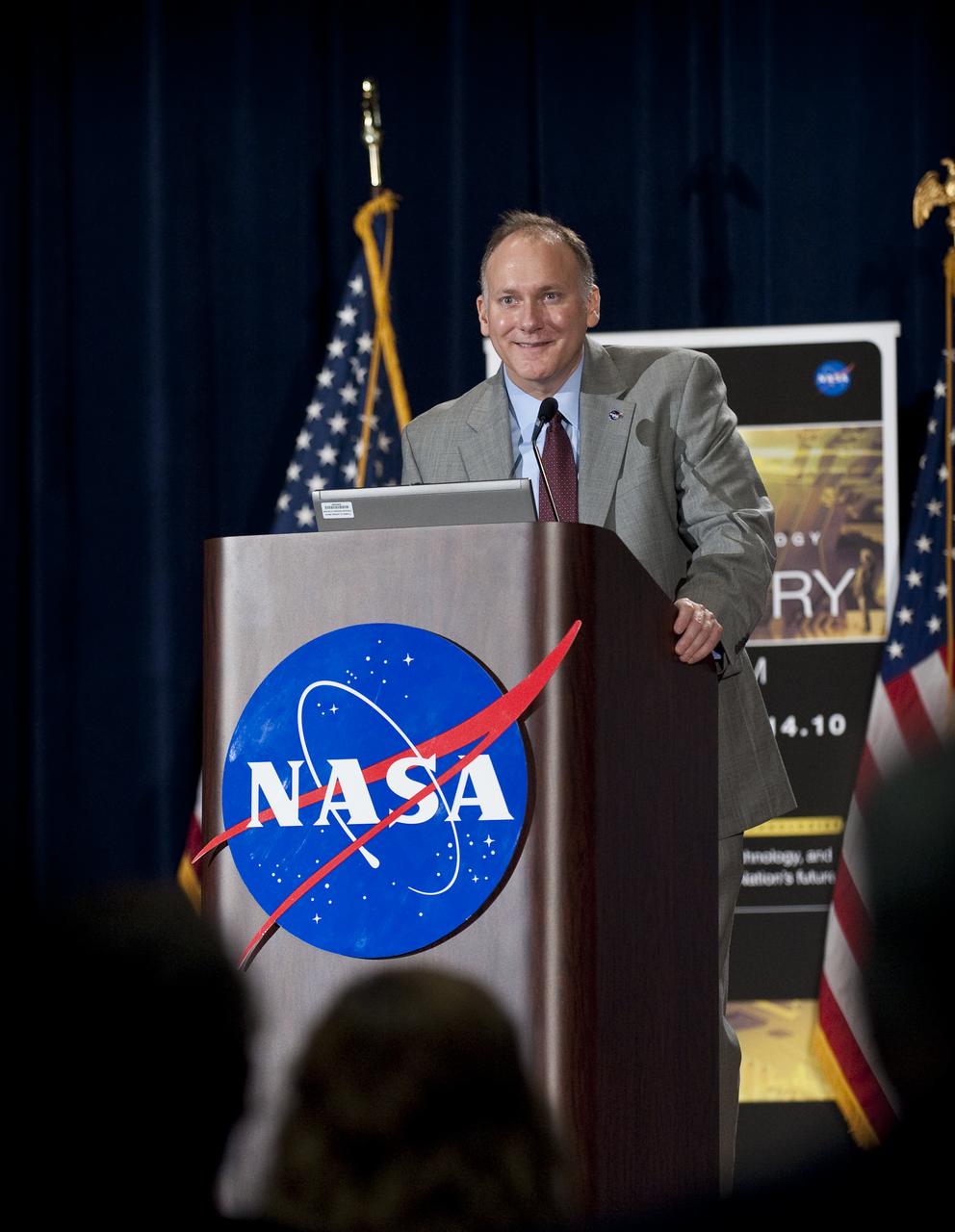
David Steitz, from NASA's Office of Communications, kicks off the NASA New Space Technology Industry Forum being held at the University of Maryland in College Park on Tuesday, July 13, 2010. During the two-day event, speakers are focusing on the president's fiscal year 2011 budget request for NASA's new Space Technology Program. Representatives from industry, academia and the federal government are in attendance to discuss strategy, development and implementation of NASA's proposed new technology-enabled exploration. Photo Credit: (NASA/Bill Ingalls)
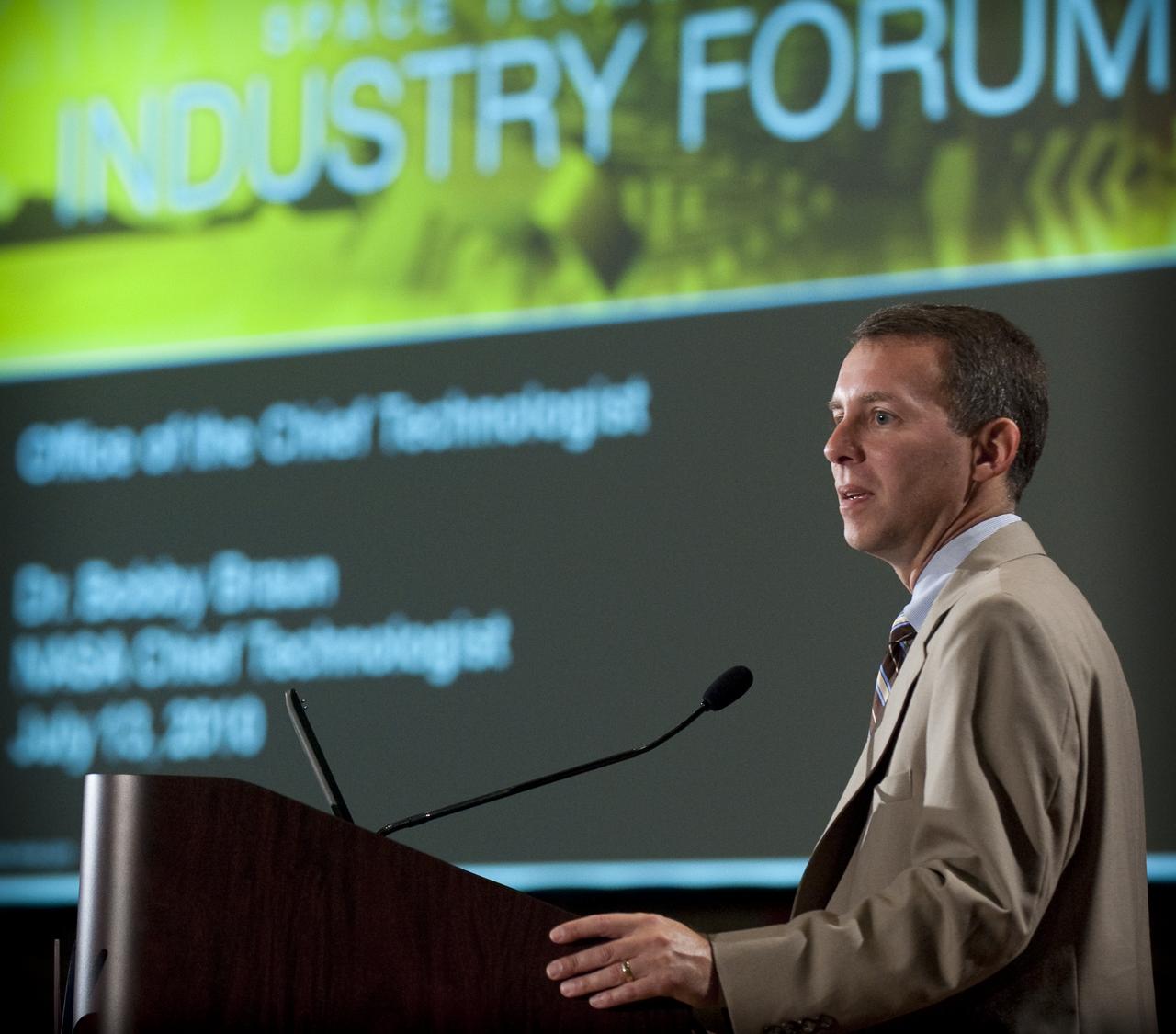
NASA Chief Technologist Bobby Braun speaks during the NASA New Space Technology Industry Forum being held at the University of Maryland in College Park on Tuesday, July 13, 2010. During the two-day event, speakers are focusing on the president's fiscal year 2011 budget request for NASA's new Space Technology Program. Representatives from industry, academia and the federal government are in attendance to discuss strategy, development and implementation of NASA's proposed new technology-enabled exploration. Photo Credit: (NASA/Bill Ingalls)
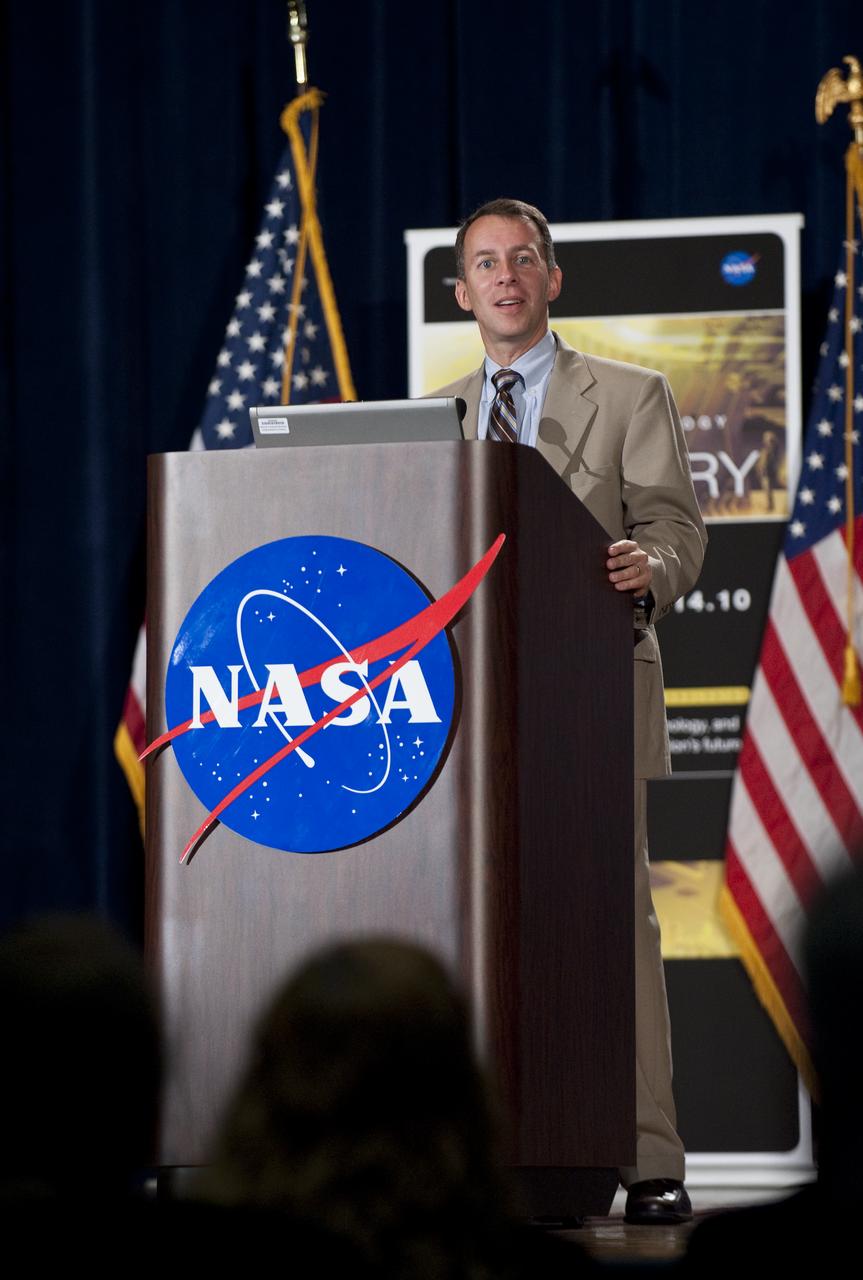
NASA Chief Technologist Bobby Braun speaks during the NASA New Space Technology Industry Forum being held at the University of Maryland in College Park on Tuesday, July 13, 2010. During the two-day event, speakers are focusing on the president's fiscal year 2011 budget request for NASA's new Space Technology Program. Representatives from industry, academia and the federal government are in attendance to discuss strategy, development and implementation of NASA's proposed new technology-enabled exploration. Photo Credit: (NASA/Bill Ingalls)
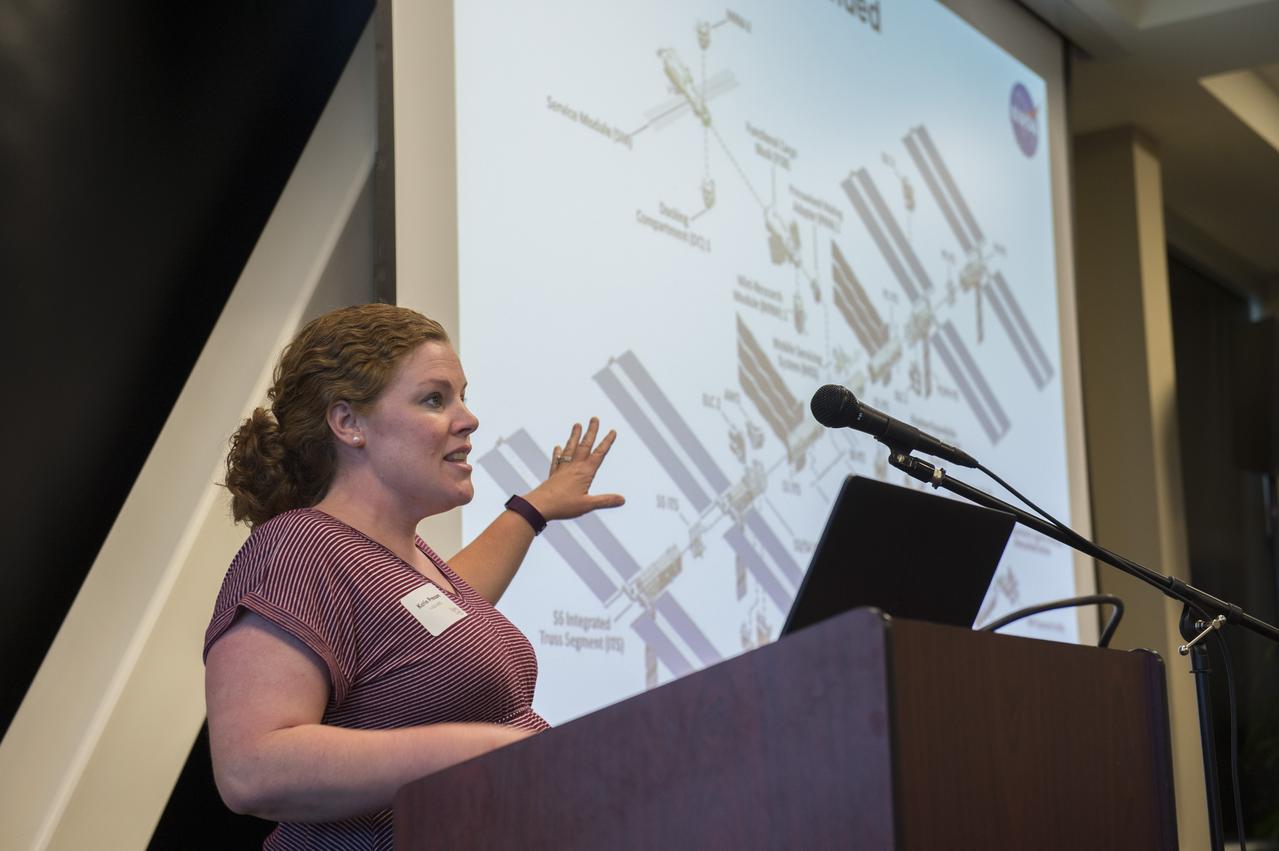
Katie Presson speaks at Geek @ Geek event at Aegis Technologies
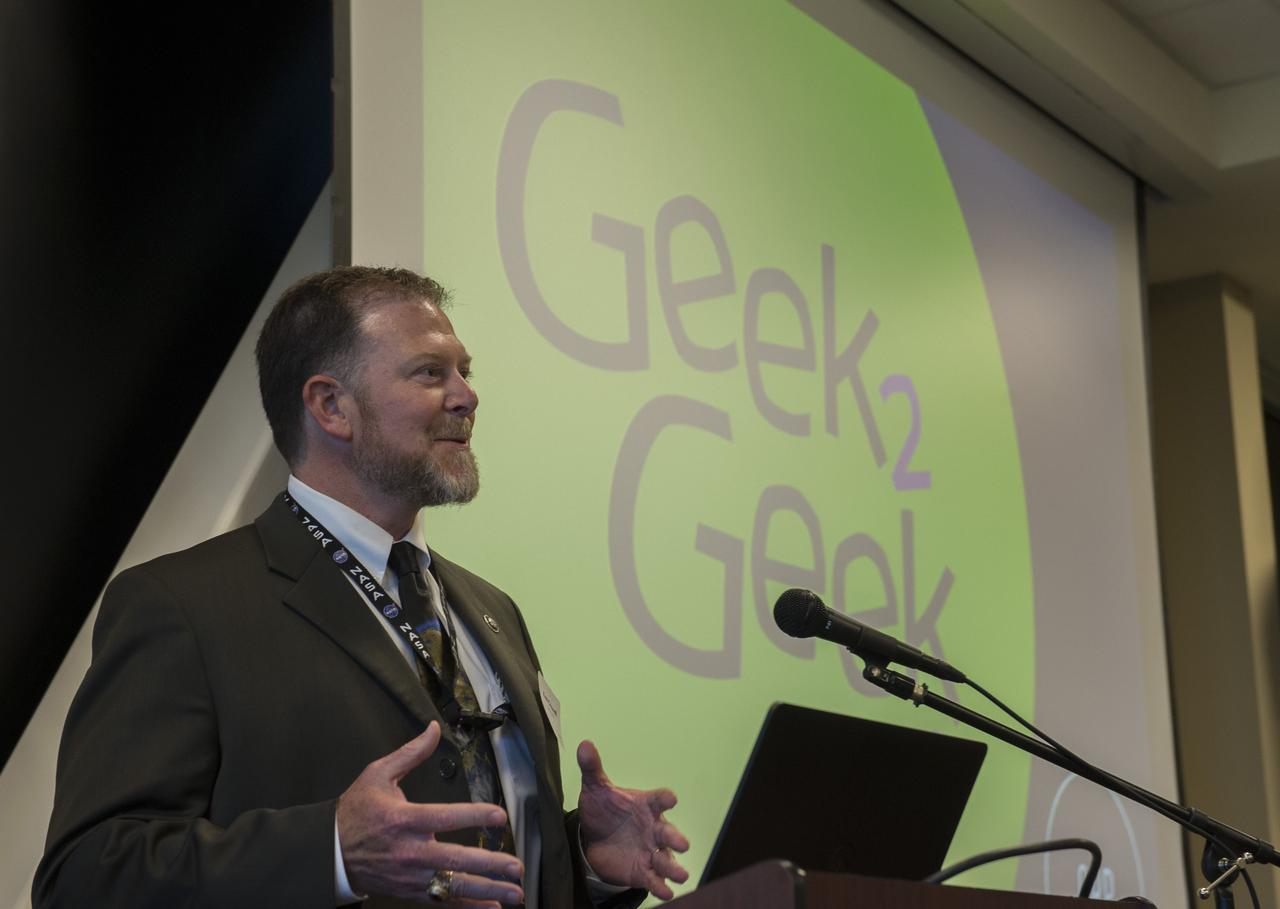
Kent Criswell speaks at Geek @ Geek event at Aegis Technologies
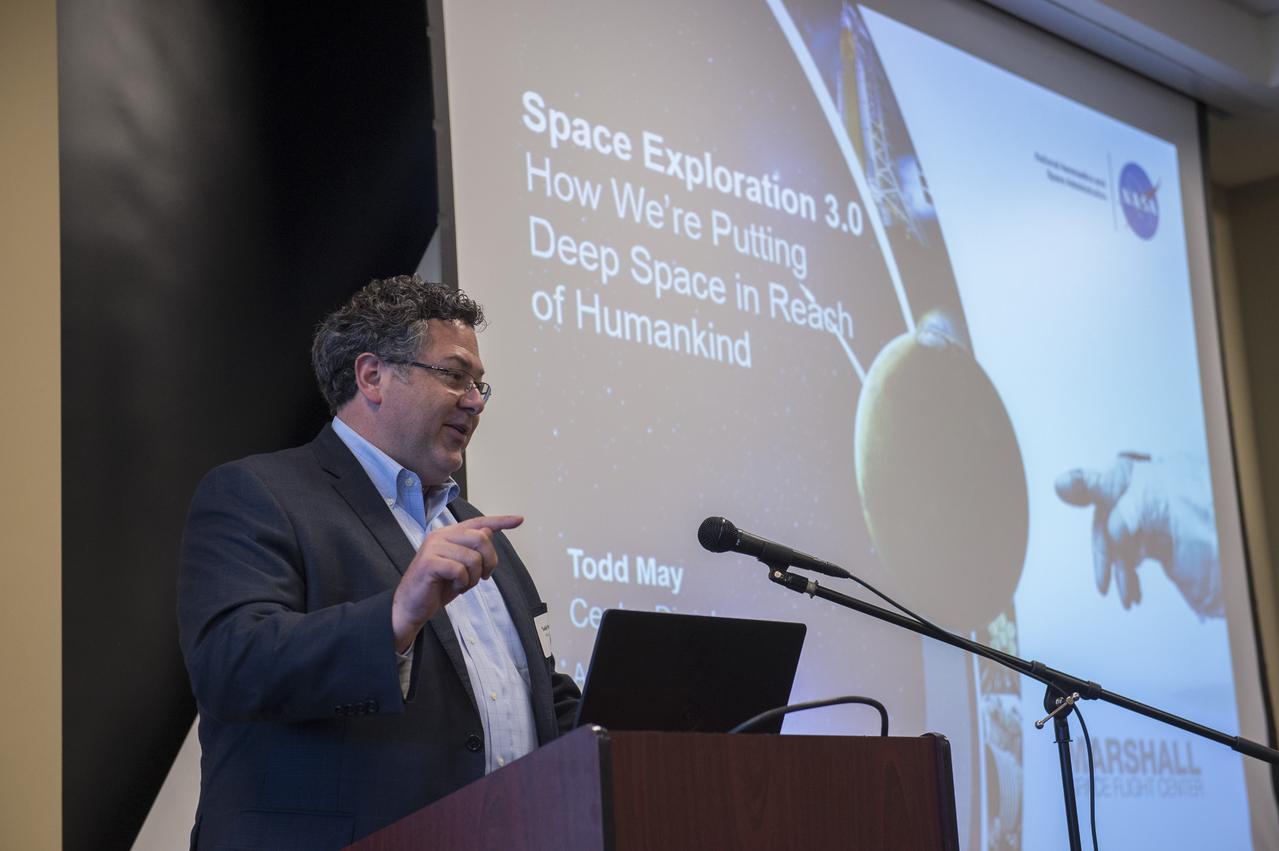
Todd May Speaks at Geek @ Geek event at Aegis Technologies
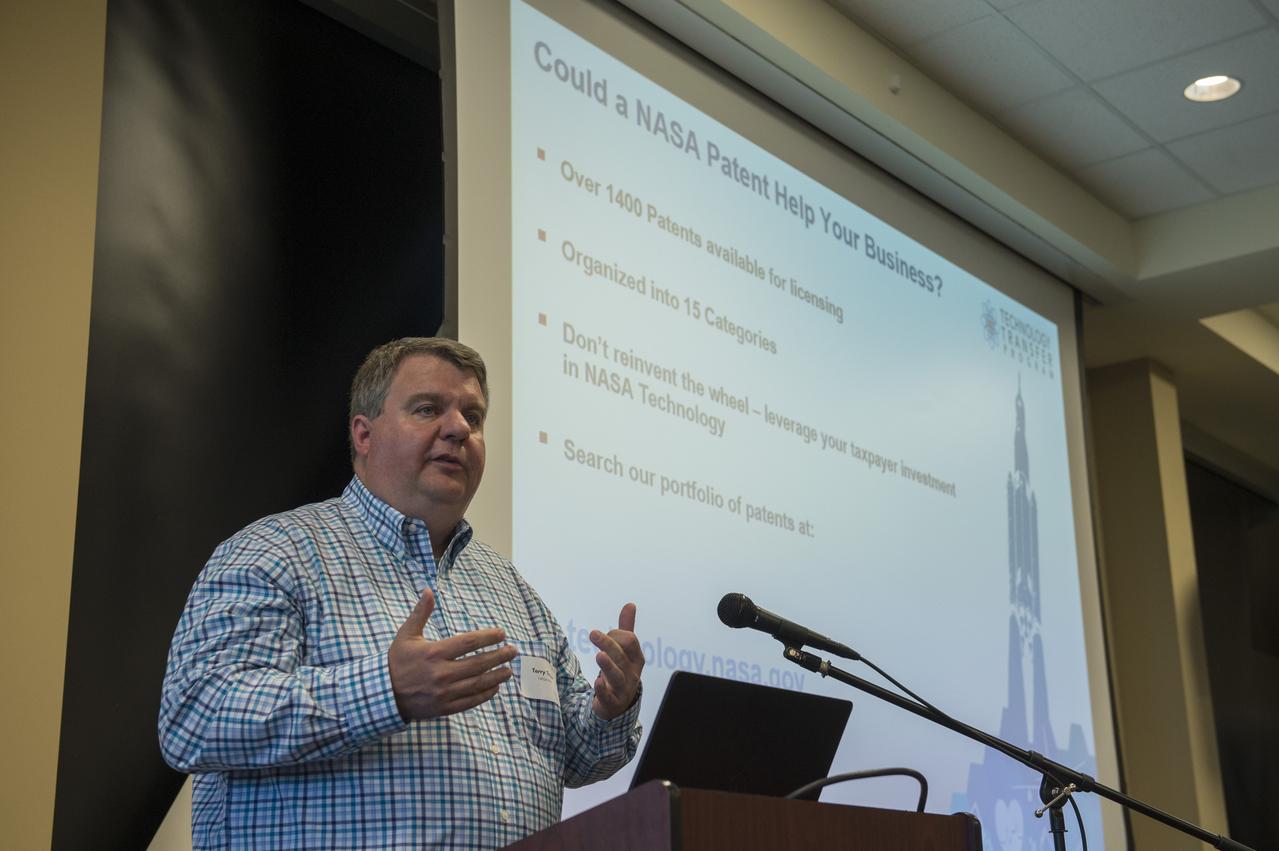
Terry Taylor speaks at Geek @ Geek event at Aegis Technologies
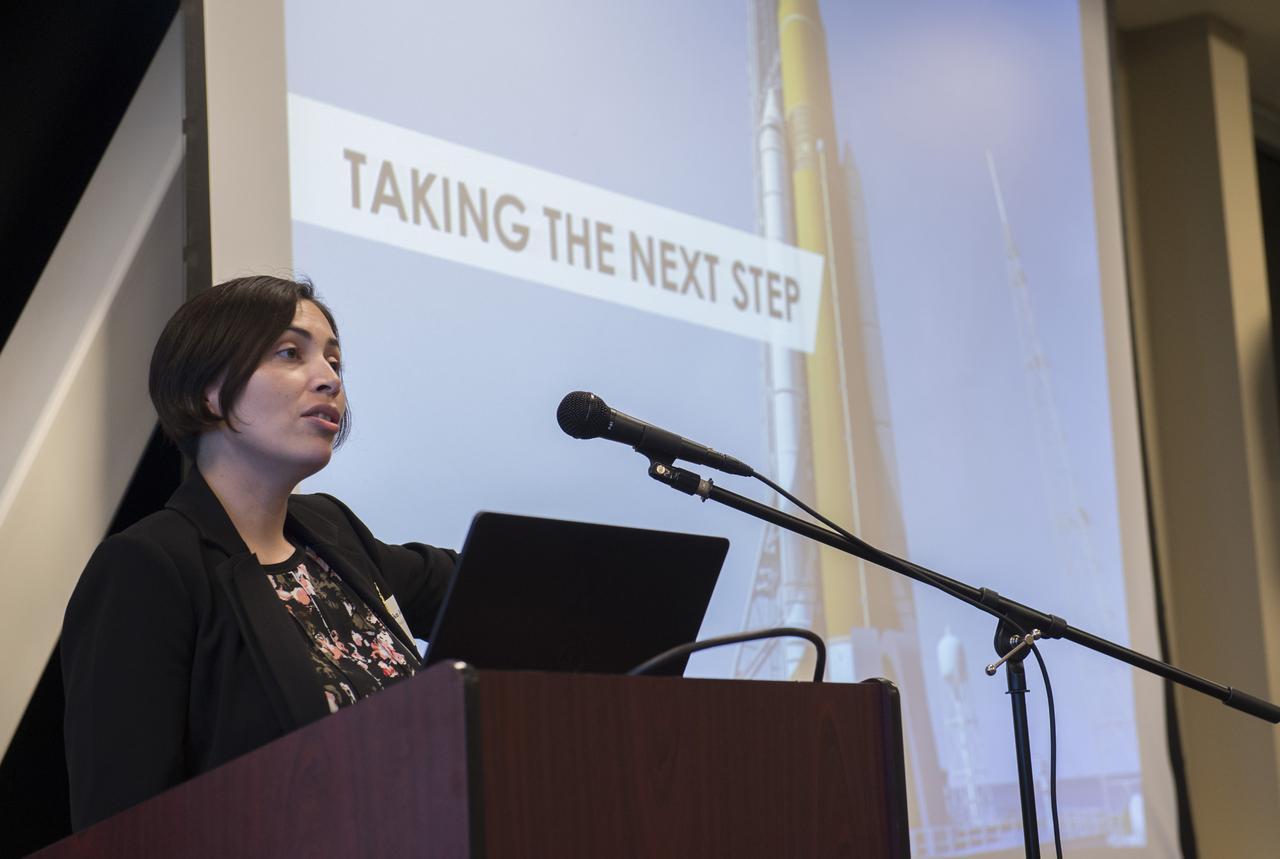
Erika Alvarez Speaks at Geek @ Geek event at Aegis Technologies
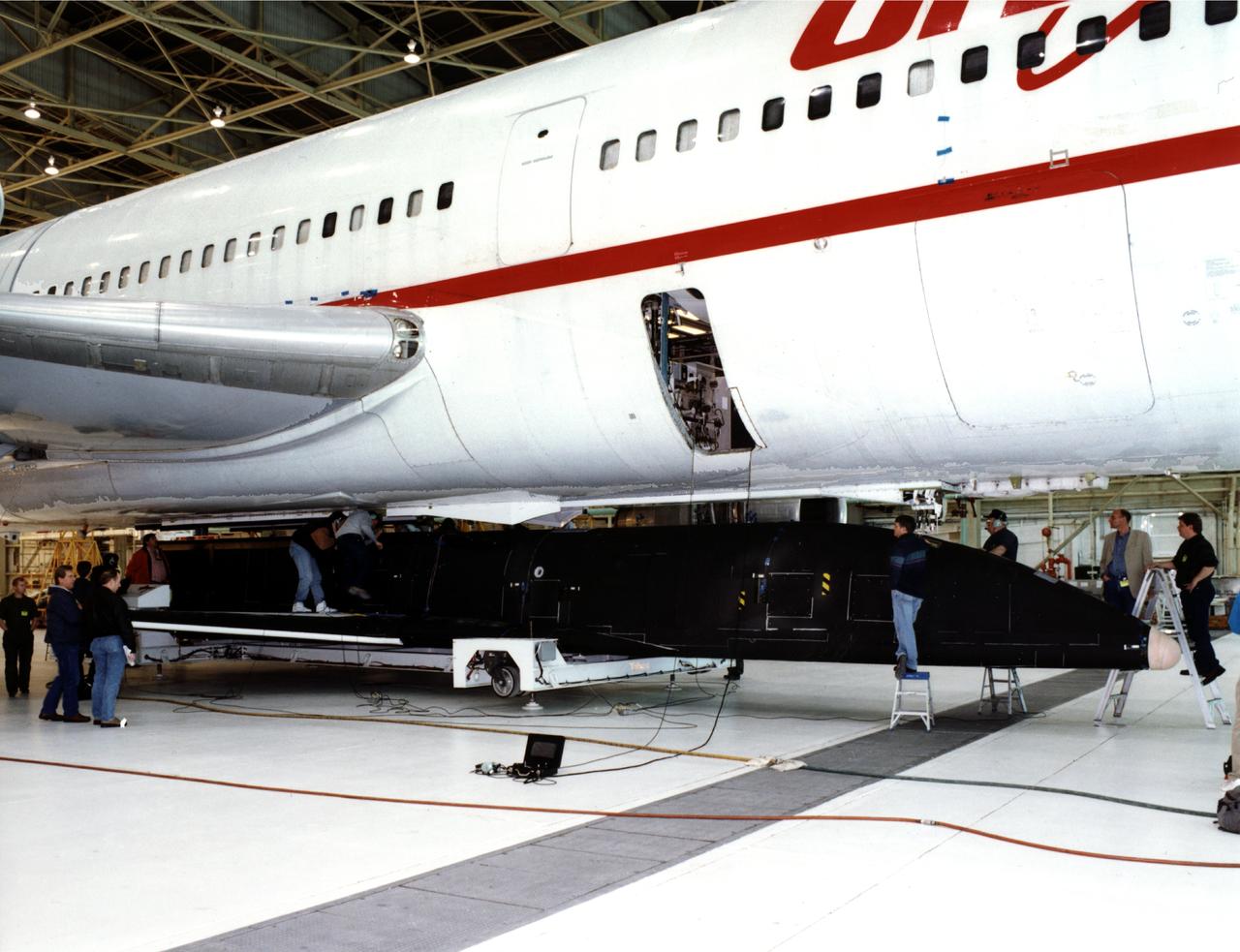
This is the X-34 Technology Testbed Demonstrator being mated with the L-1011 mothership. The X-34 will demonstrate key vehicle and operational technologies applicable to future low-cost resuable launch vehicles.
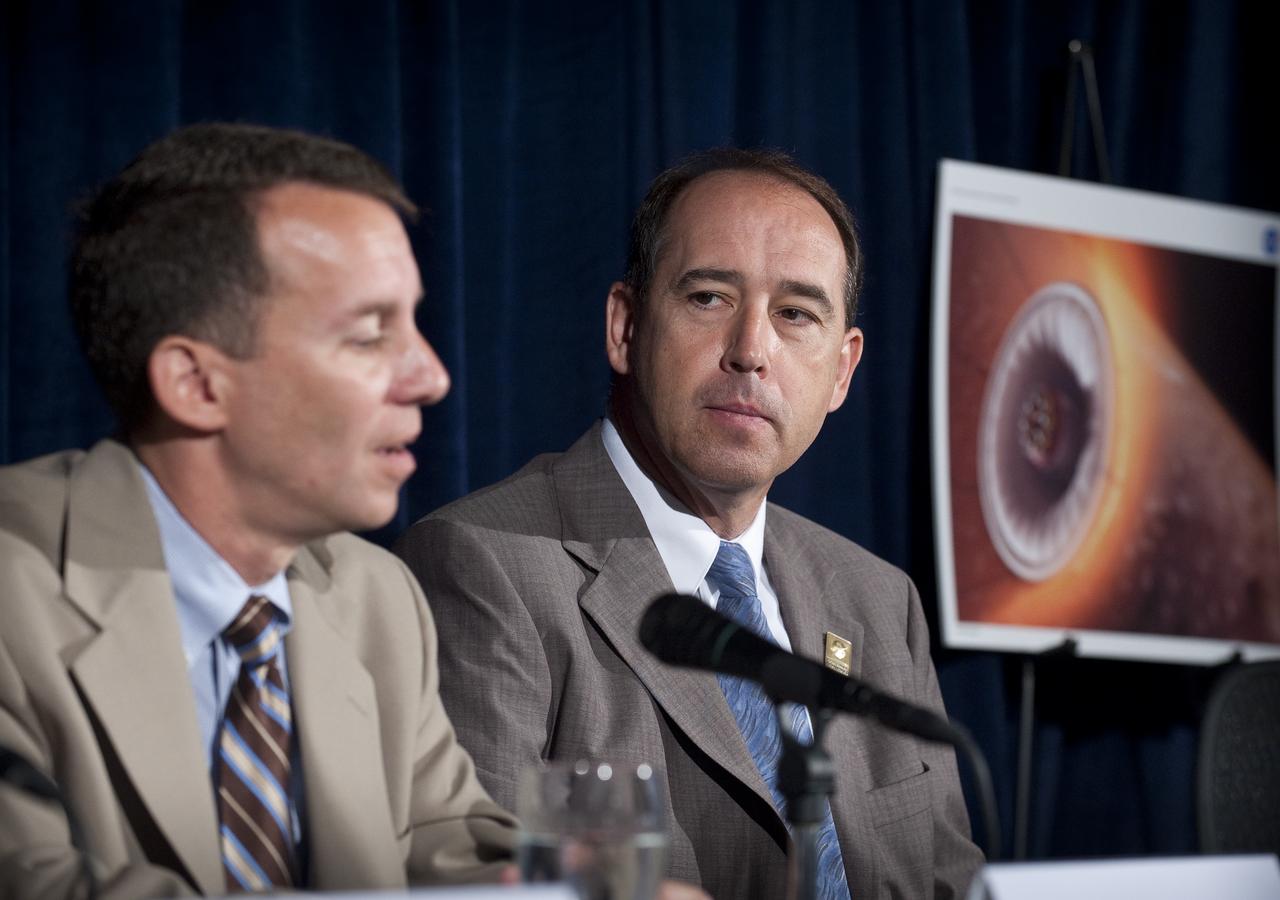
NASA's Manager of Centennial Challenges Andy Petro, right, listens as NASA Chief Technologist Bobby Braun answers a reporter's question during a press conference held at the NASA New Space Technology Industry Forum being held at the University of Maryland in College Park on Tuesday, July 13, 2010. During the two-day event, speakers are focusing on the president's fiscal year 2011 budget request for NASA's new Space Technology Program. Representatives from industry, academia and the federal government are in attendance to discuss strategy, development and implementation of NASA's proposed new technology-enabled exploration. Photo Credit: (NASA/Bill Ingalls)
Keith Belvin, NASA Systems Engineer at NASA Langley Research Center, speaks during the NASA New Space Technology Industry Forum being held at the University of Maryland in College Park on Wednesday, July 14, 2010. During the two-day event, speakers are focusing on the president's fiscal year 2011 budget request for NASA's new Space Technology Program. Representatives from industry, academia and the federal government are in attendance to discuss strategy, development and implementation of NASA's proposed new technology-enabled exploration. Photo Credit: (NASA/Carla Cioffi)
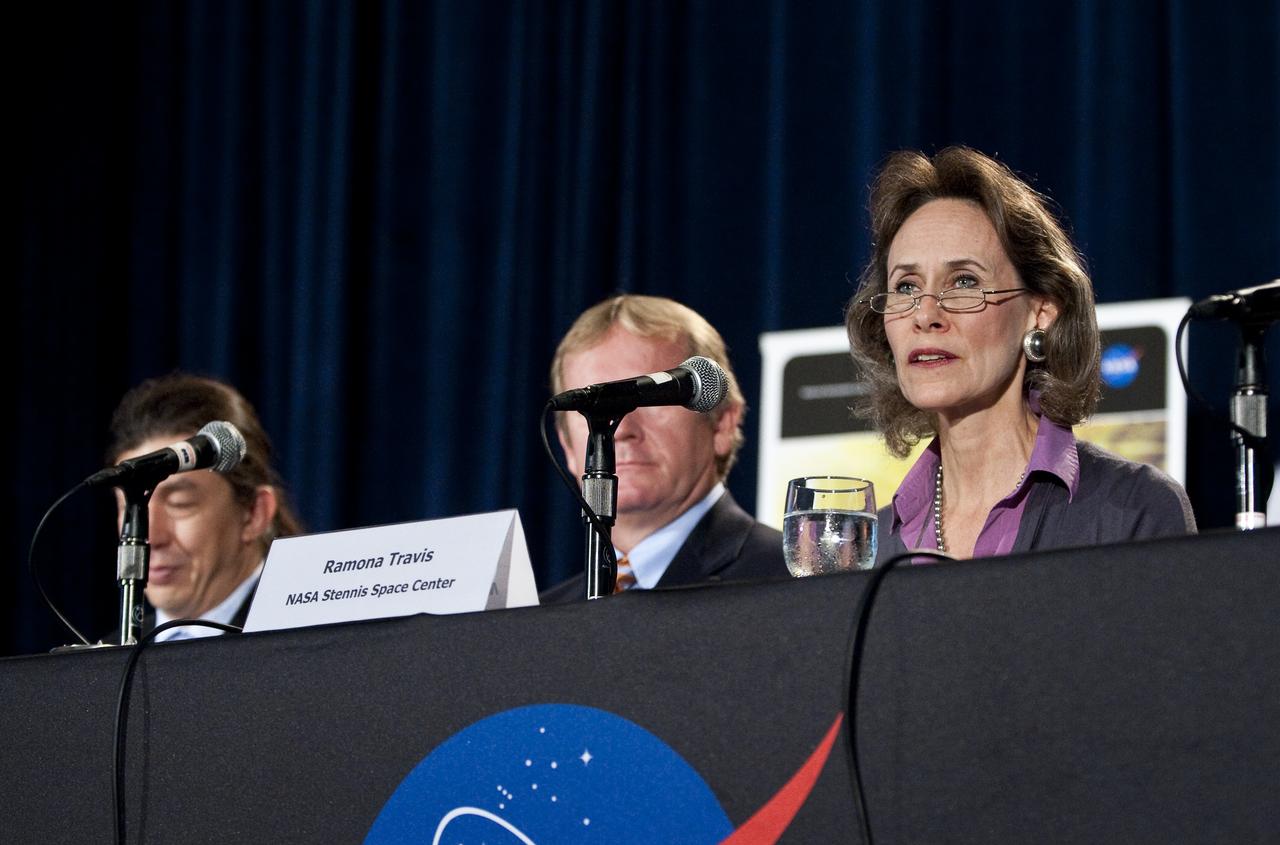
Ramona Travis, NASA Stennis Space Center Chief Technologist, speaks during the NASA New Space Technology Industry Forum being held at the University of Maryland in College Park on Wednesday, July 14, 2010. During the two-day event, speakers are focusing on the president's fiscal year 2011 budget request for NASA's new Space Technology Program. Representatives from industry, academia and the federal government are in attendance to discuss strategy, development and implementation of NASA's proposed new technology-enabled exploration. Photo Credit: (NASA/Carla Cioffi)
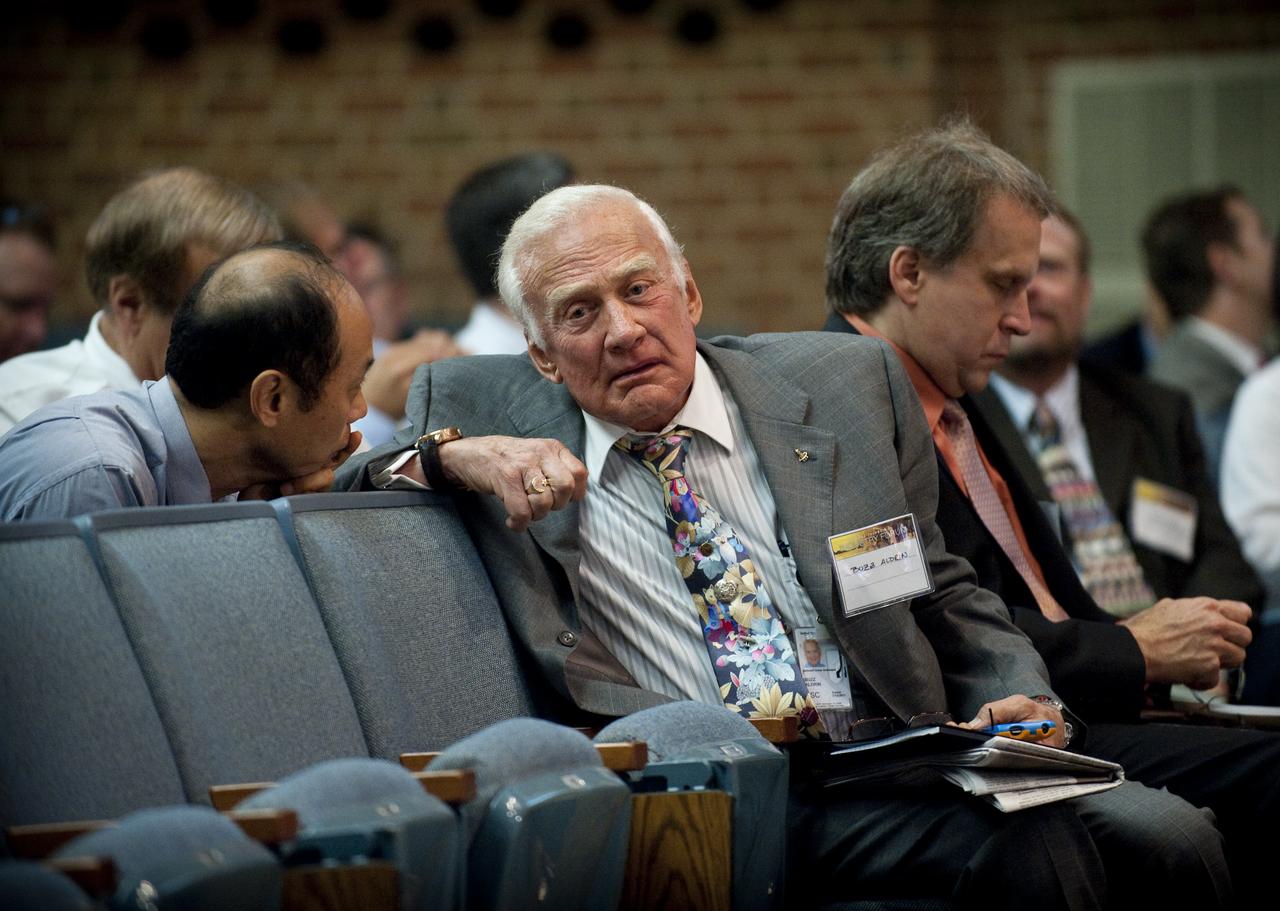
Retired NASA Astronaut and Air Force Col. Buzz Aldrin talks with other attendees of NASA's New Space Technology Industry Forum being held at the University of Maryland in College Park on Tuesday, July 13, 2010. During the two-day event, speakers are focusing on the president's fiscal year 2011 budget request for NASA's new Space Technology Program. Representatives from industry, academia and the federal government are in attendance to discuss strategy, development and implementation of NASA's proposed new technology-enabled exploration. Photo Credit: (NASA/Bill Ingalls)
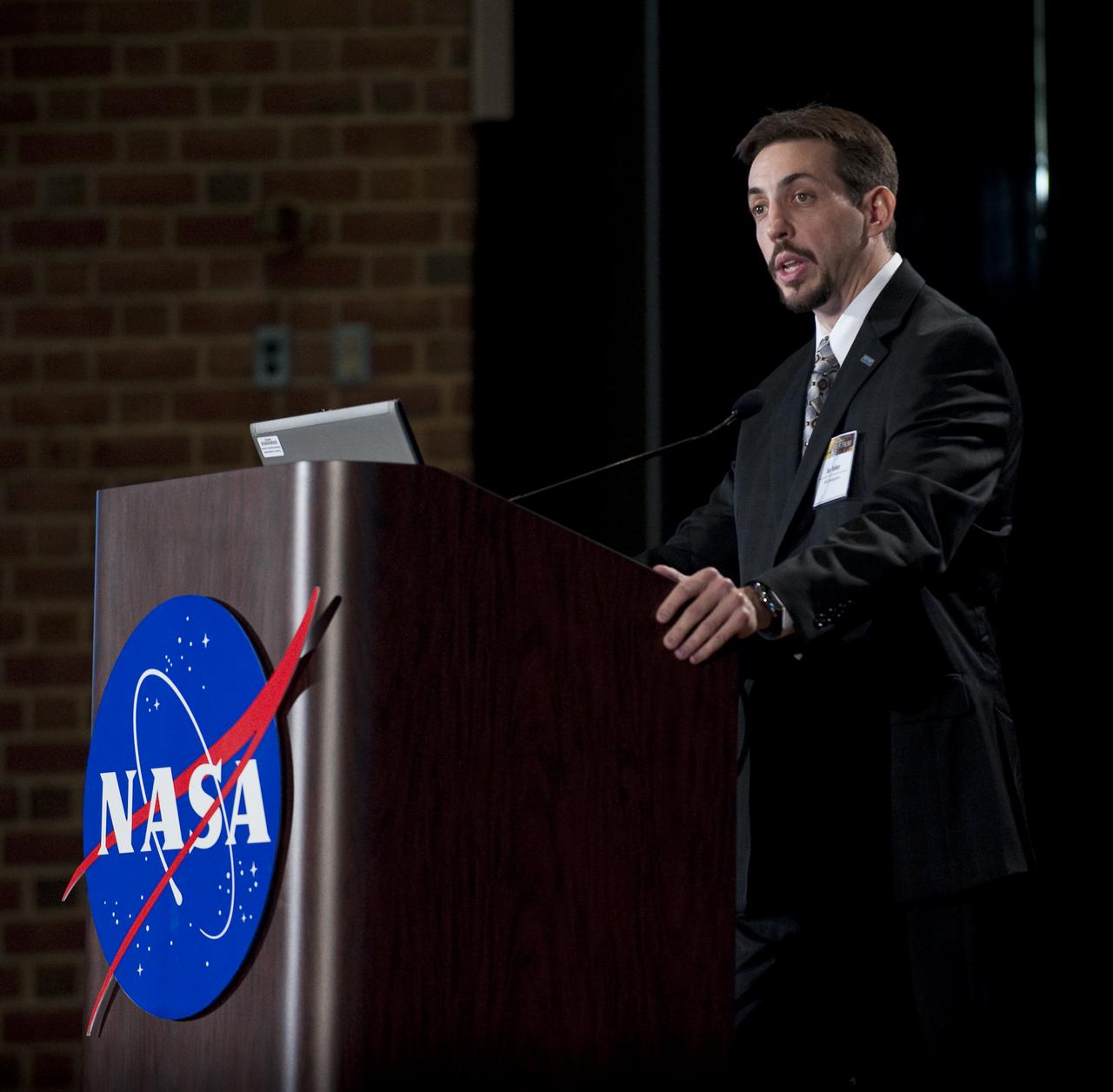
Program Executive for the NASA Innovative Advanced Concepts (NIAC) Program Jay Falker speaks during the NASA New Space Technology Industry Forum being held at the University of Maryland in College Park on Tuesday, July 13, 2010. During the two-day event, speakers are focusing on the president's fiscal year 2011 budget request for NASA's new Space Technology Program. Representatives from industry, academia and the federal government are in attendance to discuss strategy, development and implementation of NASA's proposed new technology-enabled exploration. Photo Credit: (NASA/Bill Ingalls)
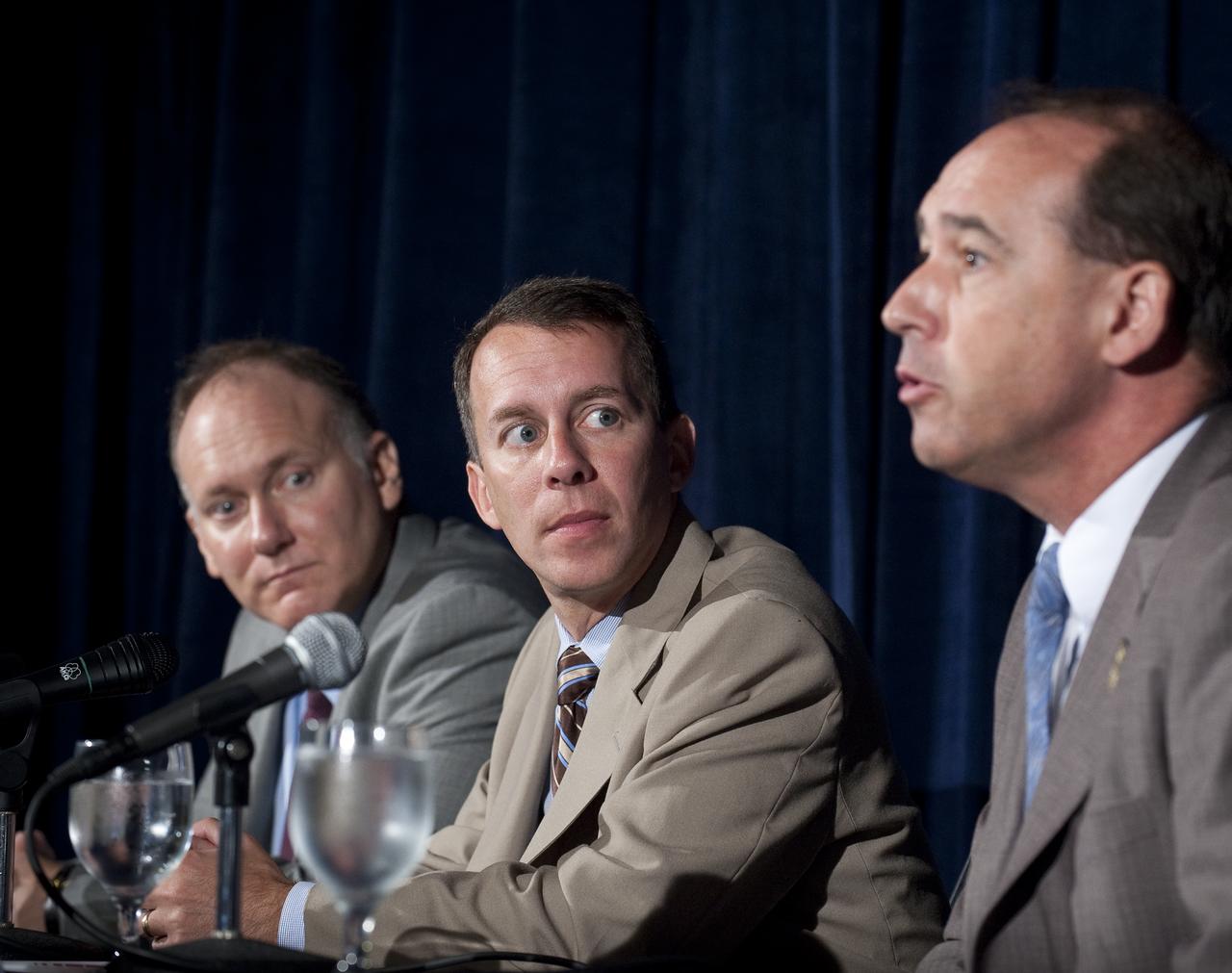
NASA Chief Technologist Bobby Braun, center, listens as NASA's Manager of Centennial Challenges Andy Petro, right, answers a reporter's question during a press conference held at the NASA New Space Technology Industry Forum being held at the University of Maryland in College Park on Tuesday, July 13, 2010. During the two-day event, speakers are focusing on the president's fiscal year 2011 budget request for NASA's new Space Technology Program. Representatives from industry, academia and the federal government are in attendance to discuss strategy, development and implementation of NASA's proposed new technology-enabled exploration. Photo Credit: (NASA/Bill Ingalls)
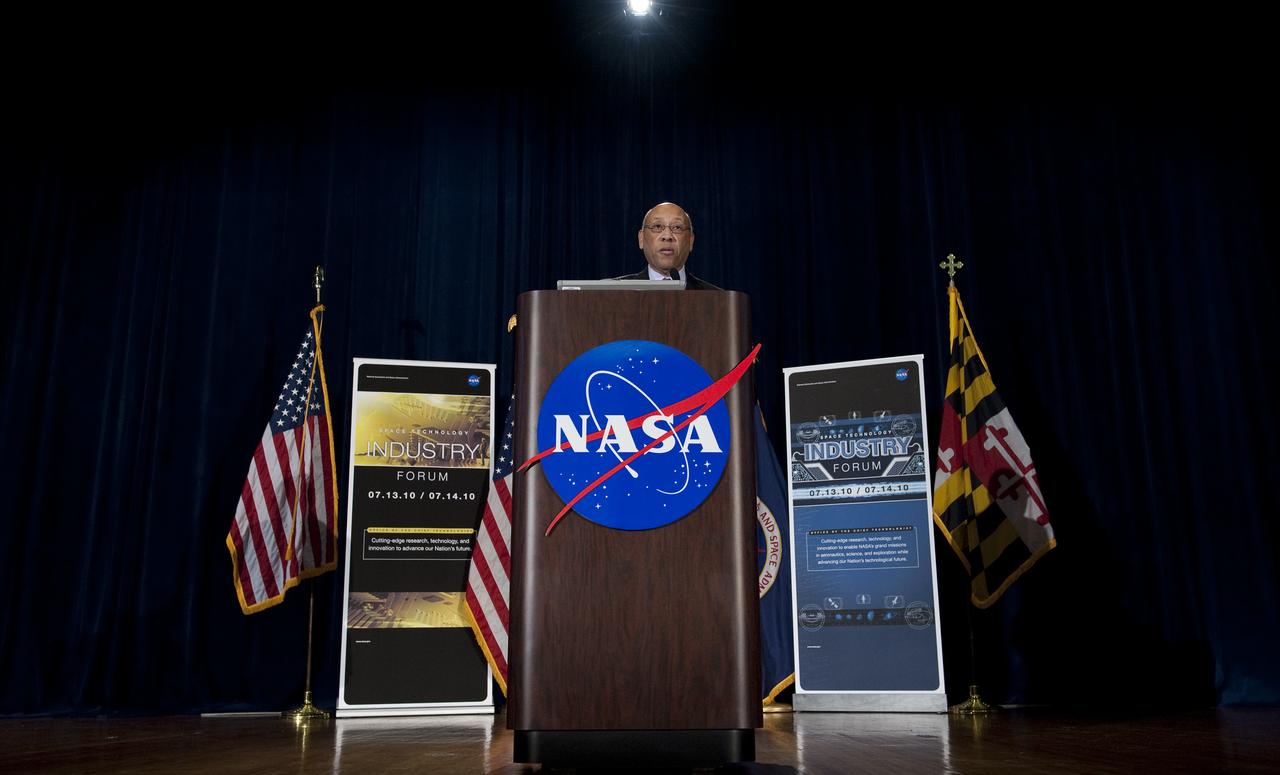
NASA Program Executive for SBIR/STTR Programs Carl Ray speaks during the NASA New Space Technology Industry Forum being held at the University of Maryland in College Park on Tuesday, July 13, 2010. During the two-day event, speakers are focusing on the president's fiscal year 2011 budget request for NASA's new Space Technology Program. Representatives from industry, academia and the federal government are in attendance to discuss strategy, development and implementation of NASA's proposed new technology-enabled exploration. Photo Credit: (NASA/Bill Ingalls)
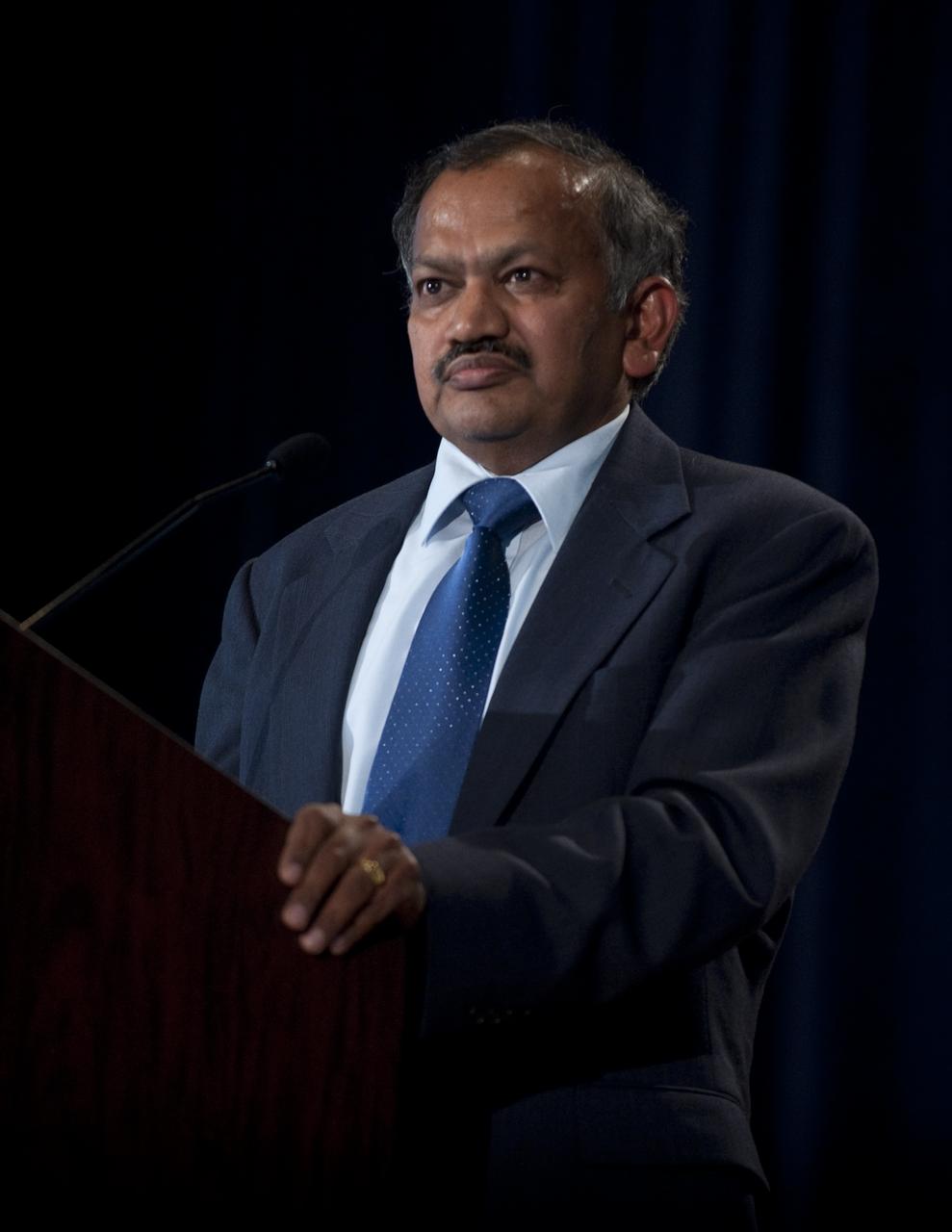
NASA's Program Executive for Flight Opportunities Program L.K. Kubendran speaks during the NASA New Space Technology Industry Forum being held at the University of Maryland in College Park on Tuesday, July 13, 2010. During the two-day event, speakers are focusing on the president's fiscal year 2011 budget request for NASA's new Space Technology Program. Representatives from industry, academia and the federal government are in attendance to discuss strategy, development and implementation of NASA's proposed new technology-enabled exploration. Photo Credit: (NASA/Bill Ingalls)
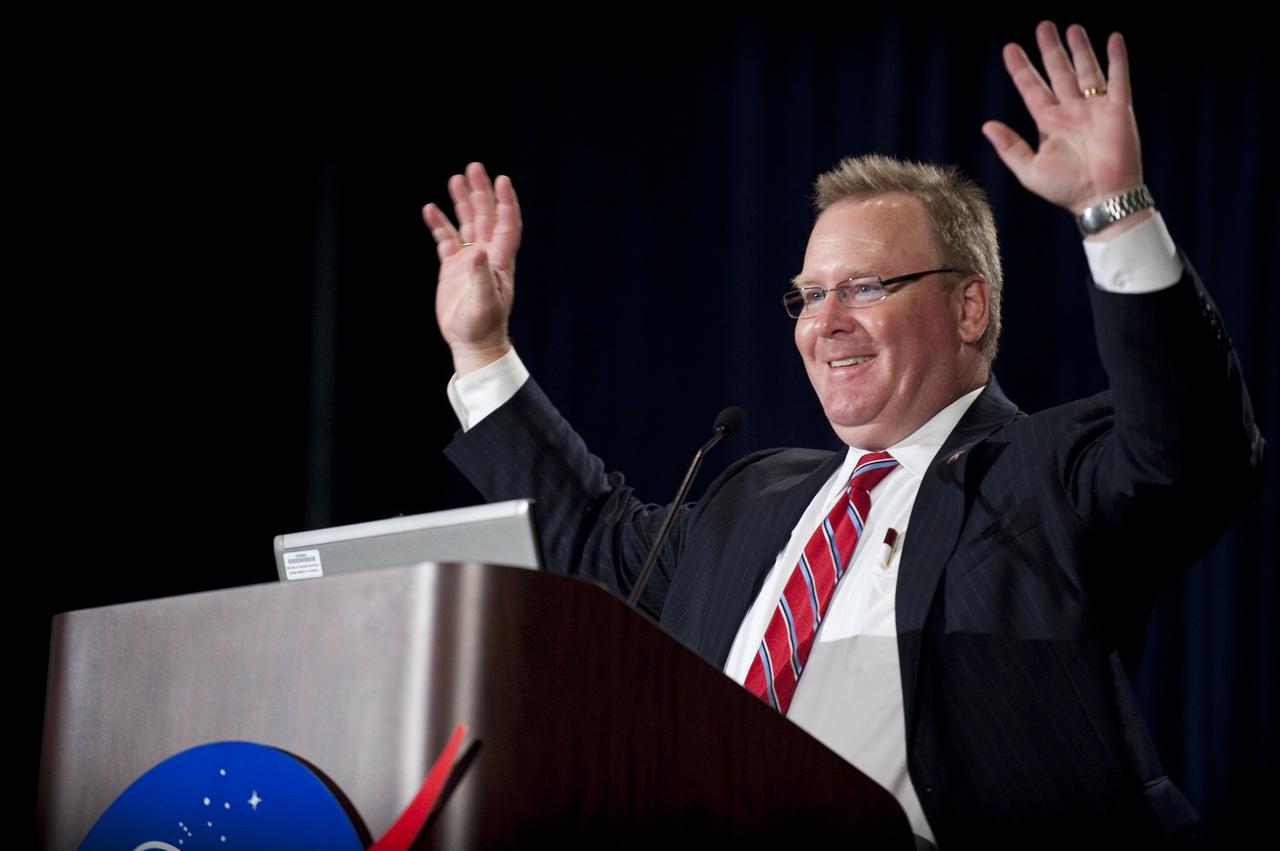
NASA's Partnership, Innovation & Commercial Space Director Doug Comstock speaks during the NASA New Space Technology Industry Forum being held at the University of Maryland in College Park on Tuesday, July 13, 2010. During the two-day event, speakers are focusing on the president's fiscal year 2011 budget request for NASA's new Space Technology Program. Representatives from industry, academia and the federal government are in attendance to discuss strategy, development and implementation of NASA's proposed new technology-enabled exploration. Photo Credit: (NASA/Bill Ingalls)
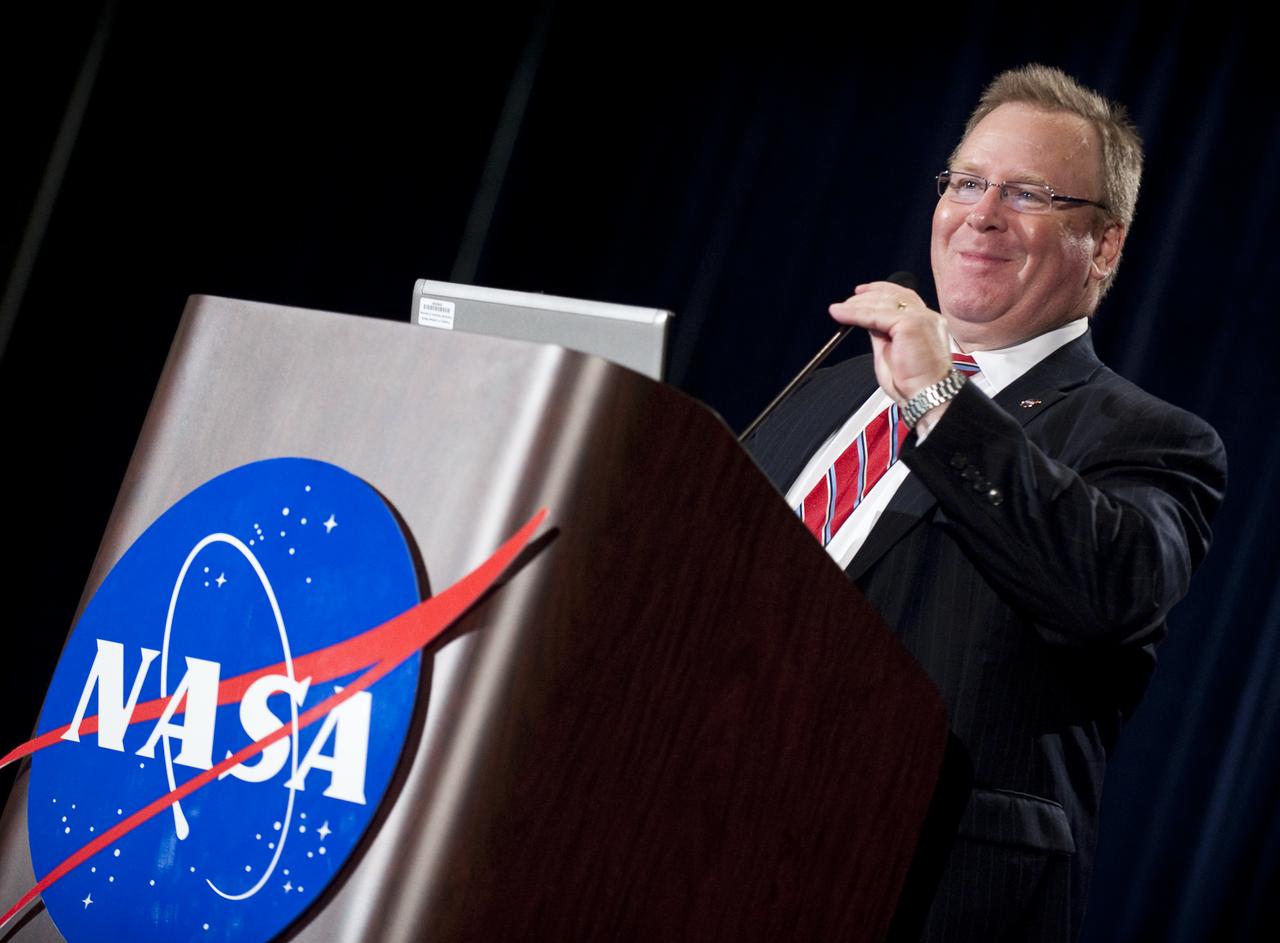
NASA's Partnership, Innovation & Commercial Space Director Doug Comstock speaks during the NASA New Space Technology Industry Forum being held at the University of Maryland in College Park on Tuesday, July 13, 2010. During the two-day event, speakers are focusing on the president's fiscal year 2011 budget request for NASA's new Space Technology Program. Representatives from industry, academia and the federal government are in attendance to discuss strategy, development and implementation of NASA's proposed new technology-enabled exploration. Photo Credit: (NASA/Bill Ingalls)
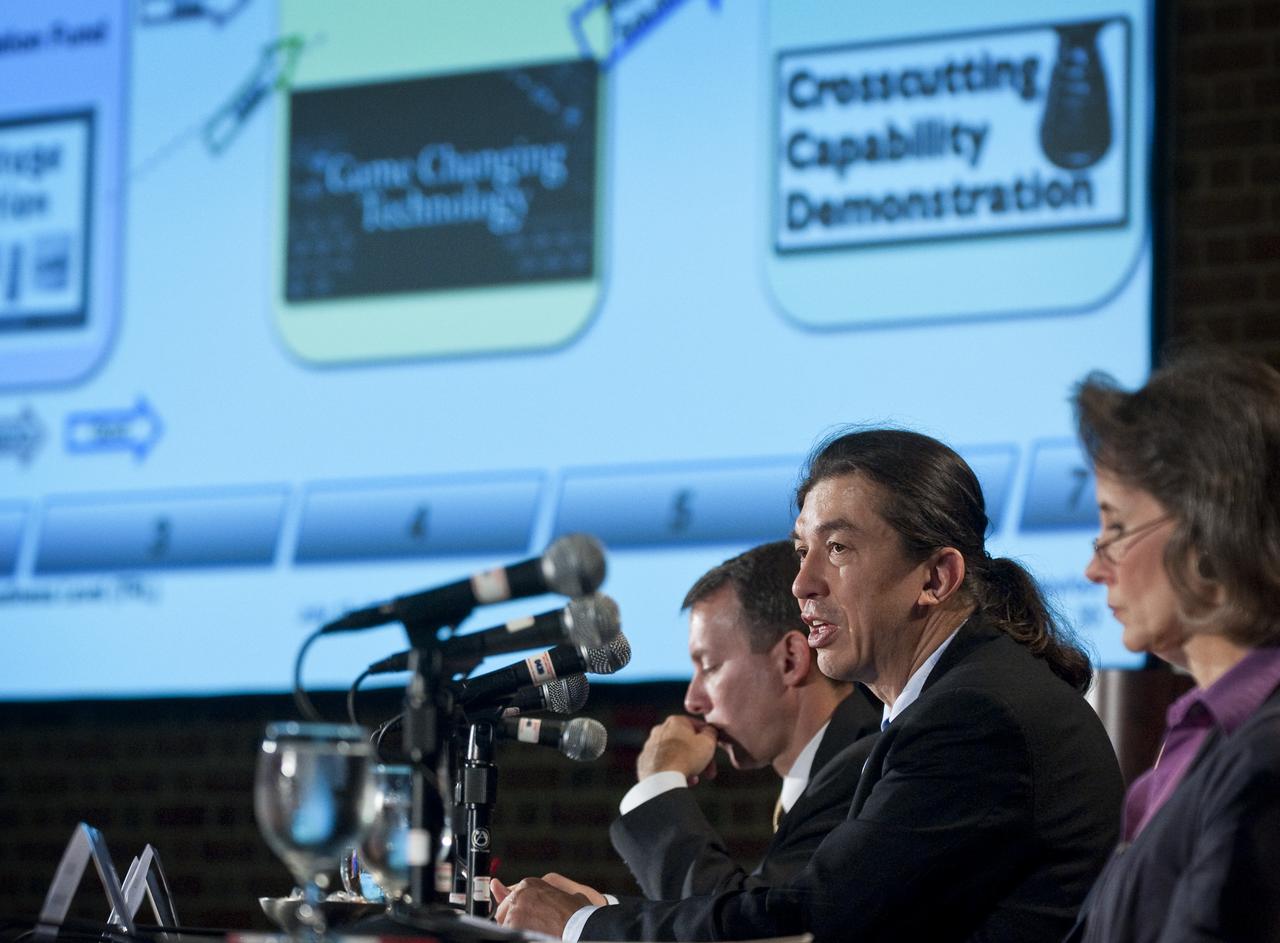
James Reuther, second from right, Director of Strategic Integration at NASA Headquarters, speaks during the NASA New Space Technology Industry Forum being held at the University of Maryland in College Park on Wednesday, July 14, 2010. During the two-day event, speakers are focusing on the president's fiscal year 2011 budget request for NASA's new Space Technology Program. Representatives from industry, academia and the federal government are in attendance to discuss strategy, development and implementation of NASA's proposed new technology-enabled exploration. Photo Credit: (NASA/Carla Cioffi)
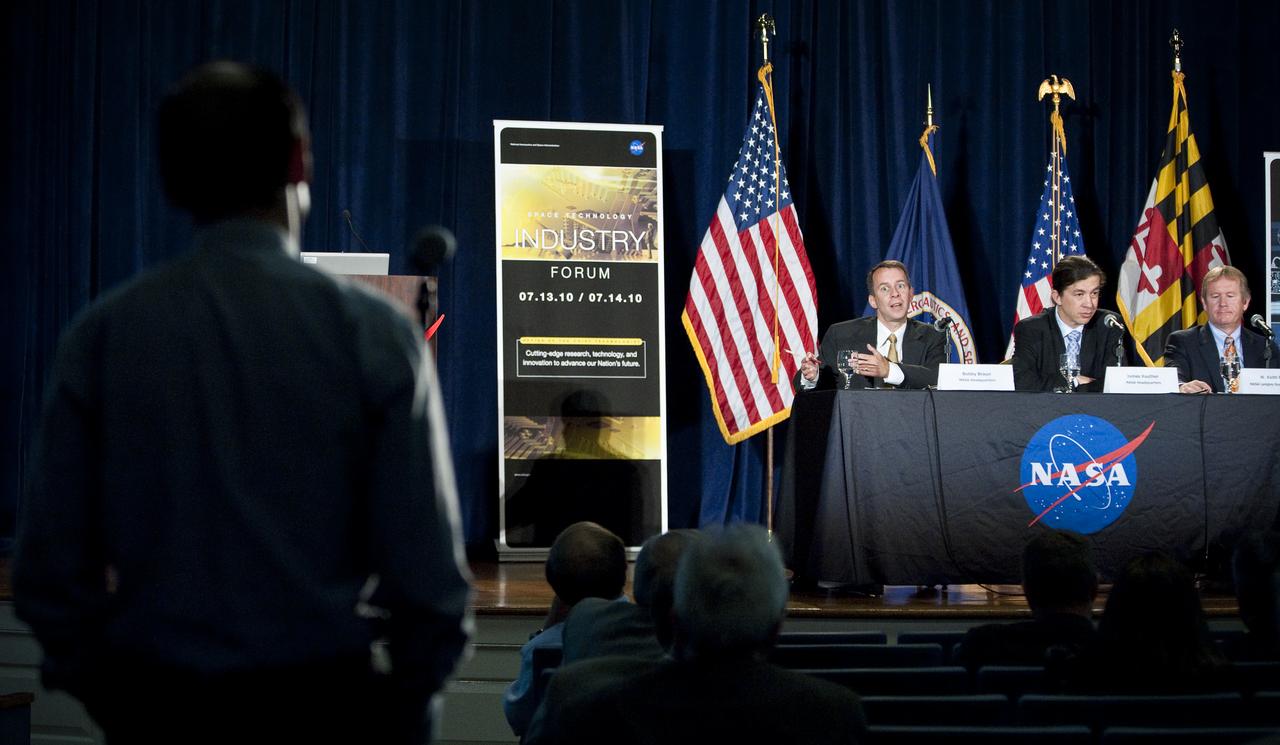
Bobby Braun, third from right, NASA Chief Technologist, answers a question during the NASA New Space Technology Industry Forum being held at the University of Maryland in College Park on Wednesday, July 14, 2010. During the two-day event, speakers are focusing on the president's fiscal year 2011 budget request for NASA's new Space Technology Program. Representatives from industry, academia and the federal government are in attendance to discuss strategy, development and implementation of NASA's proposed new technology-enabled exploration. Photo Credit: (NASA/Carla Cioffi)

Dr. Bhavya Lal, a researcher at the Institute for Defense Analysis's Science and Technology Policy Institute, testifies during a House Committee on Science, Space, and Technology hearing titled "America's Human Presence in Low-Earth Orbit" on Thursday, May 17, 2018 in the Rayburn House Office Building in Washington. Photo Credit: (NASA/Joel Kowsky)

A group of DC area students and staff pose for a group photo at the conclusion of the Space Education Day, Tuesday, June 20, 2023, at the Microsoft Technology Center in Arlington, Va. Microsoft hosted the event to showcase the collaboration, early successes, and future plans for high quality student engagement through activities that combined space content and technologies like artificial intelligence and cloud computing. Photo Credit: (NASA/Aubrey Gemignani)
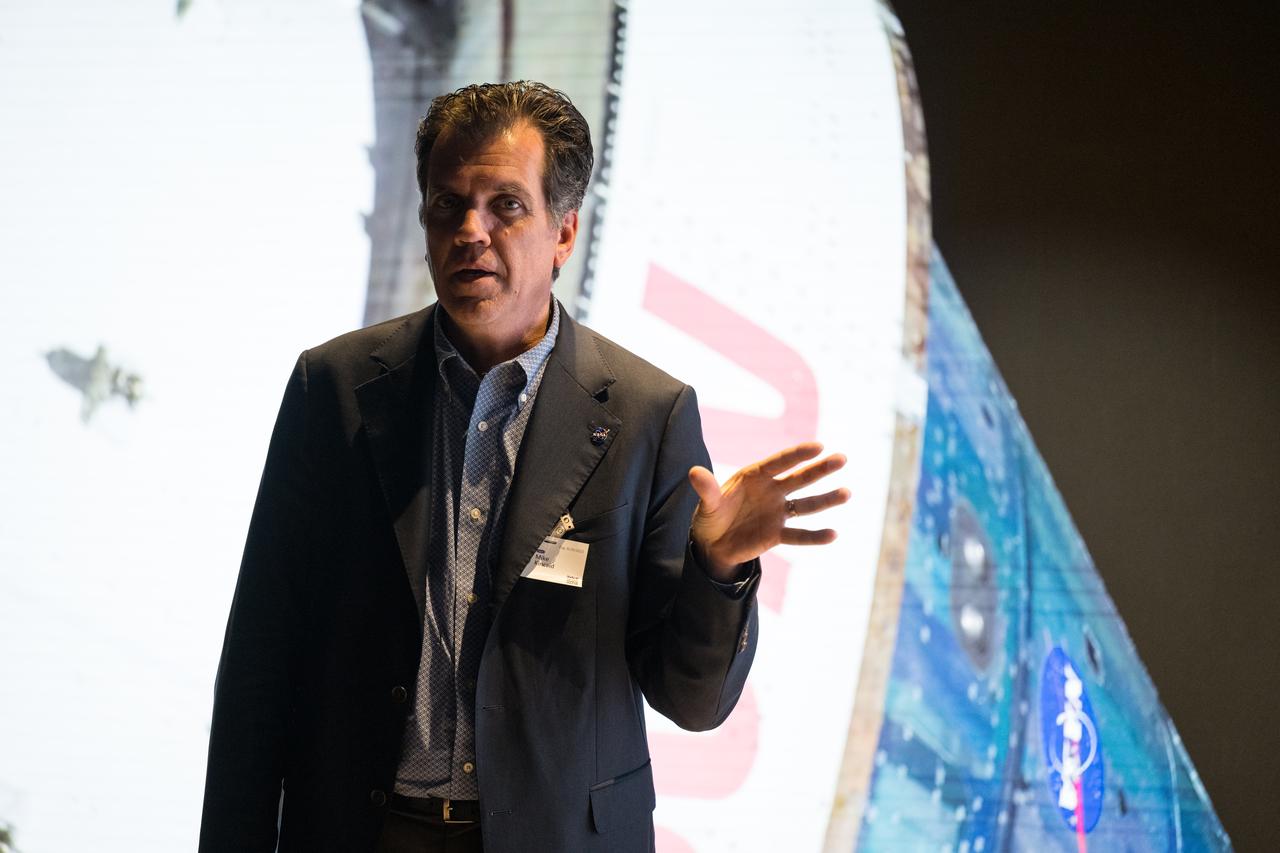
NASA Associate Administrator for the STEM Engagement Office, Mike Kincaid, provides remarks during Space Education Day, Tuesday, June 20, 2023, at the Microsoft Technology Center in Arlington, Va. Microsoft hosted the event to showcase the collaboration, early successes, and future plans for high quality student engagement through activities that combined space content and technologies like artificial intelligence and cloud computing. Photo Credit: (NASA/Aubrey Gemignani)
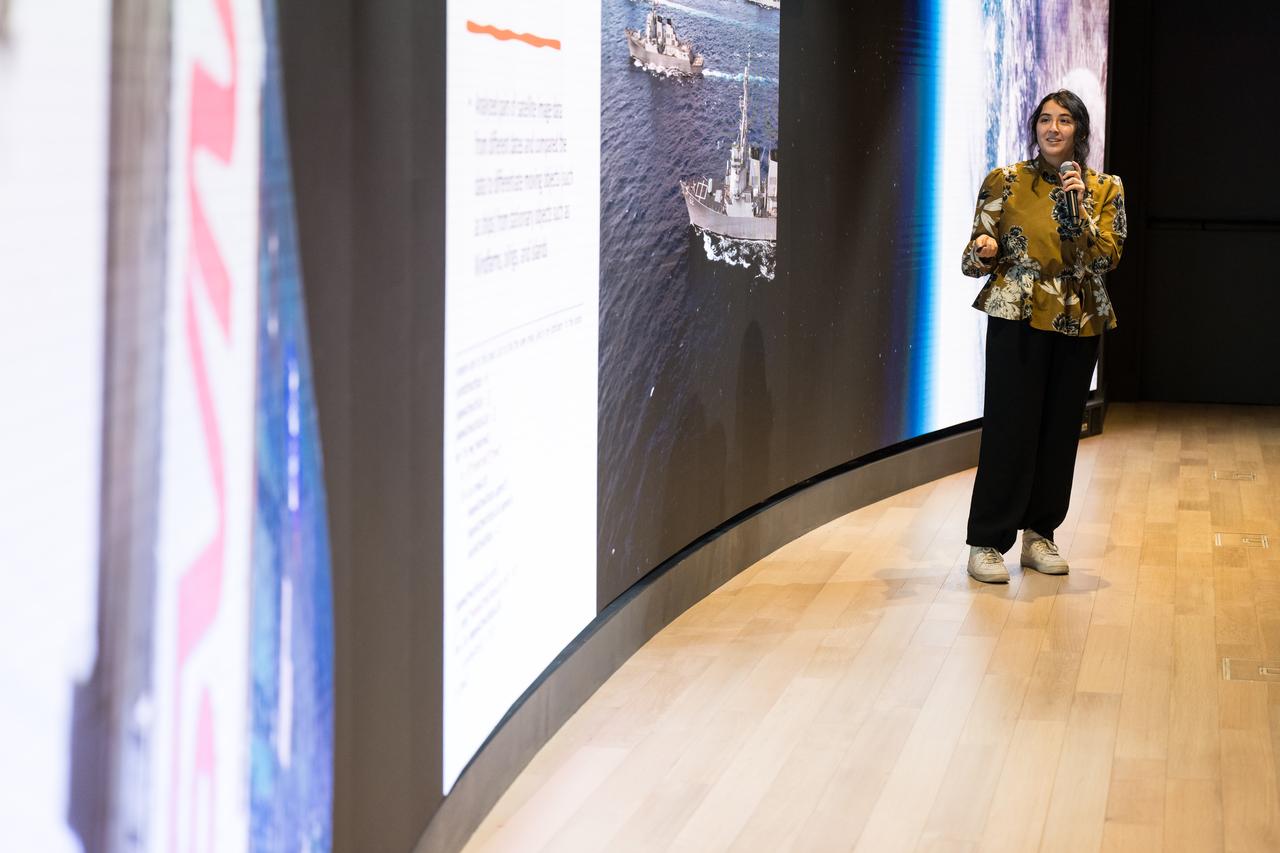
College students present their findings after a hackathon during Space Education Day, Tuesday, June 20, 2023, at the Microsoft Technology Center in Arlington, Va. Microsoft hosted the event to showcase the collaboration, early successes, and future plans for high quality student engagement through activities that combined space content and technologies like artificial intelligence and cloud computing. Photo Credit: (NASA/Aubrey Gemignani)
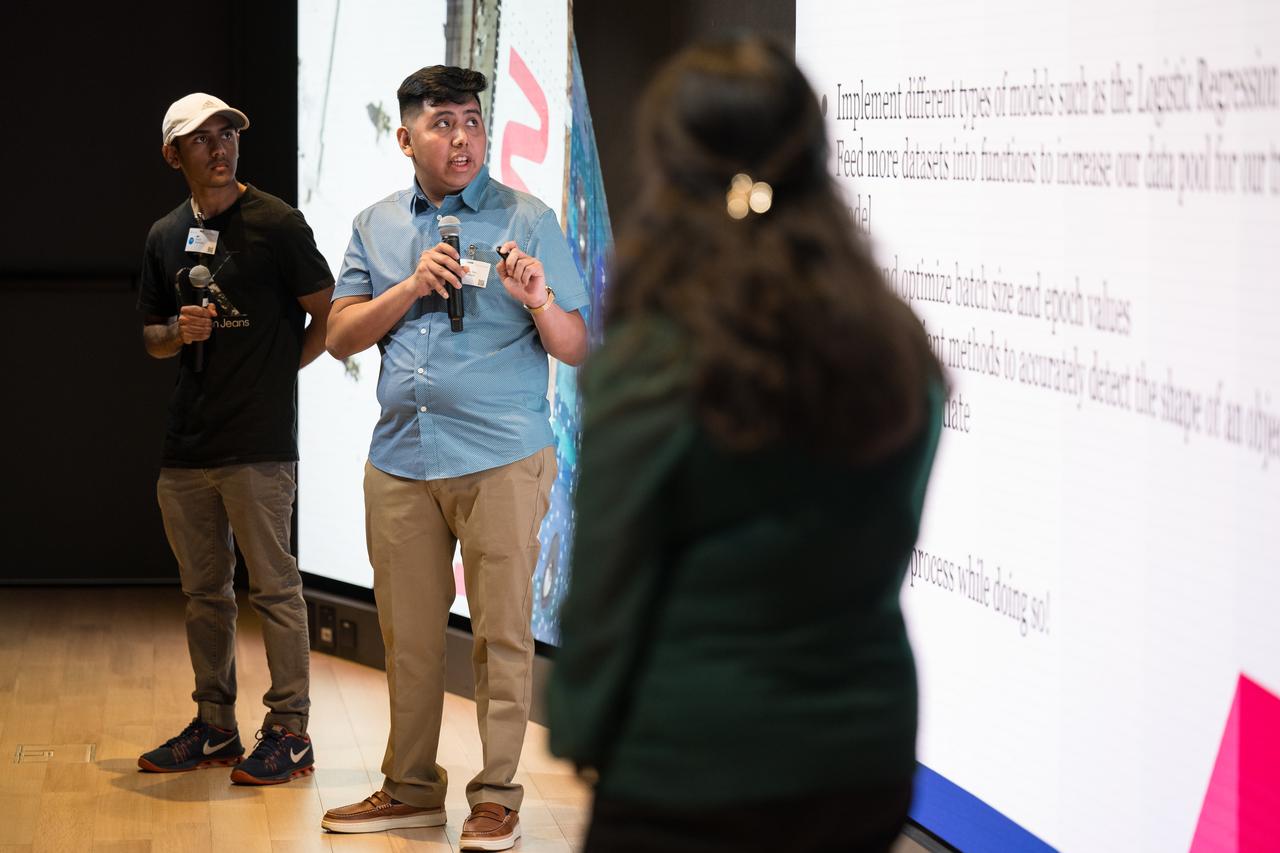
College students present their findings after a hackathon during Space Education Day, Tuesday, June 20, 2023, at the Microsoft Technology Center in Arlington, Va. Microsoft hosted the event to showcase the collaboration, early successes, and future plans for high quality student engagement through activities that combined space content and technologies like artificial intelligence and cloud computing. Photo Credit: (NASA/Aubrey Gemignani)
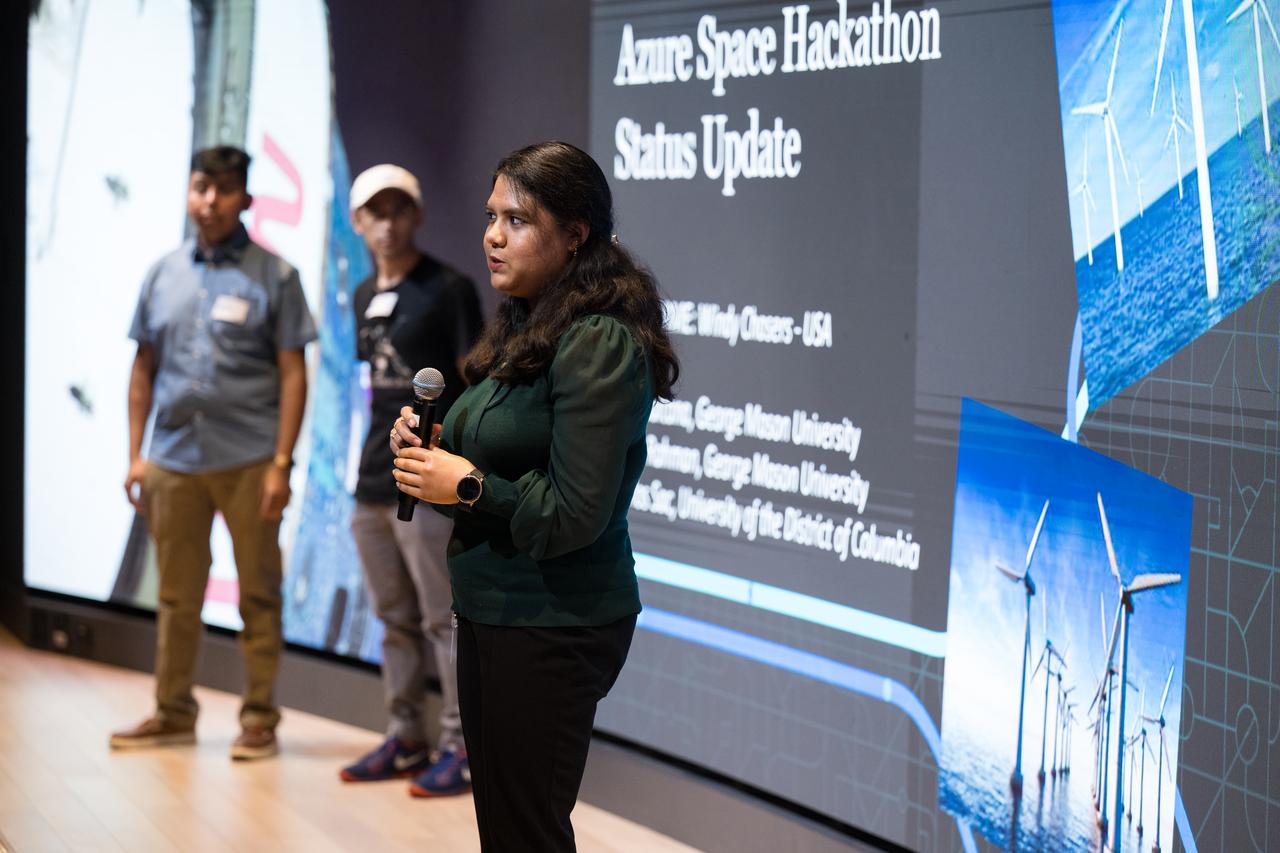
College students present their findings after a hackathon during Space Education Day, Tuesday, June 20, 2023, at the Microsoft Technology Center in Arlington, Va. Microsoft hosted the event to showcase the collaboration, early successes, and future plans for high quality student engagement through activities that combined space content and technologies like artificial intelligence and cloud computing. Photo Credit: (NASA/Aubrey Gemignani)
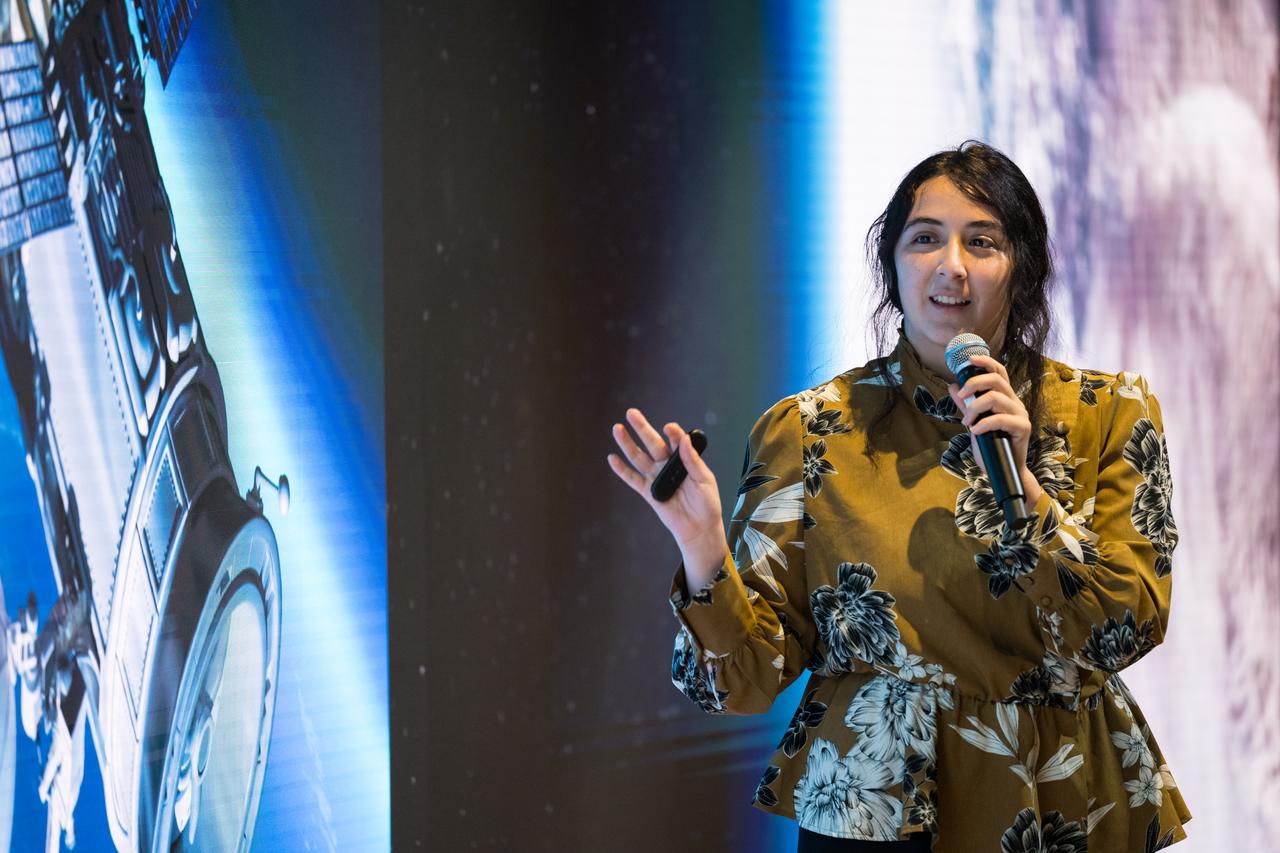
College students present their findings after a hackathon during Space Education Day, Tuesday, June 20, 2023, at the Microsoft Technology Center in Arlington, Va. Microsoft hosted the event to showcase the collaboration, early successes, and future plans for high quality student engagement through activities that combined space content and technologies like artificial intelligence and cloud computing. Photo Credit: (NASA/Aubrey Gemignani)
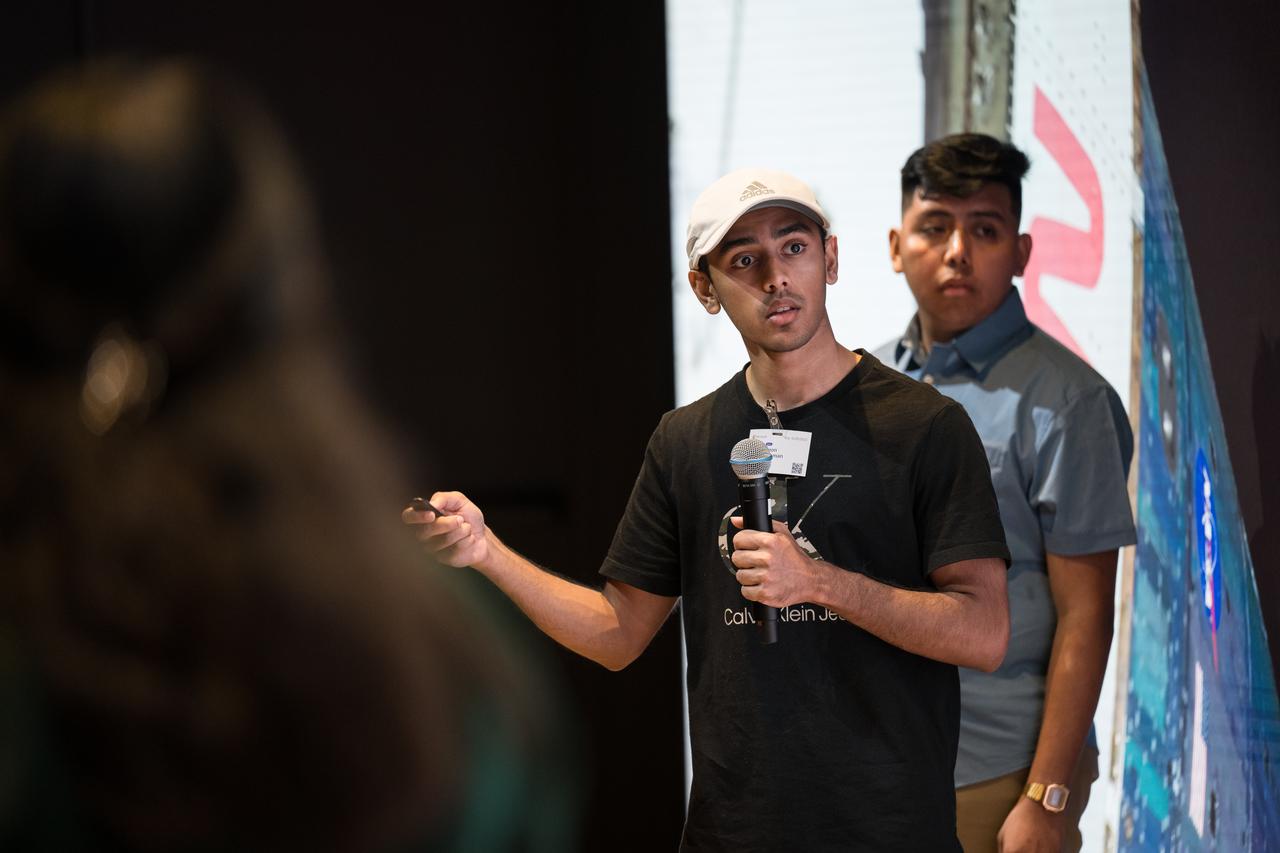
College students present their findings after a hackathon during Space Education Day, Tuesday, June 20, 2023, at the Microsoft Technology Center in Arlington, Va. Microsoft hosted the event to showcase the collaboration, early successes, and future plans for high quality student engagement through activities that combined space content and technologies like artificial intelligence and cloud computing. Photo Credit: (NASA/Aubrey Gemignani)
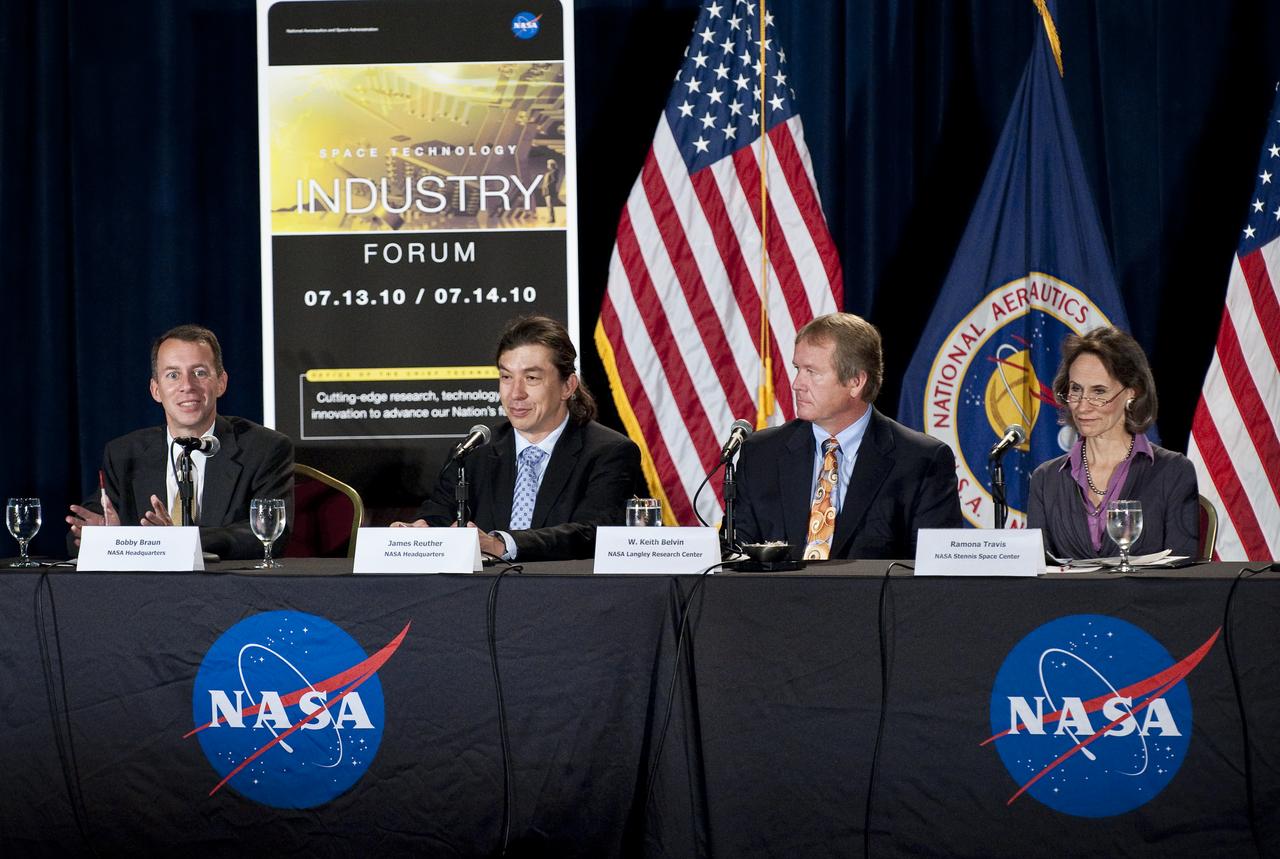
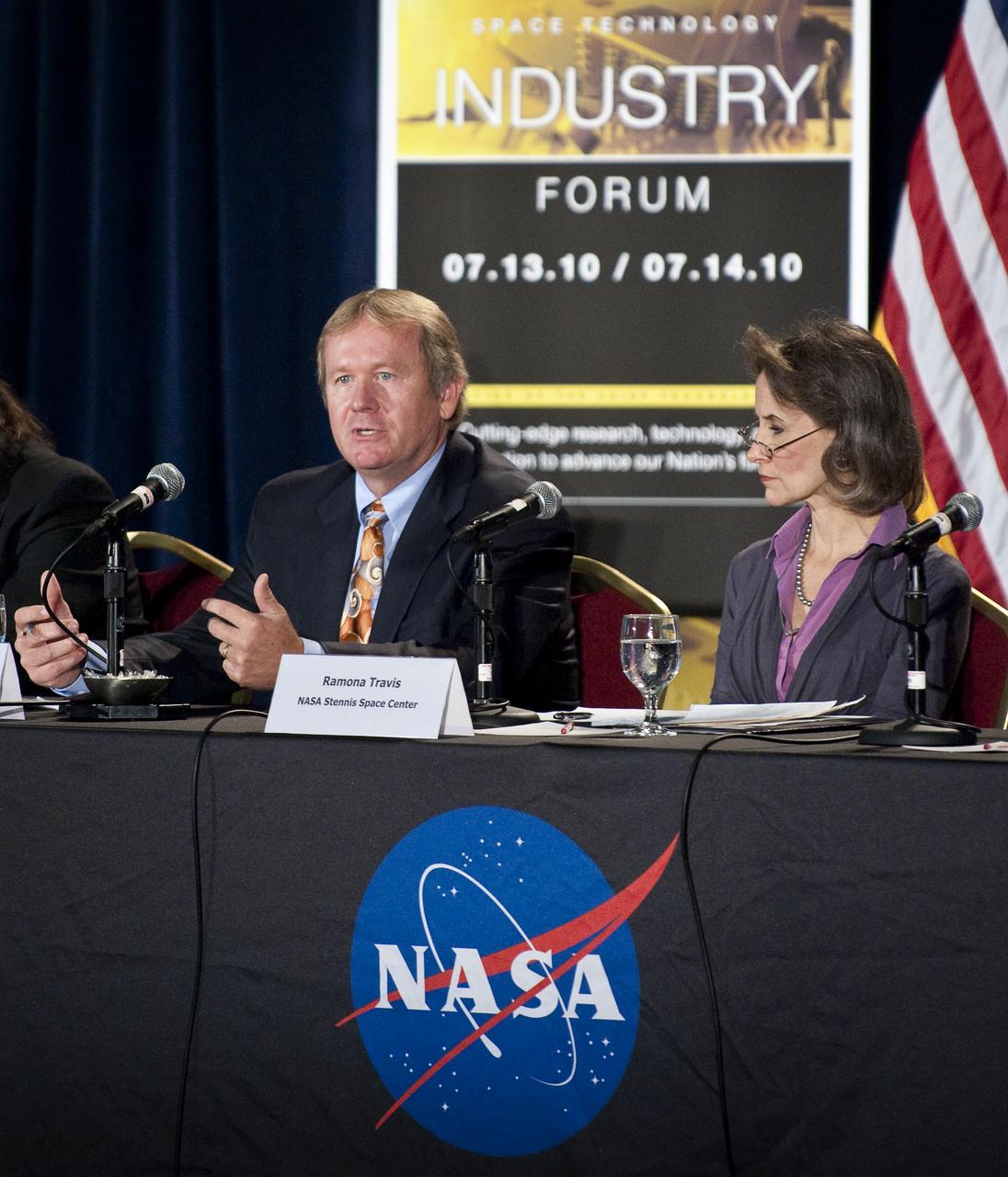
Bobby Braun, far left, NASA Chief Technologist, speaks during the NASA New Space Technology Industry Forum being held at the University of Maryland in College Park on Wednesday, July 14, 2010. Mr. Braun is joined on the panel by James Reuther, Director of Strategic Integration at NASA Headquarters, second from left; Keith Belvin, NASA Systems Engineer at NASA Langley Research Center and Ramona Travis, NASA Stennis Space Center Chief Technologist, far right. During the two-day event, speakers are focusing on the president's fiscal year 2011 budget request for NASA's new Space Technology Program. Representatives from industry, academia and the federal government are in attendance to discuss strategy, development and implementation of NASA's proposed new technology-enabled exploration. Photo Credit: (NASA/Carla Cioffi)
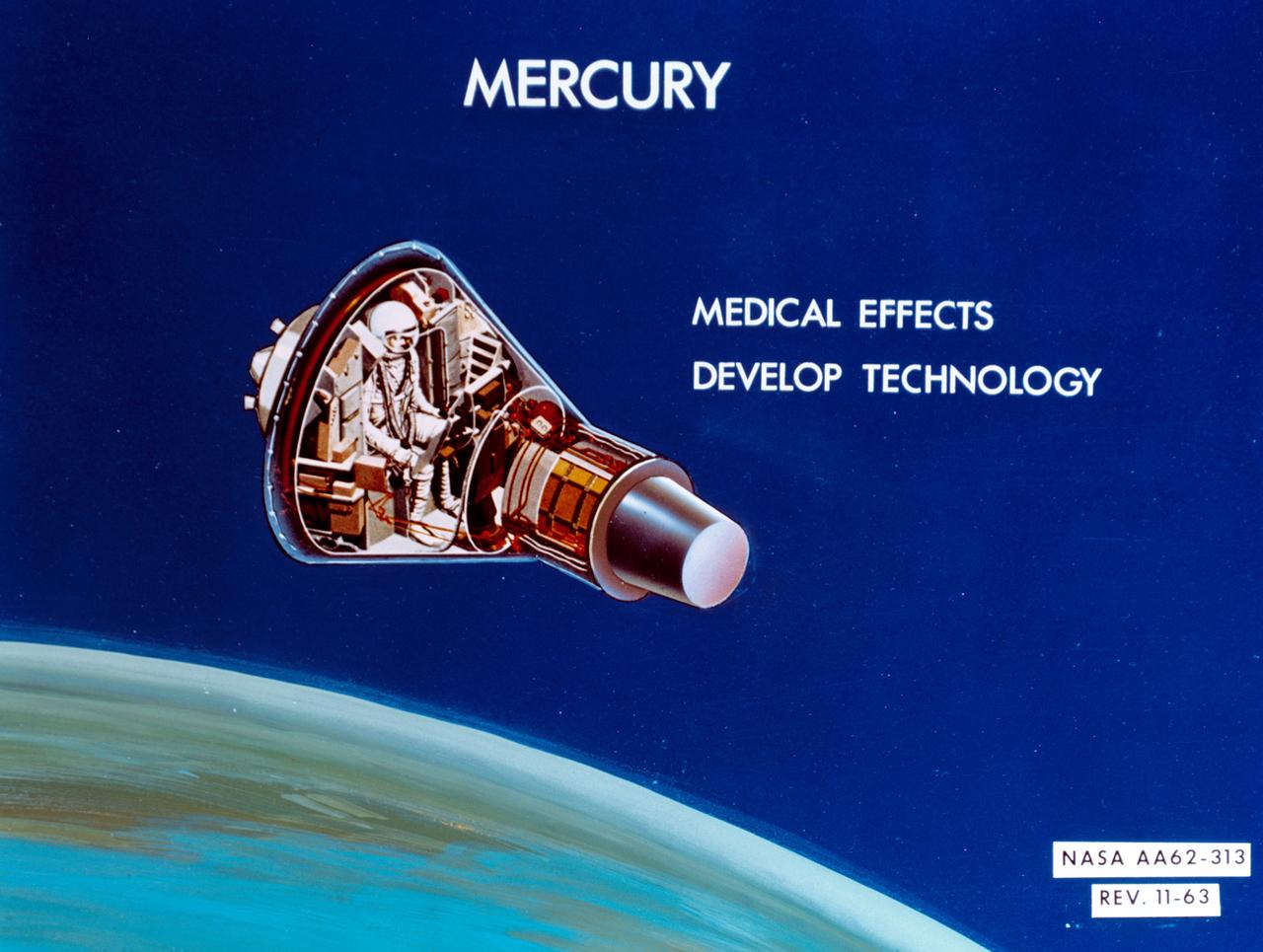
S64-14286 (11 Feb. 1964) --- An artist's concept of Mercury: Medical effects; develop technology. Photo credit: NASA
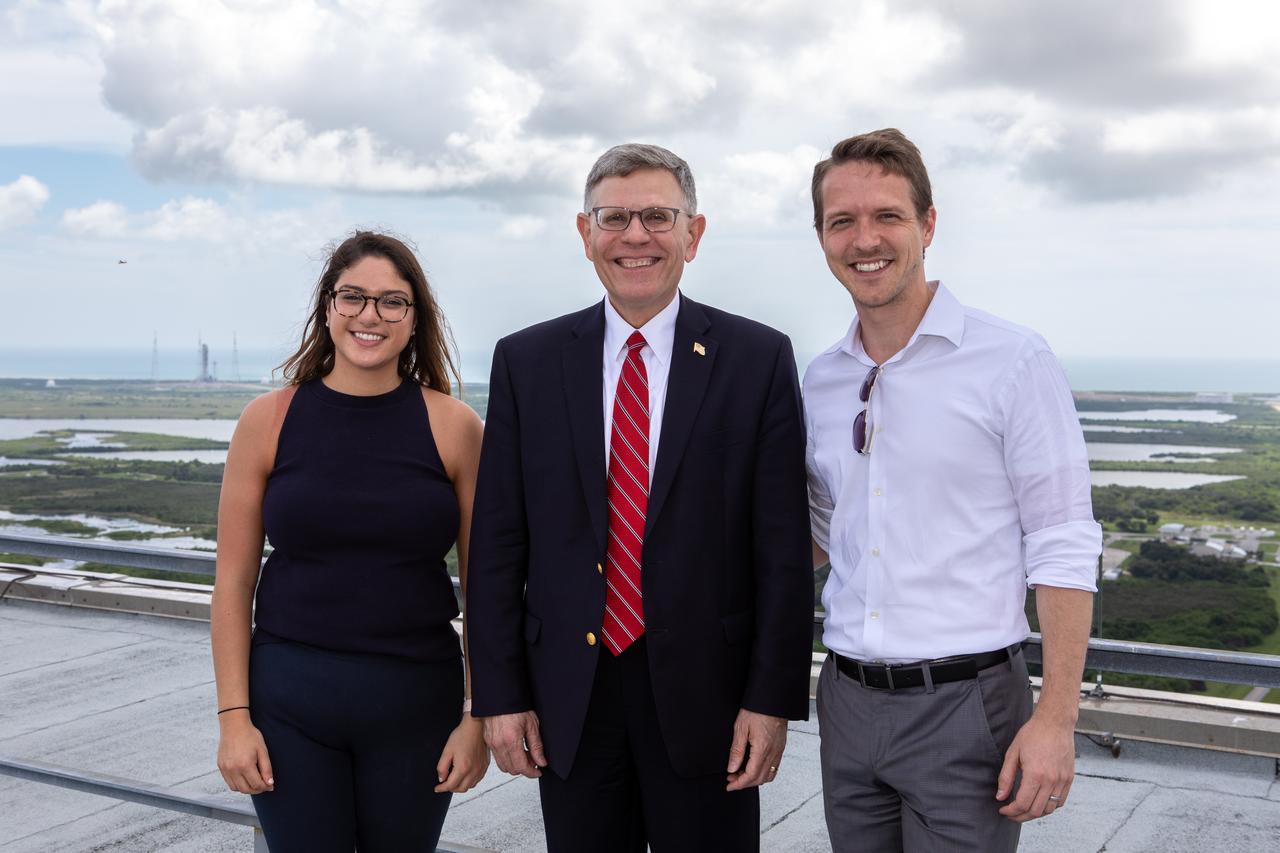
From left to right, Elena Hernandez, press secretary for the White House Office of Science and Technology Policy (OSTP), OSTP Director Kelvin Droegemeier, and OSTP AAAS Science and Technology Policy Fellow Jon Werner-Allen visit the roof of the Vehicle Assembly Building at NASA’s Kennedy Space Center in Florida on July 10, 2019. Droegemeier visited the iconic rocket-assembly facility in the heart of Kennedy’s Launch Complex 39 Area during a tour of the multi-user spaceport.
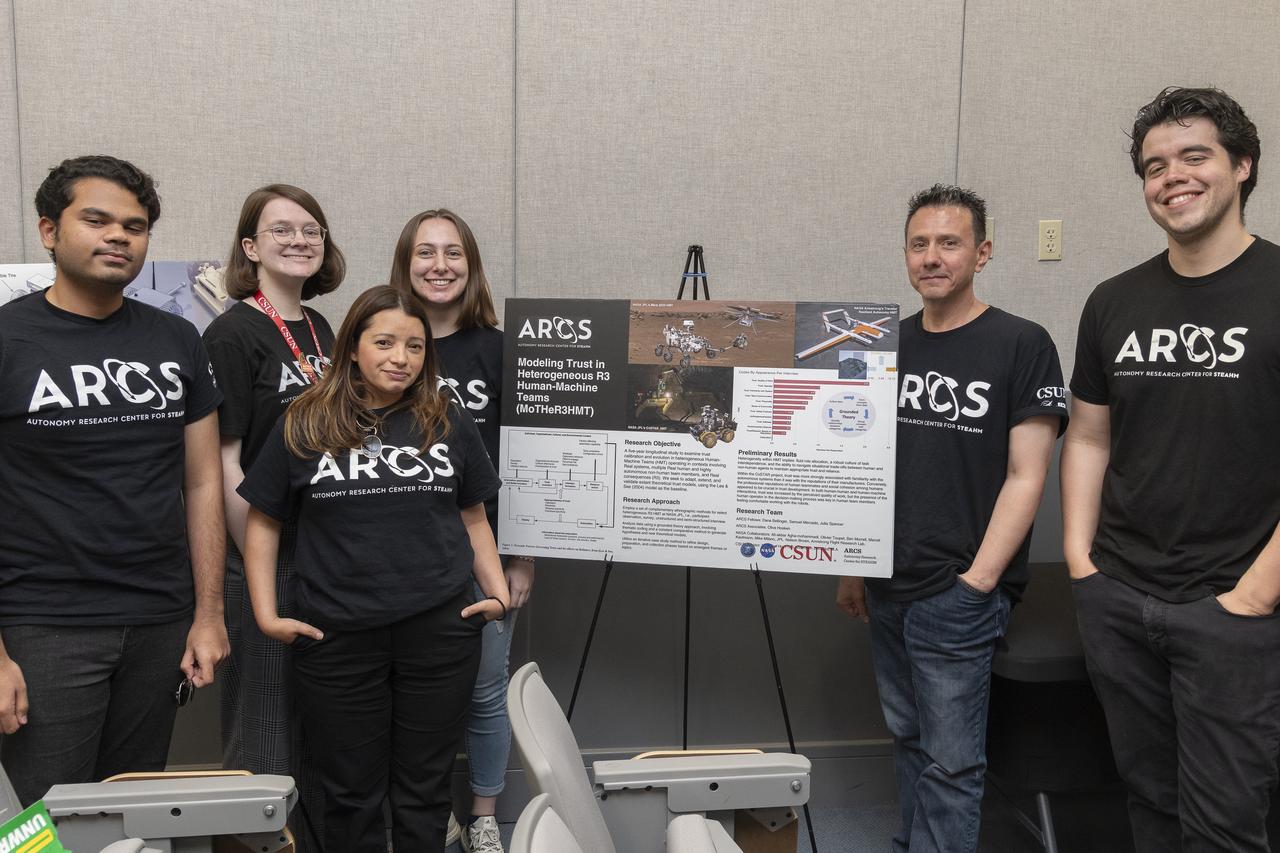
Six students from the California State University, Northridge, Autonomy Research Center for science, technology, engineering, entrepreneurship, arts, humanities, and mathematics spoke about their Trust in Autonomy technology. The students from left are Aniket Christi, Julia Spencer, Dana Bellinger, Zulma Lopez Rodriguez, front, Jordan Jannone, and Samuel Mercado. The group answered questions about their technology May 23 at the Air Force Test Pilot School auditorium on Edwards Air Force Base, California.
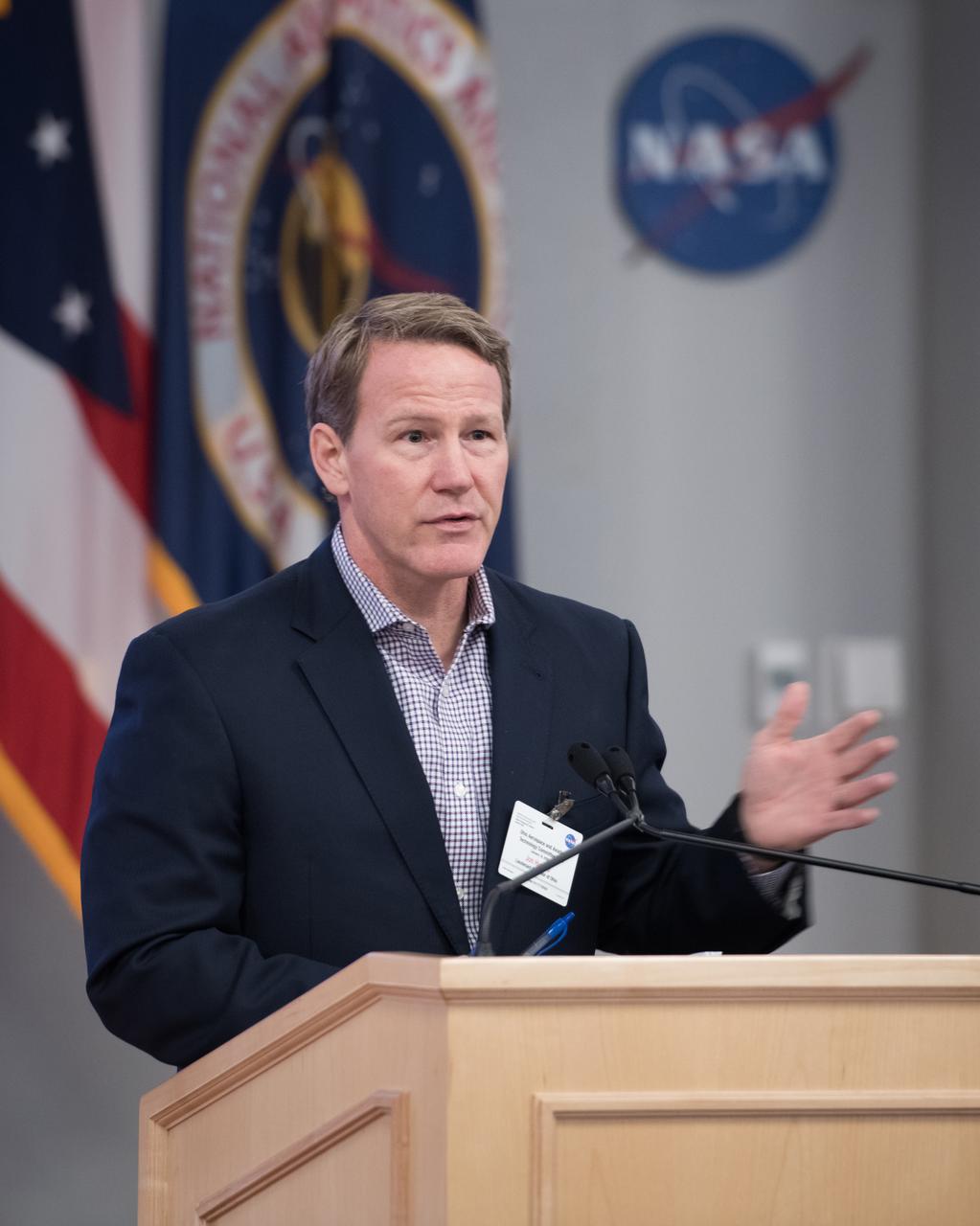
Visit by the Ohio Aerospace and Aviation Technology Committee, OAATC
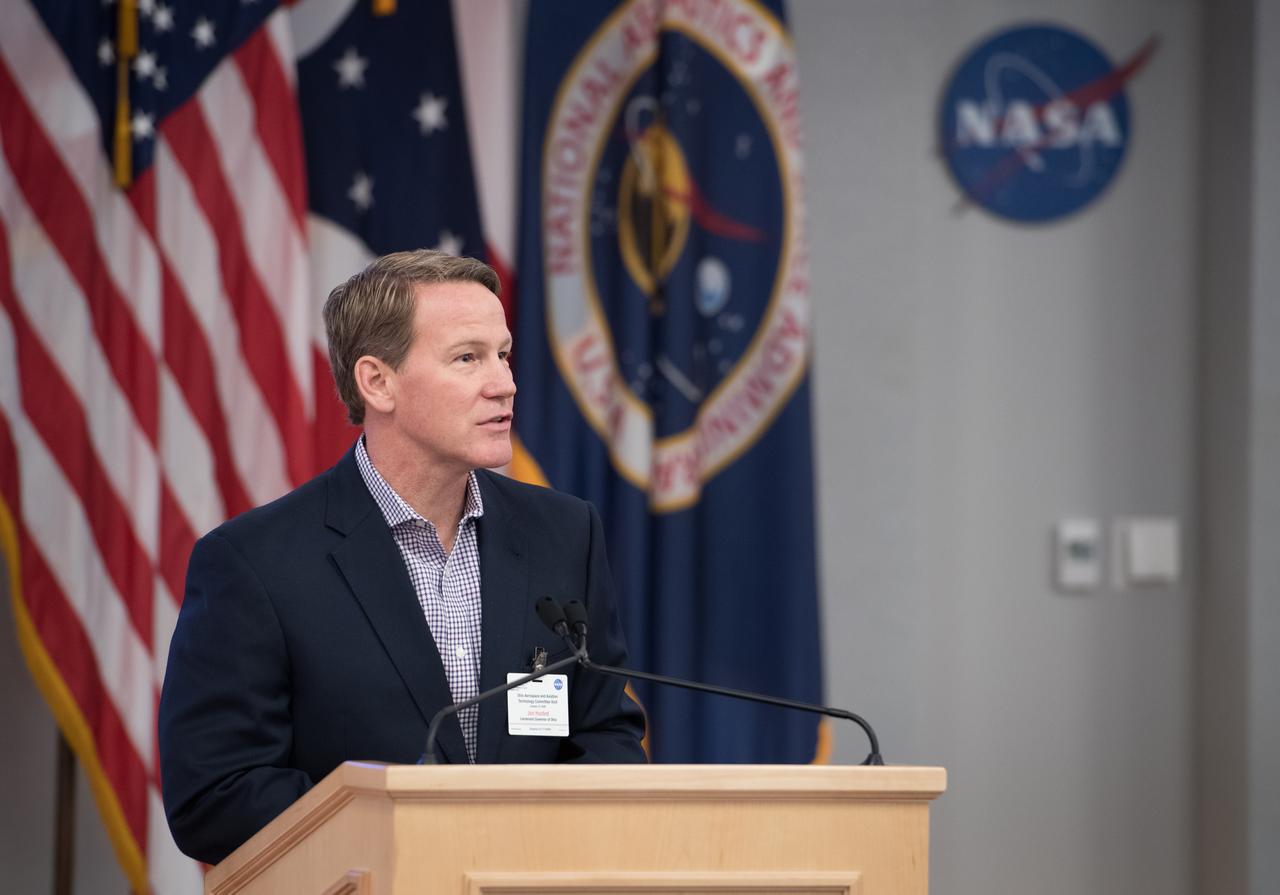
Visit by the Ohio Aerospace and Aviation Technology Committee, OAATC
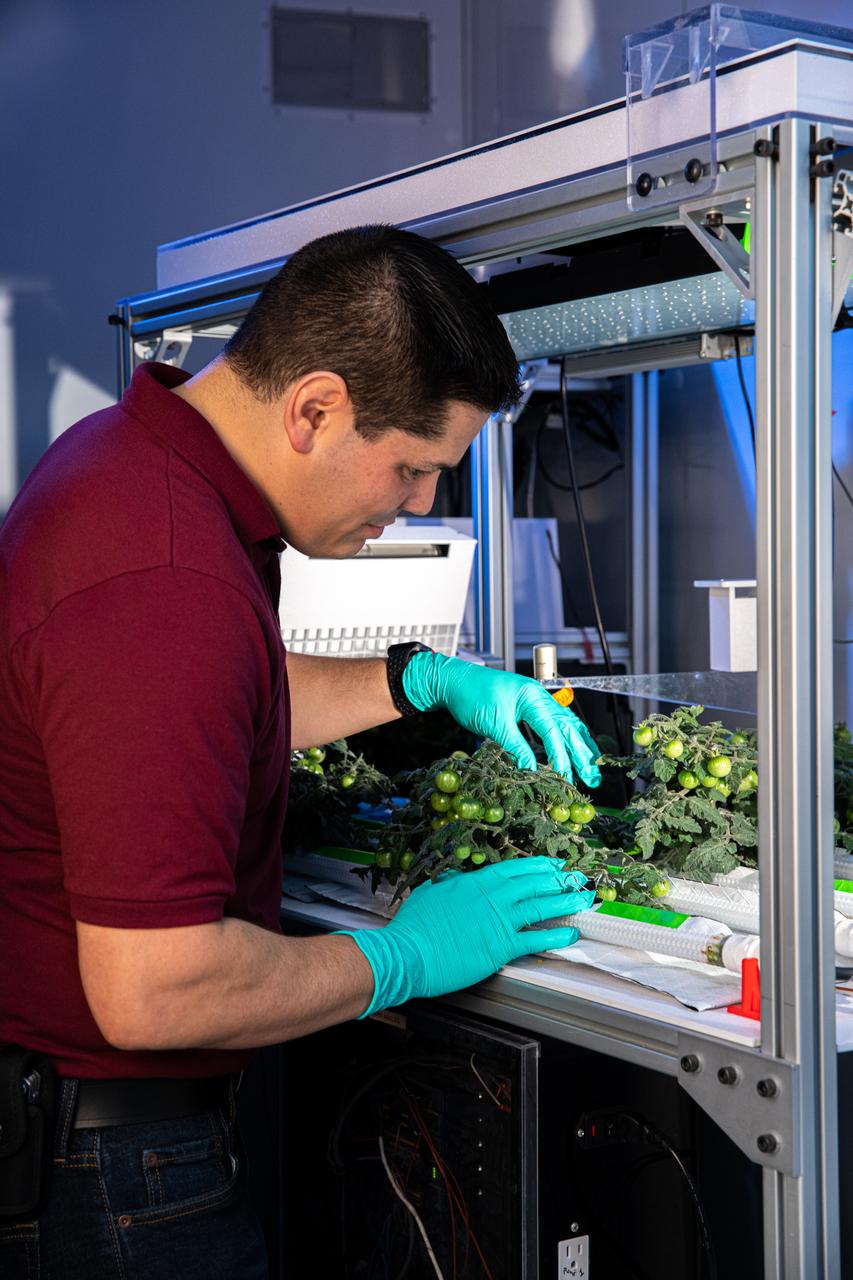
A multidisciplinary team of engineers, biologists, and horticulturalists working out of NASA's Kennedy Space Center in Florida supports the use of technology and automation in plant growth research that looks to supplement the diet of astronauts so they can undertake longer and more distant space exploration missions than ever before.
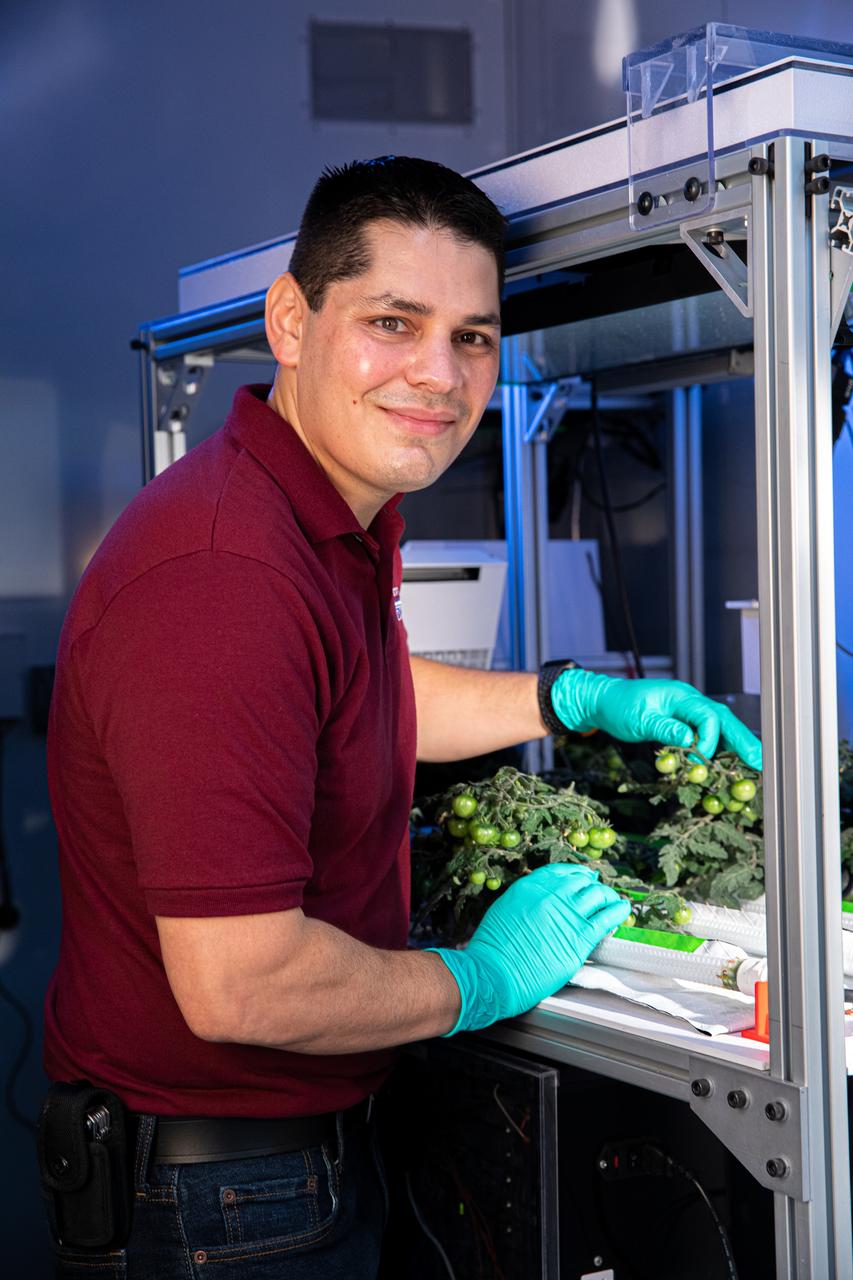
A multidisciplinary team of engineers, biologists, and horticulturalists working out of NASA's Kennedy Space Center in Florida supports the use of technology and automation in plant growth research that looks to supplement the diet of astronauts so they can undertake longer and more distant space exploration missions than ever before.
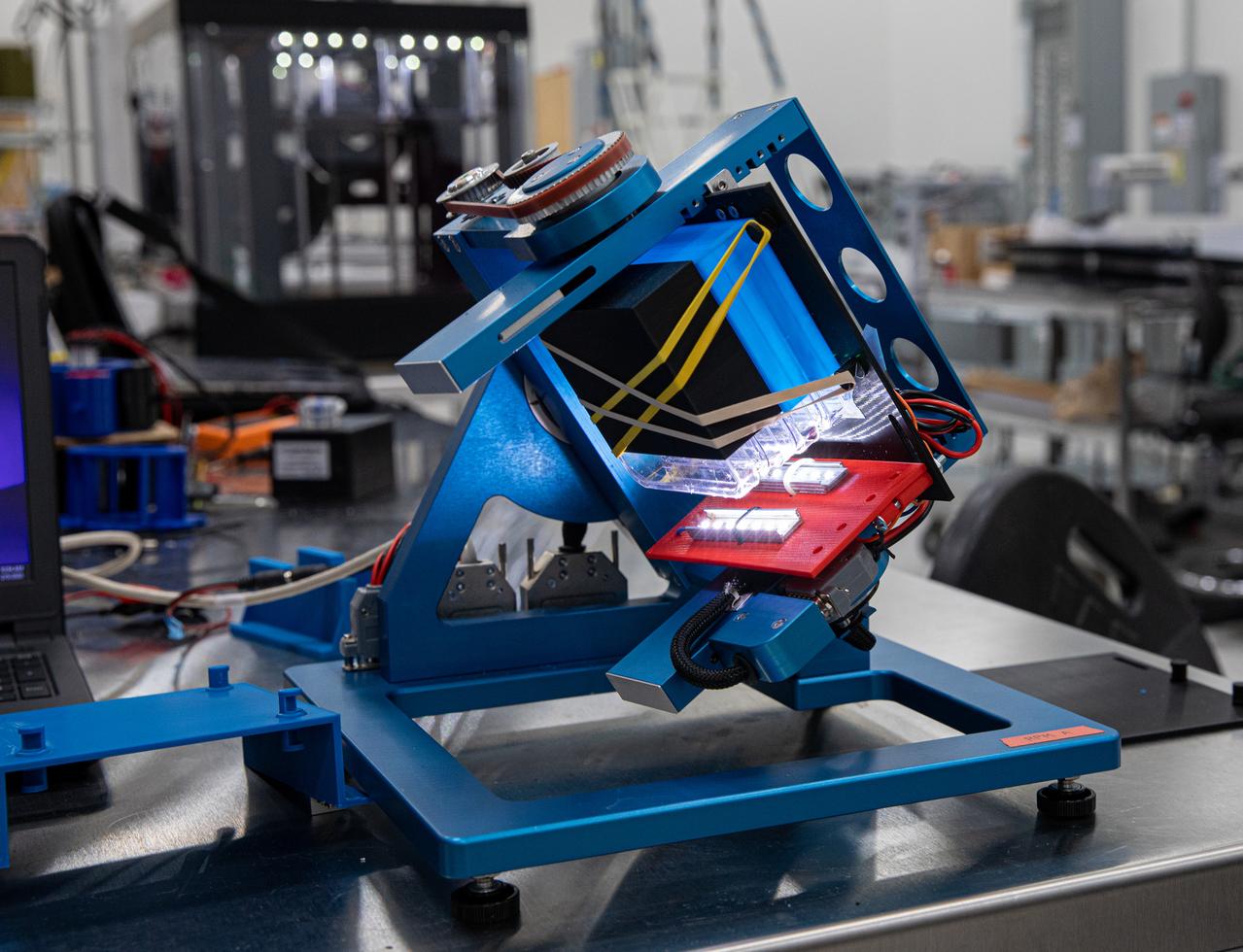
A multidisciplinary team of engineers, biologists, and horticulturalists working out of NASA's Kennedy Space Center in Florida supports the use of technology and automation in plant growth research that looks to supplement the diet of astronauts so they can undertake longer and more distant space exploration missions than ever before.
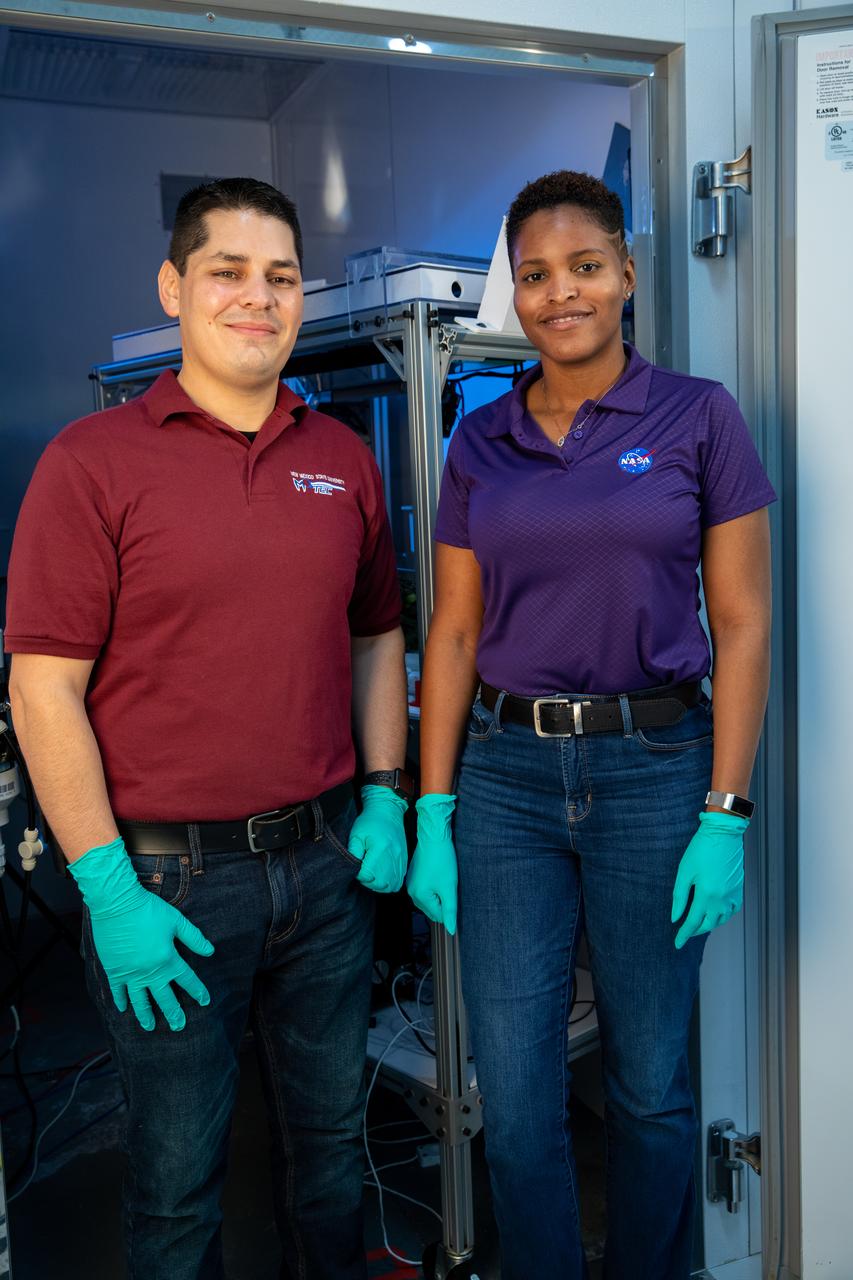
A multidisciplinary team of engineers, biologists, and horticulturalists working out of NASA's Kennedy Space Center in Florida supports the use of technology and automation in plant growth research that looks to supplement the diet of astronauts so they can undertake longer and more distant space exploration missions than ever before.
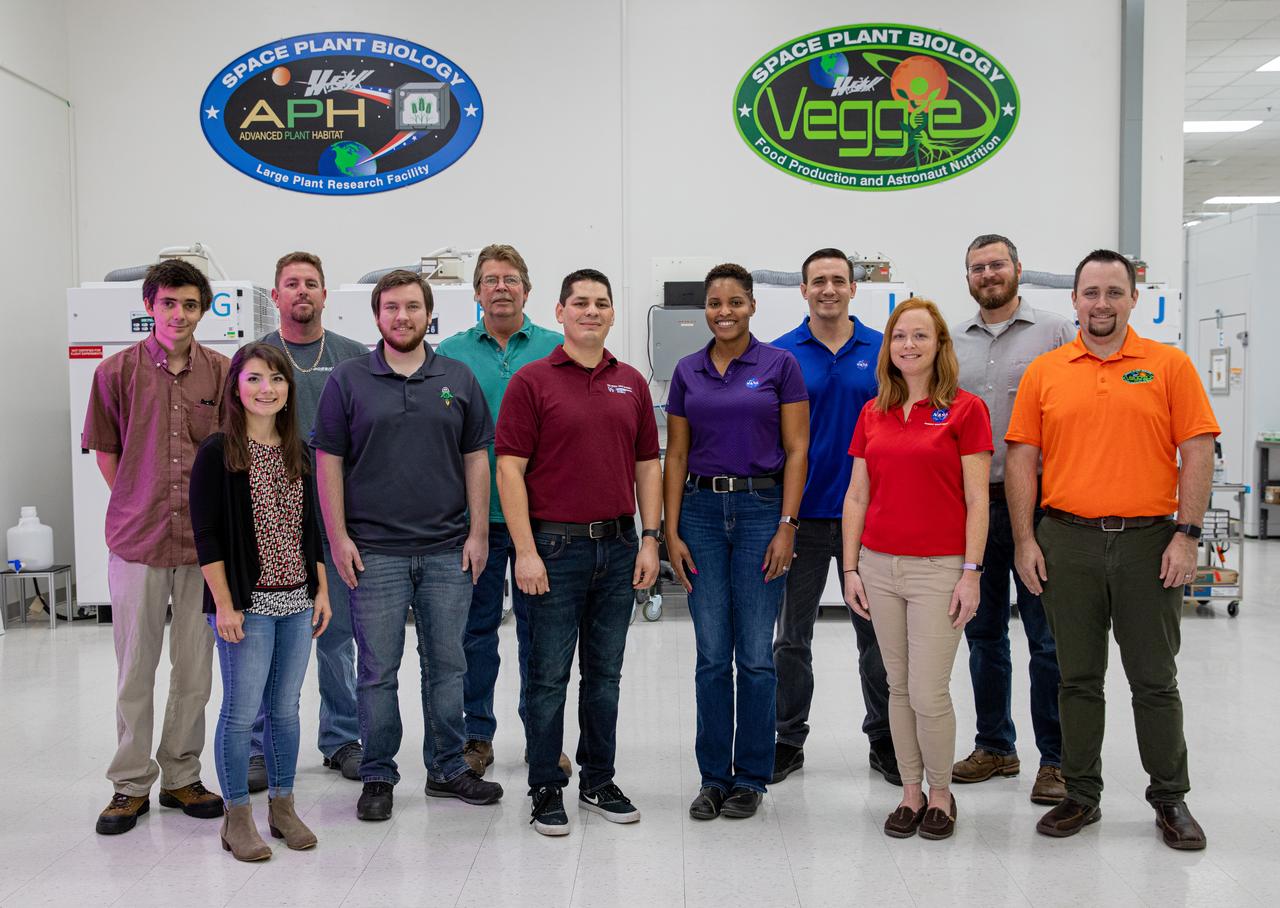
A multidisciplinary team of engineers, biologists, and horticulturalists working out of NASA's Kennedy Space Center in Florida supports the use of technology and automation in plant growth research that looks to supplement the diet of astronauts so they can undertake longer and more distant space exploration missions than ever before.
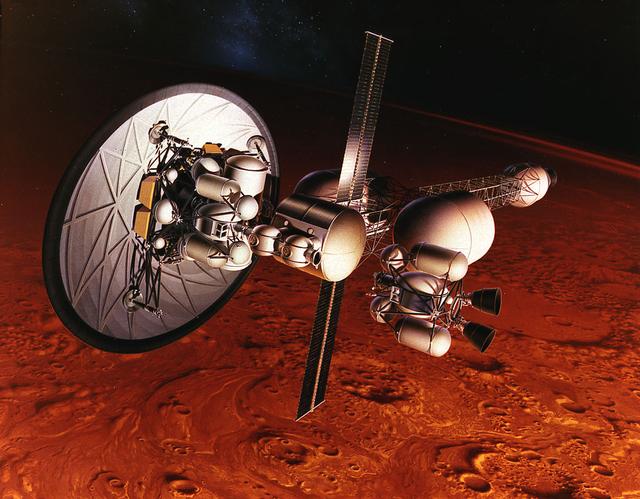
Originally investigated in the 1960's by Marshall Space Flight Center plarners as part of the Nuclear Energy for Rocket Vehicle Applications (NERVA) program, nuclear-thermal rocket propulsion has been more recently considered in spacecraft designs for interplanetary human exploration. This artist's concept illustrates a nuclear-thermal rocket with an aerobrake disk as it orbits Mars.
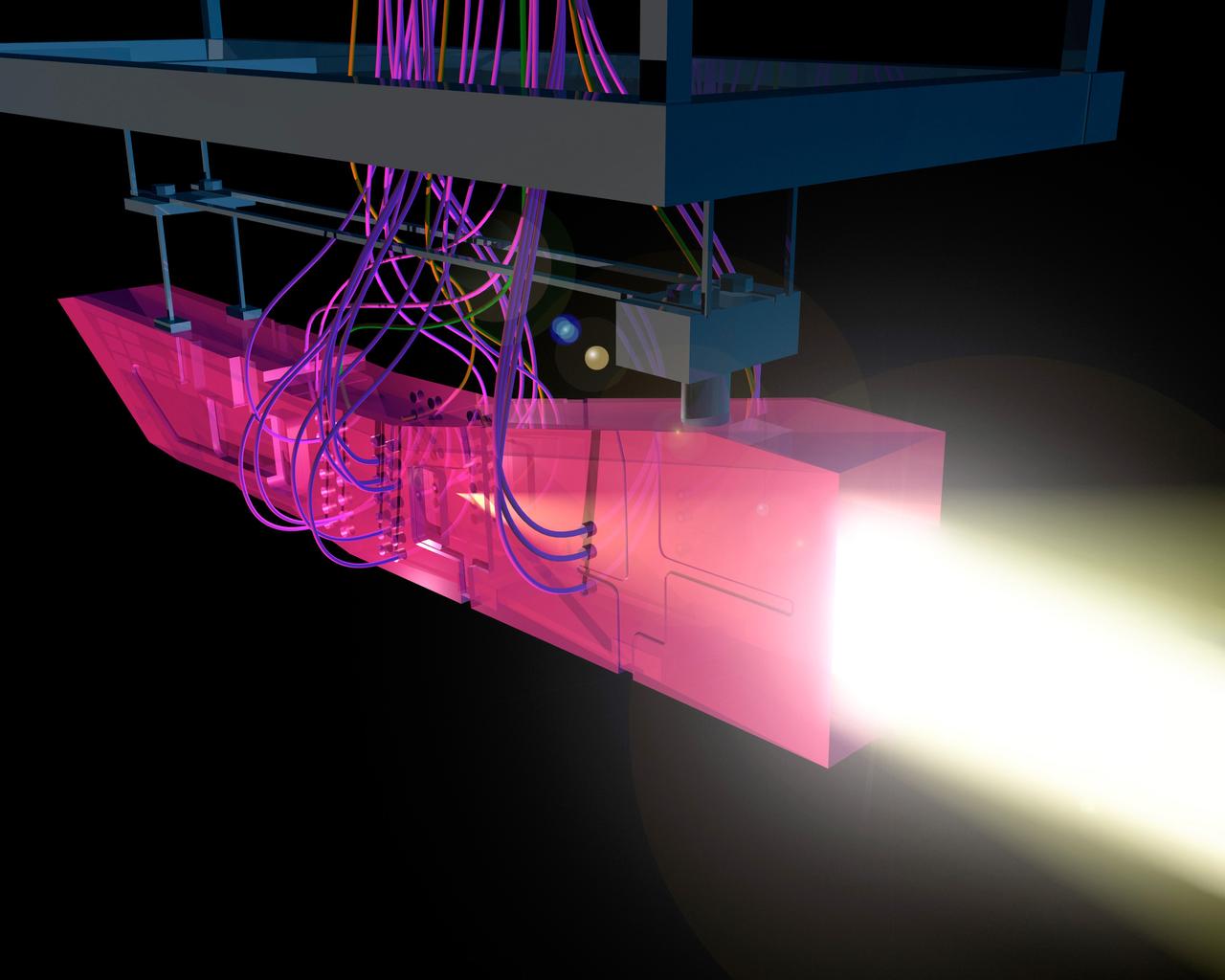
Pictured is a component of the Rocket Based Combined Cycle (RBCC) engine. This engine was designed to ultimately serve as the near term basis for Two Stage to Orbit (TSTO) air breathing propulsion systems and ultimately a Single Stage to Orbit (SSTO) air breathing propulsion system.
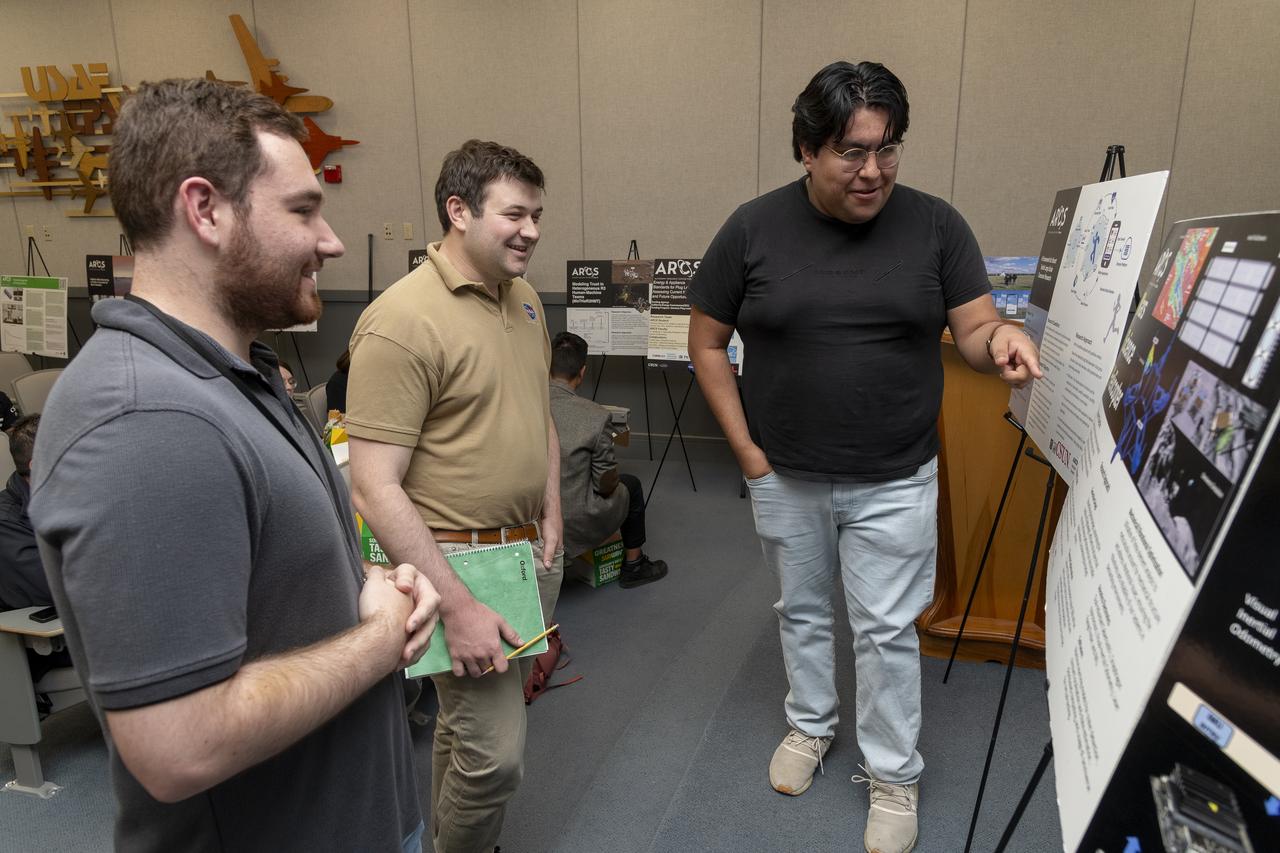
Two men from NASA’s Armstrong Flight Research Center in Edwards, California, ask Jared Carrillo, a student from the California State University, Northridge, Autonomy Research Center for science, technology, engineering, entrepreneurship, arts, humanities, and mathematics, about his work on the Mars Science Helicopter. Students displayed posters and answered questions about their technologies May 23 at the Air Force Test Pilot School auditorium on Edwards Air Force Base, California.
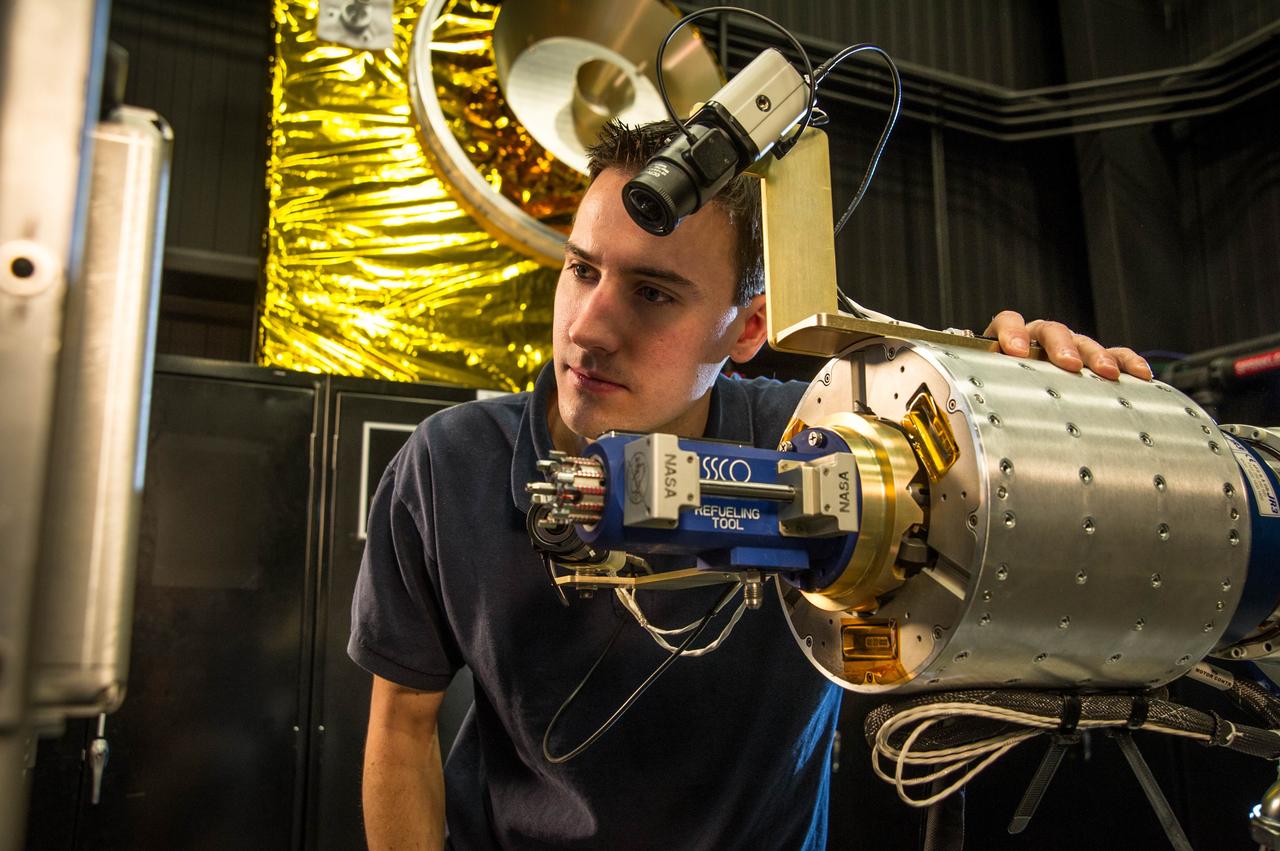
RROxiTT lead roboticist Alex Janas stands with the Oxidizer Nozzle Tool as he examines the work site. Credit: NASA/Goddard/Chris Gunn NASA has successfully concluded a remotely controlled test of new technologies that would empower future space robots to transfer hazardous oxidizer – a type of propellant – into the tanks of satellites in space today. Concurrently on the ground, NASA is incorporating results from this test and the Robotic Refueling Mission on the International Space Station to prepare for an upcoming ground-based test of a full-sized robotic servicer system that will perform tasks on a mock satellite client. Collectively, these efforts are part of an ongoing and aggressive technology development campaign to equip robots and humans with the tools and capabilities needed for spacecraft maintenance and repair, the assembly of large space telescopes, and extended human exploration. Read more here: <a href="http://www.nasa.gov/content/goddard/nasa-tests-new-robotic-refueling-technologies/#.UxeLyyRkLH4" rel="nofollow">www.nasa.gov/content/goddard/nasa-tests-new-robotic-refue...</a> <b><a href="http://www.nasa.gov/audience/formedia/features/MP_Photo_Guidelines.html" rel="nofollow">NASA image use policy.</a></b> <b><a href="http://www.nasa.gov/centers/goddard/home/index.html" rel="nofollow">NASA Goddard Space Flight Center</a></b> enables NASA’s mission through four scientific endeavors: Earth Science, Heliophysics, Solar System Exploration, and Astrophysics. Goddard plays a leading role in NASA’s accomplishments by contributing compelling scientific knowledge to advance the Agency’s mission. <b>Follow us on <a href="http://twitter.com/NASAGoddardPix" rel="nofollow">Twitter</a></b> <b>Like us on <a href="http://www.facebook.com/pages/Greenbelt-MD/NASA-Goddard/395013845897?ref=tsd" rel="nofollow">Facebook</a></b> <b>Find us on <a href="http://instagram.com/nasagoddard?vm=grid" rel="nofollow">Instagram</a></b>
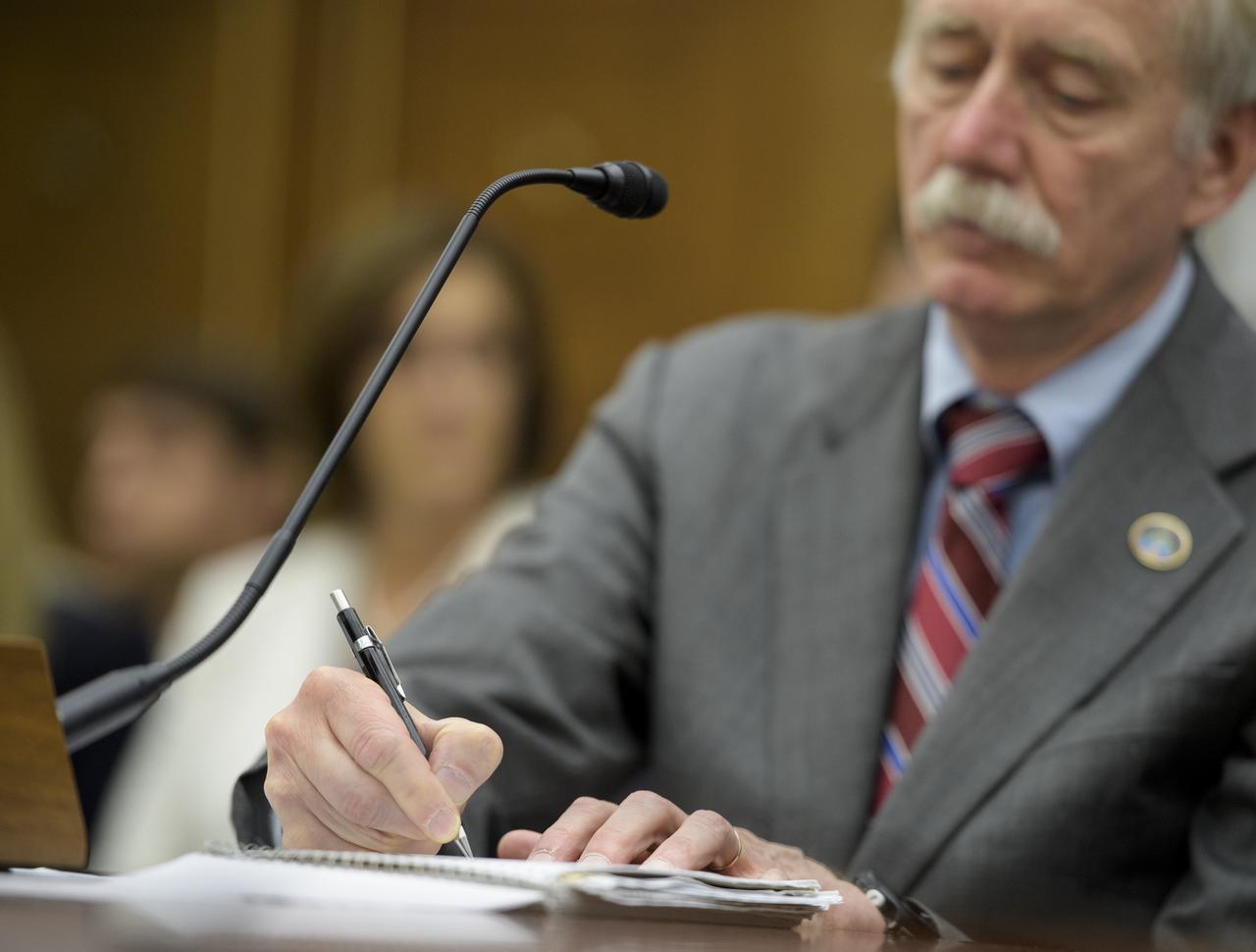
NASA Associate Administrator for the Human Exploration and Operations Mission Directorate William Gerstenmaier testifies during a House Committee on Science, Space, and Technology hearing titled "America's Human Presence in Low-Earth Orbit" on Thursday, May 17, 2018 in the Rayburn House Office Building in Washington. Photo Credit: (NASA/Joel Kowsky)
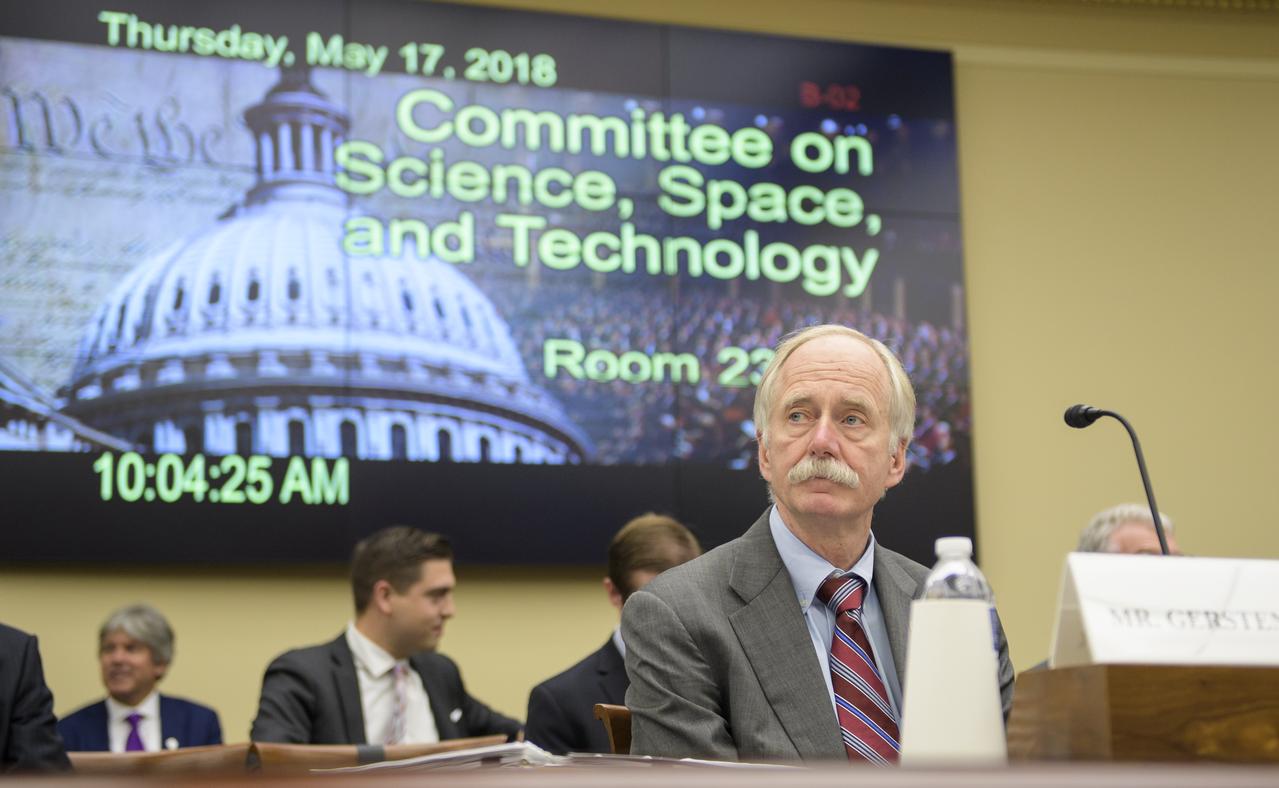
NASA Associate Administrator for the Human Exploration and Operations Mission Directorate William Gerstenmaier is seen prior to the start of a House Committee on Science, Space, and Technology Hearing titles "America's Human Presence in Low-Earth Orbit" on Thursday, May 17, 2018 in the Rayburn House Office Building in Washington. Photo Credit: (NASA/Joel Kowsky)
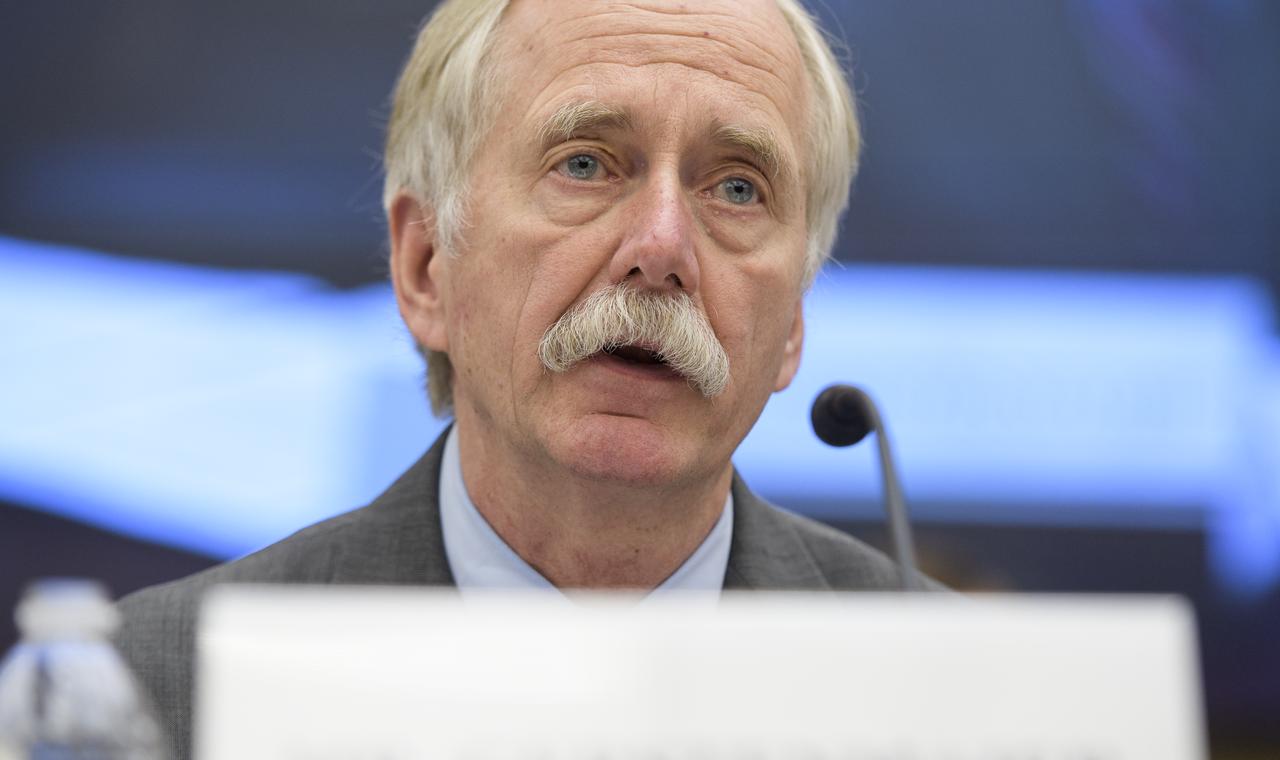
NASA Associate Administrator for the Human Exploration and Operations Mission Directorate William Gerstenmaier testifies during a House Committee on Science, Space, and Technology hearing titled "America's Human Presence in Low-Earth Orbit" on Thursday, May 17, 2018 in the Rayburn House Office Building in Washington. Photo Credit: (NASA/Joel Kowsky)
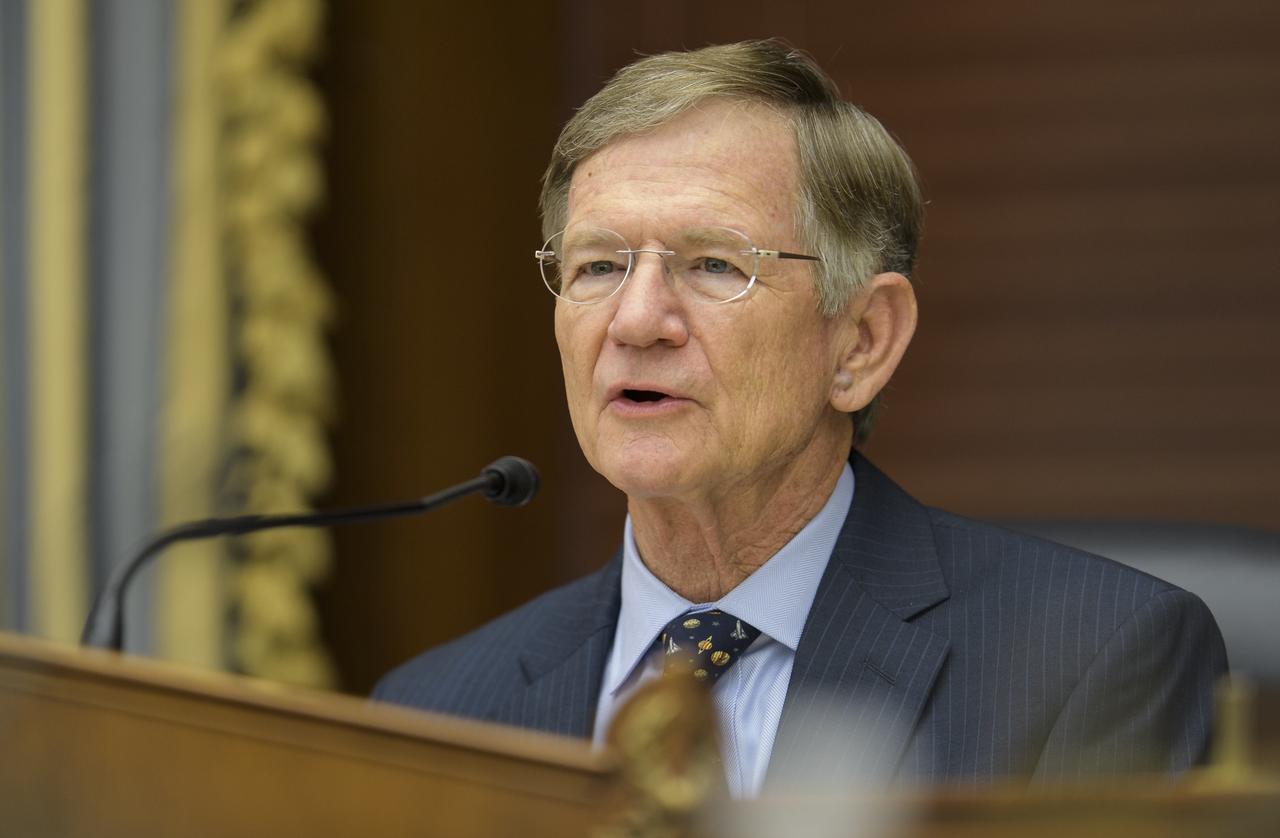
Rep. Lamar Smith, R-Texas, chairman of the House Committee on Science, Space, and Technology, delivers his opening statement during a hearing titled "America's Human Presence in Low-Earth Orbit" on Thursday, May 17, 2018 in the Rayburn House Office Building in Washington. Photo Credit: (NASA/Joel Kowsky)
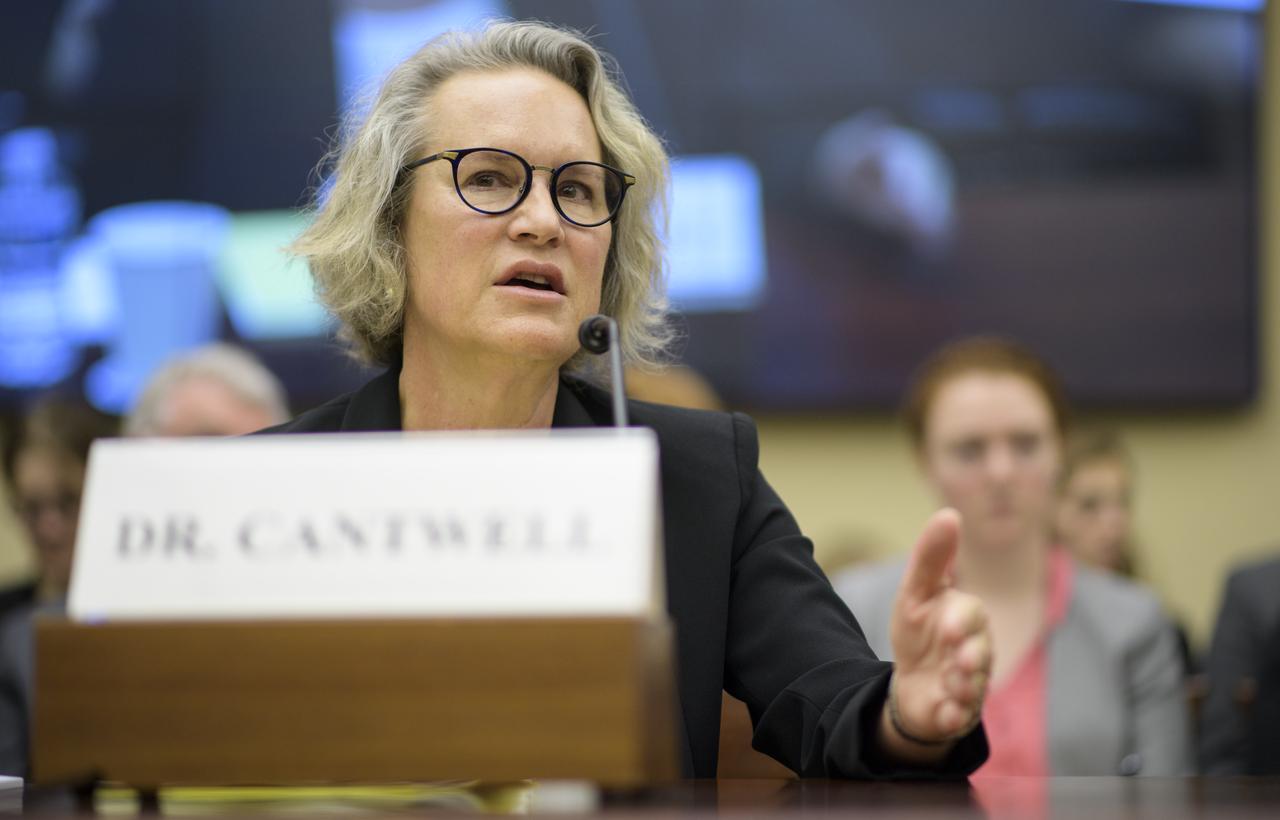
Elizabeth Cantwell, chief executive officer at the Arizona State University Research Enterprise, testifies during a House Committee on Science, Space, and Technology hearing titled "America's Human Presence in Low-Earth Orbit" on Thursday, May 17, 2018 in the Rayburn House Office Building in Washington. Photo Credit: (NASA/Joel Kowsky)
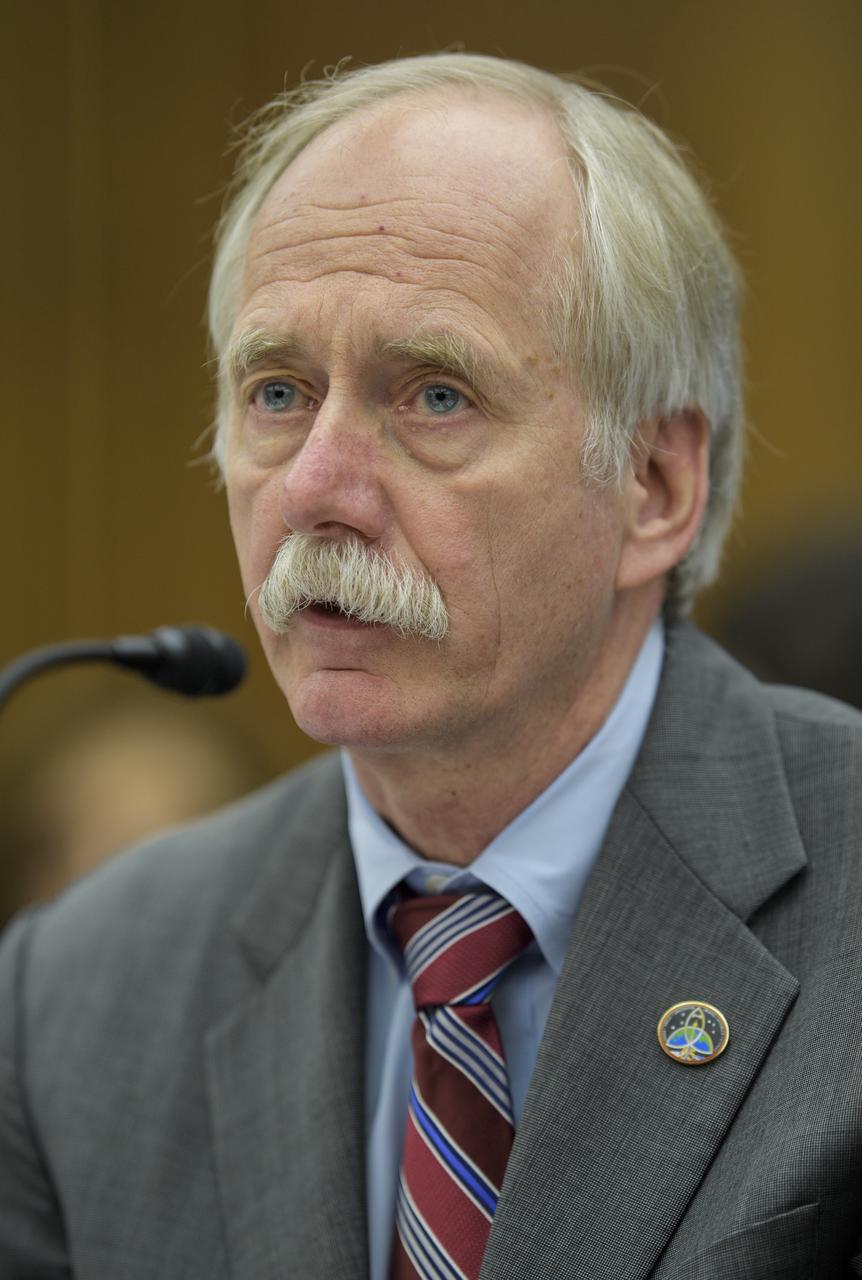
NASA Associate Administrator for the Human Exploration and Operations Mission Directorate William Gerstenmaier testifies during a House Committee on Science, Space, and Technology hearing titled "America's Human Presence in Low-Earth Orbit" on Thursday, May 17, 2018 in the Rayburn House Office Building in Washington. Photo Credit: (NASA/Joel Kowsky)
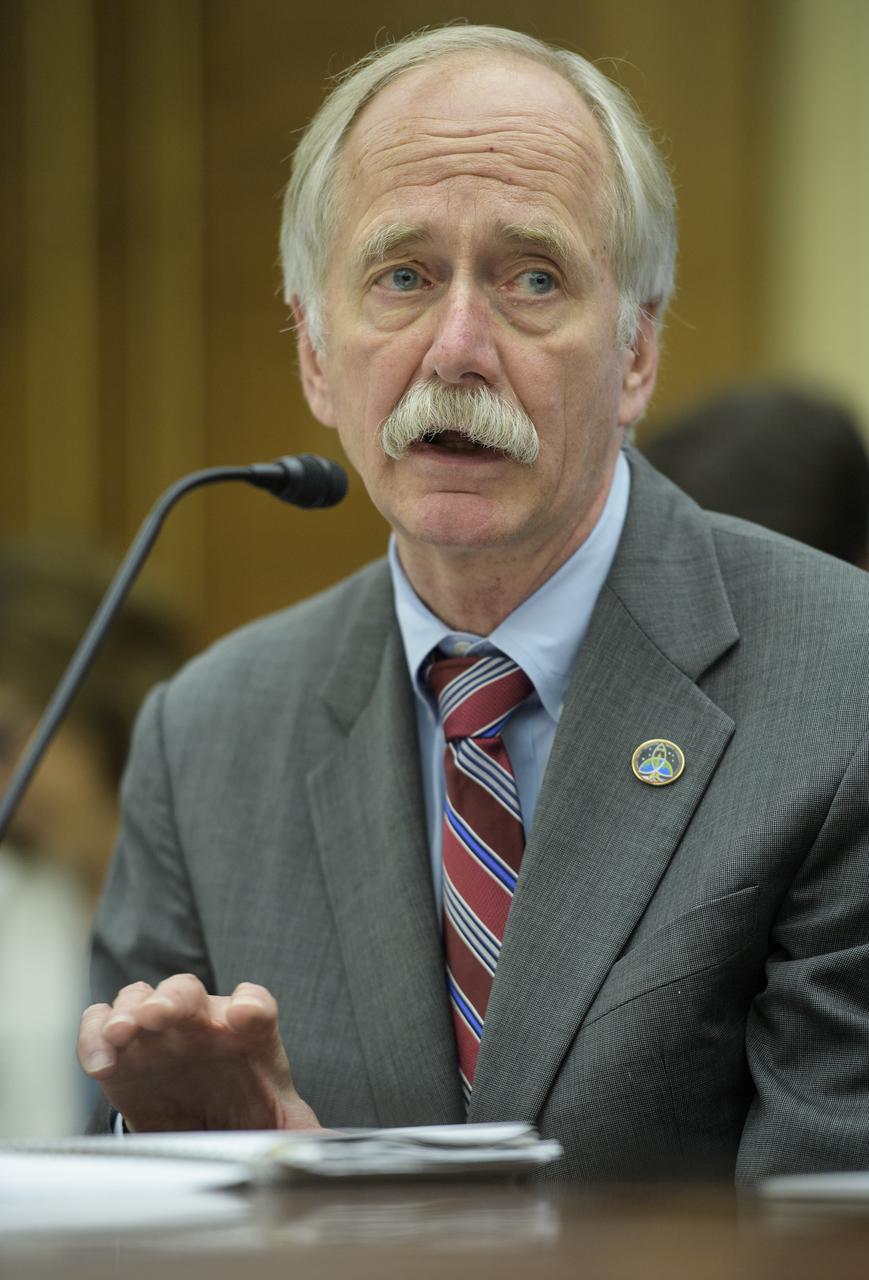
NASA Associate Administrator for the Human Exploration and Operations Mission Directorate William Gerstenmaier testifies during a House Committee on Science, Space, and Technology hearing titled "America's Human Presence in Low-Earth Orbit" on Thursday, May 17, 2018 in the Rayburn House Office Building in Washington. Photo Credit: (NASA/Joel Kowsky)
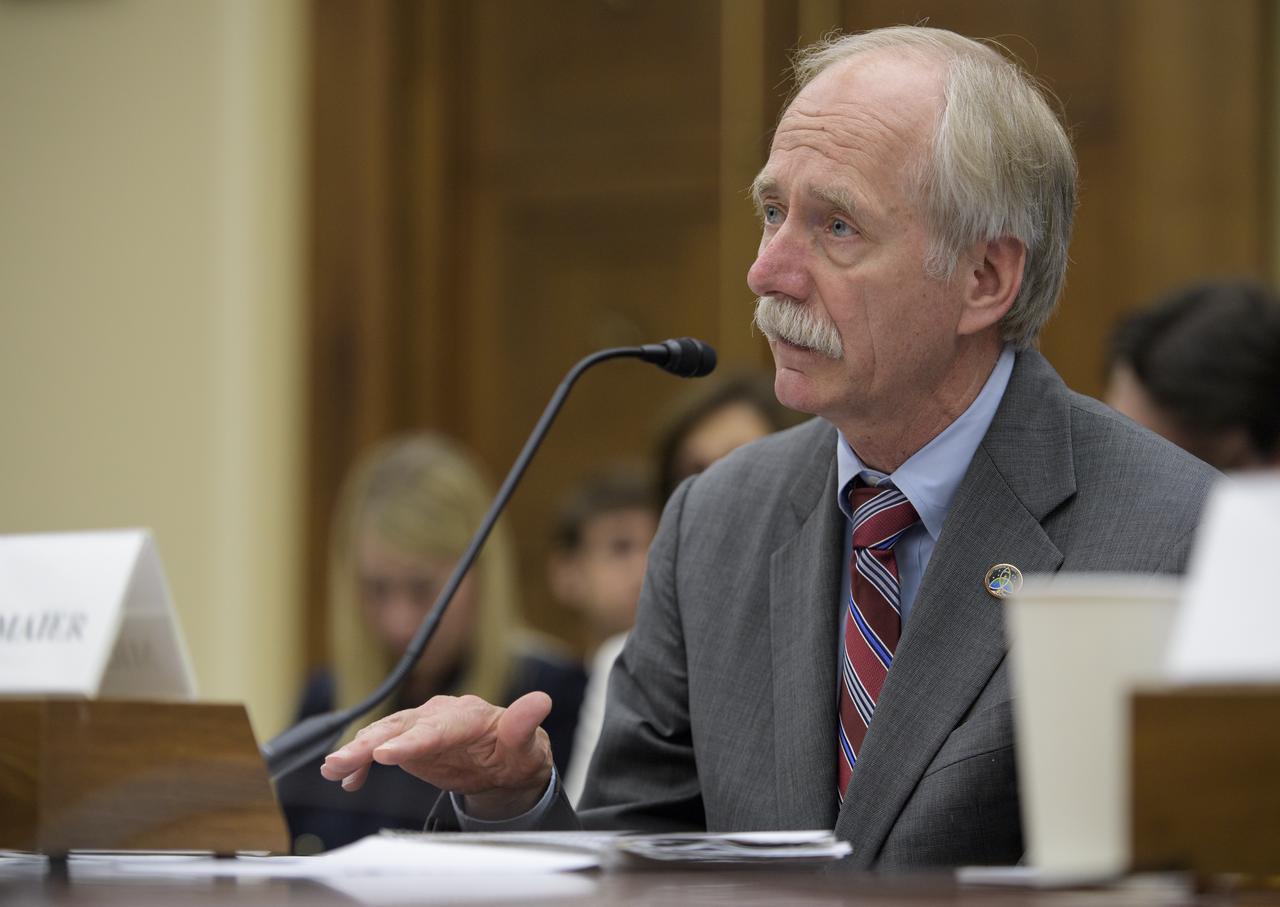
NASA Associate Administrator for the Human Exploration and Operations Mission Directorate William Gerstenmaier testifies during a House Committee on Science, Space, and Technology hearing titled "America's Human Presence in Low-Earth Orbit" on Thursday, May 17, 2018 in the Rayburn House Office Building in Washington. Photo Credit: (NASA/Joel Kowsky)
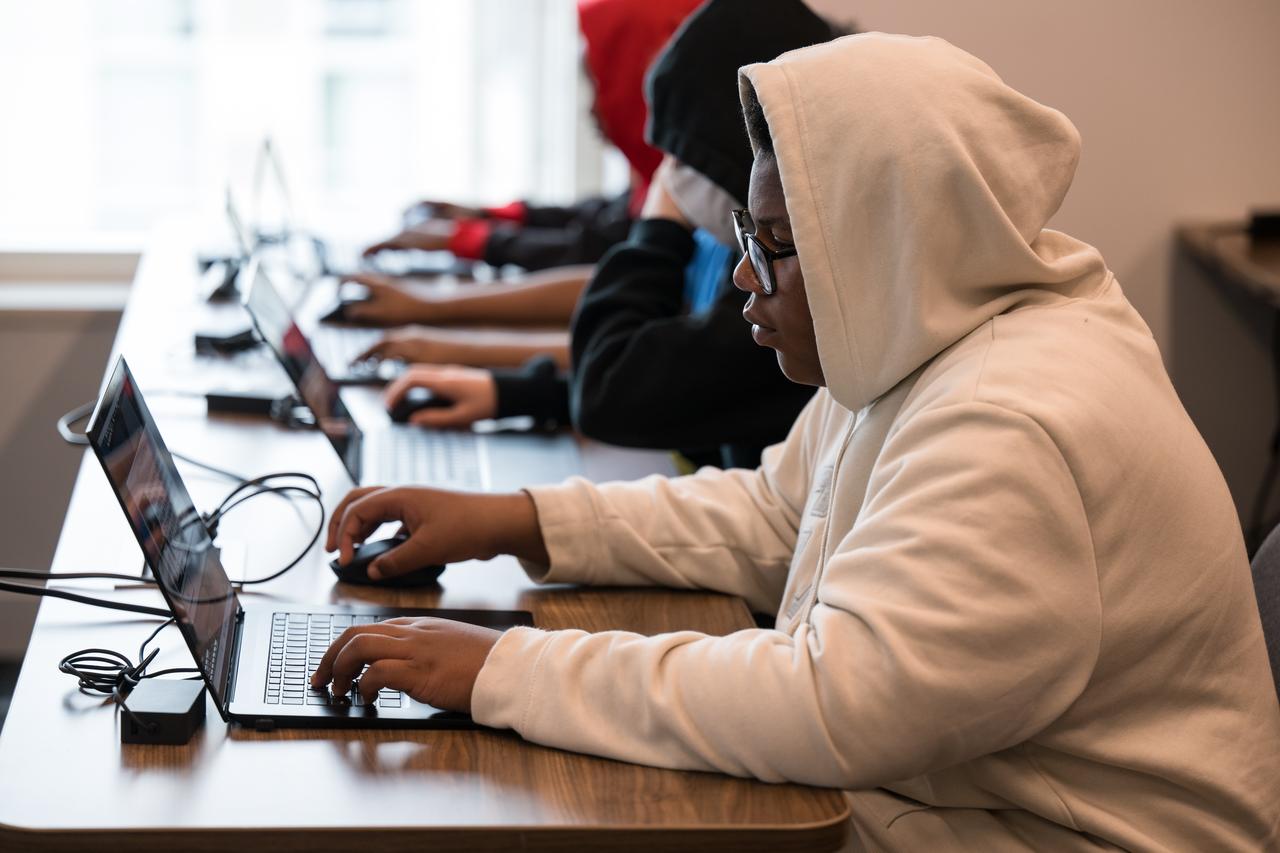
DC area students participate in a Minecraft Artemis demonstration during Space Education Day, Tuesday, June 20, 2023, at the Microsoft Technology Center in Arlington, Va. Microsoft hosted the event to showcase the collaboration, early successes, and future plans for high quality student engagement through activities that combined space content and technologies like artificial intelligence and cloud computing. Photo Credit: (NASA/Aubrey Gemignani)
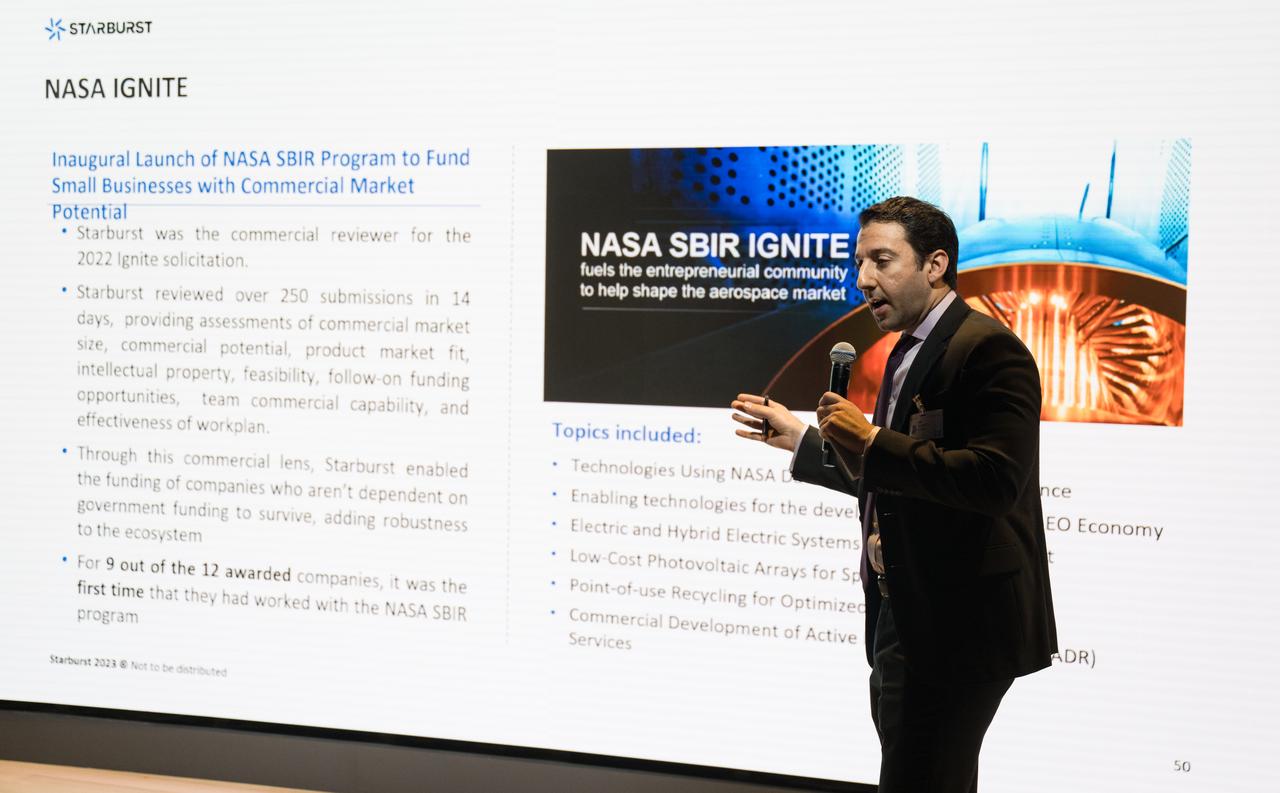
Director of Government Affairs and Business Development for Starburst Aerospace, Robert Ganim, provides remarks during Space Education Day, Tuesday, June 20, 2023, at the Microsoft Technology Center in Arlington, Va. Microsoft hosted the event to showcase the collaboration, early successes, and future plans for high quality student engagement through activities that combined space content and technologies like artificial intelligence and cloud computing. Photo Credit: (NASA/Aubrey Gemignani)
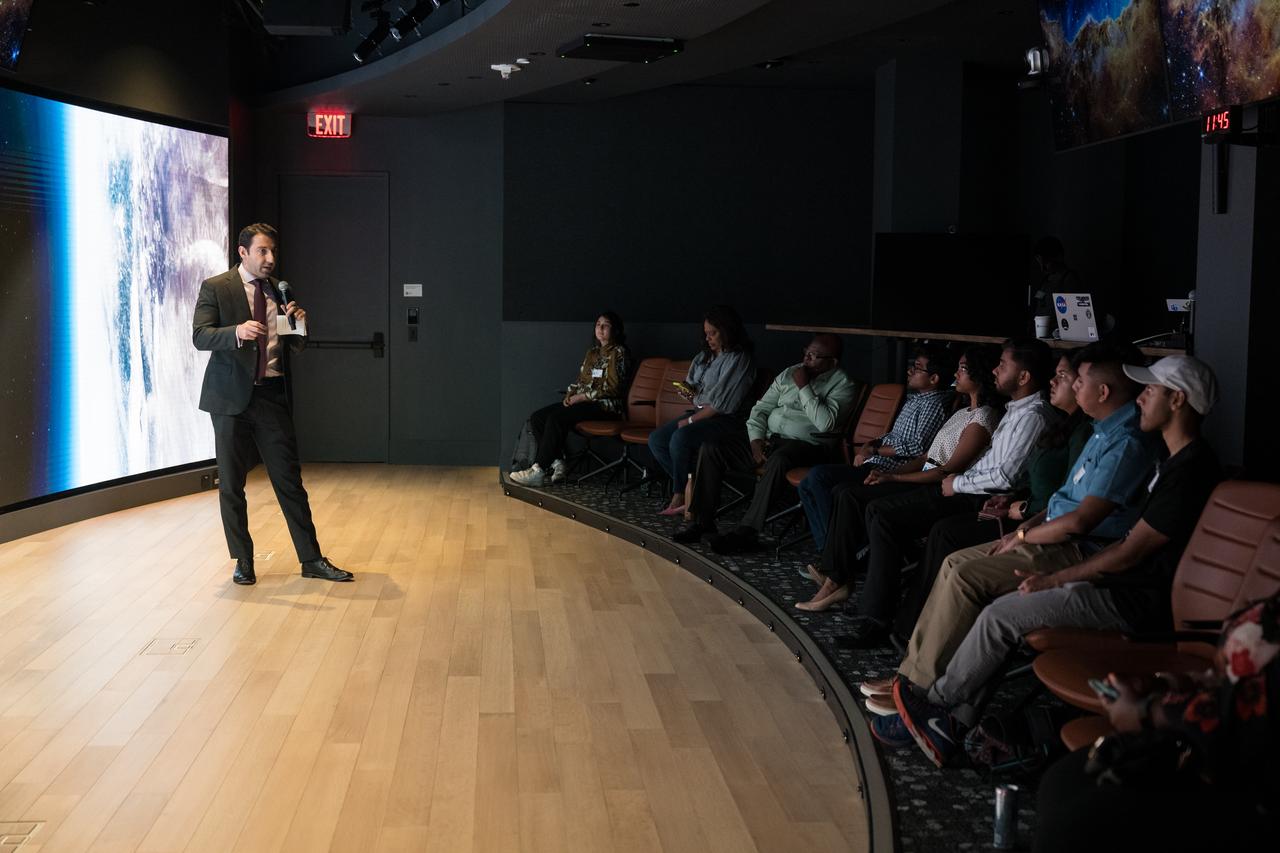
Director of Government Affairs and Business Development for Starburst Aerospace, Robert Ganim, provides remarks during Space Education Day, Tuesday, June 20, 2023, at the Microsoft Technology Center in Arlington, Va. Microsoft hosted the event to showcase the collaboration, early successes, and future plans for high quality student engagement through activities that combined space content and technologies like artificial intelligence and cloud computing. Photo Credit: (NASA/Aubrey Gemignani)
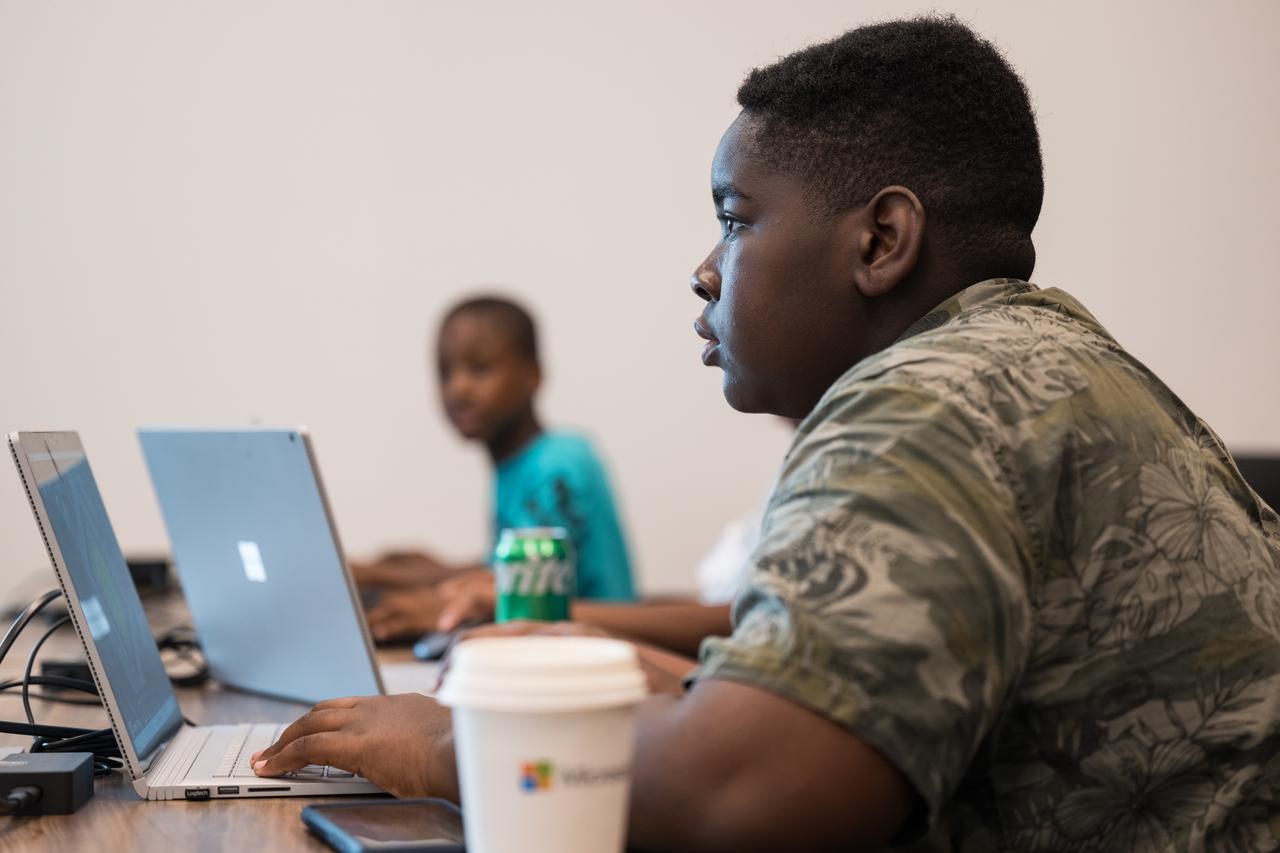
DC area students participate in a Minecraft Artemis demonstration during Space Education Day, Tuesday, June 20, 2023, at the Microsoft Technology Center in Arlington, Va. Microsoft hosted the event to showcase the collaboration, early successes, and future plans for high quality student engagement through activities that combined space content and technologies like artificial intelligence and cloud computing. Photo Credit: (NASA/Aubrey Gemignani)
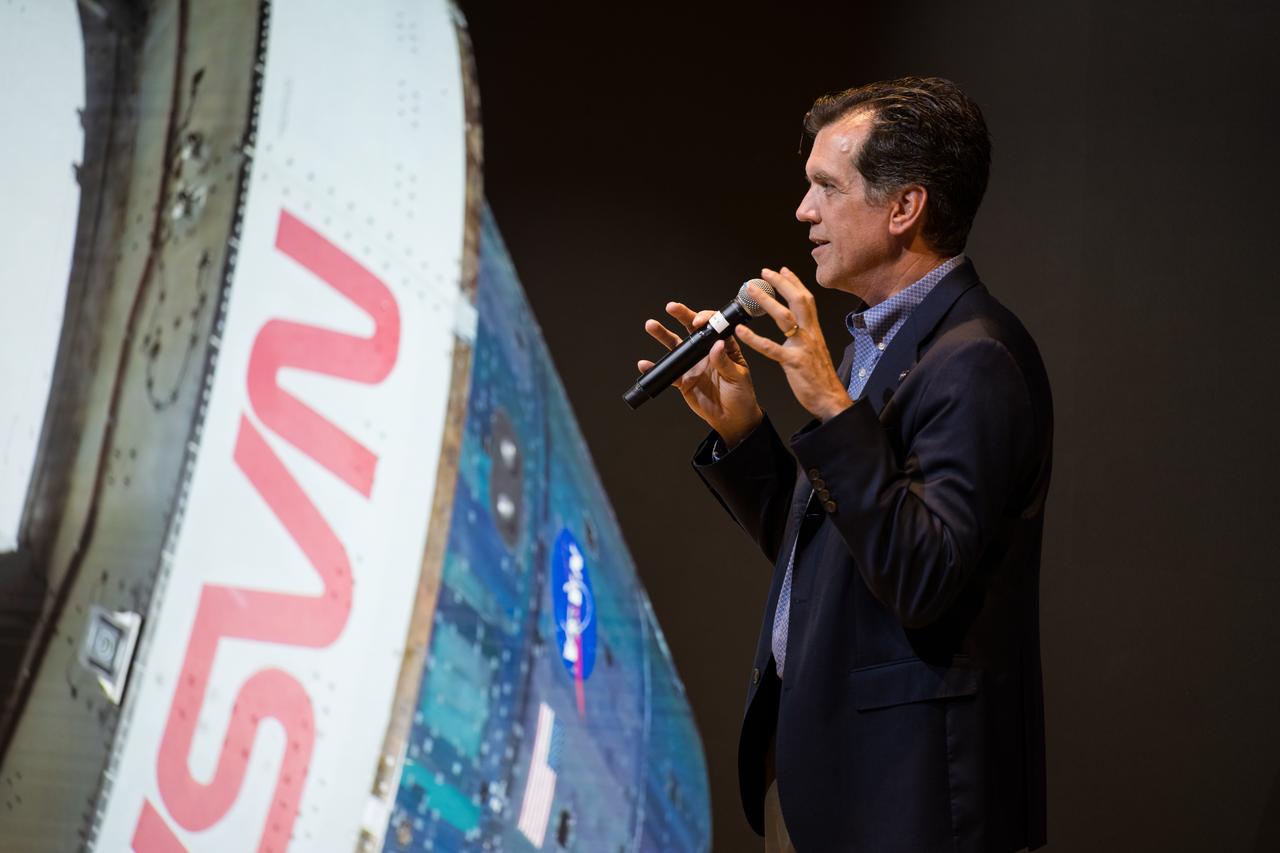
NASA Associate Administrator for the STEM Engagement Office, Mike Kincaid, provides remarks during Space Education Day, Tuesday, June 20, 2023, at the Microsoft Technology Center in Arlington, Va. Microsoft hosted the event to showcase the collaboration, early successes, and future plans for high quality student engagement through activities that combined space content and technologies like artificial intelligence and cloud computing. Photo Credit: (NASA/Aubrey Gemignani)
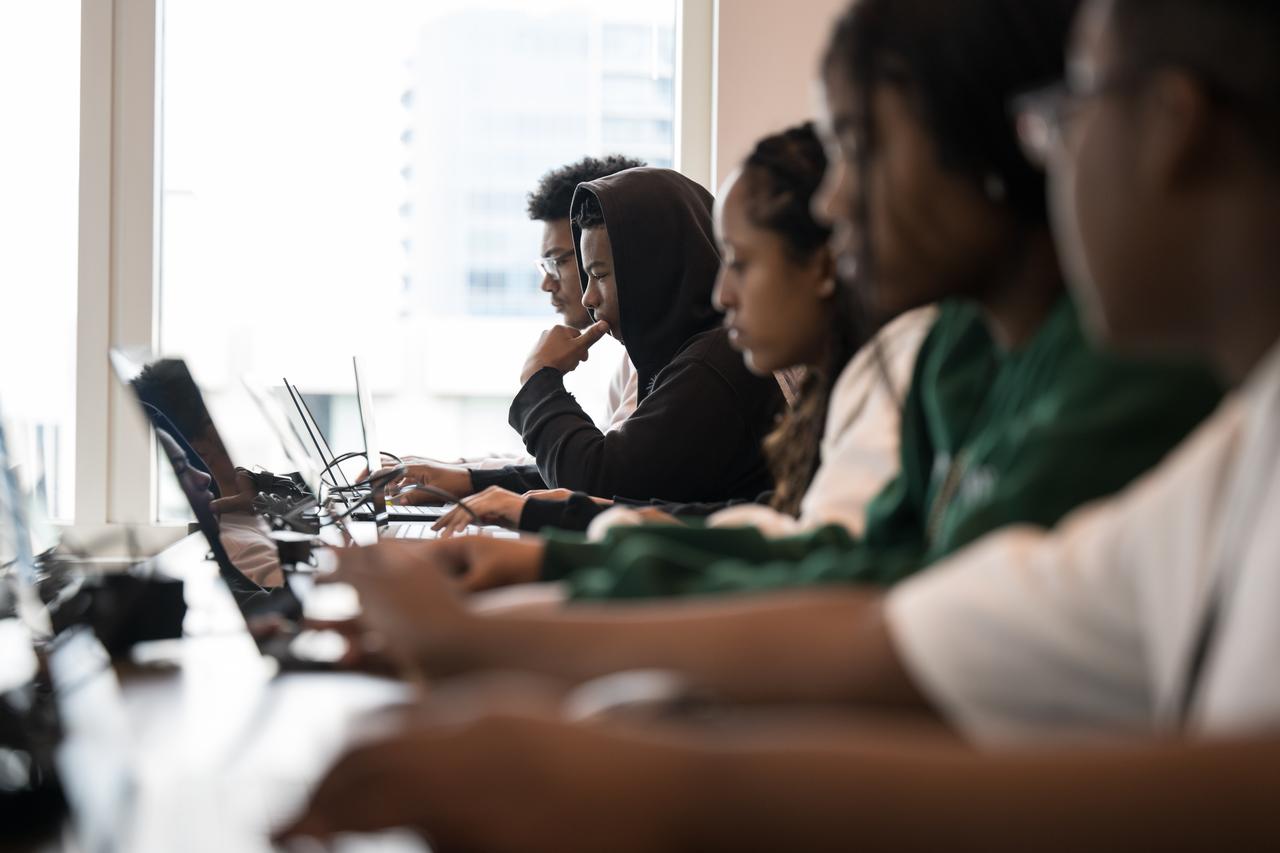
DC area students participate in a Minecraft Artemis demonstration during Space Education Day, Tuesday, June 20, 2023, at the Microsoft Technology Center in Arlington, Va. Microsoft hosted the event to showcase the collaboration, early successes, and future plans for high quality student engagement through activities that combined space content and technologies like artificial intelligence and cloud computing. Photo Credit: (NASA/Aubrey Gemignani)
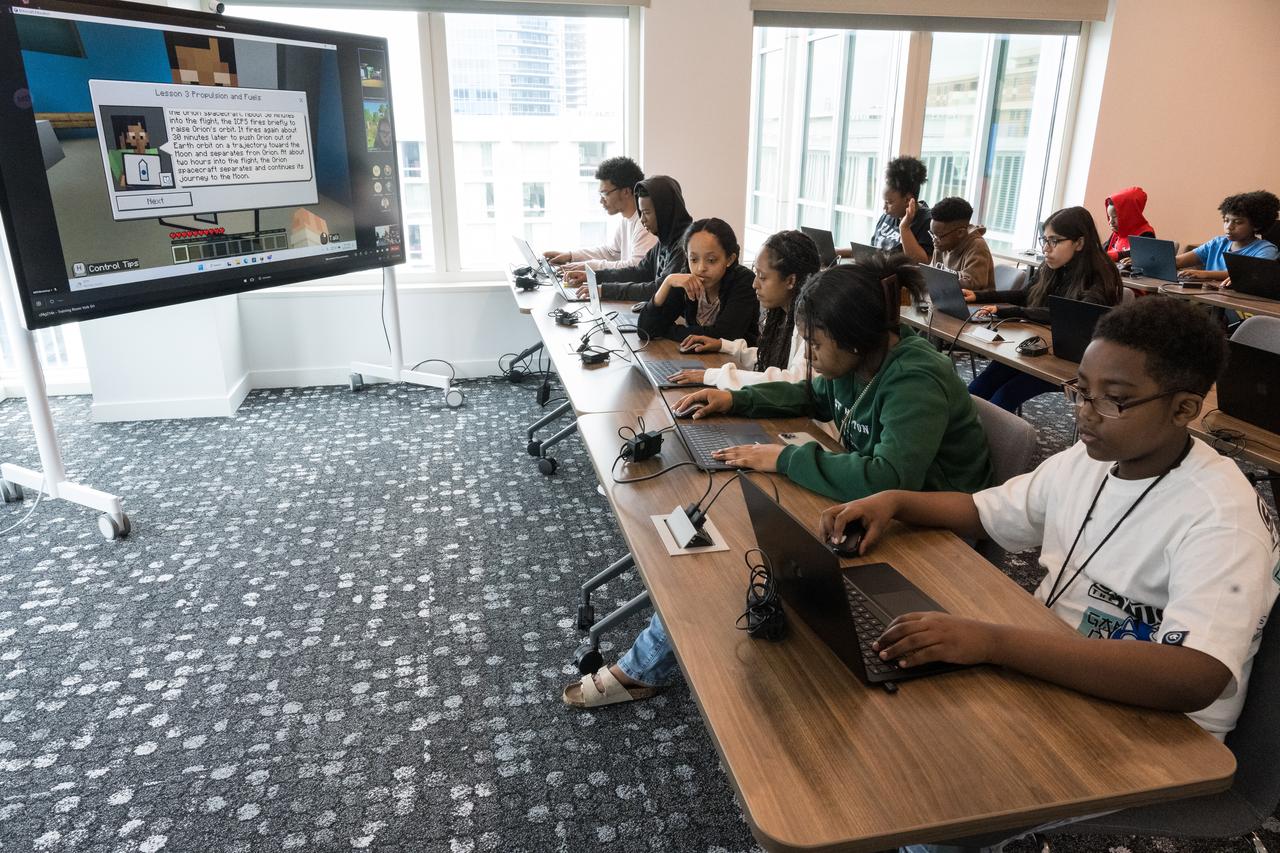
DC area students participate in a Minecraft Artemis demonstration during Space Education Day, Tuesday, June 20, 2023, at the Microsoft Technology Center in Arlington, Va. Microsoft hosted the event to showcase the collaboration, early successes, and future plans for high quality student engagement through activities that combined space content and technologies like artificial intelligence and cloud computing. Photo Credit: (NASA/Aubrey Gemignani)

DC area students participate in a Minecraft Artemis demonstration during Space Education Day, Tuesday, June 20, 2023, at the Microsoft Technology Center in Arlington, Va. Microsoft hosted the event to showcase the collaboration, early successes, and future plans for high quality student engagement through activities that combined space content and technologies like artificial intelligence and cloud computing. Photo Credit: (NASA/Aubrey Gemignani)

DC area students participate in a Minecraft Artemis demonstration during Space Education Day, Tuesday, June 20, 2023, at the Microsoft Technology Center in Arlington, Va. Microsoft hosted the event to showcase the collaboration, early successes, and future plans for high quality student engagement through activities that combined space content and technologies like artificial intelligence and cloud computing. Photo Credit: (NASA/Aubrey Gemignani)
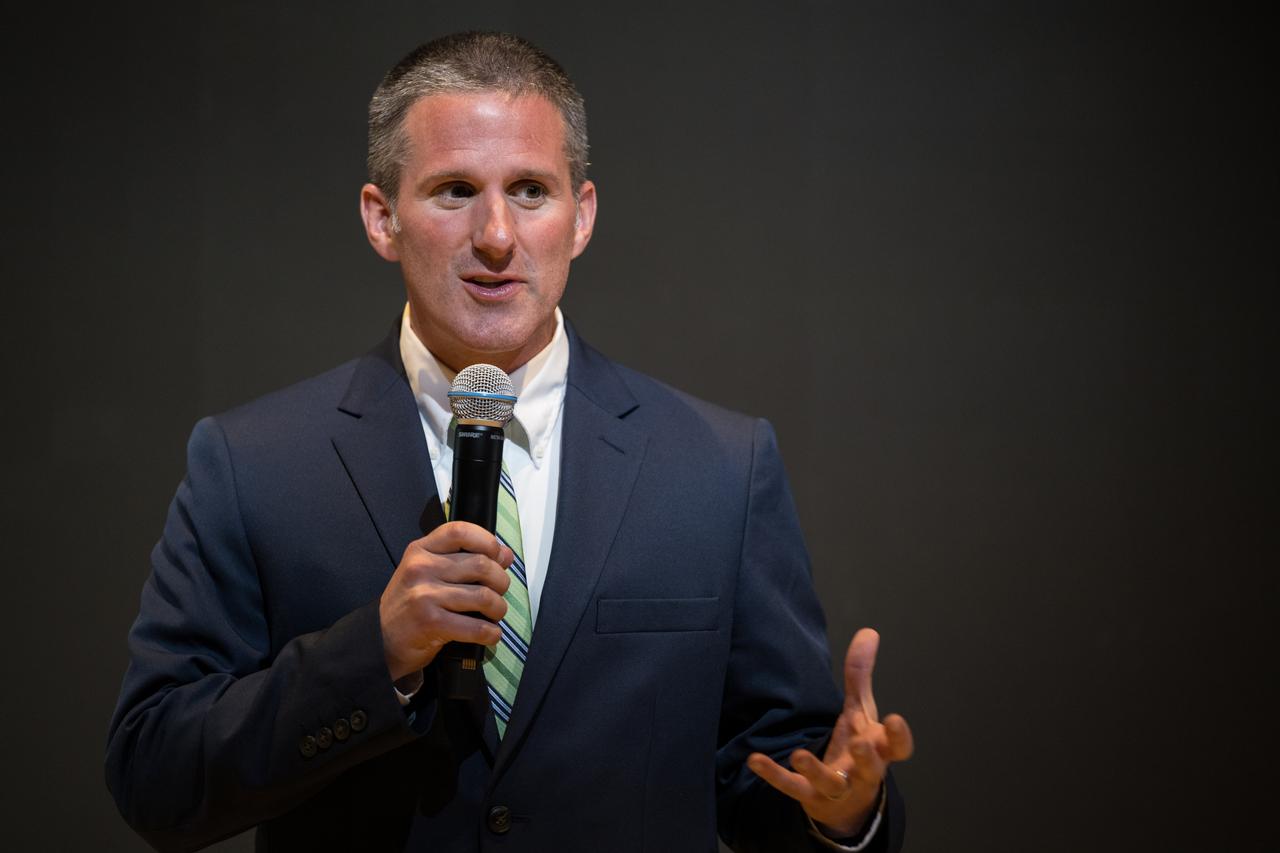
NASA Strategic Partnerships Manager for STEM Engagement, Rob LaSalvia, provides remarks during Space Education Day, Tuesday, June 20, 2023, at the Microsoft Technology Center in Arlington, Va. Microsoft hosted the event to showcase the collaboration, early successes, and future plans for high quality student engagement through activities that combined space content and technologies like artificial intelligence and cloud computing. Photo Credit: (NASA/Aubrey Gemignani)
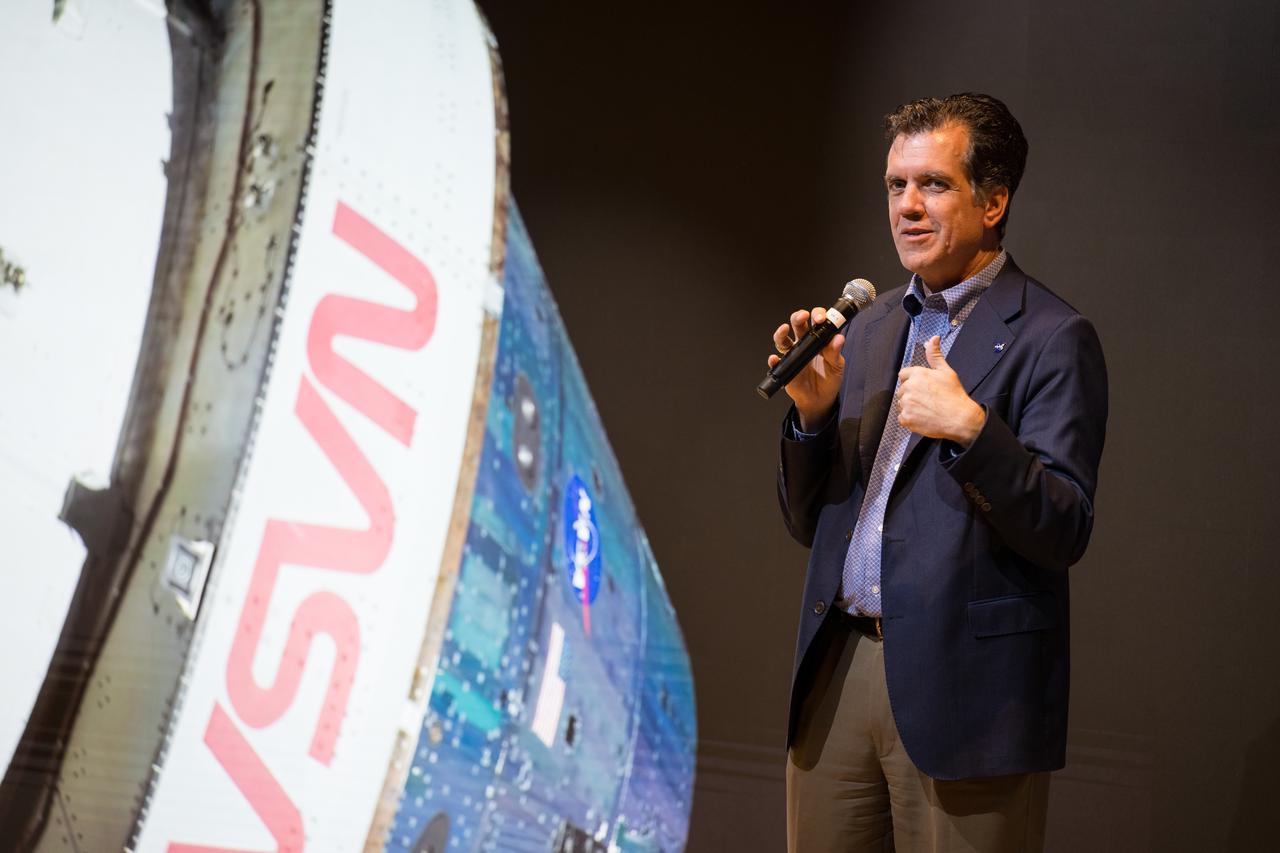
NASA Associate Administrator for the STEM Engagement Office, Mike Kincaid, provides remarks during Space Education Day, Tuesday, June 20, 2023, at the Microsoft Technology Center in Arlington, Va. Microsoft hosted the event to showcase the collaboration, early successes, and future plans for high quality student engagement through activities that combined space content and technologies like artificial intelligence and cloud computing. Photo Credit: (NASA/Aubrey Gemignani)
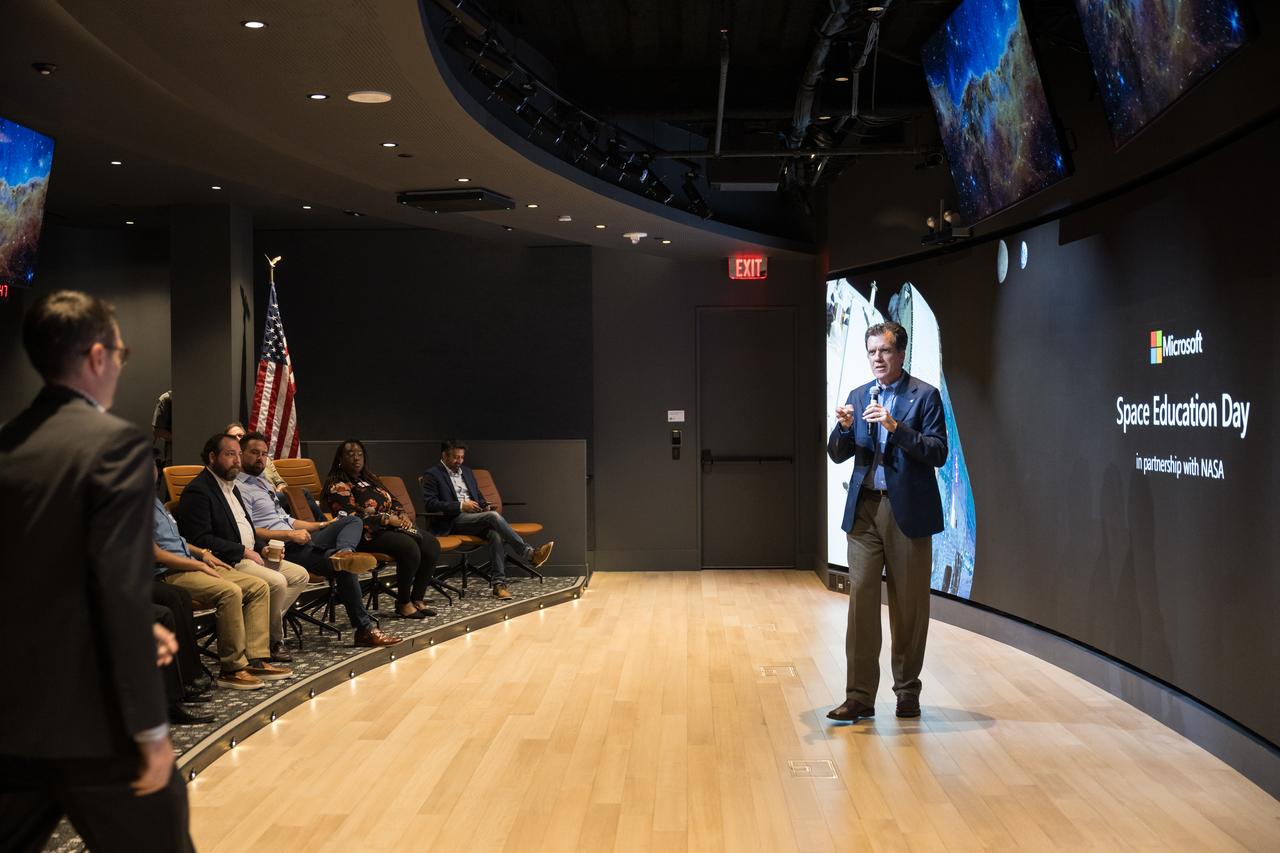
NASA Associate Administrator for the STEM Engagement Office, Mike Kincaid, provides remarks during Space Education Day, Tuesday, June 20, 2023, at the Microsoft Technology Center in Arlington, Va. Microsoft hosted the event to showcase the collaboration, early successes, and future plans for high quality student engagement through activities that combined space content and technologies like artificial intelligence and cloud computing. Photo Credit: (NASA/Aubrey Gemignani)
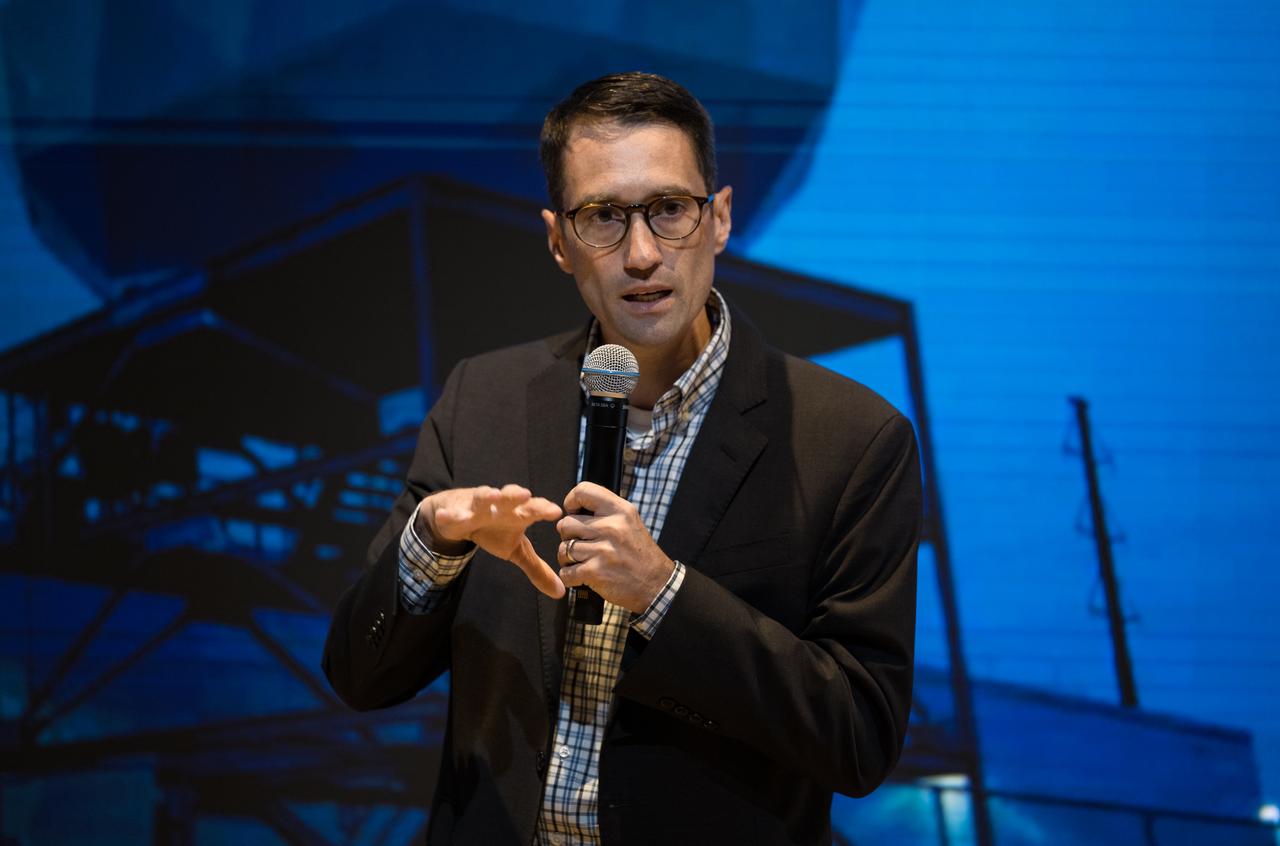
Microsoft’s Azure Space Senior Director, Stephen Kitay, provides remarks during Space Education Day, Tuesday, June 20, 2023, at the Microsoft Technology Center in Arlington, Va. Microsoft hosted the event to showcase the collaboration, early successes, and future plans for high quality student engagement through activities that combined space content and technologies like artificial intelligence and cloud computing. Photo Credit: (NASA/Aubrey Gemignani)
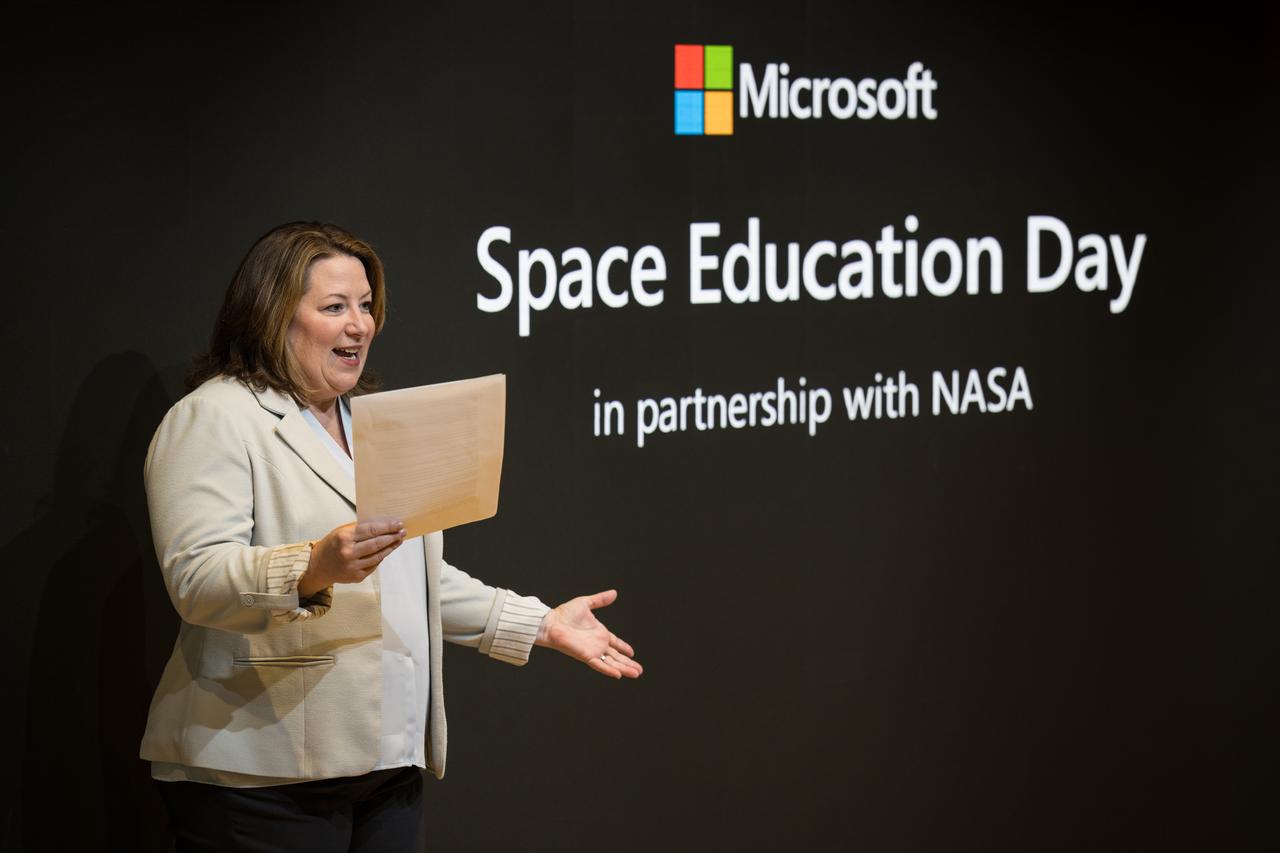
Microsoft's Federal Civilian Team General Manager, Heidi Koblyski, provides remarks during Space Education Day, Tuesday, June 20, 2023, at the Microsoft Technology Center in Arlington, Va. Microsoft hosted the event to showcase the collaboration, early successes, and future plans for high quality student engagement through activities that combined space content and technologies like artificial intelligence and cloud computing. Photo Credit: (NASA/Aubrey Gemignani)
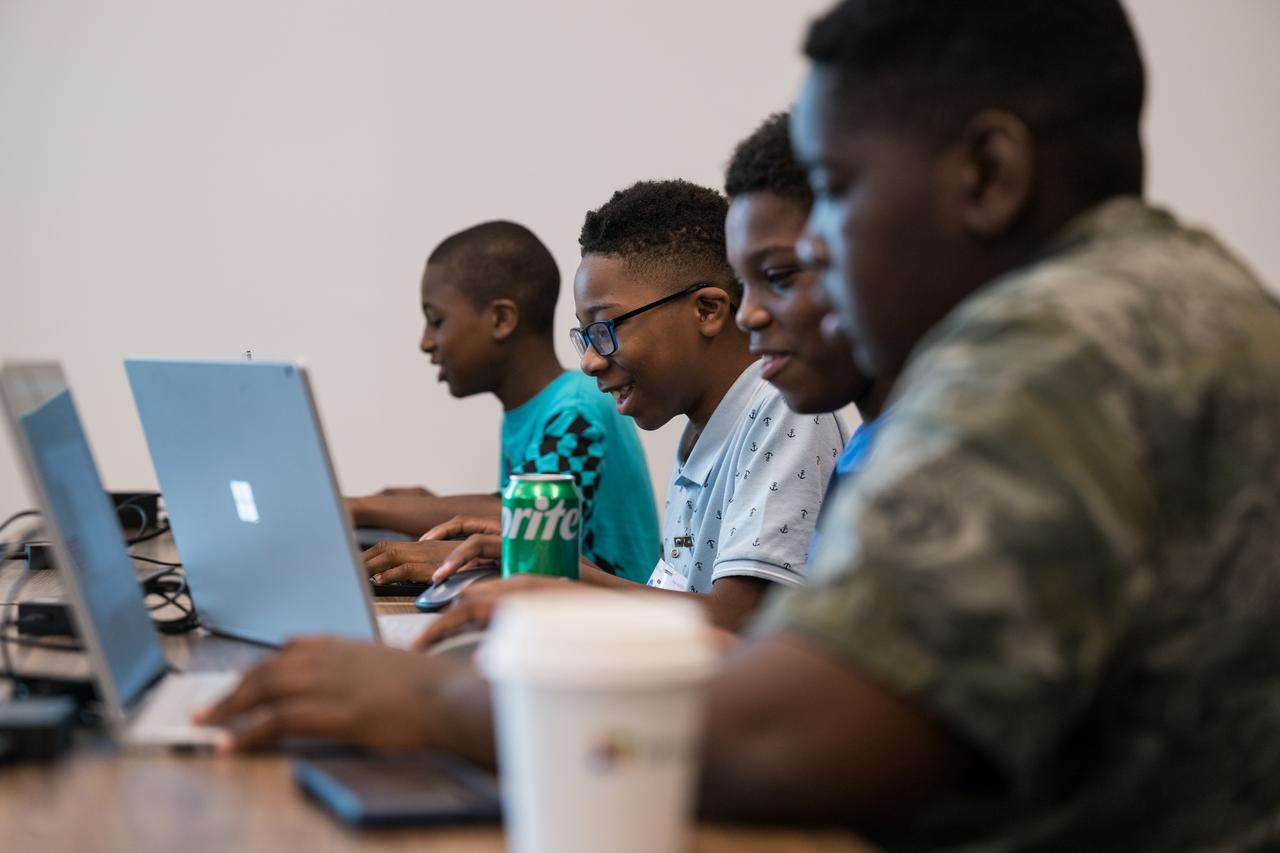
DC area students participate in a Minecraft Artemis demonstration during Space Education Day, Tuesday, June 20, 2023, at the Microsoft Technology Center in Arlington, Va. Microsoft hosted the event to showcase the collaboration, early successes, and future plans for high quality student engagement through activities that combined space content and technologies like artificial intelligence and cloud computing. Photo Credit: (NASA/Aubrey Gemignani)
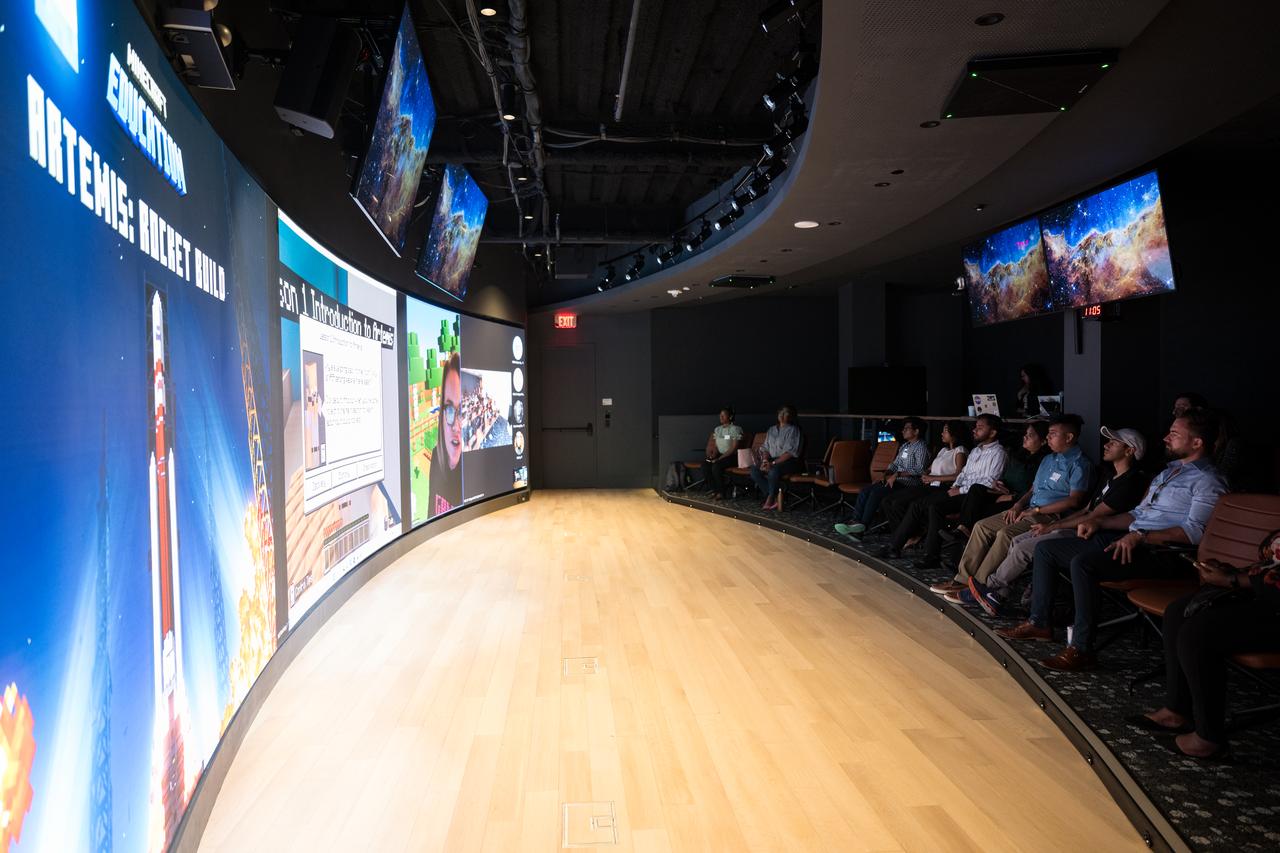
Microsoft Senior Program Manager and Executive Game Producer for Minecraft Education, Laylah Busman, provides instruction to DC area students during Space Education Day, Tuesday, June 20, 2023, at the Microsoft Technology Center in Arlington, Va. Microsoft hosted the event to showcase the collaboration, early successes, and future plans for high quality student engagement through activities that combined space content and technologies like artificial intelligence and cloud computing. Photo Credit: (NASA/Aubrey Gemignani)
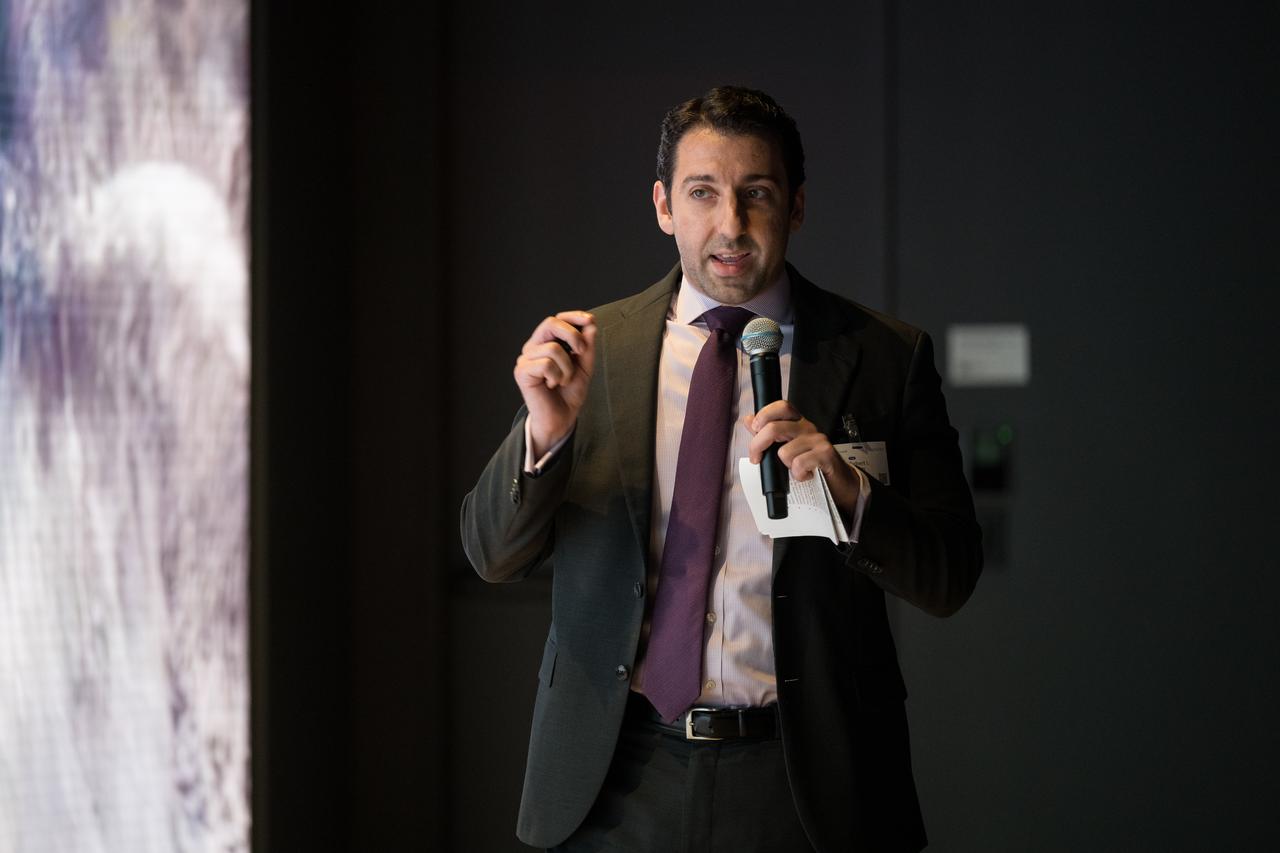
Director of Government Affairs and Business Development for Starburst Aerospace, Robert Ganim, provides remarks during Space Education Day, Tuesday, June 20, 2023, at the Microsoft Technology Center in Arlington, Va. Microsoft hosted the event to showcase the collaboration, early successes, and future plans for high quality student engagement through activities that combined space content and technologies like artificial intelligence and cloud computing. Photo Credit: (NASA/Aubrey Gemignani)
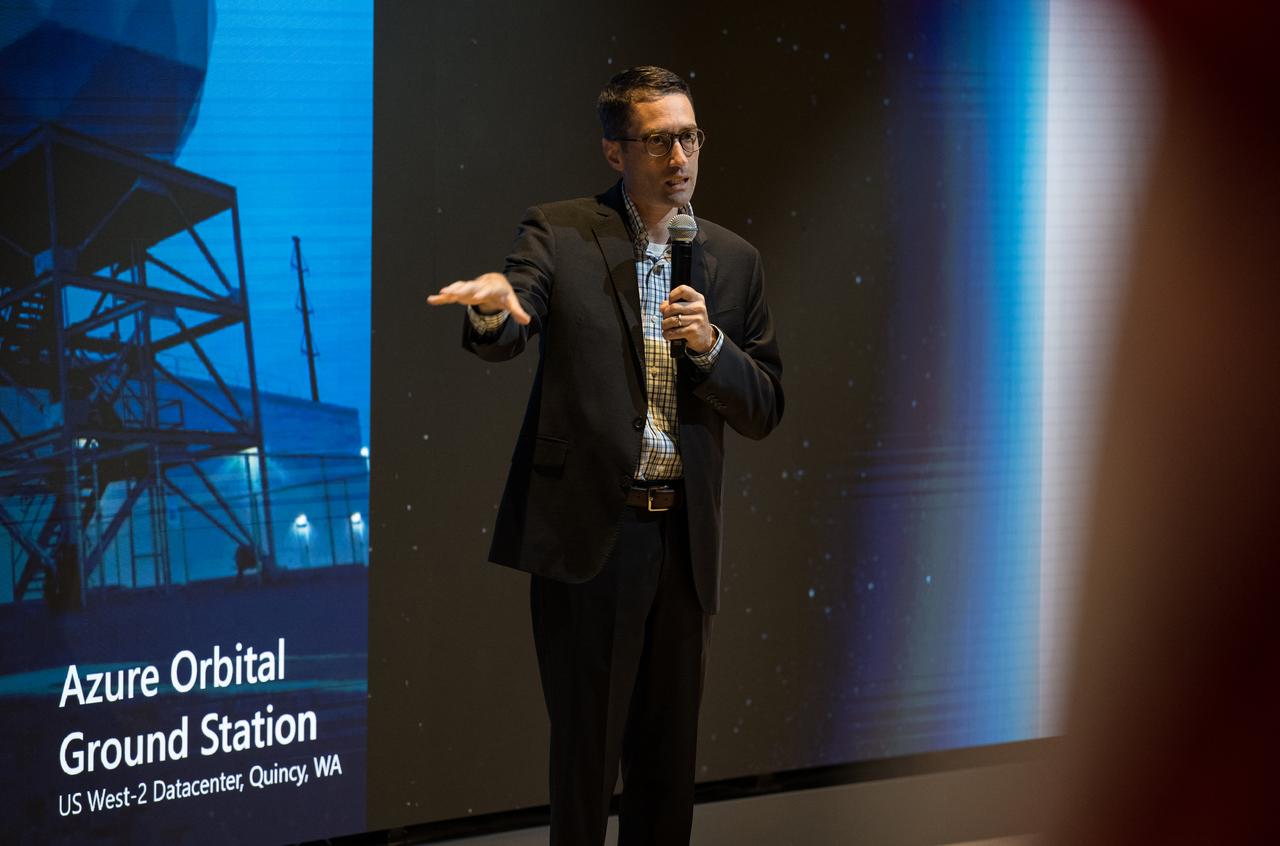
Microsoft’s Azure Space Senior Director, Stephen Kitay, provides remarks during Space Education Day, Tuesday, June 20, 2023, at the Microsoft Technology Center in Arlington, Va. Microsoft hosted the event to showcase the collaboration, early successes, and future plans for high quality student engagement through activities that combined space content and technologies like artificial intelligence and cloud computing. Photo Credit: (NASA/Aubrey Gemignani)
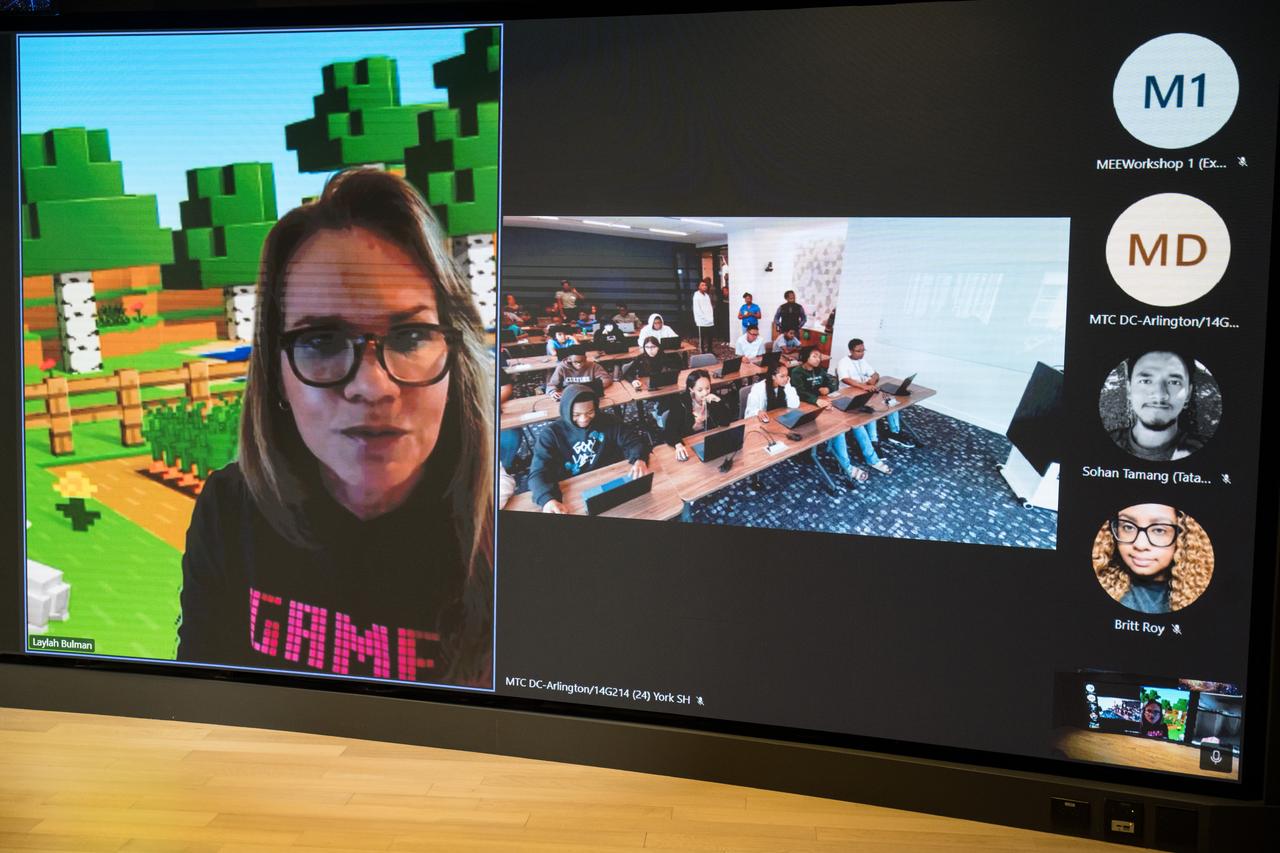
Microsoft Senior Program Manager and Executive Game Producer for Minecraft Education, Laylah Bulman, provides instruction to DC area students during Space Education Day, Tuesday, June 20, 2023, at the Microsoft Technology Center in Arlington, Va. Microsoft hosted the event to showcase the collaboration, early successes, and future plans for high quality student engagement through activities that combined space content and technologies like artificial intelligence and cloud computing. Photo Credit: (NASA/Aubrey Gemignani)
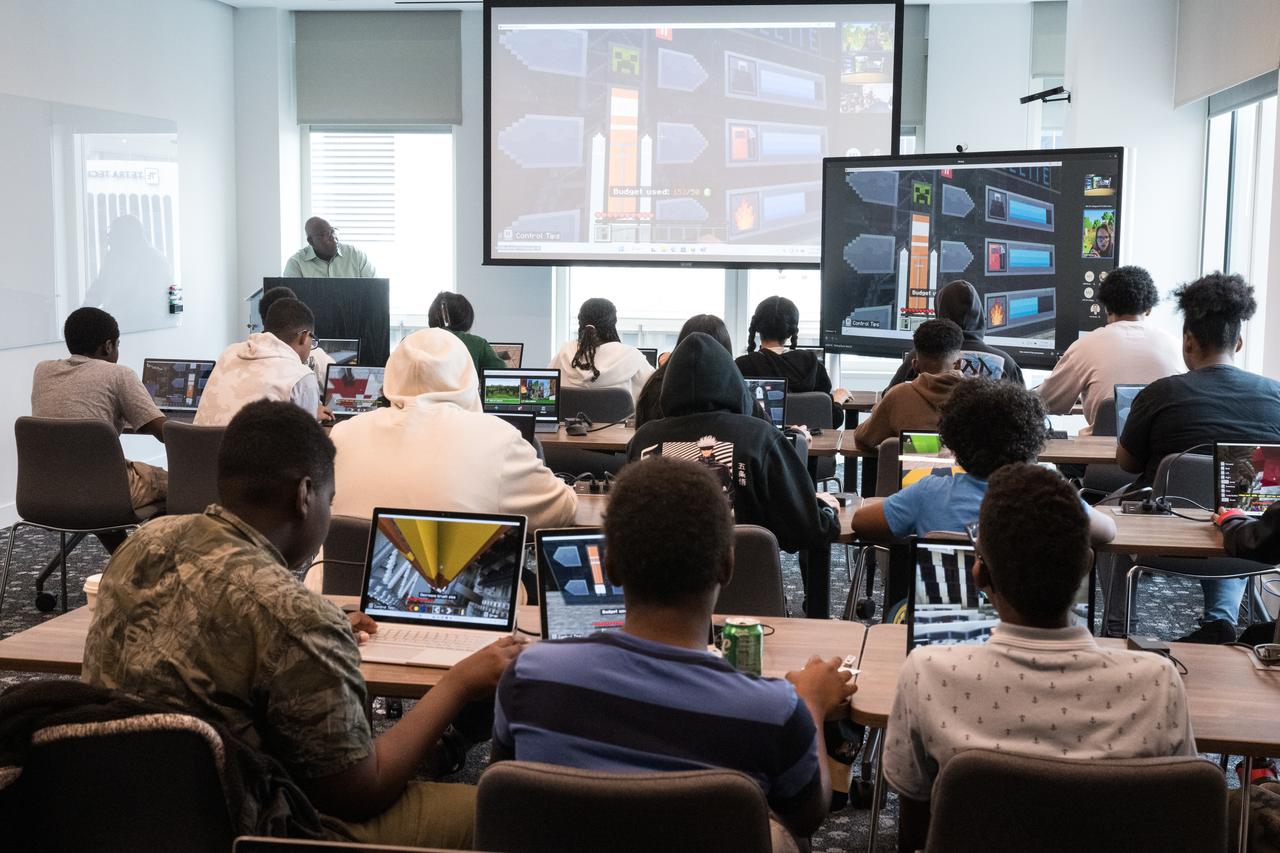
DC area students participate in a Minecraft Artemis demonstration during Space Education Day, Tuesday, June 20, 2023, at the Microsoft Technology Center in Arlington, Va. Microsoft hosted the event to showcase the collaboration, early successes, and future plans for high quality student engagement through activities that combined space content and technologies like artificial intelligence and cloud computing. Photo Credit: (NASA/Aubrey Gemignani)
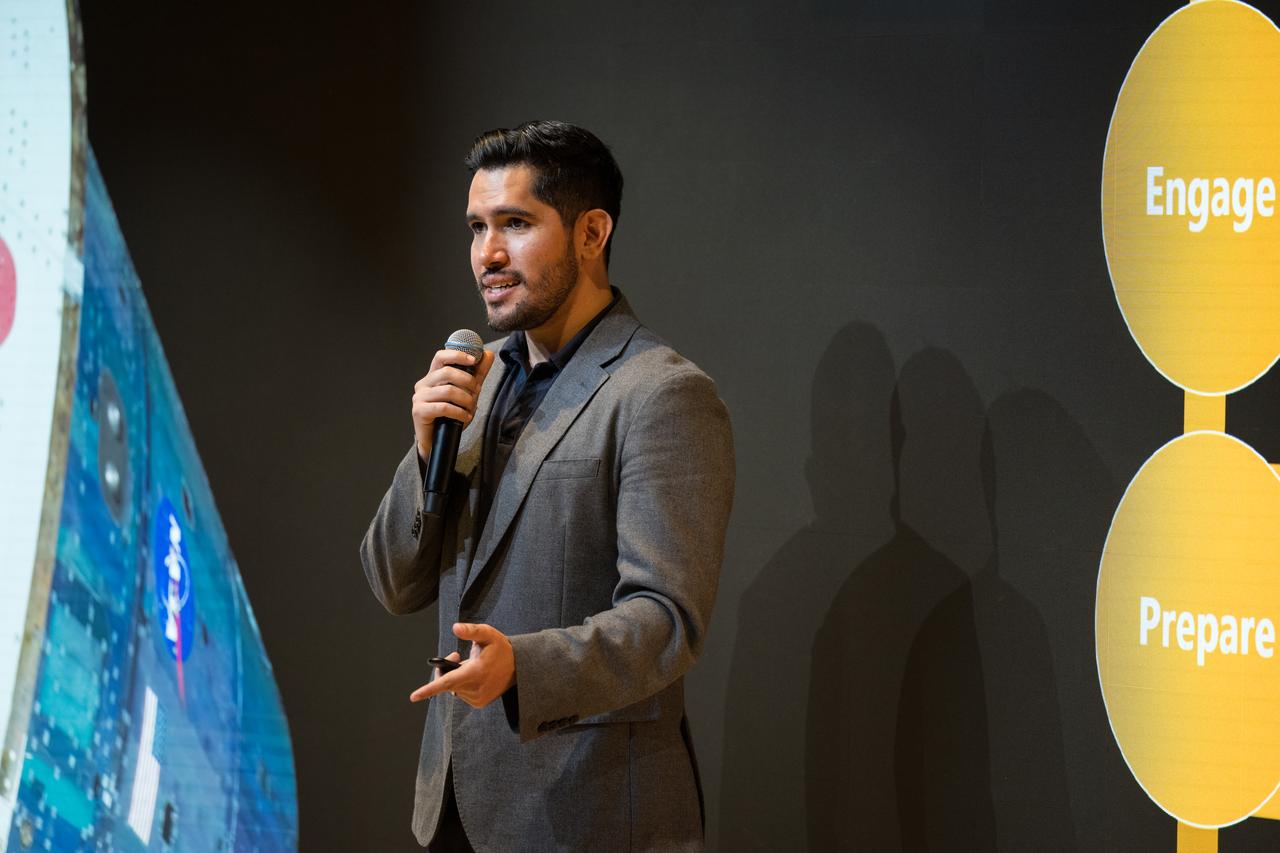
Microsoft’s Azure Space Senior Program Manager, Juan Carlos López, provides remarks during Space Education Day, Tuesday, June 20, 2023, at the Microsoft Technology Center in Arlington, Va. Microsoft hosted the event to showcase the collaboration, early successes, and future plans for high quality student engagement through activities that combined space content and technologies like artificial intelligence and cloud computing. Photo Credit: (NASA/Aubrey Gemignani)
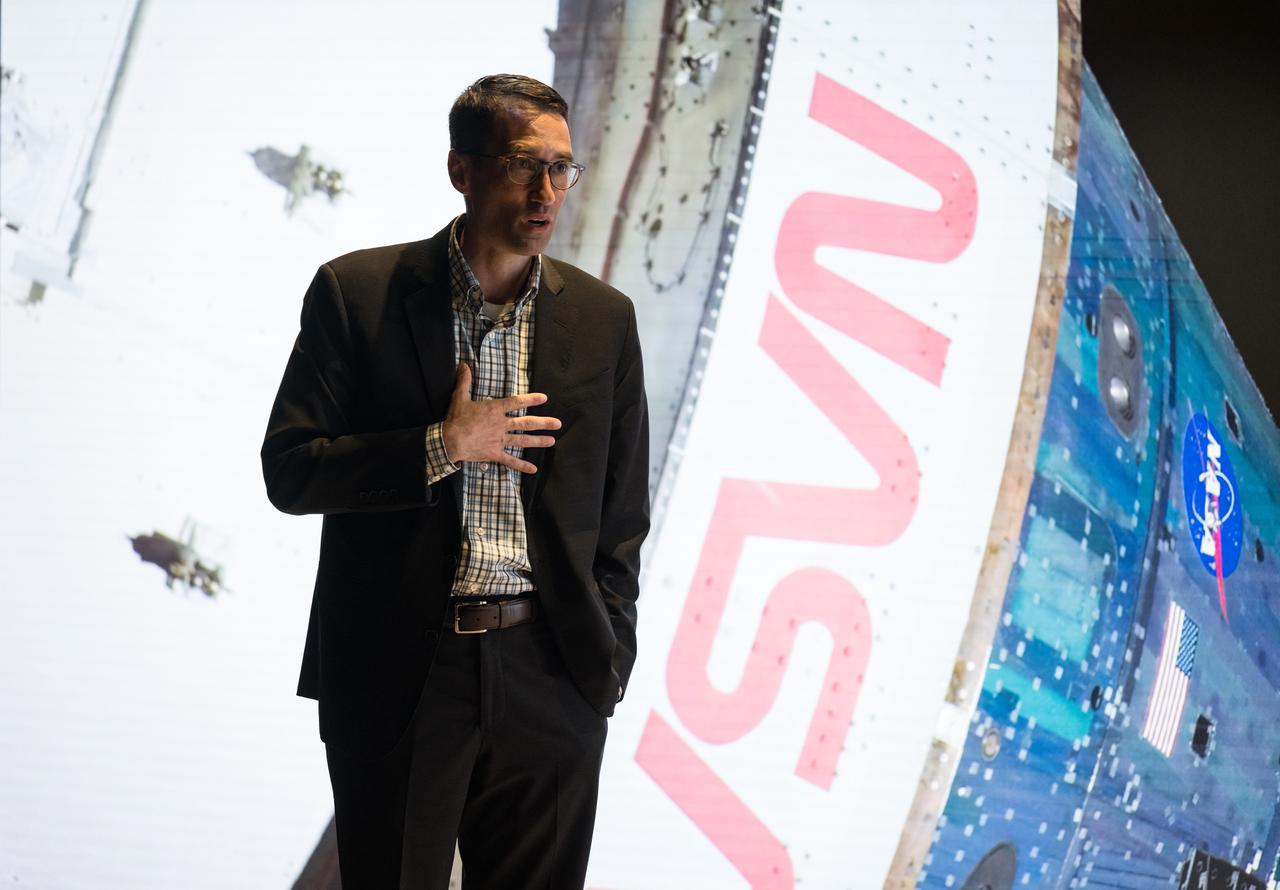
Microsoft’s Azure Space Senior Director, Stephen Kitay, provides remarks during Space Education Day, Tuesday, June 20, 2023, at the Microsoft Technology Center in Arlington, Va. Microsoft hosted the event to showcase the collaboration, early successes, and future plans for high quality student engagement through activities that combined space content and technologies like artificial intelligence and cloud computing. Photo Credit: (NASA/Aubrey Gemignani)
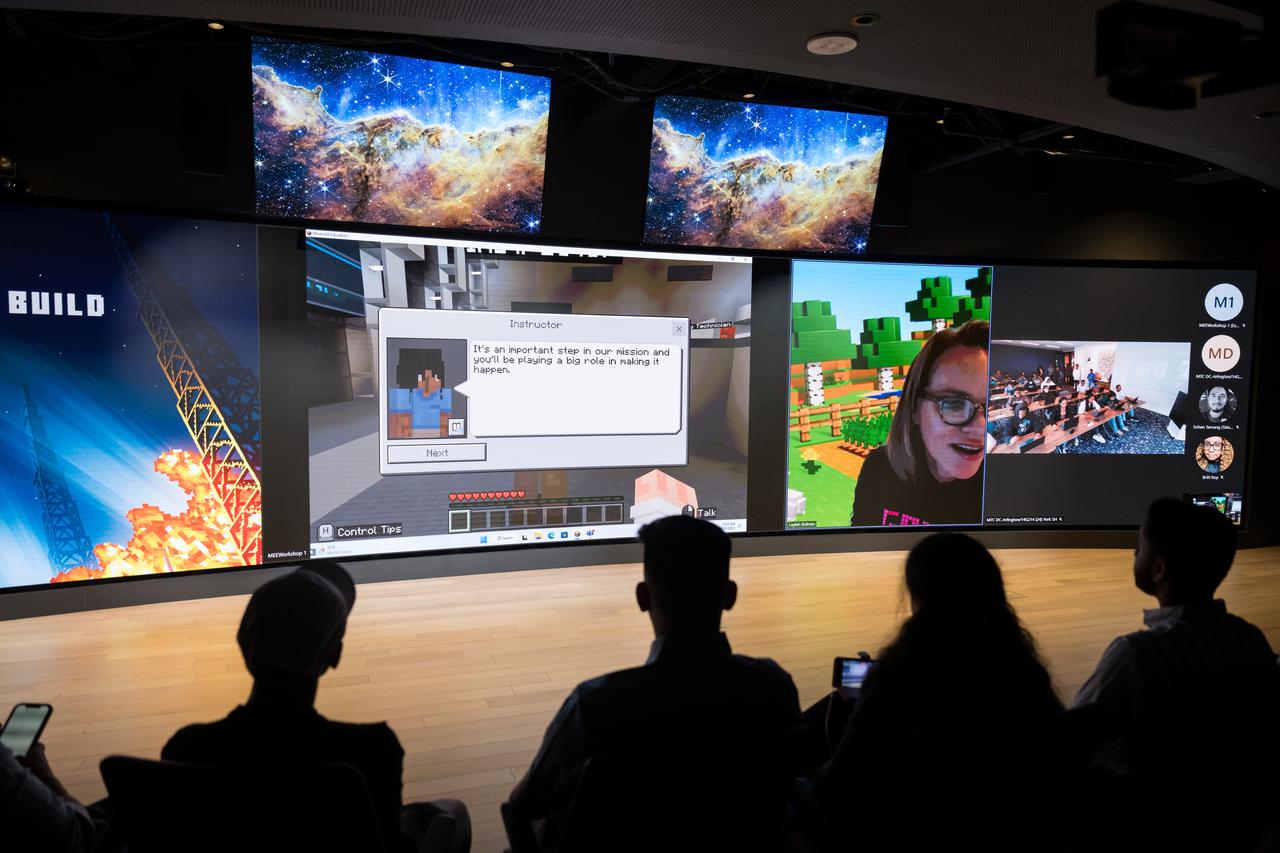
Microsoft Senior Program Manager and Executive Game Producer for Minecraft Education, Laylah Busman, provides instruction to DC area students during Space Education Day, Tuesday, June 20, 2023, at the Microsoft Technology Center in Arlington, Va. Microsoft hosted the event to showcase the collaboration, early successes, and future plans for high quality student engagement through activities that combined space content and technologies like artificial intelligence and cloud computing. Photo Credit: (NASA/Aubrey Gemignani)
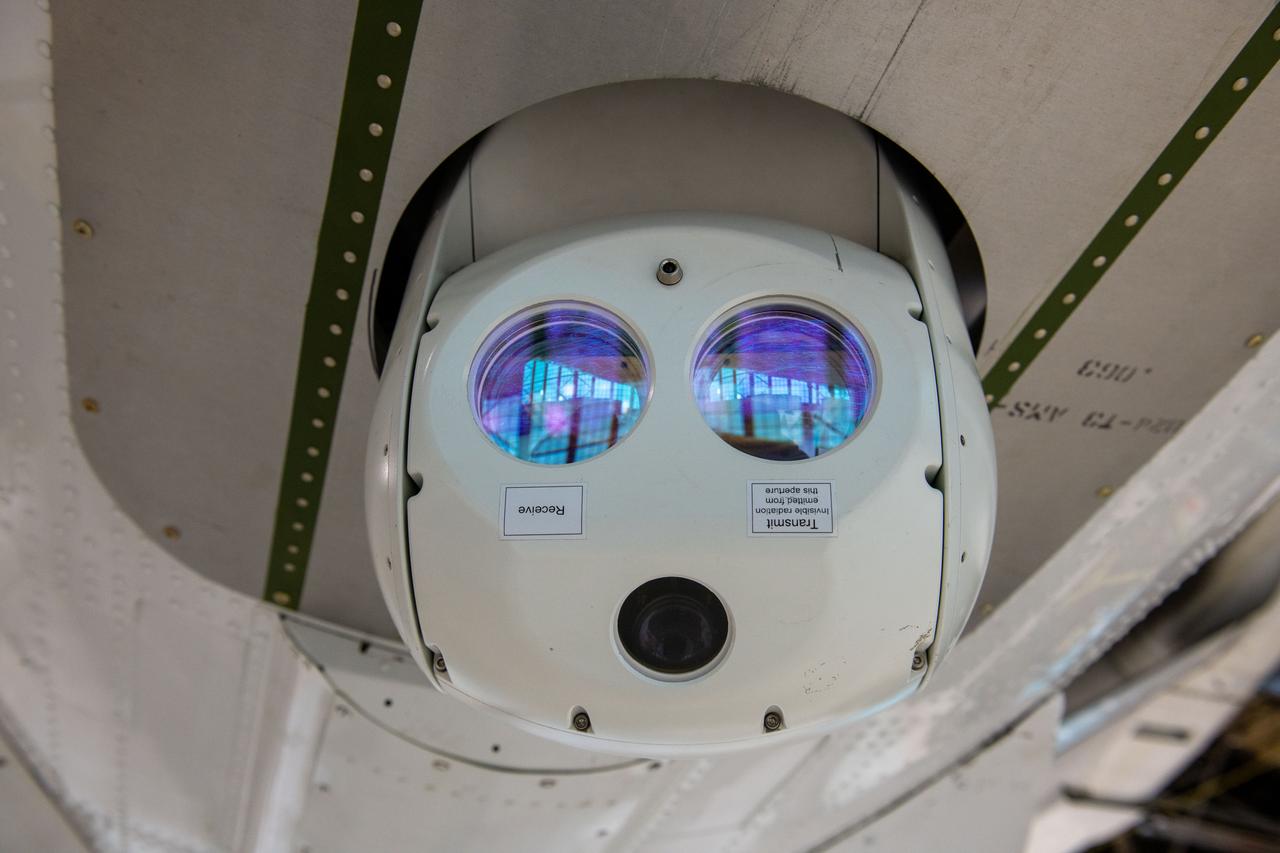
Convergent Aeronautics Solutions (CAS) Quantum Technologies (QTech)

Visit by the Ohio Aerospace and Aviation Technology Committee, OAATC
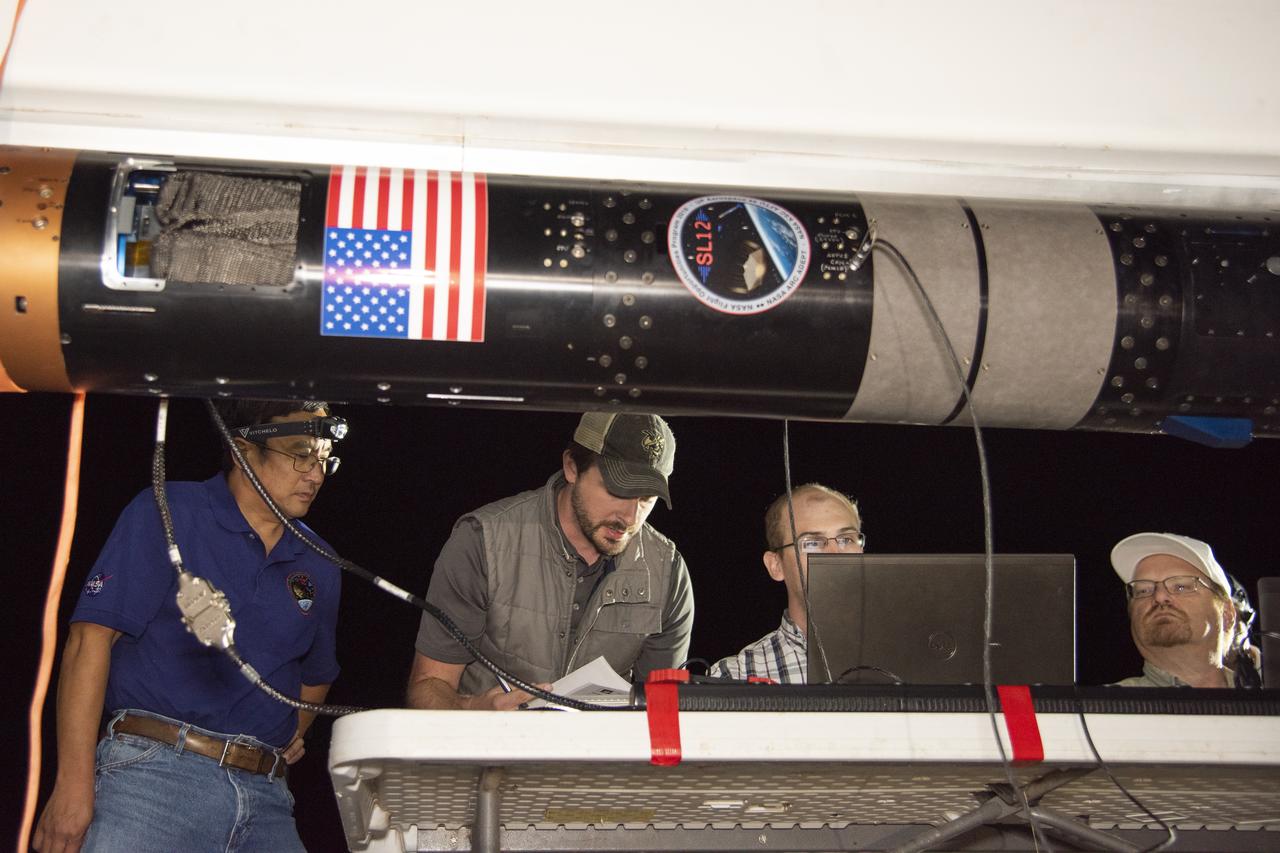
UP Aerospace employees preparing their SpaceLoft rocket to carry NASA technologies for testing in microgravity.