Less Than Zero
Less Than Zero
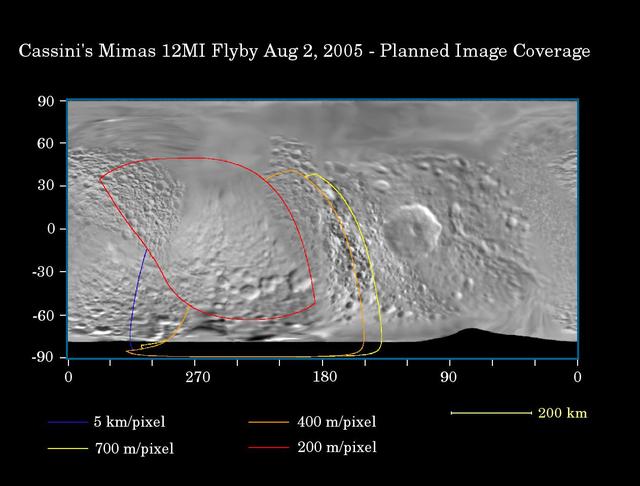
Mimas: Closer Than Ever Before
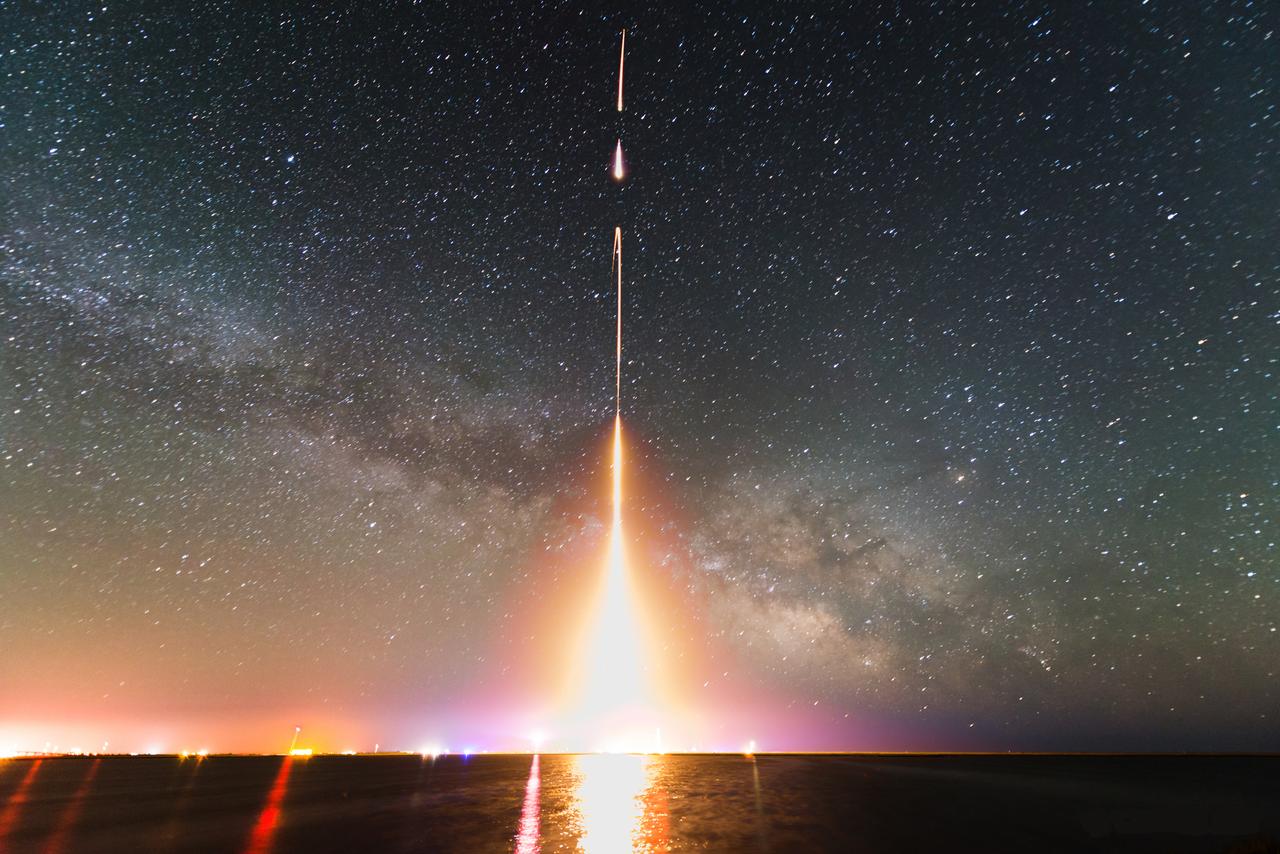
A NASA sounding rocket experiment has detected a surprising surplus of infrared light in the dark space between galaxies, a diffuse cosmic glow as bright as all known galaxies combined. The glow is thought to be from orphaned stars flung out of galaxies.  The findings redefine what scientists think of as galaxies. Galaxies may not have a set boundary of stars, but instead stretch out to great distances, forming a vast, interconnected sea of stars.  Observations from the Cosmic Infrared Background Experiment, or CIBER, are helping settle a debate on whether this background infrared light in the universe, previously detected by NASA’s Spitzer Space Telescope, comes from these streams of stripped stars too distant to be seen individually, or alternatively from the first galaxies to form in the universe.  This is a time-lapse photograph of the Cosmic Infrared Background Experiment (CIBER) rocket launch, taken from NASA's Wallops Flight Facility in Virginia in 2013. The image is from the last of four launches.  Read more: <a href="http://www.nasa.gov/press/2014/november/nasa-rocket-experiment-finds-the-universe-brighter-than-we-thought/index.html#.VFveFd6FxgM" rel="nofollow">www.nasa.gov/press/2014/november/nasa-rocket-experiment-f...</a>  Image Credit: T. Arai/University of Tokyo  <b><a href="http://www.nasa.gov/audience/formedia/features/MP_Photo_Guidelines.html" rel="nofollow">NASA image use policy.</a></b>  <b><a href="http://www.nasa.gov/centers/goddard/home/index.html" rel="nofollow">NASA Goddard Space Flight Center</a></b> enables NASA’s mission through four scientific endeavors: Earth Science, Heliophysics, Solar System Exploration, and Astrophysics. Goddard plays a leading role in NASA’s accomplishments by contributing compelling scientific knowledge to advance the Agency’s mission. <b>Follow us on <a href="http://twitter.com/NASAGoddardPix" rel="nofollow">Twitter</a></b> <b>Like us on <a href="http://www.facebook.com/pages/Greenbelt-MD/NASA-Goddard/395013845897?ref=tsd" rel="nofollow">Facebook</a></b> <b>Find us on <a href="http://instagram.com/nasagoddard?vm=grid" rel="nofollow">Instagram</a></b>
NASA Rocket Experiment Finds the Universe Brighter Than We Thought
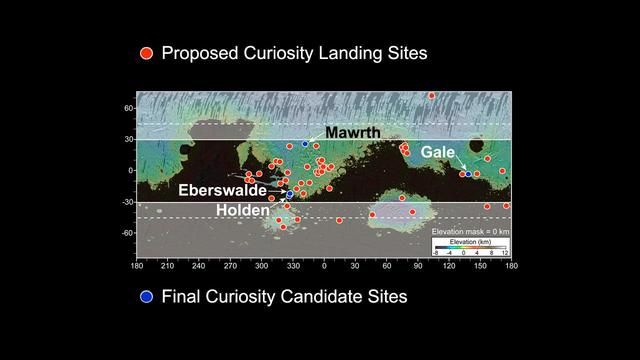
More Than 60 Sites Considered for Next Mars Rover Landing
Mercury Surface Has More Iron + Titanium Than Previously Thought
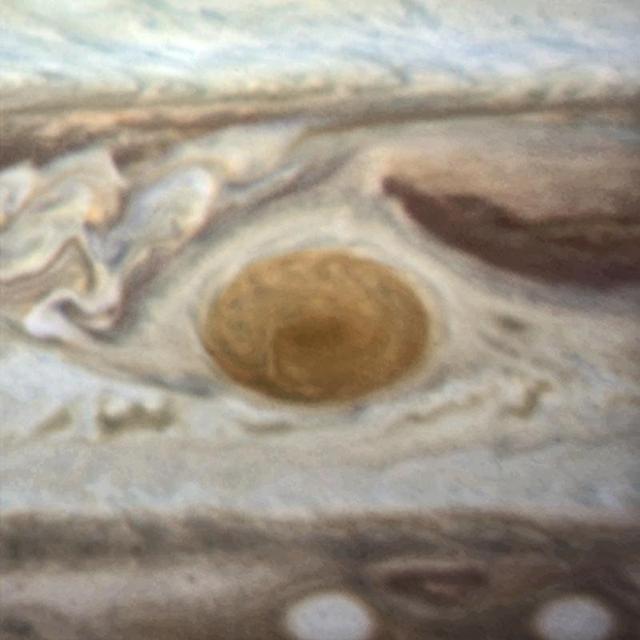
An image of Jupiter's Great Red Spot taken in 2014 with Hubble's WFC3 camera. The spot has a diameter here of 16 000km.   --  Jupiter's trademark Great Red Spot -- a swirling anti-cyclonic storm larger than Earth -- has shrunk to its smallest size ever measured.  According to Amy Simon of NASA's Goddard Space Flight Center in Greenbelt, Maryland, recent NASA Hubble Space Telescope observations confirm the Great Red Spot   now is approximately 10,250 miles across. Astronomers have followed this downsizing since the 1930s.   Historic observations as far back as the late 1800s gauged the storm to be as large as 25,500 miles on its long axis.  NASA Voyager 1 and Voyager 2 flybys of Jupiter in 1979 measured it to be 14,500 miles across. In 1995, a Hubble photo showed the long axis of the spot at an estimated 13,020 miles across. And in a 2009 photo, it was measured at 11,130 miles across.  Beginning in 2012, amateur observations revealed a noticeable increase in the rate at which the spot is shrinking -- by 580 miles per year -- changing its shape from an oval to a circle.  Read more: <a href="http://1.usa.gov/1mvuo0R" rel="nofollow">1.usa.gov/1mvuo0R</a>  Credit: NASA/ESA  <b><a href="http://www.nasa.gov/audience/formedia/features/MP_Photo_Guidelines.html" rel="nofollow">NASA image use policy.</a></b>  <b><a href="http://www.nasa.gov/centers/goddard/home/index.html" rel="nofollow">NASA Goddard Space Flight Center</a></b> enables NASA’s mission through four scientific endeavors: Earth Science, Heliophysics, Solar System Exploration, and Astrophysics. Goddard plays a leading role in NASA’s accomplishments by contributing compelling scientific knowledge to advance the Agency’s mission.  <b>Follow us on <a href="http://twitter.com/NASAGoddardPix" rel="nofollow">Twitter</a></b>  <b>Like us on <a href="http://www.facebook.com/pages/Greenbelt-MD/NASA-Goddard/395013845897?ref=tsd" rel="nofollow">Facebook</a></b>  <b>Find us on <a href="http://instagram.com/nasagoddard?vm=grid" rel="nofollow">Instagram</a></b>
NASA's Hubble Shows Jupiter's Great Red Spot is Smaller than Ever
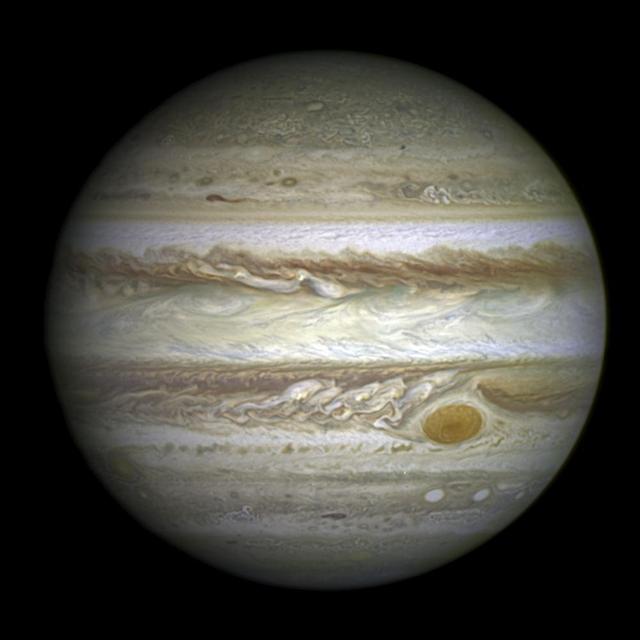
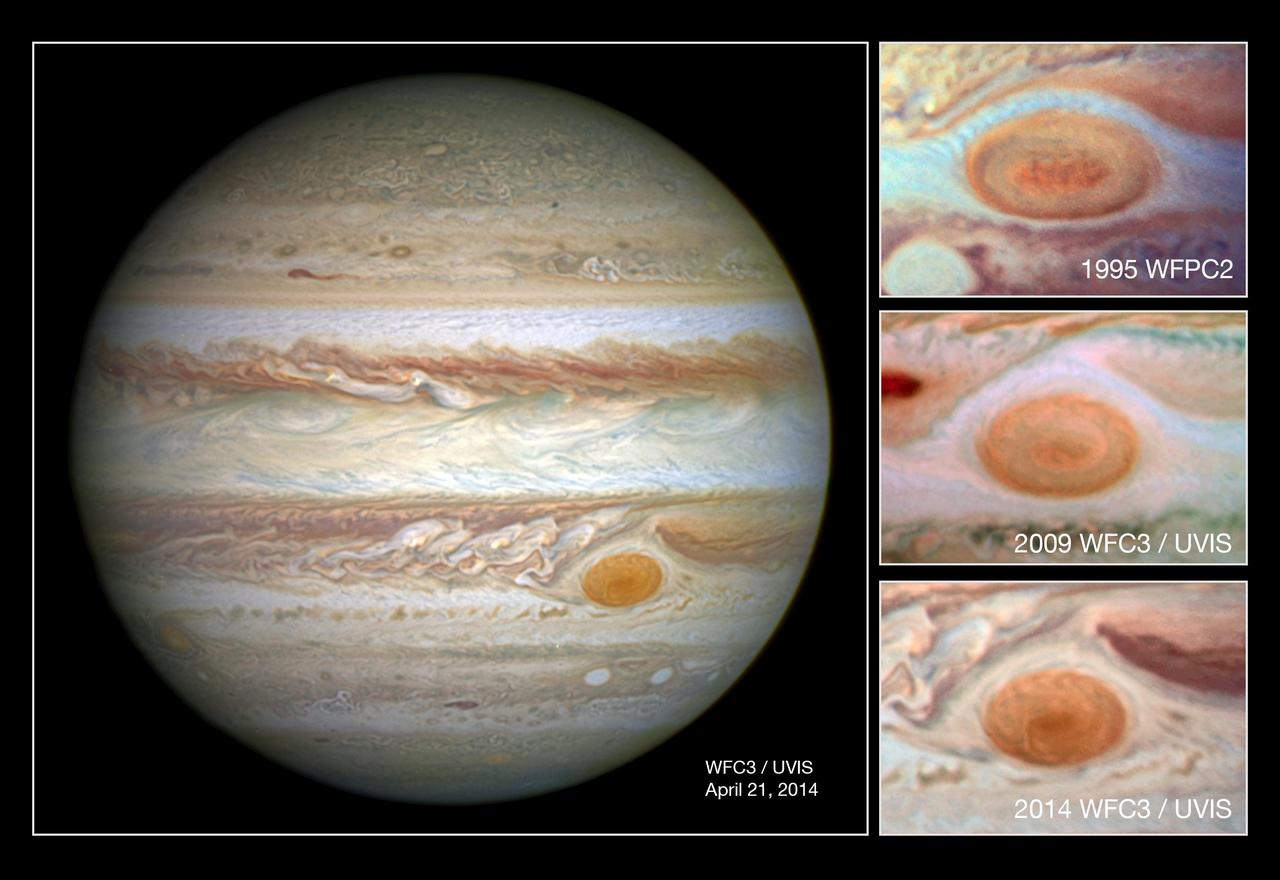
This full-disc image of Jupiter was taken on 21 April 2014 with Hubble's Wide Field Camera 3 (WFC3).   --  Jupiter's trademark Great Red Spot -- a swirling anti-cyclonic storm larger than Earth -- has shrunk to its smallest size ever measured.  According to Amy Simon of NASA's Goddard Space Flight Center in Greenbelt, Maryland, recent NASA Hubble Space Telescope observations confirm the Great Red Spot   now is approximately 10,250 miles across. Astronomers have followed this downsizing since the 1930s.   Historic observations as far back as the late 1800s gauged the storm to be as large as 25,500 miles on its long axis.  NASA Voyager 1 and Voyager 2 flybys of Jupiter in 1979 measured it to be 14,500 miles across. In 1995, a Hubble photo showed the long axis of the spot at an estimated 13,020 miles across. And in a 2009 photo, it was measured at 11,130 miles across.  Beginning in 2012, amateur observations revealed a noticeable increase in the rate at which the spot is shrinking -- by 580 miles per year -- changing its shape from an oval to a circle.  Read more: <a href="http://1.usa.gov/1mvuo0R" rel="nofollow">1.usa.gov/1mvuo0R</a>  Credit: NASA/ESA  <b><a href="http://www.nasa.gov/audience/formedia/features/MP_Photo_Guidelines.html" rel="nofollow">NASA image use policy.</a></b>  <b><a href="http://www.nasa.gov/centers/goddard/home/index.html" rel="nofollow">NASA Goddard Space Flight Center</a></b> enables NASA’s mission through four scientific endeavors: Earth Science, Heliophysics, Solar System Exploration, and Astrophysics. Goddard plays a leading role in NASA’s accomplishments by contributing compelling scientific knowledge to advance the Agency’s mission.  <b>Follow us on <a href="http://twitter.com/NASAGoddardPix" rel="nofollow">Twitter</a></b>  <b>Like us on <a href="http://www.facebook.com/pages/Greenbelt-MD/NASA-Goddard/395013845897?ref=tsd" rel="nofollow">Facebook</a></b>  <b>Find us on <a href="http://instagram.com/nasagoddard?vm=grid" rel="nofollow">Instagram</a></b>
NASA's Hubble Shows Jupiter's Great Red Spot is Smaller than Ever
In this comparison image the photo at the top was taken by Hubble's Wide Field Planetary Camera 2 in 1995 and shows the spot at a diameter of just under 21 000km; the second down shows a 2009 WFC3 photo of the spot at a diameter of just under 18 000km; and the lowest shows the newest image from WFC3 taken in 2014 with the spot at its smallest yet, with diameter of just 16 000km.  --  Jupiter's trademark Great Red Spot -- a swirling anti-cyclonic storm larger than Earth -- has shrunk to its smallest size ever measured.  According to Amy Simon of NASA's Goddard Space Flight Center in Greenbelt, Maryland, recent NASA Hubble Space Telescope observations confirm the Great Red Spot   now is approximately 10,250 miles across. Astronomers have followed this downsizing since the 1930s.   Historic observations as far back as the late 1800s gauged the storm to be as large as 25,500 miles on its long axis.  NASA Voyager 1 and Voyager 2 flybys of Jupiter in 1979 measured it to be 14,500 miles across. In 1995, a Hubble photo showed the long axis of the spot at an estimated 13,020 miles across. And in a 2009 photo, it was measured at 11,130 miles across.  Beginning in 2012, amateur observations revealed a noticeable increase in the rate at which the spot is shrinking -- by 580 miles per year -- changing its shape from an oval to a circle.  Read more: <a href="http://1.usa.gov/1mvuo0R" rel="nofollow">1.usa.gov/1mvuo0R</a>  Credit: NASA/ESA  <b><a href="http://www.nasa.gov/audience/formedia/features/MP_Photo_Guidelines.html" rel="nofollow">NASA image use policy.</a></b>  <b><a href="http://www.nasa.gov/centers/goddard/home/index.html" rel="nofollow">NASA Goddard Space Flight Center</a></b> enables NASA’s mission through four scientific endeavors: Earth Science, Heliophysics, Solar System Exploration, and Astrophysics. Goddard plays a leading role in NASA’s accomplishments by contributing compelling scientific knowledge to advance the Agency’s mission.  <b>Follow us on <a href="http://twitter.com/NASAGoddardPix" rel="nofollow">Twitter</a></b>  <b>Like us on <a href="http://www.facebook.com/pages/Greenbelt-MD/NASA-Goddard/395013845897?ref=tsd" rel="nofollow">Facebook</a></b>  <b>Find us on <a href="http://instagram.com/nasagoddard?vm=grid" rel="nofollow">Instagram</a></b>
NASA's Hubble Shows Jupiter's Great Red Spot is Smaller than Ever
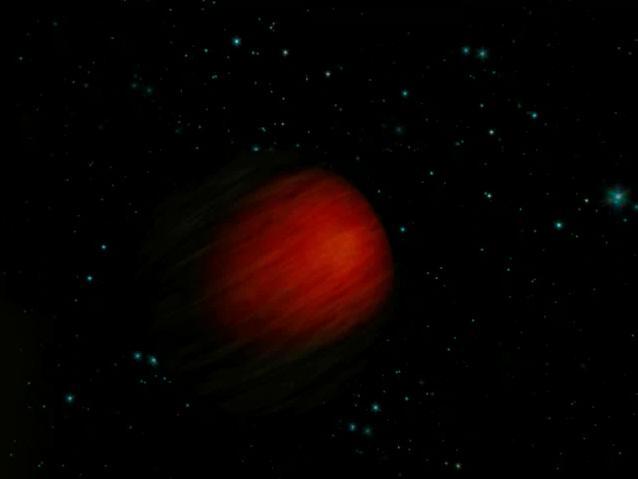
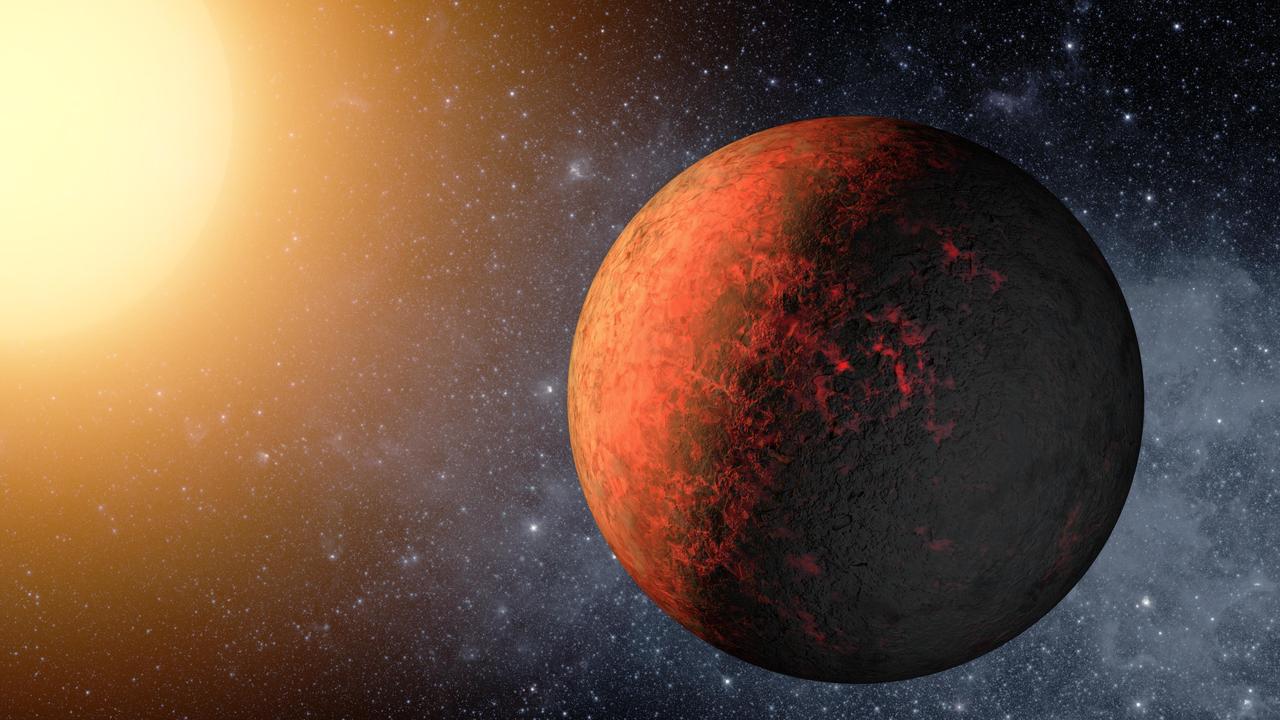
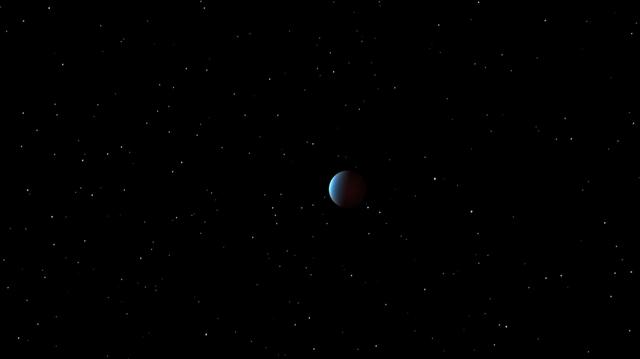
This artist concept illustrates the hottest planet yet observed in the universe. The scorching ball of gas, a hot Jupiter called HD 149026b, is about 3 times hotter than the rocky surface of Venus, the hottest planet in our solar system.
Blacker than Black Artist Concept
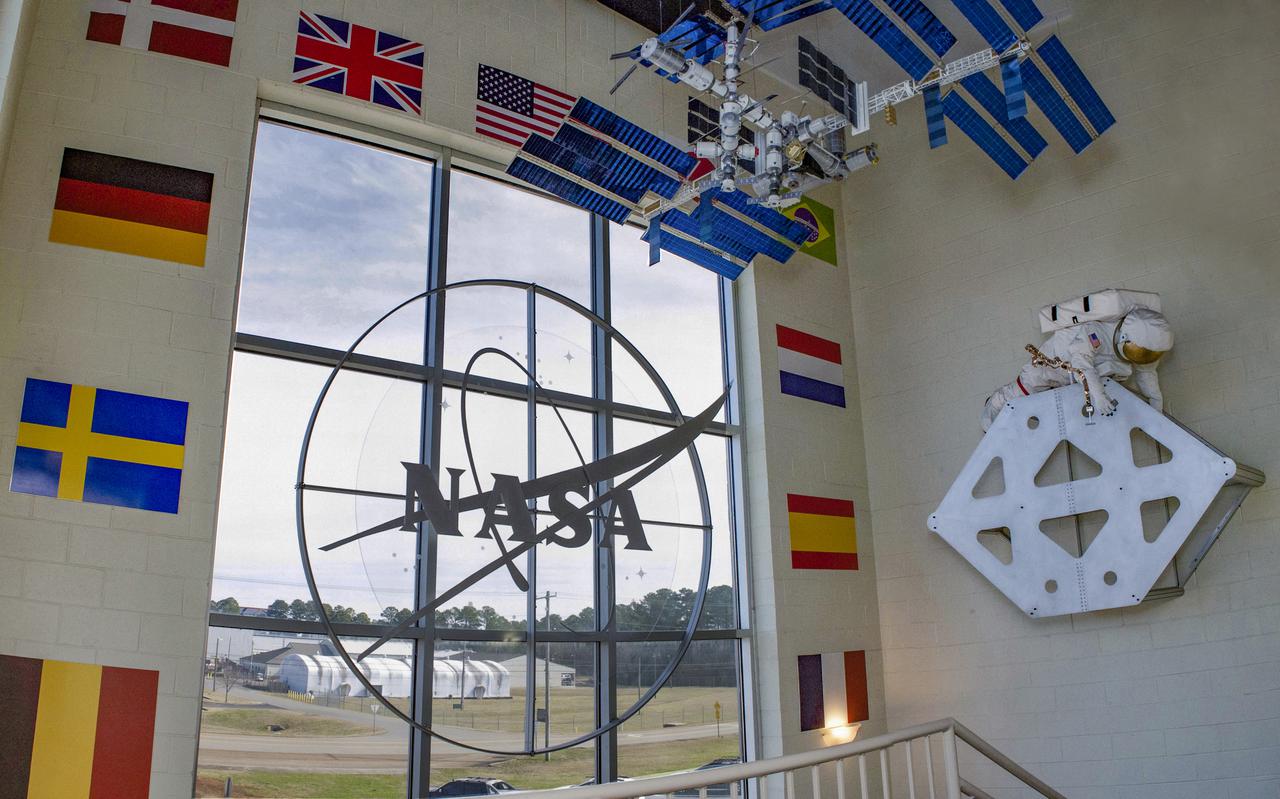
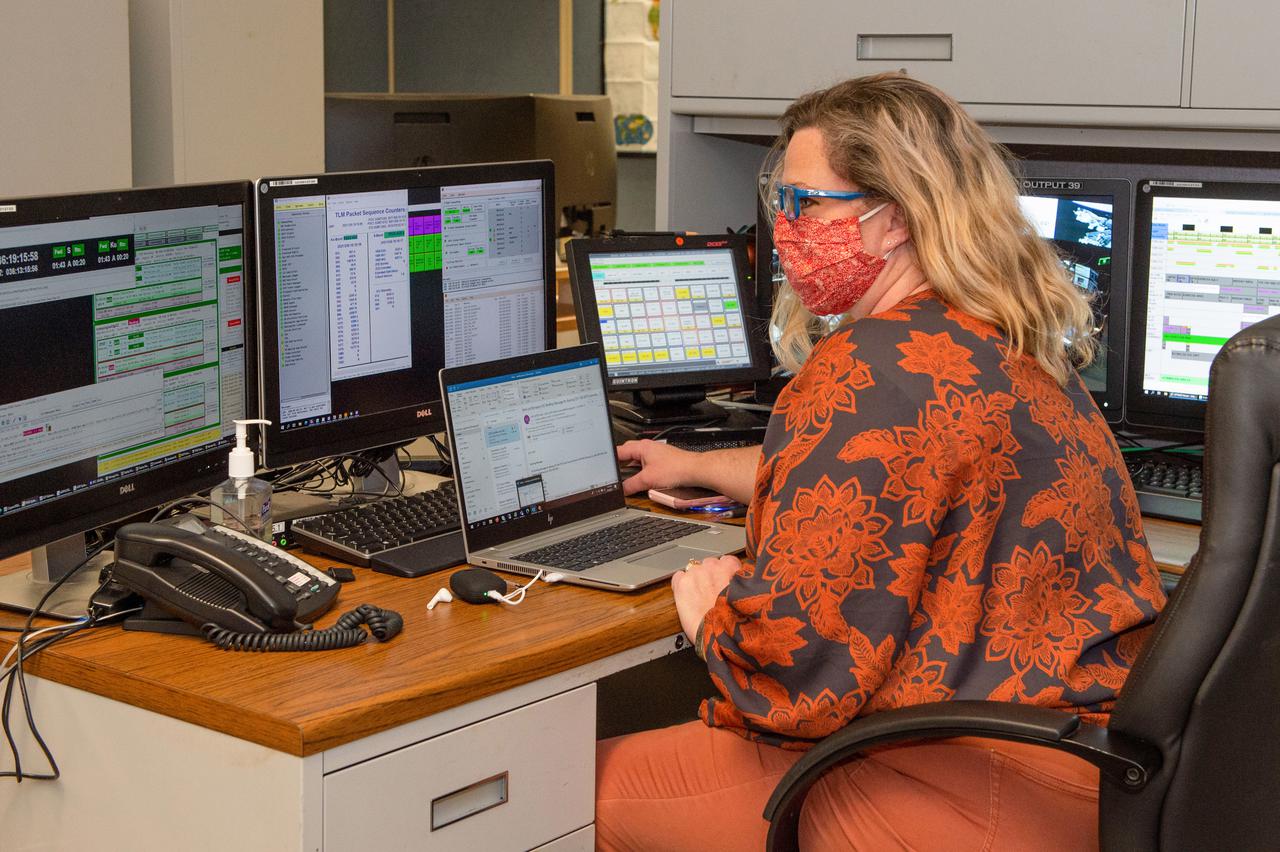
A look inside the International Space Station Payload Operations Integration Center at NASA’s Marshall Space Flight Center in Huntsville, AL.  The POIC team supports science operations on the International Space Station 24 hours a day, 7 days a week. For more than 20 years the POIC team has worked with scientists from around the world to enable the space station crew to conduct experiments that improve life on Earth and enable future exploration.
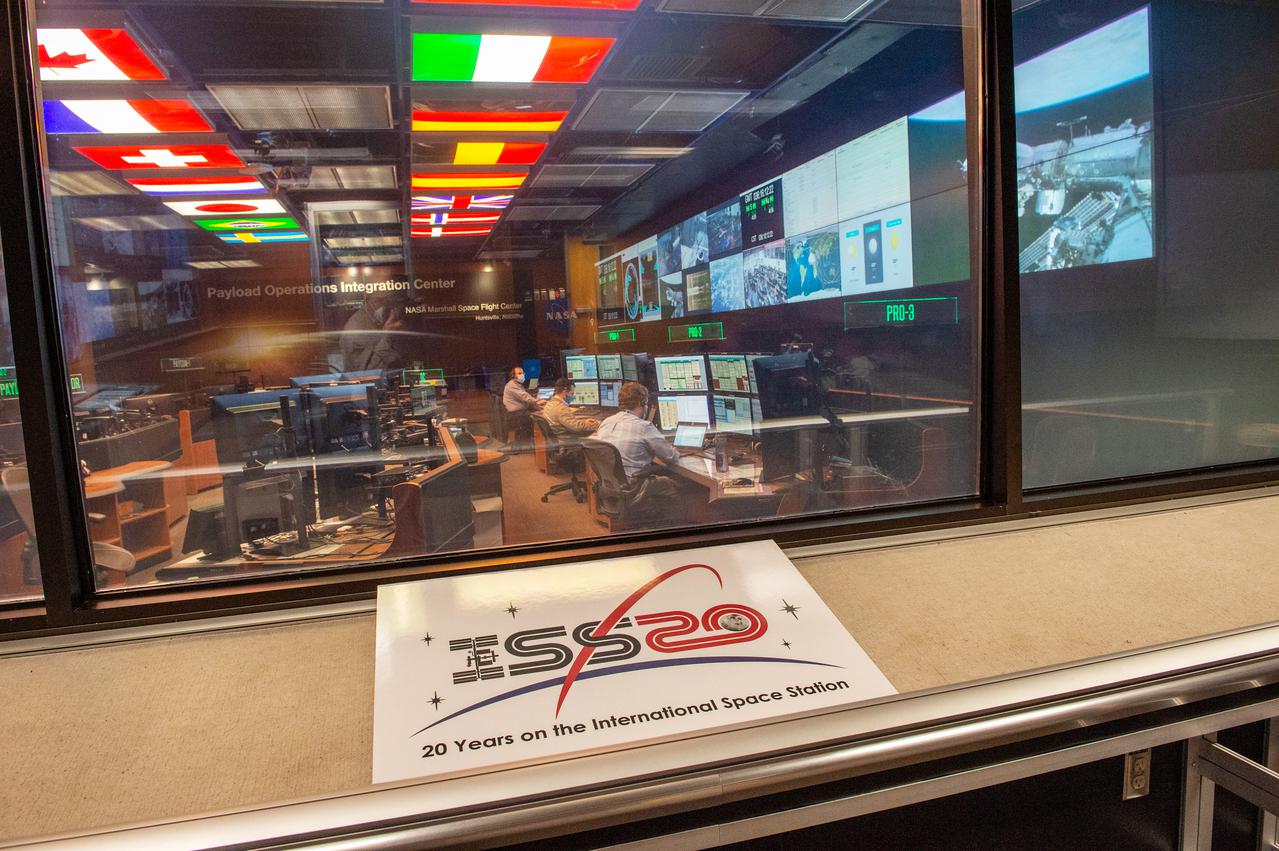
A look inside the International Space Station Payload Operations Integration Center at NASA’s Marshall Space Flight Center in Huntsville, AL. The POIC team supports science operations on the International Space Station 24 hours a day, 7 days a week. For more than 20 years the POIC team has worked with scientists from around the world to enable the space station crew to conduct experiments that improve life on Earth and enable future exploration.
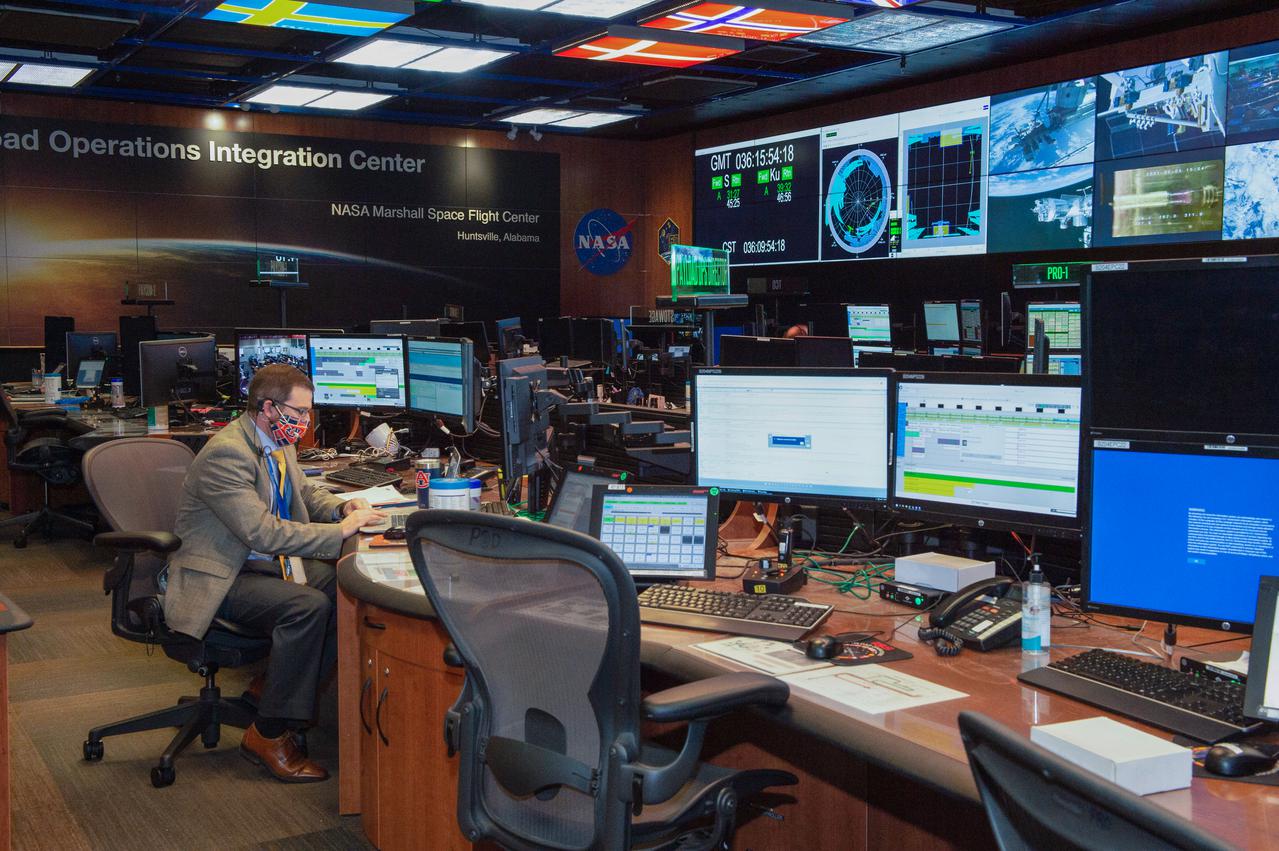
A look inside the International Space Station Payload Operations Integration Center at NASA’s Marshall Space Flight Center in Huntsville, AL.  The POIC team supports science operations on the International Space Station 24 hours a day, 7 days a week. For more than 20 years the POIC team has worked with scientists from around the world to enable the space station crew to conduct experiments that improve life on Earth and enable future exploration.
A look inside the International Space Station Payload Operations Integration Center at NASA’s Marshall Space Flight Center in Huntsville, AL. The POIC team supports science operations on the International Space Station 24 hours a day, 7 days a week. For more than 20 years the POIC team has worked with scientists from around the world to enable the space station crew to conduct experiments that improve life on Earth and enable future exploration.
A look inside the International Space Station Payload Operations Integration Center at NASA’s Marshall Space Flight Center in Huntsville, AL.  The POIC team supports science operations on the International Space Station 24 hours a day, 7 days a week. For more than 20 years the POIC team has worked with scientists from around the world to enable the space station crew to conduct experiments that improve life on Earth and enable future exploration.
A look inside the International Space Station Payload Operations Integration Center at NASA’s Marshall Space Flight Center in Huntsville, AL. The POIC team supports science operations on the International Space Station 24 hours a day, 7 days a week. For more than 20 years the POIC team has worked with scientists from around the world to enable the space station crew to conduct experiments that improve life on Earth and enable future exploration.
A look inside the International Space Station Payload Operations Integration Center at NASA’s Marshall Space Flight Center in Huntsville, AL.  The POIC team supports science operations on the International Space Station 24 hours a day, 7 days a week. For more than 20 years the POIC team has worked with scientists from around the world to enable the space station crew to conduct experiments that improve life on Earth and enable future exploration.
A look inside the International Space Station Payload Operations Integration Center at NASA’s Marshall Space Flight Center in Huntsville, AL. The POIC team supports science operations on the International Space Station 24 hours a day, 7 days a week. For more than 20 years the POIC team has worked with scientists from around the world to enable the space station crew to conduct experiments that improve life on Earth and enable future exploration.
A look inside the International Space Station Payload Operations Integration Center at NASA’s Marshall Space Flight Center in Huntsville, AL.  The POIC team supports science operations on the International Space Station 24 hours a day, 7 days a week. For more than 20 years the POIC team has worked with scientists from around the world to enable the space station crew to conduct experiments that improve life on Earth and enable future exploration.
A look inside the International Space Station Payload Operations Integration Center at NASA’s Marshall Space Flight Center in Huntsville, AL. The POIC team supports science operations on the International Space Station 24 hours a day, 7 days a week. For more than 20 years the POIC team has worked with scientists from around the world to enable the space station crew to conduct experiments that improve life on Earth and enable future exploration.
A look inside the International Space Station Payload Operations Integration Center at NASA’s Marshall Space Flight Center in Huntsville, AL.  The POIC team supports science operations on the International Space Station 24 hours a day, 7 days a week. For more than 20 years the POIC team has worked with scientists from around the world to enable the space station crew to conduct experiments that improve life on Earth and enable future exploration.
A look inside the International Space Station Payload Operations Integration Center at NASA’s Marshall Space Flight Center in Huntsville, AL. The POIC team supports science operations on the International Space Station 24 hours a day, 7 days a week. For more than 20 years the POIC team has worked with scientists from around the world to enable the space station crew to conduct experiments that improve life on Earth and enable future exploration.
A look inside the International Space Station Payload Operations Integration Center at NASA’s Marshall Space Flight Center in Huntsville, AL.  The POIC team supports science operations on the International Space Station 24 hours a day, 7 days a week. For more than 20 years the POIC team has worked with scientists from around the world to enable the space station crew to conduct experiments that improve life on Earth and enable future exploration.
A look inside the International Space Station Payload Operations Integration Center at NASA’s Marshall Space Flight Center in Huntsville, AL. The POIC team supports science operations on the International Space Station 24 hours a day, 7 days a week. For more than 20 years the POIC team has worked with scientists from around the world to enable the space station crew to conduct experiments that improve life on Earth and enable future exploration.
A look inside the International Space Station Payload Operations Integration Center at NASA’s Marshall Space Flight Center in Huntsville, AL.  The POIC team supports science operations on the International Space Station 24 hours a day, 7 days a week. For more than 20 years the POIC team has worked with scientists from around the world to enable the space station crew to conduct experiments that improve life on Earth and enable future exploration.
A look inside the International Space Station Payload Operations Integration Center at NASA’s Marshall Space Flight Center in Huntsville, AL. The POIC team supports science operations on the International Space Station 24 hours a day, 7 days a week. For more than 20 years the POIC team has worked with scientists from around the world to enable the space station crew to conduct experiments that improve life on Earth and enable future exploration.
A look inside the International Space Station Payload Operations Integration Center at NASA’s Marshall Space Flight Center in Huntsville, AL.  The POIC team supports science operations on the International Space Station 24 hours a day, 7 days a week. For more than 20 years the POIC team has worked with scientists from around the world to enable the space station crew to conduct experiments that improve life on Earth and enable future exploration.
A look inside the International Space Station Payload Operations Integration Center at NASA’s Marshall Space Flight Center in Huntsville, AL. The POIC team supports science operations on the International Space Station 24 hours a day, 7 days a week. For more than 20 years the POIC team has worked with scientists from around the world to enable the space station crew to conduct experiments that improve life on Earth and enable future exploration.
A look inside the International Space Station Payload Operations Integration Center at NASA’s Marshall Space Flight Center in Huntsville, AL.  The POIC team supports science operations on the International Space Station 24 hours a day, 7 days a week. For more than 20 years the POIC team has worked with scientists from around the world to enable the space station crew to conduct experiments that improve life on Earth and enable future exploration.
A look inside the International Space Station Payload Operations Integration Center at NASA’s Marshall Space Flight Center in Huntsville, AL. The POIC team supports science operations on the International Space Station 24 hours a day, 7 days a week. For more than 20 years the POIC team has worked with scientists from around the world to enable the space station crew to conduct experiments that improve life on Earth and enable future exploration.
A look inside the International Space Station Payload Operations Integration Center at NASA’s Marshall Space Flight Center in Huntsville, AL.  The POIC team supports science operations on the International Space Station 24 hours a day, 7 days a week. For more than 20 years the POIC team has worked with scientists from around the world to enable the space station crew to conduct experiments that improve life on Earth and enable future exploration.
A look inside the International Space Station Payload Operations Integration Center at NASA’s Marshall Space Flight Center in Huntsville, AL. The POIC team supports science operations on the International Space Station 24 hours a day, 7 days a week. For more than 20 years the POIC team has worked with scientists from around the world to enable the space station crew to conduct experiments that improve life on Earth and enable future exploration.
A look inside the International Space Station Payload Operations Integration Center at NASA’s Marshall Space Flight Center in Huntsville, AL.  The POIC team supports science operations on the International Space Station 24 hours a day, 7 days a week. For more than 20 years the POIC team has worked with scientists from around the world to enable the space station crew to conduct experiments that improve life on Earth and enable future exploration.
A look inside the International Space Station Payload Operations Integration Center at NASA’s Marshall Space Flight Center in Huntsville, AL. The POIC team supports science operations on the International Space Station 24 hours a day, 7 days a week. For more than 20 years the POIC team has worked with scientists from around the world to enable the space station crew to conduct experiments that improve life on Earth and enable future exploration.
A look inside the International Space Station Payload Operations Integration Center at NASA’s Marshall Space Flight Center in Huntsville, AL.  The POIC team supports science operations on the International Space Station 24 hours a day, 7 days a week. For more than 20 years the POIC team has worked with scientists from around the world to enable the space station crew to conduct experiments that improve life on Earth and enable future exploration.
A look inside the International Space Station Payload Operations Integration Center at NASA’s Marshall Space Flight Center in Huntsville, AL. The POIC team supports science operations on the International Space Station 24 hours a day, 7 days a week. For more than 20 years the POIC team has worked with scientists from around the world to enable the space station crew to conduct experiments that improve life on Earth and enable future exploration.
A look inside the International Space Station Payload Operations Integration Center at NASA’s Marshall Space Flight Center in Huntsville, AL.  The POIC team supports science operations on the International Space Station 24 hours a day, 7 days a week. For more than 20 years the POIC team has worked with scientists from around the world to enable the space station crew to conduct experiments that improve life on Earth and enable future exploration.
A look inside the International Space Station Payload Operations Integration Center at NASA’s Marshall Space Flight Center in Huntsville, AL. The POIC team supports science operations on the International Space Station 24 hours a day, 7 days a week. For more than 20 years the POIC team has worked with scientists from around the world to enable the space station crew to conduct experiments that improve life on Earth and enable future exploration.
A look inside the International Space Station Payload Operations Integration Center at NASA’s Marshall Space Flight Center in Huntsville, AL.  The POIC team supports science operations on the International Space Station 24 hours a day, 7 days a week. For more than 20 years the POIC team has worked with scientists from around the world to enable the space station crew to conduct experiments that improve life on Earth and enable future exploration.
A look inside the International Space Station Payload Operations Integration Center at NASA’s Marshall Space Flight Center in Huntsville, AL. The POIC team supports science operations on the International Space Station 24 hours a day, 7 days a week. For more than 20 years the POIC team has worked with scientists from around the world to enable the space station crew to conduct experiments that improve life on Earth and enable future exploration.
A look inside the International Space Station Payload Operations Integration Center at NASA’s Marshall Space Flight Center in Huntsville, AL.  The POIC team supports science operations on the International Space Station 24 hours a day, 7 days a week. For more than 20 years the POIC team has worked with scientists from around the world to enable the space station crew to conduct experiments that improve life on Earth and enable future exploration.
A look inside the International Space Station Payload Operations
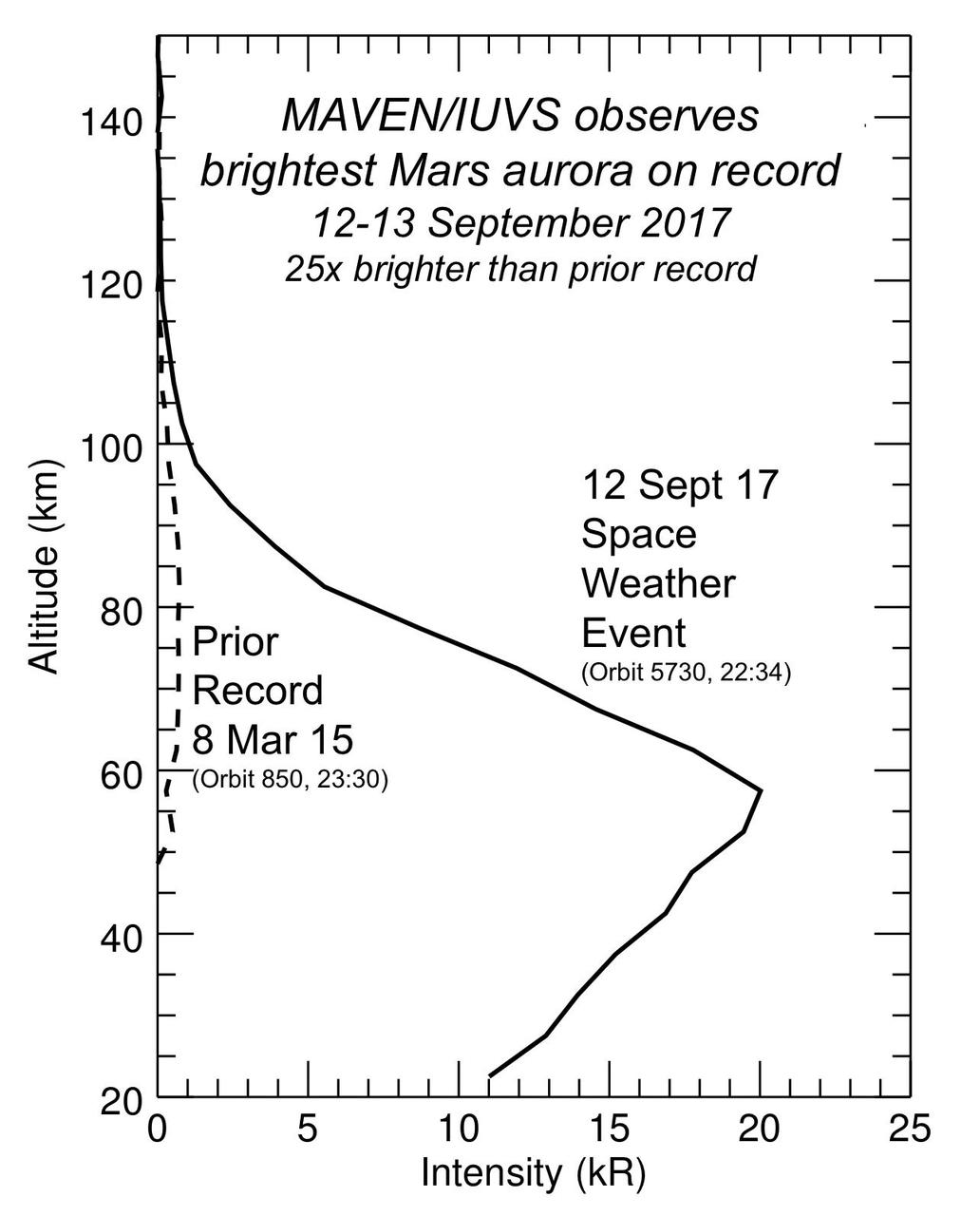
These profiles show the brightness of aurora emission in Mars' atmosphere at different altitudes. The data are from observations by the Imaging Ultraviolet Spectrograph instrument (IUVS) on NASA's Mars Atmosphere and Volatile Evolution orbiter, or MAVEN.  The solid black profile on the right shows the aurora during a September 2017 solar storm. Barely visible along the vertical axis is a dashed profile representing the previous brightest aurora seen by MAVEN, which occurred in March 2015.  The recent event is more than 25 times brighter than the previous brightest aurora seen by MAVEN, which has been orbiting Mars since September 2014.  https://photojournal.jpl.nasa.gov/catalog/PIA21857
Martian Aurora 25 Times Brighter Than Prior Brightest
Kepler-20e is the first planet smaller than the Earth discovered to orbit a star other than the sun. A year on Kepler-20e only lasts 6 days, as it is much closer to its host star than the Earth is to the sun.
Kepler-20e -- The Smallest Exoplanet Artist Concept
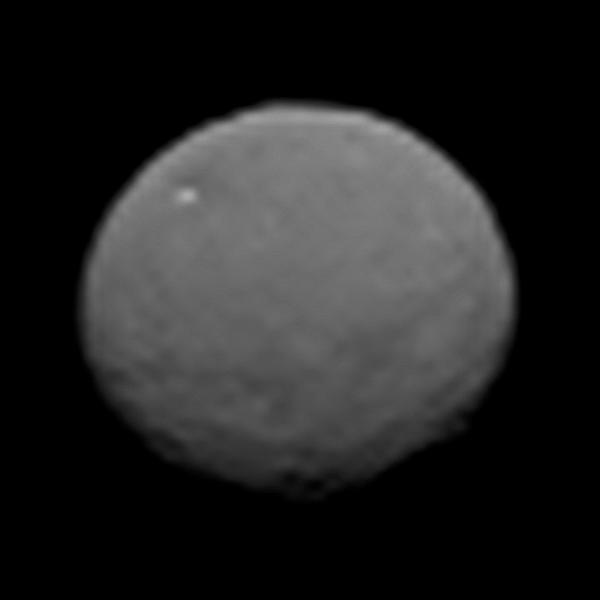
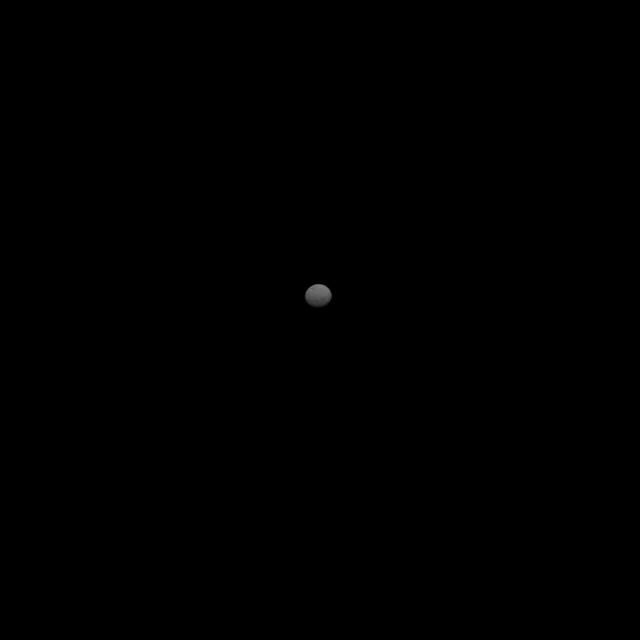
This image, taken 147,000 miles 237,000 kilometers from Ceres on January 25, 2015 by NASA Dawn spacecraft, is part of a series of views representing the best look so far at the dwarf planet.  http://photojournal.jpl.nasa.gov/catalog/PIA19172
Ceres Sharper Than Ever
This plot shows data from the Cosmic Infrared Background Experiment, or CIBER, rockets launched in 2010 and 2012. The experiment measures a diffuse glow of infrared light in the sky, known as the cosmic infrared background.
Background Light Bluer Than Expected
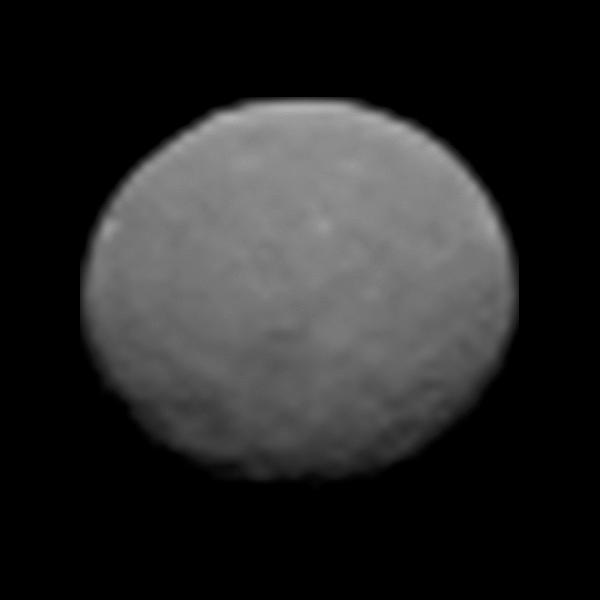
This frame from an animation of the dwarf planet Ceres was made by combining images taken by the Dawn spacecraft on January 25, 2015. These images of Ceres, and they represent the highest-resolution views to date of the dwarf planet.  http://photojournal.jpl.nasa.gov/catalog/PIA19171
Ceres Sharper Than Ever Animation
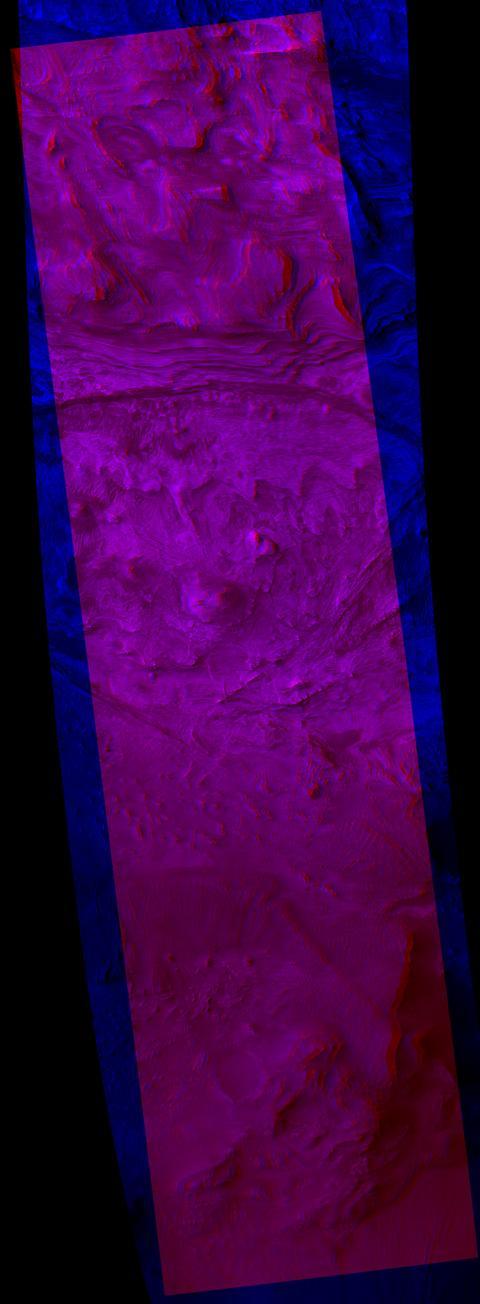
In many ways, Mars bears remarkable similarities to Earth, but in some ways it is drastically different. Scientists often use Earth as an example, or analog, to help us to understand the geologic history of the Red Planet.  As we continue to study Mars, it is vitally important to remember in what ways it differs from Earth. One very apparent way, readily observed from orbit, has to do with its preservation of numerous craters of all sizes, which are densest in its Southern hemisphere. Earth has comparatively little preserved craters -- about 1,000 to 1,500 times fewer -- due to very active geologic processes, especially involving water. When it comes to impact craters, there are some things that can no longer be observed on Earth, but can be observed on Mars.  This color composite shows one such example. It covers a portion of the northern central peak of an unnamed, 20-kilometer crater that contains abundant fragmental bedrock called "breccia." The geological relationships here suggest that these breccias include ones formed by the host crater, and others formed from numerous impacts in the distant past.  Because there are fewer craters preserved on Earth, terrestrial central uplifts do not expose bedrock formed by previous craters. It may have been the case in the past, but such craters were destroyed over geologic time.  The map is projected here at a scale of 25 centimeters (9.9 inches) per pixel. [The original image scale is 28 centimeters (11 inches) per pixel (with 1 x 1 binning); objects on the order of 82 centimeters (32 inches) across are resolved.] North is up.  http://photojournal.jpl.nasa.gov/catalog/PIA21455
Better Preserved on Mars than on Earth
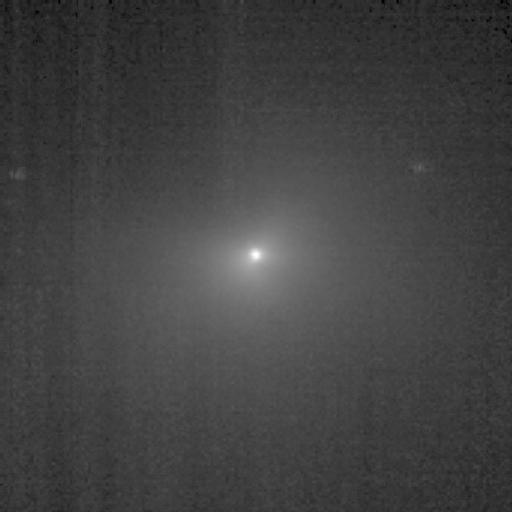
This image shows comet Tempel 1 as seen through the clear filter of the medium resolution imager camera on NASA Deep Impact. It was taken on July 1, 2005.
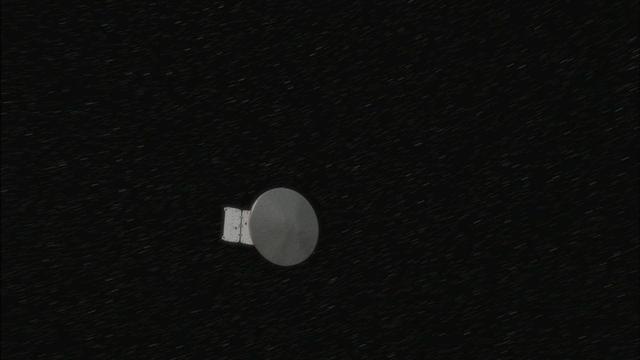
Less Than Three Days Away!
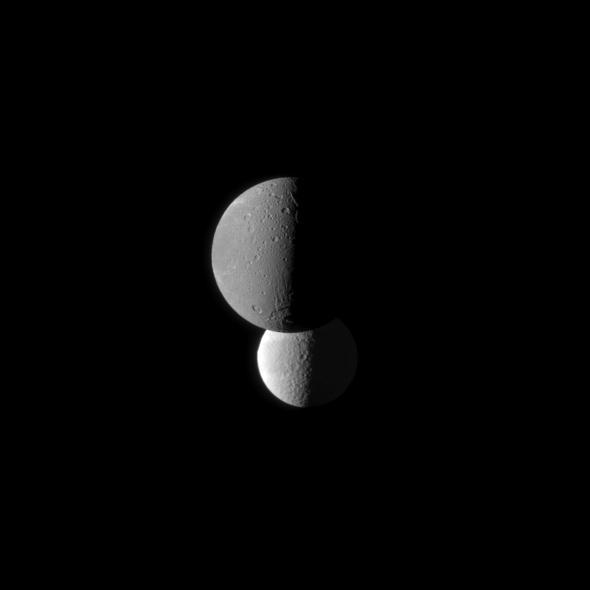
Saturn moon Dione, in the foreground of this image from NASA Cassini spacecraft, appears darker than the moon Tethys. Tethys appears brighter because it has a higher albedo than Dione, meaning Tethys reflects more sunlight.
Tethys and Darker Dione
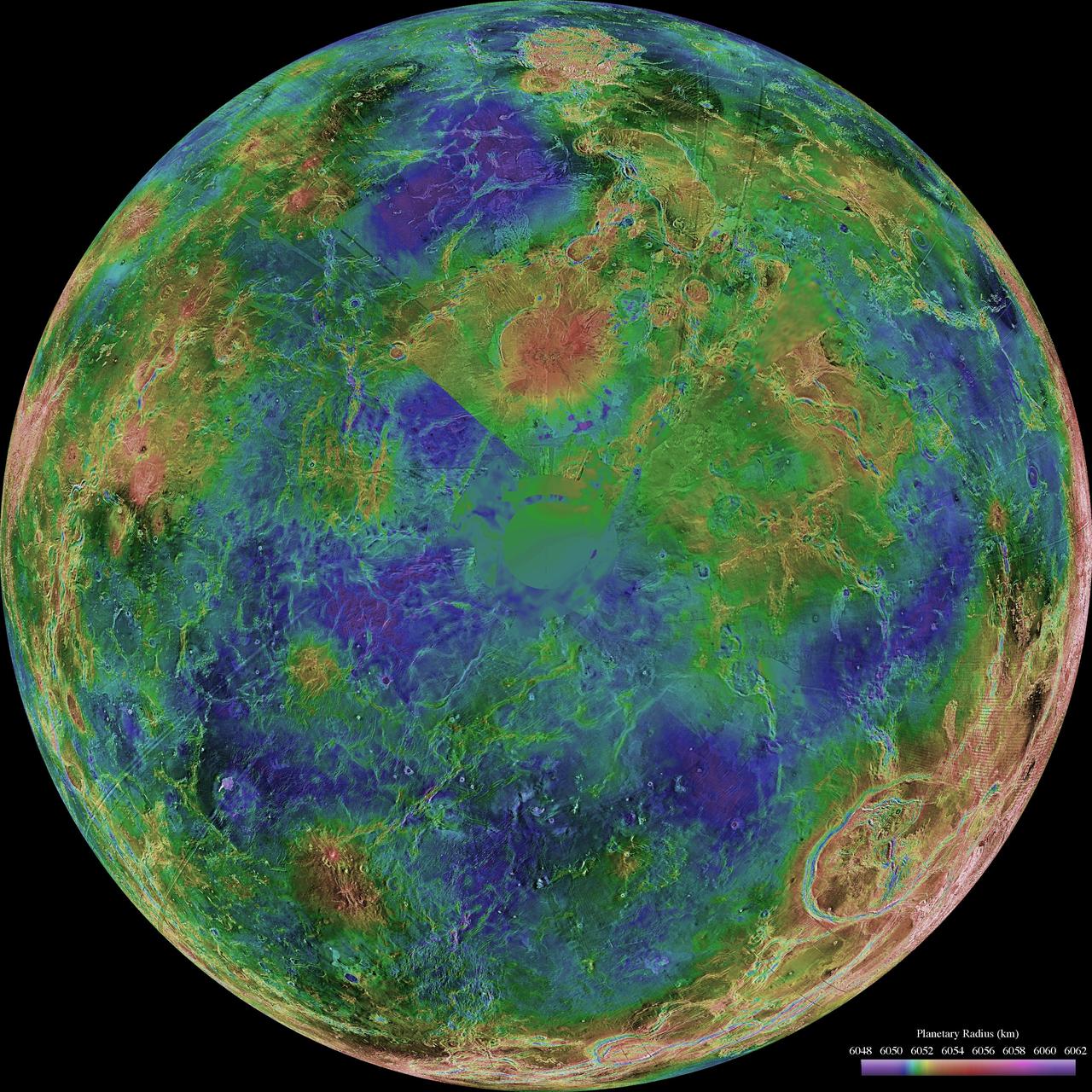
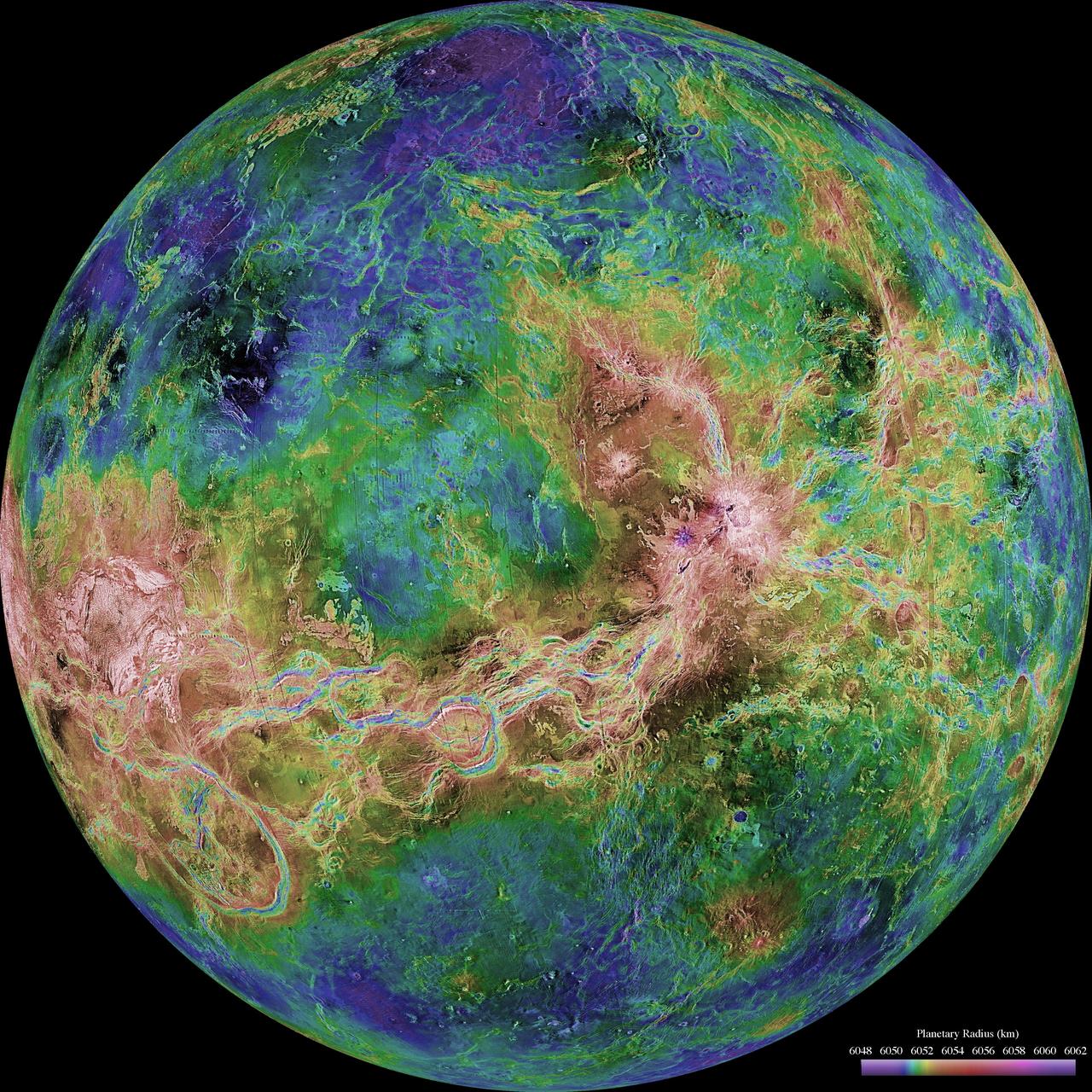
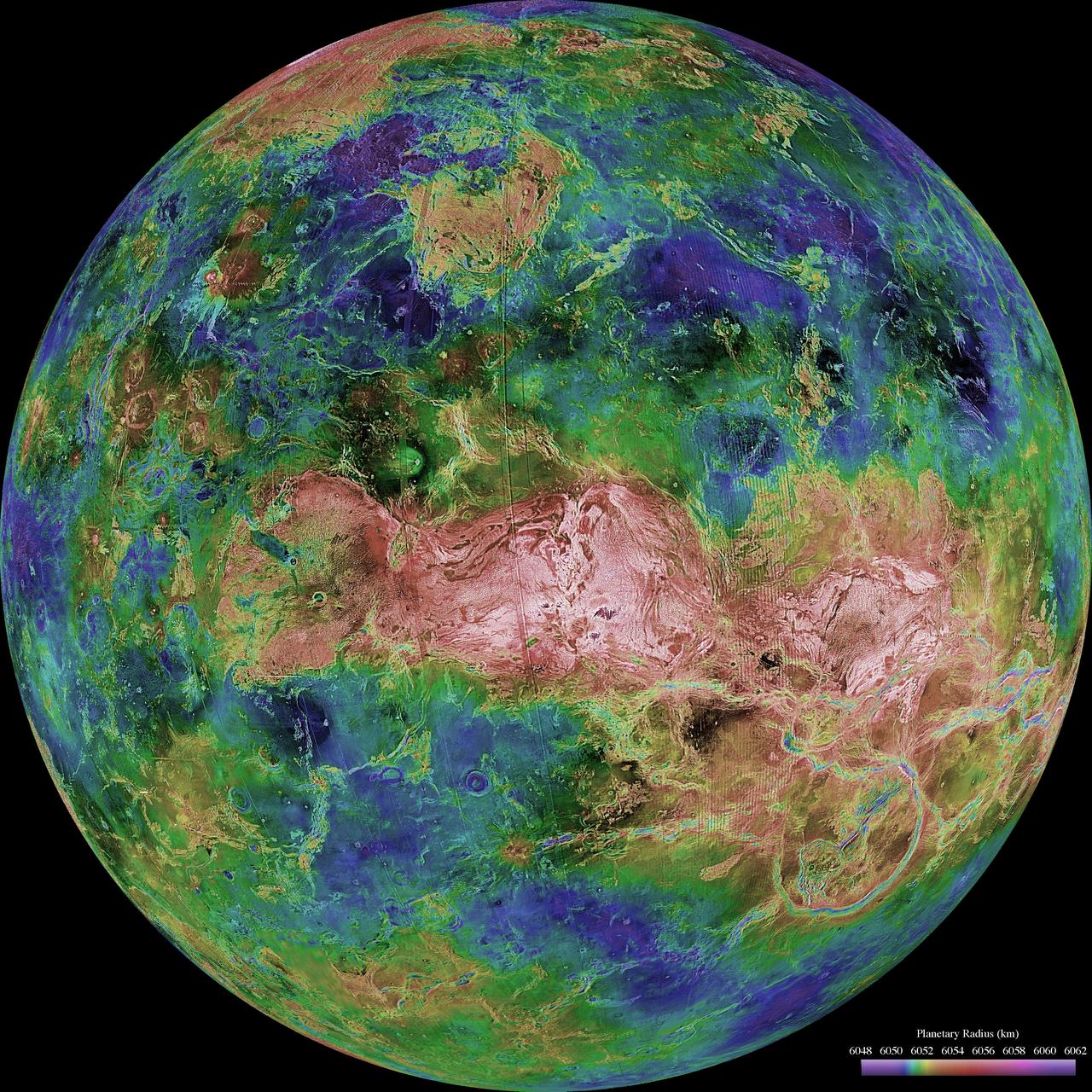
This hemispheric view of Venus, as revealed by more than a decade of radar investigations culminating in the 1990-1994 Magellan mission, is centered on the North Pole. NASA Magellan spacecraft imaged more than 98% of Venus.  http://photojournal.jpl.nasa.gov/catalog/PIA00008
Hemispheric View of Venus Centered at the South Pole
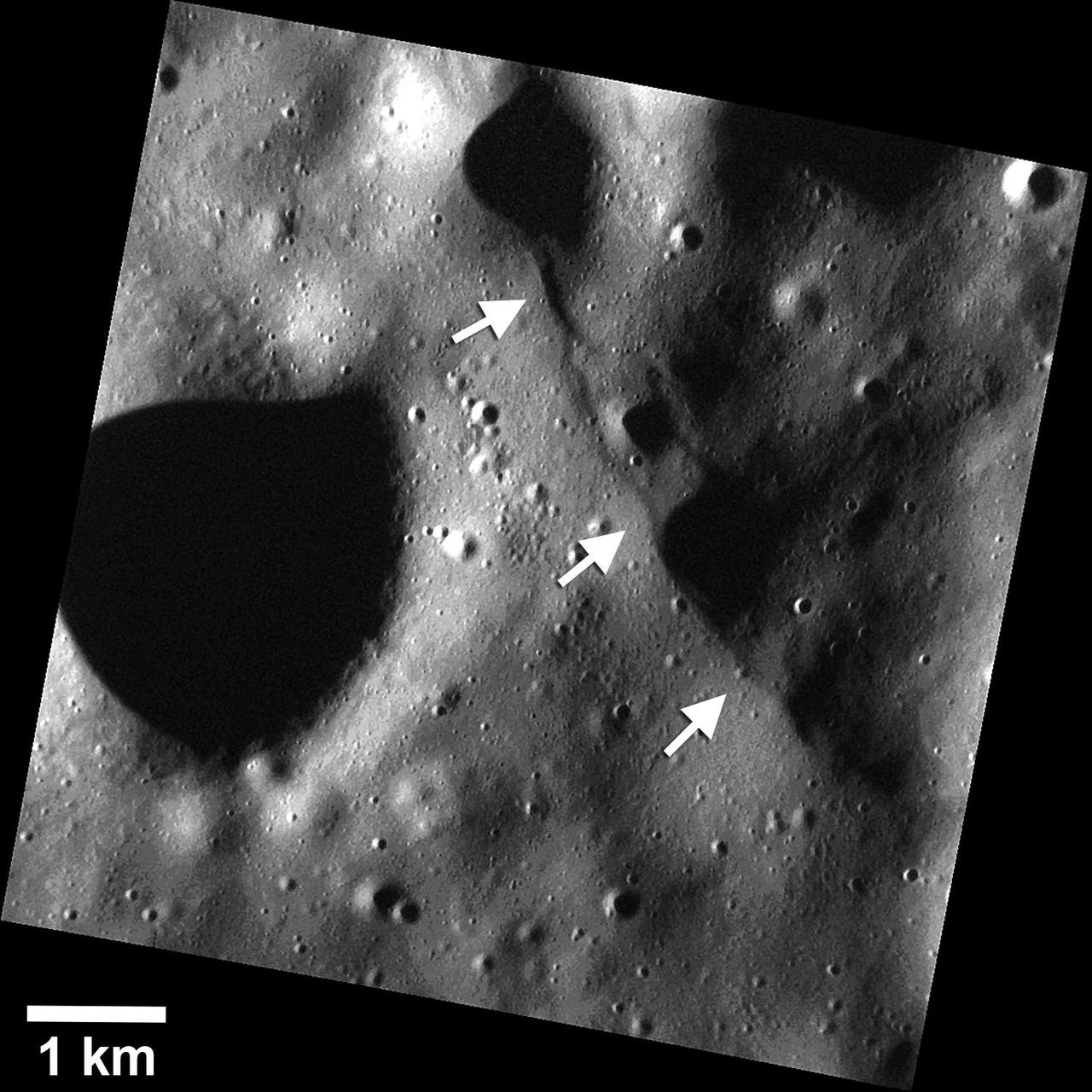
Images obtained after lowering MESSENGER's altitude have revealed a population of small fault scarps (white arrows) that can be more than an order of magnitude smaller in size than their larger counterparts, like Enterprise Rupes. These small scarps are less than 10 km in length and have only tens of meters of relief. They are comparable in size and morphology to small fault scarps imaged on the Moon by the Lunar Reconnaissance Orbiter, suggesting that these small scarps are relatively young, and raising the possibility that some are even active today.  http://photojournal.jpl.nasa.gov/catalog/PIA19245
Small Scarp Close-up
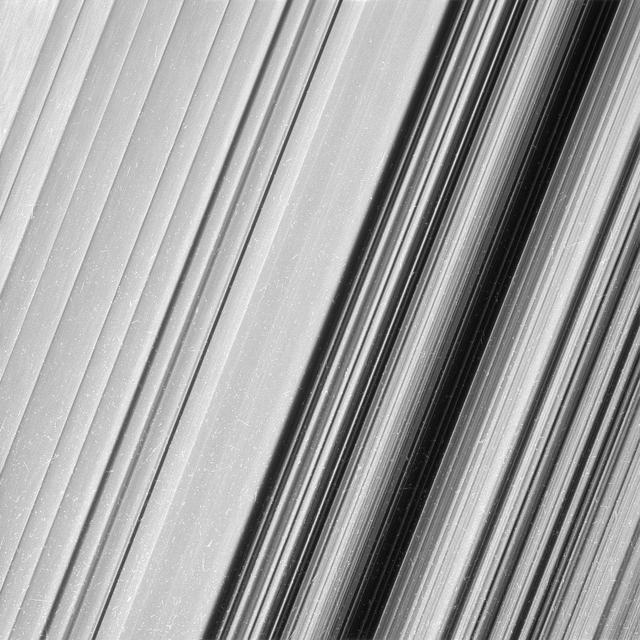
This image shows a region in Saturn's outer B ring. NASA's Cassini spacecraft viewed this area at a level of detail twice as high as it had ever been observed before. And from this view, it is clear that there are still finer details to uncover.  Researchers have yet to determine what generated the rich structure seen in this view, but they hope detailed images like this will help them unravel the mystery.  In order to preserve the finest details, this image has not been processed to remove the many small bright blemishes, which are created by cosmic rays and charged particle radiation near the planet.  The image was taken in visible light with the Cassini spacecraft wide-angle camera on Dec. 18, 2016. The view was obtained at a distance of approximately 32,000 miles (51,000 kilometers) from the rings, and looks toward the unilluminated side of the rings. Image scale is about a quarter-mile (360 meters) per pixel.  http://photojournal.jpl.nasa.gov/catalog/PIA21058
Saturn B Ring, Finer Than Ever
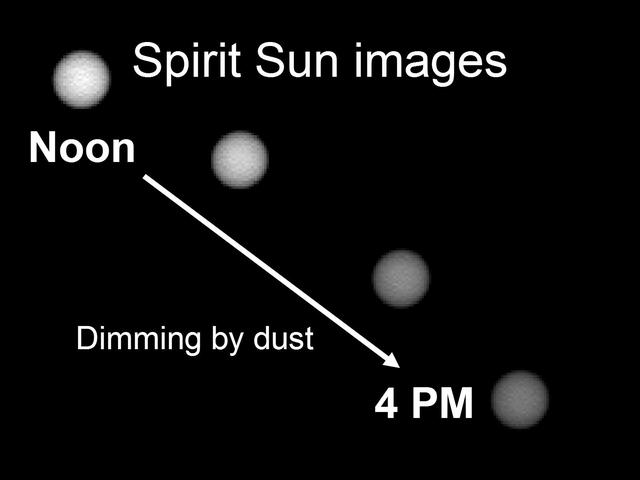
This image shows the Sun as it appears on Mars throughout the day. Scientists monitor the dimming of the setting Sun to assess how much dust is in the martian atmosphere. The pictures were taken by the Mars Exploration Rover Spirit panoramic camera.
Martian Sunsets More Than Just Pretty
This image depicts the dwarf planet Ceres, as seen from the Dawn spacecraft. It was taken 147,000 miles 237,000 kilometers from Ceres on January 25, 2015, is part of a series of views representing the best look so far at the dwarf planet.  http://photojournal.jpl.nasa.gov/catalog/PIA19173
Ceres Sharper Than Ever Zoomed Out View
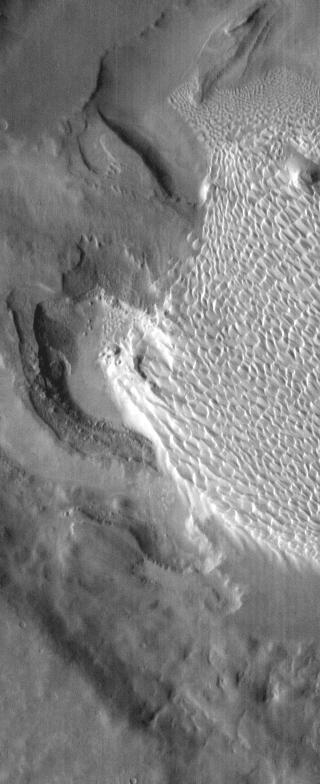
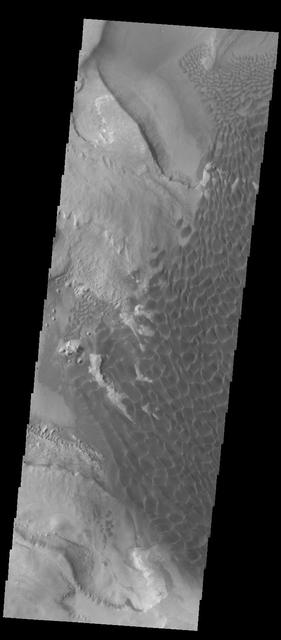
Sand dunes on the floor of Rabe Crater are brighter in this infrared image from NASA 2001 Mars Odyssey spacecraft than the surrounding materials. This is because the sand is warmer than the surrounding rock.  Orbit Number: 57712 Latitude: -43.7612 Longitude: 34.3755 Instrument: IR Captured: 2014-12-17 17:16  http://photojournal.jpl.nasa.gov/catalog/PIA19189
Rabe Dunes in IR
Measuring the mass and diameter of a planet reveals its density, which can give scientists clues about its composition. Scientists now know the density of the seven TRAPPIST-1 planets with a higher precision than any other planets in the universe, other than those in our own solar system.  https://photojournal.jpl.nasa.gov/catalog/PIA23870
Measuring the Masses and Diameters of the TRAPPIST-1 Planets
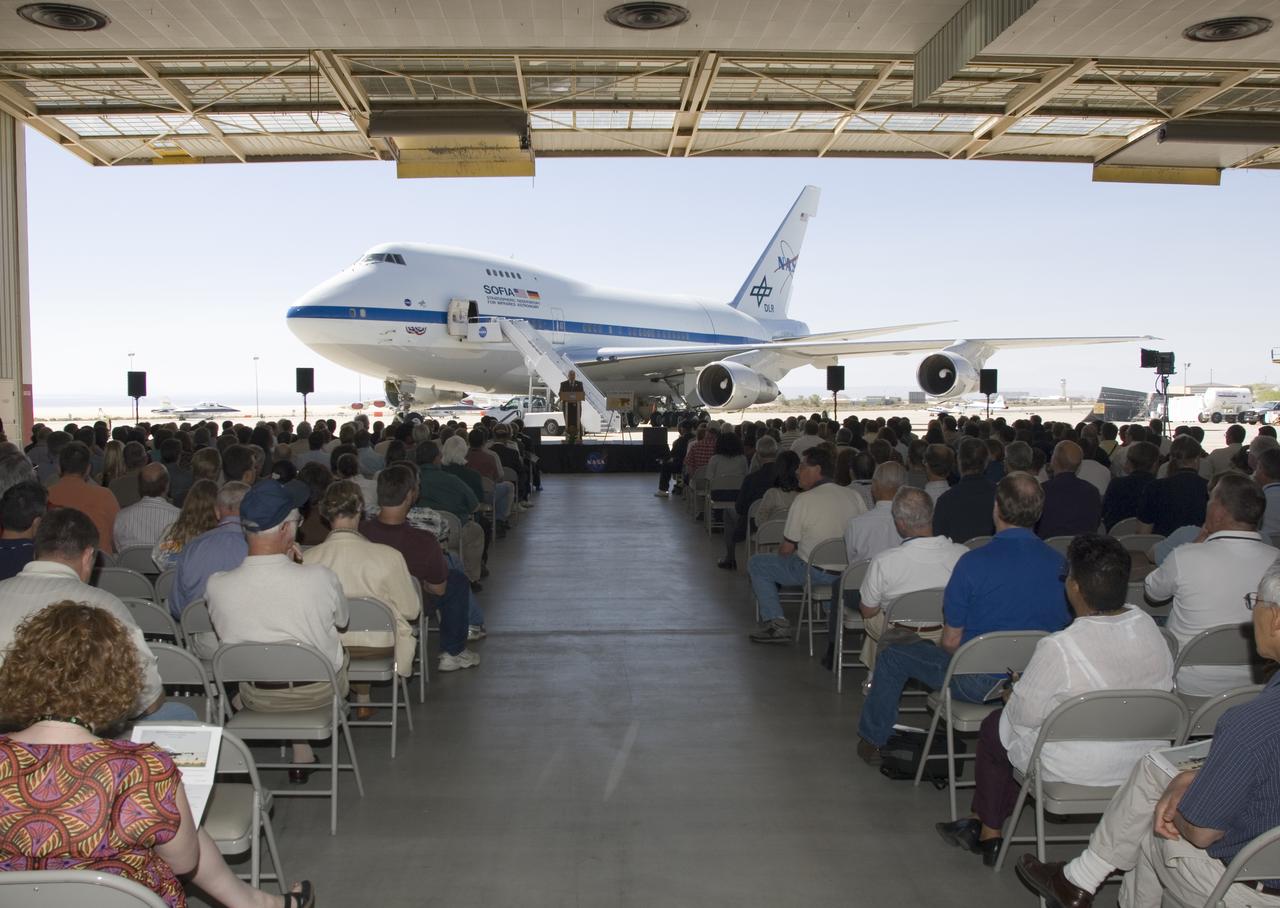
More than 250 VIPs, news media and guests joined NASA, DLR, USRA and other SOFIA staff for the debut of the airborne observatory at NASA DFRC on June 27, 2007.
More than 250 VIPs, news media and guests joined NASA, DLR, USRA and other SOFIA staff for the debut of the airborne observatory at NASA DFRC on June 27, 2007
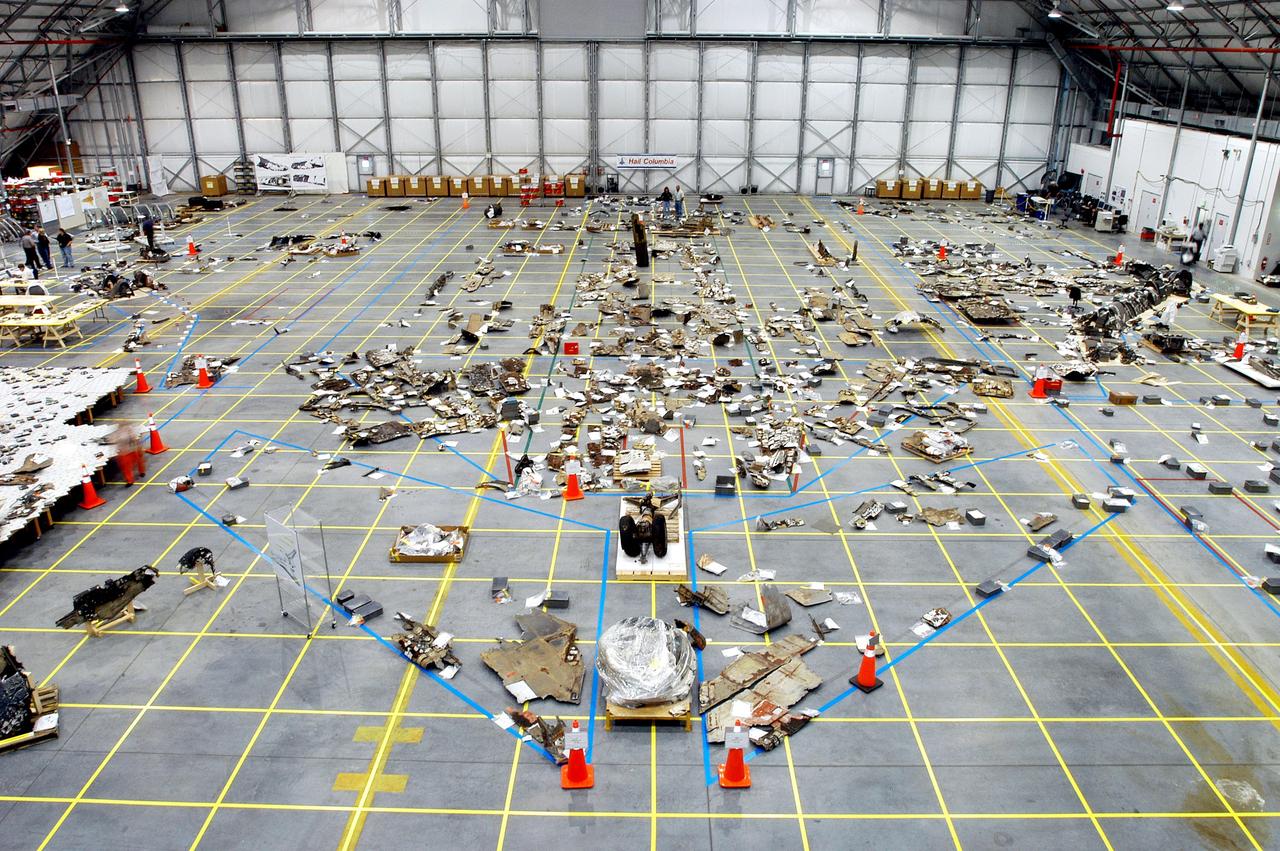
KENNEDY SPACE CENTER, FLA. - An overview of the Columbia debris hangar shows the orbiter outline on the floor with some of the 78,760 pieces identified to date.  More than 82,500 pieces of shuttle debris have been rcovered.
KENNEDY SPACE CENTER, FLA. - An overview of the Columbia debris hangar shows the orbiter outline on the floor with some of the 78,760 pieces identified to date. More than 82,500 pieces of shuttle debris have been rcovered.
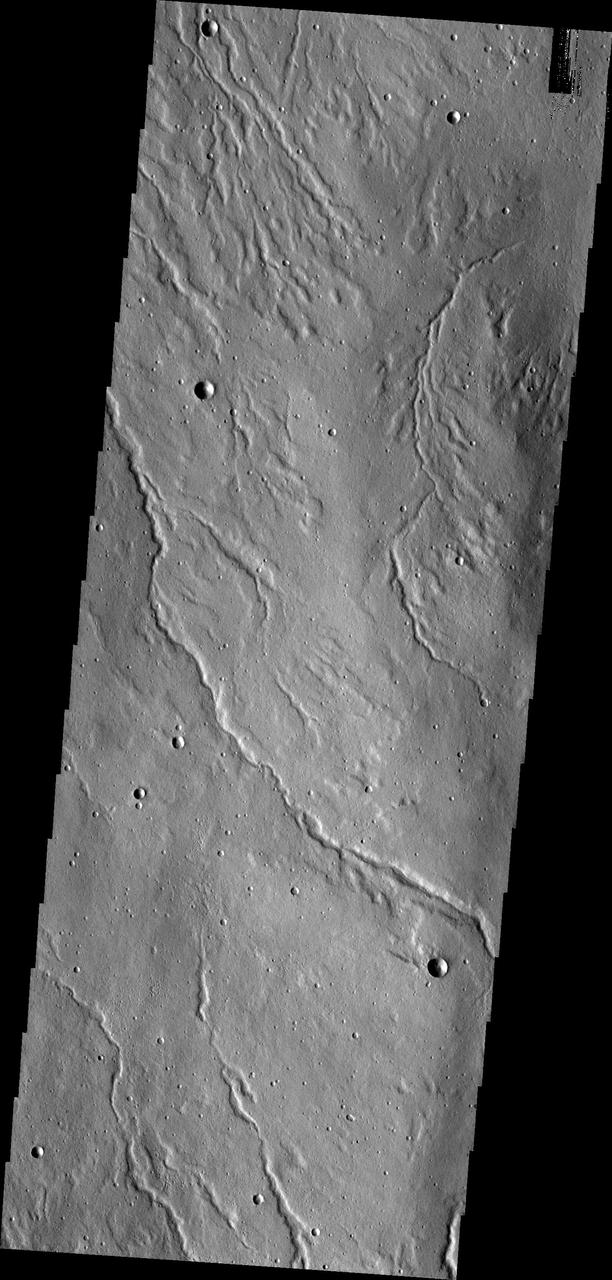
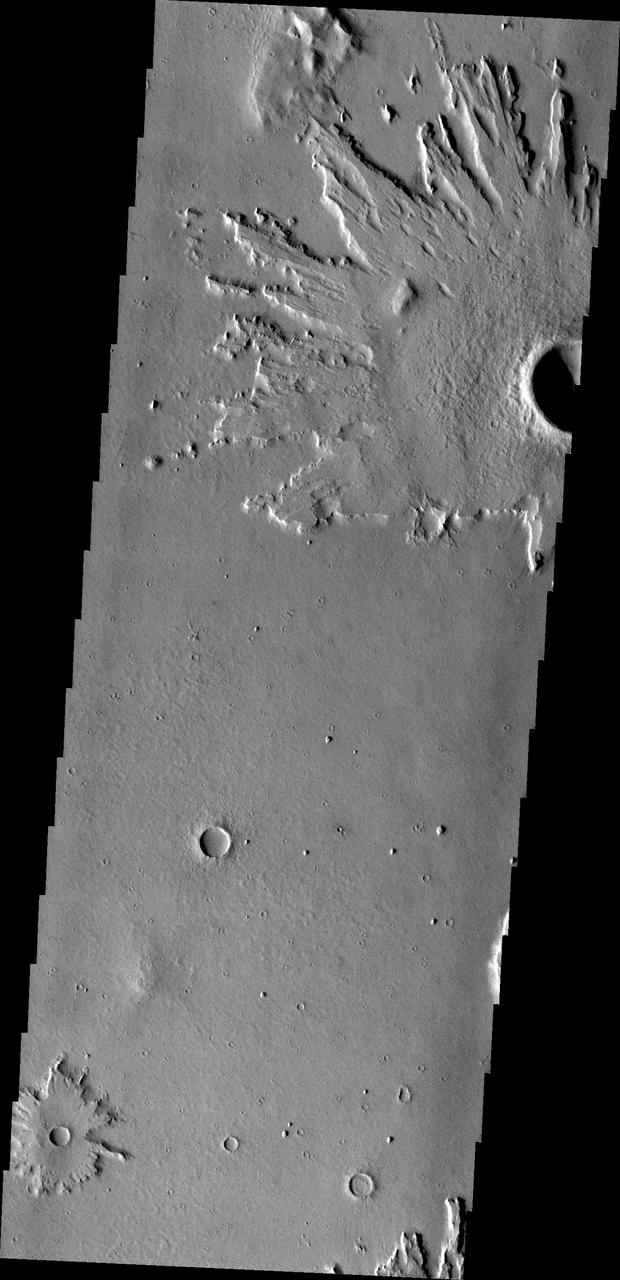
The channels in this image are located on the northwestern flank of Alba Mons. They are likely lava channels rather than water carved channels.
Alba Mons Channels
This artist conception shows NASA Phoenix Mars Lander during its more than 9-month journey to Mars.
Cruising to Mars Artist Concept
The wind is eroding some of the materials in this region more readily than others, indicating a complex surface history
Aeolis Planum
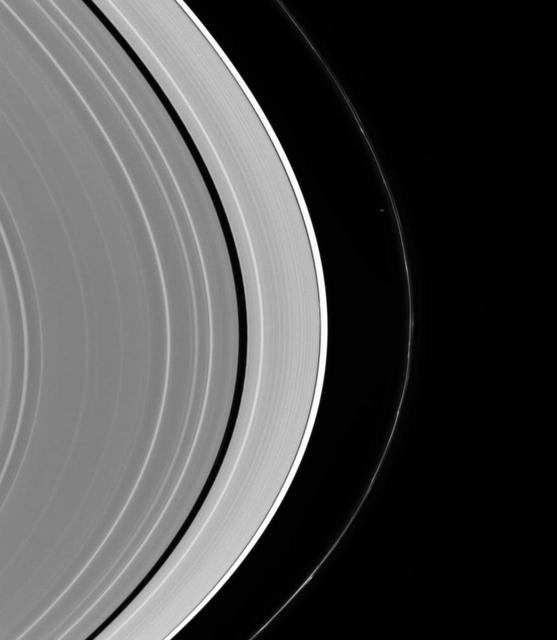
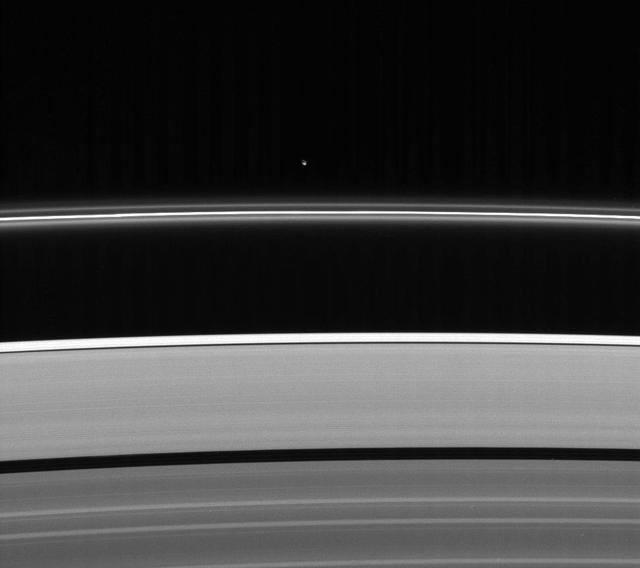
Although difficult to see at first, more than one moon is at work sculpting Saturn rings in this view from the Cassini spacecraft
Two Sculptors
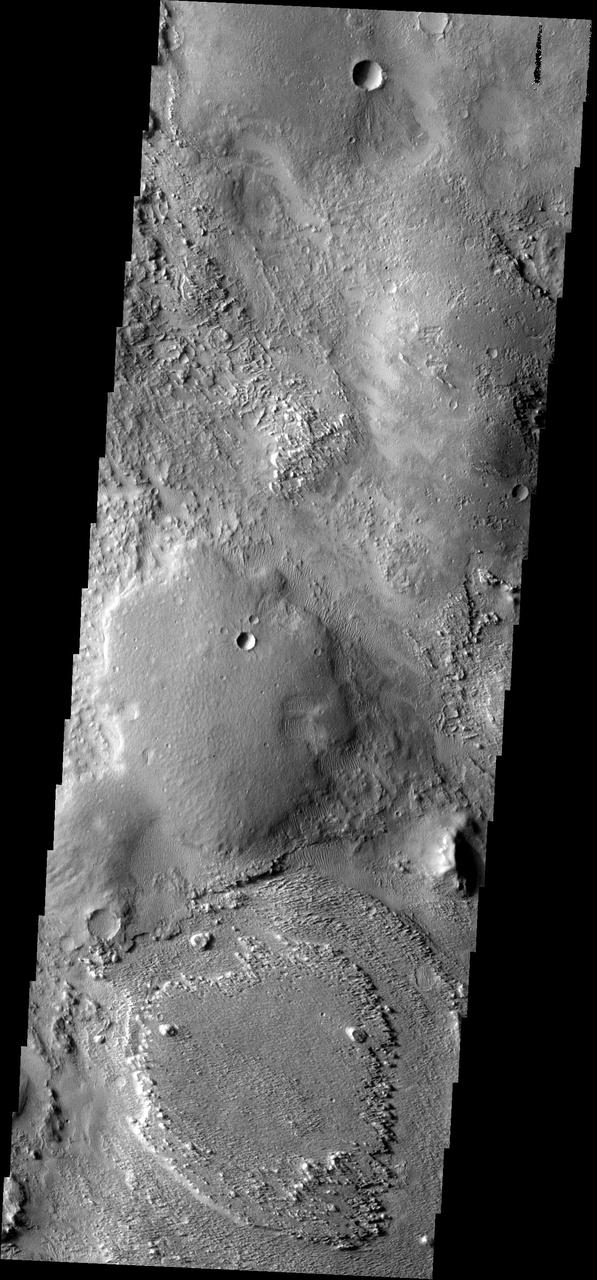
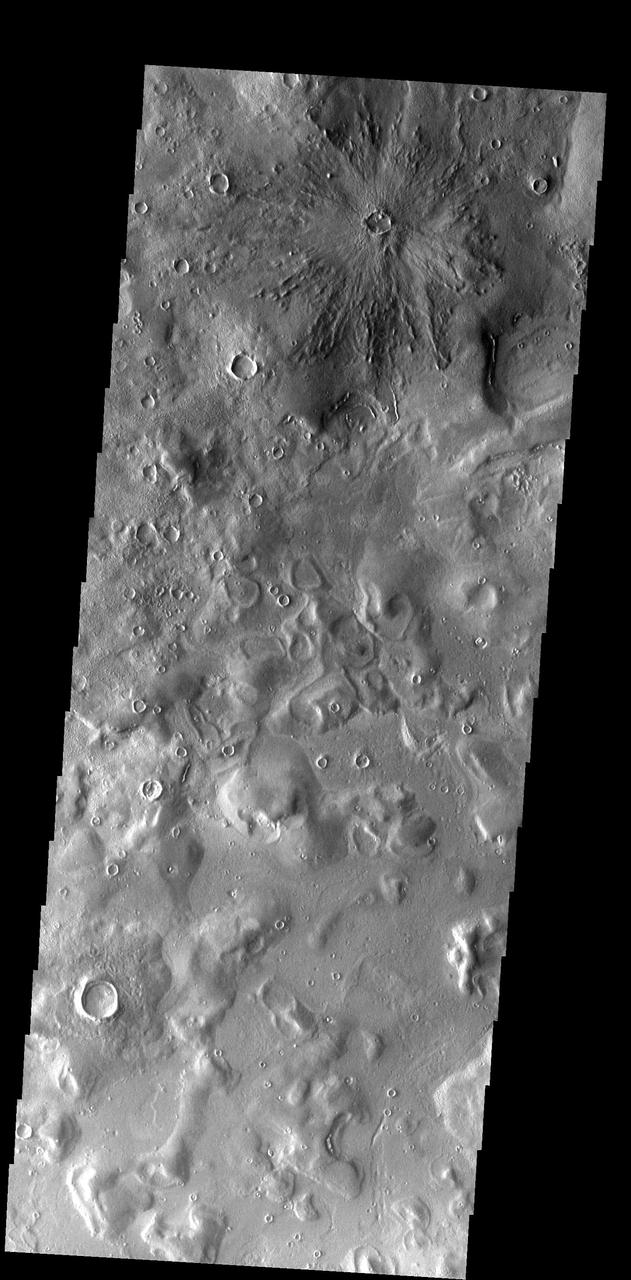
The ejecta of this unnamed crater in Amazonis Planitia is more resistant than the material around it in this image taken by NASA Mars Odyssey.
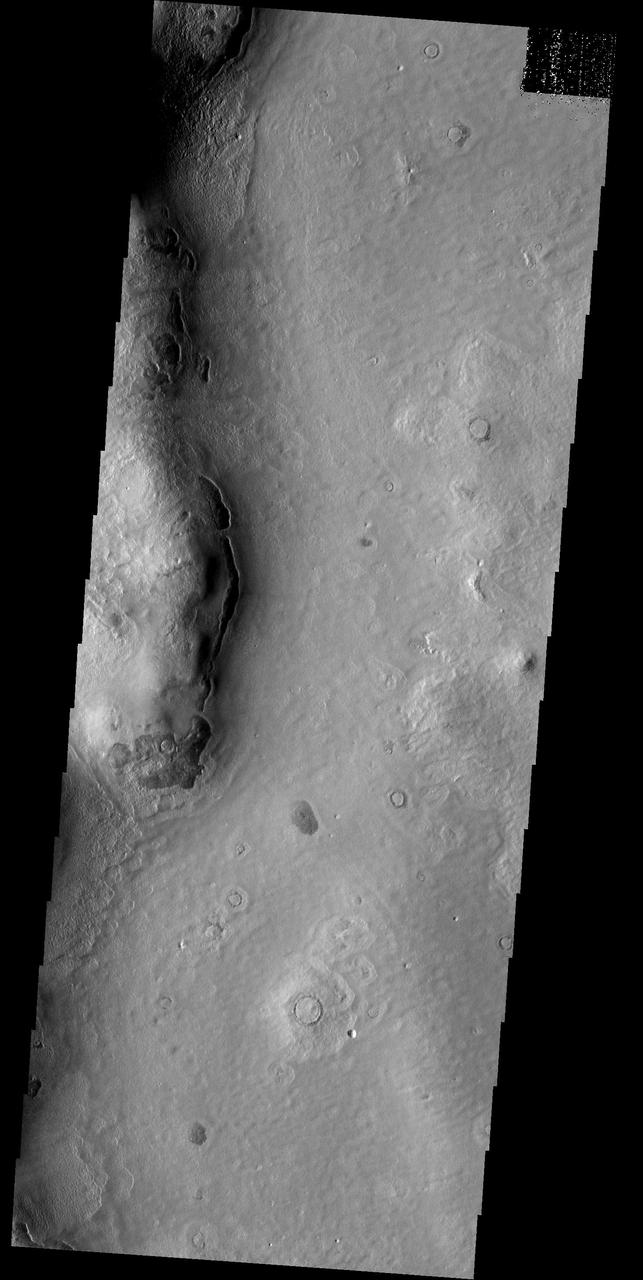
Crater Ejecta
This depression within Cassini Crater contains several slope streaks. The darkest streaks are assumed to be younger than the lighter streaks
Slope Streaks
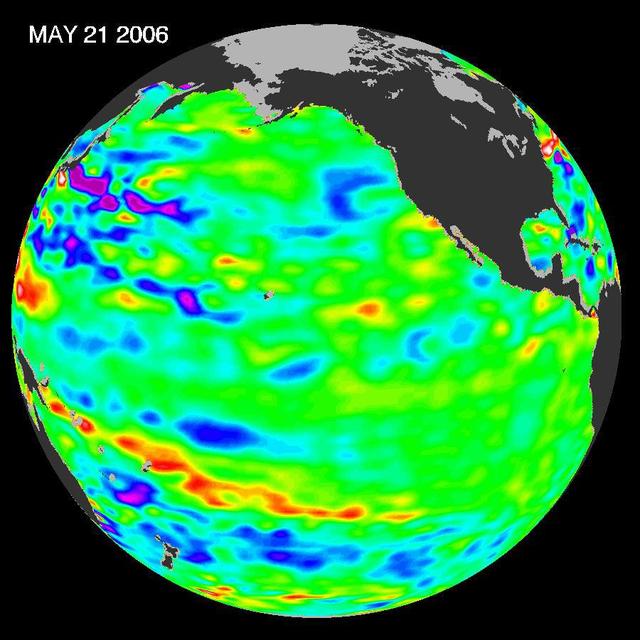
In early 2006, a weak La Niña event kept the temperatures in the Pacific Ocean along the equator a little cooler than normal.
Pacific Climate Calm
This artist conception shows NASA Phoenix Mars Lander during its more than 9-month journey to Mars.
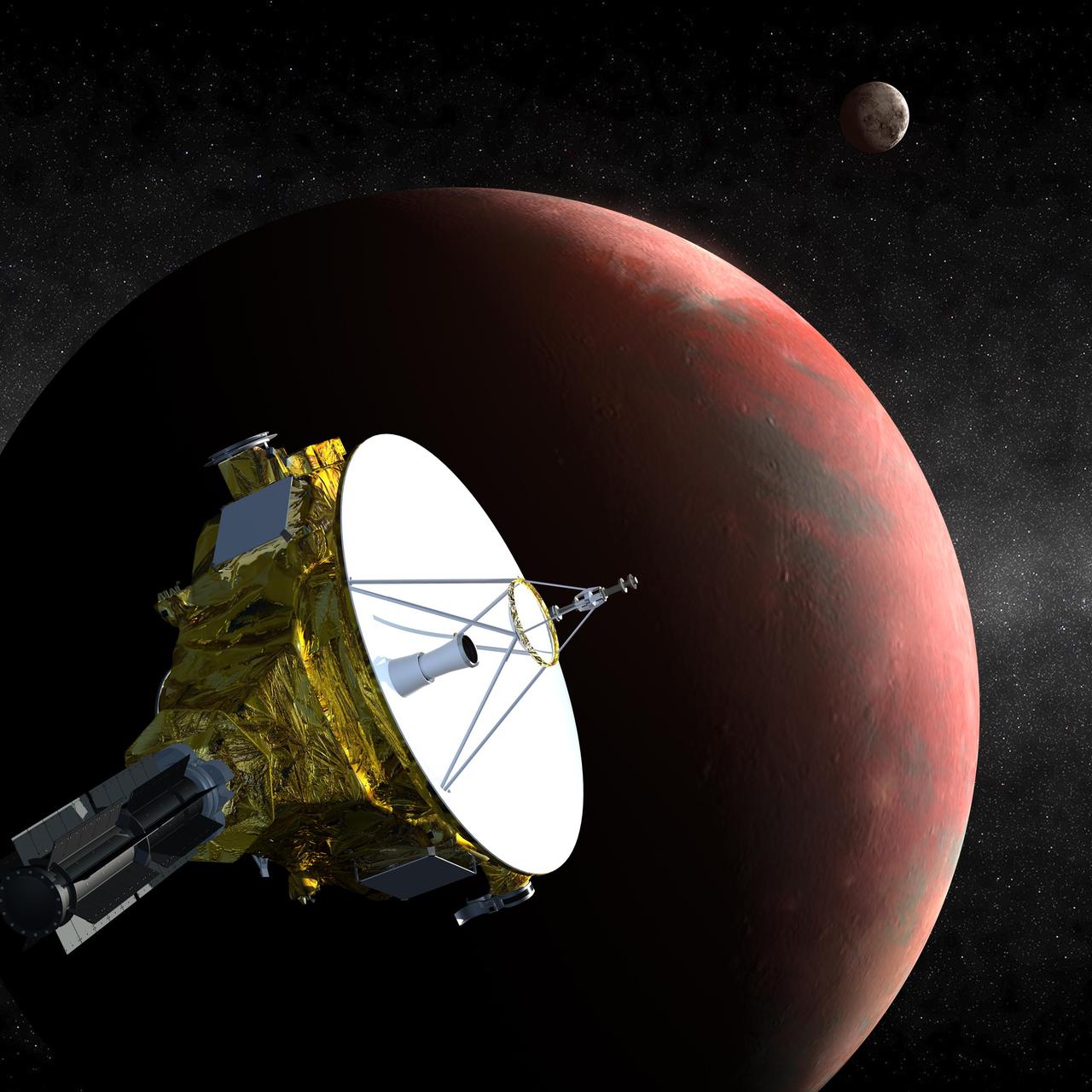
New Horizons at Pluto Artist Concept
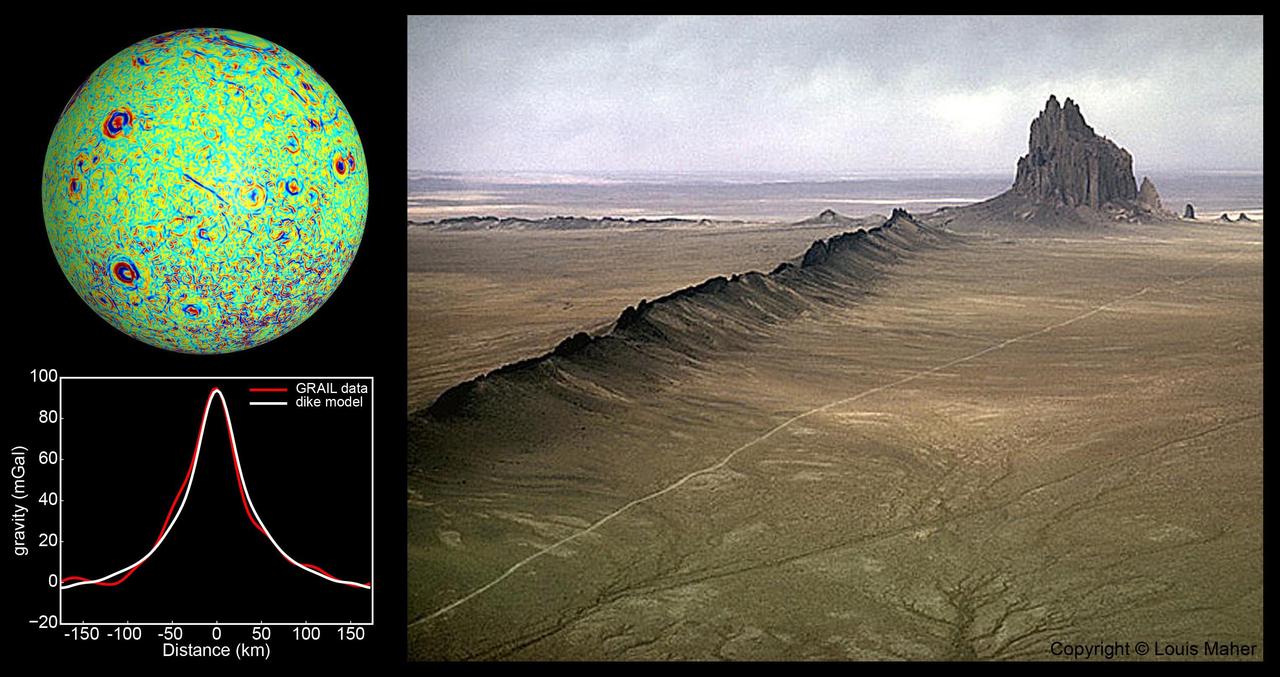
A profile across one of the linear gravity anomalies found by NASA GRAIL mission shows that it has higher gravity than the surroundings.
GRAIL Identifies Moon Dikes
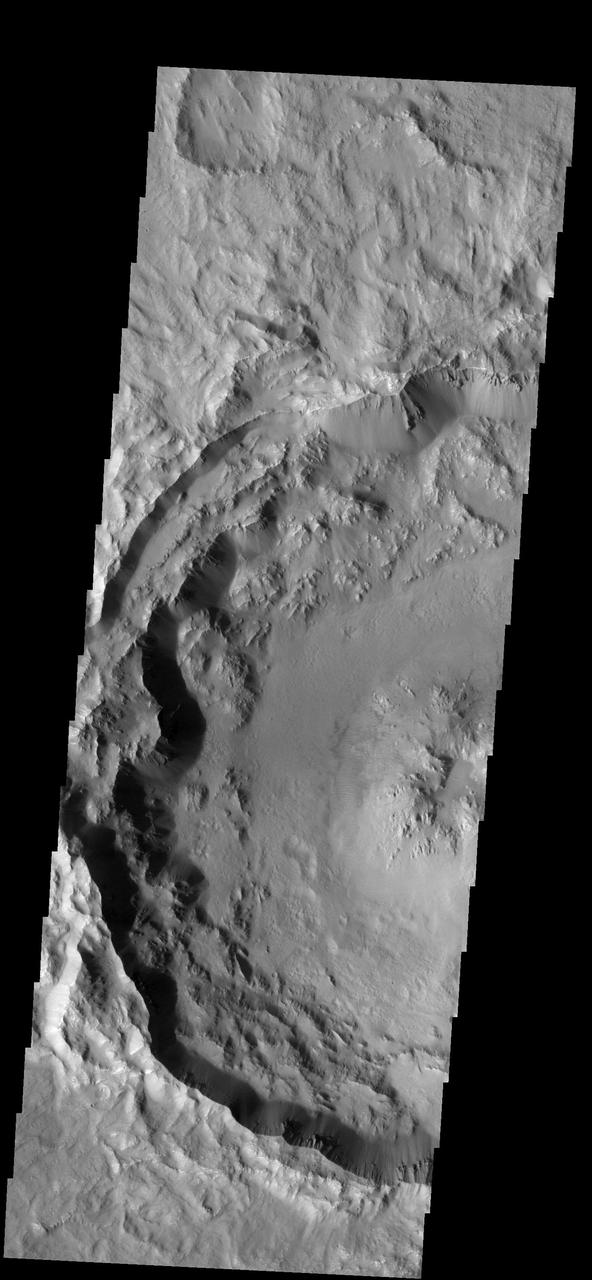
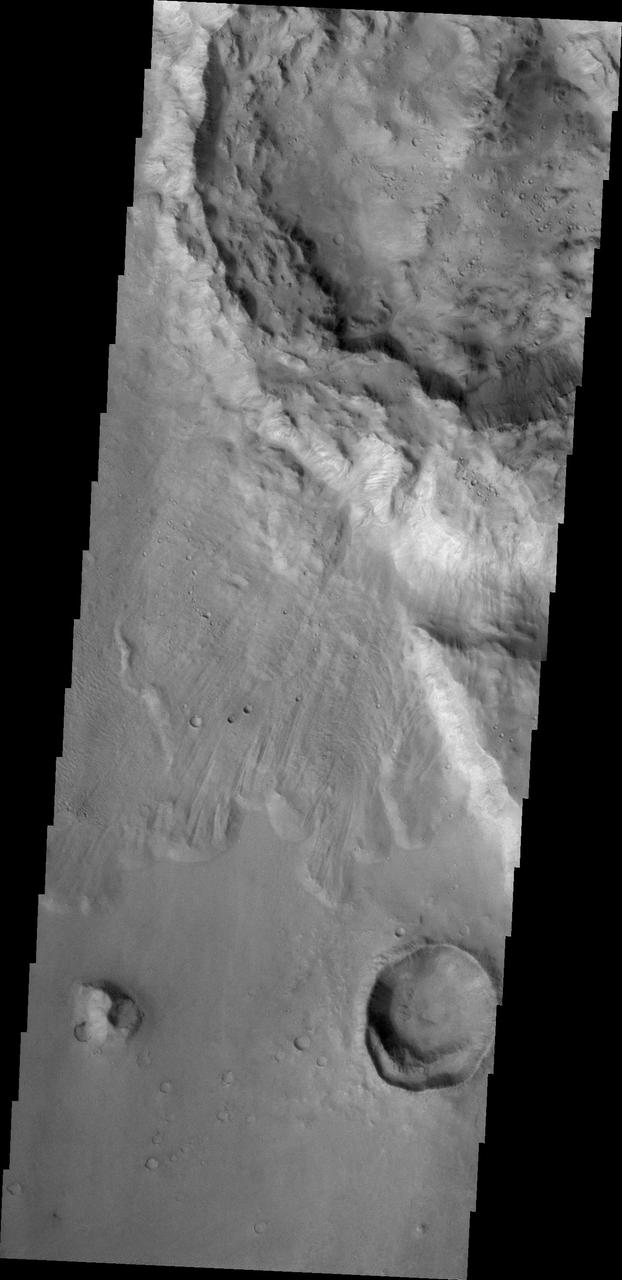
The rim and floor of this southern crater are relatively unmodified, indicating that this crater is younger than its more weathered neighbors
Recent Impact
This group of spokes in Saturn B ring extends over more than 5,000 kilometers 3,100 miles radially across the ringplane
Spoke Siblings
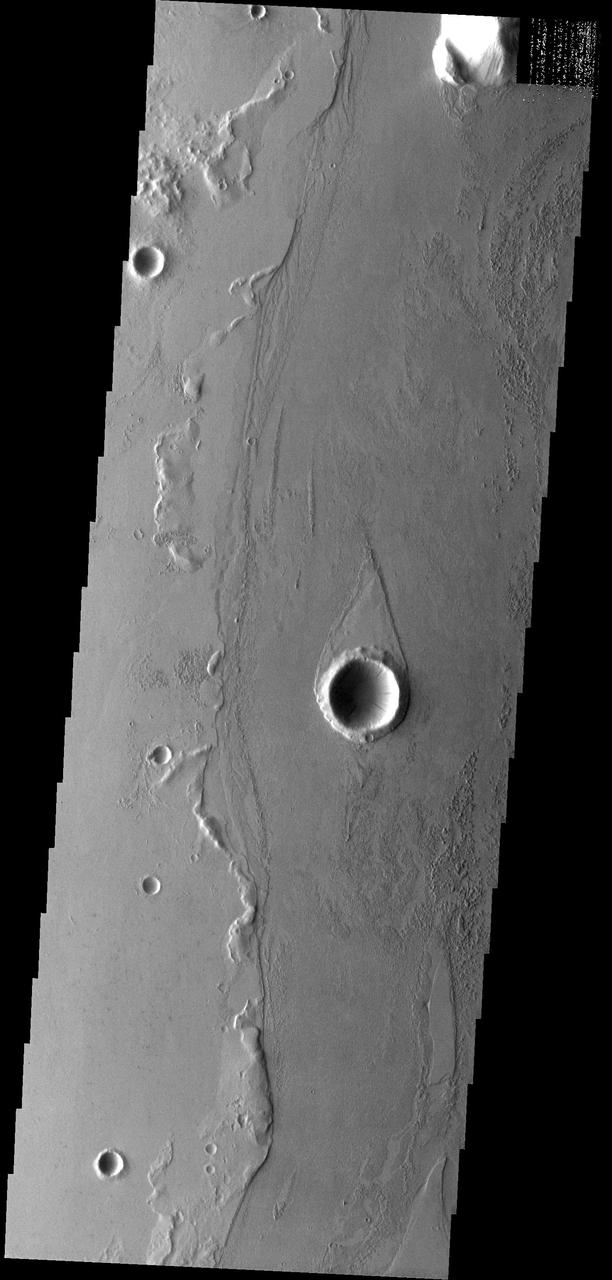
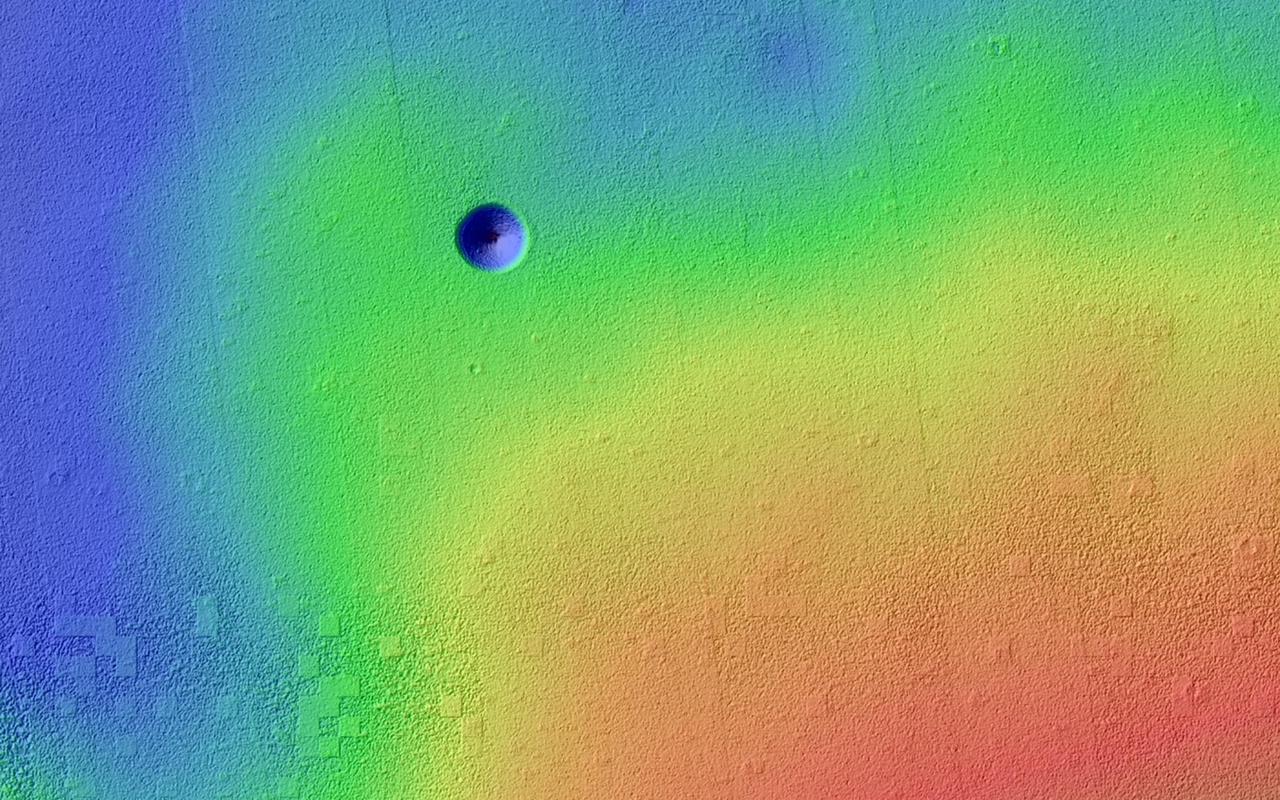
The teardrop-shaped island in this image was formed by the flow of fluid lava rather than liquid water
Marte Vallis
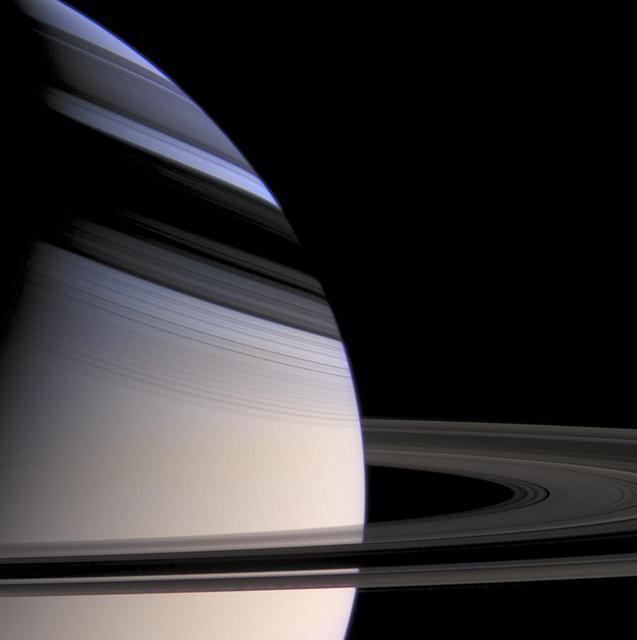
Few sights in the solar system are more strikingly beautiful than softly hued Saturn embraced by the shadows of its stately rings.
The Face of Beauty
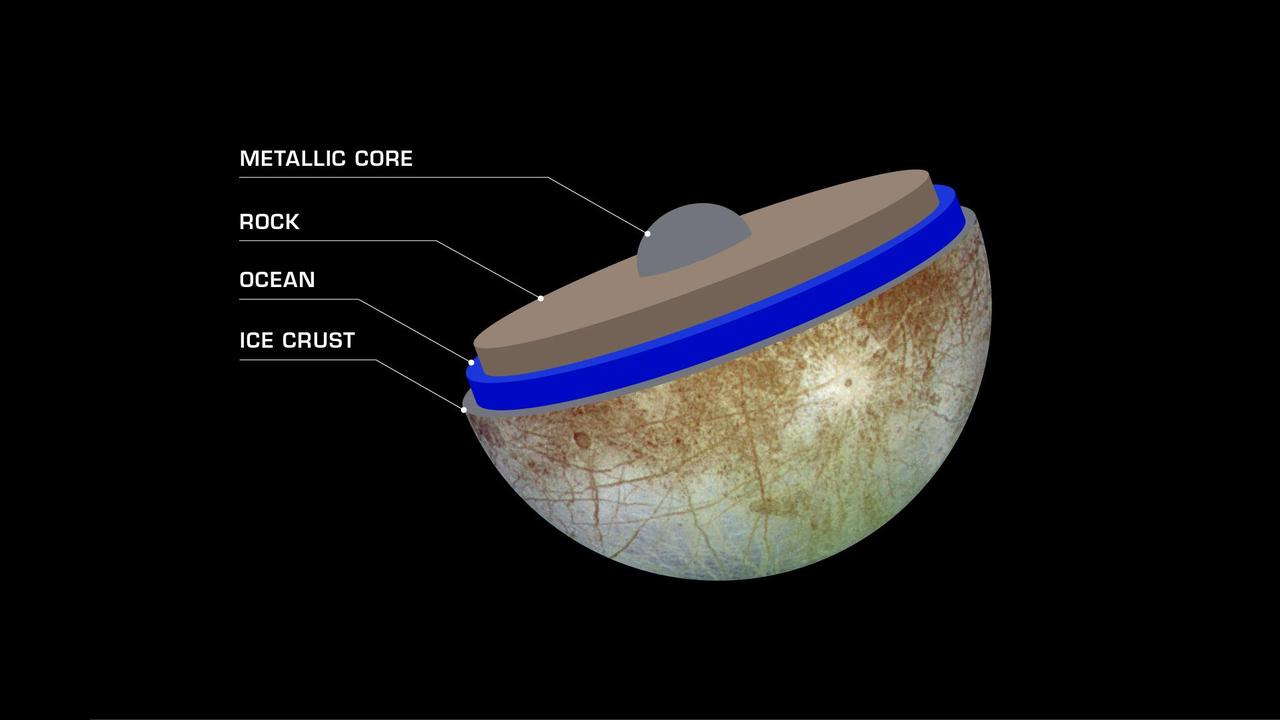
Jupiter's moon Europa is smaller than Earth's moon yet may contain more than twice as much liquid water as all of Earth's oceans combined. Scientists believe that under its icy surface, Europa features a global saltwater ocean, perhaps 40 to 100 miles (60 to 150 kilometers) deep. Further inward, a rocky mantle and metallic core are likely. Europa's interior structure will be studied in detail by NASA's Europa Clipper spacecraft, which will orbit Jupiter and perform dozens of flybys of the moon.  Europa Clipper's three main science objectives are to determine the thickness of the moon's icy shell and its interactions with the ocean below, to investigate its composition, and to characterize its geology. The mission's detailed exploration of Europa will help scientists better understand the astrobiological potential for habitable worlds beyond our planet.  https://photojournal.jpl.nasa.gov/catalog/PIA26434
Europa's Mysterious Interior (Artist's Concept)
This artist concept depicts 55 Cancri e as it orbits its star. NASA Spitzer Space Telescope has, for the first time, captured the light emanating from a distant super Earth, a planet more massive than Earth but lighter than Neptune.
Super Earth Reveals Itself to Spitzer Artist Animation
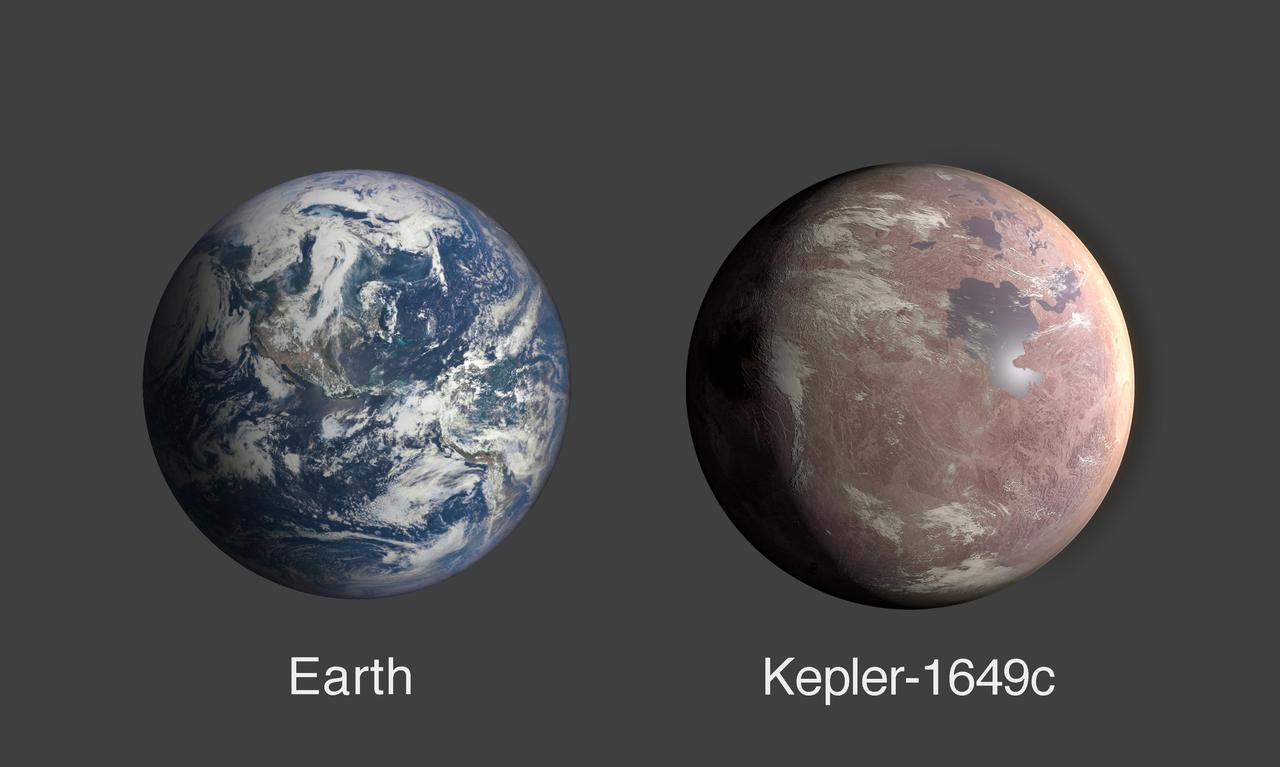
This graphic compares the size of Earth and Kepler-1649c, an exoplanet only 1.06 times larger than Earth by radius.  https://photojournal.jpl.nasa.gov/catalog/PIA23774
Comparing the Size of Exoplanet Kepler-1649c and Earth (Illustration)
This artist's concept shows NASA's Kepler Space Telescope on its K2 mission. In July 2016, an international team of astronomers announced they had discovered more than 100 new planets using this telescope. The batch includes four planets in the size range of Earth that are orbiting a single dwarf star, depicted in this illustration.  Two of these planets are too hot to support life as we know it, but two are in the star's "habitable" zone, where liquid water could exist on the surface. These small, rocky worlds are far closer to their star than Mercury is to our sun. But because the star is smaller and cooler than ours, its habitable zone is much closer. One of the two planets in the habitable zone, K2-72c, has a "year" about 15 Earth-days long -- the time it takes to complete one orbit. This closer planet is likely about 10 percent warmer than Earth. The slightly more distant planet in the habitable zone, K2-72e, has a year lasting 24 Earth days, and would be about 6 percent colder than Earth.  http://photojournal.jpl.nasa.gov/catalog/PIA20698
K2 Finds Earth-Sized Planets Artist Concept
Of the 1,030 confirmed planets from Kepler, a dozen are less than twice the size of Earth and reside in the habitable zone of their host stars. In this diagram, the sizes of the exoplanets are represented by the size of each sphere. These are arranged by size from left to right, and by the type of star they orbit, from the M stars that are significantly cooler and smaller than the sun, to the K stars that are somewhat cooler and smaller than the sun, to the G stars that include the sun. The sizes of the planets are enlarged by 25 times compared to the stars. The Earth is shown for reference.  http://photojournal.jpl.nasa.gov/catalog/PIA19827
Kepler Small Habitable Zone Planets
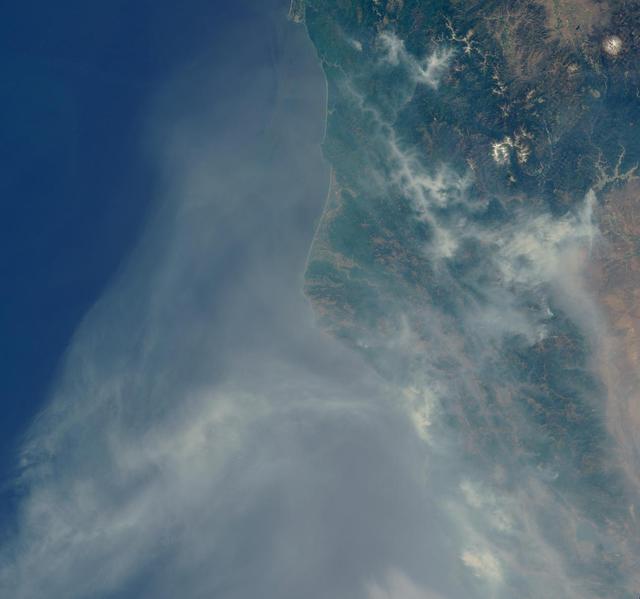
Lightning strikes have sparked more than a thousand fires in northern California. Cape Mendocino is at the center of the image and Mt. Shasta is near the upper right.
Smoke Blankets Northern California
NASA Voyager 2 took this wide-angle image of Uranus rings as the spacecraft neared the plane of the rings less than an hour before closest approach to the planet.
Uranus Rings
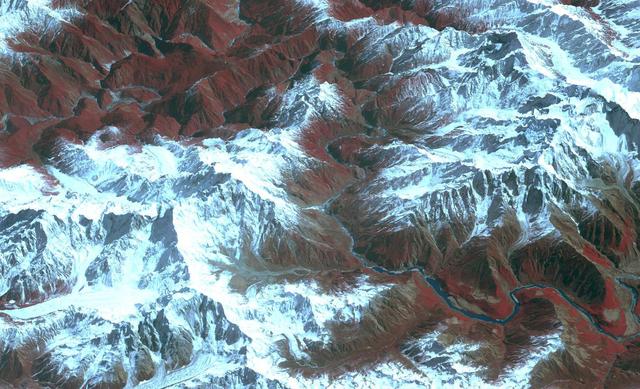
Acquired by NASA Terra spacecraft, this image shows the Yarlung Zangpo Grand Canyon or Tsangpo Gorge in Tibet, the deepest canyon in the world, and longer than the Grand Canyon.
Yarlung Zangpo Grand Canyon, Tibet
This infrared image, taken by NASA 2001 Mars Odyssey spacecraft, shows the feature called White Rock. The feature is dark, indicating that it is cooler than the surroundings.
Pollack Crater
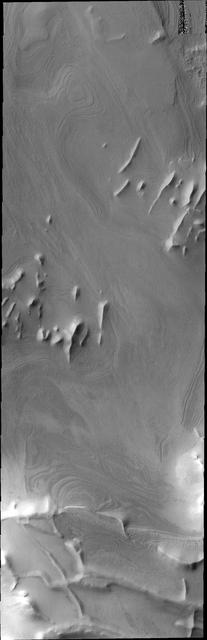
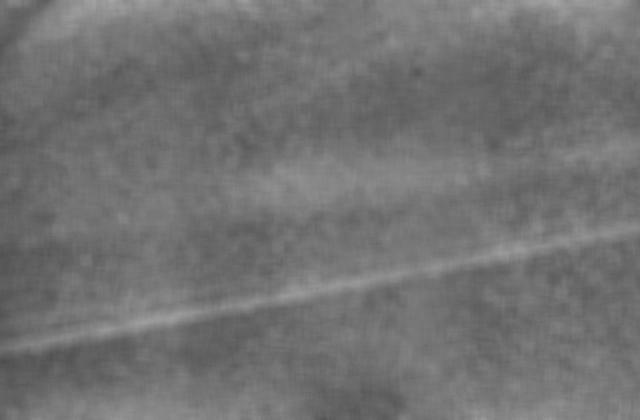
Located further north than yesterday image, ridges are still prevalent in this image captured by NASA 2001 Mars Odyssey spacecraft. Layers of material cover this region.
Polar Layers
An extensive sand sheet and dunes are located within Pityusa Patera. This daytime infrared image shows that the sand is relatively warmer than the surrounding materials.
Pityusa Patera
This mosaic of Jupiter’s moon Ganymede consists of more than 100 images acquired with NASA’s Voyager and Galileo spacecrafts, showing irregular lumps beneath the icy surface.
Lumps Within Ganymede
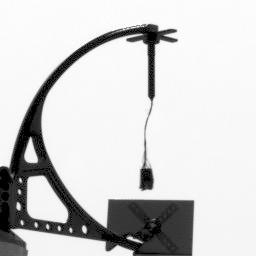
This image taken by the Stereo Surface Imager aboard NASA Phoenix Mars Lander focuses on items on the deck rather than the workspace or horizon on Sol 8.
Telltale Animation Sol 8
Pavonis Mons is a giant shield volcano similar to although larger than those on the Big Island of Hawaii. This image is from NASA Mars Reconnaissance Orbiter.
A Giant Cave on a Giant Volcano
Several areas of dunes are located on the plains of Terra Cimmeria. The dunes appear bright in the daytime infrared due the warmer temperatures than the surrounding plains.
Dunes in IR
Our solar system features eight planets, seen in this artist’s diagram. This representation is intentionally fanciful, as the planets are depicted far closer together than they really are.
Our Solar System Features Eight Planets
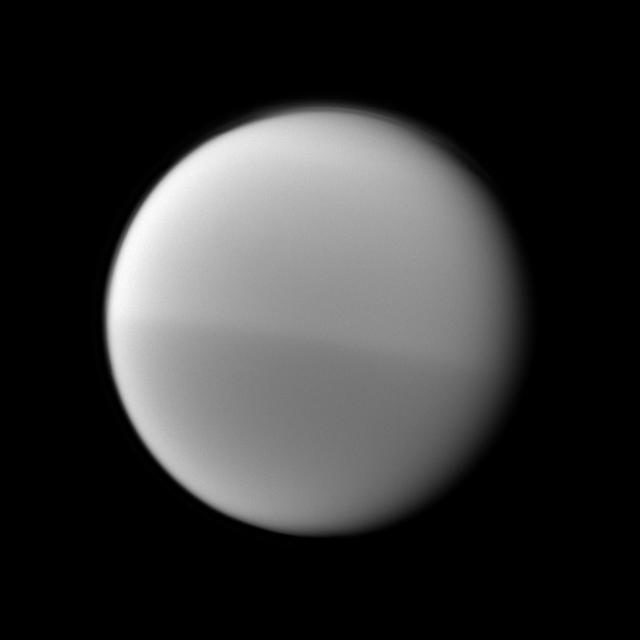
NASA Cassini spacecraft records Titan seasonal hemispheric dichotomy, with the moon northern half appearing slightly lighter than the southern half in this image.
Titan Changing Seasons
This VIS image captured by NASA 2001 Mars Odyssey spacecraft, compared to yesterday IR image, shows the dunes darker than their surroundings due to cooler temperature.
Rabe Crater Dunes
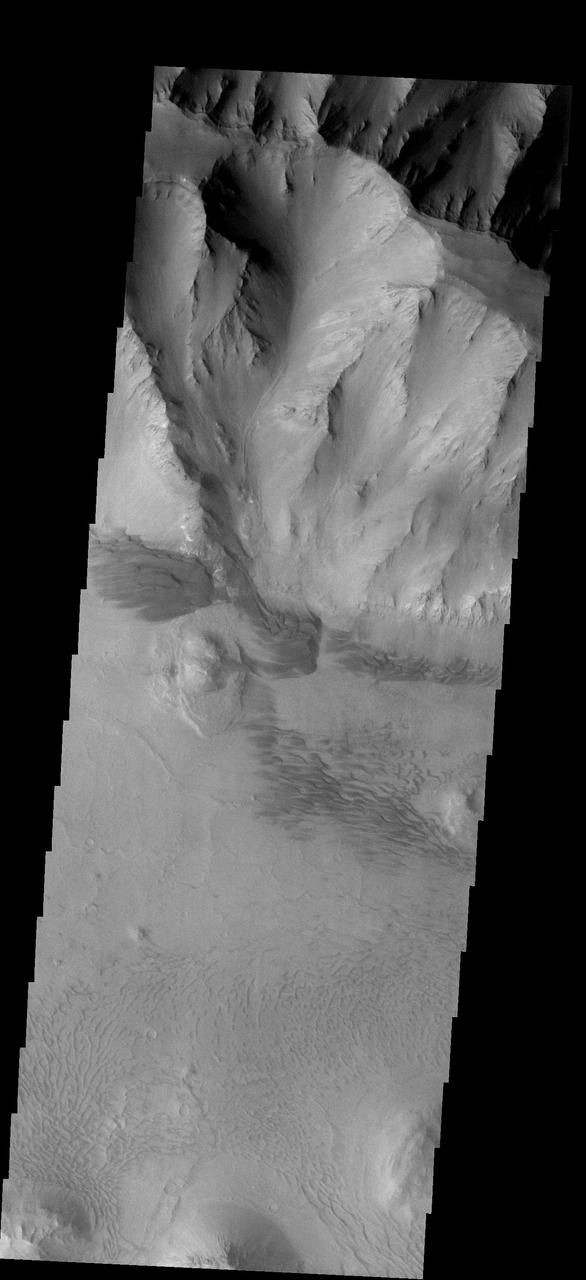
This image of the east end of Coprates Chasma contains several dune  fields. The dunes in the center of the image are larger and darker than  the dunes at the bottom
Dune Variety
This infrared image of Proctor Crater shows the dune field on the floor of the crater. The dunes are bright in this daytime image, indicating they are warmer than the surrounding crater materials.
Proctor Crater Dunes
Near the bottom of this nighttime image captured by NASA 2001 Mars Odyssey spacecraft are several channels. The dusty channel floors are darker colder than the rocky walls.
Channel at Night
A shepherd moon can do more to define ring structures than just keep the flock of particles in line, as Cassini spacecraft images such as this have shown
The Hand of Prometheus
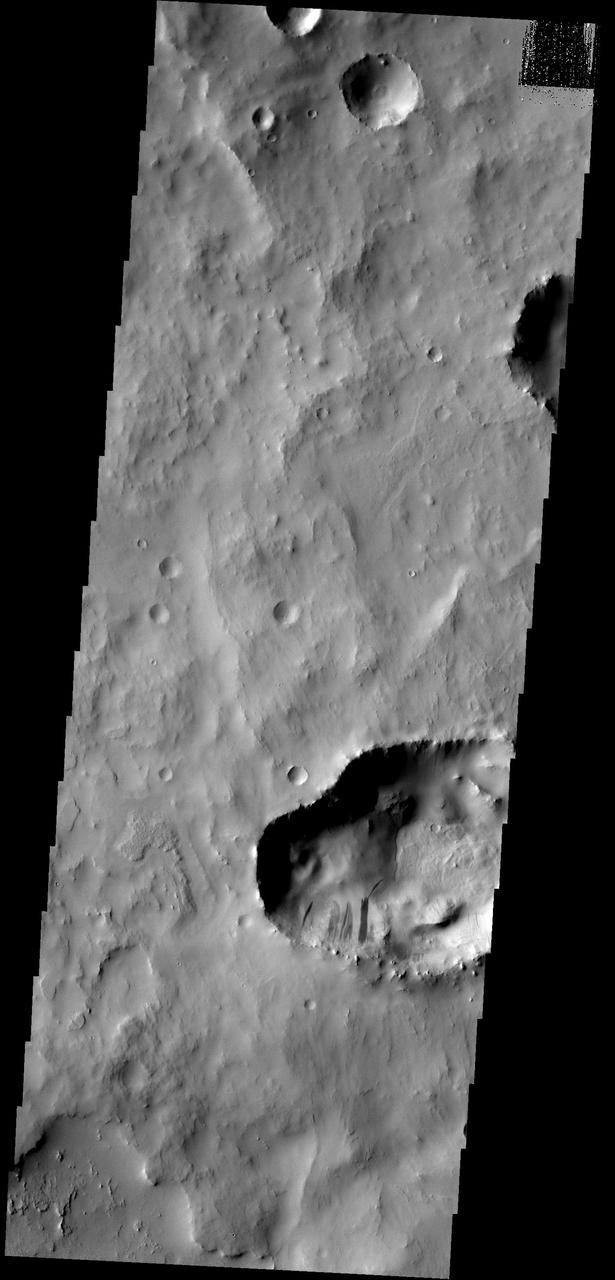
This unnamed crater is noticeably younger than the other craters in this image. Note the easily identifiable ejecta blanket. This crater is located in the Phlegra Montes
Young Crater
This image taken by the Stereo Surface Imager aboard NASA Phoenix Mars Lander focuses on items on the deck rather than the workspace or horizon on Sol 9.
Telltale Animation Sol 9
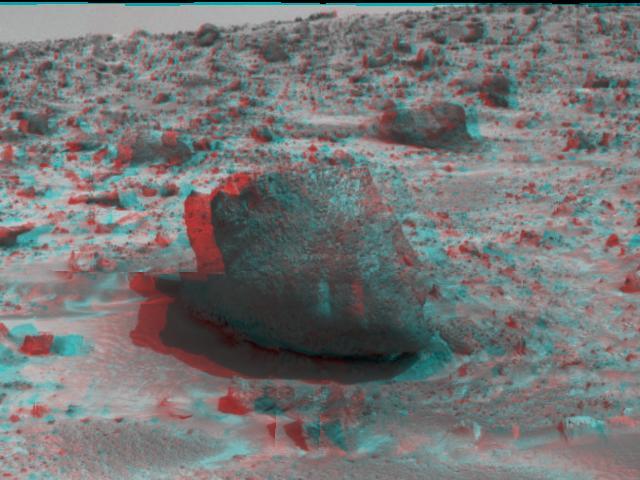
Yogi, a rock taller than NASA rover Sojourner taken in stereo by NASA Mars Pathfinder. 3D glasses are necessary to identify surface detail.
Yogi the Rock - 3-D
A stereo view shows fractures called joints. They have a ridge-like shape, standing out in positive relief as the surrounding bedrock is eroded away faster than they are
Ridges in Stereo, Candor Chasma
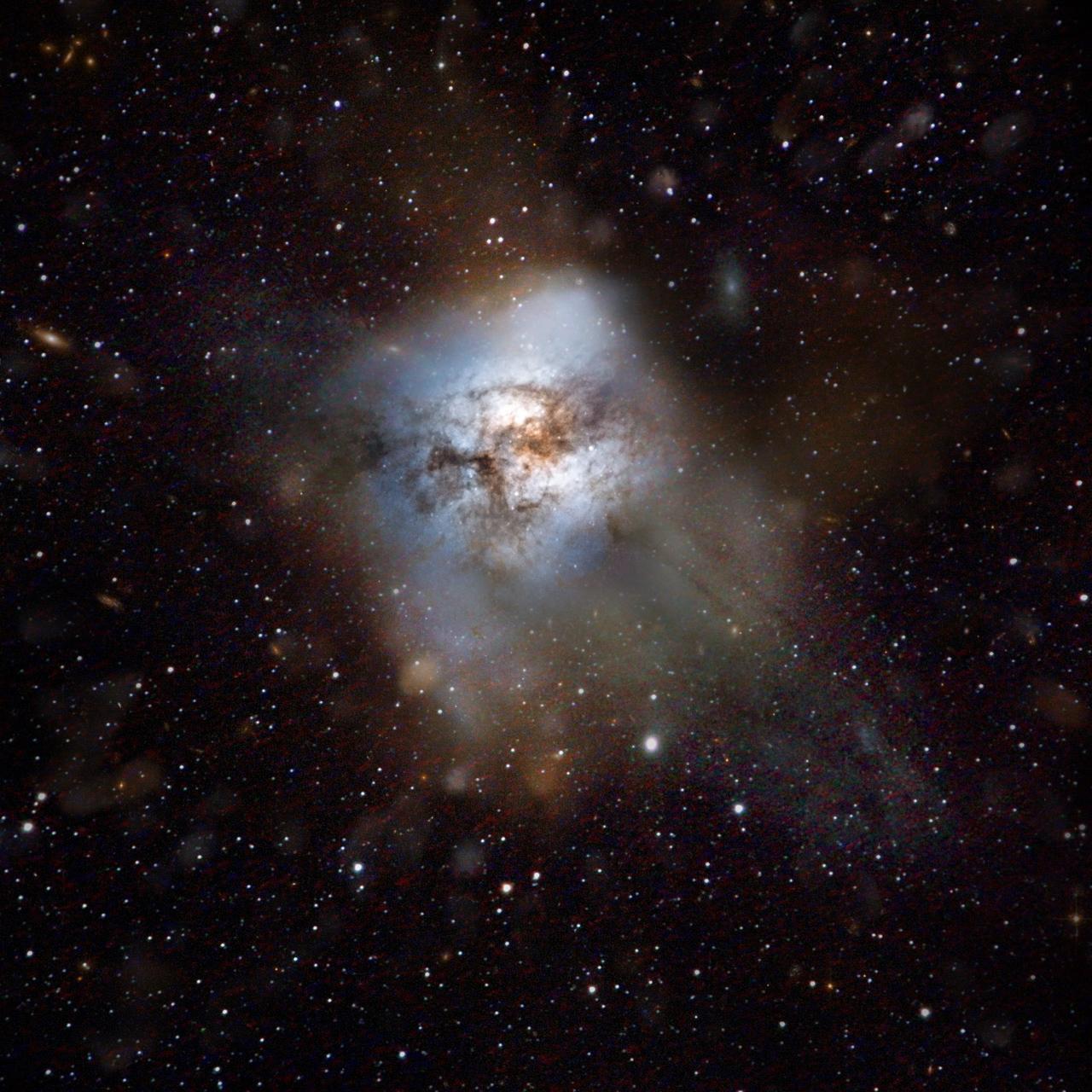
This artist impression shows the tarburst galaxy HFLS3. The galaxy appears as little more than a faint, red smudge in images from the Herschel space observatory.
Artist Impression of Starburst Galaxy
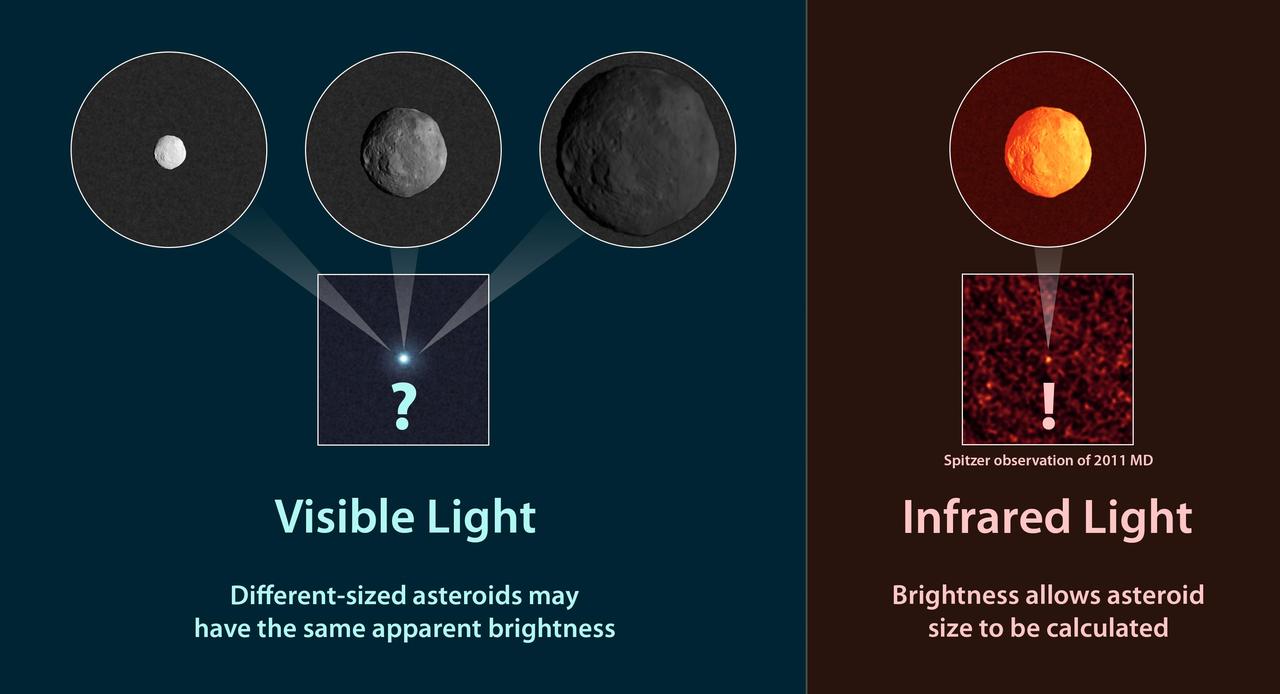
Observations of infrared light from NASA Spitzer Space Telescope coming from asteroids provide a better estimate of their true sizes than visible-light measurements.
How to Measure the Size of an Asteroid
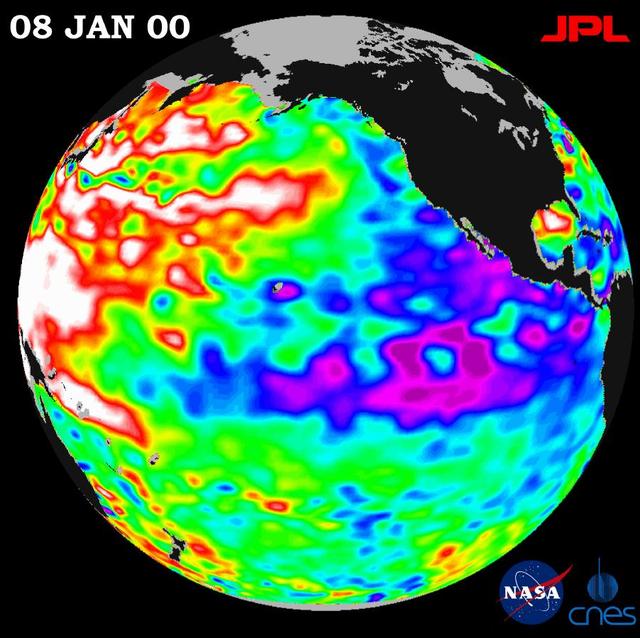
A giant horseshoe pattern of higher than normal sea-surface heights developing over the last year is beginning to dominate the entire western Pacific and Asiatic oceans.
TOPEX/El Niño Watch - La Niña Persistence May be Part of Larger Climate Pattern, January 8, 2000
This image taken by the Stereo Surface Imager aboard NASA Phoenix Mars Lander focuses on items on the deck rather than the workspace or horizon on Sol 9.
Telltale Animation Sol 9
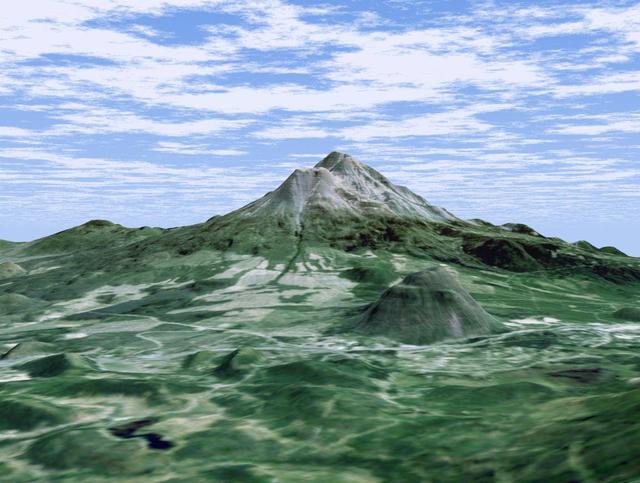
At more than 4,300 meters 14,000 feet , Mount Shasta is California tallest volcano and part of the Cascade chain of volcanoes extending south from Washington.
Perspective View with Landsat Overlay, Mount Shasta, Calif.
The side of this hill in Phlegra Montes appears darker than its surroundings. Covering material may have slumped off the steep slope due to gravity
Dark Hill
The pristine nature of this crater and its ejecta indicate that it is younger than the outflow channel where it is located. This image is from NASA 2001 Mars Odyssey.
Crater Ejecta
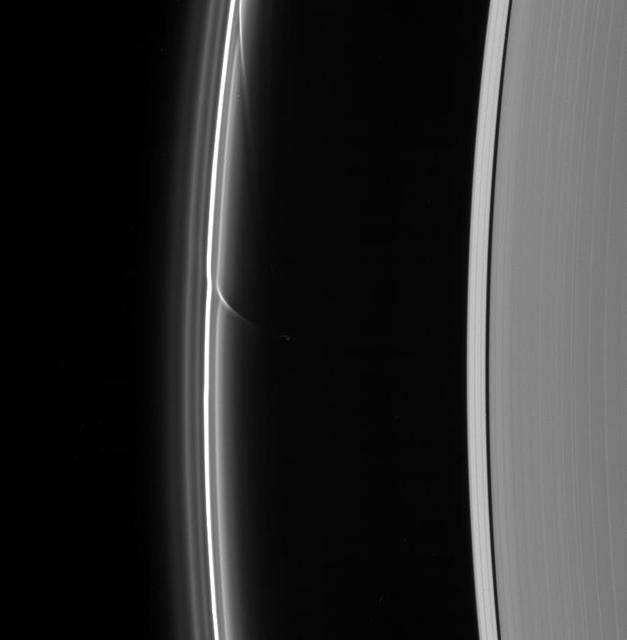
Less intrusive than her sibling shepherd moon, Pandora nonetheless provides a gravitational influence that helps confine and perturb the F ring shape
The Other Shepherd
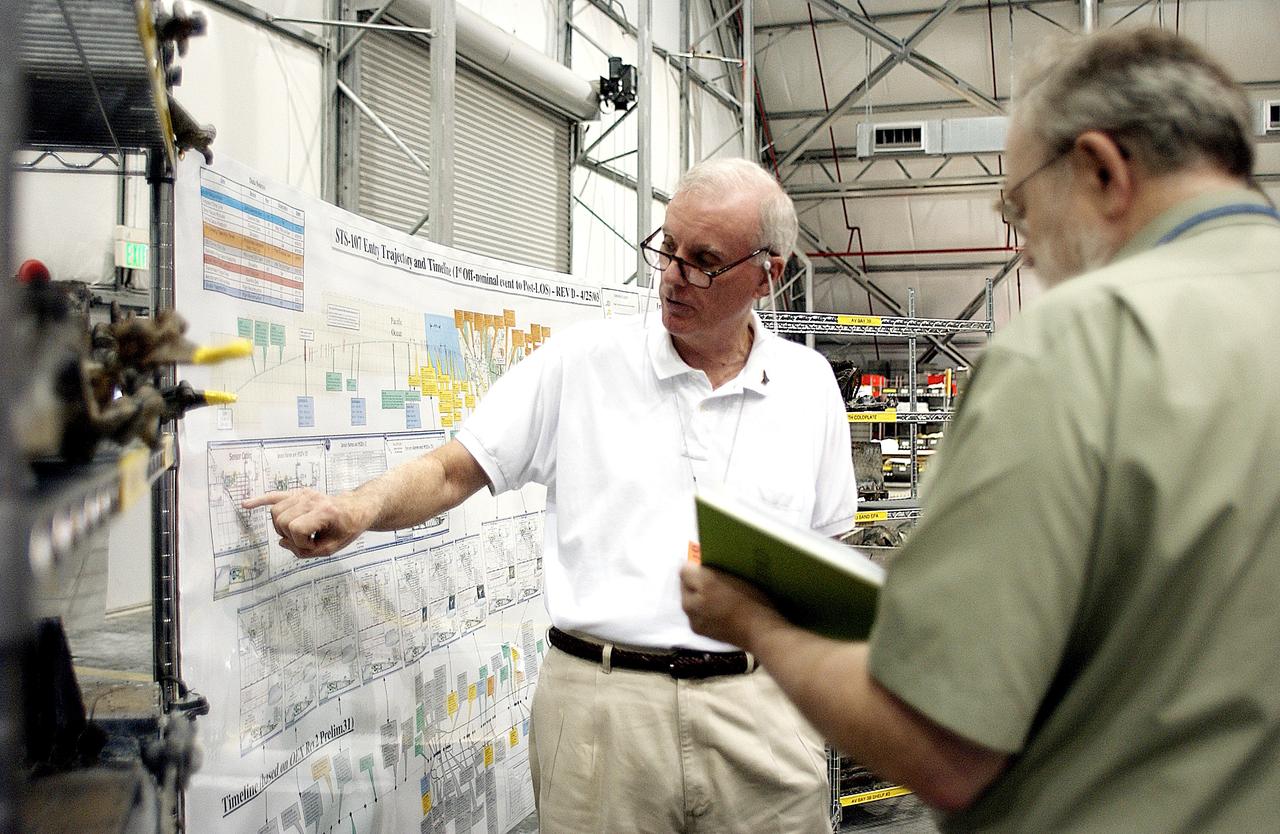
KENNEDY SPACE CENTER, FLA. - In the RLV Hangar, Adm. Harold Gehman, chairman of the Columbia Investigation Accident Board, points to data on a chart.  He and other board members are visiting as part of the ongoing investigation.  Recovery efforts as of May 5 included 82,500 pieces of debris weighing 84,800 pounds, almost 40 percent of the total dry weight of the shuttle.  About 25,000 personnel took part, utilizing almost 1.5 million total man-hours in the recovery effort and involving more than 130 federal, state and local agencies.  The operation was also supported by more than 270 organizations that included businesses and volunteer groups.
KENNEDY SPACE CENTER, FLA. - In the RLV Hangar, Adm. Harold Gehman, chairman of the Columbia Investigation Accident Board, points to data on a chart. He and other board members are visiting as part of the ongoing investigation. Recovery efforts as of May 5 included 82,500 pieces of debris weighing 84,800 pounds, almost 40 percent of the total dry weight of the shuttle. About 25,000 personnel took part, utilizing almost 1.5 million total man-hours in the recovery effort and involving more than 130 federal, state and local agencies. The operation was also supported by more than 270 organizations that included businesses and volunteer groups.
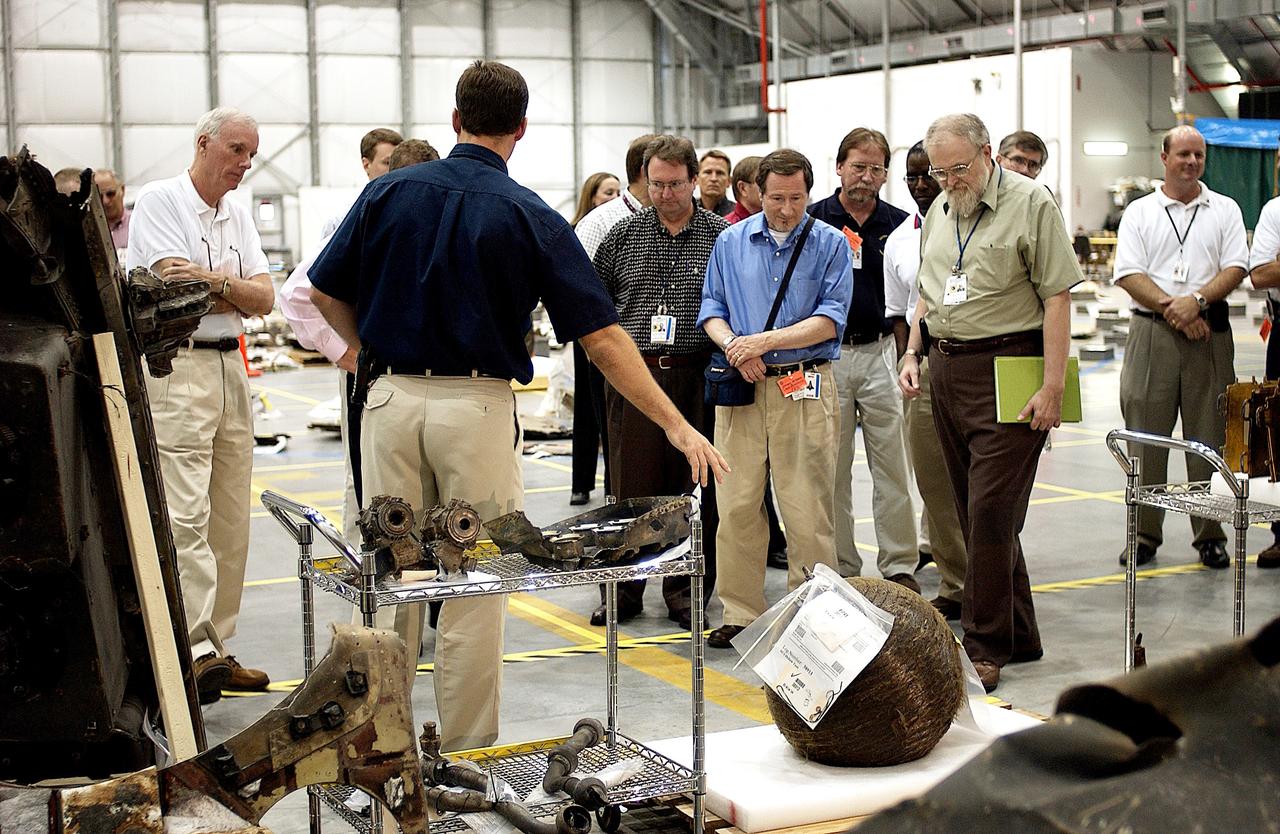
KENNEDY SPACE CENTER, FLA. -   Adm. Harold Gehman, far left, chairman of the Columbia Investigation Accident Board, looks at pieces of Columbia debris collected in the KSC RLV Hangar.  Other members of the board accompanied him as part of the ongoing investigation.  Recovery efforts as of May 5 included 82,500 pieces of debris weighing 84,800 pounds, almost 40 percent of the total dry weight of the shuttle.  About 25,000 personnel took part, utilizing almost 1.5 million total man-hours in the recovery effort and involving more than 130 federal, state and local agencies.  The operation was also supported by more than 270 organizations that included businesses and volunteer groups.
KENNEDY SPACE CENTER, FLA. - Adm. Harold Gehman, far left, chairman of the Columbia Investigation Accident Board, looks at pieces of Columbia debris collected in the KSC RLV Hangar. Other members of the board accompanied him as part of the ongoing investigation. Recovery efforts as of May 5 included 82,500 pieces of debris weighing 84,800 pounds, almost 40 percent of the total dry weight of the shuttle. About 25,000 personnel took part, utilizing almost 1.5 million total man-hours in the recovery effort and involving more than 130 federal, state and local agencies. The operation was also supported by more than 270 organizations that included businesses and volunteer groups.
Brown dwarfs are more massive than planets but not quite as massive as stars. Generally speaking, they have between 13 and 80 times the mass of Jupiter. A brown dwarf becomes a star if its core pressure gets high enough to start nuclear fusion.  https://photojournal.jpl.nasa.gov/catalog/PIA23685
What is a Brown Dwarf?
The newfound planet K2-288Bb, illustrated here, is slightly smaller than Neptune. Located about 226 light-years away, it orbits the fainter member of a pair of cool M-type stars every 31.3 days.  https://photojournal.jpl.nasa.gov/catalog/PIA23004
K2-288Bb (Artist's Illustration)
President Ronald Reagan speaks to a crowd of more than 45,000 people at NASA's Dryden Flight Research Center following the landing of STS-4 on July 4, 1982. To the right of the President are Mrs. Reagan and NASA Administrator James M. Beggs. To the left are STS-4 Columbia astronauts Thomas K. Mattingly and Henry W. Hartsfield, Jr. Prototype Space Shuttle Enterprise is in the background.
President Ronald Reagan speaks to a crowd of more than 45,000 people at NASA's Dryden Flight Research Center following the landing of STS-4 on July 4, 1982
President Ronald Reagan speaks to a crowd of more than 45,000 people at NASA's Dryden Flight Research Center following the landing of STS-4 on July 4, 1982. To the right of the President are Mrs. Reagan and NASA Administrator James M. Beggs. To the left are STS-4 Columbia astronauts Thomas K. Mattingly and Henry W. Hartsfield, Jr. Prototype Space Shuttle Enterprise is in the background.
President Ronald Reagan speaks to a crowd of more than 45,000 people at NASA's Dryden Flight Research Center following the landing of STS-4 on July 4, 1982
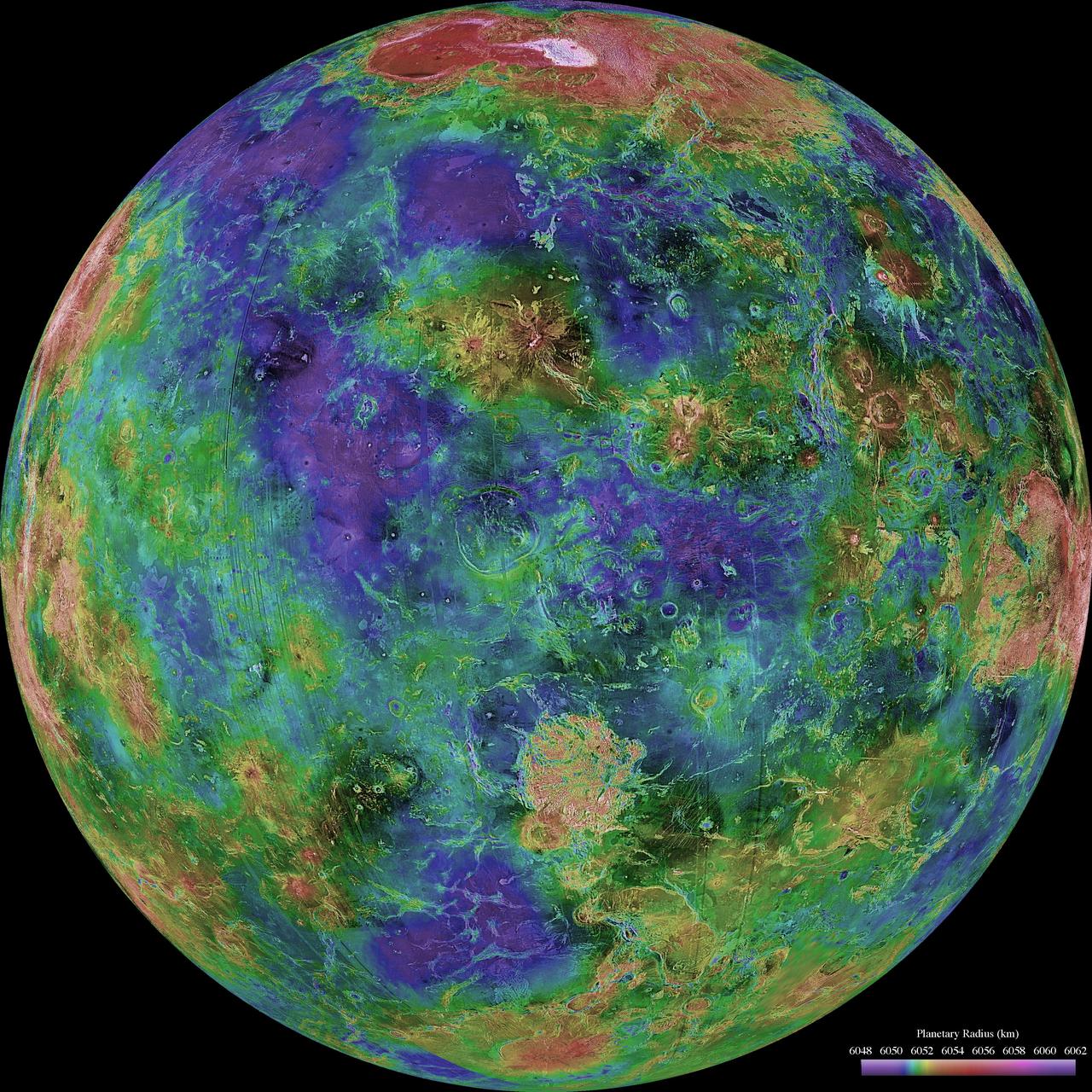
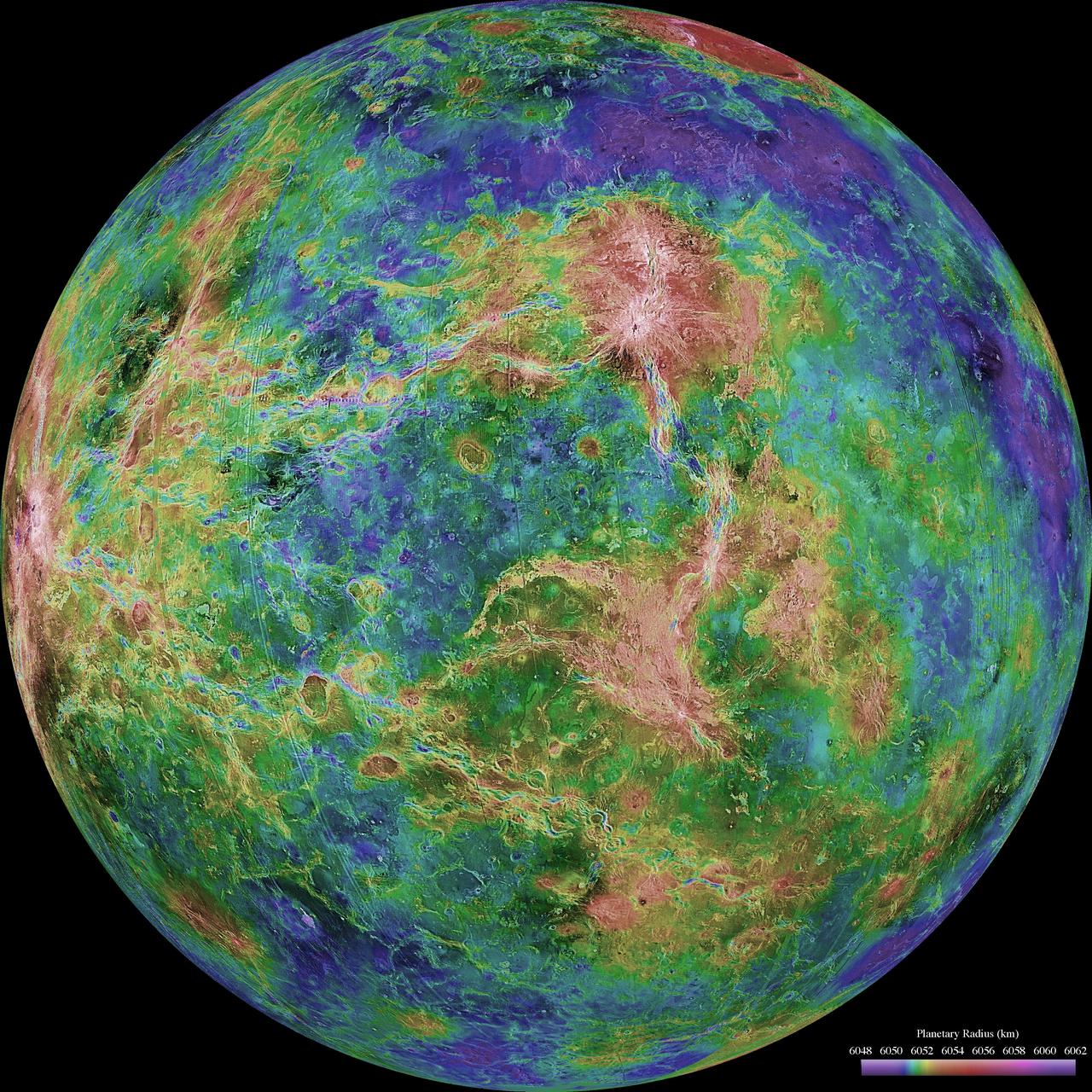
The hemispheric view of Venus, as revealed by more than a decade of radar investigations culminating in NASA's 1990-1994 Magellan mission, is centered at 90 degrees east longitude.  http://photojournal.jpl.nasa.gov/catalog/PIA00159
Hemispheric View of Venus Centered at 90 Degrees East Longitude
The hemispheric view of Venus, as revealed by more than a decade of radar investigations culminating in NASA's 1990-1994 Magellan mission, is centered at 0 degrees east longitude.  http://photojournal.jpl.nasa.gov/catalog/PIA00157
Hemispheric View of Venus Centered at 0 Degrees East Longitude
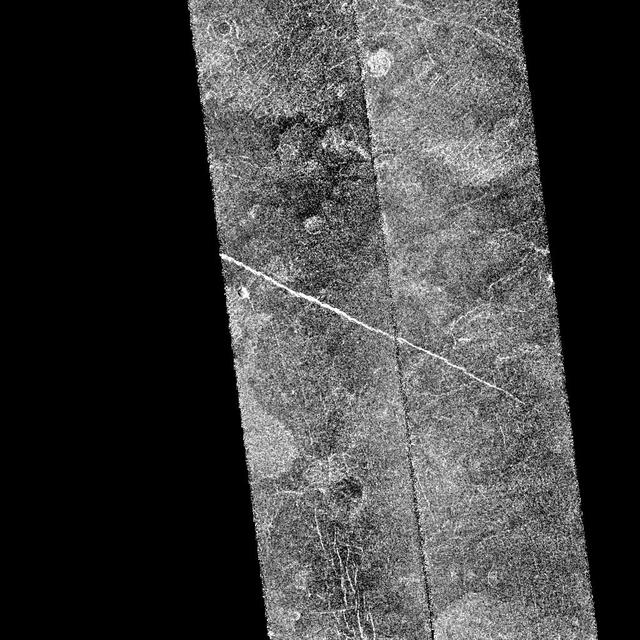
After traveling more than 1.5 billion kilometers 948 million miles, NASA Magellan spacecraft was inserted into orbit around Venus on Aug. 10, 1990.  http://photojournal.jpl.nasa.gov/catalog/PIA00205
Venus - First Radar Test
The view of Venus, after more than a decade of radar investigations culminating in the 1990-1994 NASA's Magellan mission, is centered at 270 degrees east longitude.  http://photojournal.jpl.nasa.gov/catalog/PIA00160
Hemispheric View of Venus Centered at 270° East Longitude
The view of Venus, after more than a decade of radar investigations culminating in the 1990-1994 NASA's Magellan mission, is centered at 180 degrees east longitude.  http://photojournal.jpl.nasa.gov/catalog/PIA00159
Hemispheric View of Venus Centered at 180° East Longitude