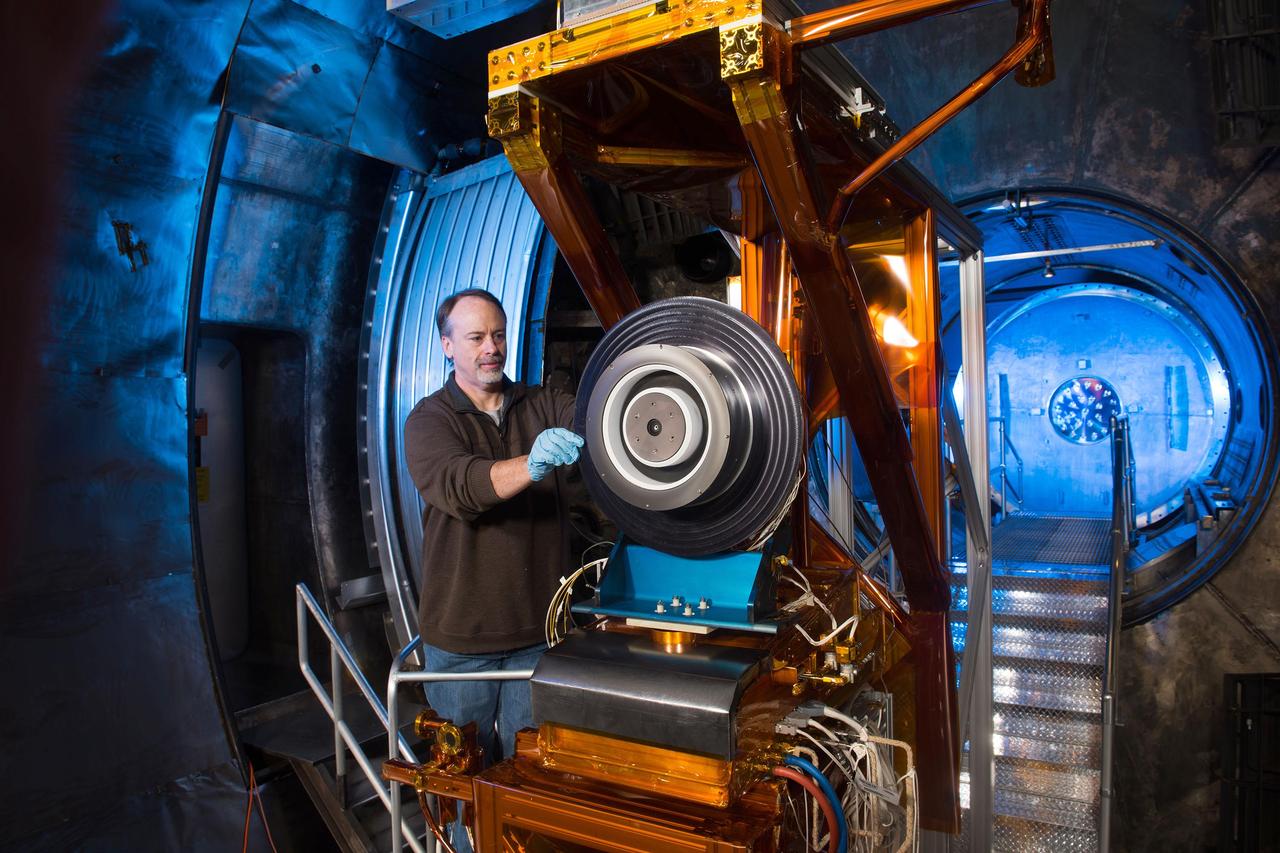
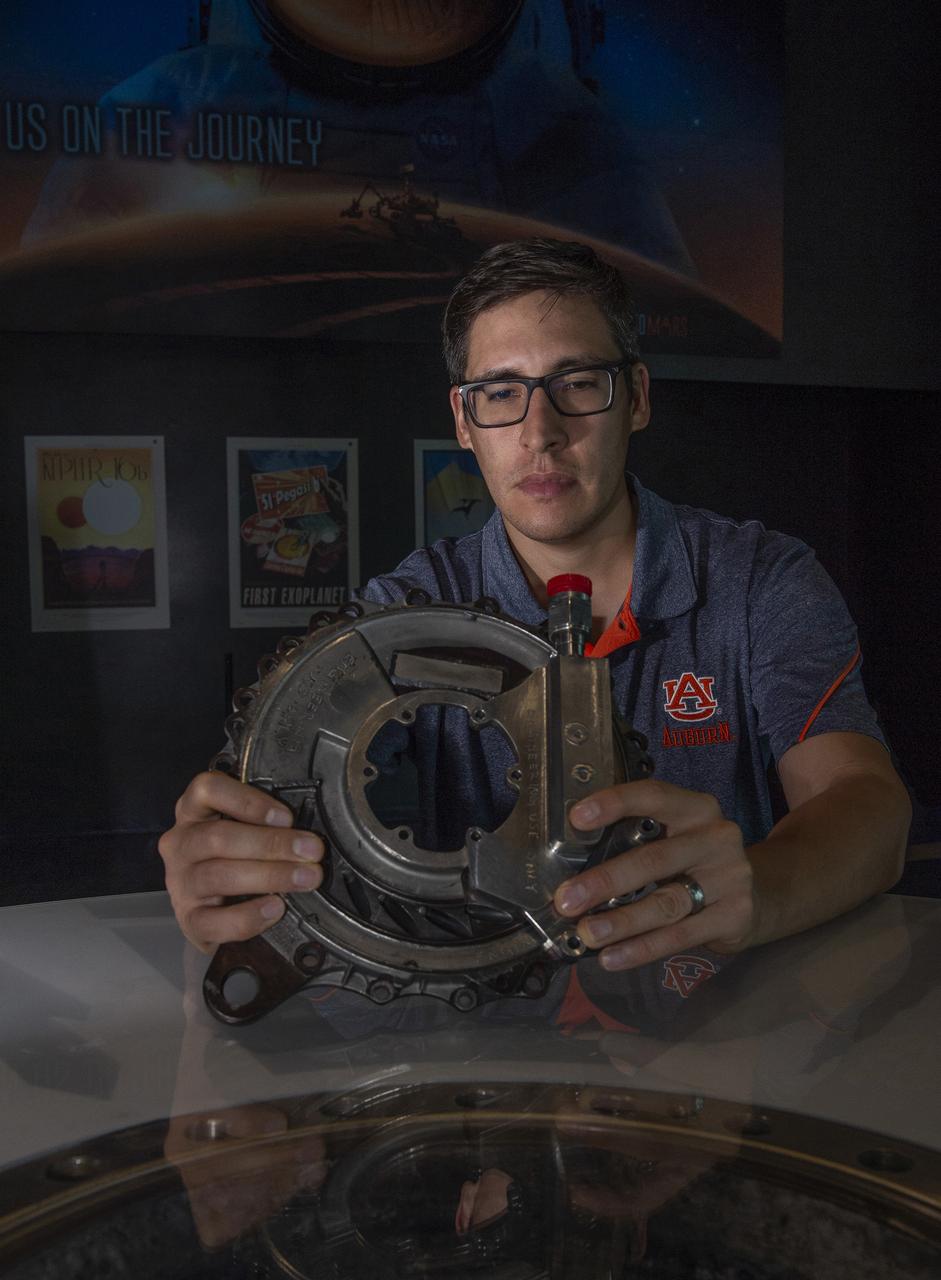
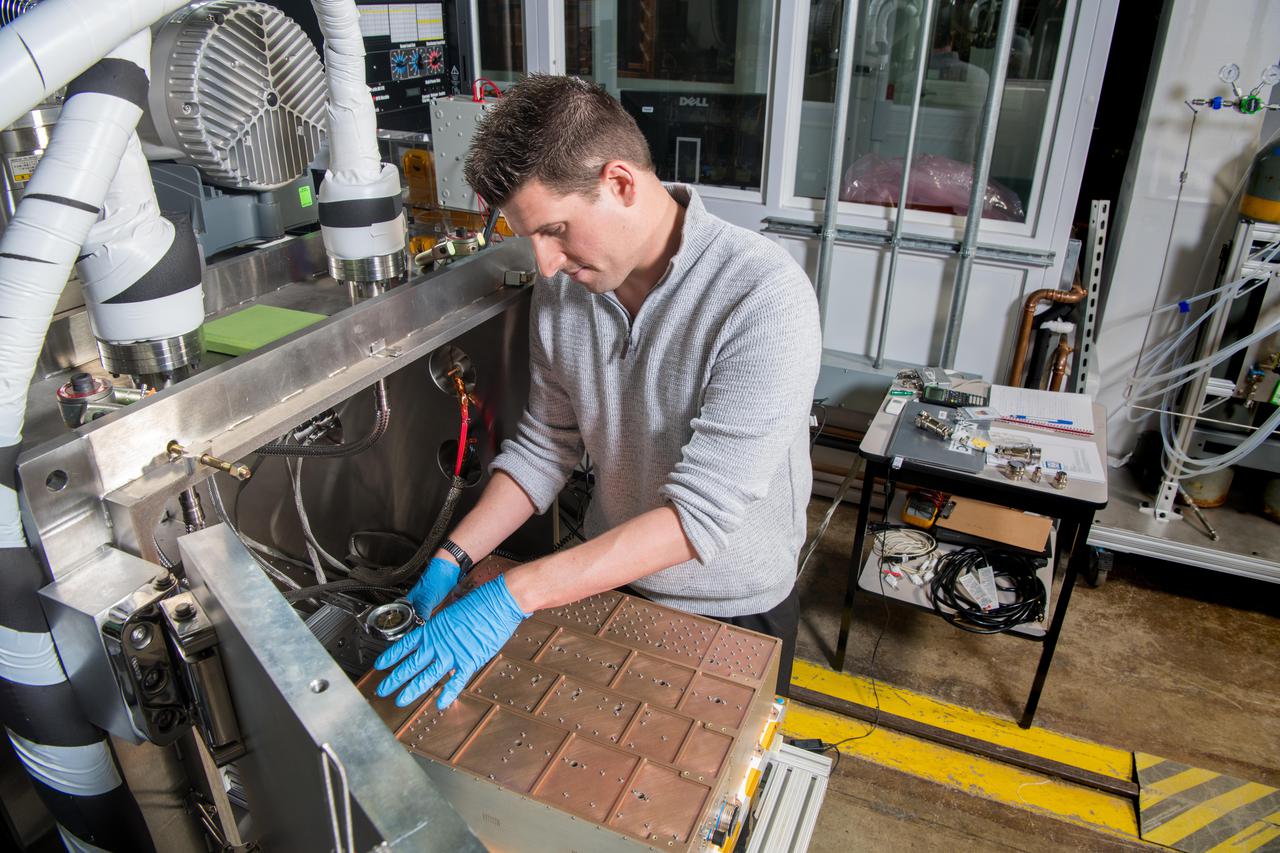
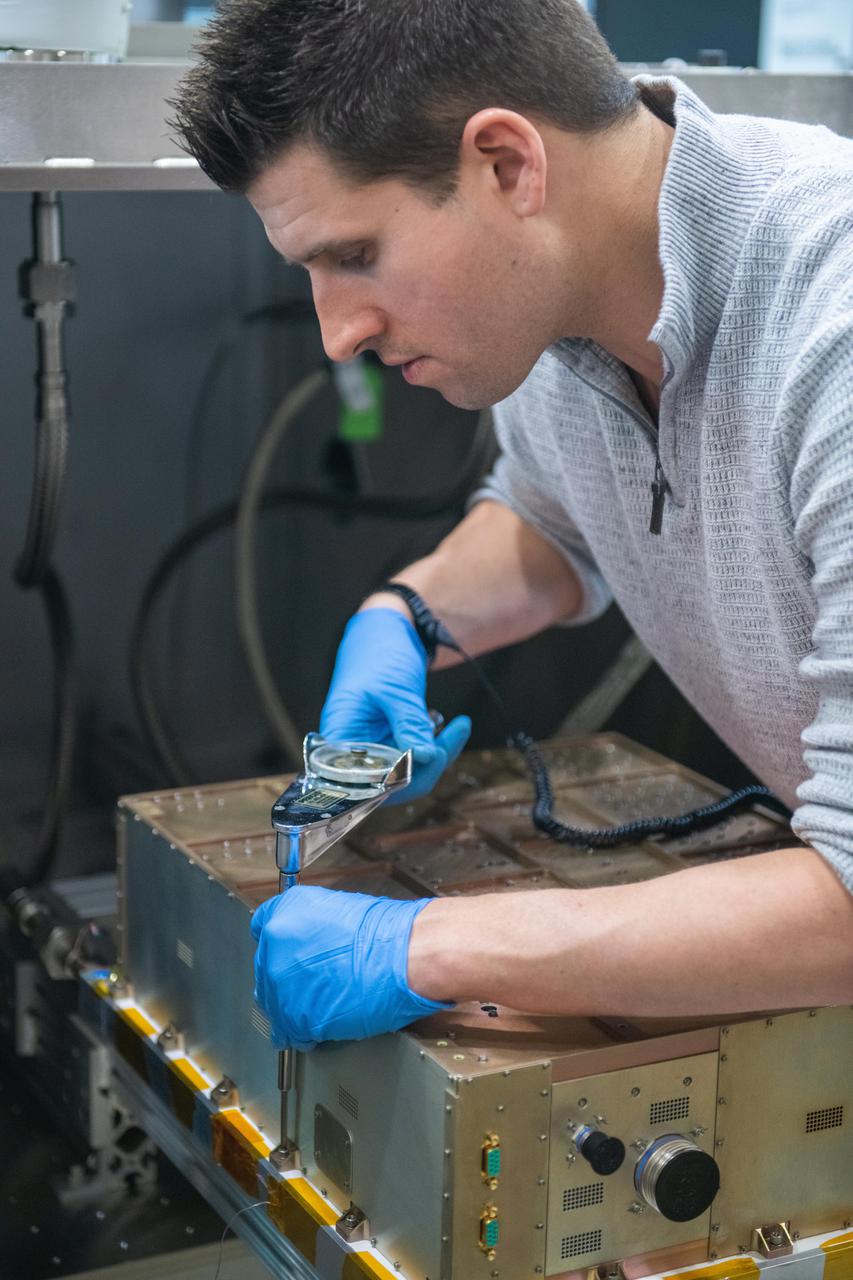
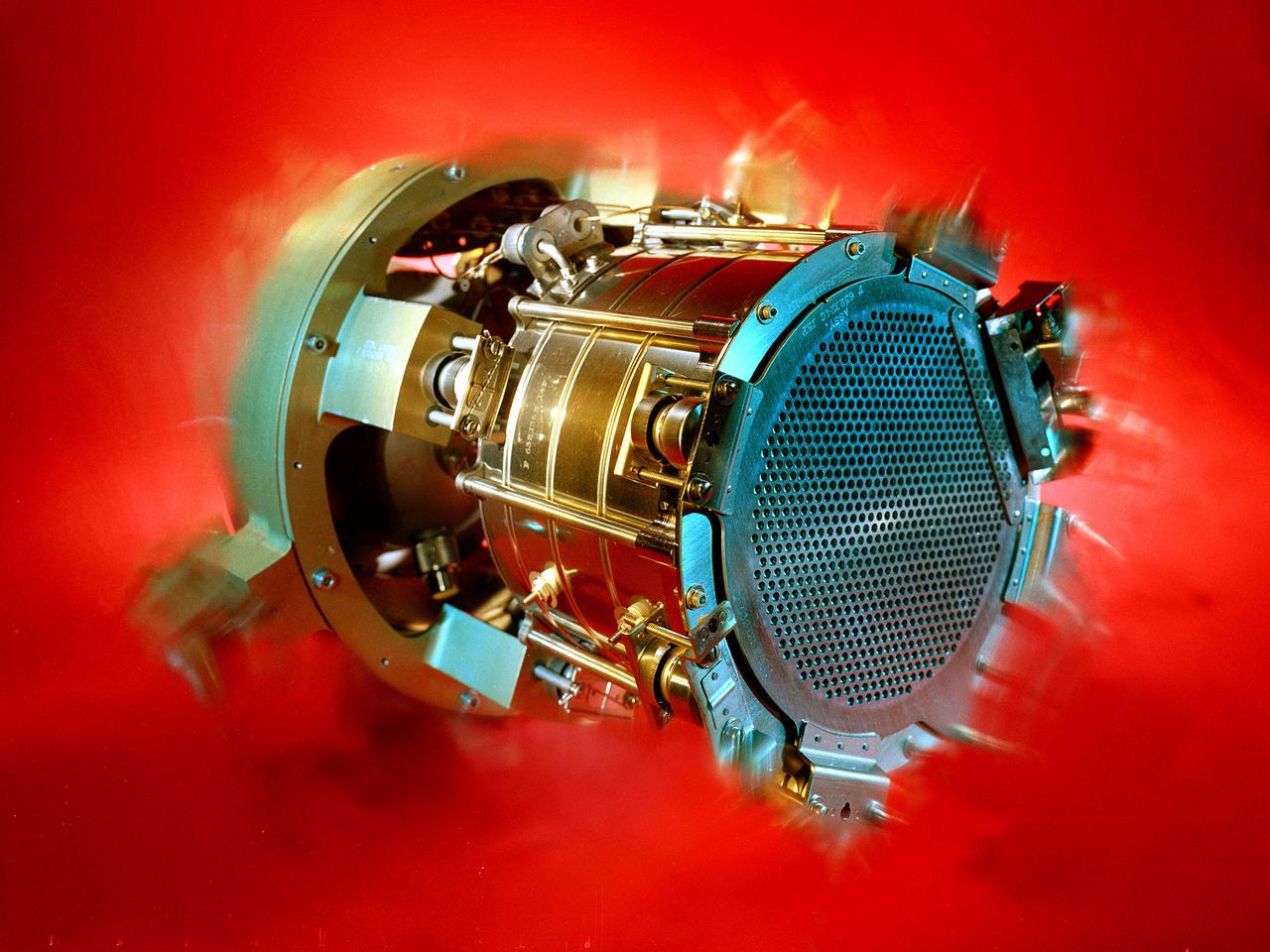
NASA Glenn engineer Dr. Peter Peterson prepares a high-power Hall thruster for ground testing in a vacuum chamber that simulates the environment in space. This high-powered solar electric propulsion thruster has been identified as a critical part of NASA’s future deep space exploration plans.
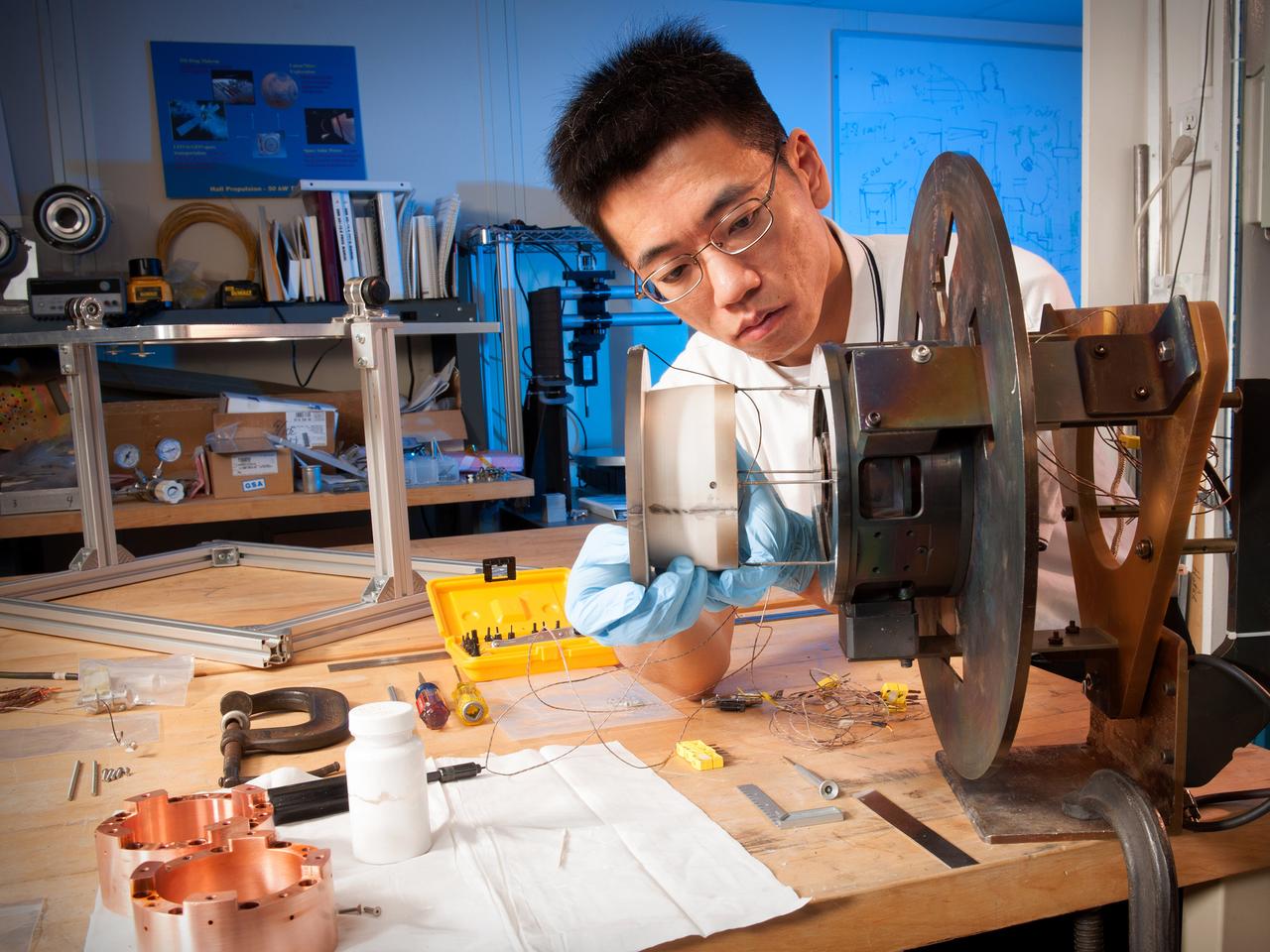
Environmental Portrait of Research Engineer Wensheng Huang working on a Hall thruster in the Electric Propulsion Laboratory at NASA Glenn Research Center.
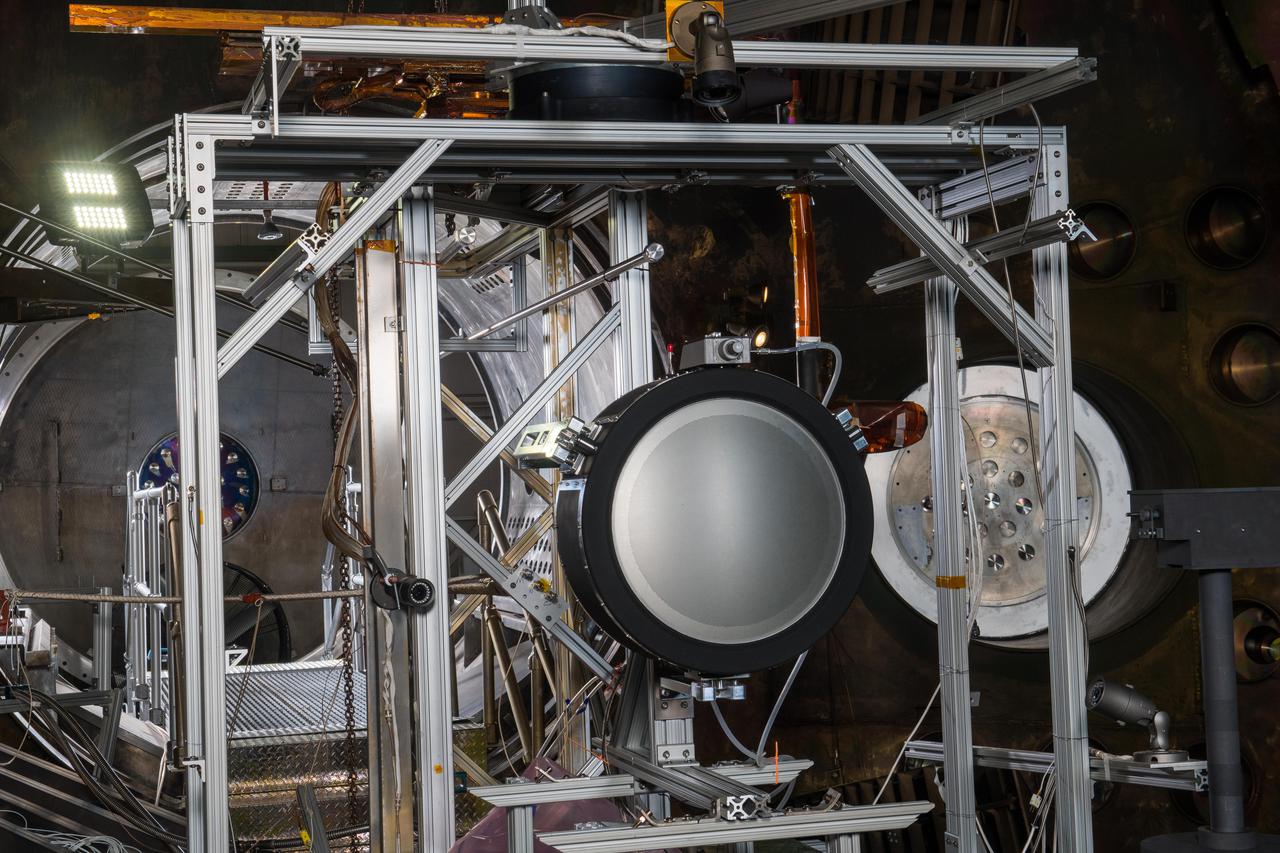
Next-C Thruster
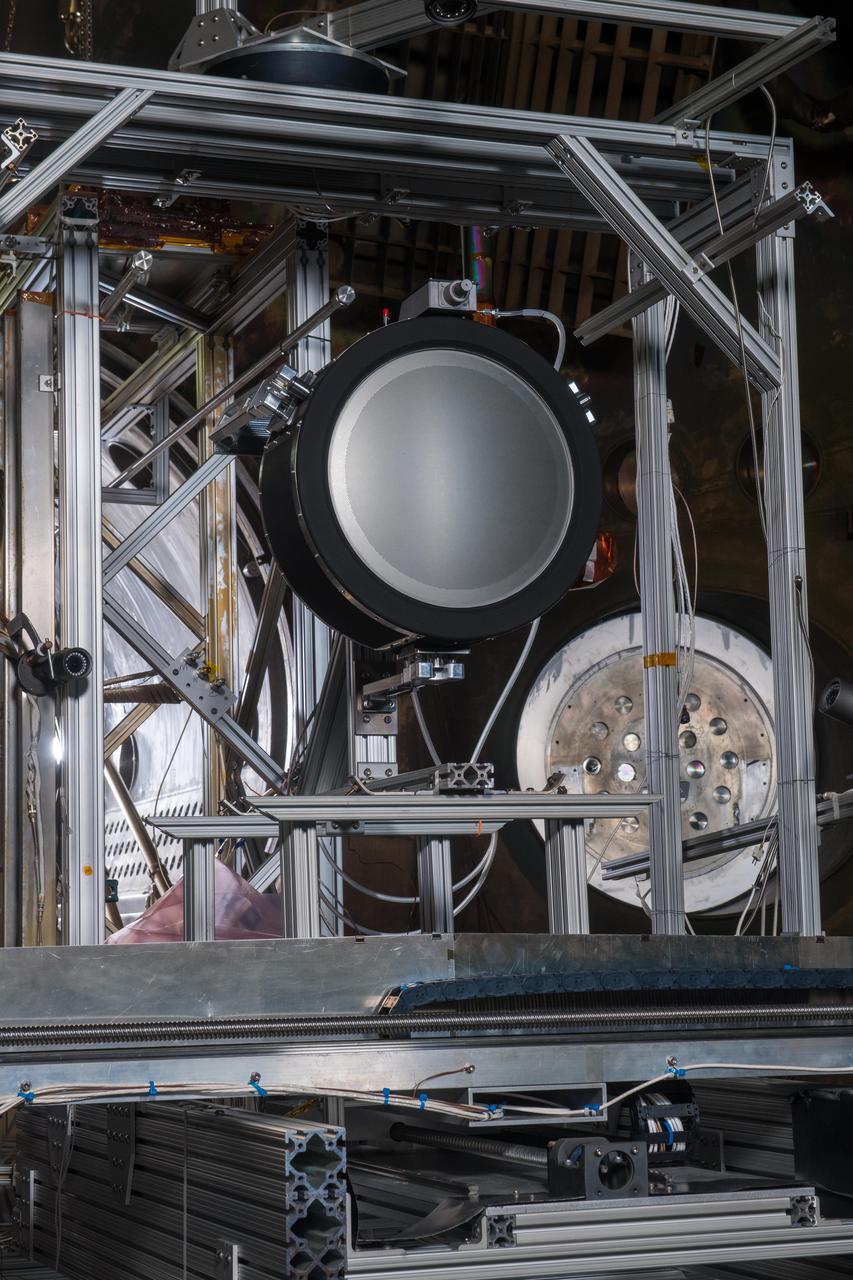
Next-C Thruster
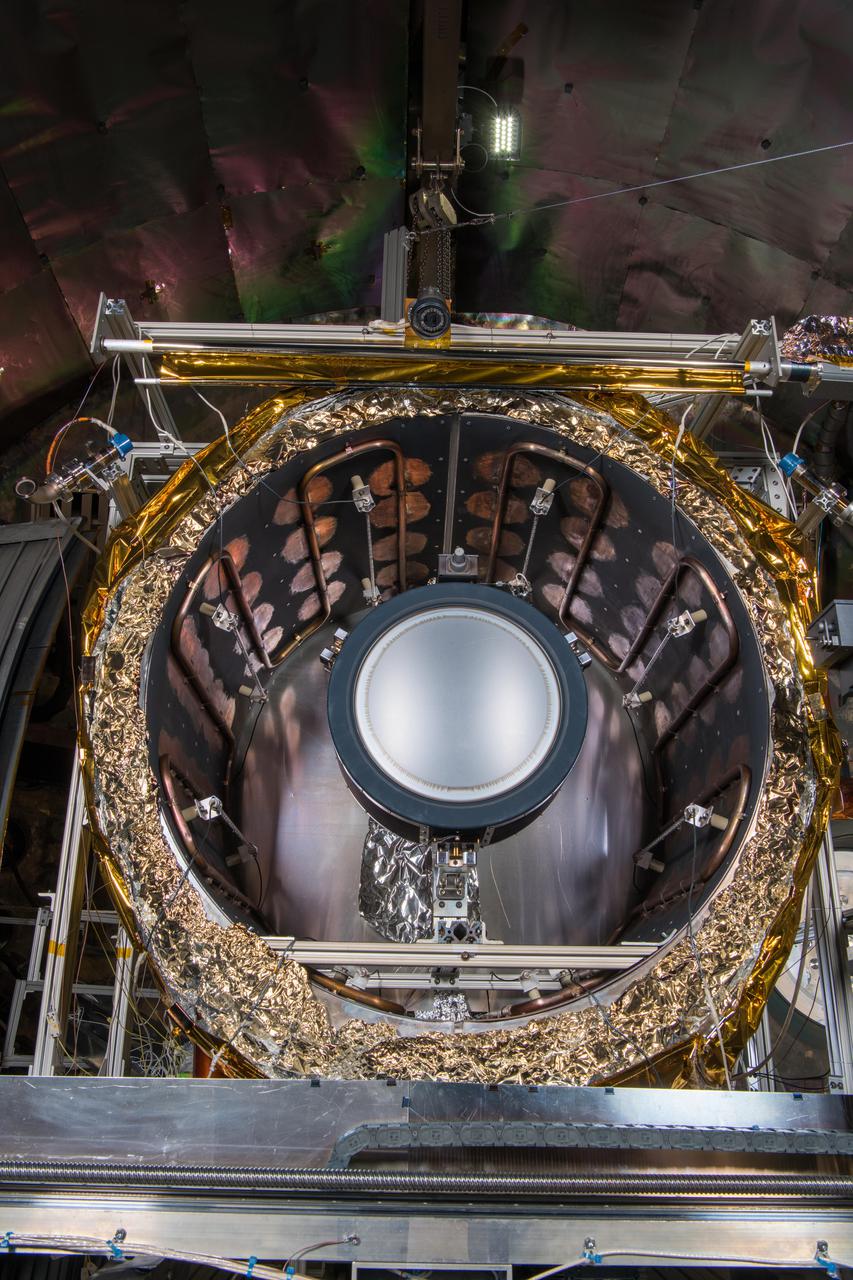
NASA Evolutionary Xenon Thruster - Commercial, NEXT-C
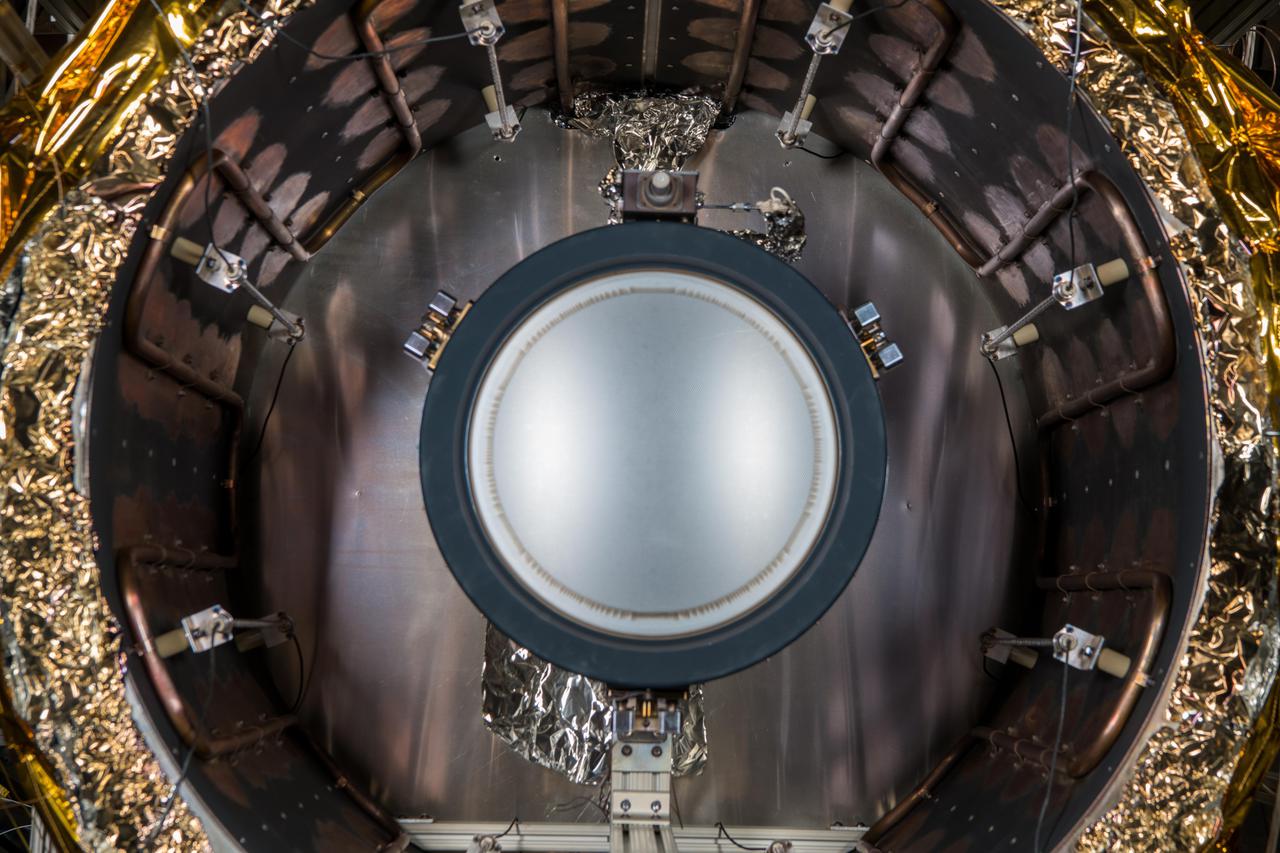
NASA Evolutionary Xenon Thruster - Commercial, NEXT-C
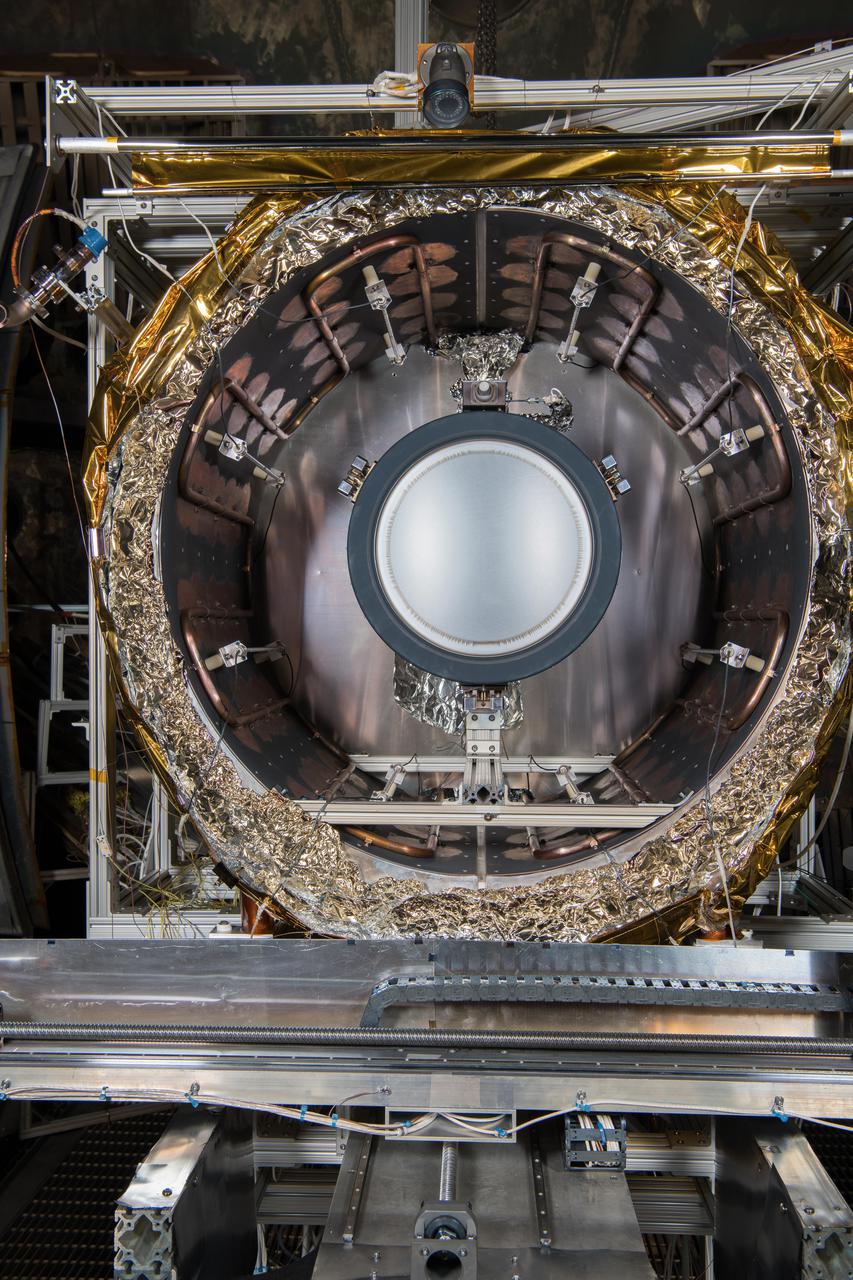
NASA Evolutionary Xenon Thruster - Commercial, NEXT-C
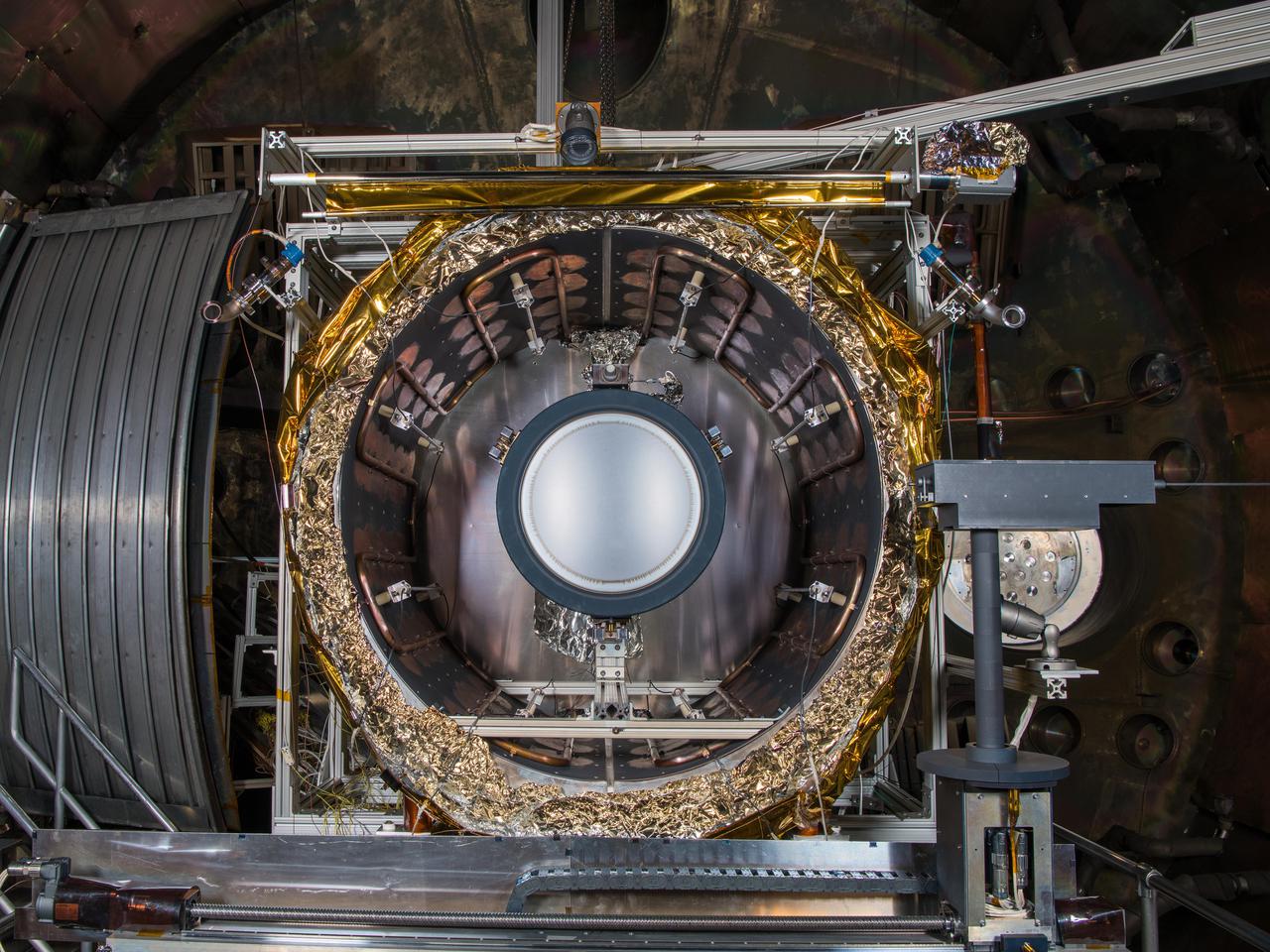
NASA Evolutionary Xenon Thruster - Commercial, NEXT-C
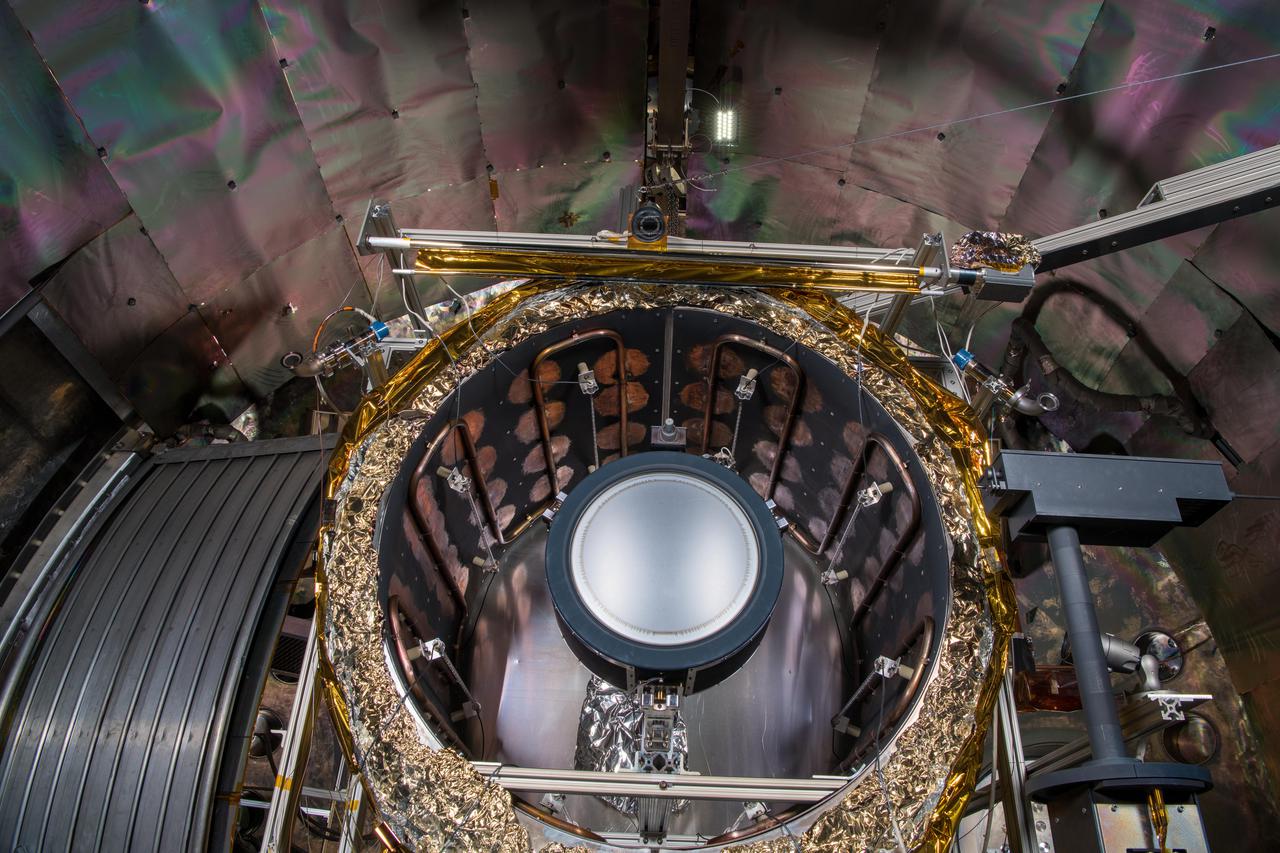
NASA Evolutionary Xenon Thruster - Commercial, NEXT-C
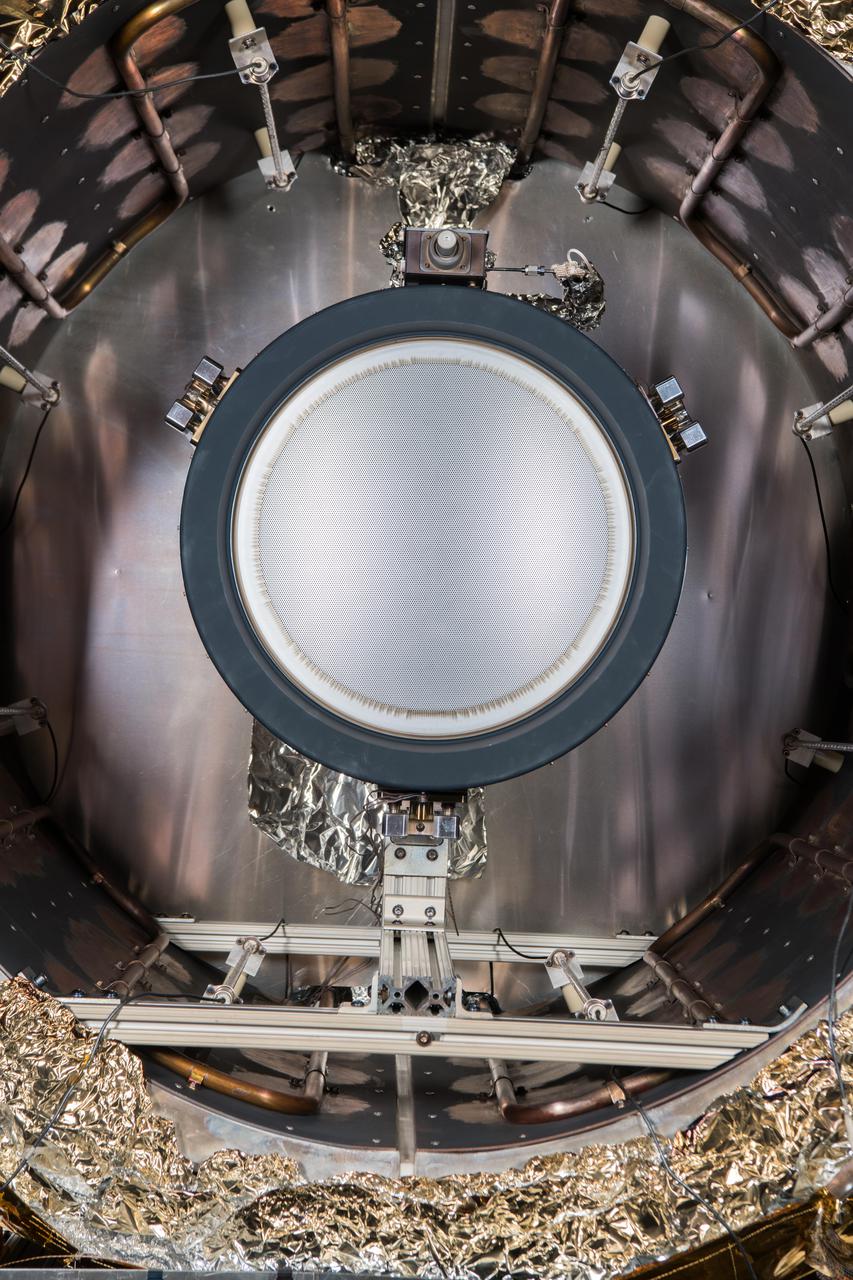
NASA Evolutionary Xenon Thruster - Commercial, NEXT-C r
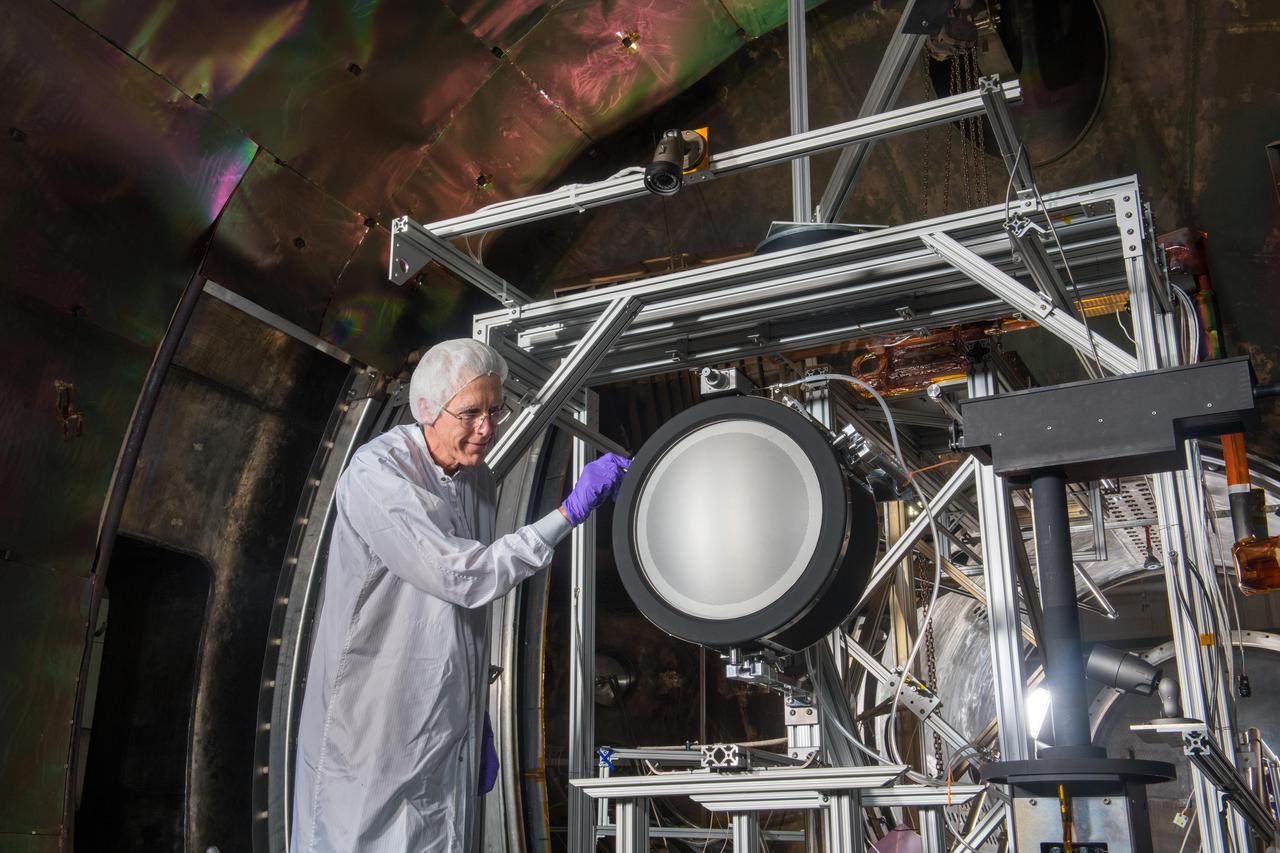
Next-C Thruster
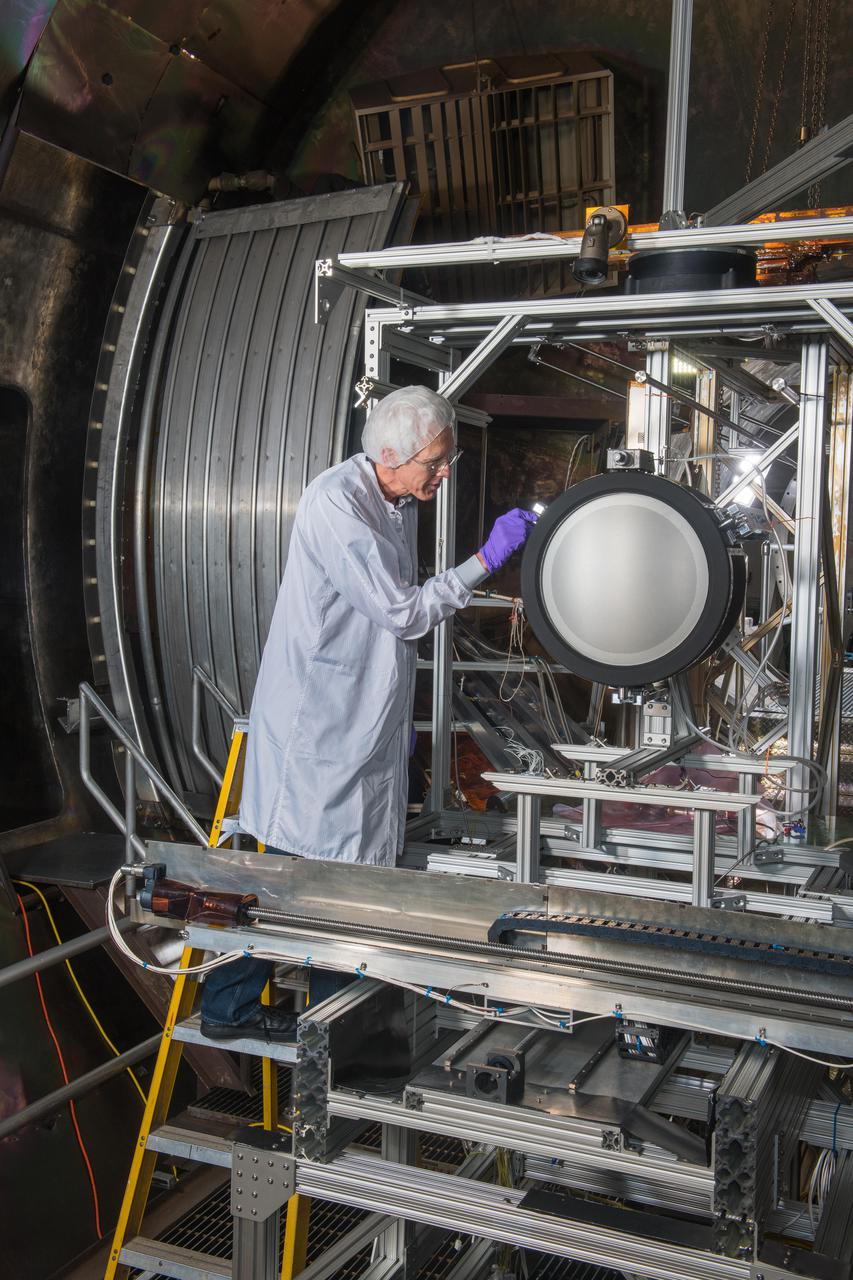
Next-C Thruster
Leonardo Barreda inspects SLS Core Stage Thruster Vector Control Hardware.
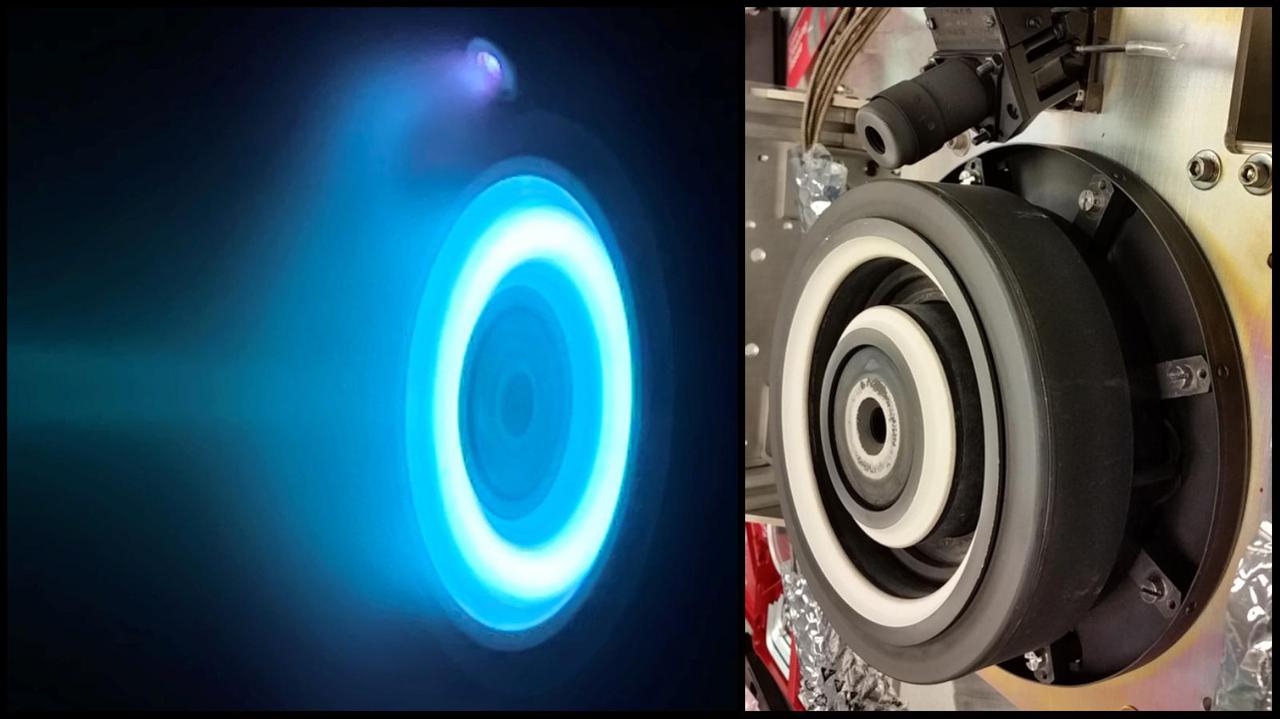
The photo on the left captures an operating electric Hall thruster identical to those that will propel NASA's Psyche spacecraft, which is set to launch in August 2022 and travel to the main asteroid belt between Mars and Jupiter. The xenon plasma emits a blue glow as the thruster operates. The photo on the right shows a similar non-operating Hall thruster. The photo on the left was taken at NASA's Jet Propulsion Laboratory in Southern California; the photo on the right was taken at NASA's Glenn Research Center. Psyche's Hall thrusters will be the first to be used beyond lunar orbit, demonstrating that they could play a role in supporting future missions to deep space. The spacecraft is set to launch in August 2022 and will travel to its target, a metal-rich asteroid also named Psyche, under the power of solar electric propulsion. This super-efficient mode of propulsion uses solar arrays to capture sunlight that is converted into electricity to power the spacecraft's thrusters. The thrusters work by turning xenon gas, a neutral gas used in car headlights and plasma TVs, into xenon ions. As the xenon ions are accelerated out of the thruster, they create the thrust that will propel the spacecraft. https://photojournal.jpl.nasa.gov/catalog/PIA24030
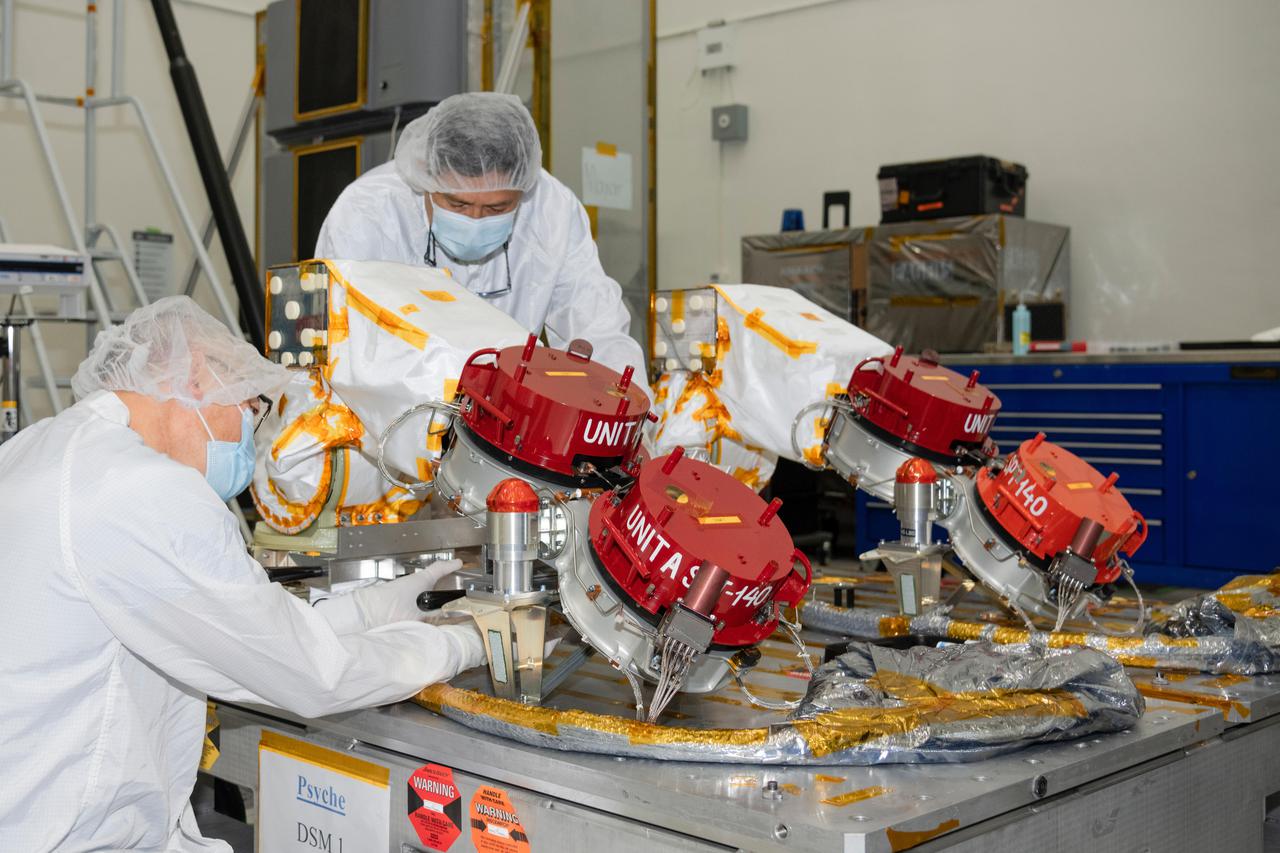
Engineers at NASA's Jet Propulsion Laboratory in Southern California prepare to integrate four Hall thrusters (beneath red protective covers) into the agency's Psyche spacecraft in July 2021. Psyche is set to launch in August 2022 and will travel to its target, a metal-rich asteroid also named Psyche, under the power of solar electric propulsion. This super-efficient mode of propulsion uses solar arrays to capture sunlight that is converted into electricity to power the spacecraft's thrusters. The thrusters work by turning xenon gas, a neutral gas used in car headlights and plasma TVs, into xenon ions. As the xenon ions are accelerated out of the thruster, they create the thrust that will propel the spacecraft. On the Psyche spacecraft, Hall thrusters will be used for the first time beyond lunar orbit, demonstrating that they could play a role in supporting future missions to deep space. https://photojournal.jpl.nasa.gov/catalog/PIA24788
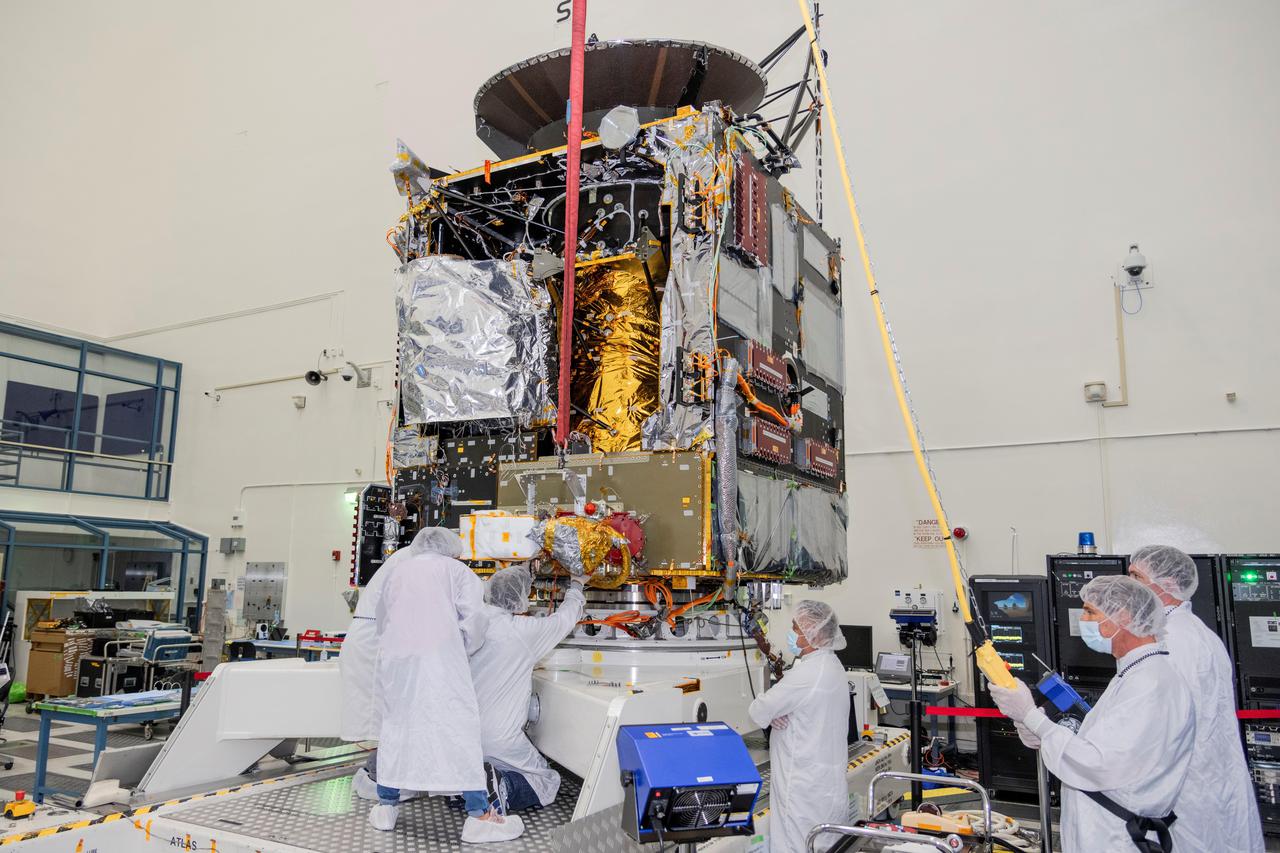
Engineers at NASA's Jet Propulsion Laboratory in Southern California work to integrate Hall thrusters into the agency's Psyche spacecraft in this July 2021 photo. One of the thrusters is visible on the side of the spacecraft beneath a red protective cover. Psyche is set to launch in August 2022 and will travel to its target, a metal-rich asteroid also named Psyche, under the power of solar electric propulsion. This super-efficient mode of propulsion uses solar arrays to capture sunlight that is converted into electricity to power the spacecraft's Hall thrusters. They work by turning xenon gas, a neutral gas used in car headlights and plasma TVs, into xenon ions. As the xenon ions are accelerated out of the thruster, they create the thrust that will propel the spacecraft. This will be the first use of Hall thrusters beyond lunar orbit, demonstrating that they could play a role in supporting future deep space missions. https://photojournal.jpl.nasa.gov/catalog/PIA24789
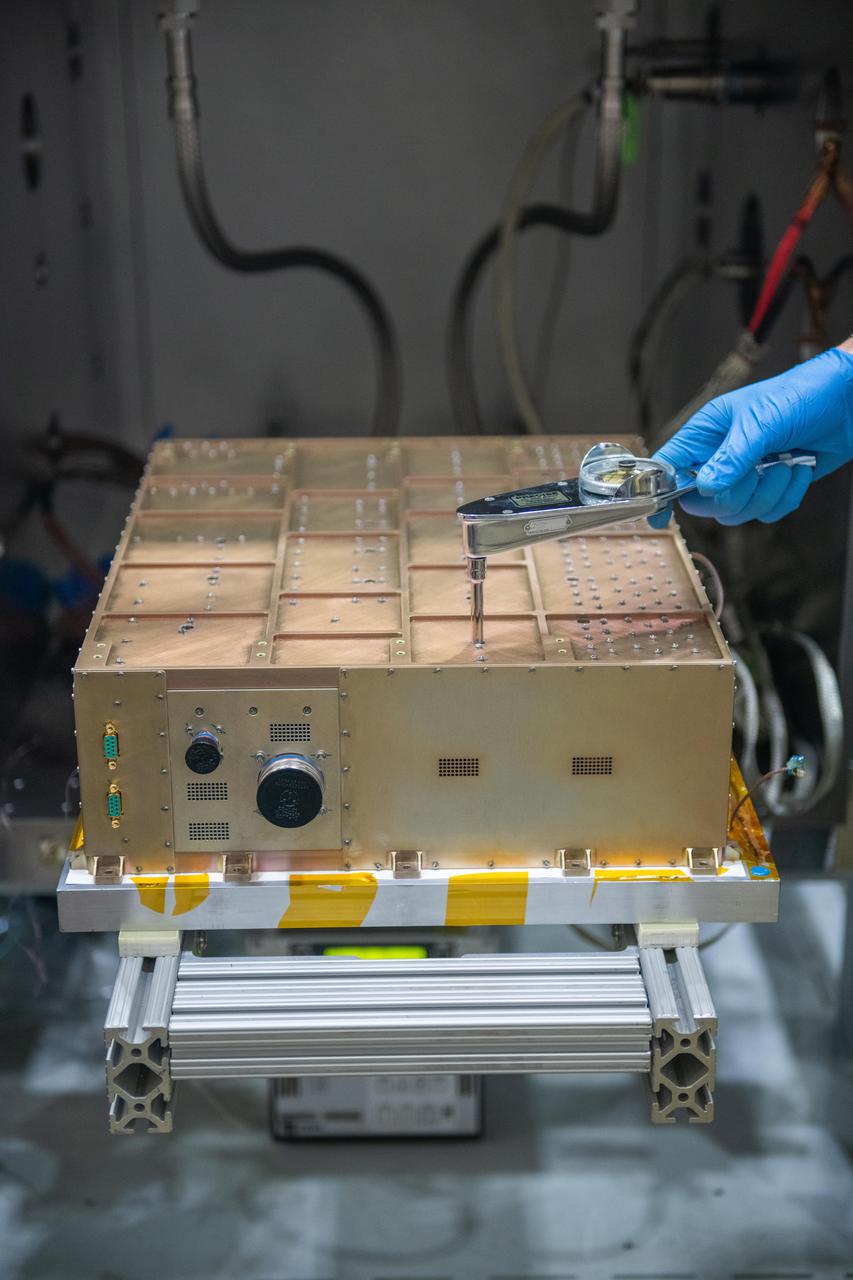
NASA Evolutionary Xenon Thruster - Commercial, NEXT-C Flight Power Processing Unit, PPU
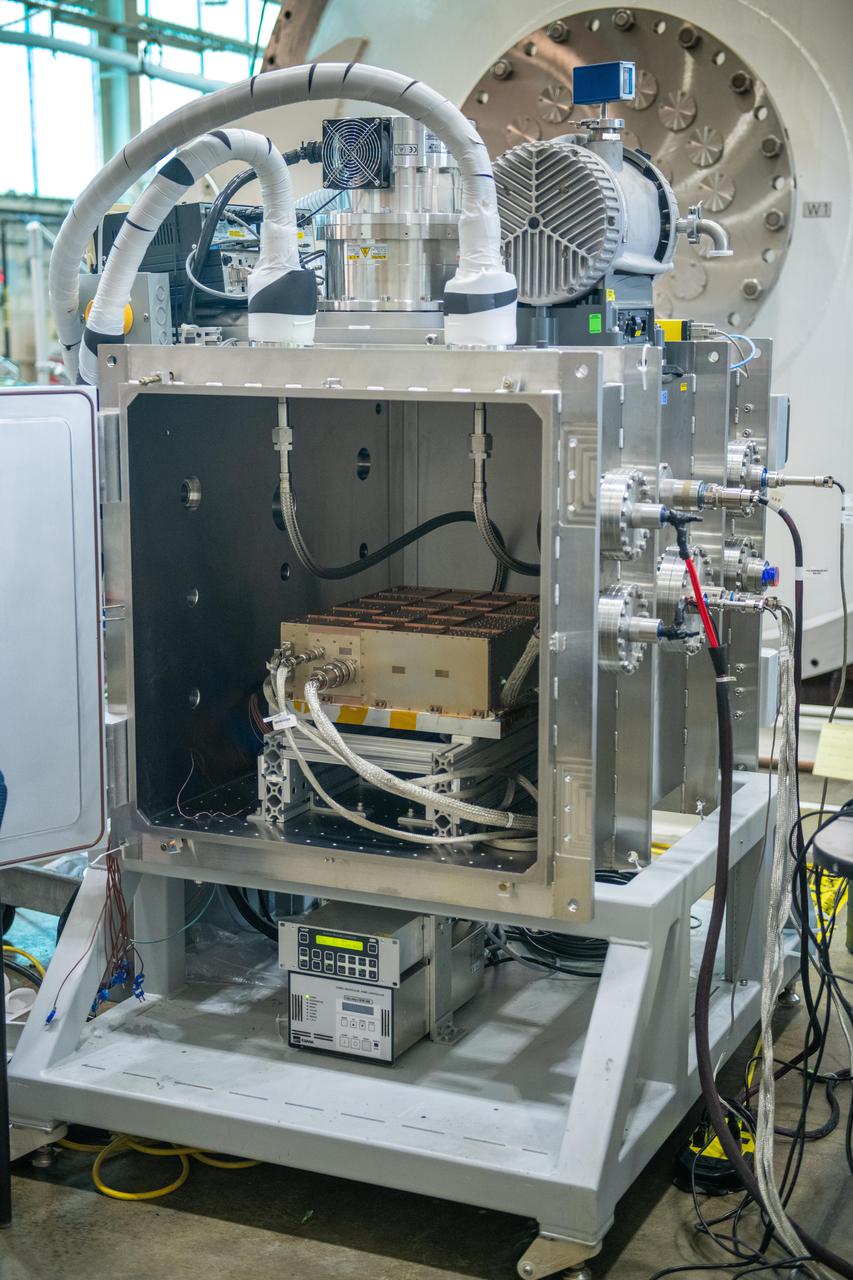
NASA Evolutionary Xenon Thruster - Commercial, NEXT-C Flight Power Processing Unit, PPU
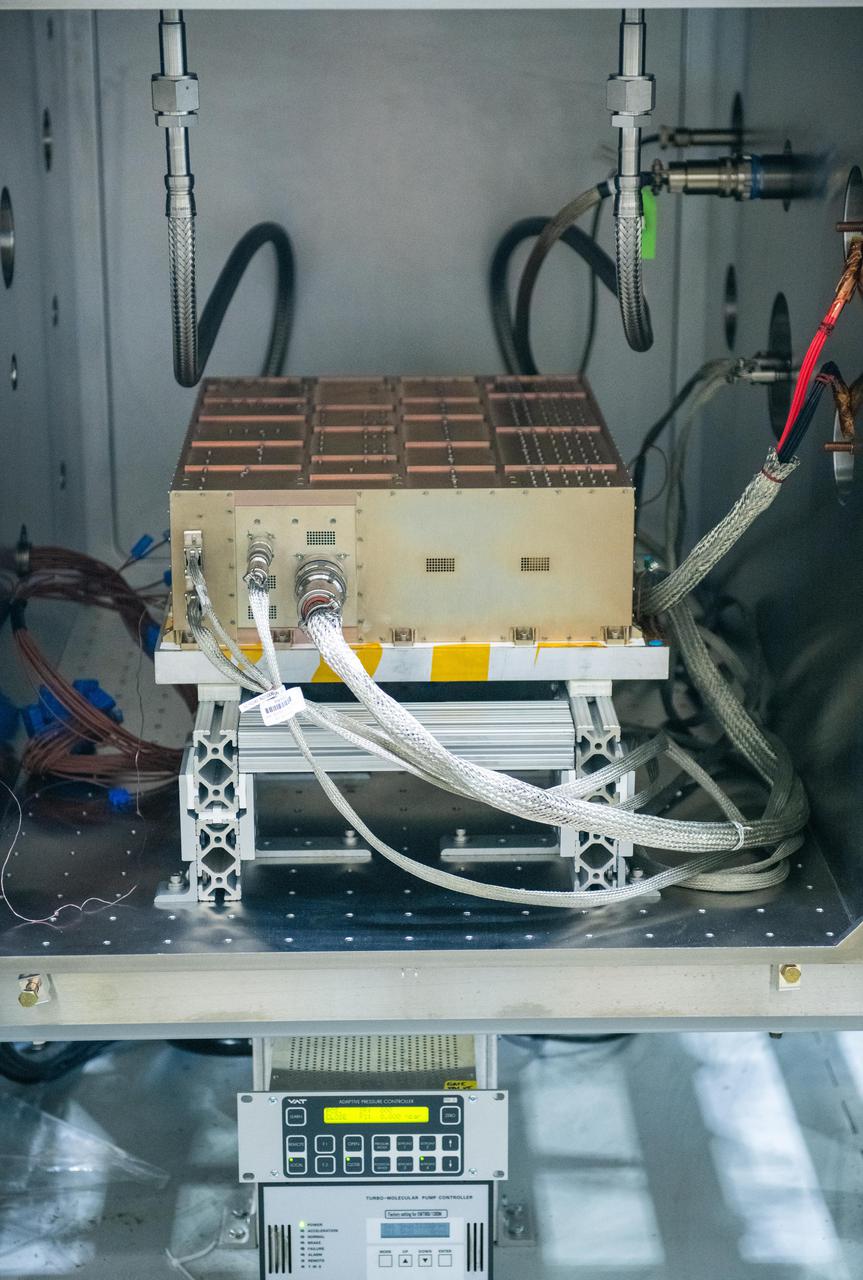
NASA Evolutionary Xenon Thruster - Commercial, NEXT-C Flight Power Processing Unit, PPU
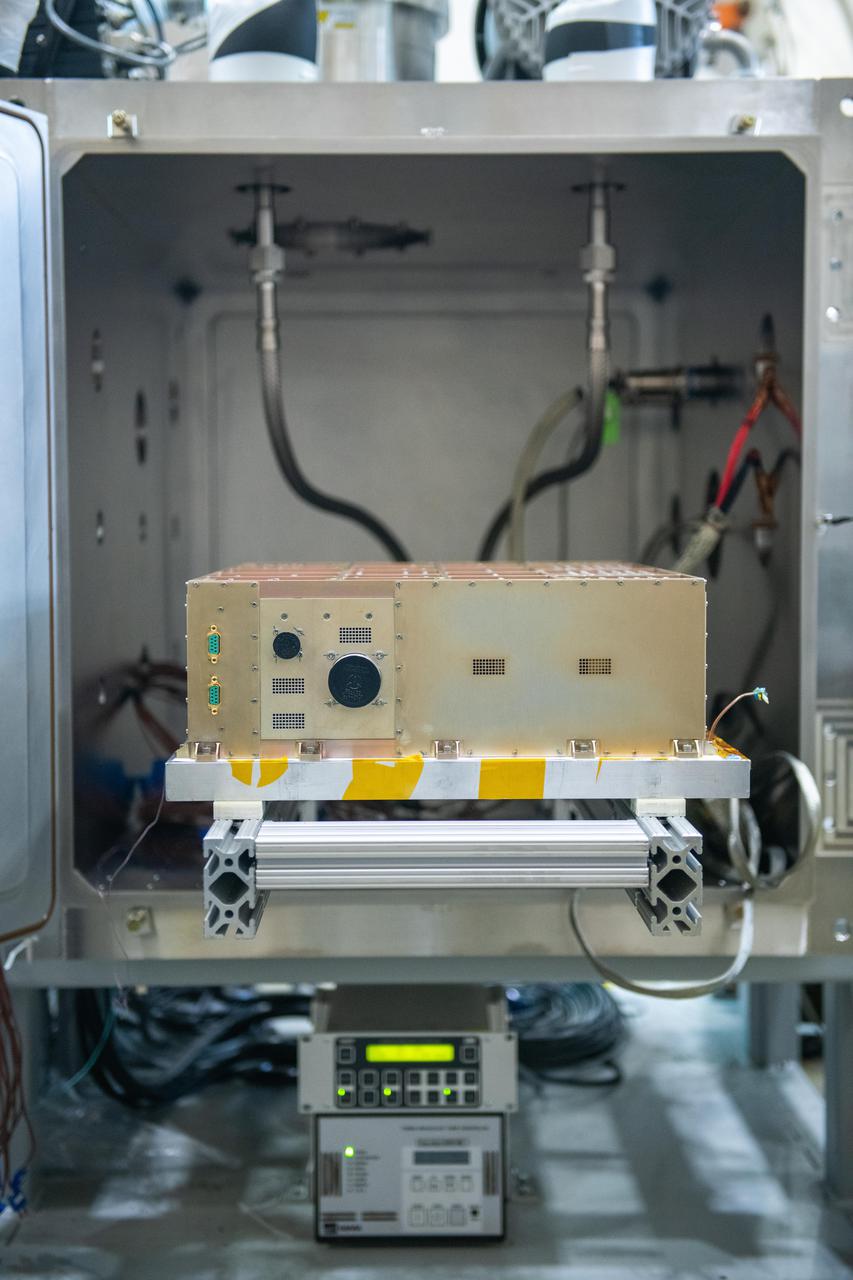
NASA Evolutionary Xenon Thruster - Commercial, NEXT-C Flight Power Processing Unit, PPU
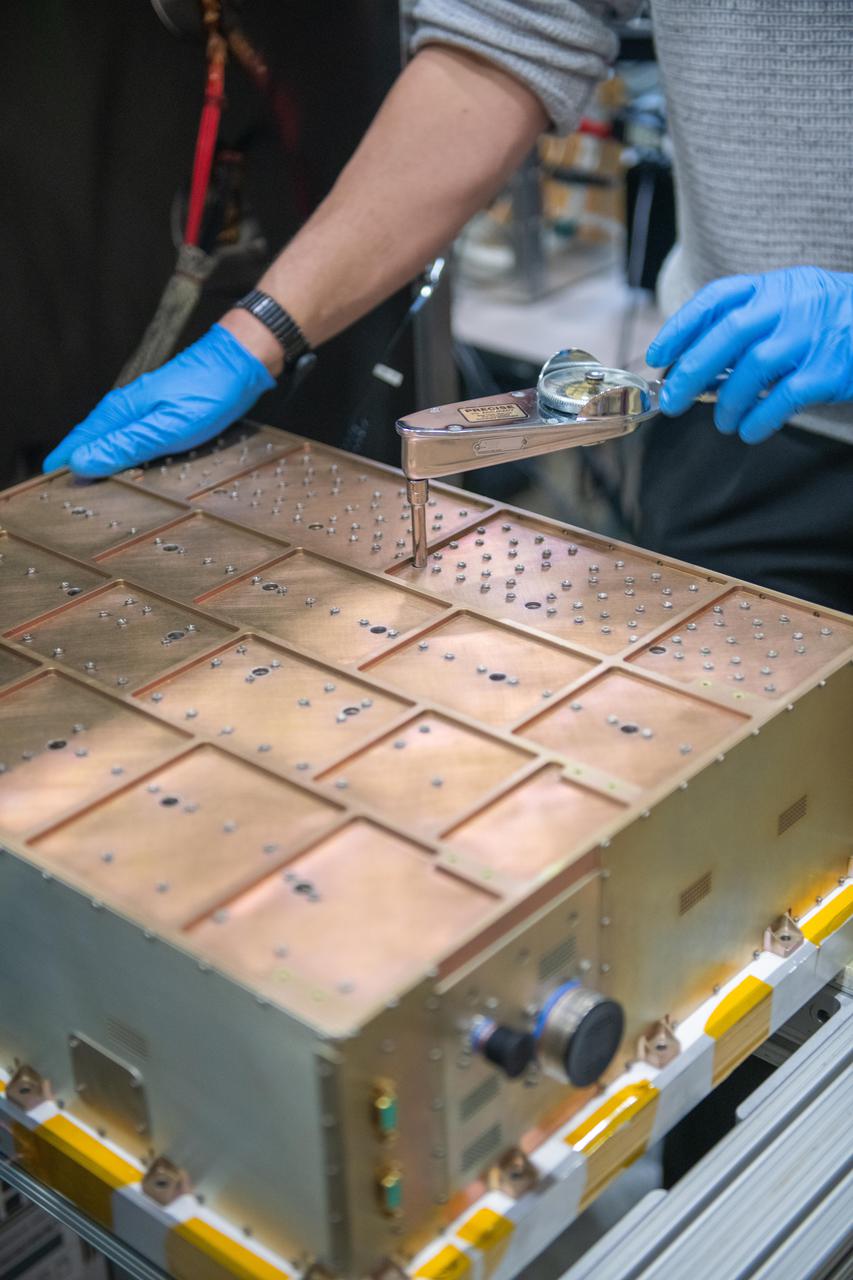
NASA Evolutionary Xenon Thruster - Commercial, NEXT-C Flight Power Processing Unit, PPU

NASA Evolutionary Xenon Thruster - Commercial, NEXT-C Flight Power Processing Unit, PPU
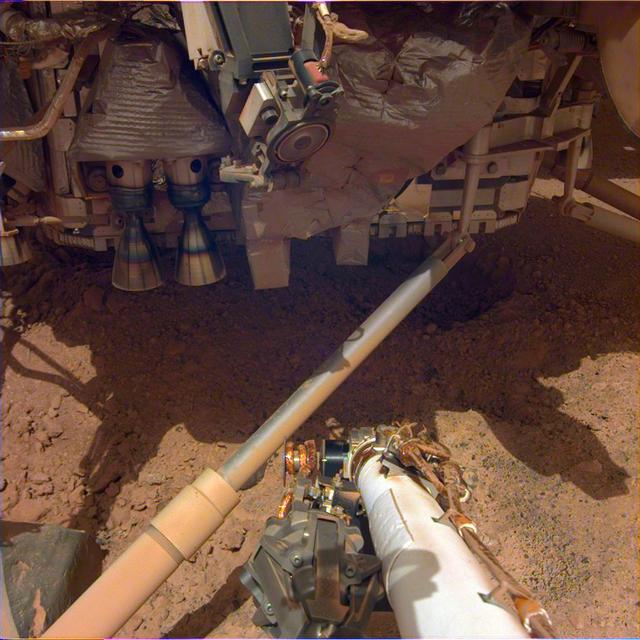
While NASA's InSight spacecraft landed on Mars, thrusters on the bottom of the spacecraft churned up the soil beneath it. This image shows pits that the thrusters excavated. This image was taken Dec. 14, 2018, the 18th Martian day, or sol, of the mission, using the Instrument Deployment Camera on InSight's robotic arm. https://photojournal.jpl.nasa.gov/catalog/PIA23250
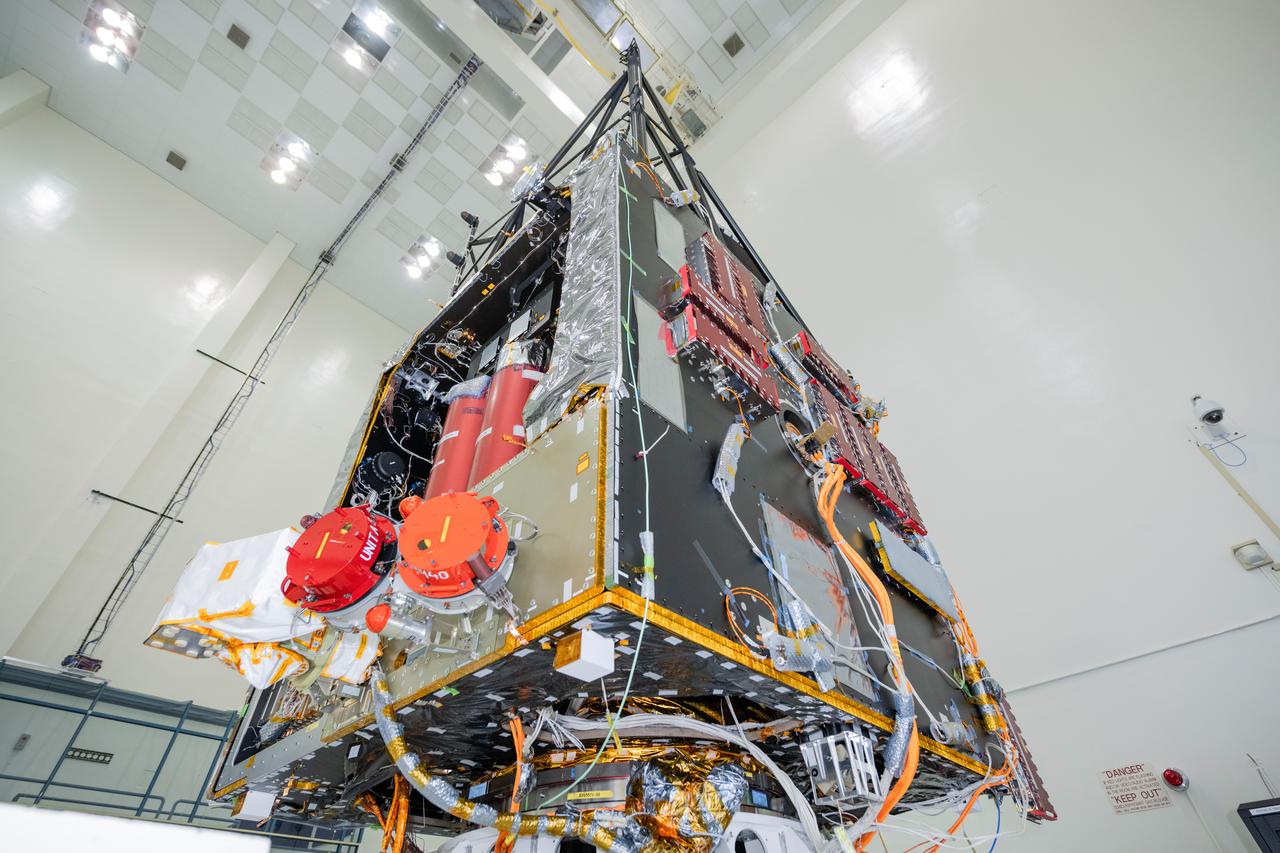
NASA's Psyche spacecraft is photographed in July 2021 during the mission's assembly, test, and launch operations phase at the agency's Jet Propulsion Laboratory in Southern California. Set to launch in August 2022, the spacecraft will use four Hall thrusters to propel itself to the metal-rich asteroid Psyche, using solar electric propulsion. Two thrusters are visible beneath red round protective covers, after being integrated into the spacecraft. Solar arrays on the spacecraft will capture sunlight, which will be converted into electricity to power the Hall thrusters. The thrusters work by turning xenon gas, a neutral gas used in car headlights and plasma TVs, into xenon ions. As the xenon ions are accelerated out of the thruster, they create the thrust that will propel the spacecraft. This will be the first use of Hall thrusters beyond lunar orbit, demonstrating that they could play a role in supporting future deep space missions. https://photojournal.jpl.nasa.gov/catalog/PIA24790
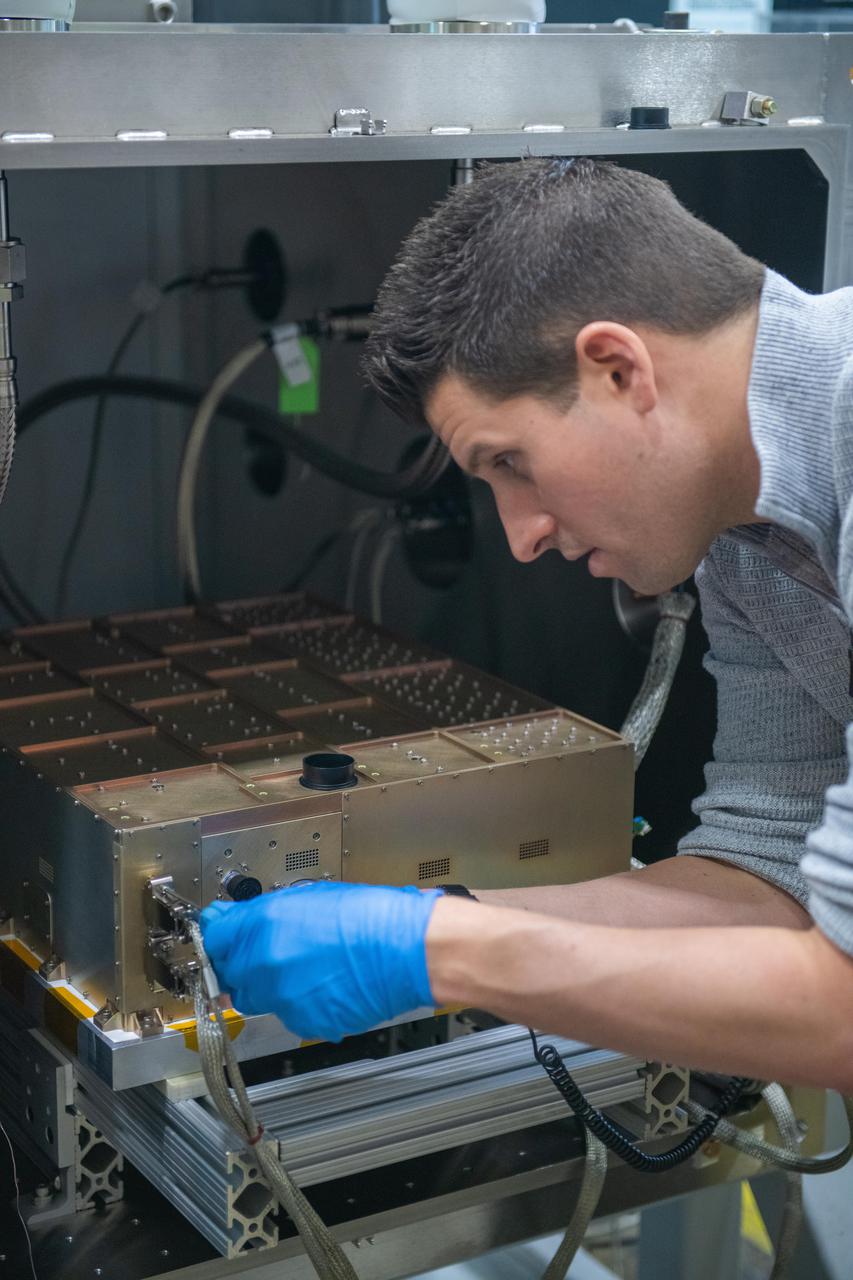
NASA Evolutionary Xenon Thruster - Commercial, NEXT-C Flight Power Processing Unit, PPU
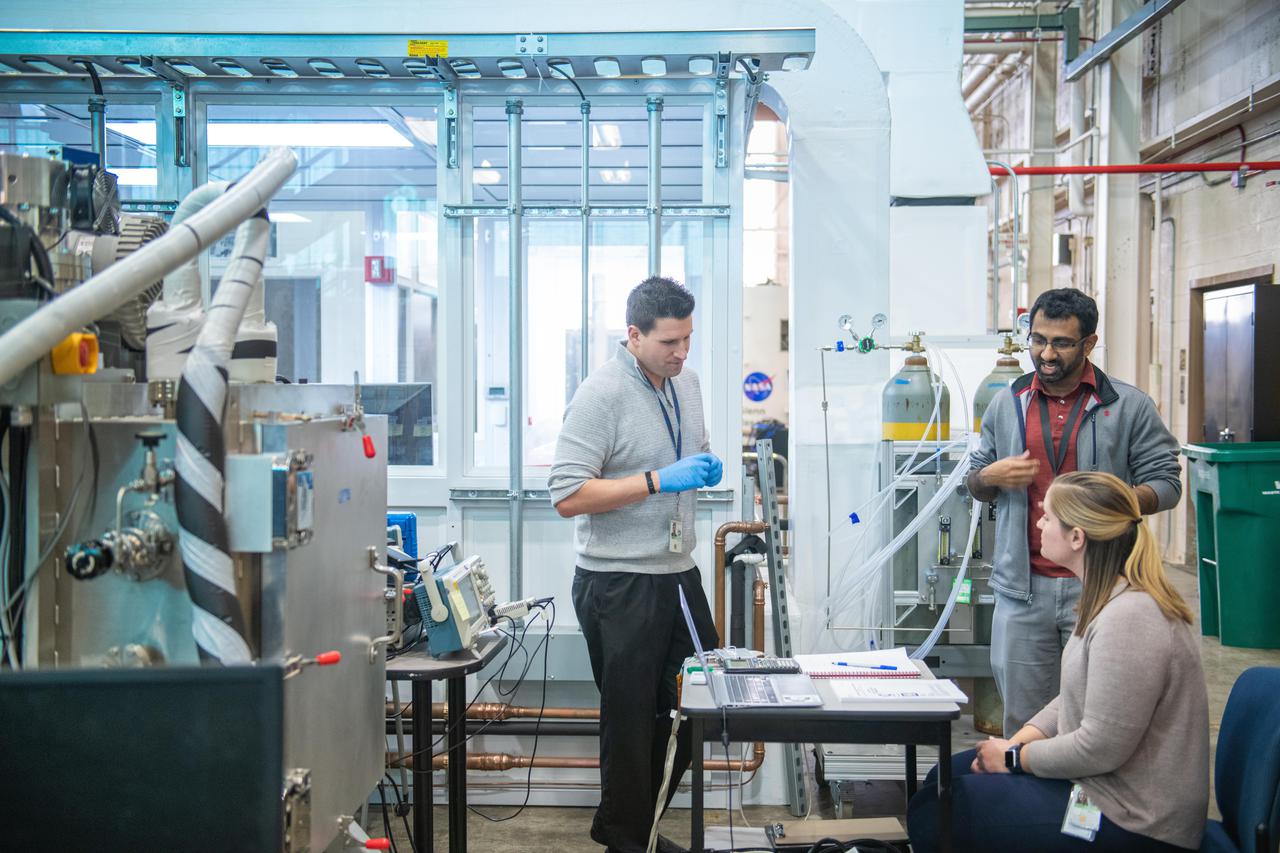
NASA Evolutionary Xenon Thruster - Commercial, NEXT-C Flight Power Processing Unit, PPU
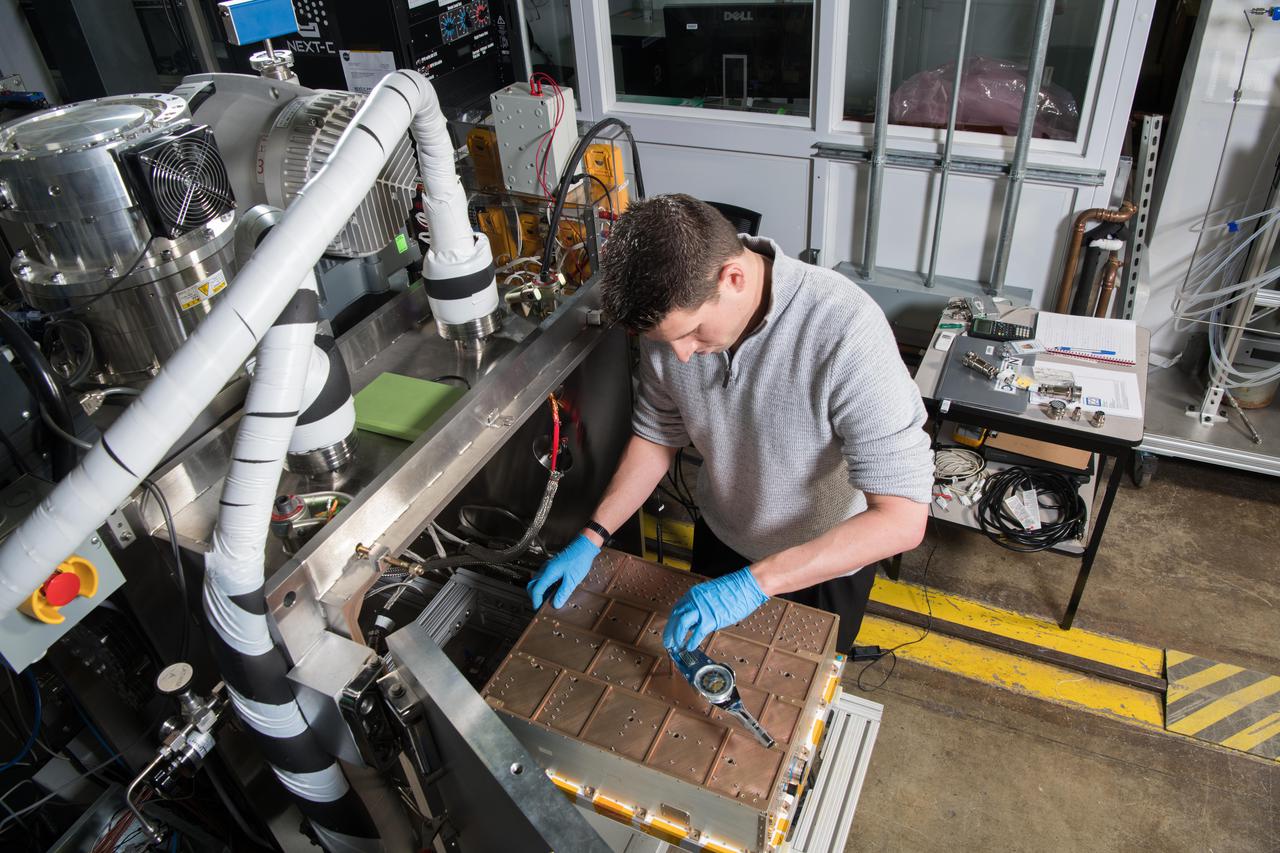
NASA Evolutionary Xenon Thruster - Commercial, NEXT-C Flight Power Processing Unit, PPU
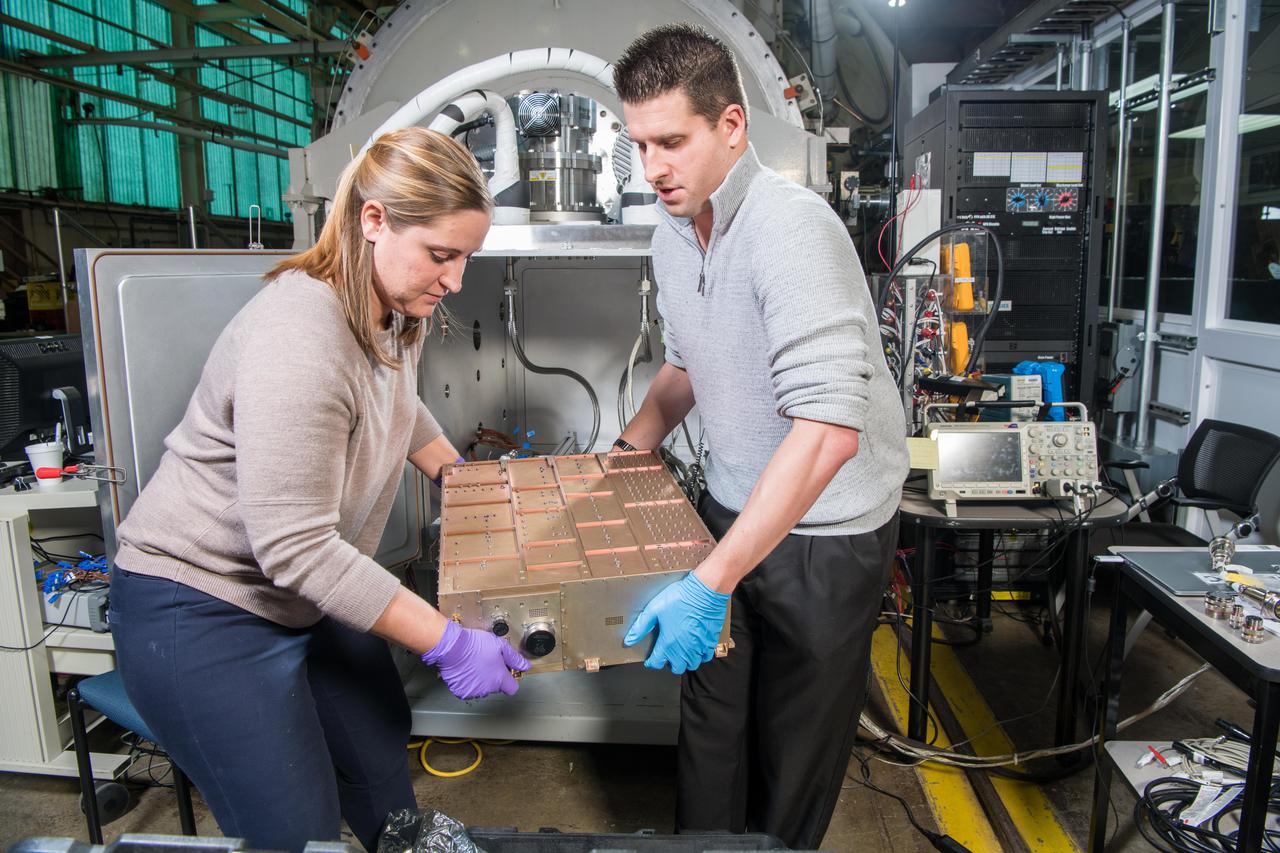
NASA Evolutionary Xenon Thruster - Commercial, NEXT-C Flight Power Processing Unit, PPU

NASA Evolutionary Xenon Thruster - Commercial, NEXT-C Flight Power Processing Unit, PPU
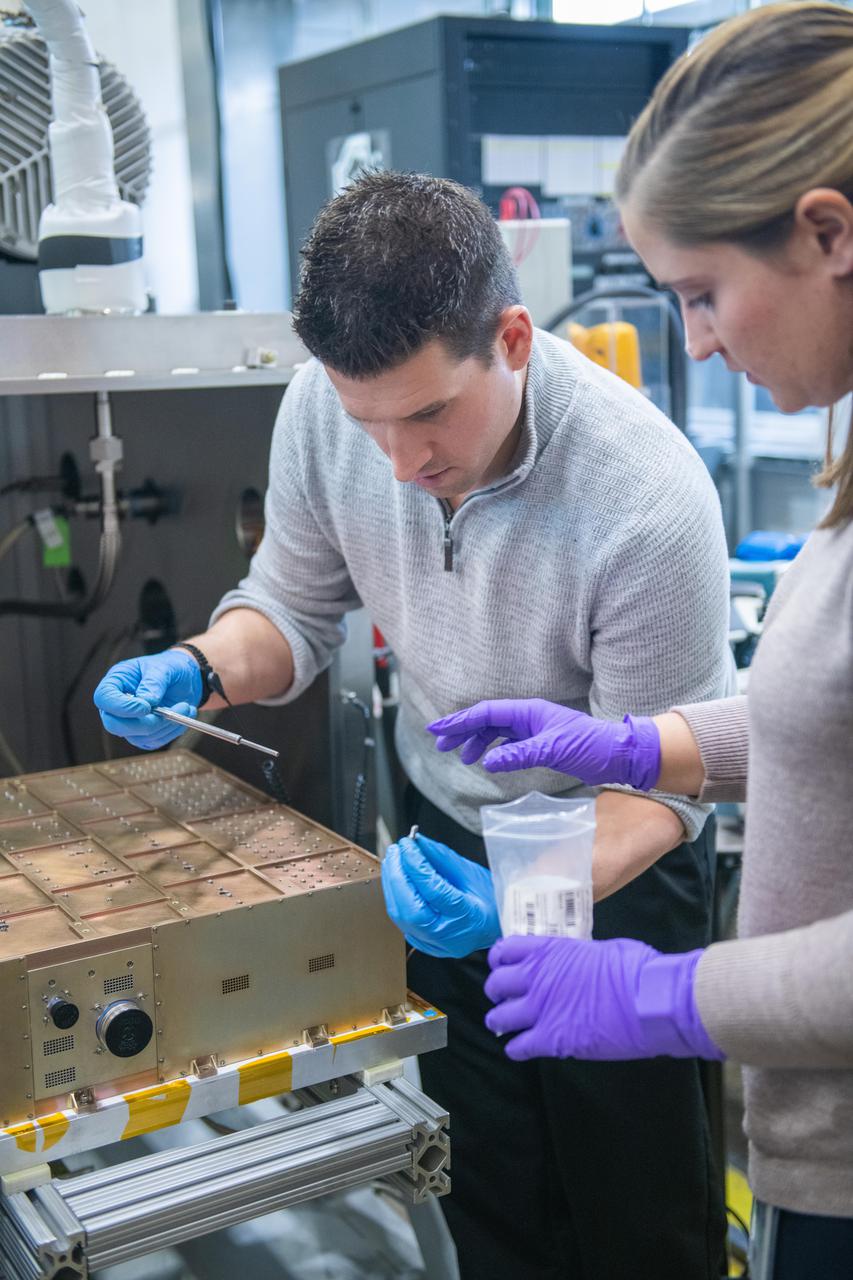
NASA Evolutionary Xenon Thruster - Commercial, NEXT-C Flight Power Processing Unit, PPU
NASA Evolutionary Xenon Thruster - Commercial, NEXT-C Flight Power Processing Unit, PPU
NASA Evolutionary Xenon Thruster - Commercial, NEXT-C Flight Power Processing Unit, PPU

NASA Evolutionary Xenon Thruster - Commercial, NEXT-C Flight Power Processing Unit, PPU
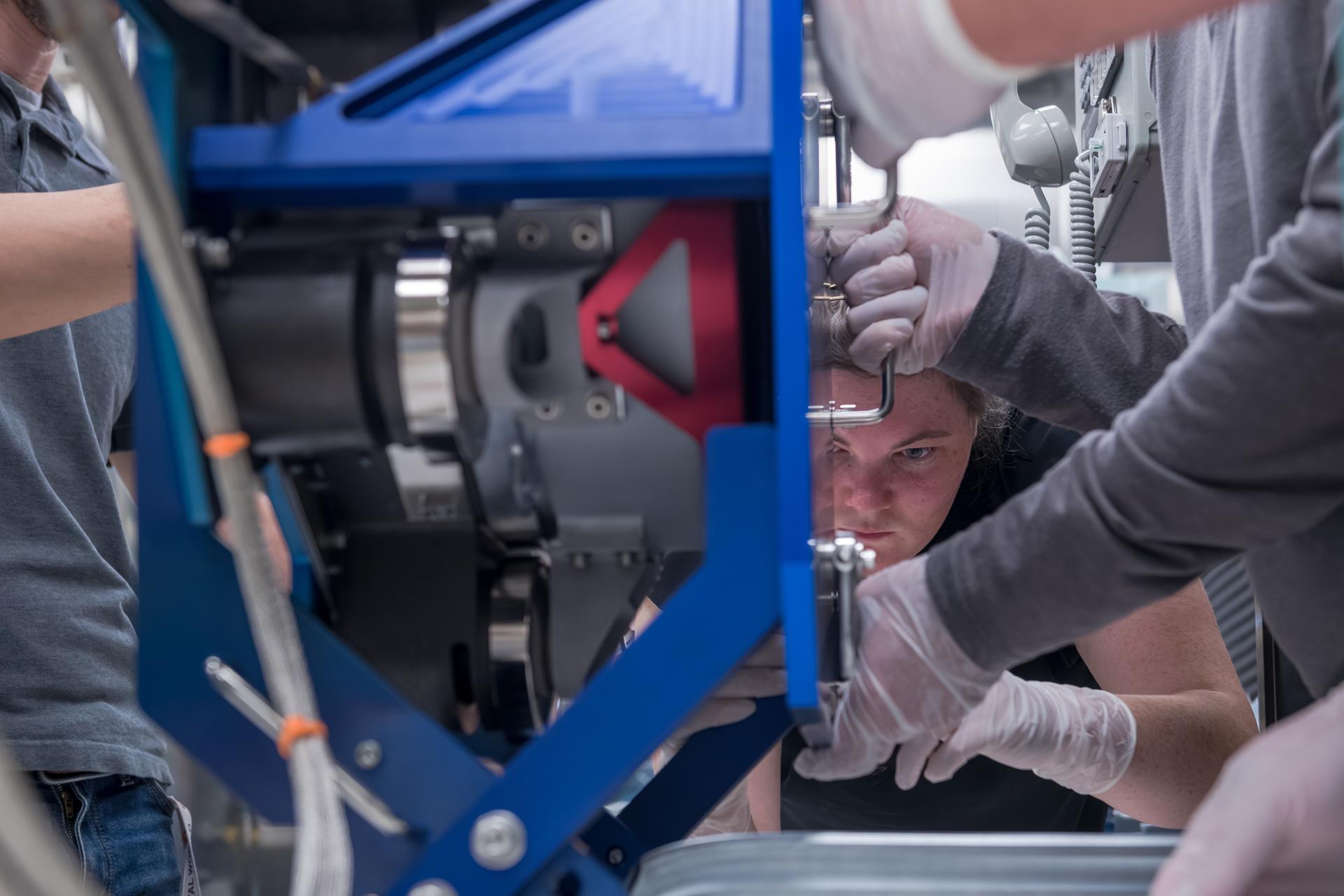
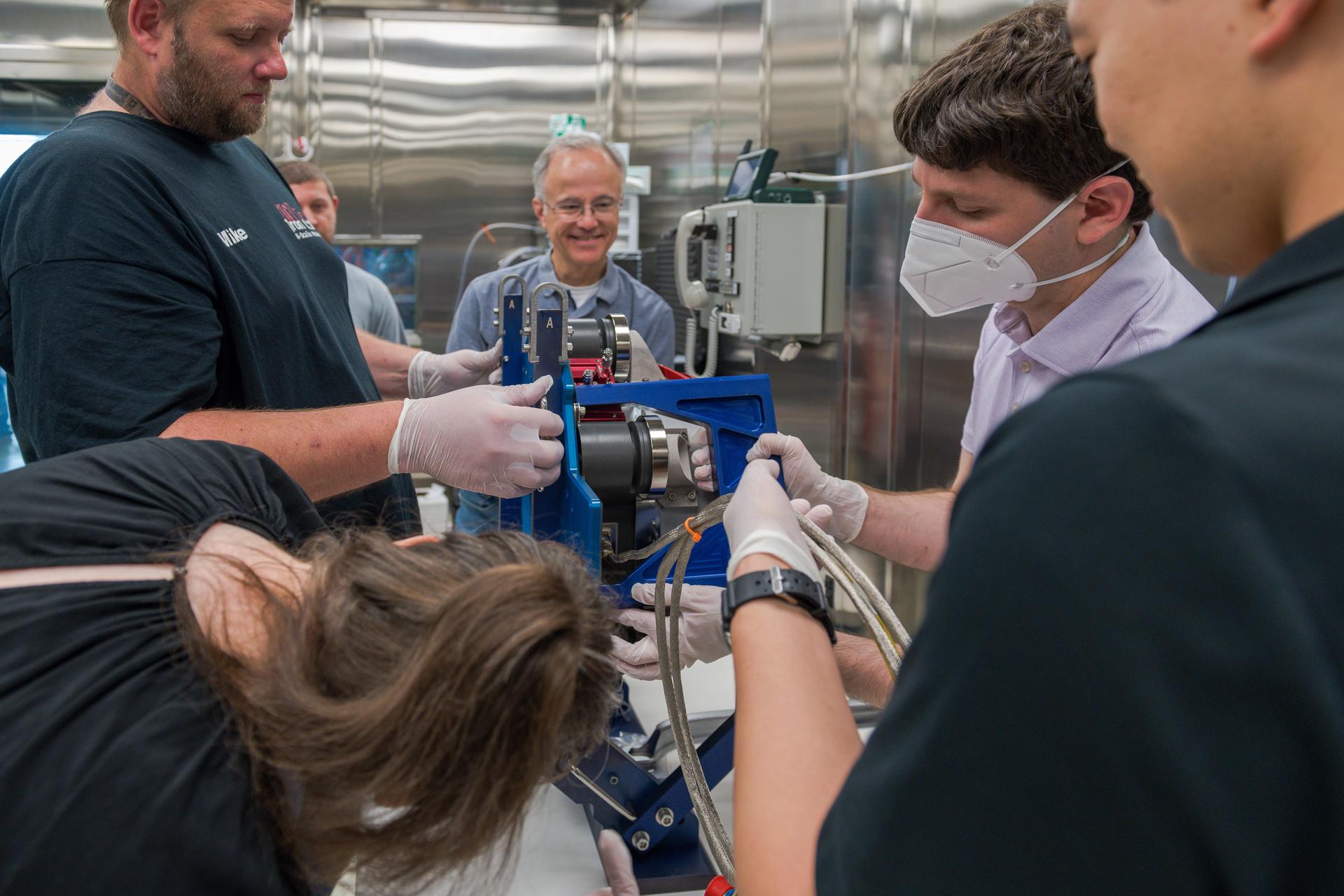
Engineers at NASA’s Glenn Research Center in Cleveland prepare the third and final Advanced Electric Propulsion System (AEPS) thruster for acceptance testing. Following successful testing, the thruster was delivered to Lanteris Space Systems in Palo Alto, California, for installation on the primary structure Gateway’s Power and Propulsion Element. Credit: NASA
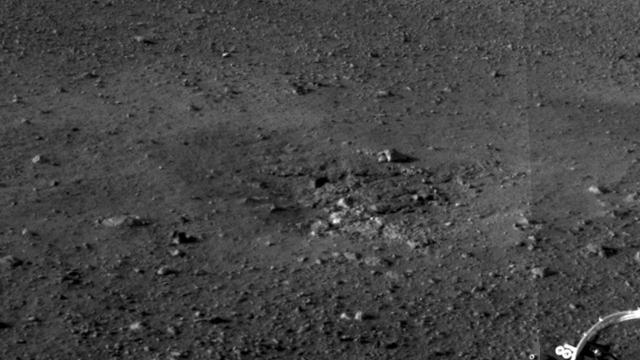
This is a close-up view of the zones where the soil at Curiosity landing site was blown away by the thrusters on the rover descent stage. The excavation of the soil reveals probable bedrock outcrop.
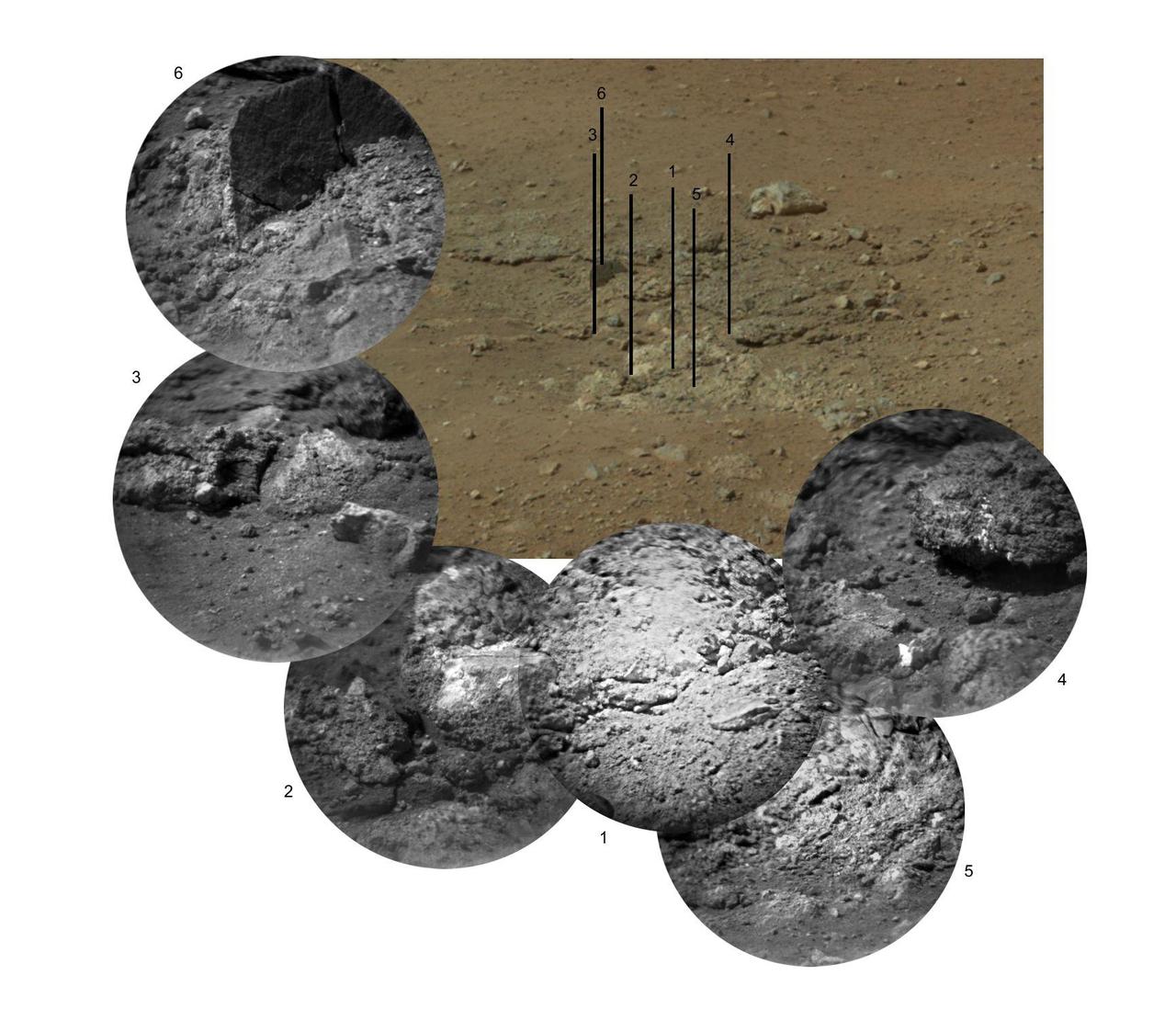
This photo mosaic shows the scour mark, dubbed Goulburn, left by the thrusters on the sky crane that helped lower NASA Curiosity rover to the Red Planet.
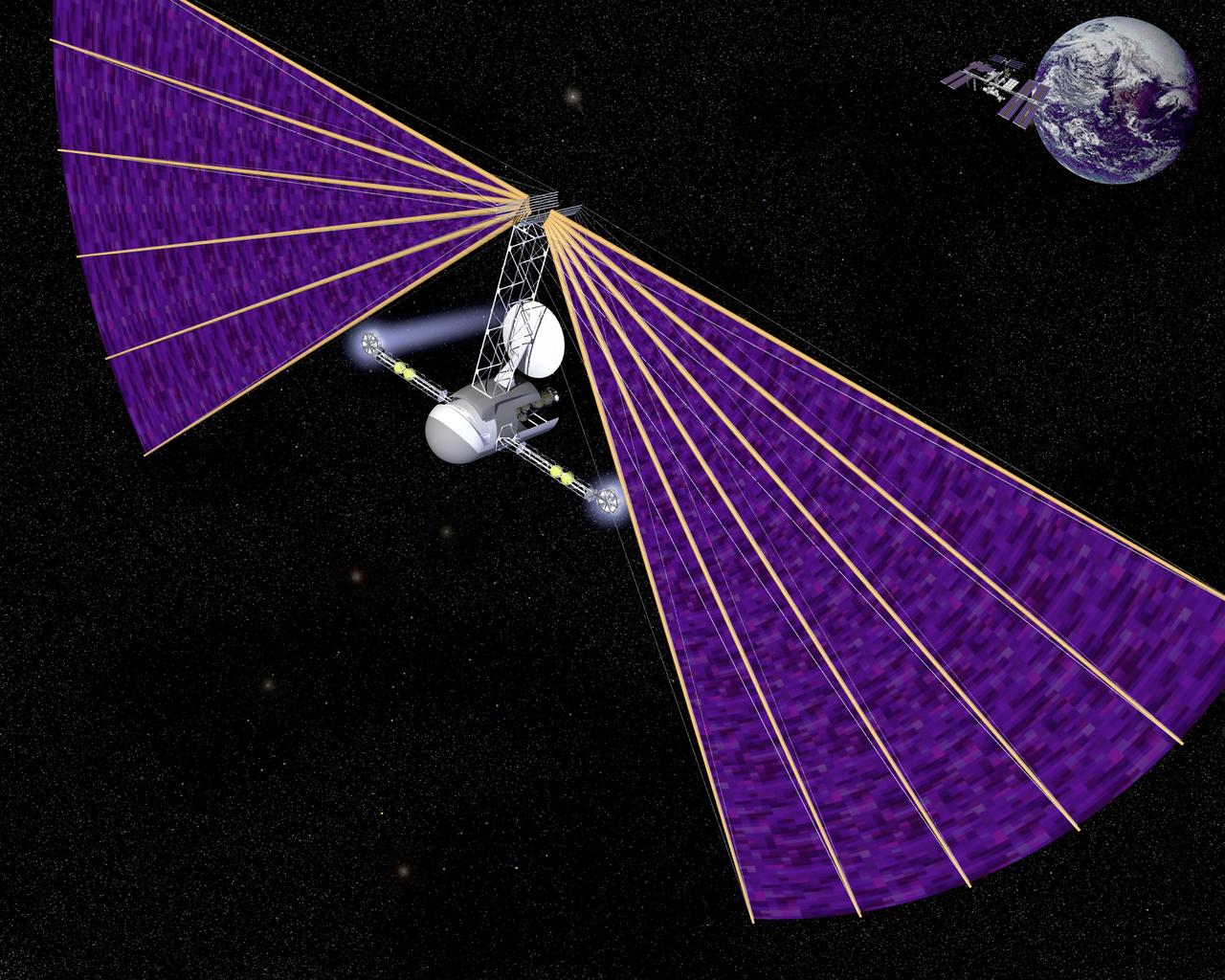
Concept of a vehicle journeys from Earth to Mars propelled by thrusters powered by electricity from photovoltaic cells on its large fan shaped sails
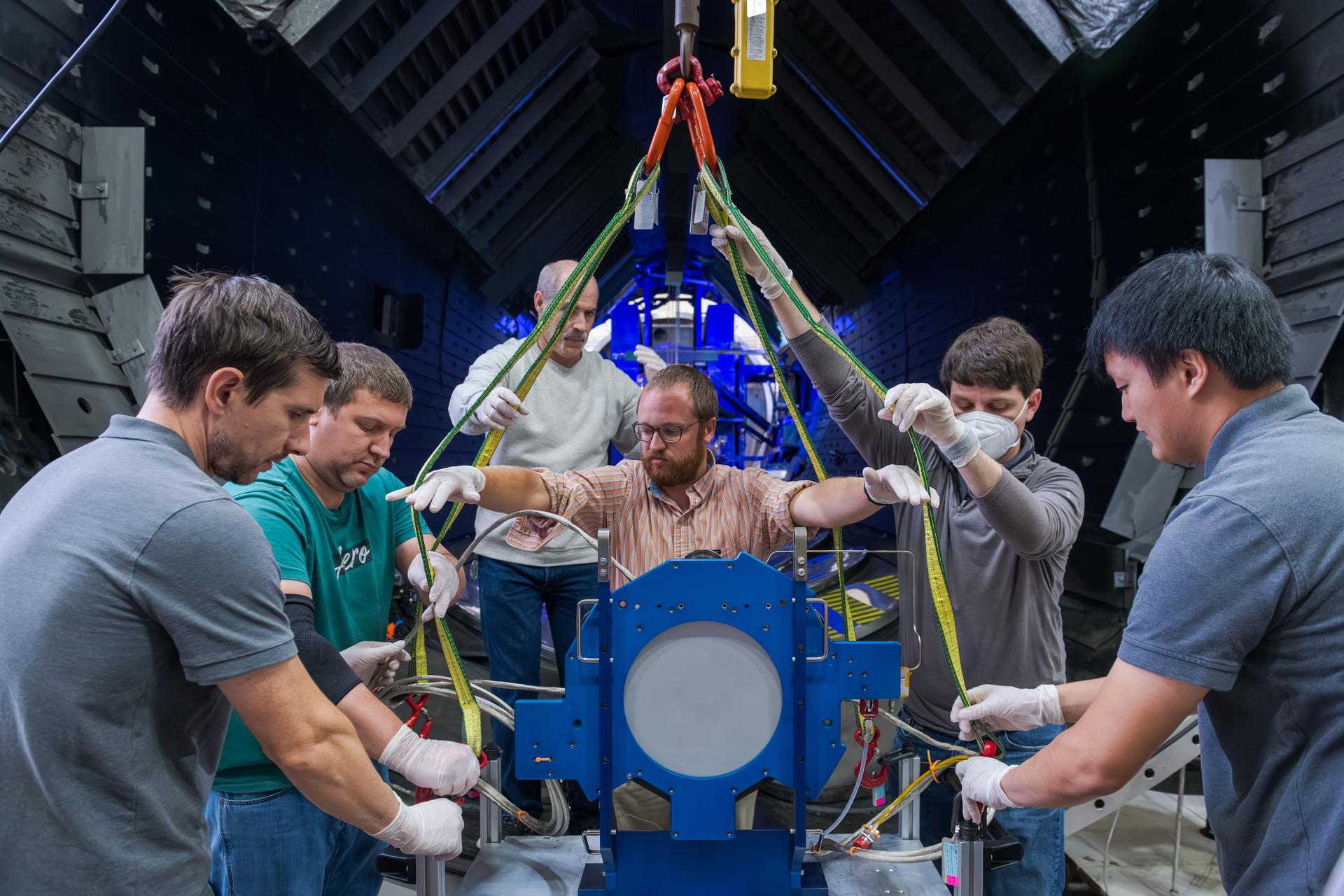
Engineers at NASA’s Glenn Research Center in Cleveland work together to position and secure the second of three Advanced Electric Propulsion System (AEPS) thrusters for acceptance testing. Following testing, the thruster was delivered to Lanteris Space Systems in Palo Alto, California, for installation on Gateway’s Power and Propulsion Element. Credit: NASA
Teams at NASA’s Glenn Research Center in Cleveland conduct acceptance testing on the third and final Advanced Electric Propulsion System (AEPS) thrusters for Gateway’s Power and Propulsion Element (PPE). After successfully completing testing, the thruster was delivered to Lanteris Space Systems in Palo Alto, California, for installation on PPE’s primary structure. Credit: NASA
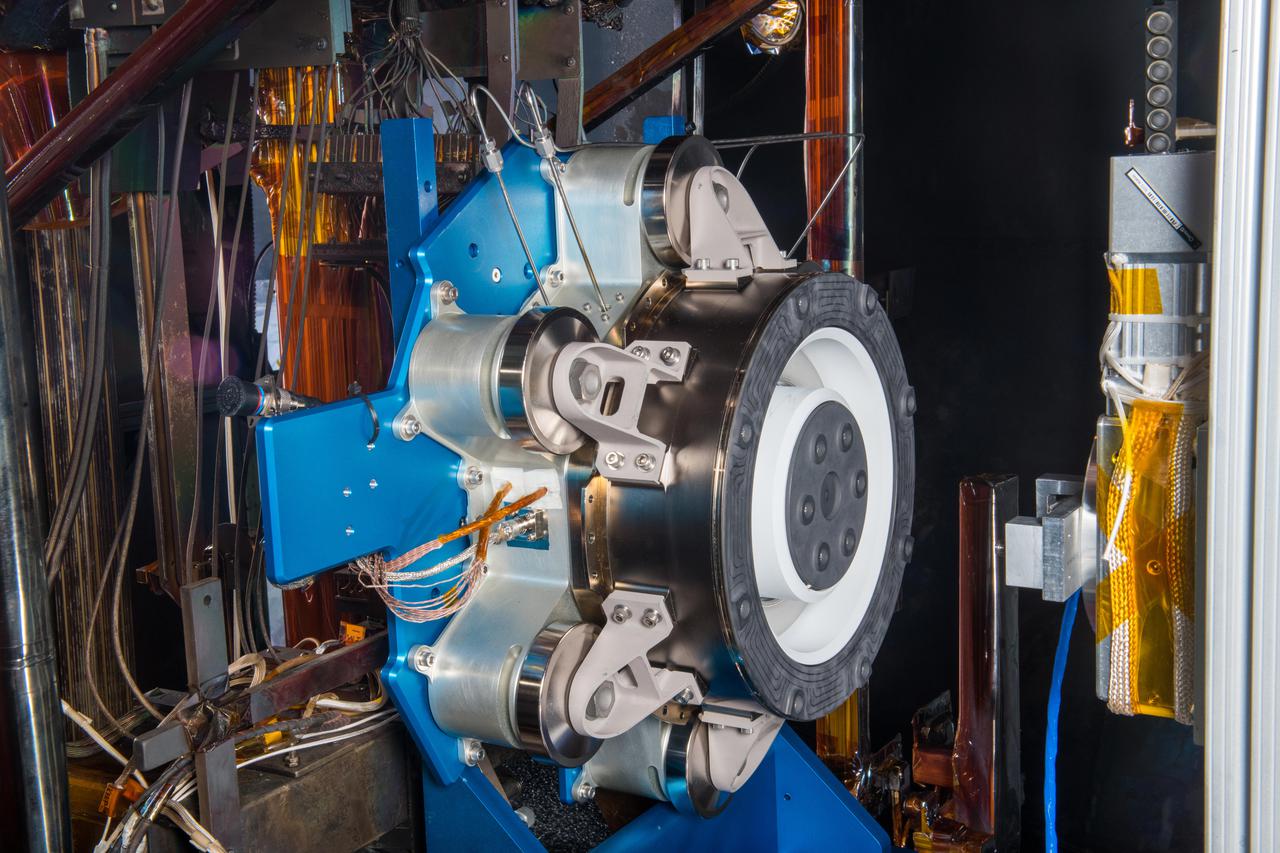
Advanced Electric Propulsion System, AEPS, Engineering Test Unit 2, ETU-2, Thruster Hardware
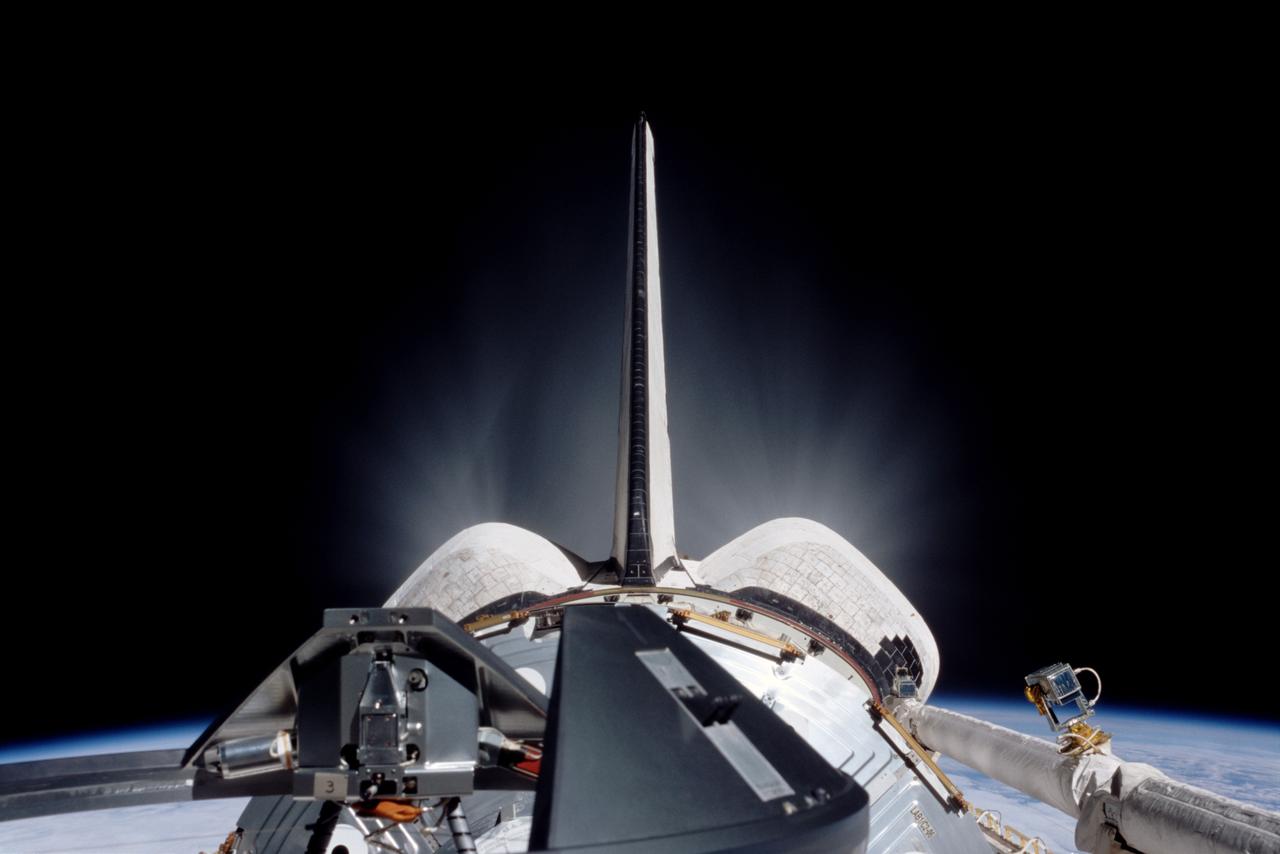
STS098-324-0004 (7-20 February 2001) --- One of the astronauts on the aft flight deck of the Space Shuttle Atlantis used a 35mm camera to record this image of a thruster firing. Part of Earth's limb can be seen on either side of the orbital maneuvering system (OMS) pods below frame center.

HUU TRINH POSES WITH A HYPERGOLIC BI-PROPELLANT THRUSTER FOR A POTENTIAL APPLICATION ON FUTURE ROBOTIC LUNAR SPACECRAFTS.

HUU TRINH POSES WITH A HYPERGOLIC BI-PROPELLANT THRUSTER FOR A POTENTIAL APPLICATION ON FUTURE ROBOTIC LUNAR SPACECRAFTS.
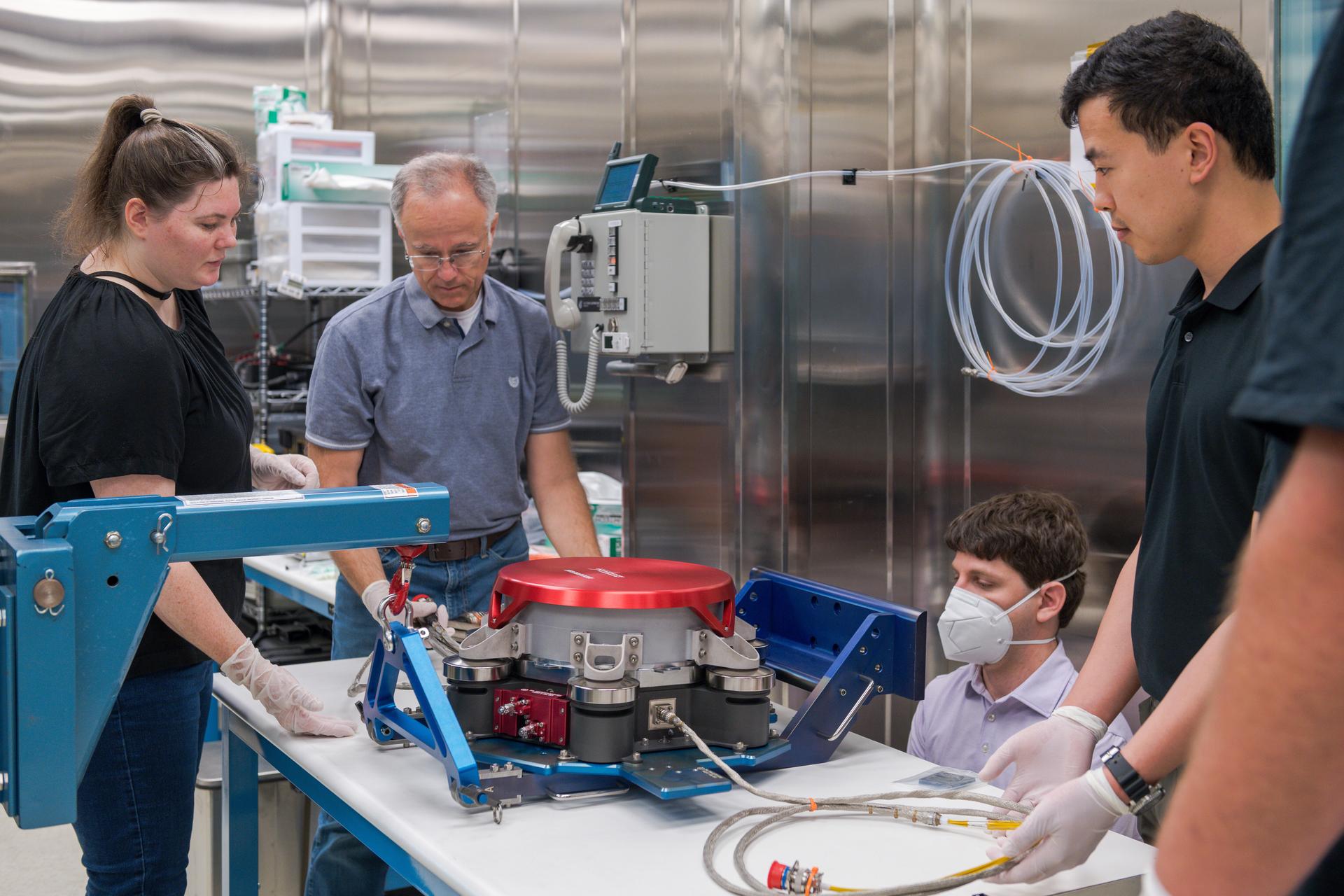
Engineers at NASA’s Glenn Research Center in Cleveland work together to position and secure the second of three Advanced Electric Propulsion System (AEPS) thrusters for acceptance testing. Following testing, the thruster was delivered to Lanteris Space Systems in Palo Alto, California, for installation on Gateway’s Power and Propulsion Element. Credit: NASA
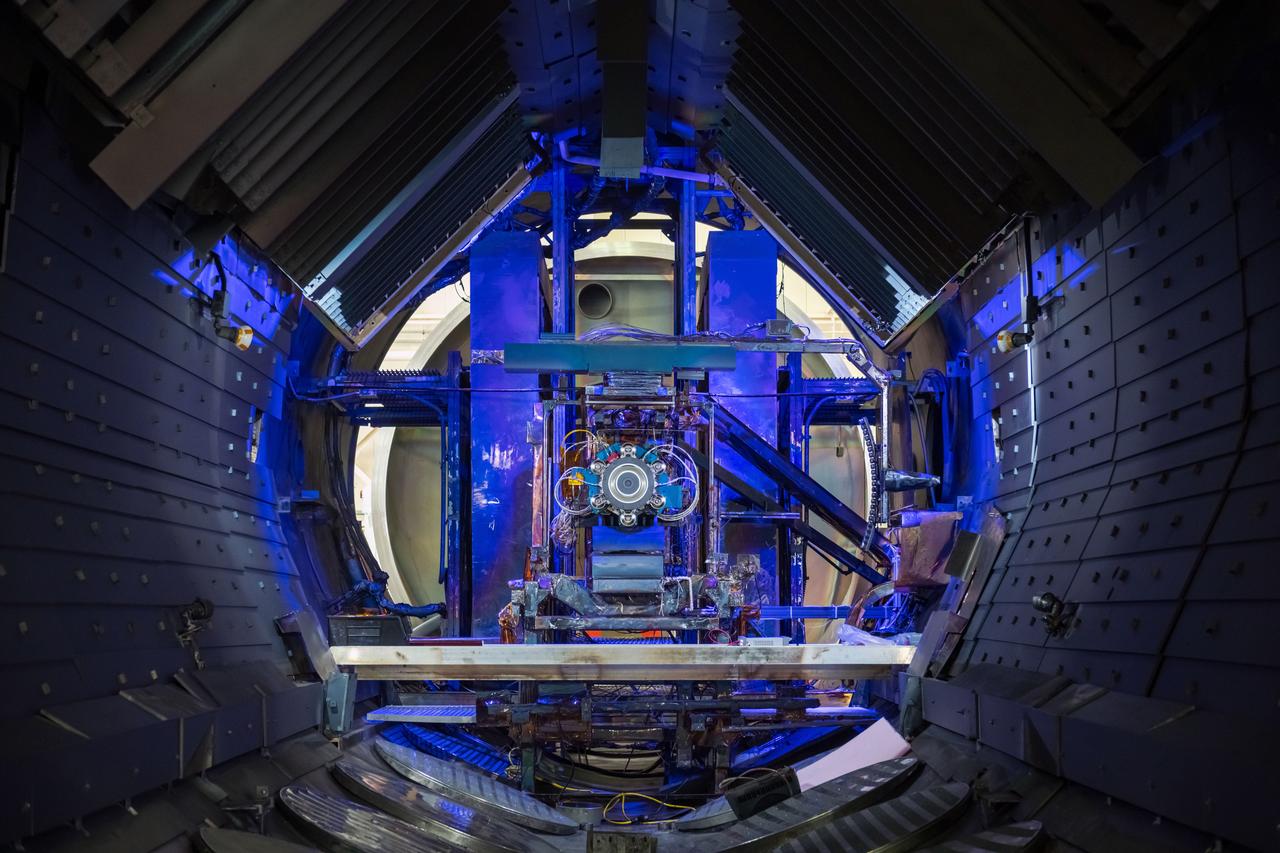
NASA Glenn Research Center has received the first of three Advanced Electric Propulsion System (AEPS) thrusters for the Gateway lunar space station. Built by L3Harris Technologies, the thruster will undergo testing before integration with Gateway’s Power and Propulsion Element, launching with the HALO module ahead of Artemis IV.

NASA Glenn Research Center has received the first of three Advanced Electric Propulsion System (AEPS) thrusters for the Gateway lunar space station. Built by L3Harris Technologies, the thruster will undergo testing before integration with Gateway’s Power and Propulsion Element, launching with the HALO module ahead of Artemis IV.
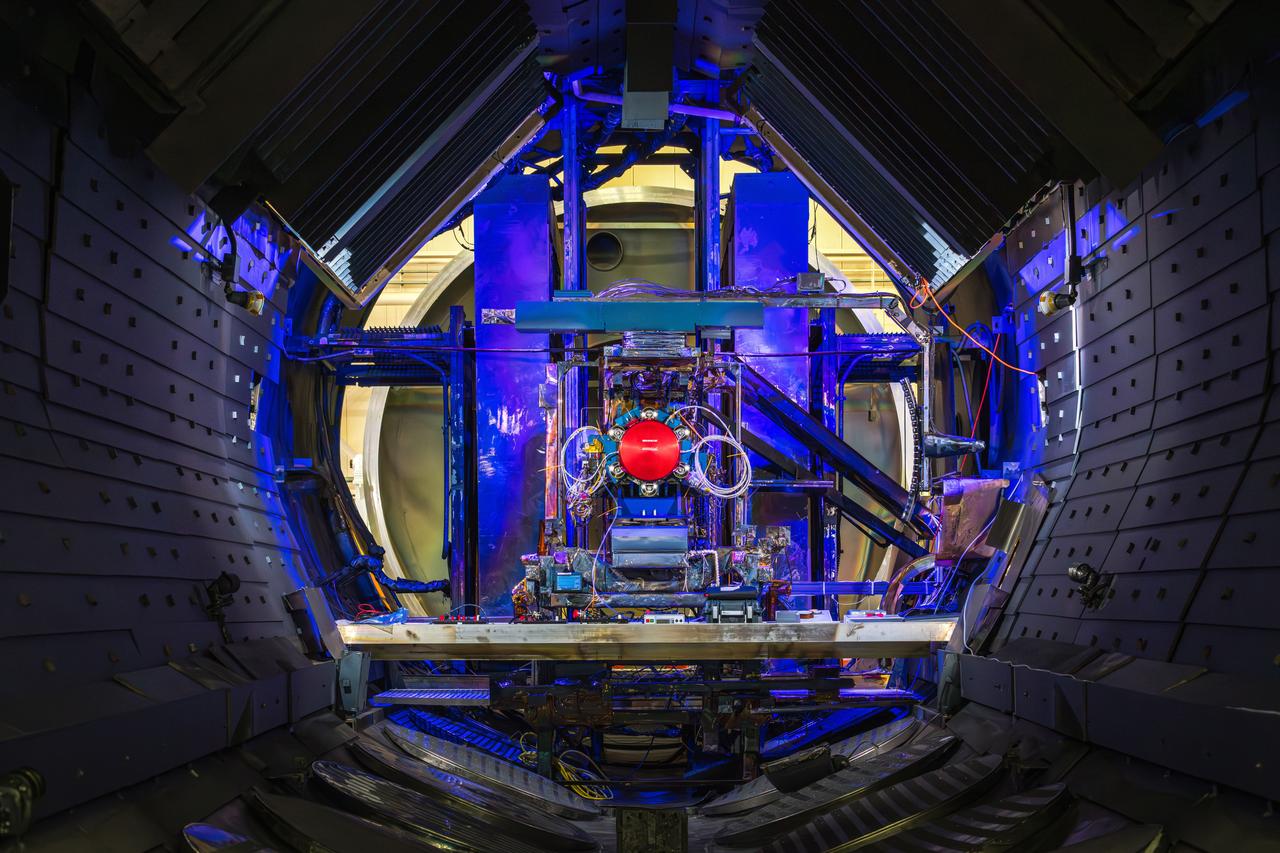
NASA Glenn Research Center has received the first of three Advanced Electric Propulsion System (AEPS) thrusters for the Gateway lunar space station. Built by L3Harris Technologies, the thruster will undergo testing before integration with Gateway’s Power and Propulsion Element, launching with the HALO module ahead of Artemis IV.
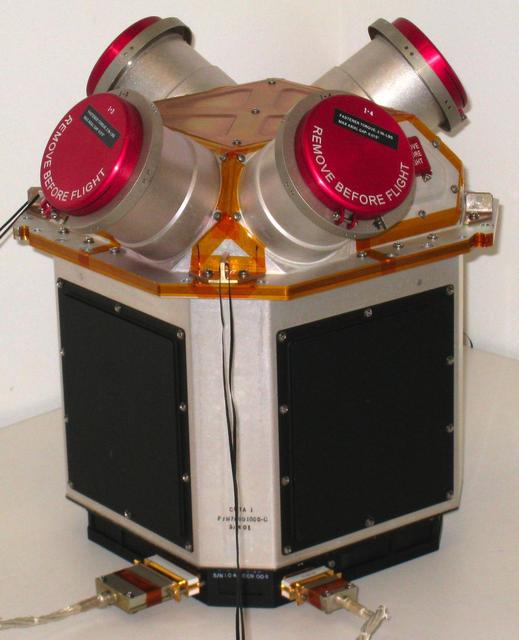
The LISA Pathfinder spacecraft is on its way to space, having successfully launched from Kourou, French Guiana Dec. 3, 2015. On board is the state-of-the-art Disturbance Reduction System DRS, a thruster technology developed at NASA JPL.
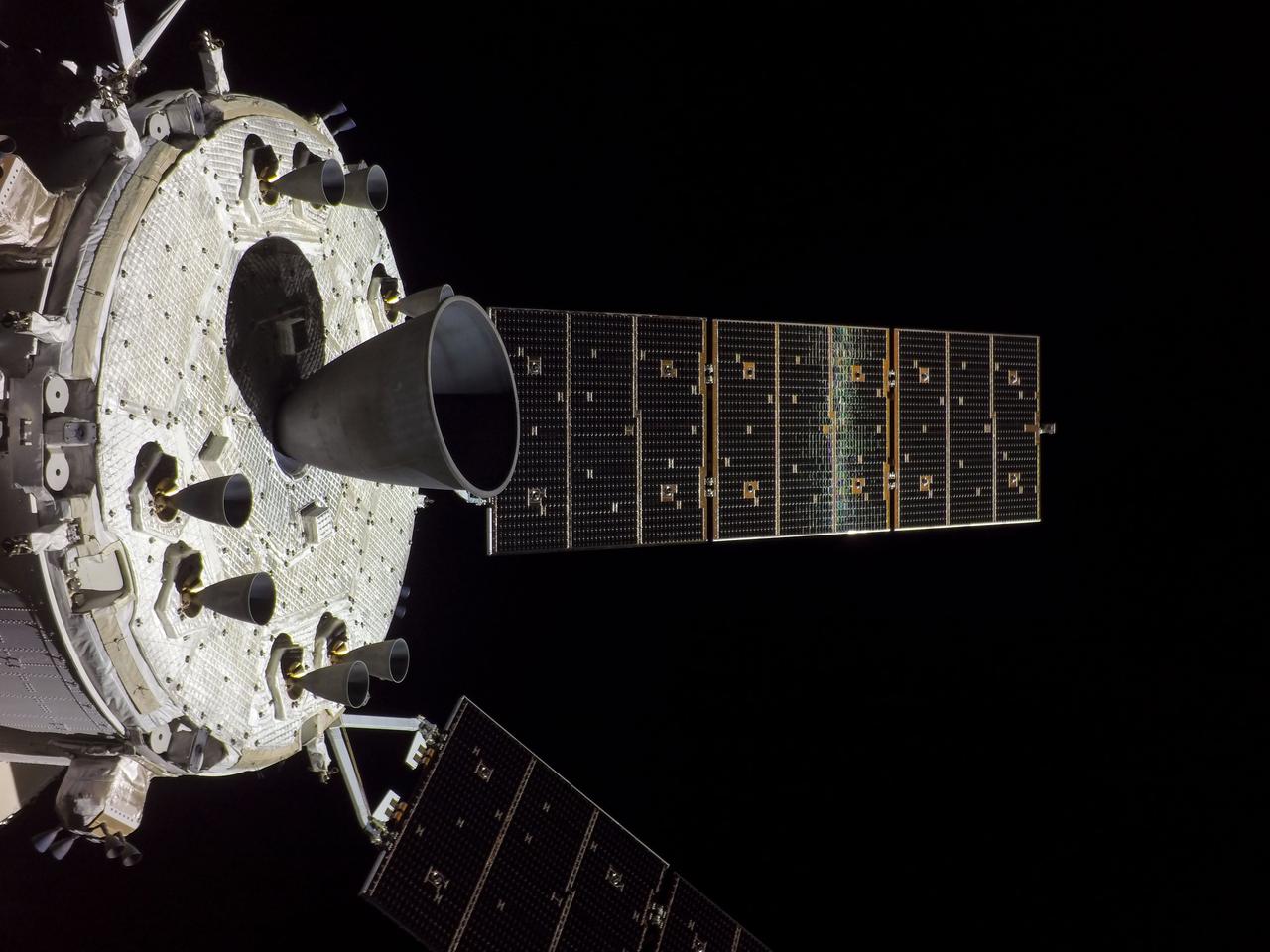
art001e002199 (Dec. 7, 2022) The engines on Orion’s service module are prominently featured in this image from flight day 22 of the Artemis I mission. The largest is the orbital maneuvering system engine, surrounded by eight smaller auxiliary thrusters.

Advanced Electric Propulsion System, AEPS, Engineering Test Unit 2, ETU-2, Thruster Hardware
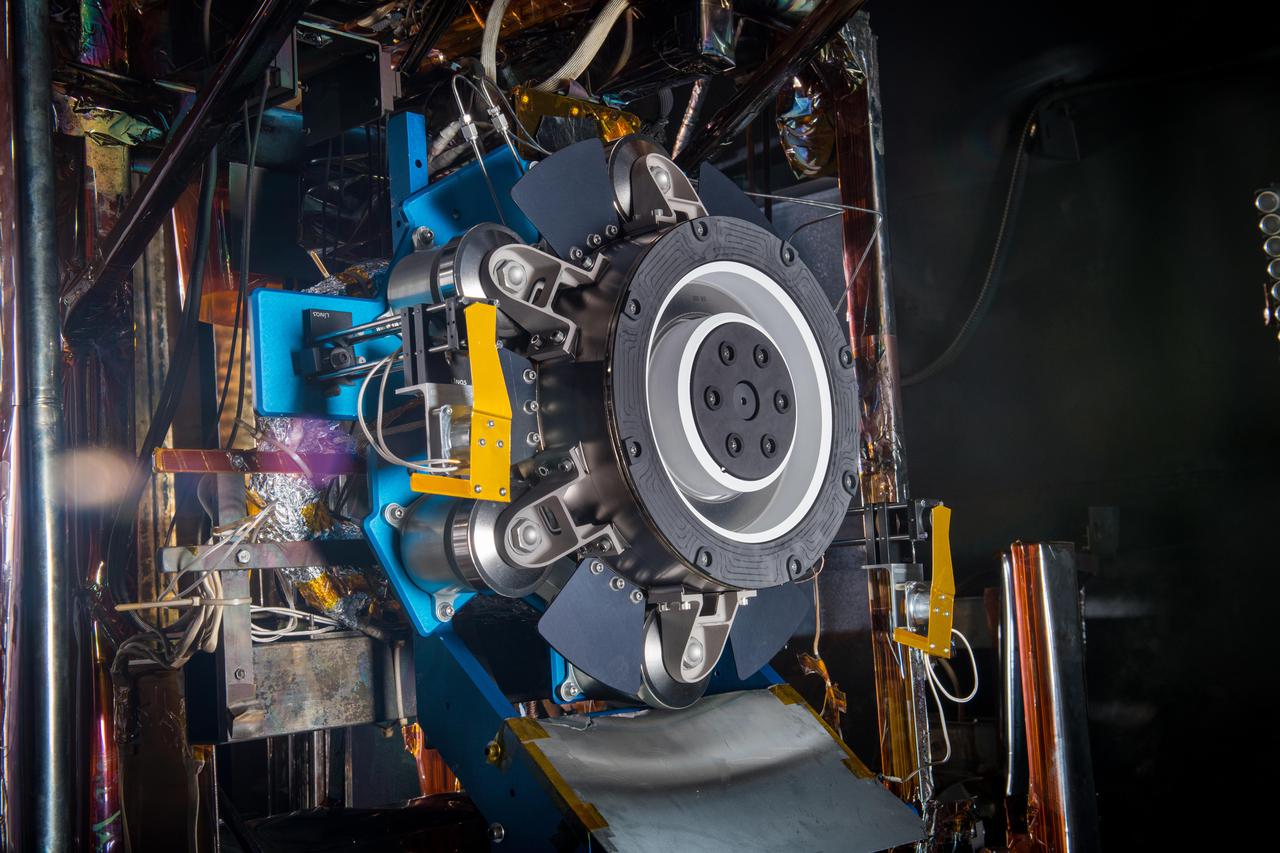
Advanced Electric Propulsion System, AEPS, Engineering Test Unit 2, ETU-2, Thruster Hardware
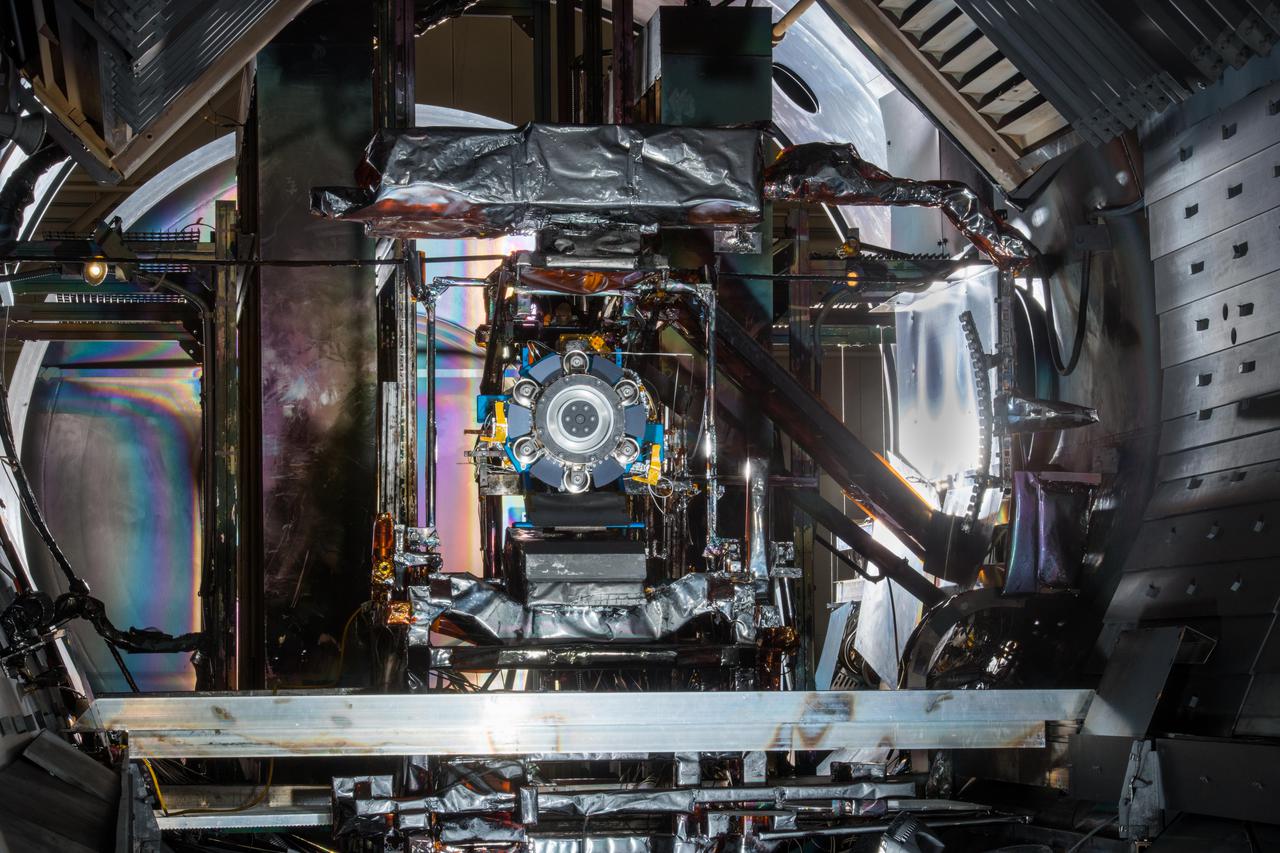
Advanced Electric Propulsion System, AEPS, Engineering Test Unit 2, ETU-2, Thruster Hardware
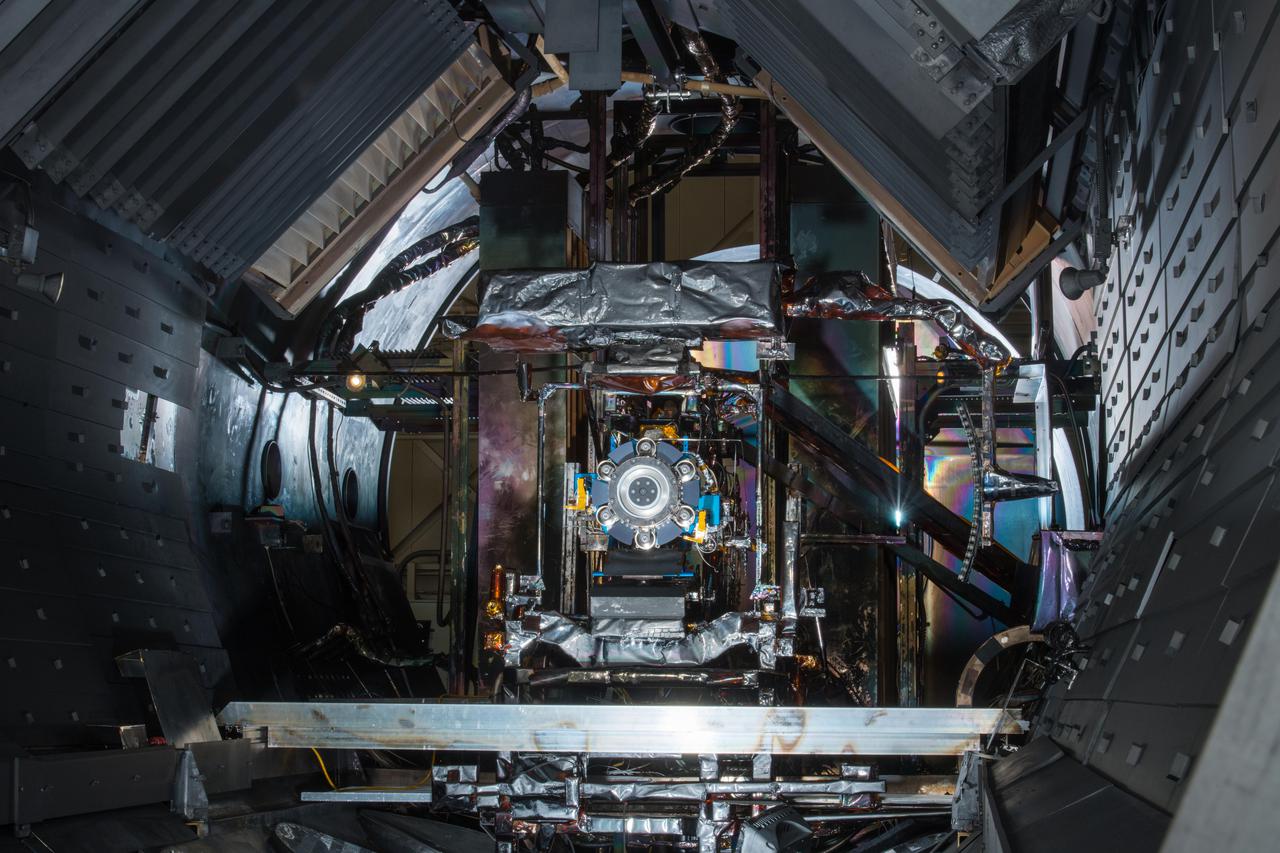
Advanced Electric Propulsion System, AEPS, Engineering Test Unit 2, ETU-2, Thruster Hardware
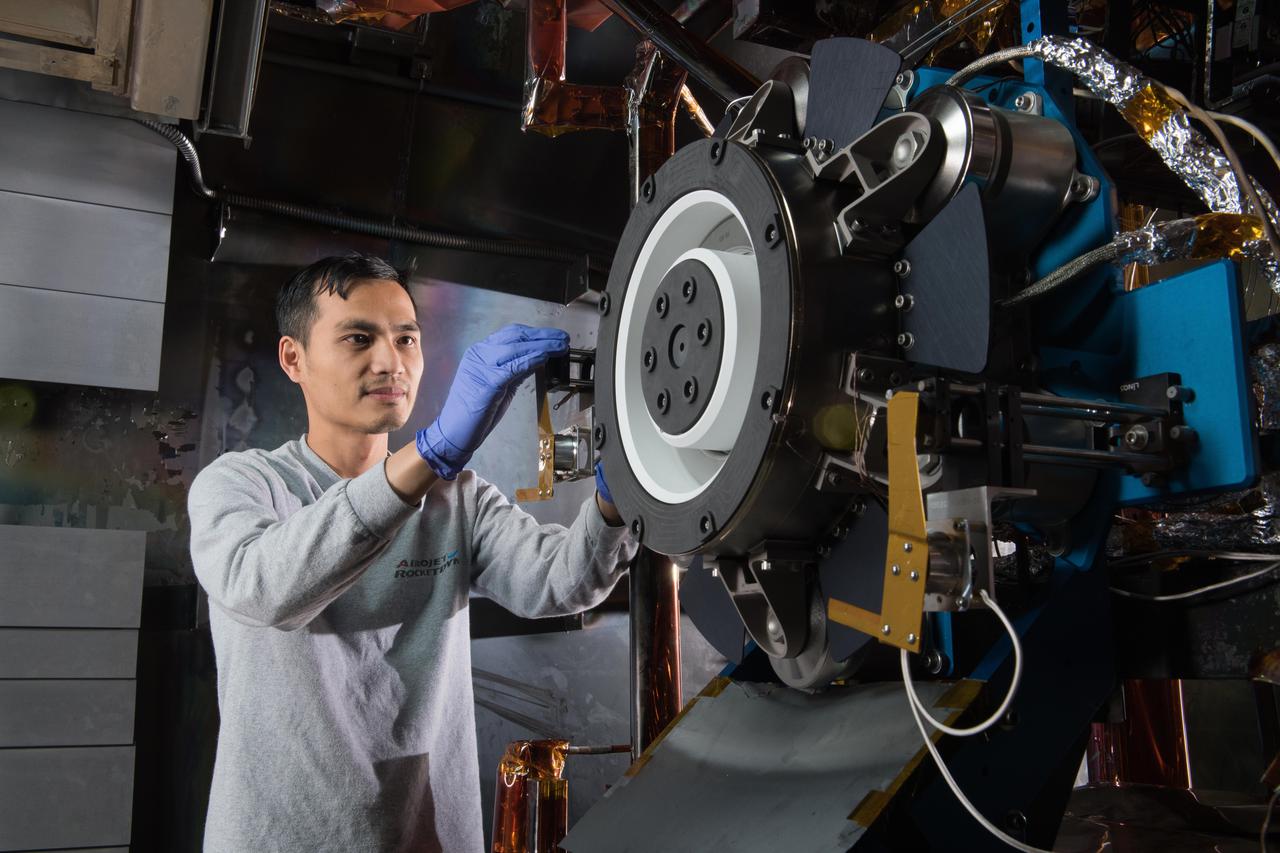
Advanced Electric Propulsion System, AEPS, Engineering Test Unit 2, ETU-2, Thruster Hardware
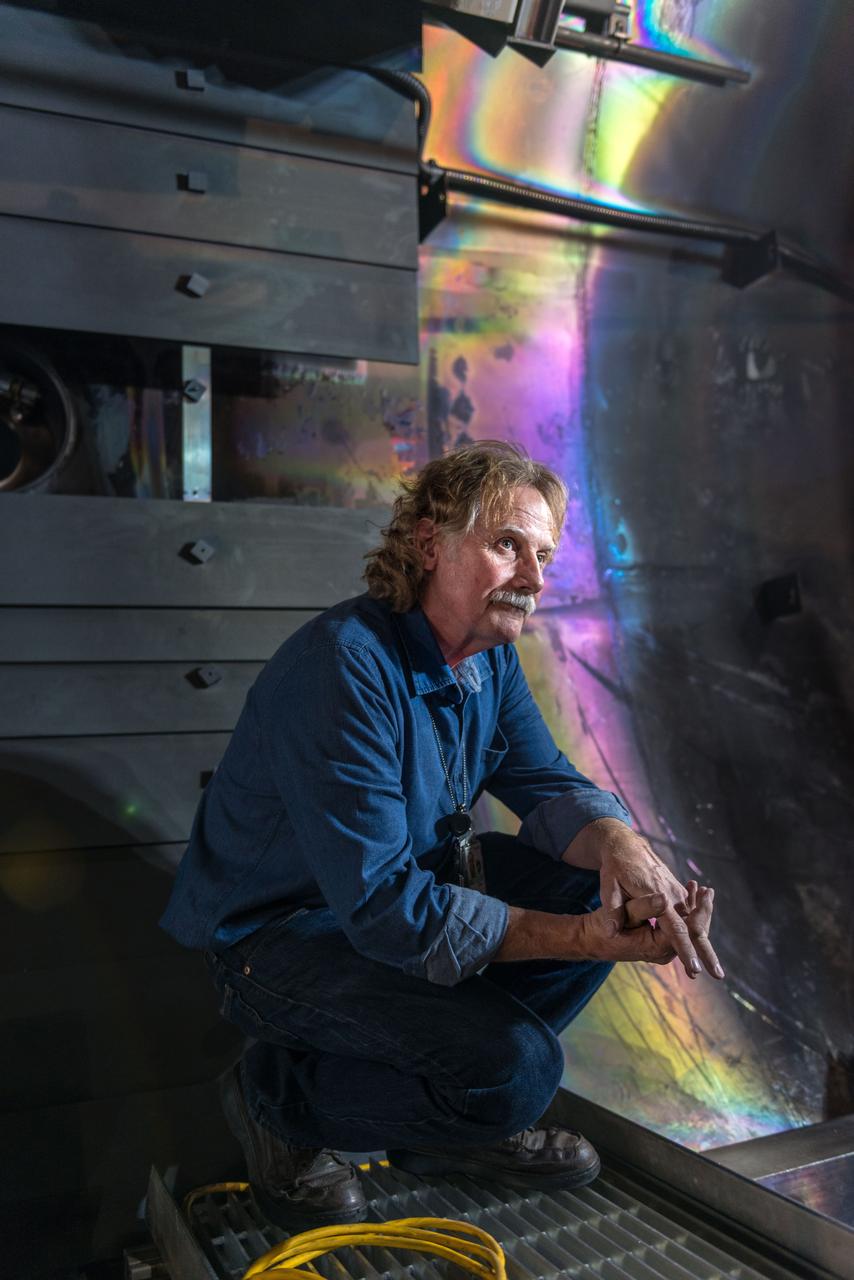
Advanced Electric Propulsion System, AEPS, Engineering Test Unit 2, ETU-2, Thruster Hardware
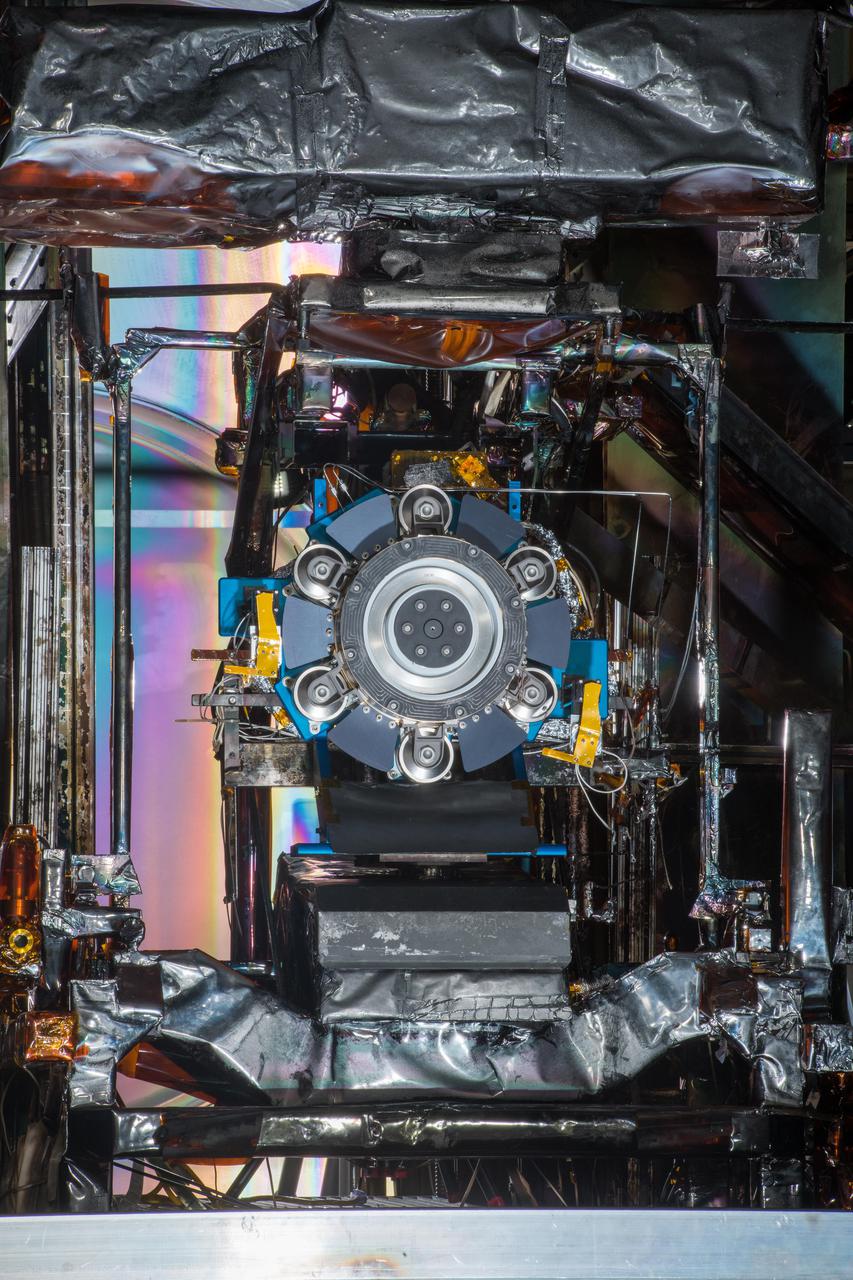
Advanced Electric Propulsion System, AEPS, Engineering Test Unit 2, ETU-2, Thruster Hardware

Advanced Electric Propulsion System, AEPS, Engineering Test Unit 2, ETU-2, Thruster Hardware
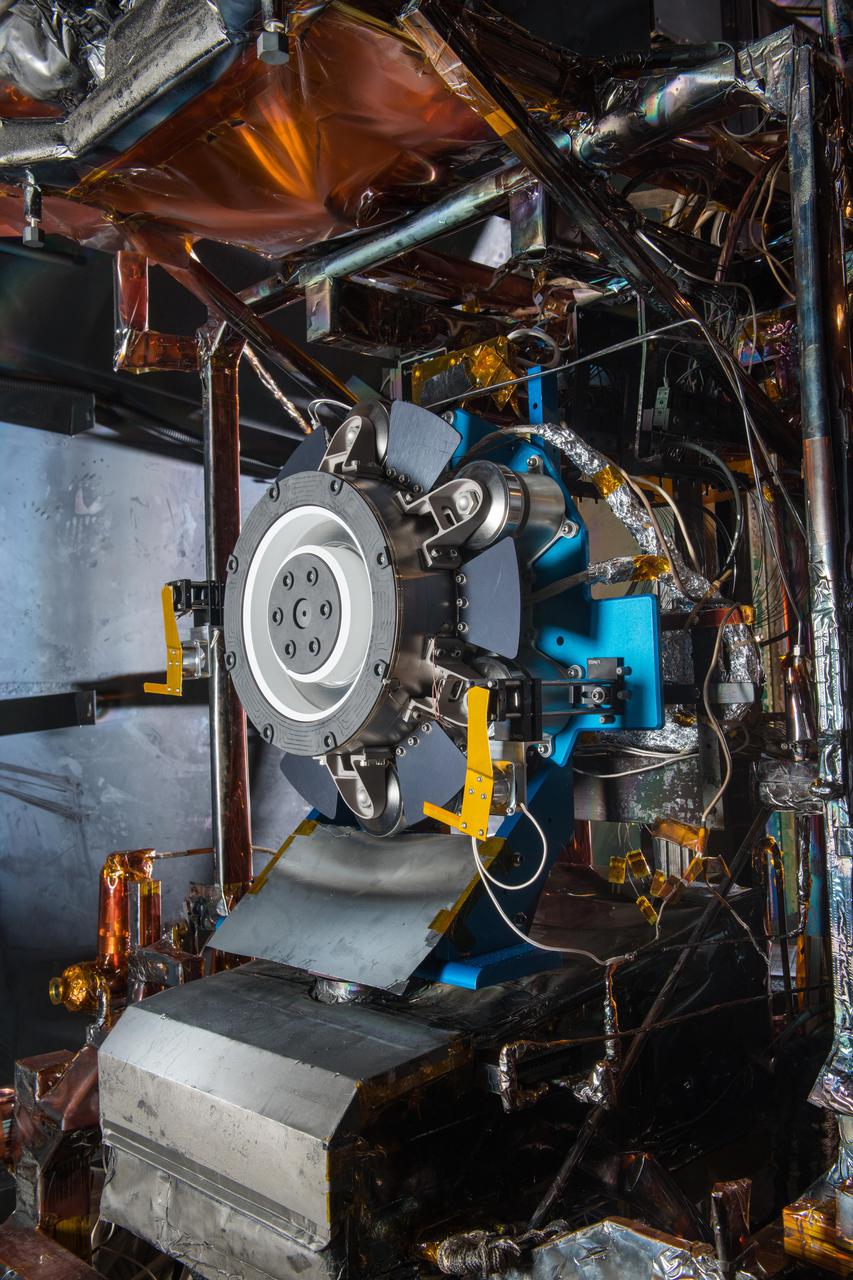
Advanced Electric Propulsion System, AEPS, Engineering Test Unit 2, ETU-2, Thruster Hardware
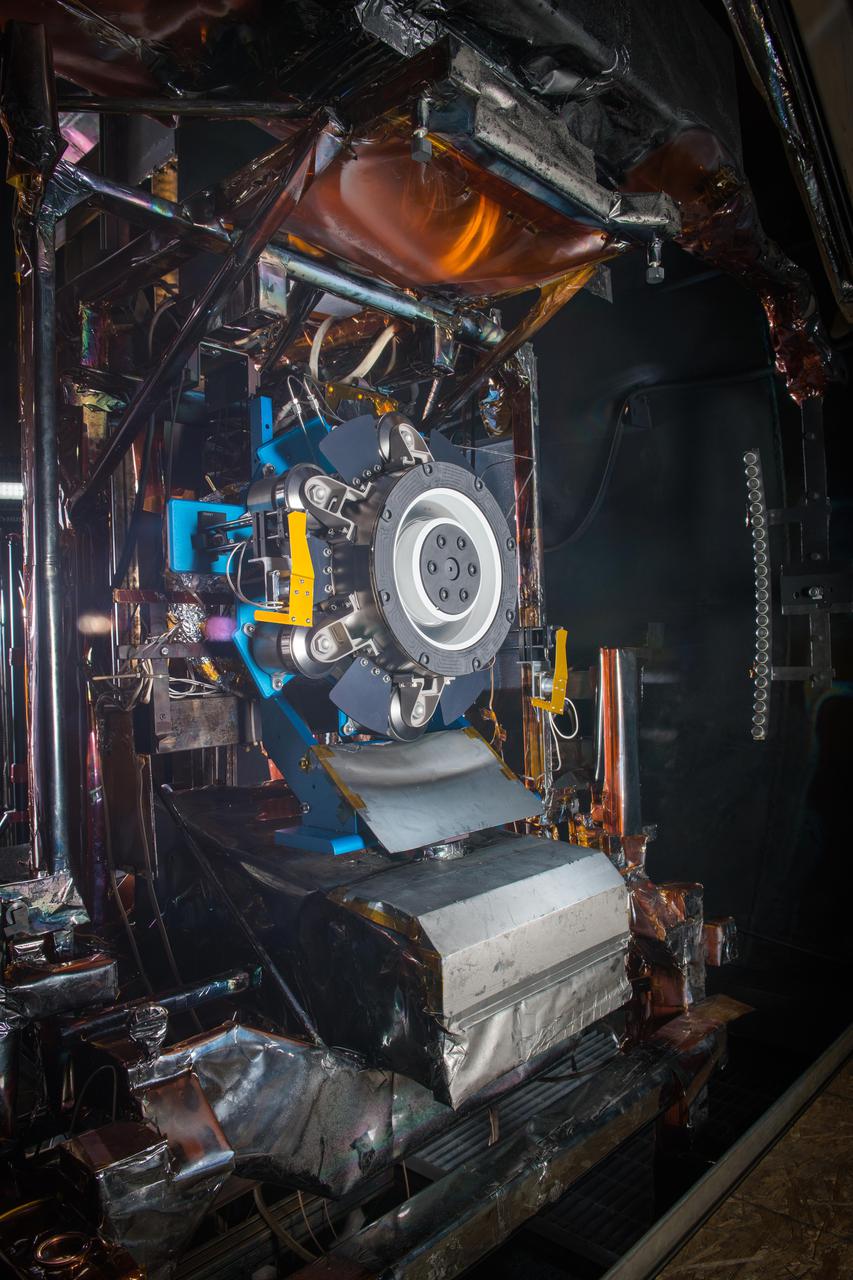
Advanced Electric Propulsion System, AEPS, Engineering Test Unit 2, ETU-2, Thruster Hardware
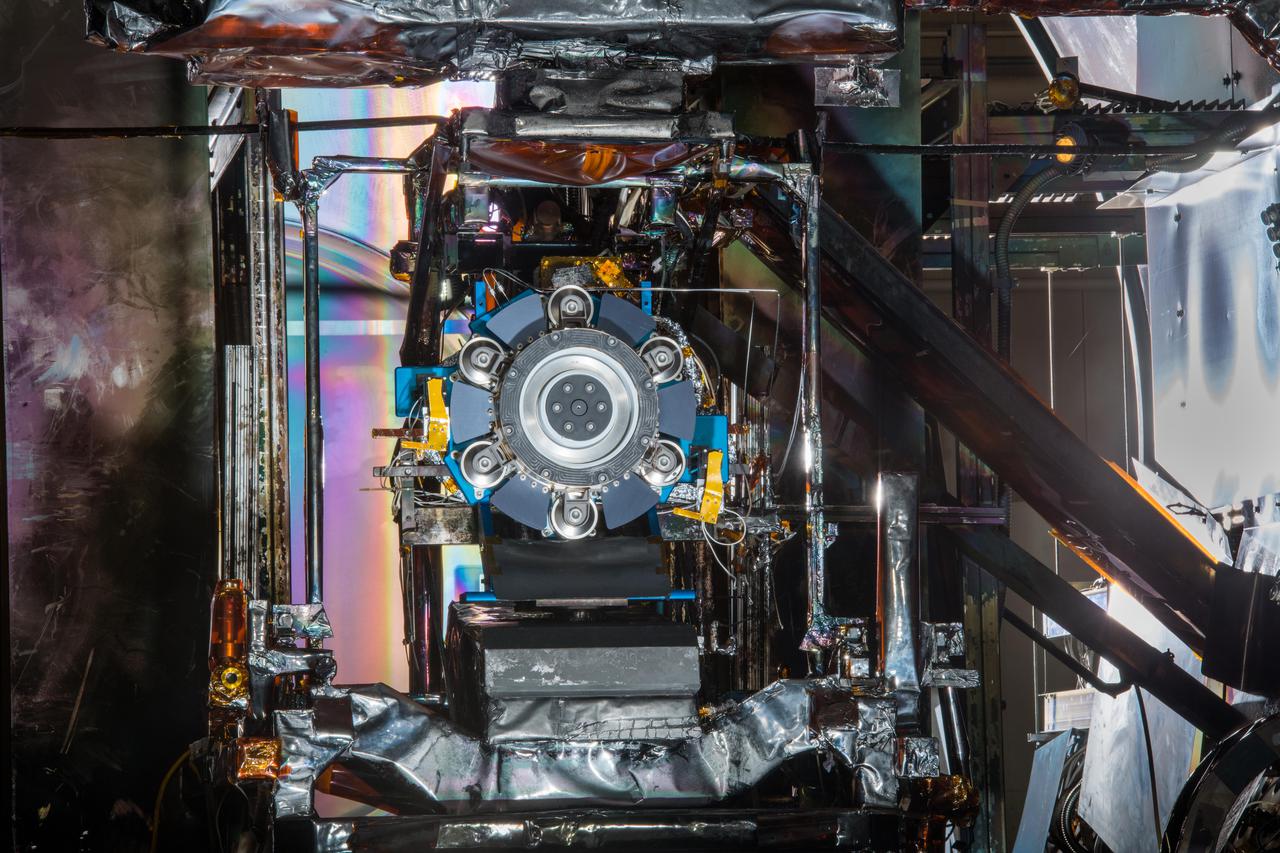
Advanced Electric Propulsion System, AEPS, Engineering Test Unit 2, ETU-2, Thruster Hardware
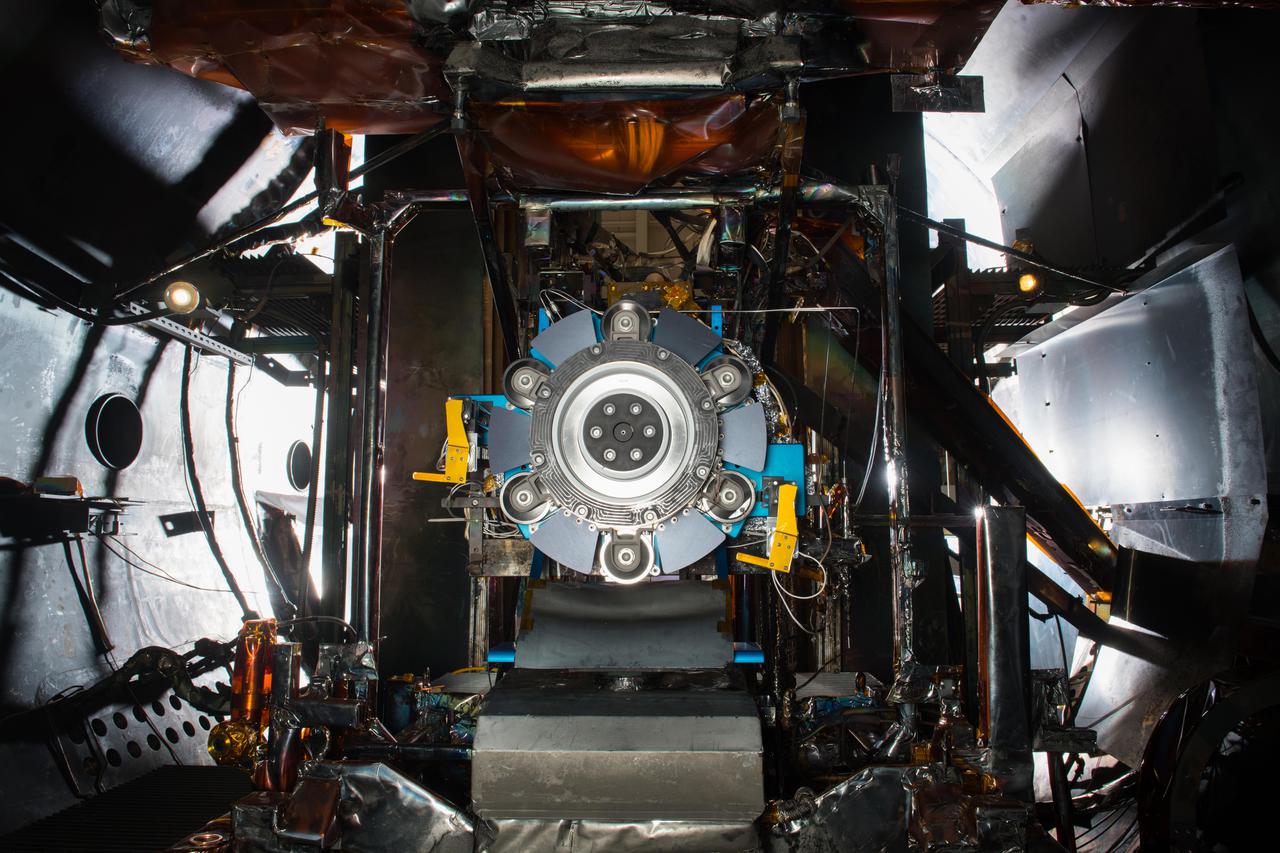
Advanced Electric Propulsion System, AEPS, Engineering Test Unit 2, ETU-2, Thruster Hardware
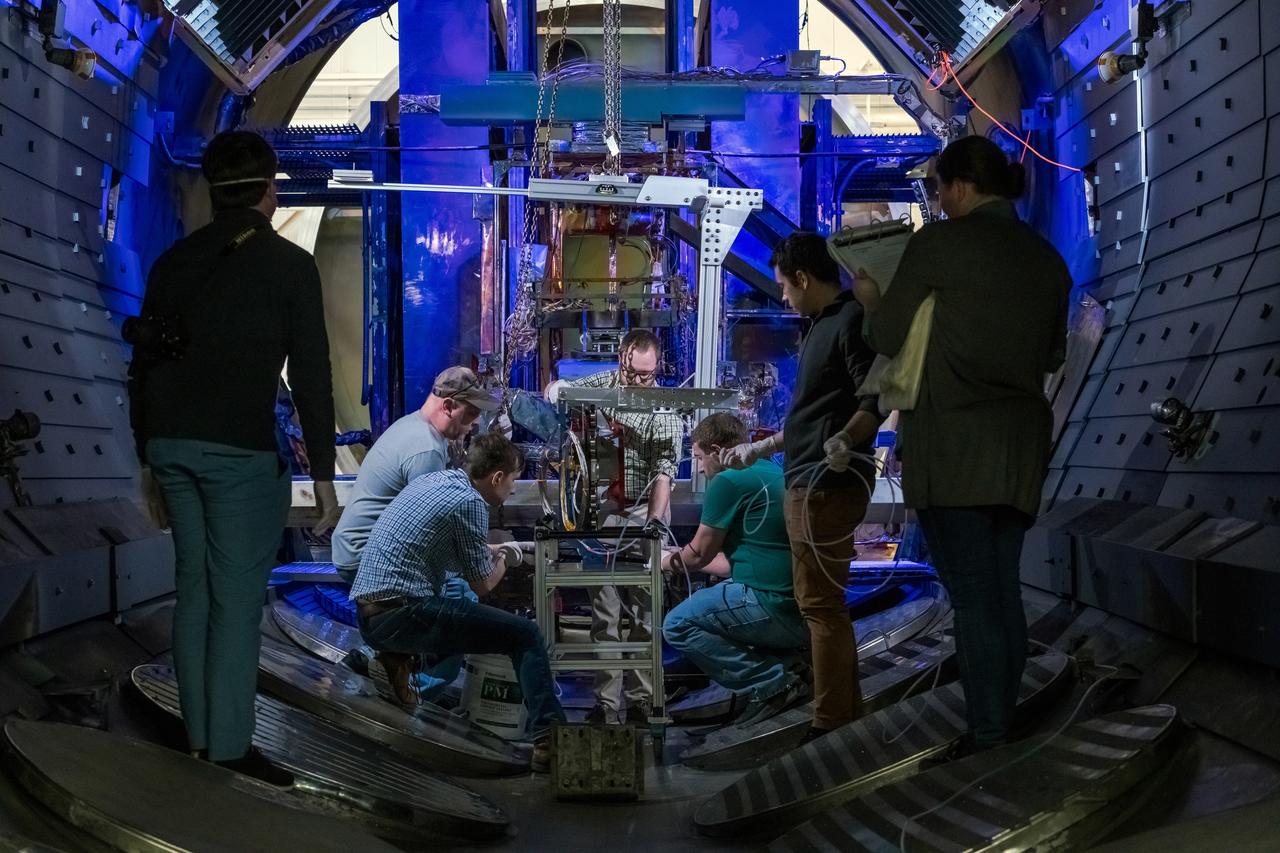
NASA Glenn Research Center has received the first of three Advanced Electric Propulsion System (AEPS) thrusters for the Gateway lunar space station. Built by L3Harris Technologies, the thruster will undergo testing before integration with Gateway’s Power and Propulsion Element, launching with the HALO module ahead of Artemis IV.

NASA Glenn Research Center has received the first of three Advanced Electric Propulsion System (AEPS) thrusters for the Gateway lunar space station. Built by L3Harris Technologies, the thruster will undergo testing before integration with Gateway’s Power and Propulsion Element, launching with the HALO module ahead of Artemis IV.
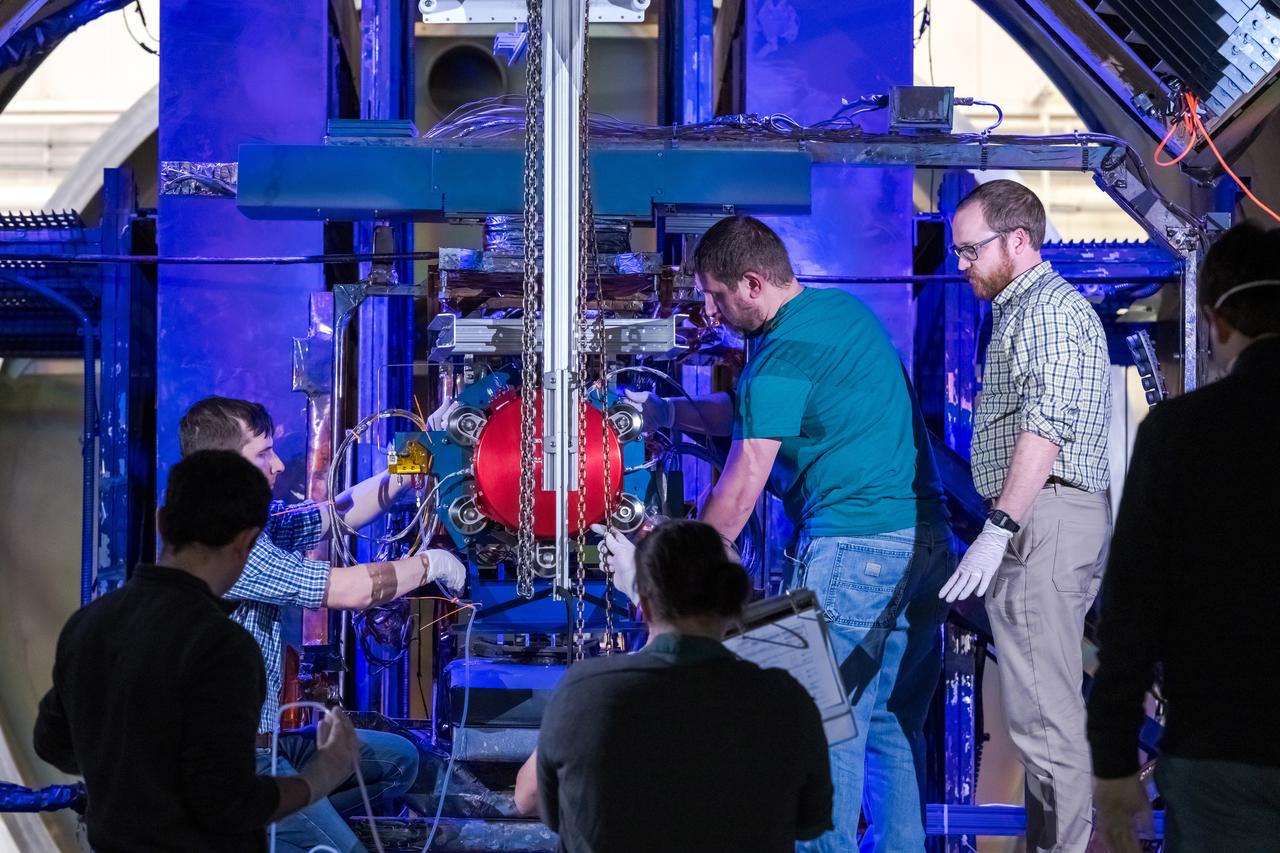
NASA Glenn Research Center has received the first of three Advanced Electric Propulsion System (AEPS) thrusters for the Gateway lunar space station. Built by L3Harris Technologies, the thruster will undergo testing before integration with Gateway’s Power and Propulsion Element, launching with the HALO module ahead of Artemis IV.
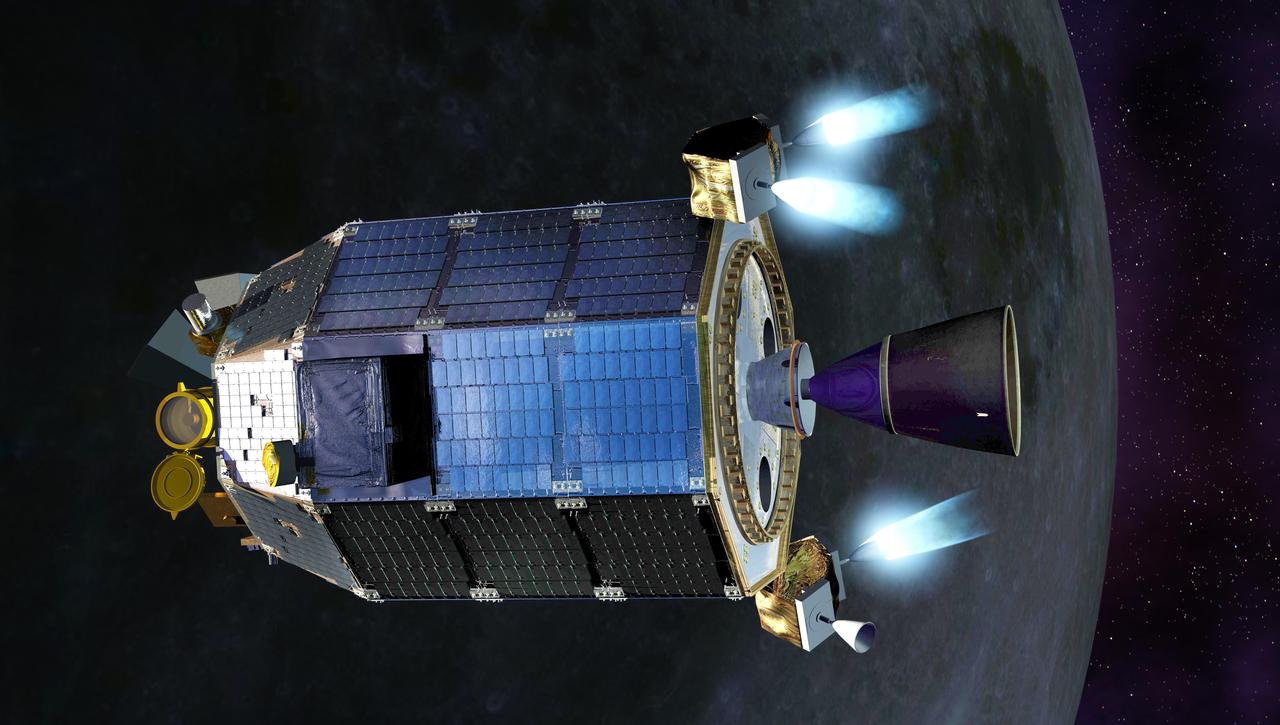
An artist's concept of NASA's Lunar Atmosphere and Dust Environment Explorer (LADEE) spacecraft firing its maneuvering thrusters in order to maintain a safe altitude as it orbits the moon. Credit: NASA Ames / Dana Berry ----- What is LADEE? The Lunar Atmosphere and Dust Environment Explorer (LADEE) is designed to study the Moon's thin exosphere and the lunar dust environment. An "exosphere" is an atmosphere that is so thin and tenuous that molecules don't collide with each other. Studying the Moon's exosphere will help scientists understand other planetary bodies with exospheres too, like Mercury and some of Jupiter's bigger moons. The orbiter will determine the density, composition and temporal and spatial variability of the Moon's exosphere to help us understand where the species in the exosphere come from and the role of the solar wind, lunar surface and interior, and meteoric infall as sources. The mission will also examine the density and temporal and spatial variability of dust particles that may get lofted into the atmosphere. The mission also will test several new technologies, including a modular spacecraft bus that may reduce the cost of future deep space missions and demonstrate two-way high rate laser communication for the first time from the Moon. LADEE now is ready to launch when the window opens on Sept. 6, 2013. Read more: <a href="http://www.nasa.gov/ladee" rel="nofollow">www.nasa.gov/ladee</a> <b><a href="http://www.nasa.gov/audience/formedia/features/MP_Photo_Guidelines.html" rel="nofollow">NASA image use policy.</a></b> <b><a href="http://www.nasa.gov/centers/goddard/home/index.html" rel="nofollow">NASA Goddard Space Flight Center</a></b> enables NASA’s mission through four scientific endeavors: Earth Science, Heliophysics, Solar System Exploration, and Astrophysics. Goddard plays a leading role in NASA’s accomplishments by contributing compelling scientific knowledge to advance the Agency’s mission. <b>Follow us on <a href="http://twitter.com/NASA_GoddardPix" rel="nofollow">Twitter</a></b> <b>Like us on <a href="http://www.facebook.com/pages/Greenbelt-MD/NASA-Goddard/395013845897?ref=tsd" rel="nofollow">Facebook</a></b> <b>Find us on <a href="http://instagram.com/nasagoddard?vm=grid" rel="nofollow">Instagram</a></b>
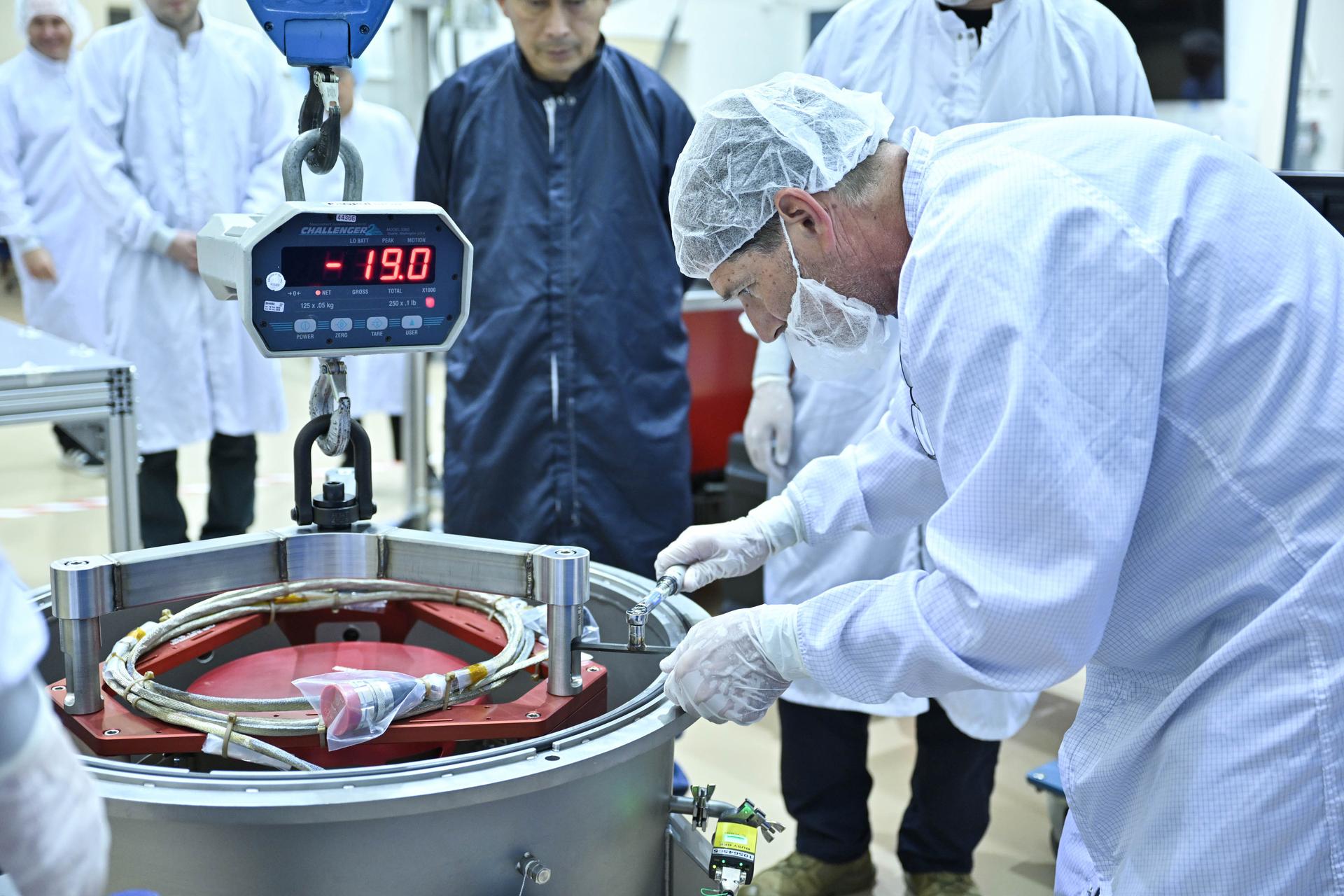
Technicians at Lanteris Space Systems in Palo Alto, California, remove the first of three Advanced Electric Propulsion System (AEPS) flight thrusters from its transport container following delivery from NASA’s Glenn Research Center. The thruster previously completed acceptance testing at Glenn and will be prepared for integration with Gateway’s Power and Propulsion Element (PPE).
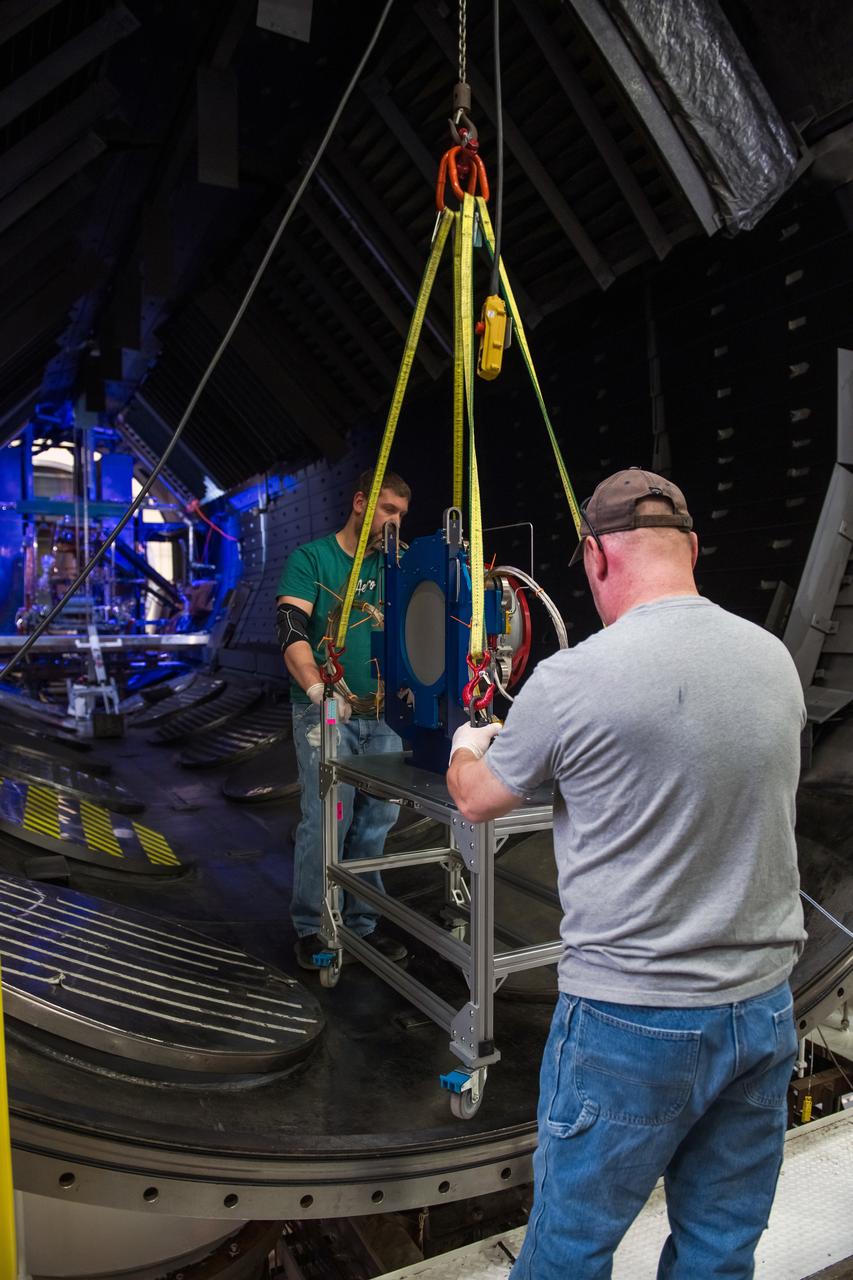
NASA Glenn Research Center has received the first of three Advanced Electric Propulsion System (AEPS) thrusters for the Gateway lunar space station. Built by L3Harris Technologies, the thruster will undergo testing before integration with Gateway’s Power and Propulsion Element, launching with the HALO module ahead of Artemis IV.
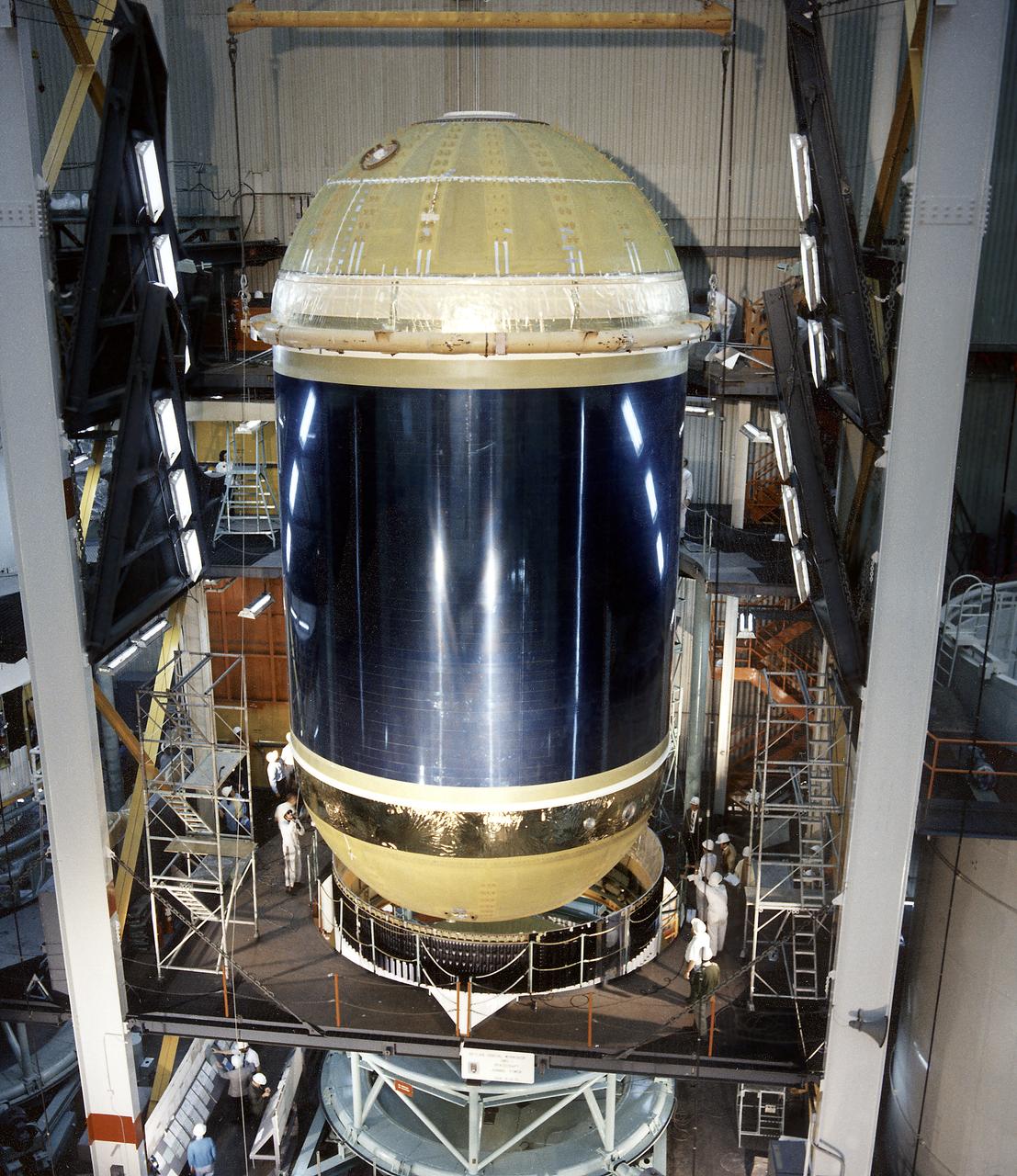
Assembling activities of the Skylab cluster are shown in this photograph. The Orbital Workshop (OWS) was lowered for joining to aft skirt and placed over the thrust structure inside the assembly tower. The OWS provided living and working quarters for the Skylab crew and the thruster provided short-term attitude control of the Skylab. The Marshall Space Flight Center had responsibilities for the design and development of the Skylab hardware, and management of experiments.
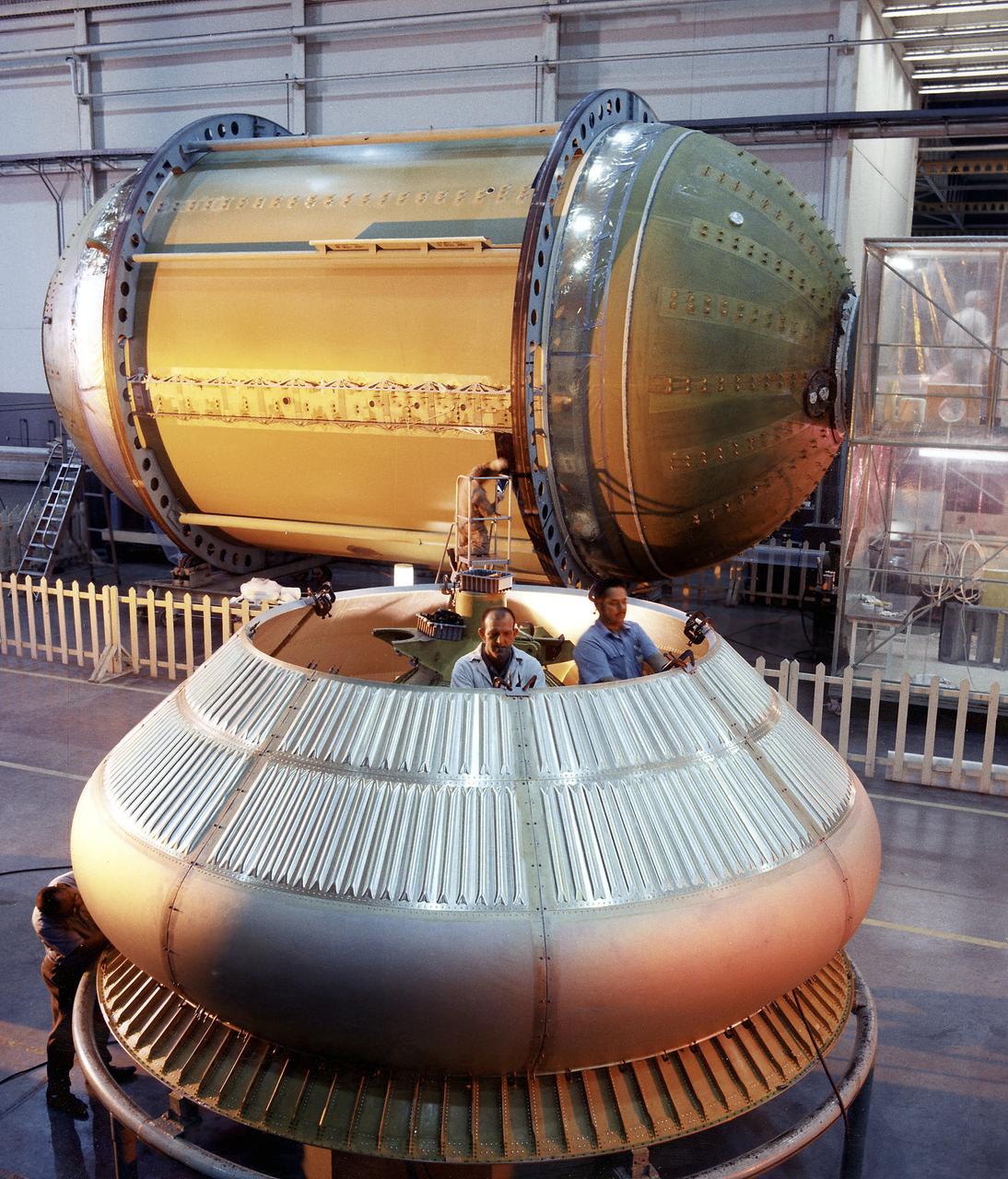
This photograph shows technicians installing the meteoroid shield on the Thruster Attitude Control Subsystem (TACS). At one end of the Orbital Workshop (OWS), the TACS provided short-term control of the attitude of the Skylab.
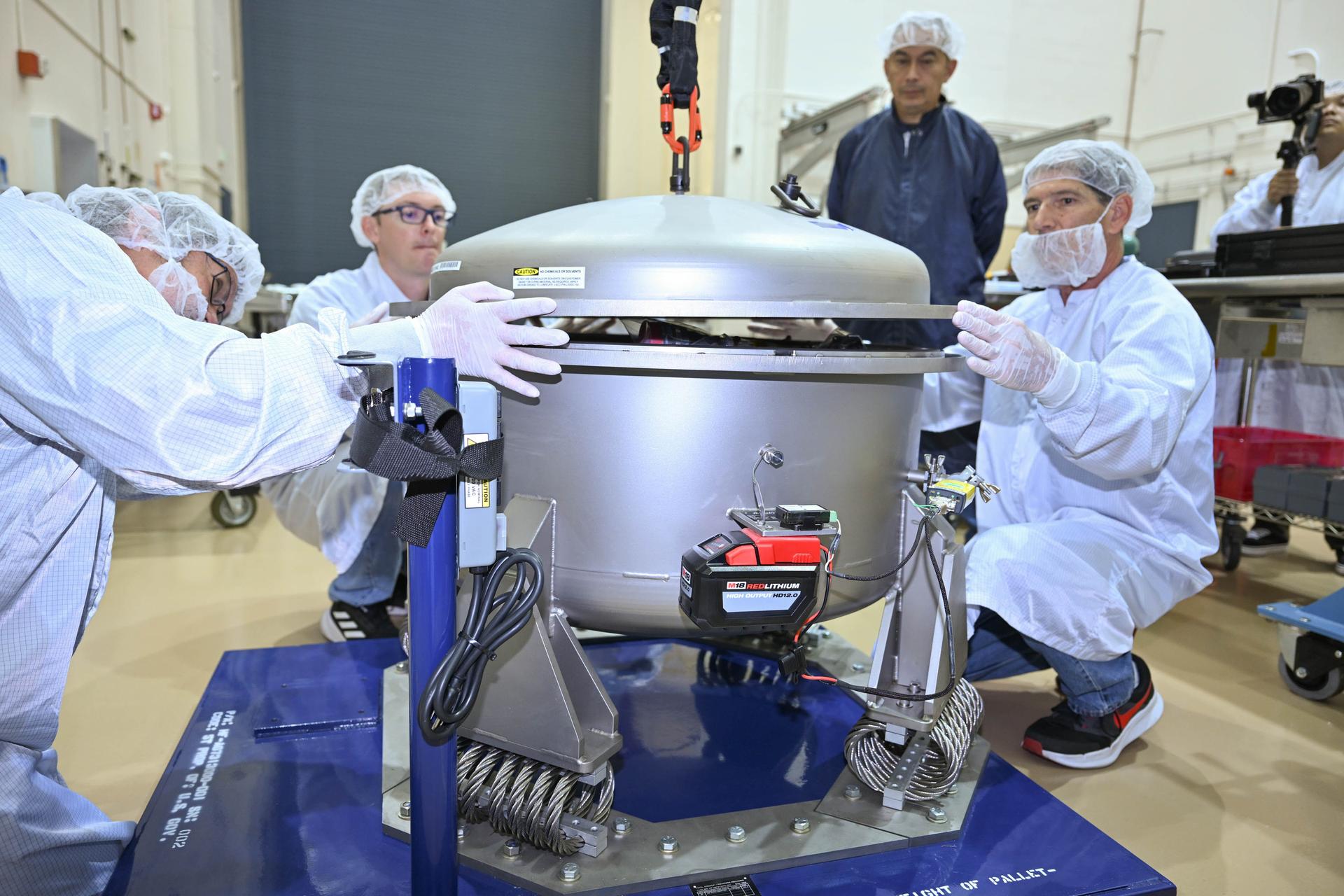
Technicians at Lanteris Space Systems in Palo Alto, California, remove the first of three Advanced Electric Propulsion System (AEPS) flight thrusters from its transport container following delivery from NASA’s Glenn Research Center. The thruster previously completed acceptance testing at Glenn and will be prepared for integration with Gateway’s Power and Propulsion Element (PPE). Credit: Lanteris Space Systems
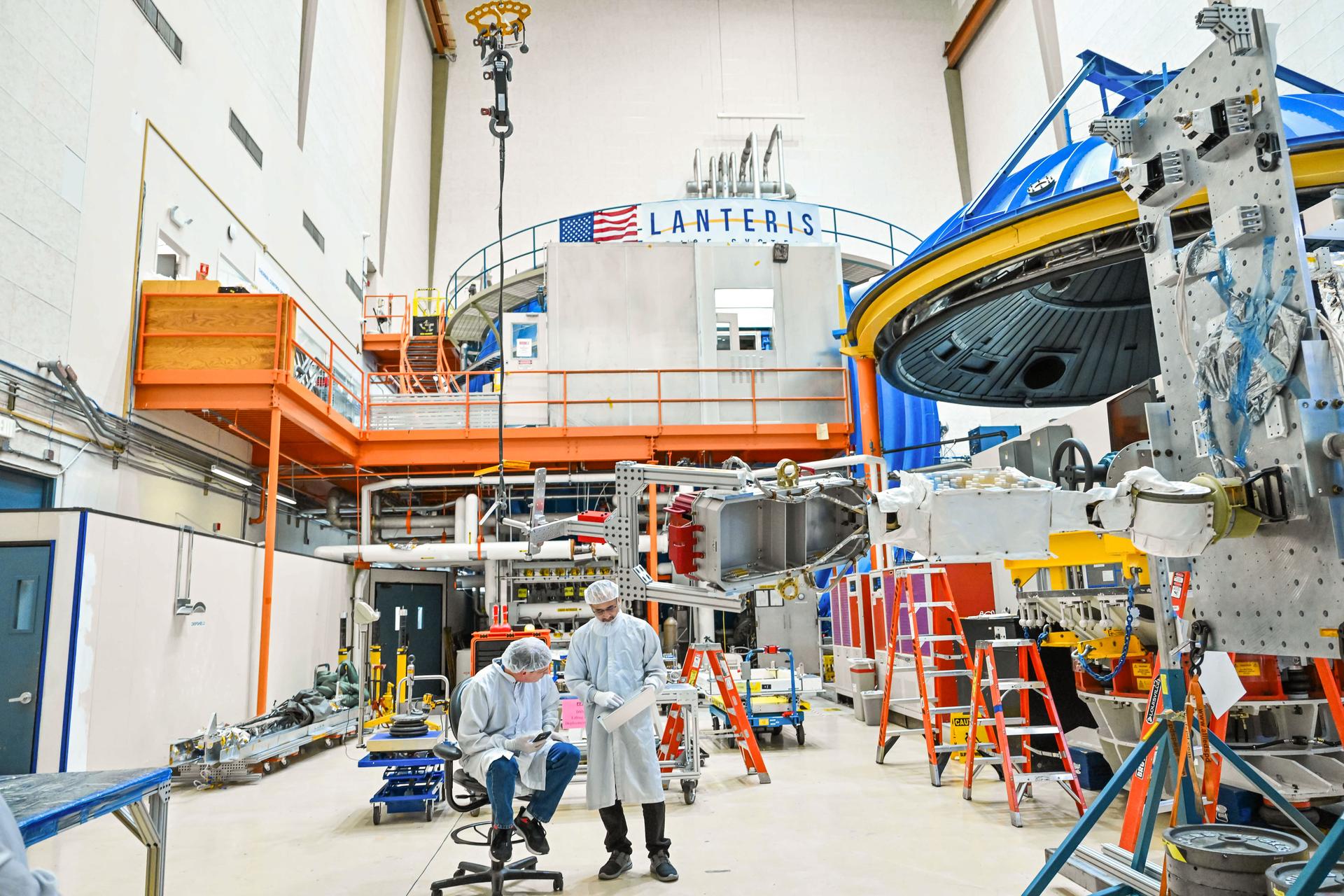
During this Engineering Qualification Module test, the gimbal platforms for the Busek-built BHT-6000 Hall effect thrusters are exercised through their full range of motion to verify articulation performance and confirm the system can properly steer thrust once integrated with Gateway’s Power and Propulsion Element (PPE). On PPE, four BHT-6000 Hall effect thrusters and three Advanced Electric Propulsion System (AEPS) thrusters will use solar power generated by Gateway’s Roll-Out Solar Arrays (ROSAs) to ionize xenon gas. The resulting xenon ions are then accelerated to extremely high speeds and expelled from the thrusters, creating a steady and highly efficient stream of thrust. This propulsion system will enable the Gateway lunar space station to maneuver and maintain its orbit around the Moon.
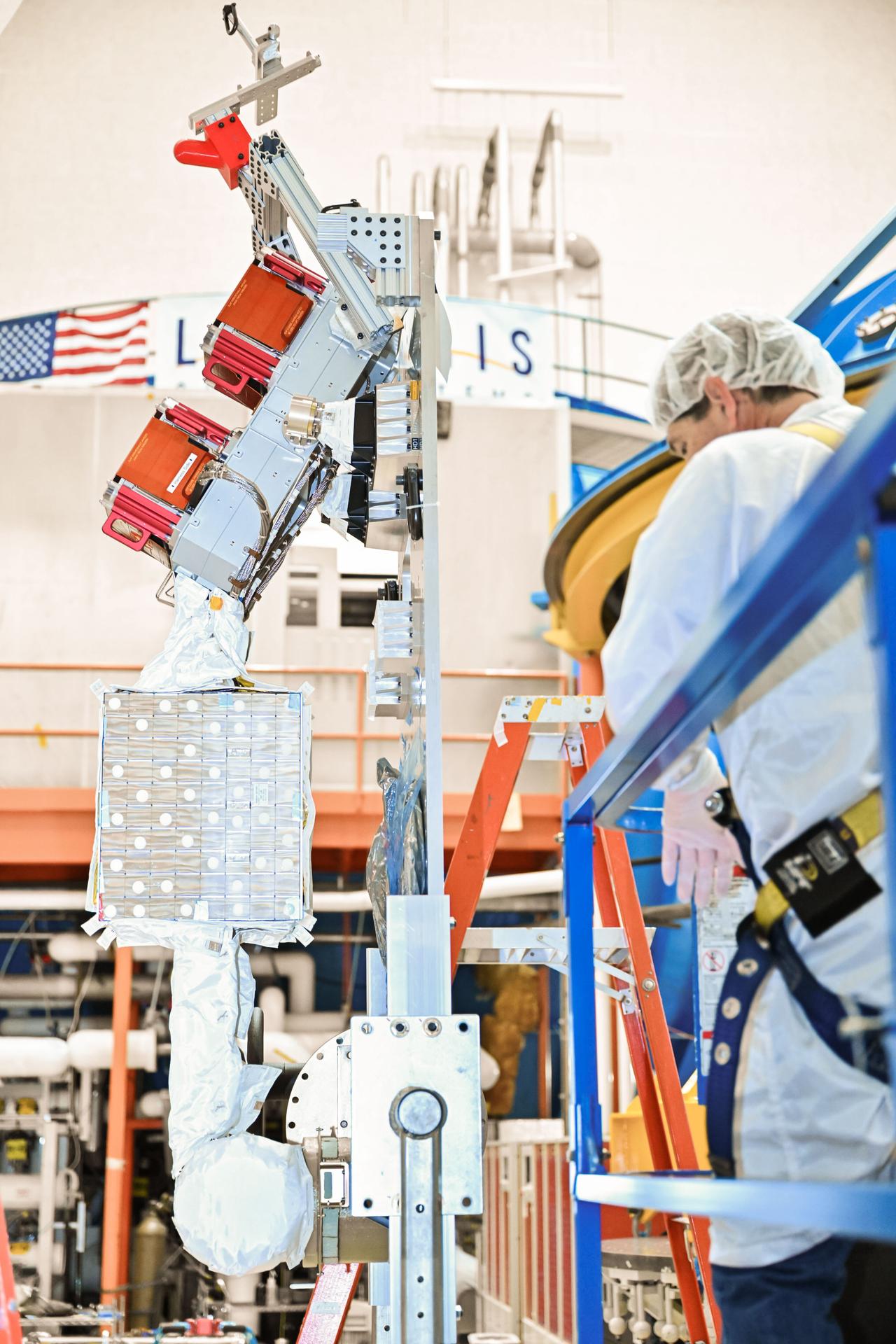
During this Engineering Qualification Module test, the gimbal platforms for the Busek-built BHT-6000 Hall effect thrusters are exercised through their full range of motion to verify articulation performance and confirm the system can properly steer thrust once integrated with Gateway’s Power and Propulsion Element (PPE). On PPE, four BHT-6000 Hall effect thrusters and three Advanced Electric Propulsion System (AEPS) thrusters will use solar power generated by Gateway’s Roll-Out Solar Arrays (ROSAs) to ionize xenon gas. The resulting xenon ions are then accelerated to extremely high speeds and expelled from the thrusters, creating a steady and highly efficient stream of thrust. This propulsion system will enable the Gateway lunar space station to maneuver and maintain its orbit around the Moon.
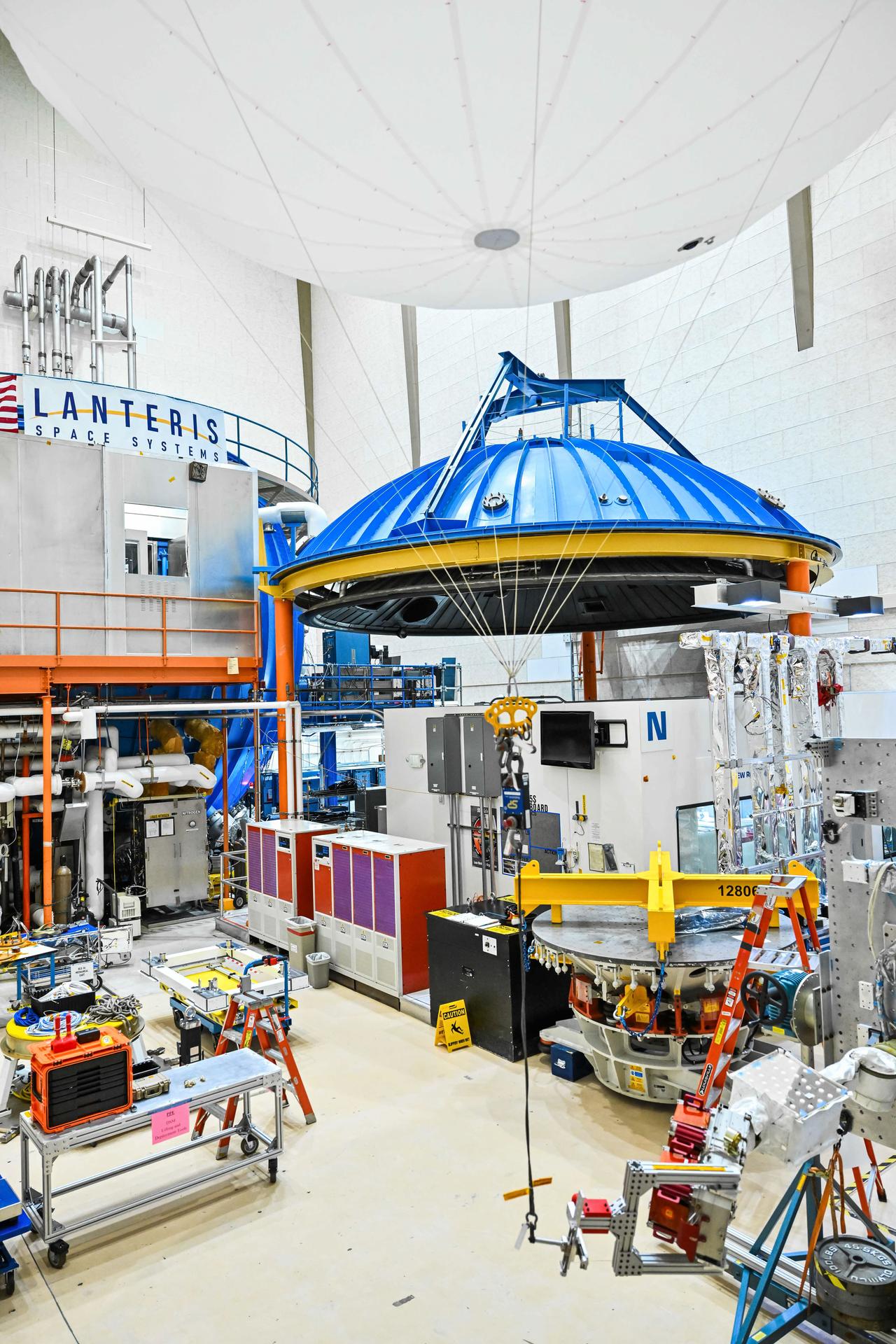
During this Engineering Qualification Module test, the gimbal platforms for the Busek-built BHT-6000 Hall effect thrusters are exercised through their full range of motion to verify articulation performance and confirm the system can properly steer thrust once integrated with Gateway’s Power and Propulsion Element (PPE). On PPE, four BHT-6000 Hall effect thrusters and three Advanced Electric Propulsion System (AEPS) thrusters will use solar power generated by Gateway’s Roll-Out Solar Arrays (ROSAs) to ionize xenon gas. The resulting xenon ions are then accelerated to extremely high speeds and expelled from the thrusters, creating a steady and highly efficient stream of thrust. This propulsion system will enable the Gateway lunar space station to maneuver and maintain its orbit around the Moon.
Researchers at the Lewis Research Center had been studying different methods of electric rocket propulsion since the mid-1950s. Harold Kaufman created the first successful engine, the electron bombardment ion engine, in the early 1960s. Over the ensuing decades Lewis researchers continued to advance the original ion thruster concept. A Space Electric Rocket Test (SERT) spacecraft was launched in June 1964 to test Kaufman’s engine in space. SERT I had one cesium engine and one mercury engine. The suborbital flight was only 50 minutes in duration but proved that the ion engine could operate in space. This was followed in 1966 by the even more successful SERT II, which operated on and off for over ten years. Lewis continued studying increasingly more powerful ion thrusters. These electric engines created and accelerated small particles of propellant material to high exhaust velocities. Electric engines have a very small amount of thrust and are therefore not capable of lifting a spaceship from the surface of the Earth. Once lofted into orbit, however, electric engines are can produce small, continuous streams of thrust for several years.
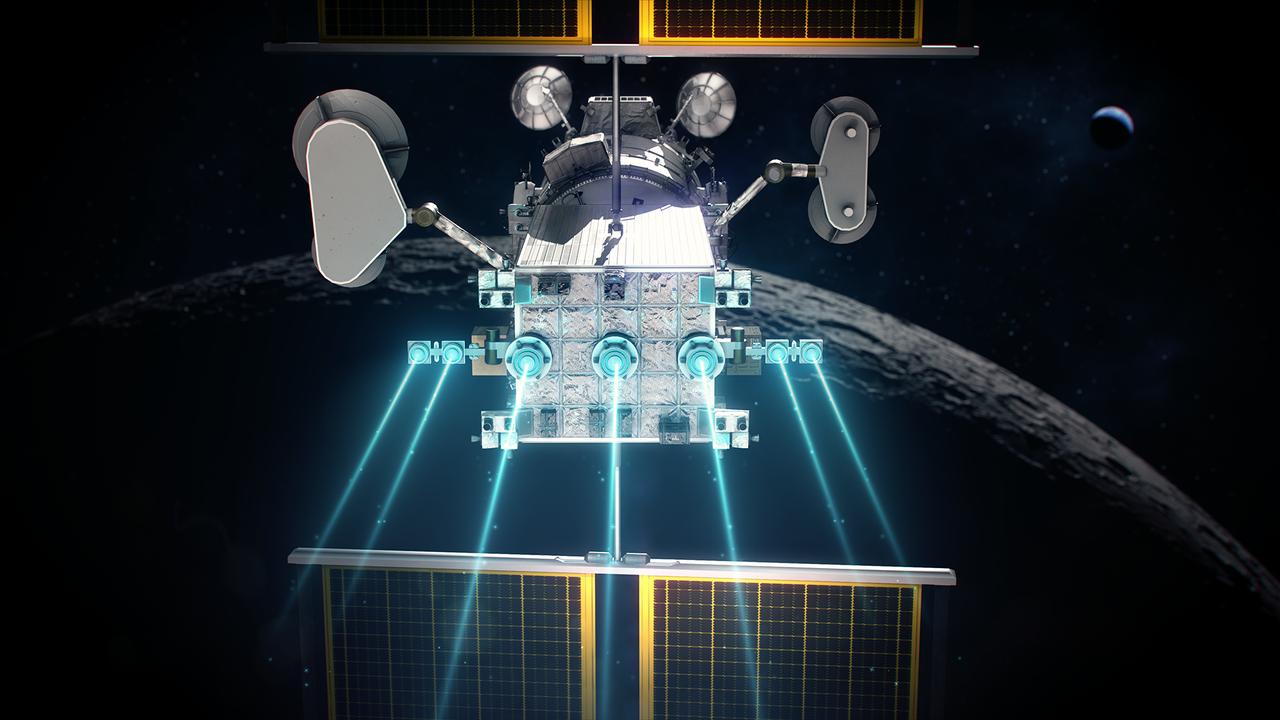
The Power and Propulsion Element's 12 kw thrusters will make Gateway the most powerful solar electric spacecraft ever flown.
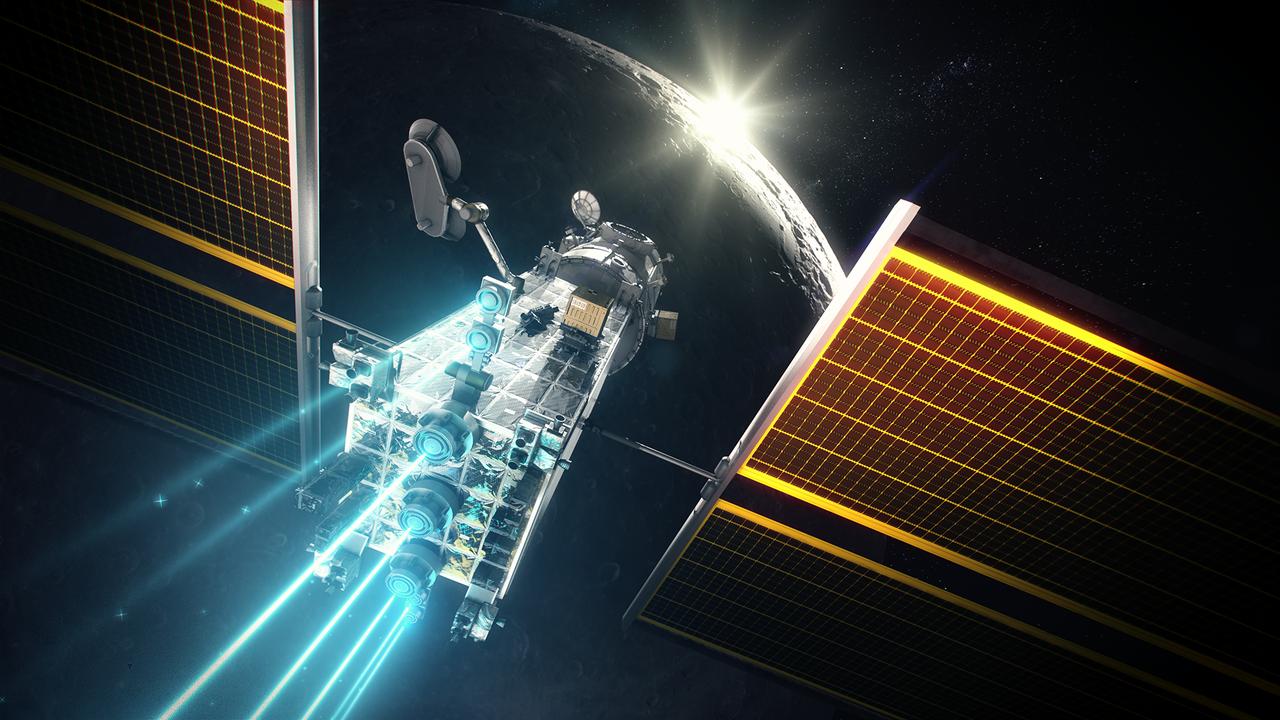
The Power and Propulsion Element's 12 kw thrusters will make Gateway the most powerful solar electric spacecraft ever flown.
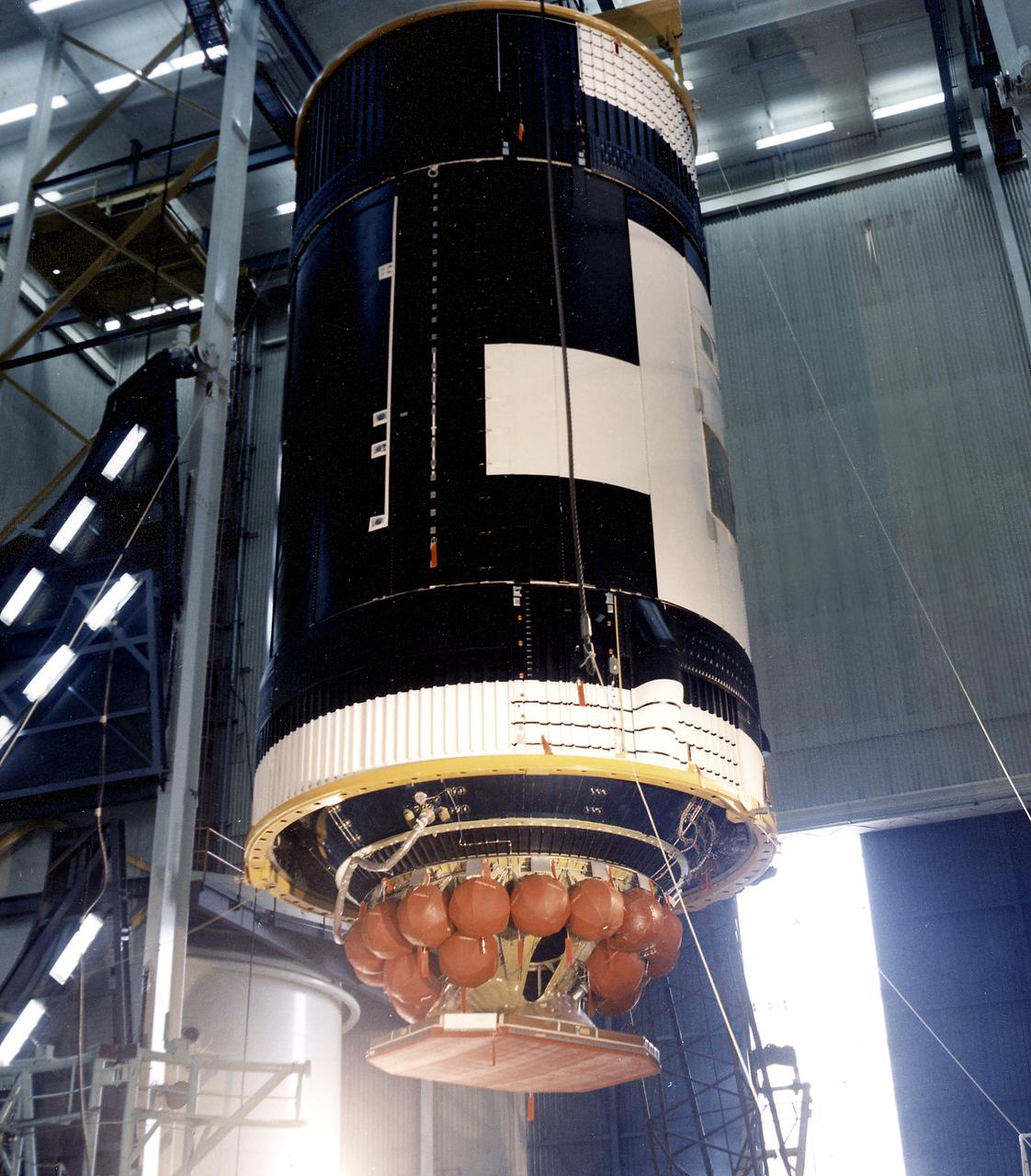
This photograph shows the Skylab Orbital Workshop (OWS) assembled, with its Thruster Attitude Control System (TACS) and radiator, ready for placing on the transporter. Twenty-two titanium spheres above the radiator housed the nitrogen required for operation of the TACS. At one end of the OWS, the TACS provided short-term control of the attitude of the Skylab.
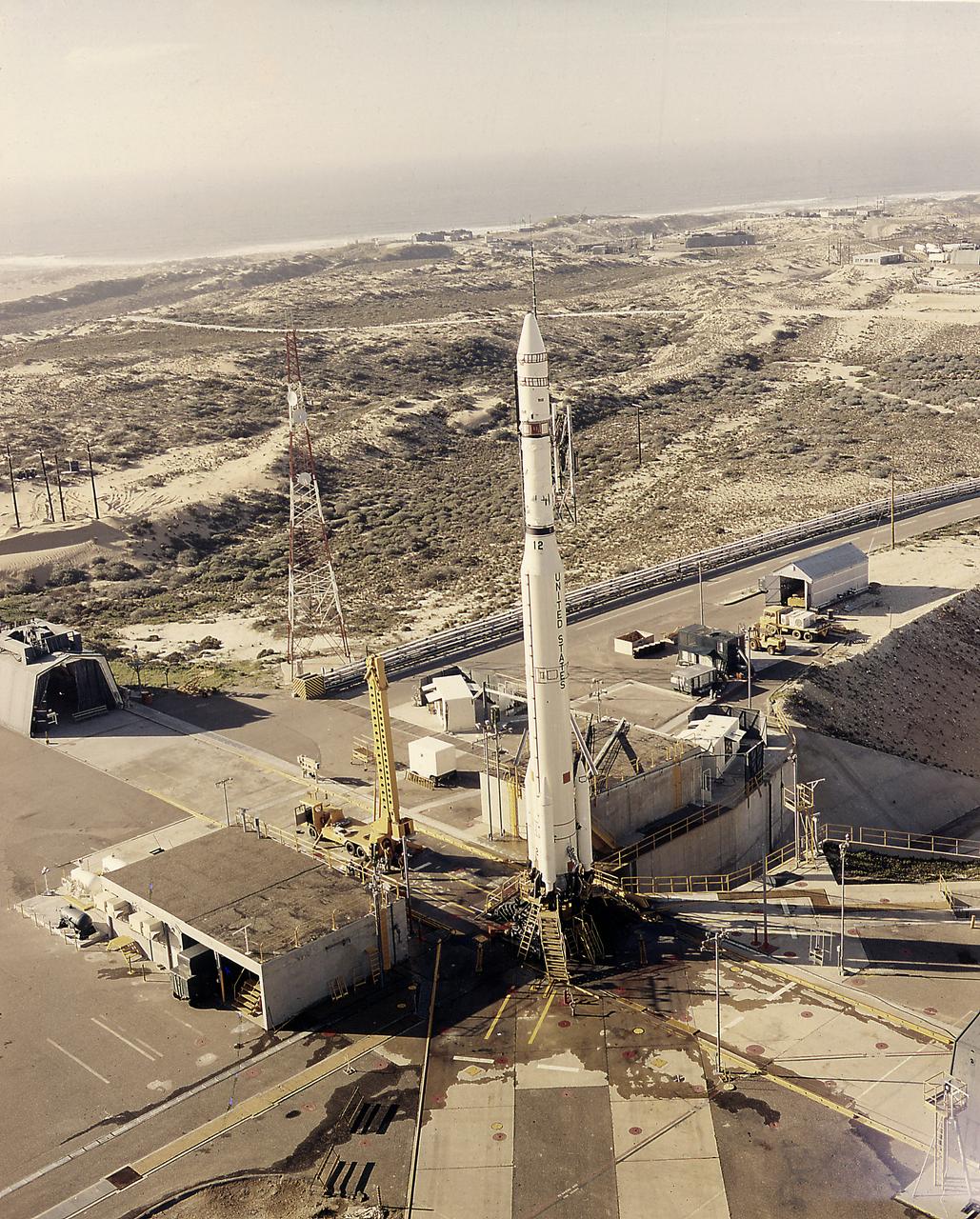
The Thorad-Agena launch vehicle with the SERT-2 (Space Electric Rocket Test-2) spacecraft on launch pad at the Western Test Range in California. The SERT-2 was launched on February 4, 1970 and tested the capability of an electric ion thruster system.

The US Air Force loaned a Republic F-84 Thunderjet to the National Advisory Committee for Aeronautics (NACA) Lewis Flight Propulsion Laboratory in the spring of 1954. NACA researchers soon modified the aircraft for the first demonstration of a reverse thruster. Republic built over 4000 Thunderjets between 1947 and 1953 for the military as a successor to the Lockheed F-80 Shooting Star. TheF-84s became successful multi-use aircraft during the Korean War. The use of traditional wheel brakes on high speed aircraft was problematic because the required braking system would weigh too much. The reverse thruster was developed as a method for stopping these aircraft without increasing the overall weight. Panels in the tail section near the jet engine’s nozzle opened up during a landing. These extended flaps not only caused resistance to the airstream but also reversed the engine’s thrust. In June 1964 Irving Pinkel, head of the Lewis Physics Division, oversaw a demonstration of this technology on an F-84 at the NACA laboratory. The side fuselage panels around the engine nozzle, seen closed in this photograph, opened up like wings and deflected the engine’s thrust towards the front of the aircraft, thus producing reverse thrust. The F-84 activated the reverse thruster and the aircraft moved backwards across the runway.
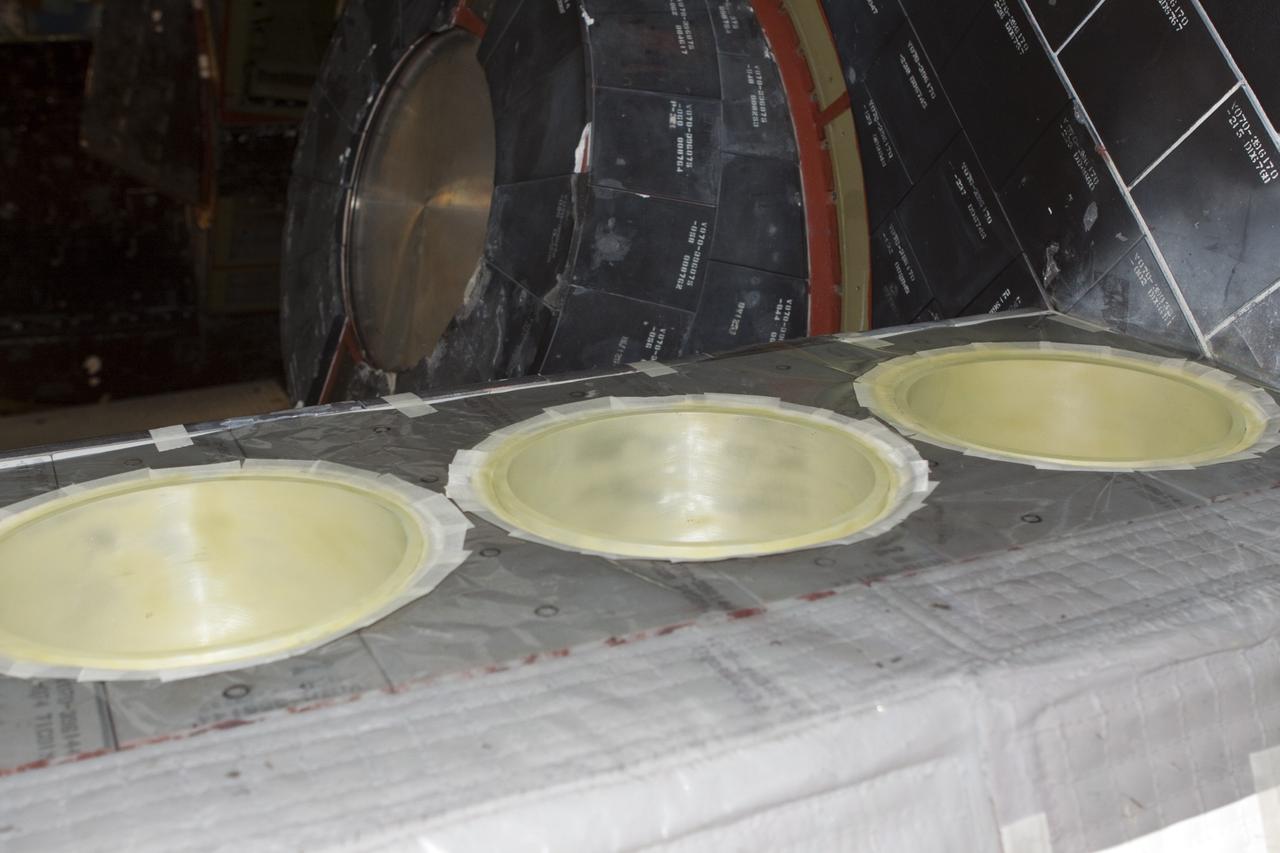
CAPE CANAVERAL, Fla. - In Orbiter Processing Facility Bay 2 at NASA’s Kennedy Space Center in Florida, simulated thrusters are being painted on the space shuttle Endeavour. The work is part of Transition and Retirement of the remaining space shuttles, Endeavour and Atlantis. Endeavour is being prepared for public display at the California Science Center in Los Angeles. Its ferry flight to California is targeted for mid-September. Endeavour was the last space shuttle added to NASA’s orbiter fleet. Over the course of its 19-year career, Endeavour spent 299 days in space during 25 missions. For more information, visit http://www.nasa.gov/transition Photo credit: NASA/Jim Grossmann
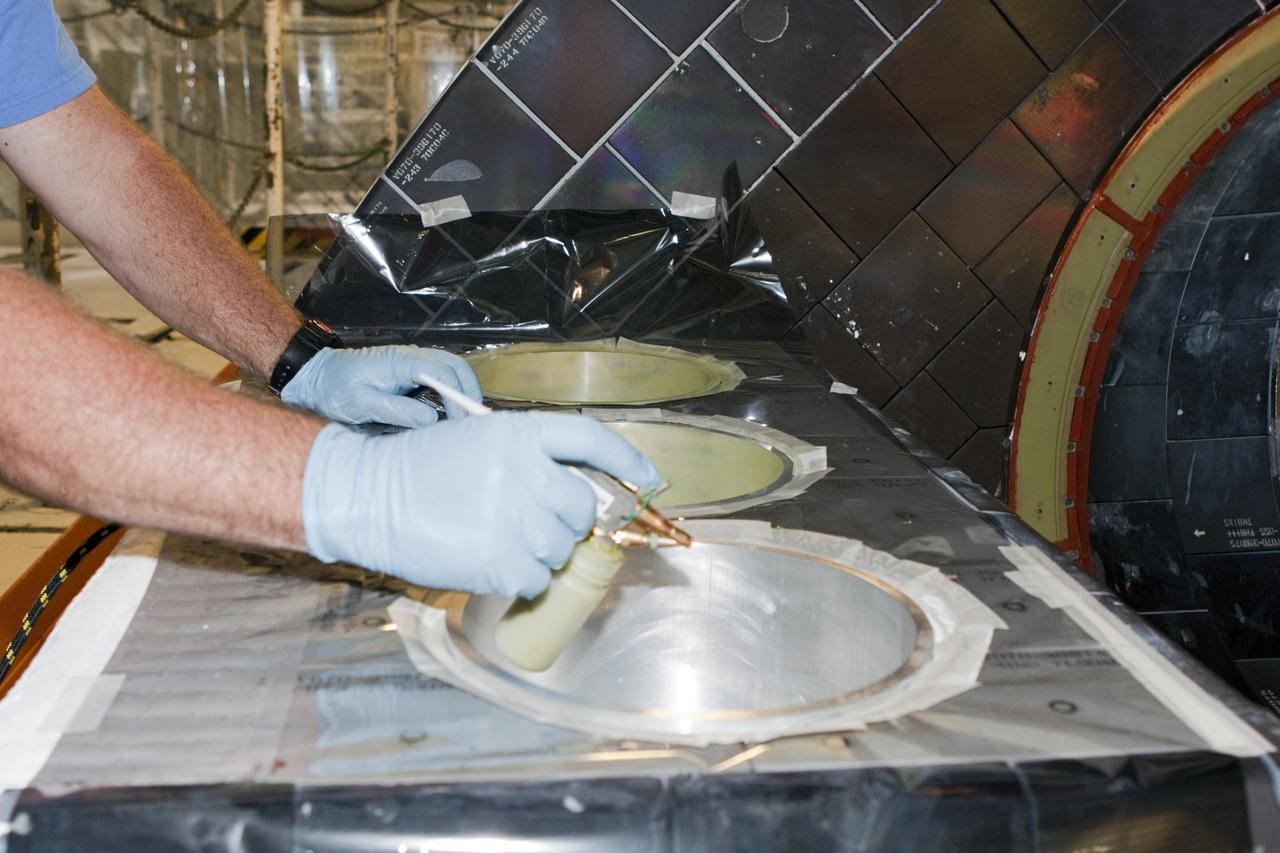
CAPE CANAVERAL, Fla. - In Orbiter Processing Facility Bay 2 at NASA’s Kennedy Space Center in Florida, a technician spray paints simulated thrusters on the space shuttle Endeavour. The work is part of Transition and Retirement of the remaining space shuttles, Endeavour and Atlantis. Endeavour is being prepared for public display at the California Science Center in Los Angeles. Its ferry flight to California is targeted for mid-September. Endeavour was the last space shuttle added to NASA’s orbiter fleet. Over the course of its 19-year career, Endeavour spent 299 days in space during 25 missions. For more information, visit http://www.nasa.gov/transition Photo credit: NASA/Jim Grossmann
CAPE CANAVERAL, Fla. - In Orbiter Processing Facility Bay 2 at NASA’s Kennedy Space Center in Florida, simulated thrusters are being painted on the space shuttle Endeavour. The work is part of Transition and Retirement of the remaining space shuttles, Endeavour and Atlantis. Endeavour is being prepared for public display at the California Science Center in Los Angeles. Its ferry flight to California is targeted for mid-September. Endeavour was the last space shuttle added to NASA’s orbiter fleet. Over the course of its 19-year career, Endeavour spent 299 days in space during 25 missions. For more information, visit http://www.nasa.gov/transition Photo credit: NASA/Jim Grossmann
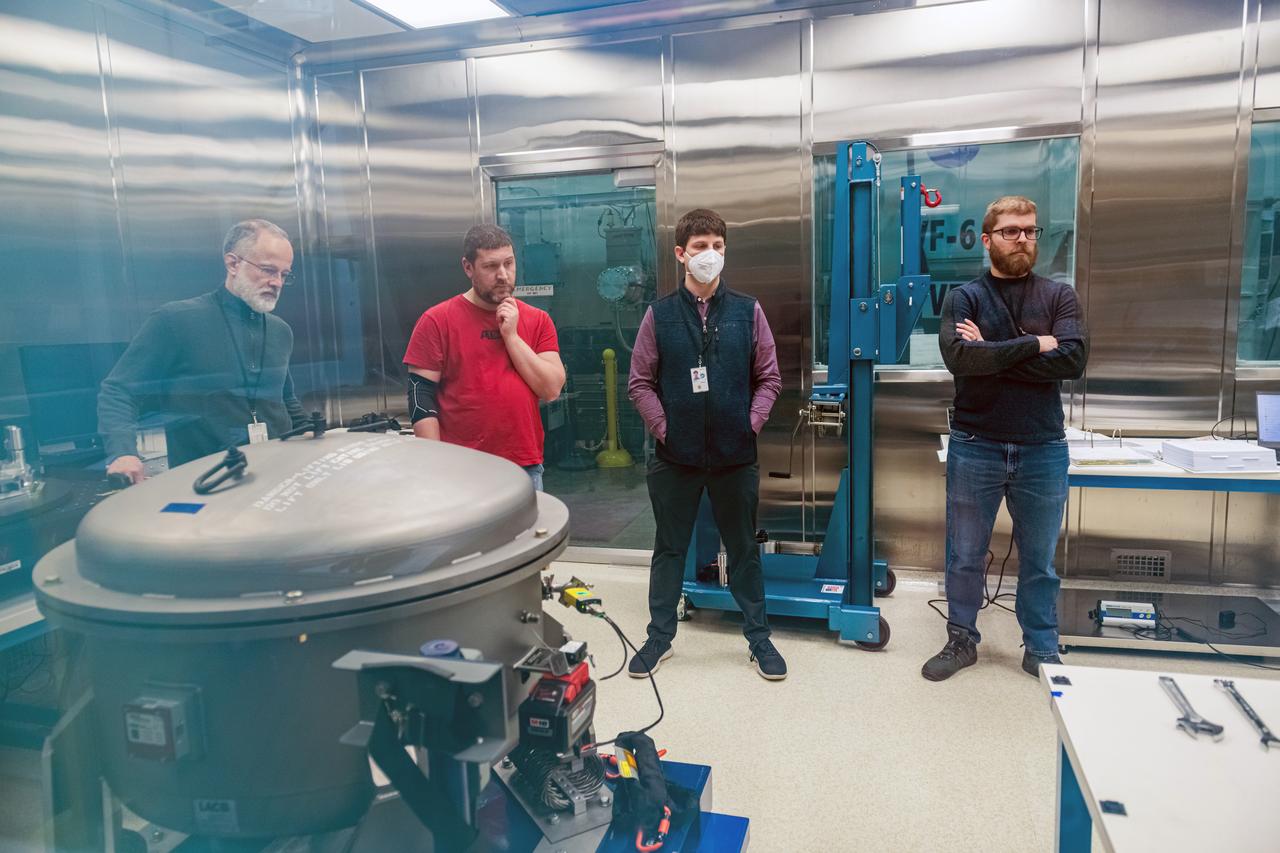
NASA Glenn Research Center has received the first of three Advanced Electric Propulsion System (AEPS) thrusters for the Gateway lunar space station. Built by L3Harris Technologies, the thruster will undergo testing before integration with Gateway’s Power and Propulsion Element, launching with the HALO module ahead of Artemis IV.
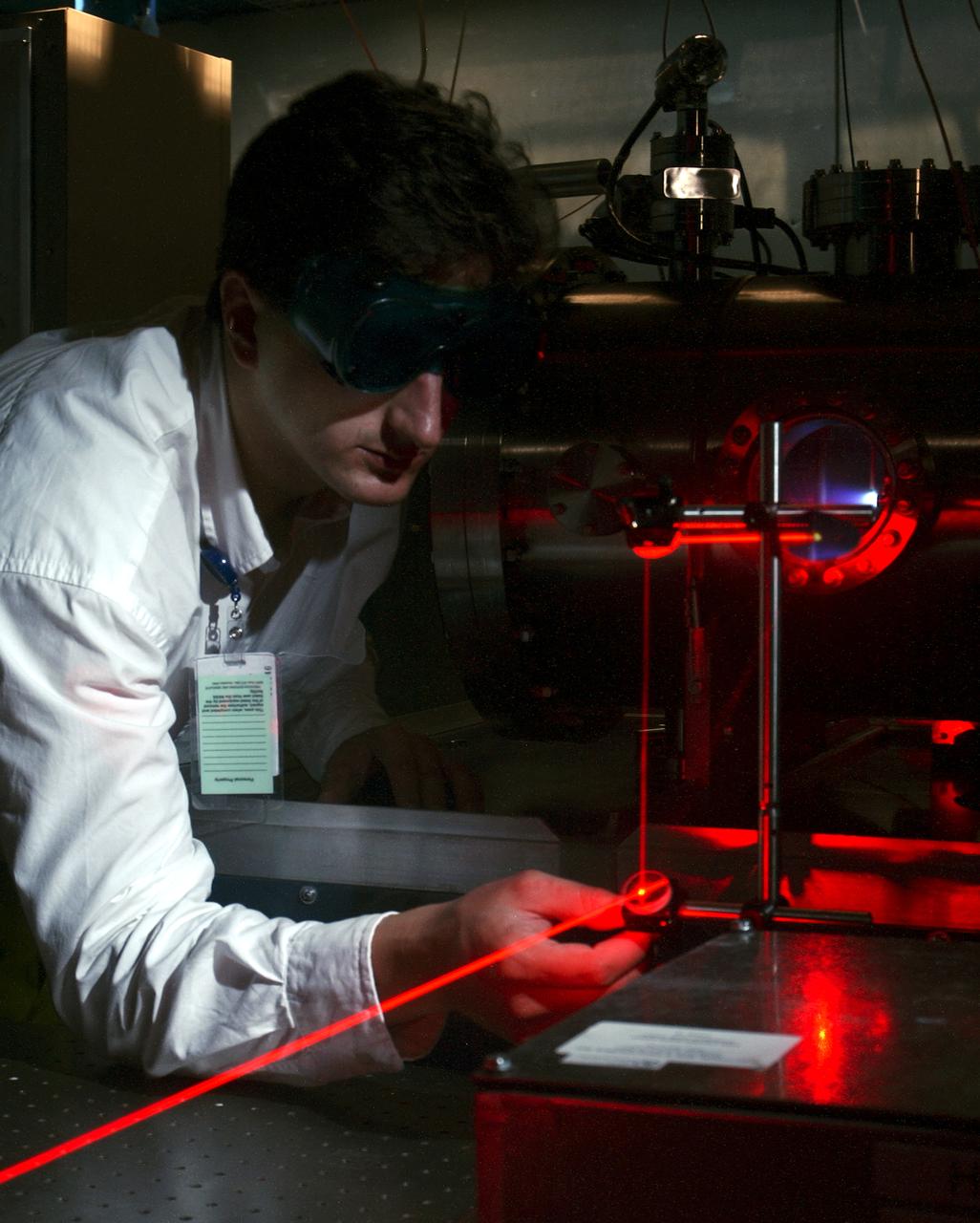
Dr. Tom Markusic, a propulsion research engineer at the Marshall Space Flight Center (MSFC), adjusts a diagnostic laser while a pulsed plasma thruster (PPT) fires in a vacuum chamber in the background. NASA/MSFC's Propulsion Research Center (PRC) is presently investigating plasma propulsion for potential use on future nuclear-powered spacecraft missions, such as human exploration of Mars.
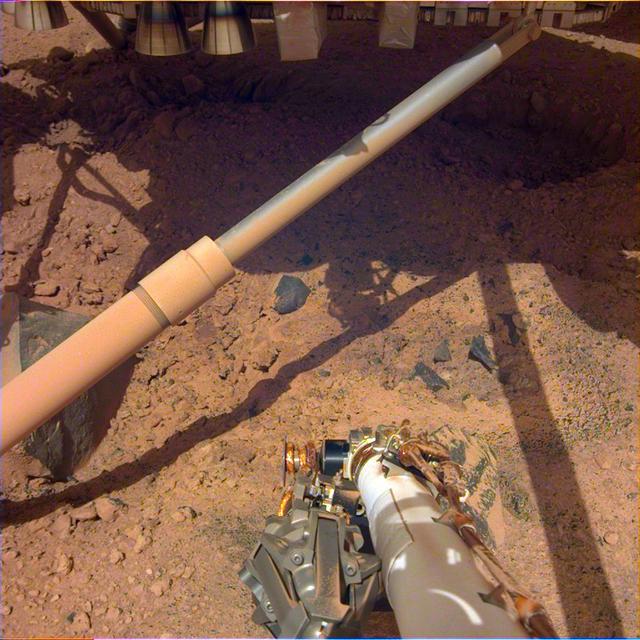
Thrusters under NASA's InSight lander churned up soil during landing on Mars. This image shows two pits excavated by the thrusters. https://photojournal.jpl.nasa.gov/catalog/PIA23301
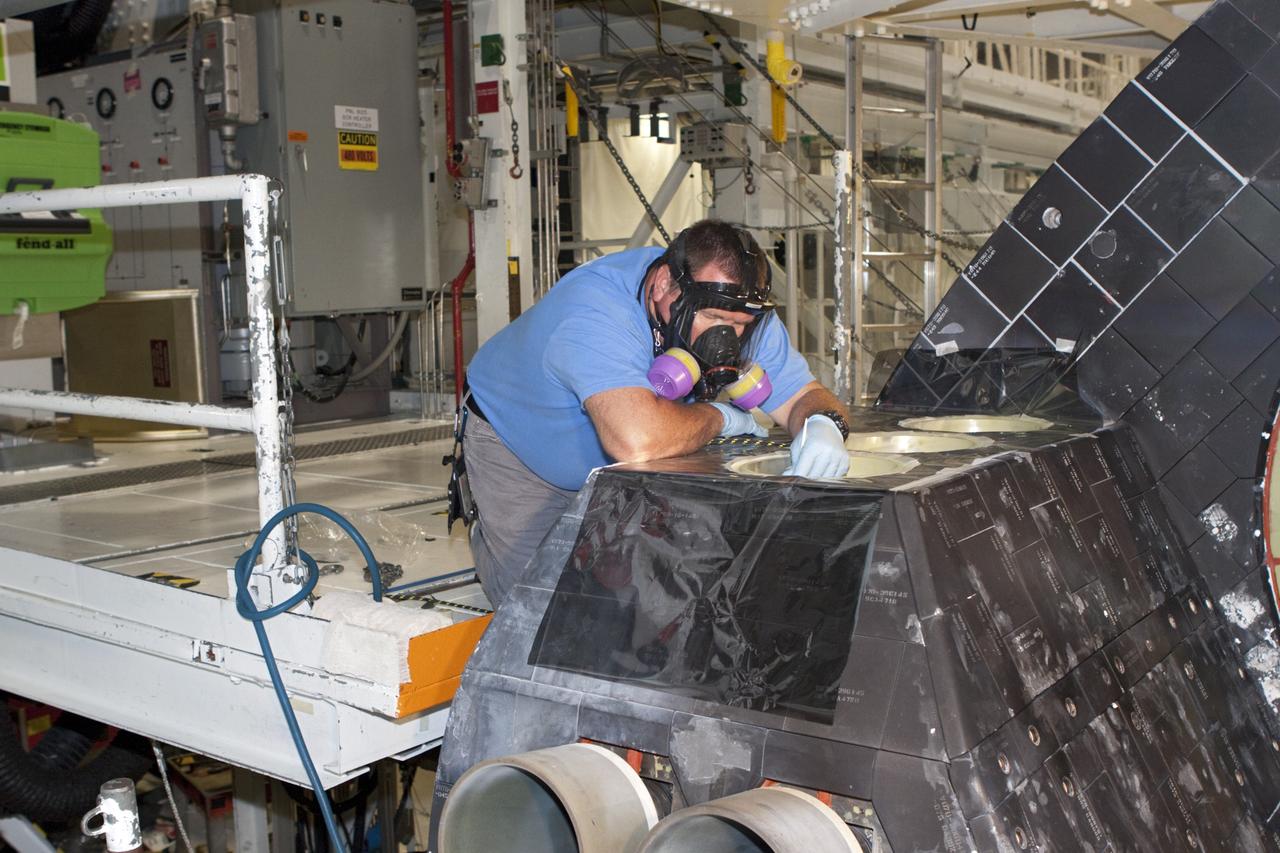
CAPE CANAVERAL, Fla. - In Orbiter Processing Facility Bay 2 at NASA’s Kennedy Space Center in Florida, United Space Alliance senior aerospace technician Alan Shinault spray paints simulated thrusters on the space shuttle Endeavour. The work is part of Transition and Retirement of the remaining space shuttles, Endeavour and Atlantis. Endeavour is being prepared for public display at the California Science Center in Los Angeles. Its ferry flight to California is targeted for mid-September. Endeavour was the last space shuttle added to NASA’s orbiter fleet. Over the course of its 19-year career, Endeavour spent 299 days in space during 25 missions. For more information, visit http://www.nasa.gov/transition Photo credit: NASA/Jim Grossmann
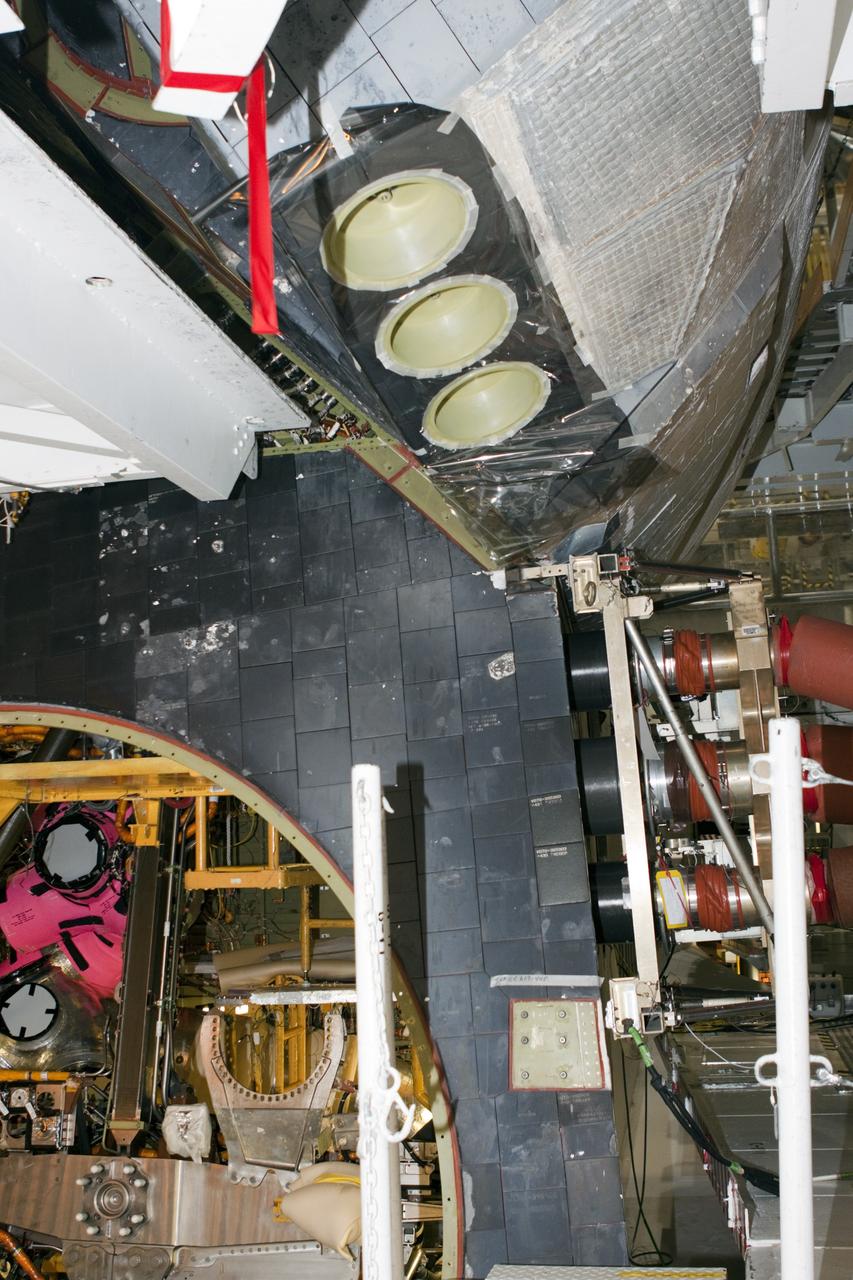
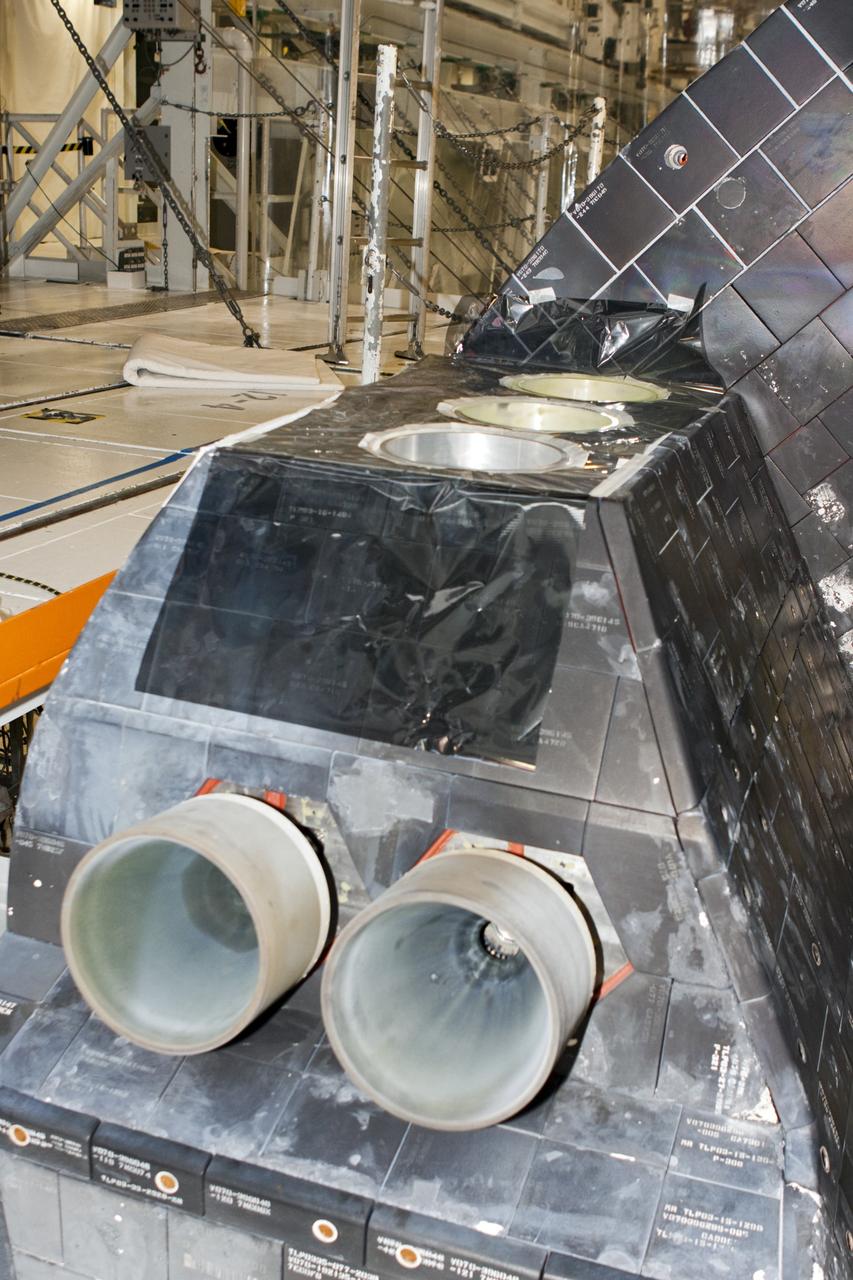
CAPE CANAVERAL, Fla. - In Orbiter Processing Facility Bay 2 at NASA’s Kennedy Space Center in Florida, simulated thrusters have been painted on the space shuttle Endeavour’s Orbital Maneuvering System Pods. The work is part of Transition and Retirement of the remaining space shuttles, Endeavour and Atlantis. Endeavour is being prepared for public display at the California Science Center in Los Angeles. Its ferry flight to California is targeted for mid-September. Endeavour was the last space shuttle added to NASA’s orbiter fleet. Over the course of its 19-year career, Endeavour spent 299 days in space during 25 missions. For more information, visit http://www.nasa.gov/transition Photo credit: NASA/Jim Grossmann
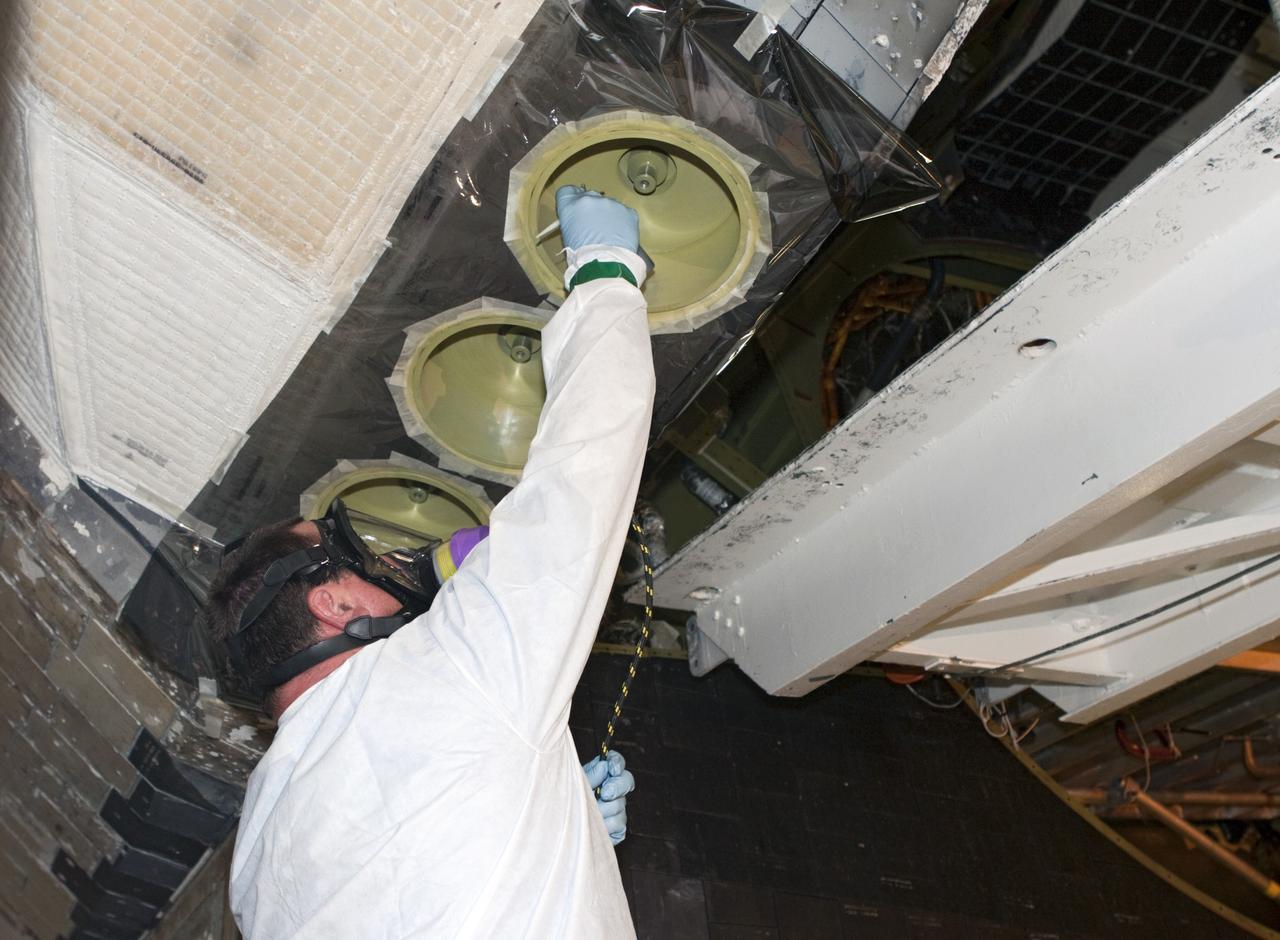
CAPE CANAVERAL, Fla. - In Orbiter Processing Facility Bay 2 at NASA’s Kennedy Space Center in Florida, United Space Alliance senior aerospace technician Alan Shinault spray paints simulated thrusters on the space shuttle Endeavour. The work is part of Transition and Retirement of the remaining space shuttles, Endeavour and Atlantis. Endeavour is being prepared for public display at the California Science Center in Los Angeles. Its ferry flight to California is targeted for mid-September. Endeavour was the last space shuttle added to NASA’s orbiter fleet. Over the course of its 19-year career, Endeavour spent 299 days in space during 25 missions. For more information, visit http://www.nasa.gov/transition Photo credit: NASA/Jim Grossmann
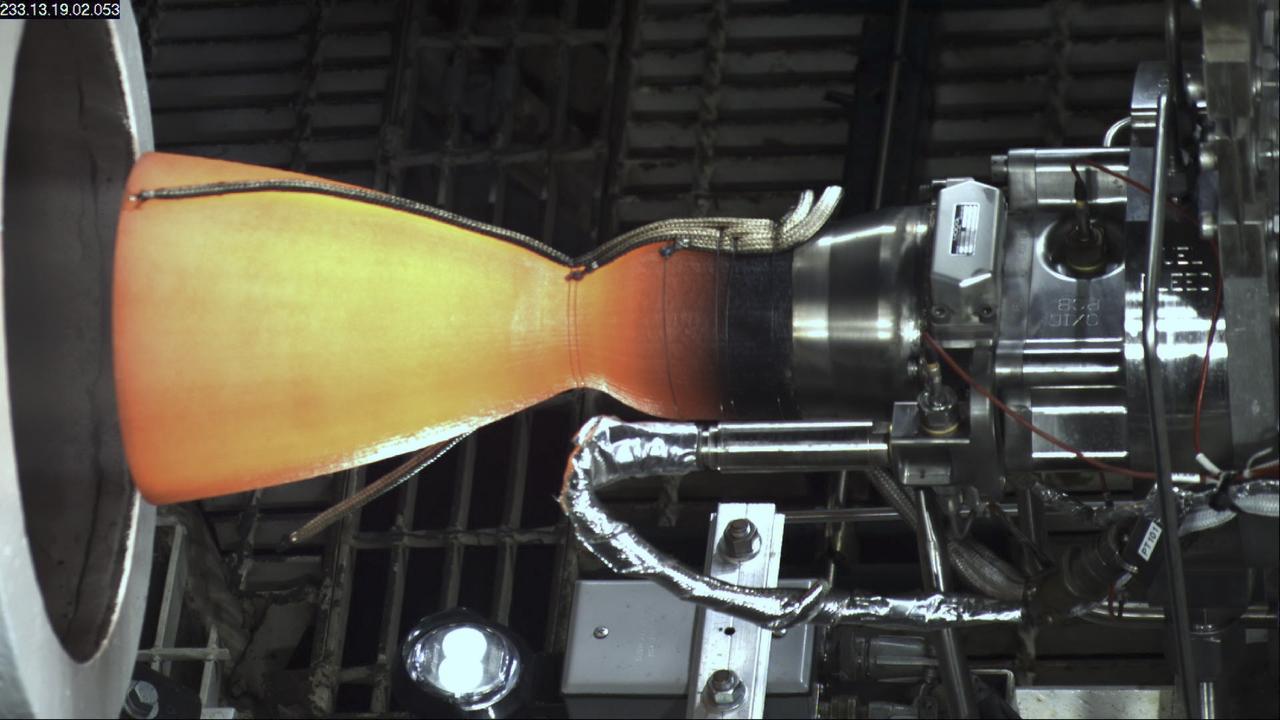
LAS CRUCES, N.M. – A thruster glows red during a hot-fire test for Boeing’s CST-100 spacecraft orbital maneuvering and attitude control OMAC system. During the tests at NASA’s White Sands Test Facility in Las Cruces, N.M., Boeing and partner Aerojet Rocketdyne tested two thrusters to demonstrate stable combustion and performance in a vacuum, simulating a space environment. Two additional thrusters were tested in a vacuum to demonstrate long-duration mission survivability. The 24 thrusters that compose the CST-100’s OMAC system will be jettisoned with the service module after the deorbit burn, prior to re-entry. The tests completed Milestone 9 of the company's funded Space Act Agreement with NASA’s Commercial Crew Program, or CCP, during the Commercial Crew Integrated Capability, or CCiCap, initiative. CCP is intended to lead to the availability of commercial human spaceflight services for government and commercial customers to low-Earth orbit. Future development and certification initiatives eventually will lead to the availability of human spaceflight services for NASA to send its astronauts to the International Space Station, where critical research is taking place daily. For more information about CCP, go to http://www.nasa.gov/commercialcrew. Photo credit: Boeing
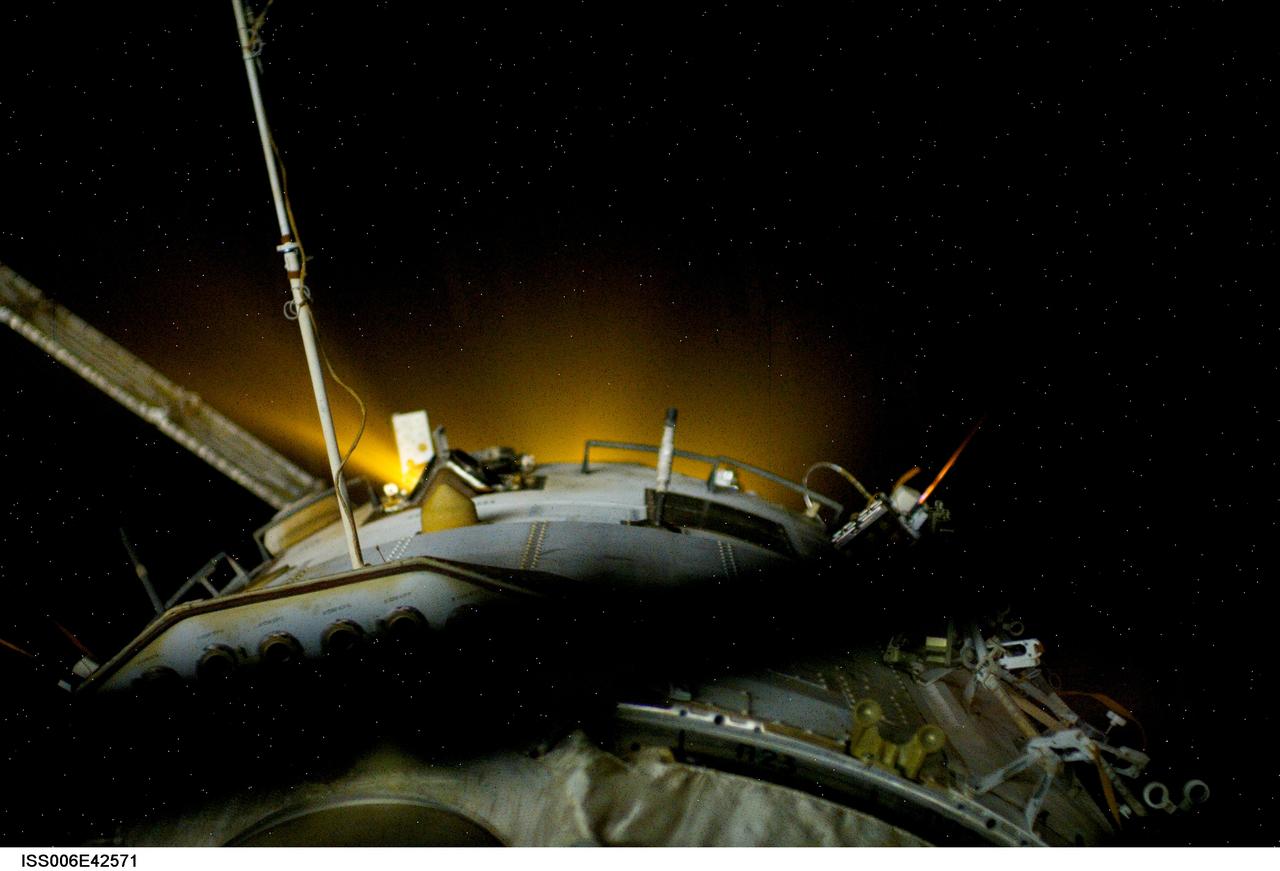
ISS006-E-42571 (4 April 2003) --- This view features a reboost of the International Space Station (ISS) in action. Ground controllers at Mission Control Moscow ignited the thrusters of a Progress rocket docked to the station’s Zvezda Service Module. The 14-minute firing raised the average altitude of the station by about 3 km. One of the Expedition 6 crewmembers captured this picture of the yellow-glowing thrusters from a window in the Service Module.
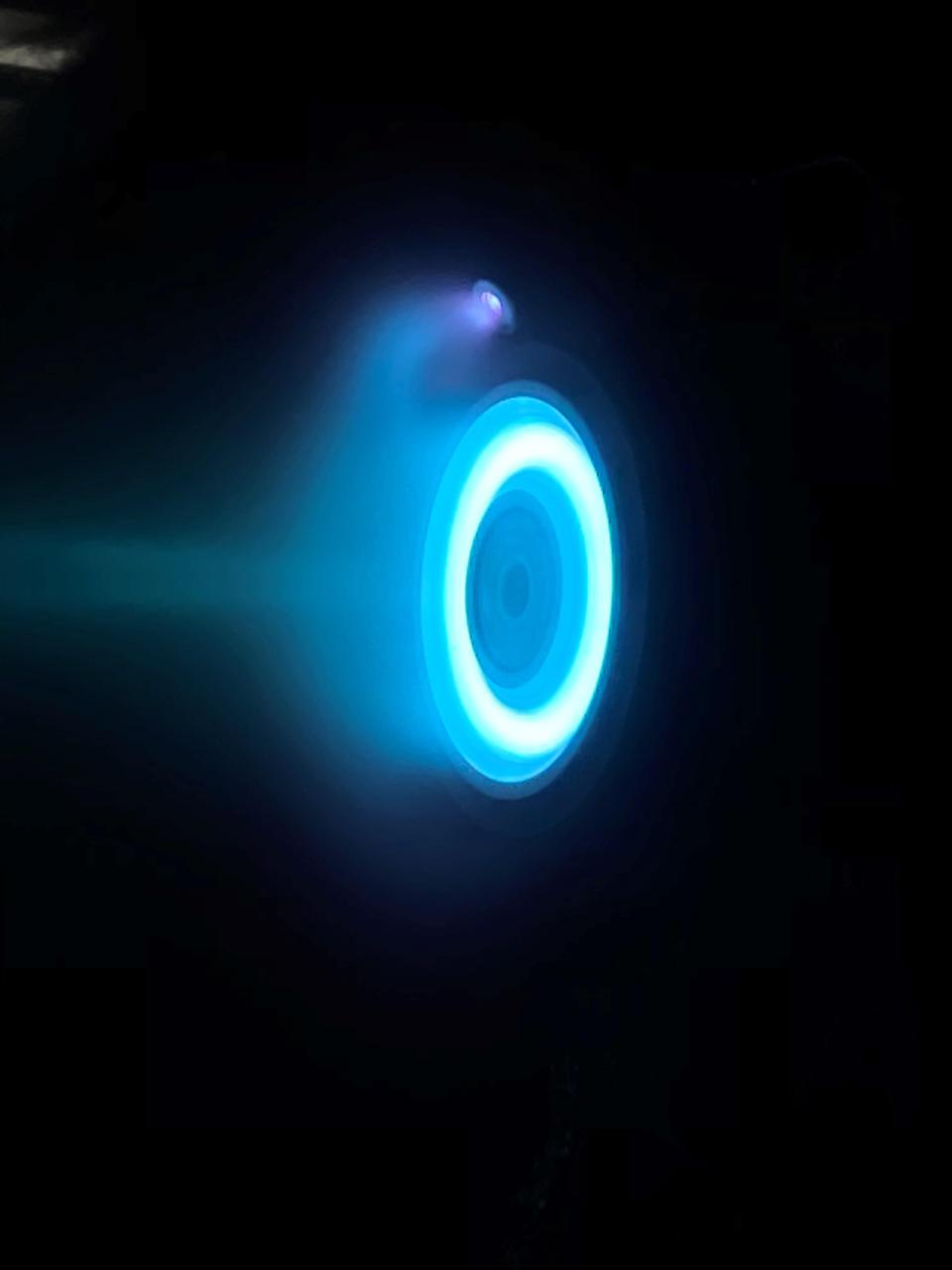
NASA's Psyche spacecraft, set to launch in August 2022, will travel to its target in the main asteroid belt between Mars and Jupiter under the power of super-efficient electric propulsion. This photo captures an operating electric Hall thruster identical to those that will be used to propel the Psyche spacecraft. This photo was taken at NASA's Jet Propulsion Laboratory in Southern California on May 20, 2020 with an iPhone, through the thick window of a vacuum chamber used to simulate the environment of deep space. The thruster works by turning xenon gas, a neutral gas used in car headlights and plasma TVs, into xenon ions. As the xenon ions are accelerated out of the thruster, they create the thrust that will propel the spacecraft. The xenon plasma emits a blue glow, seen here, as it operates. An observer in space traveling behind Psyche would see the blue glow of plasma trailing behind the spacecraft. Solar arrays will provide the electricity that powers the thrusters. Hall thrusters will be used for the first time beyond lunar orbit, demonstrating that they could play a role in supporting future missions to deep space. https://photojournal.jpl.nasa.gov/catalog/PIA23879
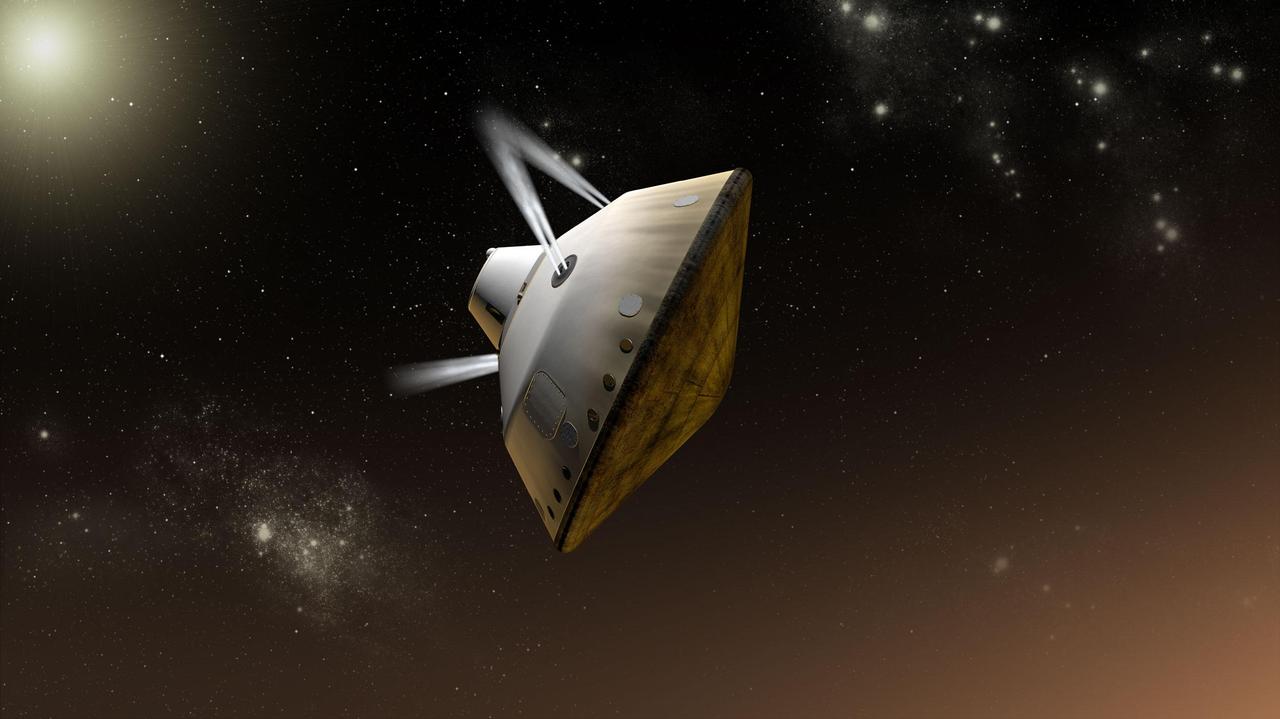
This artist concept shows thrusters firing during the entry, descent and landing phase for NASA Mars Science Laboratory mission to Mars.
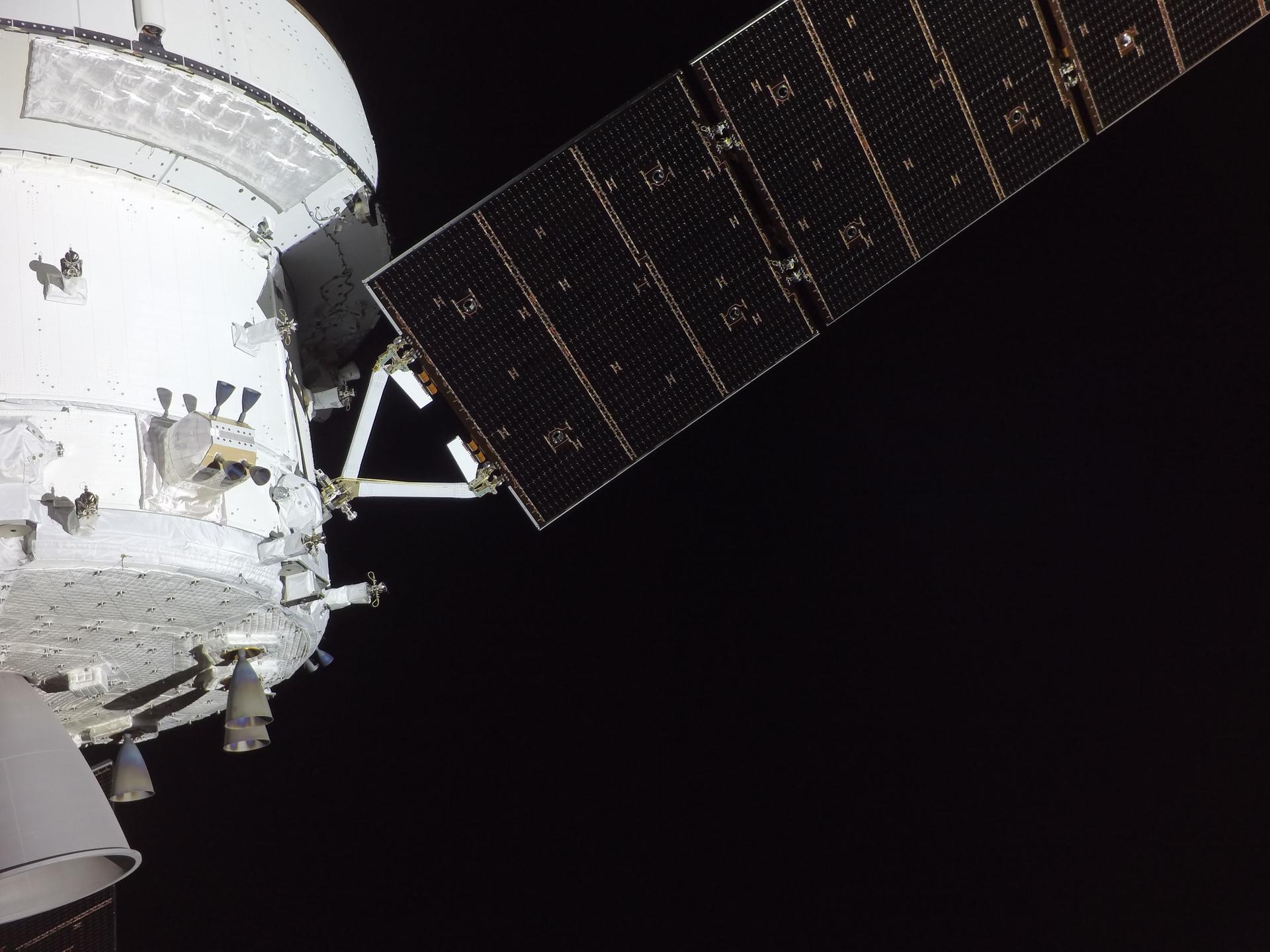
art002e012584 (April 7, 2026) - NASA’s Orion spacecraft pictured from one of the cameras mounted on its solar array wings. The service module is prominently featured in this image showing a portion of the orbital maneuvering system engine and three of eight auxiliary thrusters. Also pictured is one of the four solar array wings. Each of Orion’s four solar array wings are made of three panels that provide enough electricity to power two three-bedroom homes. Credit: NASA
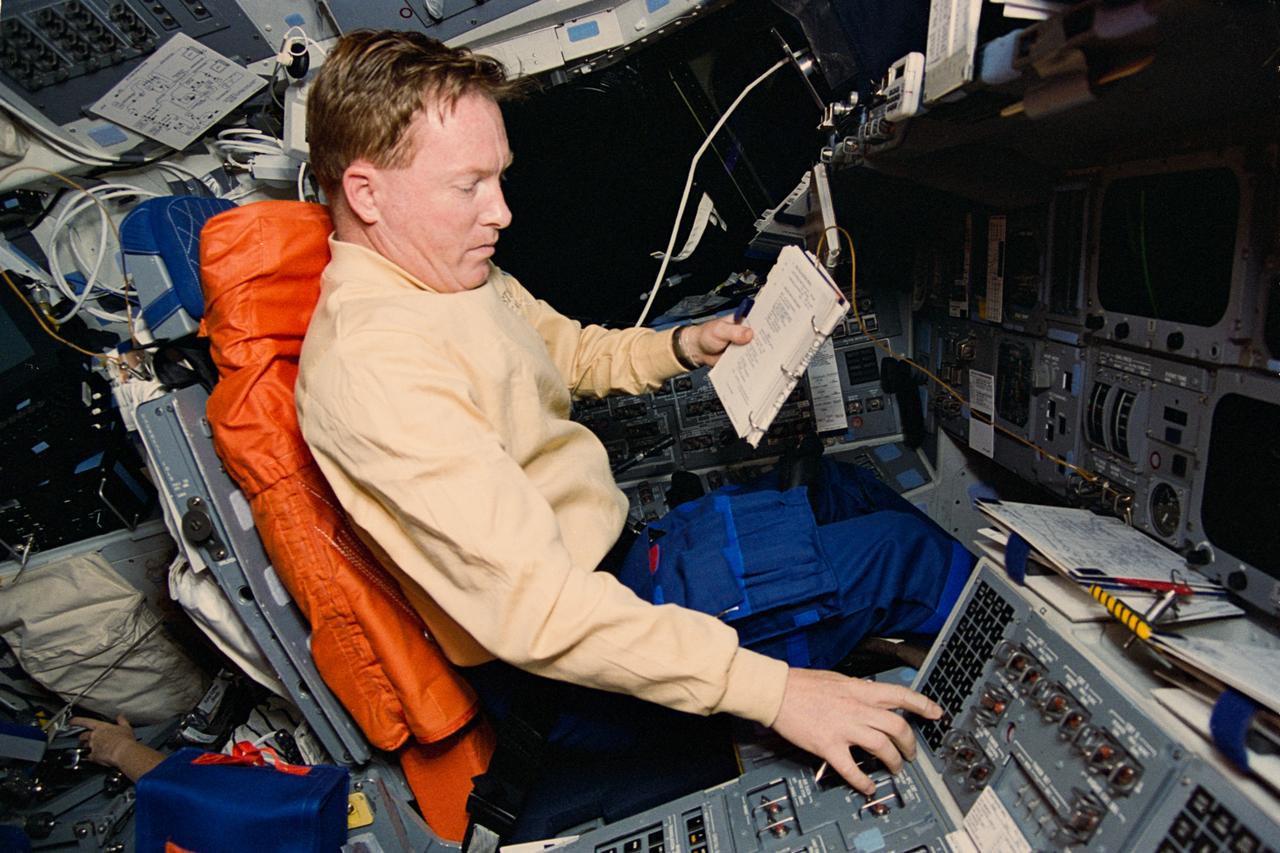
STS064-08-032 (10 Sept. 1994) --- At the commander's station on the space shuttle Discovery's forward flight deck, astronaut Richard N. Richards, STS-64 mission commander, initiates a thruster firing of the spacecraft during operations with the Shuttle Plume Impingement Flight Experiment (SPIFEX). Photo credit: NASA or National Aeronautics and Space Administration
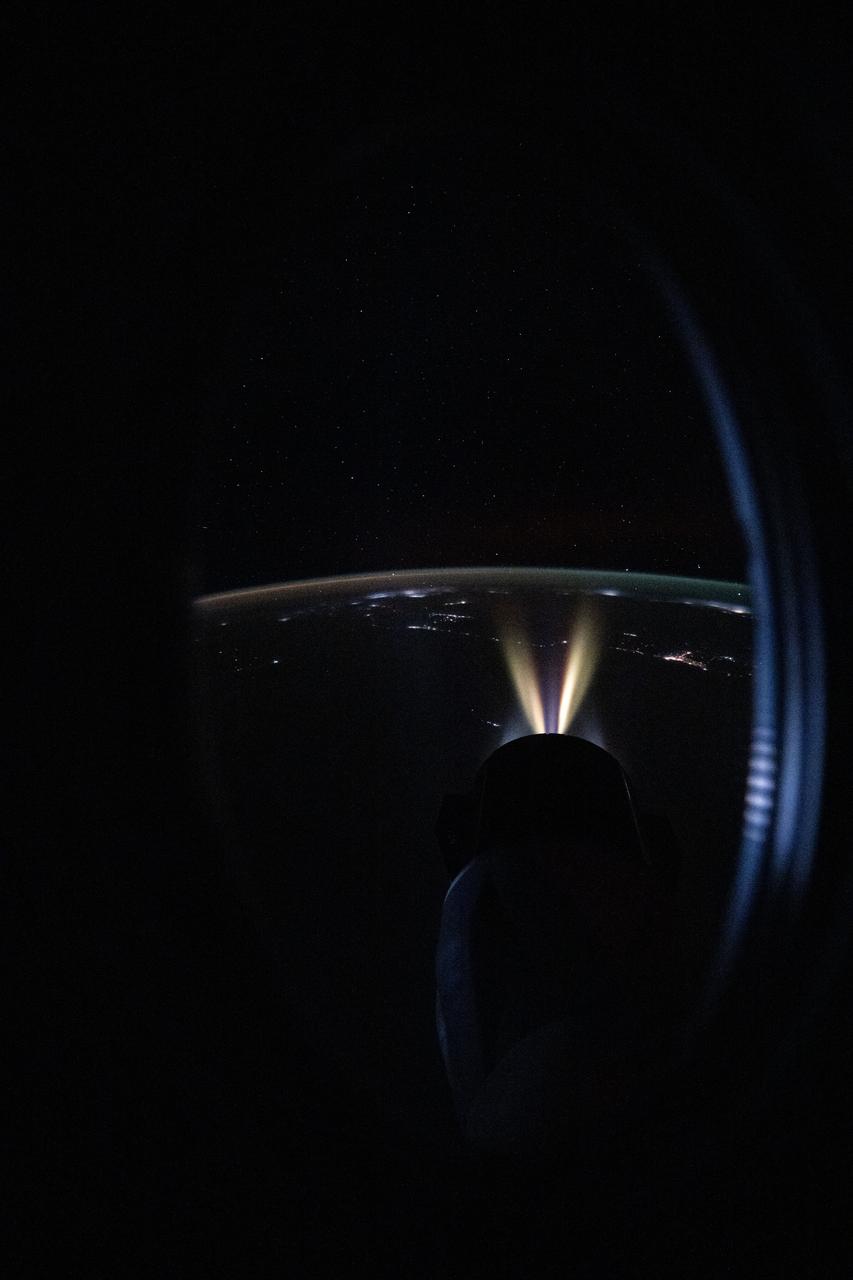
iss073e0814070 (Sept. 26, 2025) --- This nighttime image was captured from a window aboard the SpaceX Dragon crew spacecraft, docked to the space-facing port of the International Space Station’s Harmony module, while orbiting 259 miles above the Indian Ocean. In the foreground, the Draco thrusters of the SpaceX Dragon cargo spacecraft, docked to Harmony’s forward port, are seen firing during a demonstration of its ability to reboost the station’s orbit. In the background, an atmospheric glow blankets Earth's horizon with the city lights on Africa's east coast dotting the dark landscape.
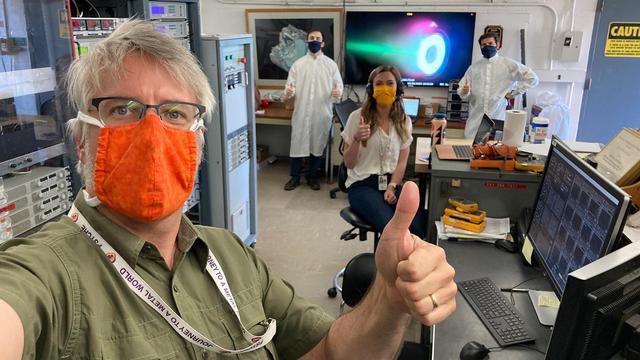
Psyche engineers adapted to COVID-19 social distancing and masking requirements while testing the Hall thrusters that will propel NASA's Psyche spacecraft on its journey to the main asteroid belt between Mars and Jupiter. Set to launch in August 2022, the spacecraft will utilize this super-efficient electric propulsion system to travel to the asteroid Psyche. On May 20, 2020, at NASA's Jet Propulsion Laboratory, Flight System Engineer Steve Snyder (foreground) of JPL and a crew of engineers from Maxar Technologies worked together in the control room next to the vacuum chamber where the thruster was fired up. Snyder and his Maxar colleagues (from left: Faraz Aghazadeh, Taylor Kerl and Giovanni Lenguito) put the thruster and its power supply through a series of stress tests to ensure they can operate together in the extreme conditions of deep space. In the background, a monitor projects the image of the thruster firing. The thruster works by turning xenon gas, a neutral gas used in car headlights and plasma TVs, into xenon ions. As the xenon ions are accelerated out of the thruster, they create the thrust that will propel the spacecraft. The xenon plasma emits a blue glow, seen here on the screen, as it operates. Hall thrusters will be used for the first time beyond lunar orbit, demonstrating that they could play a role in supporting future missions to deep space. Maxar and JPL adapted the Hall thruster system for use with the main body of the spacecraft that Maxar is building at its facility in Palo Alto, California. https://photojournal.jpl.nasa.gov/catalog/PIA23878
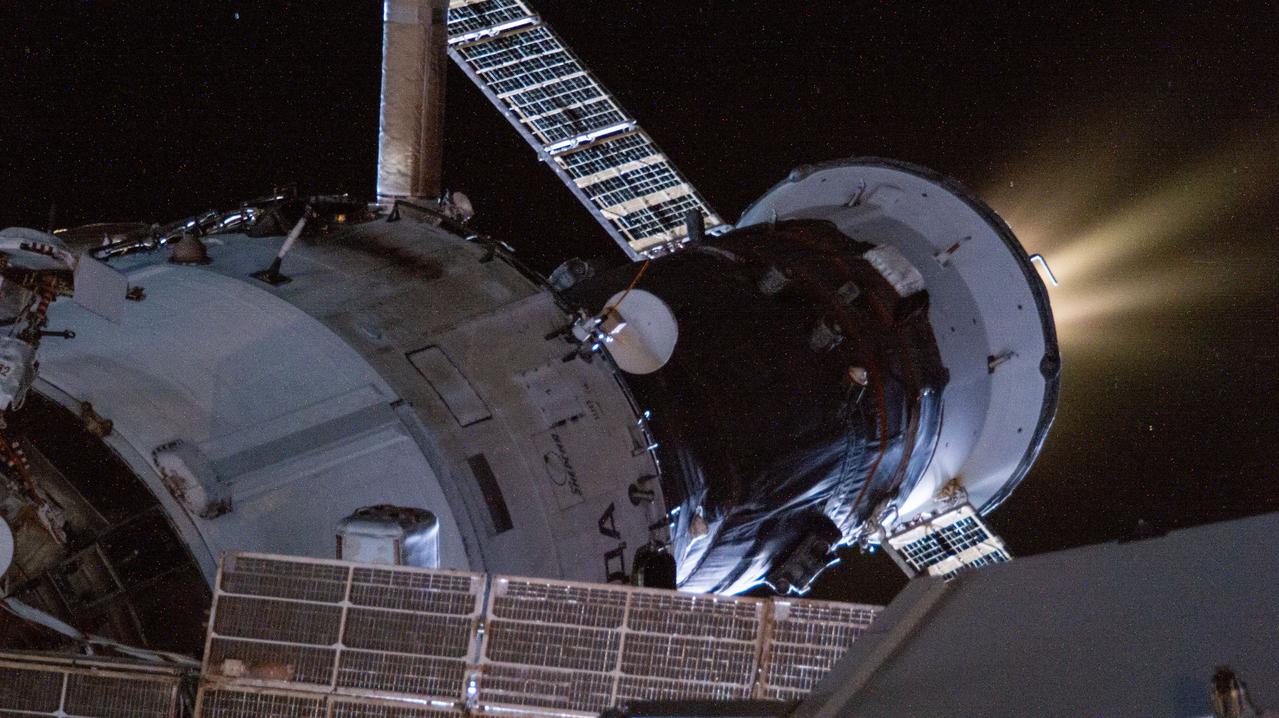
iss073e0429326 (Aug. 14, 2025) --- The Progress 91 resupply ship, docked to the rear port of the Zvezda service module, fires its thrusters to reboost the International Space Station’s orbit. This maneuver sets the correct altitude for the arrival of the next Roscosmos cargo craft, Progress 93, scheduled to launch and dock in September.
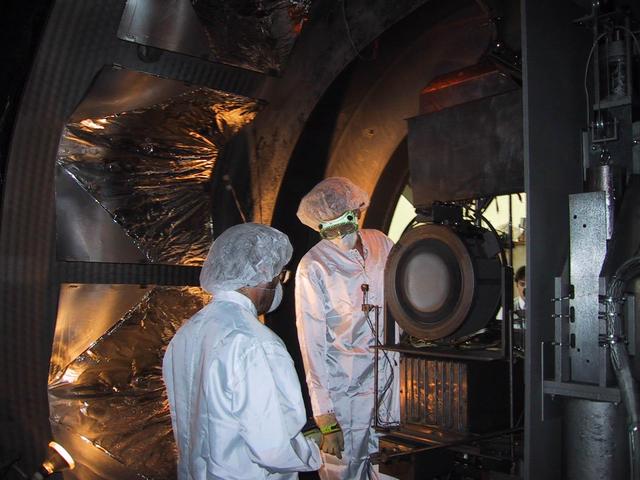
An ion thruster is removed from a vacuum chamber at NASA Jet Propulsion Laboratory, Pasadena, Calif., its job done following almost five years of testing.
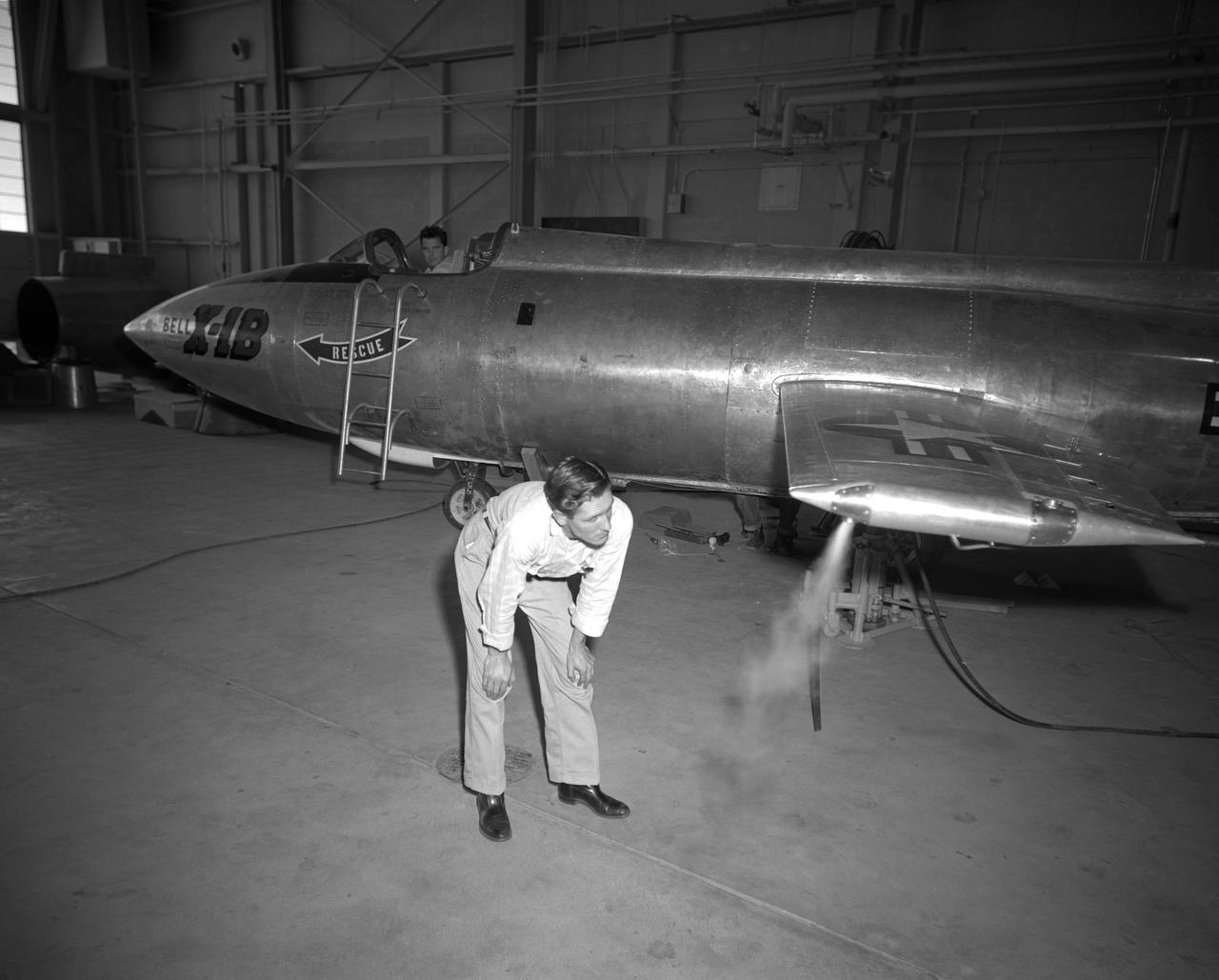
The X-1B reaction control system thrusters are tested in 1958 and later proven on the X-15 as a way to control a vehicle in the absence of dynamic pressure.
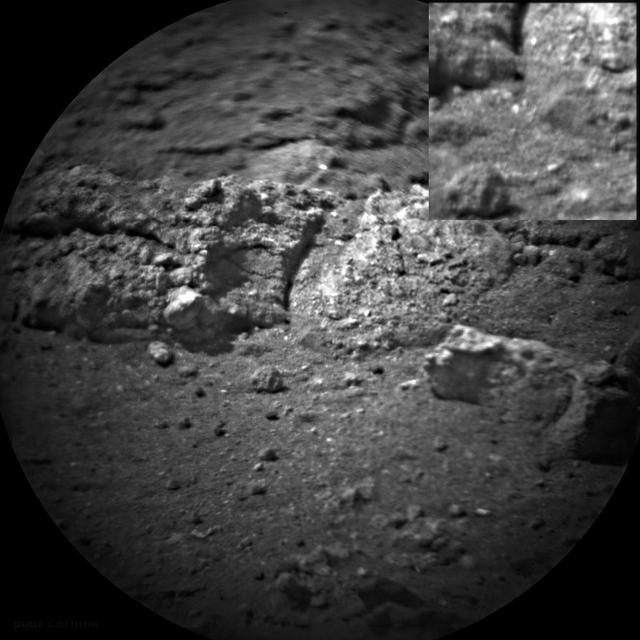
NASA Curiosity rover shot its laser 50 times at rocks exposed by thrusters on the rover sky crane at the scour mark called Goulburn.