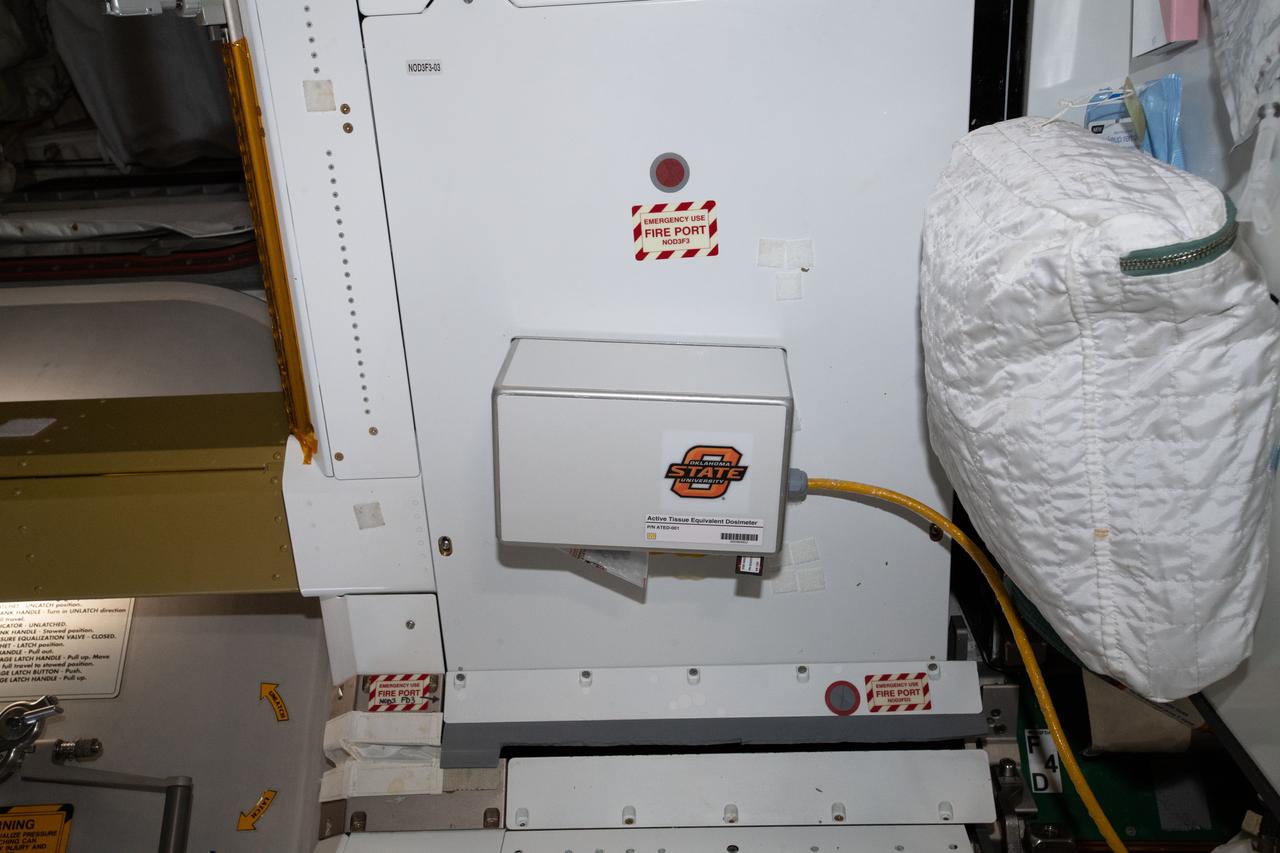
iss056e097010 (7/17/2018) --- Photographic documentation of Active Tissue Equivalent Dosimeter during deployment aboard the International Space Station (ISS). The Active Tissue Equivalent Dosimeter investigation uses an Active Tissue Equivalent Dosimeter aboard the International Space Station to collect data on crew radiation exposure and to characterize the space radiation environment.
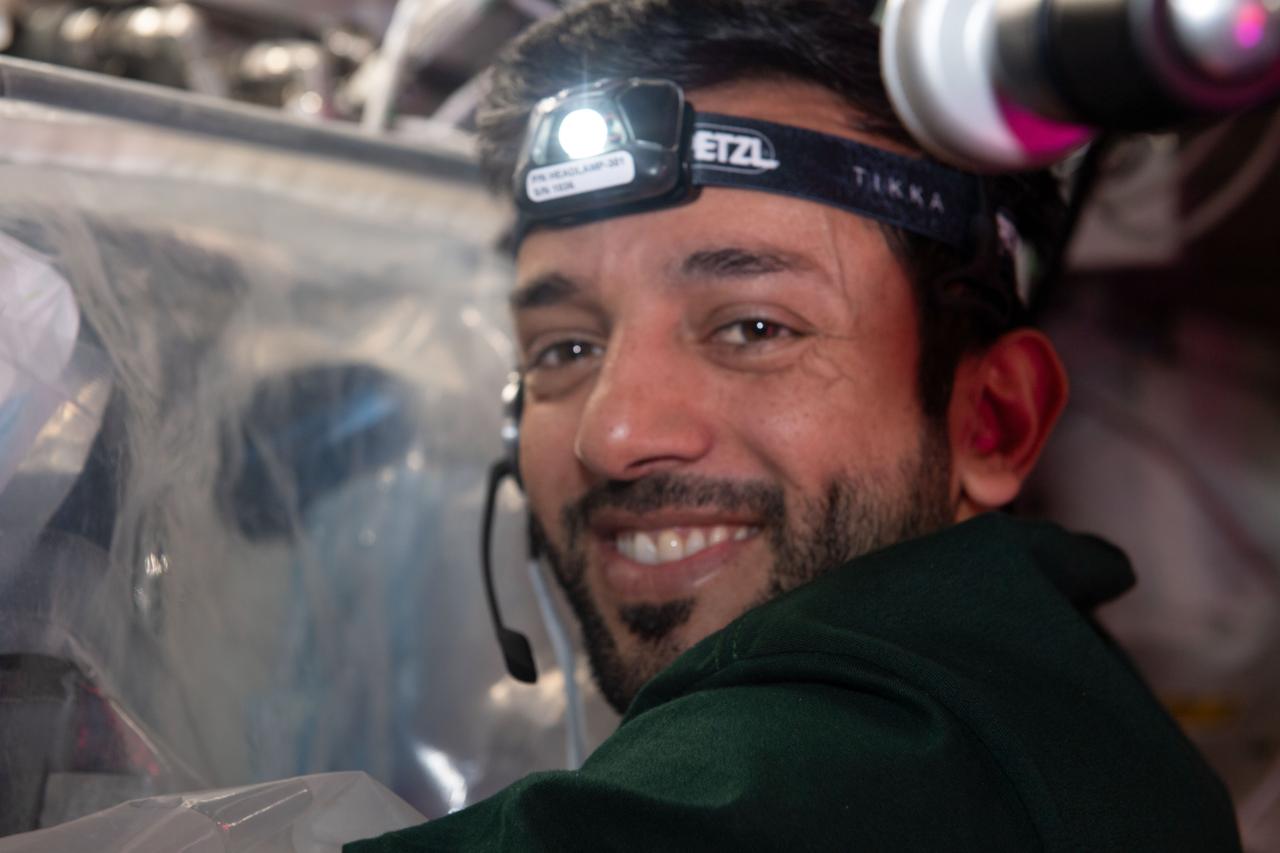
iss069e000087 (March 29, 2023) --- UAE (United Arab Emirates) astronaut and Expedition 69 Flight Engineer Sultan Alneyadi services tissue sample cassettes inside the Columbus laboratory Module's BioFabrication Facility (BFF). The BFF-Meniscus study investigates bioprinting tissues to heal musculoskeletal injuries both in space and on Earth,
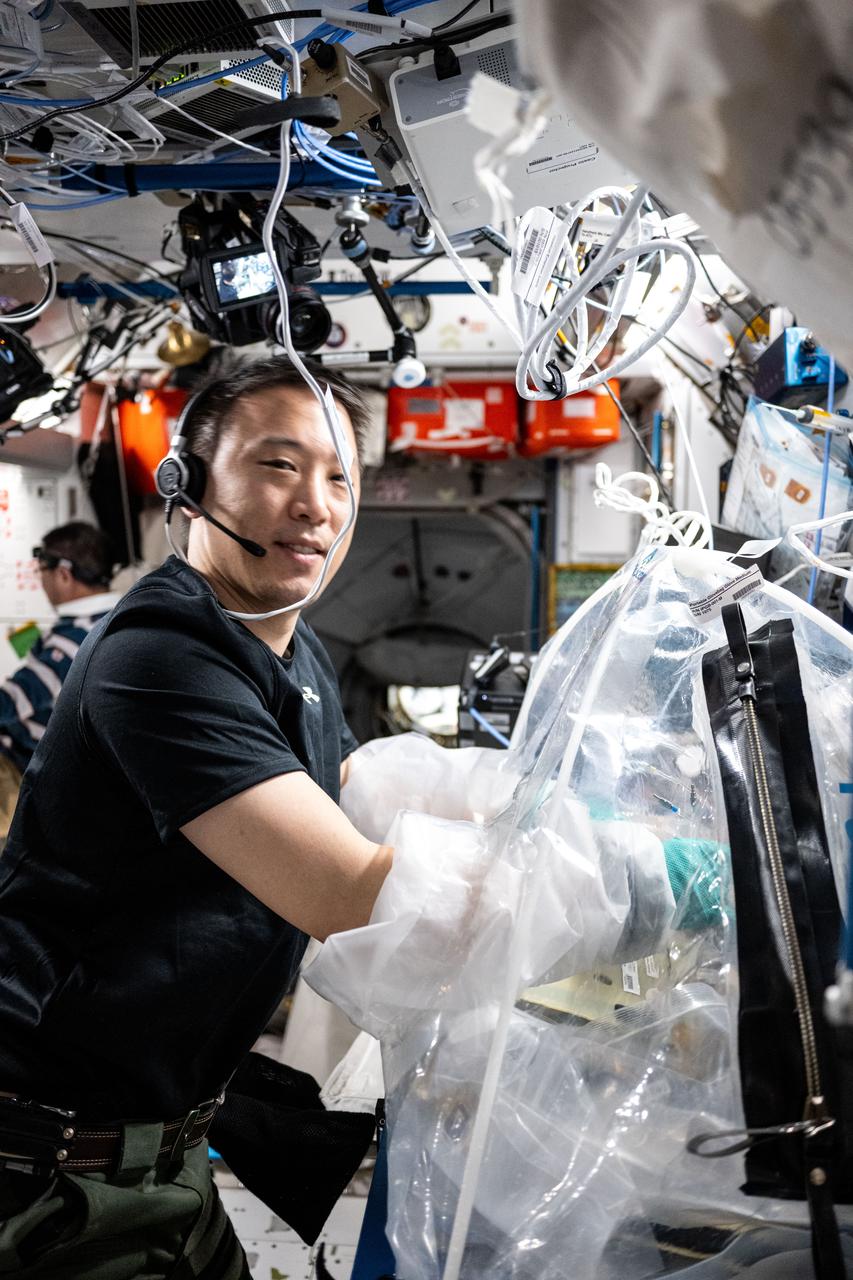
iss073e0702488 (Sept. 17, 2025) --- NASA astronaut and Expedition 73 Flight Engineer Jonny Kim treats bioprinted liver tissues in a portable glovebag inside the International Space Station's Harmony module. The samples were later placed inside an artificial gravity-generating research device to help researchers understand how microgravity affects the formation of blood vessels in engineered tissues. Result may lead to advanced treatments protecting astronauts on long-duration spaceflights and improve bioprinting techniques for patient therapies on Earth.
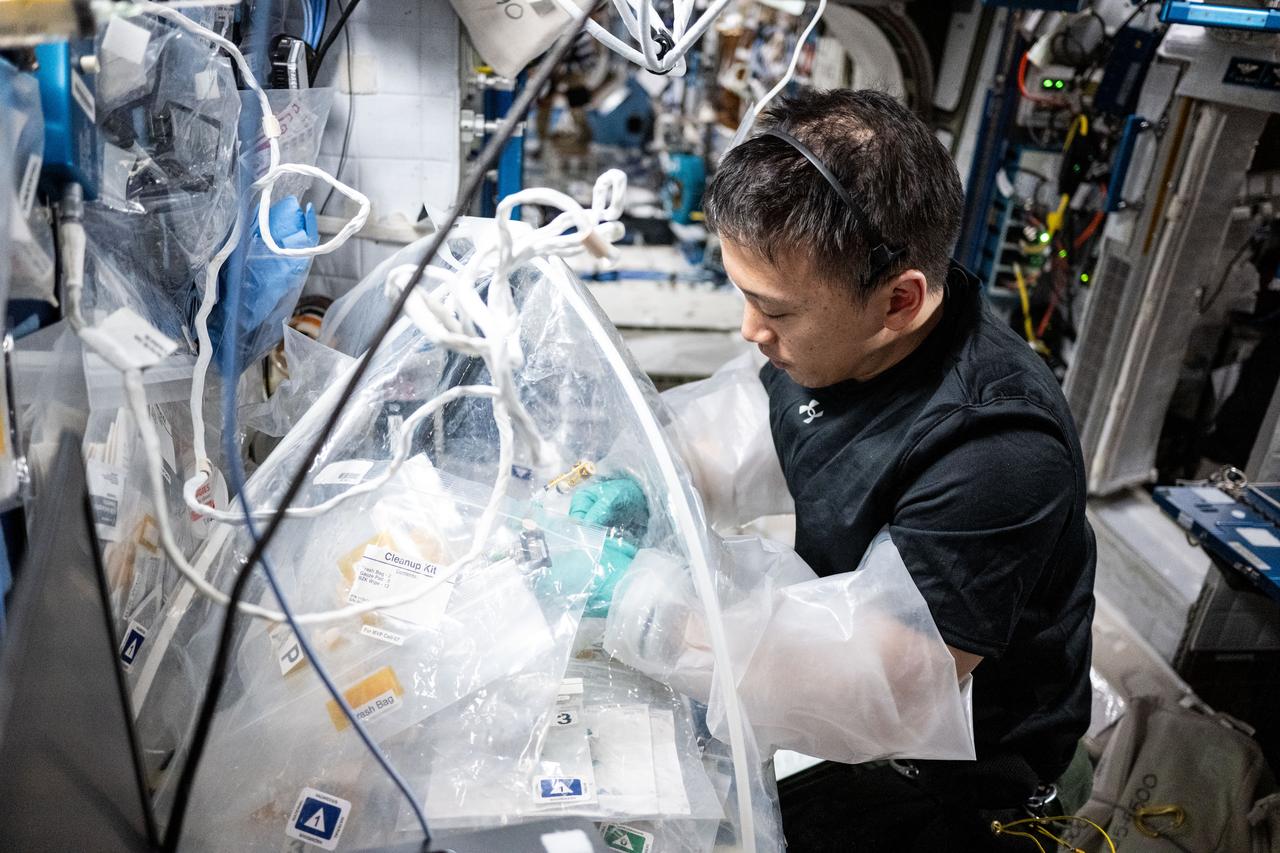
iss073e0702493 (Sept. 17, 2025) --- NASA astronaut and Expedition 73 Flight Engineer Jonny Kim treats bioprinted liver tissues in a portable glovebag inside the International Space Station's Harmony module. The samples were later placed inside an artificial gravity-generating research device to help researchers understand how microgravity affects the formation of blood vessels in engineered tissues. Result may lead to advanced treatments protecting astronauts on long-duration spaceflights and improve bioprinting techniques for patient therapies on Earth.
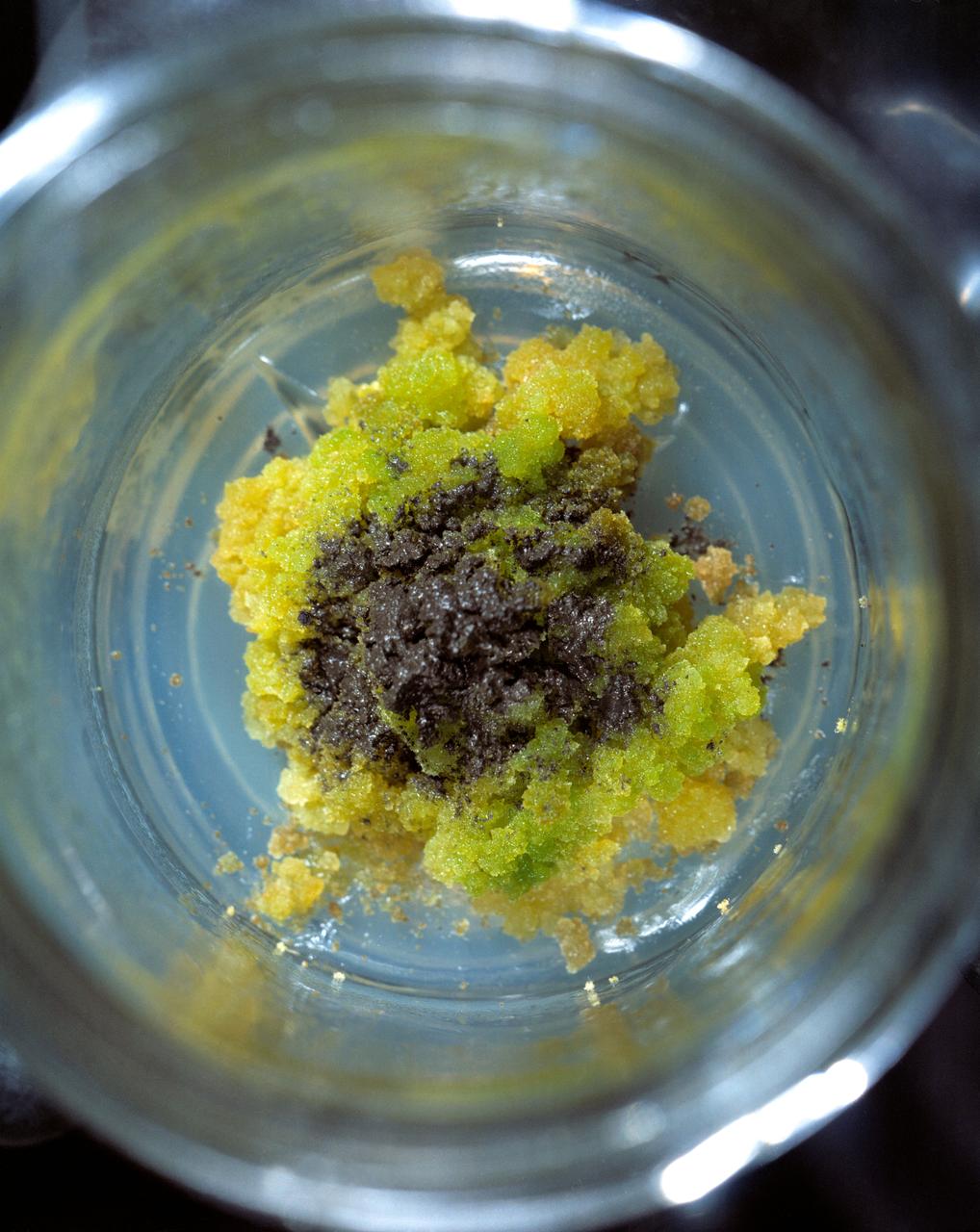
S71-51315 (1 Oct. 1971) --- A close-up view of soybean tissue culture growing in a synthetic medium and Apollo 15 lunar material. Note the greening occurring in areas in contact with the soil particles.
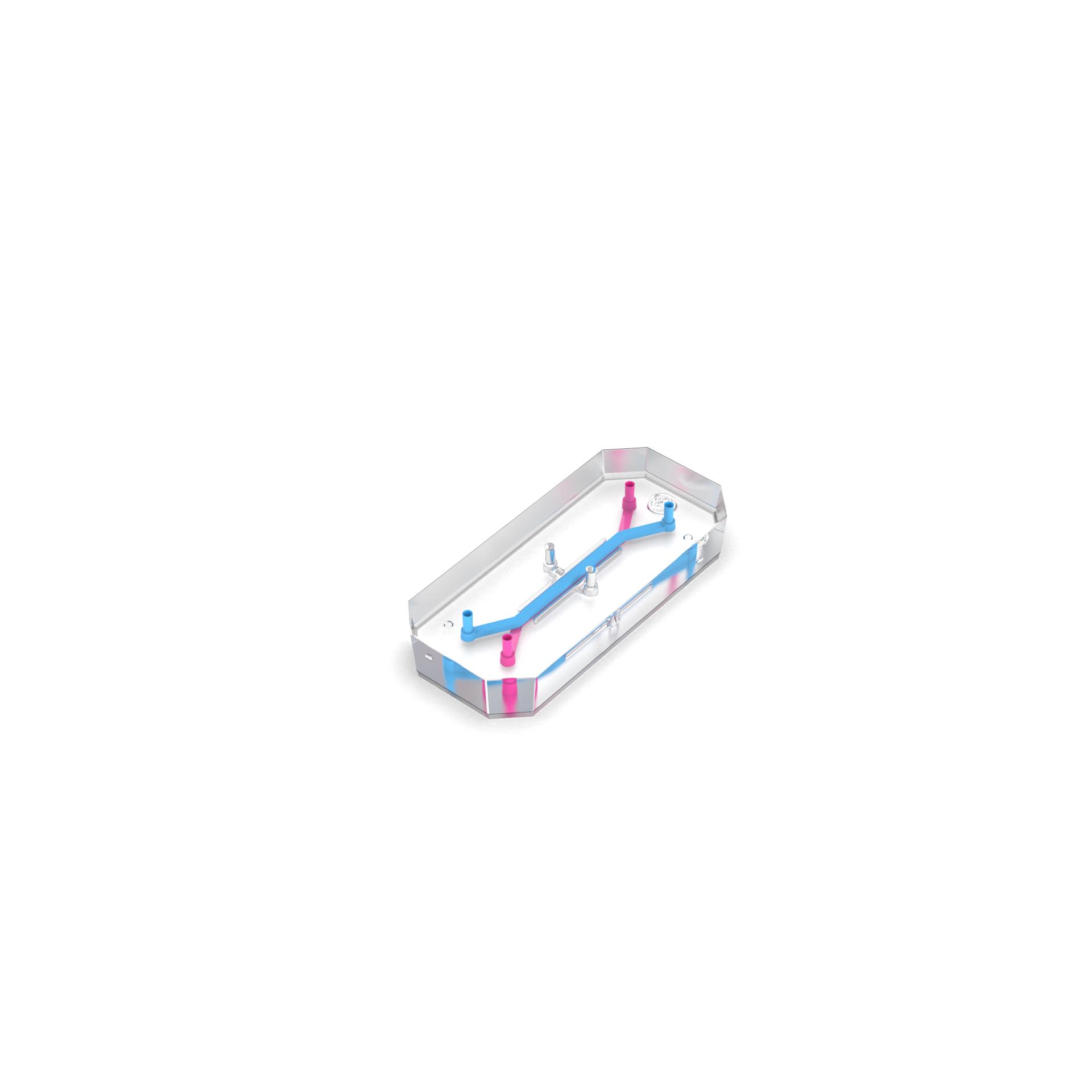
Organ chips are roughly the size of a USB drive and could be used to predict how an individual might respond to a variety of stressors, such as radiation or medical treatments, including pharmaceuticals. Made with human cells, the chips mimic how tissues, such as the brain, heart, liver, or dozens of other organs, work. NASA research will focus on validating and leveraging these models to assess the impacts of deep space stressors on astronauts’ health.

iss073e0545092 (Aug. 26, 2025) --- NASA astronaut and Expedition 73 Flight Engineer Zena Cardman works inside a portable glovebag aboard the International Space Station's Harmony module. Cardman was installing experiment modules containing liver tissue into an artificial gravity generator for a biotechnology investigation exploring how bioprinted, or engineered, liver tissues containing blood vessels behave in microgravity. Results may improve long term health for astronauts and improve quality of life for patients on Earth.
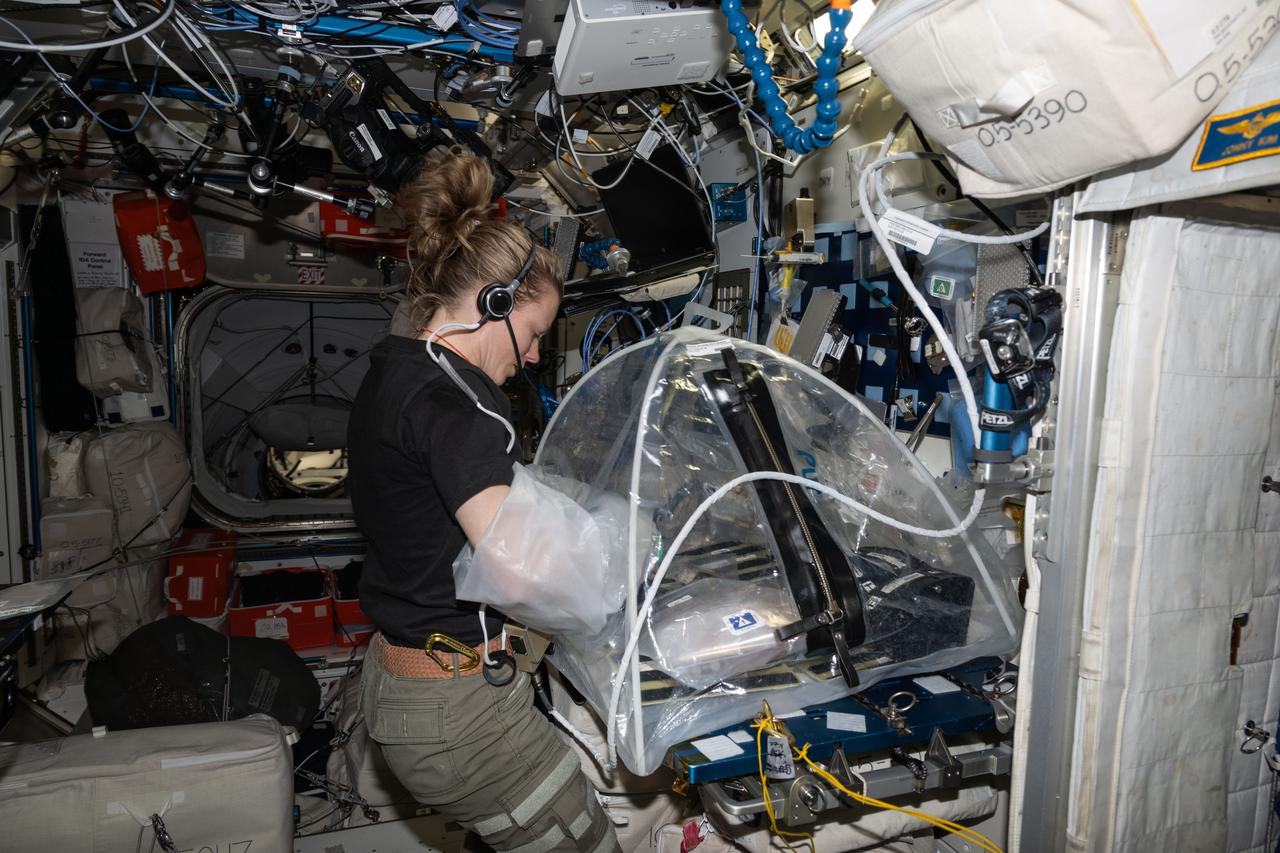
iss073e0546278 (Aug. 26, 2025) --- NASA astronaut and Expedition 73 Flight Engineer Zena Cardman works inside a portable glovebag aboard the International Space Station's Harmony module. Cardman was installing experiment modules containing liver tissue into an artificial gravity generator for a biotechnology investigation exploring how bioprinted, or engineered, liver tissues containing blood vessels behave in microgravity. Results may improve long term health for astronauts and improve quality of life for patients on Earth.
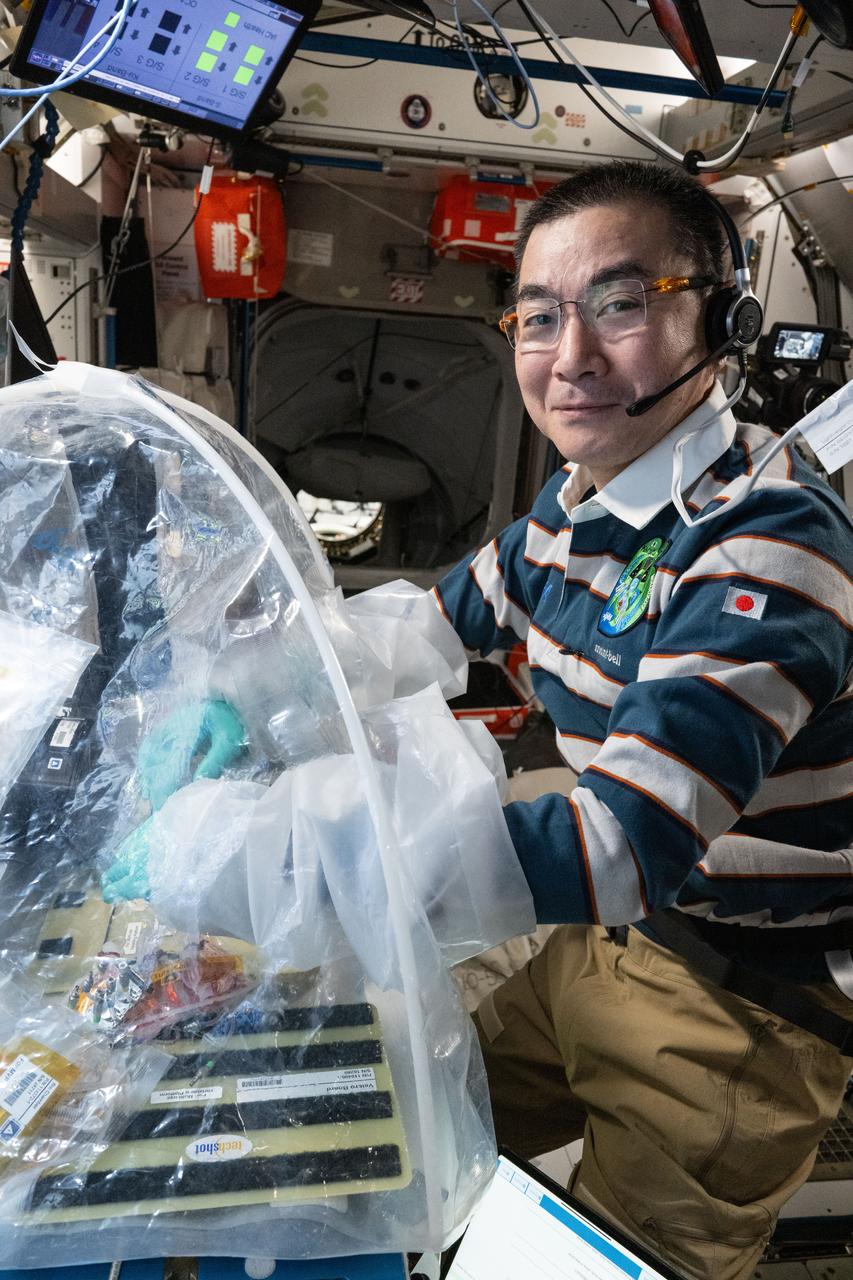
iss073e0606897 (Sept. 5, 2025) --- JAXA (Japan Aerospace Exploration Agency) astronaut and Expedition 73 Flight Engineer Kimiya Yui treats bioprinted liver tissues in a portable glovebag inside the International Space Station's Harmony module. The samples will be placed inside an artificial gravity-generating research device to help researchers understand how microgravity affects the formation of blood vessels in engineered tissues. Result may lead to advanced treatments protecting astronauts on long-duration spaceflights and improve bioprinting techniques for patient therapies on Earth.
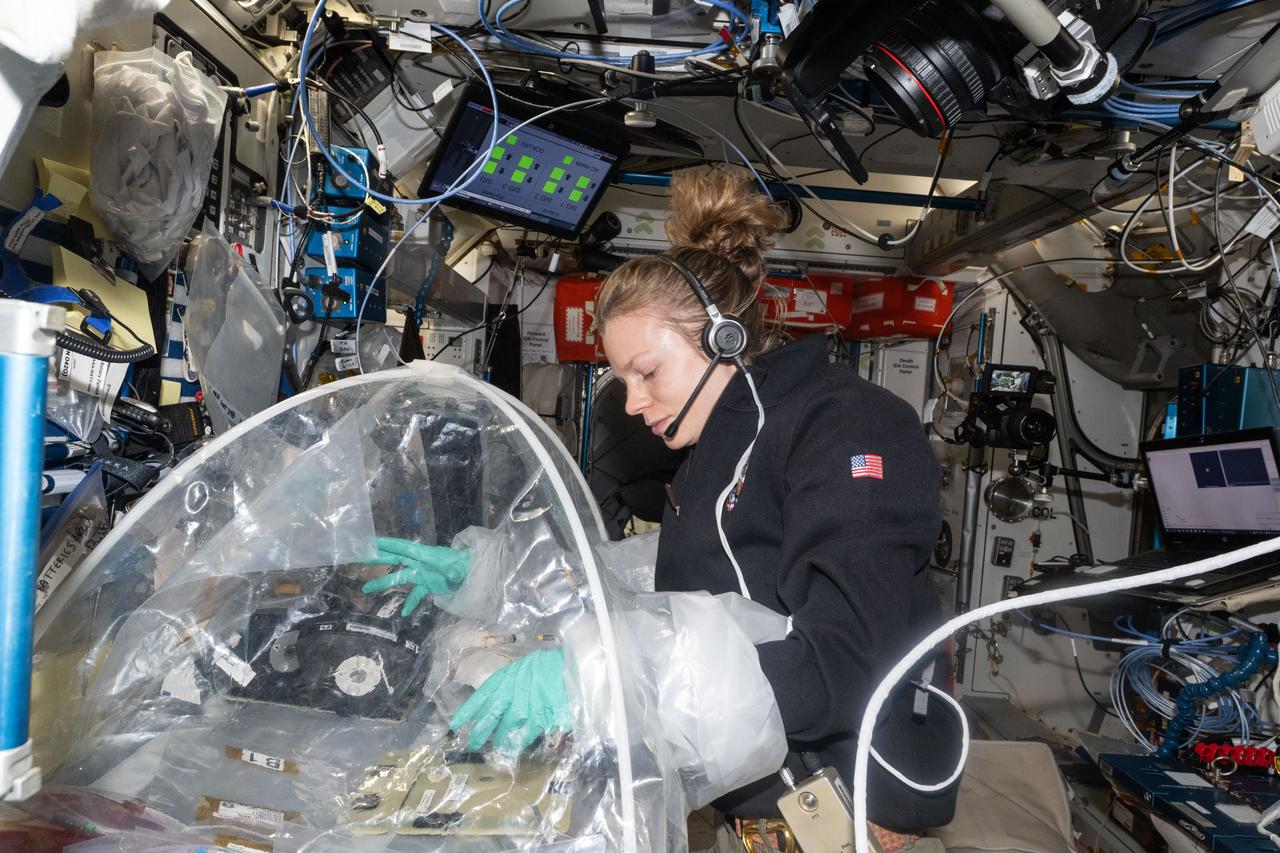
iss073e0606879 (Sept. 5, 2025) --- NASA astronaut and Expedition 73 Flight Engineer Zena Cardman treats bioprinted liver tissues in a portable glovebag inside the International Space Station's Harmony module. The samples will be placed inside an artificial gravity-generating research device to help researchers understand how microgravity affects the formation of blood vessels in engineered tissues. Result may lead to advanced treatments protecting astronauts on long-duration spaceflights and improve bioprinting techniques for patient therapies on Earth.
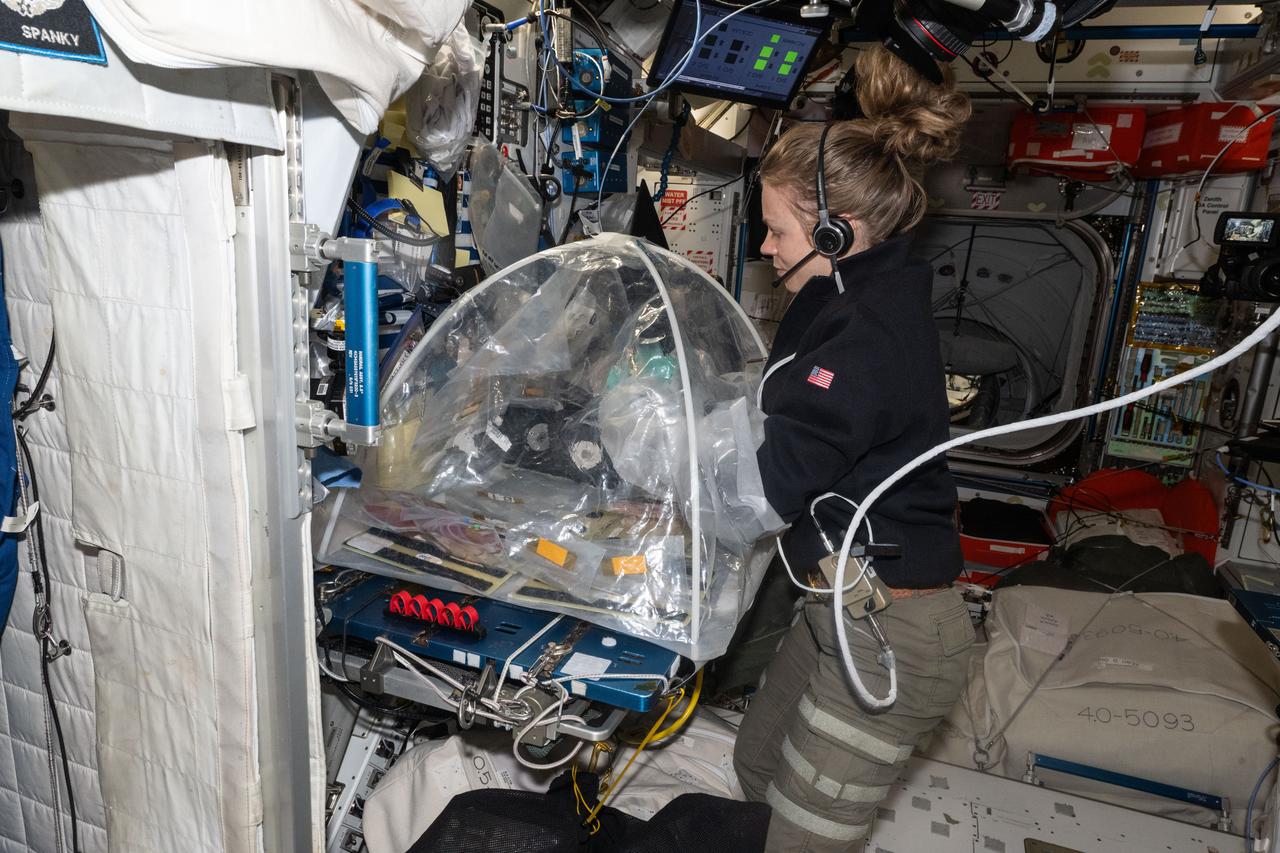
iss073e0606876 (Sept. 5, 2025) --- NASA astronaut and Expedition 73 Flight Engineer Zena Cardman treats bioprinted liver tissues in a portable glovebag inside the International Space Station's Harmony module. The samples will be placed inside an artificial gravity-generating research device to help researchers understand how microgravity affects the formation of blood vessels in engineered tissues. Result may lead to advanced treatments protecting astronauts on long-duration spaceflights and improve bioprinting techniques for patient therapies on Earth.
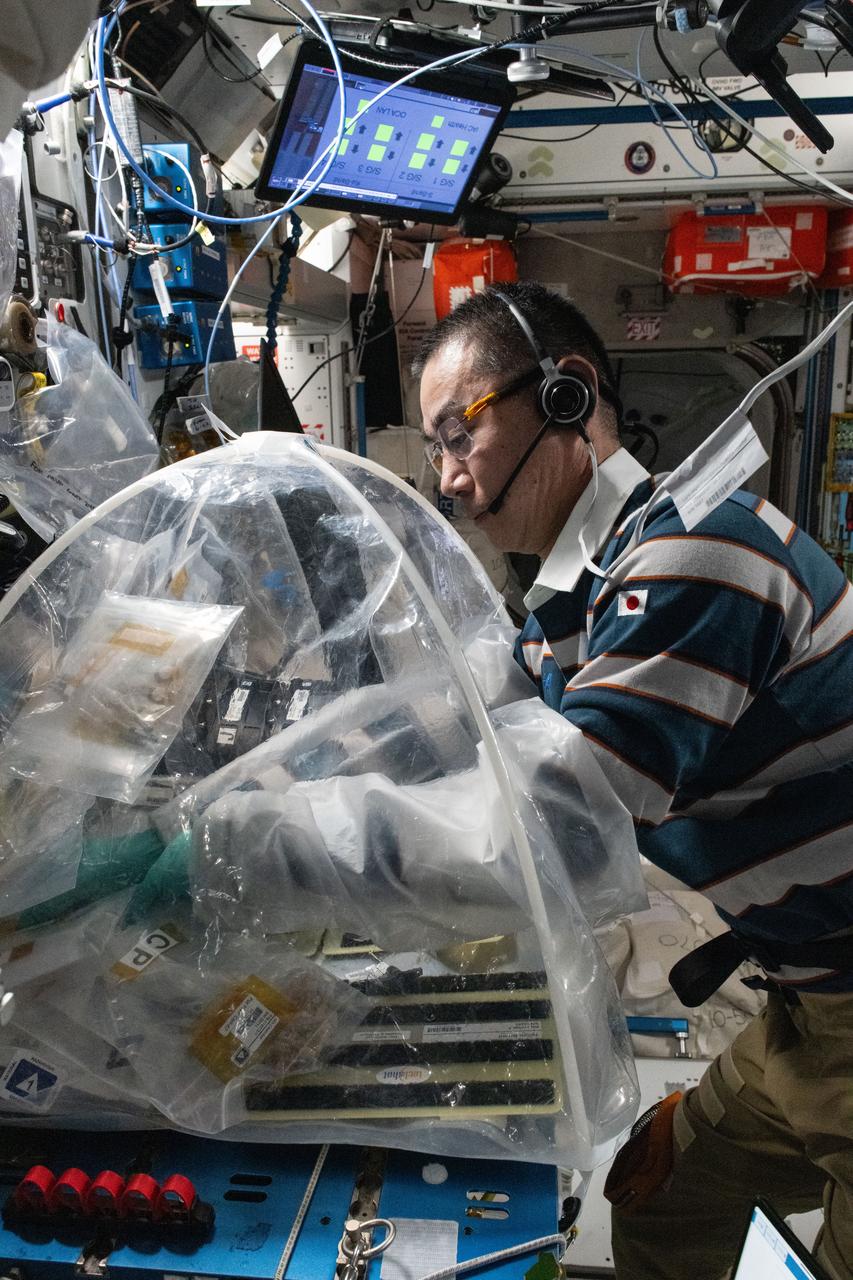
iss073e0606883 (Sept. 5, 2025) --- JAXA (Japan Aerospace Exploration Agency) astronaut and Expedition 73 Flight Engineer Kimiya Yui treats bioprinted liver tissues in a portable glovebag inside the International Space Station's Harmony module. The samples will be placed inside an artificial gravity-generating research device to help researchers understand how microgravity affects the formation of blood vessels in engineered tissues. Result may lead to advanced treatments protecting astronauts on long-duration spaceflights and improve bioprinting techniques for patient therapies on Earth.
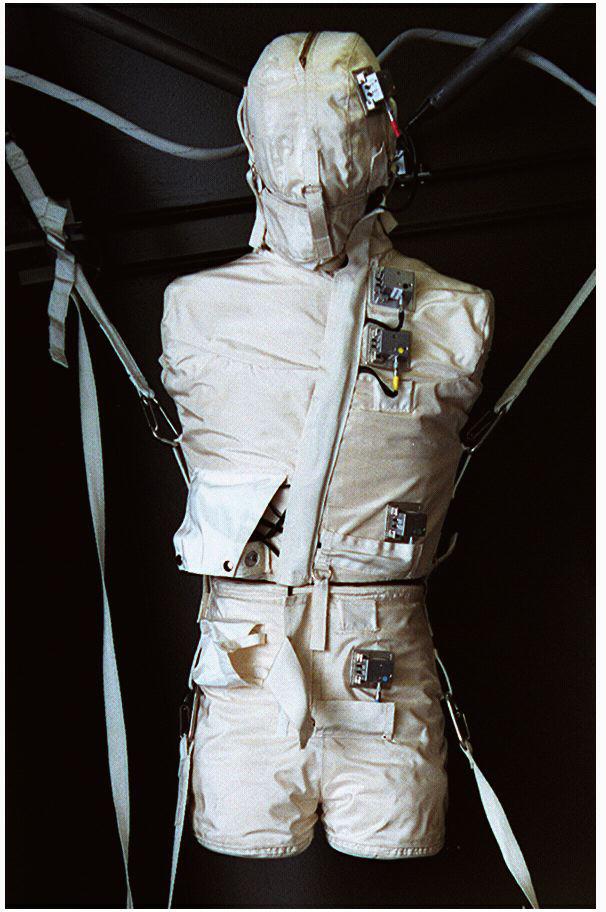
The Phantom Torso is a tissue-muscle plastic anatomical model of a torso and head. It contains over 350 radiation measuring devices to calculate the radiation that penetrates internal organs in space travel. The Phantom Torso is one of three radiation experiments in Expedition Two including the Borner Ball Neutron Detector and Dosimetric Mapping.
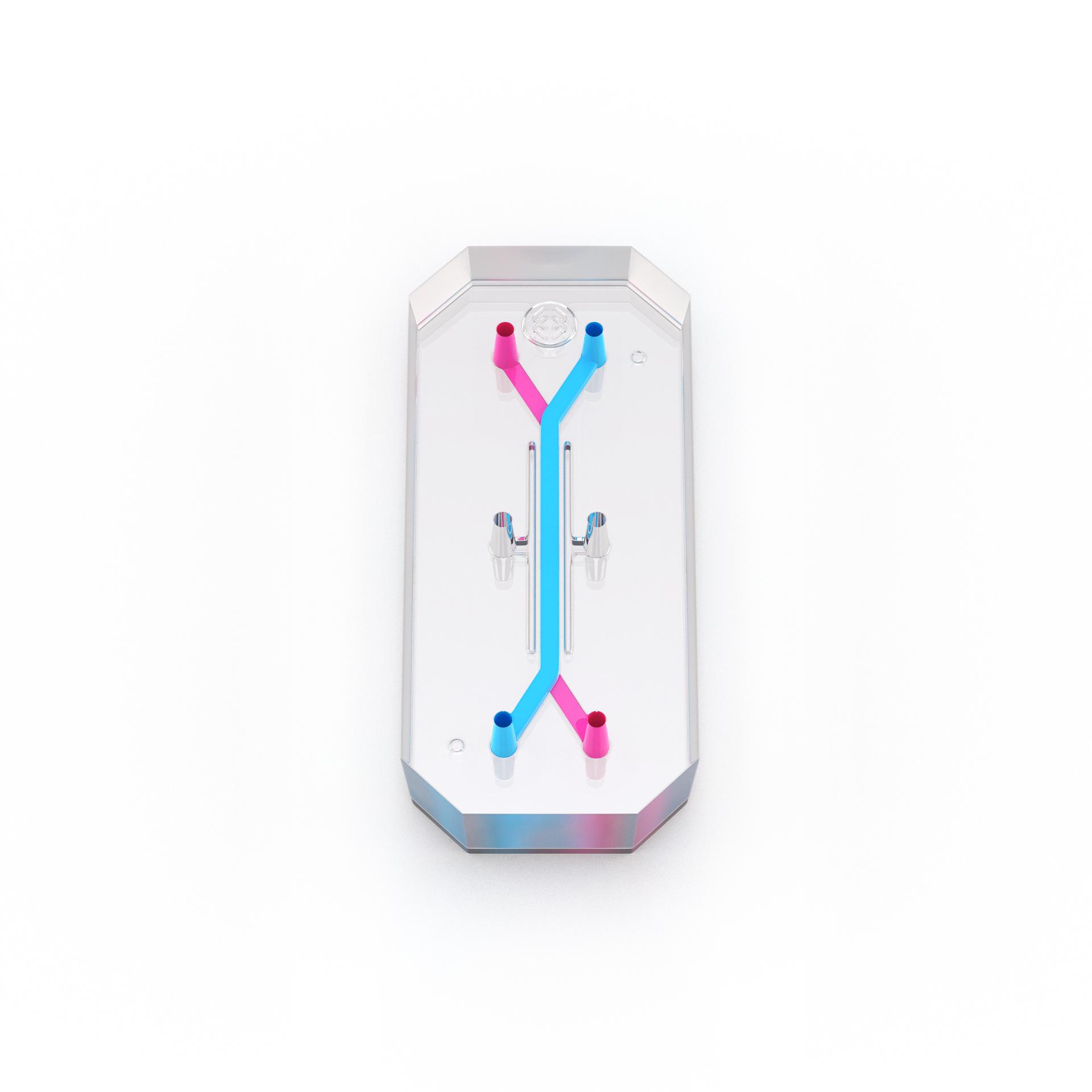
The AVATAR (A Virtual Astronaut Tissue Analog Response) investigation will use organ-on-a-chip devices, or organ chips, to study a effects of increased radiation and microgravity on human health. Artemis II AVATAR is a small experiment flying aboard Artemis II that could lead to big impacts in healthcare, both for astronauts in space and citizens on Earth. For more information on AVATAR: go.nasa.gov/4m5dGH9
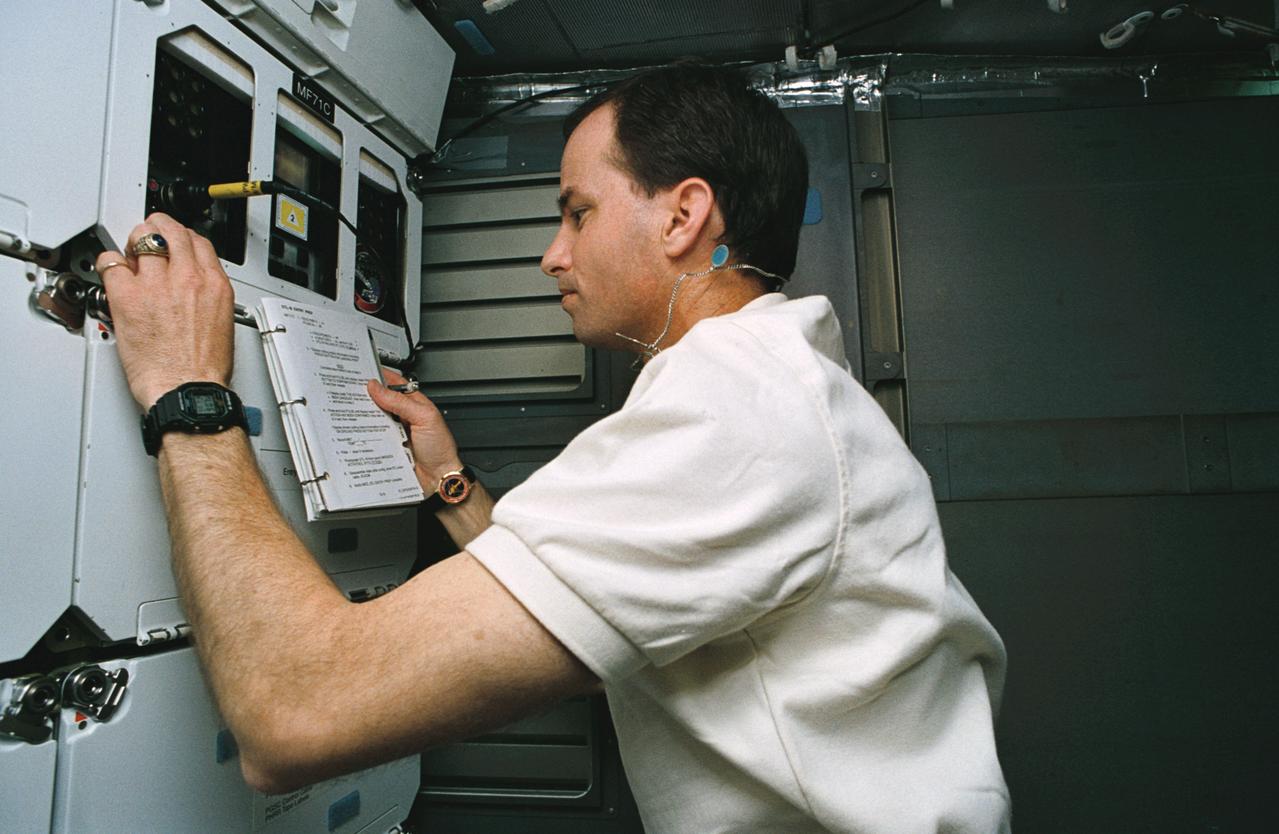
STS059-35-023 (9-20 April 1994) --- Astronaut Kevin P. Chilton, pilot, works with an advanced cell bioreactor, which incorporated the first ever videomicroscope, Space Tissue Loss (STL-B), on the Space Shuttle Endeavour's middeck. This experiment studied cell growth during the STS-59 mission. Chilton was joined in space by five other NASA astronauts for a week and a half of support to the Space Radar Laboratory (SRL-1) mission and other tasks.
jsc2022e083572 (10/20/20220 --- A preflight image of a beating Engineered Heart Tissue (EHT) for the Engineered Heart Tissues-2 investigation. The tissue is fabricated between two posts, one flexible and one rigid. In the flexible post, you can see a square magnet. This magnet enables researchers to measure tissue function using an underlying magnetic sensor, giving real time tissue function data. Image courtesy of Johns Hopkins University.
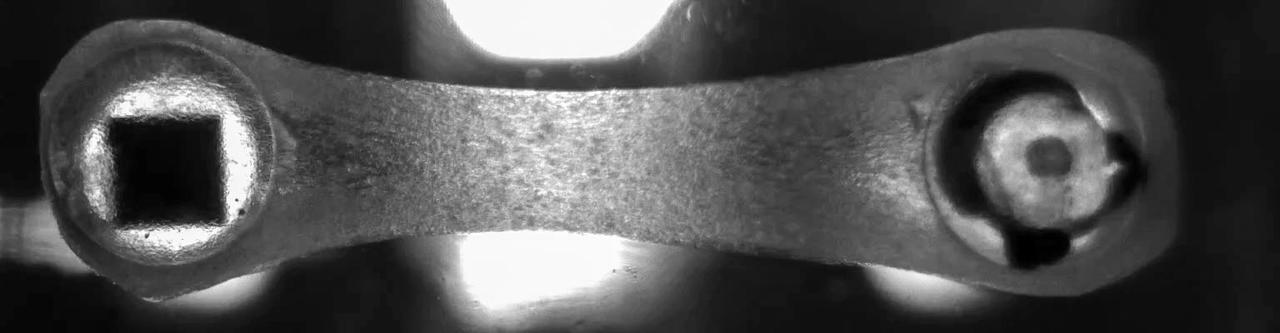
jsc2022e083014 (10/26/2022) --- A preflight image of a beating Engineered Heart Tissue (EHT) for A Human iPSC-based 3D Microphysiological System for Modeling Cardiac Dysfunction in Microgravity (Engineered Heart Tissues-2) investigation. The tissue is fabricated between two posts, one flexible and one rigid. In the flexible post, a square magnet is seen. This magnet enables researchers to measure tissue function using an underlying magnetic sensor, giving real time tissue function data. Image courtesy of Johns Hopkins University.
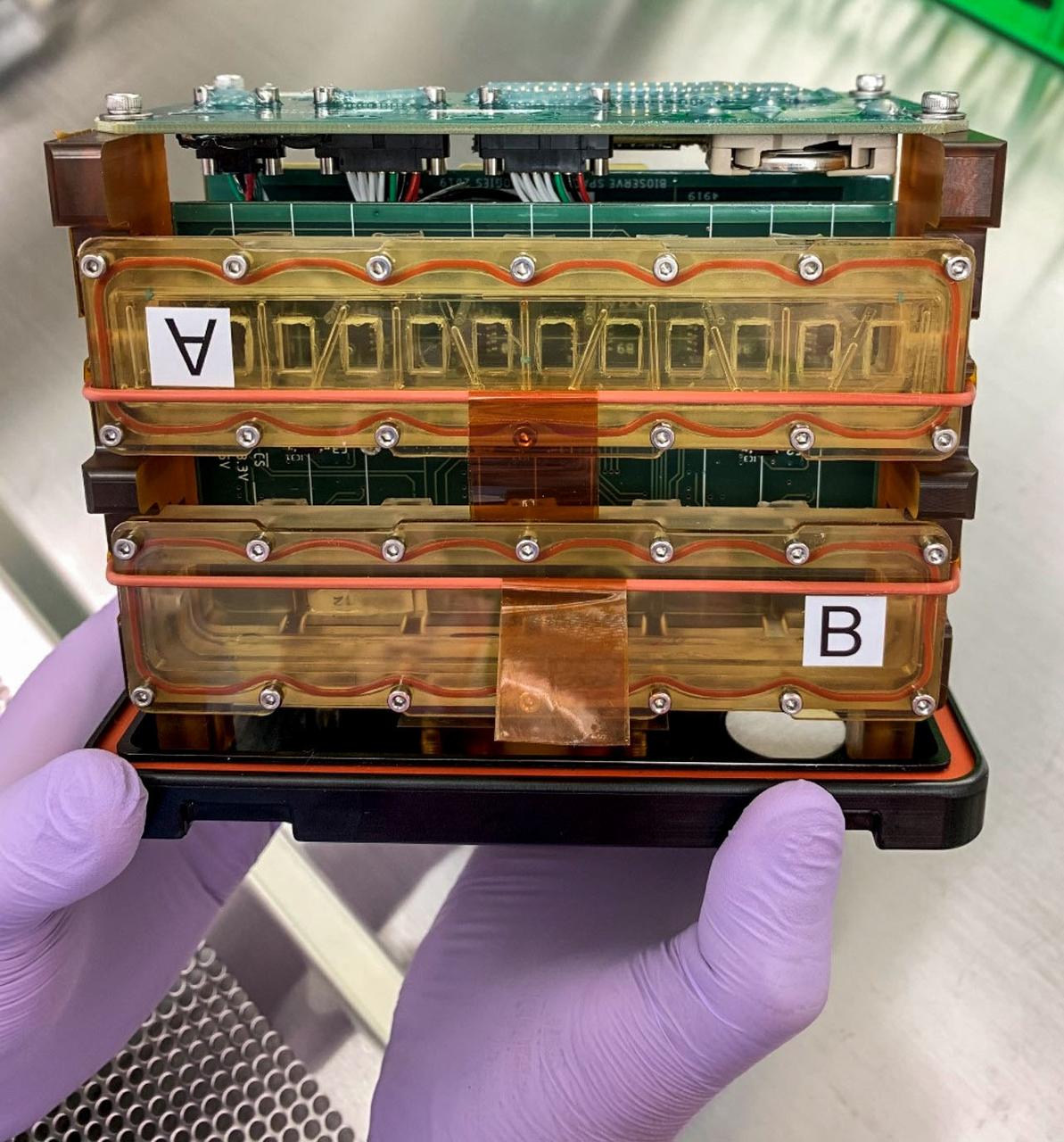
jsc2022e083015 (10/26/2022) --- A preflight image of tissue chambers loaded into the plate habitat (pHAB) for A Human iPSC-based 3D Microphysiological System for Modeling Cardiac Dysfunction in Microgravity (Engineered Heart Tissues-2) investigation. Each tissue chamber contains six tissues and is placed over magnetic sensors on a circuit board to measure contractile function of the Engineered Heart Tissues (EHTs). Image courtesy of Johns Hopkins University.
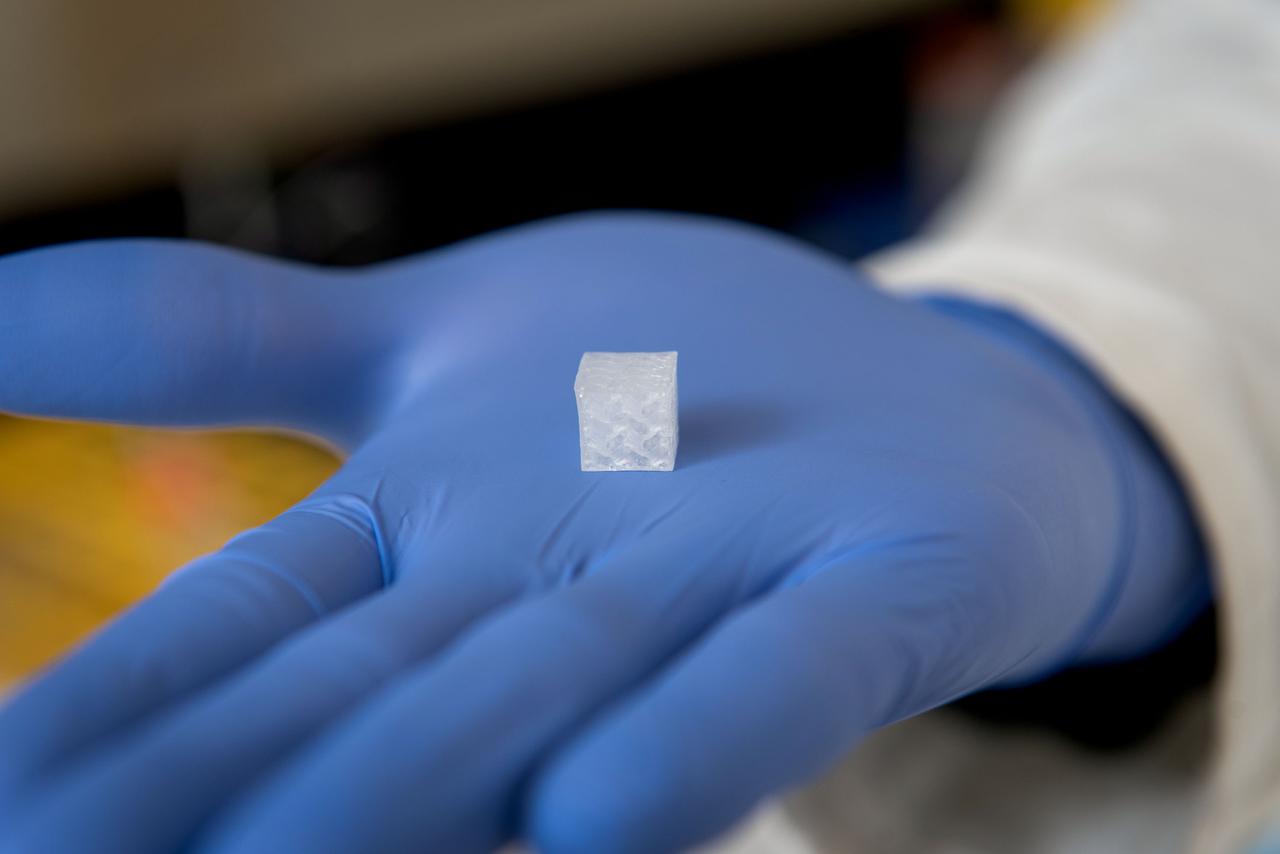
jsc2024e050836 (3/16/2022) --- Maturation of Vascularized Liver Tissue Construct in Zero Gravity (MVP Cell-07) examines the behavior in microgravity of bioprinted or engineered liver tissue constructs that contain blood vessels. The liver tissue constructs with a surface dimension of 1cm x 1cm x 1cm are bioprinted with a gyroid-shaped architecture with interconnected channels, allowing for uniform flow and surface shear stress that adequately covers the entire inner surfaces of cell-laden tissue constructs. The investigation sheds light on the formation of small blood vessels in engineered tissue. Image courtesy of Wake Forest Institute for Regenerative Medicine.
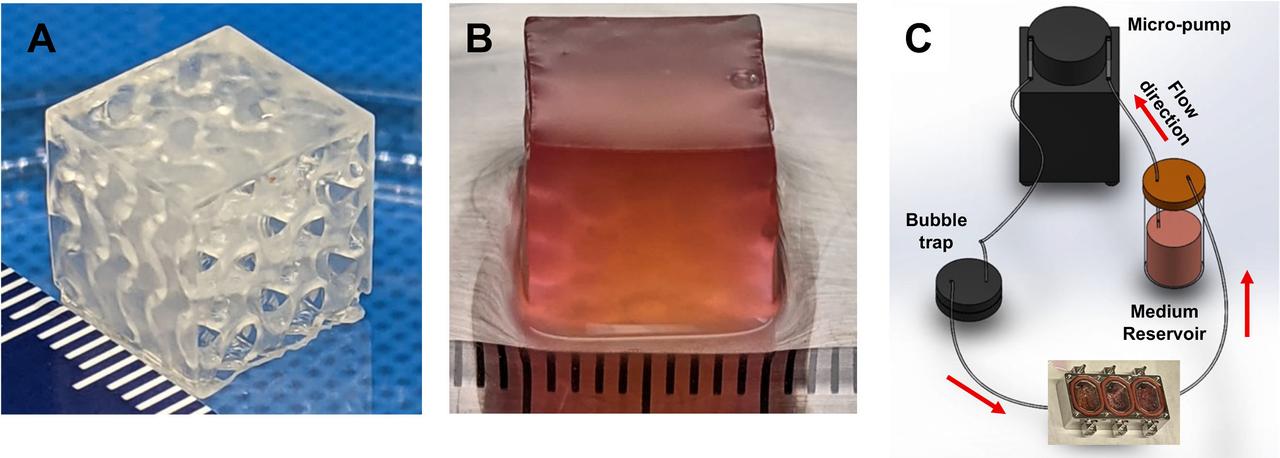
jsc2024e043915 (6/17/2024) --- Maturation of Vascularized Liver Tissue Construct in Zero Gravity (MVP Cell-07) examines the behavior in microgravity of bioprinted or engineered liver tissue constructs that contain blood vessels. This preflight image shows A) Bioprinted vascularized construct with a gyroid design consisting of interconnected channels. B) Bioprinted human liver tissue construct fabricated using a digital light projection (DLP) printer. C) The tissue construct-containing flow chamber is connected to a perfusion system. Data from this vascularized liver tissue construct helps support the development of clinically relevant organs on Earth. Image courtesy of the Wake Forest Institute for Regenerative Medicine.
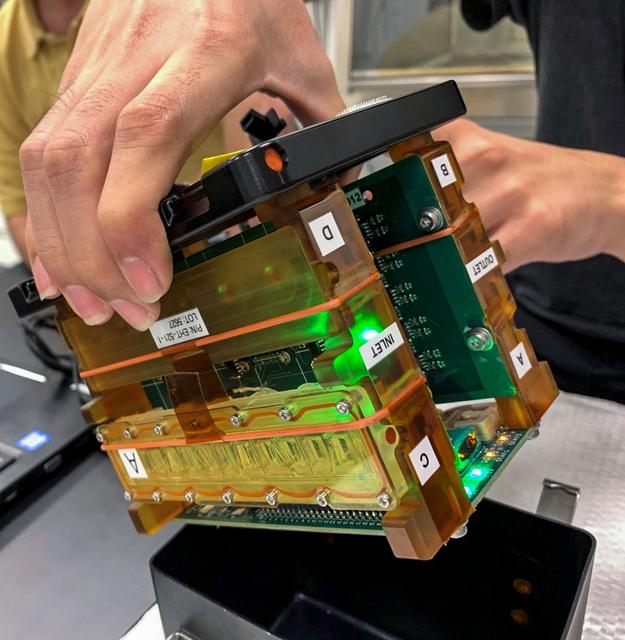
jsc2022e083016 (10/26/2022) --- A preflight image of tissue chambers loaded into the plate habitat (pHAB) for A Human iPSC-based 3D Microphysiological System for Modeling Cardiac Dysfunction in Microgravity (Engineered Heart Tissues-2) investigation. The tissue chambers are placed inside the pHAB lid, creating a fully enclosed system for functional measurements and long-term tissue culture in microgravity. Image courtesy of Johns Hopkins University.
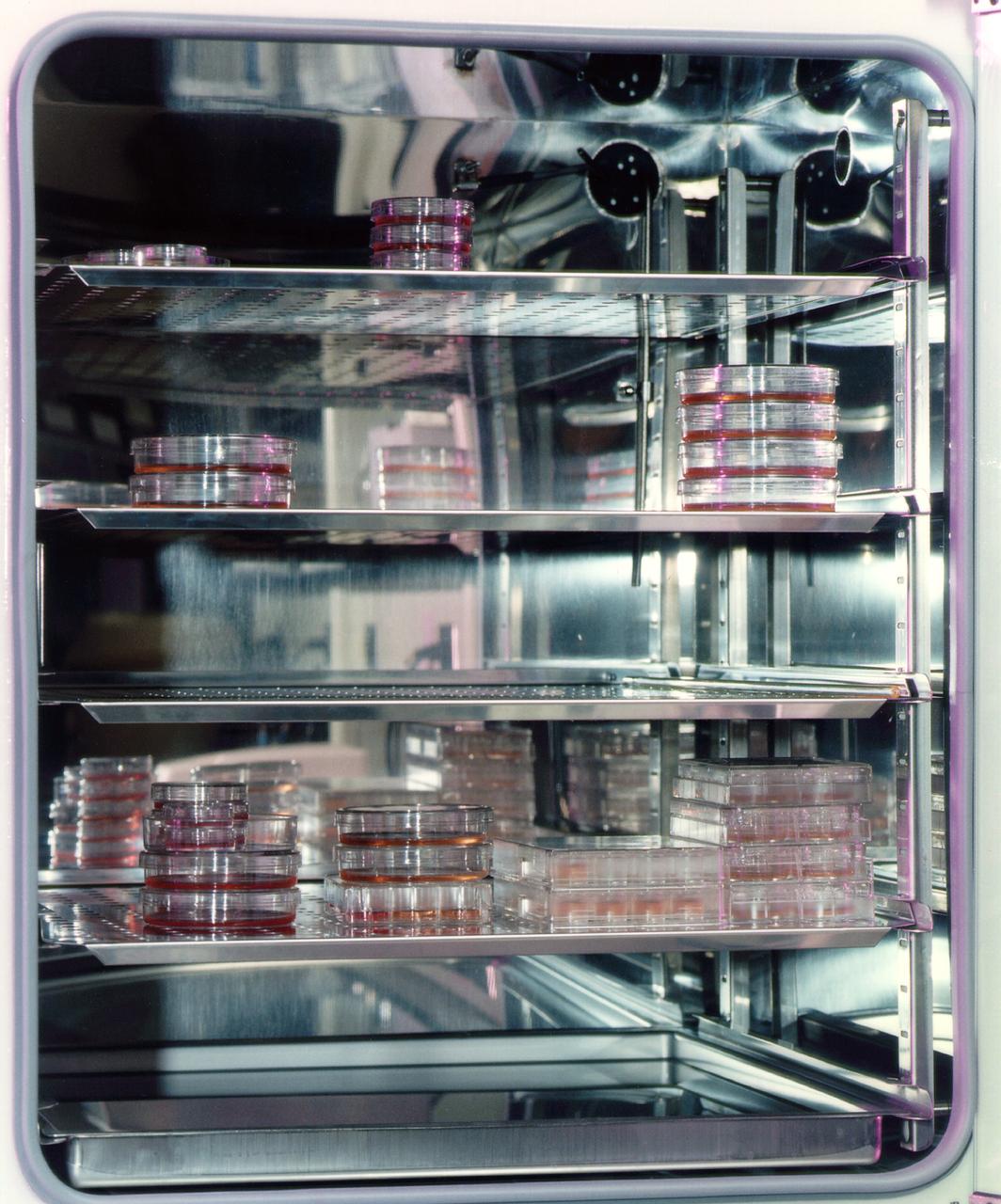
Breast tissue specimens in traditional sample dishes. NASA's Marshall Space Flight Center (MSFC) is sponsoring research with Bioreactors, rotating wall vessels designed to grow tissue samples in space, to understand how breast cancer works. This ground-based work studies the growth and assembly of human mammary epithelial cells (HMEC) from breast cancer susceptible tissue. Radiation can make the cells cancerous, thus allowing better comparisons of healthy vs. tunourous tissues.
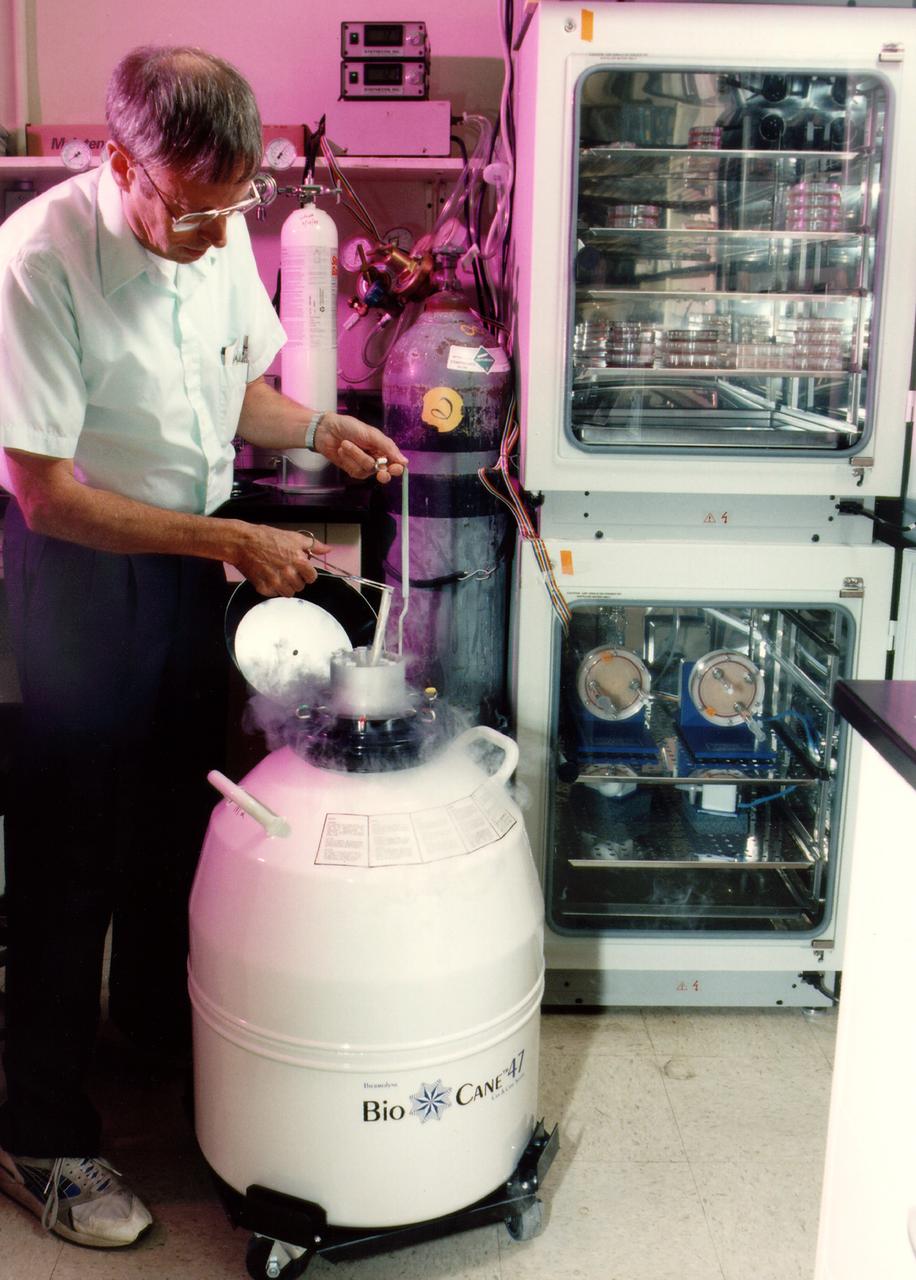
Dr. Robert Richmond extracts breast cell tissue from one of two liquid nitrogen dewars. NASA's Marshall Space Flight Center (MSFC) is sponsoring research with Bioreactors, rotating wall vessels designed to grow tissue samples in space, to understand how breast cancer works. This ground-based work studies the growth and assembly of human mammary epithelial cells (HMEC) from breast cancer susceptible tissue. Radiation can make the cells cancerous, thus allowing better comparisons of healthy vs. tunourous tissues.
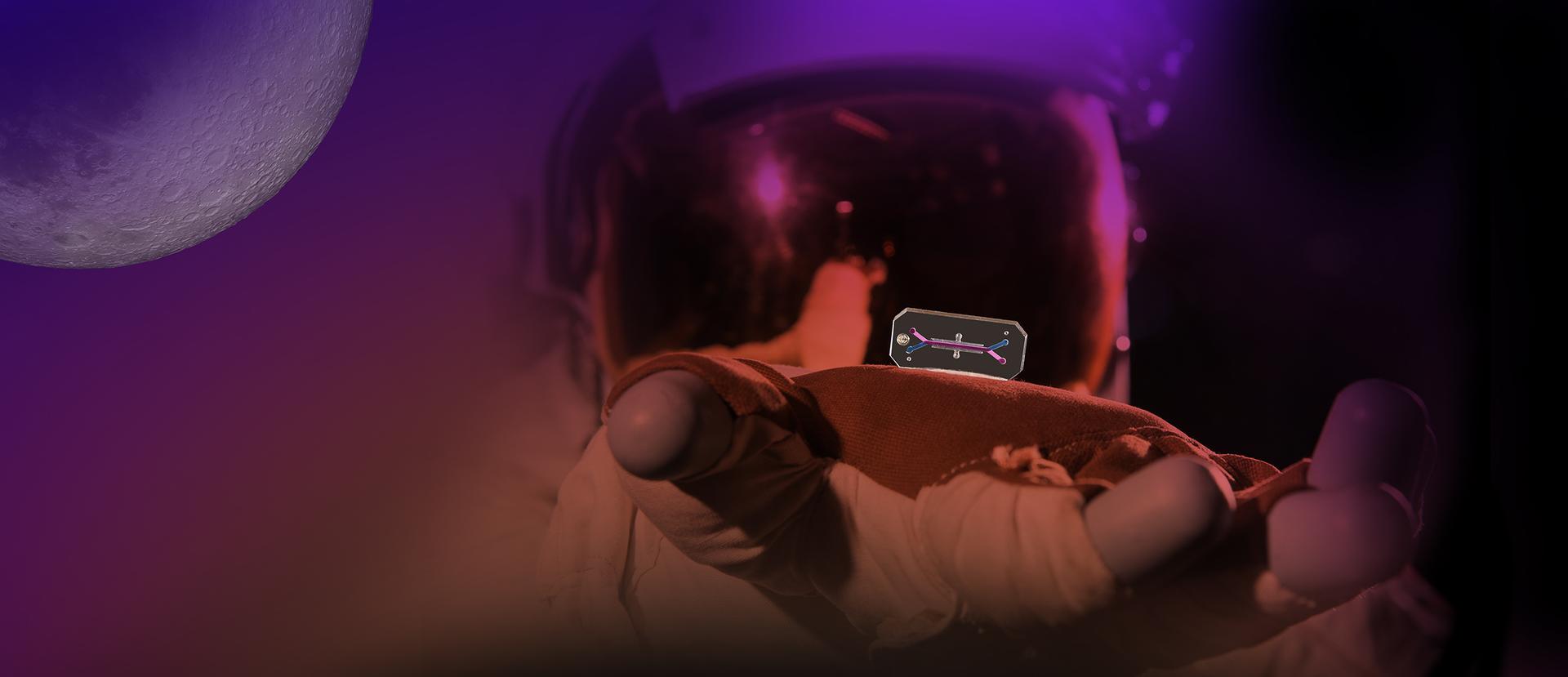
The AVATAR (A Virtual Astronaut Tissue Analog Response) investigation will use organ-on-a-chip devices, or organ chips, to study a effects of increased radiation and microgravity on human health. Artemis II AVATAR is a small experiment flying aboard Artemis II that could lead to big impacts in healthcare, both for astronauts in space and citizens on Earth. For more information on AVATAR: go.nasa.gov/4m5dGH9
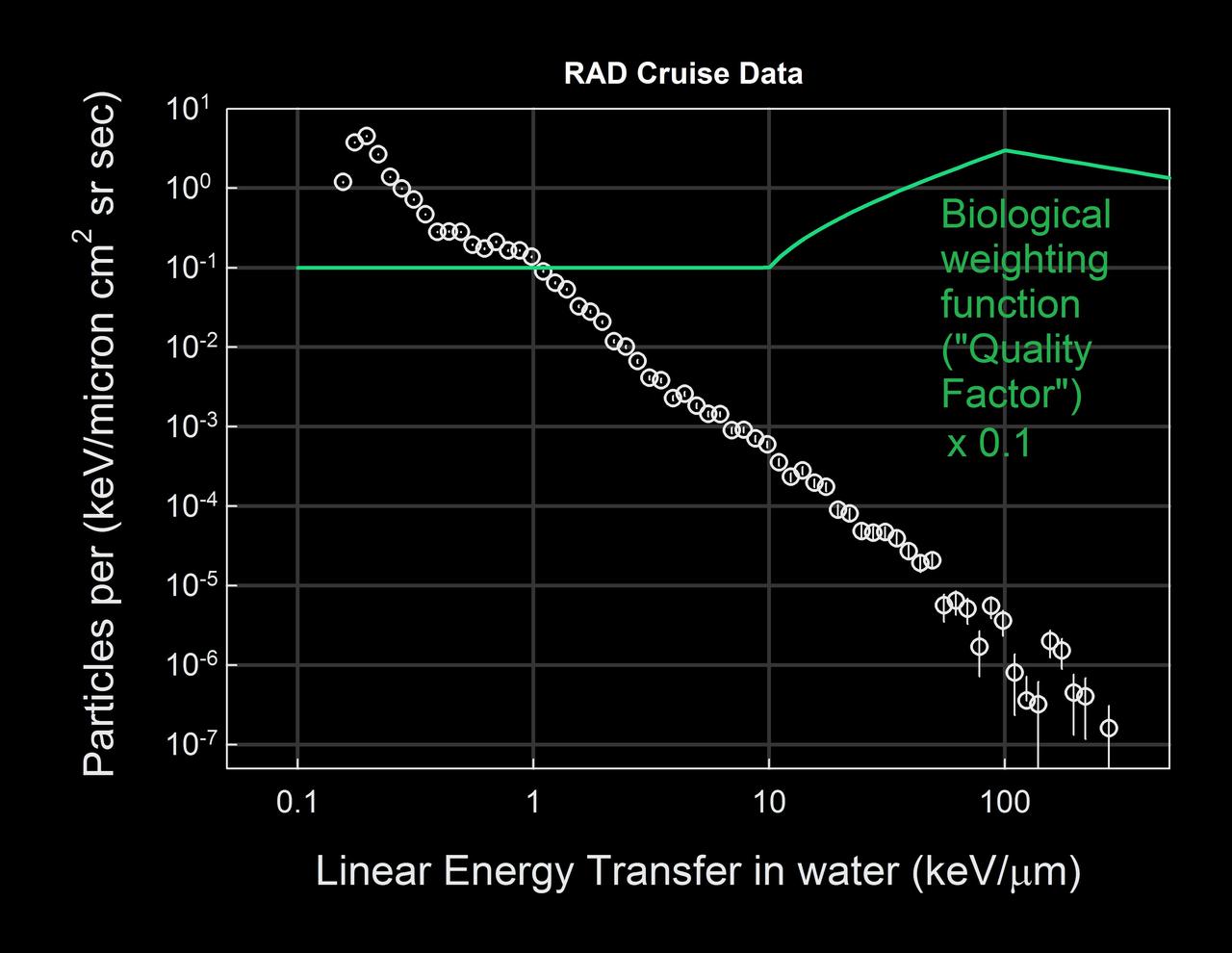
This graph based on data from the RAD instrument onboard NASA Mars Science Laboratory spacecraft shows the flux of energetic particles vertical axis as a function of the estimated energy deposited in water horizontal axis.
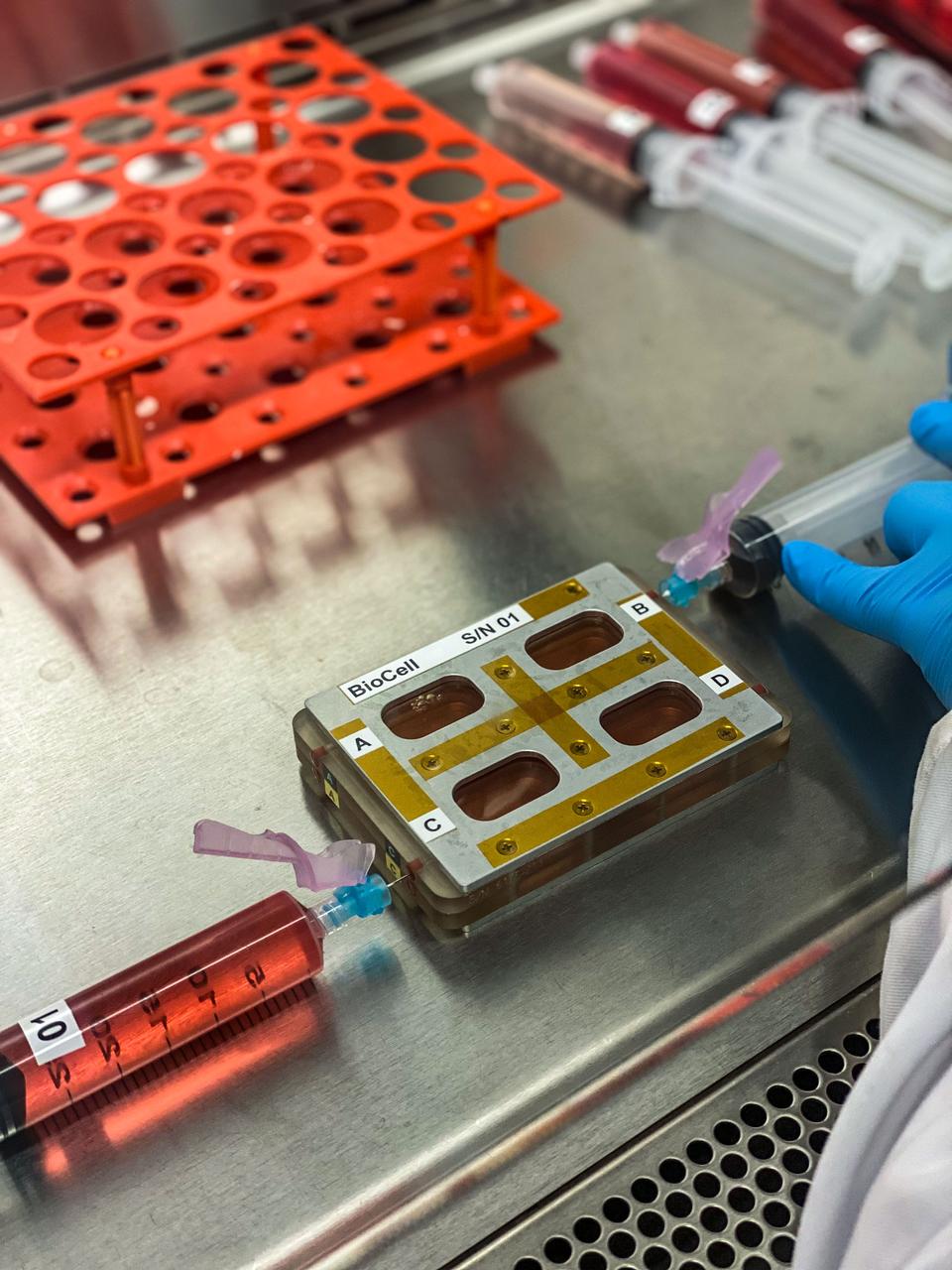
jsc2022e042484 (2/2/2022) --- A Bioserve BioCell is tested in preparation for the Microgravity as a Model for Immunological Senescense and its Impact on Tissue Stem Cells and Regeneration (Immunosenescence), a tissue chip investigation. Image courtesy of UCSF.
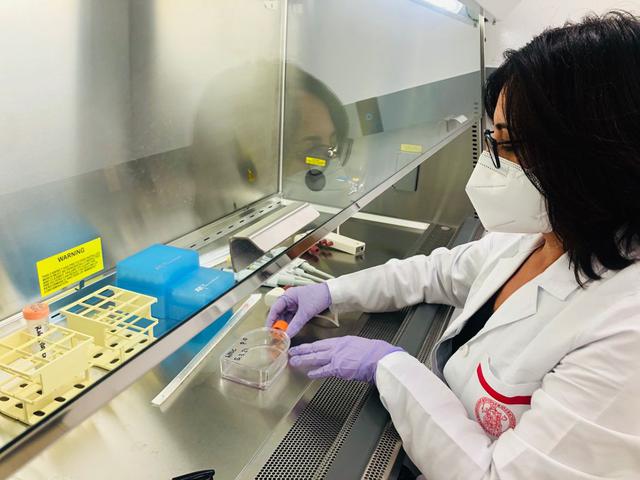
Dr. Valeria Lucci, with the department of biology at the University of Naples Federico II in Italy, prepares the Reducing Arthritis Dependent Inflammation First Phase (READI FP) experiment inside the Space Station Processing Facility at NASA’s Kennedy Space Center in Florida. READI FP, which evaluates how microgravity and space radiation affect the generation of bone tissue, will fly aboard SpaceX’s Cargo Dragon spacecraft on the company’s 23rd commercial resupply services mission to the International Space Station. Liftoff is targeted for Saturday, Aug. 28, at 3:37 a.m. EDT, from Kennedy’s Launch Complex 39A.
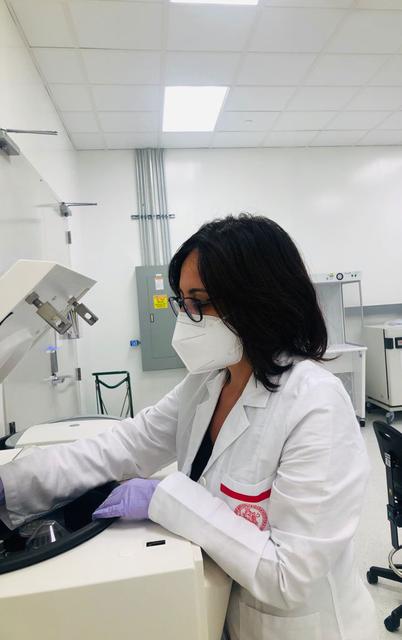
Dr. Valeria Lucci, with the department of biology at the University of Naples Federico II in Italy, prepares the Reducing Arthritis Dependent Inflammation First Phase (READI FP) experiment inside the Space Station Processing Facility at NASA’s Kennedy Space Center in Florida. READI FP, which evaluates how microgravity and space radiation affect the generation of bone tissue, will fly aboard SpaceX’s Cargo Dragon spacecraft on the company’s 23rd commercial resupply services mission to the International Space Station. Liftoff is targeted for Saturday, Aug. 28, at 3:37 a.m. EDT, from Kennedy’s Launch Complex 39A.
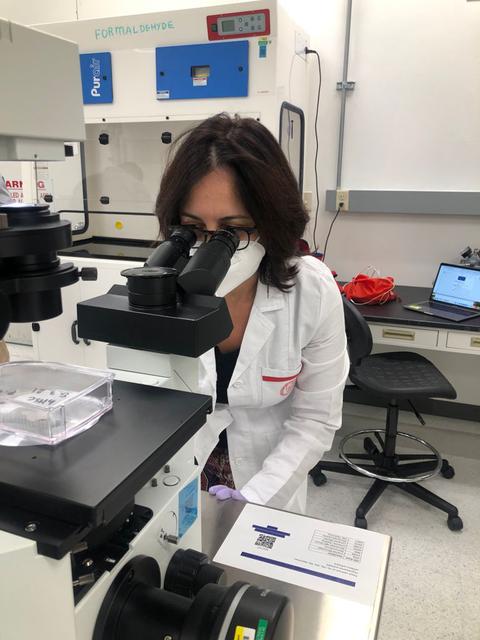
Dr. Valeria Lucci, with the department of biology at the University of Naples Federico II in Italy, prepares the Reducing Arthritis Dependent Inflammation First Phase (READI FP) experiment inside the Space Station Processing Facility at NASA’s Kennedy Space Center in Florida. READI FP, which evaluates how microgravity and space radiation affect the generation of bone tissue, will fly aboard SpaceX’s Cargo Dragon spacecraft on the company’s 23rd commercial resupply services mission to the International Space Station. Liftoff is targeted for Saturday, Aug. 28, at 3:37 a.m. EDT, from Kennedy’s Launch Complex 39A.
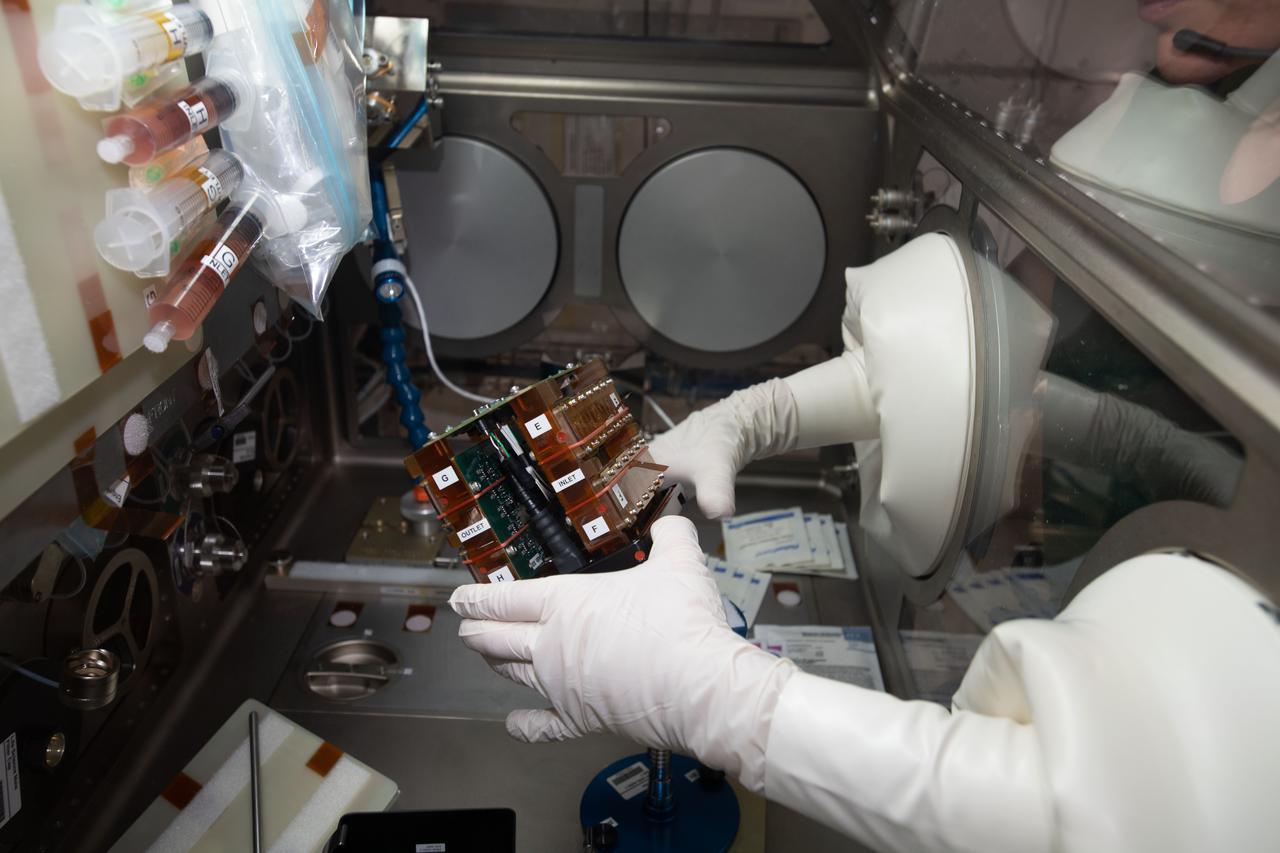
iss062e115367 (3/26/2020) --- Tissue chambers shown during media exchanges and tissue fixations of the Human iPSC-based 3D Microphysiological System for Modeling Cardiac Dysfunction in Microgravity (Engineered Heart Tissue) investigation inside the Life Sciences Glovebox (LSG) in the Japanese Experiment Module (JEM) aboard the International Space Station (ISS). The Engineered Heart Tissues research model could be an effective tool for better understanding cardiac function in response to external factors which would be useful for drug development and other applications related to cardiac dysfunction on Earth.
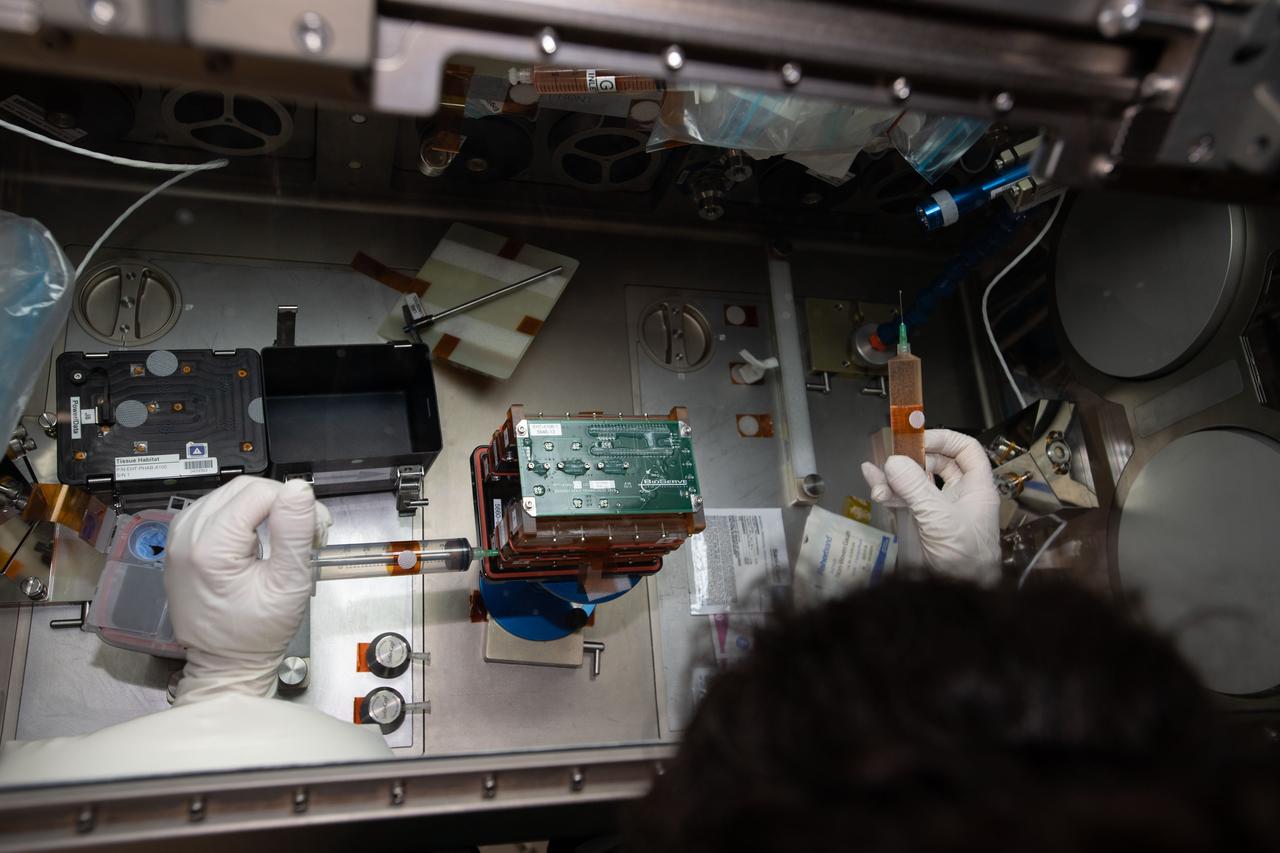
iss062e115350 (3/26/2020) --- Tissue chambers shown during media exchanges and tissue fixations of the Human iPSC-based 3D Microphysiological System for Modeling Cardiac Dysfunction in Microgravity (Engineered Heart Tissue) investigation inside the Life Sciences Glovebox (LSG) in the Japanese Experiment Module (JEM) aboard the International Space Station (ISS). The Engineered Heart Tissues research model could be an effective tool for better understanding cardiac function in response to external factors which would be useful for drug development and other applications related to cardiac dysfunction on Earth.
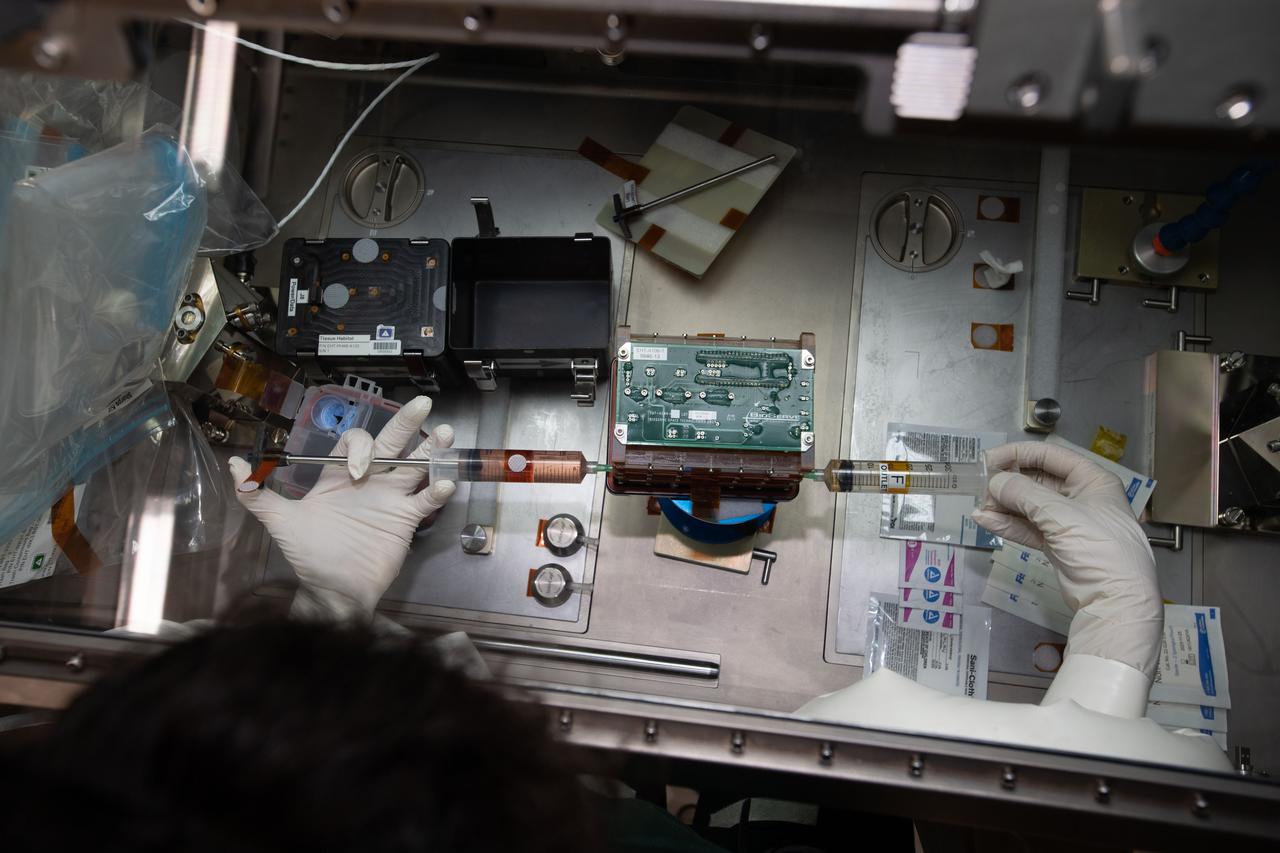
iss062e115333 (3/26/2020) --- Tissue chambers shown during media exchanges and tissue fixations of the Human iPSC-based 3D Microphysiological System for Modeling Cardiac Dysfunction in Microgravity (Engineered Heart Tissue) investigation inside the Life Sciences Glovebox (LSG) in the Japanese Experiment Module (JEM) aboard the International Space Station (ISS). The Engineered Heart Tissues research model could be an effective tool for better understanding cardiac function in response to external factors which would be useful for drug development and other applications related to cardiac dysfunction on Earth.
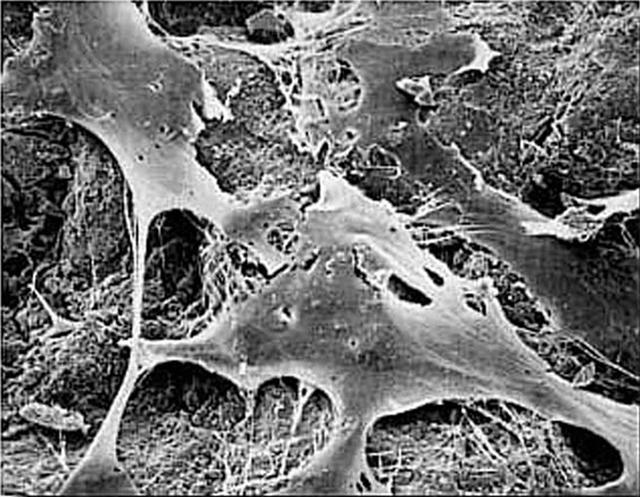
Paul Ducheyne, a principal investigator in the microgravity materials science program and head of the University of Pernsylvania's Center for Bioactive Materials and Tissue Engineering, is leading the trio as they use simulated microgravity to determine the optimal characteristics of tiny glass particles for growing bone tissue. The result could make possible a much broader range of synthetic bone-grafting applications. Even in normal gravity, bioactive glass particles enhance bone growth in laboratory tests with flat tissue cultures. Ducheyne and his team believe that using the bioactive microcarriers in a rotating bioreactor in microgravity will produce improved, three-dimensional tissue cultures. The work is sponsored by NASA's Office of Biological and Physical Research. The bioreactor is managed by the Biotechnology Cell Science Program at NASA's Johnson Space Center (JSC). NASA-sponsored bioreactor research has been instrumental in helping scientists to better understand normal and cancerous tissue development. In cooperation with the medical community, the bioreactor design is being used to prepare better models of human colon, prostate, breast and ovarian tumors. Cartilage, bone marrow, heart muscle, skeletal muscle, pancreatic islet cells, liver and kidney are just a few of the normal tissues being cultured in rotating bioreactors by investigators. Credit: NASA and University of Pennsylvania Center for Bioactive Materials and Tissue Engineering.

Isolation of human mammary epithelial cells (HMEC) from breast cancer susceptible tissue. Same long-term growth human mammary epithelial cells (HMEC), but after 3 weeks in concinuous culture. Note attempts to reform duct elements, but this time in two dimensions in a dish rather that in three demensions in tissue. NASA's Marshall Space Flight Center (MSFC) is sponsoring research with Bioreactors, rotating wall vessels designed to grow tissue samples in space, to understand how breast cancer works. This ground-based work studies the growth and assembly of human mammary epithelial cell (HMEC) from breast cancer susceptible tissue. Radiation can make the cells cancerous, thus allowing better comparisons of healthy vs. tunorous tissue. Credit: Dr. Robert Tichmond, NASA/Marshall Space Flight Center (MSFC).
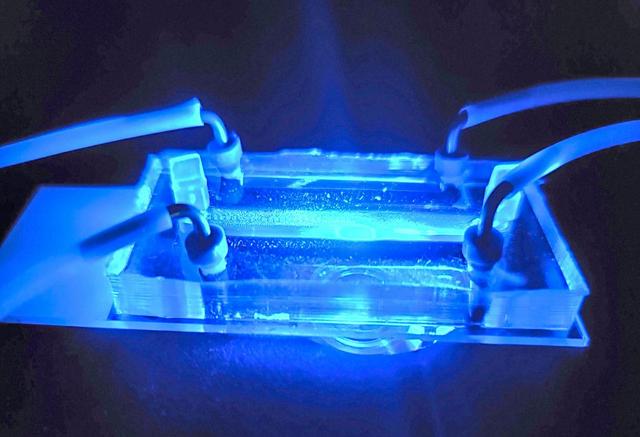
jsc2024e005964 (11/6/2023) --- A preflight image of the Janus base nano-matrix (JBNm) enabled cartilage tissue chip. The Compartment Cartilage Tissue Construct investigation uses biological materials that mimic DNA to develop a scaffold for regenerating cartilage tissues and tests the effect of a specific RNA on cartilage growth in space. Image courtesy of the University of Connecticut.
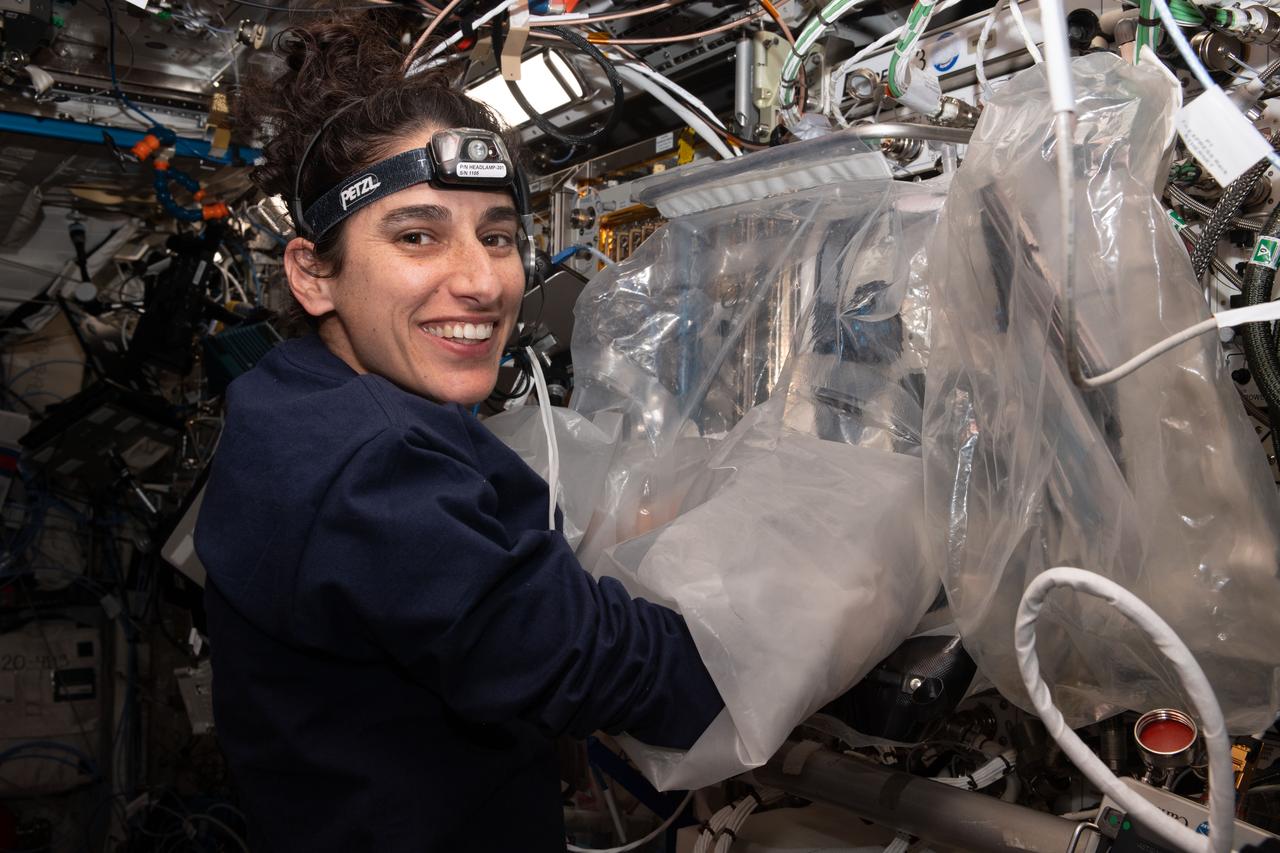
iss070e035114 (Dec. 1, 2023) --- NASA astronaut and Expedition 70 Flight Engineer Jasmin Moghbeli uses a portable glovebag and removes a tissue cassette containing printed cardiac tissue samples from the BioFabrication Facility that is demonstrating printing organ-like tissues in microgravity. The cassette was then installed into an advanced sample processor that can be configured for a variety of biological and physics investigations.
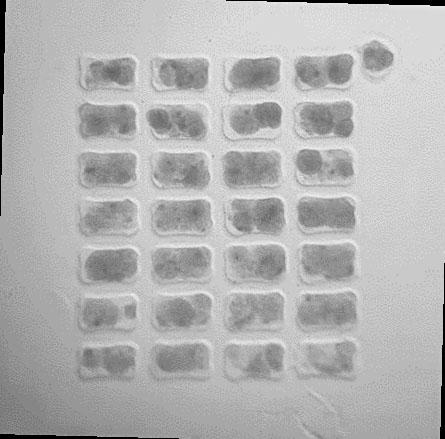
An image of the cardiac tissue chip with an array of cardiac tissues as part of MVP Cell-09. This investigation aims to understand the cellular and molecular mechanisms by which Streptococcus pneumoniae, the leading cause of community-acquired pneumonia damages heart tissue. Bacteria are generally more active and virulent in the unique conditions of space. Investigators hypothesize microgravity may amplify the effects of Streptococcus pneumoniae on heart cells, exaggerating important cell responses that would not be detected on Earth. Credit. University of Alabama at Birmingham.
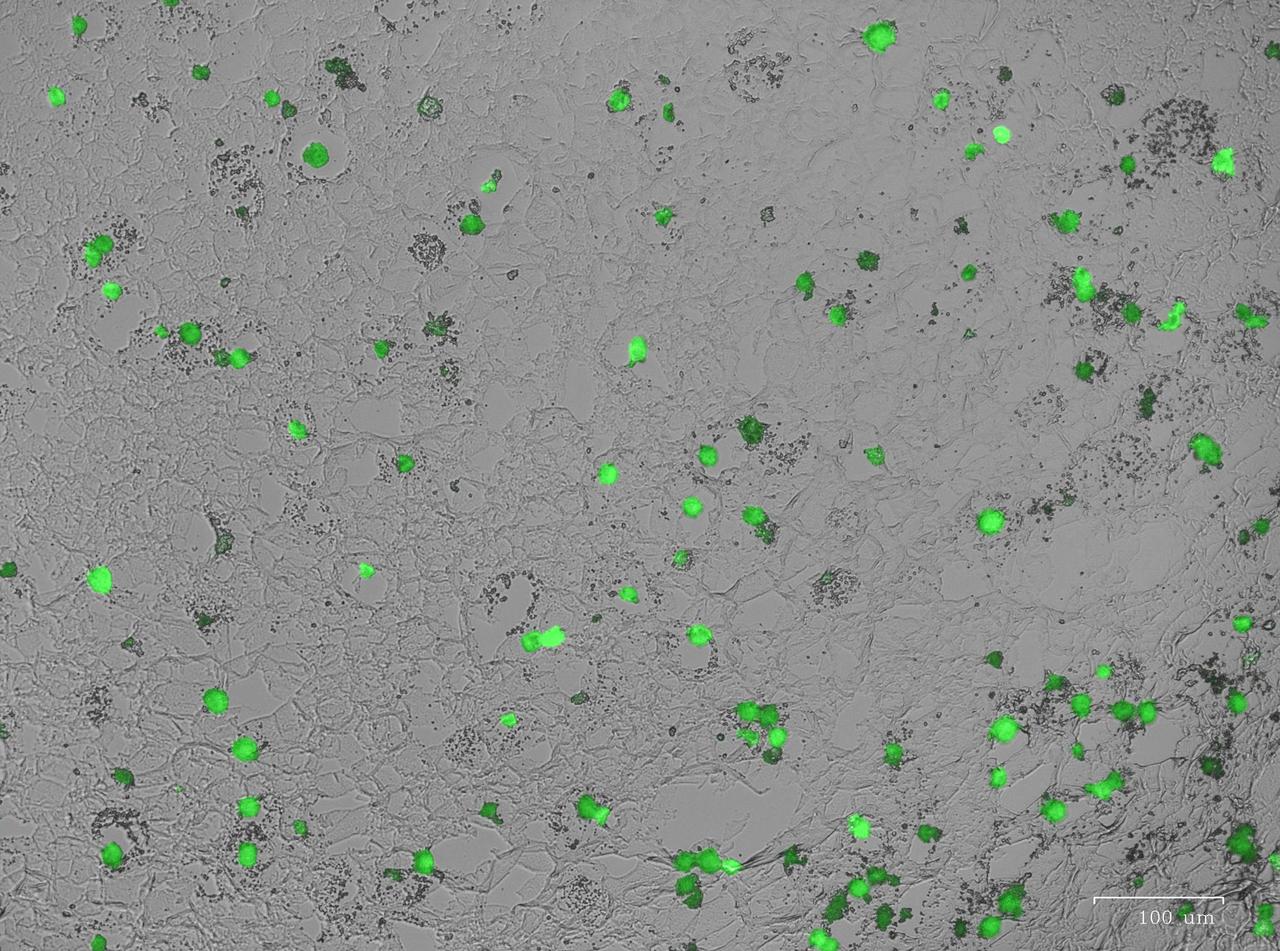
jsc2024e005962 (12/10/2023) --- A preflight image for the Compartment Cartilage Tissue Construct investigation shows that the Janus base Nanopieces (JBNps) delivered green fluorescence labeled therapeutic RNA into cartilage cells. Compartment Cartilage Tissue Construct uses biological materials that mimic DNA to develop a scaffold for regenerating cartilage tissues and tests the effect of a specific RNA on cartilage growth in space. Image courtesy of the University of Connecticut.
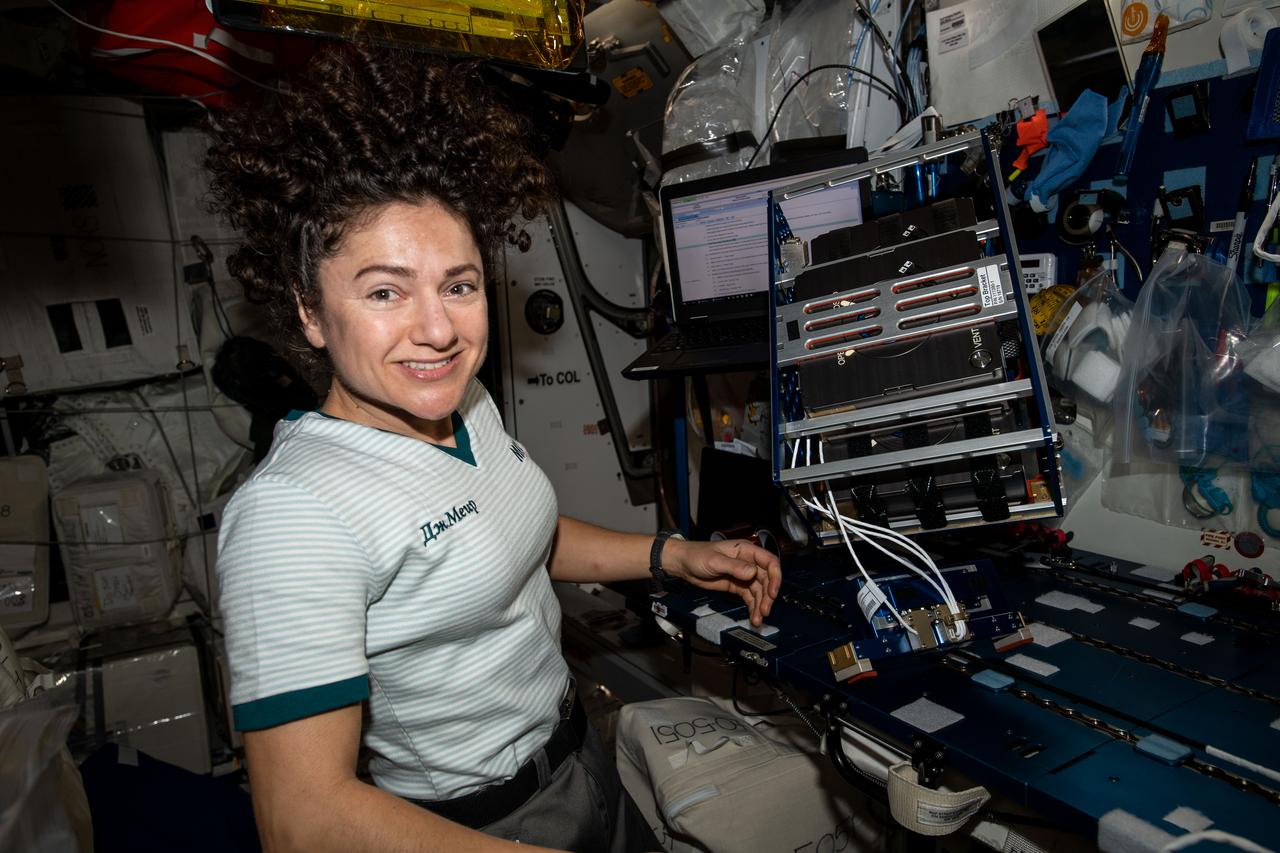
iss061e113336 (Jan. 2, 2020) --- NASA astronaut and Expedition 61 Flight Engineer Jessica Meir inserts Techshot Tissue Cassettes into racks that allow them to be installed in a Microgravity Experiment Research Locker/Incubator (MERLIN) for sample return to Earth. These particular tissue cassettes were used in the 3D printing of tissue-like constructs as part of the initiation of Techshot’s BioFabrication Facility (BFF) aboard the International Space Station.
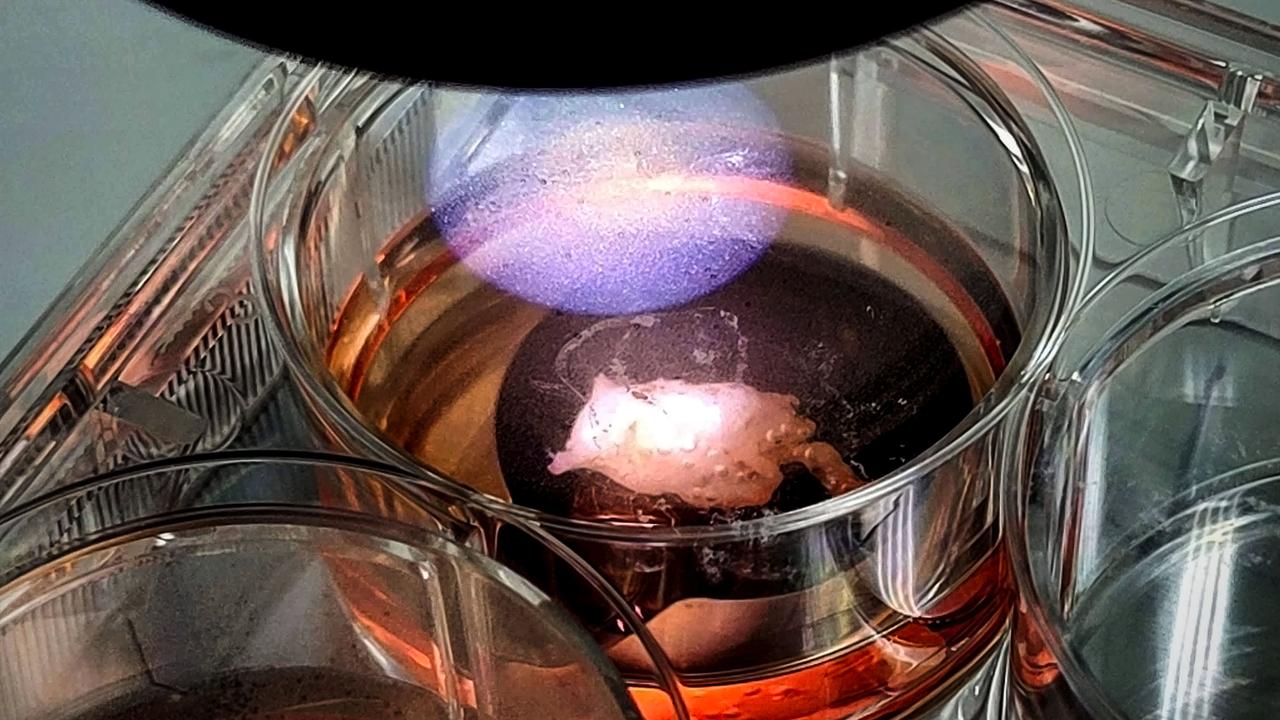
jsc2024e038395 (6/5/2024) --- Live human heart tissue bioprinted with Redwire's BioFabrication Facility aboard the International Space Station. The tissue was successfully returned to Earth in April 2024. Results of the Redwire Cardiac Bioprinting Investigation (BFF-Cardiac) could advance technologies for producing organs and tissues in lieu of donated organs for transplant. The investigation also improves 3D printing, with the goal of giving the crew the ability to print material like foods and medicines on demand for future long-duration space missions. Image courtesy of Redwire.
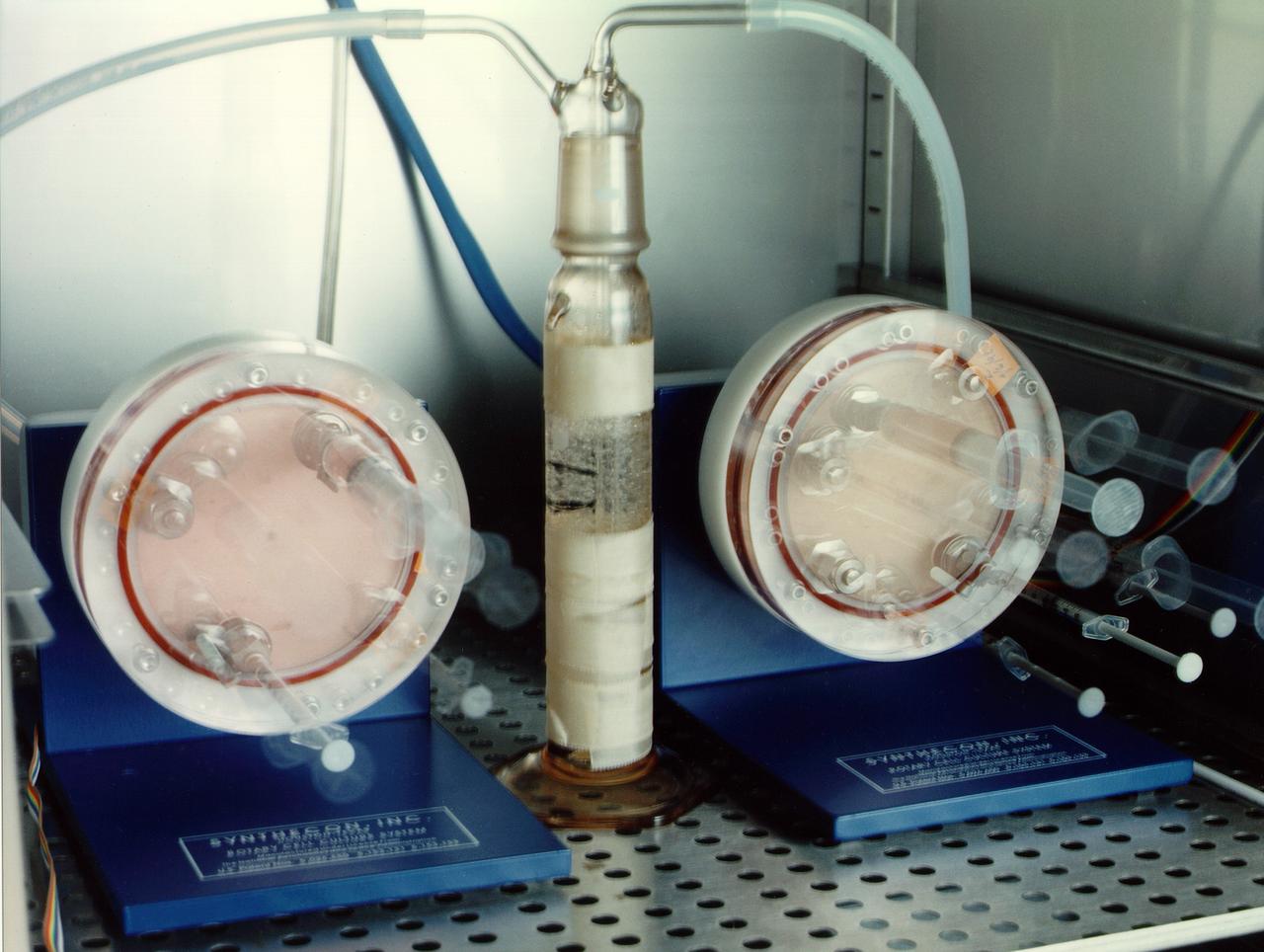
Time-lapse exposure depicts Bioreactor rotation. NASA's Marshall Space Flight Center (MSFC) is sponsoring research with Bioreactors, rotating wall vessels designed to grow tissue samples in space, to understand how breast cancer works. This ground-based work studies the growth and assembly of human mammary epithelial cells (HMEC) from breast cancer susceptible tissue. Radiation can make the cells cancerous, thus allowing better comparisons of healthy vs. tunourous tissues.

Isolation of human mammary epithelial cells (HMEC) from breast cancer susceptible tissue; A: Duct element recovered from breast tissue digest. B: Outgrowth of cells from duct element in upper right corner cultured in a standard dish; most cells spontaneousely die during early cell divisions, but a few will establish long-term growth. C: Isolate of long-term frowth HMEC from outgrowth of duct element; cells shown soon after isolation and in early full-cell contact growth in culture in a dish. D: same long-term growth HMEC, but after 3 weeks in late full-cell contact growth in a continuous culture in a dish. Note attempts to reform duct elements but this in two demensions in a dish rather than in three dimensions in tissue. NASA's Marshall Space Flight Center (MSFC) is sponsoring research with Bioreactors, rotating wall vessels designed to grow tissue samples in space, to understand how breast cancer works. This ground-based work studies the growth and assembly of human mammary epithelial cell (HMEC) from breast cancer susceptible tissue. Radiation can make the cells cancerous, thus allowing better comparisons of healthy vs. tunorous tissue. Credit: Dr. Robert Richmond, NASA/Marshall Space Flight Center (MSFC).
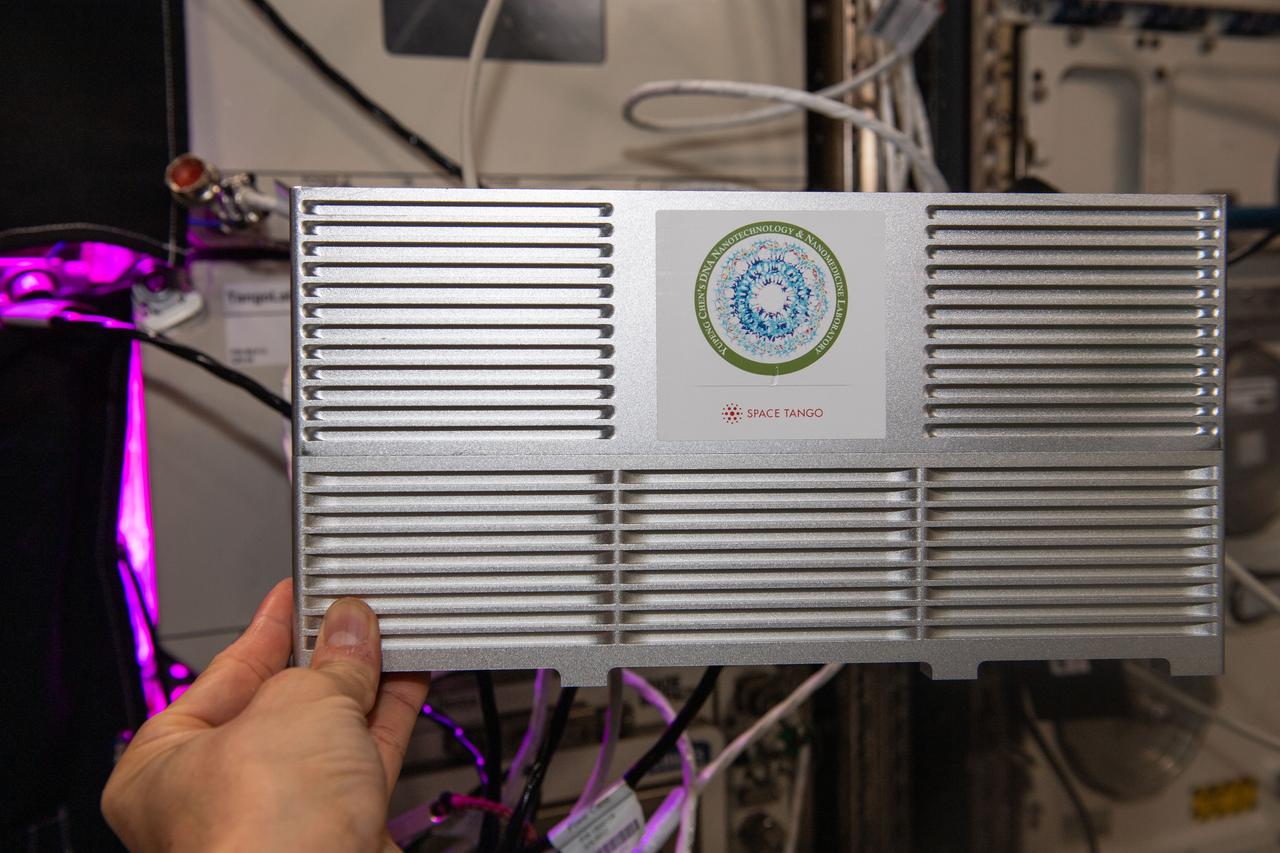
iss070e094551 (2/16/2024) --- The Space Tango CubeLab is shown aboard the International Space Station. The CubeLab houses the Compartment Cartilage Tissue Construct investigation that aims to develop engineered cartilage tissue construct (3D cartilage cell culture) that maintains healthy functioning of cartilage cells to treat osteoarthritis and other cartilage degeneration diseases.
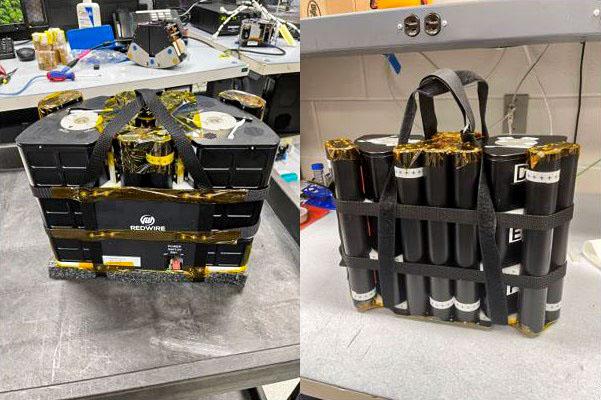
jsc2024e036957 (5/24/2024) --- Six modules configured in their Powered Carrier for ascent. The carrier helps perfuse media through the tissue while launched in a cold bag, maintaining approximately 37°C for the Maturation of Vascularized Liver Tissue Construct in Zero Gravity (MVP Cell-07) investigation. Image courtesy of Grant Vellinger, Redwire.
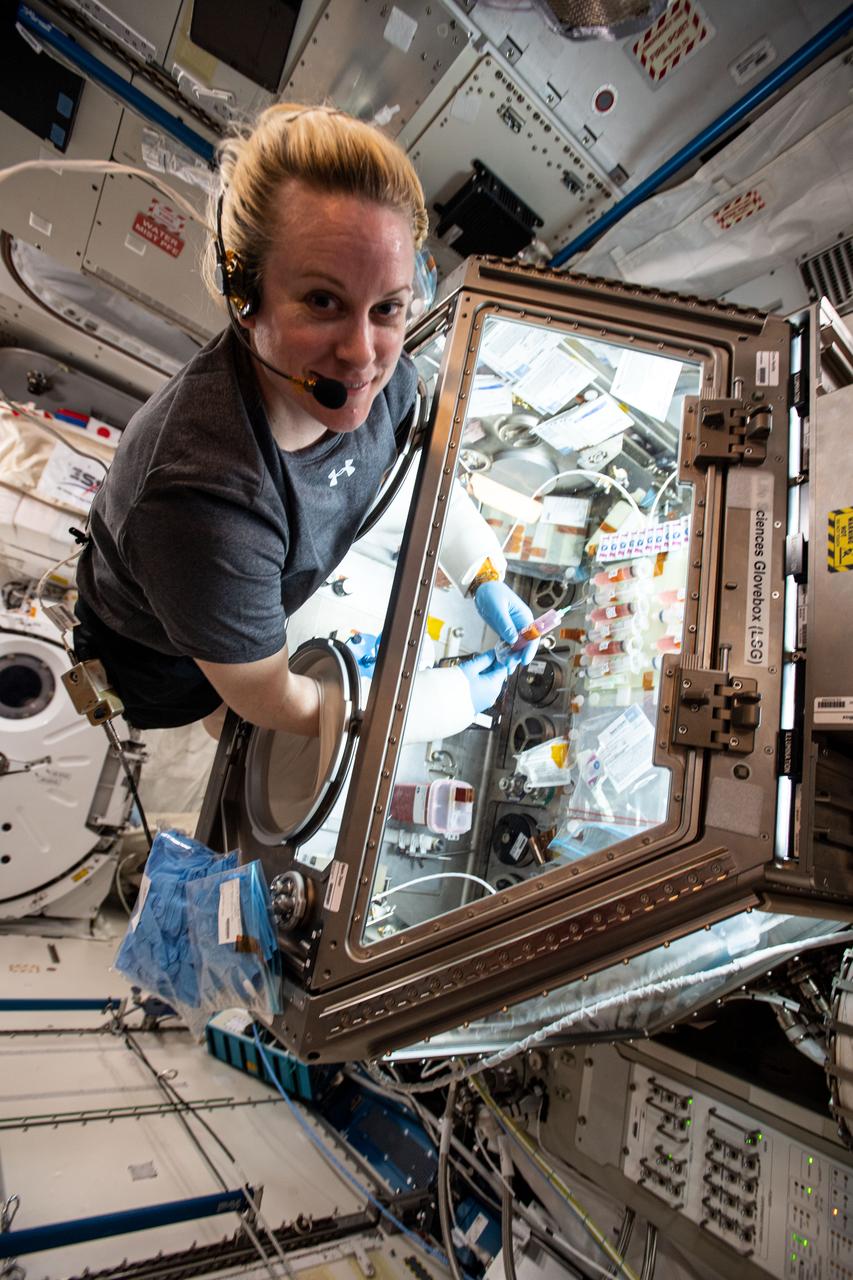
iss064e015250 (Dec. 24, 2020) --- NASA astronaut and Expedition 64 Flight Engineer Kate Rubins works inside the Life Sciences Glovebox (LSG) servicing engineered heart tissue samples for the Cardinal Heart study that seeks to understand space-caused cell and tissue abnormalities. The LSG is located inside Japan's Kibo laboratory module.
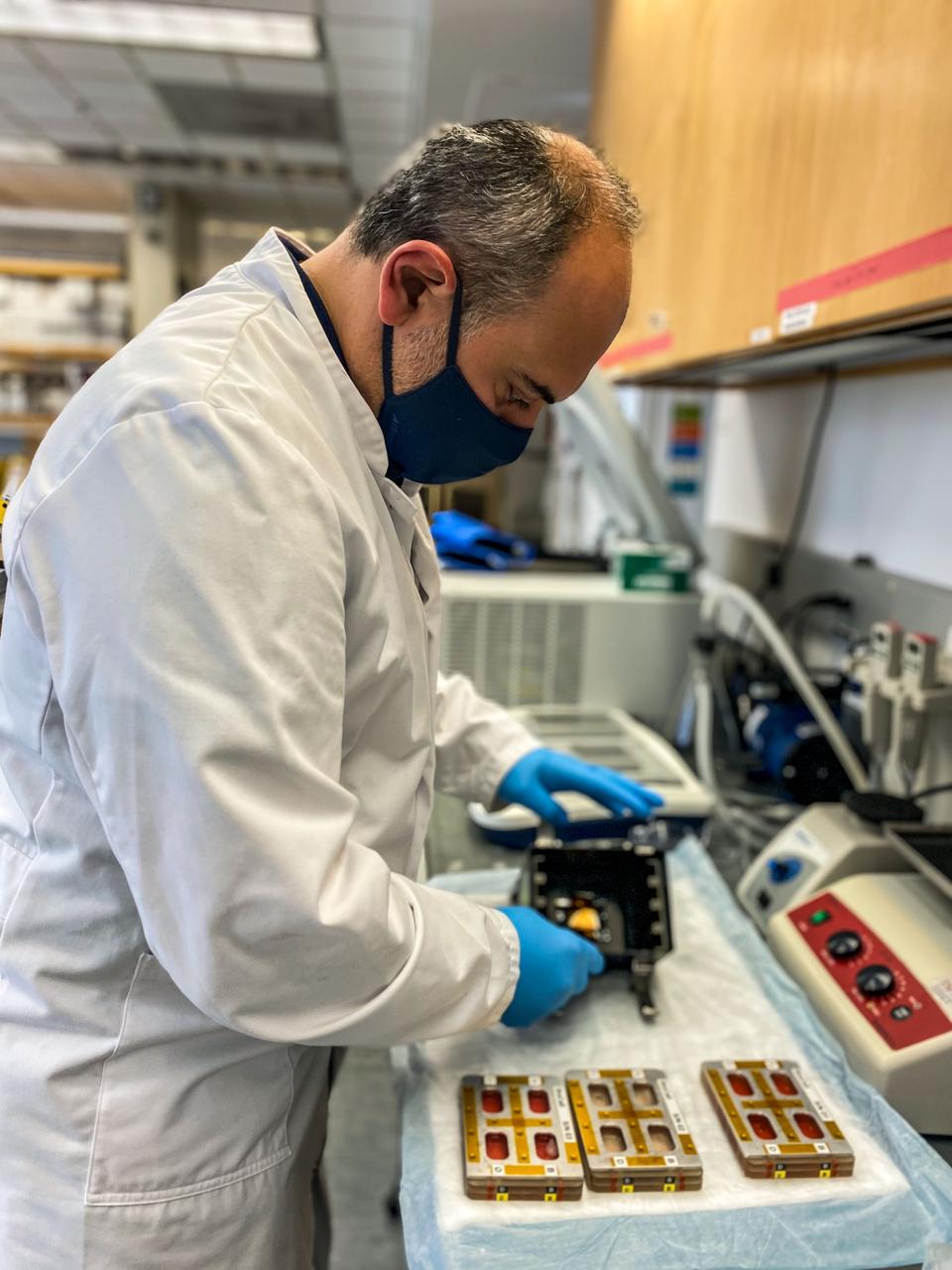
jsc2022e042485 (2/2/2022) --- Grigol Tediashvili conducts the EVT for the Microgravity as a Model for Immunological Senescense and its Impact on Tissue Stem Cells and Regeneration (Immunosenescence) investigation which studies the effects of microgravity on cells involved in tissue regeneration and whether recovery occurs post-flight. Image courtesy of UCSF.

jsc2024e005963 (12/10/2023) --- A preflight image for the Compartment Cartilage Tissue Construct investigation shows that the Janus base nano-matrix (JBNm) aids in the anchorage and function of cartilage cells (indicated by red staining), facilitating the formation of the cartilage tissue matrix (indicated by green staining). Image courtesy of the University of Connecticut.
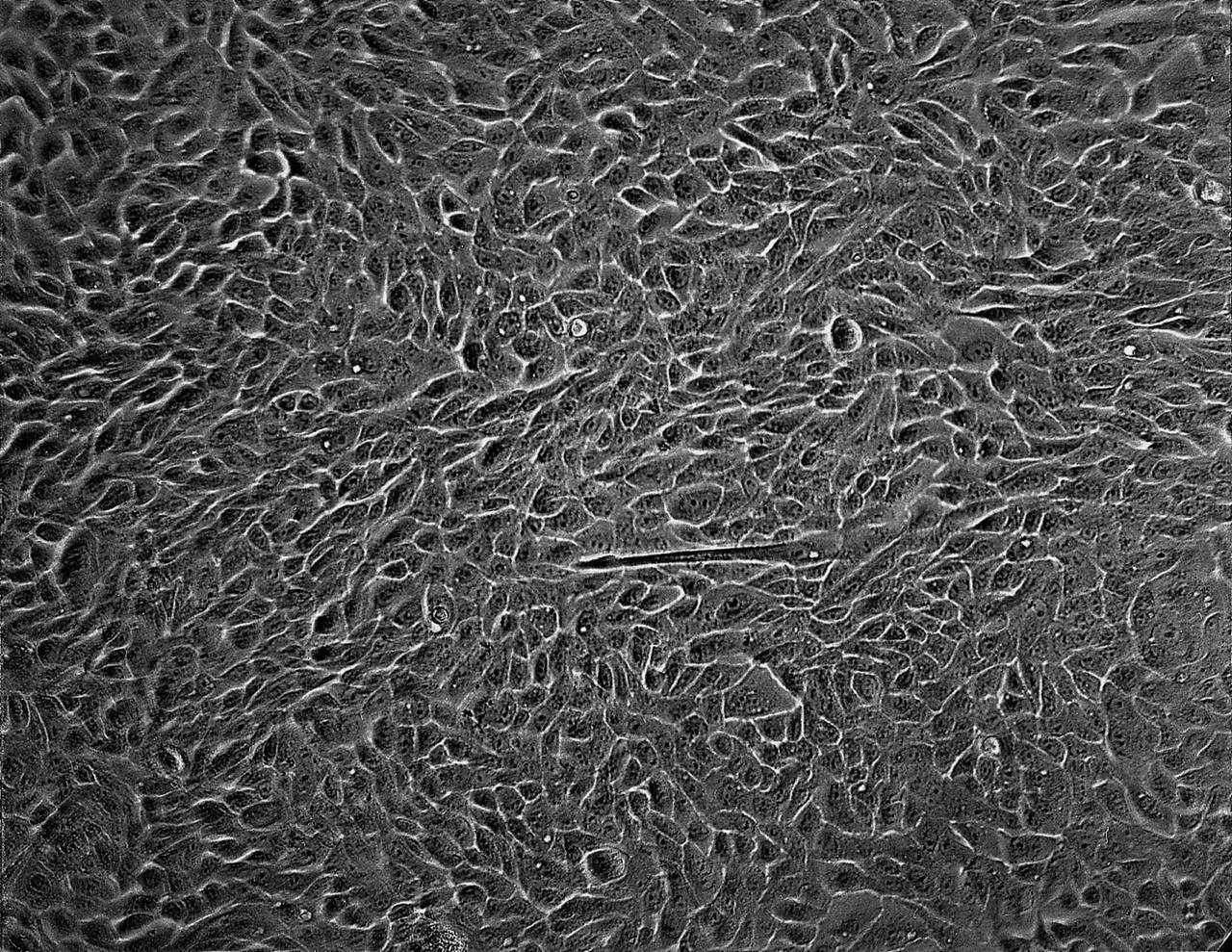
Isolation of human mammary epithelial cells (HMEC) from breast cancer susceptible tissue. Isolate of long-term growth human mammary epithelial cells (HMEC) from outgrowth of duct element; cells shown soon after isolation and early in culture in a dish. NASA's Marshall Space Flight Center (MSFC) is sponsoring research with Bioreactors, rotating wall vessels designed to grow tissue samples in space, to understand how breast cancer works. This ground-based work studies the growth and assembly of human mammary epithelial cell (HMEC) from breast cancer susceptible tissue. Radiation can make the cells cancerous, thus allowing better comparisons of healthy vs. tunorous tissue. Credit: Dr. Robert Tichmond, NASA/Marshall Space Flight Center (MSFC).
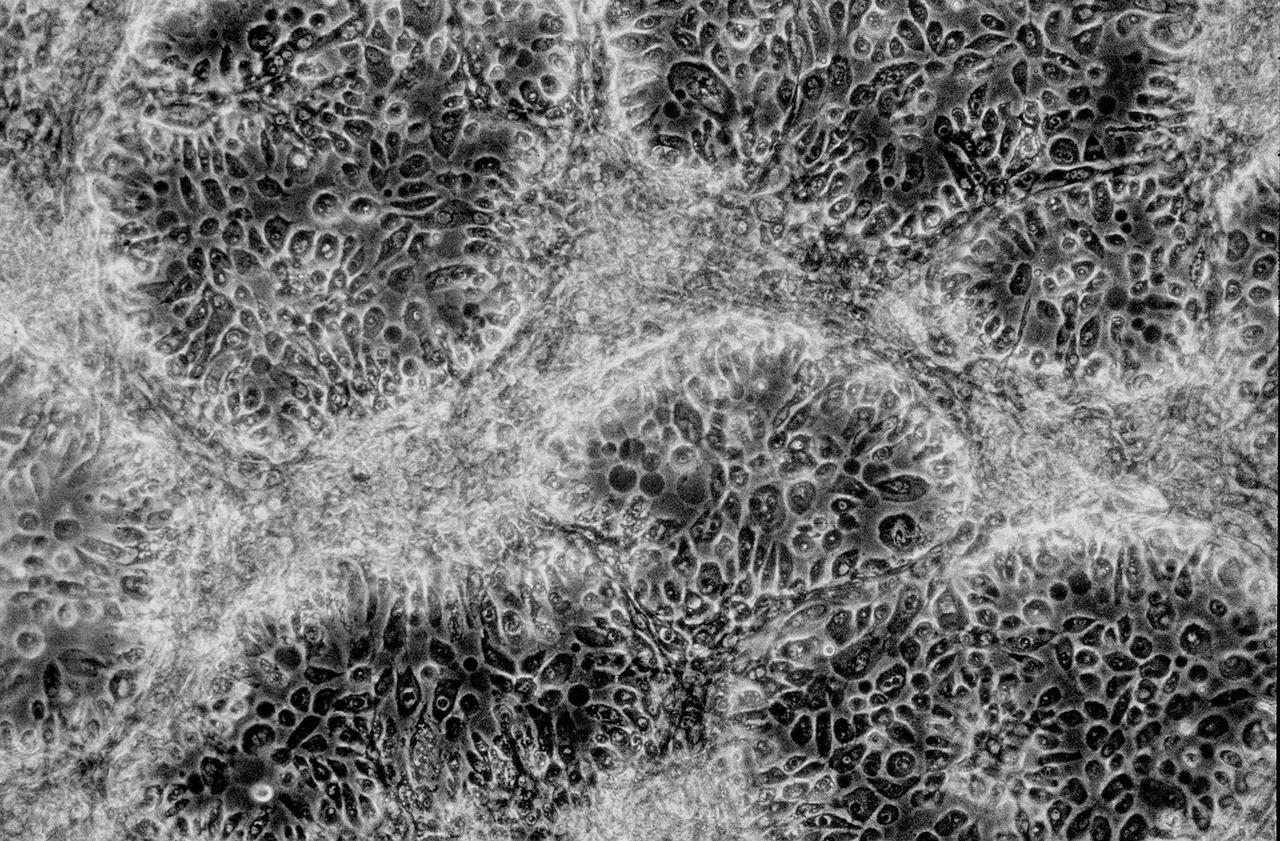
Isolation of human mammary epithelial cells (HMEC) from breast cancer susceptible tissue. Outgrowth of cells from duct element in upper right corner cultured in a standard dish; most cells spontaneously die during early cell divisions, but a few will establish long-term growth. NASA's Marshall Space Flight Center (MSFC) is sponsoring research with Bioreactors, rotating wall vessels designed to grow tissue samples in space, to understand how breast cancer works. This ground-based work studies the growth and assembly of human mammary epithelial cell (HMEC) from breast cancer susceptible tissue. Radiation can make the cells cancerous, thus allowing better comparisons of healthy vs. tunorous tissue. Credit: Dr. Robert Tichmond, NASA/Marshall Space Flight Center (MSFC).
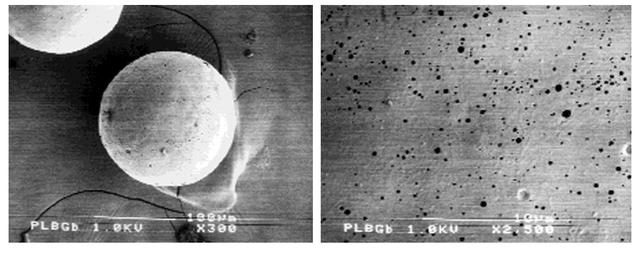
Paul Ducheyne, a principal investigator in the microgravity materials science program and head of the University of Pernsylvania's Center for Bioactive Materials and Tissue Engineering, is leading the trio as they use simulated microgravity to determine the optimal characteristics of tiny glass particles for growing bone tissue. The result could make possible a much broader range of synthetic bone-grafting applications. Bioactive glass particles (left) with a microporous surface (right) are widely accepted as a synthetic material for periodontal procedures. Using the particles to grow three-dimensional tissue cultures may one day result in developing an improved, more rugged bone tissue that may be used to correct skeletal disorders and bone defects. The work is sponsored by NASA's Office of Biological and Physical Research.
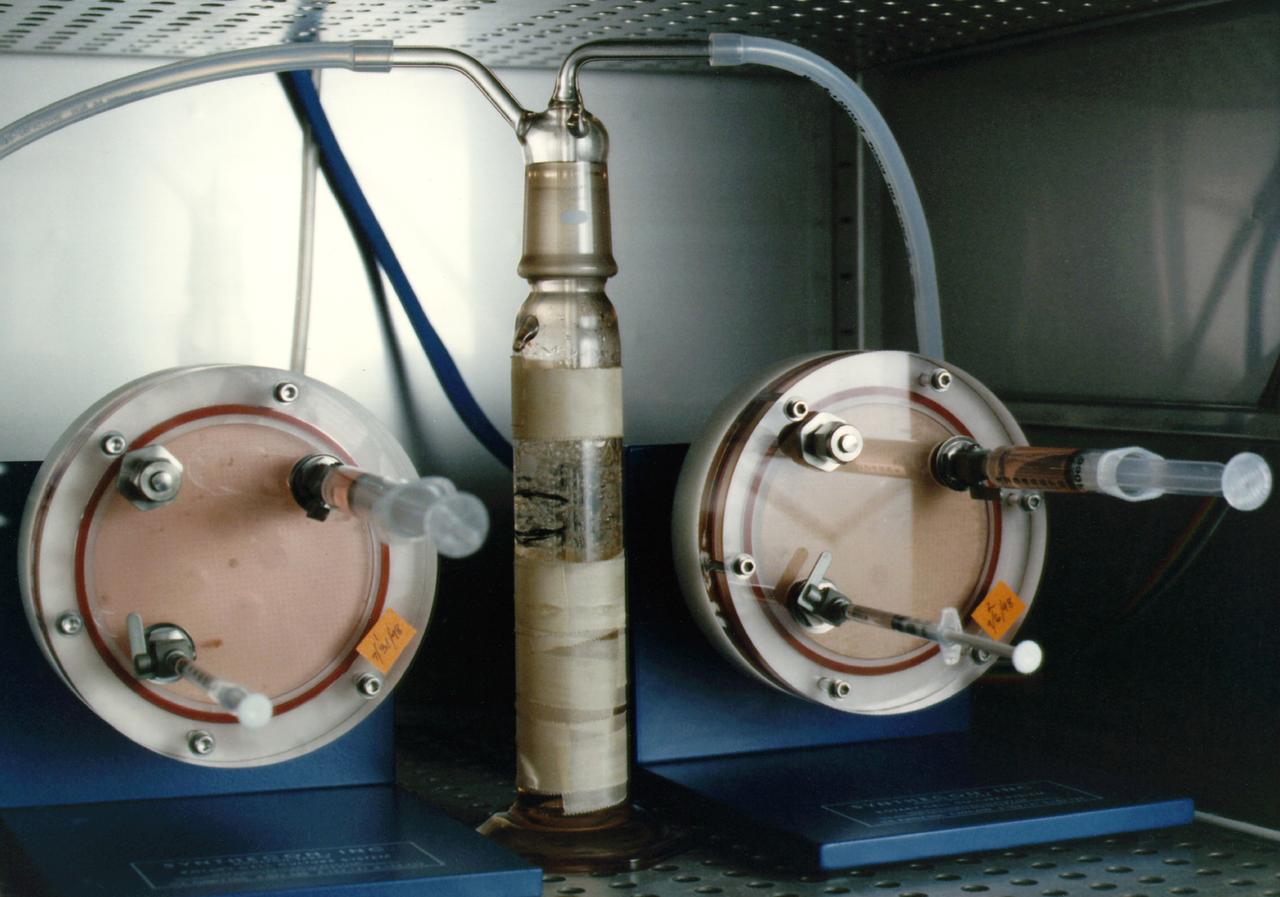
NASA's Marshall Space Flight Center (MSFC) is sponsoring research with Bioreactors, rotating wall vessels designed to grow tissue samples in space, to understand how breast cancer works. This ground-based work studies the growth and assembly of human mammary epithelial cells (HMEC) from breast cancer susceptible tissue. Radiation can make the cells cancerous, thus allowing better comparisons of healthy vs. tunourous tissues. Here, two High-Aspect Ratio Vessels turn at about 12 rmp to keep breast tissue constructs suspended inside the culture media. Syringes allow scientists to pull for analysis during growth sequences. The tube in the center is a water bubbler that dehumidifies the air to prevent evaporation of the media and thus the appearance of destructive bubbles in the bioreactor.
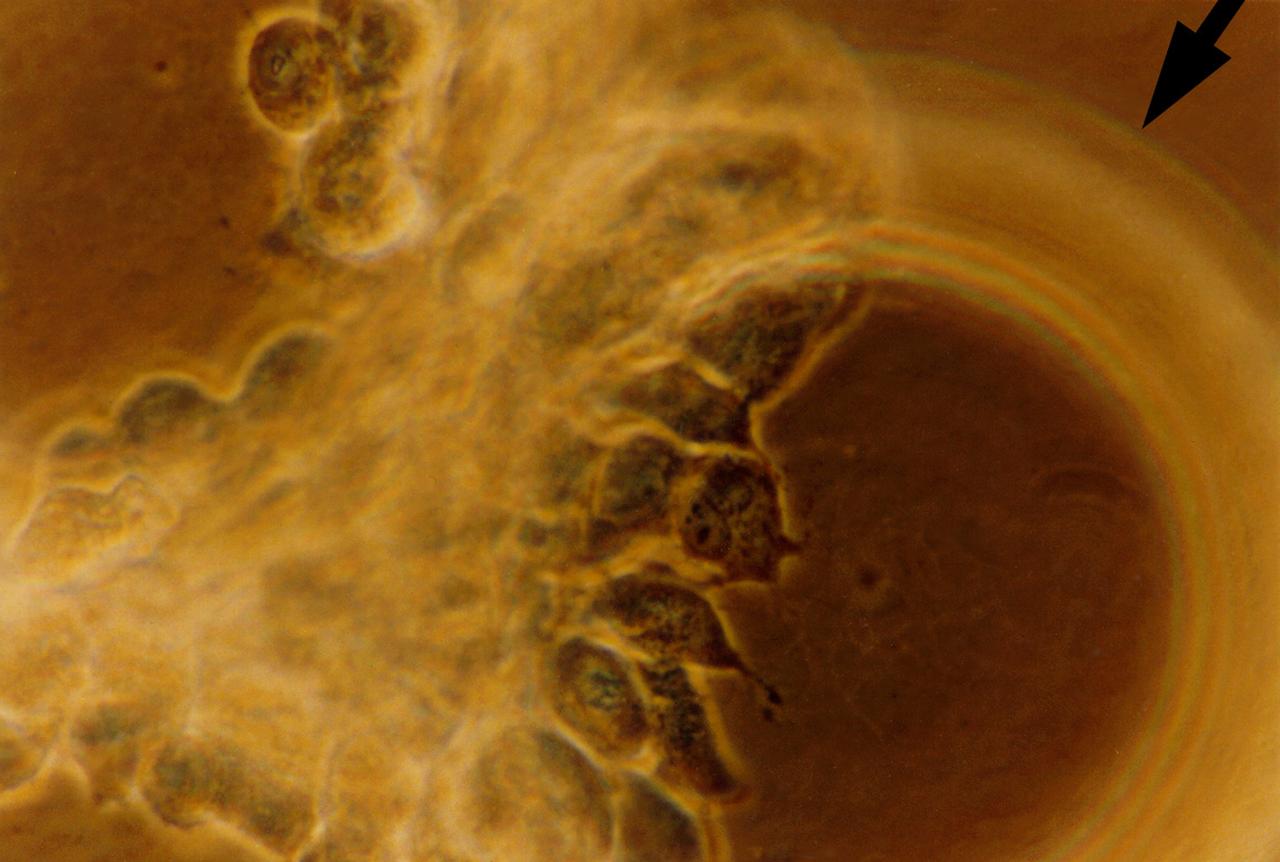
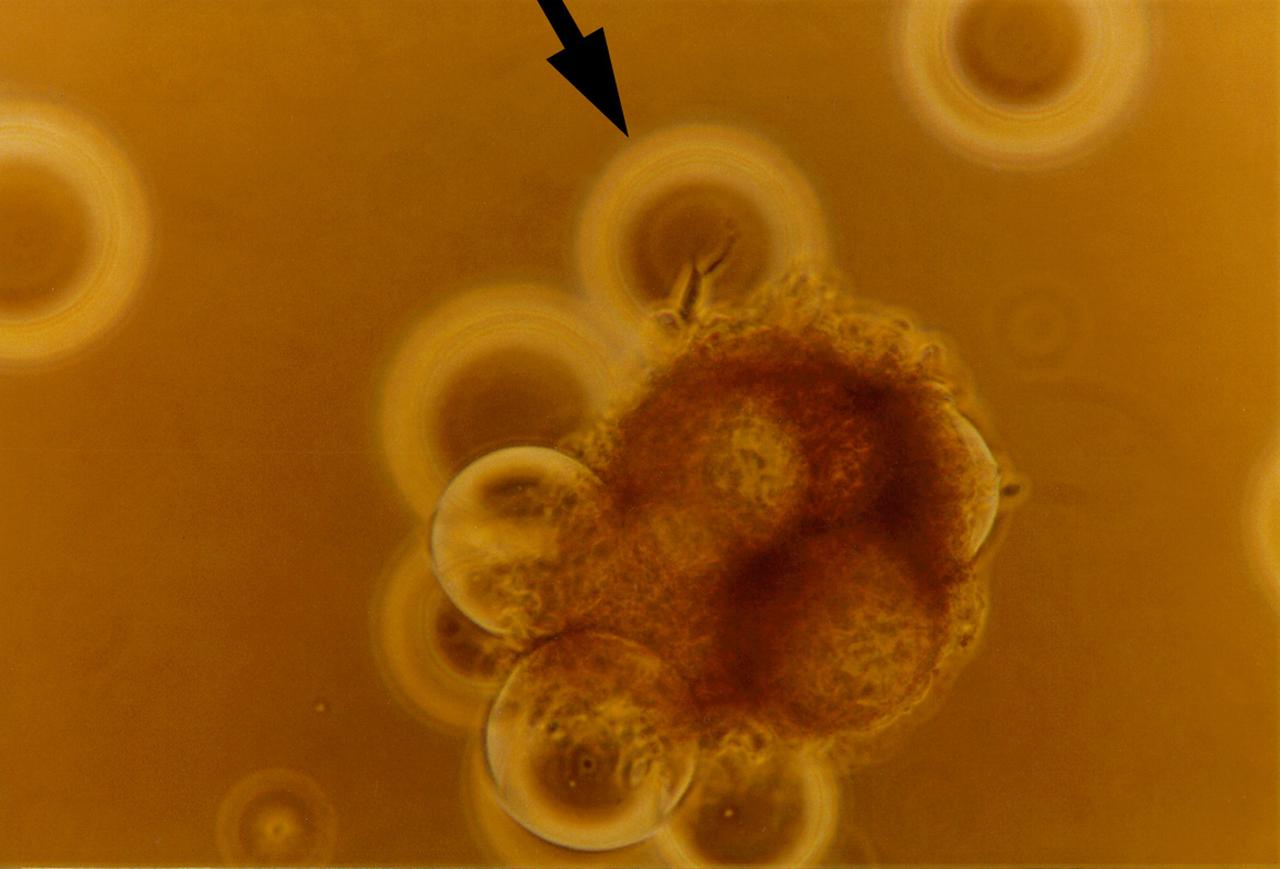
Human primary breast tumor cells after 49 days of growth in a NASA Bioreactor. Tumor cells aggregate on microcarrier beads (indicated by arrow). NASA's Marshall Space Flight Center (MSFC) is sponsoring research with Bioreactors, rotating wall vessels designed to grow tissue samples in space, to understand how breast cancer works. This ground-based work studies the growth and assembly of human mammary epithelial cell (HMEC) from breast cancer susceptible tissue. Radiation can make the cells cancerous, thus allowing better comparisons of healthy vs. tunorous tissue. Credit: Dr. Jearne Becker, University of South Florida
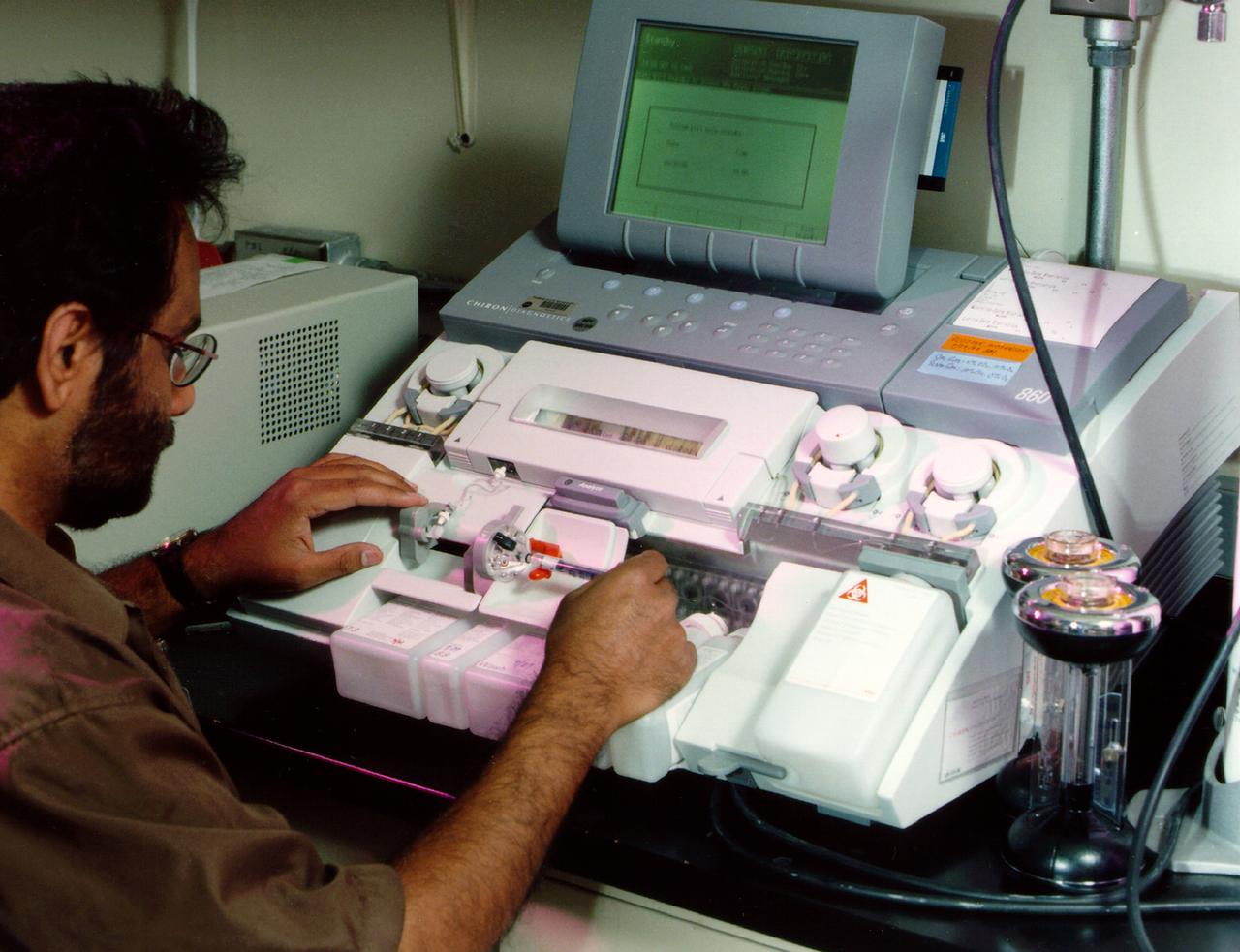
Dr. Harry Mahtani analyzes the gas content of nutrient media from Bioreactor used in research on human breast cancer. NASA's Marshall Space Flight Center (MSFC) is sponsoring research with Bioreactors, rotating wall vessels designed to grow tissue samples in space, to understand how breast cancer works. This ground-based work studies the growth and assembly of human mammary epithelial cells (HMEC) from breast cancer susceptible tissue. Radiation can make the cells cancerous, thus allowing better comparisons of healthy vs. tunourous tissues.
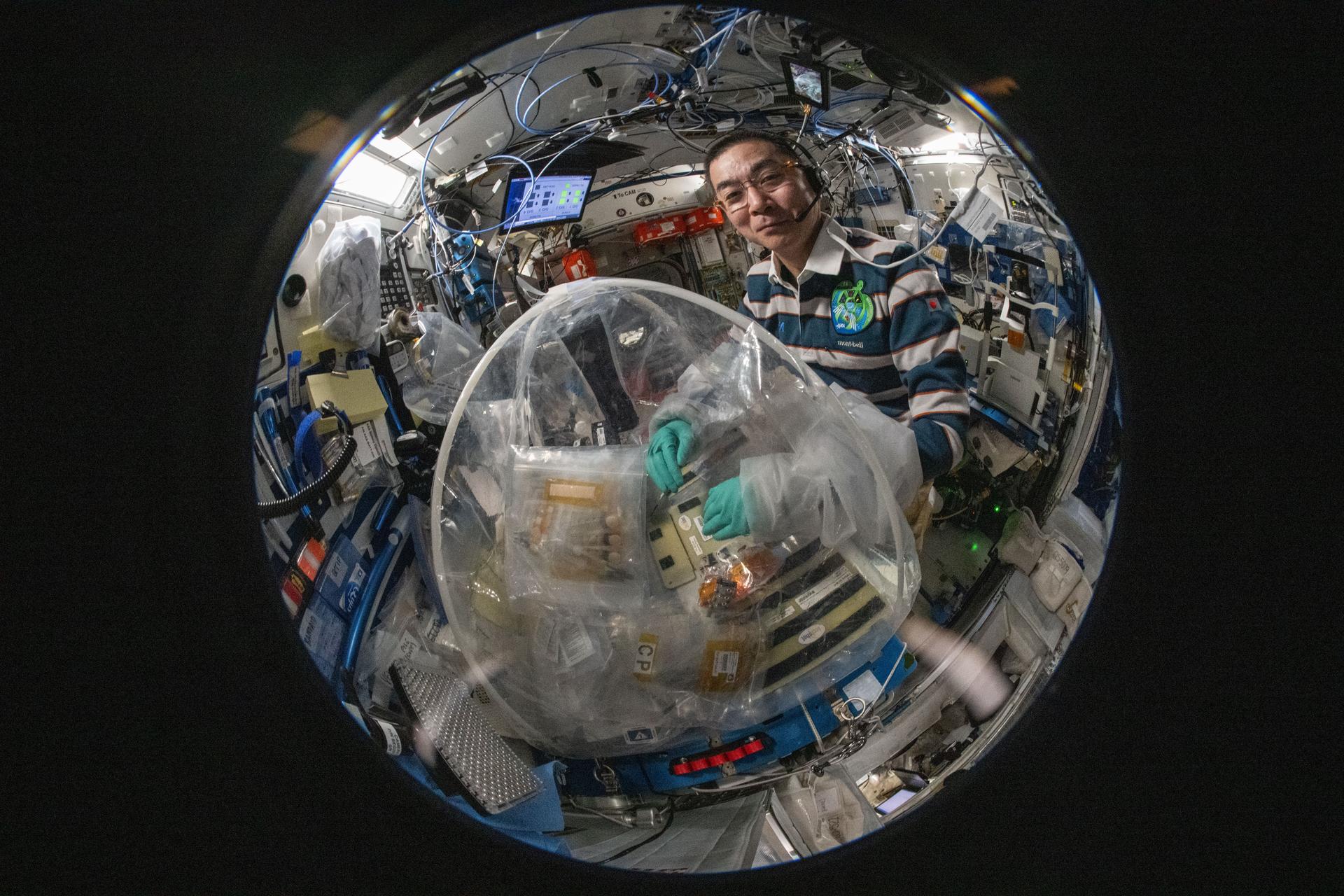
iss073e0606894 (Sept. 5, 2025) --- JAXA (Japan Aerospace Exploration Agency) astronaut and Expedition 73 Flight Engineer Kimiya Yui works on the Maturation of Vascularized Liver Tissue Construct in Zero Gravity (MVP Cell-07) investigation aboard the International Space Station. The experiment examines how bioprinted or engineered liver tissue constructs containing blood vessels printed on Earth develop in a microgravity environment. This research aims to advance space-based tissue production, potentially ensuring astronaut health on future missions and improving treatments for patients on Earth.
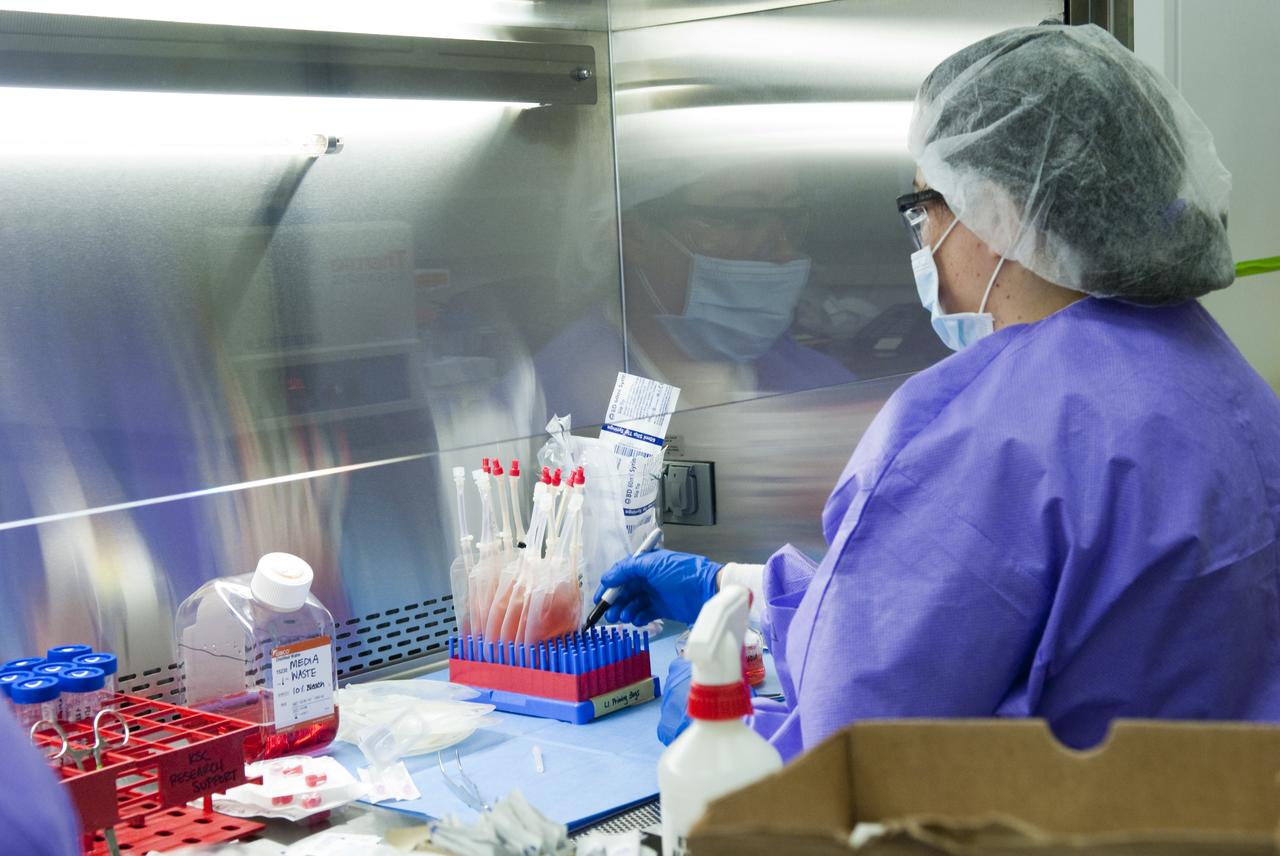
STS-131 NASA & WALTER REED HOSPITAL TISSUE GROWTH EXPERIMENTS - FLIGHT PREPS
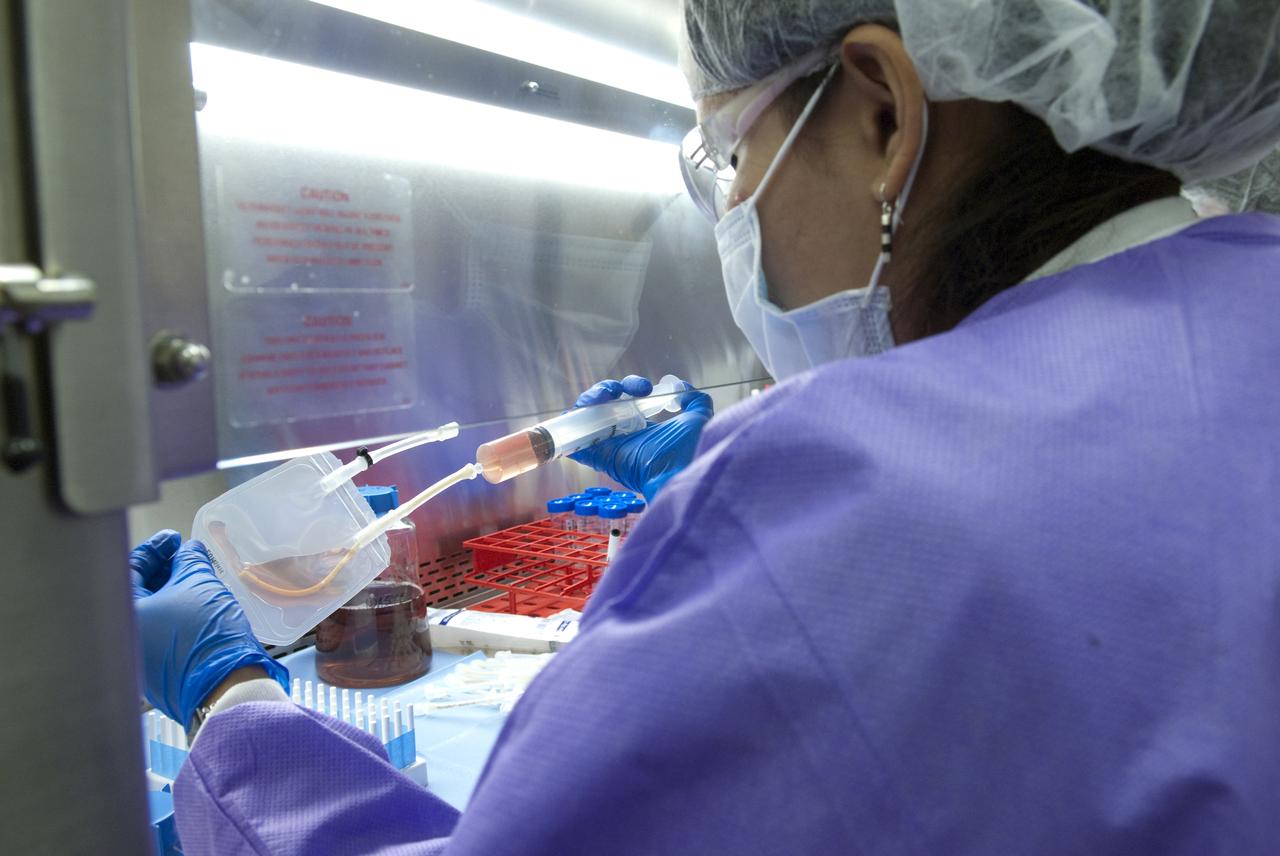
STS-131 NASA & WALTER REED HOSPITAL TISSUE GROWTH EXPERIMENTS - FLIGHT PREPS
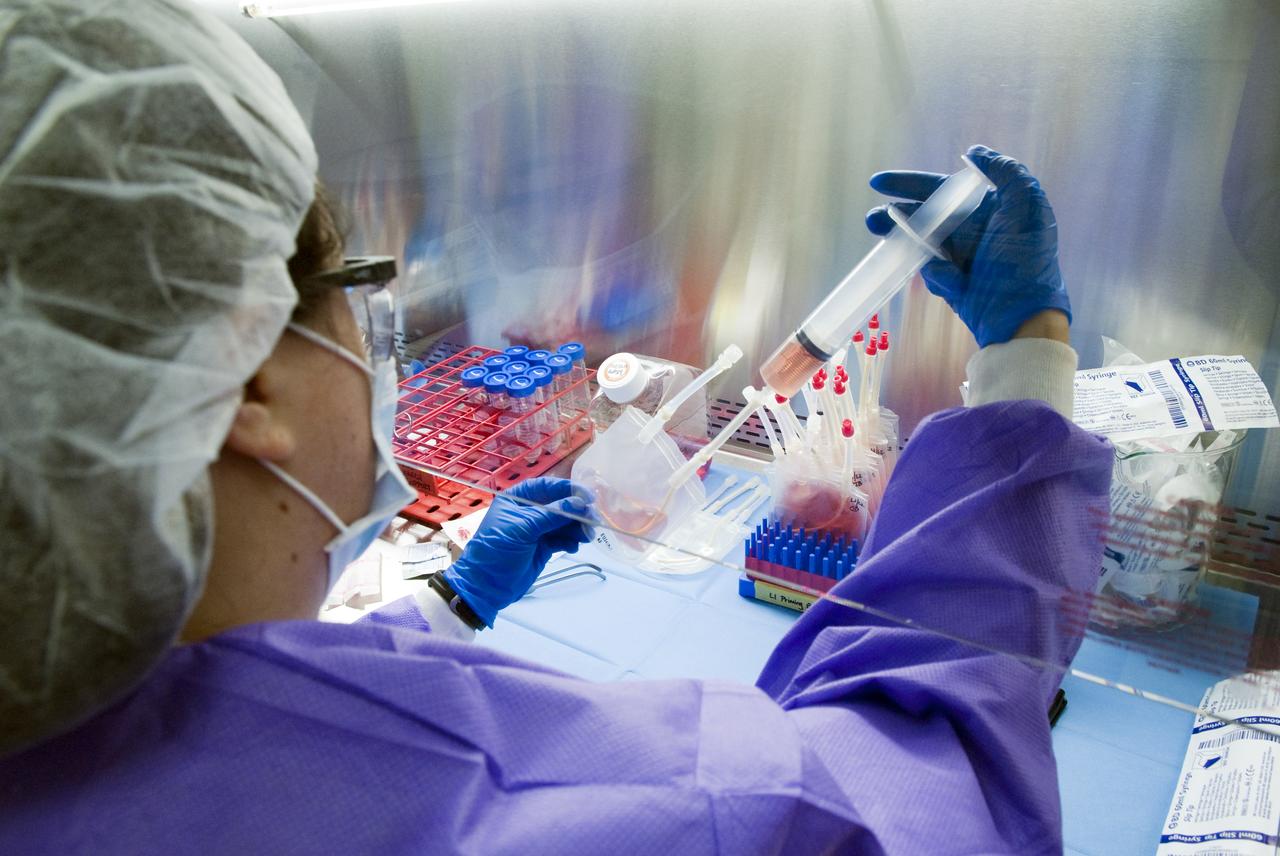
STS-131 NASA & WALTER REED HOSPITAL TISSUE GROWTH EXPERIMENTS - FLIGHT PREPS
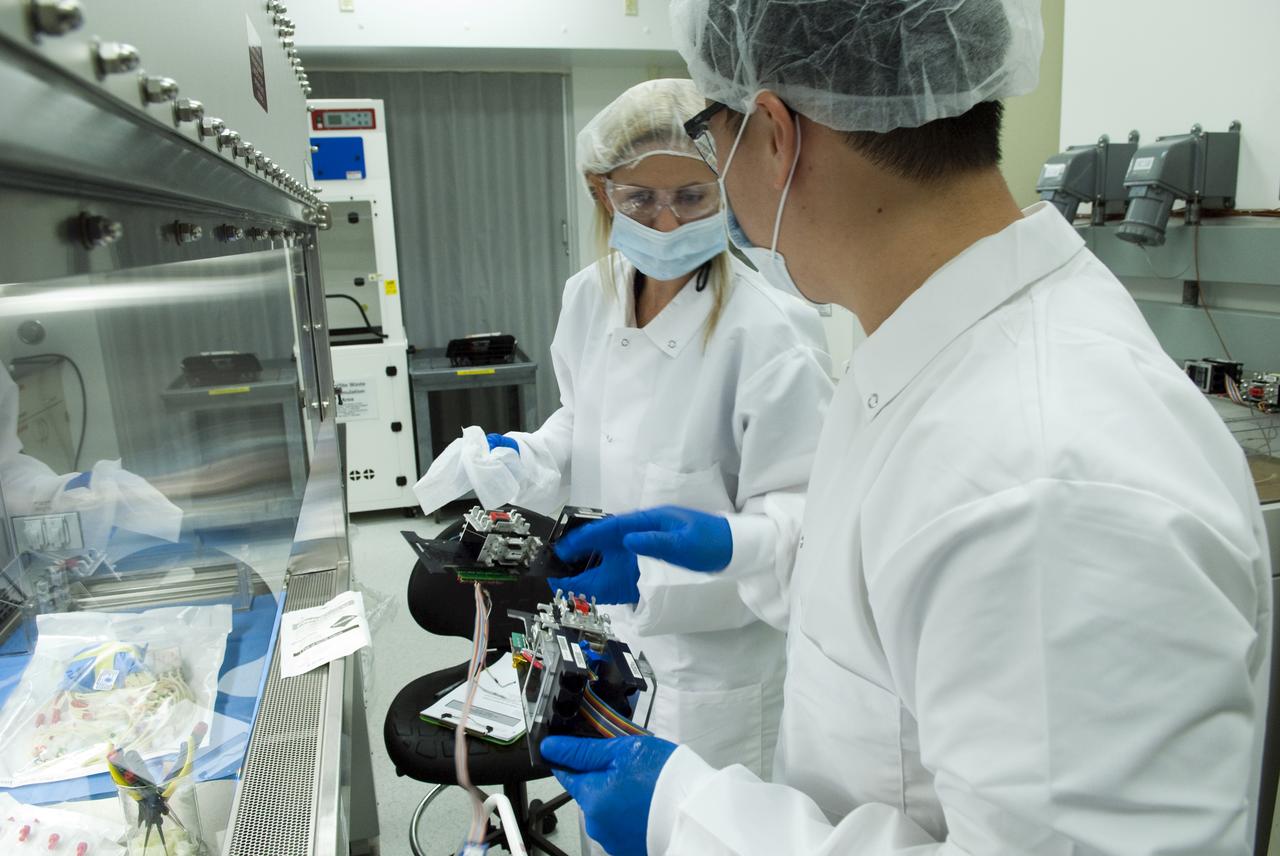
STS-131 NASA & WALTER REED HOSPITAL TISSUE GROWTH EXPERIMENTS - FLIGHT PREPS
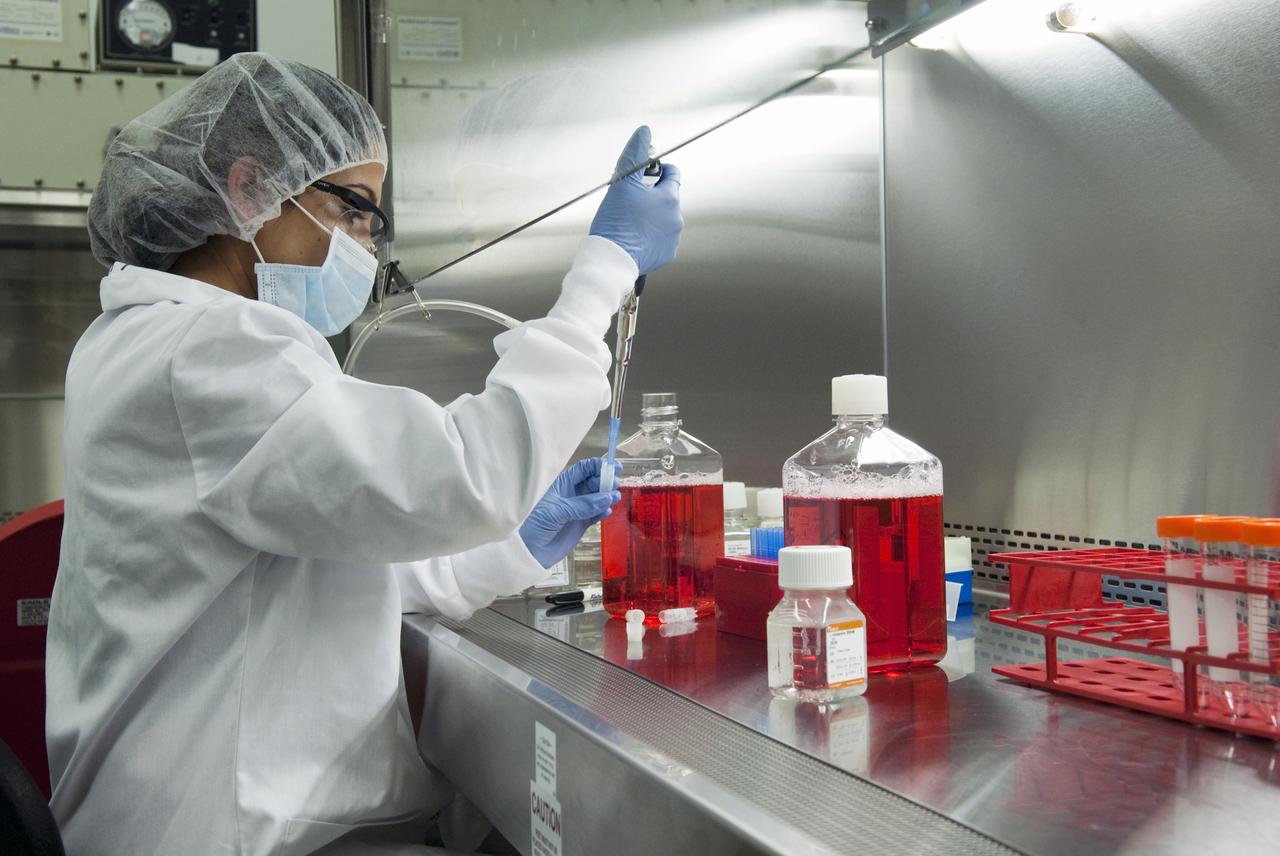
STS-131 NASA & WALTER REED HOSPITAL TISSUE GROWTH EXPERIMENTS - FLIGHT PREPS
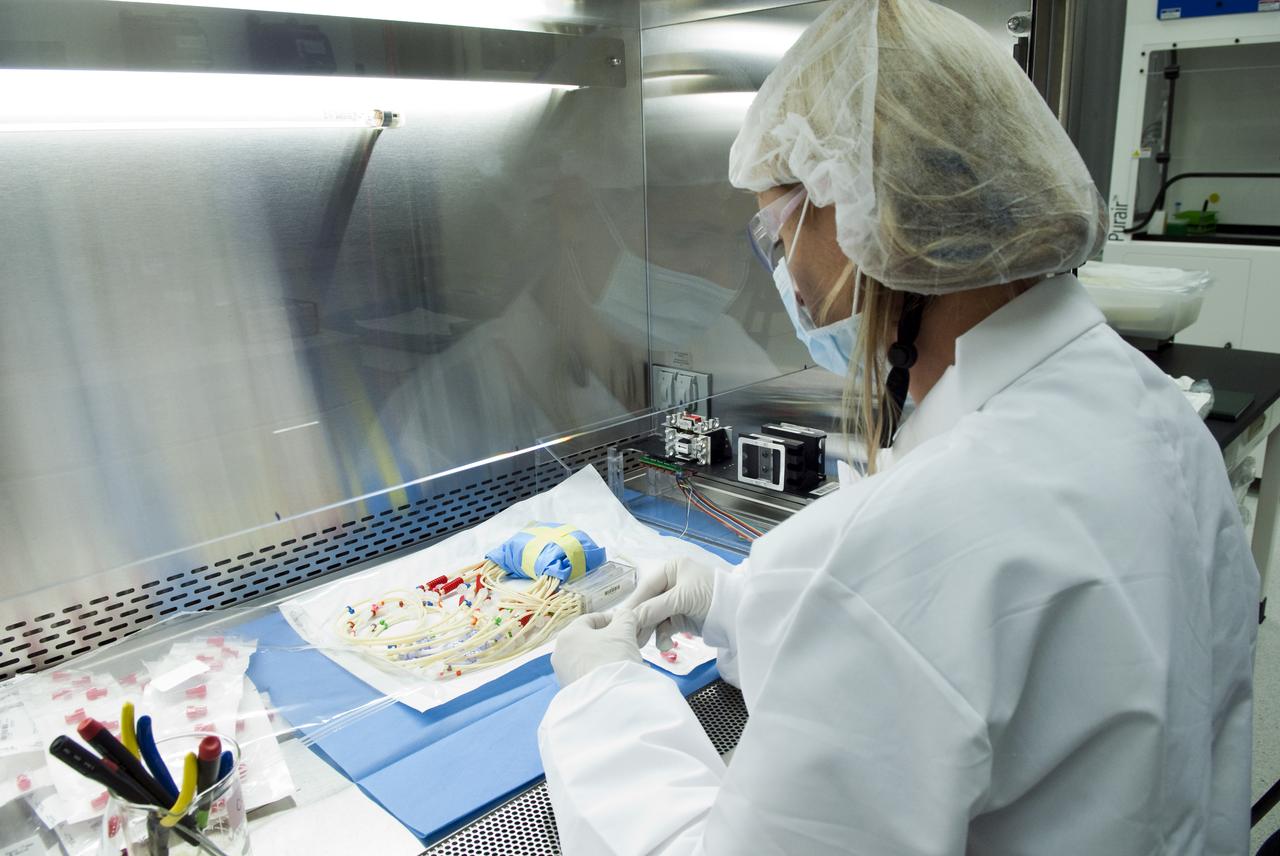
STS-131 NASA & WALTER REED HOSPITAL TISSUE GROWTH EXPERIMENTS - FLIGHT PREPS
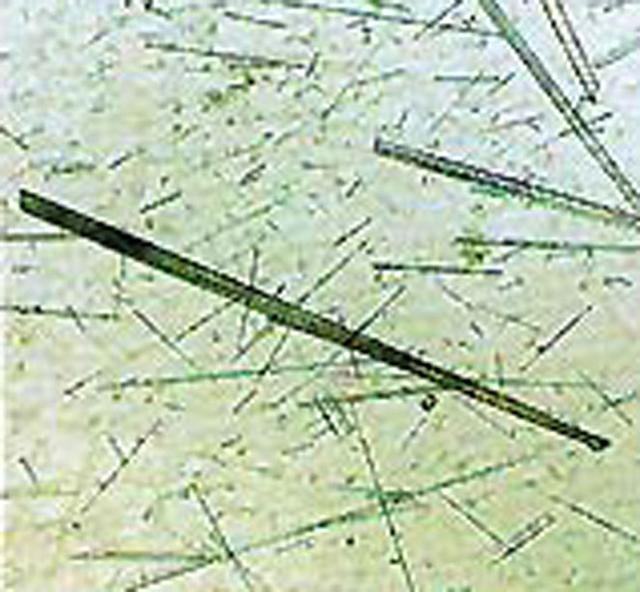
This is a enzyme, plant chitinase, believed to be a defensive enzyme to discourage invasion of plant tissue by insects.
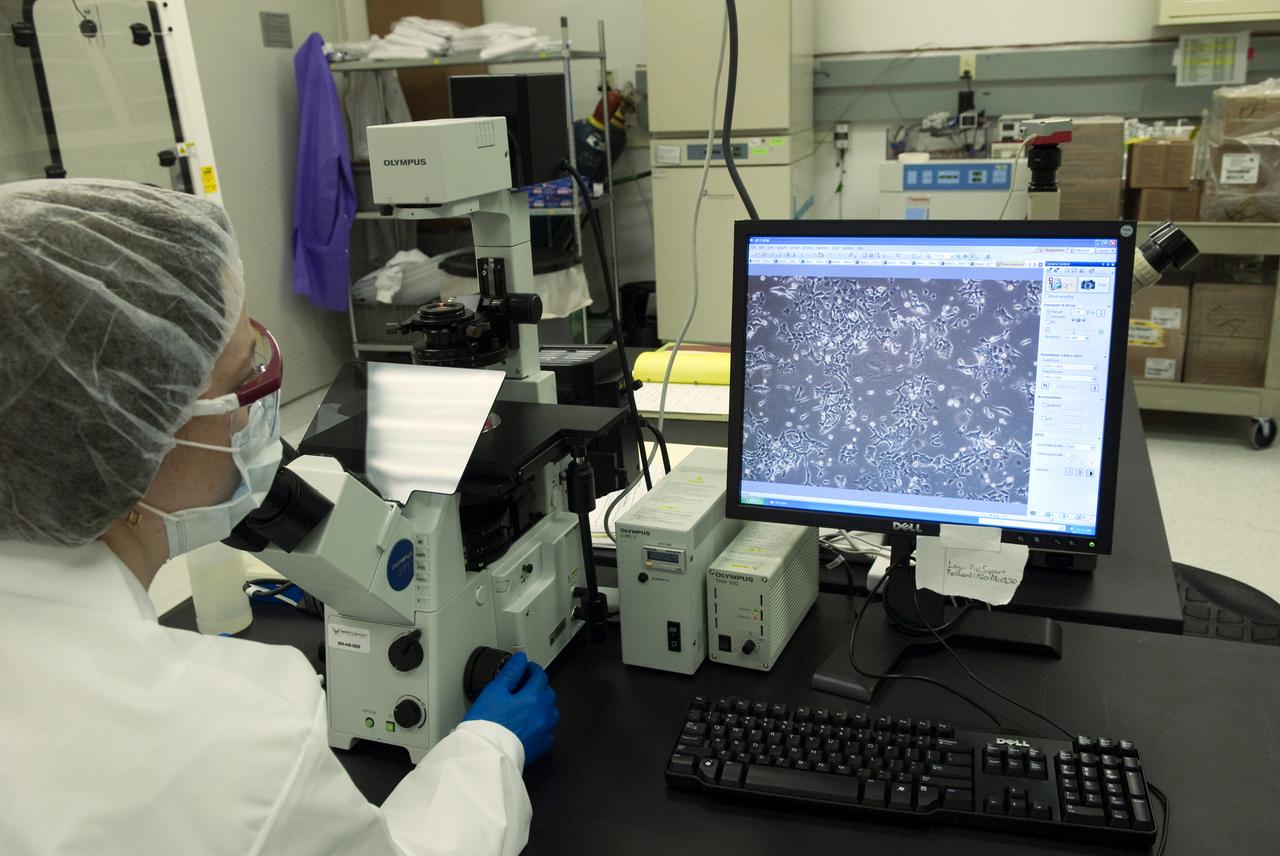
STS-131 NASA & WALTER REED HOSPITAL TISSUE GROWTH EXPERIMENTS - FLIGHT PREPS
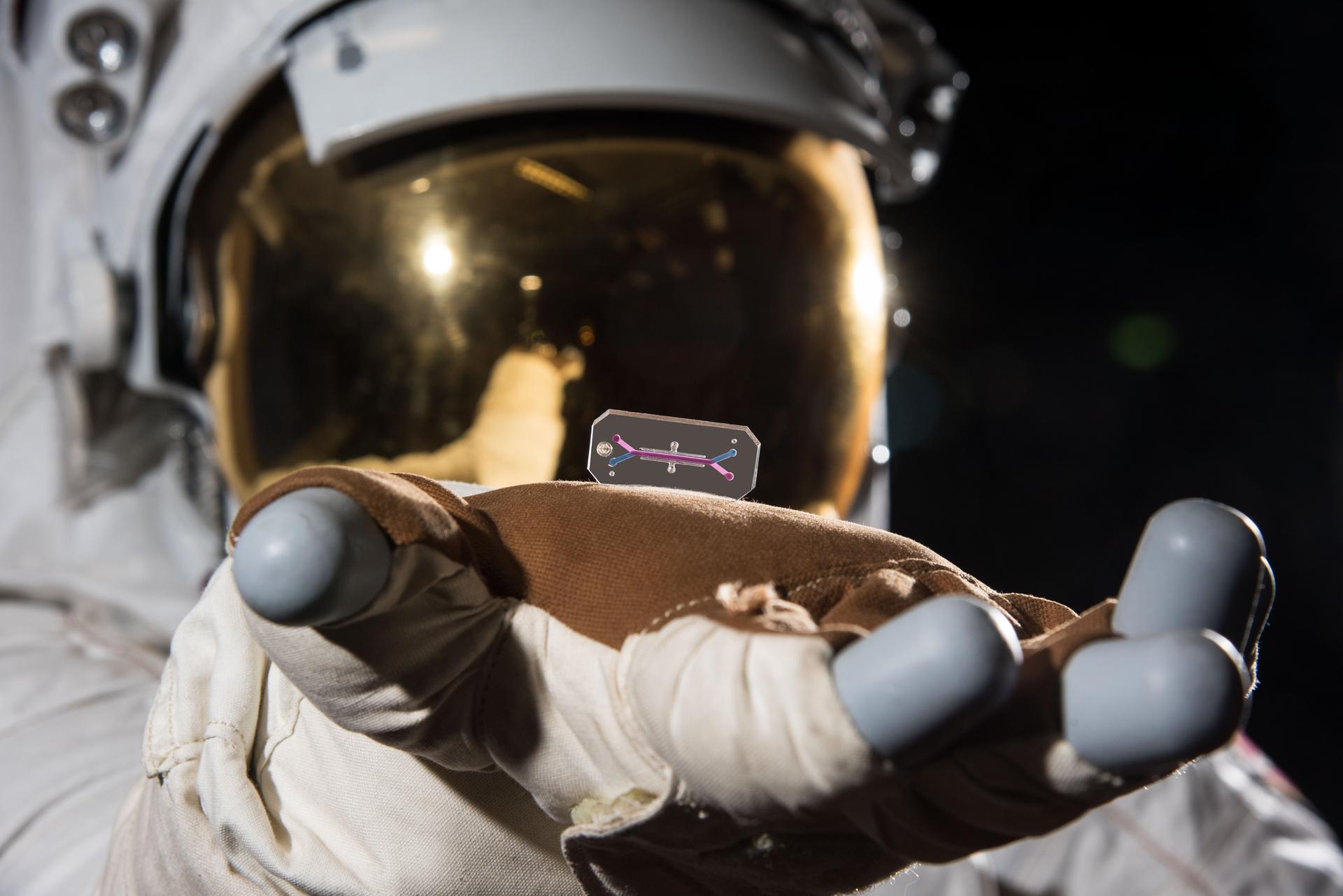
PHOTO DATE: July 06, 2018 LOCATION: Bldg. 2 Lobby SUBJECT: NIH Tissue Chip. PHOTOGRAPHER: Josh Valcarcel
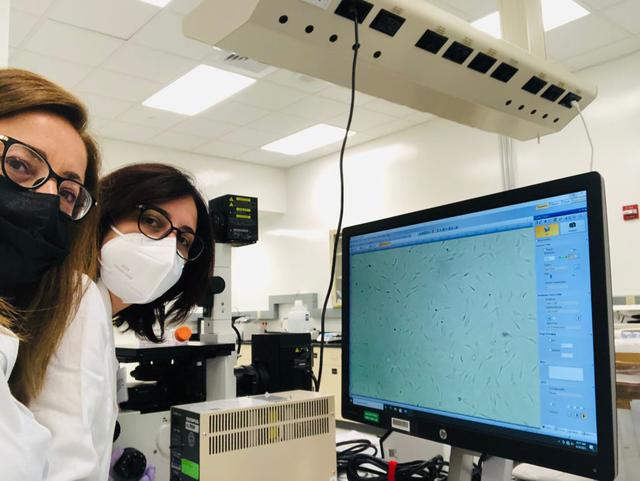
From left, Dr. Tiziana Angrisano and Dr. Valeria Lucci, with the department of biology at the University of Naples Federico II in Italy, prepare the Reducing Arthritis Dependent Inflammation First Phase (READI FP) experiment inside the Space Station Processing Facility at NASA’s Kennedy Space Center in Florida. READI FP, which evaluates how microgravity and space radiation affect the generation of bone tissue, will fly aboard SpaceX’s Cargo Dragon spacecraft on the company’s 23rd commercial resupply services mission to the International Space Station. Liftoff is targeted for Saturday, Aug. 28, at 3:37 a.m. EDT, from Kennedy’s Launch Complex 39A.

Lisa Freed and Gordana Vunjak-Novakovic, both of the Massachusetts Institute of Technology (MIT), have taken the first steps toward engineering heart muscle tissue that could one day be used to patch damaged human hearts. Cells isolated from very young animals are attached to a three-dimensional polymer scaffold, then placed in a NASA bioreactor. The cells do not divide, but after about a week start to cornect to form a functional piece of tissue. Here, a transmission electron micrograph of engineered tissue shows a number of important landmarks present in functional heart tissue: (A) well-organized myofilaments (Mfl), z-lines (Z), and abundant glycogen granules (Gly); and (D) intercalcated disc (ID) and desmosomes (DES). The NASA Bioreactor provides a low turbulence culture environment which promotes the formation of large, three-dimensional cell clusters. The Bioreactor is rotated to provide gentle mixing of fresh and spent nutrient without inducing shear forces that would damage the cells. Due to their high level of cellular organization and specialization, samples constructed in the bioreactor more closely resemble the original tumor or tissue found in the body. NASA-sponsored bioreactor research has been instrumental in helping scientists to better understand normal and cancerous tissue development. In cooperation with the medical community, the bioreactor design is being used to prepare better models of human colon, prostate, breast and ovarian tumors. Cartilage, bone marrow, heart muscle, skeletal muscle, pancreatic islet cells, liver and kidney are just a few of the normal tissues being cultured in rotating bioreactors by investigators. The work is sponsored by NASA's Office of Biological and Physical Research. The bioreactor is managed by the Biotechnology Cell Science Program at NASA's Johnson Space Center (JSC). Credit: MIT
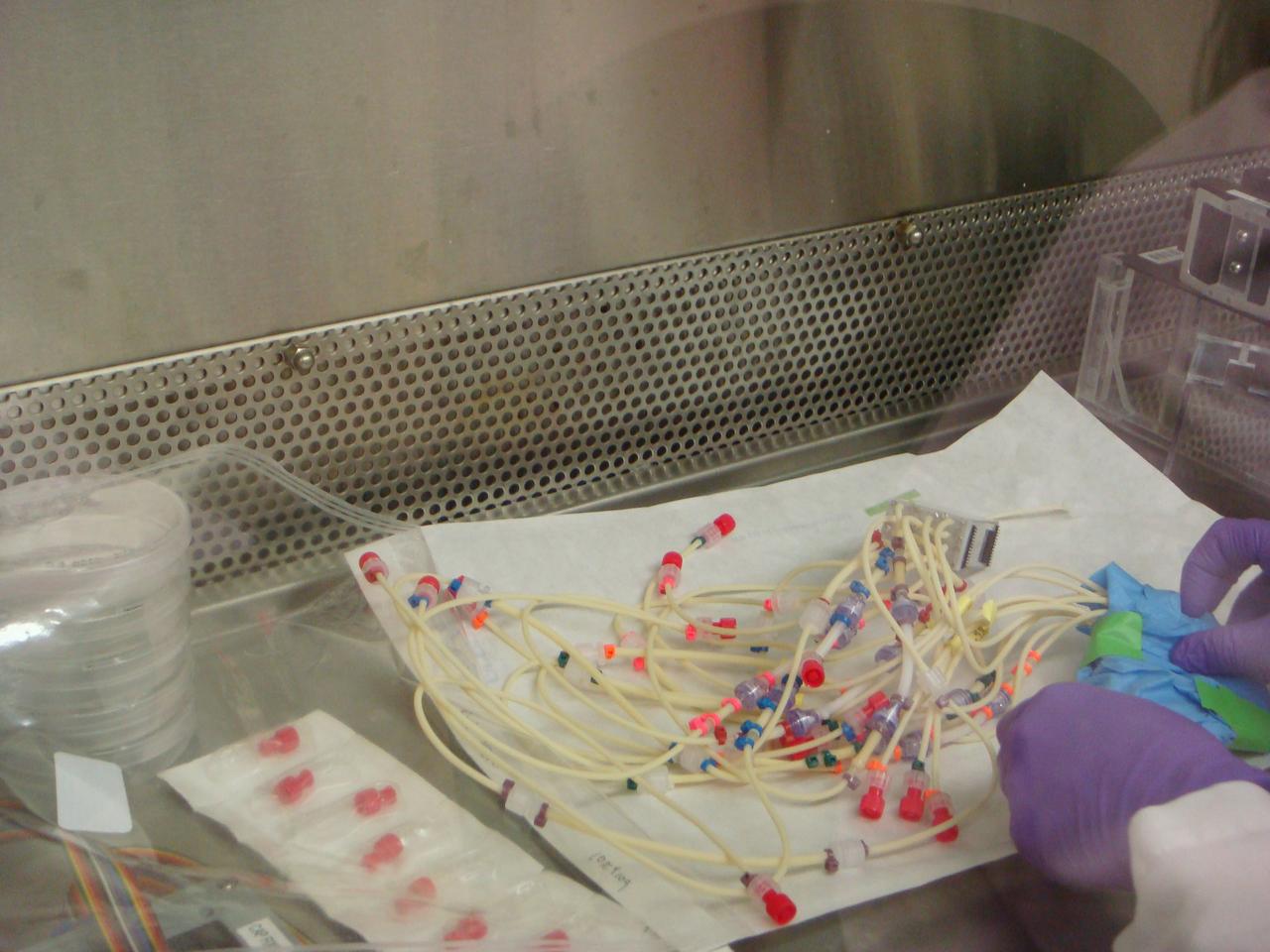
STS-131 payload; Ames Space Bio-Sciences Lab, Dr Eduardo Almeida P. I.; Assembly of Space Tissue Loss hardware
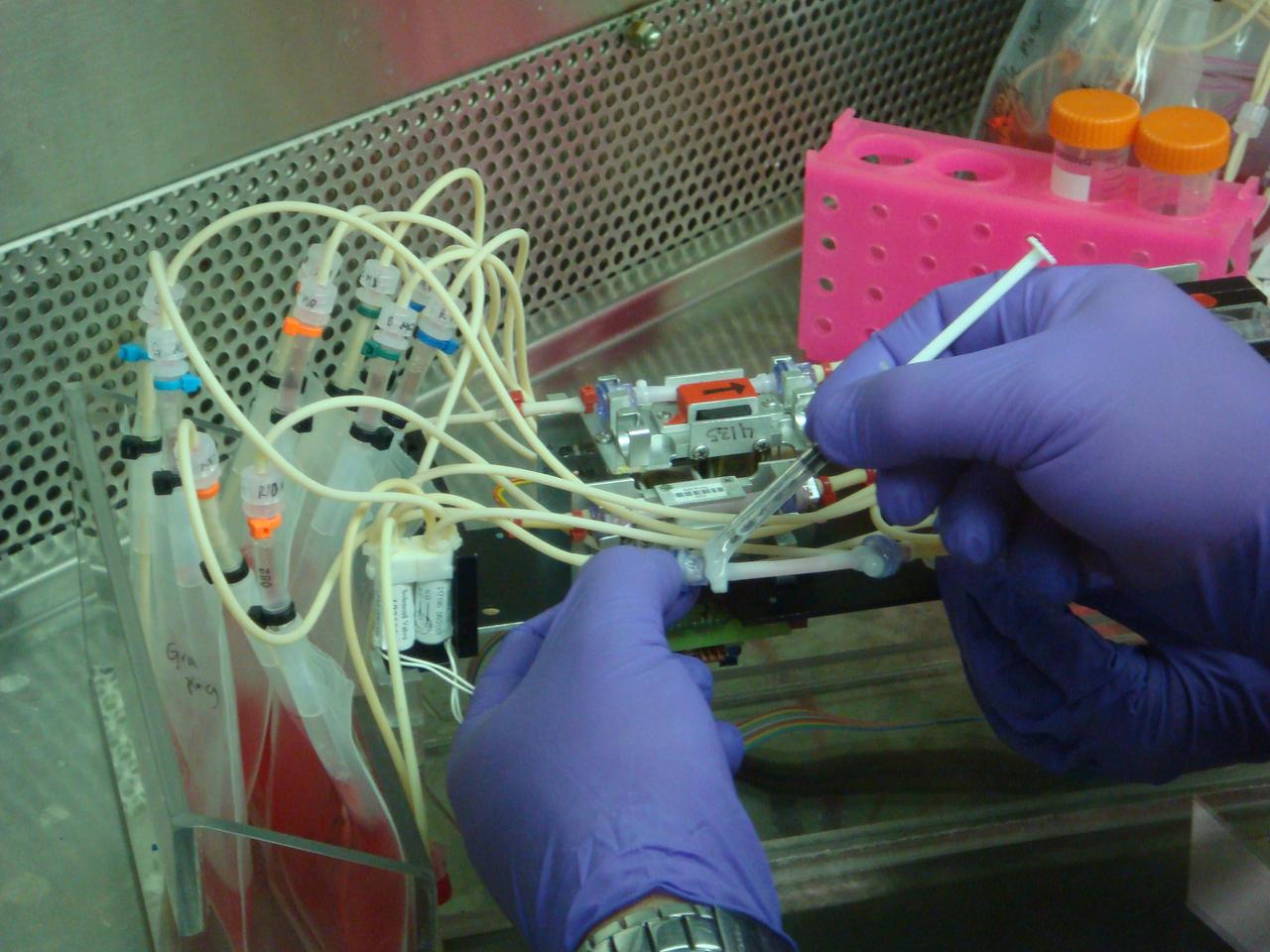
STS-131 payload; Ames Space Bio-Sciences Lab, Dr Eduardo Almeida P. I.; Assembly of Space Tissue Loss Hardware
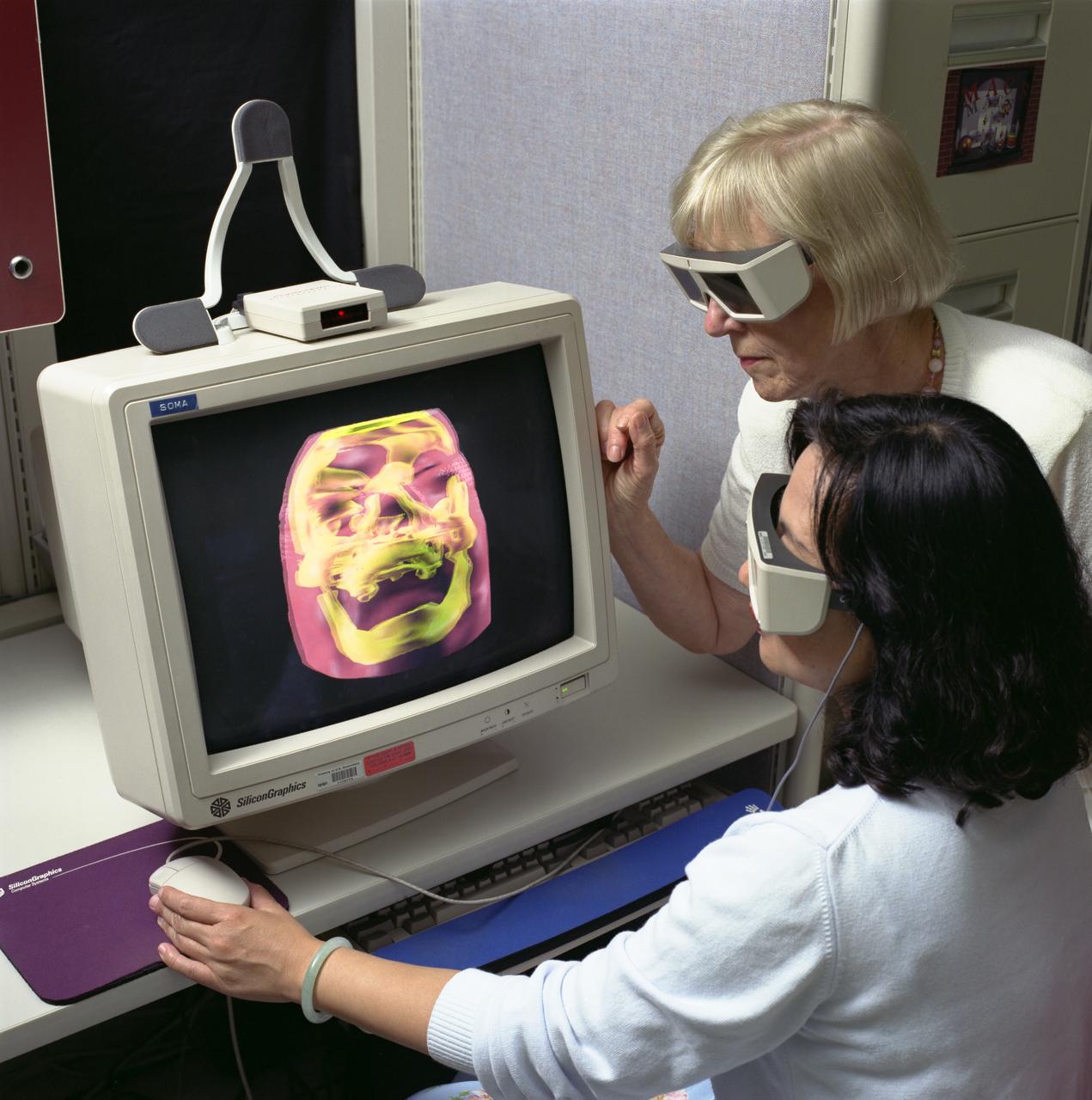
Virtual Environment for (facial) ) reconstructive surgery, Dr Ross and Rei Cheng work with the 3d glasses as they maneuver the skull and tissue for the facial reconstructive surgery
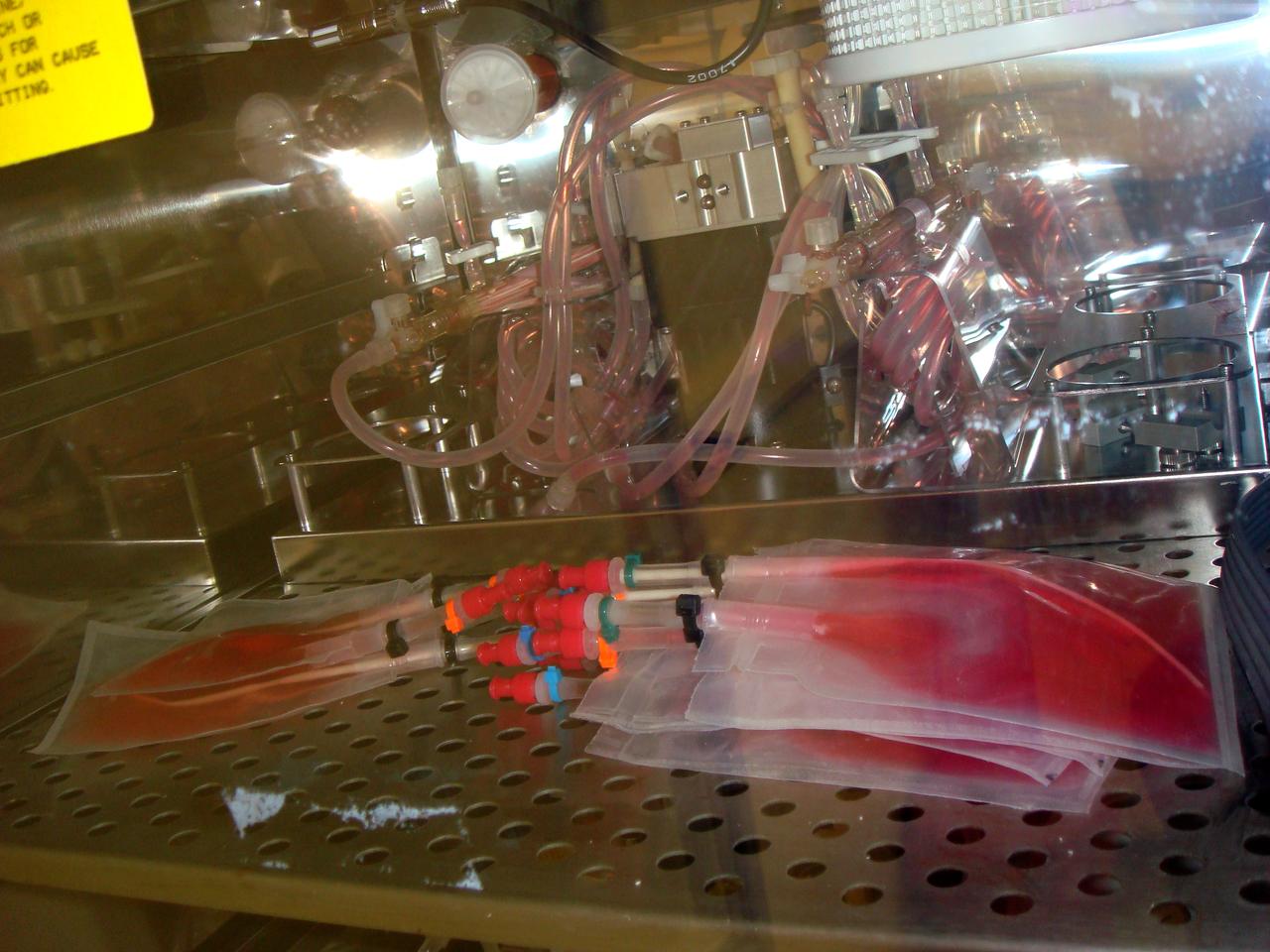
STS-131 payload; Ames Space Bio-Sciences Lab, Dr Eduardo Almeida P. I.; Media Bags: part of Space Tissue Loss hardware.
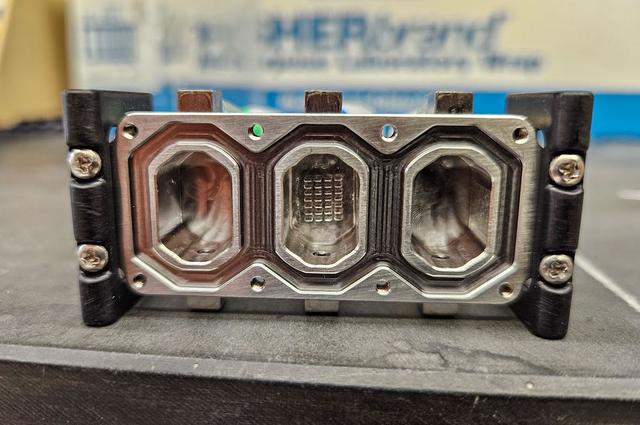
An image of a cardiac tissue chip positioned inside the MVP’s cell culture chamber as part of MVP Cell-09. This investigation aims to understand the cellular and molecular mechanisms by which Streptococcus pneumoniae, the leading cause of community-acquired pneumonia damages heart tissue. Bacteria are generally more active and virulent in the unique conditions of space. Investigators hypothesize microgravity may amplify the effects of Streptococcus pneumoniae on heart cells, exaggerating important cell responses that would not be detected on Earth. Credit. University of Alabama at Birmingham.
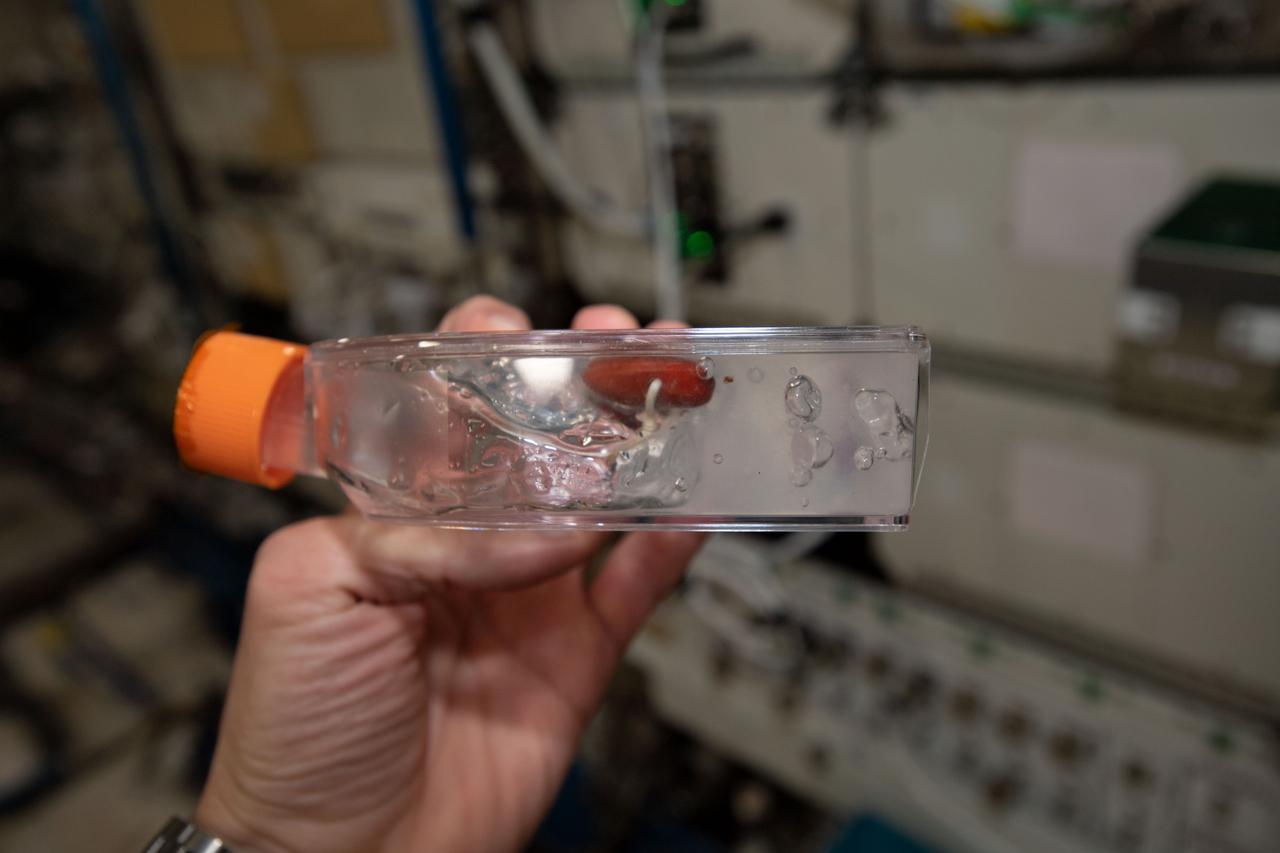
iss060e015476 --- (7/29/2019) Photo documentation aboard the International space Station (ISS) of the The United Arab Emirates (UAE) Palm Tree Growth Experiment (Palm Tree Growth). The investigation examines germination of palm tree seeds in order to determine the best conditions for generating tissue samples for research. A process for growing healthy plant tissue in microgravity could be adapted for testing other indigenous plants of scientific, commercial or educational interest in the UAE. The investigation also observes and documents root growth in microgravity for educational purposes.
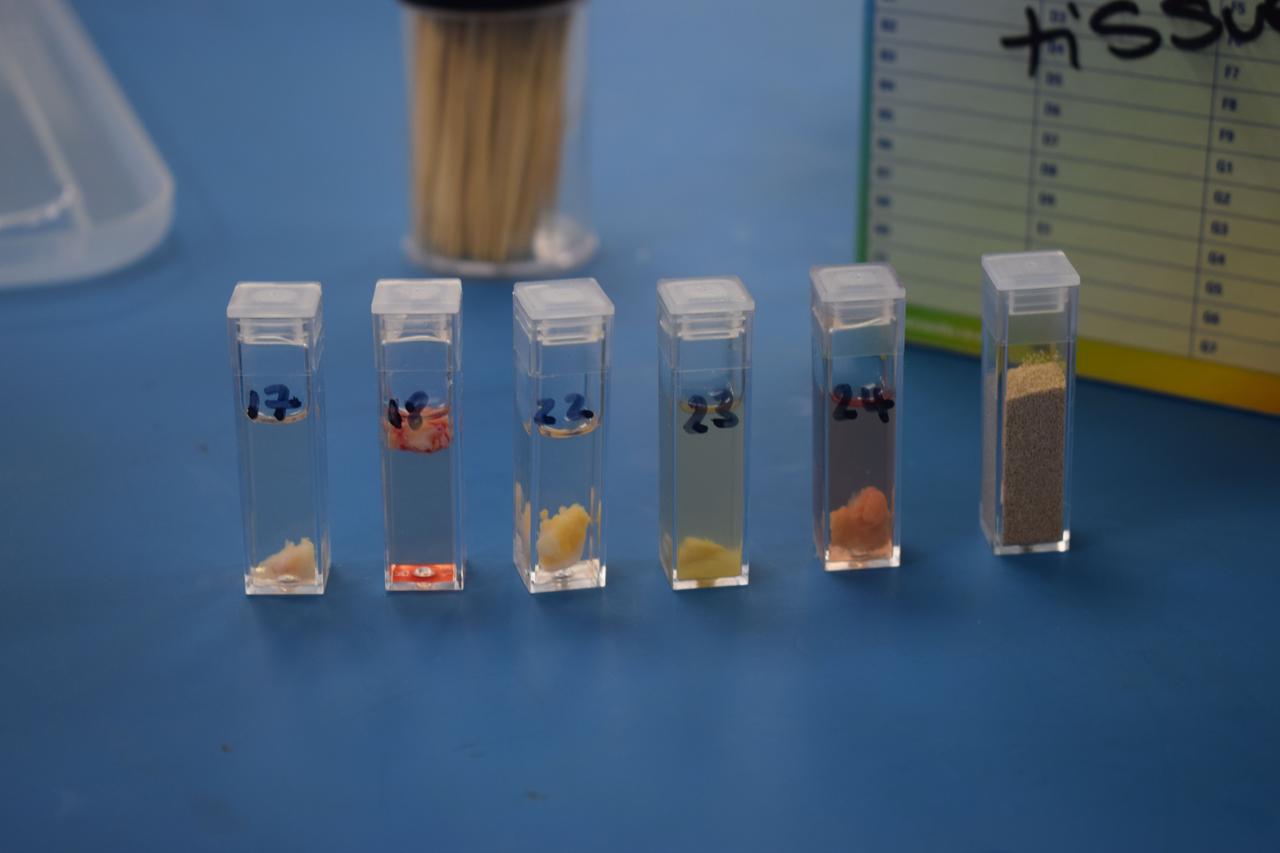
jsc2022e057883 (5/12/2022) --- A close up view of six sample cuvettes that are planned to hold five human skin tissue and microbiome samples from Diabetic Foot Ulcer patients and one yeast sample from Malta. This is part of the Follow-up Study of Human Skin Tissue Microbiome Studies and Yeast Cells in Space (Ice Cubes #9.2 – Maleth 2) investigation. Image courtesy of Space Applications Services, NV/SA.
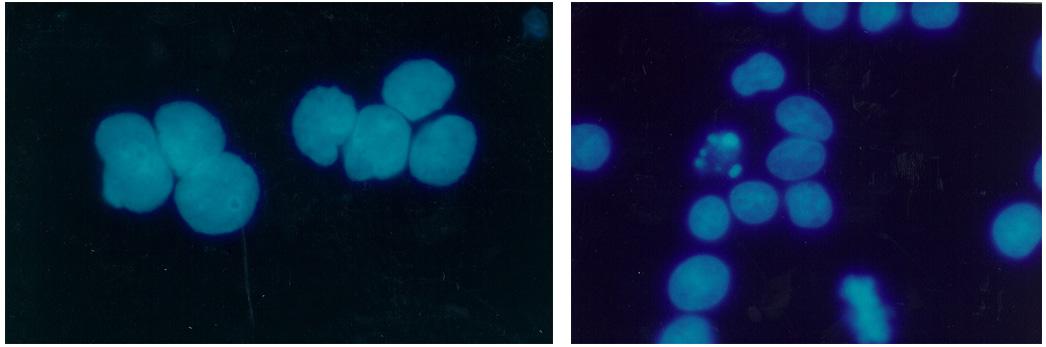
Biomedical research offers hope for a variety of medical problems, from diabetes to the replacement of damaged bone and tissues. Bioreactors, which are used to grow cells and tissue cultures, play a major role in such research and production efforts. The objective of the research was to define a way to differentiate between effects due to microgravity and those due to possible stress from non-optimal spaceflight conditions.
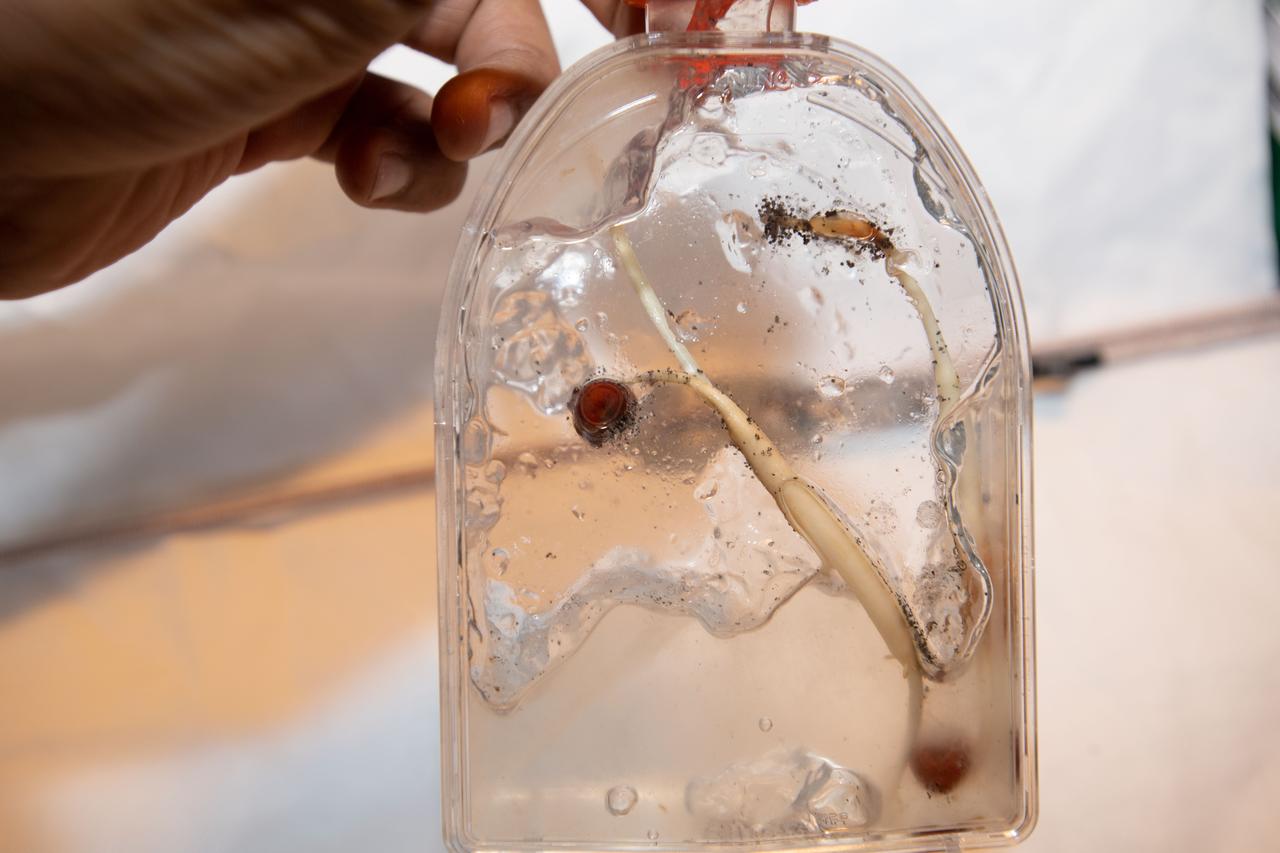
iss060e081486 (9/28/2019) --- A view of the United Arab Emirates (UAE) Palm Tree Growth Experiment (Palm Tree Growth) investigation which examines germination of palm tree seeds in order to determine the best conditions for generating tissue samples for research. A process for growing healthy plant tissue in microgravity could be adapted for testing other indigenous plants of scientific, commercial or educational interest in the UAE. The investigation also observes and documents root growth in microgravity for educational purposes.
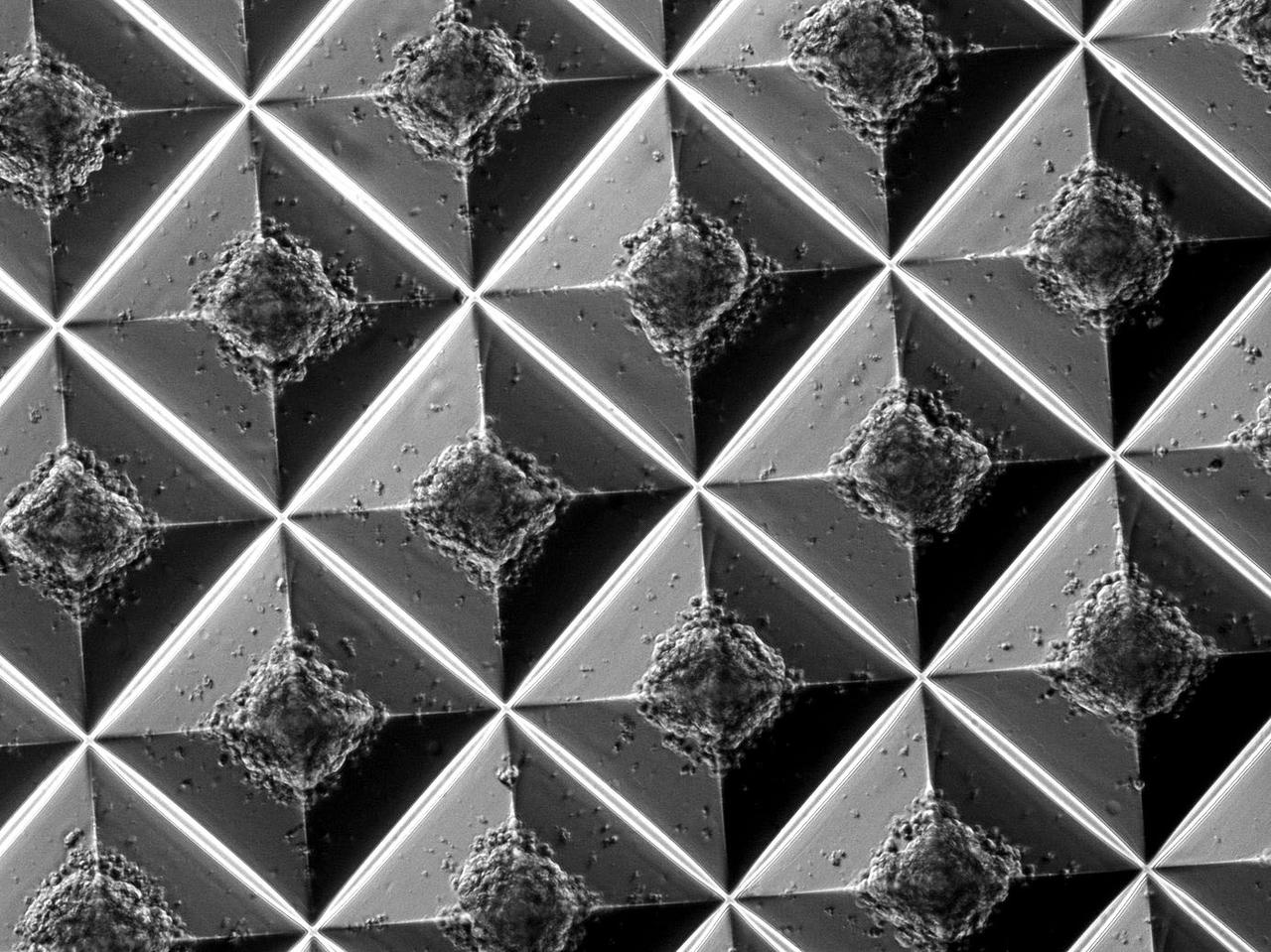
jsc2022e072970 (9/22/2022) --- A preflight view of 3D heart cells generated by microscale tissue engineering. ISS: Engineering Stem Cell-Derived Cardiac Microtissues with Metabolic Regulators in Space to Promote Cardiomyocyte Maturation (Project EAGLE) grows 3D cultures of heart cells on the International Space Station. What is learned could help scientists establish a functional heart tissue model that mimics heart disease and can be used to test new drugs. Image courtesy of Parvin Forghani, Ph.D., Emory University.
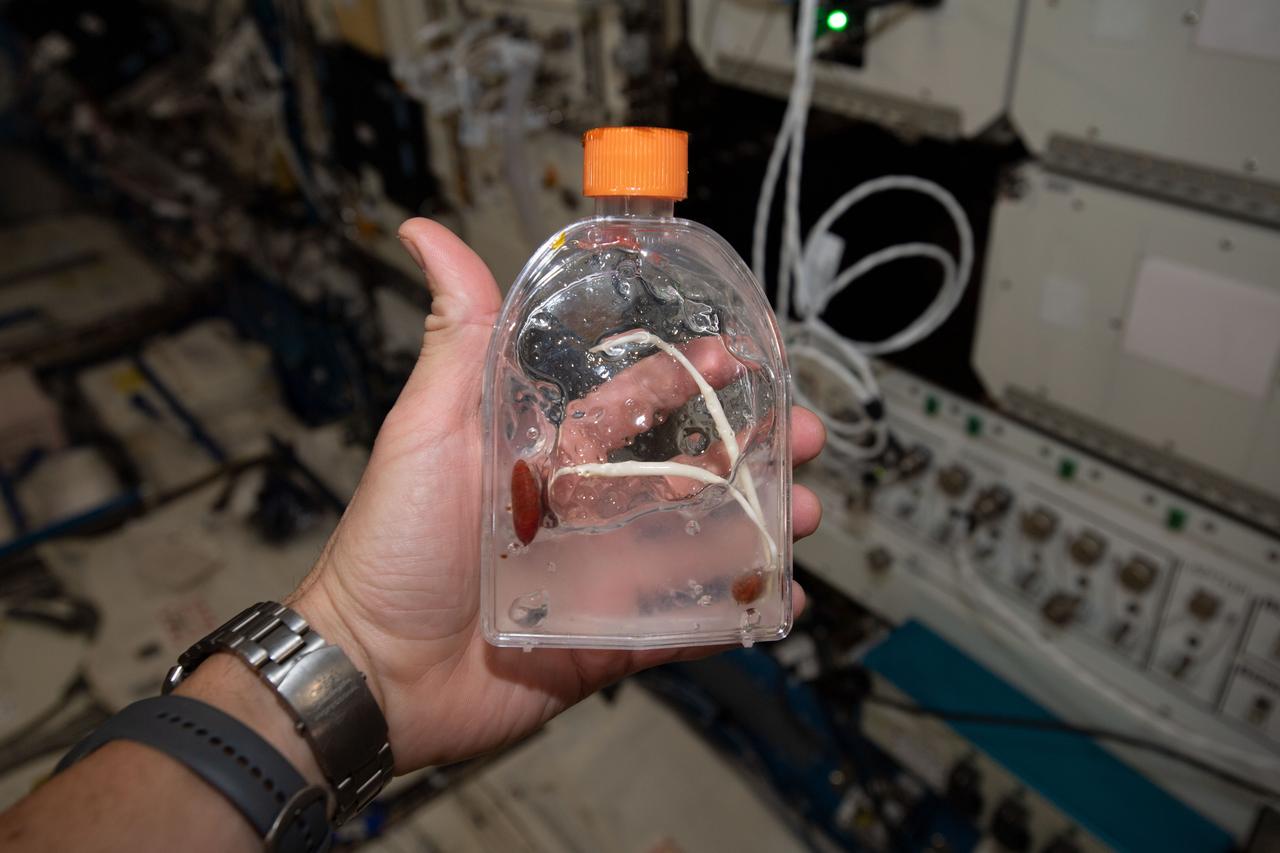
iss060e015472 --- (7/29/2019) Photo documentation aboard the International space Station (ISS) of the The United Arab Emirates (UAE) Palm Tree Growth Experiment (Palm Tree Growth). The investigation examines germination of palm tree seeds in order to determine the best conditions for generating tissue samples for research. A process for growing healthy plant tissue in microgravity could be adapted for testing other indigenous plants of scientific, commercial or educational interest in the UAE. The investigation also observes and documents root growth in microgravity for educational purposes.
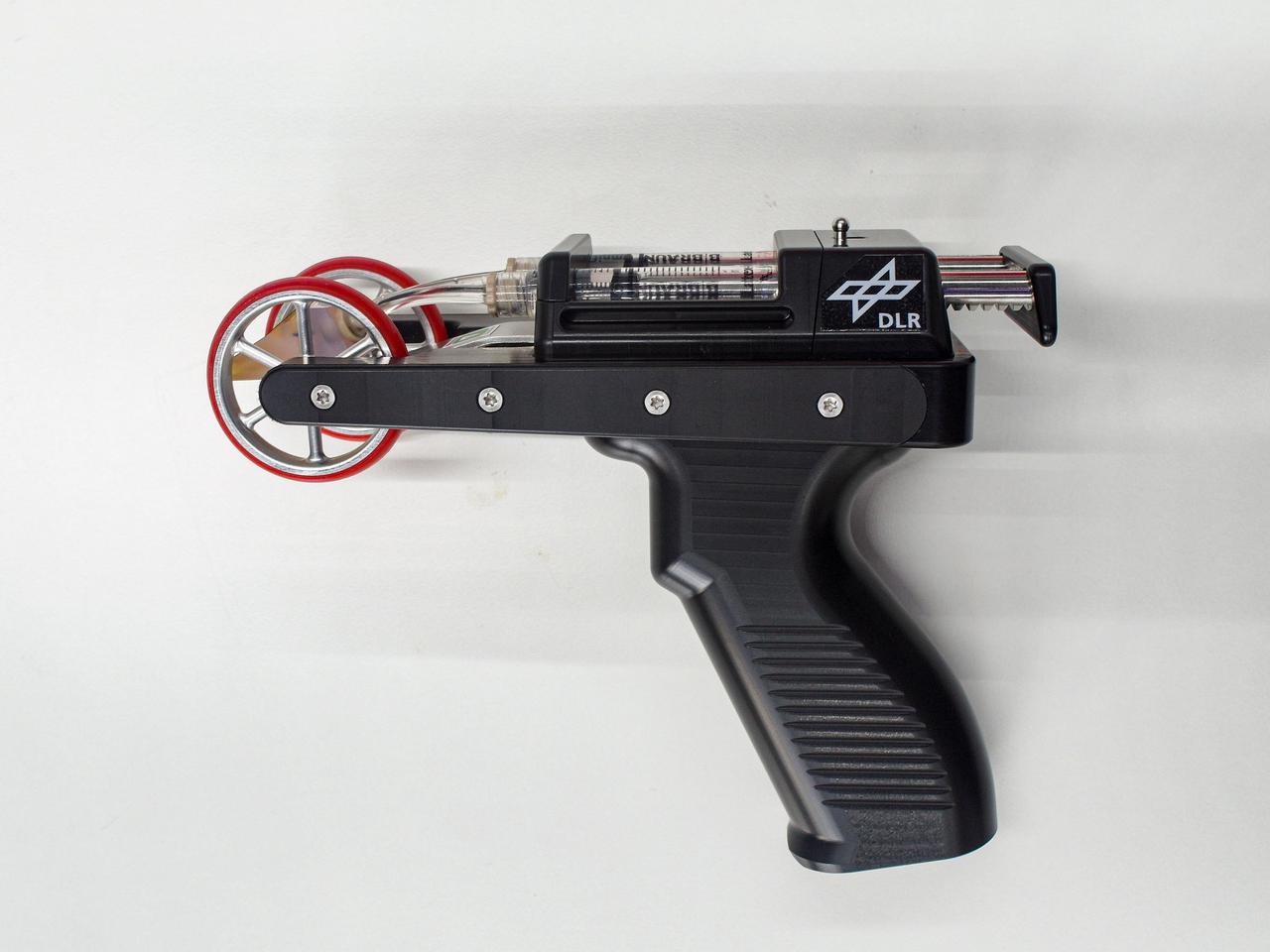
jsc2021e063287 (1/3/2021) --- Bioprinting, a subcategory of 3D printing, uses viable cells and biological molecules to print tissue structures. Bioprint FirstAid Handheld Bioprinter (Bioprint FirstAid), an investigation from European Space Agency (ESA), demonstrates a portable, handheld bioprinter that uses a patient’s own skin cells to create a tissue-forming patch to cover a wound and accelerate the healing process. Image courtesy of OHB/DLR/ESA.

iss060e022737 (Aug. 5, 2019) --- Expedition 60 Flight Engineer Andrew Morgan of NASA works with the BioFabrication Facility that is researching whether the weightless environment of space may support the fabrication of human organs. He set up the device to begin test-printing tissues. An incubator houses the tissue samples to promote cohesive cellular growth over several weeks.
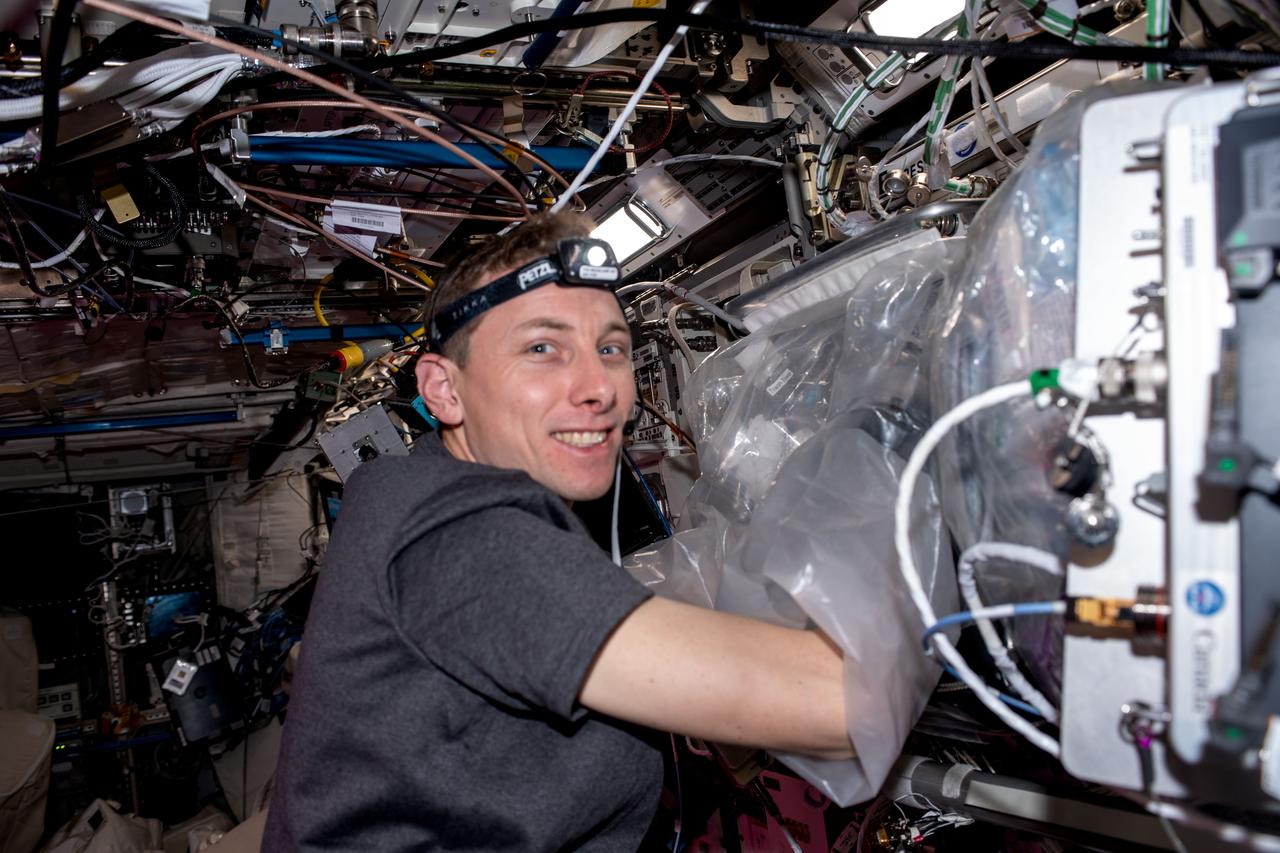
iss068e076275 (March 24, 2021) --- NASA astronaut and Expedition 68 Flight Engineer Woody Hoburg works in a glove bag attached to the BioFabrication Facility (BFF). Hoburg installed a tissue cassette in the BFF to evaluate using bio-inks and cells for a study exploring printing knee cartilage tissue to treat injuries in space and in remote environments on Earth.
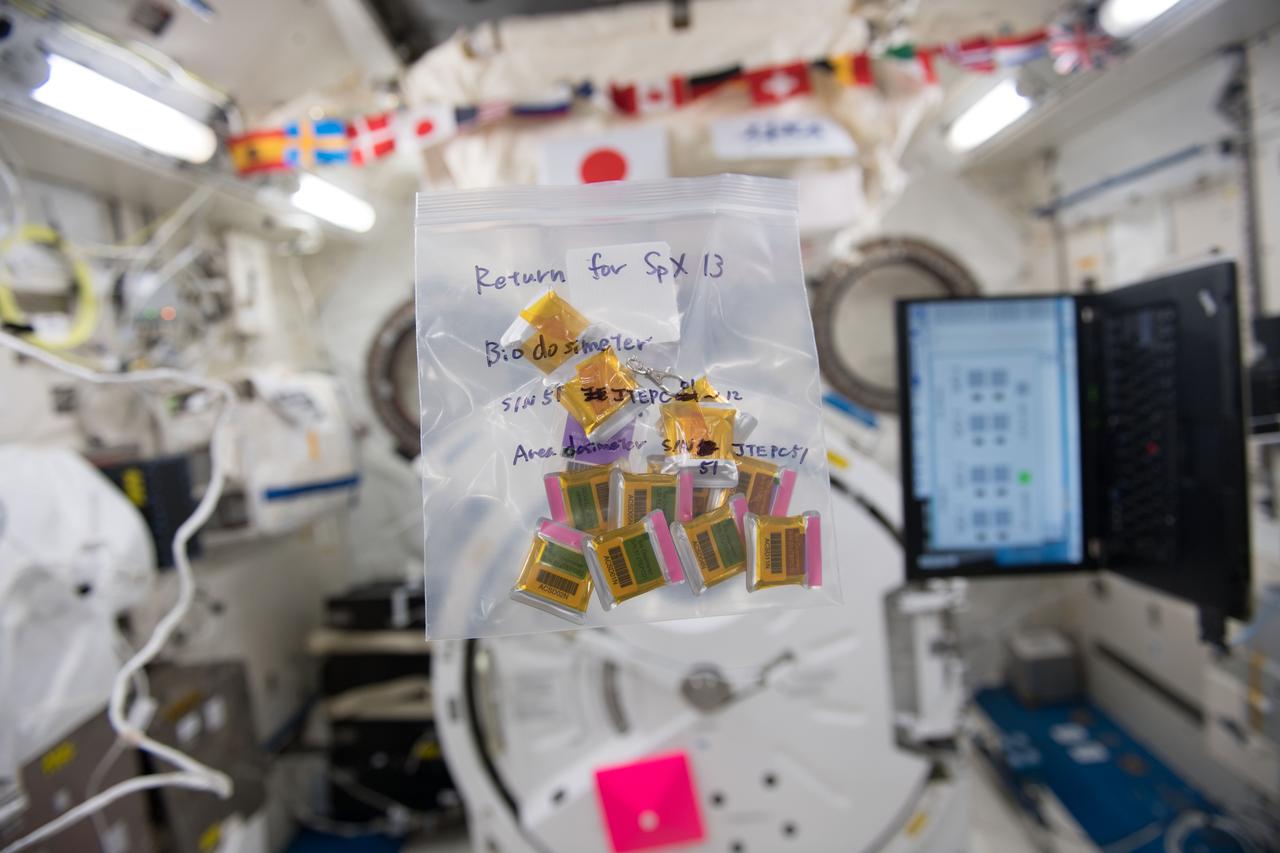
iss054e019981 (1/9/2018) --- Photo documentation of Bio Dosimeters removed form the Japanese Experiment Module (JEM) Tissue Equivalent Proportional Counters (J-TEPC) packed in a ziplock bag for return to Earth. Photo was taken in the Kibo Japanese Experiment Pressurized Module (JPM) aboard the International Space Station (ISS) during Position Sensitive Tissue Equivalent Proportional Chamber (PS-TEPC) experiment operations (OPS).
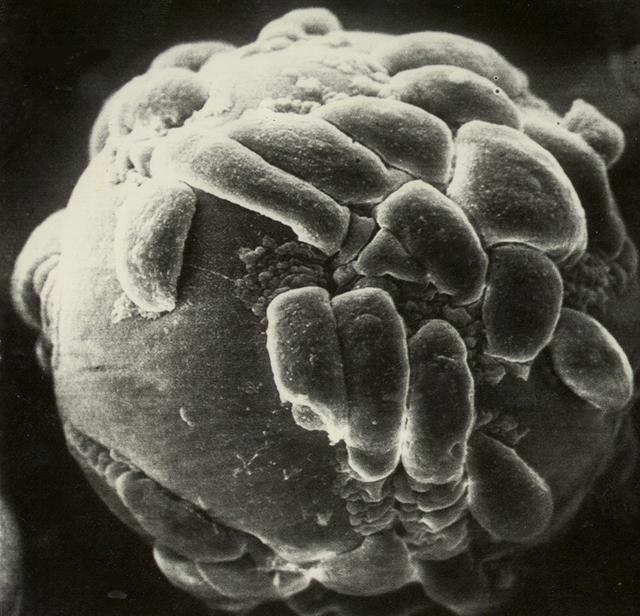
Biomedical research offers hope for a variety of medical problems, from diabetes to the replacement of damaged bone and tissues. Bioreactors, which are used to grow cells and tissue cultures, play a major role in such research and production efforts. Anchorage dependent cells on STS-95 will be grown on beads, similar to these cells produced during previous investigations. Recombinant proteins may offer the possibility of reducing or eliminating transplant rejections. Research by Synthecon, Inc. using the BioDyn Bioreactor will focus on the preliminary process for growing a proprietary recombinant protein that can decrease rejection of transplanted tissue. The cells producing this protein are anchorage dependent, meaning that they must attach to something to grow. These cells will be cultured in the bioreactor in a medium containing polymer microbeads. Synthecon hopes that the data from this mission will lead to the development of a commercial protein that will aid in prevention of transplant rejection.
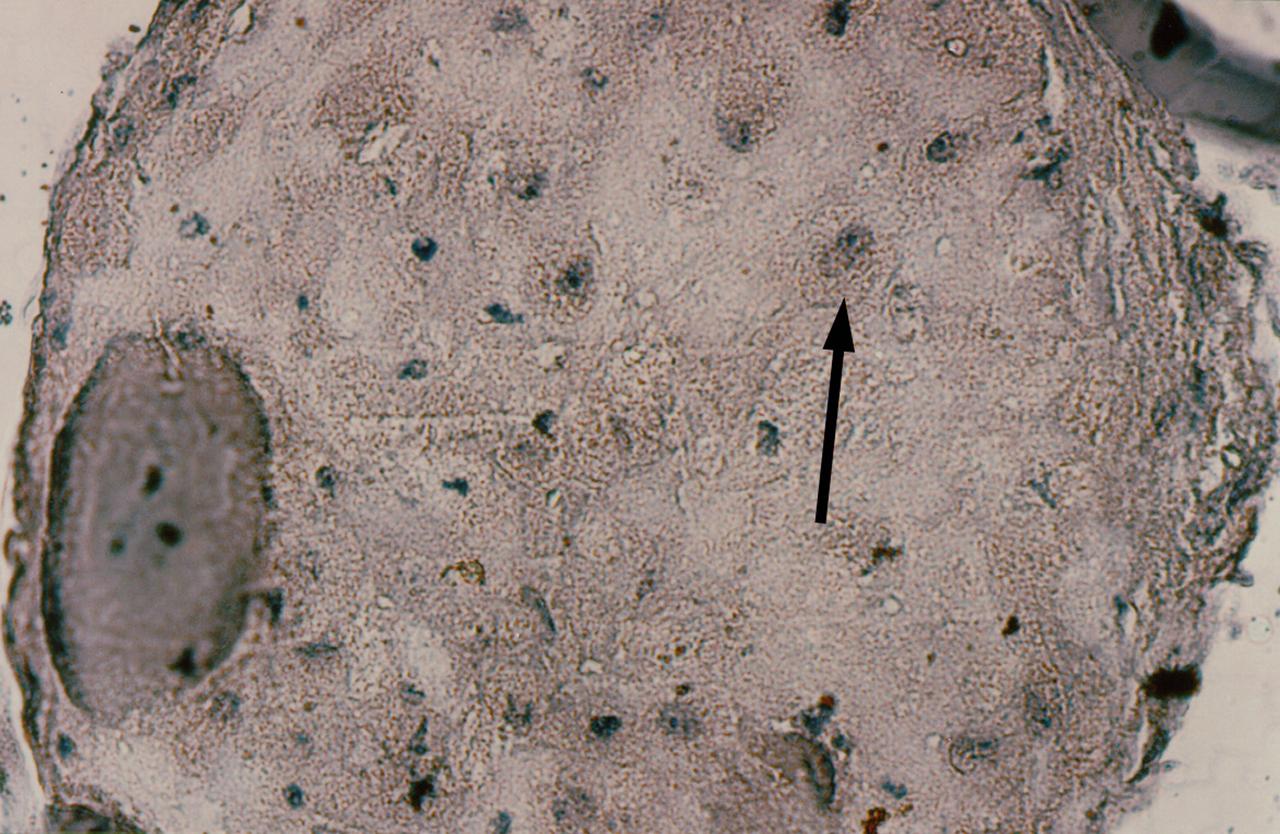
Human primary breast tumor cells after 56 days of culture in a NASA Bioreactor. A cross-section of a construct, grown from surgical specimens of brease cancer, stained for microscopic examination, reveals areas of tumor cells dispersed throughout the non-epithelial cell background. The arrow denotes the foci of breast cancer cells. NASA's Marshall Space Flight Center (MSFC) is sponsoring research with Bioreactors, rotating wall vessels designed to grow tissue samples in space, to understand how breast cancer works. This ground-based work studies the growth and assembly of human mammary epithelial cell (HMEC) from breast cancer susceptible tissue. Radiation can make the cells cancerous, thus allowing better comparisons of healthy vs. tunorous tissue. Credit: Dr. Jearne Becker, University of South Florida
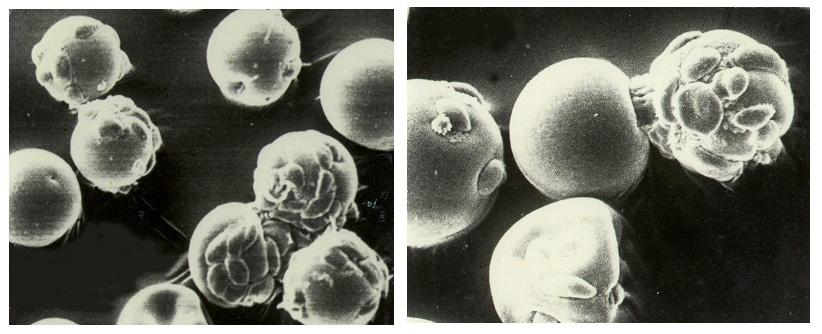
Biomedical research offers hope for a variety of medical problems, from diabetes to the replacement of damaged bone and tissues. Bioreactors, which are used to grow cells and tissue cultures, play a major role in such research and production efforts. Anchorage dependent cells on STS-95 will be grown on beads similar to these cells produced during previous investigations. Recombinant proteins may offer the possibility of reducing or eliminating transplant rejections. Research by Synthecon, Inc. using the BioDyn Bioreactor will focus on the preliminary process for growing a proprietary recombinant protein that can decrease rejection of transplanted tissue. The cells producing this protein are anchorage dependent, meaning that they must attach to something to grow. These cells will be cultured in the bioreactor in a medium containing polymer microbeads. Synthecon hopes that the data from this mission will lead to the development of a commercial protein that will aid in prevention of transplant rejection.
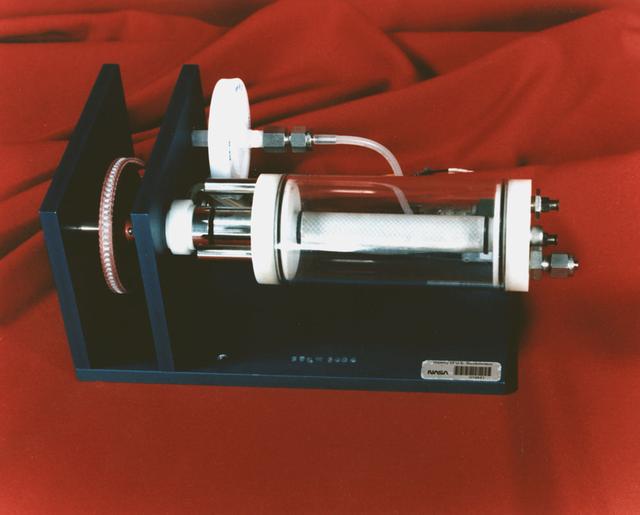
The NASA Bioreactor provides a low turbulence culture environment which promotes the formation of large, three-dimensional cell clusters. Due to their high level of cellular organization and specialization, samples constructed in the bioreactor more closely resemble the original tumor or tissue found in the body. NASA-sponsored bioreactor research has been instrumental in helping scientists to better understand normal and cancerous tissue development. In cooperation with the medical community, the bioreactor design is being used to prepare better models of human colon, prostate, breast and ovarian tumors. Cartilage, bone marrow, heart muscle, skeletal muscle, pancreatic islet cells, liver and kidney are just a few of the normal tissues currently being cultured in rotating bioreactors by investigators
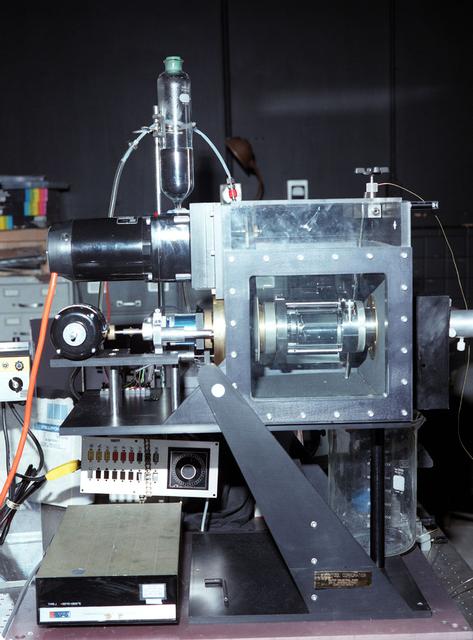
The NASA Bioreactor provides a low turbulence culture environment which promotes the formation of large, three-dimensional cell clusters. Due to their high level of cellular organization and specialization, samples constructed in the bioreactor more closely resemble the original tumor or tissue found in the body. NASA-sponsored bioreactor research has been instrumental in helping scientists to better understand normal and cancerous tissue development. In cooperation with the medical community, the bioreactor design is being used to prepare better models of human colon, prostate, breast and ovarian tumors. Cartilage, bone marrow, heart muscle, skeletal muscle, pancreatic islet cells, liver and kidney are just a few of the normal tissues currently being cultured in rotating bioreactors by investigators.
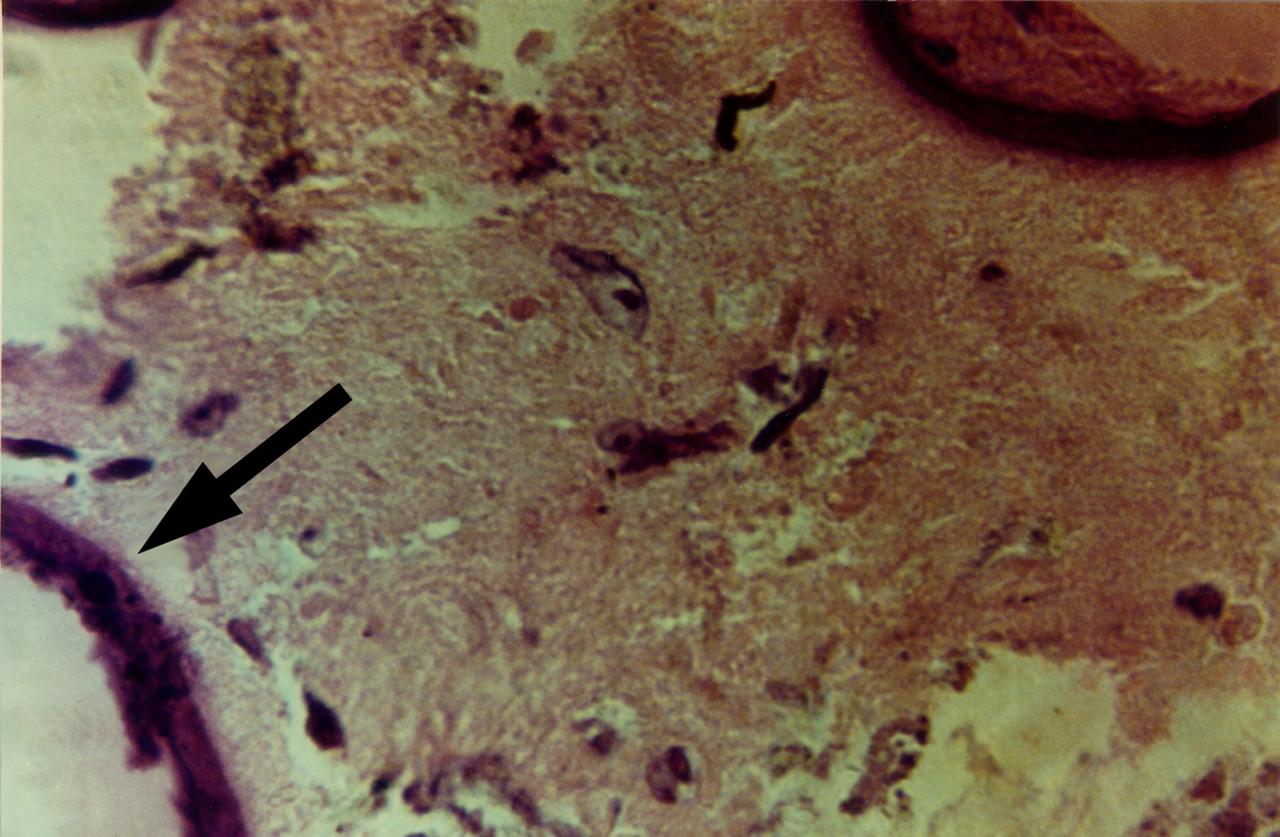
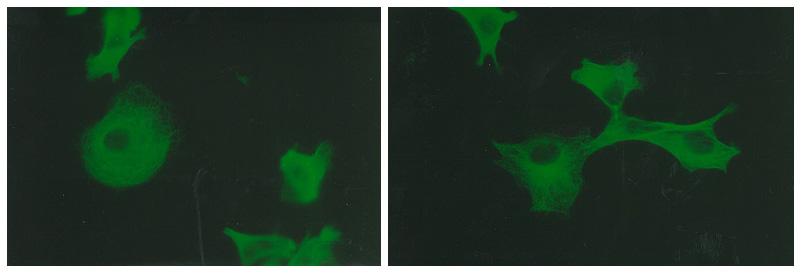
High magnification view of human primary breast tumor cells after 56 days of culture in a NASA Bioreactor. The arrow points to bead surface indicating breast cancer cells (as noted by the staining of tumor cell intermediate filaments). NASA's Marshall Space Flight Center (MSFC) is sponsoring research with Bioreactors, rotating wall vessels designed to grow tissue samples in space, to understand how breast cancer works. This ground-based work studies the growth and assembly of human mammary epithelial cell (HMEC) from breast cancer susceptible tissue. Radiation can make the cells cancerous, thus allowing better comparisons of healthy vs. tunorous tissue. Credit: Dr. Jearne Becker, University of South Florida
High magnification of view of tumor cells aggregate on microcarrier beads, illustrting breast cells with intercellular boundaires on bead surface and aggregates of cells achieving 3-deminstional growth outward from bead after 56 days of culture in a NASA Bioreactor. NASA's Marshall Space Flight Center (MSFC) is sponsoring research with Bioreactors, rotating wall vessels designed to grow tissue samples in space, to understand how breast cancer works. This ground-based work studies the growth and assembly of human mammary epithelial cell (HMEC) from breast cancer susceptible tissue. Radiation can make the cells cancerous, thus allowing better comparisons of healthy vs. tunorous tissue. Credit: Dr. Jearne Becker, University of South Florida.
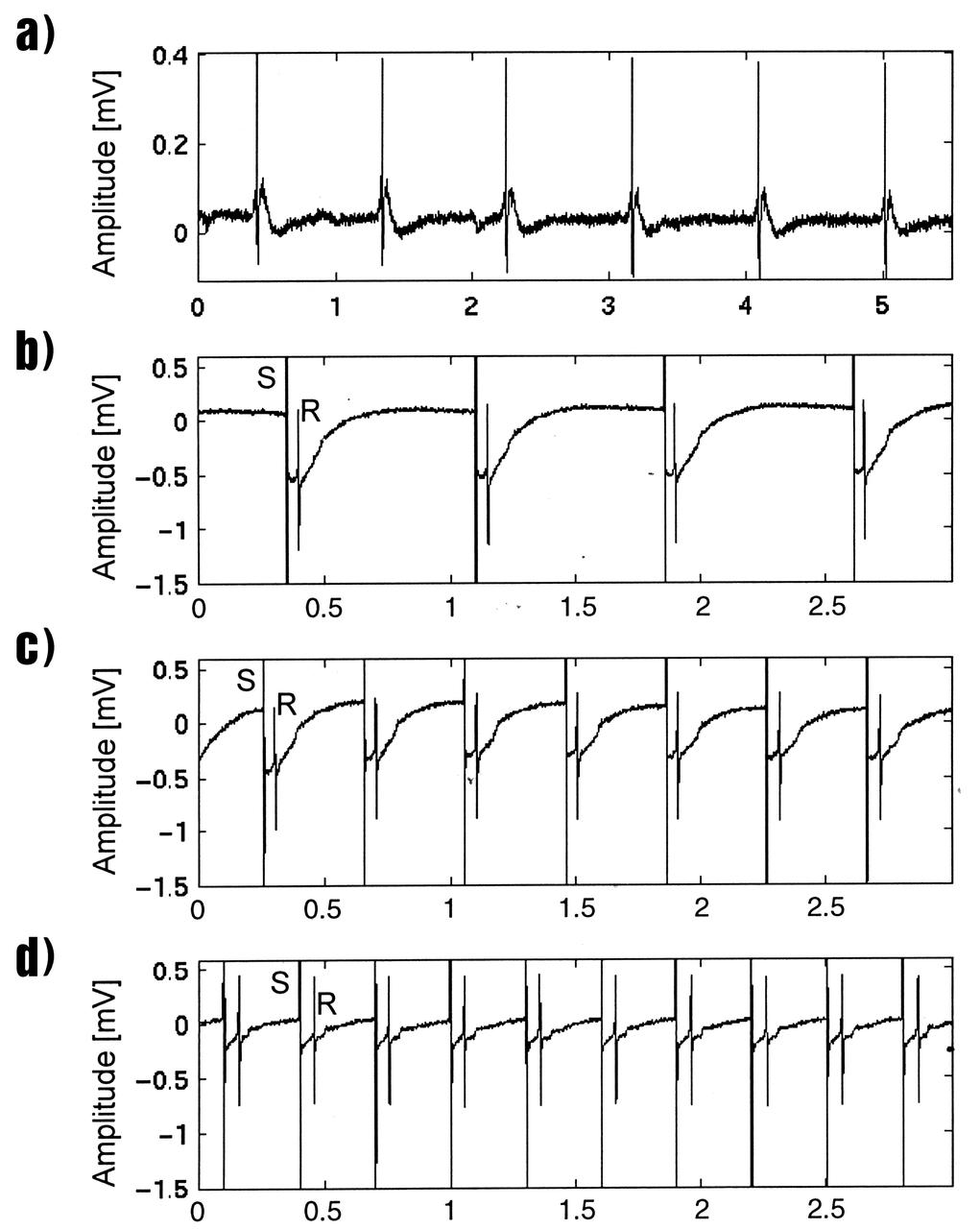
Lisa Freed and Gordana Vunjak-Novakovic, both of the Massachusetts Institute of Technology (MIT), have taken the first steps toward engineering heart muscle tissue that could one day be used to patch damaged human hearts. Cells isolated from very young animals are attached to a three-dimensional polymer scaffold, then placed in a NASA bioreactor. The cells do not divide, but after about a week start to cornect to form a functional piece of tissue. Functionally connected heart cells that are capable of transmitting electrical signals are the goal for Freed and Vunjak-Novakovic. Electrophysiological recordings of engineered tissue show spontaneous contractions at a rate of 70 beats per minute (a), and paced contractions at rates of 80, 150, and 200 beats per minute respectively (b, c, and d). The NASA Bioreactor provides a low turbulence culture environment which promotes the formation of large, three-dimensional cell clusters. The Bioreactor is rotated to provide gentle mixing of fresh and spent nutrient without inducing shear forces that would damage the cells. Due to their high level of cellular organization and specialization, samples constructed in the bioreactor more closely resemble the original tumor or tissue found in the body. NASA-sponsored bioreactor research has been instrumental in helping scientists to better understand normal and cancerous tissue development. In cooperation with the medical community, the bioreactor design is being used to prepare better models of human colon, prostate, breast and ovarian tumors. Cartilage, bone marrow, heart muscle, skeletal muscle, pancreatic islet cells, liver and kidney are just a few of the normal tissues being cultured in rotating bioreactors by investigators. The work is sponsored by NASA's Office of Biological and Physical Research. The bioreactor is managed by the Biotechnology Cell Science Program at NASA's Johnson Space Center (JSC). Credit: NASA and MIT.
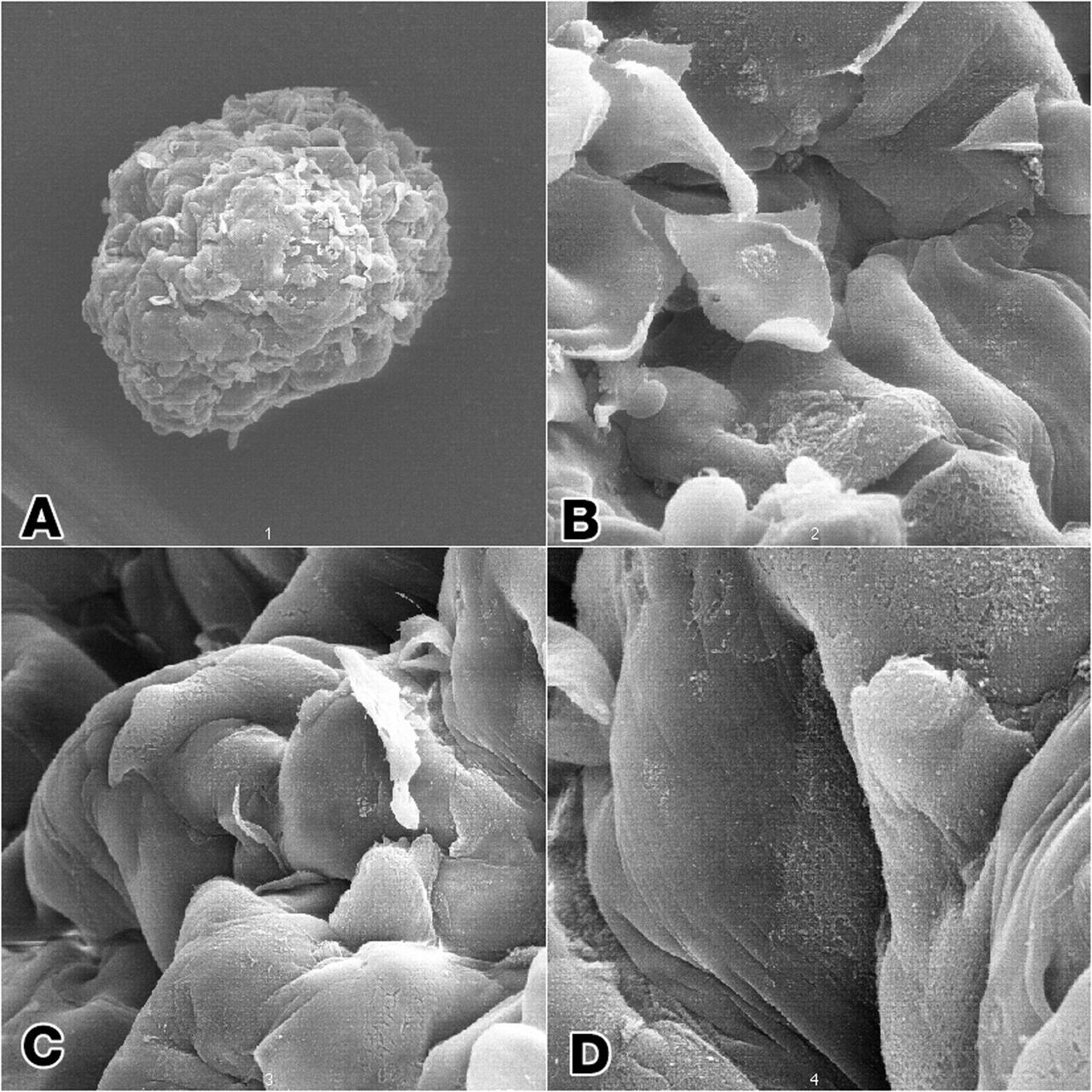
Epithelial and fibroblast cell coculture: Long-term growth human mammary epithelial cells (HMEC) admixed in coculture with fibroblast from the same initial breast tissue grown as 3-dimenstional constructions in the presence of attachment beads in the NASA Bioreactor. A: A typical constrct about 2.0 mm in diameter without beads on the surface. The center of these constrcts is hollow, and beads are organized about the irner surface. Although the coculture provides smaller constructs than the monoculture, the metabolic of the organized cells is about the same. B, C, D: Closer views of cells showing that the shape of cells and cell-to-cell interactions apprear different in the coculture than in the monoculture constructs. NASA's Marshall Space Flight Center (MSFC) is sponsoring research with Bioreactors, rotating wall vessels designed to grow tissue samples in space, to understand how breast cancer works. This ground-based work studies the growth and assembly of human mammary epithelial cell (HMEC) from breast cancer susceptible tissue. Radiation can make the cells cancerous, thus allowing better comparisons of healthy vs. tunorous tissue. Credit: Dr. Robert Richmond, NASA/Marshall Space Flight Center (MSFC).
Biomedical research offers hope for a variety of medical problems, from diabetes to the replacement of damaged bone and tissues. Bioreactors, which are used to grow cells and tissue cultures, play a major role in such research and production efforts. Cell culturing, such as this bone cell culture, is an important part of biomedical research. The BioDyn payload includes a tissue engineering investigation. The commercial affiliate, Millenium Biologix, Inc. has been conducting bone implant experiments to better understand how synthetic bone can be used to treat bone-related illnesses and bone damaged in accidents. On STS-95, the BioDyn payload will include a bone cell culture aimed to help develop this commercial synthetic bone product. Millenium Biologix, Inc. is exploring the potential for making human bone implantable materials by seeding its proprietary artificial scaffold material with human bone cells. The product of this tissue engineering experiment using the Bioprocessing Modules (BPMs) on STS-95 is space-grown bone implants, which could have potential for dental implants, long bone grafts, and coating for orthopedic implants such as hip replacements.
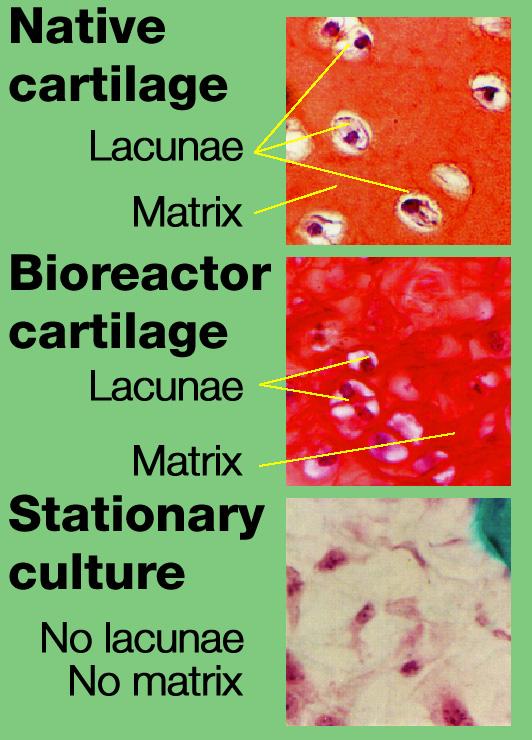
Dr. Lisa E. Freed of the Massachusetts Institute of Technology and her colleagues have reported that initially disc-like specimens tend to become spherical in space, demonstrating that tissues can grow and differentiate into distinct structures in microgravity. The Mir Increment 3 (Sept. 16, 1996 - Jan. 22, 1997) samples were smaller, more spherical, and mechanically weaker than Earth-grown control samples. These results demonstrate the feasibility of microgravity tissue engineering and may have implications for long human space voyages and for treating musculoskeletal disorders on earth. The work is sponsored by NASA's Office of Biological and Physical Research. The bioreactor is managed by the Biotechnology Cell Science Program at NASA's Johnson Space Center (JSC). NASA-sponsored bioreactor research has been instrumental in helping scientists to better understand normal and cancerous tissue development. In cooperation with the medical community, the bioreactor design is being used to prepare better models of human colon, prostate, breast and ovarian tumors. Cartilage, bone marrow, heart muscle, skeletal muscle, pancreatic islet cells, liver and kidney are just a few of the normal tissues being cultured in rotating bioreactors by investigators.
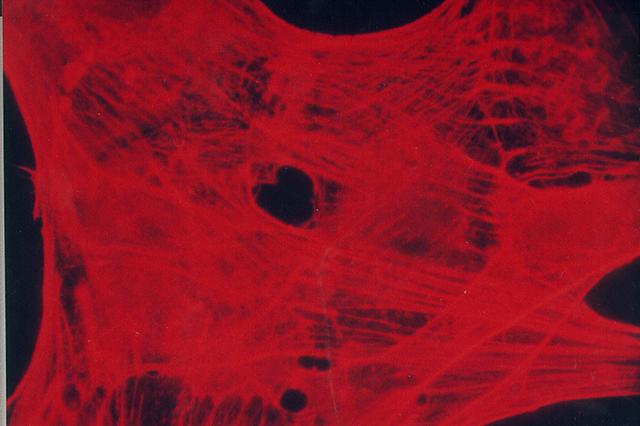
Biomedical research offers hope for a variety of medical problems, from diabetes to the replacement of damaged bone and tissues. Bioreactors, which are used to grow cells and tissue cultures, play a major role in such research and production efforts. Cell culturing, such as this bone cell culture, is an important part of biomedical research. The BioDyn payload includes a tissue engineering investigation. The commercial affiliate, Millenium Biologix, Inc., has been conducting bone implant experiments to better understand how synthetic bone can be used to treat bone-related illnesses and bone damaged in accidents. On STS-95, the BioDyn payload will include a bone cell culture aimed to help develop this commercial synthetic bone product. Millenium Biologix, Inc., is exploring the potential for making human bone implantable materials by seeding its proprietary artificial scaffold material with human bone cells. The product of this tissue engineering experiment using the Bioprocessing Modules (BPMs) on STS-95 is space-grown bone implants, which could have potential for dental implants, long bone grafts, and coating for orthopedic implants such as hip replacements.
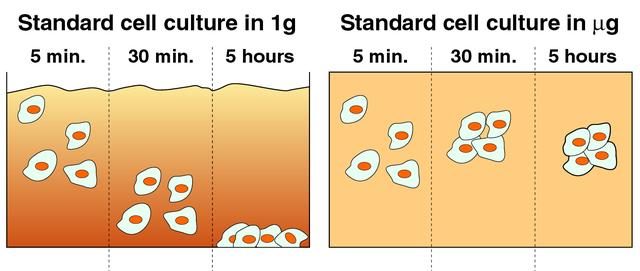
Cells cultured on Earth (left) typically settle quickly on the bottom of culture vessels due to gravity. In microgravity (right), cells remain suspended and aggregate to form three-dimensional tissue. The NASA Bioreactor provides a low turbulence culture environment which promotes the formation of large, three-dimensional cell clusters. The Bioreactor is rotated to provide gentle mixing of fresh and spent nutrient without inducing shear forces that would damage the cells. Due to their high level of cellular organization and specialization, samples constructed in the bioreactor more closely resemble the original tumor or tissue found in the body. The work is sponsored by NASA's Office of Biological and Physical Research. The bioreactor is managed by the Biotechnology Cell Science Program at NASA's Johnson Space Center (JSC). NASA-sponsored bioreactor research has been instrumental in helping scientists to better understand normal and cancerous tissue development. In cooperation with the medical community, the bioreactor design is being used to prepare better models of human colon, prostate, breast and ovarian tumors. Cartilage, bone marrow, heart muscle, skeletal muscle, pancreatic islet cells, liver and kidney are just a few of the normal tissues being cultured in rotating bioreactors by investigators.
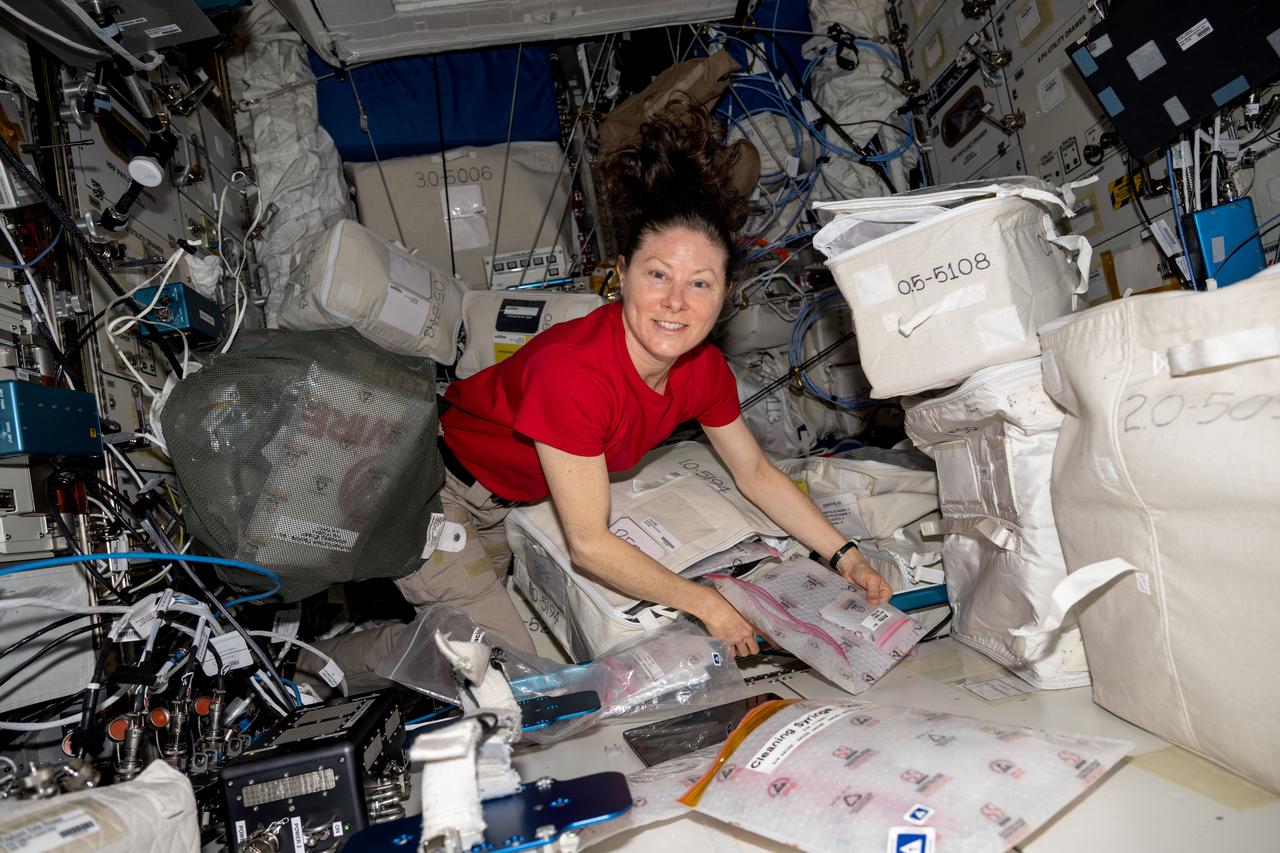
iss071e403579 (July 23, 2024) --- NASA astronaut and Expedition 71 Flight Engineer Tracy C. Dyson unpacks and examines research gear that is part of the BioFabrication Facility (BFF) located inside the International Space Station's Columbus laboratory module. The BFF is a research device being tested for its ability to print organ-like tissues in microgravity.
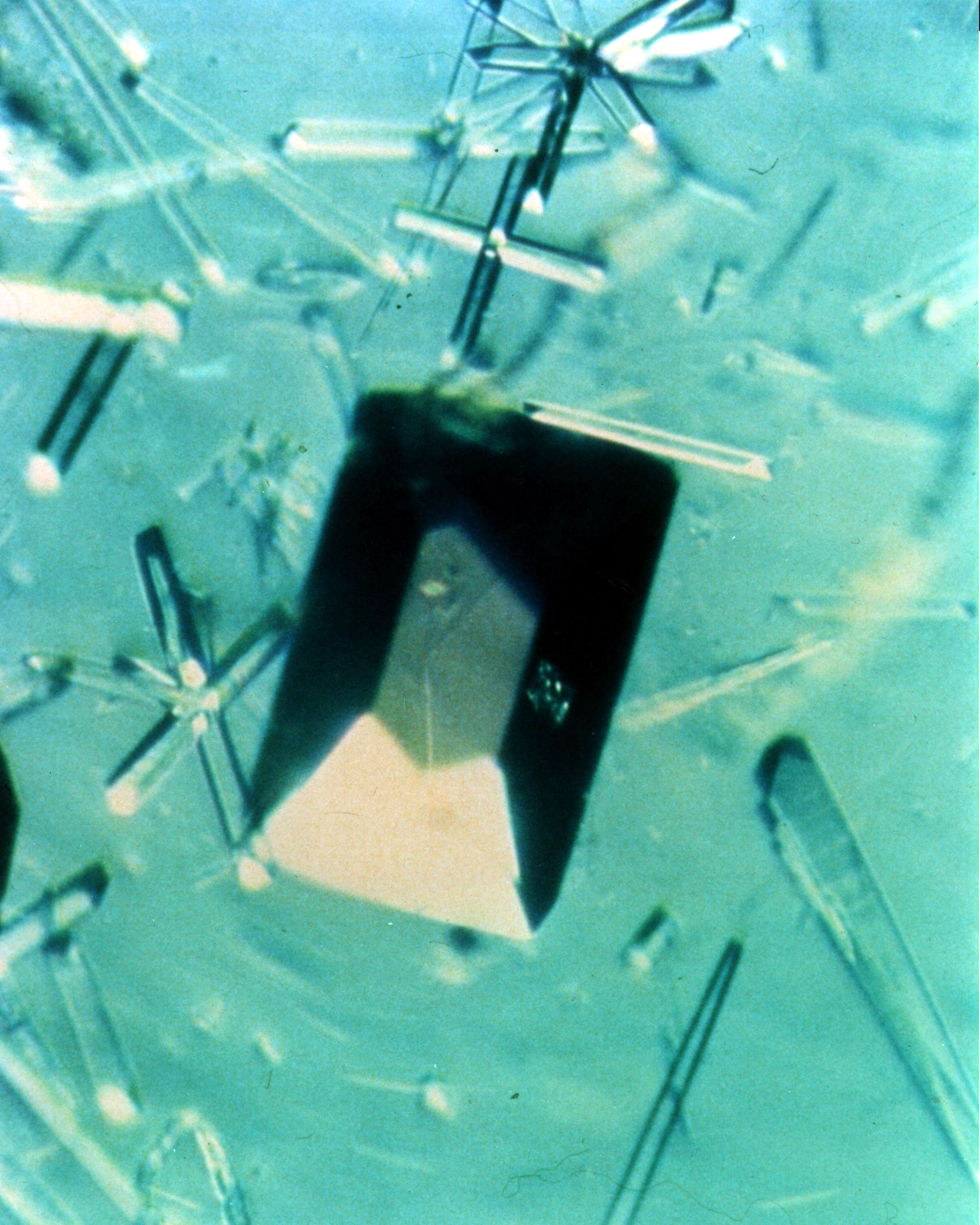
(PCG) Protein Crystal Growth Porcine Elastase. This enzyme is associated with the degradation of lung tissue in people suffering from emphysema. It is useful in studying causes of this disease. Principal Investigator on STS-26 was Charles Bugg.
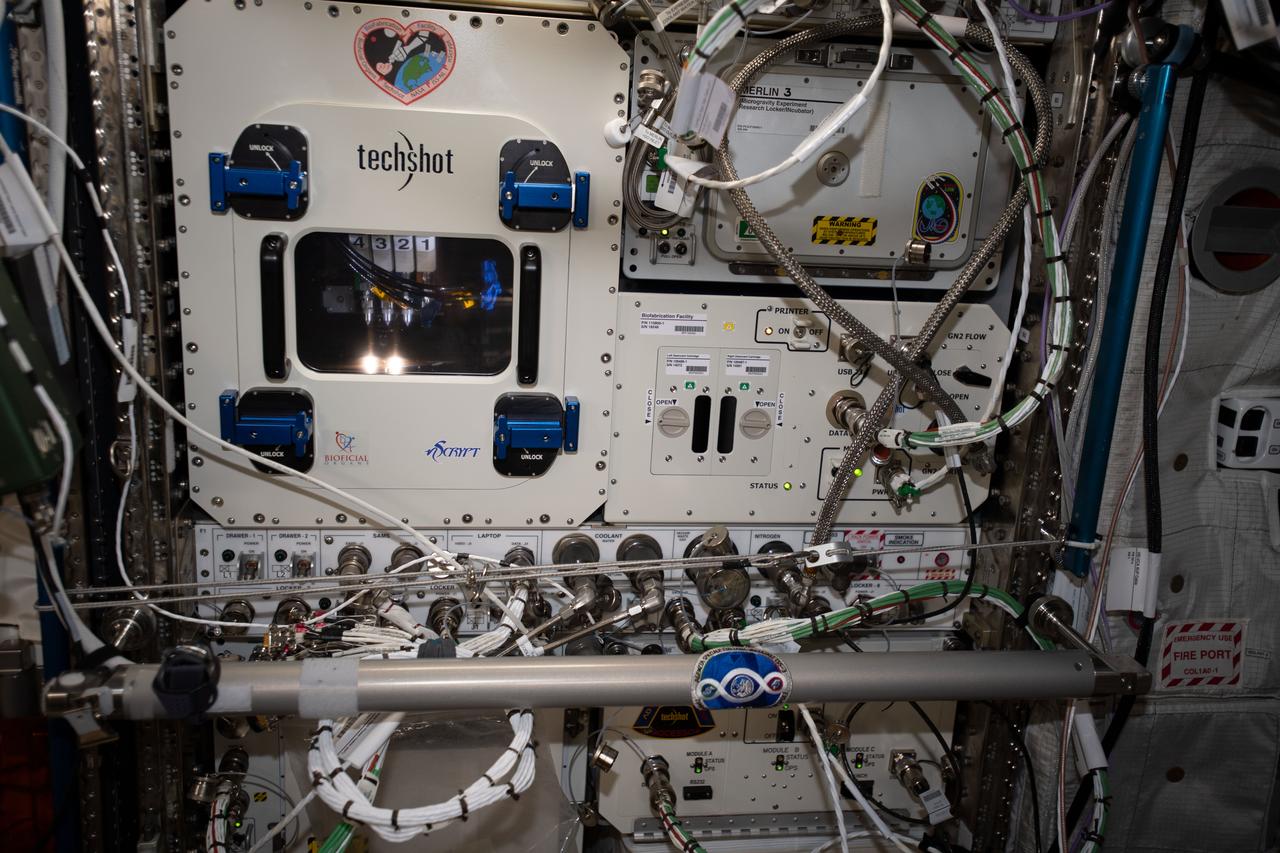
iss060e015333 (7/28/2019) --- --- Photo documentation of the commercially developed and operated BioFabrication Facility (BFF) and the Advanced Space Experiment Processor (ADSEP). Together they comprise a 3D tissue bioprinting system aboard the International Space Station (ISS).
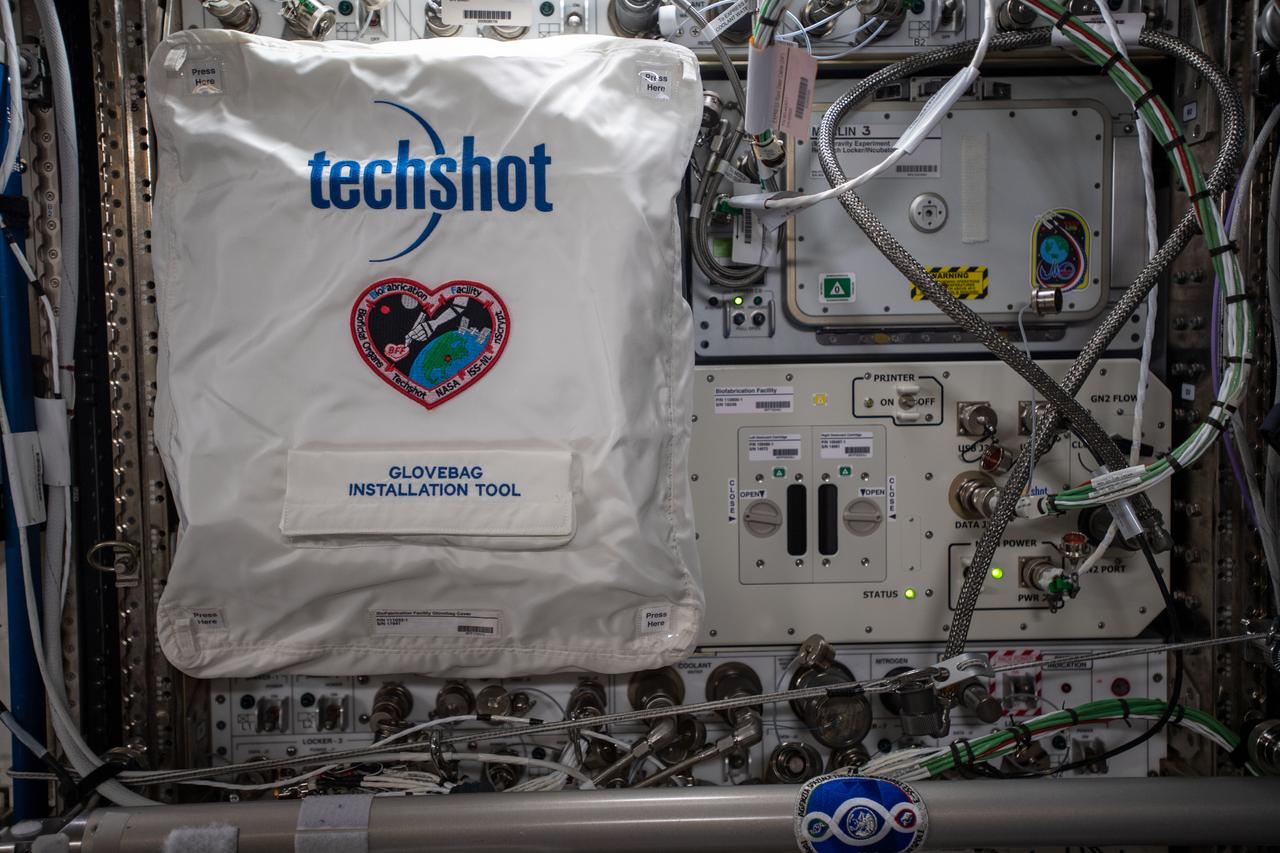
iss060e019631 (7/29/2019) --- Photo documentation of the commercially developed and operated BioFabrication Facility (BFF) and the Advanced Space Experiment Processor (ADSEP). Together they comprise a 3D tissue bioprinting system aboard the International Space Station (ISS).
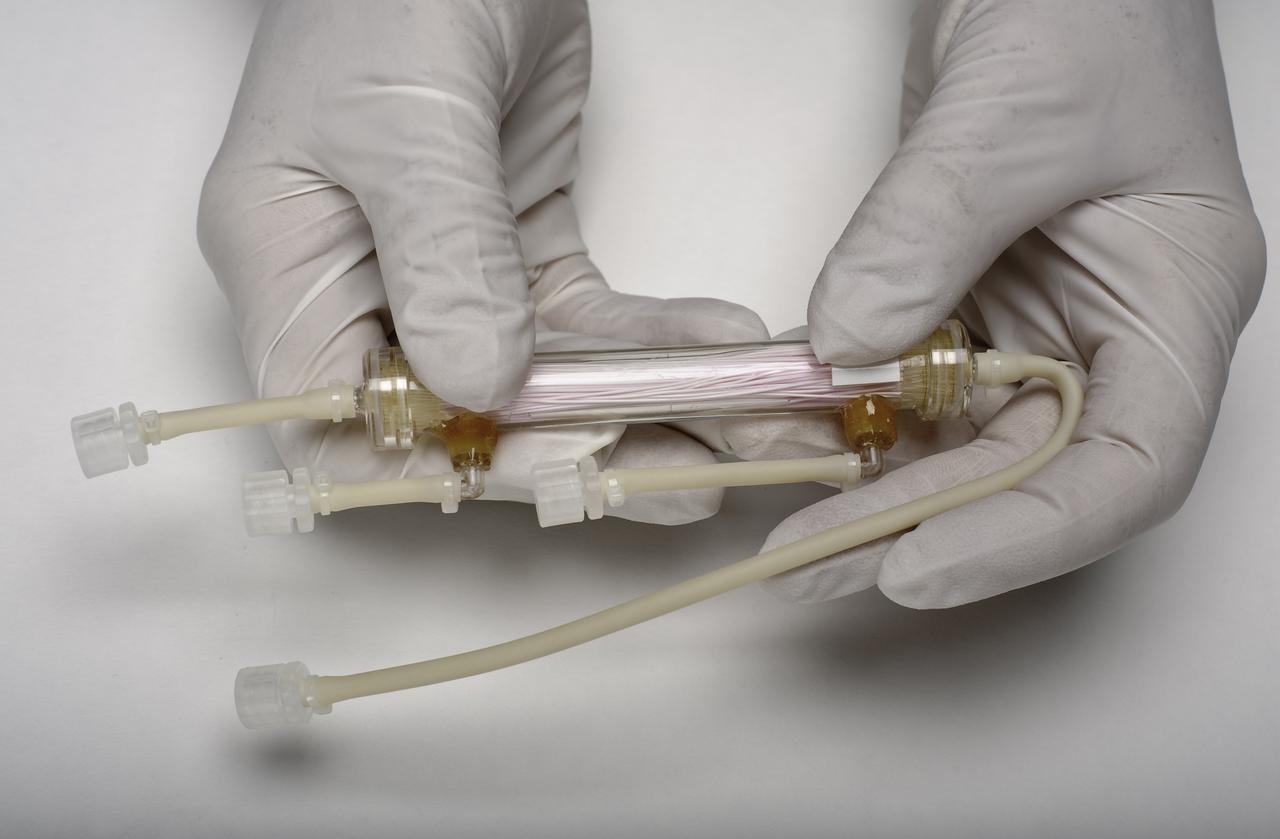
STS-131 payload; Ames Space Bio-Sciences Lab - Animal Enclosure Module (AEM) Space Tissue Loss Experiment Bioreactor - Cell Bioreactor, Stem Cell & Immune Experiement
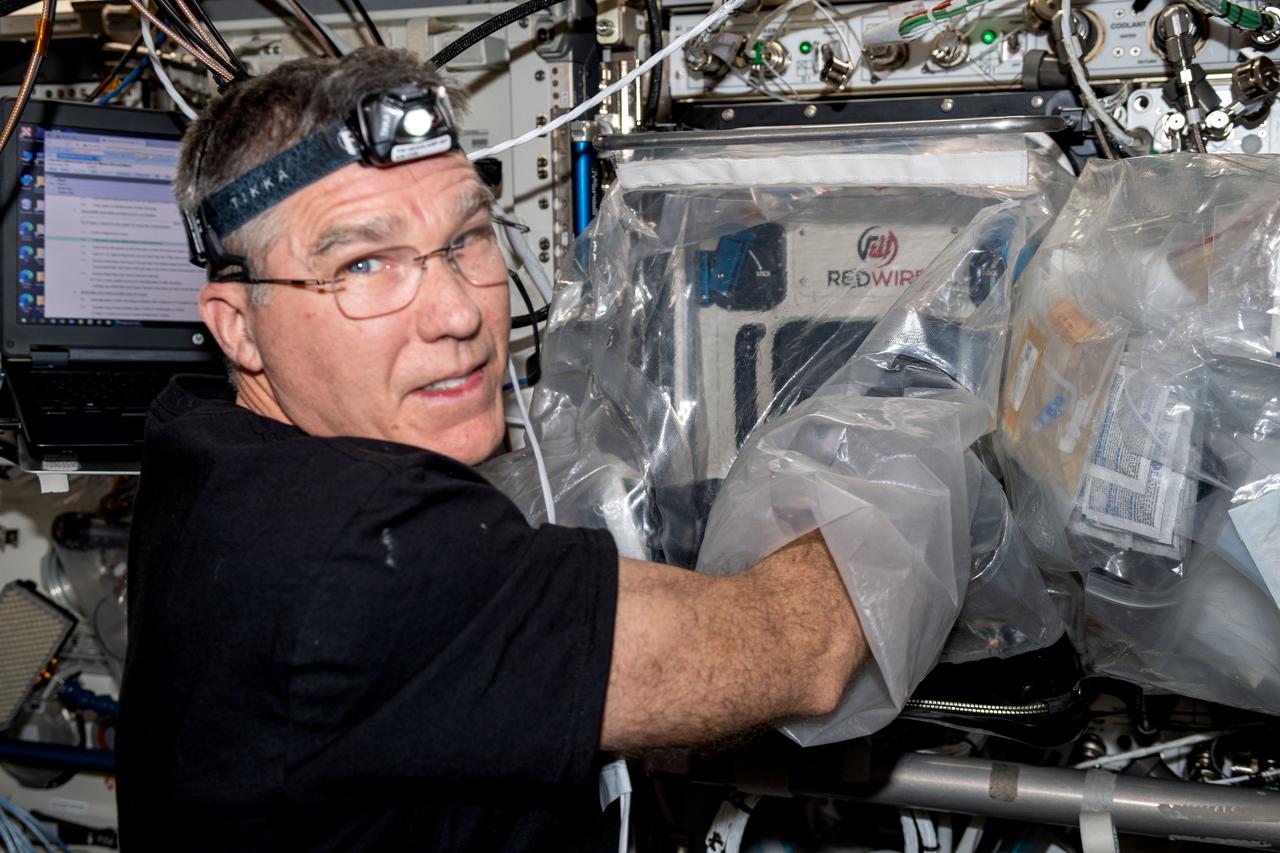
iss069e038872 (July 28, 2023) -- NASA astronaut Stephen Bowen works with the BioFabrication Facility which uses 3D printers to investigate the feasibility of printing organ-like tissues in microgravity.
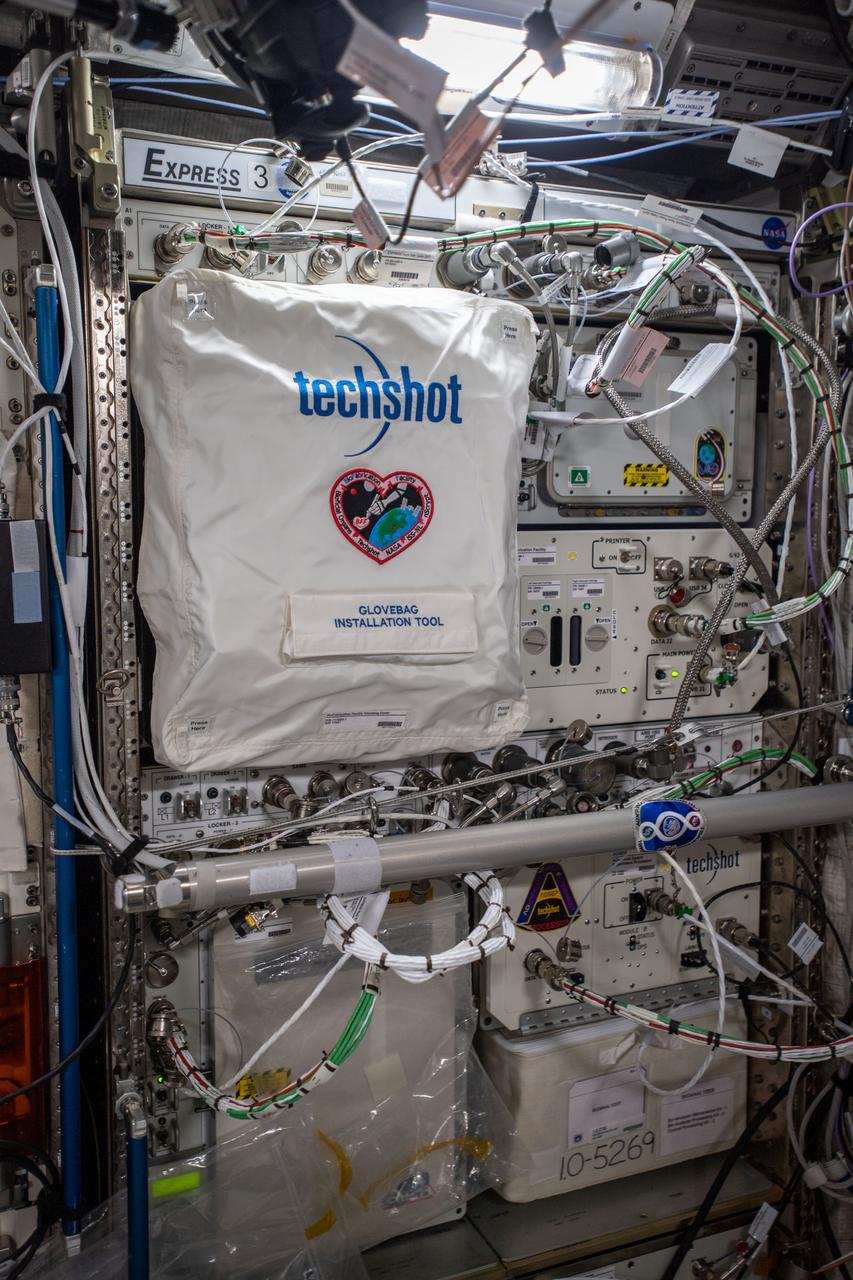
iss060e019630 (7/29/2019) --- Photo documentation of the commercially developed and operated BioFabrication Facility (BFF) and the Advanced Space Experiment Processor (ADSEP). Together they comprise a 3D tissue bioprinting system aboard the International Space Station (ISS).