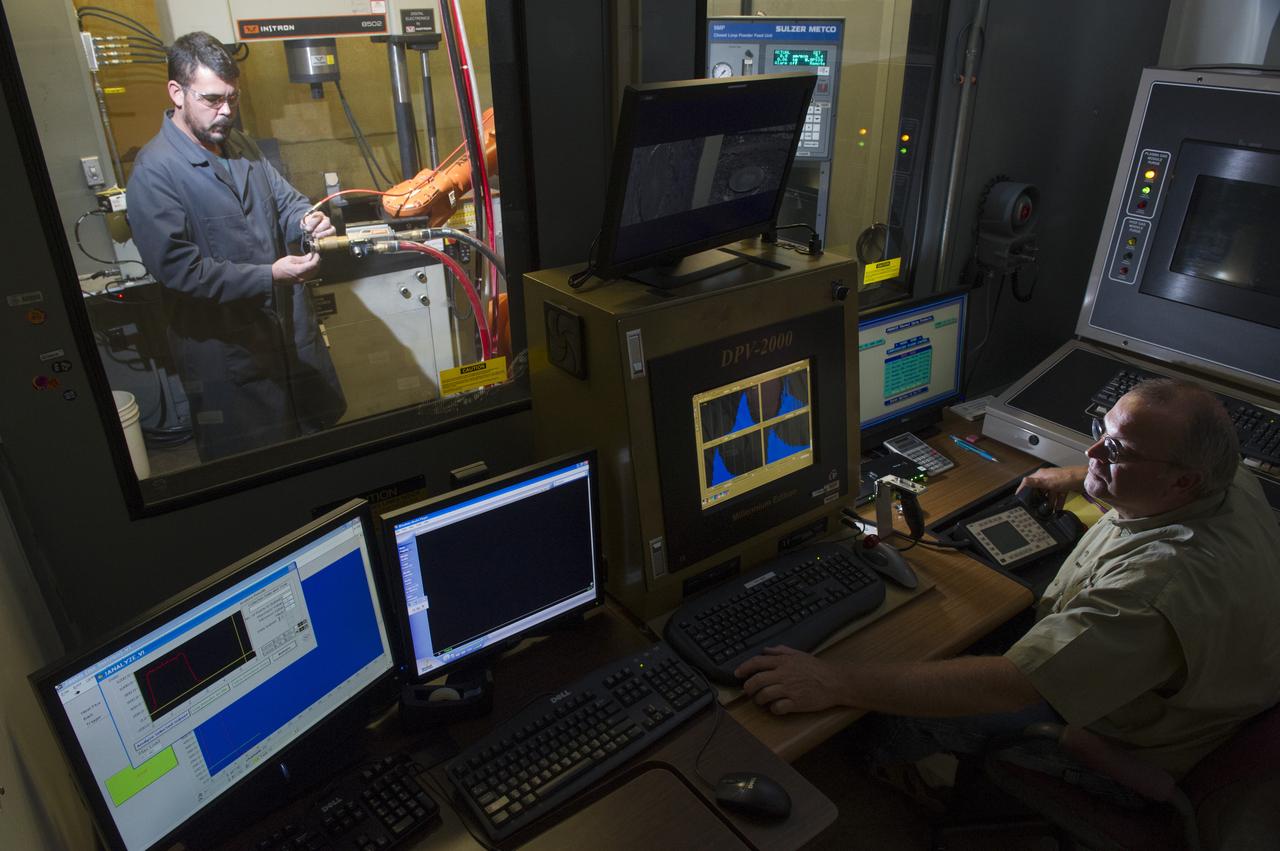
PLASMA TORCH TEST FACILITY
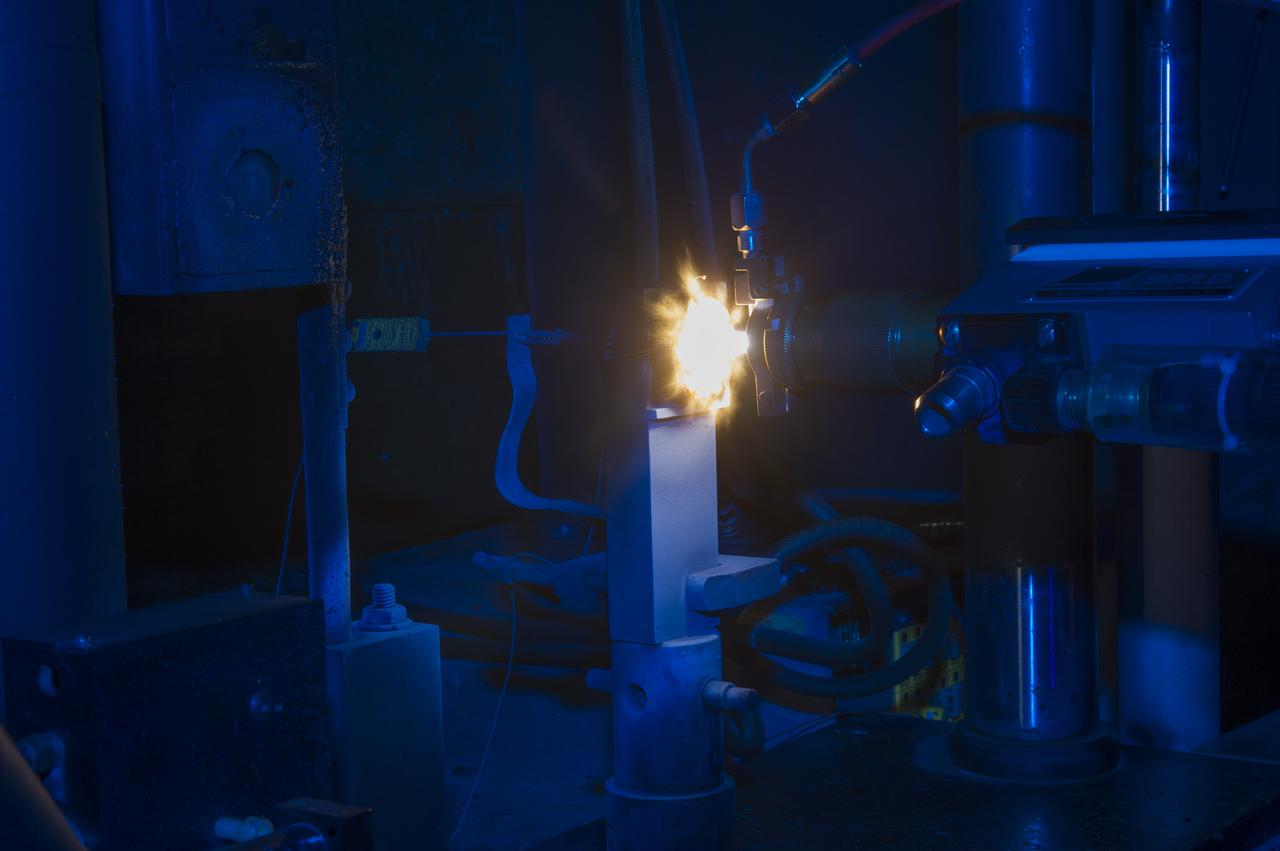
PLASMA TORCH TEST FACILITY
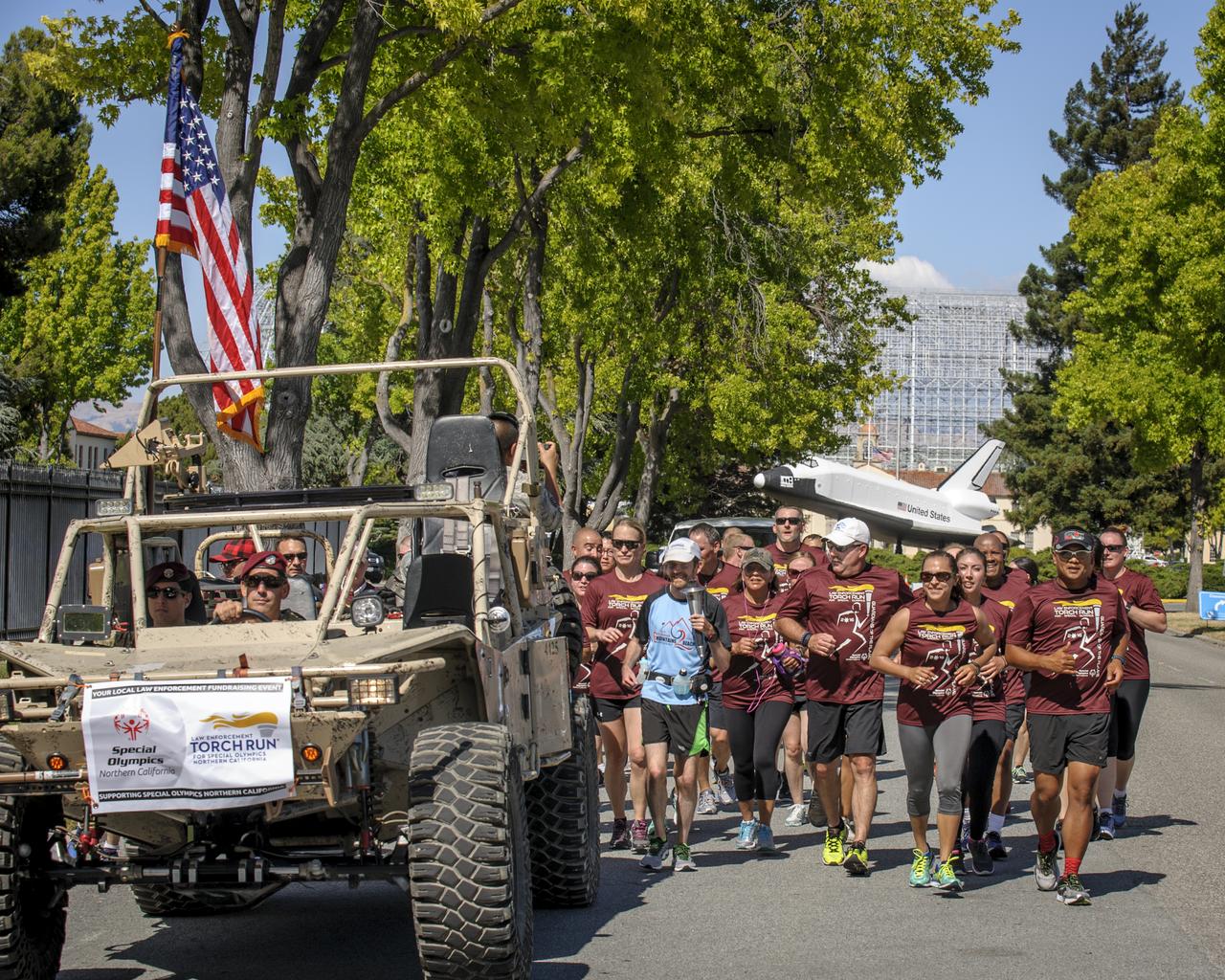
The Special Olympics torch make it's way through the NASA Ames Research Park on it's way to a hand-off in Mountain View, CA
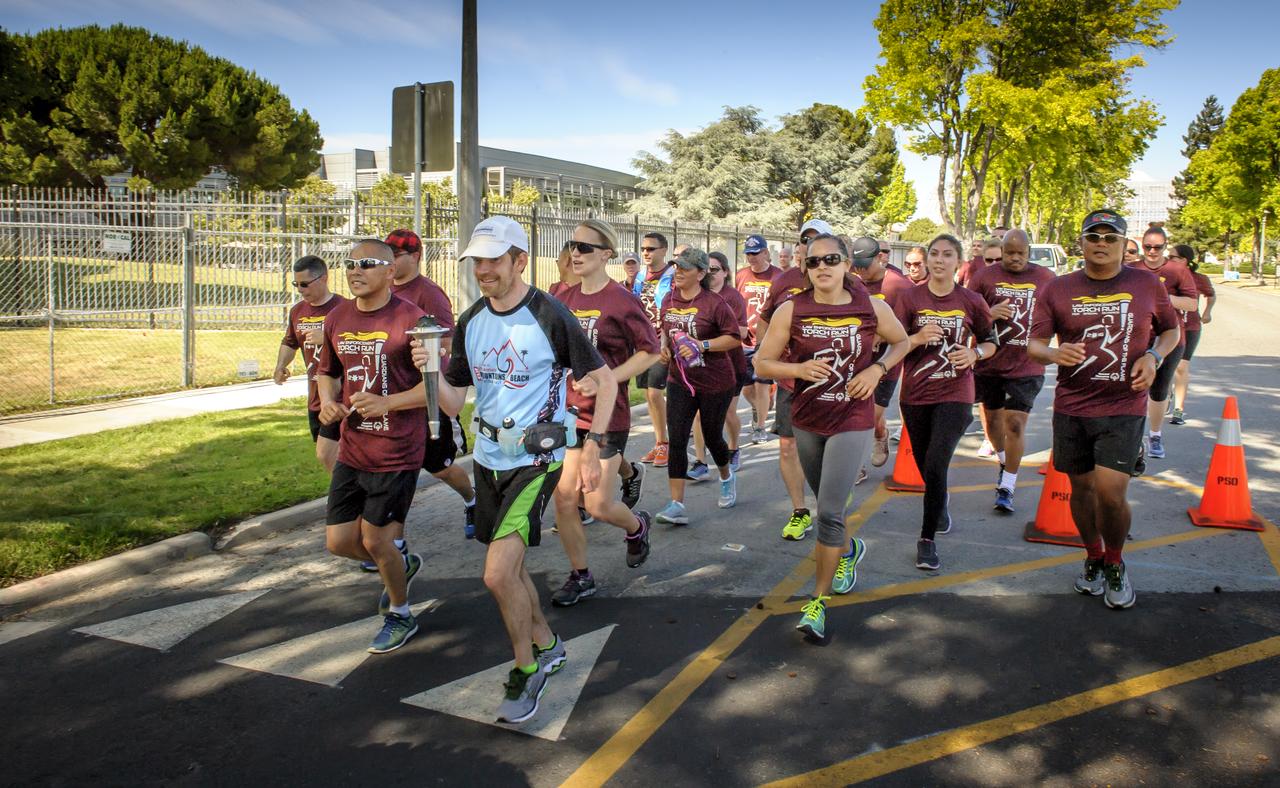
The Special Olympics Torch makes it’s way through NASA Ames Research Park on it’s way to a hand-off in Mountain View, CA.
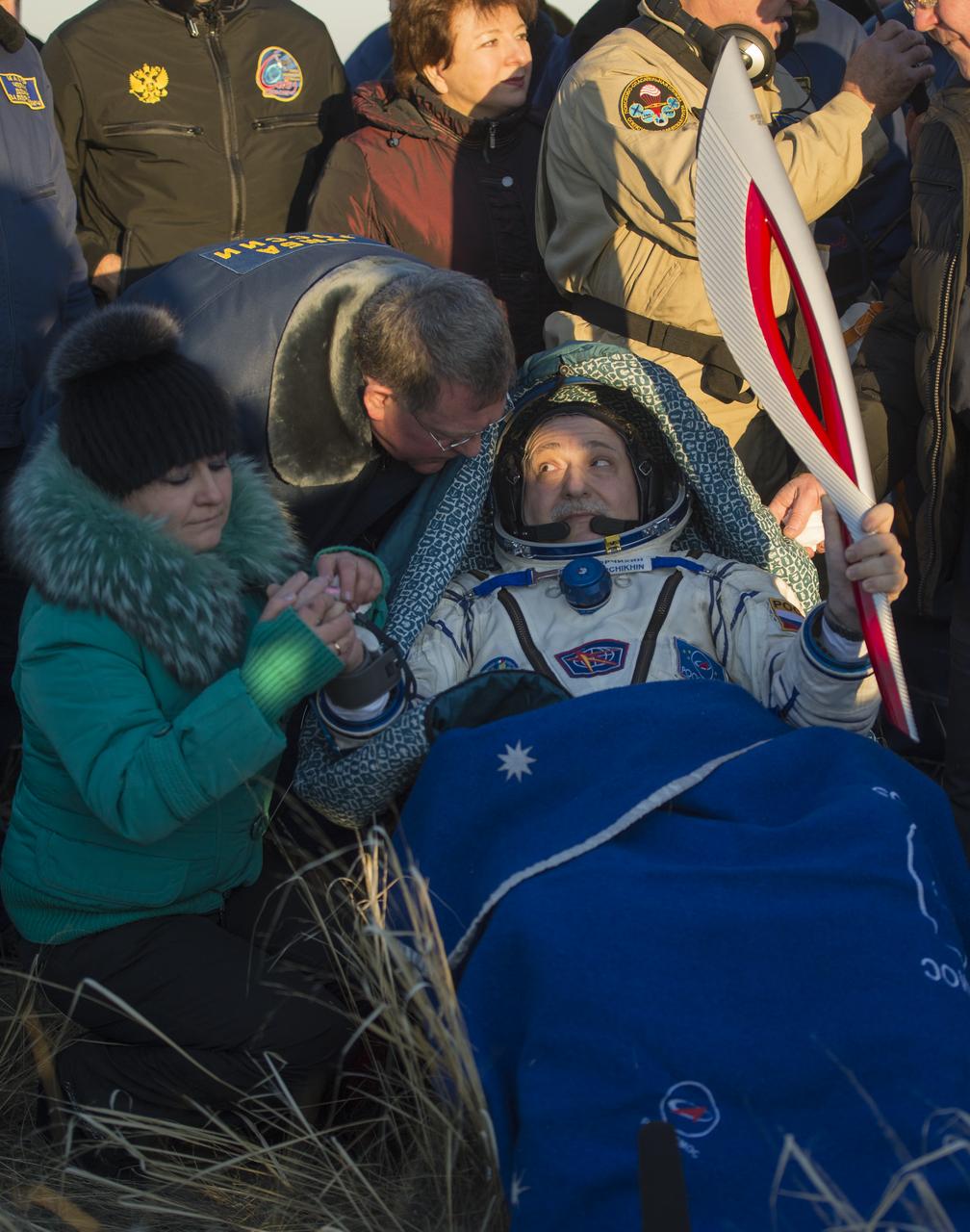
Expedition 37 Commander Fyodor Yurchikhin is seen holding the Olympic torch minutes after he and his crew landed in a remote area southeast of the town of Zhezkazgan, Kazakhstan, on Monday, Nov. 11, 2013. The Olympic torch was launched with the crew of Expedition 38 to the International Space Station on November 7. It was passed from one module to the next and had its first spacewalk on November 9 with two Russian cosmonauts as part of its international relay. Now back on earth it will continue its journey to Sochi, Russia for the 2014 Winter Games. Photo Credit: (NASA/Carla Cioffi)
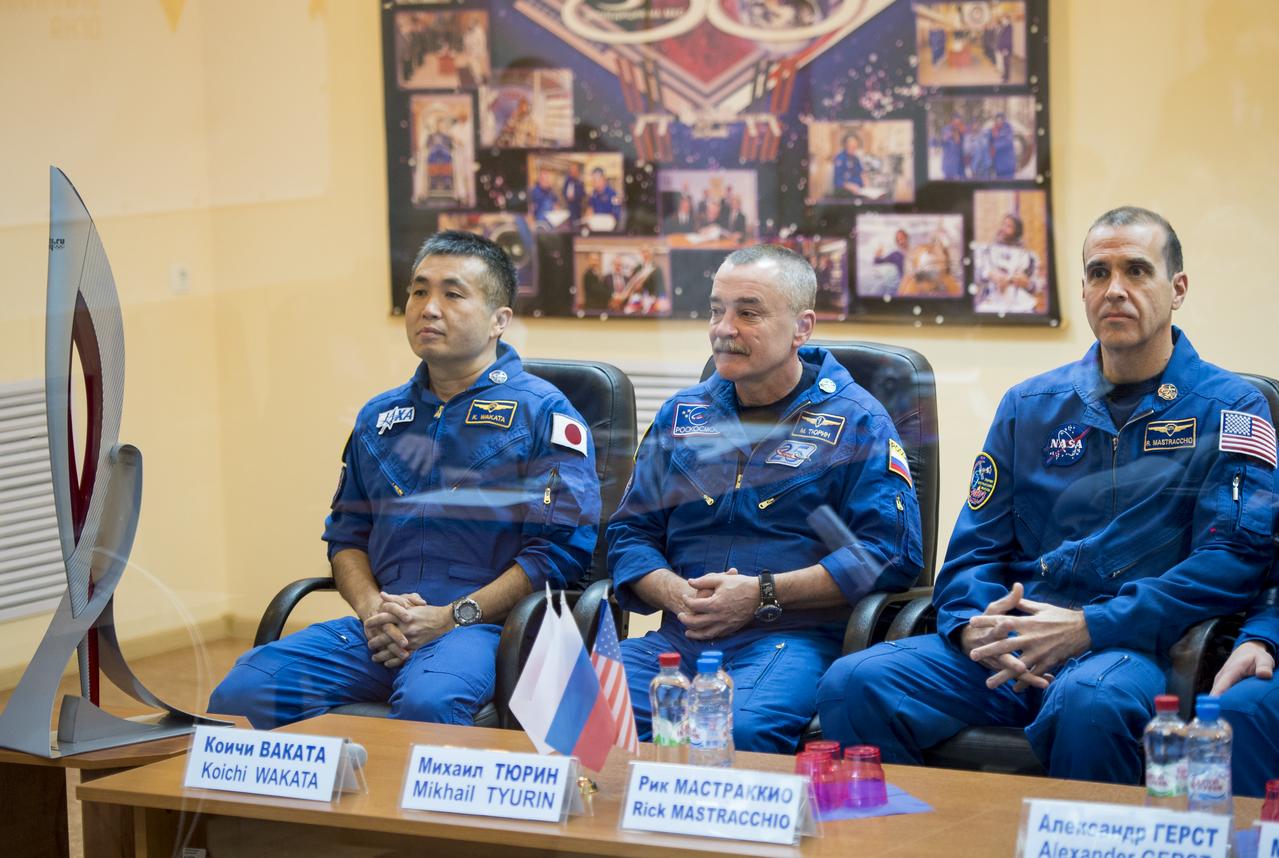
Expedition 38 Flight Engineer Koichi Wakata of the Japan Aerospace Exploration Agency, left, Soyuz Commander Mikhail Tyurin of Roscosmos, and, Flight Engineer Rick Mastracchio of NASA, right, are seen behind glass, while in quarantine, during the State Commission meeting held to approve the Soyuz launch of the crew for a six month mission aboard the International Space Station, Wednesday, Nov. 6, 2013 at the Cosmonaut Hotel in Baikonur, Kazakhstan. An Olympic torch that will be launched with the crew for a four-day visit to the station is seen on the left. The torch will return to Earth with another trio of station residents on Nov. 11 and will be part of the torch relay that ends with the lighting of the flame at the Fisht Stadium in Sochi, Russia Feb. 7 to mark the opening of the 2014 Winter Olympics. Photo Credit: (NASA/Bill Ingalls)
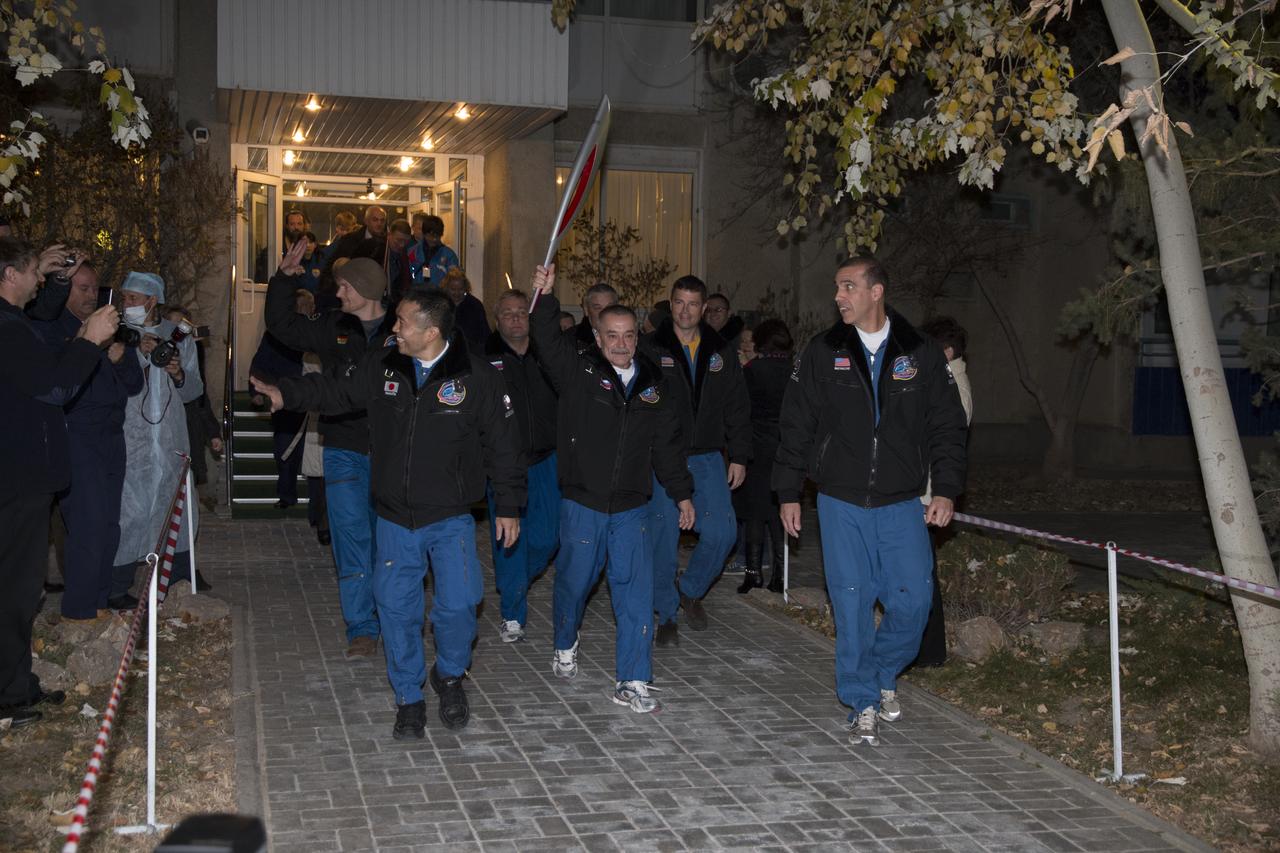
Expedition 38 Flight Engineer Koichi Wakata of the Japan Aerospace Exploration Agency, left, Soyuz Commander Mikhail Tyurin of Roscosmos, and, Flight Engineer Rick Mastracchio of NASA, right, are seen as they depart the Cosmonaut hotel with the Olympic Torch that will be launched with them on a Soyuz rocket to the International Space Station, Thursday, Nov. 7, 2013, in Baikonur, Kazakhstan. The Olympic torch will have a four-day visit to station and will return to Earth with another trio of station residents on Nov. 11 and will be part of the torch relay that ends with the lighting of the flame at the Fisht Stadium in Sochi, Russia Feb. 7 to mark the opening of the 2014 Winter Olympics. Photo Credit: (NASA/Victor Zelentsov)
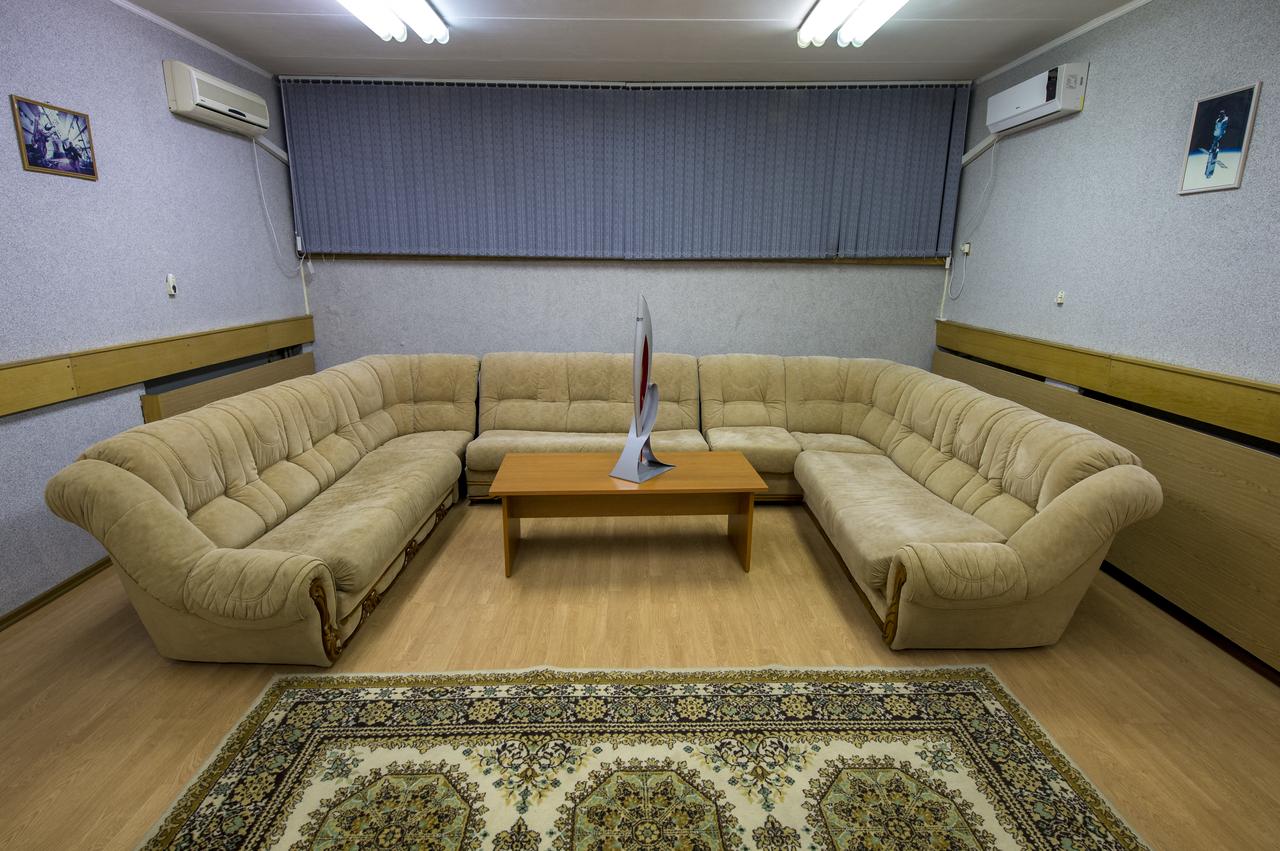
The 2014 Sochi Olympic torch that is to be launched with Expedition 38 Soyuz Commander Mikhail Tyurin of Roscosmos, Flight Engineer Koichi Wakata of the Japan Aerospace Exploration Agency, and, Flight Engineer Rick Mastracchio of NASA, is seen in the Cosmonaut hotel hours ahead of the soyuz launch, Thursday, Nov. 7, 2013, in Baikonur, Kazakhstan. The Olympic torch will be on the International Space Station for a four-day visit and will return to Earth with another trio of station residents on Nov. 11 and will be part of the torch relay that ends with the lighting of the flame at the Fisht Stadium in Sochi, Russia Feb. 7 to mark the opening of the 2014 Winter Olympics. Photo Credit (NASA/Bill Ingalls)
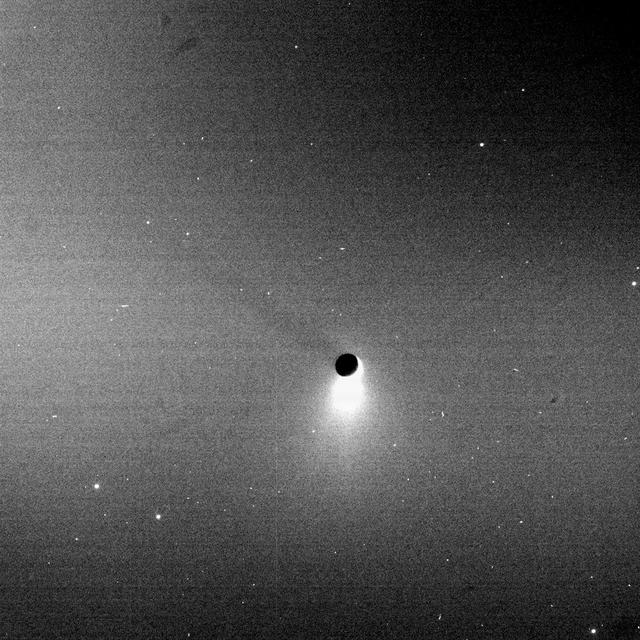
Blazing like an icy torch, the plume of Enceladus shines in scattered sunlight as the moon casts a shadow onto Saturn E ring
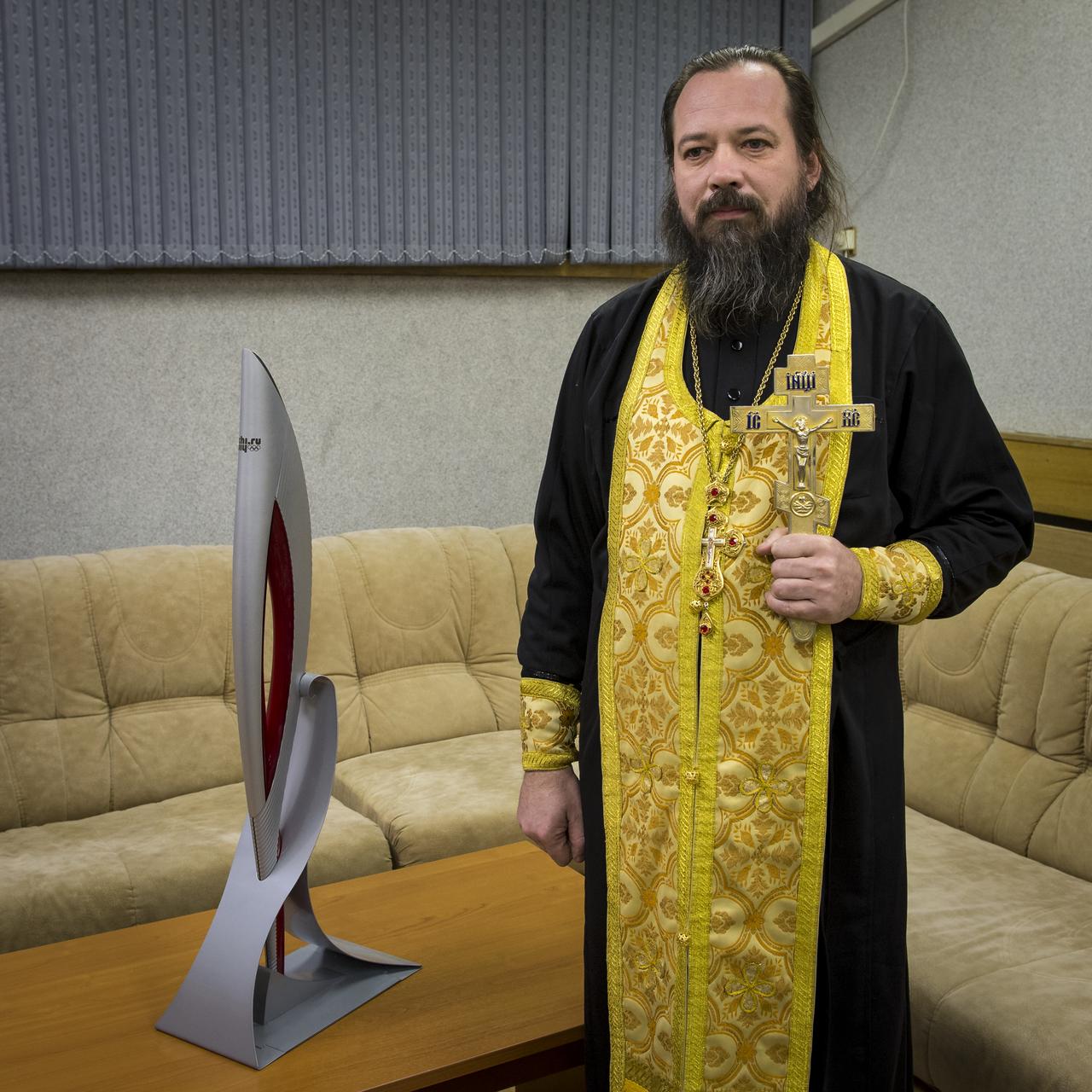
Portrait of Orthodox priest, Father Sergei with the 2014 Sochi Olympic torch that is to be launched with Expedition 38 Soyuz Commander Mikhail Tyurin of Roscosmos, Flight Engineer Koichi Wakata of the Japan Aerospace Exploration Agency, and, Flight Engineer Rick Mastracchio of NASA, Cosmonaut hotel, Thursday, Nov. 7, 2013, in Baikonur, Kazakhstan. Father Sergei was waiting to provide the traditional blessing for the crew prior to their departure from the hotel. The Olympic torch will have a four-day visit to the International Space Station and will return to Earth with another trio of station residents on Nov. 11 and will be part of the torch relay that ends with the lighting of the flame at the Fisht Stadium in Sochi, Russia Feb. 7 to mark the opening of the 2014 Winter Olympics. Photo Credit (NASA/Bill Ingalls)
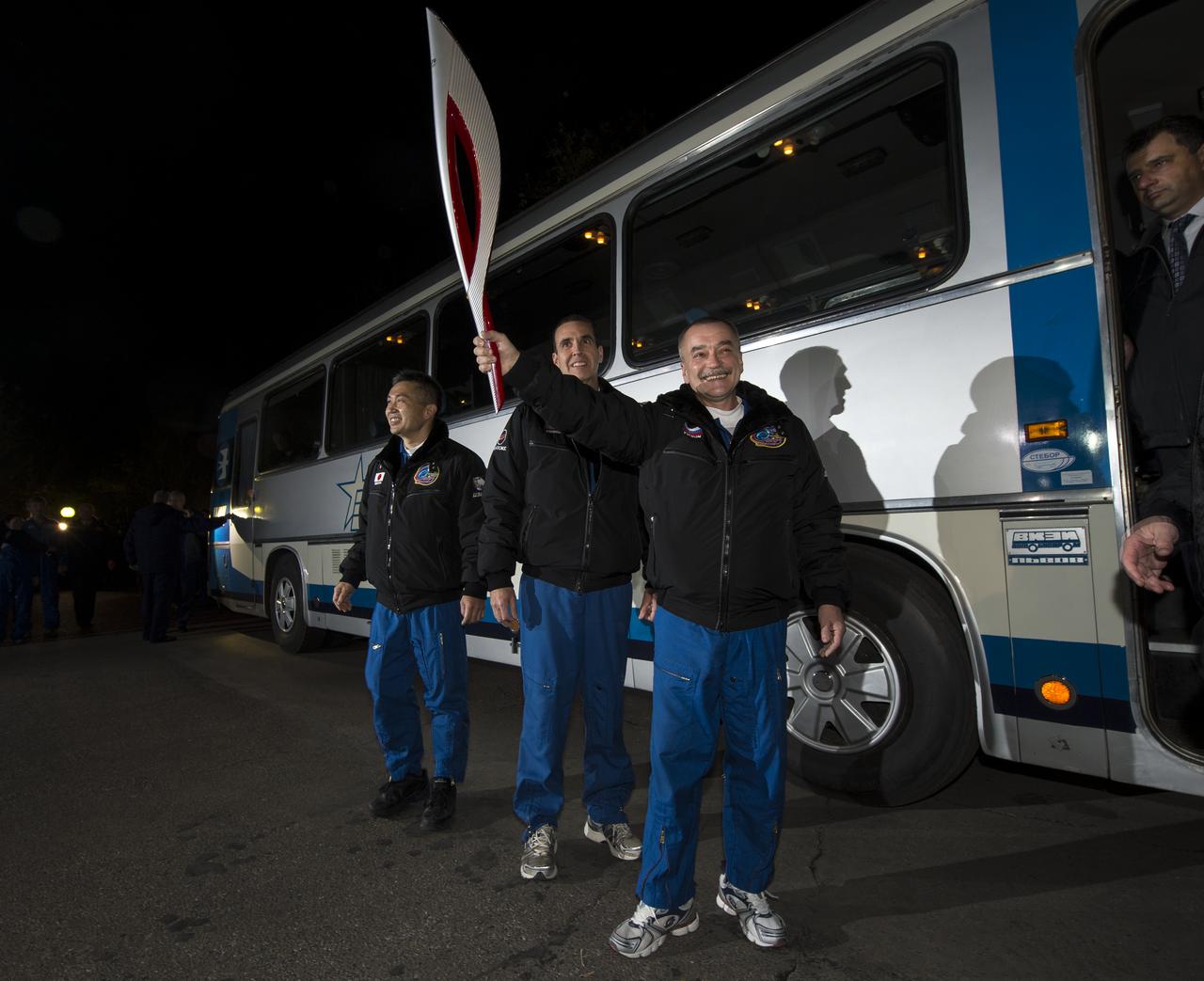
Expedition 38 Flight Engineer Koichi Wakata of the Japan Aerospace Exploration Agency, left, Flight Engineer Rick Mastracchio of NASA, and, Soyuz Commander Mikhail Tyurin of Roscosmos, right, are seen as they depart the Cosmonaut hotel with the Olympic Torch that will be launched with them on the Soyuz rocket to the International Space Station, Thursday, Nov. 7, 2013, in Baikonur, Kazakhstan. The Olympic torch will have a four-day visit to station and will return to Earth with another trio of station residents on Nov. 11 and will be part of the torch relay that ends with the lighting of the flame at the Fisht Stadium in Sochi, Russia Feb. 7 to mark the opening of the 2014 Winter Olympics. Photo Credit: (NASA/Bill Ingalls)
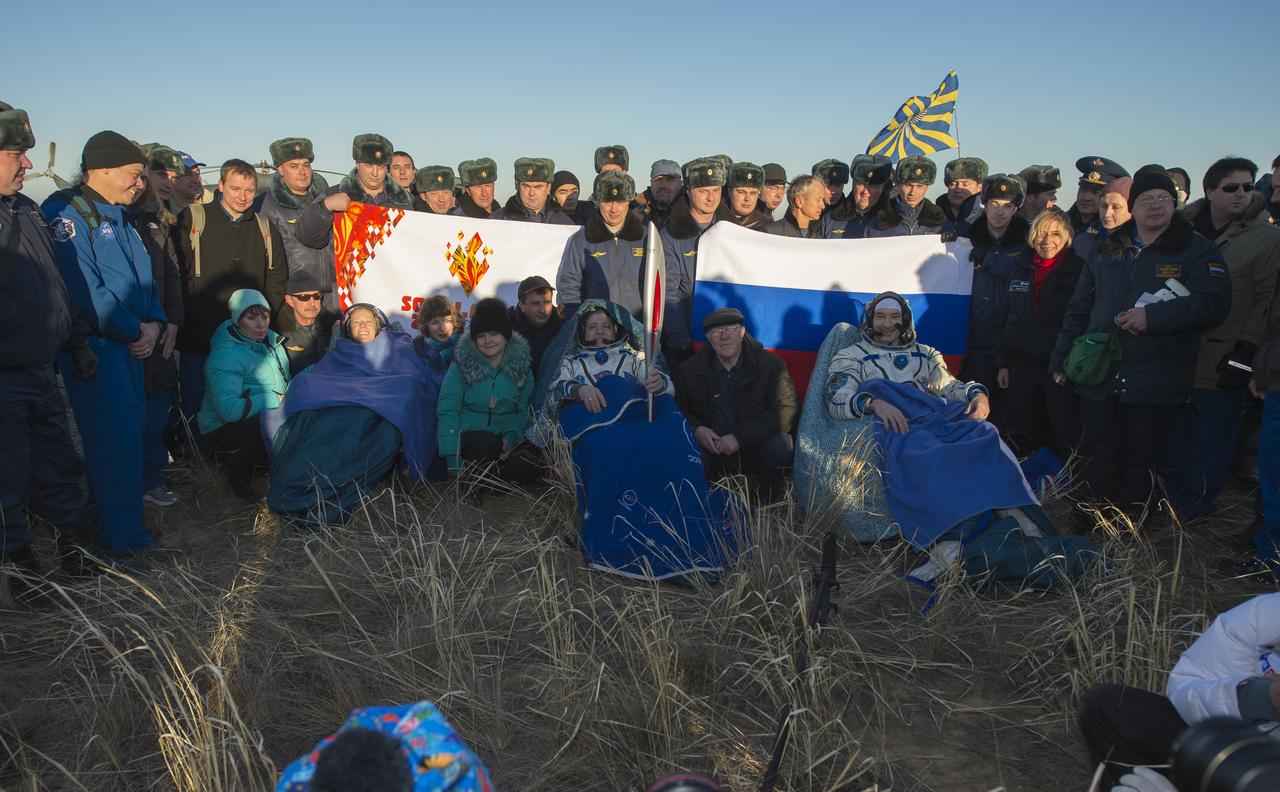
NASA Flight Engineer Karen Nyberg, left, Expedition 37 Commander Fyodor Yurchikhin of Roscosmos, center holding the Olympic torch, and European Space Agency Flight Engineer Luca Parmitano sit in chairs outside the Soyuz capsule just minutes after they landed in a remote area outside the town of Zhezkazgan, Kazakhstan, on Monday, Nov. 11, 2013. The Olympic torch was launched with the crew of Expedition 38 to the International Space Station on November 7. It was passed from one module to the next and had its first spacewalk on November 9 with two Russian cosmonauts as part of its international relay. Now back on earth it will continue its journey to Sochi, Russia for the 2014 Winter Games. Yurchikhin, Nyberg and Parmitano returned from five and a half months onboard the International Space Station. Photo Credit: (NASA/Carla Cioffi)
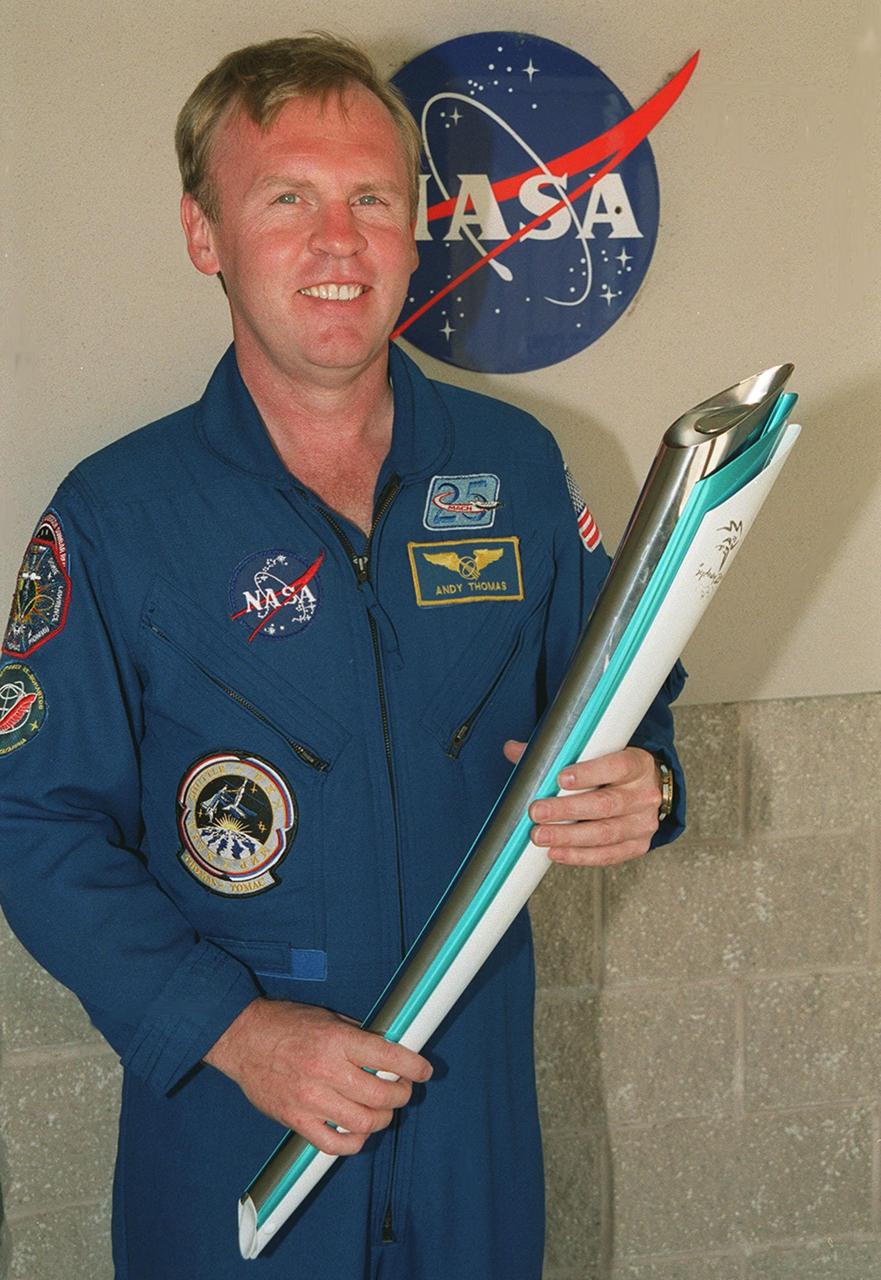
Astronaut Andy Thomas holds a facsimile of the Olympic torch that is being carried on Space Shuttle Atlantis during mission STS-101. Thomas is from Australia, which is the site of the 2000 Olympics. He coordinated the effort to have the torch added to the manifest so that it would truly circle the Earth in the spirit of the worldwide sporting event. The Sydney Olympic Torch Relay will arrive in Australia on June 8. The games begin Sept. 1
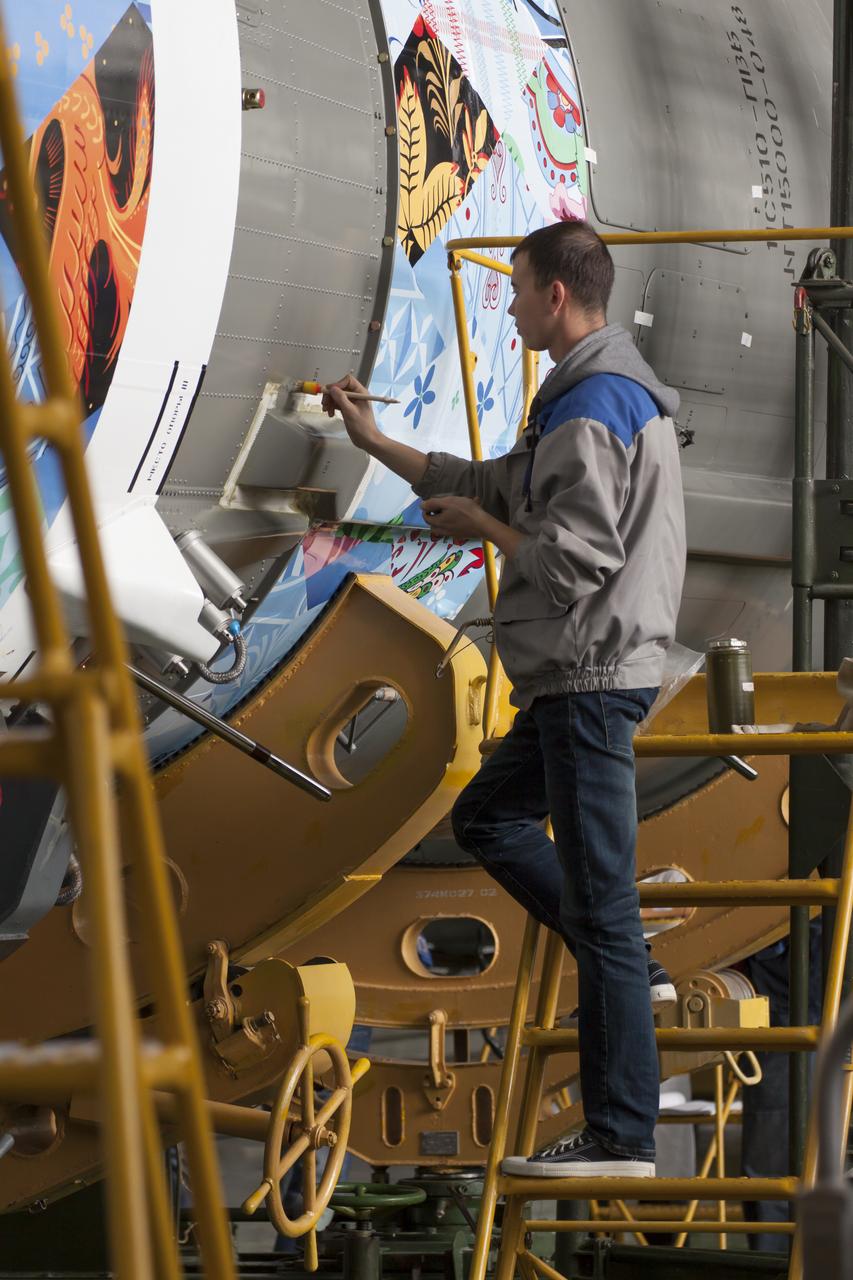
Workers make final preperations to a Soyuz TMA-11M spacecraft on Monday, Nov. 4, 2013, at the Baikonur Cosmodome in Baikonur, Kazakhstan. The rocket is adorned with the logo of the Sochi Olympic Organizing Committee and other related artwork to commemorate the launch of the Olympic torch with the crew for a four-day visit to the station. The torch will return to Earth with another trio of station residents on Nov. 11 and will be part of the torch relay that ends with the lighting of the flame at the Fisht Stadium in Sochi, Russia Feb. 7 to mark the opening of the 2014 Winter Olympics. Photo Credit: (NASA/Victor Zelentsov)
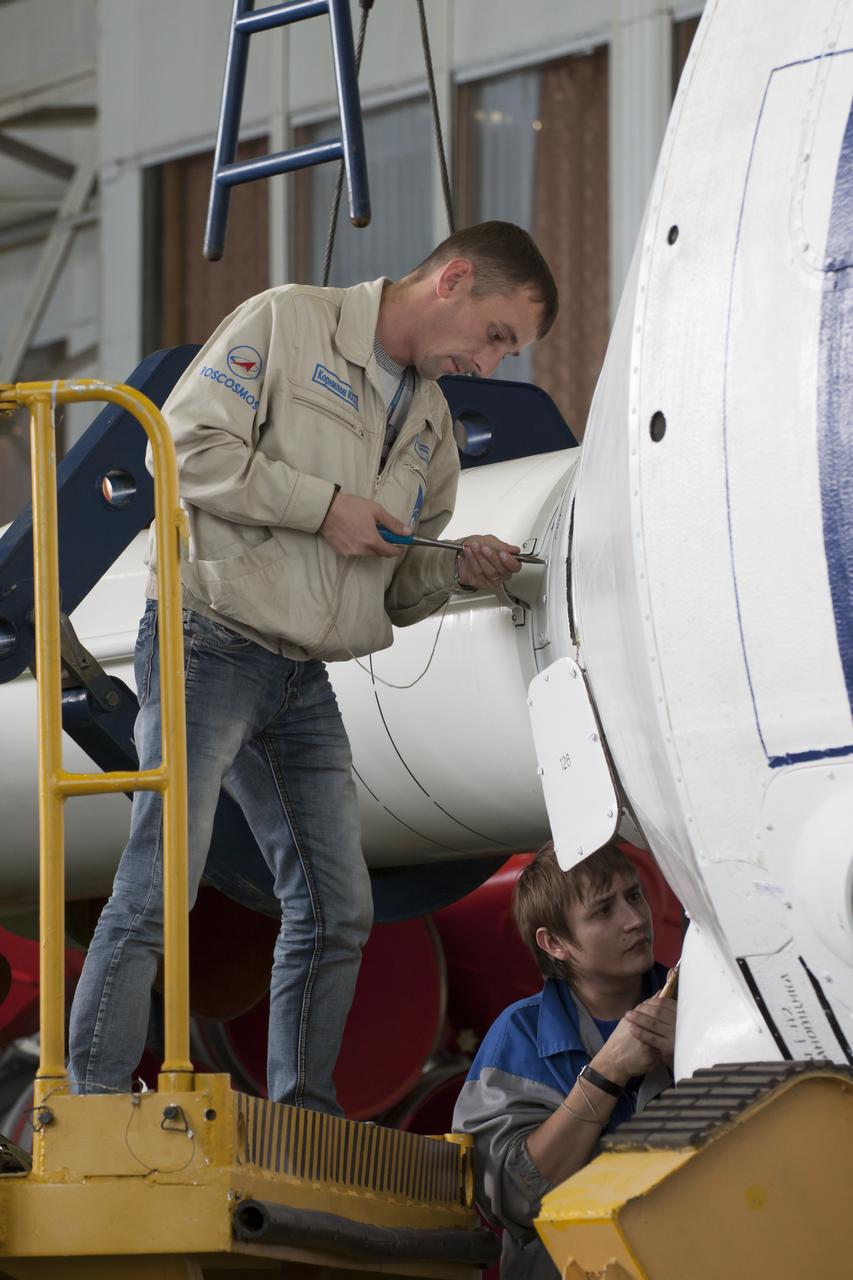
Workers make final preperations to a Soyuz TMA-11M spacecraft on Monday, Nov. 4, 2013, at the Baikonur Cosmodome in Baikonur, Kazakhstan. The rocket is adorned with the logo of the Sochi Olympic Organizing Committee and other related artwork to commemorate the launch of the Olympic torch with the crew for a four-day visit to the station. The torch will return to Earth with another trio of station residents on Nov. 11 and will be part of the torch relay that ends with the lighting of the flame at the Fisht Stadium in Sochi, Russia Feb. 7 to mark the opening of the 2014 Winter Olympics. Photo Credit: (NASA/Victor Zelentsov)
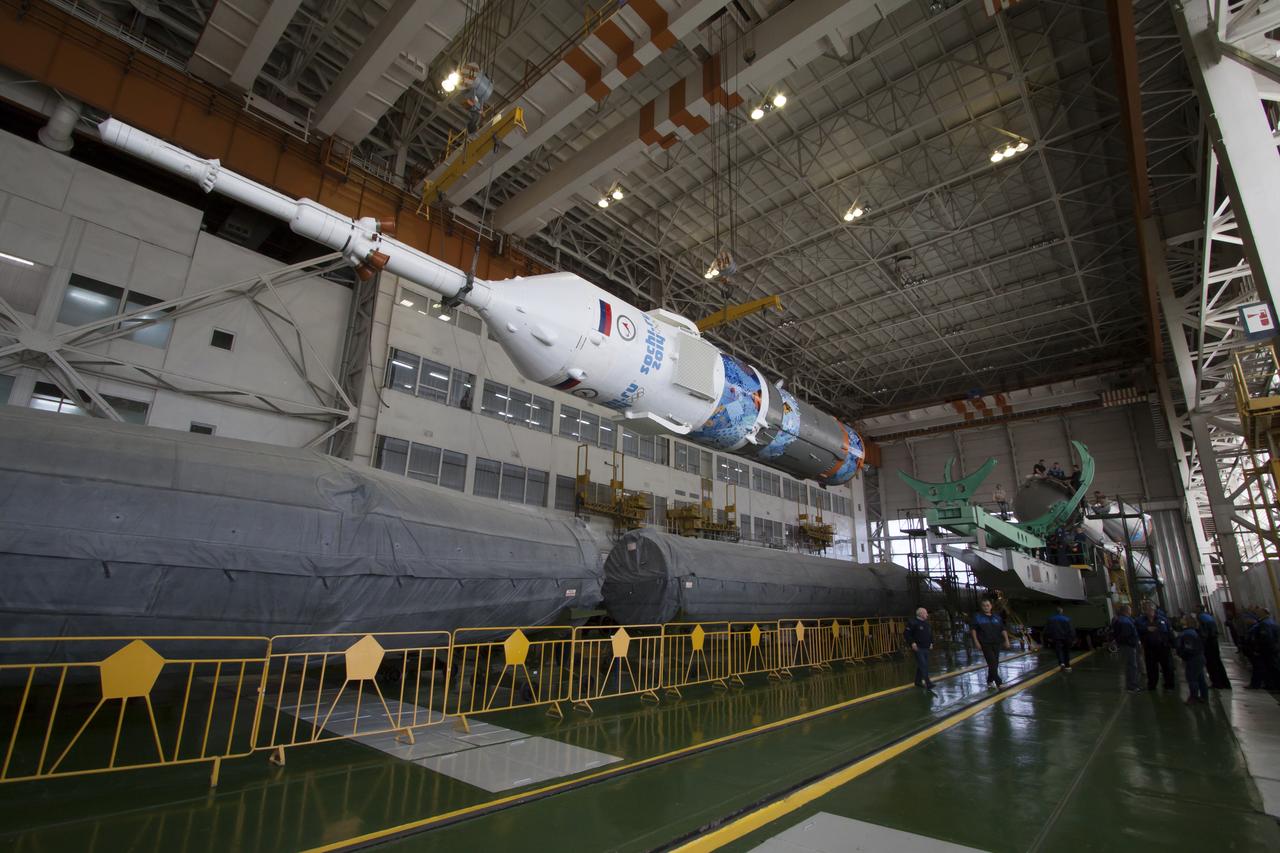
Workers make final preperations to a Soyuz TMA-11M spacecraft on Monday, Nov. 4, 2013, at the Baikonur Cosmodome in Baikonur, Kazakhstan. The rocket is adorned with the logo of the Sochi Olympic Organizing Committee and other related artwork to commemorate the launch of the Olympic torch with the crew for a four-day visit to the station. The torch will return to Earth with another trio of station residents on Nov. 11 and will be part of the torch relay that ends with the lighting of the flame at the Fisht Stadium in Sochi, Russia Feb. 7 to mark the opening of the 2014 Winter Olympics. Photo Credit: (NASA/Victor Zelentsov)
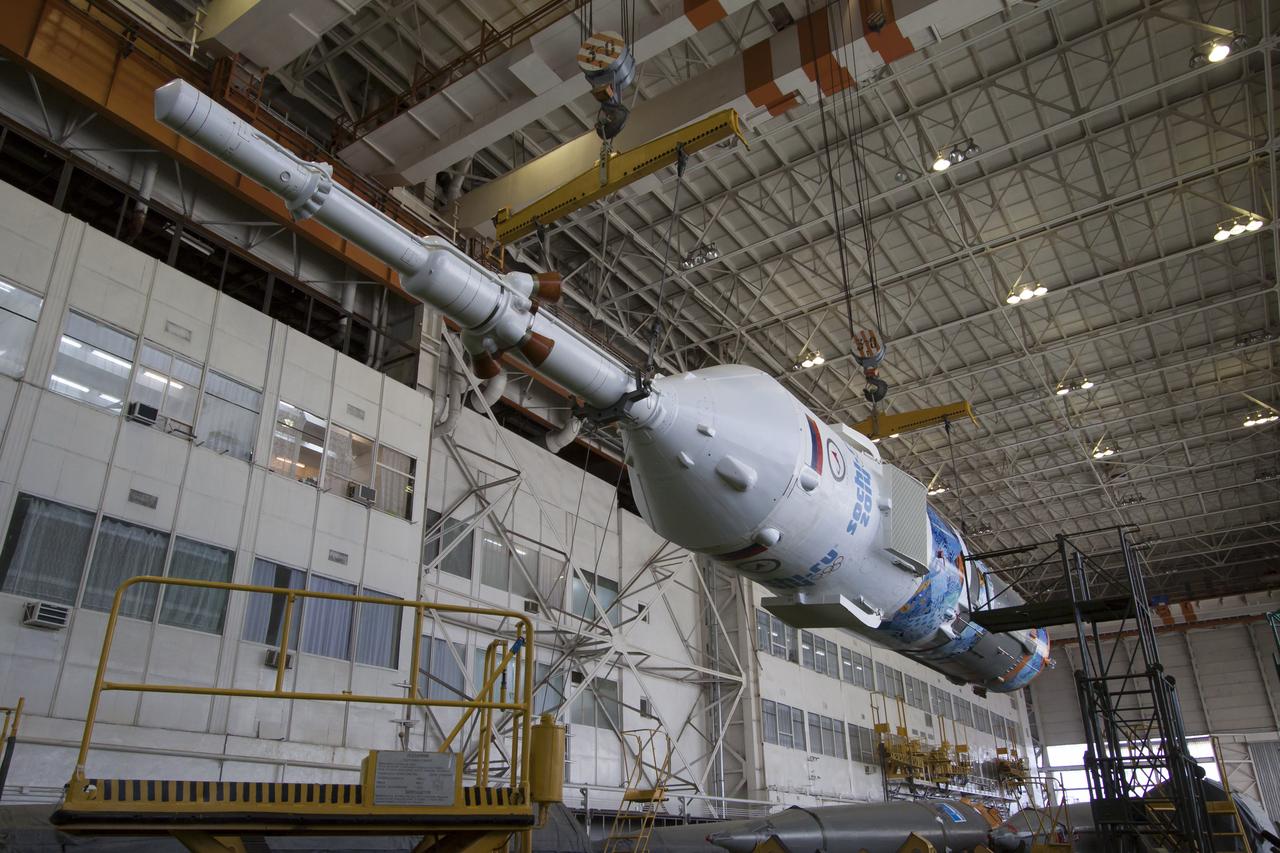
Workers make final preperations to a Soyuz TMA-11M spacecraft on Monday, Nov. 4, 2013, at the Baikonur Cosmodome in Baikonur, Kazakhstan. The rocket is adorned with the logo of the Sochi Olympic Organizing Committee and other related artwork to commemorate the launch of the Olympic torch with the crew for a four-day visit to the station. The torch will return to Earth with another trio of station residents on Nov. 11 and will be part of the torch relay that ends with the lighting of the flame at the Fisht Stadium in Sochi, Russia Feb. 7 to mark the opening of the 2014 Winter Olympics. Photo Credit: (NASA/Victor Zelentsov)
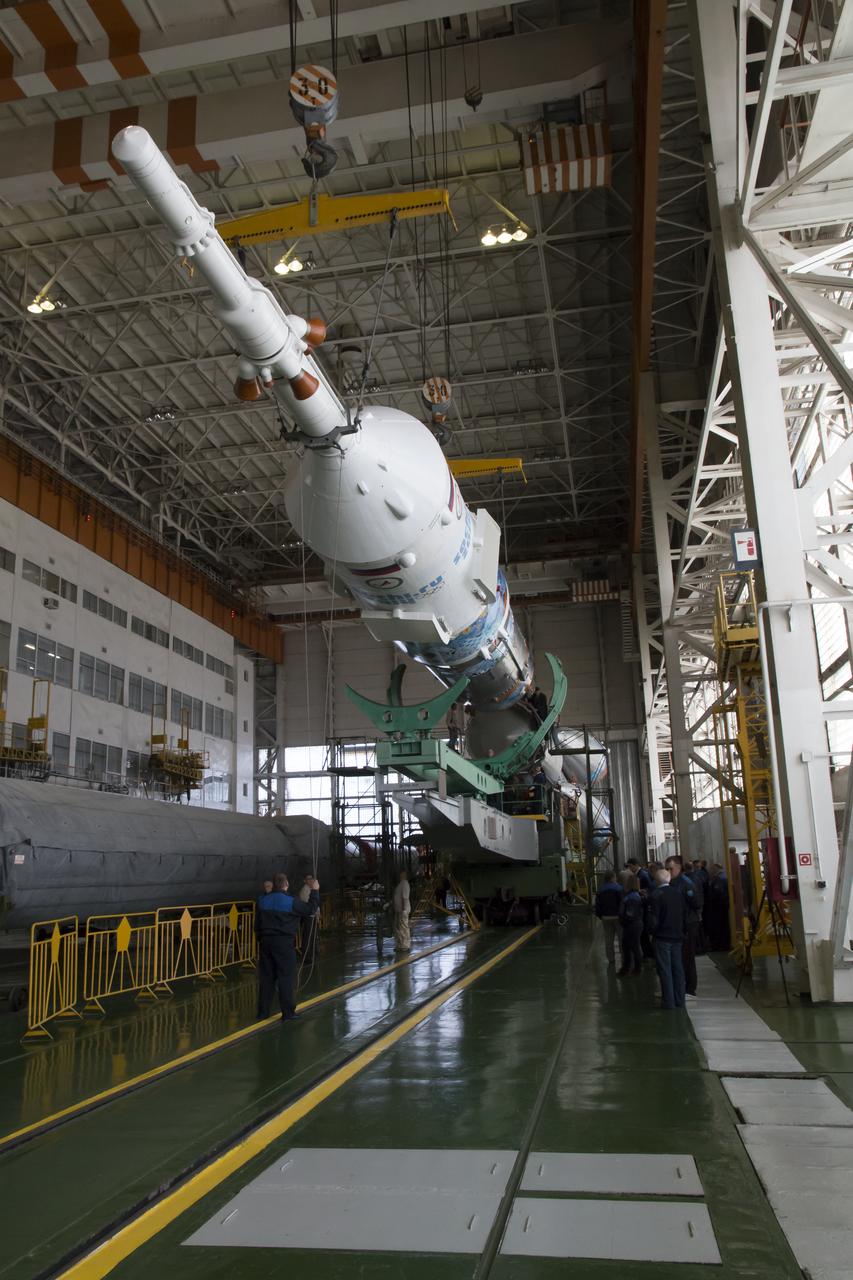
Workers make final preperations to a Soyuz TMA-11M spacecraft on Monday, Nov. 4, 2013, at the Baikonur Cosmodome in Baikonur, Kazakhstan. The rocket is adorned with the logo of the Sochi Olympic Organizing Committee and other related artwork to commemorate the launch of the Olympic torch with the crew for a four-day visit to the station. The torch will return to Earth with another trio of station residents on Nov. 11 and will be part of the torch relay that ends with the lighting of the flame at the Fisht Stadium in Sochi, Russia Feb. 7 to mark the opening of the 2014 Winter Olympics. Photo Credit: (NASA/Victor Zelentsov)
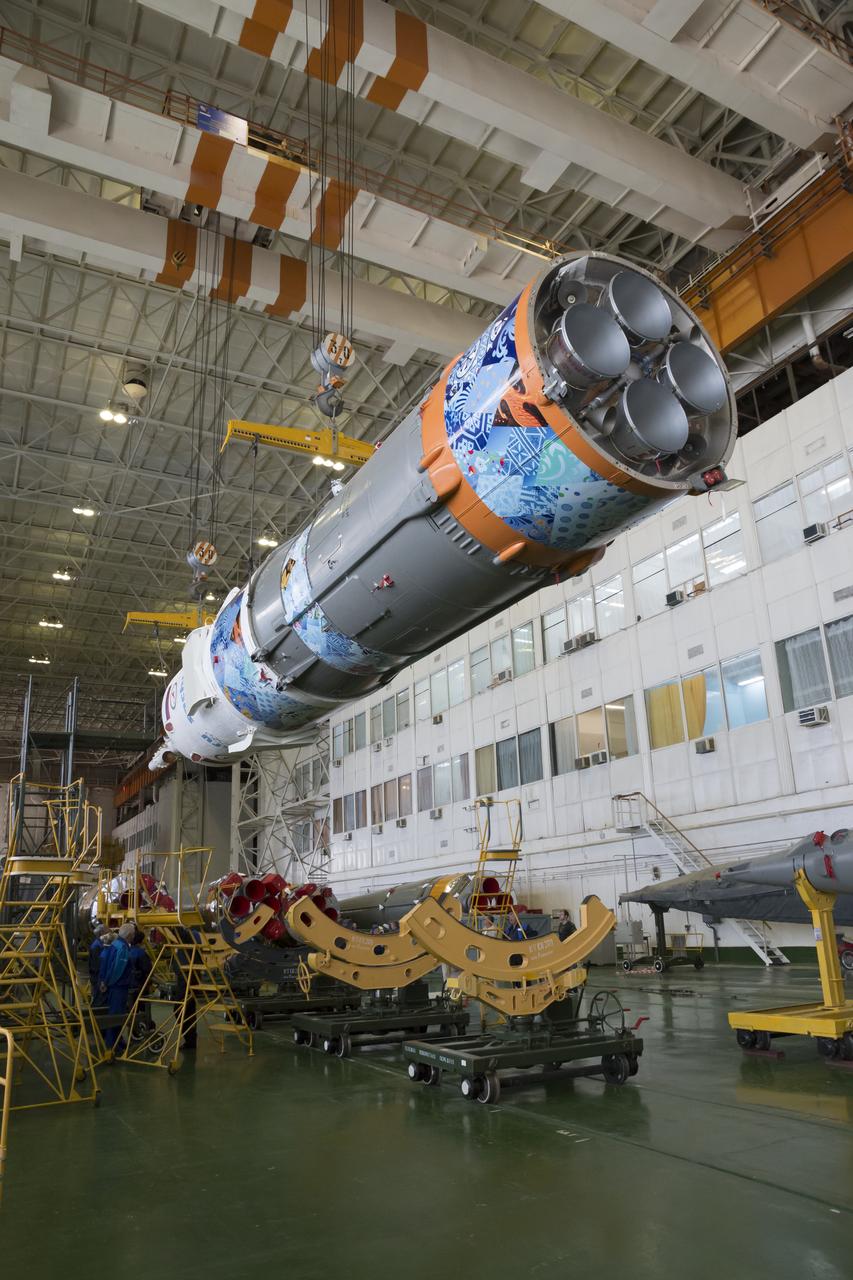
Workers make final preperations to a Soyuz TMA-11M spacecraft on Monday, Nov. 4, 2013, at the Baikonur Cosmodome in Baikonur, Kazakhstan. The rocket is adorned with the logo of the Sochi Olympic Organizing Committee and other related artwork to commemorate the launch of the Olympic torch with the crew for a four-day visit to the station. The torch will return to Earth with another trio of station residents on Nov. 11 and will be part of the torch relay that ends with the lighting of the flame at the Fisht Stadium in Sochi, Russia Feb. 7 to mark the opening of the 2014 Winter Olympics. Photo Credit: (NASA/Victor Zelentsov)
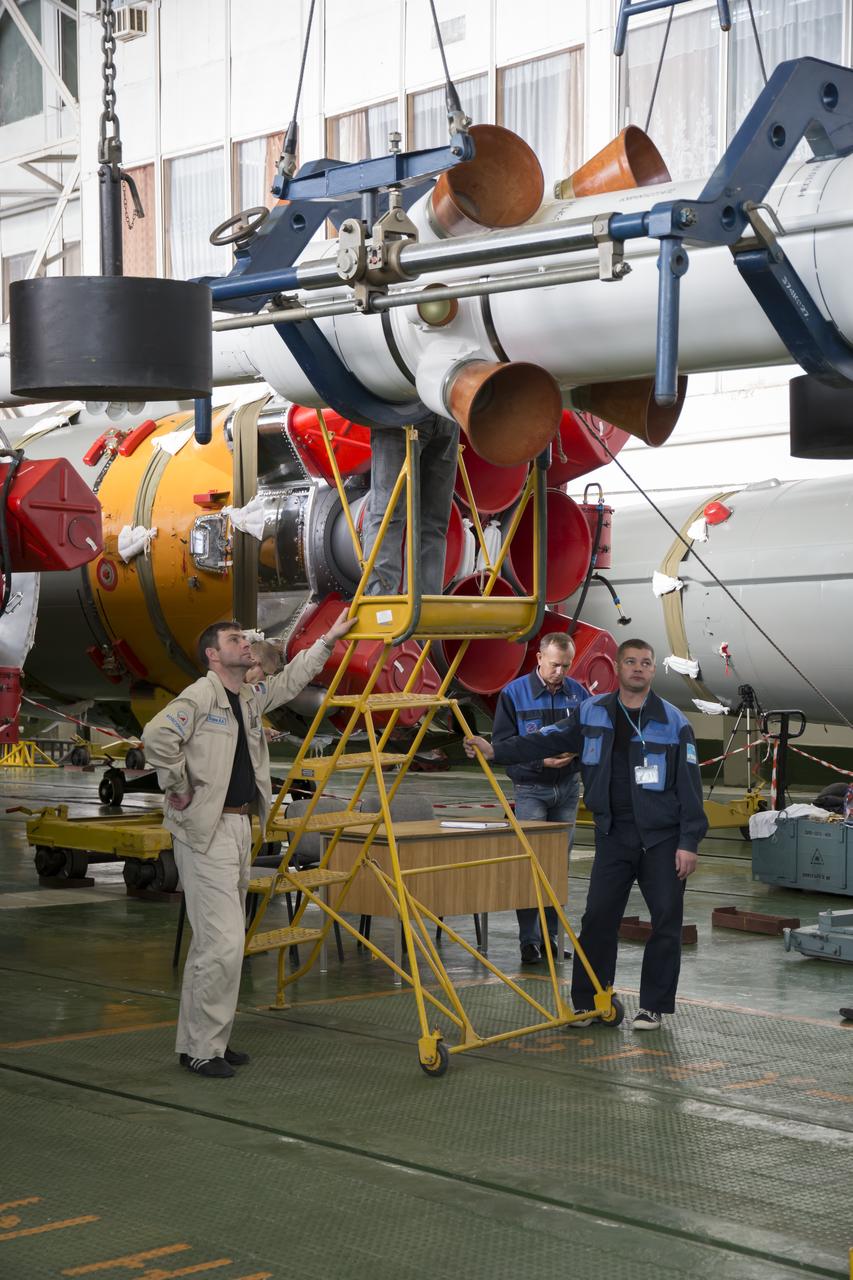
Workers make final preperations to a Soyuz TMA-11M spacecraft on Monday, Nov. 4, 2013, at the Baikonur Cosmodome in Baikonur, Kazakhstan. The rocket is adorned with the logo of the Sochi Olympic Organizing Committee and other related artwork to commemorate the launch of the Olympic torch with the crew for a four-day visit to the station. The torch will return to Earth with another trio of station residents on Nov. 11 and will be part of the torch relay that ends with the lighting of the flame at the Fisht Stadium in Sochi, Russia Feb. 7 to mark the opening of the 2014 Winter Olympics. Photo Credit: (NASA/Victor Zelentsov)
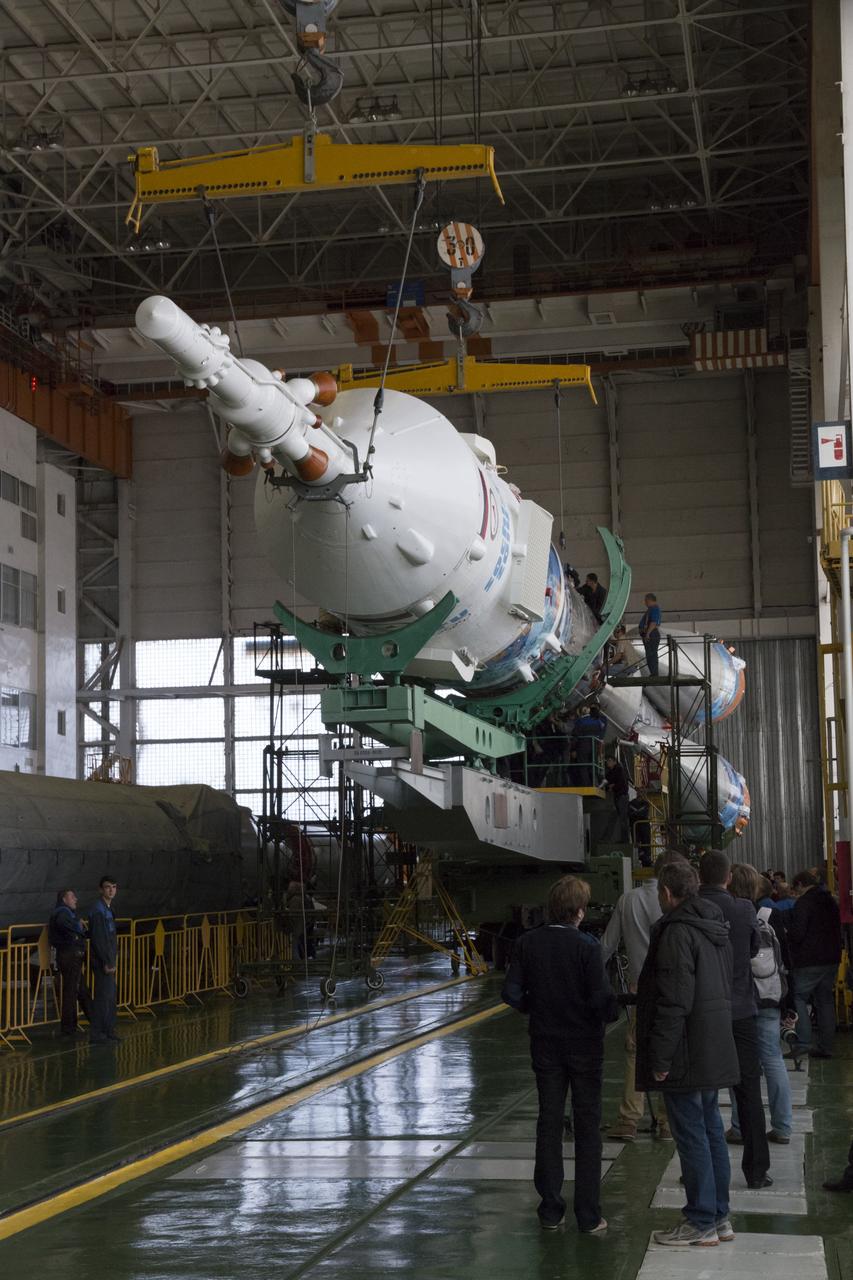
Workers make final preperations to a Soyuz TMA-11M spacecraft on Monday, Nov. 4, 2013, at the Baikonur Cosmodome in Baikonur, Kazakhstan. The rocket is adorned with the logo of the Sochi Olympic Organizing Committee and other related artwork to commemorate the launch of the Olympic torch with the crew for a four-day visit to the station. The torch will return to Earth with another trio of station residents on Nov. 11 and will be part of the torch relay that ends with the lighting of the flame at the Fisht Stadium in Sochi, Russia Feb. 7 to mark the opening of the 2014 Winter Olympics. Photo Credit: (NASA/Victor Zelentsov)
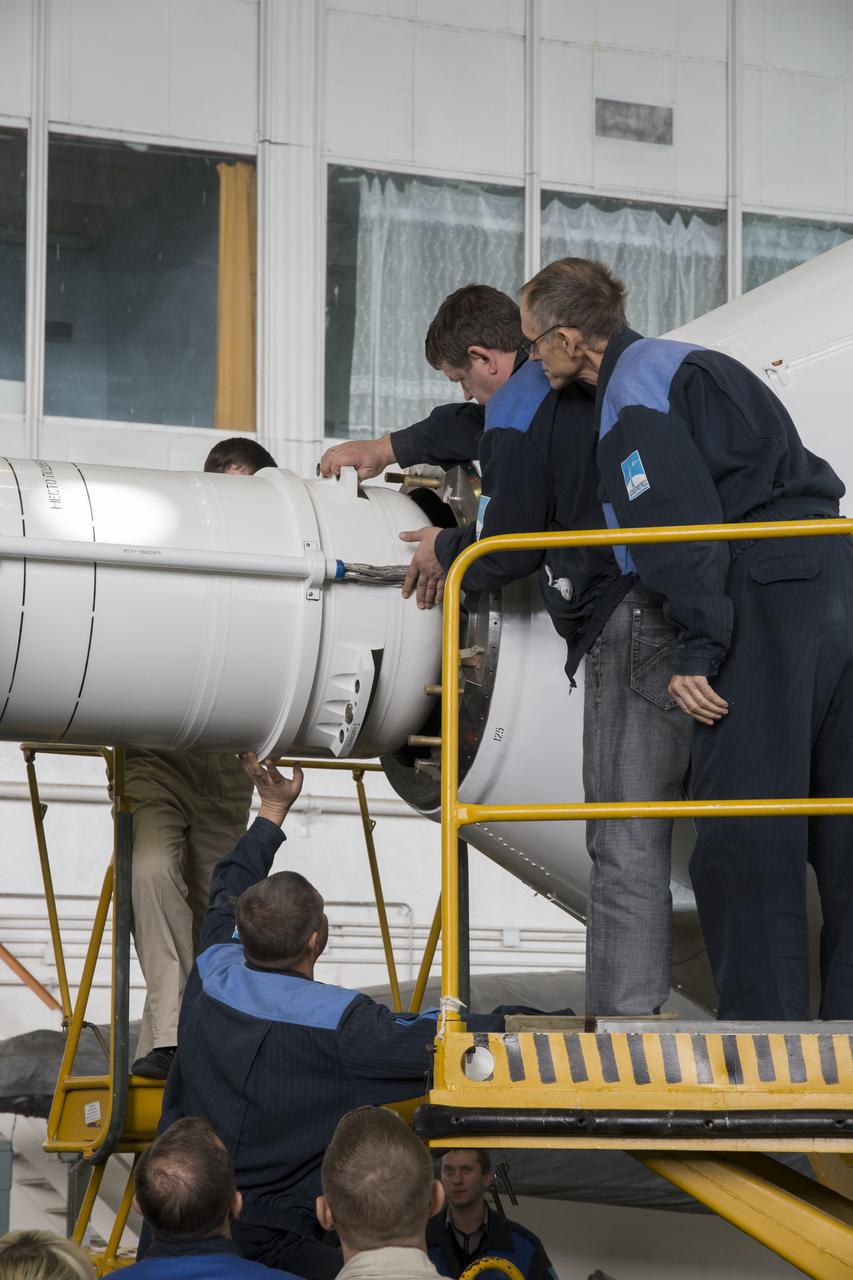
Workers make final preperations to a Soyuz TMA-11M spacecraft on Monday, Nov. 4, 2013, at the Baikonur Cosmodome in Baikonur, Kazakhstan. The rocket is adorned with the logo of the Sochi Olympic Organizing Committee and other related artwork to commemorate the launch of the Olympic torch with the crew for a four-day visit to the station. The torch will return to Earth with another trio of station residents on Nov. 11 and will be part of the torch relay that ends with the lighting of the flame at the Fisht Stadium in Sochi, Russia Feb. 7 to mark the opening of the 2014 Winter Olympics. Photo Credit: (NASA/Victor Zelentsov)
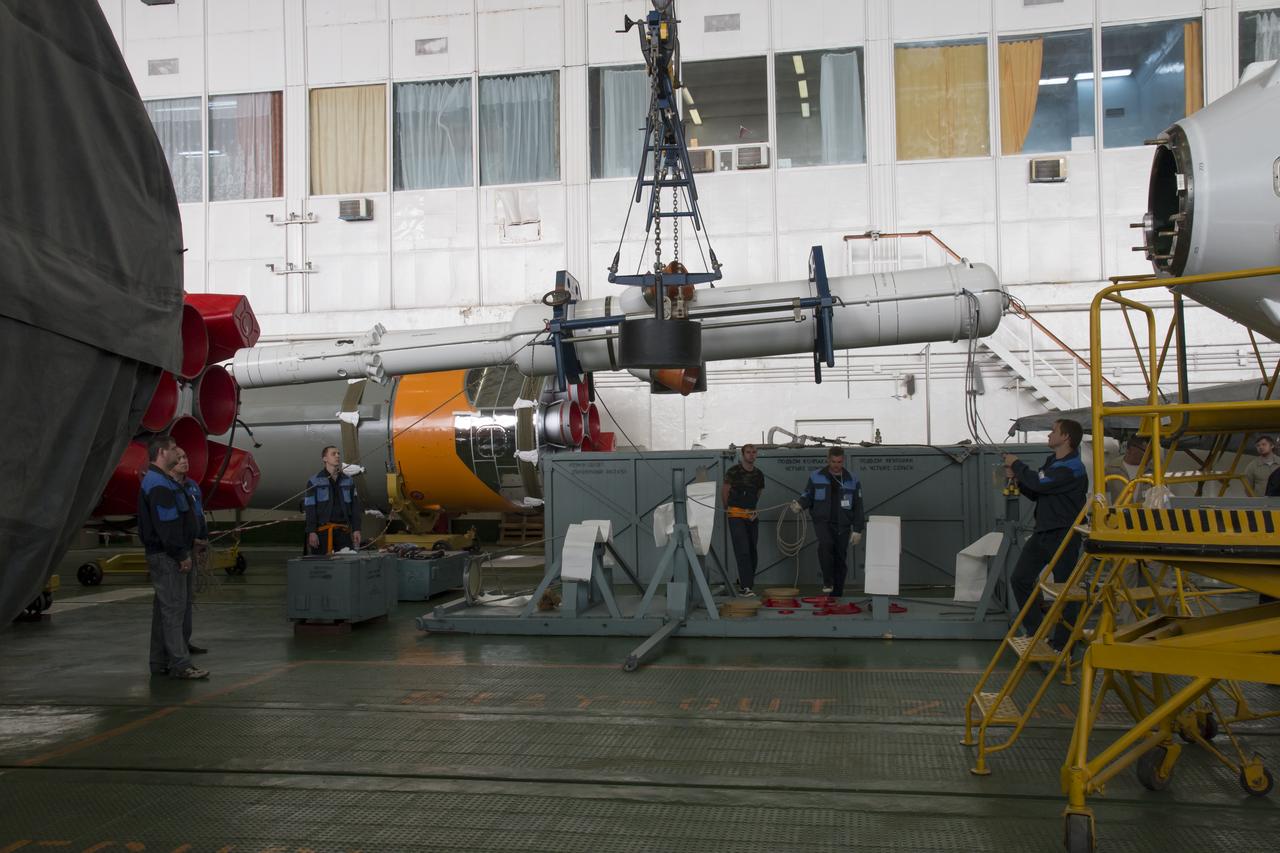
Workers make final preperations to a Soyuz TMA-11M spacecraft on Monday, Nov. 4, 2013, at the Baikonur Cosmodome in Baikonur, Kazakhstan. The rocket is adorned with the logo of the Sochi Olympic Organizing Committee and other related artwork to commemorate the launch of the Olympic torch with the crew for a four-day visit to the station. The torch will return to Earth with another trio of station residents on Nov. 11 and will be part of the torch relay that ends with the lighting of the flame at the Fisht Stadium in Sochi, Russia Feb. 7 to mark the opening of the 2014 Winter Olympics. Photo Credit: (NASA/Victor Zelentsov)
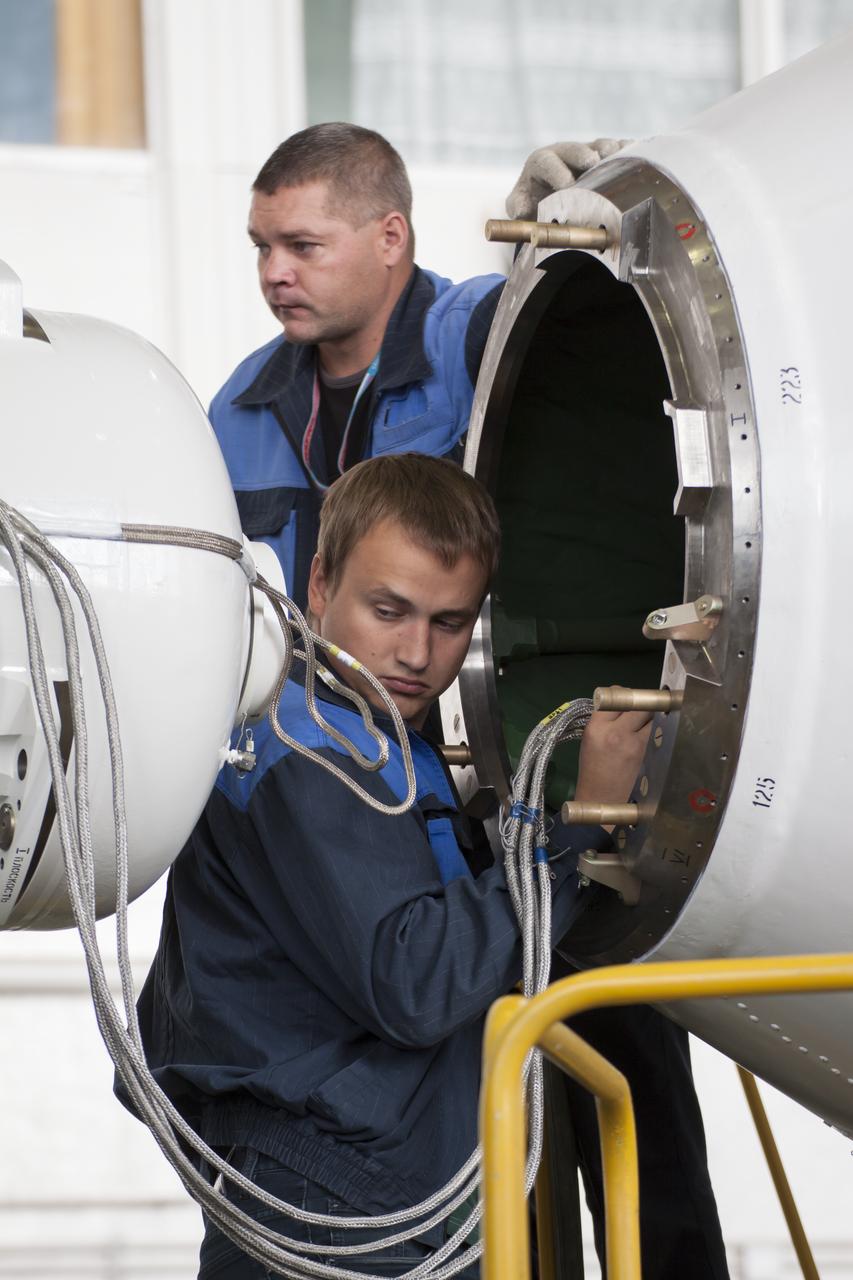
Workers make final preperations to a Soyuz TMA-11M spacecraft on Monday, Nov. 4, 2013, at the Baikonur Cosmodome in Baikonur, Kazakhstan. The rocket is adorned with the logo of the Sochi Olympic Organizing Committee and other related artwork to commemorate the launch of the Olympic torch with the crew for a four-day visit to the station. The torch will return to Earth with another trio of station residents on Nov. 11 and will be part of the torch relay that ends with the lighting of the flame at the Fisht Stadium in Sochi, Russia Feb. 7 to mark the opening of the 2014 Winter Olympics. Photo Credit: (NASA/Victor Zelentsov)
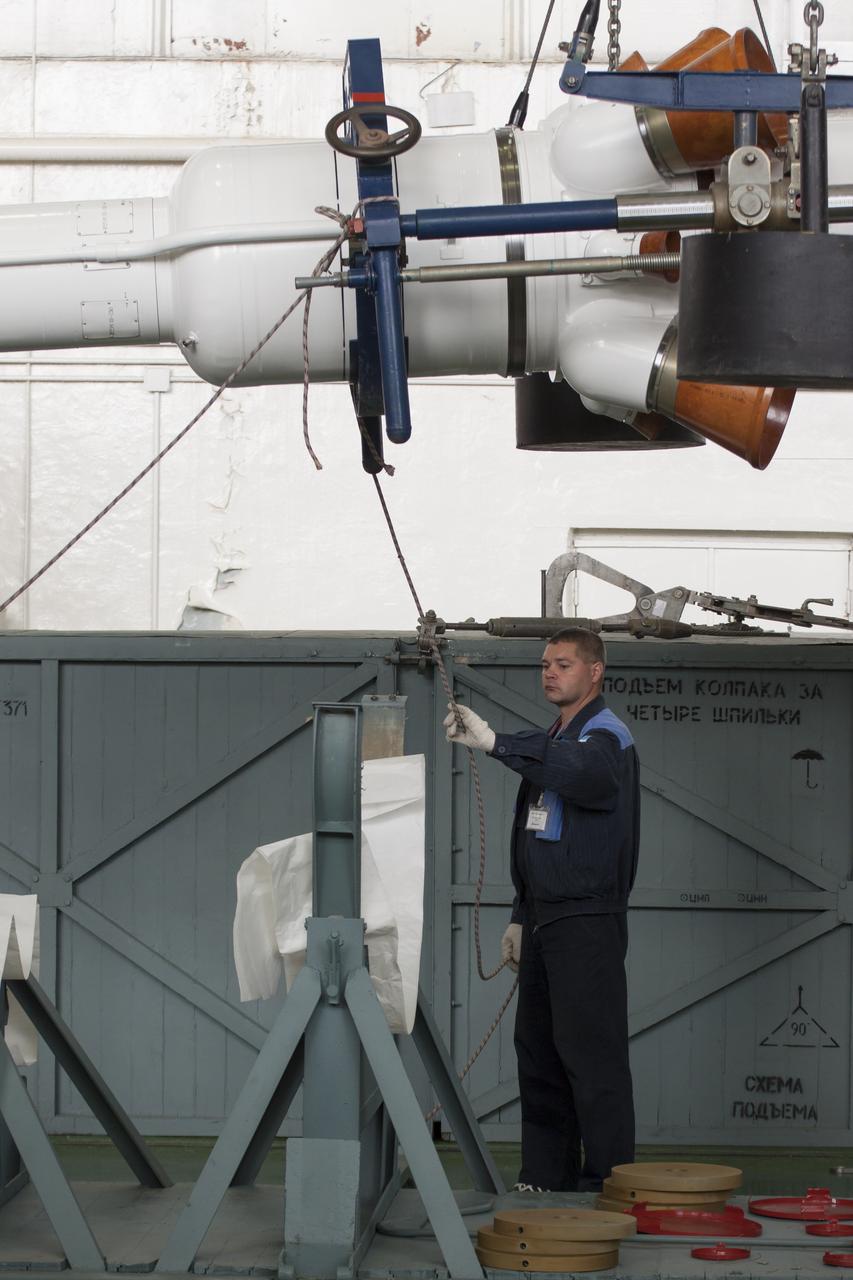
Workers make final preperations to a Soyuz TMA-11M spacecraft on Monday, Nov. 4, 2013, at the Baikonur Cosmodome in Baikonur, Kazakhstan. The rocket is adorned with the logo of the Sochi Olympic Organizing Committee and other related artwork to commemorate the launch of the Olympic torch with the crew for a four-day visit to the station. The torch will return to Earth with another trio of station residents on Nov. 11 and will be part of the torch relay that ends with the lighting of the flame at the Fisht Stadium in Sochi, Russia Feb. 7 to mark the opening of the 2014 Winter Olympics. Photo Credit: (NASA/Victor Zelentsov)
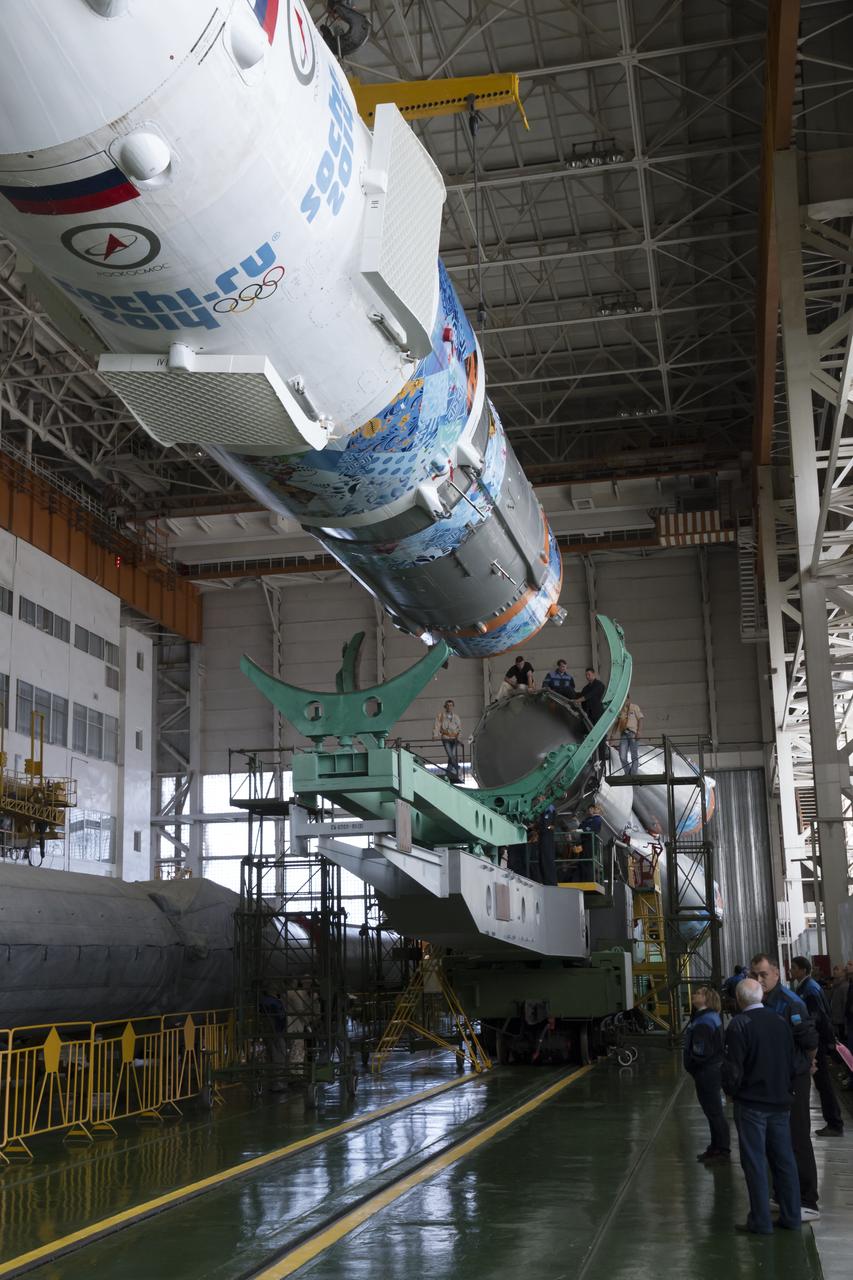
Workers make final preperations to a Soyuz TMA-11M spacecraft on Monday, Nov. 4, 2013, at the Baikonur Cosmodome in Baikonur, Kazakhstan. The rocket is adorned with the logo of the Sochi Olympic Organizing Committee and other related artwork to commemorate the launch of the Olympic torch with the crew for a four-day visit to the station. The torch will return to Earth with another trio of station residents on Nov. 11 and will be part of the torch relay that ends with the lighting of the flame at the Fisht Stadium in Sochi, Russia Feb. 7 to mark the opening of the 2014 Winter Olympics. Photo Credit: (NASA/Victor Zelentsov)
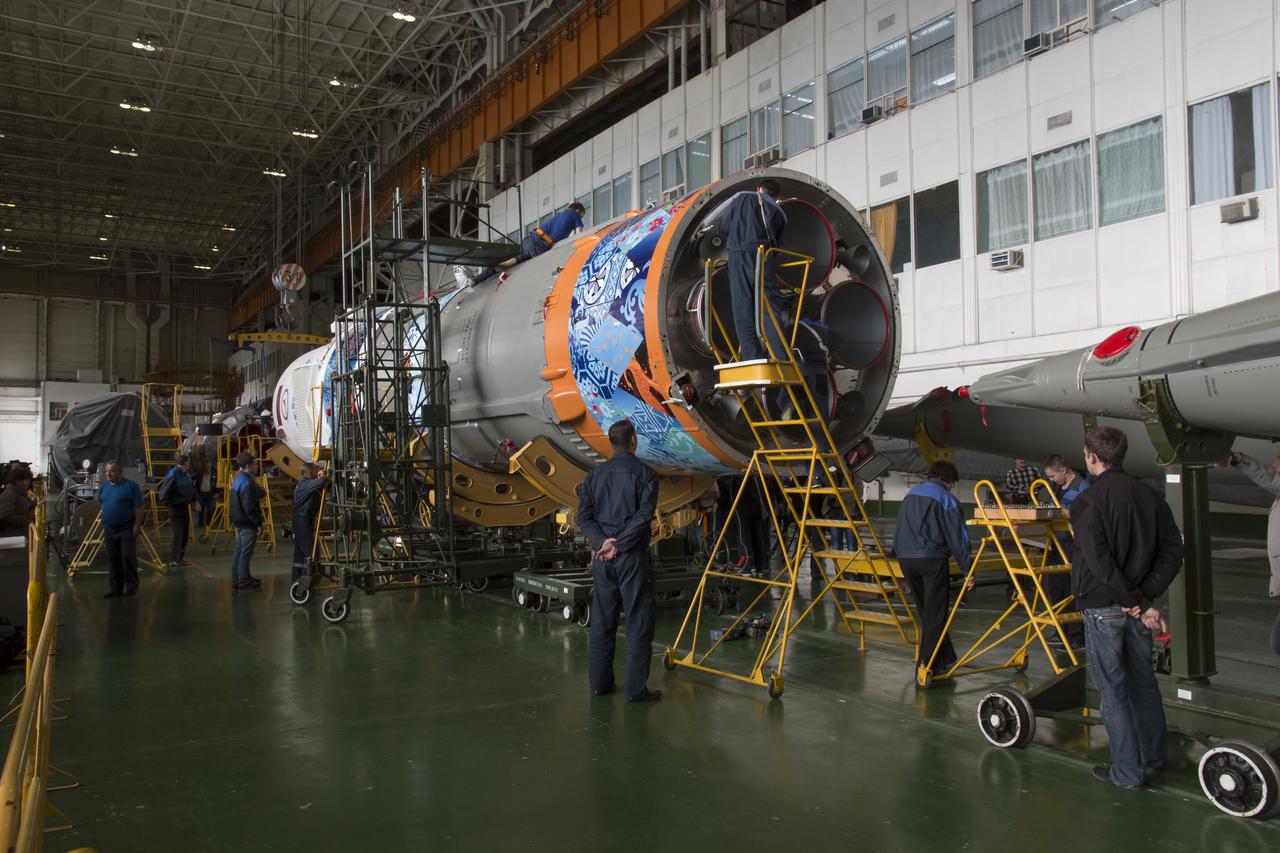
Workers make final preperations to a Soyuz TMA-11M spacecraft on Monday, Nov. 4, 2013, at the Baikonur Cosmodome in Baikonur, Kazakhstan. The rocket is adorned with the logo of the Sochi Olympic Organizing Committee and other related artwork to commemorate the launch of the Olympic torch with the crew for a four-day visit to the station. The torch will return to Earth with another trio of station residents on Nov. 11 and will be part of the torch relay that ends with the lighting of the flame at the Fisht Stadium in Sochi, Russia Feb. 7 to mark the opening of the 2014 Winter Olympics. Photo Credit: (NASA/Victor Zelentsov)
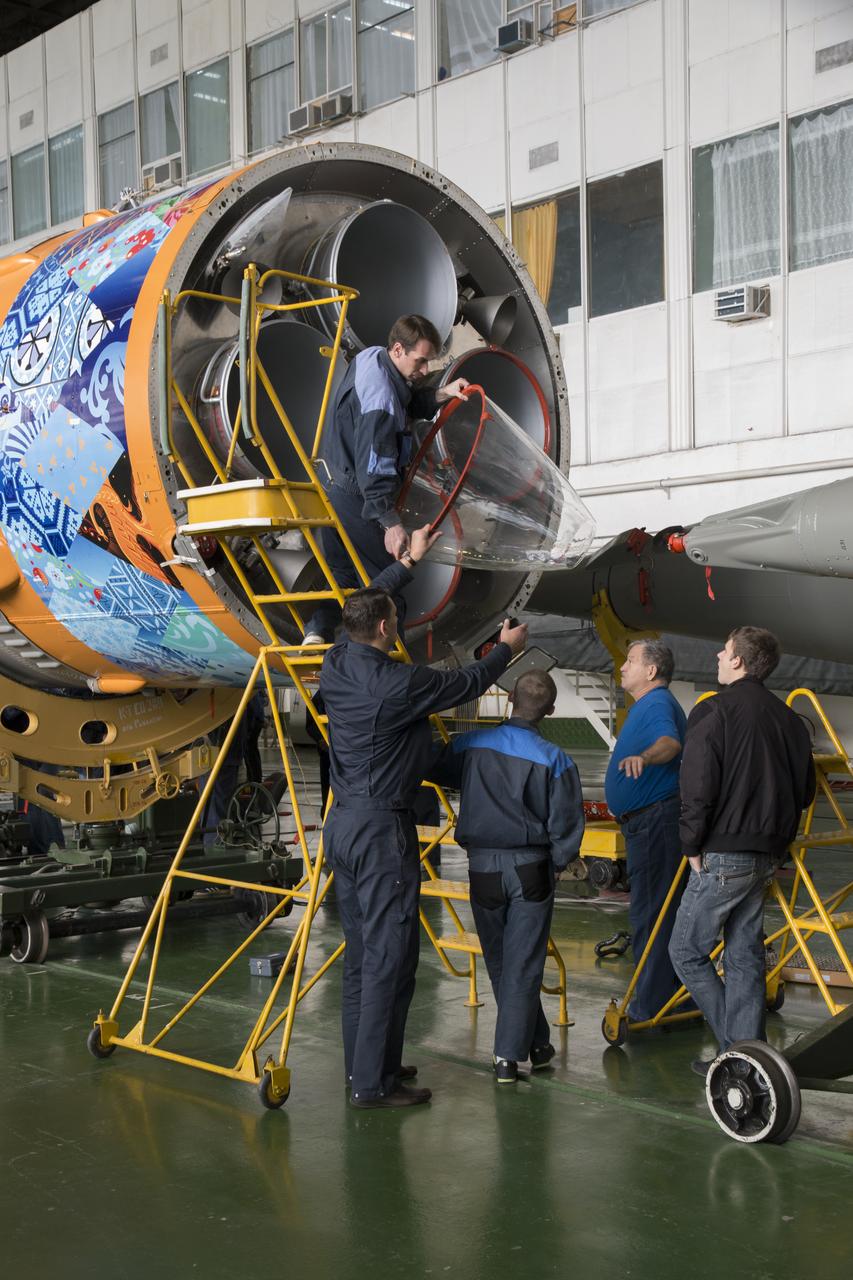
Workers make final preperations to a Soyuz TMA-11M spacecraft on Monday, Nov. 4, 2013, at the Baikonur Cosmodome in Baikonur, Kazakhstan. The rocket is adorned with the logo of the Sochi Olympic Organizing Committee and other related artwork to commemorate the launch of the Olympic torch with the crew for a four-day visit to the station. The torch will return to Earth with another trio of station residents on Nov. 11 and will be part of the torch relay that ends with the lighting of the flame at the Fisht Stadium in Sochi, Russia Feb. 7 to mark the opening of the 2014 Winter Olympics. Photo Credit: (NASA/Victor Zelentsov)
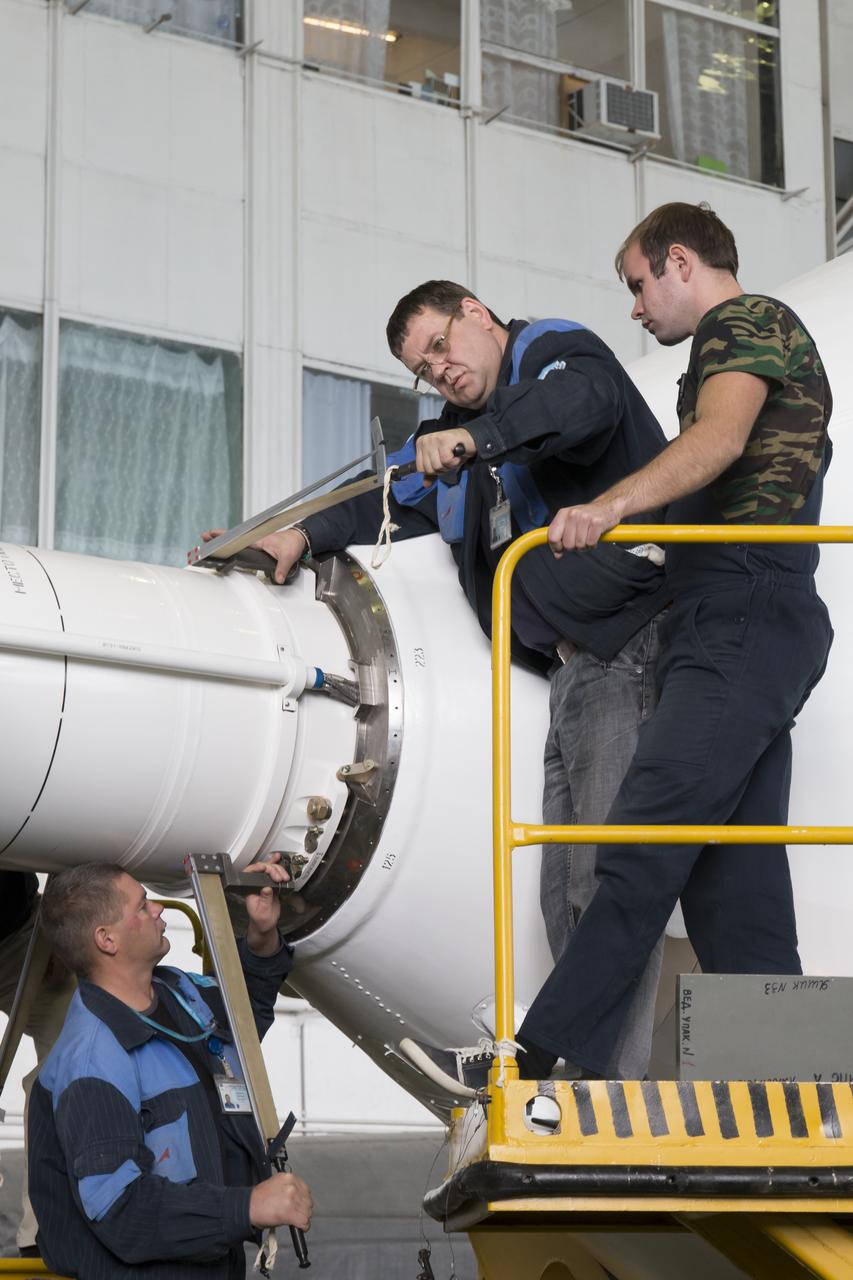
Workers make final preperations to a Soyuz TMA-11M spacecraft on Monday, Nov. 4, 2013, at the Baikonur Cosmodome in Baikonur, Kazakhstan. The rocket is adorned with the logo of the Sochi Olympic Organizing Committee and other related artwork to commemorate the launch of the Olympic torch with the crew for a four-day visit to the station. The torch will return to Earth with another trio of station residents on Nov. 11 and will be part of the torch relay that ends with the lighting of the flame at the Fisht Stadium in Sochi, Russia Feb. 7 to mark the opening of the 2014 Winter Olympics. Photo Credit: (NASA/Victor Zelentsov)
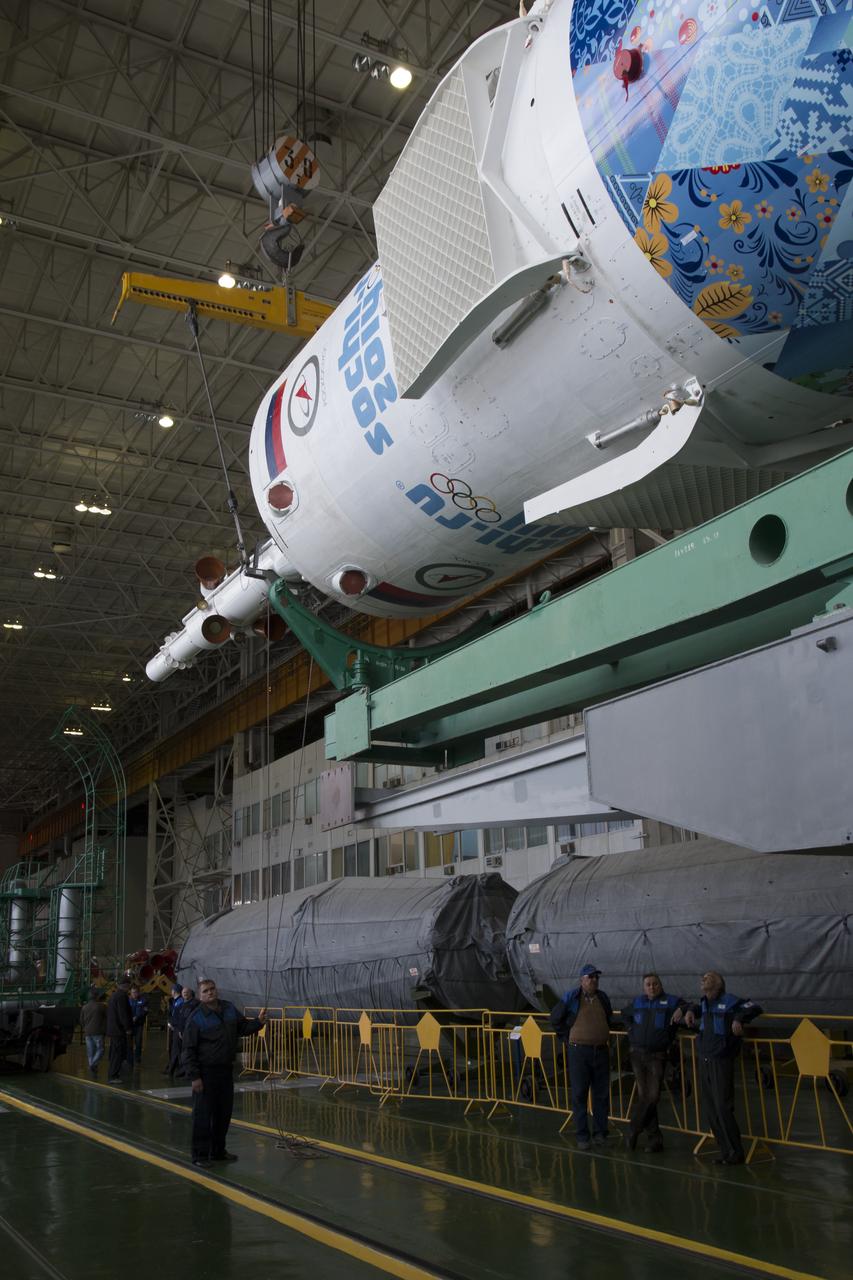
Workers make final preperations to a Soyuz TMA-11M spacecraft on Monday, Nov. 4, 2013, at the Baikonur Cosmodome in Baikonur, Kazakhstan. The rocket is adorned with the logo of the Sochi Olympic Organizing Committee and other related artwork to commemorate the launch of the Olympic torch with the crew for a four-day visit to the station. The torch will return to Earth with another trio of station residents on Nov. 11 and will be part of the torch relay that ends with the lighting of the flame at the Fisht Stadium in Sochi, Russia Feb. 7 to mark the opening of the 2014 Winter Olympics. Photo Credit: (NASA/Victor Zelentsov)
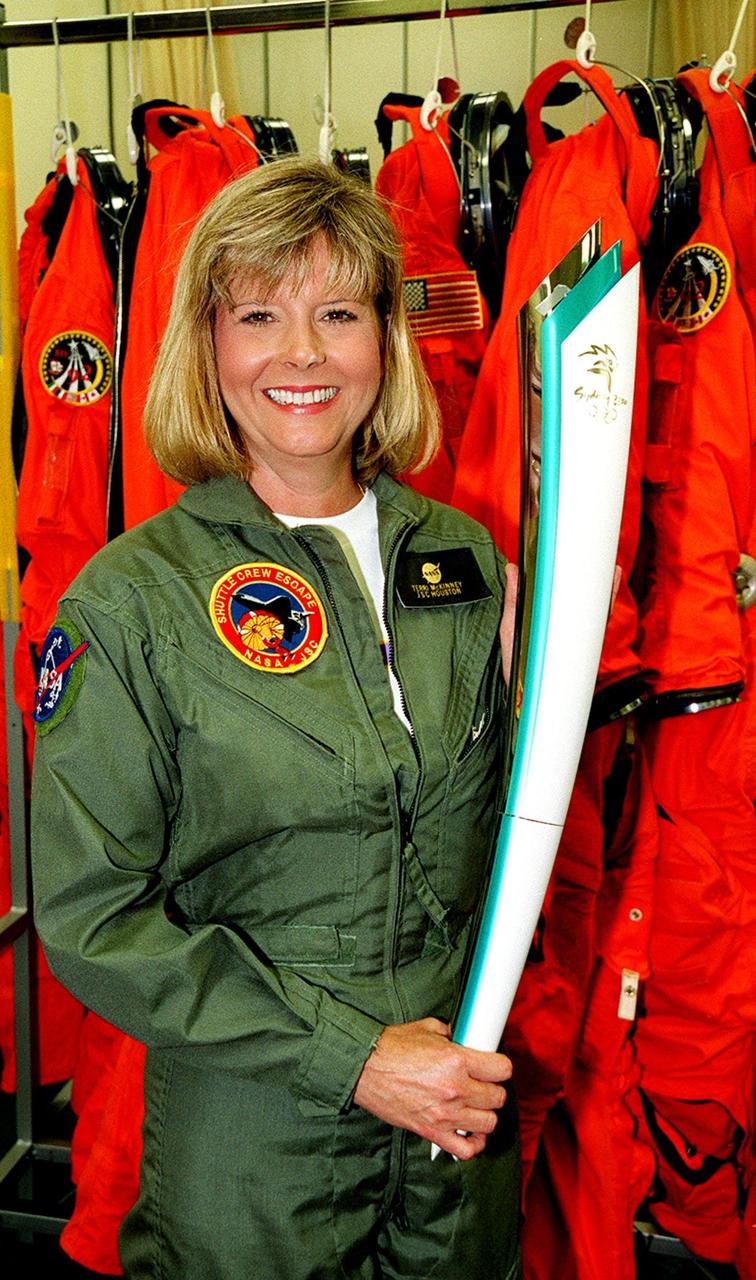
Teri McKinney, with Shuttle Crew Escape, Johnson Space Center, holds a replica of the Olympic torch carried aboard Space Shuttle Atlantis on mission STS-101. The addition of the torch to the payload was coordinated by astronaut Andy Thomas, who is from Australia. The torch will travel to Australia for the 2000 Olympic games being held there in September. . STS-101 was the third flight to the International Space Station and included repairs to the Station plus transfer of equipment and supplies to the Station for future missions. The landing of Atlantis completed a 9-day, 20-hour, 9-minute-long mission. It was the 98th flight in the Space Shuttle program and the 21st for Atlantis. The landing was the 51st at KSC, the 22nd consecutive landing at KSC and the 29th in the last 30 Shuttle flights, plus the 14th nighttime landing in Shuttle history
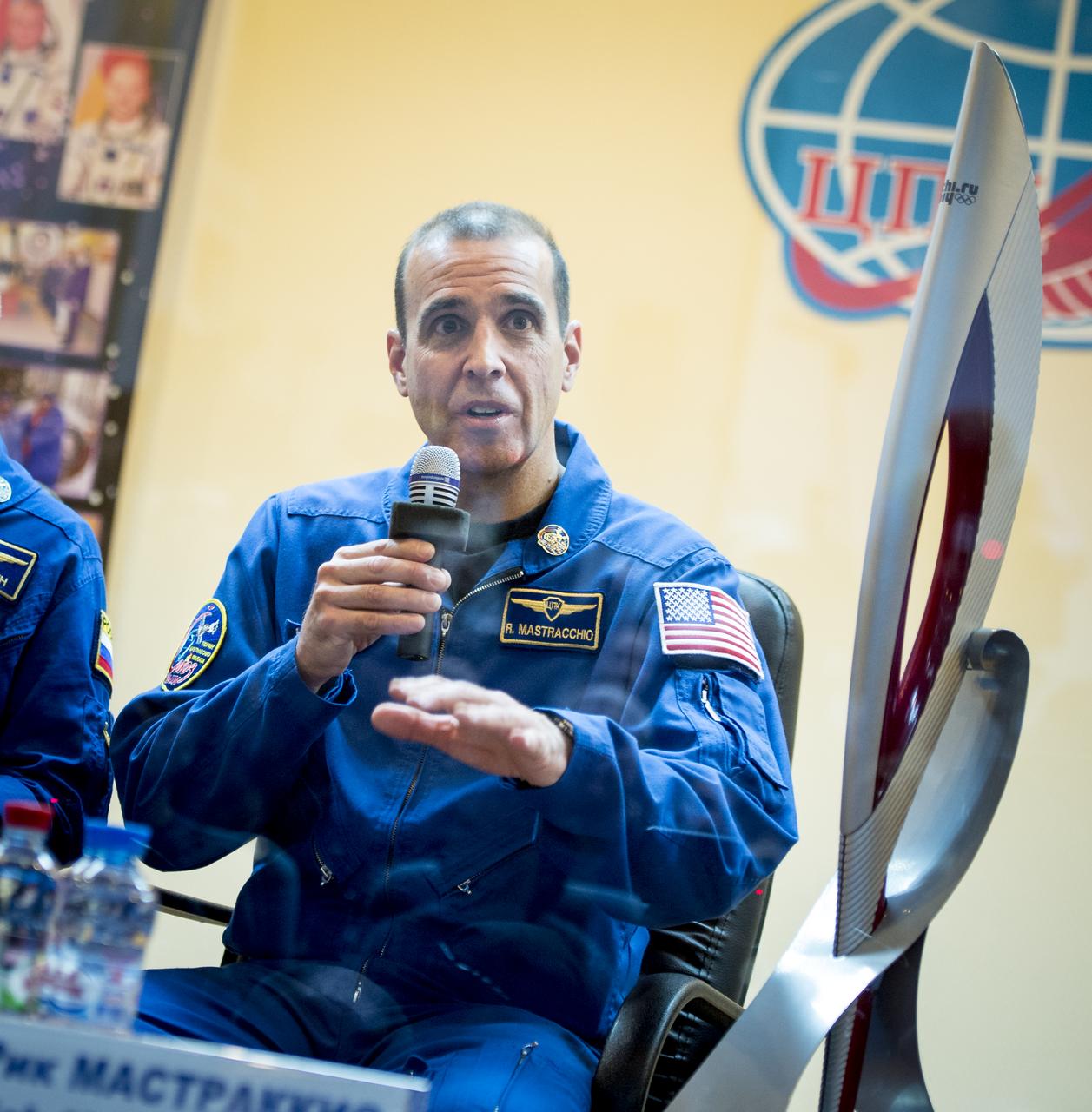
Expedition 38 Flight Engineer Rick Mastracchio of NASA talks, while in quarantine behind glass, during the final press conference held a day ahead of his launch with fellow crew mates, Soyuz Commander Mikhail Tyurin of Roscosmos, and, Flight Engineer Koichi Wakata of the Japan Aerospace Exploration Agency, to the International Space Station, Wednesday, Nov. 6, 2013 at the Cosmonaut Hotel in Baikonur, Kazakhstan. An Olympic torch that will be launched with the crew for a four-day visit to the station is seen next to Mastracchio. The torch will return to Earth with another trio of station residents on Nov. 11 and will be part of the torch relay that ends with the lighting of the flame at the Fisht Stadium in Sochi, Russia Feb. 7 to mark the opening of the 2014 Winter Olympics. Photo Credit: (NASA/Bill Ingalls)

At the Gagarin Cosmonaut Training Center in Star City, Russia, Expedition 38/39 Flight Engineer Koichi Wakata of the Japan Aerospace Exploration Agency (left), Soyuz Commander Mikhail Tyurin (center) and NASA Flight Engineer Rick Mastracchio (right) pose for pictures with a model of the Olympic torch following a crew news conference October 22, 2013. The trio will launch Nov. 7, Kazakh time from the Baikonur Cosmodrome in Kazakhstan on the Soyuz TMA-11M spacecraft for the start of a six-month mission on the International Space Station. Launching with them will be one of the Olympic torches used in the Olympic relay that will culminate with the torch’s arrival at the opening ceremonies of the 2014 Winter Olympics in Sochi, Russia next February. NASA/Stephanie Stoll
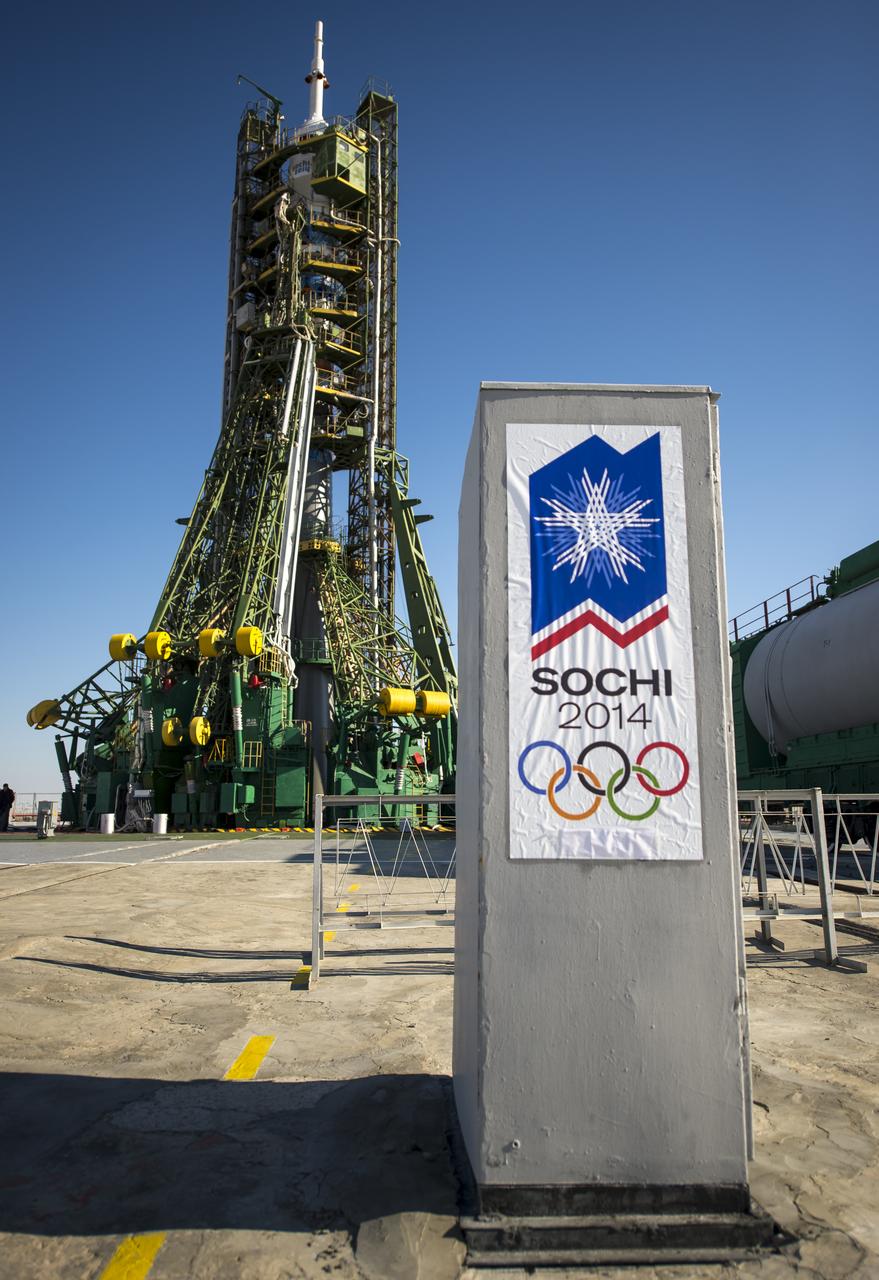
A sign for the Sochi 2014 Winter Olympics is seen at the Soyuz launch pad a day ahead of the scheduled launch of Expedition 38 Soyuz Commander Mikhail Tyurin of Roscosmos, Flight Engineer Koichi Wakata of the Japan Aerospace Exploration Agency, and, Flight Engineer Rick Mastracchio of NASA, Wednesday, Nov. 6, 2013 in Baikonur, Kazakhstan. The rocket is adorned with the logo of the Sochi Olympic Organizing Committee and other related artwork to commemorate the launch of the Olympic torch with the crew for a four-day visit to the station. The torch will return to Earth with another trio of station residents on Nov. 11 and will be part of the torch relay that ends with the lighting of the flame at the Fisht Stadium in Sochi, Russia Feb. 7 to mark the opening of the 2014 Winter Olympics. Photo Credit (NASA/Bill Ingalls)
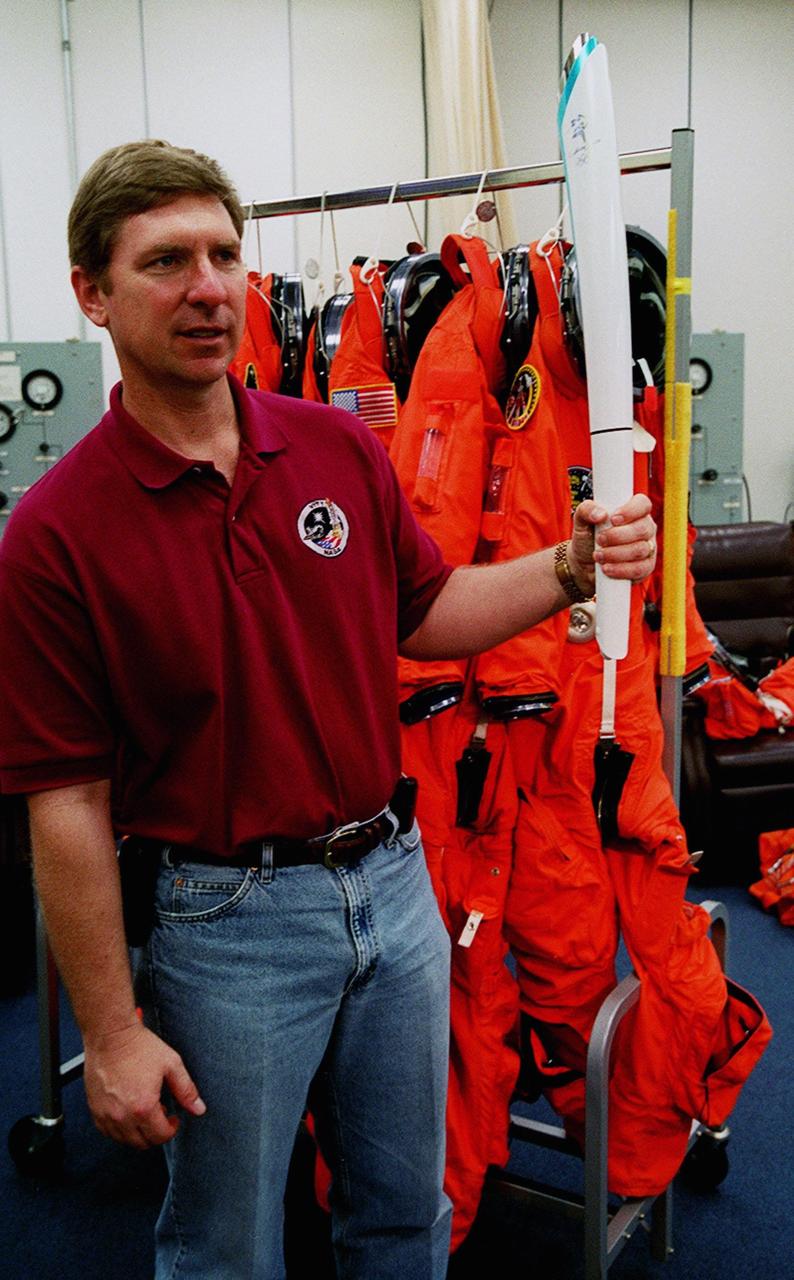
To; Kwiatkowski, Vehicle Integration Team Lead, recovers a replica of the Olympic torch after its journey on Space Shuttle Atlantis on mission STS-101. The addition of the torch to the payload was coordinated by astronaut Andy Thomas, who is from Australia. The torch will travel to Australia for the 2000 Olympic games being held there in September. STS-101 was the third flight to the International Space Station and included repairs to the Station plus transfer of equipment and supplies to the Station for future missions. The landing of Atlantis completed a 9-day, 20-hour, 9-minute-long mission. It was the 98th flight in the Space Shuttle program and the 21st for Atlantis. The landing was the 51st at KSC, the 22nd consecutive landing at KSC and the 29th in the last 30 Shuttle flights, plus the 14th nighttime landing in Shuttle history
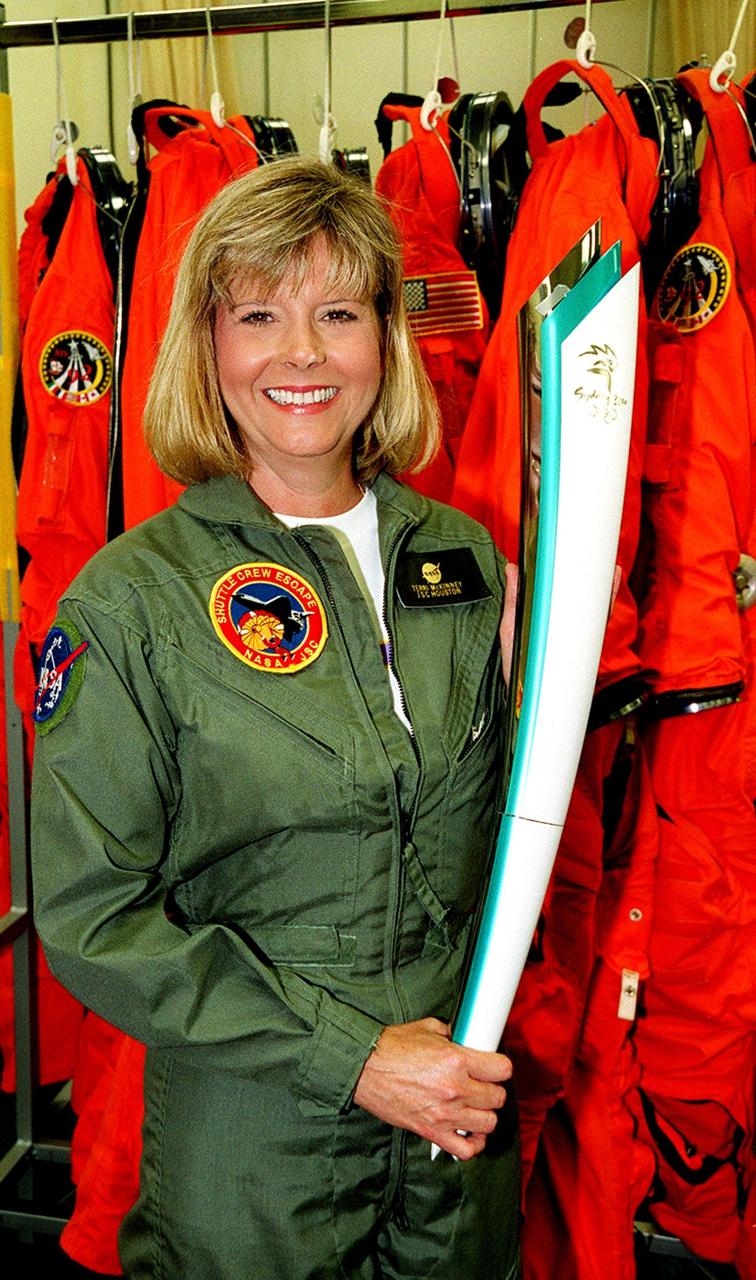
Teri McKinney, with Shuttle Crew Escape, Johnson Space Center, holds a replica of the Olympic torch carried aboard Space Shuttle Atlantis on mission STS-101. The addition of the torch to the payload was coordinated by astronaut Andy Thomas, who is from Australia. The torch will travel to Australia for the 2000 Olympic games being held there in September. . STS-101 was the third flight to the International Space Station and included repairs to the Station plus transfer of equipment and supplies to the Station for future missions. The landing of Atlantis completed a 9-day, 20-hour, 9-minute-long mission. It was the 98th flight in the Space Shuttle program and the 21st for Atlantis. The landing was the 51st at KSC, the 22nd consecutive landing at KSC and the 29th in the last 30 Shuttle flights, plus the 14th nighttime landing in Shuttle history
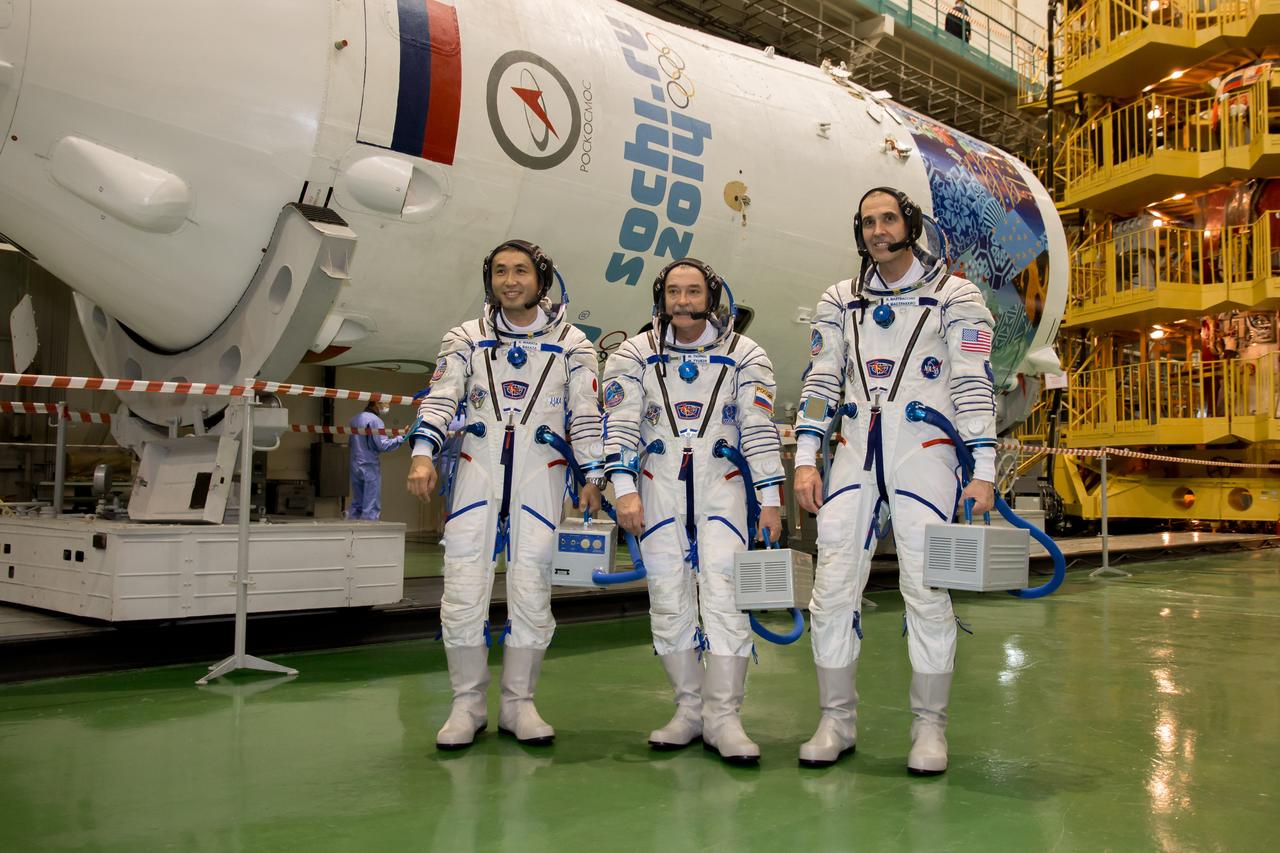
In the Integration Facility at the Baikonur Cosmodrome in Kazakhstan, Expedition 38/39 Flight Engineer Koichi Wakata of the Japan Aerospace Exploration Agency (left), Soyuz Commander Mikhail Tyurin (center) and Flight Engineer Rick Mastracchio of NASA (right) pose for pictures October 28 in front of the upper stage of the Soyuz booster rocket following a fit check dress rehearsal inside the Soyuz. The rocket is adorned with the logo of the Sochi Olympic Organizing Committee and other related artwork to commemorate the launch of the Olympic torch with the crew for a four-day visit to the station. The torch will return to Earth with another trio of station residents on November 11 and will be part of the torch relay that ends with the lighting of the flame at the Fisht Stadium in Sochi, Russia February 7 to mark the opening of the 2014 Winter Olympics. NASA/Victor Zelentsov
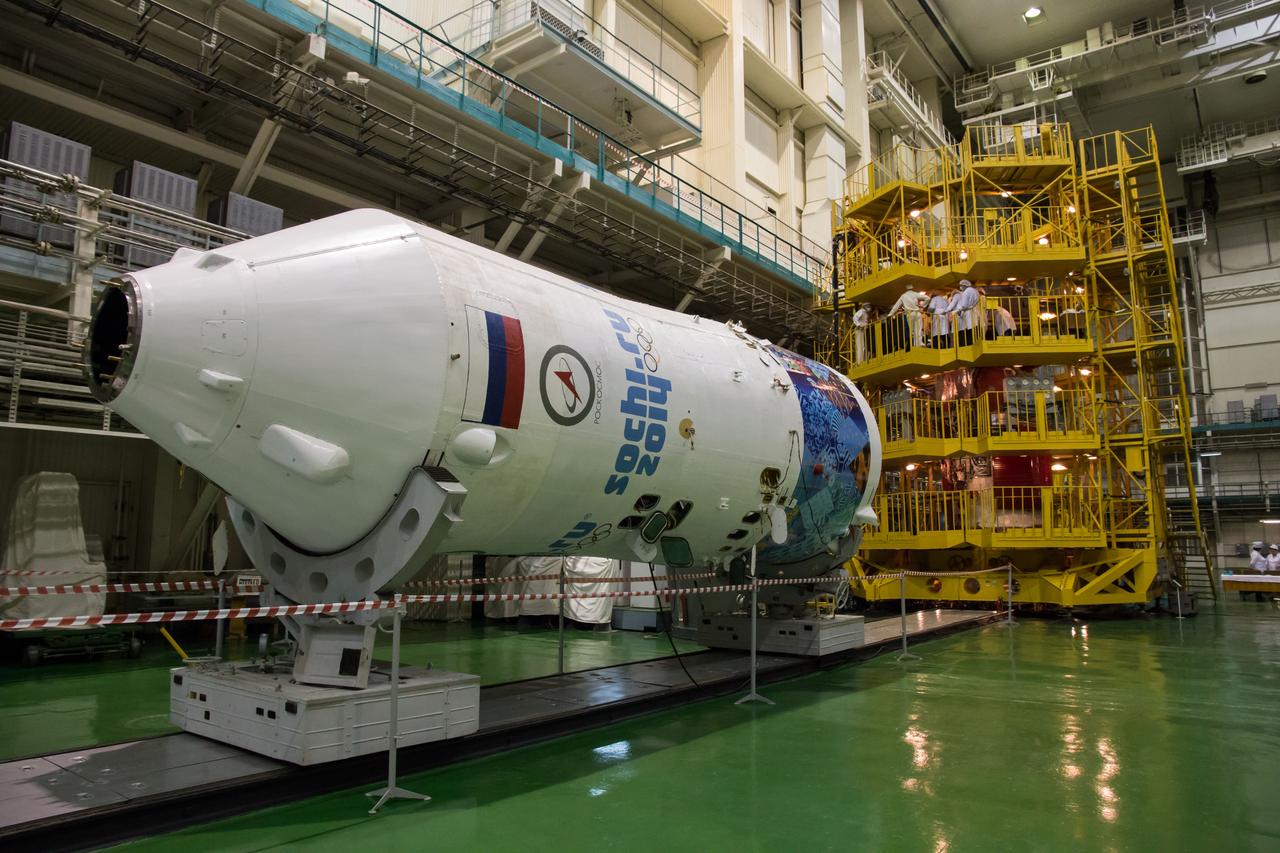
Adorned with the logo of the Sochi Olympic Organizing Committee and other related artwork, the third stage of the Soyuz booster rocket stands ready for assembly with other rocket components October 28 in the Integration Building at the Baikonur Cosmodrome in Kazakhstan as preparations continue for the launch of the Soyuz TMA-11M spacecraft with Expedition 38/39 crewmembers Rick Mastracchio of NASA, Mikhail Tyurin and Koichi Wakata of the Japan Aerospace Exploration Agency aboard. The trio, which will launch Nov. 7, Kazakh time, in the Soyuz from Baikonur to begin a six-month mission on the International Space Station, will carry the Olympic torch to the station for a four-day visit. The torch will return to Earth with another trio of station residents on November 11 and will be part of the torch relay that ends with the lighting of the flame at the Fisht Stadium in Sochi, Russia February 7 to mark the opening of the 2014 Winter Olympics. NASA/Victor Zelentsov
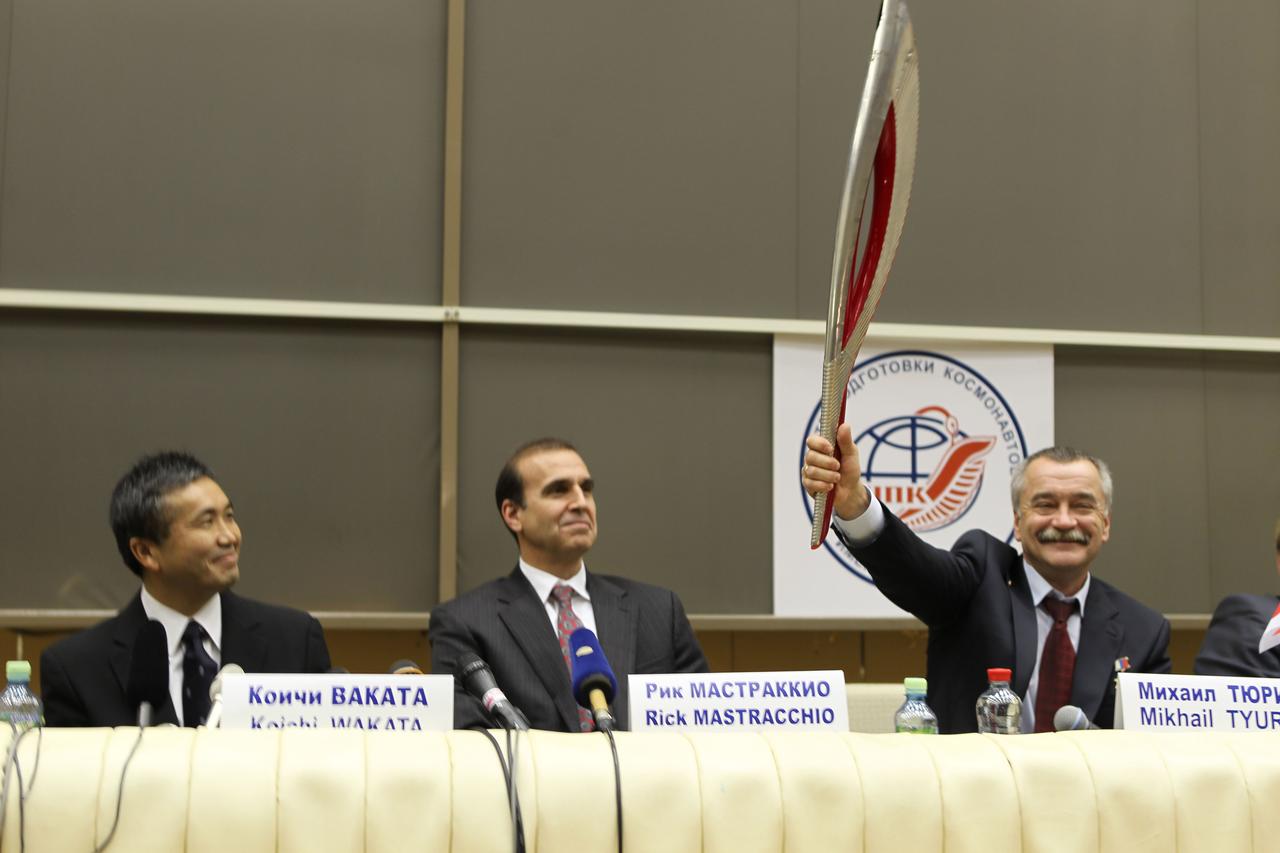
At the Gagarin Cosmonaut Training Center in Star City, Russia, Expedition 38/39 Soyuz Commander Mikhail Tyurin (right) hoists a model of the Olympic torch during a crew news conference October 22, 2013. Tyurin, NASA Flight Engineer Rick Mastracchio (center) and Flight Engineer Koichi Wakata of the Japan Aerospace Exploration Agency (left) will launch Nov. 7, Kazakh time from the Baikonur Cosmodrome in Kazakhstan on the Soyuz TMA-11M spacecraft for the start of a six-month mission on the International Space Station. Launching with them will be one of the Olympic torches used in the Olympic relay that will culminate with the torch’s arrival at the opening ceremonies of the 2014 Winter Olympics in Sochi, Russia next February. NASA/Stephanie Stoll
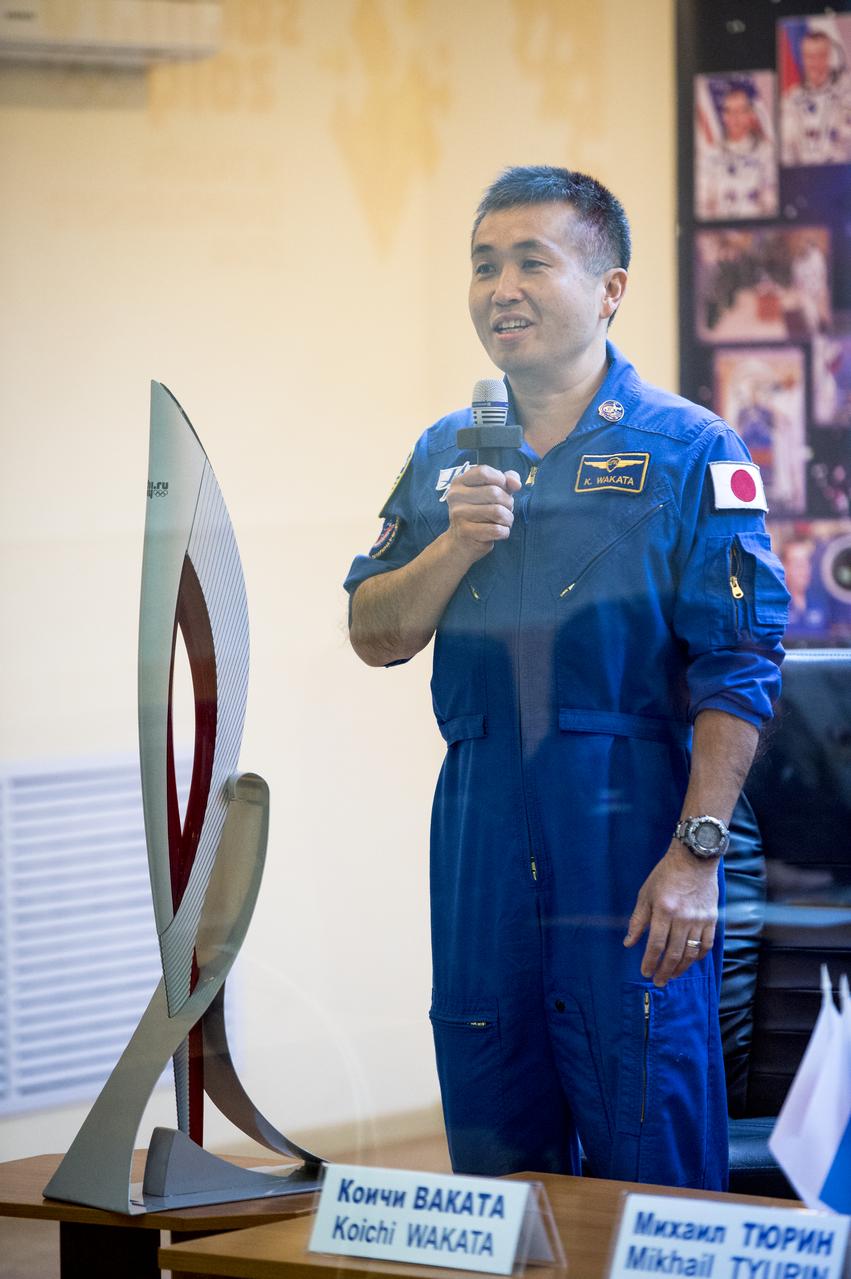
Expedition 38 Flight Engineer Koichi Wakata of the Japan Aerospace Exploration Agency is seen in quarantine, behind glass, during the final press conference held a day ahead of his launch with fellow crew mates, Expedition 38 Soyuz Commander Mikhail Tyurin of Roscosmos, and, Flight Engineer Rick Mastracchio of NASA, to the International Space Station, Wednesday, Nov. 6, 2013 at the Cosmonaut Hotel in Baikonur, Kazakhstan. An Olympic torch that will be launched with the crew for a four-day visit to the station is seen on the left. The torch will return to Earth with another trio of station residents on Nov. 11 and will be part of the torch relay that ends with the lighting of the flame at the Fisht Stadium in Sochi, Russia Feb. 7 to mark the opening of the 2014 Winter Olympics. Photo Credit: (NASA/Bill Ingalls)
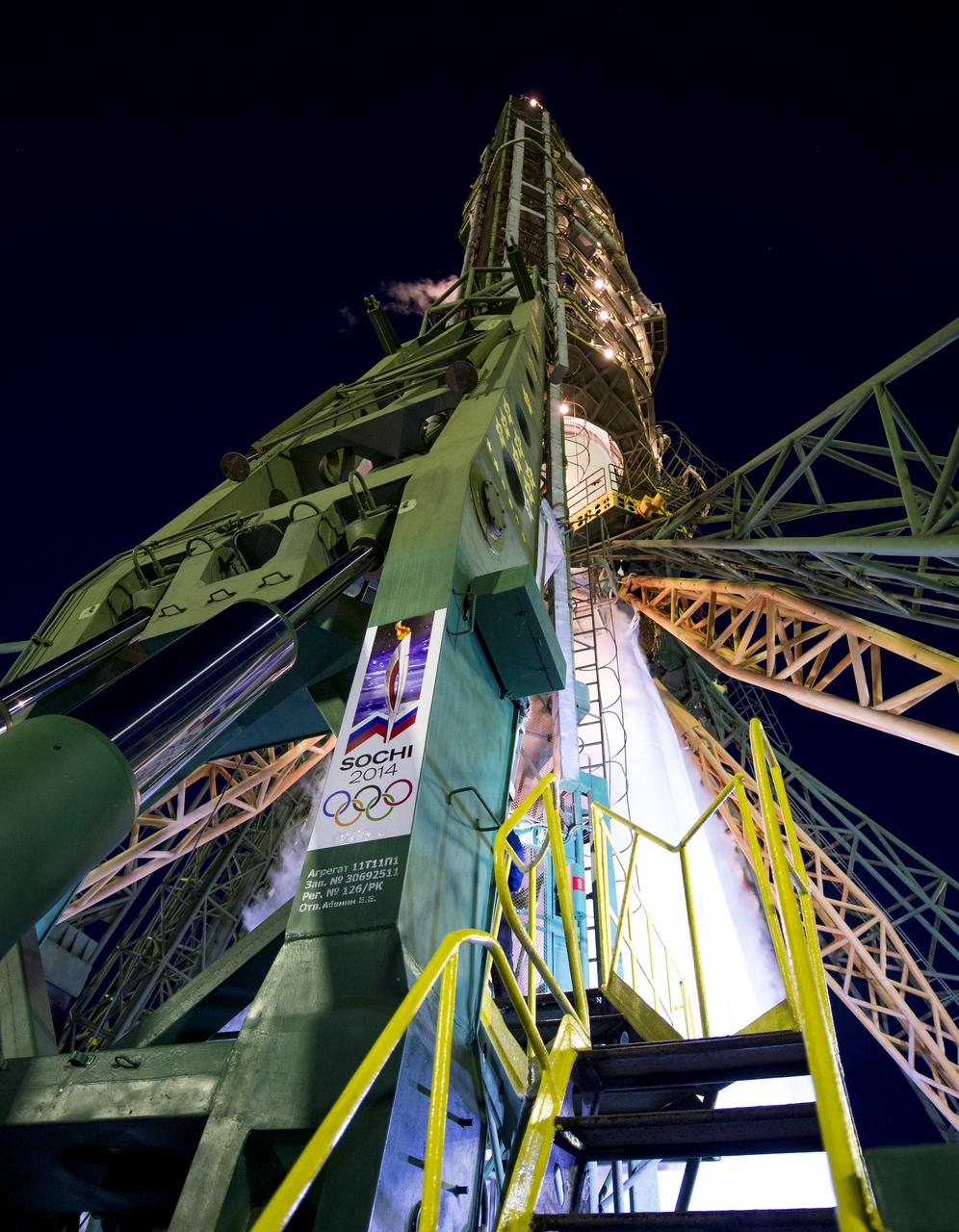
A sign for the Sochi 2014 Winter Olympics is seen at the base of the Soyuz launch gantry after Expedition 38 Soyuz Commander Mikhail Tyurin of Roscosmos, Flight Engineer Koichi Wakata of the Japan Aerospace Exploration Agency, and, Flight Engineer Rick Mastracchio of NASA, boarded their soyuz TMA-11M rocket for their launch to the International Space Station, Thursday, Nov. 7, 2013, in Baikonur, Kazakhstan. The rocket is adorned with the logo of the Sochi Olympic Organizing Committee and other related artwork to commemorate the launch of the Olympic torch with the crew for a four-day visit to the station. The torch will return to Earth with another trio of station residents on Nov. 11 and will be part of the torch relay that ends with the lighting of the flame at the Fisht Stadium in Sochi, Russia Feb. 7 to mark the opening of the 2014 Winter Olympics. Photo Credit (NASA/Bill Ingalls)
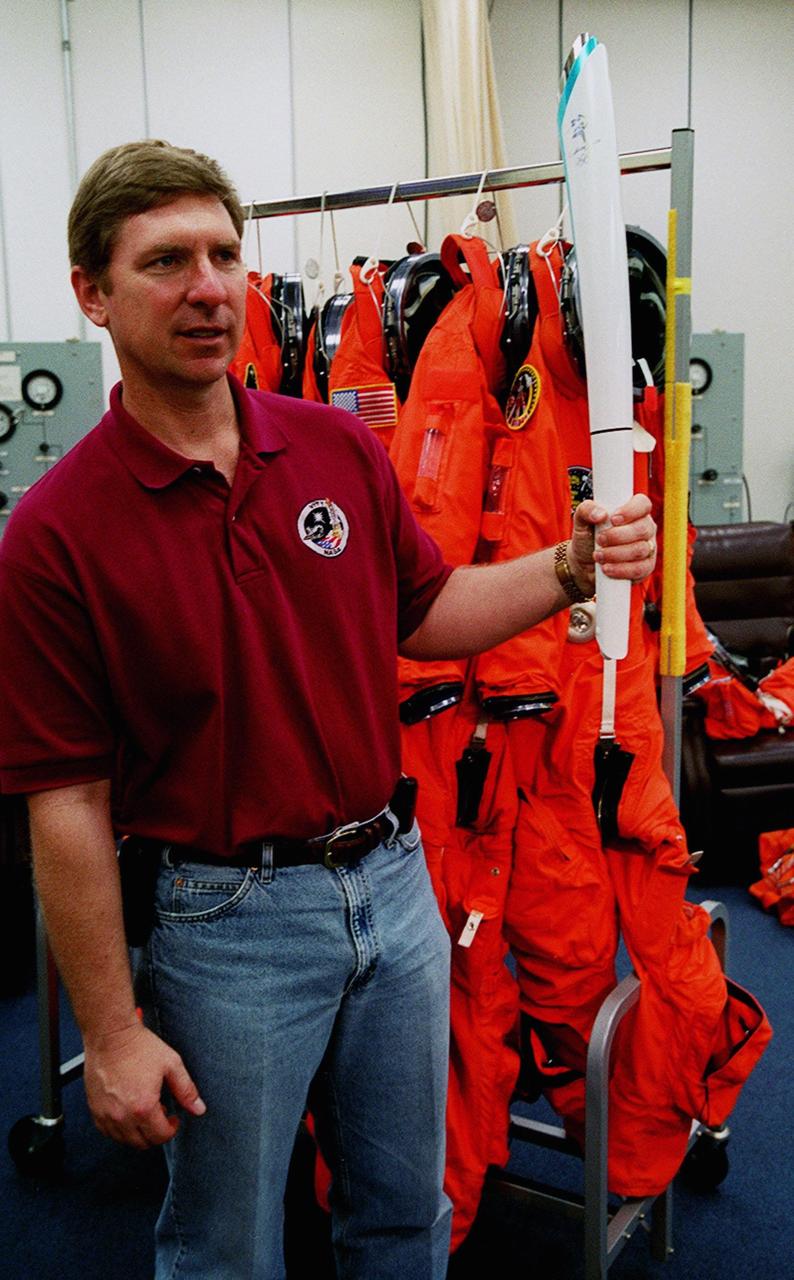
To; Kwiatkowski, Vehicle Integration Team Lead, recovers a replica of the Olympic torch after its journey on Space Shuttle Atlantis on mission STS-101. The addition of the torch to the payload was coordinated by astronaut Andy Thomas, who is from Australia. The torch will travel to Australia for the 2000 Olympic games being held there in September. STS-101 was the third flight to the International Space Station and included repairs to the Station plus transfer of equipment and supplies to the Station for future missions. The landing of Atlantis completed a 9-day, 20-hour, 9-minute-long mission. It was the 98th flight in the Space Shuttle program and the 21st for Atlantis. The landing was the 51st at KSC, the 22nd consecutive landing at KSC and the 29th in the last 30 Shuttle flights, plus the 14th nighttime landing in Shuttle history
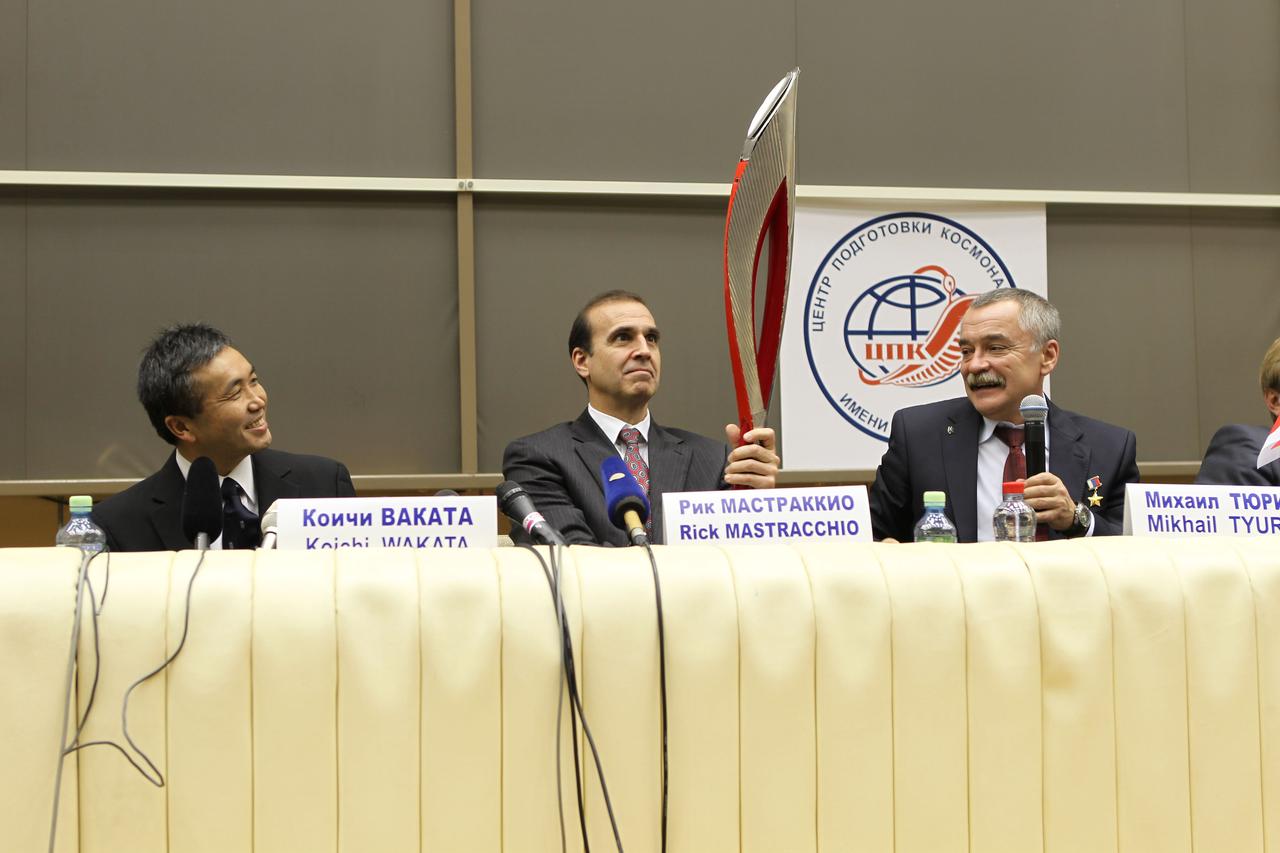
At the Gagarin Cosmonaut Training Center in Star City, Russia, Expedition 38/39 Flight Engineer Rick Mastracchio of NASA (center) holds a model of the Olympic torch during a crew news conference October 22, 2013. Mastracchio, Flight Engineer Koichi Wakata of the Japan Aerospace Exploration Agency (left) and Soyuz Commander Mikhail Tyurin (right) will launch Nov. 7, Kazakh time from the Baikonur Cosmodrome in Kazakhstan on the Soyuz TMA-11M spacecraft for the start of a six-month mission on the International Space Station. Launching with them will be one of the Olympic torches used in the Olympic relay that will culminate with the torch’s arrival at the opening ceremonies of the 2014 Winter Olympics in Sochi, Russia next February. NASA/Stephanie Stoll
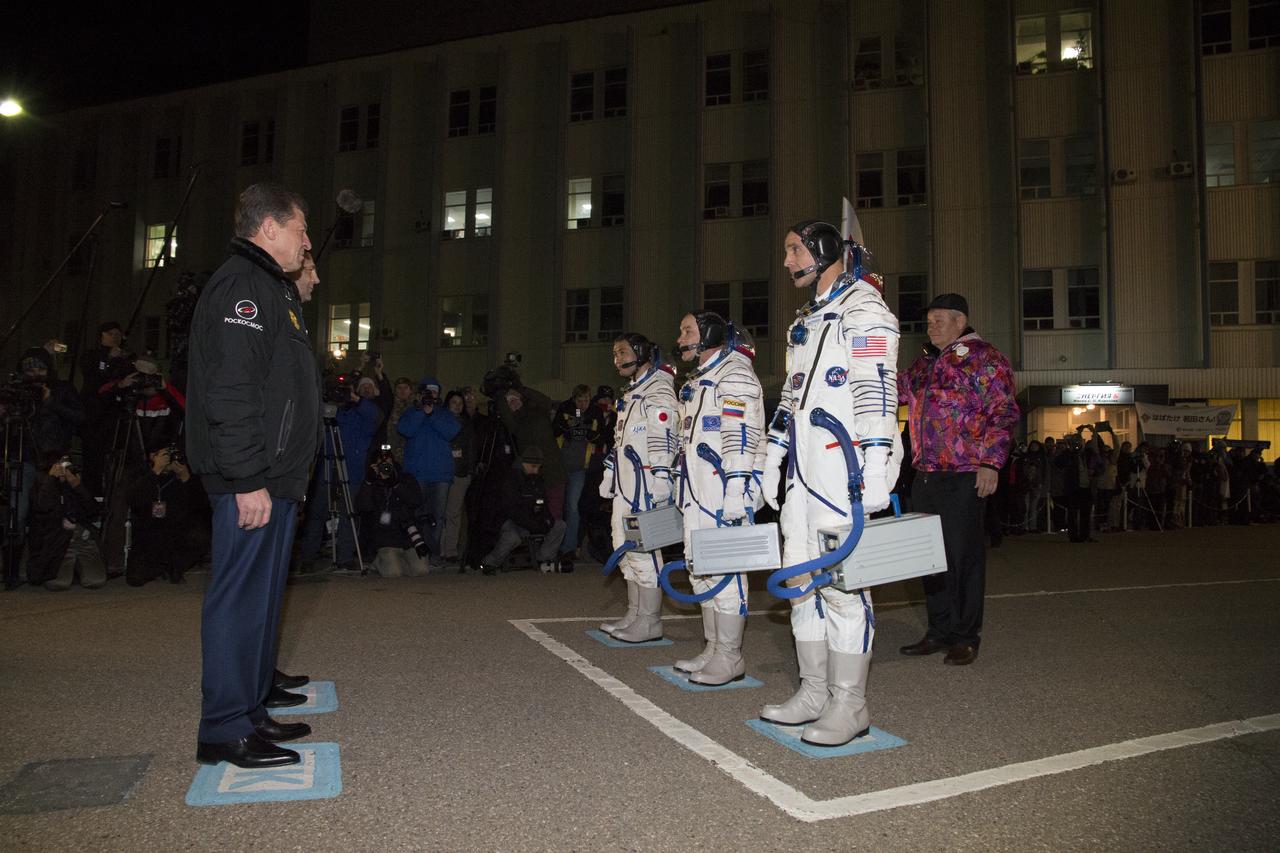
Dmitry Kozak, Deputy Prime Minister of Russian Federation, standing left, next to, Oleg Ostapenko, Head of Roscosmos, give a formal farewell to Expedition 38 Flight Engineer Koichi Wakata of the Japan Aerospace Exploration Agency, far right, Soyuz Commander Mikhail Tyurin of Roscosmos, center, and, Flight Engineer Rick Mastracchio of NASA, as Division Chief, GCTC, Valery Korzun holds the Olympic torch that will travel with the crew on their soyuz TMA-11M rocket to the International Space Station, Thursday, Nov. 7, 2013, in Baikonur, Kazakhstan. Photo Credit: (NASA/Victor Zelentsov)

Alexey B. Krasnov, director of human spaceflight at the Russian space agency, Roscosmos, left, holds the Olympic Torch as he and, Division Chief, GCTC, Valery Korzun, assist, Expedition 38 Flight Engineer Koichi Wakata of the Japan Aerospace Exploration Agency, as Wakata and fellow crew members, Expedition 38 Soyuz Commander Mikhail Tyurin of Roscosmos, and, Flight Engineer Rick Mastracchio of NASA, walk to the soyuz rocket for their launch to the International Space Station, Thursday, Nov. 7, 2013, in Baikonur, Kazakhstan. Tyurin, Wakata, and, Mastracchio will launch in their Soyuz TMA-11M spacecraft to the International Space Station to begin a six-month mission. Photo Credit: (NASA/Bill Ingalls)
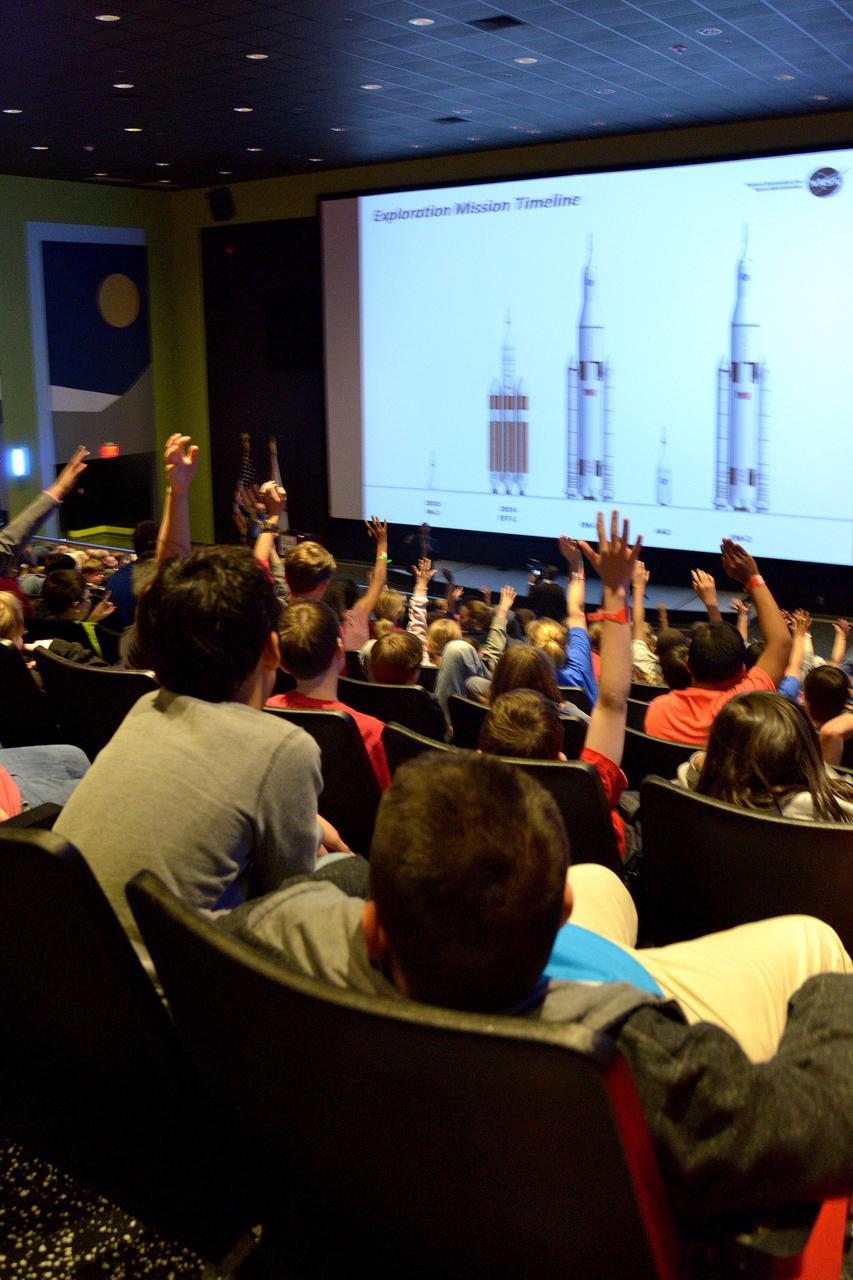
NASA, Lockheed Martin, and United Launch Alliance team speaks to a full house at the "Pass the Torch" event at US Space and Rocket Center in Huntsville, Alabama on March 18, 2015. Part of Batch image transfer from Flickr.

NASA, Lockheed Martin, and United Launch Alliance team speaks to a full house at the "Pass the Torch" event at US Space and Rocket Center in Huntsville, Alabama on March 18, 2015. Part of Batch image transfer from Flickr.
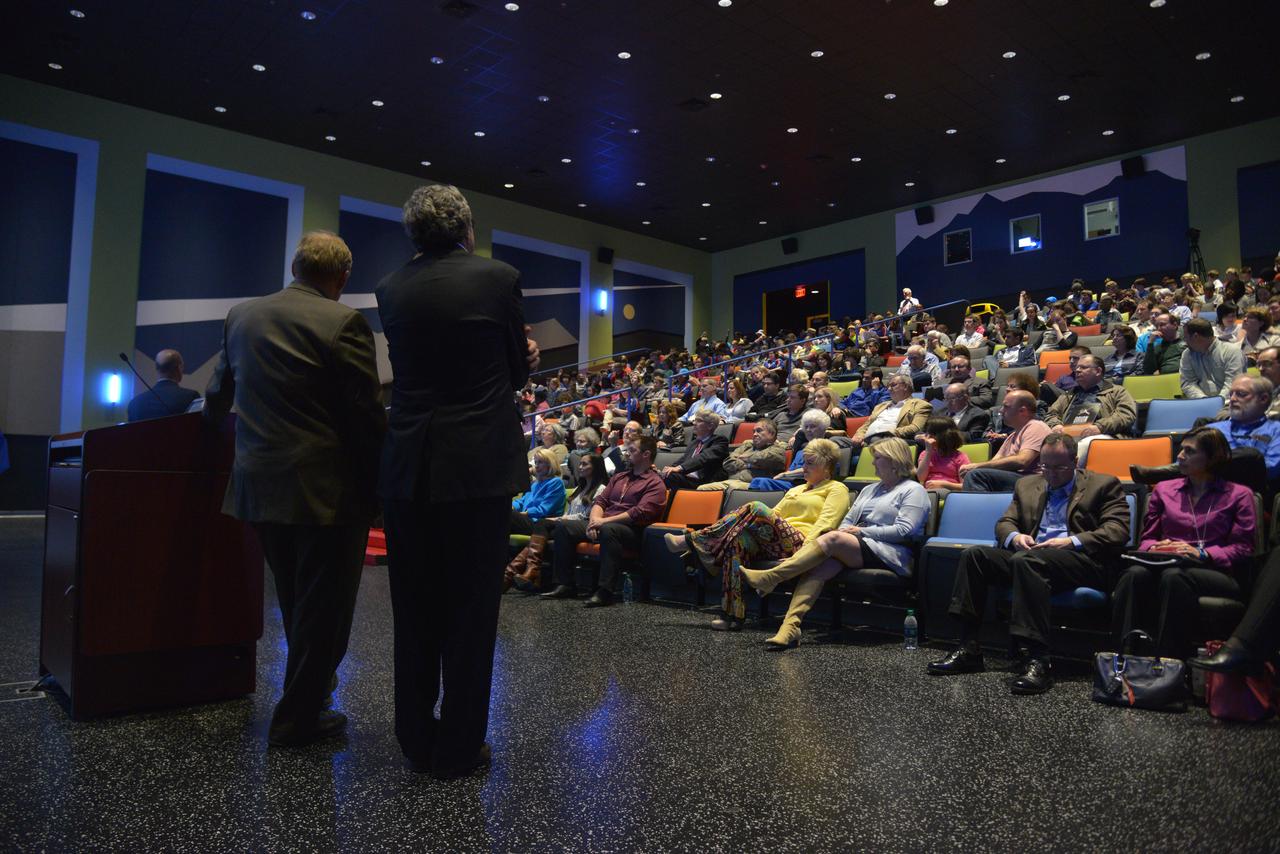
NASA, Lockheed Martin, and United Launch Alliance team speaks to a full house at the "Pass the Torch" event at US Space and Rocket Center in Huntsville, Alabama on March 18, 2015. Part of Batch image transfer from Flickr.
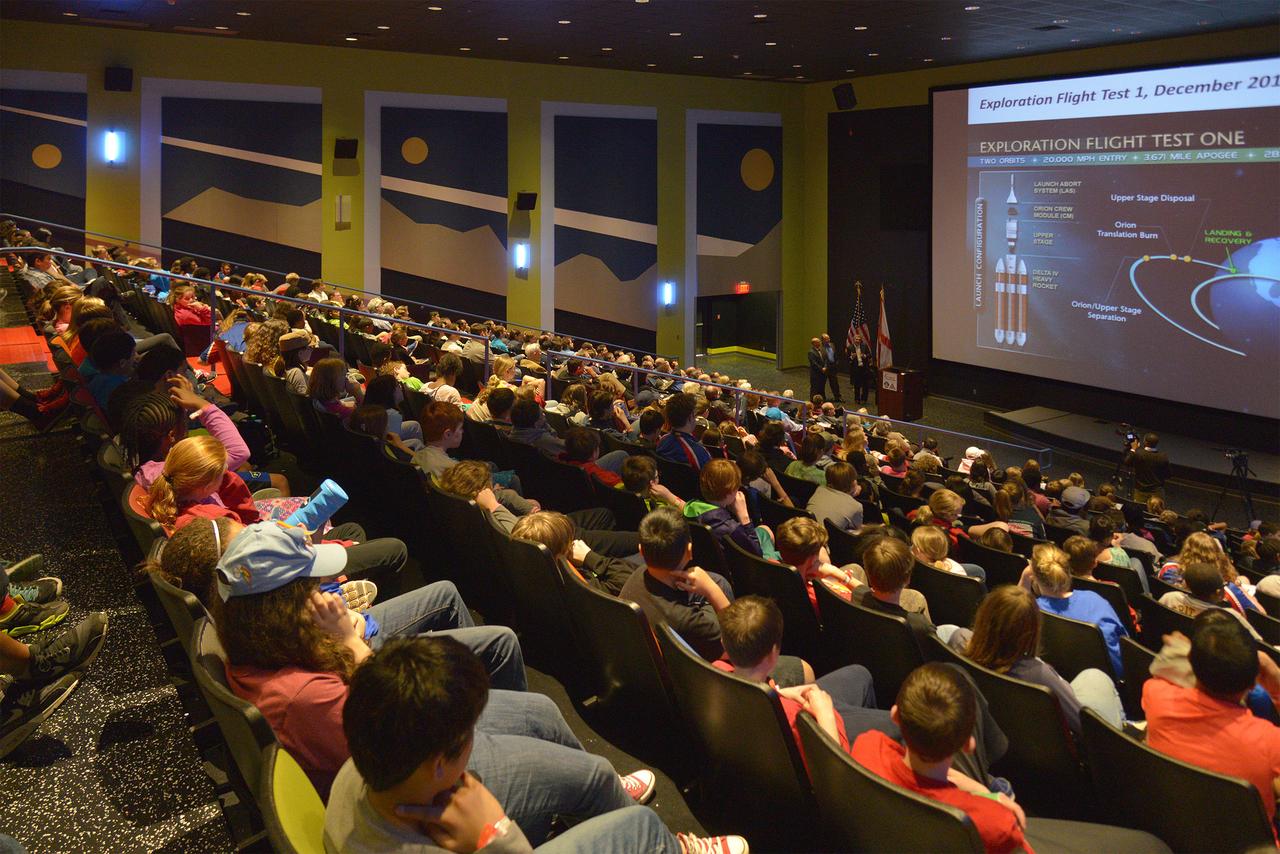
NASA, Lockheed Martin, and United Launch Alliance team speaks to a full house at the "Pass the Torch" event at US Space and Rocket Center in Huntsville, Alabama on March 18, 2015. Part of Batch image transfer from Flickr.
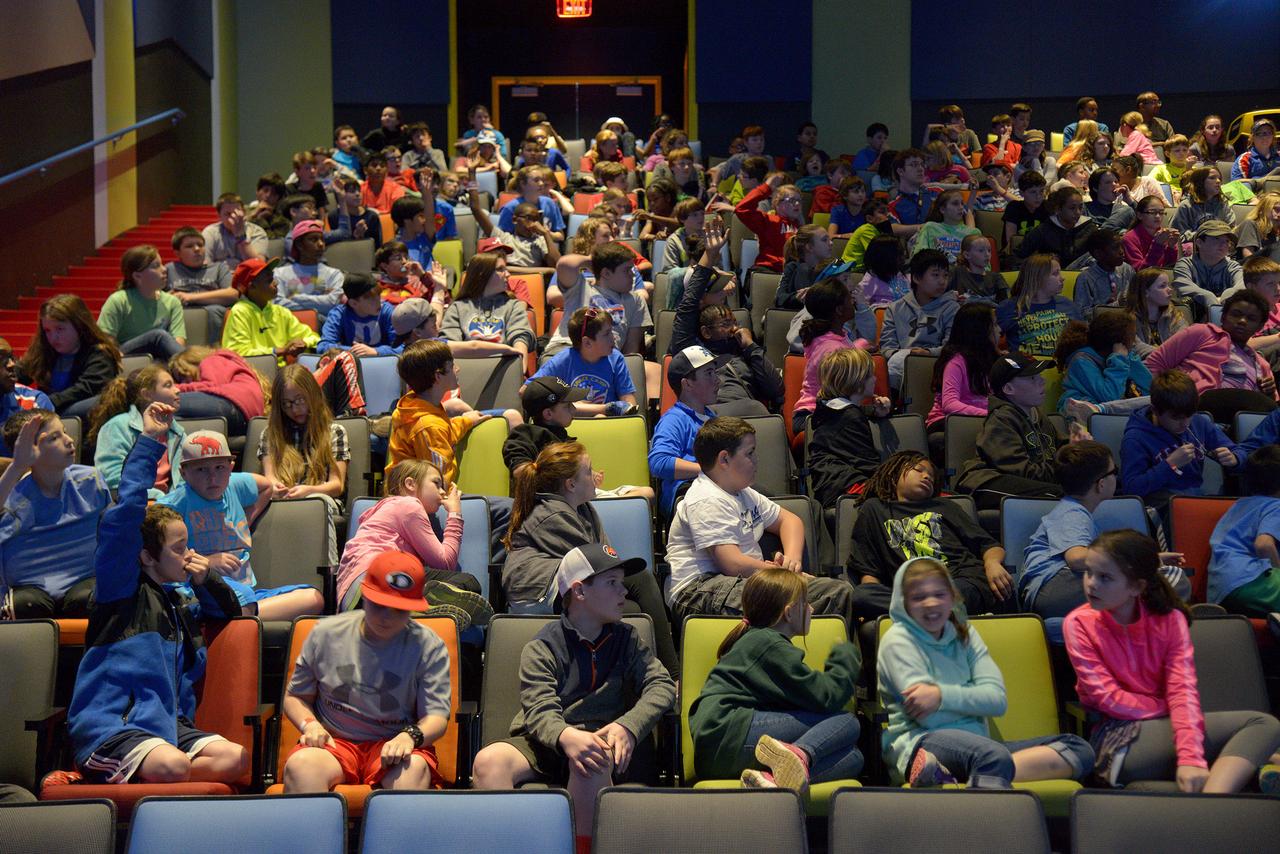
NASA, Lockheed Martin, and United Launch Alliance team speaks to a full house at the "Pass the Torch" event at US Space and Rocket Center in Huntsville, Alabama on March 18, 2015. Part of Batch image transfer from Flickr.
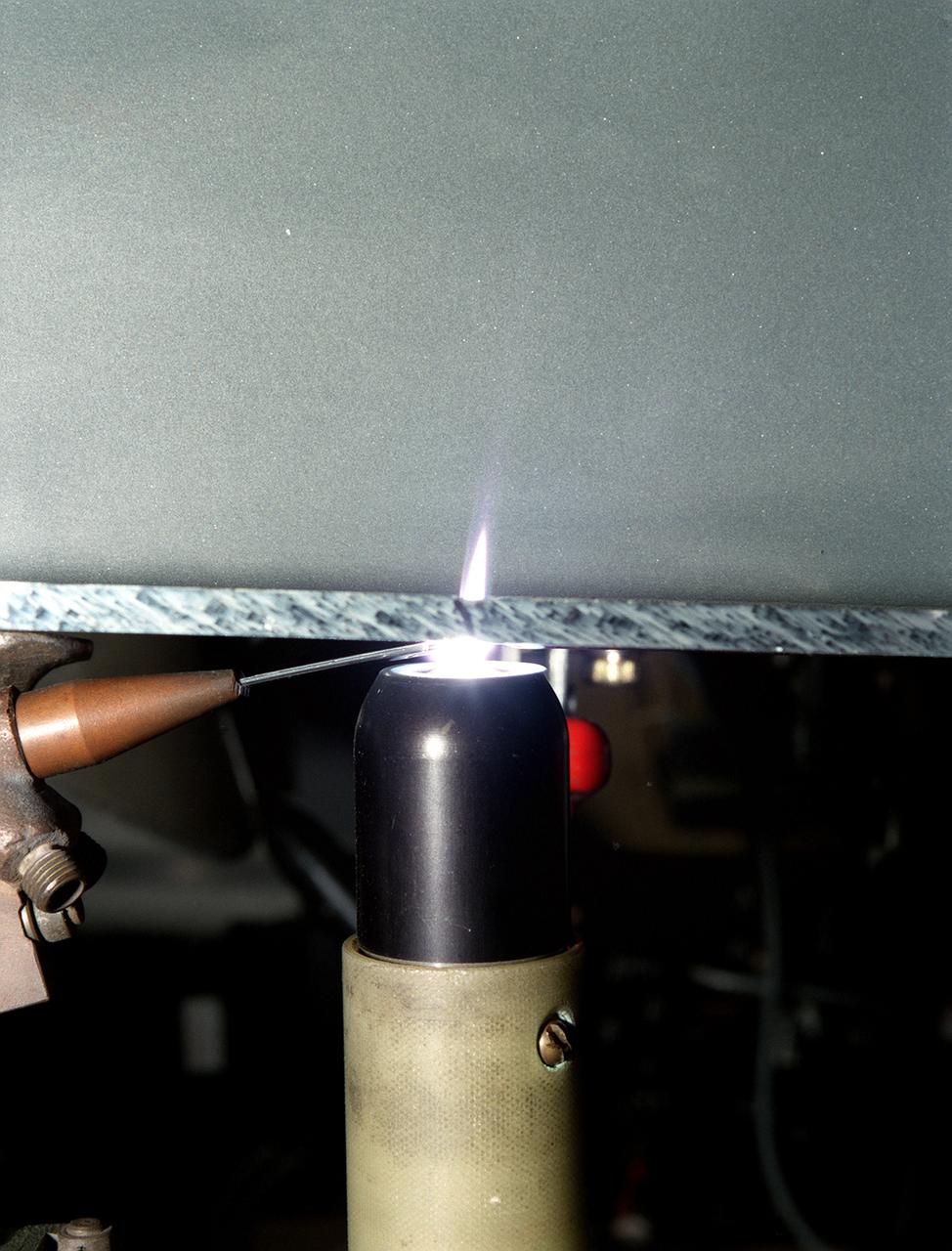
In order to more easily join the huge sections of the Space Shuttle external tank, Marshall Space Flight Center initiated development of the existing concept of Variable Polarity Plasma Arc (VPPA) welding. VPPA welding employs a variable current waveform that allows the system to operate for preset time increments in either of two polarity modes for effective joining of light alloys.
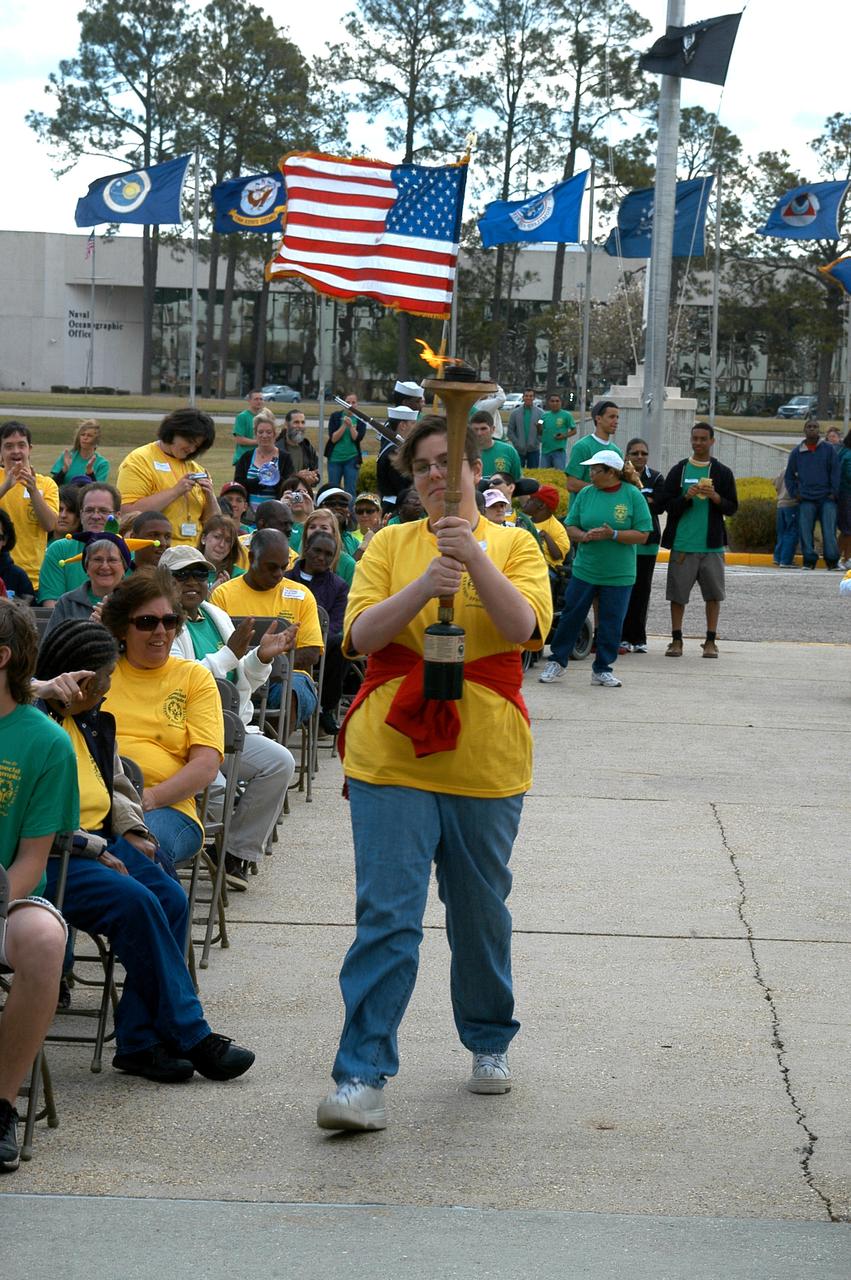
Sarah Johnson, 28, of Gulfport, carries in the Olympic torch to signal the start of the 2010 Area III Special Olympic games at NASA's John C. Stennis Space Center on March 27. Stennis volunteers hosted special needs athletes from across the area for the event. Stennis is an annual host of the games.
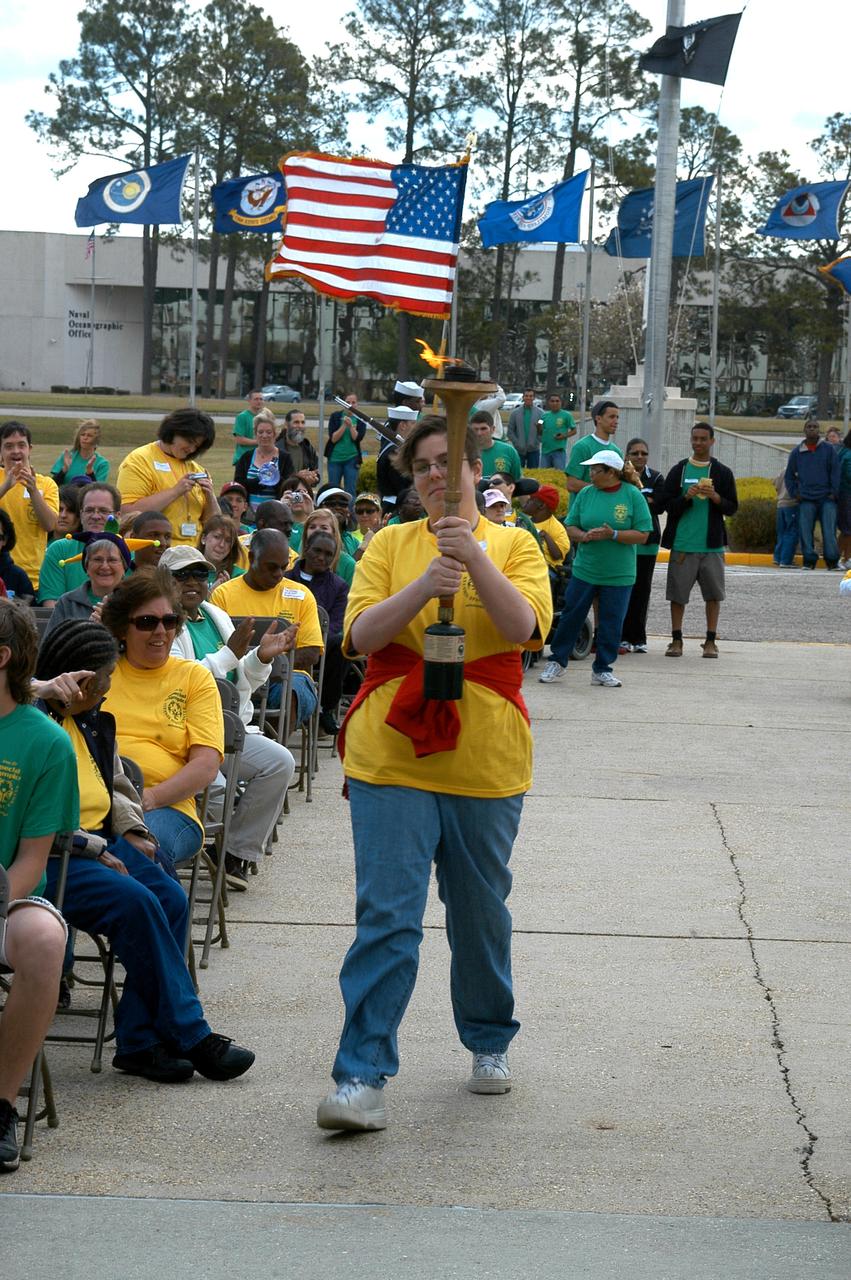
Sarah Johnson, 28, of Gulfport, carries in the Olympic torch to signal the start of the 2010 Area III Special Olympic games at NASA's John C. Stennis Space Center on March 27. Stennis volunteers hosted special needs athletes from across the area for the event. Stennis is an annual host of the games.
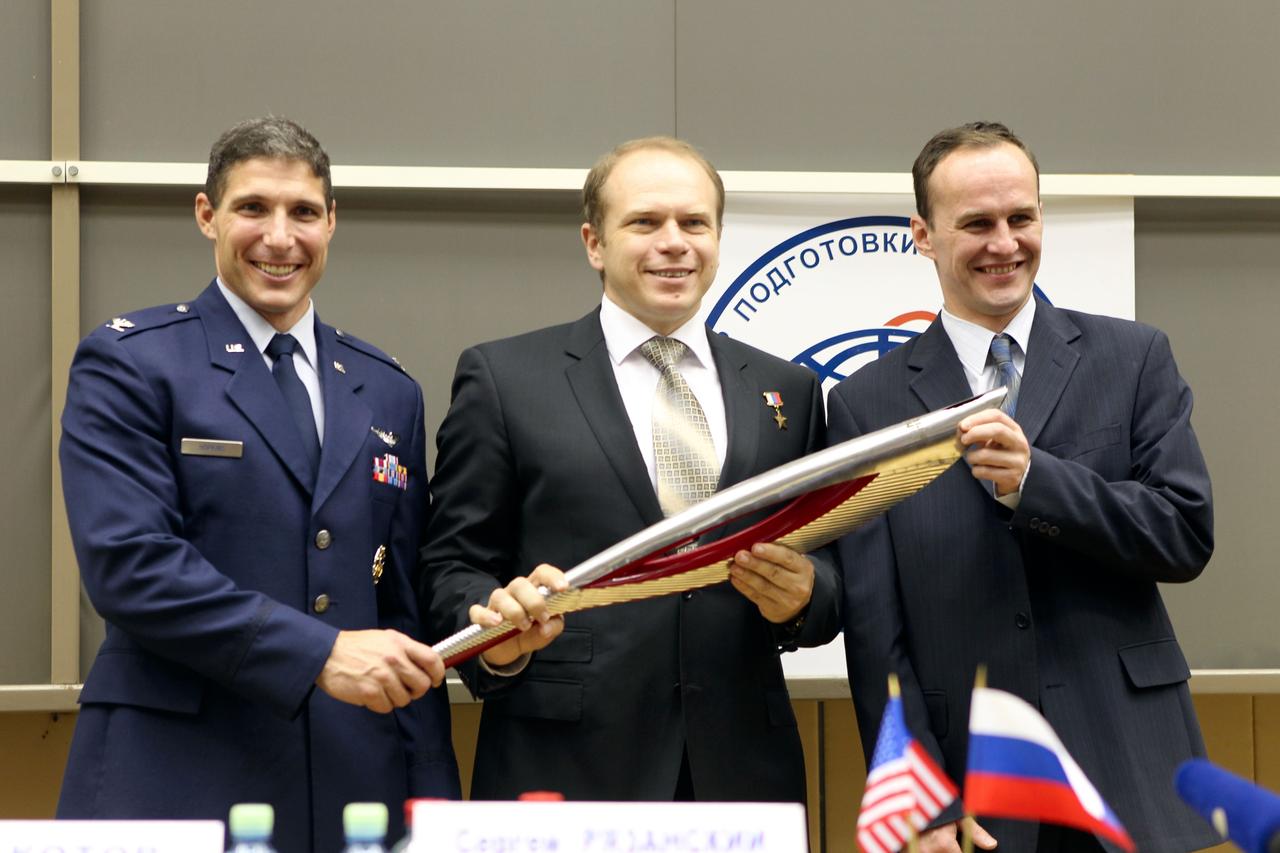
At the Gagarin Cosmonaut Training Center in Star City, Russia, Expedition 37/38 Flight Engineer Michael Hopkins of NASA (left), Soyuz Commander Oleg Kotov (center) and Flight Engineer Sergey Ryazanskiy (right) hold a replica of the Olympic torch Sept. 6 following a crew news conference at their training facility outside Moscow. The trio is preparing for their launch to the International Space Station from the Baikonur Cosmodrome in Kazakhstan on Sept. 26, Kazakh time, aboard the Soyuz TMA-10M spacecraft. The torch that will light the Olympic flame at the Opening Ceremonies of the Winter Olympics in Sochi, Russia Feb. 7, 2014 will be flown the space station by another crew in November and brought home several days later as part of a global and galactic Olympic relay. NASA/Stephanie Stoll
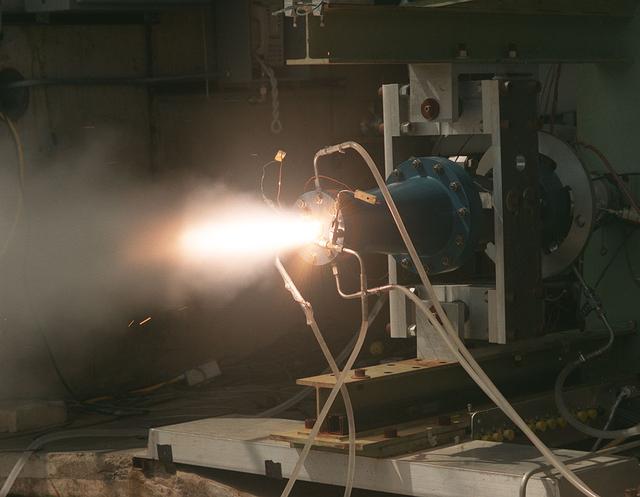
Solid fuel test performed on the Fastrac II engine cell at Marshall's Test Stand 116.
An international gathering of police officers march in a parade at the KSC Visitor Complex during opening ceremonies of the 2000 International Law Enforcement Games. More than 1,850 participants and their families took part in the opening, held in the Rocket Garden. The ceremony includes parades, torch lighting and a tug of war. The games feature officers from 15 countries and 37 United States in competitions around Brevard County, Fla
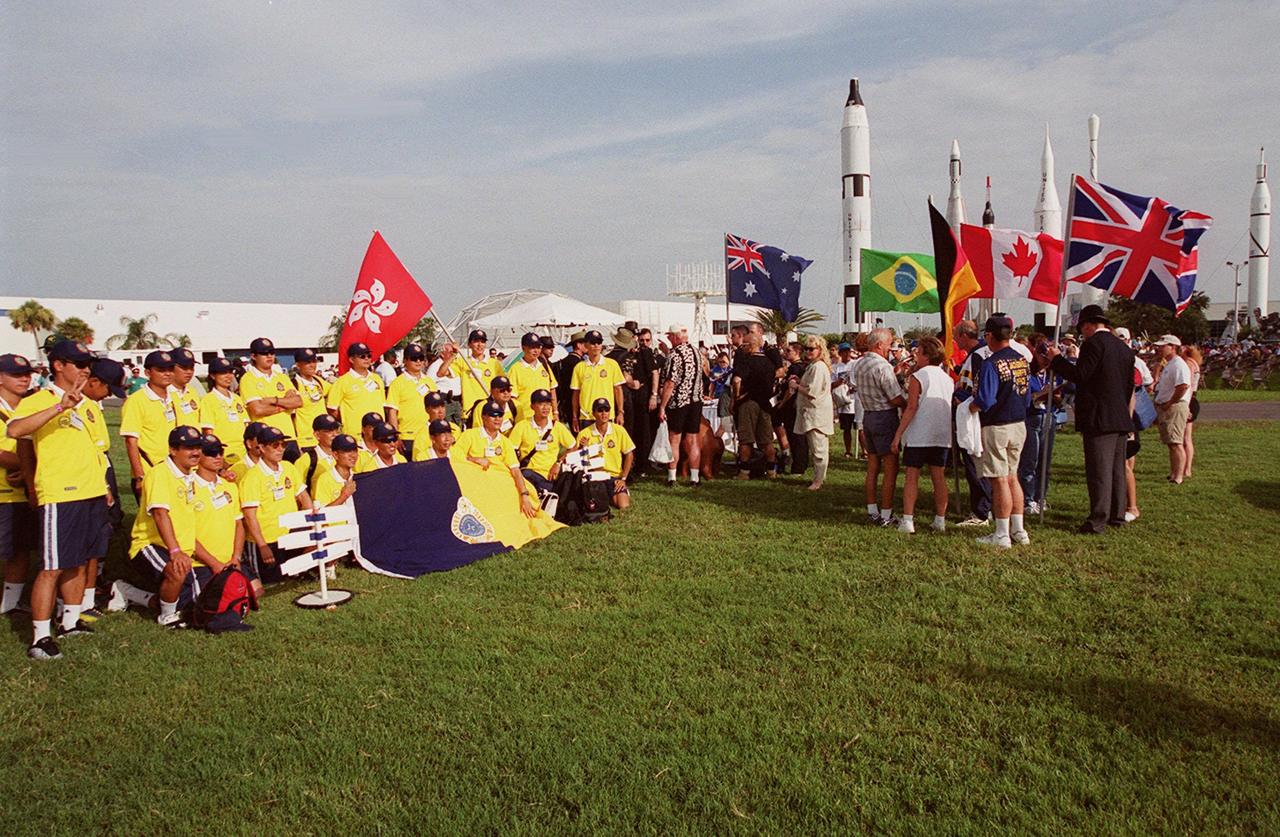
Hong Kong police officers gather in the KSC Visitor Complex Rocket Garden during opening ceremonies of the 2000 International Law Enforcement Games. More than 1,850 participants and their families took part in the opening, held in the Rocket Garden. The ceremony included parades, torch lighting and a tug of war. The games feature officers from 15 countries and 37 United States in competitions around Brevard County, Fla
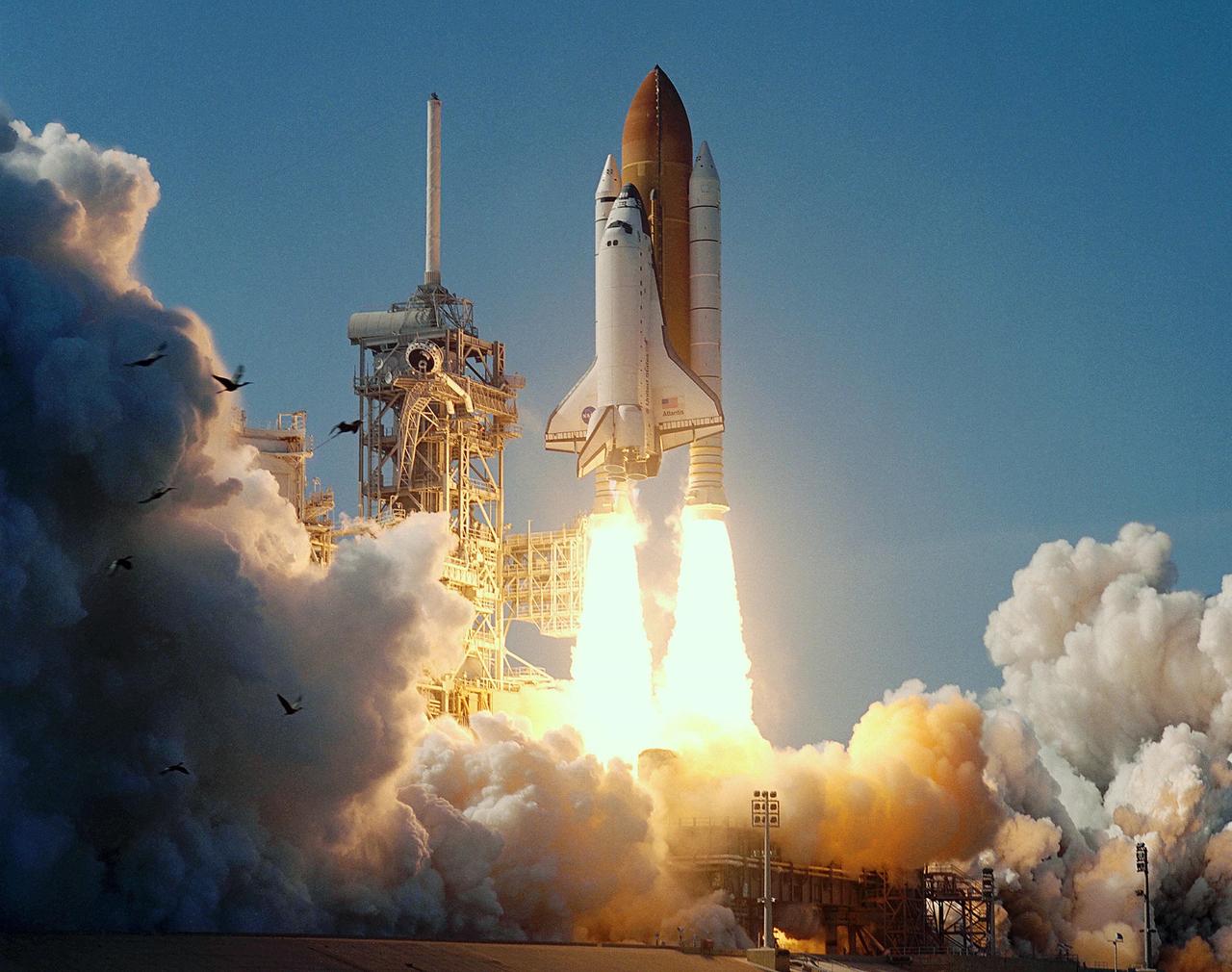
KENNEDY SPACE CENTER, FLA. -- Birds - herons or storks -- in the area of Launch Pad 39B are startled into flight as Space Shuttle Atlantis roars into the sky on mission STS-110. Flames from the solid rocket boosters look like inverted torches. Liftoff occurred at 4:44:19 p.m. EDT (20:41:19 GMT). Carrying the S0 Integrated Truss Structure and Mobile Transporter, STS-110 is the 13th assembly flight to the International Space Station.
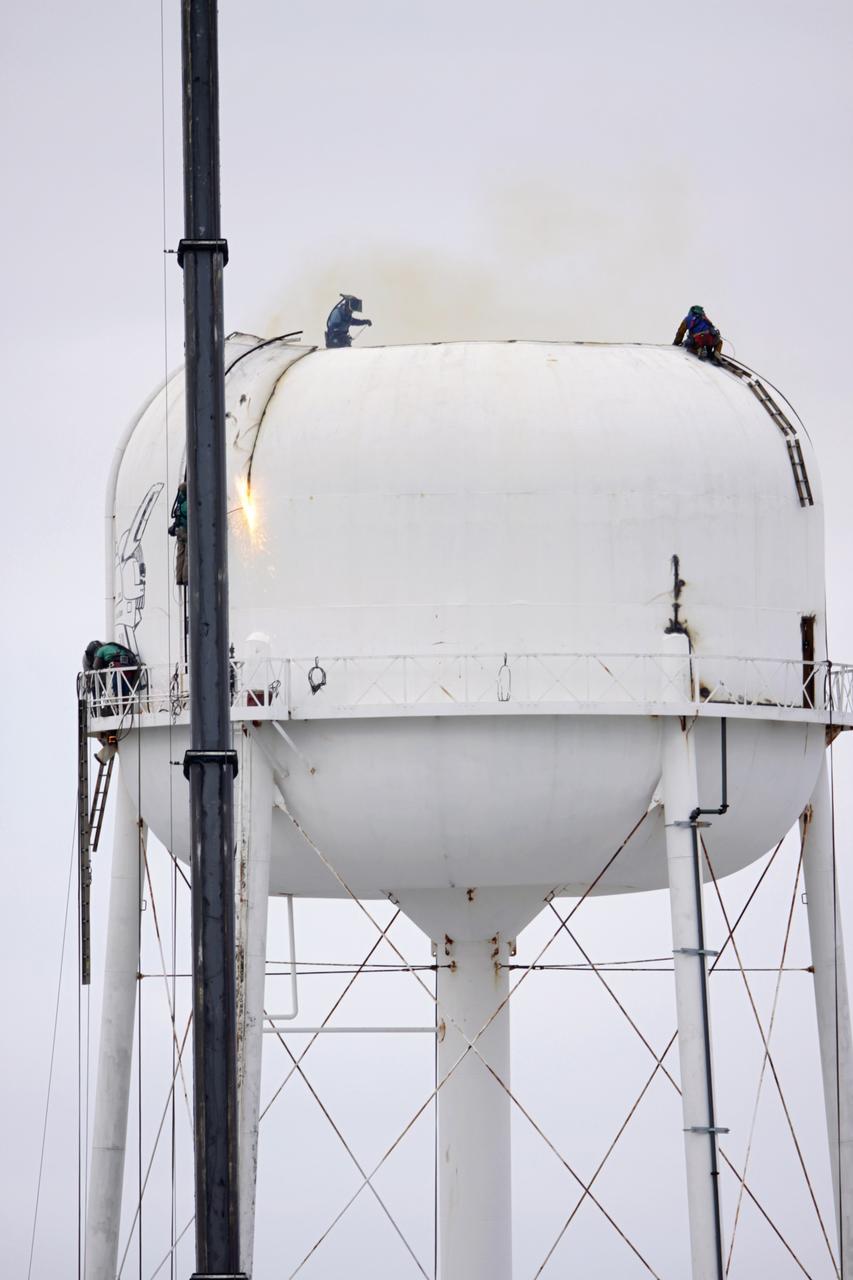
CAPE CANAVERAL, Fla. – Workers use a cutting torch to dismantle a water tower in the Launch Complex 39 area at NASA’s Kennedy Space Center in Florida. The effort is part of on-going efforts to upgrade and revitalize Kennedy's water and sewer systems to increase their reliability, sustainability and capabilities into the 21st century for current and future users. For more information, visit: http://kscpartnerships.ksc.nasa.gov/masterPlan/spaceportConcept.htm Photo credit: NASA/Tim Jacobs
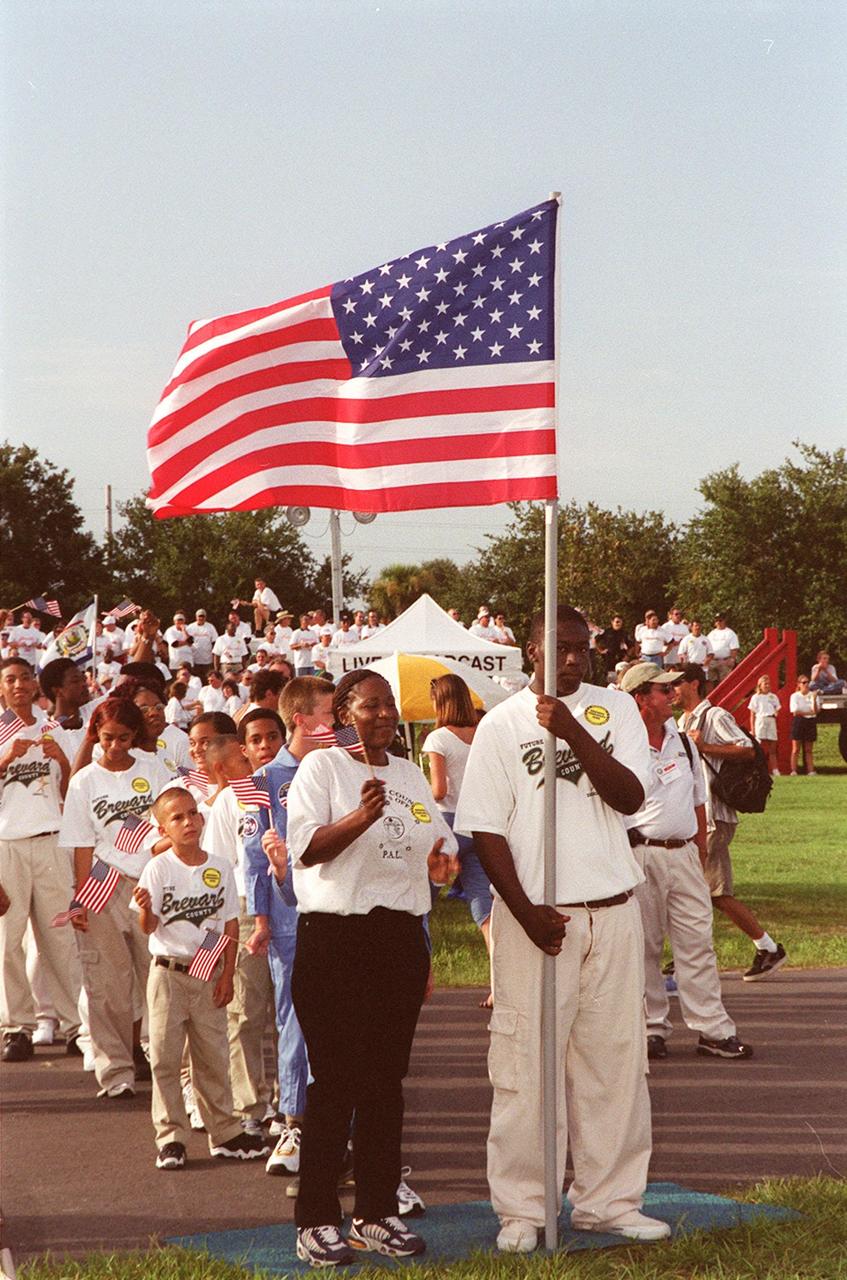
Children representing the Brevard Police Athletic League carry the U.S. Flag as they march in a parade at the KSC Visitor Complex during opening ceremonies of the 2000 International Law Enforcement Games. More than 1,850 participants and their families took part in the opening, held in the Rocket Garden. The ceremony included parades, torch lighting and a tug of war. The games feature officers from 15 countries and 37 United States in competitions around Brevard County, Fla
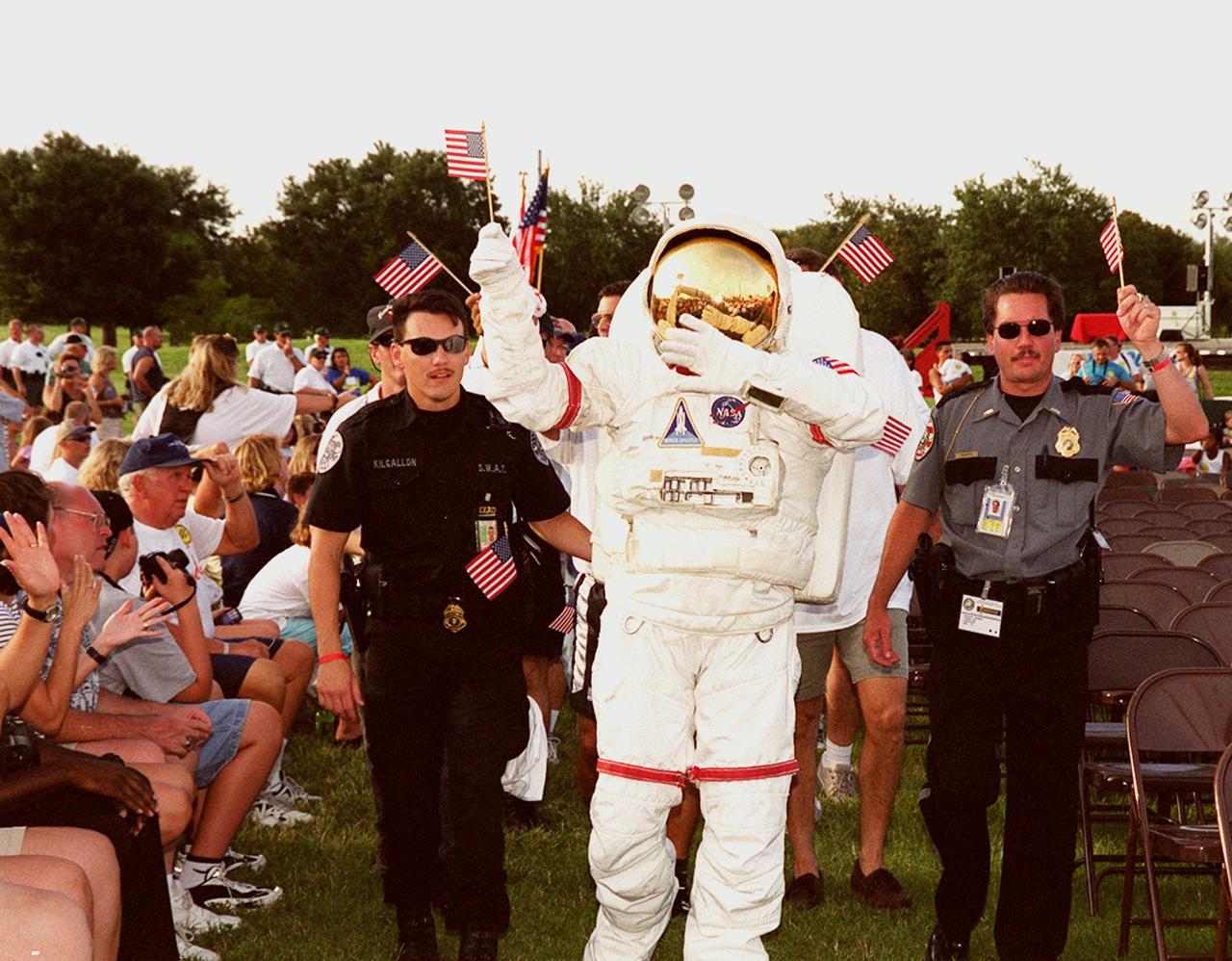
U.S. Police officers join the KSC Space Man in a parade at the KSC Visitor Complex during opening ceremonies of the 2000 International Law Enforcement Games. More than 1,850 participants and their families took part in the opening, held in the Rocket Garden. The ceremony includes parades, torch lighting and a tug of war. The games feature officers from 15 countries and 37 United States in competitions around Brevard County, Fla
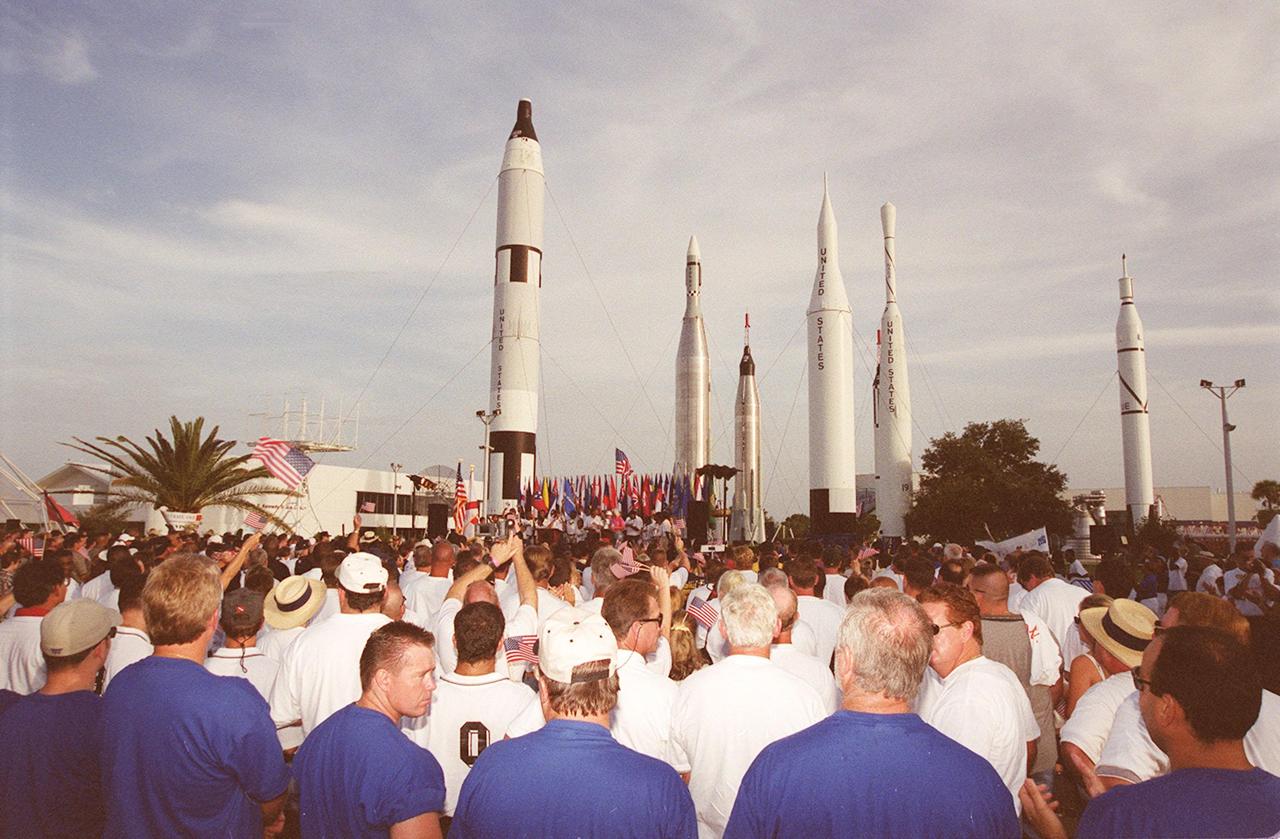
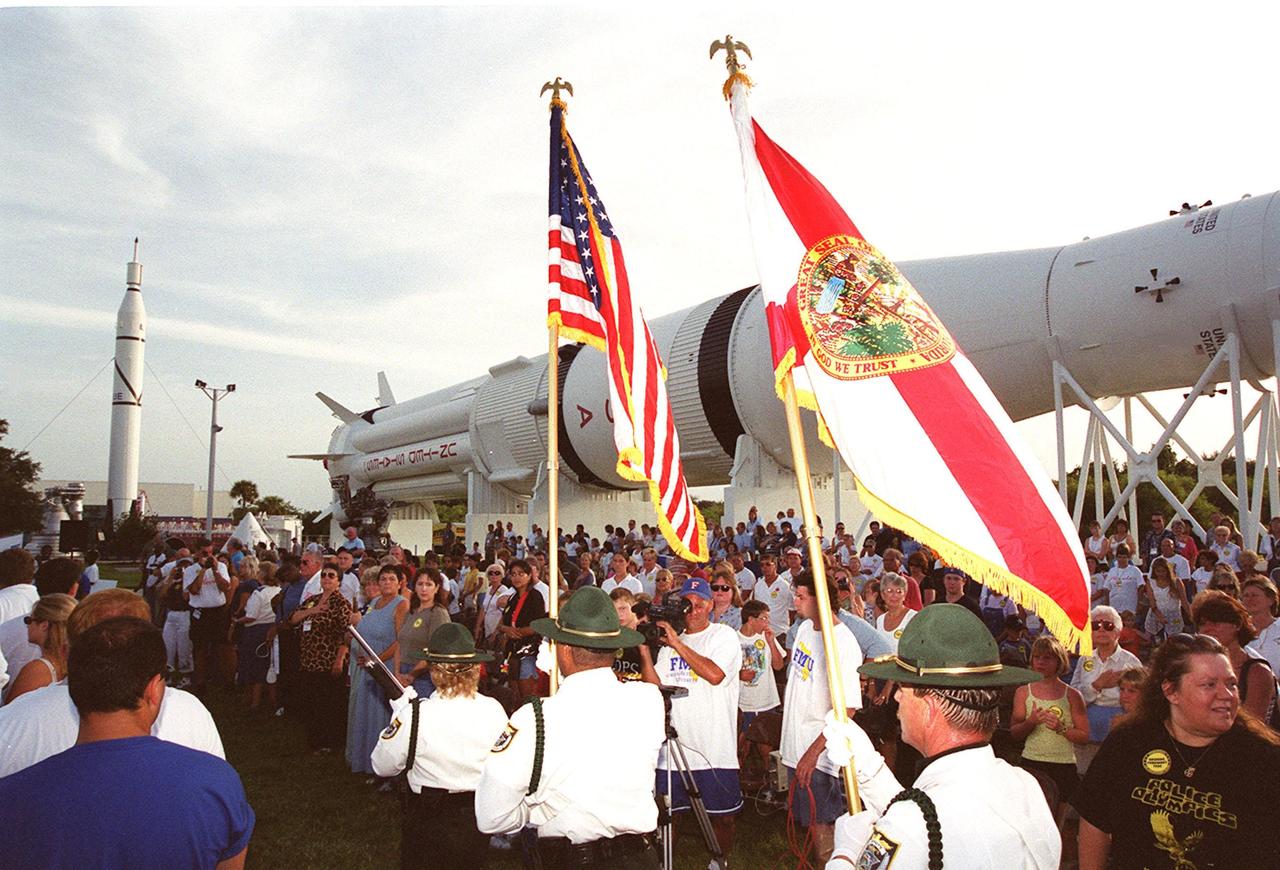
A crowd of police officers and their families cheer a presentation of flags during opening ceremonies of the 2000 International Law Enforcement Games. Held in the KSC Visitor Complex Rocket Garden, the ceremony hosted more than 1,850 participants and their families for events that included parades, torch lighting and a tug of war. The games feature officers from 15 countries and 37 United States in competitions around Brevard County, Fla
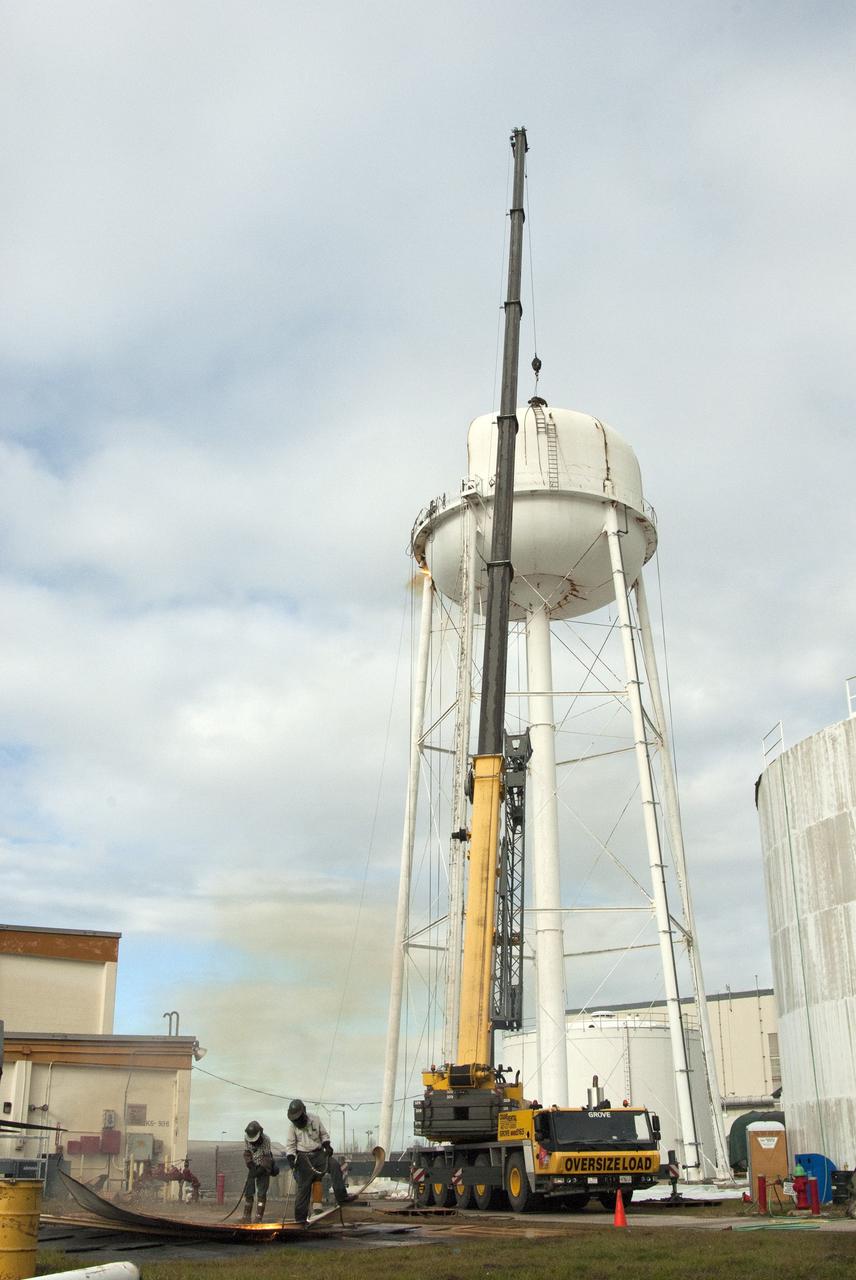
CAPE CANAVERAL, Fla. – Workers use a cutting torch to dismantle parts of a water tower in the Launch Complex 39 area at NASA’s Kennedy Space Center in Florida. The effort is part of on-going efforts to upgrade and revitalize Kennedy's water and sewer systems to increase their reliability, sustainability and capabilities into the 21st century for current and future users. For more information, visit: http://kscpartnerships.ksc.nasa.gov/masterPlan/spaceportConcept.htm Photo credit: NASA/Jim Grossmann
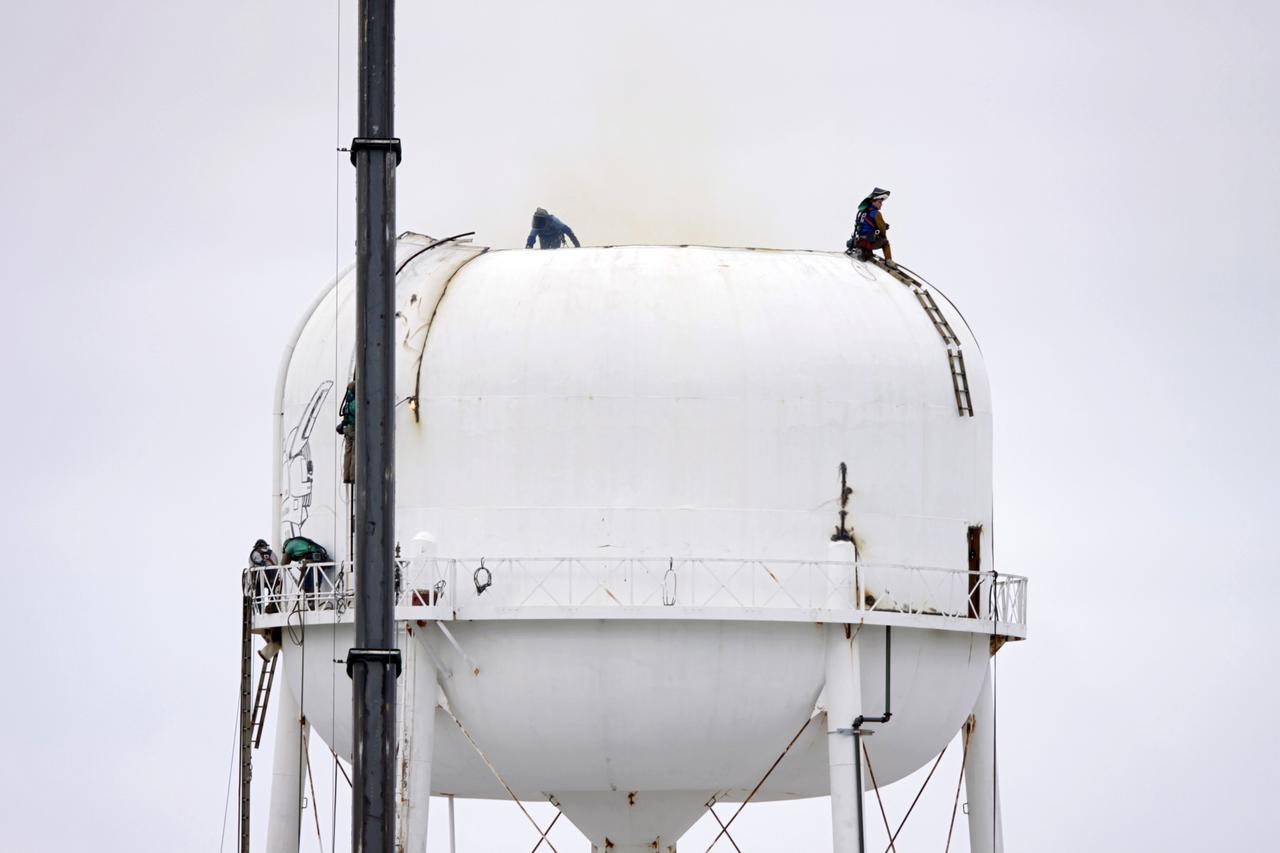
CAPE CANAVERAL, Fla. – Workers use a cutting torch to dismantle a water tower in the Launch Complex 39 area at NASA’s Kennedy Space Center in Florida. The effort is part of on-going efforts to upgrade and revitalize Kennedy's water and sewer systems to increase their reliability, sustainability and capabilities into the 21st century for current and future users. For more information, visit: http://kscpartnerships.ksc.nasa.gov/masterPlan/spaceportConcept.htm Photo credit: NASA/Tim Jacobs
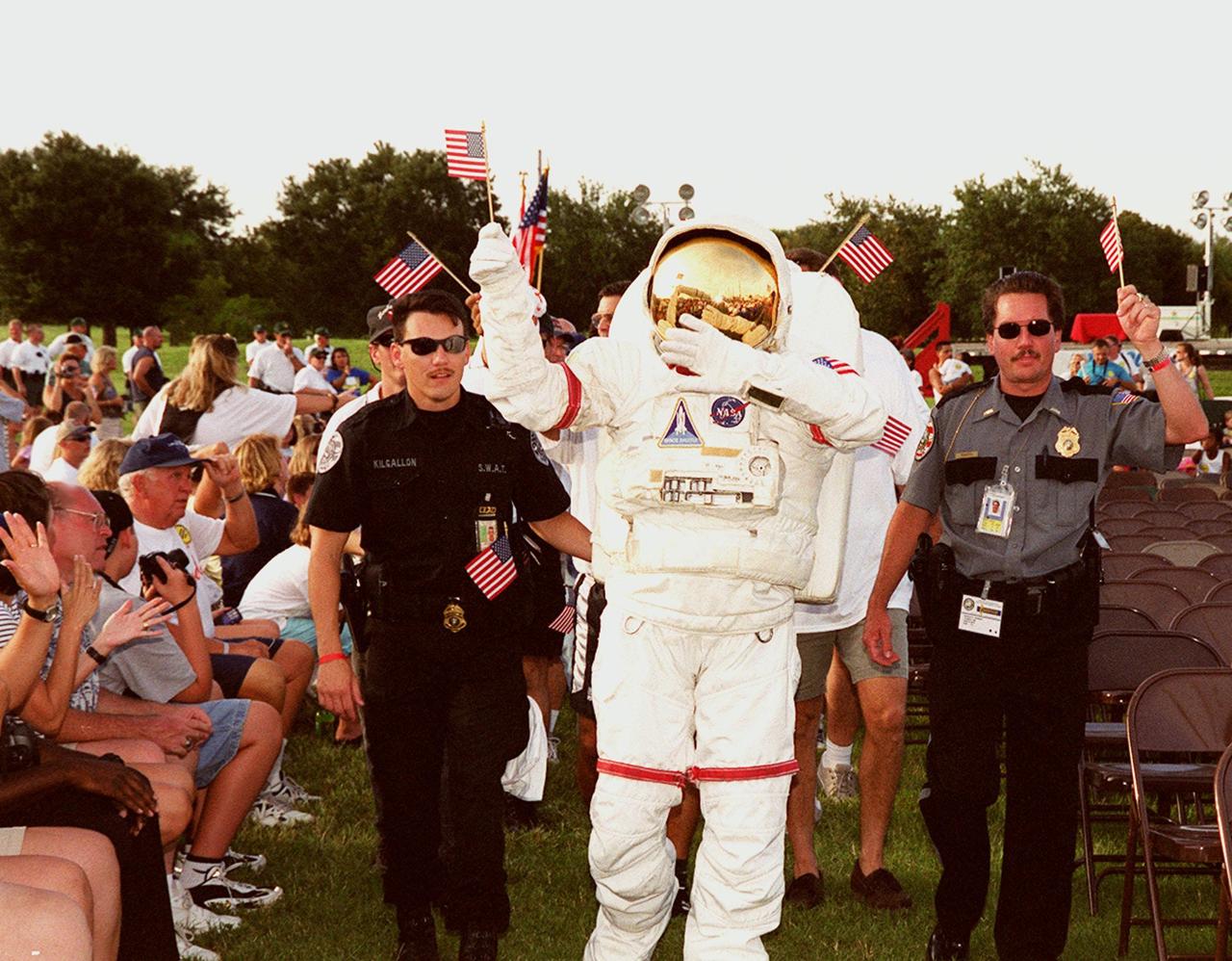
U.S. Police officers join the KSC Space Man in a parade at the KSC Visitor Complex during opening ceremonies of the 2000 International Law Enforcement Games. More than 1,850 participants and their families took part in the opening, held in the Rocket Garden. The ceremony includes parades, torch lighting and a tug of war. The games feature officers from 15 countries and 37 United States in competitions around Brevard County, Fla
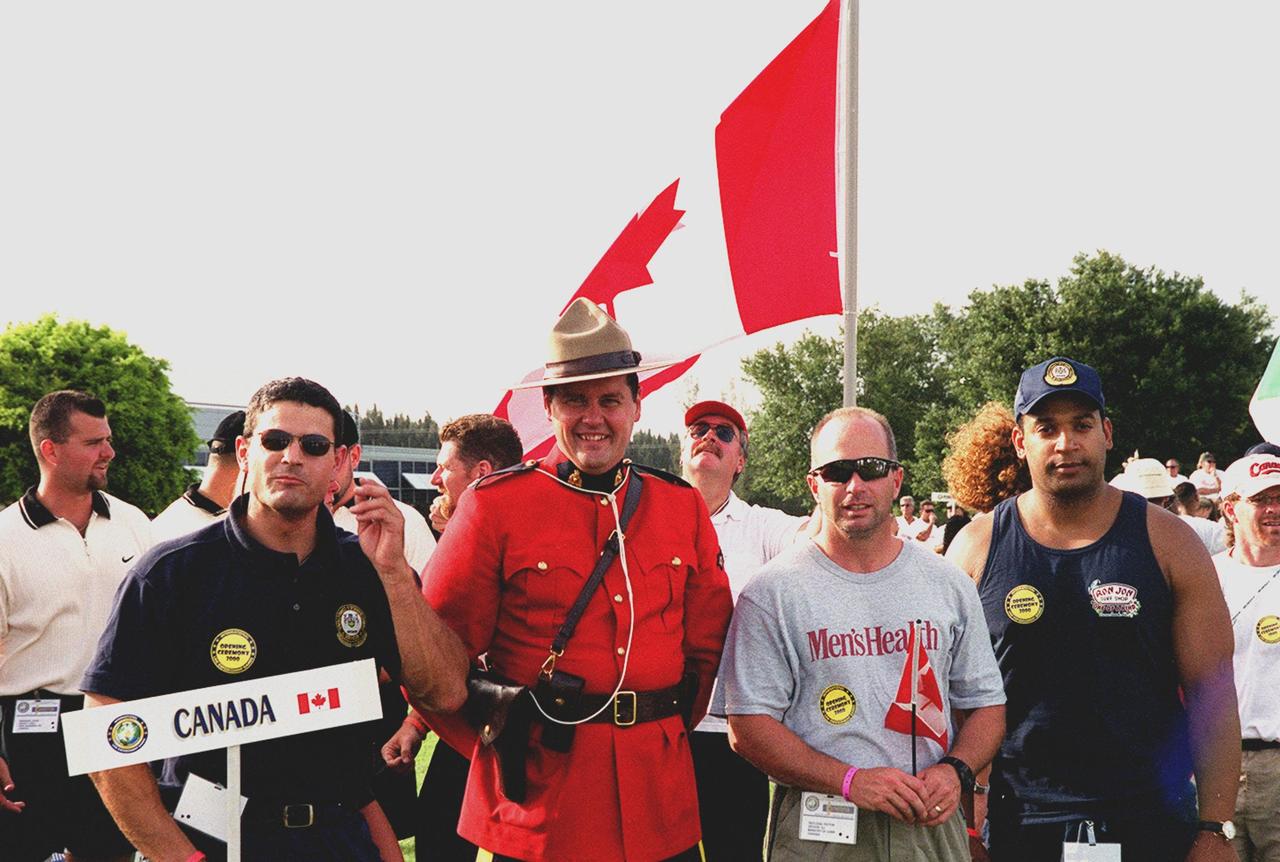
Canadian police officers gather in the KSC Visitor Complex Rocket Garden during opening ceremonies of the 2000 International Law Enforcement Games. More than 1,850 participants and their families took part in the opening, held in the Rocket Garden. The ceremony included parades, torch lighting and a tug of war. The games feature officers from 15 countries and 37 United States in competitions around Brevard County, Fla
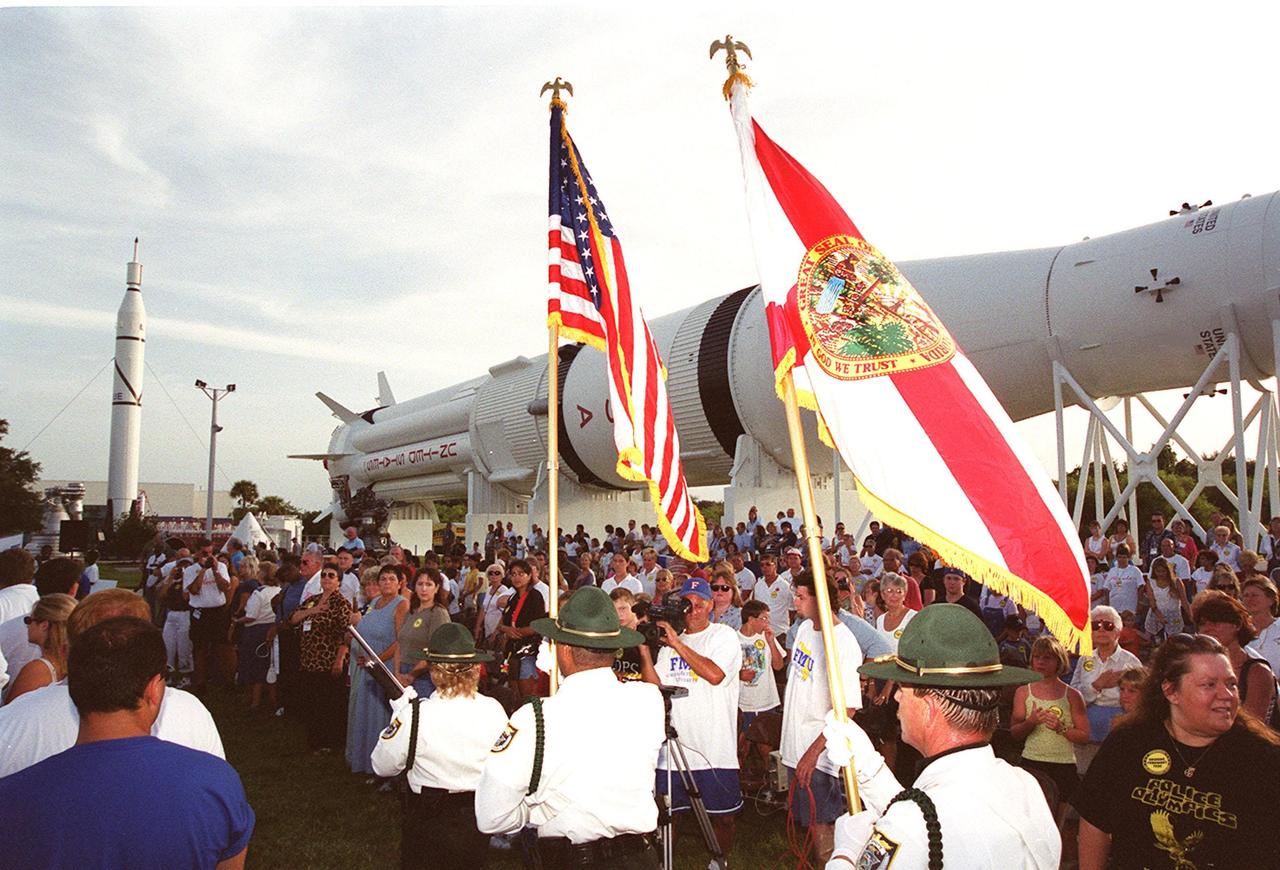
An international gathering of police officers march in a parade at the KSC Visitor Complex during opening ceremonies of the 2000 International Law Enforcement Games. More than 1,850 participants and their families took part in the opening, held in the Rocket Garden. The ceremony includes parades, torch lighting and a tug of war. The games feature officers from 15 countries and 37 United States in competitions around Brevard County, Fla

Members of KSC’s Native America International Tribal Council and the Space Coast Indian Association (Brevard County) gather in the KSC Visitor Complex during opening ceremonies of the 2000 International Law Enforcement Games. More than 1,850 participants and their families took part in the opening, held in the Rocket Garden. The ceremony included parades, torch lighting and a tug of war. The games feature officers from 15 countries and 37 United States in competitions around Brevard County, Fla

A crowd of police officers and their families attend opening ceremonies of the 2000 International Law Enforcement Games. Held in the KSC Visitor Complex Rocket Garden, the ceremony hosted more than 1,850 participants and their families for events that included parades, torch lighting and a tug of war. The games feature officers from 15 countries and 37 United States in competitions around Brevard County, Fla
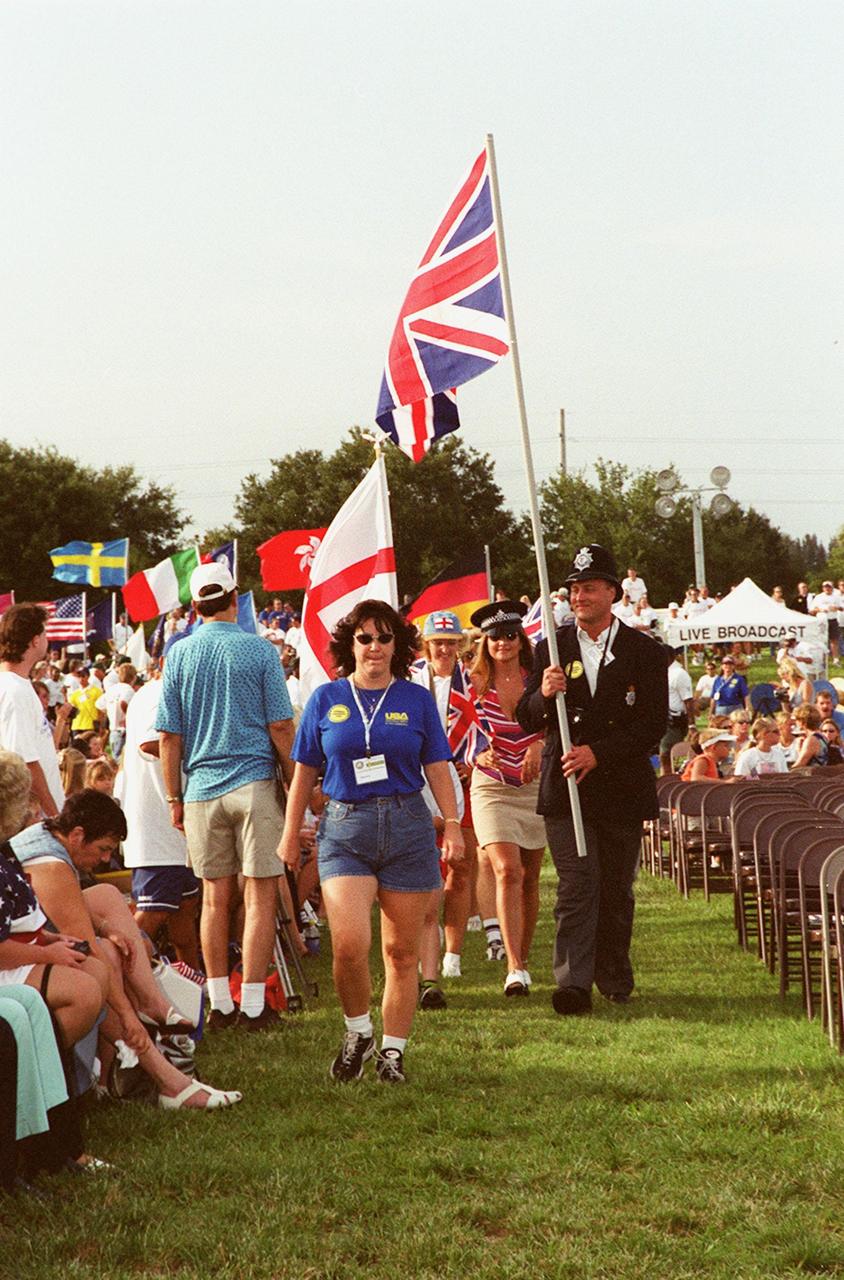
British police officers carry their country’s flag while marching in a parade at the KSC Visitor Complex during opening ceremonies of the 2000 International Law Enforcement Games. More than 1,850 participants and their families took part in the opening, held in the Rocket Garden. The ceremony included parades, torch lighting and a tug of war. The games feature officers from 15 countries and 37 United States in competitions around Brevard County, Fla
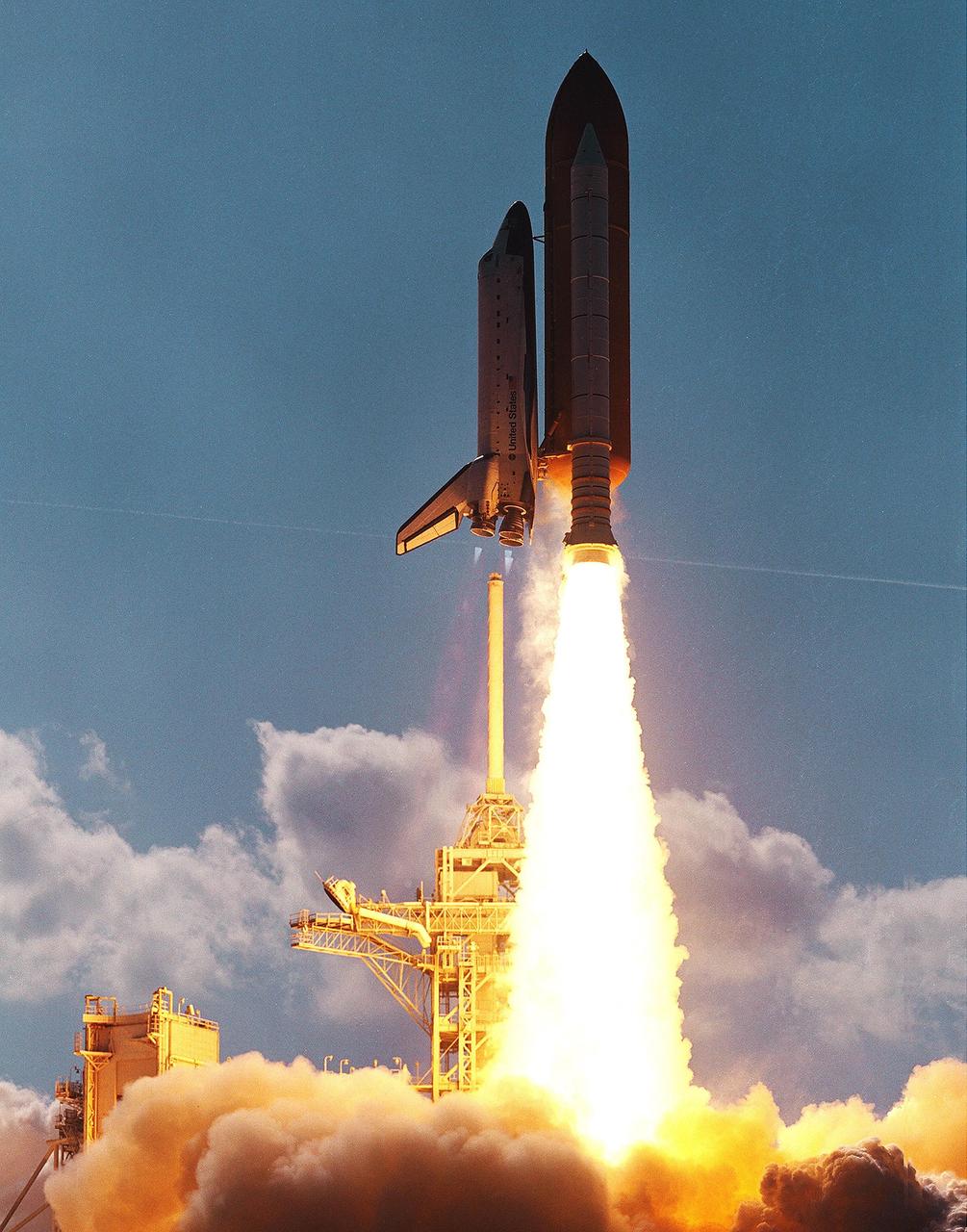
KENNEDY SPACE CENTER, FLA. - Space Shuttle Atlantis clears the lightning mast as it hurtles into the afternoon sky from Launch Pad 39B on mission STS-110. The mast is on the top of the Fixed Service Structure. Flames from the solid rocket booster look like an inverted torch. Liftoff occurred at 4:44:19 p.m. EDT (20:41:19 GMT). Carrying the S0 Integrated Truss Structure and Mobile Transporter, STS-110 is the 13th assembly flight to the International Space Station
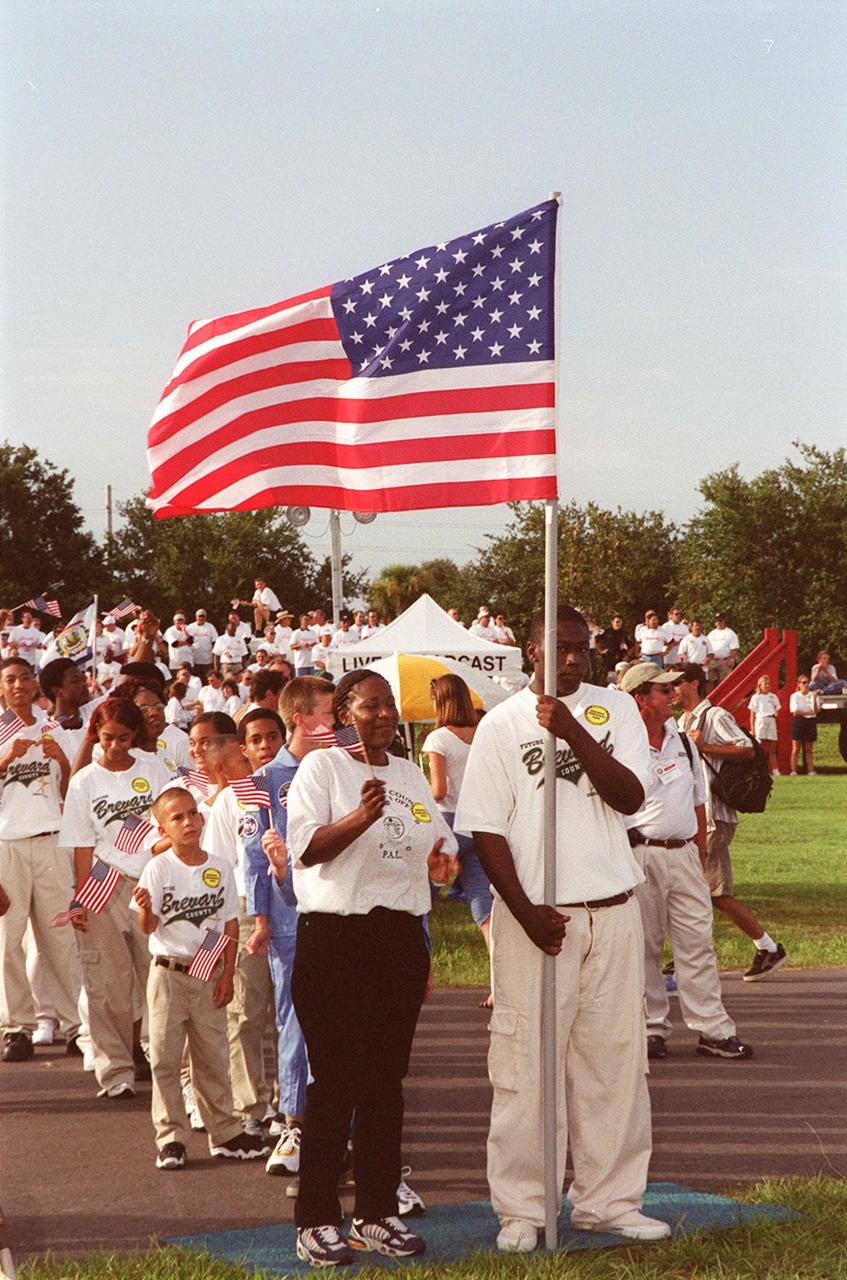
Children representing the Brevard Police Athletic League carry the U.S. Flag as they march in a parade at the KSC Visitor Complex during opening ceremonies of the 2000 International Law Enforcement Games. More than 1,850 participants and their families took part in the opening, held in the Rocket Garden. The ceremony included parades, torch lighting and a tug of war. The games feature officers from 15 countries and 37 United States in competitions around Brevard County, Fla
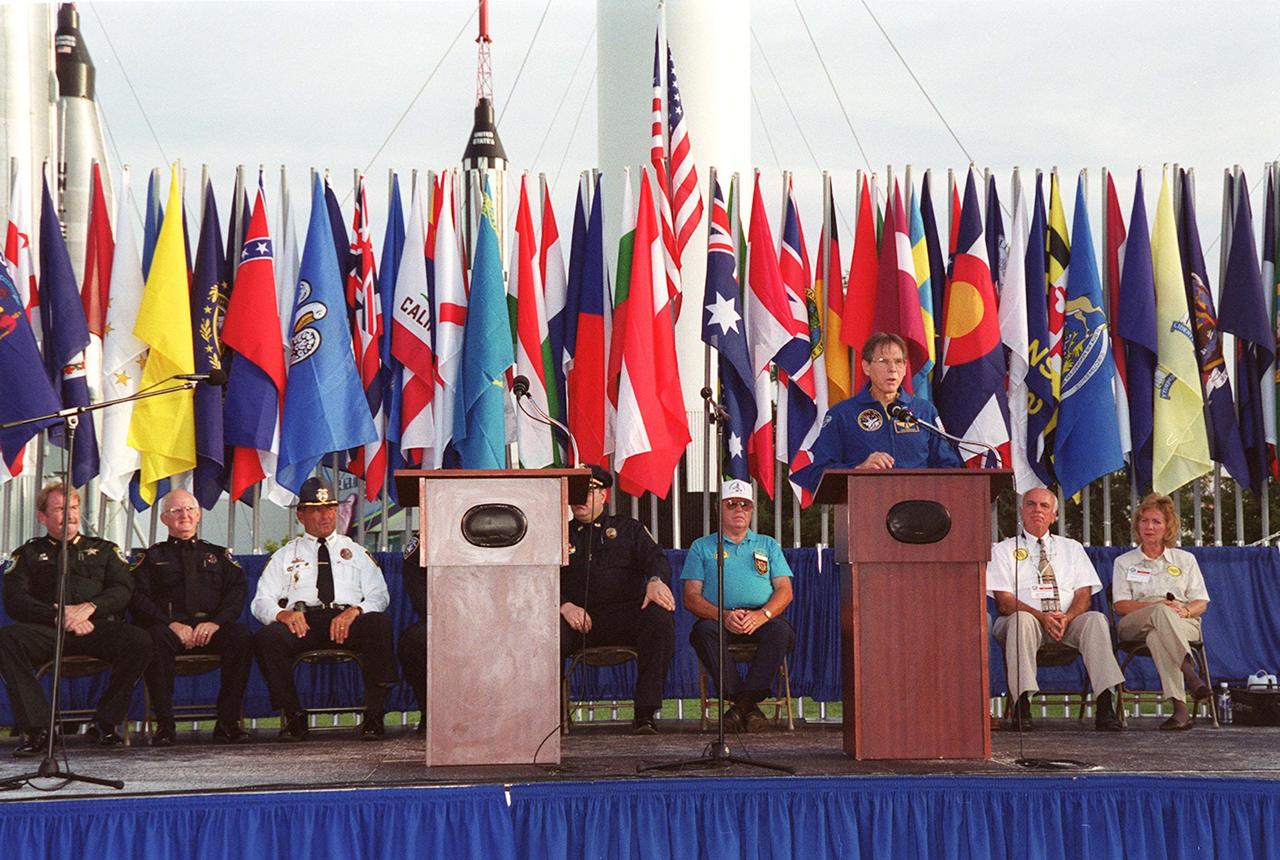
During opening ceremonies of the 2000 International Law Enforcement Games, astronaut Sam Durrance addresses an audience of 1,850 participants and their families. Held in the KSC Visitor Complex Rocket Garden, the ceremony included parades, torch lighting and a tug of war. The games feature officers from 15 countries and 37 United States in competitions around Brevard County, Fla
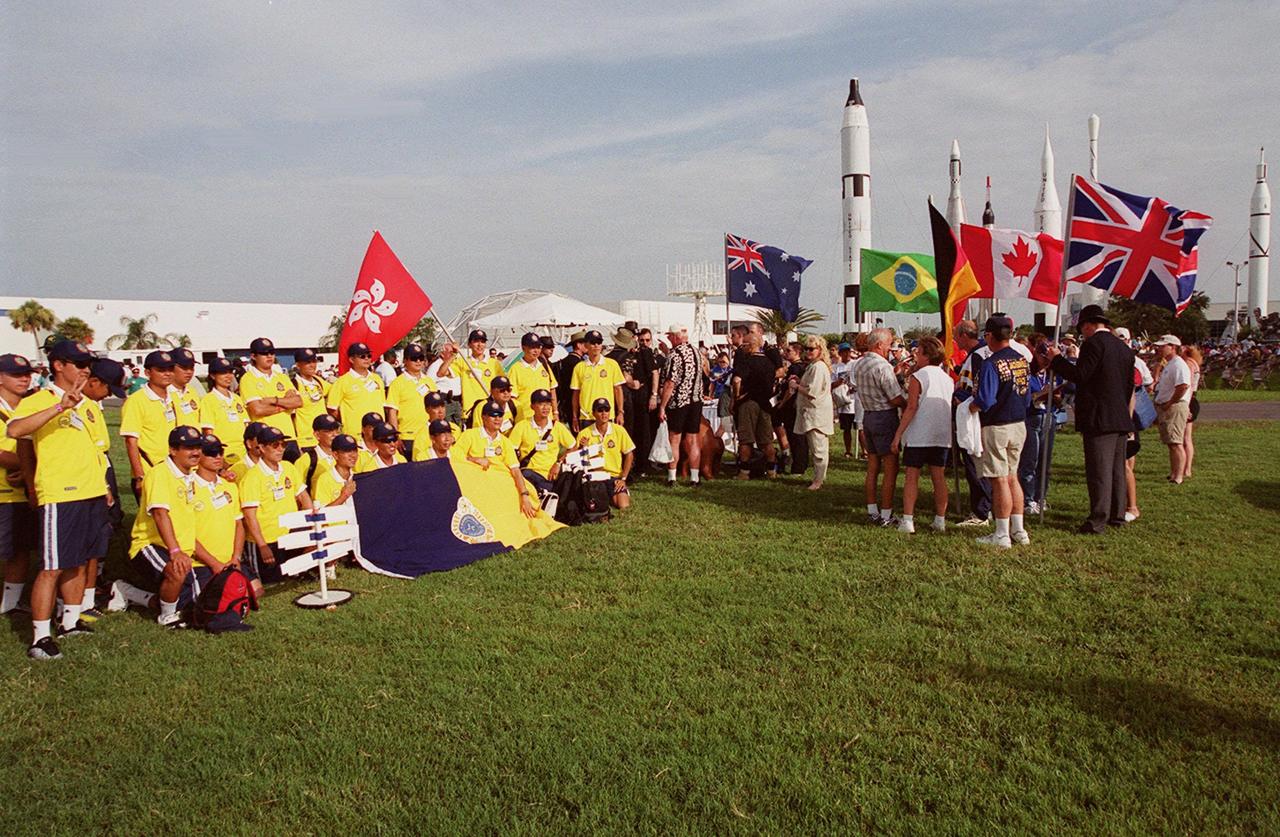
Hong Kong police officers gather in the KSC Visitor Complex Rocket Garden during opening ceremonies of the 2000 International Law Enforcement Games. More than 1,850 participants and their families took part in the opening, held in the Rocket Garden. The ceremony included parades, torch lighting and a tug of war. The games feature officers from 15 countries and 37 United States in competitions around Brevard County, Fla
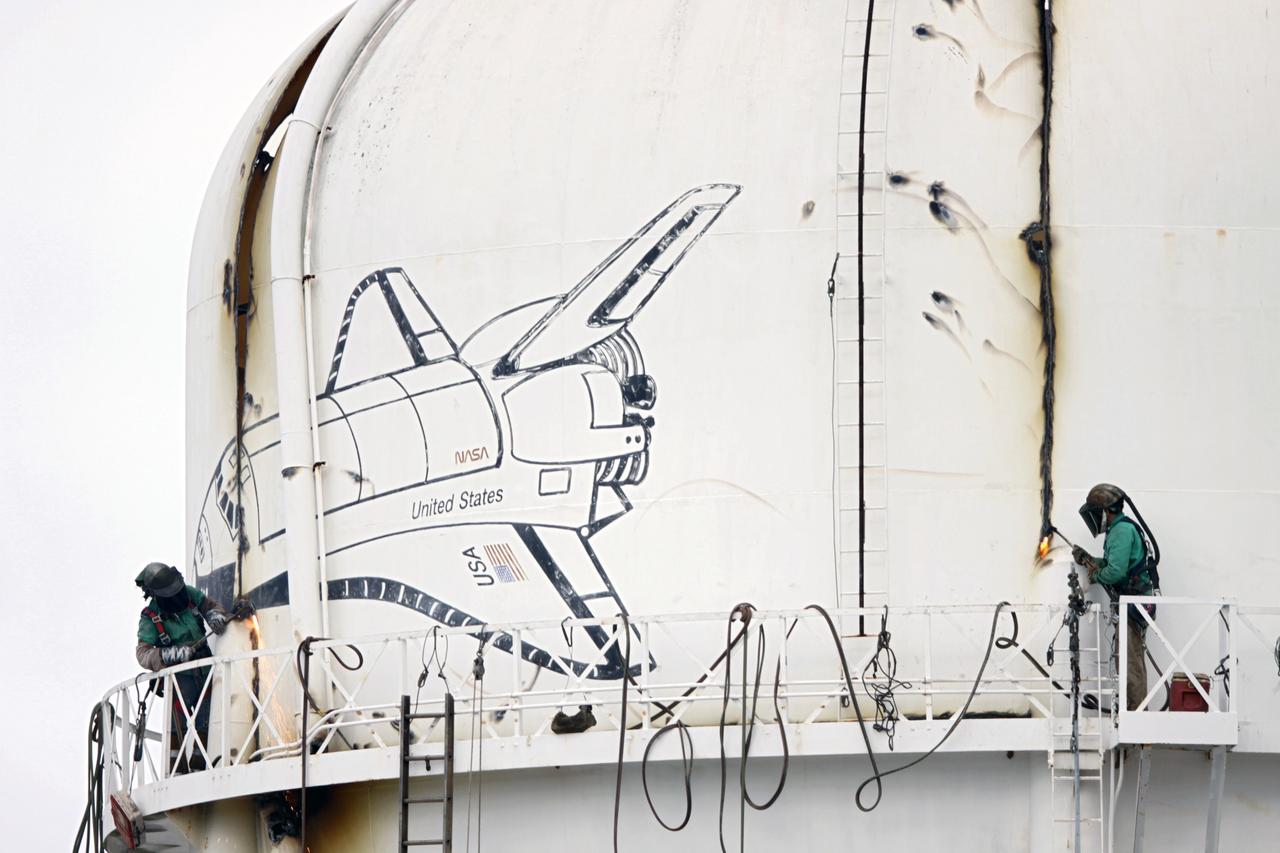
CAPE CANAVERAL, Fla. – Workers use a cutting torch to dismantle a water tower in the Launch Complex 39 area at NASA’s Kennedy Space Center in Florida. The effort is part of on-going efforts to upgrade and revitalize Kennedy's water and sewer systems to increase their reliability, sustainability and capabilities into the 21st century for current and future users. For more information, visit: http://kscpartnerships.ksc.nasa.gov/masterPlan/spaceportConcept.htm Photo credit: NASA/Tim Jacobs
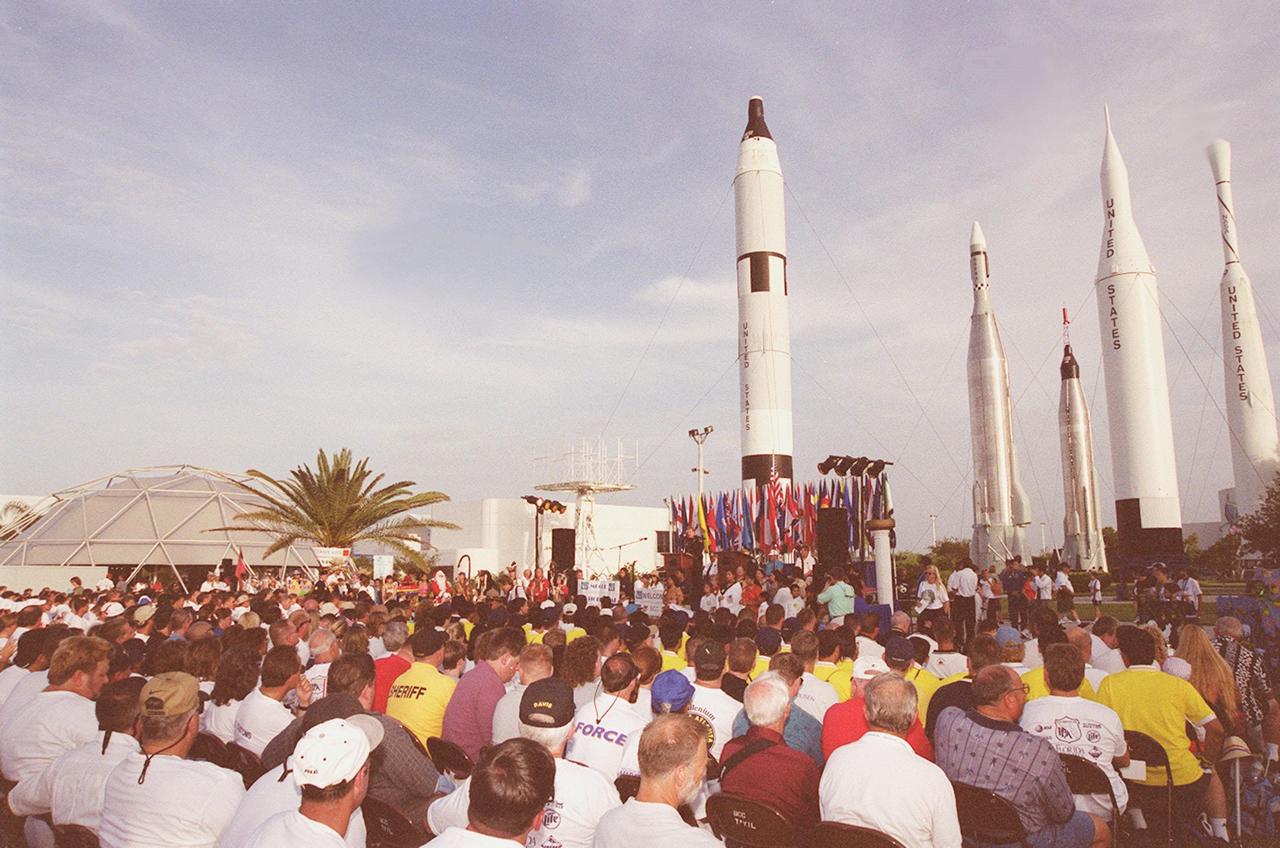
A crowd of police officers and their families attend opening ceremonies of the 2000 International Law Enforcement Games. Held in the KSC Visitor Complex Rocket Garden, the ceremony hosted more than 1,850 participants and their families for events that included parades, torch lighting and a tug of war. The games feature officers from 15 countries and 37 United States in competitions around Brevard County, Fla
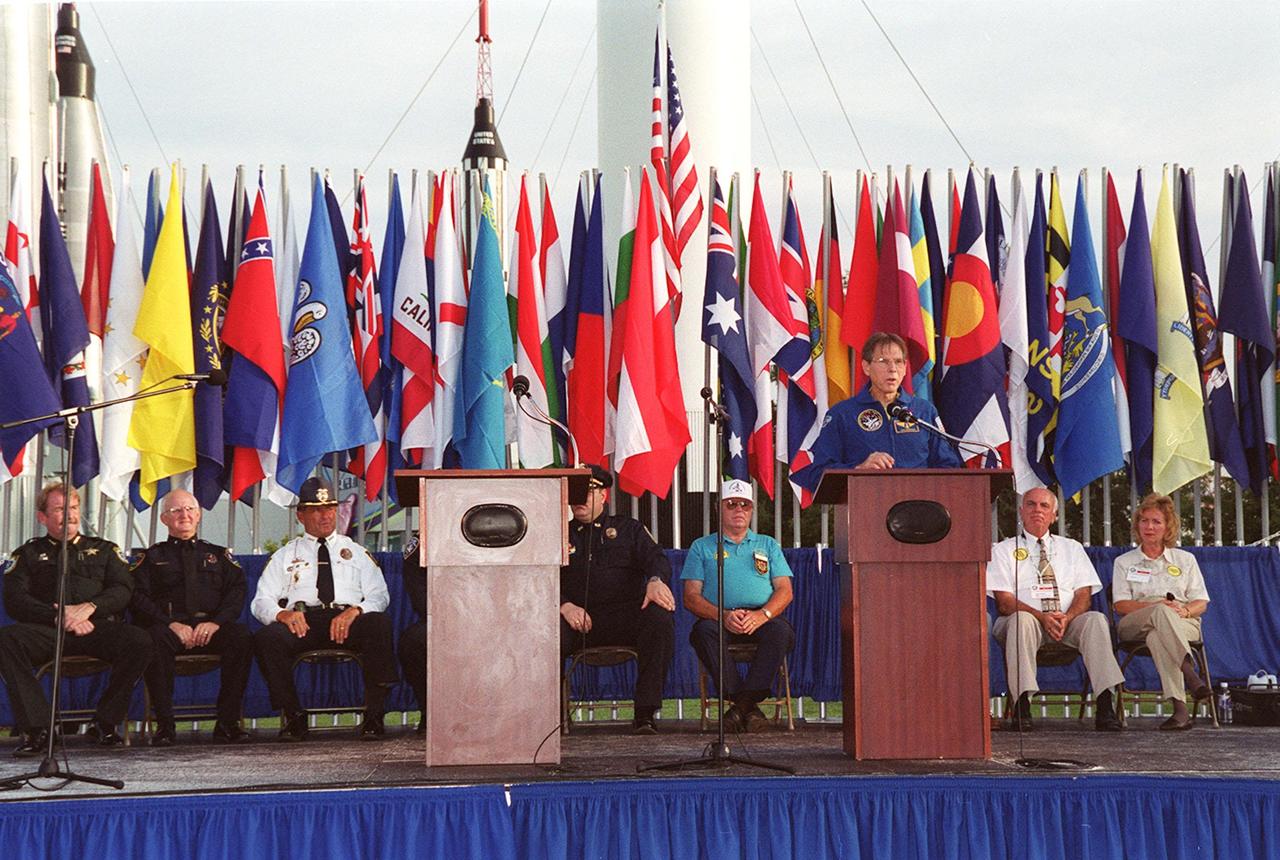
During opening ceremonies of the 2000 International Law Enforcement Games, astronaut Sam Durrance addresses an audience of 1,850 participants and their families. Held in the KSC Visitor Complex Rocket Garden, the ceremony included parades, torch lighting and a tug of war. The games feature officers from 15 countries and 37 United States in competitions around Brevard County, Fla

KENNEDY SPACE CENTER, FLA. -- Birds - herons or storks -- in the area of Launch Pad 39B beat a swift retreat as Space Shuttle Atlantis roars into the sky on mission STS-110. Flames from the solid rocket boosters look like inverted torches. Liftoff occurred at 4:44:19 p.m. EDT (20:41:19 GMT). Carrying the S0 Integrated Truss Structure and Mobile Transporter, STS-110 is the 13th assembly flight to the International Space Station
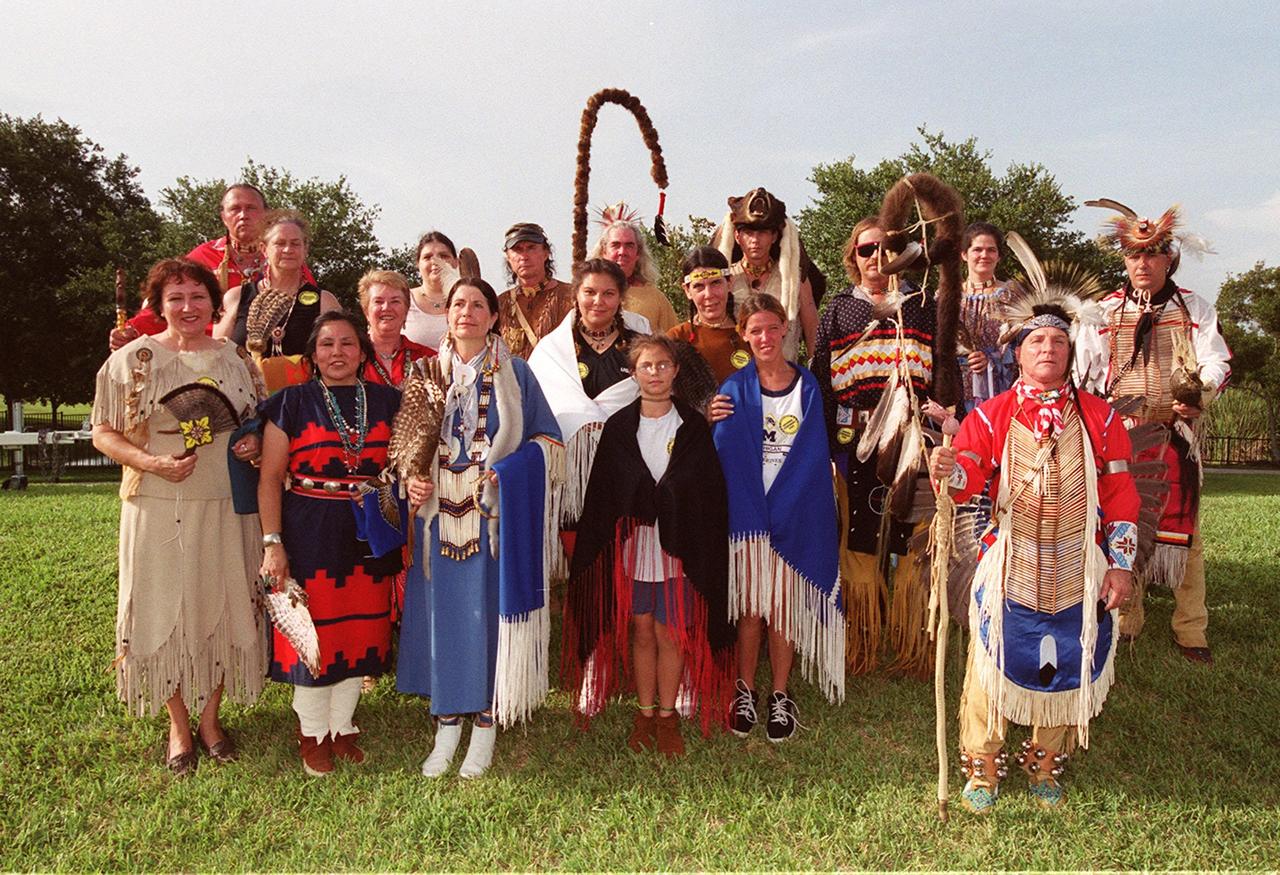
Members of KSC’s Native America International Tribal Council and the Space Coast Indian Association (Brevard County) gather in the KSC Visitor Complex during opening ceremonies of the 2000 International Law Enforcement Games. More than 1,850 participants and their families took part in the opening, held in the Rocket Garden. The ceremony included parades, torch lighting and a tug of war. The games feature officers from 15 countries and 37 United States in competitions around Brevard County, Fla
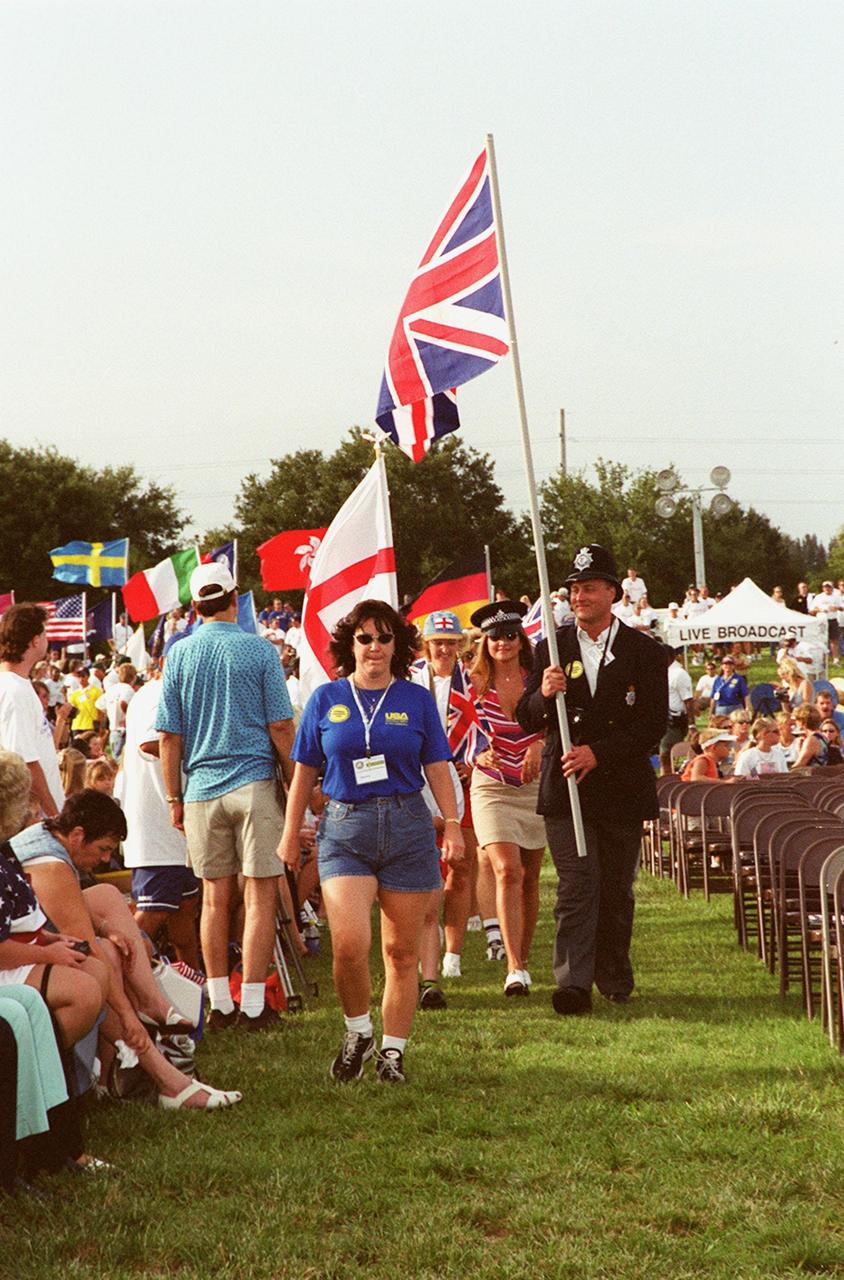
British police officers carry their country’s flag while marching in a parade at the KSC Visitor Complex during opening ceremonies of the 2000 International Law Enforcement Games. More than 1,850 participants and their families took part in the opening, held in the Rocket Garden. The ceremony included parades, torch lighting and a tug of war. The games feature officers from 15 countries and 37 United States in competitions around Brevard County, Fla
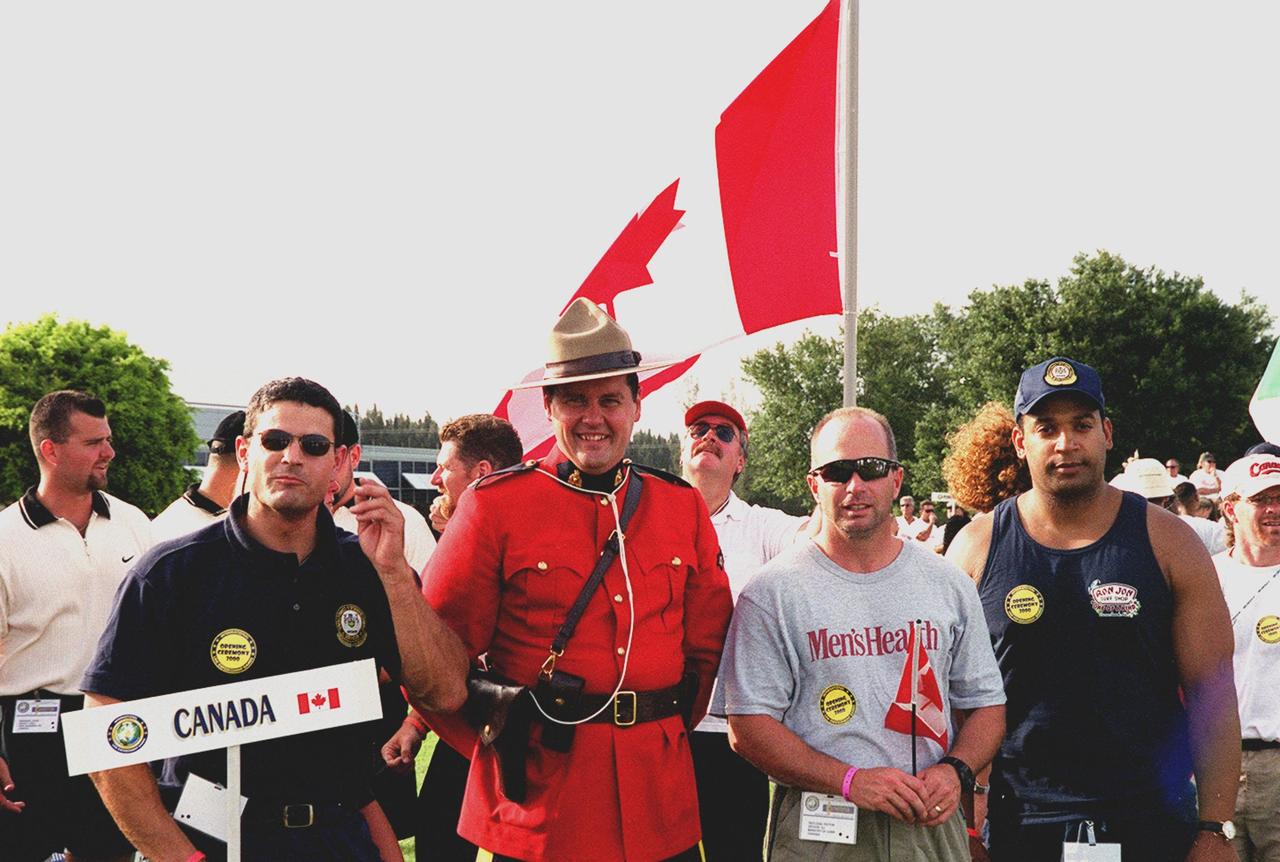
Canadian police officers gather in the KSC Visitor Complex Rocket Garden during opening ceremonies of the 2000 International Law Enforcement Games. More than 1,850 participants and their families took part in the opening, held in the Rocket Garden. The ceremony included parades, torch lighting and a tug of war. The games feature officers from 15 countries and 37 United States in competitions around Brevard County, Fla
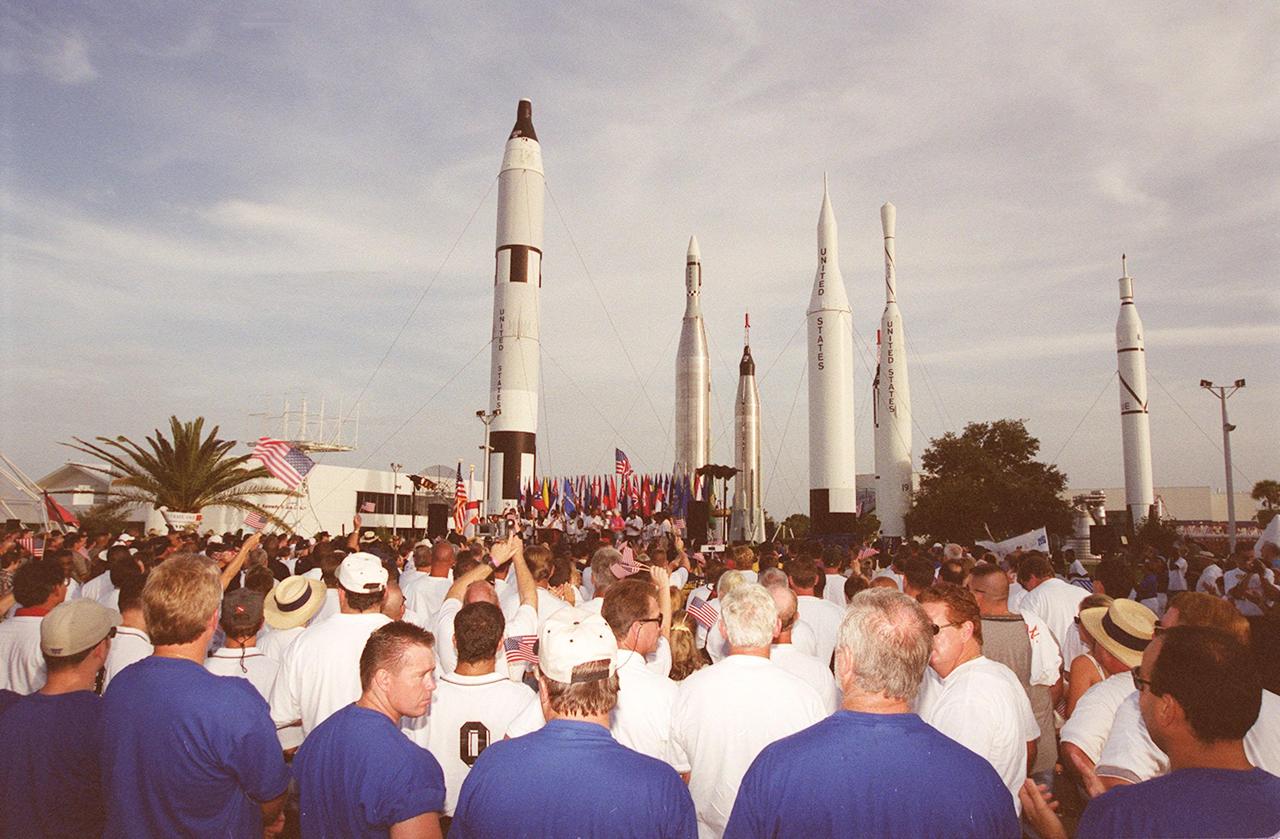
A crowd of police officers and their families cheer a presentation of flags during opening ceremonies of the 2000 International Law Enforcement Games. Held in the KSC Visitor Complex Rocket Garden, the ceremony hosted more than 1,850 participants and their families for events that included parades, torch lighting and a tug of war. The games feature officers from 15 countries and 37 United States in competitions around Brevard County, Fla

According to one ancient legend, a Chinese official named Wan Hoo attempted a flight to the moon using a large wicker chair to which were fastened 47 large rockets. Forty seven assistants, each armed with a torch, rushed forward to light the fuses. In a moment, there was a tremendous roar accompanied by billowing clouds of smoke. When the smoke cleared, the flying chair and Wan Hoo were gone.
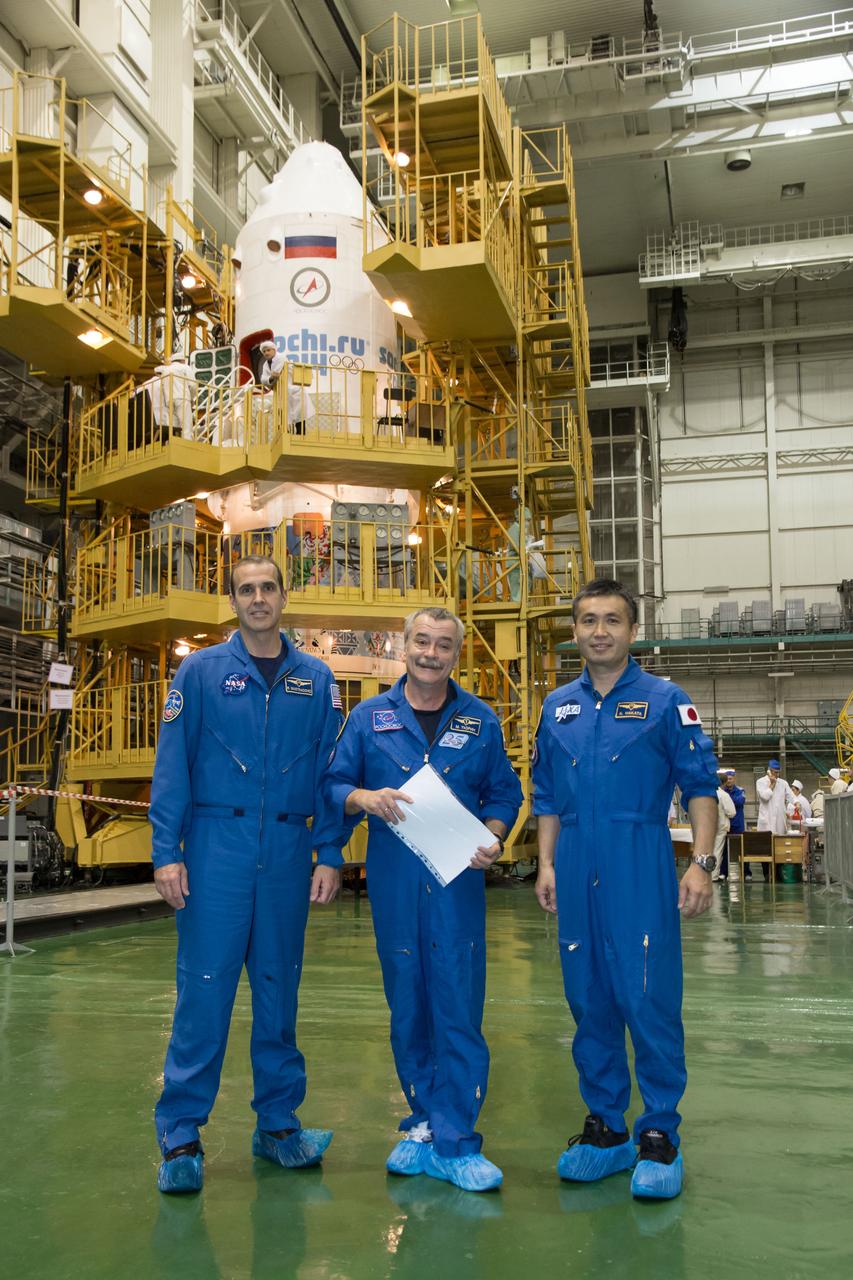
11-45-59: In the Integration Facility at the Baikonur Cosmodrome in Kazakhstan, Expedition 38/39 Flight Engineer Rick Mastracchio of NASA (left), Soyuz Commander Mikhail Tyurin (center) and Flight Engineer Koichi Wakata of the Japan Aerospace Exploration Agency (right) pose for pictures Nov. 3 in front of the Soyuz TMA-11M spacecraft following their final fit check dress rehearsal. The Soyuz rocket’s payload fairing behind them is adorned with the insignia of the Sochi Olympic Organizing Committee . The crewmembers, who will launch Nov. 7, Kazakh time for a six-month mission on the International Space Station, are carrying the Olympic torch to the complex with them for a four-day visit. NASA/Victor Zelentsov
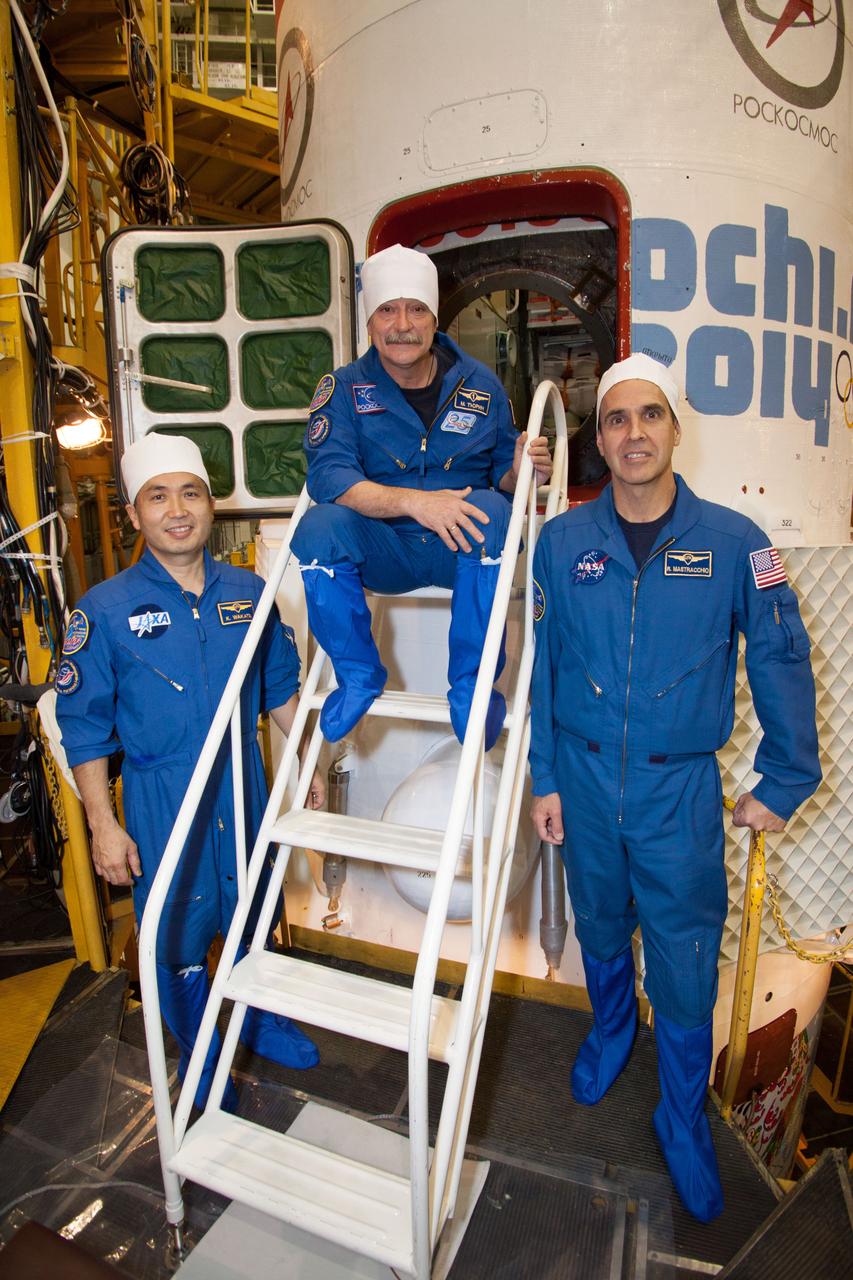
11-11-22: In the Integration Facility at the Baikonur Cosmodrome in Kazakhstan, Expedition 38/39 Flight Engineer Koichi Wakata of the Japan Aerospace Exploration Agency (left), Soyuz Commander Mikhail Tyurin (center) and Flight Engineer Rick Mastracchio of NASA (right) pose for pictures Nov. 3 outside the Soyuz TMA-11M spacecraft during their final fit check dress rehearsal. The Soyuz rocket’s payload fairing behind them is adorned with the insignia of the Sochi Olympic Organizing Committee . The crewmembers, who will launch Nov. 7, Kazakh time for a six-month mission on the International Space Station, are carrying the Olympic torch to the complex with them for a four-day visit. NASA/Victor Zelentsov
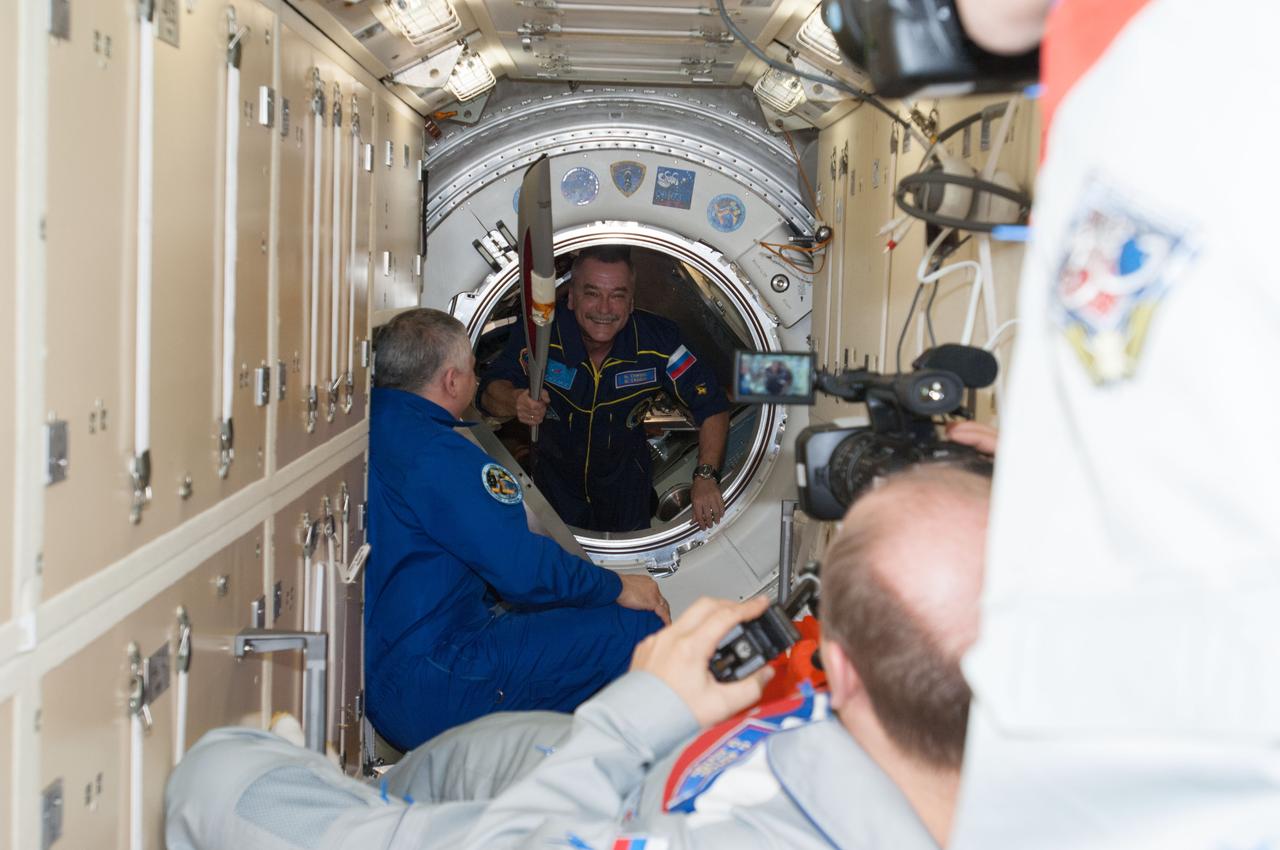
ISS037-E-028203 (7 Nov. 2013) --- In the International Space Station's Rassvet Mini-Research Module 1 (MRM1), Russian cosmonaut Fyodor Yurchikhin, Expedition 37 commander, welcomes Russian cosmonaut Mikhail Tyurin (holding the Olympic torch), Expedition 38 flight engineer, after arriving onboard a Soyuz spacecraft with Japan Aerospace Exploration Agency astronaut Koichi Wakata and NASA astronaut Rick Mastracchio, both Expedition 38 flight engineers. Russian cosmonaut Oleg Kotov (foreground), Expedition 37 flight engineer, captures the event with a video camera.
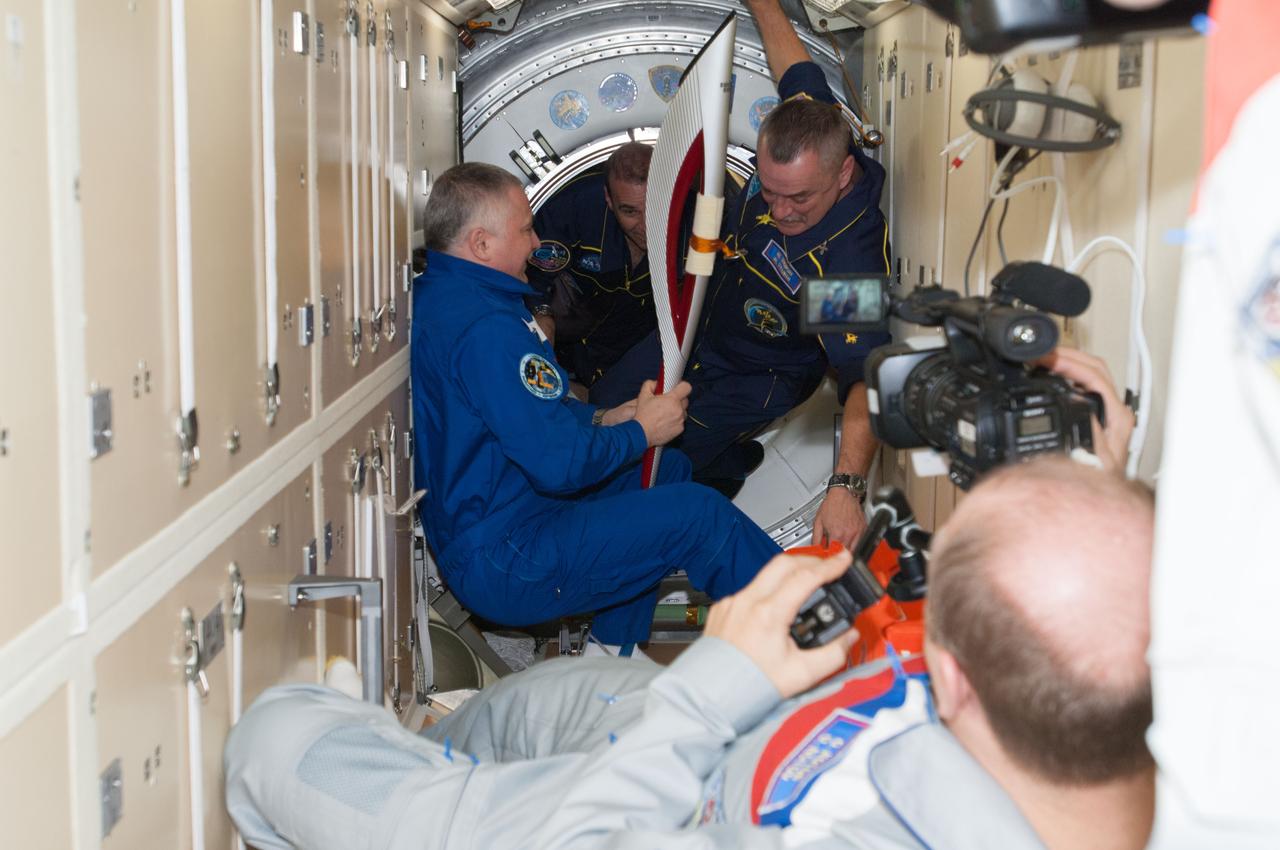
ISS037-E-028206 (7 Nov. 2013) --- In the International Space Station's Rassvet Mini-Research Module 1 (MRM1), Russian cosmonaut Fyodor Yurchikhin (holding the Olympic torch), Expedition 37 commander, welcomes Russian cosmonaut Mikhail Tyurin, Expedition 38 flight engineer, after arriving onboard a Soyuz spacecraft with Japan Aerospace Exploration Agency astronaut Koichi Wakata and NASA astronaut Rick Mastracchio, both Expedition 38 flight engineers. Russian cosmonaut Oleg Kotov (foreground), Expedition 37 flight engineer, captures the event with a video camera.

S65-54129 (November 1965) --- Design for the emblem of the Gemini VII spaceflight. At left of hand-held torch is a Gemini spacecraft. Roman numeral indicates the seventh flight in the Gemini series. Prime crew men for the mission are astronauts Frank Borman, command pilot, and James A. Lovell Jr., pilot. The NASA insignia design for Gemini flights is reserved for use by the astronauts and for other official use as the NASA Administrator may authorize. Public availability has been approved only in the form of illustrations by the various news media. When and if there is any change in this policy, which we do not anticipate, it will be publicly announced. Photo credit: NASA
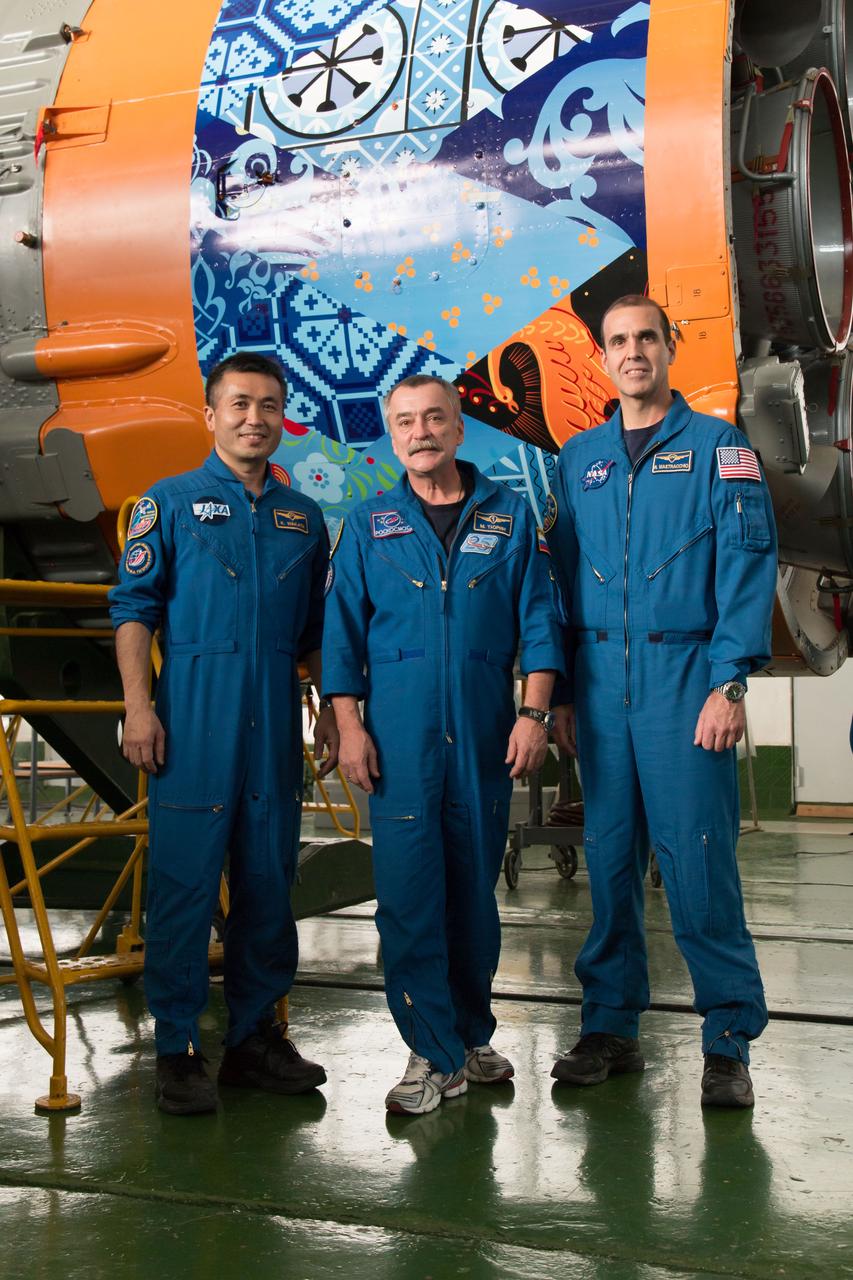
13-10-51-6: In the Integration Facility at the Baikonur Cosmodrome in Kazakhstan, Expedition 38/39 Flight Engineer Koichi Wakata of the Japan Aerospace Exploration Agency (left), Soyuz Commander Mikhail Tyurin (center) and Flight Engineer Rick Mastracchio of NASA (right) pose for pictures Nov. 3 in front of the first stage of the Soyuz rocket during their final fit check dress rehearsal. The Soyuz rocket’s skirt is adorned with artwork representing the 2014 Winter Olympics in Sochi, Russia. The crewmembers, who will launch Nov. 7, Kazakh time for a six-month mission on the International Space Station, are carrying the Olympic torch to the complex with them for a four-day visit. NASA/Victor Zelentsov
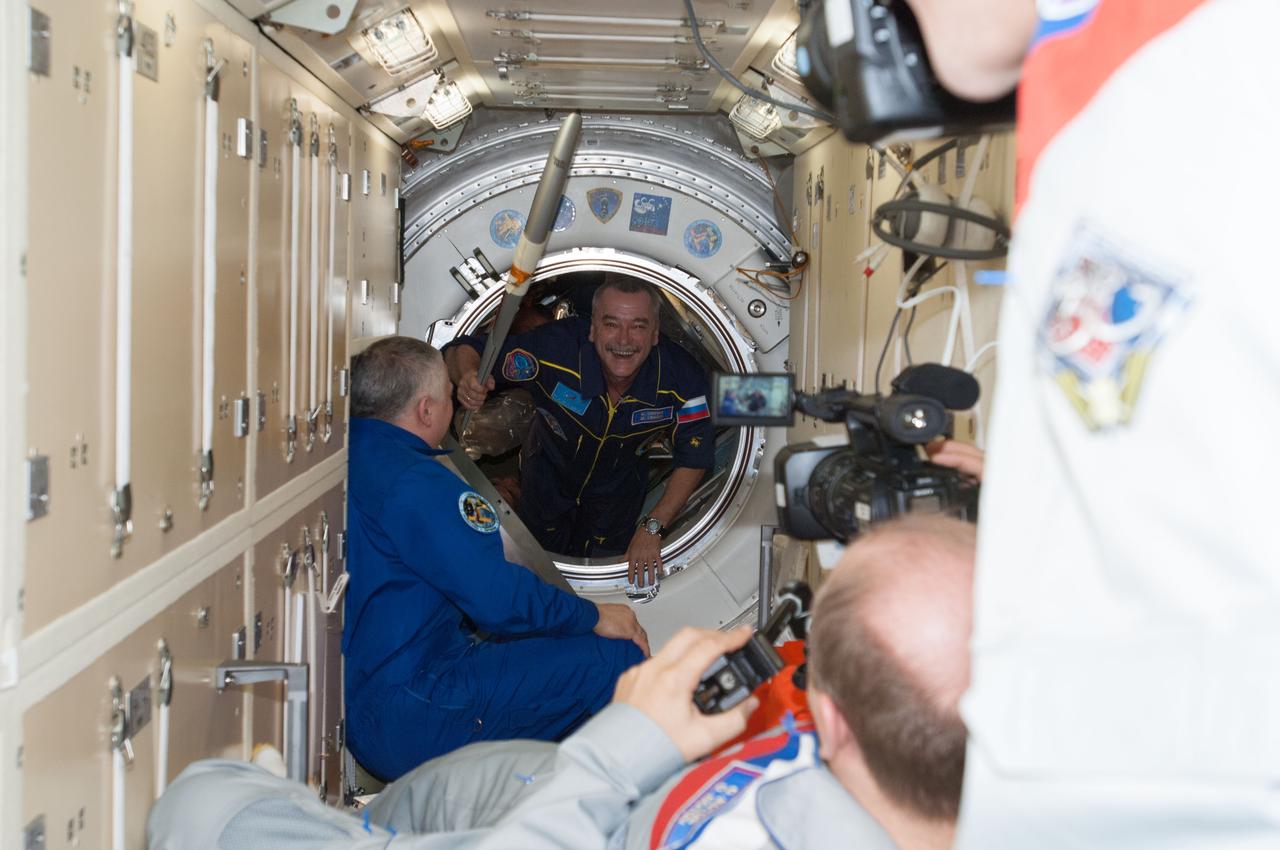
ISS037-E-028204 (7 Nov. 2013) --- In the International Space Station's Rassvet Mini-Research Module 1 (MRM1), Russian cosmonaut Fyodor Yurchikhin, Expedition 37 commander, welcomes Russian cosmonaut Mikhail Tyurin (holding the Olympic torch), Expedition 38 flight engineer, after arriving onboard a Soyuz spacecraft with Japan Aerospace Exploration Agency astronaut Koichi Wakata and NASA astronaut Rick Mastracchio, both Expedition 38 flight engineers. Russian cosmonaut Oleg Kotov (foreground), Expedition 37 flight engineer, captures the event with a video camera.
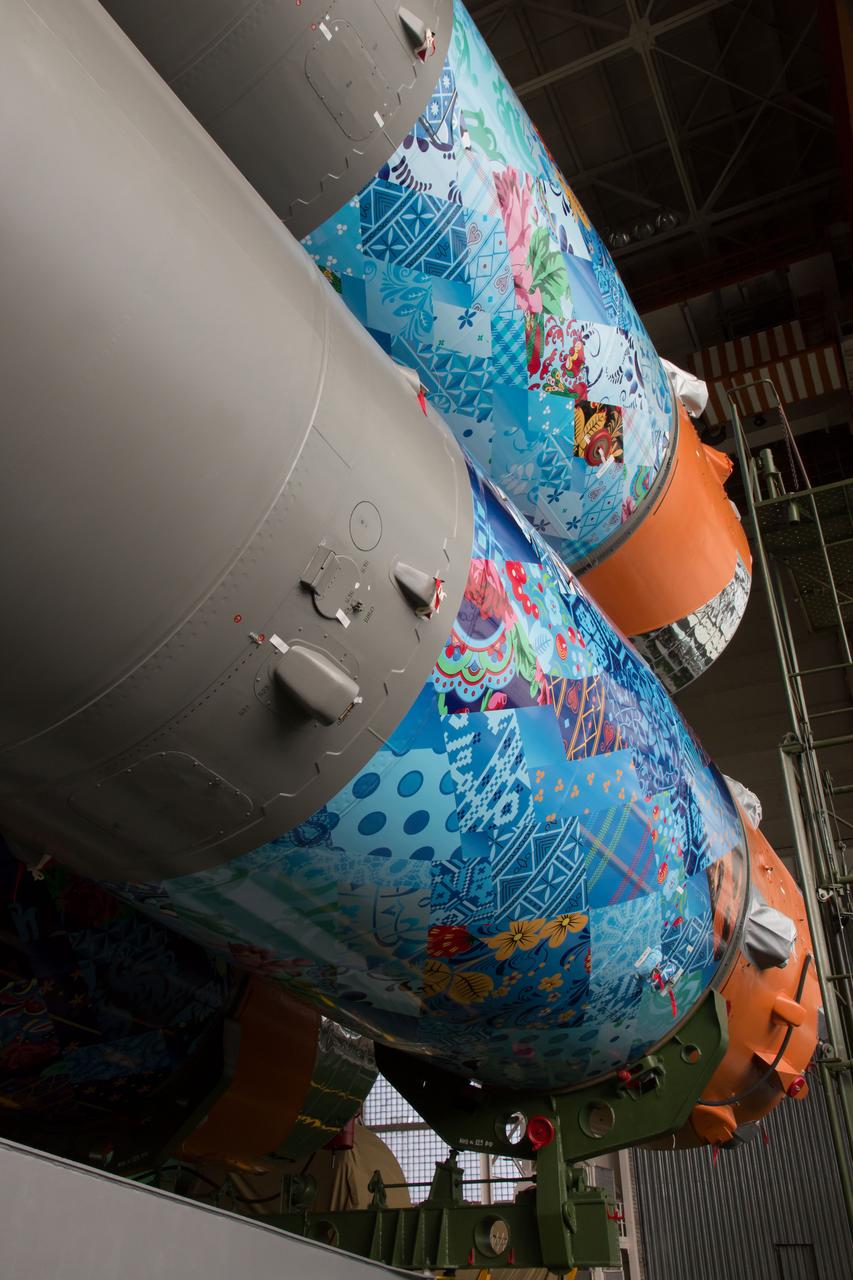
12-21-34: Adorned with the artwork and the colors of the 2014 Winter Olympics to be held in Sochi, Russia, the liquid-fueled boosters on the first stage of the Soyuz rocket that will launch Nov. 7, Kazakh time, to carry Expedition 38/39 Soyuz Commander Mikhail Tyurin, Flight Engineer Rick Mastracchio of NASA and Flight Engineer Koichi Wakata of the Japan Aerospace Exploration Agency into orbit are displayed Nov. 3 prior to the rocket’s rollout to the launch pad Nov. 5. The three crewmembers will be aboard the Soyuz TMA-11M spacecraft for the launch that will begin their six-month mission on the International Space Station. Launching with them to spend four days on the station is the Olympic torch that will light the flame at the Opening Ceremonies in Sochi Feb. 7, 2014 to begin the winter games. NASA/Victor Zelentsov
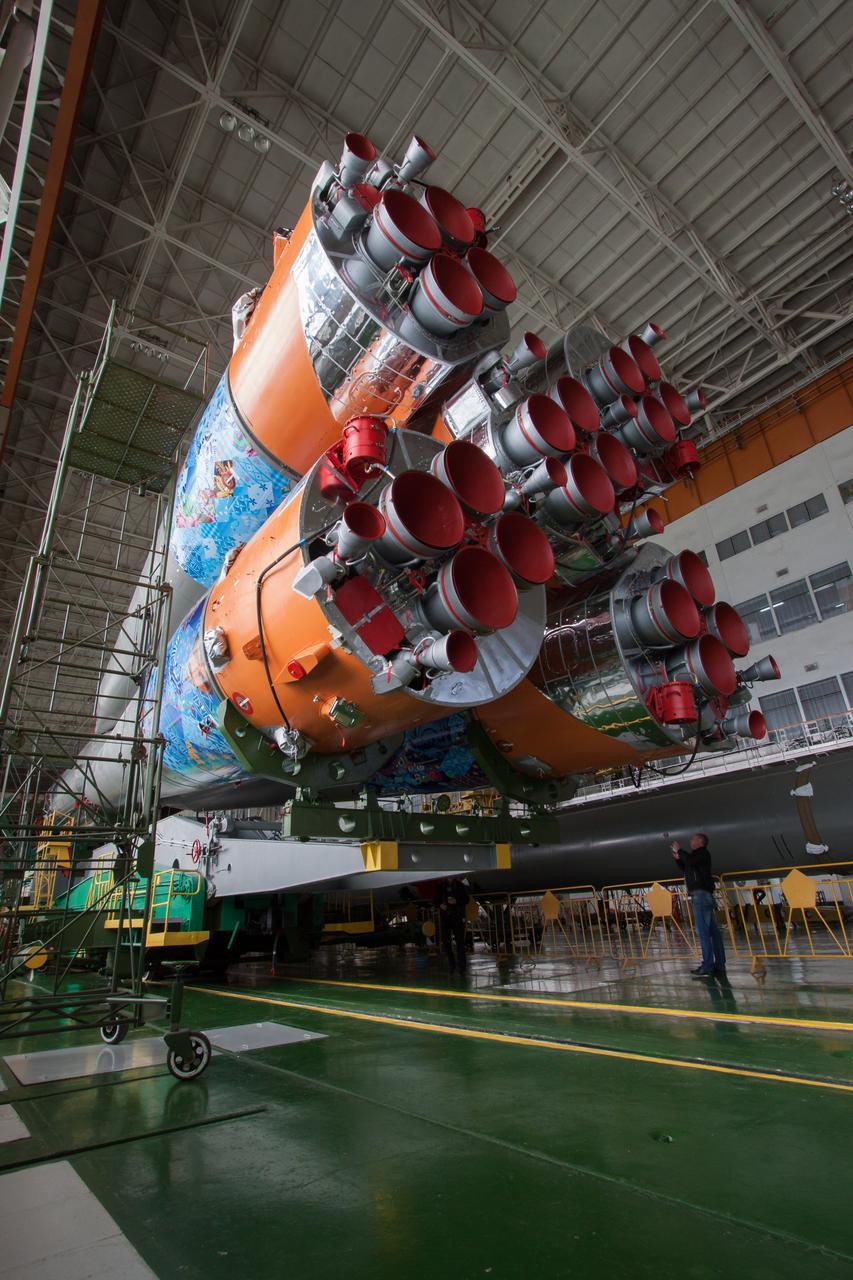
12-19-33: Adorned with the artwork and the colors of the 2014 Winter Olympics to be held in Sochi, Russia, the Soyuz rocket that will launch Nov. 7, Kazakh time, to carry Expedition 38/39 Soyuz Commander Mikhail Tyurin, Flight Engineer Rick Mastracchio of NASA and Flight Engineer Koichi Wakata of the Japan Aerospace Exploration Agency into orbit is moved into position Nov. 3 for its rollout to the launch pad Nov. 5. The three crewmembers will be aboard the Soyuz TMA-11M spacecraft for the launch that will begin their six-month mission on the International Space Station. Launching with them to spend four days on the station is the Olympic torch that will light the flame at the Opening Ceremonies in Sochi Feb. 7, 2014 to begin the winter games. NASA/Victor Zelentsov
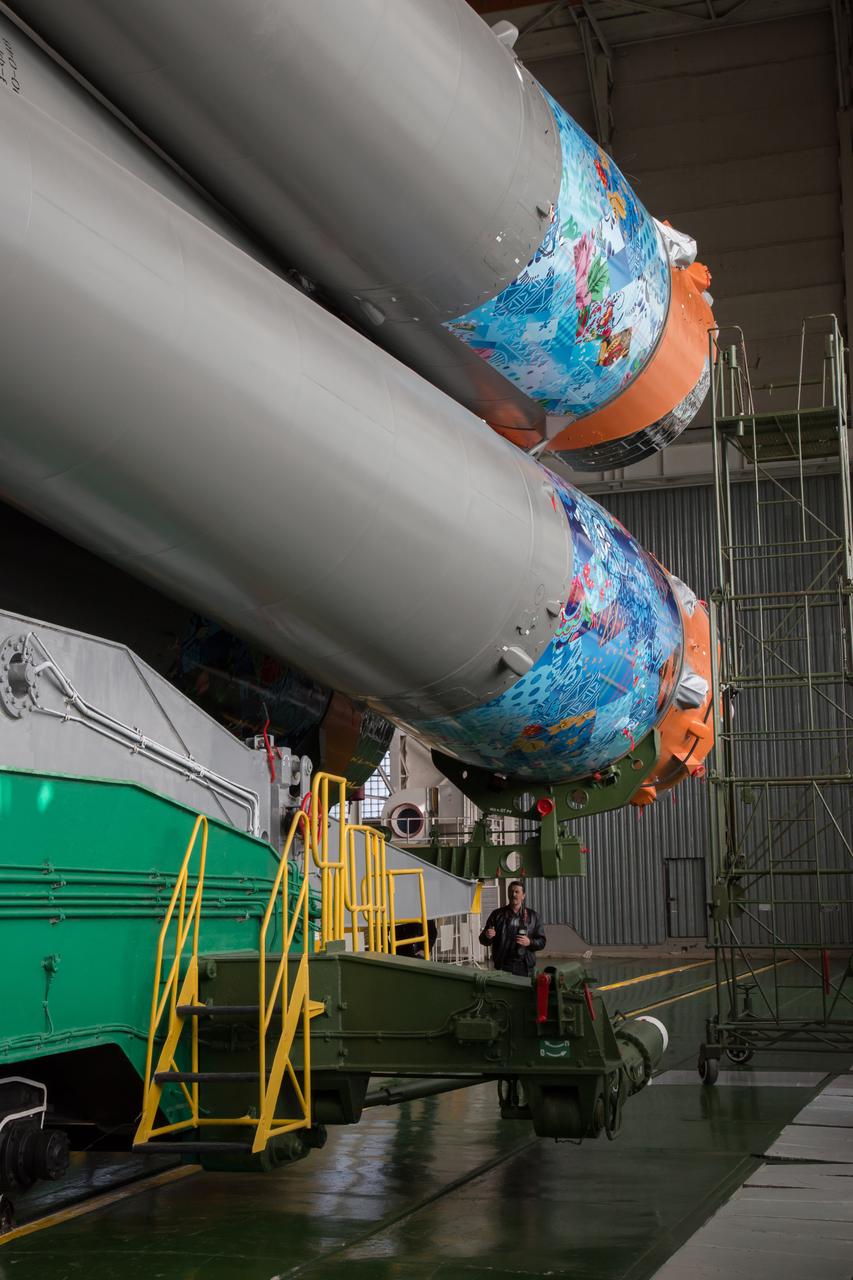
12-20-55: Adorned with the artwork and the colors of the 2014 Winter Olympics to be held in Sochi, Russia, the liquid-fueled boosters on the first stage of the Soyuz rocket that will launch Nov. 7, Kazakh time, to carry Expedition 38/39 Soyuz Commander Mikhail Tyurin, Flight Engineer Rick Mastracchio of NASA and Flight Engineer Koichi Wakata of the Japan Aerospace Exploration Agency into orbit are displayed Nov. 3 prior to the rocket’s rollout to the launch pad Nov. 5. The three crewmembers will be aboard the Soyuz TMA-11M spacecraft for the launch that will begin their six-month mission on the International Space Station. Launching with them to spend four days on the station is the Olympic torch that will light the flame at the Opening Ceremonies in Sochi Feb. 7, 2014 to begin the winter games. NASA/Victor Zelentsov
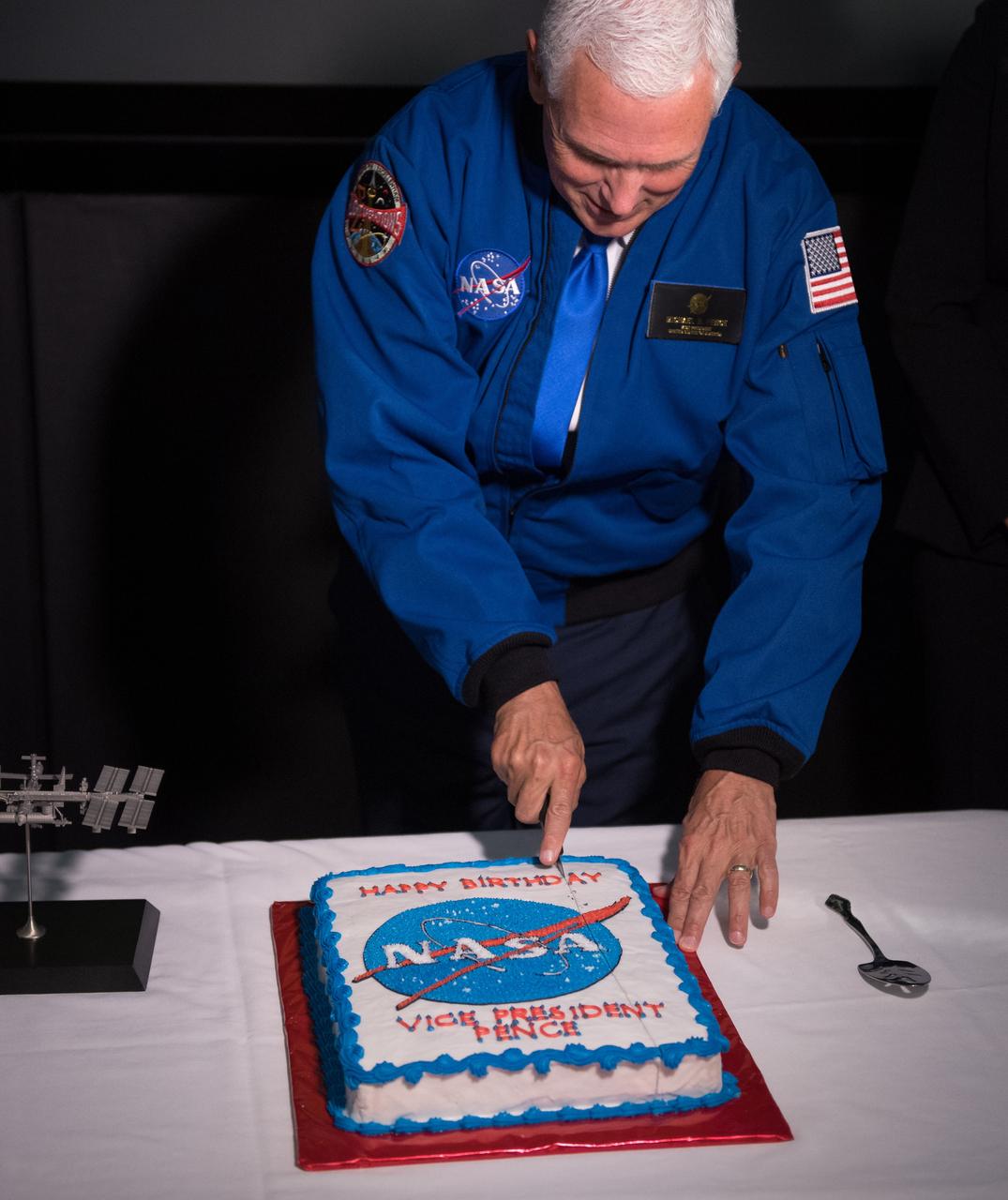
Vice President Mike Pence cuts a cake presented to him on his 58th birthday while touring the Christopher C. Kraft Jr. Mission Control Center, Wednesday, June 7, 2017 at NASA’s Johnson Space Center in Houston, Texas. The Vice President was at the space center to welcome nhq201706070008 (06/07/2017) --- America’s newest astronaut candidates, chosen from more than 18,300 applicants to carry the torch for future human space exploration. After completing two years of training, the new astronaut candidates could be assigned to missions performing research on the International Space Station, launching from American soil on spacecraft built by commercial companies, and launching on deep space missions on NASA’s new Orion spacecraft and Space Launch System rocket. Photo Credit: (NASA/Bill Ingalls)
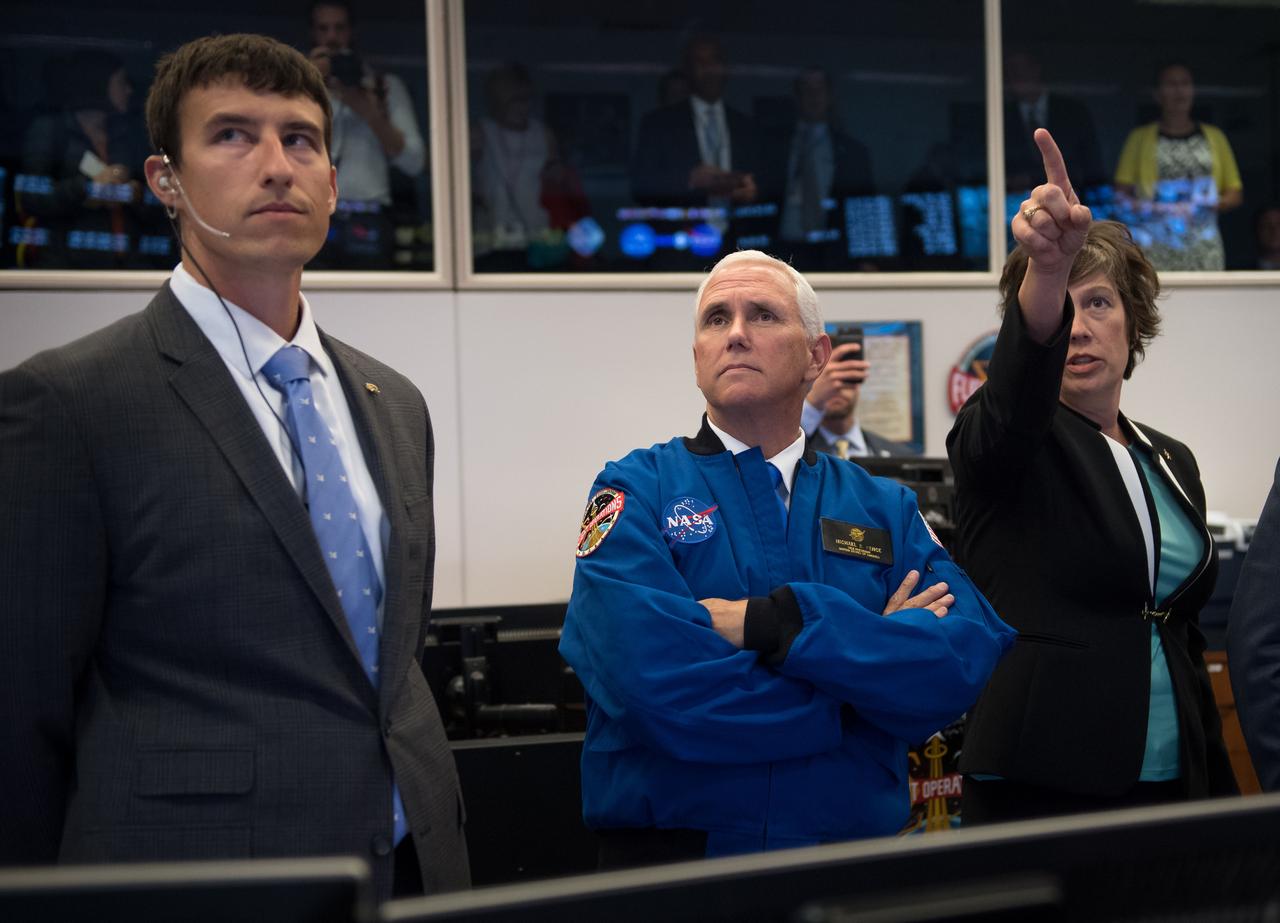
nhq201706070007 (06/07/2017) ---Vice President Mike Pence, center, listens to NASA Deputy Chief Flight Director Holly Ridings, right, and NASA Flight Director Rick Henfling during a tour of the Christopher C. Kraft Jr. Mission Control Center, Wednesday, June 7, 2017 at NASA’s Johnson Space Center in Houston, Texas. The Vice President was at the space center to welcome America’s newest astronaut candidates, chosen from more than 18,300 applicants to carry the torch for future human space exploration. After completing two years of training, the new astronaut candidates could be assigned to missions performing research on the International Space Station, launching from American soil on spacecraft built by commercial companies, and launching on deep space missions on NASA’s new Orion spacecraft and Space Launch System rocket. Photo Credit: (NASA/Bill Ingalls)
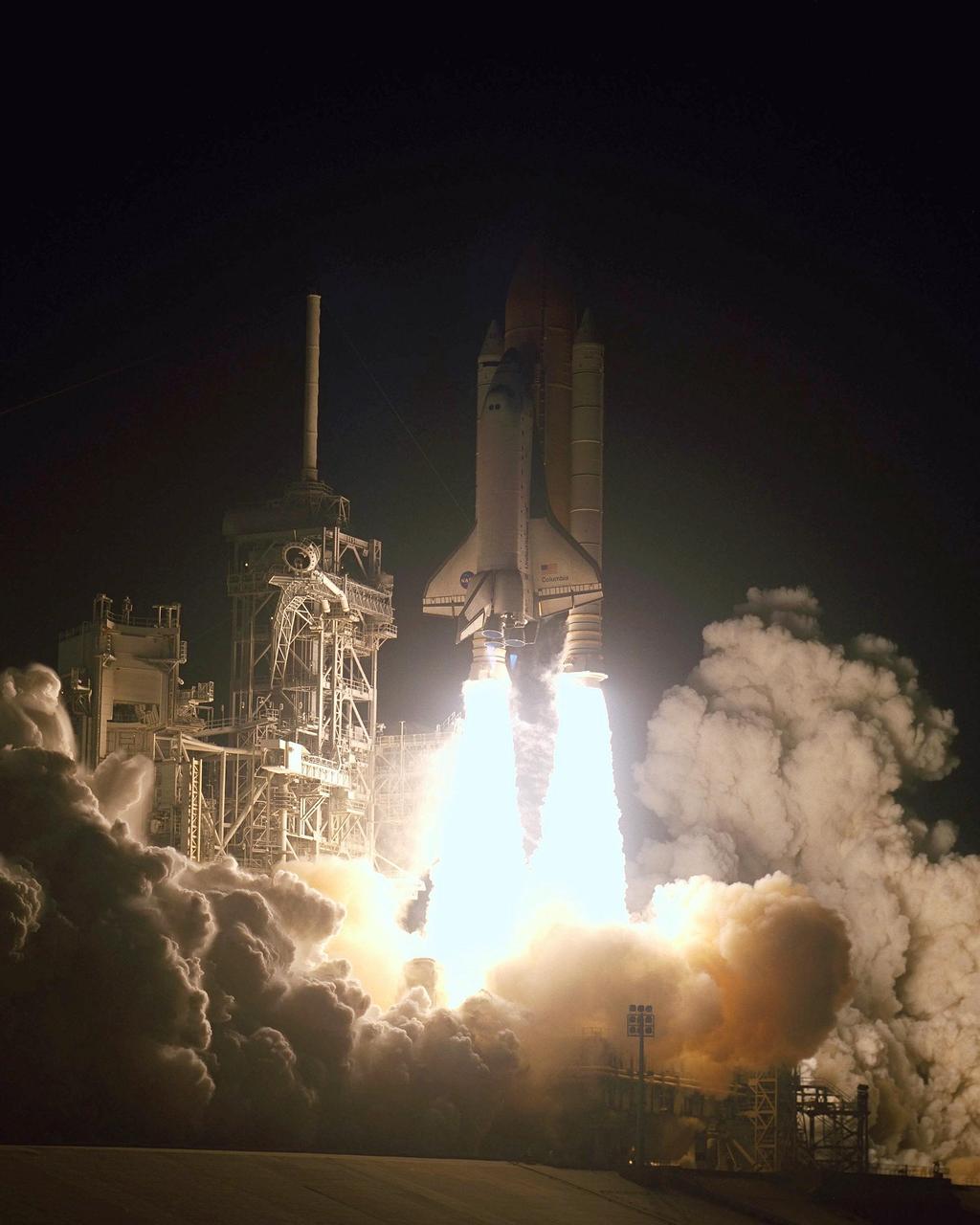
KENNEDY SPACE CENTER, Fla. - The flaming solid rocket boosters, looking like inverted torches, help hurl Space Shuttle Columbia into the pre-dawn sky on mission STS-109. The light illuminates the Fixed Service Structure at left, with its 80-foot lightning mast on top. . Liftoff of Columbia occurred at 6:22:02:08 a.m. EST (11:22:02:08 GMT). This was the 27th flight of the vehicle and 108th in the history of the Shuttle program. The goal of the mission is the maintenance and upgrade of the Hubble Space Telescope, to be carried out in five spacewalks. The crew comprises Commander Scott D. Altman, Pilot Duane G. Carey, Payload Commander John M. Grunsfeld, and Mission Specialists Nancy Jane Currie, Richard M. Linnehan, James H. Newman and Michael J. Massimino. After the 11-day mission, Columbia is expected to return to KSC March 12 about 4:35 a.m. EST (09:35 GMT)
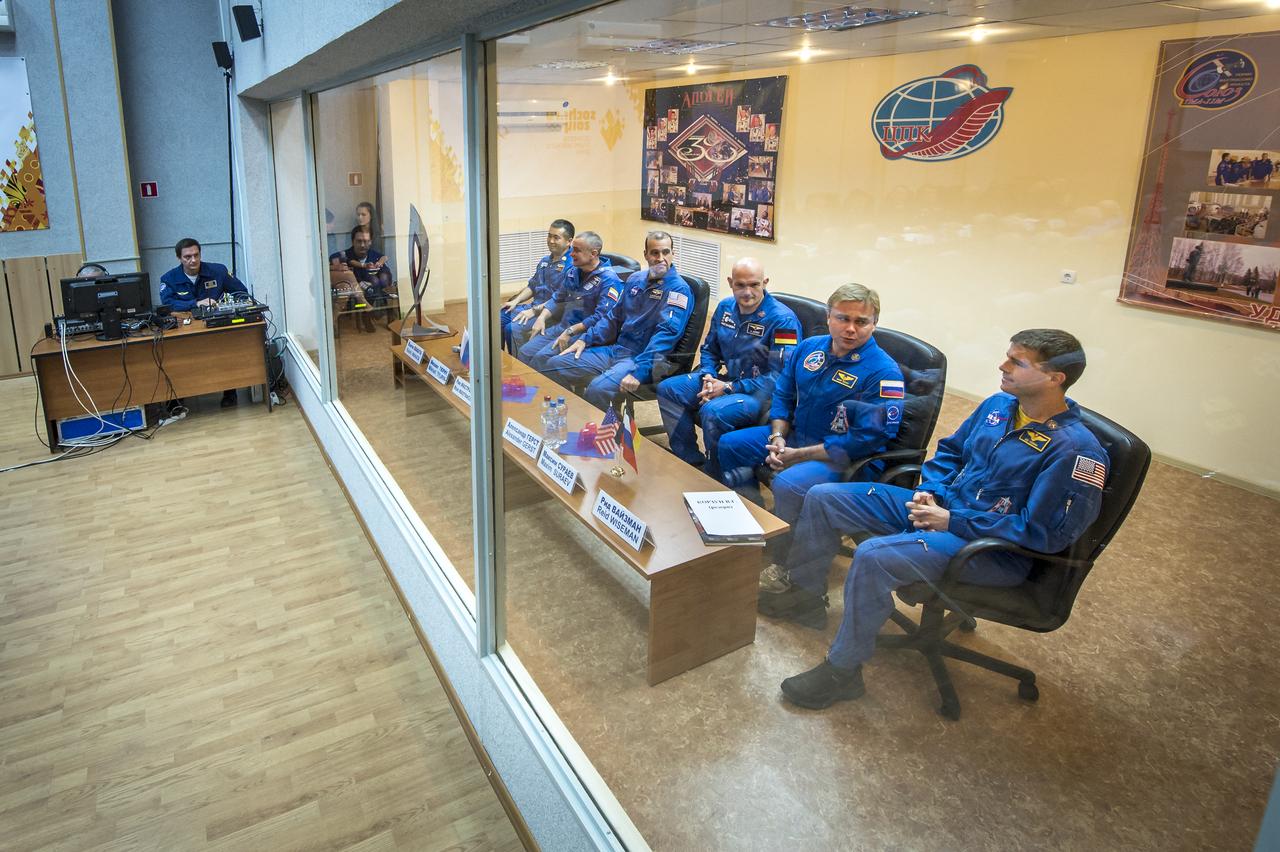
From left behind glass, Expedition 38 prime crew members, Flight Engineer Koichi Wakata of the Japan Aerospace Exploration Agency, Soyuz Commander Mikhail Tyurin of Roscosmos, and, Flight Engineer Rick Mastracchio of NASA, are joined with Expedition 38 backup crew members, Alexander Gerst of the European Space Agency, Max Suraev of Roscosmos, and Reid Wiseman of NASA during the State Commission meeting held to approve the Soyuz launch of the crew for a six month mission aboard the International Space Station, Wednesday, Nov. 6, 2013 at the Cosmonaut Hotel in Baikonur, Kazakhstan. Photo Credit: (NASA/Bill Ingalls)
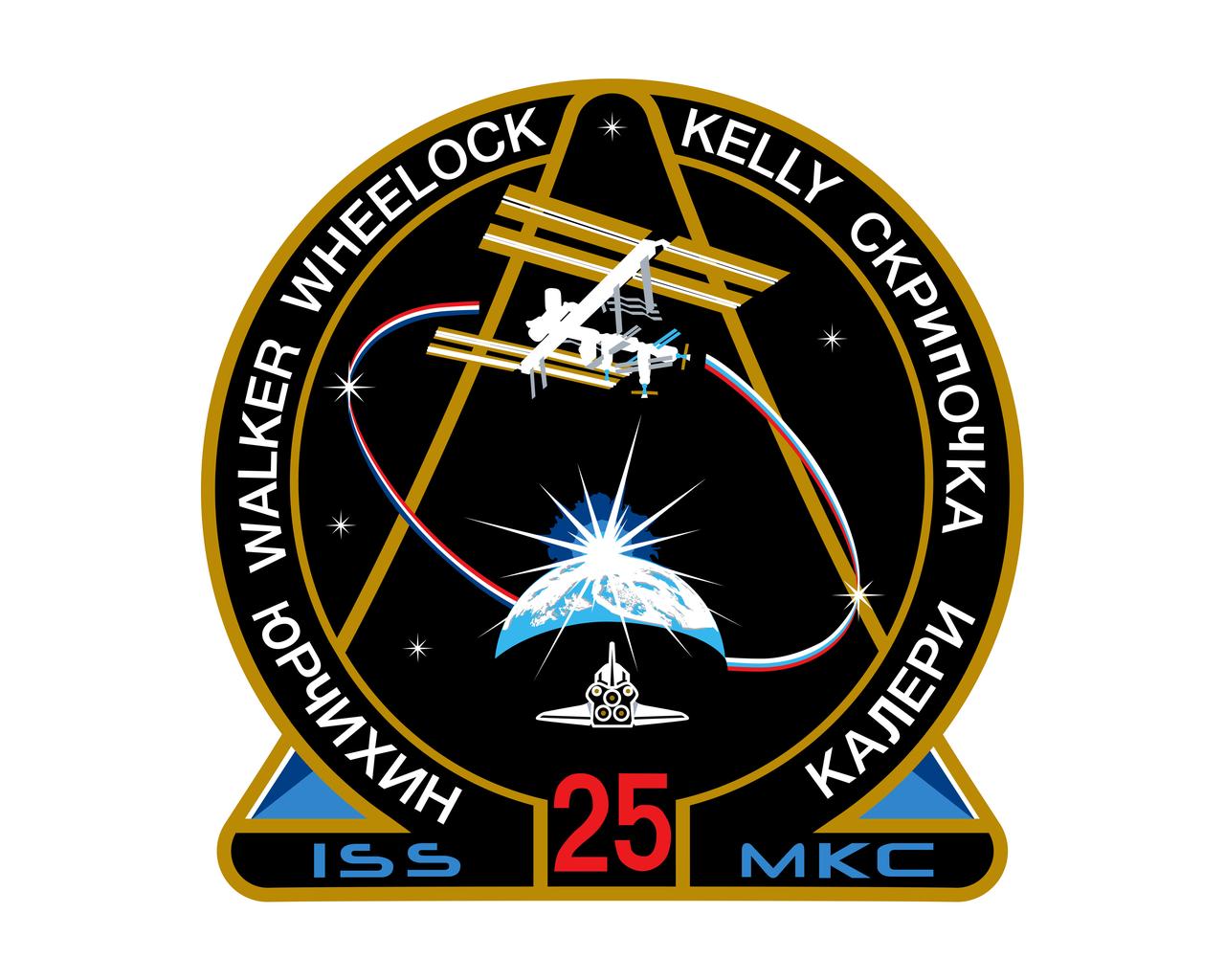
ISS025-S-001 (June 2010) --- The mission patch design for the 25th Expedition to the International Space Station (ISS) pays tribute to the rich history of innovation and bold engineering in the quest for knowledge, exploration and discovery in space. The patch highlights the symbolic passing of the torch to the ISS, as the vehicle that will carry us into the future of space exploration. The Space Shuttle Program emblem is the foundation of the patch and forms the Greek letter Omega?, paying tribute to the culmination of the Space Shuttle Program. The mission designation 25? and the Earth crescent, the orbiter is shown returning to Earth on its final journey, during the Expedition 25 mission. Above Earth and the breaking dawn, the ISS takes center-stage, completed and fully equipped to carry us beyond this new dawn to new voyages and discoveries. The orbit connecting the ISS and the Earth is drawn in the colors of the United States and Russian flags; paying tribute to the blended heritage of the crew. The two largest stars in the field represent the arrival and departure of the crews in separate Russian Soyuz vehicles. The six stars in the field represent the six crew members. The International Space Station abbreviation MKC? ? in English and Russian, respectively- flank the mission number designation, and the names of the crew members in their native languages border the ISS symbol. The NASA insignia design for shuttle and space station flights is reserved for use by the astronauts and for other official use as the NASA Administrator may authorize. Public availability has been approved only in the form of illustrations by the various news media. When and if there is any change in this policy, which is not anticipated, it will be publicly announced.