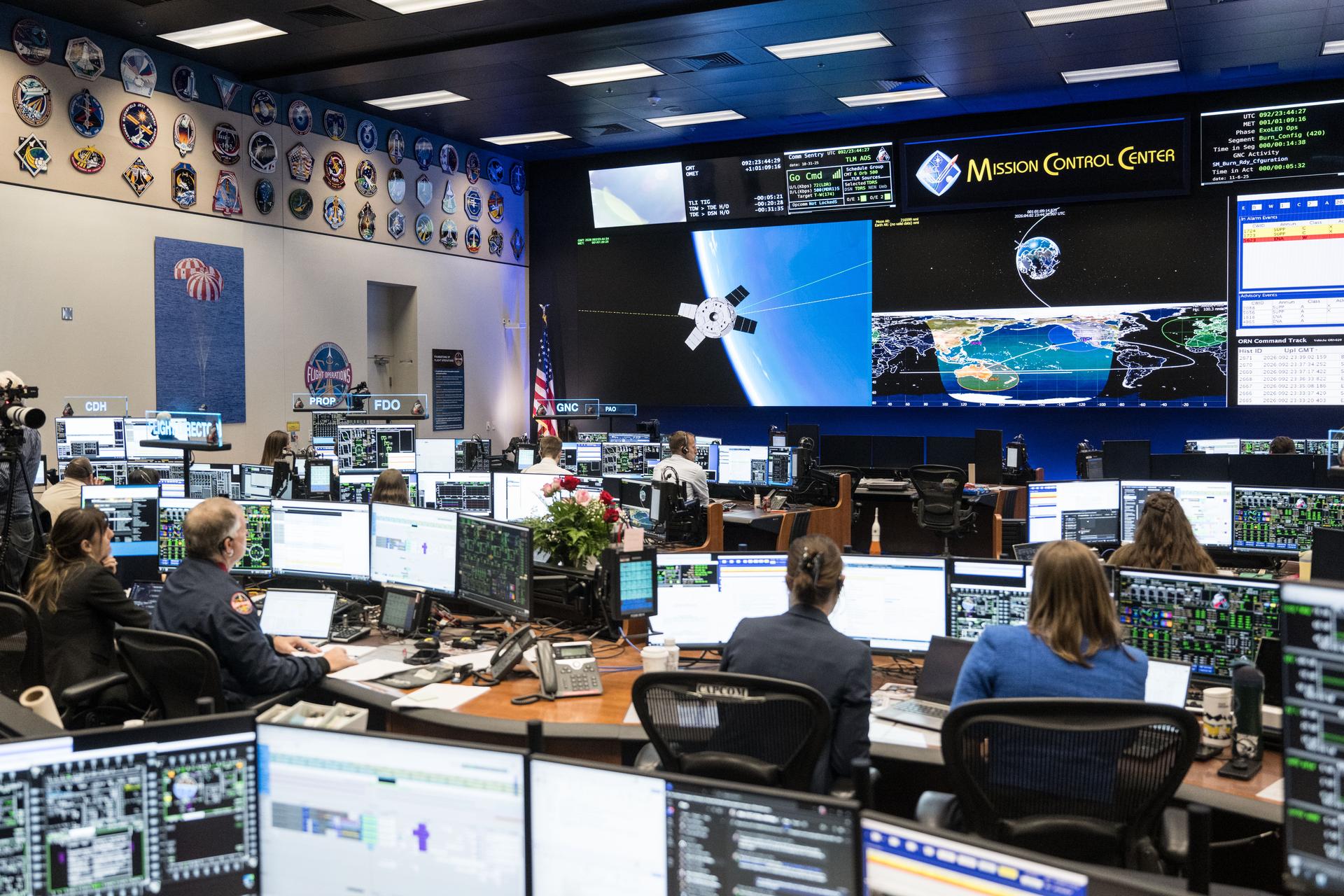
jsc2026e019618 (April 2, 2026) – The Artemis II flight control team pictured at the White Flight Control Room in the Mission Control Center at NASA’s Johnson Space Center monitors mission operations during the translunar injection (TLI) burn, which sent the crew in Orion out of Earth orbit and on a trajectory toward the Moon. After the mission management team polled “Go” for the operation, NASA’s Orion spacecraft fired its main engine for five minutes and 50 seconds beginning at 7:49 p.m. ET, to successfully complete the TLI burn.
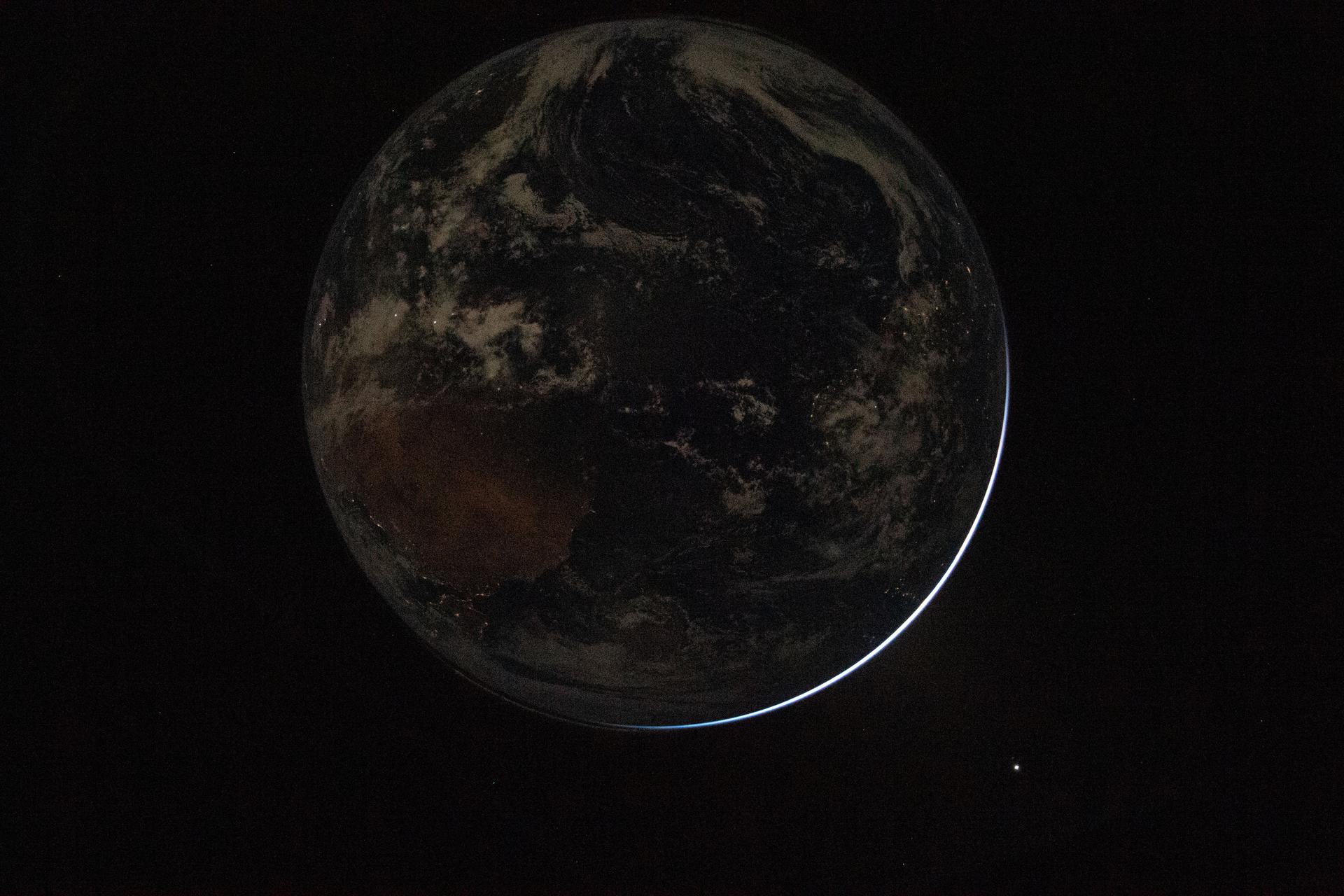
art002e000193 (April 3, 2026) - A view of a backlit Earth taken by NASA astronaut and Artemis II Commander Reid Wiseman from one of the Orion spacecraft's window after completing the translunar injection burn on April 2, 2026.
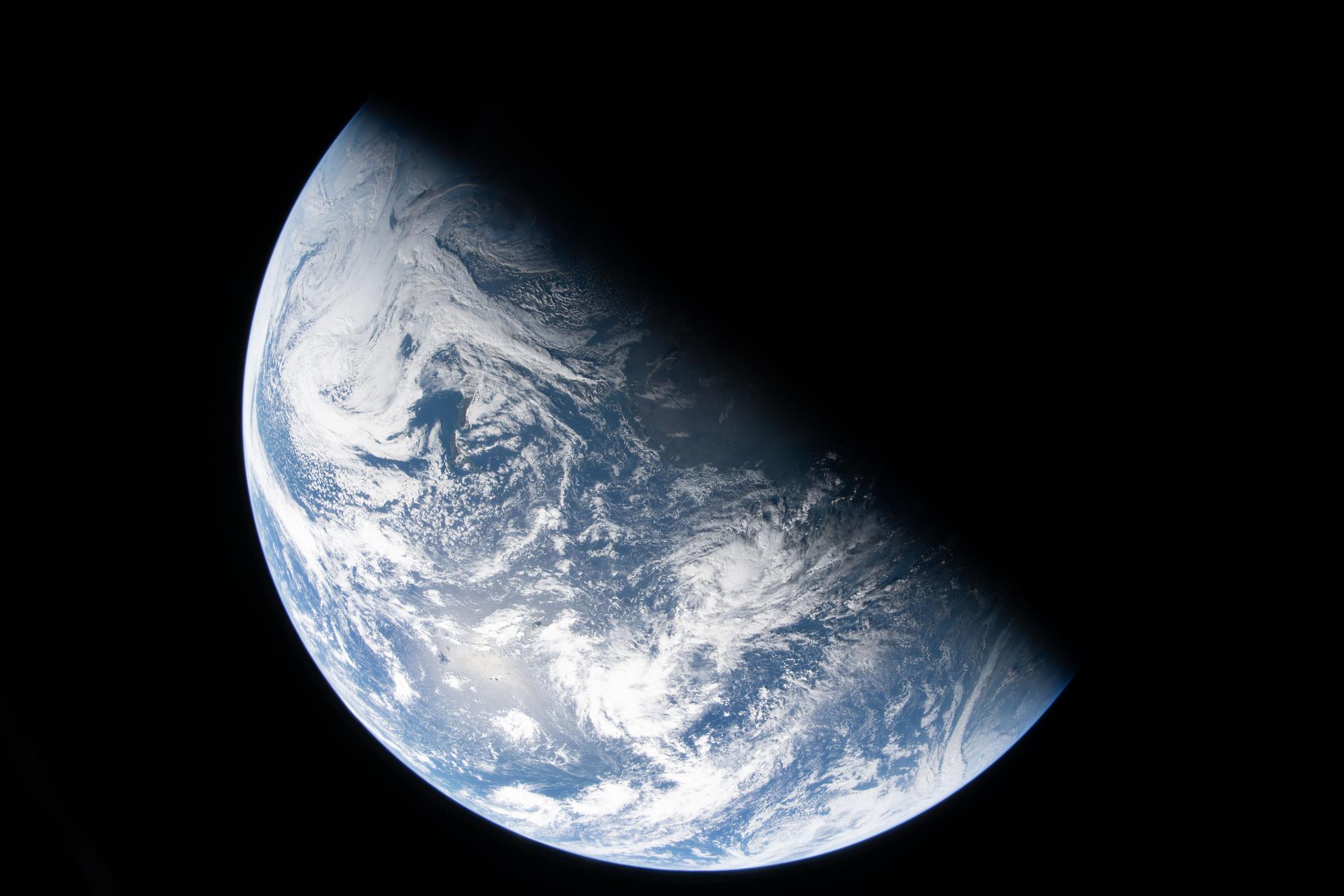
art002e000190 (April 3, 2026) - A view of Earth taken by NASA astronaut and Artemis II Commander Reid Wiseman from one of the Orion spacecraft's four windows after completing the translunar injection burn on April 2, 2026.
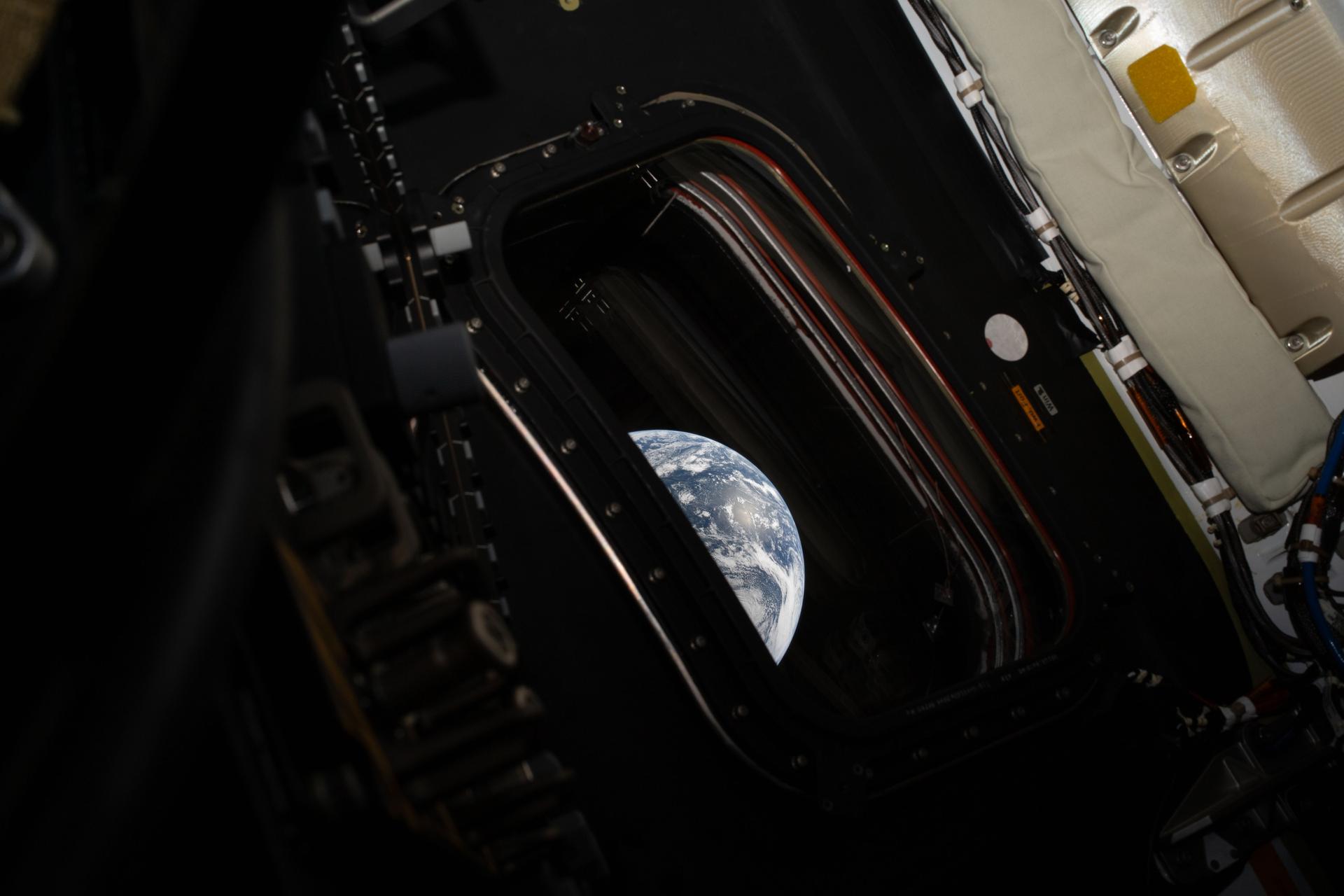
art002e000191 (April 3, 2026) - A view of Earth taken by NASA astronaut and Artemis II commander Reid Wiseman from one of the Orion spacecraft's four main windows after completing the translunar injection burn on April 2, 2026.
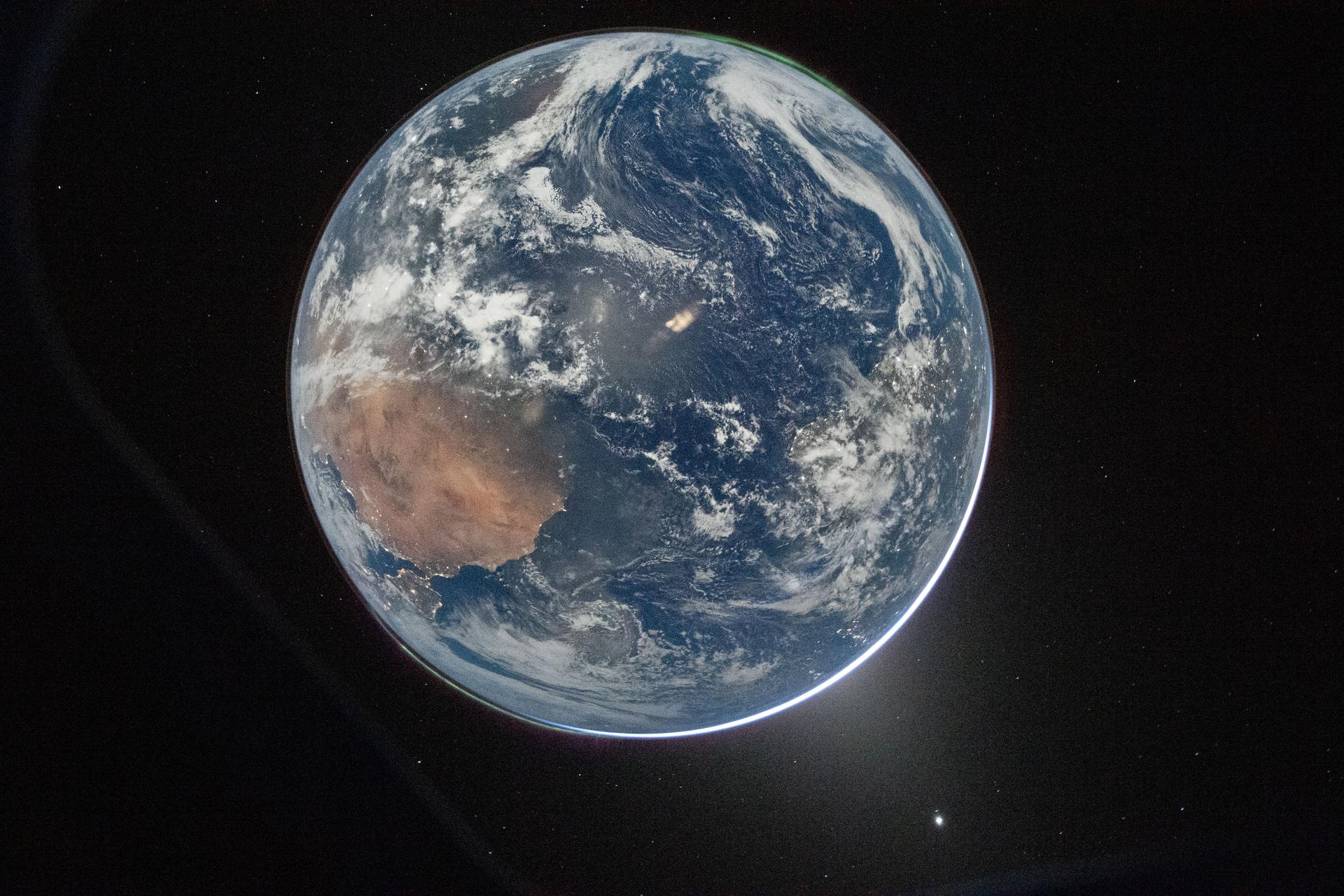
art002e000192 (April 3, 2026) - This nighttime picture of Earth was taken on April 2, 2026, by an Artemis II crew member aiming a camera through a window of the Orion spacecraft. The image was captured after Orion completed its translunar injection burn, the critical maneuver that sent the spacecraft on its path toward the Moon and back. The visible hemisphere appears awash in sunlight, but it is actually lit by moonlight — sunlight reflected from the lunar surface. Along the upper left (south) and lower right (north) edges of Earth’s disk, green auroras glow against the dark sky, showing charged particles from the Sun interacting with gases in Earth’s atmosphere. Africa is visible on the left, while a translucent cone of light capped by a bright Venus extends into space from Earth’s lower right edge. This zodiacal light is caused by sunlight reflecting off interplanetary dust. A thin white crescent along the lower right edge of Earth marks the planet’s daytime atmosphere illuminated by the Sun, which lies on the opposite side of Earth from Orion’s perspective. City lights are also visible, especially along coastlines. Credits: NASA
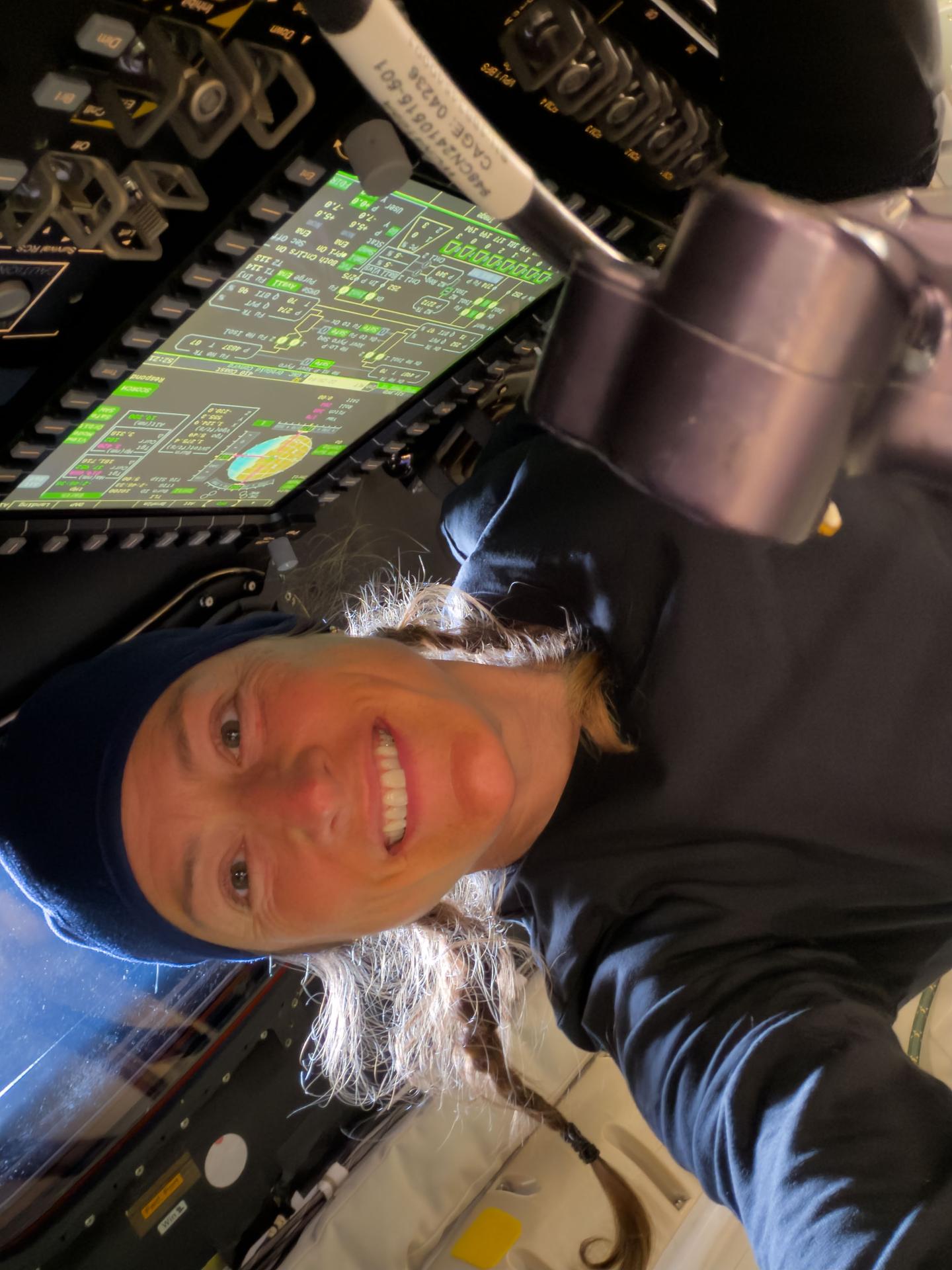
art002e041790 (April 2, 2026) - NASA astronaut and Artemis II mission specialist Christina Koch on Flight Day 2 ahead of the translunar injection burn that ultimately sent the crew in the Orion spacecraft toward the Moon. Credit: NASA
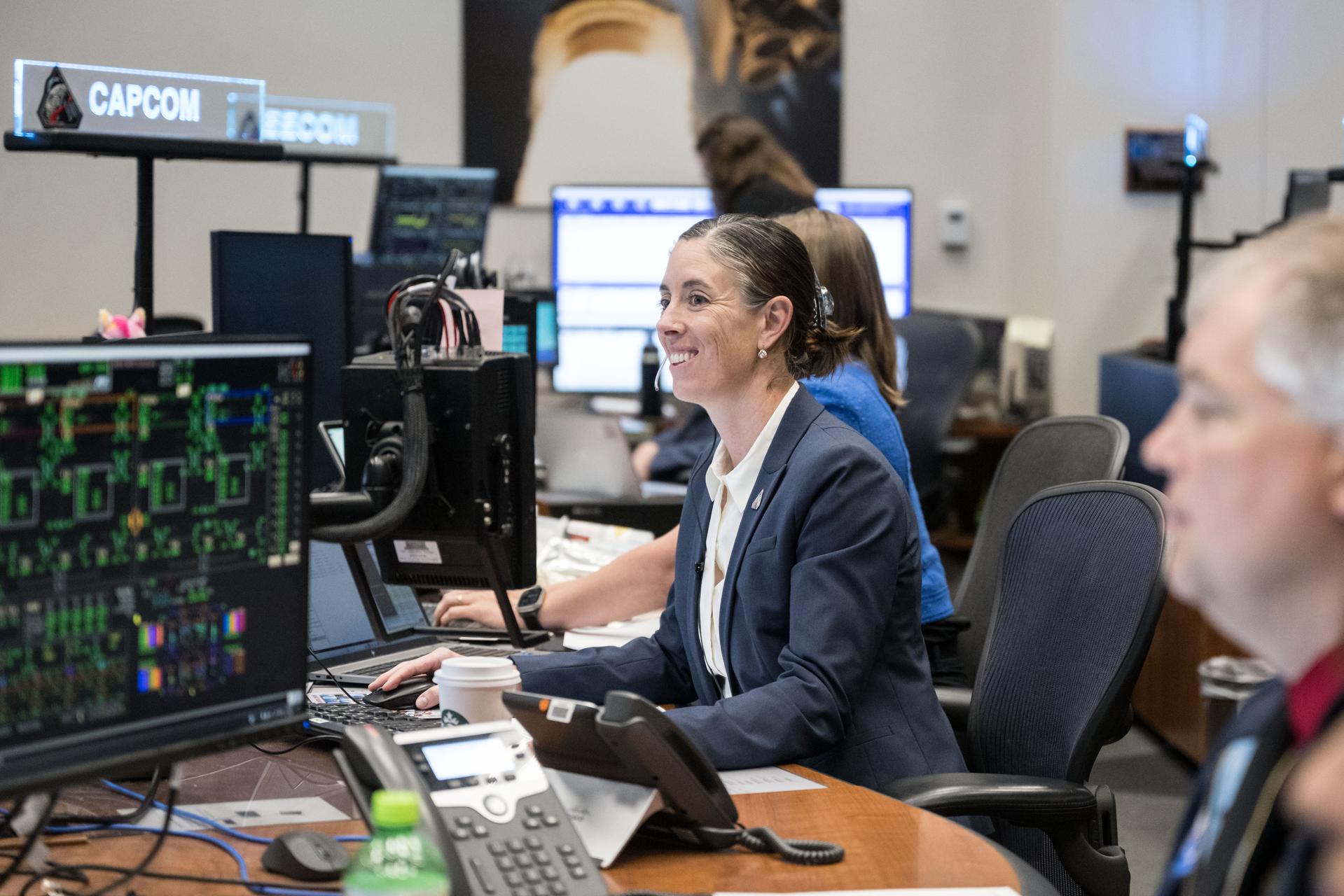
jsc2026e019614 (April 2, 2026) – NASA astronaut Chris Birch serves as capsule communicator (capcom) in the Mission Control Center at NASA’s Johnson Space Center during the mission’s translunar injection burn, which sent the crew in Orion out of Earth orbit and on a trajectory toward the Moon.
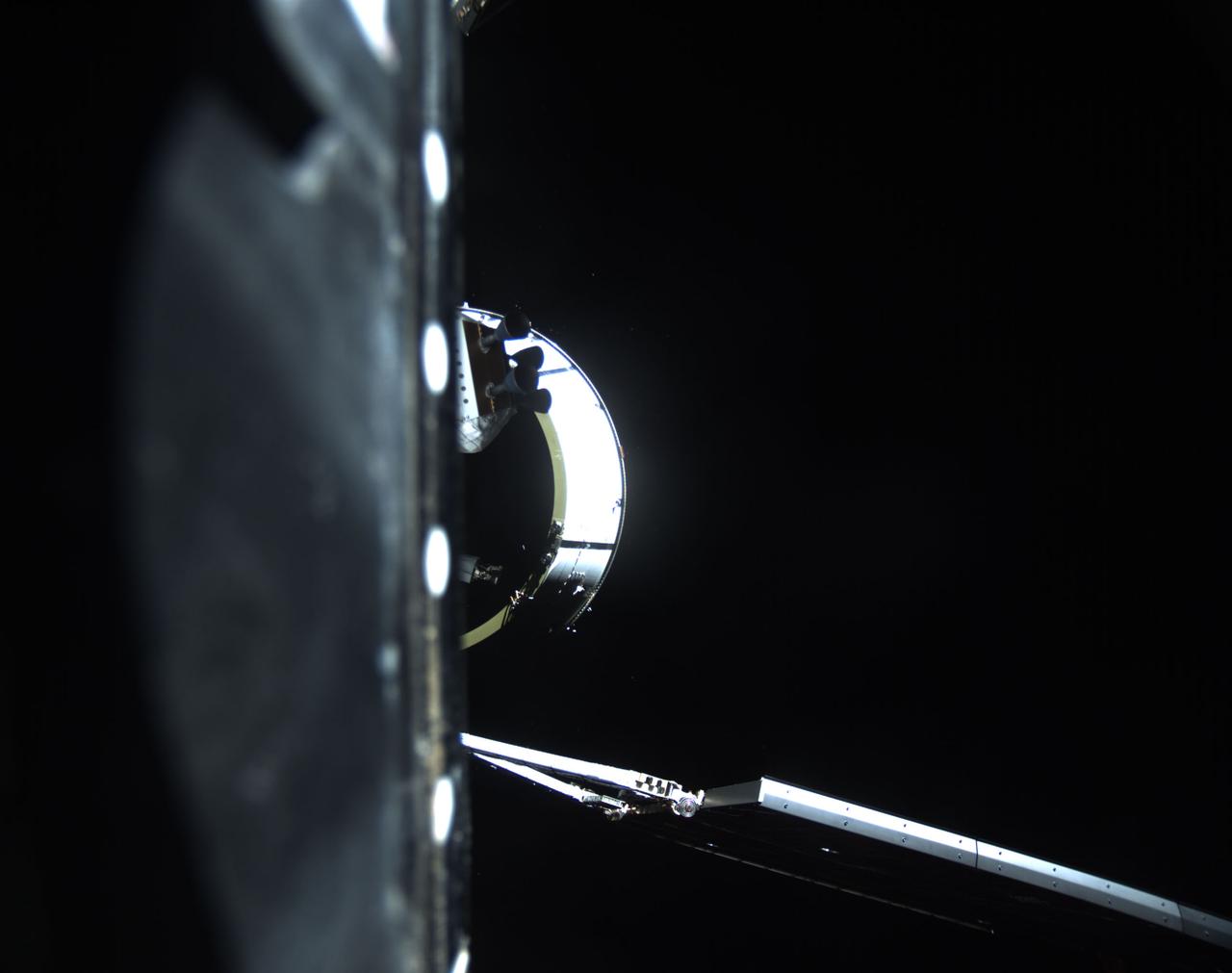
art001e001577 (Nov. 16, 2022) Approximately two hours after Artemis I launch on Nov. 16, 2022, the interim cryogenic propulsion stage separated from Orion after completing the translunar injection burn that put the spacecraft on course toward the Moon.
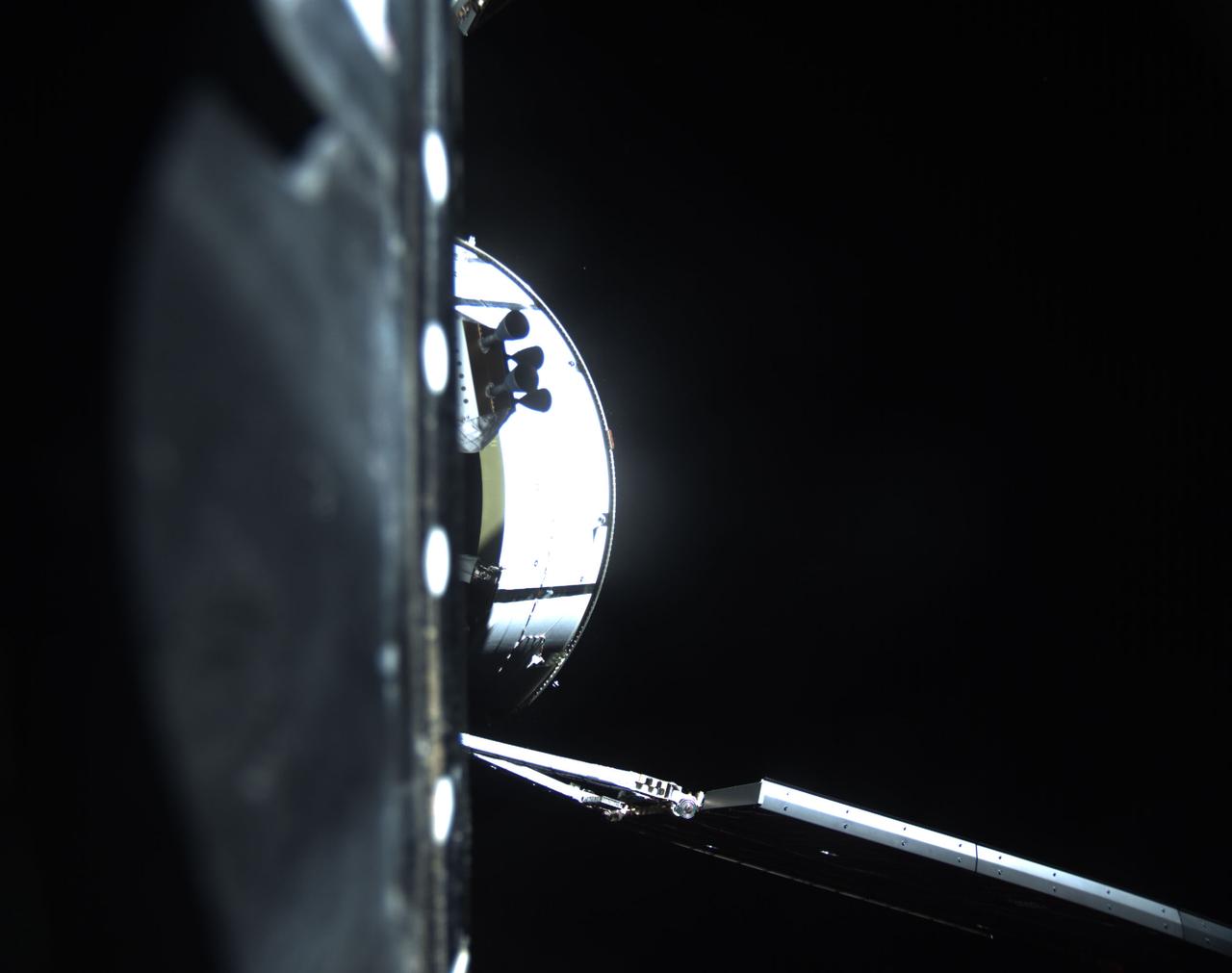
art001e001546 (Nov. 16, 2022) Approximately two hours after Artemis I launch on Nov. 16, 2022, the interim cryogenic propulsion stage separated from Orion after completing the translunar injection burn that put the spacecraft on course toward the Moon.
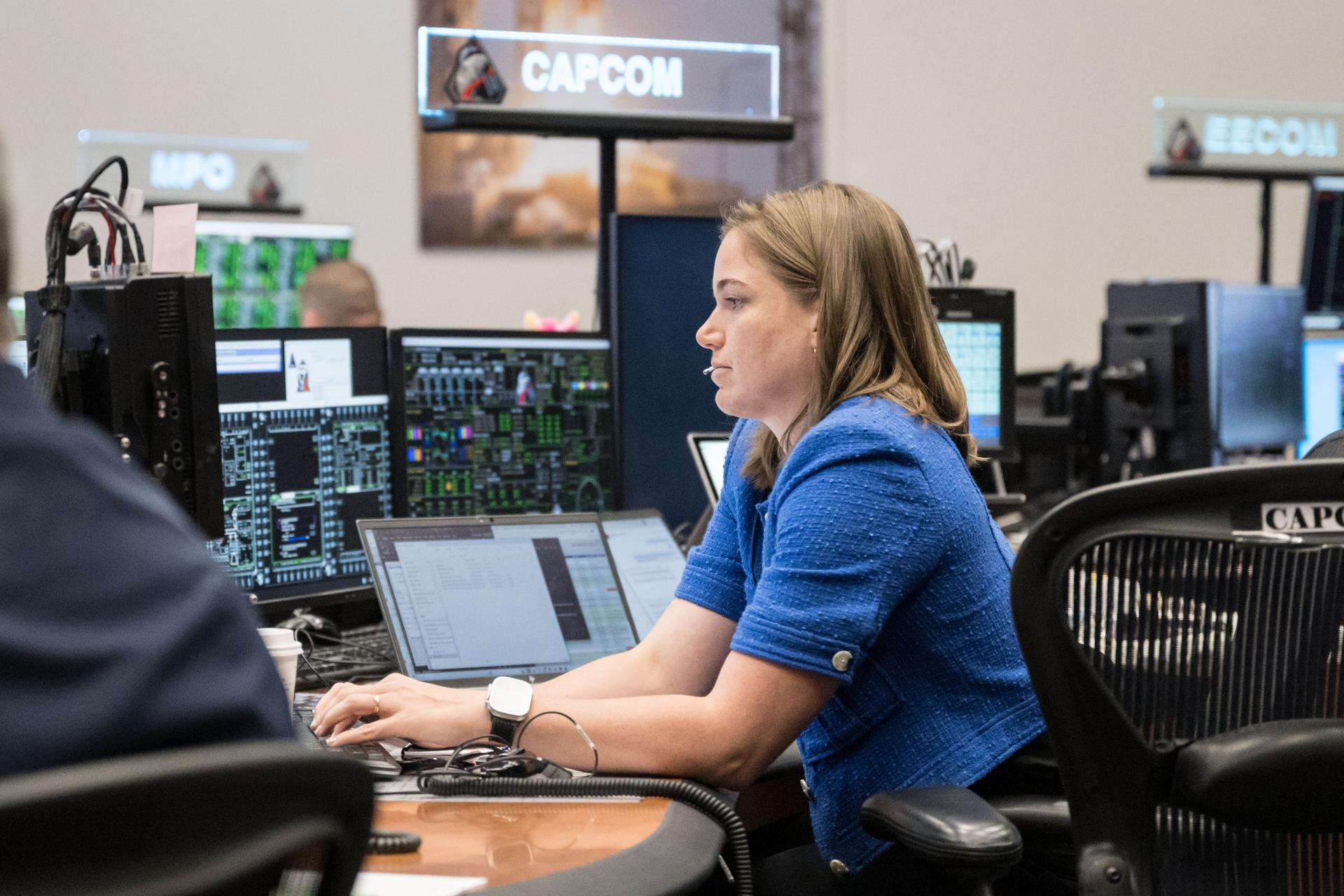
jsc2026e020046 (April 2, 2026) – CSA (Canadian Space Agency) astronaut and backup Artemis II crew member Jenni Gibbons serves as capsule communicator (capcom) during the mission’s translunar injection burn, which sent the crew in Orion out of Earth orbit and on a trajectory toward the Moon.
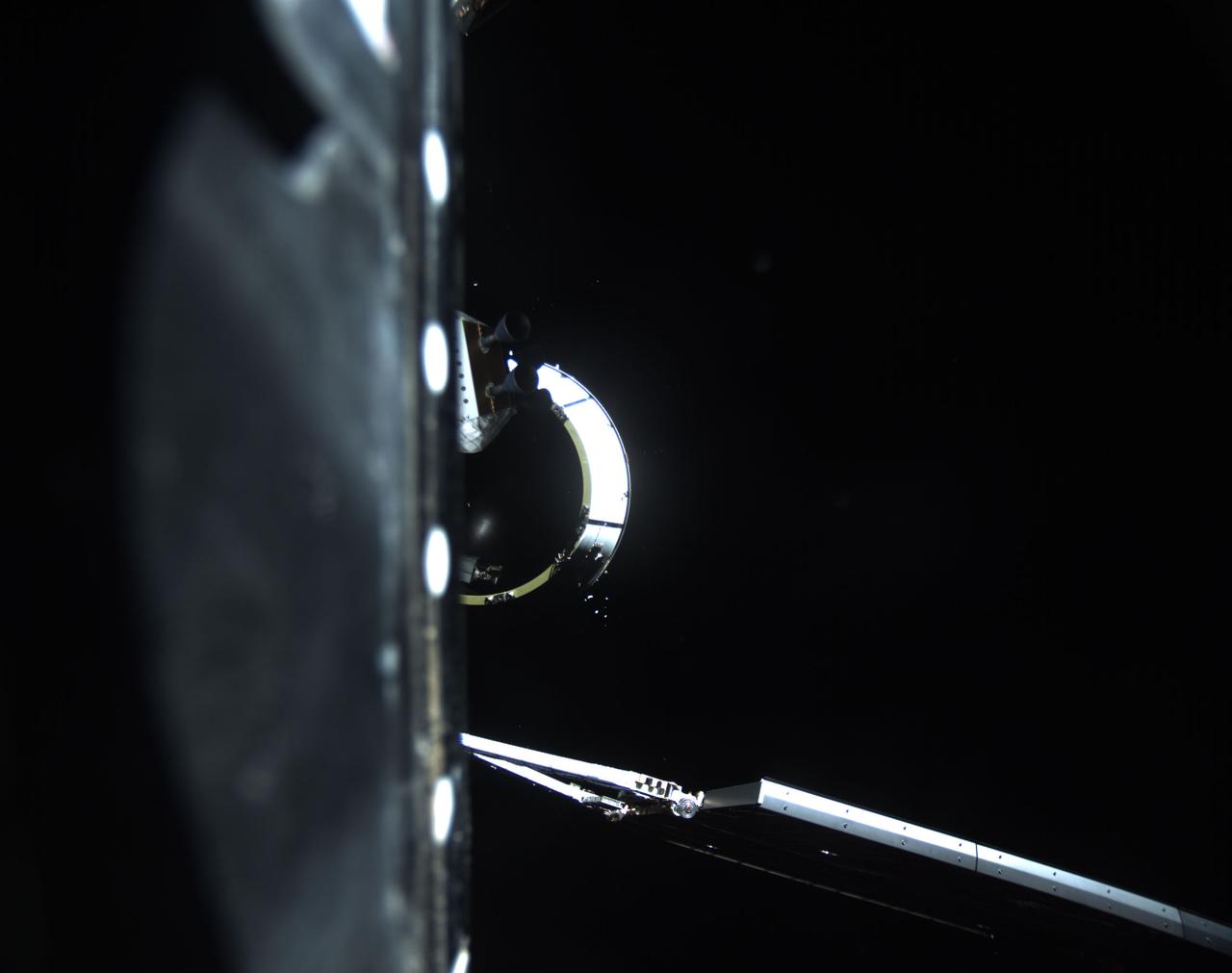
art001e001610 (Nov. 16, 2022) Approximately two hours after Artemis I launch on Nov. 16, 2022, the interim cryogenic propulsion stage separated from Orion after completing the translunar injection burn that put the spacecraft on course toward the Moon.
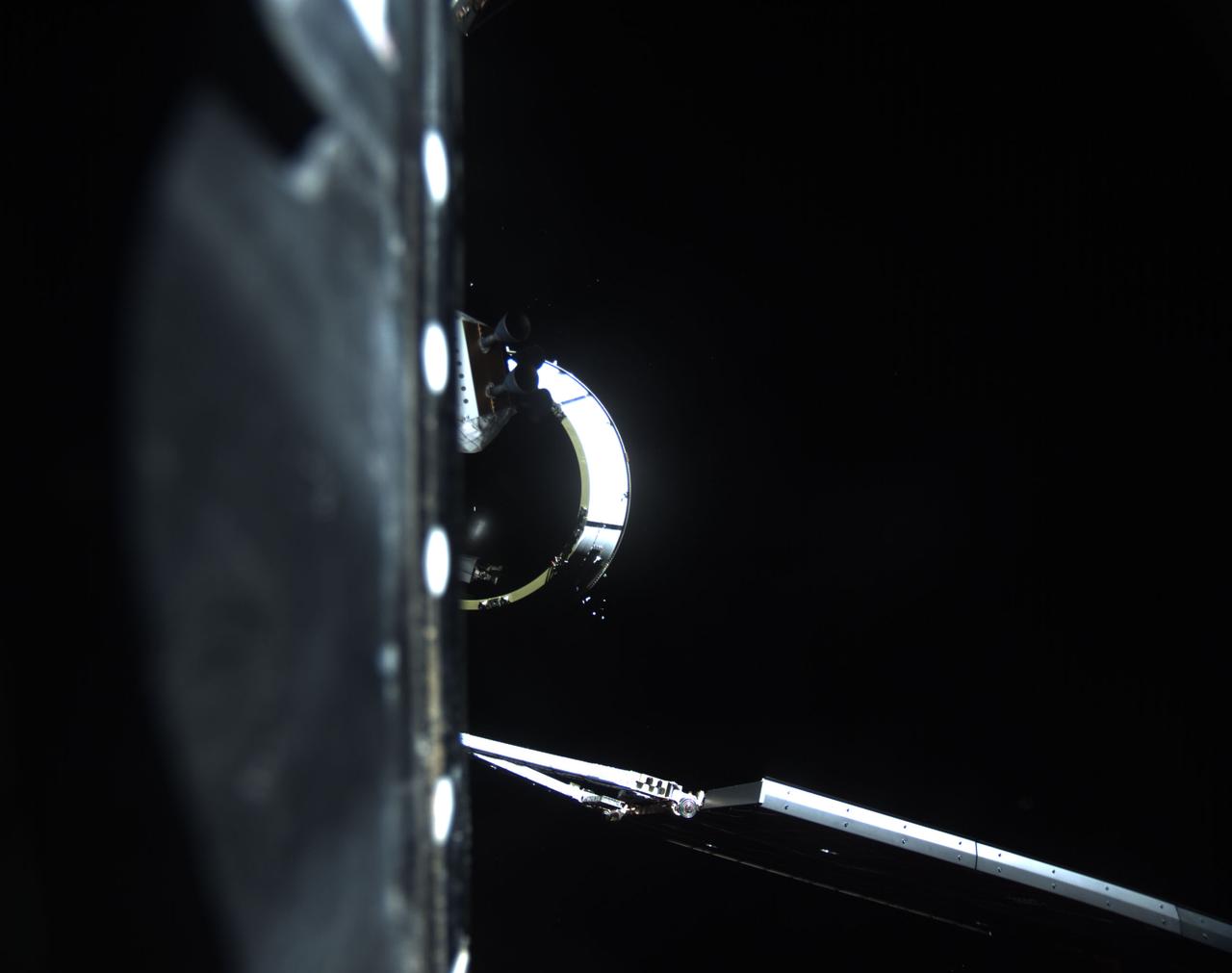
art001e001606 (Nov. 16, 2022) Approximately two hours after Artemis I launch on Nov. 16, 2022, the interim cryogenic propulsion stage separated from Orion after completing the translunar injection burn that put the spacecraft on course toward the Moon.
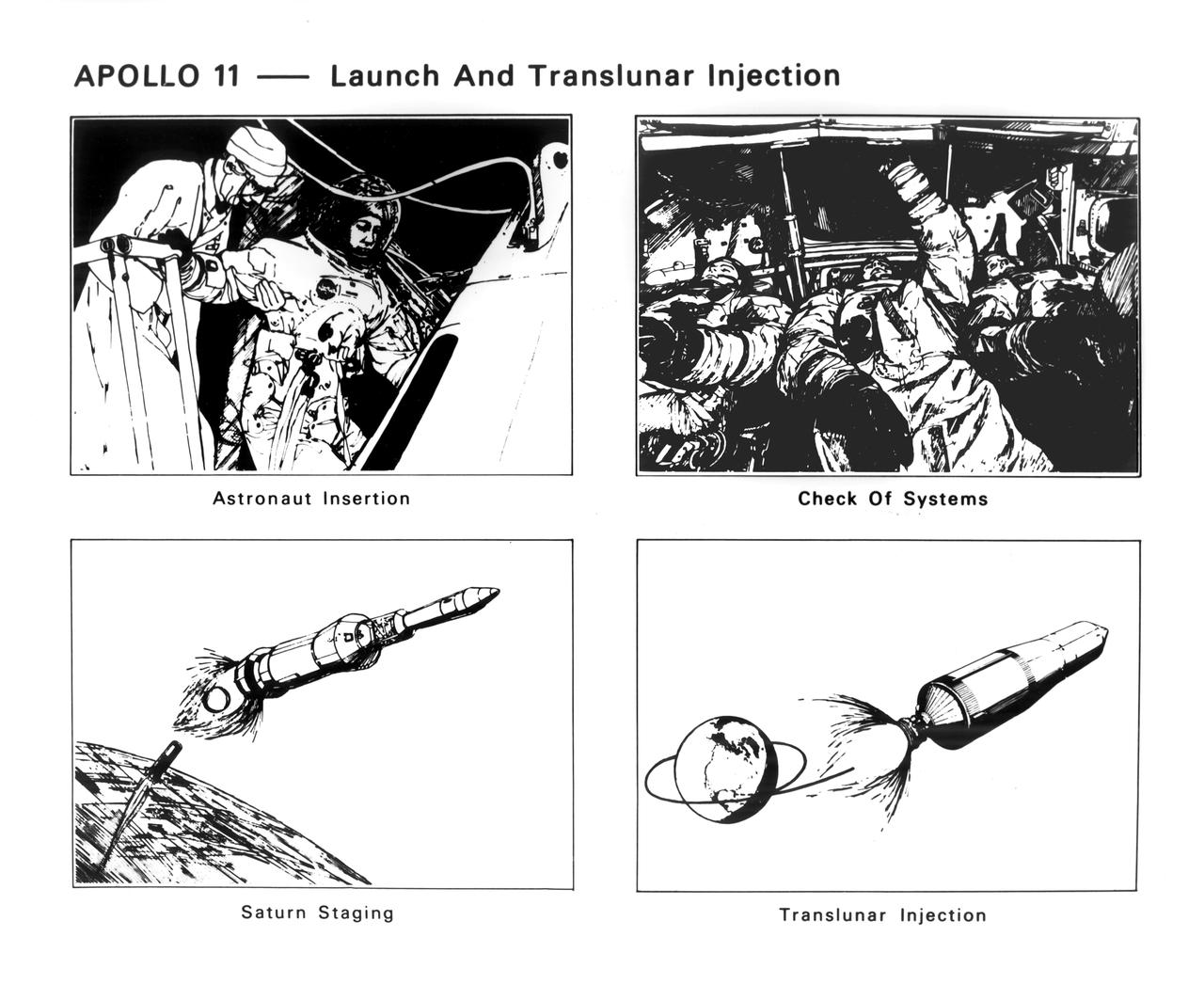
The Apollo 11 mission launched from the Kennedy Space Center (KSC) in Florida via the Marshall Space Flight Center (MSFC) developed Saturn V launch vehicle on July 16, 1969 and safely returned to Earth on July 24, 1969. Aboard the space craft were astronauts Neil A. Armstrong, commander; Michael Collins, Command Module (CM) pilot; and Edwin E. (Buzz) Aldrin Jr., Lunar Module (LM) pilot. With the success of Apollo 11, the national objective to land men on the Moon and return them safely to Earth had been accomplished. These sketches illustrate four of the early steps in the first manned lunar landing mission. The series begins with insertion of astronauts Neil Armstrong, Edwin Aldrin, and Michael Collins in the Apollo Command Module (CM). They checked out spacecraft systems and prepared for the launch. After two revolutions in Earth orbit, the Saturn V third stage reignited to place them into the translunar trajectory.
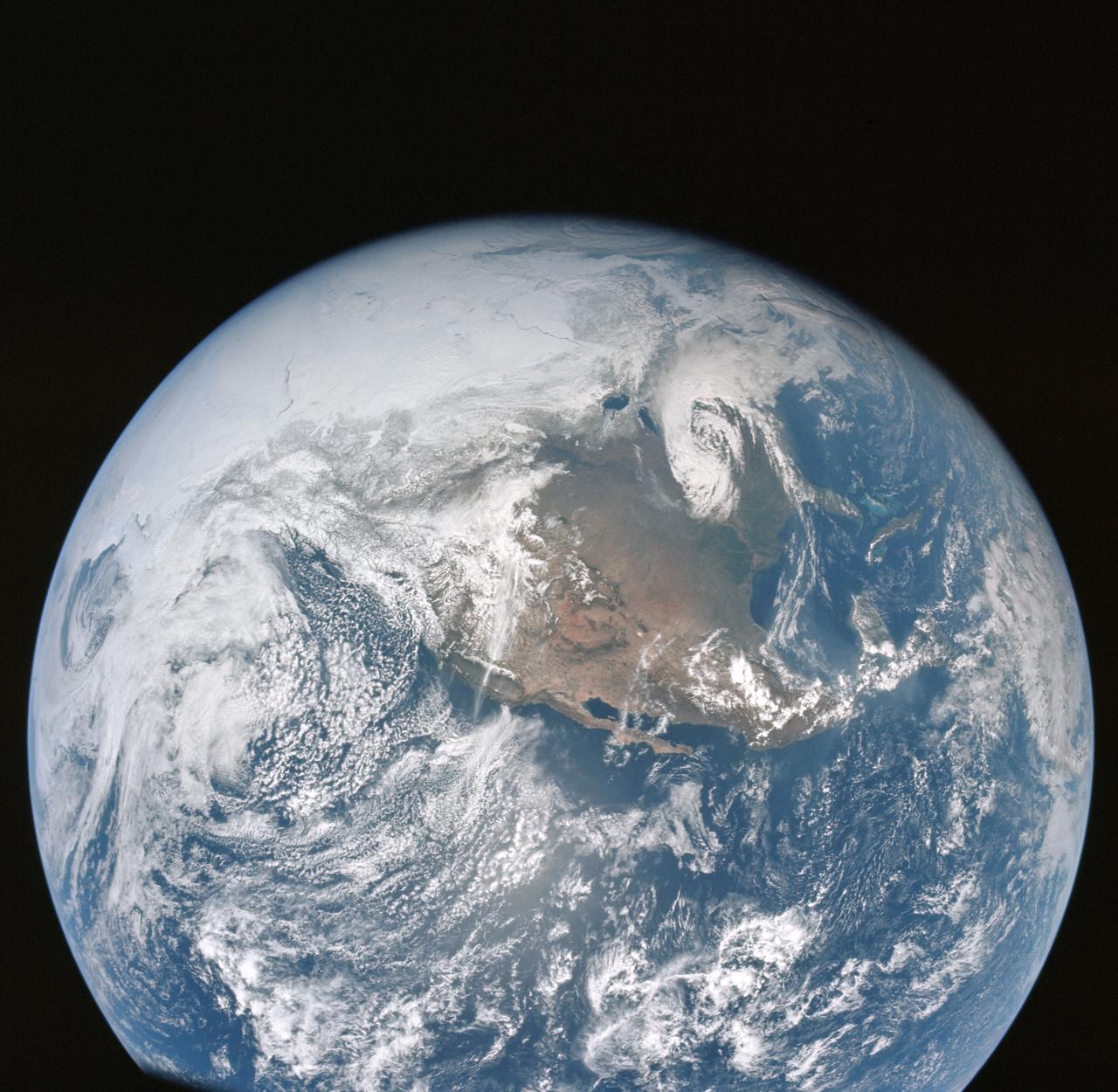
AS16-118-18880 (16 April 1972) --- A good view of Earth photographed about one hour after trans-lunar injection on April 16, 1972. Although there is much cloud cover, the United States in large part, most of Mexico and some of Central America are clearly visible. Note the Great Lakes (Michigan and Superior) and the Bahama Banks (note different shade of blue below Florida). While astronauts John W. Young, commander, and Charles M. Duke Jr., lunar module pilot, descended in the Lunar Module (LM) "Orion" to explore the Descartes highlands region of the moon, astronaut Thomas K. (Ken) Mattingly II, command module pilot, remained with the Command and Service Modules (CSM) "Casper" in lunar orbit.
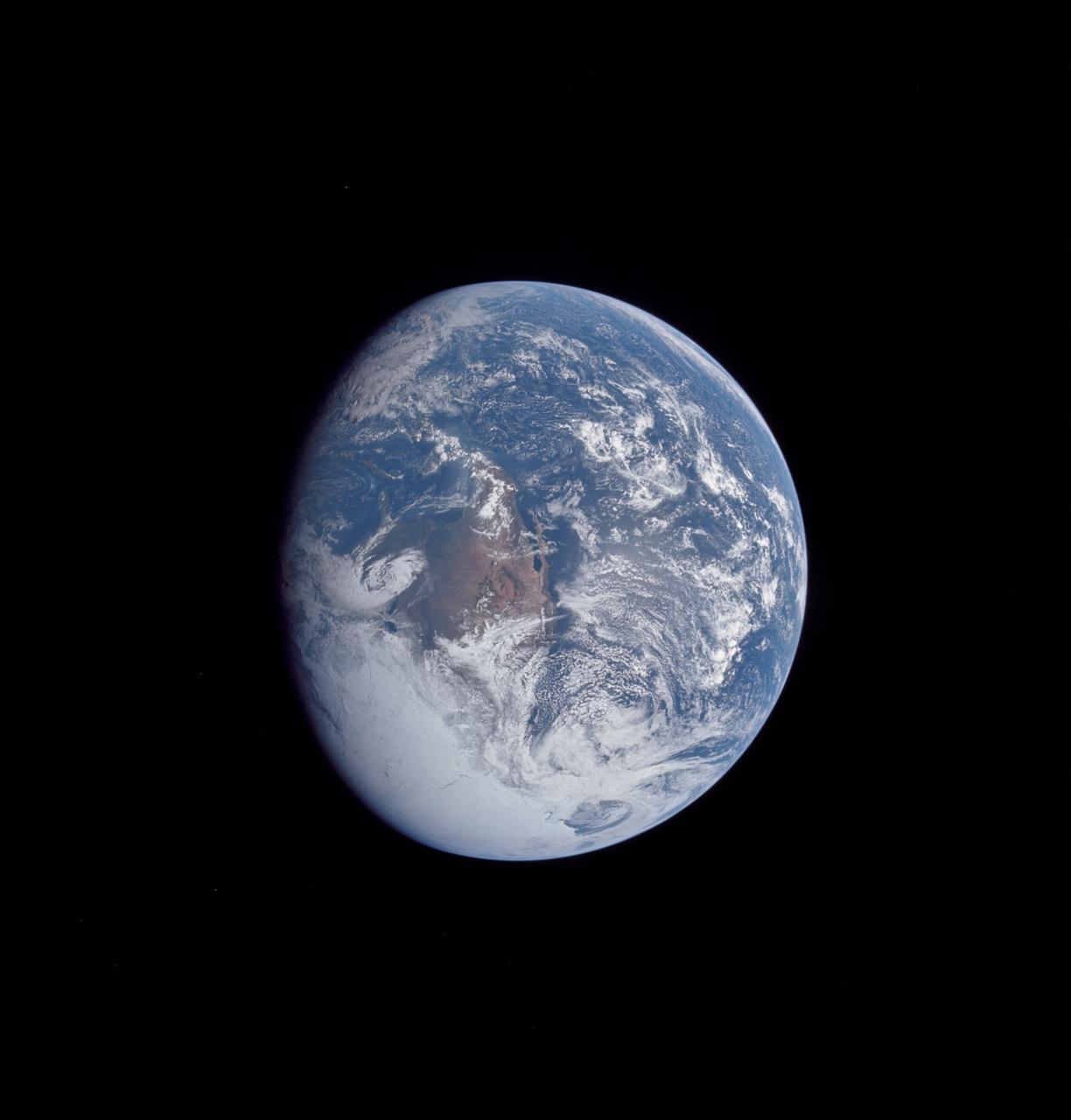
AS16-118-18885 (16 April 1972) --- A good view of Earth photographed about one and one-half hours after trans-lunar injection on April 16, 1972. Although there is much cloud cover, the United States in large part, most of Mexico and some parts of Central America are clearly visible. Note Lake Michigan and Lake Superior and the Bahama Banks (see different shade of blue below Florida). Just beginning man's fifth lunar landing mission were astronauts John W. Young, commander; Thomas K. Mattingly, II, command module pilot and Charles M. Duke Jr., lunar module pilot. While astronauts Young and Duke descended in the Lunar Module (LM) "Orion" to explore the Descartes highlands region of the moon, astronaut Mattingly remained with the Command and Service Modules (CSM) "Casper" in lunar orbit.
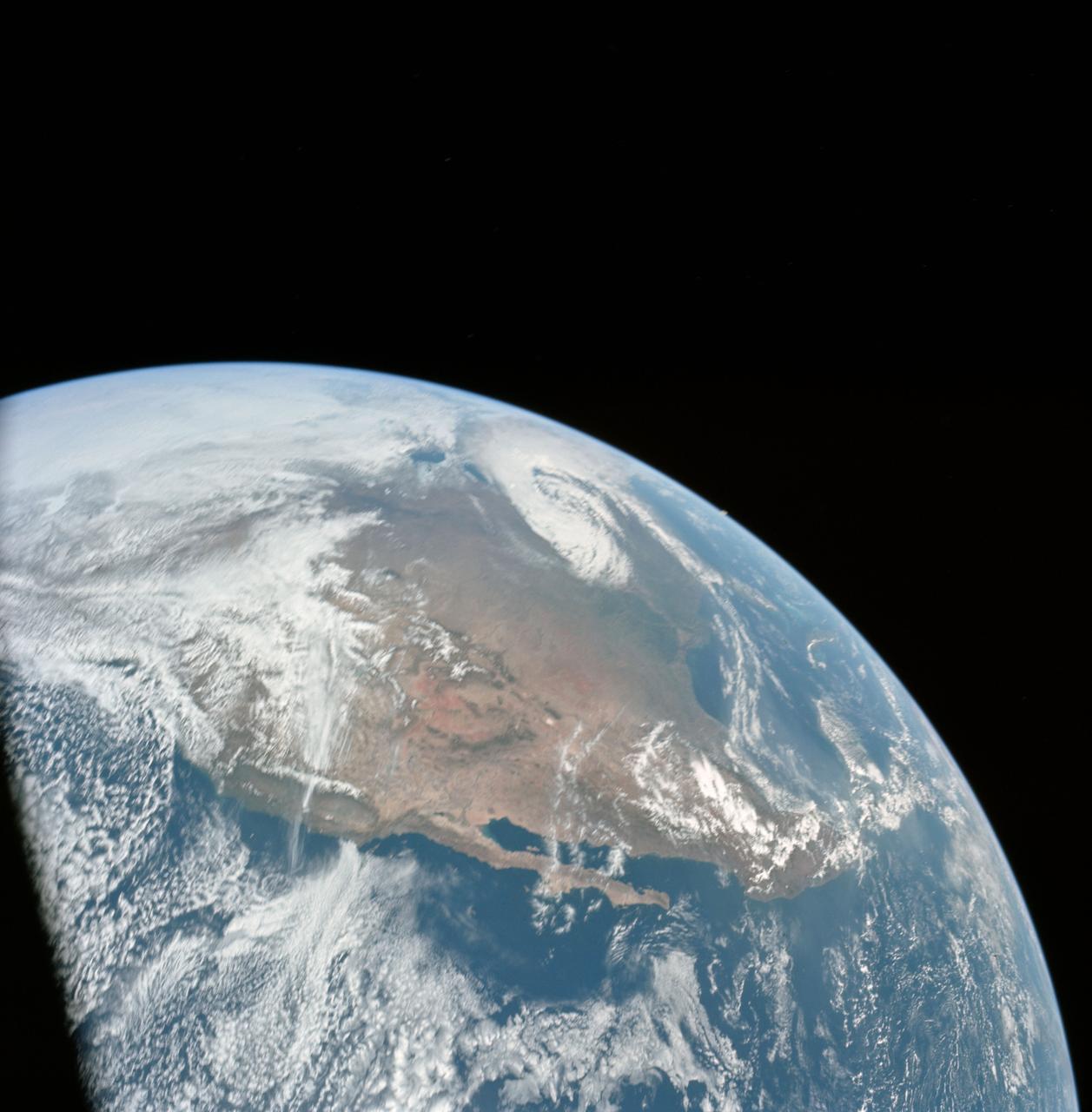
AS16-118-18873 (16 April 1972) --- A good view of Earth photographed shortly after trans-lunar injection of April 16, 1972. Although there is much cloud cover (over Canada and the oceans), the United States in large part, most of Mexico and some parts of Central America are clearly visible. Note Lake Michigan and Lake Superior, also note the Bahama Banks at upper right part of the sphere. A large part of the Rocky Mountain Range is also visible. Just beginning man's fifth lunar landing mission were astronauts John W. Young, commander; Thomas K. Mattingly II, command module pilot; and Charles M. Duke Jr., lunar module pilot. While astronauts Young and Duke descended in the Lunar Module (LM) to explore the moon, astronaut Mattingly remained with the Command and Service Modules (CSM) in lunar orbit.

jsc2026e020048 (April 2, 2026) – Flight Dynamics Officer Natasha Peake in Mission Control during Artemis II’s translunar injection burn on April 2, 2026, which not only sent the crew in Orion out of Earth orbit and on a trajectory toward the Moon, but also set them on the course that will ultimately bring them home for a splashdown in the Pacific Ocean.

AS11-36-5299 (16 July 1969) --- This view of Earth showing clouds over water was photographed from the Apollo 11 spacecraft following translunar injection. While astronauts Neil A. Armstrong, commander, and Edwin E. Aldrin Jr., lunar module pilot, descended in the Lunar Module (LM) "Eagle" to explore the Sea of Tranquility region of the moon, astronaut Michael Collins, command module pilot, remained with the Command and Service Modules (CSM) "Columbia" in lunar orbit.
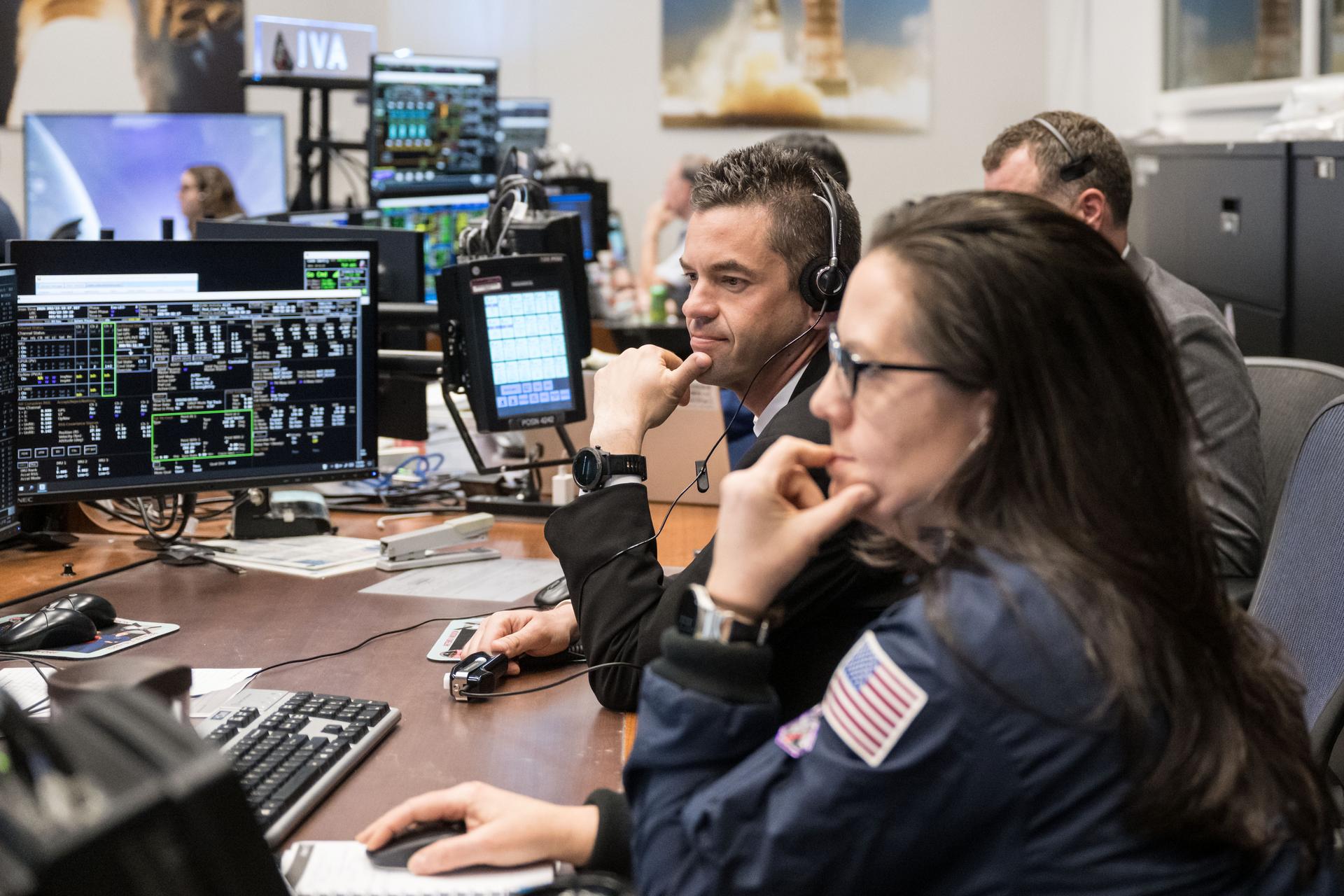
jsc2026e020085 (April 2, 2026) – NASA Administrator Jared Isaacman (left) and NASA Chief Flight Director Emily Nelson (right) in the Mission Control Center at NASA’s Johnson Space Center monitor mission operations during the translunar injection (TLI) burn, which sent the crew in Orion out of Earth orbit and on a trajectory toward the Moon.
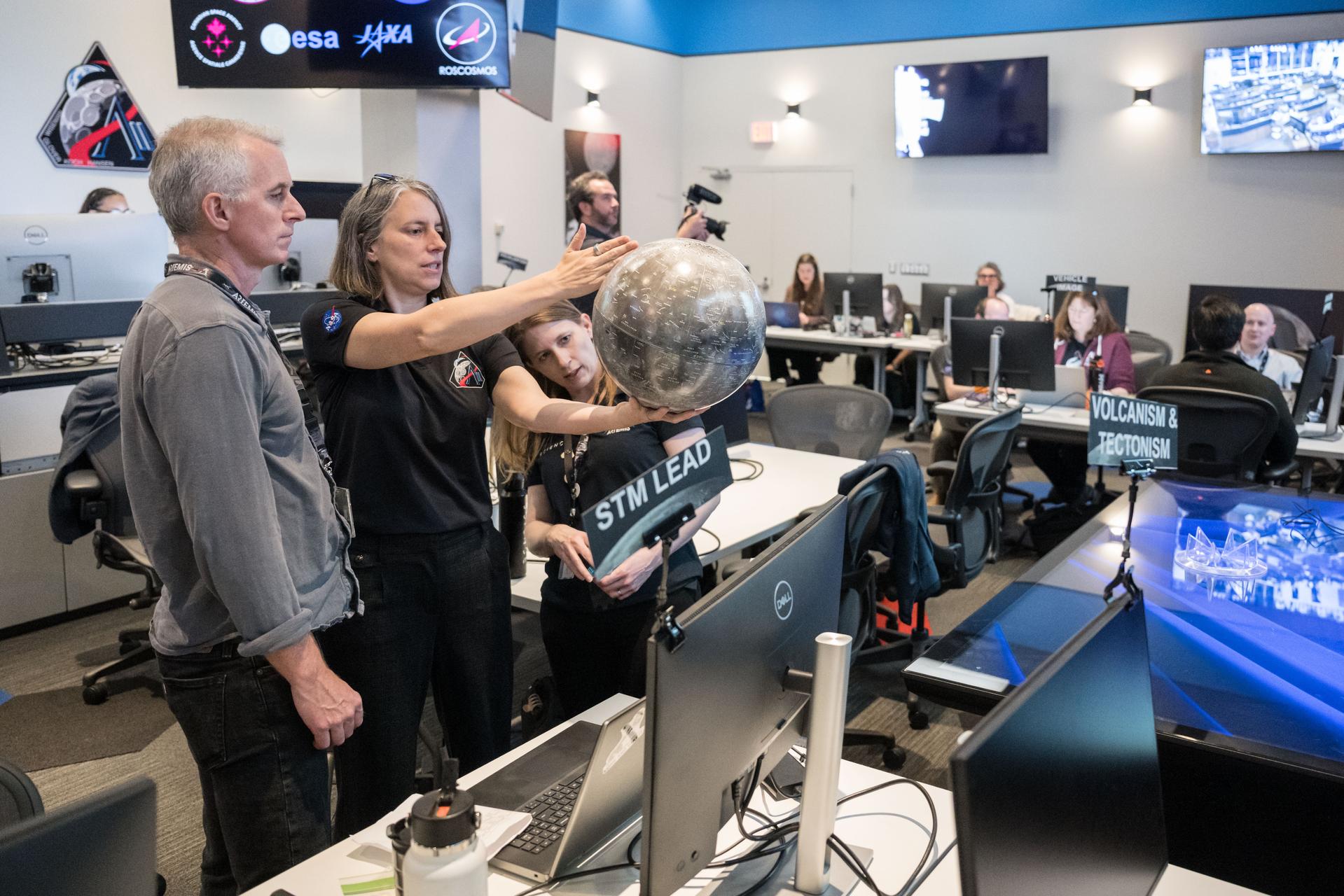
Artemis II lunar science team members, from left, Ryan Ewing, Juliane Gross, and Debra Needham, discuss lunar geography ahead of the translunar injection burn that accelerated the Orion spacecraft to break free of Earth’s orbit and began the outbound trajectory toward the Moon. They are in the Science Evaluation Room (SER) a back room that supports lunar science and planetary observations for the Artemis science officer in the mission’s main flight control room. Built specifically for Artemis missions with these science priorities in mind, the SER is equipped to support rapid data interpretation, collaborative analysis, real-time decision making, and seamless coordination between the science and operations teams.
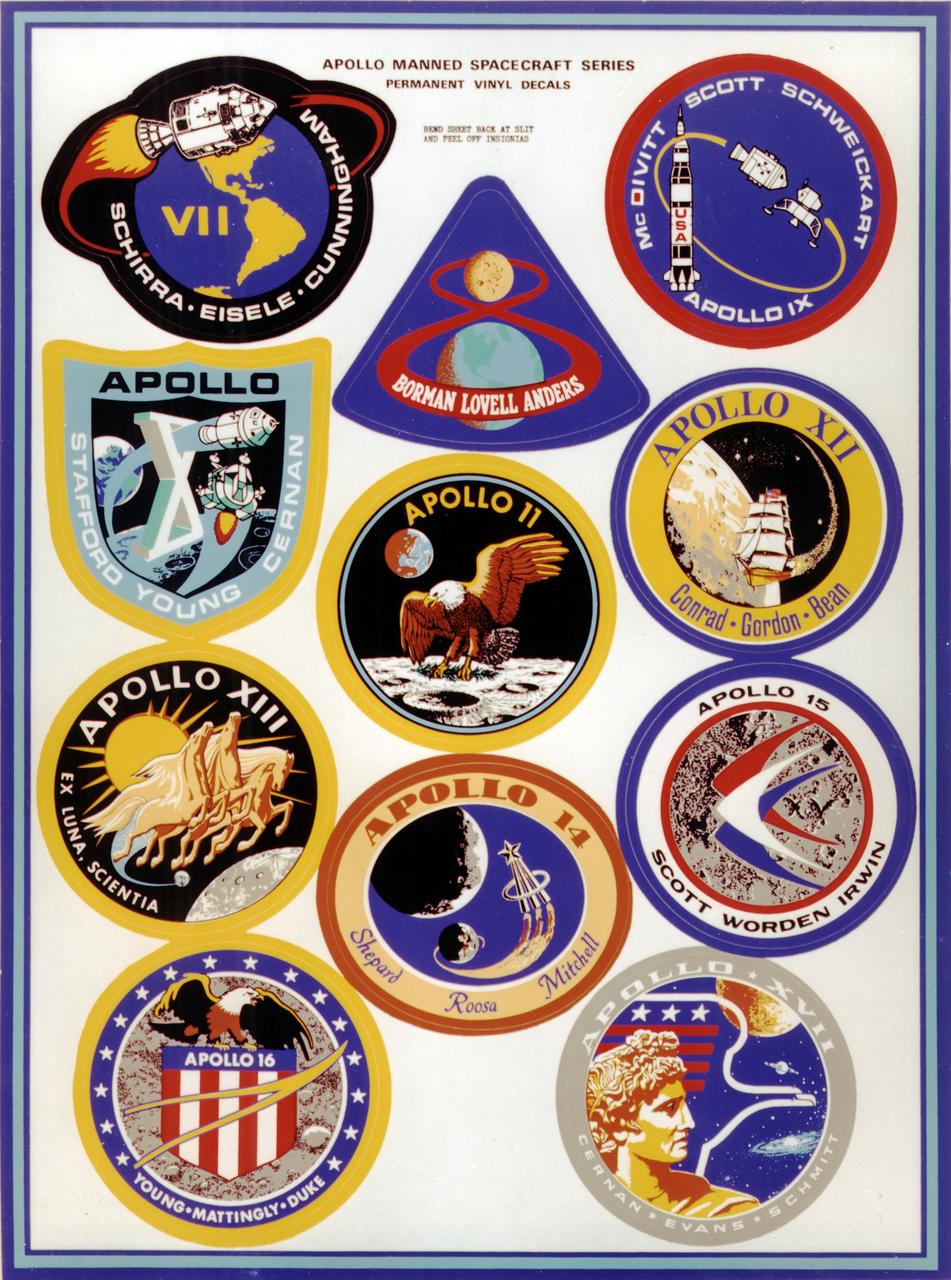
This montage depicts the flight crew patches for the manned Apollo 7 thru Apollo 17 missions. The Apollo 7 through 10 missions were basically manned test flights that paved the way for lunar landing missions. Primary objectives met included the demonstration of the Command Service Module (CSM) crew performance; crew/space vehicle/mission support facilities performance and testing during a manned CSM mission; CSM rendezvous capability; translunar injection demonstration; the first manned Apollo docking, the first Apollo Extra Vehicular Activity (EVA), performance of the first manned flight of the lunar module (LM); the CSM-LM docking in translunar trajectory, LM undocking in lunar orbit, LM staging in lunar orbit, and manned LM-CSM docking in lunar orbit. Apollo 11 through 17 were lunar landing missions with the exception of Apollo 13 which was forced to circle the moon without landing due to an onboard explosion. The craft was,however, able to return to Earth safely. Apollo 11 was the first manned lunar landing mission and performed the first lunar surface EVA. Landing site was the Sea of Tranquility. A message for mankind was delivered, the U.S. flag was planted, experiments were set up and 47 pounds of lunar surface material was collected for analysis back on Earth. Apollo 12, the 2nd manned lunar landing mission landed in the Ocean of Storms and retrieved parts of the unmanned Surveyor 3, which had landed on the Moon in April 1967. The Apollo Lunar Surface Experiments Package (ALSEP) was deployed, and 75 pounds of lunar material was gathered. Apollo 14, the 3rd lunar landing mission landed in Fra Mauro. ALSEP and other instruments were deployed, and 94 pounds of lunar materials were gathered, using a hand cart for first time to transport rocks. Apollo 15, the 4th lunar landing mission landed in the Hadley-Apennine region. With the first use of the Lunar Roving Vehicle (LRV), the crew was bale to gather 169 pounds of lunar material. Apollo 16, the 5th lunar landing mission, landed in the Descartes Highlands for the first study of highlands area. Selected surface experiments were deployed, the ultraviolet camera/spectrograph was used for first time on the Moon, and the LRV was used for second time for a collection of 213 pounds of lunar material. The Apollo program came to a close with Apollo 17, the 6th and final manned lunar landing mission that landed in the Taurus-Littrow highlands and valley area. This mission hosted the first scientist-astronaut, Schmitt, to land on the Moon. The 6th automated research station was set up, and 243 ponds of lunar material was gathered using the LRV.