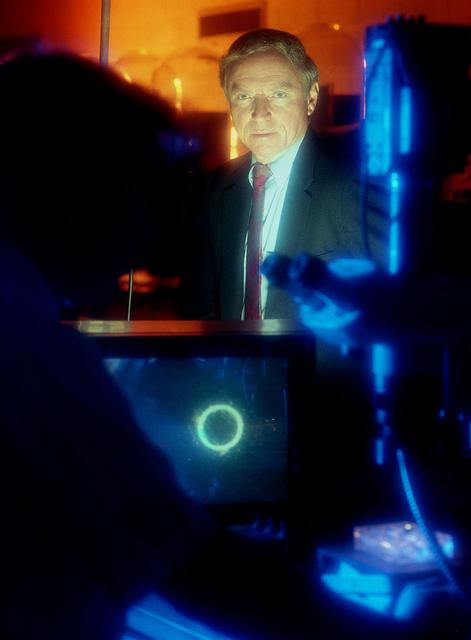
Test of bearing and seal materials in order to develop improved life bearing designs for operating in liquid turbomachinery.
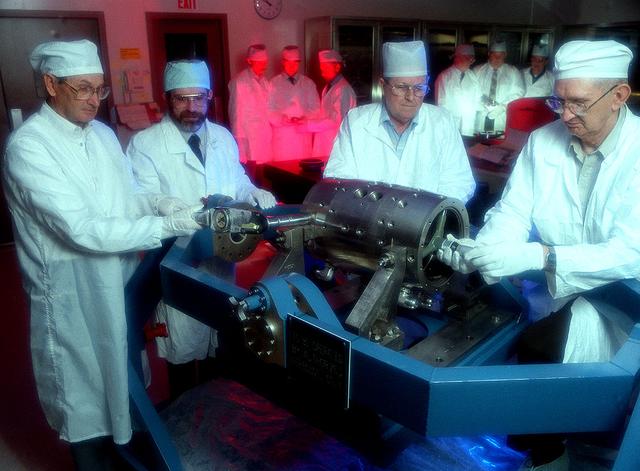
Test of bearing and seal materials in order to develop improved life bearing designs for operating in liquid turbomachinery.

Various Oil-Free Turbomachinery Hardware and Rigs - oil-free turbomachinery demonstration rigs

Oil-Free Turbomachinery Thrust Bearing Test Rig

Oil-Free Turbomachinery Thrust Bearing Test Rig
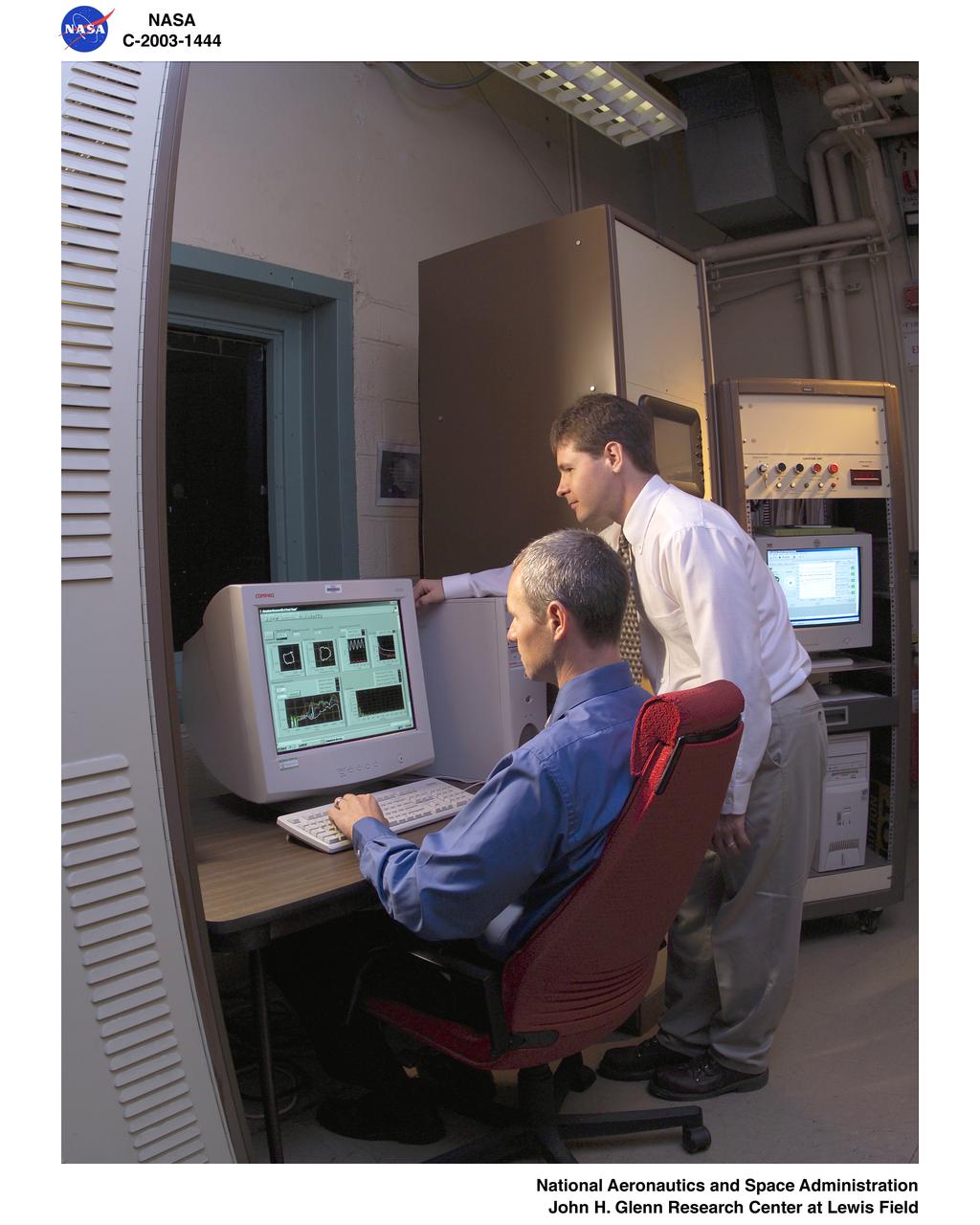
Various Oil-Free Turbomachinery Hardware and Rigs - SE-8 control room
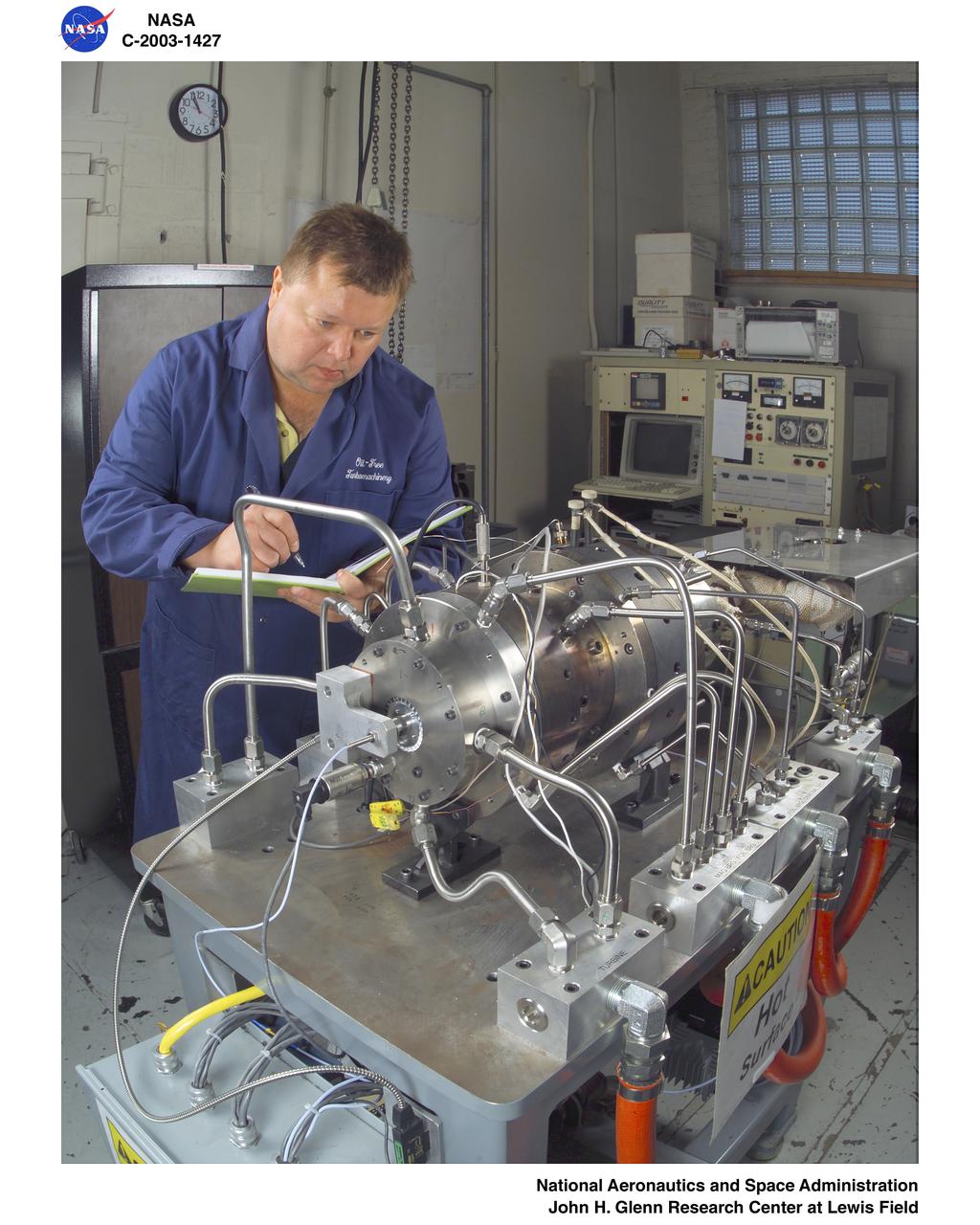
Various Oil-Free Turbomachinery Hardware and Rigs - thrust bearing rig
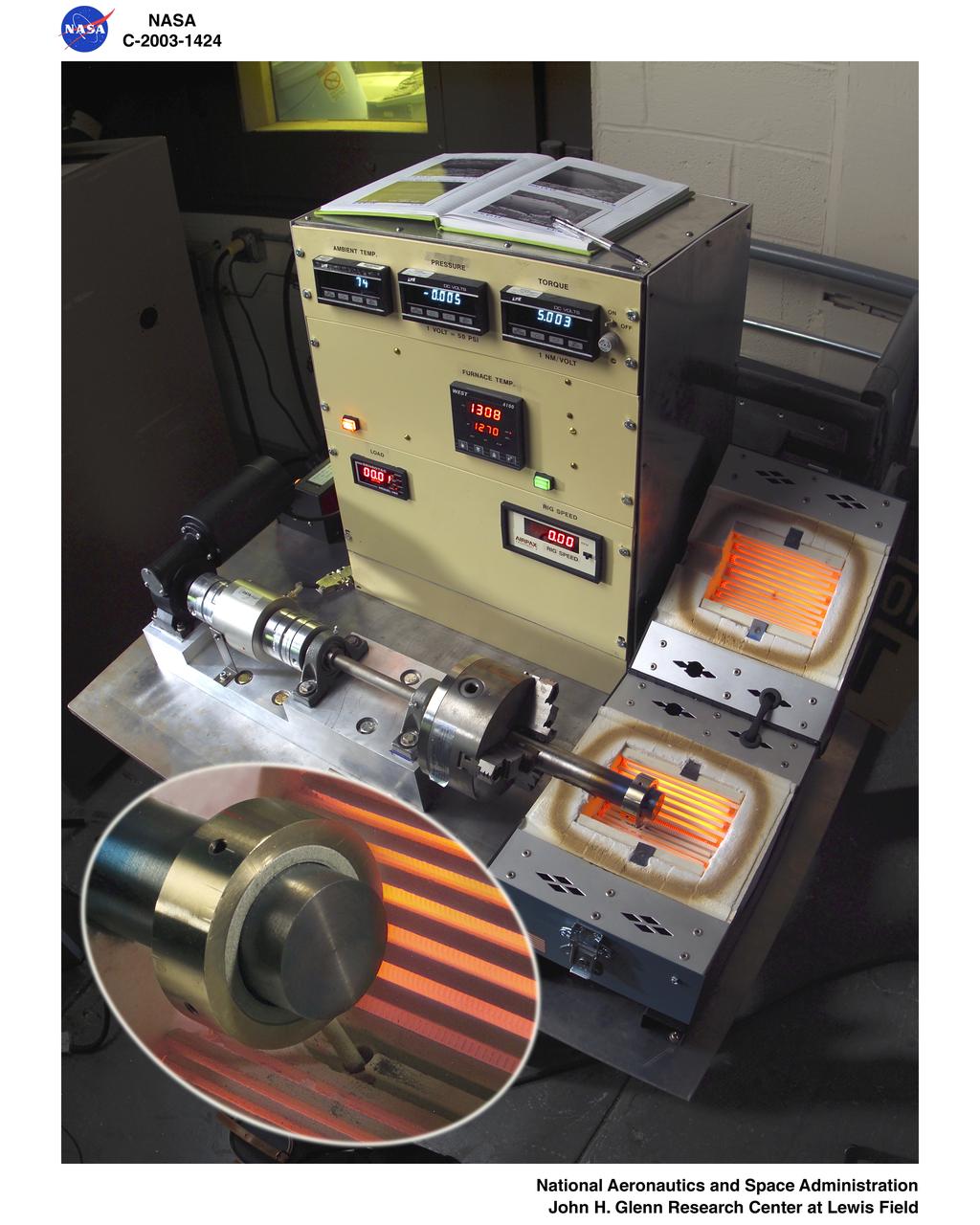
Various Oil-Free Turbomachinery Hardware and Rigs - bushing rig
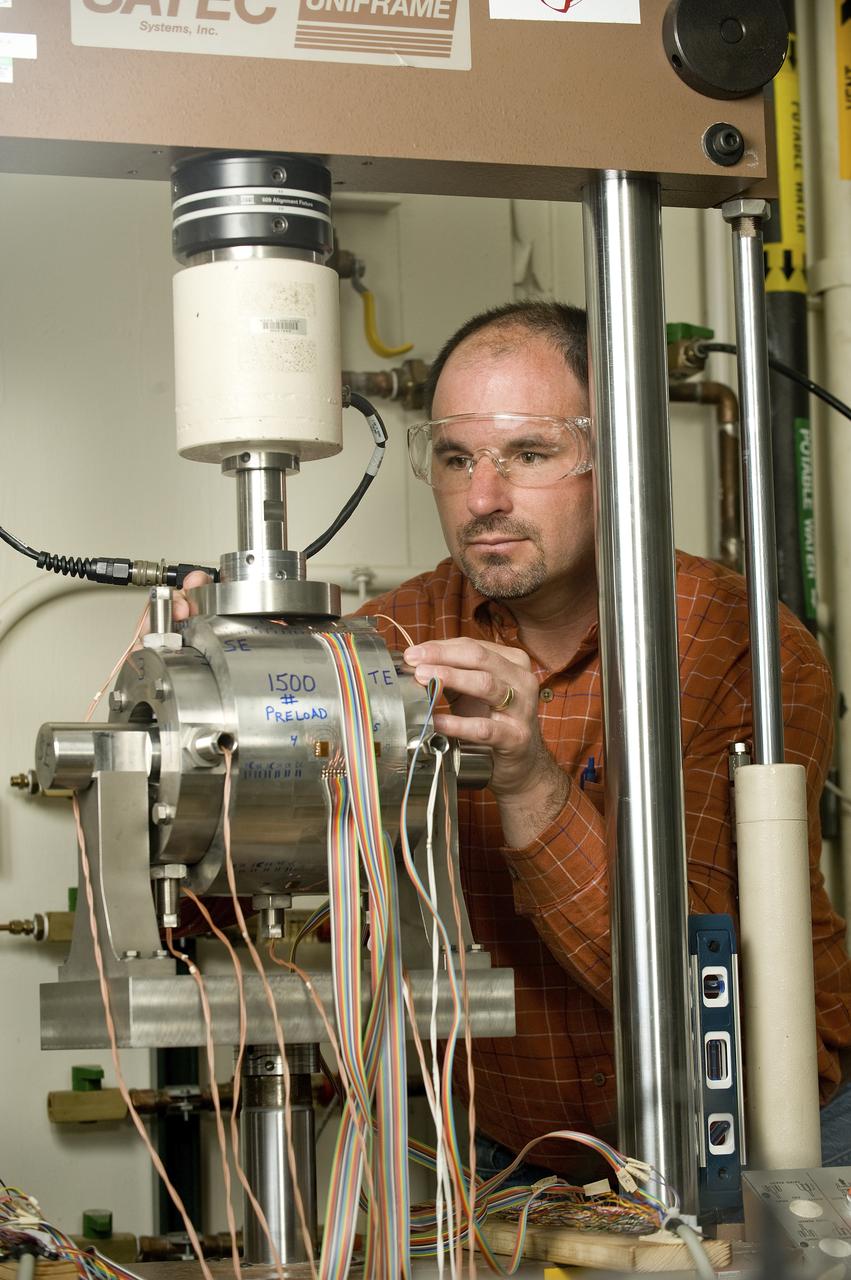
HORACE STORNG (AEROSPACE ENGINEER, ER31 PROPULSION TURBOMACHINERY DESIGN & DEVELOPMENT BRANCH) ADJUSTS A UNIQUE MECHANICAL TEST SETUP THAT MEASURES STRAIN ON A SINGLE SAMPLE, USING TWO DIFFERENT TECHNIQUES AT THE SAME TIME. THE TEST FIXTURE HOLDS A SPECIMEN THAT REPRESENTS A LIQUID OXYGEN (LOX) BEARING FROM THE J2-X ENGINE
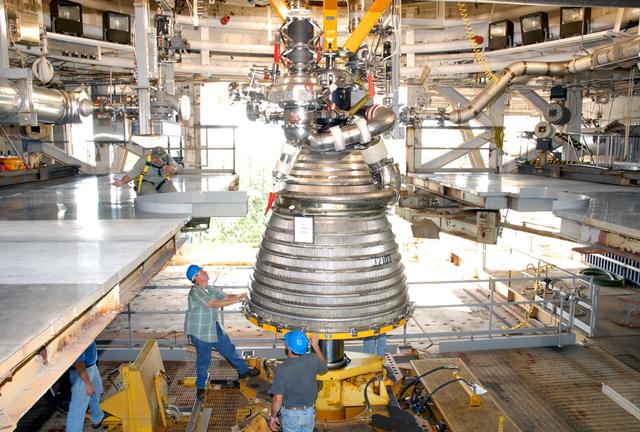
Core components of the J-2X engine being designed for NASA's Constellation Program recently were installed on the A-1 Test Stand at NASA's Stennis Space Center near Bay St. Louis, Miss. Tests of the components, known as Powerpack 1A, will be conducted from November 2007 through February 2008. The Powerpack 1A test article consists of a gas generator and engine turbopumps originally developed for the Apollo Program that put Americans on the moon in the late 1960s and early 1970s. Engineers are testing these heritage components to obtain data that will help them modify the turbomachinery to meet the higher performance requirements of the Ares I and Ares V launch vehicles. The upcoming tests will simulate inlet and outlet conditions that would be present on the turbomachinery during a full-up engine hot-fire test.
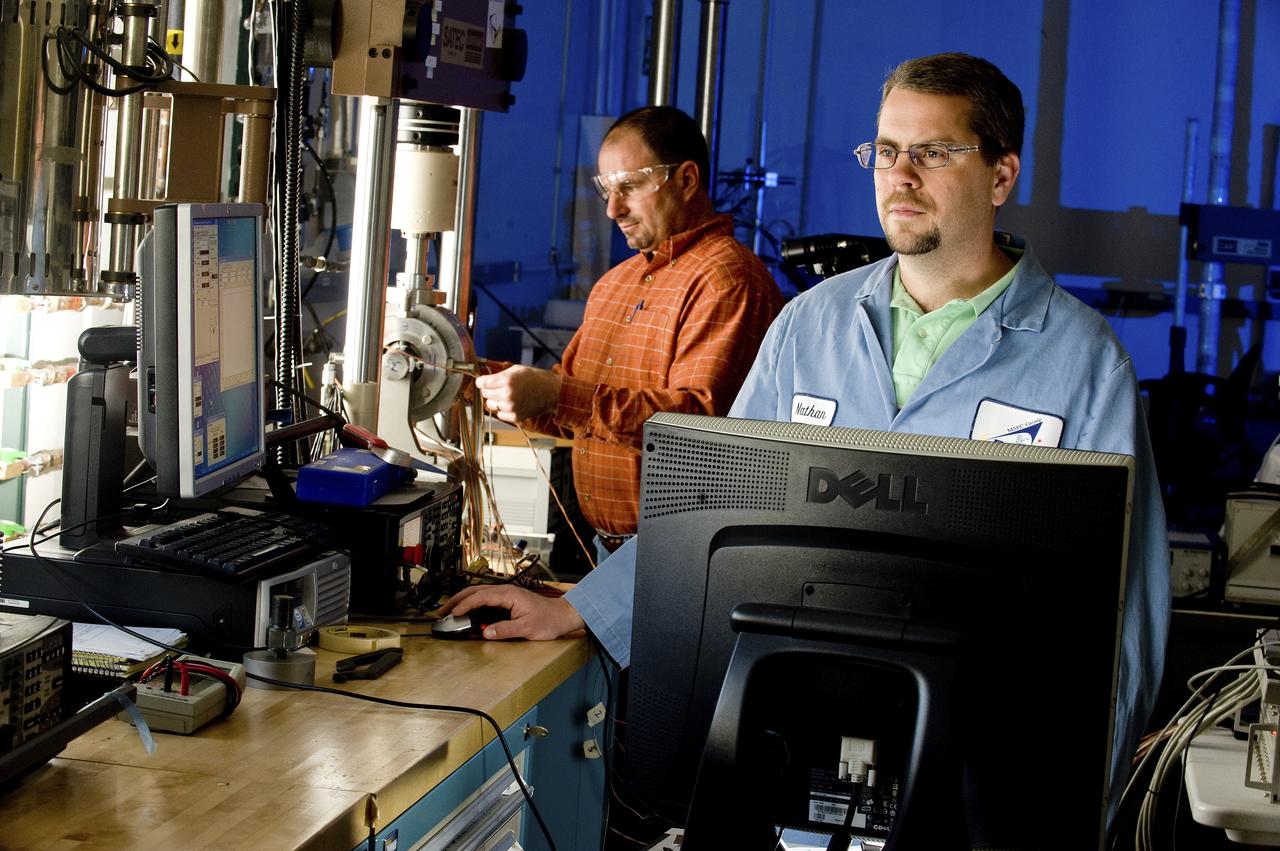
NATHAN HORACE STRONG (AEROSPACE ENGINEER, ER31 PROPULSION TURBOMACHINERY DESIGN & DEVELOPMENT BRANCH) AND NATHAN COFFEE (EM10 MATERIALS TEST ENGINEER, JACOBS ESTS GROUP/JTI) ADJUST A UNIQUE MECHANICAL TEST SETUP THAT MEASURES STRAIN ON A SINGLE SAMPLE, USING TWO DIFFERENT TECHNIQUES AT THE SAME TIME. THE TEST FIXTURE HOLDS A SPECIMEN THAT REPRESENTS A LIQUID OXYGEN (LOX) BEARING FROM THE J2-X ENGINE. COFFEY, AT RIGHT, WORK IN A LAB IN BUILDING 4612 ON A BEARING TEST

Tour of the Electrified Powertrain Flight Demonstration in the HyPER lab on June 17th, 2024 at Glenn Research Center. NASA’s Electrified Powertrain Flight Demonstration (EPFD) project focuses advancing the future of sustainable aviation by turning hybrid electric flight into a reality. HyPER is a hardware-in-the-loop laboratory that was designed specifically to investigate the dynamic interactions between turbomachinery, the electric power system, and the constantly varying loads of electrified aircraft. It is a small-scale lab capable of rapid reconfiguration through software. This allows the emulation of new engines using simulation models that are easily replaced and then appropriately scaled for power and inertia to the test hardware. Photo Credit: (NASA/Sara Lowthian-Hanna)