ECOSTRESS Unbagging
ECOSTRESS Unbagging
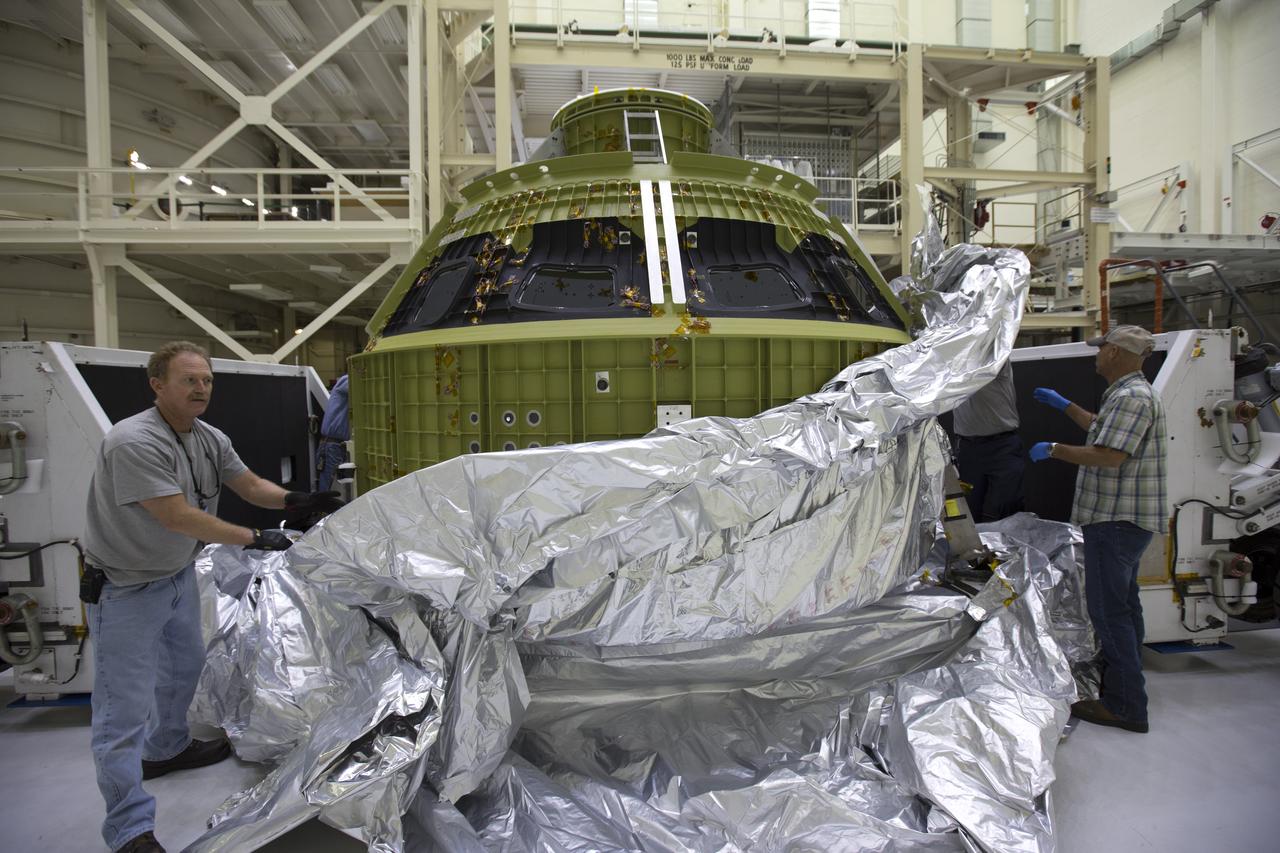
Inside the Neil Armstrong Operations and Checkout Building high bay at NASA's Kennedy Space Center in Florida, Lockheed Martin technicians remove the protective covering from the Orion crew module structural test article (STA). The STA arrived aboard NASA's Super Guppy aircraft at the Shuttle Landing Facility operated by Space Florida. The test article was moved inside the facility's high bay for further testing. The Orion spacecraft will launch atop NASA’s Space Launch System rocket on EM-1, its first deep space mission, in late 2018.
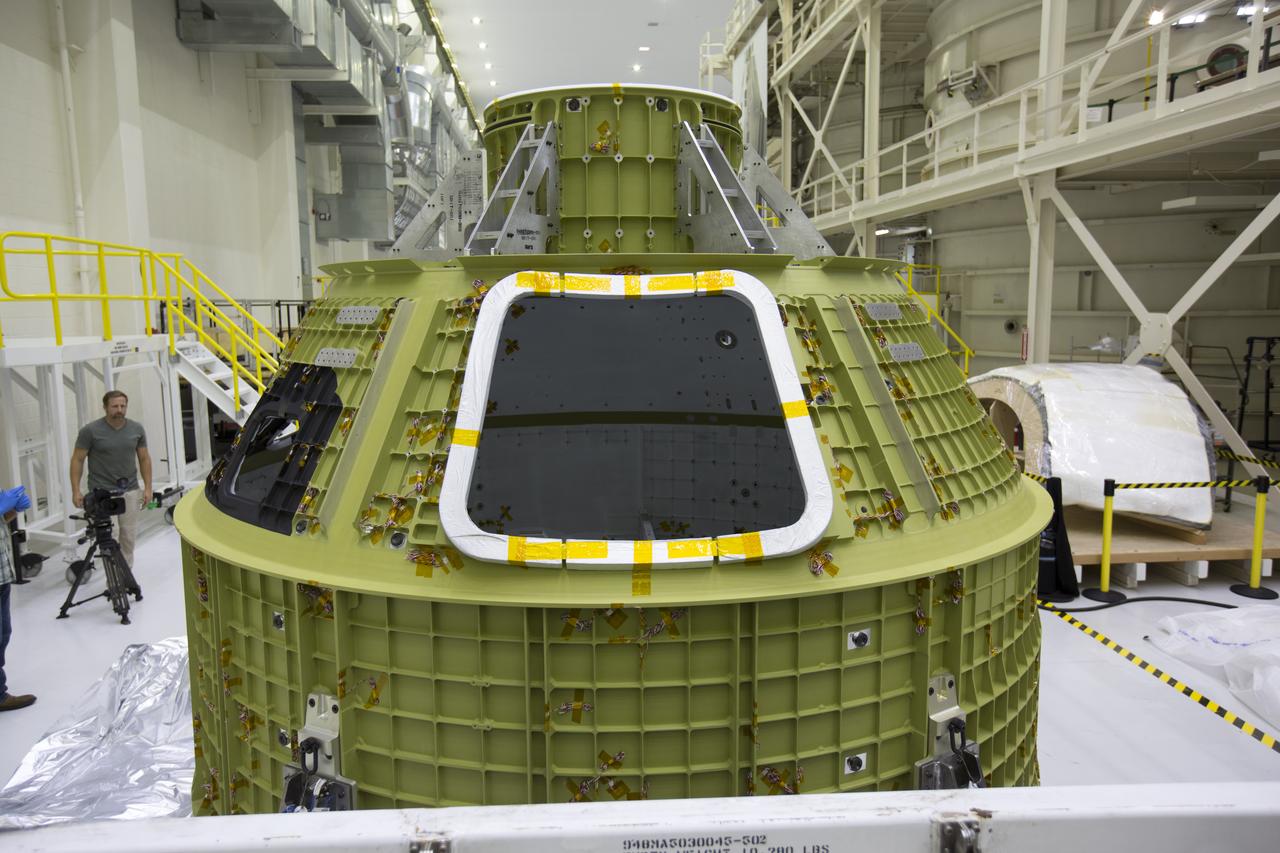
Inside the Neil Armstrong Operations and Checkout Building high bay at NASA's Kennedy Space Center in Florida, the protective covering was removed from the Orion crew module structural test article (STA). It remains secured on the bottom of its transport container. The STA arrived aboard NASA's Super Guppy aircraft at the Shuttle Landing Facility operated by Space Florida. The test article was moved inside the facility's high bay for further testing. The Orion spacecraft will launch atop NASA’s Space Launch System rocket on EM-1, its first deep space mission, in late 2018.
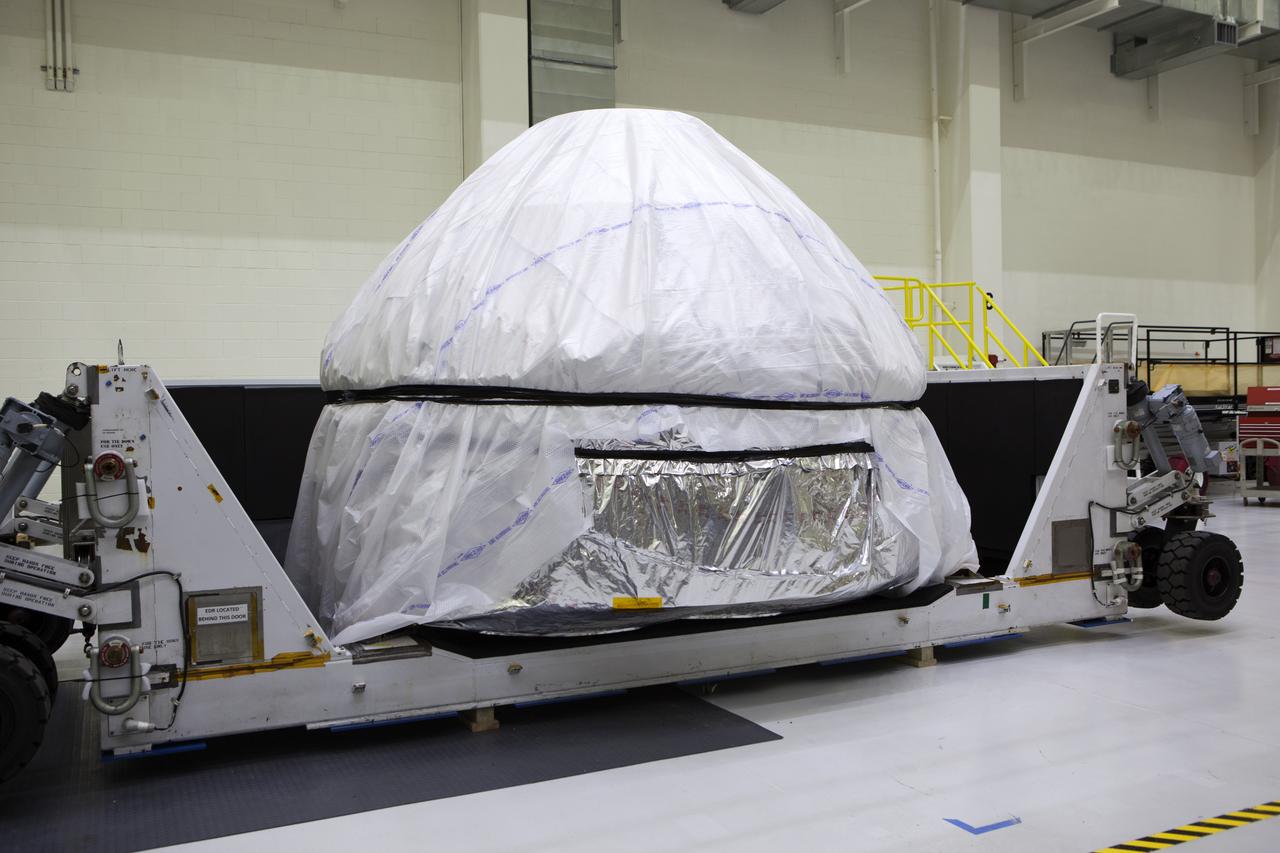
Inside the Neil Armstrong Operations and Checkout Building high bay at NASA's Kennedy Space Center in Florida, the cover has been removed from the container holding the Orion crew module structural test article (STA). The STA arrived aboard NASA's Super Guppy aircraft at the Shuttle Landing Facility operated by Space Florida. The test article was moved inside the facility's high bay for further testing. The Orion spacecraft will launch atop NASA’s Space Launch System rocket on EM-1, its first deep space mission, in late 2018.
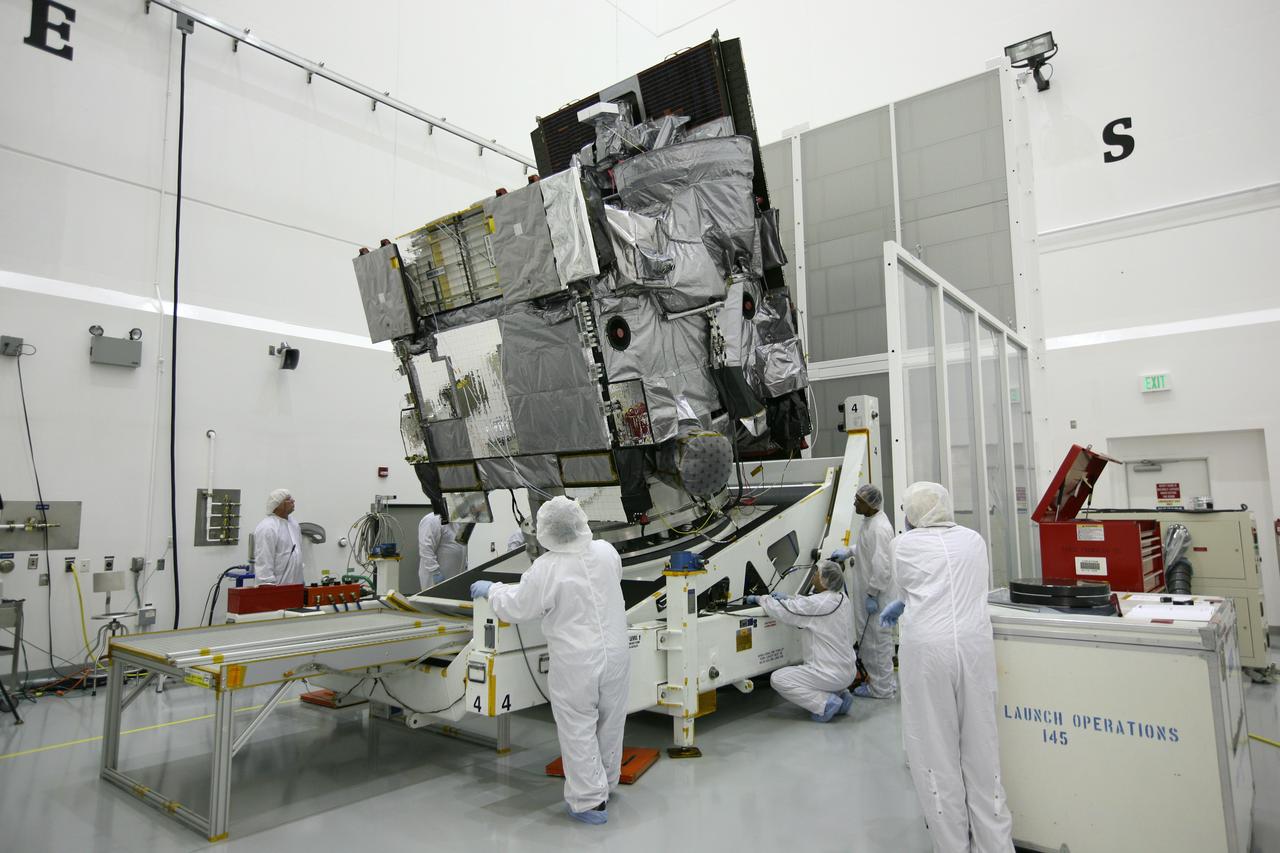
GOES-P UNBAGGING & ROTATION
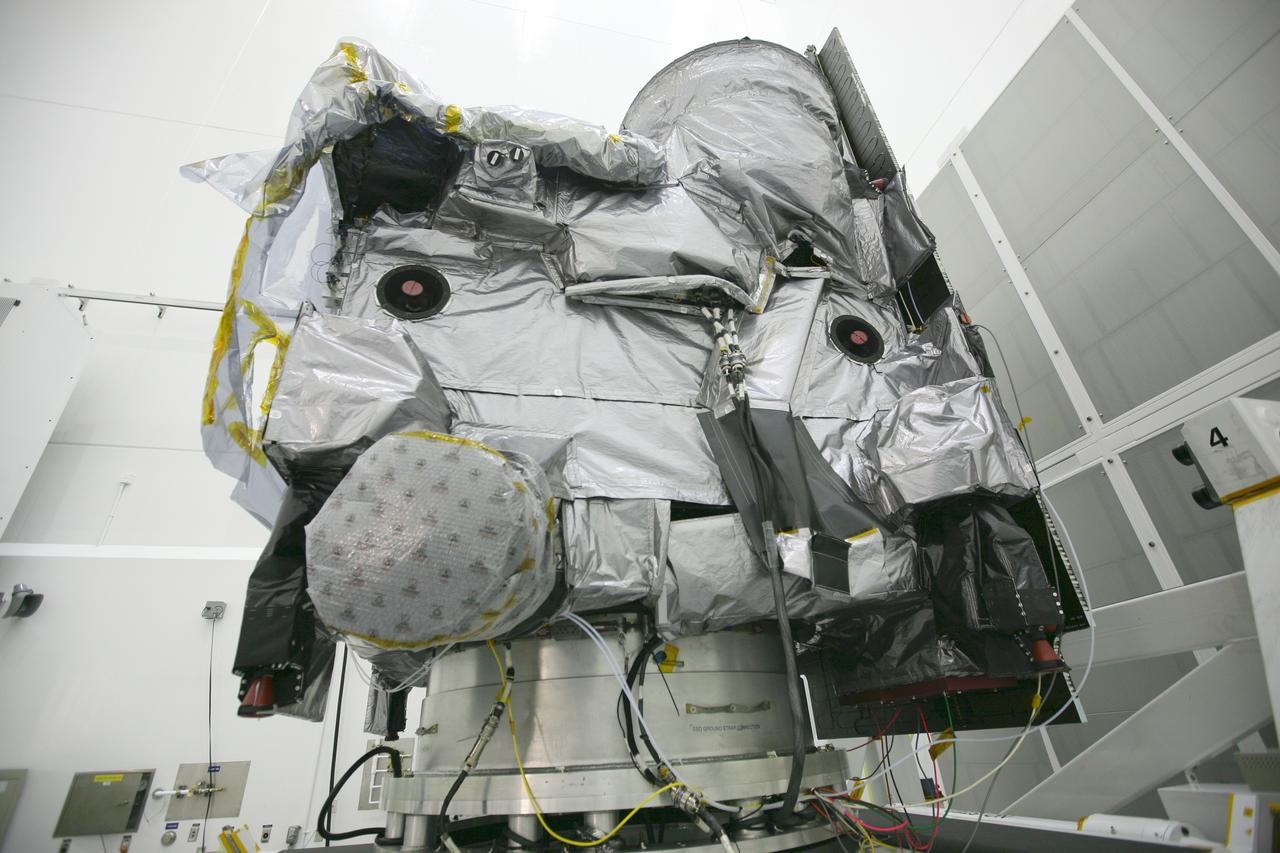
GOES-P UNBAGGING & ROTATION
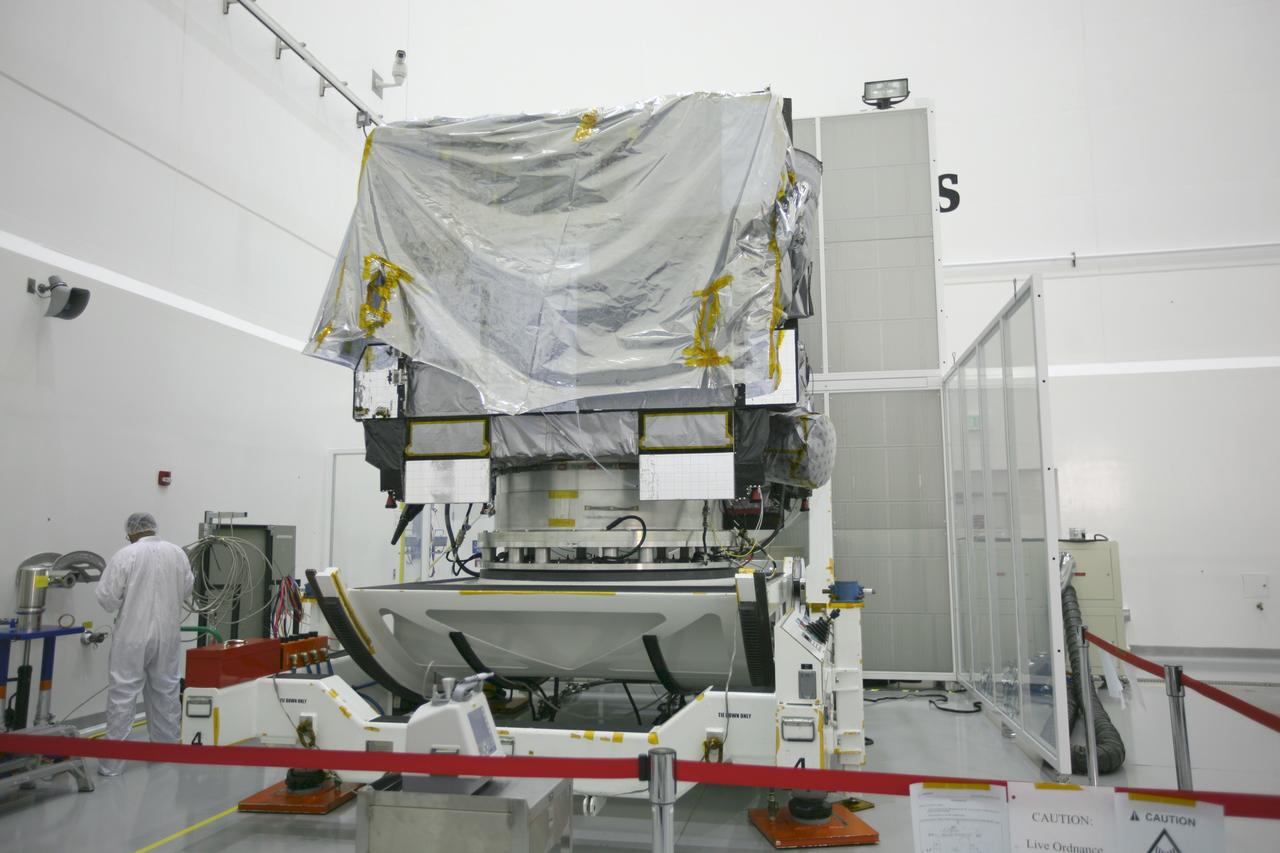
GOES-P UNBAGGING & ROTATION
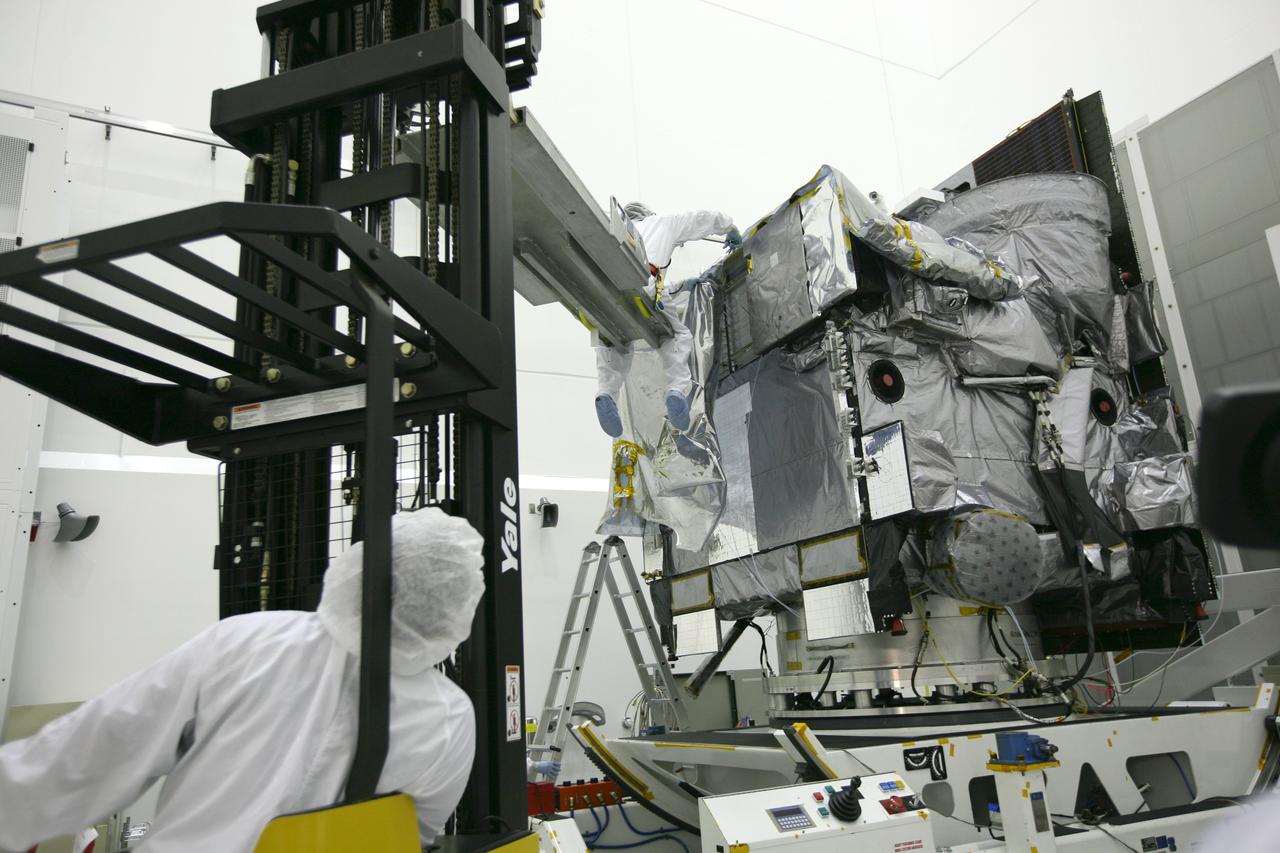
GOES-P UNBAGGING & ROTATION
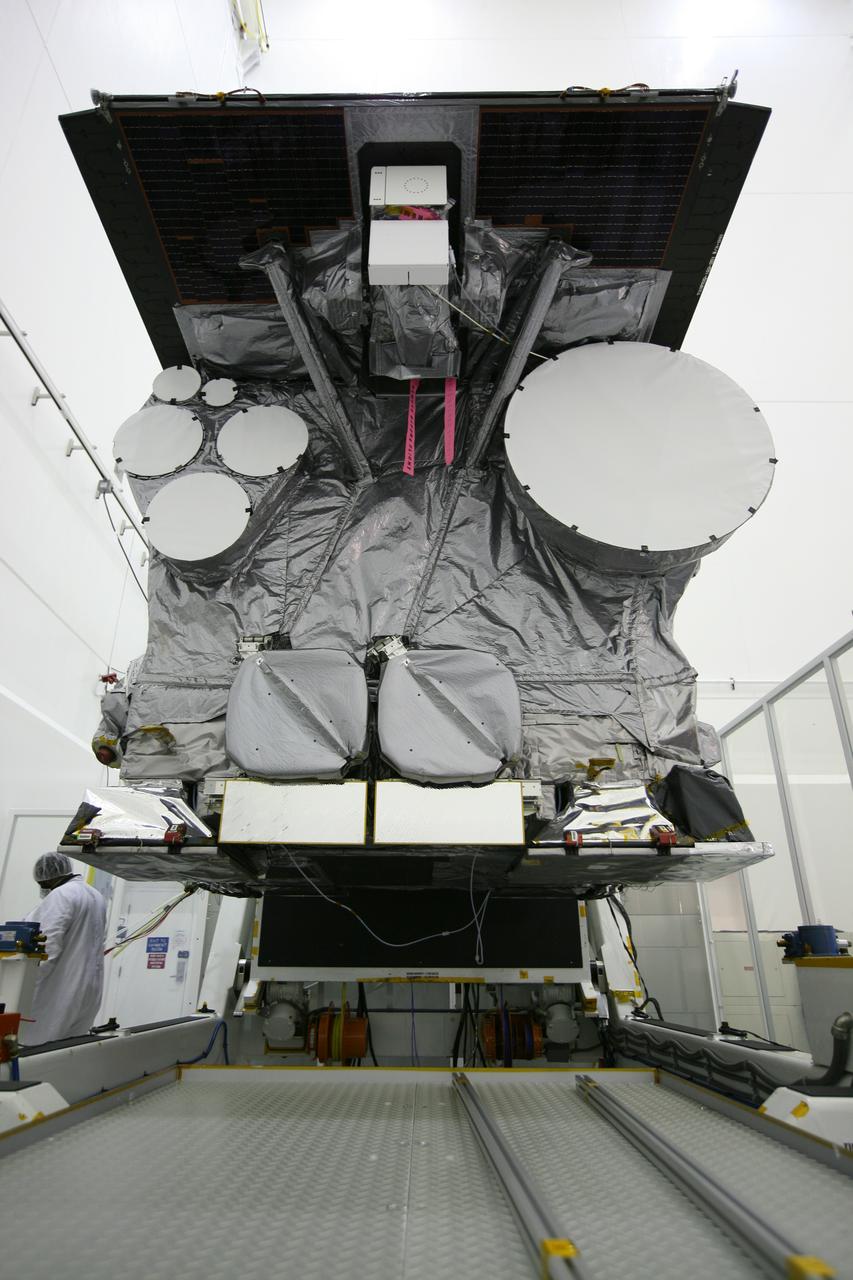
GOES-P UNBAGGING & ROTATION
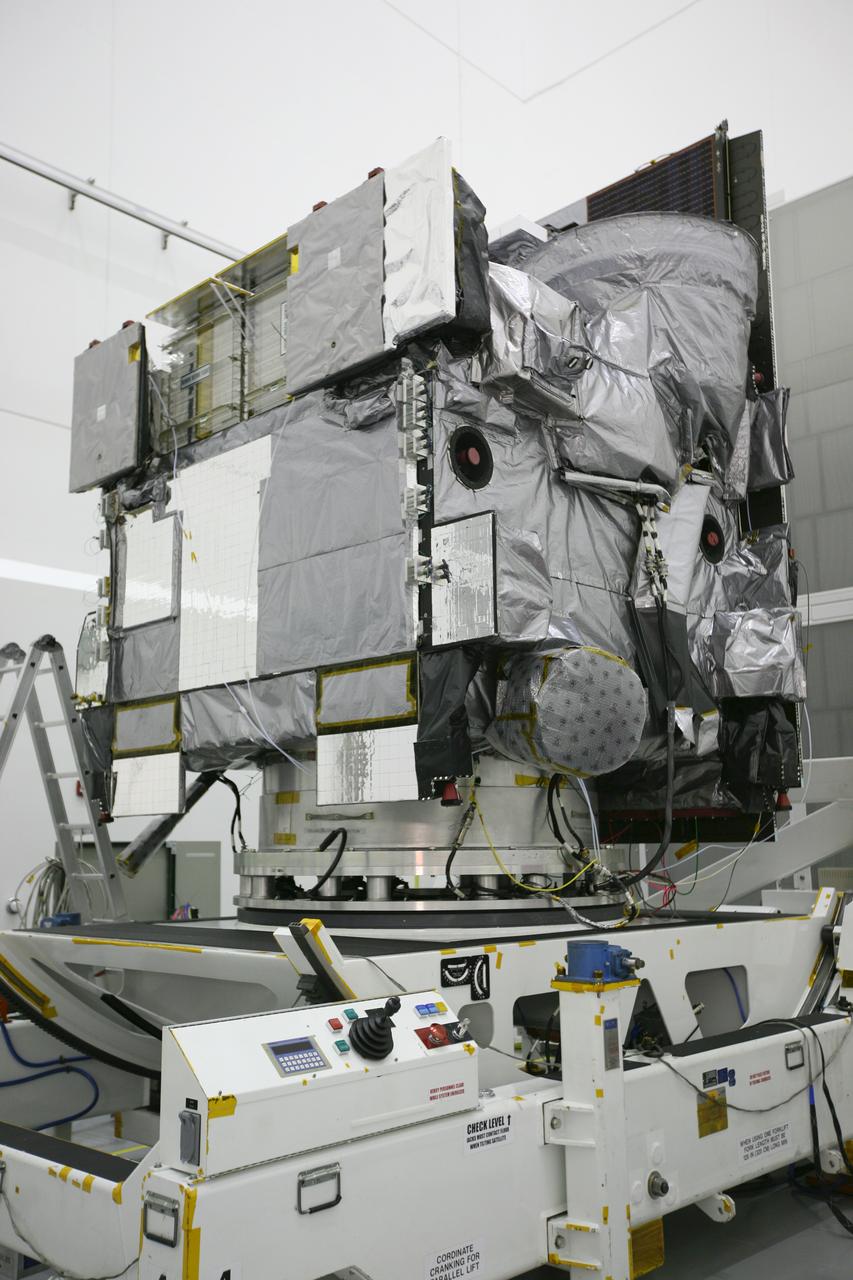
GOES-P UNBAGGING & ROTATION
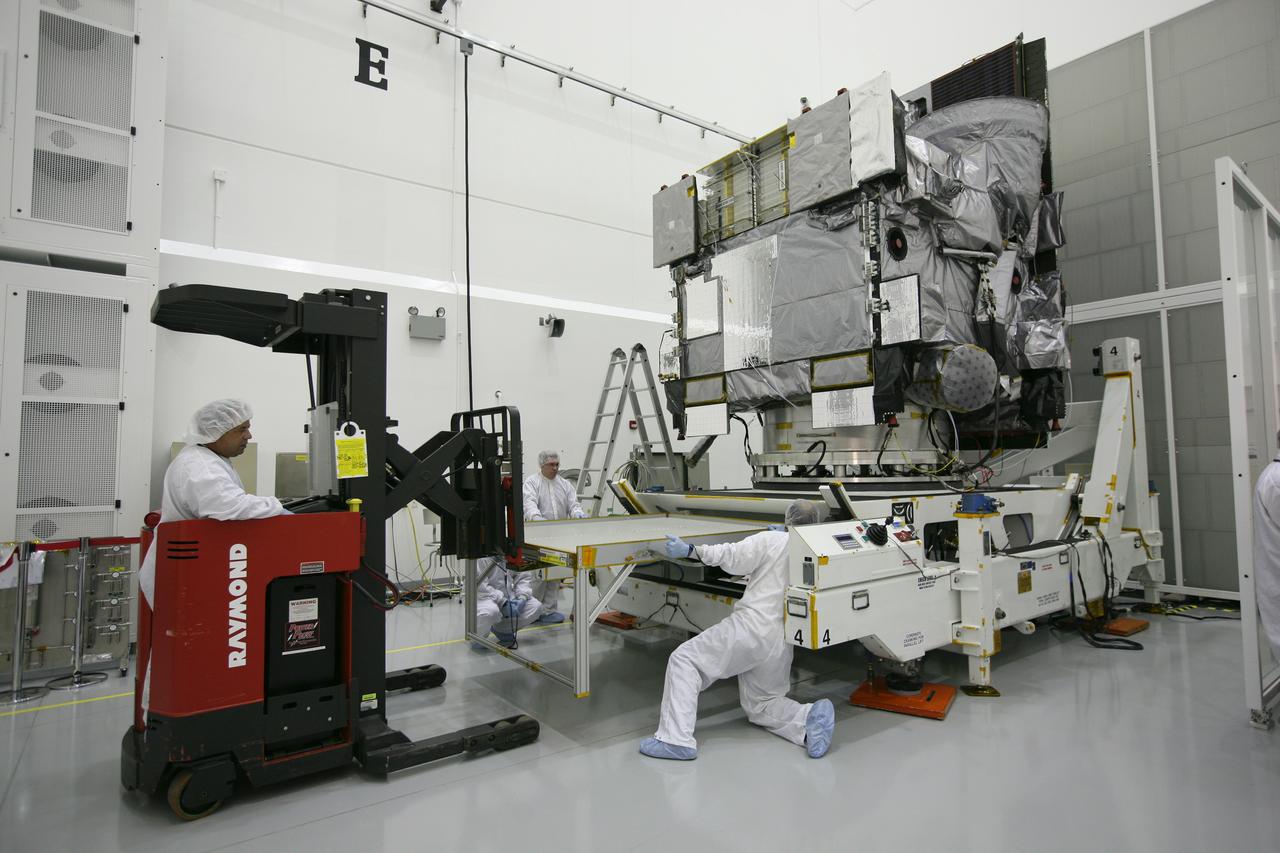
GOES-P UNBAGGING & ROTATION
GOES-P UNBAGGING & ROTATION
GOES-P UNBAGGING & ROTATION
GOES-P UNBAGGING & ROTATION
GOES-P UNBAGGING & ROTATION
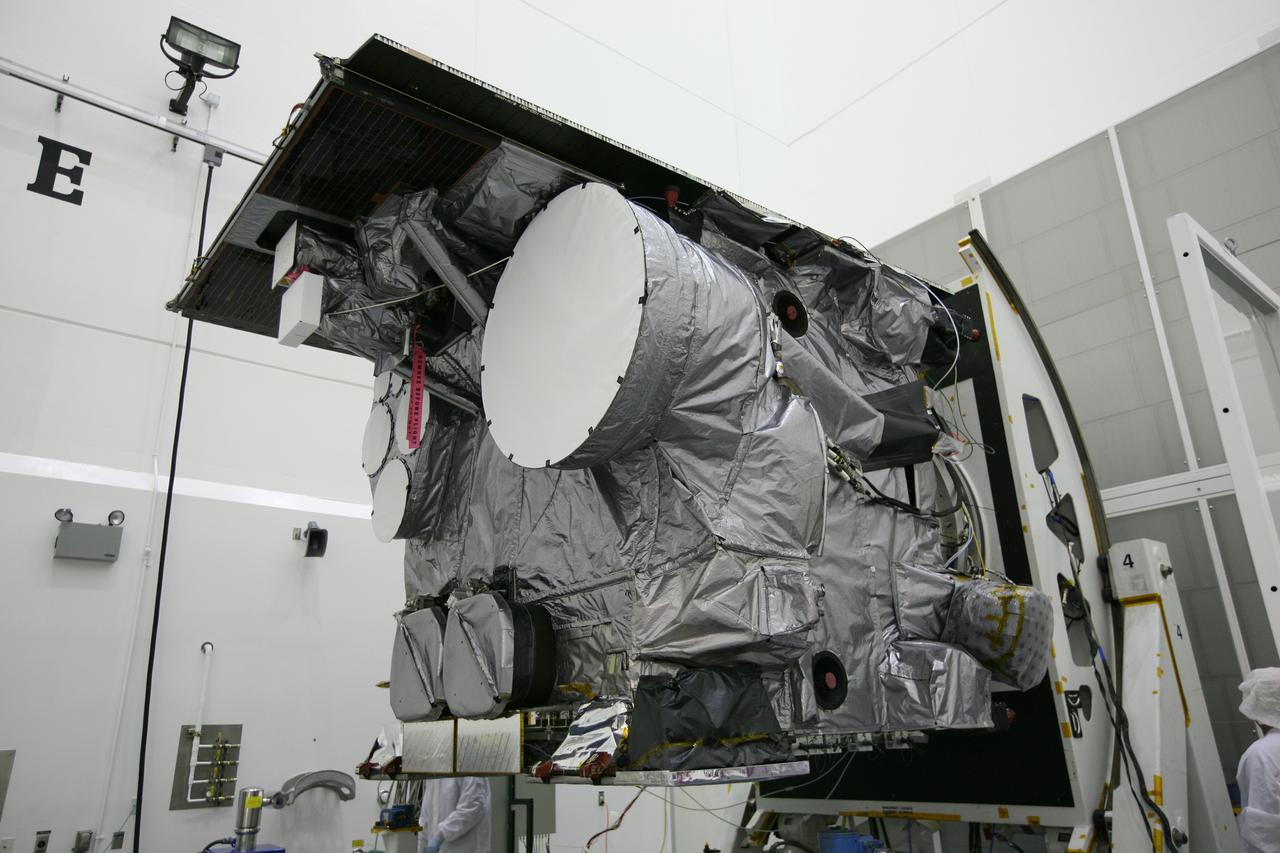
GOES-P UNBAGGING & ROTATION
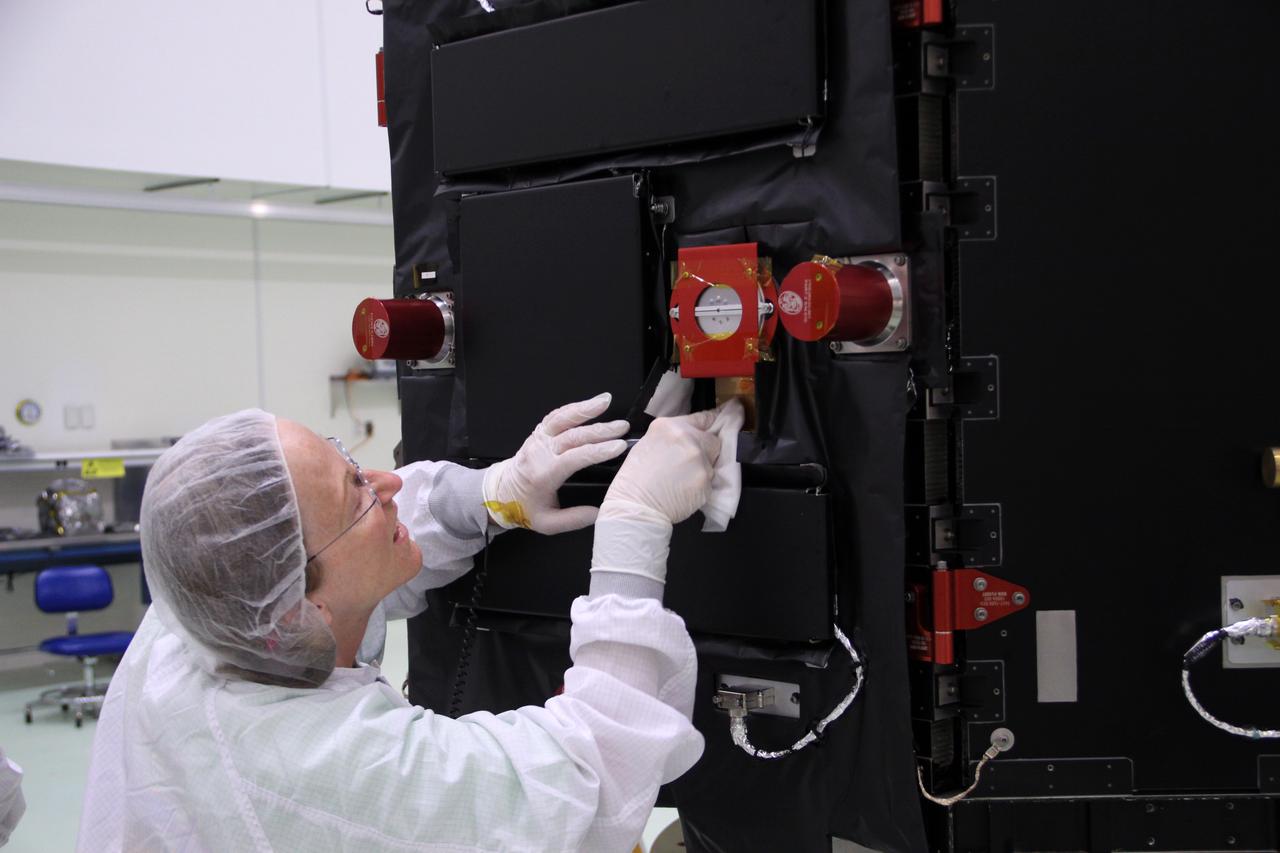
RBSP, B Canister removal, unbagging, into workstand, final solar panels into work stands
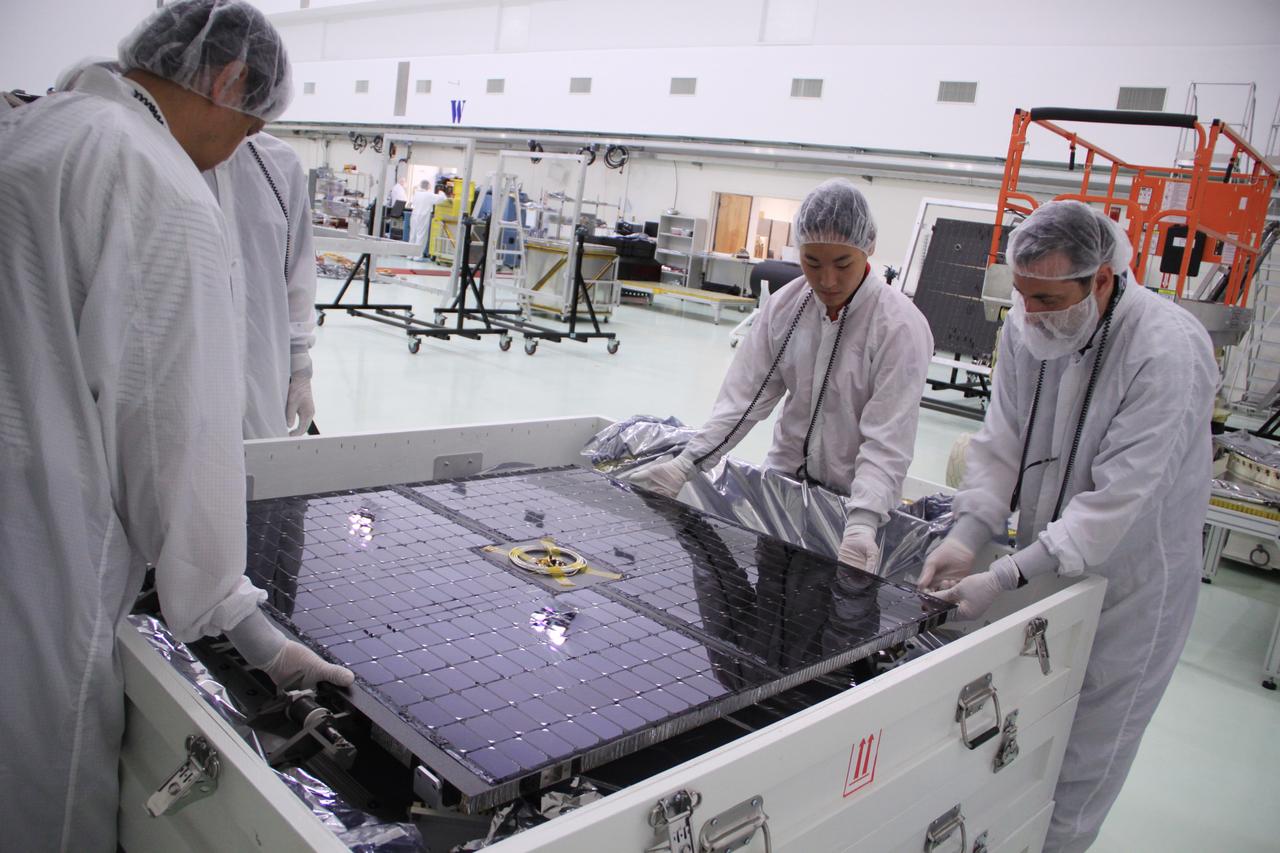
RBSP, B Canister removal, unbagging, into workstand, final solar panels into work stands
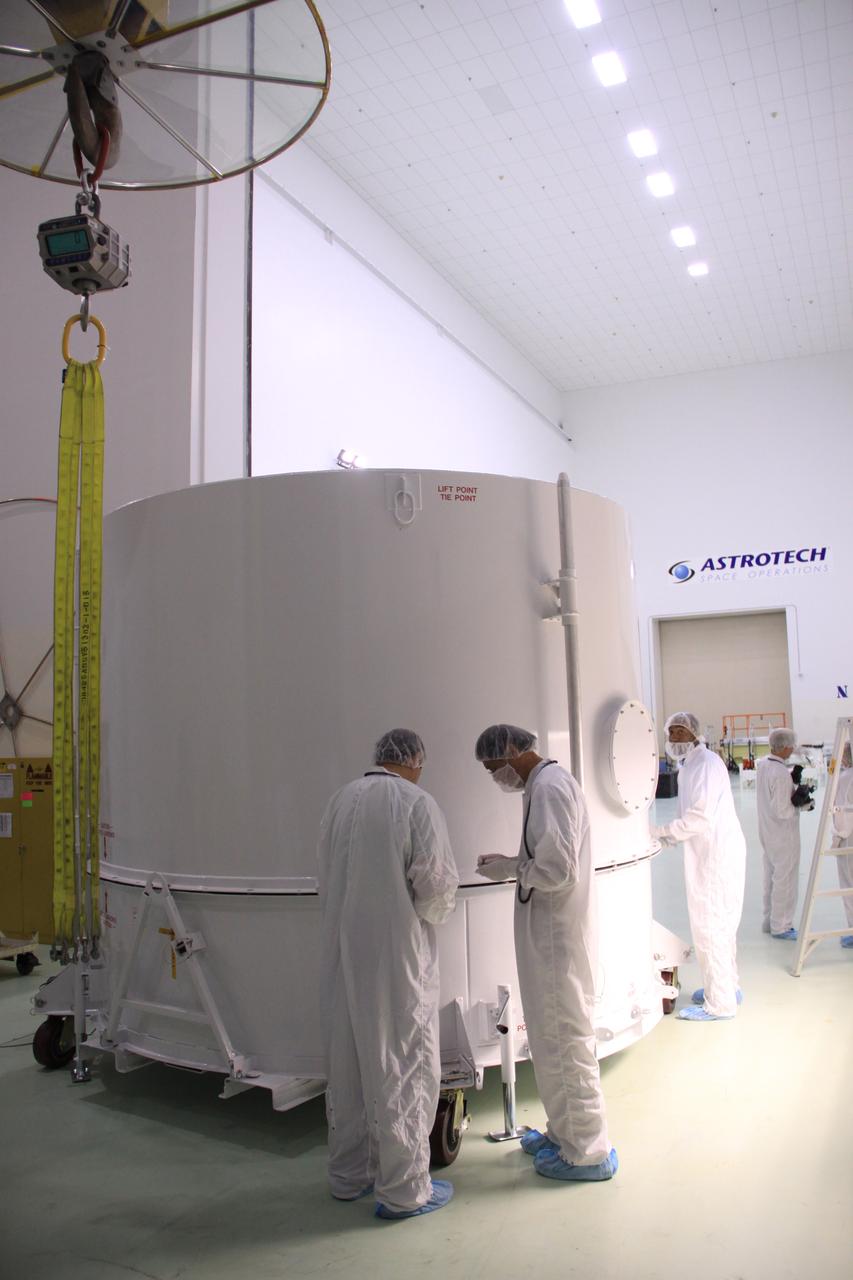
RBSP-A, Canister Removal, First Bag Removal, Solar Panels Unbagged and into Work Stand
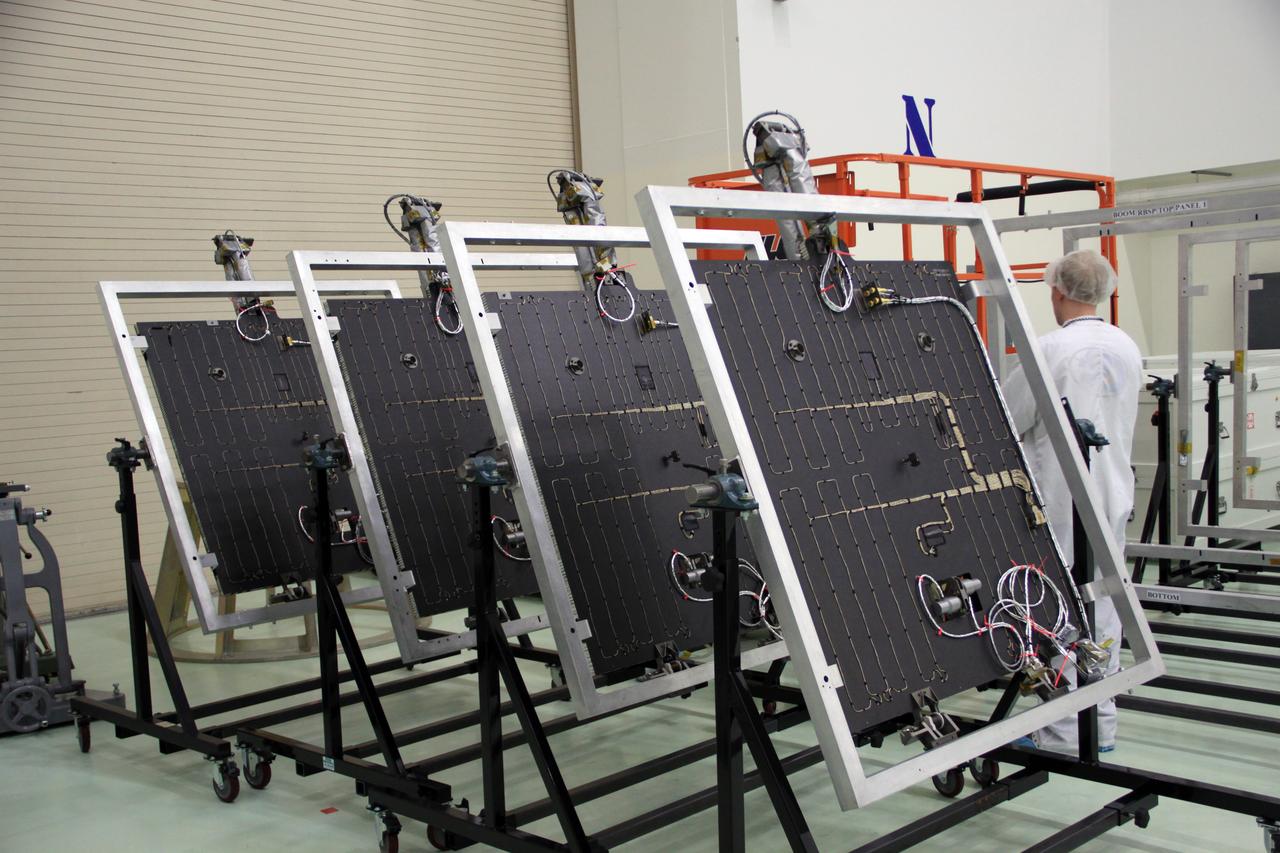
RBSP-A, Canister Removal, First Bag Removal, Solar Panels Unbagged and into Work Stand
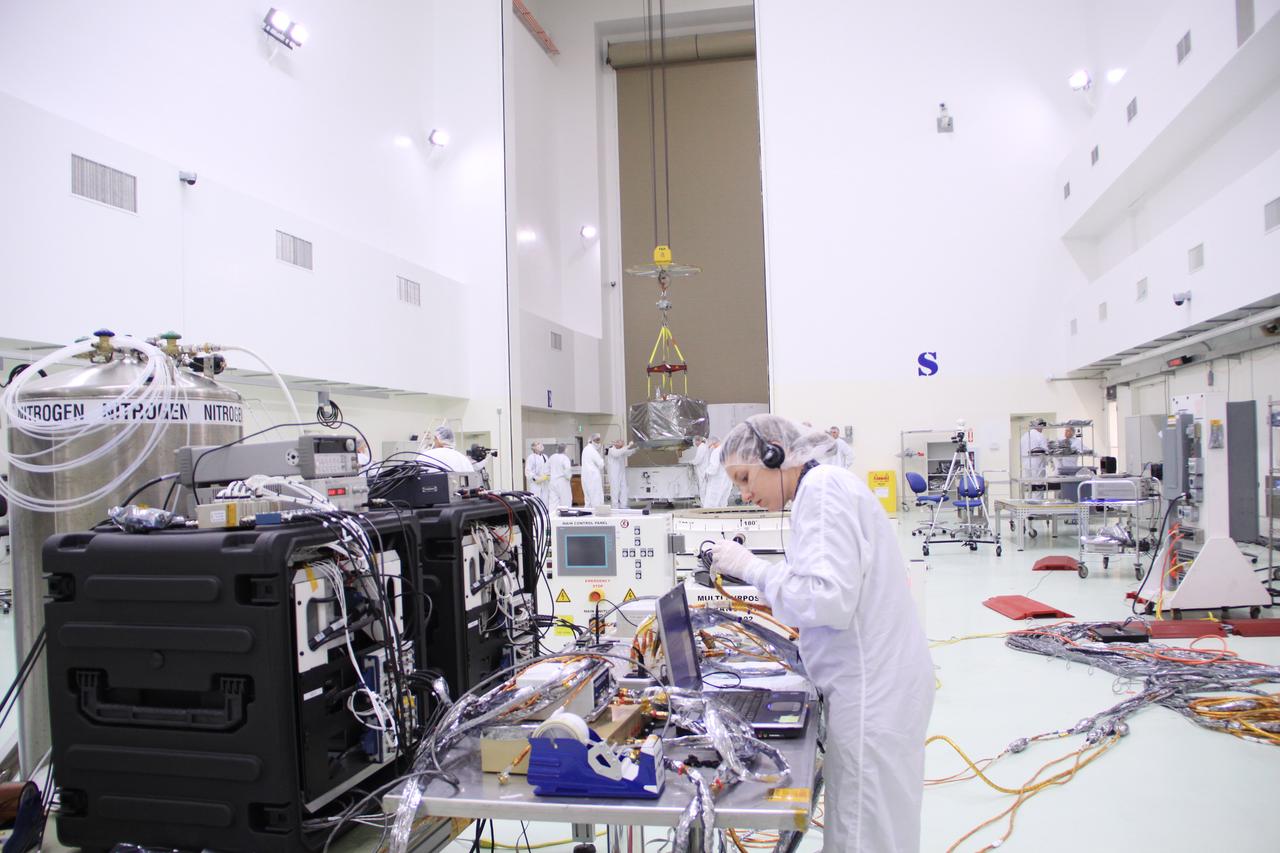
RBSP, B Canister removal, unbagging, into workstand, final solar panels into work stands
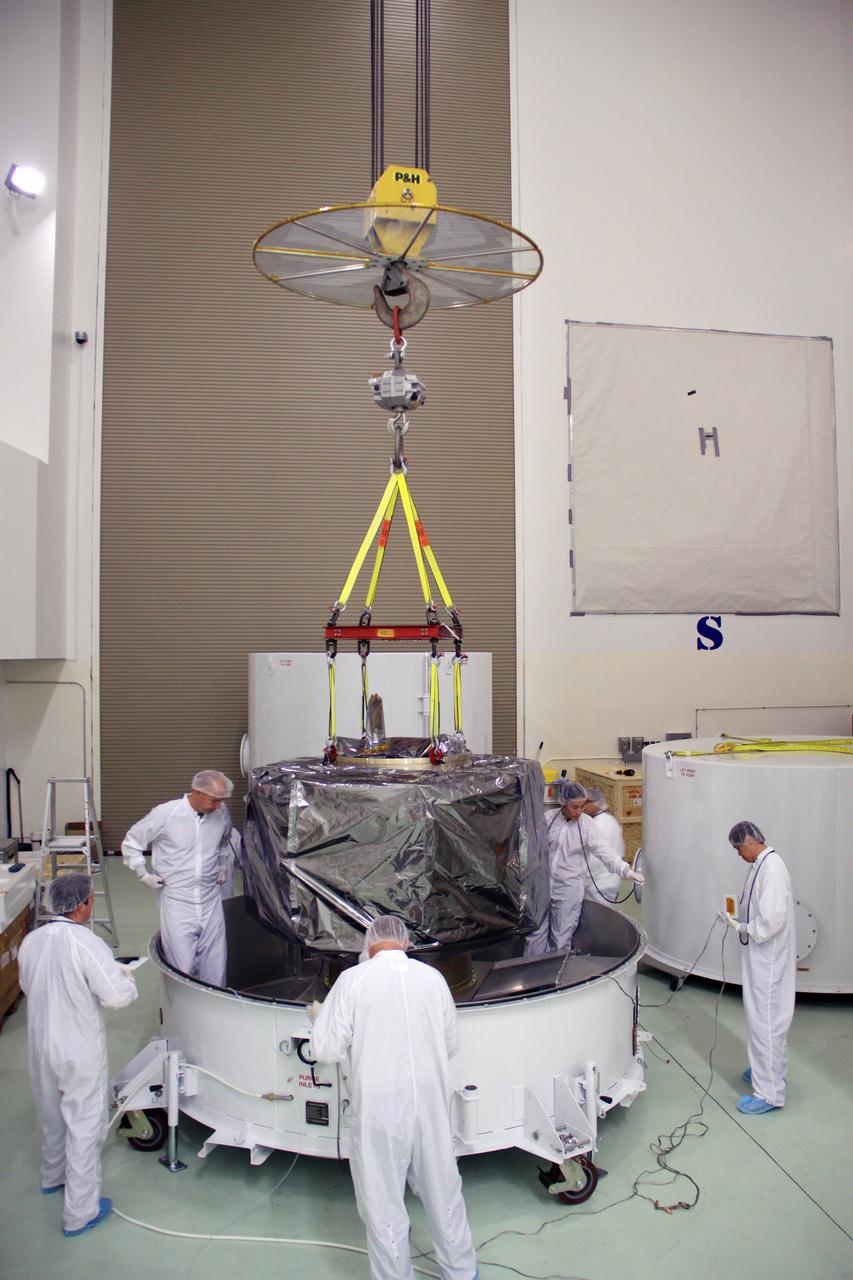
RBSP, B Canister removal, unbagging, into workstand, final solar panels into work stands
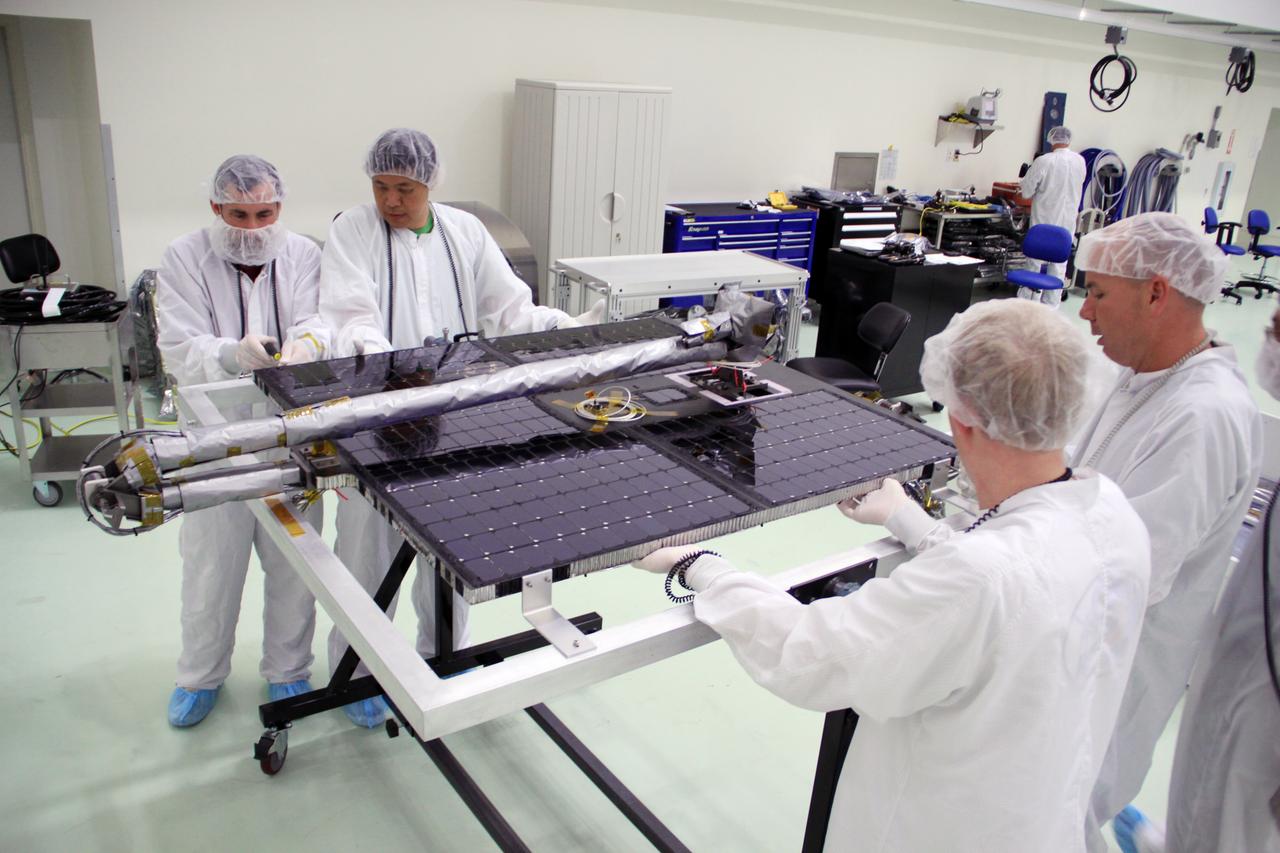
RBSP-A, Canister Removal, First Bag Removal, Solar Panels Unbagged and into Work Stand
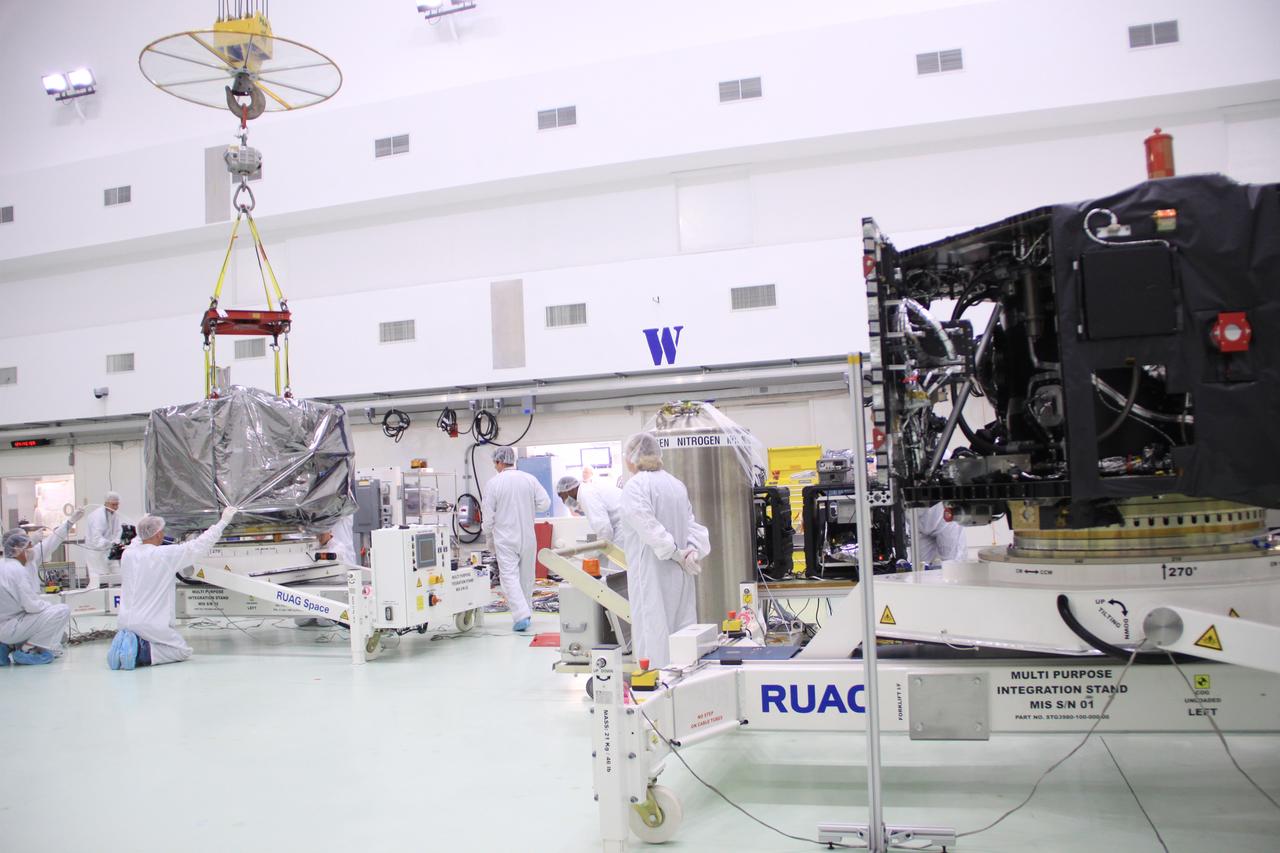
RBSP, B Canister removal, unbagging, into workstand, final solar panels into work stands
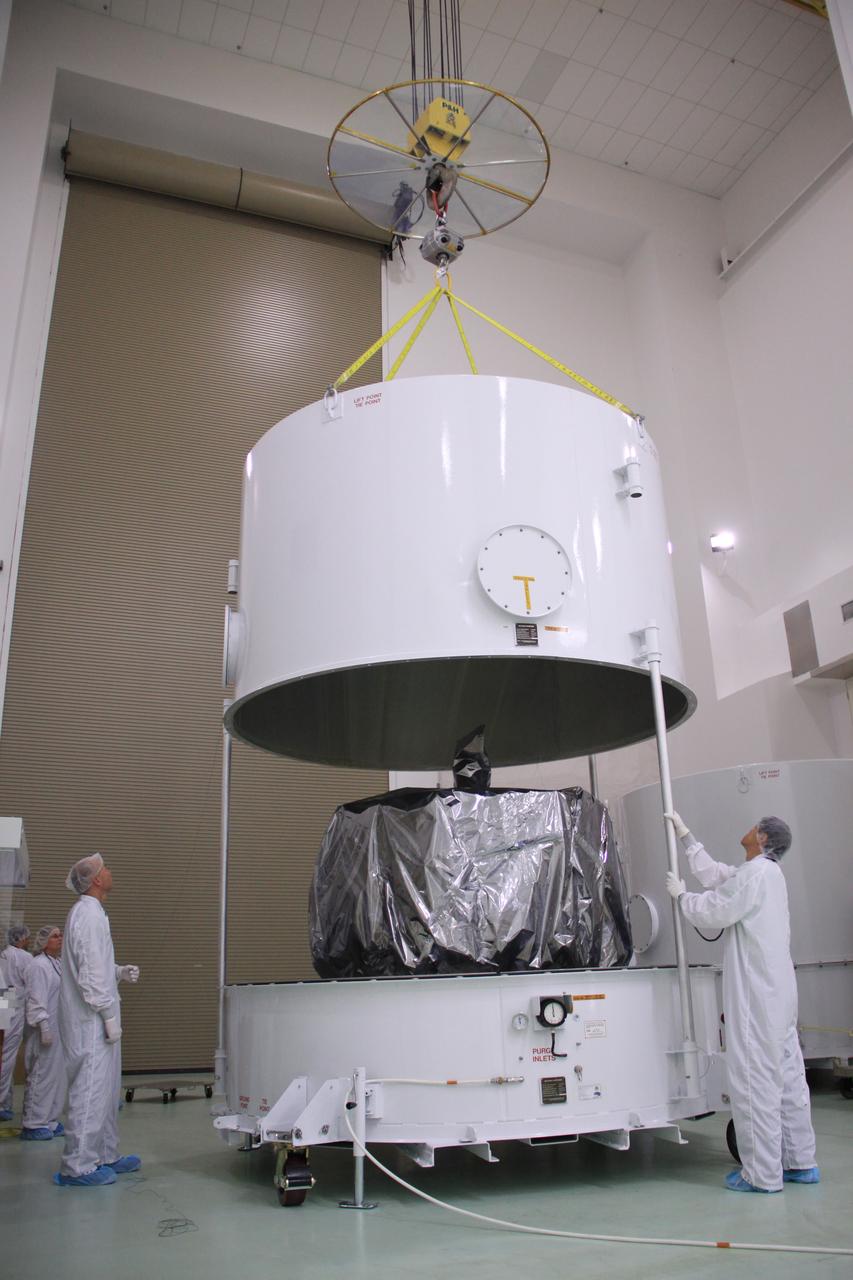
RBSP-A, Canister Removal, First Bag Removal, Solar Panels Unbagged and into Work Stand
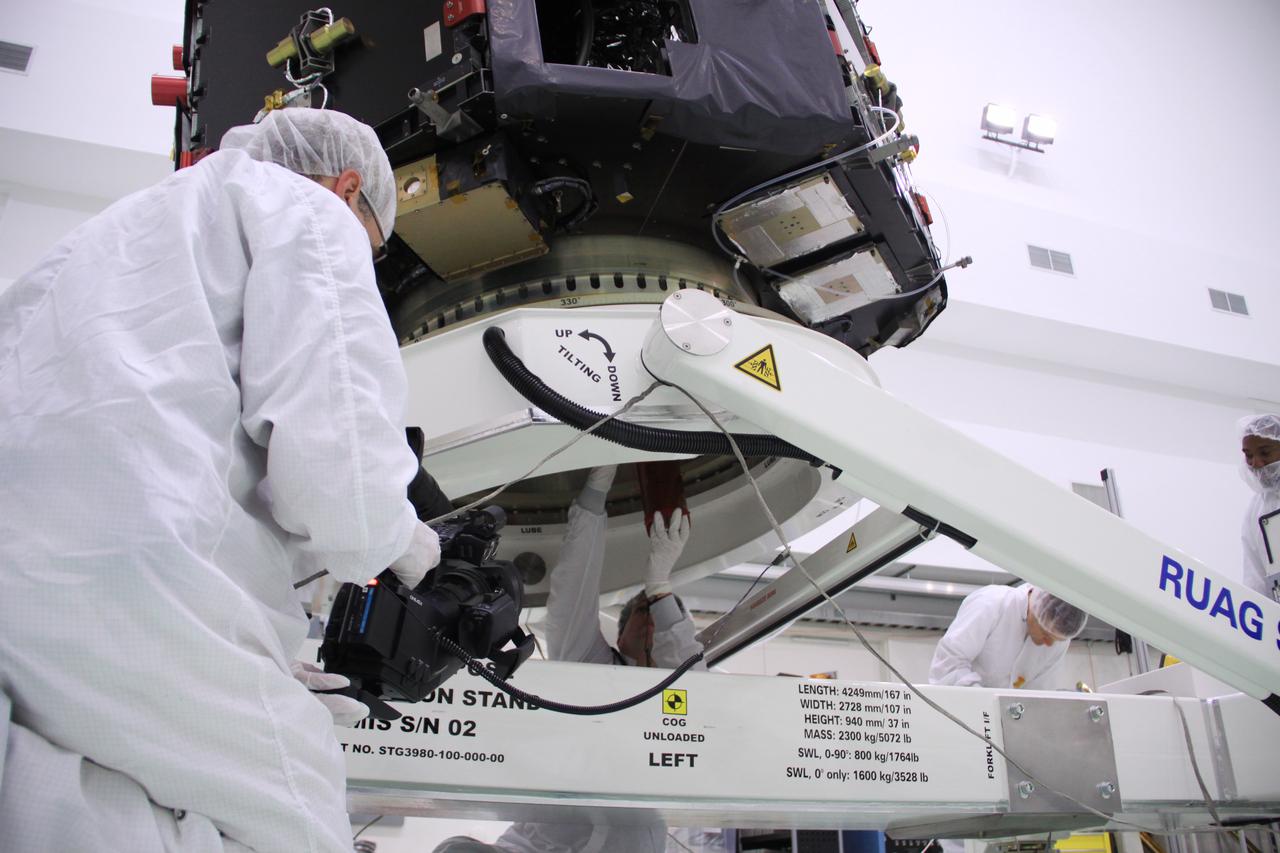
RBSP, B Canister removal, unbagging, into workstand, final solar panels into work stands

RBSP, B Canister removal, unbagging, into workstand, final solar panels into work stands
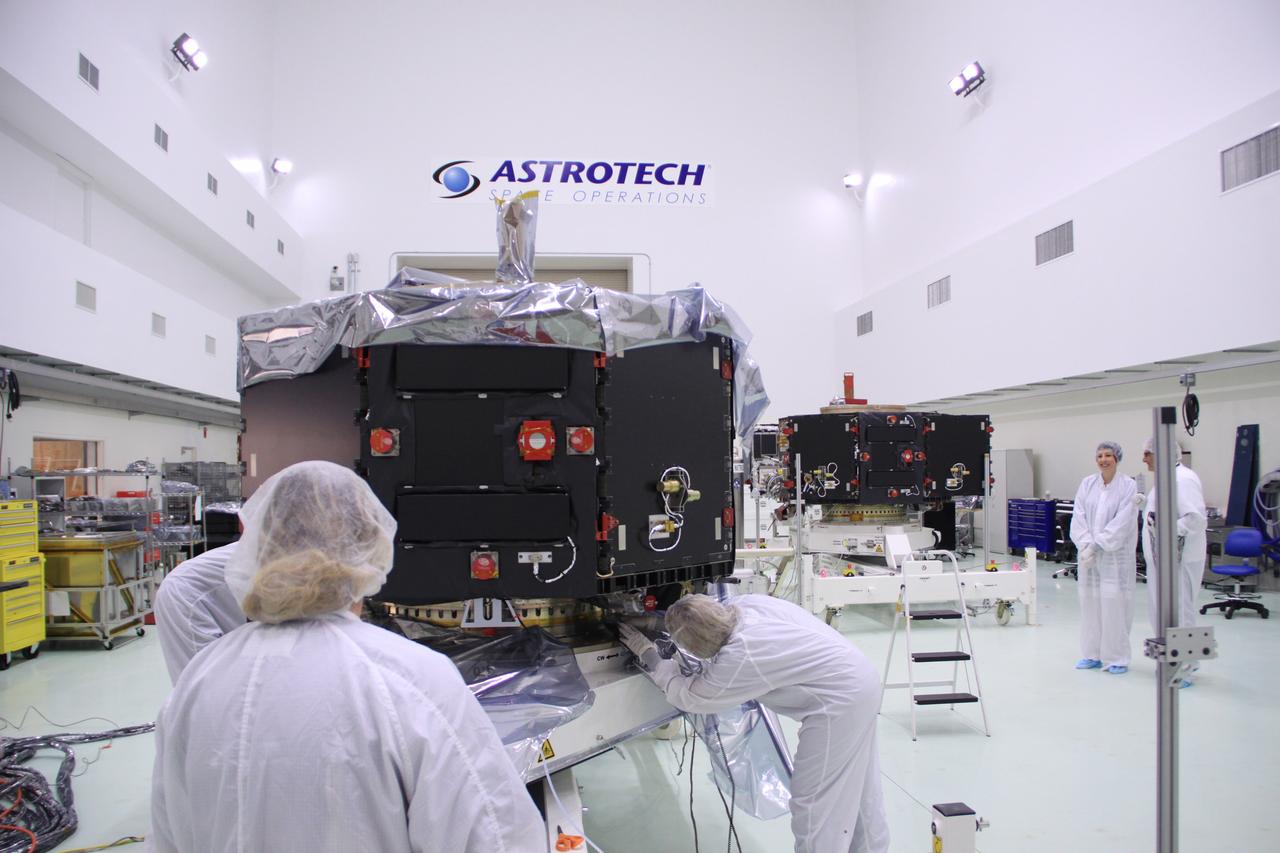
RBSP, B Canister removal, unbagging, into workstand, final solar panels into work stands
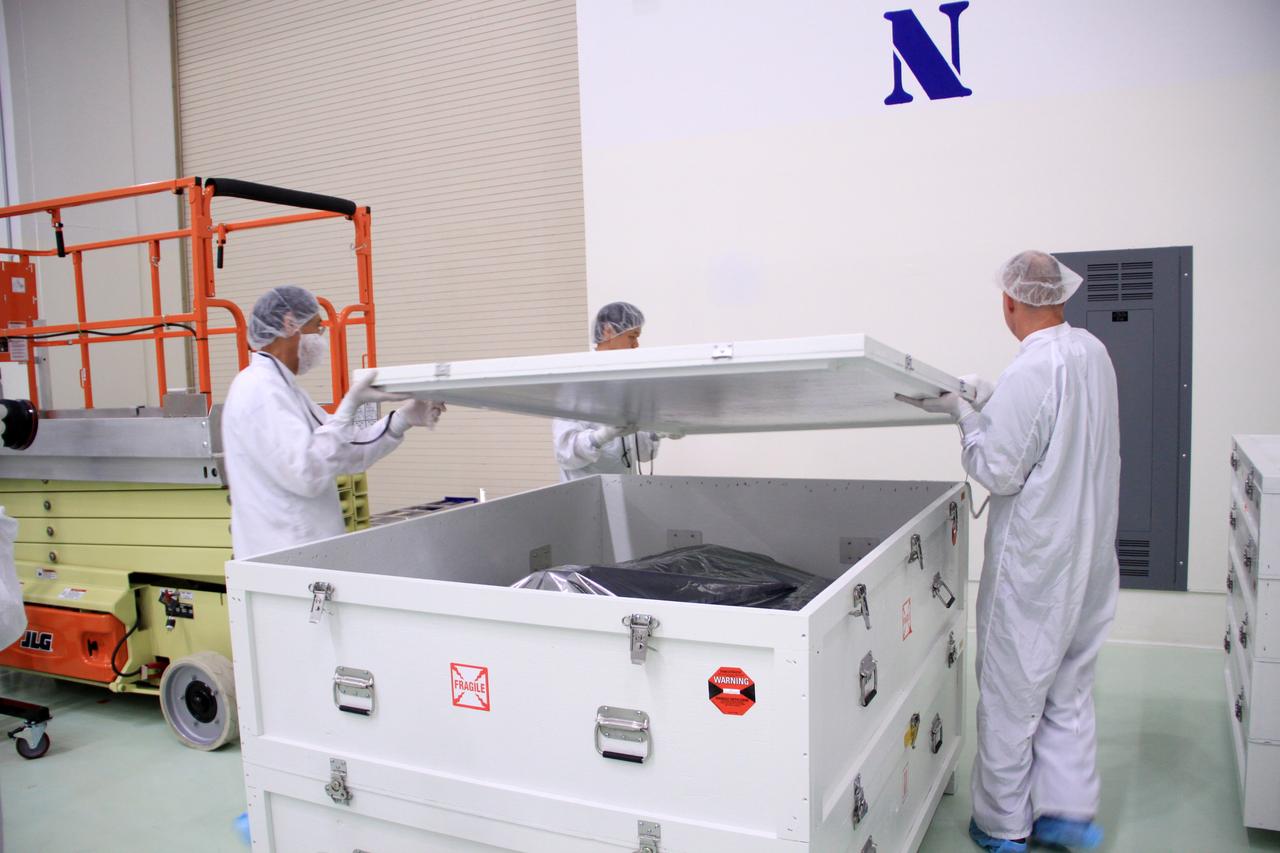
RBSP-A, Canister Removal, First Bag Removal, Solar Panels Unbagged and into Work Stand
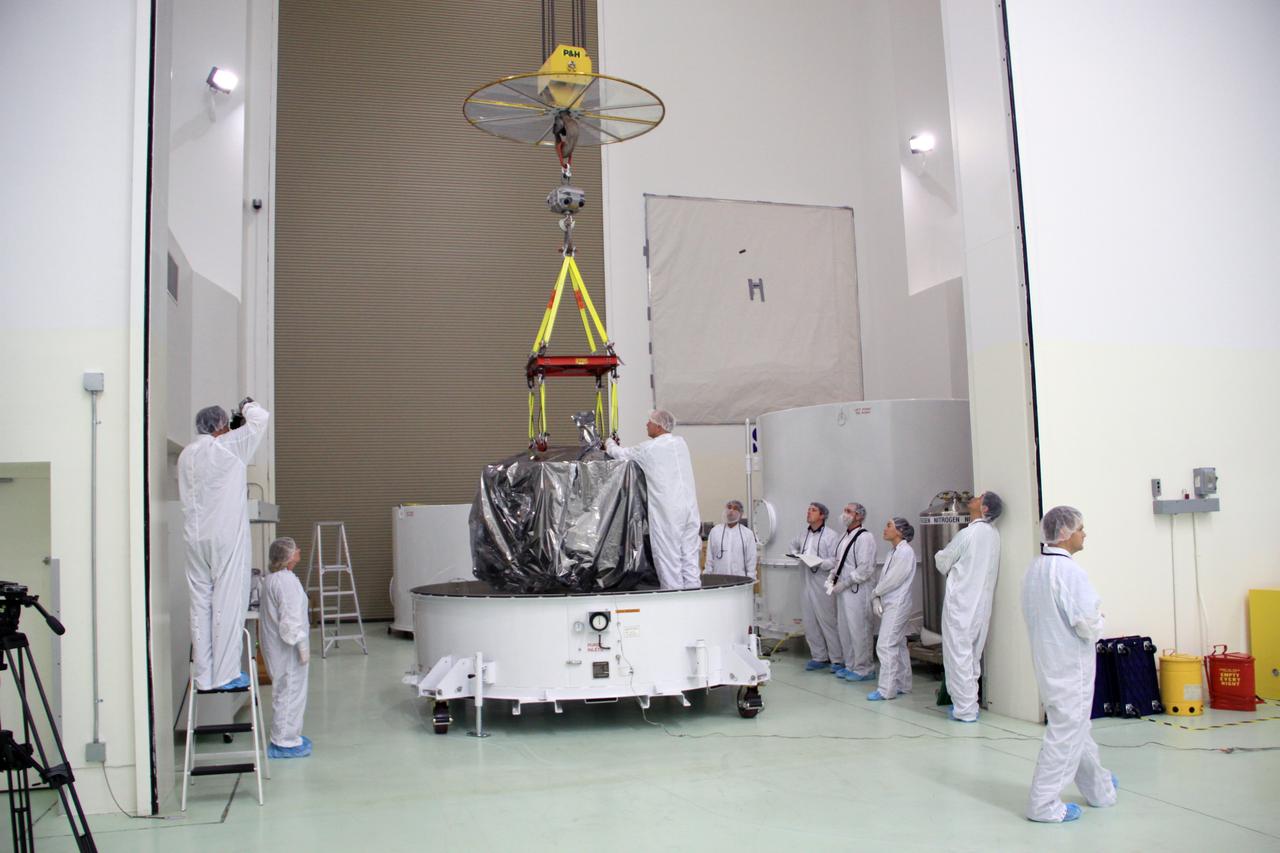
RBSP-A, Canister Removal, First Bag Removal, Solar Panels Unbagged and into Work Stand
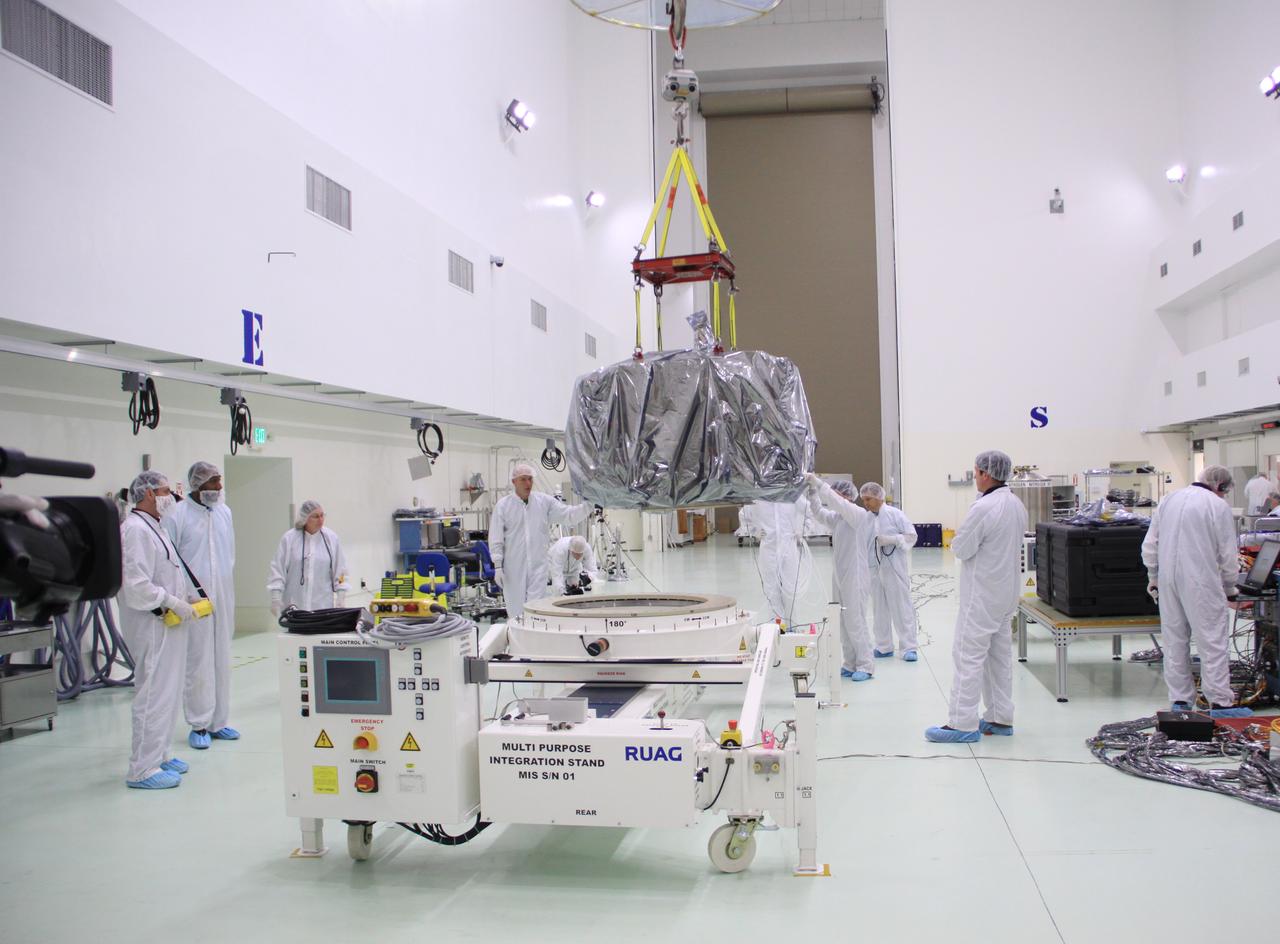
RBSP-A, Canister Removal, First Bag Removal, Solar Panels Unbagged and into Work Stand
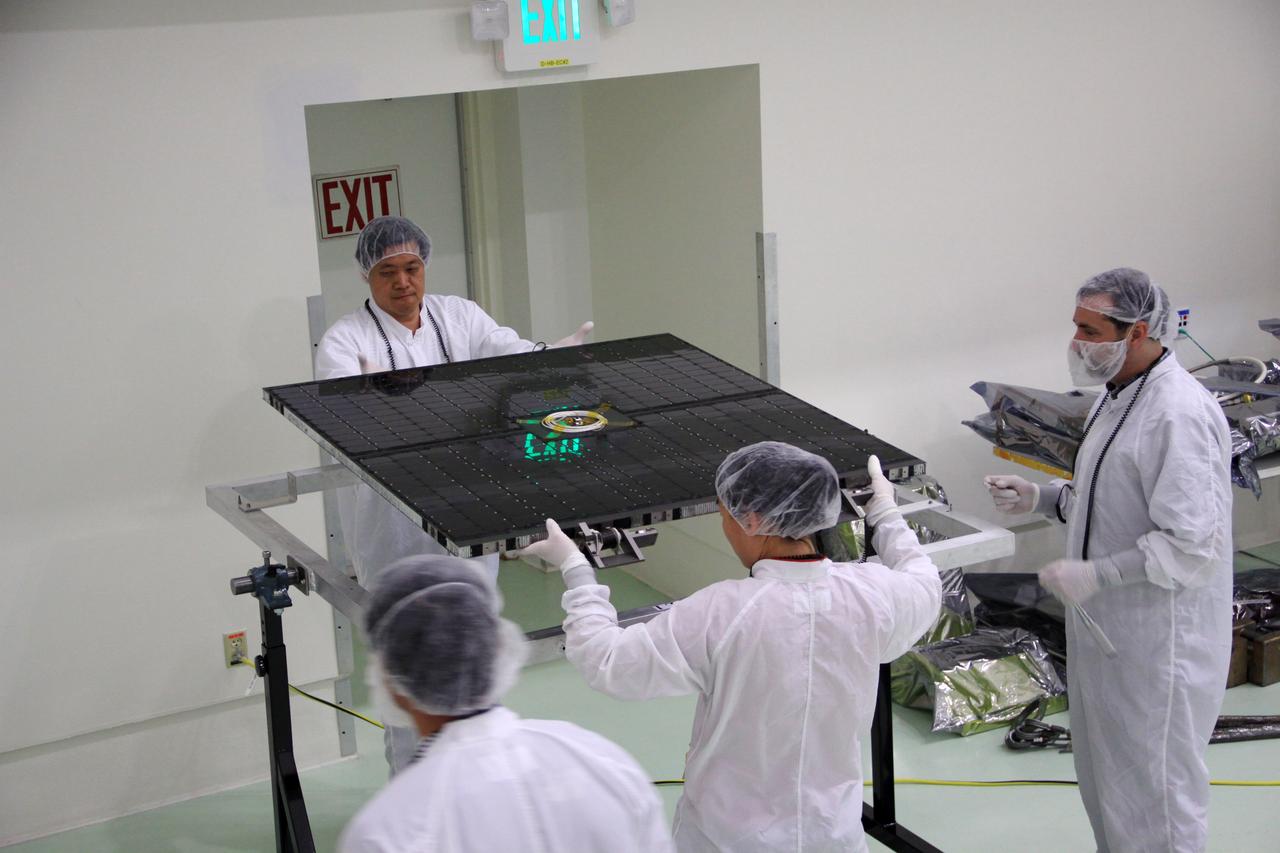
RBSP, B Canister removal, unbagging, into workstand, final solar panels into work stands
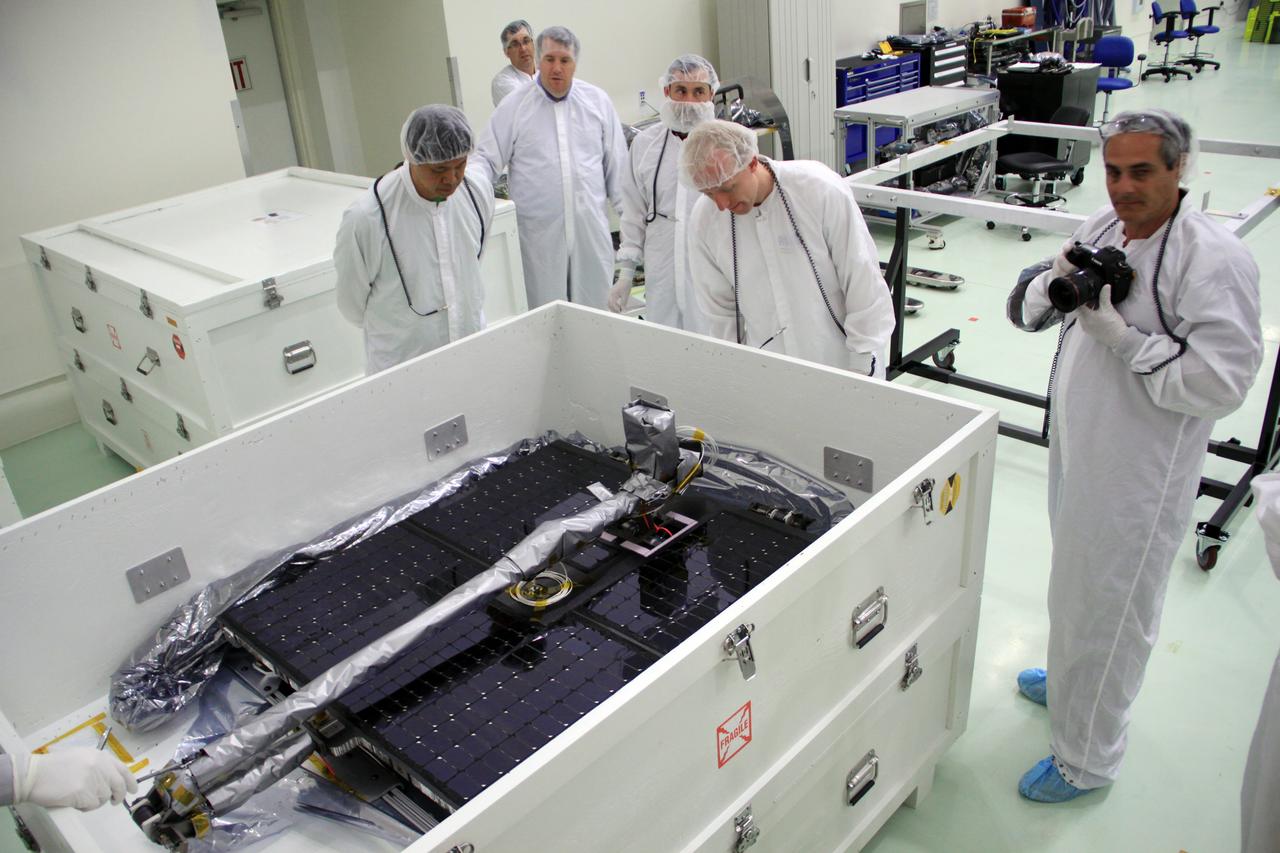
RBSP-A, Canister Removal, First Bag Removal, Solar Panels Unbagged and into Work Stand
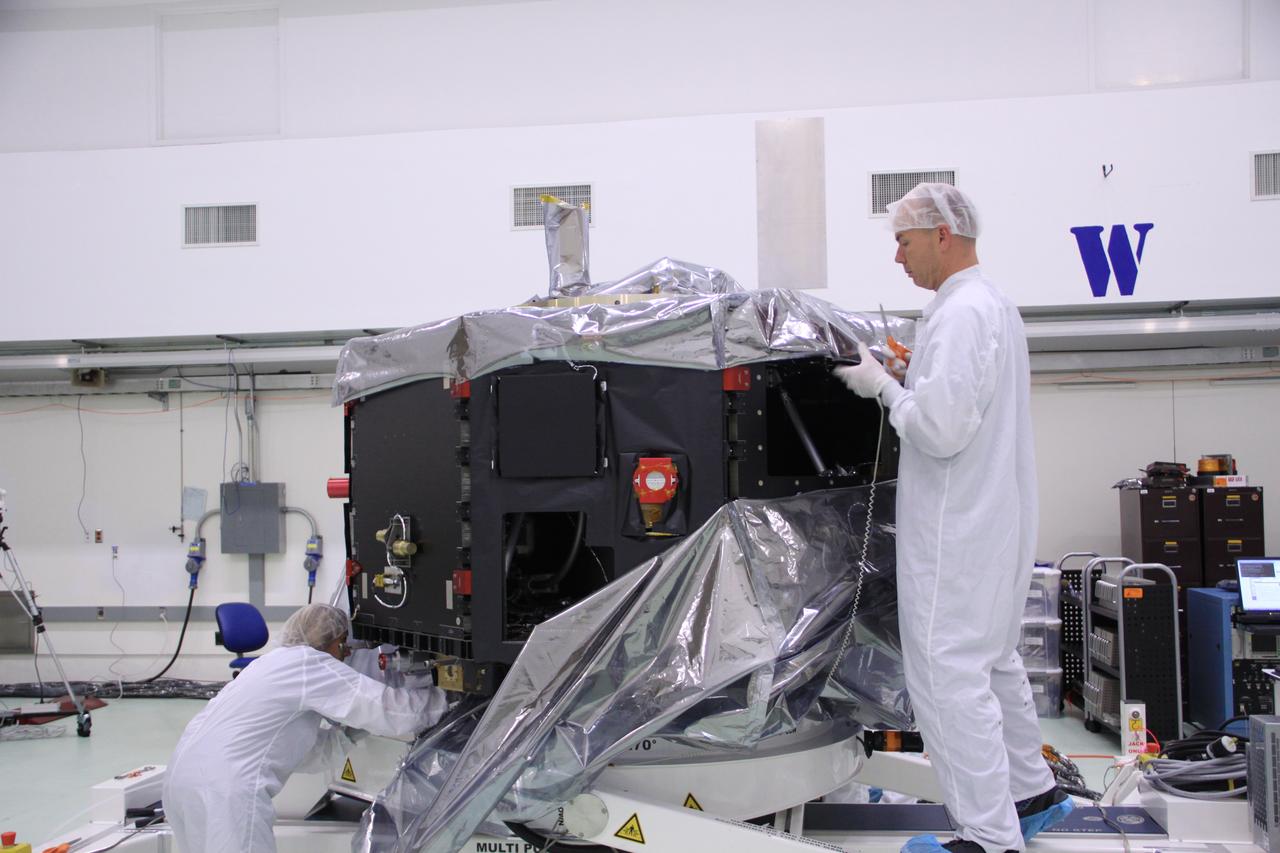
RBSP, B Canister removal, unbagging, into workstand, final solar panels into work stands
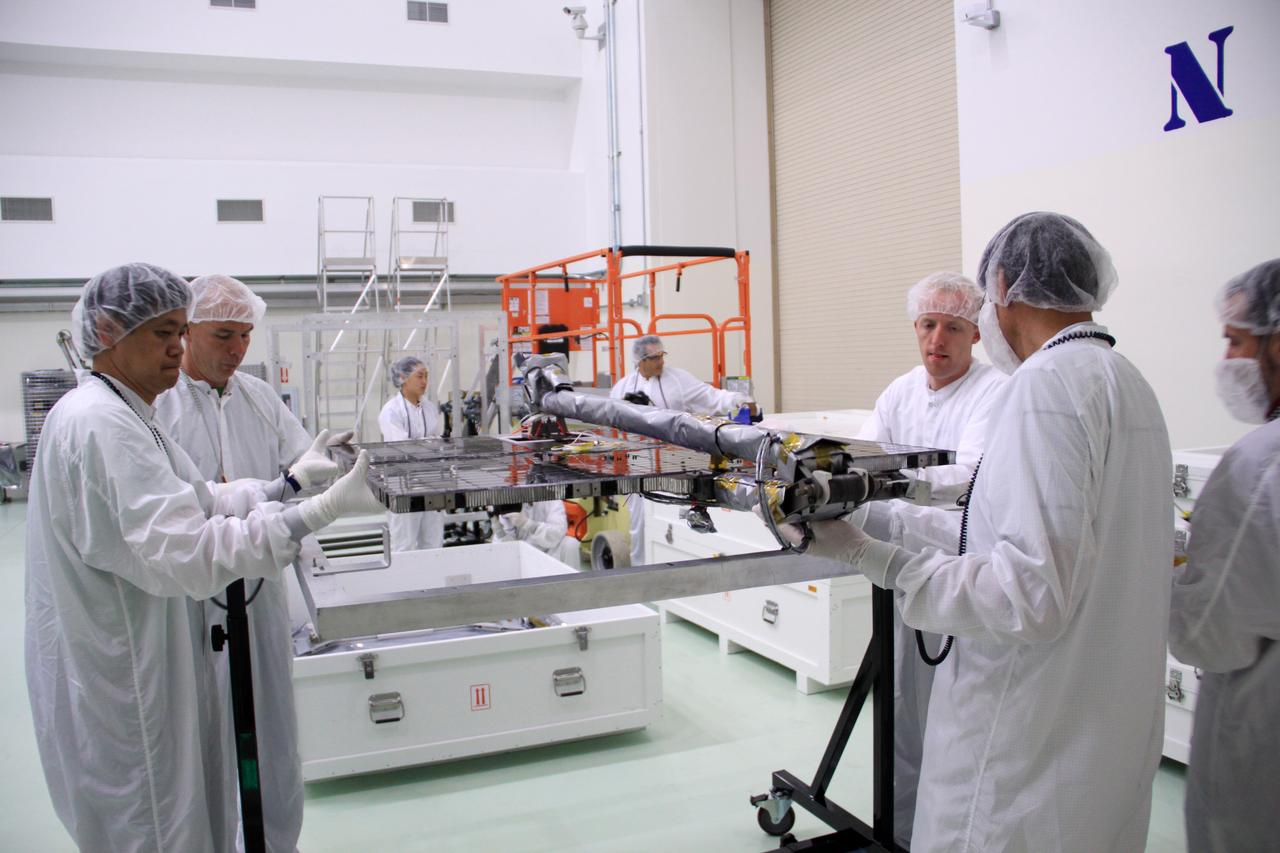
RBSP-A, Canister Removal, First Bag Removal, Solar Panels Unbagged and into Work Stand
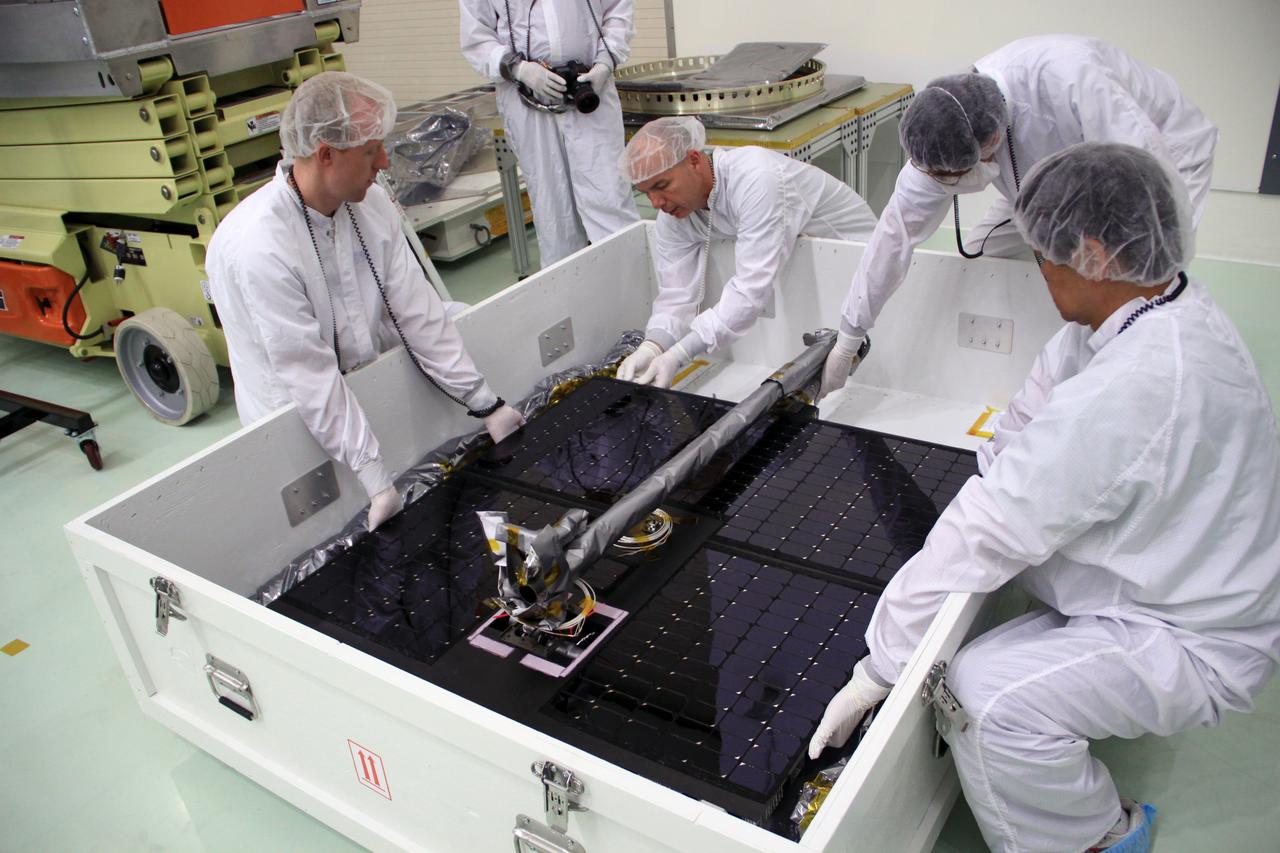
RBSP-A, Canister Removal, First Bag Removal, Solar Panels Unbagged and into Work Stand
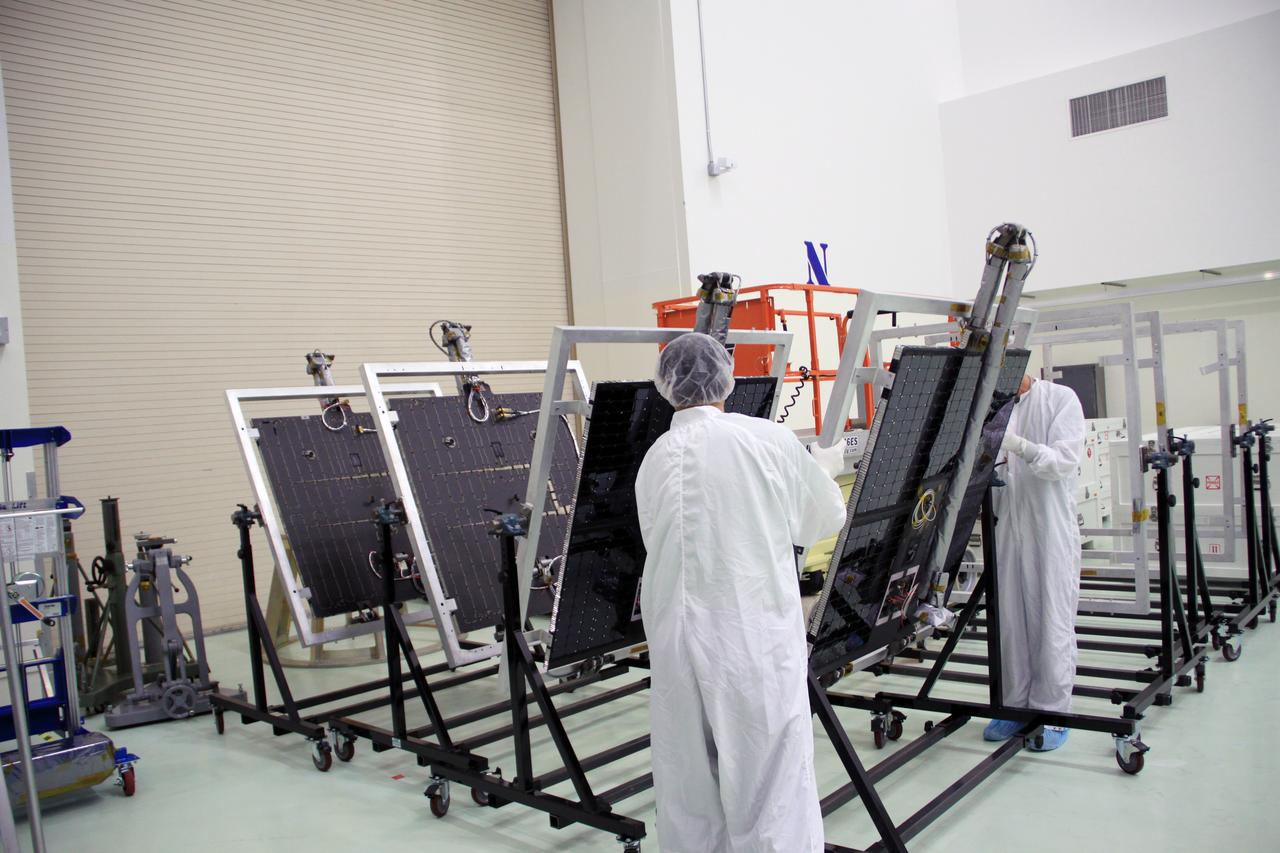
RBSP-A, Canister Removal, First Bag Removal, Solar Panels Unbagged and into Work Stand
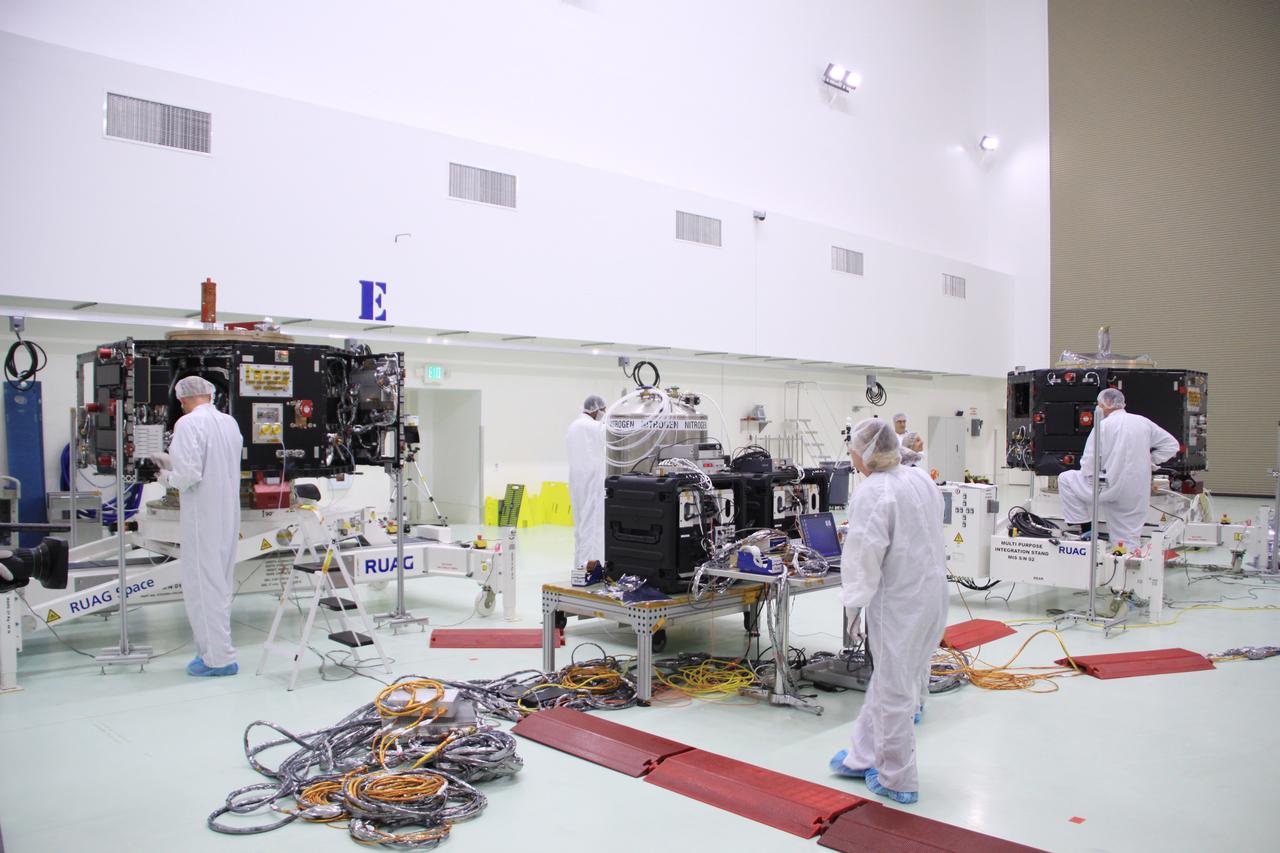
RBSP, B Canister removal, unbagging, into workstand, final solar panels into work stands
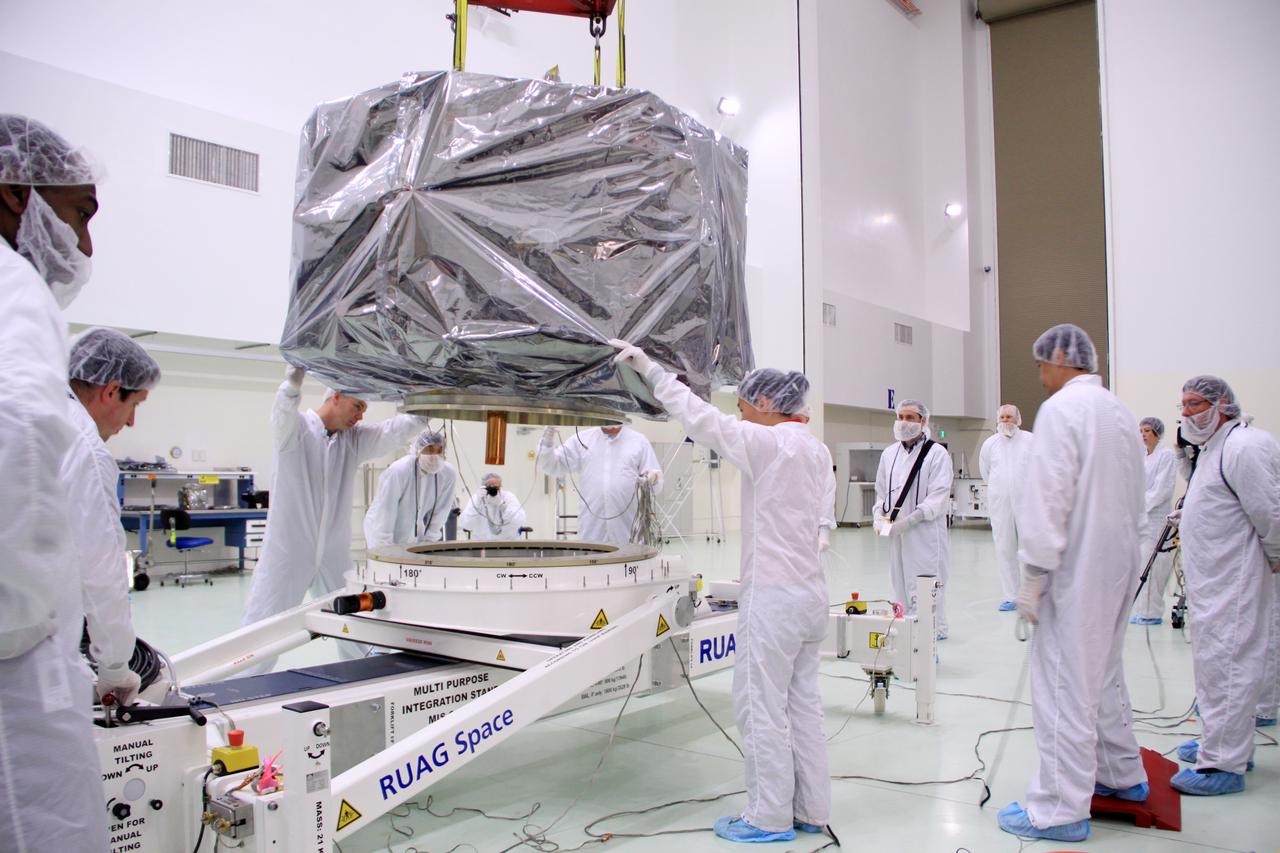
RBSP, B Canister removal, unbagging, into workstand, final solar panels into work stands
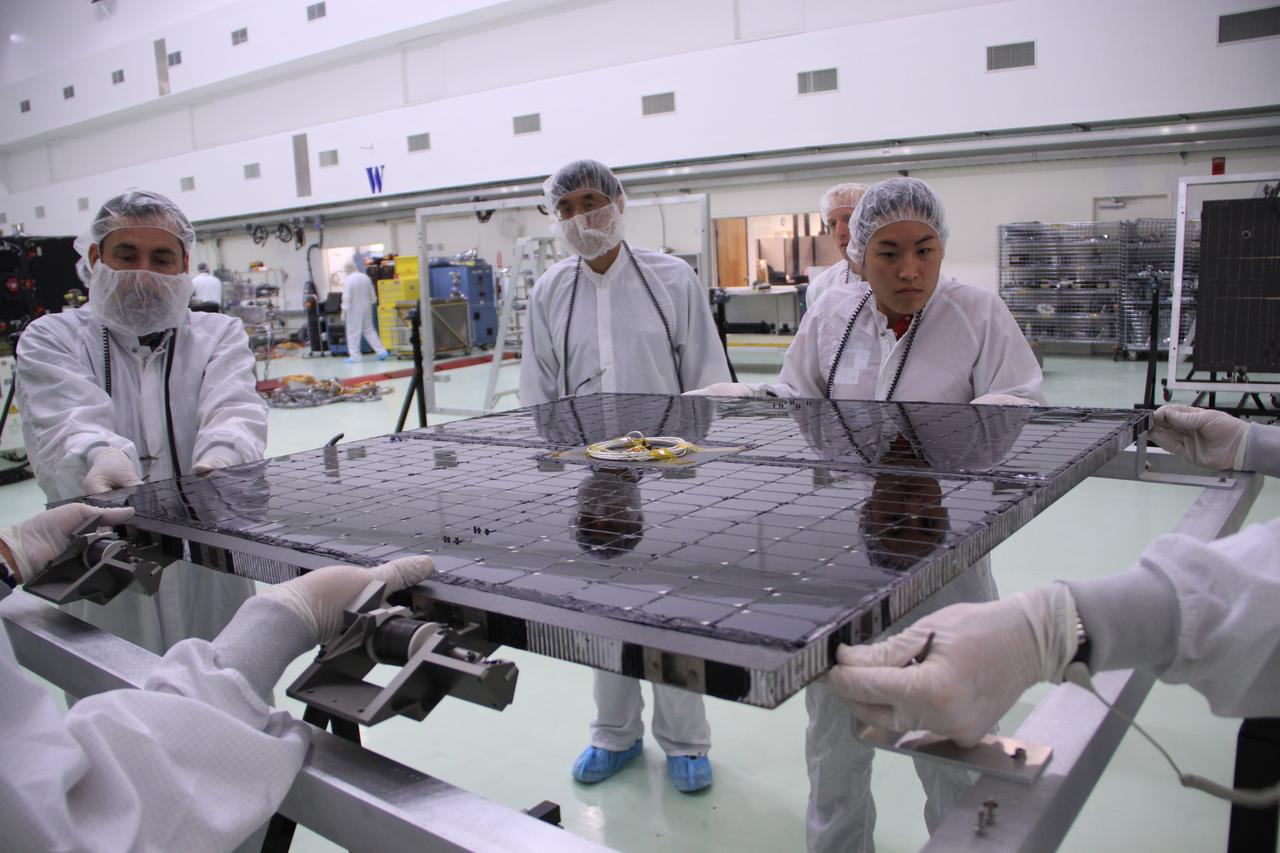
RBSP, B Canister removal, unbagging, into workstand, final solar panels into work stands
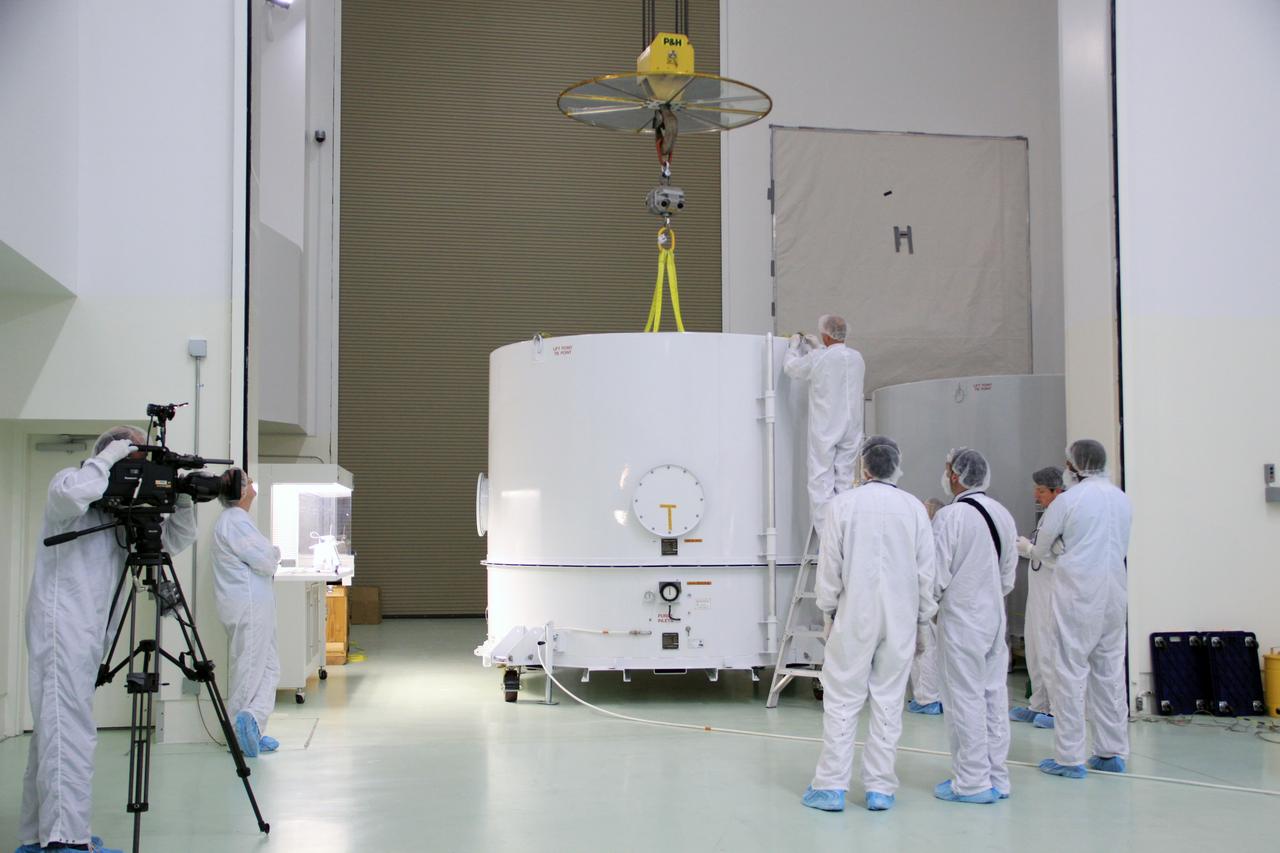
RBSP-A, Canister Removal, First Bag Removal, Solar Panels Unbagged and into Work Stand
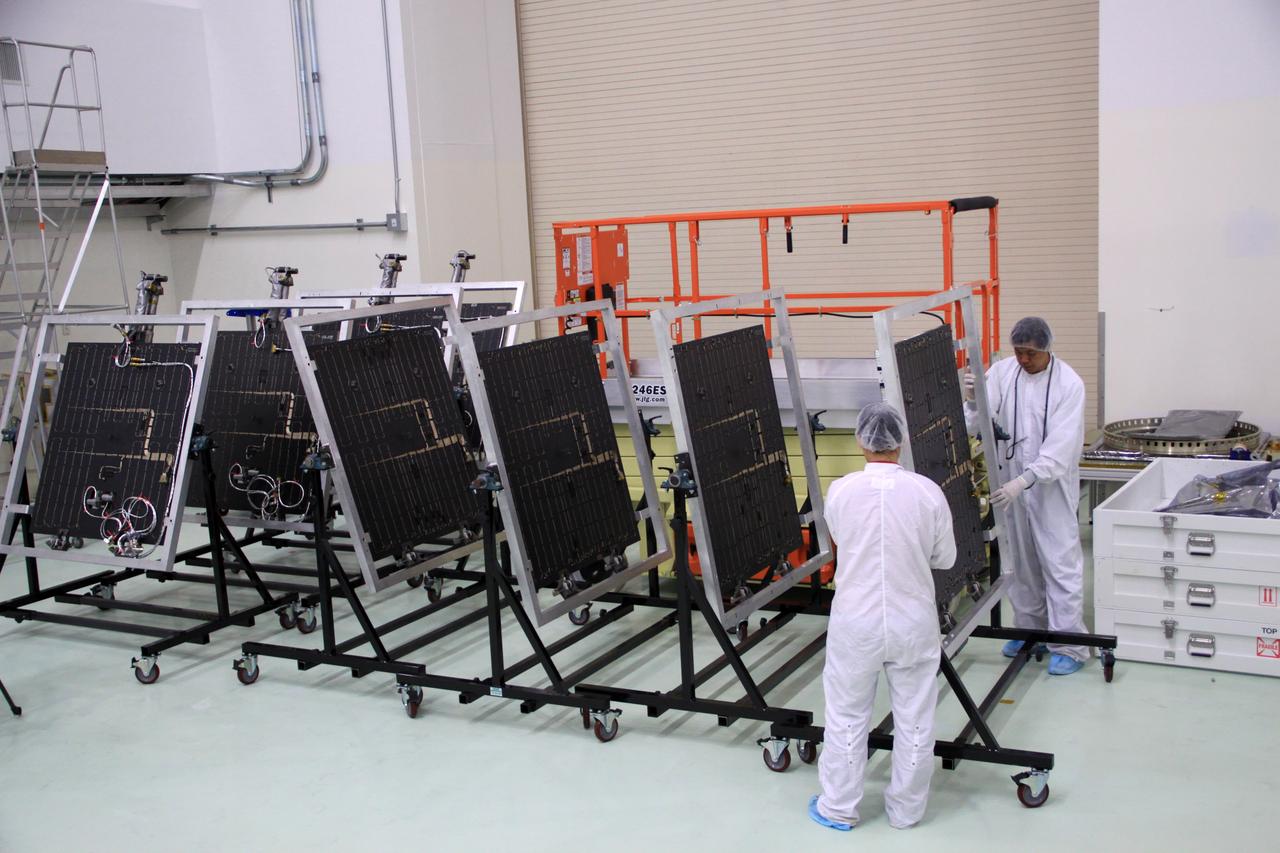
RBSP, B Canister removal, unbagging, into workstand, final solar panels into work stands

RBSP-A, Canister Removal, First Bag Removal, Solar Panels Unbagged and into Work Stand
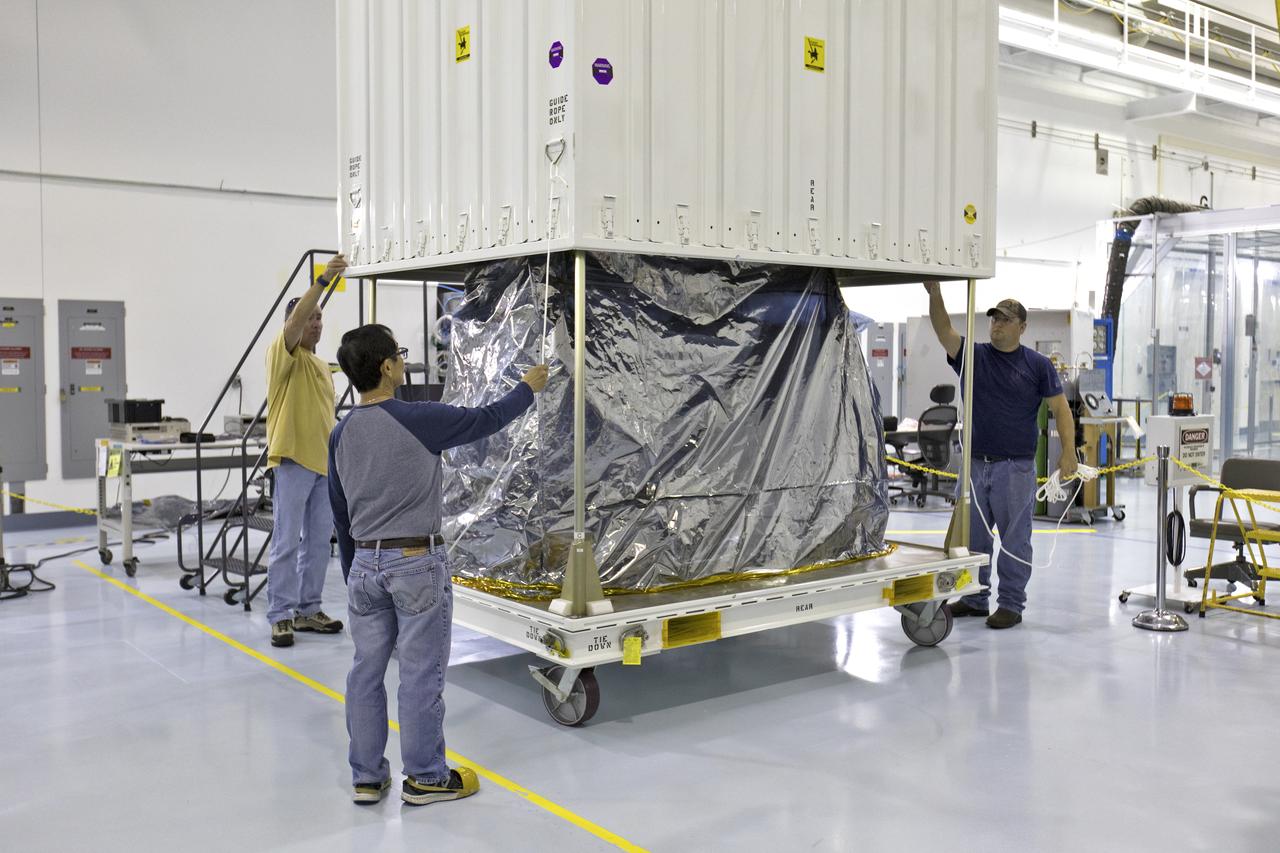
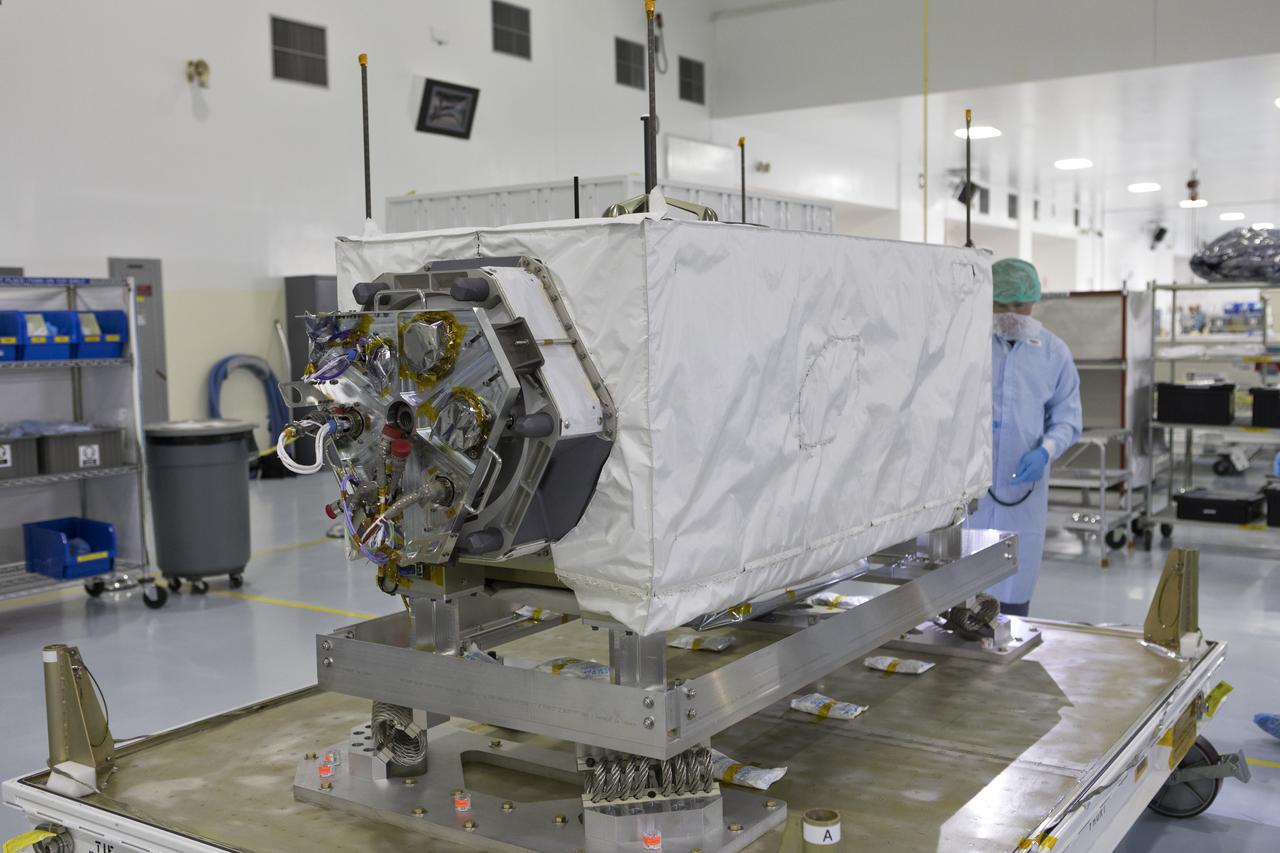
In the Space Station Processing Facility at NASA's Kennedy Space Center in Florida, the ECOsystem Spaceborne Thermal Radiometer Experiment on Space Station (ECOSTRESS) is removed from its shipping container. ECOSTRESS is designed to monitor one of the most basic processes in living plants: the loss of water through the tiny pores in leaves. ECOSTRESS will launch to the International Space Station aboard a Dragon spacecraft launched by a Falcon 9 rocket on the SpaceX CRS-15 mission in June 2018.
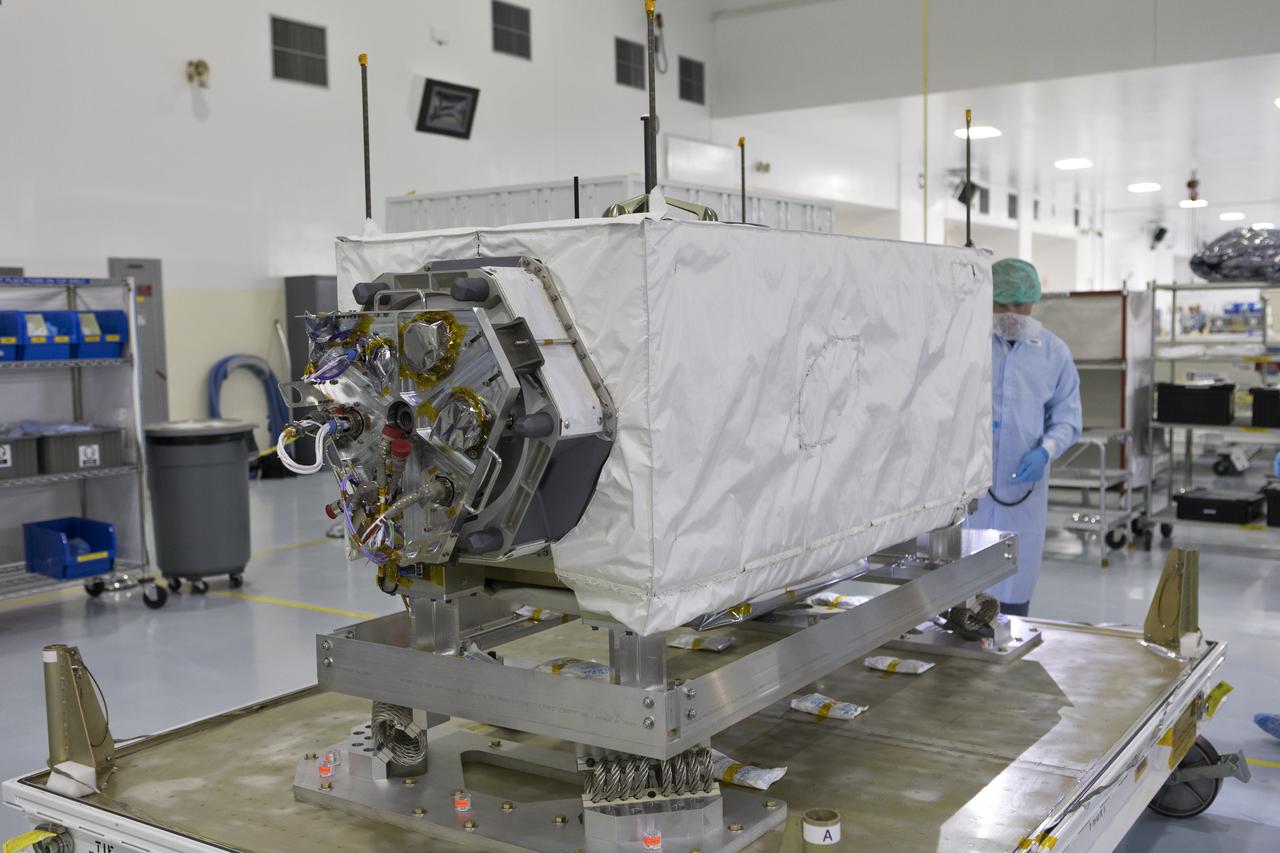
In the Space Station Processing Facility at NASA's Kennedy Space Center in Florida, the ECOsystem Spaceborne Thermal Radiometer Experiment on Space Station (ECOSTRESS) is inspected shortly after arrival. ECOSTRESS is designed to monitor one of the most basic processes in living plants: the loss of water through the tiny pores in leaves. ECOSTRESS will launch to the International Space Station aboard a Dragon spacecraft launched by a Falcon 9 rocket on the SpaceX CRS-15 mission in June 2018.
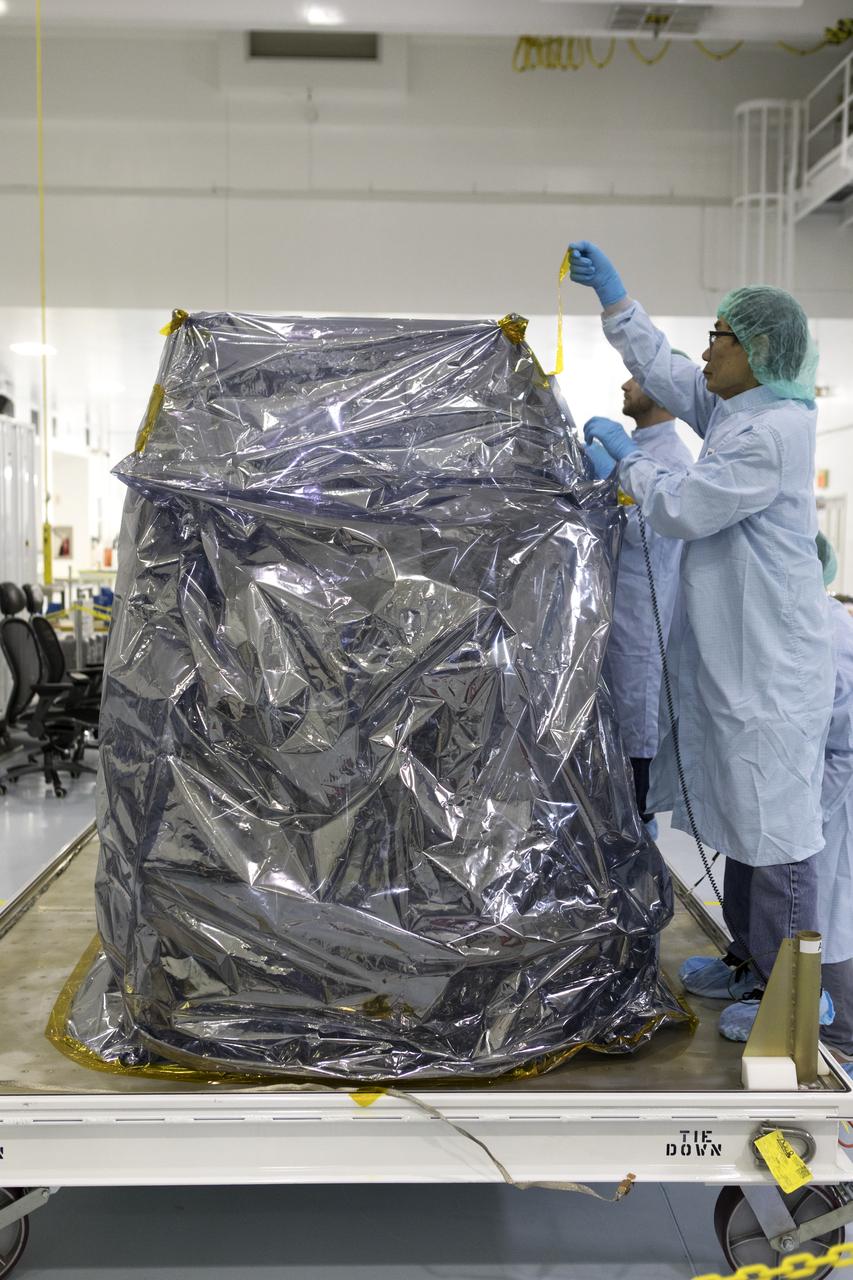
In the Space Station Processing Facility at NASA's Kennedy Space Center in Florida, the ECOsystem Spaceborne Thermal Radiometer Experiment on Space Station (ECOSTRESS) is removed from its shipping container. ECOSTRESS is designed to monitor one of the most basic processes in living plants: the loss of water through the tiny pores in leaves. ECOSTRESS will launch to the International Space Station aboard a Dragon spacecraft launched by a Falcon 9 rocket on the SpaceX CRS-15 mission in June 2018.
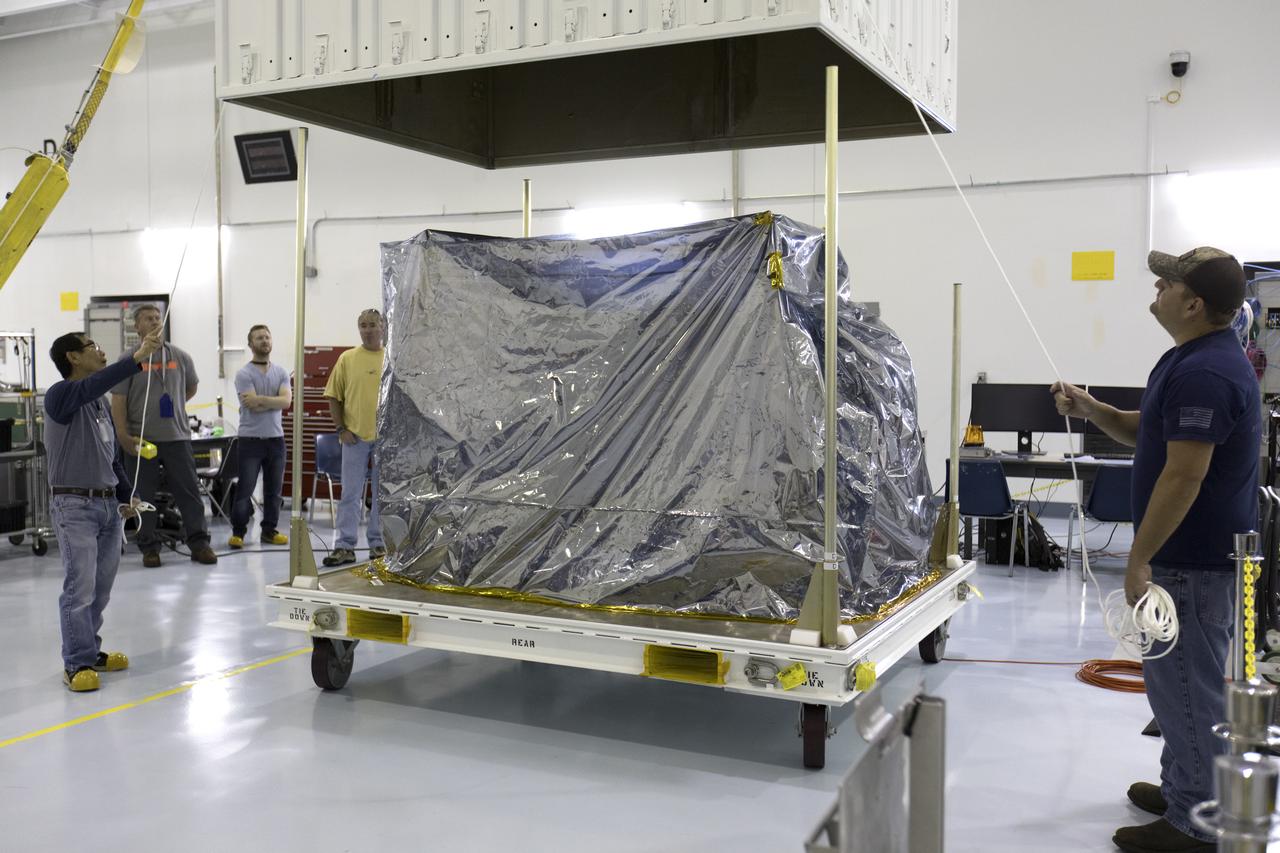
In the Space Station Processing Facility at NASA's Kennedy Space Center in Florida, the ECOsystem Spaceborne Thermal Radiometer Experiment on Space Station (ECOSTRESS) is removed from its shipping container. ECOSTRESS is designed to monitor one of the most basic processes in living plants: the loss of water through the tiny pores in leaves. ECOSTRESS will launch to the International Space Station aboard a Dragon spacecraft launched by a Falcon 9 rocket on the SpaceX CRS-15 mission in June 2018.
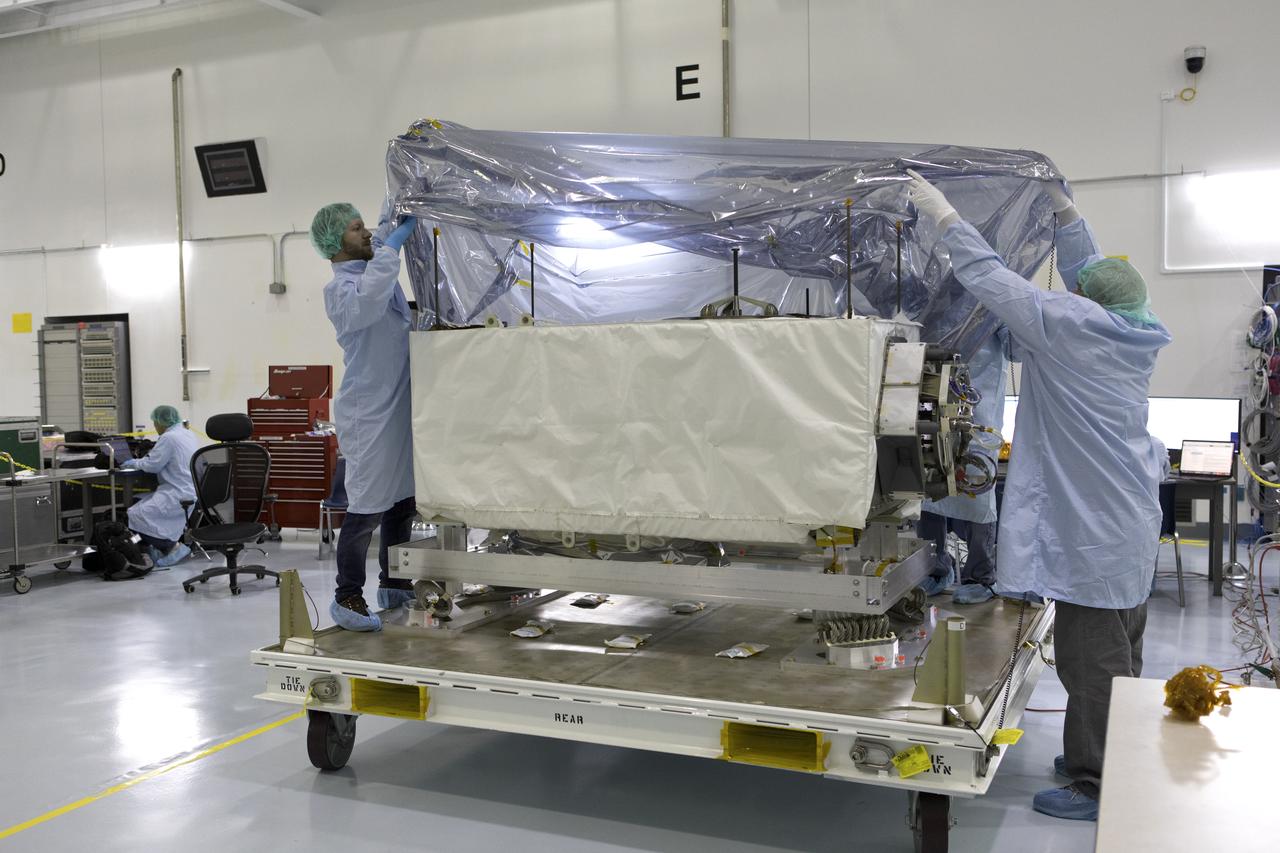
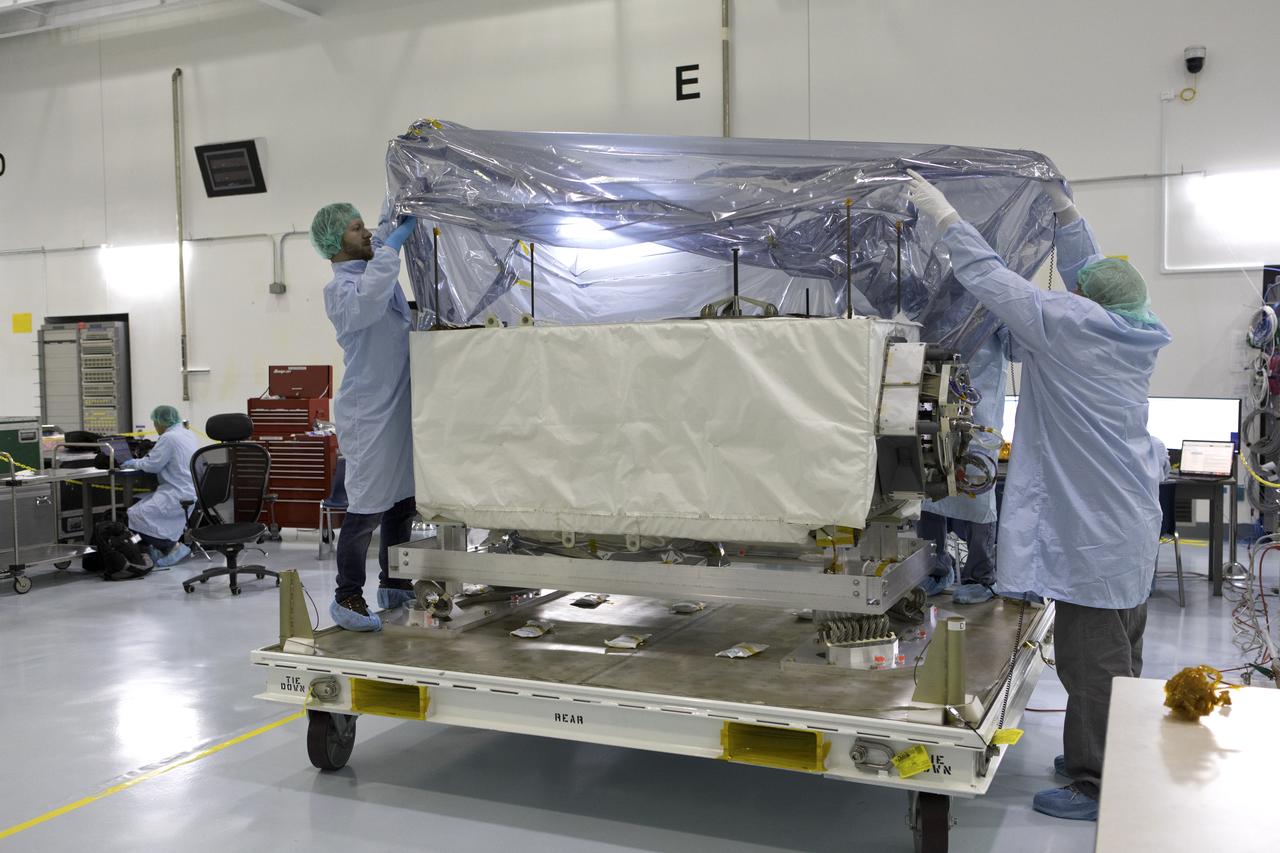
In the Space Station Processing Facility at NASA's Kennedy Space Center in Florida, technicians and engineers removed protective wrapping from the ECOsystem Spaceborne Thermal Radiometer Experiment on Space Station (ECOSTRESS). ECOSTRESS is designed to monitor one of the most basic processes in living plants: the loss of water through the tiny pores in leaves. ECOSTRESS will launch to the International Space Station aboard a Dragon spacecraft launched by a Falcon 9 rocket on the SpaceX CRS-15 mission in June 2018.
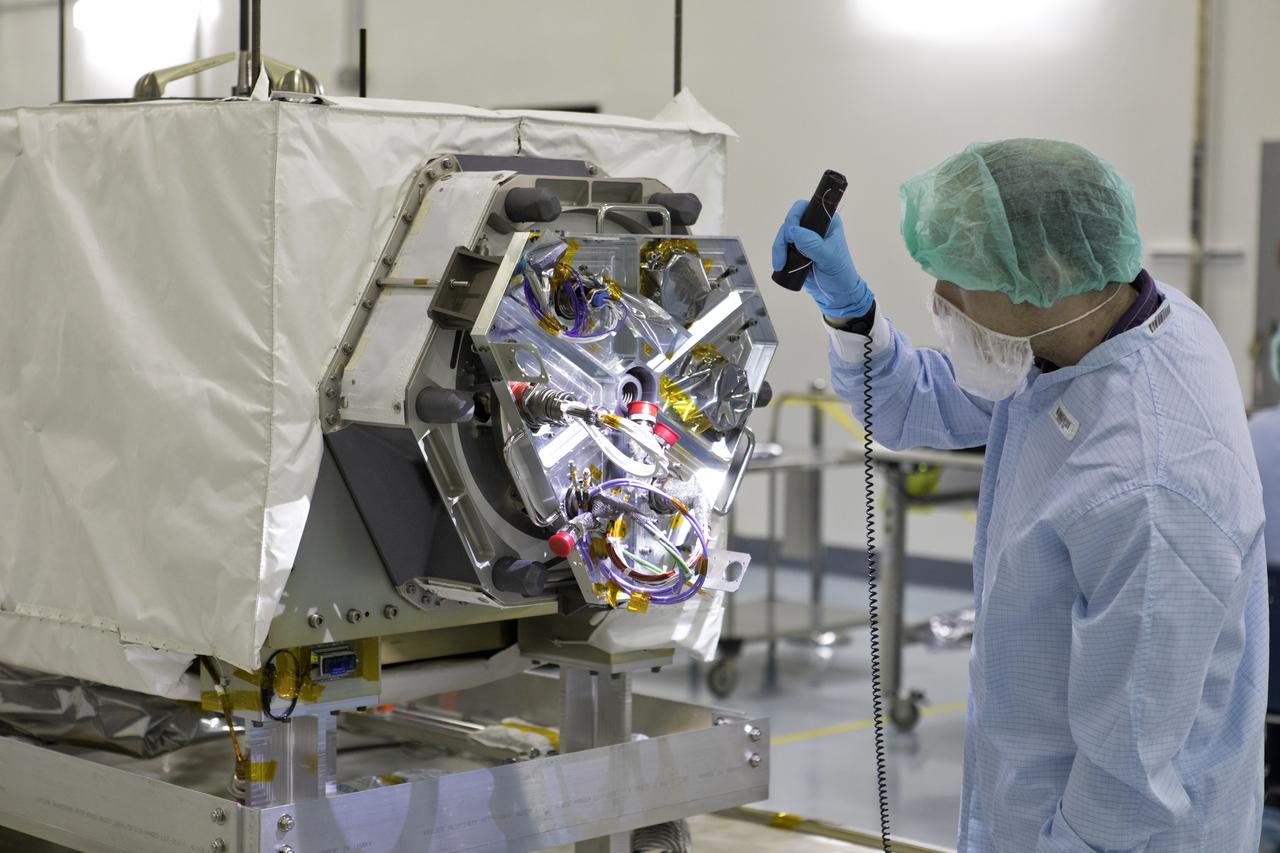
In the Space Station Processing Facility at NASA's Kennedy Space Center in Florida, the ECOsystem Spaceborne Thermal Radiometer Experiment on Space Station (ECOSTRESS) is inspected shortly after arrival. ECOSTRESS is designed to monitor one of the most basic processes in living plants: the loss of water through the tiny pores in leaves. ECOSTRESS will launch to the International Space Station aboard a Dragon spacecraft launched by a Falcon 9 rocket on the SpaceX CRS-15 mission in June 2018.

In Astrotech's Payload Processing Facility, technicians help secure the Dawn spacecraft onto a moveable stand. Dawn will be moved into clean room C for unbagging and further processing. Dawn's mission is to explore two of the asteroid belt's most intriguing and dissimilar occupants: asteroid Vesta and the dwarf planet Ceres. The Dawn mission is managed by JPL, a division of the California Institute of Technology in Pasadena, for NASA's Science Mission Directorate in Washington, D.C.

In clean room C of Astrotech's Payload Processing Facility, a worker wears a "bunny suit," or clean-room attire, next to the Dawn spacecraft, which will be unbagged and undergo further processing. Dawn's mission is to explore two of the asteroid belt's most intriguing and dissimilar occupants: asteroid Vesta and the dwarf planet Ceres. The Dawn mission is managed by JPL, a division of the California Institute of Technology in Pasadena, for NASA's Science Mission Directorate in Washington, D.C.
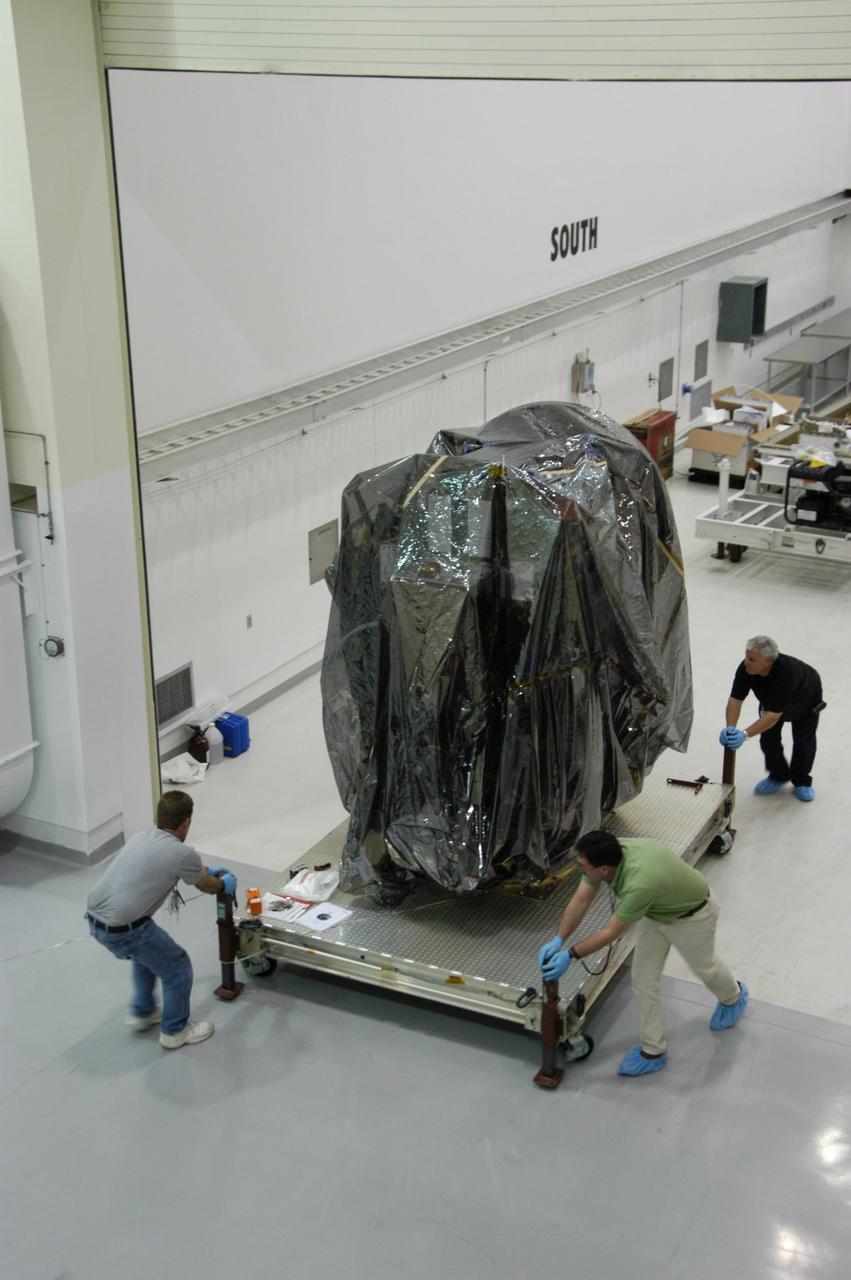
KENNEDY SPACE CENTER, FLA. -- In Astrotech's Payload Processing Facility, technicians roll the Dawn spacecraft into clean room C for unbagging and further processing. Dawn's mission is to explore two of the asteroid belt's most intriguing and dissimilar occupants: asteroid Vesta and the dwarf planet Ceres. The Dawn mission is managed by JPL, a division of the California Institute of Technology in Pasadena, for NASA's Science Mission Directorate in Washington, D.C. Photo credit: NASA/George Shelton
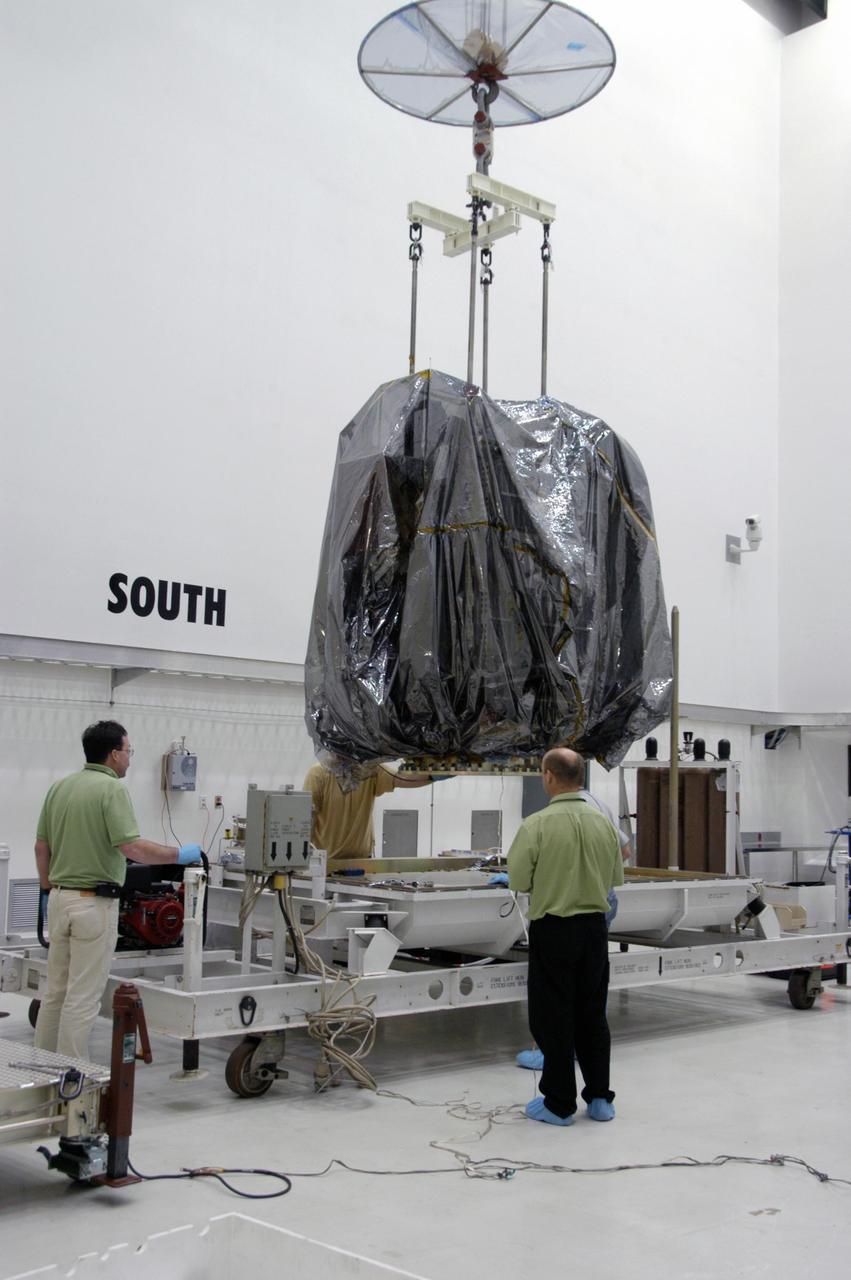
KENNEDY SPACE CENTER, FLA. -- In Astrotech's Payload Processing Facility, an overhead crane lifts the Dawn spacecraft from its transporter. Dawn will be moved into clean room C for unbagging and further processing. Dawn's mission is to explore two of the asteroid belt's most intriguing and dissimilar occupants: asteroid Vesta and the dwarf planet Ceres. The Dawn mission is managed by JPL, a division of the California Institute of Technology in Pasadena, for NASA's Science Mission Directorate in Washington, D.C. Photo credit: NASA/George Shelton
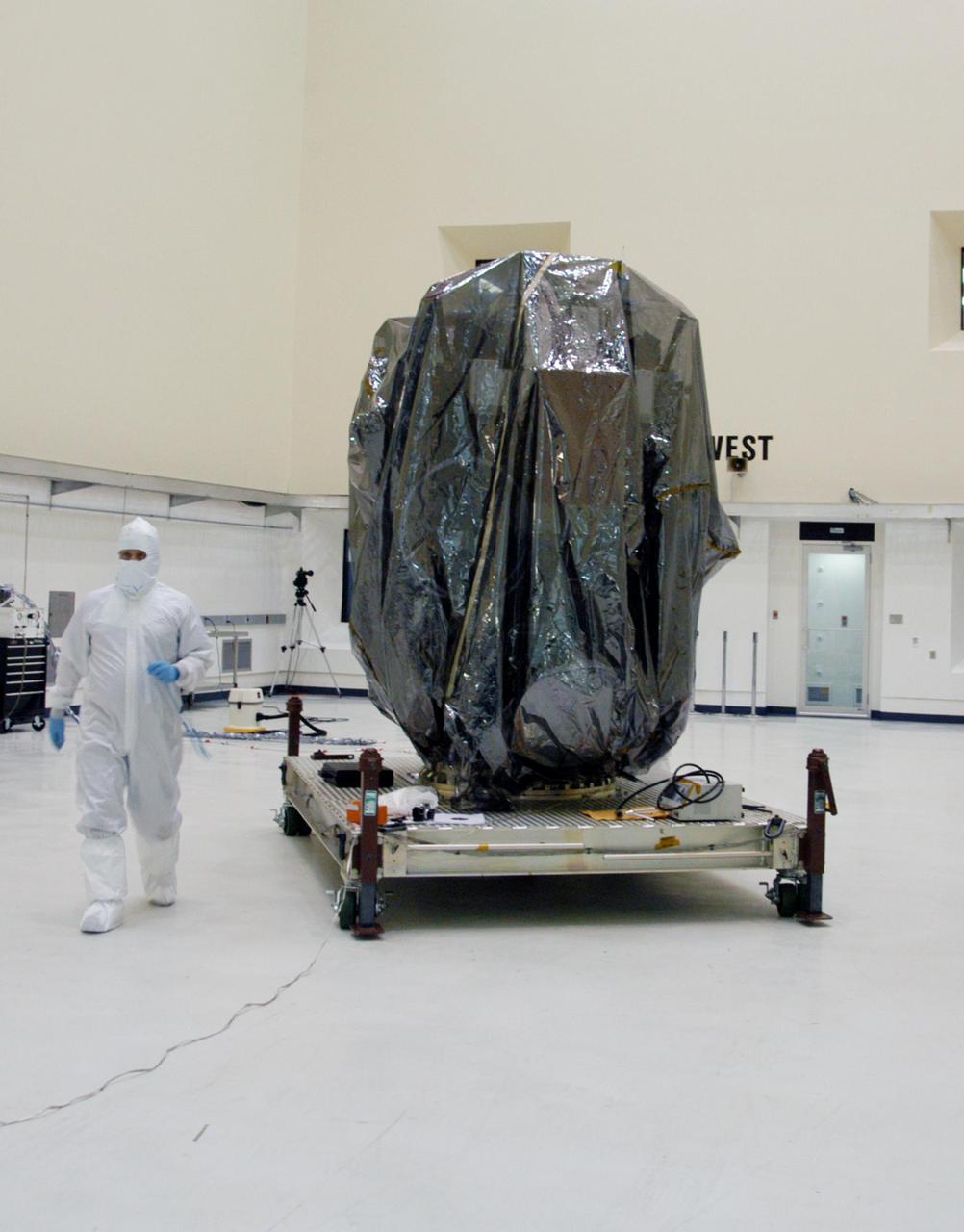
KENNEDY SPACE CENTER, FLA. -- In clean room C of Astrotech's Payload Processing Facility, a worker wears a "bunny suit," or clean-room attire, next to the Dawn spacecraft, which will be unbagged and undergo further processing. Dawn's mission is to explore two of the asteroid belt's most intriguing and dissimilar occupants: asteroid Vesta and the dwarf planet Ceres. The Dawn mission is managed by JPL, a division of the California Institute of Technology in Pasadena, for NASA's Science Mission Directorate in Washington, D.C. Photo credit: NASA/George Shelton

In Astrotech's Payload Processing Facility, an overhead crane lifts the Dawn spacecraft from its transporter. Dawn will be moved into clean room C for unbagging and further processing. Dawn's mission is to explore two of the asteroid belt's most intriguing and dissimilar occupants: asteroid Vesta and the dwarf planet Ceres. The Dawn mission is managed by JPL, a division of the California Institute of Technology in Pasadena, for NASA's Science Mission Directorate in Washington, D.C
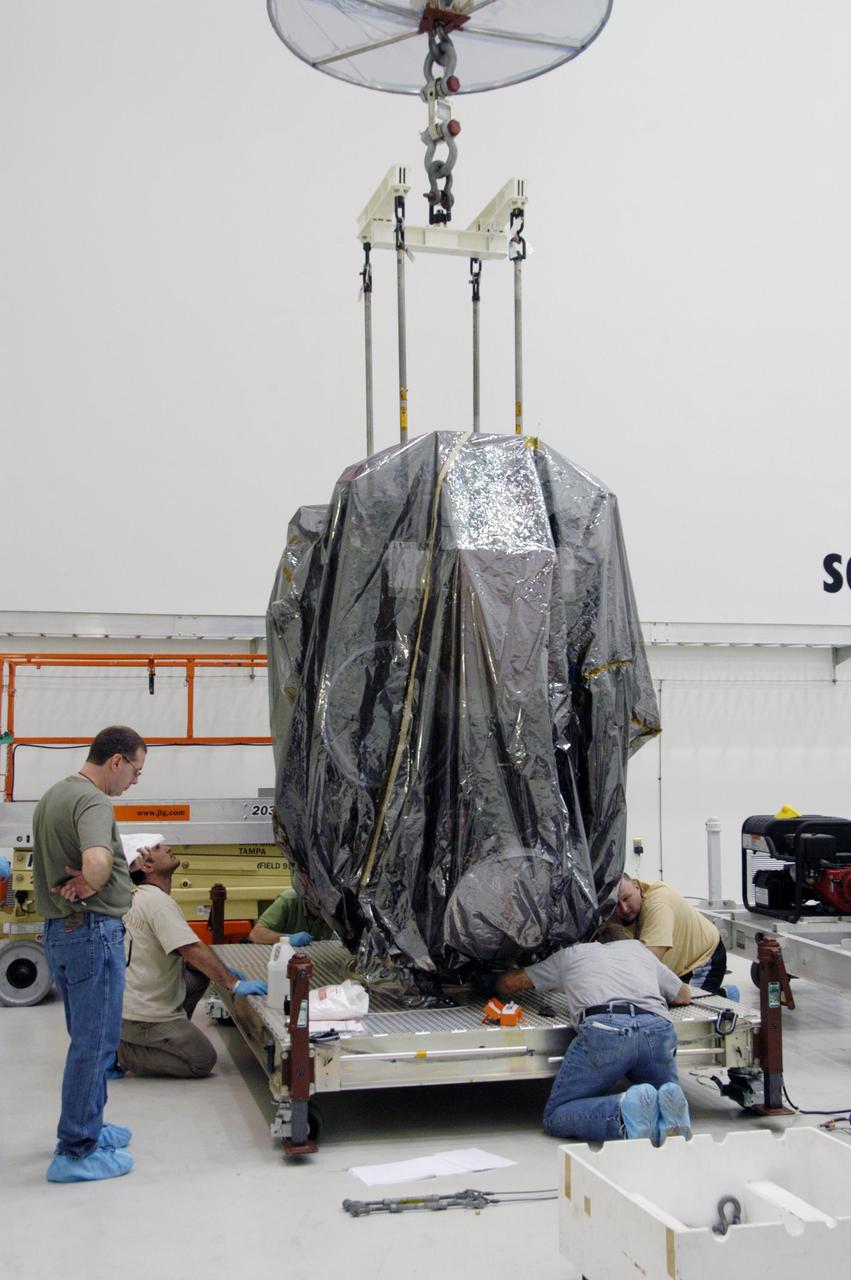
KENNEDY SPACE CENTER, FLA. -- In Astrotech's Payload Processing Facility, technicians help secure the Dawn spacecraft onto a moveable stand. Dawn will be moved into clean room C for unbagging and further processing. Dawn's mission is to explore two of the asteroid belt's most intriguing and dissimilar occupants: asteroid Vesta and the dwarf planet Ceres. The Dawn mission is managed by JPL, a division of the California Institute of Technology in Pasadena, for NASA's Science Mission Directorate in Washington, D.C. Photo credit: NASA/George Shelton
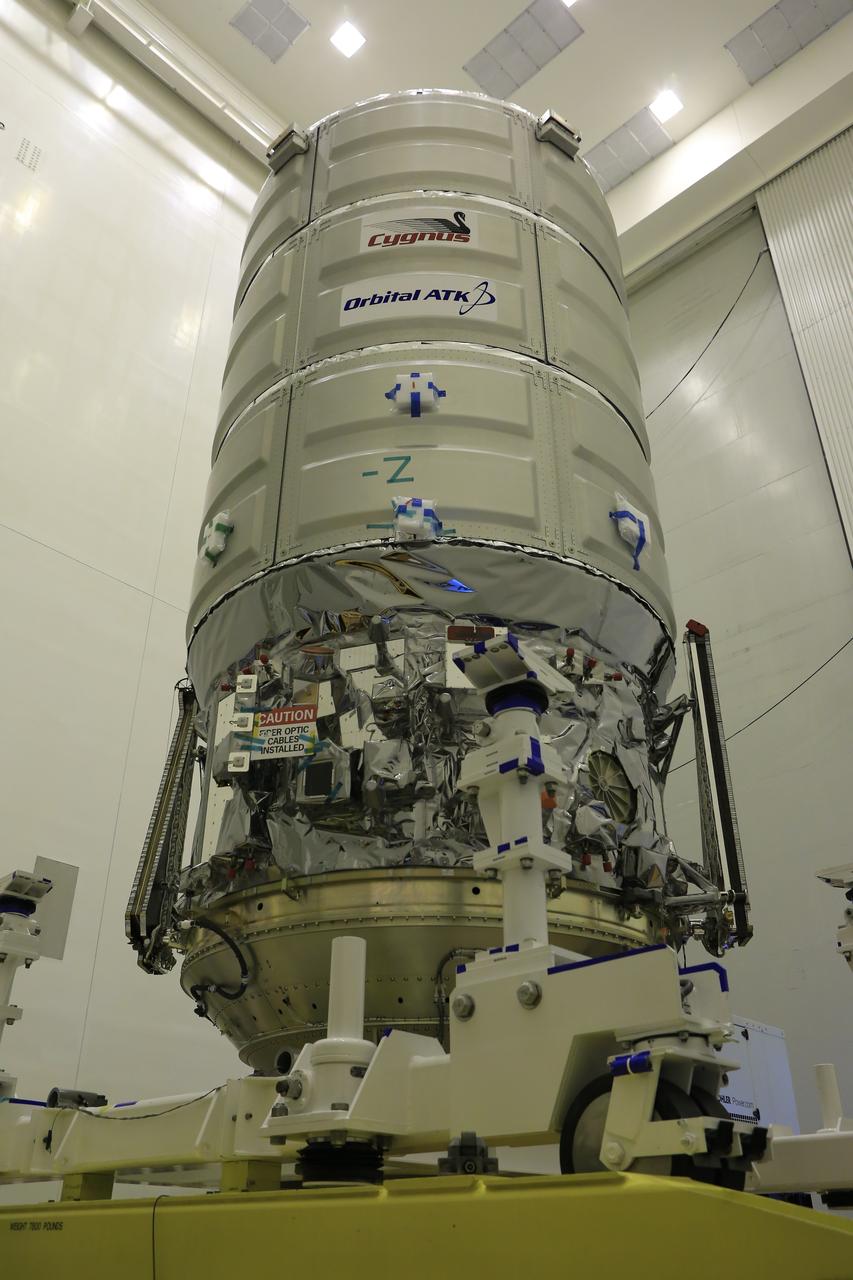
Inside the Payload Hazardous Servicing Facility at NASA's Kennedy Space Center in Florida, the protective covering was removed from Orbital ATK's CYGNUS pressurized cargo module on a KAMAG transporter. In the PHSF, Cygnus will be moved to a work stand for final propellant loading and late cargo stowage. The Orbital ATK CRS-7 commercial resupply services mission to the International Space Station is scheduled to launch atop a United Launch Alliance Atlas V rocket from Space Launch Complex 41 at Cape Canaveral Air Force Station on March 19, 2017. CYGNUS will deliver thousands of pounds of supplies, equipment and scientific research materials to the space station.
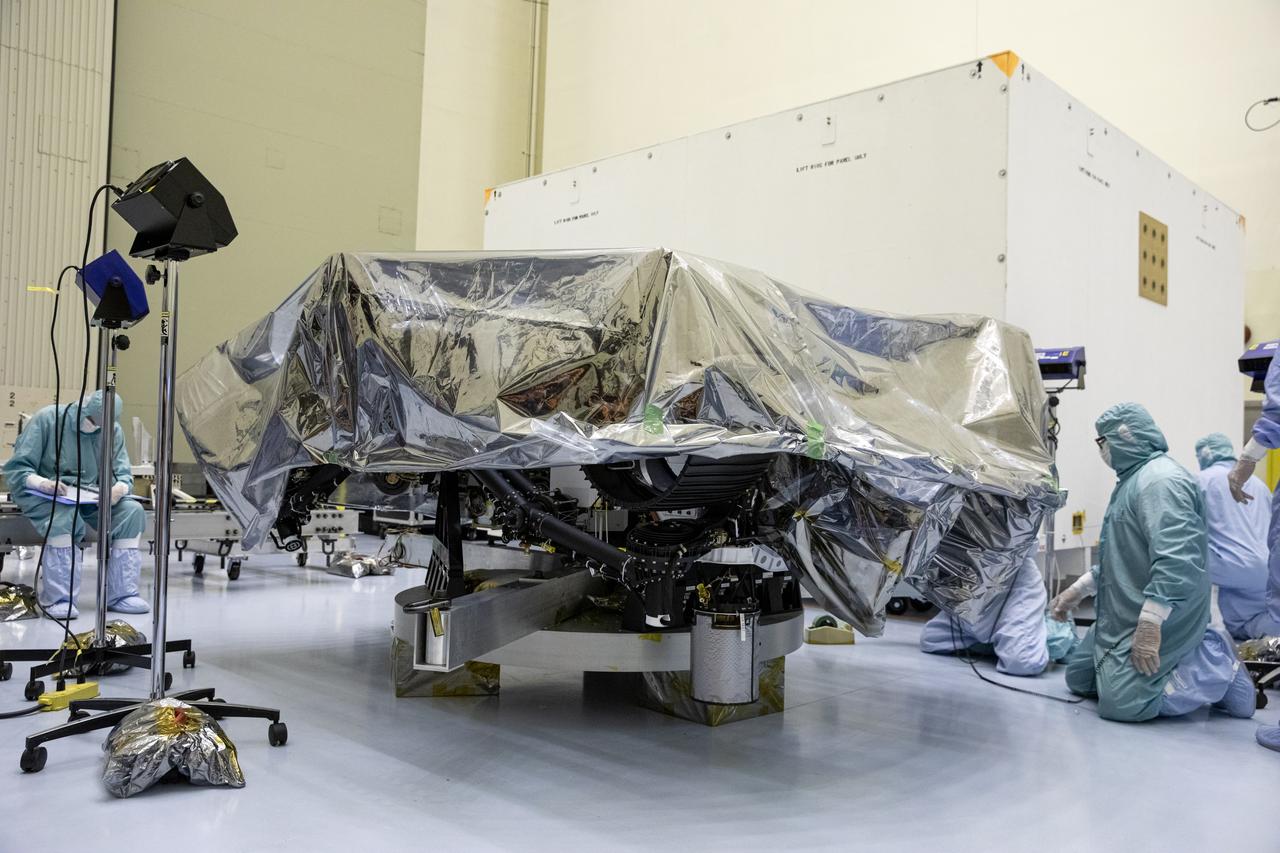
The Mars 2020 rover undergoes processing inside the Payload Hazardous Servicing Facility at NASA’s Kennedy Space Center in Florida on Feb. 13, 2020. The spacecraft was flown to Kennedy from California aboard a C-17 aircraft on Feb. 12. Targeted for mid-July 2020, the mission is scheduled to launch aboard an Atlas V 541 rocket from Cape Canaveral Air Force Station. The launch is managed by the Launch Services Program. The Mars 2020 rover will search for signs of past microbial life, characterize the planet’s climate and geology, collect samples for future return to Earth and pave the way for human exploration of Mars.
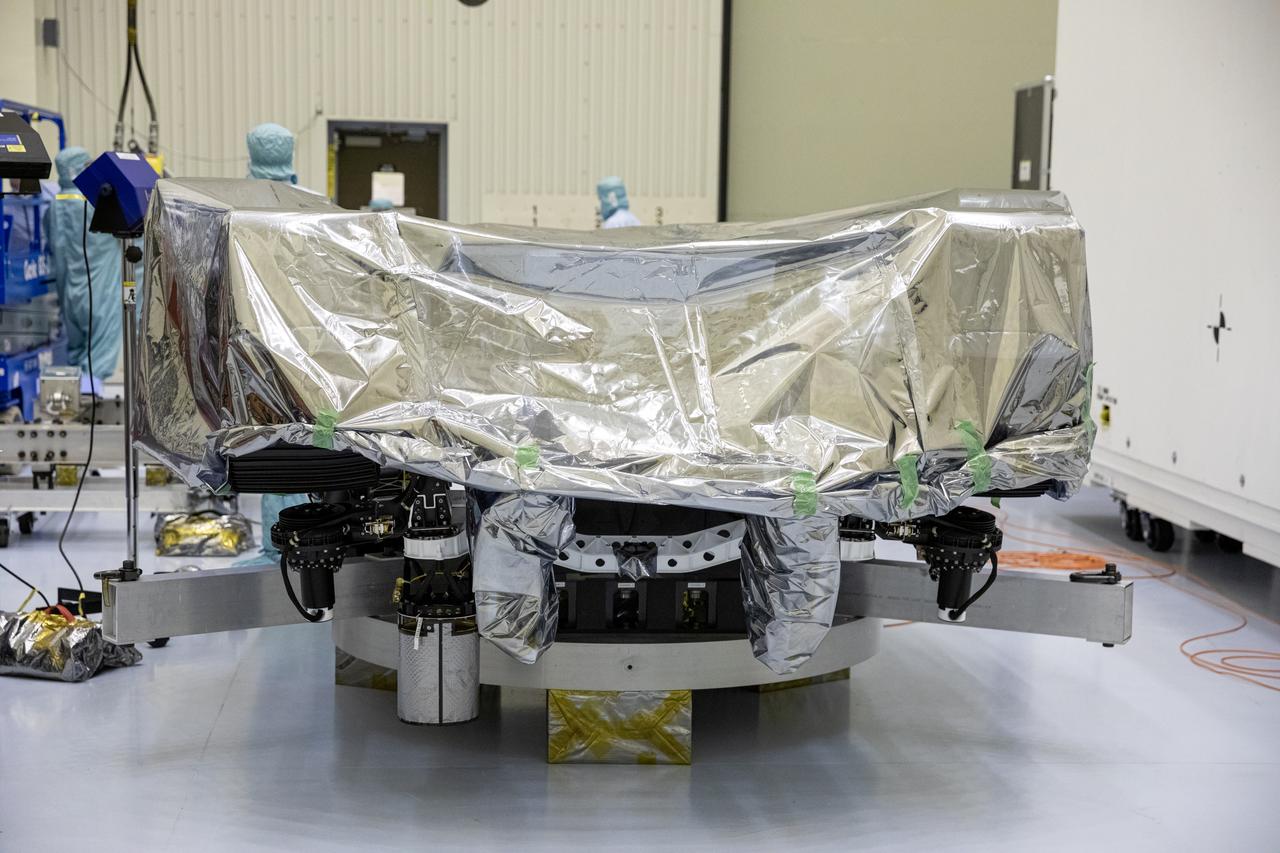
The Mars 2020 rover undergoes processing inside the Payload Hazardous Servicing Facility at NASA’s Kennedy Space Center in Florida on Feb. 13, 2020. The spacecraft was flown to Kennedy from California aboard a C-17 aircraft on Feb. 12. Targeted for mid-July 2020, the mission is scheduled to launch aboard an Atlas V 541 rocket from Cape Canaveral Air Force Station. The launch is managed by the Launch Services Program. The Mars 2020 rover will search for signs of past microbial life, characterize the planet’s climate and geology, collect samples for future return to Earth and pave the way for human exploration of Mars.
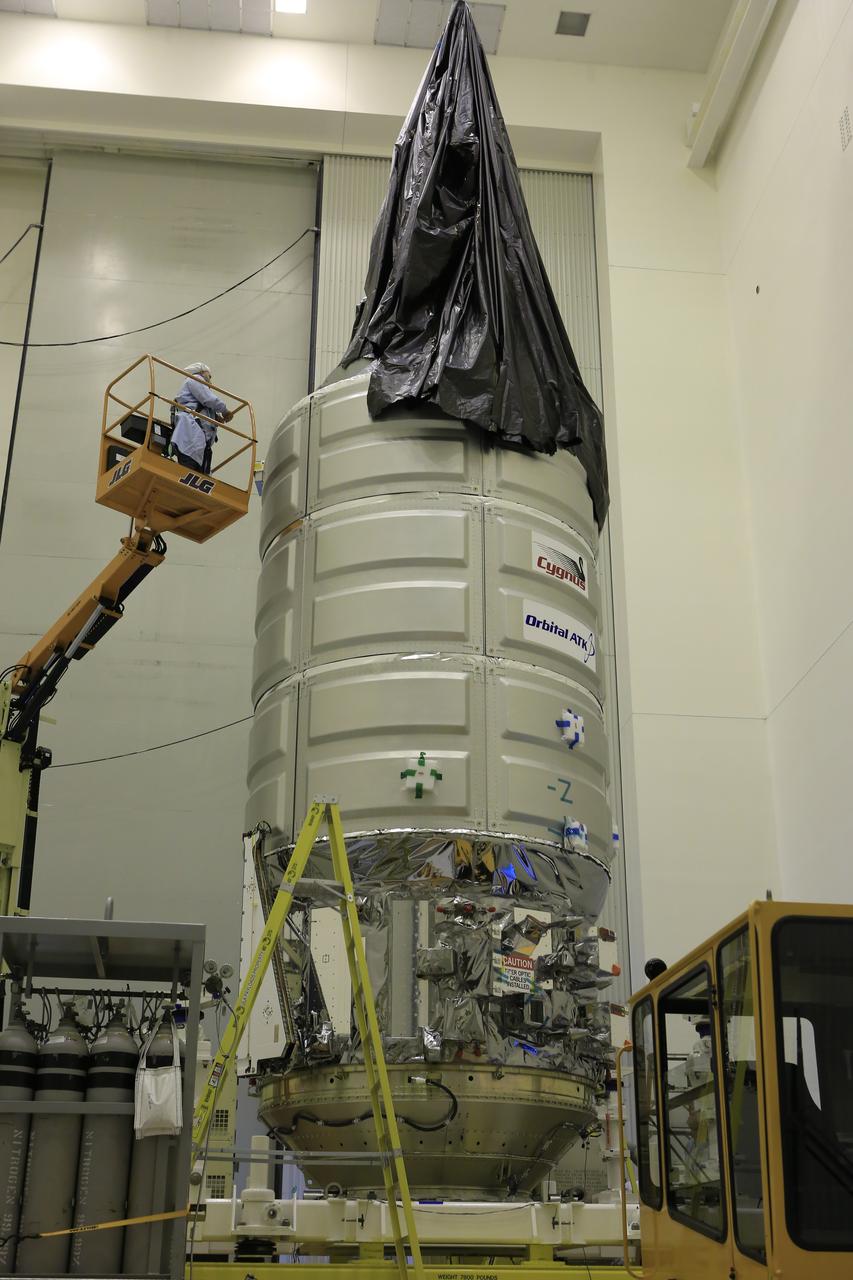
Inside the Payload Hazardous Servicing Facility at NASA's Kennedy Space Center in Florida, technicians assist as a crane is used to remove the protective covering from Orbital ATK's CYGNUS pressurized cargo module on a KAMAG transporter. In the PHSF, Cygnus will be moved to a work stand for final propellant loading and late cargo stowage. The Orbital ATK CRS-7 commercial resupply services mission to the International Space Station is scheduled to launch atop a United Launch Alliance Atlas V rocket from Space Launch Complex 41 at Cape Canaveral Air Force Station on March 19, 2017. CYGNUS will deliver thousands of pounds of supplies, equipment and scientific research materials to the space station.
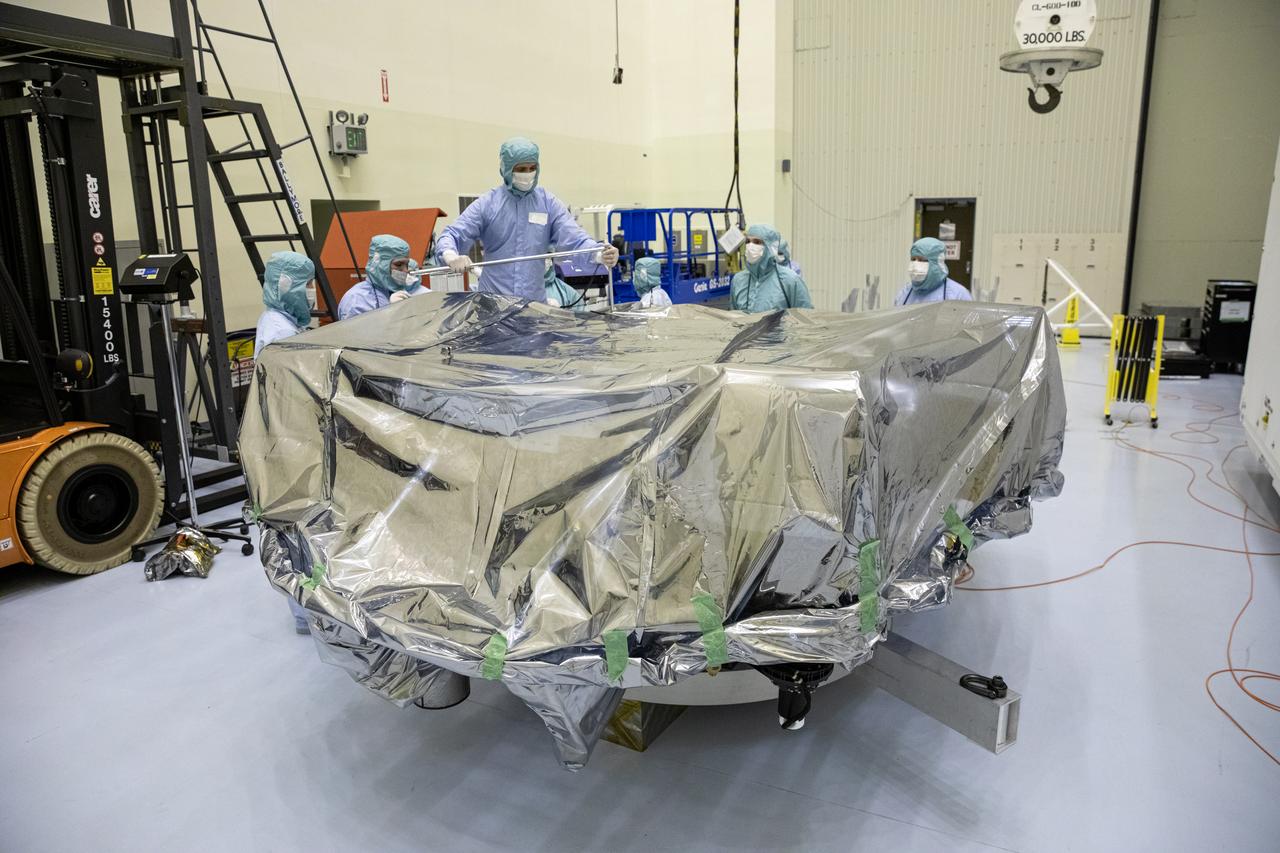
The Mars 2020 rover undergoes processing inside the Payload Hazardous Servicing Facility at NASA’s Kennedy Space Center in Florida on Feb. 13, 2020. The spacecraft was flown to Kennedy from California aboard a C-17 aircraft on Feb. 12. Targeted for mid-July 2020, the mission is scheduled to launch aboard an Atlas V 541 rocket from Cape Canaveral Air Force Station. The launch is managed by the Launch Services Program. The Mars 2020 rover will search for signs of past microbial life, characterize the planet’s climate and geology, collect samples for future return to Earth and pave the way for human exploration of Mars.
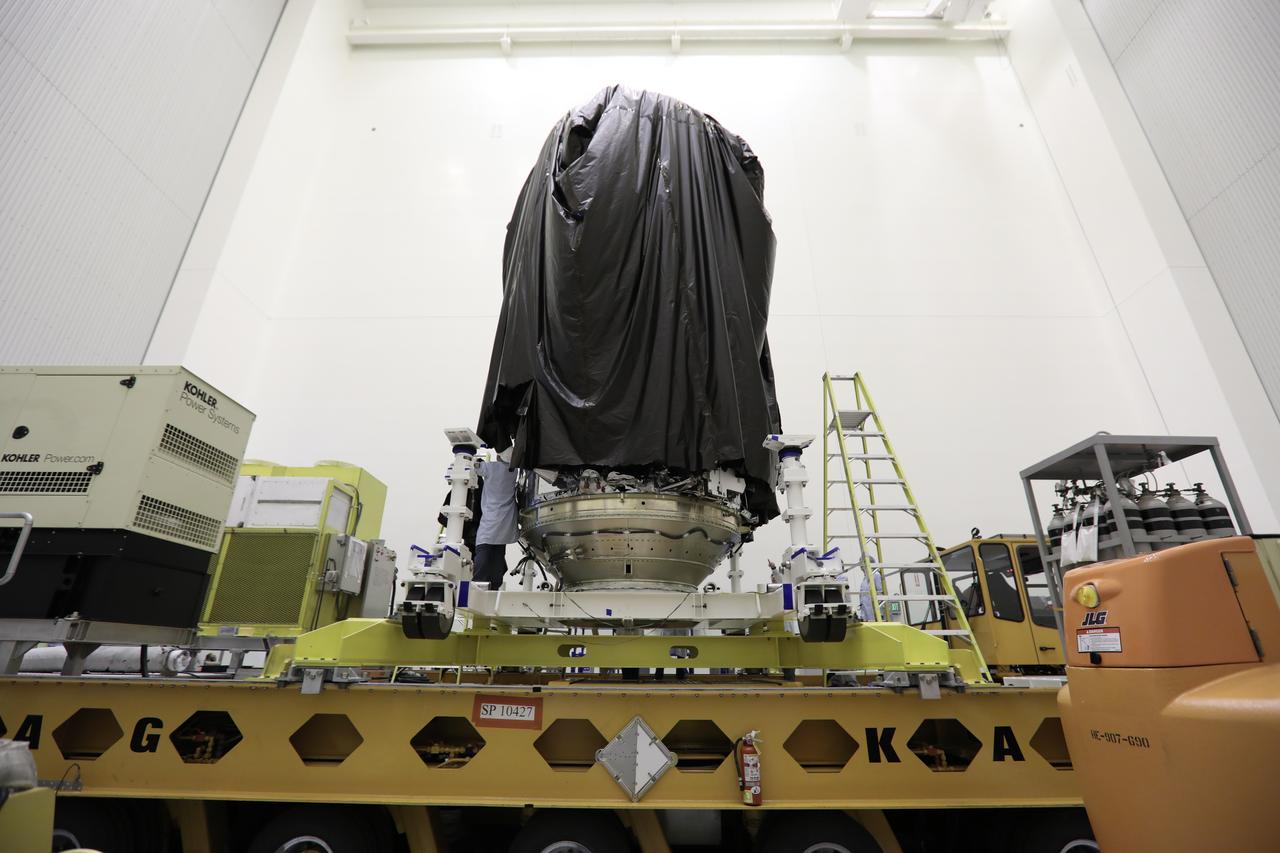
Inside the Payload Hazardous Servicing Facility at NASA's Kennedy Space Center in Florida, technicians begin to remove the protective covering from Orbital ATK's CYGNUS pressurized cargo module on a KAMAG transporter. In the PHSF, Cygnus will be move to a work stand for final propellant loading and late cargo stowage. The Orbital ATK CRS-7 commercial resupply services mission to the International Space Station is scheduled to launch atop a United Launch Alliance Atlas V rocket from Space Launch Complex 41 at Cape Canaveral Air Force Station on March 19, 2017. CYGNUS will deliver thousands of pounds of supplies, equipment and scientific research materials to the space station.
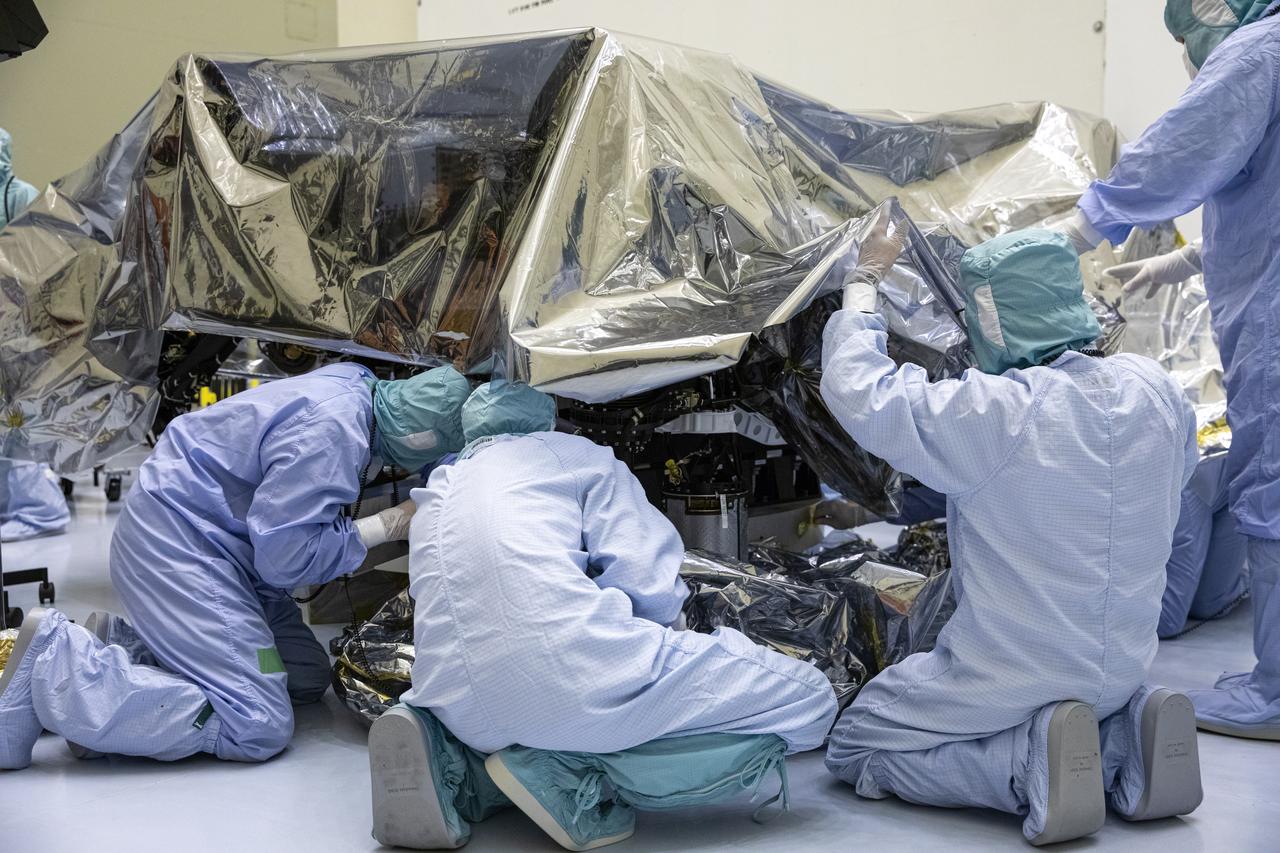
The Mars 2020 rover undergoes processing inside the Payload Hazardous Servicing Facility at NASA’s Kennedy Space Center in Florida on Feb. 13, 2020. The spacecraft was flown to Kennedy from California aboard a C-17 aircraft on Feb. 12. Targeted for mid-July 2020, the mission is scheduled to launch aboard an Atlas V 541 rocket from Cape Canaveral Air Force Station. The launch is managed by the Launch Services Program. The Mars 2020 rover will search for signs of past microbial life, characterize the planet’s climate and geology, collect samples for future return to Earth and pave the way for human exploration of Mars.

The Mars 2020 rover undergoes processing inside the Payload Hazardous Servicing Facility at NASA’s Kennedy Space Center in Florida on Feb. 13, 2020. The spacecraft was flown to Kennedy from California aboard a C-17 aircraft on Feb. 12. Targeted for mid-July 2020, the mission is scheduled to launch aboard an Atlas V 541 rocket from Cape Canaveral Air Force Station. The launch is managed by the Launch Services Program. The Mars 2020 rover will search for signs of past microbial life, characterize the planet’s climate and geology, collect samples for future return to Earth and pave the way for human exploration of Mars.
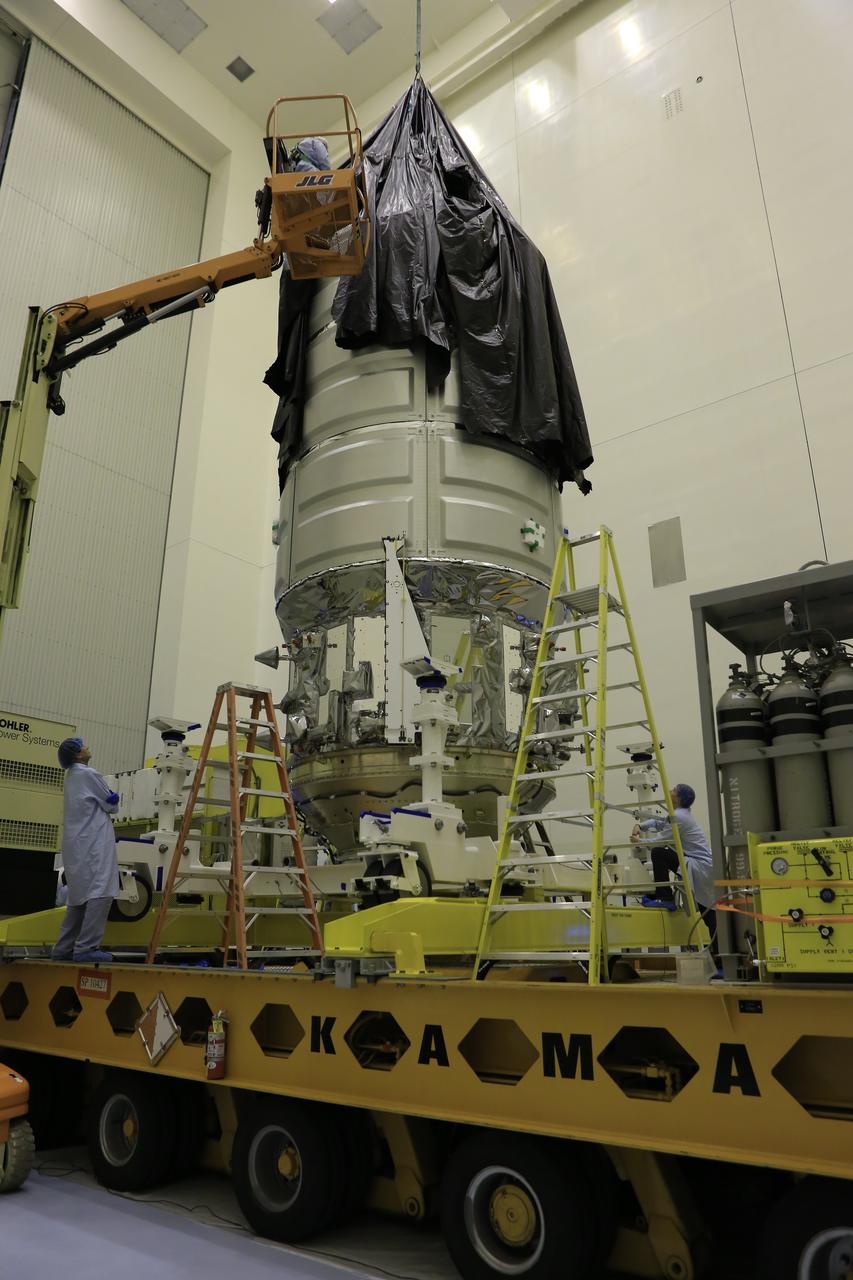
Inside the Payload Hazardous Servicing Facility at NASA's Kennedy Space Center in Florida, technicians assist as a crane is used to remove the protective covering from Orbital ATK's CYGNUS pressurized cargo module on a KAMAG transporter. In the PHSF, Cygnus will be moved to a work stand for final propellant loading and late cargo stowage. The Orbital ATK CRS-7 commercial resupply services mission to the International Space Station is scheduled to launch atop a United Launch Alliance Atlas V rocket from Space Launch Complex 41 at Cape Canaveral Air Force Station on March 19, 2017. CYGNUS will deliver thousands of pounds of supplies, equipment and scientific research materials to the space station.

OSAM-1 and Maxar team members remove protective bagging from the spacecraft bus at Goddard Space Flight Center, Greenbelt Md., Sept 25, 2023. This photo has been reviewed by OSAM1 project management, Maxar public release authority, and the Export Control Office and is released for public view. NASA/Mike Guinto
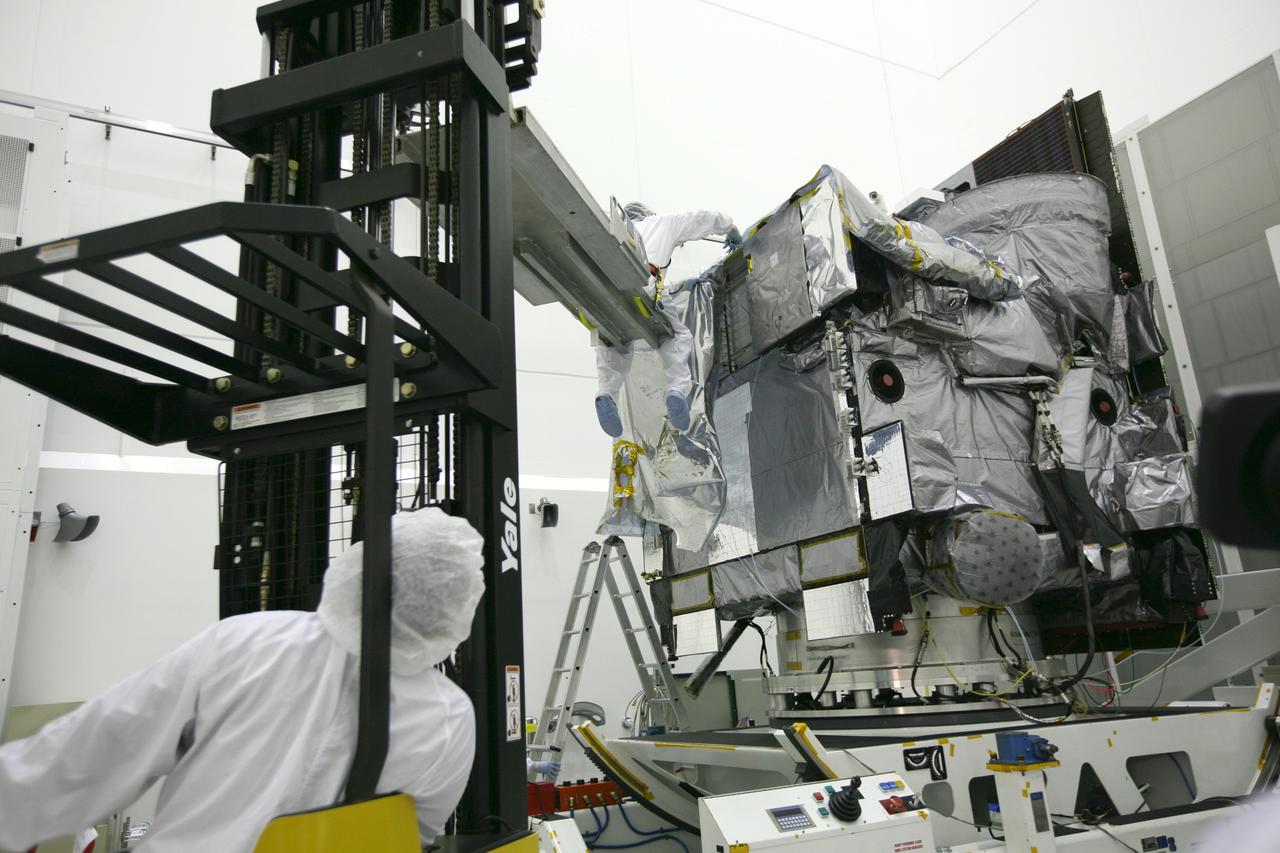
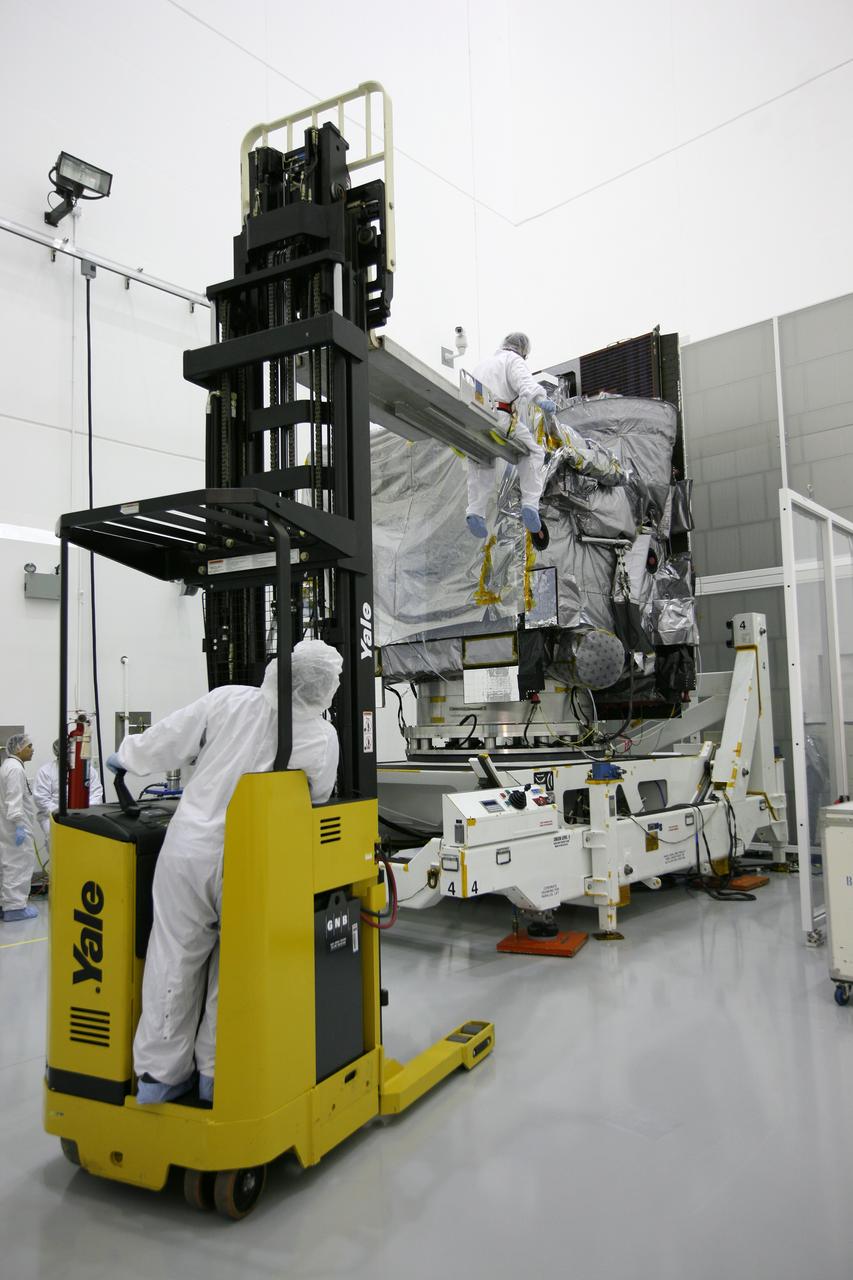
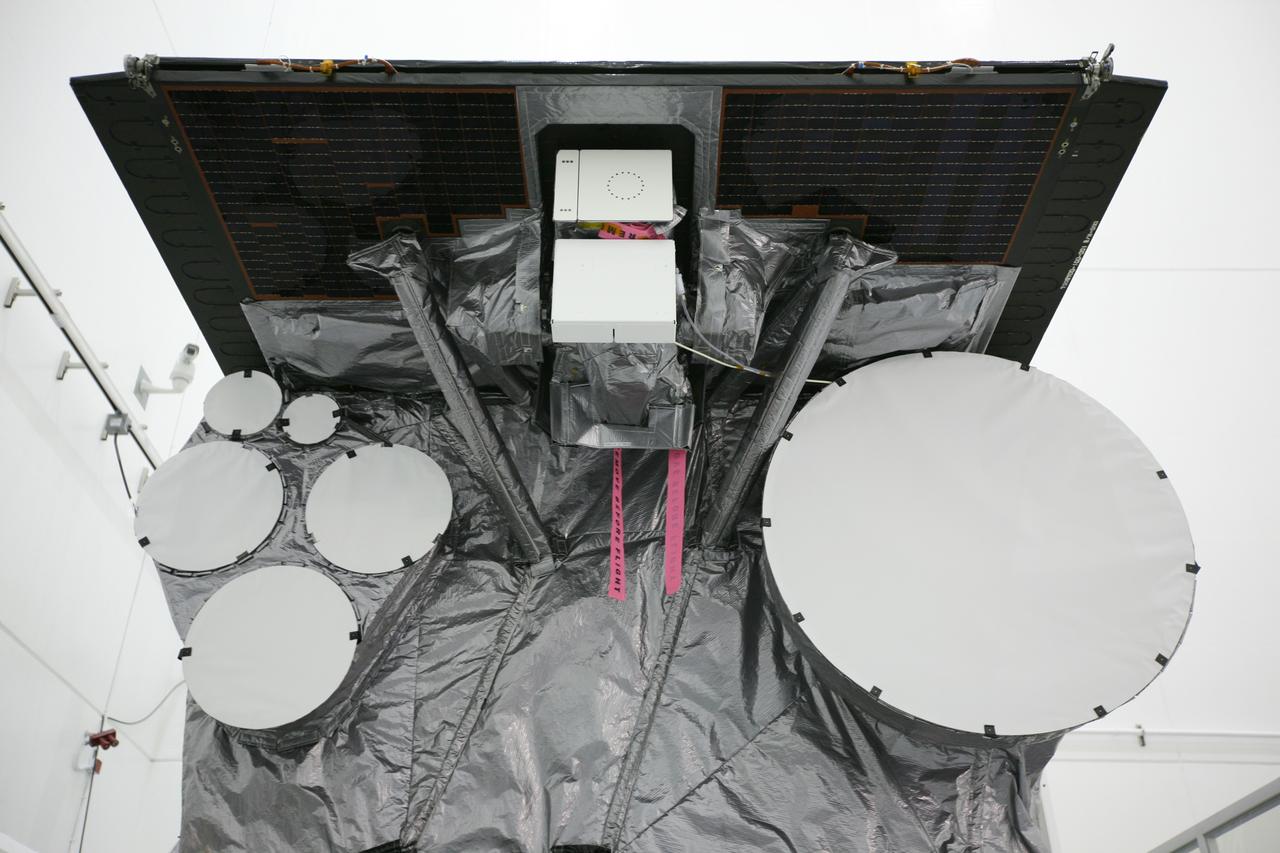
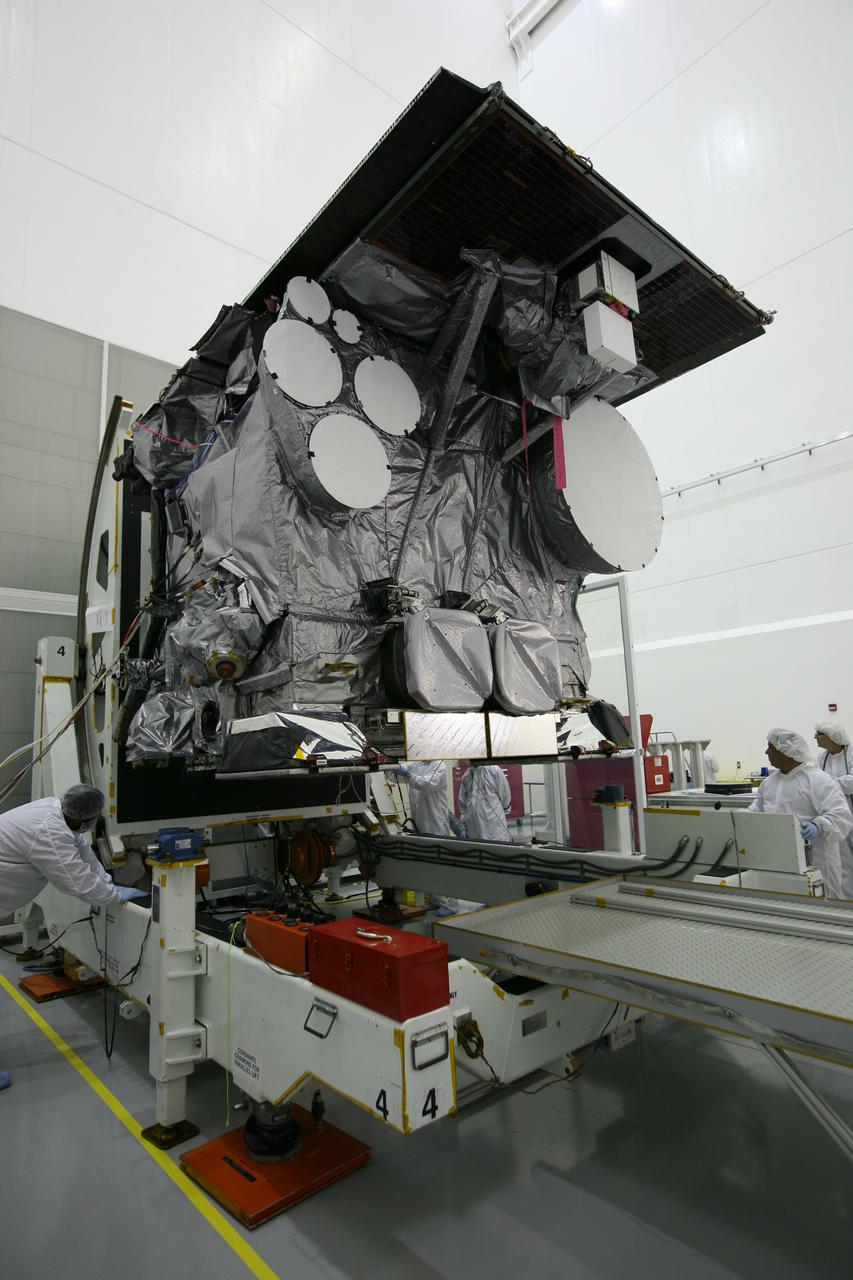
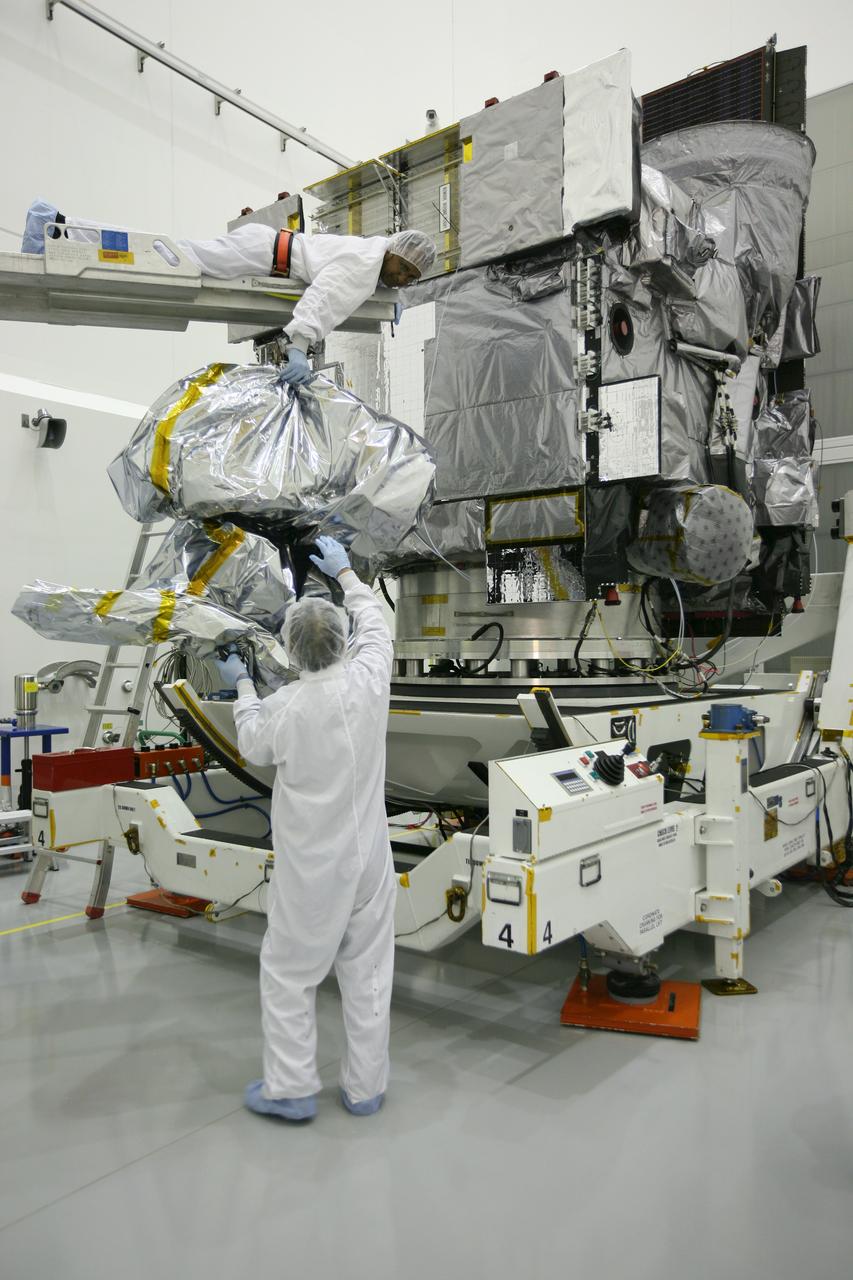
CAPE CANAVERAL, Fla. – At the Astrotech Space Operations facility in Titusville, Fla., the process to unbag or remove the protective wrapping from NASA's GOES-P meteorological satellite is under way. GOES-P, the latest Geostationary Operational Environmental Satellite, was developed by NASA for the National Oceanic and Atmospheric Administration, or NOAA. GOES-P is designed to watch for storm development and observed current weather conditions on Earth. Launch of GOES-P is targeted for no earlier than March 1 from Launch Complex 37 aboard a United Launch Alliance Delta IV rocket. For information on GOES-P, visit http://goespoes.gsfc.nasa.gov/goes/spacecraft/n_p_spacecraft.html. Photo credit: NASA/Amanda Diller
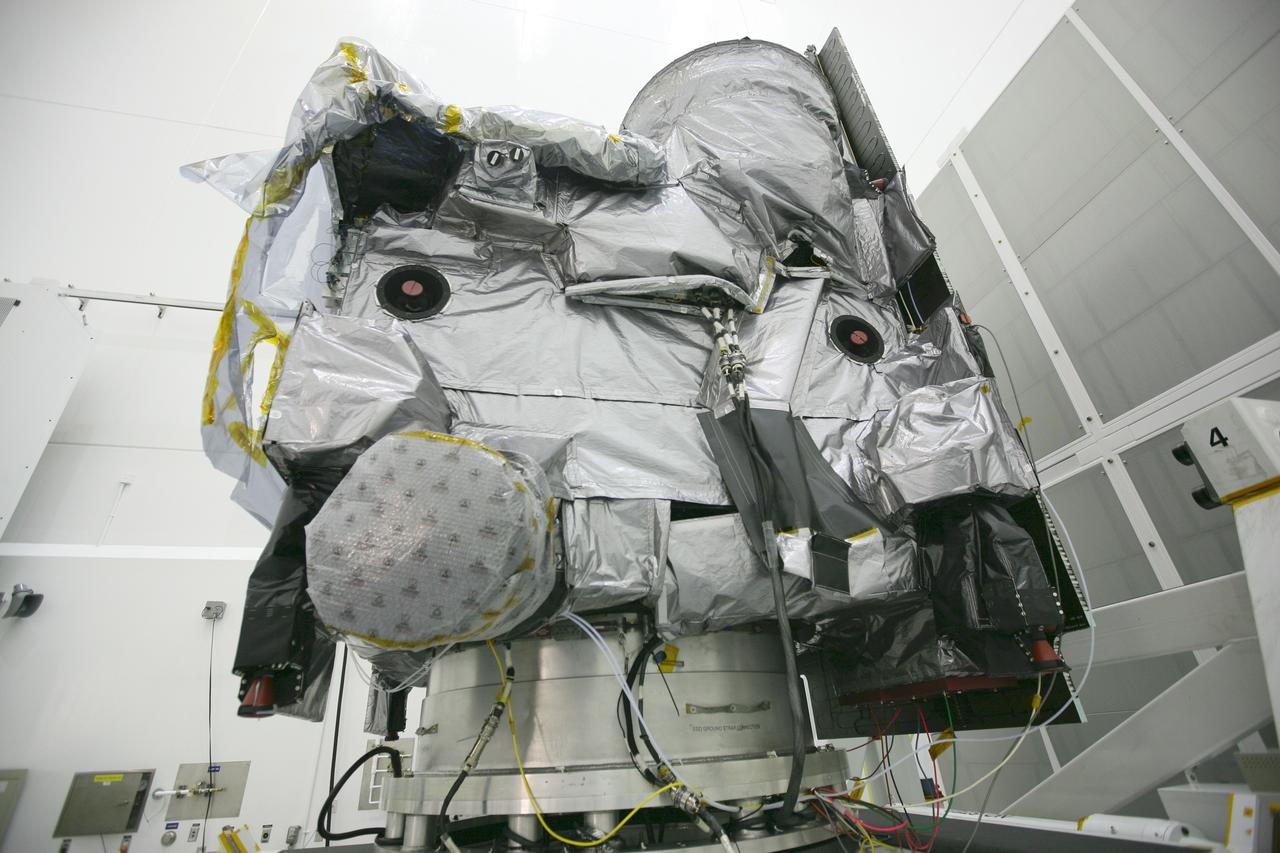
CAPE CANAVERAL, Fla. – At the Astrotech Space Operations facility in Titusville, Fla., NASA's GOES-P meteorological satellite is ready to be unbagged, or to have its protective wrapping removed. GOES-P, the latest Geostationary Operational Environmental Satellite, was developed by NASA for the National Oceanic and Atmospheric Administration, or NOAA. GOES-P is designed to watch for storm development and observed current weather conditions on Earth. Launch of GOES-P is targeted for no earlier than March 1 from Launch Complex 37 aboard a United Launch Alliance Delta IV rocket. For information on GOES-P, visit http://goespoes.gsfc.nasa.gov/goes/spacecraft/n_p_spacecraft.html. Photo credit: NASA/Amanda Diller
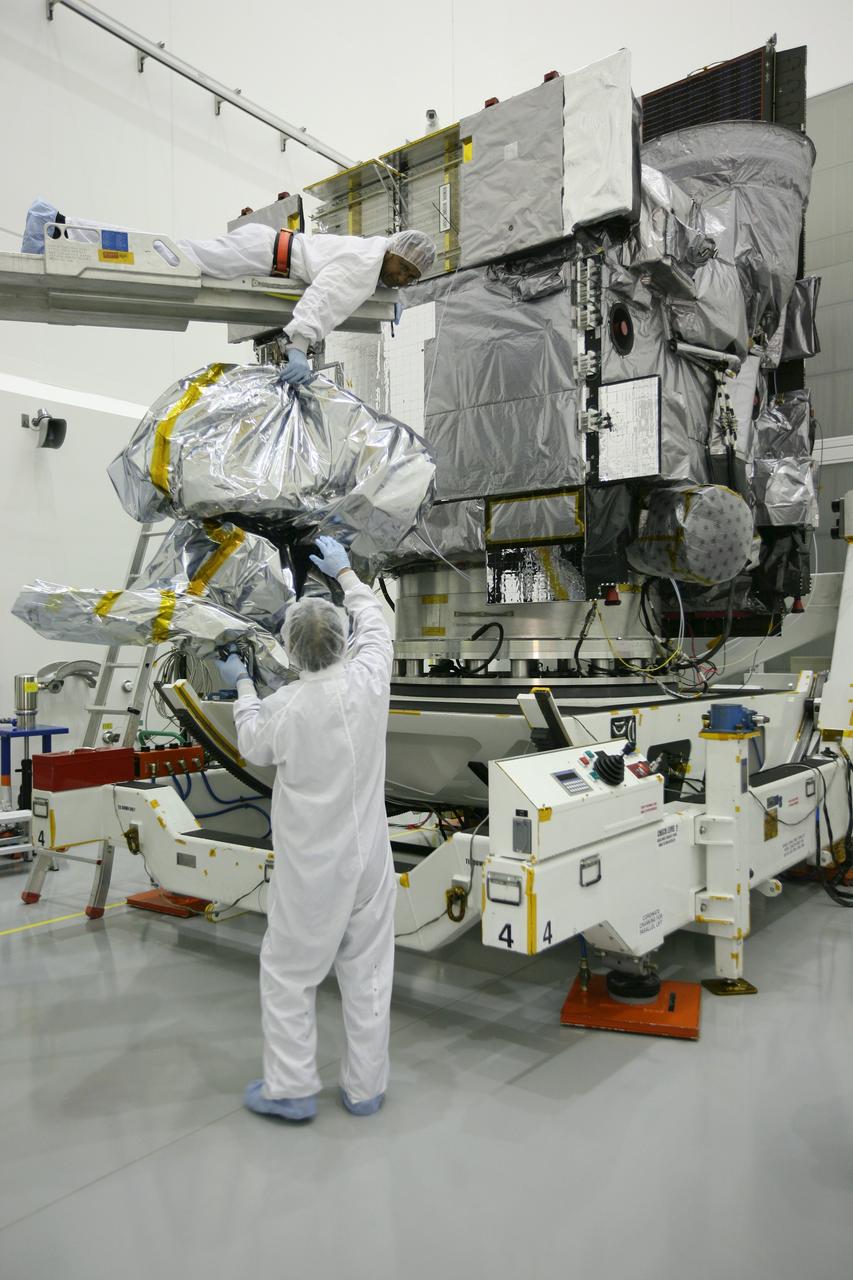
CAPE CANAVERAL, Fla. – At the Astrotech Space Operations facility in Titusville, Fla., it takes teamwork among the spacecraft technicians to unbag or remove the protective wrapping from NASA's GOES-P meteorological satellite. GOES-P, the latest Geostationary Operational Environmental Satellite, was developed by NASA for the National Oceanic and Atmospheric Administration, or NOAA. GOES-P is designed to watch for storm development and observed current weather conditions on Earth. Launch of GOES-P is targeted for no earlier than March 1 from Launch Complex 37 aboard a United Launch Alliance Delta IV rocket. For information on GOES-P, visit http://goespoes.gsfc.nasa.gov/goes/spacecraft/n_p_spacecraft.html. Photo credit: NASA/Amanda Diller
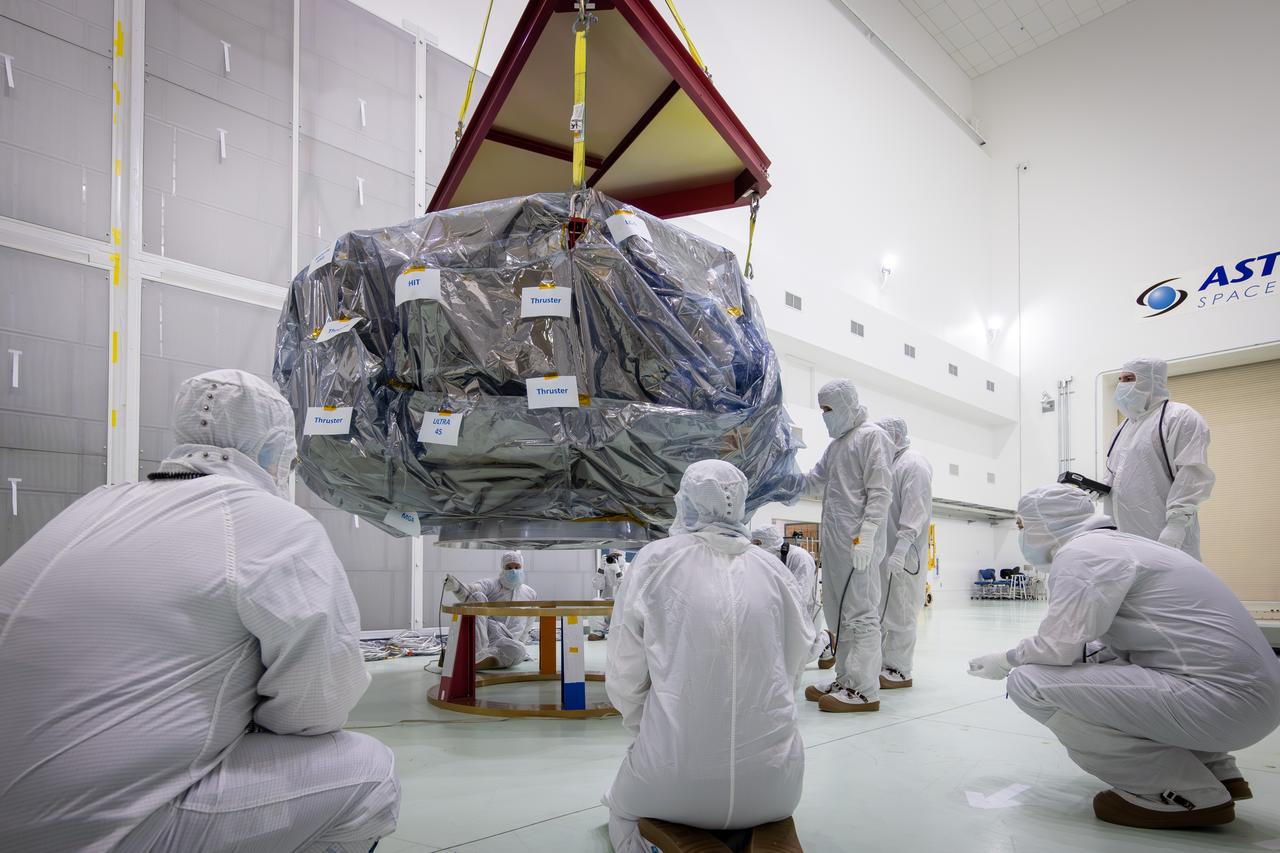
Technicians lift NASA’s IMAP (Interstellar Mapping and Acceleration Probe) spacecraft onto a work stand inside the high bay at the Astrotech Space Operations Facility near the agency’s Kennedy Space Center in Florida on Thursday, May 29, 2025. The observatory will study how the Sun shapes the boundaries of the heliosphere, the bubble protecting around our solar system, and is targeted for launch this fall aboard a SpaceX Falcon 9 rocket from Launch Complex 39A at NASA Kennedy.
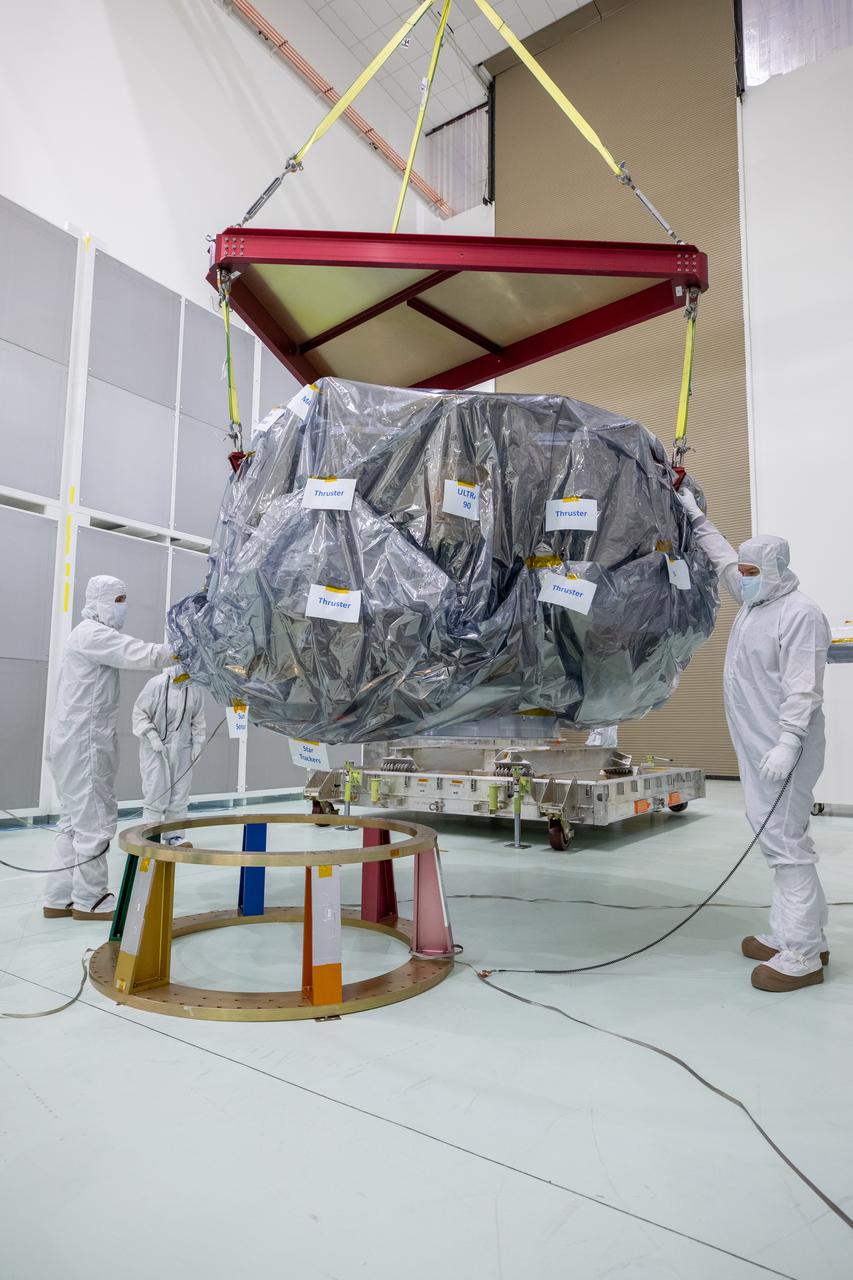
Technicians lift NASA’s IMAP (Interstellar Mapping and Acceleration Probe) spacecraft onto a work stand inside the high bay at the Astrotech Space Operations Facility near the agency’s Kennedy Space Center in Florida on Thursday, May 29, 2025. The observatory will study how the Sun shapes the boundaries of the heliosphere, the bubble protecting around our solar system, and is targeted for launch this fall aboard a SpaceX Falcon 9 rocket from Launch Complex 39A at NASA Kennedy.
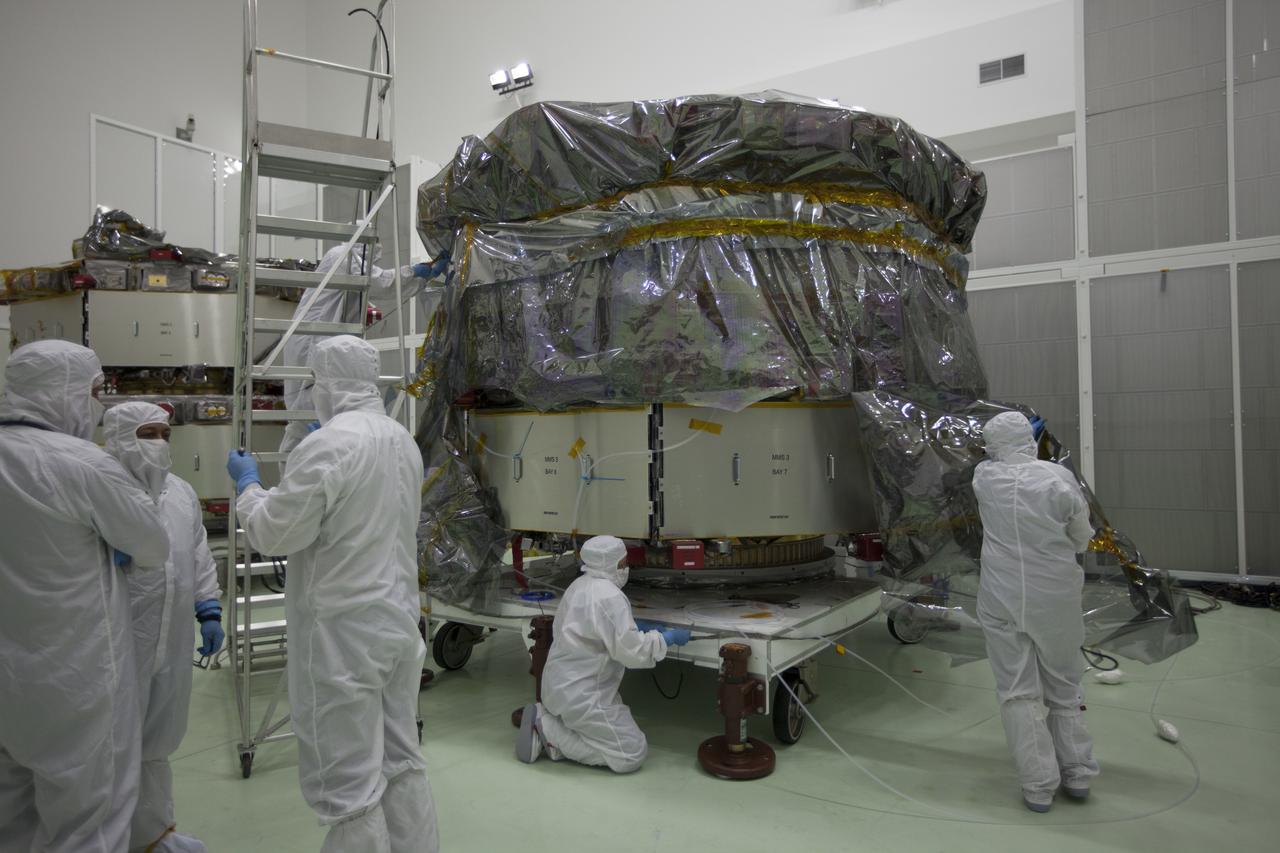
The protective covering is removed from the two Magnetospheric Multiscale, or MMS, spacecraft comprising the mission’s upper stack in the Building 1 high bay of the Astrotech payload processing facility in Titusville, Florida, near Kennedy Space Center. The two MMS spacecraft comprising the lower stack arrived at Astrotech on Oct. 29. The Magnetospheric Multiscale mission is a Solar Terrestrial Probes mission comprising four identically instrumented spacecraft that will use Earth’s magnetosphere as a laboratory to study the microphysics of three fundamental plasma processes: magnetic reconnection, energetic particle acceleration and turbulence. Launch aboard a United Launch Alliance Atlas V rocket from Space Launch Complex 41 on Cape Canaveral Air Force Station is targeted for March 12, 2015.
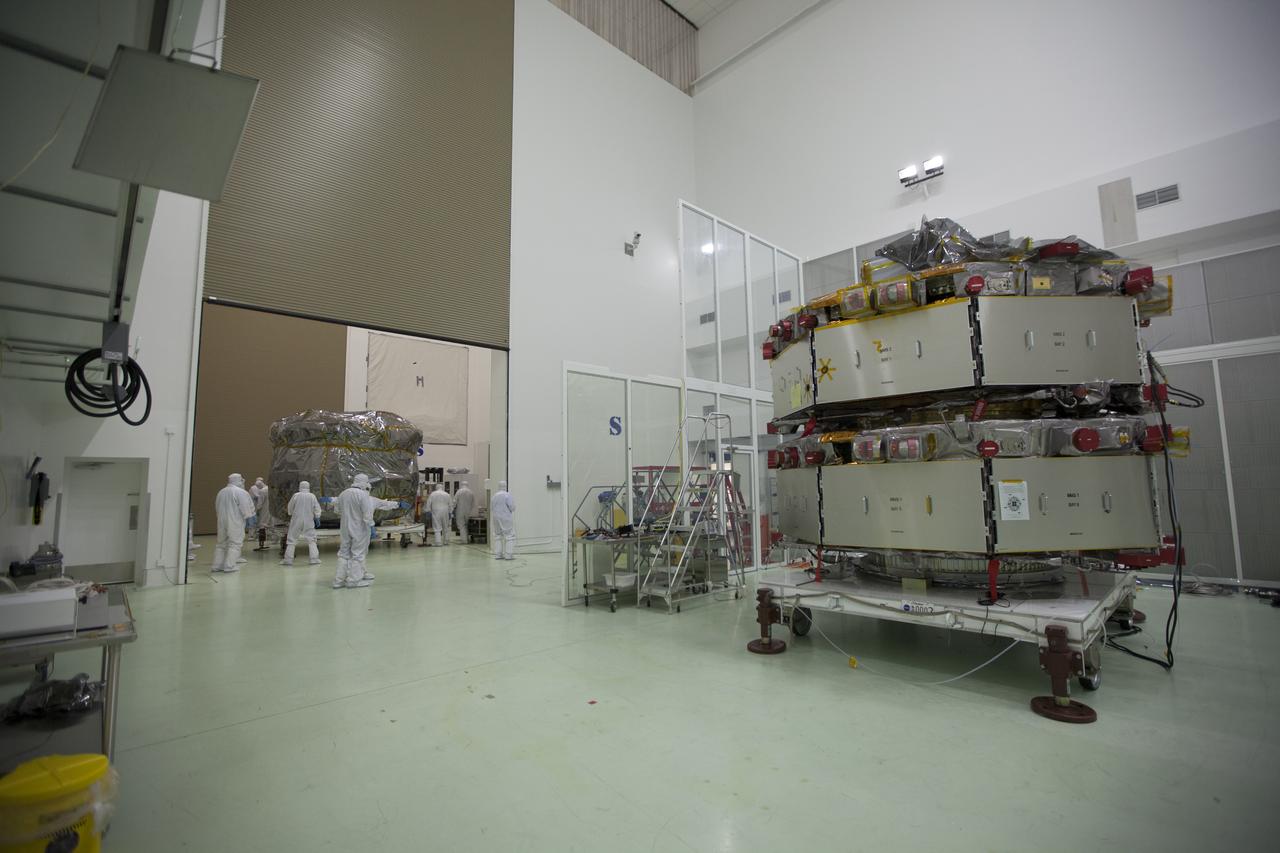
Two Magnetospheric Multiscale, or MMS, spacecraft comprising the mission’s upper stack arrive in the Building 1 airlock of the Astrotech payload processing facility in Titusville, Florida, near Kennedy Space Center. The two MMS spacecraft comprising the lower stack, in the high bay uat right, arrived at Astrotech on Oct. 29. The Magnetospheric Multiscale mission is a Solar Terrestrial Probes mission comprising four identically instrumented spacecraft that will use Earth’s magnetosphere as a laboratory to study the microphysics of three fundamental plasma processes: magnetic reconnection, energetic particle acceleration and turbulence. Launch aboard a United Launch Alliance Atlas V rocket from Space Launch Complex 41 on Cape Canaveral Air Force Station is targeted for March 12, 2015.
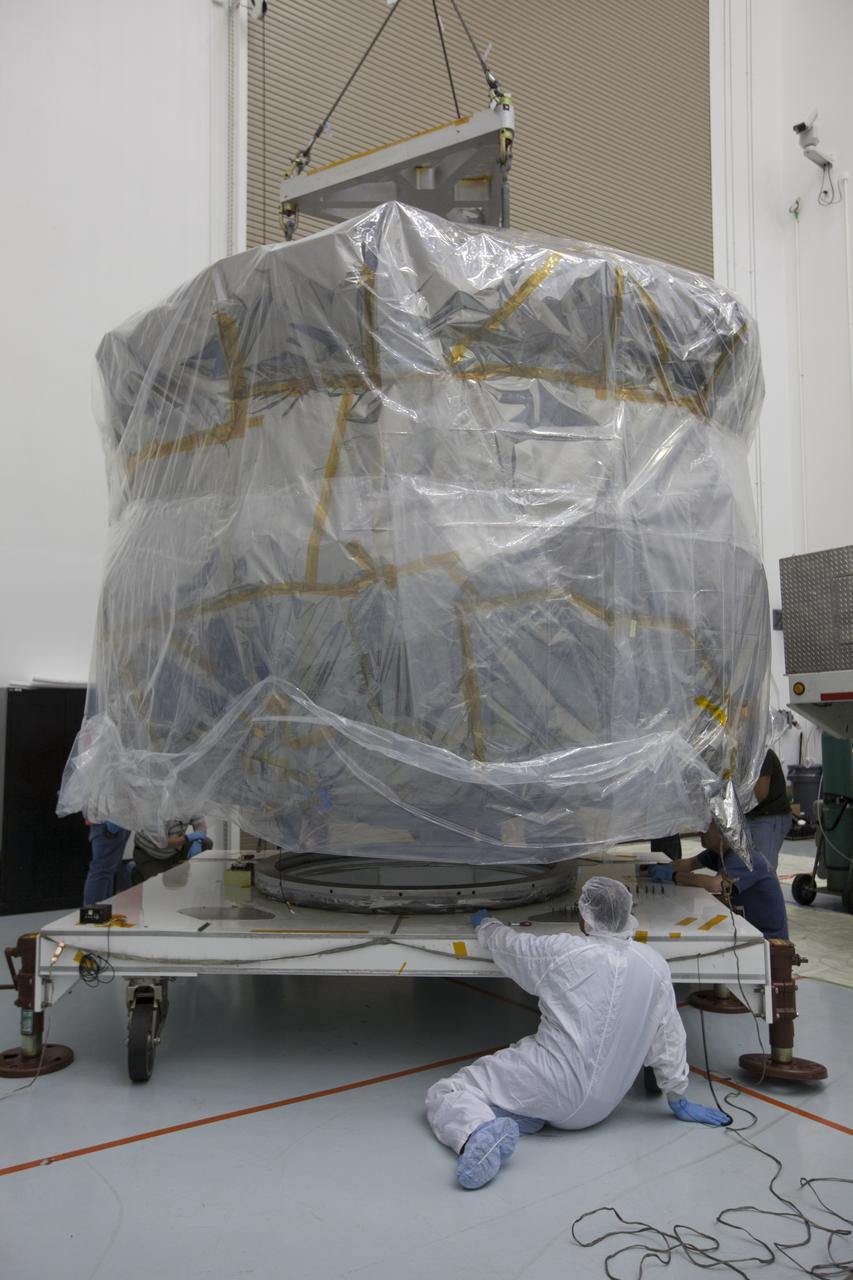
Two Magnetospheric Multiscale , or MMS, spacecraft comprising the mission’s upper stack are lowered onto a payload dolly in Building 2 of the Astrotech payload processing facility in Titusville, Florida, near Kennedy Space Center. The two MMS spacecraft comprising the lower stack arrived at Astrotech on Oct. 29. The Magnetospheric Multiscale mission is a Solar Terrestrial Probes mission comprising four identically instrumented spacecraft that will use Earth’s magnetosphere as a laboratory to study the microphysics of three fundamental plasma processes: magnetic reconnection, energetic particle acceleration and turbulence. Launch aboard a United Launch Alliance Atlas V rocket from Space Launch Complex 41 on Cape Canaveral Air Force Station is targeted for March 12, 2015.
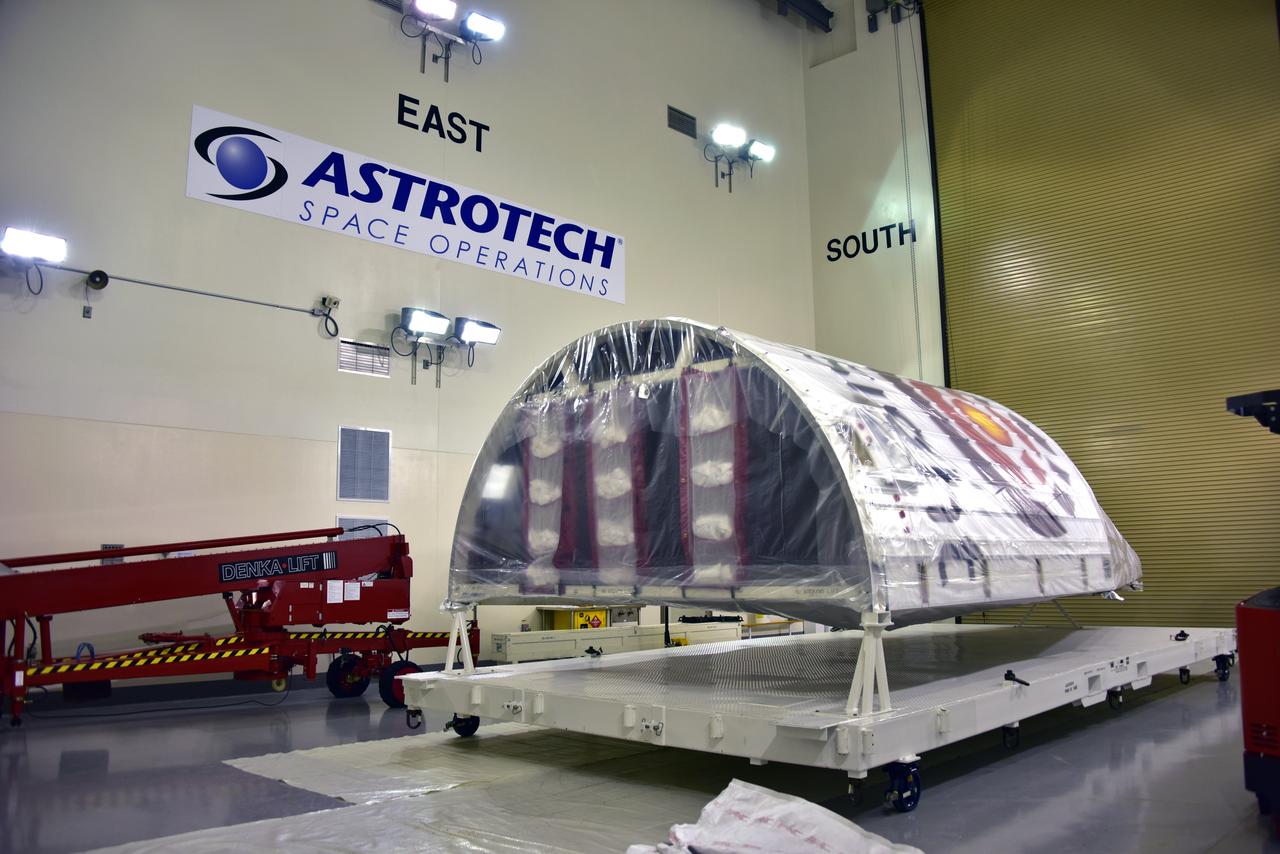
The United Launch Alliance (ULA) payload fairing for NASA's upcoming Interior Exploration using Seismic Investigations, Geodesy and Heat Transport, or InSight, mission to land on Mars has just arrived at the Astrotech facility at Vandenberg Air Force Base in California. InSight is the first mission to explore the Red Planet's deep interior. It will investigate processes that shaped the rocky planets of the inner solar system including Earth. Liftoff atop a ULA Atlas V rocket is scheduled for May 5, 2018.
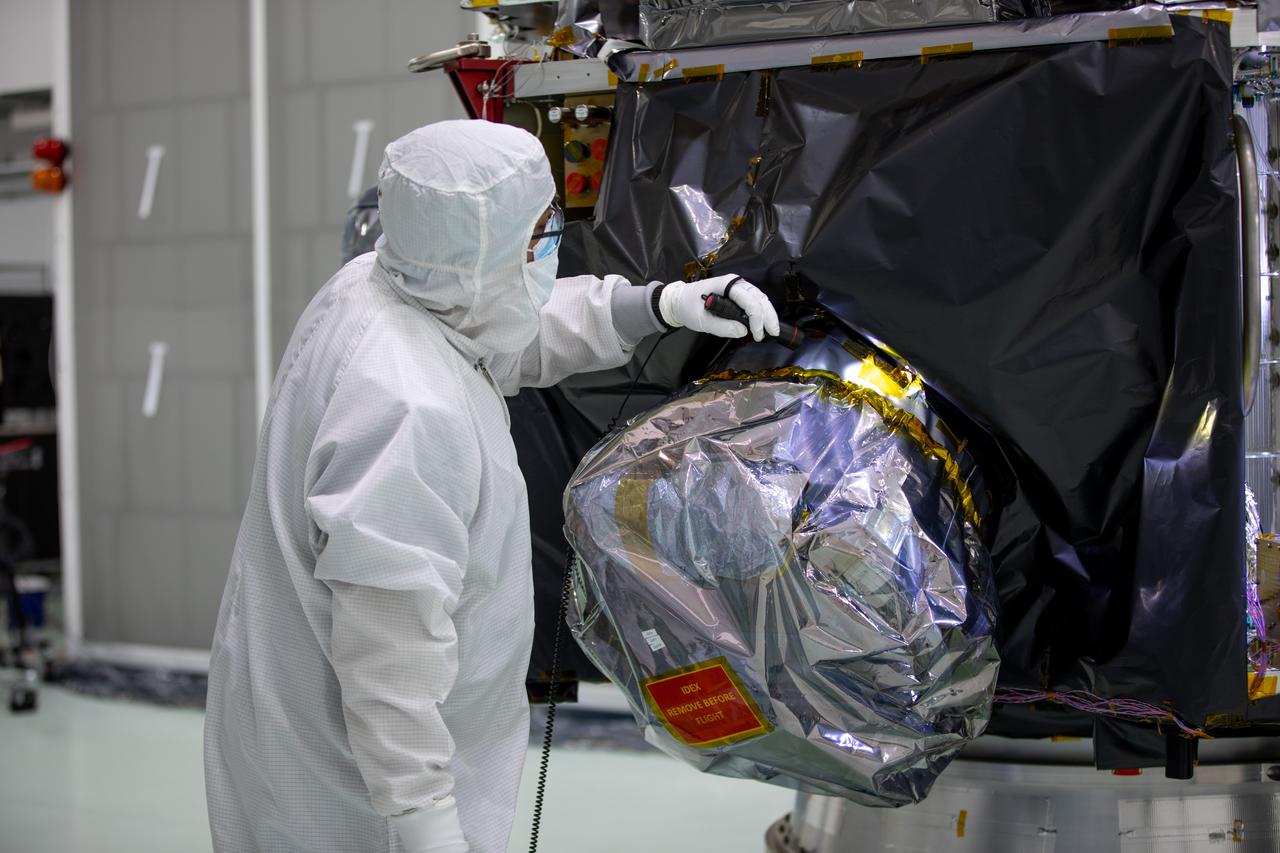
Technicians remove protective coverings form NASA’s IMAP (Interstellar Mapping and Acceleration Probe) inside the high bay at the Astrotech Space Operations Facility near the agency’s Kennedy Space Center in Florida on Thursday, May 29,2025. The observatory will study how the Sun shapes the boundaries of the heliosphere, the bubble protecting around our solar system, and is targeted for launch this fall aboard a SpaceX Falcon 9 rocket from Launch Complex 39A at NASA Kennedy.
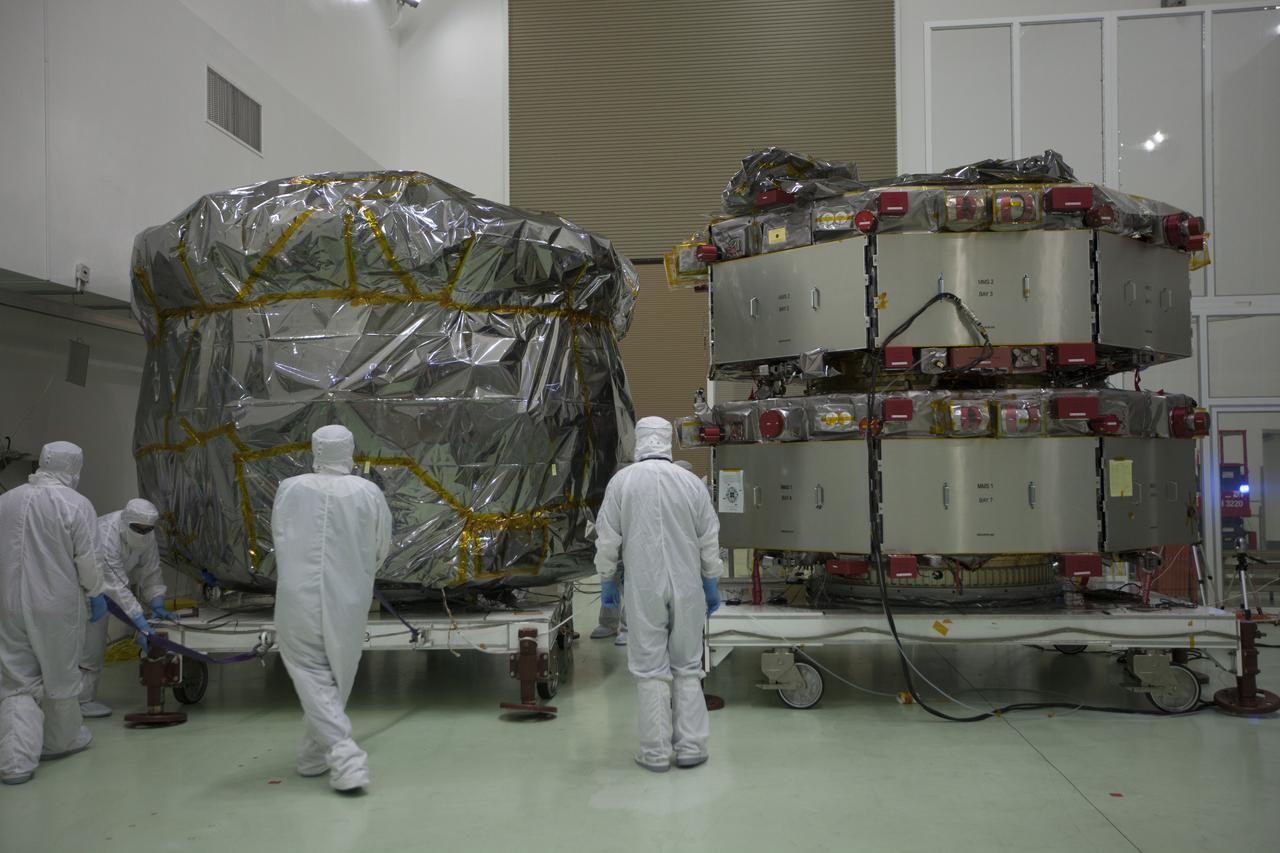
Two Magnetospheric Multiscale, or MMS, spacecraft comprising the mission’s upper stack, at left, arrive in the Building 1 high bay of the Astrotech payload processing facility in Titusville, Florida, near Kennedy Space Center. The two MMS spacecraft comprising the lower stack, at right, arrived at Astrotech on Oct. 29. The Magnetospheric Multiscale mission is a Solar Terrestrial Probes mission comprising four identically instrumented spacecraft that will use Earth’s magnetosphere as a laboratory to study the microphysics of three fundamental plasma processes: magnetic reconnection, energetic particle acceleration and turbulence. Launch aboard a United Launch Alliance Atlas V rocket from Space Launch Complex 41 on Cape Canaveral Air Force Station is targeted for March 12, 2015.
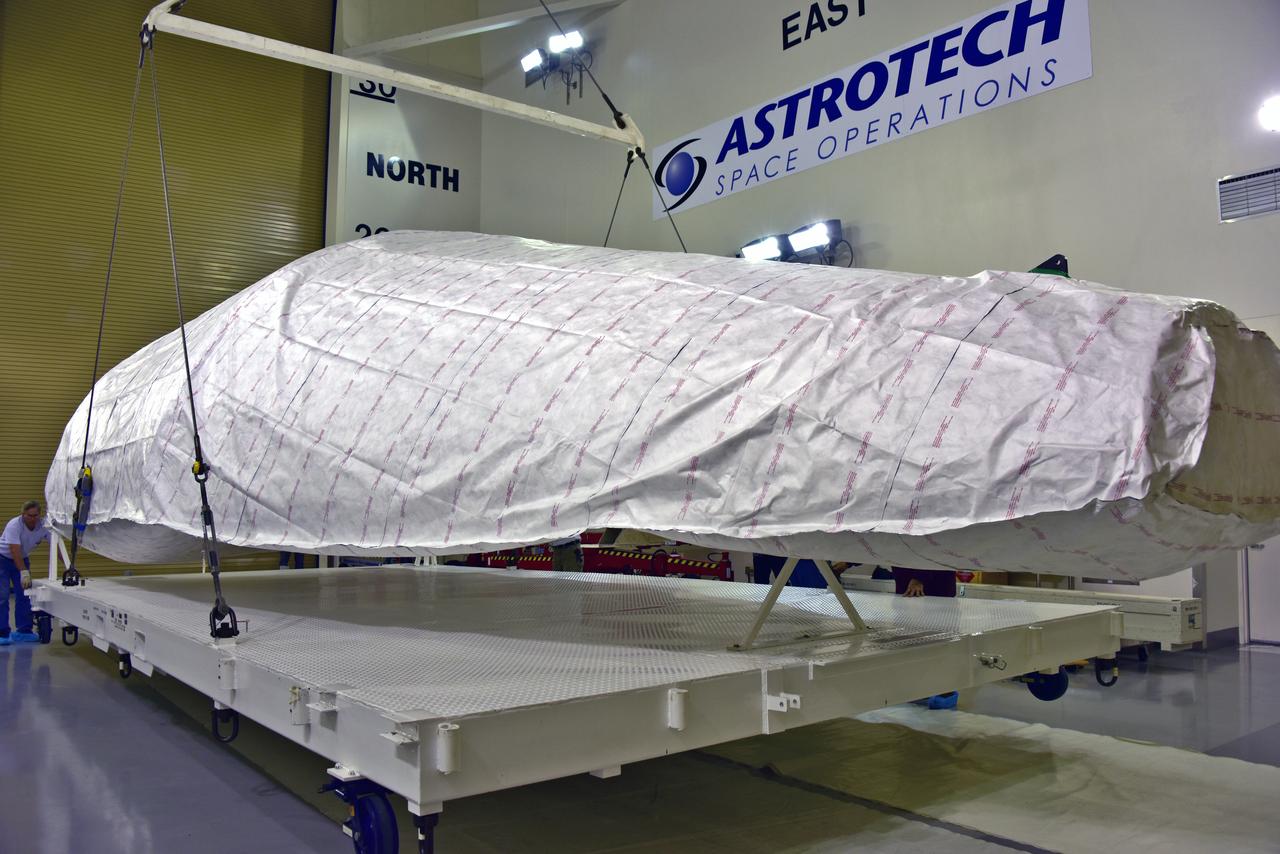
The United Launch Alliance (ULA) payload fairing for NASA's upcoming Interior Exploration using Seismic Investigations, Geodesy and Heat Transport, or InSight, mission to land on Mars has just arrived at the Astrotech facility at Vandenberg Air Force Base in California. InSight is the first mission to explore the Red Planet's deep interior. It will investigate processes that shaped the rocky planets of the inner solar system including Earth. Liftoff atop a ULA Atlas V rocket is scheduled for May 5, 2018.
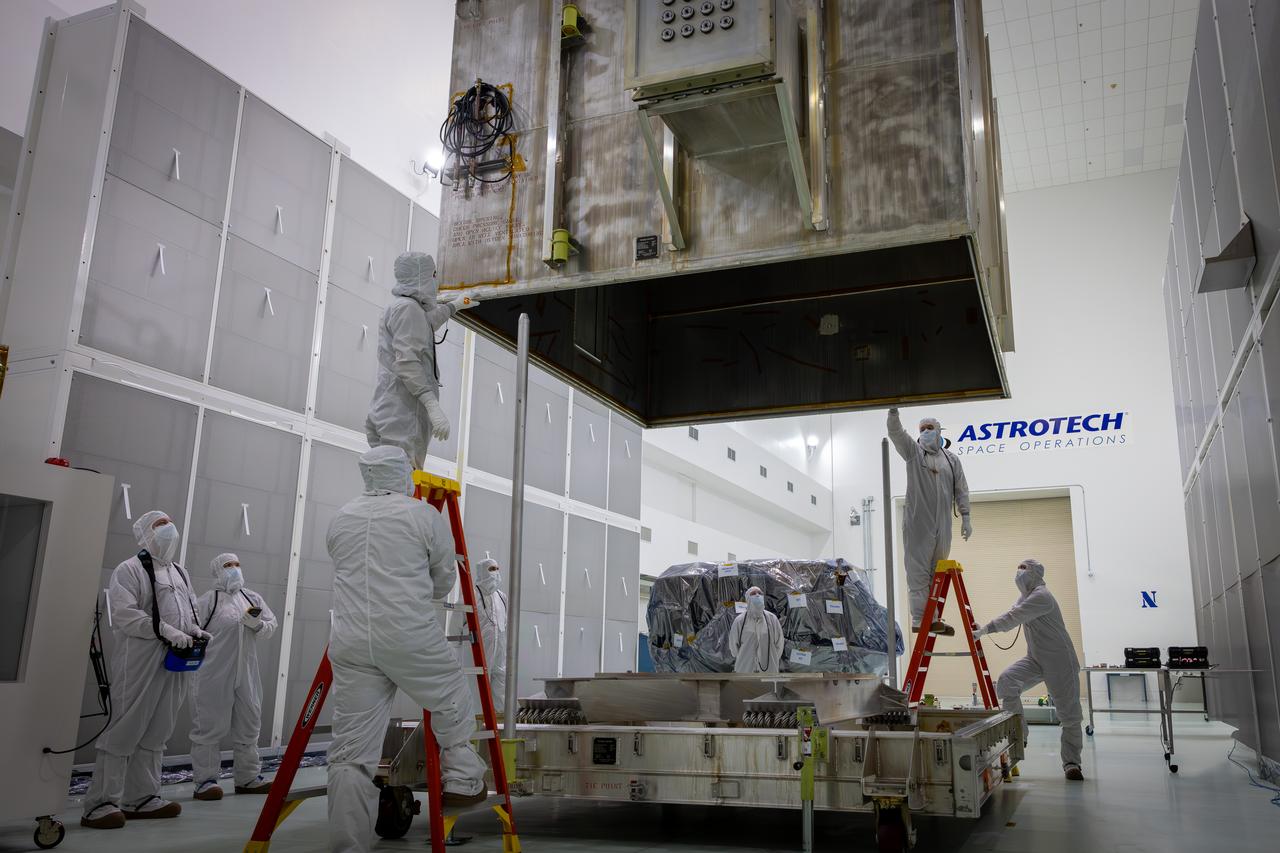
Technicians remove NASA’s IMAP (Interstellar Mapping and Acceleration Probe) spacecraft from its shipping container inside the high bay at the Astrotech Space Operations Facility near the agency’s Kennedy Space Center in Florida on Thursday, May 29, 2025. The observatory will study how the Sun shapes the boundaries of the heliosphere, the bubble protecting around our solar system, and is targeted for launch this fall aboard a SpaceX Falcon 9 rocket from Launch Complex 39A at NASA Kennedy.
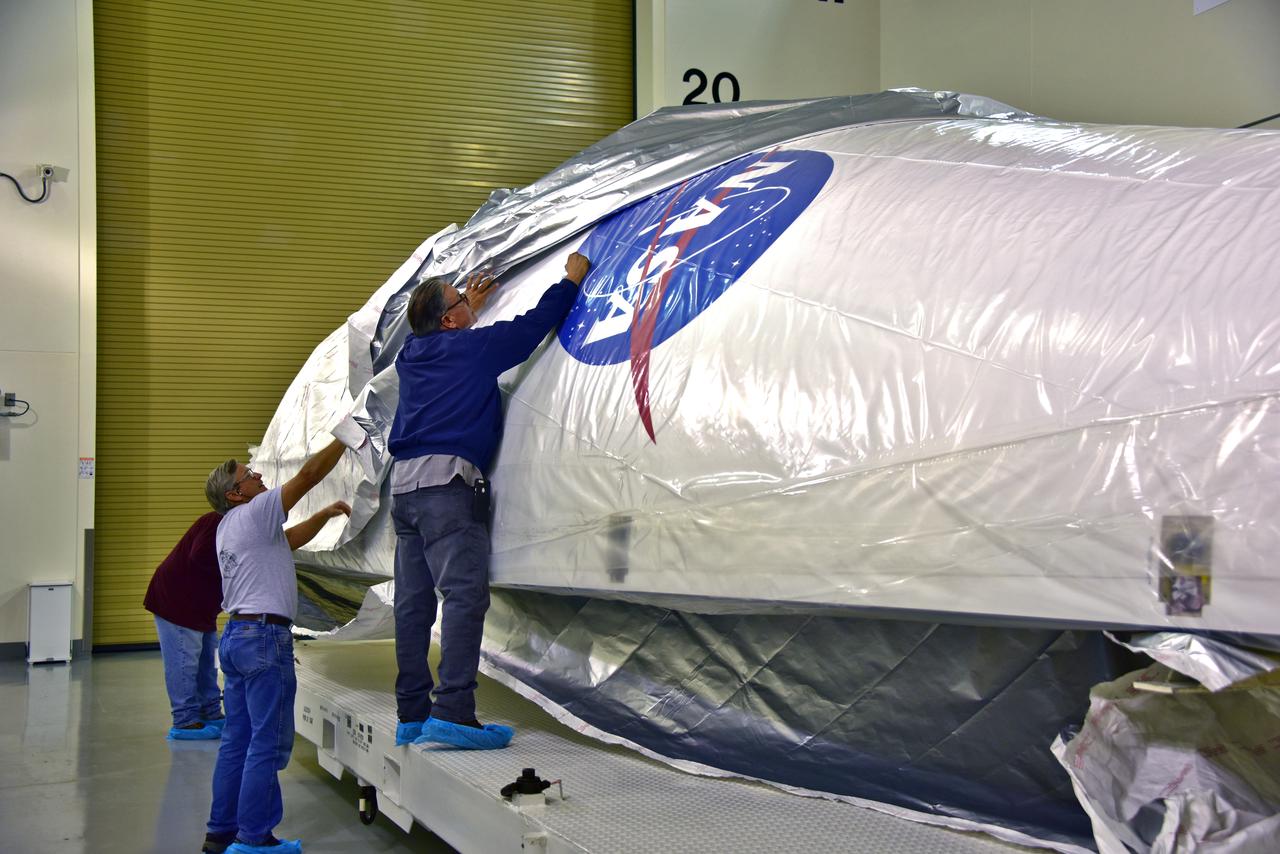
In the Astrotech facility at Vandenberg Air Force Base in California, technicians remove protective wrapping from the United Launch Alliance (ULA) payload fairing for NASA's upcoming Interior Exploration using Seismic Investigations, Geodesy and Heat Transport, or InSight, spacecraft designed to land on Mars. InSight is the first mission to explore the Red Planet's deep interior. It will investigate processes that shaped the rocky planets of the inner solar system including Earth. Liftoff atop a ULA Atlas V rocket is scheduled for May 5, 2018.
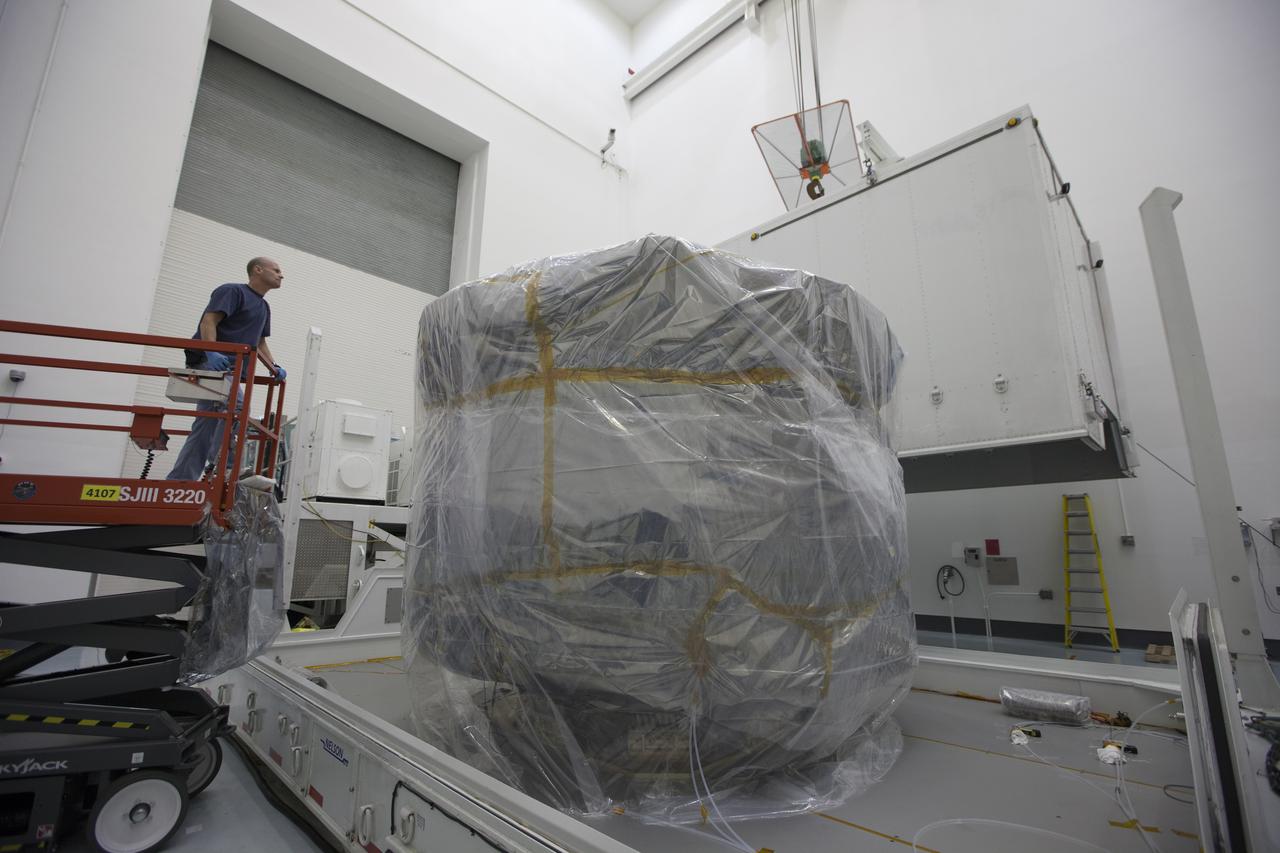
The protective shipping container is removed from around the upper stack of the Magnetospheric Multiscale, or MMS, spacecraft in Building 2 of the Astrotech payload processing facility in Titusville, Florida, near Kennedy Space Center. The two MMS spacecraft comprising the lower stack arrived at Astrotech on Oct. 29. The Magnetospheric Multiscale mission is a Solar Terrestrial Probes mission comprising four identically instrumented spacecraft that will use Earth’s magnetosphere as a laboratory to study the microphysics of three fundamental plasma processes: magnetic reconnection, energetic particle acceleration and turbulence. Launch aboard a United Launch Alliance Atlas V rocket from Space Launch Complex 41 on Cape Canaveral Air Force Station is targeted for March 12, 2015.
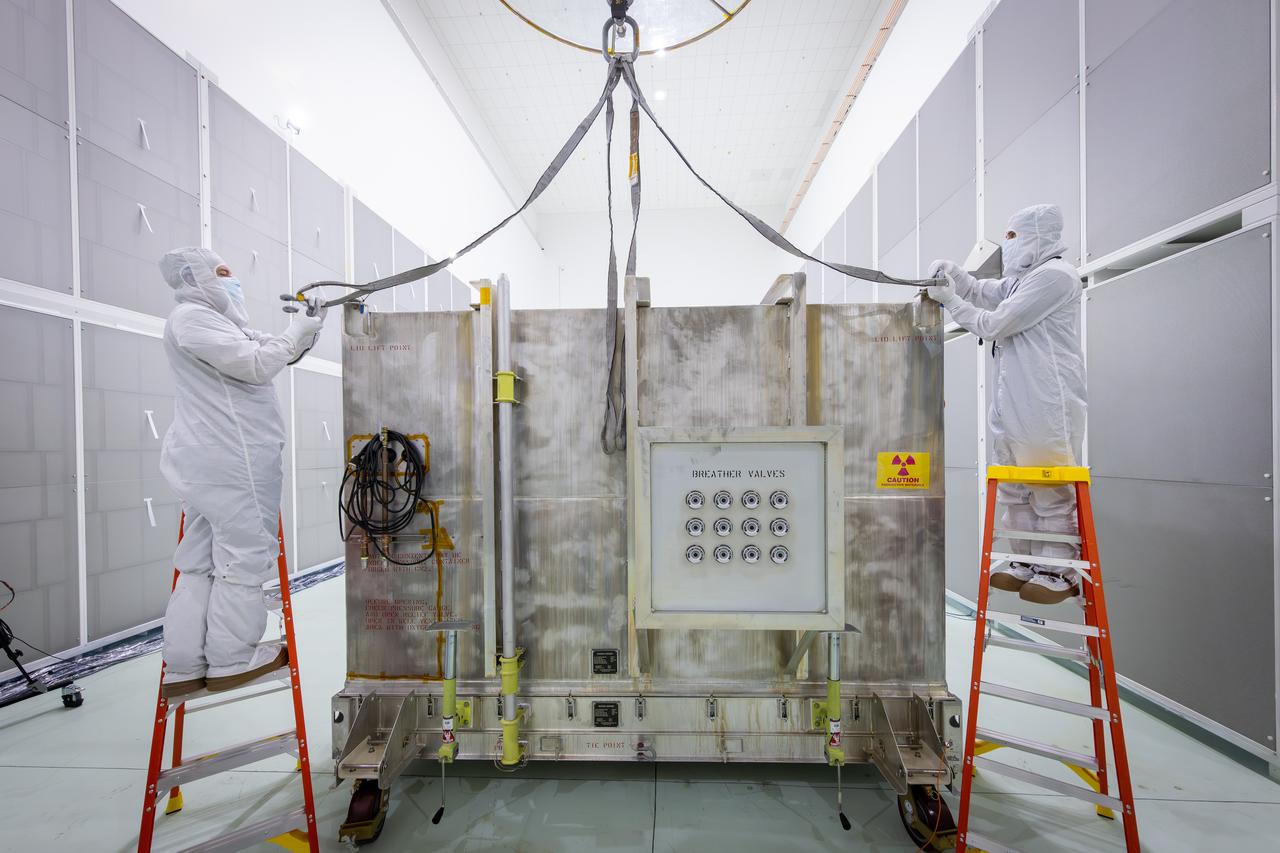
Technicians remove NASA’s IMAP (Interstellar Mapping and Acceleration Probe) spacecraft from its shipping container inside the high bay at the Astrotech Space Operations Facility near the agency’s Kennedy Space Center in Florida on Thursday, May 29, 2025. The observatory will study how the Sun shapes the boundaries of the heliosphere, the bubble protecting around our solar system, and is targeted for launch this fall aboard a SpaceX Falcon 9 rocket from Launch Complex 39A at NASA Kennedy.
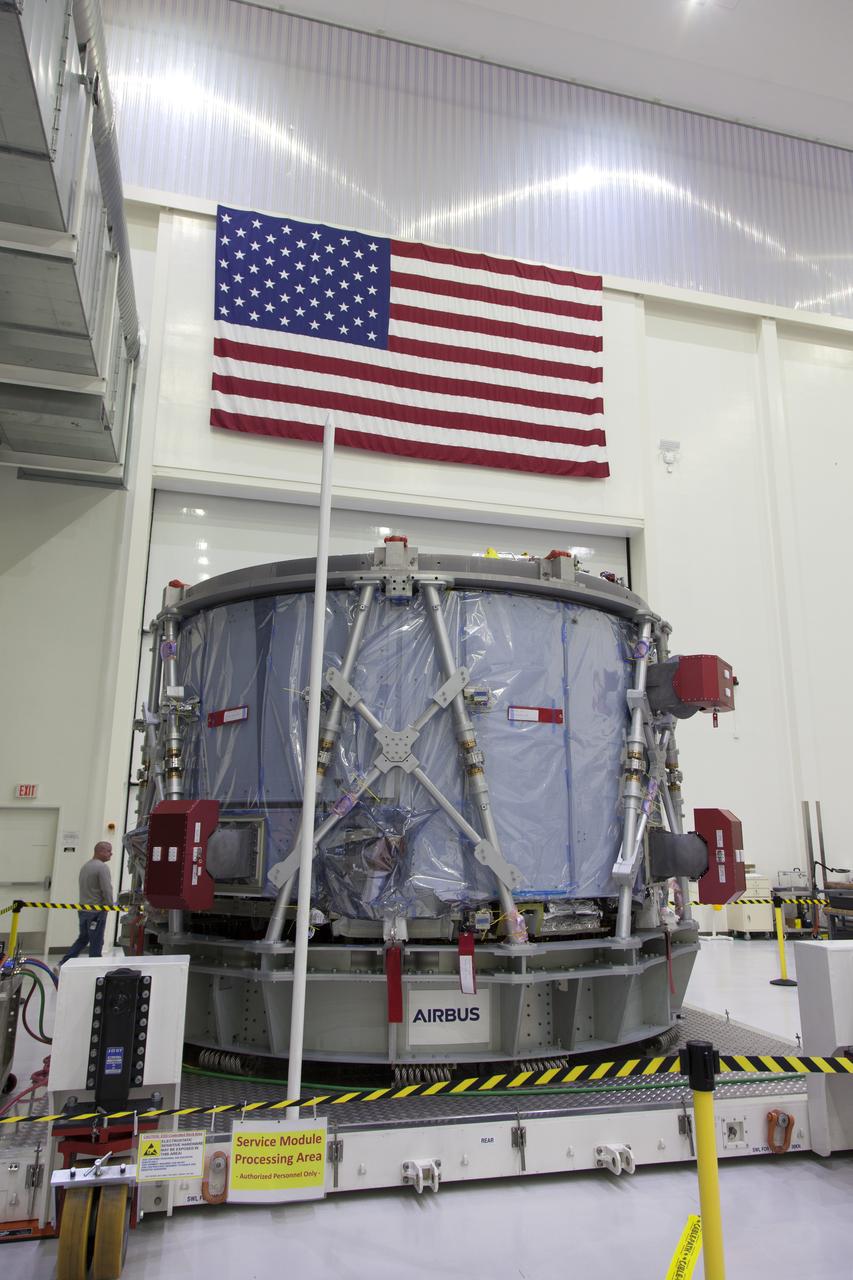
The European Service Module (ESM) is unpacked inside the Neil Armstrong Operations and Checkout Building high bay on Nov. 7, 2018, at NASA's Kennedy Space Center in Florida. The ESM is provided by the European Space Agency, and built by ESA contractor Airbus Defence and Space. It will supply the main propulsion system and power to the Orion spacecraft for Exploration Mission-1 (EM-1), a mission around the Moon. The ESM also will house air and water for astronauts on future missions. EM-1 will be an uncrewed flight test that will provide a foundation for human deep space exploration to destinations beyond Earth orbit. EM-1 will be the first integrated test of NASA's Space Launch System, Orion and the ground systems at Kennedy.
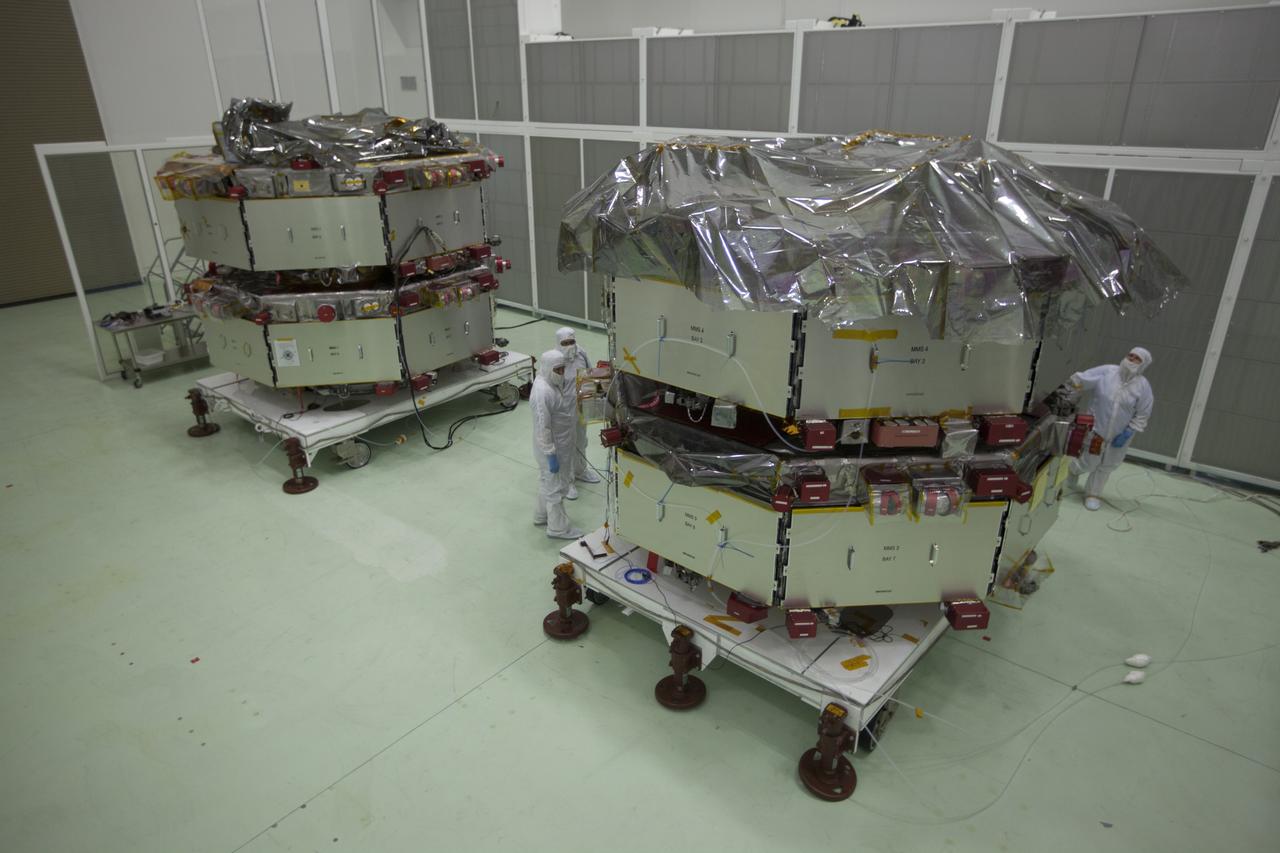
The Magnetospheric Multiscale, or MMS, spacecraft will undergo final processing for launch now that all four are in the Building 1 high bay of the Astrotech payload processing facility in Titusville, Florida, near Kennedy Space Center. The two MMS spacecraft comprising the upper deck arrived Nov. 12; the two MMS spacecraft comprising the lower stack arrived Oct. 29. The Magnetospheric Multiscale mission is a Solar Terrestrial Probes mission comprising four identically instrumented spacecraft that will use Earth’s magnetosphere as a laboratory to study the microphysics of three fundamental plasma processes: magnetic reconnection, energetic particle acceleration and turbulence. Launch aboard a United Launch Alliance Atlas V rocket from Space Launch Complex 41 on Cape Canaveral Air Force Station is targeted for March 12, 2015.
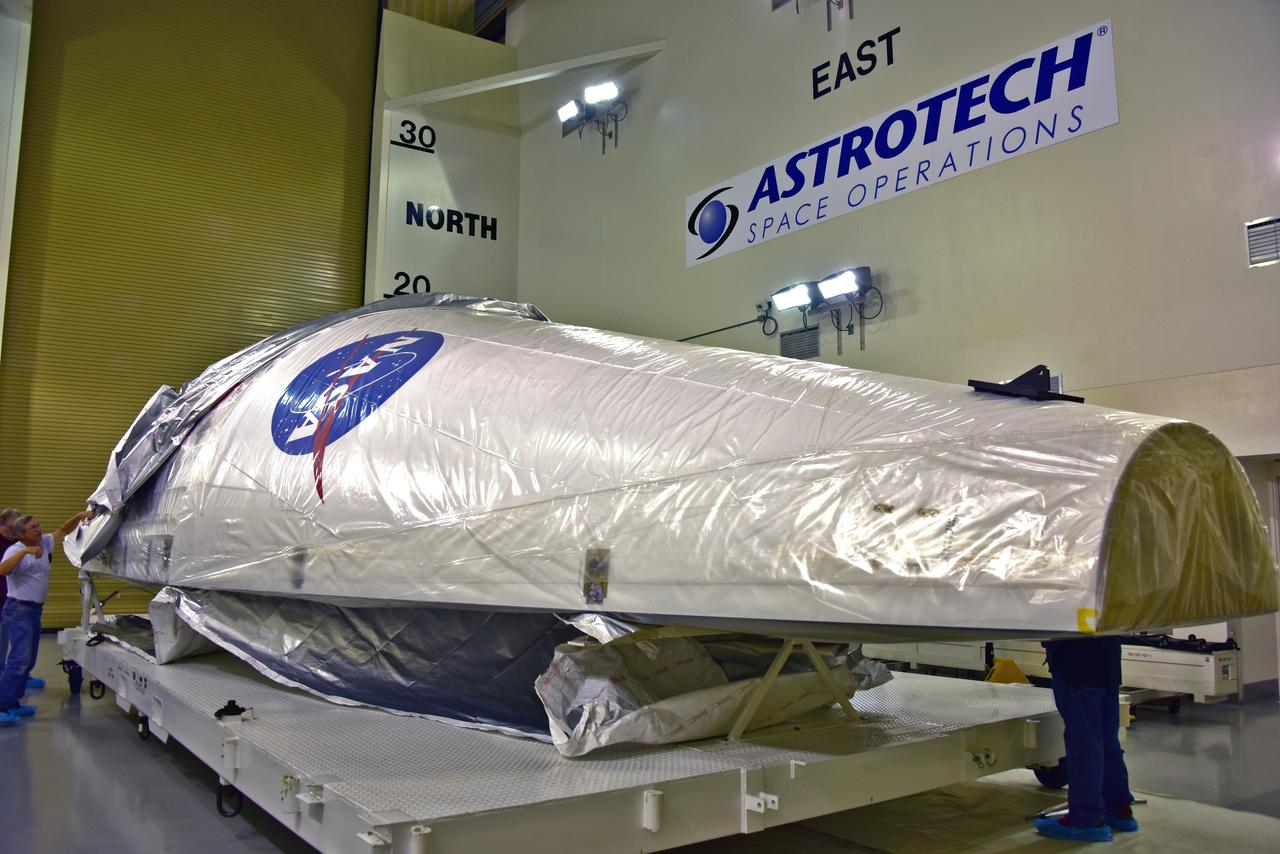
The United Launch Alliance (ULA) payload fairing for NASA's upcoming Interior Exploration using Seismic Investigations, Geodesy and Heat Transport, or InSight, mission to land on Mars has just arrived at the Astrotech facility at Vandenberg Air Force Base in California. InSight is the first mission to explore the Red Planet's deep interior. It will investigate processes that shaped the rocky planets of the inner solar system including Earth. Liftoff atop a ULA Atlas V rocket is scheduled for May 5, 2018.
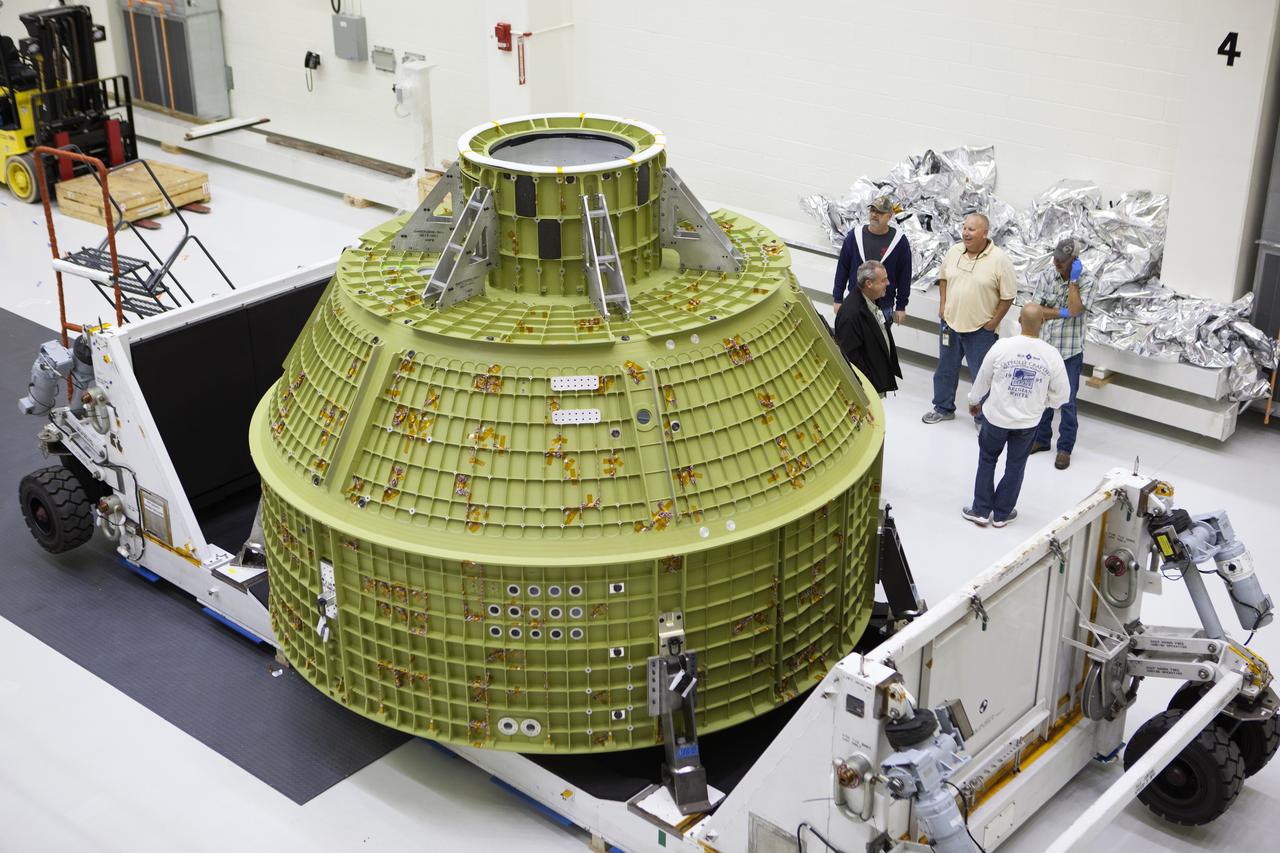
Inside the Neil Armstrong Operations and Checkout Building high bay at NASA's Kennedy Space Center in Florida, the protective covering was removed from the Orion crew module structural test article (STA). It remains secured on the bottom of its transport container. The STA arrived aboard NASA's Super Guppy aircraft at the Shuttle Landing Facility operated by Space Florida. The test article was moved inside the facility's high bay for further testing. The Orion spacecraft will launch atop NASA’s Space Launch System rocket on EM-1, its first deep space mission, in late 2018.
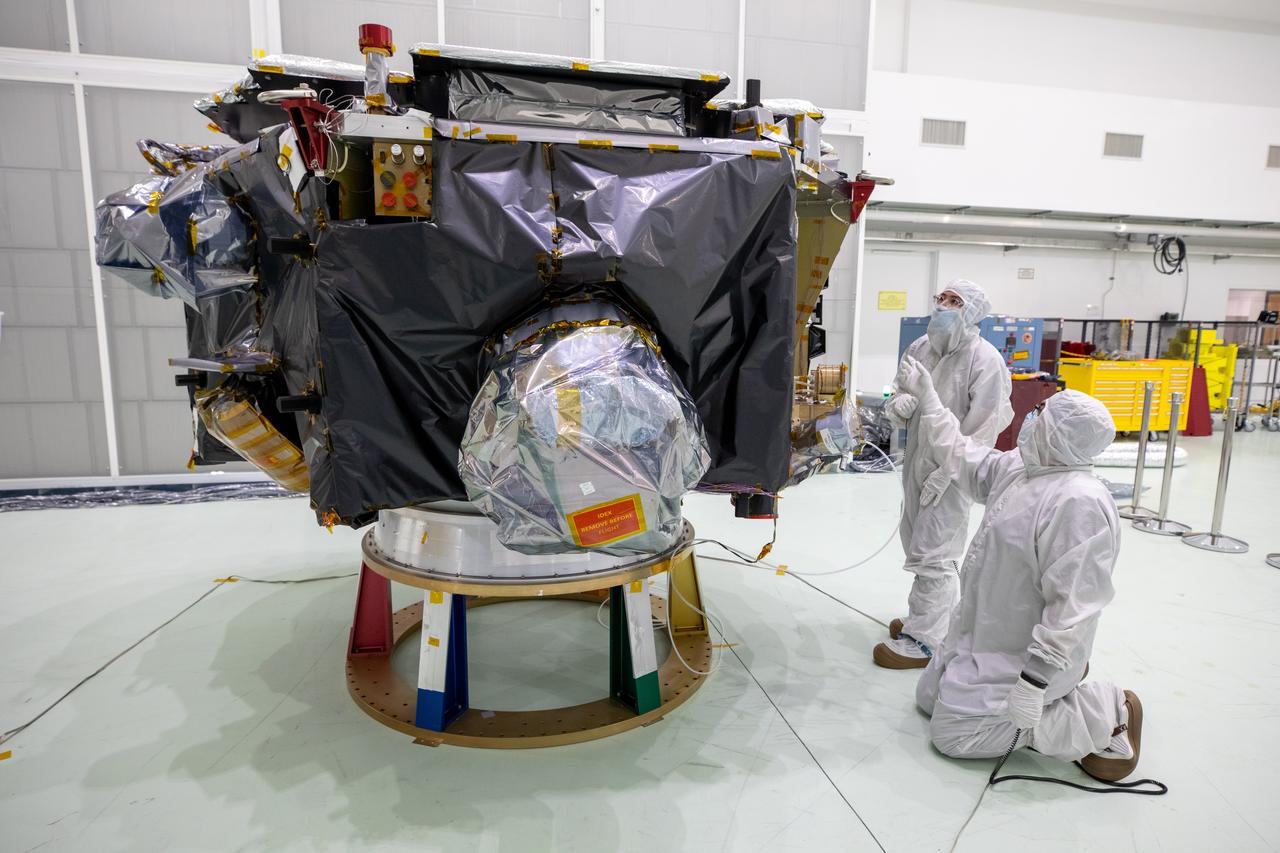
Technicians remove protective coverings form NASA’s IMAP (Interstellar Mapping and Acceleration Probe) inside the high bay at the Astrotech Space Operations Facility near the agency’s Kennedy Space Center in Florida on Thursday, May 29,2025. The observatory will study how the Sun shapes the boundaries of the heliosphere, the bubble protecting around our solar system, and is targeted for launch this fall aboard a SpaceX Falcon 9 rocket from Launch Complex 39A at NASA Kennedy.
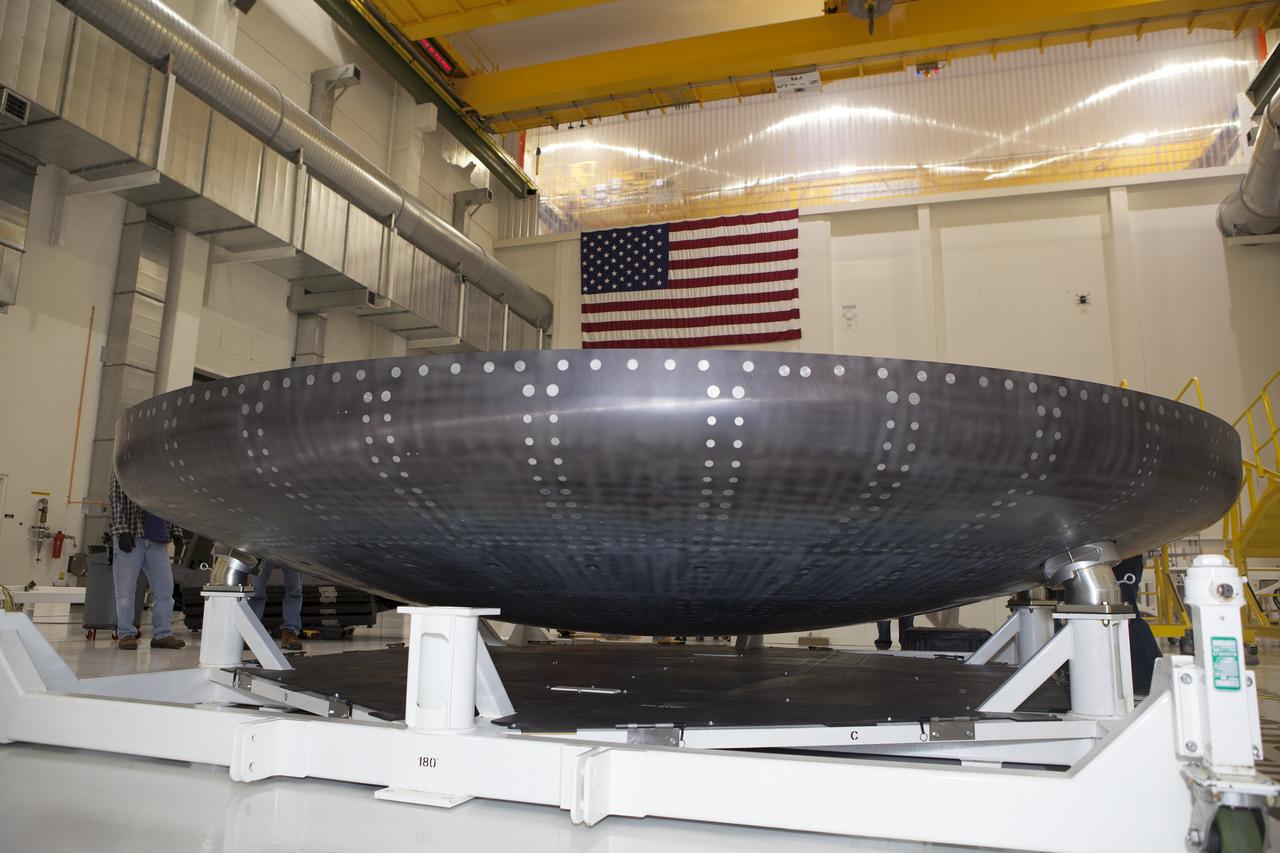
Inside the high bay in the Neil Armstrong Operations and Checkout Building at NASA’s Kennedy Space Center in Florida, the protective coverings were removed from the Orion heat shield for Exploration Mission 1 (EM-1). The heat shield arrived aboard NASA’s Super Guppy aircraft at the Shuttle Landing Facility, managed and operated by Space Florida, from Lockheed Martin’s manufacturing facility near Denver. The Orion spacecraft will launch atop NASA’s Space Launch System rocket on EM-1, an uncrewed test flight, targeted for November 2018.
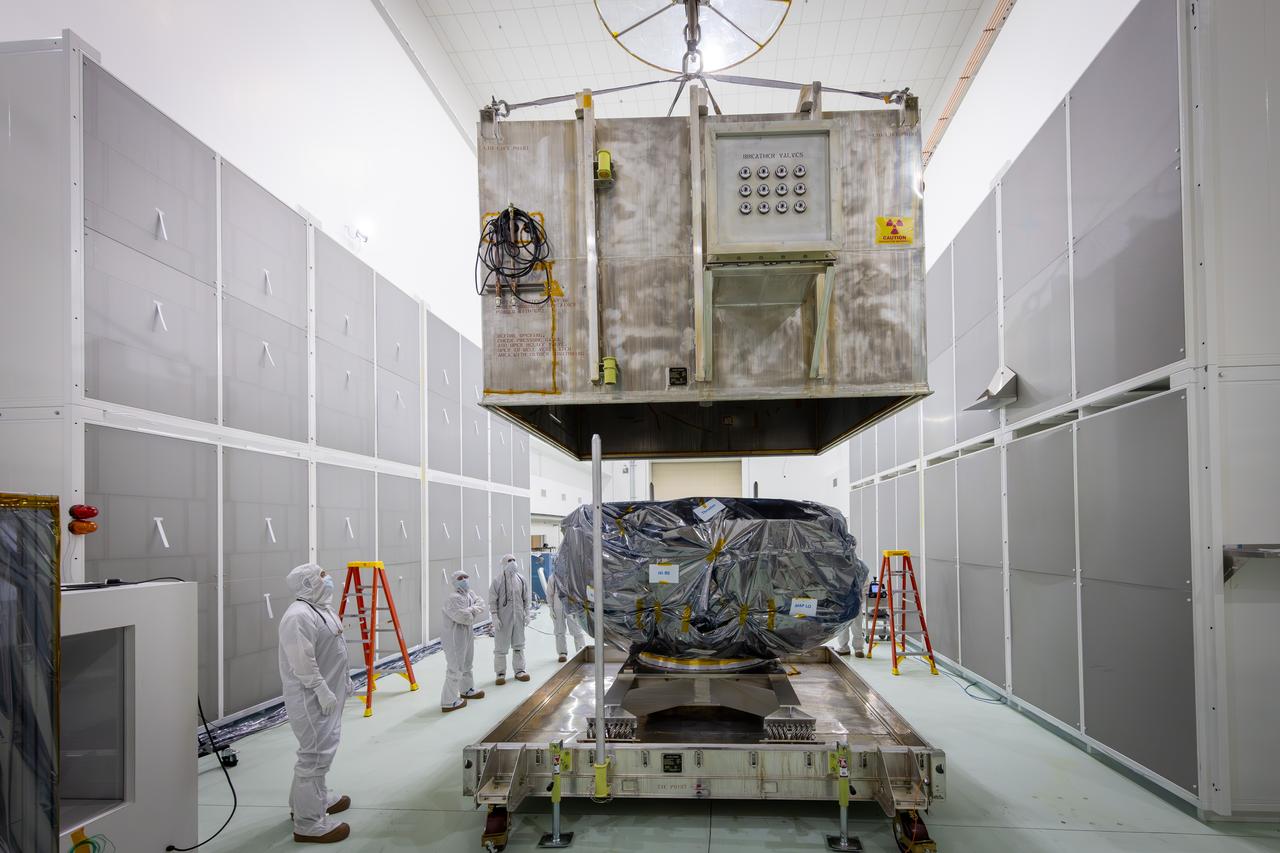
Technicians remove NASA’s IMAP (Interstellar Mapping and Acceleration Probe) spacecraft from its shipping container inside the high bay at the Astrotech Space Operations Facility near the agency’s Kennedy Space Center in Florida on Thursday, May 29, 2025. The observatory will study how the Sun shapes the boundaries of the heliosphere, the bubble protecting around our solar system, and is targeted for launch this fall aboard a SpaceX Falcon 9 rocket from Launch Complex 39A at NASA Kennedy.
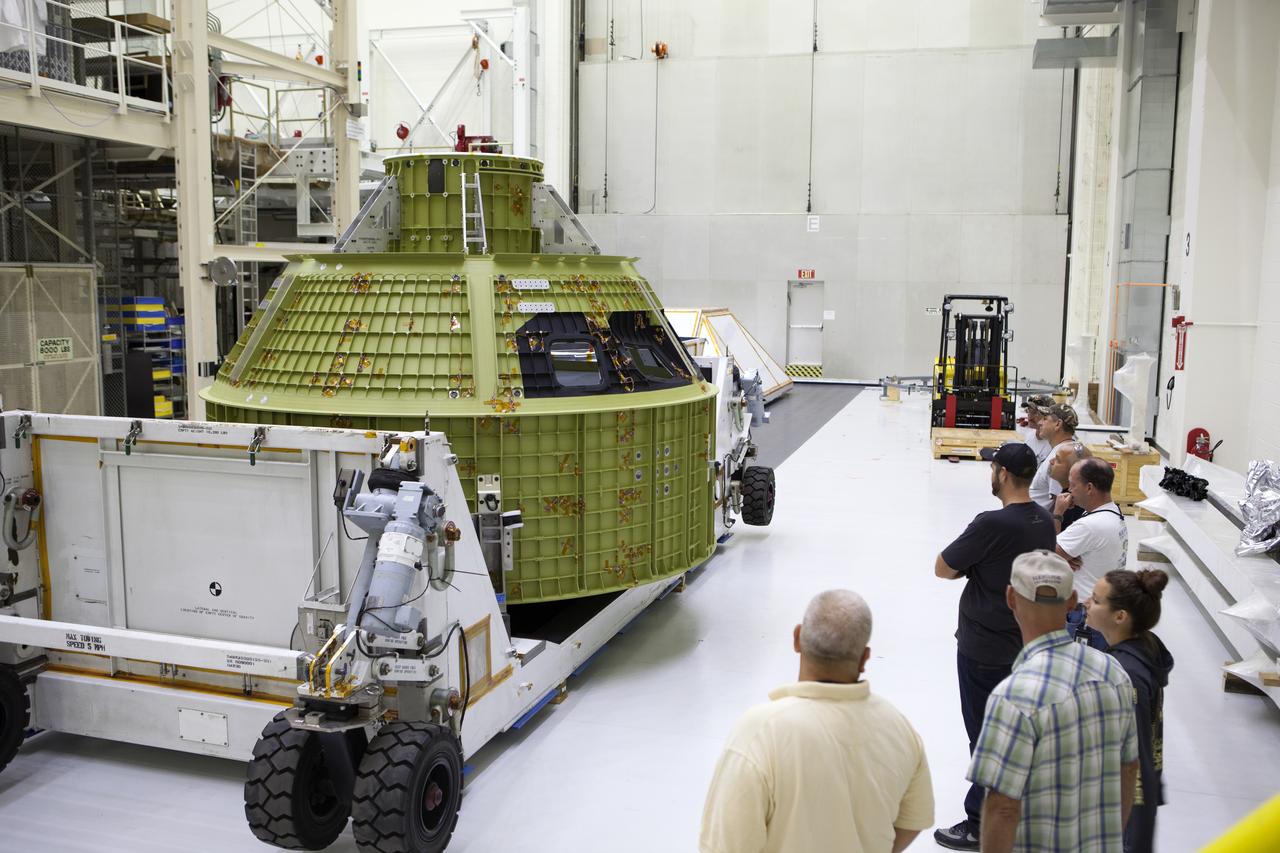
Inside the Neil Armstrong Operations and Checkout Building high bay at NASA's Kennedy Space Center in Florida, technicians with Lockheed Martin look over the Orion crew module structural test article (STA) secured on the bottom of its transport container. The STA arrived aboard NASA's Super Guppy aircraft at the Shuttle Landing Facility operated by Space Florida. The test article was moved inside the facility's high bay for further testing. The Orion spacecraft will launch atop NASA’s Space Launch System rocket on EM-1, its first deep space mission, in late 2018.
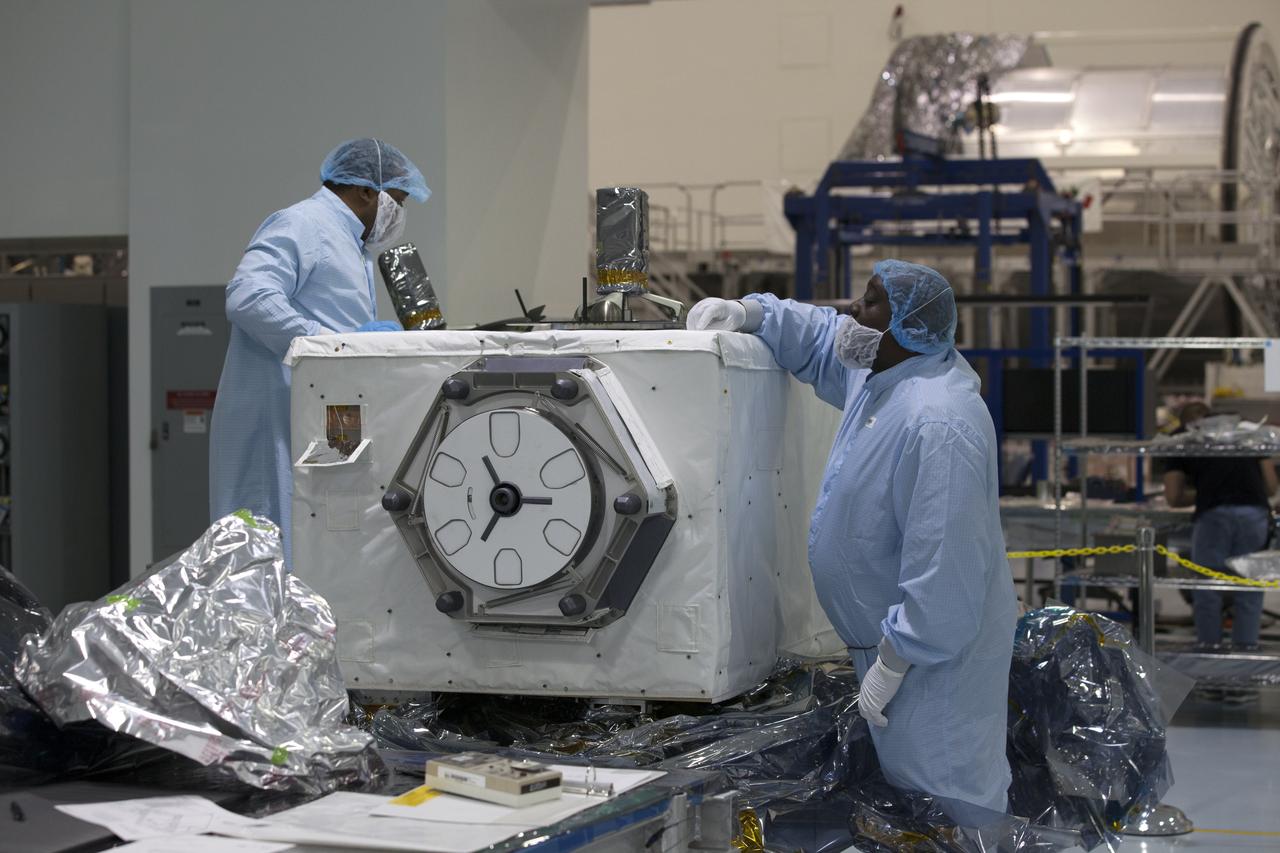
In the Space Station Processing Facility at NASA's Kennedy Space Center in Florida, technicians and engineers inspect the Cosmic-Ray Energetics and Mass investigation, or CREAM, instrument. It is designed to measure the charges of cosmic rays to better understand what gives them such incredible energies, and how that effects the composition of the universe. The instrument will be launched to the space station on the SpaceX CRS-12 commercial resupply mission in August 2017.
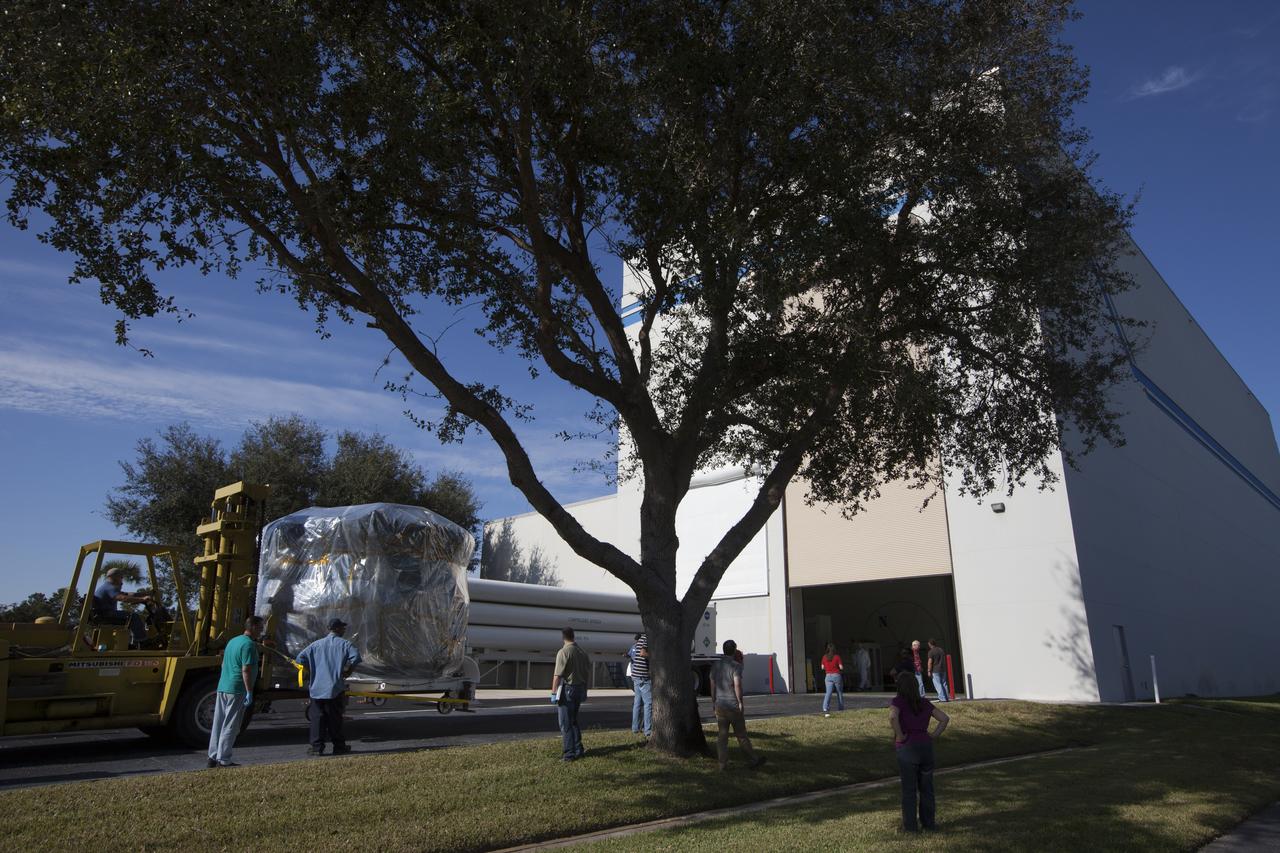
Two Magnetospheric Multiscale, or MMS, spacecraft comprising the mission’s upper stack are transported to the airlock of Building 1 of the Astrotech payload processing facility in Titusville, Florida, near Kennedy Space Center. The two MMS spacecraft comprising the lower stack arrived at Astrotech on Oct. 29. The Magnetospheric Multiscale mission is a Solar Terrestrial Probes mission comprising four identically instrumented spacecraft that will use Earth’s magnetosphere as a laboratory to study the microphysics of three fundamental plasma processes: magnetic reconnection, energetic particle acceleration and turbulence. Launch aboard a United Launch Alliance Atlas V rocket from Space Launch Complex 41 on Cape Canaveral Air Force Station is targeted for March 12, 2015.
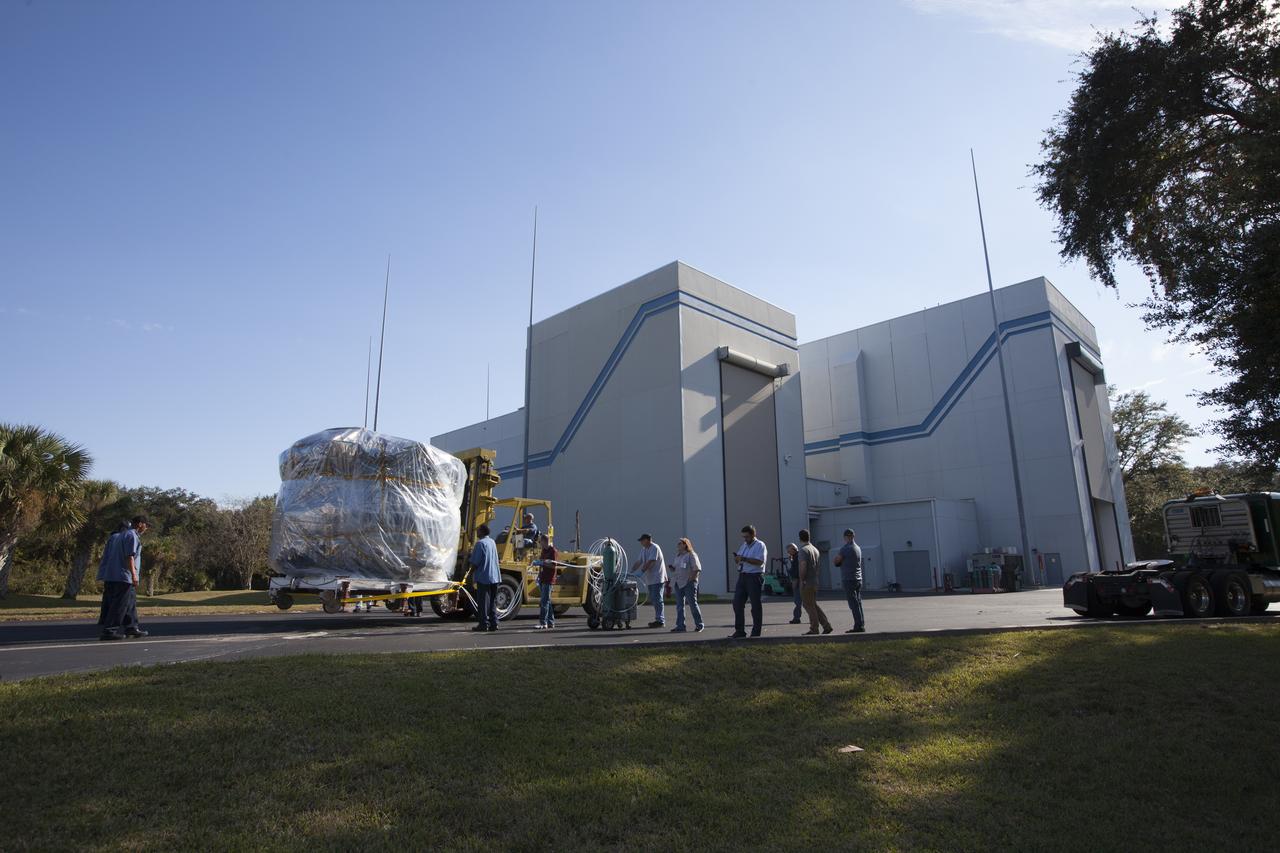
Two Magnetospheric Multiscale, or MMS, spacecraft comprising the mission’s upper stack are towed between Buildings 1 and 2 of the Astrotech payload processing facility in Titusville, Florida, near Kennedy Space Center. The two MMS spacecraft comprising the lower stack arrived at Astrotech on Oct. 29. The Magnetospheric Multiscale mission is a Solar Terrestrial Probes mission comprising four identically instrumented spacecraft that will use Earth’s magnetosphere as a laboratory to study the microphysics of three fundamental plasma processes: magnetic reconnection, energetic particle acceleration and turbulence. Launch aboard a United Launch Alliance Atlas V rocket from Space Launch Complex 41 on Cape Canaveral Air Force Station is targeted for March 12, 2015.
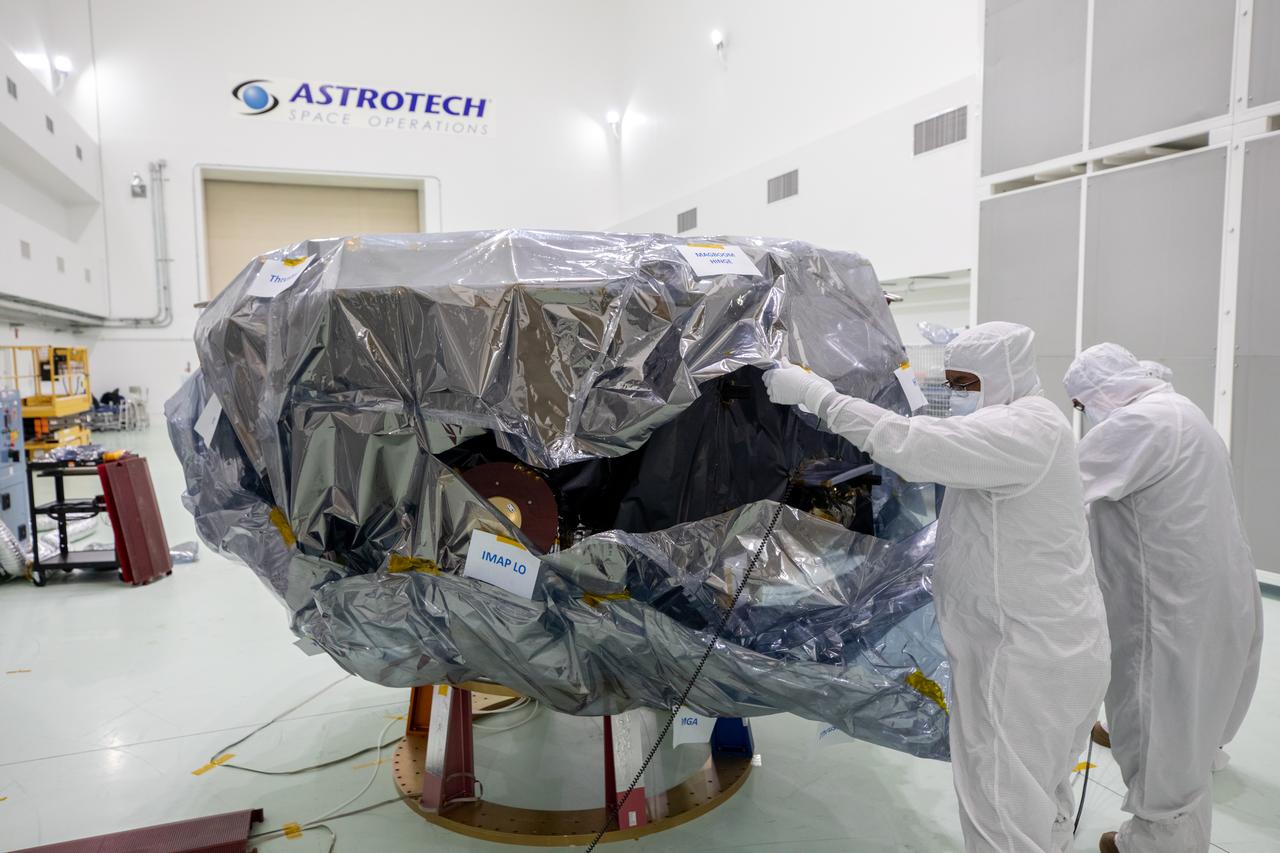
Technicians remove protective coverings form NASA’s IMAP (Interstellar Mapping and Acceleration Probe) inside the high bay at the Astrotech Space Operations Facility near the agency’s Kennedy Space Center in Florida on Thursday, May 29,2025. The observatory will study how the Sun shapes the boundaries of the heliosphere, the bubble protecting around our solar system, and is targeted for launch this fall aboard a SpaceX Falcon 9 rocket from Launch Complex 39A at NASA Kennedy.
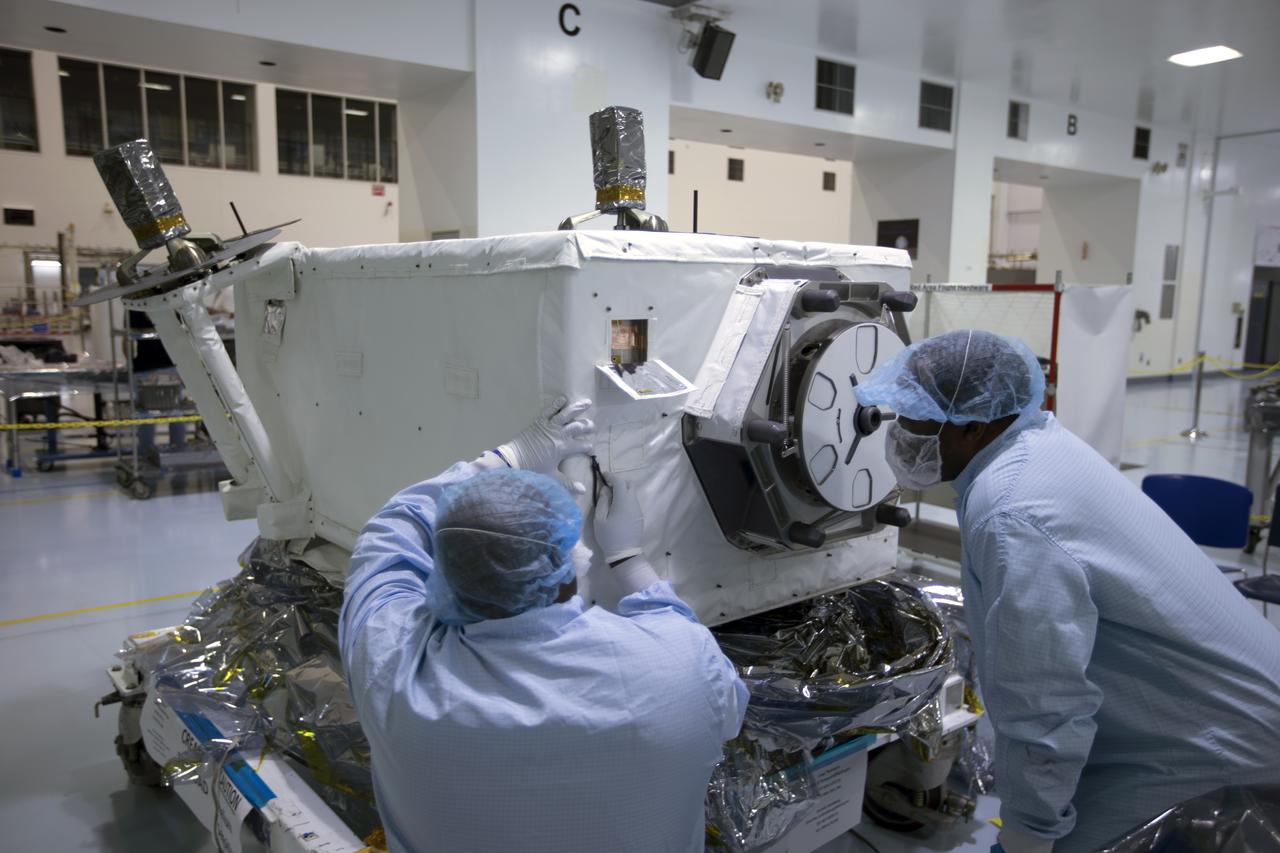
In the Space Station Processing Facility at NASA's Kennedy Space Center in Florida, technicians and engineers inspect the Cosmic-Ray Energetics and Mass investigation, or CREAM, instrument. It is designed to measure the charges of cosmic rays to better understand what gives them such incredible energies, and how that effects the composition of the universe. The instrument will be launched to the space station on the SpaceX CRS-12 commercial resupply mission in August 2017.
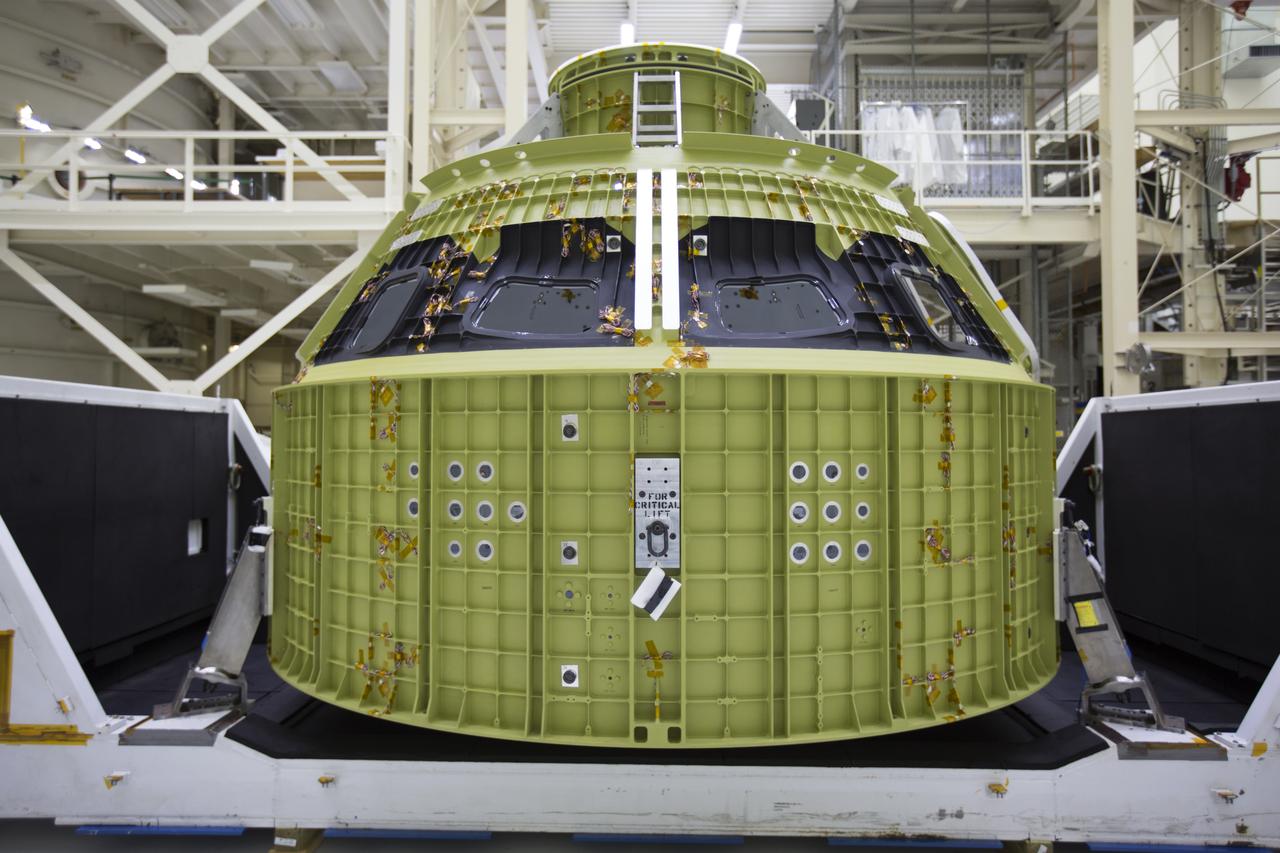
Inside the Neil Armstrong Operations and Checkout Building high bay at NASA's Kennedy Space Center in Florida, the protective covering was removed from the Orion crew module structural test article (STA). It remains secured on the bottom of its transport container. The STA arrived aboard NASA's Super Guppy aircraft at the Shuttle Landing Facility operated by Space Florida. The test article was moved inside the facility's high bay for further testing. The Orion spacecraft will launch atop NASA’s Space Launch System rocket on EM-1, its first deep space mission, in late 2018.
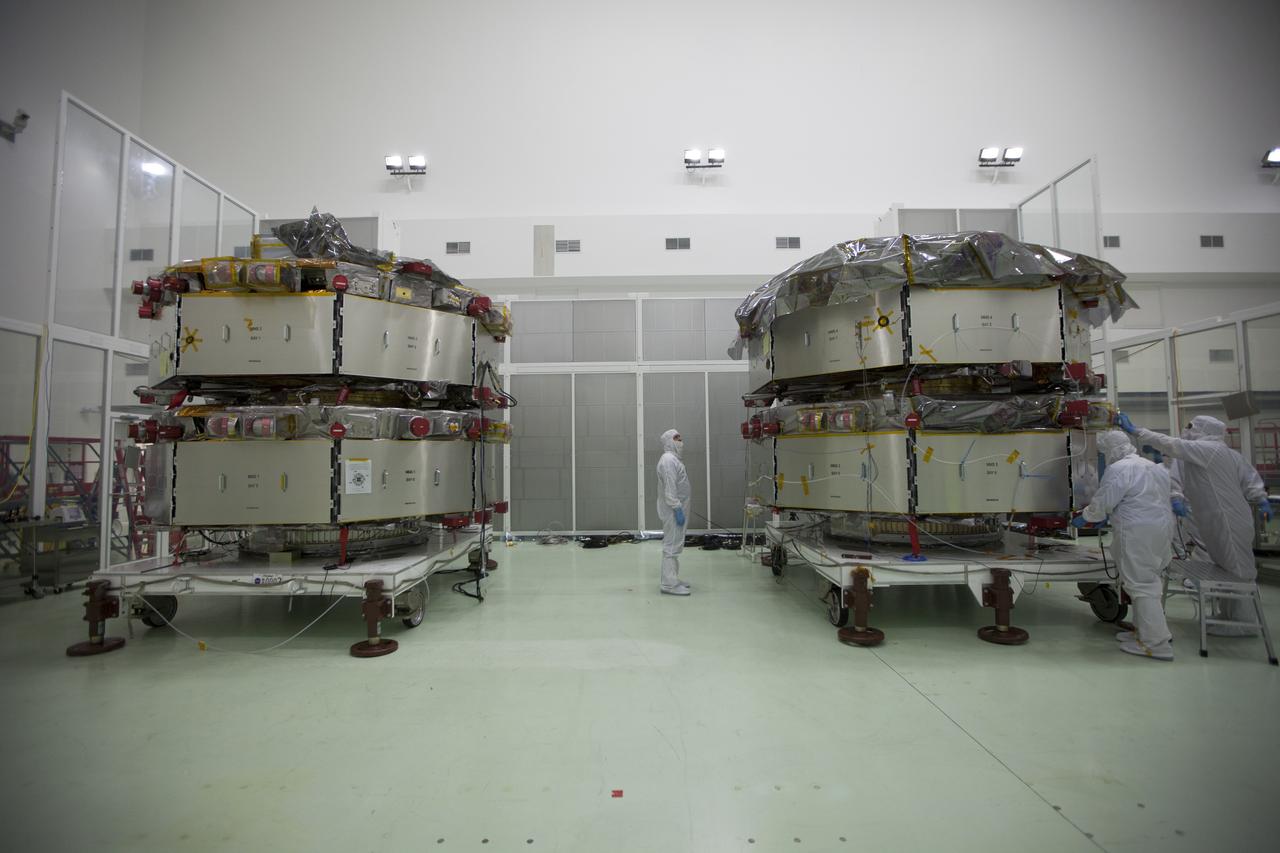
All four of the Magnetospheric Multiscale, or MMS, spacecraft have arrived in the Building 1 high bay of the Astrotech payload processing facility in Titusville, Florida, near Kennedy Space Center. The two MMS spacecraft comprising the upper deck arrived Nov. 12; the two MMS spacecraft comprising the lower stack arrived Oct. 29. The Magnetospheric Multiscale mission is a Solar Terrestrial Probes mission comprising four identically instrumented spacecraft that will use Earth’s magnetosphere as a laboratory to study the microphysics of three fundamental plasma processes: magnetic reconnection, energetic particle acceleration and turbulence. Launch aboard a United Launch Alliance Atlas V rocket from Space Launch Complex 41 on Cape Canaveral Air Force Station is targeted for March 12, 2015.
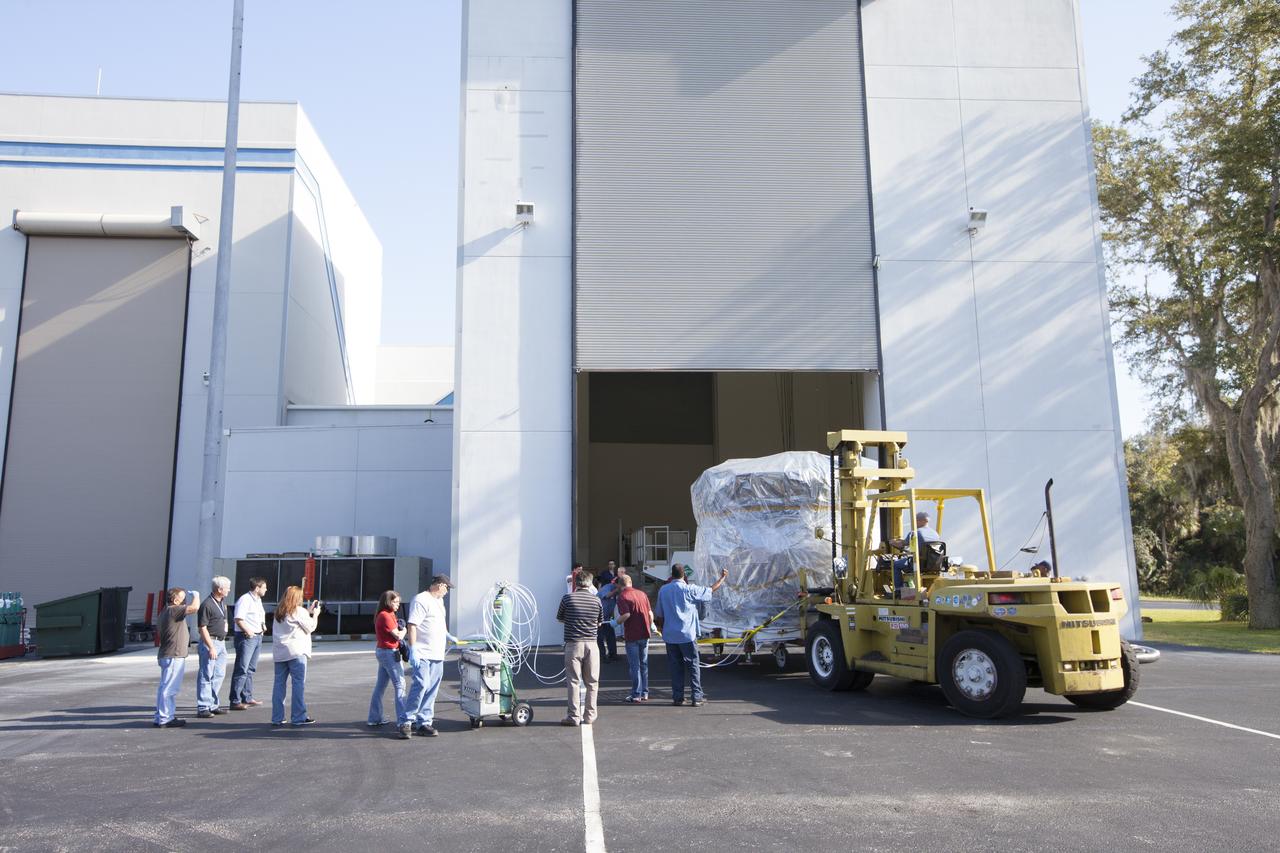
Two Magnetospheric Multiscale, or MMS, spacecraft comprising the mission’s upper stack are towed from Building 2 to the Building 1 high bay of the Astrotech payload processing facility in Titusville, Florida, near Kennedy Space Center. The two MMS spacecraft comprising the lower stack arrived at Astrotech on Oct. 29. The Magnetospheric Multiscale mission is a Solar Terrestrial Probes mission comprising four identically instrumented spacecraft that will use Earth’s magnetosphere as a laboratory to study the microphysics of three fundamental plasma processes: magnetic reconnection, energetic particle acceleration and turbulence. Launch aboard a United Launch Alliance Atlas V rocket from Space Launch Complex 41 on Cape Canaveral Air Force Station is targeted for March 12, 2015.
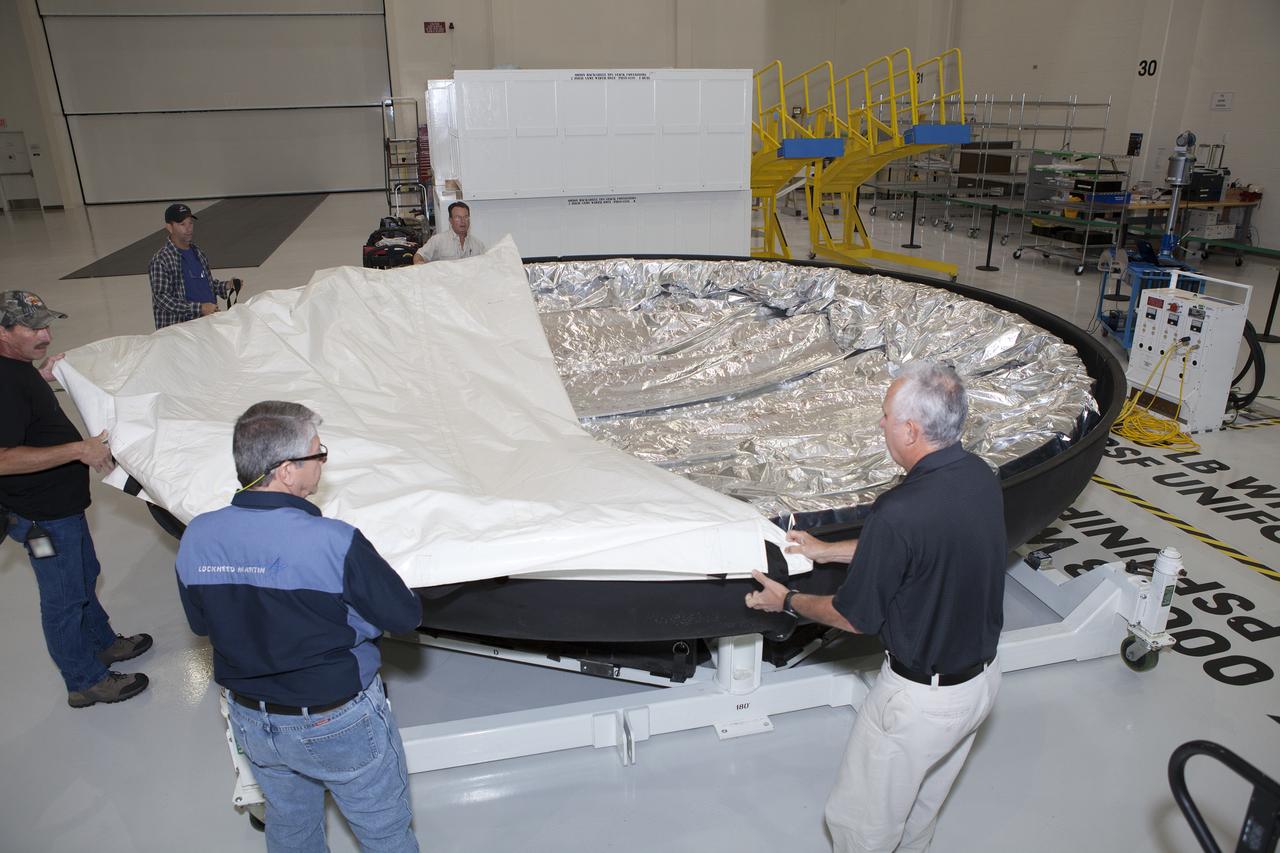
Inside the high bay in the Neil Armstrong Operations and Checkout Building at NASA’s Kennedy Space Center in Florida, technicians with Lockheed Martin start to remove the protective covering from the Orion heat shield for Exploration Mission 1 (EM-1). The heat shield arrived aboard NASA’s Super Guppy aircraft at the Shuttle Landing Facility, managed and operated by Space Florida, from Lockheed Martin’s manufacturing facility near Denver. The Orion spacecraft will launch atop NASA’s Space Launch System rocket on EM-1, an uncrewed test flight, targeted for November 2018.