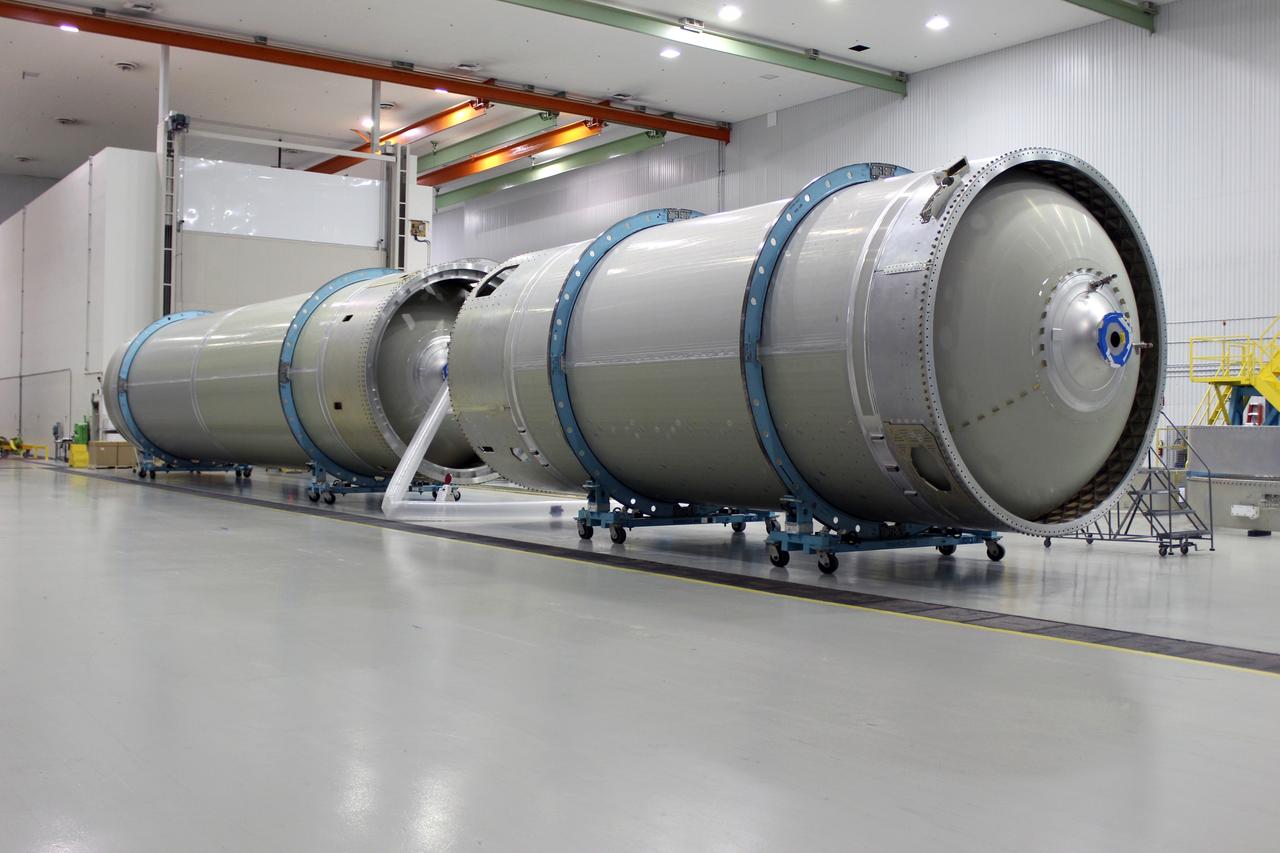
The Atlas V rocket that will launch Boeing’s CST-100 Starliner spacecraft on the company’s uncrewed Orbital Flight Test for NASA’s Commercial Crew Program is coming together inside a United Launch Alliance facility in Decatur, Alabama. The flight test is intended to prove the design of the integrated space system prior to the Crew Flight Test. These events are part of NASA’s required certification process as the company works to regularly fly astronauts to and from the International Space Station. Boeing's Starliner will launch on the United Launch Alliance Atlas V rocket from Space Launch Complex 41 at Cape Canaveral Air Force Station in Florida.
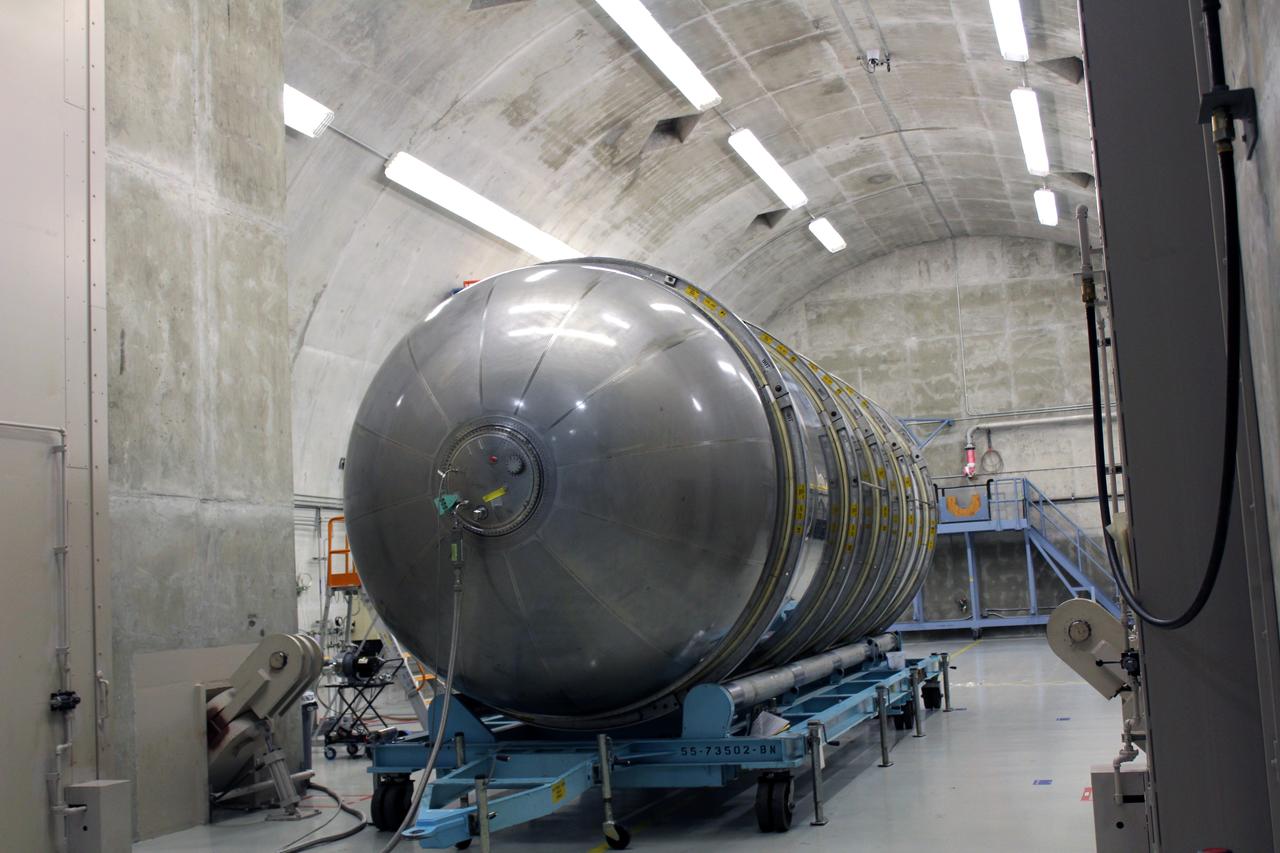
The Atlas V rocket that will launch Boeing’s CST-100 Starliner spacecraft on the company’s uncrewed Orbital Flight Test for NASA’s Commercial Crew Program is coming together inside a United Launch Alliance facility in Decatur, Alabama. The flight test is intended to prove the design of the integrated space system prior to the Crew Flight Test. These events are part of NASA’s required certification process as the company works to regularly fly astronauts to and from the International Space Station. Boeing's Starliner will launch on the United Launch Alliance Atlas V rocket from Space Launch Complex 41 at Cape Canaveral Air Force Station in Florida.
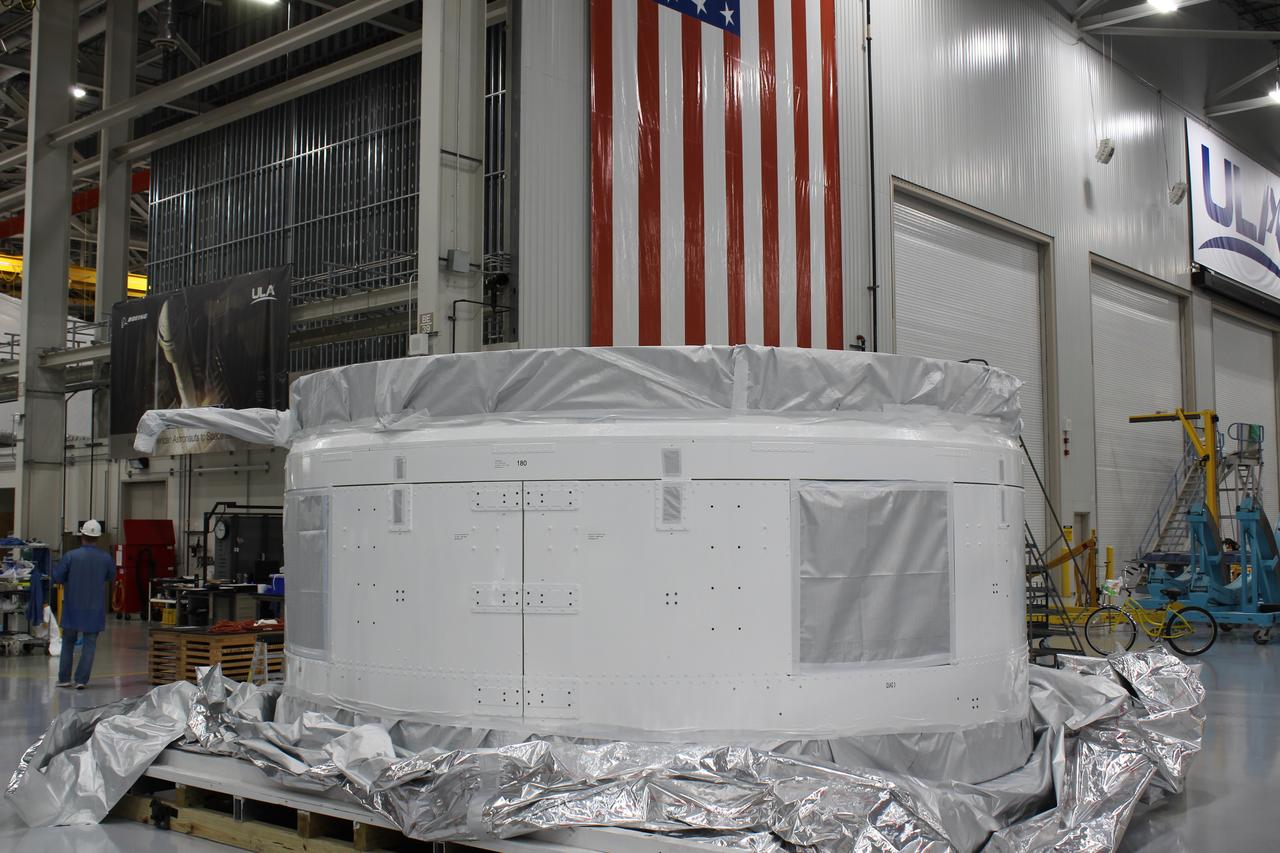
The Launch Vehicle Adapter (LVA) that will attach Boeing’s first Starliner spacecraft to the Atlas V launch vehicle is ready for transport from United Launch Alliance's manufacturing factory in Decatur, Alabama to Cape Canaveral Air Force Station in Florida.
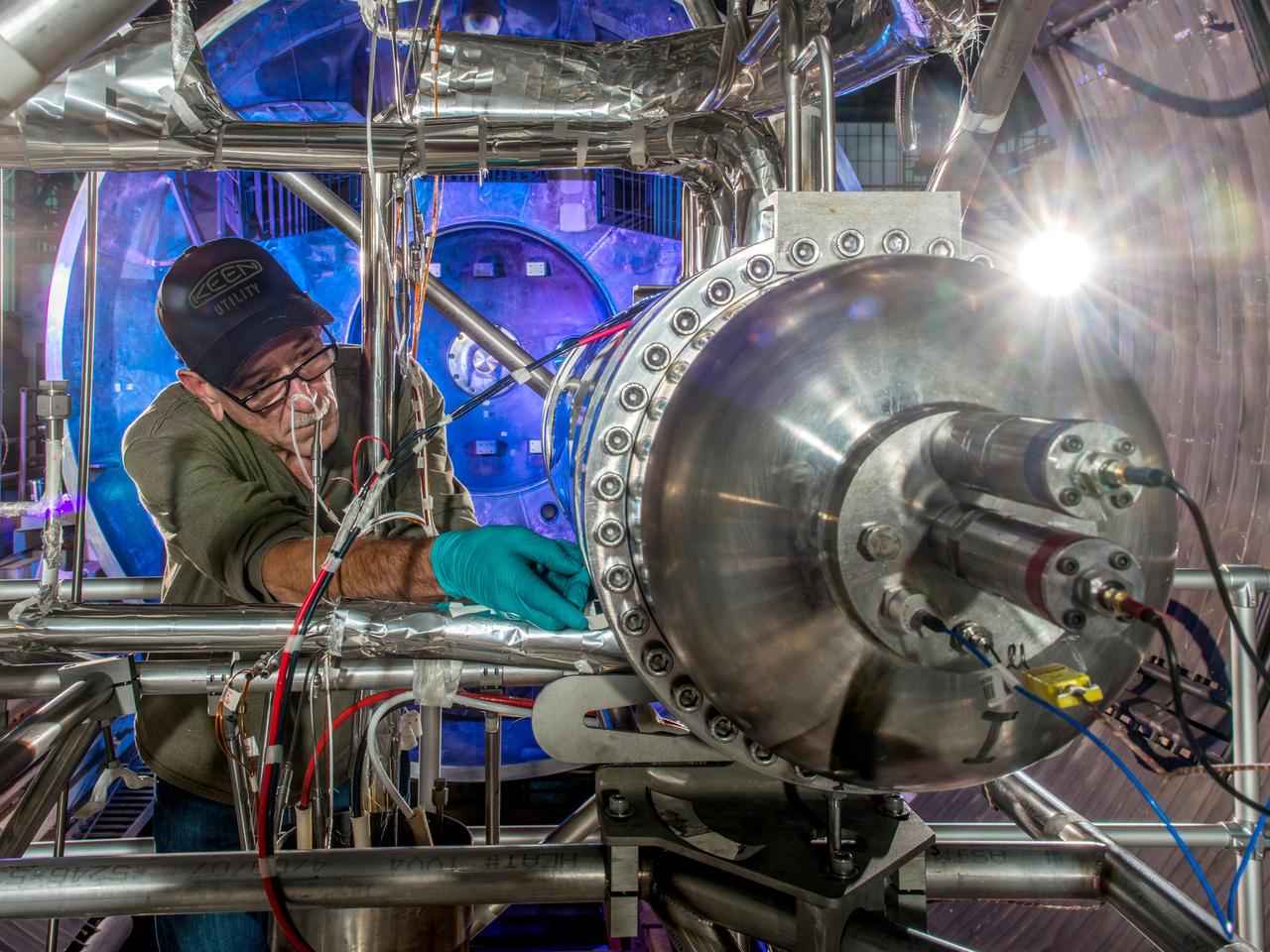
NASA Glenn Technician Mark Springowski works on a 10-kilowatt Stirling Power Conversion Unit, which is part of the Fission Surface Power Technology Demonstration Unit. This is a system level demonstration of a surface power system, which could potentially be used to support manned missions to the moon or Mars. A flight system would use 180 kilowatt nuclear fission reactor and four Stirling PCU’s to produce 40 kW of electricity for manned surface missions.
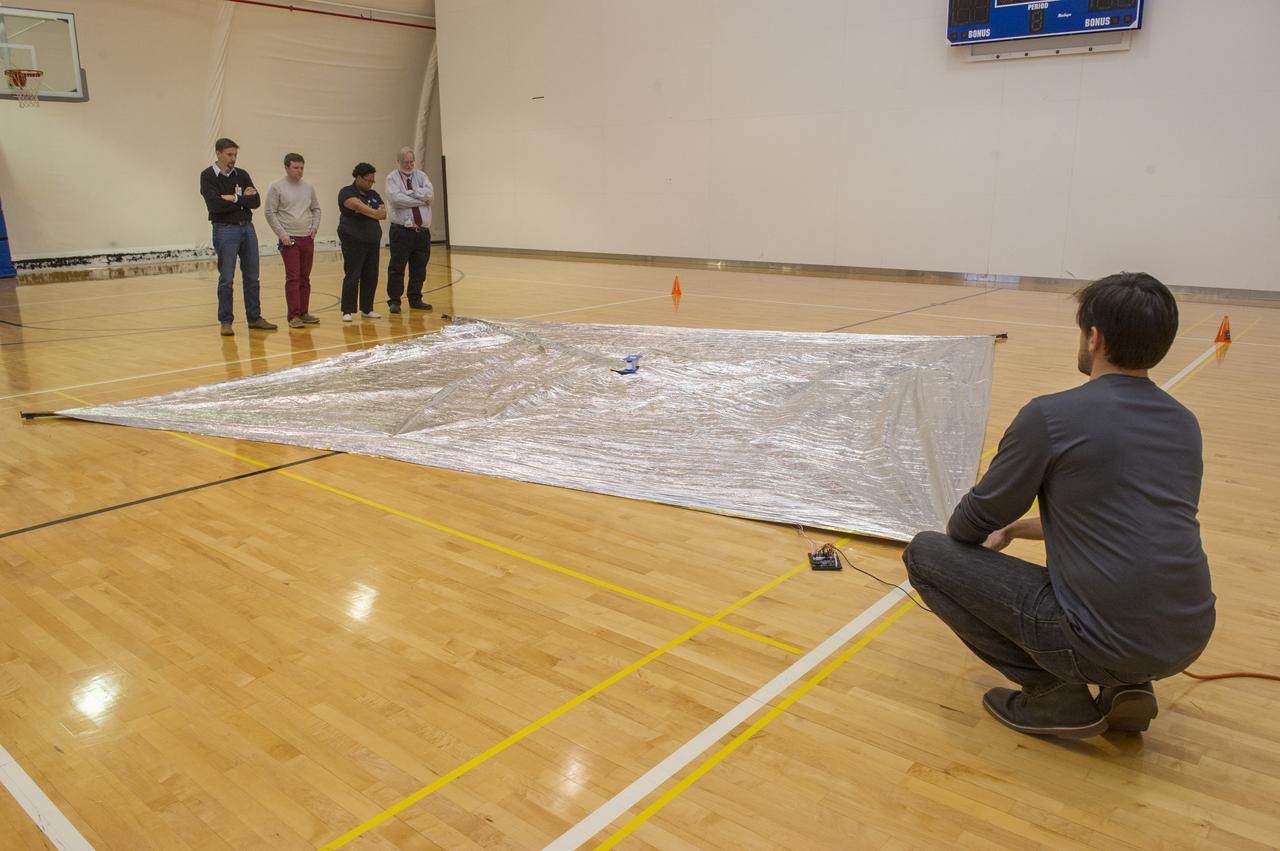
TIFFANY LOCKETT OVERSEES THE HALF SCALE (36 SQUARE METERS) ENGINEERING DEVELOPMENT UNIT (EDU) SOLAR SAIL DEPLOYMENT DEMONSTRATION IN PREPARATION FOR FULL SCALE EDU (86 SQUARE METERS) DEPLOYMENT IN APRIL, 2016
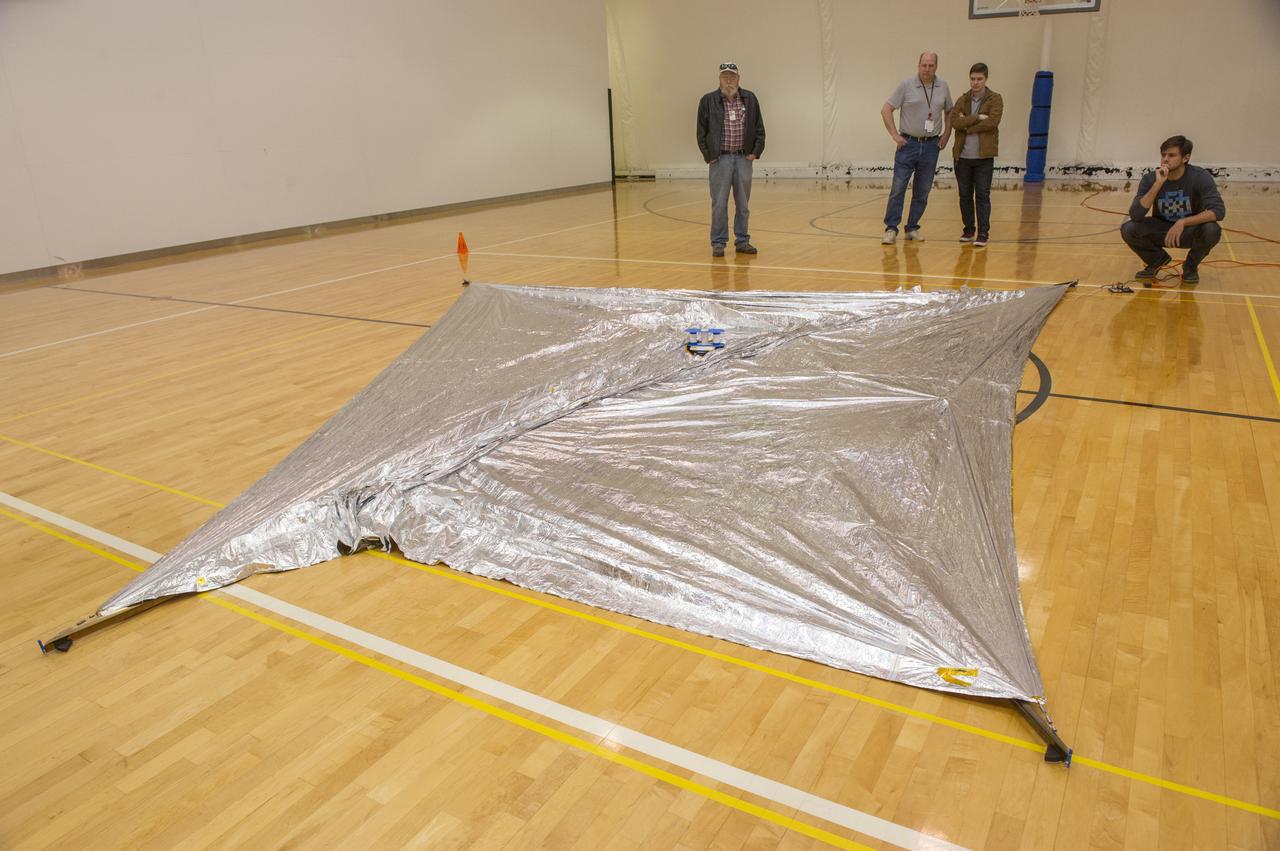
TIFFANY LOCKETT OVERSEES THE HALF SCALE (36 SQUARE METERS) ENGINEERING DEVELOPMENT UNIT (EDU) SOLAR SAIL DEPLOYMENT DEMONSTRATION IN PREPARATION FOR FULL SCALE EDU (86 SQUARE METERS) DEPLOYMENT IN APRIL, 2016
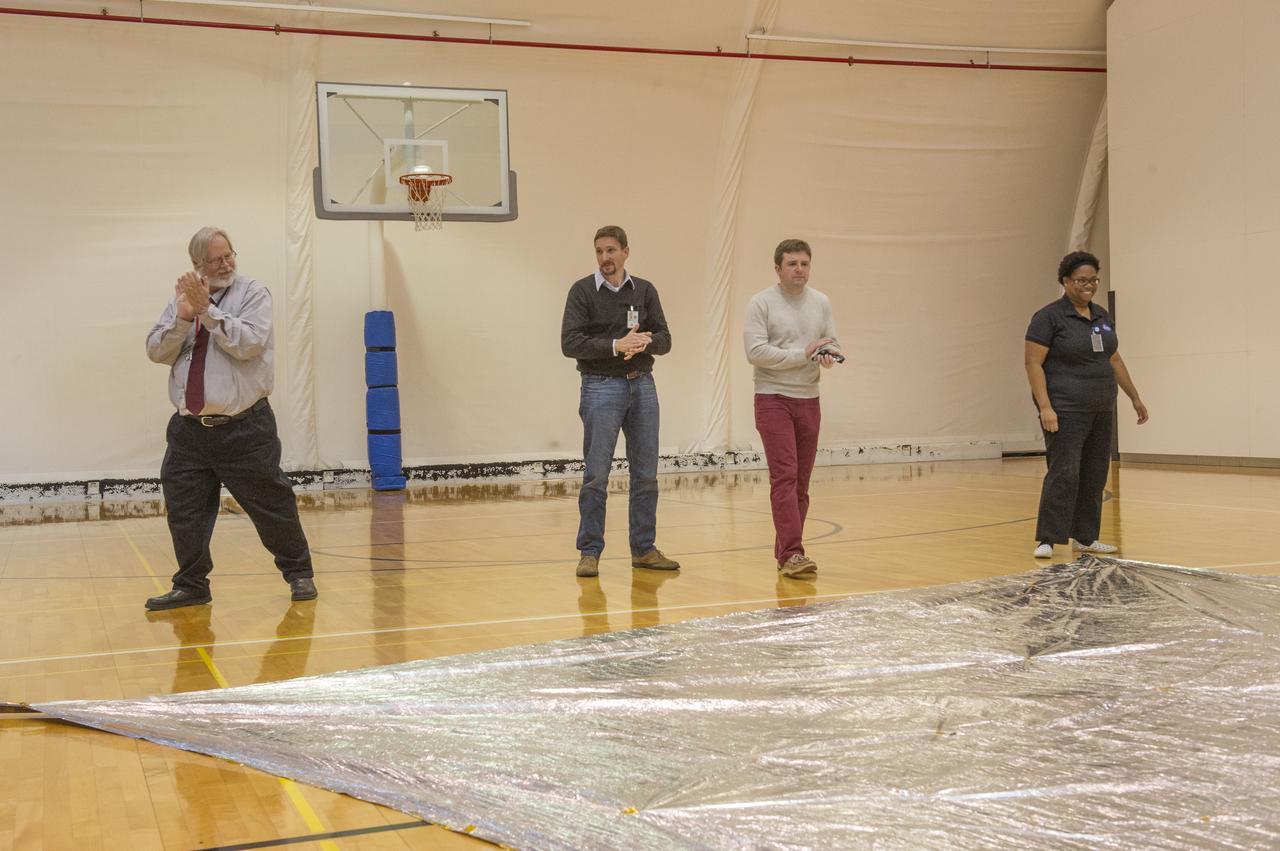
TIFFANY LOCKETT OVERSEES THE HALF SCALE (36 SQUARE METERS) ENGINEERING DEVELOPMENT UNIT (EDU) SOLAR SAIL DEPLOYMENT DEMONSTRATION IN PREPARATION FOR FULL SCALE EDU (86 SQUARE METERS) DEPLOYMENT IN APRIL, 2016
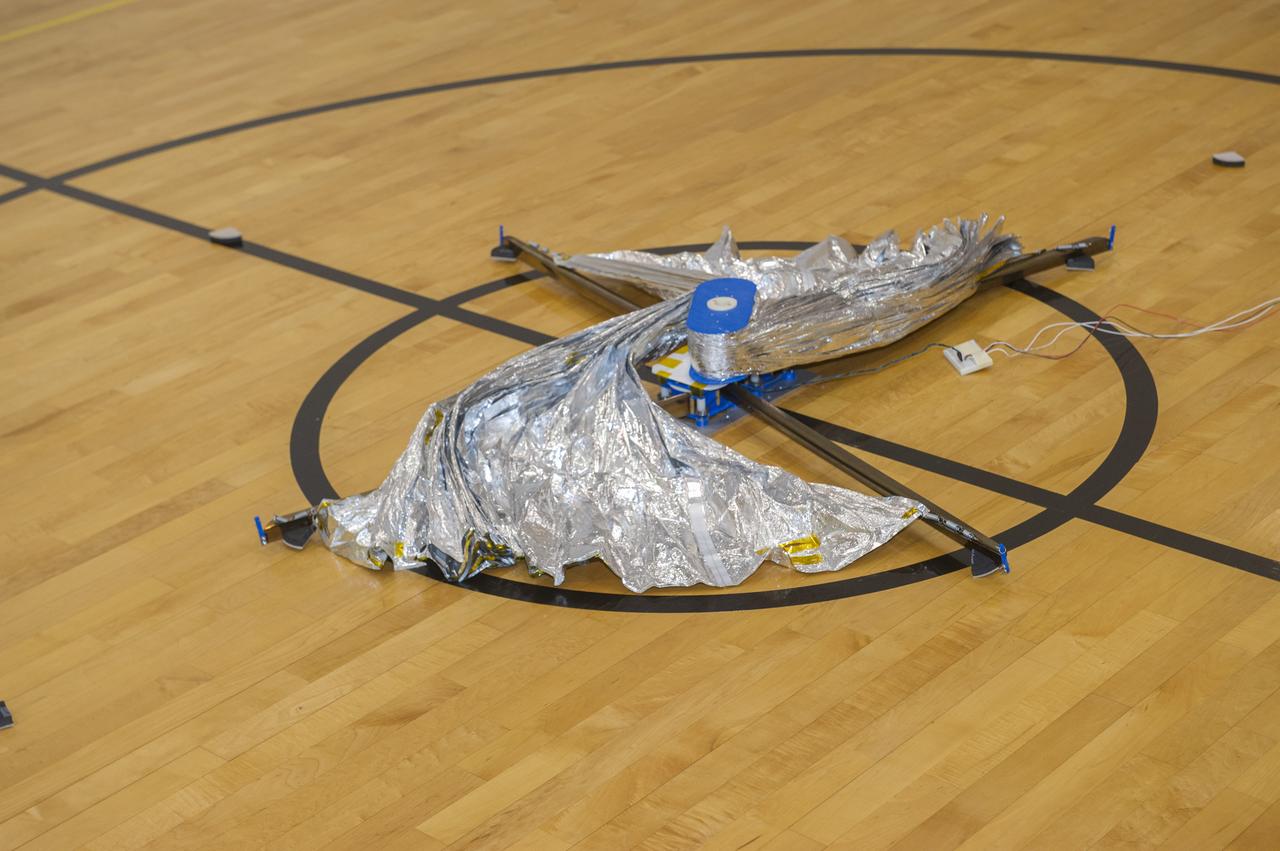
TIFFANY LOCKETT OVERSEES THE HALF SCALE (36 SQUARE METERS) ENGINEERING DEVELOPMENT UNIT (EDU) SOLAR SAIL DEPLOYMENT DEMONSTRATION IN PREPARATION FOR FULL SCALE EDU (86 SQUARE METERS) DEPLOYMENT IN APRIL, 2016
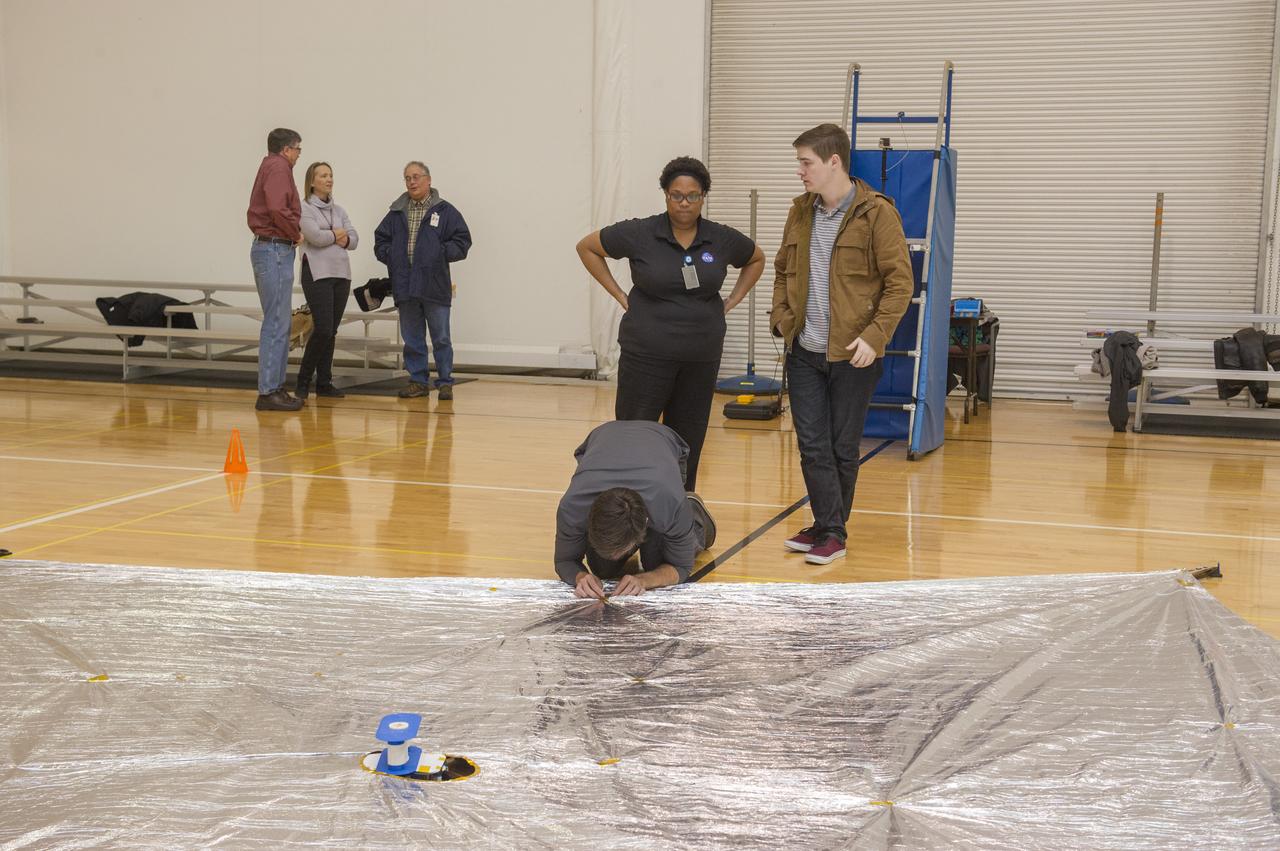
TIFFANY LOCKETT OVERSEES THE HALF SCALE (36 SQUARE METERS) ENGINEERING DEVELOPMENT UNIT (EDU) SOLAR SAIL DEPLOYMENT DEMONSTRATION IN PREPARATION FOR FULL SCALE EDU (86 SQUARE METERS) DEPLOYMENT IN APRIL, 2016
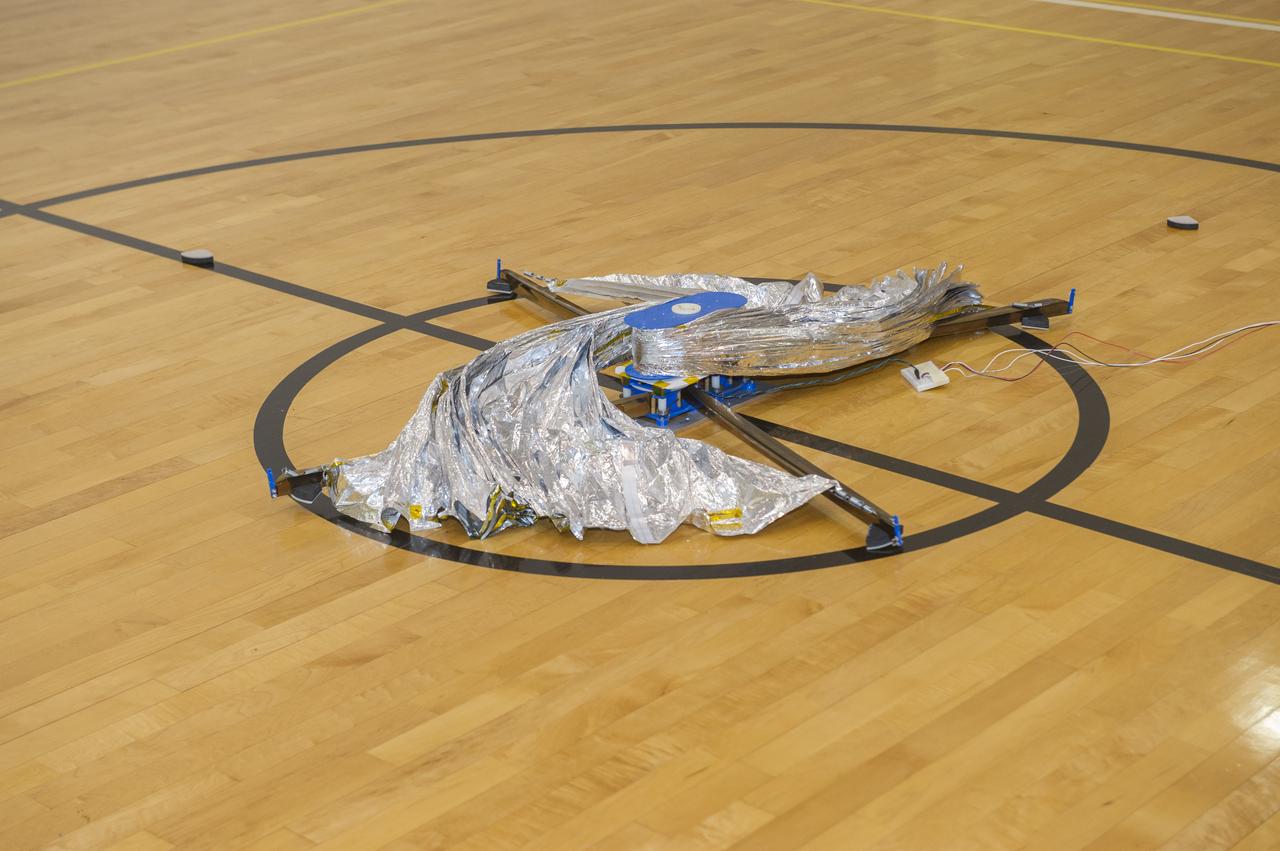
TIFFANY LOCKETT OVERSEES THE HALF SCALE (36 SQUARE METERS) ENGINEERING DEVELOPMENT UNIT (EDU) SOLAR SAIL DEPLOYMENT DEMONSTRATION IN PREPARATION FOR FULL SCALE EDU (86 SQUARE METERS) DEPLOYMENT IN APRIL, 2016
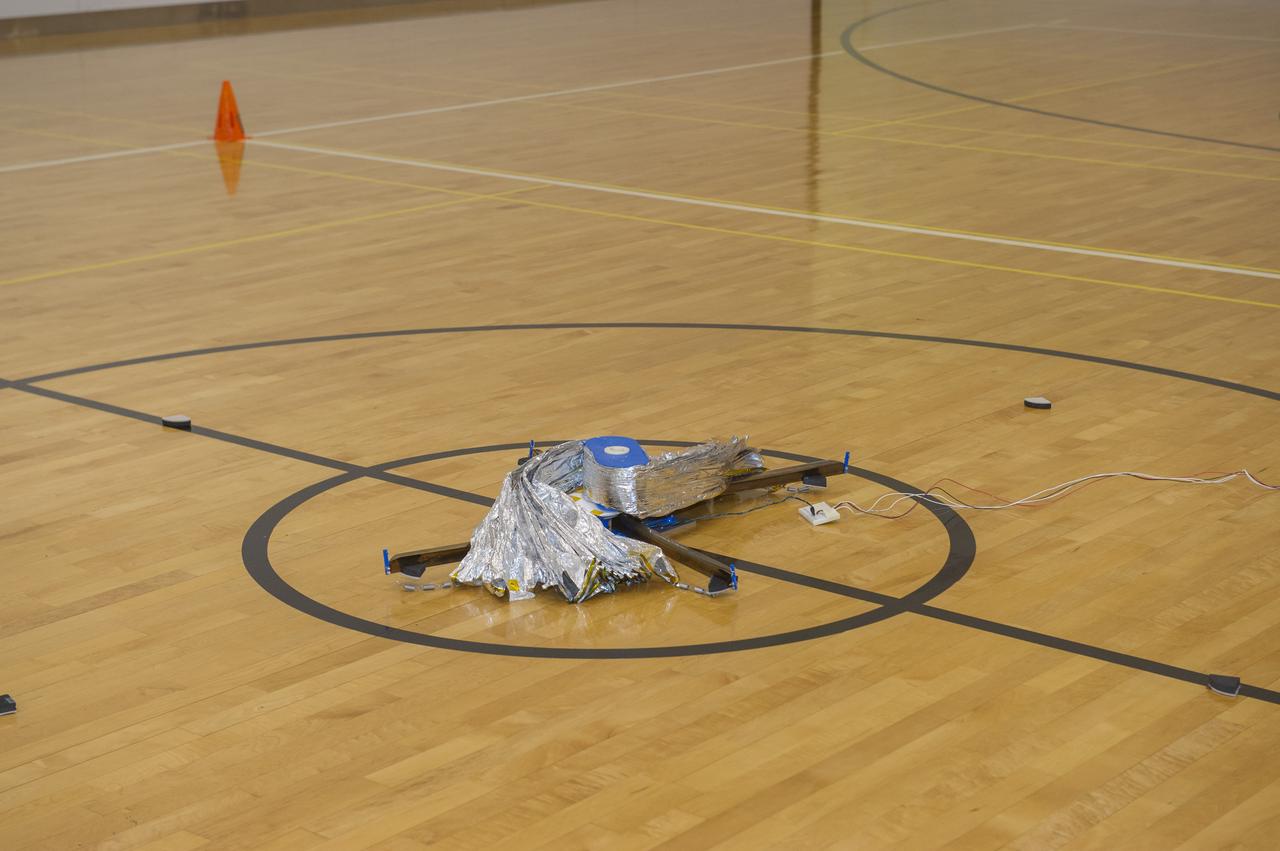
TIFFANY LOCKETT OVERSEES THE HALF SCALE (36 SQUARE METERS) ENGINEERING DEVELOPMENT UNIT (EDU) SOLAR SAIL DEPLOYMENT DEMONSTRATION IN PREPARATION FOR FULL SCALE EDU (86 SQUARE METERS) DEPLOYMENT IN APRIL, 2016
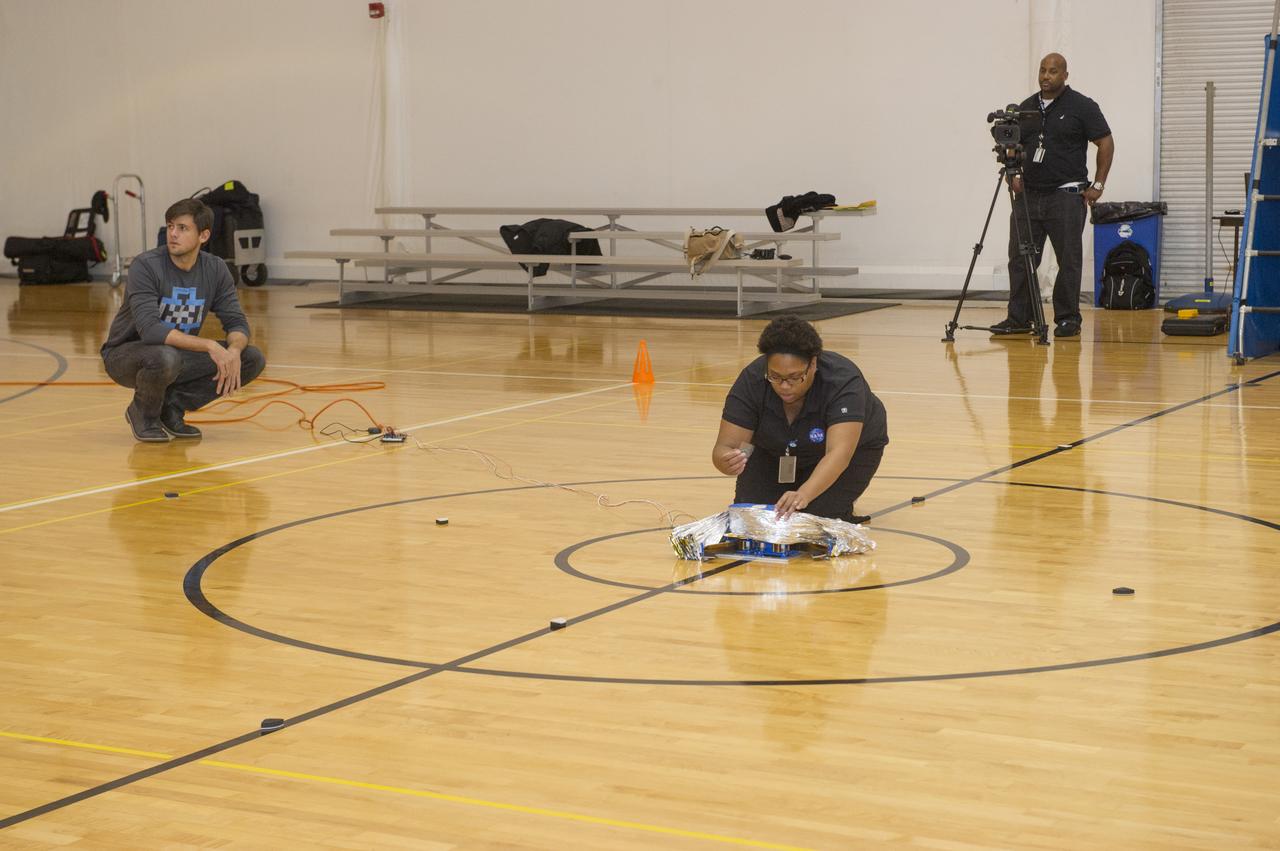
TIFFANY LOCKETT OVERSEES THE HALF SCALE (36 SQUARE METERS) ENGINEERING DEVELOPMENT UNIT (EDU) SOLAR SAIL DEPLOYMENT DEMONSTRATION IN PREPARATION FOR FULL SCALE EDU (86 SQUARE METERS) DEPLOYMENT IN APRIL, 2016
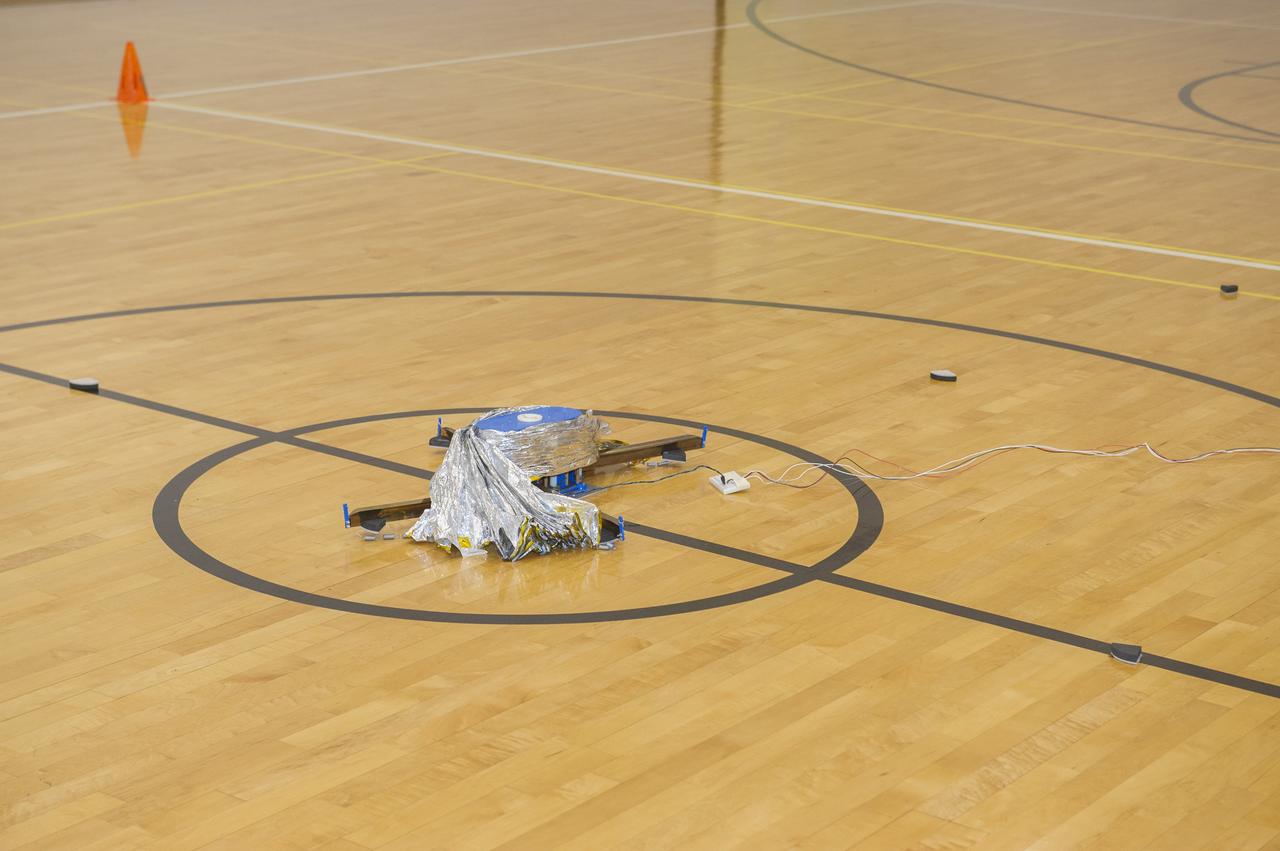
TIFFANY LOCKETT OVERSEES THE HALF SCALE (36 SQUARE METERS) ENGINEERING DEVELOPMENT UNIT (EDU) SOLAR SAIL DEPLOYMENT DEMONSTRATION IN PREPARATION FOR FULL SCALE EDU (86 SQUARE METERS) DEPLOYMENT IN APRIL, 2016
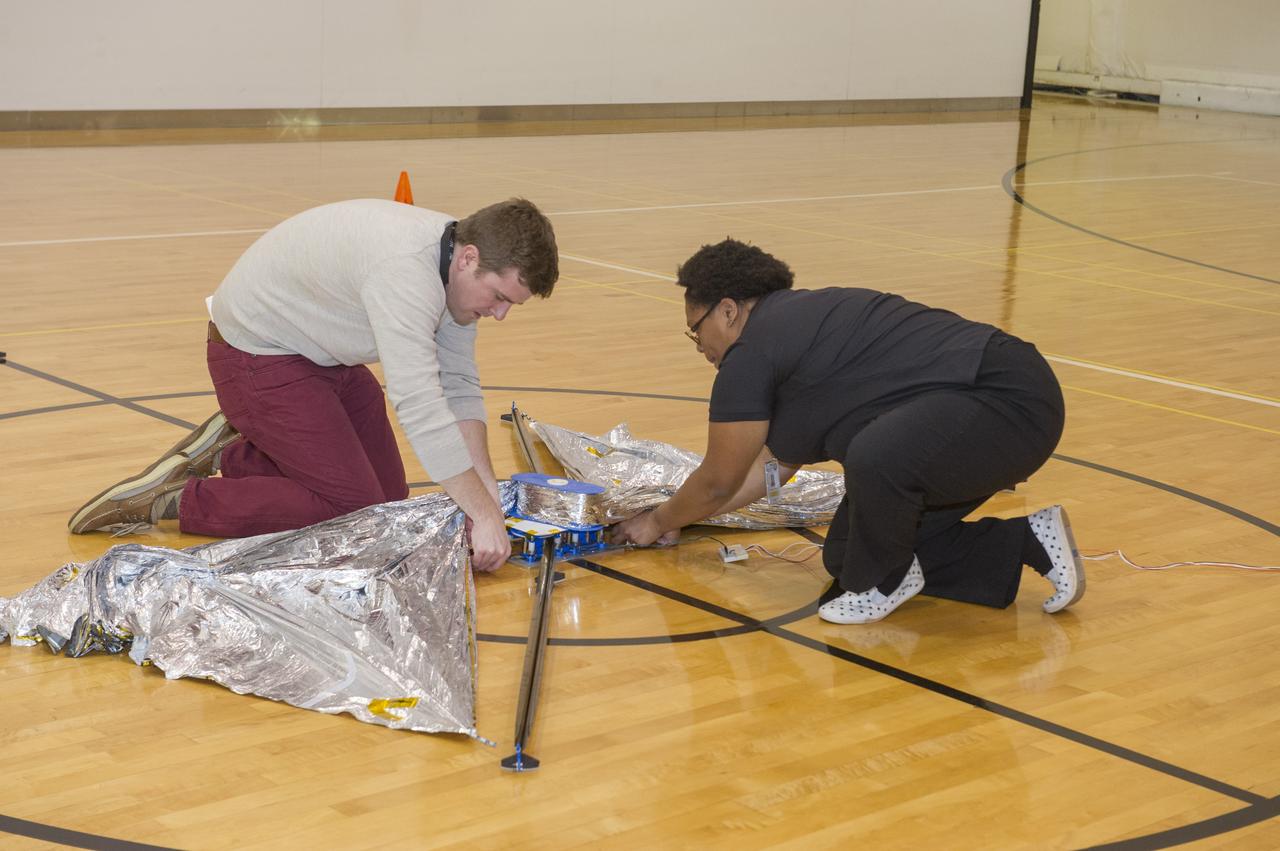
TIFFANY LOCKETT OVERSEES THE HALF SCALE (36 SQUARE METERS) ENGINEERING DEVELOPMENT UNIT (EDU) SOLAR SAIL DEPLOYMENT DEMONSTRATION IN PREPARATION FOR FULL SCALE EDU (86 SQUARE METERS) DEPLOYMENT IN APRIL, 2016
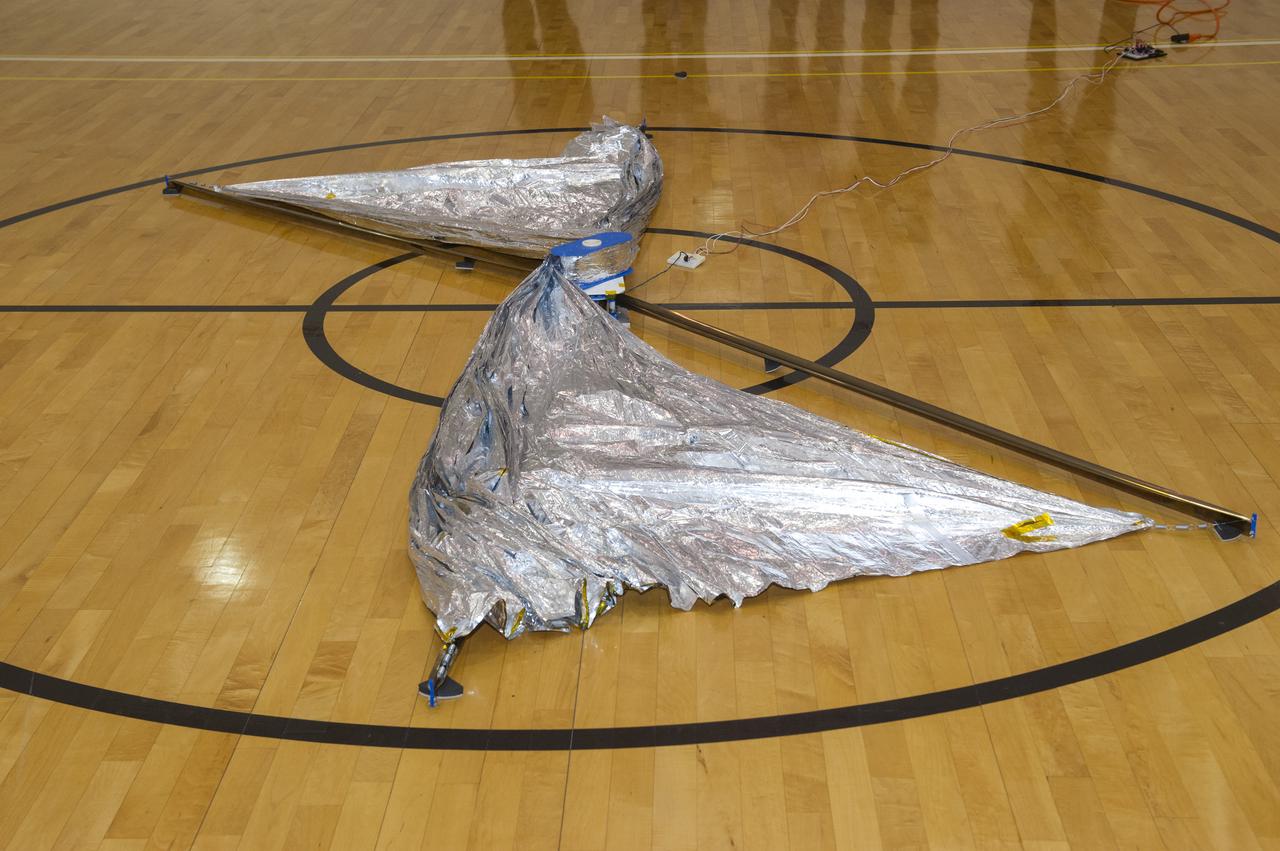
TIFFANY LOCKETT OVERSEES THE HALF SCALE (36 SQUARE METERS) ENGINEERING DEVELOPMENT UNIT (EDU) SOLAR SAIL DEPLOYMENT DEMONSTRATION IN PREPARATION FOR FULL SCALE EDU (86 SQUARE METERS) DEPLOYMENT IN APRIL, 2016
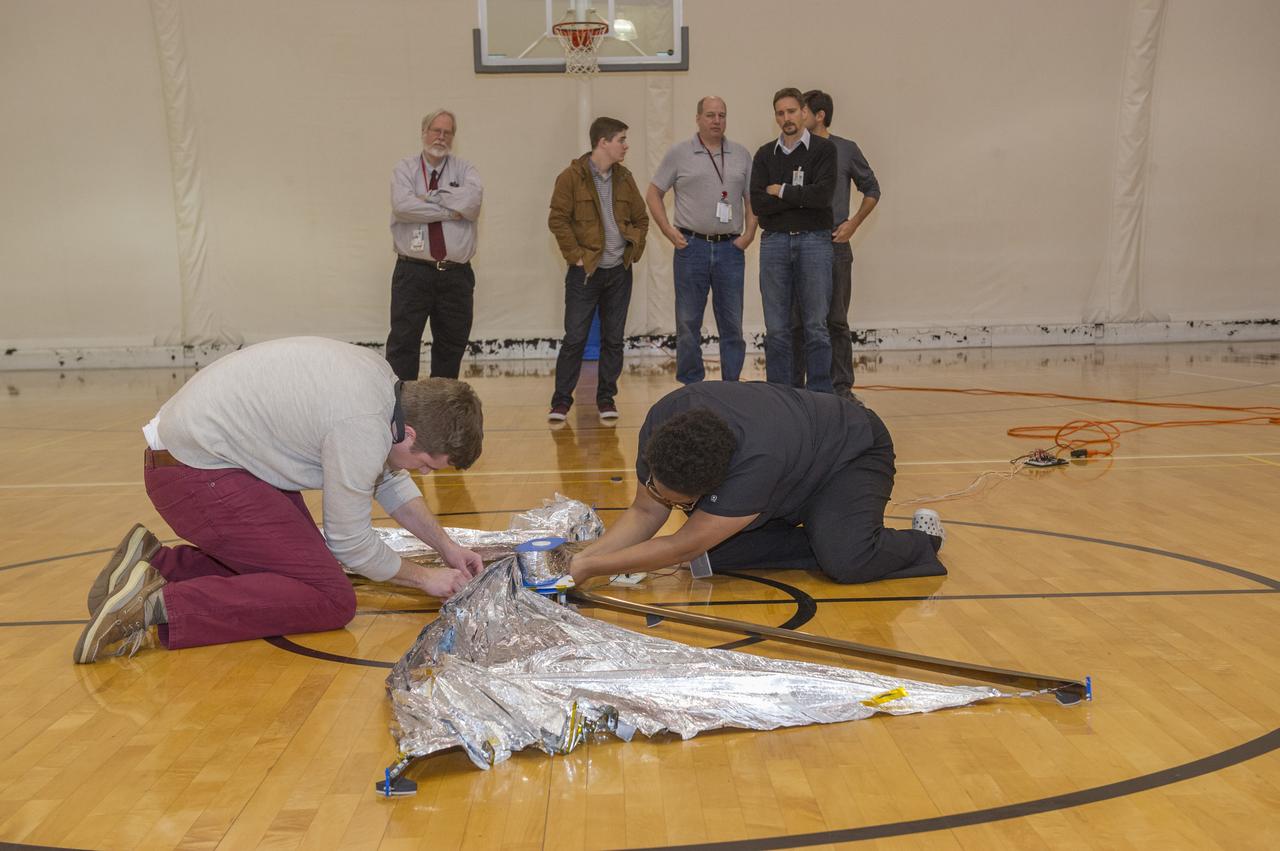
TIFFANY LOCKETT OVERSEES THE HALF SCALE (36 SQUARE METERS) ENGINEERING DEVELOPMENT UNIT (EDU) SOLAR SAIL DEPLOYMENT DEMONSTRATION IN PREPARATION FOR FULL SCALE EDU (86 SQUARE METERS) DEPLOYMENT IN APRIL, 2016
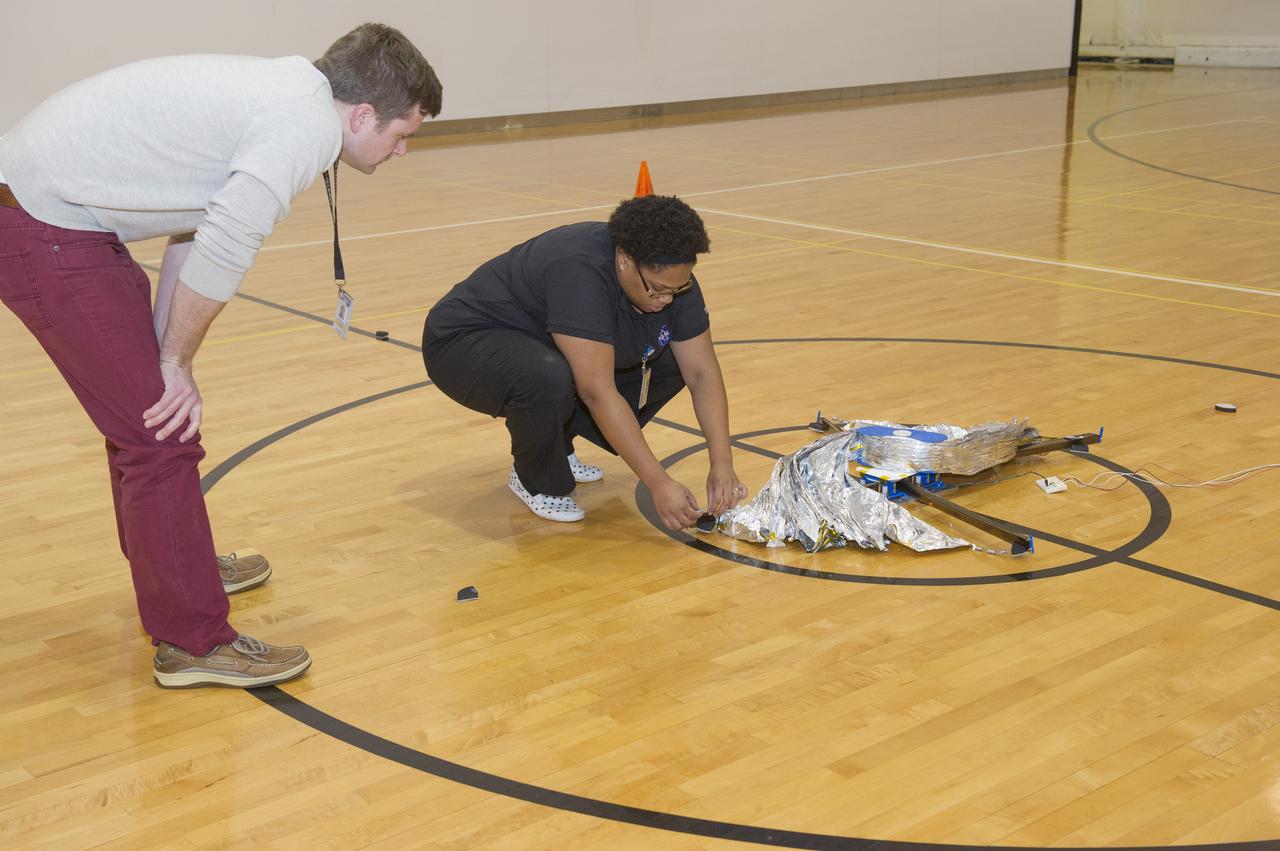
TIFFANY LOCKETT OVERSEES THE HALF SCALE (36 SQUARE METERS) ENGINEERING DEVELOPMENT UNIT (EDU) SOLAR SAIL DEPLOYMENT DEMONSTRATION IN PREPARATION FOR FULL SCALE EDU (86 SQUARE METERS) DEPLOYMENT IN APRIL, 2016
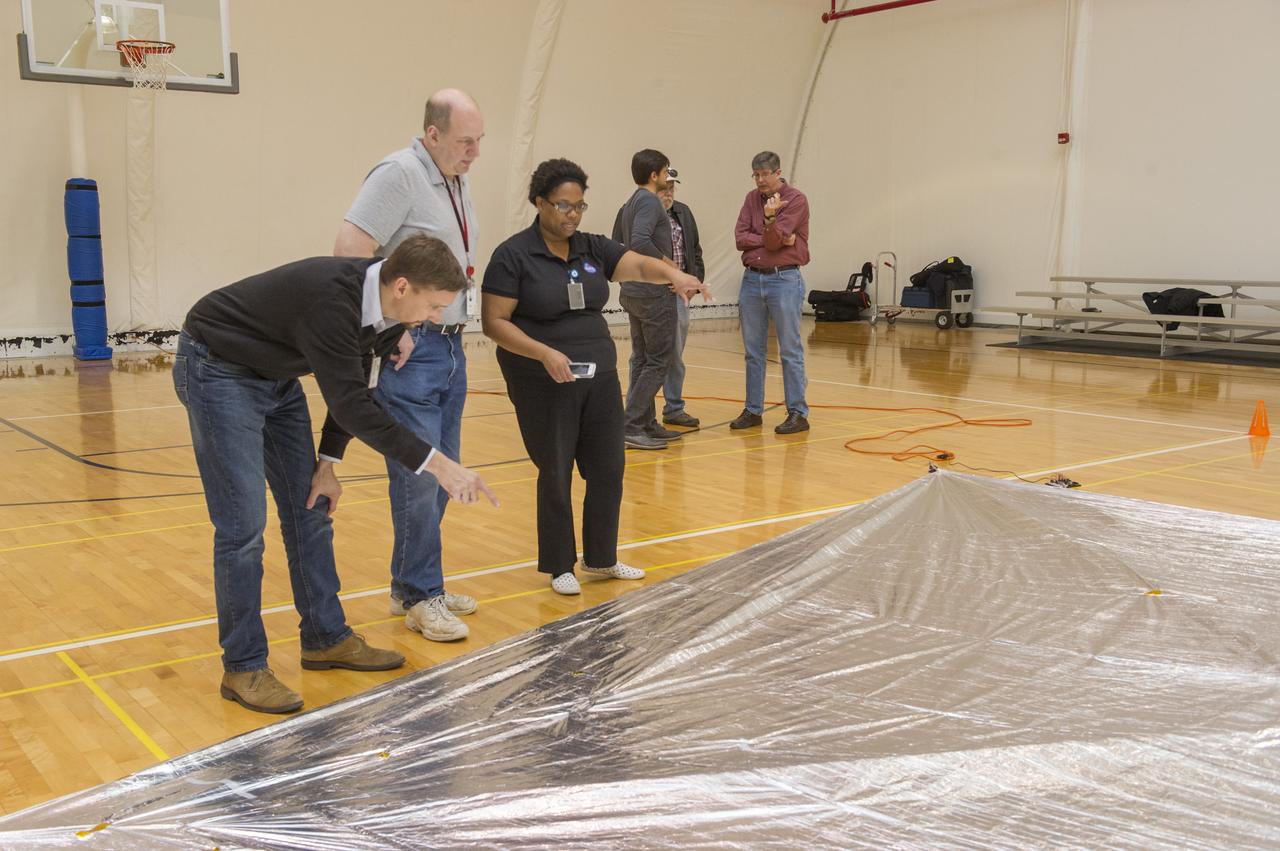
TIFFANY LOCKETT OVERSEES THE HALF SCALE (36 SQUARE METERS) ENGINEERING DEVELOPMENT UNIT (EDU) SOLAR SAIL DEPLOYMENT DEMONSTRATION IN PREPARATION FOR FULL SCALE EDU (86 SQUARE METERS) DEPLOYMENT IN APRIL, 2016
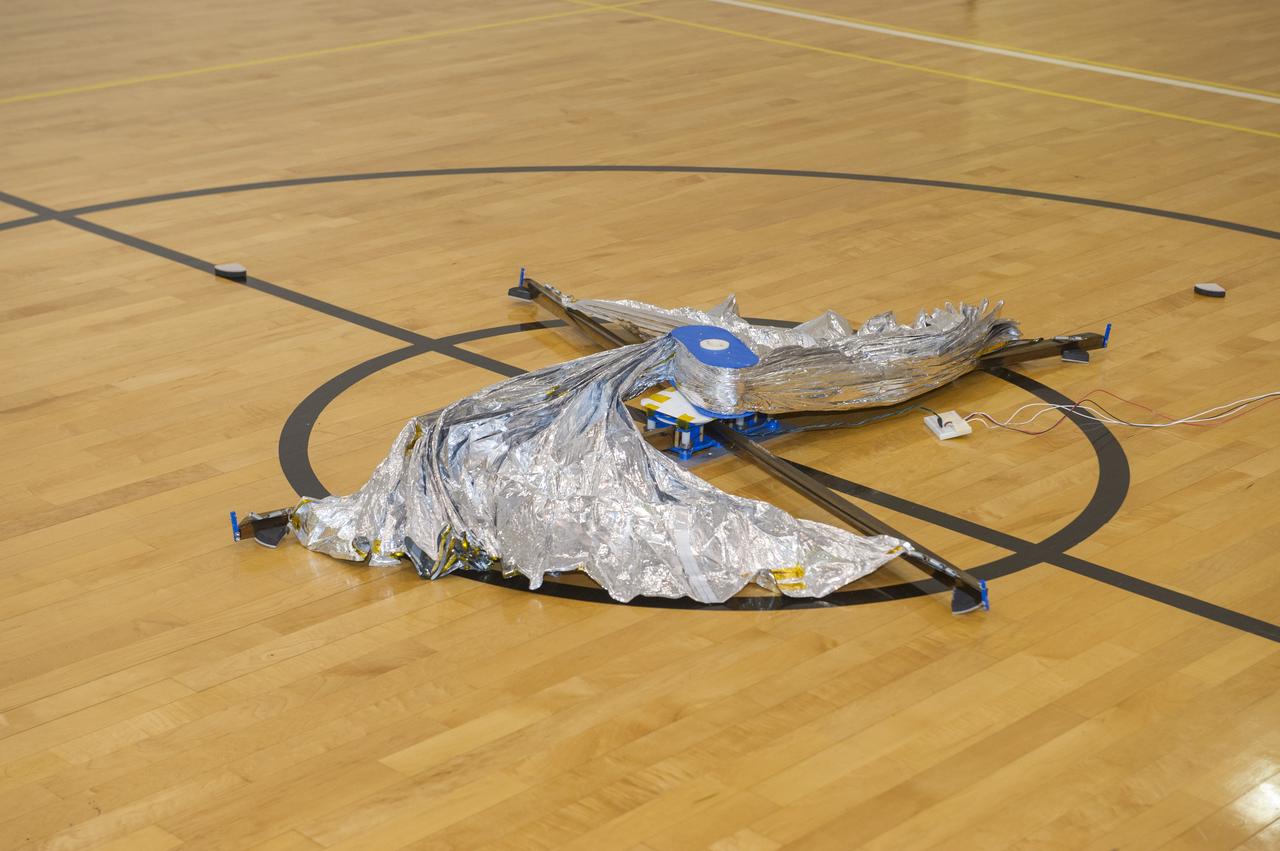
TIFFANY LOCKETT OVERSEES THE HALF SCALE (36 SQUARE METERS) ENGINEERING DEVELOPMENT UNIT (EDU) SOLAR SAIL DEPLOYMENT DEMONSTRATION IN PREPARATION FOR FULL SCALE EDU (86 SQUARE METERS) DEPLOYMENT IN APRIL, 2016
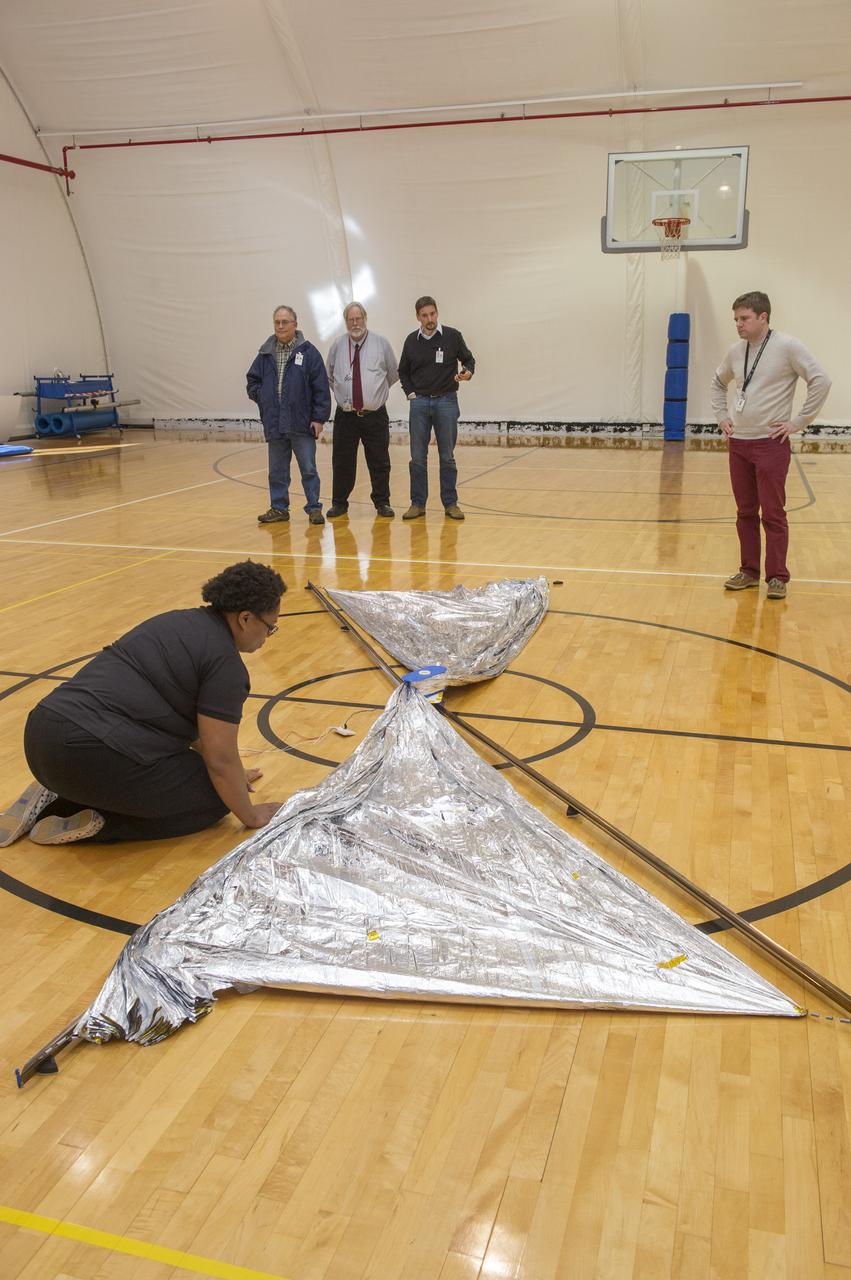
TIFFANY LOCKETT OVERSEES THE HALF SCALE (36 SQUARE METERS) ENGINEERING DEVELOPMENT UNIT (EDU) SOLAR SAIL DEPLOYMENT DEMONSTRATION IN PREPARATION FOR FULL SCALE EDU (86 SQUARE METERS) DEPLOYMENT IN APRIL, 2016
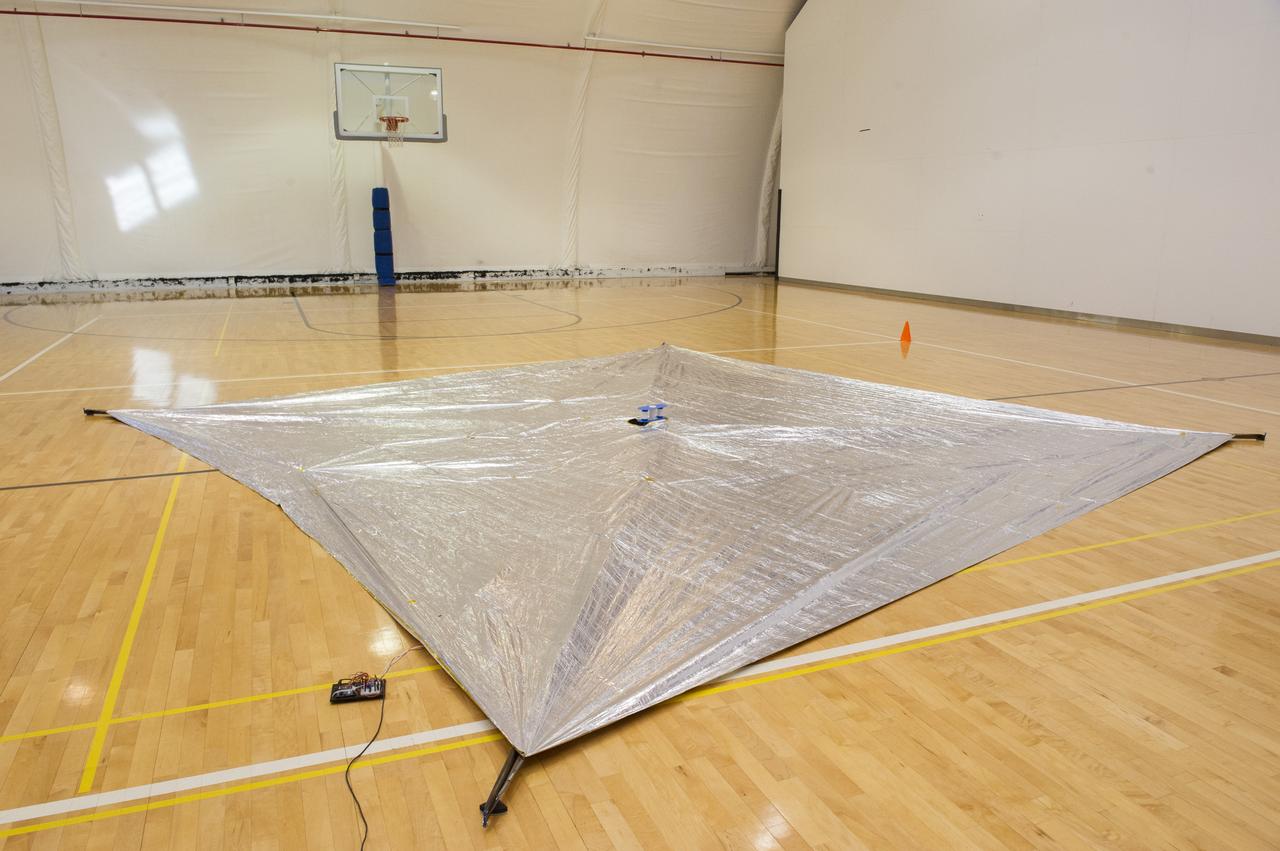
TIFFANY LOCKETT OVERSEES THE HALF SCALE (36 SQUARE METERS) ENGINEERING DEVELOPMENT UNIT (EDU) SOLAR SAIL DEPLOYMENT DEMONSTRATION IN PREPARATION FOR FULL SCALE EDU (86 SQUARE METERS) DEPLOYMENT IN APRIL, 2016

Abu Dhabi, the capital of the United Arab Emirates on the Persian Gulf coast, is pictured from the International Space Station as it soared 257 miles above the Middle East.
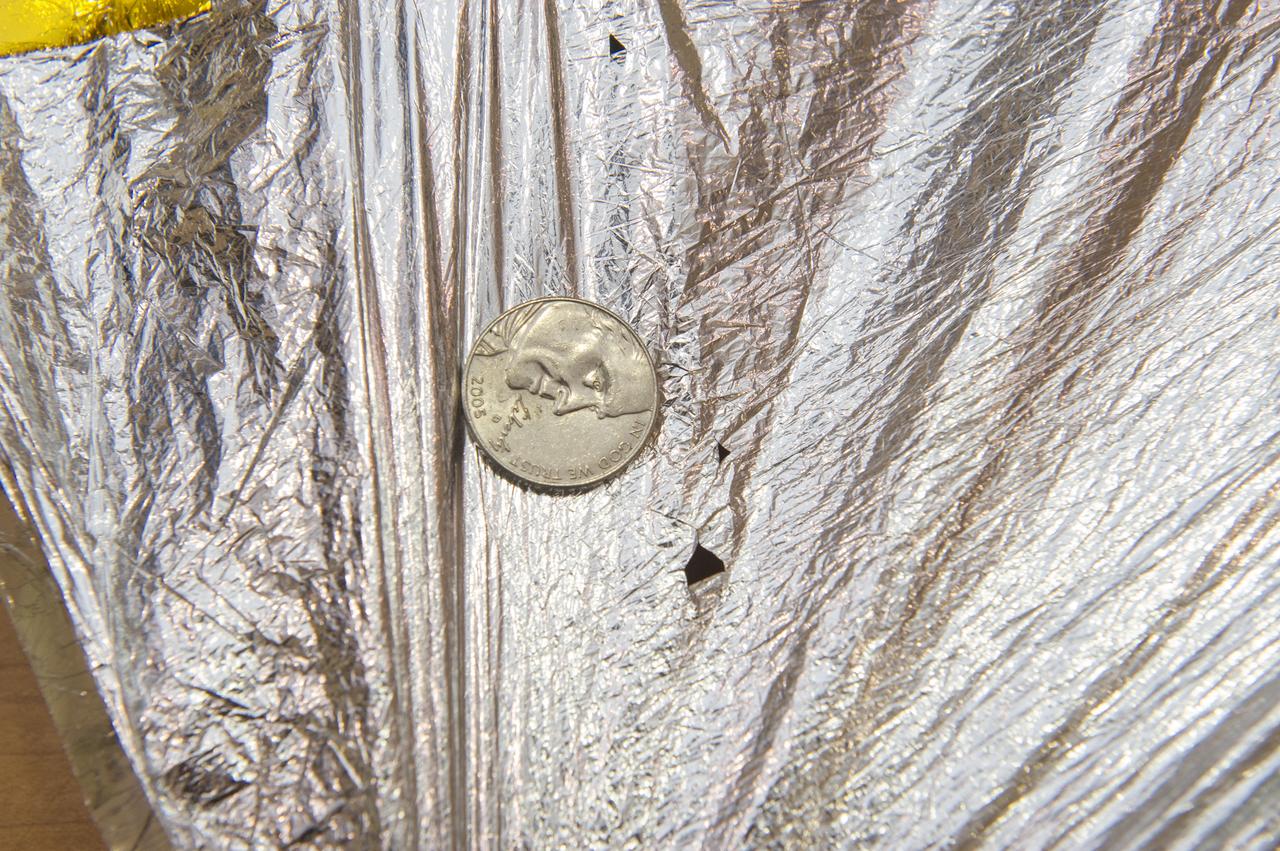
TIFFANY LOCKETT OVERSEES THE HALF SCALE (36 SQUARE METERS) ENGINEERING DEVELOPMENT UNIT (EDU) SOLAR SAIL DEPLOYMENT DEMONSTRATION IN PREPARATION FOR FULL SCALE EDU (86 SQUARE METERS) DEPLOYMENT IN APRIL, 2016. DETAILS OF RIPS AND HOLES IN SOLAR SAIL FABRIC.
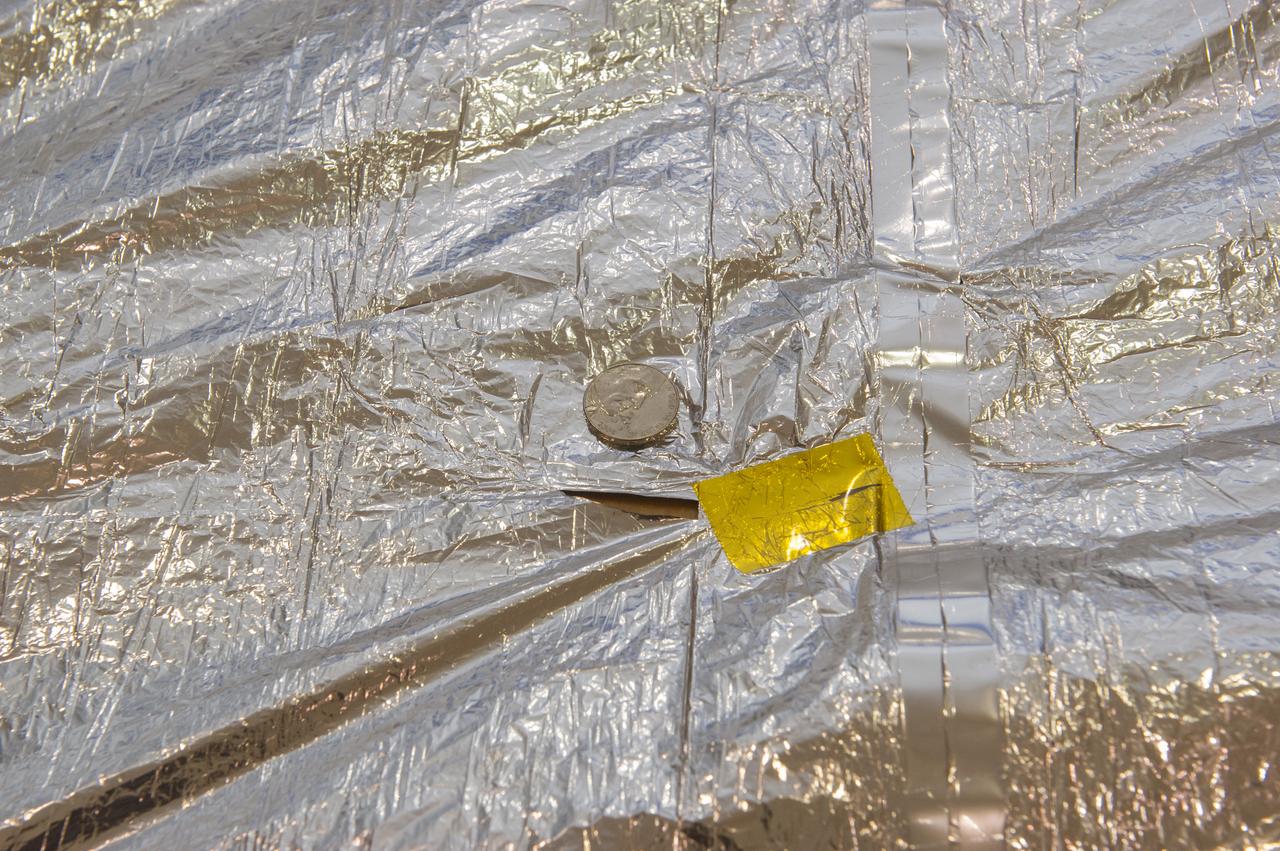
TIFFANY LOCKETT OVERSEES THE HALF SCALE (36 SQUARE METERS) ENGINEERING DEVELOPMENT UNIT (EDU) SOLAR SAIL DEPLOYMENT DEMONSTRATION IN PREPARATION FOR FULL SCALE EDU (86 SQUARE METERS) DEPLOYMENT IN APRIL, 2016. DETAILS OF RIPS AND HOLES IN SOLAR SAIL FABRIC.

Inside a laboratory in the Space Station Processing Facility at NASA's Kennedy Space Center in Florida, a quality technician checks the control panel on hardware for the Advanced Plant Habitat flight unit. The flight unit is an exact replica of the APH that was delivered to the International Space Station. Validation tests and post-delivery checkout was performed to prepare for space station in-orbit APH activities. The flight unit will be moved to the International Space Station Environmental Simulator to begin an experiment verification test for the science that will fly on the first mission, PH-01. Developed by NASA and ORBITEC of Madison, Wisconsin, the APH is the largest plant chamber built for the agency. It is a fully automated plant growth facility that will be used to conduct bioscience research on the space station.

Inside a laboratory in the Space Station Processing Facility at NASA's Kennedy Space Center in Florida, a quality technician checks the hardware for the Advanced Plant Habitat flight unit. The flight unit is an exact replica of the APH that was delivered to the International Space Station. Validation tests and post-delivery checkout was performed to prepare for space station in-orbit APH activities. The flight unit will be moved to the International Space Station Environmental Simulator to begin an experiment verification test for the science that will fly on the first mission, PH-01. Developed by NASA and ORBITEC of Madison, Wisconsin, the APH is the largest plant chamber built for the agency. It is a fully automated plant growth facility that will be used to conduct bioscience research on the space station.

Inside a laboratory in the Space Station Processing Facility at NASA's Kennedy Space Center in Florida, quality technicians check the hardware for the Advanced Plant Habitat flight unit. The flight unit is an exact replica of the APH that was delivered to the International Space Station. Validation tests and post-delivery checkout was performed to prepare for space station in-orbit APH activities. The flight unit will be moved to the International Space Station Environmental Simulator to begin an experiment verification test for the science that will fly on the first mission, PH-01. Developed by NASA and ORBITEC of Madison, Wisconsin, the APH is the largest plant chamber built for the agency. It is a fully automated plant growth facility that will be used to conduct bioscience research on the space station.

Inside a laboratory in the Space Station Processing Facility at NASA's Kennedy Space Center in Florida, a quality technician checks the hardware for the Advanced Plant Habitat flight unit. The flight unit is an exact replica of the APH that was delivered to the International Space Station. Validation tests and post-delivery checkout was performed to prepare for space station in-orbit APH activities. The flight unit will be moved to the International Space Station Environmental Simulator to begin an experiment verification test for the science that will fly on the first mission, PH-01. Developed by NASA and ORBITEC of Madison, Wisconsin, the APH is the largest plant chamber built for the agency. It is a fully automated plant growth facility that will be used to conduct bioscience research on the space station.

Inside a laboratory in the Space Station Processing Facility at NASA's Kennedy Space Center in Florida, quality technicians check components of the hardware for the Advanced Plant Habitat flight unit. The flight unit is an exact replica of the APH that was delivered to the International Space Station. Validation tests and post-delivery checkout was performed to prepare for space station in-orbit APH activities. The flight unit will be moved to the International Space Station Environmental Simulator to begin an experiment verification test for the science that will fly on the first mission, PH-01. Developed by NASA and ORBITEC of Madison, Wisconsin, the APH is the largest plant chamber built for the agency. It is a fully automated plant growth facility that will be used to conduct bioscience research on the space station.

Inside a laboratory in the Space Station Processing Facility at NASA's Kennedy Space Center in Florida, quality technicians check the hardware for the Advanced Plant Habitat flight unit. The flight unit is an exact replica of the APH that was delivered to the International Space Station. Validation tests and post-delivery checkout was performed to prepare for space station in-orbit APH activities. The flight unit will be moved to the International Space Station Environment Simulator to begin an experiment verification test for the science that will fly on the first mission, PH-01. Developed by NASA and ORBITEC of Madison, Wisconsin, the APH is the largest plant chamber built for the agency. It is a fully automated plant growth facility that will be used to conduct bioscience research on the space station.
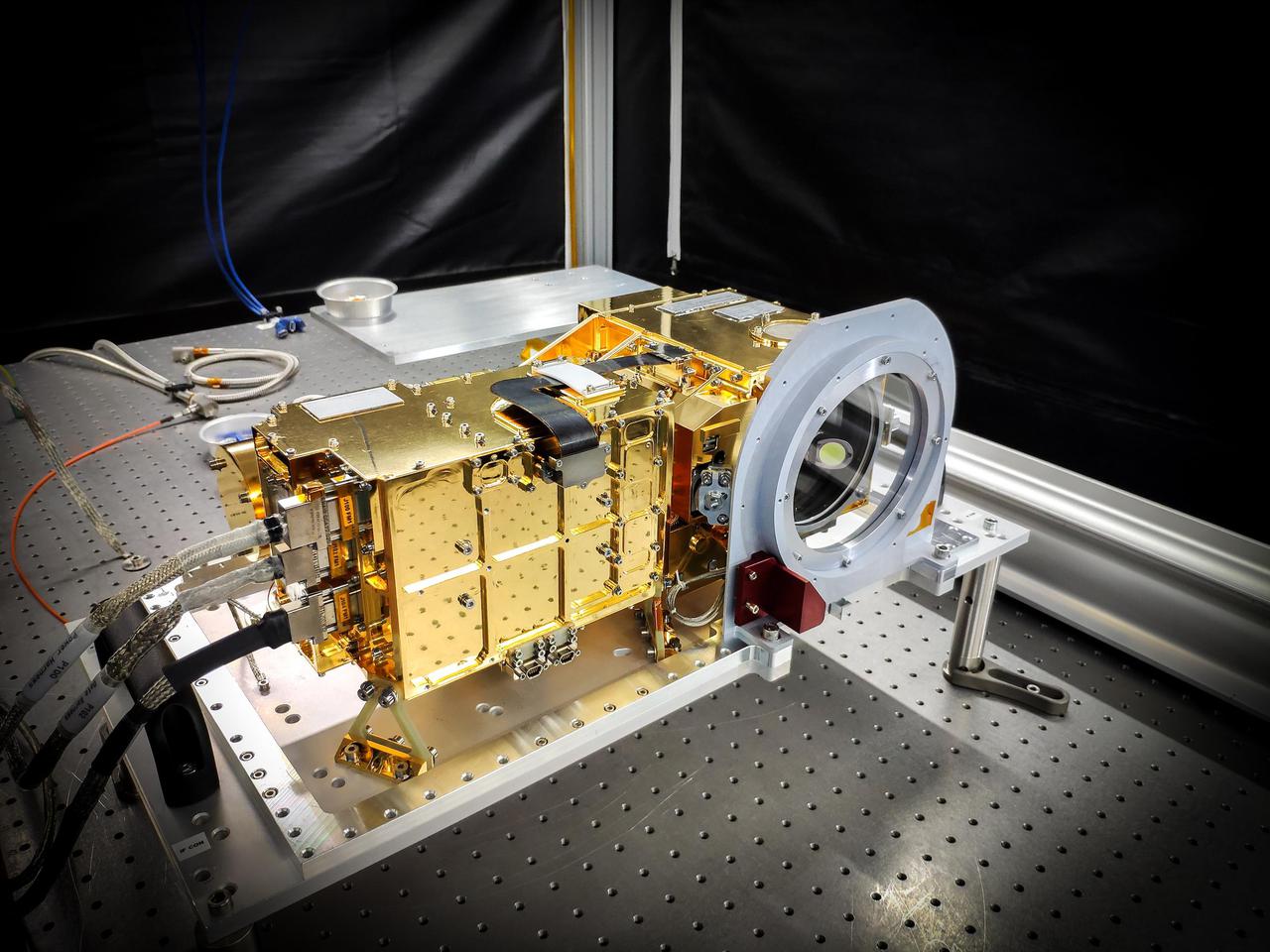
SuperCam's mast unit before being installed atop the Perseverance rover's remote sensing mast. SuperCam fires a laser at rock or soil targets up to 20 feet (7 meters) away, and then analyzes the vaporized rock to reveal the composition. SuperCam's telescope peers out through a window seen on the right side of the unit, above a microphone (hidden by a red protective cover in this image), which will pick up the sounds of rocks being vaporized by the laser. The electronics are inside the gold-plated box on the left. The end of the laser peeks out from behind the left side of the electronics. https://photojournal.jpl.nasa.gov/catalog/PIA24208
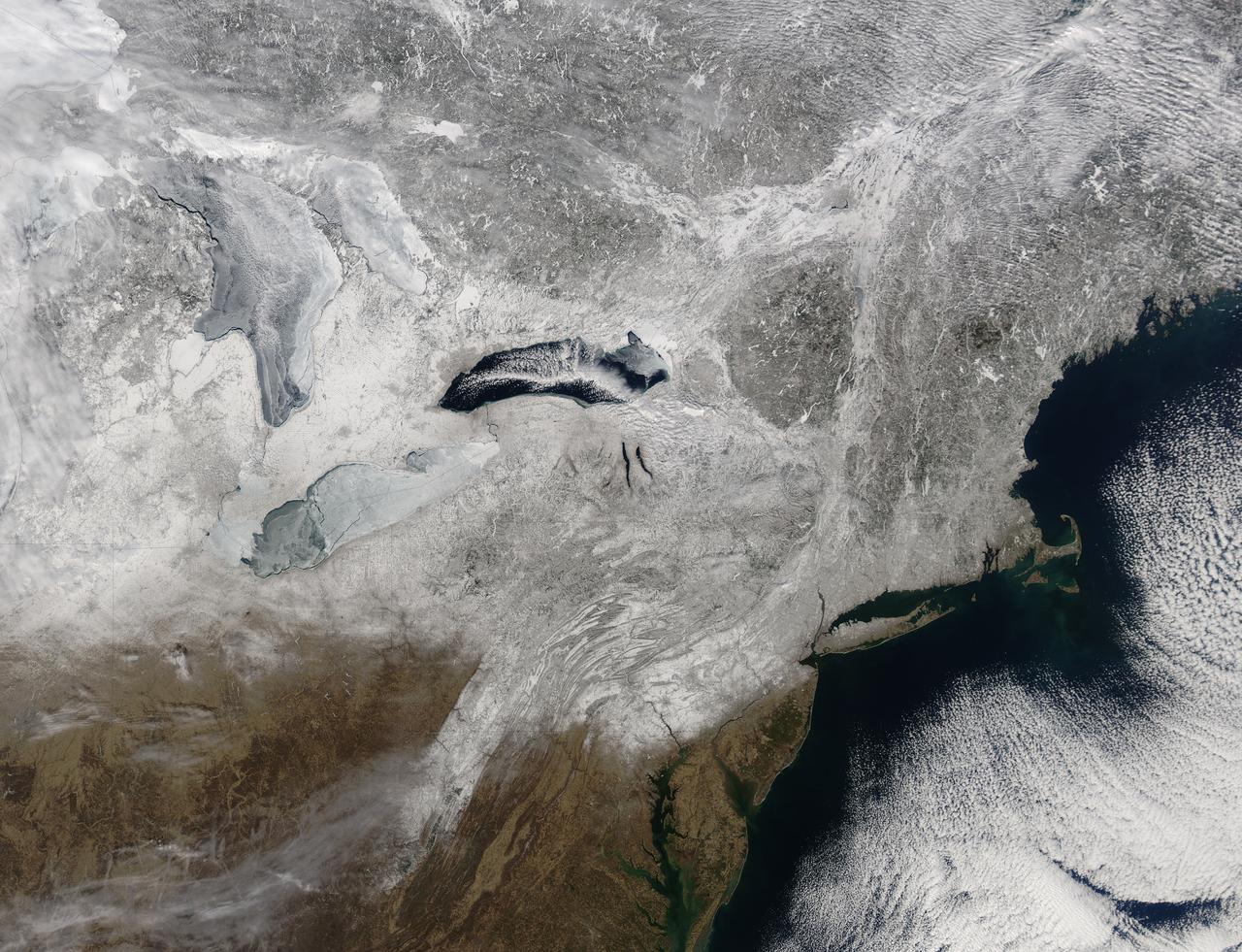
Snow covered the northeastern United States on last day of meteorological winter, 2014. Climatologists and meteorologists break seasons down into three-month groups, based on annual temperature and our calendar. This method is helpful for weather observing and forecasting, and for planning consistent agricultural dates, such as expected first frosts or best planting date. Meteorological winter – the season where temperatures are, on average, coldest and when snow is most likely to fall – runs from December 1 to February 28 in the United States and Canada. Winter can also be defined by the astronomical calendar, which is based on the rotation of the Earth around the sun. In this method, the seasons are defined by two solstices (times when the sun’s path is furthest from the Earth’s equator) and two equinoxes (the times when the sun passes directly above the equator). In the Northern Hemisphere, winter begins on the winter solstice, which falls on or around December 22 and ends on or around March 21, at the vernal (spring) equinox. On February 28, 2014, the Moderate Resolution Imaging Spectroradiometer aboard NASA’s Aqua satellite captured this true-color image of a sunny winter day in the northeastern United States. Snow stretches from Maine west to Indiana and south along the ridges of the Appalachian Mountains well into West Virginia. In Canada, the landscape appears greener, primarily because snow lies on conifers (evergreen) trees in the boreal forest regions. The Great Lakes, with the exception of Lake Ontario, are almost completely covered with ice. Credit: NASA/GSFC/Jeff Schmaltz/MODIS Land Rapid Response Team <b><a href="http://www.nasa.gov/audience/formedia/features/MP_Photo_Guidelines.html" rel="nofollow">NASA image use policy.</a></b> <b><a href="http://www.nasa.gov/centers/goddard/home/index.html" rel="nofollow">NASA Goddard Space Flight Center</a></b> enables NASA’s mission through four scientific endeavors: Earth Science, Heliophysics, Solar System Exploration, and Astrophysics. Goddard plays a leading role in NASA’s accomplishments by contributing compelling scientific knowledge to advance the Agency’s mission. <b>Follow us on <a href="http://twitter.com/NASAGoddardPix" rel="nofollow">Twitter</a></b> <b>Like us on <a href="http://www.facebook.com/pages/Greenbelt-MD/NASA-Goddard/395013845897?ref=tsd" rel="nofollow">Facebook</a></b> <b>Find us on <a href="http://instagram.com/nasagoddard?vm=grid" rel="nofollow">Instagram</a></b>
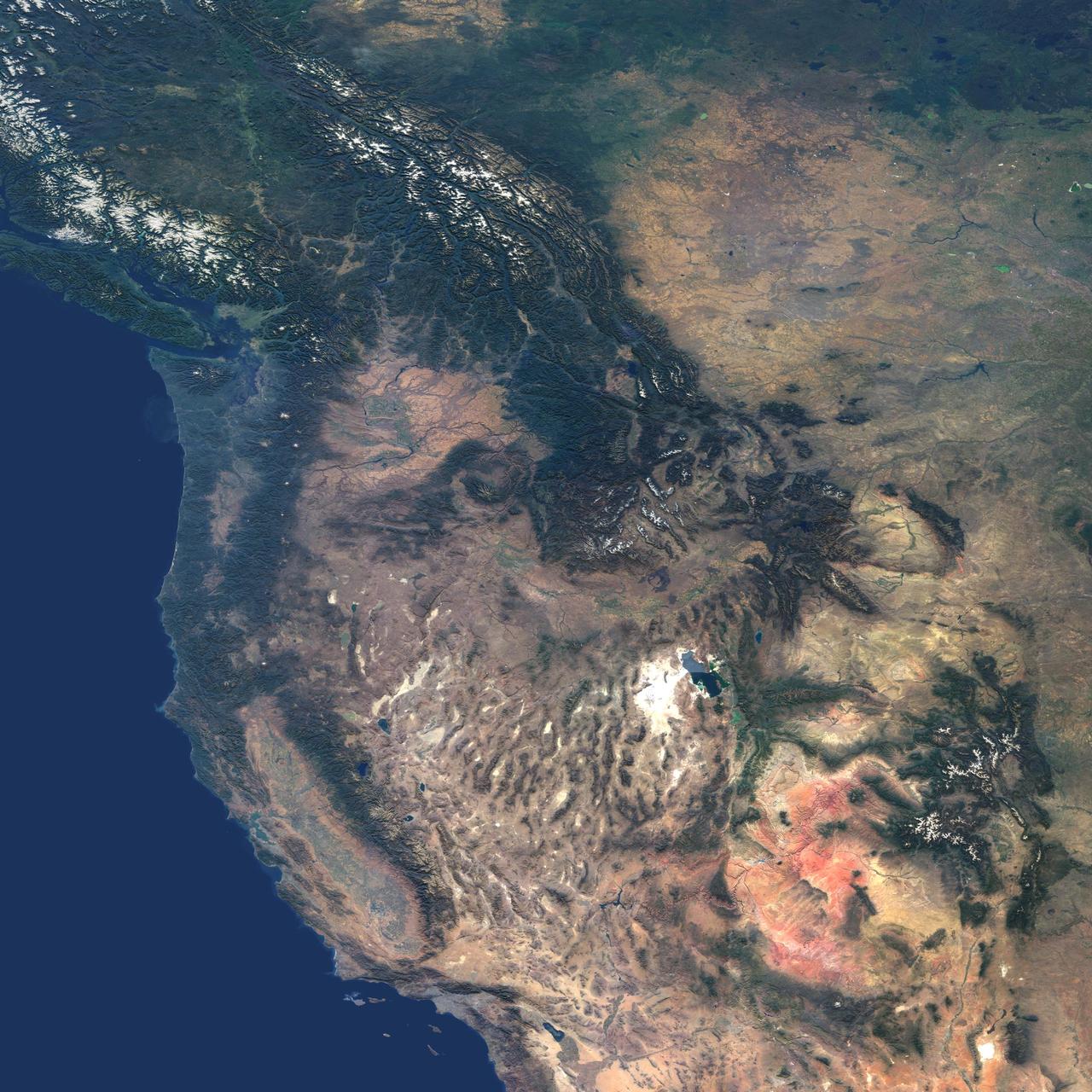
This natural-color image from NASA Terra spacecraft captures the beauty of the western United States and Canada.

Inside a laboratory in the Space Station Processing Facility at NASA's Kennedy Space Center in Florida, LED plant growth lights are being checked out on the hardware for the Advanced Plant Habitat flight unit. The flight unit is an exact replica of the APH that was delivered to the International Space Station. Validation tests and post-delivery checkout was performed to prepare for space station in-orbit APH activities. The flight unit will be moved to the International Space Station Environmental Simulator to begin an experiment verification test for the science that will fly on the first mission, PH-01. Developed by NASA and ORBITEC of Madison, Wisconsin, the APH is the largest plant chamber built for the agency. It is a fully automated plant growth facility that will be used to conduct bioscience research on the space station.

Inside a laboratory in the Space Station Processing Facility at NASA's Kennedy Space Center in Florida, LED plant growth lights are being checked out on the hardware for the Advanced Plant Habitat flight unit. The flight unit is an exact replica of the APH that was delivered to the International Space Station. Validation tests and post-delivery checkout was performed to prepare for space station in-orbit APH activities. The flight unit will be moved to the International Space Station Environmental Simulator to begin an experiment verification test for the science that will fly on the first mission, PH-01. Developed by NASA and ORBITEC of Madison, Wisconsin, the APH is the largest plant chamber built for the agency. It is a fully automated plant growth facility that will be used to conduct bioscience research on the space station.
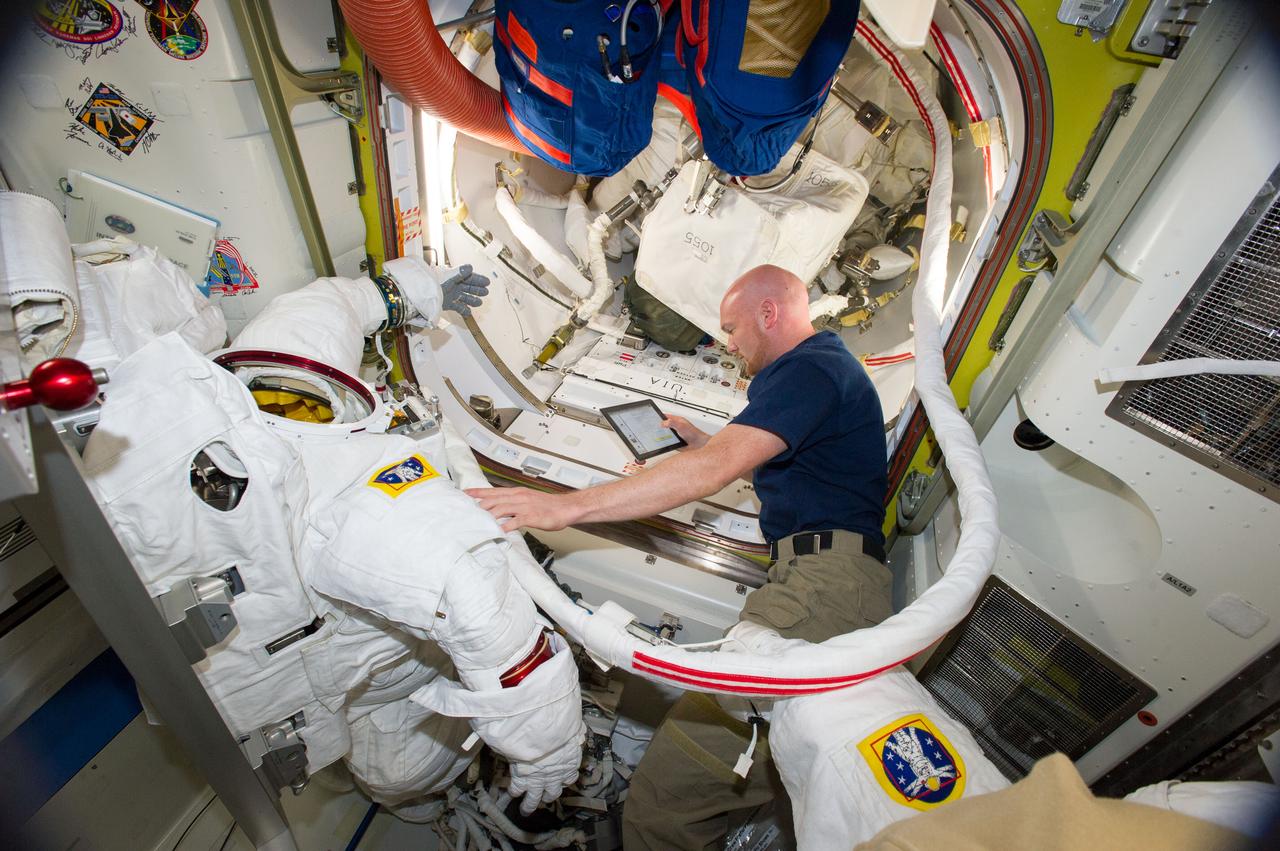
ISS040-E-010971 (12 June 2014) --- European Space Agency astronaut Alexander Gerst, Expedition 40 flight engineer, performs a checkout on an Extravehicular Mobility Unit (EMU) spacesuit in the Quest airlock of the International Space Station.
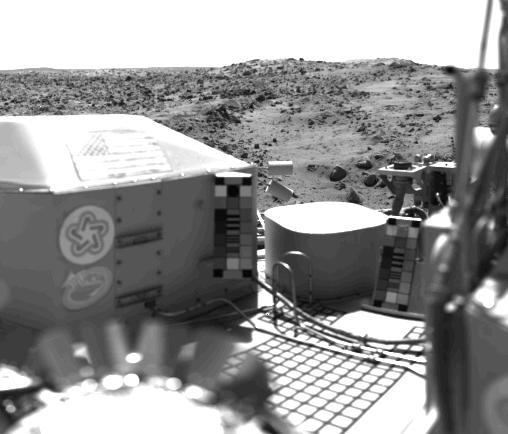
The flag of the United States stands on the surface of Mars. It is mounted on the housing of NASA's Viking 1's nuclear power system. Also seen are the U.S. Bicentennial symbol and a student designed Viking emblem. The bright flat surface near the center is the seismometer container. This picture was taken on July 23 at about 2:30 p.m. Mars time. The view is west of the spacecraft and includes a series of low hills. The blocky hill in the center appears to be part of a crater rim. The dark, rocky stripes may be material ejected from the crater. The light areas are dune-like and may be accumulations of windblown sand or dust. http://photojournal.jpl.nasa.gov/catalog/PIA00388
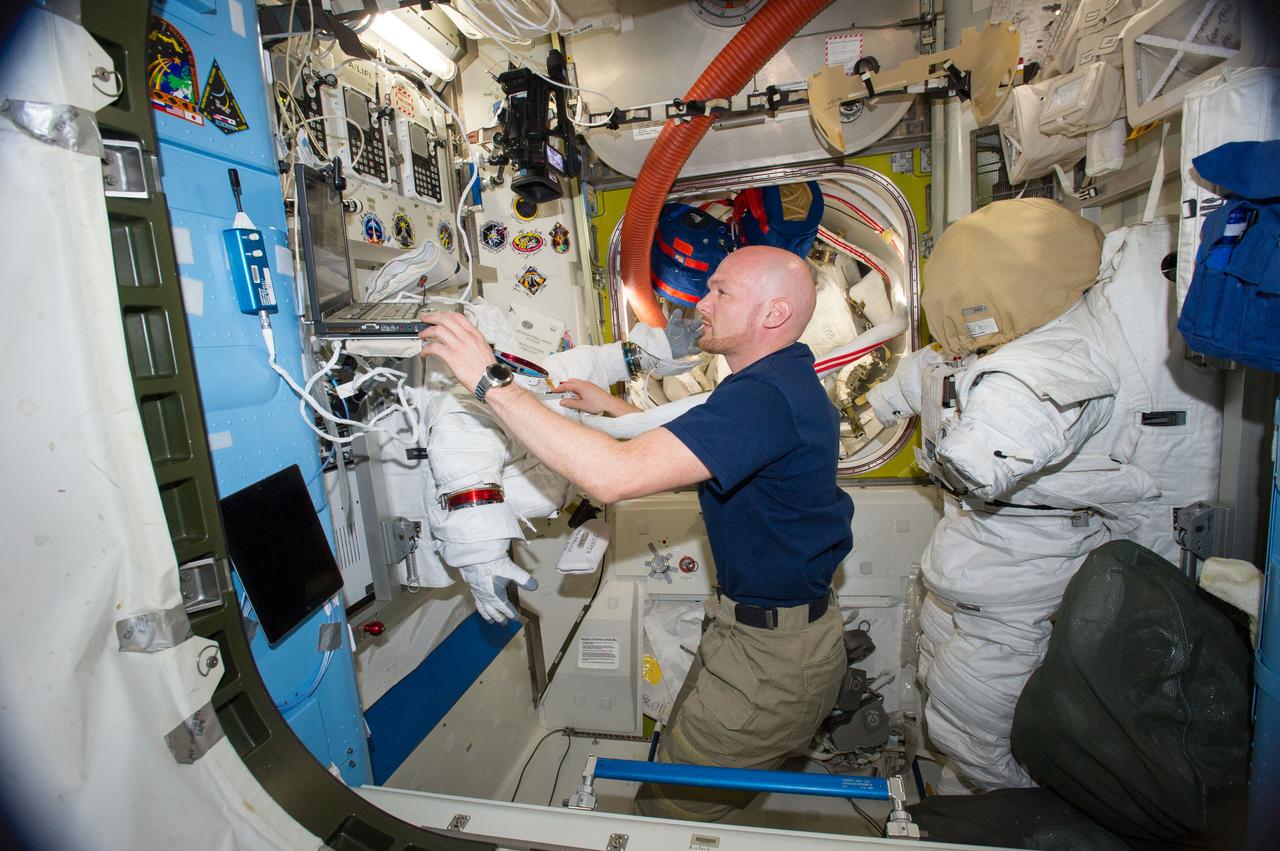
ISS040-E-010972 (12 June 2014) --- European Space Agency astronaut Alexander Gerst, Expedition 40 flight engineer, uses a computer while working on an Extravehicular Mobility Unit (EMU) spacesuit in the Quest airlock of the International Space Station.
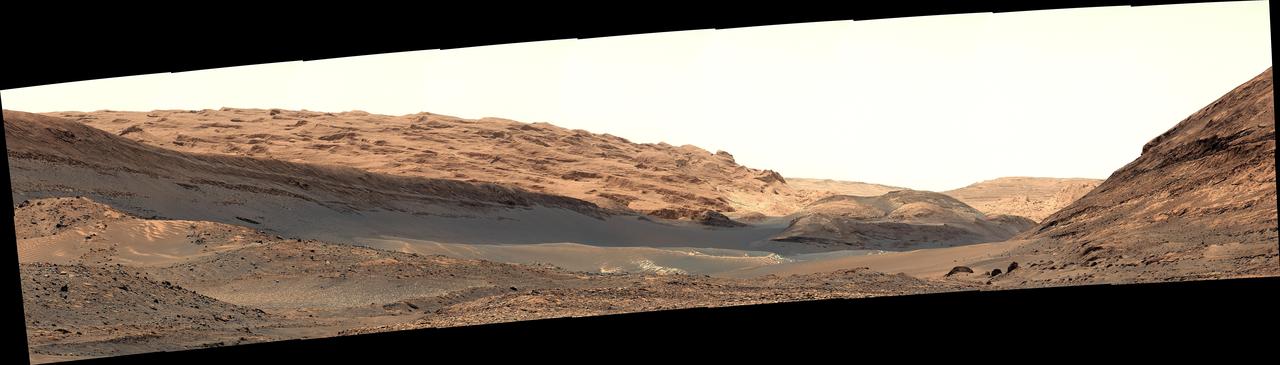
NASA's Curiosity Mars rover captured this view of a geological region called the Yardang Unit using its Mast Camera, or Mastcam, on Nov. 2, 2024, the 4,352nd Martian day, or sol, of the mission. This mosaic is made up of 18 images that were stitched together after being sent back to Earth. The color has been adjusted to match lighting conditions as the human eye would see them on Earth. A yardang is an elongated ridge created by wind erosion. The Yardang Unit is a layer found at the uppermost reaches of the foothills at the base of Mount Sharp, a 3-mile-tall (5-kilometer-tall) mountain that Curiosity has been ascending since 2014. The color, texture, and tilt of the layers in the Yardang Unit make it distinct from lower layers on the mountain. Mount Sharp is an exciting place for scientists to study because it's made up of a number of layers, each representing a distinct era in the climate of ancient Mars. https://photojournal.jpl.nasa.gov/catalog/PIA26472
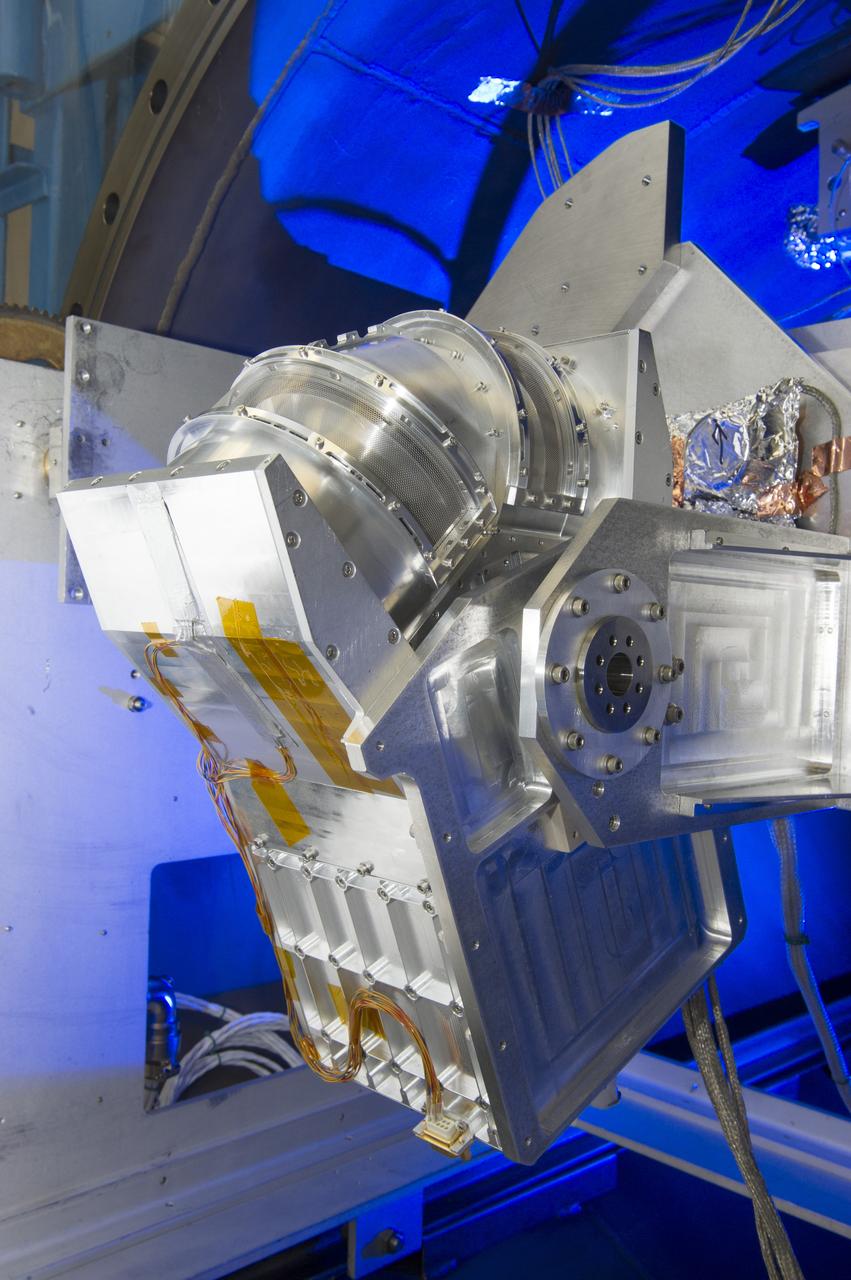
DUAL ION SPECTROMETER (DIS) ENGINEERING TEST UNIT (ETU) AT THE LOW ENERGY ELECTRON AND ION FACILITY (LEEIF), NSSTC
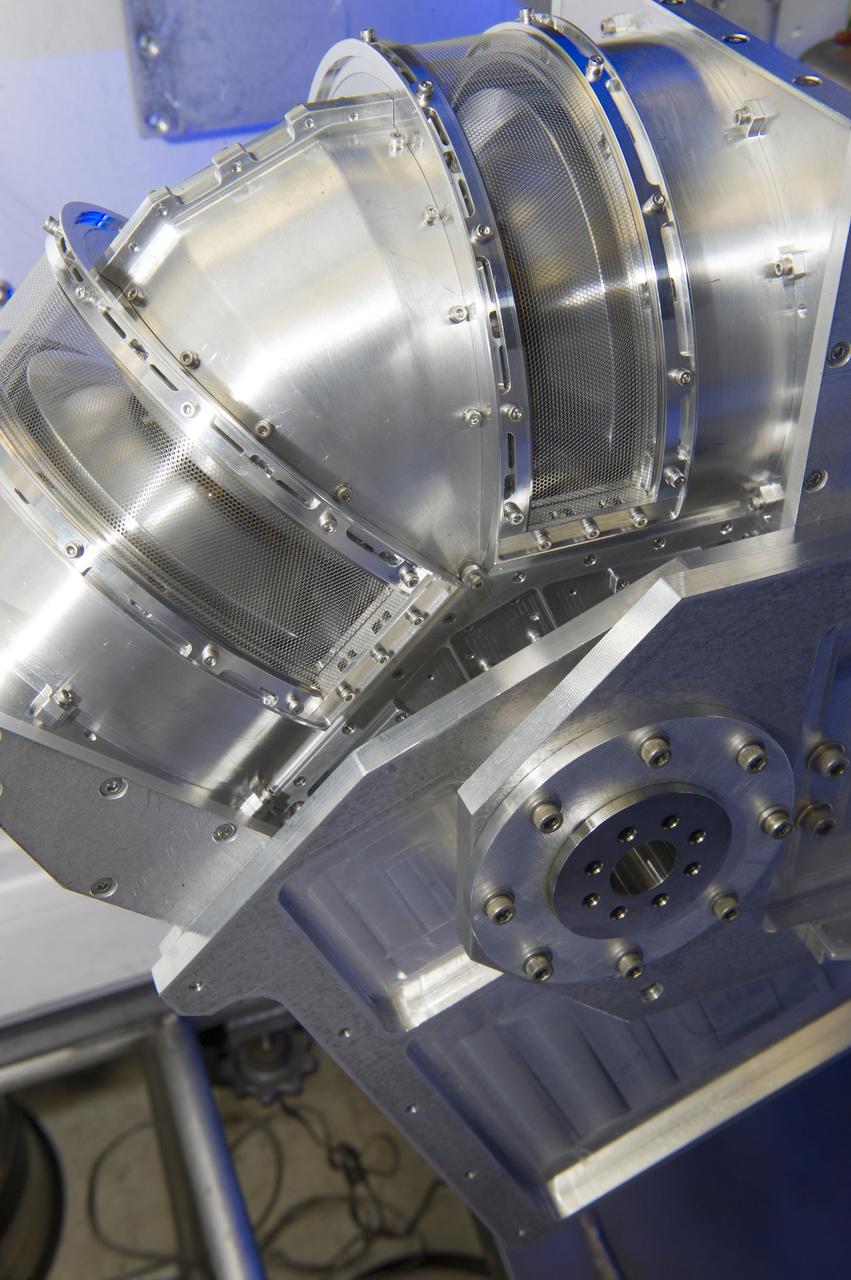
DUAL ION SPECTROMETER (DIS) ENGINEERING TEST UNIT (ETU) AT THE LOW ENERGY ELECTRON AND ION FACILITY (LEEIF), NSSTC
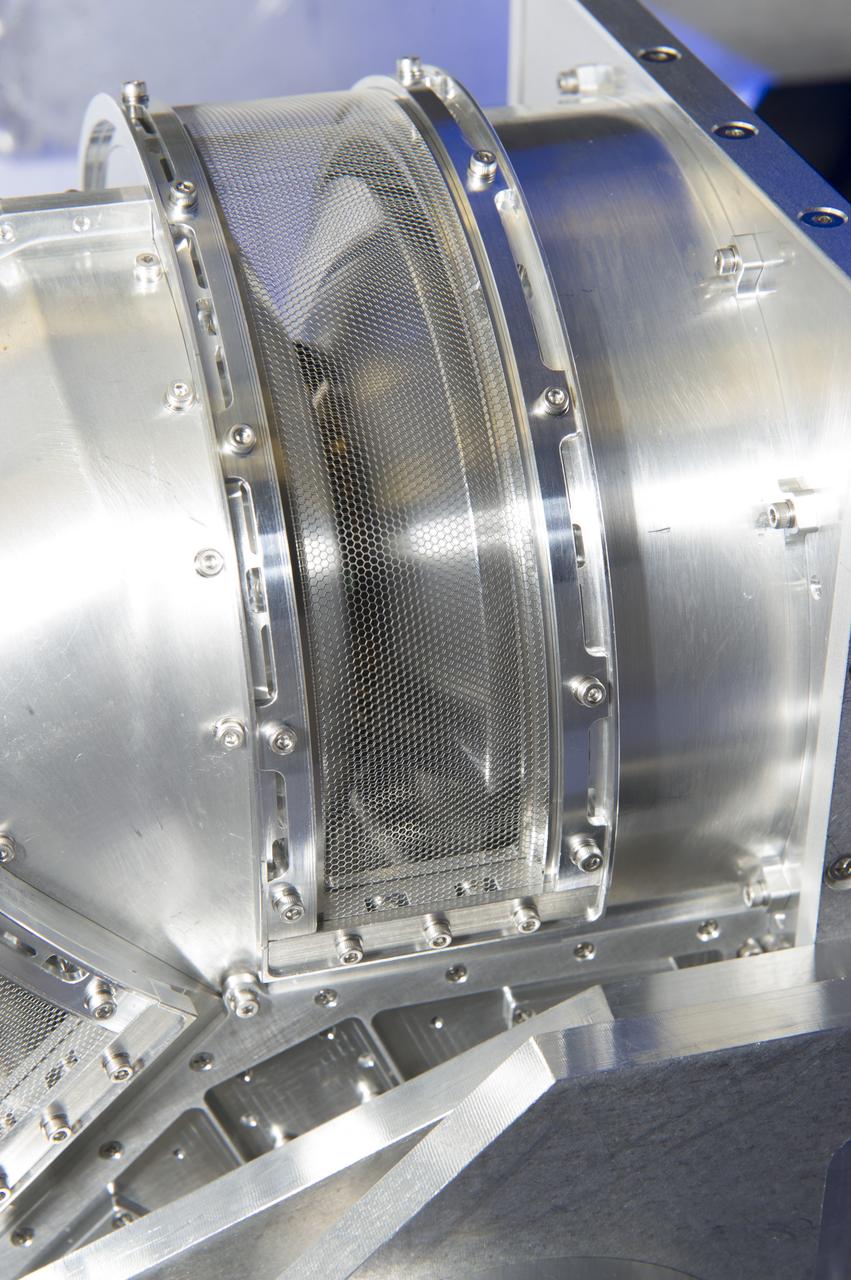
DUAL ION SPECTROMETER (DIS) ENGINEERING TEST UNIT (ETU) AT THE LOW ENERGY ELECTRON AND ION FACILITY (LEEIF), NSSTC
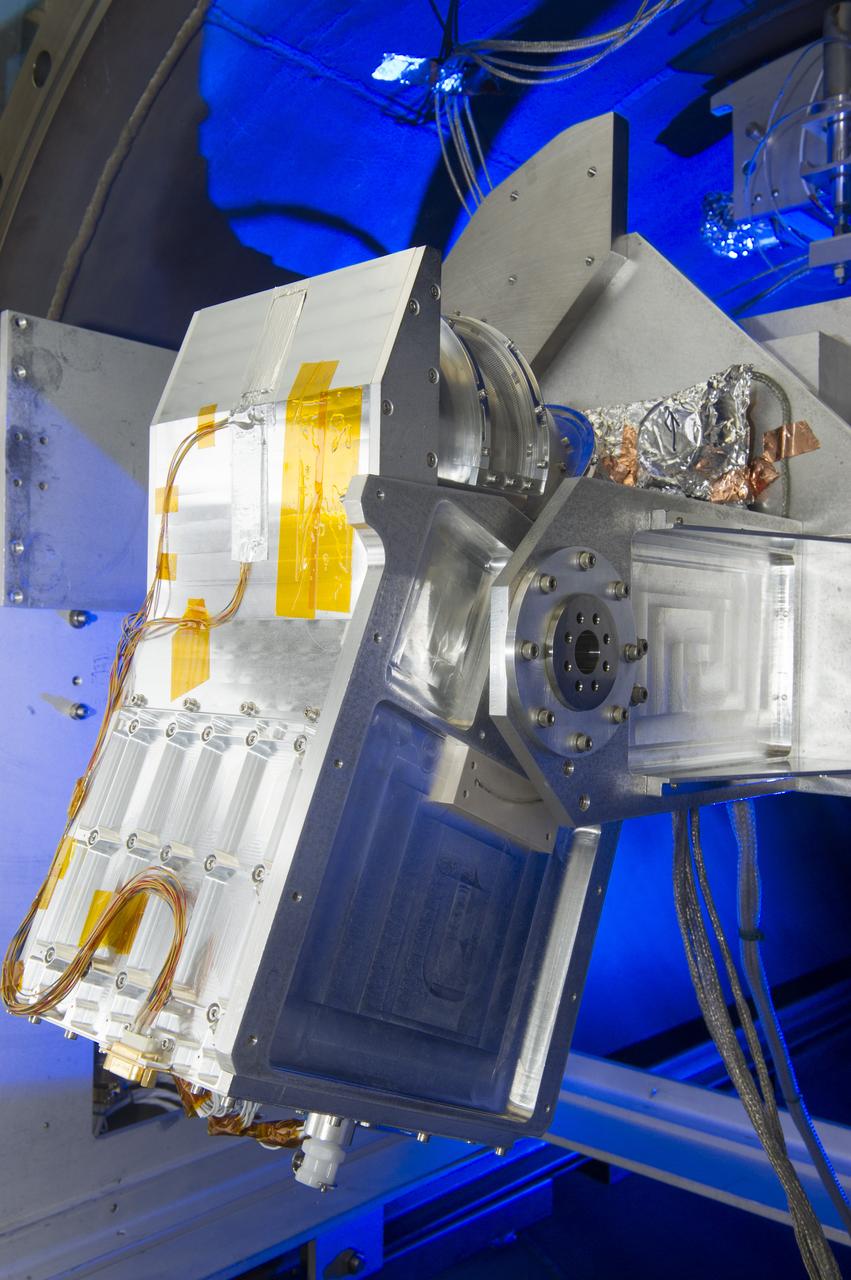
DUAL ION SPECTROMETER (DIS) ENGINEERING TEST UNIT (ETU) AT THE LOW ENERGY ELECTRON AND ION FACILITY (LEEIF), NSSTC
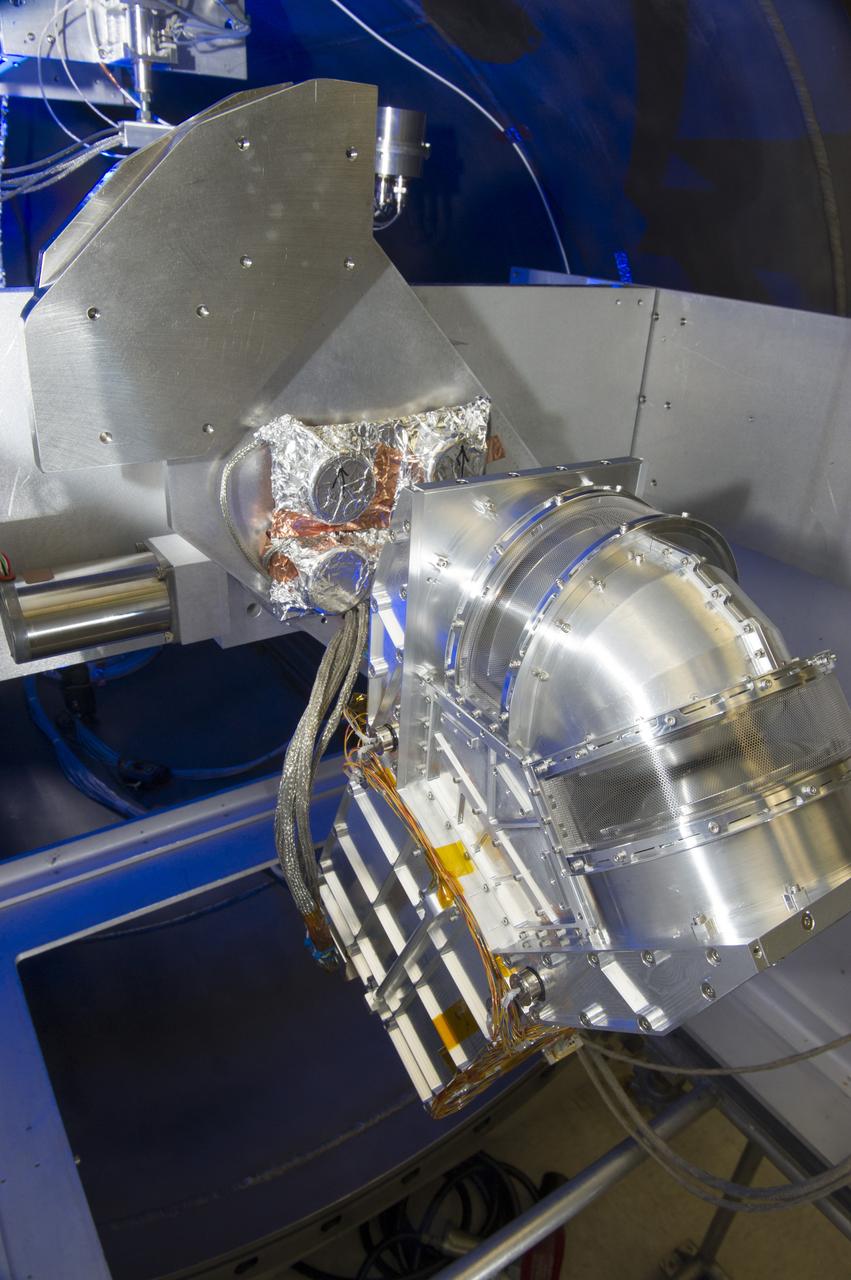
DUAL ION SPECTROMETER (DIS) ENGINEERING TEST UNIT (ETU) AT THE LOW ENERGY ELECTRON AND ION FACILITY (LEEIF), NSSTC
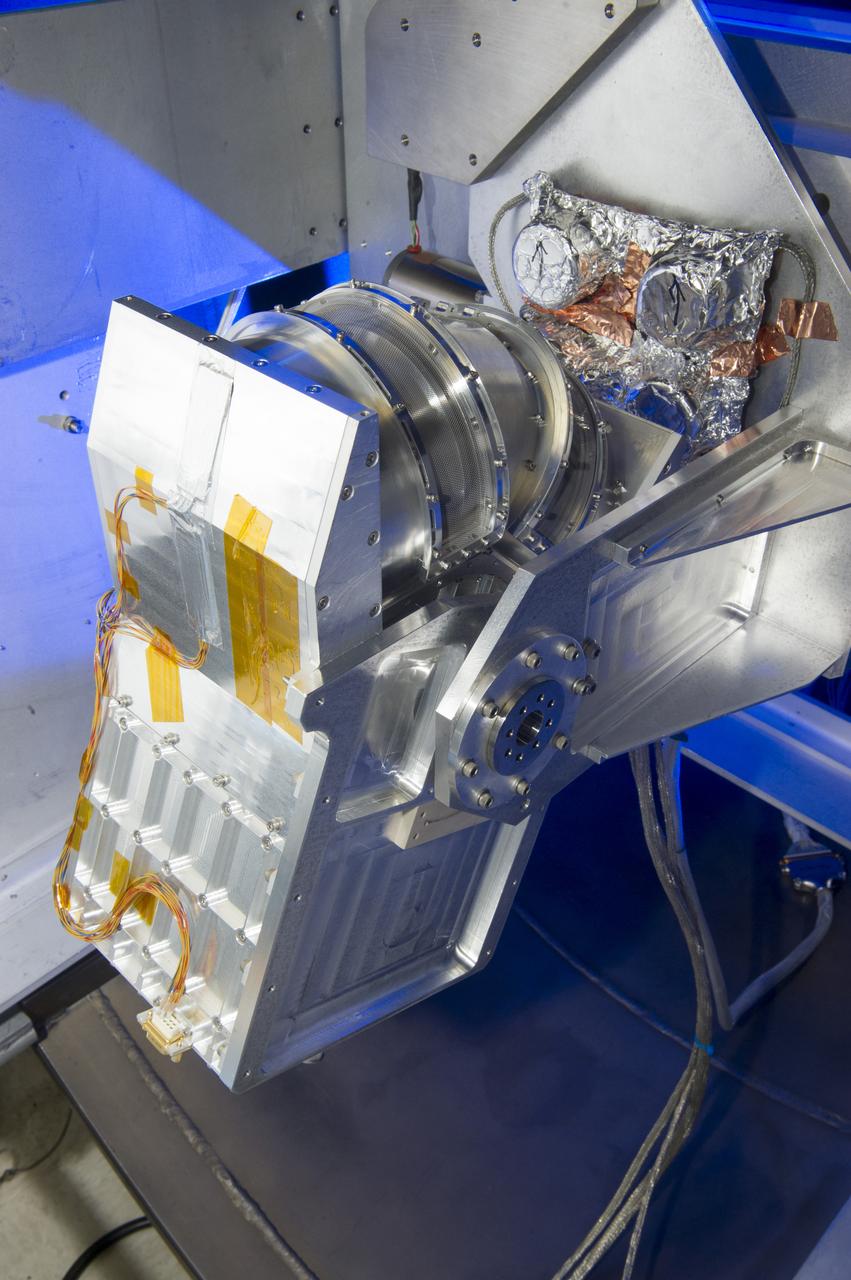
DUAL ION SPECTROMETER (DIS) ENGINEERING TEST UNIT (ETU) AT THE LOW ENERGY ELECTRON AND ION FACILITY (LEEIF), NSSTC
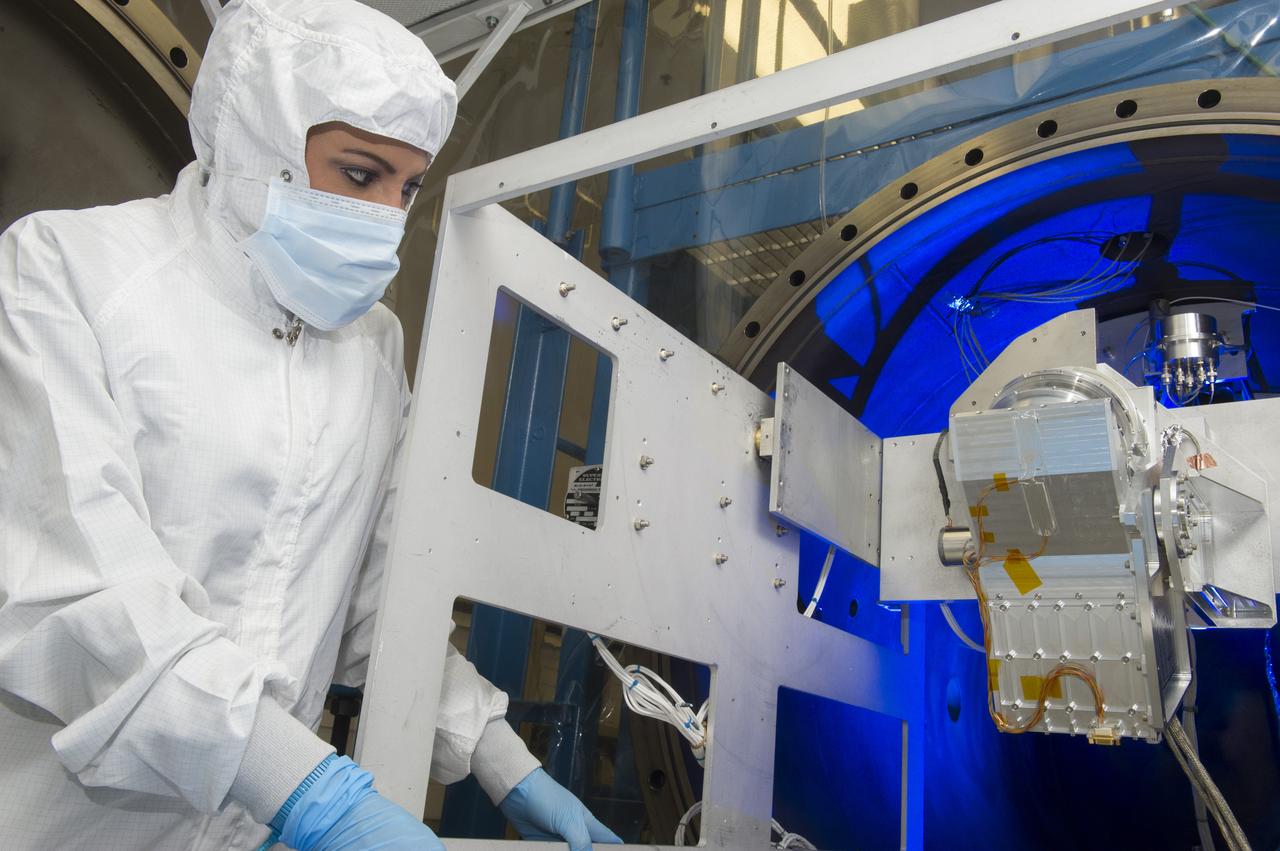
DUAL ION SPECTROMETER (DIS) ENGINEERING TEST UNIT (ETU) AT THE LOW ENERGY ELECTRON AND ION FACILITY (LEEIF), NSSTC
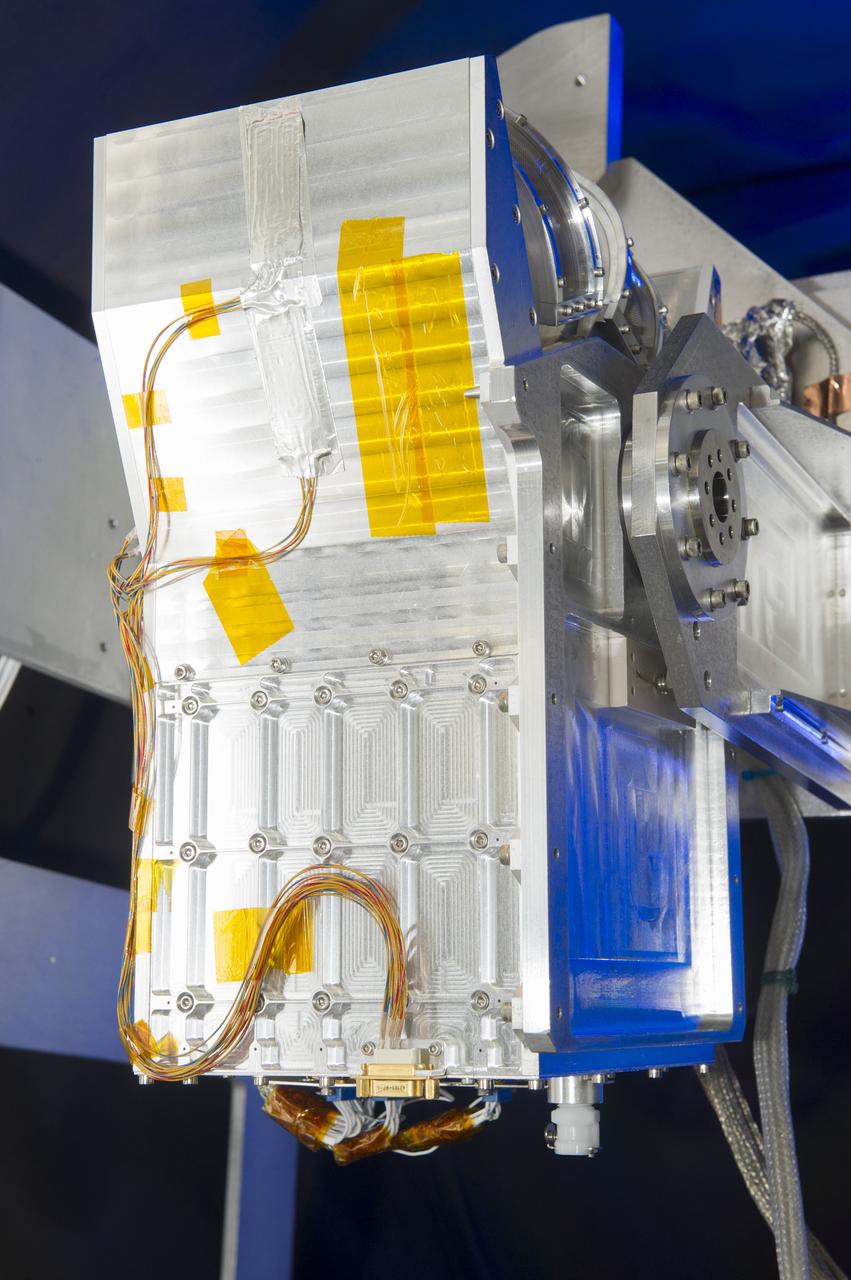
DUAL ION SPECTROMETER (DIS) ENGINEERING TEST UNIT (ETU) AT THE LOW ENERGY ELECTRON AND ION FACILITY (LEEIF), NSSTC
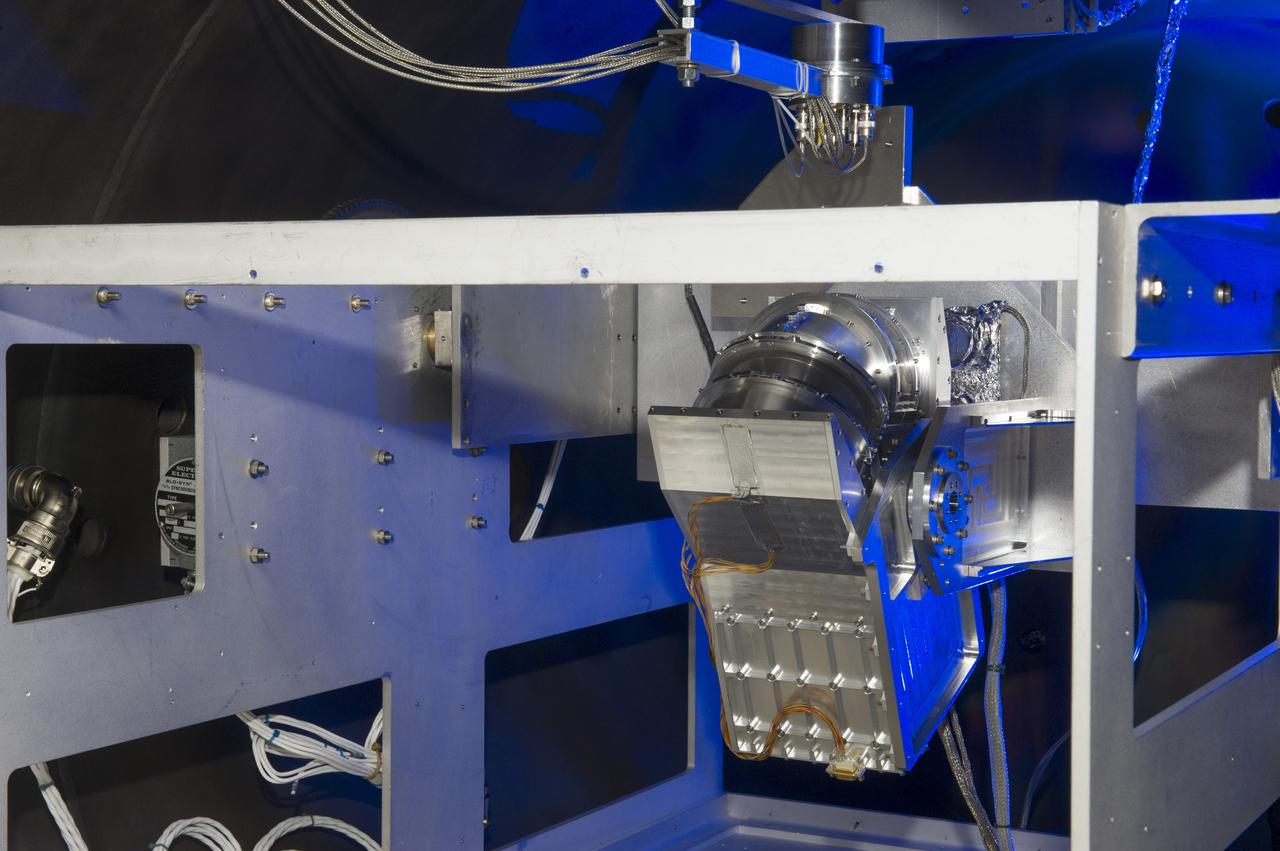
DUAL ION SPECTROMETER (DIS) ENGINEERING TEST UNIT (ETU) AT THE LOW ENERGY ELECTRON AND ION FACILITY (LEEIF), NSSTC
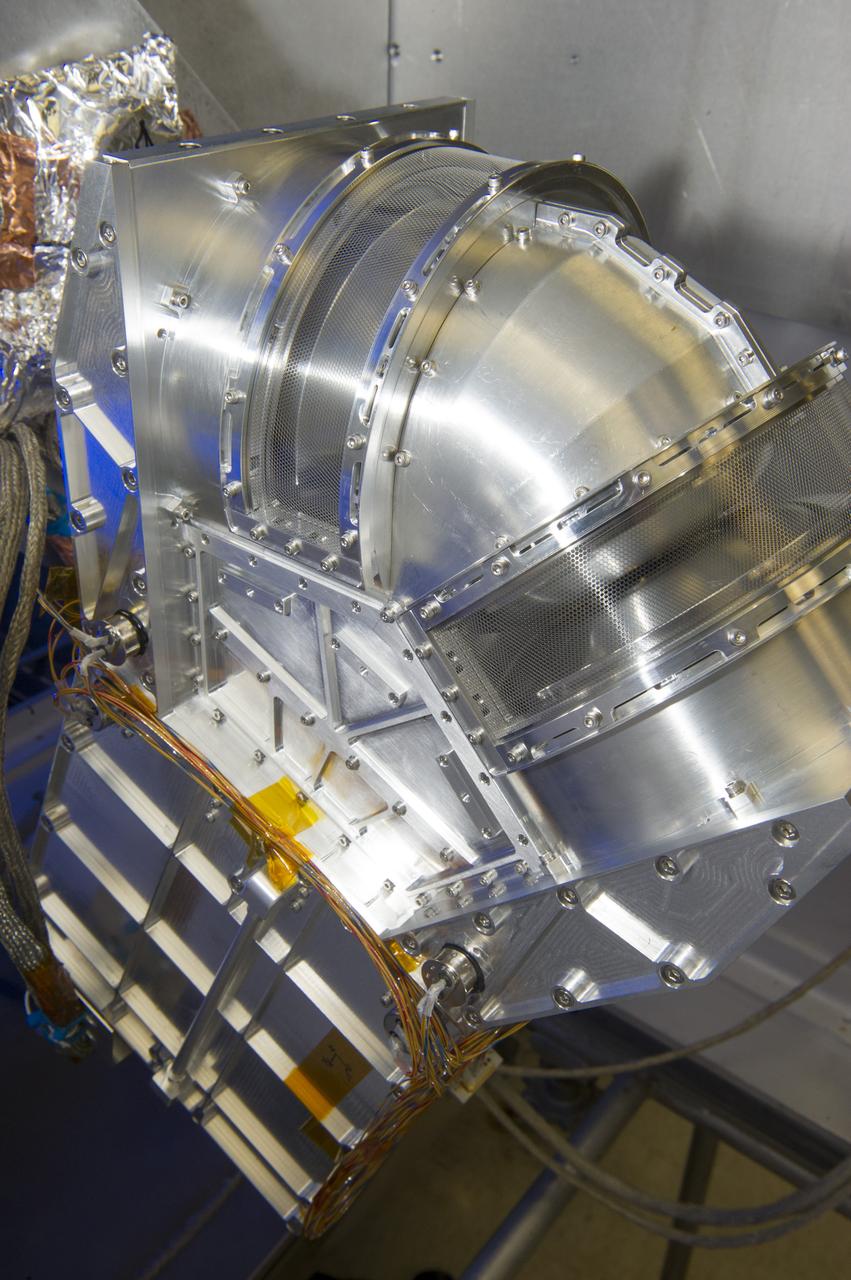
DUAL ION SPECTROMETER (DIS) ENGINEERING TEST UNIT (ETU) AT THE LOW ENERGY ELECTRON AND ION FACILITY (LEEIF), NSSTC

DUAL ION SPECTROMETER (DIS) ENGINEERING TEST UNIT (ETU) AT THE LOW ENERGY ELECTRON AND ION FACILITY (LEEIF), NSSTC
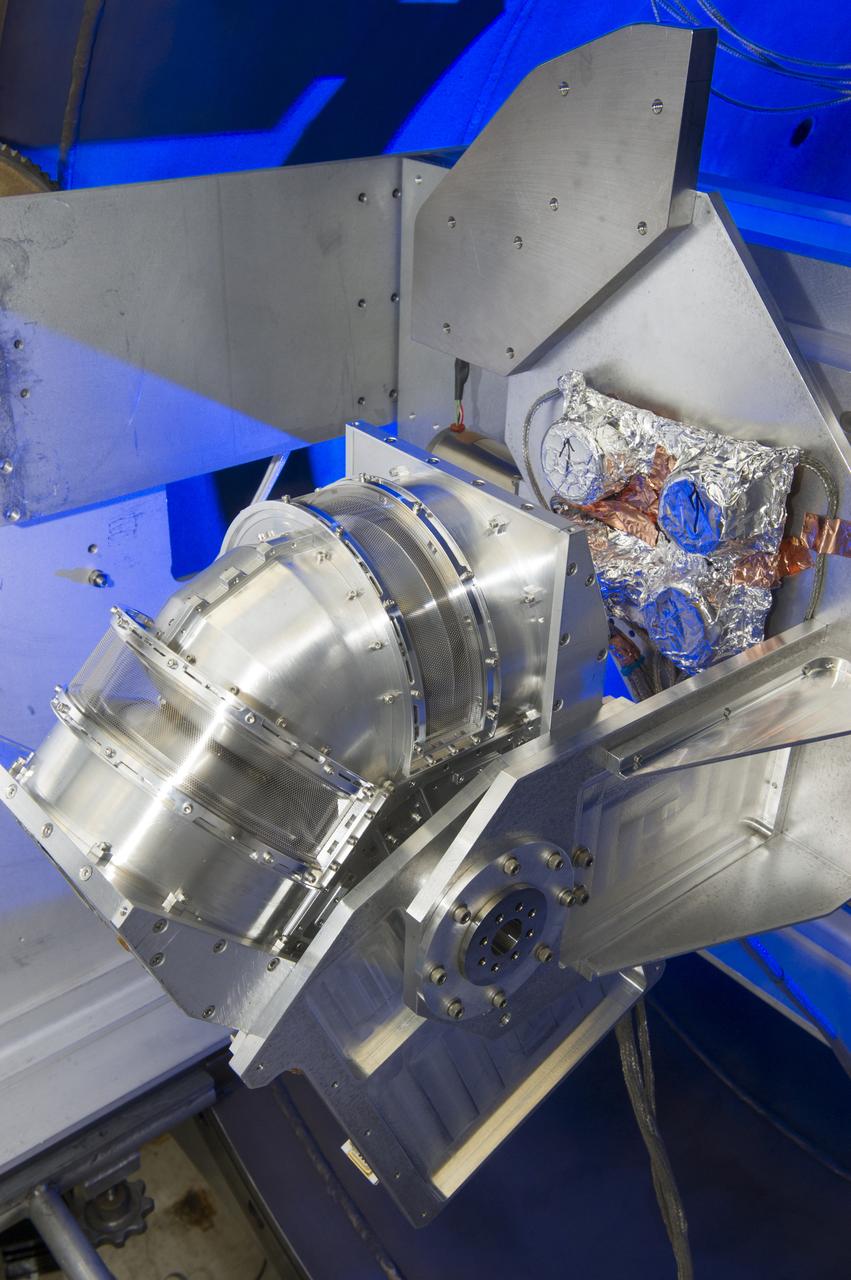
DUAL ION SPECTROMETER (DIS) ENGINEERING TEST UNIT (ETU) AT THE LOW ENERGY ELECTRON AND ION FACILITY (LEEIF), NSSTC
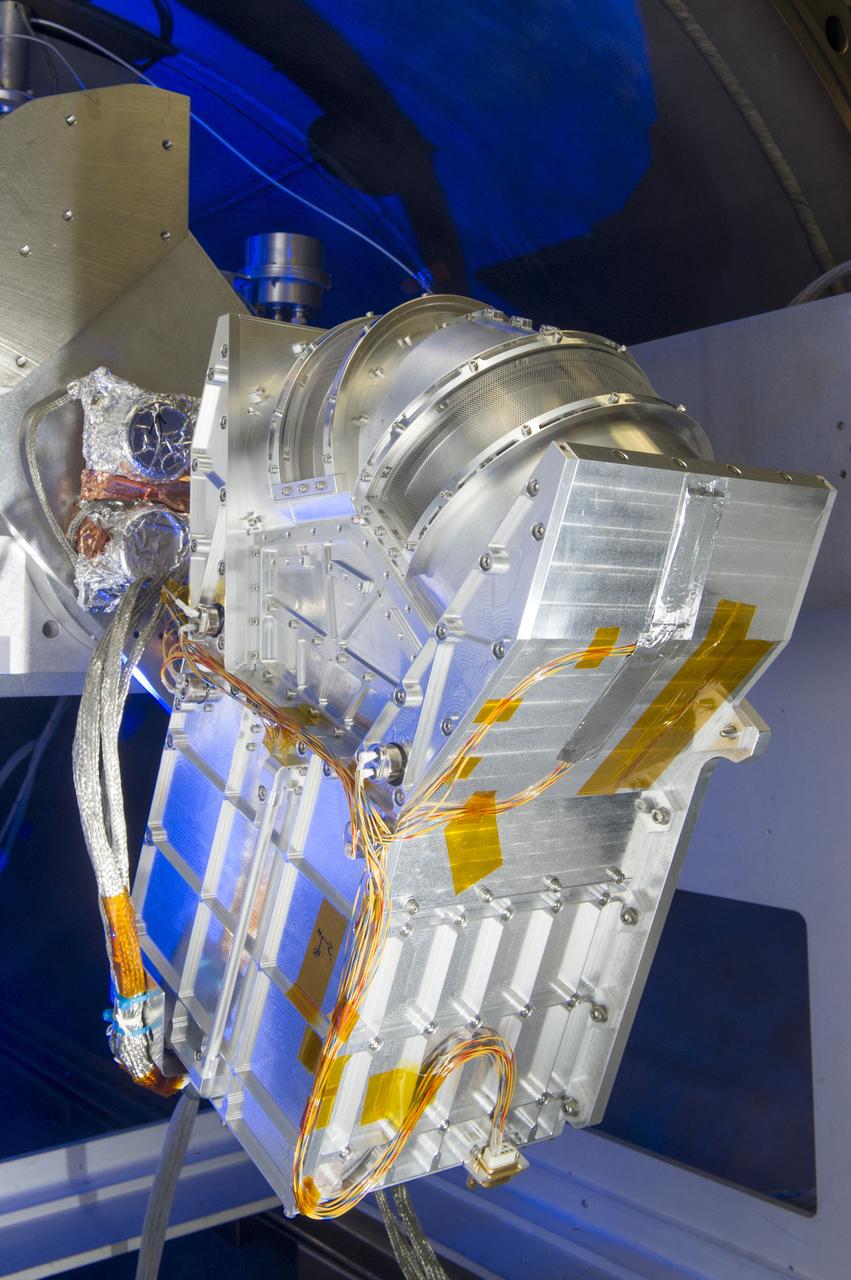
DUAL ION SPECTROMETER (DIS) ENGINEERING TEST UNIT (ETU) AT THE LOW ENERGY ELECTRON AND ION FACILITY (LEEIF), NSSTC
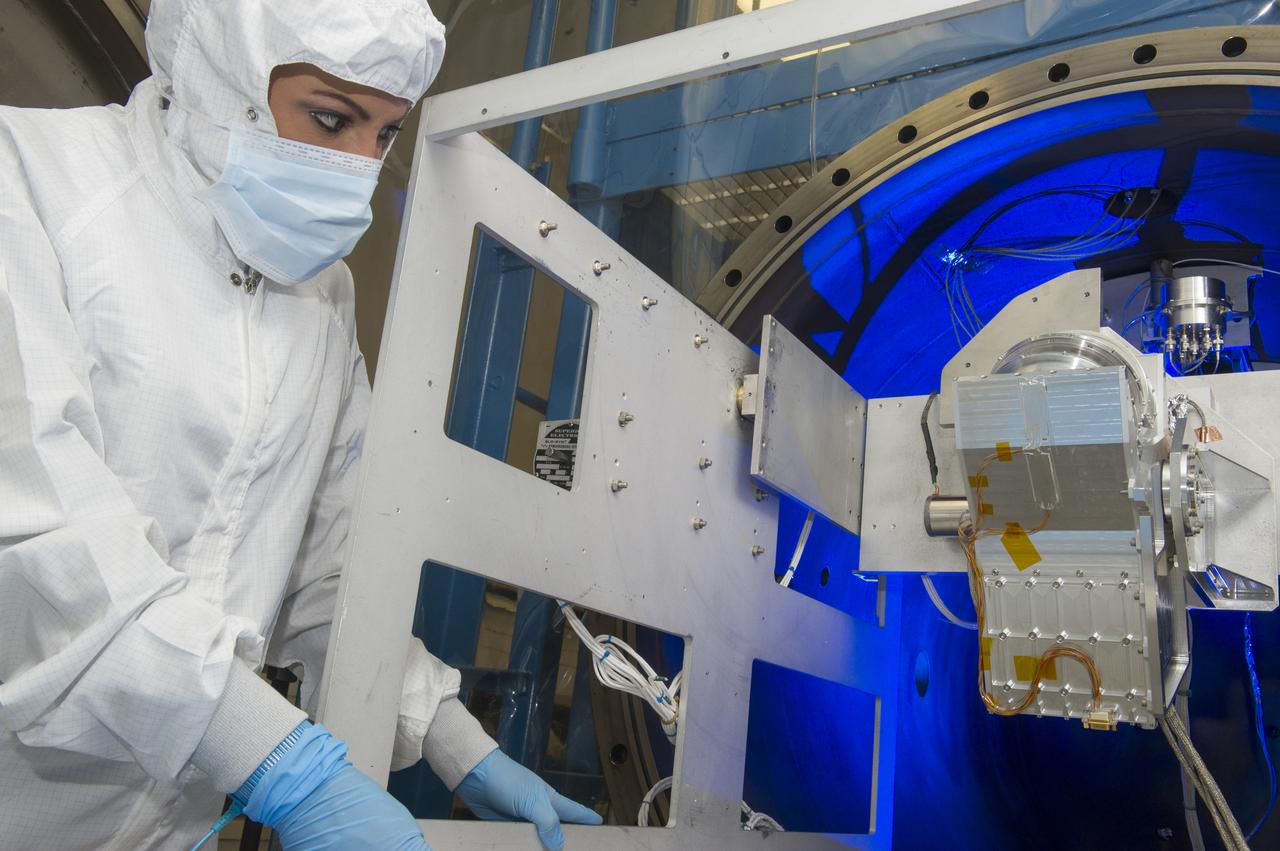
DUAL ION SPECTROMETER (DIS) ENGINEERING TEST UNIT (ETU) AT THE LOW ENERGY ELECTRON AND ION FACILITY (LEEIF), NSSTC
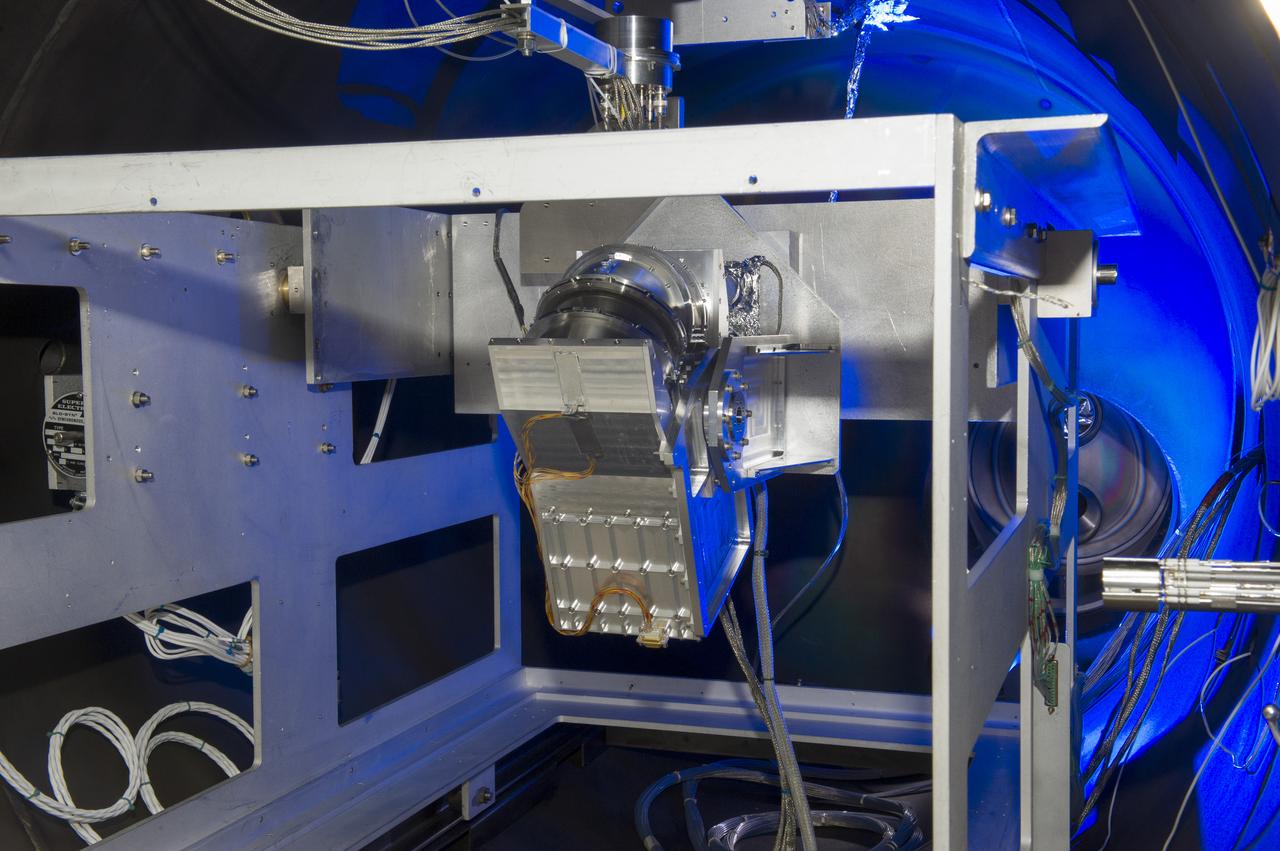
DUAL ION SPECTROMETER (DIS) ENGINEERING TEST UNIT (ETU) AT THE LOW ENERGY ELECTRON AND ION FACILITY (LEEIF), NSSTC
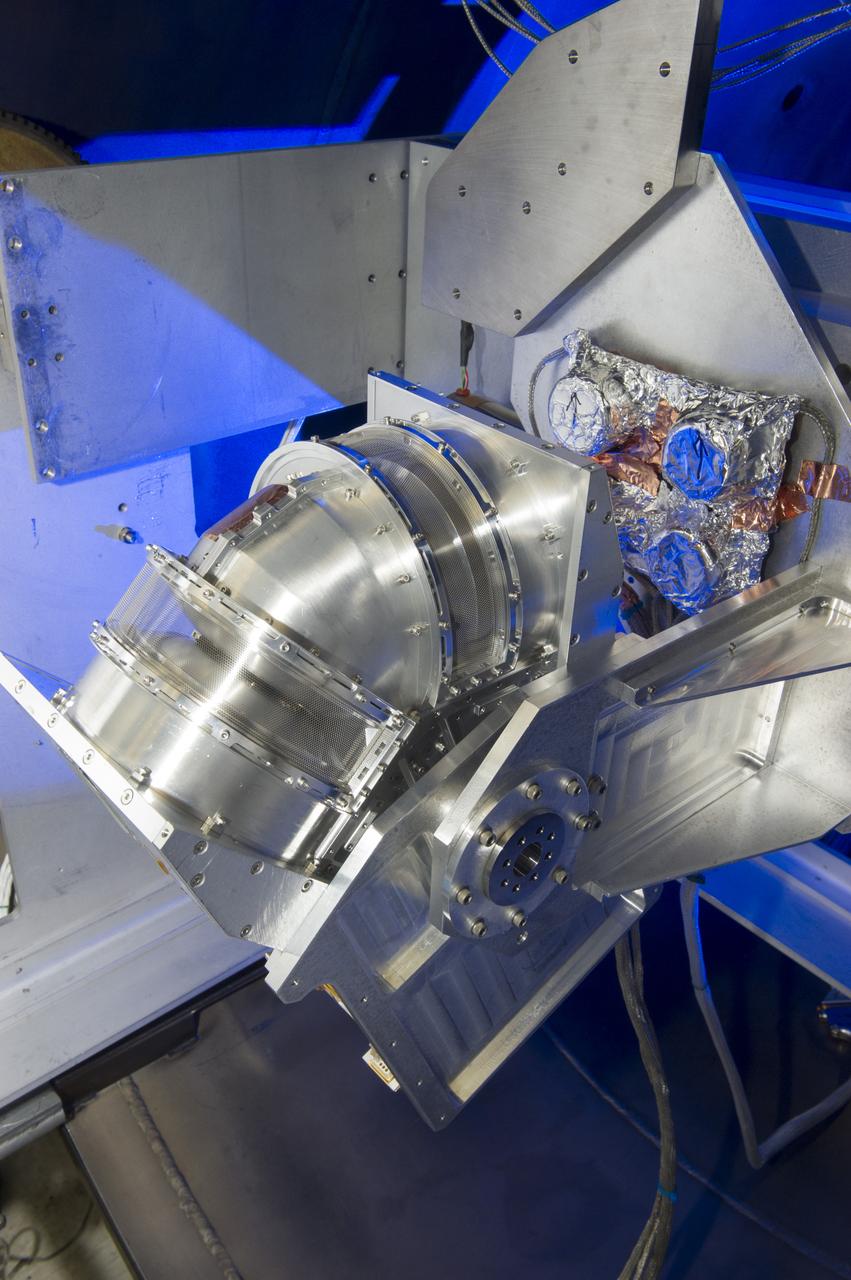
DUAL ION SPECTROMETER (DIS) ENGINEERING TEST UNIT (ETU) AT THE LOW ENERGY ELECTRON AND ION FACILITY (LEEIF), NSSTC
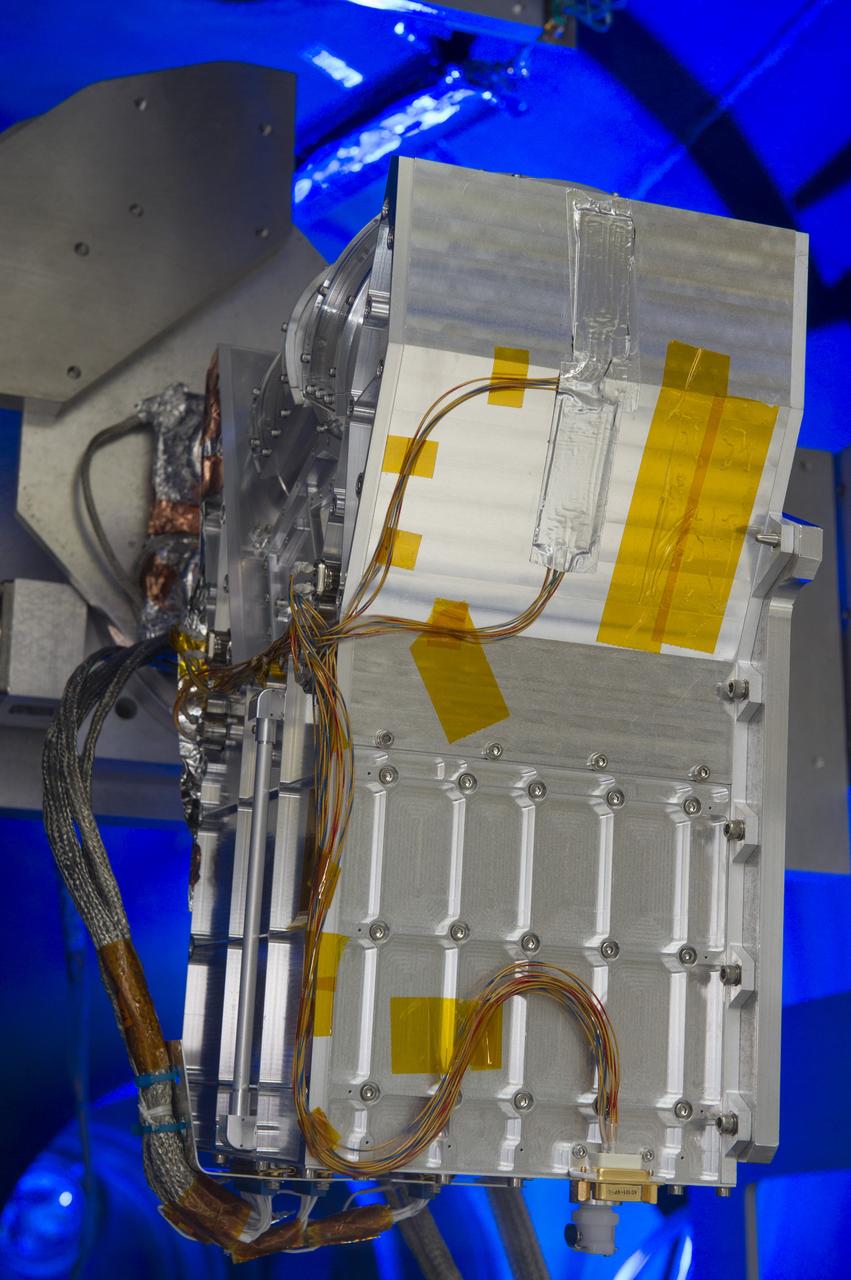
DUAL ION SPECTROMETER (DIS) ENGINEERING TEST UNIT (ETU) AT THE LOW ENERGY ELECTRON AND ION FACILITY (LEEIF), NSSTC
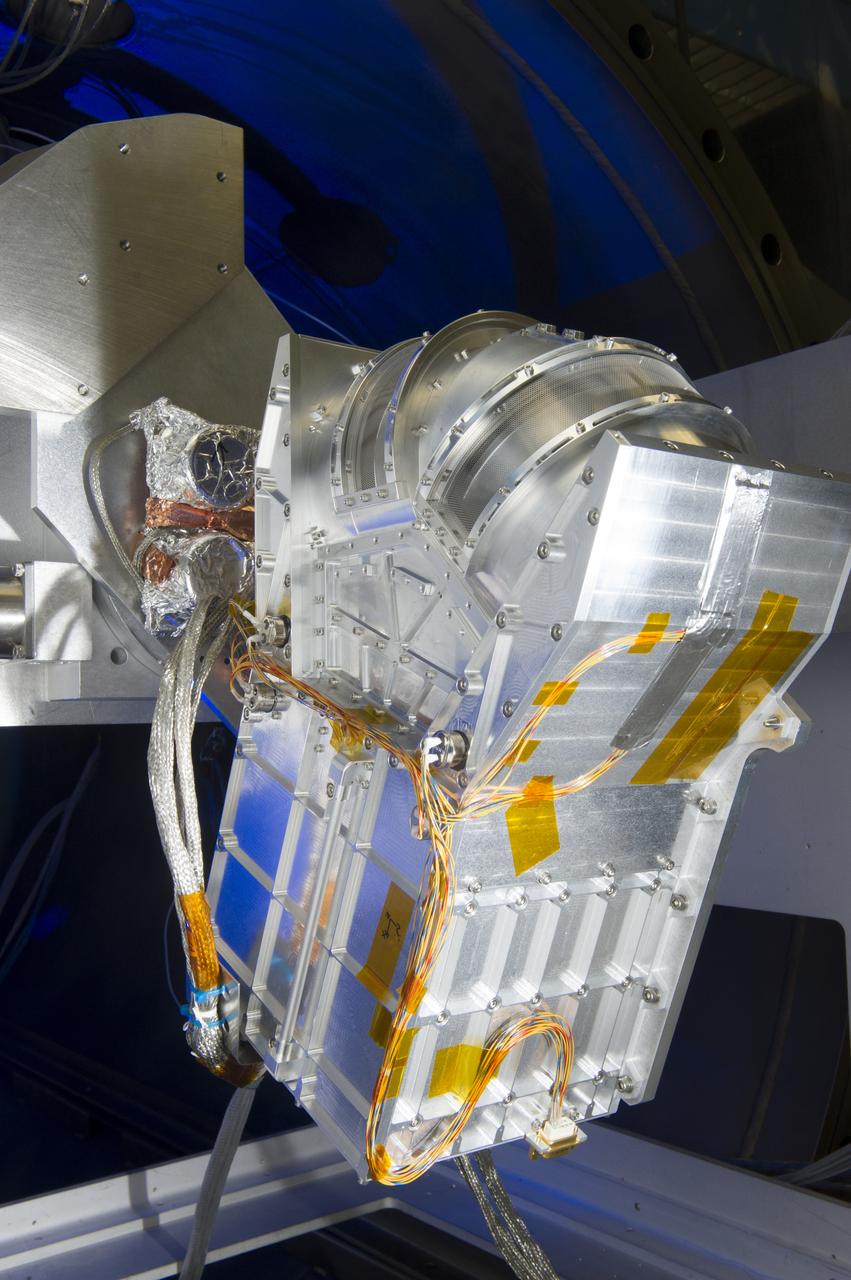
DUAL ION SPECTROMETER (DIS) ENGINEERING TEST UNIT (ETU) AT THE LOW ENERGY ELECTRON AND ION FACILITY (LEEIF), NSSTC
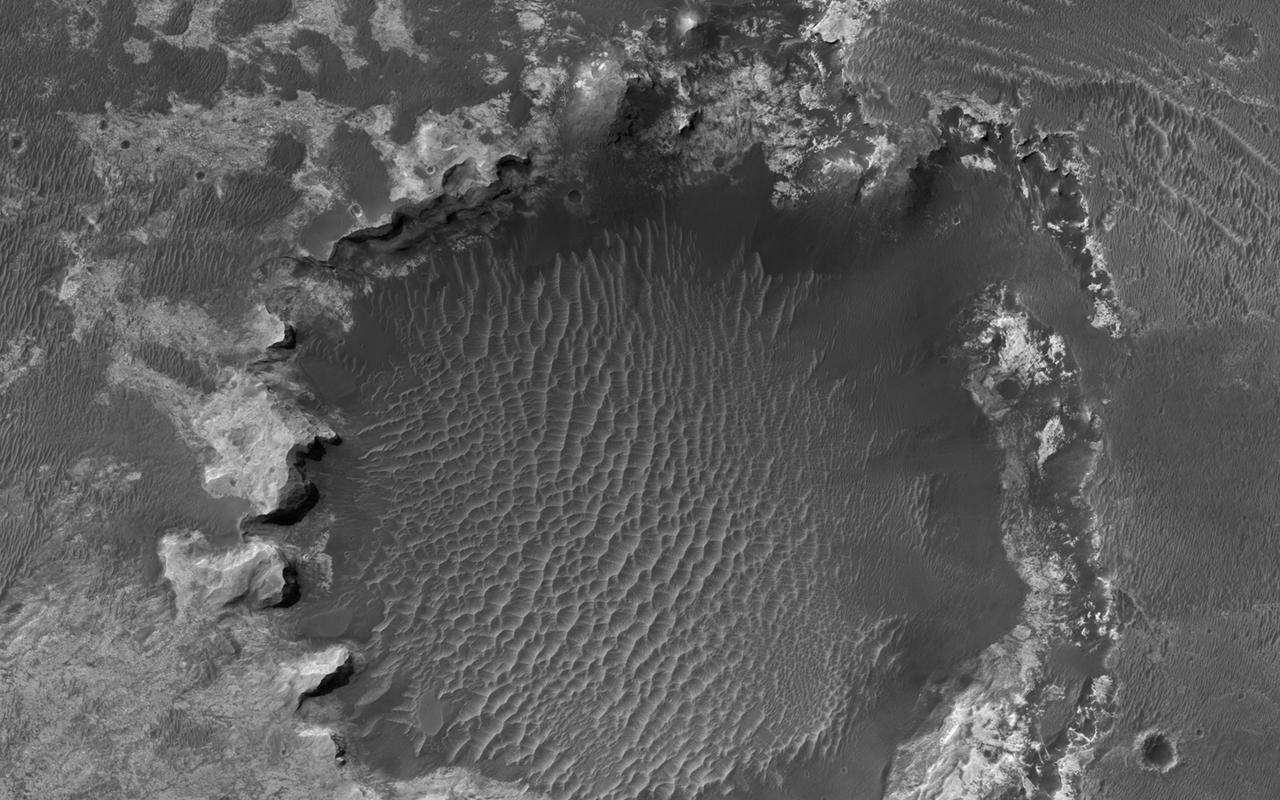
NASA Mars Reconnaissance Orbiter spies an impact crater located in northern Sinus Meridiani has formed along the boundary of two different terrain units.
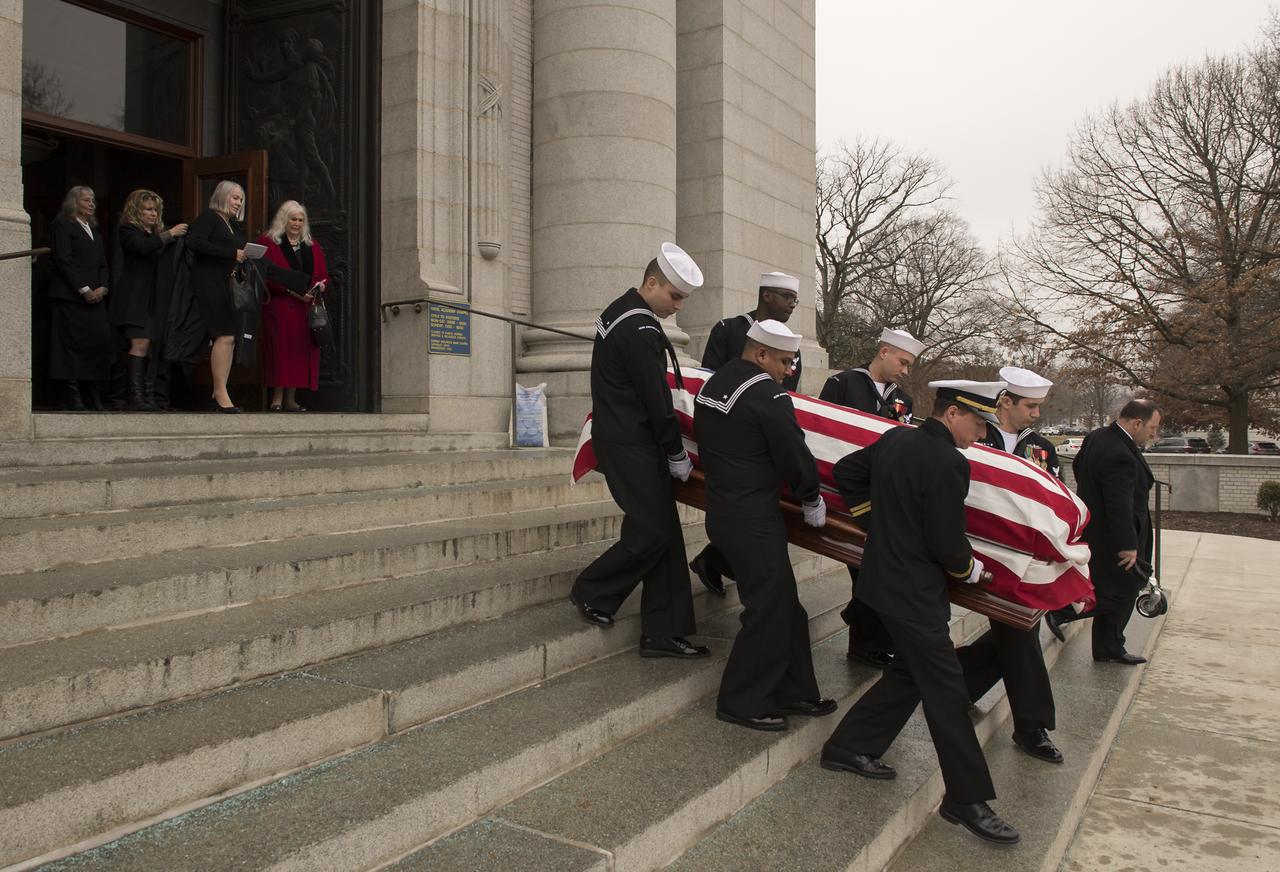
Funeral service for former NASA astronaut Captain Bruce McCandless II, USN (Ret.), Tuesday, Jan. 16, 2018 at the United States Naval Academy Chapel in Annapolis, Maryland. Photo Credit: (NASA/Bill Ingalls)
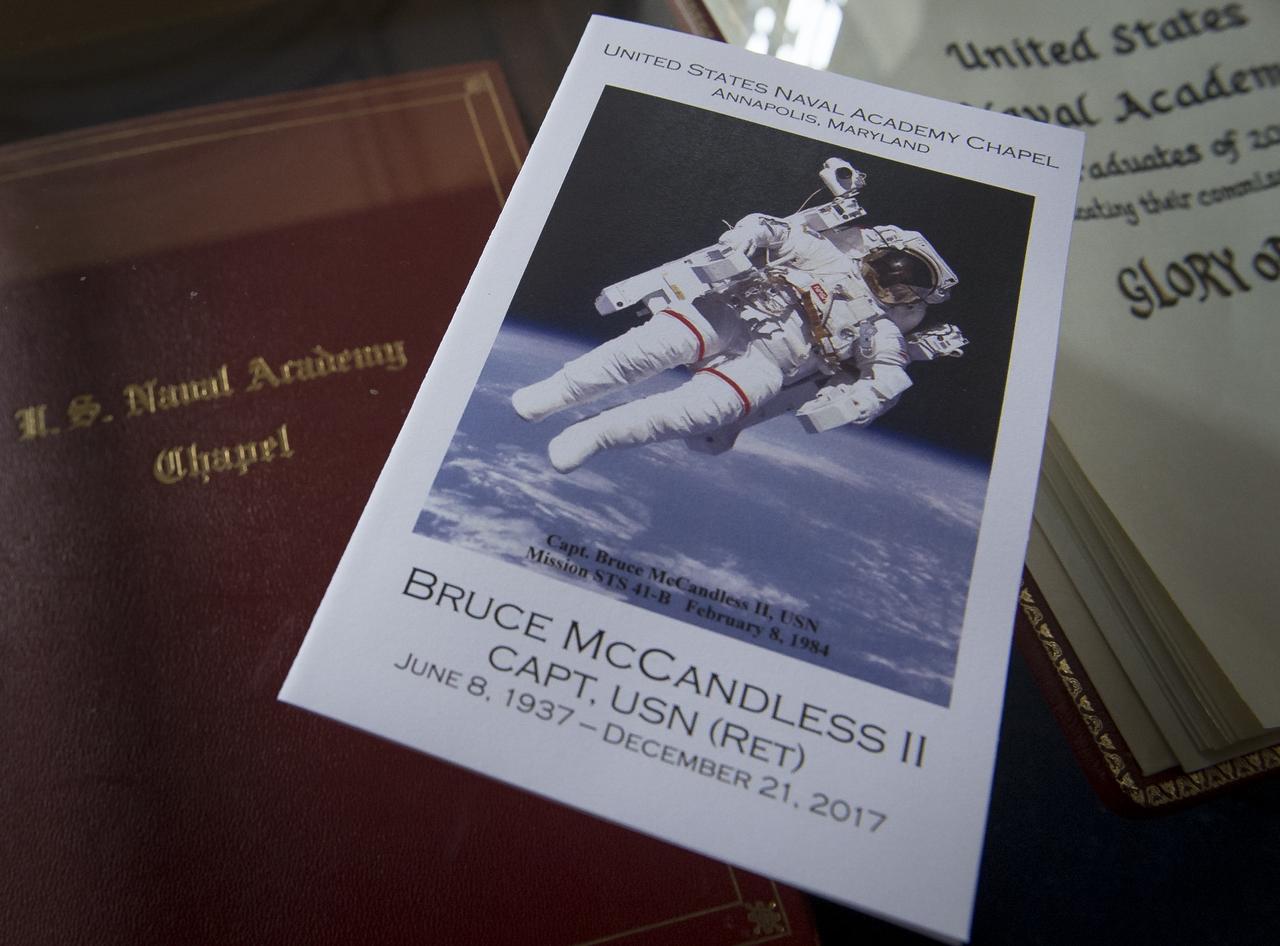
Program for the funeral service of former NASA astronaut Captain Bruce McCandless II, USN (Ret.), Tuesday, Jan. 16, 2018 at the United States Naval Academy Chapel in Annapolis, Maryland. Photo Credit: (NASA/Bill Ingalls)
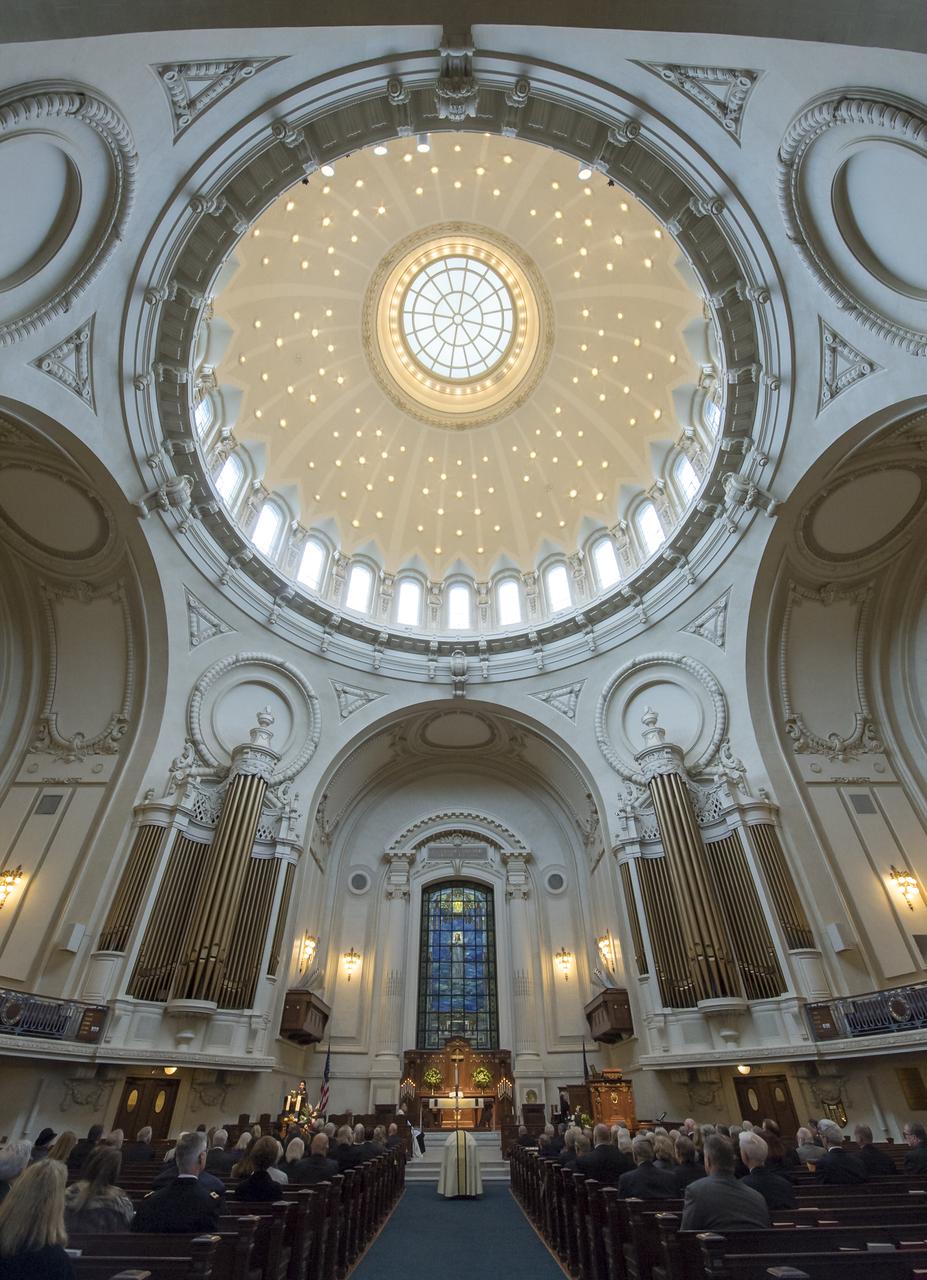
Funeral service for former NASA astronaut Captain Bruce McCandless II, USN (Ret.), Tuesday, Jan. 16, 2018 at the United States Naval Academy Chapel in Annapolis, Maryland. Photo Credit: (NASA/Bill Ingalls)
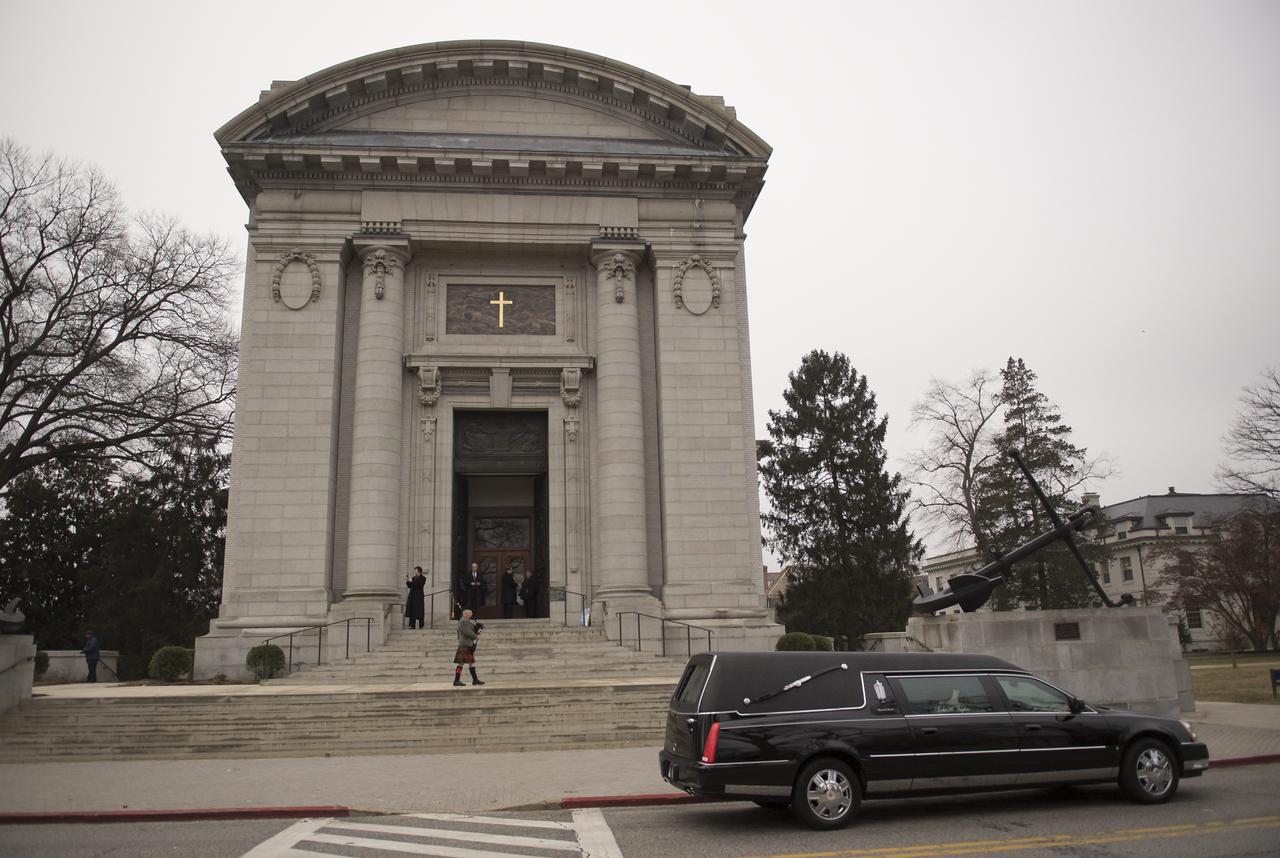
Funeral service for former NASA astronaut Captain Bruce McCandless II, USN (Ret.), Tuesday, Jan. 16, 2018 at the United States Naval Academy Chapel in Annapolis, Maryland. Photo Credit: (NASA/Bill Ingalls)
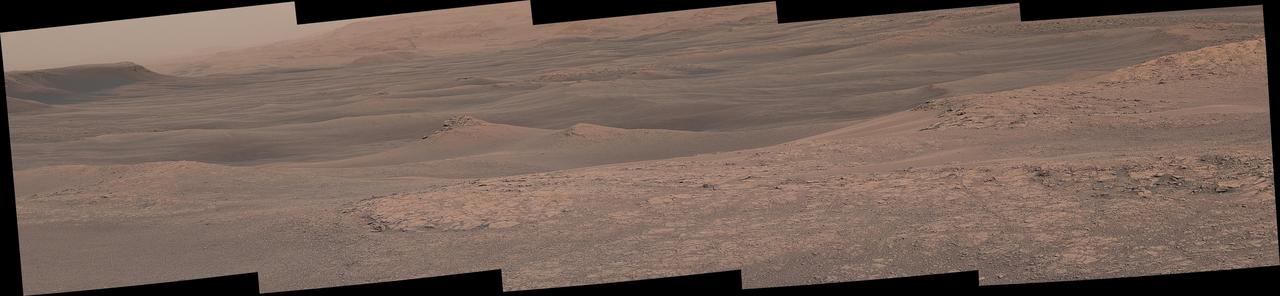
The hills and troughs in this little valley, carved between a ridge and cliffs higher up Mount Sharp, almost look like undulating waves. The Mast Camera (Mastcam) on NASA's Curiosity Mars rover captured this mosaic as it explored the "clay-bearing unit" on Jan. 23, 2019 (Sol 2299). At the top left corner is part of the Vera Rubin Ridge, from which Curiosity departed earlier this year; the rocky hill at center left has been nicknamed "Knockfarril Hill." The science team is trying to figure out how this landscape formed over billions of years. At present, the clearest takeaway is that the clay-bearing unit is softer than the ridge: The former has eroded into a valley between the ridge and Mount Sharp, while the ridge has resisted erosion. The scene is presented with a color adjustment that approximates white balancing to resemble how the rocks and sand would appear under daytime lighting conditions on Earth. https://photojournal.jpl.nasa.gov/catalog/PIA23137
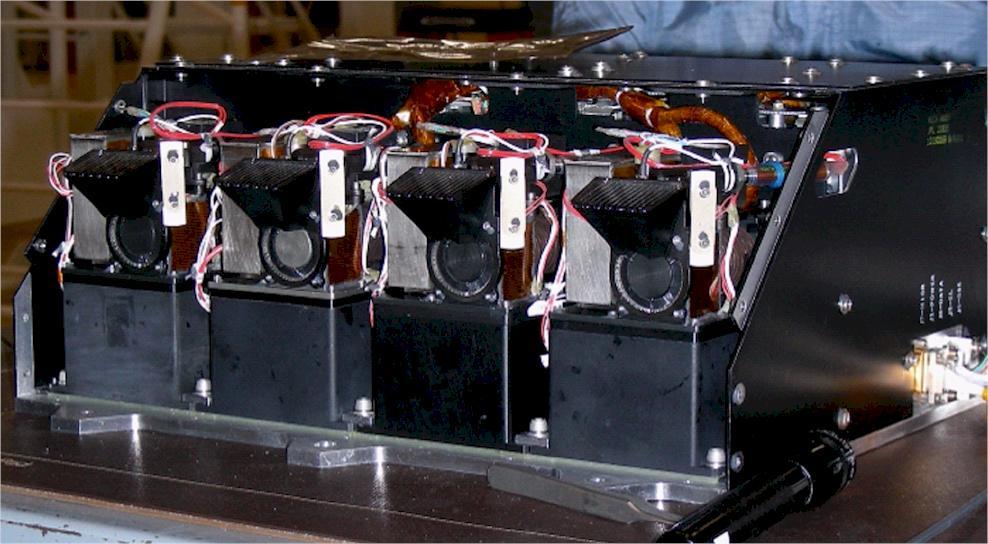
This image shows four Wet Chemistry Laboratory units, part of the Microscopy, Electrochemistry, and Conductivity Analyzer MECA instrument on board NASA Phoenix Mars Lander. This image was taken before Phoenix launch on August 4, 2007.
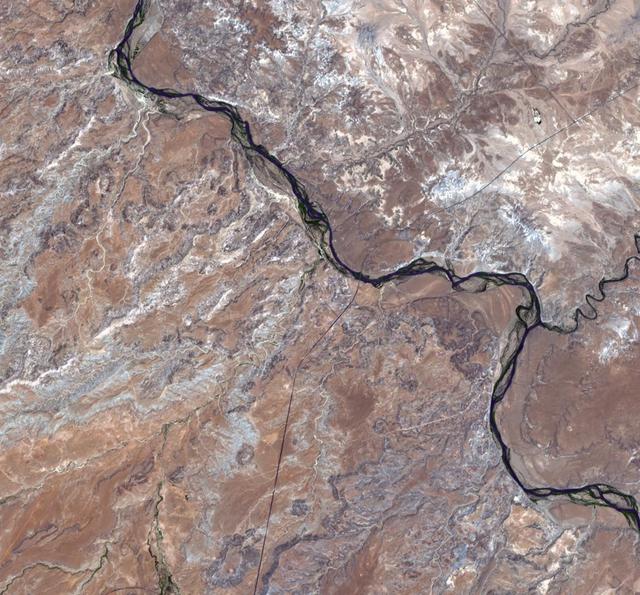
This image from NASA Terra satellite shows the only place in the United States where four states come together: the four corners area in the western U.S. At a barren, desert location, Utah, Colorado, Arizona, and New Mexico share a common point.
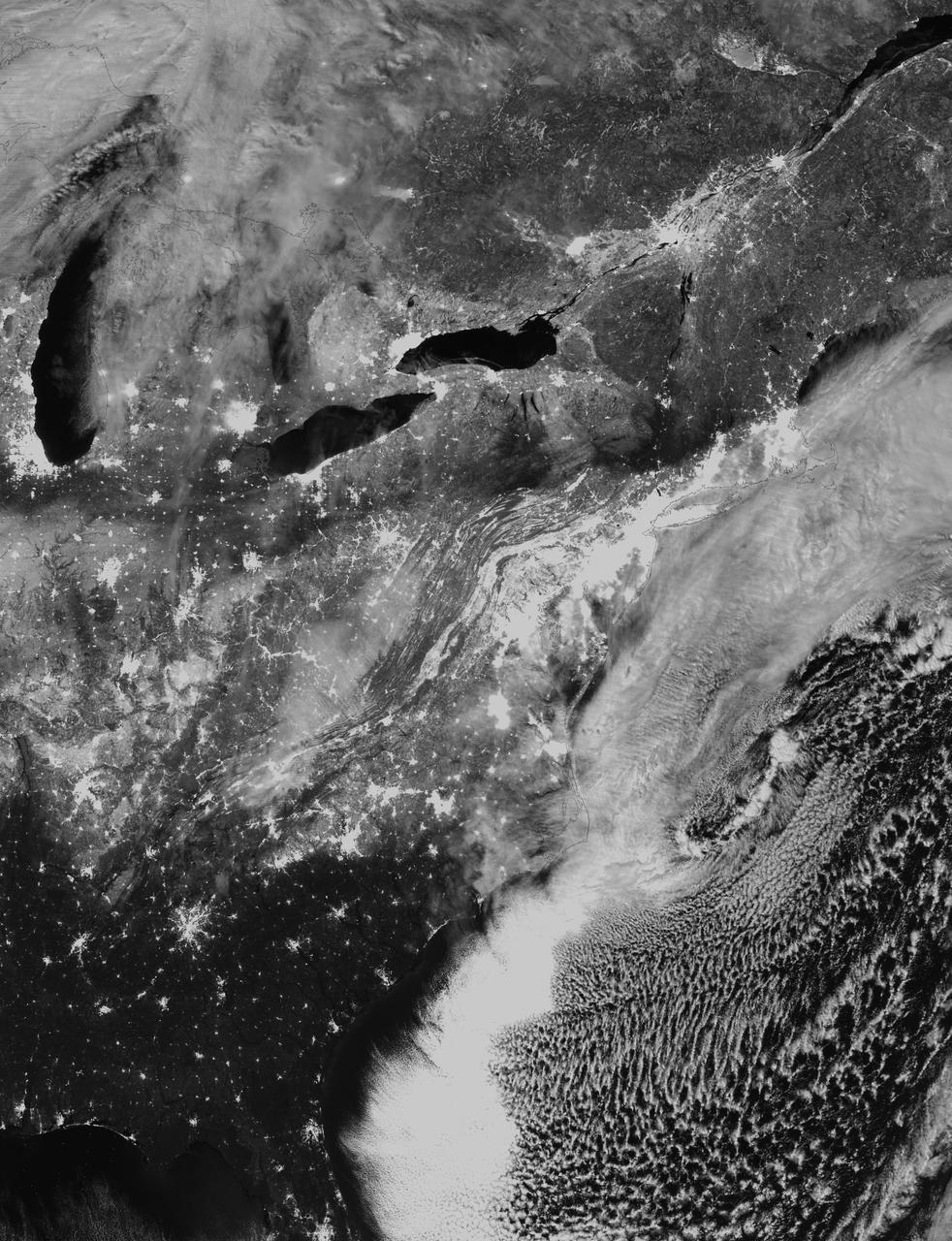
A combination of the day-night band and high resolution infrared imagery from the NASA-NOAA's Suomi NPP satellite showed the record-setting winter storm along the Mid-Atlantic and the northeastern U.S. at 06:55 UTC (1:55 a.m. EST) on January 24, 2016. Read more: <a href="http://www.nasa.gov/feature/goddard/2016/nasa-sees-major-winter-storm-headed-for-eastern-us" rel="nofollow">www.nasa.gov/feature/goddard/2016/nasa-sees-major-winter-...</a> Image Credit: NOAA/NASA <b><a href="http://www.nasa.gov/audience/formedia/features/MP_Photo_Guidelines.html" rel="nofollow">NASA image use policy.</a></b> <b><a href="http://www.nasa.gov/centers/goddard/home/index.html" rel="nofollow">NASA Goddard Space Flight Center</a></b> enables NASA’s mission through four scientific endeavors: Earth Science, Heliophysics, Solar System Exploration, and Astrophysics. Goddard plays a leading role in NASA’s accomplishments by contributing compelling scientific knowledge to advance the Agency’s mission. <b>Follow us on <a href="http://twitter.com/NASAGoddardPix" rel="nofollow">Twitter</a></b> <b>Like us on <a href="http://www.facebook.com/pages/Greenbelt-MD/NASA-Goddard/395013845897?ref=tsd" rel="nofollow">Facebook</a></b> <b>Find us on <a href="http://instagrid.me/nasagoddard/?vm=grid" rel="nofollow">Instagram</a></b>

Family and friends attend the funeral service for former NASA astronaut Captain Bruce McCandless II, USN (Ret.), Tuesday, Jan. 16, 2018 at the United States Naval Academy Chapel in Annapolis, Maryland. Photo Credit: (NASA/Bill Ingalls)
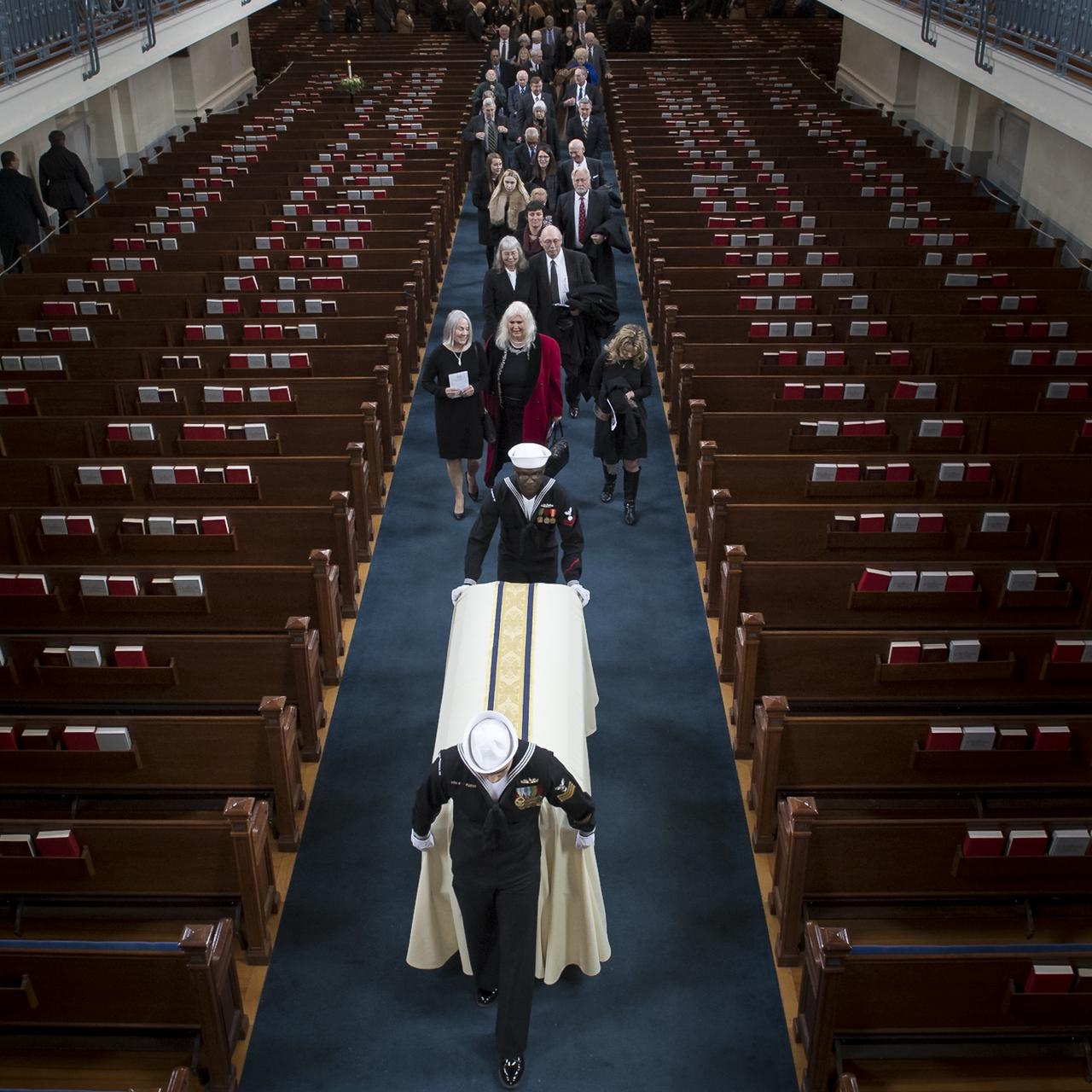
Family and friends depart the funeral service for former NASA astronaut Captain Bruce McCandless II, USN (Ret.), Tuesday, Jan. 16, 2018 at the United States Naval Academy Chapel in Annapolis, Maryland. Photo Credit: (NASA/Bill Ingalls)
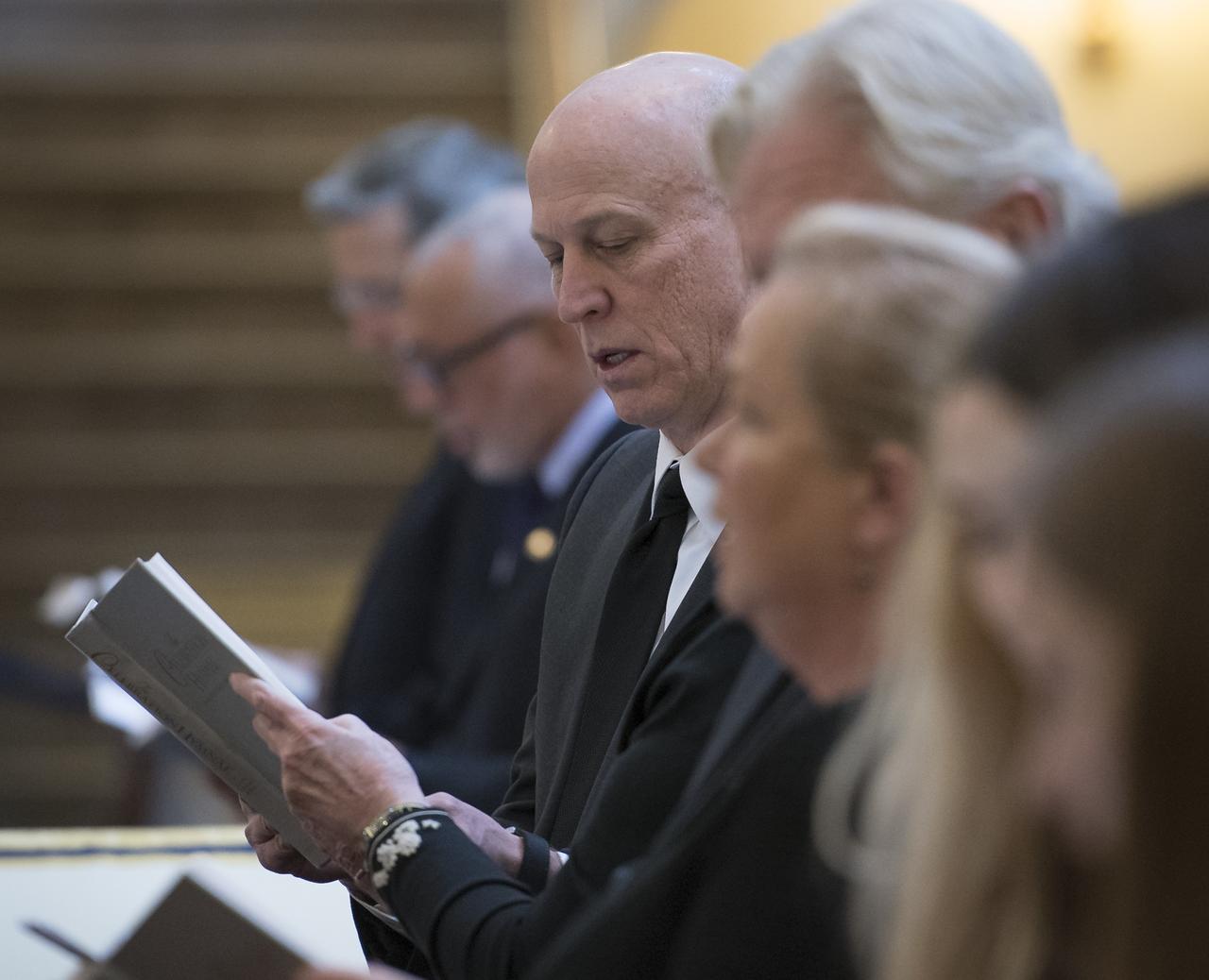
Family and friends attend the funeral service for former NASA astronaut Captain Bruce McCandless II, USN (Ret.), Tuesday, Jan. 16, 2018 at the United States Naval Academy Chapel in Annapolis, Maryland. Photo Credit: (NASA/Bill Ingalls)
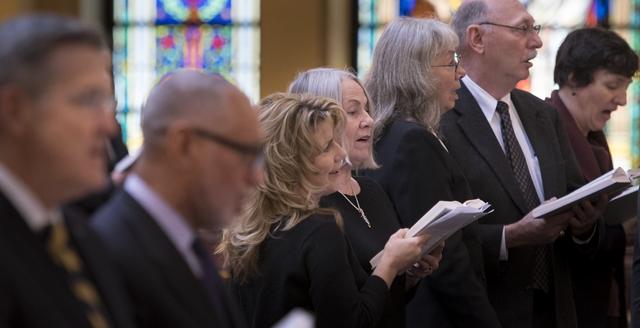
Family and friends attend the funeral service for former NASA astronaut Captain Bruce McCandless II, USN (Ret.), Tuesday, Jan. 16, 2018 at the United States Naval Academy Chapel in Annapolis, Maryland. Photo Credit: (NASA/Bill Ingalls)
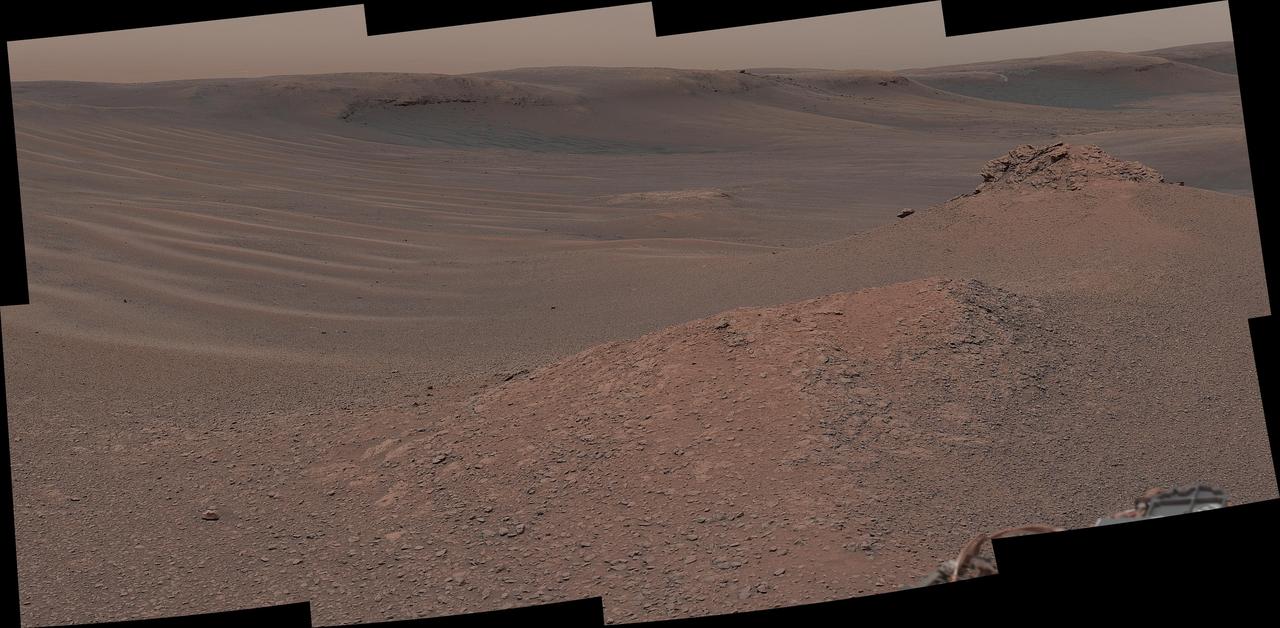
The Mast Camera (Mastcam) on NASA's Curiosity Mars rover captured this mosaic as it explored the "clay-bearing unit" on Feb. 3, 2019 (Sol 2309). This landscape includes the rocky landmark nicknamed "Knockfarril Hill" (center right) and the edge of Vera Rubin Ridge, which runs along the top of the scene. Made of many individual images, this mosaic includes a variety of geological features, such as several kinds of bedrock and sand. The clay-bearing unit has been an important scientific destination since before Curiosity launched. NASA's Mars Reconnaissance Orbiter (MRO) spied a strong clay "signal" in this region, indicating that water may have played a role in its formation. On its long trek since landing in 2012, Curiosity has discovered many examples of mudstones containing clay minerals. The scene is presented with a color adjustment that approximates white balancing to resemble how the rocks and sand would appear under daytime lighting conditions on Earth. https://photojournal.jpl.nasa.gov/catalog/PIA23139
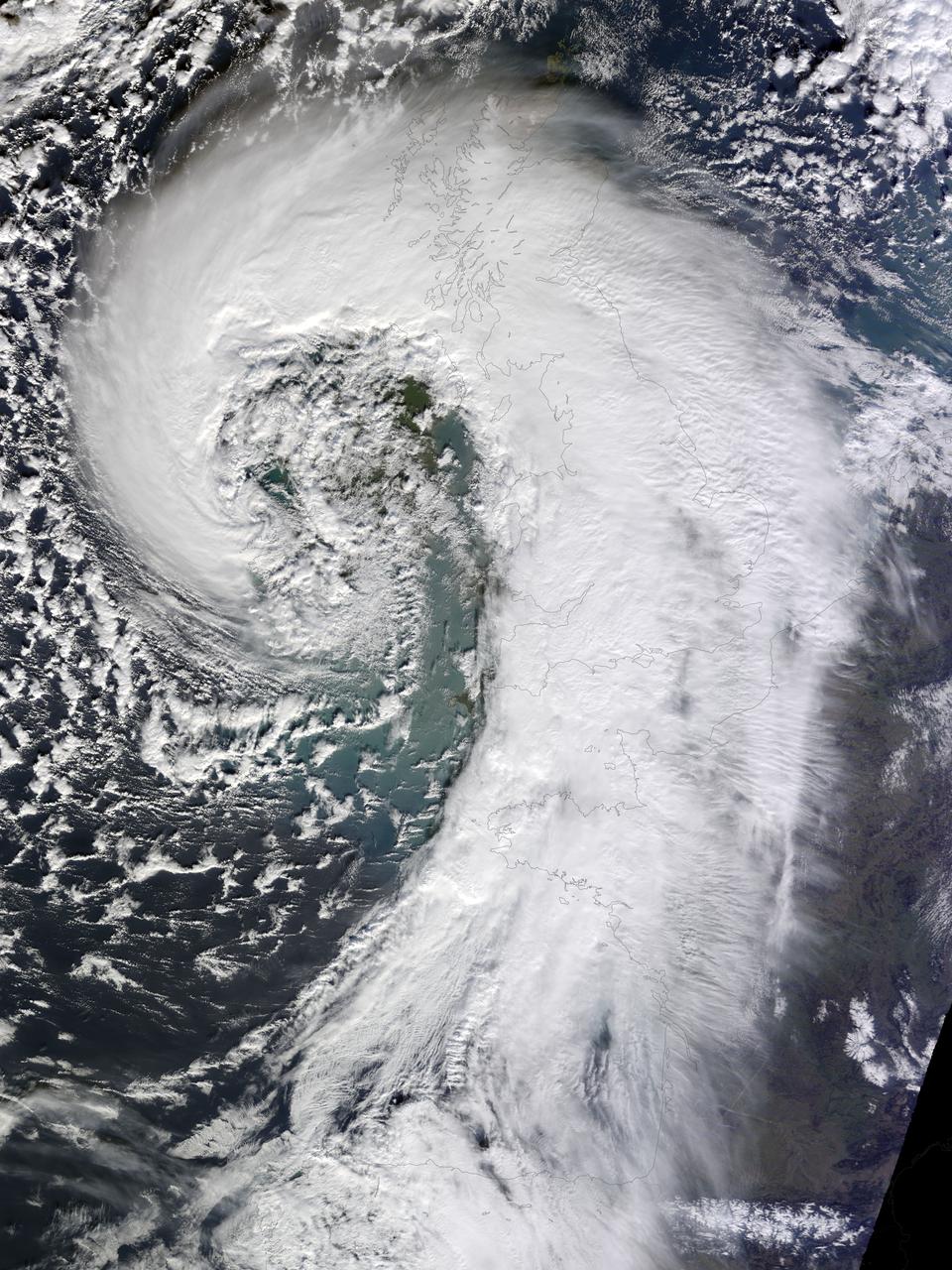
Soggy winters are not unusual in the United Kingdom, but this winter has been in a category of its own. UK Met Office meteorologists had just declared January 2014 the wettest month on record for parts of southern Britain when another series of storms swept across the area in early February. The Moderate Resolution Imaging Spectroradiometer (MODIS) on NASA’s Terra satellite captured this image of an extratropical cyclone bearing down on the United Kingdom on February 12, 2014. Mature extratropical cyclones often feature comma-shaped cloud patterns that are the product of “conveyor belt” circulation. While heavy precipitation is often present near the low-pressure head of the comma, a slot of dry air usually trails the west side of the tail. The storm brought the United Kingdom yet another round of heavy rain, as well as winds that exceeded 160 kilometers (100 miles) per hour. It snarled traffic, disrupted train service, and caused power outages for more than 700,000 people. The also exacerbated severe flooding in southern England. More than 5,800 homes have flooded since early December, according to media reports. Authorities have deployed thousands of soldiers to towns and cities in southern England to help with flood recovery. Meanwhile, the Met Office was forecasting more of the same. They warned that another system bearing heavy rain and winds was lining up to push into the United Kingdom from the southeast on Friday morning. NASA Earth Observatory image by Jesse Allen, using data from the Land Atmosphere Near real-time Capability for EOS (LANCE). Caption by Adam Voiland. More info: <a href="http://earthobservatory.nasa.gov/NaturalHazards/view.php?id=83127" rel="nofollow">earthobservatory.nasa.gov/NaturalHazards/view.php?id=83127</a> Instrument: Terra - MODIS Credit: <b><a href="http://www.earthobservatory.nasa.gov/" rel="nofollow"> NASA Earth Observatory</a></b> <b><a href="http://www.nasa.gov/audience/formedia/features/MP_Photo_Guidelines.html" rel="nofollow">NASA image use policy.</a></b> <b><a href="http://www.nasa.gov/centers/goddard/home/index.html" rel="nofollow">NASA Goddard Space Flight Center</a></b> enables NASA’s mission through four scientific endeavors: Earth Science, Heliophysics, Solar System Exploration, and Astrophysics. Goddard plays a leading role in NASA’s accomplishments by contributing compelling scientific knowledge to advance the Agency’s mission. <b>Follow us on <a href="http://twitter.com/NASAGoddardPix" rel="nofollow">Twitter</a></b> <b>Like us on <a href="http://www.facebook.com/pages/Greenbelt-MD/NASA-Goddard/395013845897?ref=tsd" rel="nofollow">Facebook</a></b> <b>Find us on <a href="http://instagrid.me/nasagoddard/?vm=grid" rel="nofollow">Instagram</a></b>
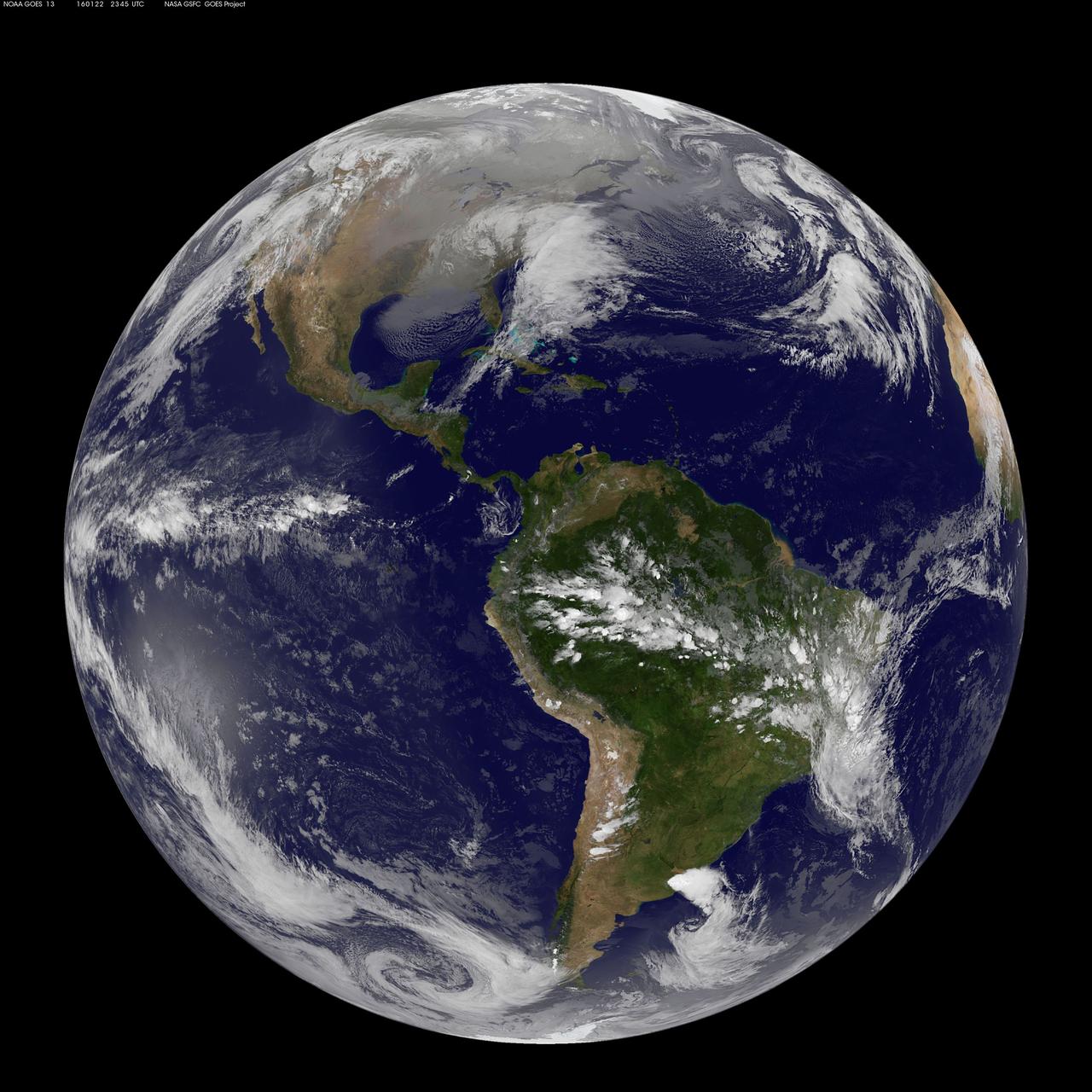
This full-disk image from the GOES-13 satellite was captured at 23:45 UTC (6:45 p.m. ET) and shows a winter blizzard blanketing the eastern United States on January 22, 2016. <b><a href="http://goes.gsfc.nasa.gov/" rel="nofollow">Credit: NOAA/NASA GOES Project</a></b> <b><a href="http://www.nasa.gov/audience/formedia/features/MP_Photo_Guidelines.html" rel="nofollow">NASA image use policy.</a></b> <b><a href="http://www.nasa.gov/centers/goddard/home/index.html" rel="nofollow">NASA Goddard Space Flight Center</a></b> enables NASA’s mission through four scientific endeavors: Earth Science, Heliophysics, Solar System Exploration, and Astrophysics. Goddard plays a leading role in NASA’s accomplishments by contributing compelling scientific knowledge to advance the Agency’s mission. <b>Follow us on <a href="http://twitter.com/NASAGoddardPix" rel="nofollow">Twitter</a></b> <b>Like us on <a href="http://www.facebook.com/pages/Greenbelt-MD/NASA-Goddard/395013845897?ref=tsd" rel="nofollow">Facebook</a></b> <b>Find us on <a href="http://instagrid.me/nasagoddard/?vm=grid" rel="nofollow">Instagram</a></b>
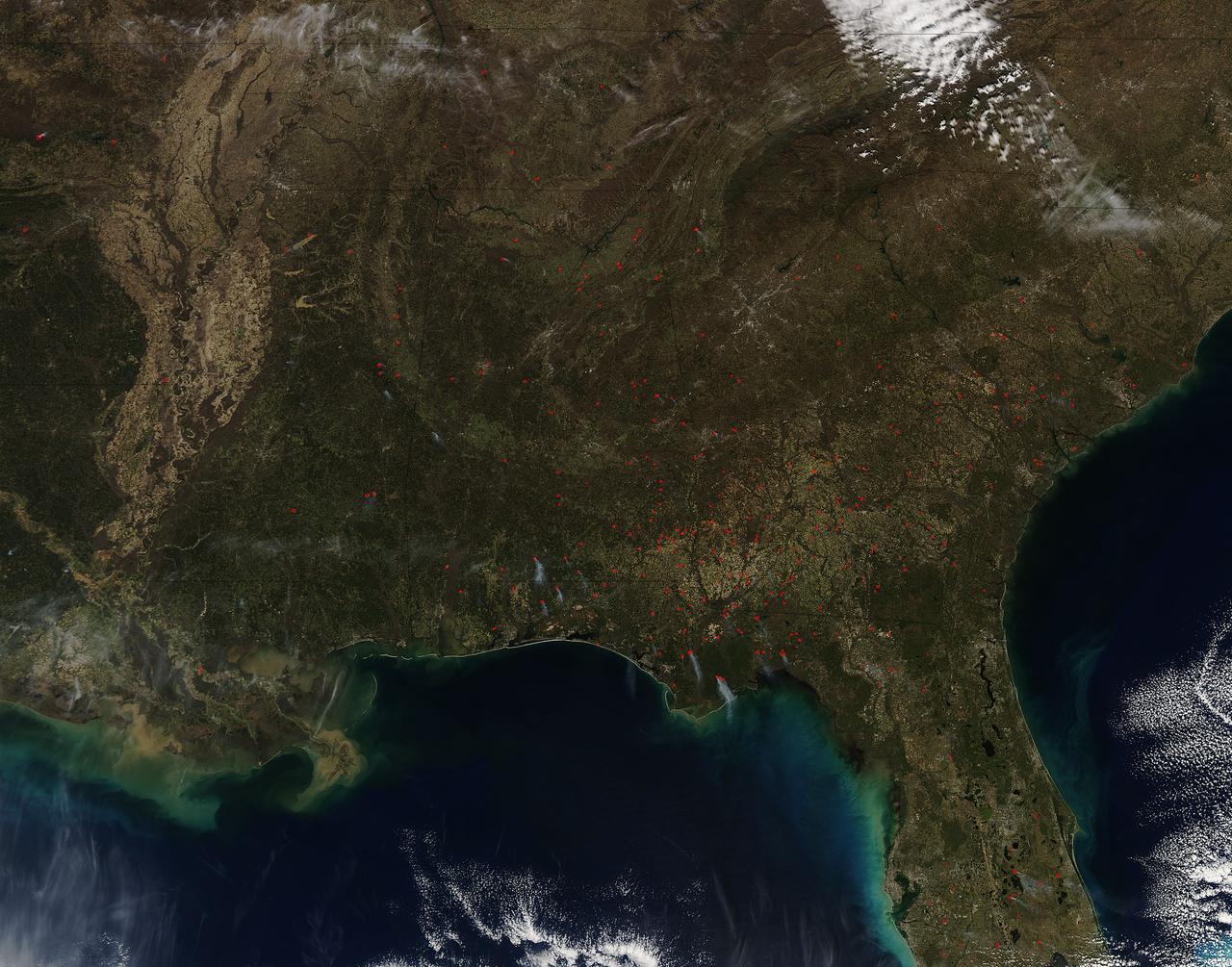
Fires both wild and prescribed dot the landscape of the southeastern portion of the United States. Wildfires are those that occur naturally with lightning strikes or are set by careless humans. Prescribed fires are those deliberately set by land management authorities to take out underlying brush and dead grass so that in the event of a wildfire there is not sufficient fuel for that fire to spread too far. The Southern Area Coordination Center for fire management has this information on its report for February 21, 2017. • Fires that have broken out recently (known as Initial Attack Activity): 198 fires for 2,292 acres • Ongoing Uncontained Large Fires: 3 fires for 5,947 acres • Other Fires reported through alternate channels: 56 fires for 1,400 acres • Prescribed Fire Activity: State and/or Federal Lands – 1,974 prescribed fires for 38,533 acres in AL, FL & GA The bulk of the fires seen in the image taken by the Aqua satellite using the onboard MODIS (Moderate Resolution Imaging Spectroradiometer) instrument on February 16, 2017 appear to be prescribed fires. Actively burning areas, detected by MODIS’s thermal bands, are outlined in red and when combined with smoke are indicative of fire. NASA image courtesy Jeff Schmaltz LANCE/EOSDIS MODIS Rapid Response Team, GSFC. Caption by Lynn Jenner with information from the Southern Area Coordination Center. <b><a href="http://www.nasa.gov/audience/formedia/features/MP_Photo_Guidelines.html" rel="nofollow">NASA image use policy.</a></b> <b><a href="http://www.nasa.gov/centers/goddard/home/index.html" rel="nofollow">NASA Goddard Space Flight Center</a></b> enables NASA’s mission through four scientific endeavors: Earth Science, Heliophysics, Solar System Exploration, and Astrophysics. Goddard plays a leading role in NASA’s accomplishments by contributing compelling scientific knowledge to advance the Agency’s mission. <b>Follow us on <a href="http://twitter.com/NASAGoddardPix" rel="nofollow">Twitter</a></b> <b>Like us on <a href="http://www.facebook.com/pages/Greenbelt-MD/NASA-Goddard/395013845897?ref=tsd" rel="nofollow">Facebook</a></b> <b>Find us on <a href="http://instagrid.me/nasagoddard/?vm=grid" rel="nofollow">Instagram</a></b>
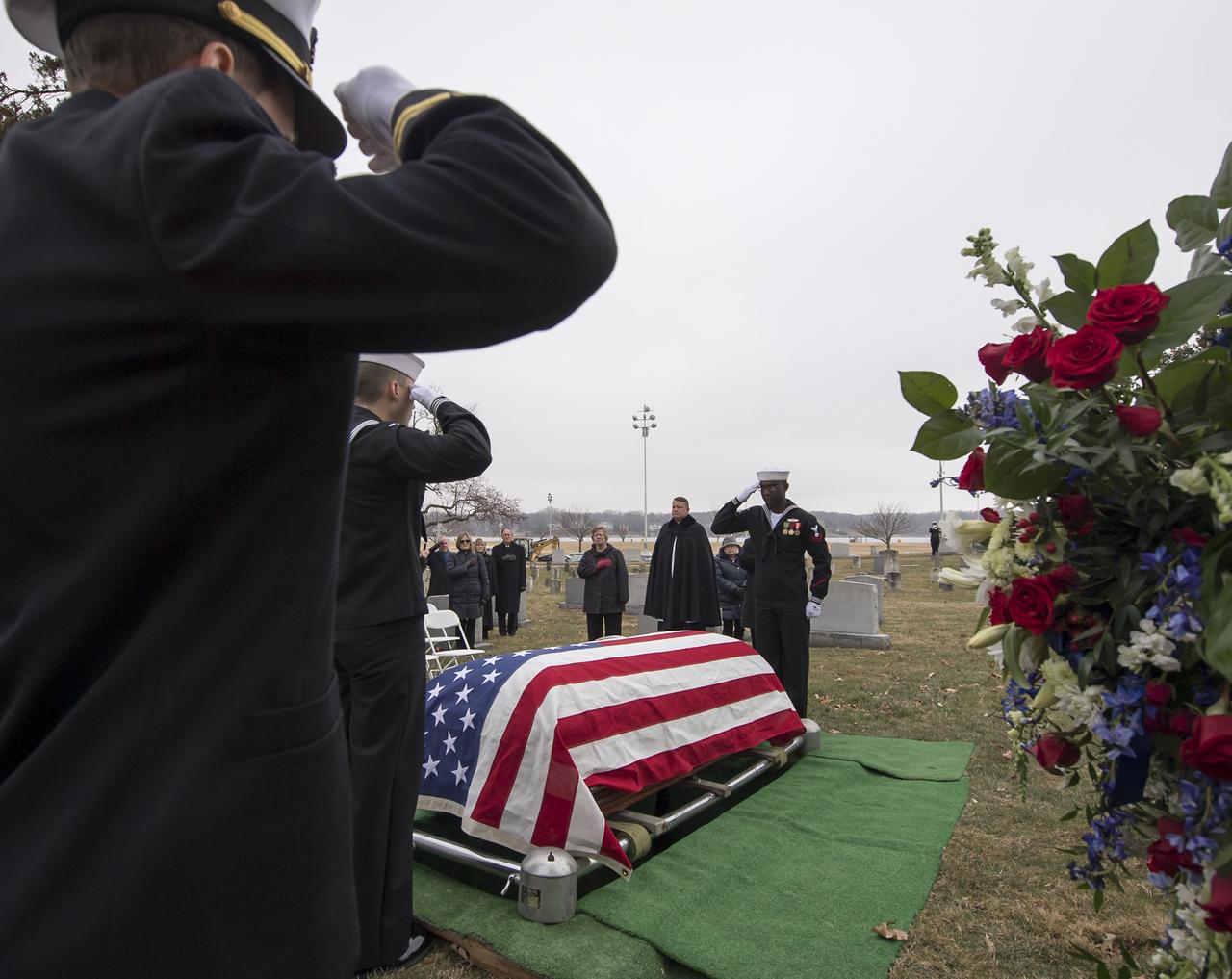
Funeral service for former NASA astronaut Captain Bruce McCandless II, USN (Ret.), Tuesday, Jan. 16, 2018 at the United States Naval Academy Cemetery in Annapolis, Maryland. Photo Credit: (NASA/Bill Ingalls)
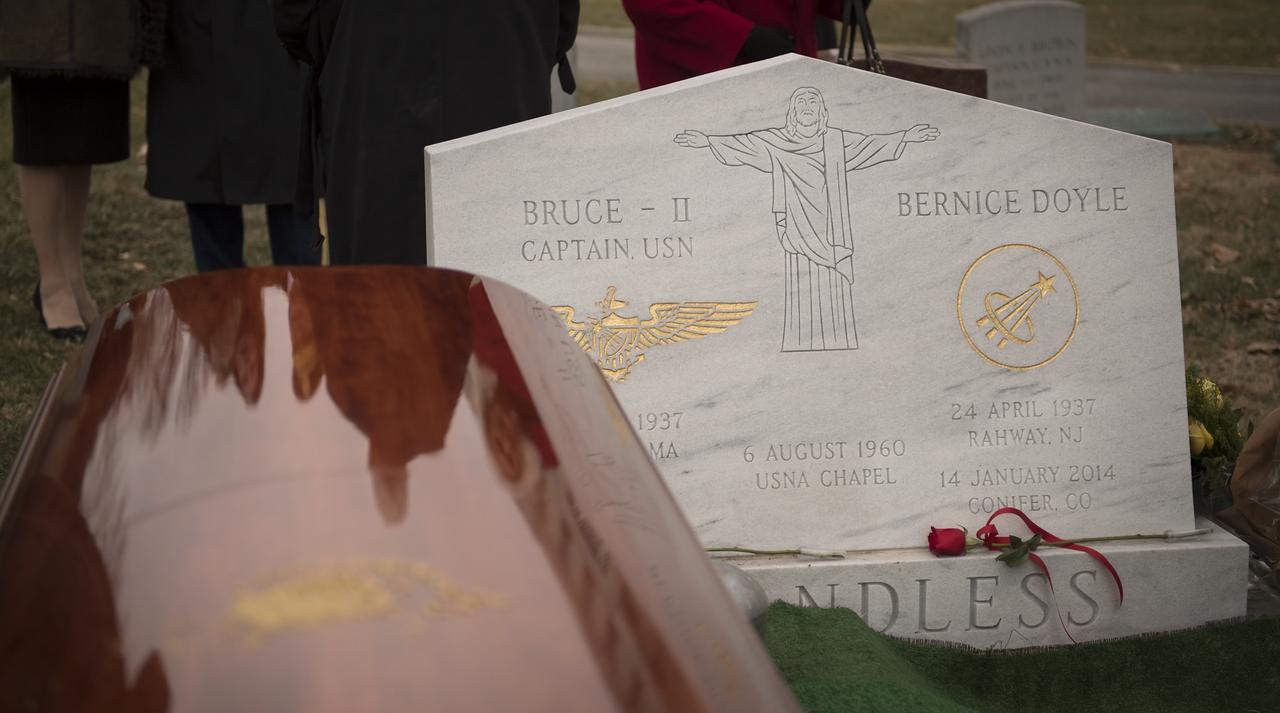
Interment service for former NASA astronaut Captain Bruce McCandless II, USN (Ret.), Tuesday, Jan. 16, 2018 at the United States Naval Academy Cemetery in Annapolis, Maryland. Photo Credit: (NASA/Bill Ingalls)
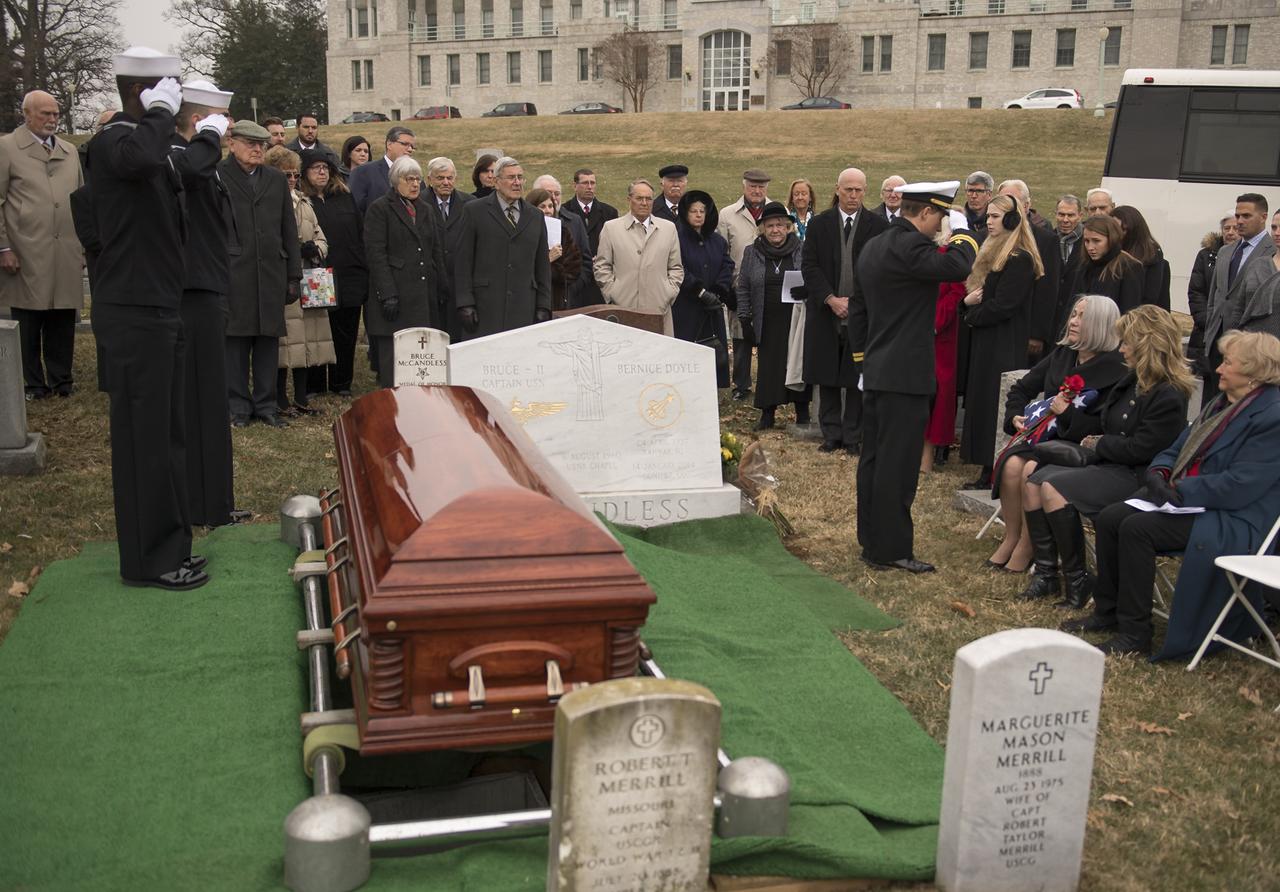
Interment service for former NASA astronaut Captain Bruce McCandless II, USN (Ret.), Tuesday, Jan. 16, 2018 at the United States Naval Academy Cemetery in Annapolis, Maryland. Photo Credit: (NASA/Bill Ingalls)
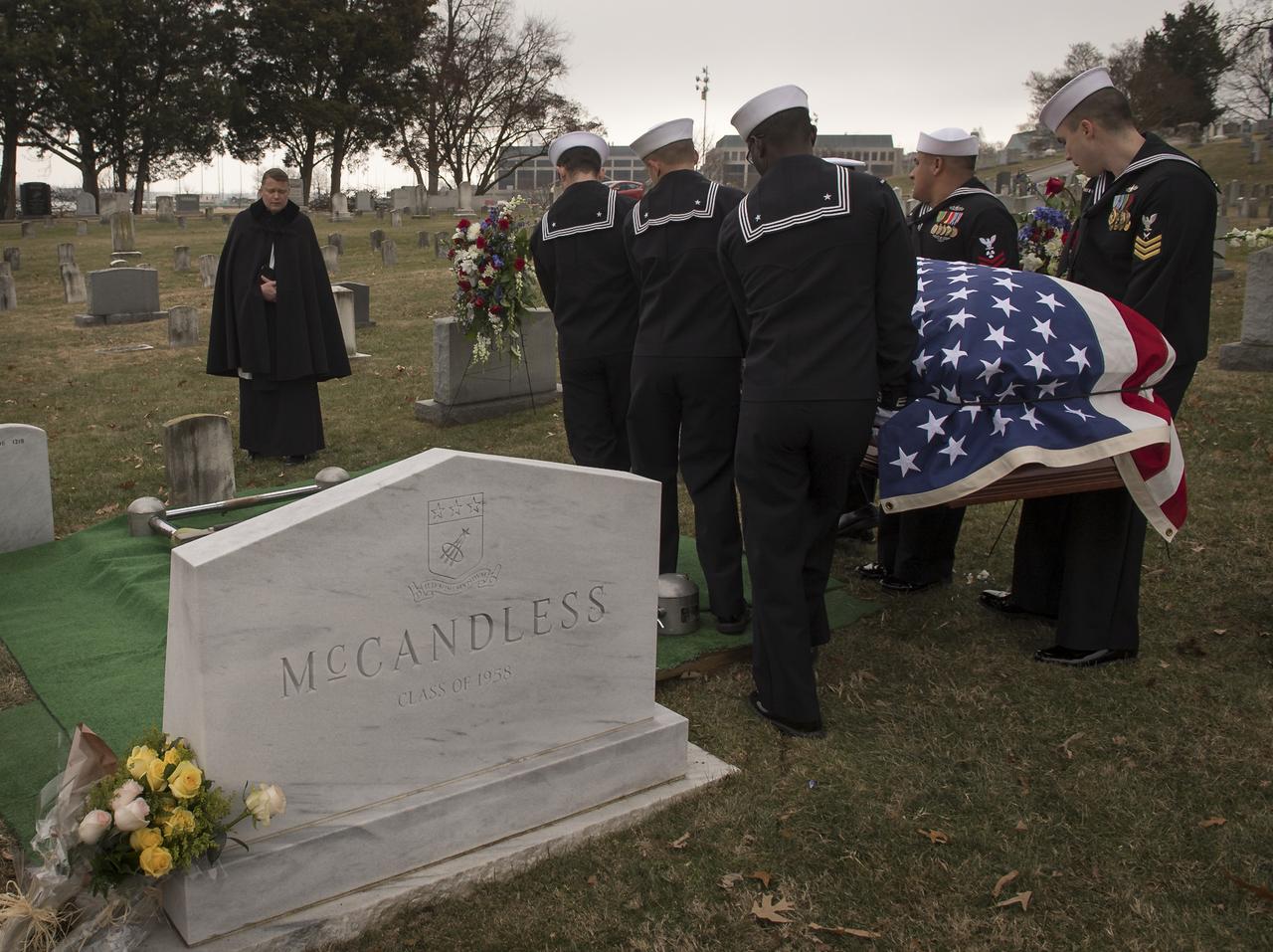
Funeral service for former NASA astronaut Captain Bruce McCandless II, USN (Ret.), Tuesday, Jan. 16, 2018 at the United States Naval Academy Cemetery in Annapolis, Maryland. Photo Credit: (NASA/Bill Ingalls)
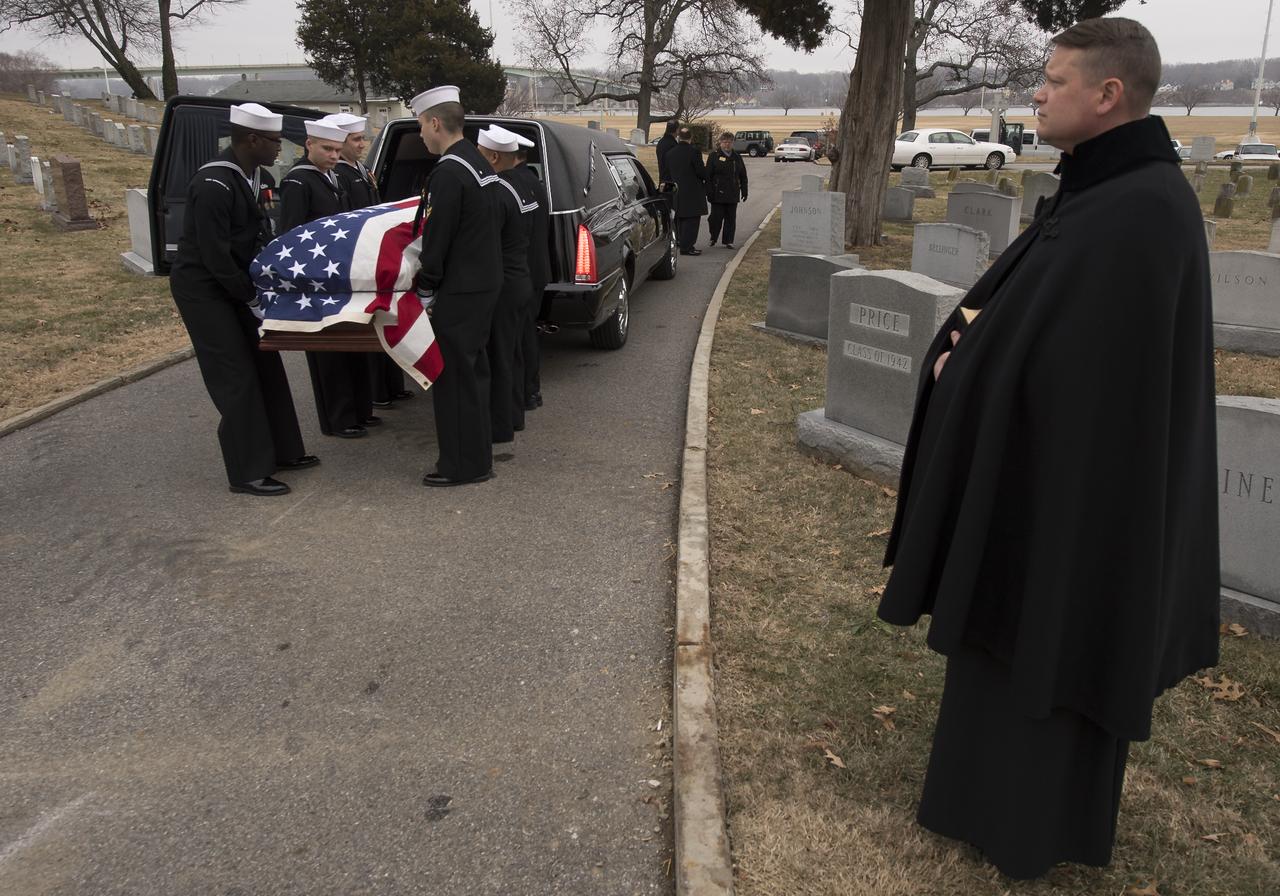
Funeral service for former NASA astronaut Captain Bruce McCandless II, USN (Ret.), Tuesday, Jan. 16, 2018 at the United States Naval Academy Cemetery in Annapolis, Maryland. Photo Credit: (NASA/Bill Ingalls)

Advanced Electric Propulsion System, AEPS, Engineering Test Unit 2, ETU-2, Thruster Hardware
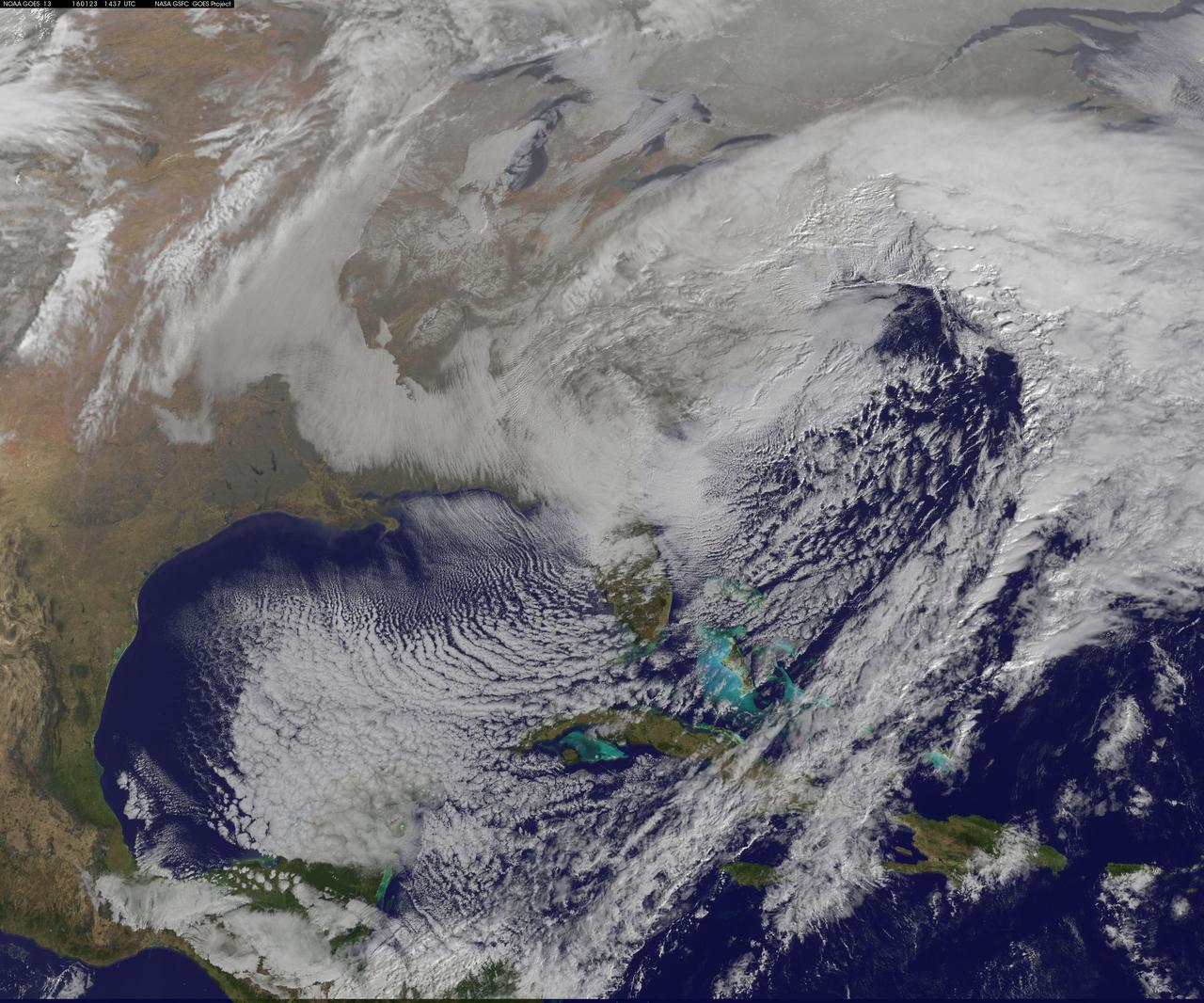
NASA satellite imagery captured the size of the massive winter storm that continued to pummel the U.S. East Coast early on January 23, 2016. This visible image of the major winter storm was taken from NOAA's GOES-East satellite on Saturday, January 23, 2016 at 1437 UTC (9:37 a.m. EST) as the Baltimore/Washington corridor was under a blizzard warning. Read more: <a href="http://go.nasa.gov/1RFv70u" rel="nofollow">go.nasa.gov/1RFv70u</a> Credits: NASA/NOAA GOES Project NASA Sees Winter Storm Slamming Eastern United States
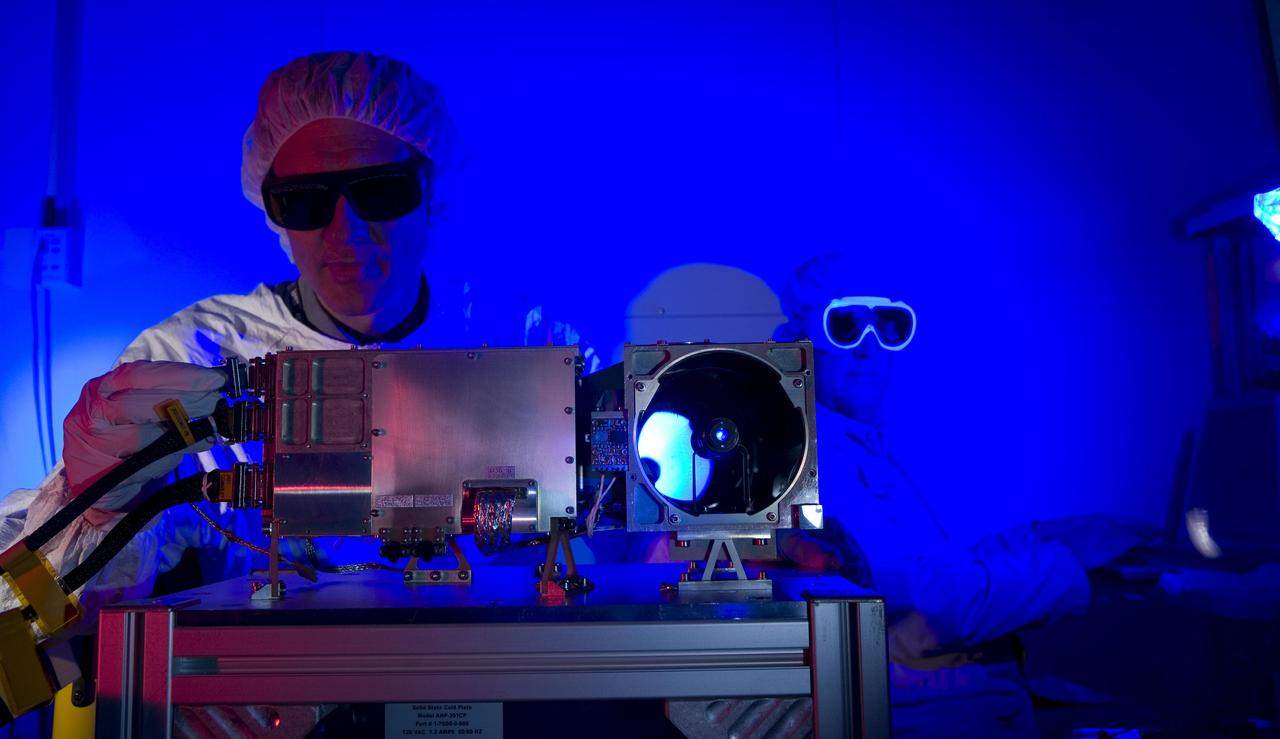
Researchers prepare for a test of the Chemistry and Camera ChemCam instrument that will fly on NASA Mars Science Laboratory mission; researchers are preparing the instrument mast unit for a laser firing test.
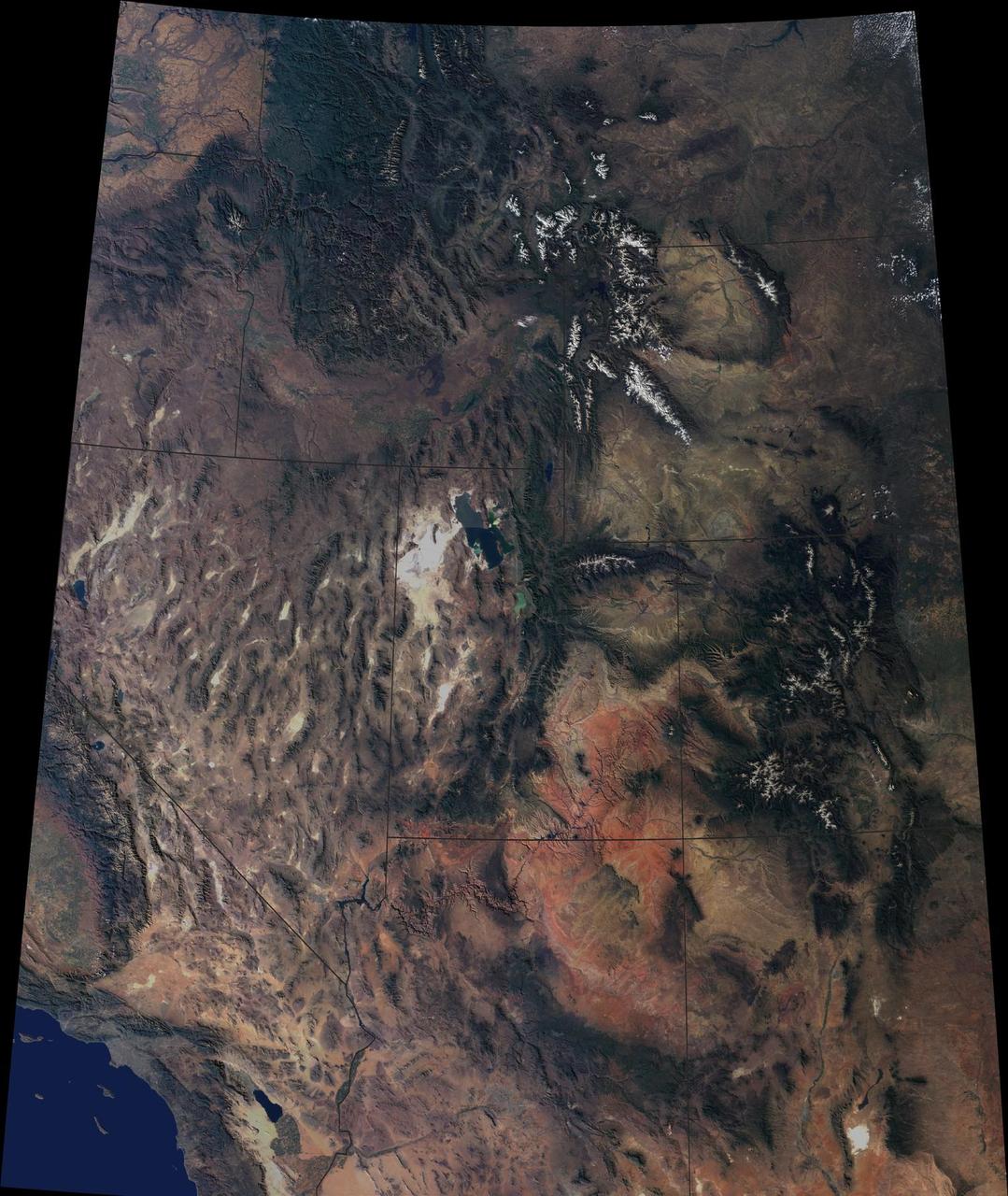
The breathtaking beauty of the western United States is apparent in this image from data acquired between April 2000 and September 2001 from the Multi-angle Imaging SpectroRadiometer on NASA Terra spacecraft.
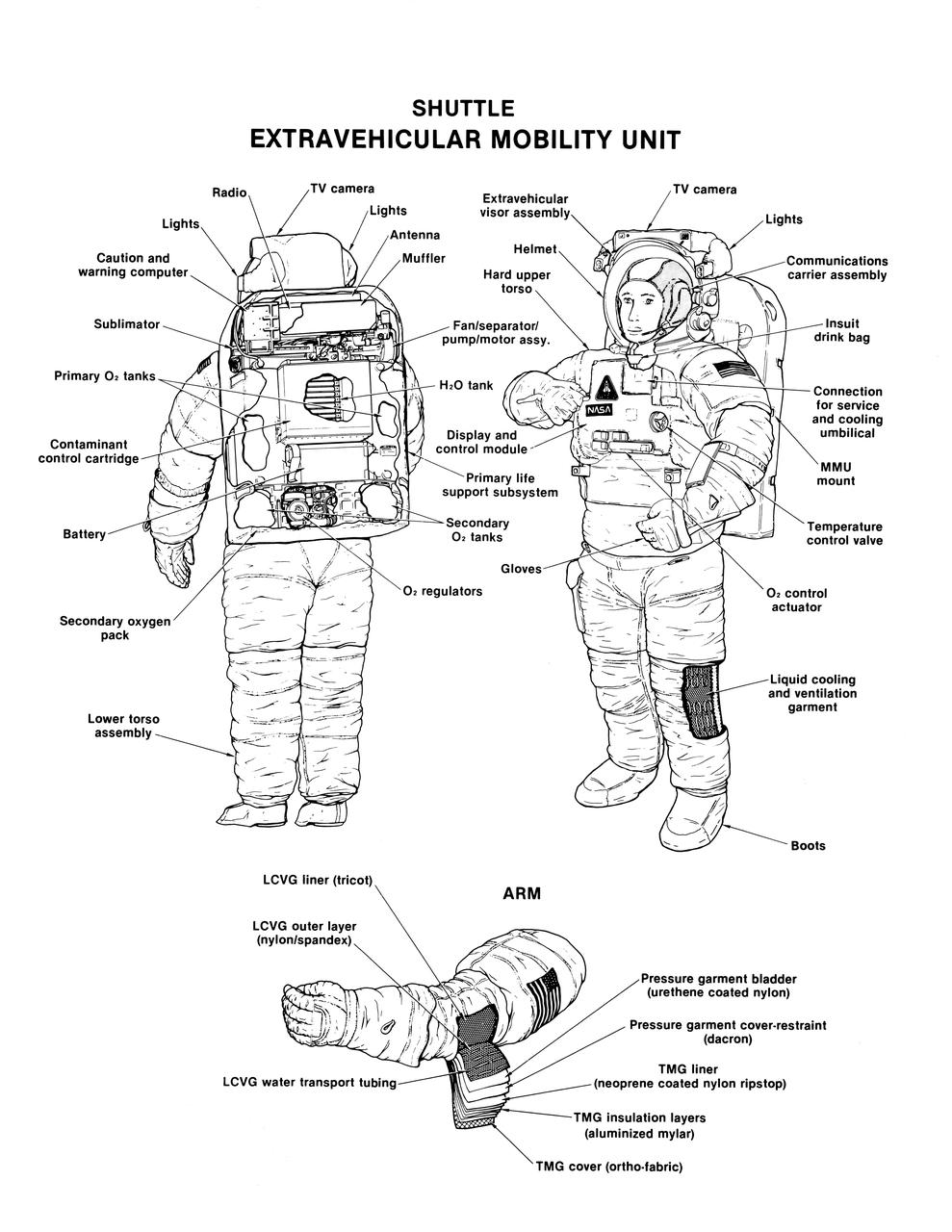
Labeled cutaway line drawing of the Shuttle extravehicular mobility unit (EMU) identifies its various components and equipment. The portable life support system (PLSS) and protective layers of fabric (thermal micrometeoroid garment (TMG)) incorporated in this extravehicular activity (EVA) space suit are shown.
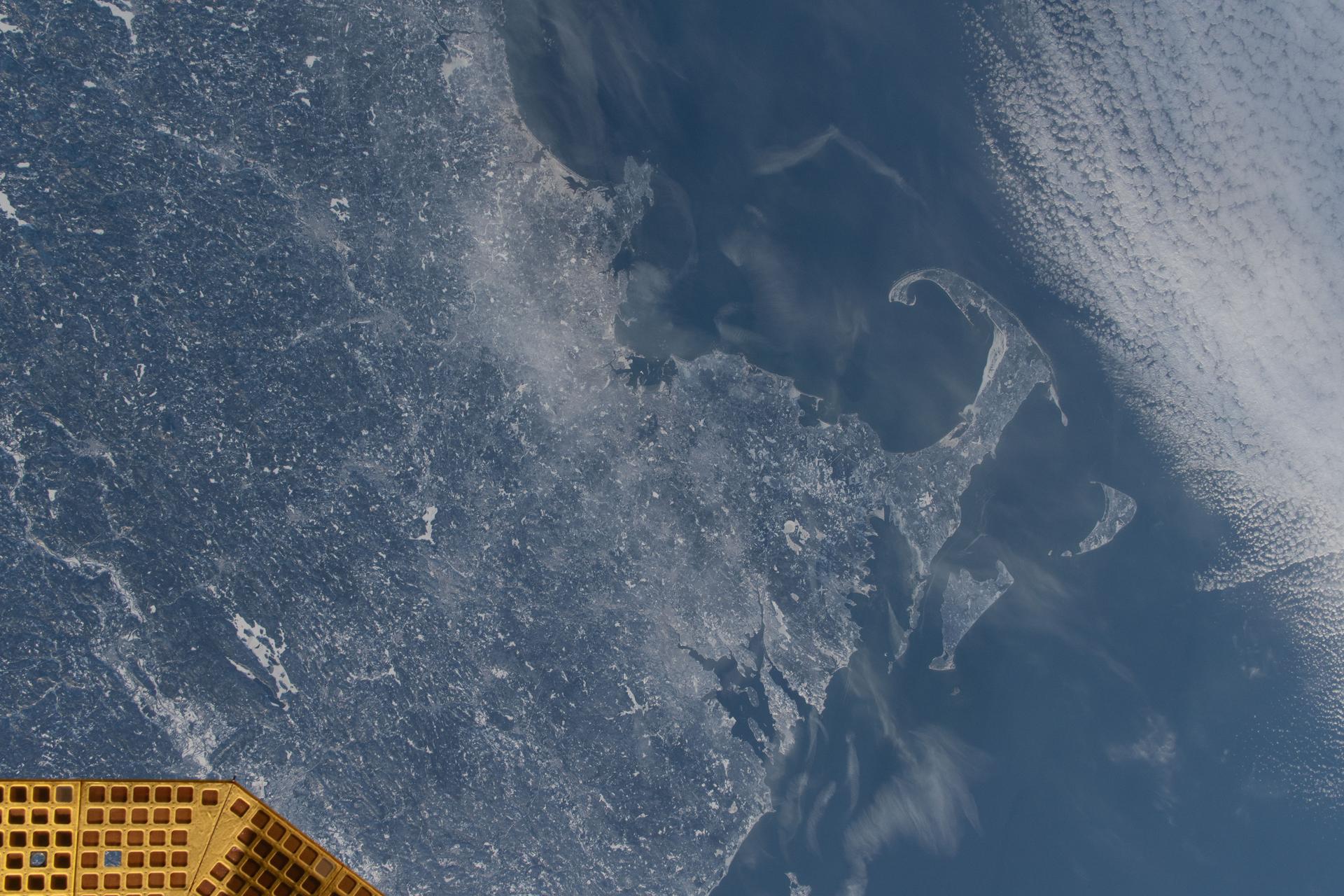
iss074e0300243 (Feb. 2, 2026) --- The wintry landscape of the southern New England region of the United States is seen from the International Space Station as it orbited 262 miles above North America. Temperatures in Boston, Massachusetts, ranged from a low of about 23 degrees Fahrenheit to a high of around 35 degrees when this photograph was taken.
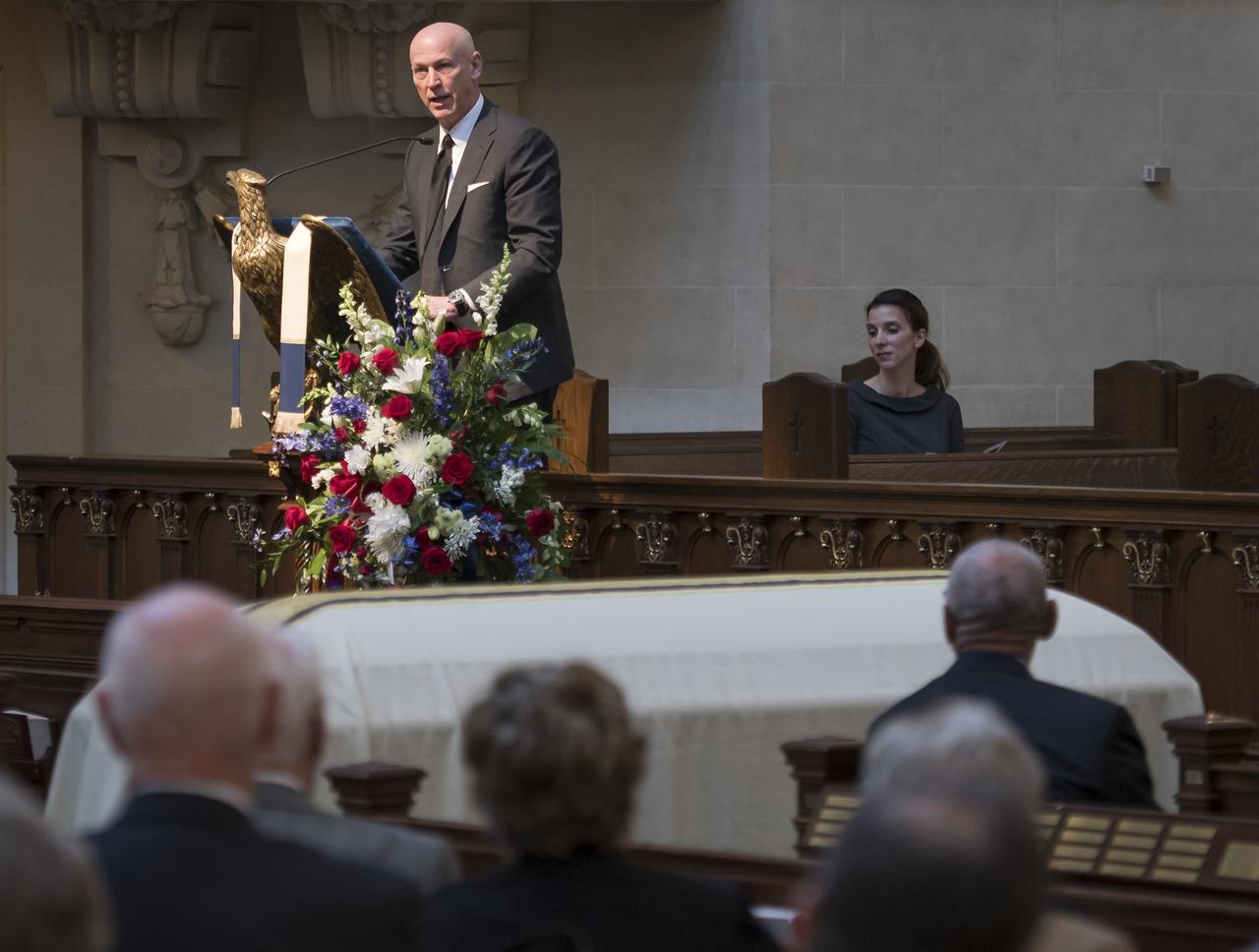
Bruce McCandless III gives remarks during the funeral service for his father, former NASA astronaut Captain Bruce McCandless II, USN (Ret.), Tuesday, Jan. 16, 2018 at the United States Naval Academy Chapel in Annapolis, Maryland. Photo Credit: (NASA/Bill Ingalls)

Bruce McCandless III gives remarks during the funeral service for his father, former NASA astronaut Captain Bruce McCandless II, USN (Ret.), Tuesday, Jan. 16, 2018 at the United States Naval Academy Chapel in Annapolis, Maryland. Photo Credit: (NASA/Bill Ingalls)

Family and friends watch as the flag that draped the casket of former NASA astronaut Captain Bruce McCandless II, USN (Ret.) is folded during his interment service, Tuesday, Jan. 16, 2018 at the United States Naval Academy Cemetery in Annapolis, Maryland. Photo Credit: (NASA/Bill Ingalls)

Ellen Shields McCandless, wife of former NASA astronaut Captain Bruce McCandless II, USN (Ret.), left, is seen during her husband's interment service, Tuesday, Jan. 16, 2018 at the United States Naval Academy Cemetery in Annapolis, Maryland. Photo Credit: (NASA/Bill Ingalls)
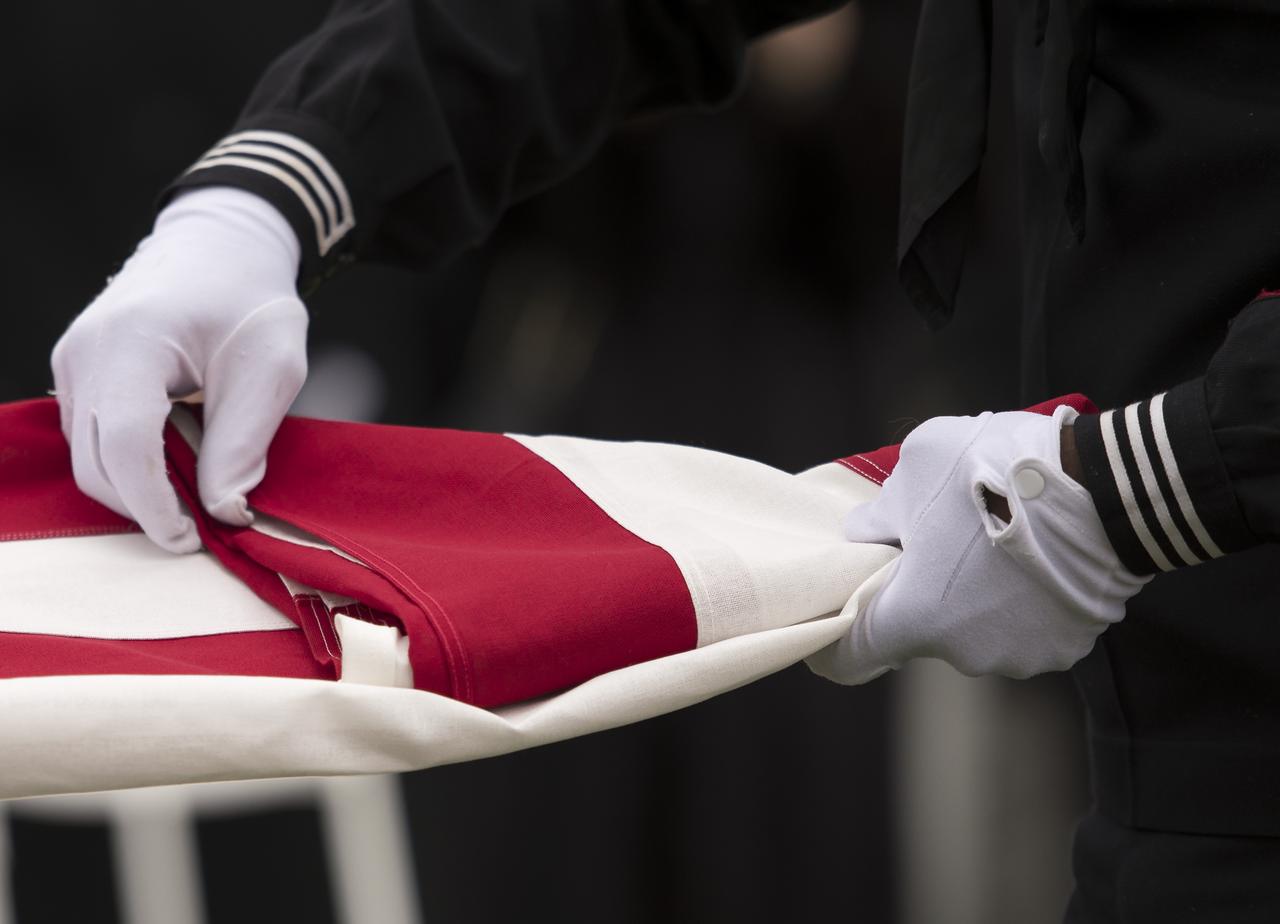
The flag that draped the casket of former NASA astronaut Captain Bruce McCandless II, USN (Ret.) is folded during his interment service, Tuesday, Jan. 16, 2018 at the United States Naval Academy Cemetery in Annapolis, Maryland. Photo Credit: (NASA/Bill Ingalls)
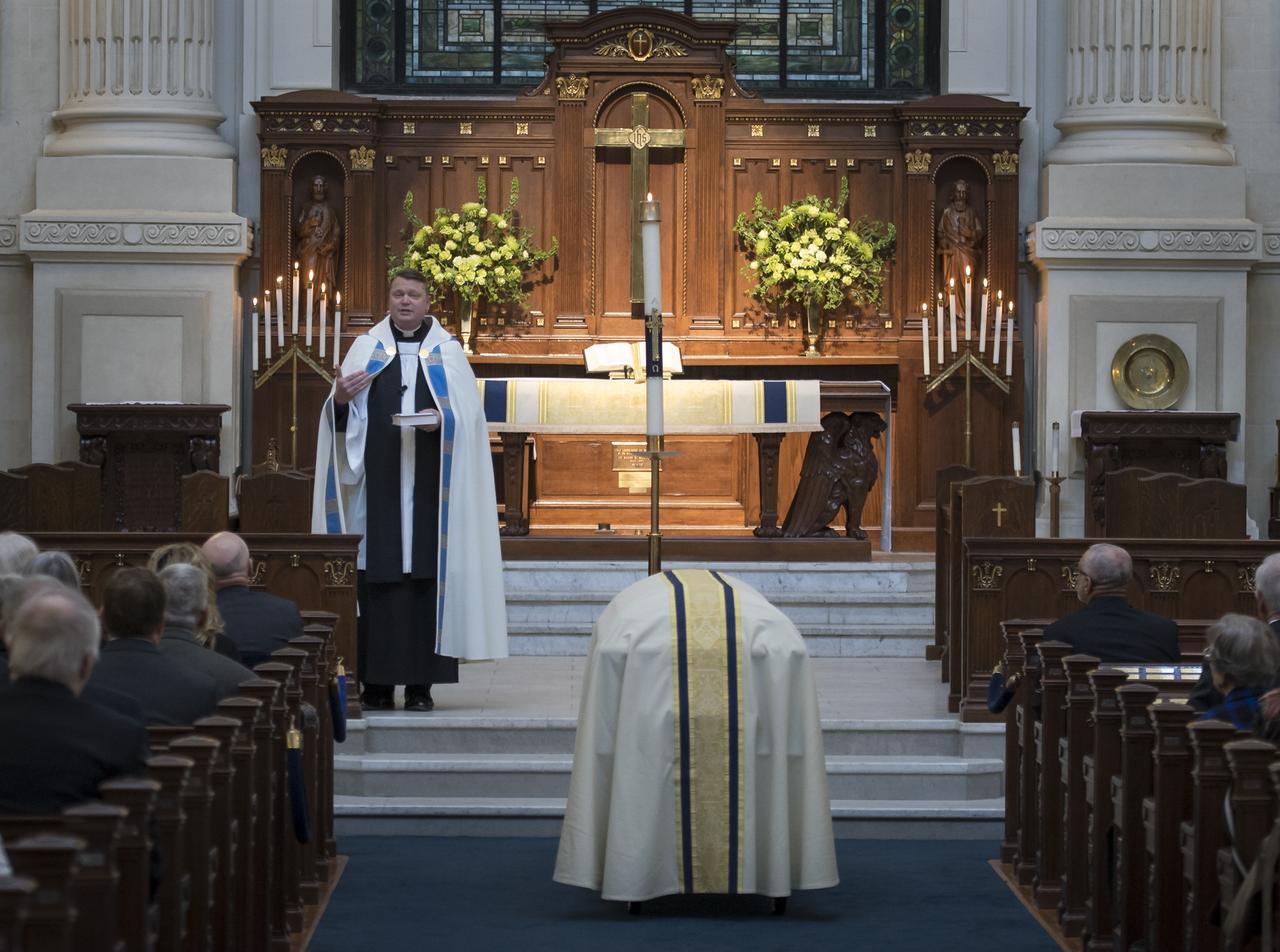
Chaplain McGrath over sees the funeral service for former NASA astronaut Captain Bruce McCandless II, USN (Ret.), Tuesday, Jan. 16, 2018 at the United States Naval Academy Chapel in Annapolis, Maryland. Photo Credit: (NASA/Bill Ingalls)
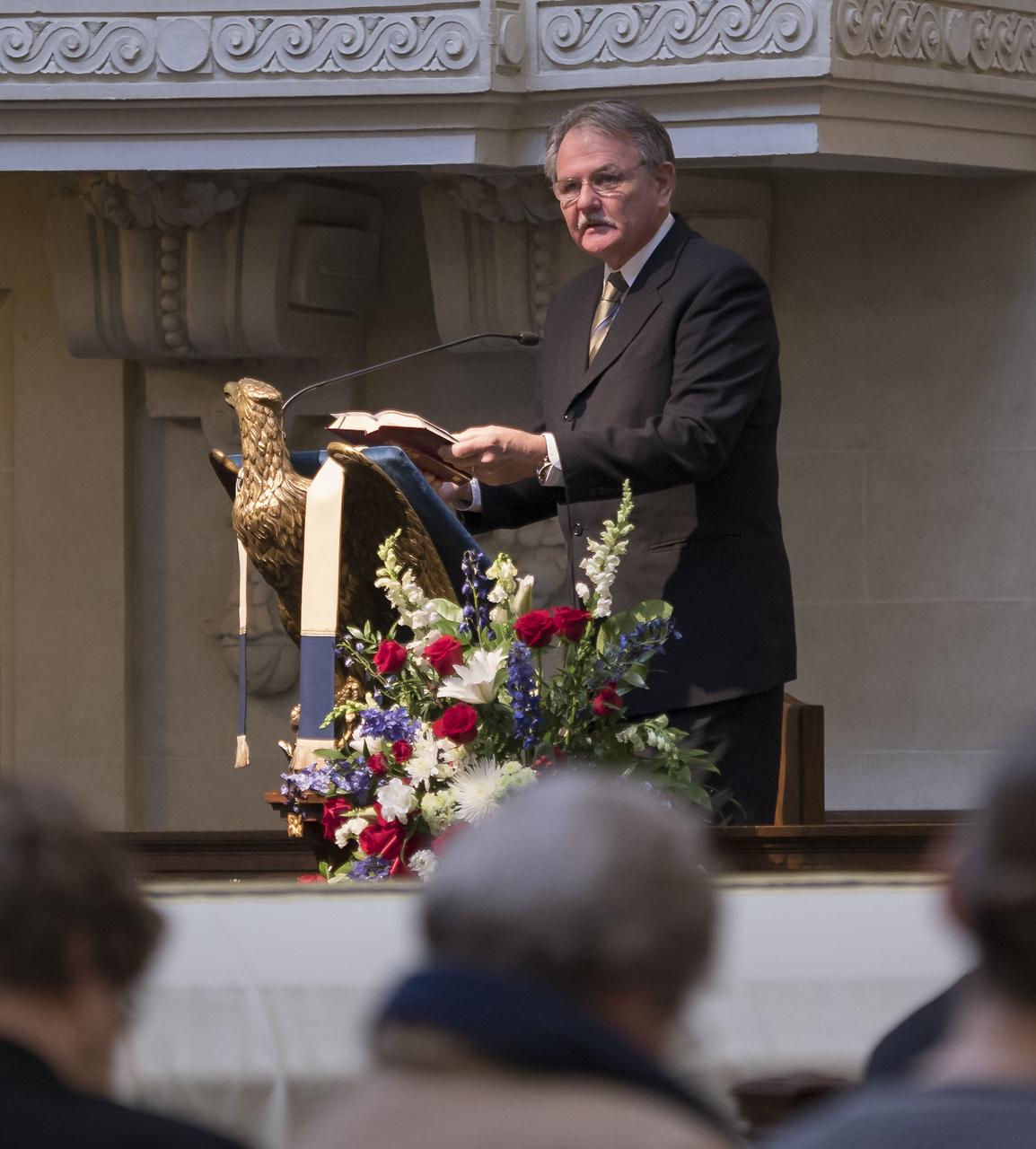
The Rev. Mark Anderson talks during the funeral service for former NASA astronaut Captain Bruce McCandless II, USN (Ret.), Tuesday, Jan. 16, 2018 at the United States Naval Academy Chapel in Annapolis, Maryland. Photo Credit: (NASA/Bill Ingalls)
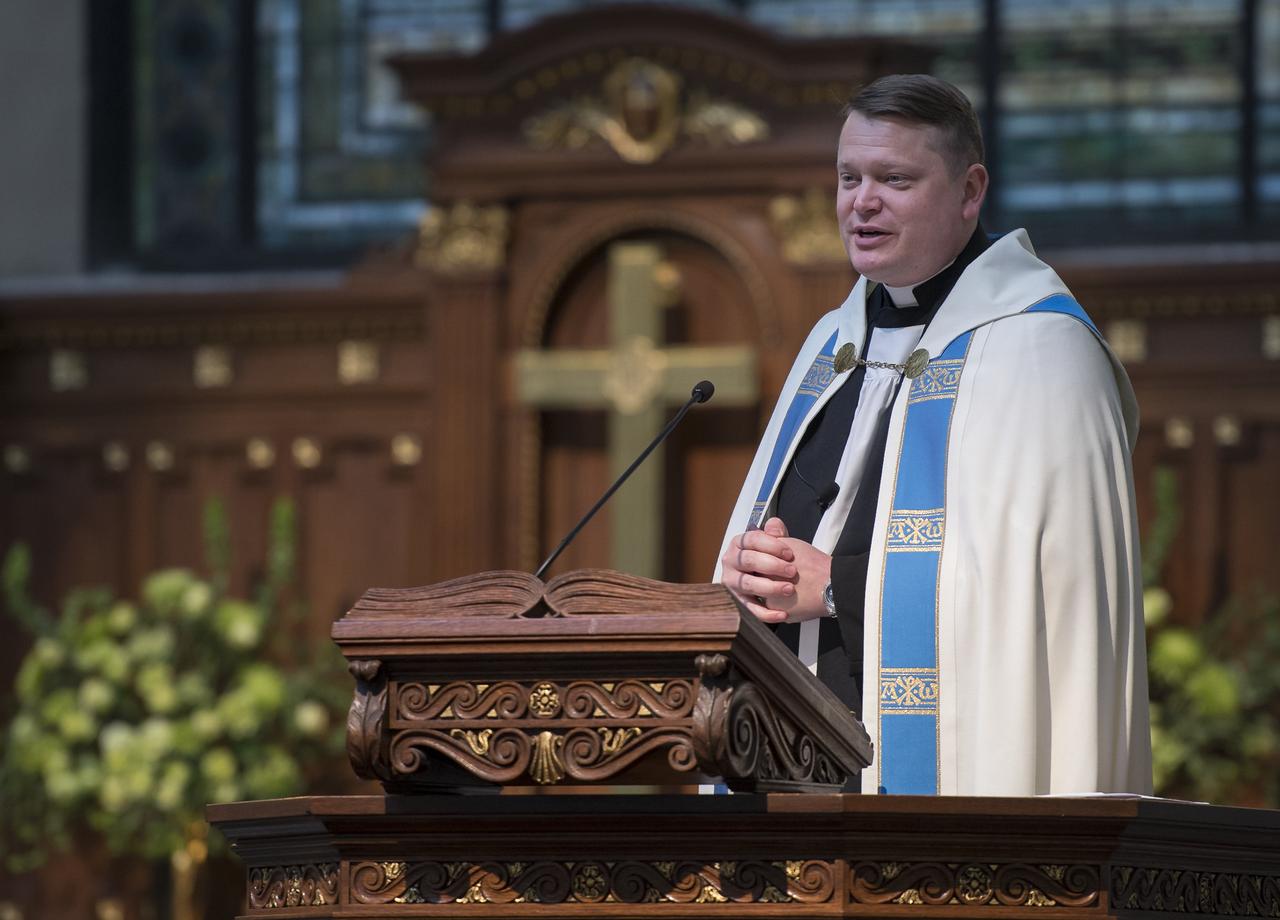
Chaplain McGrath over sees the funeral service for former NASA astronaut Captain Bruce McCandless II, USN (Ret.), Tuesday, Jan. 16, 2018 at the United States Naval Academy Chapel in Annapolis, Maryland. Photo Credit: (NASA/Bill Ingalls)
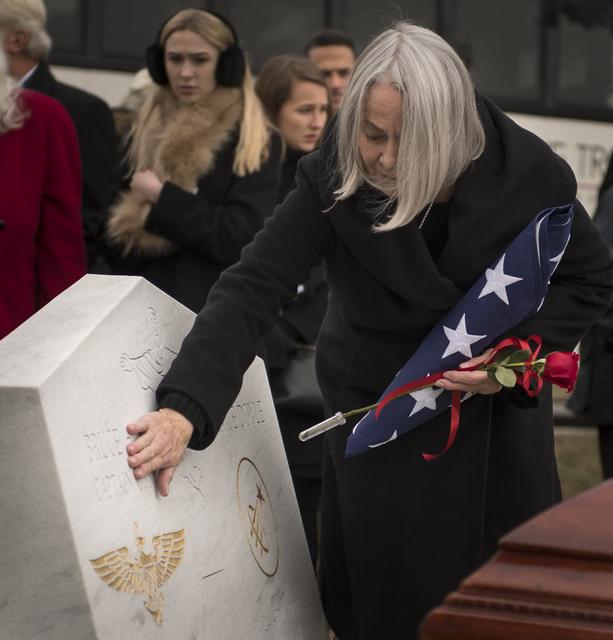
Ellen Shields McCandless, wife of former NASA astronaut Captain Bruce McCandless II, USN (Ret.), left, pays her respects during her husband's interment service, Tuesday, Jan. 16, 2018 at the United States Naval Academy Cemetery in Annapolis, Maryland. Photo Credit: (NASA/Bill Ingalls)
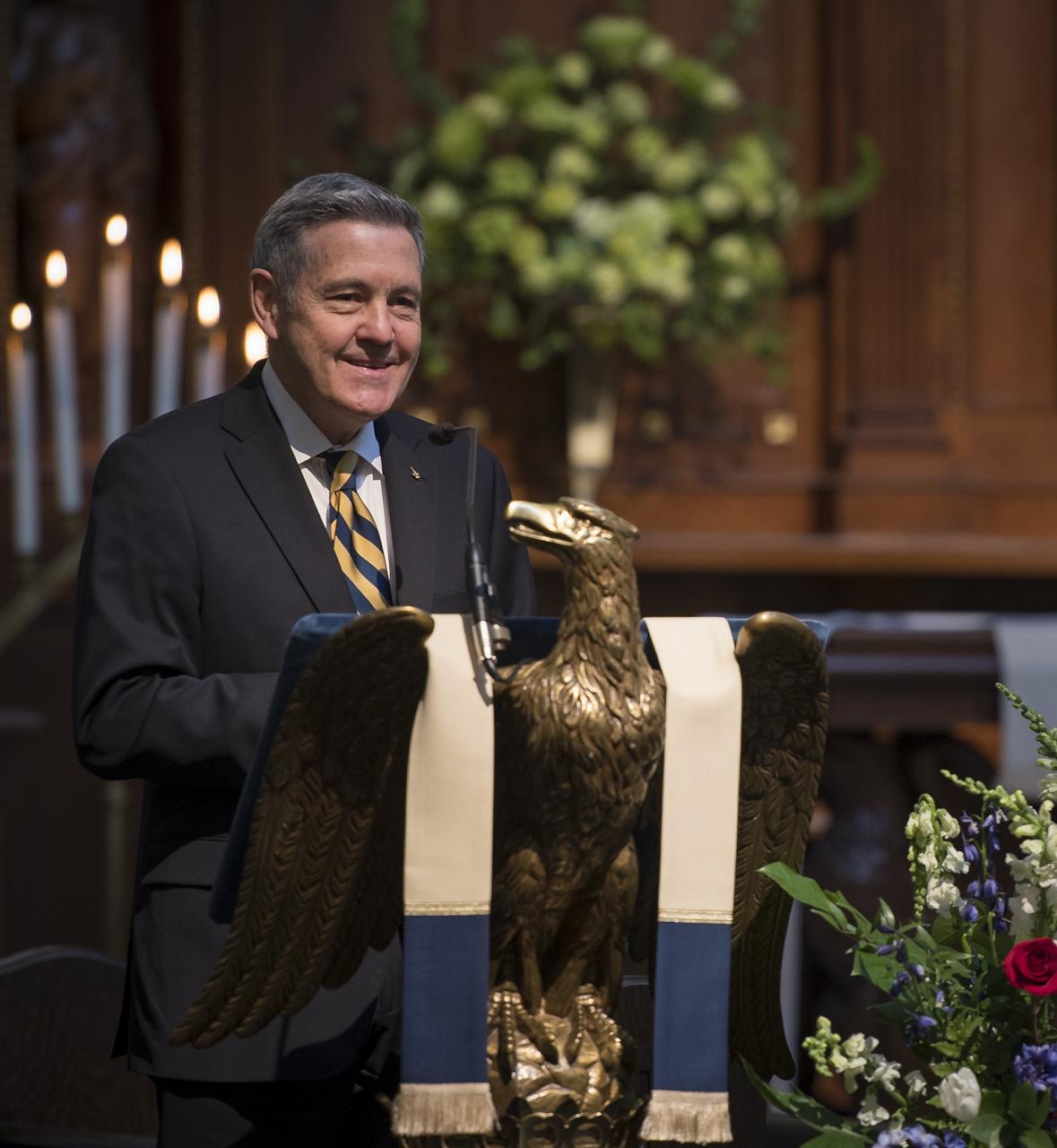
NASA Kennedy Space Center Director Robert Cabana speaks at the funeral service for former NASA astronaut Captain Bruce McCandless II, USN (Ret.), Tuesday, Jan. 16, 2018 at the United States Naval Academy Chapel in Annapolis, Maryland. Photo Credit: (NASA/Bill Ingalls)

Taps is played during the interment service for former NASA astronaut Captain Bruce McCandless II, USN (Ret.), Tuesday, Jan. 16, 2018 at the United States Naval Academy Cemetery in Annapolis, Maryland. Photo Credit: (NASA/Bill Ingalls)
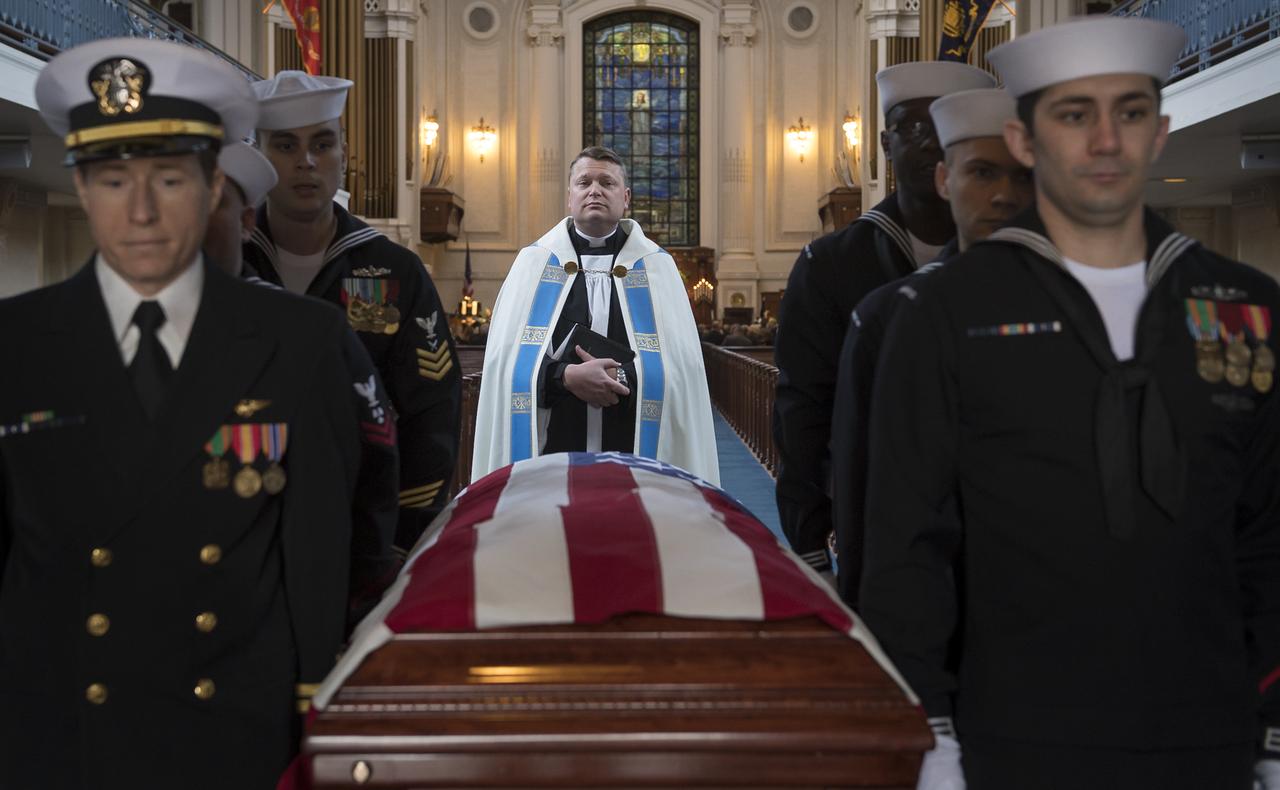
Chaplain McGrath over sees the funeral service for former NASA astronaut Captain Bruce McCandless II, USN (Ret.), Tuesday, Jan. 16, 2018 at the United States Naval Academy Chapel in Annapolis, Maryland. Photo Credit: (NASA/Bill Ingalls)

NASA Kennedy Space Center Director Robert Cabana speaks at the funeral service for former NASA astronaut Captain Bruce McCandless II, USN (Ret.), Tuesday, Jan. 16, 2018 at the United States Naval Academy Chapel in Annapolis, Maryland. Photo Credit: (NASA/Bill Ingalls)
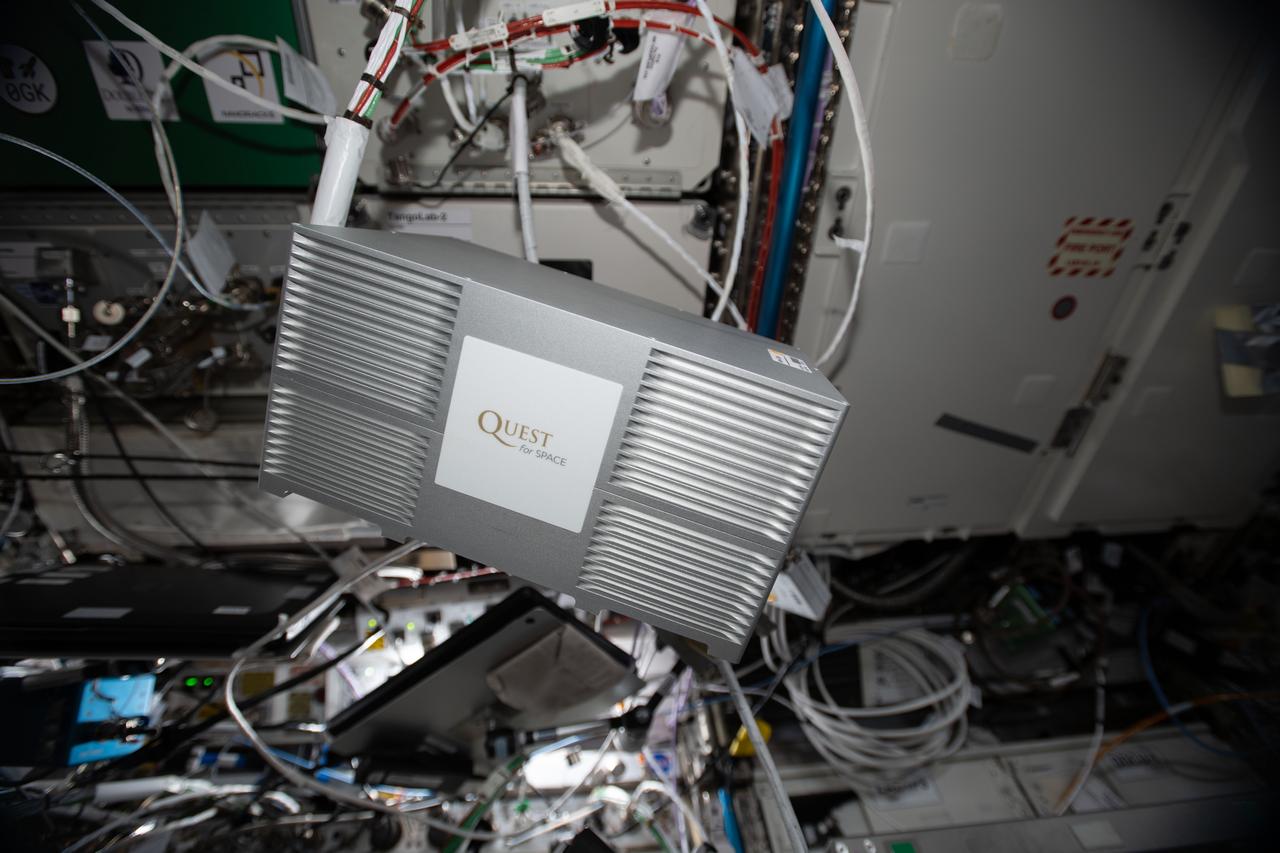
iss062e102749 (3/19/2020) --- A view of the Quest Institute-NanoLab Unit 3 investigation aboard the International Space Station (ISS). Quest Institute-NanoLab Unit 3 contains 15 Nano-Lab experiments from students in the United States and Singapore. Student-developed spaceflight experiments empower students with real-world science experience.
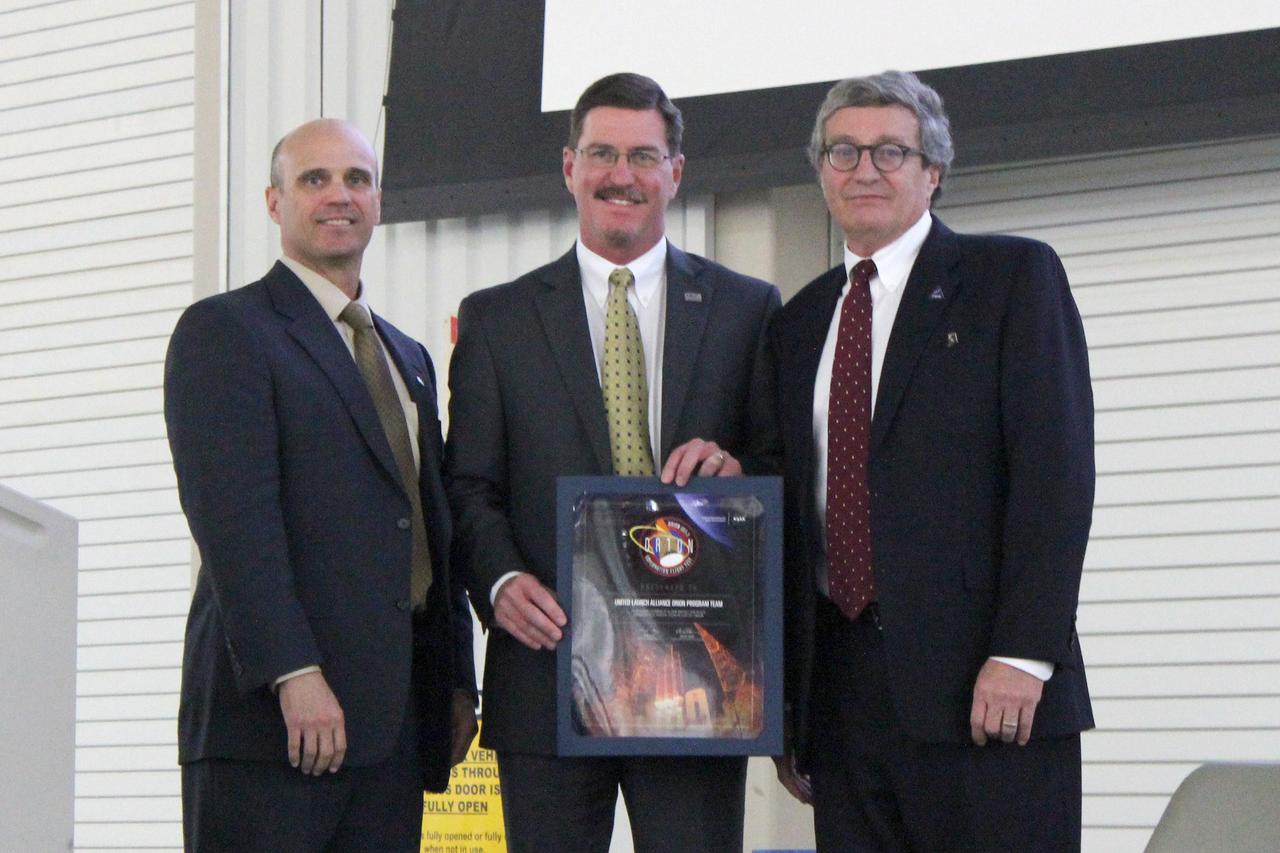
The Orion team recognizes the contributions to Exploration Flight Test-1 (EFT-1) by United Launch Alliance in Decatur, Alabama on March 18, 2015. Part of Batch image transfer from Flickr.