
Osprey (UAV) Unmanned Aerial Vehicle ; flight vehicle test at 14x22 tunnel. Test number 605 from Eglin AFB. Take at 14x22 Subsonic Tunnel
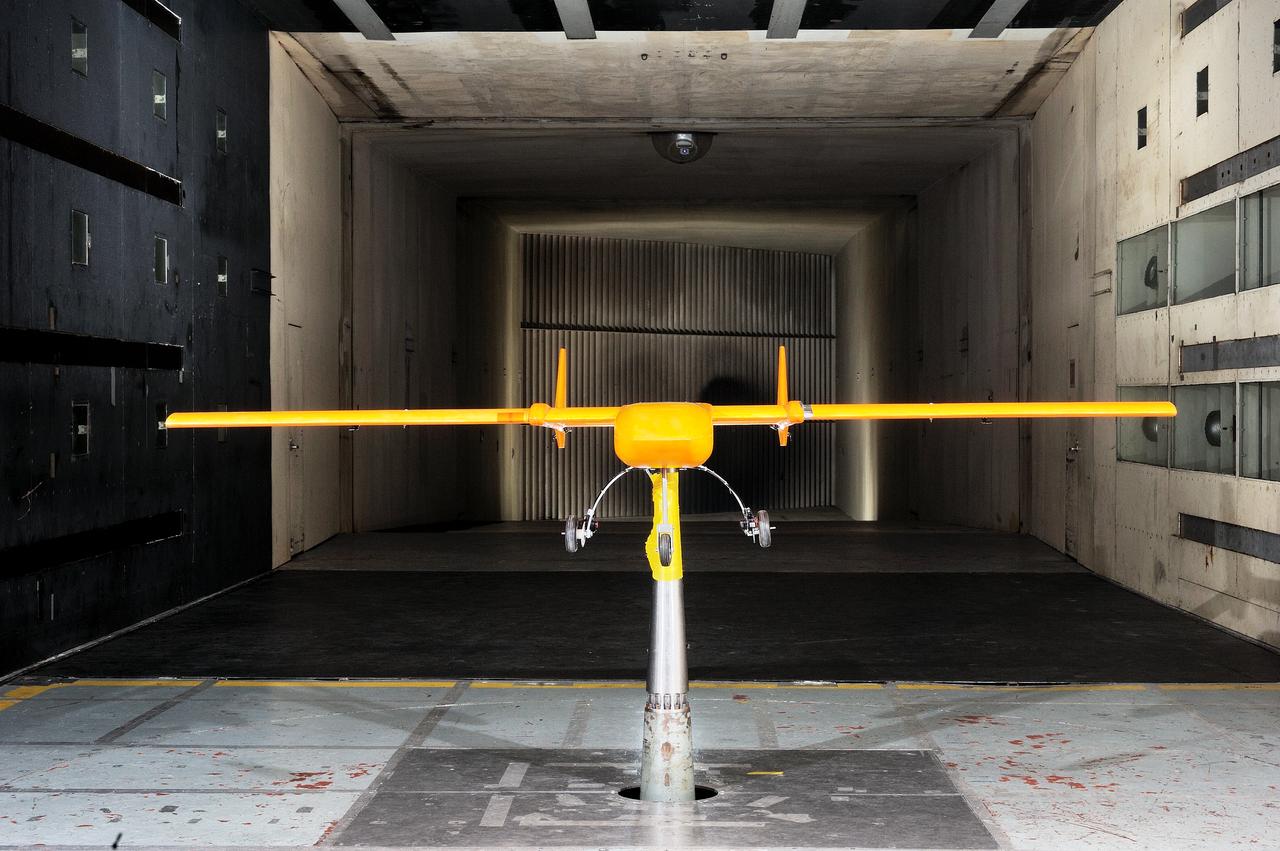
Osprey (UAV) Unmanned Aerial Vehicle ; flight vehicle test at 14x22 tunnel. Test number 605 from Eglin AFB. Take at 14x22 Subsonic Tunnel
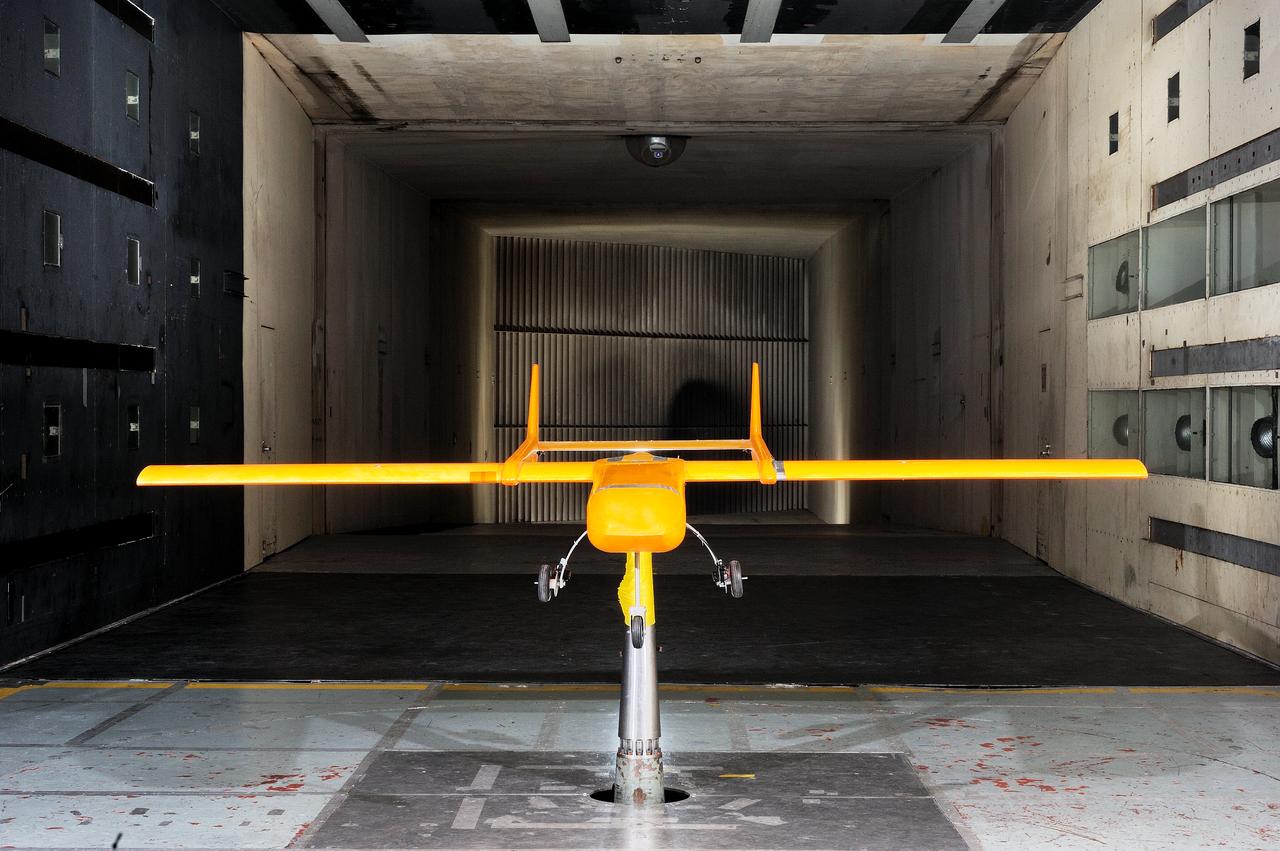
Osprey (UAV) Unmanned Aerial Vehicle ; flight vehicle test at 14x22 tunnel. Test number 605 from Eglin AFB. Take at 14x22 Subsonic Tunnel
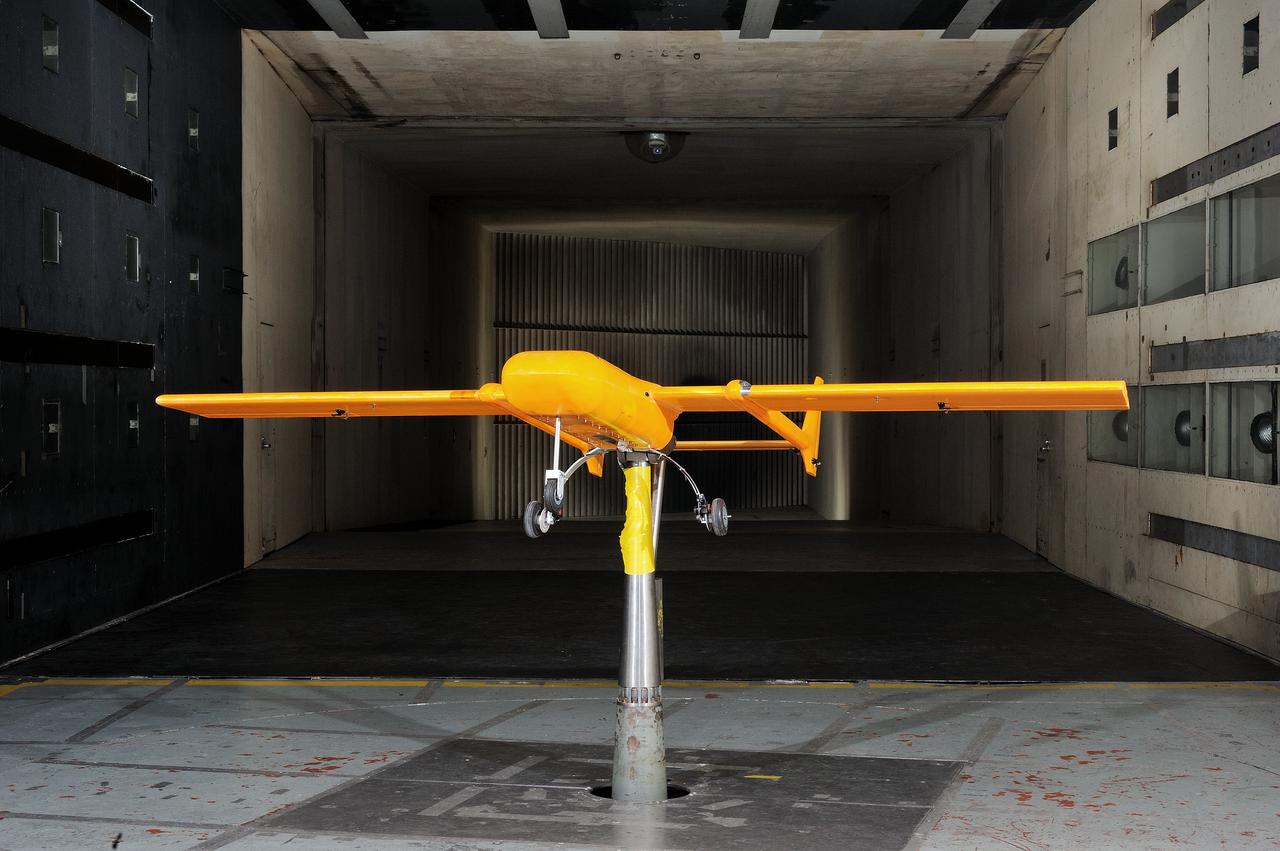
Osprey (UAV) Unmanned Aerial Vehicle ; flight vehicle test at 14x22 tunnel. Test number 605 from Eglin AFB. Take at 14x22 Subsonic Tunnel
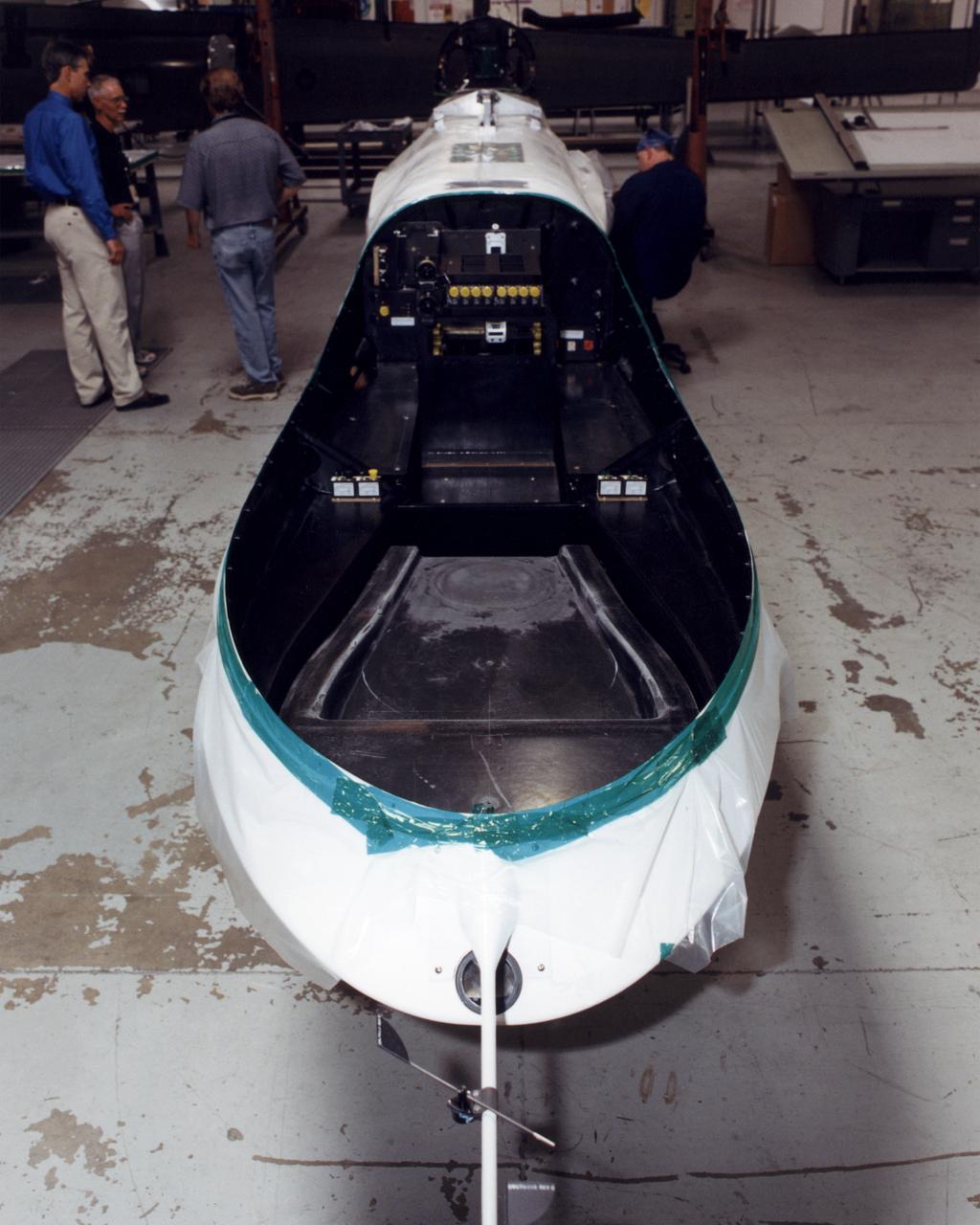
The payload bay in the nose of NASA's Altair unmanned aerial vehicle (UAV) will be able to carry up to 700 lbs. of sensors, imaging equipment and other instruments for Earth science missions.
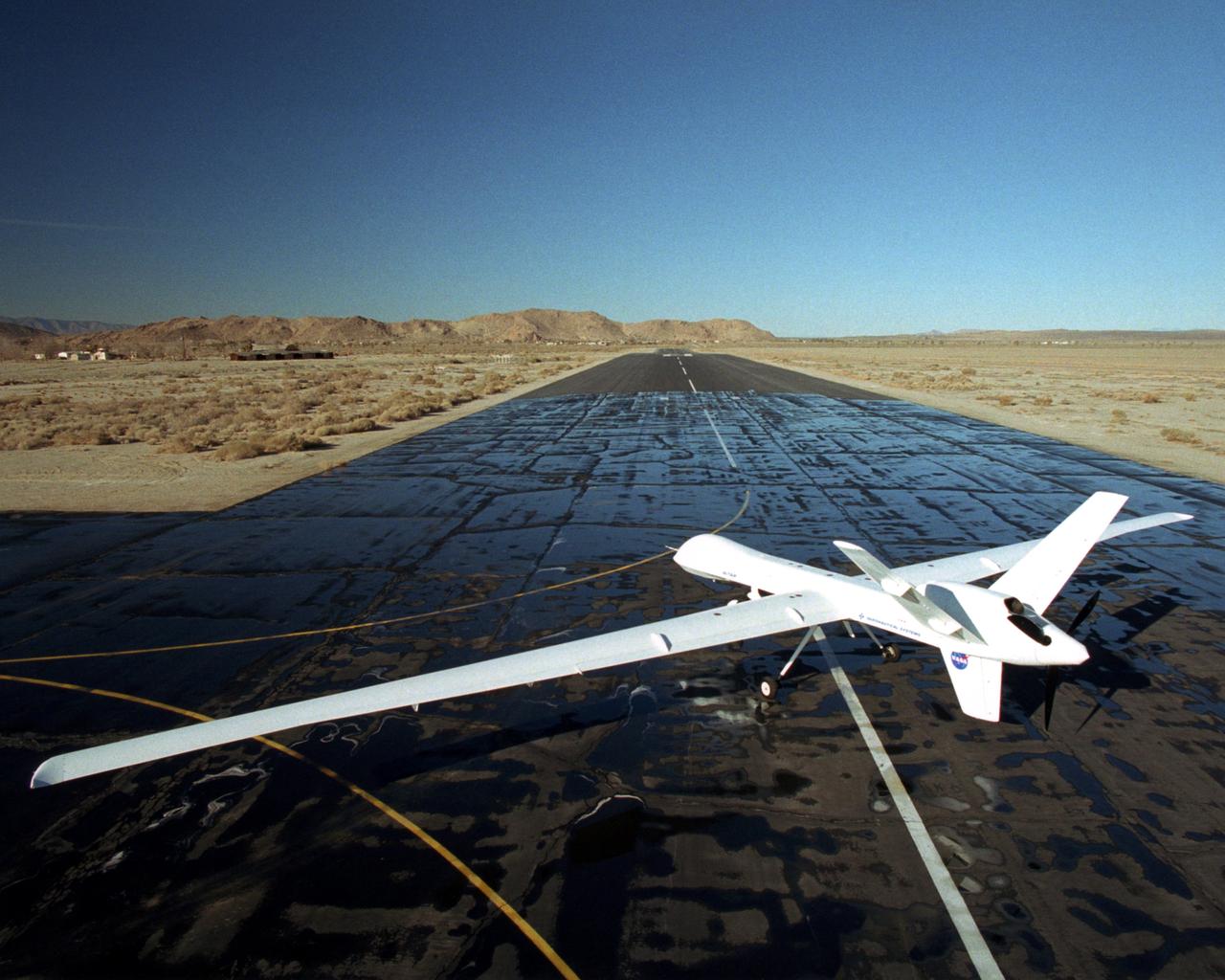
The long, narrow wings of NASA's Altair are designed to allow the unmanned aerial vehicle (UAV) to maintain long-duration flight at high altitudes.
High School and College students from around the U.S. came together at Bragg Farms in Toney, Alabama for the 2019 Student Launch Initiative. The students launched their rockets to their own predetermined altitude with various payloads including remote rovers and unmanned aerial vehicles.
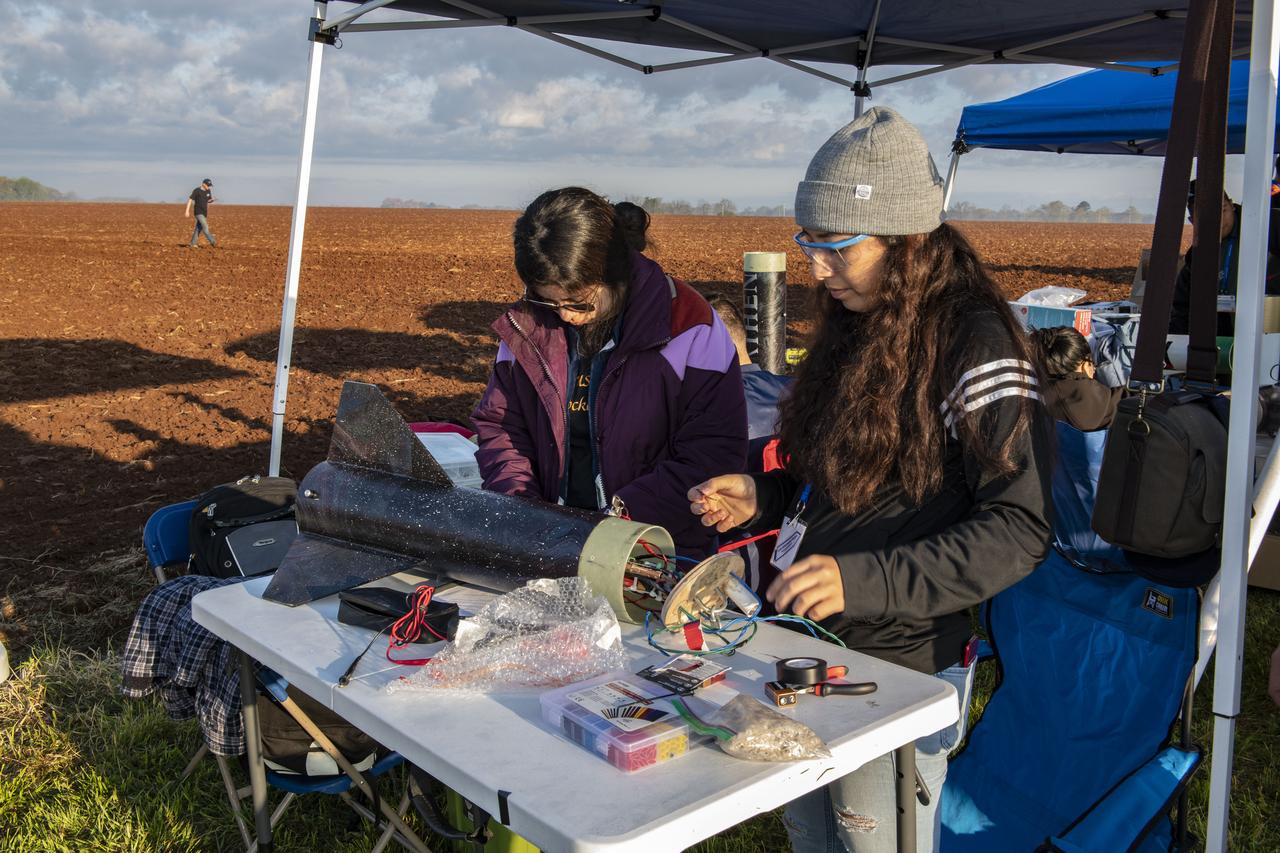
High School and College students from around the U.S. came together at Bragg Farms in Toney, Alabama for the 2019 Student Launch Initiative. The students launched their rockets to their own predetermined altitude with various payloads including remote rovers and unmanned aerial vehicles.
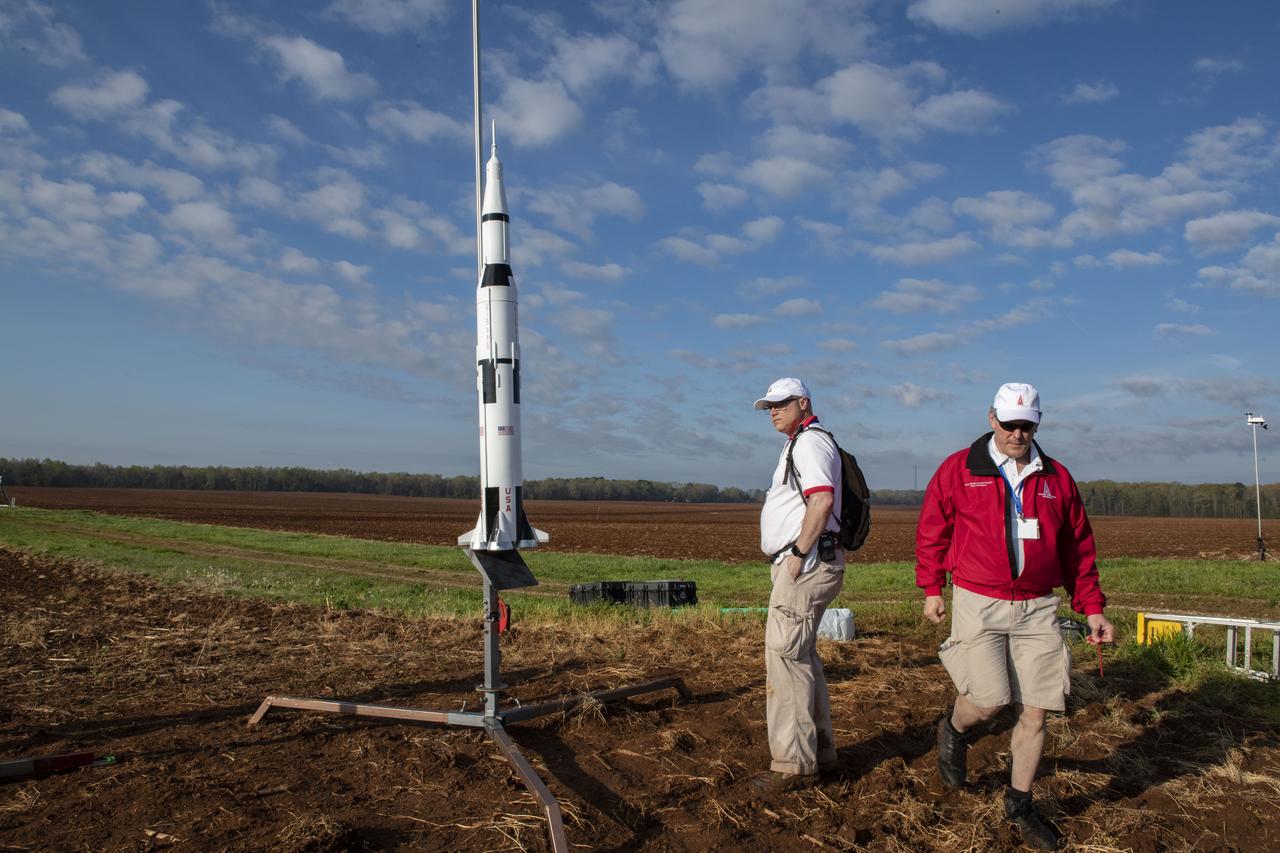
High School and College students from around the U.S. came together at Bragg Farms in Toney, Alabama for the 2019 Student Launch Initiative. The students launched their rockets to their own predetermined altitude with various payloads including remote rovers and unmanned aerial vehicles.
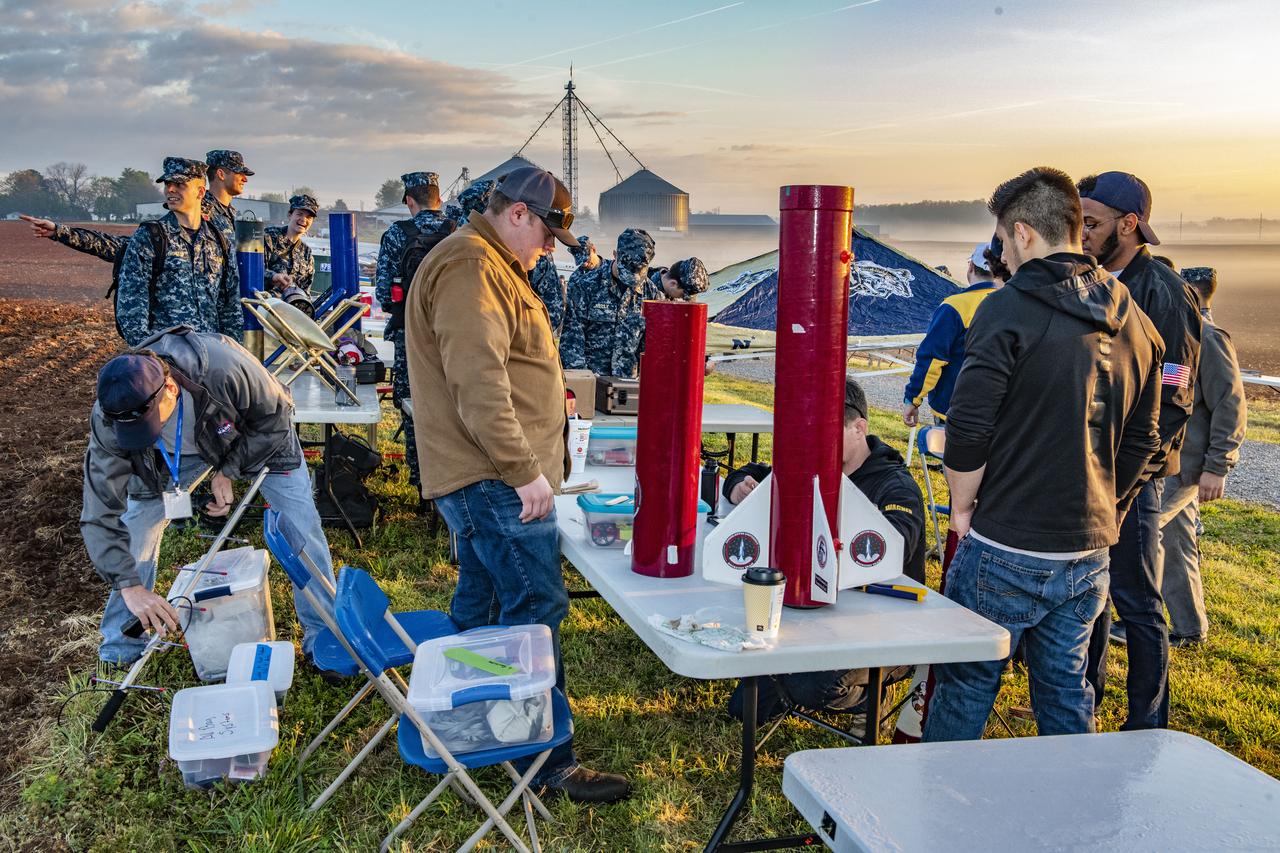
High School and College students from around the U.S. came together at Bragg Farms in Toney, Alabama for the 2019 Student Launch Initiative. The students launched their rockets to their own predetermined altitude with various payloads including remote rovers and unmanned aerial vehicles.
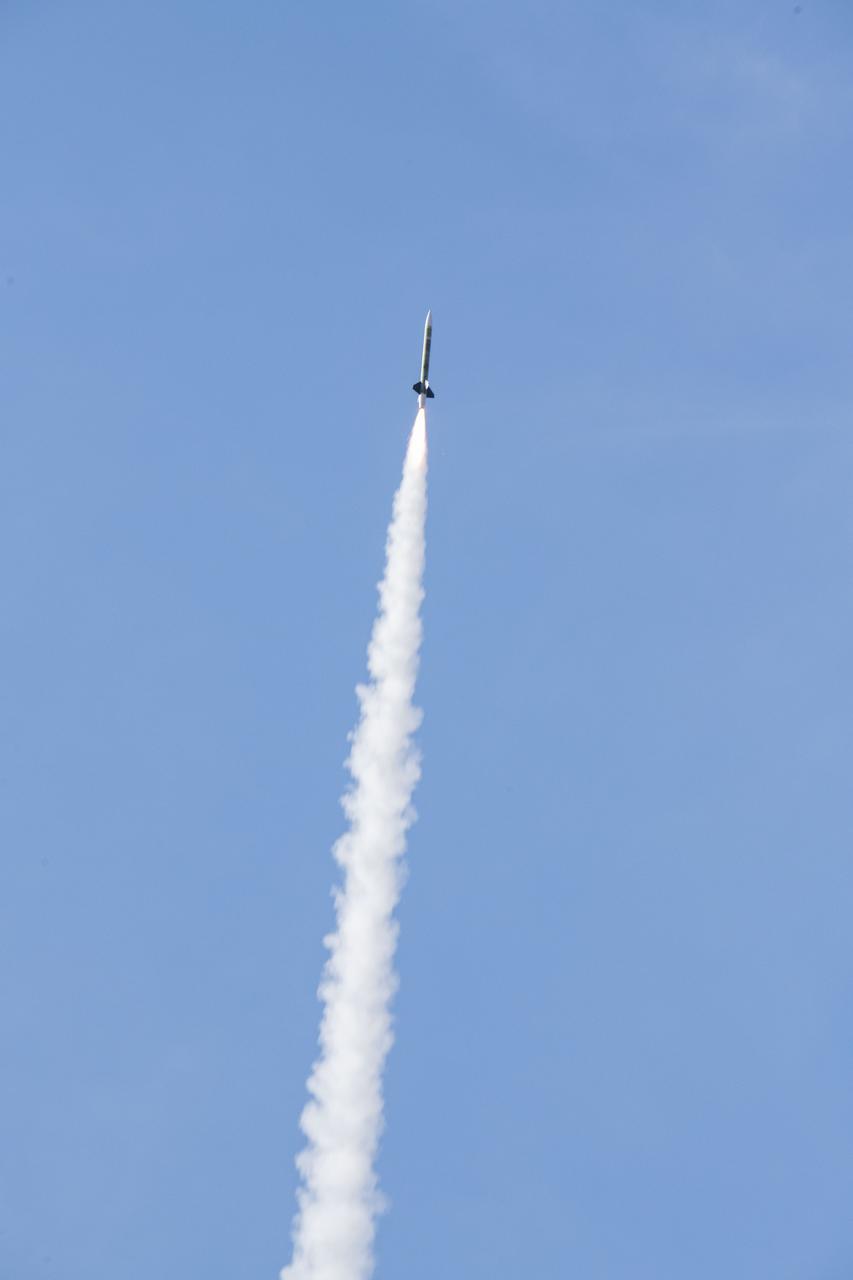
High School and College students from around the U.S. came together at Bragg Farms in Toney, Alabama for the 2019 Student Launch Initiative. The students launched their rockets to their own predetermined altitude with various payloads including remote rovers and unmanned aerial vehicles.
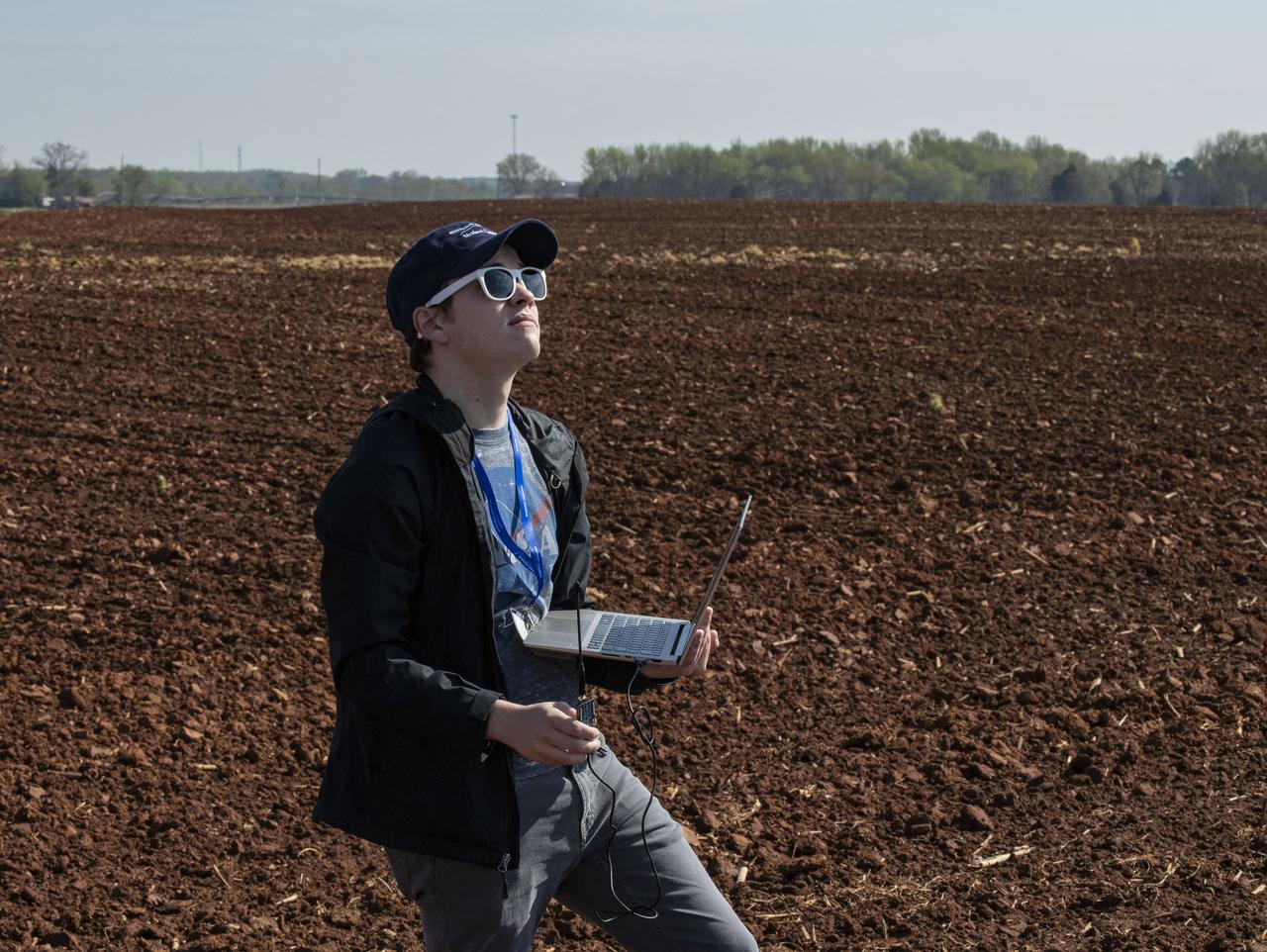
High School and College students from around the U.S. came together at Bragg Farms in Toney, Alabama for the 2019 Student Launch Initiative. The students launched their rockets to their own predetermined altitude with various payloads including remote rovers and unmanned aerial vehicles.
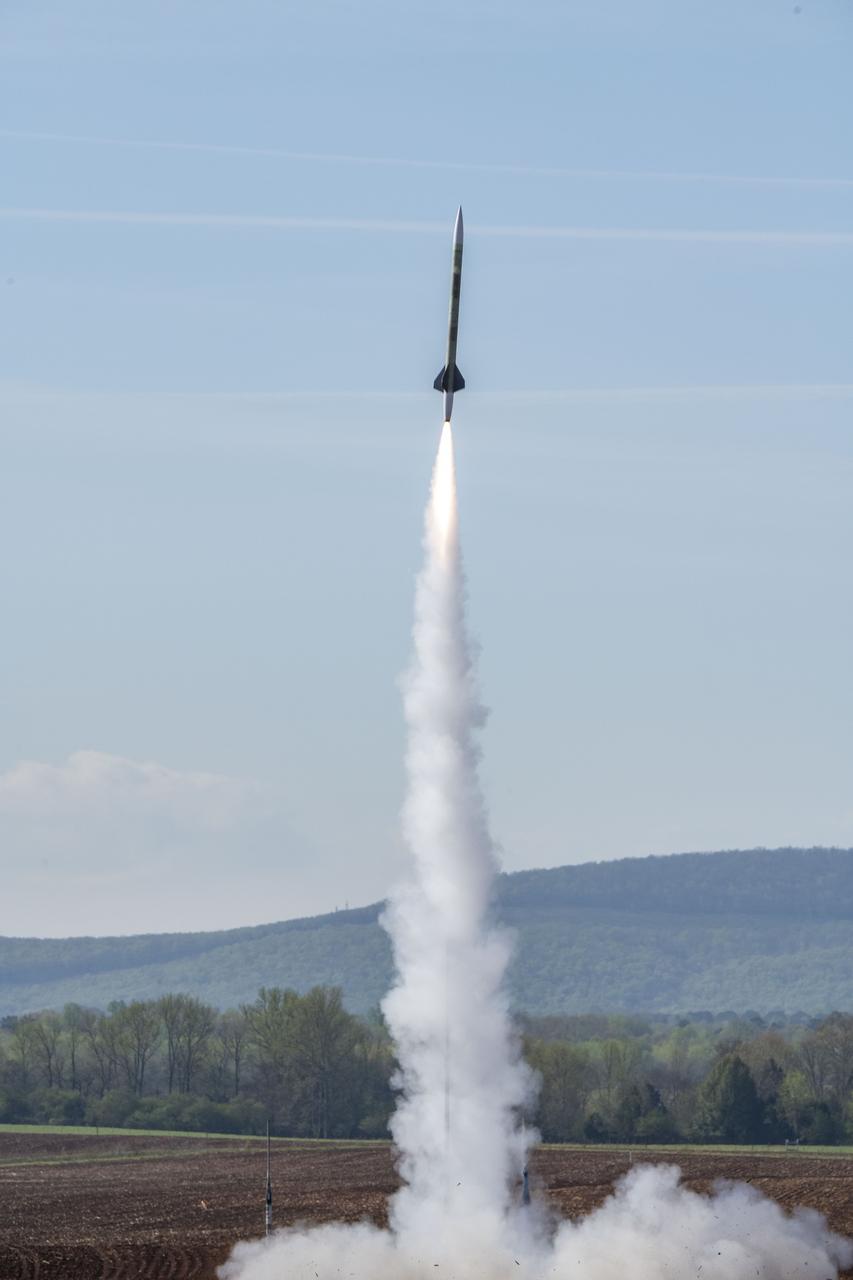
High School and College students from around the U.S. came together at Bragg Farms in Toney, Alabama for the 2019 Student Launch Initiative. The students launched their rockets to their own predetermined altitude with various payloads including remote rovers and unmanned aerial vehicles.
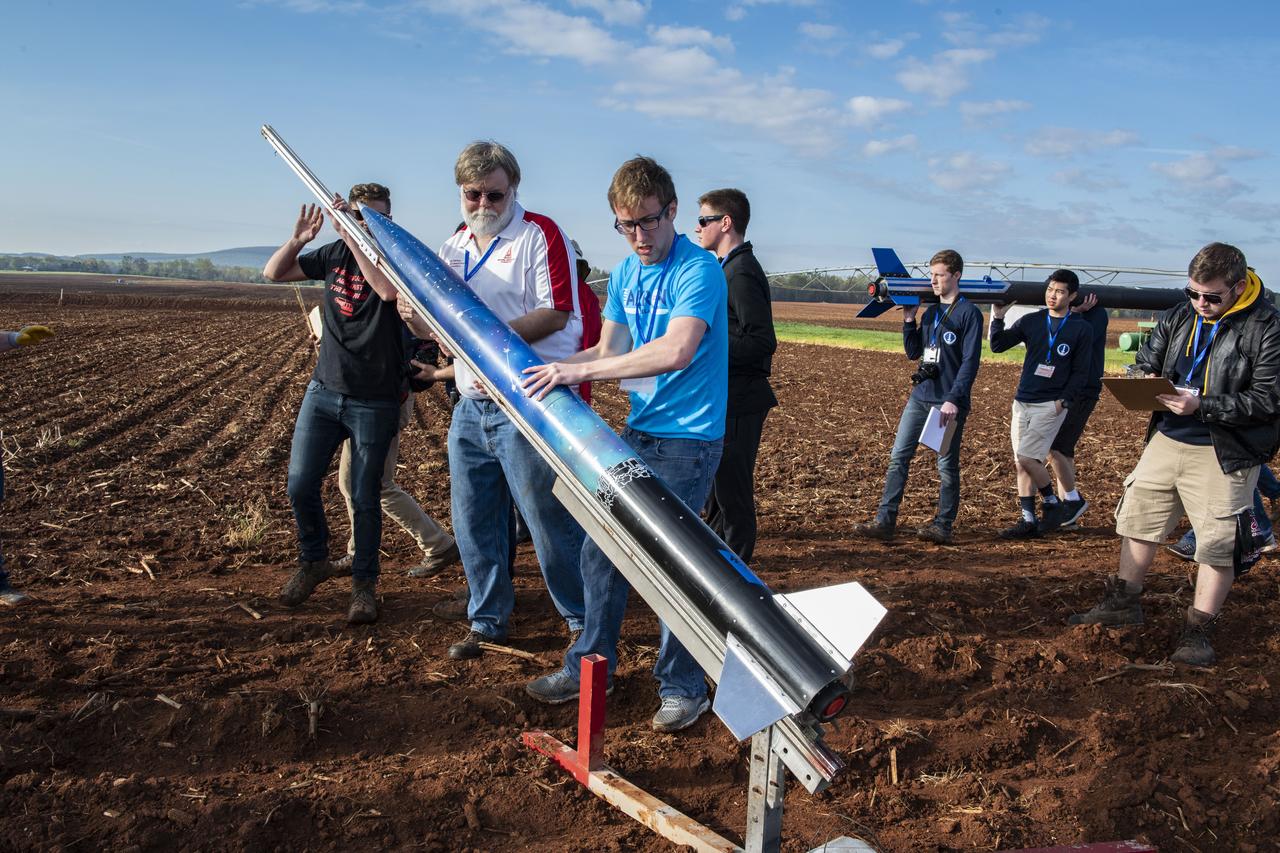
High School and College students from around the U.S. came together at Bragg Farms in Toney, Alabama for the 2019 Student Launch Initiative. The students launched their rockets to their own predetermined altitude with various payloads including remote rovers and unmanned aerial vehicles.
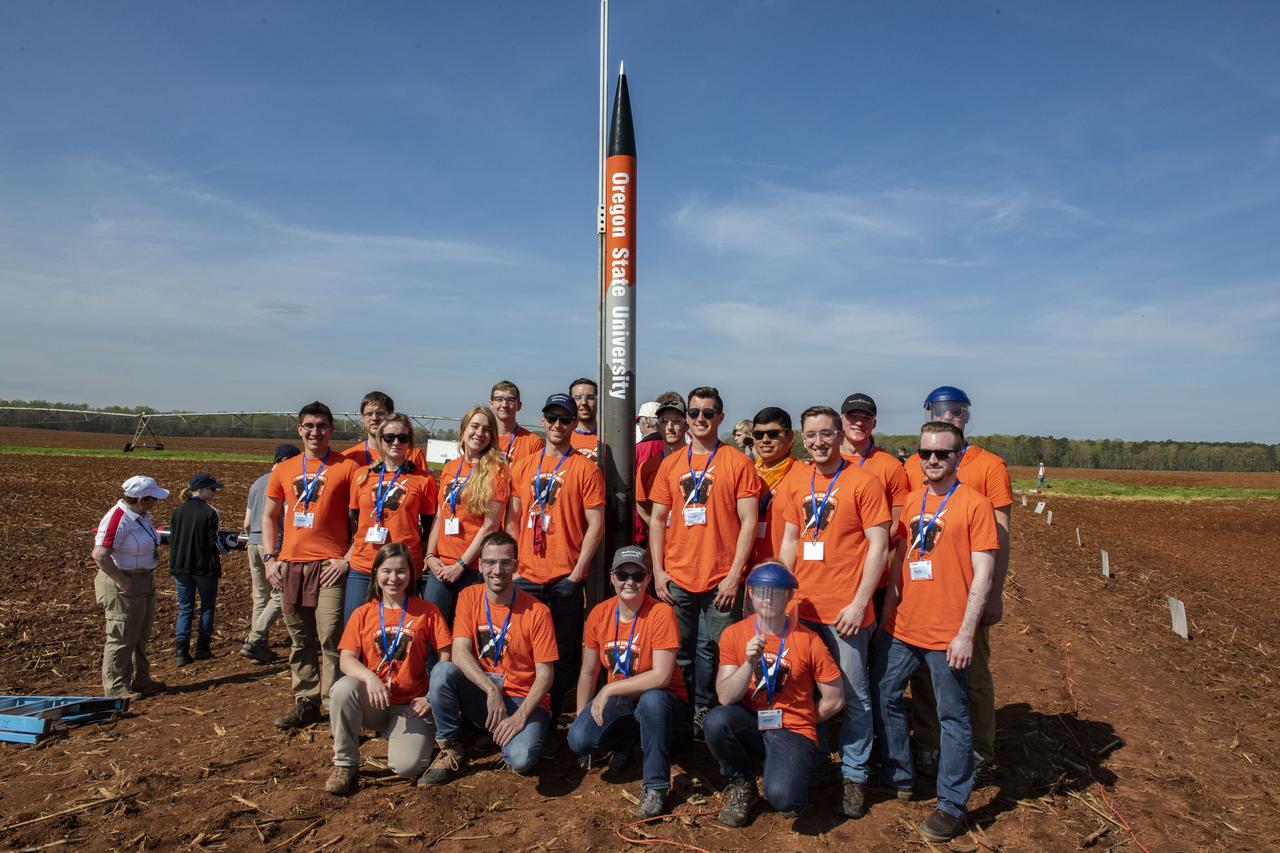
High School and College students from around the U.S. came together at Bragg Farms in Toney, Alabama for the 2019 Student Launch Initiative. The students launched their rockets to their own predetermined altitude with various payloads including remote rovers and unmanned aerial vehicles.
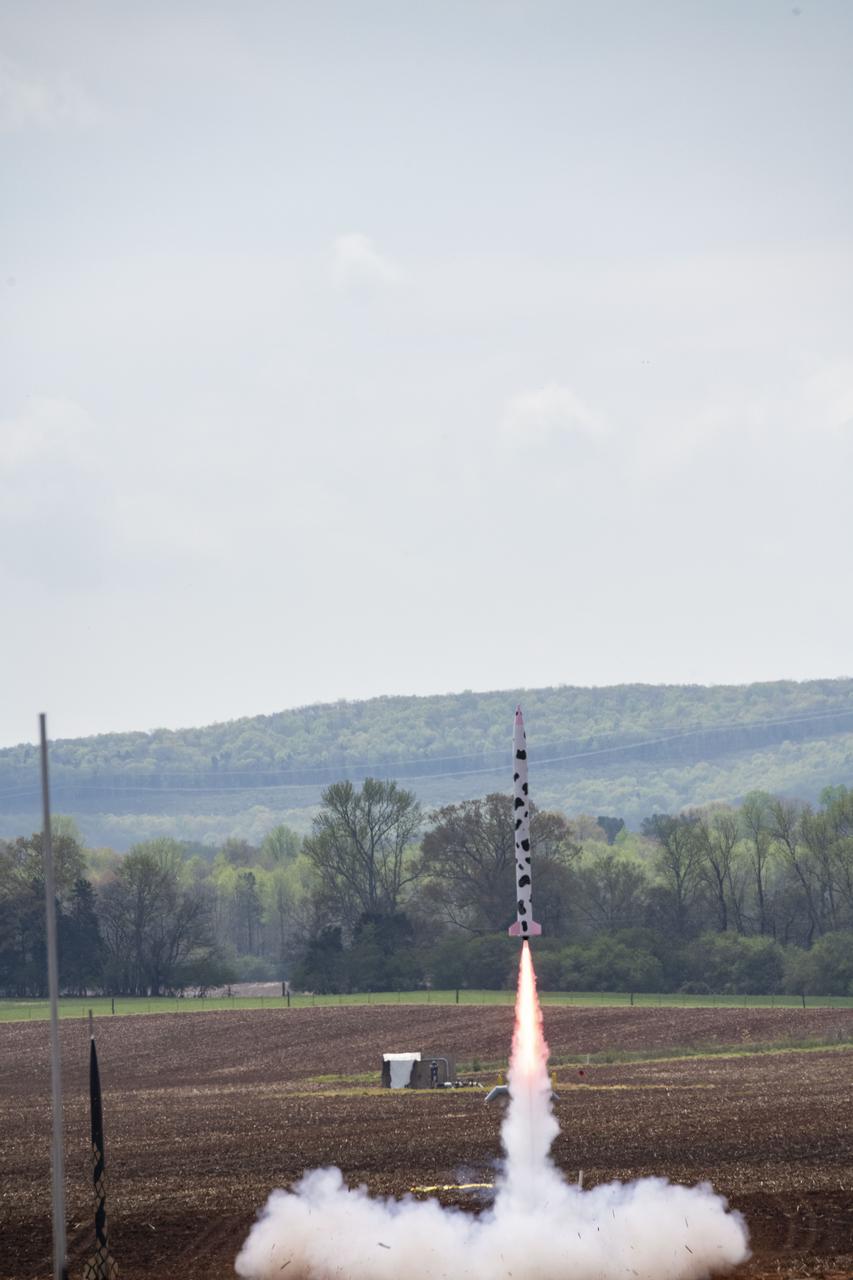
High School and College students from around the U.S. came together at Bragg Farms in Toney, Alabama for the 2019 Student Launch Initiative. The students launched their rockets to their own predetermined altitude with various payloads including remote rovers and unmanned aerial vehicles.
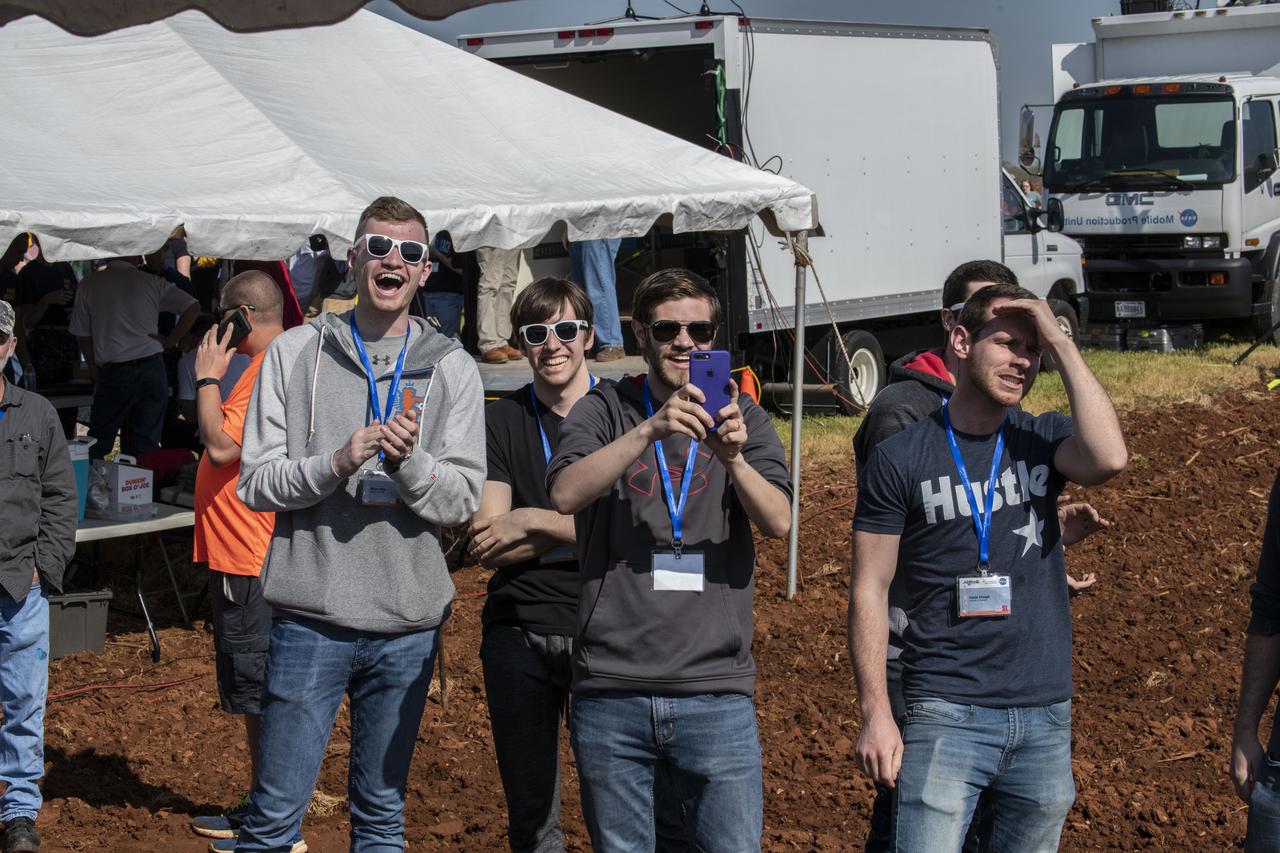
High School and College students from around the U.S. came together at Bragg Farms in Toney, Alabama for the 2019 Student Launch Initiative. The students launched their rockets to their own predetermined altitude with various payloads including remote rovers and unmanned aerial vehicles.
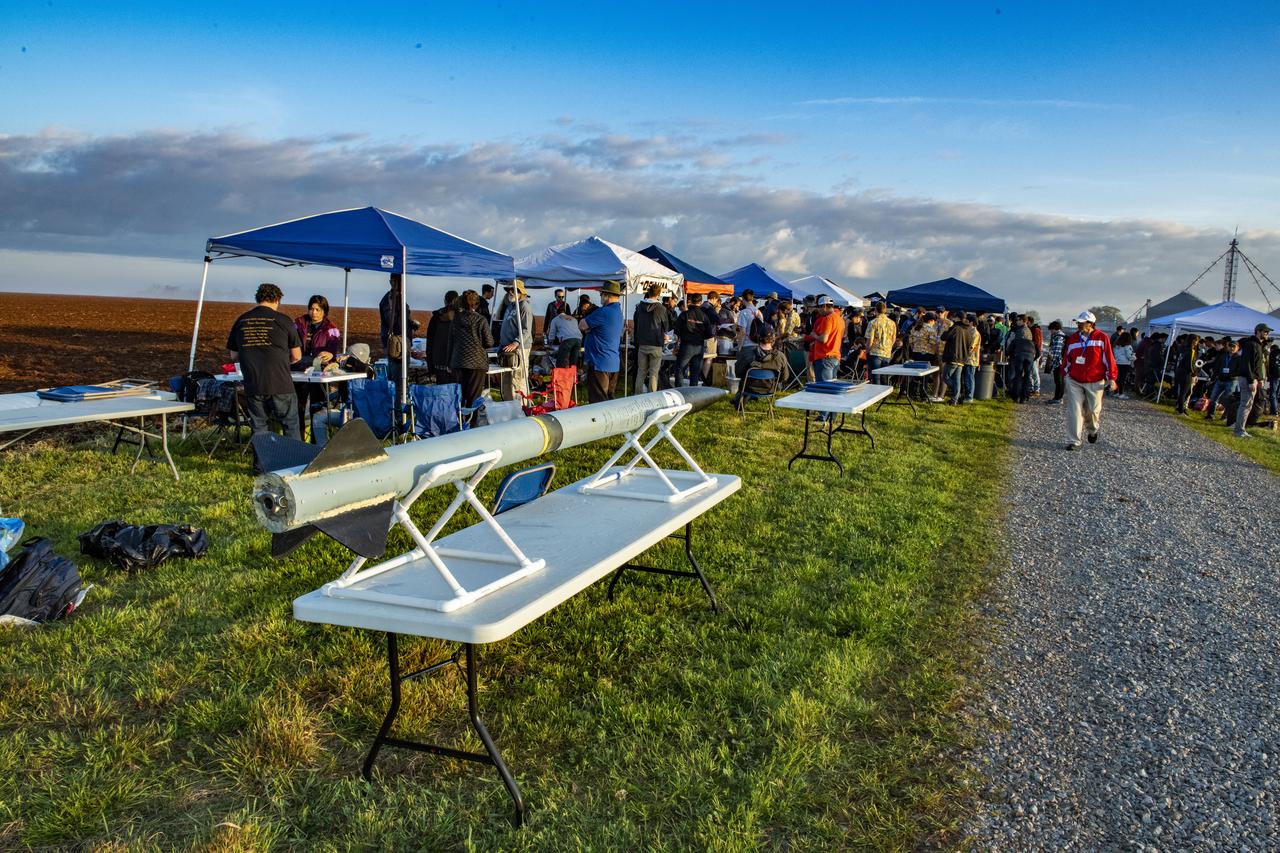
High School and College students from around the U.S. came together at Bragg Farms in Toney, Alabama for the 2019 Student Launch Initiative. The students launched their rockets to their own predetermined altitude with various payloads including remote rovers and unmanned aerial vehicles.
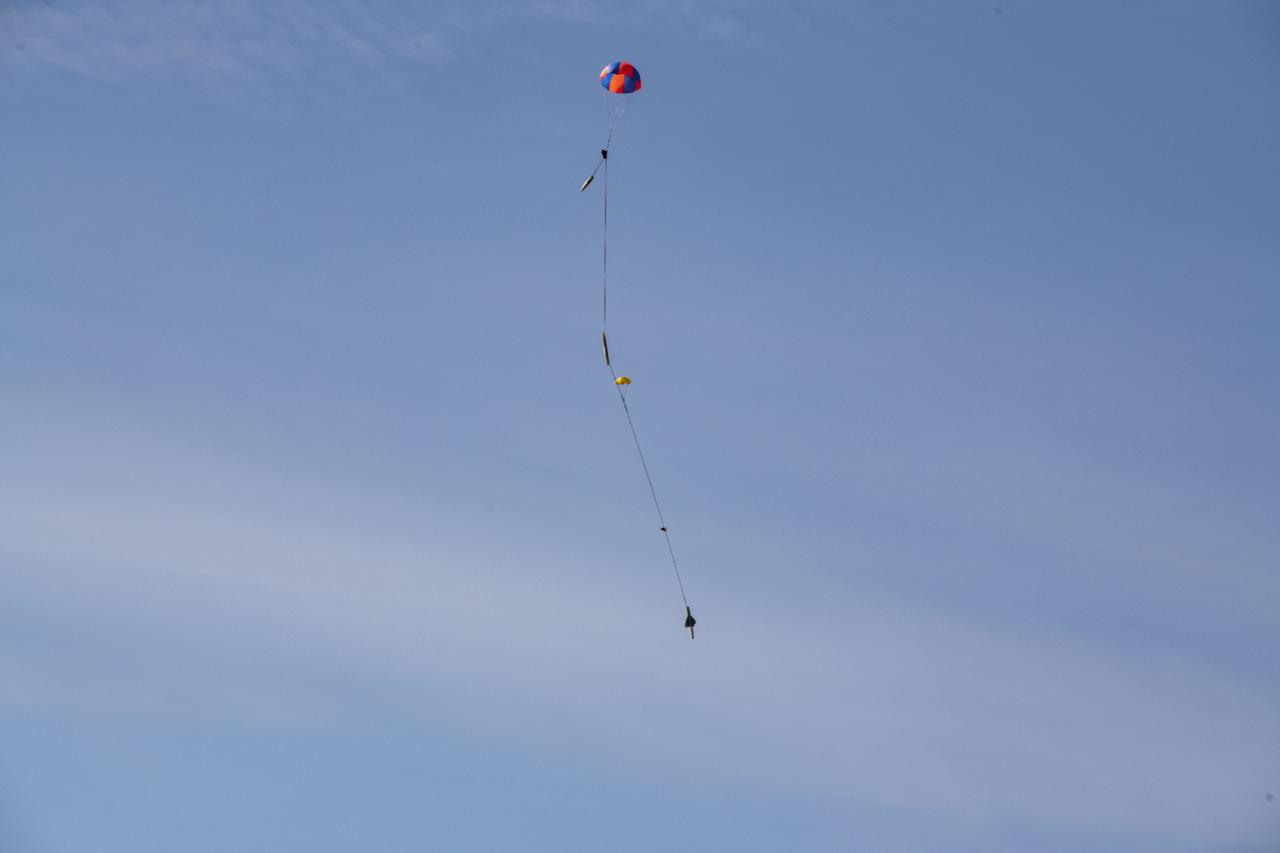
High School and College students from around the U.S. came together at Bragg Farms in Toney, Alabama for the 2019 Student Launch Initiative. The students launched their rockets to their own predetermined altitude with various payloads including remote rovers and unmanned aerial vehicles.
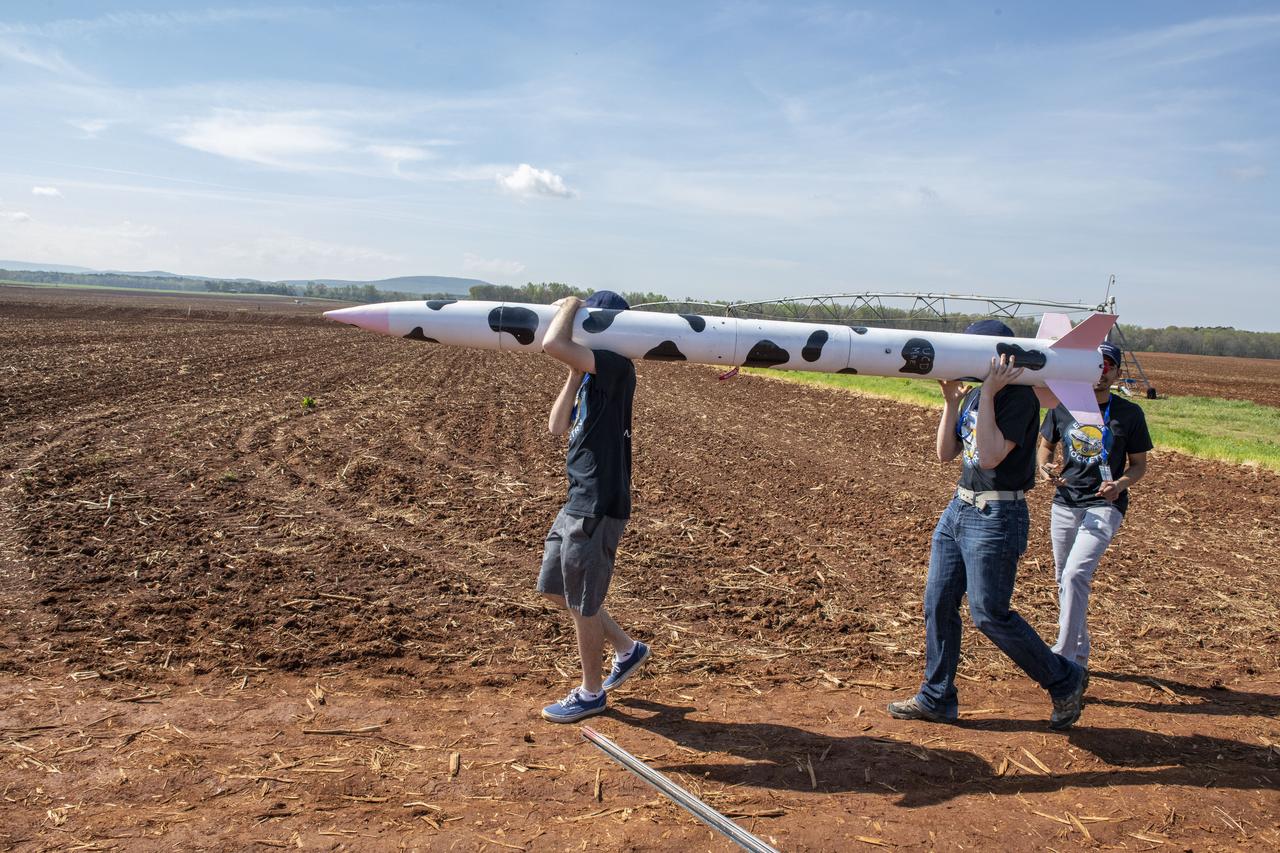
High School and College students from around the U.S. came together at Bragg Farms in Toney, Alabama for the 2019 Student Launch Initiative. The students launched their rockets to their own predetermined altitude with various payloads including remote rovers and unmanned aerial vehicles.
High School and College students from around the U.S. came together at Bragg Farms in Toney, Alabama for the 2019 Student Launch Initiative. The students launched their rockets to their own predetermined altitude with various payloads including remote rovers and unmanned aerial vehicles.

High School and College students from around the U.S. came together at Bragg Farms in Toney, Alabama for the 2019 Student Launch Initiative. The students launched their rockets to their own predetermined altitude with various payloads including remote rovers and unmanned aerial vehicles.
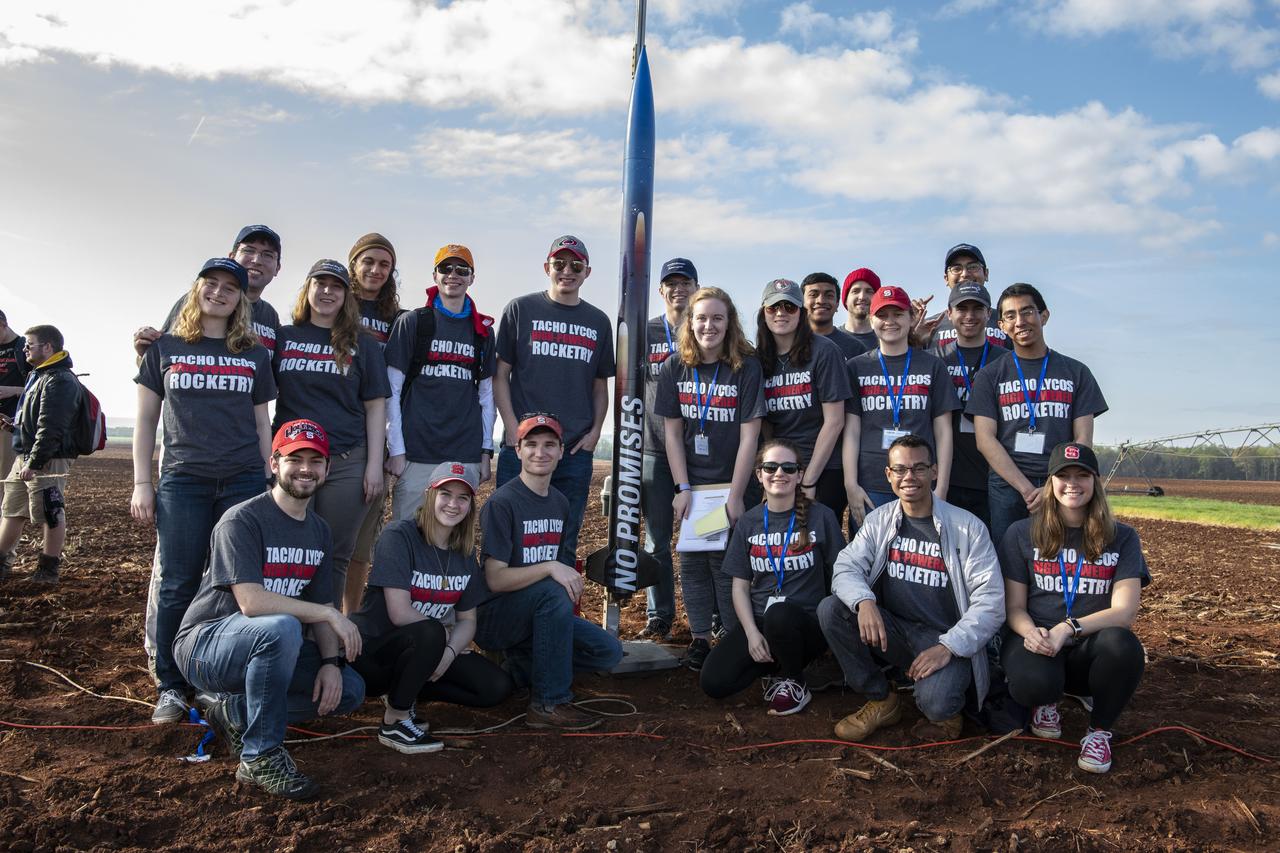
High School and College students from around the U.S. came together at Bragg Farms in Toney, Alabama for the 2019 Student Launch Initiative. The students launched their rockets to their own predetermined altitude with various payloads including remote rovers and unmanned aerial vehicles.
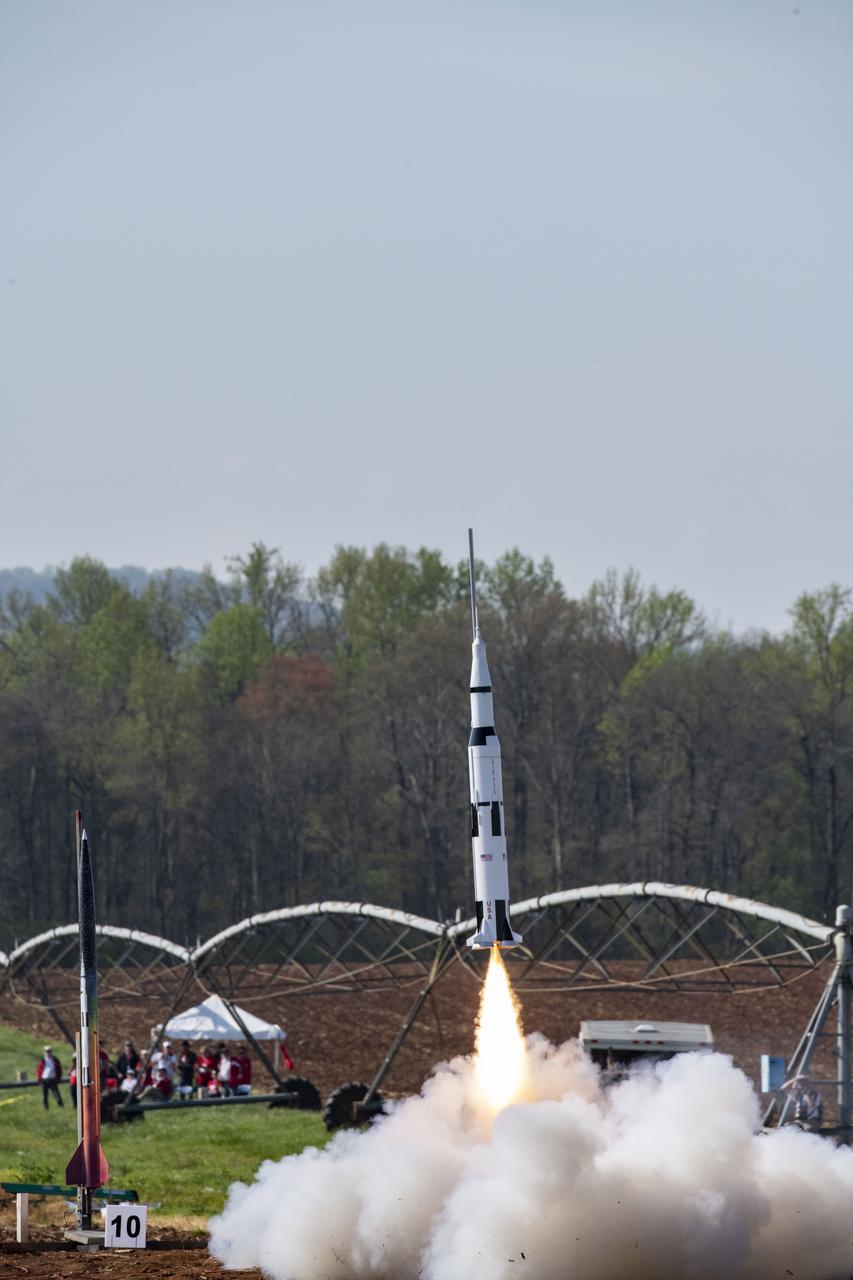
High School and College students from around the U.S. came together at Bragg Farms in Toney, Alabama for the 2019 Student Launch Initiative. The students launched their rockets to their own predetermined altitude with various payloads including remote rovers and unmanned aerial vehicles.
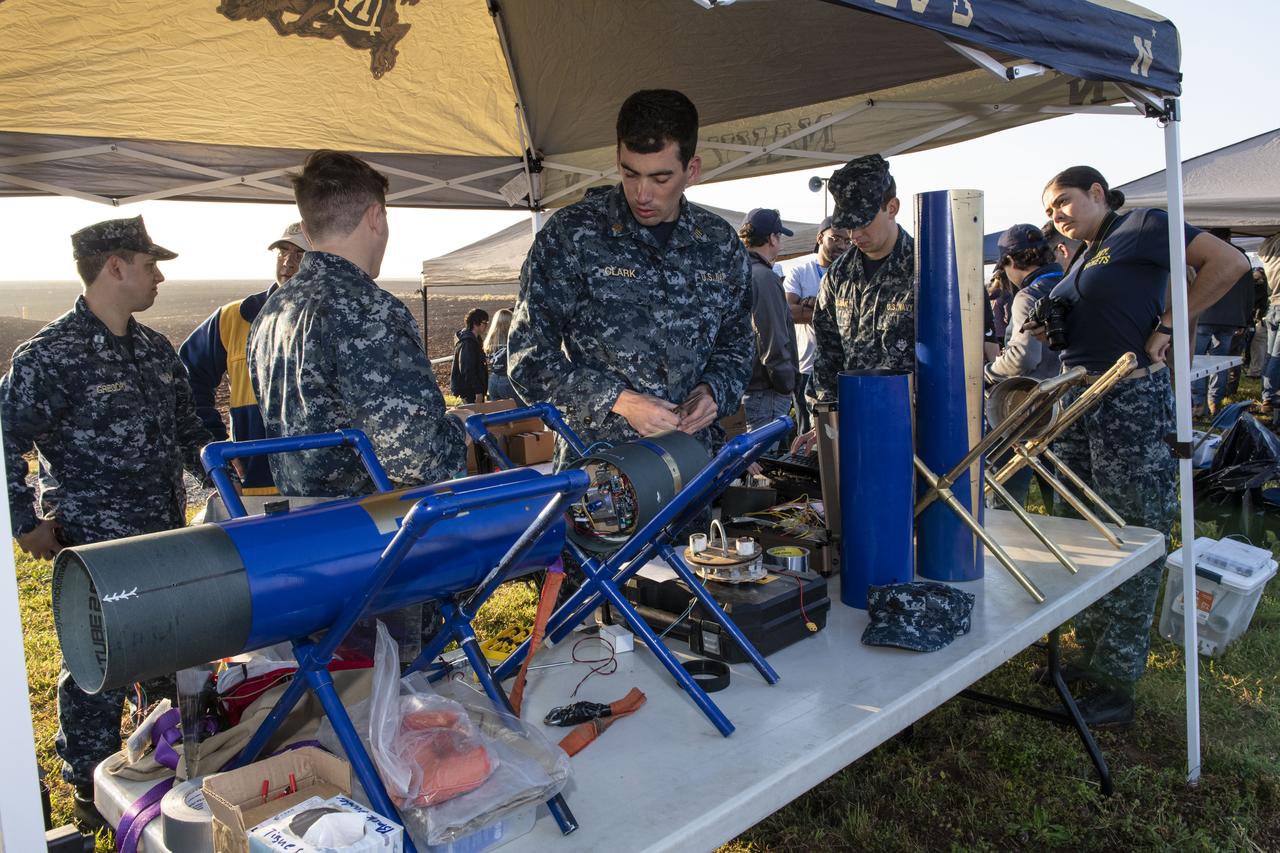
High School and College students from around the U.S. came together at Bragg Farms in Toney, Alabama for the 2019 Student Launch Initiative. The students launched their rockets to their own predetermined altitude with various payloads including remote rovers and unmanned aerial vehicles.
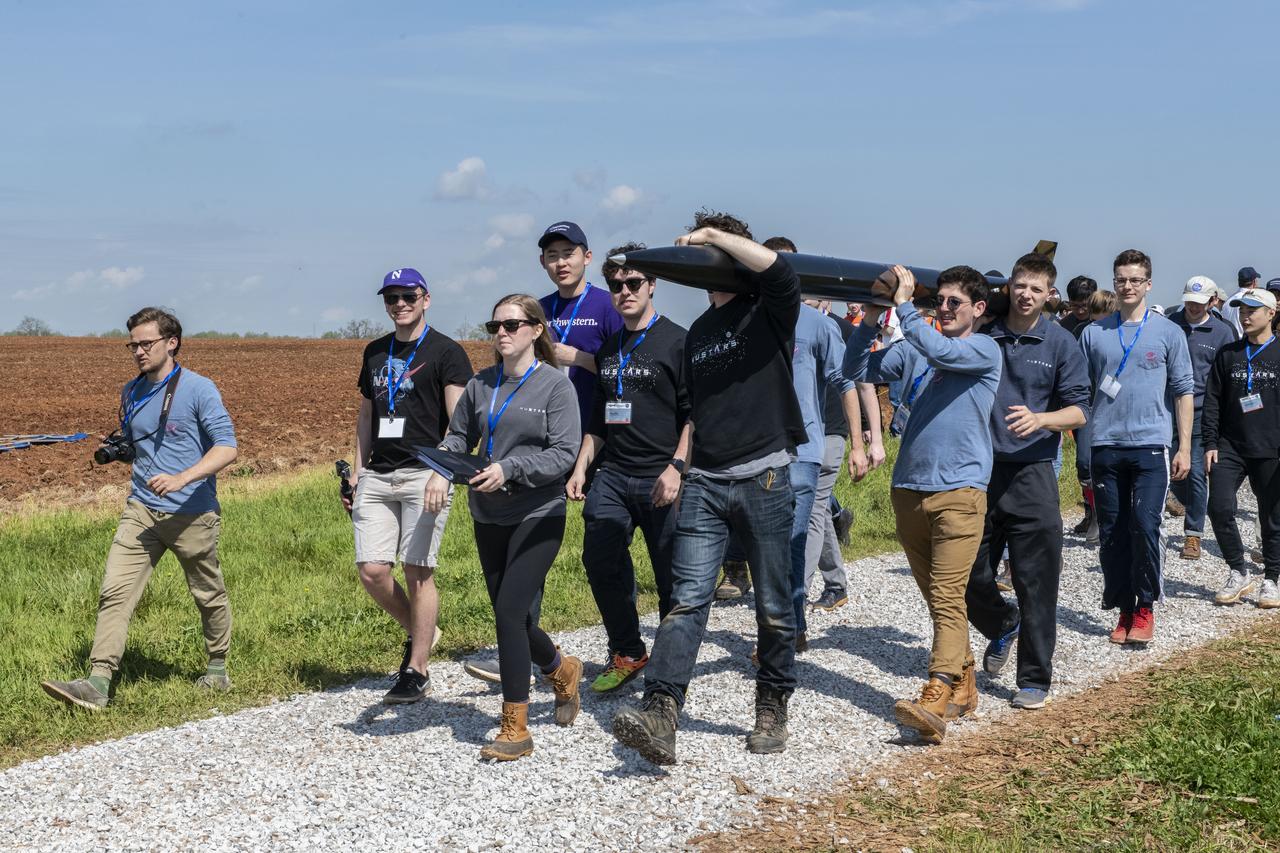
High School and College students from around the U.S. came together at Bragg Farms in Toney, Alabama for the 2019 Student Launch Initiative. The students launched their rockets to their own predetermined altitude with various payloads including remote rovers and unmanned aerial vehicles.
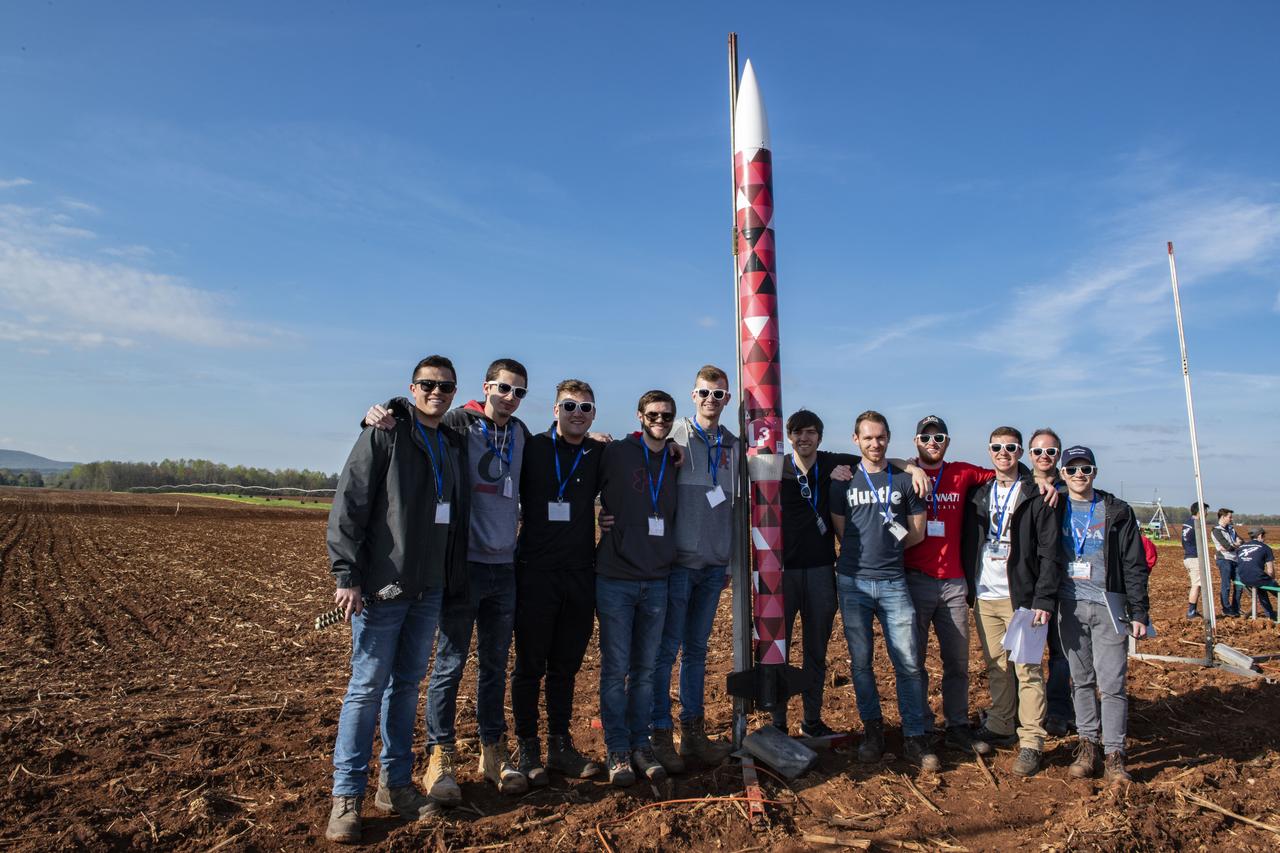
High School and College students from around the U.S. came together at Bragg Farms in Toney, Alabama for the 2019 Student Launch Initiative. The students launched their rockets to their own predetermined altitude with various payloads including remote rovers and unmanned aerial vehicles.

The left wing of NASA's Altair unmanned aerial vehicle (UAV) rests in a jig during construction at General Atomics Aeronautical Systems, Inc., (GA-ASI) facility at Adelanto, Calif.
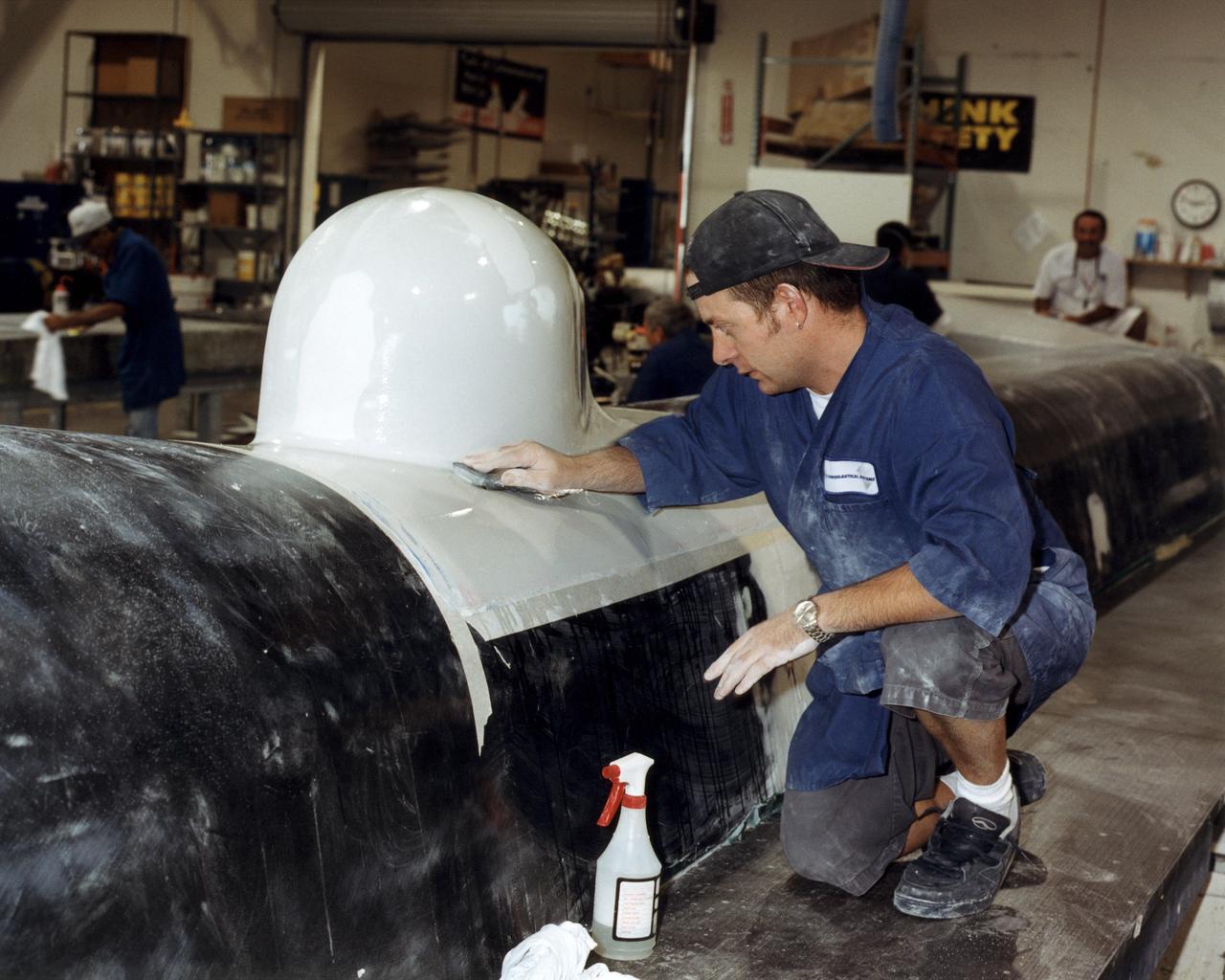
Technician Shawn Warren carefully smoothes out the composite skin of an instrument fairing<br>atop the upper fuselage of the Altair unmanned aerial vehicle (UAV) at General Atomics Aeronautical Systems, Inc., facility at Adelanto, Calif.
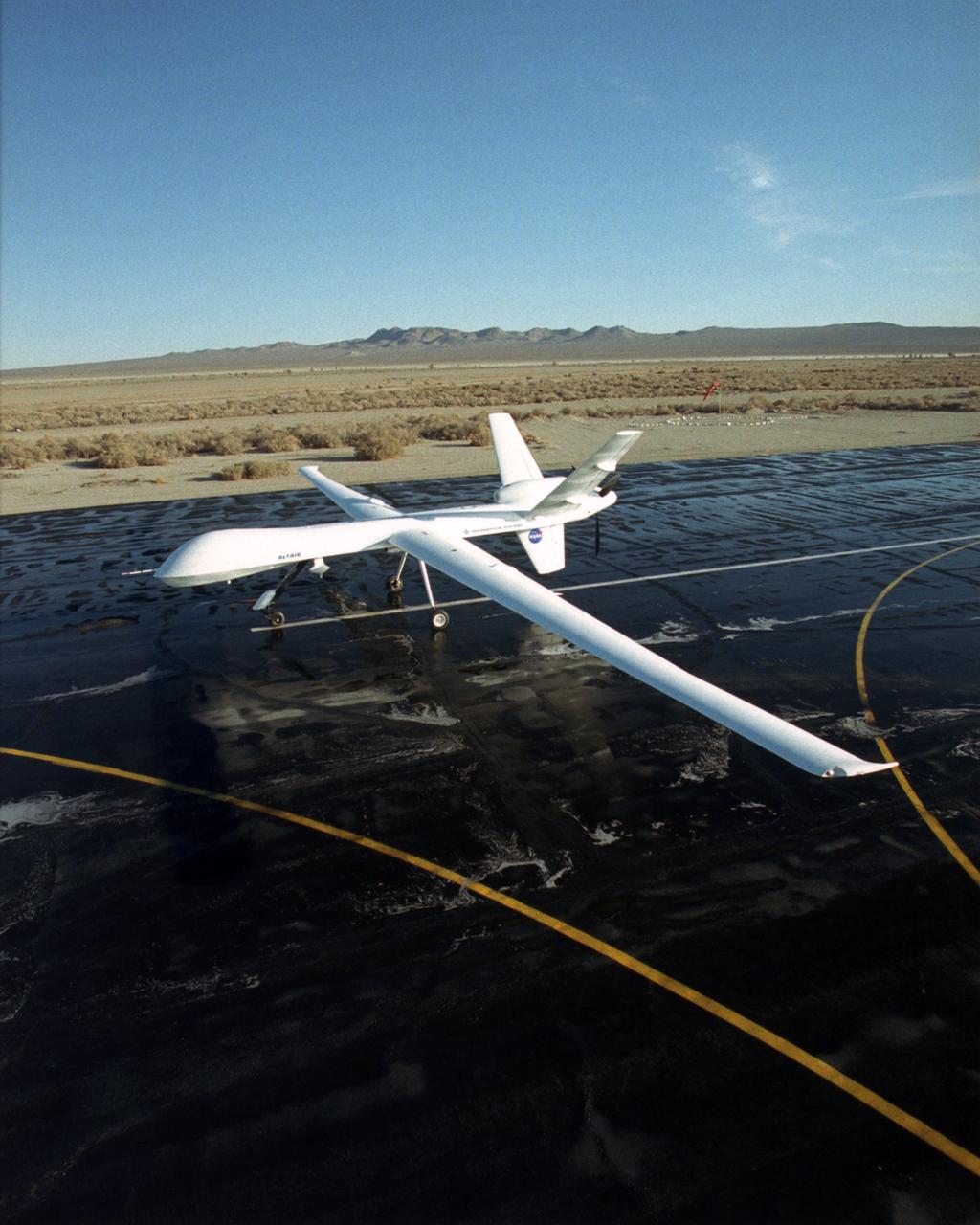
The Altair unmanned aerial vehicle (UAV), built by General Atomics Aeronautical Systems, Inc. for NASA, is poised for flight at GA-ASI's flight test facility at El Mirage, California.
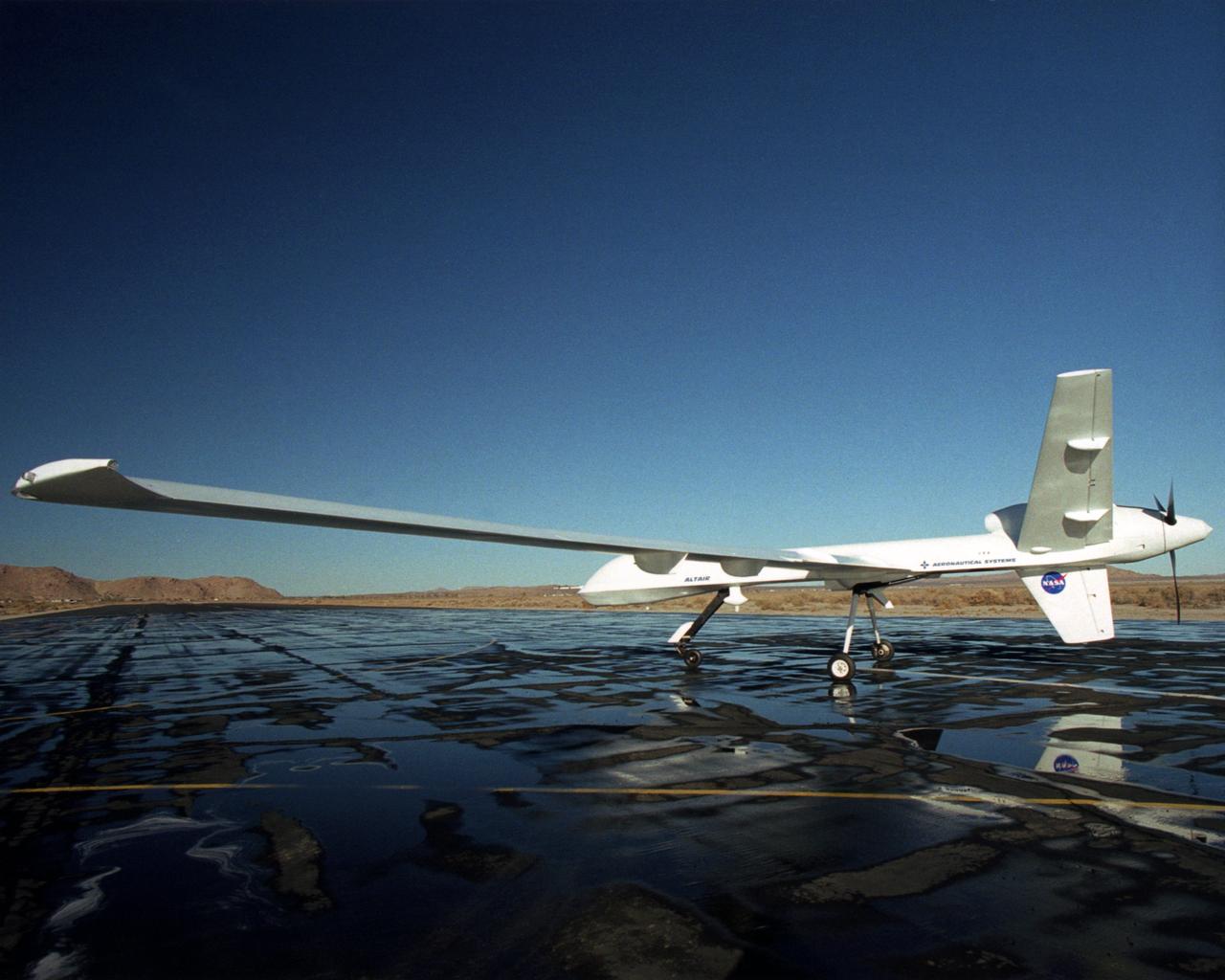
Long wings, a V-tail with a ventral fin and a rear-mounted engine distinguish the Altair, an unmanned aerial vehicle built for NASA by General Atomics Aeronautical Systems, Inc.
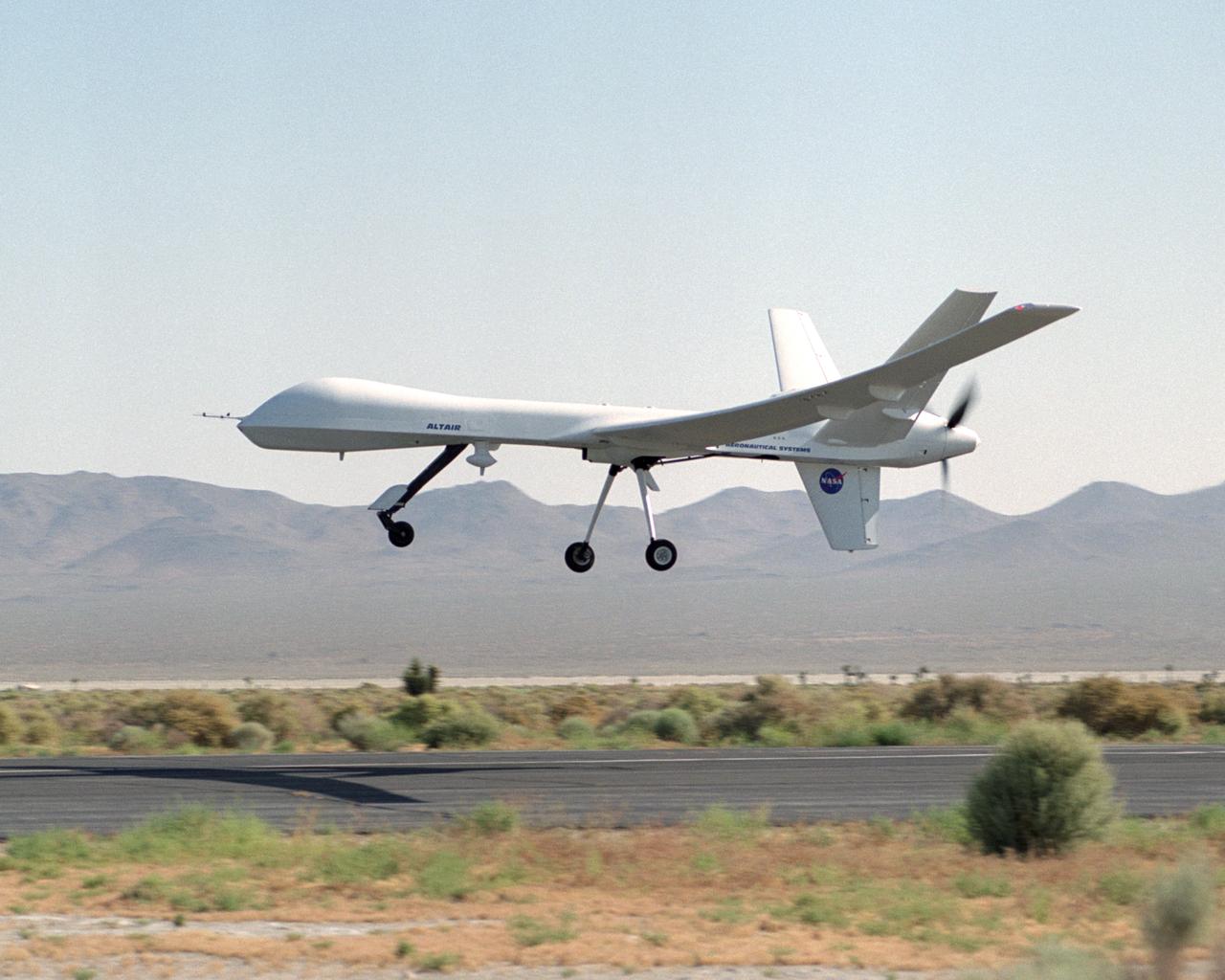
The remotely-piloted Altair unmanned aerial vehicle (UAV) took to the air on its first checkout flight on June 9, 2003 at El Mirage, California.
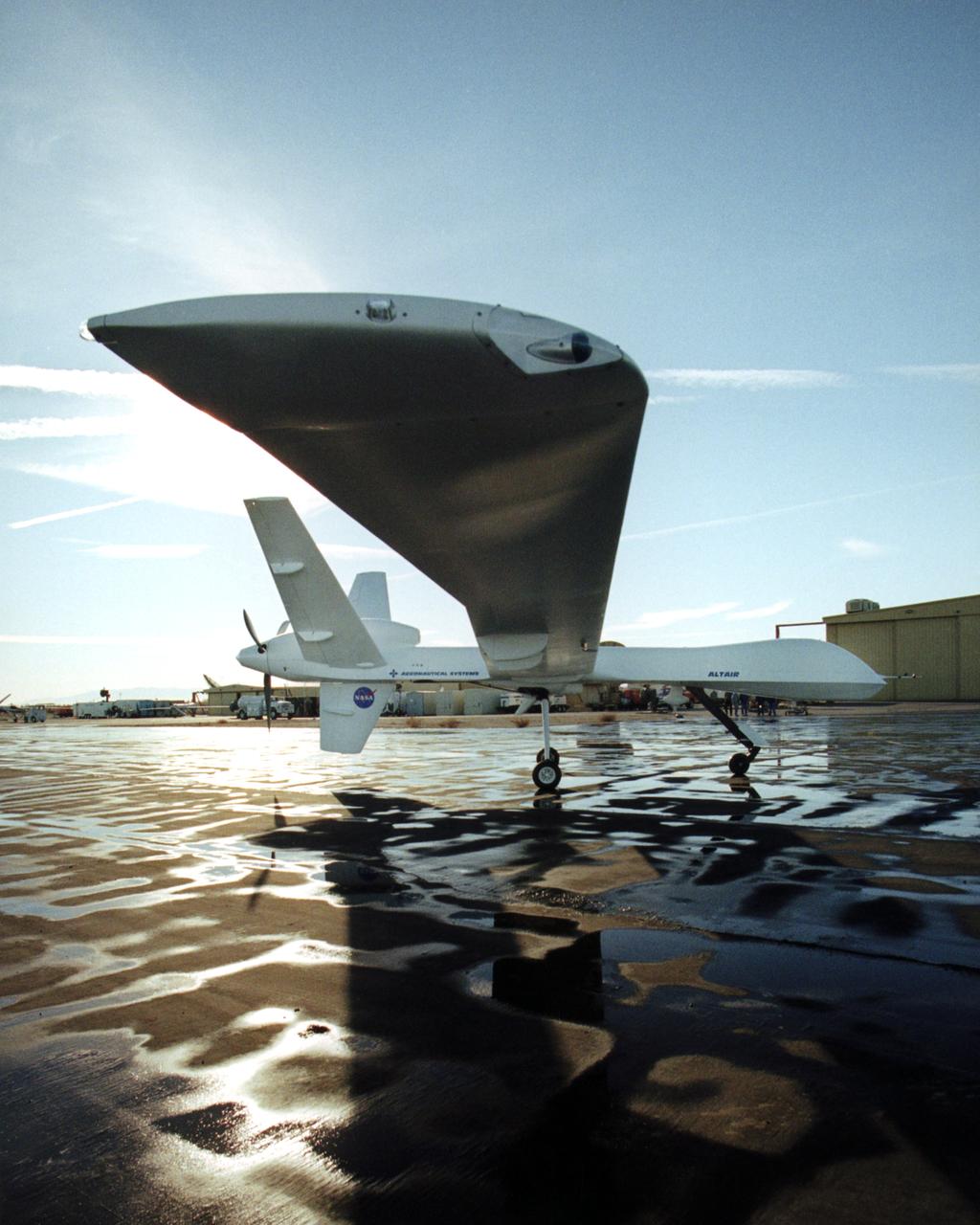
The Altair, a civil variant of the QM-9 Predator B unmanned aerial vehicle (UAV), shows off its lengthy high-aspect ratio wing while on the ramp at General Atomics Aeronautical Systems' flight test facility at El Mirage, California.
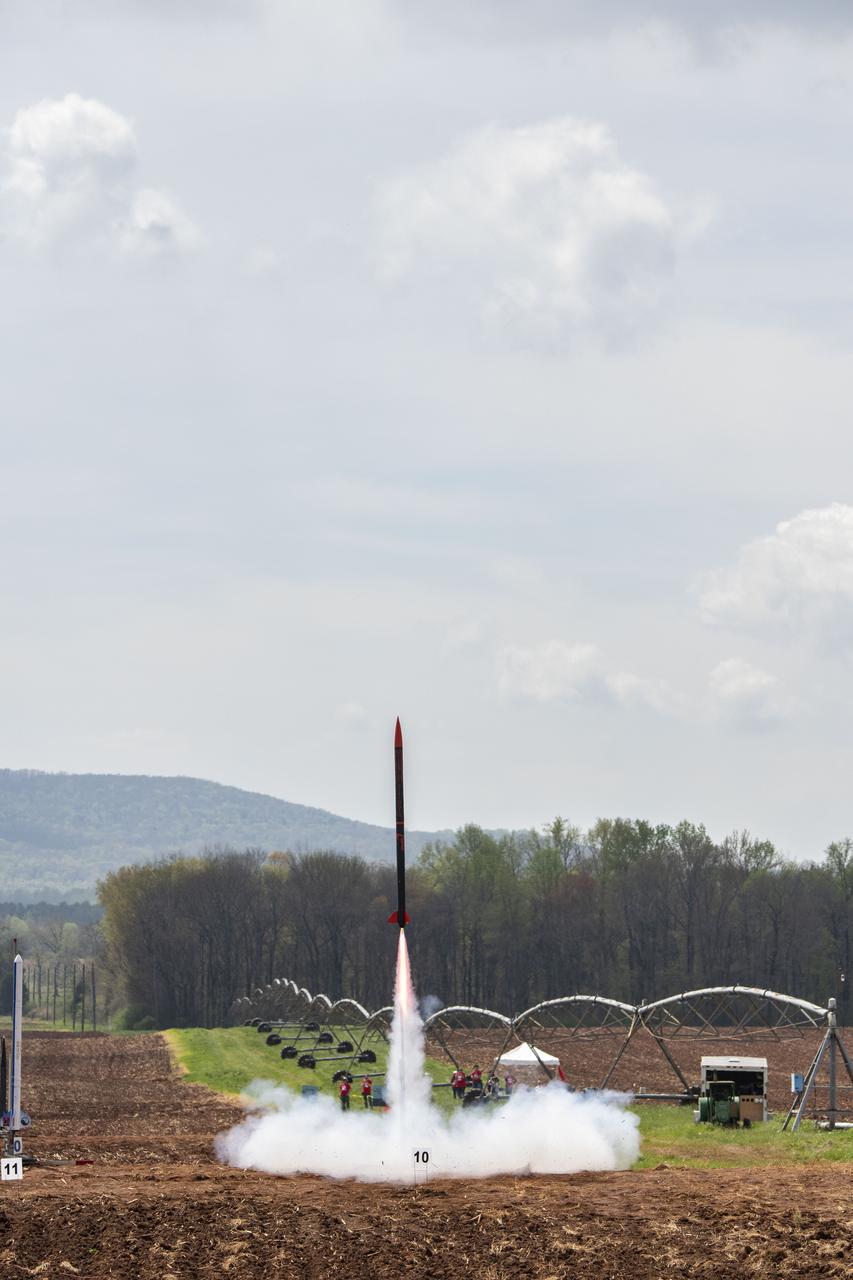
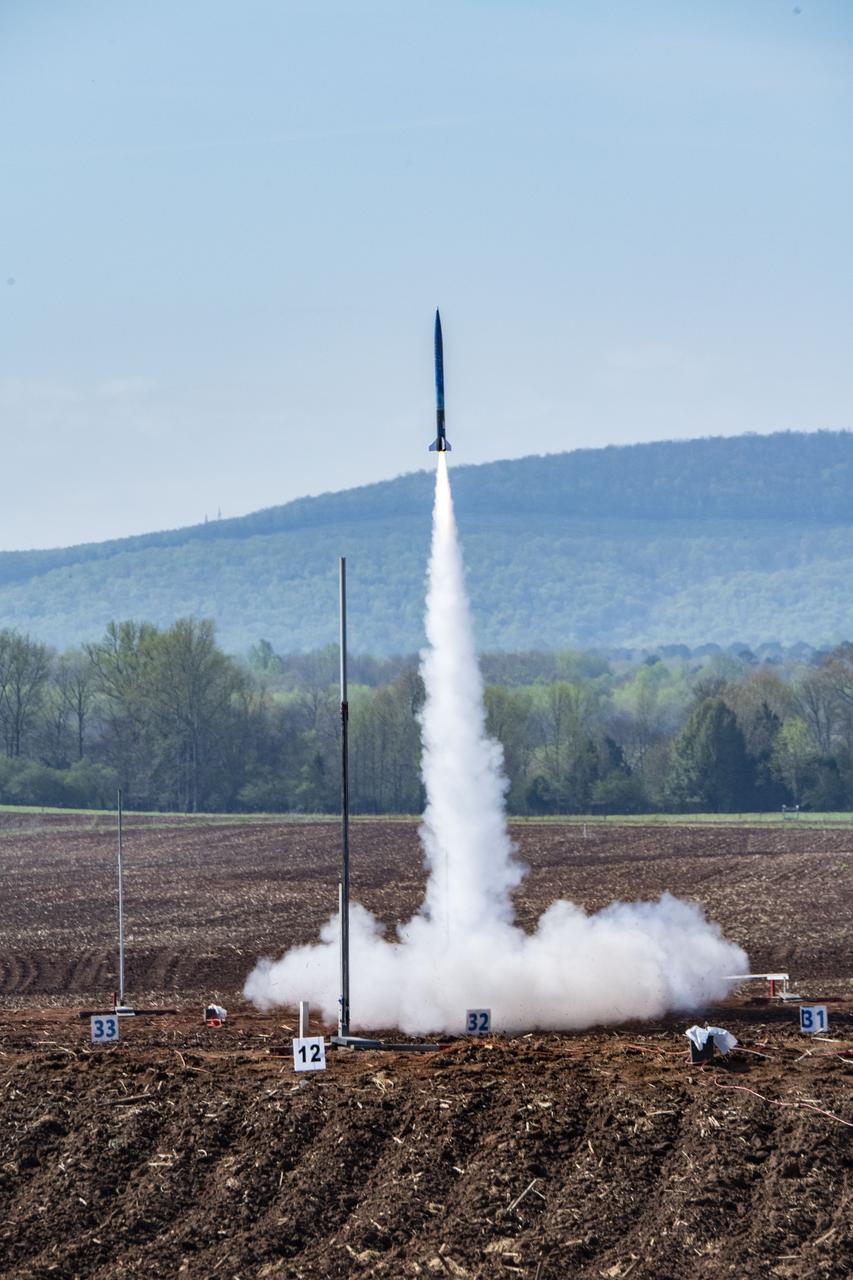
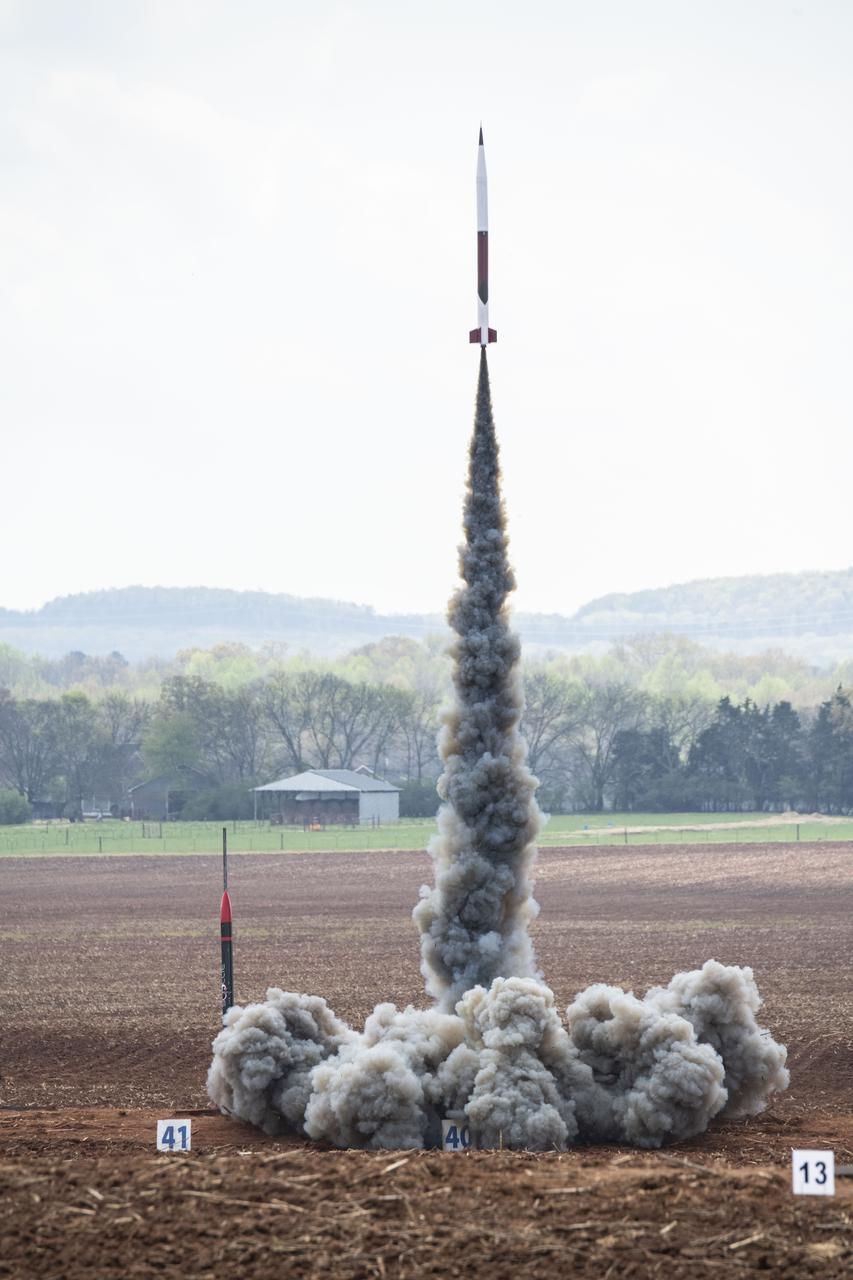
High School and College students from around the U.S. came together at Bragg Farms in Toney, Alabama for the 2019 Student Launch Initiative. The students launched their rockets to their own predetermined altitude with various payloads including remote rovers and unmanned aerial vehicles. The rocket named Zeppelin from Plantation High School in Plantation, Florida, roars off of the pad at launch day for the 2018-2019 Student Launch competition.

The SuperVolo XL Unmanned Aerial Vehicle (UAV) lifts off at the Monterey Bay Academy Airport near Watsonville, California.
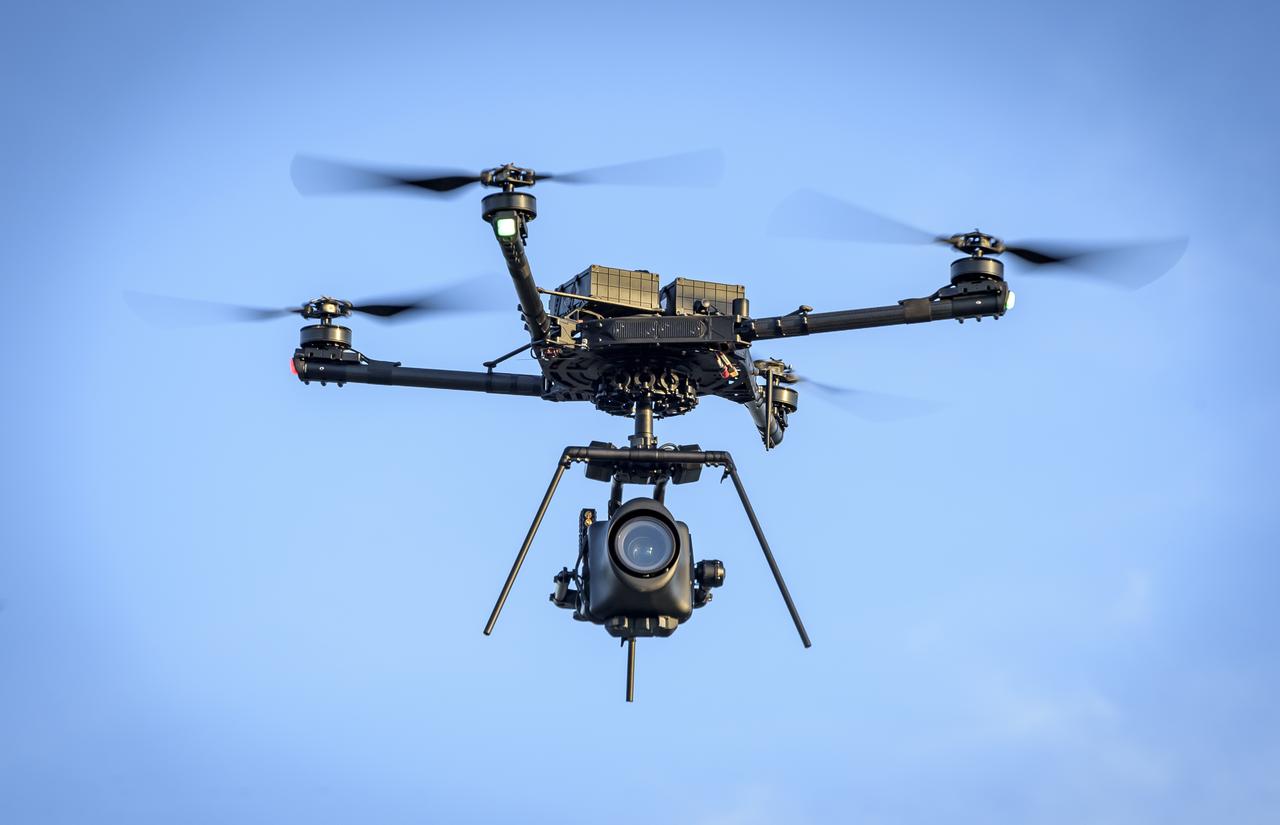
The Alta-X Unmanned Aerial Vehicle (UAV) with camera payload in flight at the Monterey Bay Academy Airport near Watsonville, California.
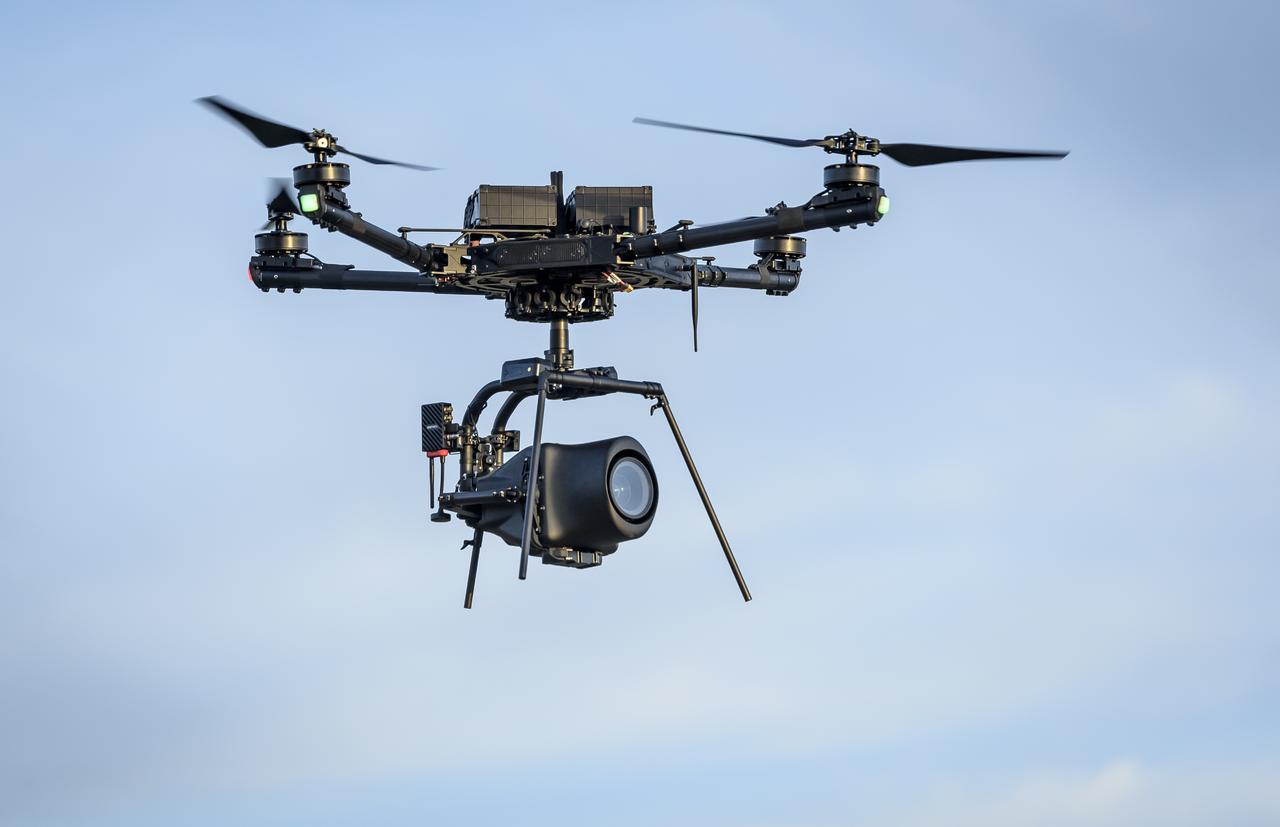
The Alta-X Unmanned Aerial Vehicle (UAV) with camera payload in flight at the Monterey Bay Academy Airport near Watsonville, California.
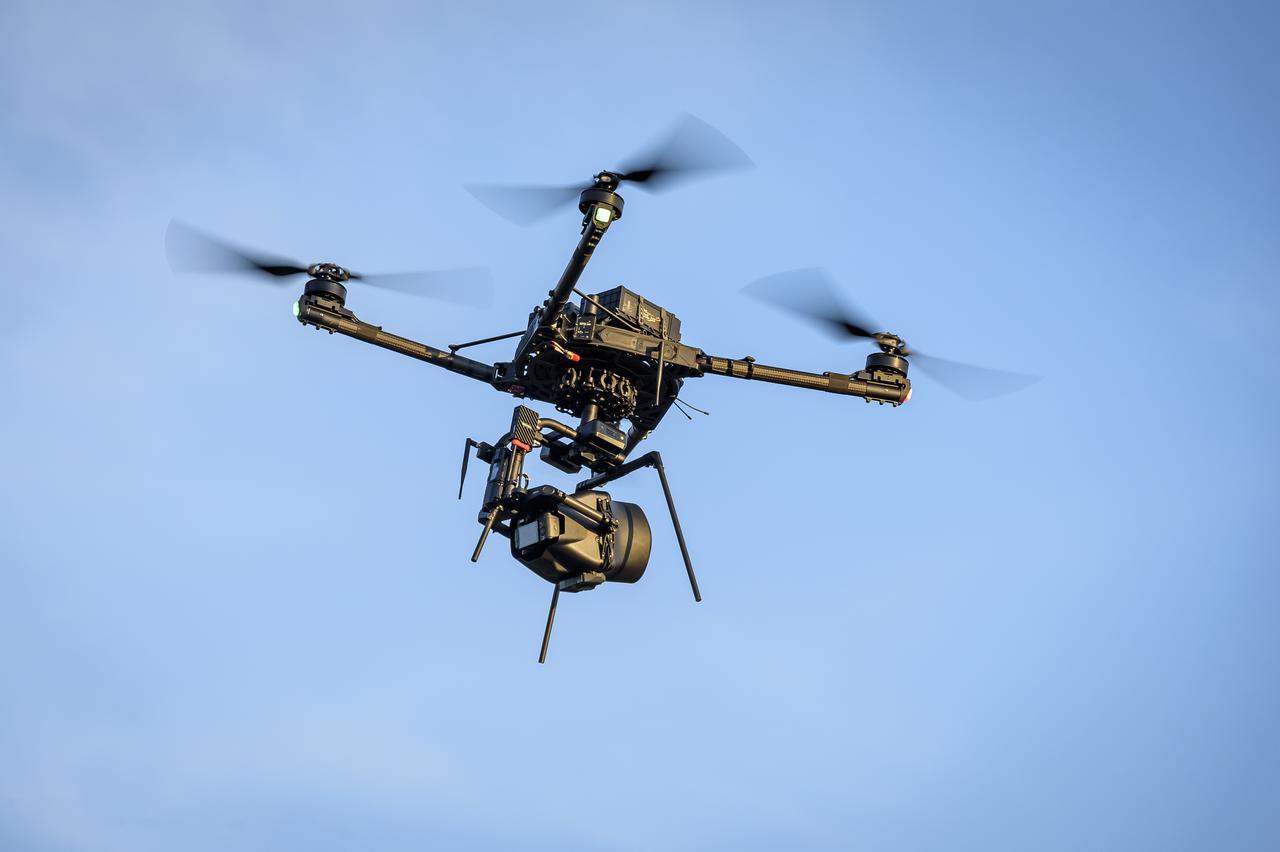
The Alta-X Unmanned Aerial Vehicle (UAV) with camera payload in flight at the Monterey Bay Academy Airport near Watsonville, California.
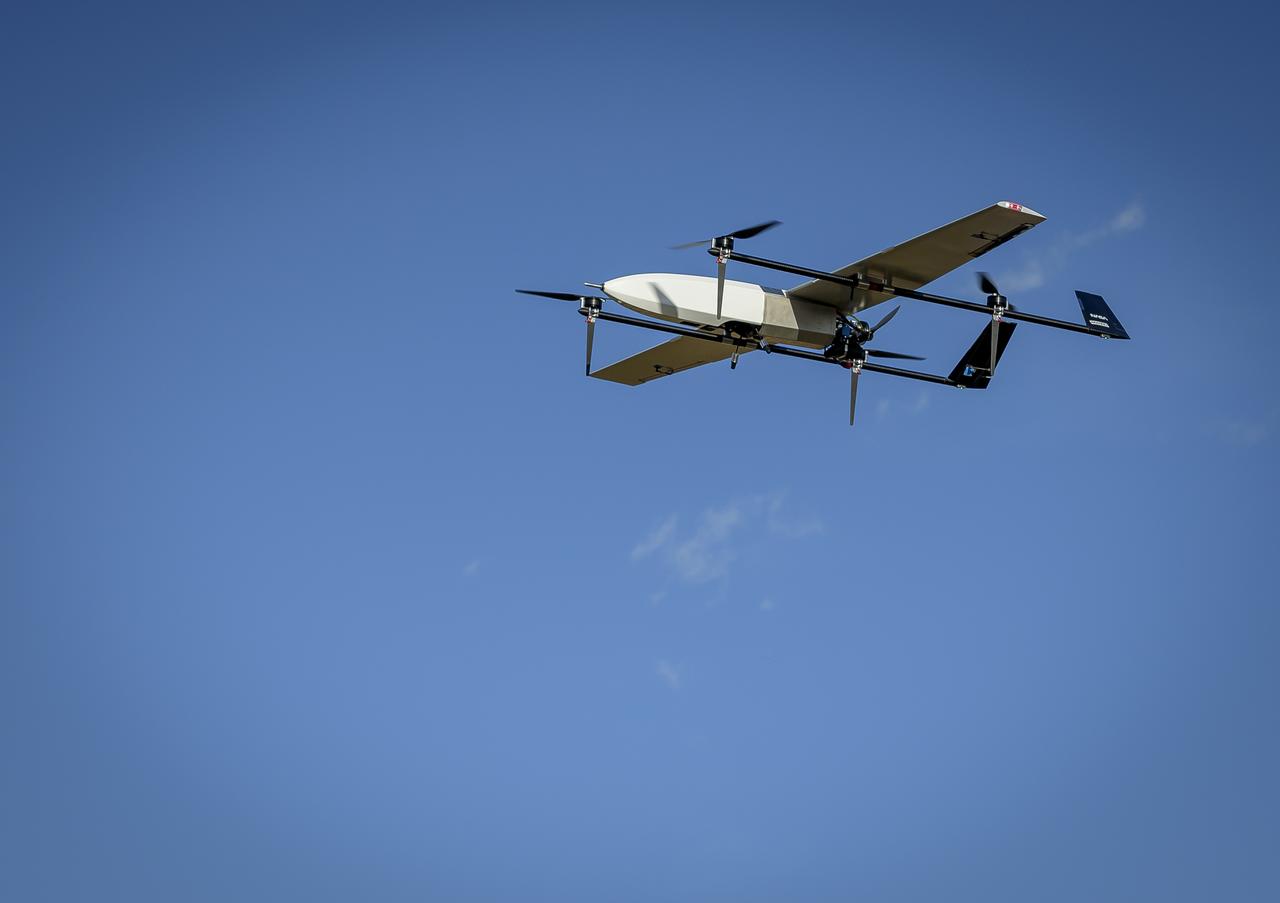
The SuperVolo XL Unmanned Aerial Vehicle (UAV) lifts off at the Monterey Bay Academy Airport near Watsonville, California.
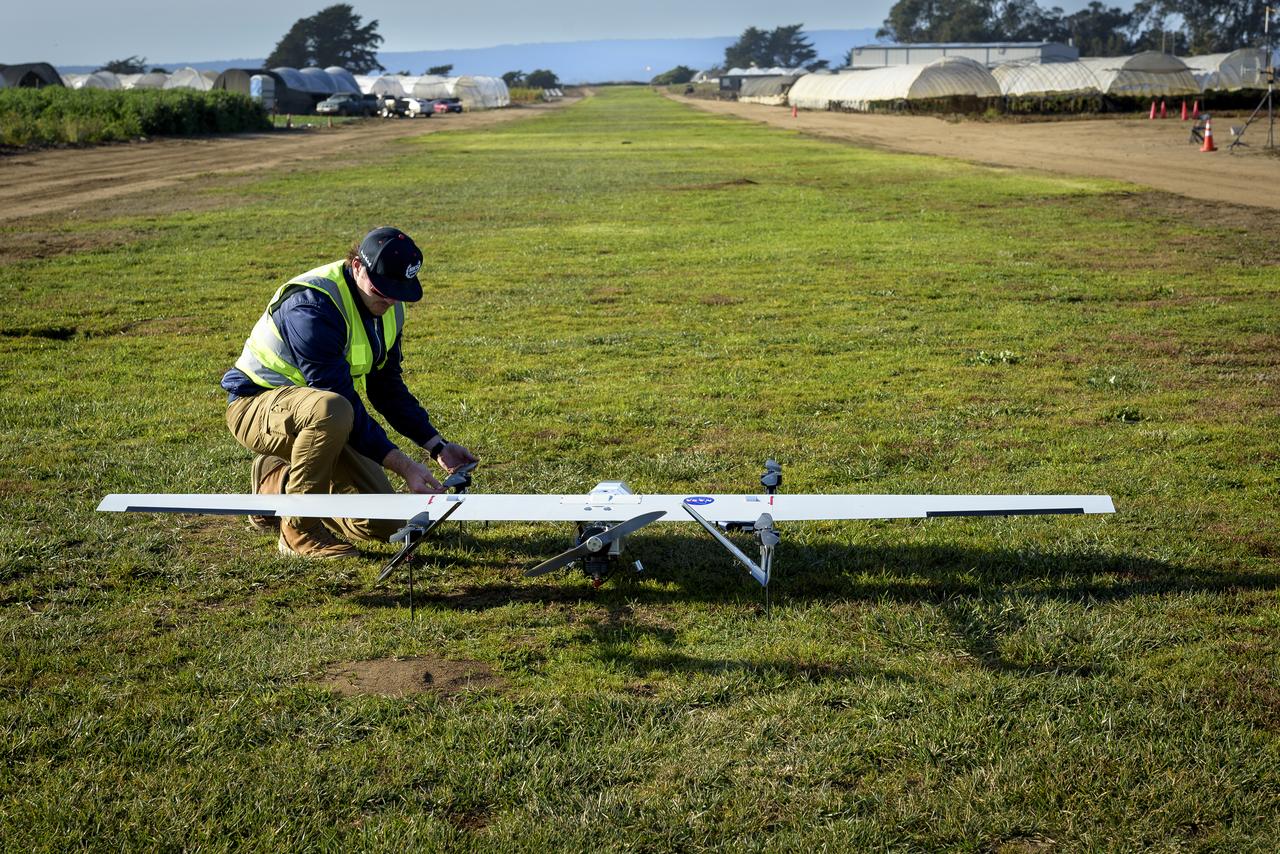
Brayden Chamberlain, preps the SuperVolo XL Unmanned Aerial Vehicle (UAV) for flight at the Monterey Bay Academy Airport near Watsonville, California.
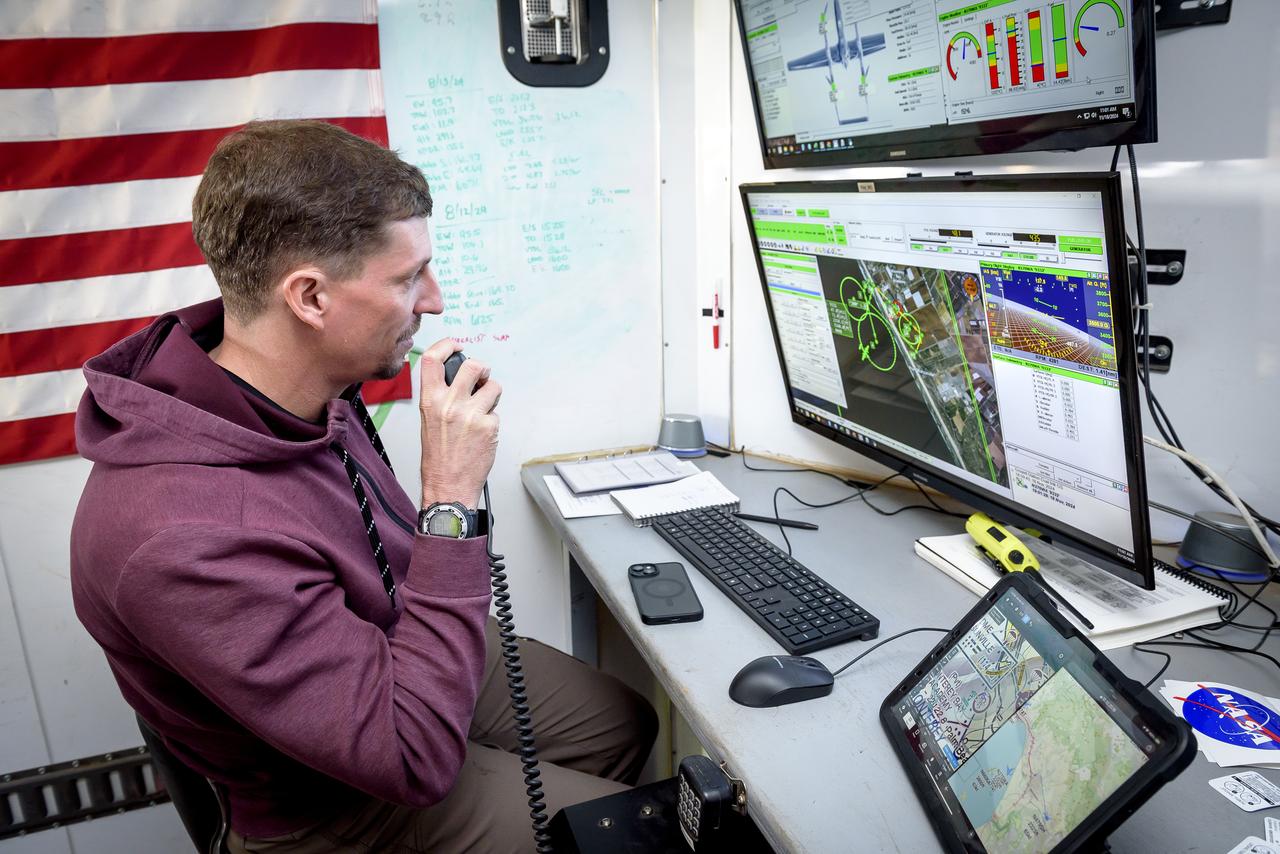
Co-founders of Overwatch Aero Chase Pietenpol, at the Ground Control Station (GCS) monitoring the flight of the L3Harris FVR90 Unmanned Aerial Vehicle (UAV) at the Monterey Bay Academy Airport near Watsonville, California.
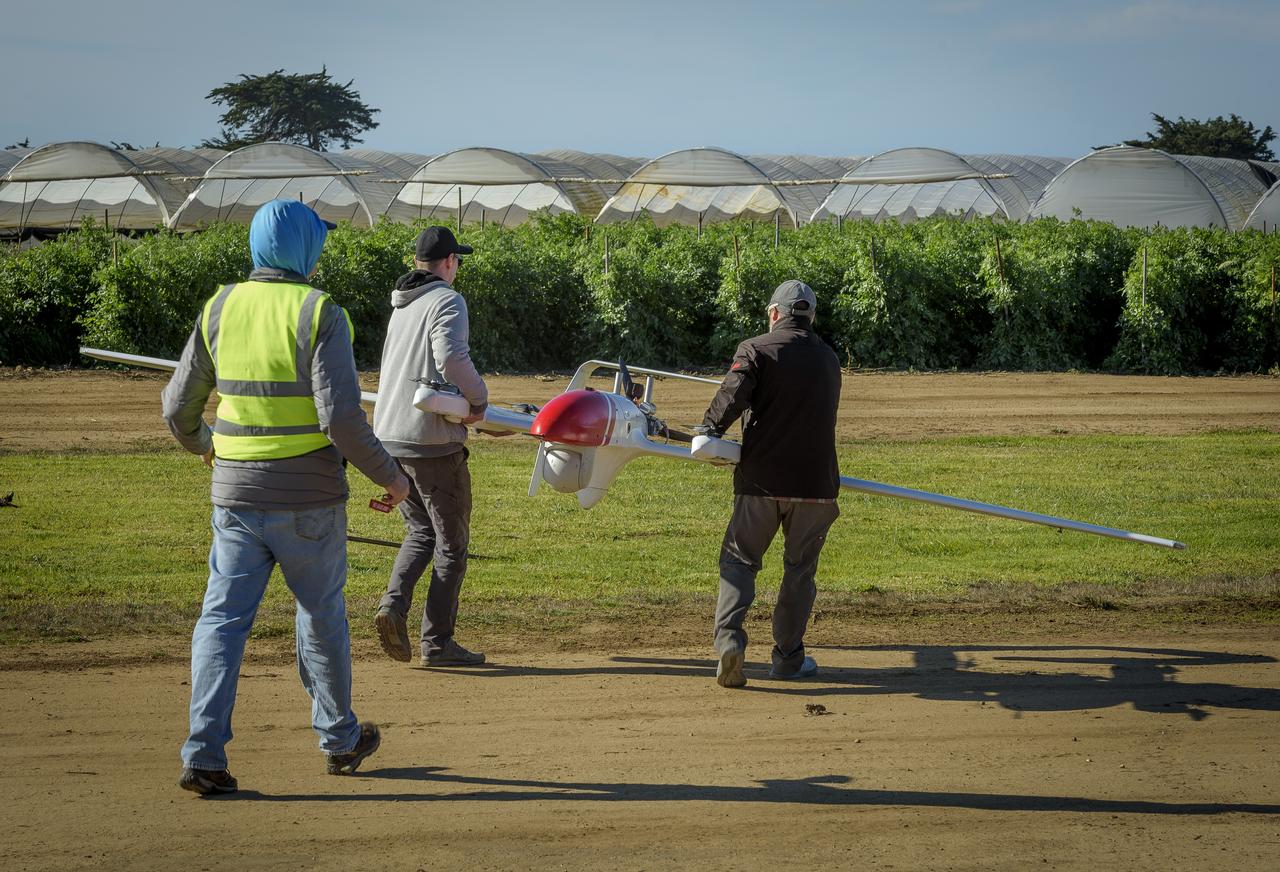
Jody Miller, left, Alex Godwin, and Jeff Strebler, right, prepares the L3Harris FVR90 Unmanned Aerial Vehicle (UAV) at the Monterey Bay Academy Airport near Watsonville, California.
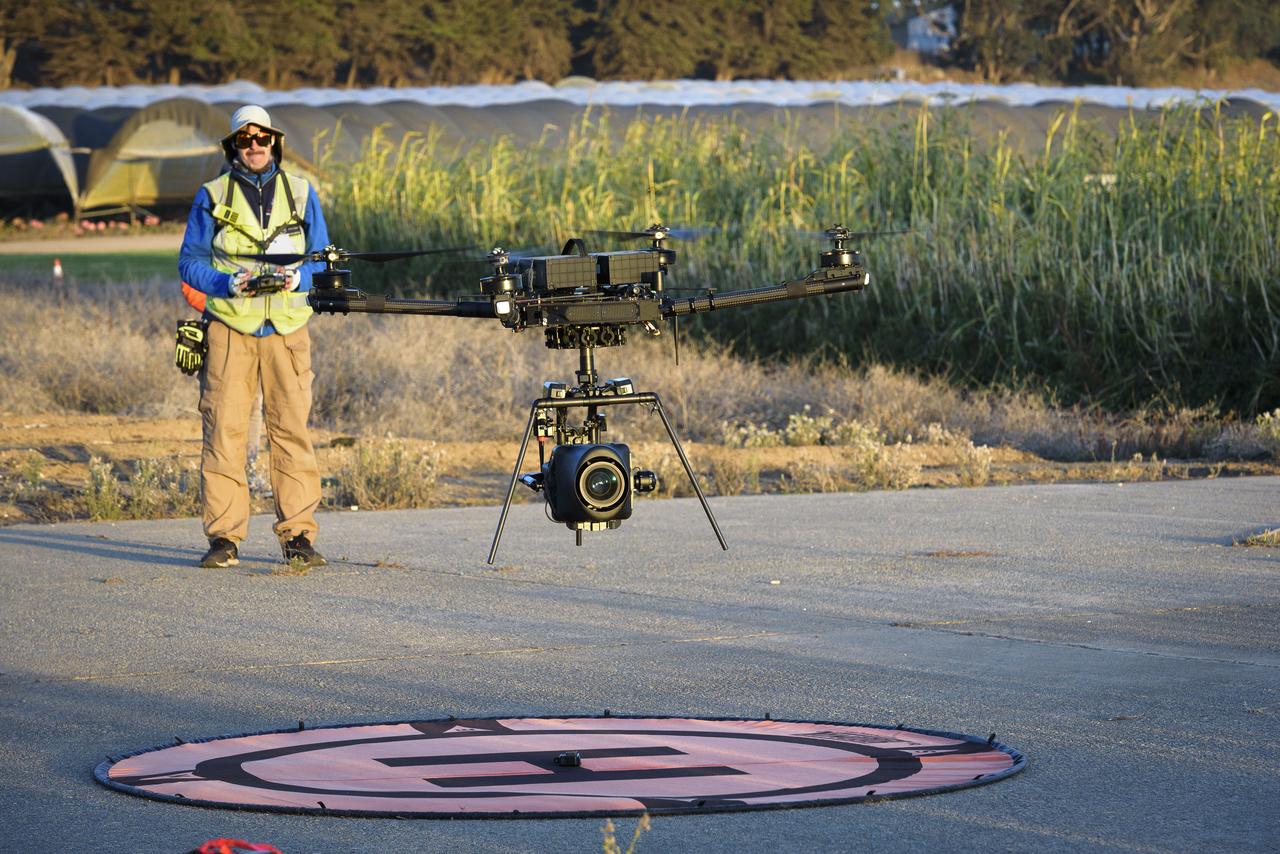
Jonas Jonsson guides the Alta-X Unmanned Aerial Vehicle (UAV) with camera payload down to the landing pad at the Monterey Bay Academy Airport near Watsonville, California.
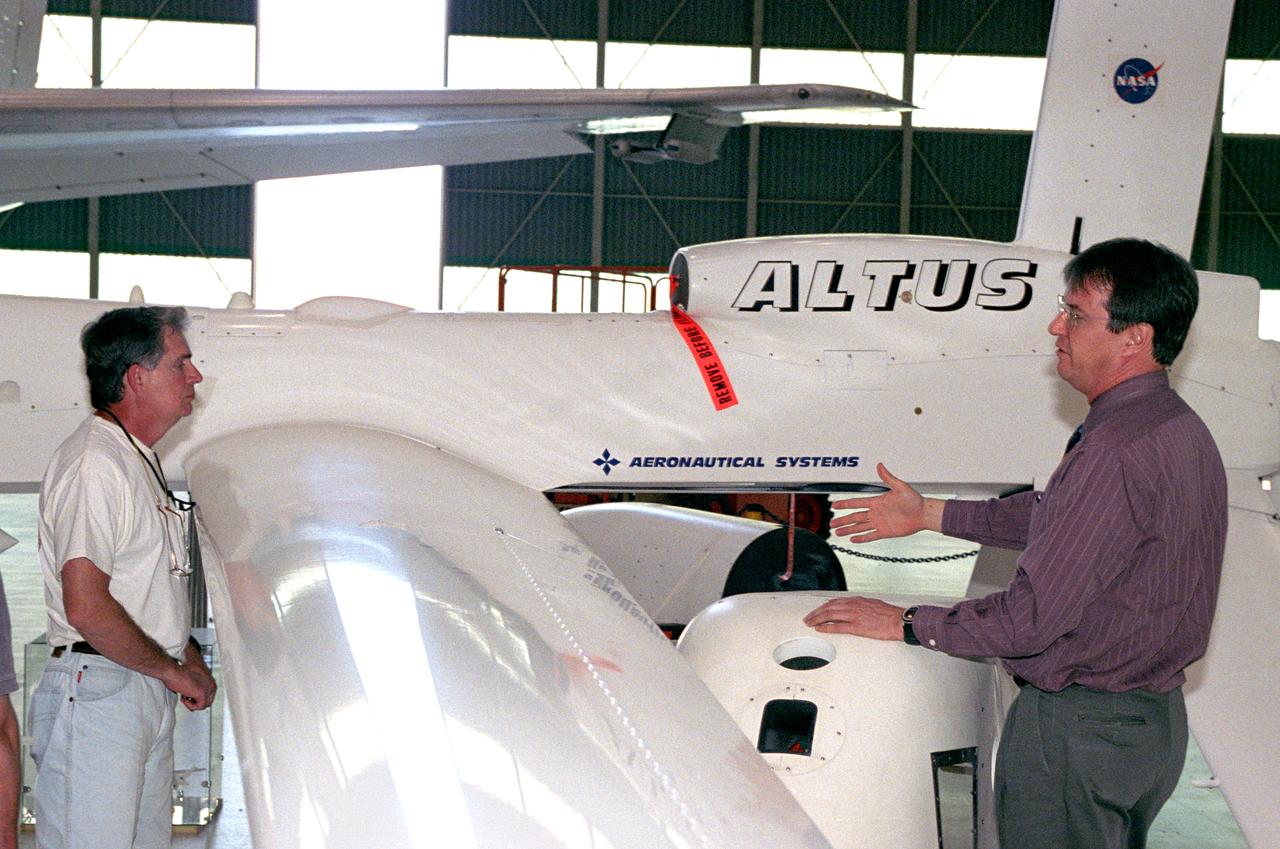
David Bushman, unmanned aerial vehicle (UAV) mission manager in NASA Dryden's Airborne Science Program, explains the capabilities of the Altus UAV to Charles Hudgins of NASA Langley's Chemistry and Dynamics Branch.
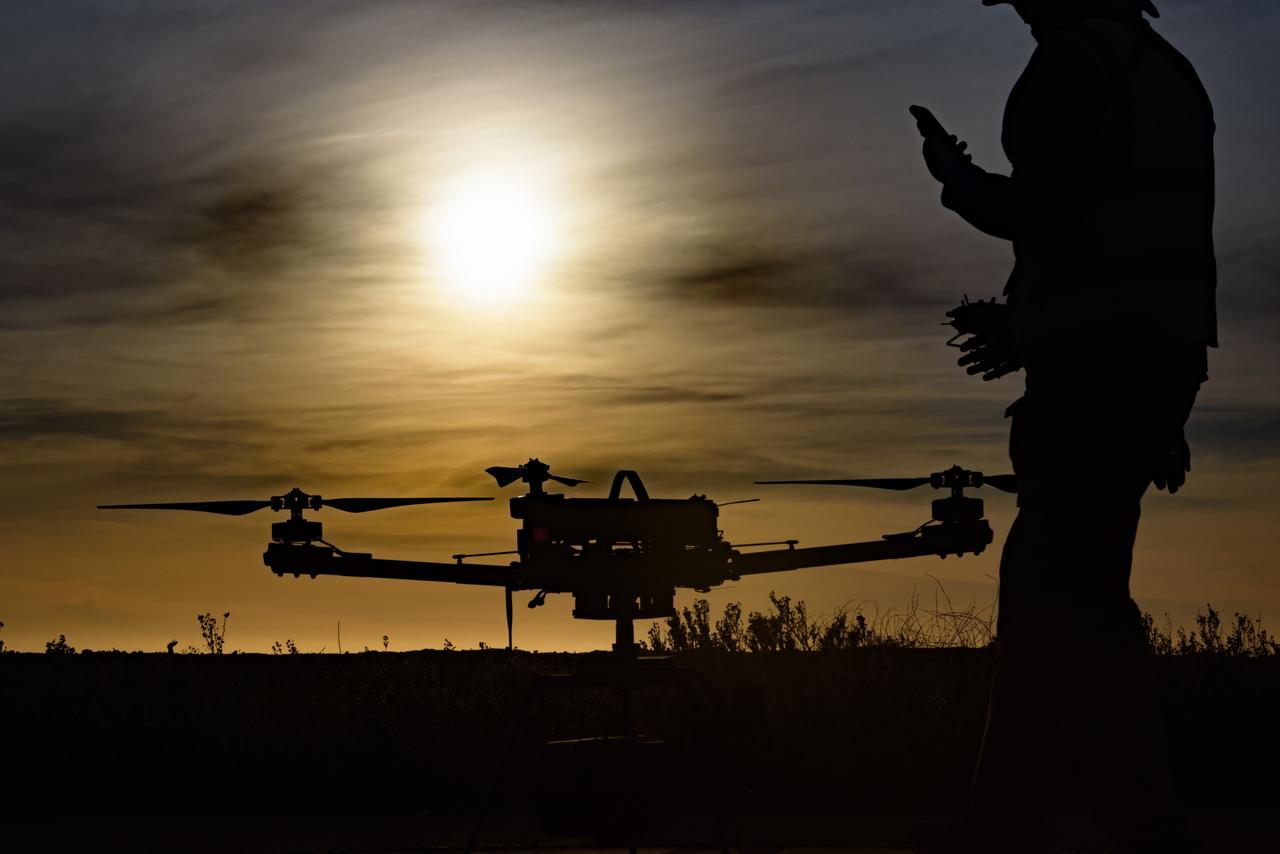
Silhouette view of Jonas Jonsson with the Alta-X Unmanned Aerial Vehicle (UAV) on the landing pad as the sun sets at the Monterey Bay Academy Airport near Watsonville, California.
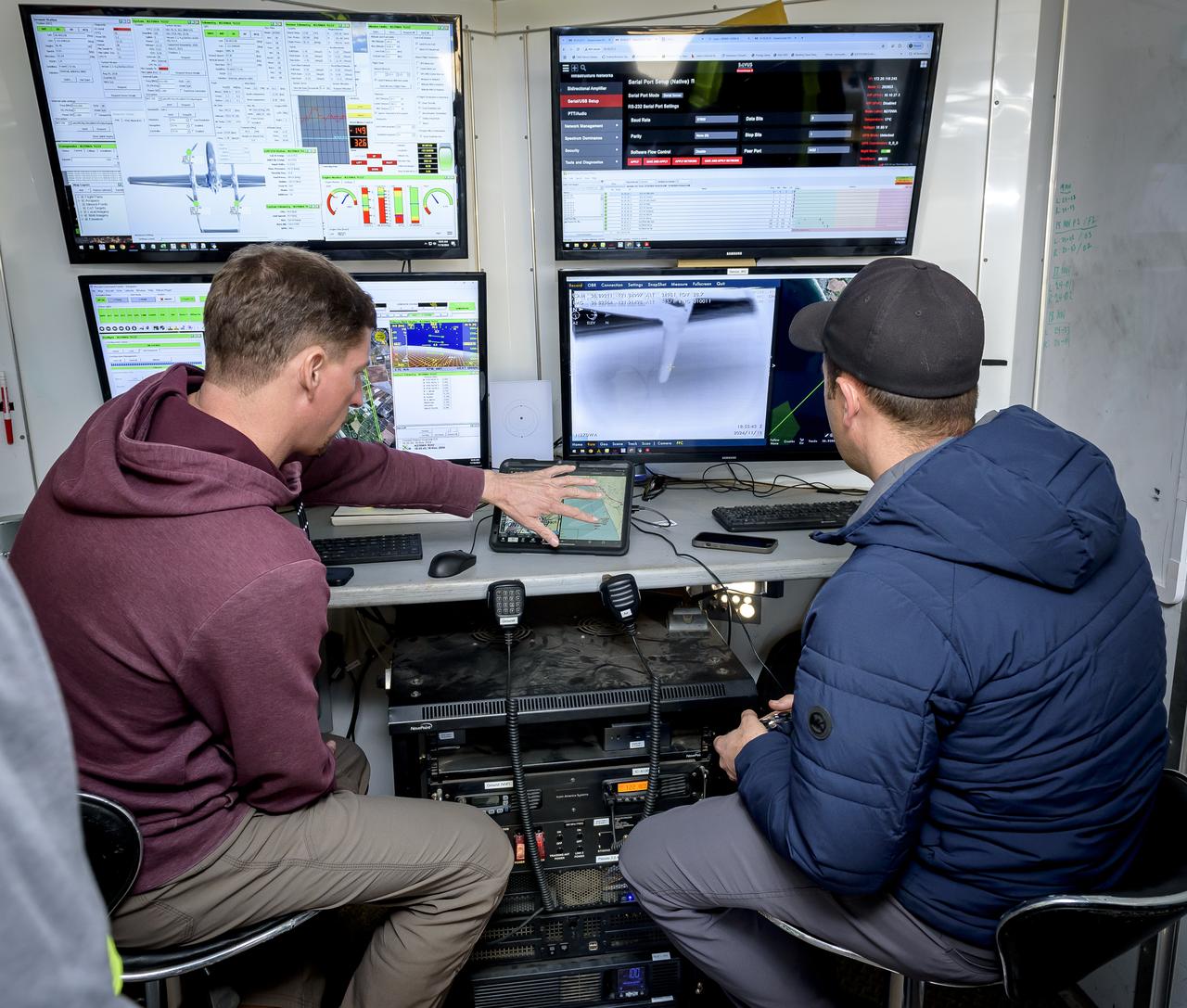
Co-founders of Overwatch Aero Chase Pietenpol, left, and Jordan Hahn at the Ground Control Station (GCS) monitoring the flight of the L3Harris FVR90 Unmanned Aerial Vehicle (UAV) at the Monterey Bay Academy Airport near Watsonville, California.
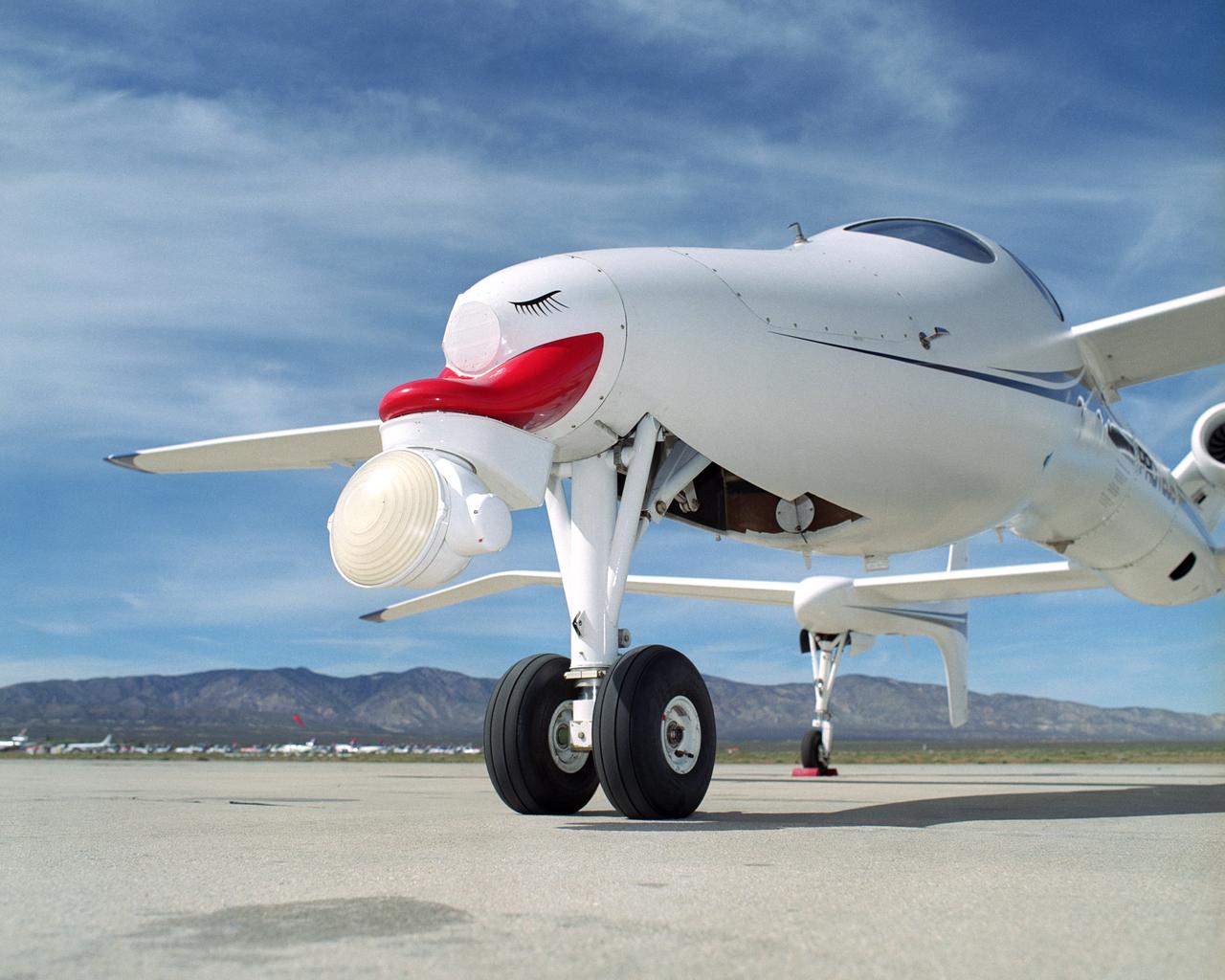
An Amphitech OASys Ka-band radar was the primary sensor installed on Scaled Composites' Proteus for the second phase of NASA-sponsored unmanned aerial vehicle Detect, See and Avoid flight tests.
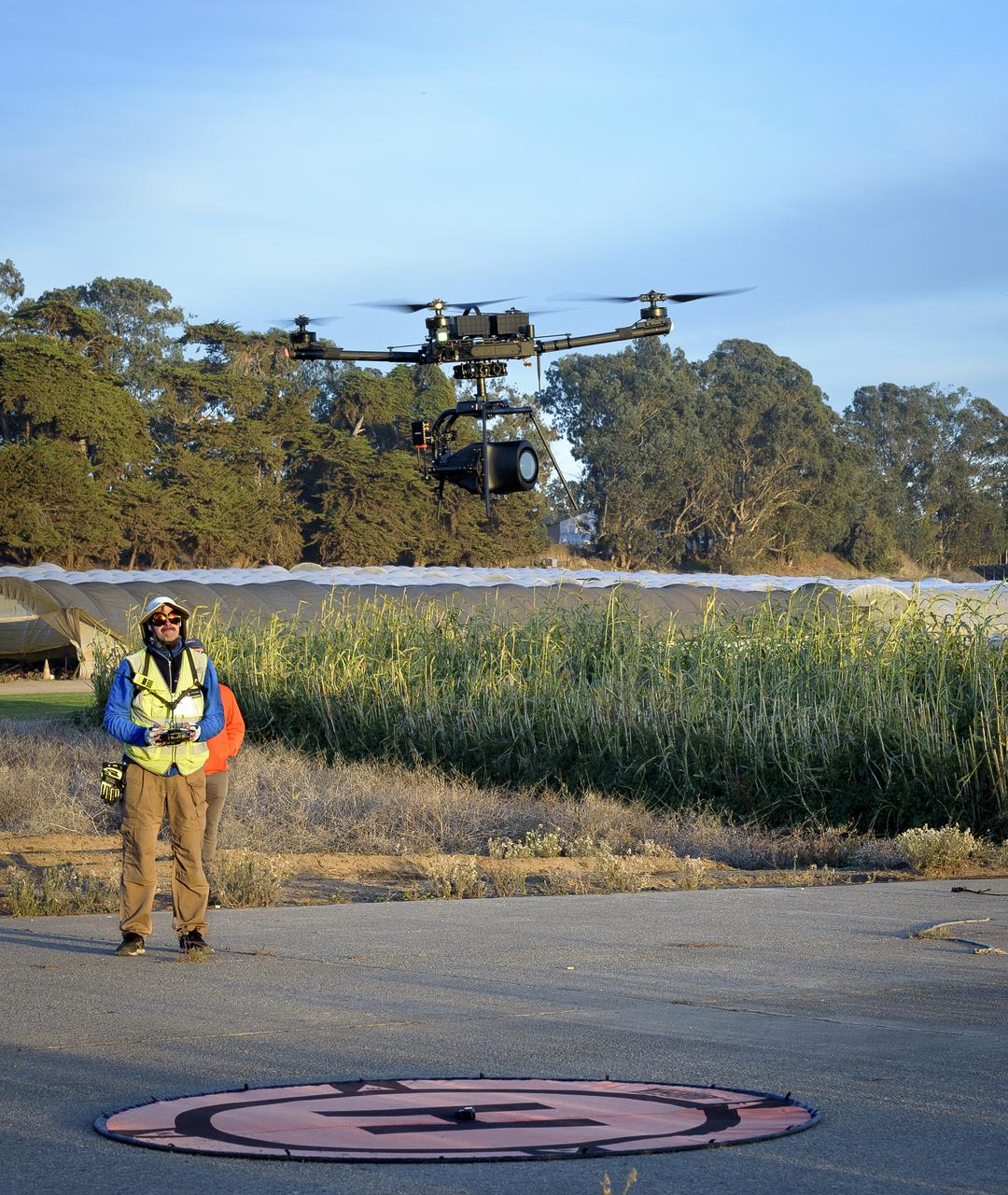
Jonas Jonsson guides the Alta-X Unmanned Aerial Vehicle (UAV) with camera payload down to the landing pad at the Monterey Bay Academy Airport near Watsonville, California.
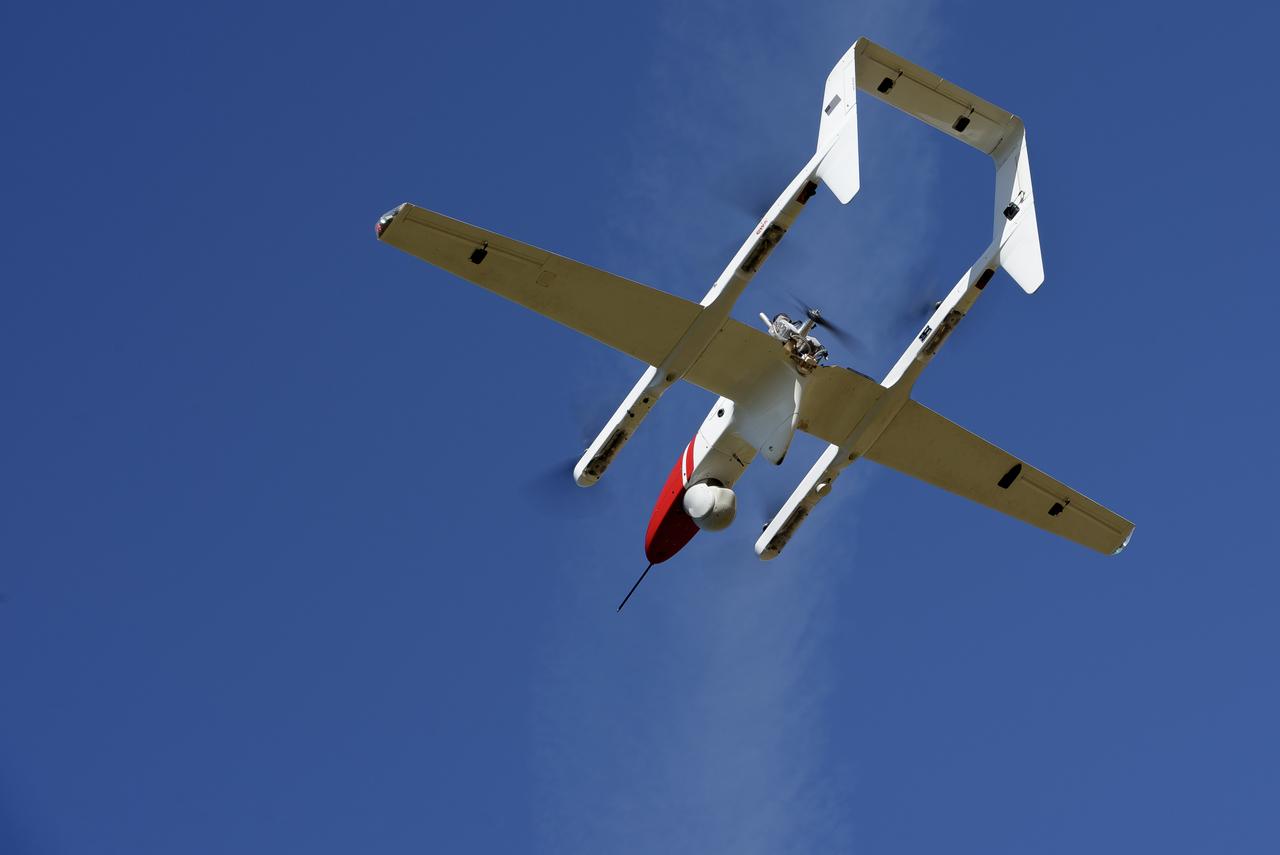
L3Harris FVR90 Unmanned Aerial Vehicle (UAV) lifts off from the Monterey Bay Academy Airport near Watsonville, California, during the Advanced Capabilities for Emergency Response Operations (ACERO) Shakedown Test.
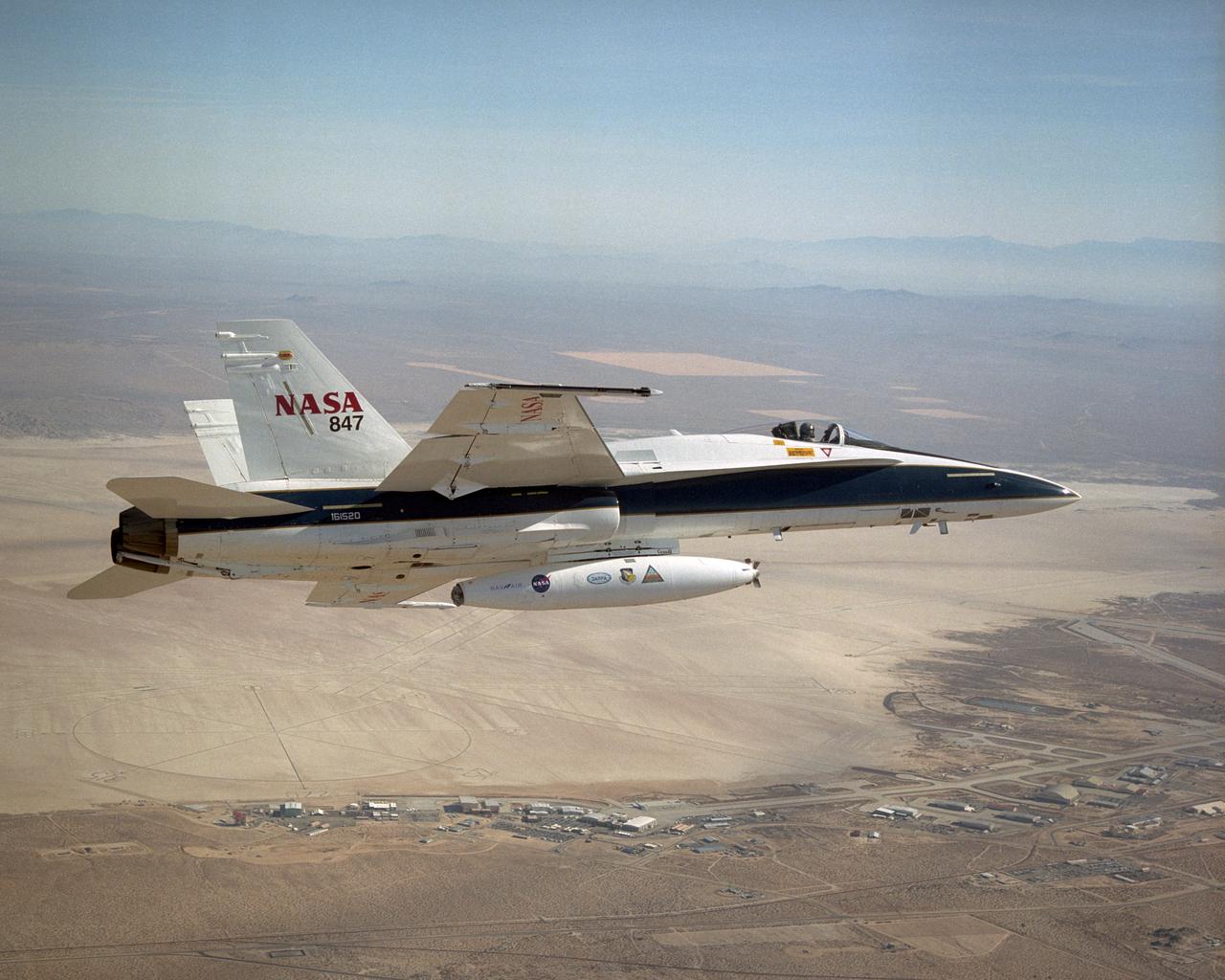
A NASA F/A-18 flies over the Dryden Flight Research Center and Rogers Dry Lake on December 11, 2002. The aircraft participated in the Automated Aerial Refueling (AAR) project. The 300-gallon aerial refueling store seen on the belly of the aircraft carries fuel and a refueling drogue. This aircraft acted as a tanker in the study to develop an aerodynamic model for future automated aerial refueling, especially of unmanned vehicles.

A NASA F/A-18 flies over the Dryden Flight Research Center and Rogers Dry Lake on December 11, 2002. The aircraft participated in the Automated Aerial Refueling (AAR) project. The 300-gallon aerial refueling store seen on the belly of the aircraft carries fuel and a refueling drogue. This aircraft acted as a tanker in the study to develop an aerodynamic model for future automated aerial refueling, especially of unmanned vehicles.
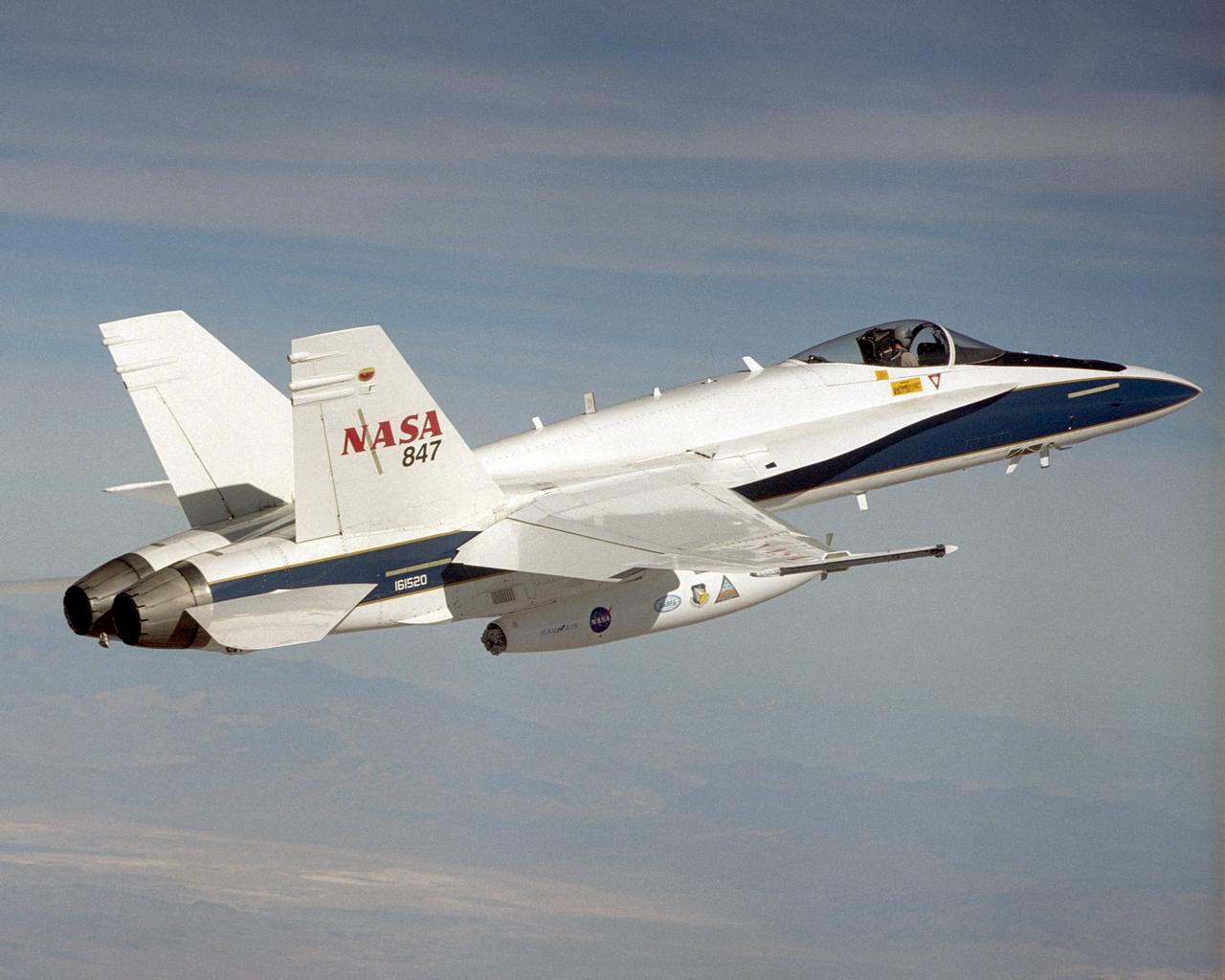
A NASA F/A-18 flies over the Dryden Flight Research Center and Rogers Dry Lake on December 11, 2002. The aircraft participated in the Automated Aerial Refueling (AAR) project. The 300-gallon aerial refueling store seen on the belly of the aircraft carries fuel and a refueling drogue. This aircraft acted as a tanker in the study to develop an aerodynamic model for future automated aerial refueling, especially of unmanned vehicles.
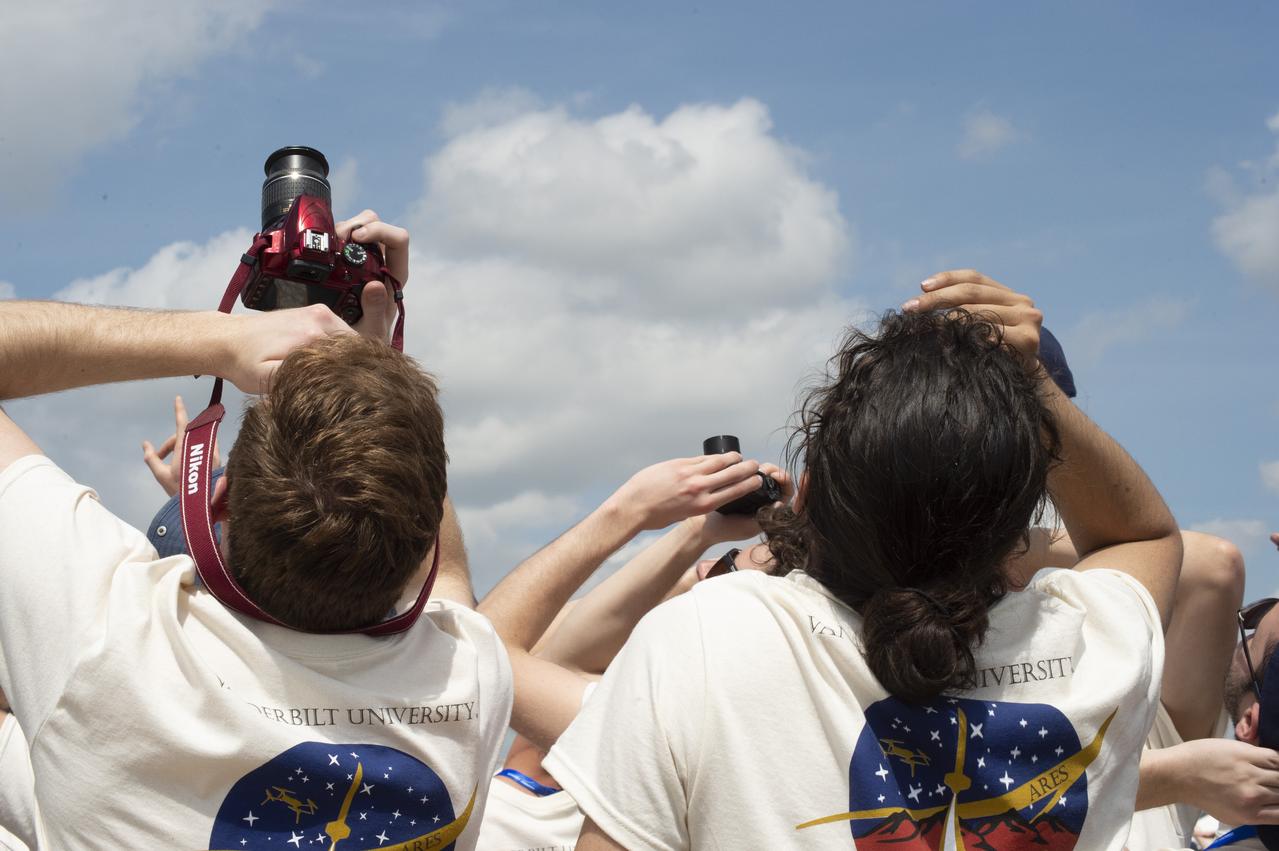
High School and College students from around the U.S. came together at Bragg Farms in Toney, Alabama for the 2019 Student Launch Initiative. The students launched their rockets to their own predetermined altitude with various payloads including remote rovers and unmanned aerial vehicles.
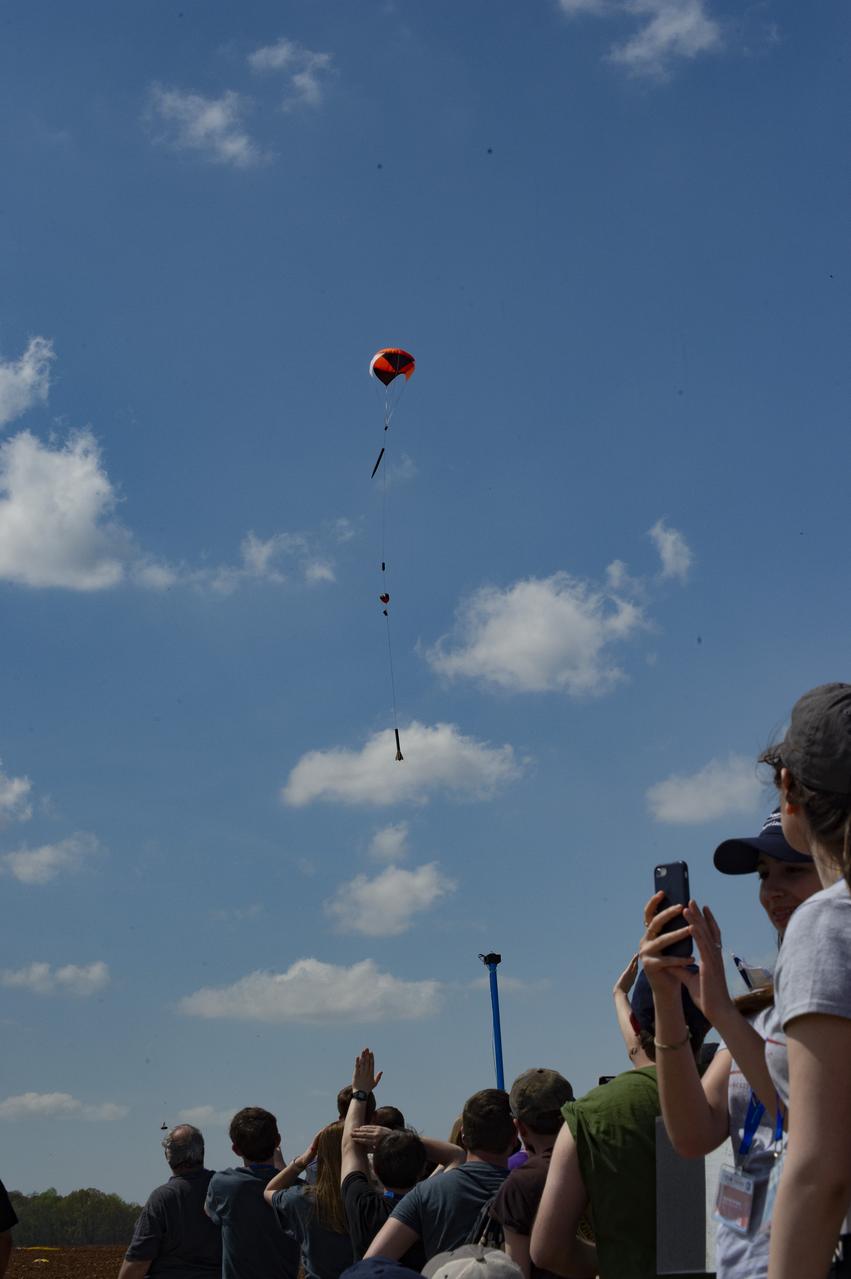
High School and College students from around the U.S. came together at Bragg Farms in Toney, Alabama for the 2019 Student Launch Initiative. The students launched their rockets to their own predetermined altitude with various payloads including remote rovers and unmanned aerial vehicles.
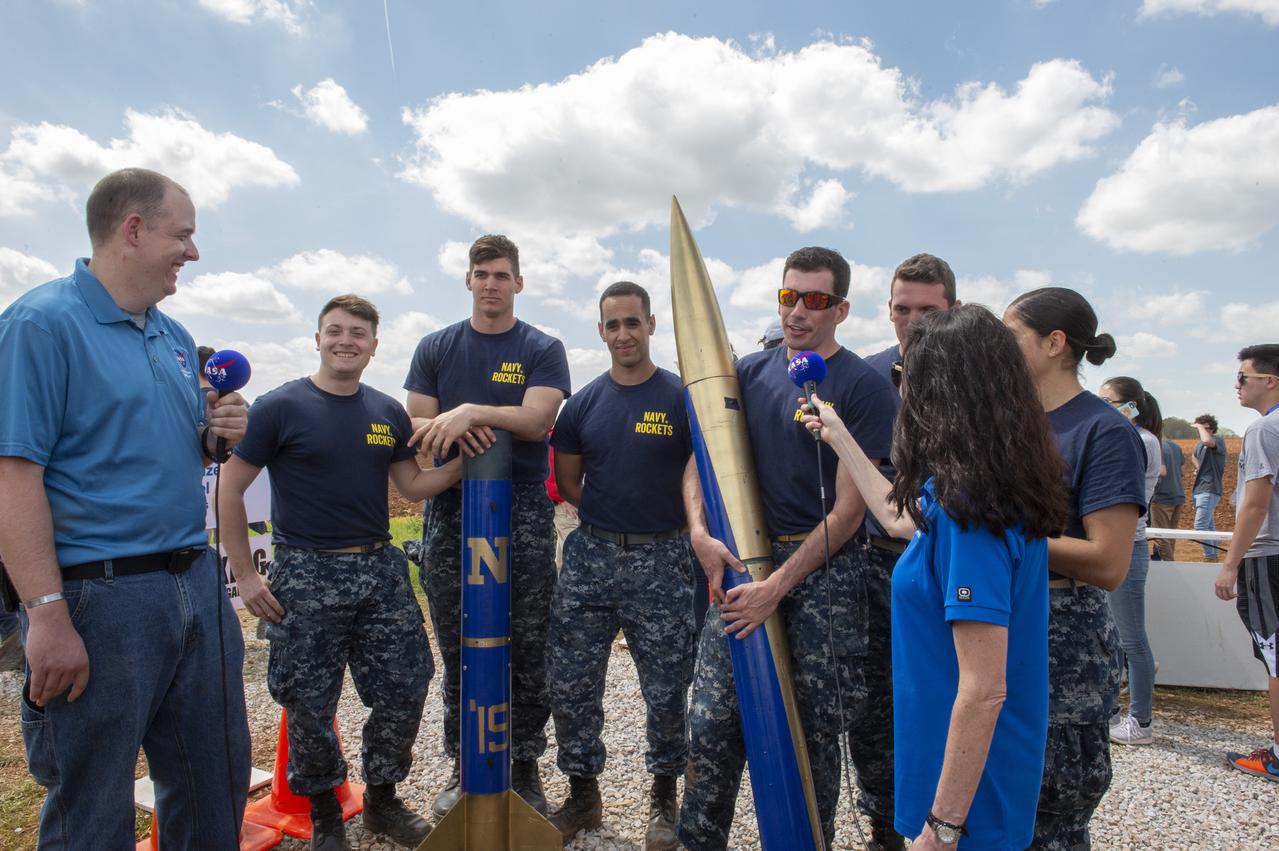
High School and College students from around the U.S. came together at Bragg Farms in Toney, Alabama for the 2019 Student Launch Initiative. The students launched their rockets to their own predetermined altitude with various payloads including remote rovers and unmanned aerial vehicles.
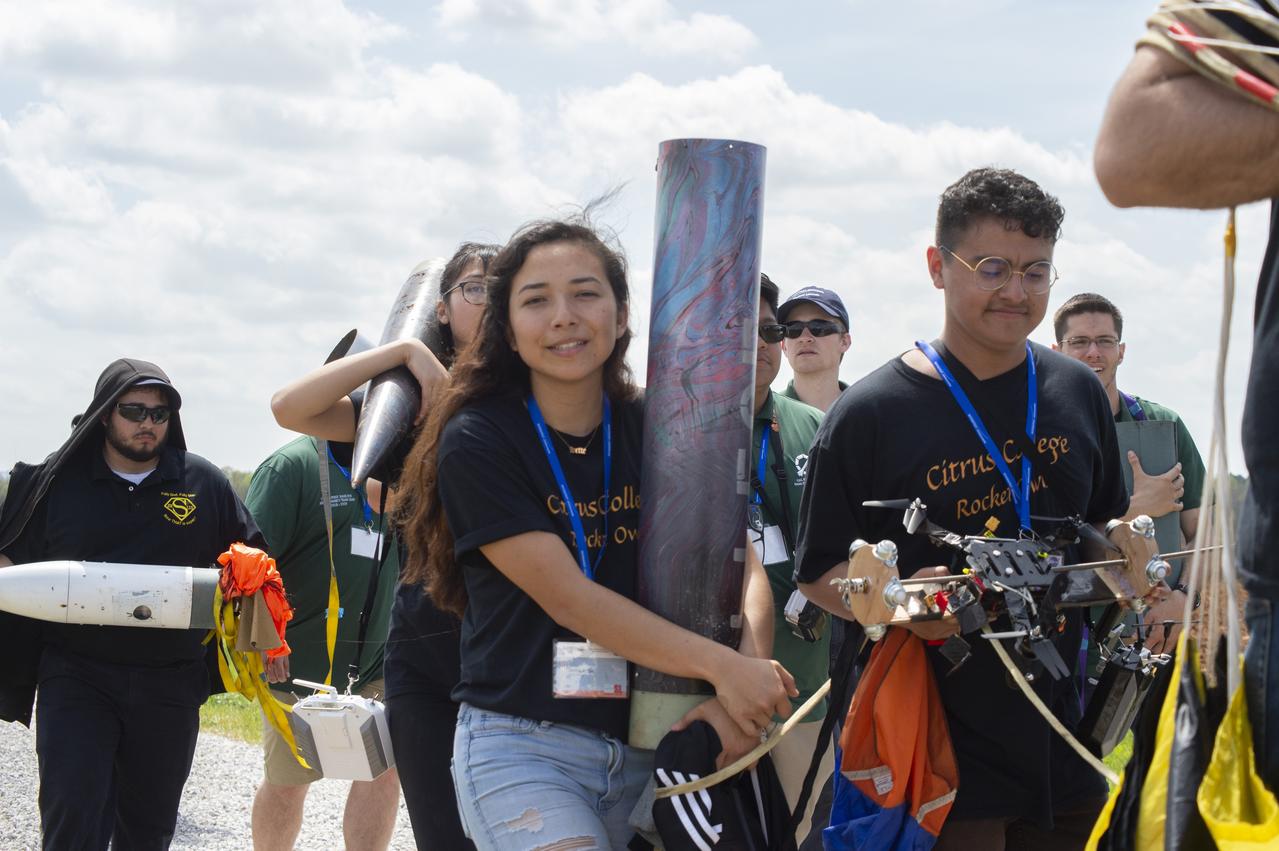
High School and College students from around the U.S. came together at Bragg Farms in Toney, Alabama for the 2019 Student Launch Initiative. The students launched their rockets to their own predetermined altitude with various payloads including remote rovers and unmanned aerial vehicles.
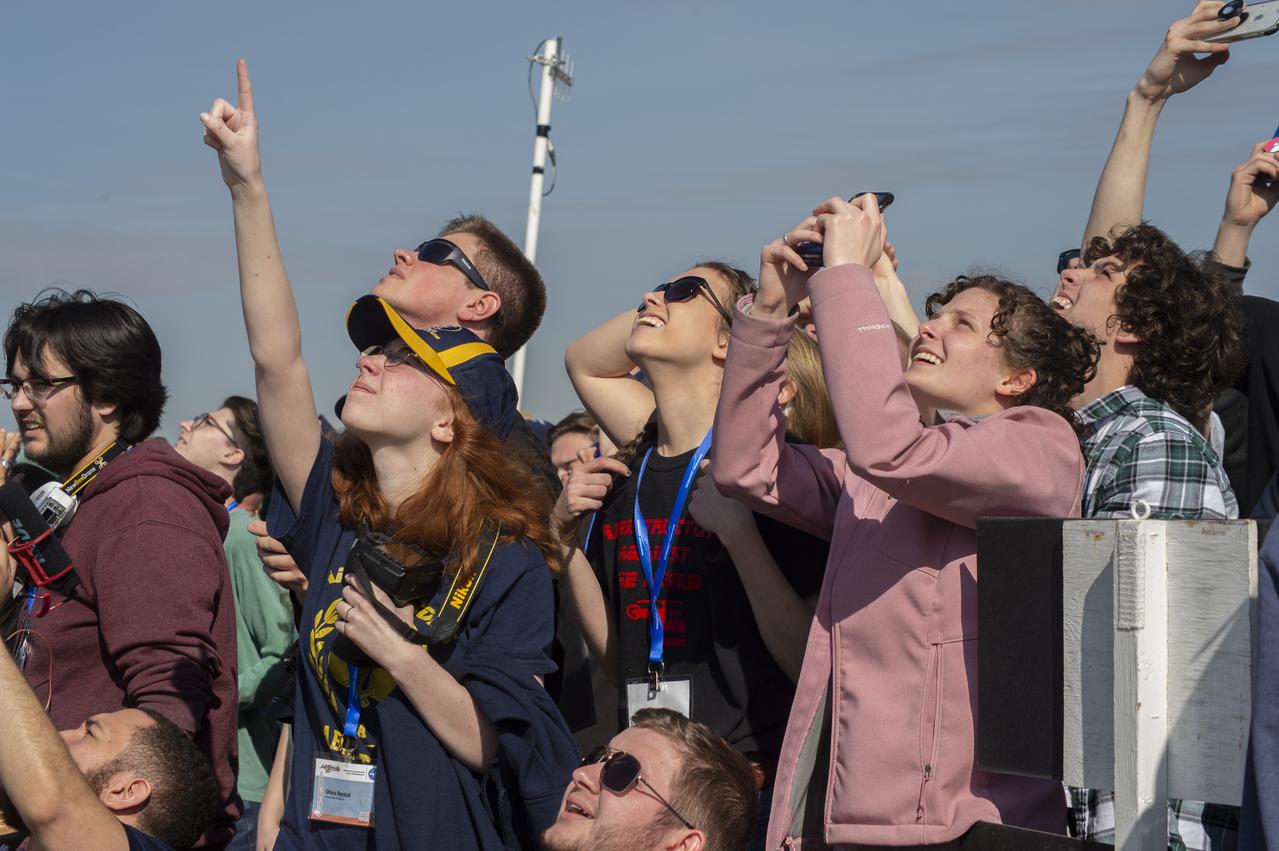
High School and College students from around the U.S. came together at Bragg Farms in Toney, Alabama for the 2019 Student Launch Initiative. The students launched their rockets to their own predetermined altitude with various payloads including remote rovers and unmanned aerial vehicles.
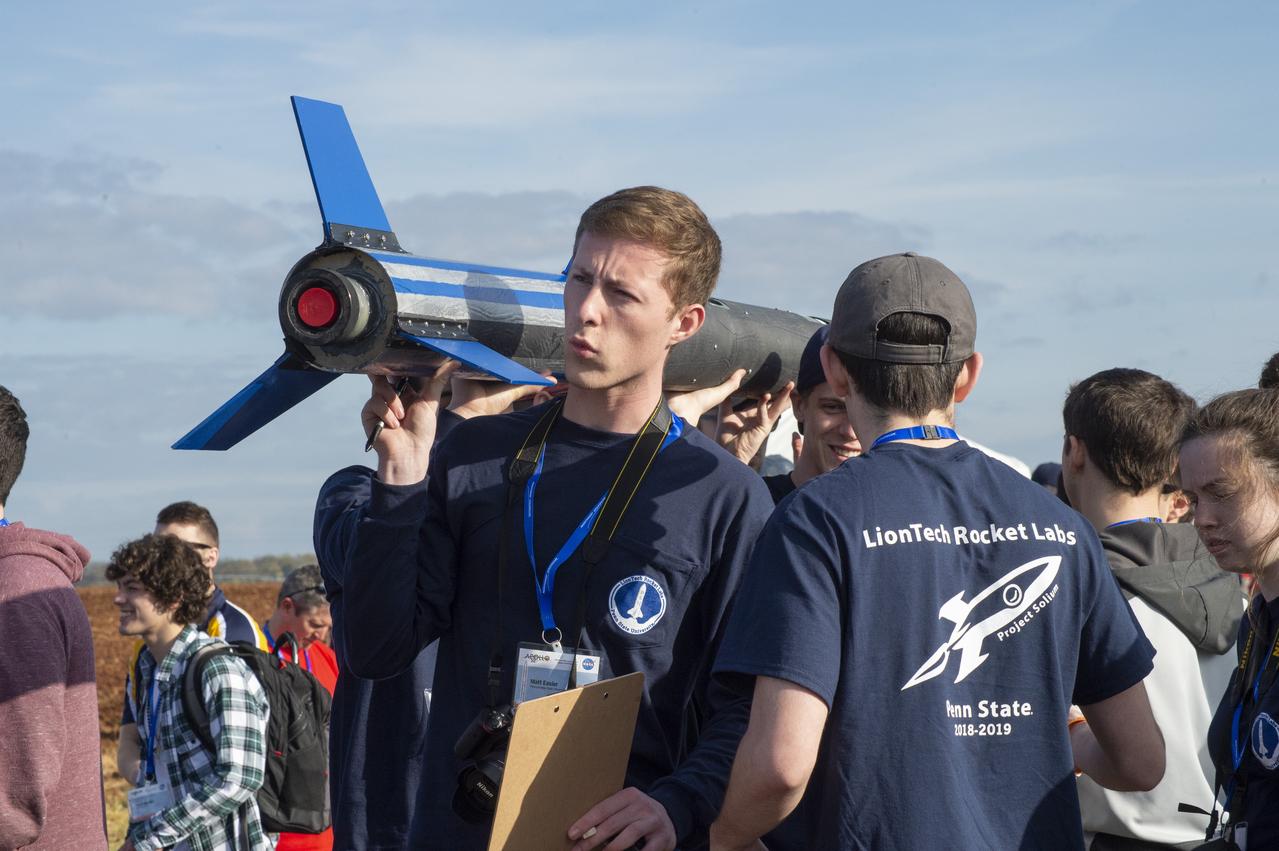
High School and College students from around the U.S. came together at Bragg Farms in Toney, Alabama for the 2019 Student Launch Initiative. The students launched their rockets to their own predetermined altitude with various payloads including remote rovers and unmanned aerial vehicles.
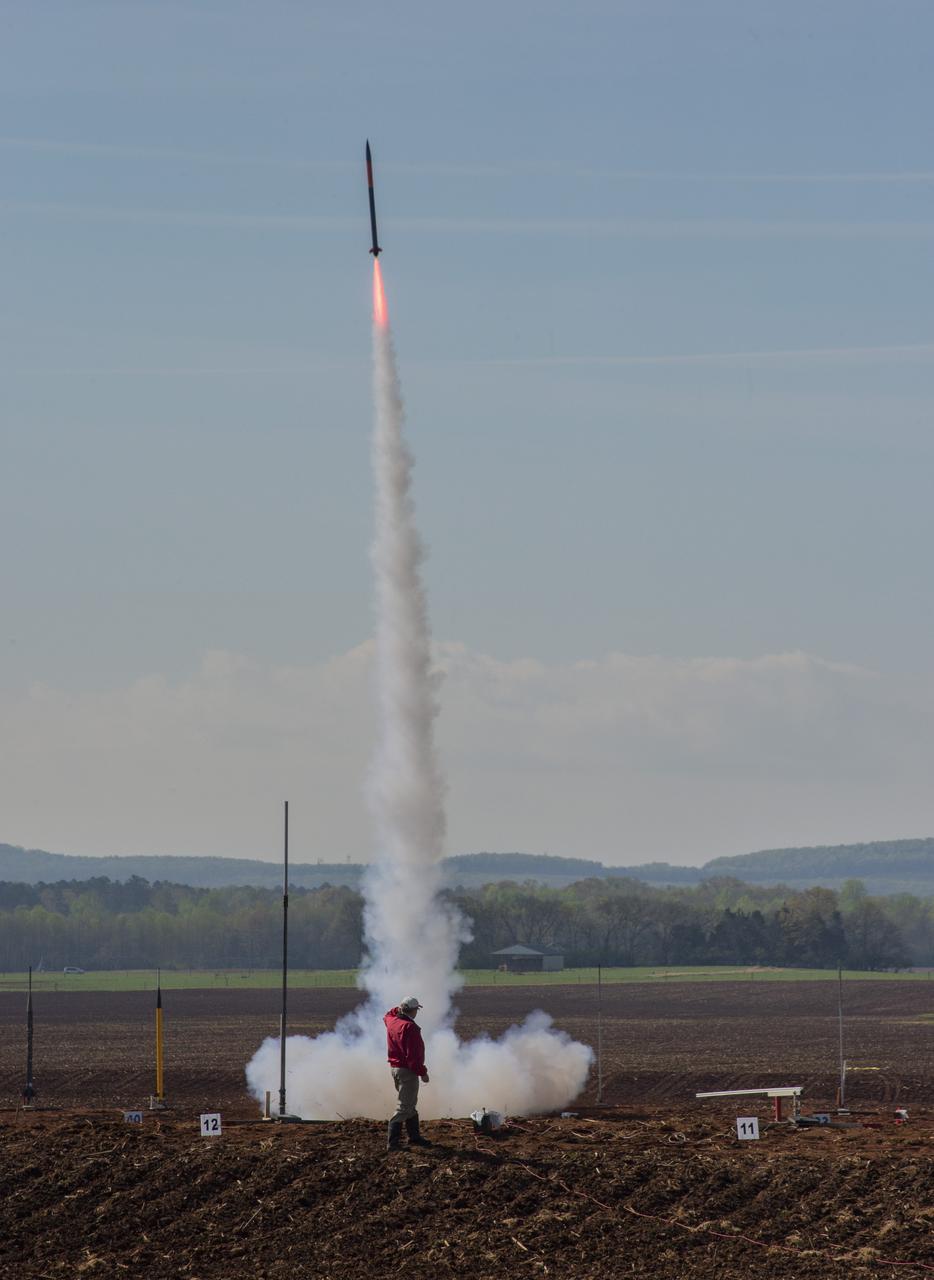
High School and College students from around the U.S. came together at Bragg Farms in Toney, Alabama for the 2019 Student Launch Initiative. The students launched their rockets to their own predetermined altitude with various payloads including remote rovers and unmanned aerial vehicles.
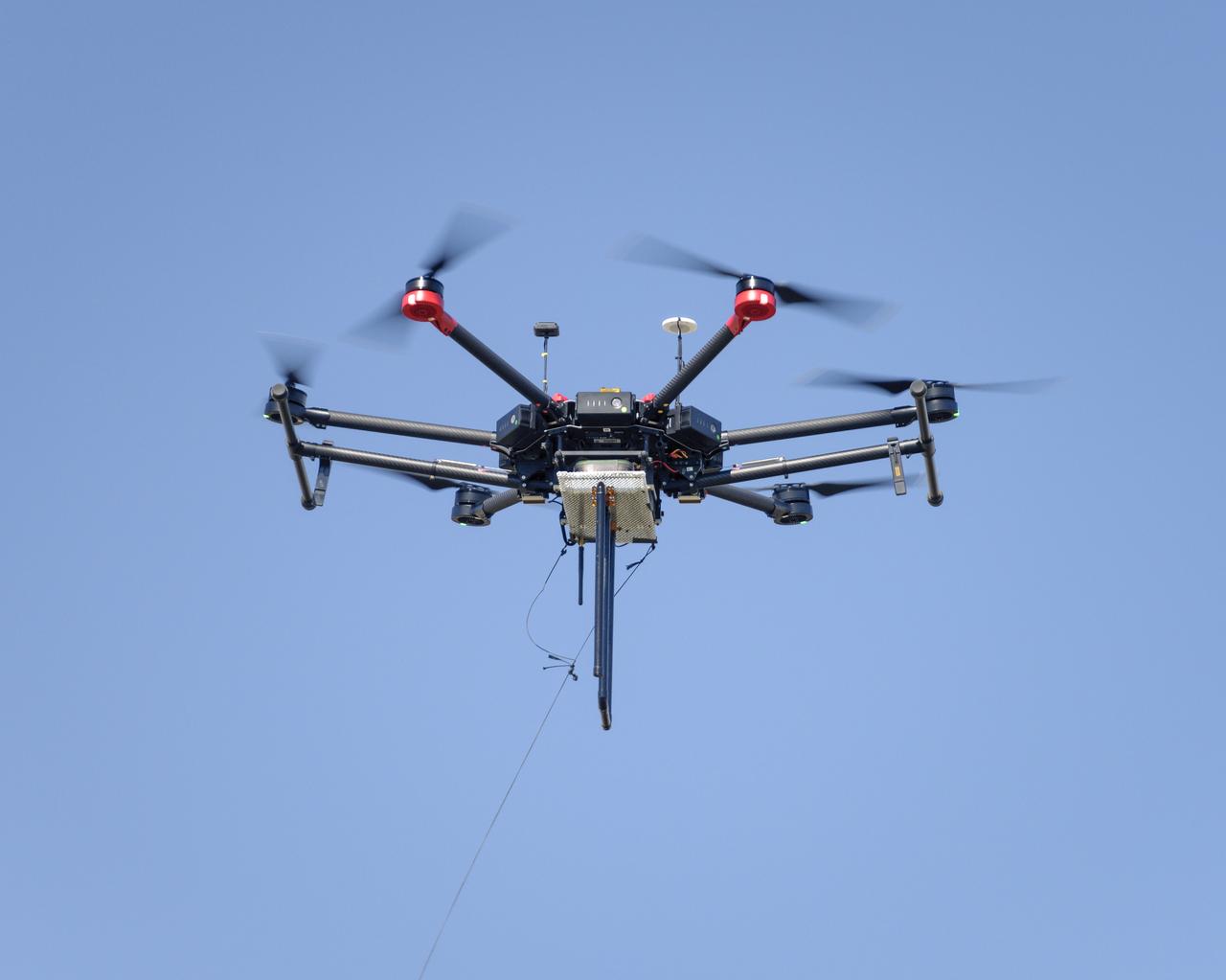
Flight Test in the Roverscape (N-269) at NASA's Ames Research Center, the project team tests the DJI Matrice 600 Unmanned Aerial Vehicle (UAV) equipped with a radio tracking receiver to study the invasive asian carp in the Mississippi River.
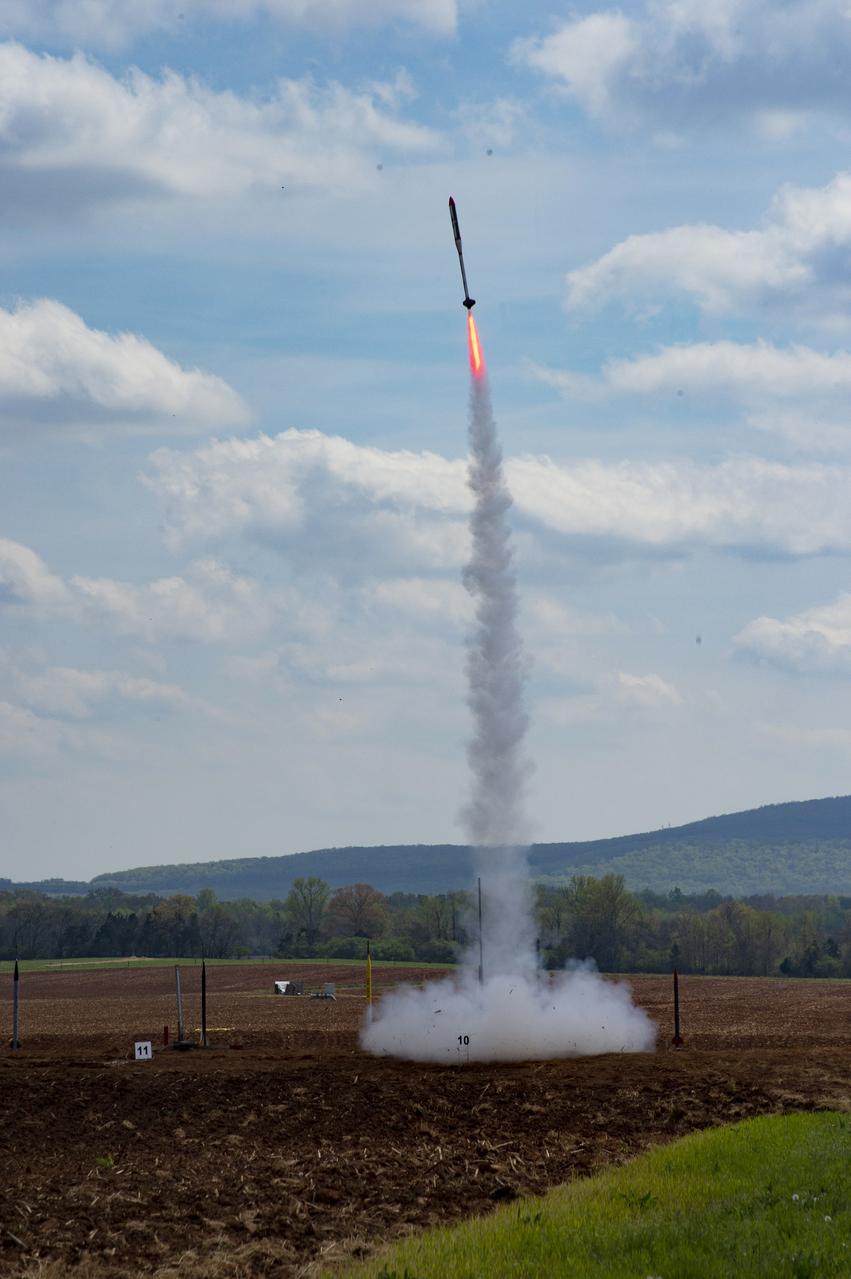
High School and College students from around the U.S. came together at Bragg Farms in Toney, Alabama for the 2019 Student Launch Initiative. The students launched their rockets to their own predetermined altitude with various payloads including remote rovers and unmanned aerial vehicles.
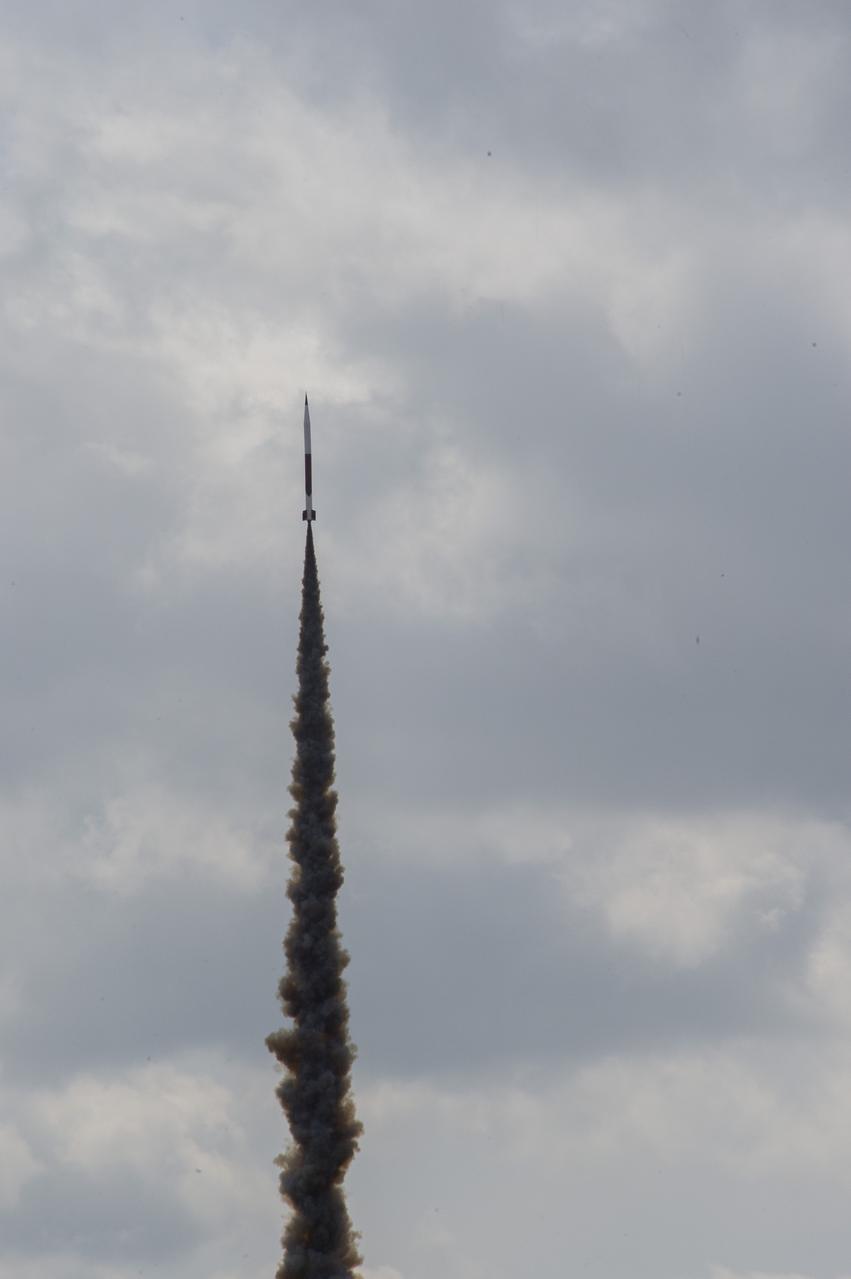
High School and College students from around the U.S. came together at Bragg Farms in Toney, Alabama for the 2019 Student Launch Initiative. The students launched their rockets to their own predetermined altitude with various payloads including remote rovers and unmanned aerial vehicles.

The NASA Langley Alta-X Unmanned Aerial Vehicle (UAV) lifts off with a weather payload from the Monterey Bay Academy Airport near Watsonville, California, during the Advanced Capabilities for Emergency Response Operations (ACERO) Shakedown Test.
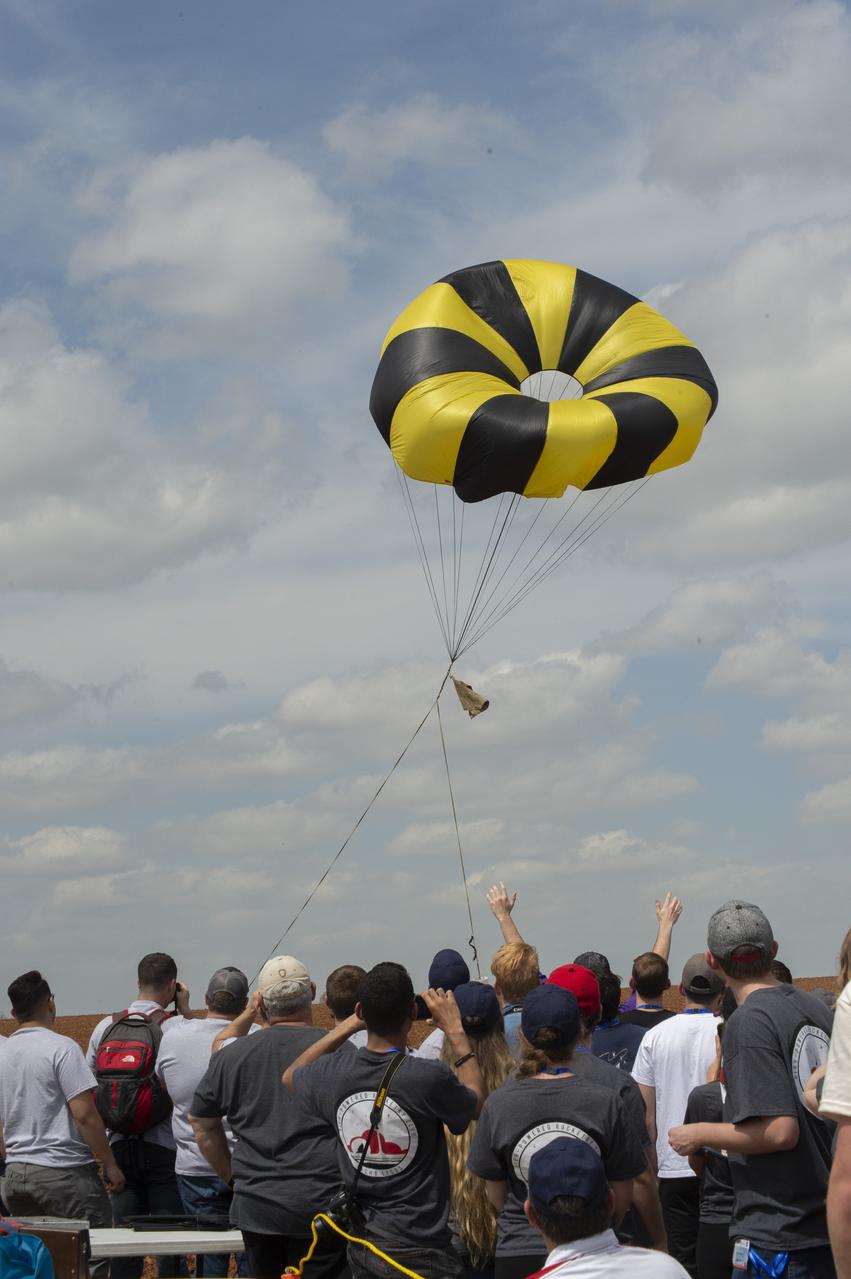
High School and College students from around the U.S. came together at Bragg Farms in Toney, Alabama for the 2019 Student Launch Initiative. The students launched their rockets to their own predetermined altitude with various payloads including remote rovers and unmanned aerial vehicles.
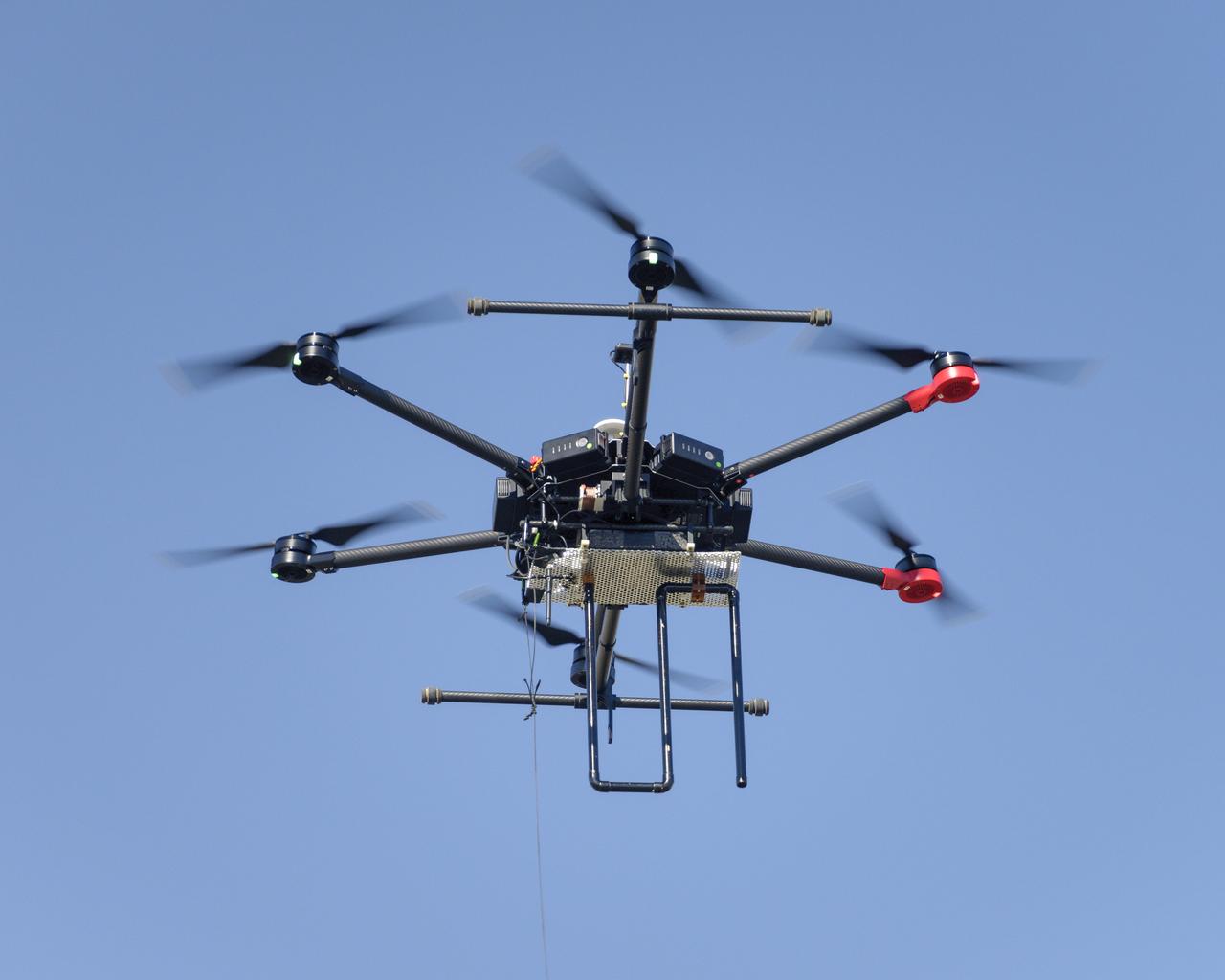
Flight Test in the Roverscape (N-269) at NASA's Ames Research Center, the project team tests the DJI Matrice 600 Unmanned Aerial Vehicle (UAV) equipped with a radio tracking receiver to study the invasive asian carp in the Mississippi River.
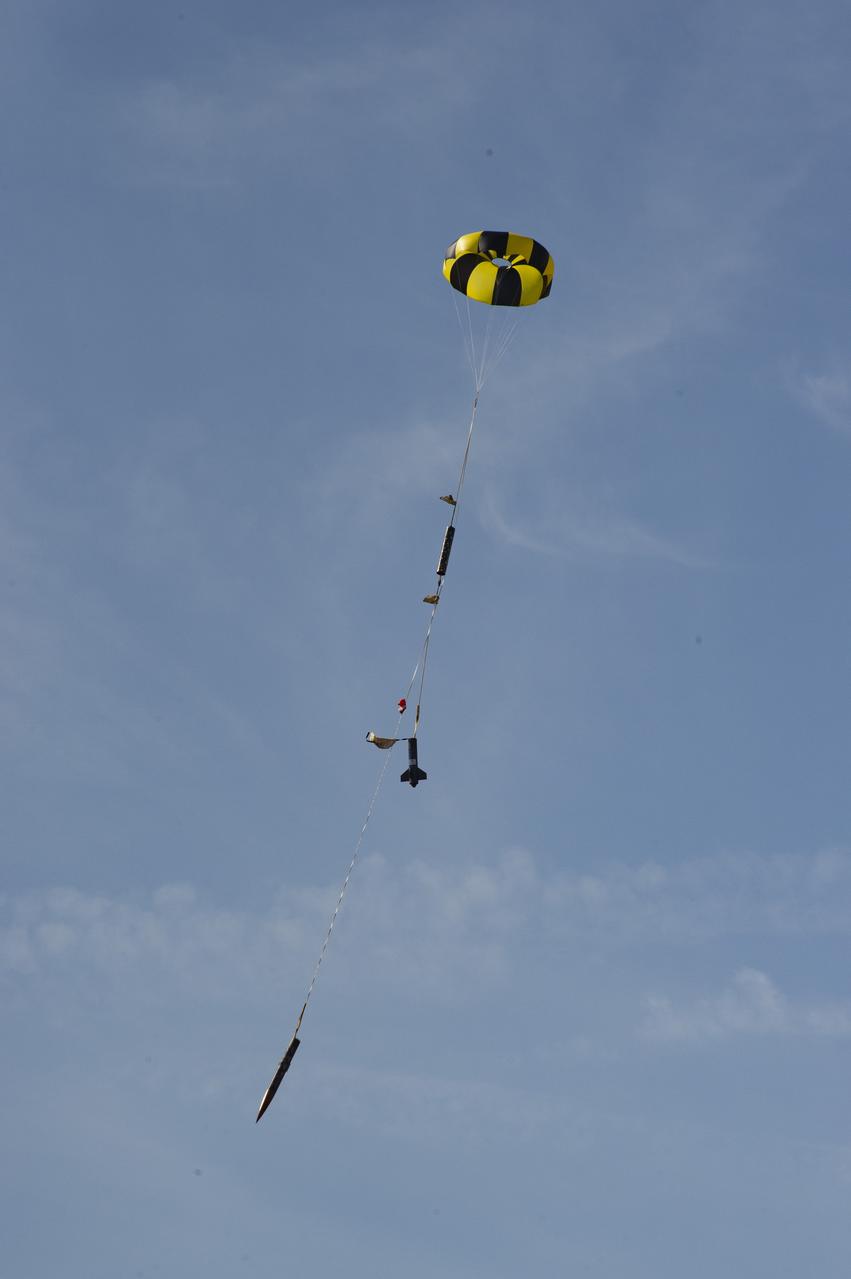
High School and College students from around the U.S. came together at Bragg Farms in Toney, Alabama for the 2019 Student Launch Initiative. The students launched their rockets to their own predetermined altitude with various payloads including remote rovers and unmanned aerial vehicles.
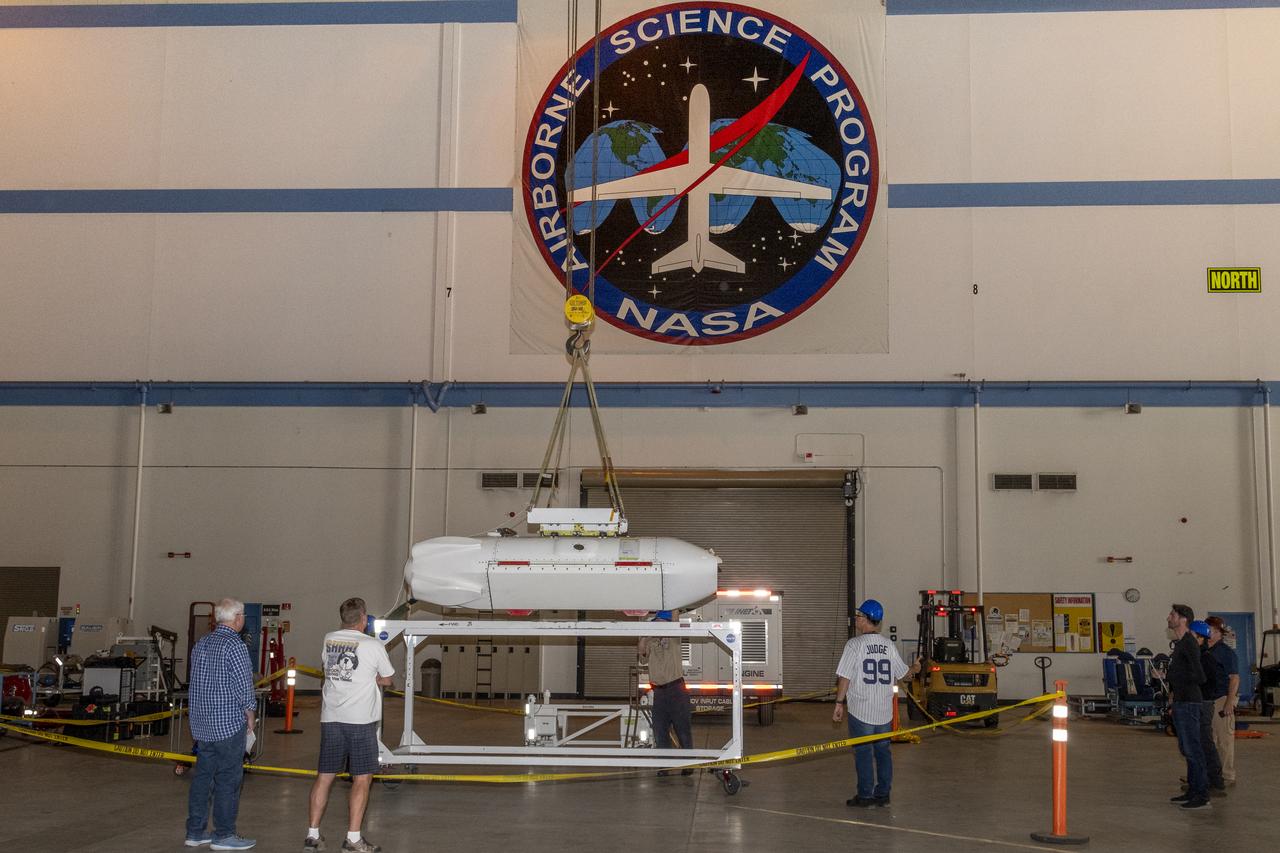
The Uninhabited Aerial Vehicle Synthetic Aperture Radar, UAVSAR, is prepared for installation onto NASA’s C-20A aircraft. THE UAVSAR uses a technique called interferometry to detect and measure very subtle deformations in the Earth’s surface, and the pod is specially designed to be interoperable with unmanned aircraft in the future. It will gather data from Gabon, Africa in September of 2023.
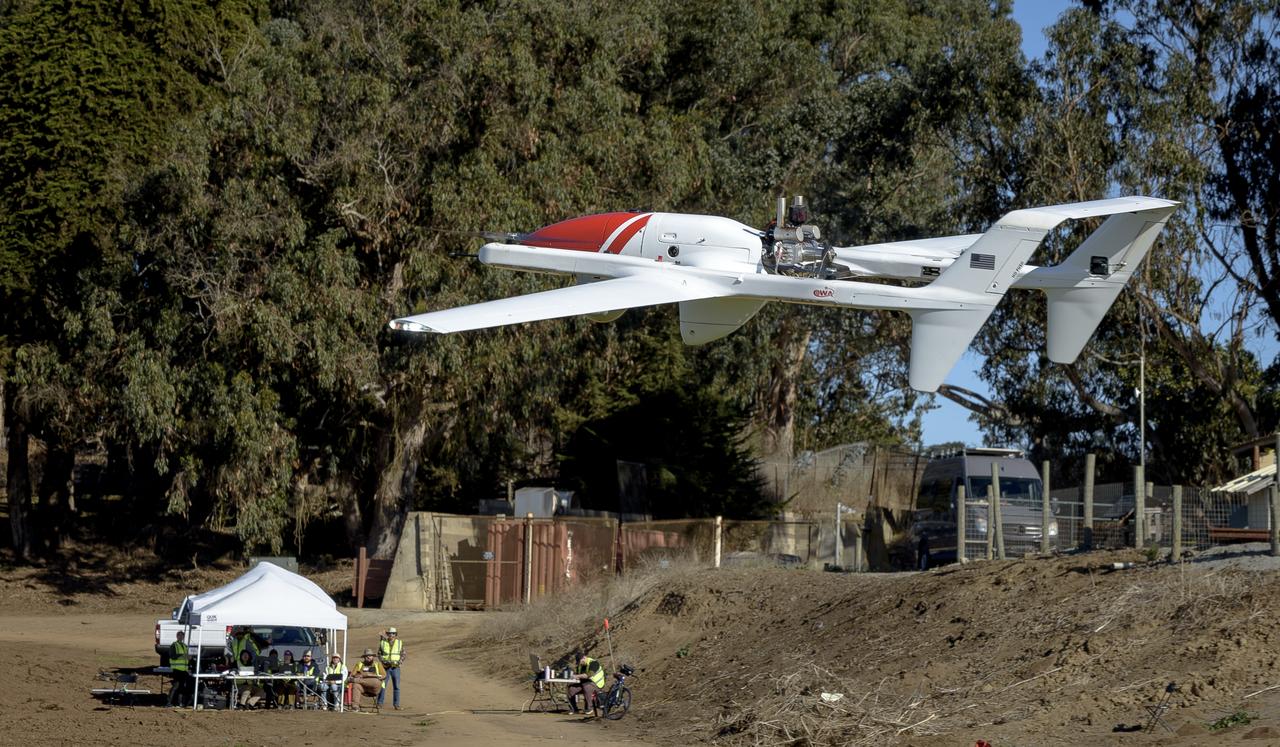
L3Harris FVR90 Unmanned Aerial Vehicle (UAV) lifts off from the Monterey Bay Academy Airport near Watsonville, California, during the Advanced Capabilities for Emergency Response Operations (ACERO) Shakedown Test as NASA researchers observe in the background.
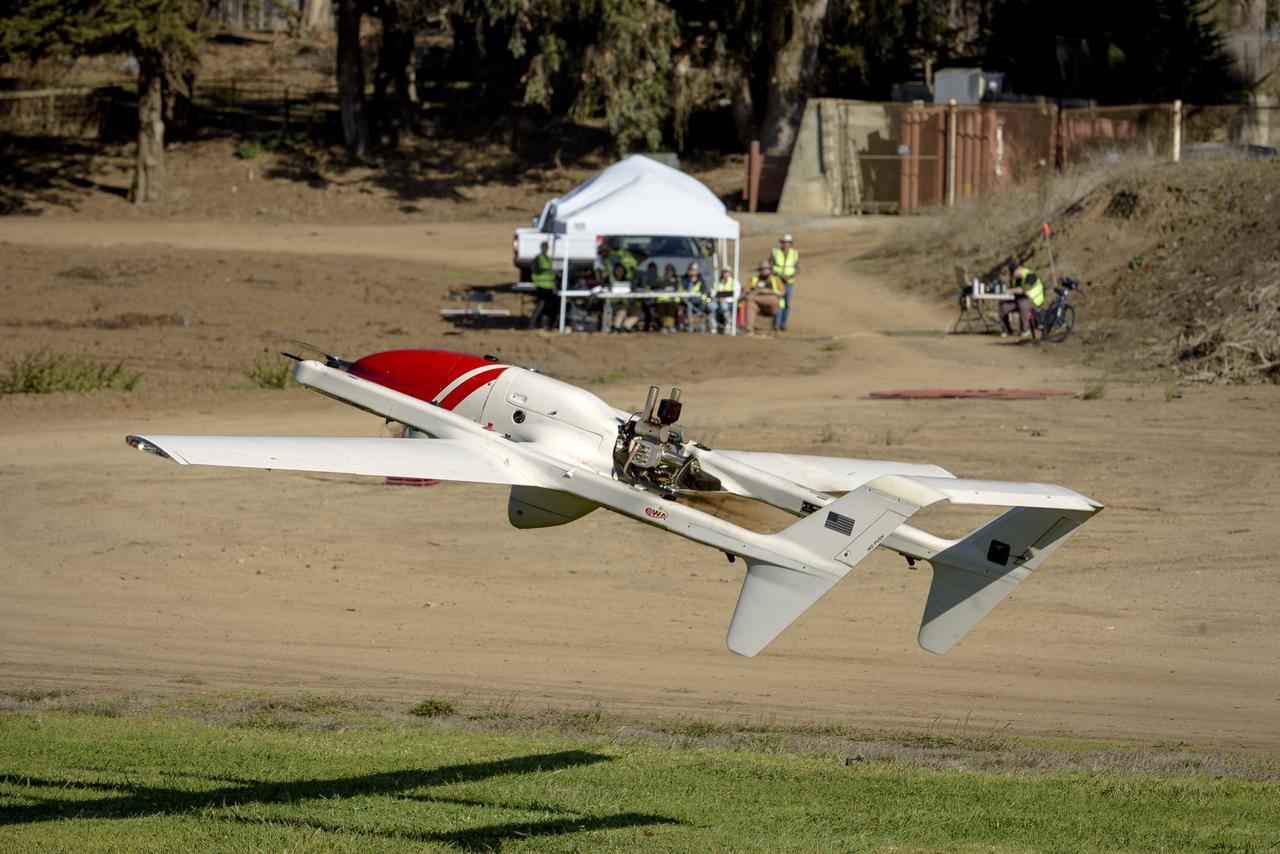
L3Harris FVR90 Unmanned Aerial Vehicle (UAV) lifts off from the Monterey Bay Academy Airport near Watsonville, California, during the Advanced Capabilities for Emergency Response Operations (ACERO) Shakedown Test as NASA researchers observe in the background.
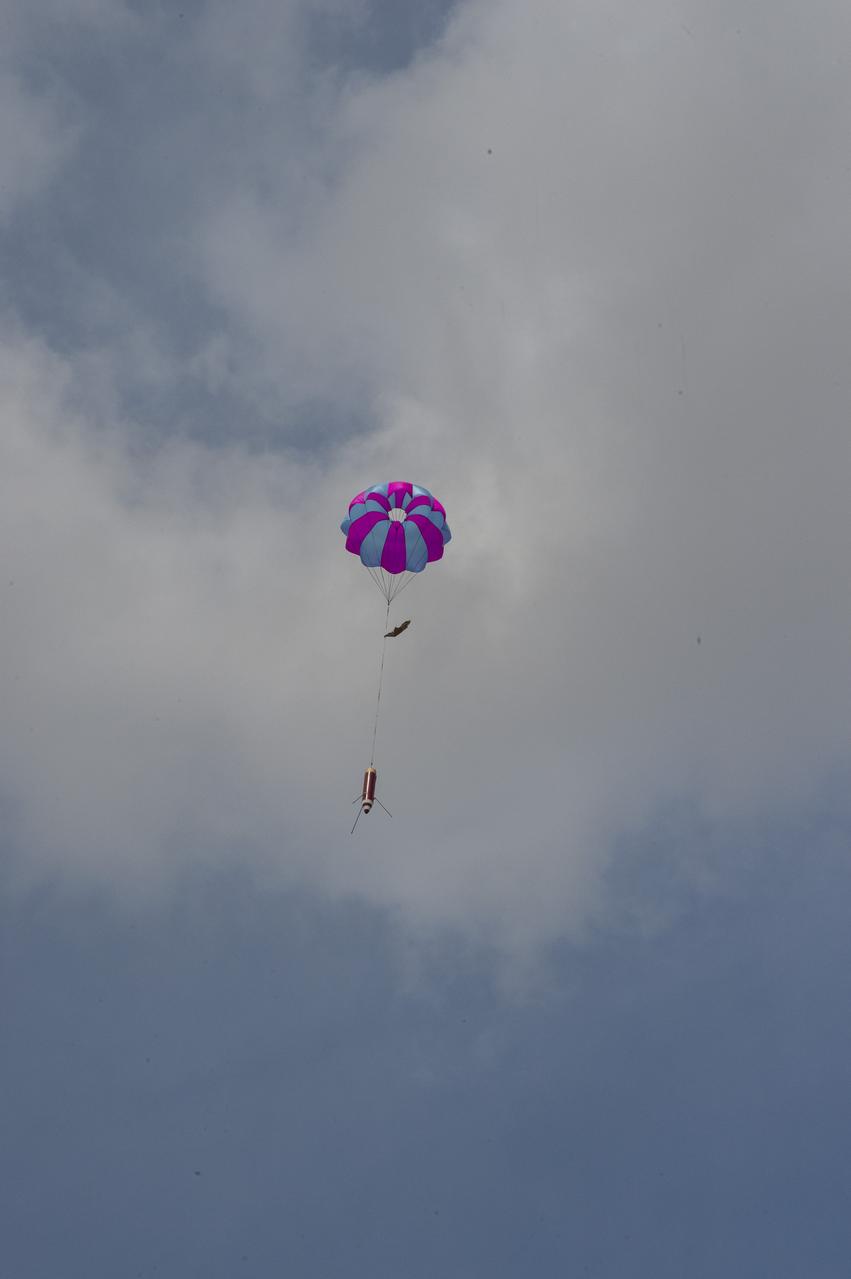
High School and College students from around the U.S. came together at Bragg Farms in Toney, Alabama for the 2019 Student Launch Initiative. The students launched their rockets to their own predetermined altitude with various payloads including remote rovers and unmanned aerial vehicles.
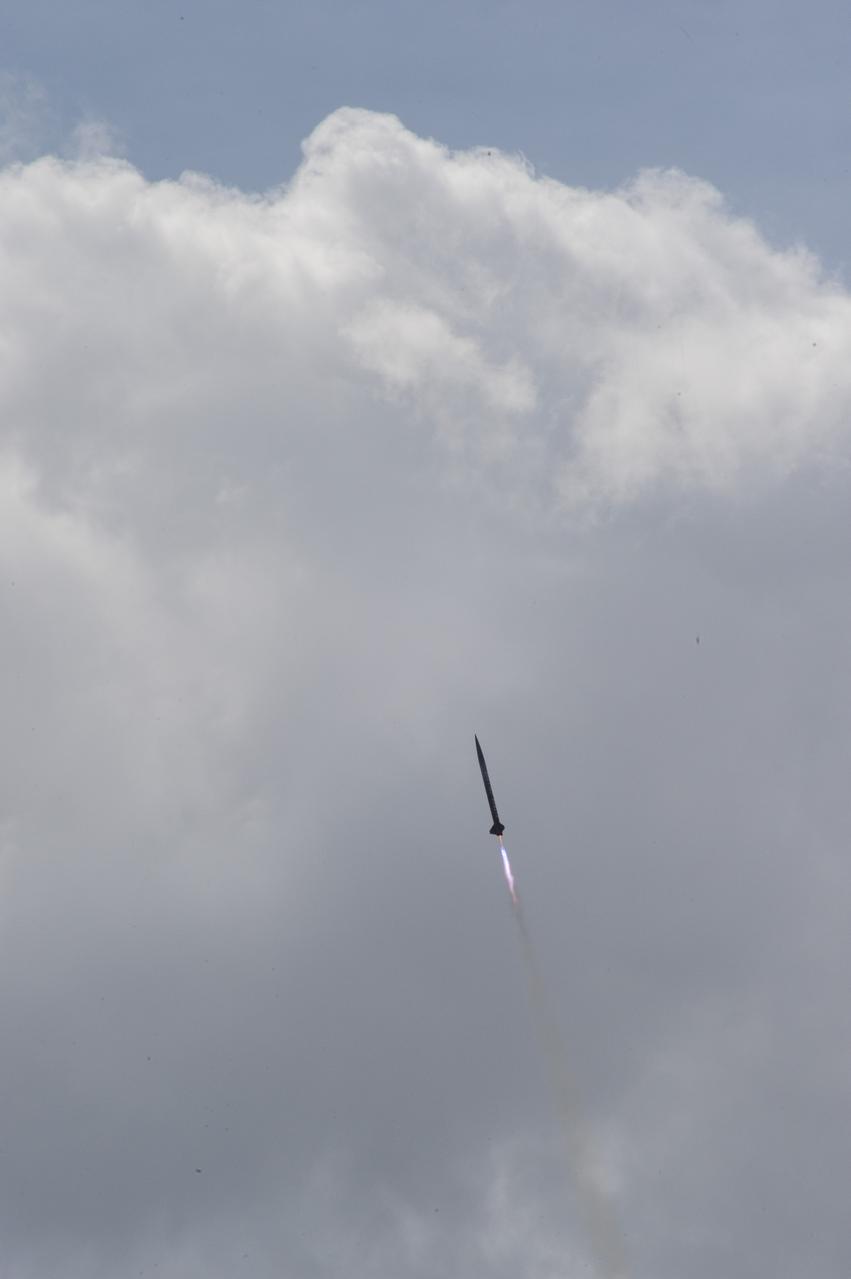
High School and College students from around the U.S. came together at Bragg Farms in Toney, Alabama for the 2019 Student Launch Initiative. The students launched their rockets to their own predetermined altitude with various payloads including remote rovers and unmanned aerial vehicles.
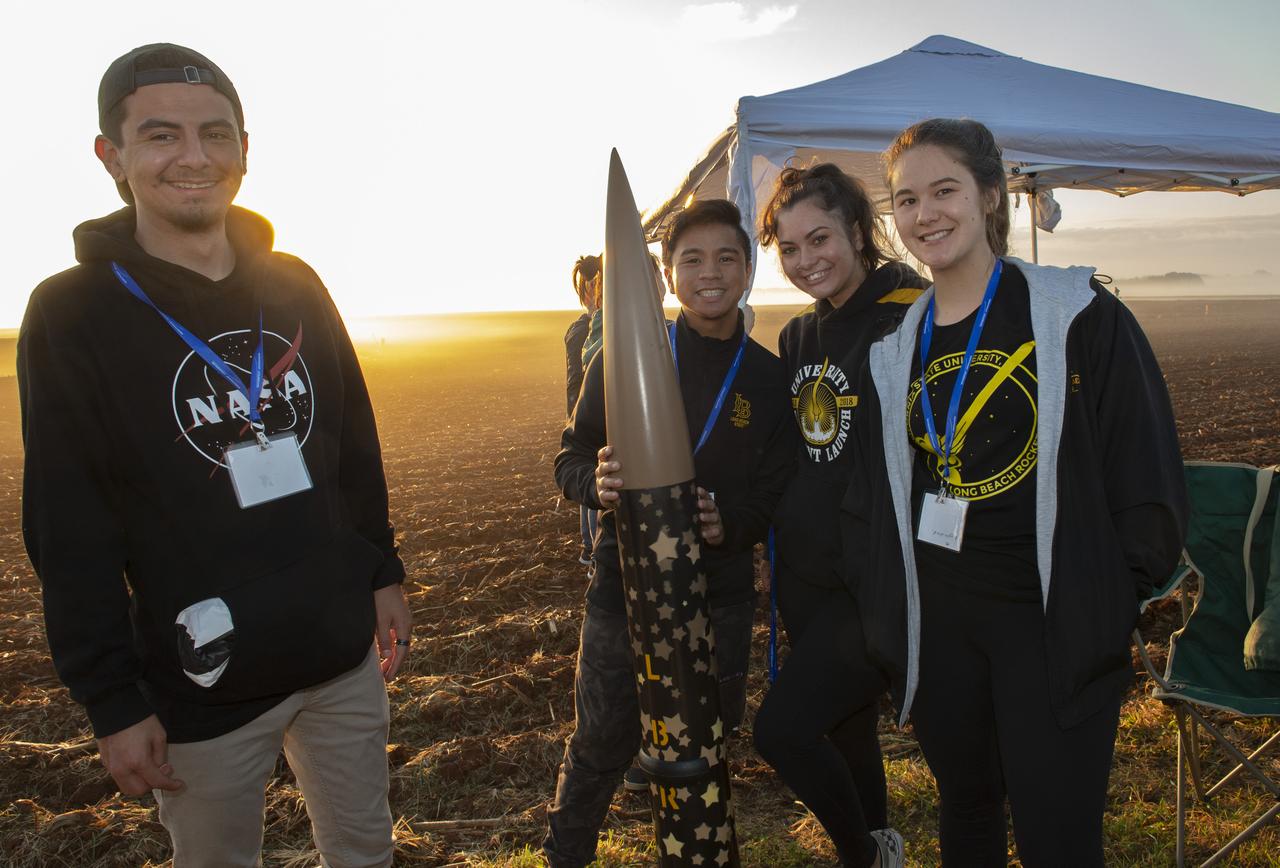
High School and College students from around the U.S. came together at Bragg Farms in Toney, Alabama for the 2019 Student Launch Initiative. The students launched their rockets to their own predetermined altitude with various payloads including remote rovers and unmanned aerial vehicles.
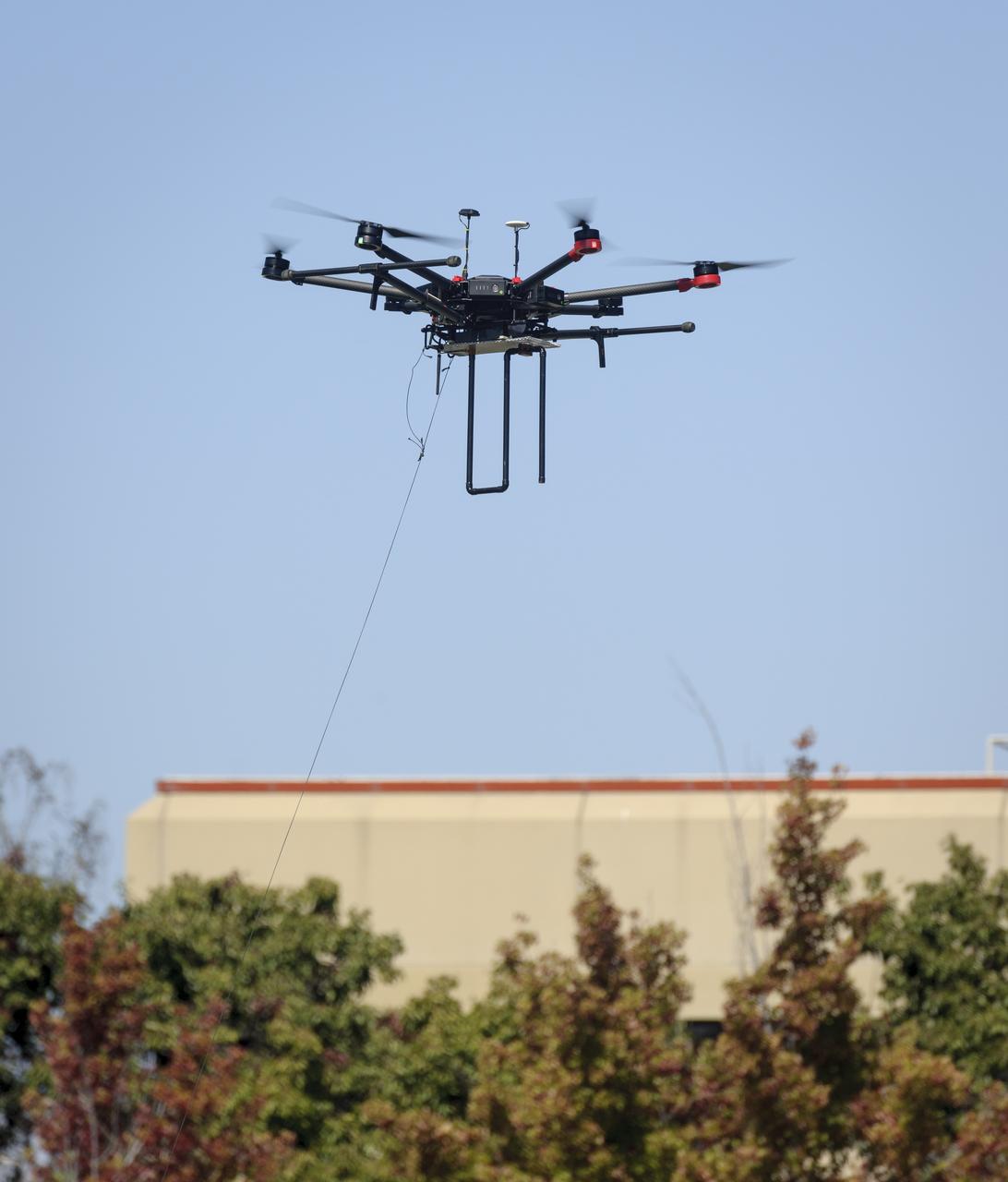
Flight Test in the Roverscape (N-269) at NASA's Ames Research Center, the project team tests the DJI Matrice 600 Unmanned Aerial Vehicle (UAV) equipped with a radio tracking receiver to study the invasive asian carp in the Mississippi River.
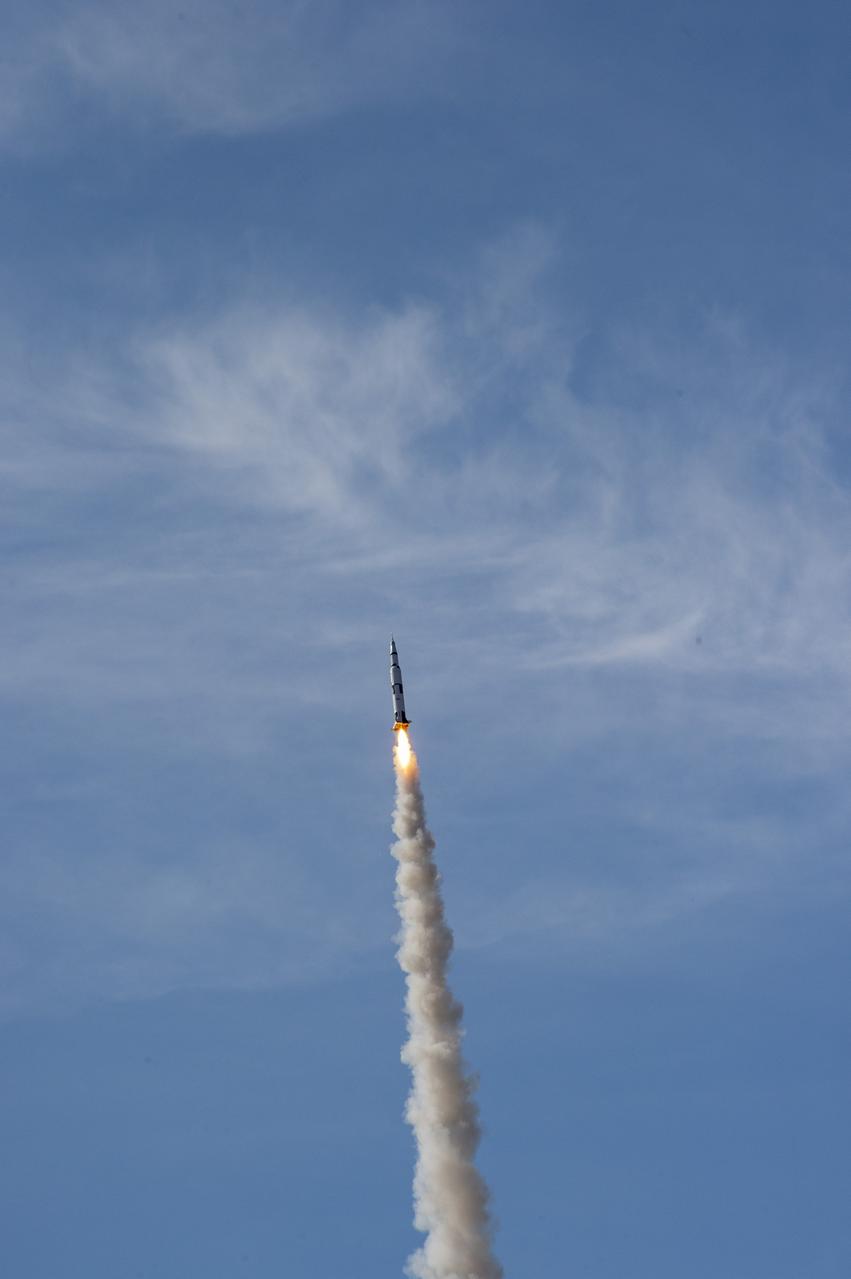
High School and College students from around the U.S. came together at Bragg Farms in Toney, Alabama for the 2019 Student Launch Initiative. The students launched their rockets to their own predetermined altitude with various payloads including remote rovers and unmanned aerial vehicles.
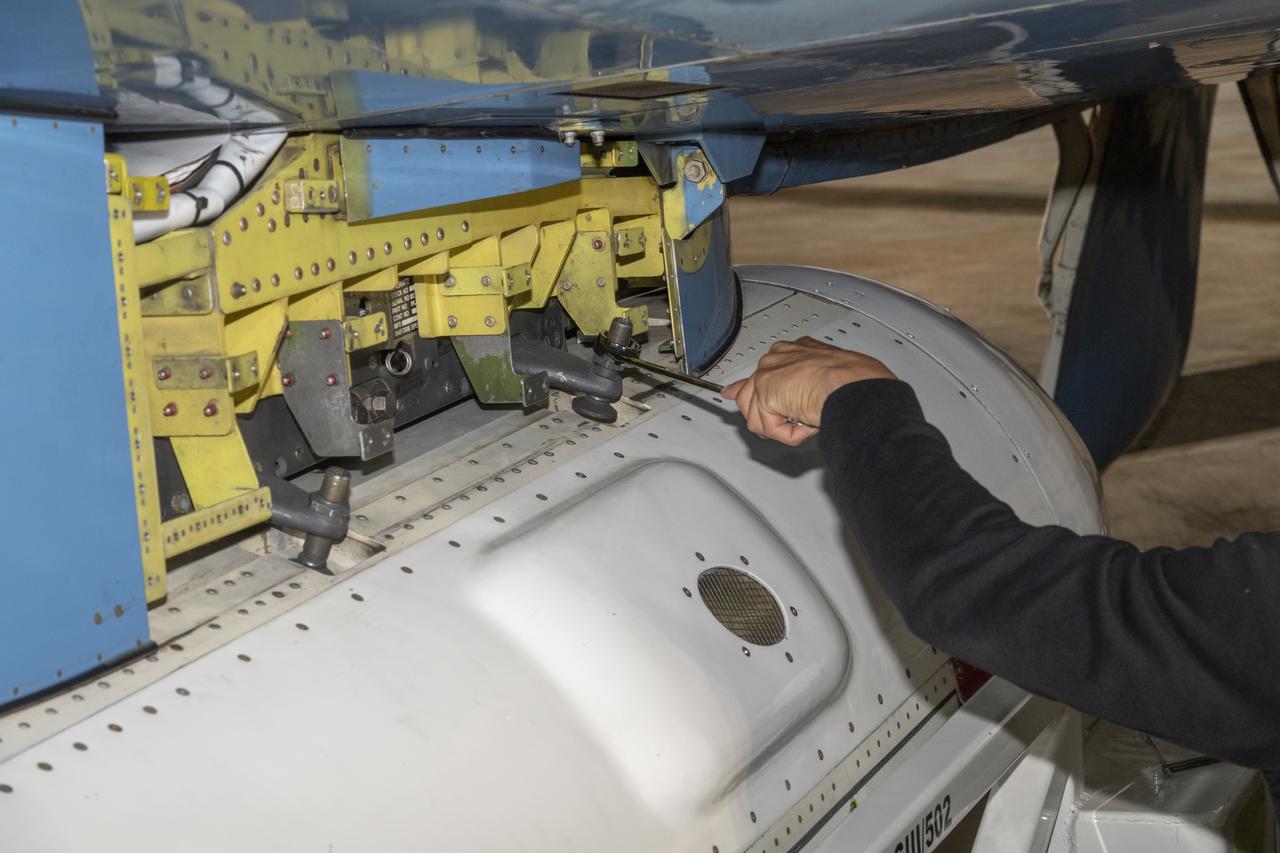
The Uninhabited Aerial Vehicle Synthetic Aperture Radar, UAVSAR, is prepared for installation onto NASA’s C-20A aircraft. THE UAVSAR uses a technique called interferometry to detect and measure very subtle deformations in the Earth’s surface, and the pod is specially designed to be interoperable with unmanned aircraft in the future. It will gather data from Gabon, Africa in September of 2023.
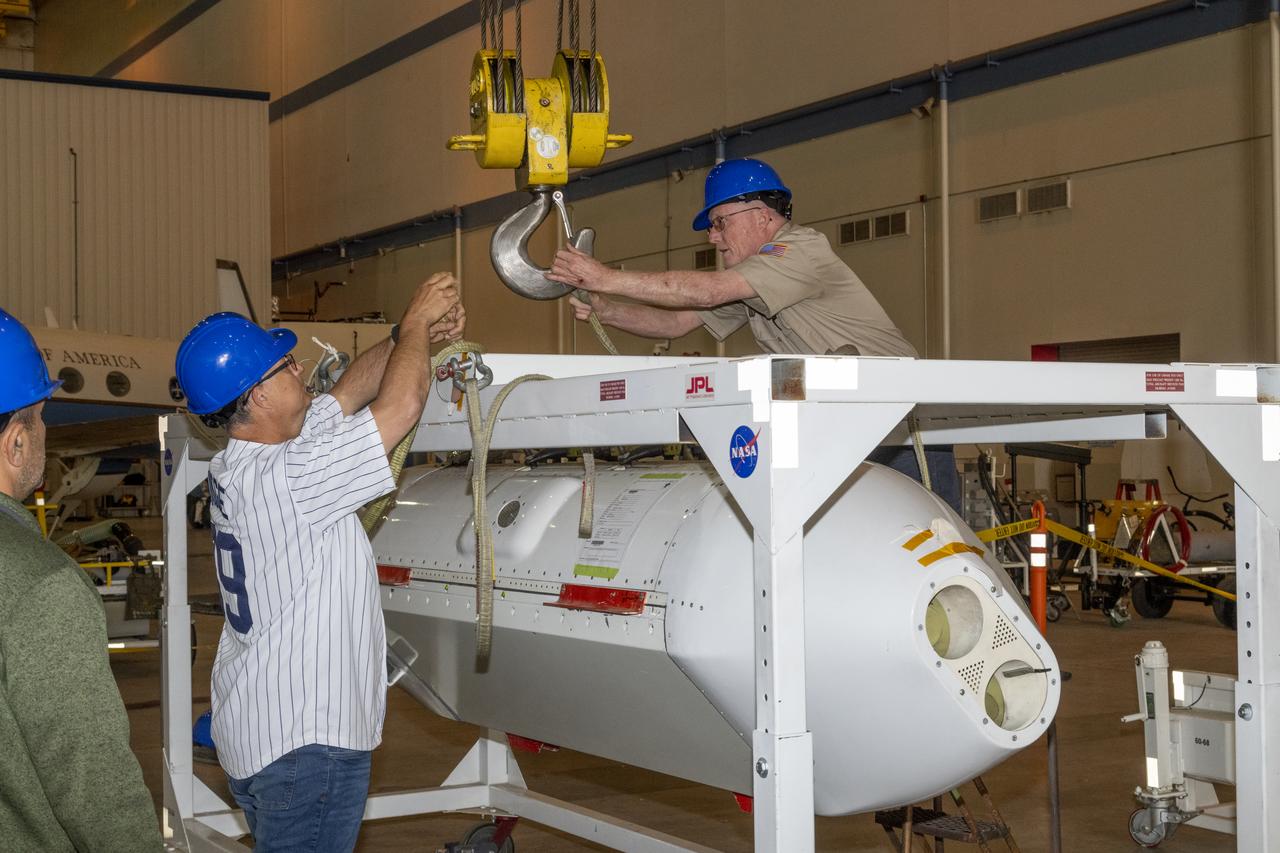
The Uninhabited Aerial Vehicle Synthetic Aperture Radar, UAVSAR, is prepared for installation onto NASA’s C-20A aircraft. THE UAVSAR uses a technique called interferometry to detect and measure very subtle deformations in the Earth’s surface, and the pod is specially designed to be interoperable with unmanned aircraft in the future. It will gather data from Gabon, Africa in September of 2023.
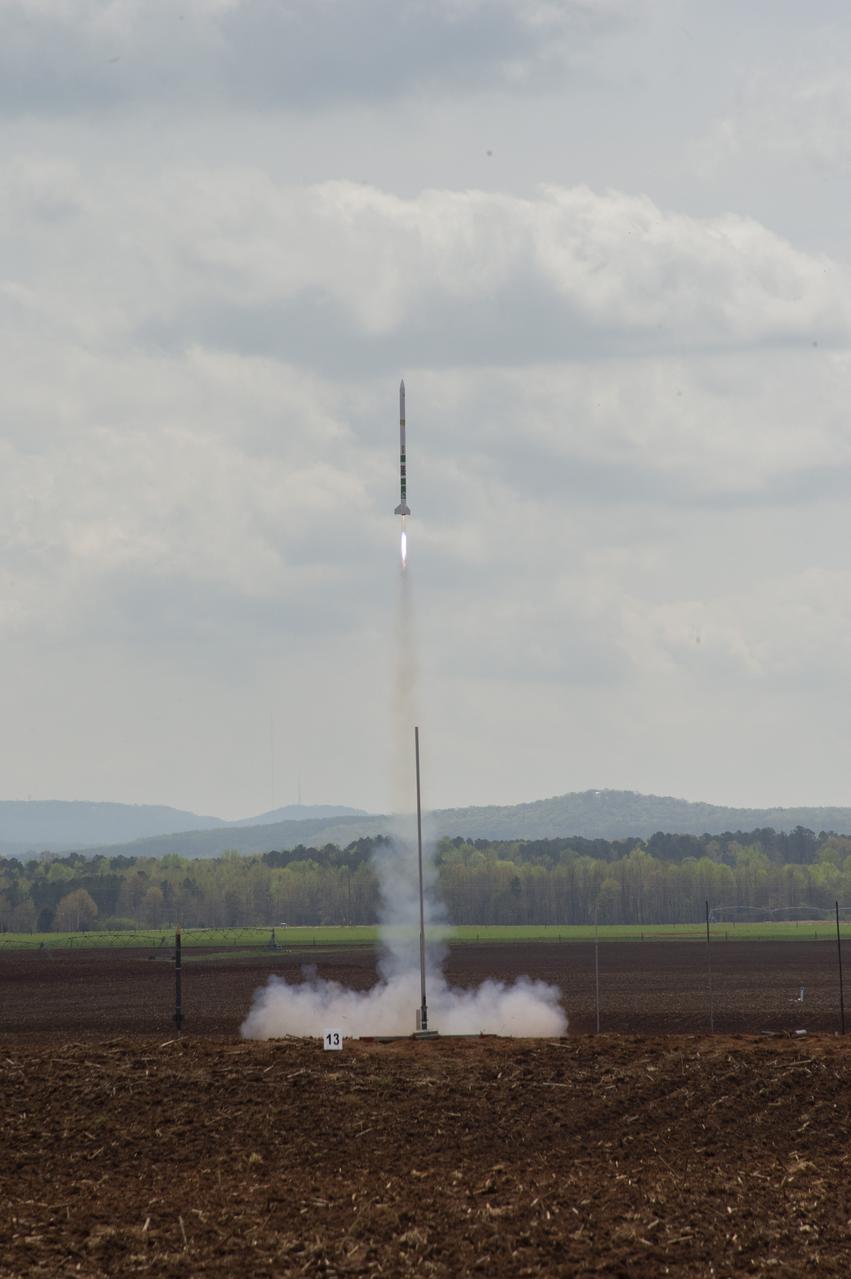
High School and College students from around the U.S. came together at Bragg Farms in Toney, Alabama for the 2019 Student Launch Initiative. The students launched their rockets to their own predetermined altitude with various payloads including remote rovers and unmanned aerial vehicles.
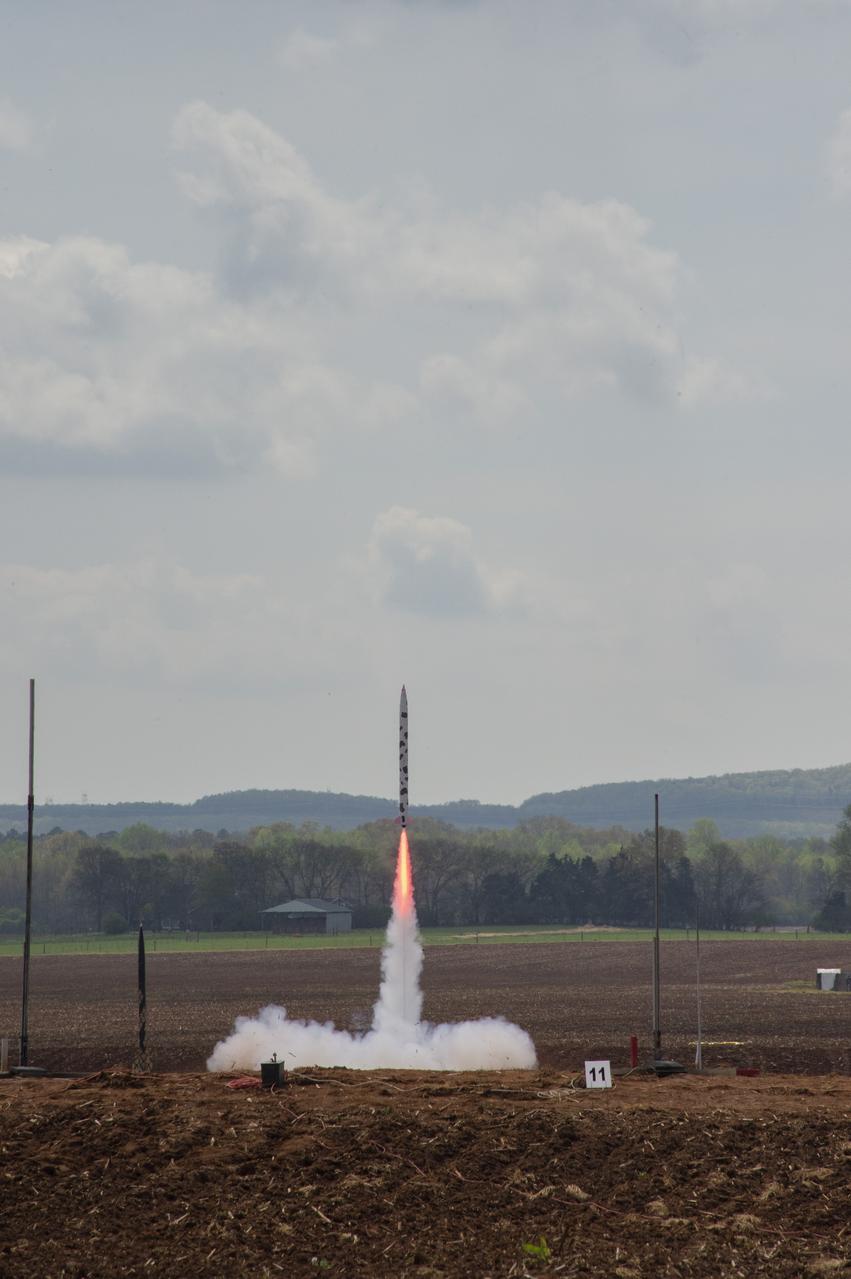
High School and College students from around the U.S. came together at Bragg Farms in Toney, Alabama for the 2019 Student Launch Initiative. The students launched their rockets to their own predetermined altitude with various payloads including remote rovers and unmanned aerial vehicles.

Flight Test in the Roverscape (N-269) at NASA's Ames Research Center, the project team tests the DJI Matrice 600 Unmanned Aerial Vehicle (UAV) equipped with a radio tracking receiver to study the invasive asian carp in the Mississippi River.

High School and College students from around the U.S. came together at Bragg Farms in Toney, Alabama for the 2019 Student Launch Initiative. The students launched their rockets to their own predetermined altitude with various payloads including remote rovers and unmanned aerial vehicles.

The Uninhabited Aerial Vehicle Synthetic Aperture Radar, UAVSAR, is prepared for installation onto NASA’s C-20A aircraft. THE UAVSAR uses a technique called interferometry to detect and measure very subtle deformations in the Earth’s surface, and the pod is specially designed to be interoperable with unmanned aircraft in the future. It will gather data from Gabon, Africa in September of 2023.
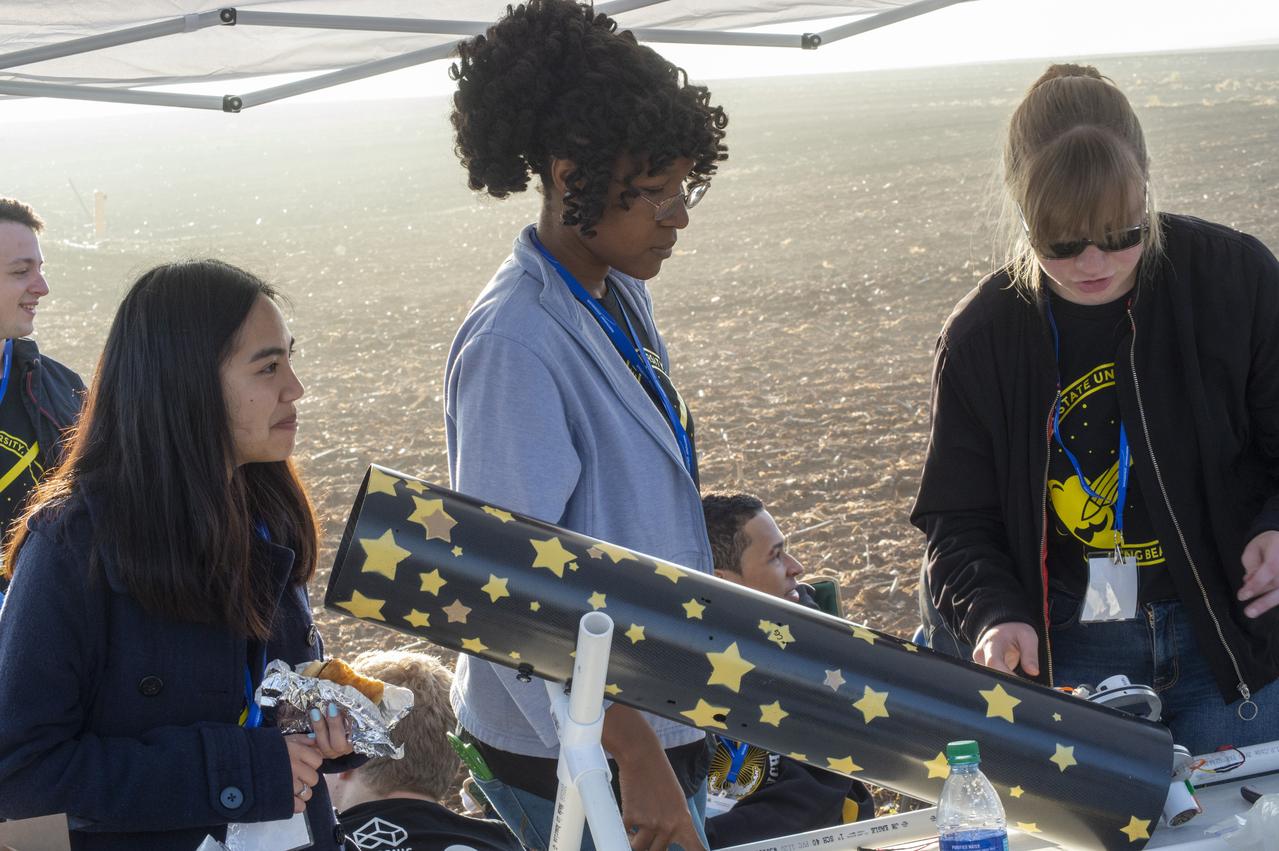
High School and College students from around the U.S. came together at Bragg Farms in Toney, Alabama for the 2019 Student Launch Initiative. The students launched their rockets to their own predetermined altitude with various payloads including remote rovers and unmanned aerial vehicles.
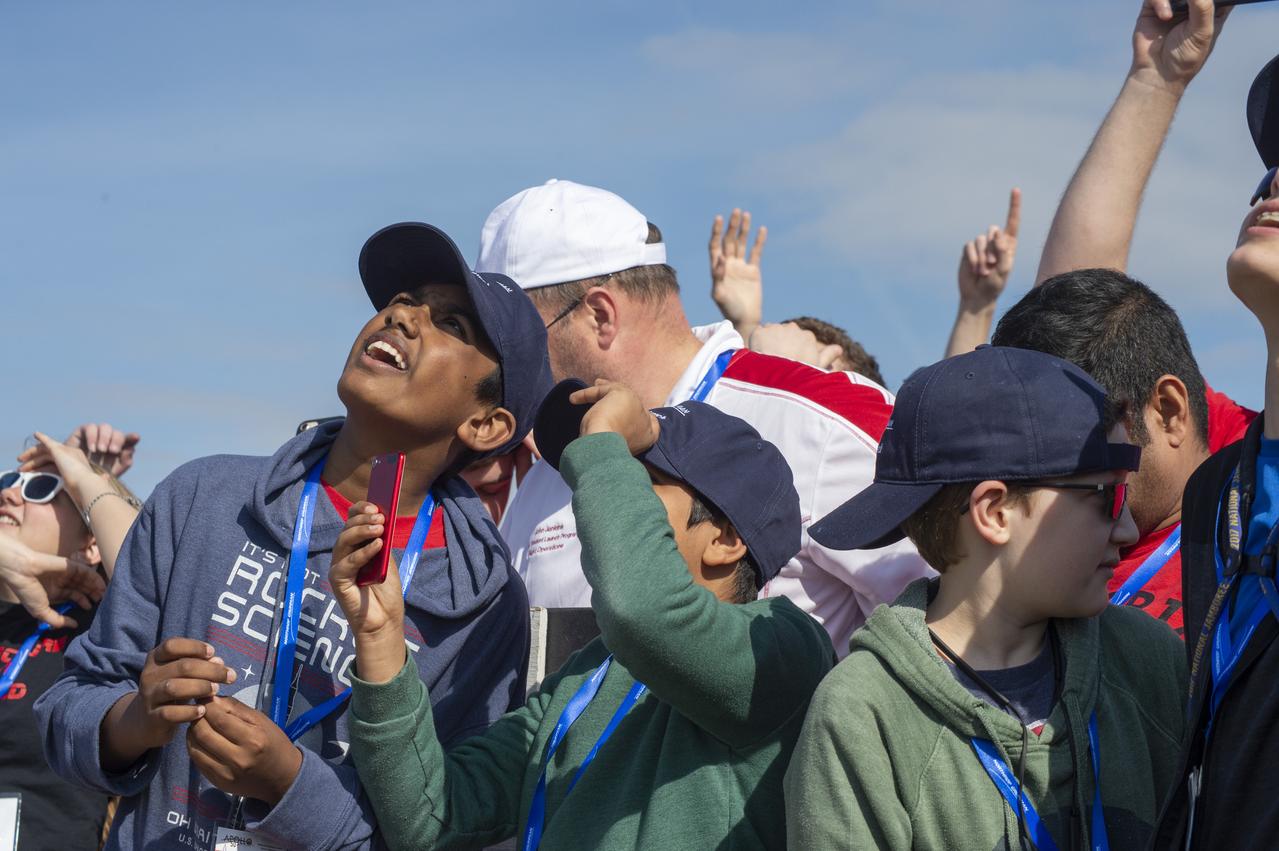
High School and College students from around the U.S. came together at Bragg Farms in Toney, Alabama for the 2019 Student Launch Initiative. The students launched their rockets to their own predetermined altitude with various payloads including remote rovers and unmanned aerial vehicles.
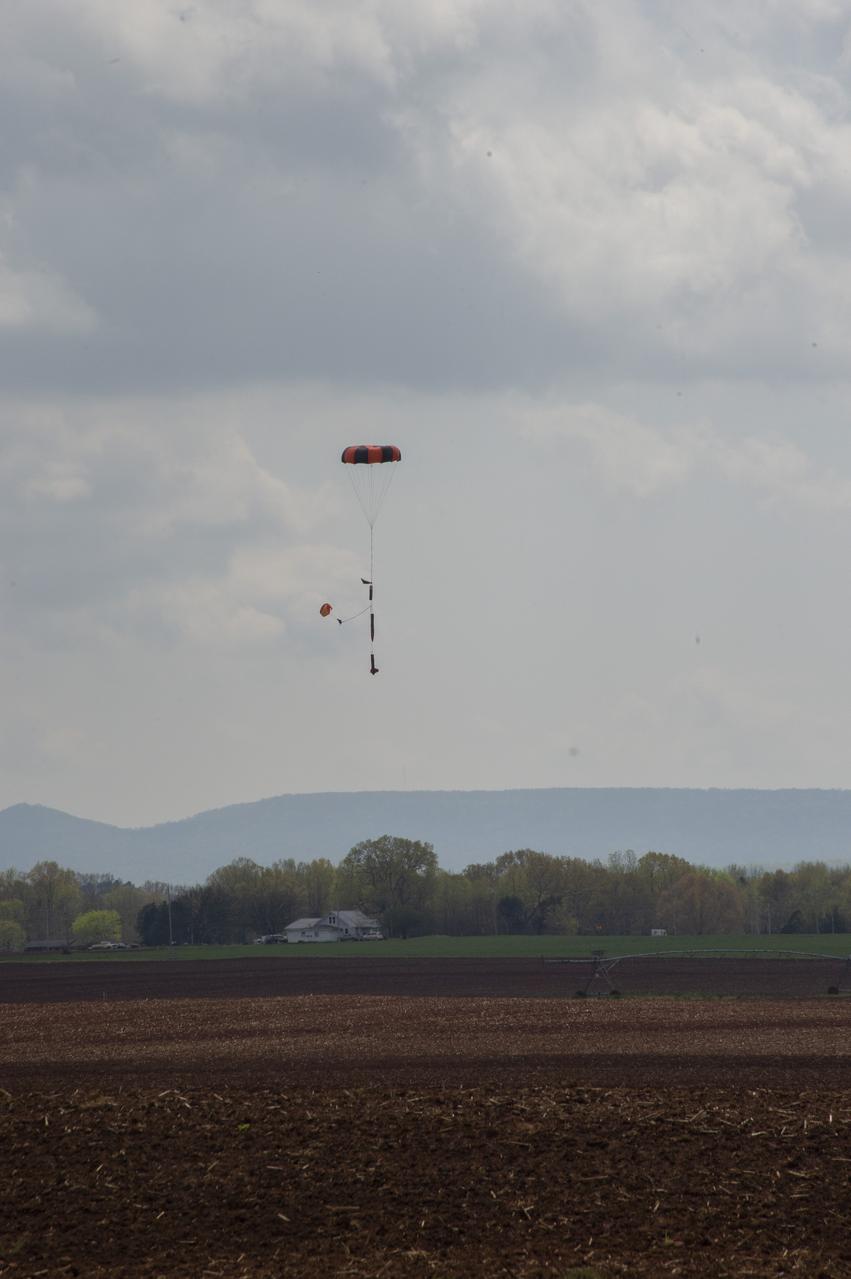
High School and College students from around the U.S. came together at Bragg Farms in Toney, Alabama for the 2019 Student Launch Initiative. The students launched their rockets to their own predetermined altitude with various payloads including remote rovers and unmanned aerial vehicles.
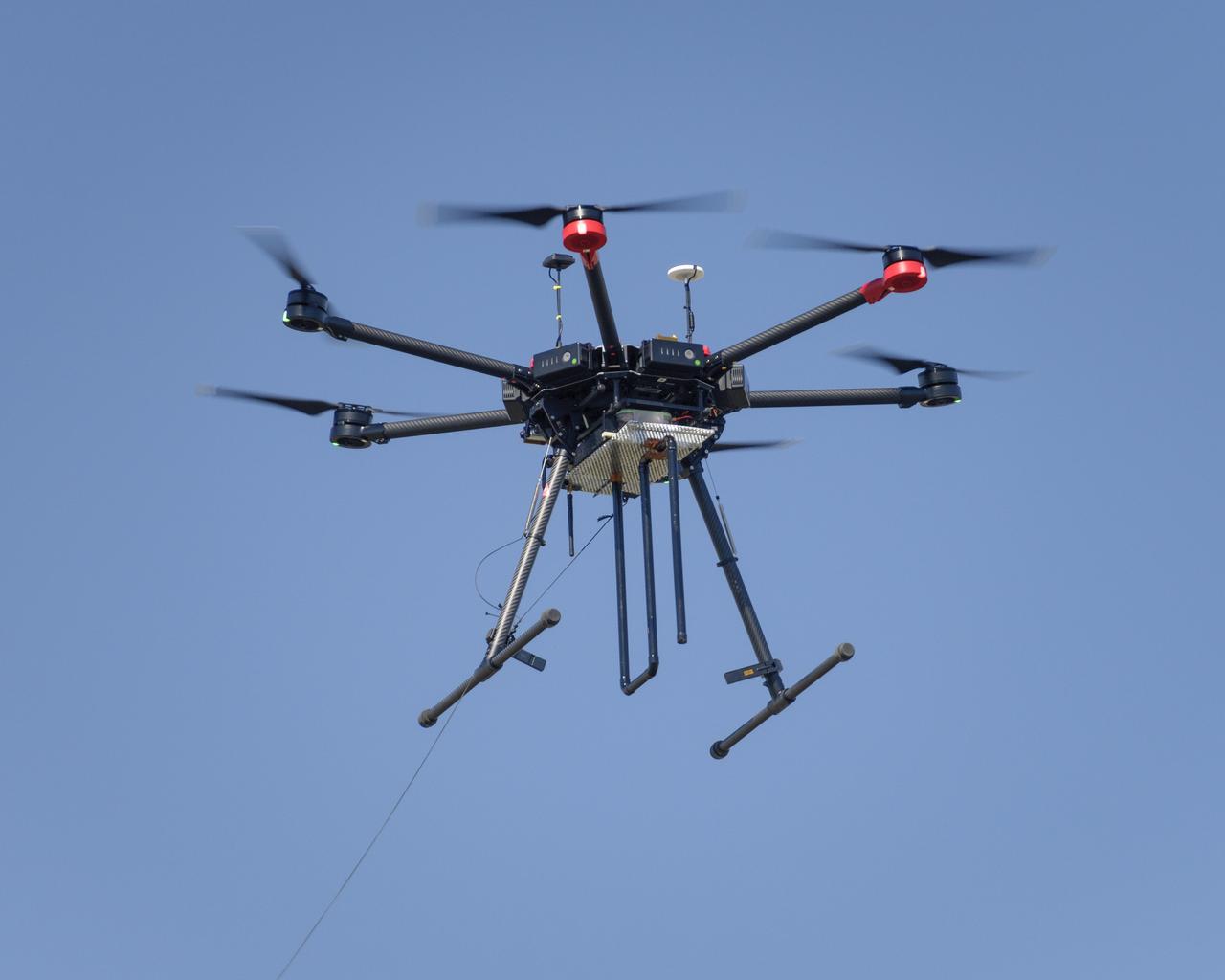
Flight Test in the Roverscape (N-269) at NASA's Ames Research Center, the project team tests the DJI Matrice 600 Unmanned Aerial Vehicle (UAV) equipped with a radio tracking receiver to study the invasive asian carp in the Mississippi River.
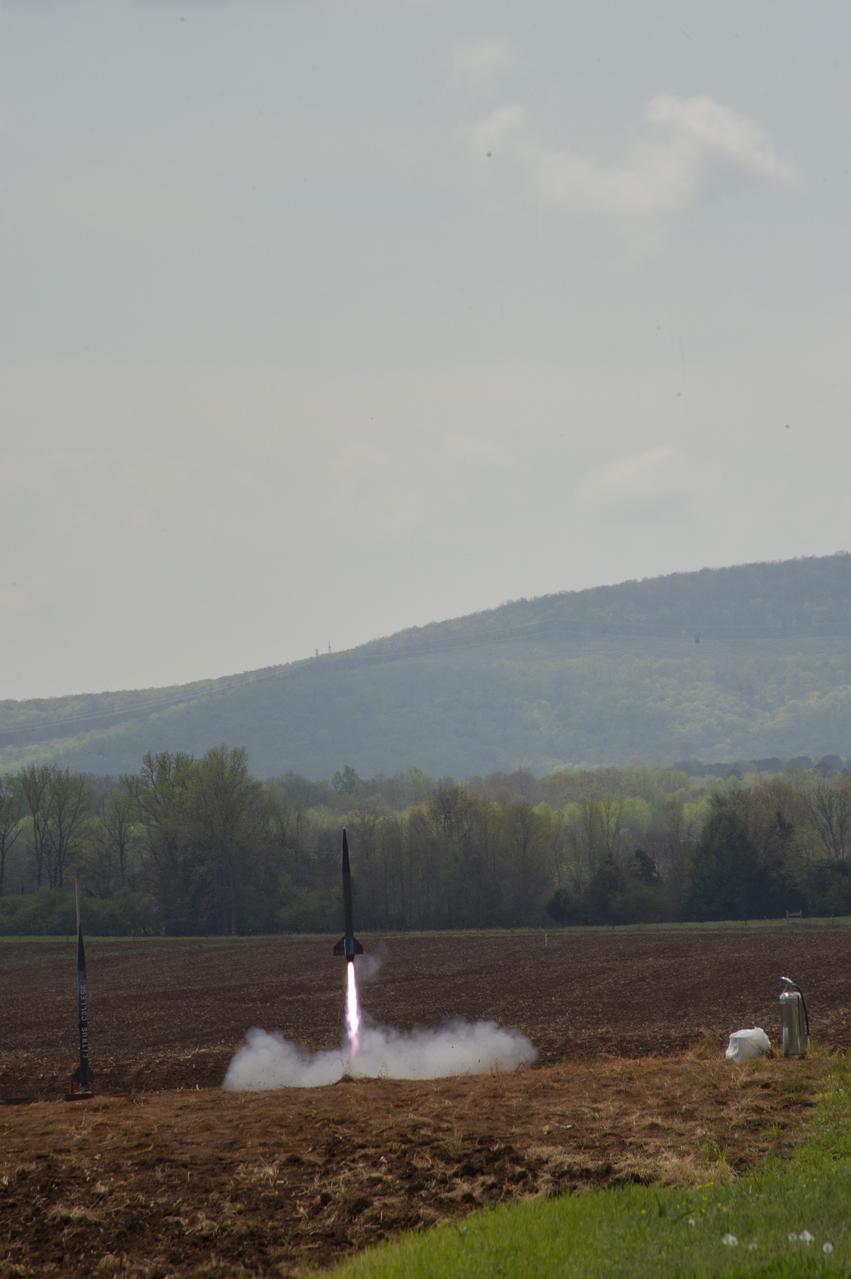
High School and College students from around the U.S. came together at Bragg Farms in Toney, Alabama for the 2019 Student Launch Initiative. The students launched their rockets to their own predetermined altitude with various payloads including remote rovers and unmanned aerial vehicles.
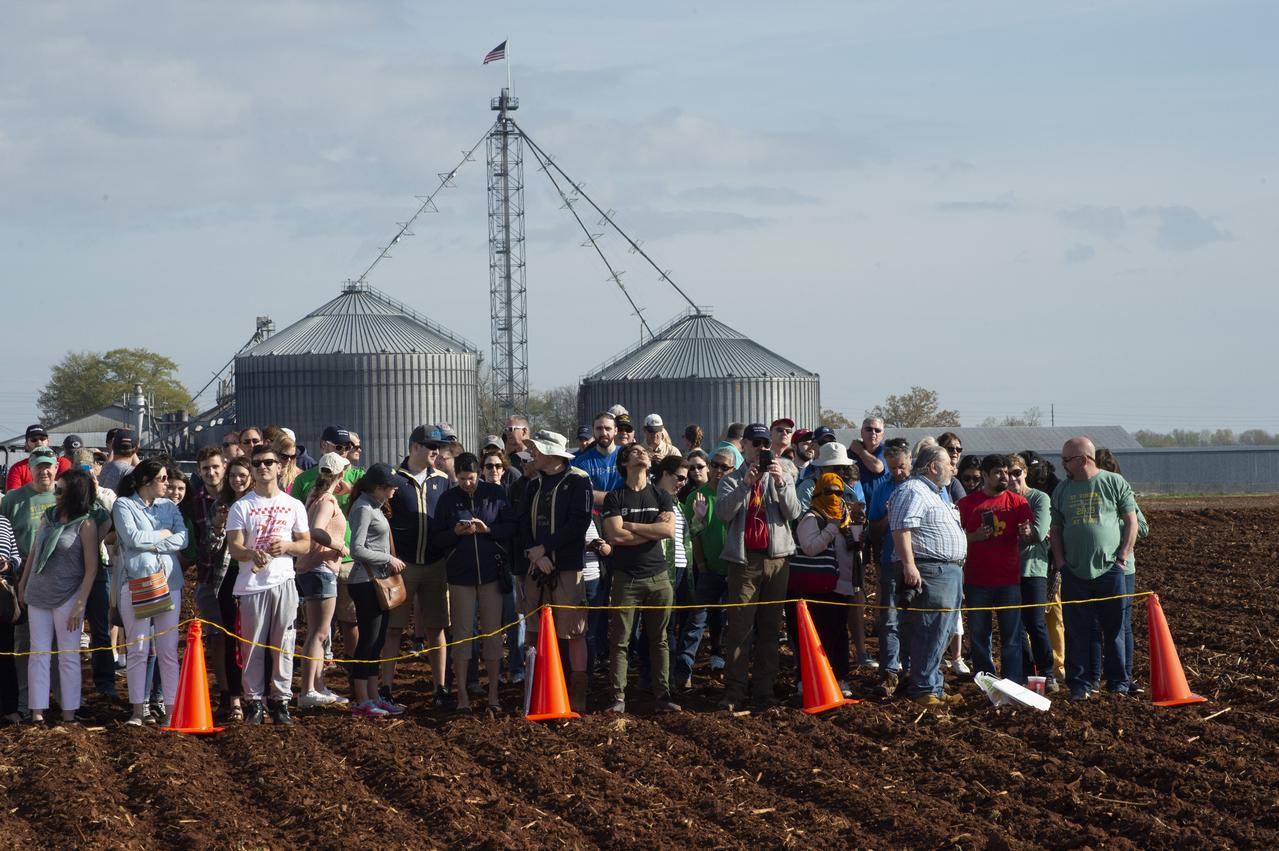
High School and College students from around the U.S. came together at Bragg Farms in Toney, Alabama for the 2019 Student Launch Initiative. The students launched their rockets to their own predetermined altitude with various payloads including remote rovers and unmanned aerial vehicles.
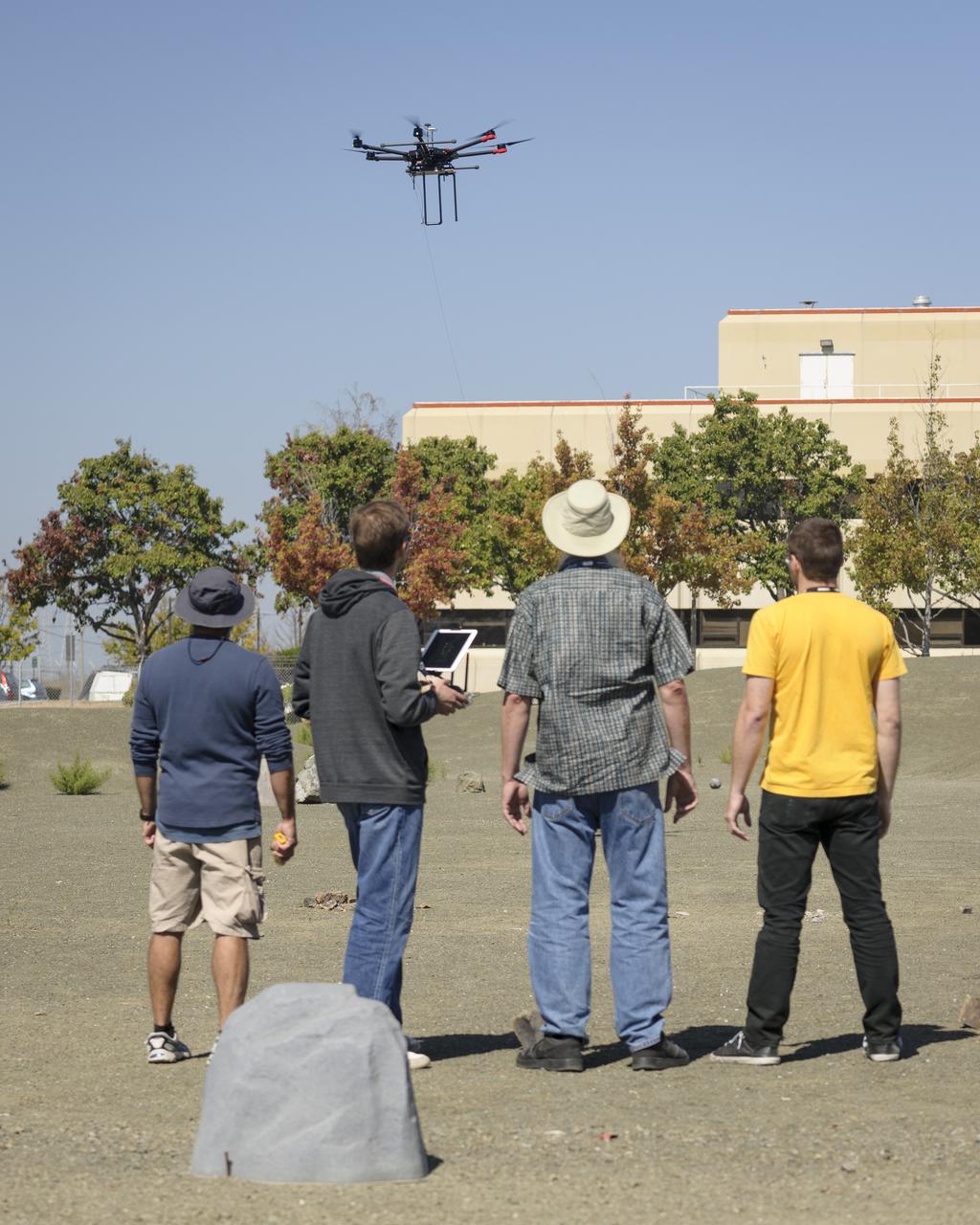
Flight Test in the Roverscape (N-269) at NASA's Ames Research Center, the project team tests the DJI Matrice 600 Unmanned Aerial Vehicle (UAV) equipped with a radio tracking receiver to study the invasive asian carp in the Mississippi River.
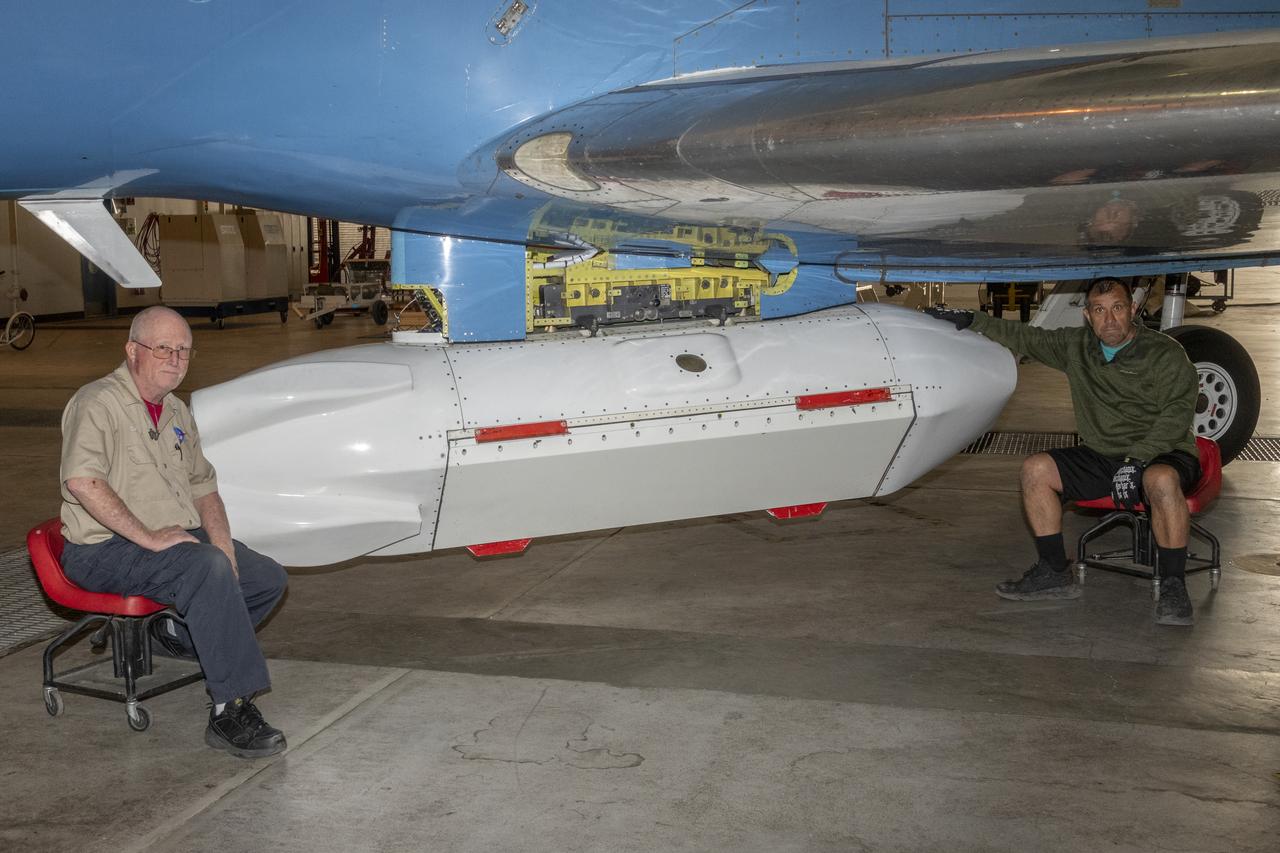
The Uninhabited Aerial Vehicle Synthetic Aperture Radar, UAVSAR, is prepared for installation onto NASA’s C-20A aircraft. THE UAVSAR uses a technique called interferometry to detect and measure very subtle deformations in the Earth’s surface, and the pod is specially designed to be interoperable with unmanned aircraft in the future. It will gather data from Gabon, Africa in September of 2023.
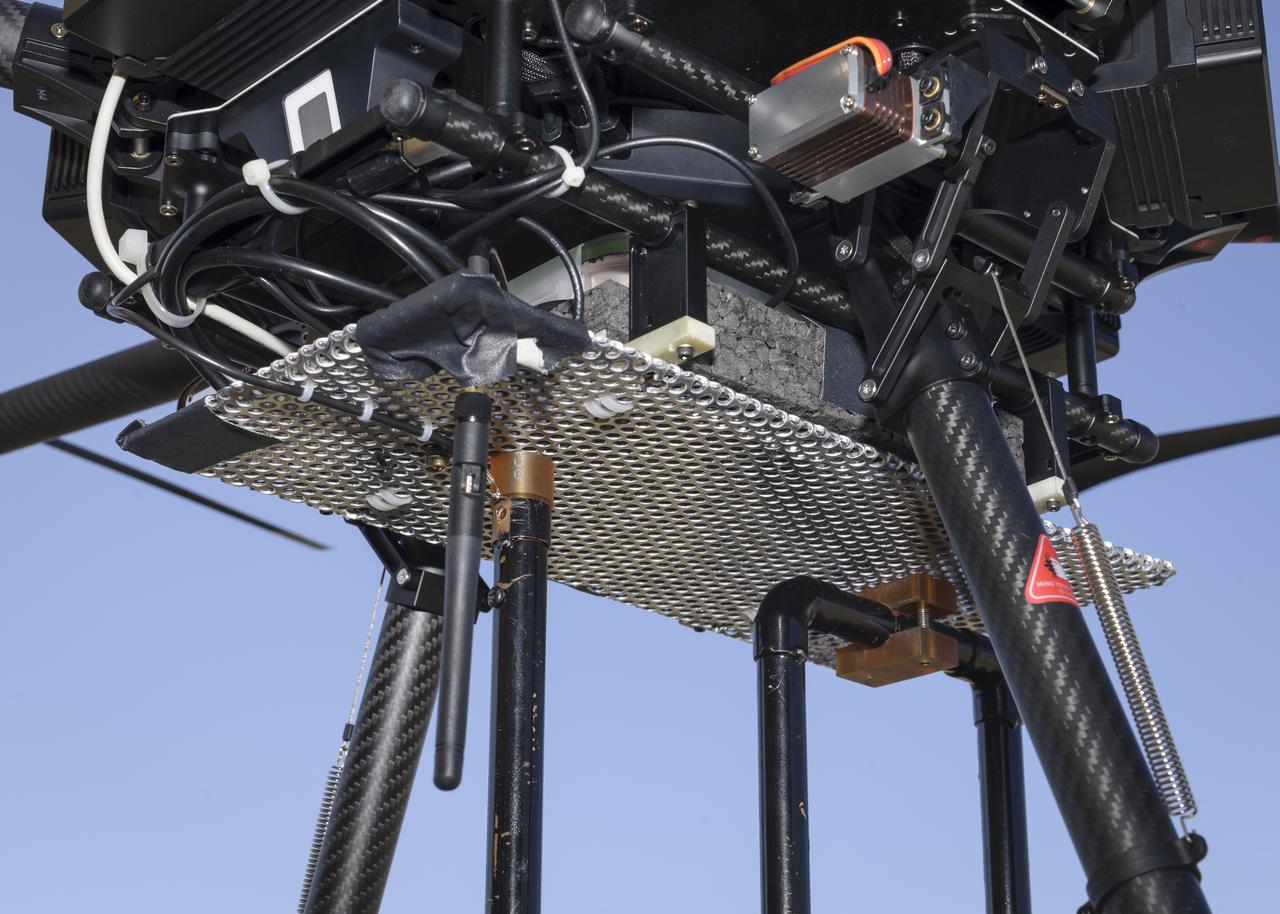
Flight Test in the Roverscape (N-269) at NASA's Ames Research Center, the project team tests the DJI Matrice 600 Unmanned Aerial Vehicle (UAV) equipped with a radio tracking receiver to study the invasive asian carp in the Mississippi River.
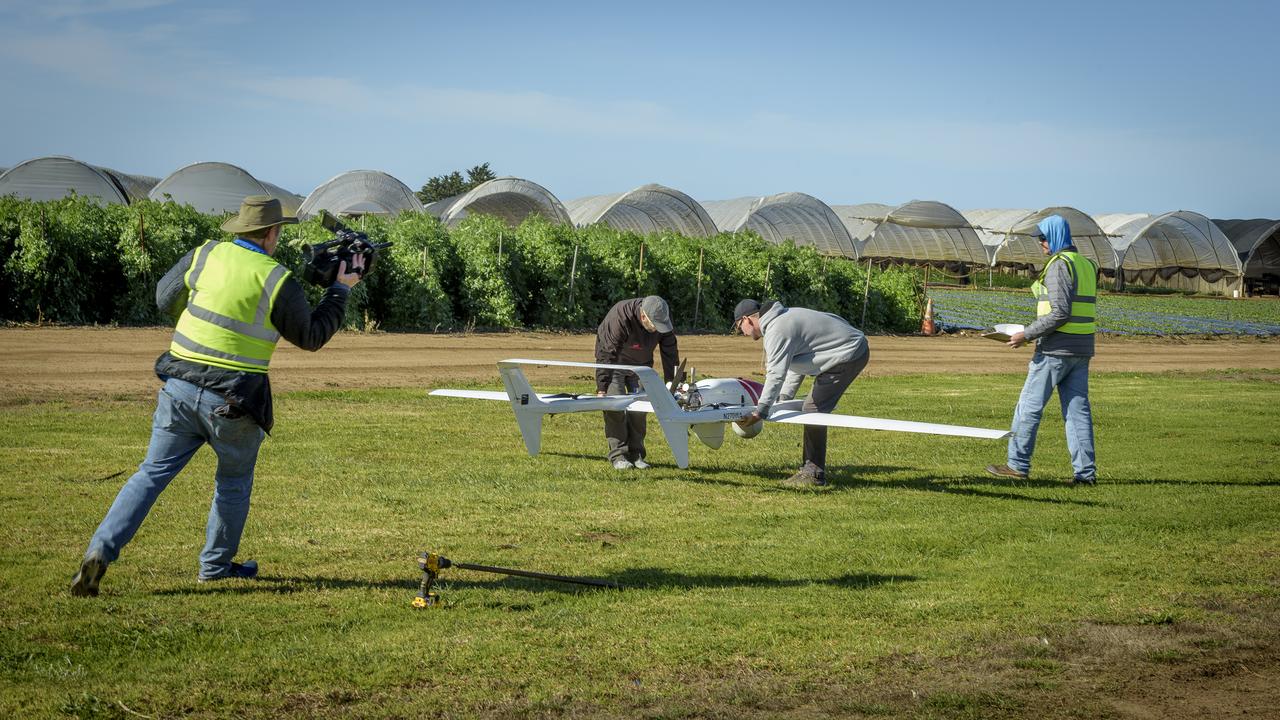
Ames video photographer Jesse Carpenter, left, films Jeff Strebler, Alex Godwin, and Jody Miller, right, as they prepare the L3Harris FVR90 Unmanned Aerial Vehicle (UAV) at the NASA/Overwatch Aero station at the Monterey Bay Academy Airport near Watsonville, California.
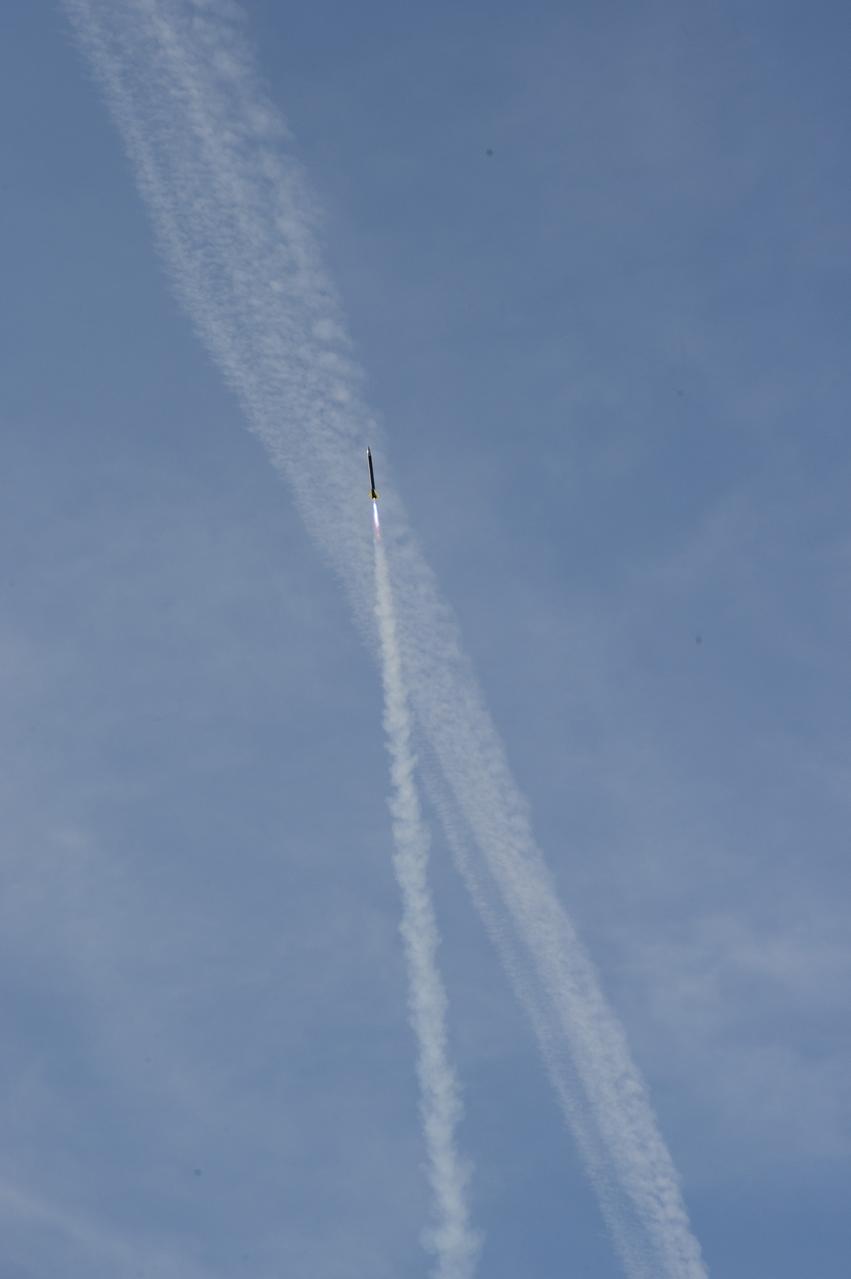
High School and College students from around the U.S. came together at Bragg Farms in Toney, Alabama for the 2019 Student Launch Initiative. The students launched their rockets to their own predetermined altitude with various payloads including remote rovers and unmanned aerial vehicles.

Flight Test in the Roverscape (N-269) at NASA's Ames Research Center, the project team tests the DJI Matrice 600 Unmanned Aerial Vehicle (UAV) equipped with a radio tracking receiver to study the invasive asian carp in the Mississippi River.
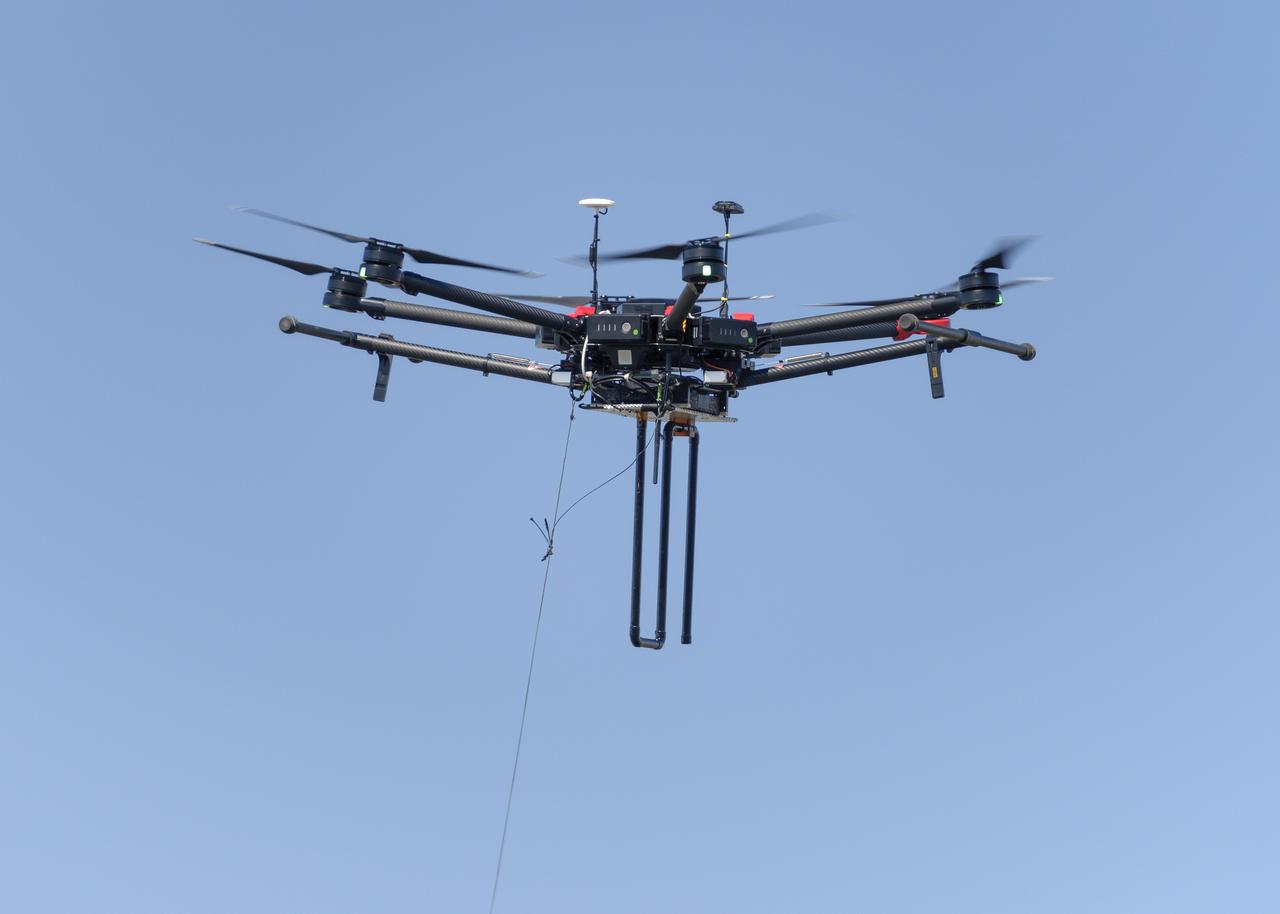
Flight Test in the Roverscape (N-269) at NASA's Ames Research Center, the project team tests the DJI Matrice 600 Unmanned Aerial Vehicle (UAV) equipped with a radio tracking receiver to study the invasive asian carp in the Mississippi River.
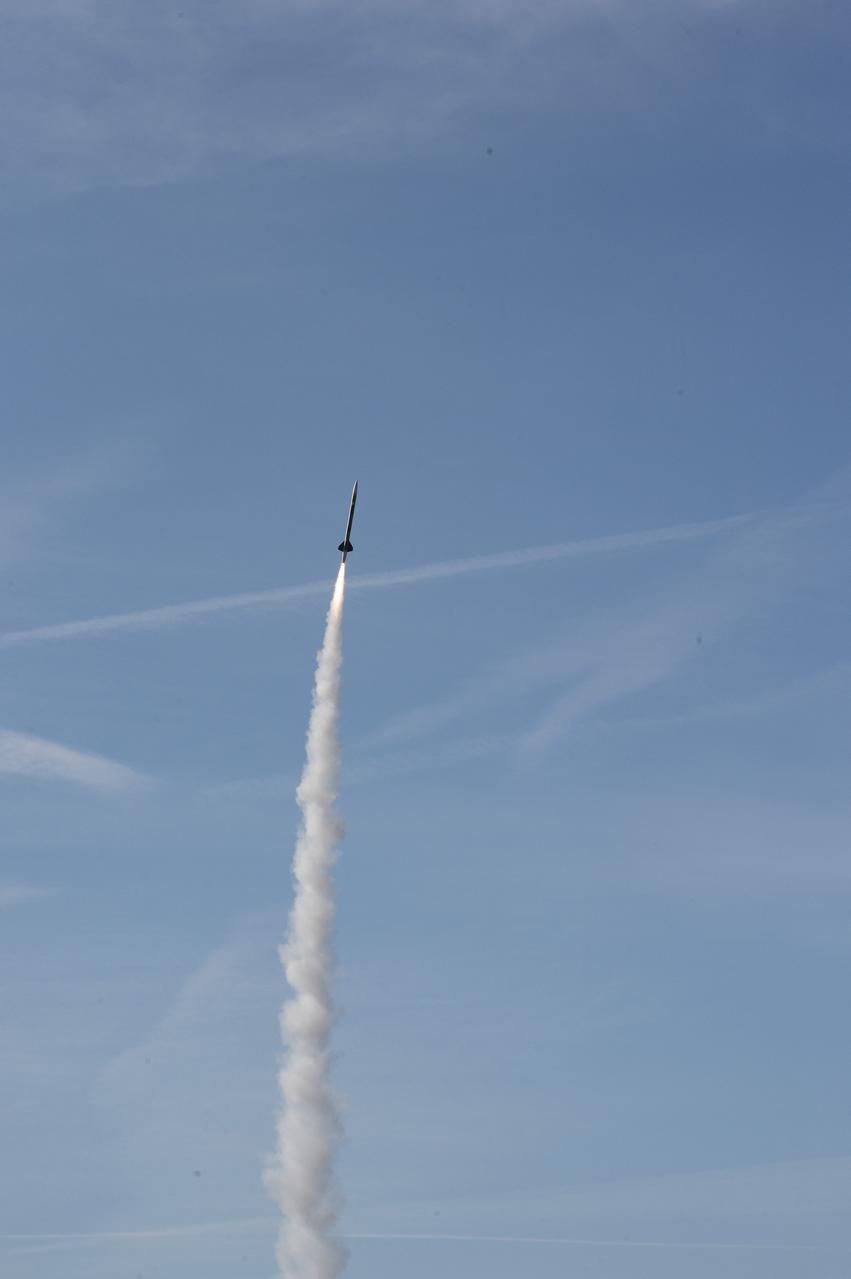
High School and College students from around the U.S. came together at Bragg Farms in Toney, Alabama for the 2019 Student Launch Initiative. The students launched their rockets to their own predetermined altitude with various payloads including remote rovers and unmanned aerial vehicles.
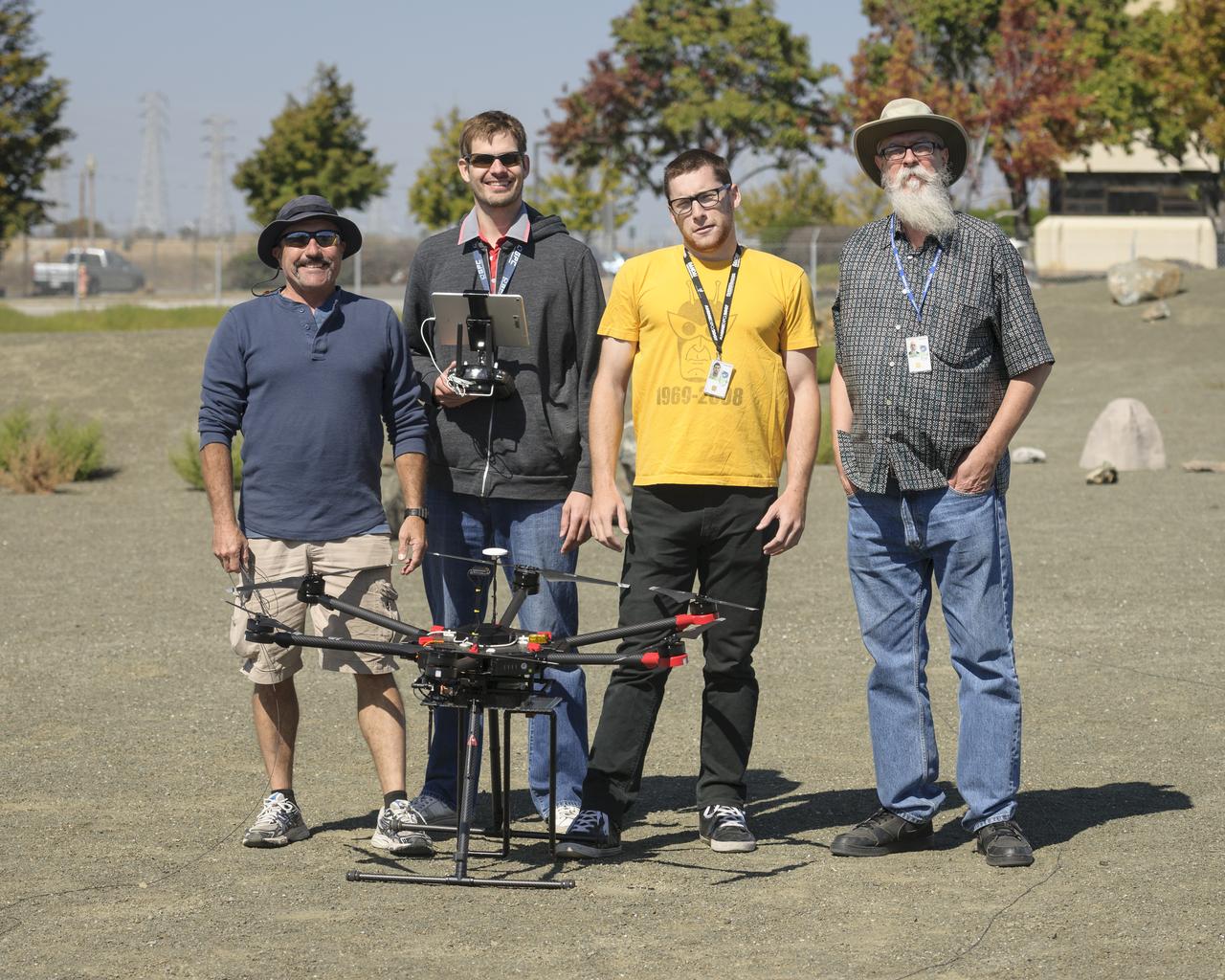
Flight Test in the Roverscape (N-269) at NASA's Ames Research Center, the project team tests the DJI Matrice 600 Unmanned Aerial Vehicle (UAV) equipped with a radio tracking receiver to study the invasive asian carp in the Mississippi River. Rick, Kolyer, Jonas Jonsson, Ethan, Pinsker, Bob Dahlgren.
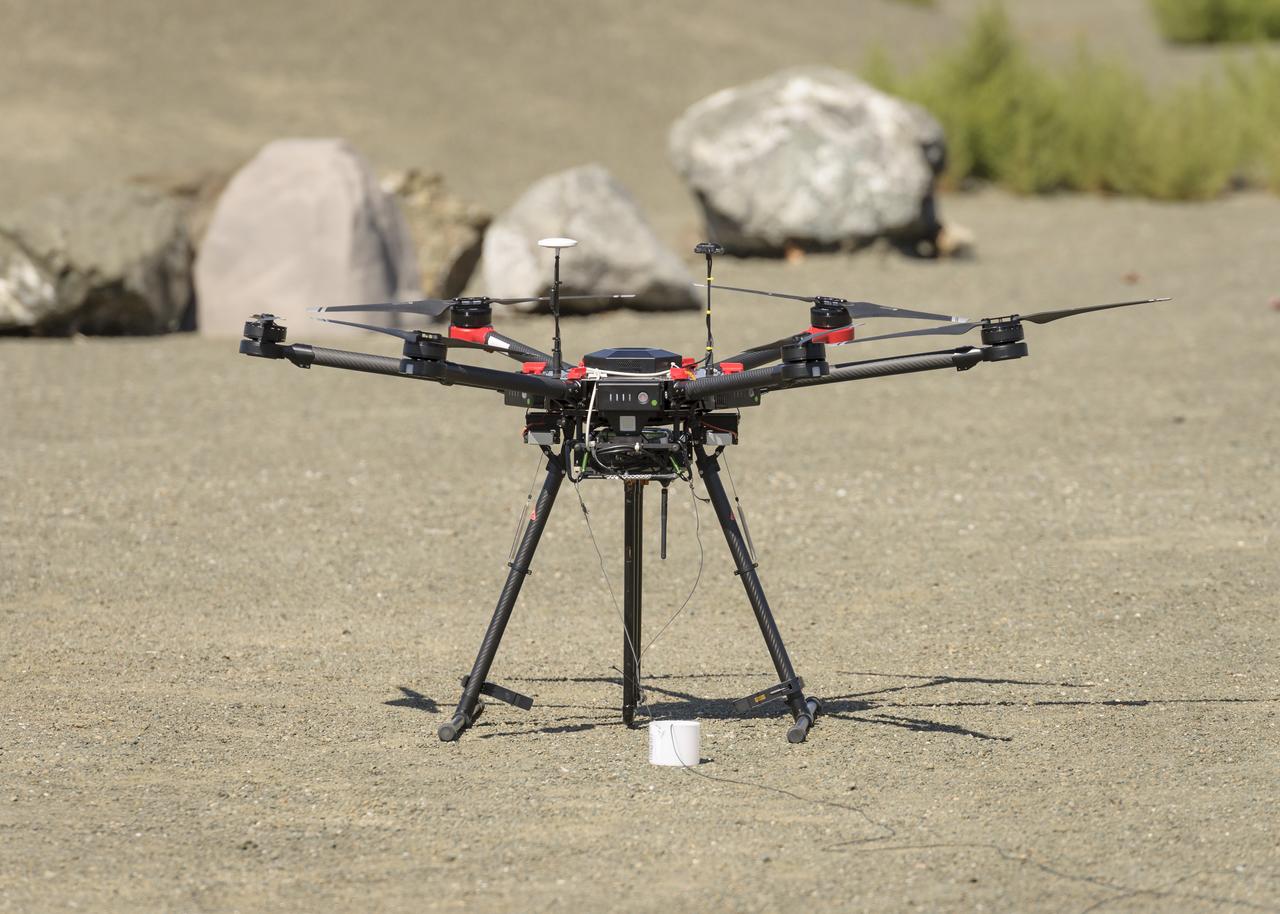
Flight Test in the Roverscape (N-269) at NASA's Ames Research Center, the project team tests the DJI Matrice 600 Unmanned Aerial Vehicle (UAV) equipped with a radio tracking receiver to study the invasive asian carp in the Mississippi River.
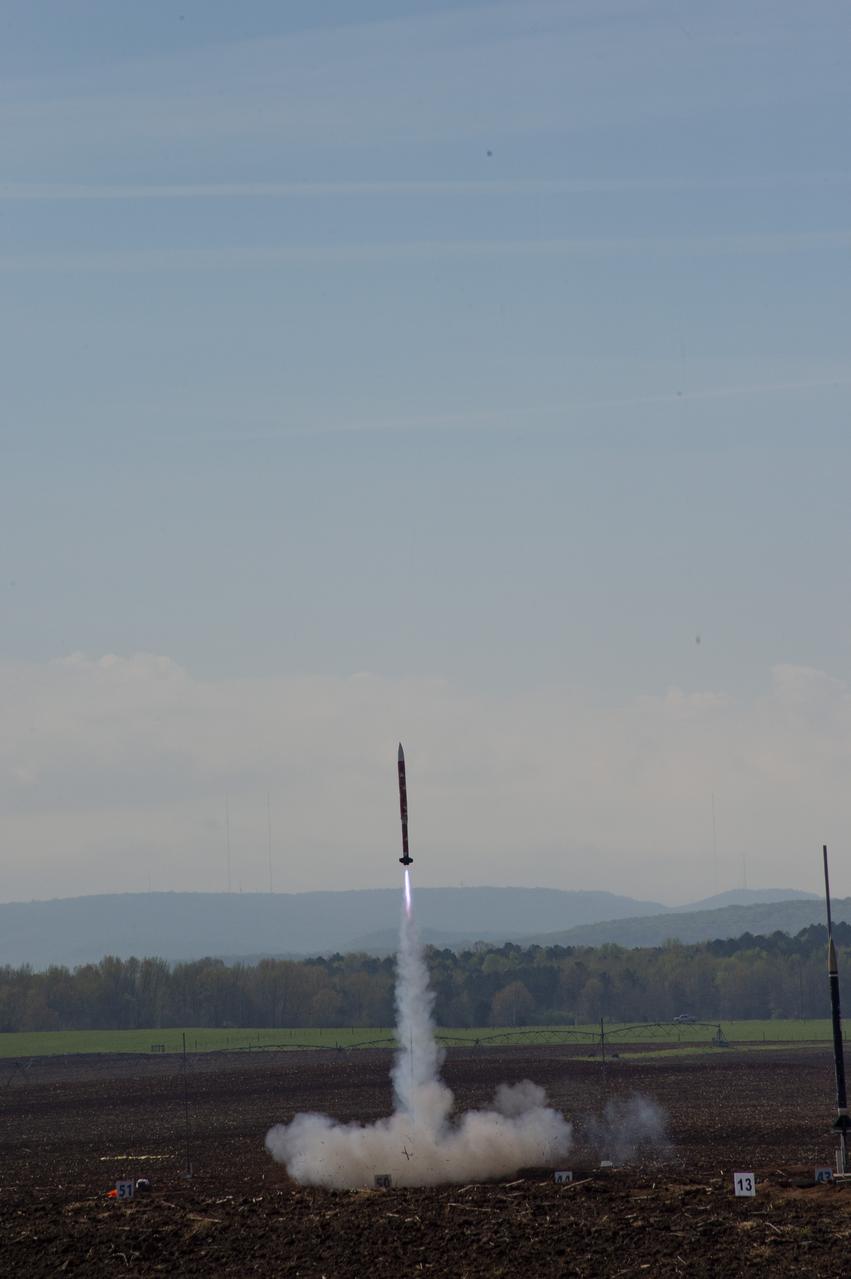
High School and College students from around the U.S. came together at Bragg Farms in Toney, Alabama for the 2019 Student Launch Initiative. The students launched their rockets to their own predetermined altitude with various payloads including remote rovers and unmanned aerial vehicles.
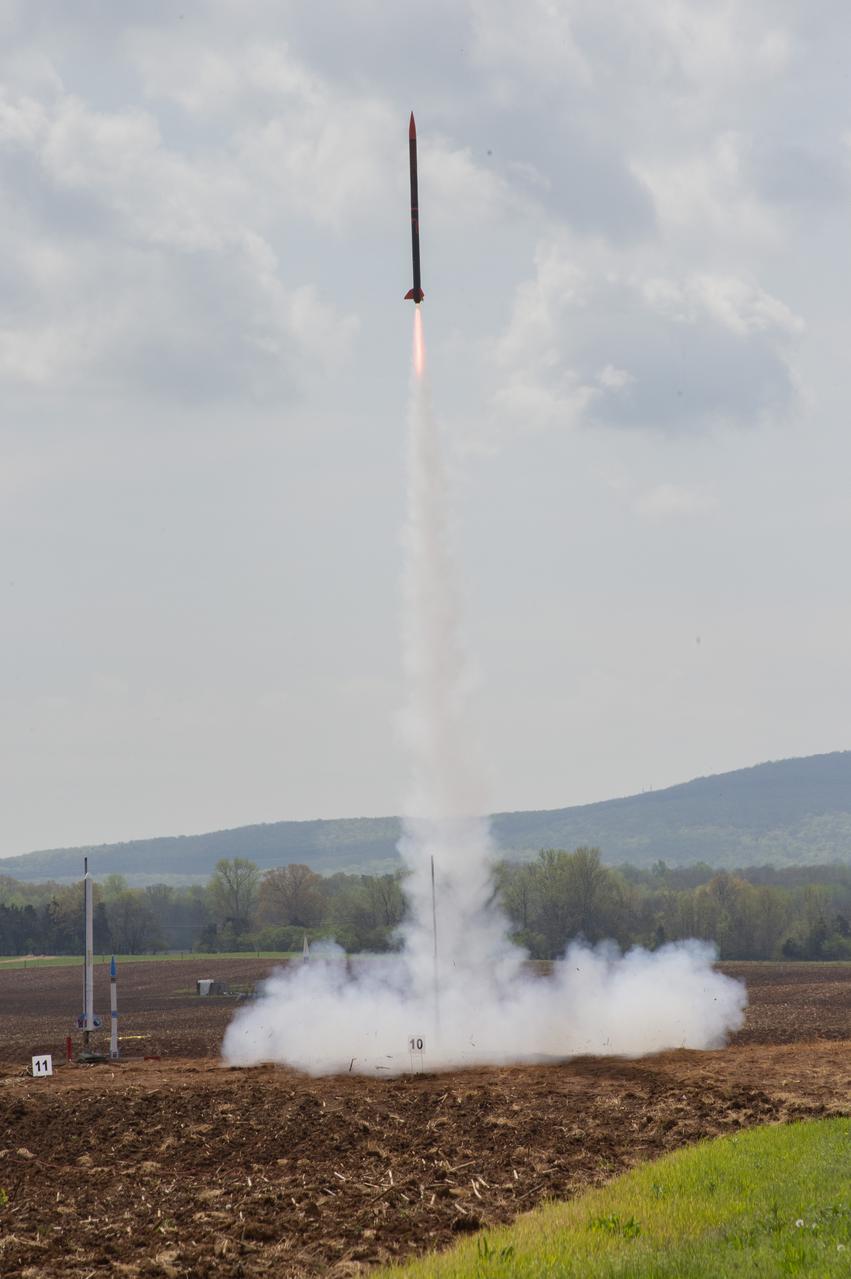
High School and College students from around the U.S. came together at Bragg Farms in Toney, Alabama for the 2019 Student Launch Initiative. The students launched their rockets to their own predetermined altitude with various payloads including remote rovers and unmanned aerial vehicles.
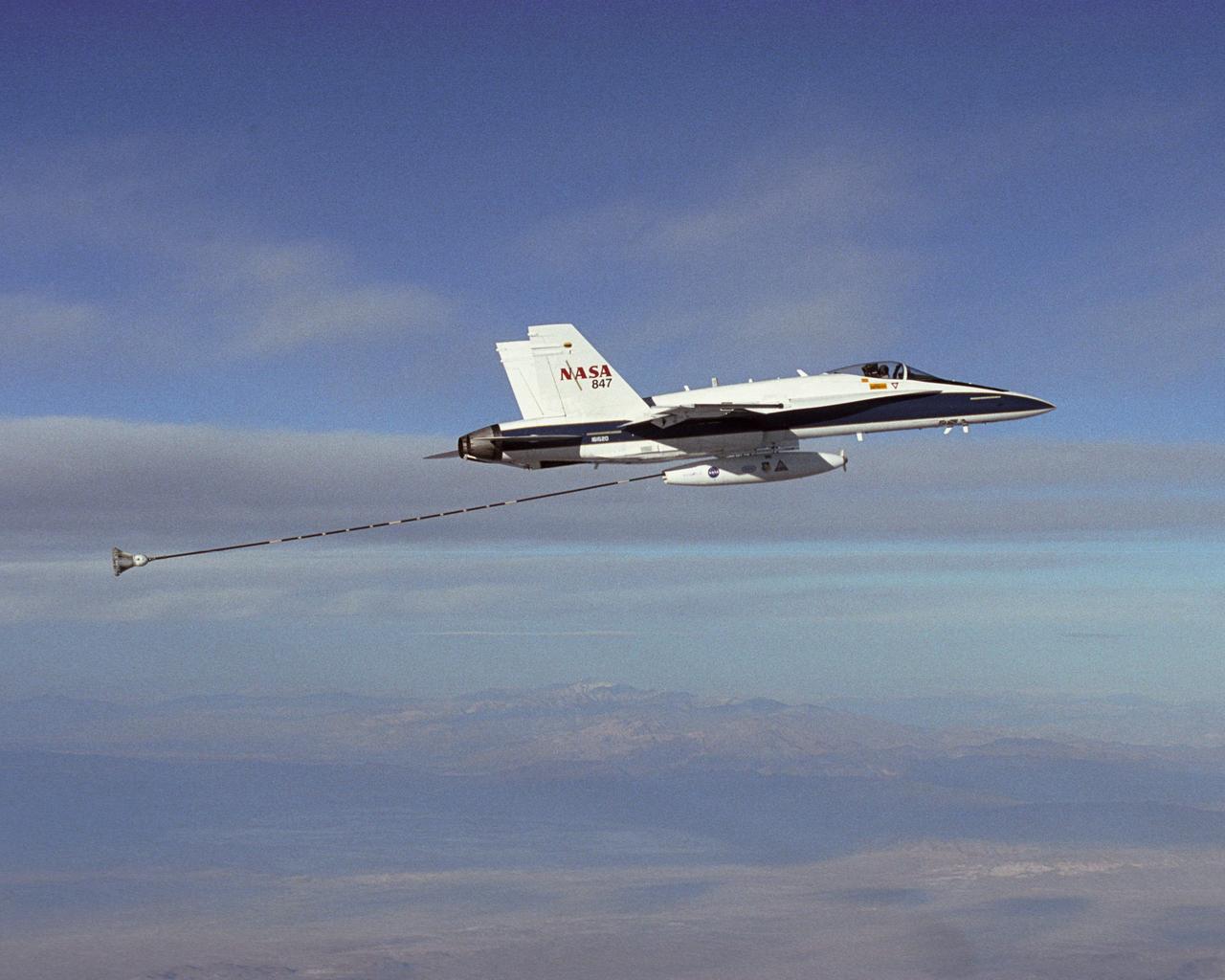
NASA Dryden's Automated Aerial Refueling (AAR) project evaluated the capability of an F/A-18A aircraft as an in-flight refueling tanker with the objective of developing analytical models for an automated aerial refueling system for unmanned air vehicles. The F/A-18 "tanker" aircraft (No. 847) underwent flight test envelope expansion with an aerodynamic pod containing air-refueling equipment carried beneath the fuselage. The second aircraft (No. 843) flew as the receiver aircraft during the study to assess the free-stream hose and drogue dynamics on the F/A-18A.