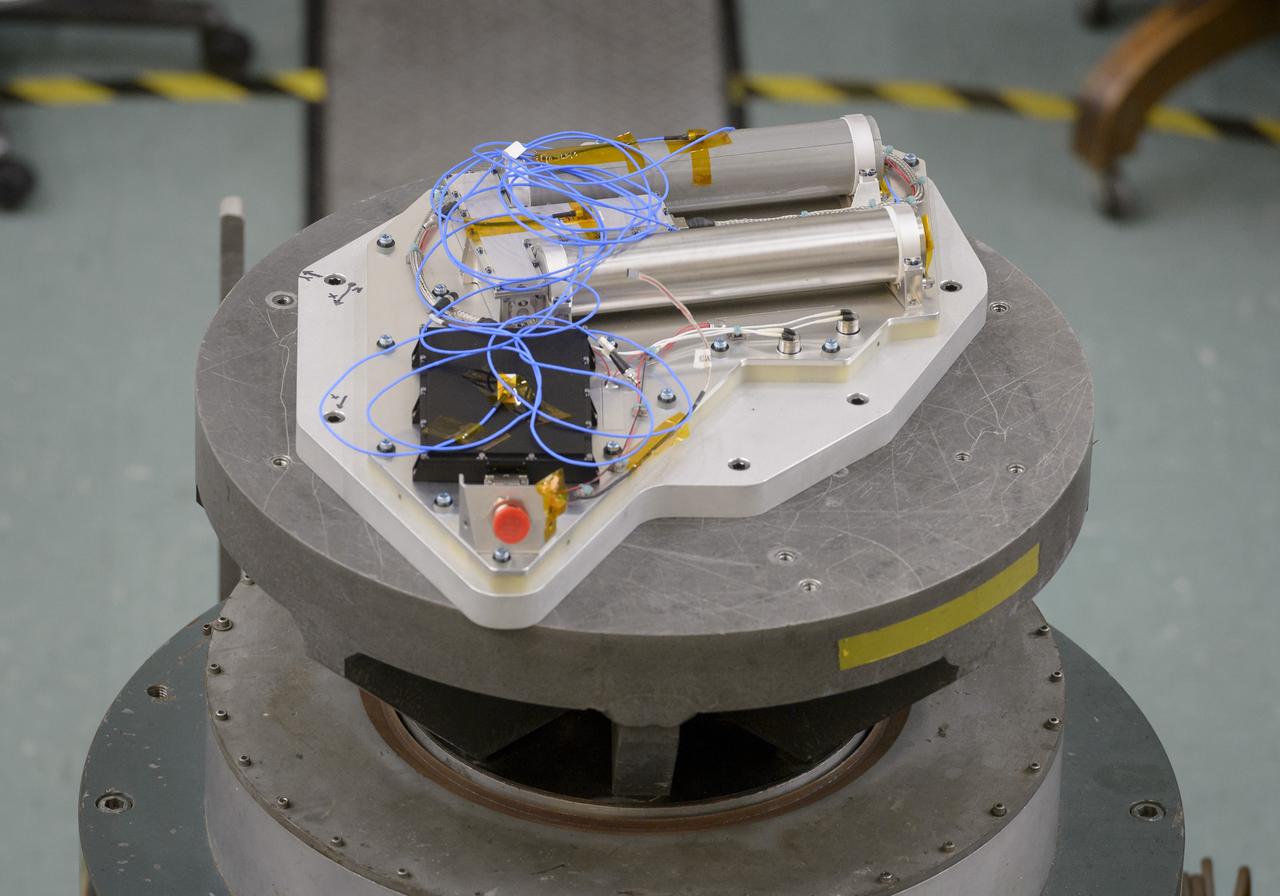
Researchers at NASA’s Ames Research Center in California’s Silicon Valley complete a successful vibration test of the Neutron Spectrometer System or NSS, designed to sniff out water below the surface of the Moon, successfully sailed through a “shake” test to simulate the turbulent conditions of launch. . This is one of the final tests needed to prepare the instrument for a flight to the Moon aboard Astrobotic Technology’s Peregrine lander, as part of the agency’s Commercial Lunar Payload Services program. The vibration test simulates the forces the instrument will be subjected to during launch when the lander blasts off aboard a United Launch Alliance Vulcan Centaur rocket. The NSS will fly on the Volatiles Investigating Polar Exploration Rover, or VIPER.
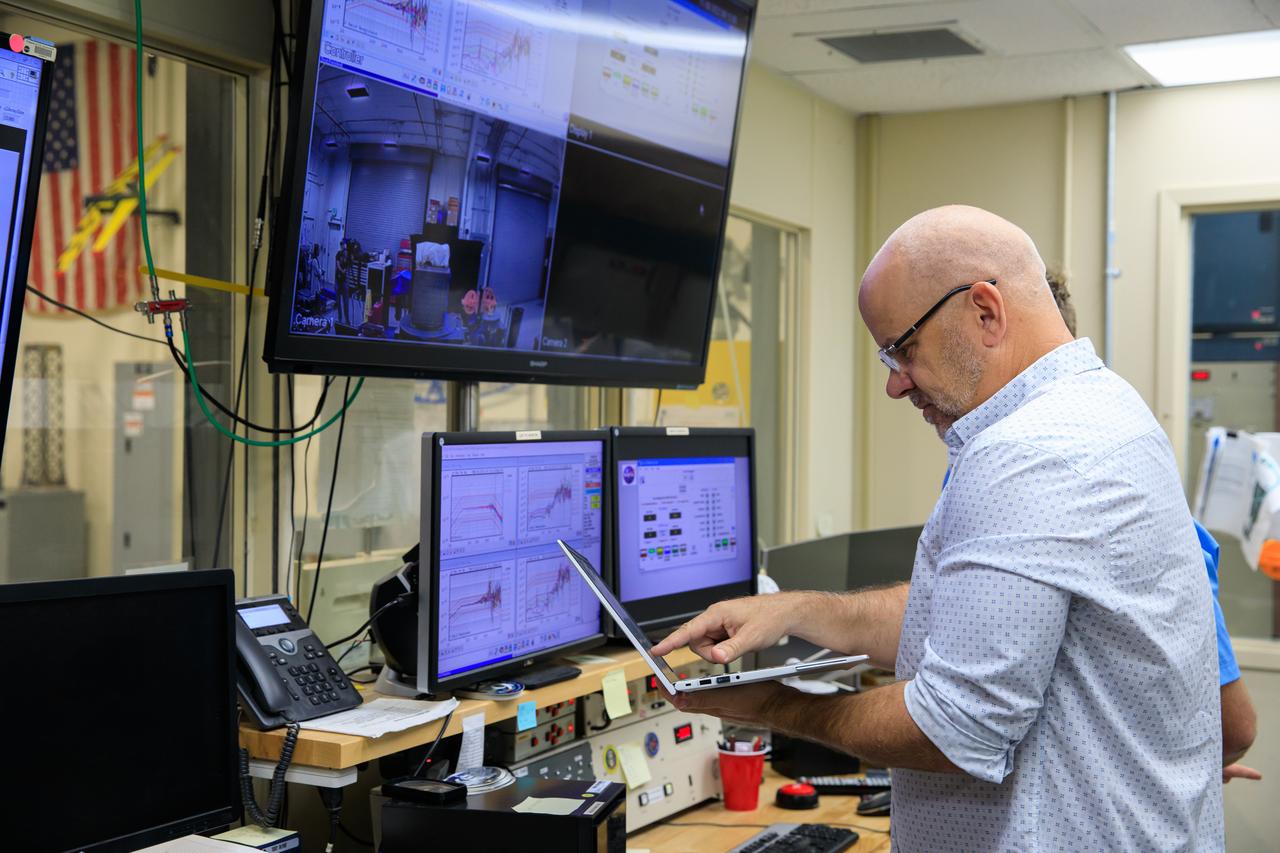
Preparations are underway to conduct a vibration test on the Mass Spectrometer Observing Lunar Operations (MSolo) for NASA’s VIPER mission inside a laboratory in the Neil Armstrong Operations and Checkout Building at NASA’s Kennedy Space Center in Florida on Nov. 8, 2022. Exposing the instrument to vibration environments that it might see during launch helps engineers to find issues prior to liftoff. MSolo is a commercial off-the-shelf mass spectrometer modified to work in space and it will help analyze the chemical makeup of landing sites on the Moon, as well as study water on the lunar surface. MSolo will be part of NASA’s first Commercial Lunar Payload Delivery Service (CLPS) mission where under the Artemis program, commercial deliveries will be used to perform science experiments, test technologies and demonstrate capabilities to help NASA explore the Moon and prepare for human missions.
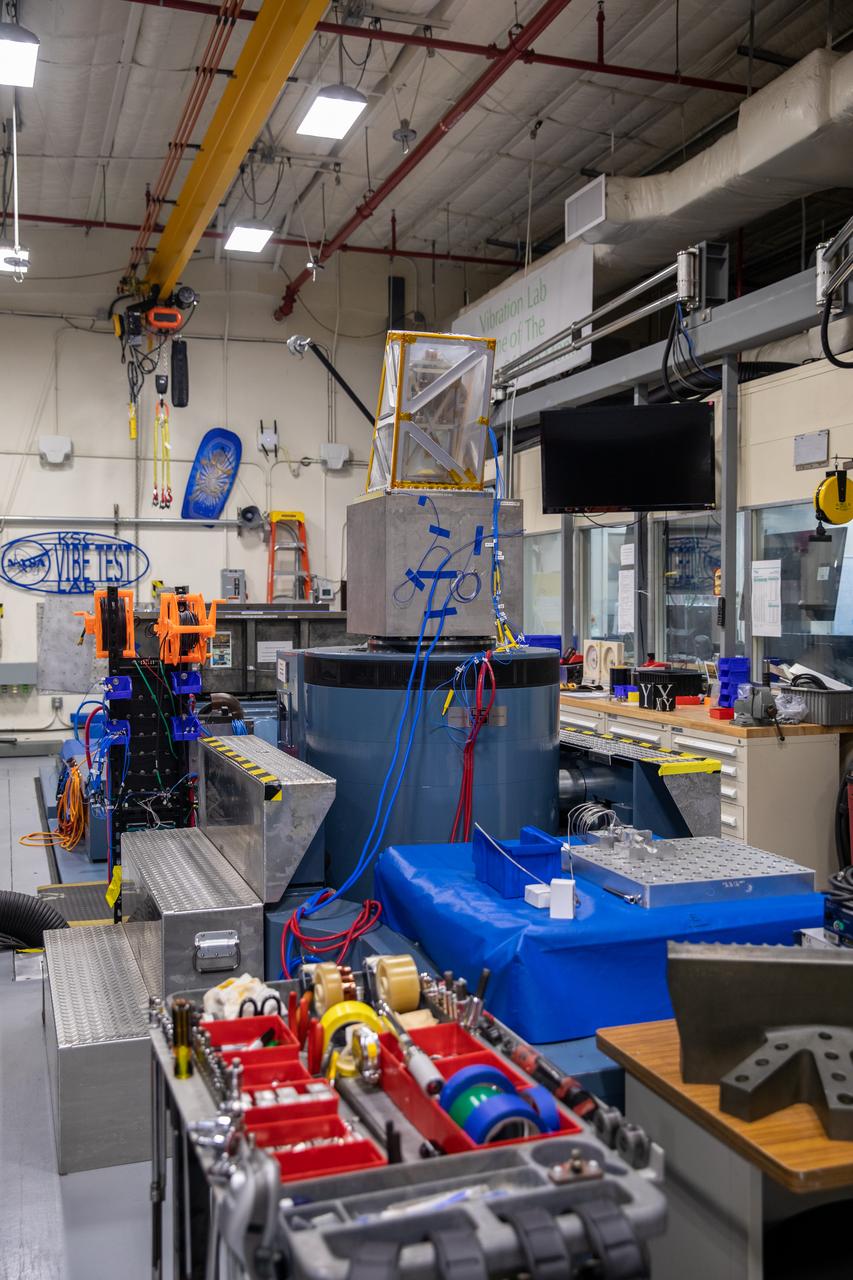
The Mass Spectrometer observing lunar operations (MSolo) instrument undergoes vibration testing inside the Cryogenics Laboratory at NASA’s Kennedy Space Center in Florida on Aug. 3, 2022. MSolo is a commercial off-the-shelf mass spectrometer modified to work in space and will help analyze the chemical makeup of landing sites on the Moon, as well as study water on the lunar surface. Researchers and engineers are preparing MSolo instruments to launch on four robotic missions as part of NASA’s Commercial Lunar Payload Services (CLPS) – commercial deliveries that will perform science experiments, test technologies, and demonstrate capabilities to help NASA explore the Moon and prepare for crewed missions to the lunar surface. This particular MSolo instrument is slated to fly on the agency’s Polar Resources Ice Mining Experiment-1 (PRIME-1) mission – the first in-situ resource utilization demonstration on the Moon – as part of the agency’s CLPS initiative.
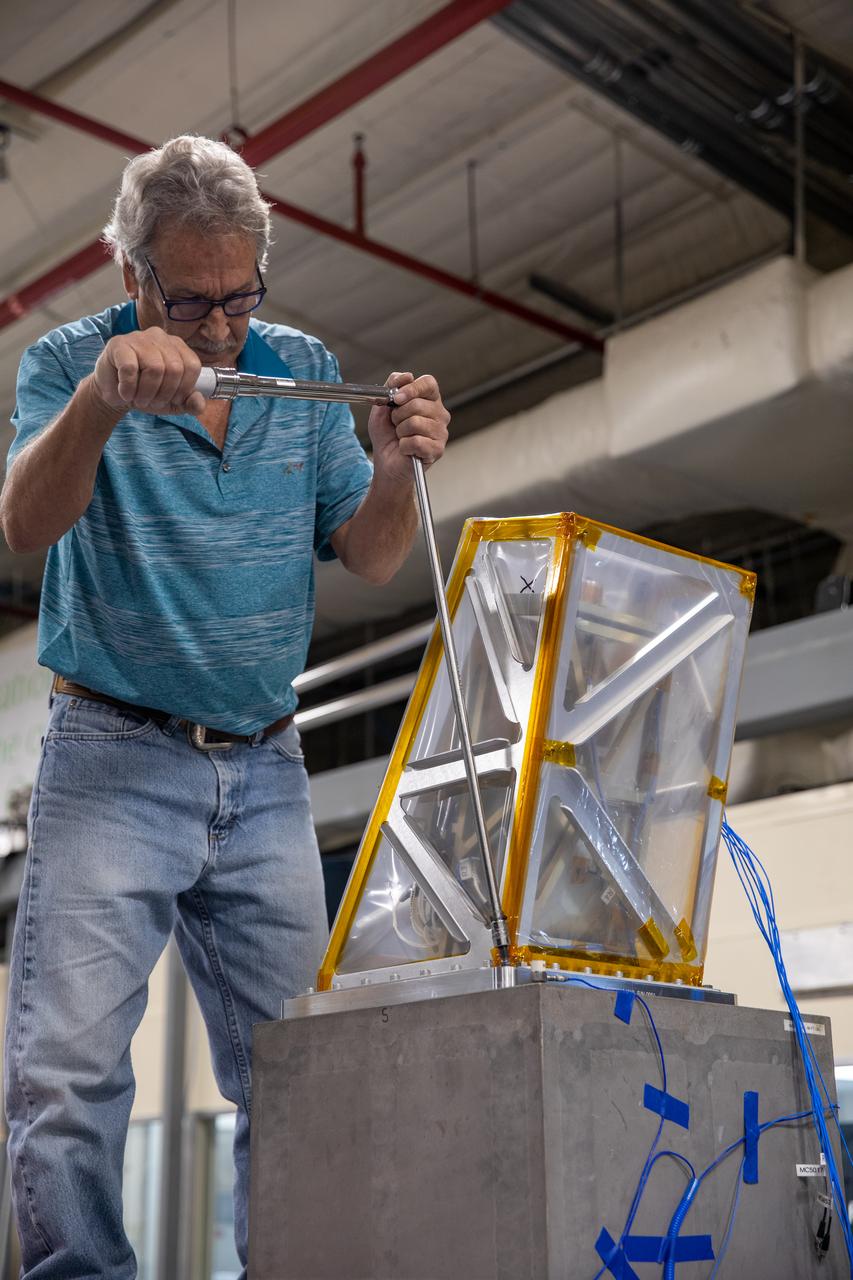
A Kennedy Space Center engineer prepares the Mass Spectrometer observing lunar operations (MSolo) instrument for vibration testing inside the Florida spaceport’s Cryogenics Laboratory on Aug. 3, 2022. MSolo is a commercial off-the-shelf mass spectrometer modified to work in space and will help analyze the chemical makeup of landing sites on the Moon, as well as study water on the lunar surface. Researchers and engineers are preparing MSolo instruments to launch on four robotic missions as part of NASA’s Commercial Lunar Payload Services (CLPS) – commercial deliveries that will perform science experiments, test technologies, and demonstrate capabilities to help NASA explore the Moon and prepare for crewed missions to the lunar surface. This particular MSolo instrument is slated to fly on the agency’s Polar Resources Ice Mining Experiment-1 (PRIME-1) mission – the first in-situ resource utilization demonstration on the Moon – as part of the agency’s CLPS initiative.
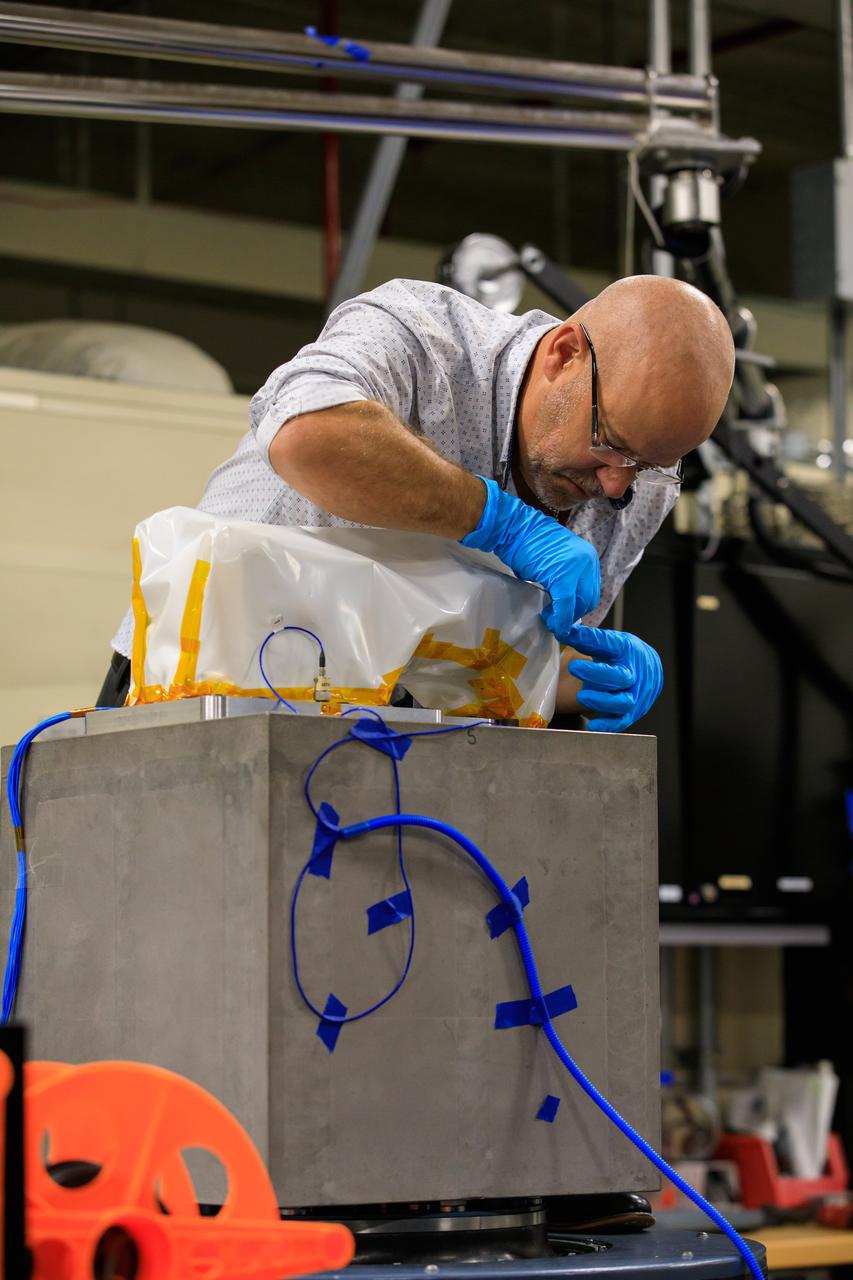
Preparations are underway to conduct a vibration test on the Mass Spectrometer Observing Lunar Operations (MSolo) for NASA’s VIPER mission inside a laboratory in the Neil Armstrong Operations and Checkout Building at NASA’s Kennedy Space Center in Florida on Nov. 8, 2022. Exposing the instrument to vibration environments that it might see during launch helps engineers to find issues prior to liftoff. MSolo is a commercial off-the-shelf mass spectrometer modified to work in space and it will help analyze the chemical makeup of landing sites on the Moon, as well as study water on the lunar surface. MSolo will be part of NASA’s first Commercial Lunar Payload Delivery Service (CLPS) mission where under the Artemis program, commercial deliveries will be used to perform science experiments, test technologies and demonstrate capabilities to help NASA explore the Moon and prepare for human missions.
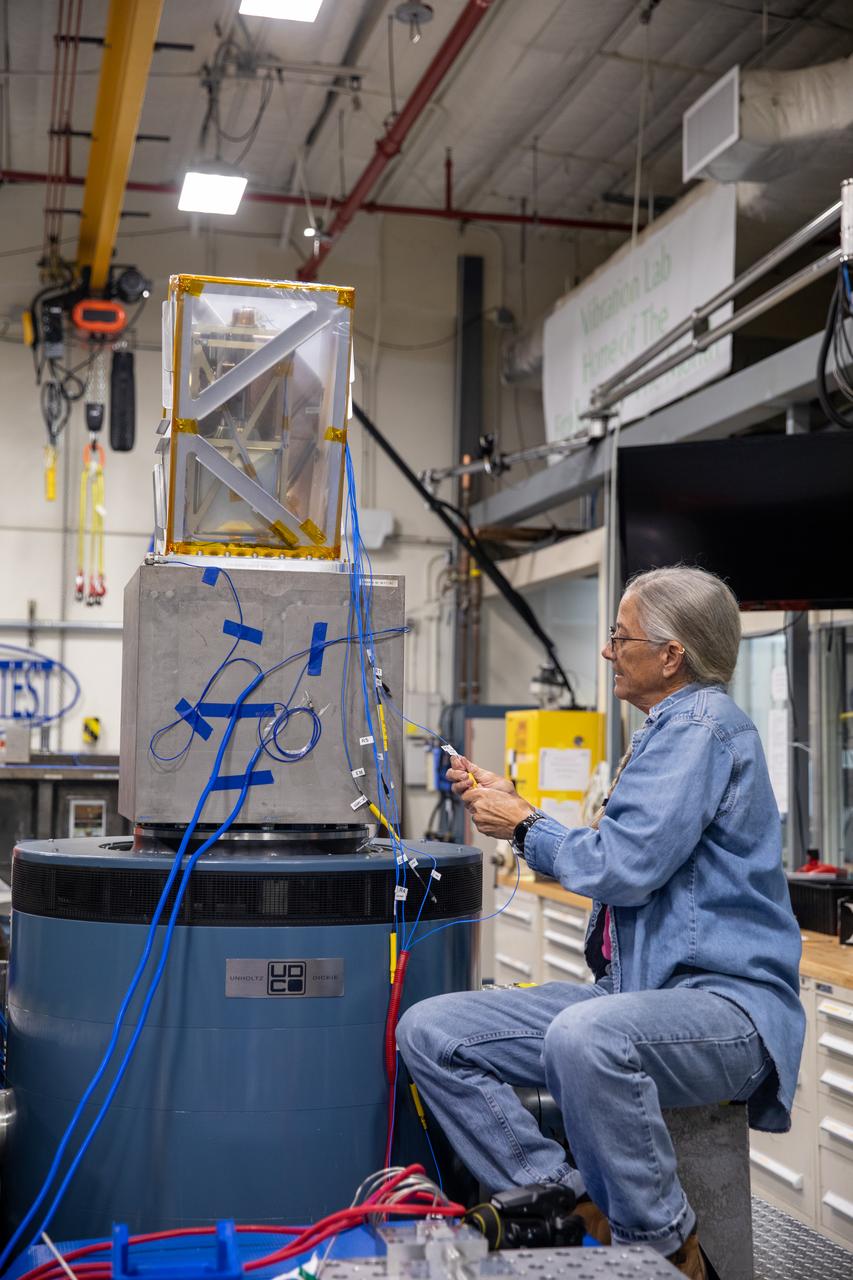
A Kennedy Space Center engineer prepares the Mass Spectrometer observing lunar operations (MSolo) instrument for vibration testing inside the Florida spaceport’s Cryogenics Laboratory on Aug. 3, 2022. MSolo is a commercial off-the-shelf mass spectrometer modified to work in space and will help analyze the chemical makeup of landing sites on the Moon, as well as study water on the lunar surface. Researchers and engineers are preparing MSolo instruments to launch on four robotic missions as part of NASA’s Commercial Lunar Payload Services (CLPS) – commercial deliveries that will perform science experiments, test technologies, and demonstrate capabilities to help NASA explore the Moon and prepare for crewed missions to the lunar surface. This particular MSolo instrument is slated to fly on the agency’s Polar Resources Ice Mining Experiment-1 (PRIME-1) mission – the first in-situ resource utilization demonstration on the Moon – as part of the agency’s CLPS initiative.
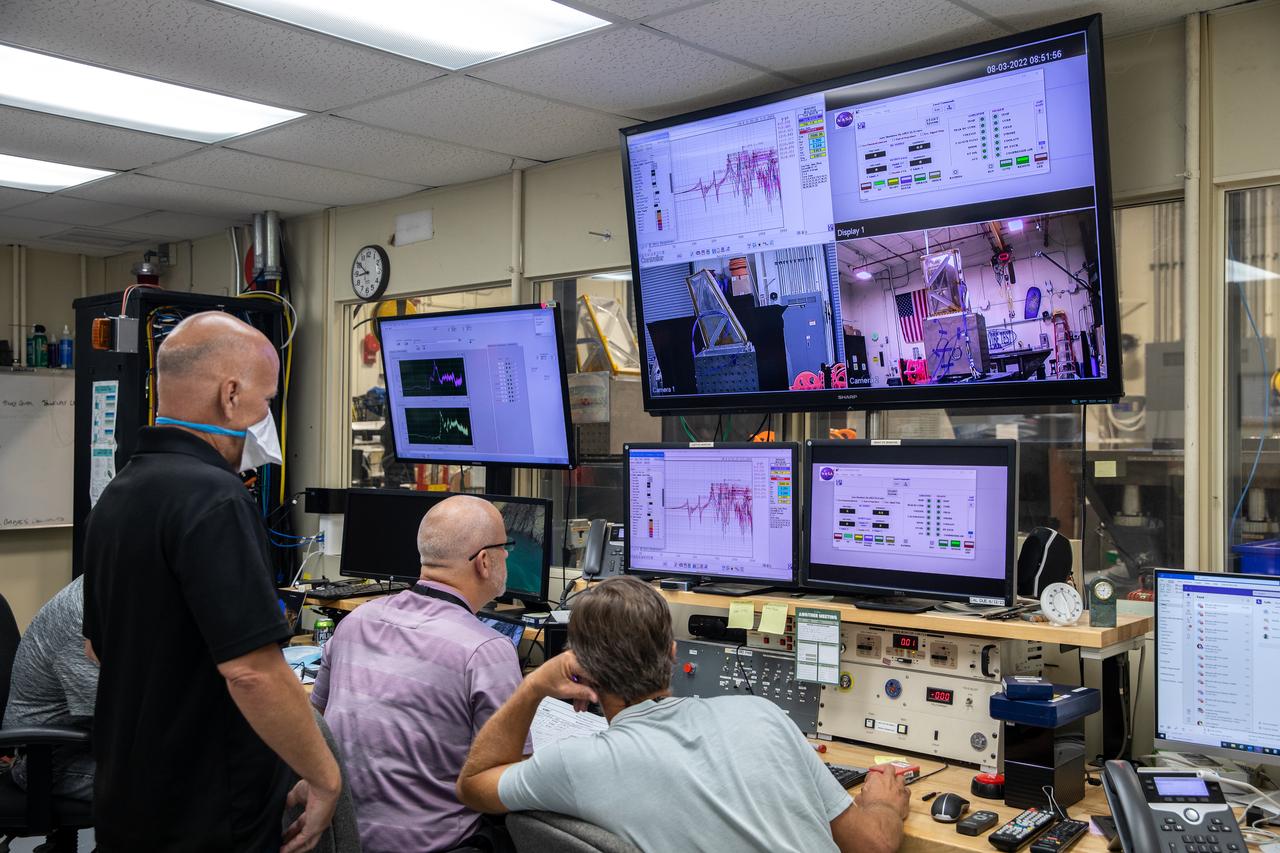
Engineers at NASA’s Kennedy Space Center monitor the Mass Spectrometer observing lunar operations (MSolo) instrument as it undergoes vibration testing inside the Florida spaceport’s Cryogenics Laboratory on Aug. 3, 2022. MSolo is a commercial off-the-shelf mass spectrometer modified to work in space and will help analyze the chemical makeup of landing sites on the Moon, as well as study water on the lunar surface. Researchers and engineers are preparing MSolo instruments to launch on four robotic missions as part of NASA’s Commercial Lunar Payload Services (CLPS) – commercial deliveries that will perform science experiments, test technologies, and demonstrate capabilities to help NASA explore the Moon and prepare for crewed missions to the lunar surface. This particular MSolo instrument is slated to fly on the agency’s Polar Resources Ice Mining Experiment-1 (PRIME-1) mission – the first in-situ resource utilization demonstration on the Moon – as part of the agency’s CLPS initiative.
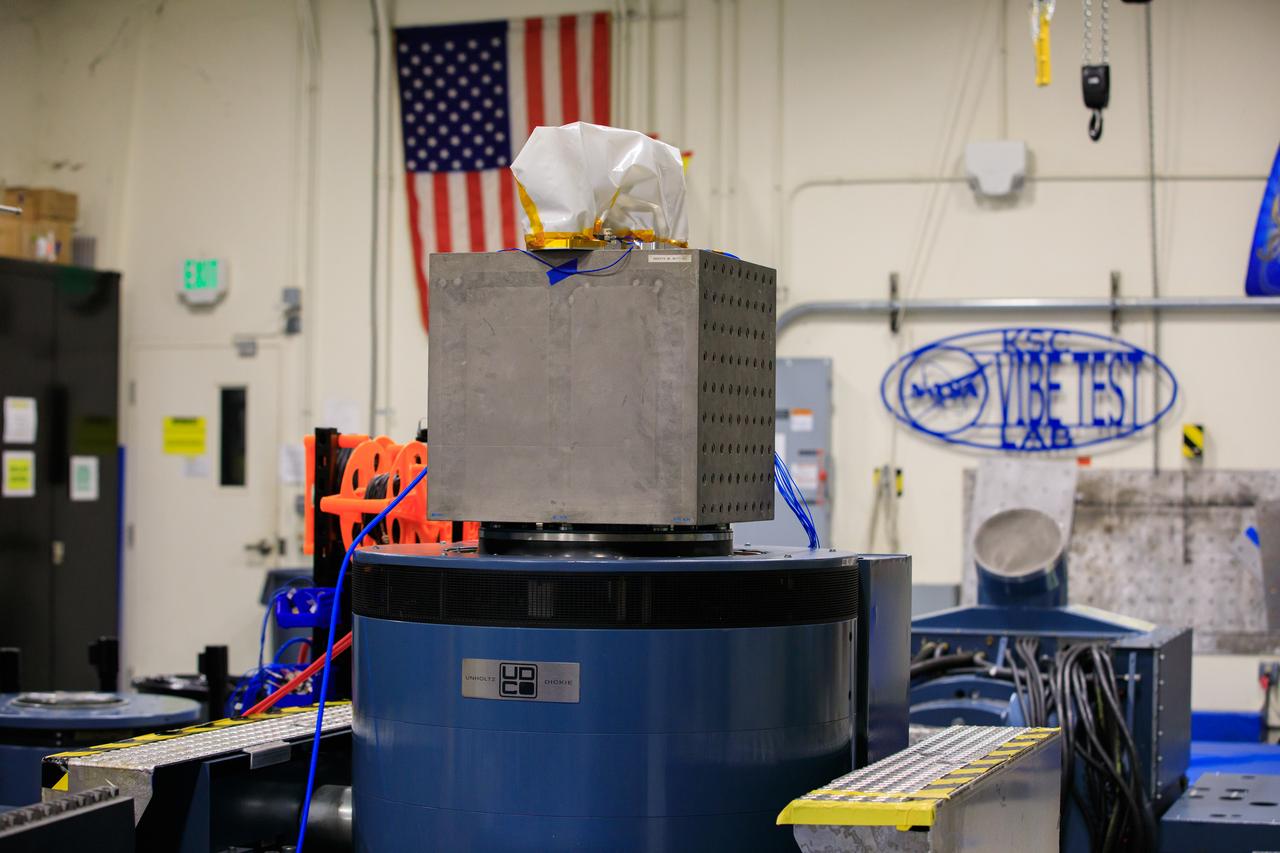
The Mass Spectrometer Observing Lunar Operations (MSolo) for NASA’s VIPER mission is being prepared for a vibration test inside a laboratory in the Neil Armstrong Operations and Checkout Building at NASA’s Kennedy Space Center in Florida on Nov. 8, 2022. Exposing the instrument to vibration environments that it might see during launch helps engineers to find issues prior to liftoff. MSolo is a commercial off-the-shelf mass spectrometer modified to work in space and it will help analyze the chemical makeup of landing sites on the Moon, as well as study water on the lunar surface. MSolo will be part of NASA’s first Commercial Lunar Payload Delivery Service (CLPS) mission where under the Artemis program, commercial deliveries will be used to perform science experiments, test technologies and demonstrate capabilities to help NASA explore the Moon and prepare for human missions.
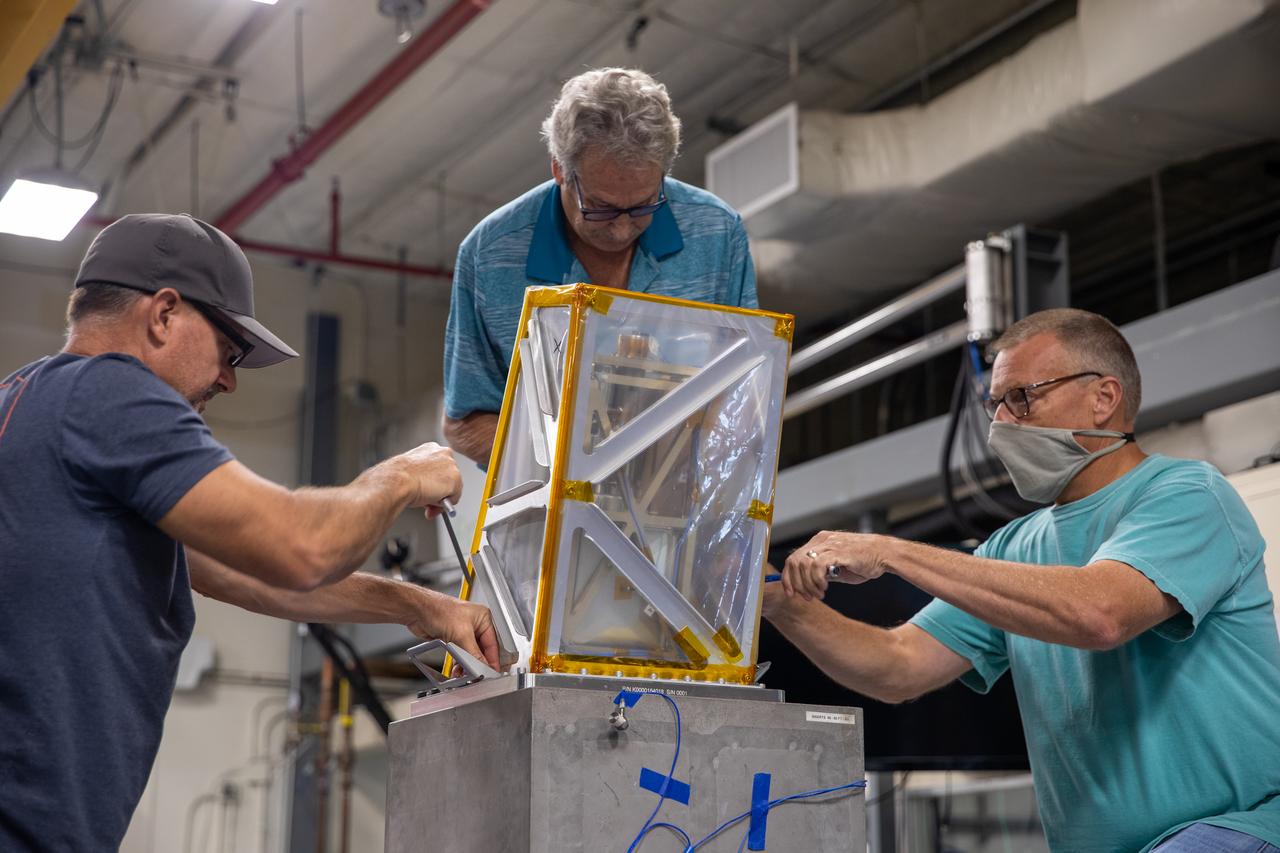
Engineers at NASA’s Kennedy Space Center prepare the Mass Spectrometer observing lunar operations (MSolo) instrument for vibration testing inside the Florida spaceport’s Cryogenics Laboratory on Aug. 3, 2022. MSolo is a commercial off-the-shelf mass spectrometer modified to work in space and will help analyze the chemical makeup of landing sites on the Moon, as well as study water on the lunar surface. Researchers and engineers are preparing MSolo instruments to launch on four robotic missions as part of NASA’s Commercial Lunar Payload Services (CLPS) – commercial deliveries that will perform science experiments, test technologies, and demonstrate capabilities to help NASA explore the Moon and prepare for crewed missions to the lunar surface. This particular MSolo instrument is slated to fly on the agency’s Polar Resources Ice Mining Experiment-1 (PRIME-1) mission – the first in-situ resource utilization demonstration on the Moon – as part of the agency’s CLPS initiative.
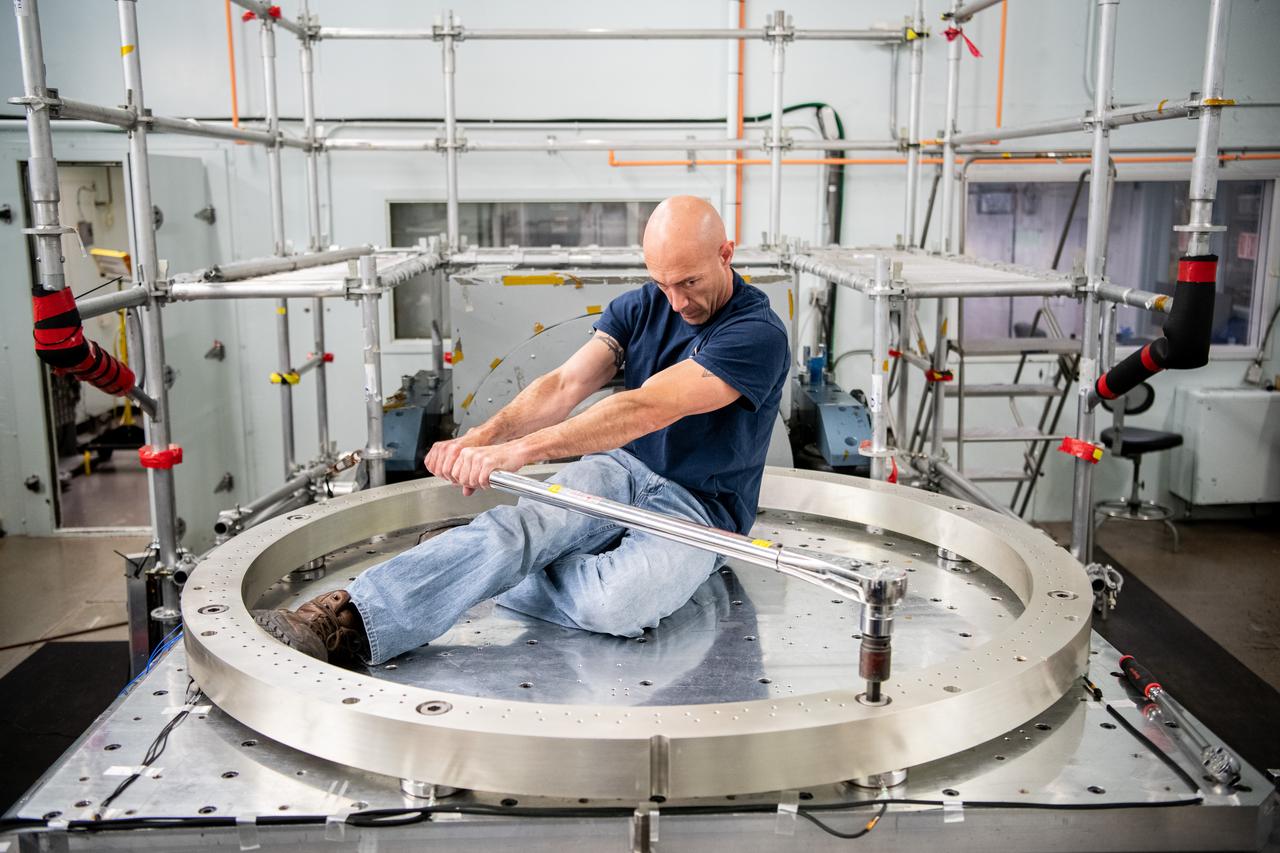
Engineering Technician Ryan Fischer torques the Force Gauge Ring on to the vibe table in preparation for vibration testing of the PACE spacecraft bus at NASA Goddard Space Flight Center in Greenbelt Maryland on June 16th, 2021. Photographer: Denny Henry – Goddard Space Flight Center
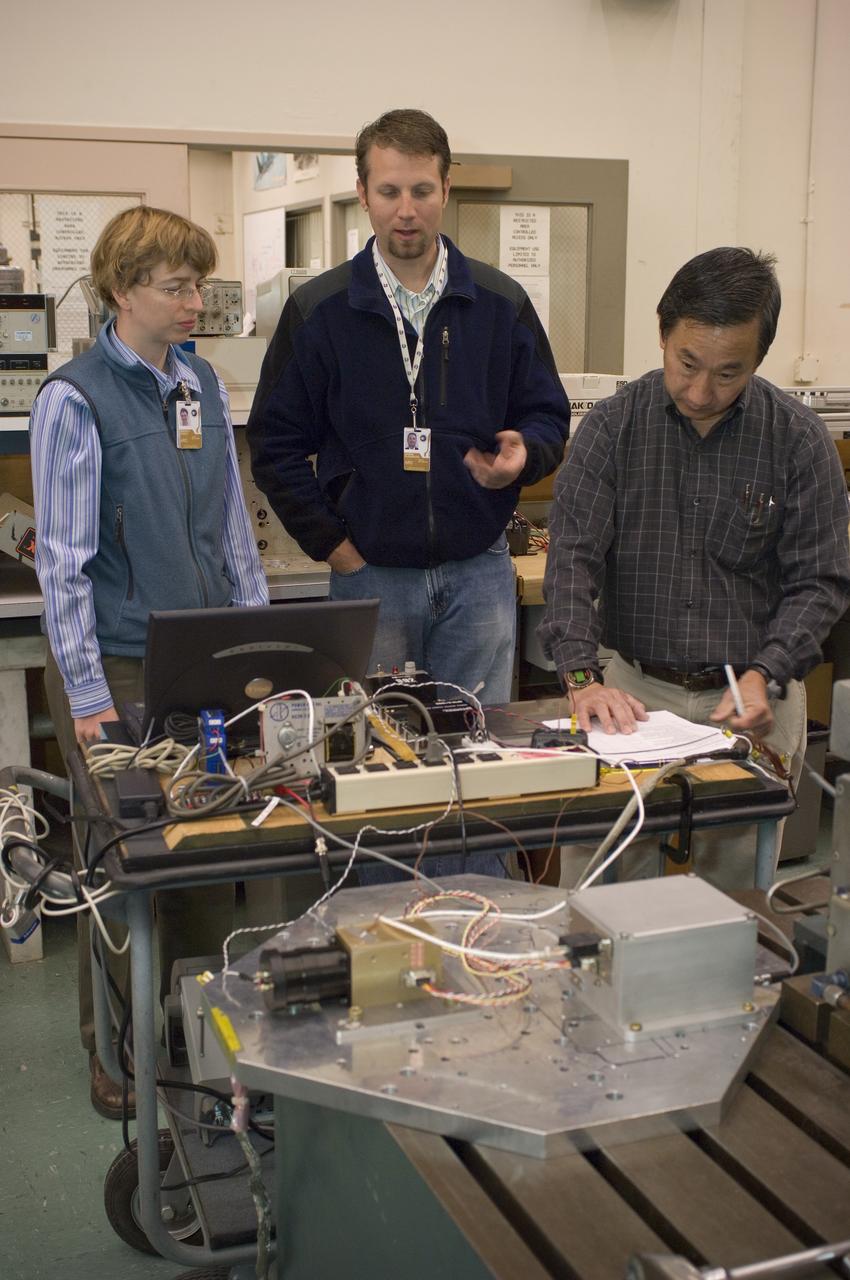
Lunar CRater Observation and Sensing Satellite (LCROSS) and P.I. at NASA Ames Research Center - (l to r) Kim Ennico, Damon Flansburg and Gi Kojima check out the LCROSS Total Luminance Photometer lens and electronics attached to a metal plate in preparation for a vibe (vibration) test on the shake table in N-2444 EEL Laboratory
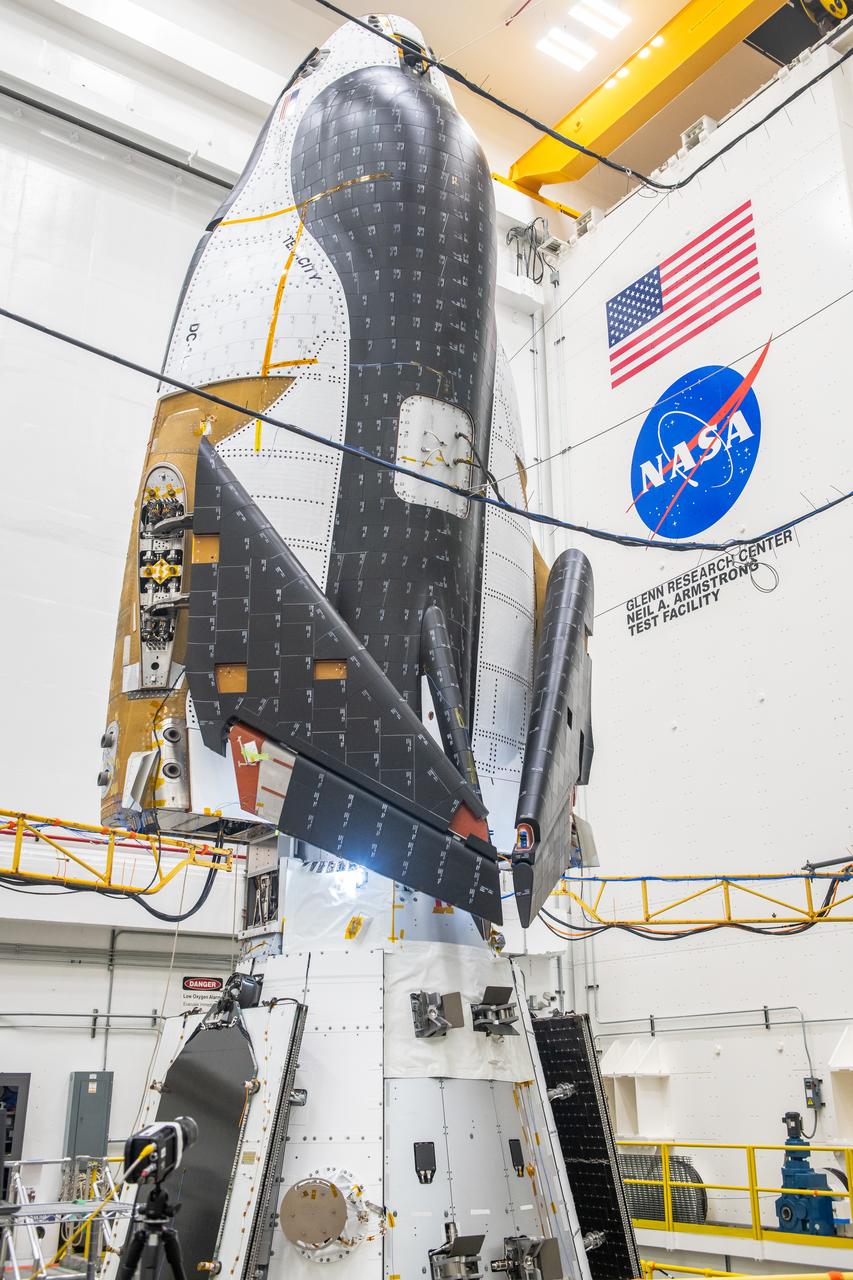
The Neil Armstrong Test Facility, part of NASA’s Glenn Research Center in Cleveland, is home to multiple test facilities, including the Space Environments Complex and the In-Space Propulsion Facility, both stops for Dream Chaser. The complex is home to the Mechanical Vibration Facility, which subjects test articles to the rigorous conditions of launch. While at Armstrong, the Dream Chaser winged spacecraft was stacked atop its Shooting Star cargo module on the vibration table to experience vibrations like those during launch and re-entry to the Earth’s atmosphere.
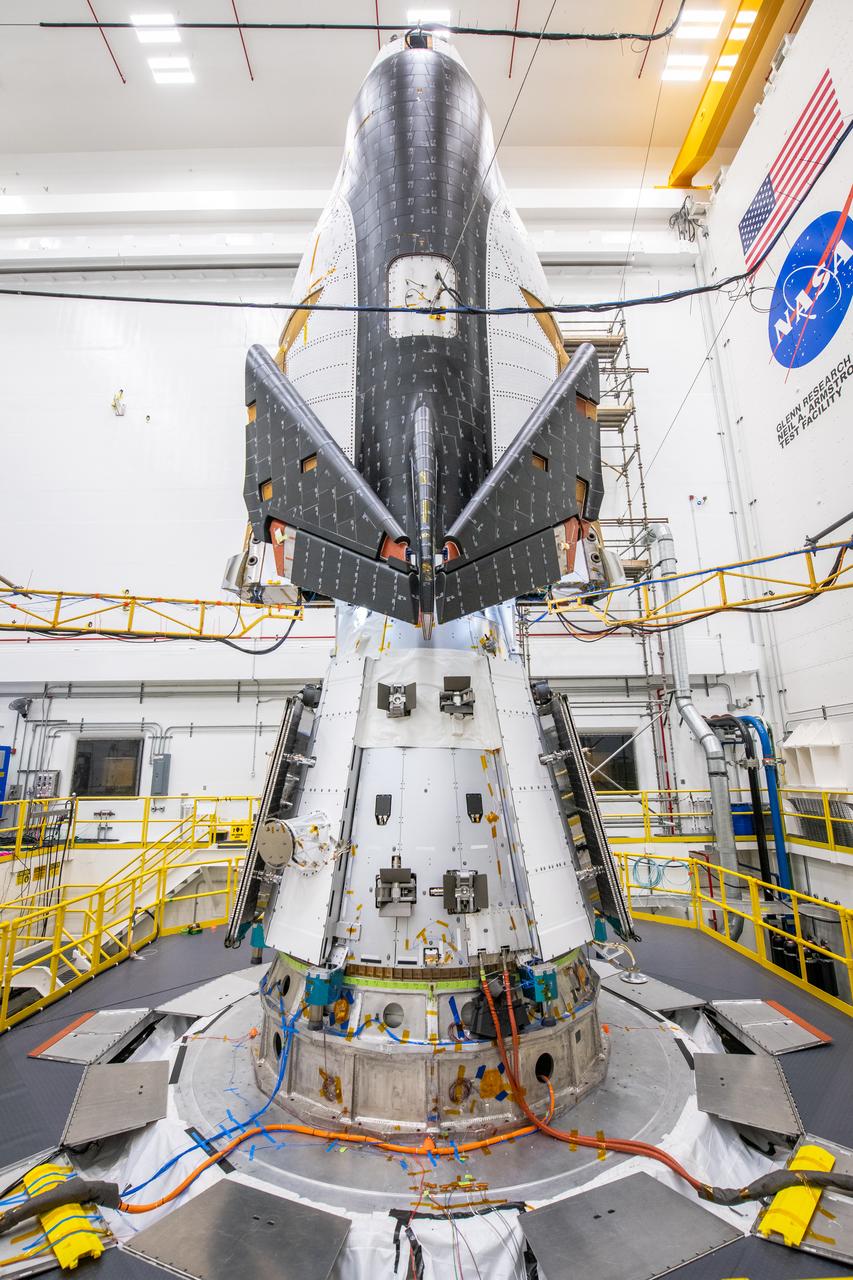
The Neil Armstrong Test Facility, part of NASA’s Glenn Research Center in Cleveland, is home to multiple test facilities, including the Space Environments Complex and the In-Space Propulsion Facility, both stops for Dream Chaser. The complex is home to the Mechanical Vibration Facility, which subjects test articles to the rigorous conditions of launch. While at Armstrong, the Dream Chaser winged spacecraft was stacked atop its Shooting Star cargo module on the vibration table to experience vibrations like those during launch and re-entry to the Earth’s atmosphere.
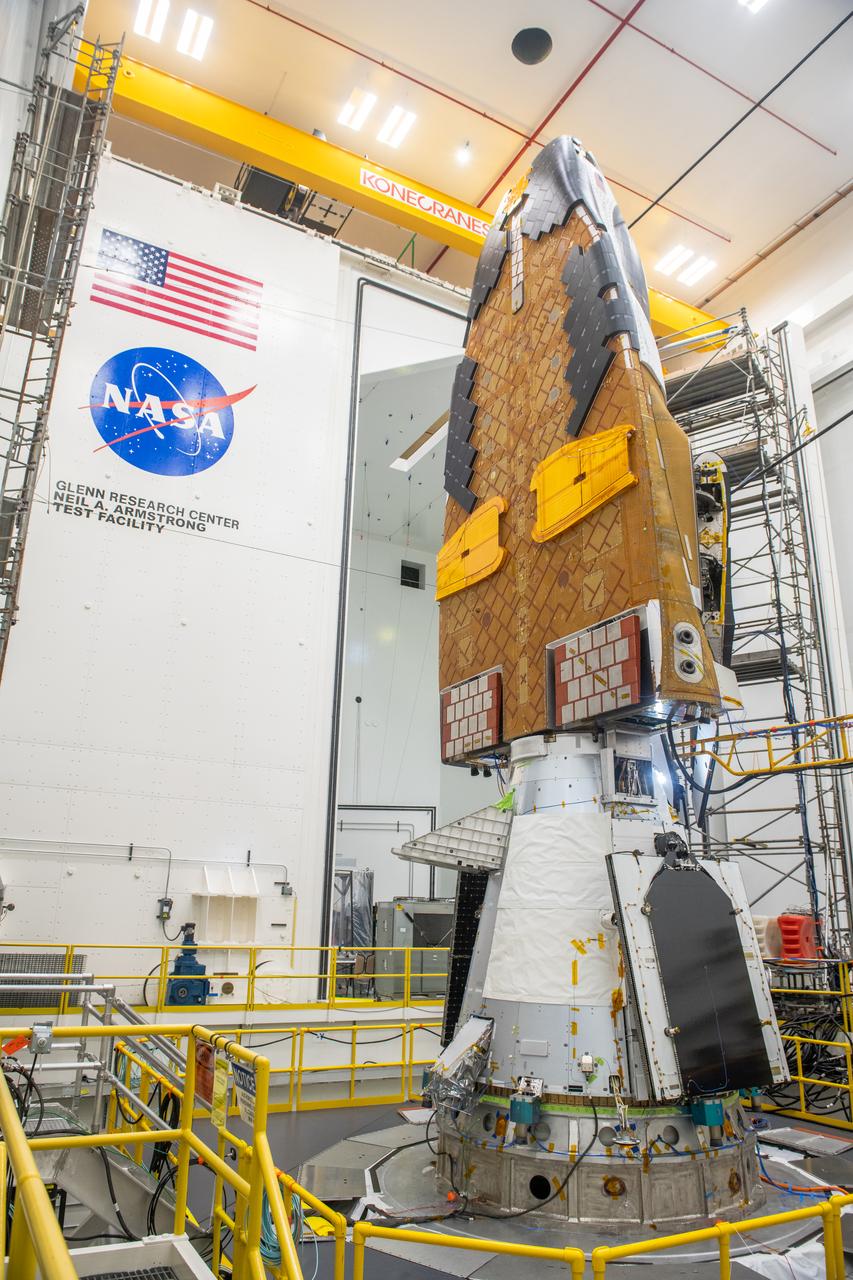
Sierra Space Dream Chaser Spaceplane Documentation Photographs
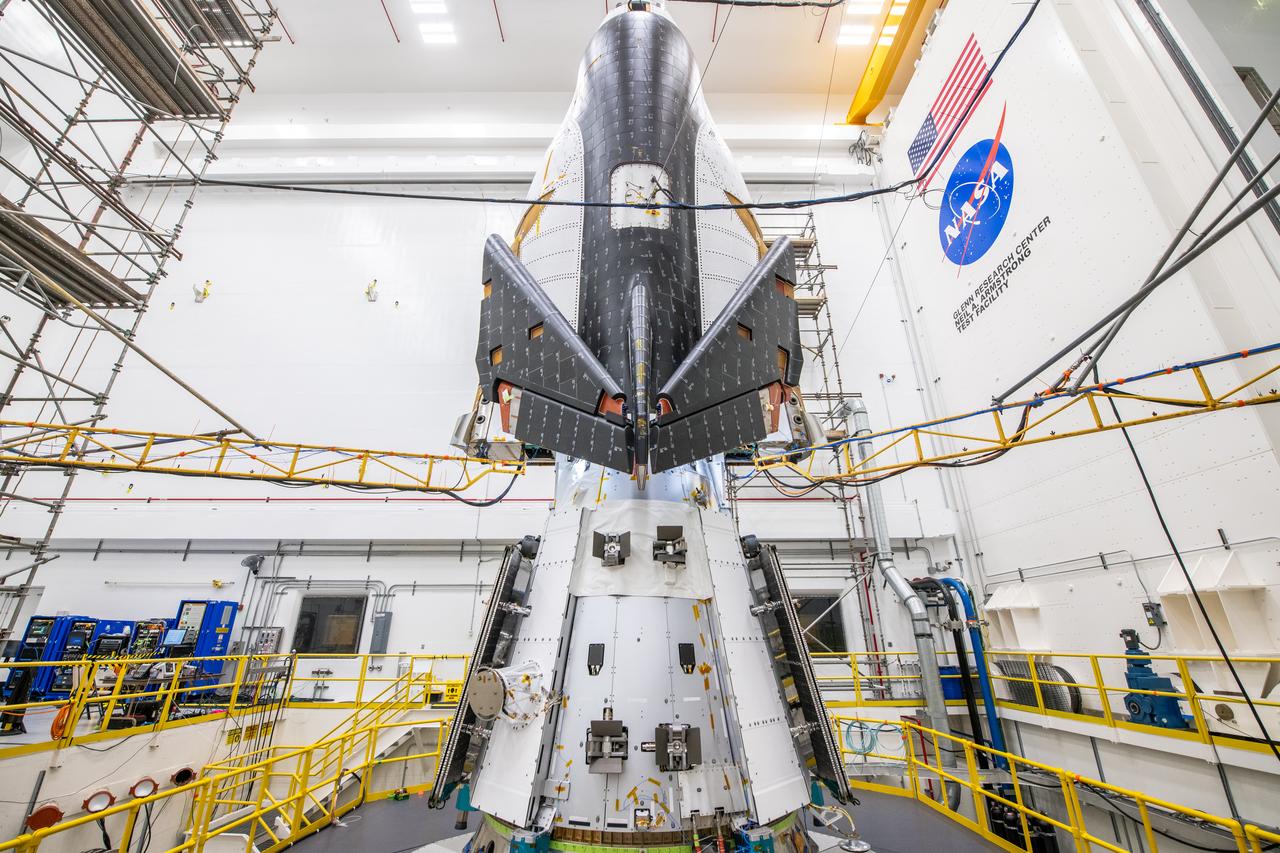
The Neil Armstrong Test Facility, part of NASA’s Glenn Research Center in Cleveland, is home to multiple test facilities, including the Space Environments Complex and the In-Space Propulsion Facility, both stops for Dream Chaser. The complex is home to the Mechanical Vibration Facility, which subjects test articles to the rigorous conditions of launch. While at Armstrong, the Dream Chaser winged spacecraft was stacked atop its Shooting Star cargo module on the vibration table to experience vibrations like those during launch and re-entry to the Earth’s atmosphere.