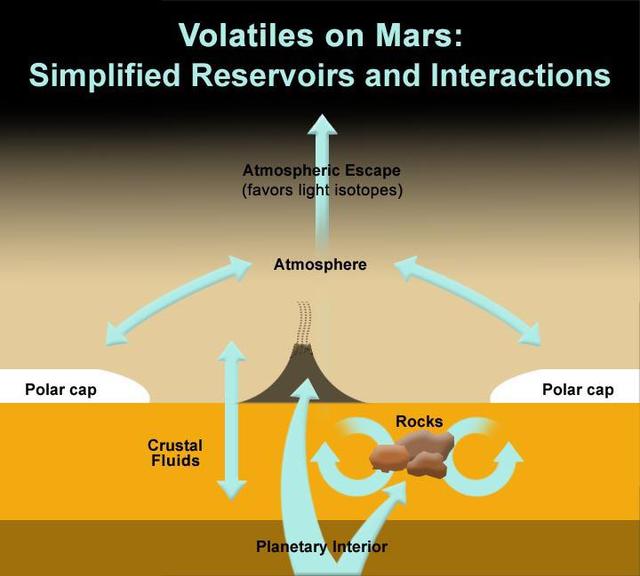
This illustration based on results from Sample Analysis at Mars, or SAM, instrument on NASA Curiosity rover shows the locations and interactions of volatiles on Mars.
Volatiles on Mars
Volatiles Investigating Polar Exploration Rover (Viper)
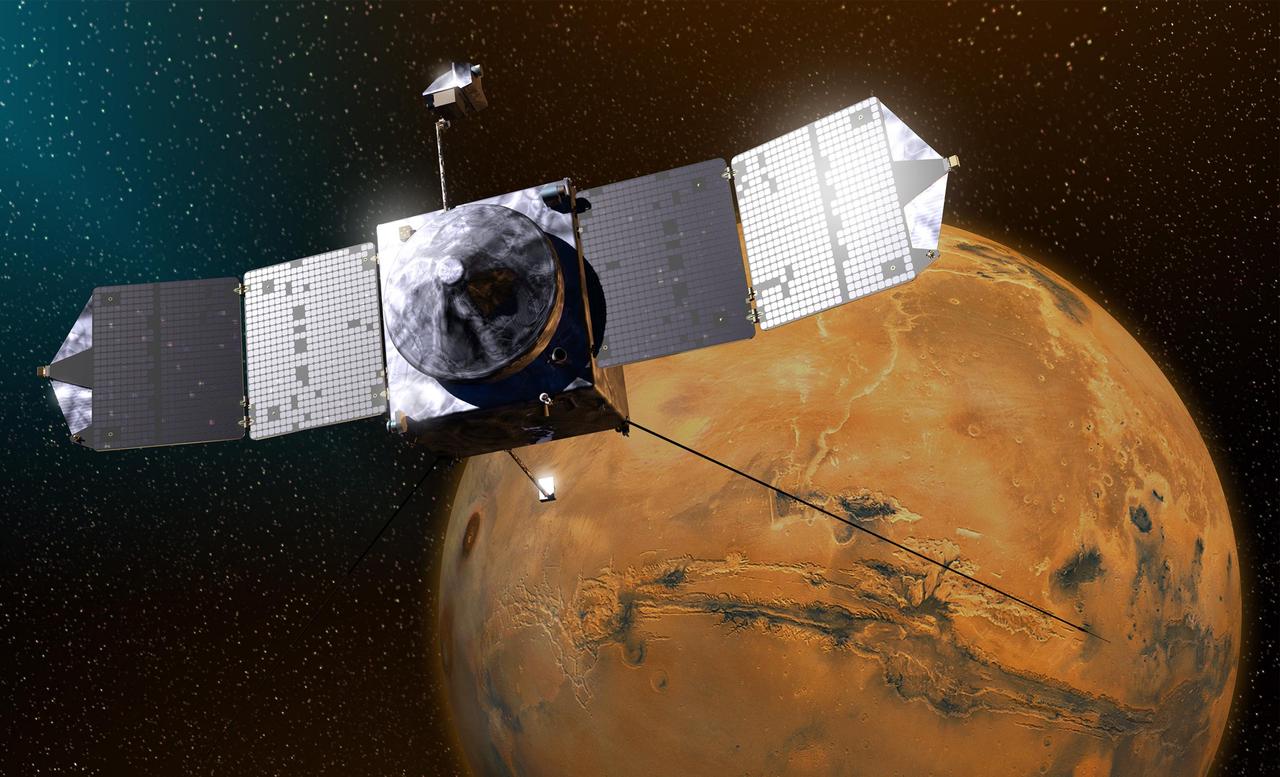
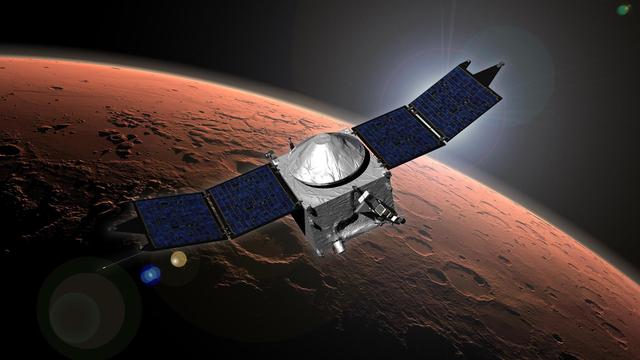
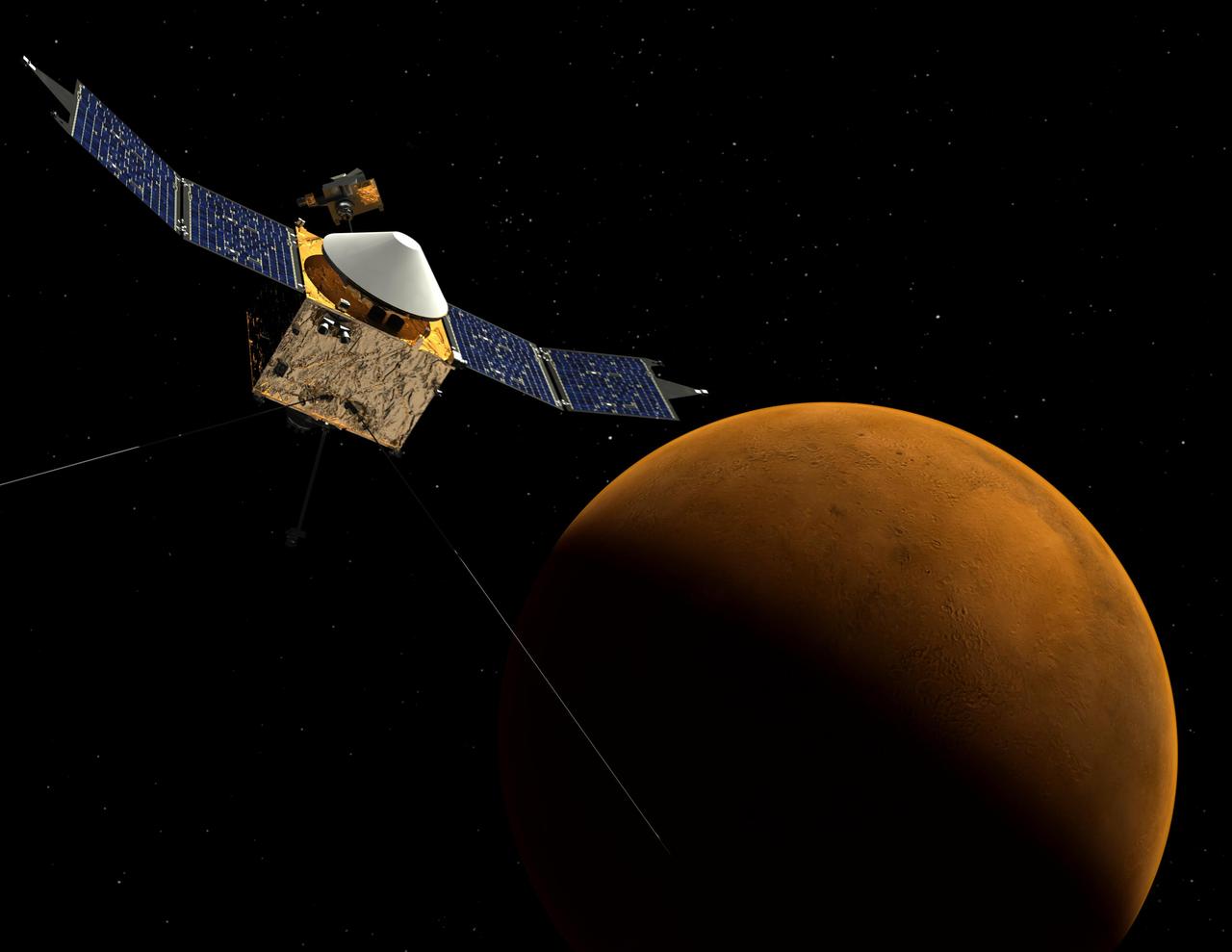
This artist concept depicts NASA Mars Atmosphere and Volatile EvolutioN MAVEN spacecraft near Mars.
MAVEN Artist Concept
This image shows an artist concept of NASA Mars Atmosphere and Volatile Evolution MAVEN mission.
MAVEN Artist Concept
Volatiles Investigating Polar Exploration Rover (Viper)
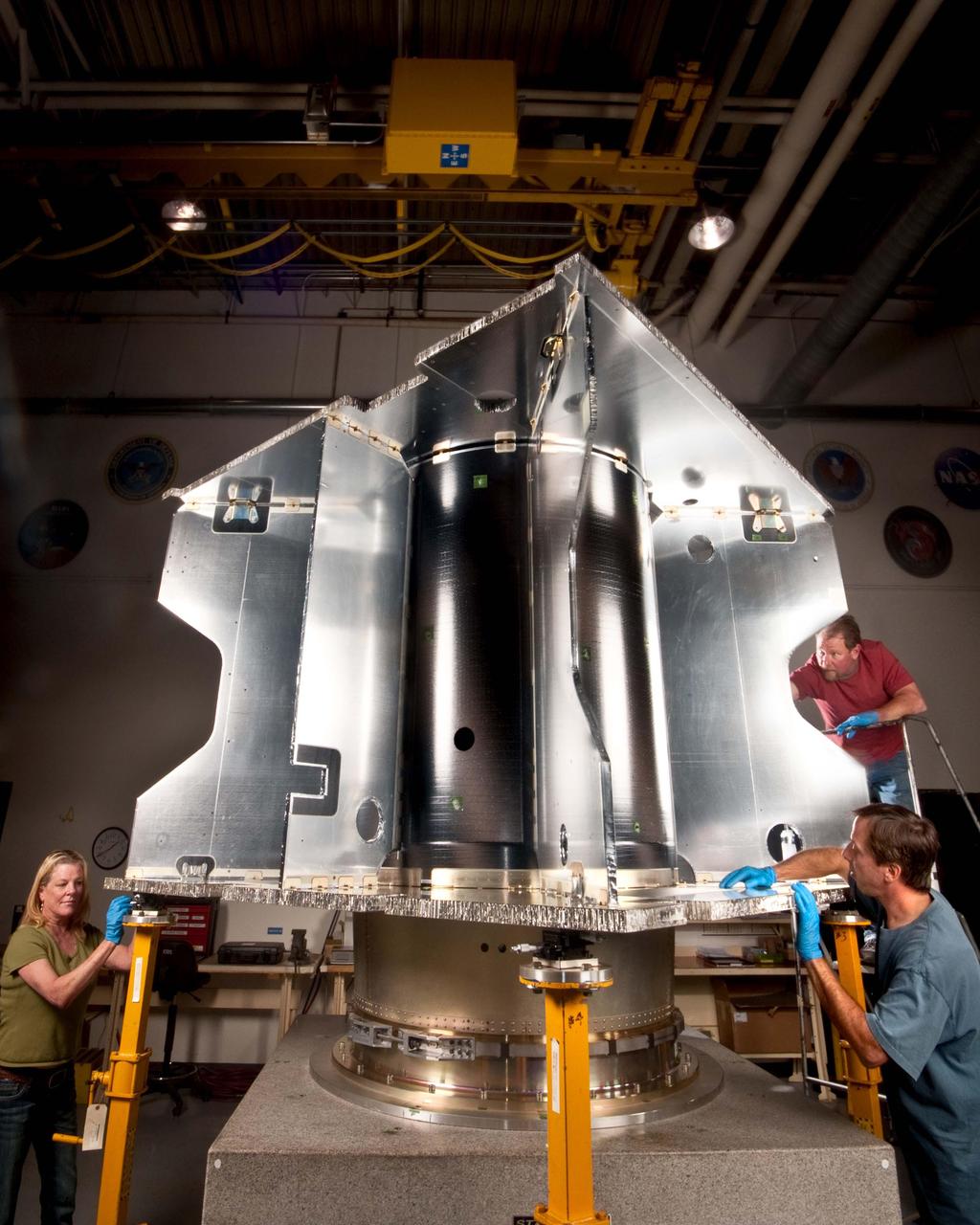
NASA Mars Atmosphere and Volatile EvolutioN MAVEN spacecraft is scheduled to launch in November 2013 and will be the first mission devoted to understanding the Martian upper atmosphere.
Primary Structure for MAVEN Spacecraft
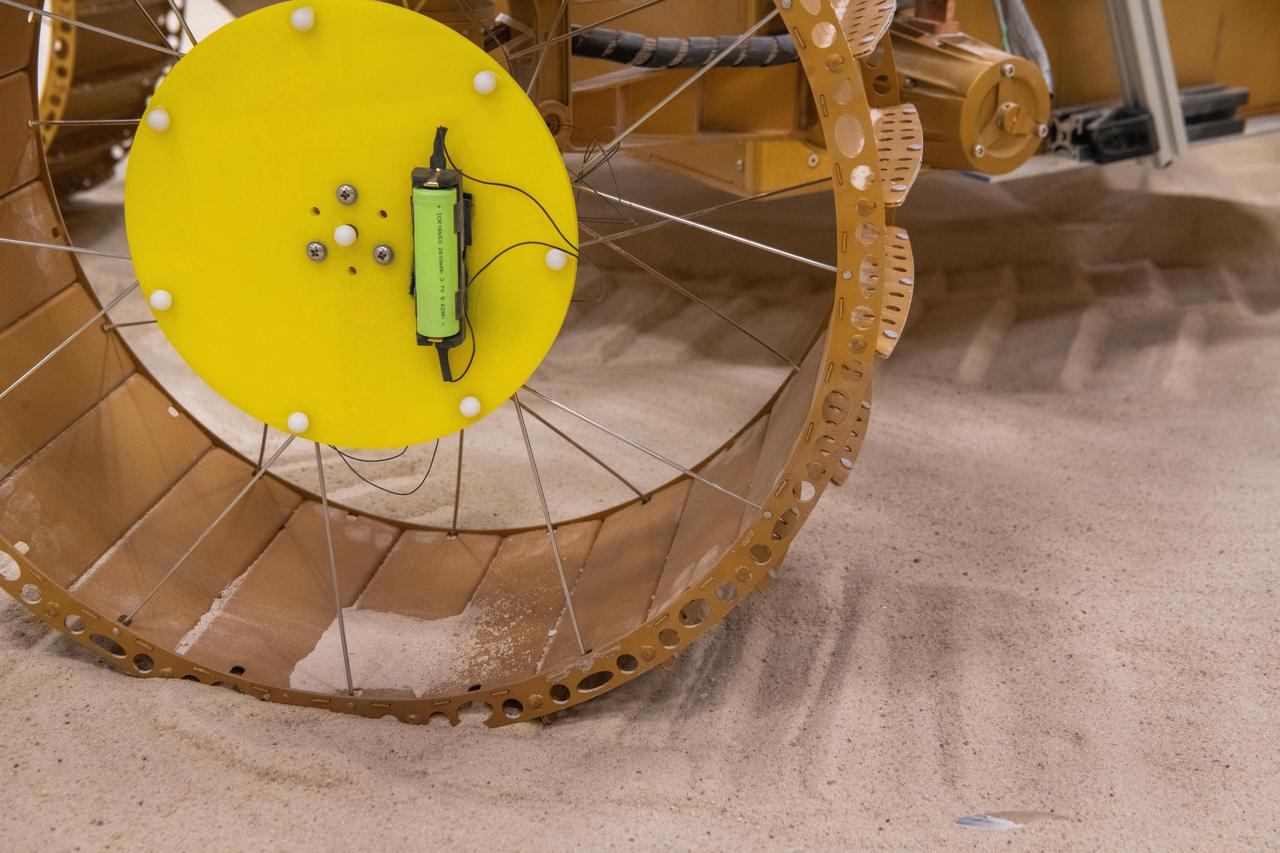
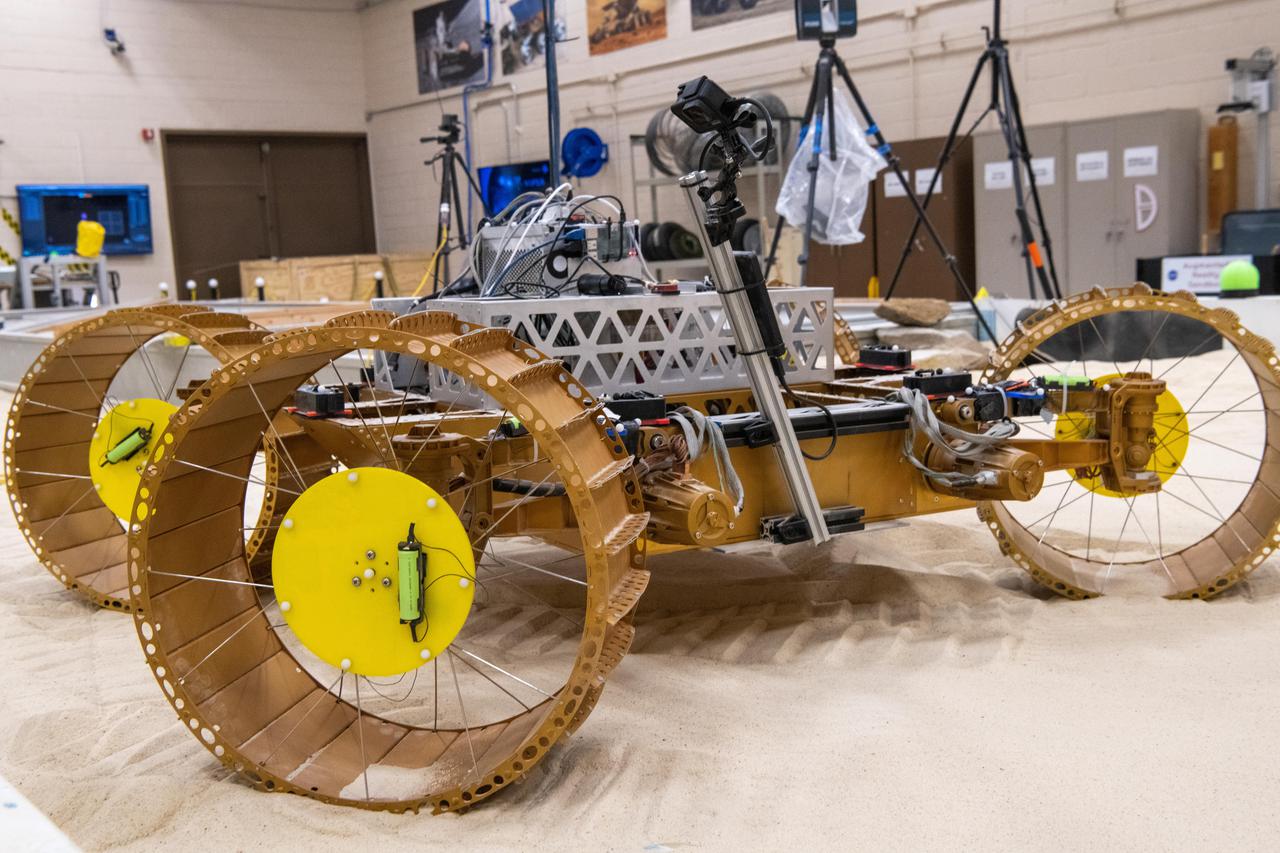
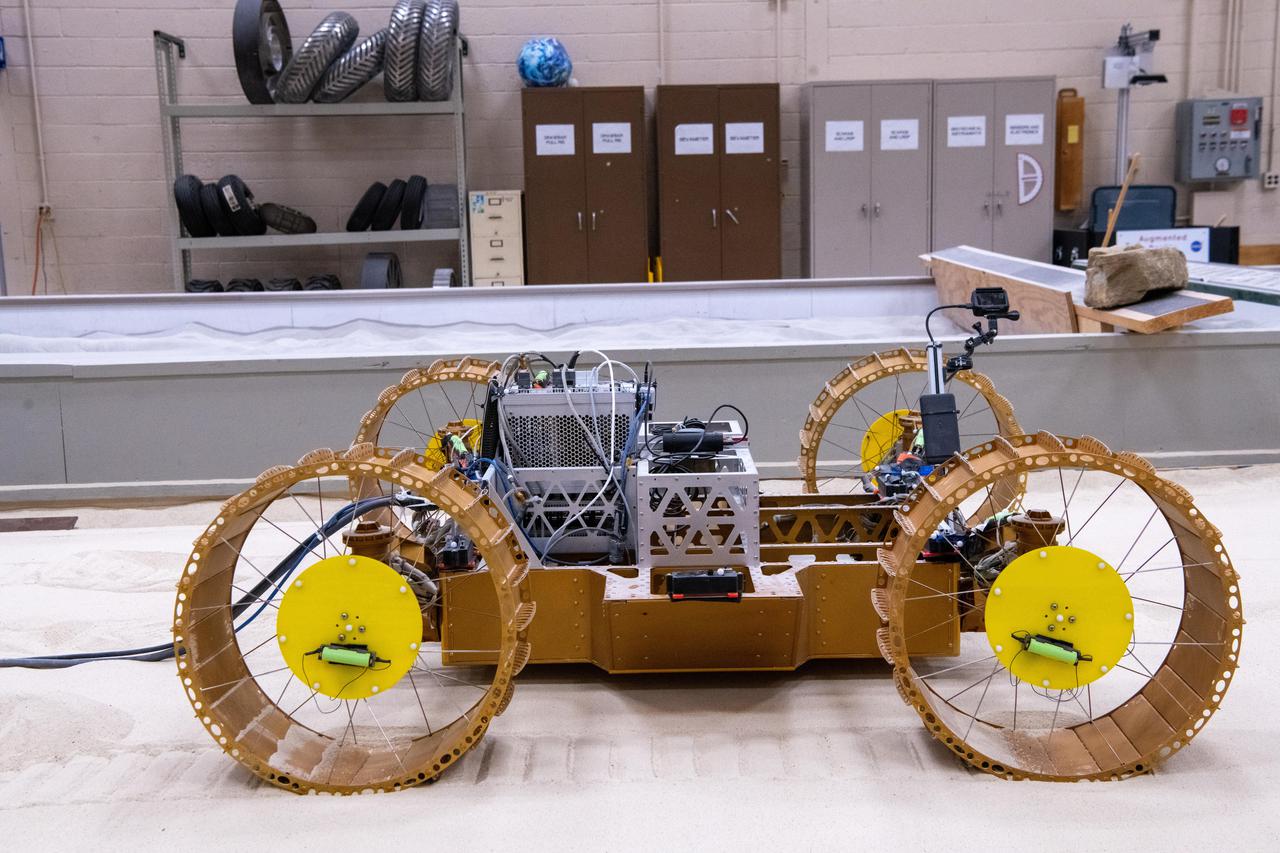
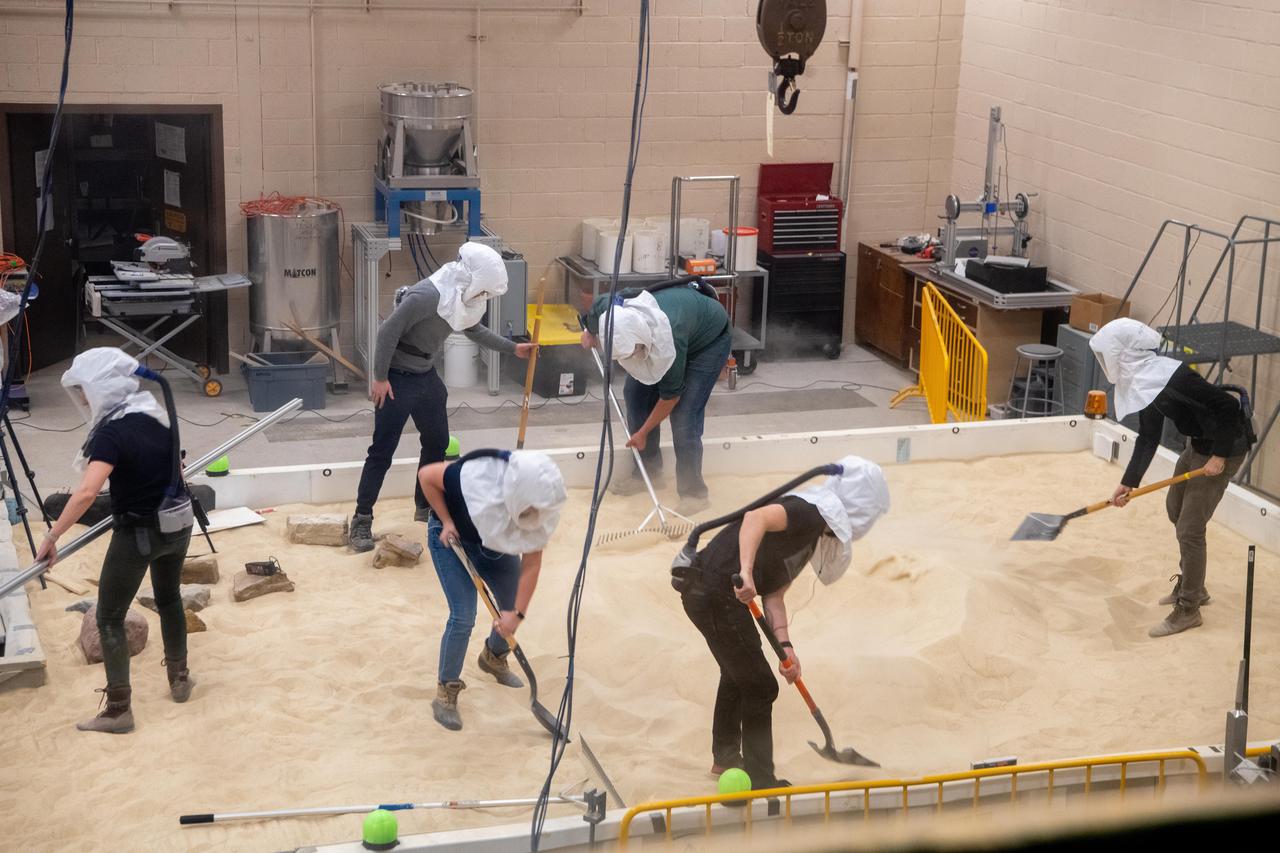
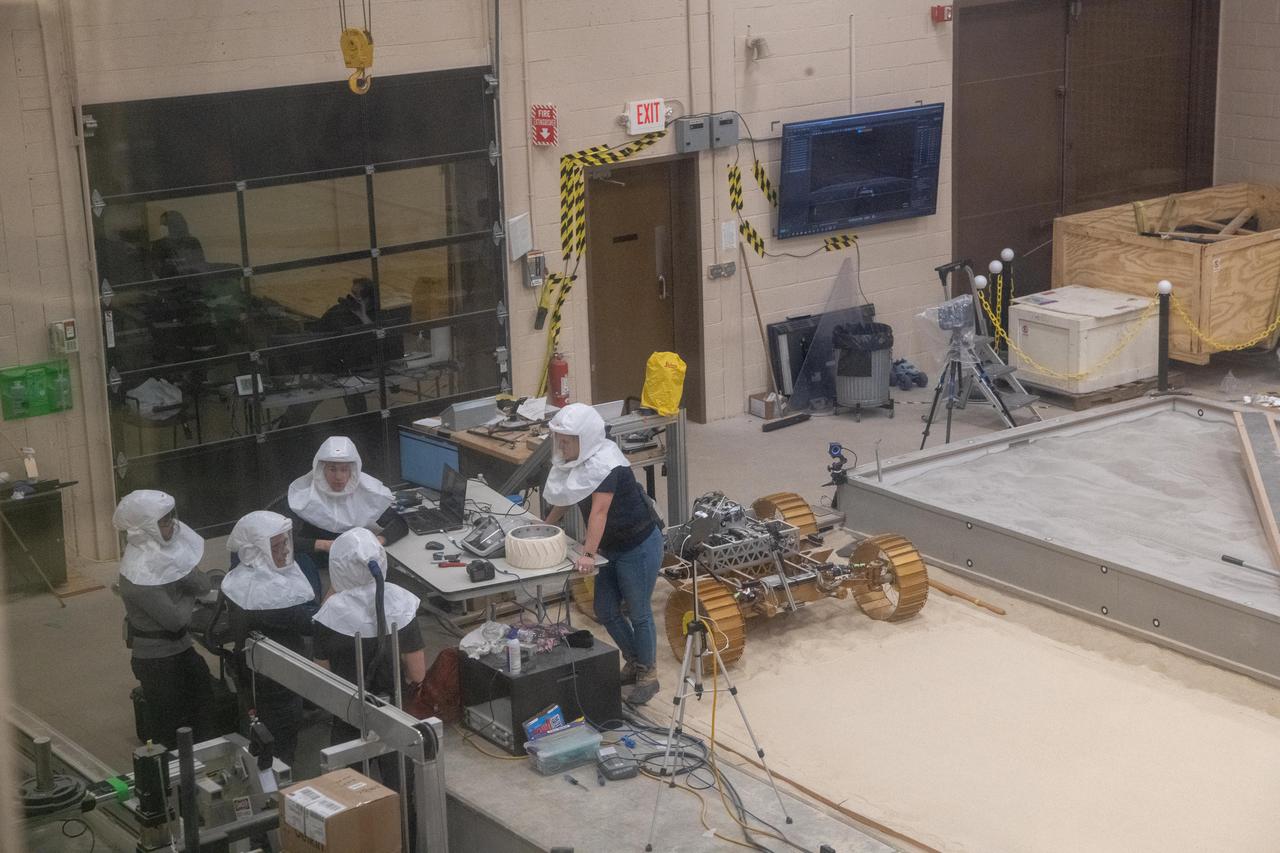
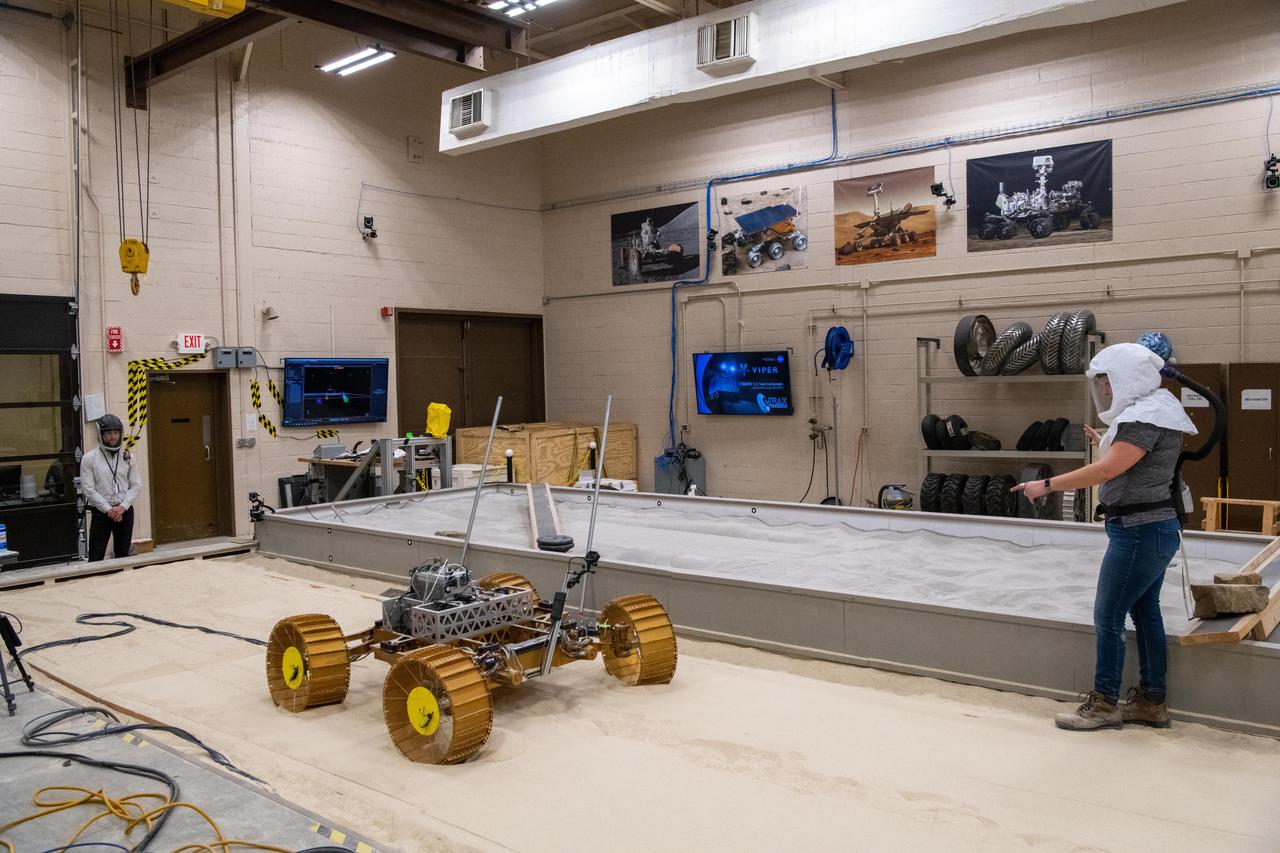
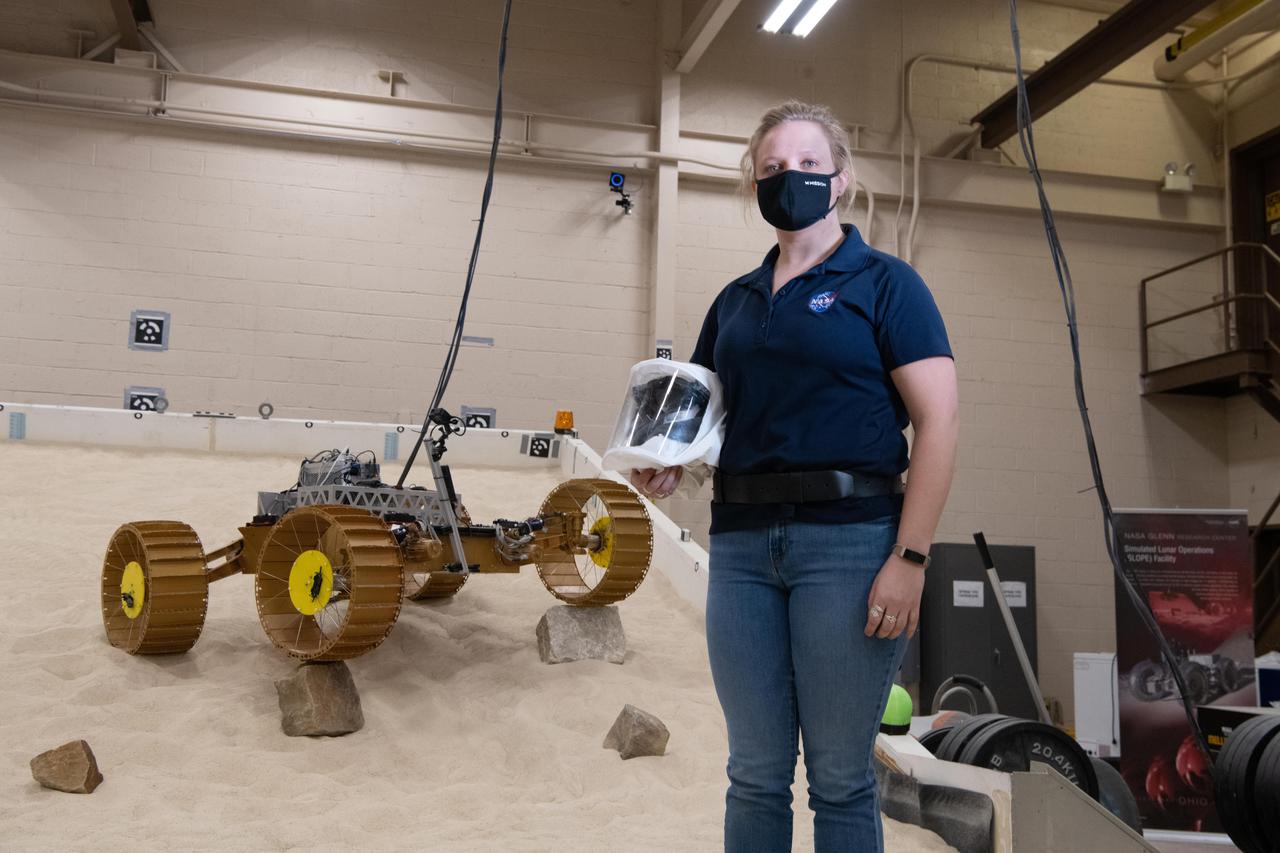
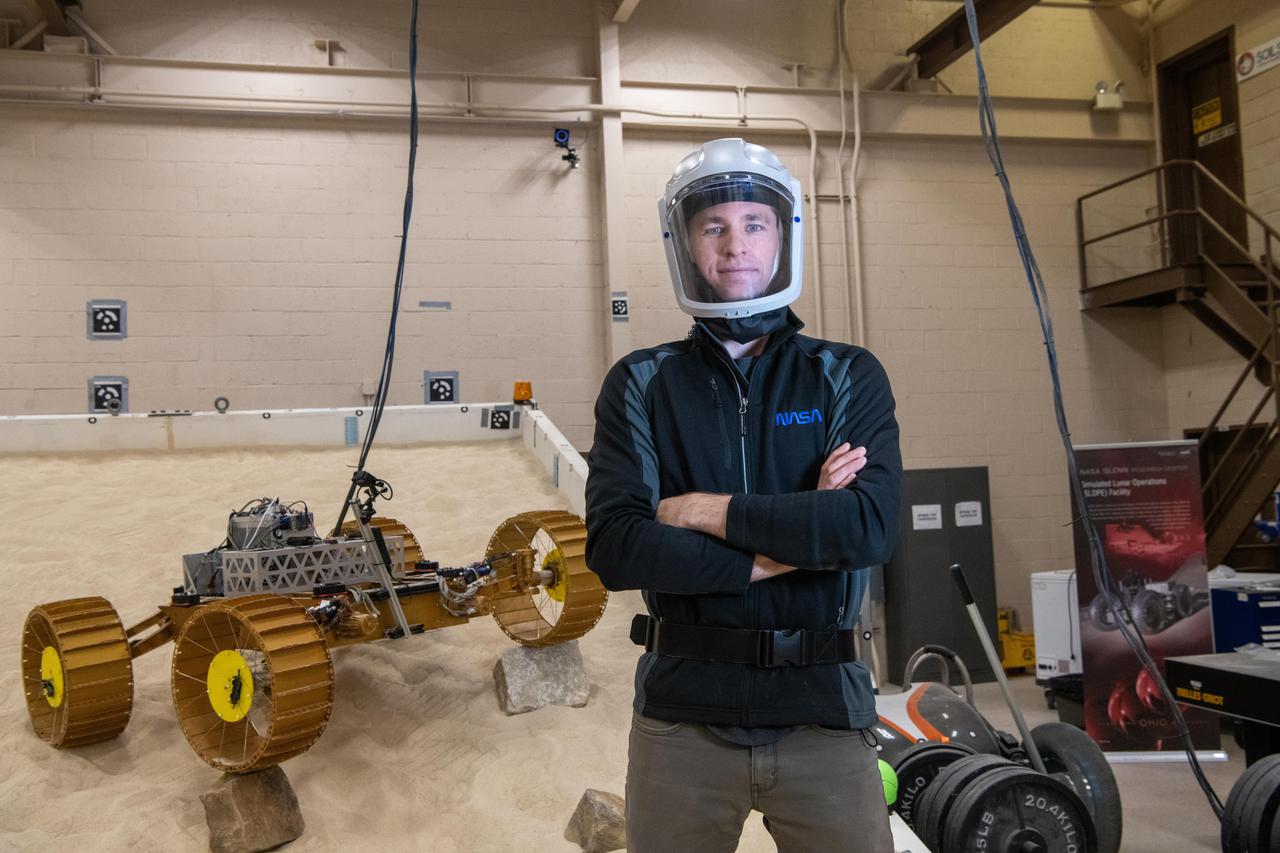
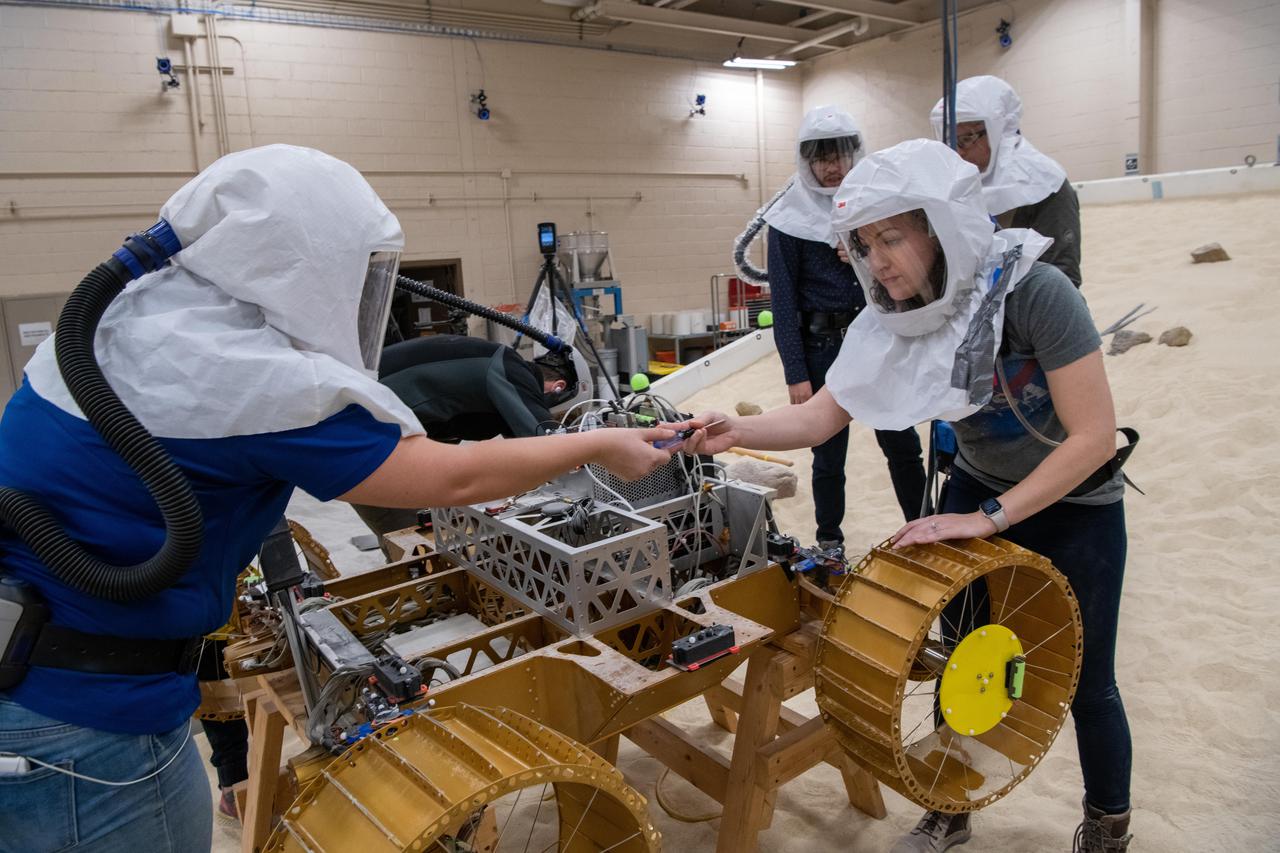
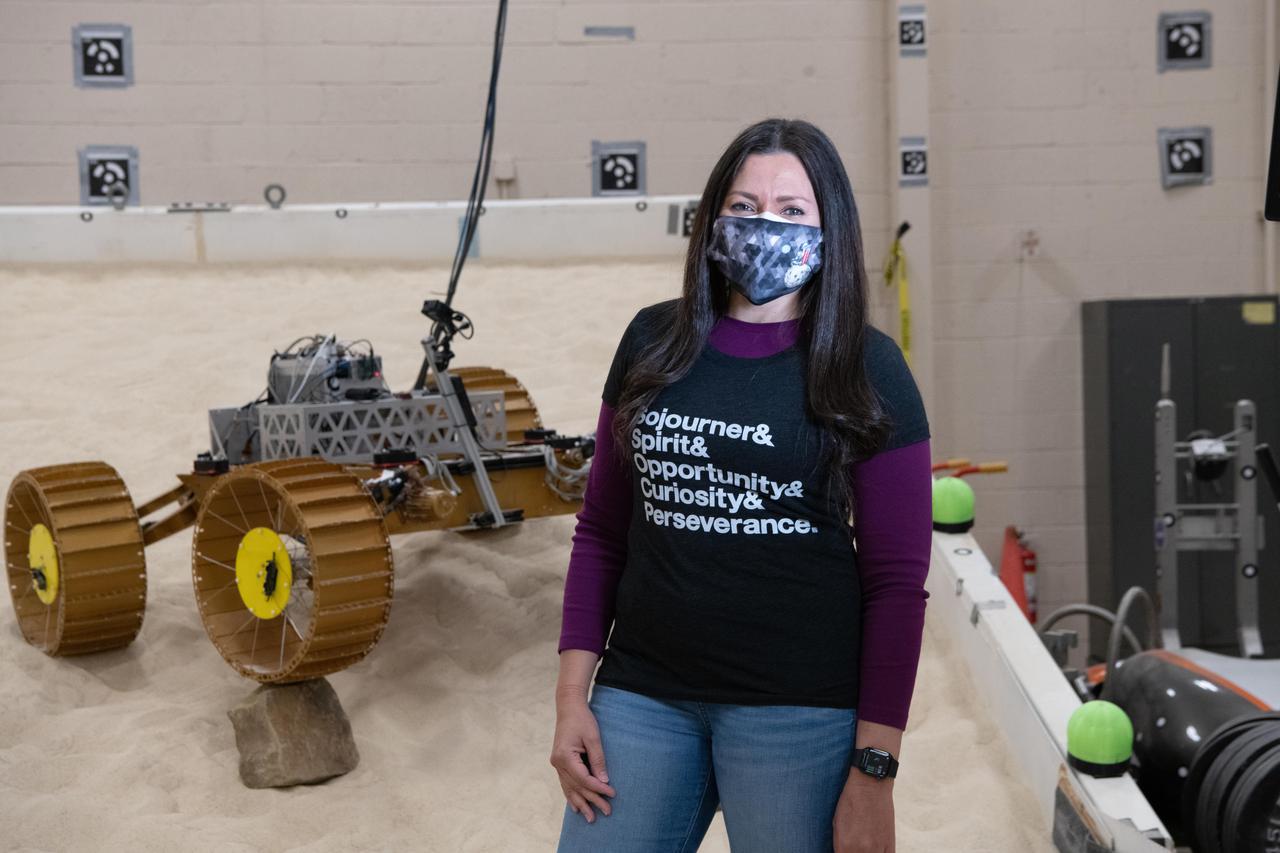
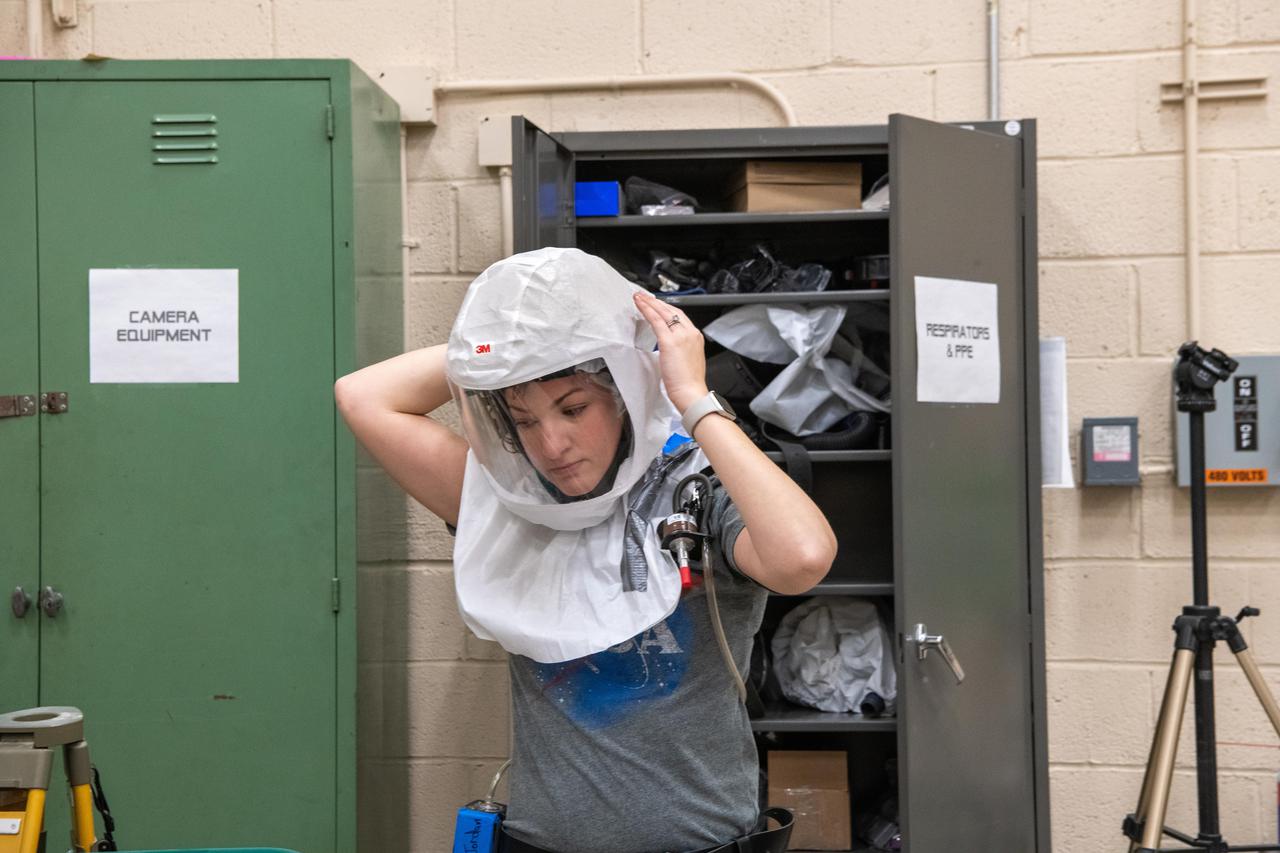
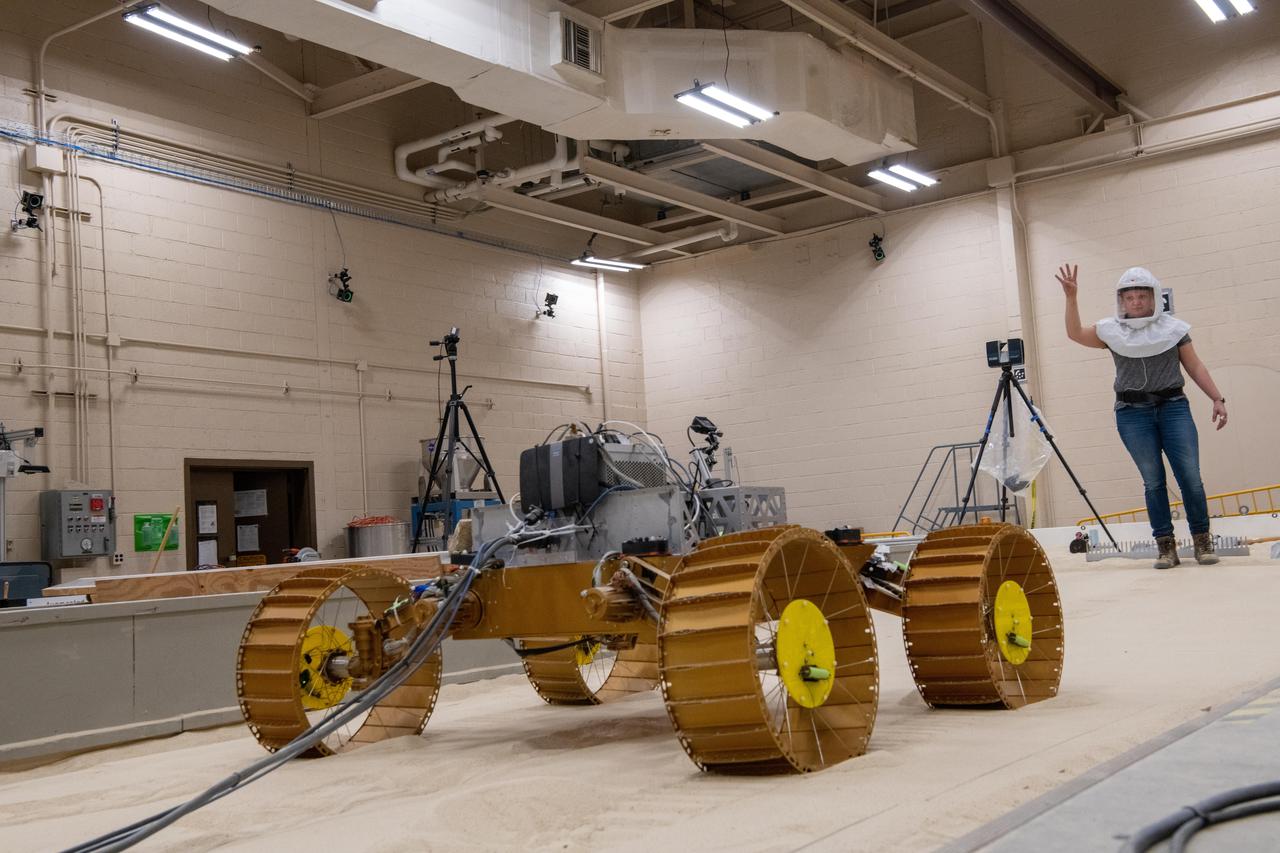
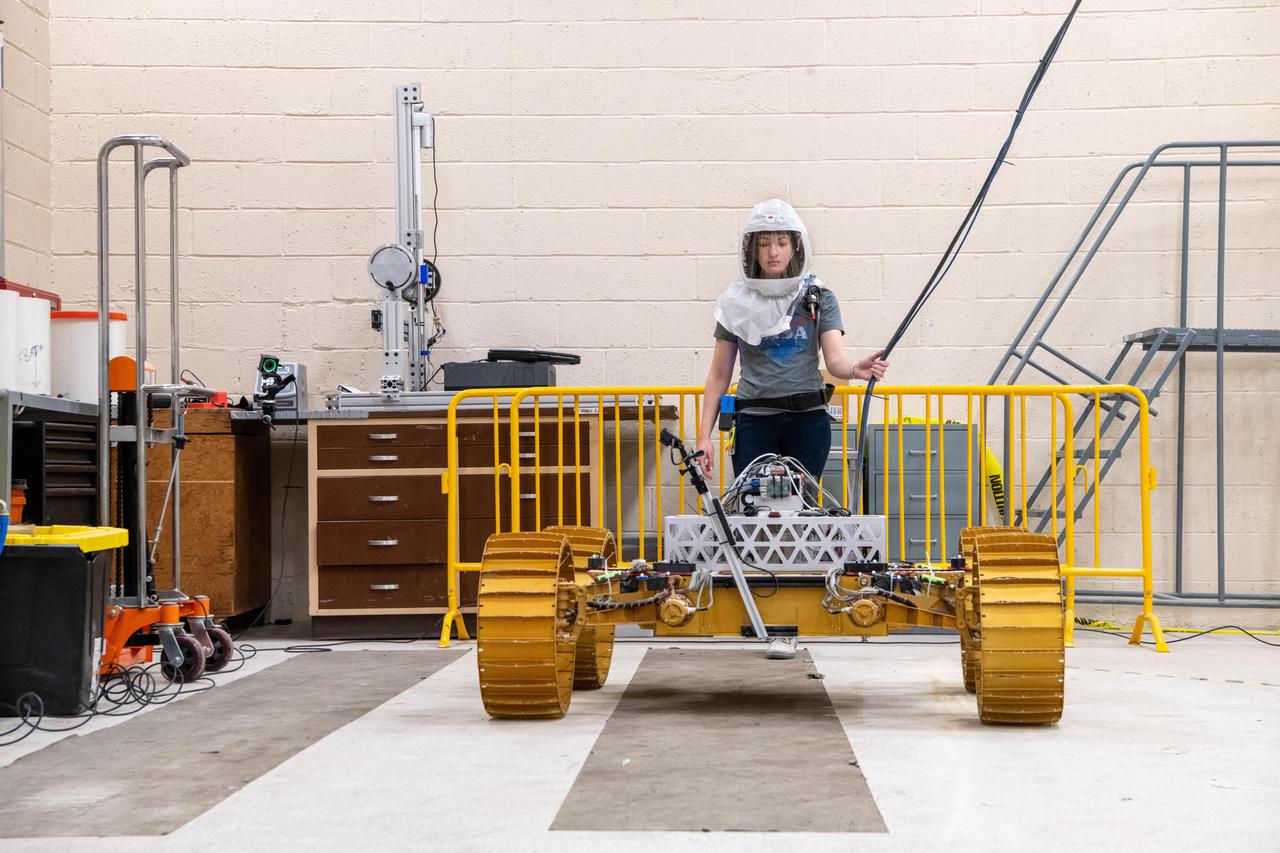
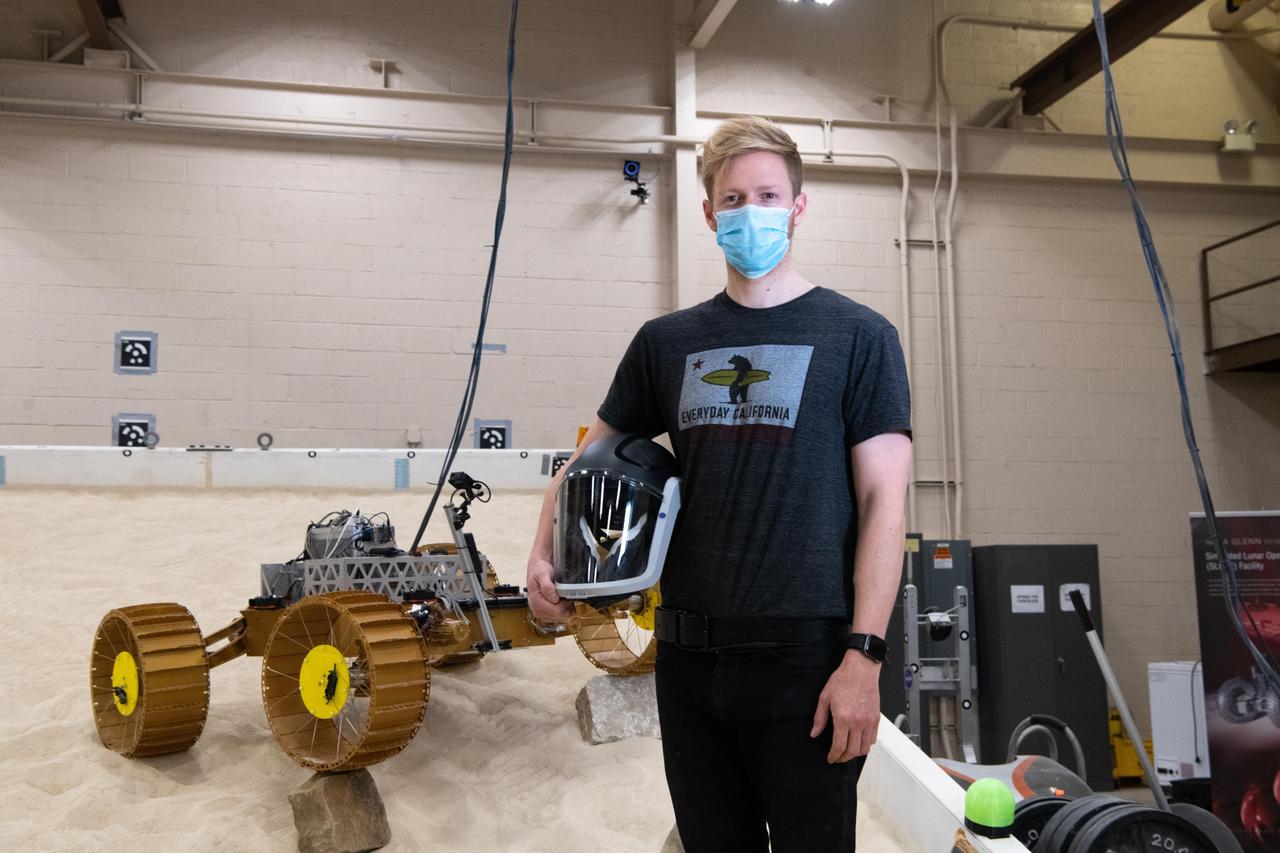
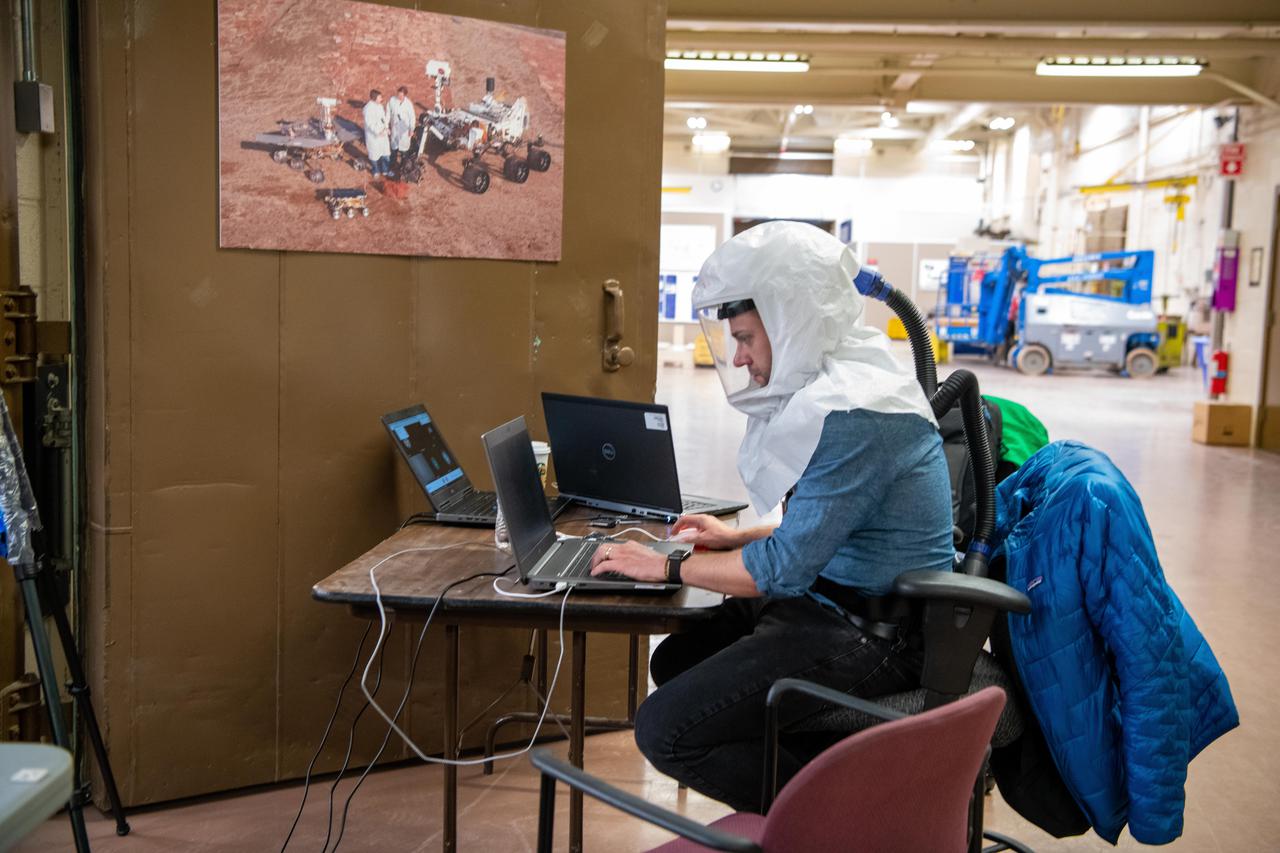
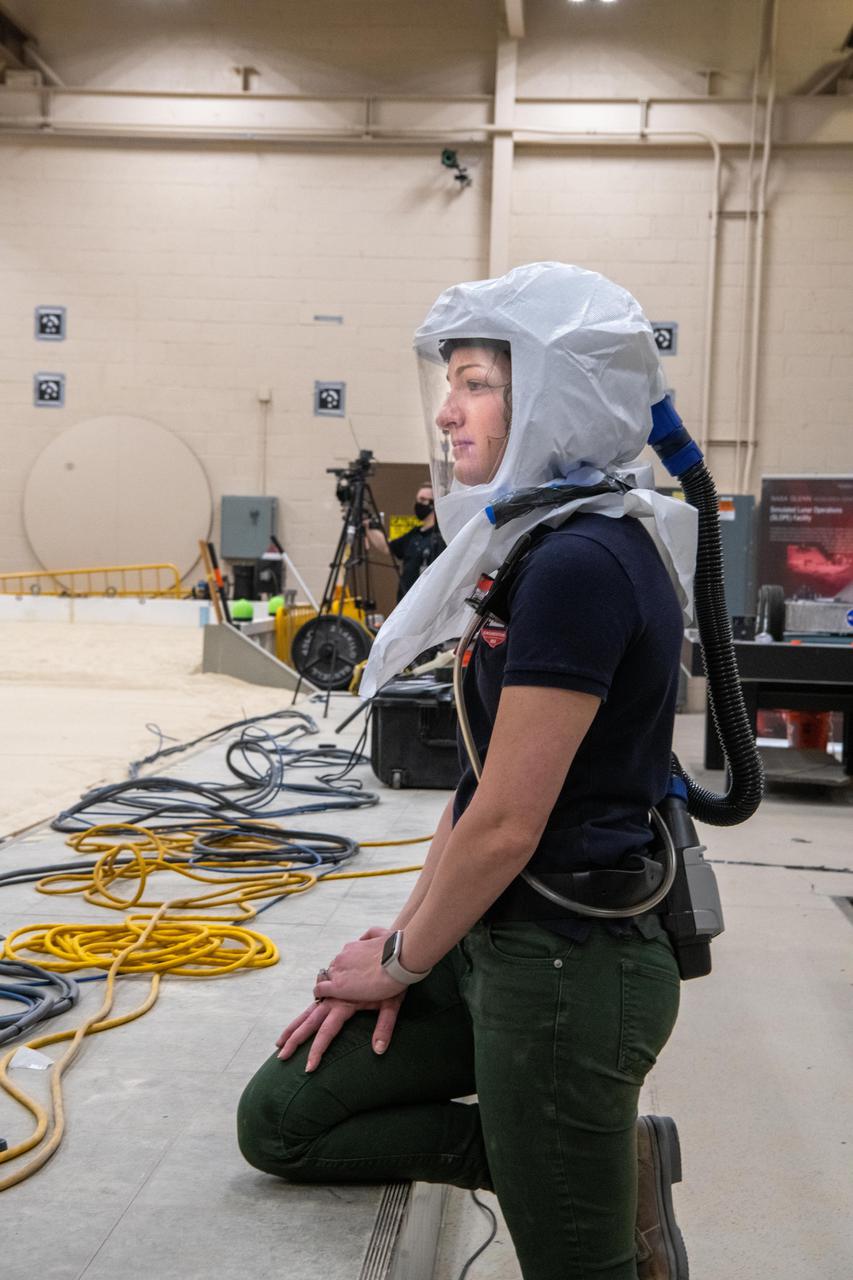
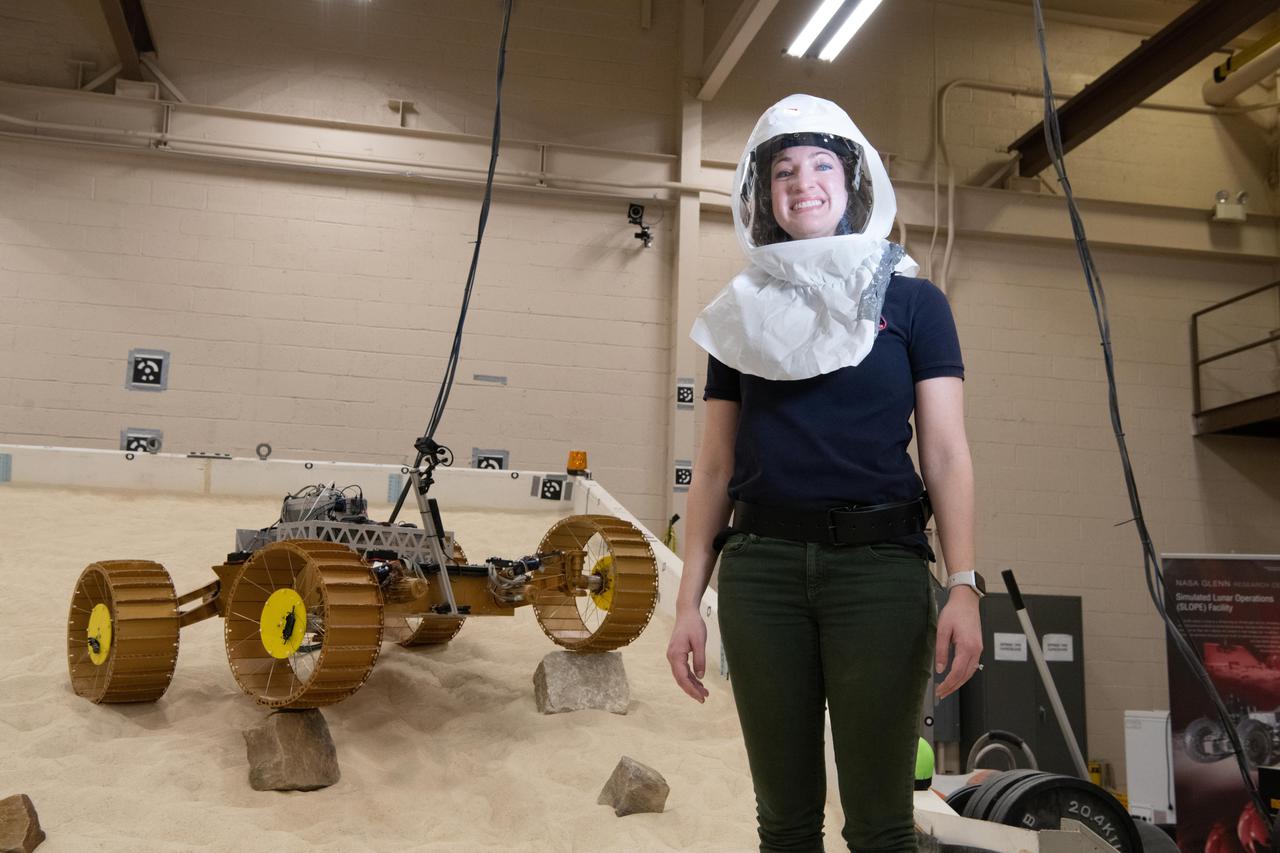
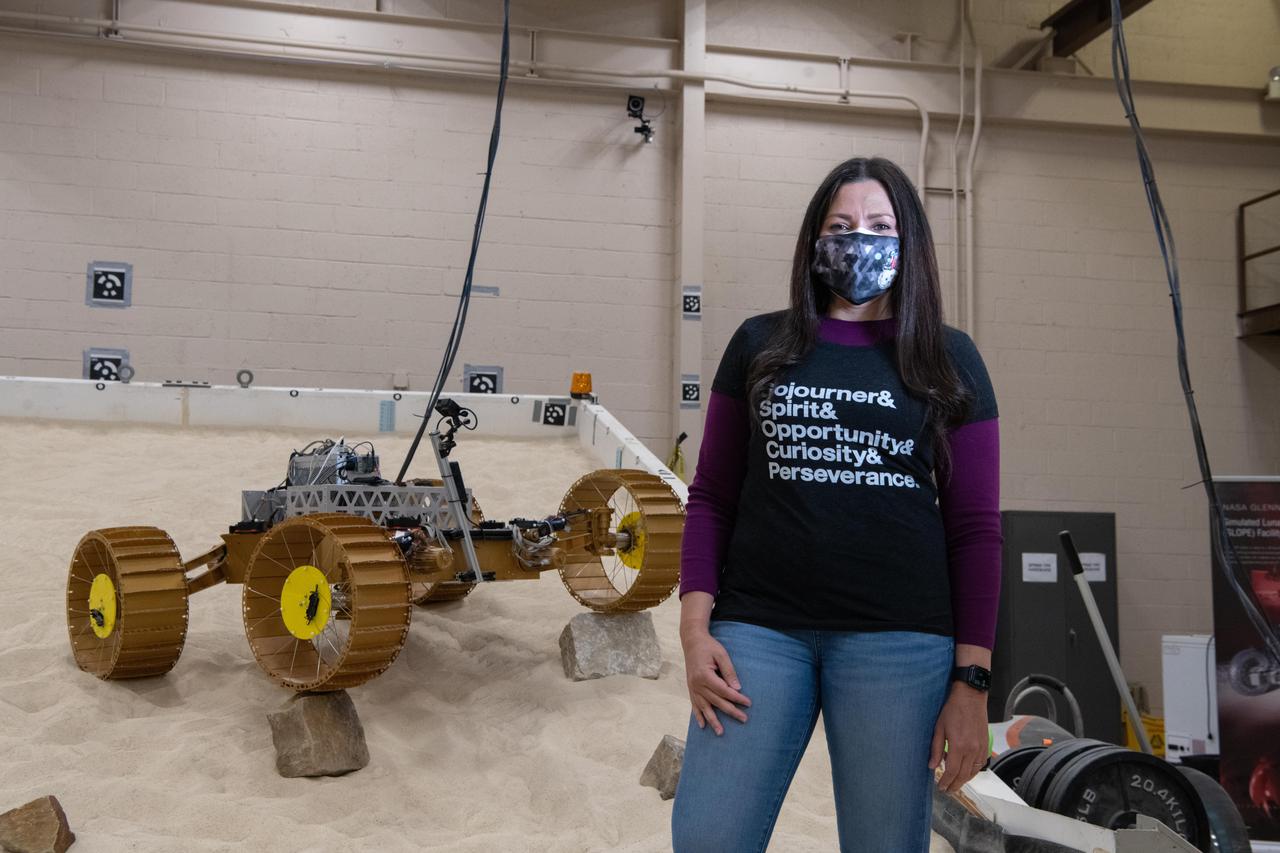
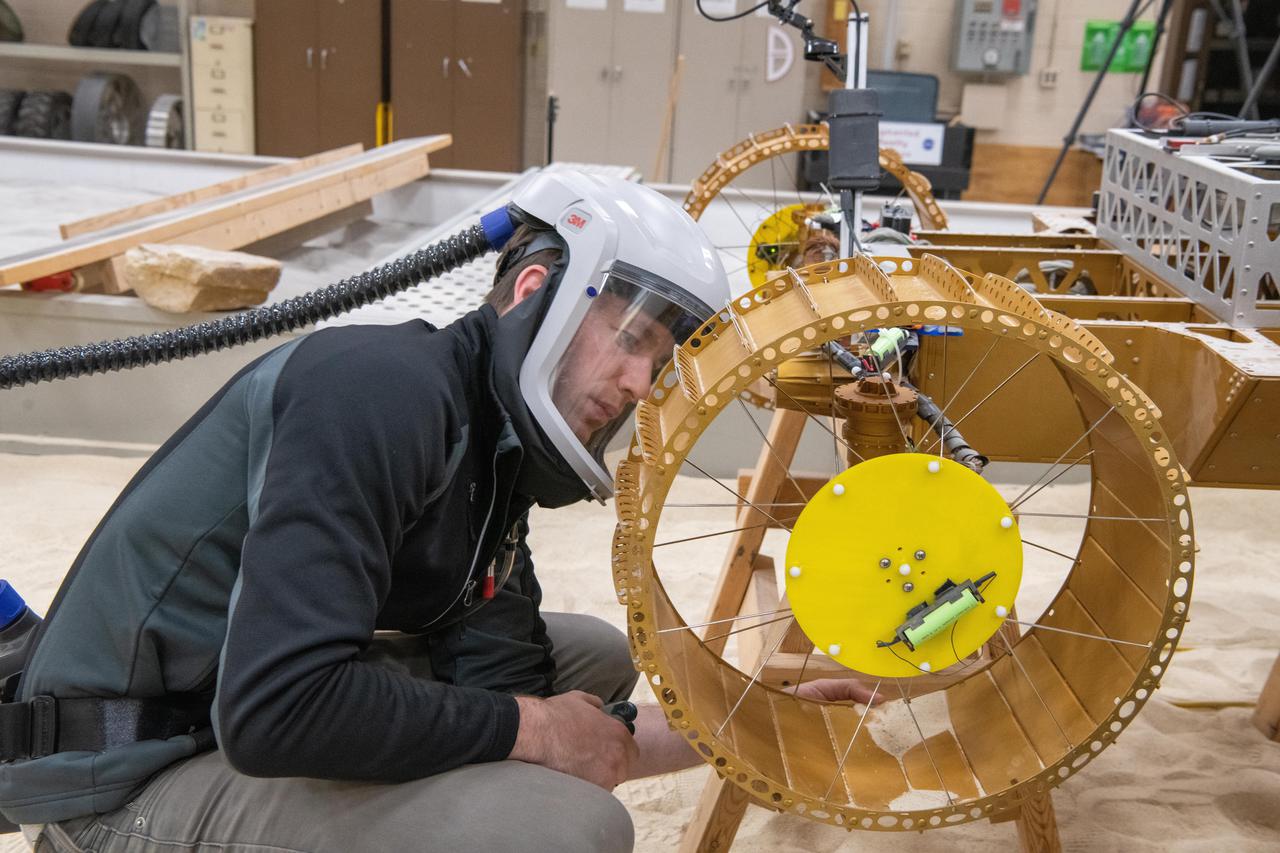
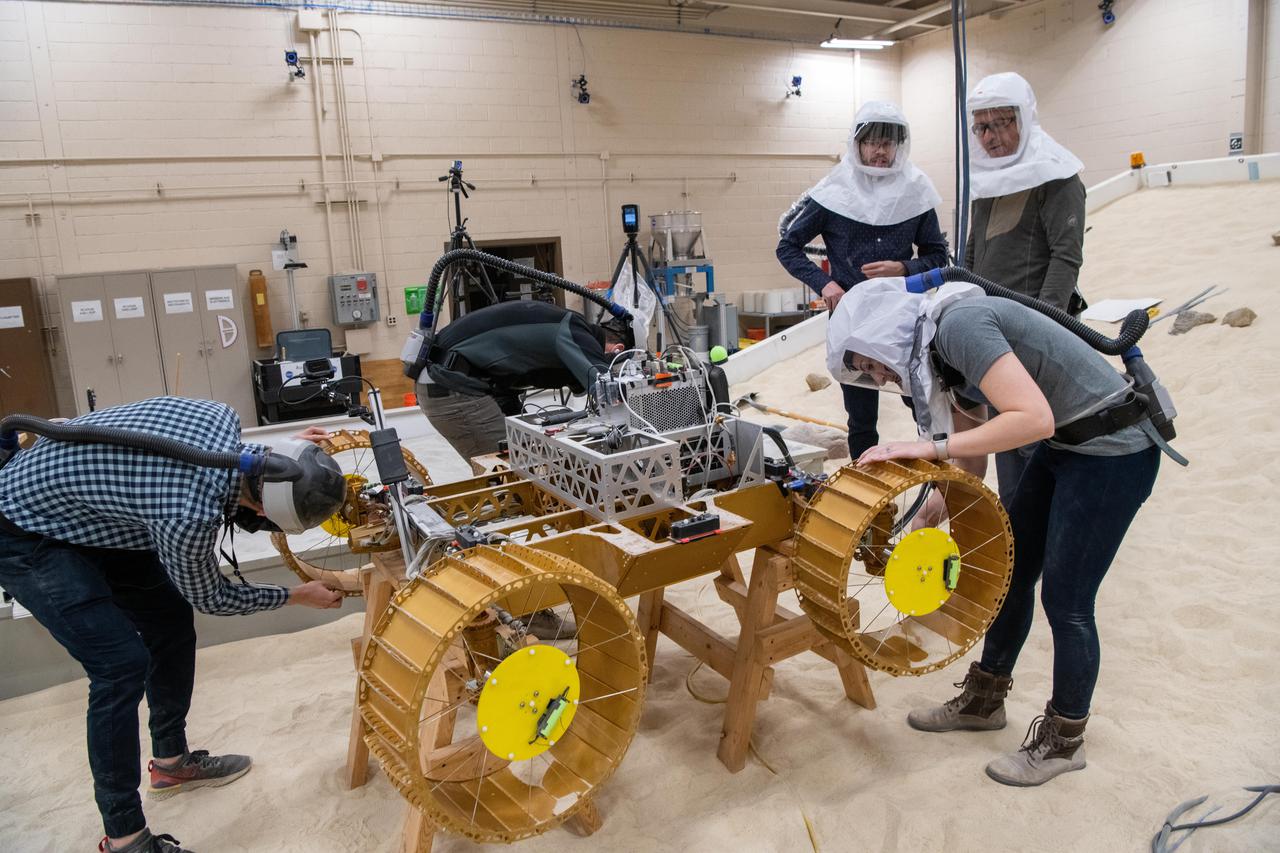
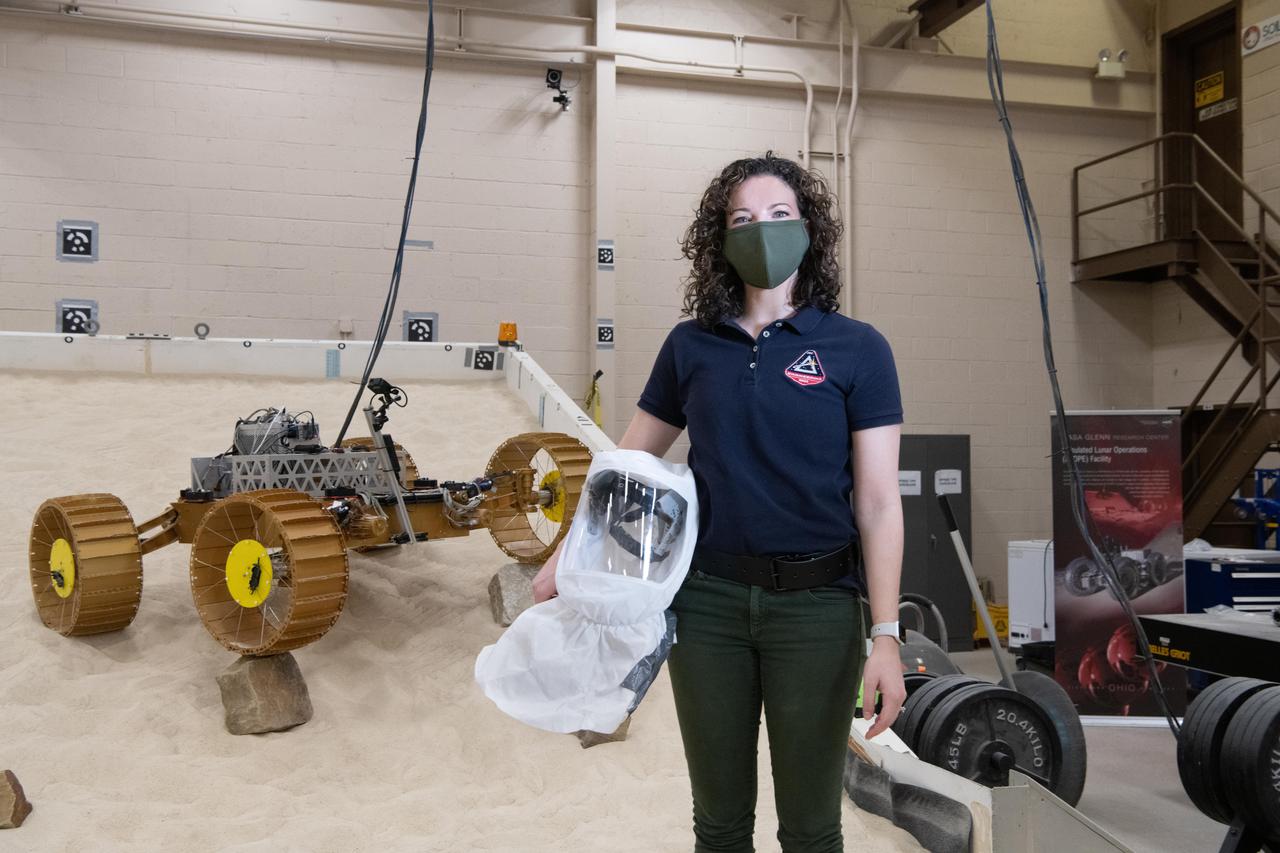
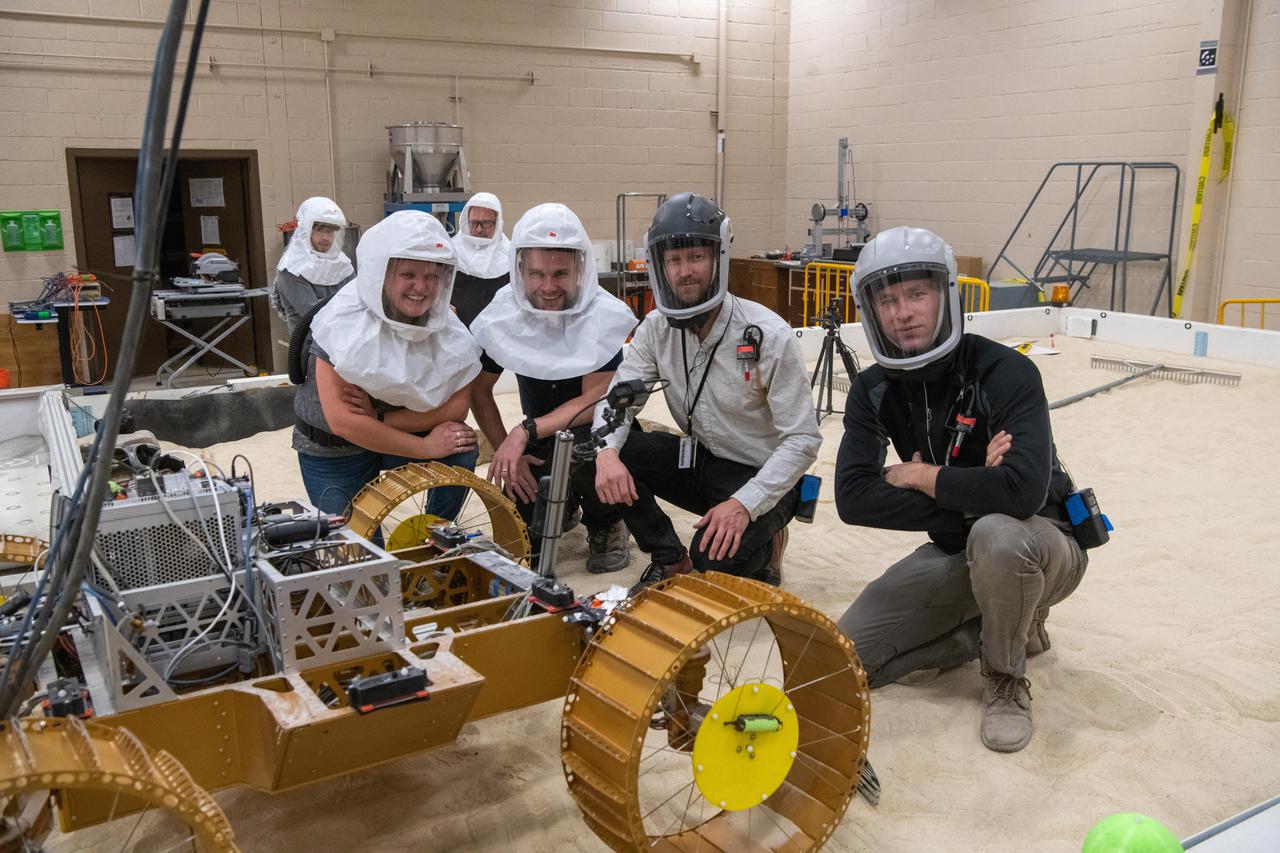
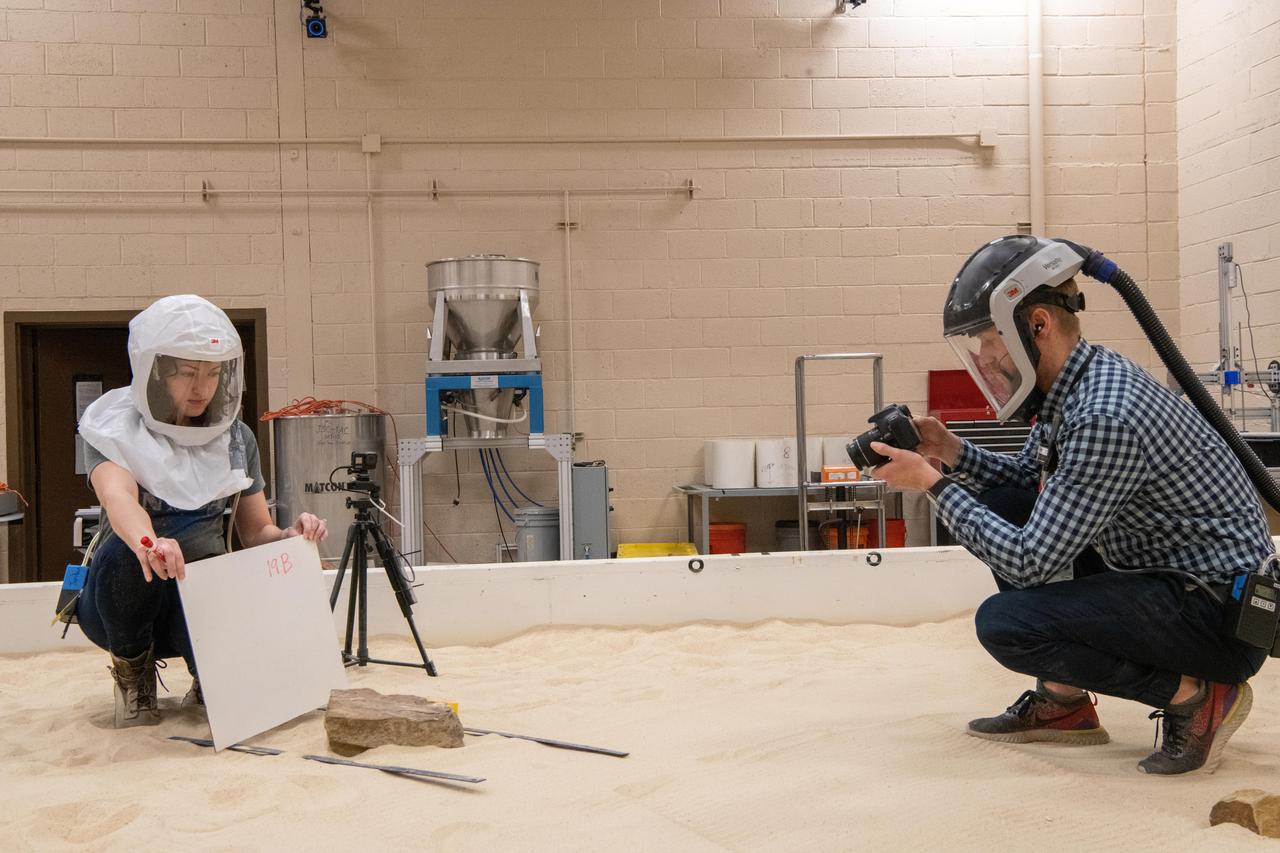
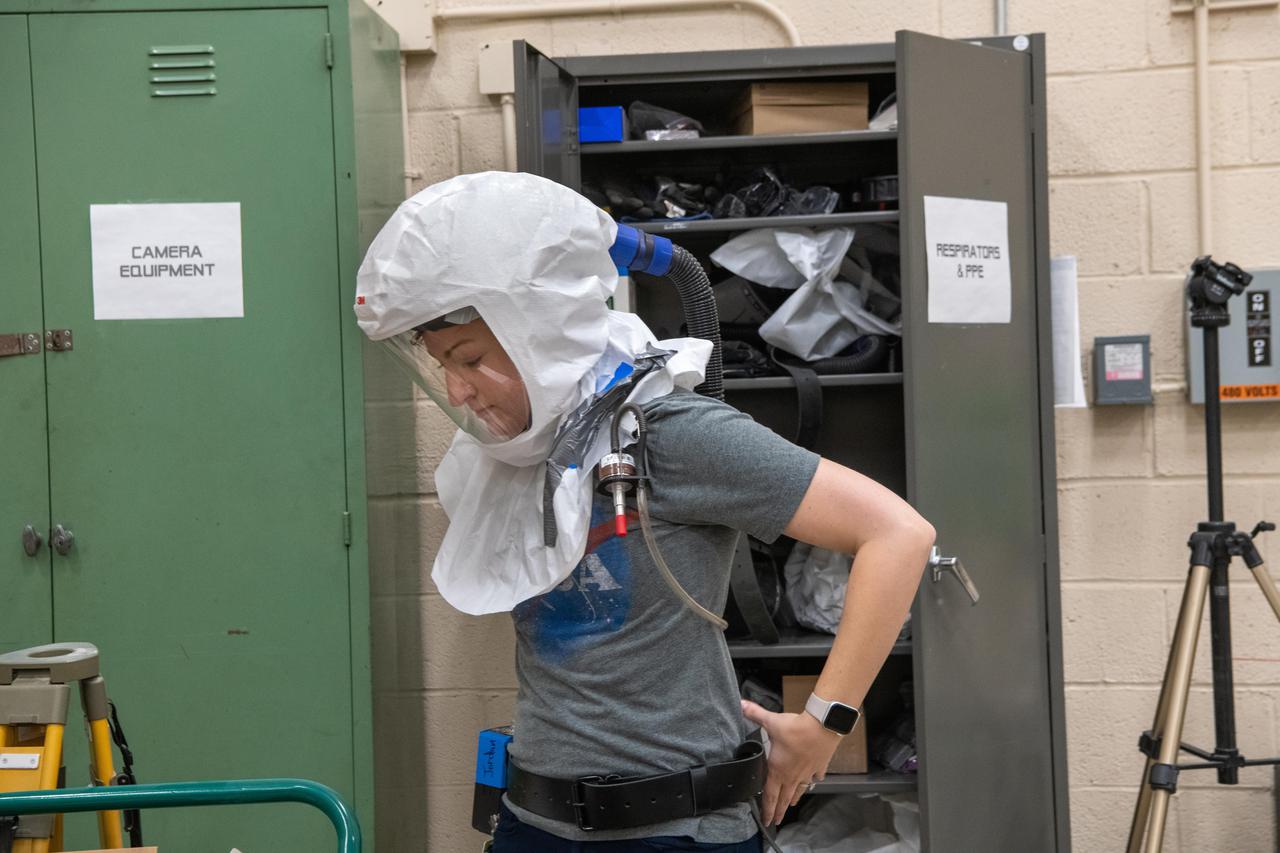
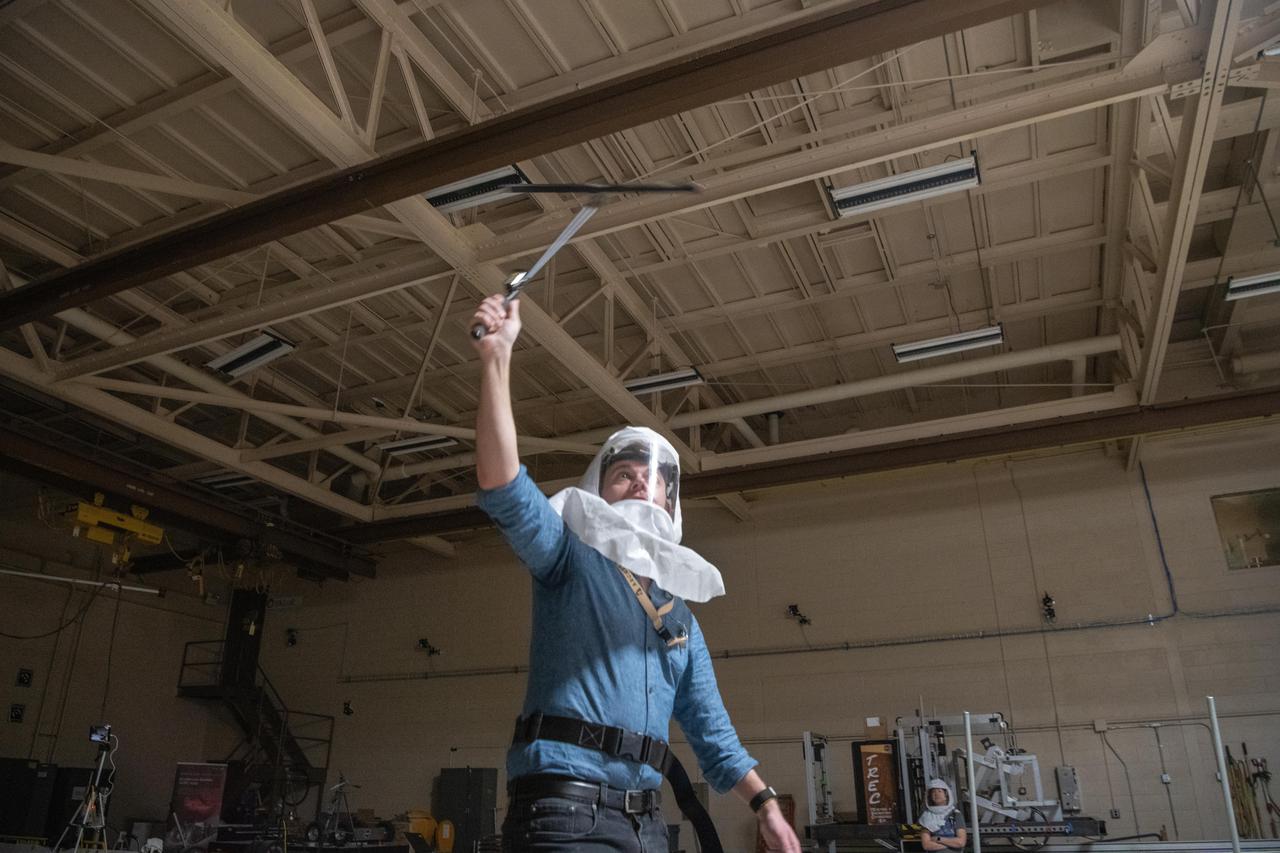
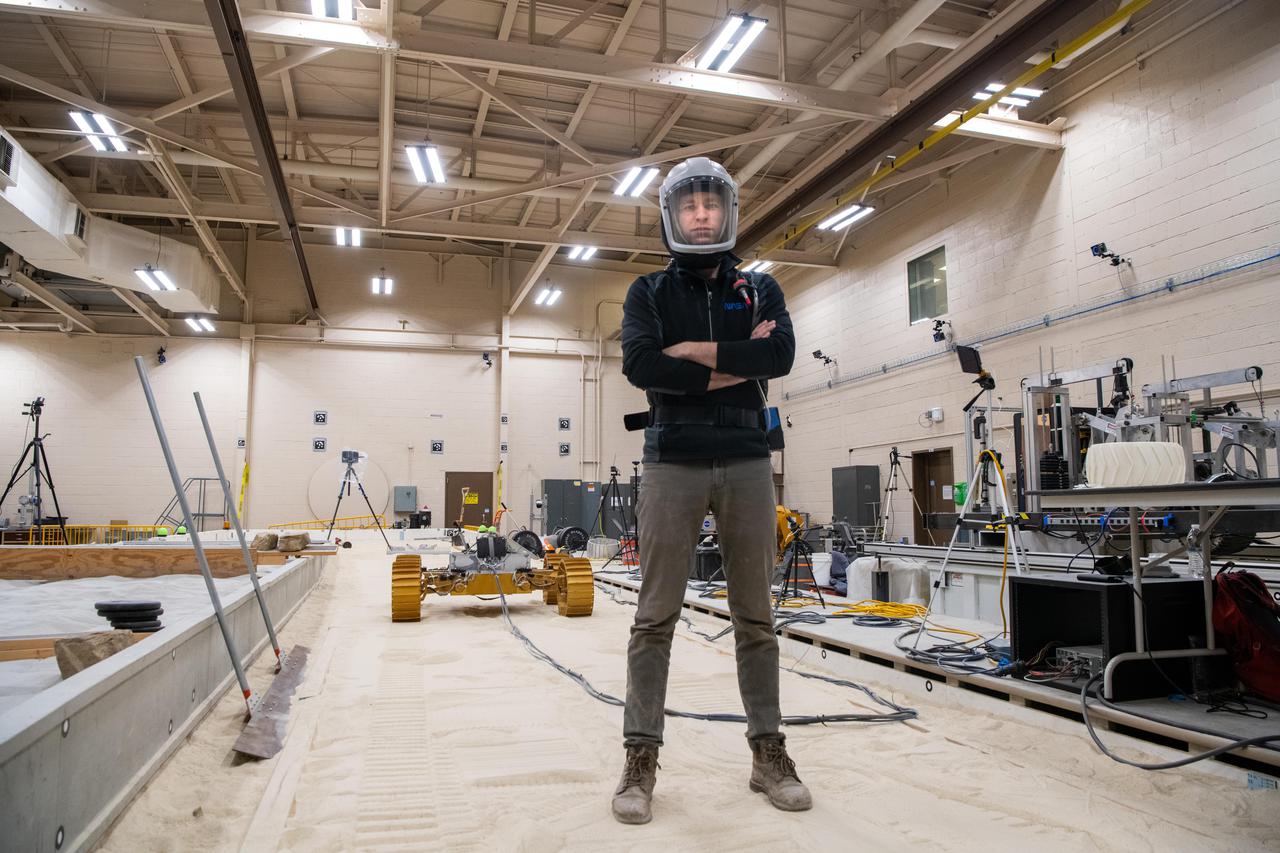
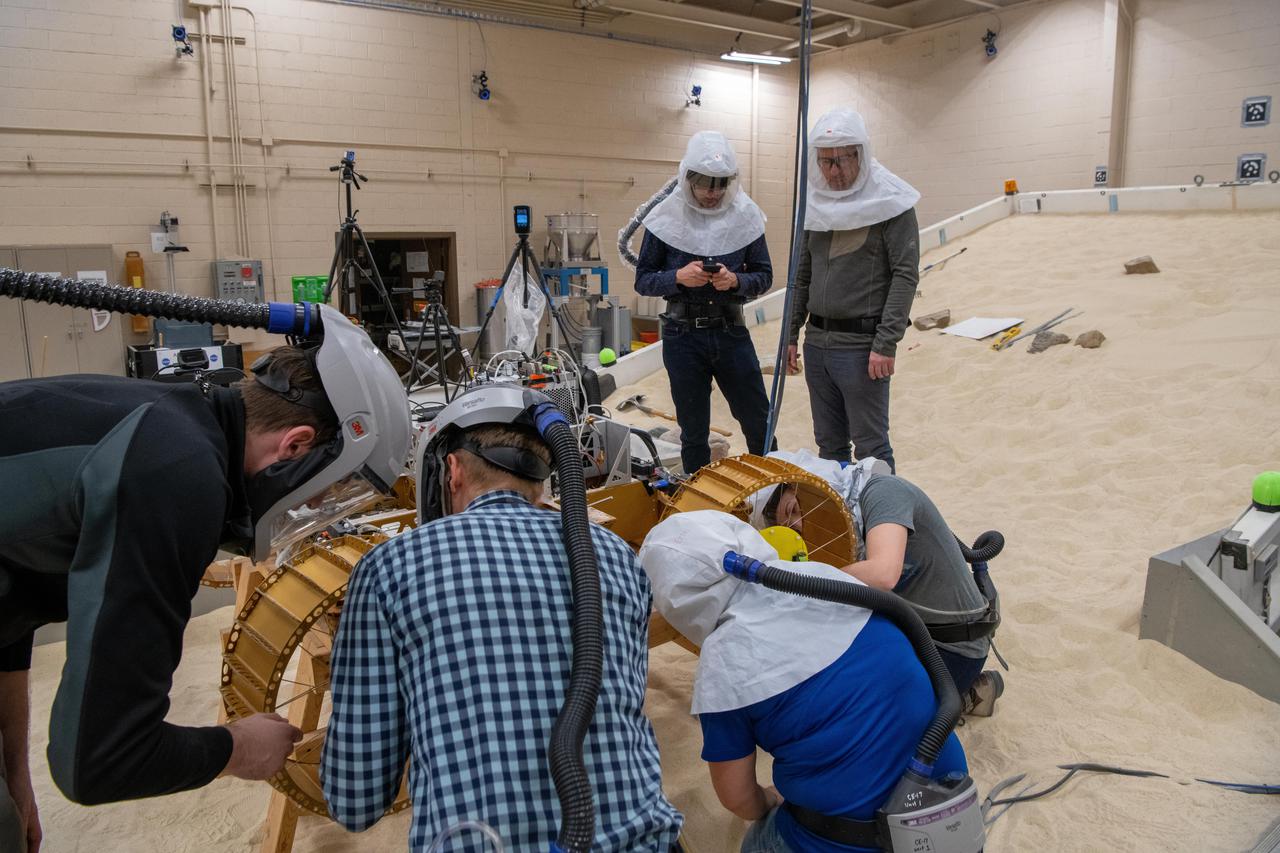
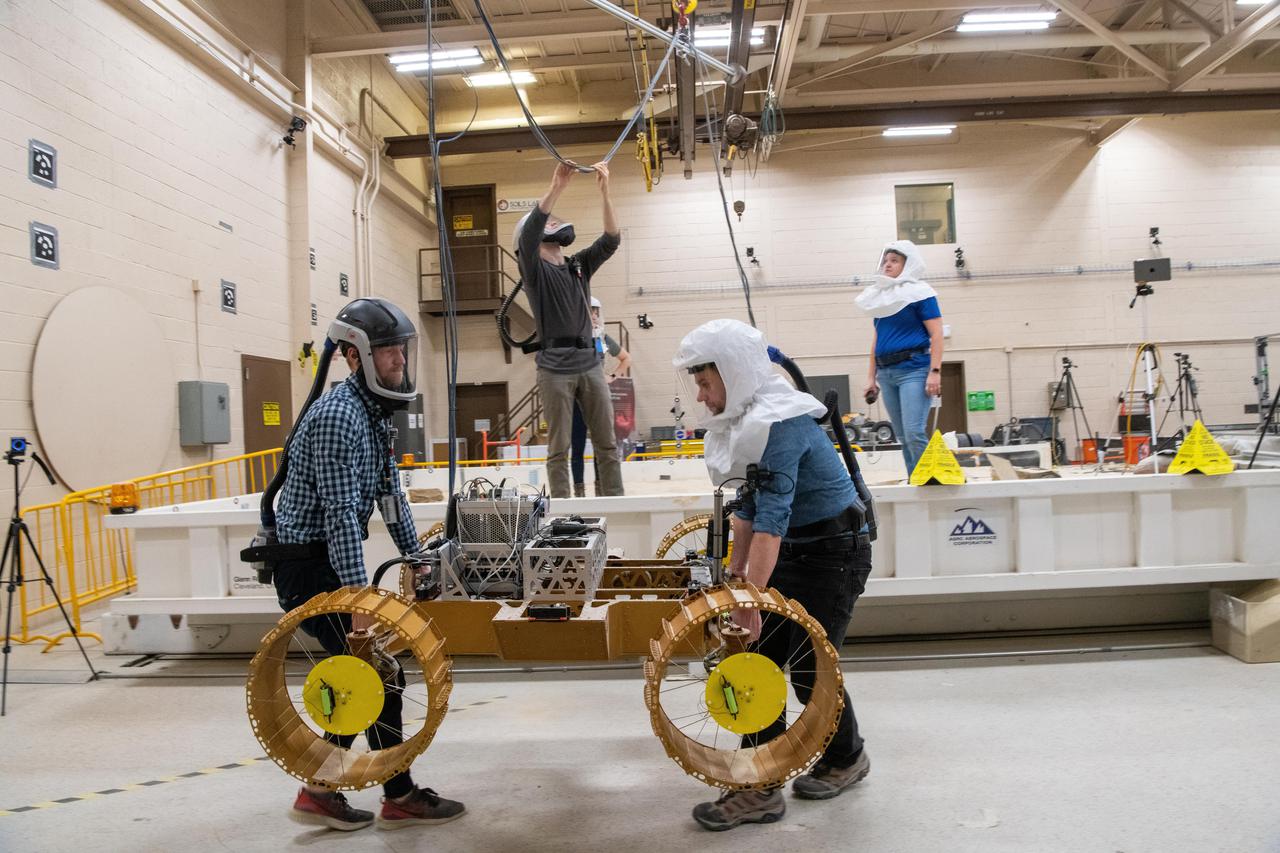
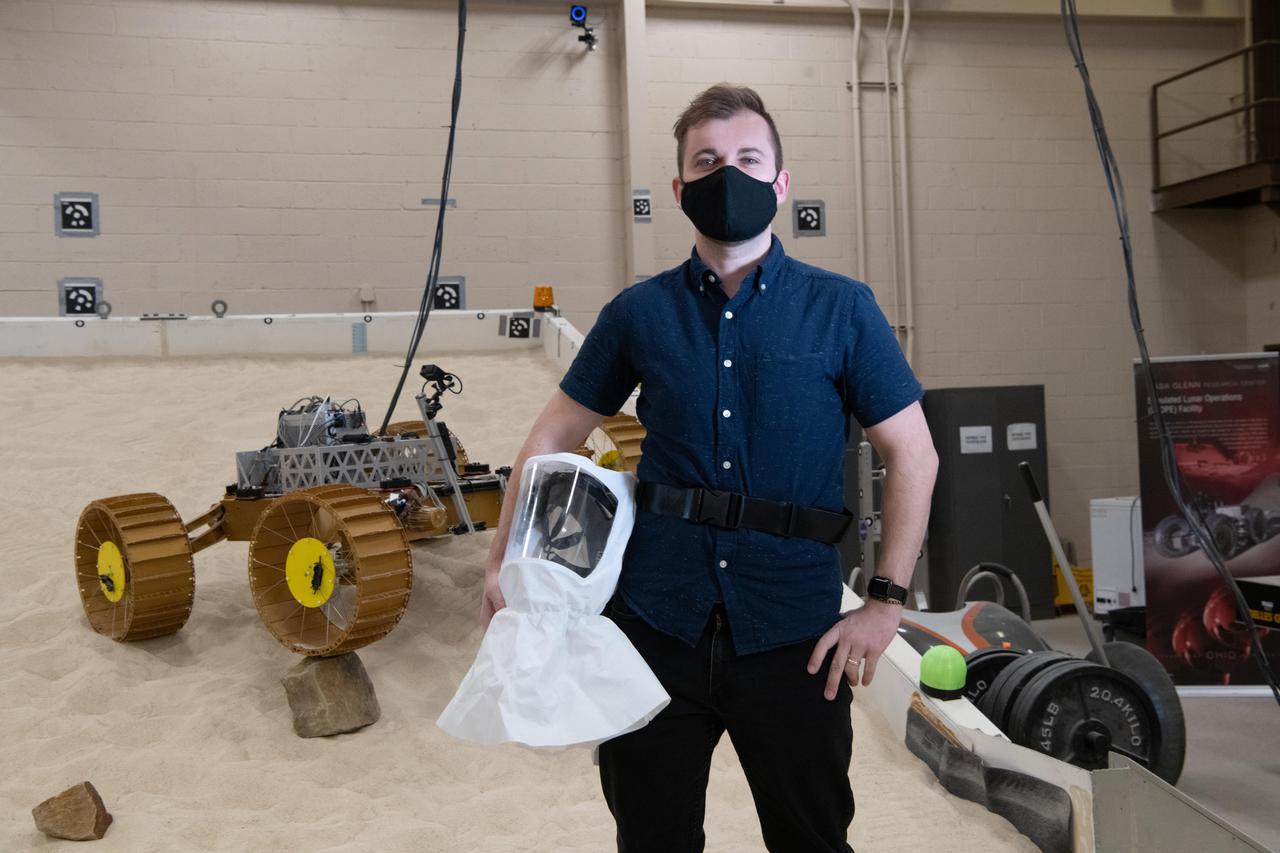
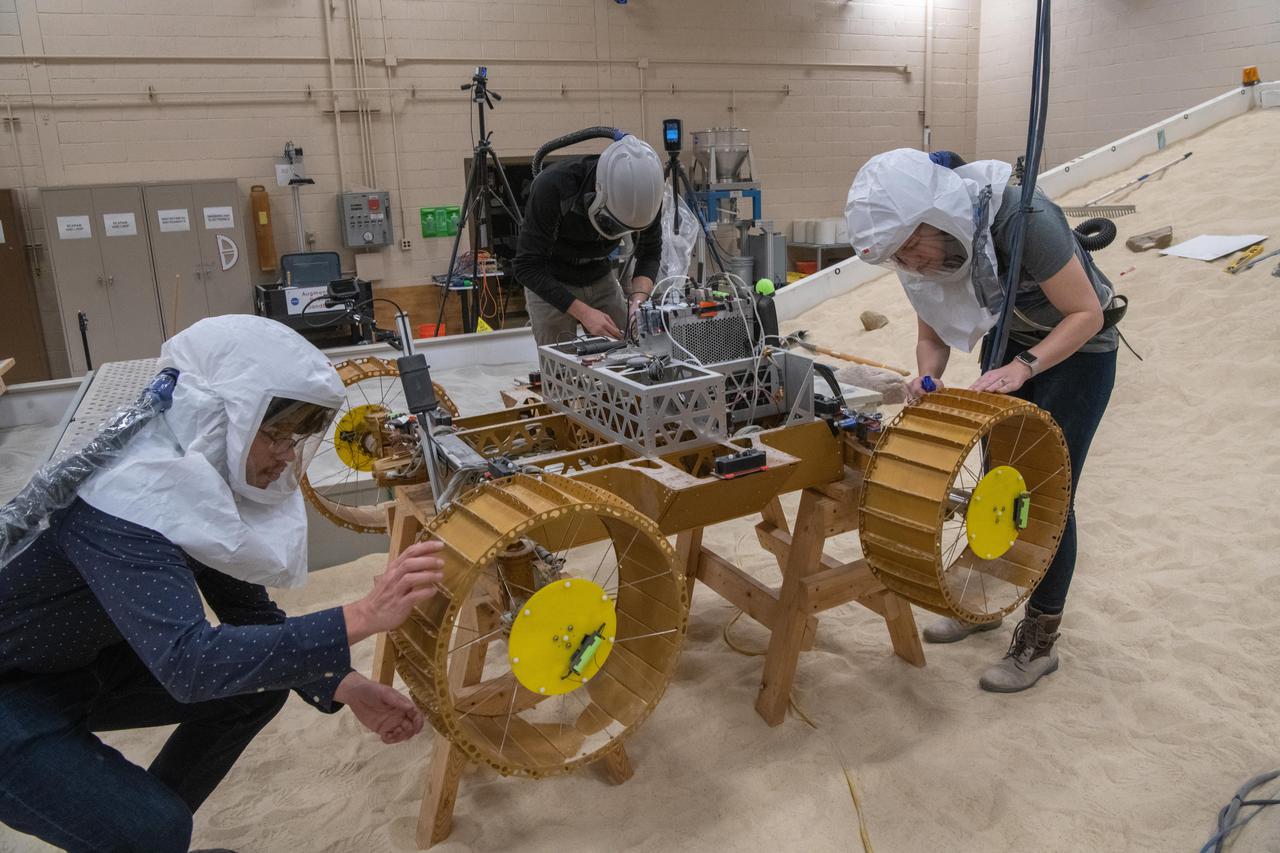
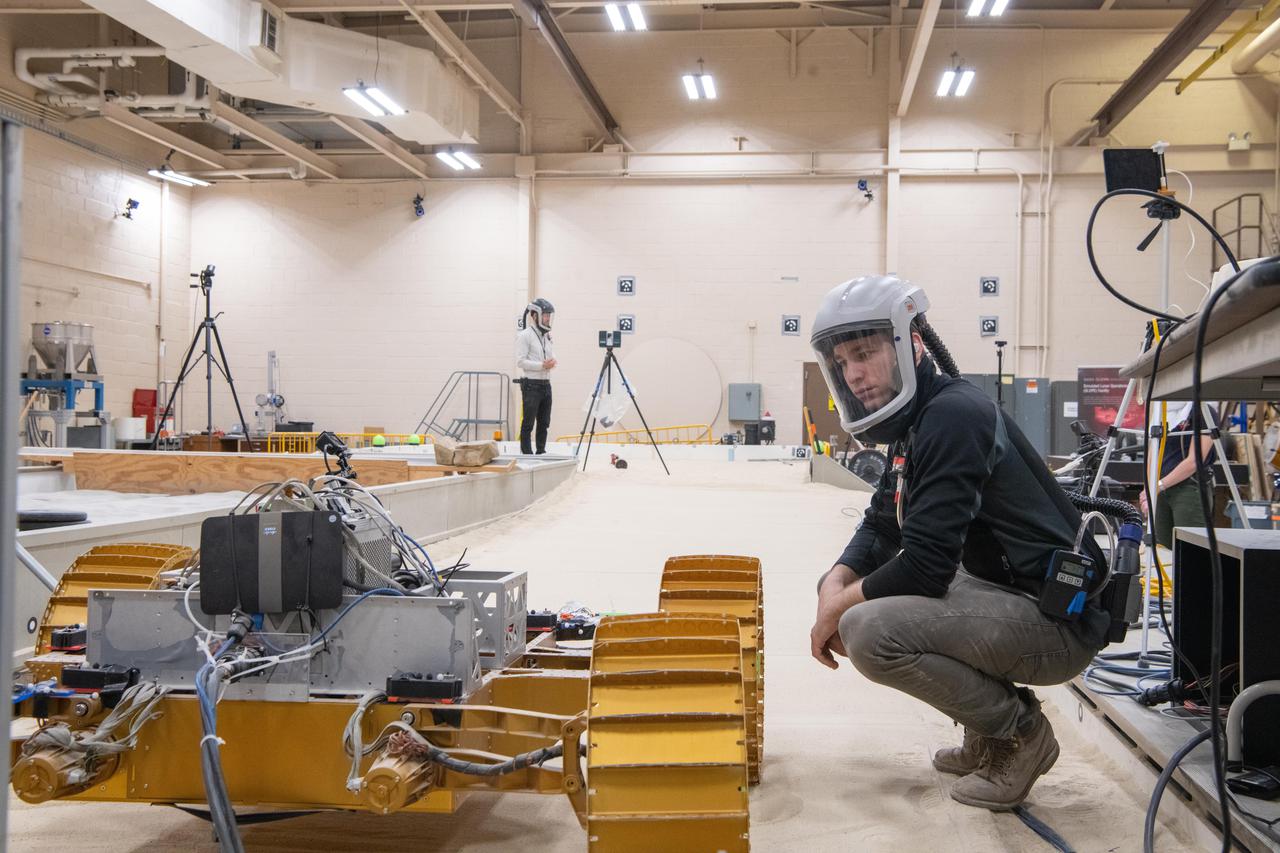
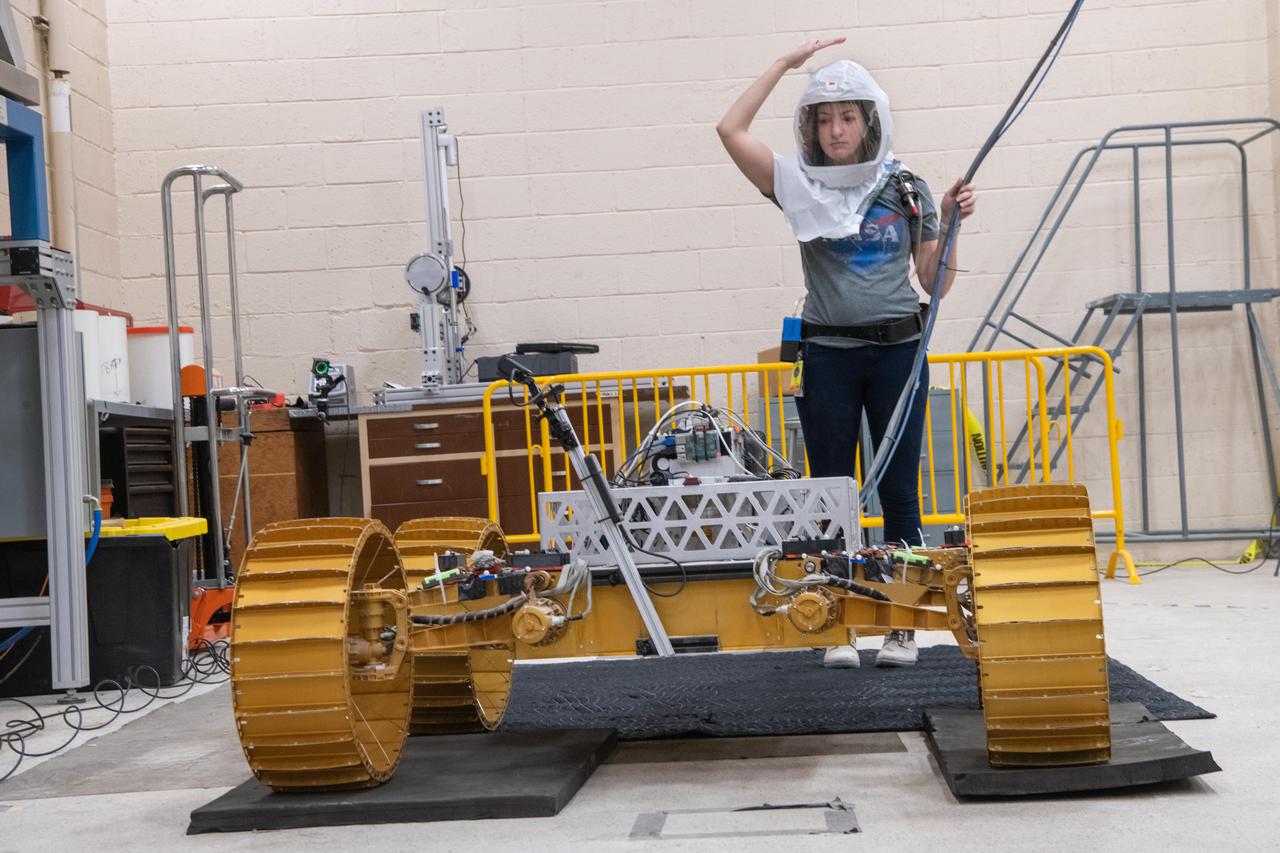
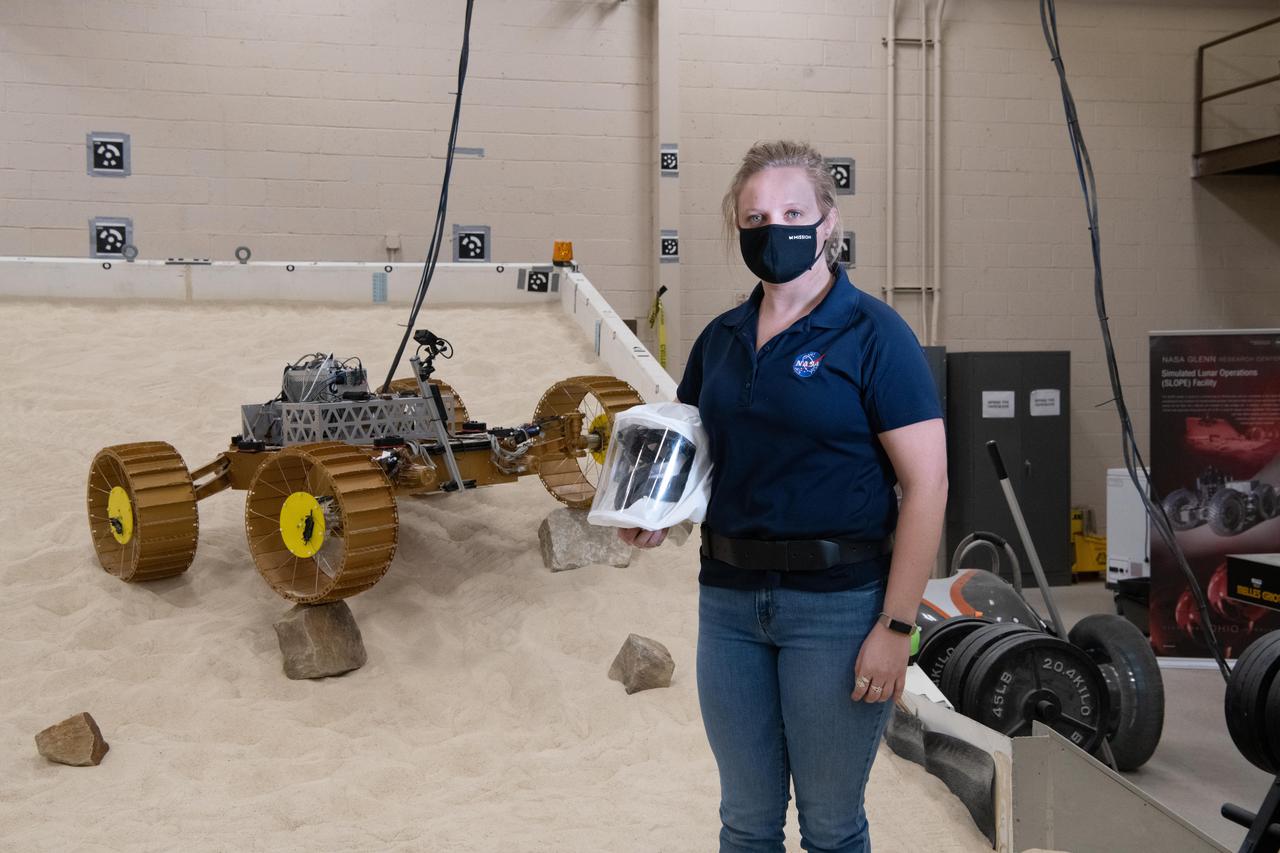
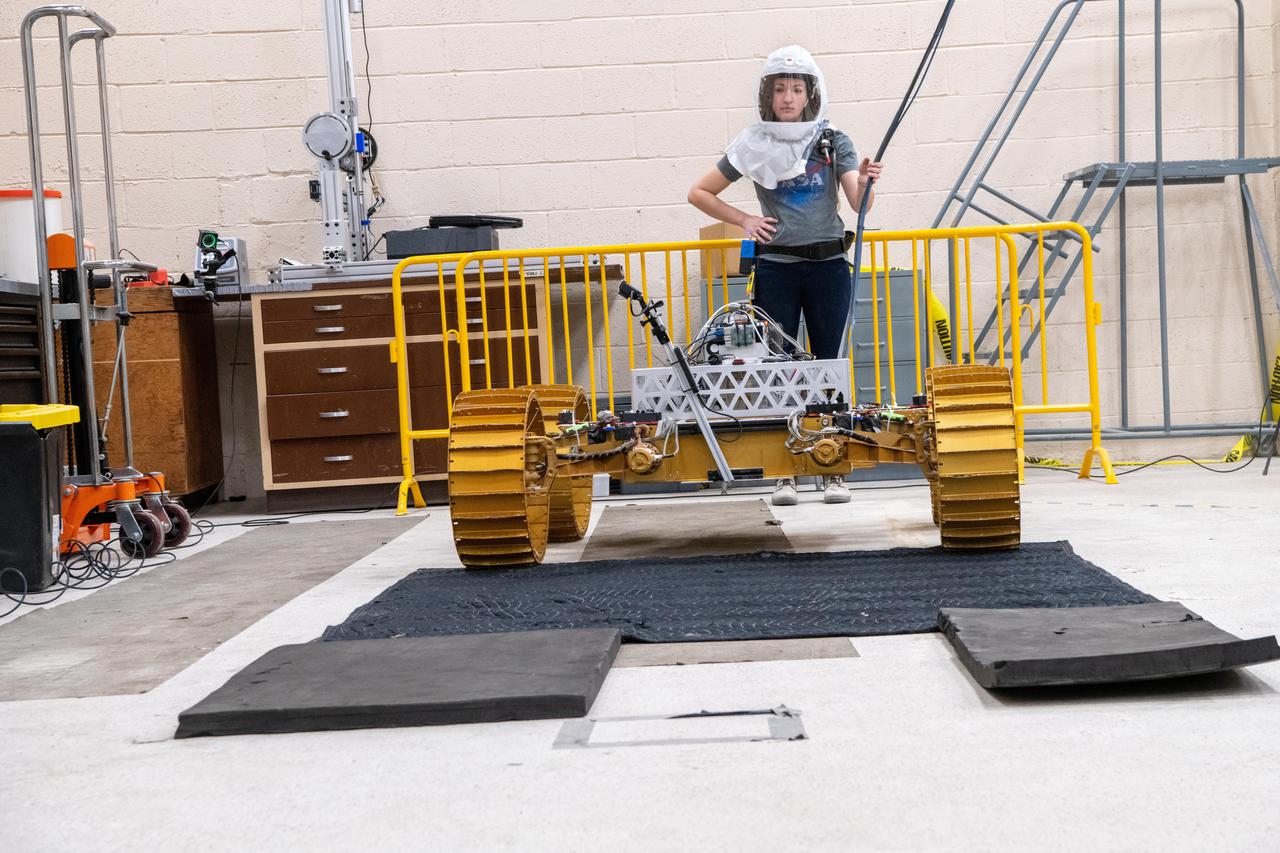
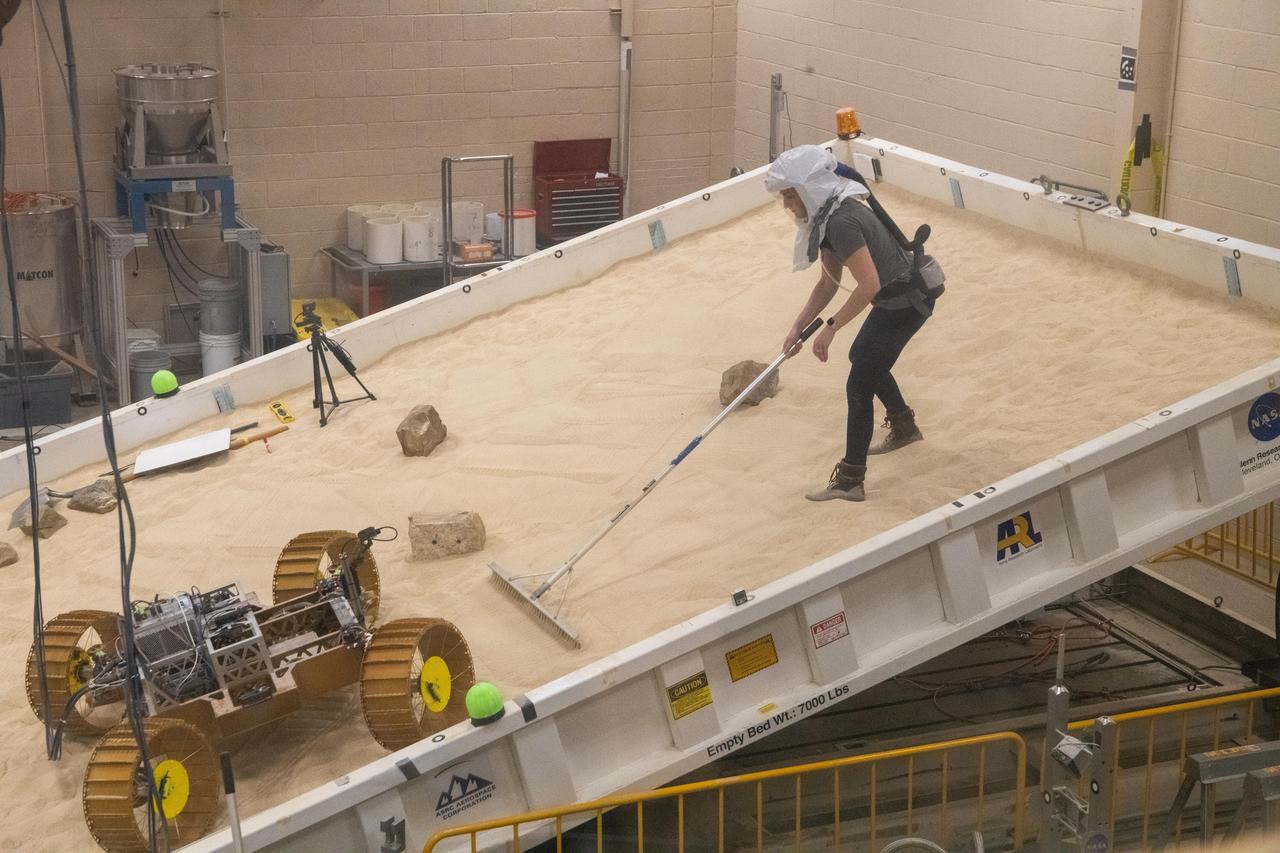
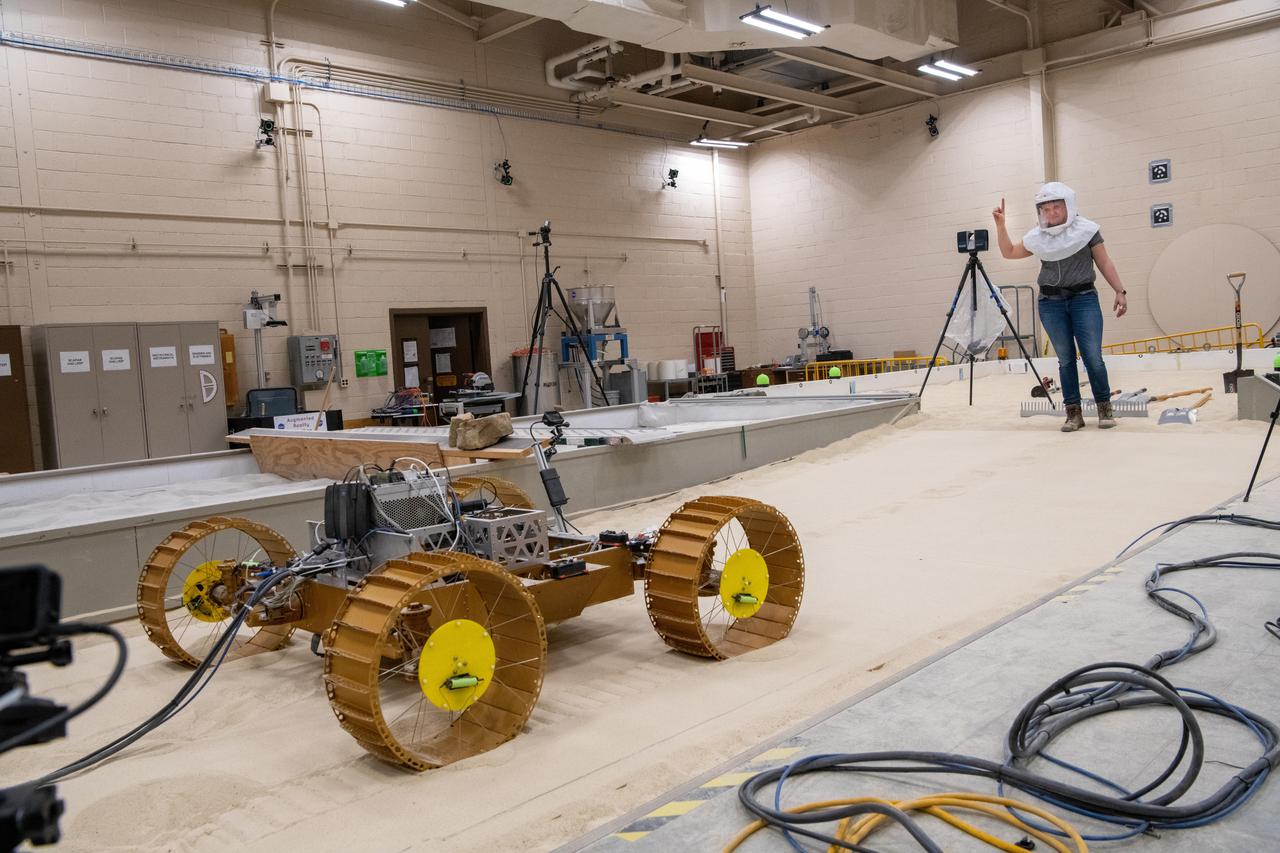
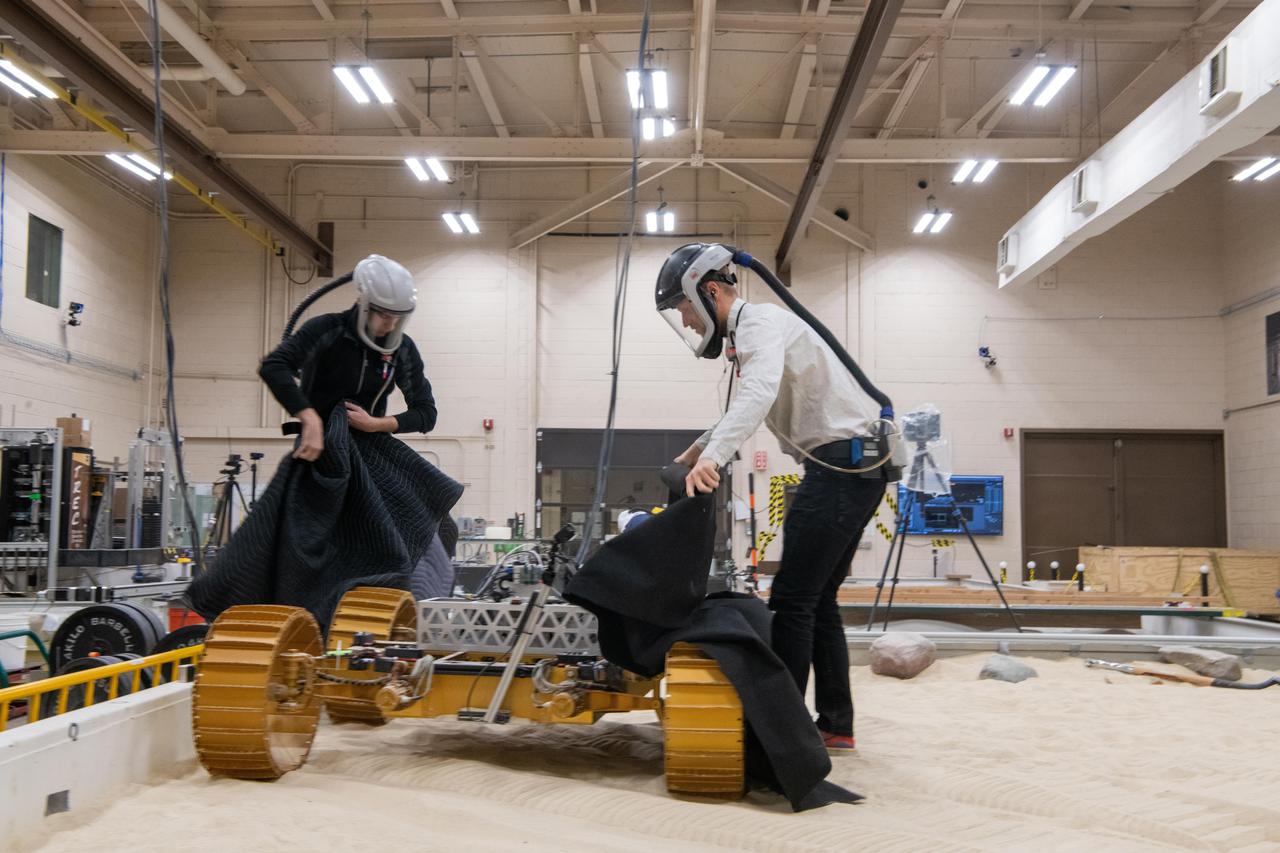
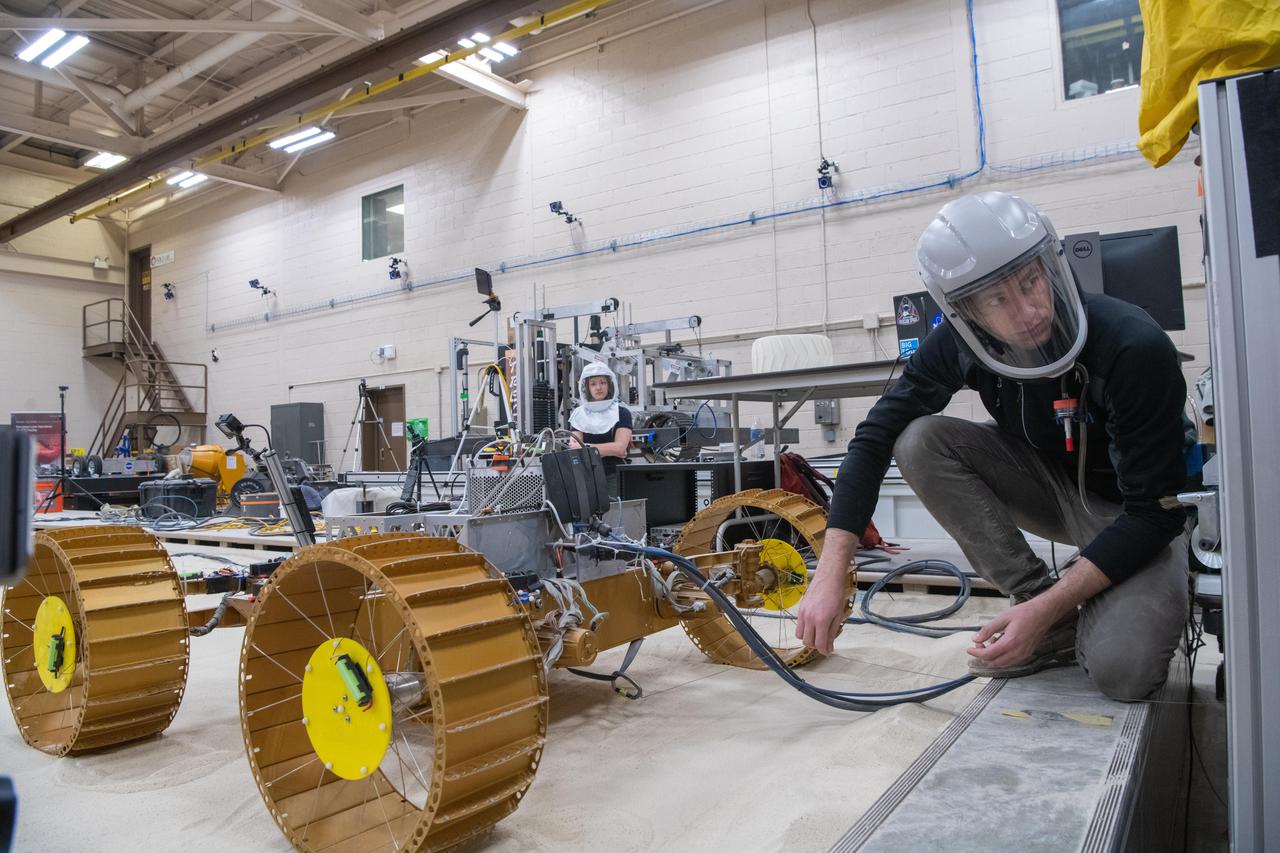
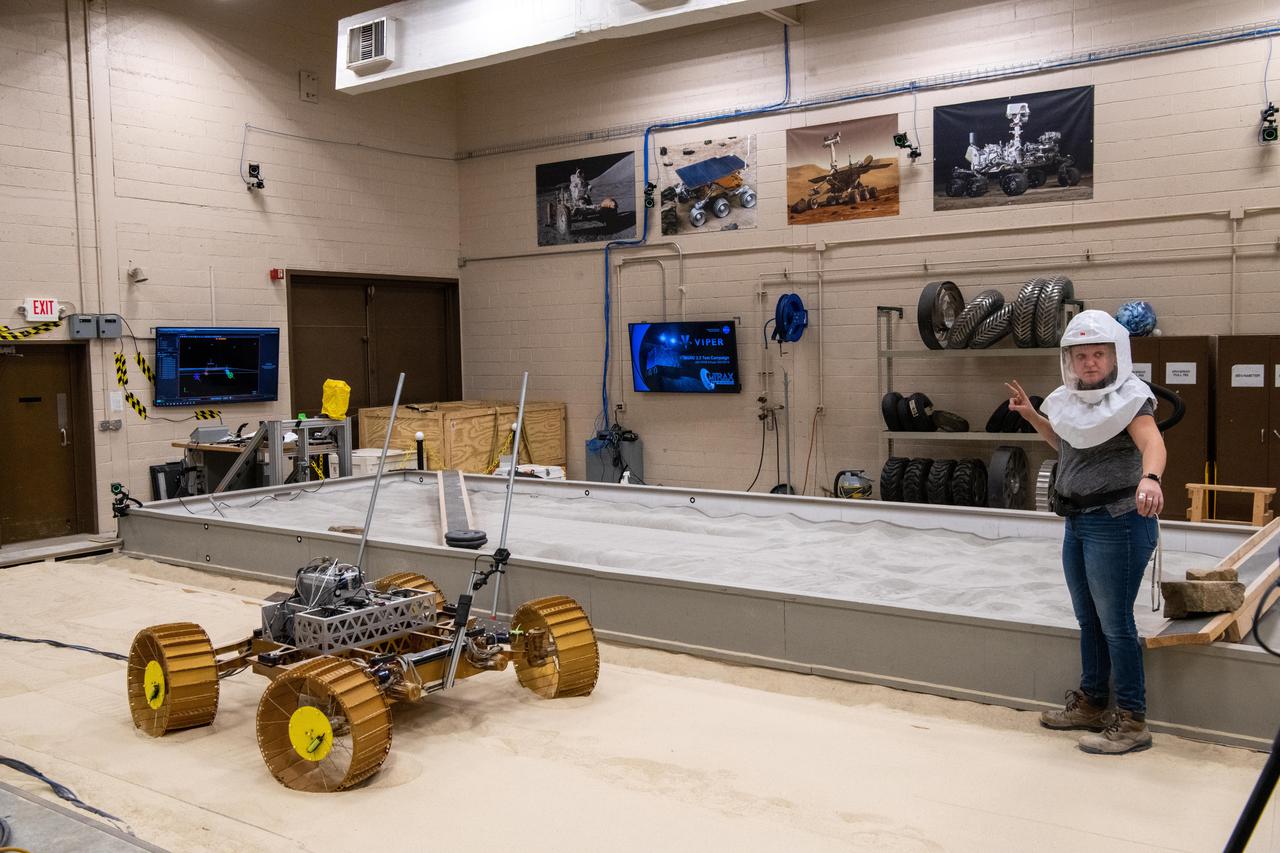
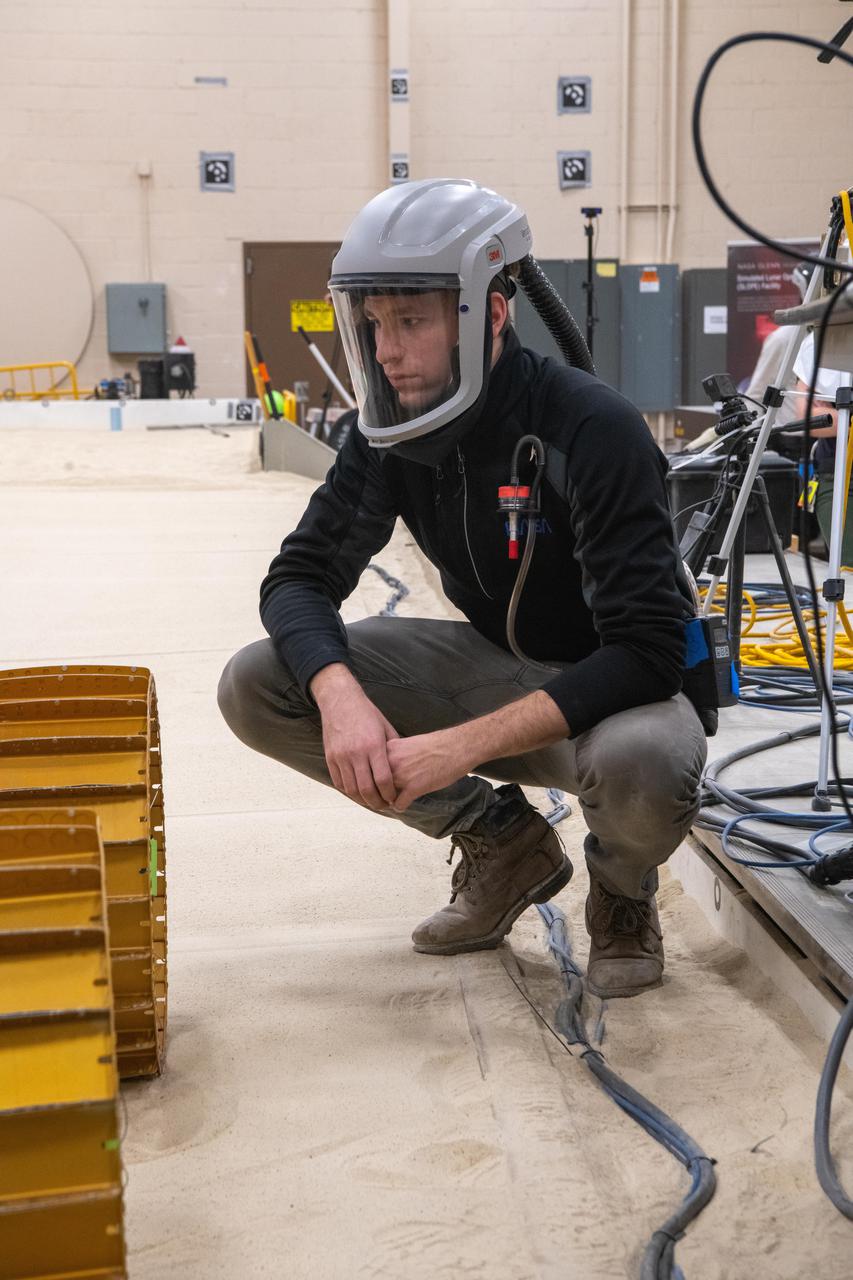
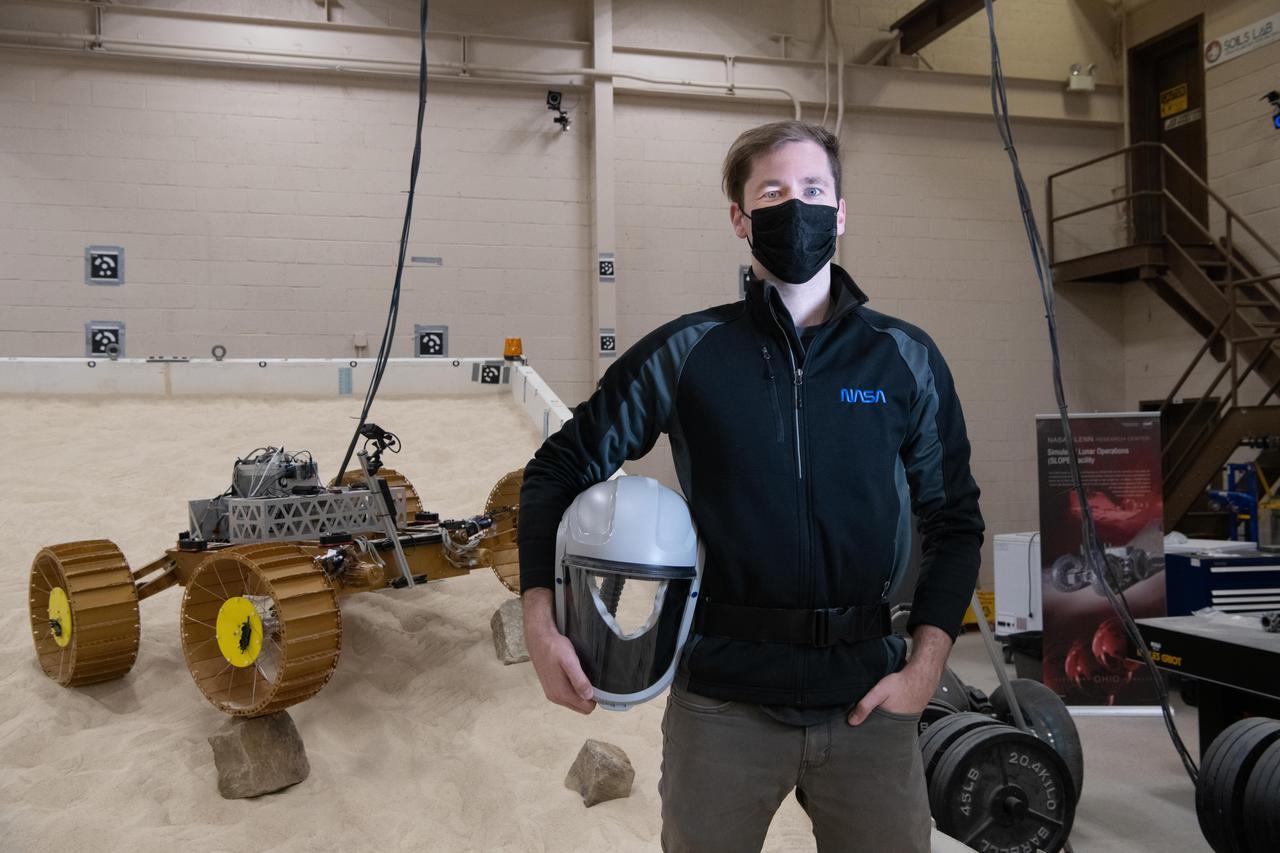
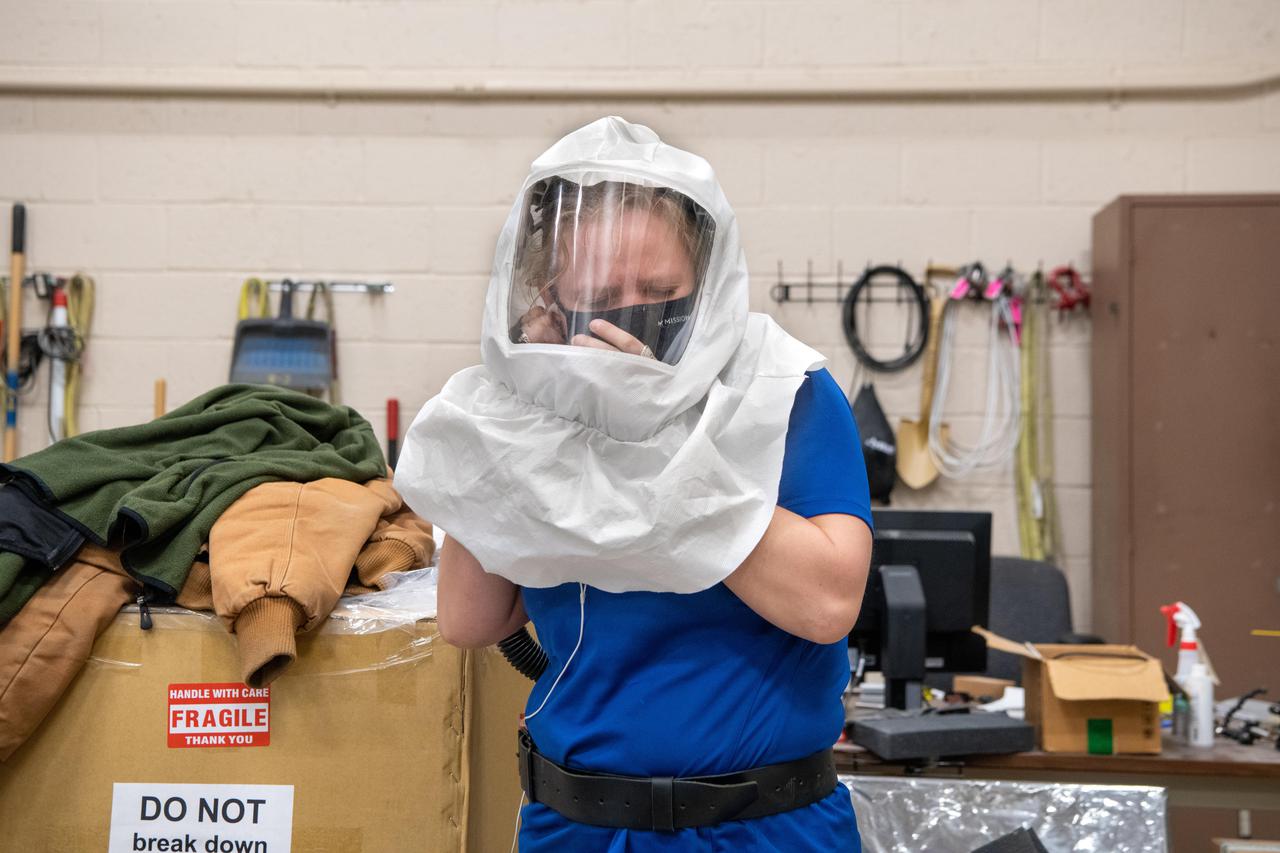
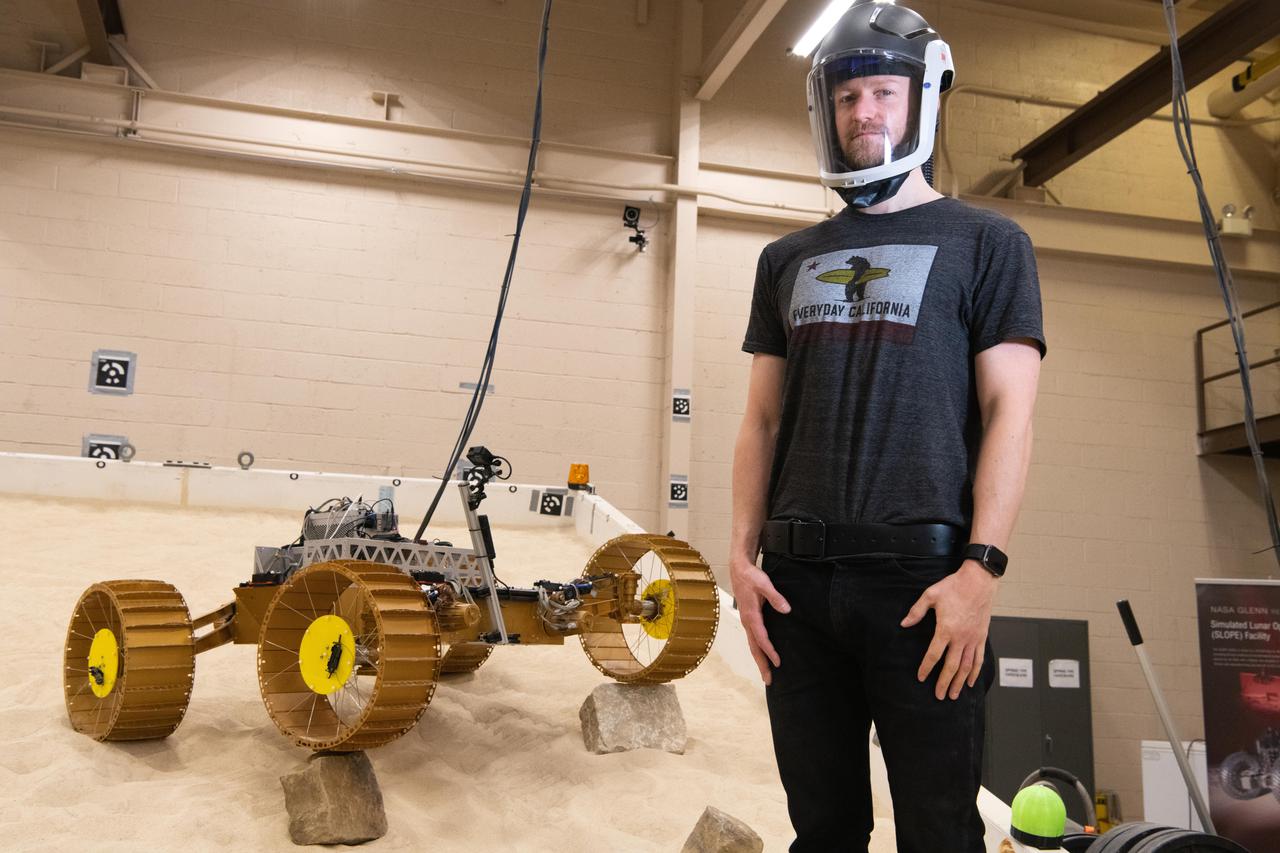
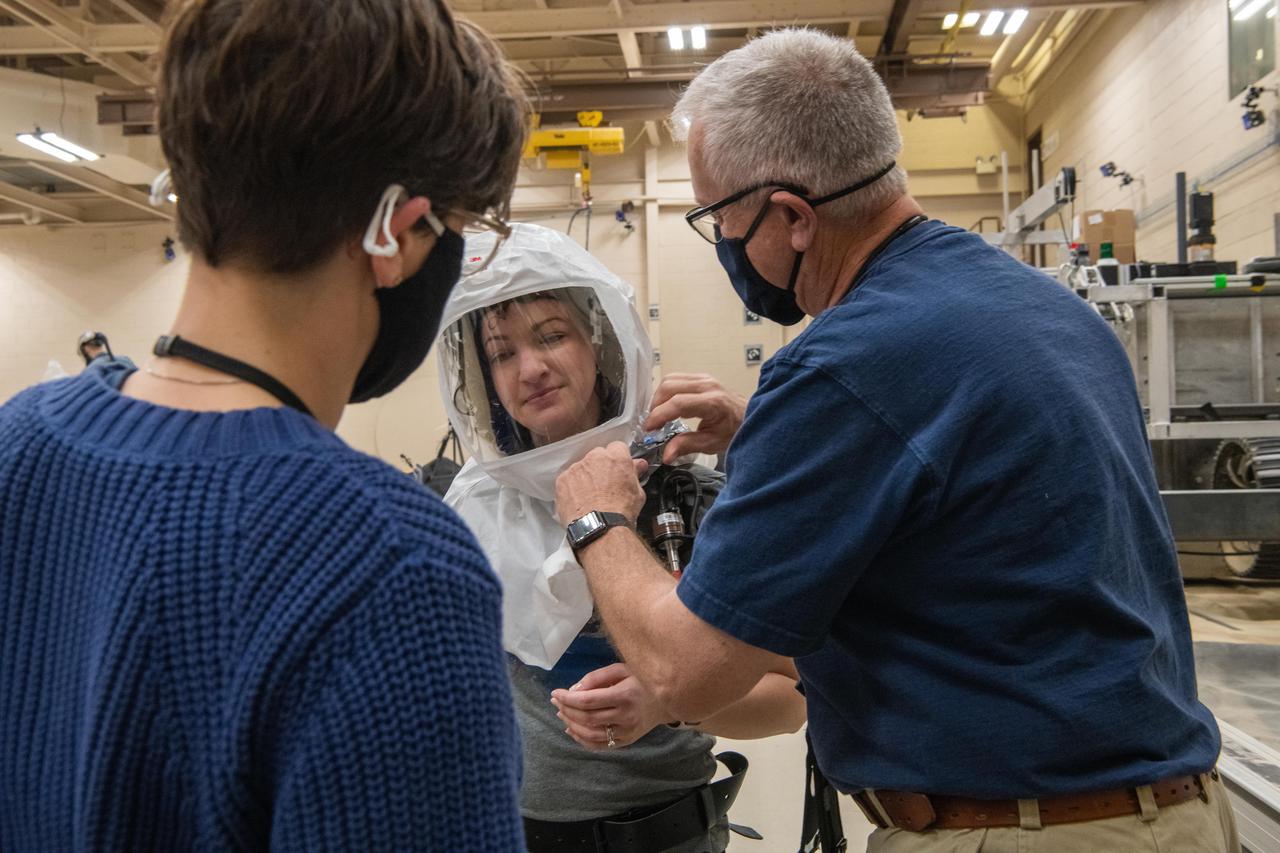
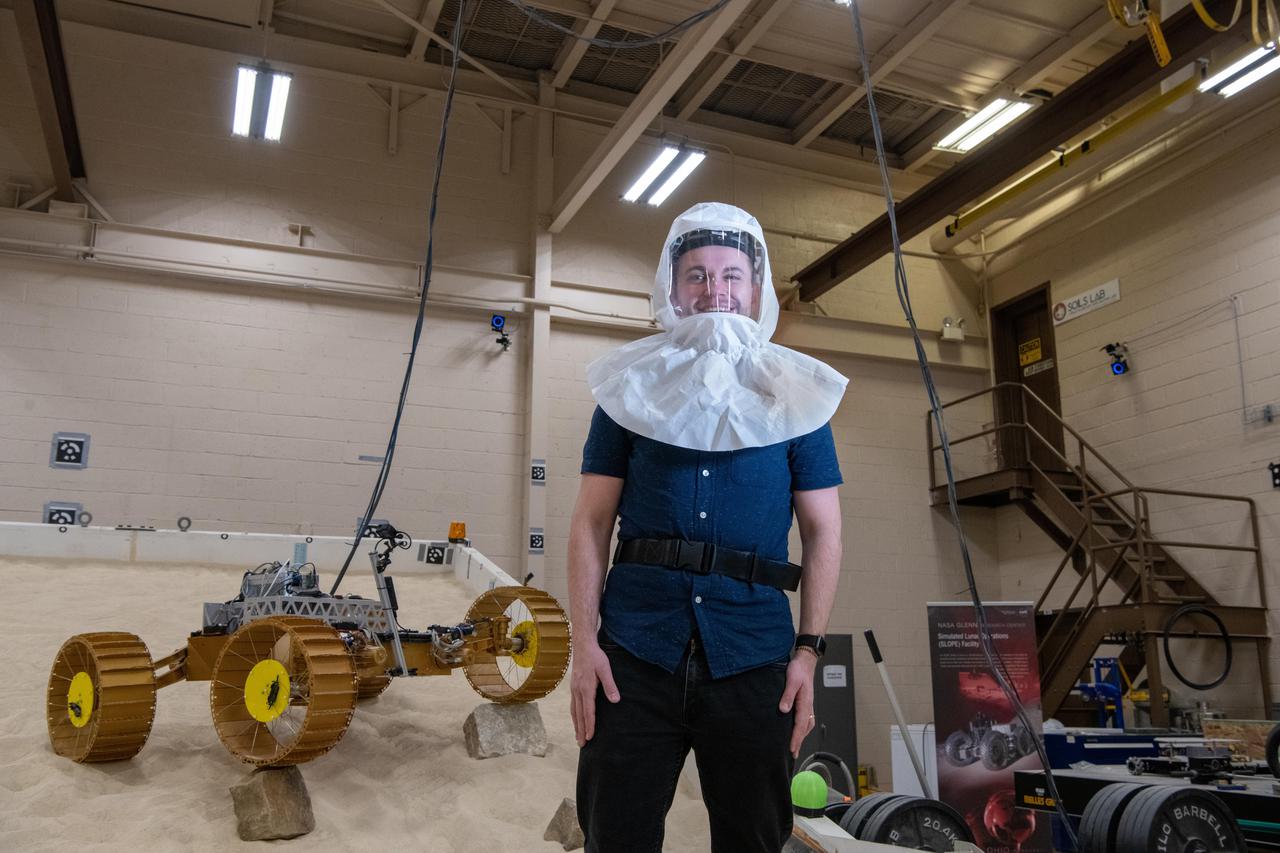
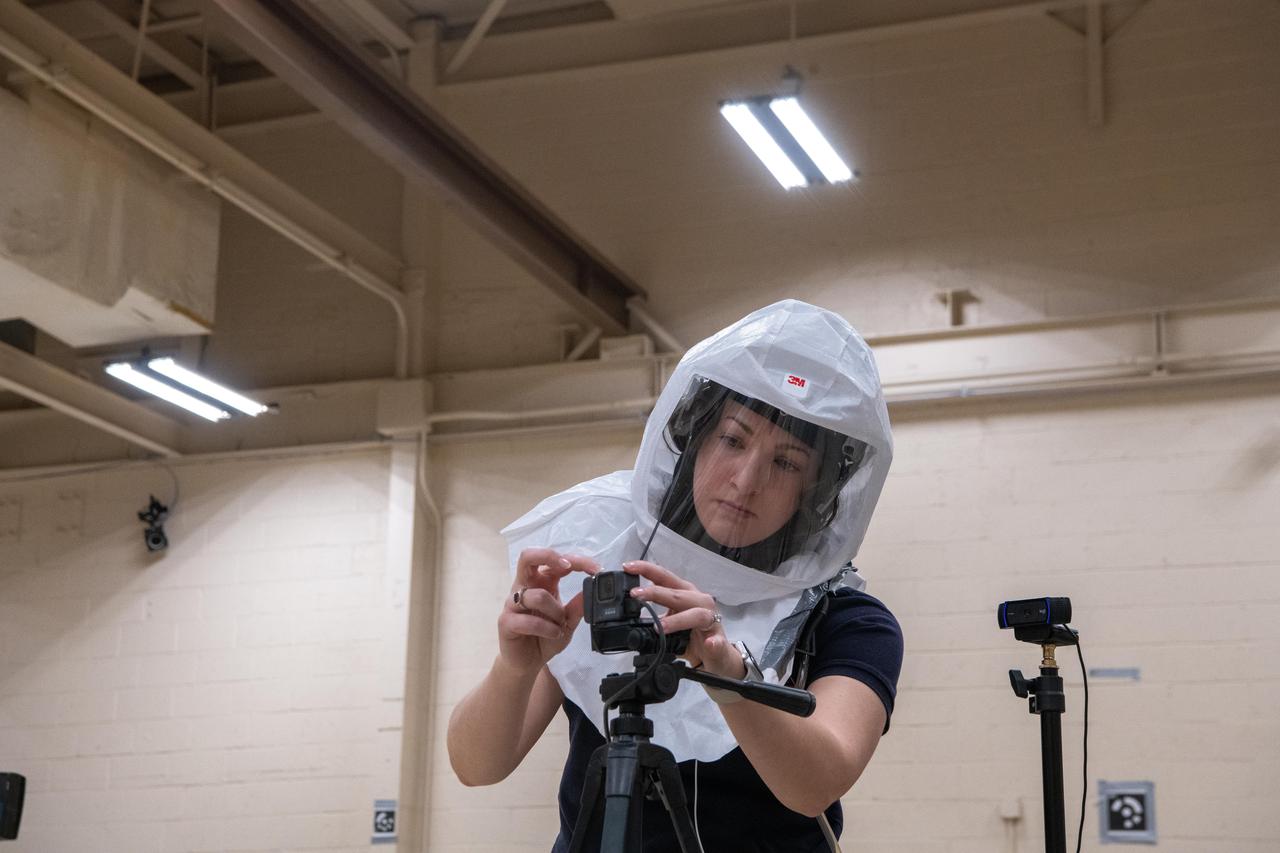
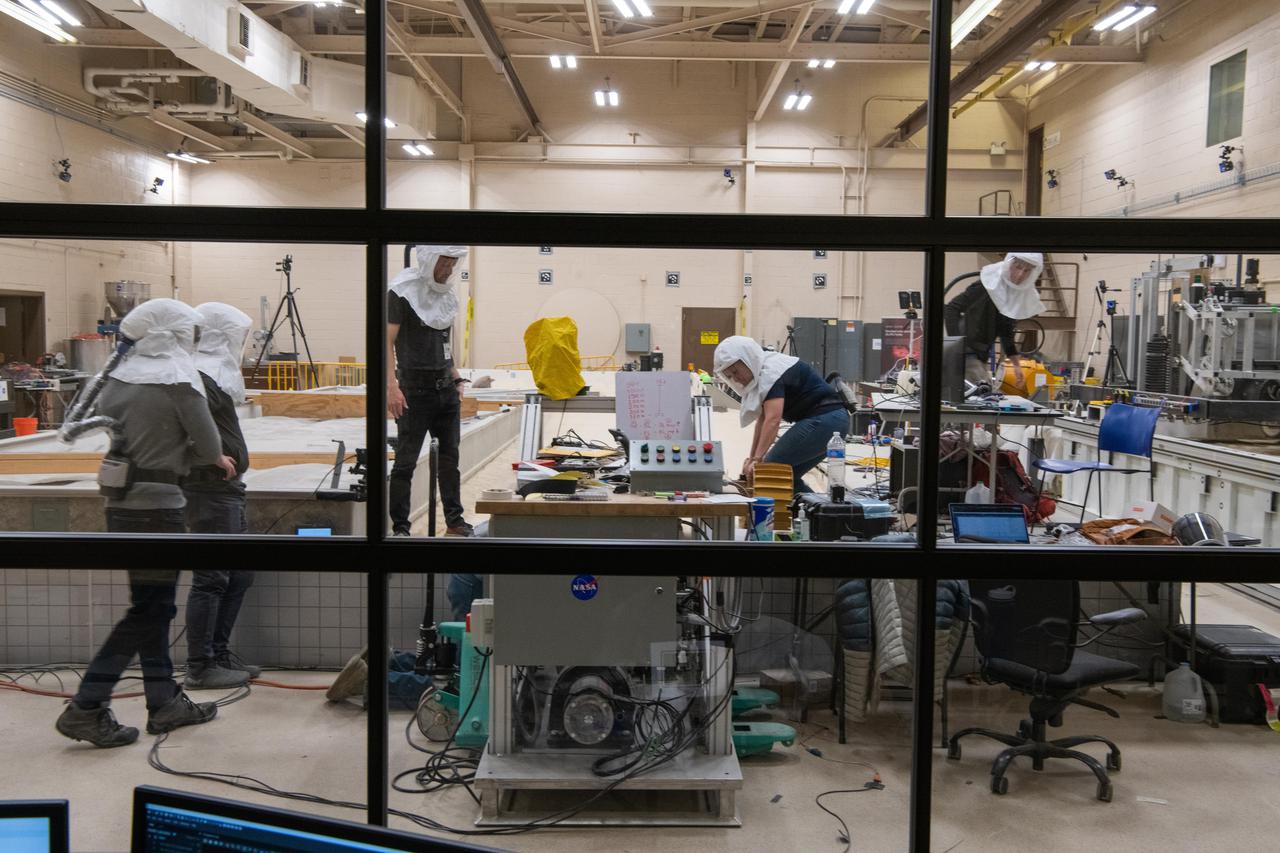
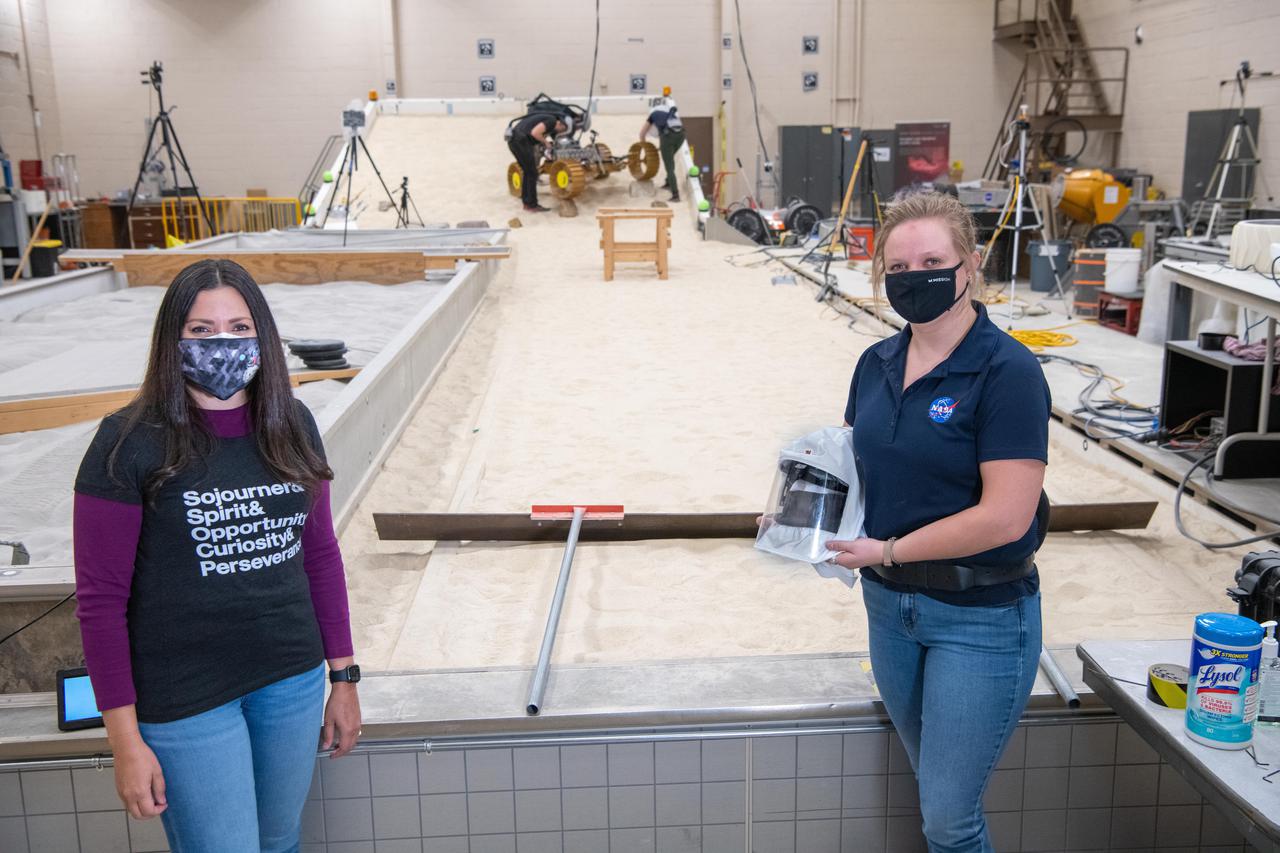
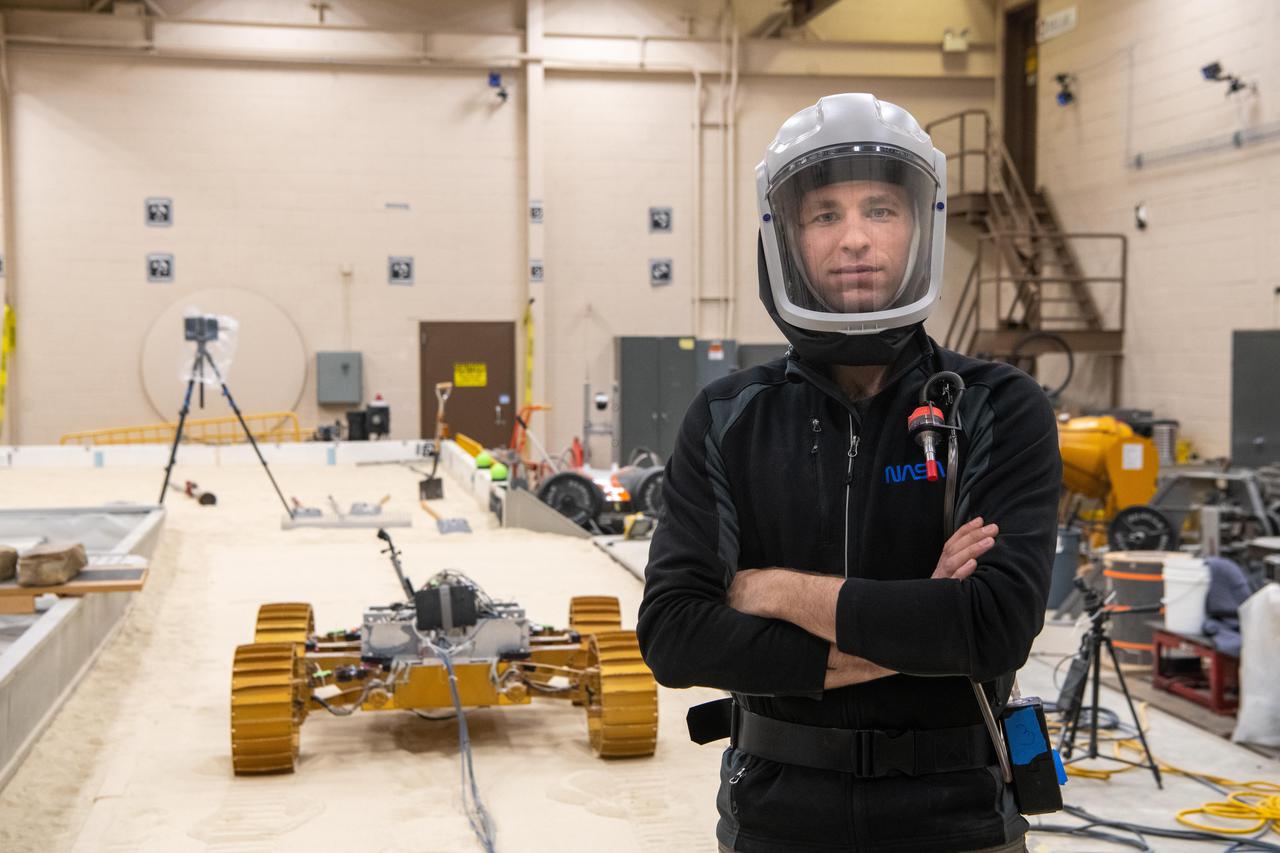
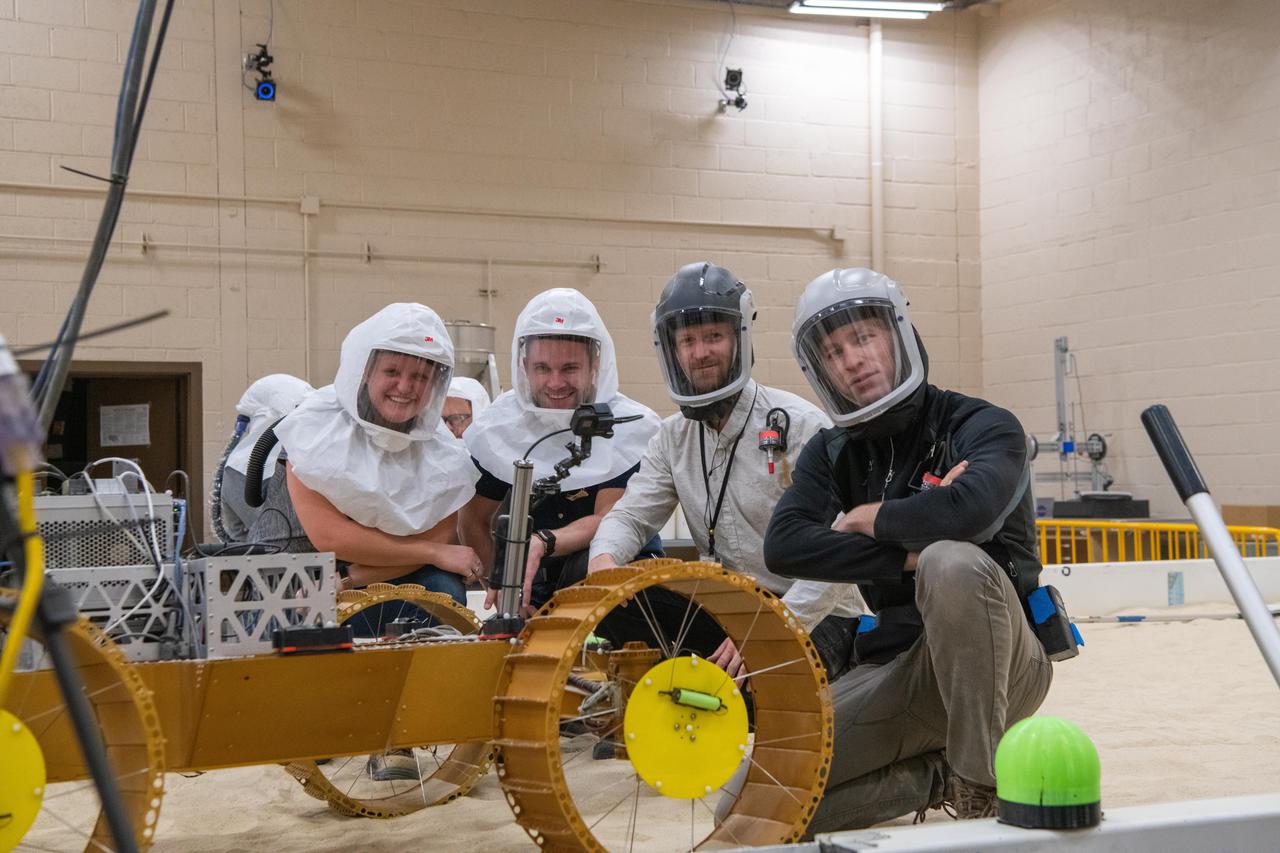
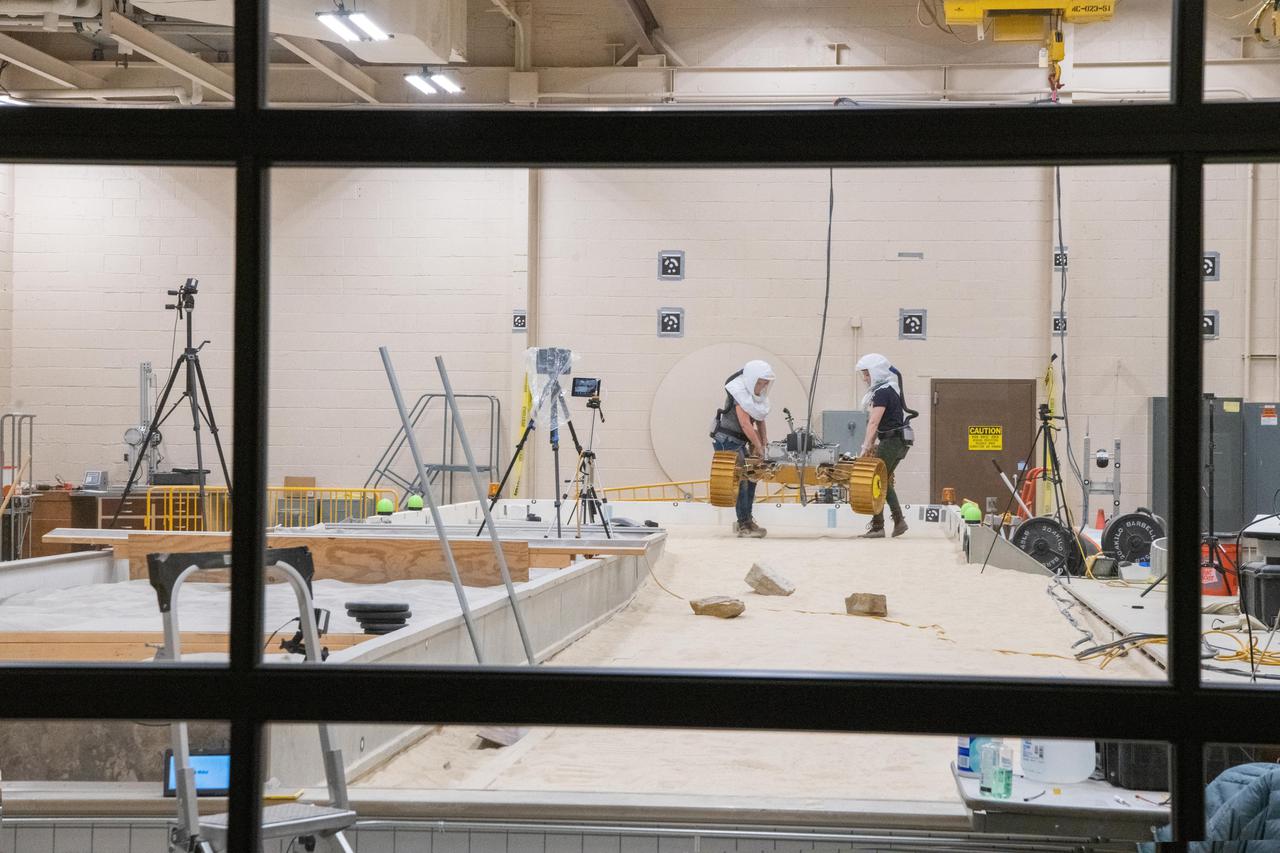
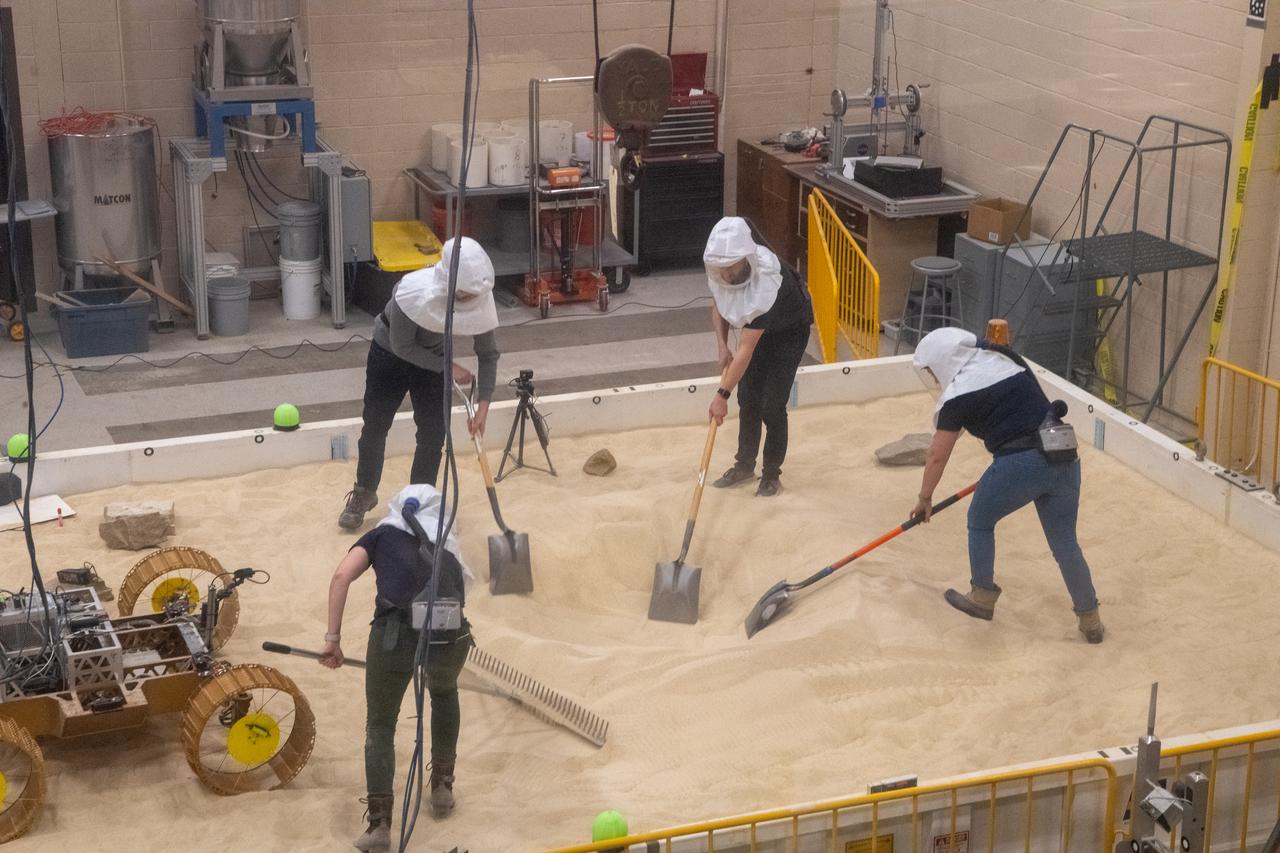
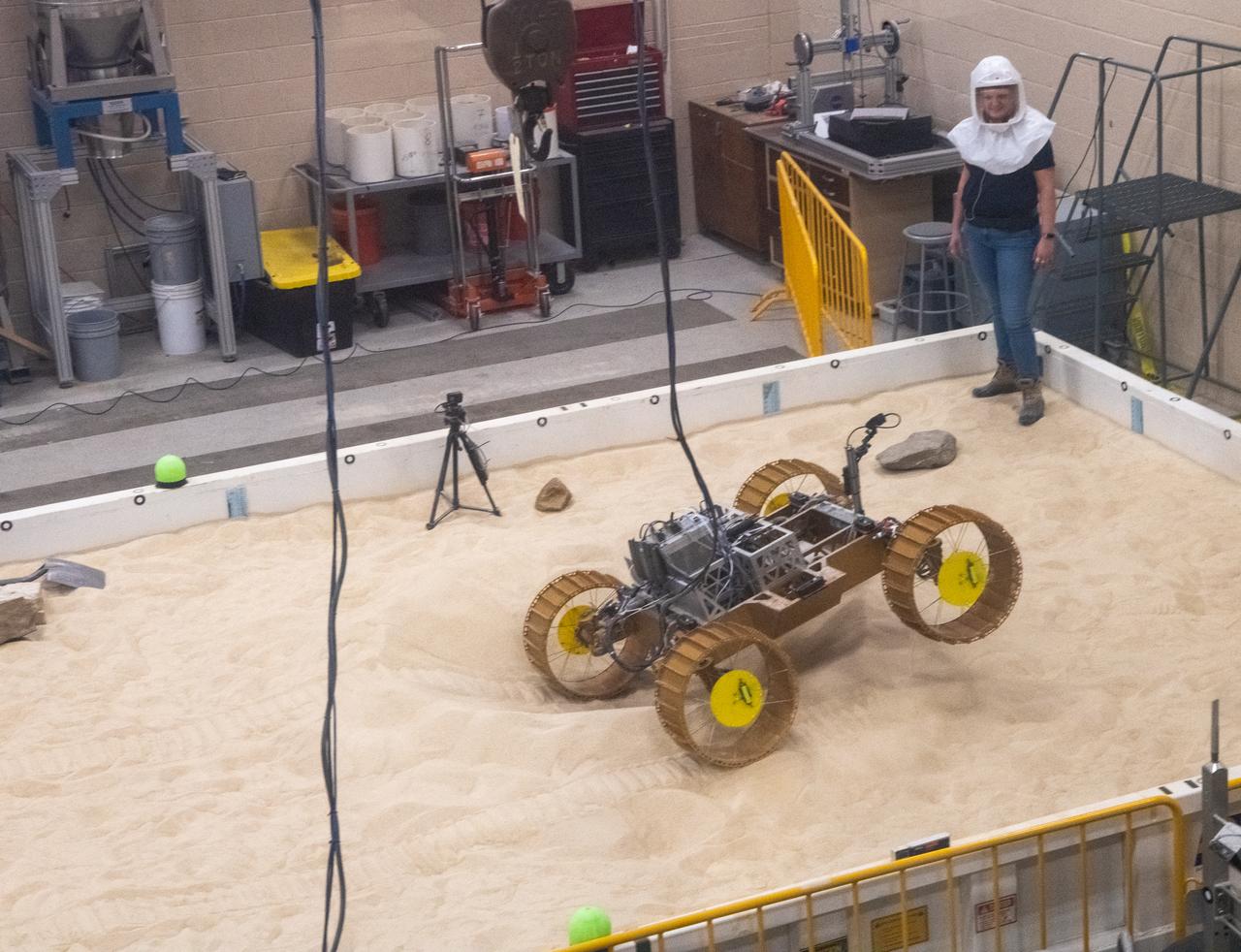
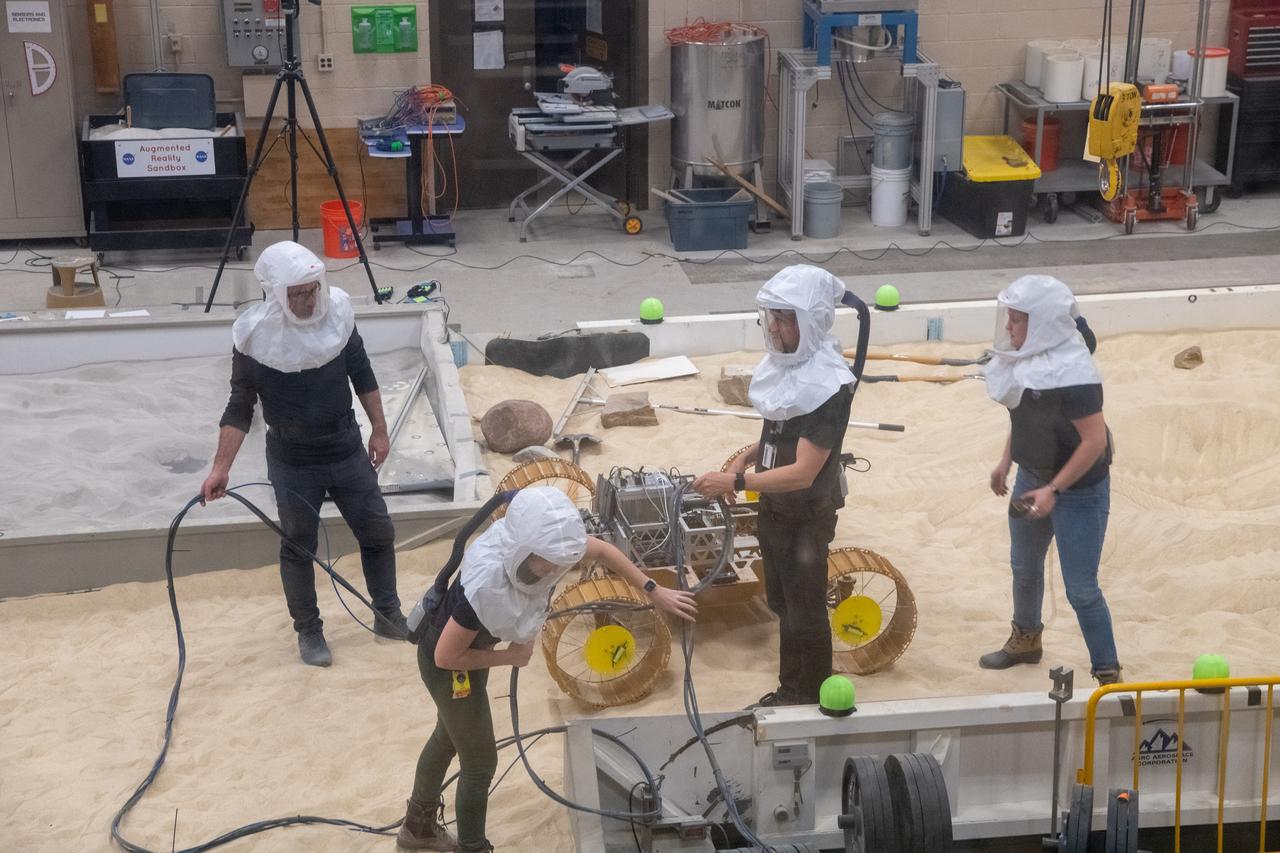
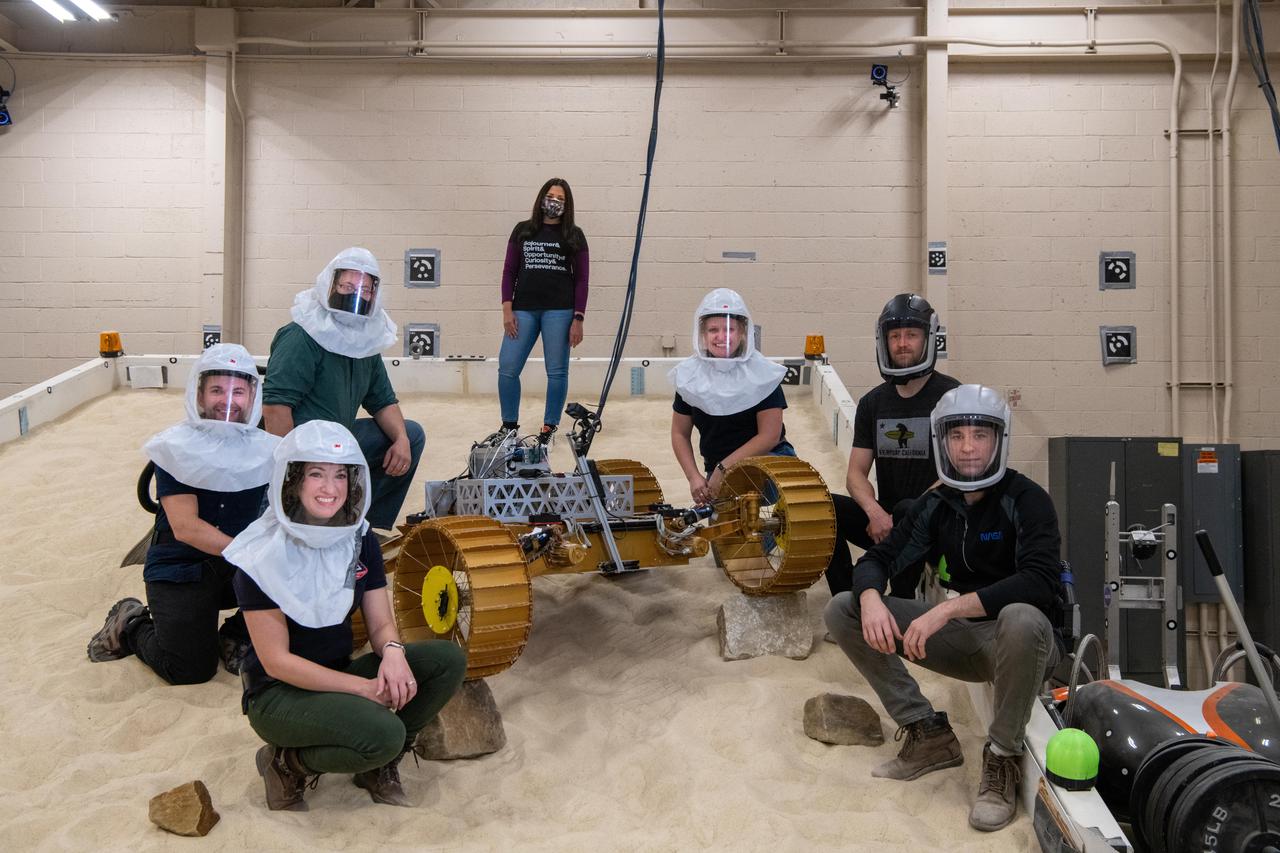
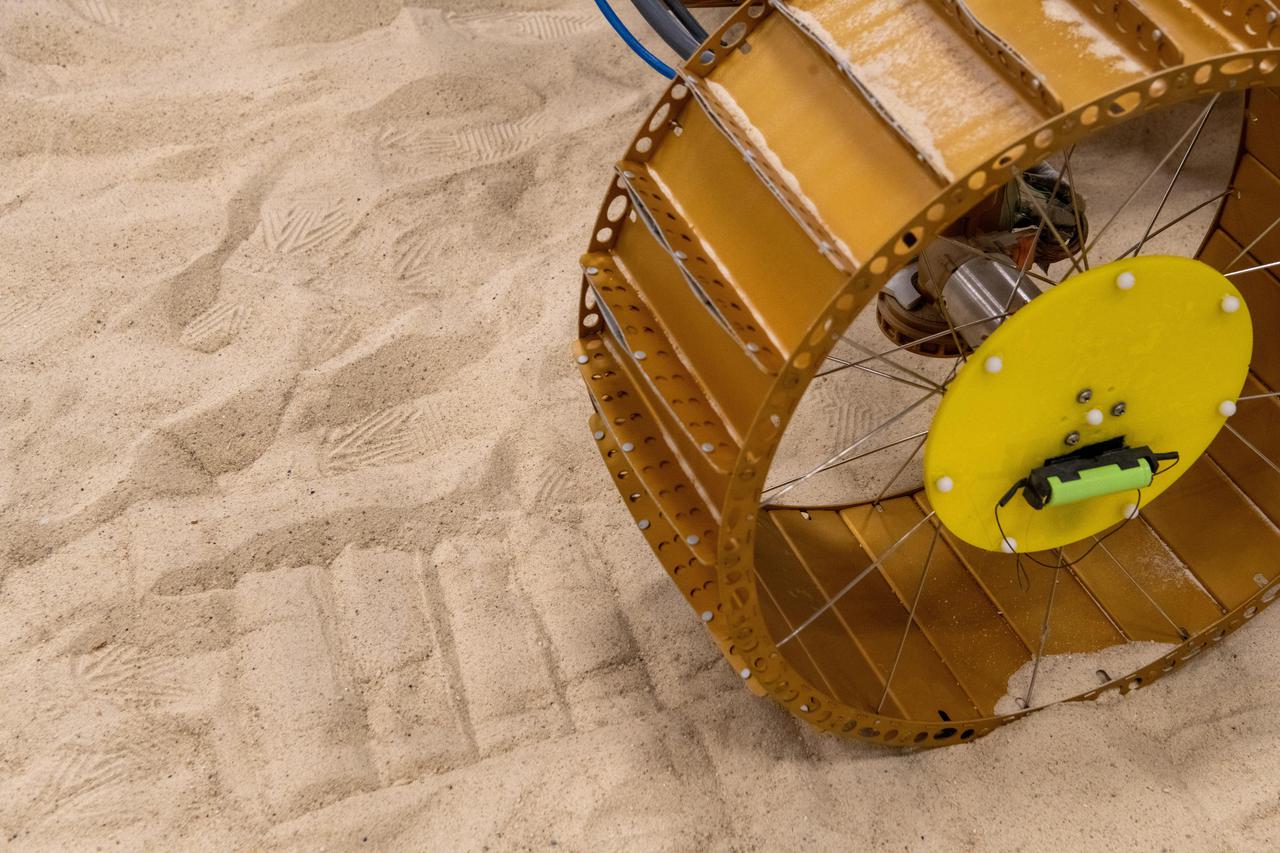
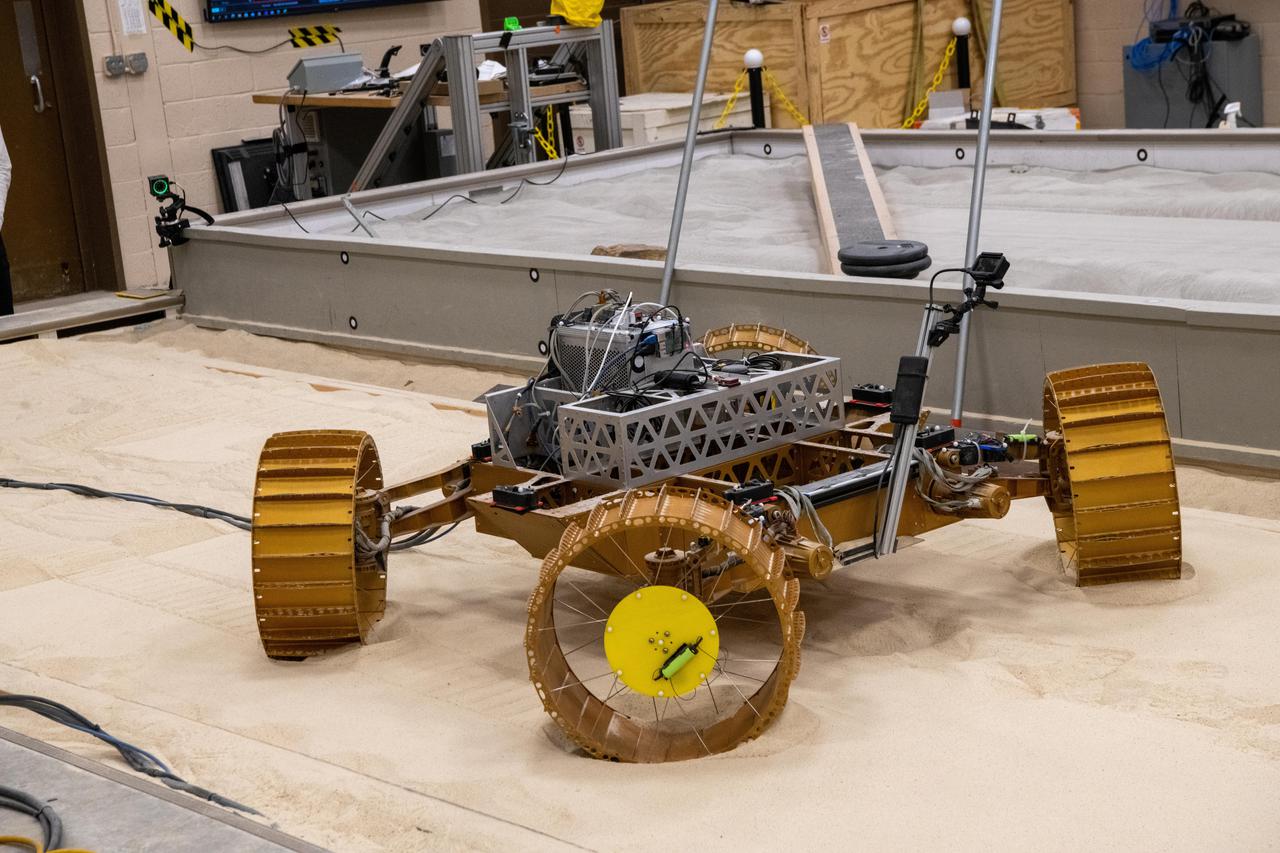
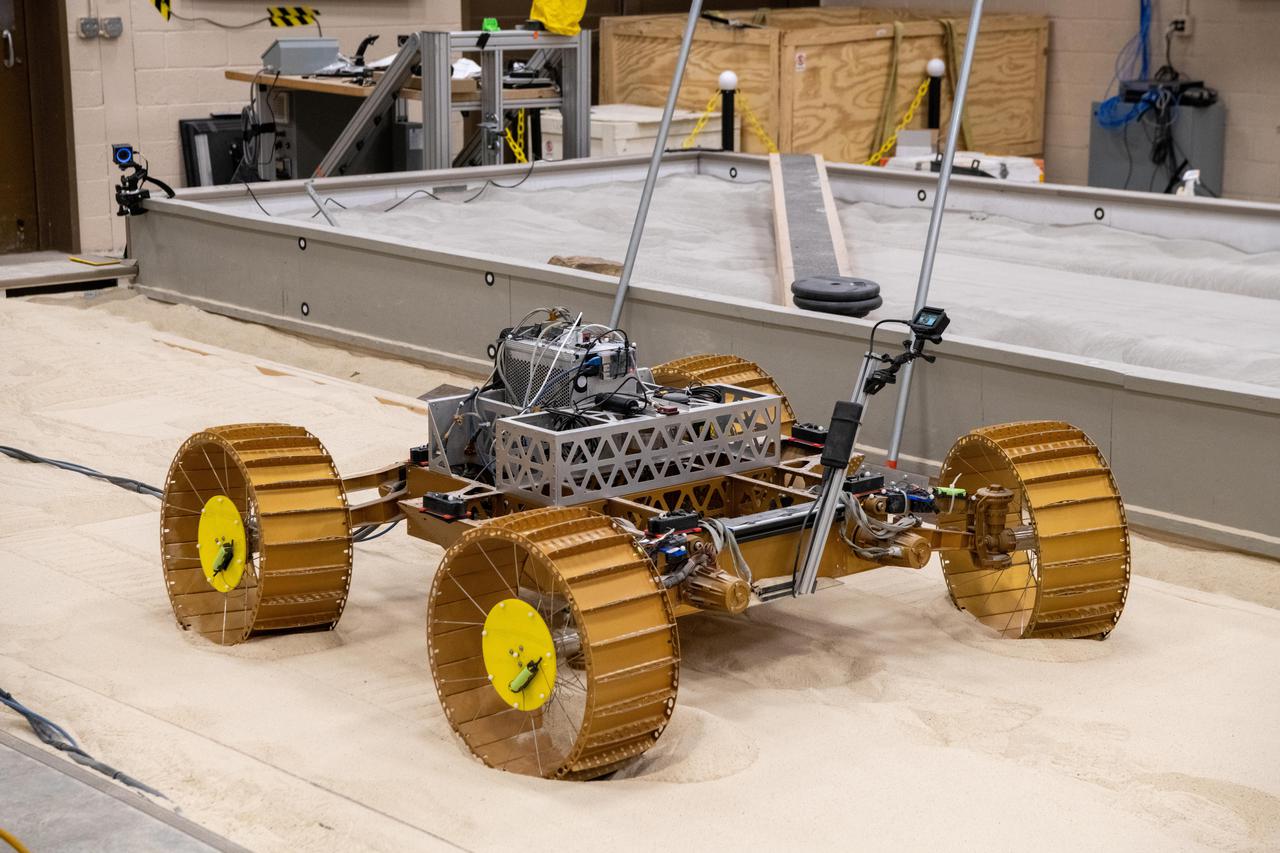
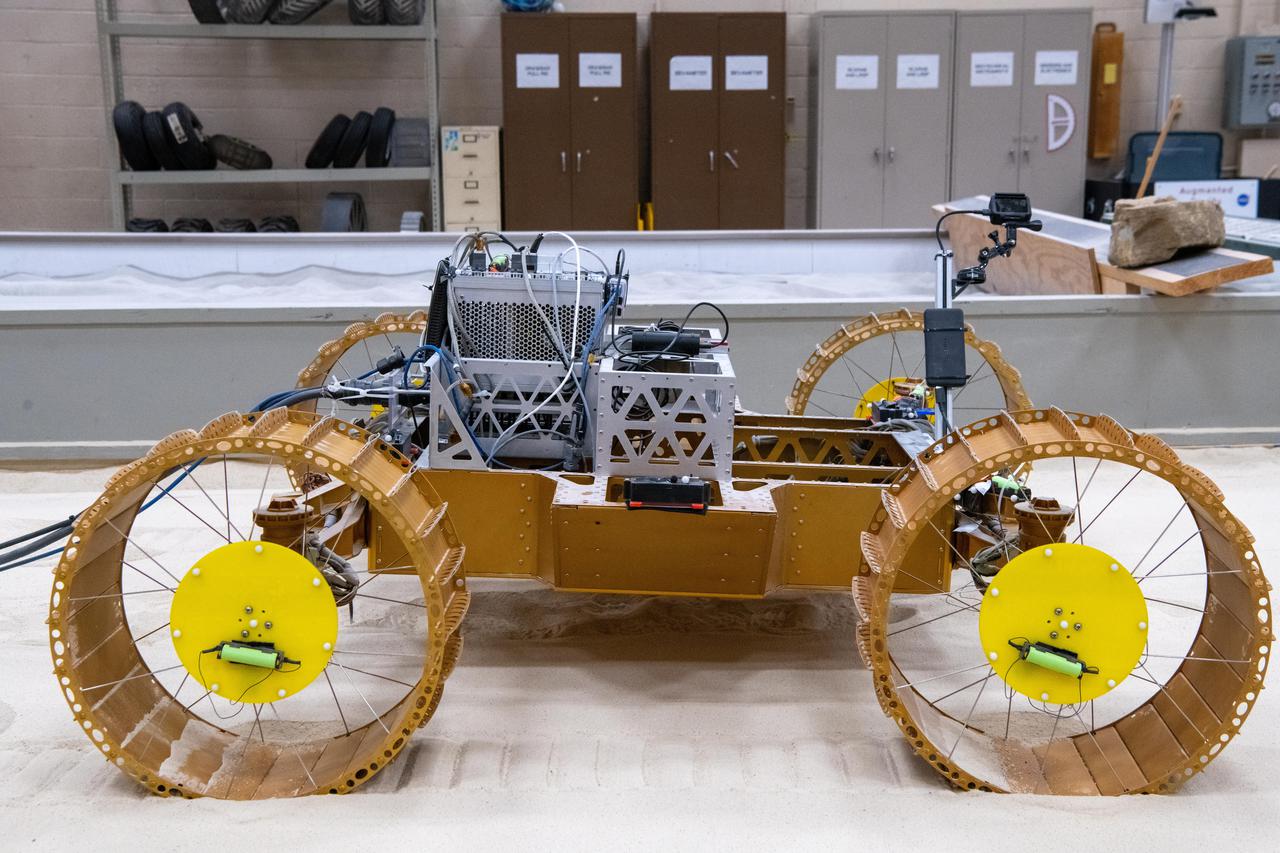
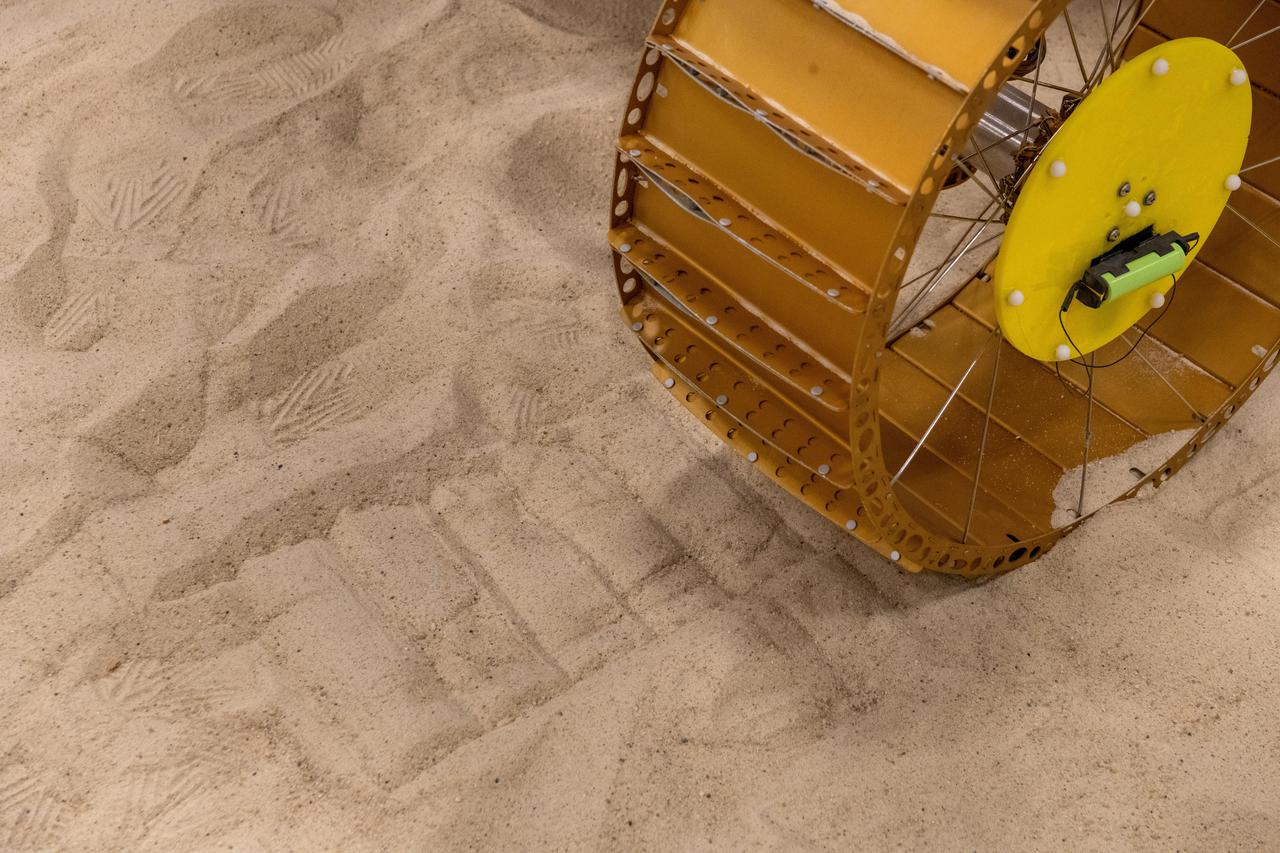
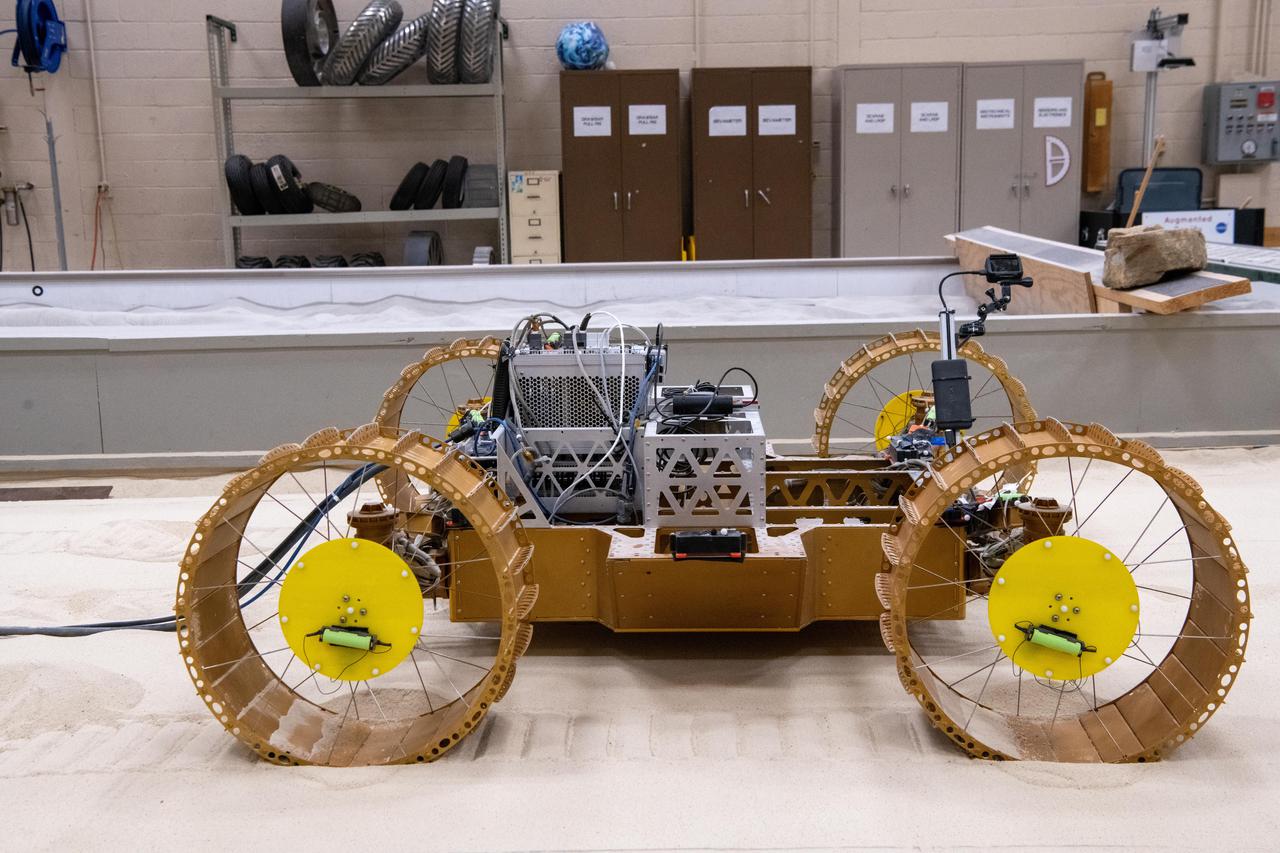
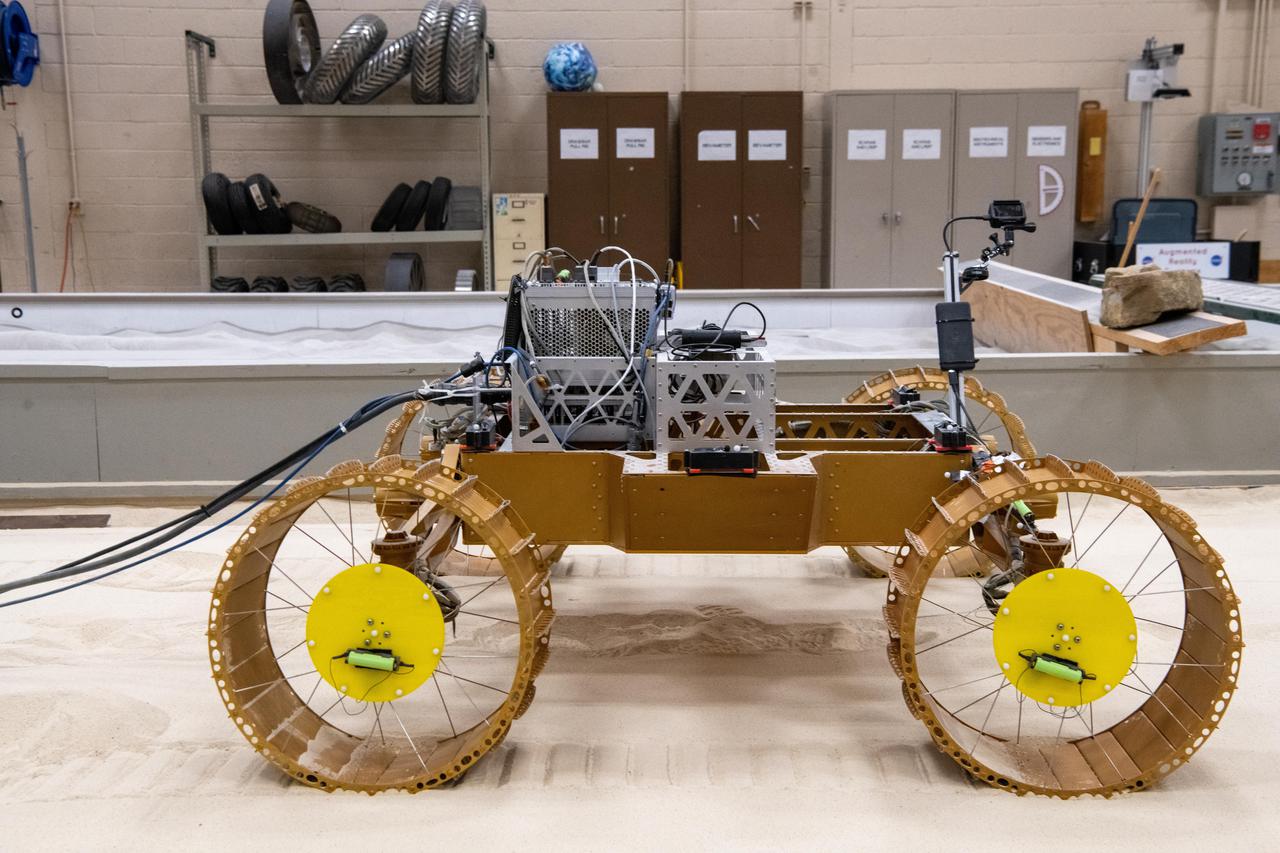
Volatiles Investigating Polar Exploration Rover, VIPER Testing in the Simulated Lunar Operations Lab, SLOPE Laboratory
Volatiles Investigating Polar Exploration Rover, VIPER Testin...
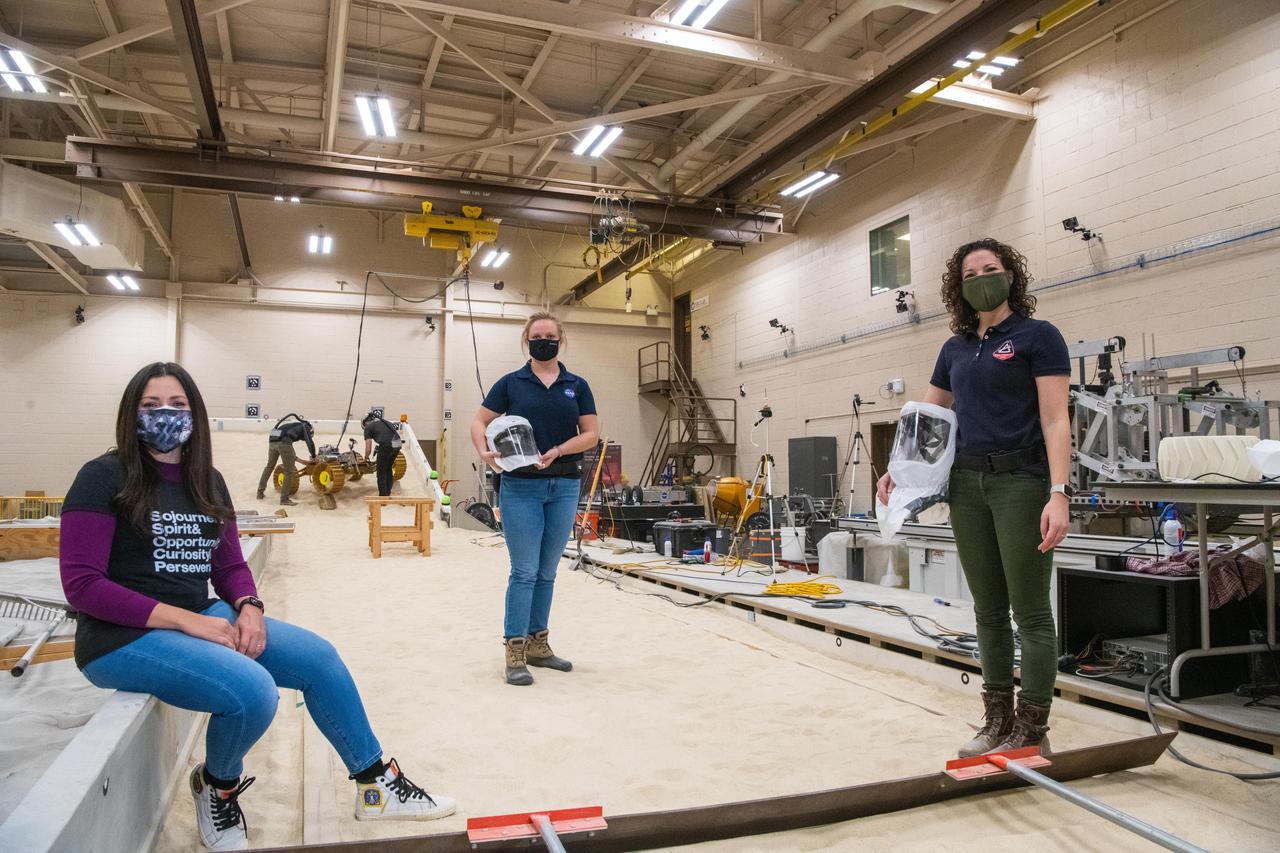
Volatiles Investigating Polar Exploration Rover, VIPER Testing in the Simulated Lunar Operations Lab, SLOPE Laboratory
Volatiles Investigating Polar Exploration Rover, VIPER Testin...
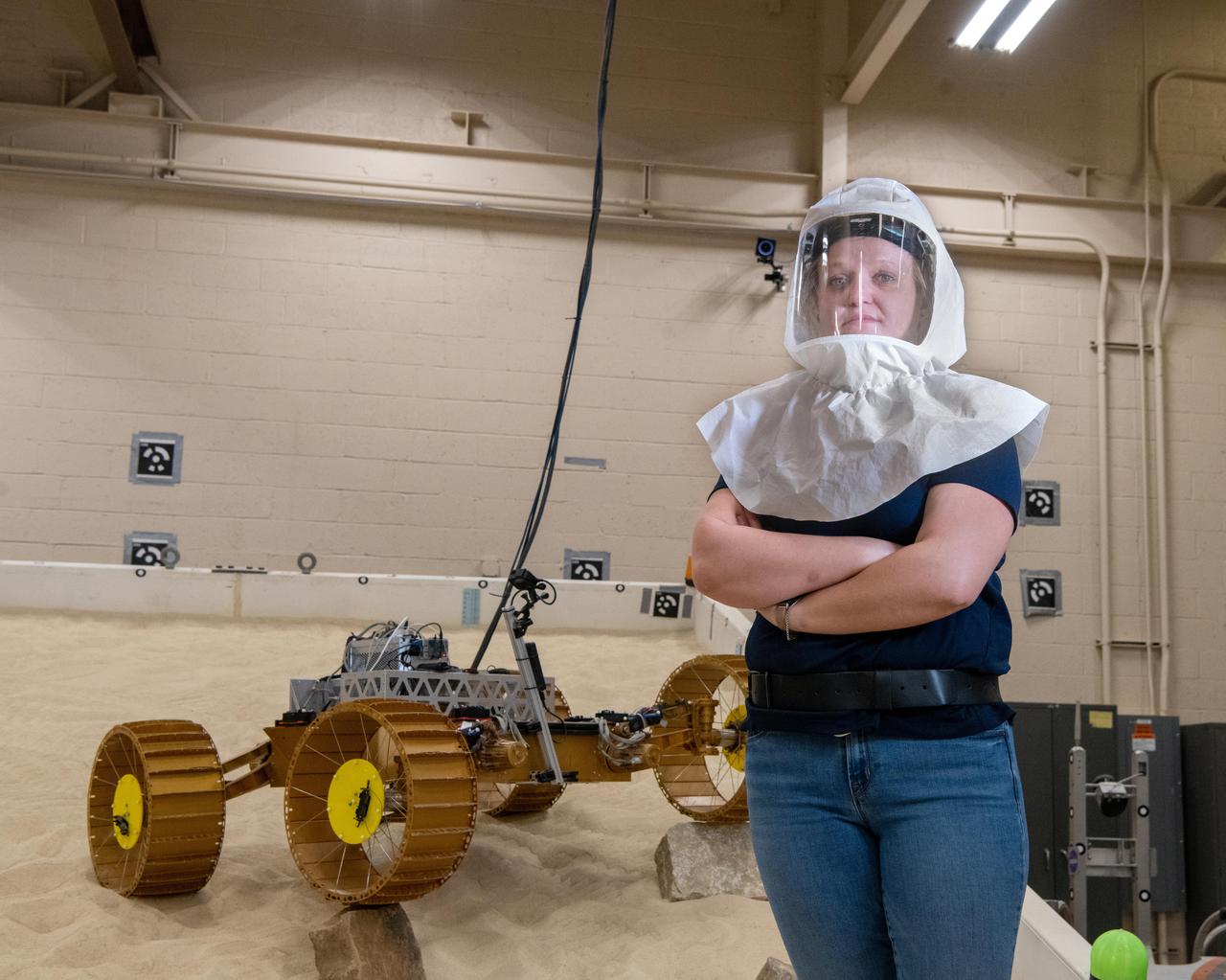
Volatiles Investigating Polar Exploration Rover, VIPER Testing in the Simulated Lunar Operations Lab, SLOPE Laboratory
Volatiles Investigating Polar Exploration Rover, VIPER Testin...
Volatiles Investigating Polar Exploration Rover (Viper)
This artist concept depicts NASA Mars Atmosphere and Volatile EvolutioN MAVEN spacecraft near Mars. MAVEN is in development for launch in 2013 and will be the first mission devoted to understanding the Martian upper atmosphere.
MAVEN at Mars Artist Concept
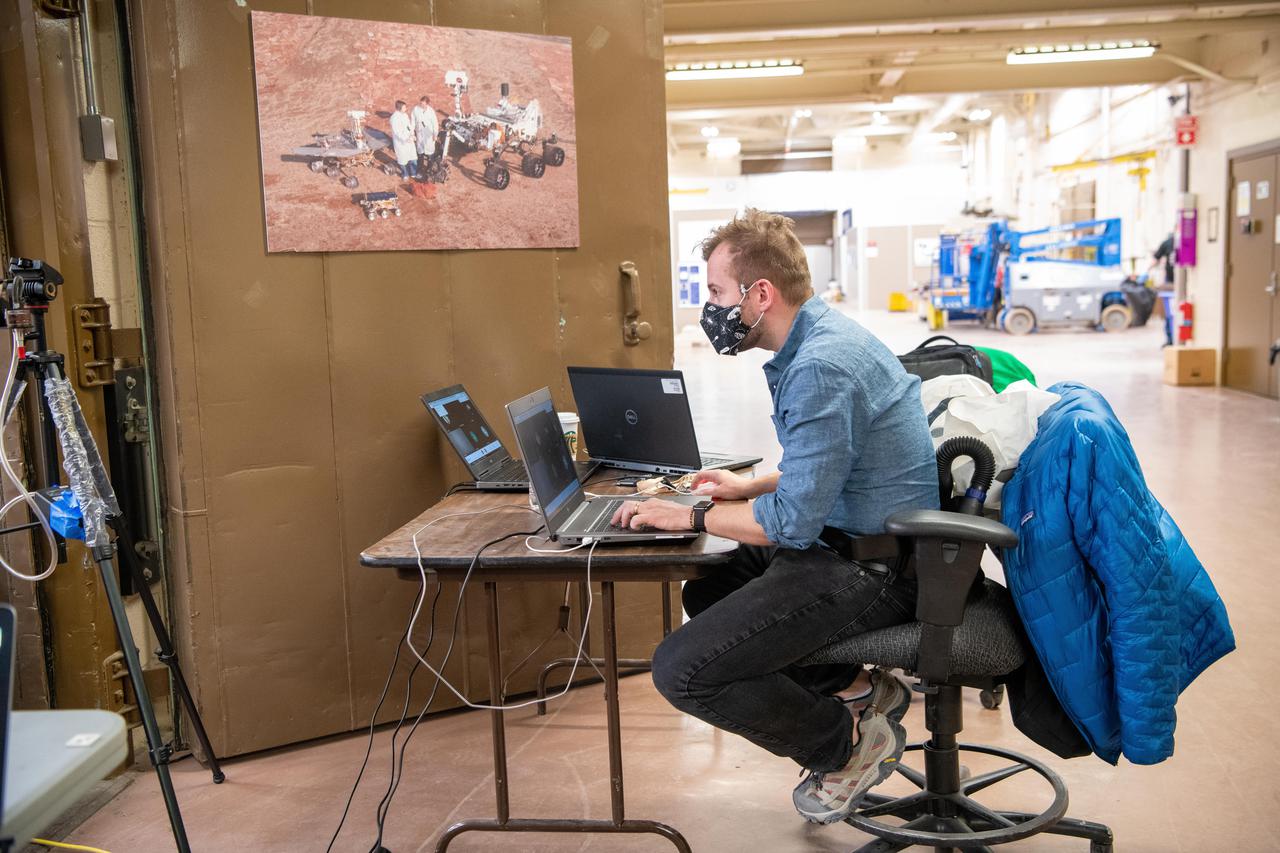
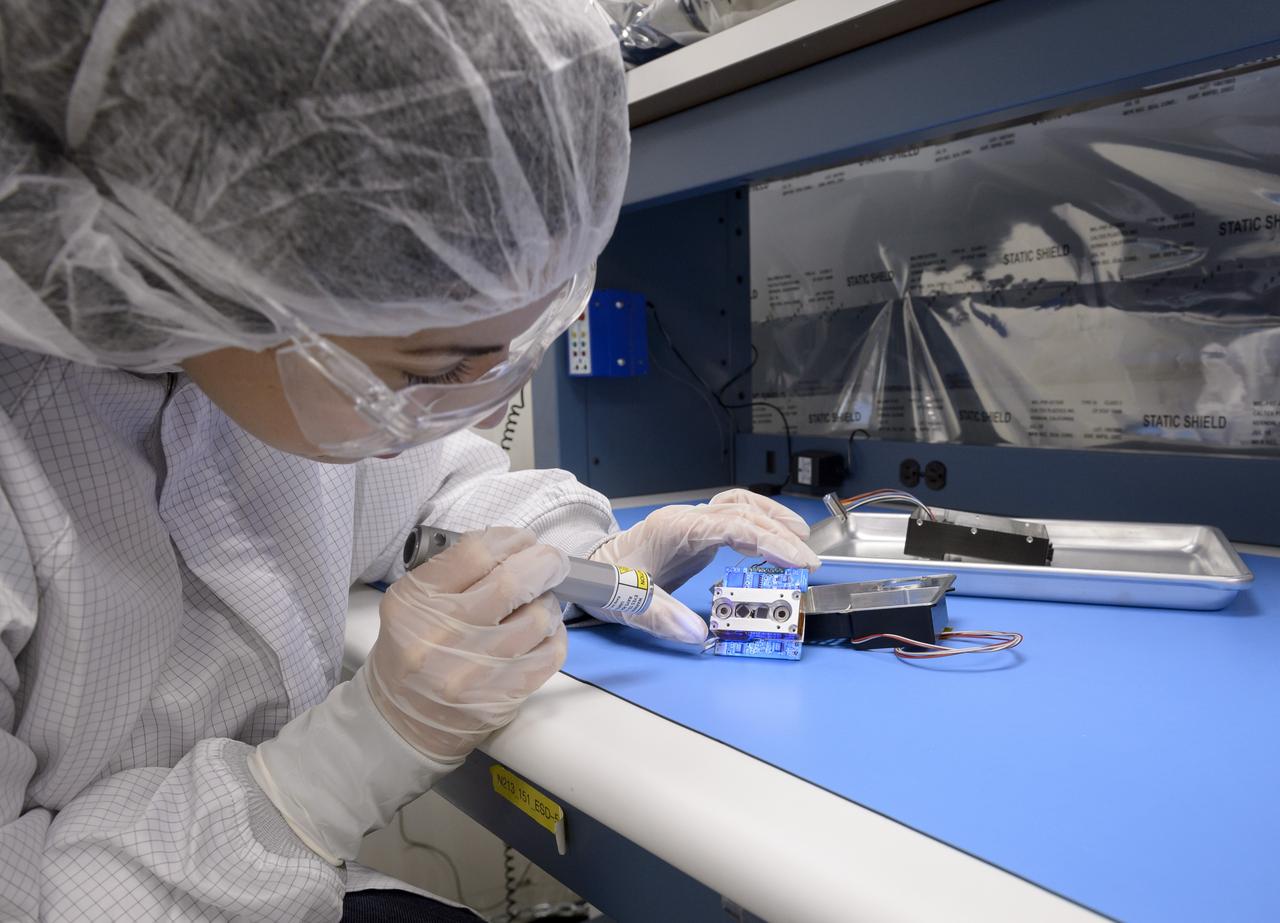
Near InfraRed Volatiles Spectrometer System (NIRVSS) engineering build in Ames N-213 Laboratory with Amanda Cook. The NIRVSS will fly on the Volatiles Investigating Polar Exploration Rover, or VIPER in its search for water on the south pole of the moon.
NIRVSS N-213 Laboratory
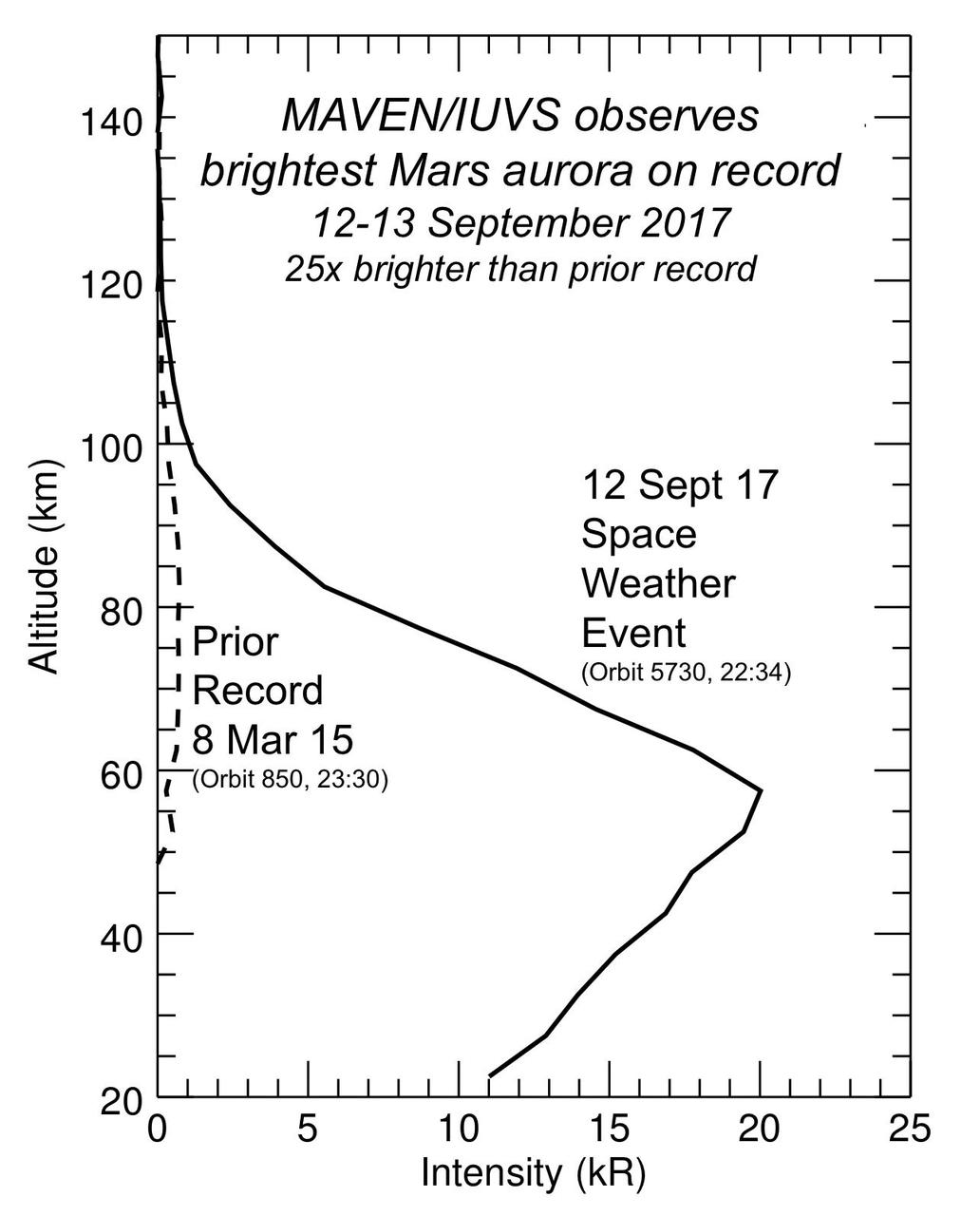
These profiles show the brightness of aurora emission in Mars' atmosphere at different altitudes. The data are from observations by the Imaging Ultraviolet Spectrograph instrument (IUVS) on NASA's Mars Atmosphere and Volatile Evolution orbiter, or MAVEN.  The solid black profile on the right shows the aurora during a September 2017 solar storm. Barely visible along the vertical axis is a dashed profile representing the previous brightest aurora seen by MAVEN, which occurred in March 2015.  The recent event is more than 25 times brighter than the previous brightest aurora seen by MAVEN, which has been orbiting Mars since September 2014.  https://photojournal.jpl.nasa.gov/catalog/PIA21857
Martian Aurora 25 Times Brighter Than Prior Brightest
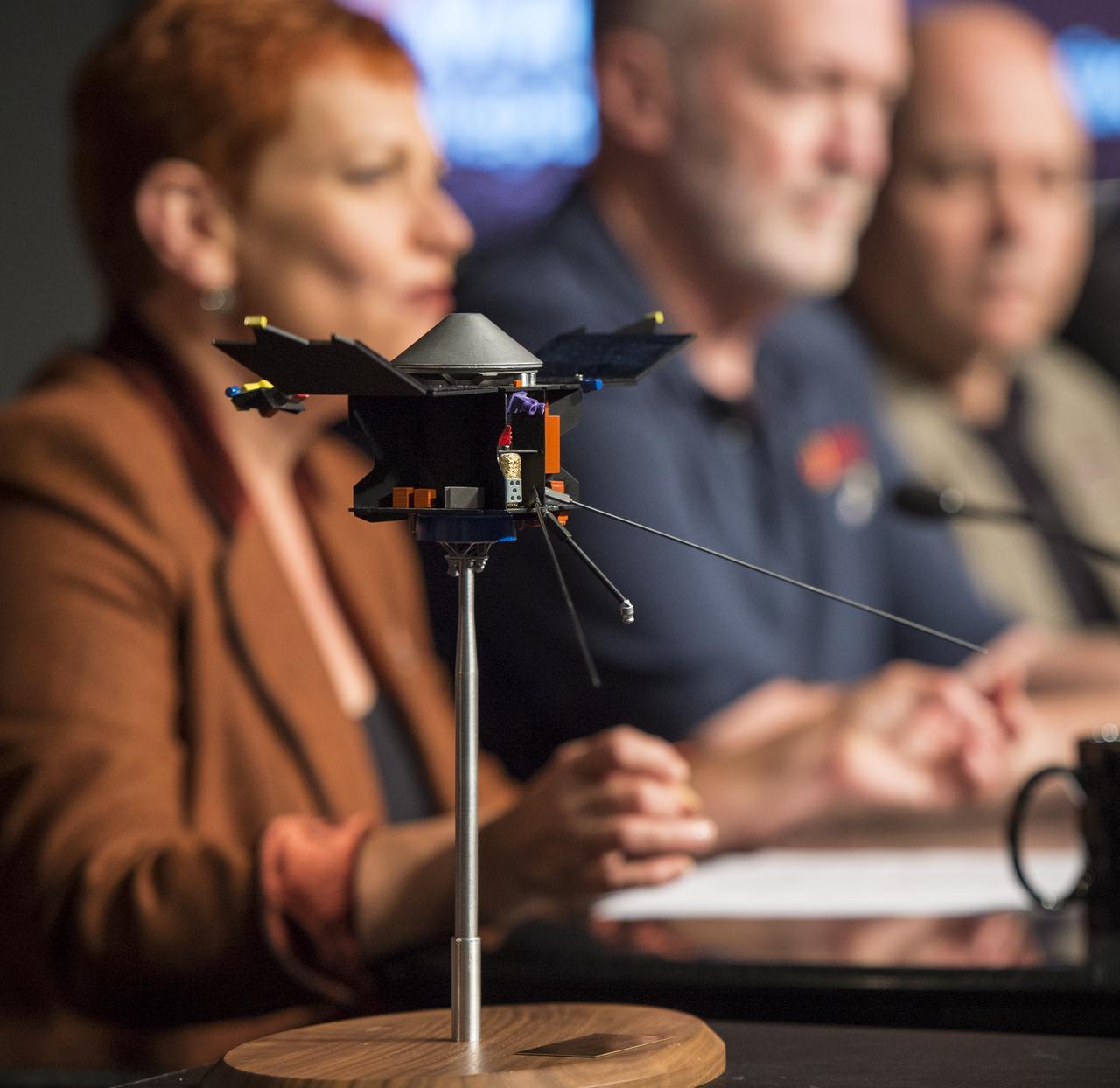
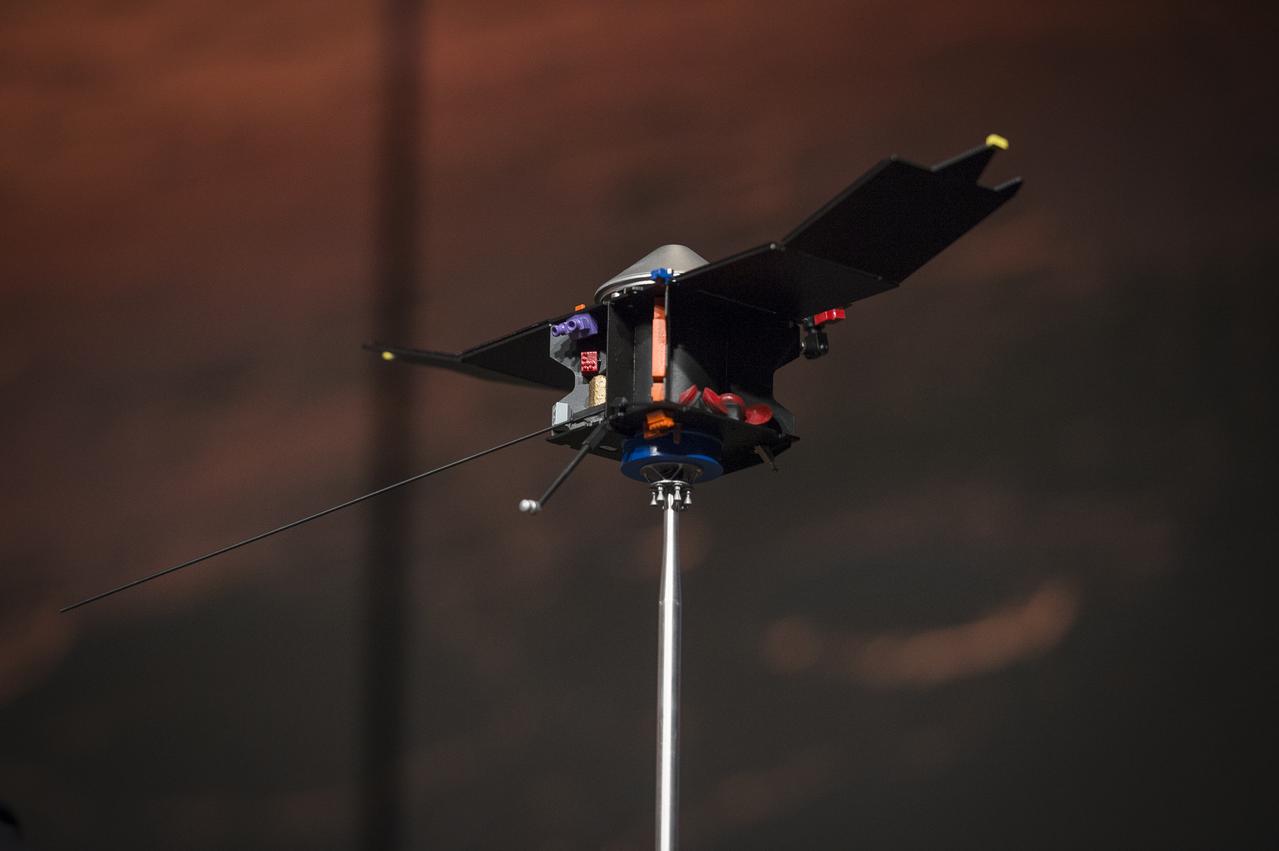
A model of the Mars Atmosphere and Volatile EvolutioN (MAVEN) spacecraft is seen on display during a media briefing where panelist outlined activities around the Sunday, Sept. 21 orbital insertion at Mars of MAVEN, Wednesday, Sept. 17, 2014 at NASA Headquarters in Washington. (Photo credit: NASA/Bill Ingalls)
MAVEN Briefing
The purple color in this animated GIF shows auroras across Mars' nightside as detected by the Imaging Ultraviolet Spectrograph instrument aboard NASA's MAVEN (Mars Atmosphere and Volatile EvolutioN) orbiter. The brighter the purple, the more auroras were present. Taken as waves of energetic particles from a solar storm were arriving at Mars, the sequence pauses at the end, when the wave of the most energetic particles arrived and overwhelmed the instrument with noise.  MAVEN took these images between May 14 and 20, 2024, as the spacecraft orbited below Mars, looking up at the nightside of the planet (Mars' south pole can be seen on the right, in full sunlight).  Animation available at https://photojournal.jpl.nasa.gov/catalog/PIA26304
MAVEN Detects Auroras During Solar Storm in 2024
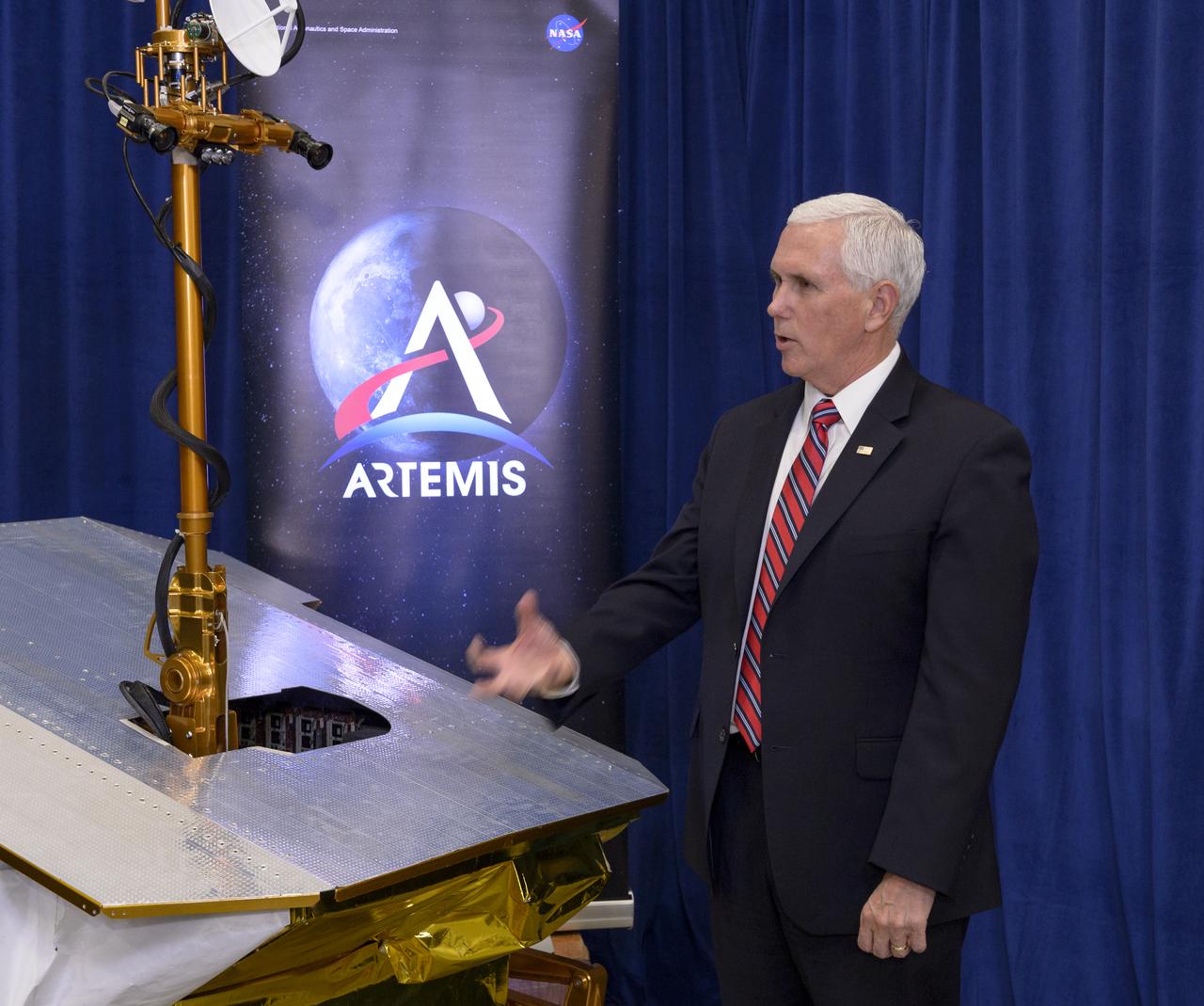
Vice President Mike Pence examines the Volatiles Investigating Polar Exploration Rover, or VIPER engineering test unit during his vist to NASA Ames Research Center, in California’s Silicon Valley.
Vice President Pence @ Ames
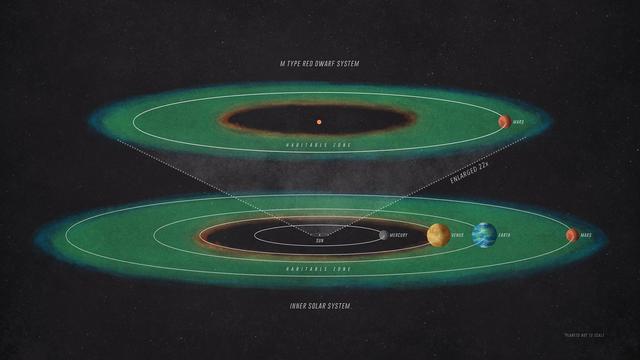
How habitable might an Exo-Mars be? It's a complex question but one that NASA's Mars Atmosphere and Volatile Evolution (MAVEN) mission can help answer.  To receive the same amount of starlight as Mars receives from our Sun, a planet orbiting an M-type red dwarf would have to be positioned much closer to its star than Mercury is to the Sun.  https://photojournal.jpl.nasa.gov/catalog/PIA22075
How Habitable Might an Exo-Mars Be?
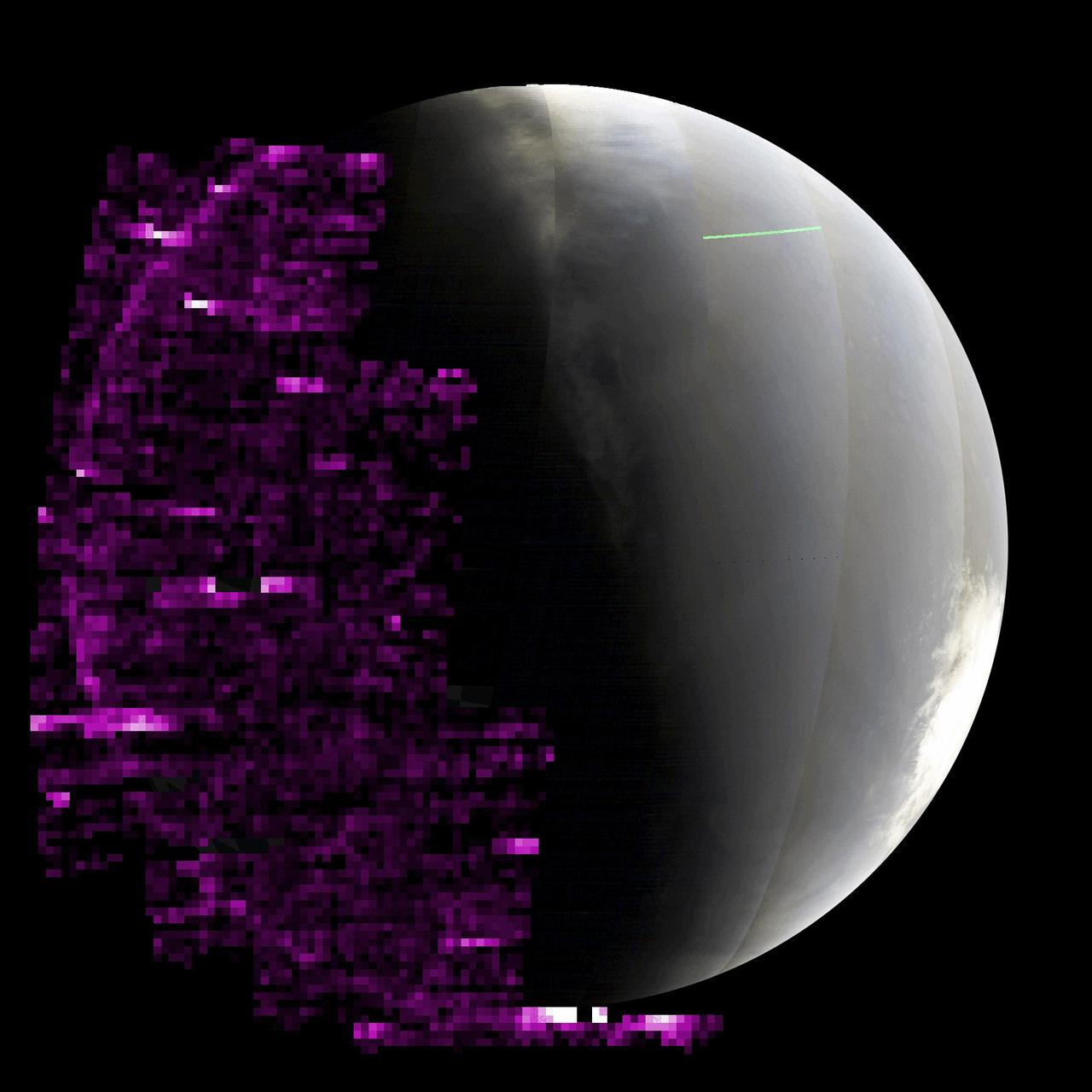
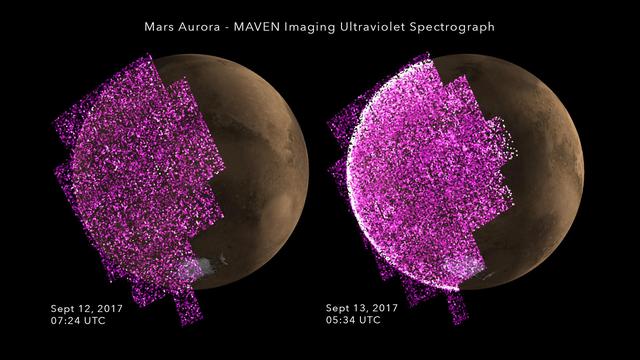
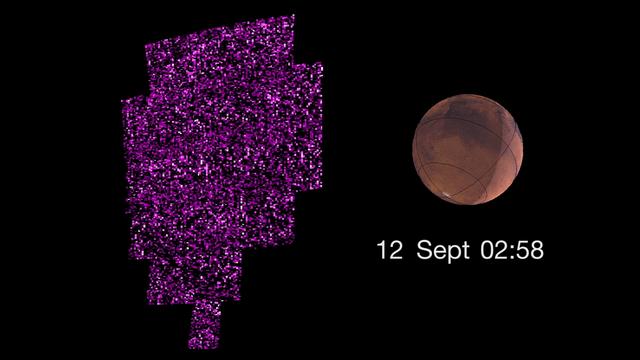
These images show the sudden appearance of a bright aurora on Mars during a solar storm in September 2017. The purple-white color scheme shows the intensity of ultraviolet light seen on Mars' night side before (left) and during (right) the event.  A simulated image of Mars for the same time and orientation has been added, with the dayside crescent visible on the right. The auroral emission appears brightest at the edges of the planet where the line of sight passes along the length of the glowing atmosphere layer.  The data are from observations by the Imaging Ultraviolet Spectrograph instrument (IUVS) on NASA's Mars Atmosphere and Volatile Evolution orbiter, or MAVEN.  Note that, unlike auroras on Earth, the Martian aurora is not concentrated at the planet's polar regions. This is because Mars has no strong magnetic field like Earth's to concentrate the aurora near the poles.  https://photojournal.jpl.nasa.gov/catalog/PIA21855
Solar Storm Triggers Whole-Planet Aurora at Mars
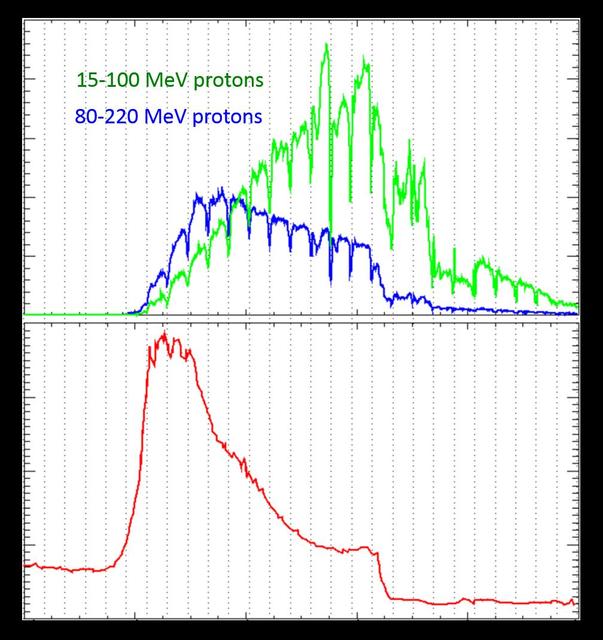
Energetic particles from a large solar storm in September 2017 were seen both in Mars orbit and on the surface of Mars by NASA missions to the Red Planet.  The horizontal axis for both parts of this graphic is the time from Sept. 10 to Sept. 15, 2017. The upper portion of this graphic shows the increase in protons in two ranges of energy levels (15- to-100 million electron volts and 80-to-220 million electron volts), as recorded by the Solar Energetic Particle instrument on NASA's on NASA's Mars Atmosphere and Volatile Evolution orbiter, or MAVEN. The lower portion shows the radiation dose on the Martian surface, in micrograys per day, as measured by the Radiation Assessment Monitor instrument on NASA' Curiosity Mars rover. Micrograys are unit of measurement for absorbed radiation dose.  Note that only protons in the higher bracket of energy levels penetrate the atmosphere enough to be detected on the surface.  https://photojournal.jpl.nasa.gov/catalog/PIA21856
Solar Storm's Radiation at Martian Orbit and Surface
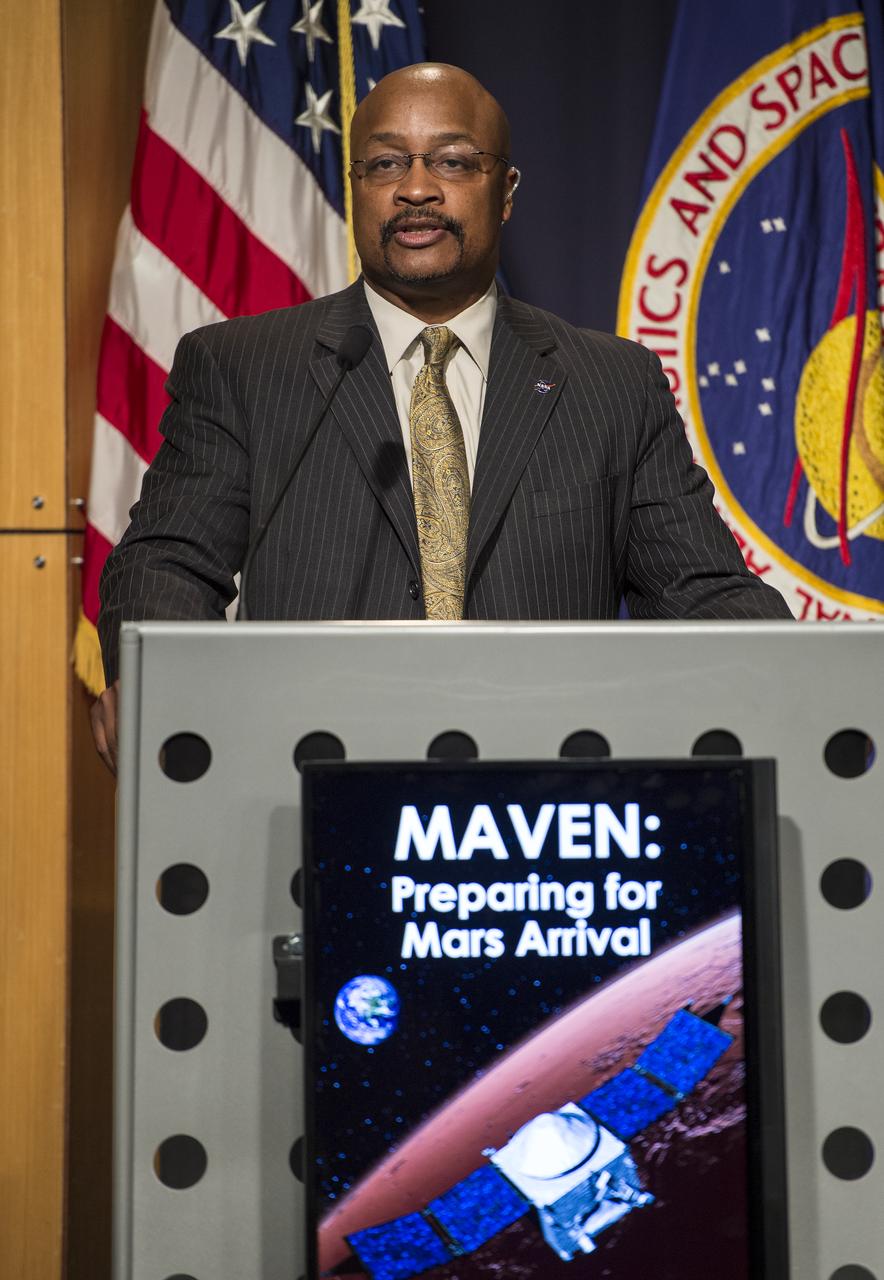
Dwayne Brown, NASA public affairs officer, moderates a media briefing where panelist outlined activities around the Sunday, Sept. 21 orbital insertion at Mars of the agency’s Mars Atmosphere and Volatile EvolutioN (MAVEN) spacecraft, Wednesday, Sept. 17, 2014 at NASA Headquarters in Washington. (Photo credit: NASA/Bill Ingalls)
MAVEN Briefing
A model of the MAVEN spacecraft is pictured during a press conference for the upcoming launch of the Mars Atmosphere and Volatile Evolution (MAVEN) mission, at NASA Headquarters in Washington on Monday, Oct. 28th, 2013. MAVEN is the agency's next mission to Mars and the first devoted to understanding the upper atmosphere of the Red Planet. (Photo credit: NASA/Jay Westcott)
MAVEN Press Briefing
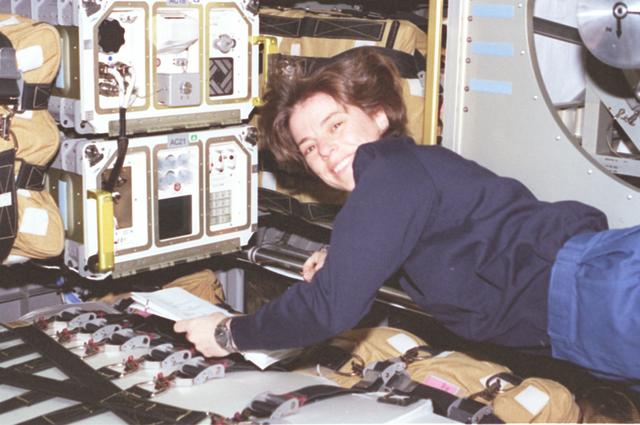
STS089-390-036 (22-31 Jan 1998) --- Astronaut Bonnie J. Dunbar, payload commander, checks out the Volatile Organic Analyzer (VOA) in the Spacehab Double Module aboard the Earth-orbiting Space Shuttle Endeavour.  VOA was among a number of experiments monitored by the crew on Spacehab, while other payloads and experiments were stowed and conducted in Endeavour?s cabin.
VOA - MS Dunbar works with the Volatile Organics Analyzer (VOA)
STS089-361-007 (22-31 Jan. 1998) --- Astronaut Bonnie J. Dunbar, STS-89 payload commander, checks out the Volatile Organic Analyzer (VOA) in the Spacehab Double Module aboard the Earth-orbiting space shuttle Endeavour.  VOA was among a number of experiments monitored by the crew on Spacehab, while other payloads and experiments were stowed and conducted in Endeavour's cabin. Photo credit: NASA
RME 1324 - MS Dunbar checks on the Volatile Organics Analyzer (VOA)
NASA is sending a mobile robot to the south pole of the Moon to get a close-up view of the location and concentration of water ice in the region and for the first time ever, actually sample the water ice at the same pole where the first woman and next man will land in 2024 under the Artemis program. About the size of a golf cart, the Volatiles Investigating Polar Exploration Rover, or VIPER, will roam several miles, using its four science instruments — including a 1-meter drill — to sample various soil environments. Planned for delivery in December 2022, VIPER will collect about 100 days of data that will be used to inform development of the first global water resource maps of the Moon. Illustration by Daniel Rutter.
VIPER Drill
This frame from an animation shows the sudden appearance of a bright aurora on Mars during a solar storm. The purple-white color scheme shows the intensity of ultraviolet light seen on Mars' night side over the course of the event.  The data are from observations on Sept. 12 and 13, 2017, by the Imaging Ultraviolet Spectrograph instrument (IUVS) on NASA's Mars Atmosphere and Volatile Evolution orbiter, or MAVEN.  The aurora is occurring because energetic particles from the solar storm are bombarding gases in the planet's atmosphere, causing them to glow. A simulated image of the Mars surface for the same time and orientation is also shown, with the dayside crescent visible on the right. The auroral emission appears brightest at the edges of the planet where the line of sight passes along the length of the glowing atmosphere layer.  Note that, unlike auroras on Earth, the Martian aurora is not concentrated at the planet's polar regions. This is because Mars has no strong magnetic field like Earth's to concentrate the aurora near the poles.  An animation is available at https://photojournal.jpl.nasa.gov/catalog/PIA21854
Solar Storm Triggers Whole-Planet Aurora at Mars (Video)
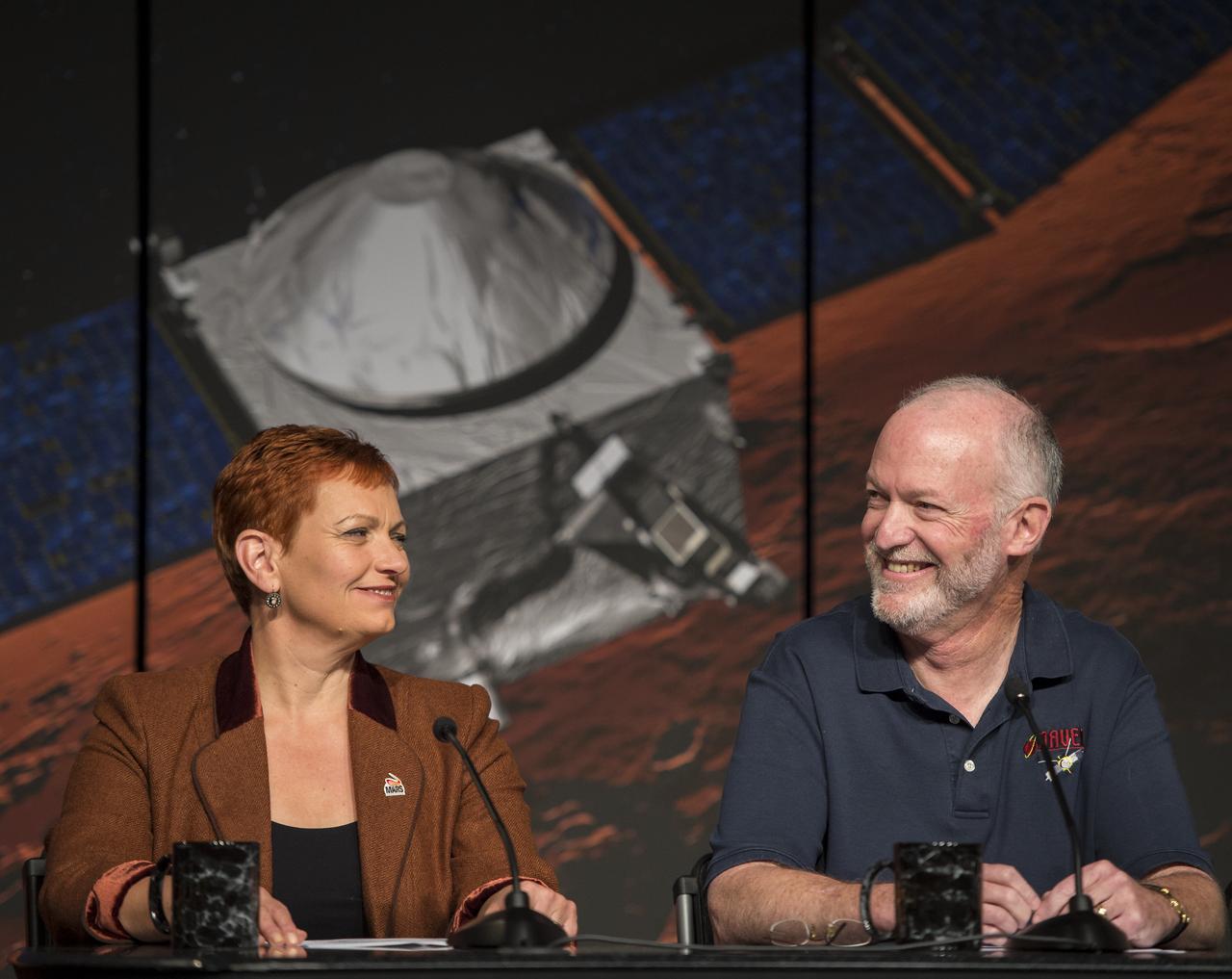
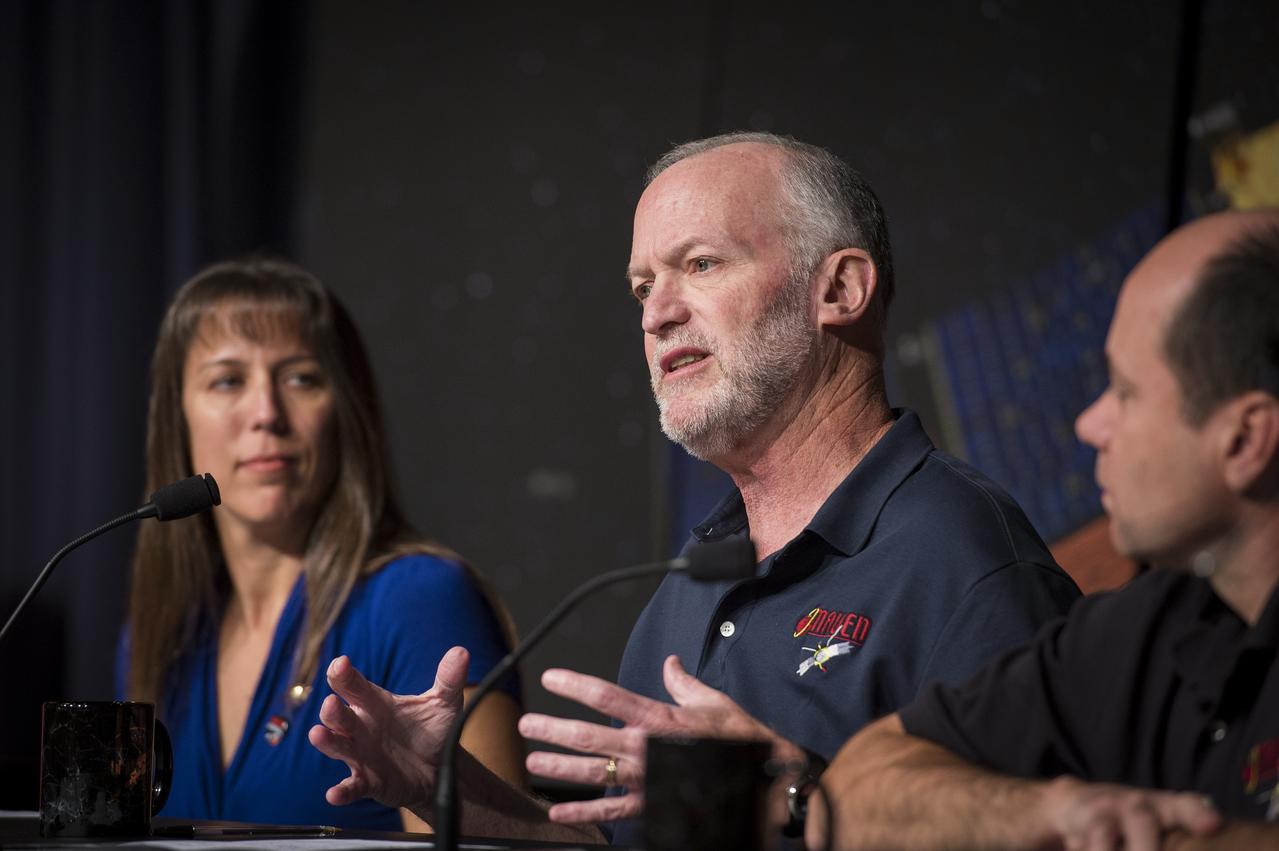
Bruce Jakosky, MAVEN principal investigator, Laboratory for Atmospheric and Space Physics, University of Colorado, Boulder, left, and David Mitchell, MAVEN project manager, NASA’s Goddard Space Flight Center, Greenbelt, Maryland are seen during a media briefing where they and other panelist outlined activities around the Sunday, Sept. 21 orbital insertion at Mars of the agency’s Mars Atmosphere and Volatile EvolutioN (MAVEN) spacecraft, Wednesday, Sept. 17, 2014 at NASA Headquarters in Washington. (Photo credit: NASA/Bill Ingalls)
MAVEN Briefing
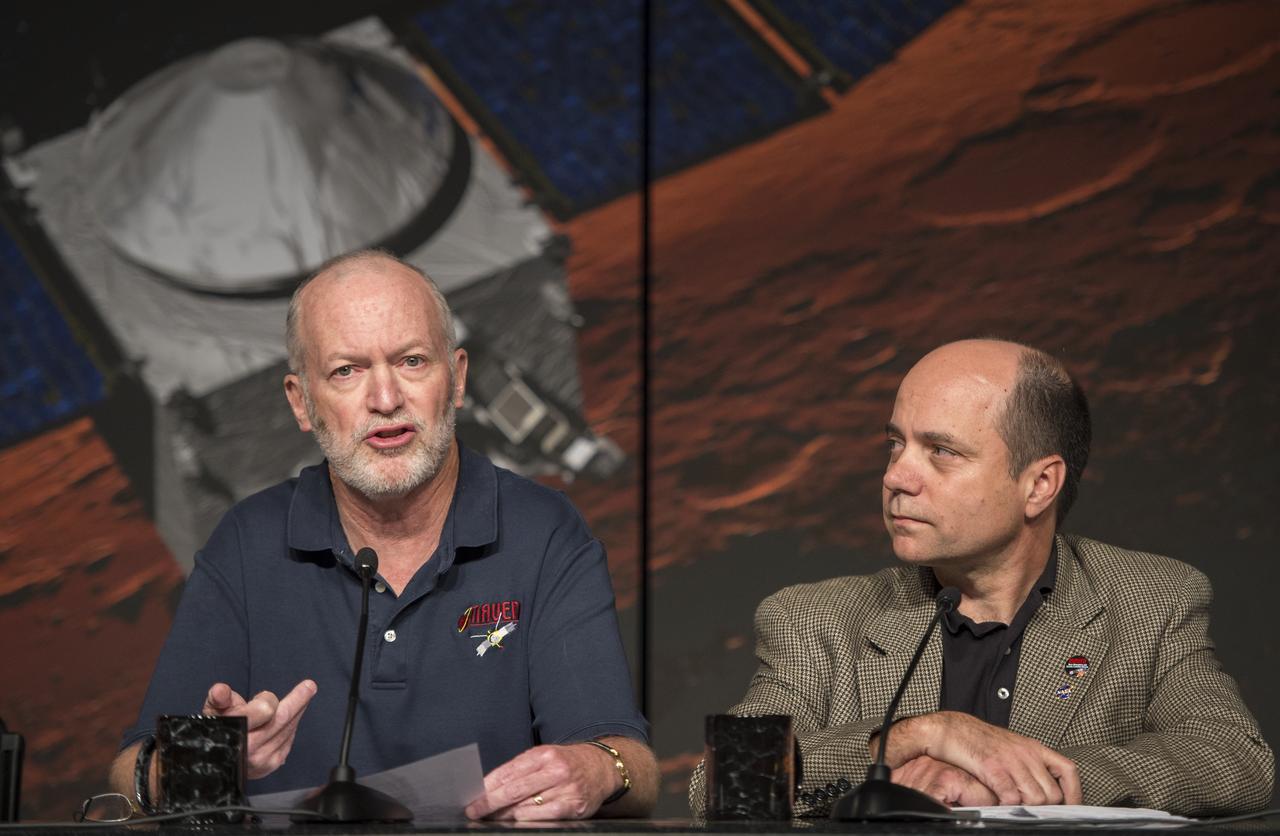
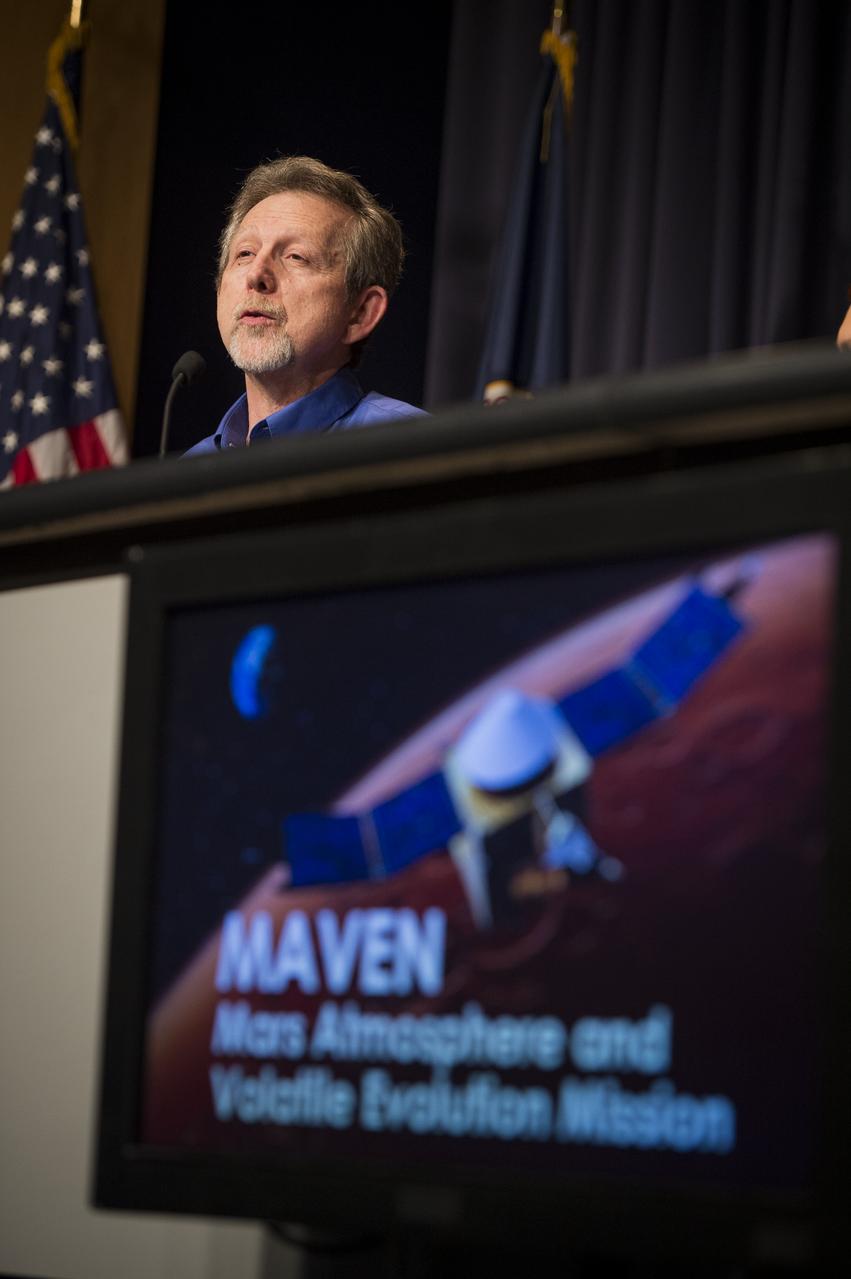
Bruce Jakosky, MAVEN principal investigator, Laboratory for Atmospheric and Space Physics, University of Colorado, Boulder, is seen during a media briefing where he and other panelist outlined activities around the Sunday, Sept. 21 orbital insertion at Mars of the agency’s Mars Atmosphere and Volatile EvolutioN (MAVEN) spacecraft, Wednesday, Sept. 17, 2014 at NASA Headquarters in Washington. (Photo credit: NASA/Bill Ingalls)
MAVEN Briefing
Dwayne Brown, NASA Public Affairs Officer, takes a question from a member of the press on theupcoming launch of the Mars Atmosphere and Volatile Evolution (MAVEN) mission, at a press conference at NASA Headquarters in Washington on Monday, Oct. 28th, 2013. MAVEN is the agency's next mission to Mars and the first devoted to understanding the upper atmosphere of the Red Planet. (Photo credit: NASA/Jay Westcott)
MAVEN Press Briefing
Lisa May, lead program executive, Mars Exploration Program, NASA Headquarters gives remarks during a media briefing where she and other panelist outlined activities around the Sunday, Sept. 21 orbital insertion at Mars of the agency’s Mars Atmosphere and Volatile EvolutioN (MAVEN) spacecraft, Wednesday, Sept. 17, 2014 at NASA Headquarters in Washington. (Photo credit: NASA/Bill Ingalls)
MAVEN Briefing
Lisa May, lead program executive, Mars Exploration Program, NASA Headquarters gives remarks during a media briefing where she and other panelist outlined activities around the Sunday, Sept. 21 orbital insertion at Mars of the agency’s Mars Atmosphere and Volatile EvolutioN (MAVEN) spacecraft, Wednesday, Sept. 17, 2014 at NASA Headquarters in Washington. (Photo credit: NASA/Bill Ingalls)
MAVEN Briefing
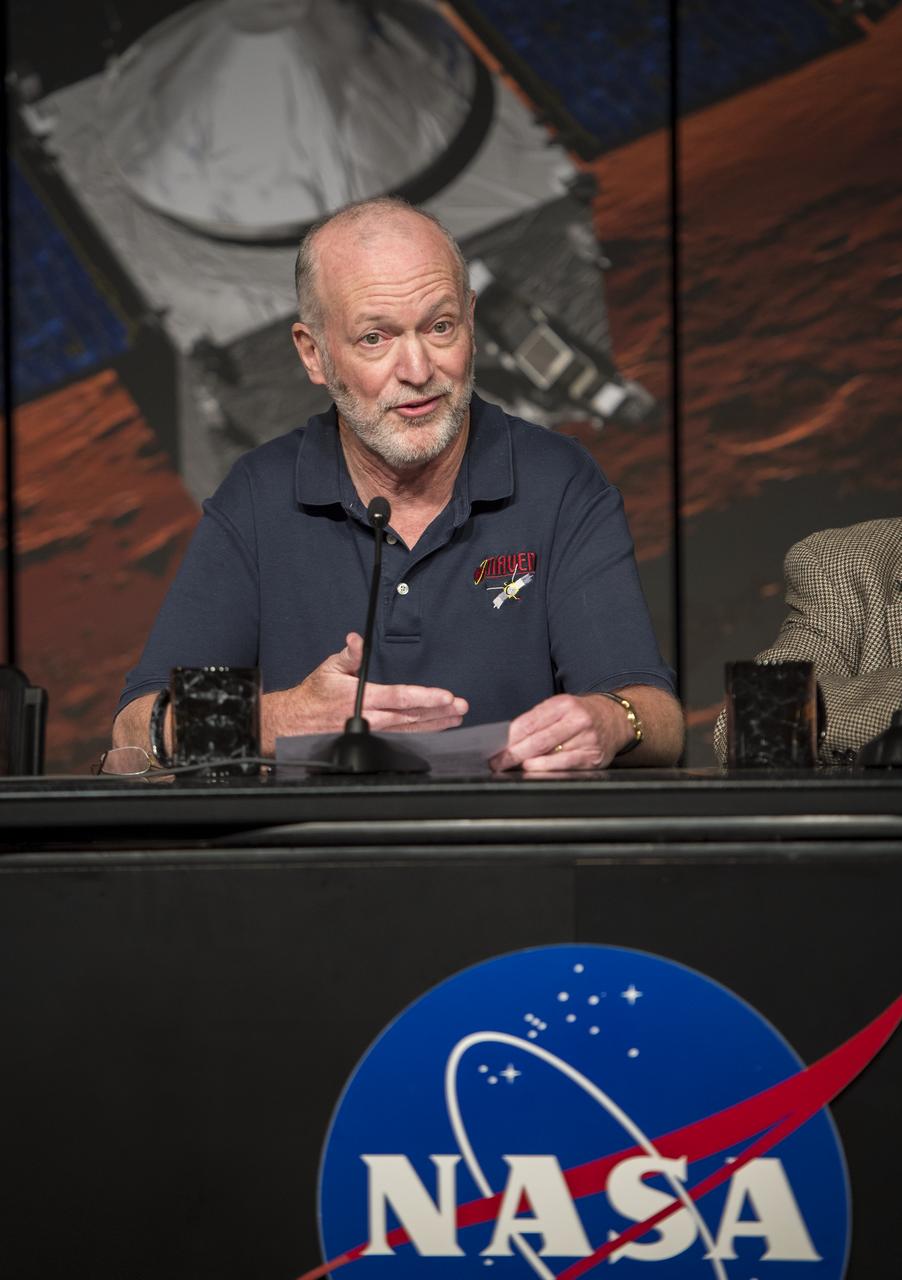
David Mitchell, MAVEN project manager, NASA's Goddard Space Flight Center, discusses the upcoming launch of the Mars Atmosphere and Volatile Evolution (MAVEN) mission, at a press conference at NASA Headquarters in Washington on Monday, Oct. 28th, 2013. MAVEN is the agency's next mission to Mars and the first devoted to understanding the upper atmosphere of the Red Planet. (Photo credit: NASA/Jay Westcott)
MAVEN Press Briefing
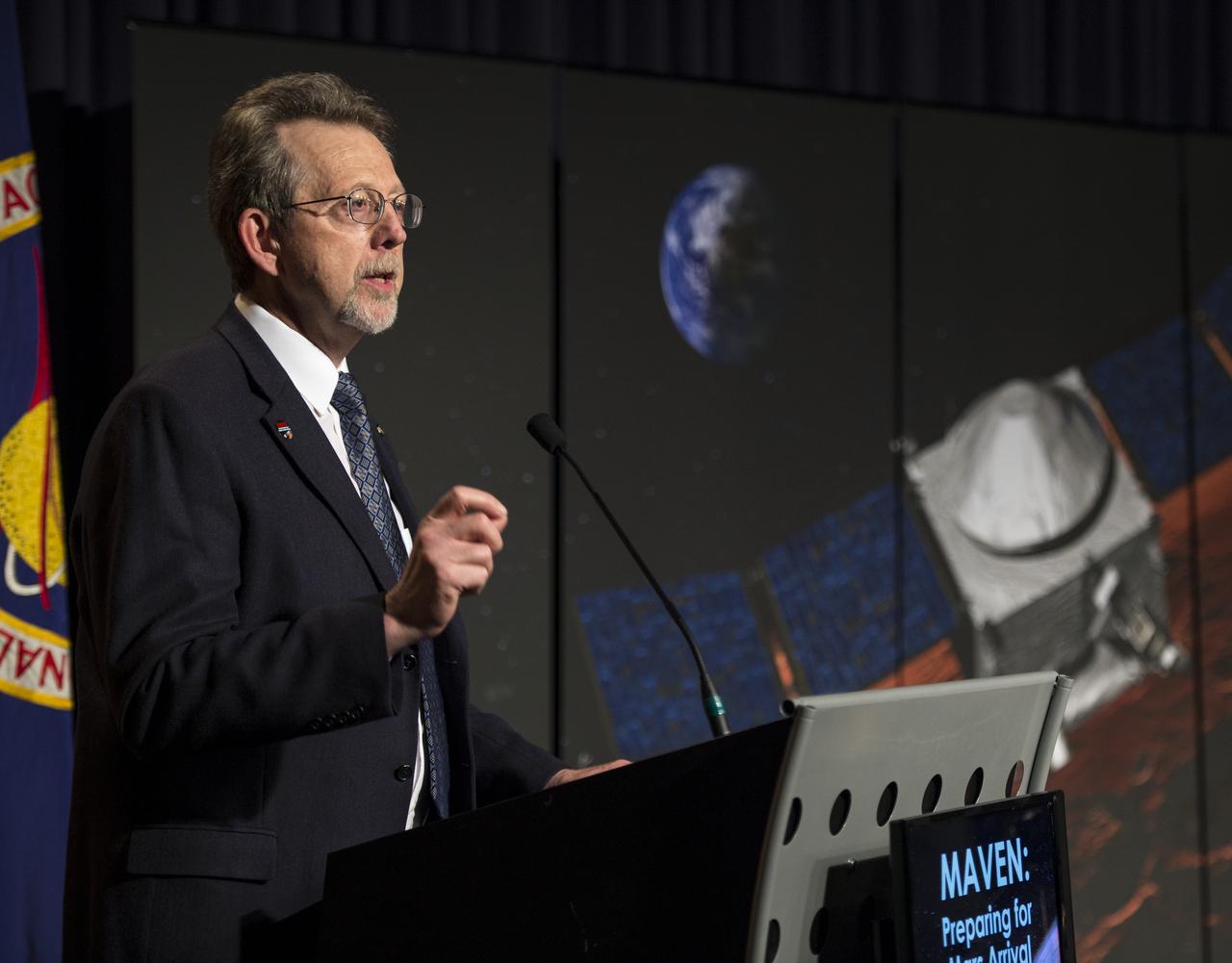
Dr. Jim Green, NASA‘s Planetary Science Division Director and Head of Mars Program, gives opening remarks at a media briefing where panelist outlined activities around the Sunday, Sept. 21 orbital insertion at Mars of the agency’s Mars Atmosphere and Volatile EvolutioN (MAVEN) spacecraft, Wednesday, Sept. 17, 2014 at NASA Headquarters in Washington. (Photo credit: NASA/Bill Ingalls)
MAVEN Briefing
Bruce Jakosky, MAVEN principal investigator, University of Colorado Boulder Laboratory for Atmospheric and Space Physics,  discusses the upcoming launch of the Mars Atmosphere and Volatile Evolution (MAVEN) mission, at a press conference at NASA Headquarters in Washington on Monday, Oct. 28th, 2013. MAVEN is the agency's next mission to Mars and the first devoted to understanding the upper atmosphere of the Red Planet. (Photo credit: NASA/Jay Westcott)
MAVEN Press Briefing
Kelly Fast, MAVEN program scientist, NASA Headquarters, discusses the upcoming launch of the Mars Atmosphere and Volatile Evolution (MAVEN) mission, at a press conference at NASA Headquarters in Washington on Monday, Oct. 28th, 2013. MAVEN is the agency's next mission to Mars and the first devoted to understanding the upper atmosphere of the Red Planet. (Photo credit: NASA/Jay Westcott)
MAVEN Press Briefing
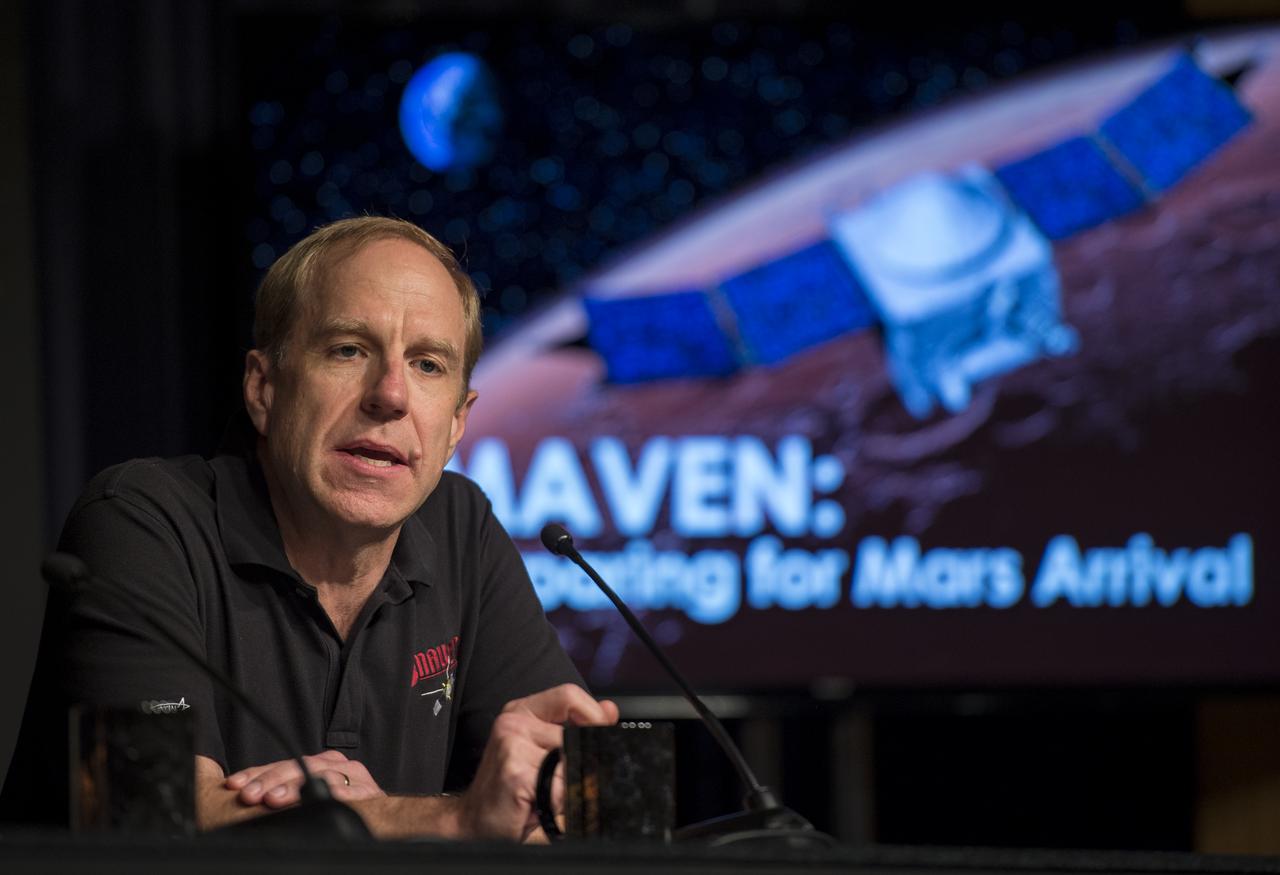
Guy Beutelschies, Lockheed Martin MAVEN program manager, Lockheed Martin Space Systems Company, Littleton, Colorado is seen during a media briefing where he and other panelist outlined activities around the Sunday, Sept. 21 orbital insertion at Mars of the agency’s Mars Atmosphere and Volatile EvolutioN (MAVEN) spacecraft, Wednesday, Sept. 17, 2014 at NASA Headquarters in Washington. (Photo credit: NASA/Bill Ingalls)
MAVEN Briefing
Bruce Jakosky, MAVEN principal investigator, Laboratory for Atmospheric and Space Physics, University of Colorado, Boulder, left, and David Mitchell, MAVEN project manager, NASA’s Goddard Space Flight Center, Greenbelt, Maryland are seen during a media briefing where they and other panelist outlined activities around the Sunday, Sept. 21 orbital insertion at Mars of the agency’s Mars Atmosphere and Volatile EvolutioN (MAVEN) spacecraft, Wednesday, Sept. 17, 2014 at NASA Headquarters in Washington. (Photo credit: NASA/Bill Ingalls)
MAVEN Briefing
John Grunsfeld, associate administrator for the Science Mission Directorate, NASA Headquarters, Washington, discusses the upcoming launch of the Mars Atmosphere and Volatile Evolution (MAVEN) mission, at a press conference at NASA Headquarters in Washington on Monday, Oct. 28th, 2013. MAVEN is the agency's next mission to Mars and the first devoted to understanding the upper atmosphere of the Red Planet. (Photo credit: NASA/Jay Westcott)
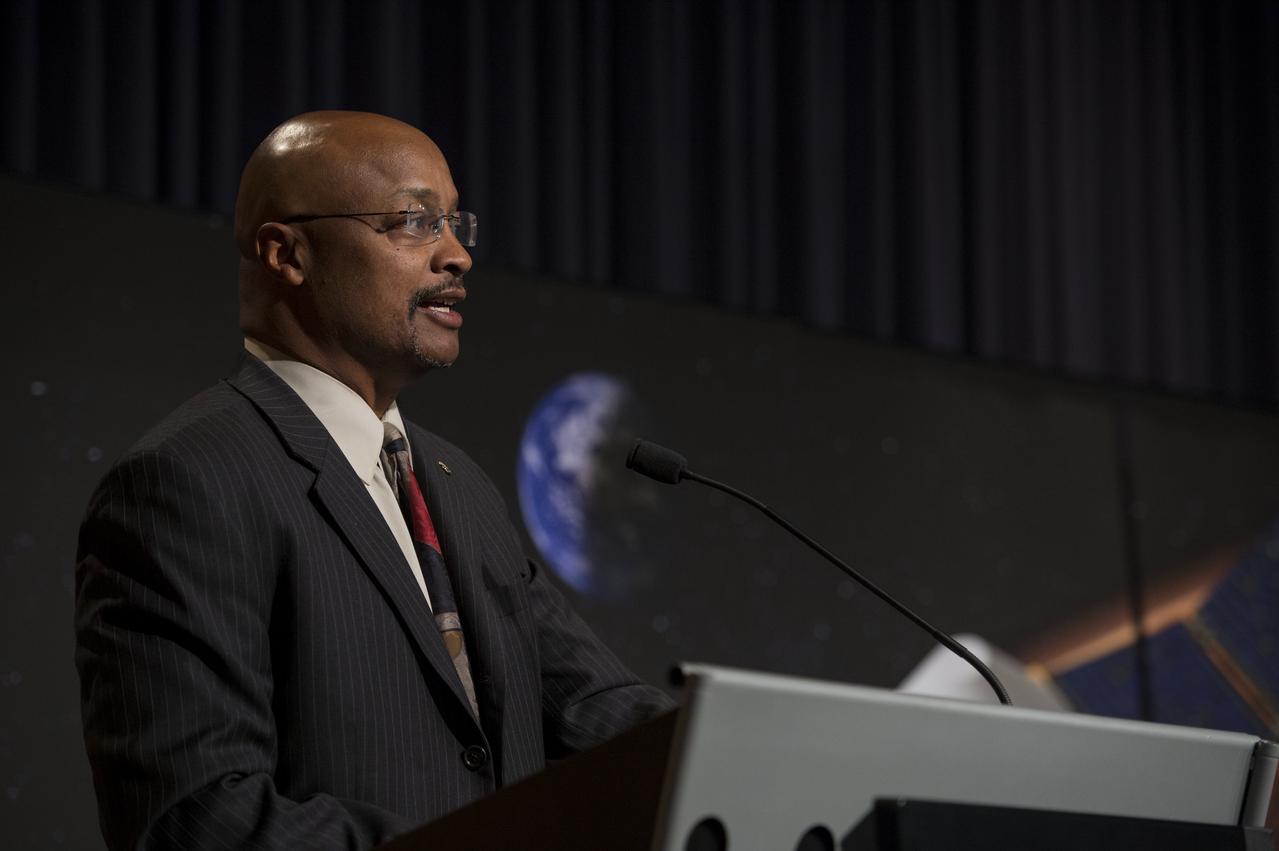
MAVEN Press Briefing