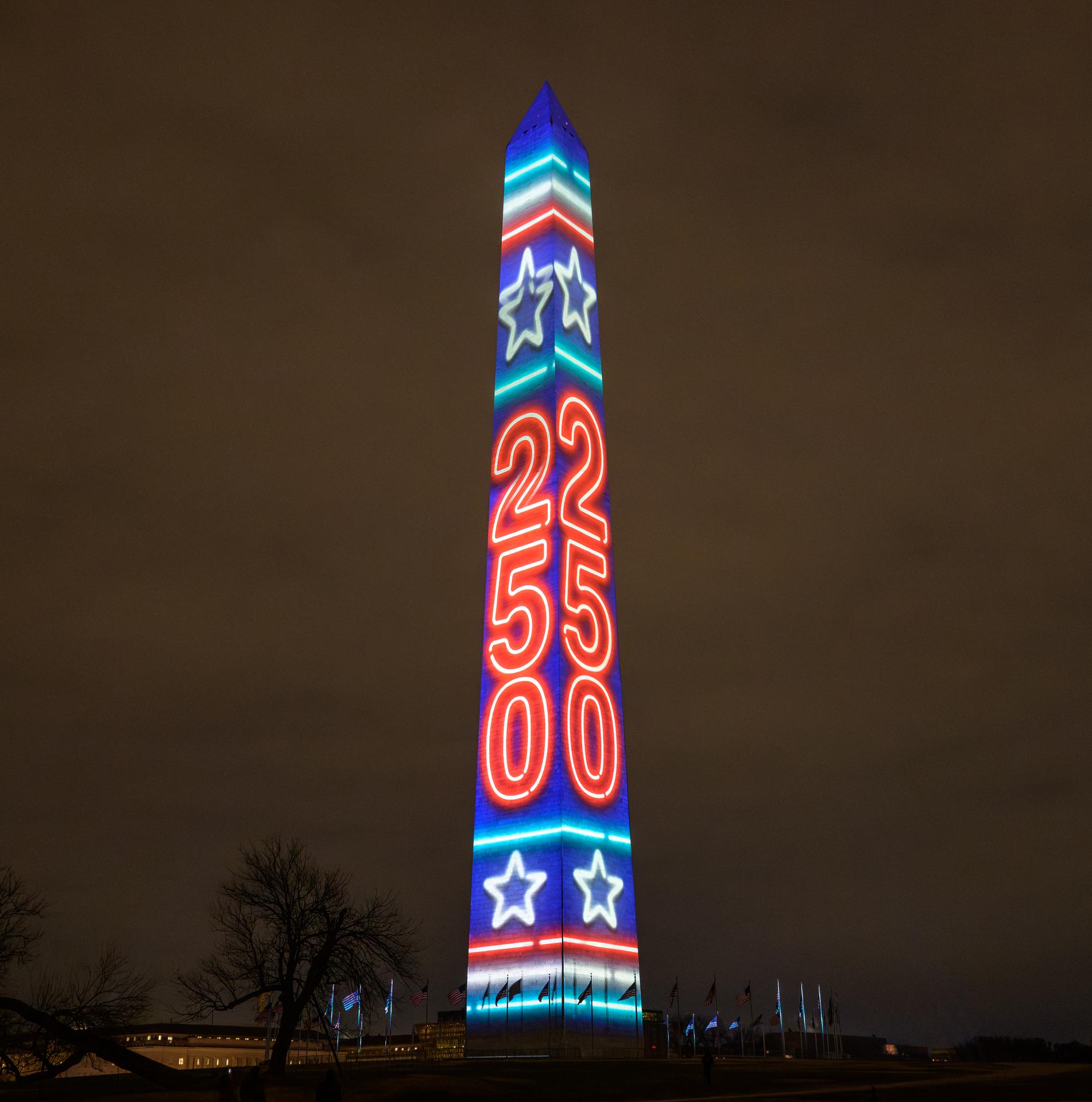
The Washington Monument is lit as part of an event to kick off the nation's 250th birthday year, Wednesday, Dec. 31, 2025, in Washington. Photo Credit: (NASA/Bill Ingalls)
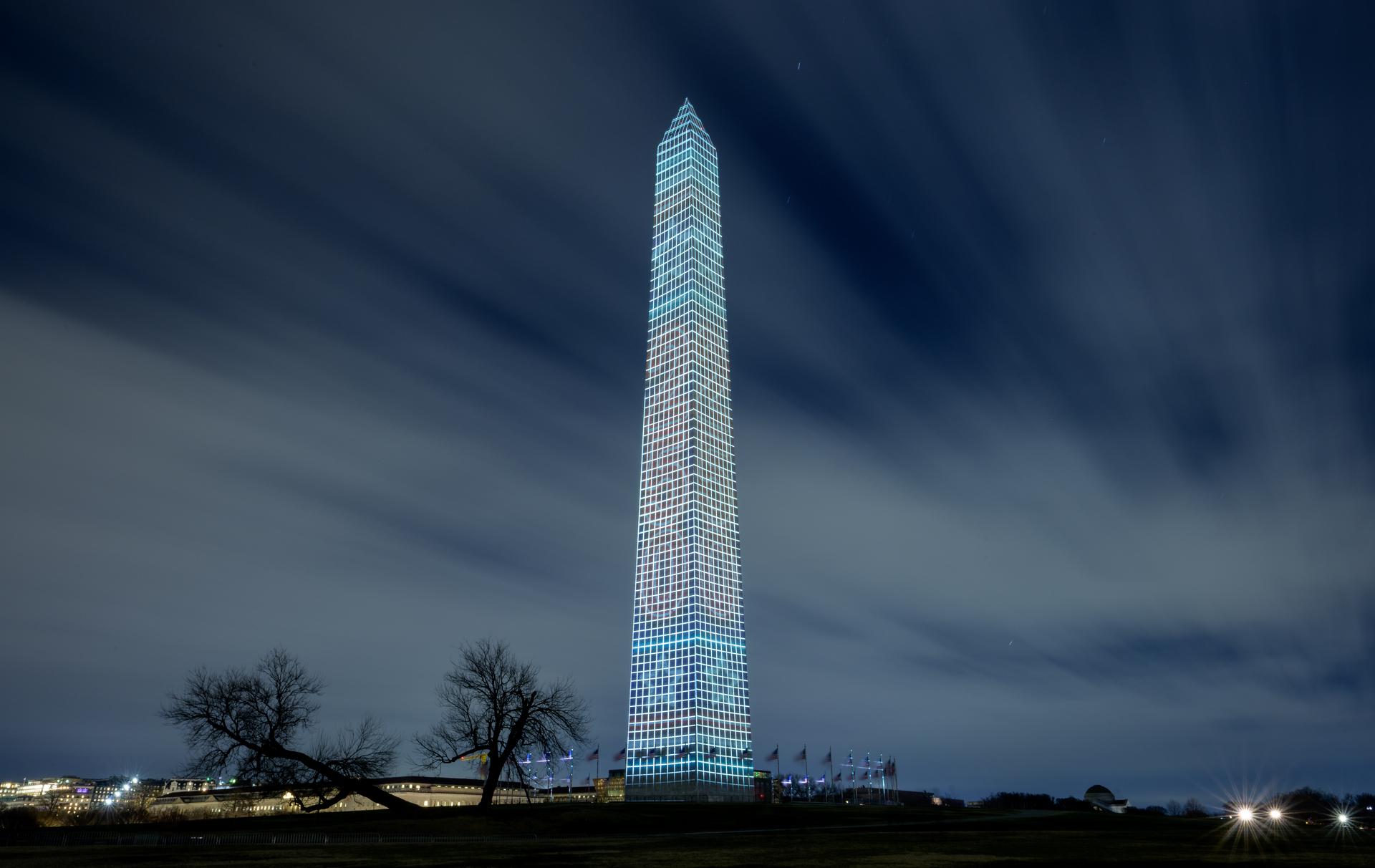
The Washington Monument is seen lit in this long exposure photograph as part of an event to kick off the nation's 250th birthday year, Wednesday, Dec. 31, 2025, in Washington. Photo Credit: (NASA/Bill Ingalls)
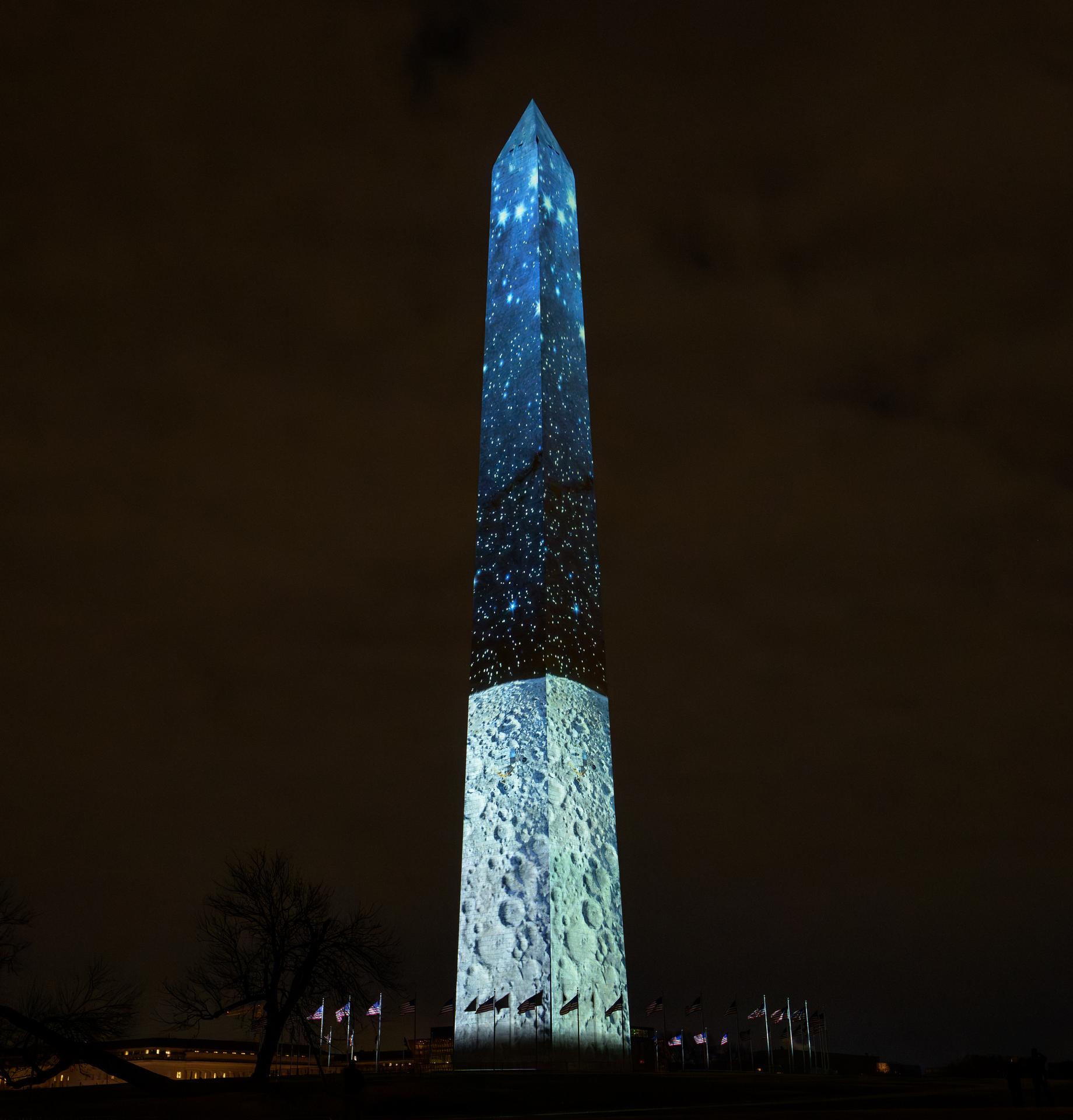
Images depicting NASA Moon missions are projected onto the Washington Monument as part of an event to kick off the nation's 250th birthday year, Wednesday, Dec. 31, 2025, in Washington. Photo Credit: (NASA/Bill Ingalls)
Images depicting NASA Moon missions are projected onto the Washington Monument as part of an event to kick off the nation's 250th birthday year, Wednesday, Dec. 31, 2025, in Washington. Photo Credit: (NASA/Bill Ingalls)
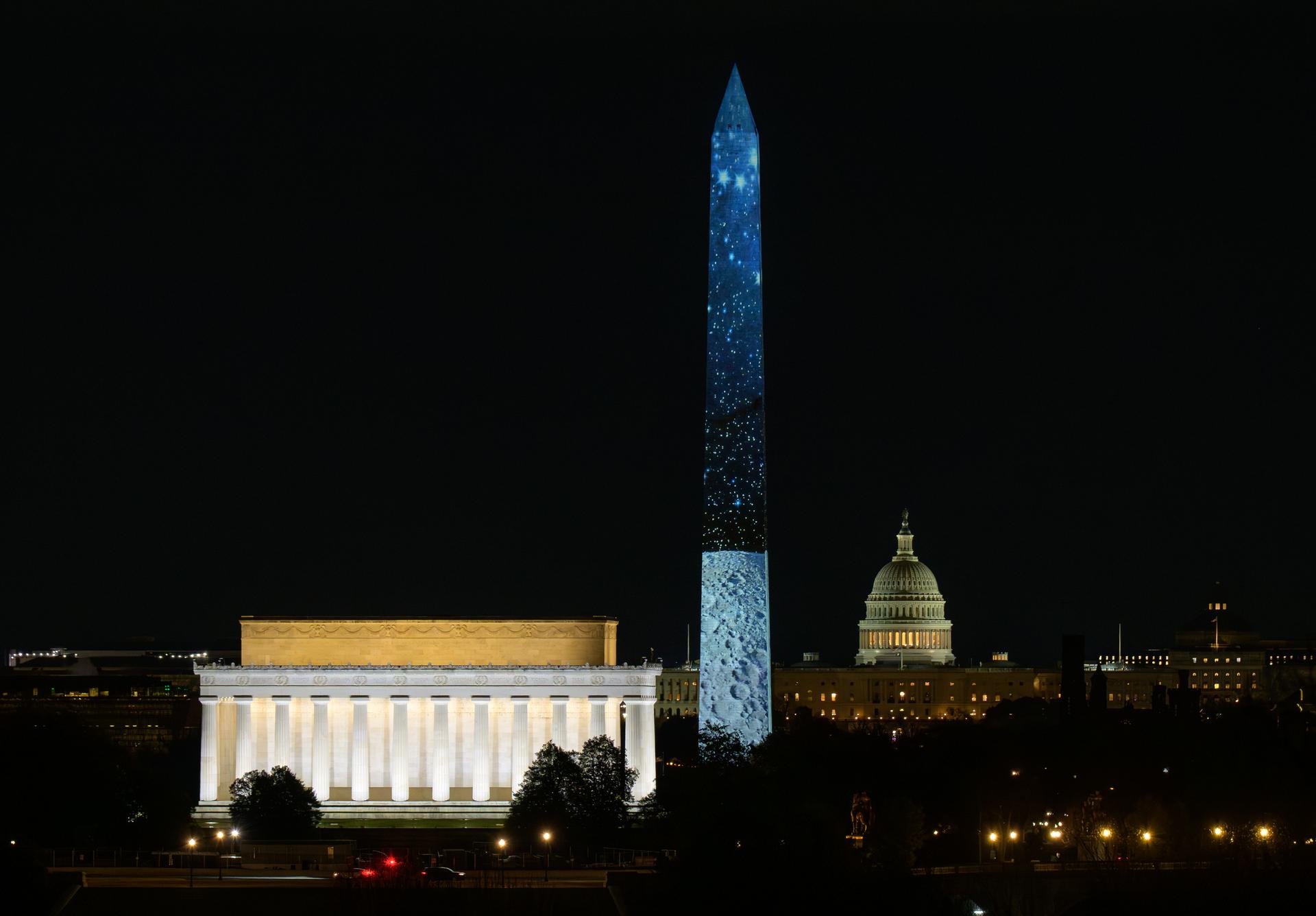
Images depicting NASA Moon missions are projected onto the Washington Monument as part of an event to kick off the nation's 250th birthday year, Wednesday, Dec. 31, 2025, in Washington. Photo Credit: (NASA/Bill Ingalls)
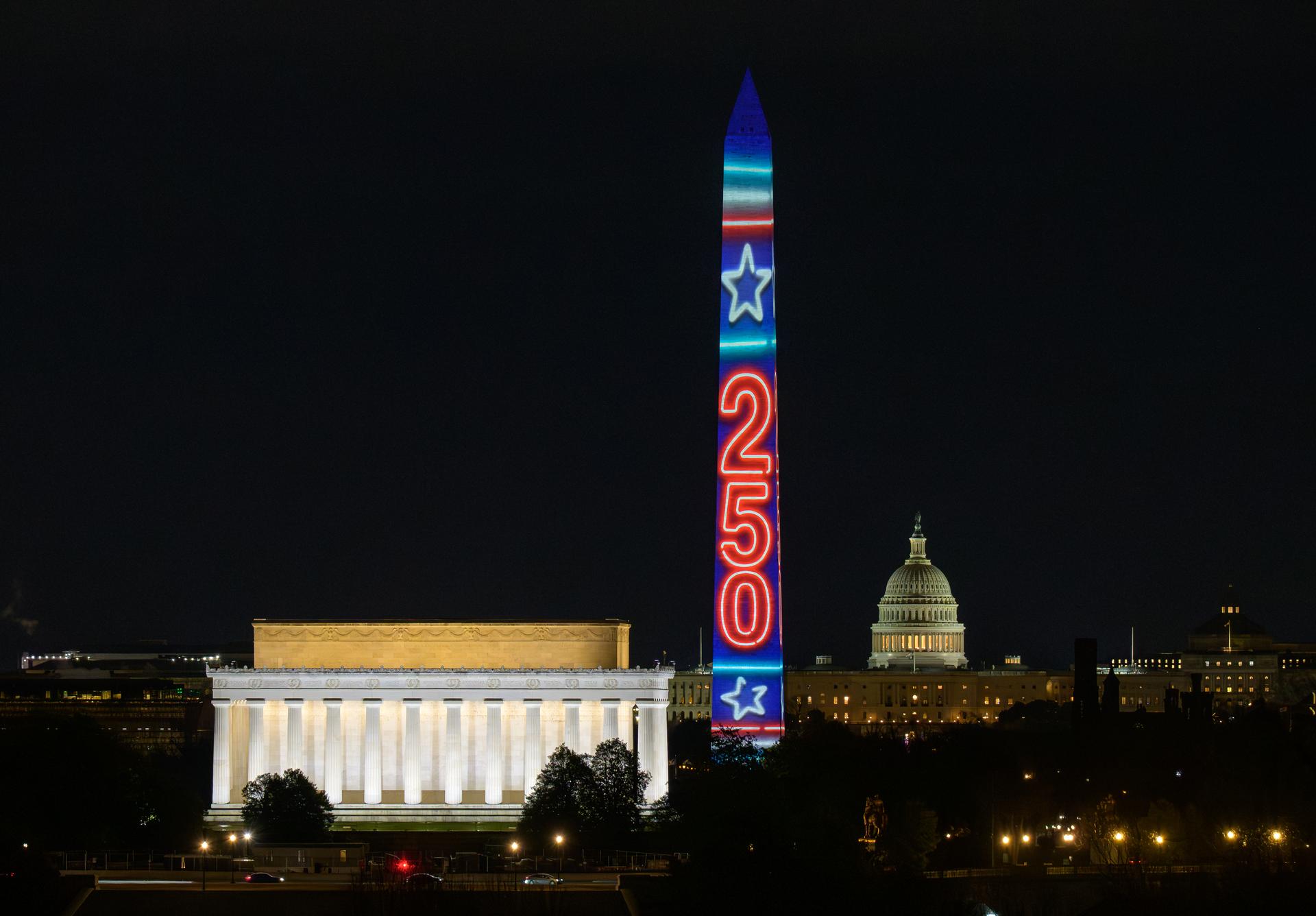
The Washington Monument is lit as part of an event to kick off the nation's 250th birthday year, Wednesday, Dec. 31, 2025, in Washington. Photo Credit: (NASA/Bill Ingalls)
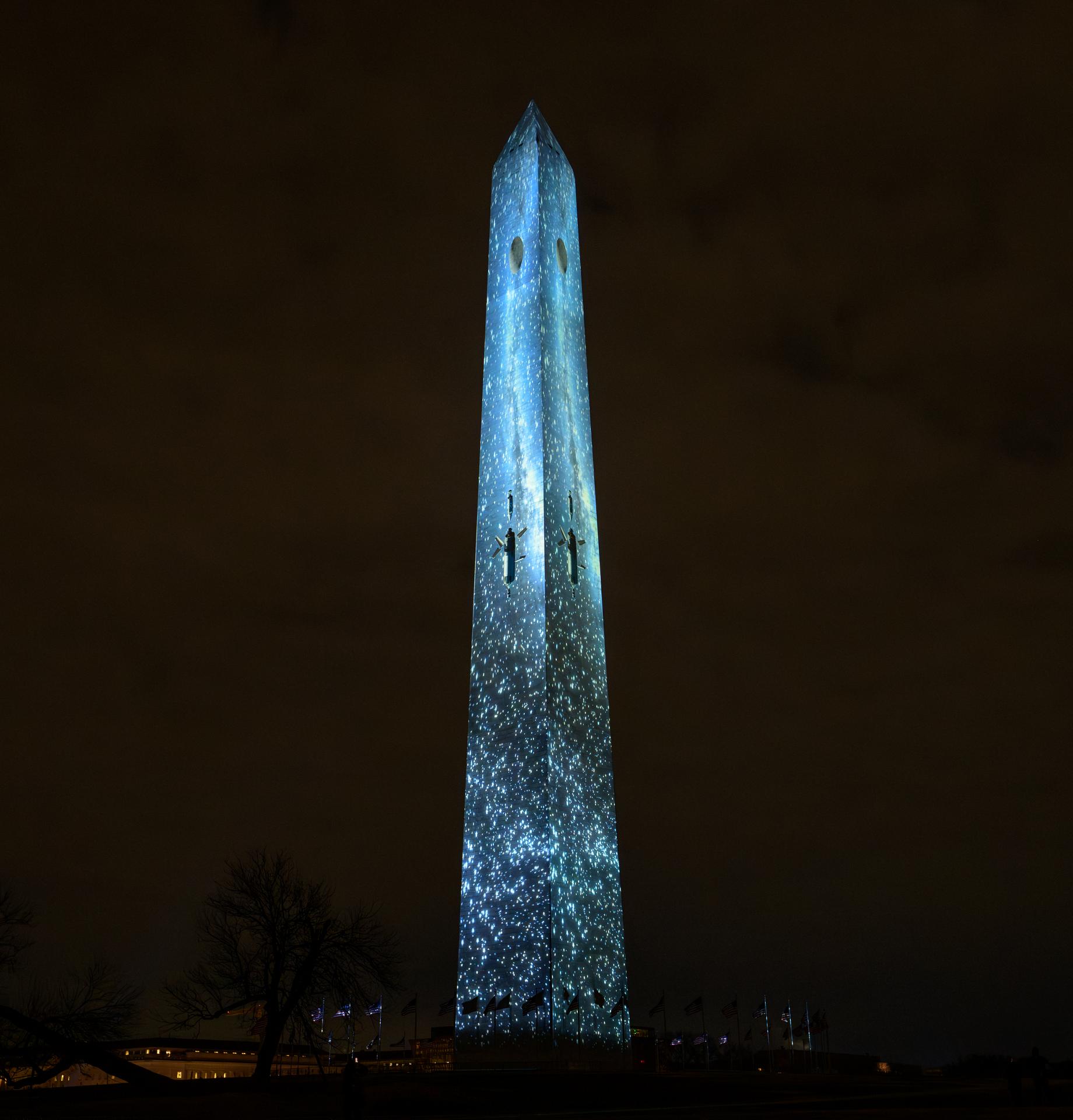
Images depicting NASA missions are projected onto the Washington Monument as part of an event to kick off the nation's 250th birthday year, Wednesday, Dec. 31, 2025, in Washington. Photo Credit: (NASA/Bill Ingalls)
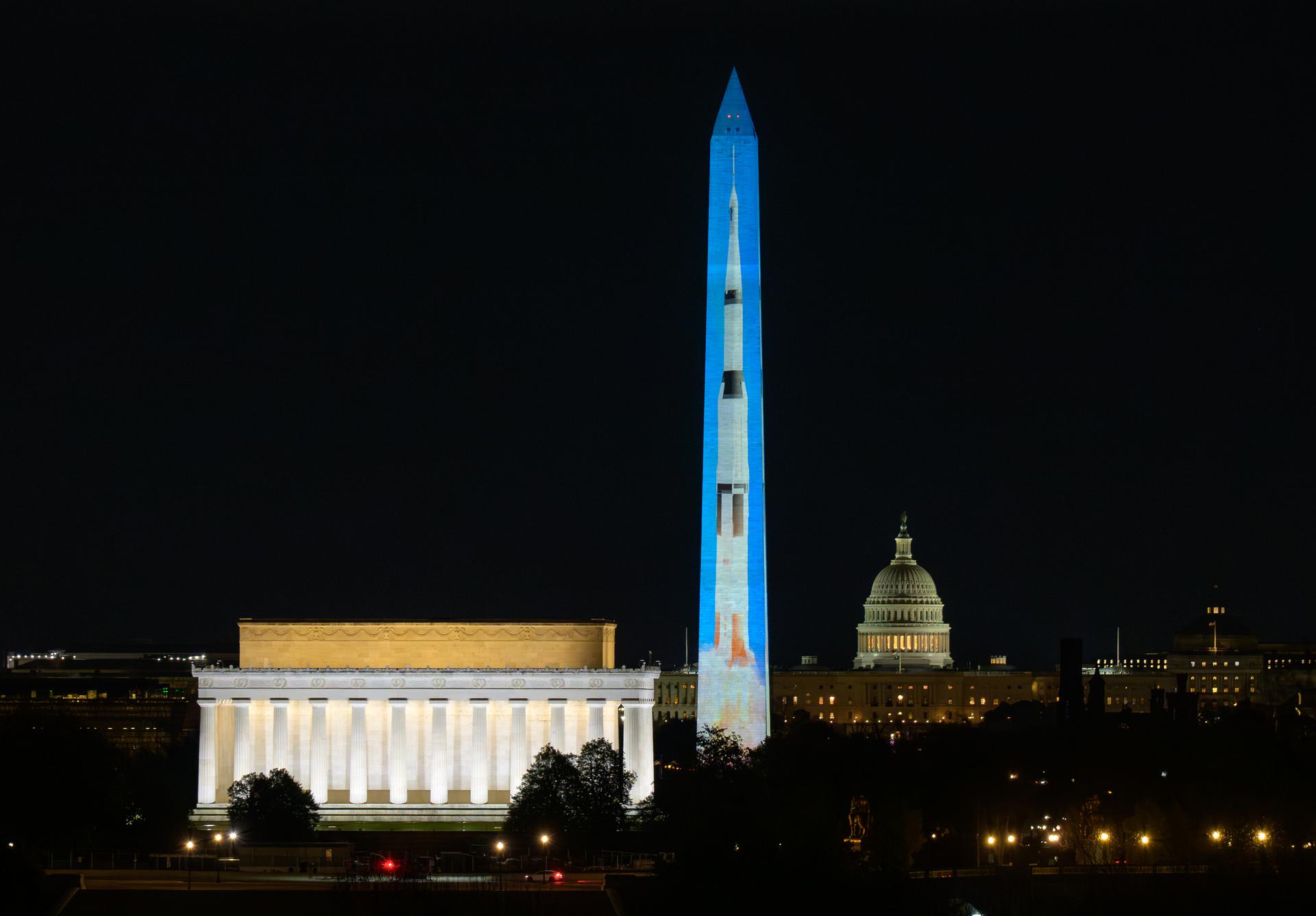
Images depicting NASA’s Saturn V Rocket are projected onto the Washington Monument as part of an event to kick off the nation's 250th birthday year, Wednesday, Dec. 31, 2025, in Washington. Photo Credit: (NASA/Bill Ingalls)
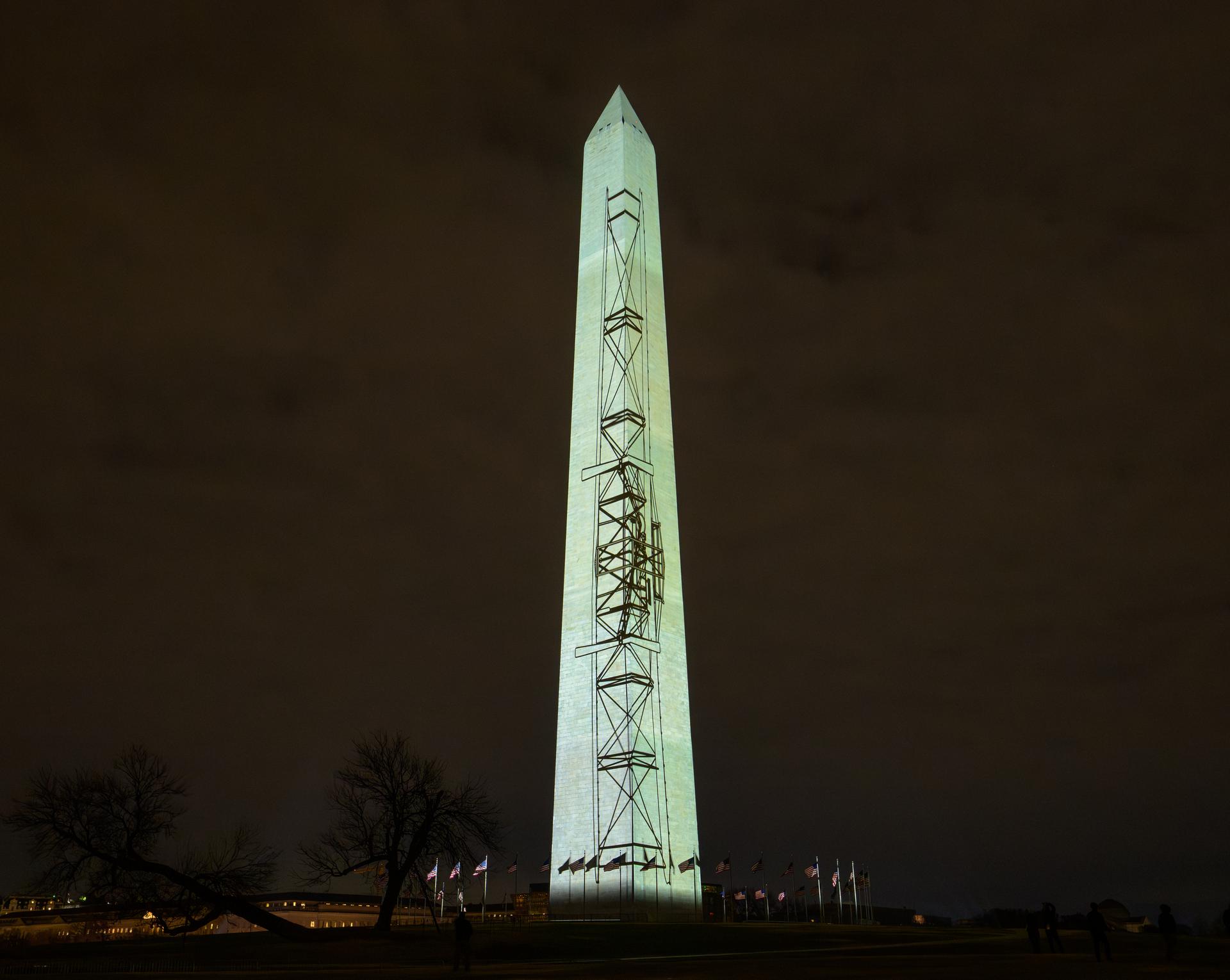
Images depicting the Wright brothers aircraft are projected onto the Washington Monument as part of an event to kick off the nation's 250th birthday year, Wednesday, Dec. 31, 2025, in Washington. Photo Credit: (NASA/Bill Ingalls)
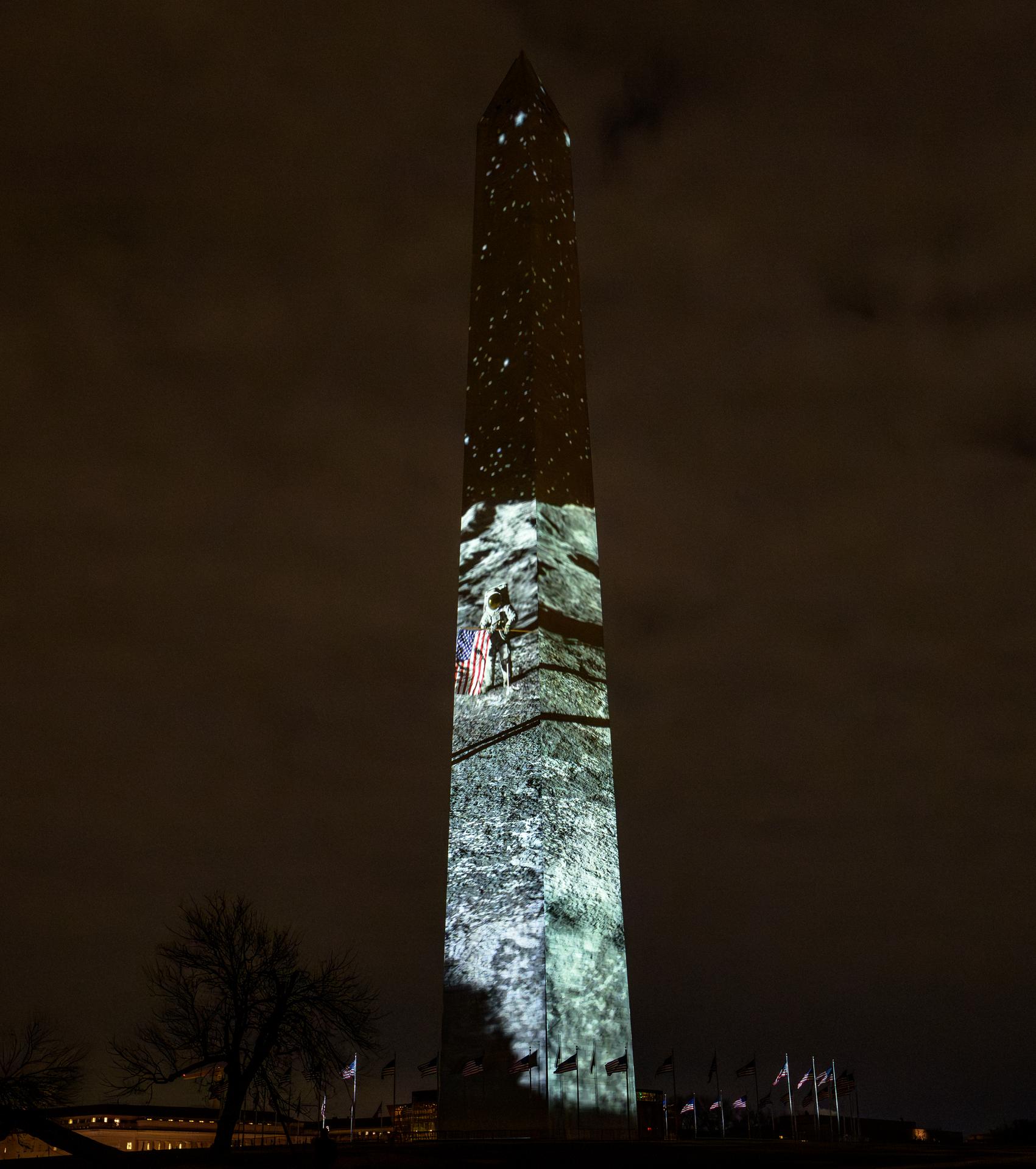
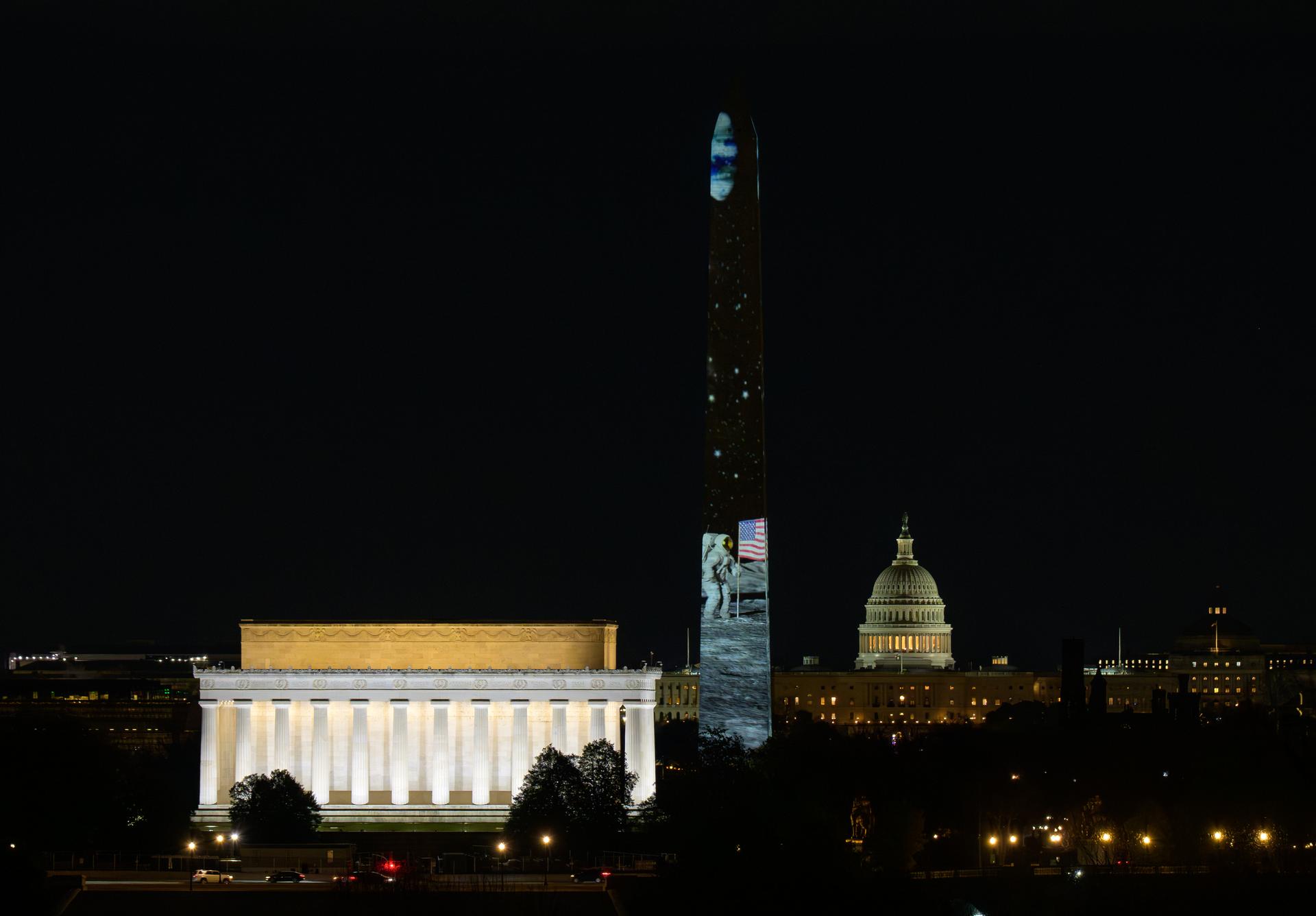
Images depicting NASA Apollo Moon missions are projected onto the Washington Monument as part of an event to kick off the nation's 250th birthday year, Wednesday, Dec. 31, 2025, in Washington. Photo Credit: (NASA/Bill Ingalls)
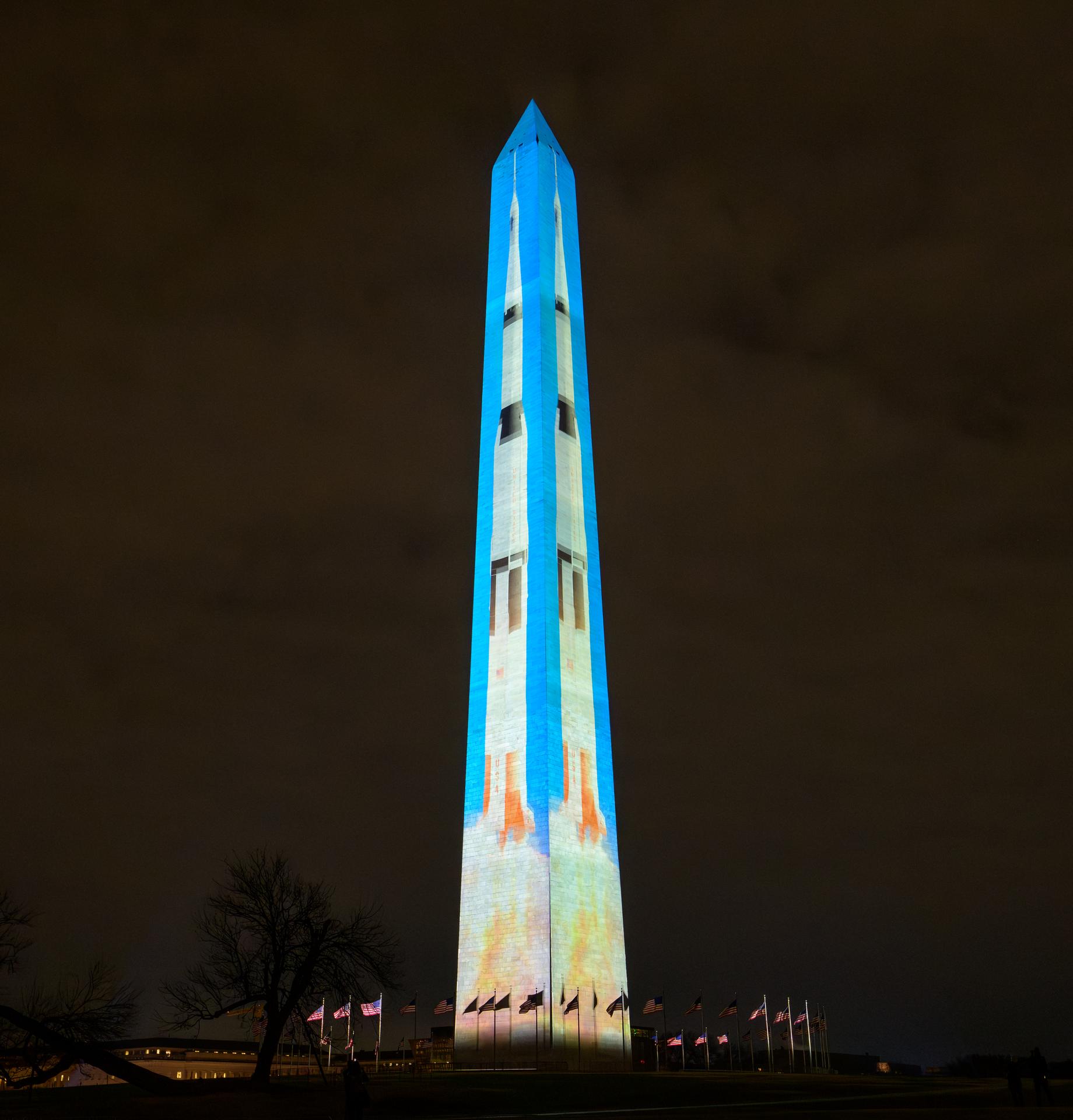
Images depicting NASA’s Saturn V Rocket are projected onto the Washington Monument as part of an event to kick off the nation's 250th birthday year, Wednesday, Dec. 31, 2025, in Washington. Photo Credit: (NASA/Bill Ingalls)
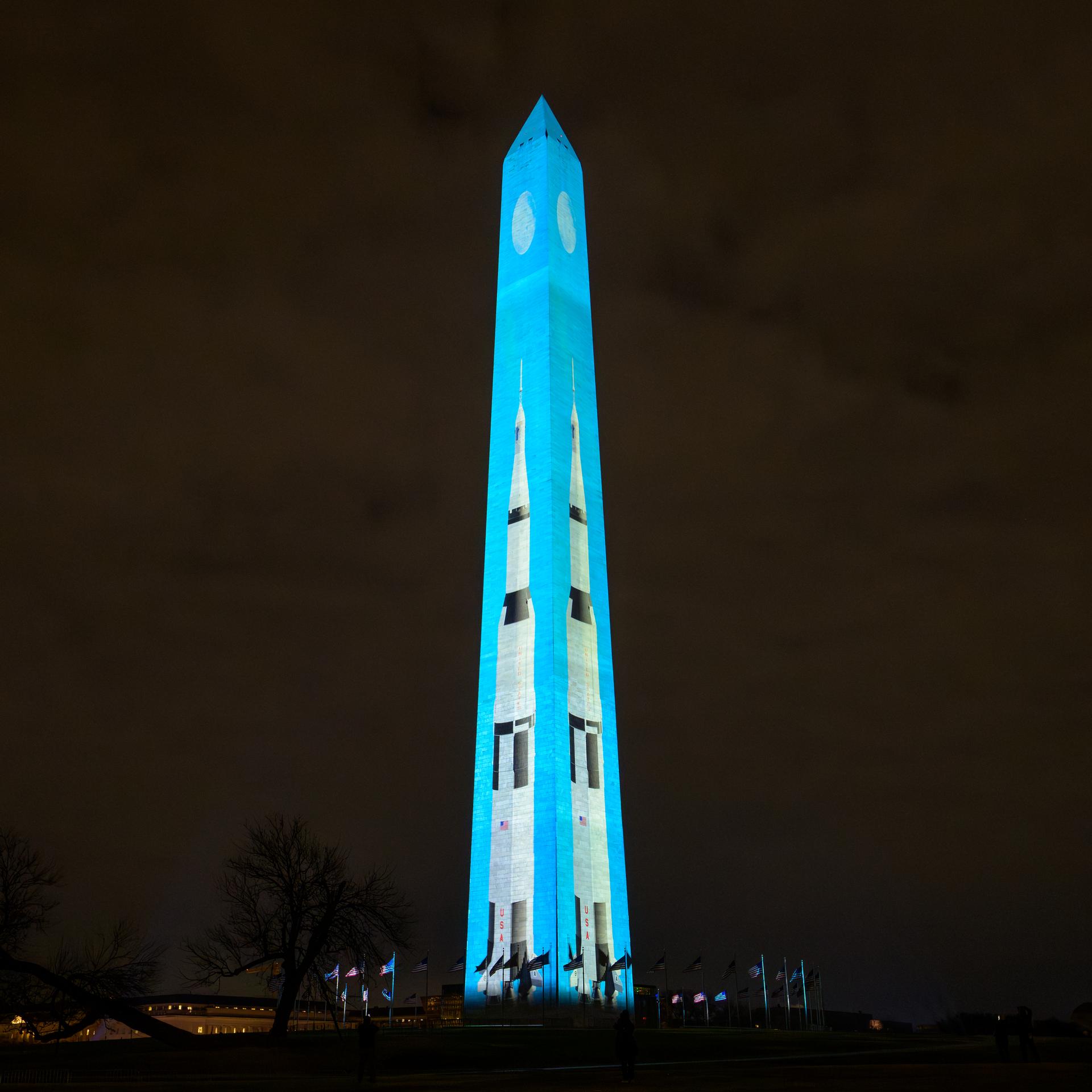
Images depicting NASA’s Saturn V Rocket are projected onto the Washington Monument as part of an event to kick off the nation's 250th birthday year, Wednesday, Dec. 31, 2025, in Washington. Photo Credit: (NASA/Bill Ingalls)
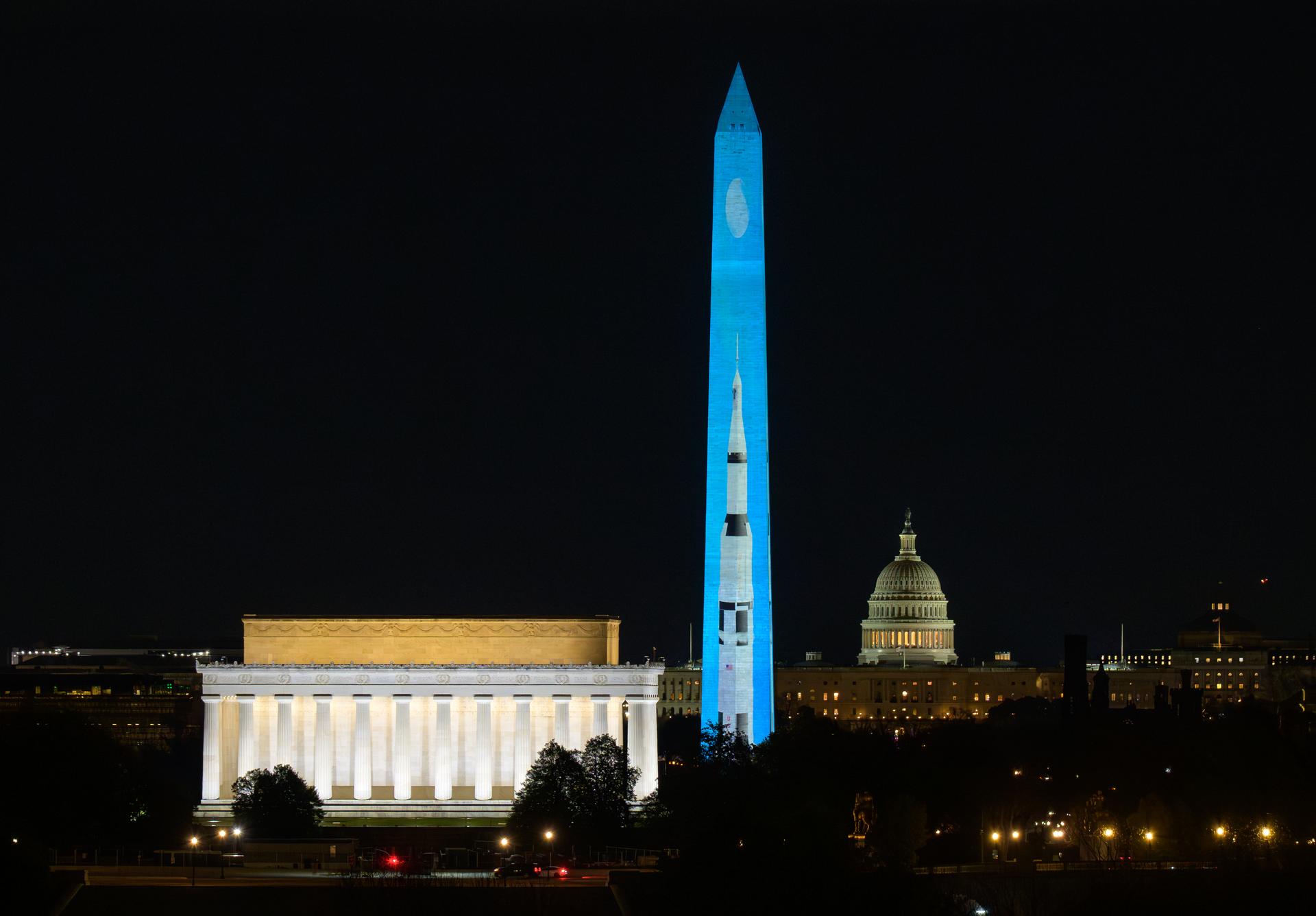
Images depicting NASA’s Saturn V Rocket are projected onto the Washington Monument as part of an event to kick off the nation's 250th birthday year, Wednesday, Dec. 31, 2025, in Washington. Photo Credit: (NASA/Bill Ingalls)
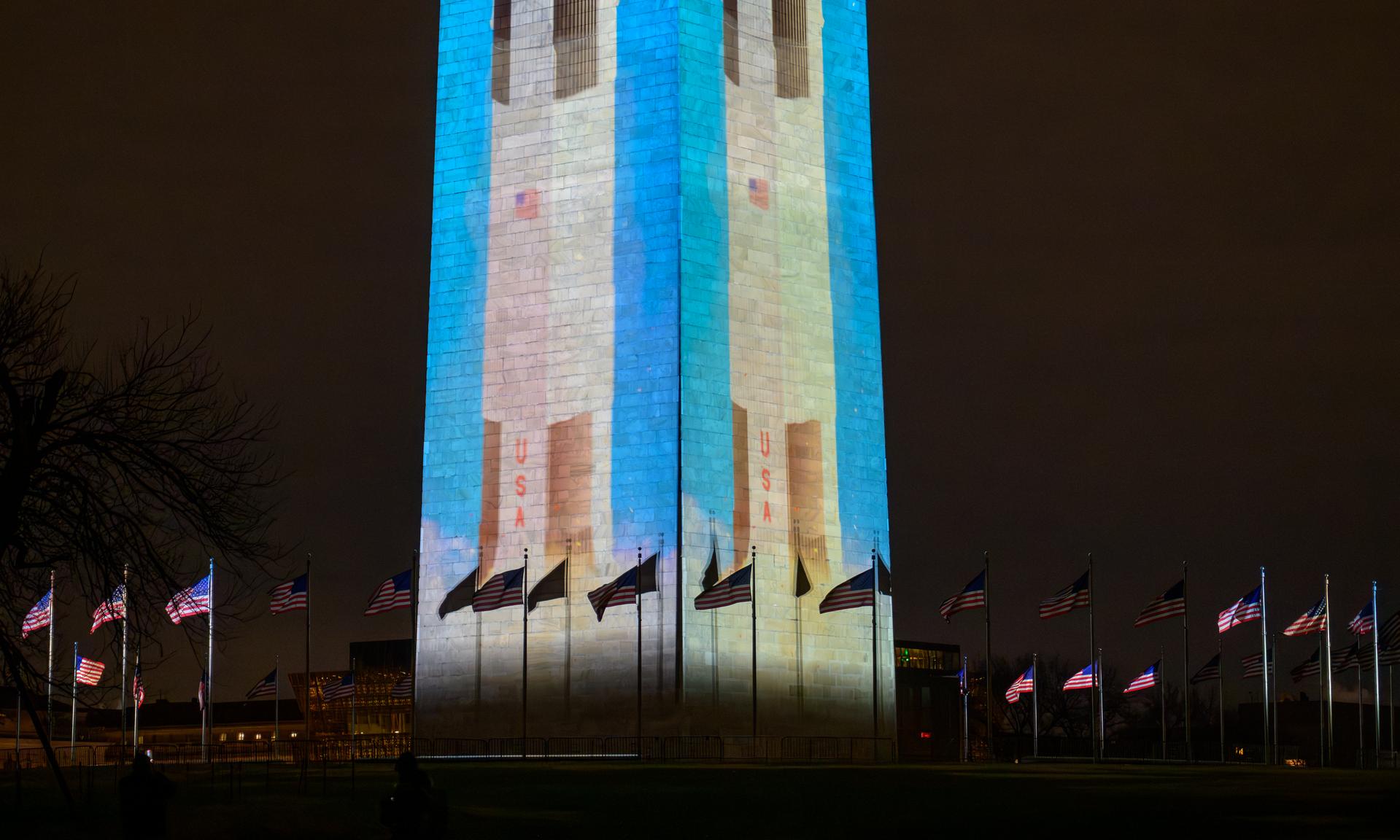
Images depicting NASA’s Saturn V Rocket are projected onto the Washington Monument as part of an event to kick off the nation's 250th birthday year, Wednesday, Dec. 31, 2025, in Washington. Photo Credit: (NASA/Bill Ingalls)
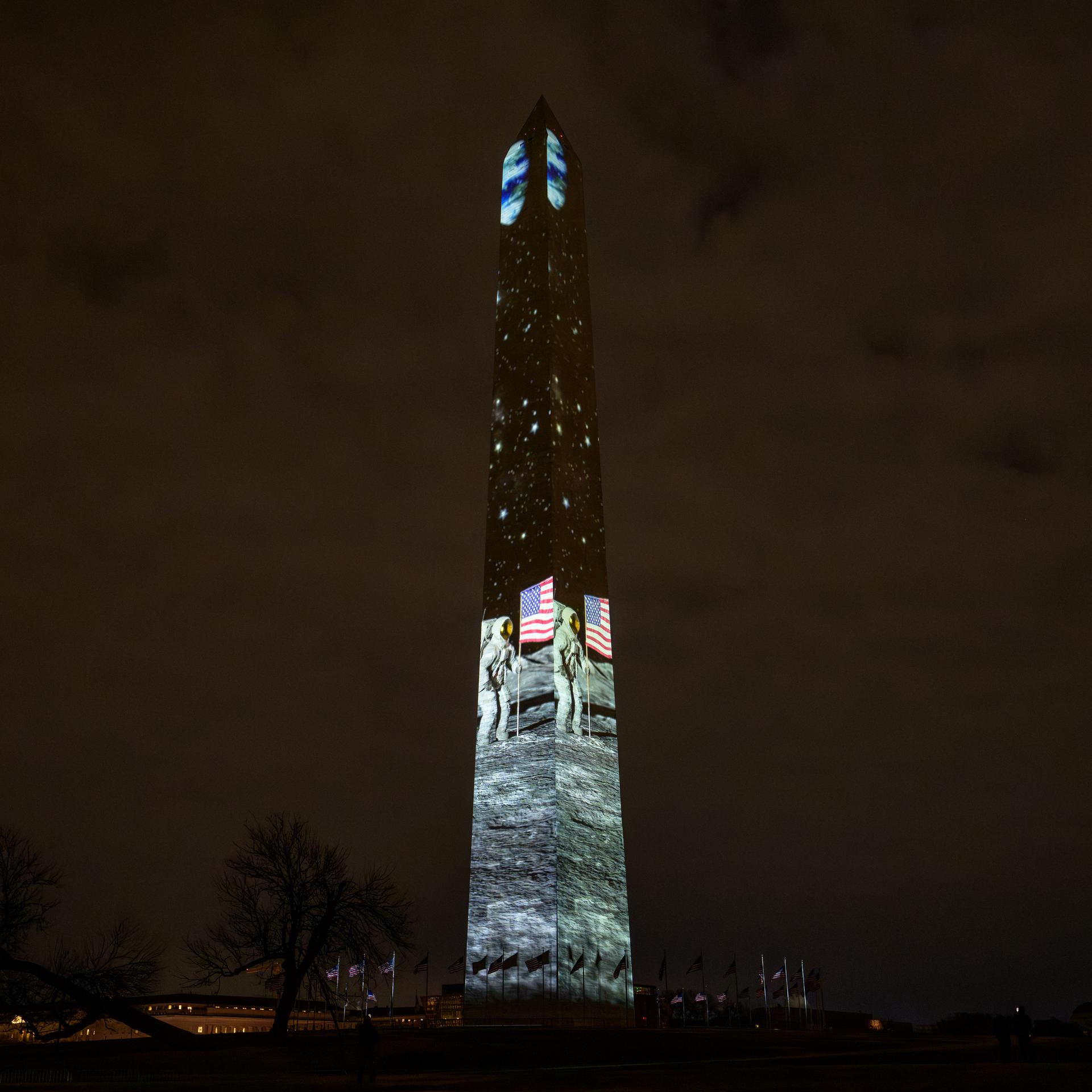
Images depicting NASA Apollo Moon missions are projected onto Washington Monument as part of an event to kick off the nation's 250th birthday year, Wednesday, Dec. 31, 2025, in Washington. Photo Credit: (NASA/Bill Ingalls)
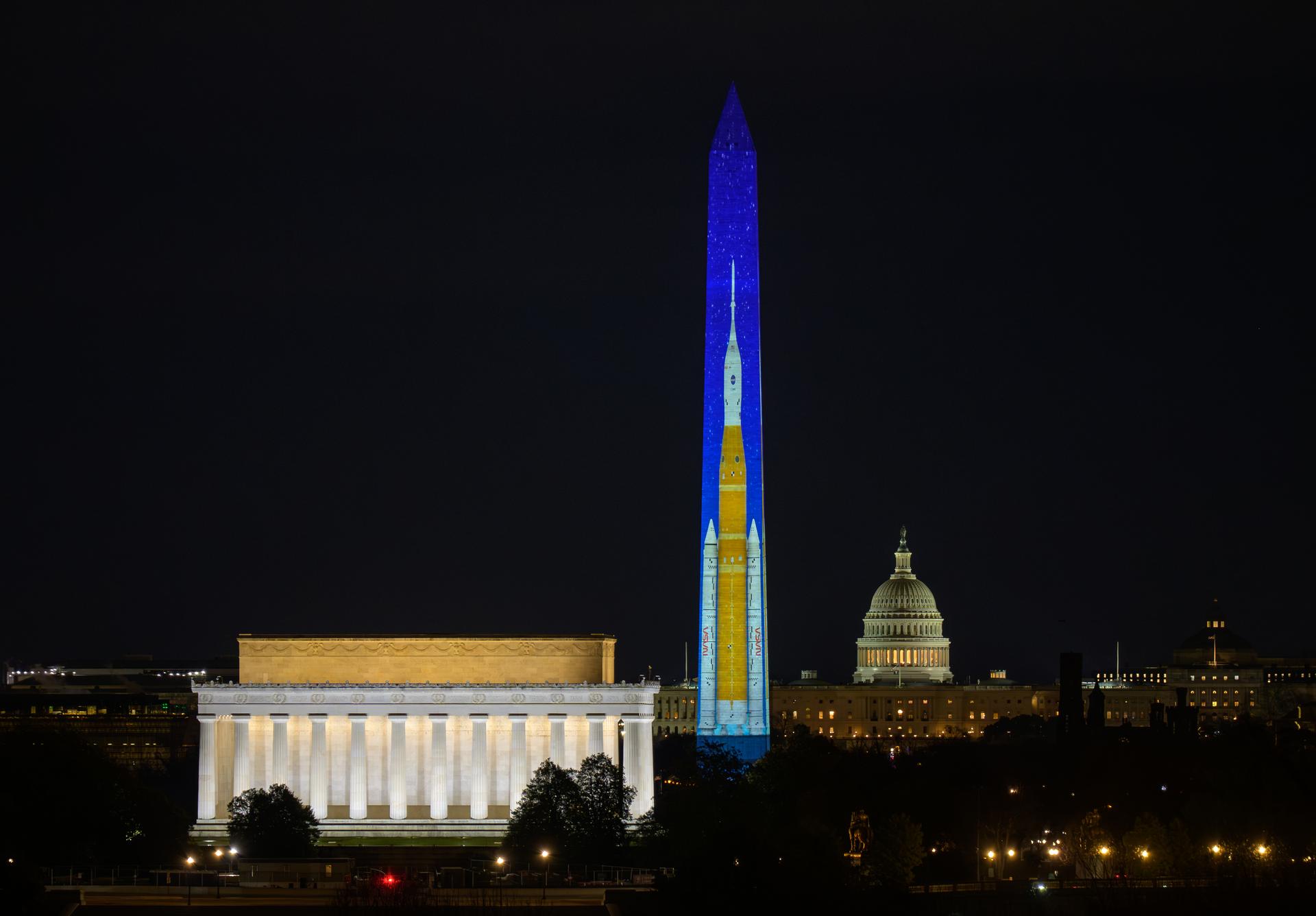
Images depicting NASA’s Space Launch System (SLS) rocket are projected onto the Washington Monument as part of an event to kick off the nation's 250th birthday year, Wednesday, Dec. 31, 2025, in Washington. Photo Credit: (NASA/Bill Ingalls)
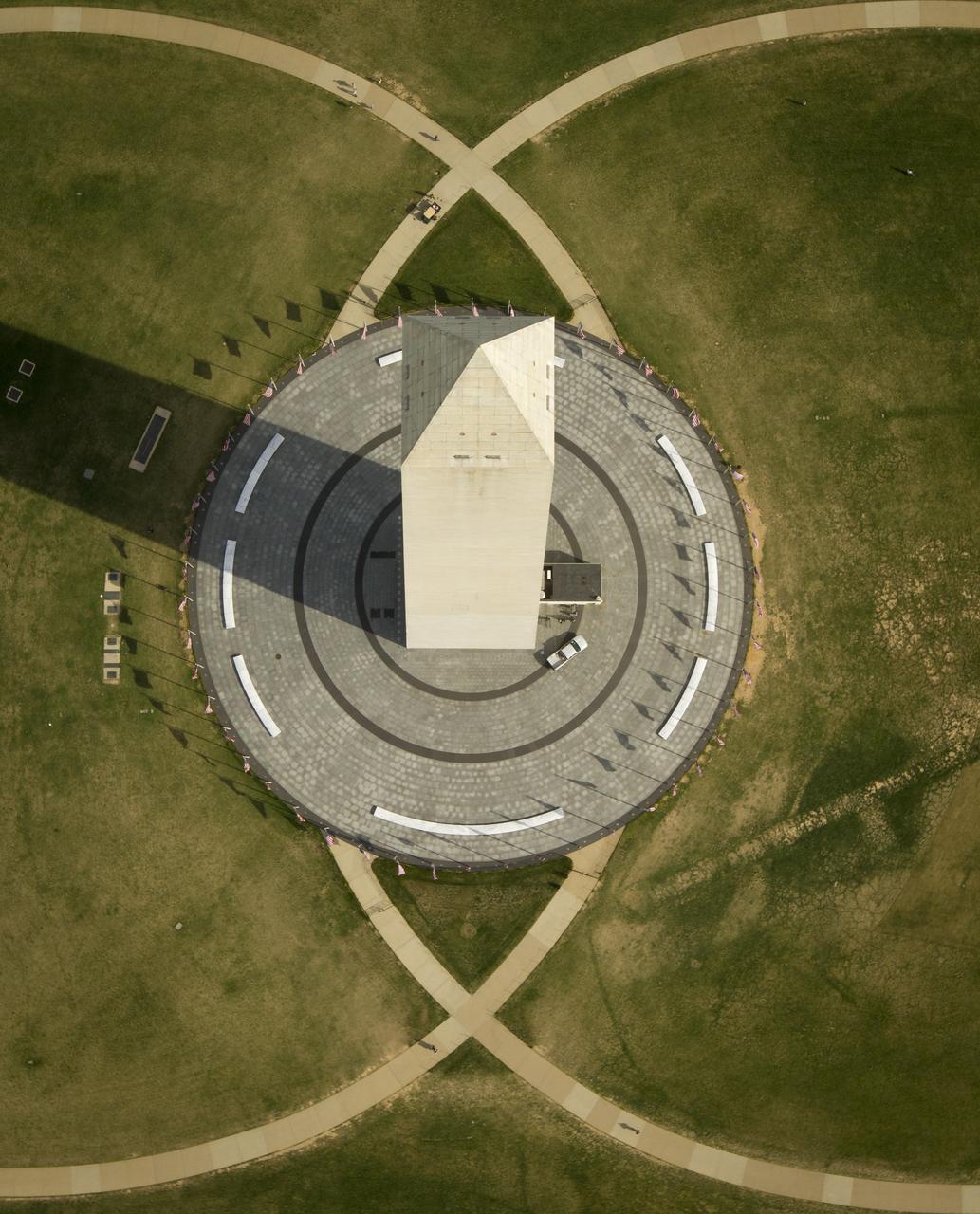
Aerial view of the Washington Monument on Thursday, April 5, 2012 in Washington. Photo Credit: (NASA/Bill Ingalls)
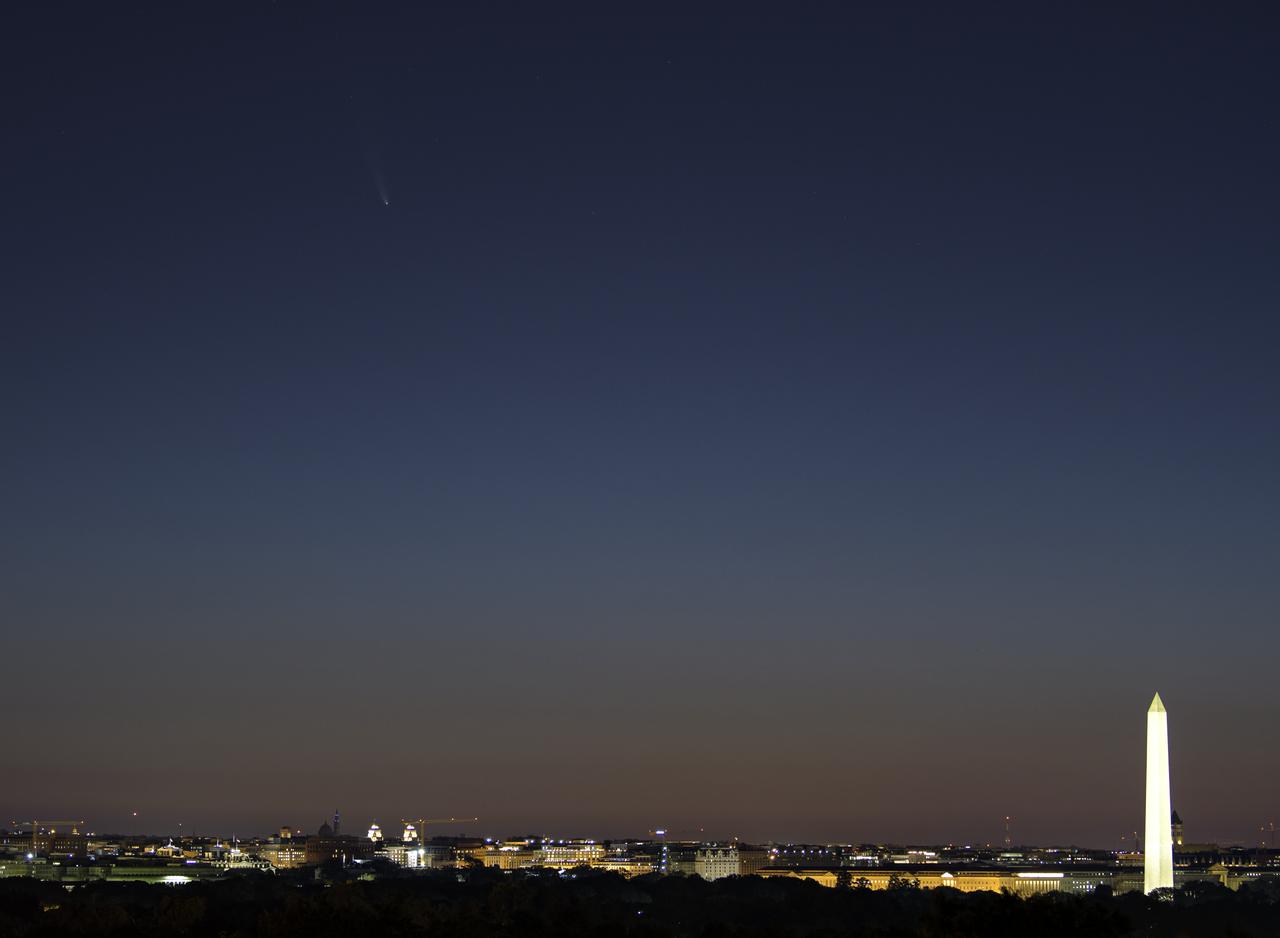
Comet NEOWISE is seen before sunrise, upper left, over Washington, Sunday, July 12, 2020. The comet was discovered by NASA’s Near-Earth Object Wide-field Infrared Survey Explorer, or NEOWISE, on March 27. Since then, the comet — called comet C/2020 F3 NEOWISE and nicknamed comet NEOWISE — has been spotted by several NASA spacecraft, including Parker Solar Probe, NASA’s Solar and Terrestrial Relations Observatory, the ESA/NASA Solar and Heliospheric Observatory, and astronauts aboard the International Space Station. Photo Credit: (NASA/Bill Ingalls)
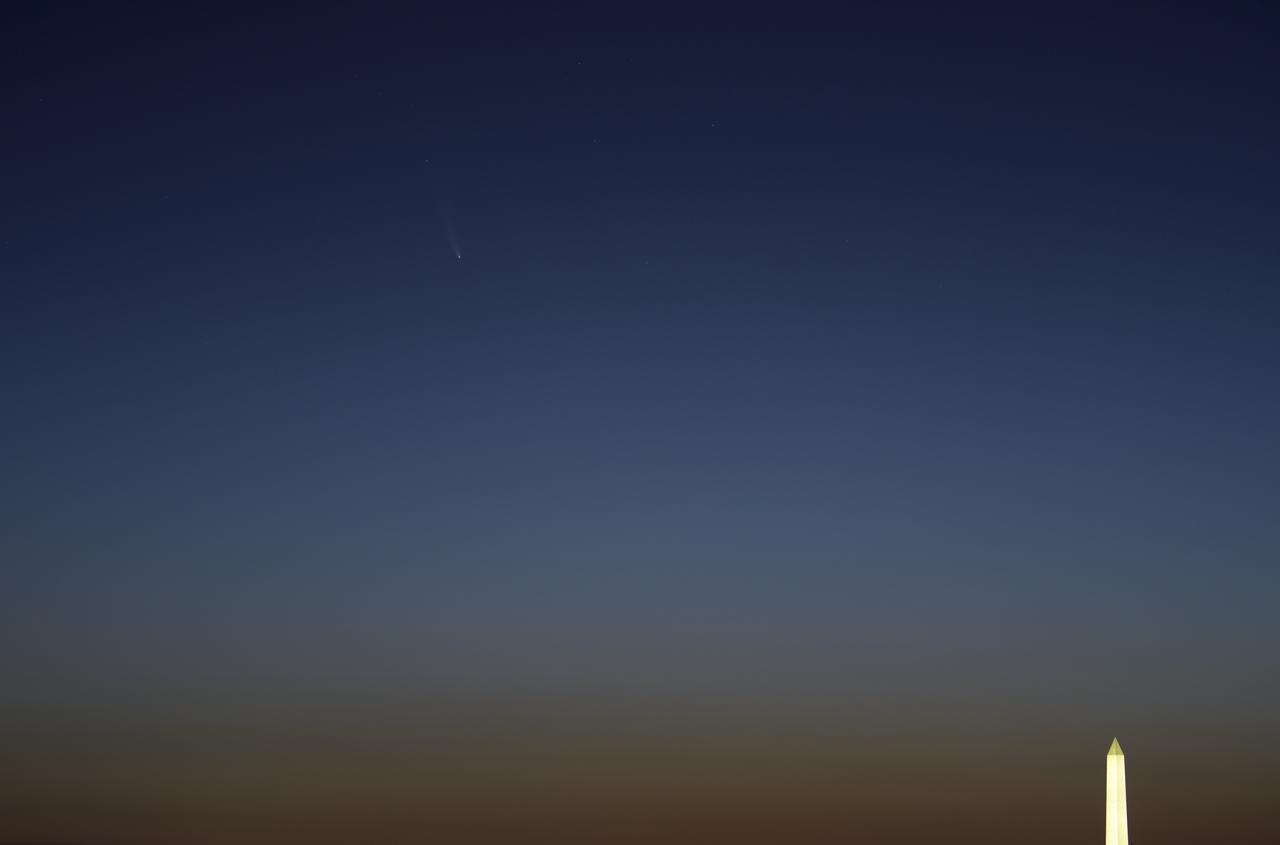
Comet NEOWISE is seen, upper left, before sunrise over Washington, Sunday, July 12, 2020. The comet was discovered by NASA’s Near-Earth Object Wide-field Infrared Survey Explorer, or NEOWISE, on March 27. Since then, the comet — called comet C/2020 F3 NEOWISE and nicknamed comet NEOWISE — has been spotted by several NASA spacecraft, including Parker Solar Probe, NASA’s Solar and Terrestrial Relations Observatory, the ESA/NASA Solar and Heliospheric Observatory, and astronauts aboard the International Space Station. Photo Credit: (NASA/Bill Ingalls)
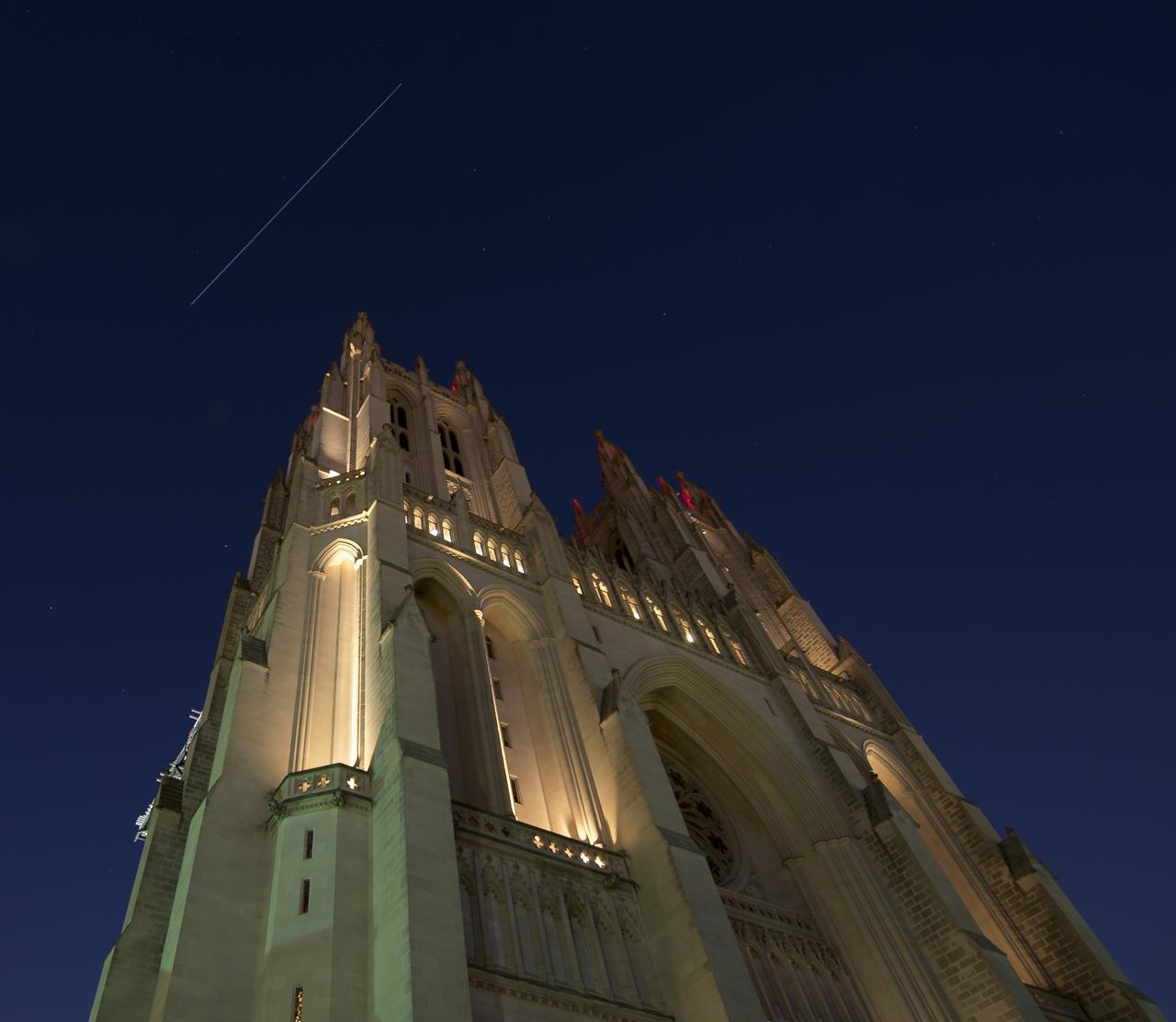
The International Space Station is seen in this twenty-second exposure as it flies over the Washington National Cathedral, Wednesday, Nov. 29, 2017. Onboard are NASA astronauts Joe Acaba, Mark Vande Hei, and Randy Bresnik; Russian cosmonauts Alexander Misurkin and Sergey Ryanzansky; and ESA astronaut Paolo Nespoli. Photo Credit: (NASA/Bill Ingalls)
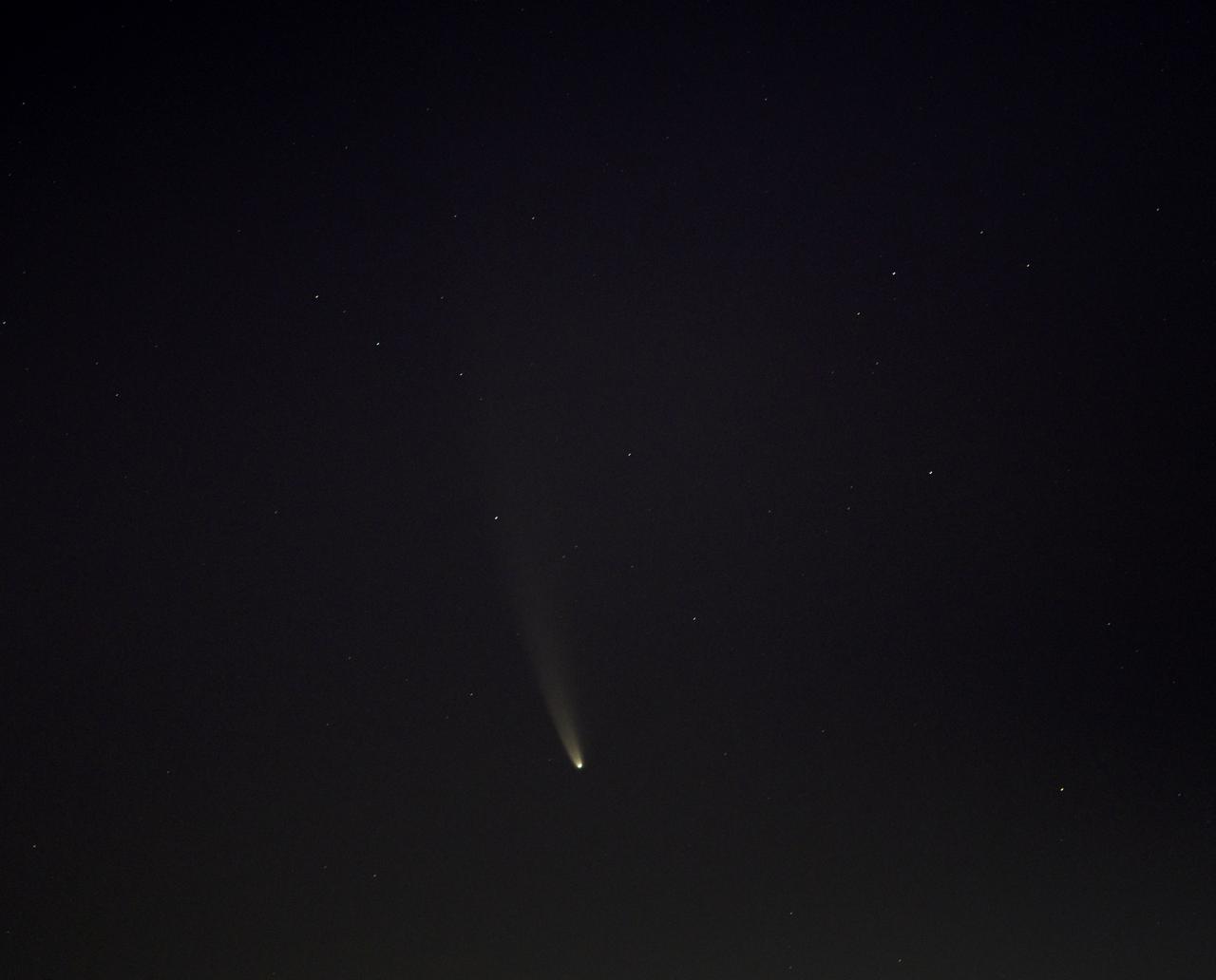
Comet NEOWISE is seen before sunrise over Washington, Sunday, July 12, 2020. The comet was discovered by NASA’s Near-Earth Object Wide-field Infrared Survey Explorer, or NEOWISE, on March 27. Since then, the comet — called comet C/2020 F3 NEOWISE and nicknamed comet NEOWISE — has been spotted by several NASA spacecraft, including Parker Solar Probe, NASA’s Solar and Terrestrial Relations Observatory, the ESA/NASA Solar and Heliospheric Observatory, and astronauts aboard the International Space Station. Photo Credit: (NASA/Bill Ingalls)
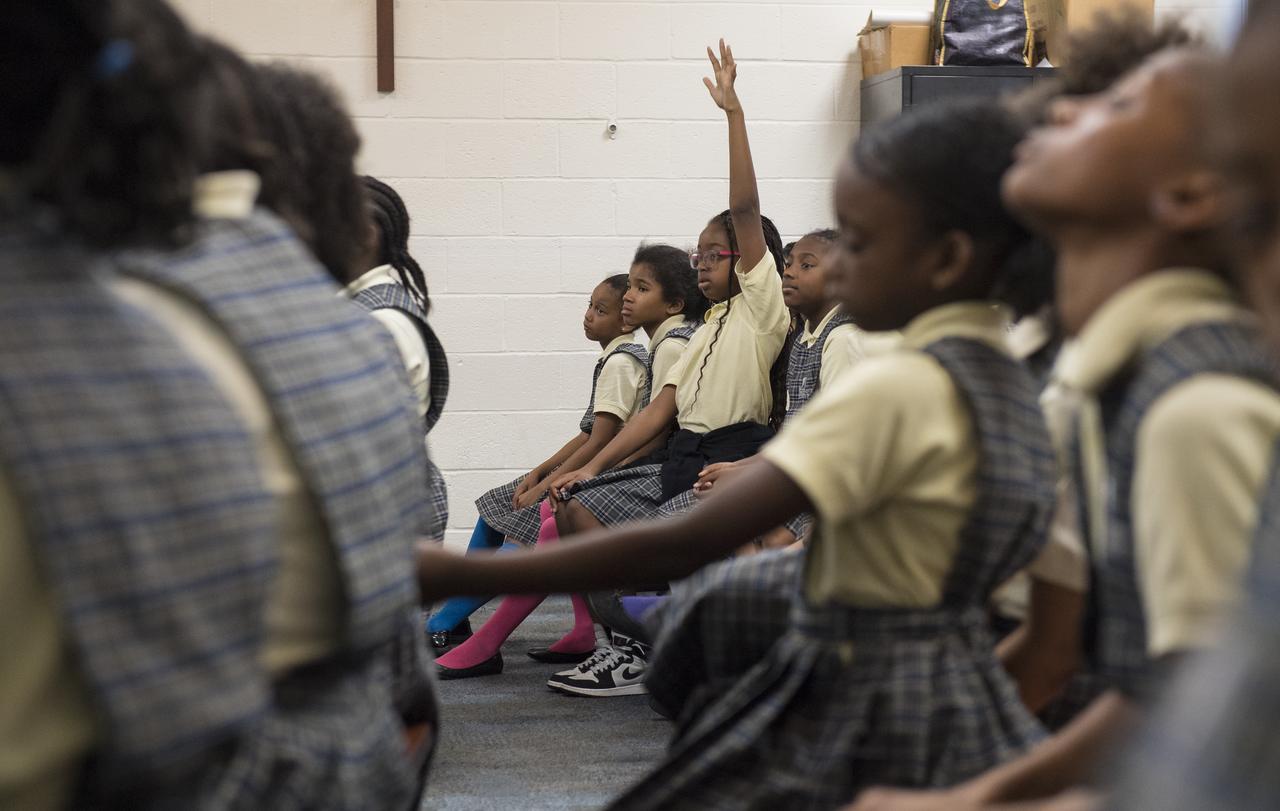
A student raises her hand to ask a question after NASA astronaut Randy Bresnik and ESA astronaut Paolo Nespoli spoke about their time onboard the International Space Station during expeditions 52/53, Friday, May 11, 2018 at the Washington School for Girls in Washington. Photo Credit: (NASA/Aubrey Gemignani)

Students listen as NASA astronaut Randy Bresnik and ESA astronaut Paolo Nespoli speak about their time onboard the International Space Station during expeditions 52/53, Friday, May 11, 2018 at the Washington School for Girls in Washington. Photo Credit: (NASA/Aubrey Gemignani)

Students listen as NASA astronaut Randy Bresnik and ESA astronaut Paolo Nespoli speak about their time onboard the International Space Station during expeditions 52/53, Friday, May 11, 2018 at the Washington School for Girls in Washington. Photo Credit: (NASA/Aubrey Gemignani)
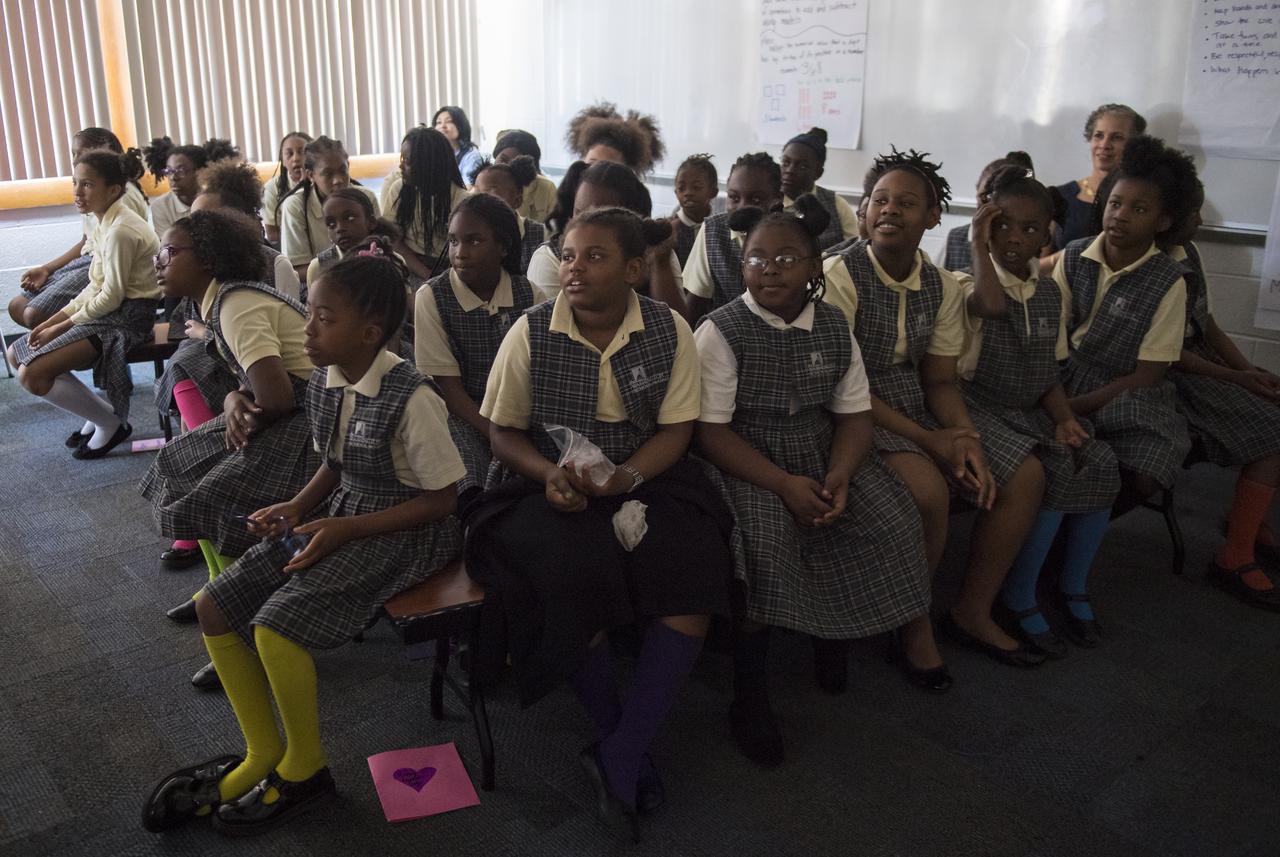
Students listen as NASA astronaut Randy Bresnik and ESA astronaut Paolo Nespoli speak about their time onboard the International Space Station during expeditions 52/53, Friday, May 11, 2018 at the Washington School for Girls in Washington. Photo Credit: (NASA/Aubrey Gemignani)
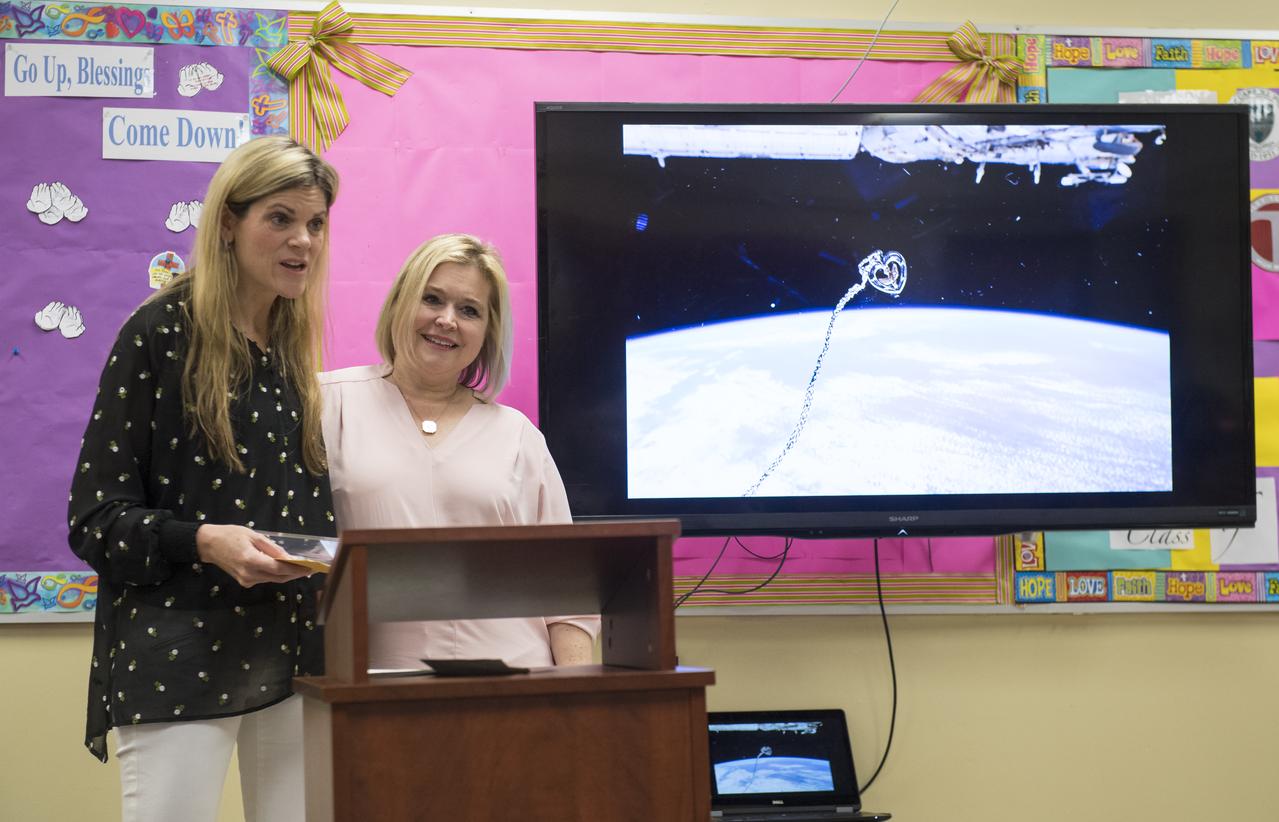
NASA astronaut Randy Bresnik's wife Rebecca and her friend Shiela present the Washington School for Girls a necklace that was flown in space onboard the International Space Station, Friday, May 11, 2018 at the Washington School for Girls in Washington. The necklace is a graduation gift for each student when they complete 8th grade. Photo Credit: (NASA/Aubrey Gemignani)
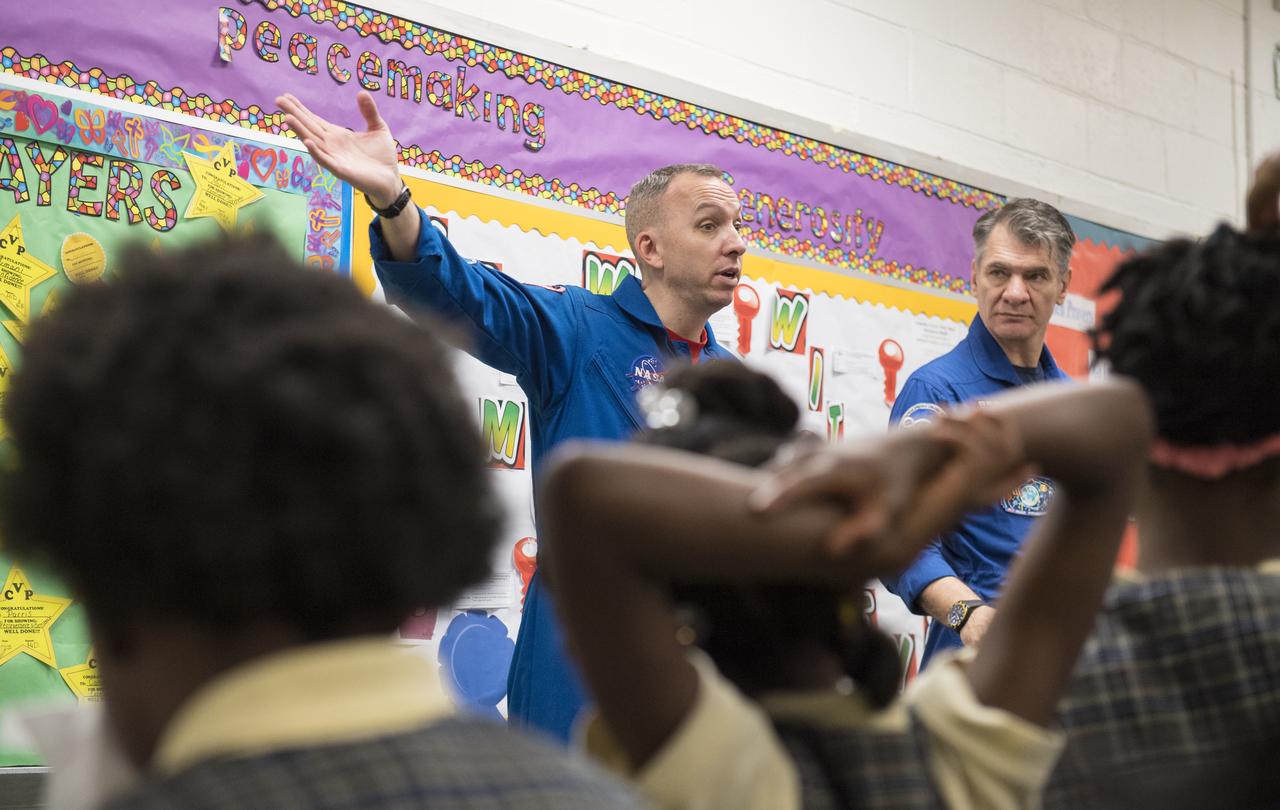
NASA astronaut Randy Bresnik, left, and ESA astronaut Paolo Nespoli answer questions about their time onboard the International Space Station during expeditions 52/53, Friday, May 11, 2018 at the Washington School for Girls in Washington. Photo Credit: (NASA/Aubrey Gemignani)
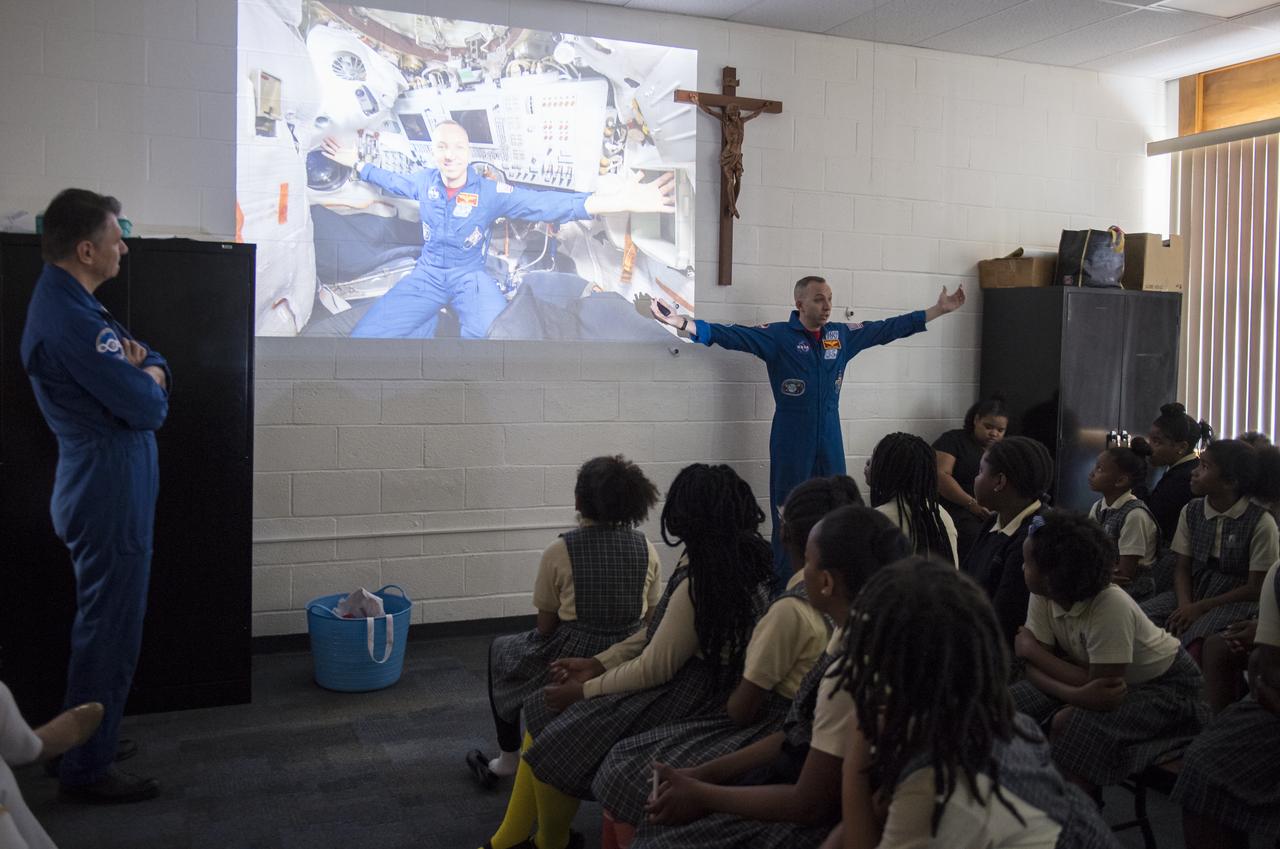
NASA astronaut Randy Bresnik, right, and ESA astronaut Paolo Nespoli, left, speak about their time onboard the International Space Station during expeditions 52/53, Friday, May 11, 2018 at the Washington School for Girls in Washington. Photo Credit: (NASA/Aubrey Gemignani)
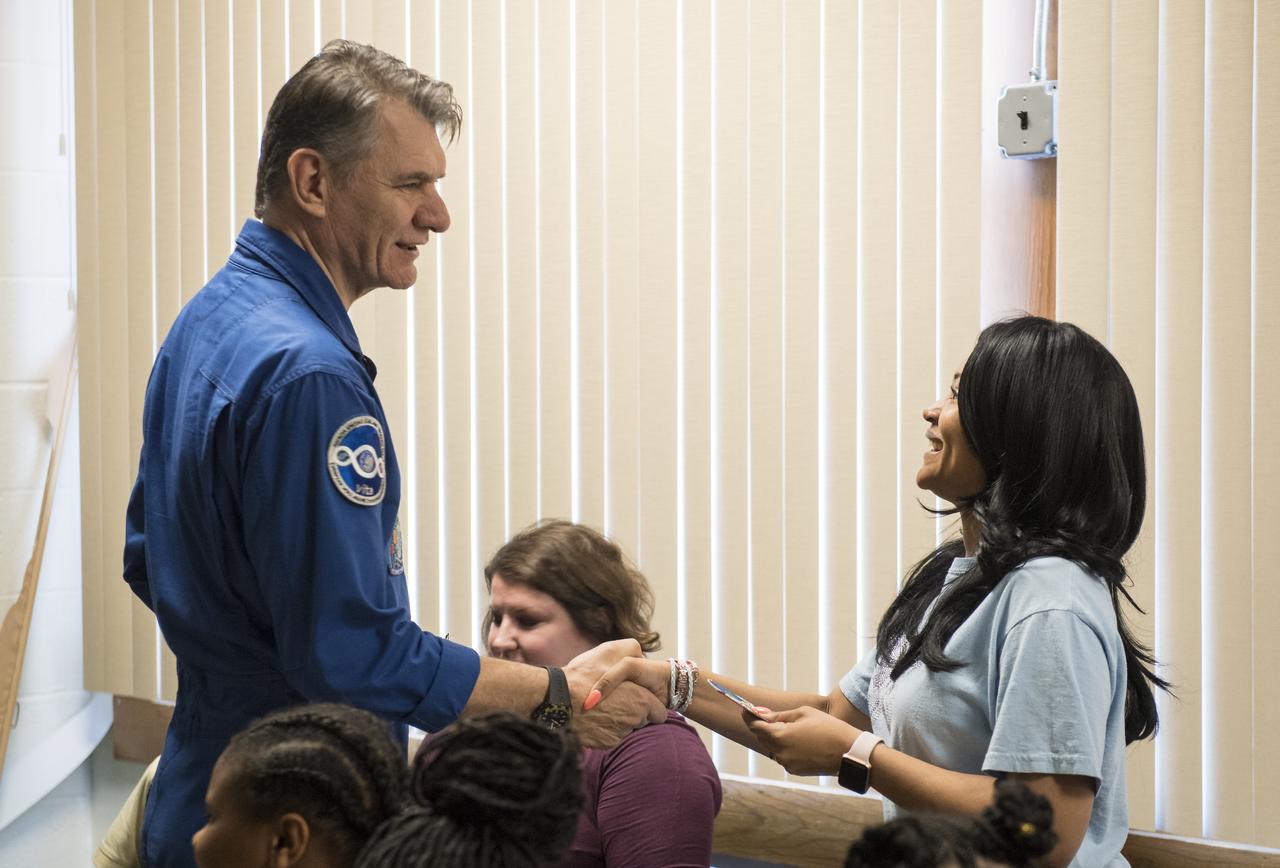
ESA astronaut Paolo Nespoli gives a patch to a teacher for Teacher Appreciation Week after speaking about his time onboard the International Space Station during expeditions 52/53, Friday, May 11, 2018 at the Washington School for Girls in Washington. Photo Credit: (NASA/Aubrey Gemignani)
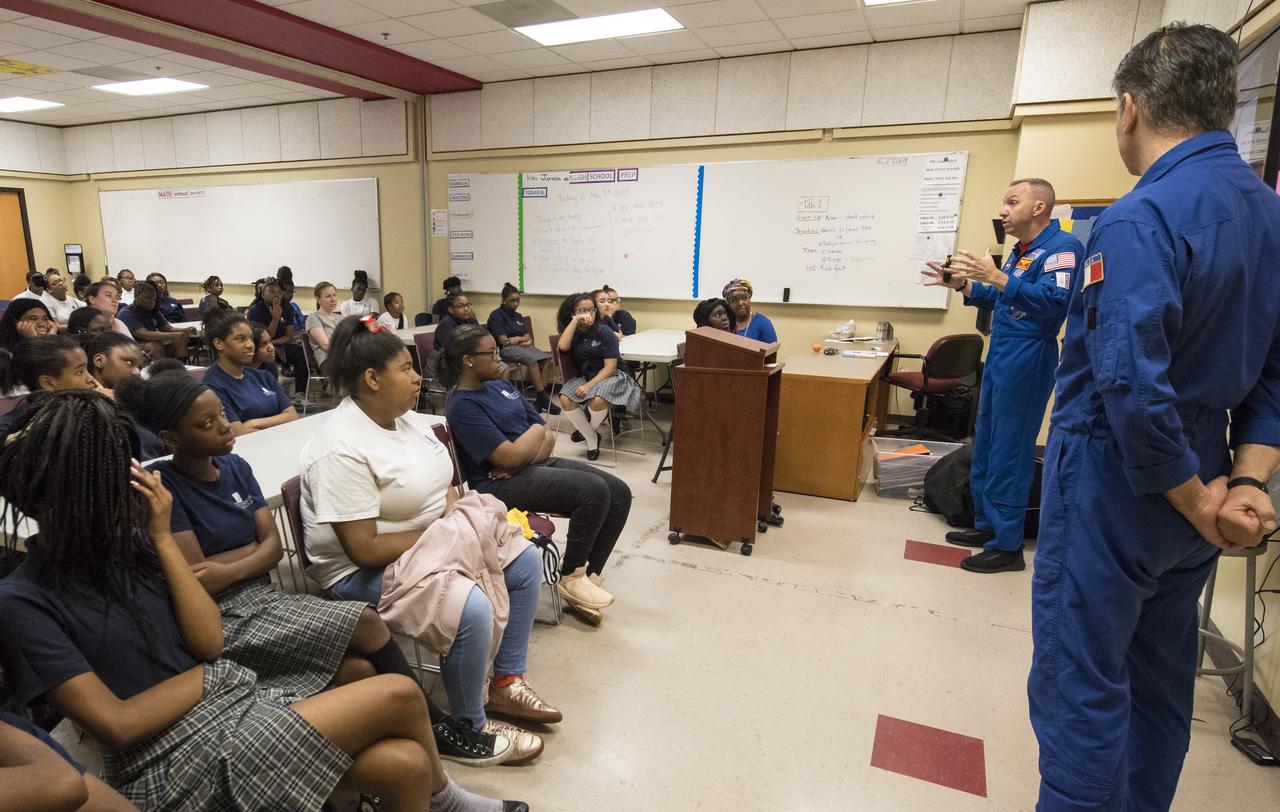
NASA astronaut Randy Bresnik, left, and ESA astronaut Paolo Nespoli speak about their time onboard the International Space Station during expeditions 52/53, Friday, May 11, 2018 at the Washington School for Girls in Washington. Photo Credit: (NASA/Aubrey Gemignani)

NASA astronaut Randy Bresnik speaks about his time onboard the International Space Station during expeditions 52/53, Friday, May 11, 2018 at the Washington School for Girls in Washington. Photo Credit: (NASA/Aubrey Gemignani)
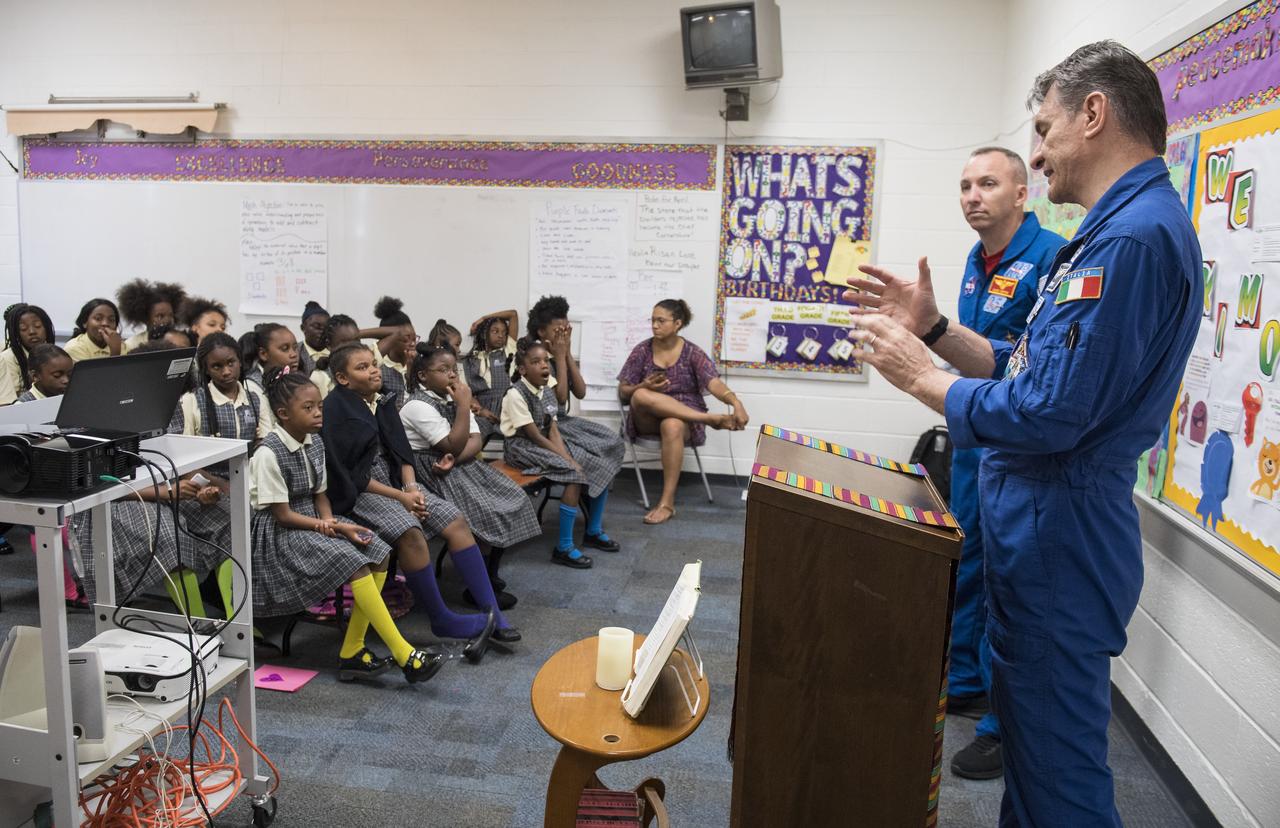
NASA astronaut Randy Bresnik, left, and ESA astronaut Paolo Nespoli answer questions about their time onboard the International Space Station during expeditions 52/53, Friday, May 11, 2018 at the Washington School for Girls in Washington. Photo Credit: (NASA/Aubrey Gemignani)
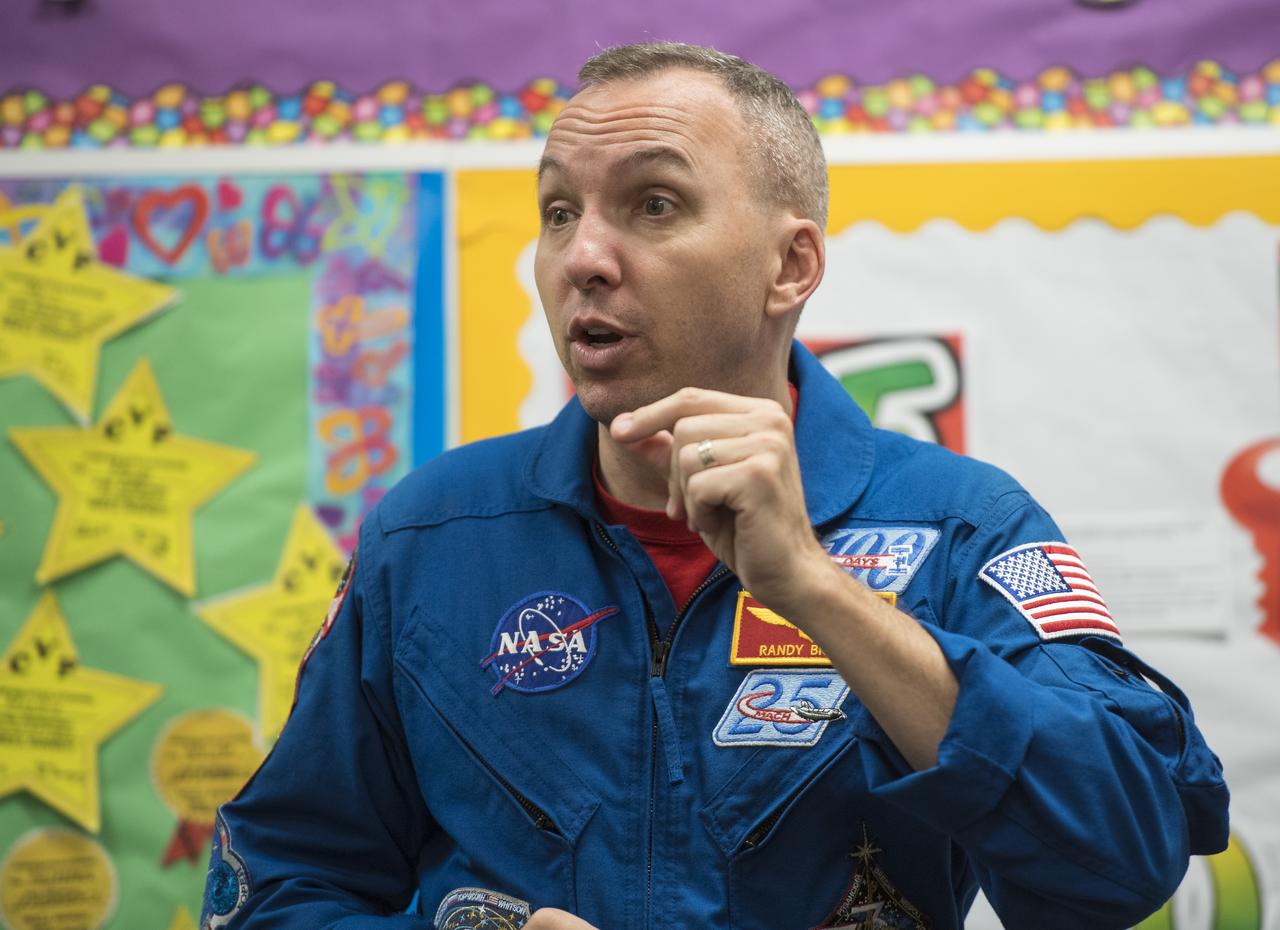
NASA astronaut Randy Bresnik speaks about his time onboard the International Space Station during expeditions 52/53, Friday, May 11, 2018 at the Washington School for Girls in Washington. Photo Credit: (NASA/Aubrey Gemignani)
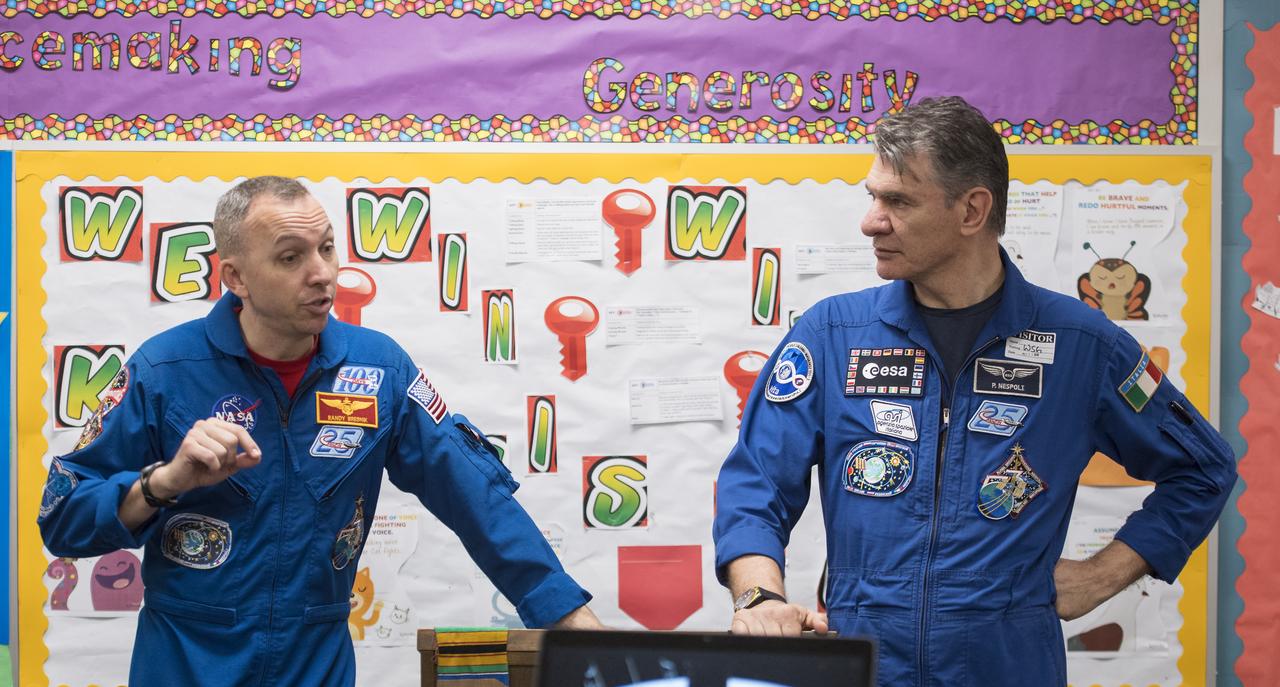
NASA astronaut Randy Bresnik, left, and ESA astronaut Paolo Nespoli speak about their time onboard the International Space Station during expeditions 52/53, Friday, May 11, 2018 at the Washington School for Girls in Washington. Photo Credit: (NASA/Aubrey Gemignani)
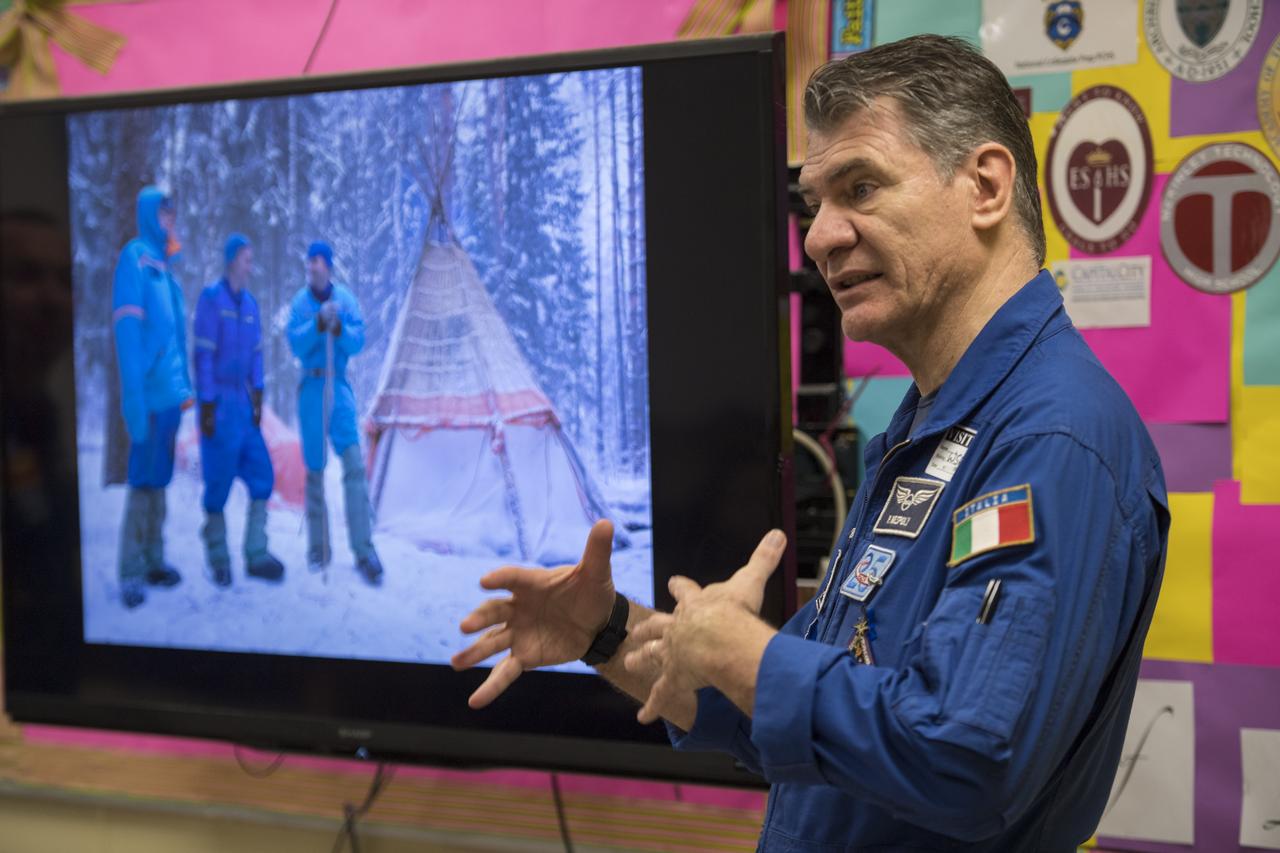
ESA astronaut Paolo Nespoli speaks about his time onboard the International Space Station during expeditions 52/53, Friday, May 11, 2018 at the Washington School for Girls in Washington. Photo Credit: (NASA/Aubrey Gemignani)
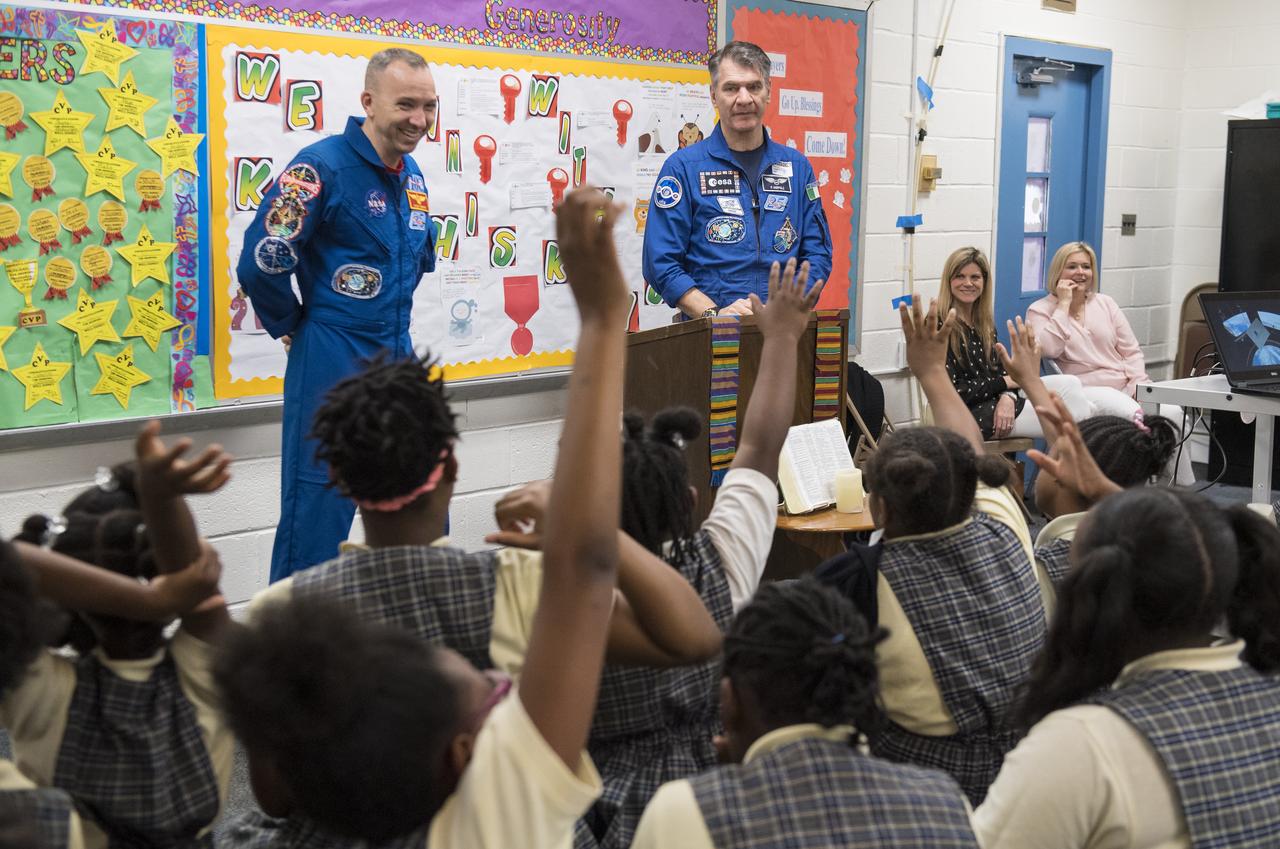
NASA astronaut Randy Bresnik, left, and ESA astronaut Paolo Nespoli answer questions about their time onboard the International Space Station during expeditions 52/53, Friday, May 11, 2018 at the Washington School for Girls in Washington. Photo Credit: (NASA/Aubrey Gemignani)
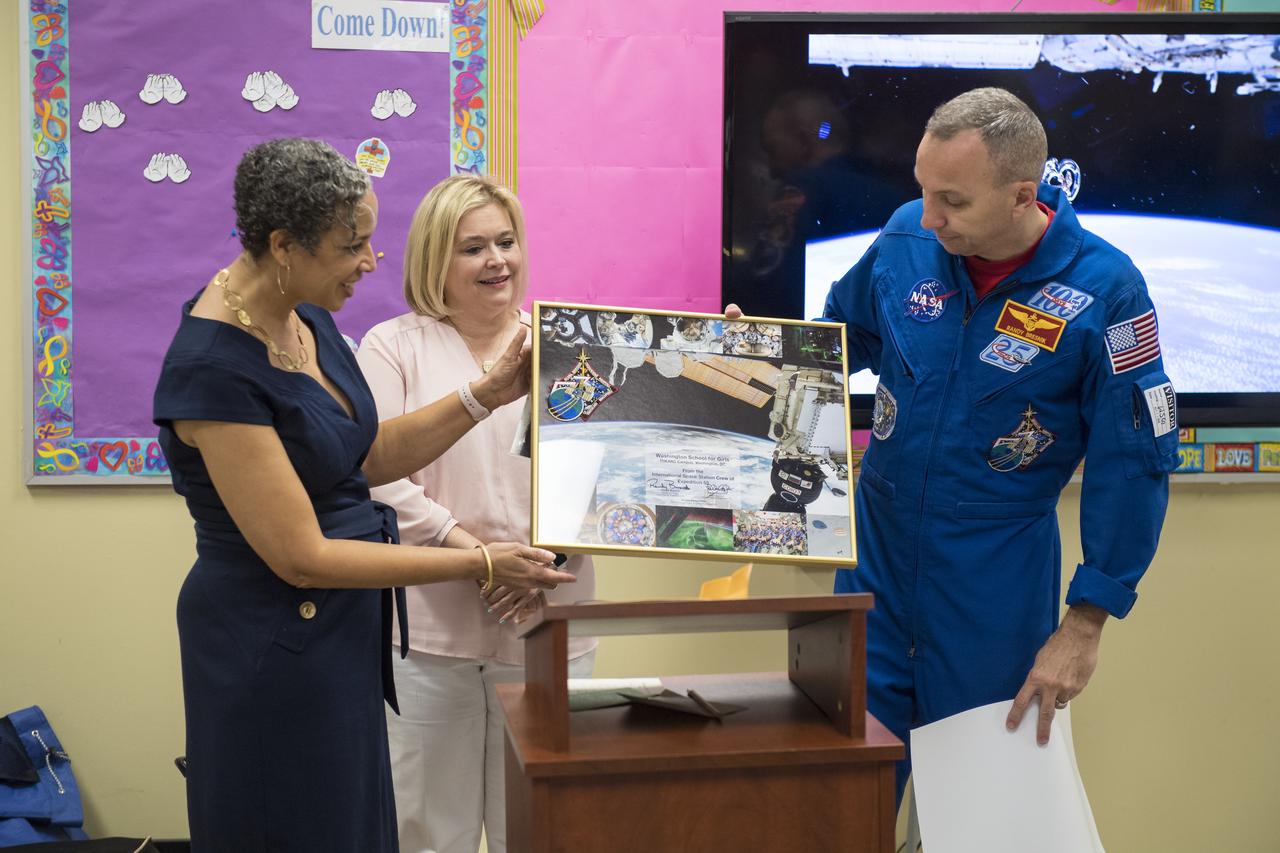
NASA astronaut Randy Bresnik, right, and his friend Shiela, center, present the principle of the school Dr. Beth Reaves, with a montage of images and items from Expedition 53, Friday, May 11, 2018 at the Washington School for Girls in Washington. Photo Credit: (NASA/Aubrey Gemignani)
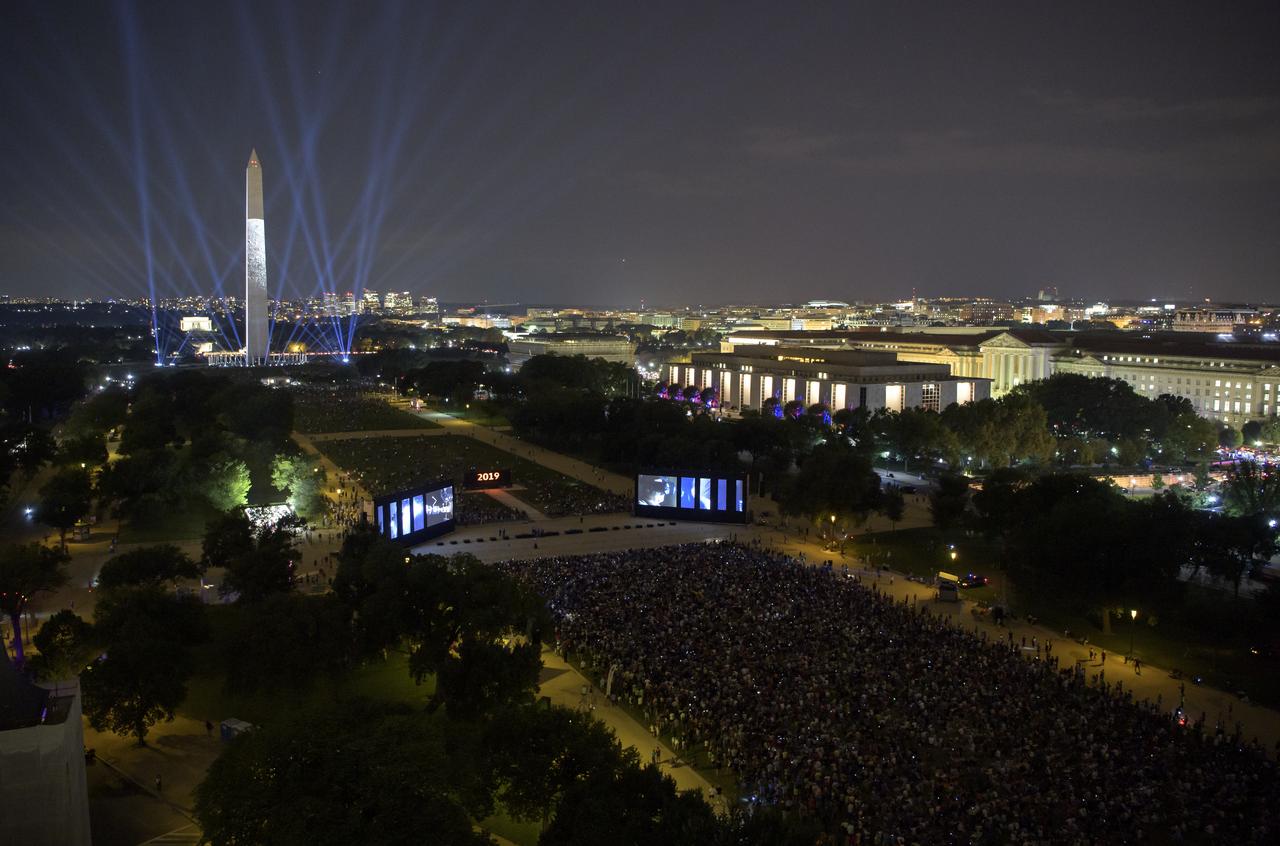
The 50 year anniversary of the Apollo 11 mission with NASA astronauts Neil Armstrong, Michael Collins, and Buzz Aldrin is celebrated in a 17-minute show, “Apollo 50: Go for the Moon”, by the Smithsonian’s National Air and Space Museum, which combined full-motion projection-mapping artwork on the Washington Monument and archival footage to recreate the launch of Apollo 11 and tell the story of the first moon landing, Friday, July 19, 2019 in Washington. Photo Credit: (NASA/Bill Ingalls)
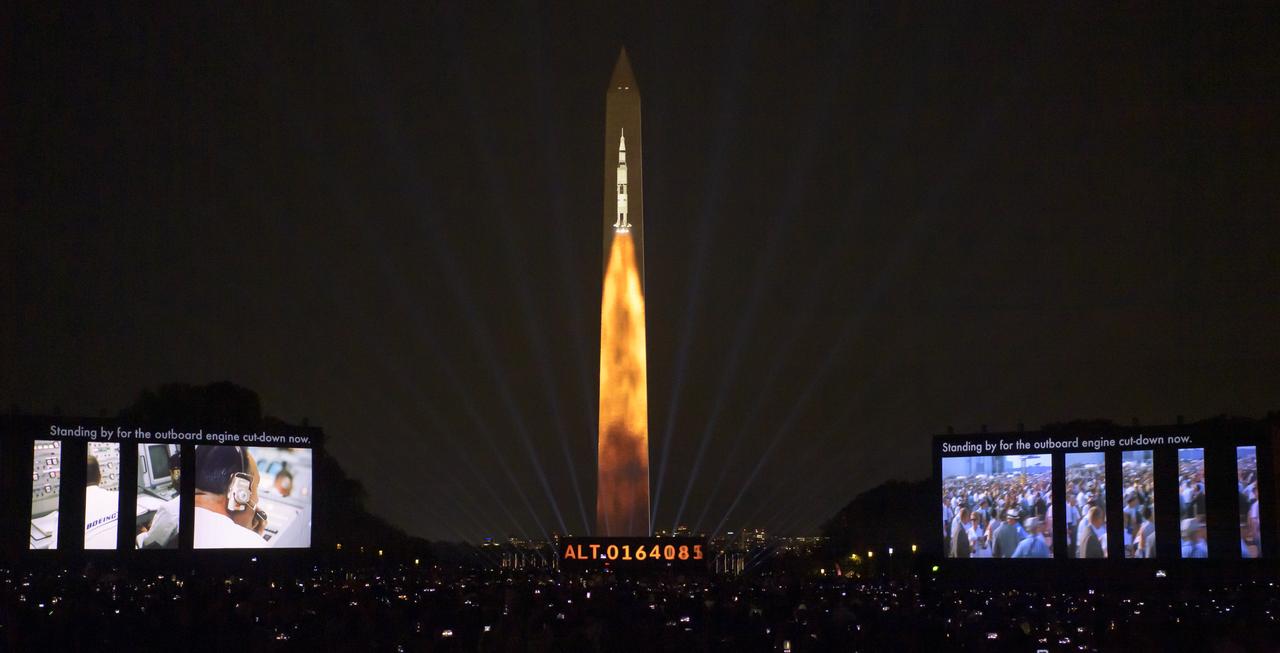
The 50 year anniversary of the Apollo 11 mission with NASA astronauts Neil Armstrong, Michael Collins, and Buzz Aldrin is celebrated in a 17-minute show, “Apollo 50: Go for the Moon”, by the Smithsonian’s National Air and Space Museum, which combined full-motion projection-mapping artwork on the Washington Monument and archival footage to recreate the launch of Apollo 11 and tell the story of the first moon landing, Friday, July 19, 2019 in Washington. Photo Credit: (NASA/Bill Ingalls)
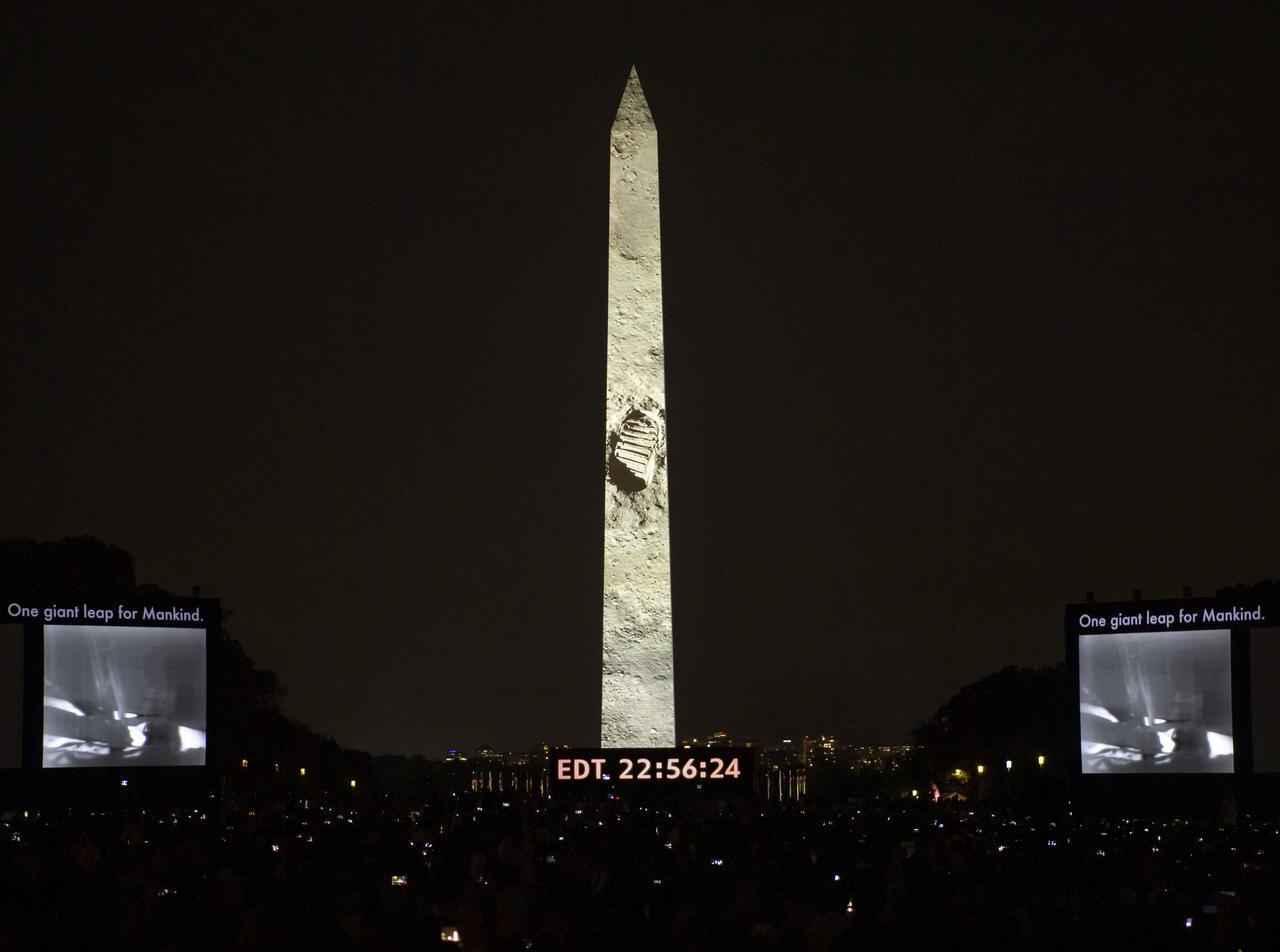
The 50 year anniversary of the Apollo 11 mission with NASA astronauts Neil Armstrong, Michael Collins, and Buzz Aldrin is celebrated in a 17-minute show, “Apollo 50: Go for the Moon”, by the Smithsonian’s National Air and Space Museum, which combined full-motion projection-mapping artwork on the Washington Monument and archival footage to recreate the launch of Apollo 11 and tell the story of the first moon landing, Friday, July 19, 2019 in Washington. Photo Credit: (NASA/Bill Ingalls)
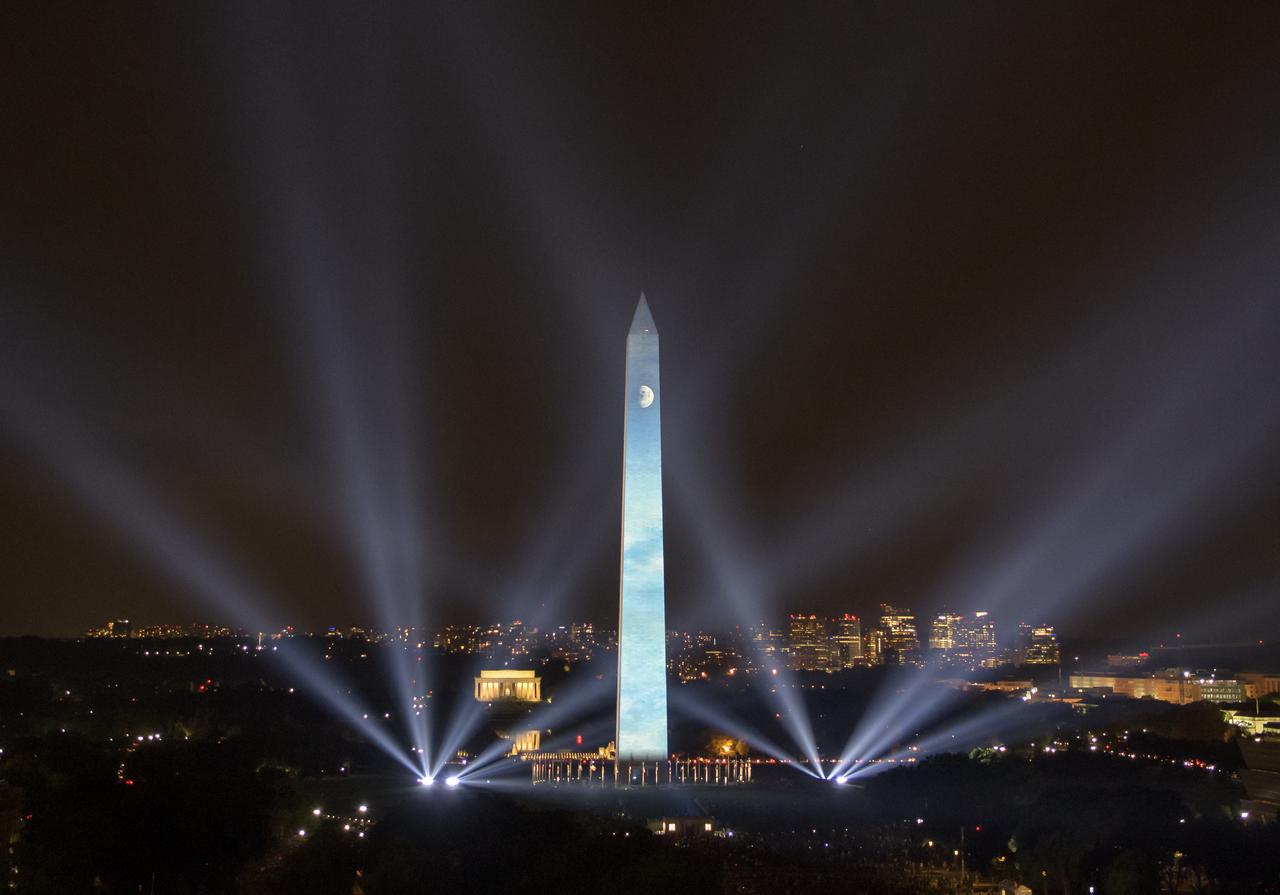
The 50 year anniversary of the Apollo 11 mission with NASA astronauts Neil Armstrong, Michael Collins, and Buzz Aldrin is celebrated in a 17-minute show, “Apollo 50: Go for the Moon”, by the Smithsonian’s National Air and Space Museum, which combined full-motion projection-mapping artwork on the Washington Monument and archival footage to recreate the launch of Apollo 11 and tell the story of the first moon landing, Friday, July 19, 2019 in Washington. Photo Credit: (NASA/Bill Ingalls)
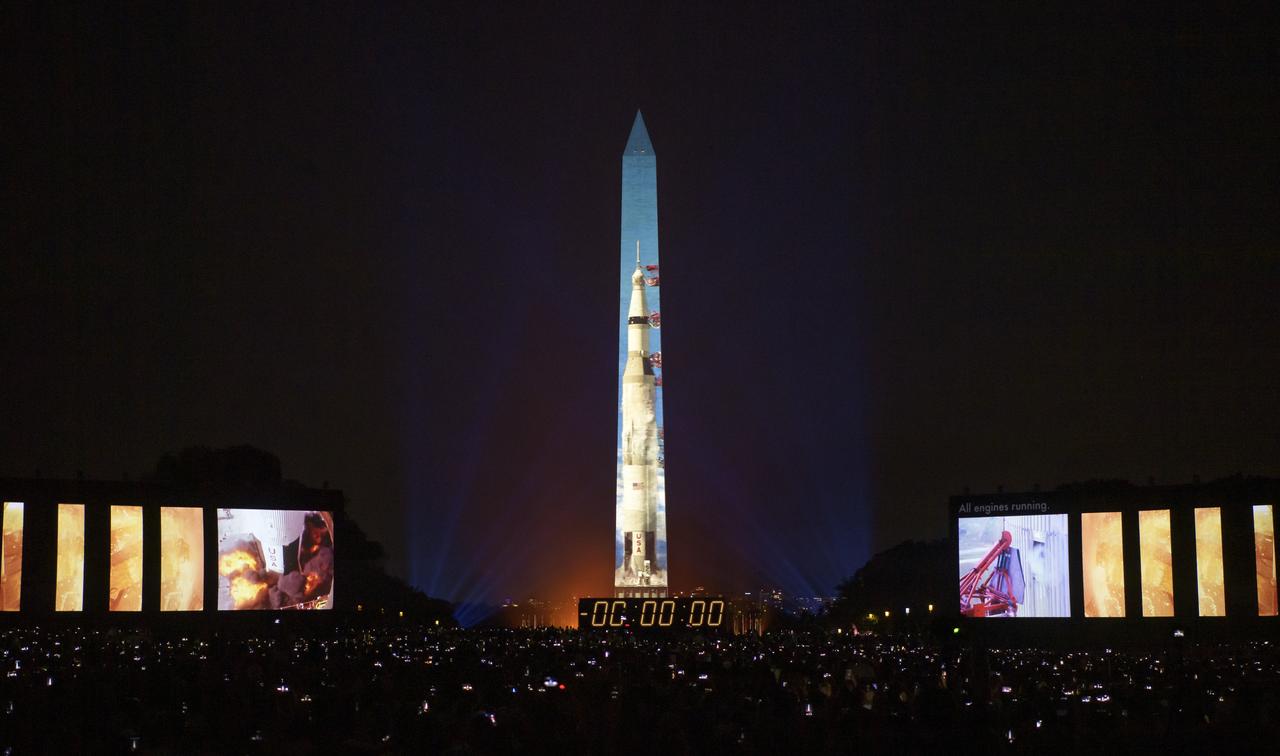
The 50 year anniversary of the Apollo 11 mission with NASA astronauts Neil Armstrong, Michael Collins, and Buzz Aldrin is celebrated in a 17-minute show, “Apollo 50: Go for the Moon”, by the Smithsonian’s National Air and Space Museum, which combined full-motion projection-mapping artwork on the Washington Monument and archival footage to recreate the launch of Apollo 11 and tell the story of the first moon landing, Friday, July 19, 2019 in Washington. Photo Credit: (NASA/Bill Ingalls)
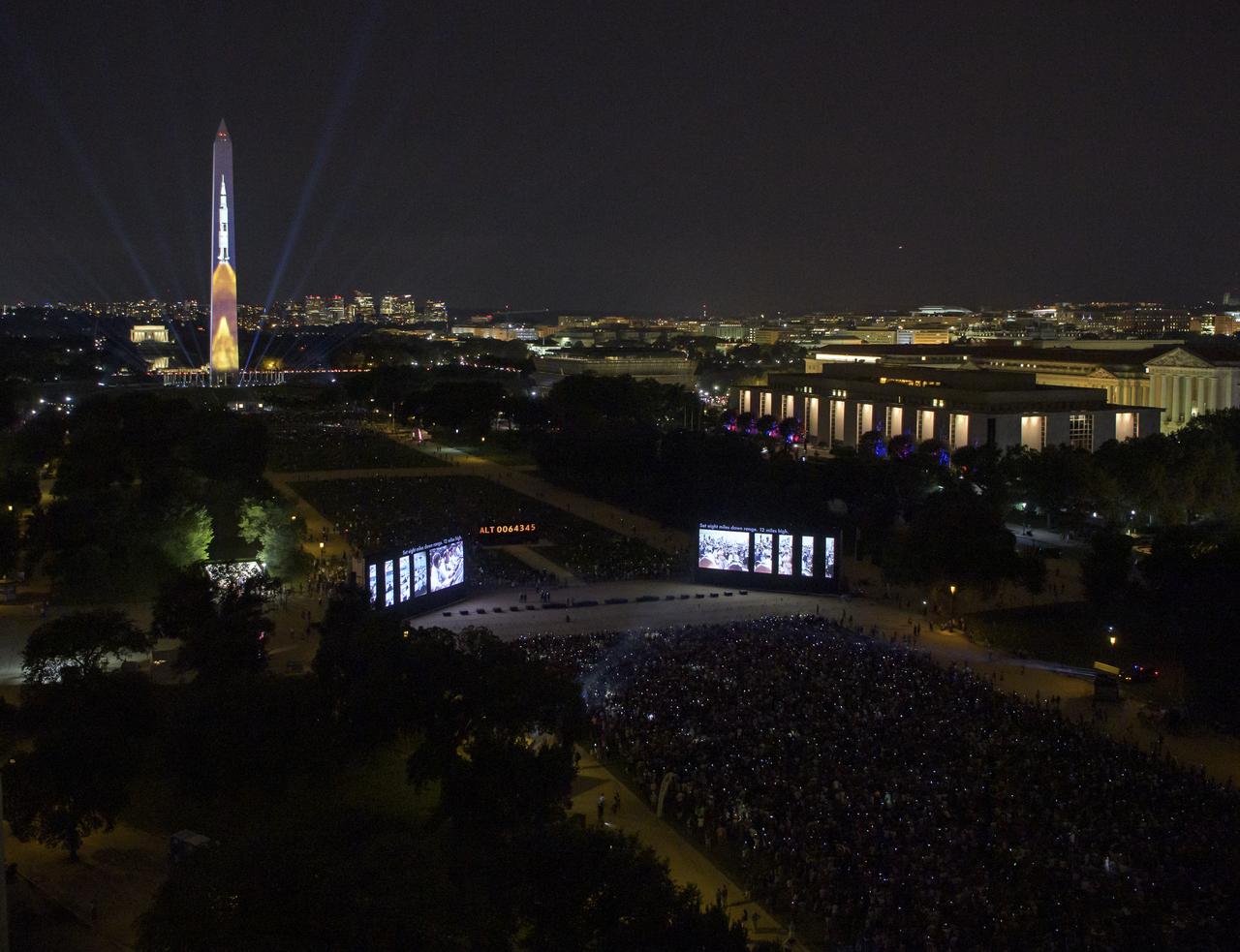
The 50 year anniversary of the Apollo 11 mission with NASA astronauts Neil Armstrong, Michael Collins, and Buzz Aldrin is celebrated in a 17-minute show, “Apollo 50: Go for the Moon”, by the Smithsonian’s National Air and Space Museum, which combined full-motion projection-mapping artwork on the Washington Monument and archival footage to recreate the launch of Apollo 11 and tell the story of the first moon landing, Friday, July 19, 2019 in Washington. Photo Credit: (NASA/Bill Ingalls)
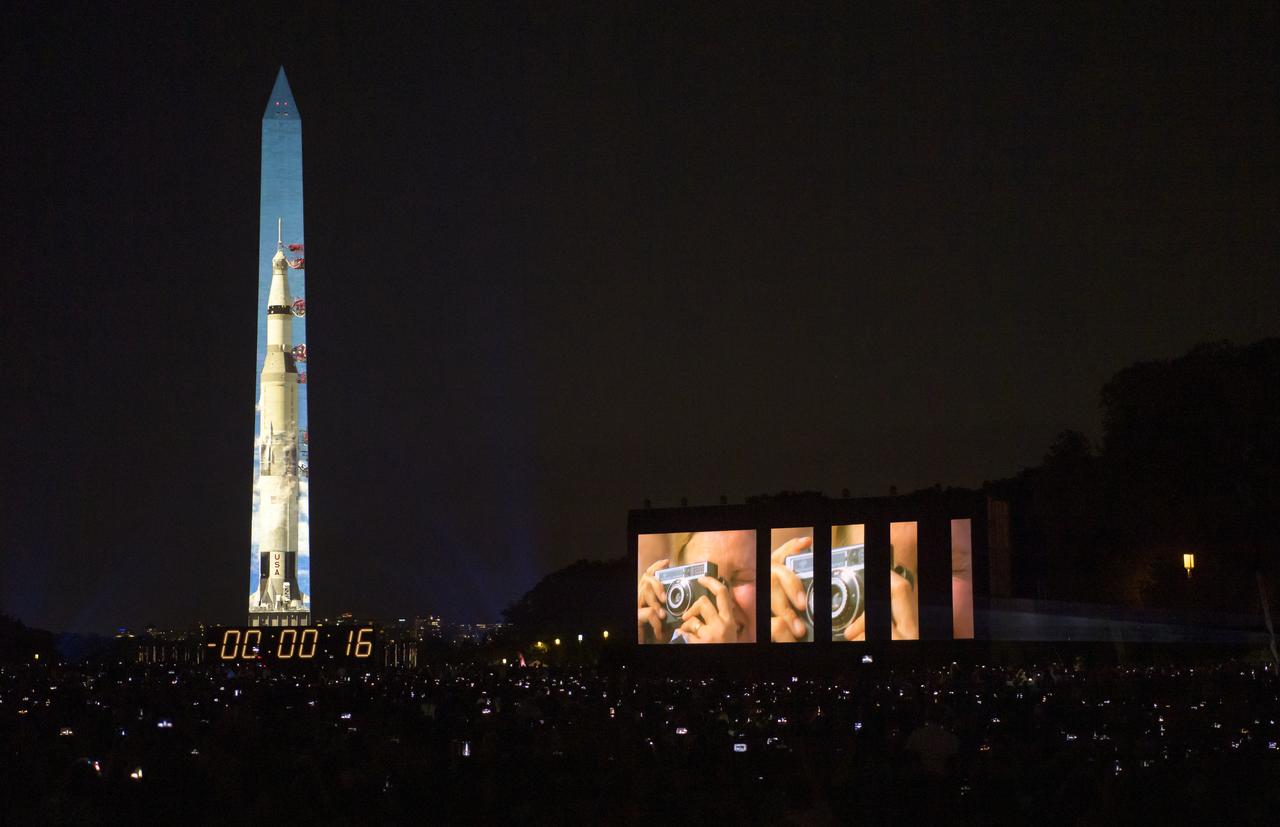
The 50 year anniversary of the Apollo 11 mission with NASA astronauts Neil Armstrong, Michael Collins, and Buzz Aldrin is celebrated in a 17-minute show, “Apollo 50: Go for the Moon”, by the Smithsonian’s National Air and Space Museum, which combined full-motion projection-mapping artwork on the Washington Monument and archival footage to recreate the launch of Apollo 11 and tell the story of the first moon landing, Friday, July 19, 2019 in Washington. Photo Credit: (NASA/Bill Ingalls)
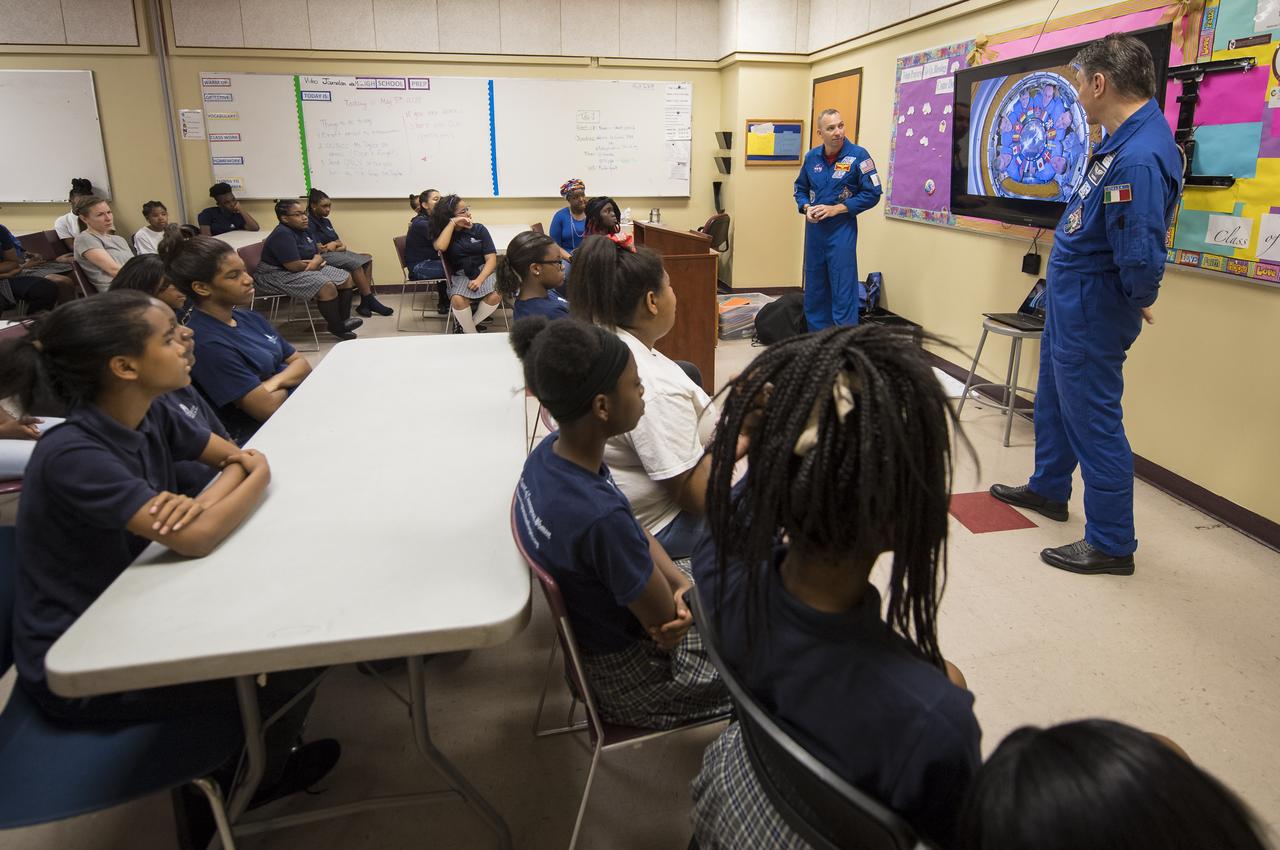
NASA astronaut Randy Bresnik and ESA astronaut Paolo Nespoli speak about their time onboard the International Space Station, Friday, May 11, 2018 at the Washington School for Girls in Washington. Photo Credit: (NASA/Aubrey Gemignani)
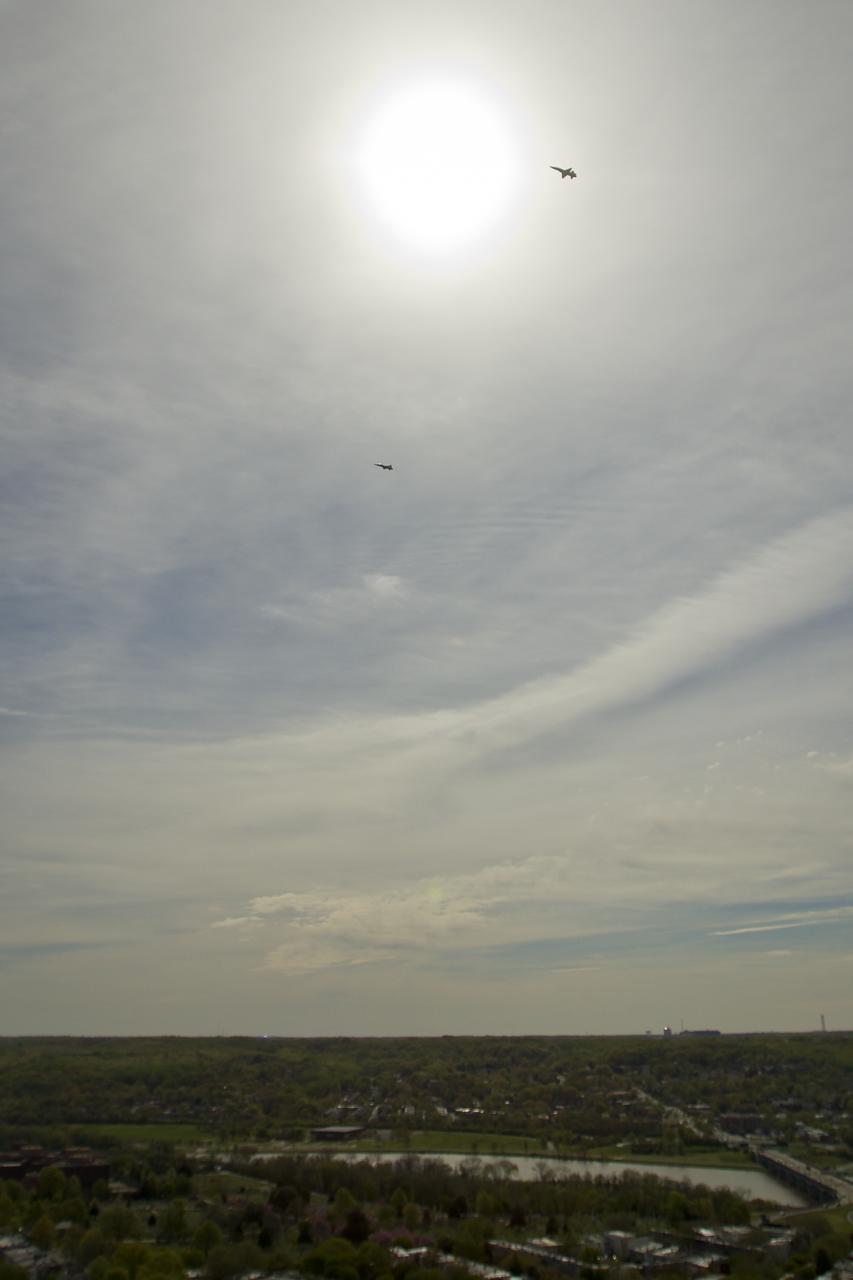
Two NASA T-38 training jets are seen as they fly over Washington, DC, Thursday, April 5, 2012. NASA, in cooperation with the Federal Aviation Administration, conducted training and photographic flights over the DC metropolitan area. T-38 aircraft have been used for astronaut training for more than 30 years as they allow pilots and mission specialists to think quickly in changing situations, mental experiences the astronauts say are critical to practicing for the rigors of spaceflight. Photo Credit: (NASA/Bill Ingalls)
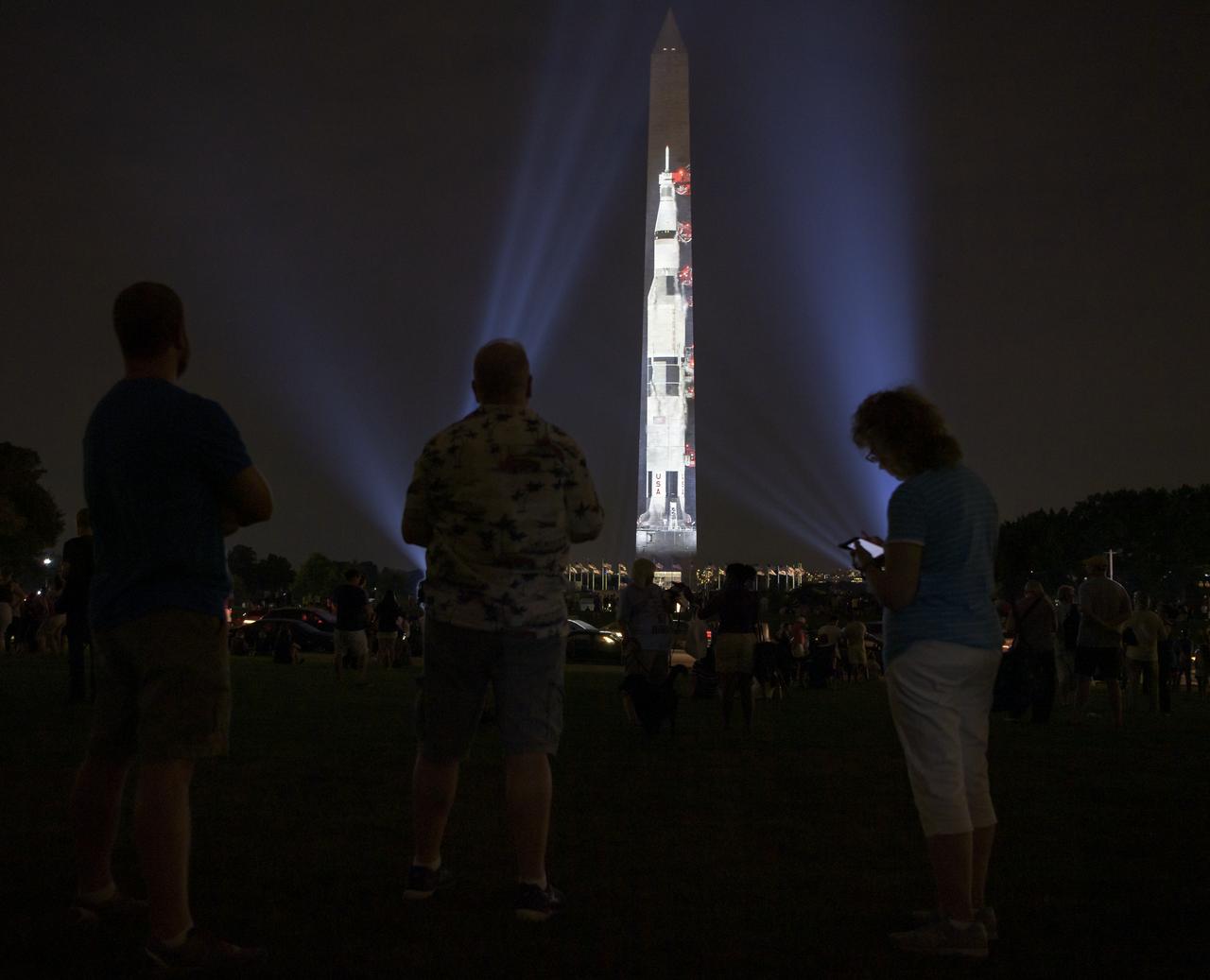
A full-sized, 363-foot Saturn V rocket is projected onto the east face of the Washington Monument 50 years to the day after astronauts Neil Armstrong, Michael Collins, and Buzz Aldrin launched on Apollo 11, the first mission to land astronauts on the Moon, Tuesday, July 16, 2019. On Friday, July 19, and Saturday, July 20, a special 17-minute show, “Apollo 50: Go for the Moon” will combine full-motion projection-mapping artwork on the monument and archival footage to recreate the launch of Apollo 11 and tell the story of the first moon landing. Photo Credit: (NASA/Bill Ingalls)
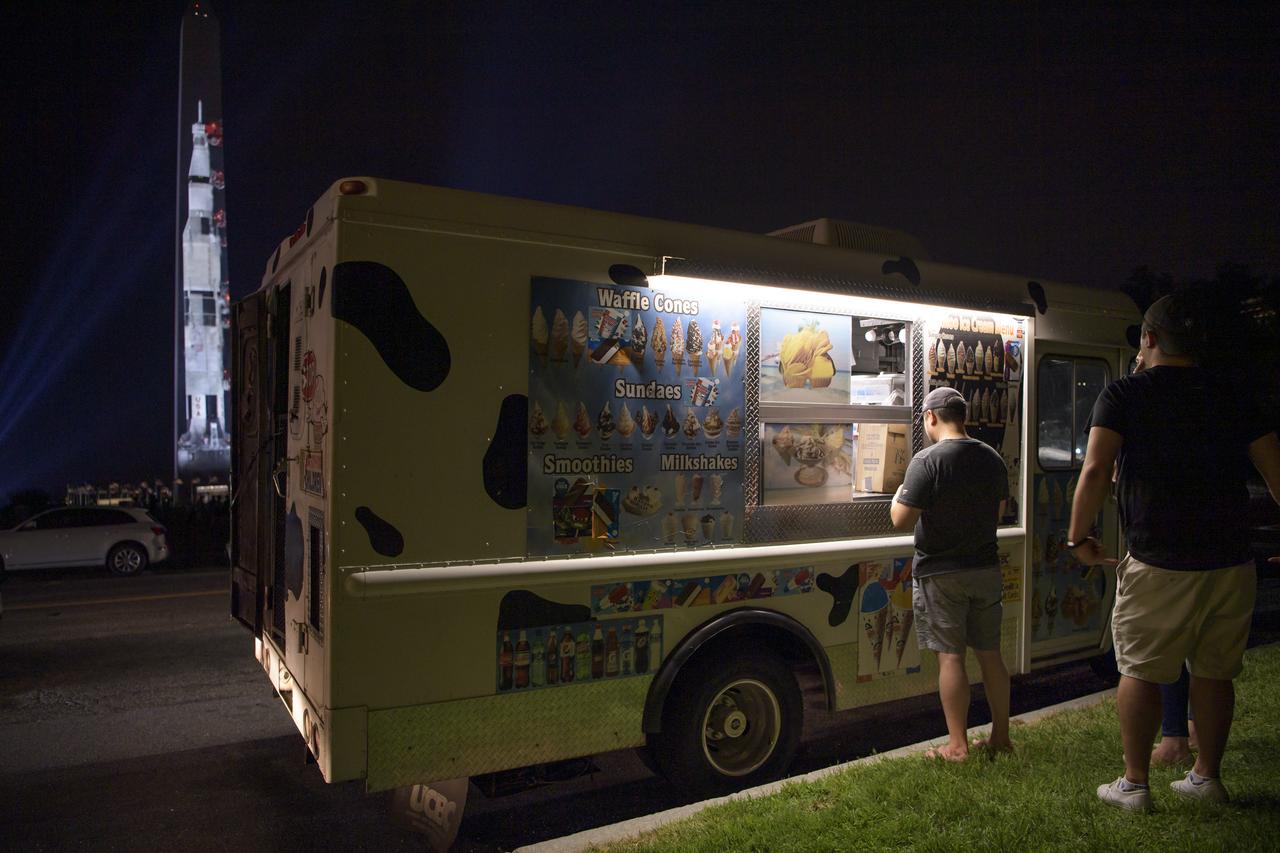
A full-sized, 363-foot Saturn V rocket is projected onto the east face of the Washington Monument 50 years to the day after astronauts Neil Armstrong, Michael Collins, and Buzz Aldrin launched on Apollo 11, the first mission to land astronauts on the Moon, Tuesday, July 16, 2019. On Friday, July 19, and Saturday, July 20, a special 17-minute show, “Apollo 50: Go for the Moon” will combine full-motion projection-mapping artwork on the monument and archival footage to recreate the launch of Apollo 11 and tell the story of the first moon landing. Photo Credit: (NASA/Bill Ingalls)
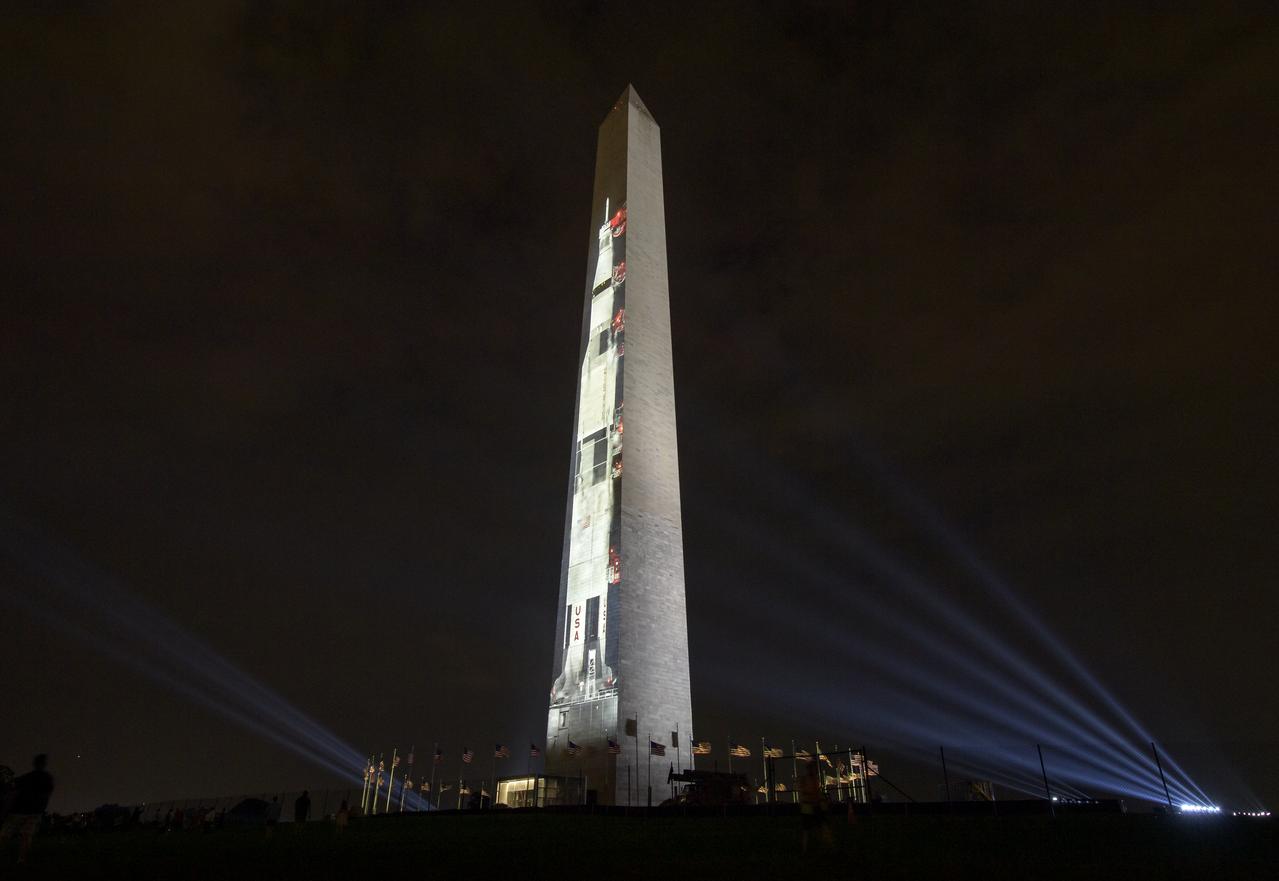
A full-sized, 363-foot Saturn V rocket is projected onto the east face of the Washington Monument 50 years to the day after astronauts Neil Armstrong, Michael Collins, and Buzz Aldrin launched on Apollo 11, the first mission to land astronauts on the Moon, Tuesday, July 16, 2019. On Friday, July 19, and Saturday, July 20, a special 17-minute show, “Apollo 50: Go for the Moon” will combine full-motion projection-mapping artwork on the monument and archival footage to recreate the launch of Apollo 11 and tell the story of the first moon landing. Photo Credit: (NASA/Bill Ingalls)
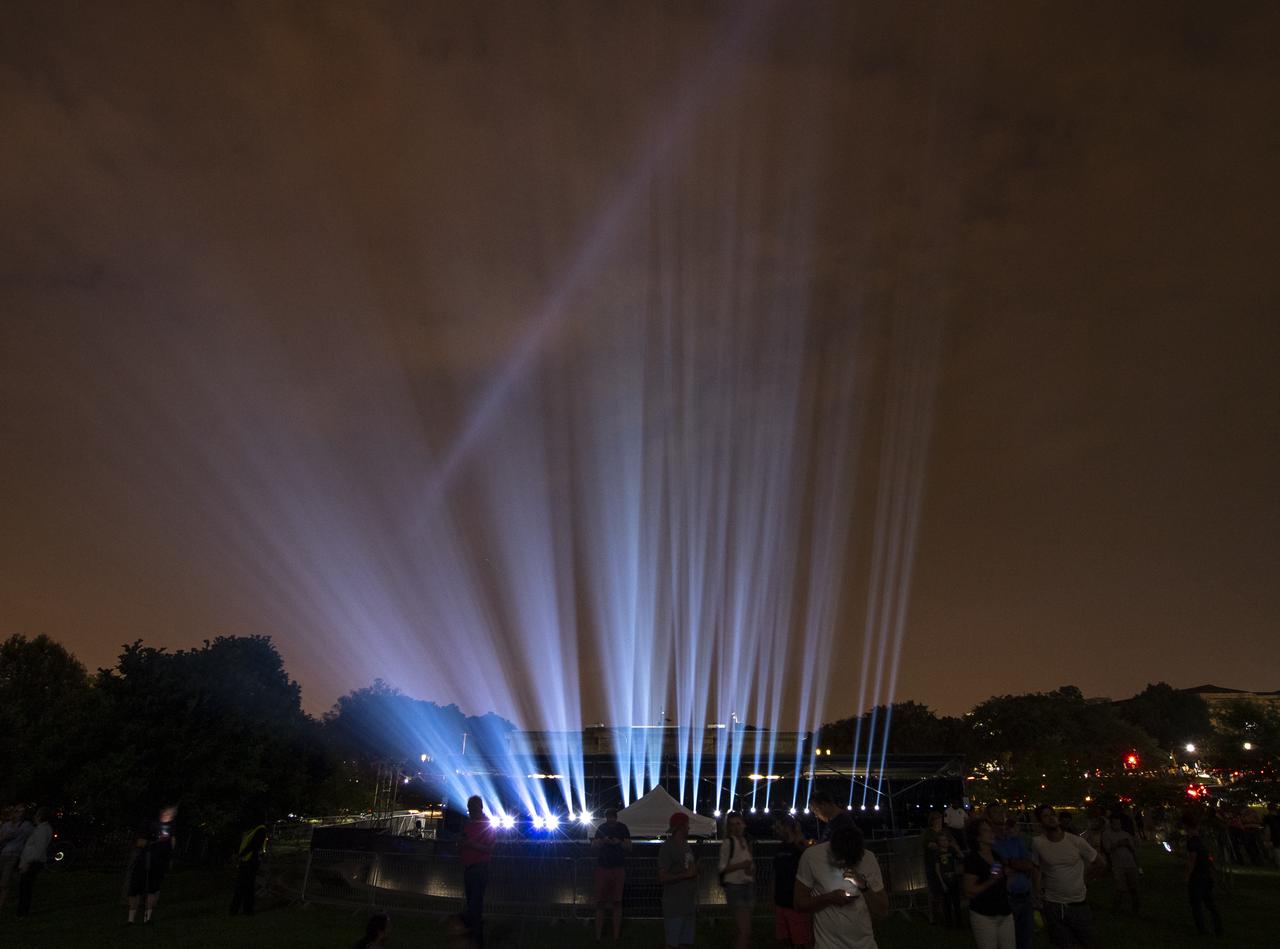
Projectors used to display a full-sized, 363-foot Saturn V rocket at the Washington Monument are seen 50 years to the day after astronauts Neil Armstrong, Michael Collins, and Buzz Aldrin launched on Apollo 11, the first mission to land astronauts on the Moon, Tuesday, July 16, 2019. On Friday, July 19, and Saturday, July 20, a special 17-minute show, “Apollo 50: Go for the Moon” will combine full-motion projection-mapping artwork on the monument and archival footage to recreate the launch of Apollo 11 and tell the story of the first moon landing. Photo Credit: (NASA/Bill Ingalls)
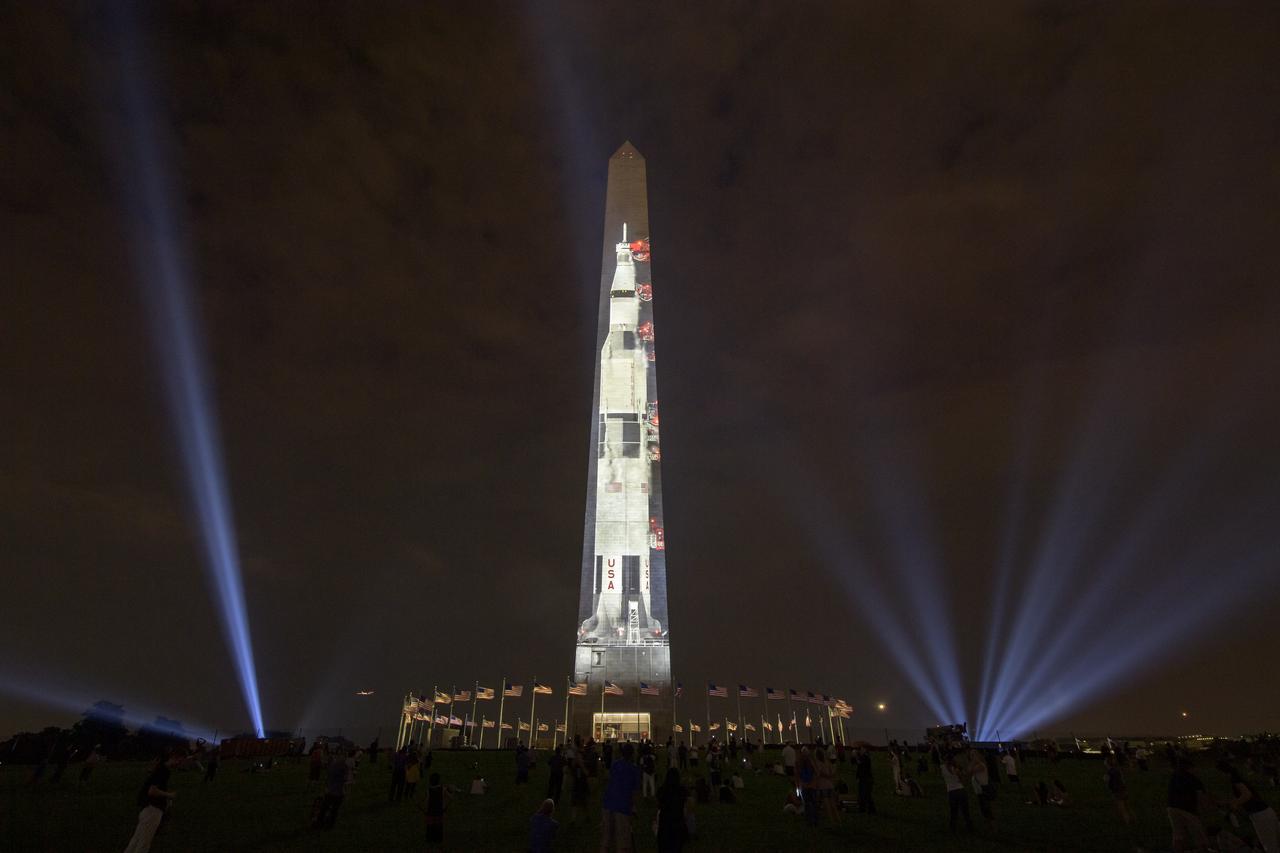
A full-sized, 363-foot Saturn V rocket is projected onto the east face of the Washington Monument 50 years to the day after astronauts Neil Armstrong, Michael Collins, and Buzz Aldrin launched on Apollo 11, the first mission to land astronauts on the Moon, Tuesday, July 16, 2019. On Friday, July 19, and Saturday, July 20, a special 17-minute show, “Apollo 50: Go for the Moon” will combine full-motion projection-mapping artwork on the monument and archival footage to recreate the launch of Apollo 11 and tell the story of the first moon landing. Photo Credit: (NASA/Bill Ingalls)
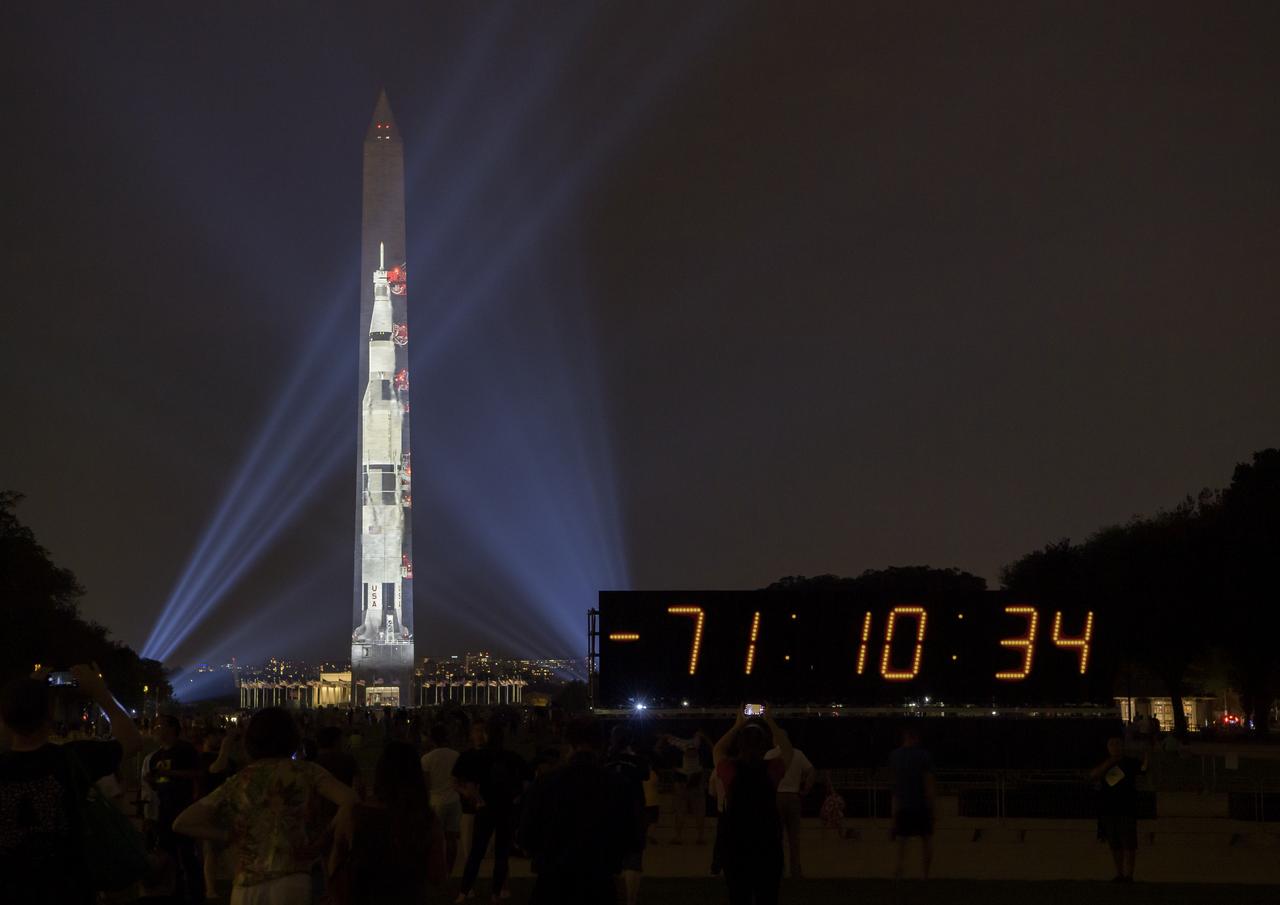
A full-sized, 363-foot Saturn V rocket is projected onto the east face of the Washington Monument 50 years to the day after astronauts Neil Armstrong, Michael Collins, and Buzz Aldrin launched on Apollo 11, the first mission to land astronauts on the Moon, Tuesday, July 16, 2019. On Friday, July 19, and Saturday, July 20, a special 17-minute show, “Apollo 50: Go for the Moon” will combine full-motion projection-mapping artwork on the monument and archival footage to recreate the launch of Apollo 11 and tell the story of the first moon landing. Photo Credit: (NASA/Bill Ingalls)
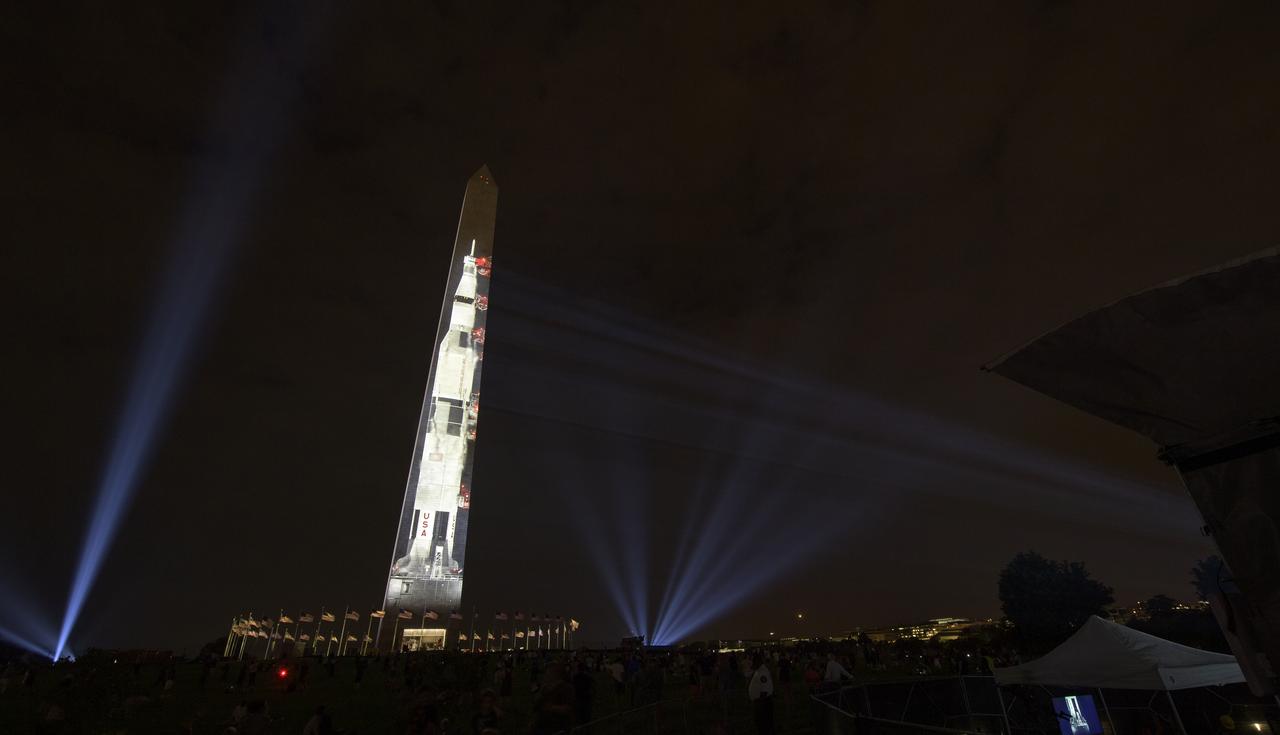
A full-sized, 363-foot Saturn V rocket is projected onto the east face of the Washington Monument 50 years to the day after astronauts Neil Armstrong, Michael Collins, and Buzz Aldrin launched on Apollo 11, the first mission to land astronauts on the Moon, Tuesday, July 16, 2019. On Friday, July 19, and Saturday, July 20, a special 17-minute show, “Apollo 50: Go for the Moon” will combine full-motion projection-mapping artwork on the monument and archival footage to recreate the launch of Apollo 11 and tell the story of the first moon landing. Photo Credit: (NASA/Bill Ingalls)
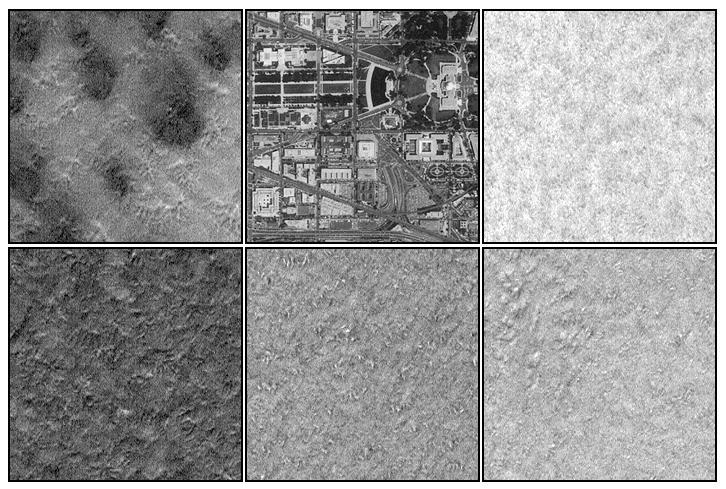
Mars Polar Lander Site Compared With Washington, D.C.
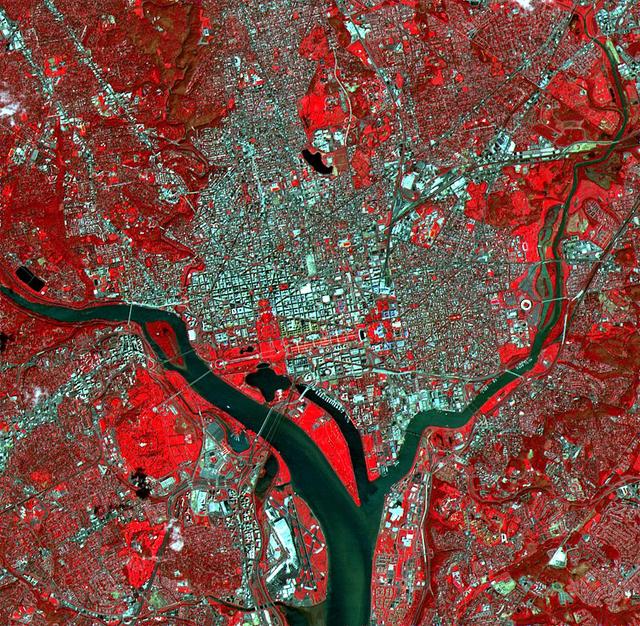
The White House, the Jefferson Memorial, and the Washington Monument with its shadow are all visible in this image of Washington, D.C. With its 15-meter spatial resolution, ASTER can see individual buildings. Taken on June 1, 2000, this image covers an area 14 kilometers (8.5 miles) wide and 13.7 kilometers (8.2 miles) long in three bands of the reflected visible and infrared wavelength region. The combination of visible and near infrared bands displays vegetation in red and water in dark grays. The Potomac River flows from the middle left to the bottom center. The large red area west of the river is Arlington National Cemetery. http://photojournal.jpl.nasa.gov/catalog/PIA02655
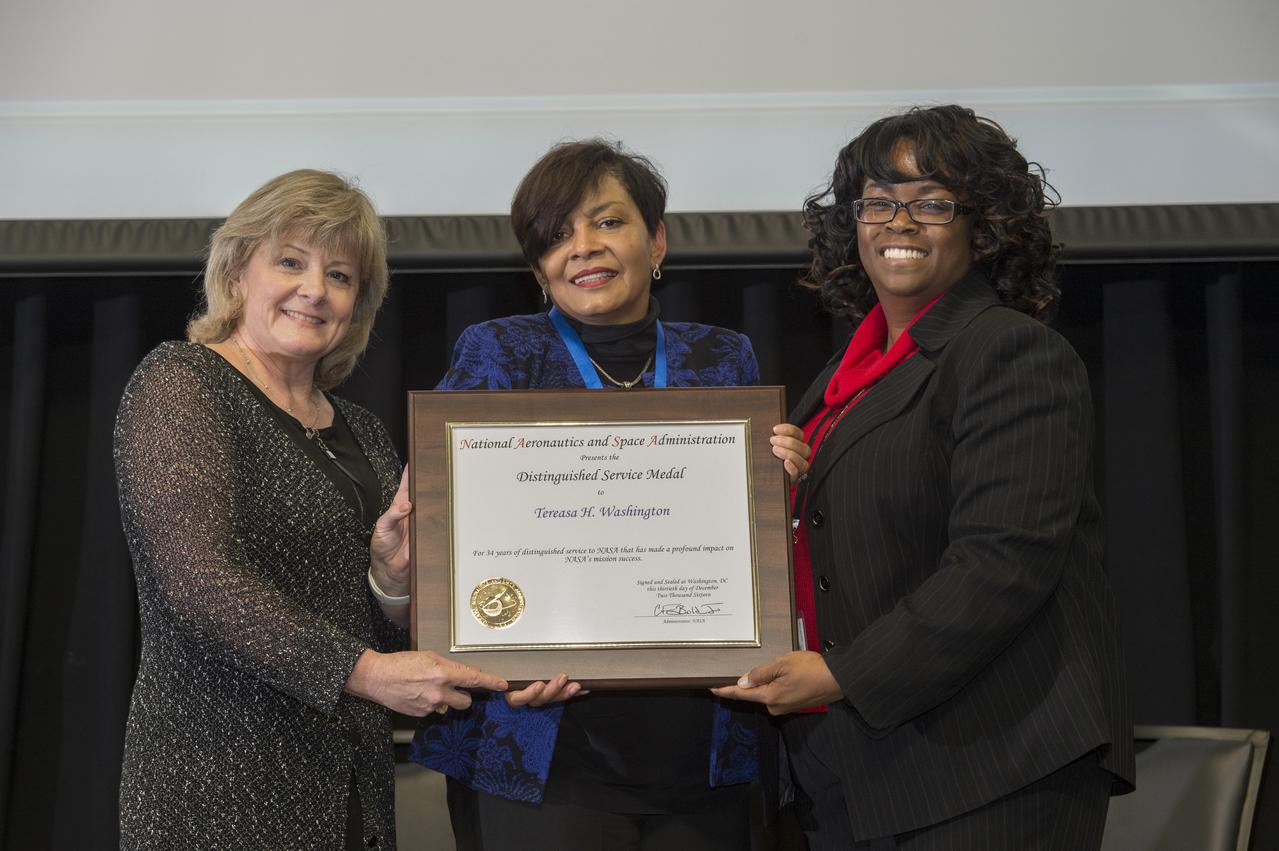
TEREASA WASHINGTON RECEIVES THE NASA DISTINGUISHED SERVICE MEDAL FROM JODY SINGER AND AUDREY ROBINSON ON THE OCCASION OF HER RETIREMENT.
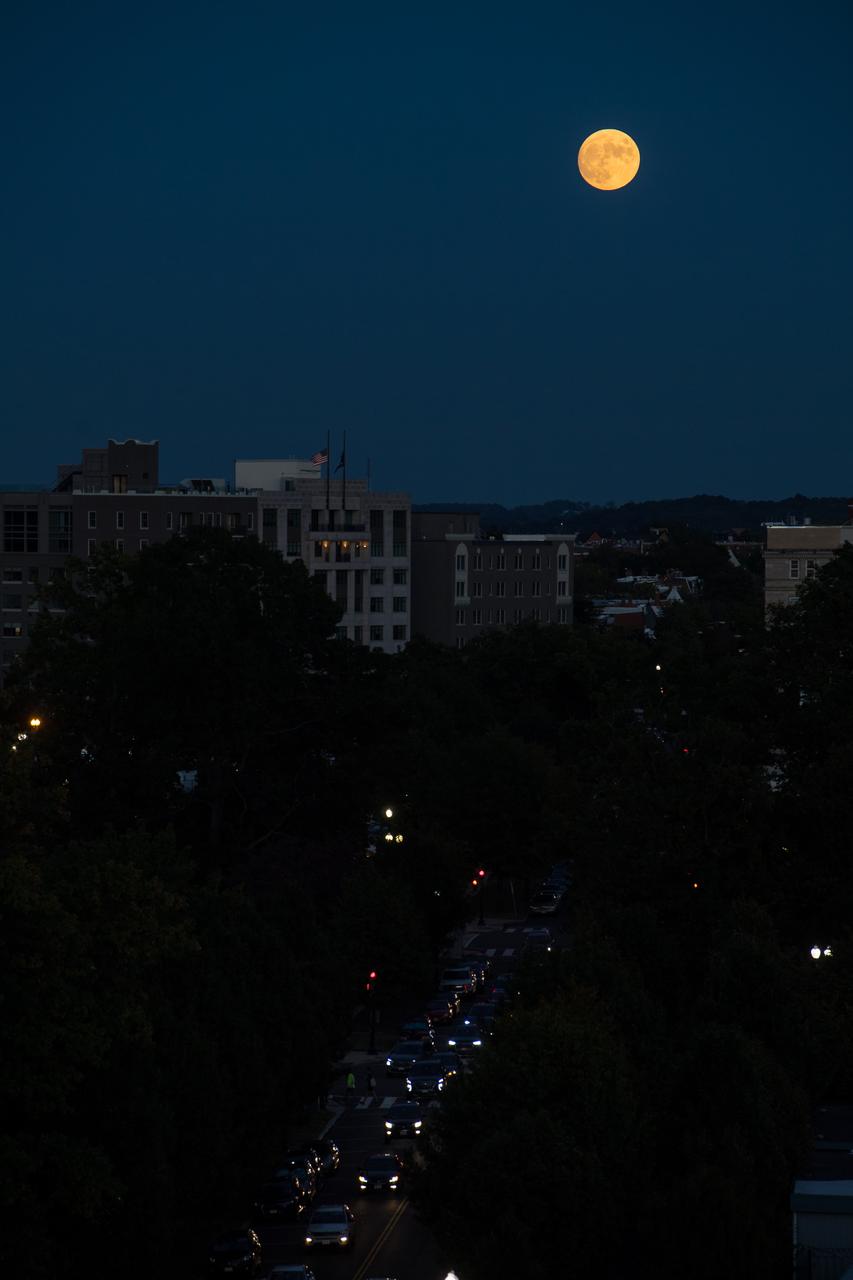
The nearly full Moon is seen as it rises from The Observatory at America’s Square in Washington, Tuesday, Oct. 19, 2021. Photo Credit: (NASA/Aubrey Gemignani)
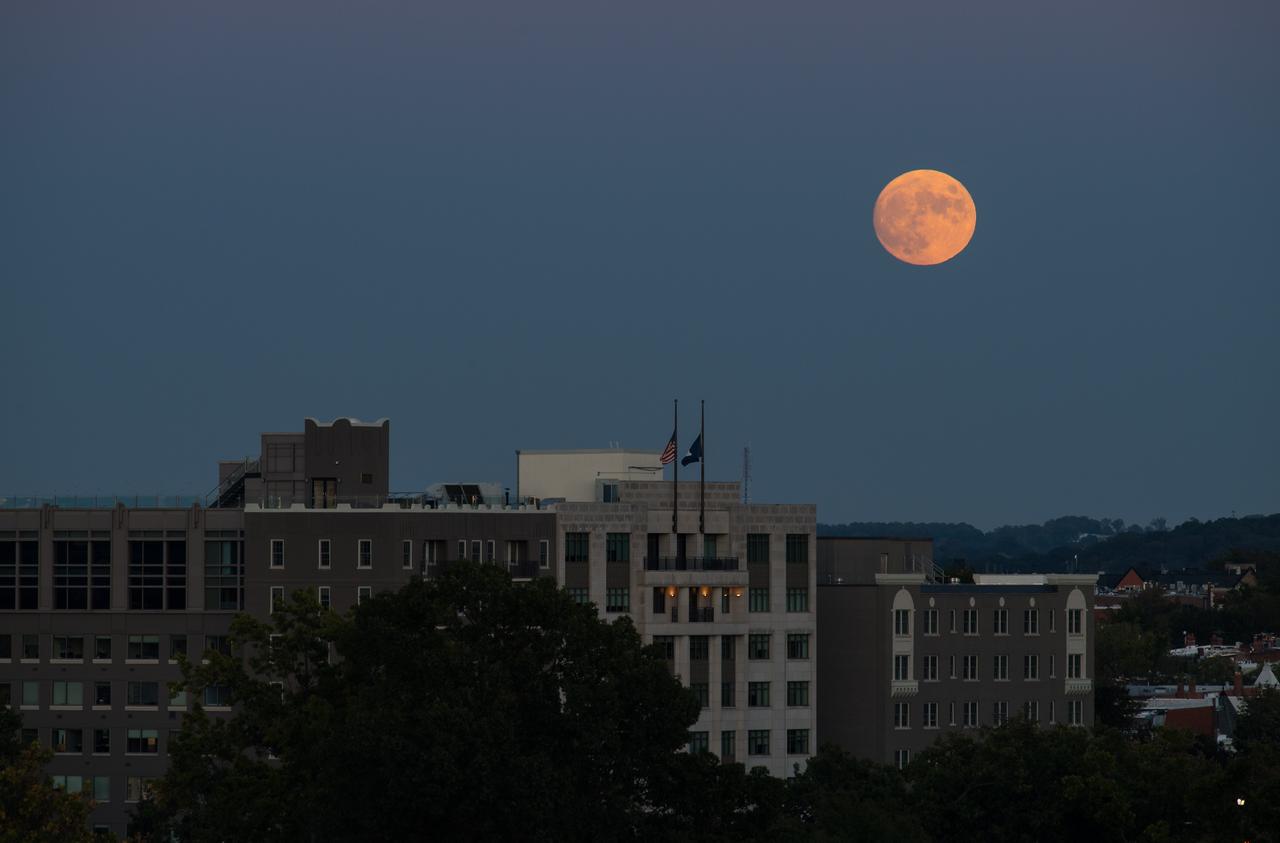
The nearly full Moon is seen as it rises from The Observatory at America’s Square in Washington, Tuesday, Oct. 19, 2021. Photo Credit: (NASA/Aubrey Gemignani)
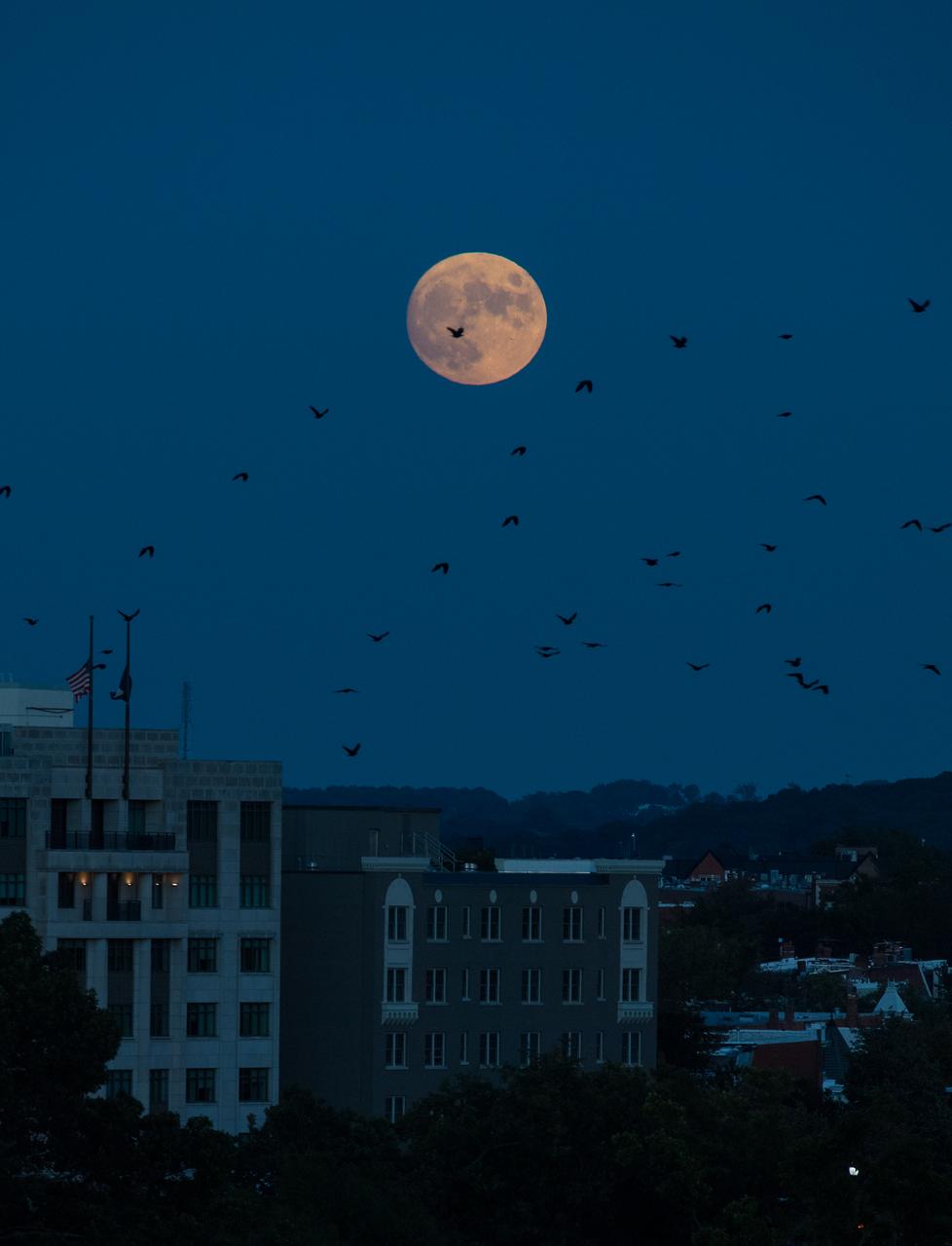
The nearly full Moon is seen as it rises from The Observatory at America’s Square in Washington, Tuesday, Oct. 19, 2021. Photo Credit: (NASA/Aubrey Gemignani)
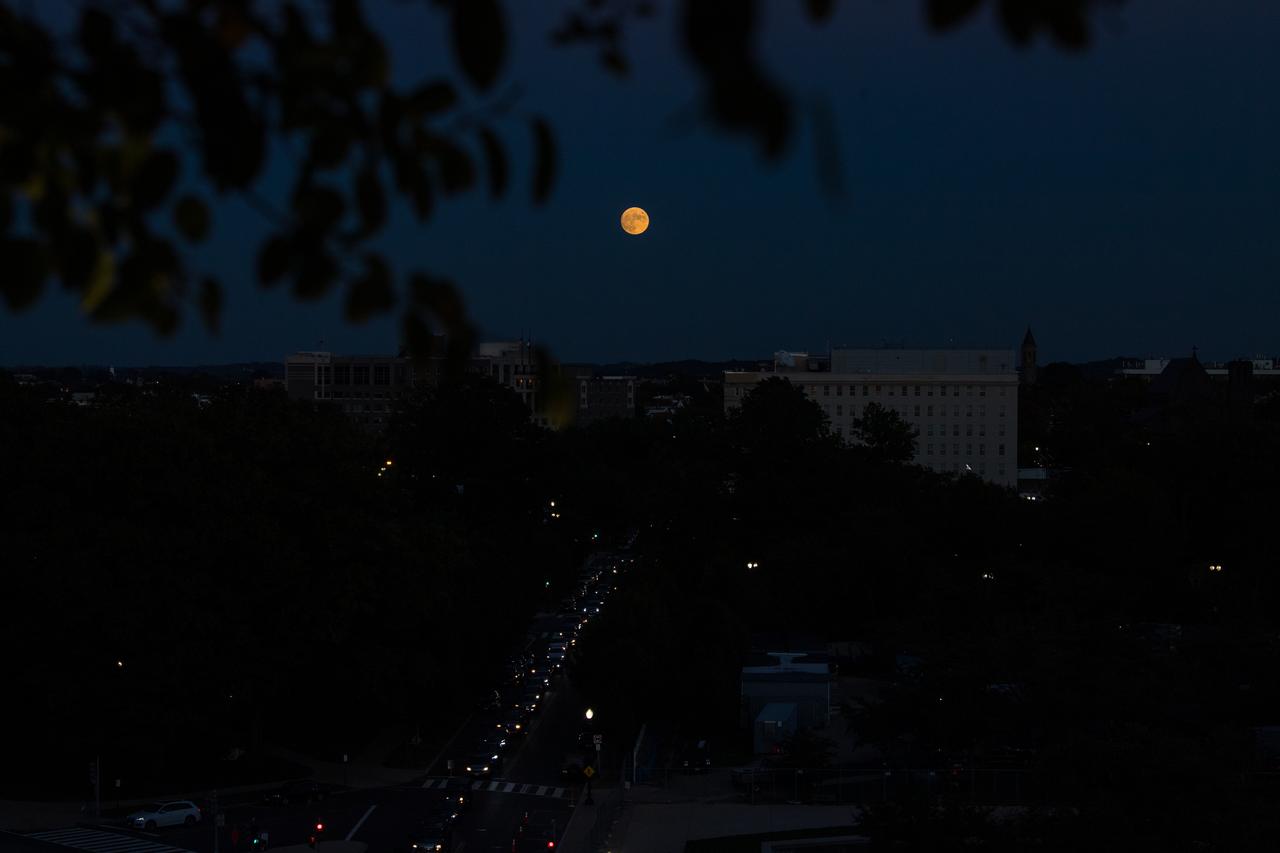
The nearly full Moon is seen as it rises from The Observatory at America’s Square in Washington, Tuesday, Oct. 19, 2021. Photo Credit: (NASA/Aubrey Gemignani)
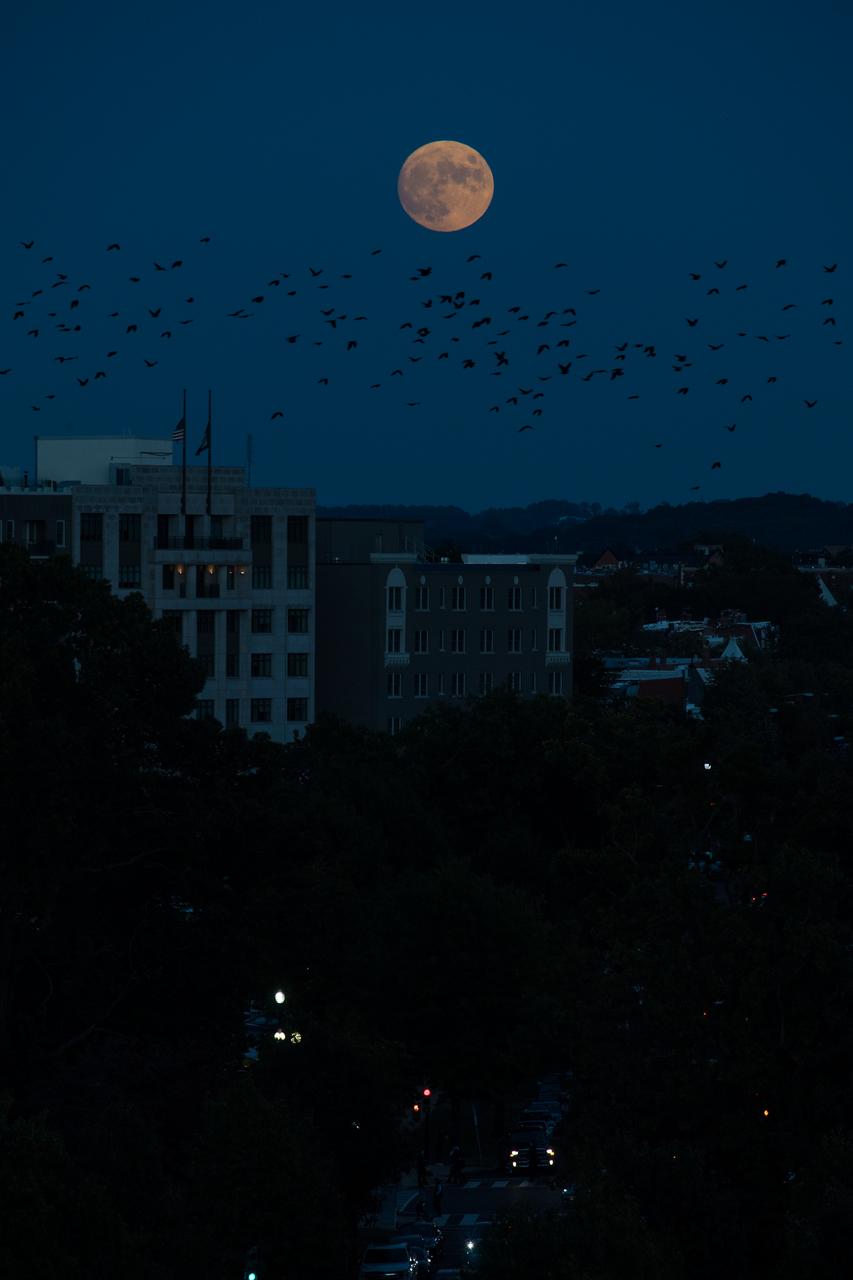
The nearly full Moon is seen as it rises from The Observatory at America’s Square in Washington, Tuesday, Oct. 19, 2021. Photo Credit: (NASA/Aubrey Gemignani)
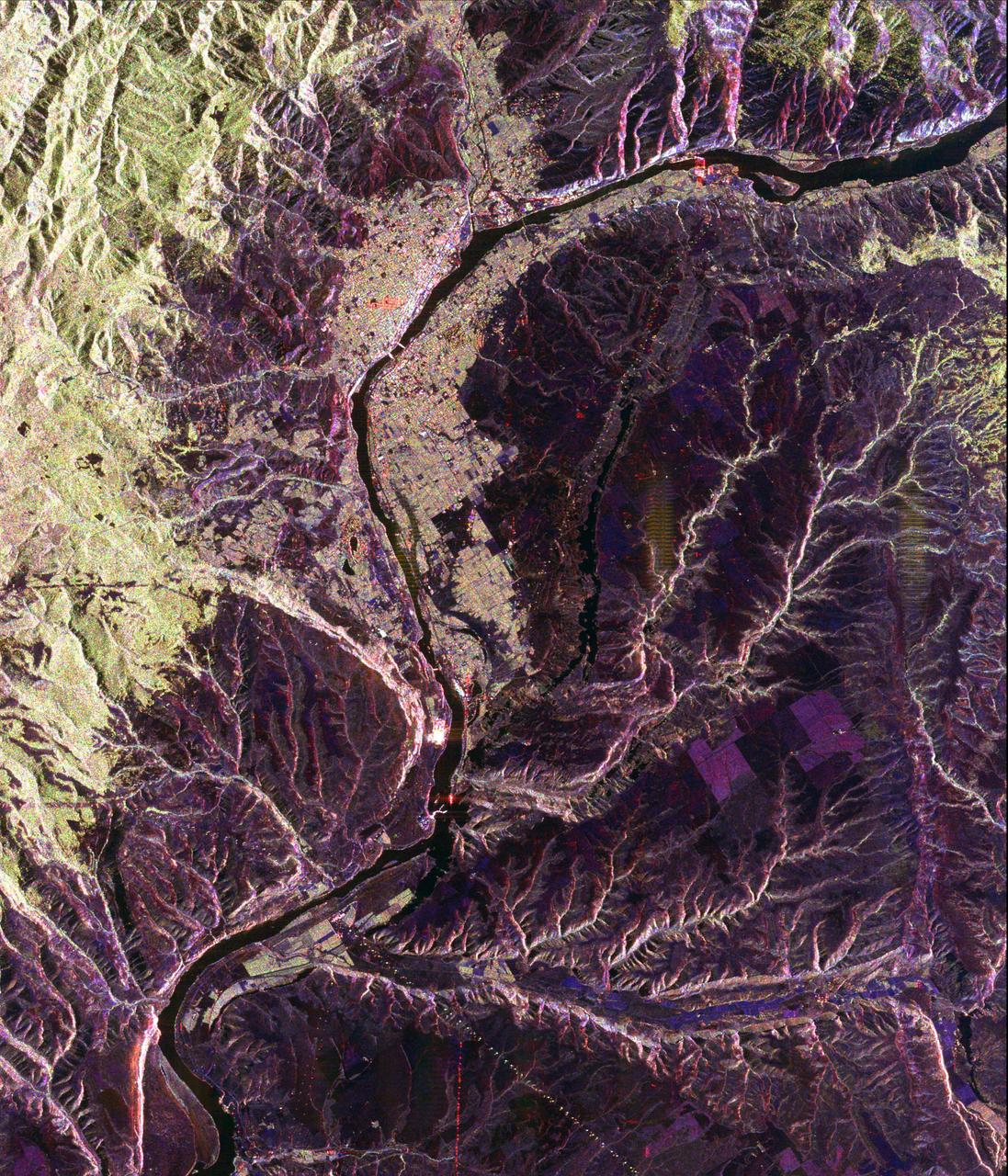
This spaceborne radar image shows a segment of the Columbia River as it passes through the area of Wenatchee, Washington, about 220 kilometers 136 miles east of Seattle.

This radar image of the Washington, D.C. area demonstrates the capability of imaging radar as a useful tool for urban planners and managers to map and monitor land use patterns.
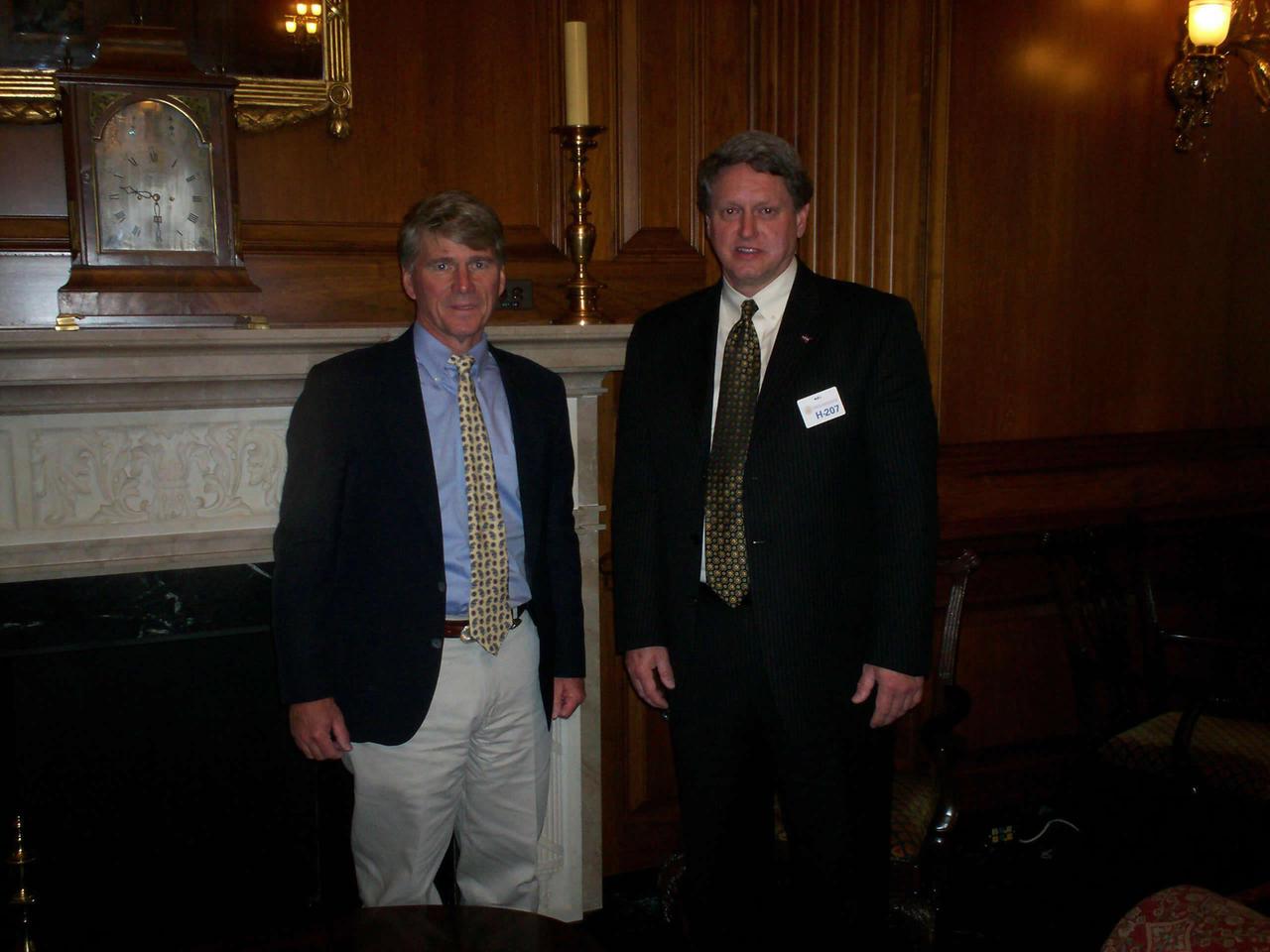
Stennis Space Center Director Gene Goldman (right) visited Washington, D.C,. last month, where he called on Louisiana and Mississippi leaders to update them on work at the rocket engine testing facility. Rep. Gene Taylor, D-Miss., was among those visited by Goldman on March 24.
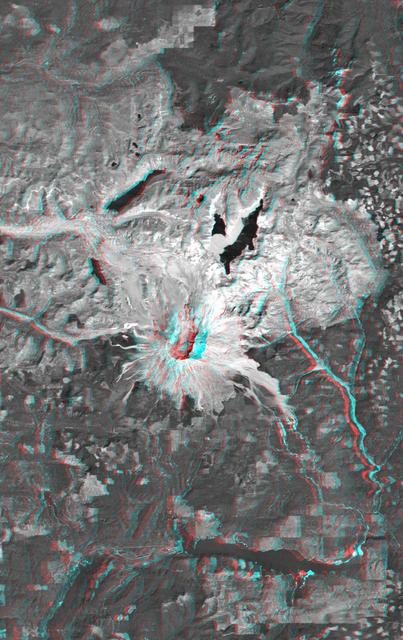
This anaglyph, from NASA Shuttle Radar Topography Mission, is of Mount St Helens, Washington. 3D glasses are necessary to view this image.
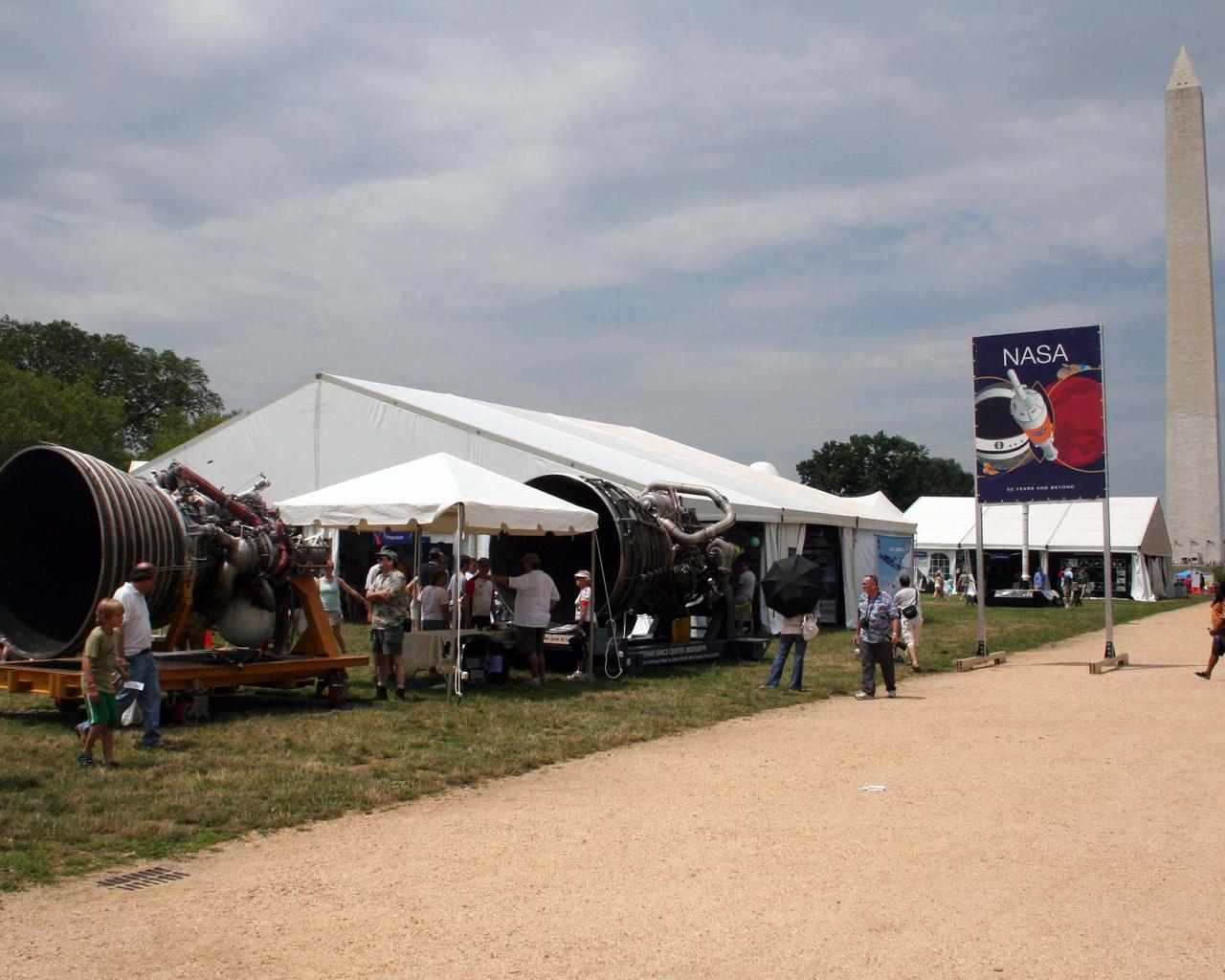
With the Washington Monument as a stirring background, a space shuttle main engine and J-2 engine from Stennis Space Center offer Washington Mall visitors a close-up look at the power of spaceflight

The Channeled Scablands in Washington were formed about 19,000 years ago when glacial Lake Missoula in Montana burst through its ice dam, and a 320 m deep lake emptied in a catastrophic flood that reached the Pacific Ocean. The basaltic terrain of Washington was deeply carved into channels, mesas, and giant dunes as the water scoured the landscape. The image was acquired August 4, 2021, covers an area of 40.2 by 48.8 km, and is located at 47.5 degrees north, 119.2 degrees west. https://photojournal.jpl.nasa.gov/catalog/PIA26008
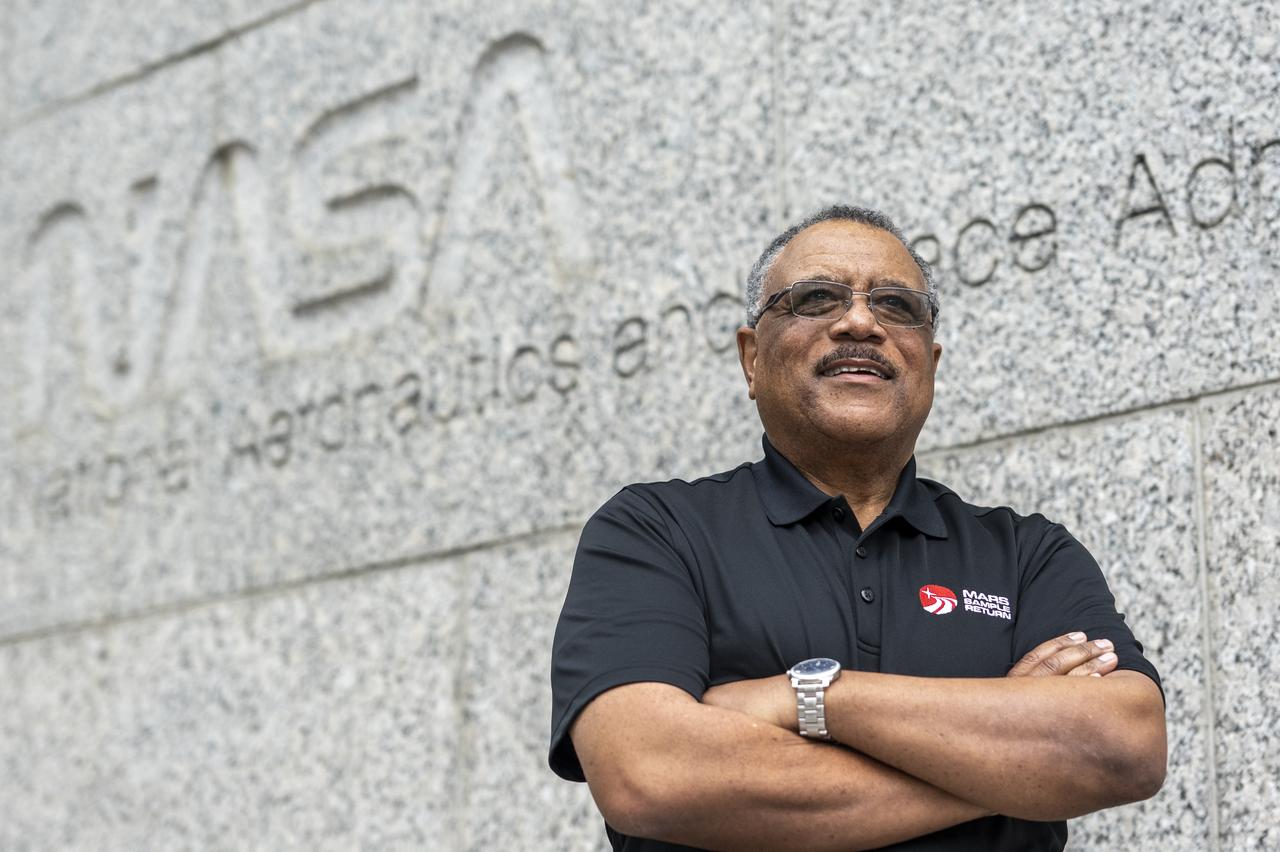
ÒIf you just invest a little time and a little effort in people, you will get so much more back. Not only will you feel good about it and get satisfaction above and beyond anything you can imagine, but the task or the mission you are trying to accomplish will also benefit tremendously. IÕve seen this happen many times when I have given someone an assignment. I am careful not to restrict their creativity. Often, theyÕre able to accomplish the task or mission better than I expected. ÒMy brotherÕs a professional artist, and I learned that from him. If you tell an artist what to paint, they will paint it. But, if you tell them what youÕre looking for, theyÕll paint that Ð and thereÕs a difference. People appreciate that, the openness to be able to create. Another big one is that thereÕs no such thing as a perfect person. So, the day you start thinking everythingÕs going to be perfect, you are in trouble. ÒI remember when I went on my first visit to NASAÕs Jet Propulsion Laboratory to talk about the Mars Sample Return campaign. I sat down with the communications team and said, ÔLook, if you are thinking we are going to do this perfectly and everythingÕs going to go as smoothly as it can, I want to change that mindset right now. We are going to have our challenges. But it is our job to work through those challenges, that is how we succeed. ÒI believe that whenever I am in a leadership position it is my call, my responsibility to create an environment in which all who work around me can be at their most efficient. I have been in situations before in which coworkers have said, ÔThat could not have turned out any better.Õ I believe you have to create the environment in which people can thrive and be their best. ThatÕs a big deal to me and I want people to treat me that way too. IÕve always felt from before I was a teenager that if I do something good, it will go to the next person and the next person, and before you know it, it goes around the world and comes back to me. I have truly believed that all my life, and I still think that today.Ó Dewayne Washington, Mars Sample Return Senior Communications Manager, poses for a portrait, Wednesday, Jan. 25, 2023, at the Mary W. Jackson NASA Headquarters building in Washington. Photo Credit: (NASA/Keegan Barber)

The Washington Monument is seen as the full moon is shadowed by the Earth during a total lunar eclipse on the arrival of the winter solstice, Tuesday, December 21, 2010 in Washington. From beginning to end, the eclipse lasted about three hours and twenty-eight minutes. Photo Credit: (NASA/Bill Ingalls)
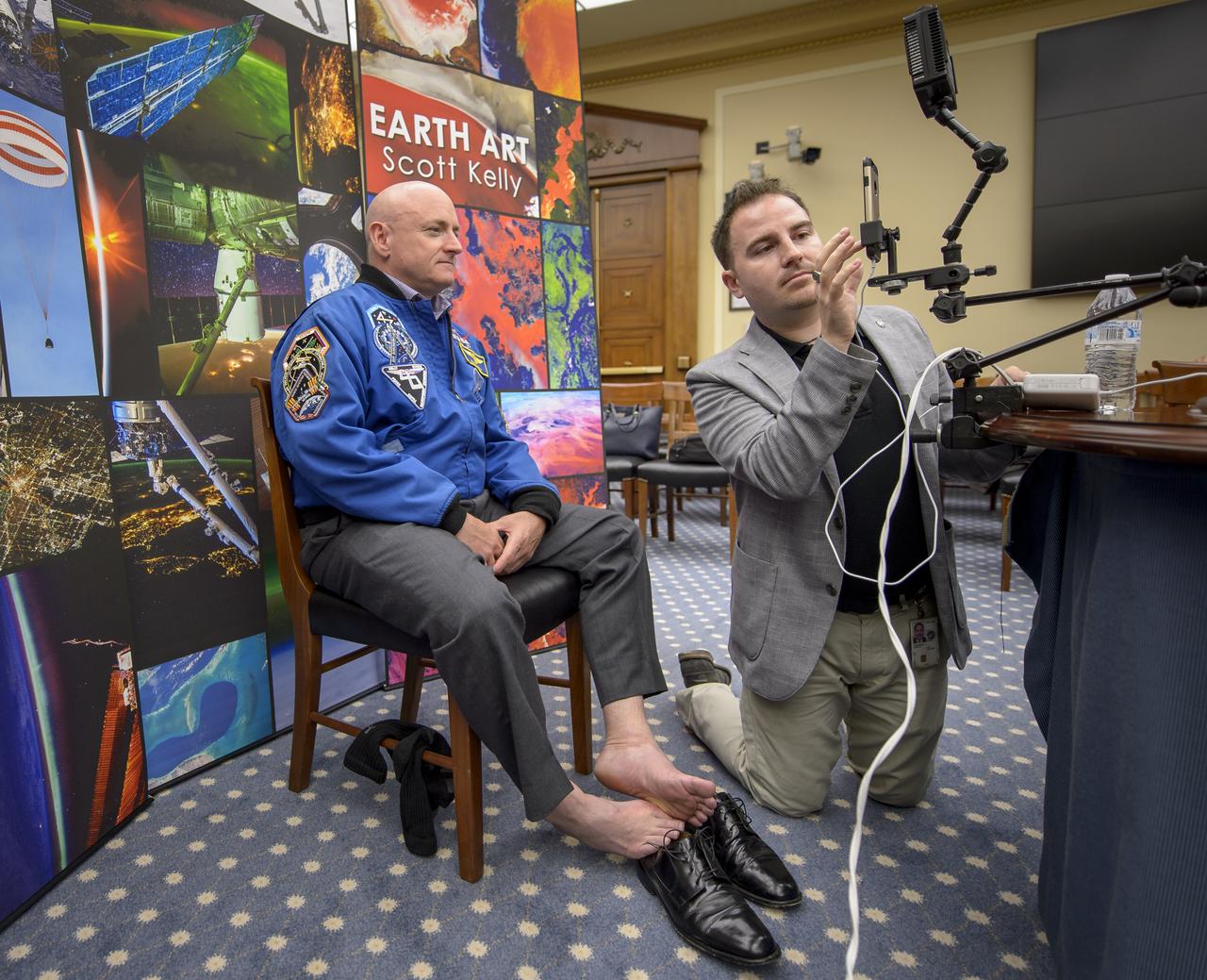
Former NASA astronaut Scott Kelly, left, gives video replies to questions from social media, Wednesday, May 25, 2016, in Washington. Photo Credit: (NASA/Bill Ingalls)
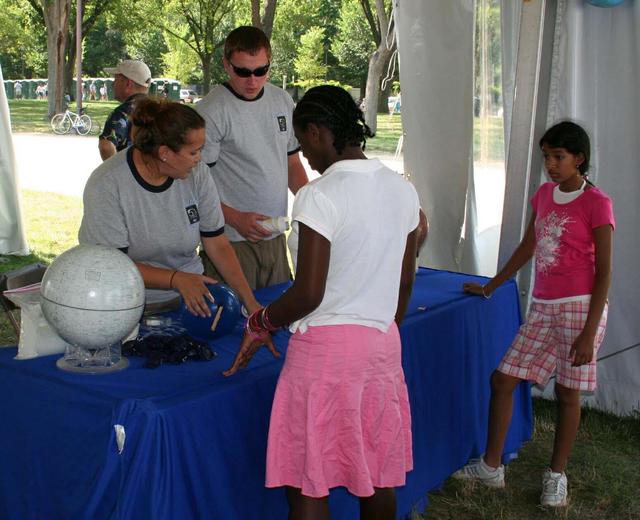
Tammy Estapa and Wesley Oliver from Stennis Space Center assist young people visiting the Smithsonian Folklife Festival in Washington, D.C., to participate in Astro Camp activities.
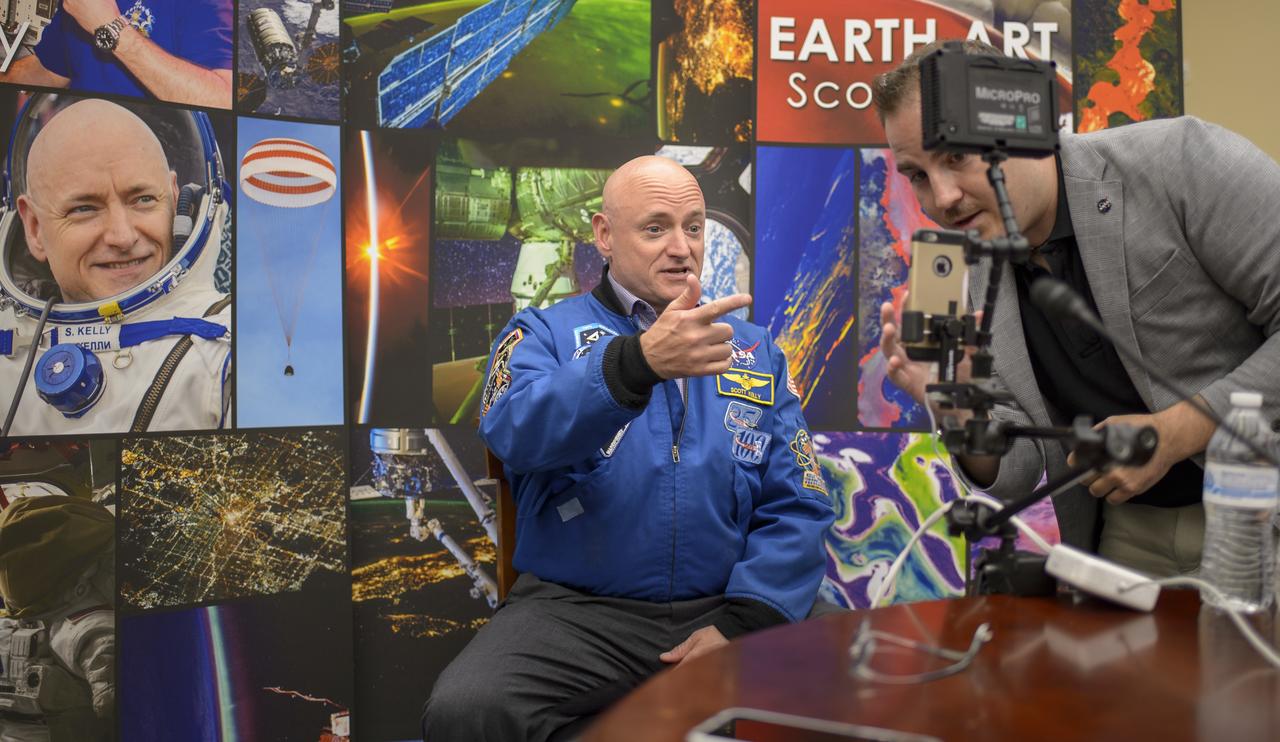
Former NASA astronaut Scott Kelly, left, gives video replies to questions from social media, Wednesday, May 25, 2016, in Washington. Photo Credit: (NASA/Bill Ingalls)
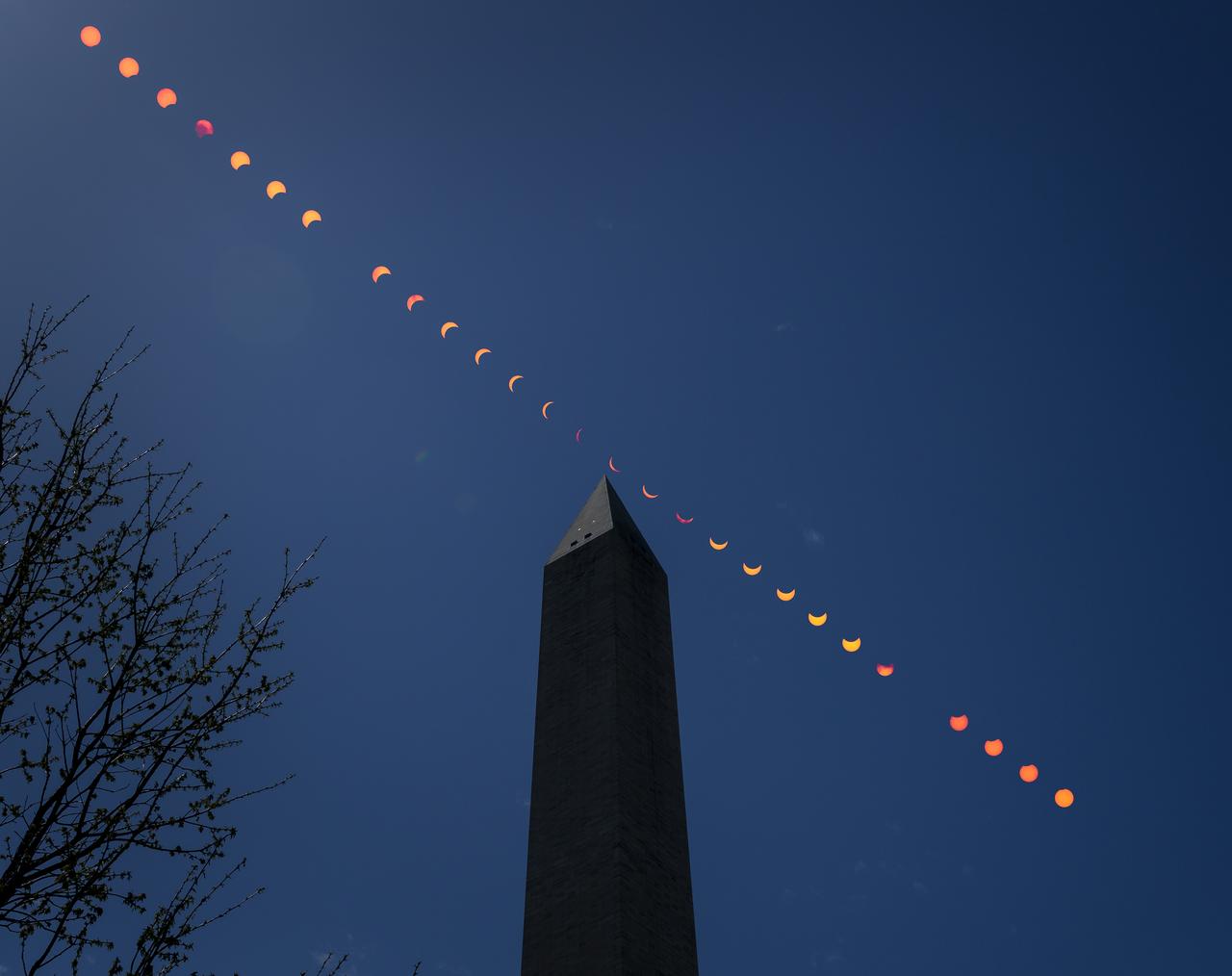
This composite image of multiple exposures shows the progression of a partial solar eclipse over the Washington Monument, Monday, April 8, 2024, in Washington. A total solar eclipse swept across a narrow portion of the North American continent from Mexico’s Pacific coast to the Atlantic coast of Newfoundland, Canada. A partial solar eclipse was visible across the entire North American continent along with parts of Central America and Europe. Photo Credit: (NASA/Bill Ingalls)
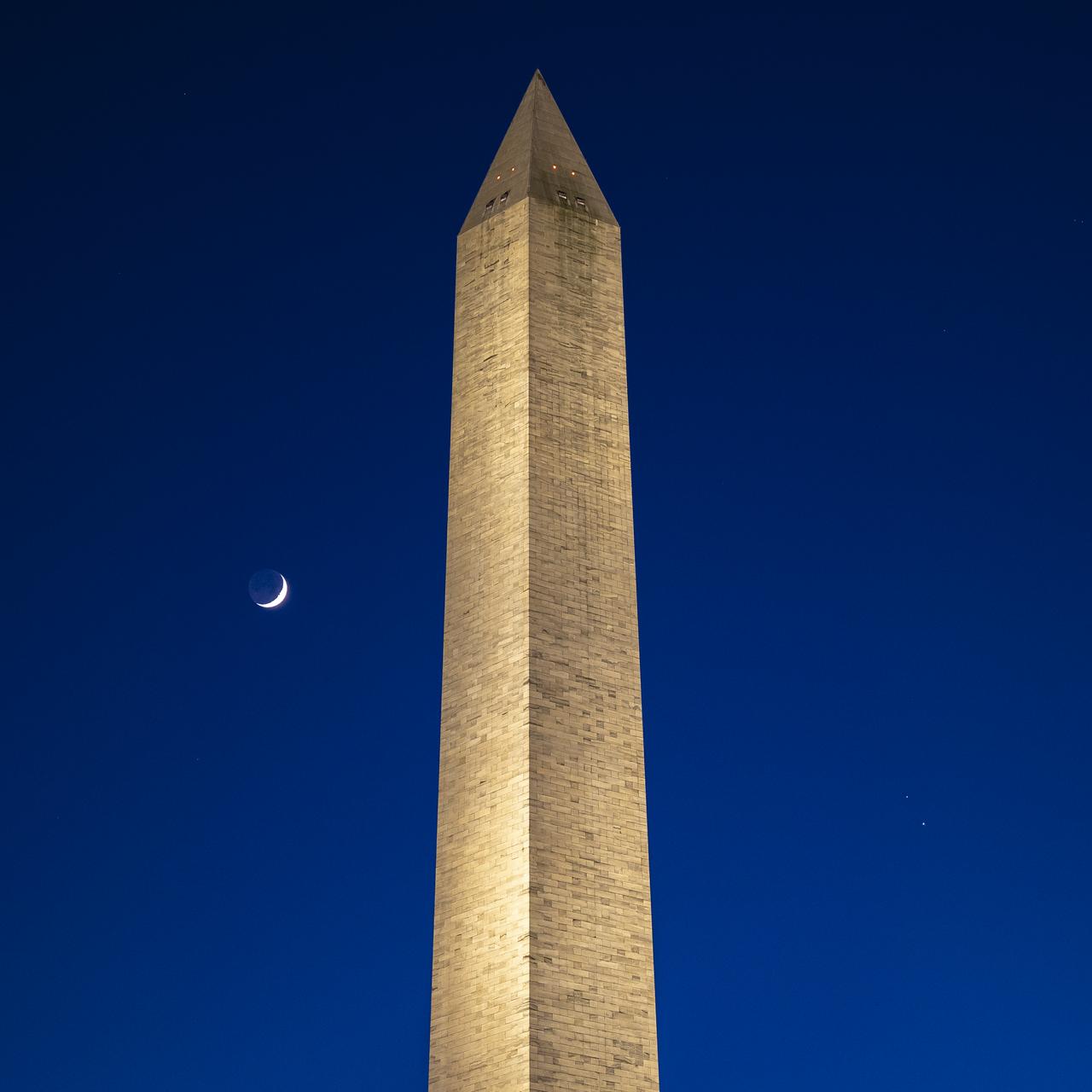
The Moon, left, Saturn, upper right, and Jupiter, lower right, are seen after sunset with the Washington Monument, Thurs. Dec. 17, 2020, in Washington. The two planets are drawing closer to each other in the sky as they head towards a “great conjunction” on December 21, where the two giant planets will appear a tenth of a degree apart. Photo Credit: (NASA/Bill Ingalls)
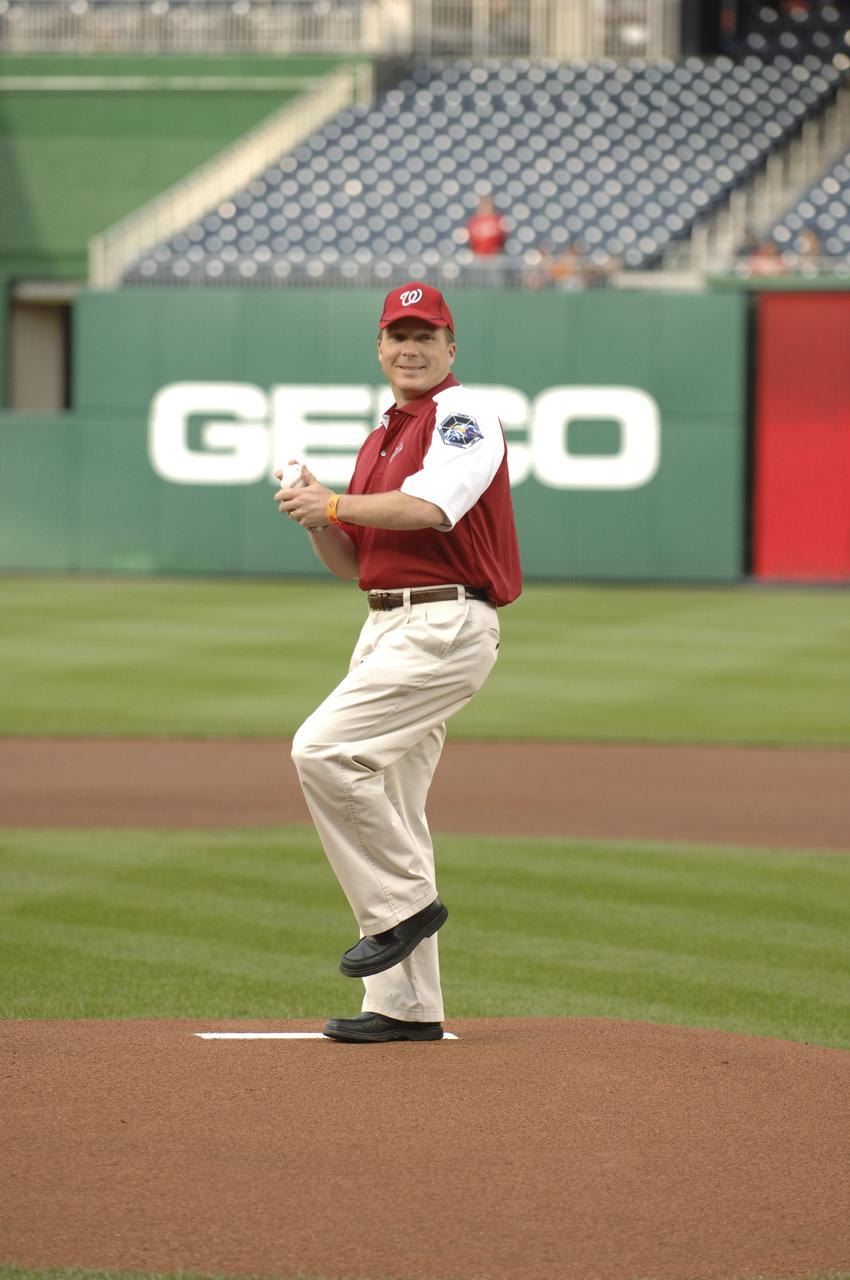
NASA STS-130 Pilot Terry Virts throws the opening pitch at Nationals Park on Tuesday, April 20, 2010, in Washington. Photo Credit: (Courtesy of the Washington Nationals)
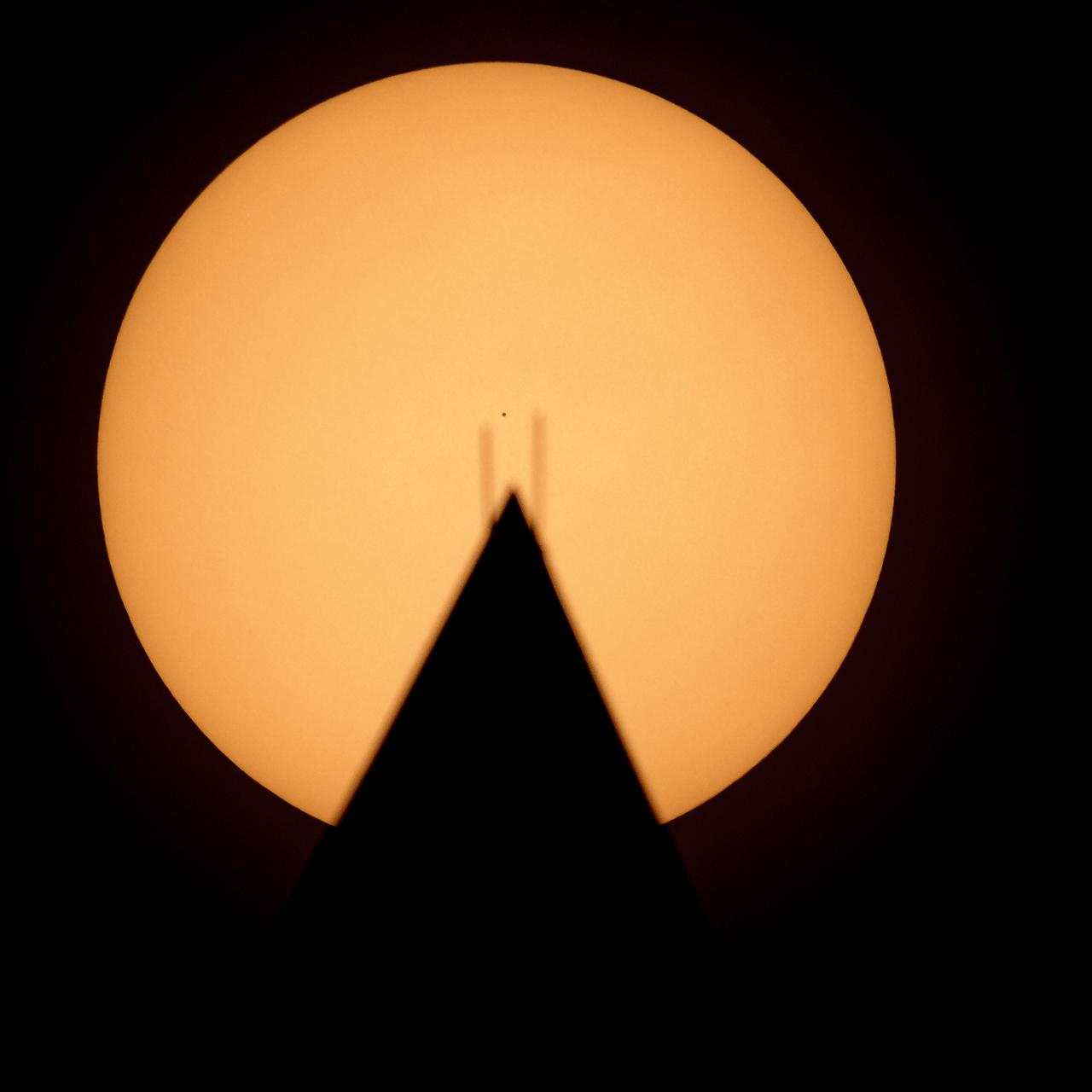
The planet Mercury is seen in silhouette, center, as it transits across the face of the Sun, behind the Washington Monument, Monday, Nov. 11, 2019, in Washington. Mercury’s last transit was in 2016. The next won’t happen again until 2032. Photo Credit: (NASA/Bill Ingalls)
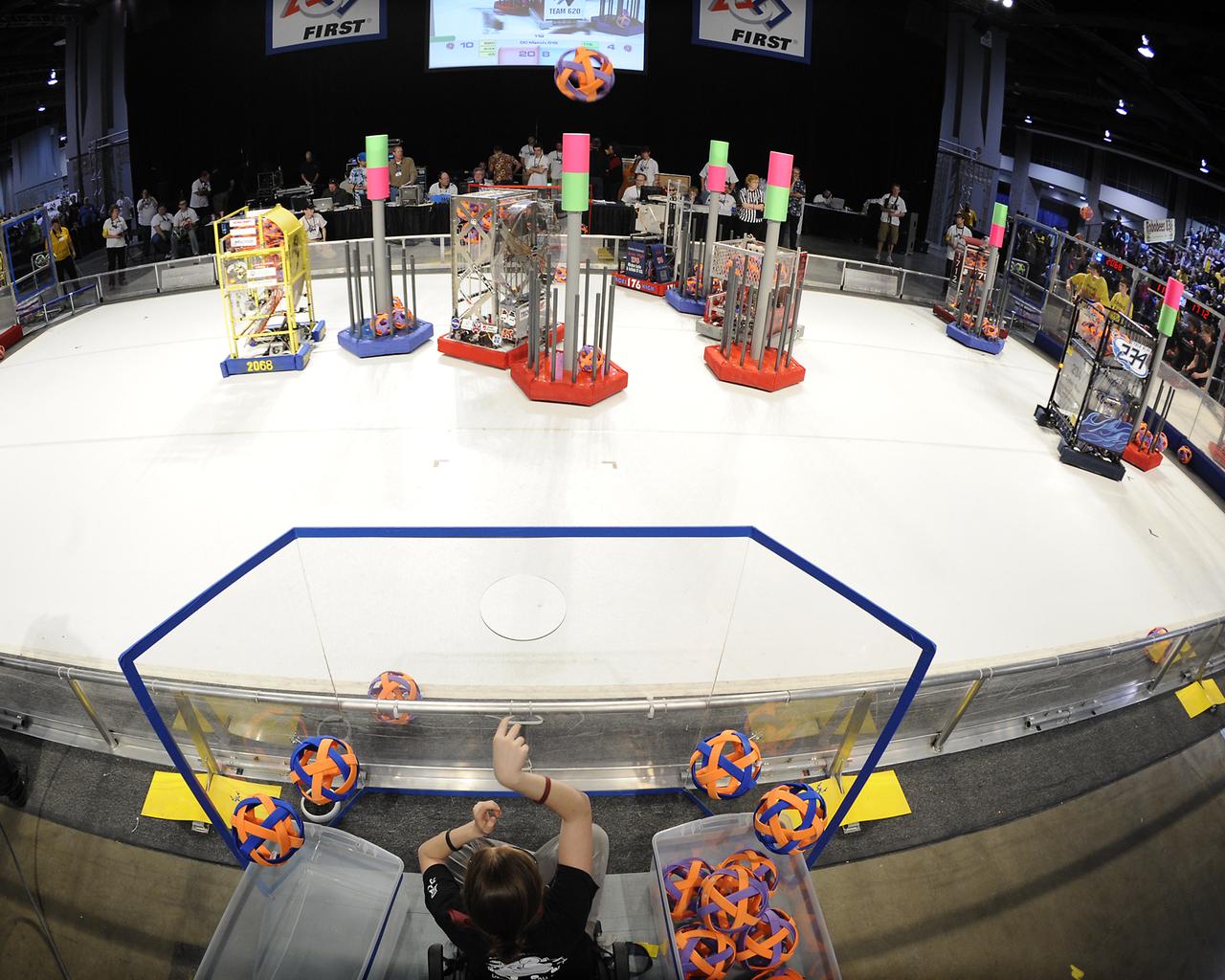
Students compete in the Washington, DC regional FIRST Robotics Competition at the Washington, DC Conventioln Center, Saturday Feb., 28, 2009. Photo Credit: (NASA/Bill Ingalls)
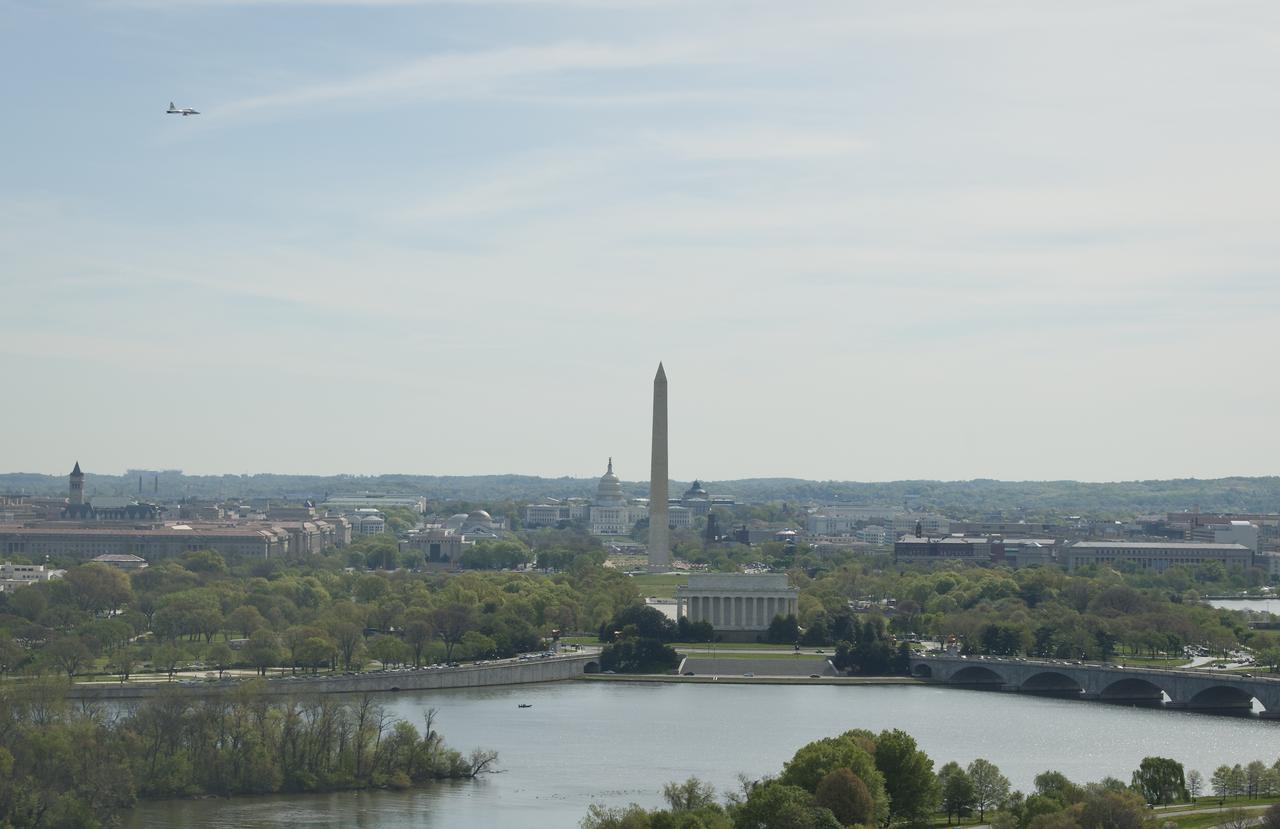
A NASA T-38 training jet is seen as it flies at 1500 feet over Washington, DC, Thursday, April 5, 2012. NASA, in cooperation with the Federal Aviation Administration, conducted training and photographic flights over the DC metropolitan area. T-38 aircraft have been used for astronaut training for more than 30 years as they allow pilots and mission specialists to think quickly in changing situations, mental experiences the astronauts say are critical to practicing for the rigors of spaceflight. Photo Credit: (NASA/Carla Cioffi)
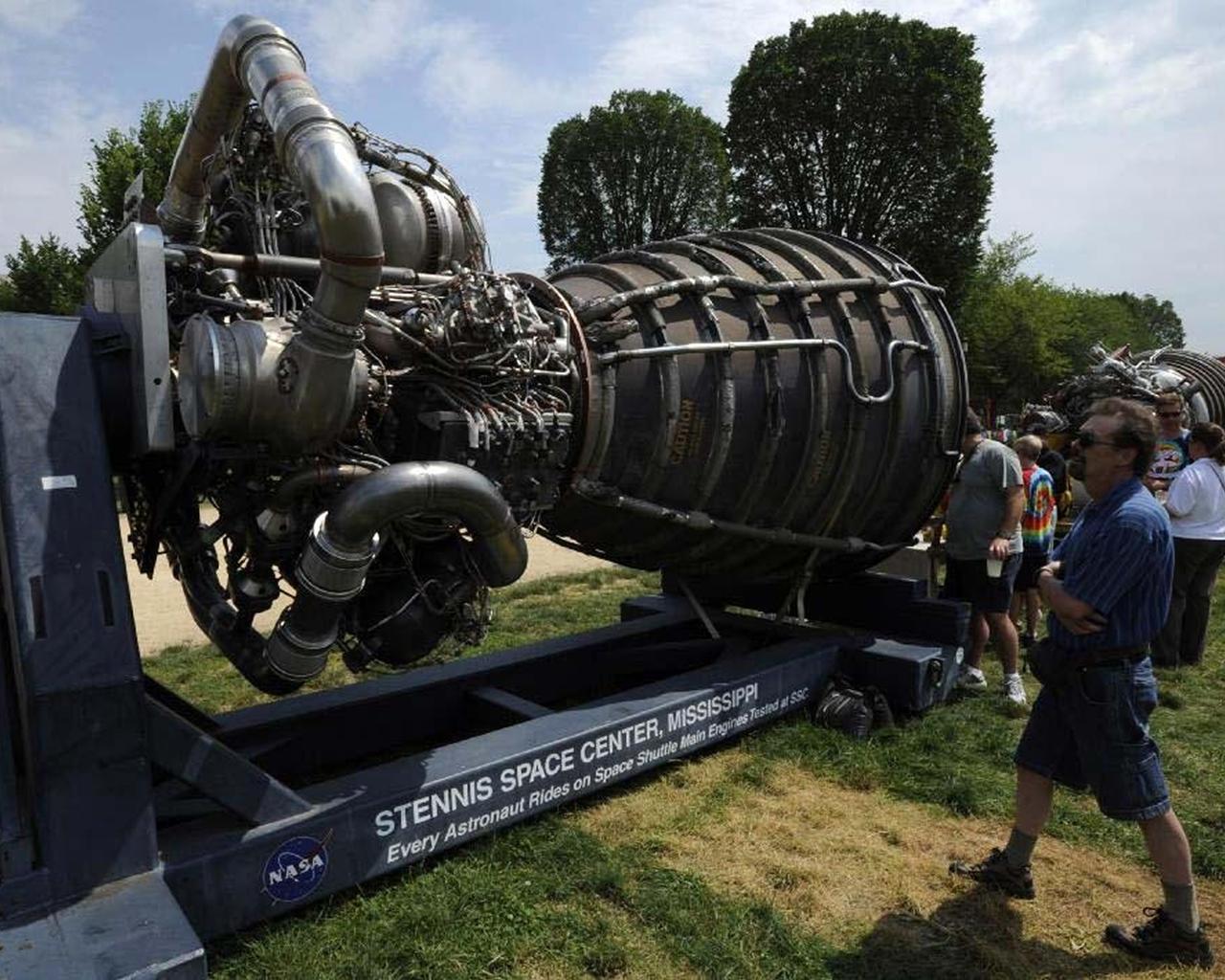
A visitor to the Smithsonian Folklife Festival in Washington, D.C., examines a space shuttle main engine display provided by Stennis Space Center. Since 1975, Stennis has been responsible for testing every engine used in NASA's Space Shuttle Program.
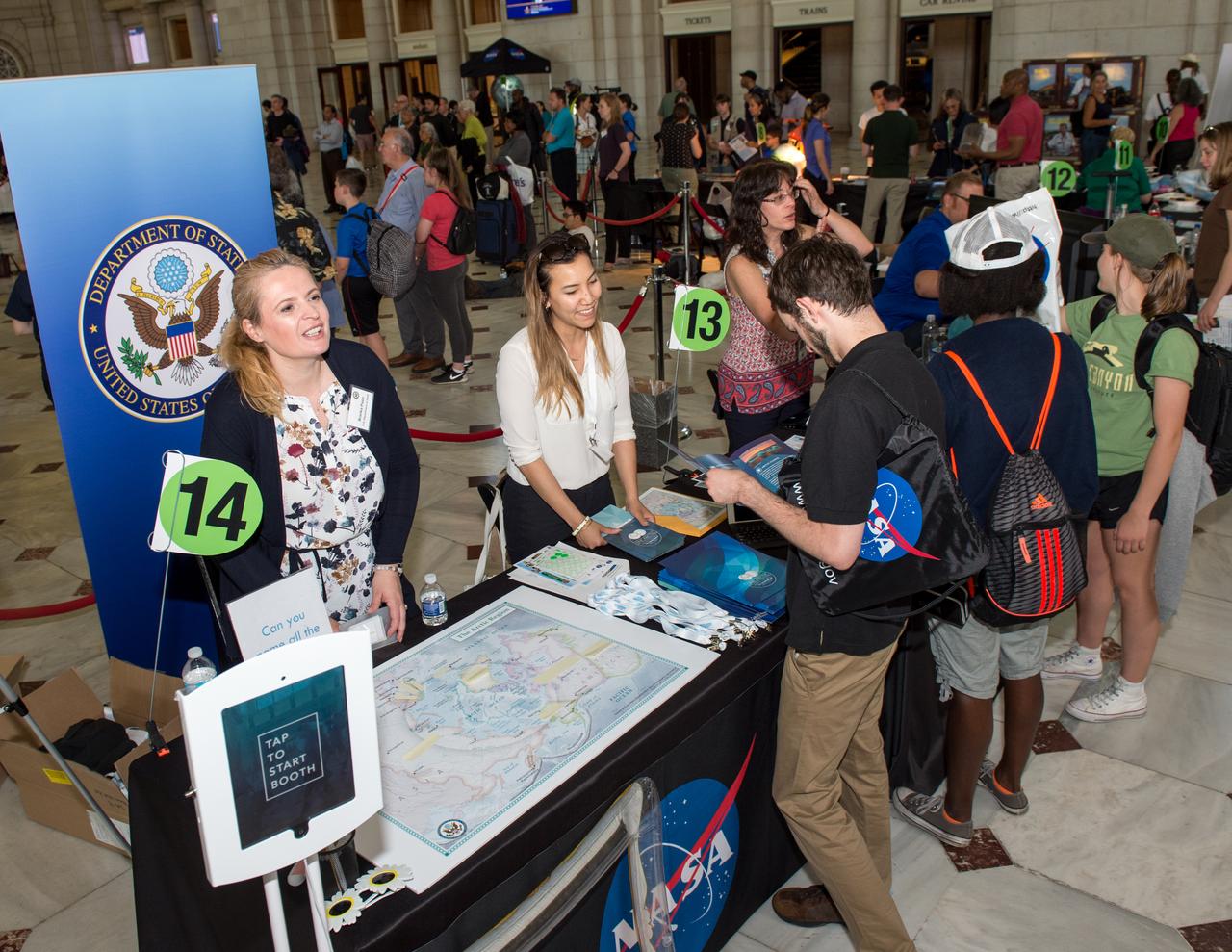
2017 NASA Earth Day at Union Station, Washington DC
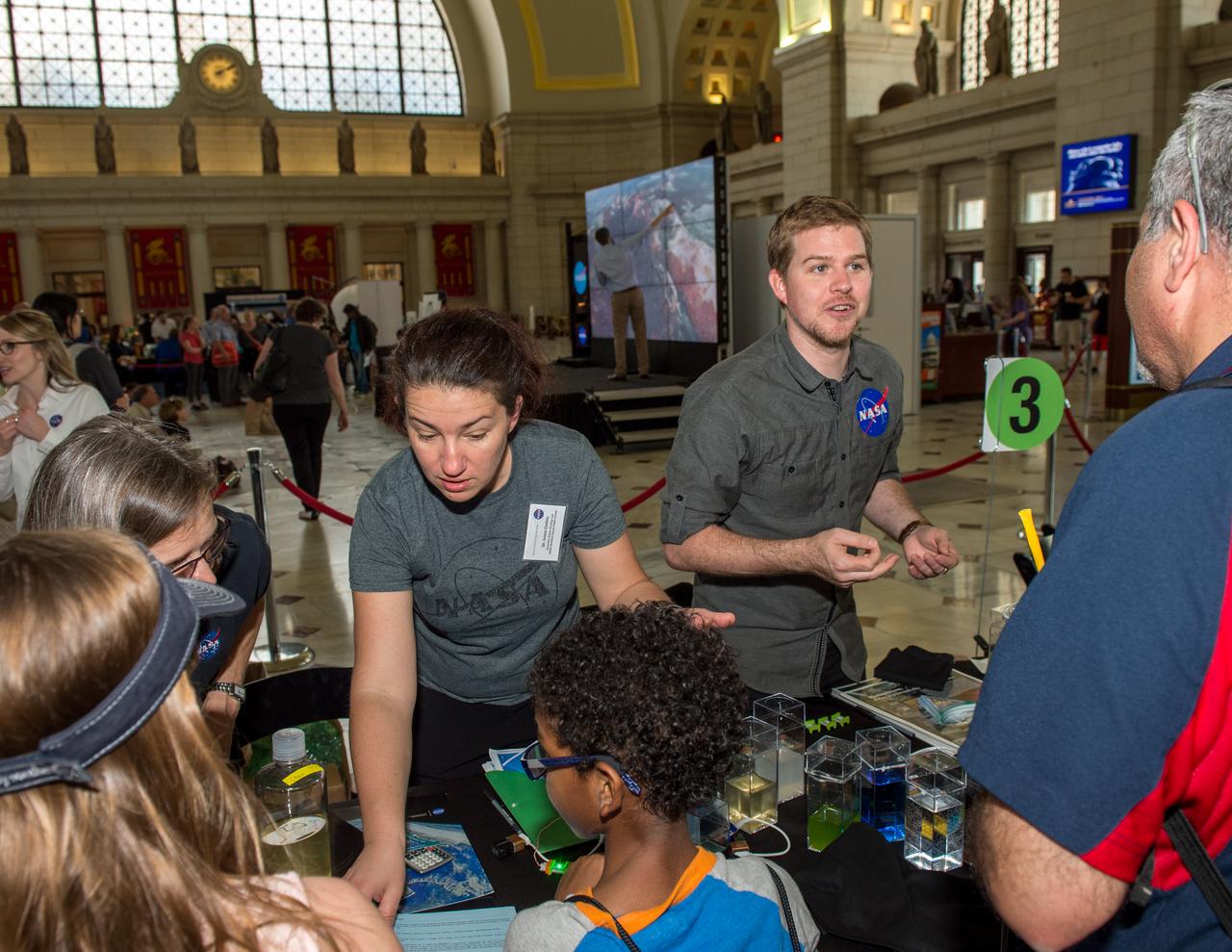
2017 NASA Earth Day at Union Station, Washington DC
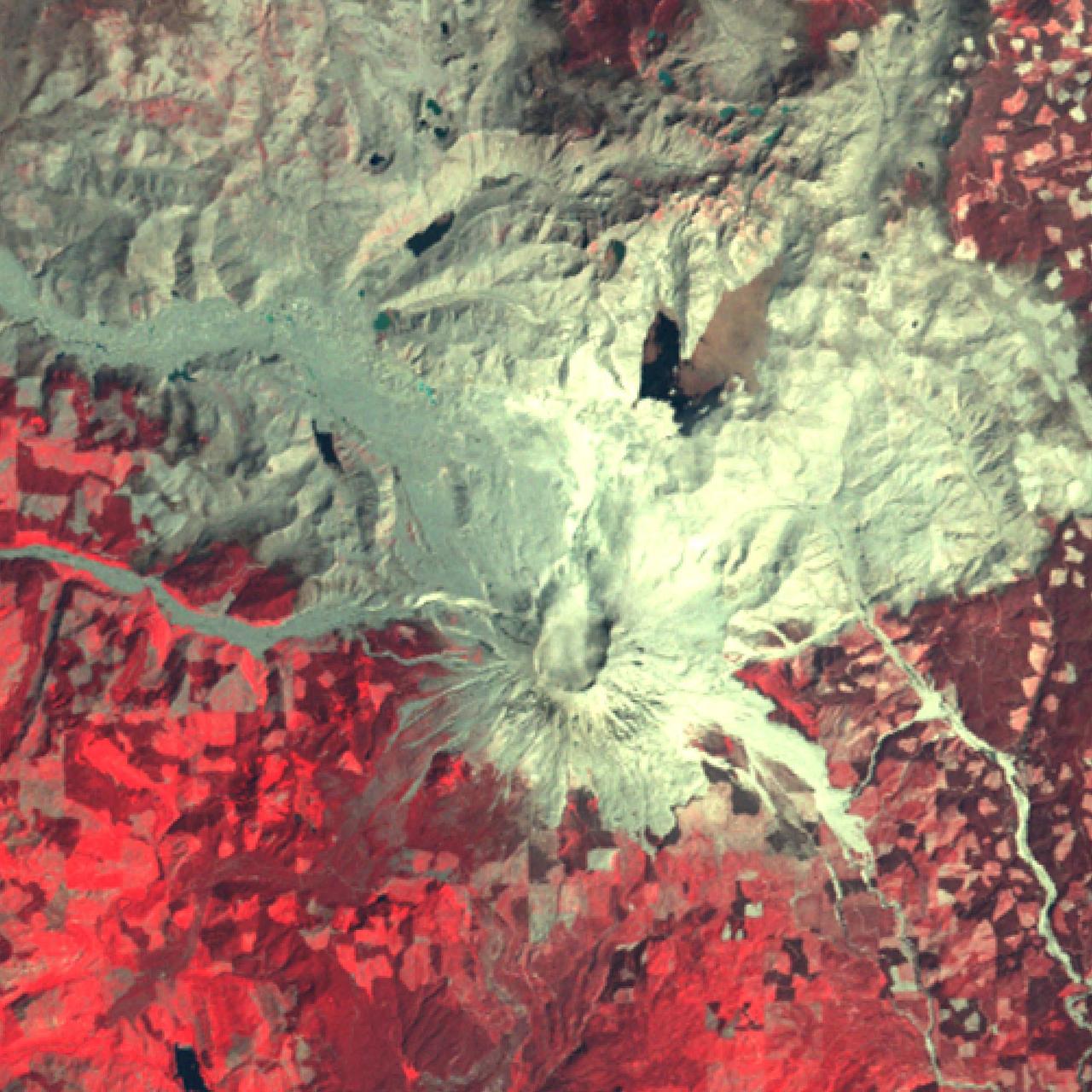
Mount St. Helens, Washington, erupted 40 years ago, on May 18, 1980. A massive debris avalanche, triggered by an earthquake of magnitude 5.1, caused a lateral eruption that reduced the elevation of the mountain's summit from 2,950 m to 2,549 m, leaving a 1.6 km wide horseshoe-shaped crater. The collapse of the northern flank resulted in massive volcanic mudflows. Since 1980, new lava built a dome in the crater, and occasional steam and ash plumes have been emitted. The Landsat MSS image was acquired July 31, 1980, and the ASTER image (Figure 1) on July 28, 2019. The images cover an area of 30 by 30 km, and are located at 46.2 degrees north, 122.2 degrees west. https://photojournal.jpl.nasa.gov/catalog/PIA23913
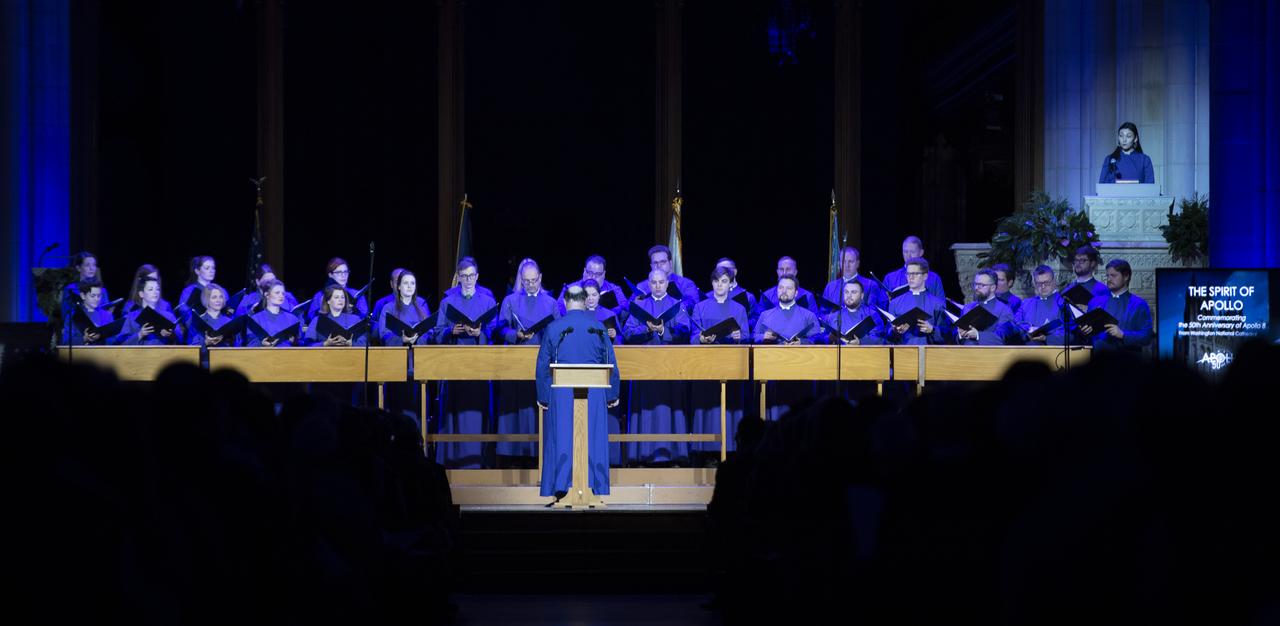
The Washington National Cathedral Choir performs a choral performance of Apollo 8's Christmas Eve broadcast during the Smithsonian National Air and Space Museum's Spirit of Apollo event commemorating the 50th anniversary of Apollo 8, Tuesday, Dec. 11, 2018 at the Washington National Cathedral in Washington, DC. Apollo 8 was humanity's first journey to another world, taking astronauts Frank Borman, Jim Lovell, and William Anders to the Moon and back in December of 1968. Photo Credit: (NASA/Joel Kowsky)
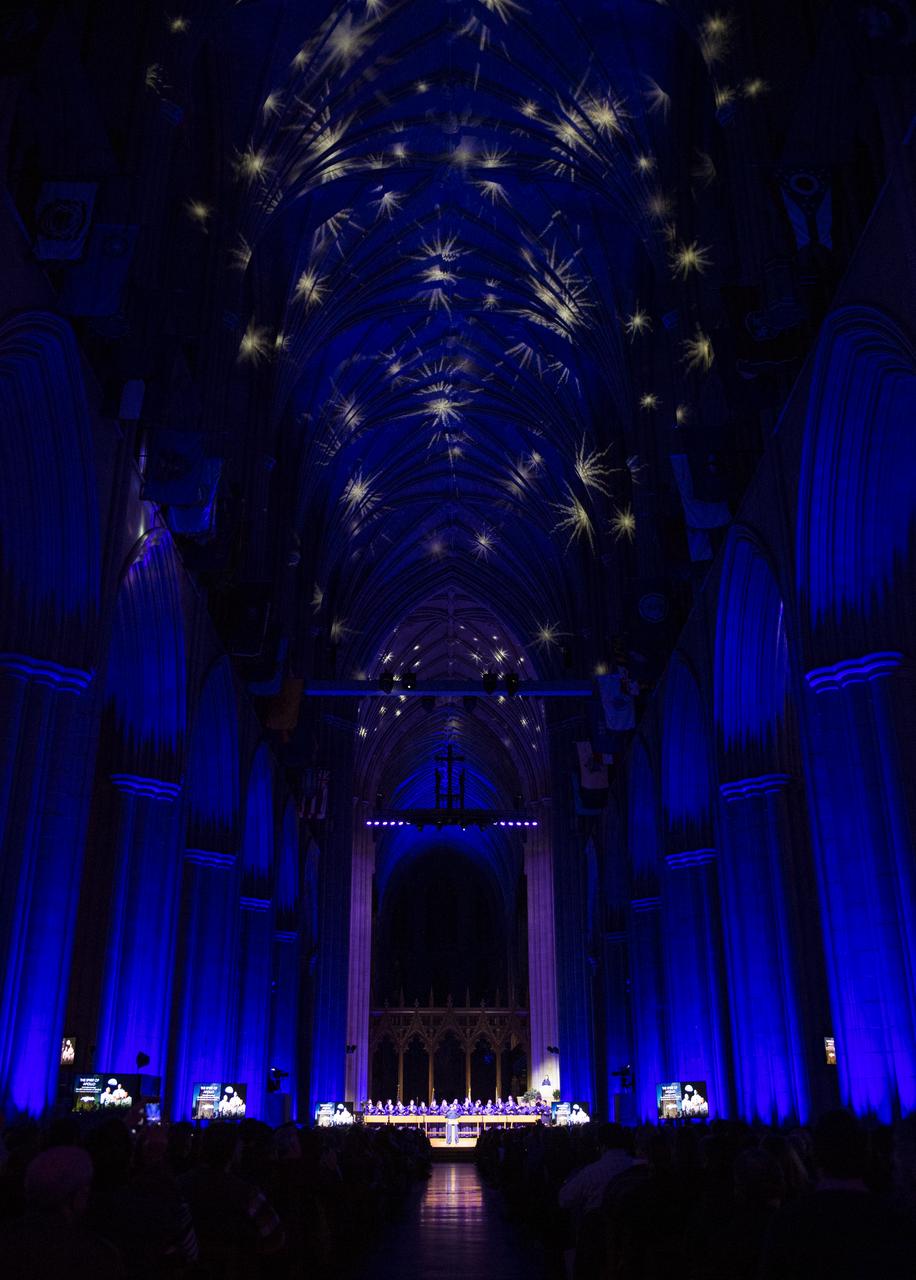
The Washington National Cathedral Choir performs a choral performance of Apollo 8's Christmas Eve broadcast during the Smithsonian National Air and Space Museum's Spirit of Apollo event commemorating the 50th anniversary of Apollo 8, Tuesday, Dec. 11, 2018 at the Washington National Cathedral in Washington, DC. Apollo 8 was humanity's first journey to another world, taking astronauts Frank Borman, Jim Lovell, and William Anders to the Moon and back in December of 1968. Photo Credit: (NASA/Joel Kowsky)
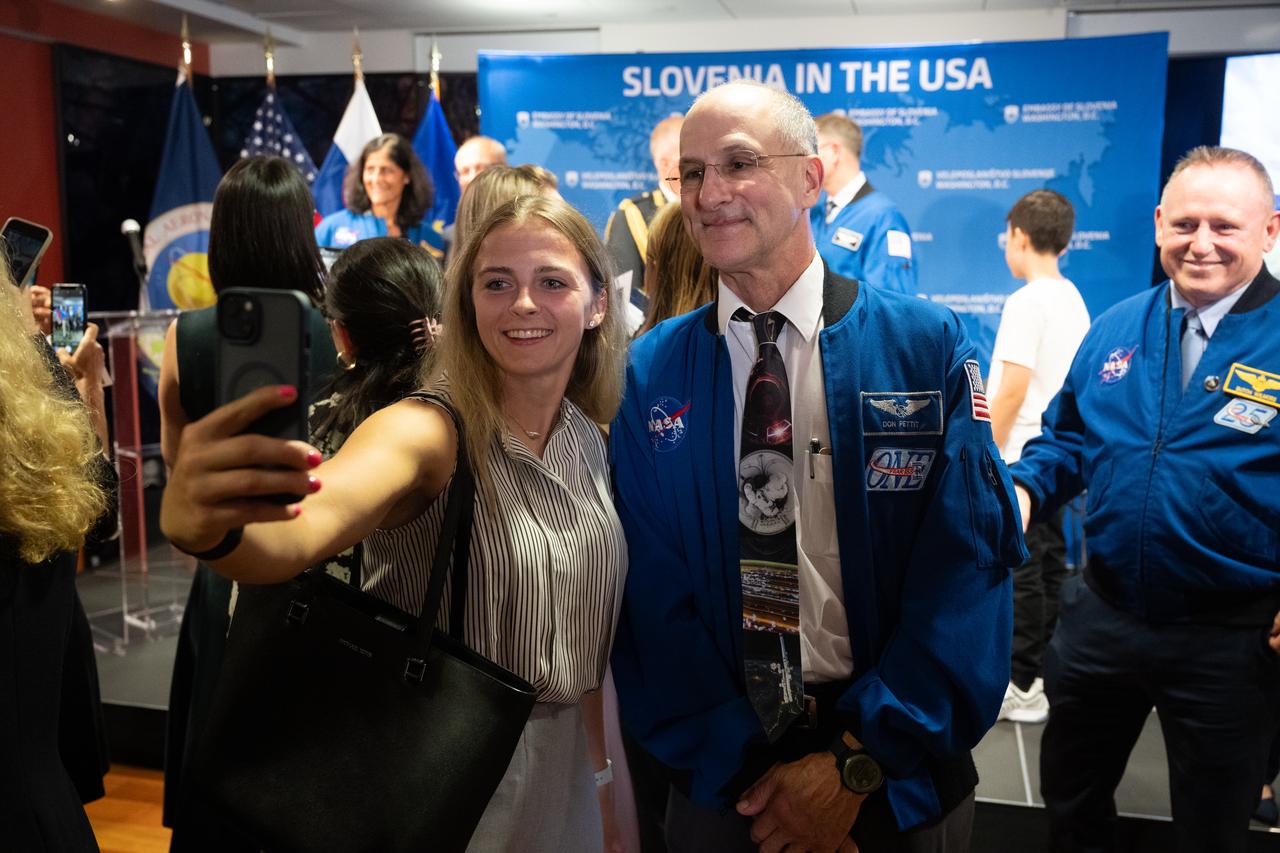
NASA astronaut Don Pettit takes a selfie with an attendee following a panel discussion at the Embassy of Slovenia, Wednesday, Sept. 17, 2025, in Washington. Pettit, and fellow NASA astronauts Nick Hague, Butch Wilmore, and Suni Williams served as part of Expedition 72 onboard the International Space Station. Photo Credit: (NASA/Joel Kowsky)
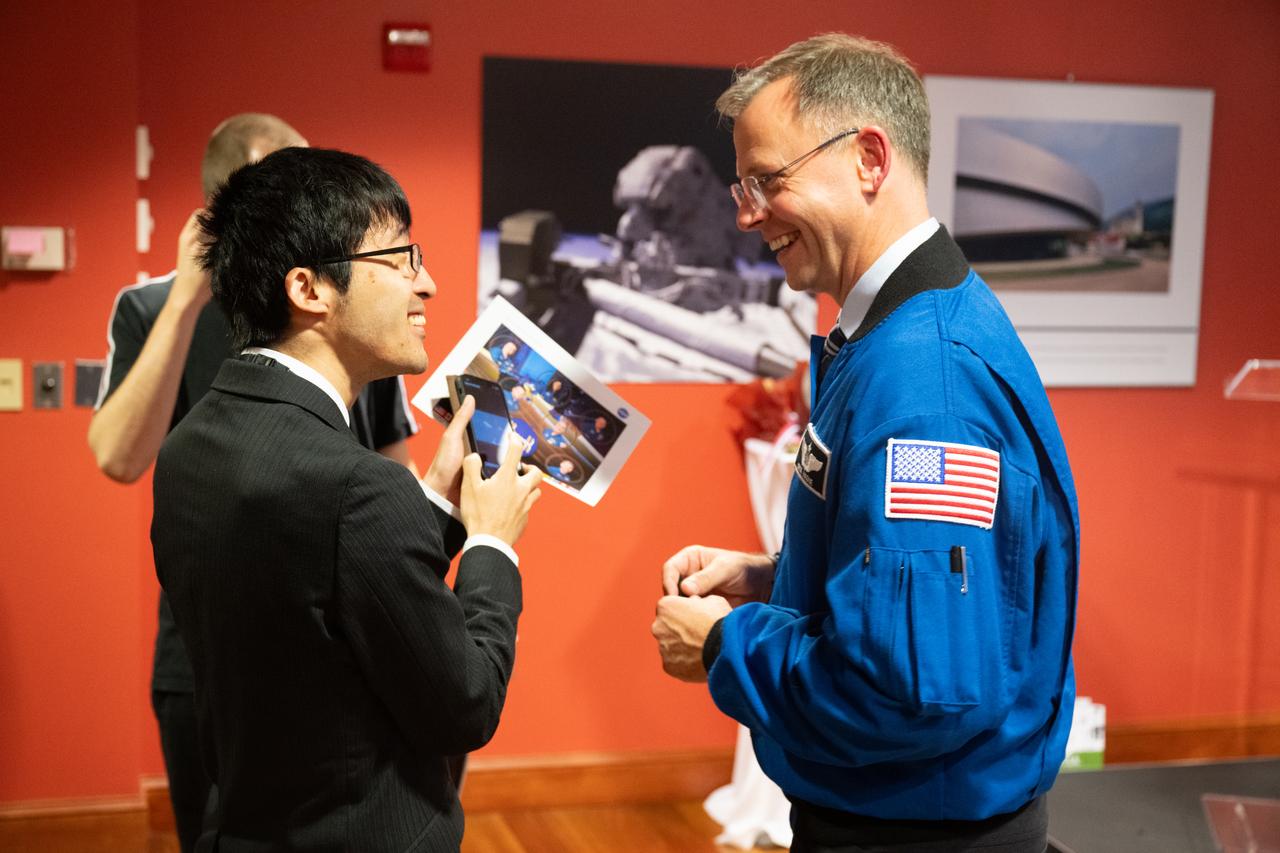
NASA astronaut Nick Hague speaks with an attendee following a panel discussion at the Embassy of Slovenia, Wednesday, Sept. 17, 2025, in Washington. Hague and fellow NASA astronauts Suni Williams, Butch Wilmore, and Don Pettit served as part of Expedition 72 onboard the International Space Station. Photo Credit: (NASA/Joel Kowsky)
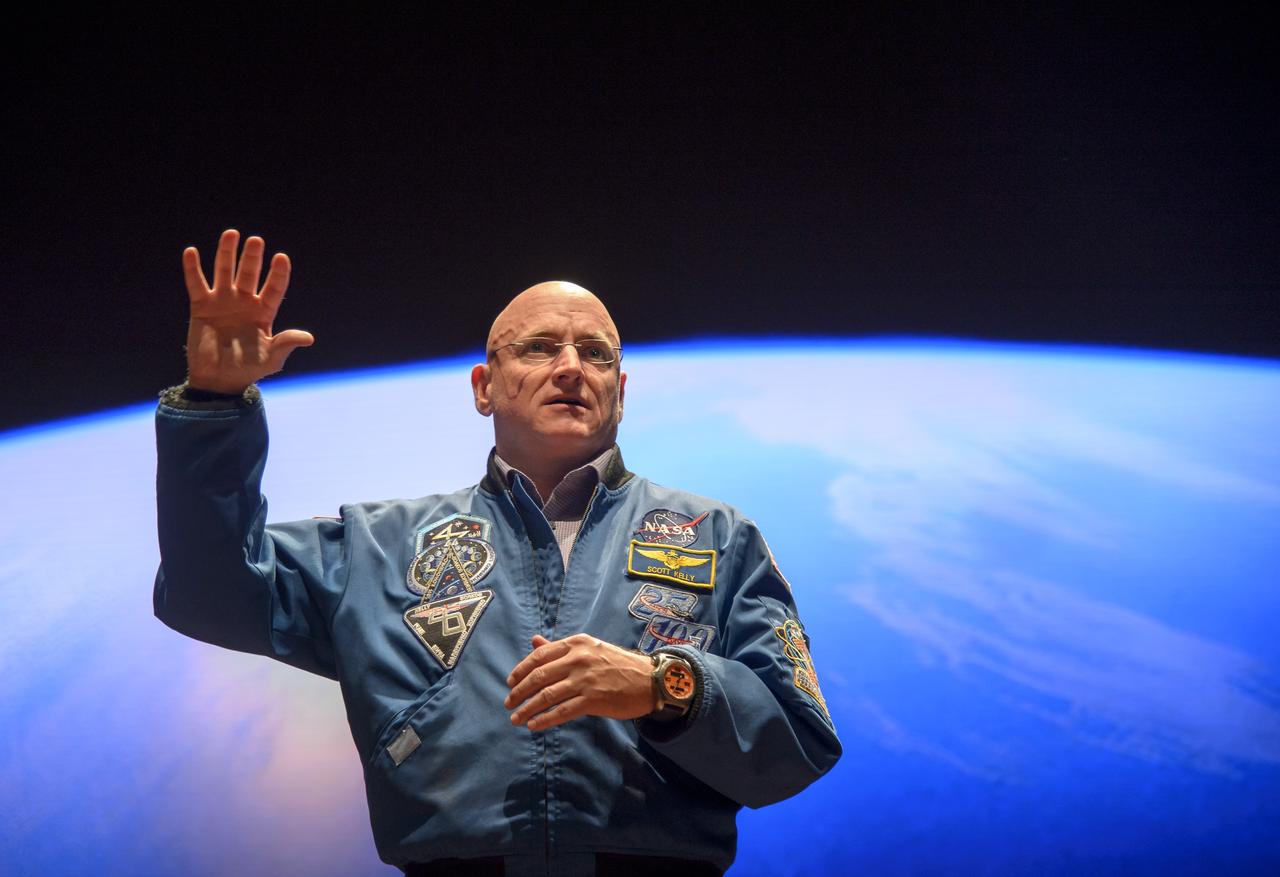
Former NASA astronaut Scott Kelly speaks during an event at the United States Capitol Visitor Center, Wednesday, May 25, 2016, in Washington. Photo Credit: (NASA/Bill Ingalls)
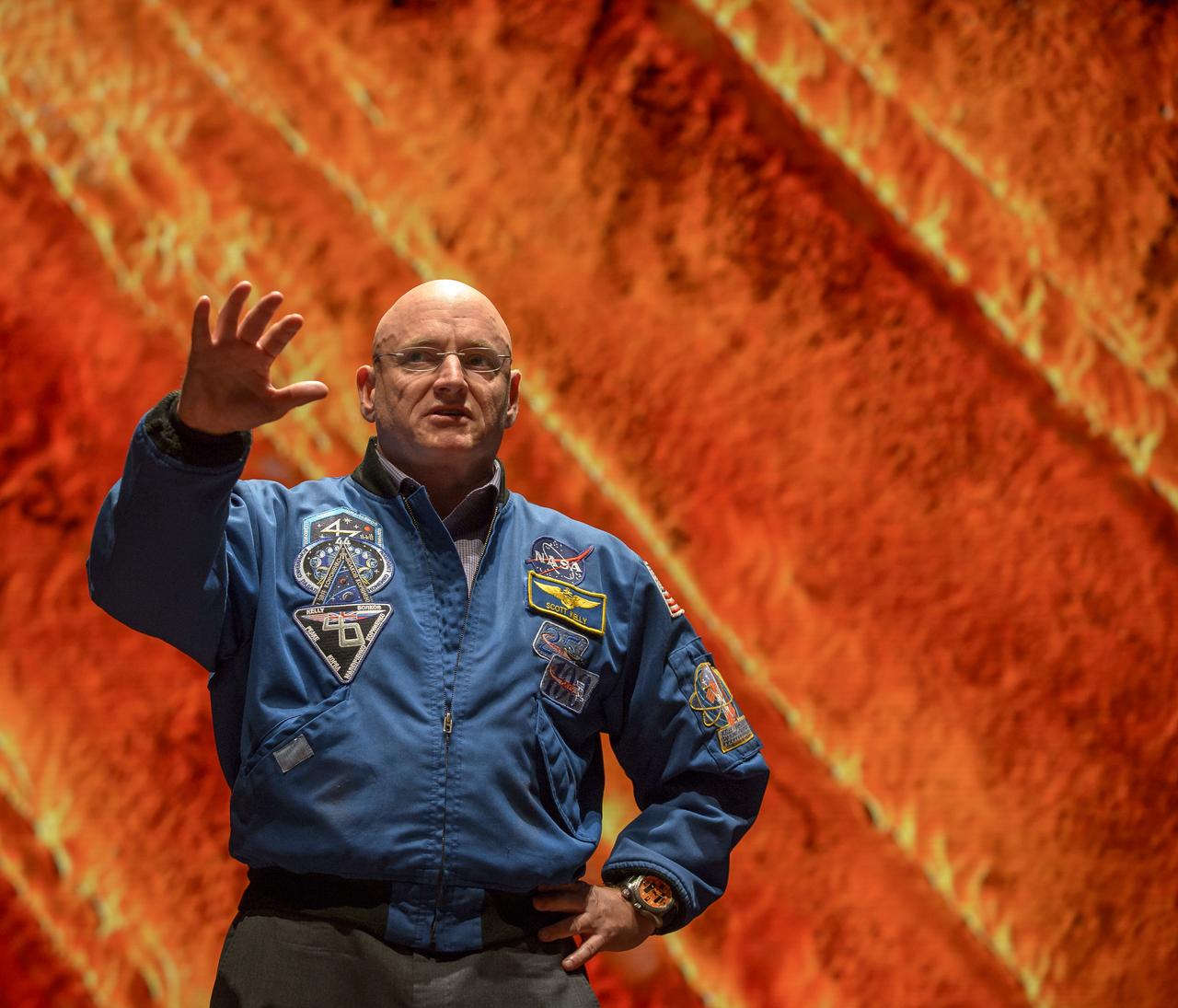
Former NASA astronaut Scott Kelly speaks during an event at the United States Capitol Visitor Center, Wednesday, May 25, 2016, in Washington. Photo Credit: (NASA/Bill Ingalls)
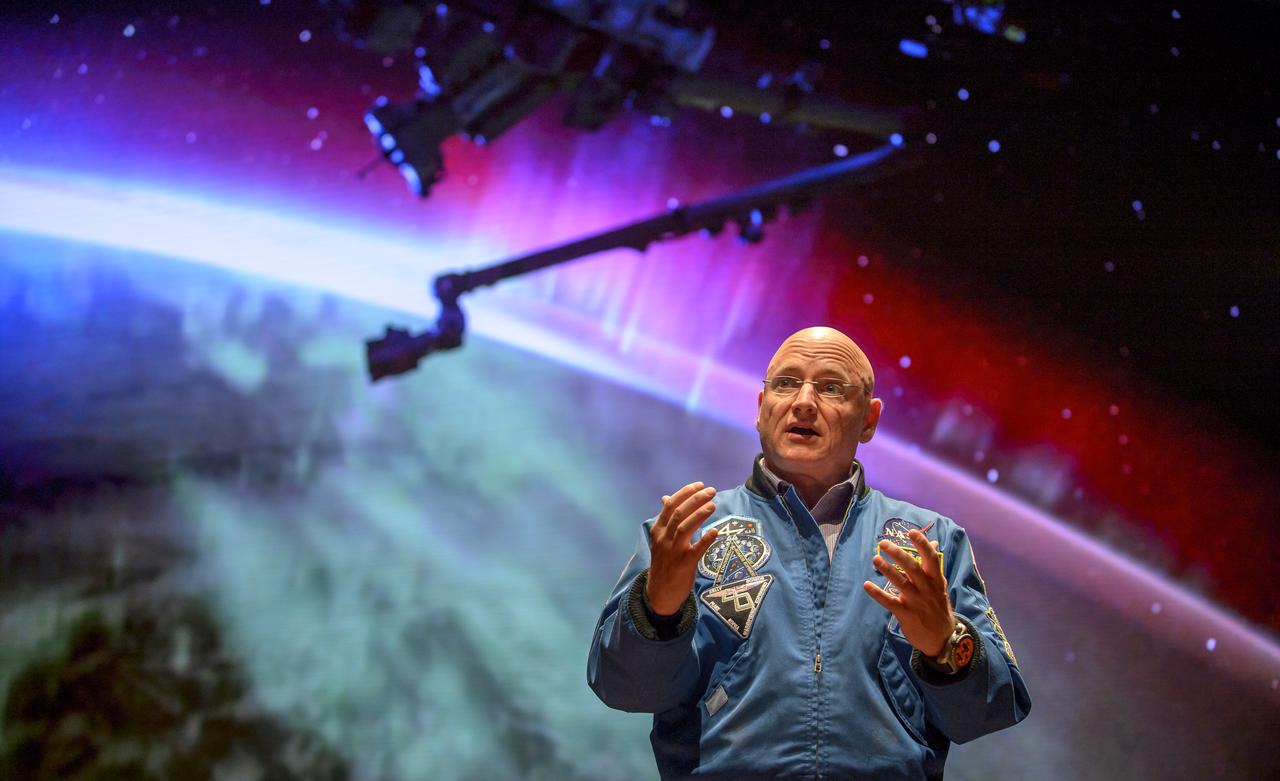
Former NASA astronaut Scott Kelly speaks during an event at the United States Capitol Visitor Center, Wednesday, May 25, 2016, in Washington. Photo Credit: (NASA/Bill Ingalls)
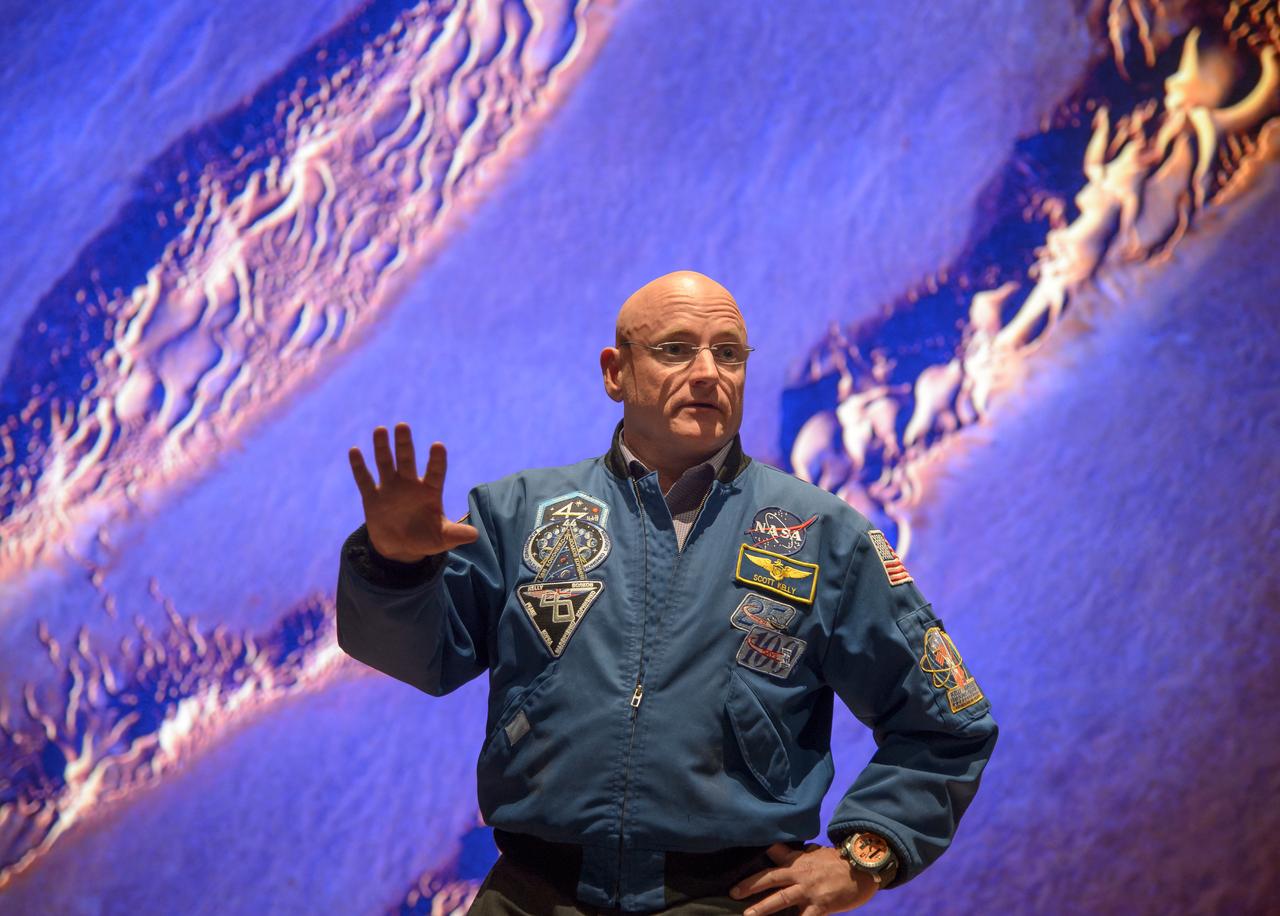
Former NASA astronaut Scott Kelly speaks during an event at the United States Capitol Visitor Center, Wednesday, May 25, 2016, in Washington. Photo Credit: (NASA/Bill Ingalls)
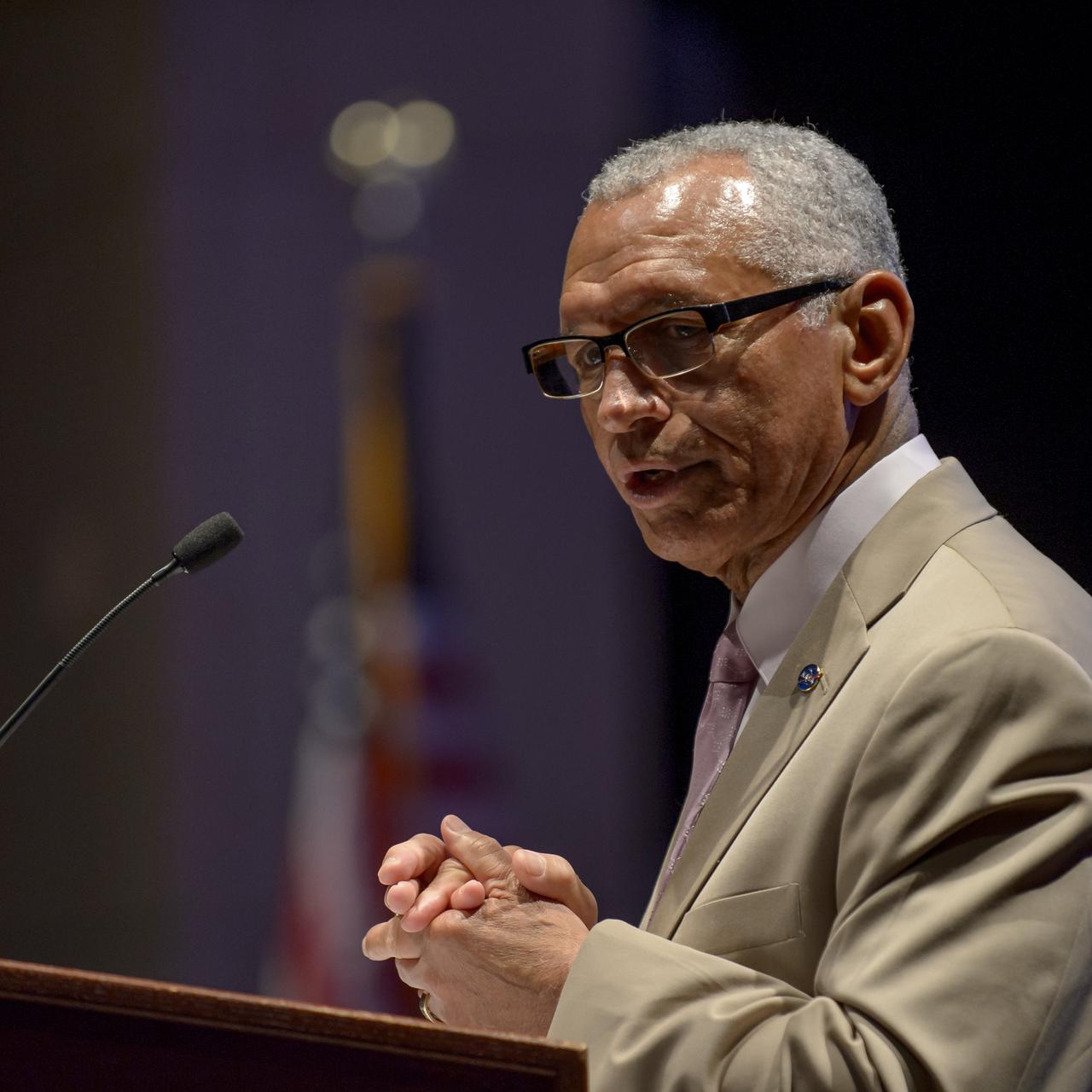
NASA Administrator Charles Bolden introduces former NASA astronaut Scott Kelly during an event at the United States Capitol Visitor Center, Wednesday, May 25, 2016, in Washington. Photo Credit: (NASA/Bill Ingalls)
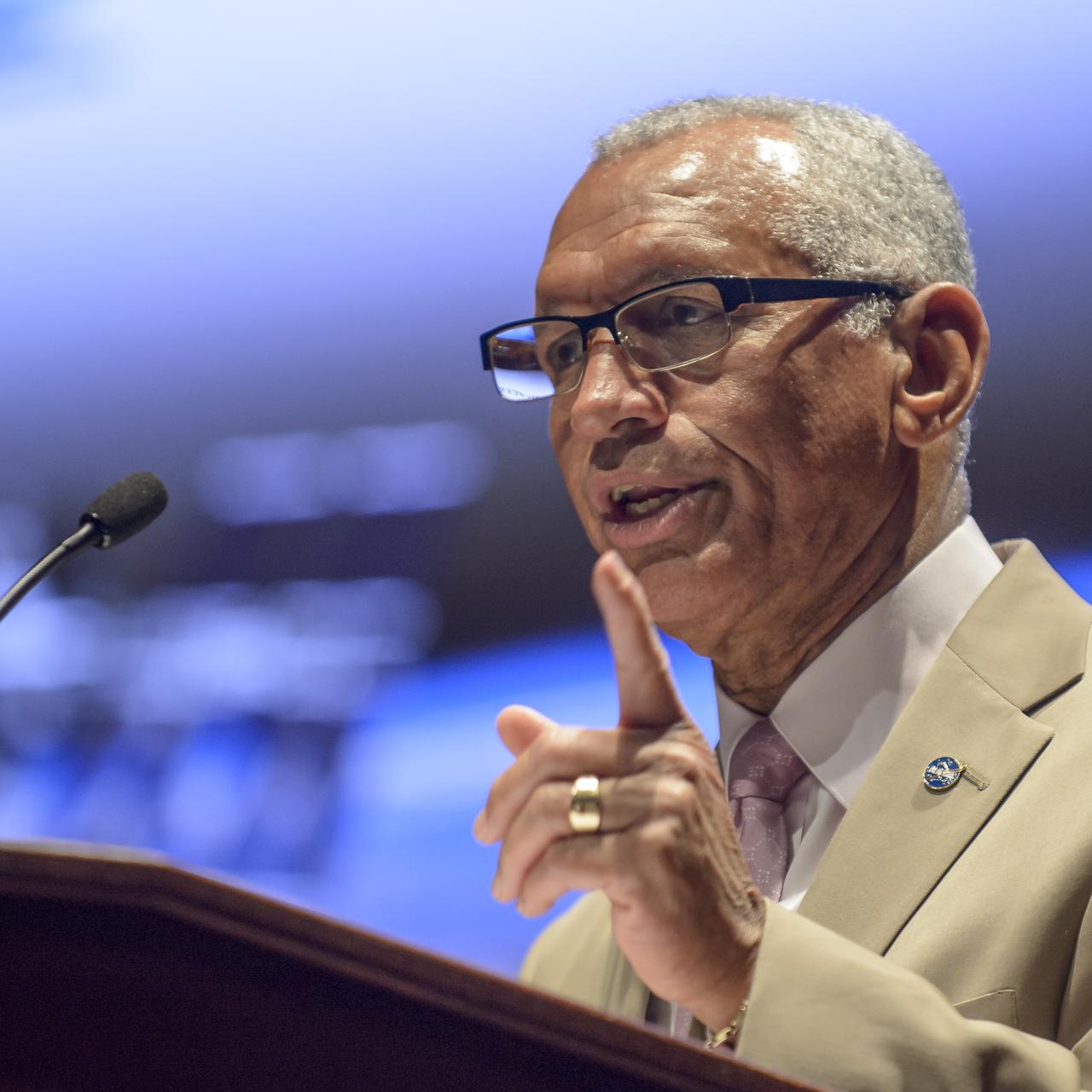
NASA Administrator Charles Bolden introduces former NASA astronaut Scott Kelly during an event at the United States Capitol Visitor Center, Wednesday, May 25, 2016, in Washington. Photo Credit: (NASA/Bill Ingalls)
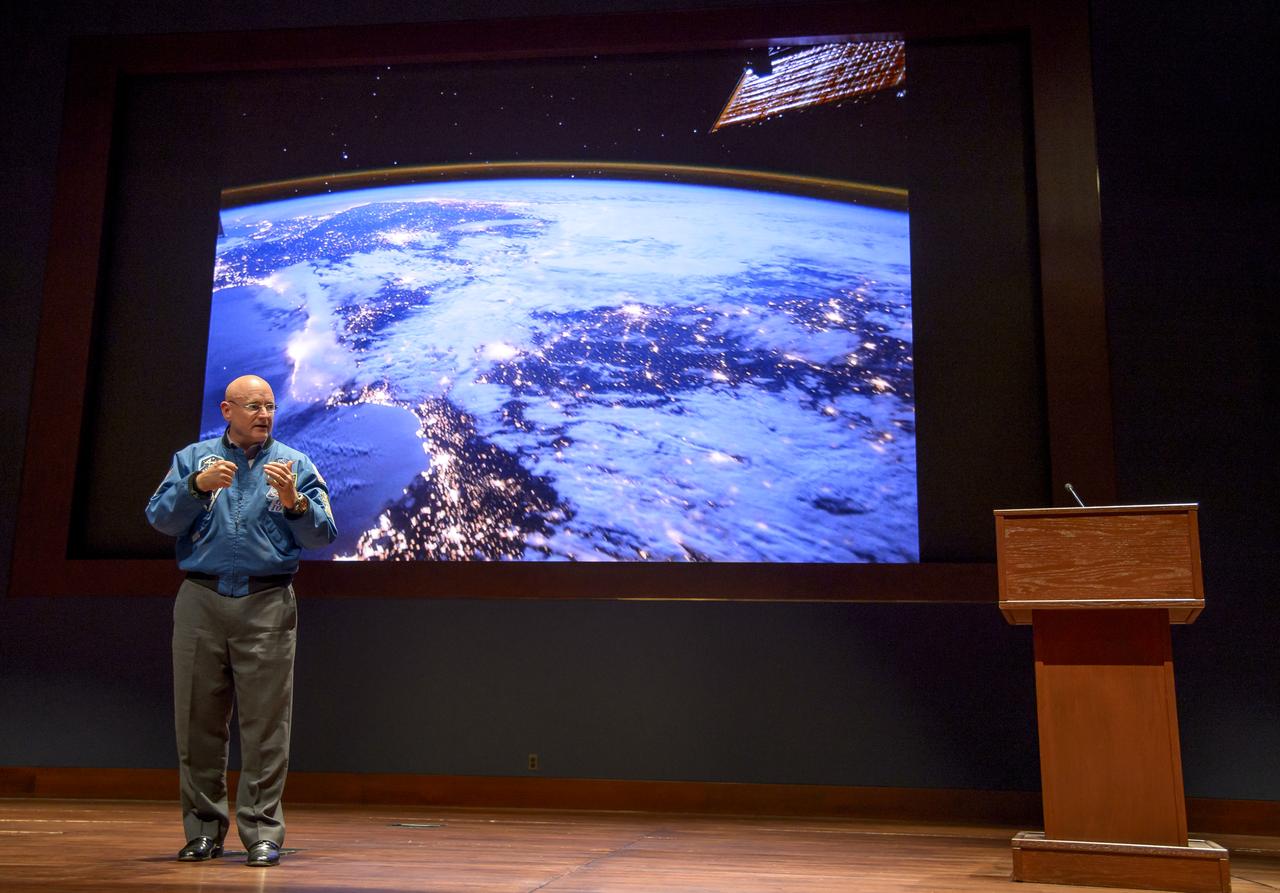
Former NASA astronaut Scott Kelly speaks during an event at the United States Capitol Visitor Center, Wednesday, May 25, 2016, in Washington. Photo Credit: (NASA/Bill Ingalls)
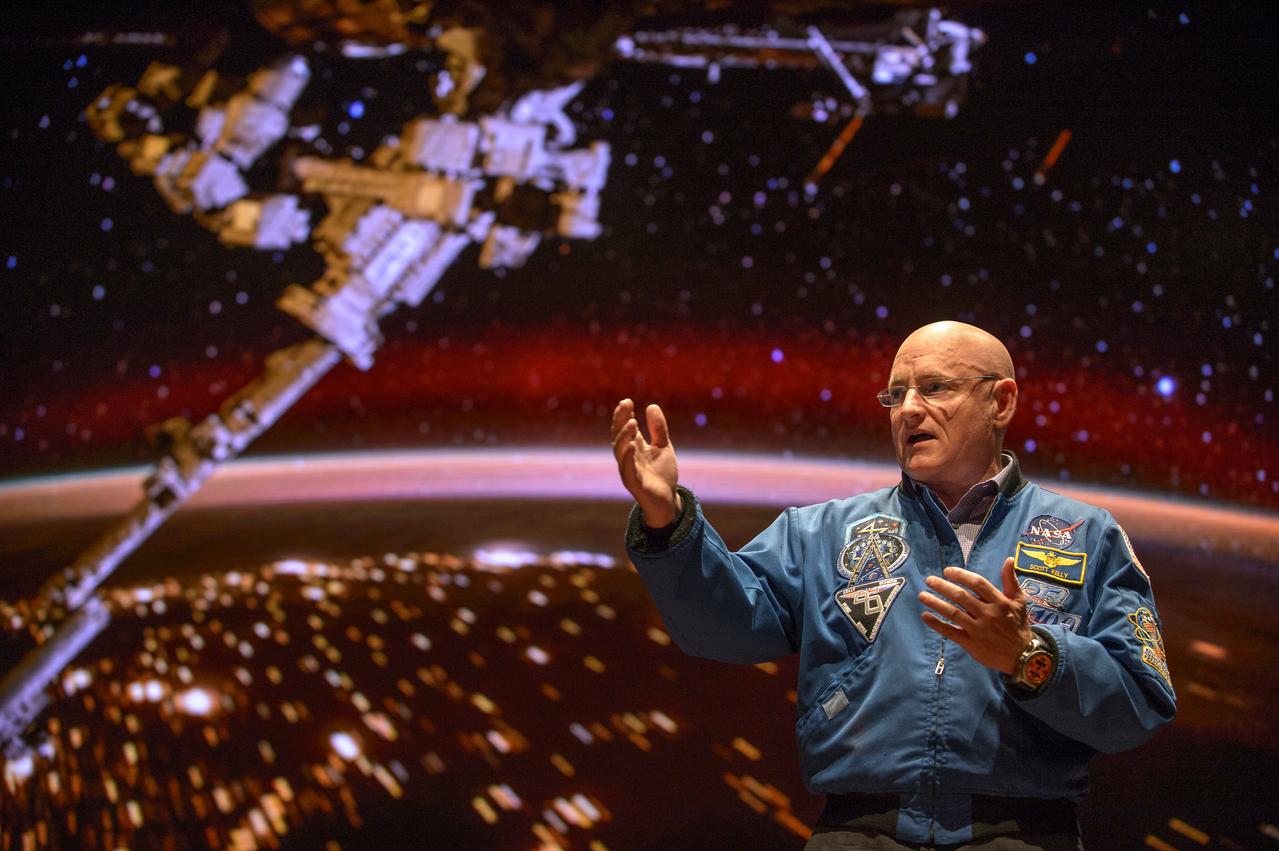
Former NASA astronaut Scott Kelly speaks during an event at the United States Capitol Visitor Center, Wednesday, May 25, 2016, in Washington. Photo Credit: (NASA/Bill Ingalls)
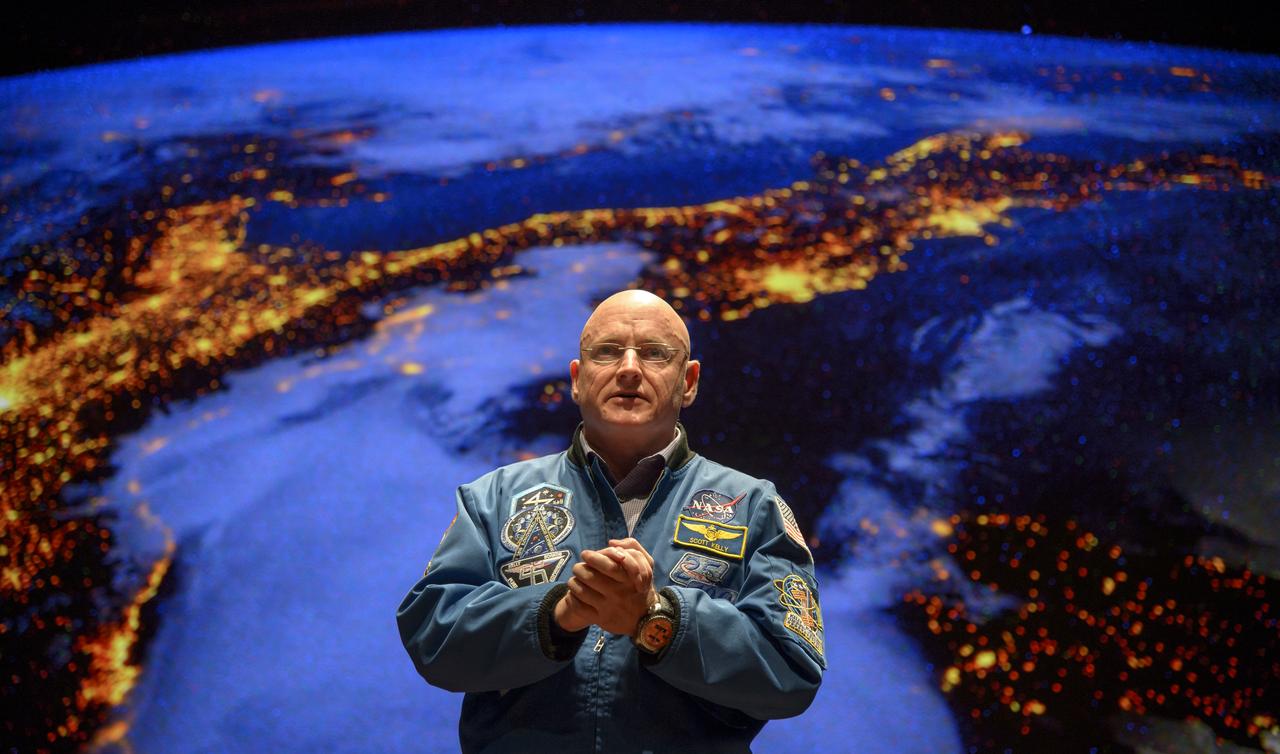
Former NASA astronaut Scott Kelly speaks during an event at the United States Capitol Visitor Center, Wednesday, May 25, 2016, in Washington. Photo Credit: (NASA/Bill Ingalls)
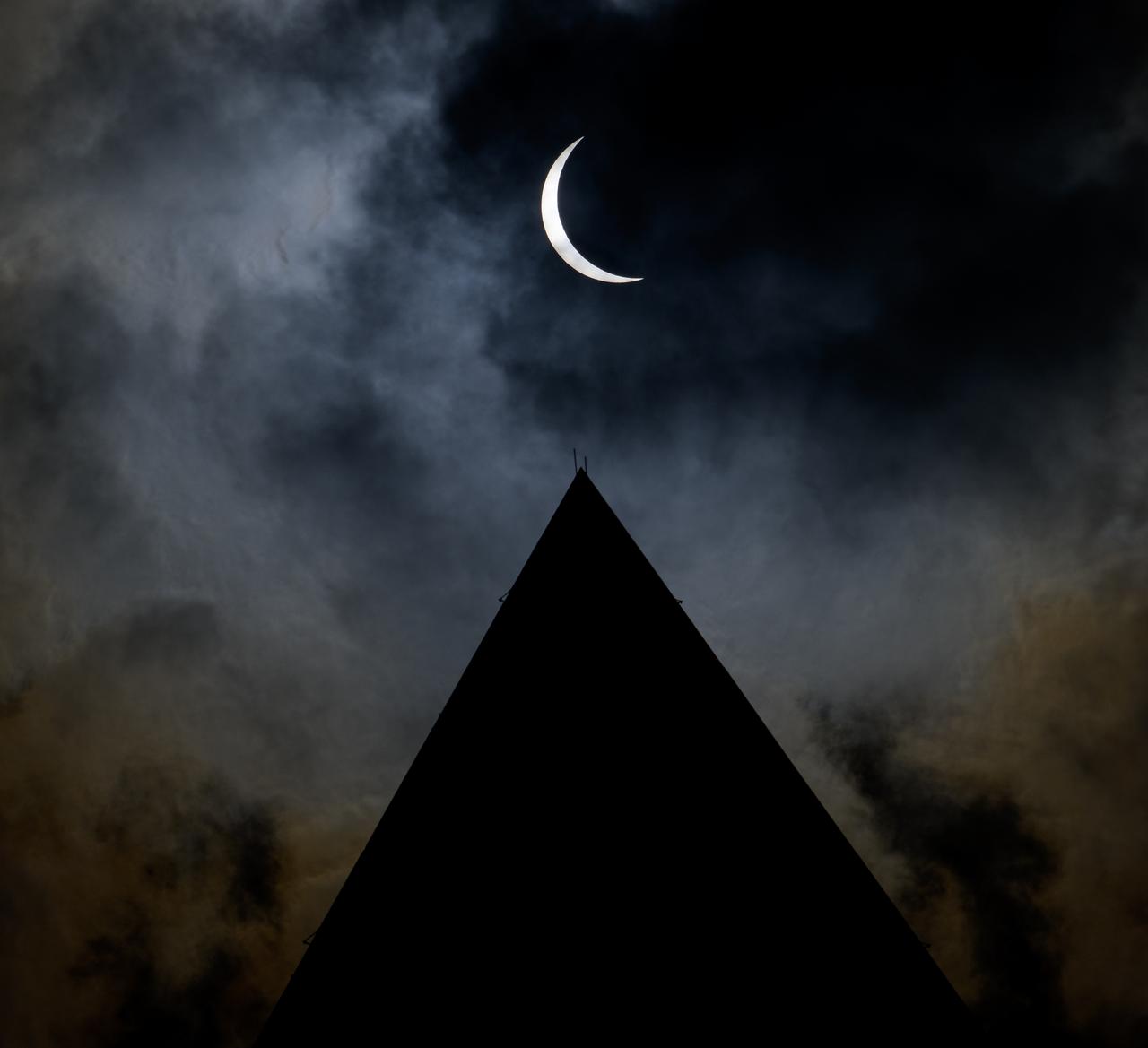
The Moon is seen passing in front of the Sun, with the top of the Washington Monument in silhouette, during a partial solar eclipse in Washington, on Monday, April 8, 2024. A total solar eclipse swept across a narrow portion of the North American continent from Mexico’s Pacific coast to the Atlantic coast of Newfoundland, Canada. A partial solar eclipse was visible across the entire North American continent along with parts of Central America and Europe. Photo Credit: (NASA/Bill Ingalls)

The Moon, top, is seen passing in front of the Sun, with the top of the Washington Monument in silhouette, during a partial solar eclipse in Washington, on Monday, April 8, 2024. A total solar eclipse swept across a narrow portion of the North American continent from Mexico’s Pacific coast to the Atlantic coast of Newfoundland, Canada. A partial solar eclipse was visible across the entire North American continent along with parts of Central America and Europe. Photo Credit: (NASA/Bill Ingalls)
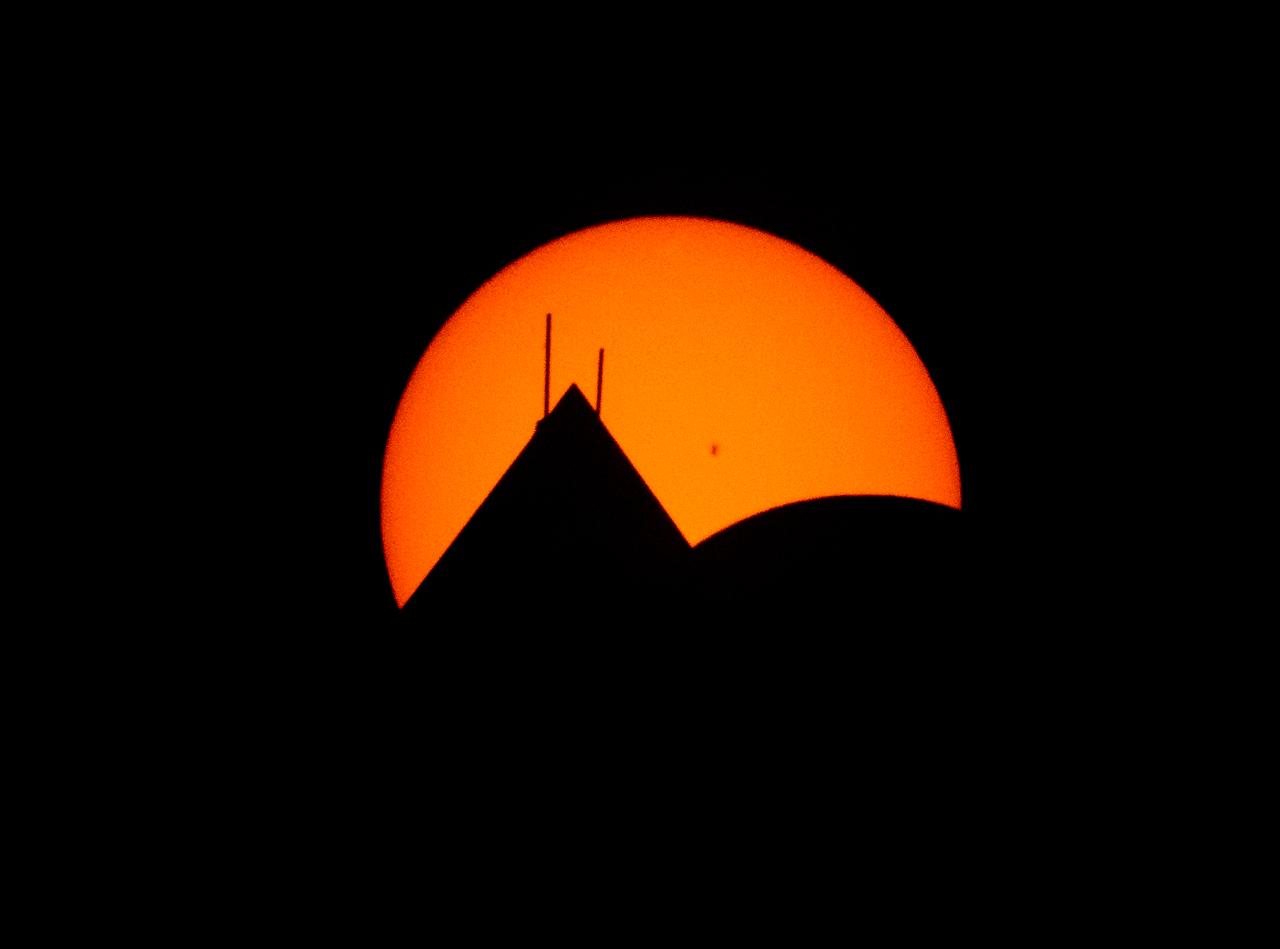
The Moon, lower right, is seen passing in front of the Sun, with the top of the Washington Monument in silhouette, during a partial solar eclipse in Washington, on Monday, April 8, 2024. A total solar eclipse swept across a narrow portion of the North American continent from Mexico’s Pacific coast to the Atlantic coast of Newfoundland, Canada. A partial solar eclipse was visible across the entire North American continent along with parts of Central America and Europe. Photo Credit: (NASA/Bill Ingalls)
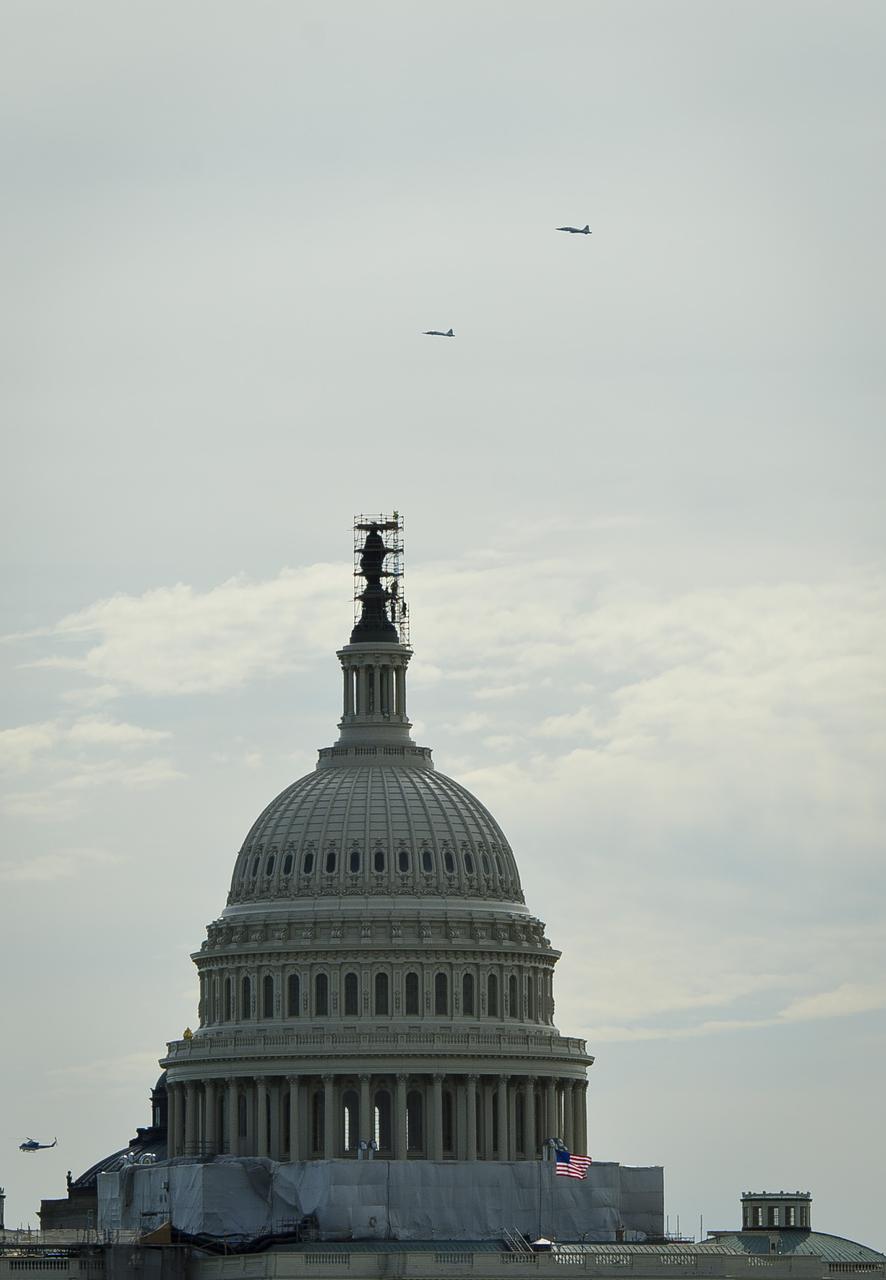
Two NASA T-38 training jets are seen as they fly over the U.S. Capitol, Thursday, April 5, 2012, in Washington. NASA, in cooperation with the Federal Aviation Administration, conducted training and photographic flights over the DC metropolitan area. T-38 aircraft have been used for astronaut training for more than 30 years as they allow pilots and mission specialists to think quickly in changing situations, mental experiences the astronauts say are critical to practicing for the rigors of spaceflight. Photo Credit: (NASA/Paul E. Alers)
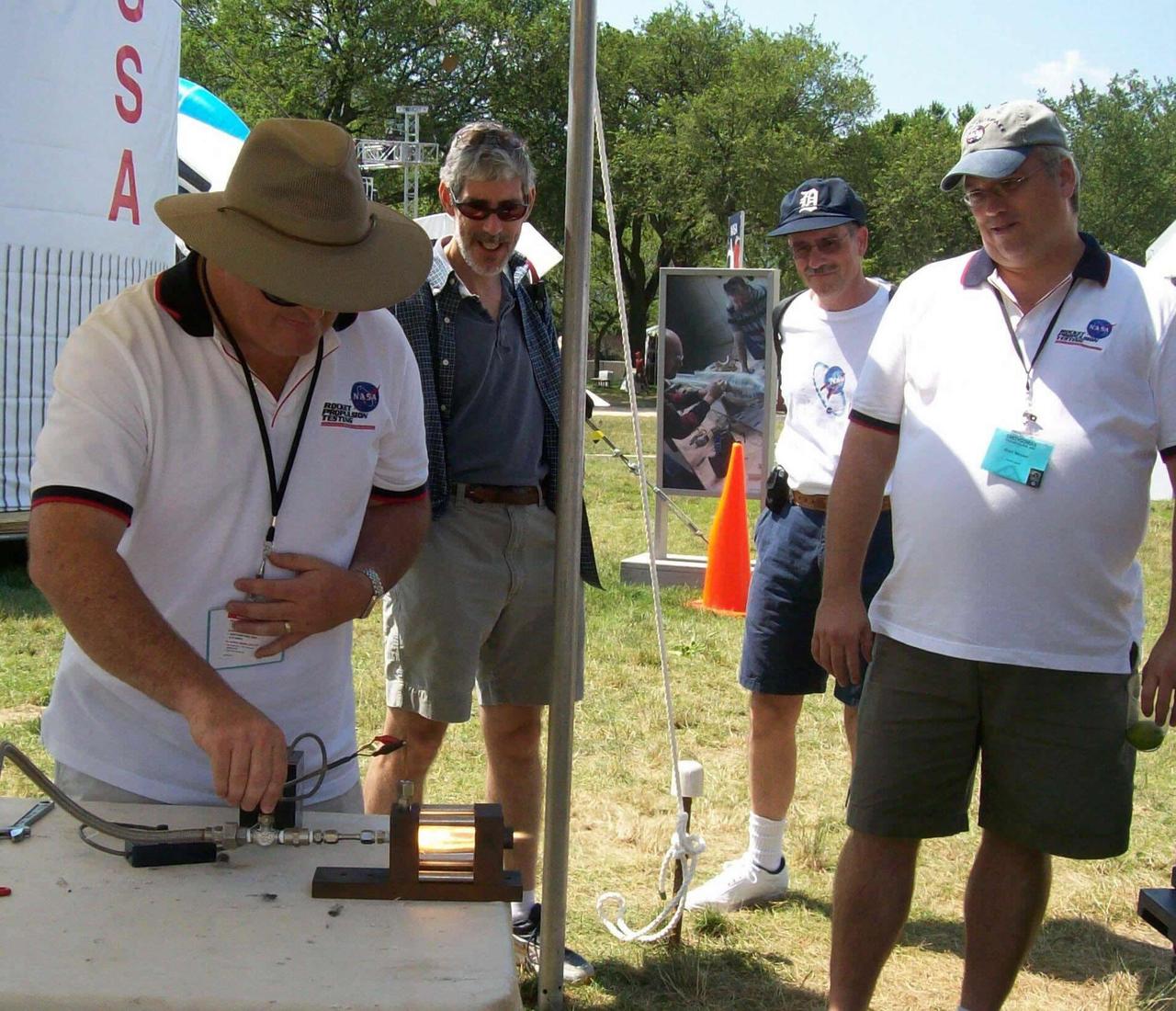
Bryon Maynard (left), an aerospace technologist for Propulsion Systems & Tech in Stennis' Engineering and Science Directorate, uses a 'pocket rocket' to demonstrate the concept of rocket propulsion as part of NASA's exhibit at the Smithsonian Folklife Festival in Washington, D.C. Maynard is joined by Bradley Messer (right), chief of the Systems Engineering & Integration Division in Stennis' Engineering and Science Directorate, and a pair of exhibit visitors.