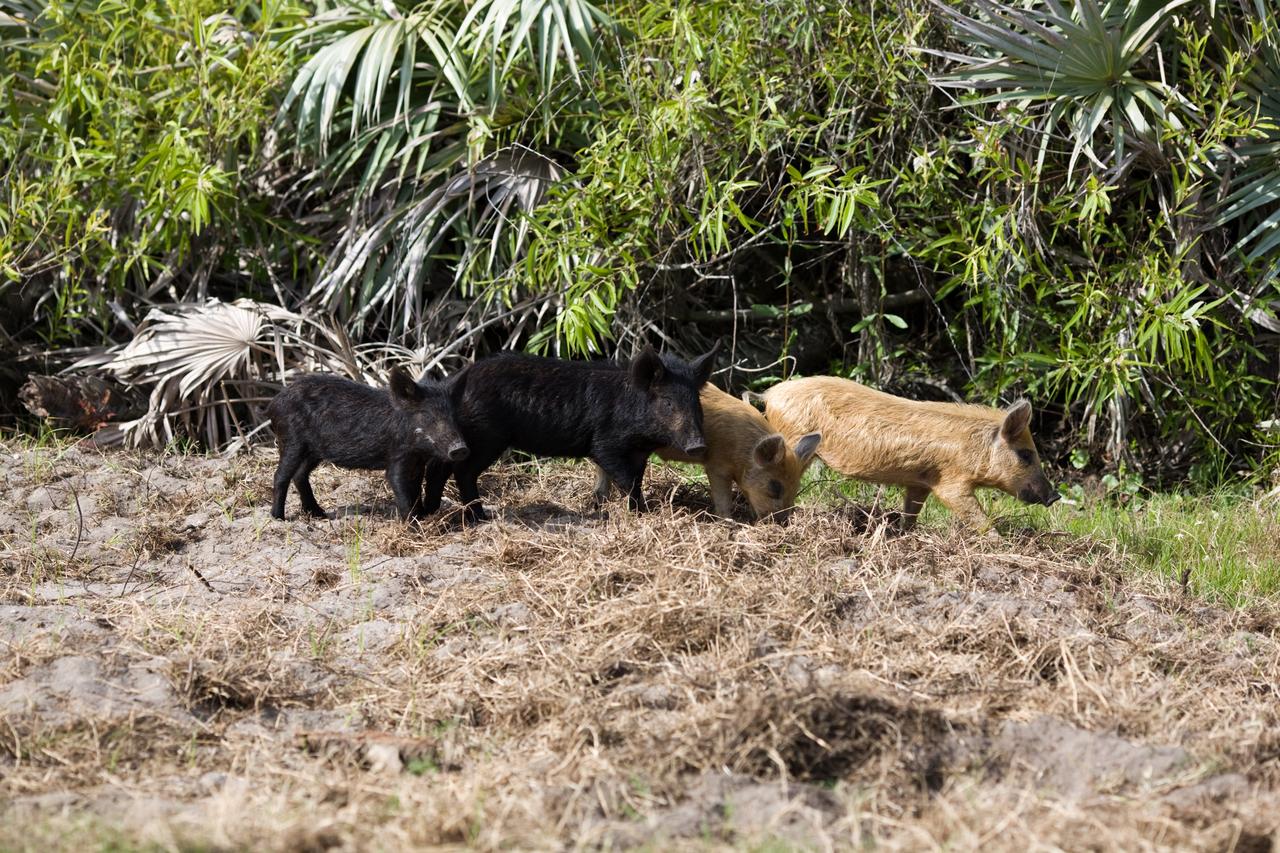
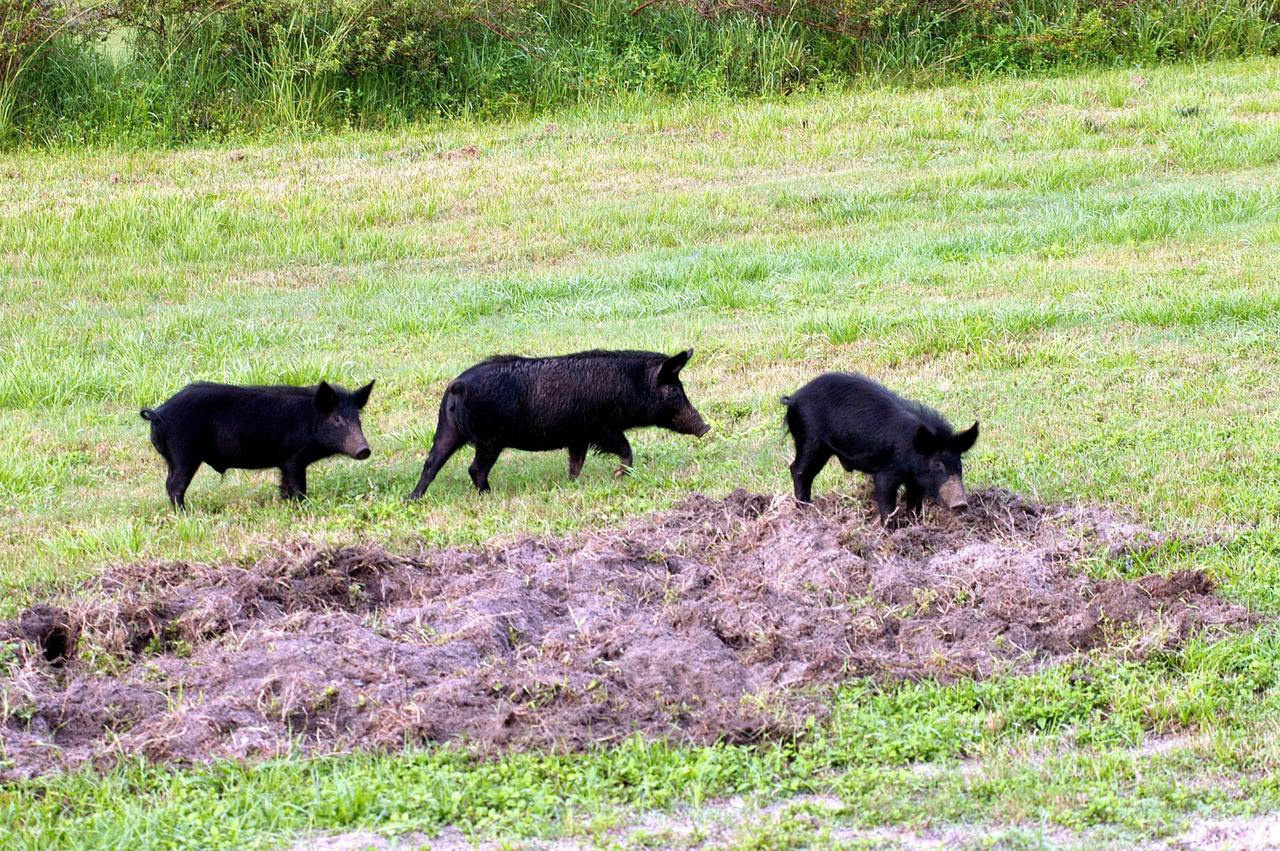
CAPE CANAVERAL, Fla. –– Wild pigs forage for food near a road through NASA's Kennedy Space Center in Florida. The wild pigs have flourished in the environs around Kennedy, which shares a border with the Merritt Island National Wildlife Refuge, without many predators other than panthers and humans. Pigs were introduced to Florida in the 1500s and are now found statewide in wooded areas close to water. Pigs are omnivores, foraging on the ground and rooting just beneath the surface, which damages the groundcover. Wild pigs eat almost anything that has nutritional value, including tubers, roots, shoots, acorns, fruits, berries, earthworms, amphibians, reptiles and rodents. Their appearance is similar to domestic hogs, but leaner, with a longer, narrower head and a coarser, denser coat. Females may have two litters per year. The piglets are weaned in a few weeks but remain with the mother for several months. Photo credit: NASA/Dimitri Gerondidakis
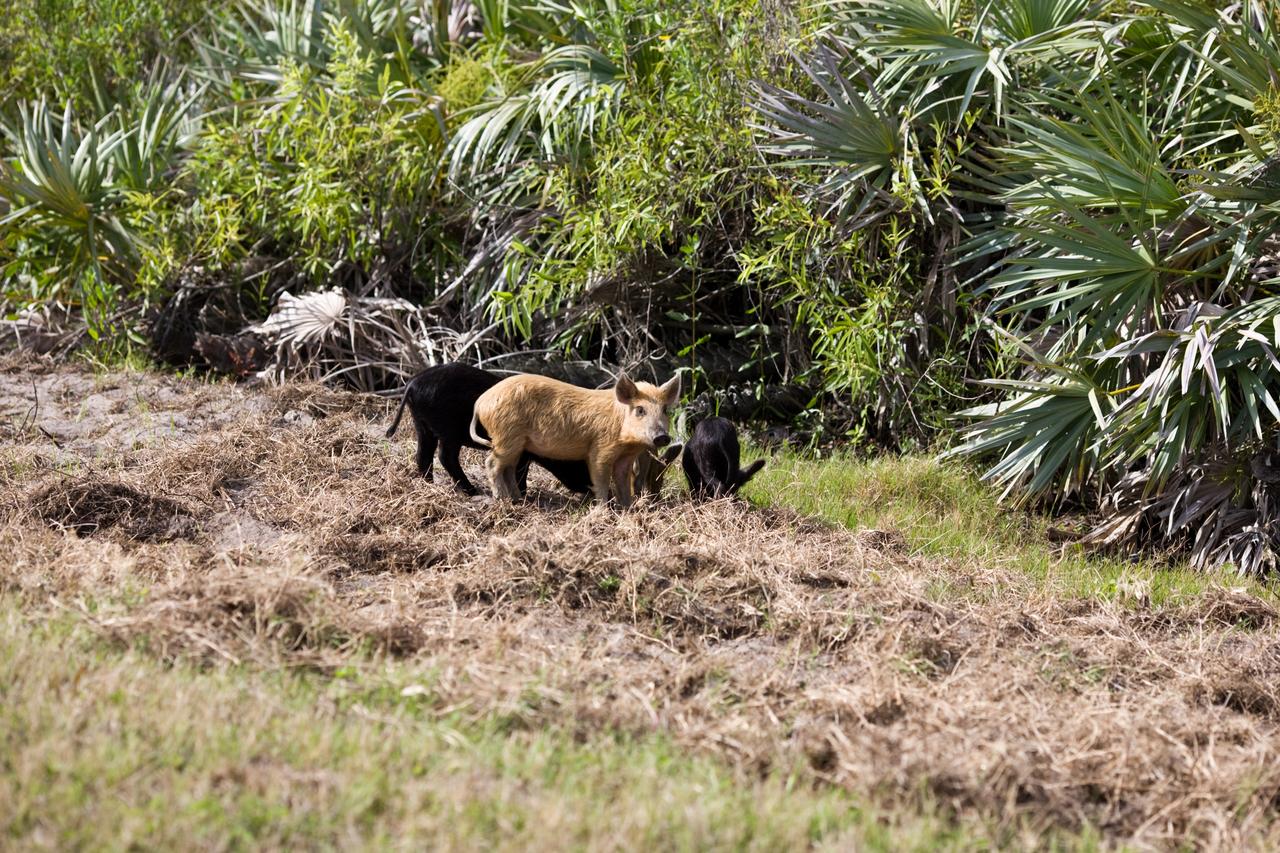
CAPE CANAVERAL, Fla. –– Wild pigs forage for food near a road through NASA's Kennedy Space Center in Florida. The wild pigs have flourished in the environs around Kennedy, which shares a border with the Merritt Island National Wildlife Refuge, without many predators other than panthers and humans. Pigs were introduced to Florida in the 1500s and are now found statewide in wooded areas close to water. Pigs are omnivores, foraging on the ground and rooting just beneath the surface, which damages the groundcover. Wild pigs eat almost anything that has nutritional value, including tubers, roots, shoots, acorns, fruits, berries, earthworms, amphibians, reptiles and rodents. Their appearance is similar to domestic hogs, but leaner, with a longer, narrower head and a coarser, denser coat. Females may have two litters per year. The piglets are weaned in a few weeks but remain with the mother for several months. Photo credit: NASA/Dimitri Gerondidakis
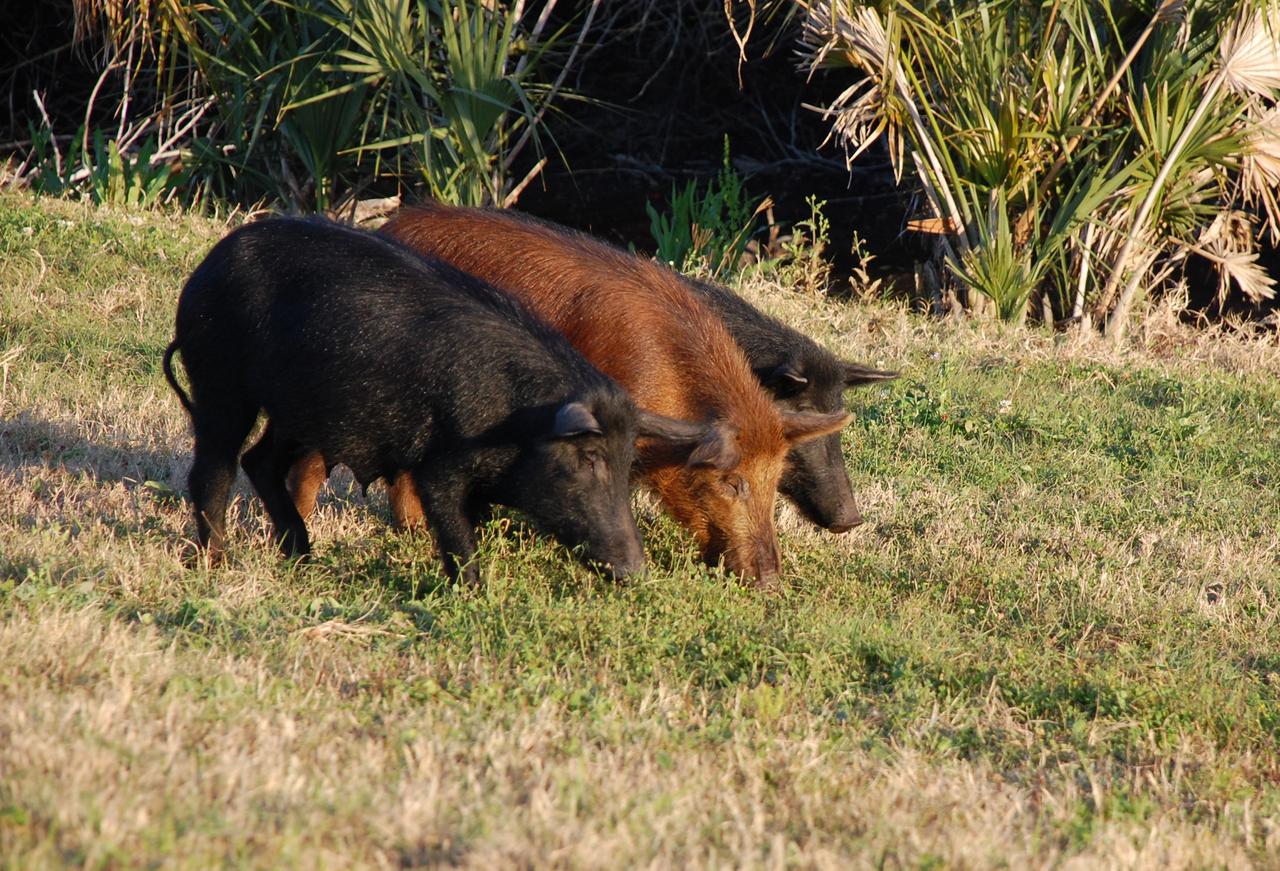
CAPE CANAVERAL, Fla. – – At NASA's Kennedy Space Center in Florida, adult wild pigs line up for their food hunt in the grassy field The wild pigs have flourished in the environs around Kennedy, which shares a border with the Merritt Island National Wildlife Refuge, without many predators other than panthers and humans. Pigs were introduced to Florida in the 1500s and are now found statewide in wooded areas close to water. Pigs are omnivores, foraging on the ground and rooting just beneath the surface, which damages the groundcover. Wild pigs eat almost anything that has nutritional value, including tubers, roots, shoots, acorns, fruits, berries, earthworms, amphibians, reptiles and rodents. Their appearance is similar to domestic hogs, but leaner, with a longer, narrower head and a coarser, denser coat. Females may have two litters per year. The piglets are weaned in a few weeks but remain with the mother for several months. Photo credit: NASA/Ben Smegelsky
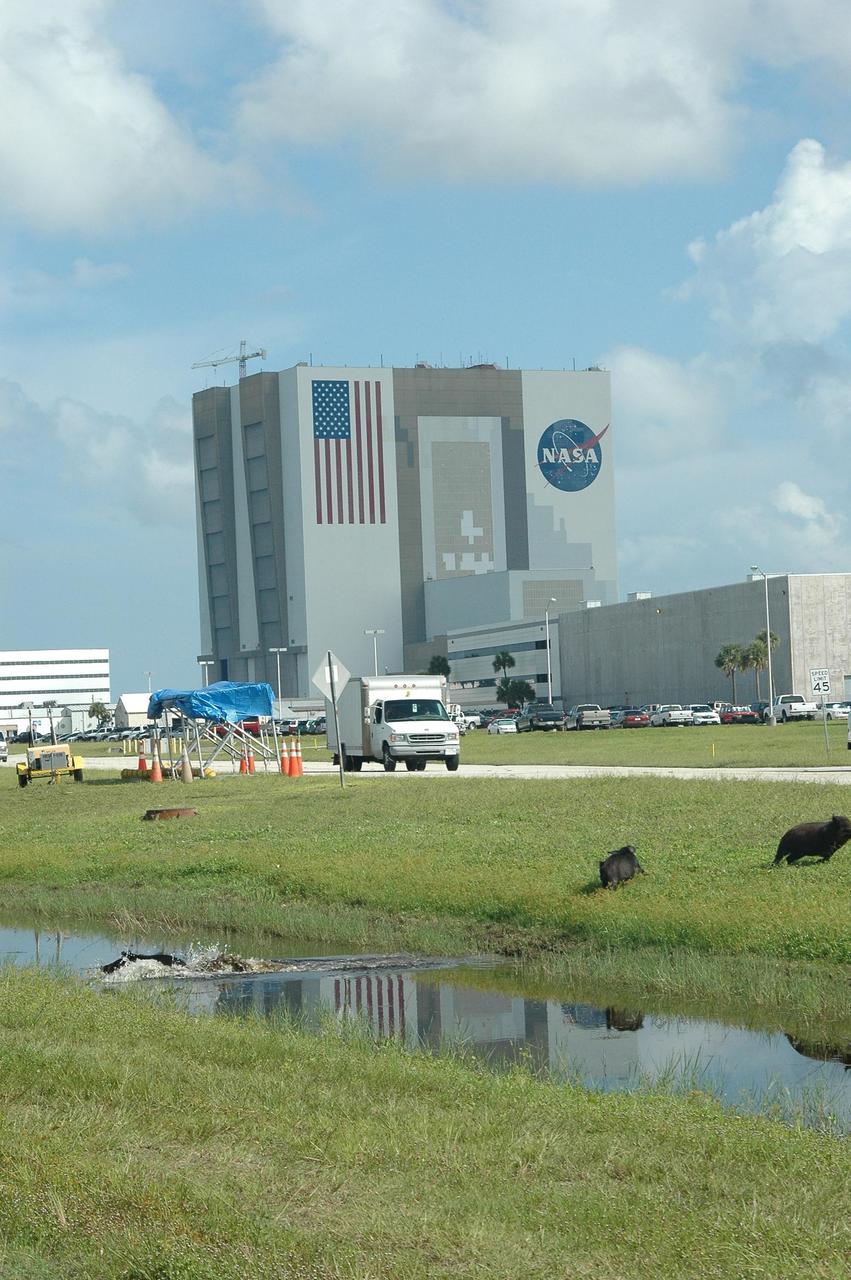
KENNEDY SPACE CENTER, FLA. - A wild pig splashes through a canal near NASA Kennedy Space Center’s Vehicle Assembly Building while its companions stay nearby on the bank. The wild pigs have flourished in the environs around KSC, which shares a border with the Merritt Island National Wildlife Refuge, without many predators other than panthers and humans. Pigs were introduced to Florida in the 1500s and are now found statewide in wooded areas close to water. Pigs are omnivores, foraging on the ground and rooting just beneath the surface, which damages the groundcover. Wild pigs eat almost anything that has nutritional value, including tubers, roots, shoots, acorns, fruits, berries, earthworms, amphibians, reptiles and rodents. Appearance is similar to domestic hogs, but leaner, with a longer, narrower head and a coarser, denser coat. Females may have two litters per year. The piglets are weaned in a few weeks but remain with the mother for several months.
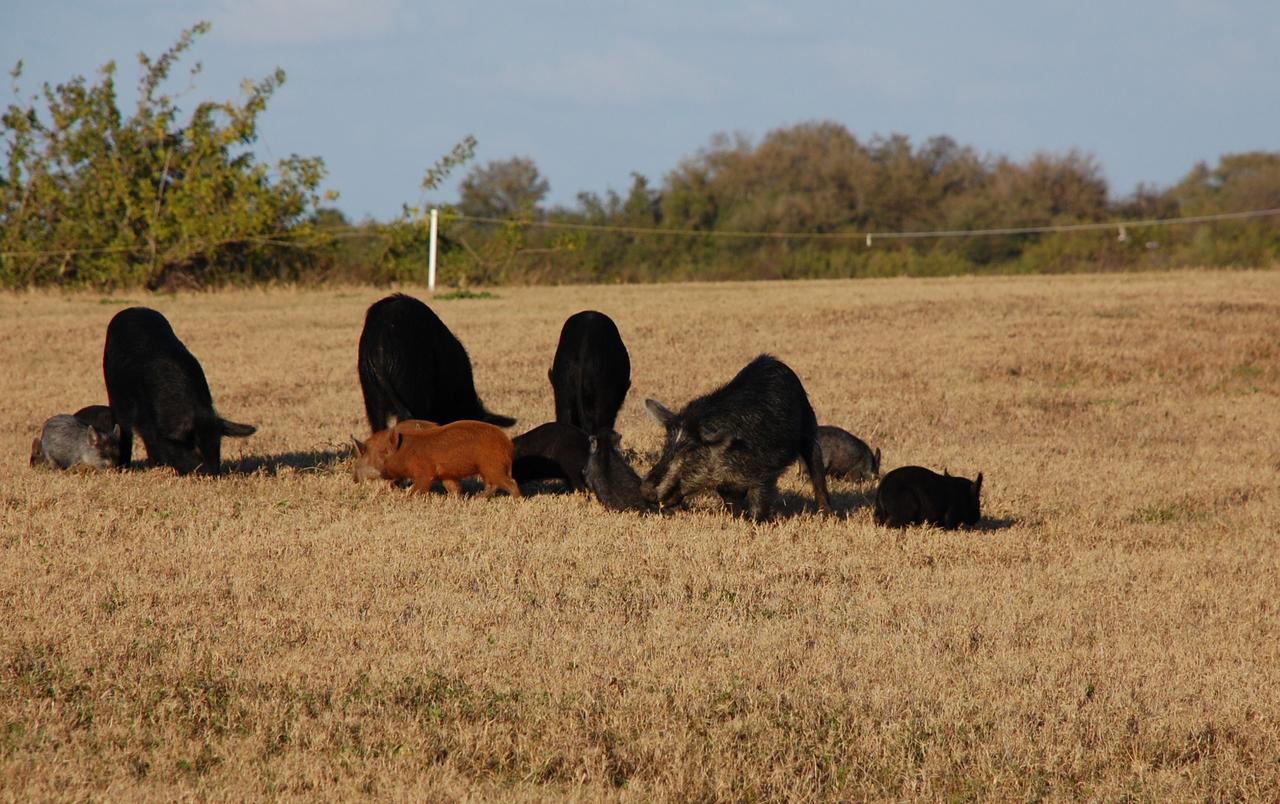
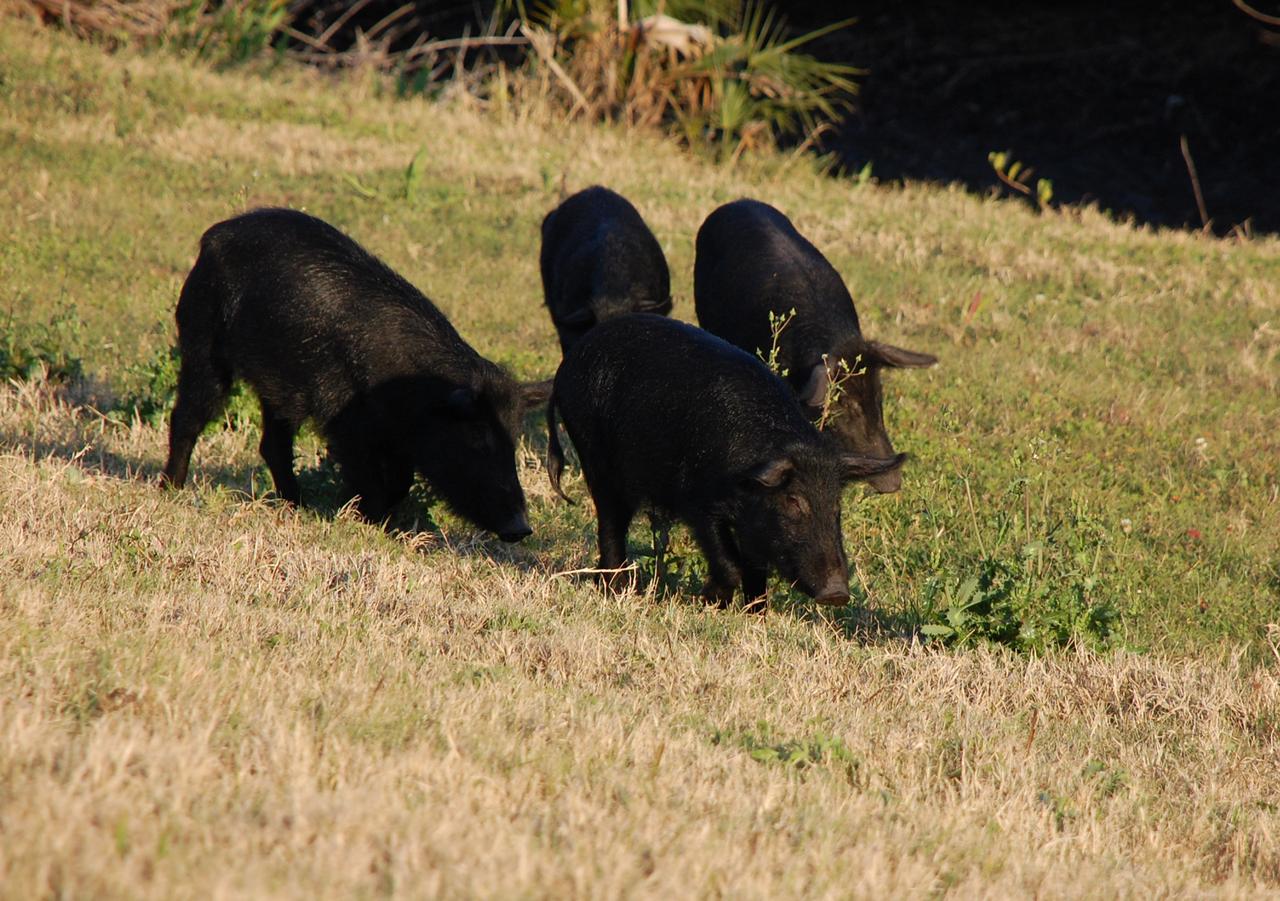
CAPE CANAVERAL, Fla. – At NASA's Kennedy Space Center in Florida, a family of wild pigs roots through the grass for food. The wild pigs have flourished in the environs around Kennedy, which shares a border with the Merritt Island National Wildlife Refuge, without many predators other than panthers and humans. Pigs were introduced to Florida in the 1500s and are now found statewide in wooded areas close to water. Pigs are omnivores, foraging on the ground and rooting just beneath the surface, which damages the groundcover. Wild pigs eat almost anything that has nutritional value, including tubers, roots, shoots, acorns, fruits, berries, earthworms, amphibians, reptiles and rodents. Their appearance is similar to domestic hogs, but leaner, with a longer, narrower head and a coarser, denser coat. Females may have two litters per year. The piglets are weaned in a few weeks but remain with the mother for several months. Photo credit: NASA/Ben Smegelsky
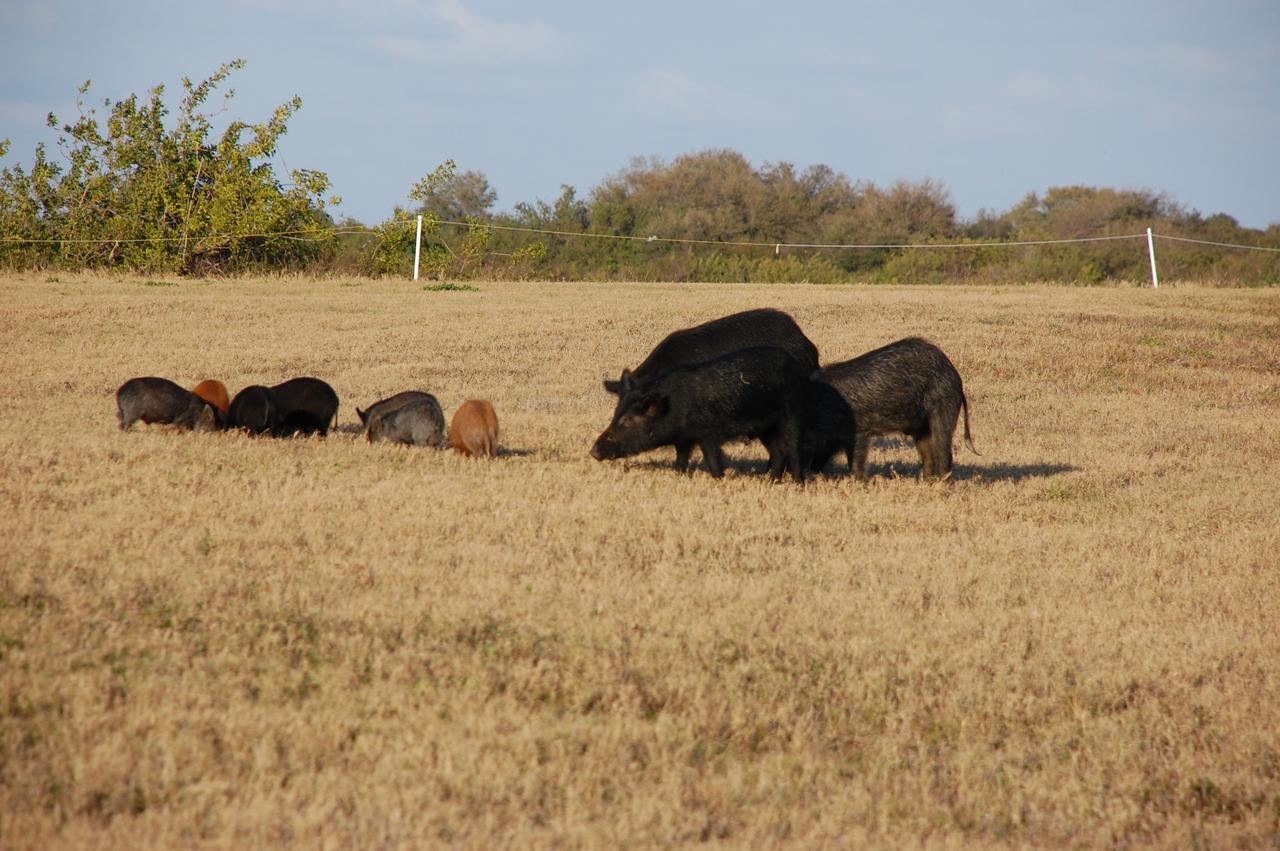
CAPE CANAVERAL, Fla. – At NASA's Kennedy Space Center in Florida, a family of wild pigs roots through the grass for food. The wild pigs have flourished in the environs around Kennedy, which shares a border with the Merritt Island National Wildlife Refuge, without many predators other than panthers and humans. Pigs were introduced to Florida in the 1500s and are now found statewide in wooded areas close to water. Pigs are omnivores, foraging on the ground and rooting just beneath the surface, which damages the groundcover. Wild pigs eat almost anything that has nutritional value, including tubers, roots, shoots, acorns, fruits, berries, earthworms, amphibians, reptiles and rodents. Their appearance is similar to domestic hogs, but leaner, with a longer, narrower head and a coarser, denser coat. Females may have two litters per year. The piglets are weaned in a few weeks but remain with the mother for several months. Photo credit: NASA/Ben Smegelsky
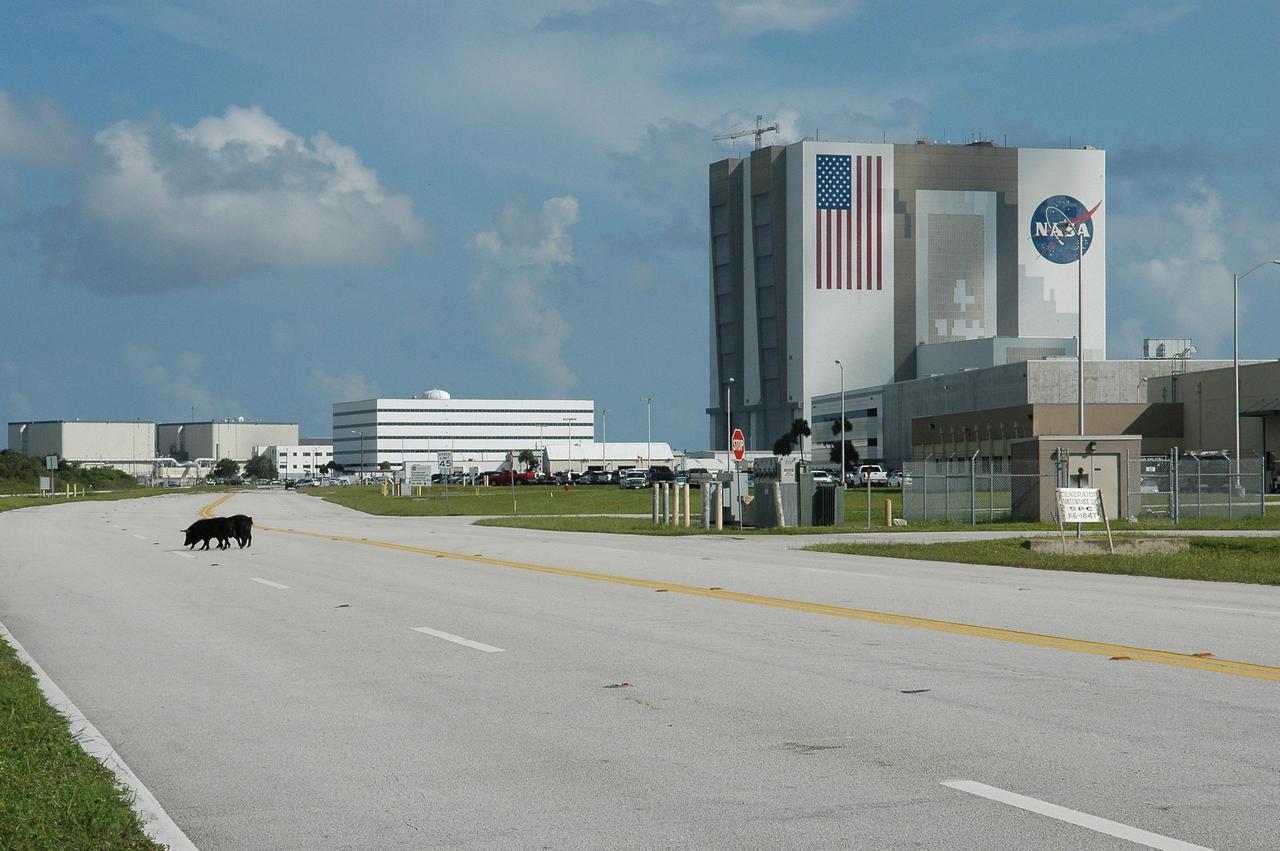
KENNEDY SPACE CENTER, FLA. - Out for a stroll on a sunny Florida day, a trio of wild pigs cross the road near NASA Kennedy Space Center’s Vehicle Assembly Building, in the background. The wild pigs have flourished in the environs around KSC, which shares a border with the Merritt Island National Wildlife Refuge, without many predators other than panthers and humans. Pigs were introduced to Florida in the 1500s and are now found statewide in wooded areas close to water. Pigs are omnivores, foraging on the ground and rooting just beneath the surface, which damages the groundcover. Wild pigs eat almost anything that has nutritional value, including tubers, roots, shoots, acorns, fruits, berries, earthworms, amphibians, reptiles and rodents. Appearance is similar to domestic hogs, but leaner, with a longer, narrower head and a coarser, denser coat. Females may have two litters per year. The piglets are weaned in a few weeks but remain with the mother for several months.
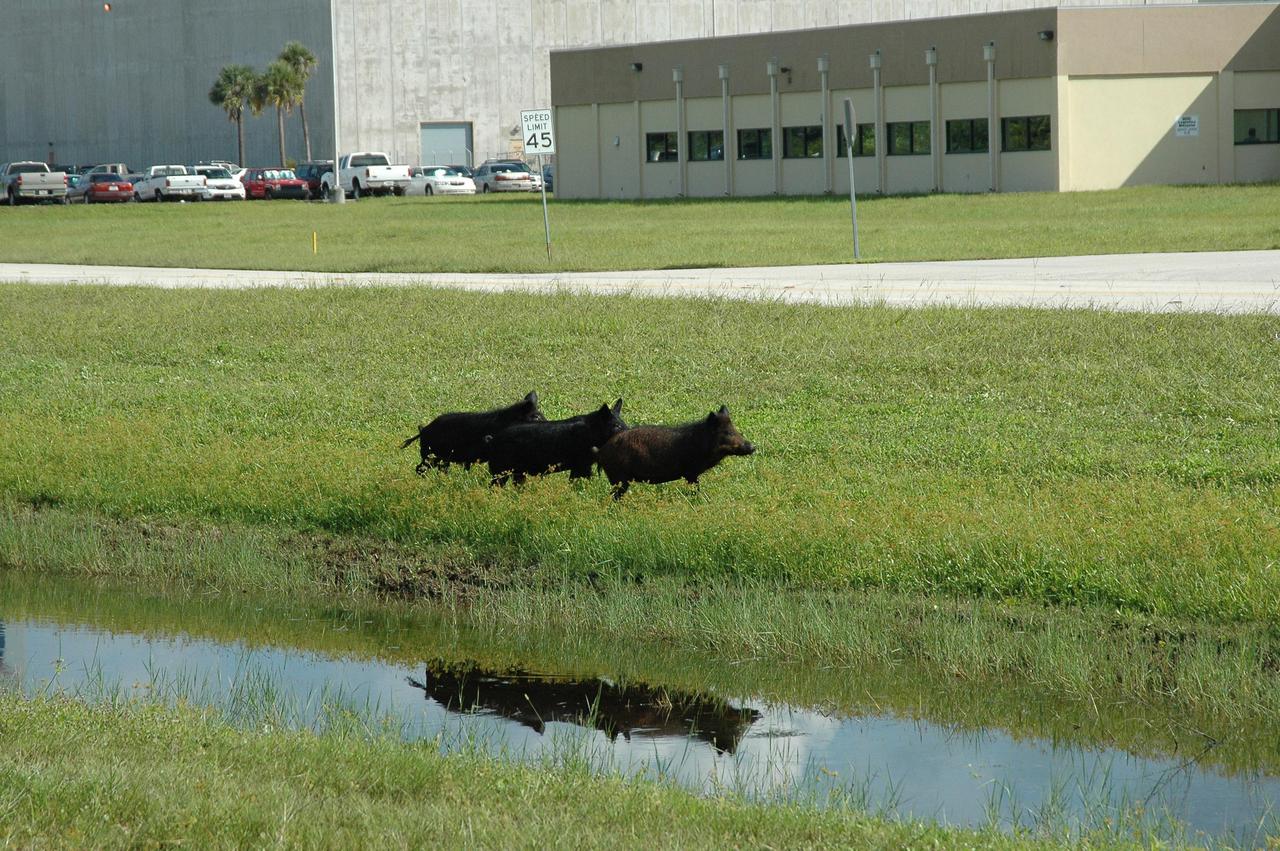
KENNEDY SPACE CENTER, FLA. - As if posing for the photographer, a trio of wild pigs pause during their stroll along a canal near NASA Kennedy Space Center’s Launch Control Center, in the background. The wild pigs have flourished in the environs around KSC, which shares a border with the Merritt Island National Wildlife Refuge, without many predators other than panthers and humans. Pigs were introduced to Florida in the 1500s and are now found statewide in wooded areas close to water. Pigs are omnivores, foraging on the ground and rooting just beneath the surface, which damages the groundcover. Wild pigs eat almost anything that has nutritional value, including tubers, roots, shoots, acorns, fruits, berries, earthworms, amphibians, reptiles and rodents. Appearance is similar to domestic hogs, but leaner, with a longer, narrower head and a coarser, denser coat. Females may have two litters per year. The piglets are weaned in a few weeks but remain with the mother for several months.
KENNEDY SPACE CENTER, FLA. - Three wild pigs - a mother and her two offspring - root for food in the grass near the NASA News Center at KSC. Feral pigs were introduced to Florida in the 1500s and are now found statewide in wooded areas close to water. The pigs have flourished in the environs around KSC, which shares a border with the Merritt Island National Wildlife Refuge, without many predators other than panthers and humans. Pigs are omnivores, foraging on the ground and rooting just beneath the surface, which damages the groundcover. Wild pigs eat almost anything that has nutritional value, including tubers, roots, shoots, acorns, fruits, berries, earthworms, amphibians, reptiles and rodents. Appearance is similar to domestic hogs, but leaner, with a longer, narrower head and a coarser, denser coat. Females may have two litters per year. The piglets are weaned in a few weeks but remain with the mother for several months.
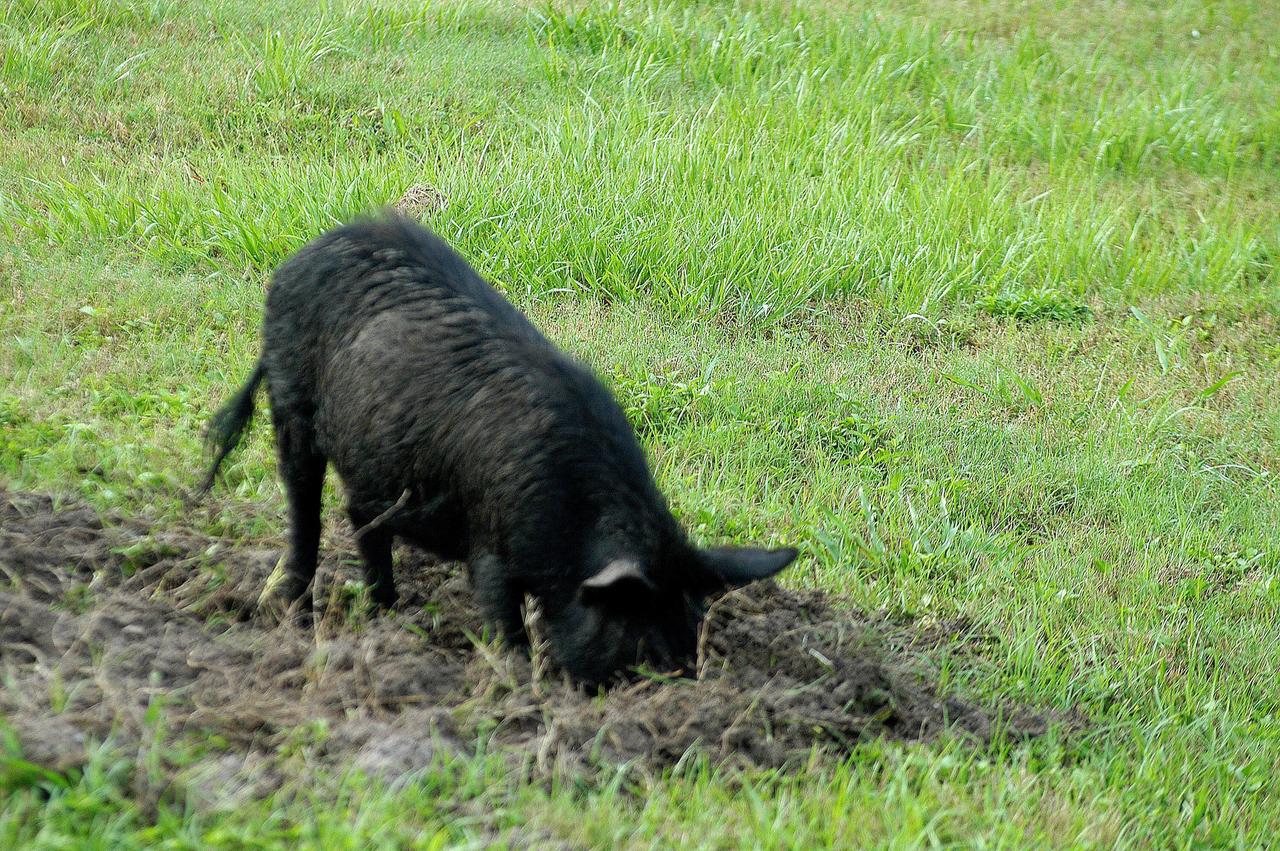
KENNEDY SPACE CENTER, FLA. - A young wild pig roots in the grass for food in an area near the NASA News Center at KSC. Feral pigs were introduced to Florida in the 1500s and are now found statewide in wooded areas close to water. The pigs have flourished in the environs around KSC, which shares a border with the Merritt Island National Wildlife Refuge, without many predators other than panthers and humans. Pigs are omnivores, foraging on the ground and rooting just beneath the surface, which damages the groundcover. Wild pigs eat almost anything that has nutritional value, including tubers, roots, shoots, acorns, fruits, berries, earthworms, amphibians, reptiles and rodents. Appearance is similar to domestic hogs, but leaner, with a longer, narrower head and a coarser, denser coat. Females may have two litters per year. The piglets are weaned in a few weeks but remain with the mother for several months.
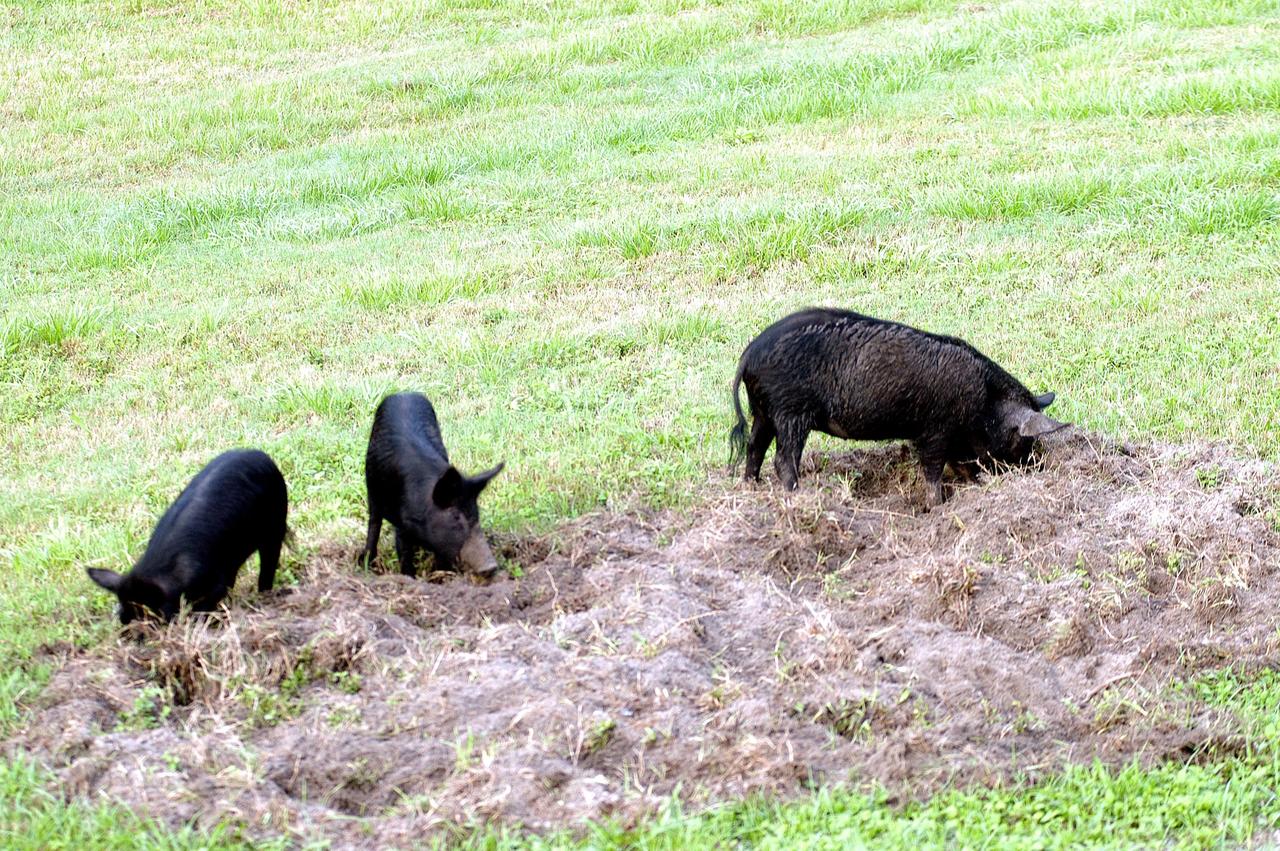
CAPE CANAVERAL, Fla. – At NASA's Kennedy Space Center in Florida, adult wild pigs hunt for food in the grassy field. The wild pigs have flourished in the environs around Kennedy, which shares a border with the Merritt Island National Wildlife Refuge, without many predators other than panthers and humans. Pigs were introduced to Florida in the 1500s and are now found statewide in wooded areas close to water. Pigs are omnivores, foraging on the ground and rooting just beneath the surface, which damages the groundcover. Wild pigs eat almost anything that has nutritional value, including tubers, roots, shoots, acorns, fruits, berries, earthworms, amphibians, reptiles and rodents. Their appearance is similar to domestic hogs, but leaner, with a longer, narrower head and a coarser, denser coat. Females may have two litters per year. The piglets are weaned in a few weeks but remain with the mother for several months. Photo credit: NASA/Ben Smegelsky
KENNEDY SPACE CENTER, FLA. - Three wild pigs - a mother and her two offspring - root for food in the grass near the NASA News Center at KSC. Feral pigs were introduced to Florida in the 1500s and are now found statewide in wooded areas close to water. The pigs have flourished in the environs around KSC, which shares a border with the Merritt Island National Wildlife Refuge, without many predators other than panthers and humans. Pigs are omnivores, foraging on the ground and rooting just beneath the surface, which damages the groundcover. Wild pigs eat almost anything that has nutritional value, including tubers, roots, shoots, acorns, fruits, berries, earthworms, amphibians, reptiles and rodents. Appearance is similar to domestic hogs, but leaner, with a longer, narrower head and a coarser, denser coat. Females may have two litters per year. The piglets are weaned in a few weeks but remain with the mother for several months.
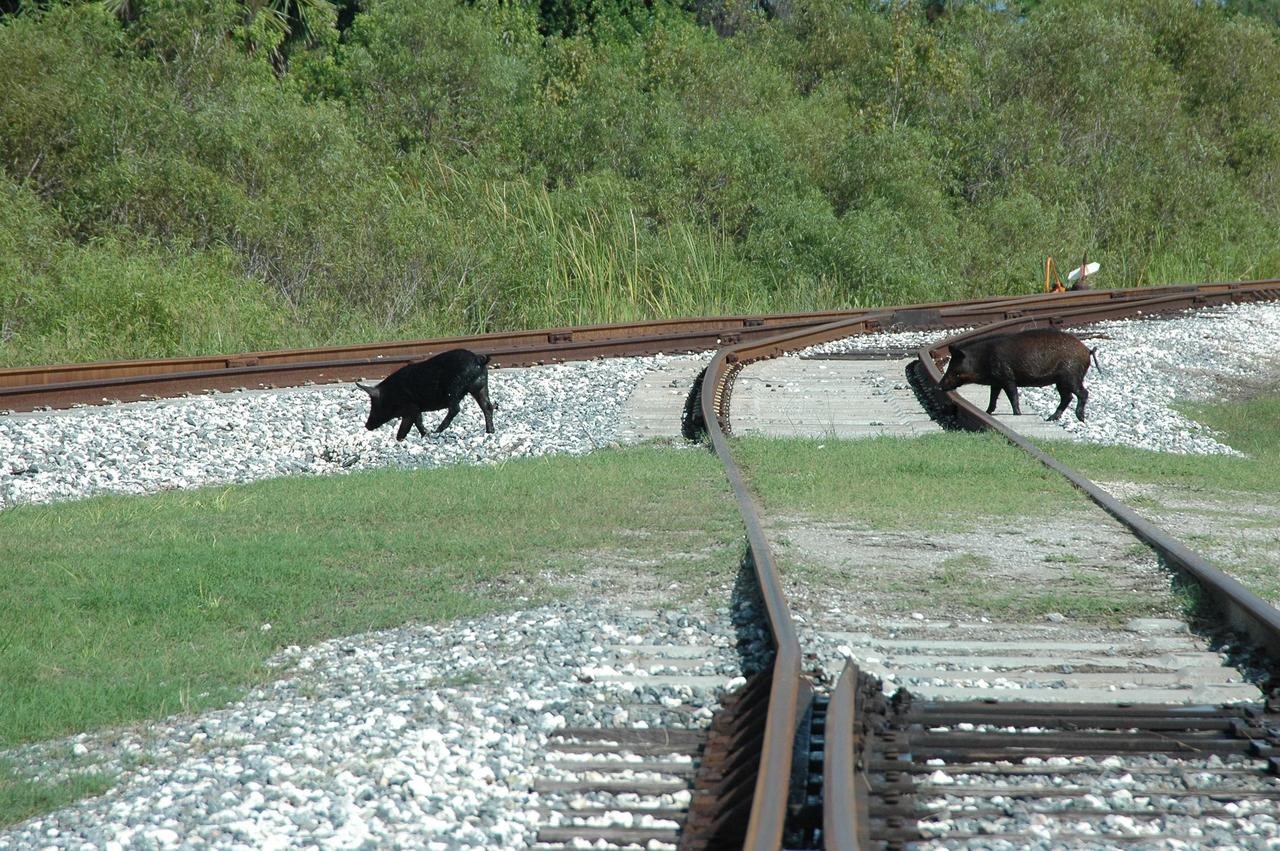
KENNEDY SPACE CENTER, FLA. - Two wild pigs cross railroad tracks on grounds at NASA Kennedy Space Center. The wild pigs have flourished in the environs around KSC, which shares a border with the Merritt Island National Wildlife Refuge, without many predators other than panthers and humans. Pigs were introduced to Florida in the 1500s and are now found statewide in wooded areas close to water. Pigs are omnivores, foraging on the ground and rooting just beneath the surface, which damages the groundcover. Wild pigs eat almost anything that has nutritional value, including tubers, roots, shoots, acorns, fruits, berries, earthworms, amphibians, reptiles and rodents. Appearance is similar to domestic hogs, but leaner, with a longer, narrower head and a coarser, denser coat. Females may have two litters per year. The piglets are weaned in a few weeks but remain with the mother for several months.

CAPE CANAVERAL, Fla. – At NASA's Kennedy Space Center in Florida, a wild pig stops hunting for food to eye the photographer. This pig is part of a larger family in the area. The wild pigs have flourished in the environs around Kennedy, which shares a border with the Merritt Island National Wildlife Refuge, without many predators other than panthers and humans. Pigs were introduced to Florida in the 1500s and are now found statewide in wooded areas close to water. Pigs are omnivores, foraging on the ground and rooting just beneath the surface, which damages the groundcover. Wild pigs eat almost anything that has nutritional value, including tubers, roots, shoots, acorns, fruits, berries, earthworms, amphibians, reptiles and rodents. Their appearance is similar to domestic hogs, but leaner, with a longer, narrower head and a coarser, denser coat. Females may have two litters per year. The piglets are weaned in a few weeks but remain with the mother for several months. Photo credit: NASA/Ben Smegelsky
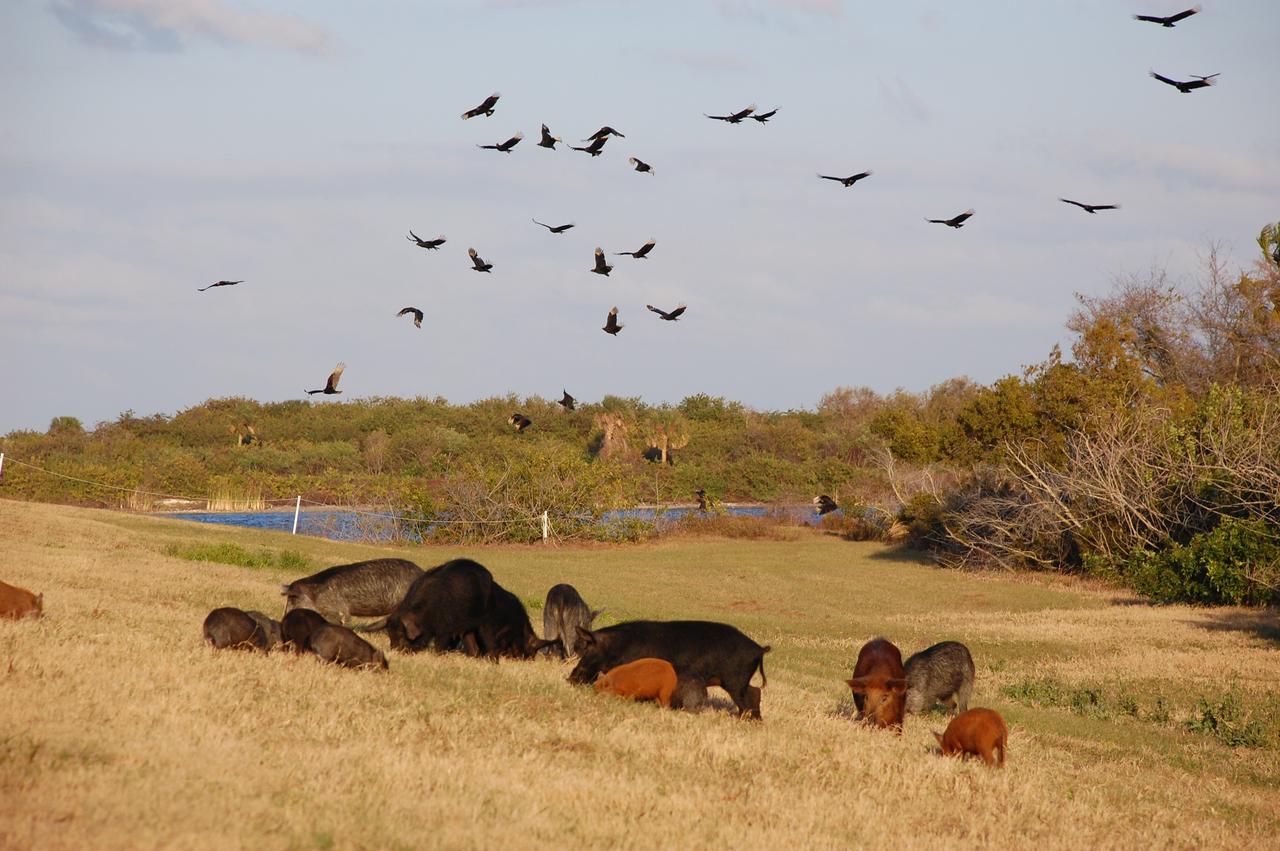
CAPE CANAVERAL, Fla. – At NASA's Kennedy Space Center in Florida, a family of wild pigs roots through the grass for food. Overhead, vultures circle, hunting for their share of food. The wild pigs have flourished in the environs around Kennedy, which shares a border with the Merritt Island National Wildlife Refuge, without many predators other than panthers and humans. Pigs were introduced to Florida in the 1500s and are now found statewide in wooded areas close to water. Pigs are omnivores, foraging on the ground and rooting just beneath the surface, which damages the groundcover. Wild pigs eat almost anything that has nutritional value, including tubers, roots, shoots, acorns, fruits, berries, earthworms, amphibians, reptiles and rodents. Their appearance is similar to domestic hogs, but leaner, with a longer, narrower head and a coarser, denser coat. Females may have two litters per year. The piglets are weaned in a few weeks but remain with the mother for several months. Photo credit: NASA/Ben Smegelsky