
CAPE CANAVERAL, Fla. – An osprey takes advantage of a break in rain and ventures out of its nest near the Press Site at NASA's Kennedy Space Center in Florida. Severe storms associated with a frontal system are moving through Central Florida, producing strong winds, heavy rain, frequent lightning and even funnel clouds. Photo credit: NASA/Ben Smegelsky
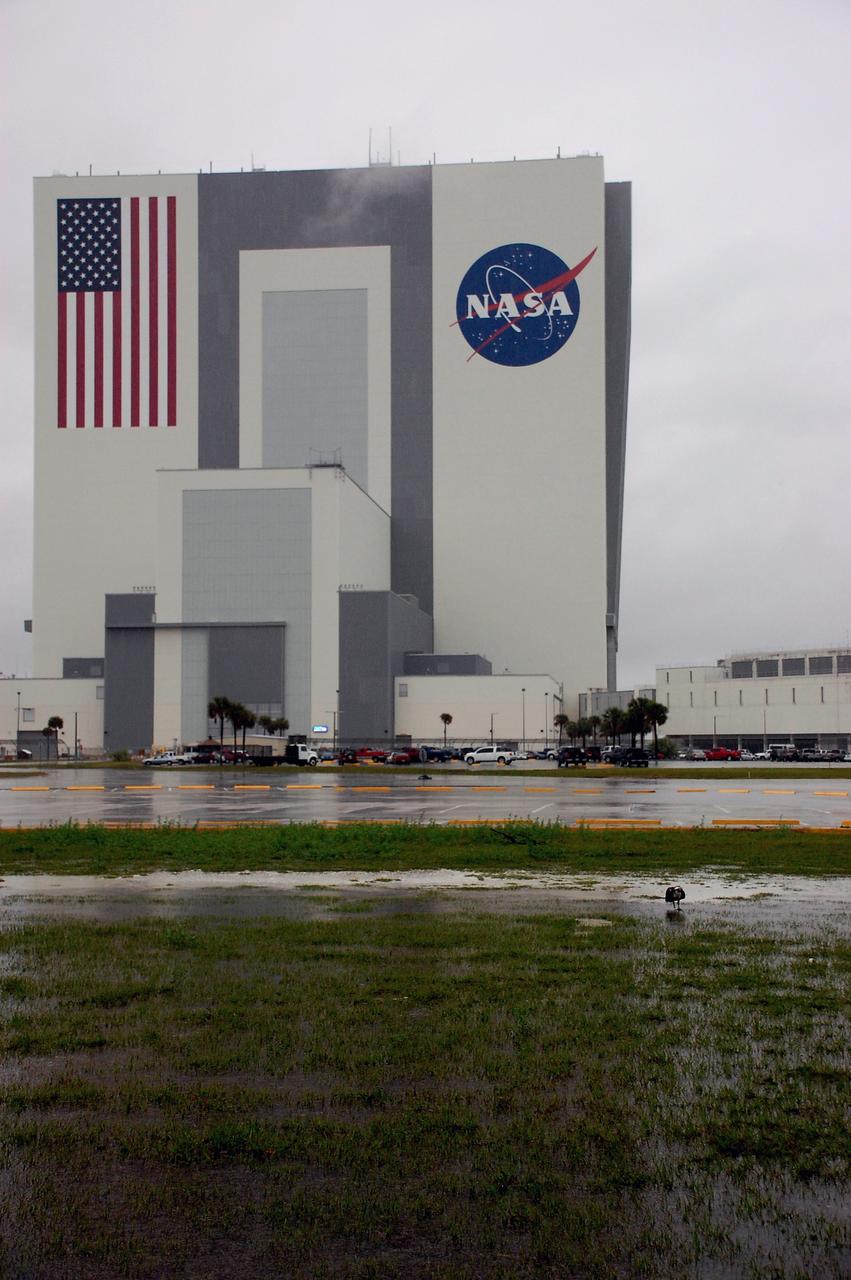
CAPE CANAVERAL, Fla. – An osprey wades in flooded grass near the Vehicle Assembly Building at NASA's Kennedy Space Center in Florida. Severe storms associated with a frontal system are moving through Central Florida, producing strong winds, heavy rain, frequent lightning and even funnel clouds. Photo credit: NASA/Ben Smegelsky
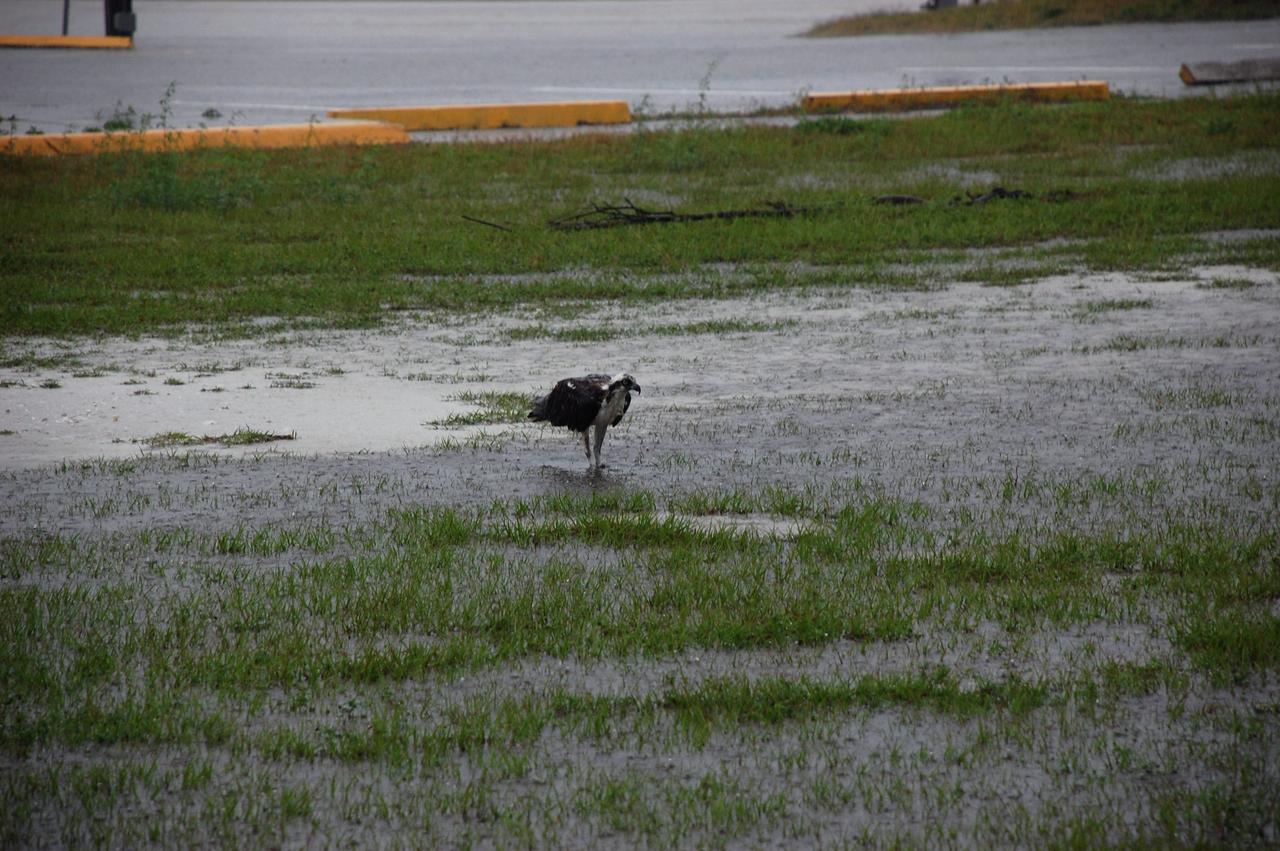
CAPE CANAVERAL, Fla. – An osprey wades in flooded grass near the Vehicle Assembly Building at NASA's Kennedy Space Center in Florida. Severe storms associated with a frontal system are moving through Central Florida, producing strong winds, heavy rain, frequent lightning and even funnel clouds. Photo credit: NASA/Ben Smegelsky
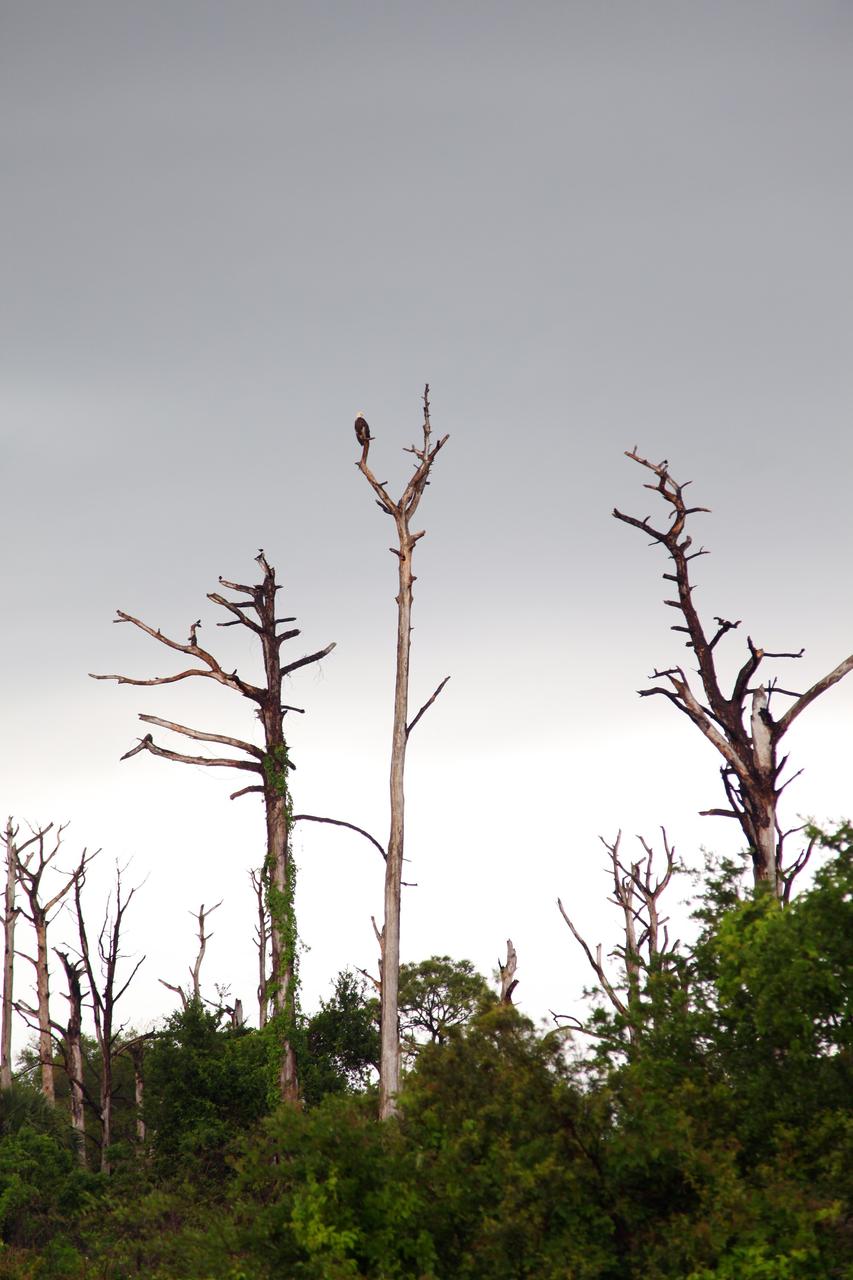
CAPE CANAVERAL, Fla. – A Bald Eagle takes advantage of a break in rain and perches on a tree at NASA's Kennedy Space Center in Florida. Severe storms associated with a frontal system are moving through Central Florida, producing strong winds, heavy rain, frequent lightning and even funnel clouds. Photo credit: NASA/Ben Smegelsky
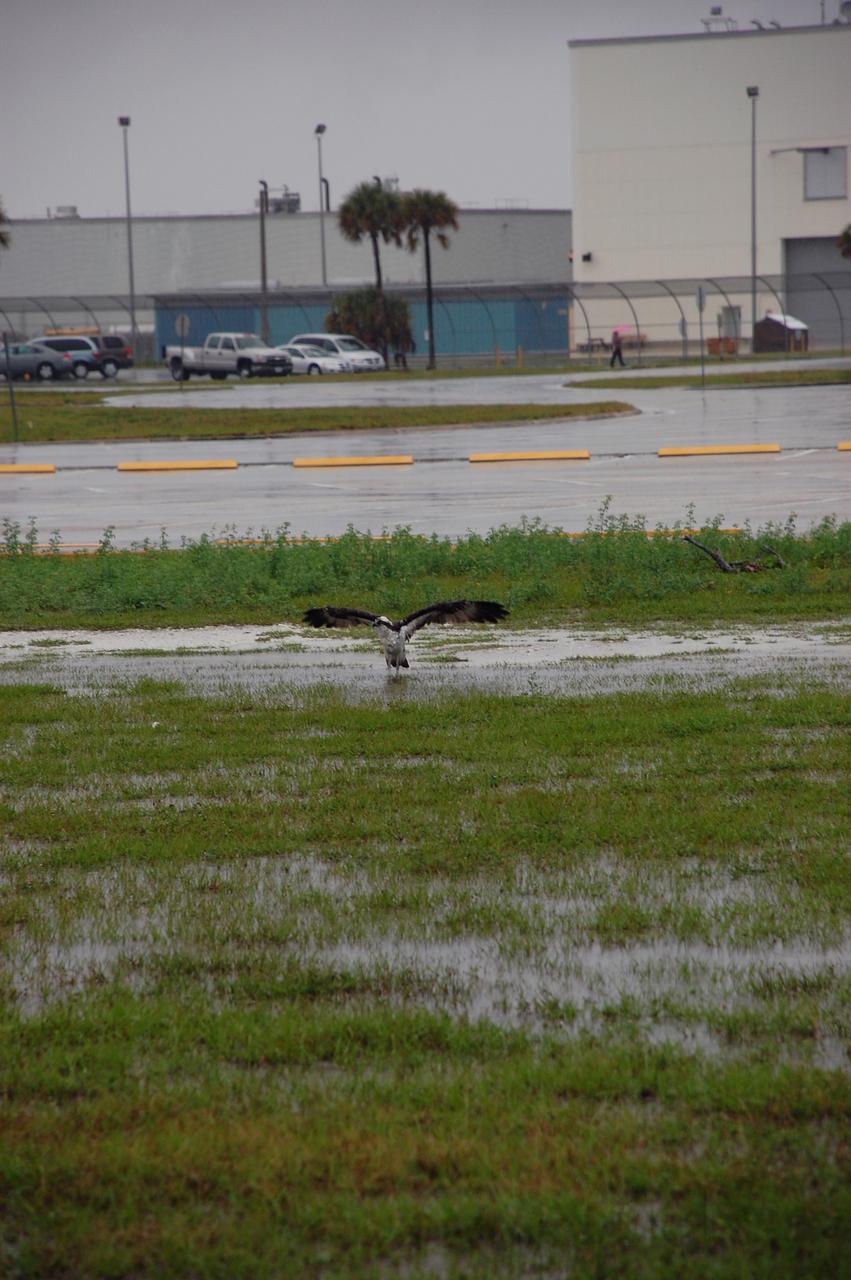
CAPE CANAVERAL, Fla. – An osprey wades in flooded grass near the Vehicle Assembly Building at NASA's Kennedy Space Center in Florida. Severe storms associated with a frontal system are moving through Central Florida, producing strong winds, heavy rain, frequent lightning and even funnel clouds. Photo credit: NASA/Ben Smegelsky
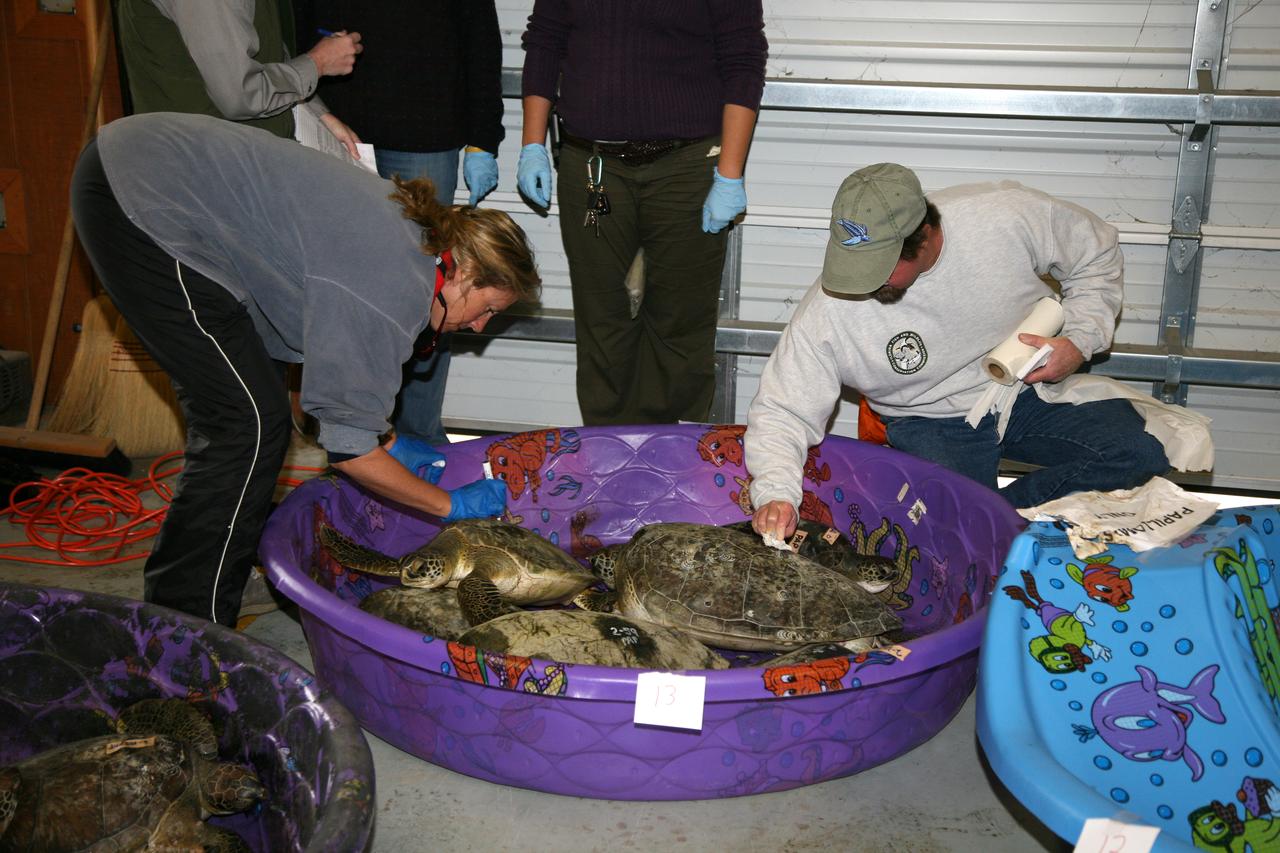
KSC WILDLIFE - SEA TURTLE RESCUE - COLD WEATHER
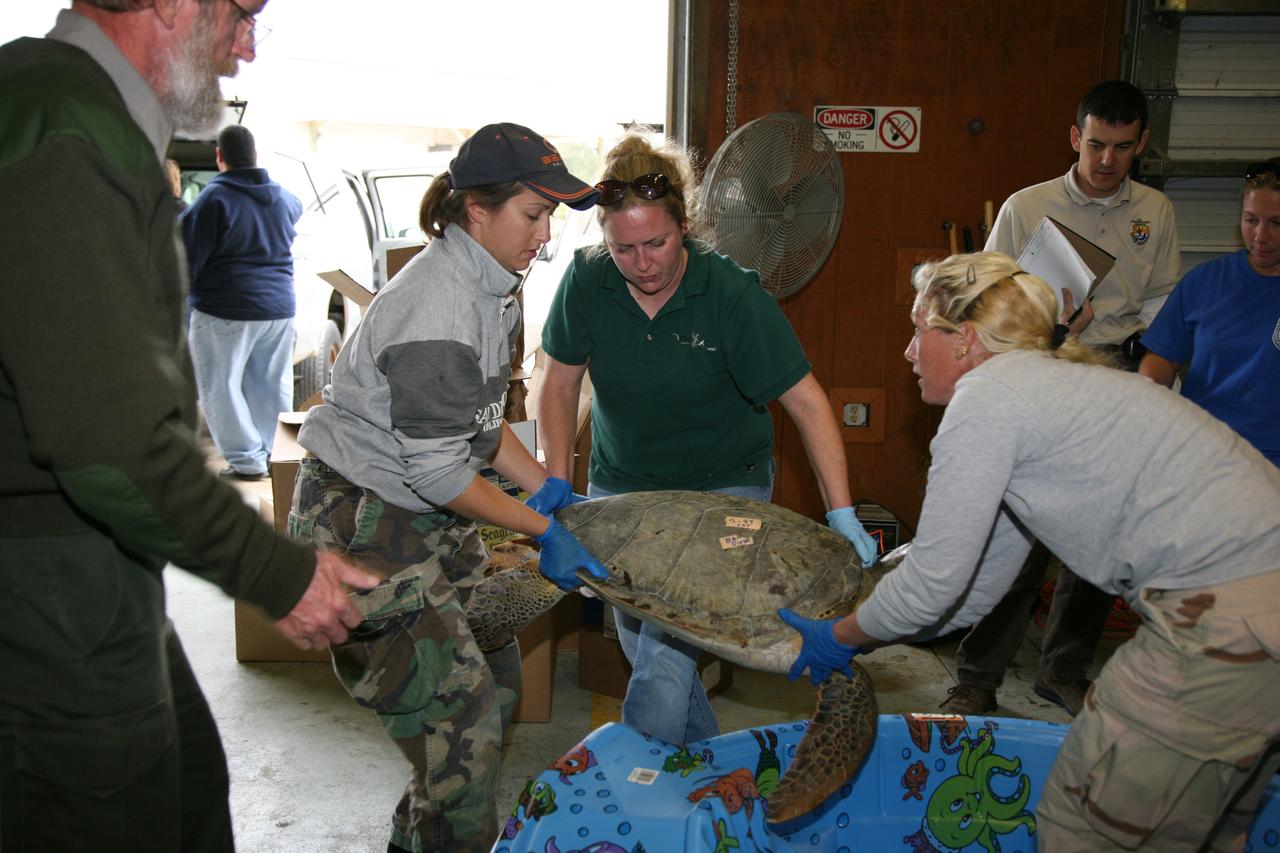
KSC WILDLIFE - SEA TURTLE RESCUE - COLD WEATHER

KSC WILDLIFE - SEA TURTLE RESCUE - COLD WEATHER
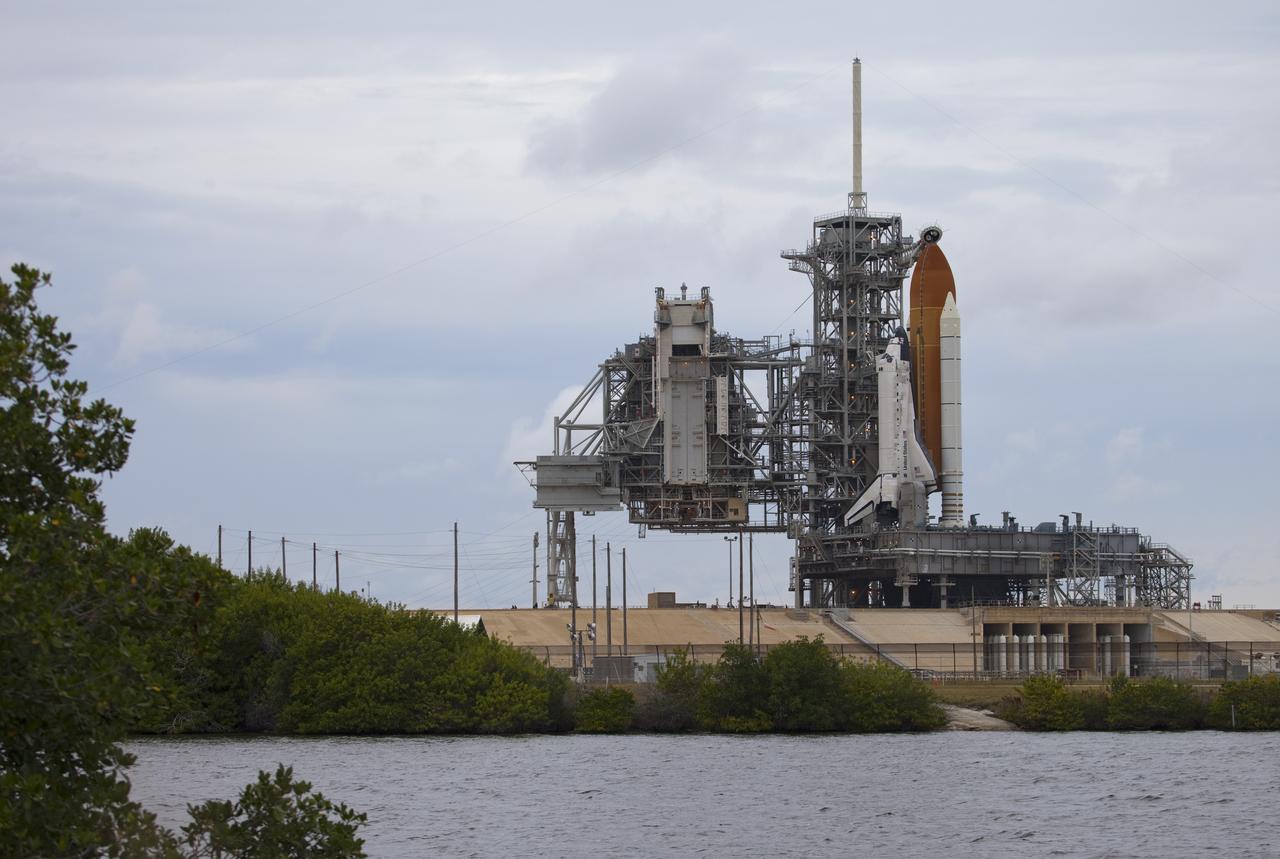
STS-133 DISCOVERY ON PAD 39A & SURROUNDING WILDLIFE - WEATHER SCRUB
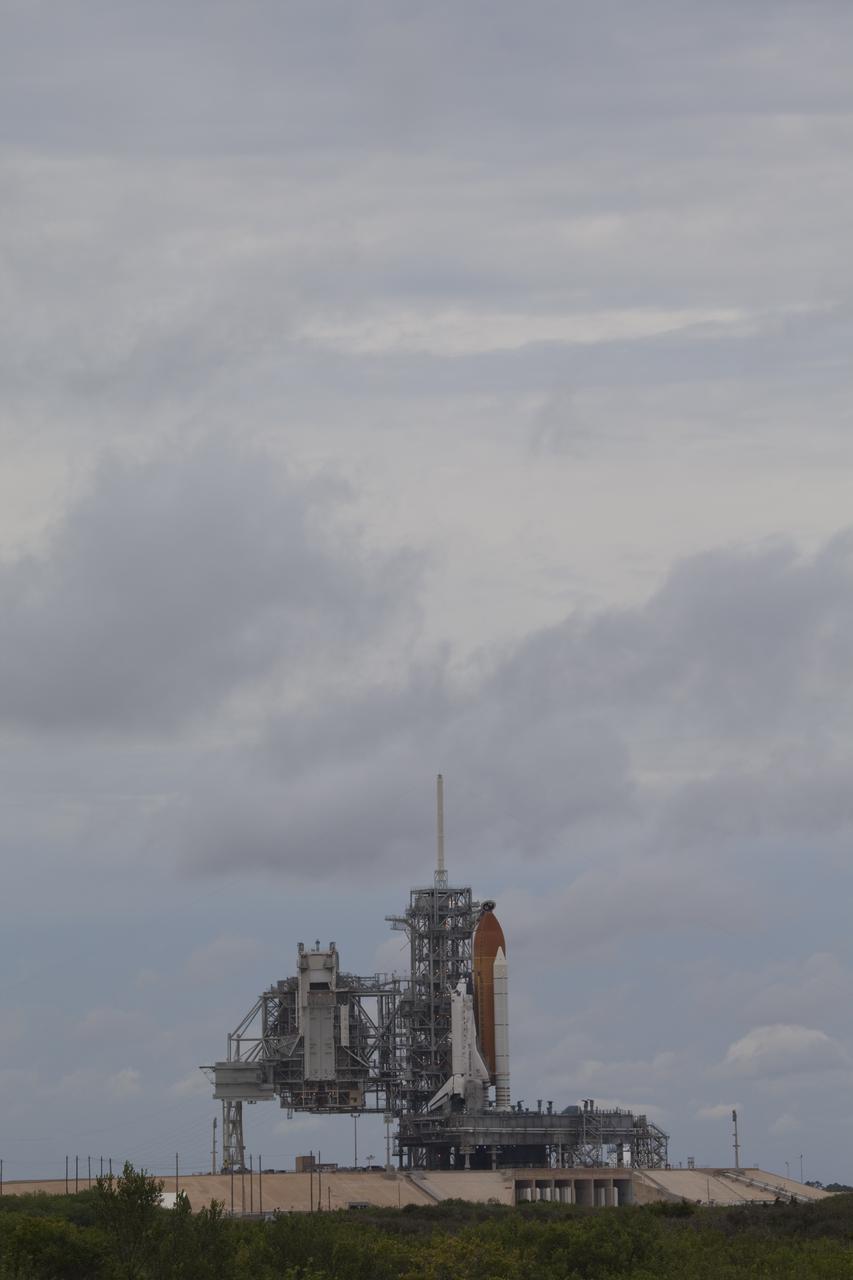
STS-133 DISCOVERY ON PAD 39A & SURROUNDING WILDLIFE - WEATHER SCRUB
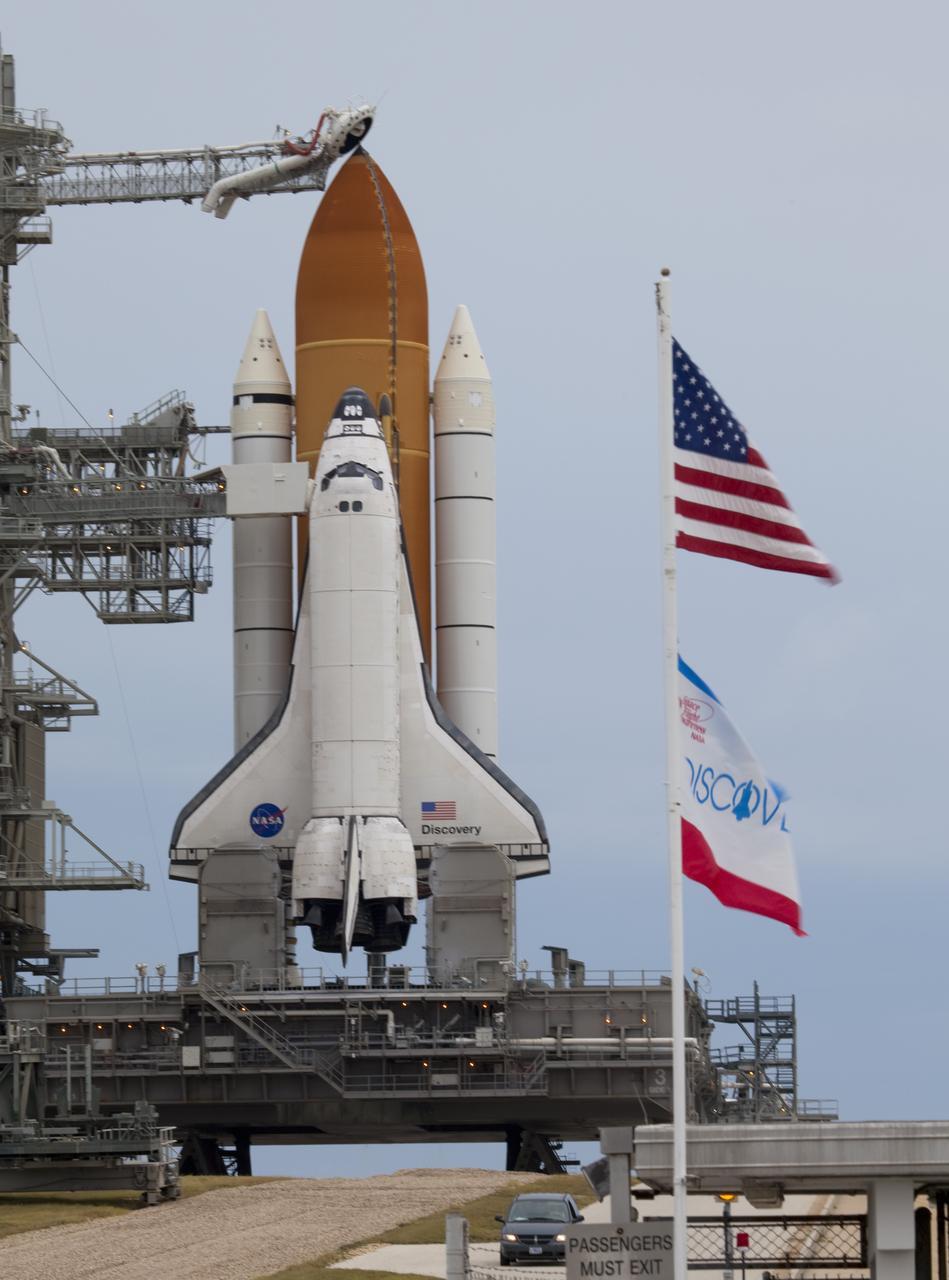
STS-133 DISCOVERY ON PAD 39A & SURROUNDING WILDLIFE - WEATHER SCRUB
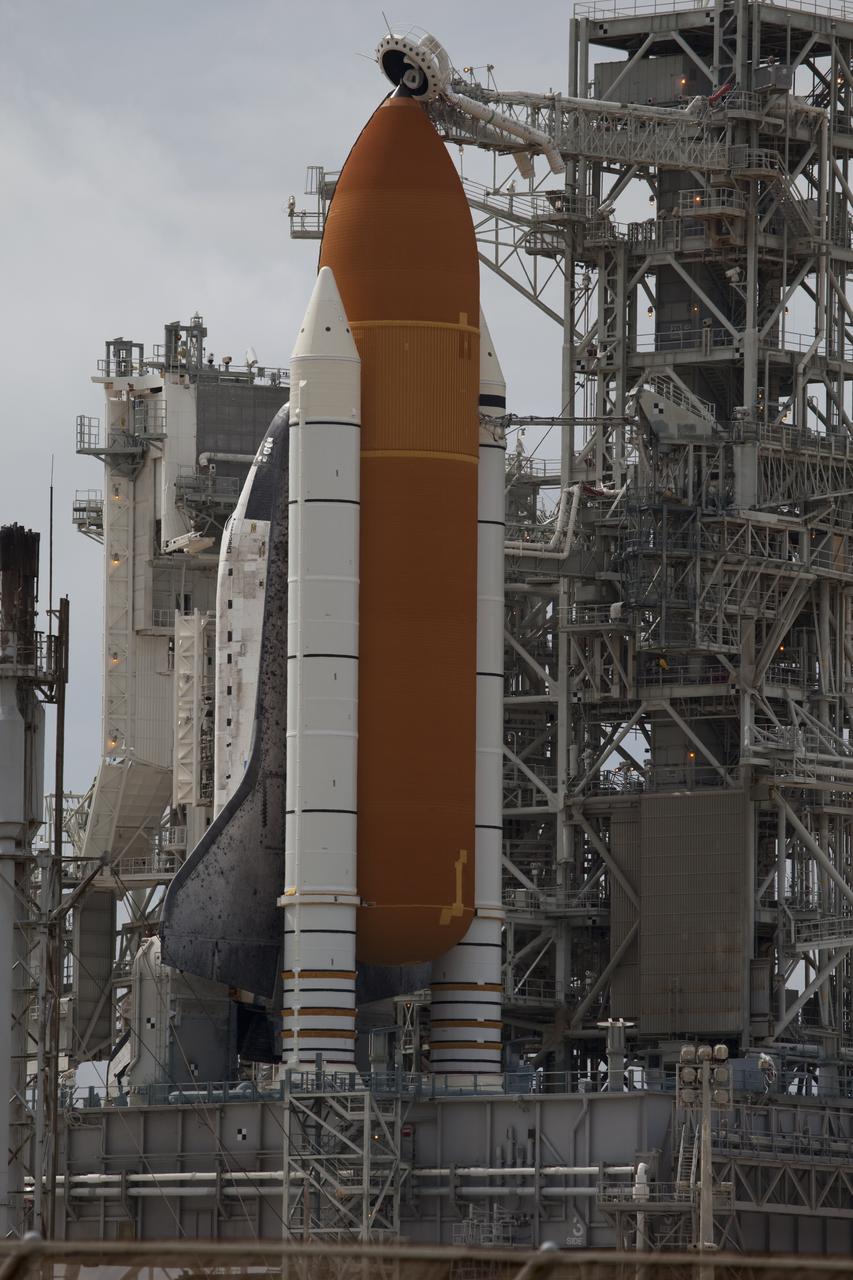
STS-133 DISCOVERY ON PAD 39A & SURROUNDING WILDLIFE - WEATHER SCRUB
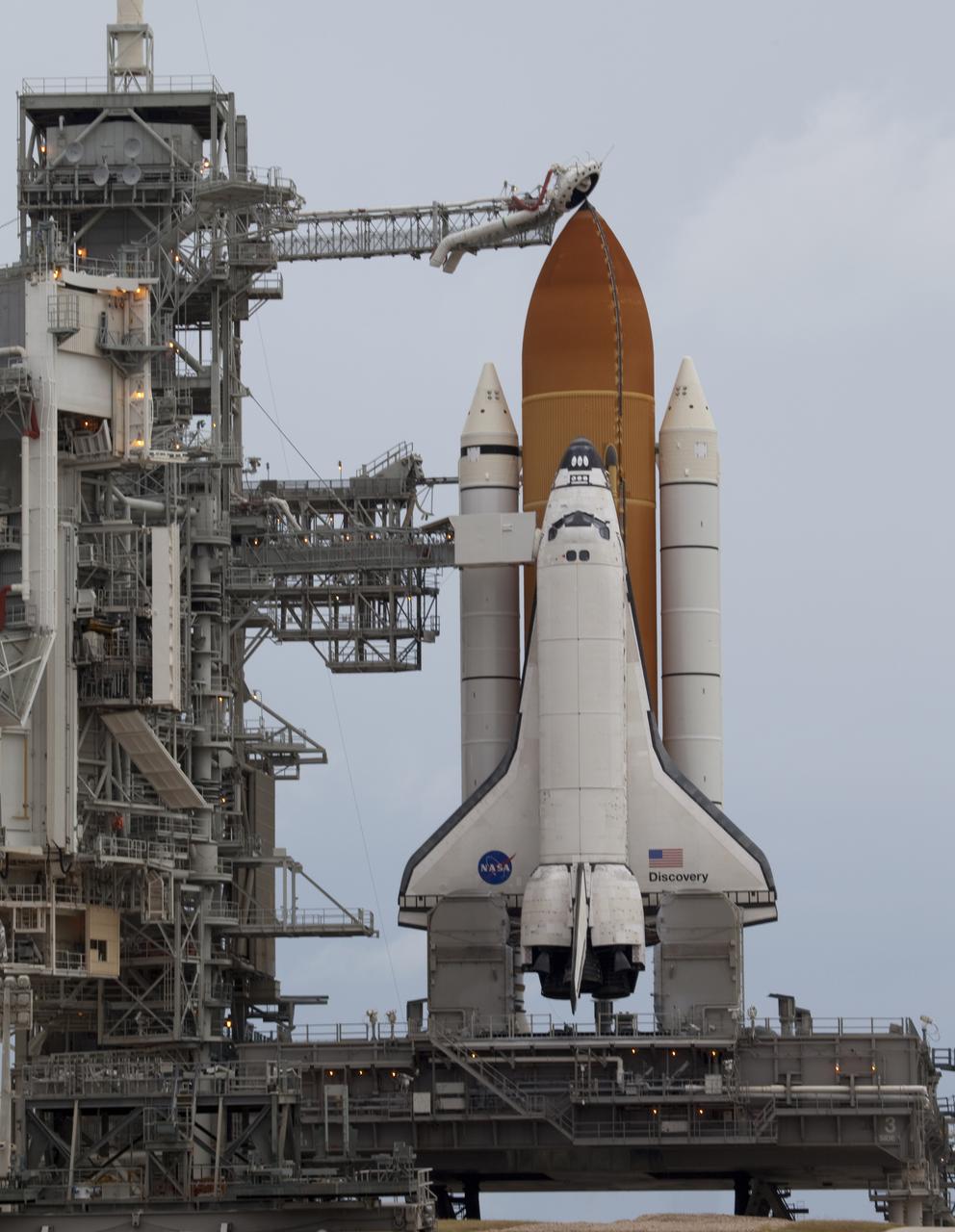
STS-133 DISCOVERY ON PAD 39A & SURROUNDING WILDLIFE - WEATHER SCRUB
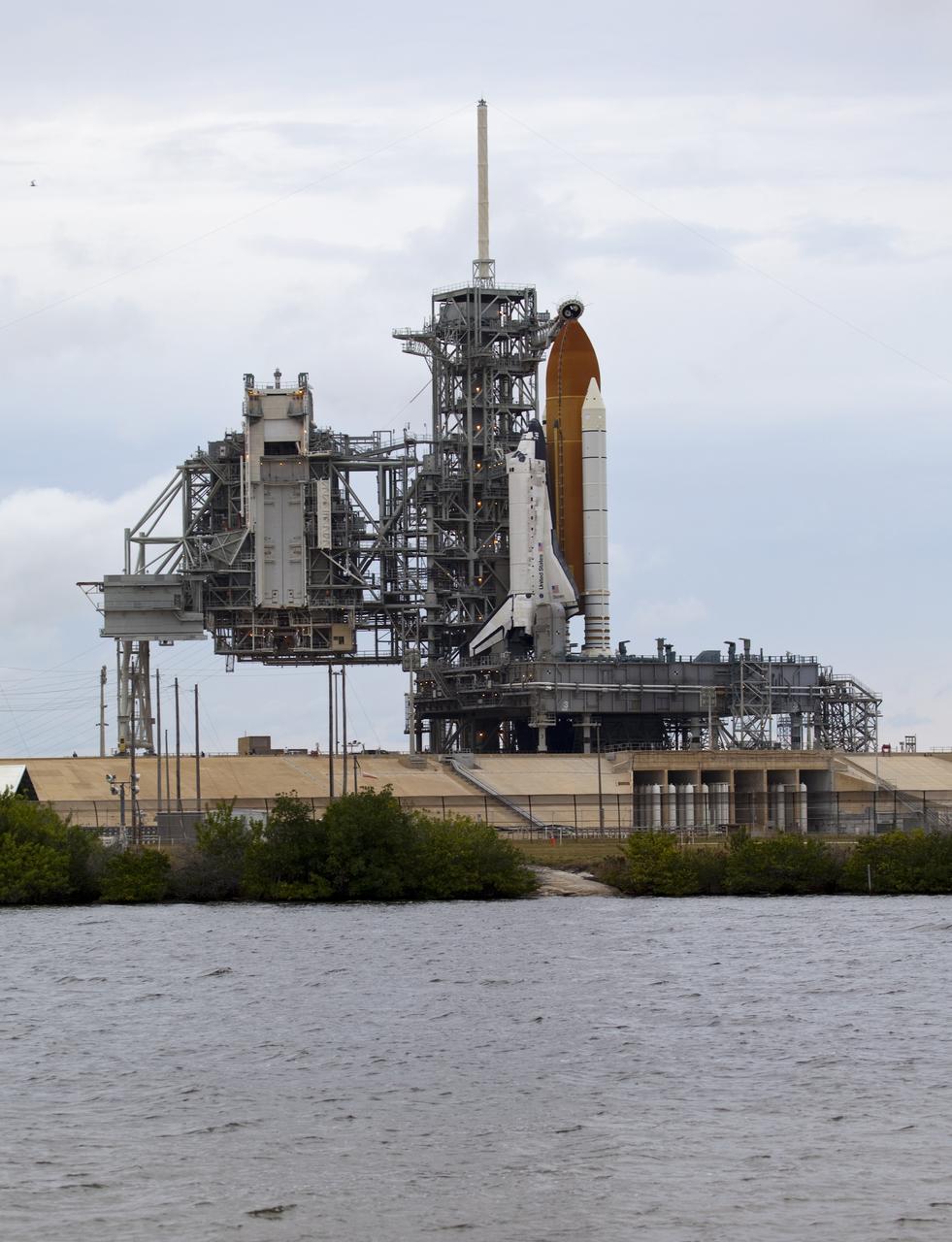
STS-133 DISCOVERY ON PAD 39A & SURROUNDING WILDLIFE - WEATHER SCRUB
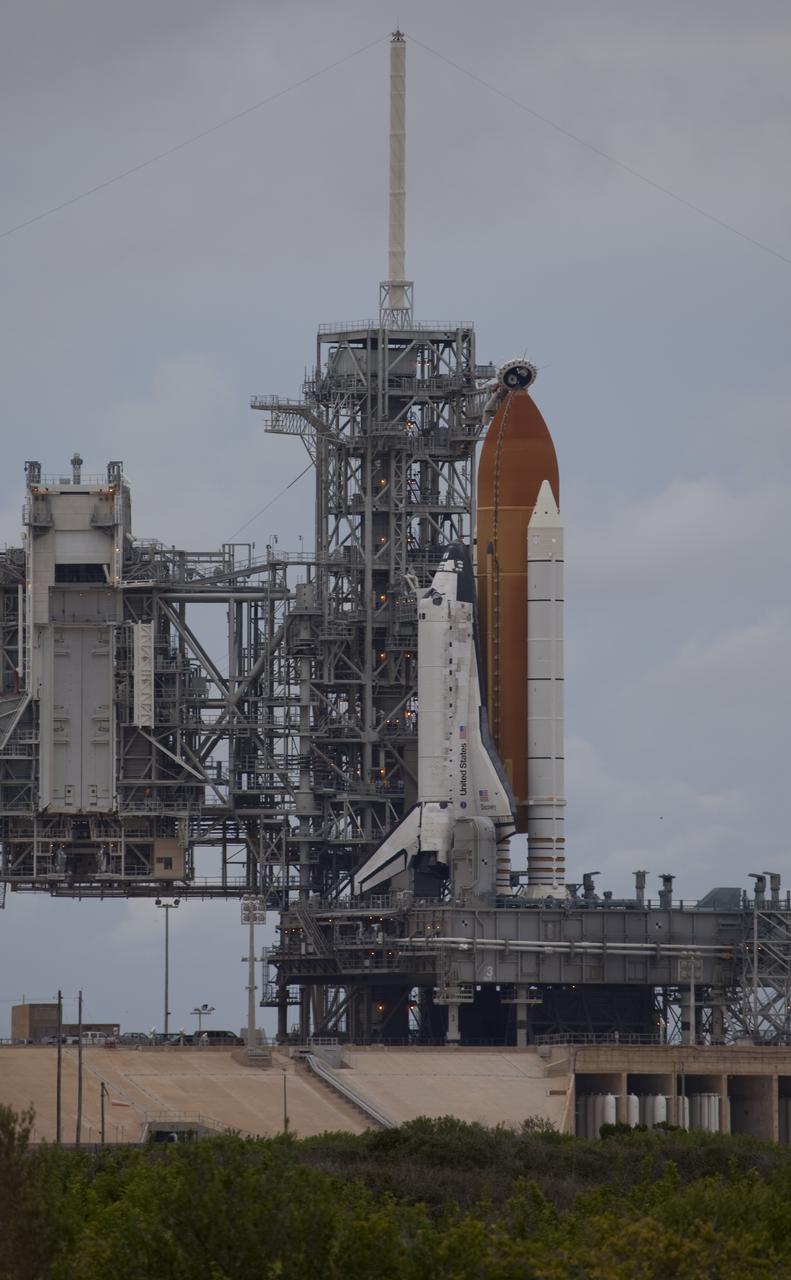
STS-133 DISCOVERY ON PAD 39A & SURROUNDING WILDLIFE - WEATHER SCRUB
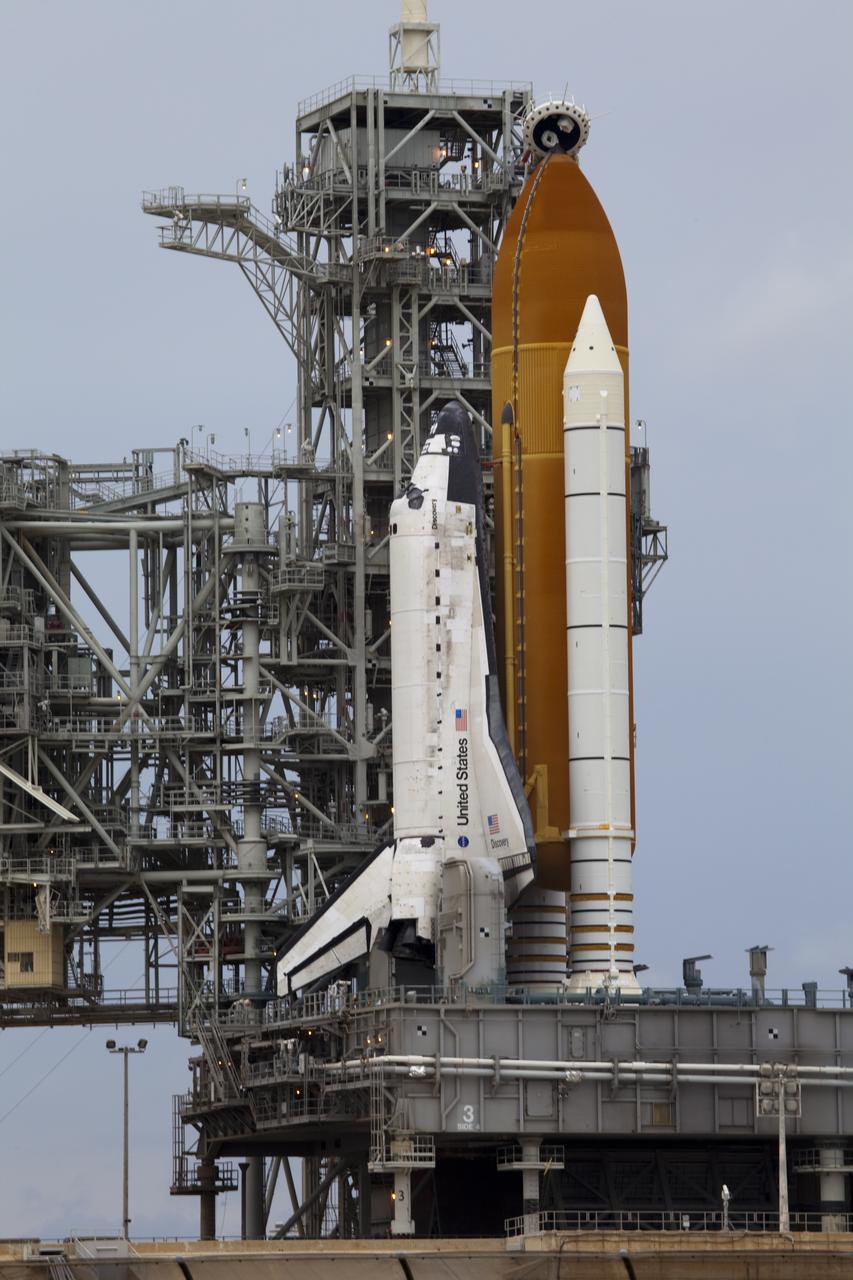
STS-133 DISCOVERY ON PAD 39A & SURROUNDING WILDLIFE - WEATHER SCRUB
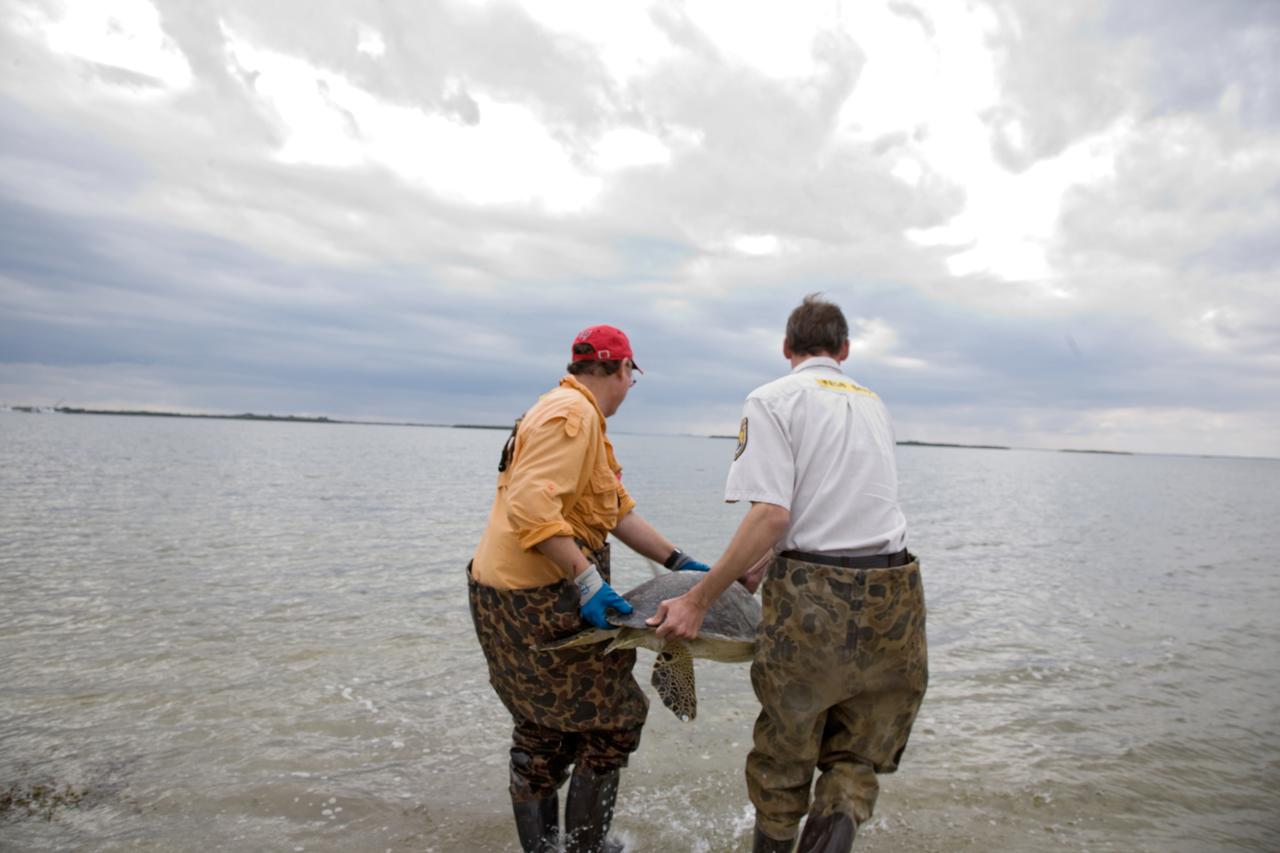
KSC WILDLIFE - SEA TURTLE RELEASE AFTER COLD WEATHER - NASA CSWY - SOUTH SIDE
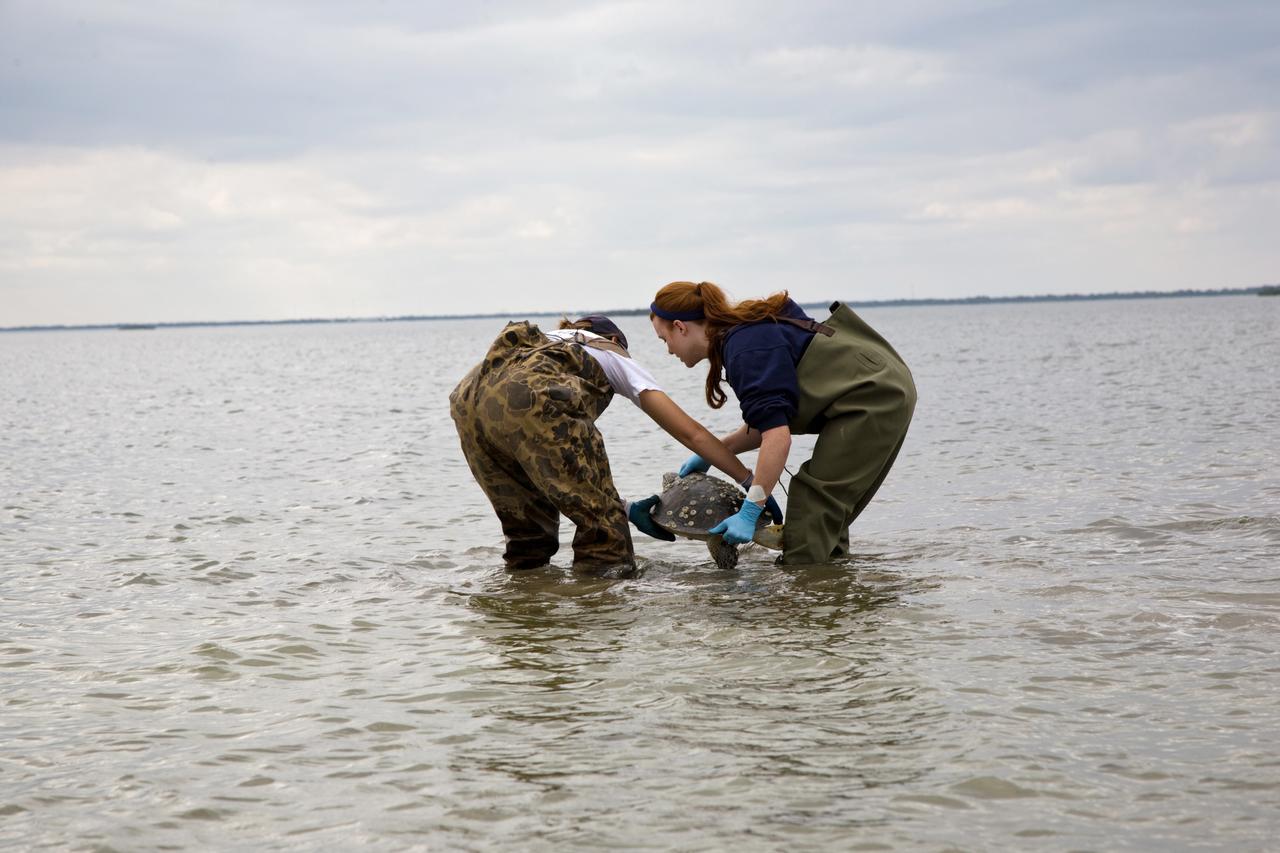
KSC WILDLIFE - SEA TURTLE RELEASE AFTER COLD WEATHER - NASA CSWY - SOUTH SIDE
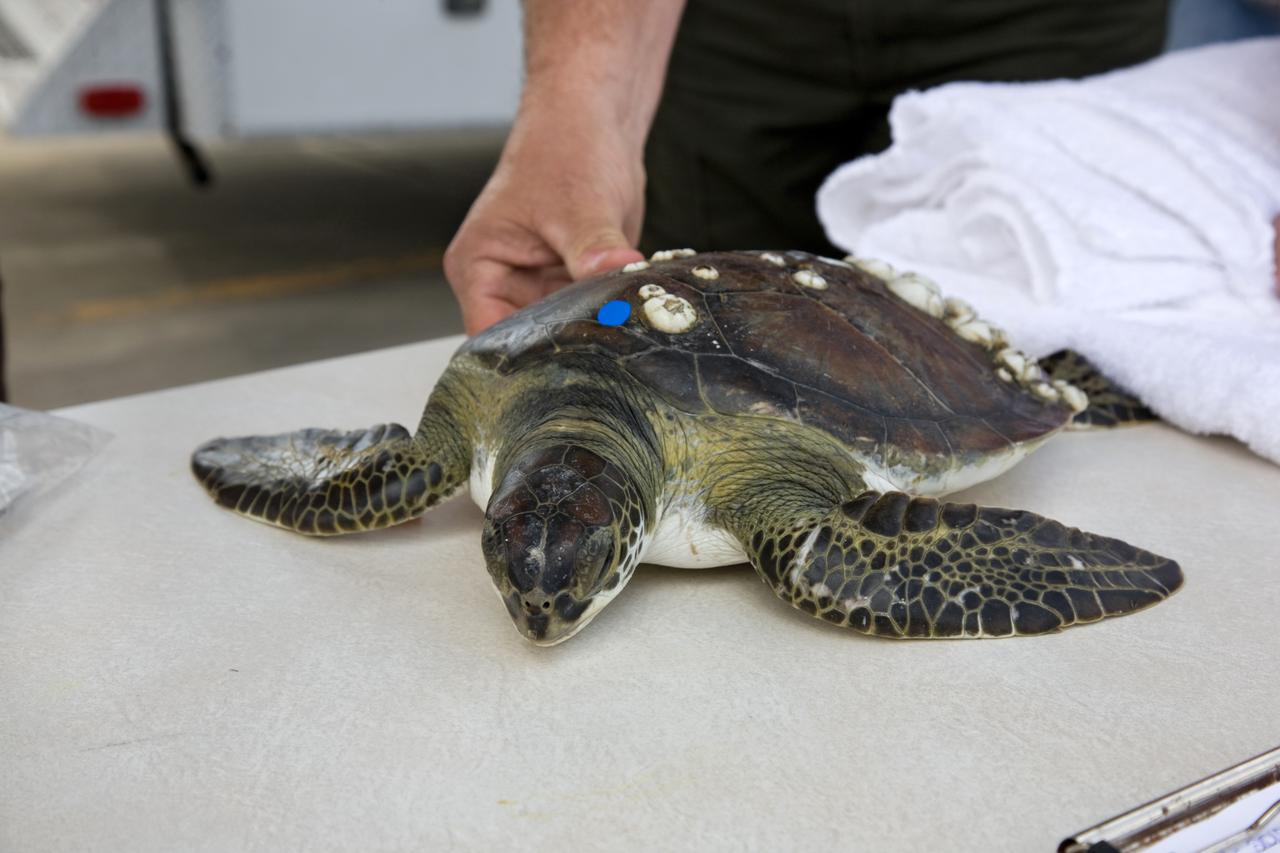
KSC WILDLIFE - SEA TURTLE RELEASE AFTER COLD WEATHER - NASA CSWY - SOUTH SIDE
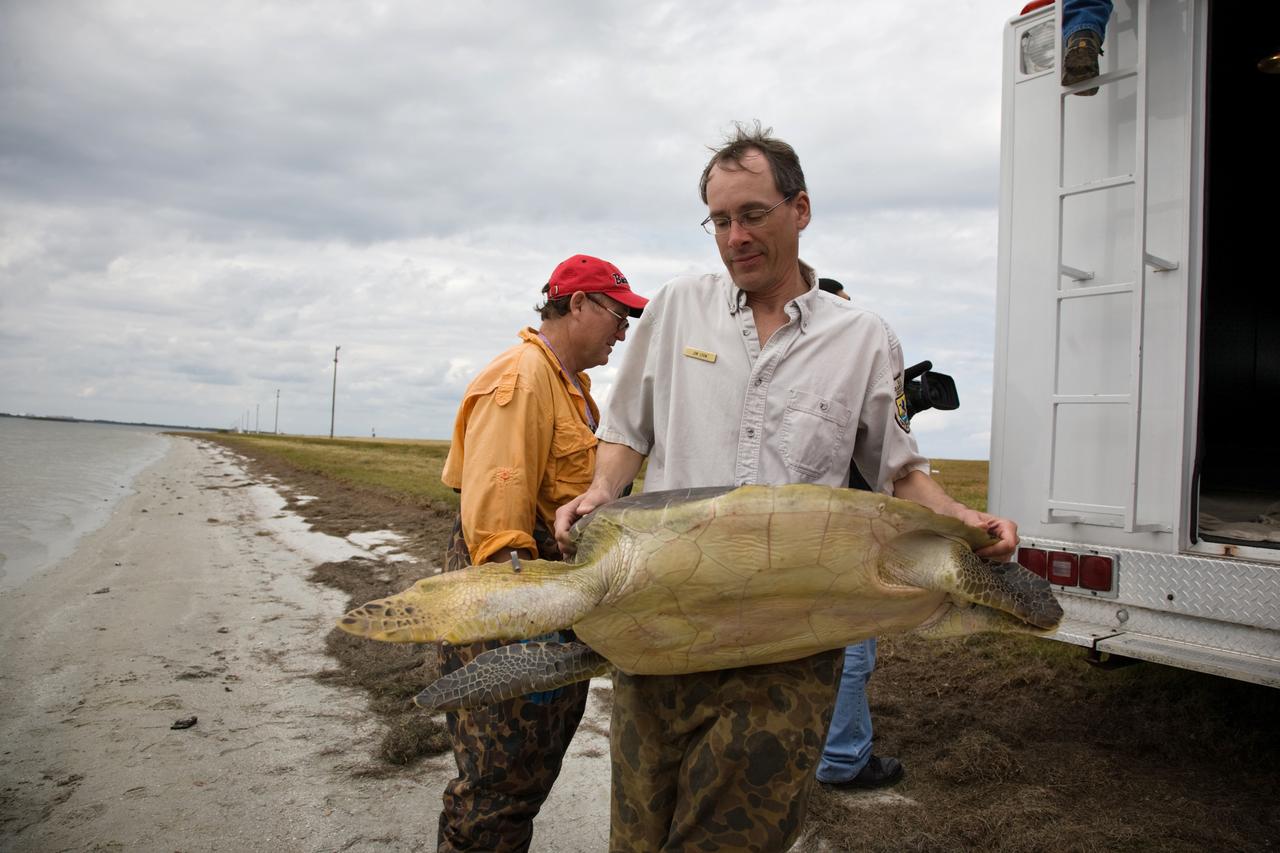
KSC WILDLIFE - SEA TURTLE RELEASE AFTER COLD WEATHER - NASA CSWY - SOUTH SIDE
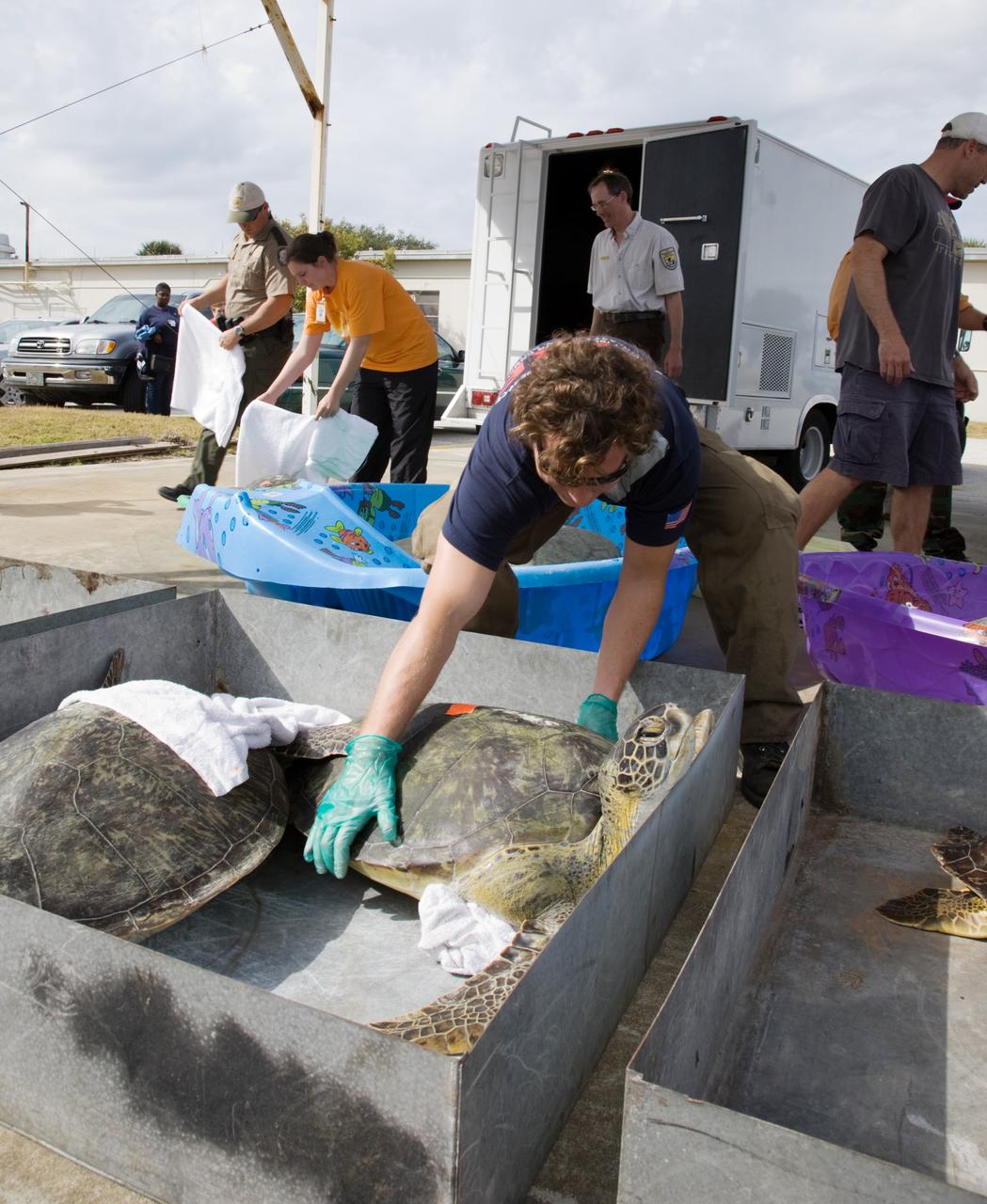
KSC WILDLIFE - SEA TURTLE RELEASE AFTER COLD WEATHER - NASA CSWY - SOUTH SIDE
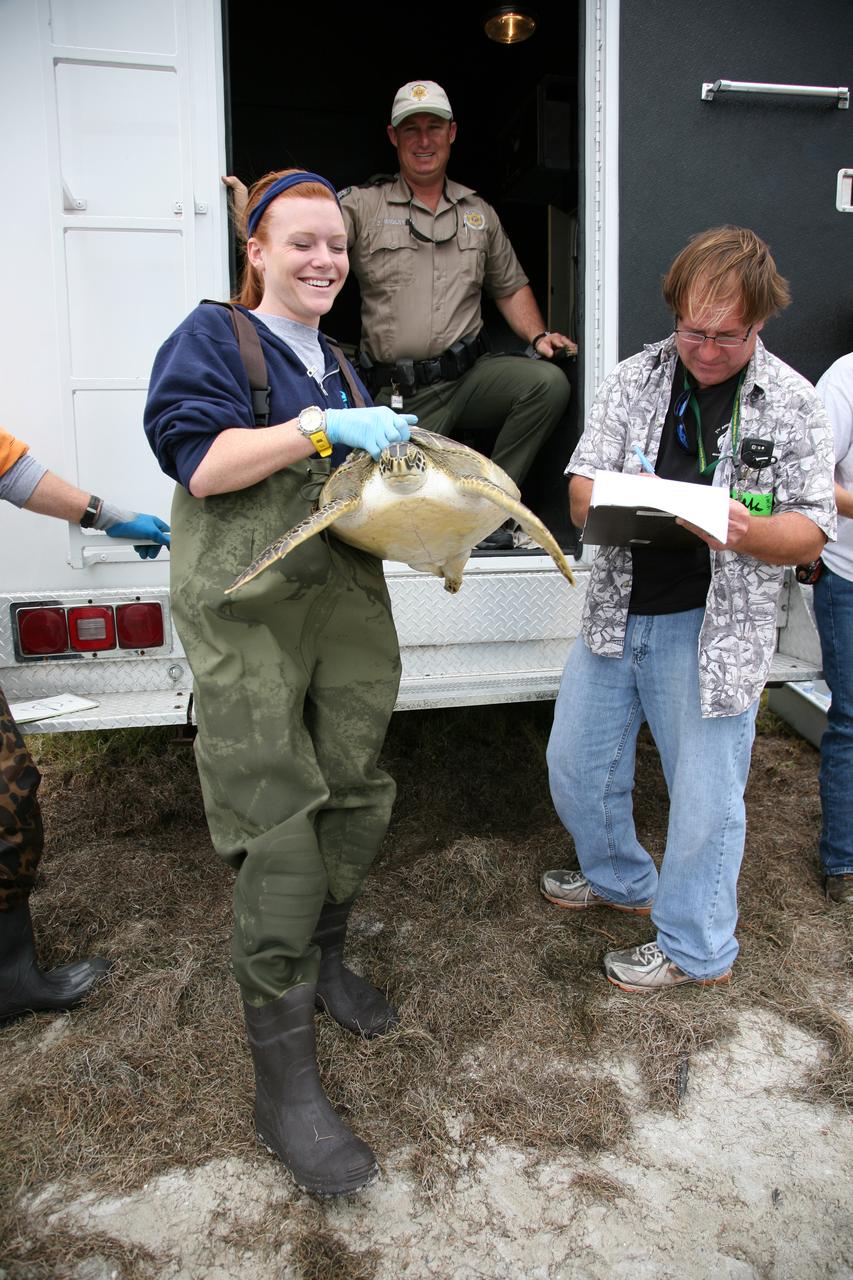
KSC WILDLIFE - SEA TURTLE RELEASE AFTER COLD WEATHER - NASA CSWY - SOUTH SIDE
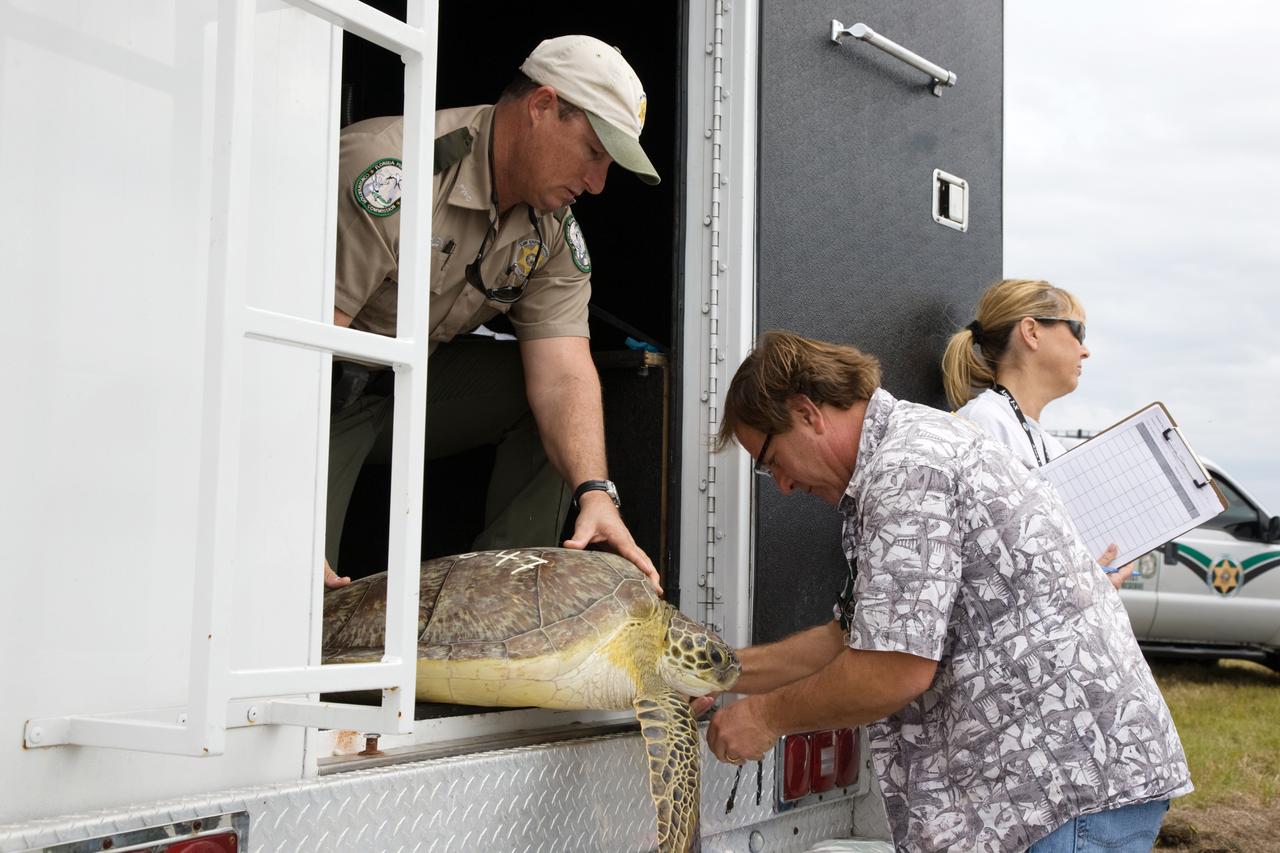
KSC WILDLIFE - SEA TURTLE RELEASE AFTER COLD WEATHER - NASA CSWY - SOUTH SIDE
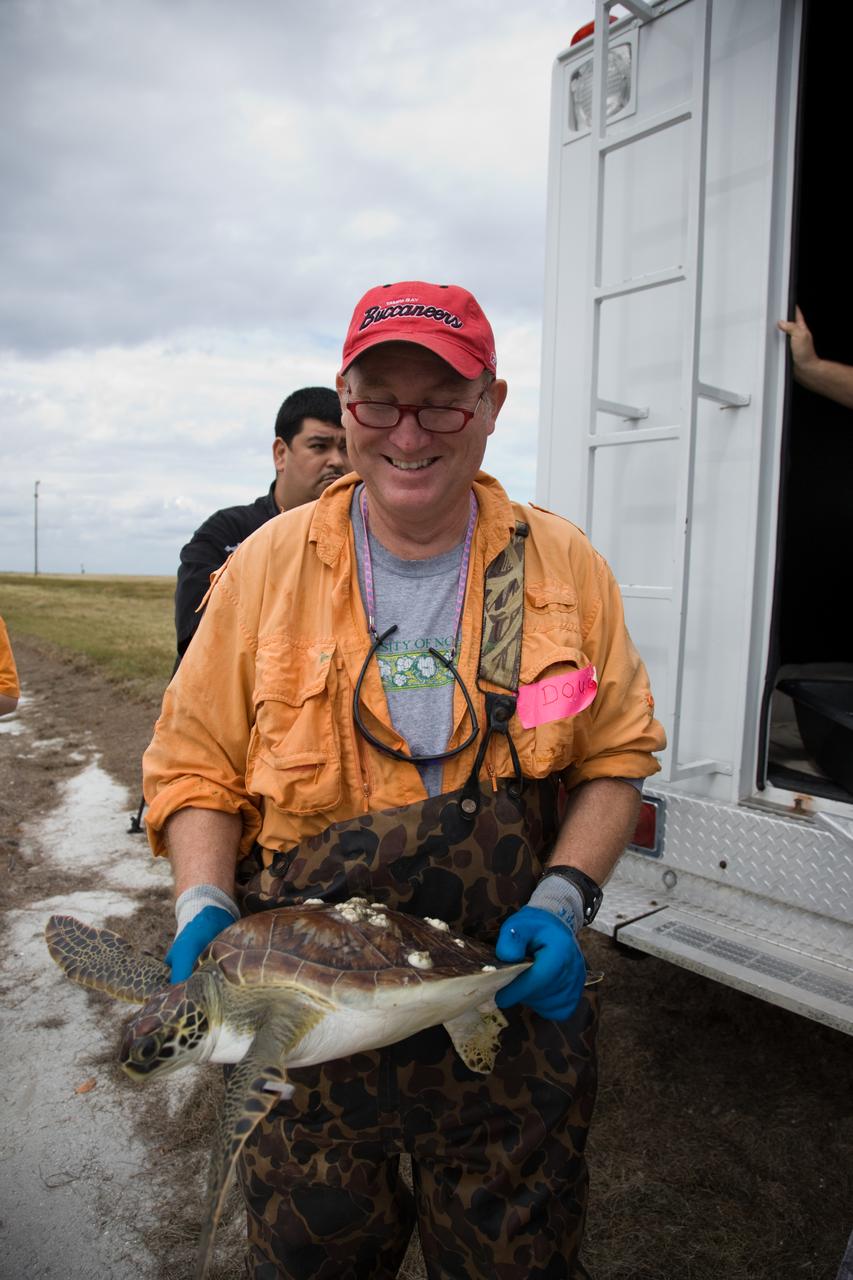
KSC WILDLIFE - SEA TURTLE RELEASE AFTER COLD WEATHER - NASA CSWY - SOUTH SIDE
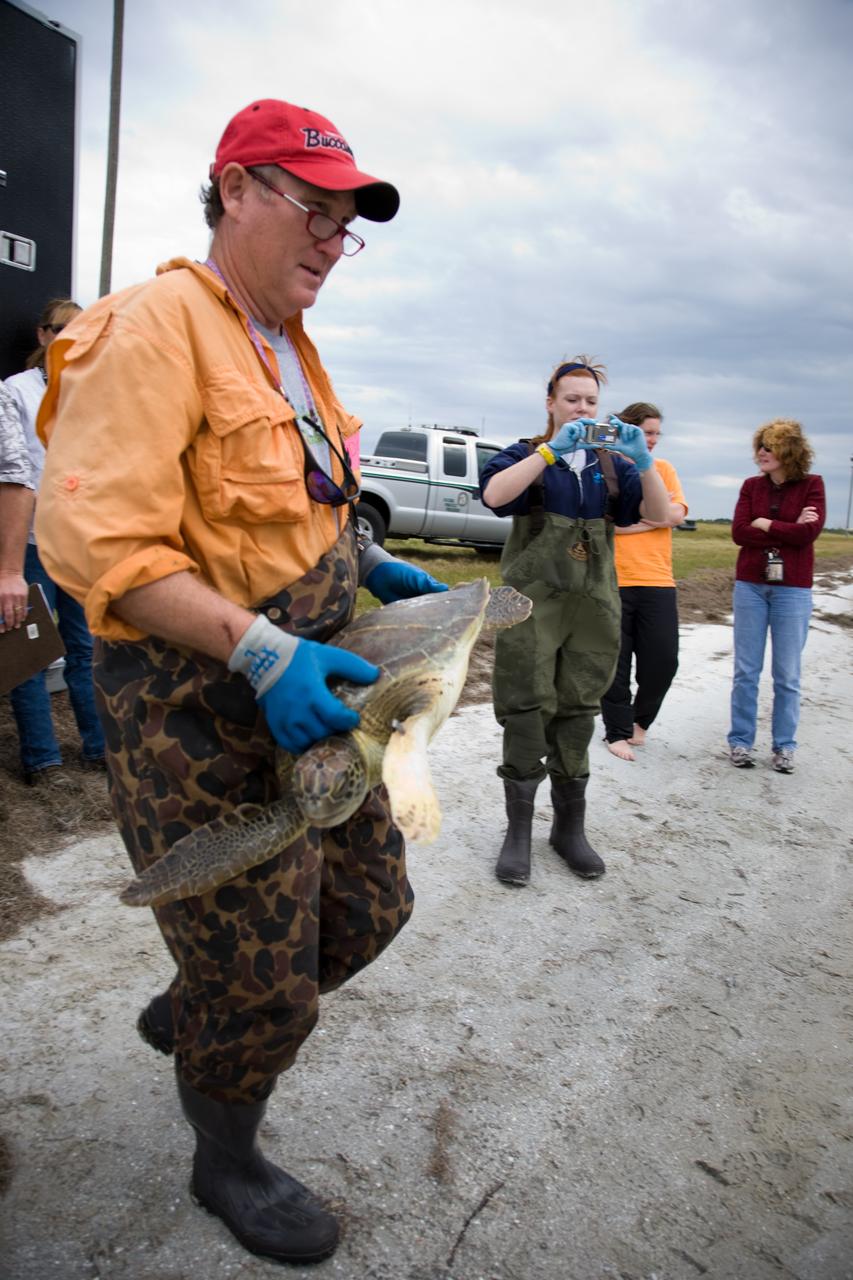
KSC WILDLIFE - SEA TURTLE RELEASE AFTER COLD WEATHER - NASA CSWY - SOUTH SIDE
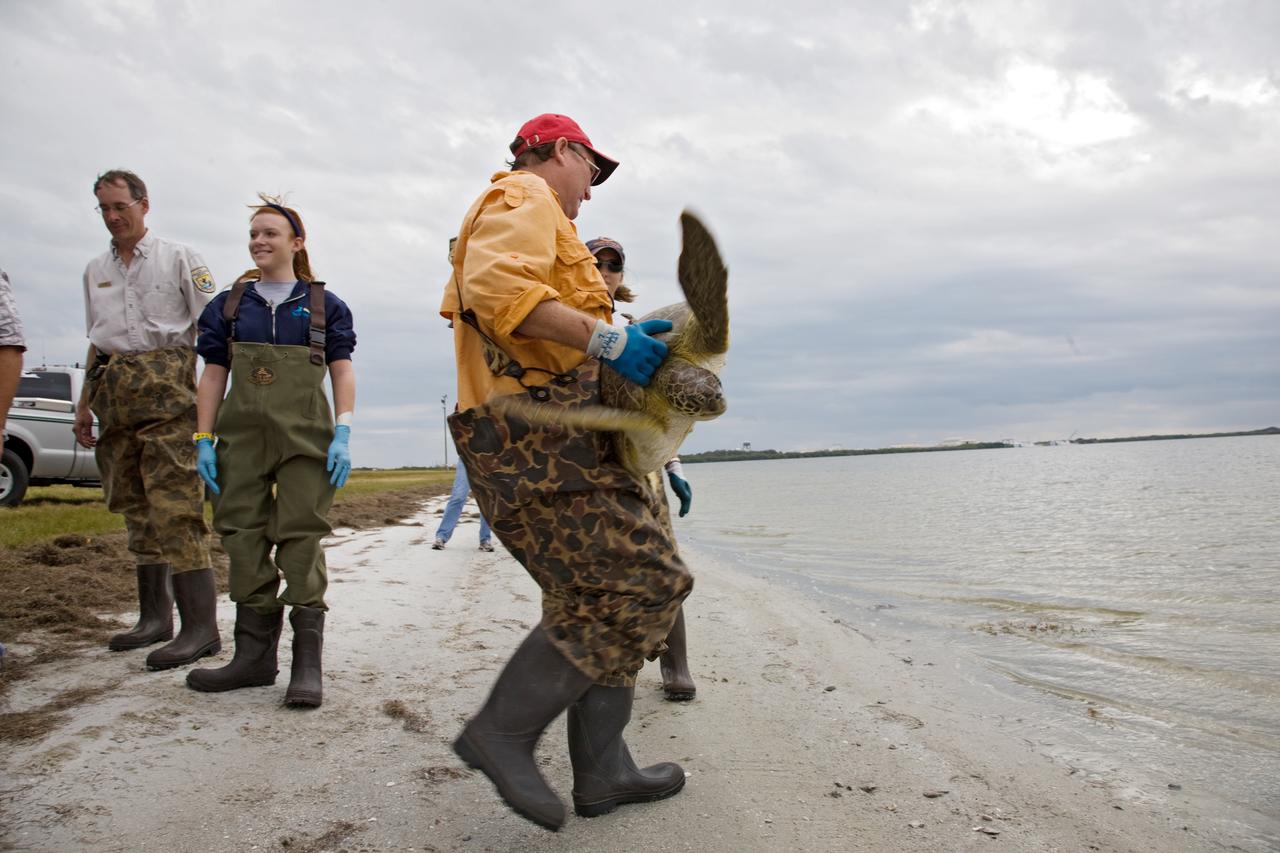
KSC WILDLIFE - SEA TURTLE RELEASE AFTER COLD WEATHER - NASA CSWY - SOUTH SIDE
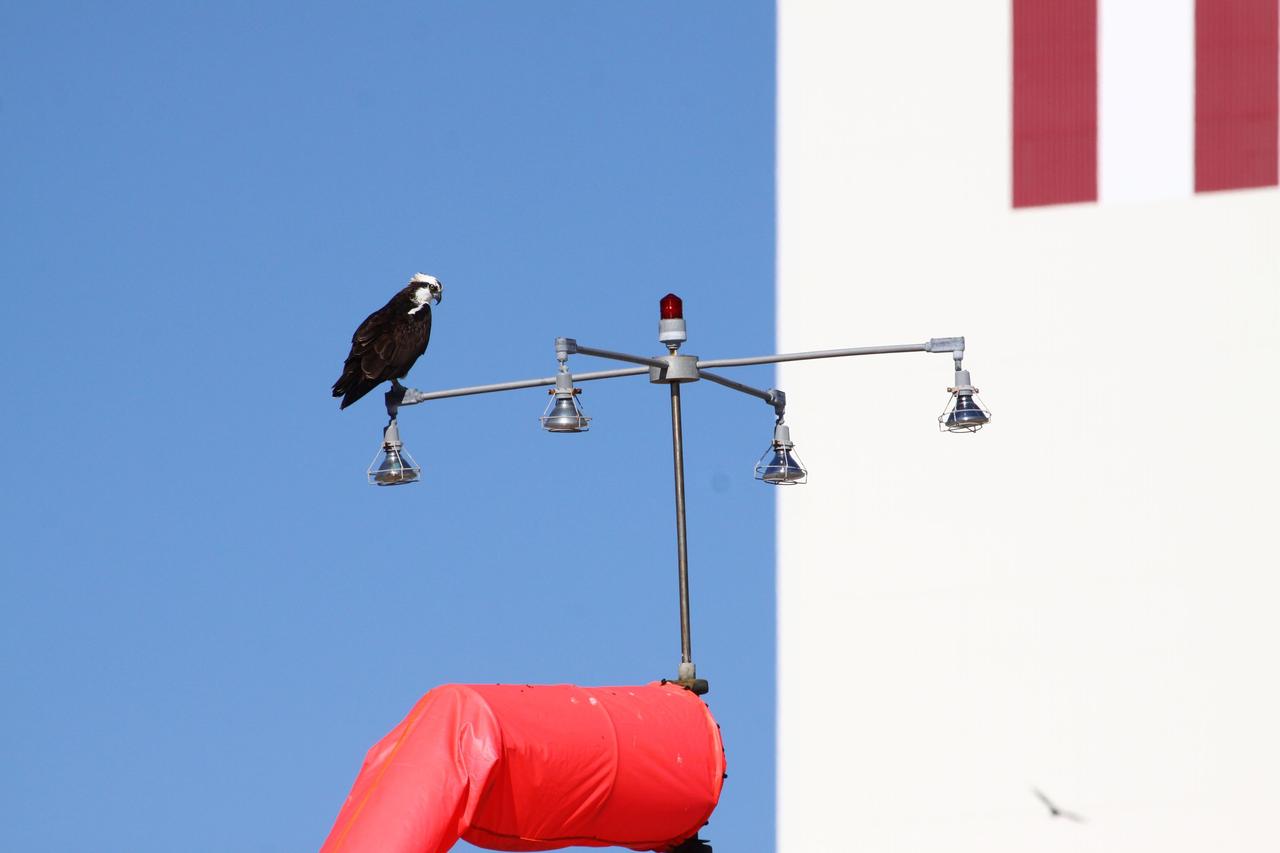
CAPE CANAVERAL, Fla. -- At NASA's Kennedy Space Center in Florida, an osprey is perched on a weather pole at a helicopter landing site near the Vehicle Assembly Building. Ospreys are a familiar sight at Kennedy because of its close proximity to ponds, lakes and coastal waters, which feed their appetite for fish. Kennedy coexists with the Merritt Island National Wildlife Refuge, habitat to more than 310 species of birds, 25 mammals, 117 fish and 65 amphibians and reptiles. Photo credit: NASA/Jack Pfaller
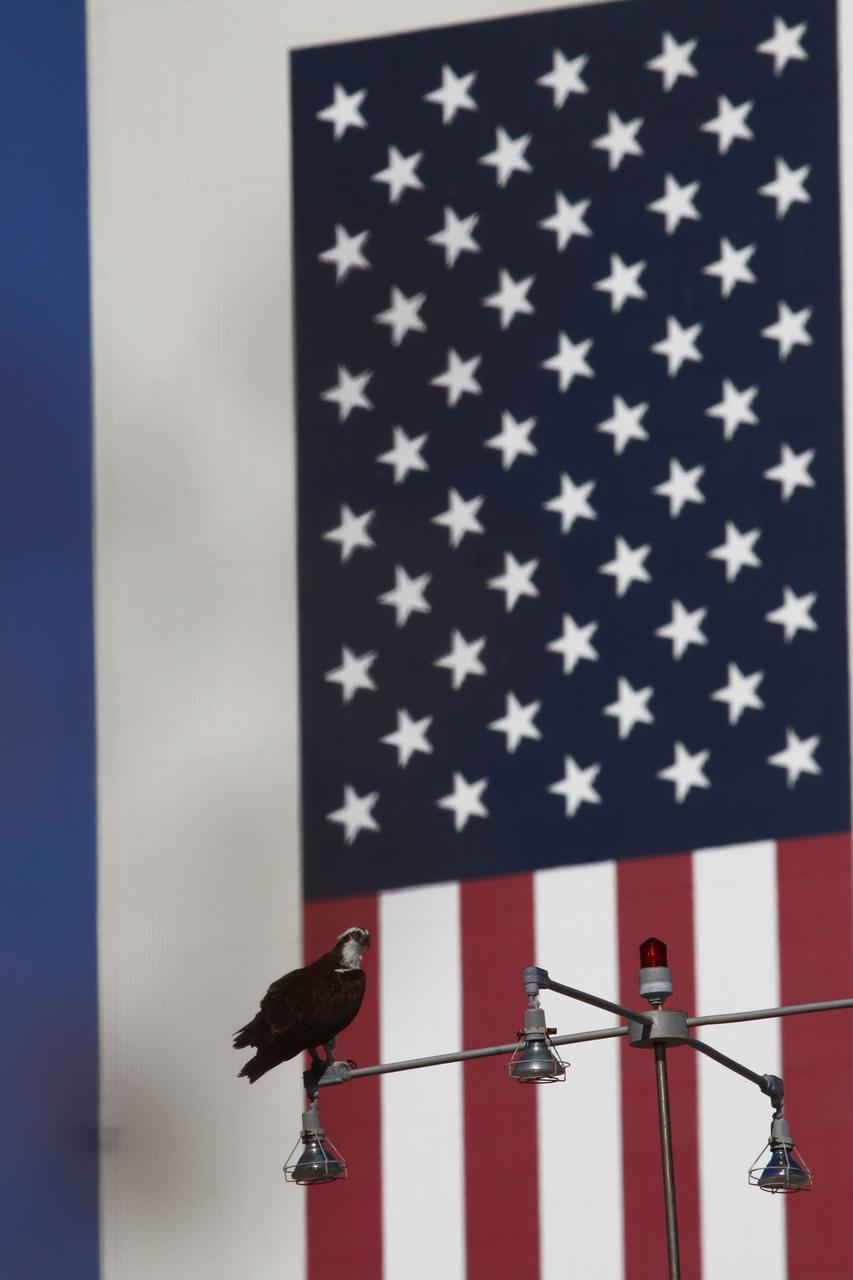
CAPE CANAVERAL, Fla. -- At NASA's Kennedy Space Center in Florida, an osprey is perched on a weather pole at a helicopter landing site near the Vehicle Assembly Building. Ospreys are a familiar sight at Kennedy because of its close proximity to ponds, lakes and coastal waters, which feed their appetite for fish. Kennedy coexists with the Merritt Island National Wildlife Refuge, habitat to more than 310 species of birds, 25 mammals, 117 fish and 65 amphibians and reptiles. Photo credit: NASA/Jack Pfaller
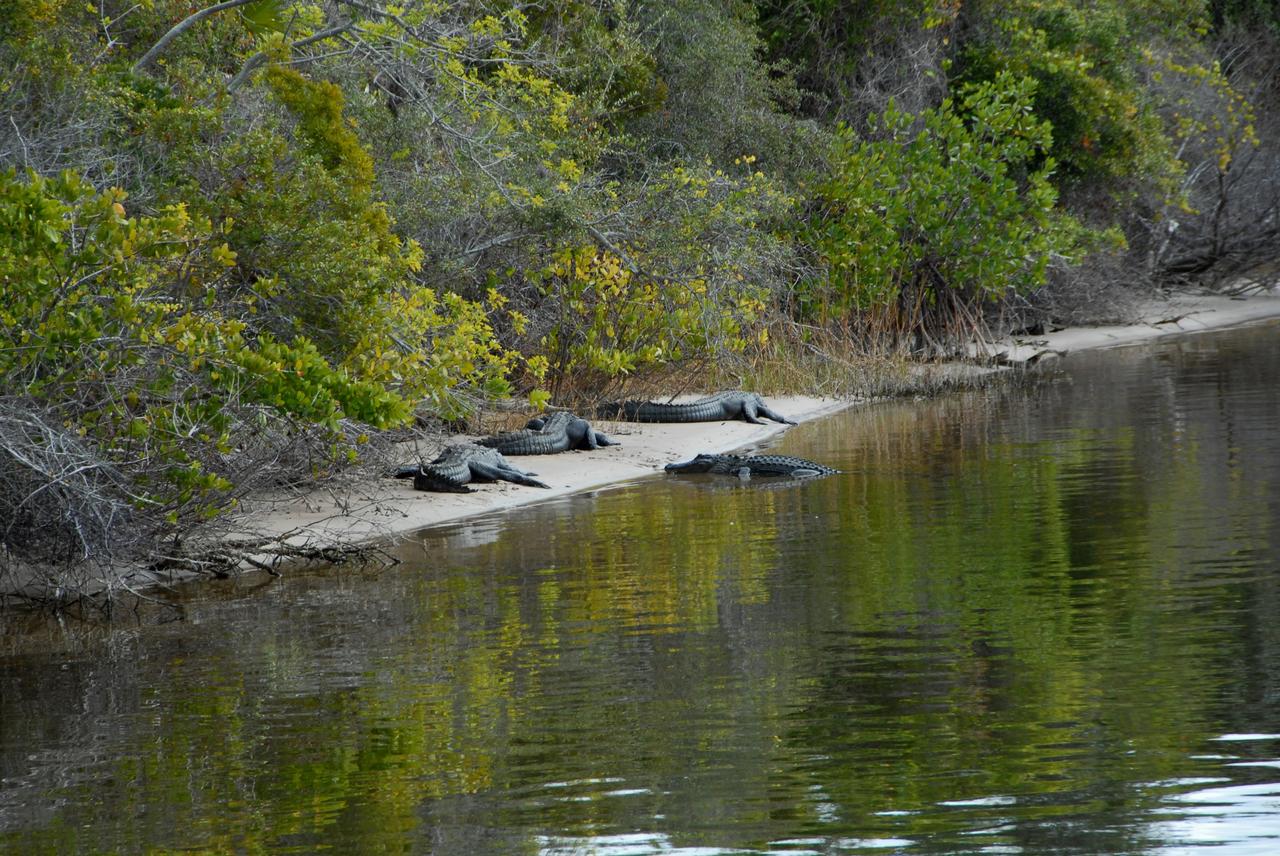
CAPE CANAVERAL, Fla. -- Alligators bask in the warm sun on the banks of the Launch Complex 39 turn basin at NASA's Kennedy Space Center in Florida. Cool weather frequently brings the gators out of the water. A protected species, alligators can be spotted in the drainage canals and other waters surrounding Kennedy. The center shares a boundary with the Merritt Island Wildlife Nature Refuge, which is a habitat for more than 310 species of birds, 25 mammals, 117 fishes and 65 amphibians and reptiles. Photo credit: NASA/Jack Pfaller
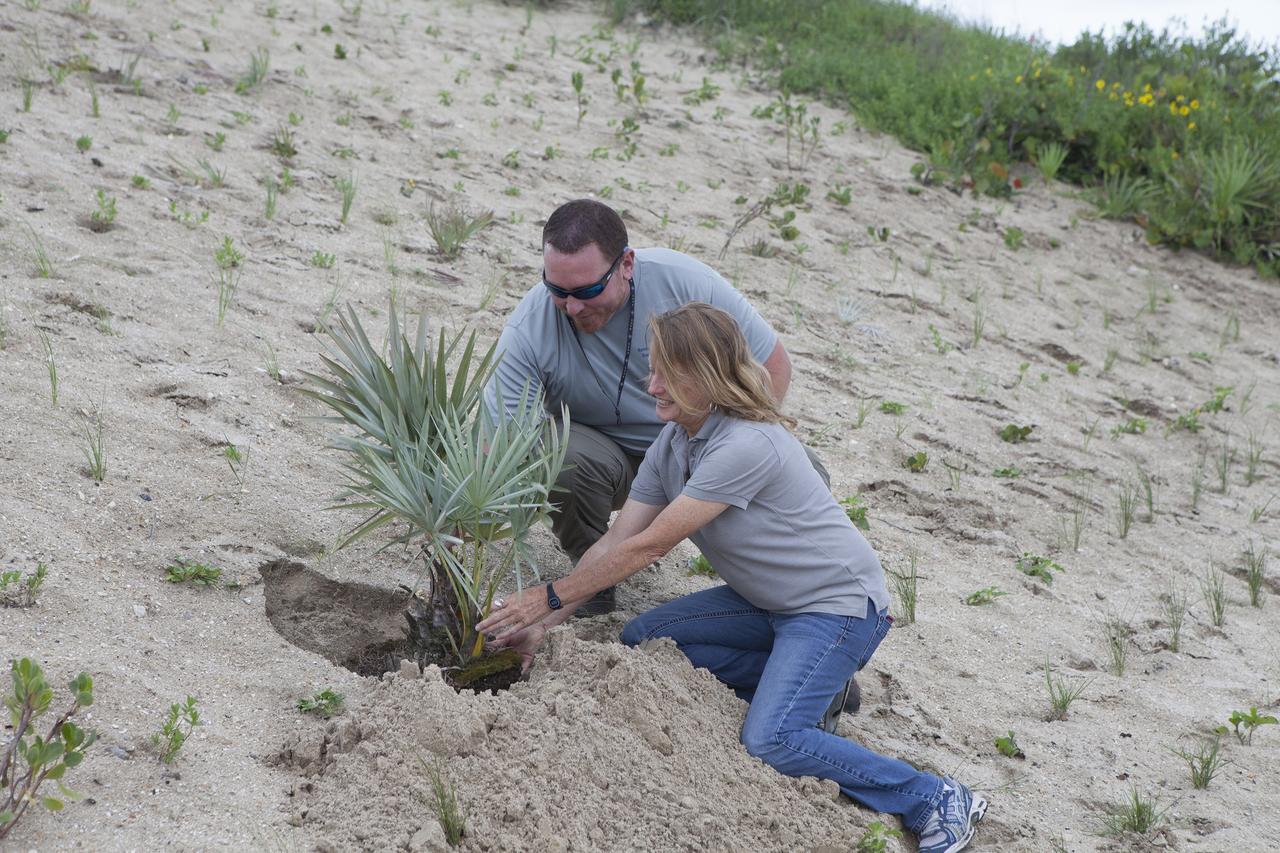
CAPE CANAVERAL, Fla. -- At the Kennedy Space Center in Florida, Don Dankert, a biological scientist in the NASA Environmental Management Branch of Center Operations, left, and Becky Bolt, a wildlife ecologist with InoMedic Health Applications Inc, plant the final shrub that is among 180,000 planted on a new 1.2-mile stretch of shoreline near Launch Pads 39A and B. Constant pounding from tropical storms, such as Hurricane Sandy in October of 2012, other weather systems and higher than usual tides, destroyed sand dunes protecting infrastructure at the spaceport. Photo credit: NASA/Dan Casper
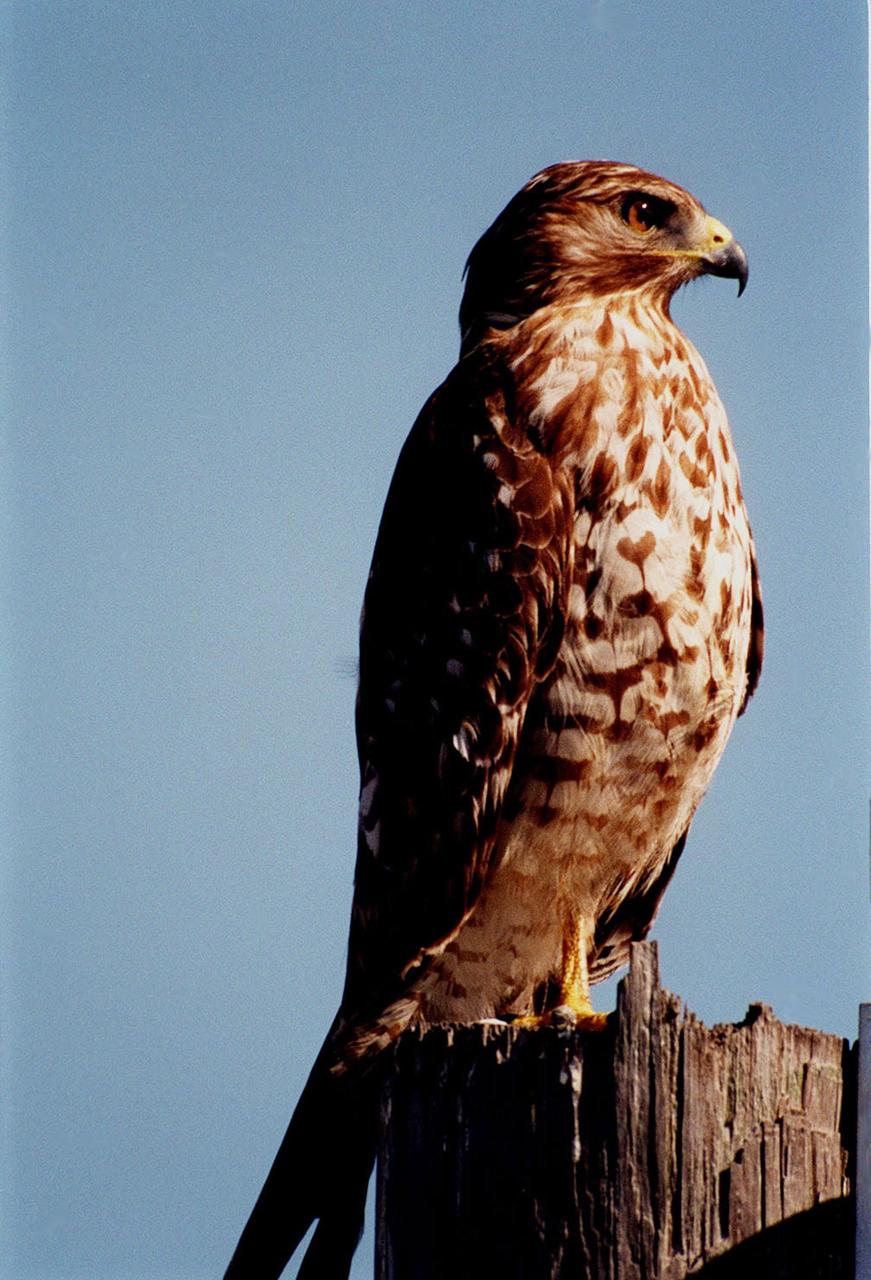
KENNEDY SPACE CENTER, FLA. -- Near a road at Kennedy Space Center, a red-shouldered hawk perches on a weathered tree stump. Red-shouldered hawks are large, long-winged, with rust-barred underparts, reddish shoulders, a narrowly banded tail, and a translucent area ner the tip of the wing. It ranges from Minnesota and New Brunswick south to the Gulf Coast, including Florida. It prefers deciduous woodlands, especially where there is standing water as in swampy woods and bogs. Kennedy Space Center shares a boundary with the Merritt Island National Wildlife Refuge that is a habitat for more than 331 species of birds, 31 mammals, 117 fishes, and 65 amphibians and reptiles. The marshes and open water of the refuge provide wintering areas for 23 species of migratory waterfowl, as well as a year-round home for great blue herons, great egrets, wood storks, cormorants, brown pelicans and other species of marsh and shore birds, as well as a variety of insects.

KENNEDY SPACE CENTER, FLA. -- Near a road at Kennedy Space Center, a red-shouldered hawk perches on a weathered tree stump. Red-shouldered hawks are large, long-winged, with rust-barred underparts, reddish shoulders, a narrowly banded tail, and a translucent area ner the tip of the wing. It ranges from Minnesota and New Brunswick south to the Gulf Coast, including Florida. It prefers deciduous woodlands, especially where there is standing water as in swampy woods and bogs. Kennedy Space Center shares a boundary with the Merritt Island National Wildlife Refuge that is a habitat for more than 331 species of birds, 31 mammals, 117 fishes, and 65 amphibians and reptiles. The marshes and open water of the refuge provide wintering areas for 23 species of migratory waterfowl, as well as a year-round home for great blue herons, great egrets, wood storks, cormorants, brown pelicans and other species of marsh and shore birds, as well as a variety of insects.
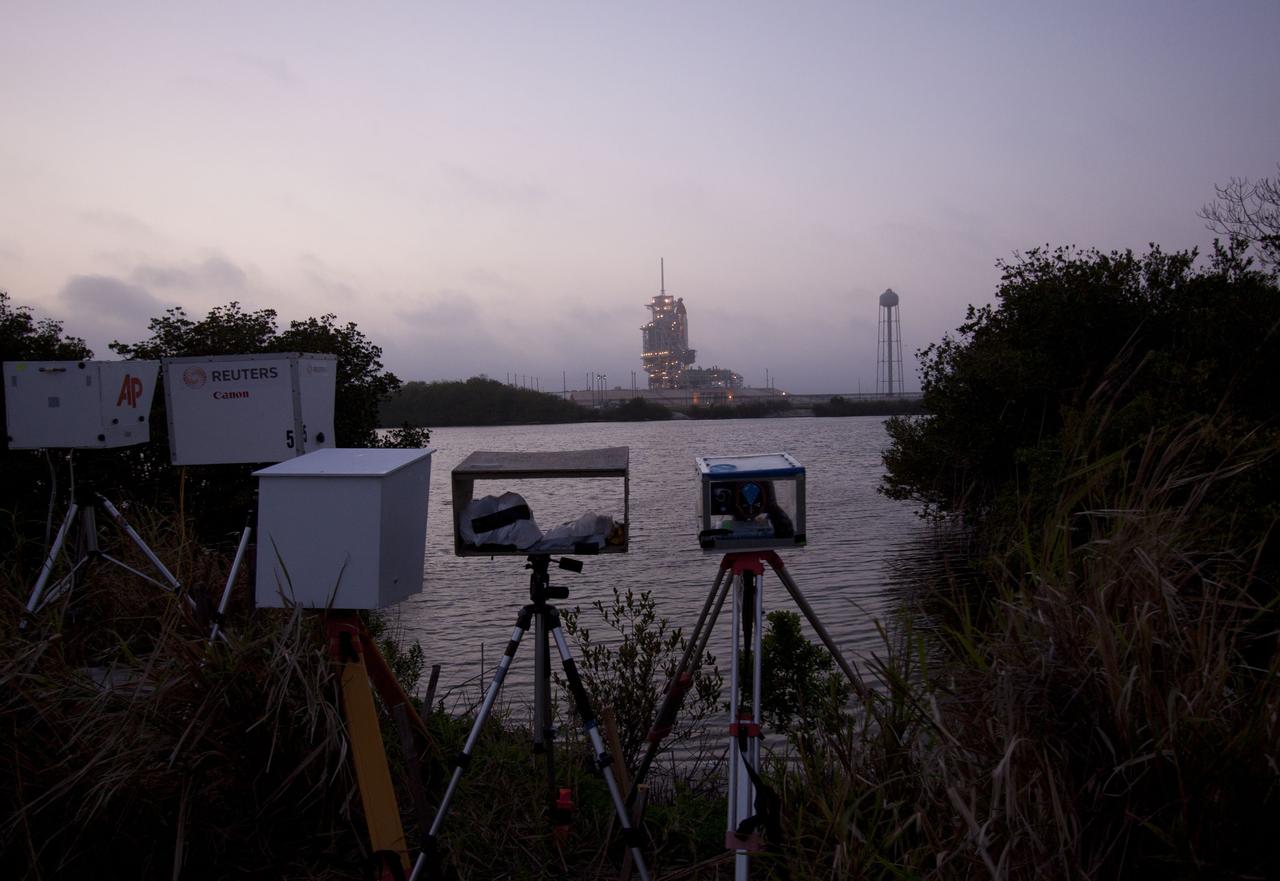
CAPE CANAVERAL, Fla. -- At NASA's Kennedy Space Center in Florida, the rotating service structure on Launch Pad 39A begins to move away from space shuttle Discovery. The structure provides weather protection and access to the shuttle while it awaits lift off on the pad. RSS "rollback," as it's called, began at 8:02 p.m. EST on Feb. 23 and wrapped up at 8:37 p.m. From here, cameras will catch the shuttle lift off amidst the space center's pristine wildlife refuge. Scheduled to lift off Feb. 24 at 4:50 p.m. EST, Discovery and its six-member crew will deliver the Permanent Multipurpose Module, packed with supplies and critical spare parts, as well as Robonaut 2, the dexterous humanoid astronaut helper, to the International Space Station. Discovery, which will fly its 39th mission, is scheduled to be retired following STS-133. This will be the 133rd Space Shuttle Program mission and the 35th shuttle voyage to the space station. For more information on the STS-133 mission, visit www.nasa.gov/mission_pages/shuttle/shuttlemissions/sts133/. Photo credit: NASA/Jack Pfaller
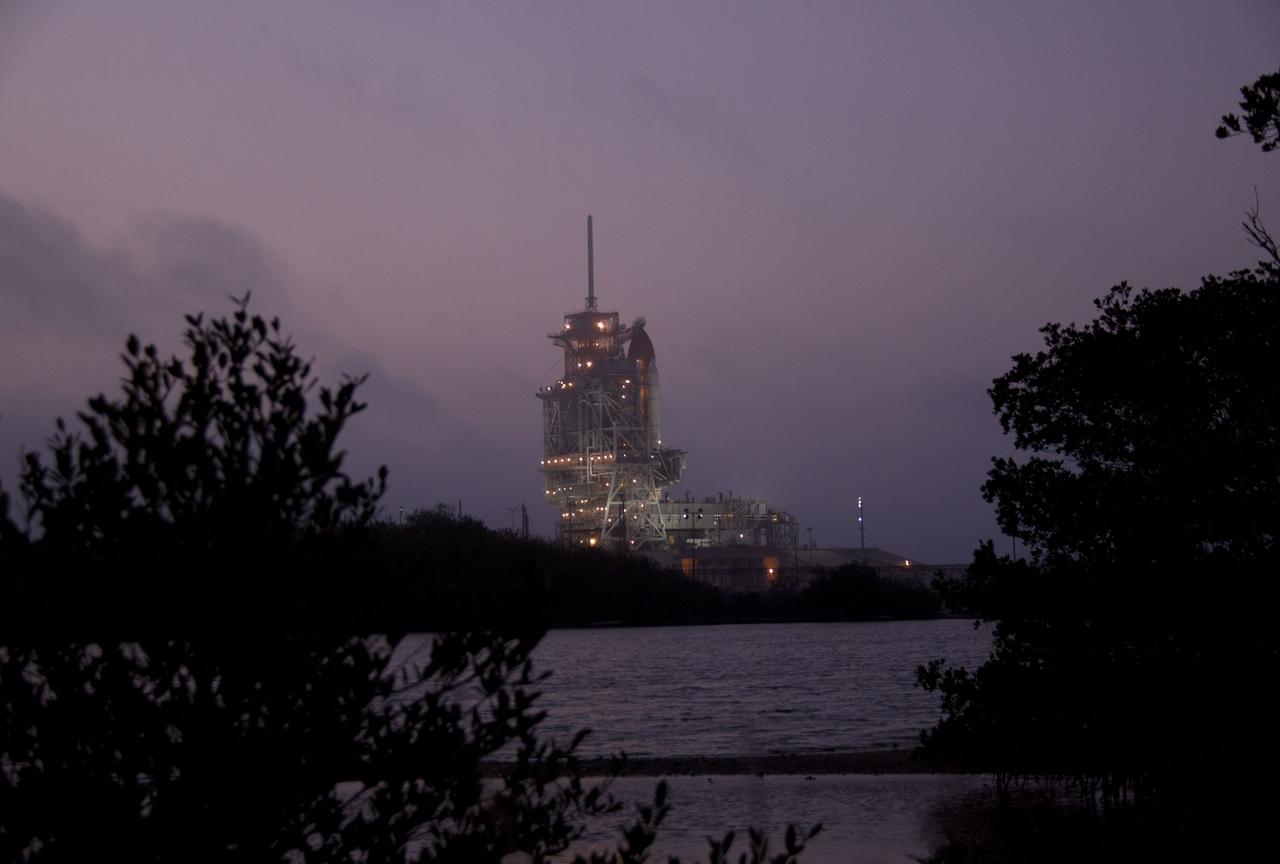
CAPE CANAVERAL, Fla. -- At NASA's Kennedy Space Center in Florida, the rotating service structure on Launch Pad 39A begins to move away from space shuttle Discovery. The structure provides weather protection and access to the shuttle while it awaits lift off on the pad. RSS "rollback," as it's called, began at 8:02 p.m. EST on Feb. 23 and wrapped up at 8:37 p.m. From here, cameras will catch the shuttle lift off amidst the space center's pristine wildlife refuge. Scheduled to lift off Feb. 24 at 4:50 p.m. EST, Discovery and its six-member crew will deliver the Permanent Multipurpose Module, packed with supplies and critical spare parts, as well as Robonaut 2, the dexterous humanoid astronaut helper, to the International Space Station. Discovery, which will fly its 39th mission, is scheduled to be retired following STS-133. This will be the 133rd Space Shuttle Program mission and the 35th shuttle voyage to the space station. For more information on the STS-133 mission, visit www.nasa.gov/mission_pages/shuttle/shuttlemissions/sts133/. Photo credit: NASA/Jack Pfaller