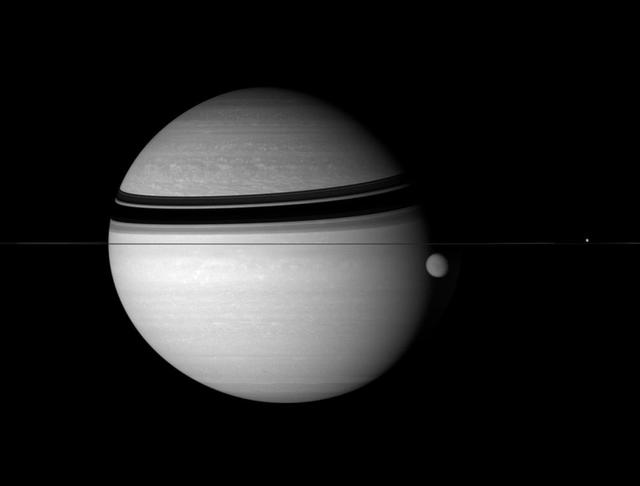
Window Into Worlds
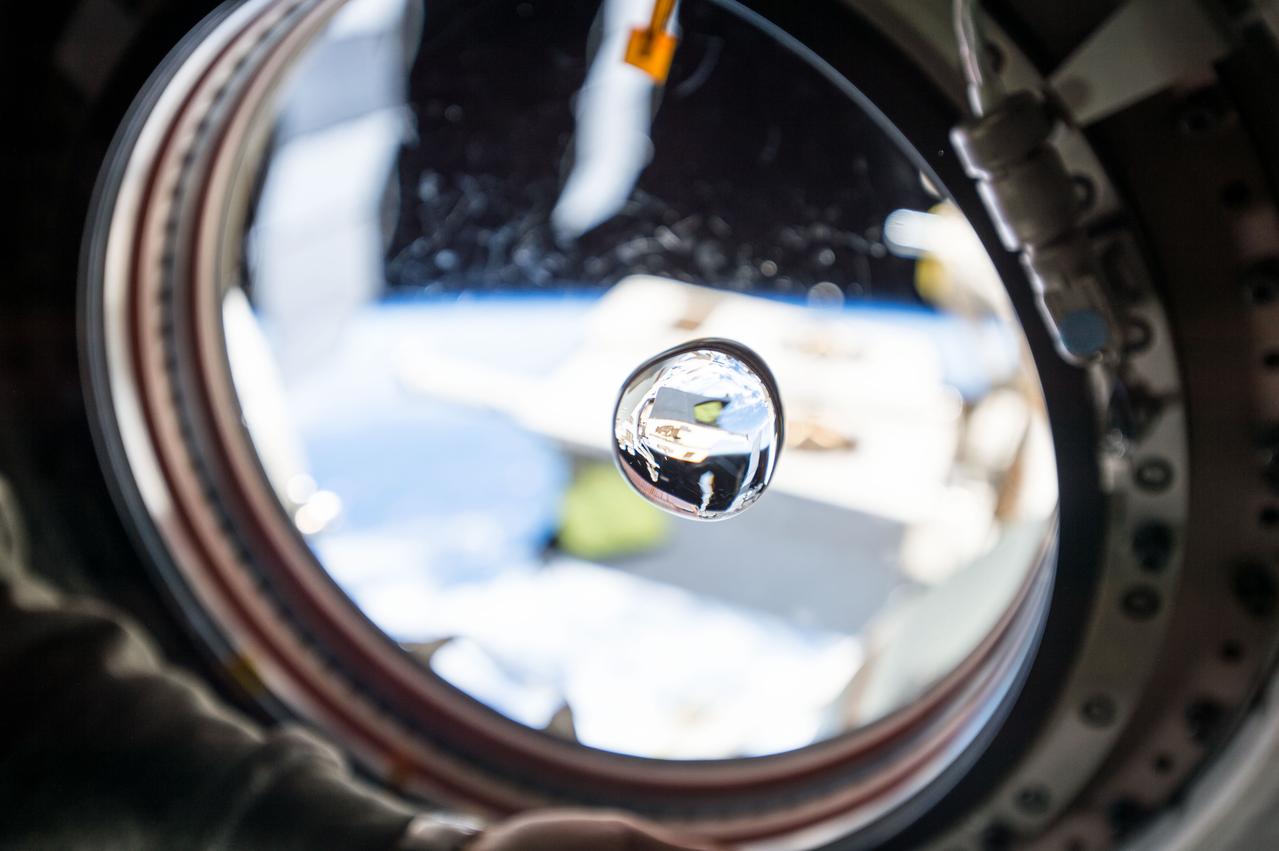
View of water bubble formed in front of the Japanese Experiment Module (JEM) window. The JEM Exposed Facility (JEF) is visible in the background through the window and reflected in the water. Scratches visible on the window.
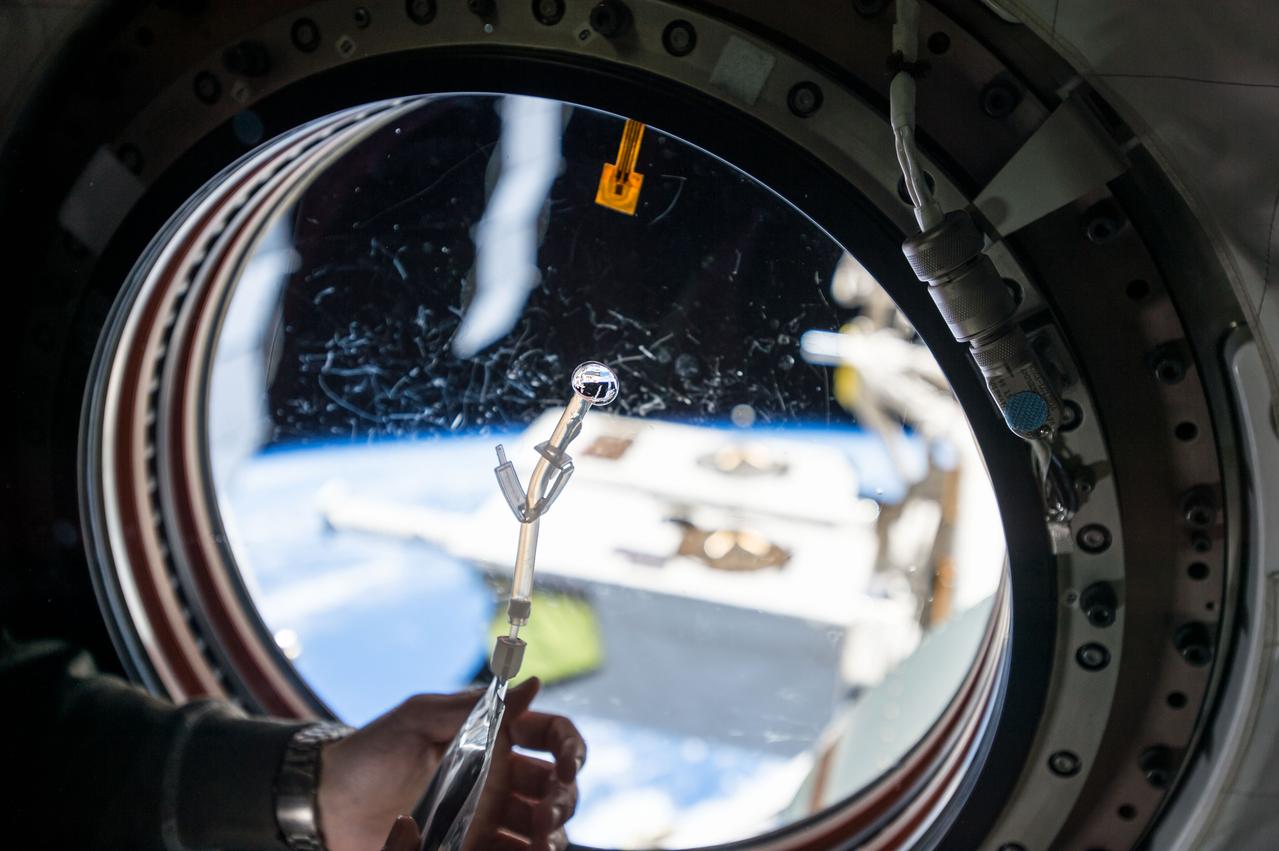
View of water bubble formed in front of the Japanese Experiment Module (JEM) window. The JEM Exposed Facility (JEF) is visible in the background through the window and reflected in the water. Scratches visible on the window.
Looking Out the Window
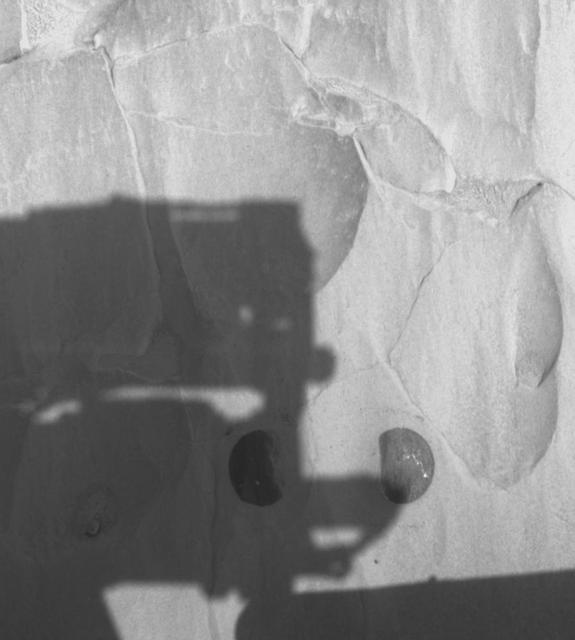
Windows to Fresh Rock
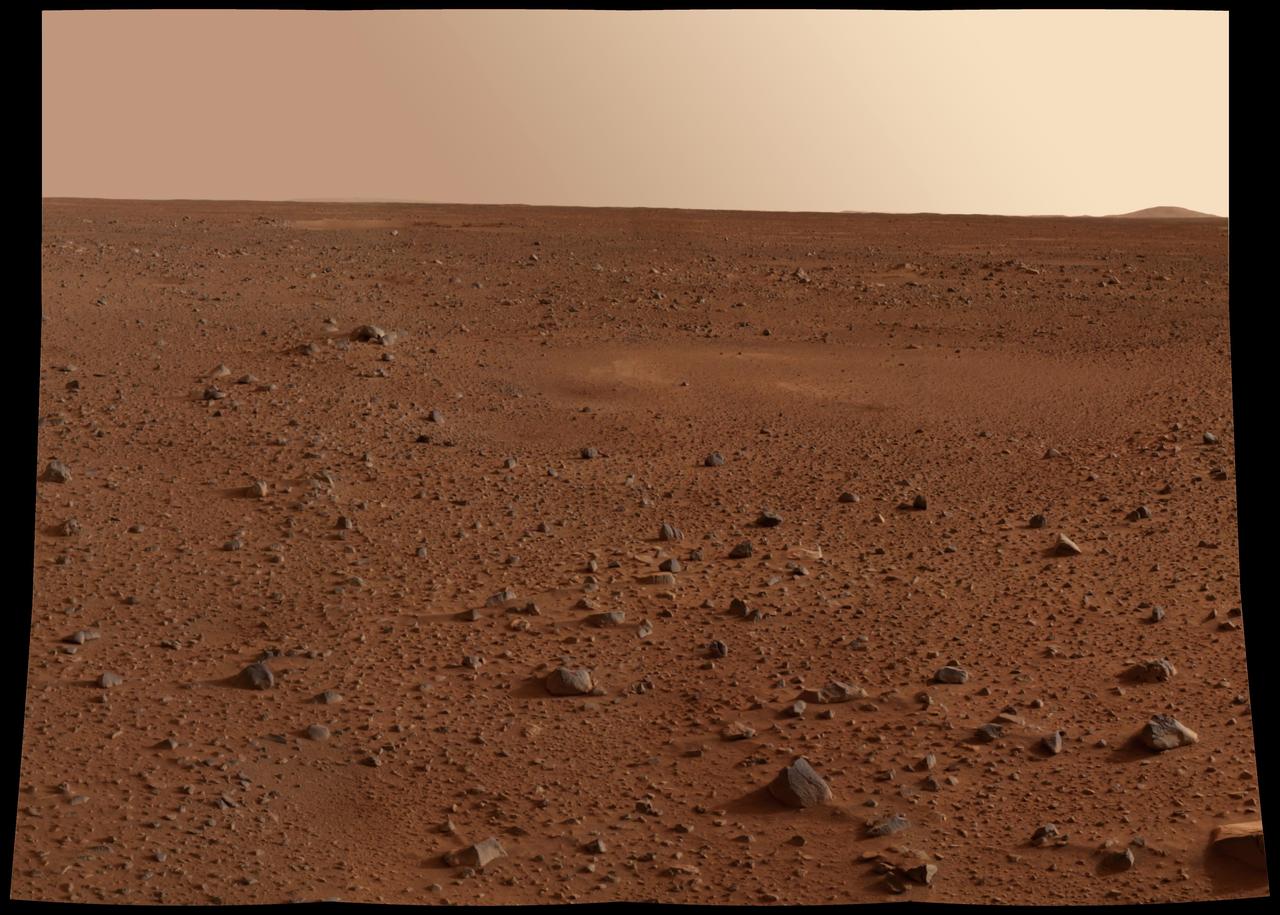
Rocks: Windows to History of Mars
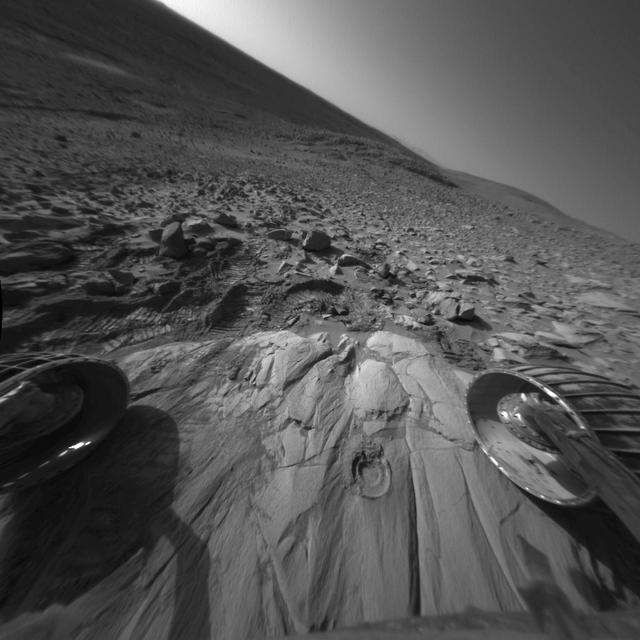
Window to Clovis Altered Past
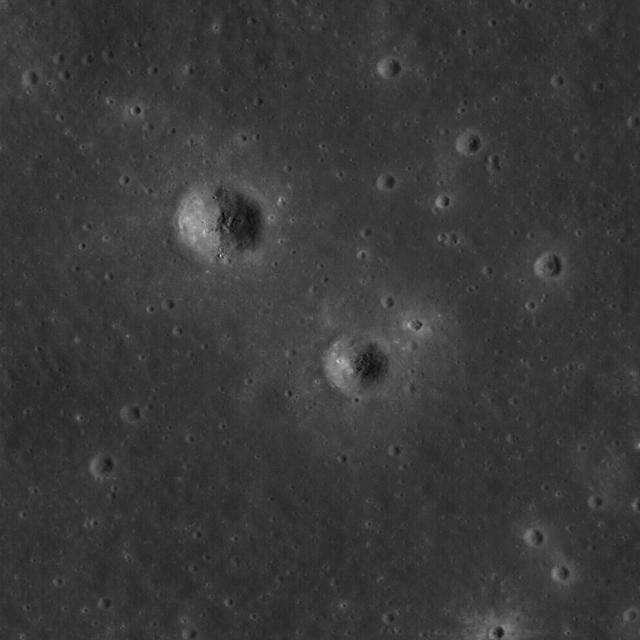
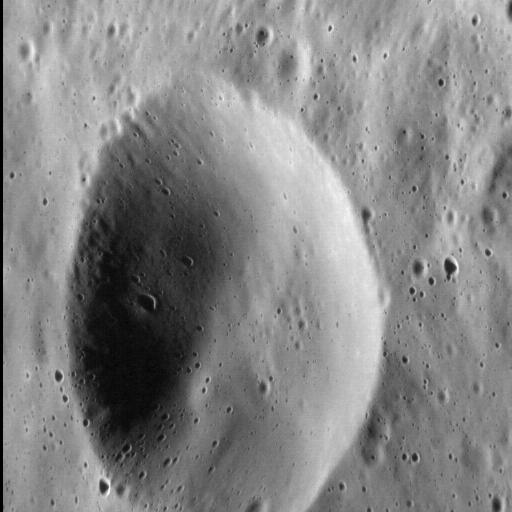
Window to the Farside Mantle

View of the Cupola window as documented by the Expedition 36 crew. Earth is visible through the window as well as docked Soyuz and Progress spacecraft.
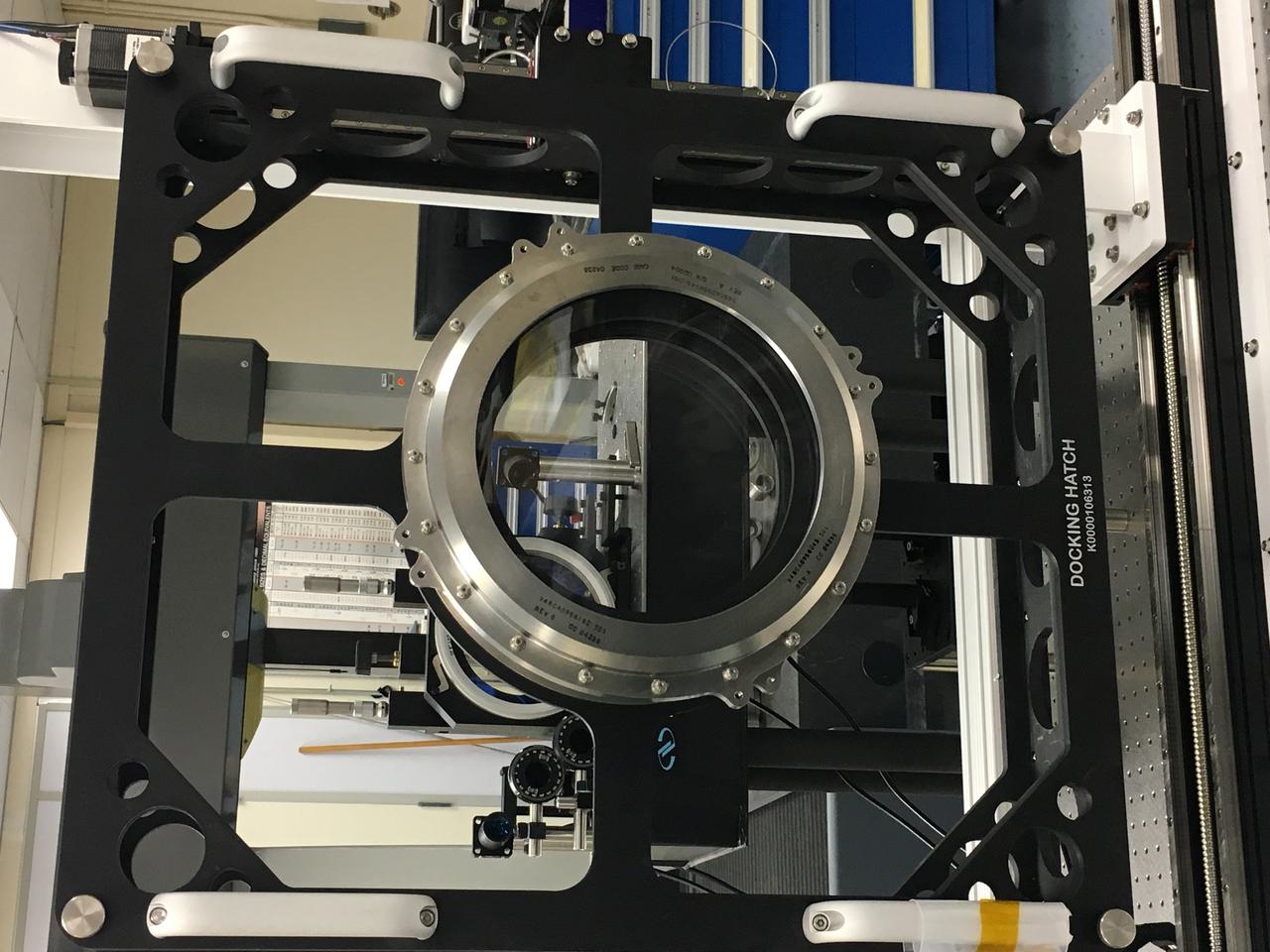
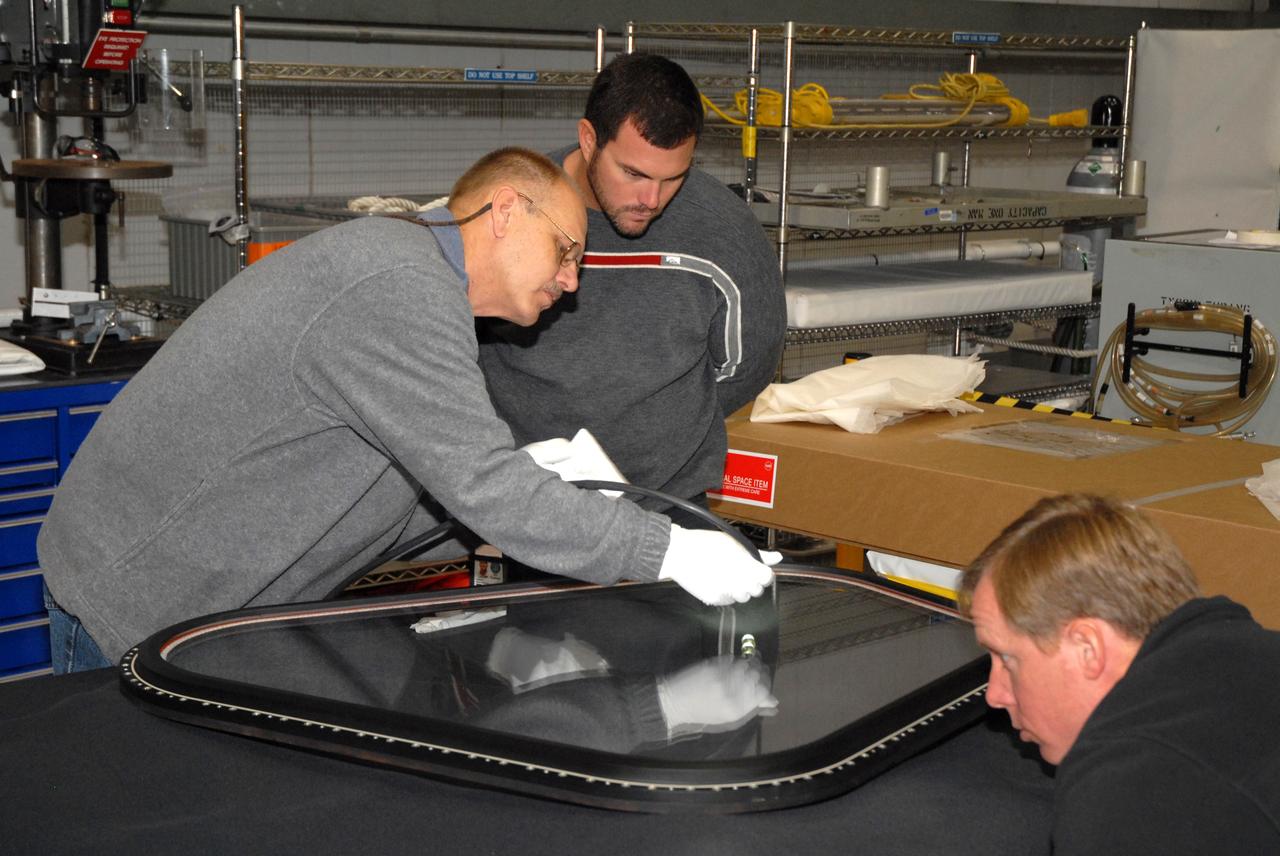
The first optical quality testing on a full window stack that is ready for installation in the docking hatch of NASA's Orion spacecraft is underway inside a laboratory in the Neil Armstrong Operations and Checkout Building at the agency's Kennedy Space Center in Florida. The test is being performed by a team from the center's Exploration Research and Technology Programs. The data from the tests will help improve the requirements for manufacturing tolerances on Orion's windows and verify how the window should perform in space. Orion is being prepared for its first integrated uncrewed flight atop NASA's Space Launch System rocket on Exploration Mission-1.
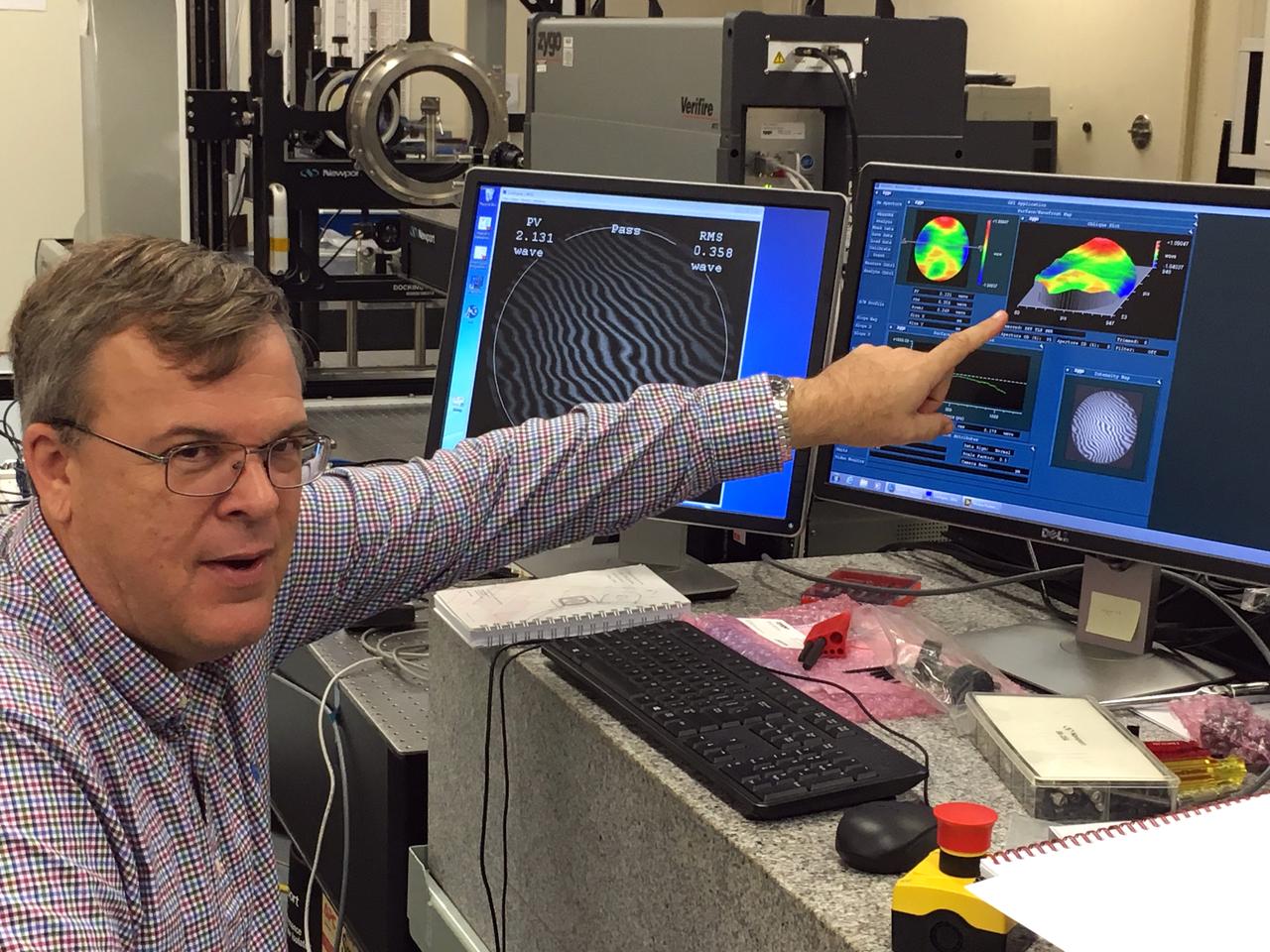
Mark Nurge, Ph.D., a physicist in the Applied Physics Lab with the Exploration Research and Technology Programs at NASA's Kennedy Space Center in Florida, looks at data during the first optical quality test on a full window stack that is ready for installation in the docking hatch of NASA's Orion spacecraft. The data from the tests will help improve the requirements for manufacturing tolerances on Orion's windows and verify how the window should perform in space. Orion is being prepared for its first integrated uncrewed flight atop NASA's Space Launch System rocket on Exploration Mission-1.
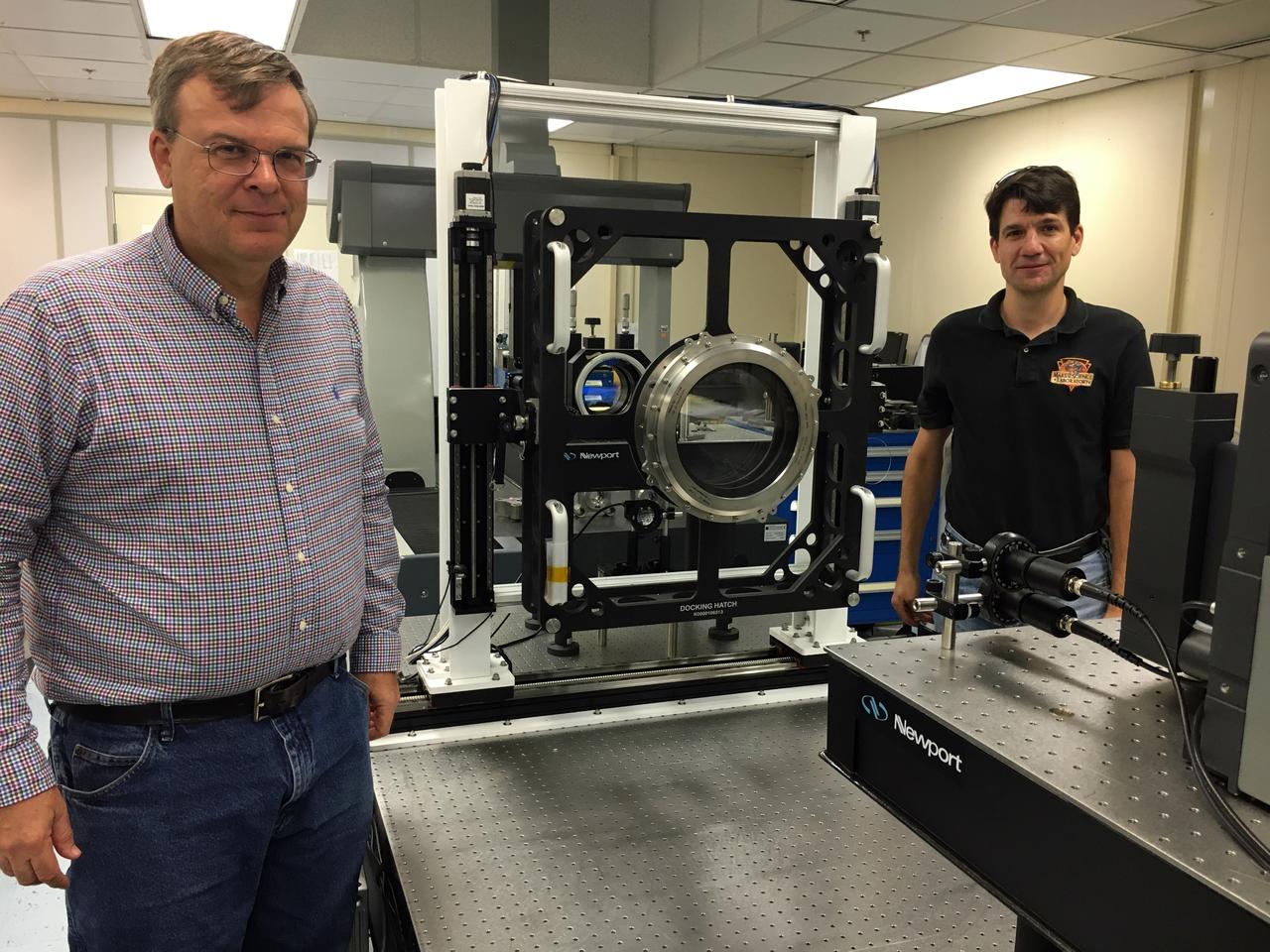
Inside a laboratory in the Neil Armstrong Operations and Checkout Building at NASA's Kennedy Space Center in Florida, Mark Nurge, Ph.D., at left, a physicist in the Applied Physics Lab with the center's Exploration Research and Technology Programs, and Bence Bartha, Ph.D., a specialist in non-destructive testing with URS Federal Services, are performing the first optical quality testing on a full window stack that is ready for installation in the docking hatch of NASA's Orion spacecraft. The data from the tests will help improve the requirements for manufacturing tolerances on Orion's windows and verify how the window should perform in space. Orion is being prepared for its first integrated uncrewed flight atop NASA's Space Launch System rocket on Exploration Mission-1.
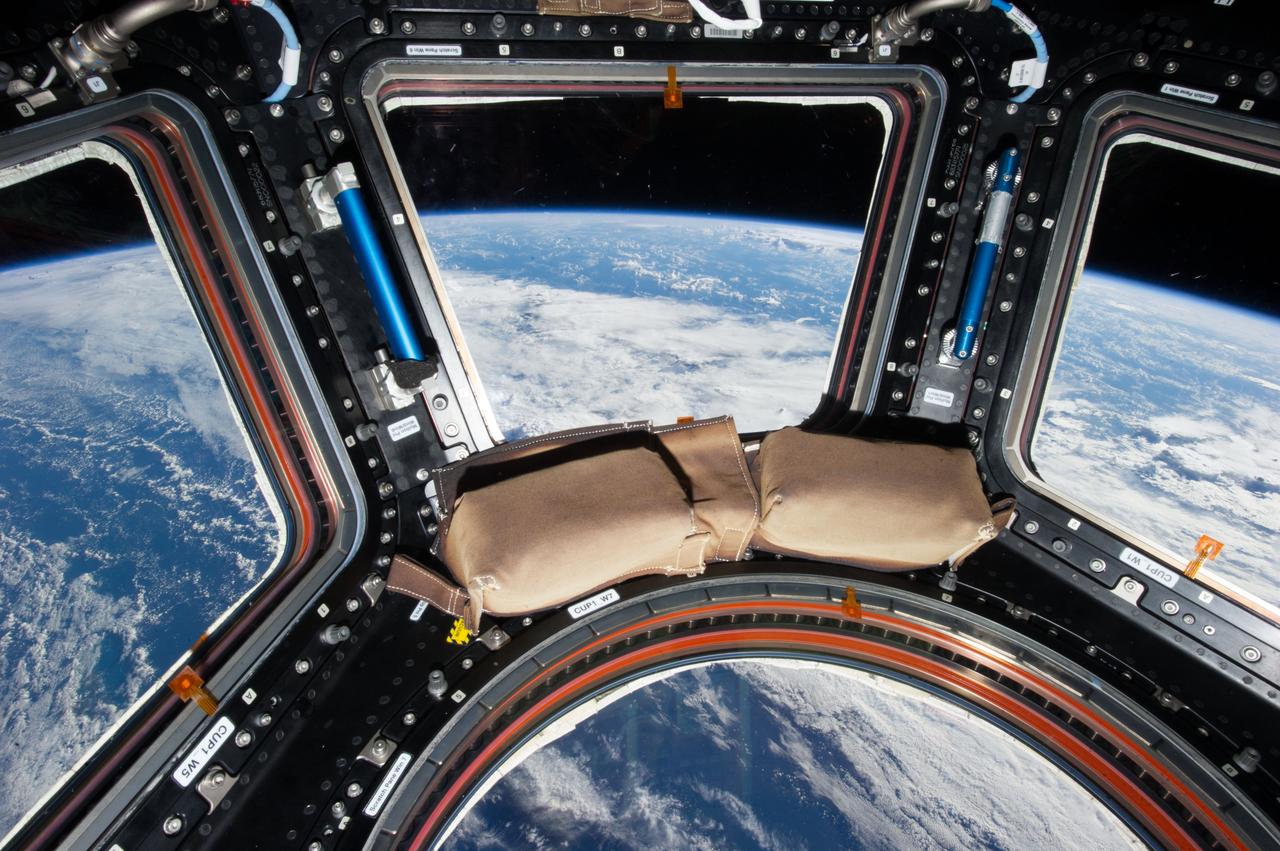
Close-up view of Cupola windows (with earth visible) as documented by the Expedition 36 crew.
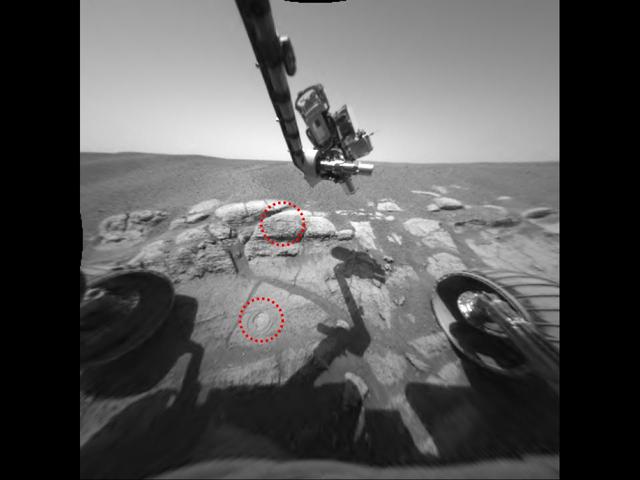
Windows to Meridiani Water-Soaked Past
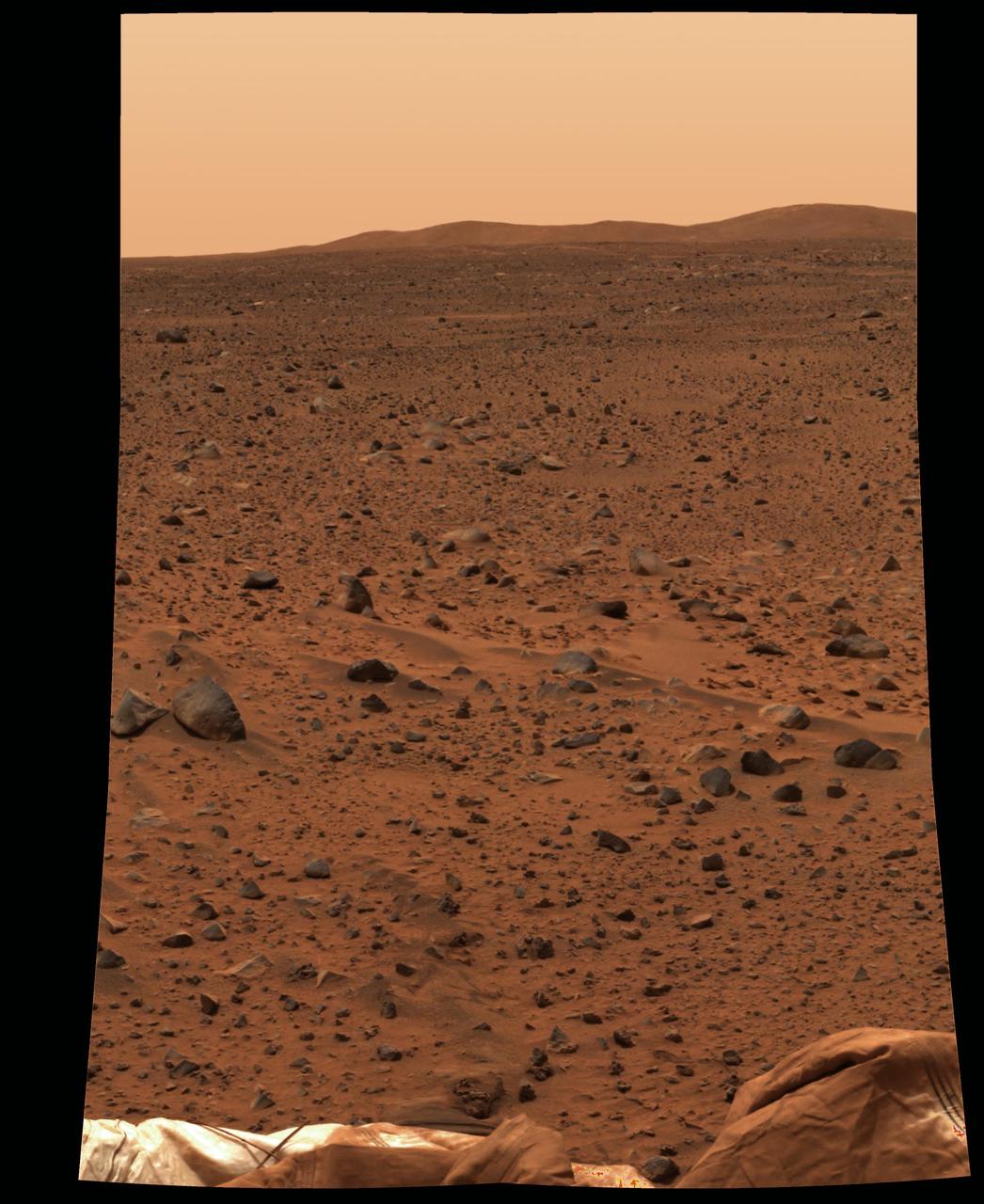
Rocks: Windows to History of Mars-2
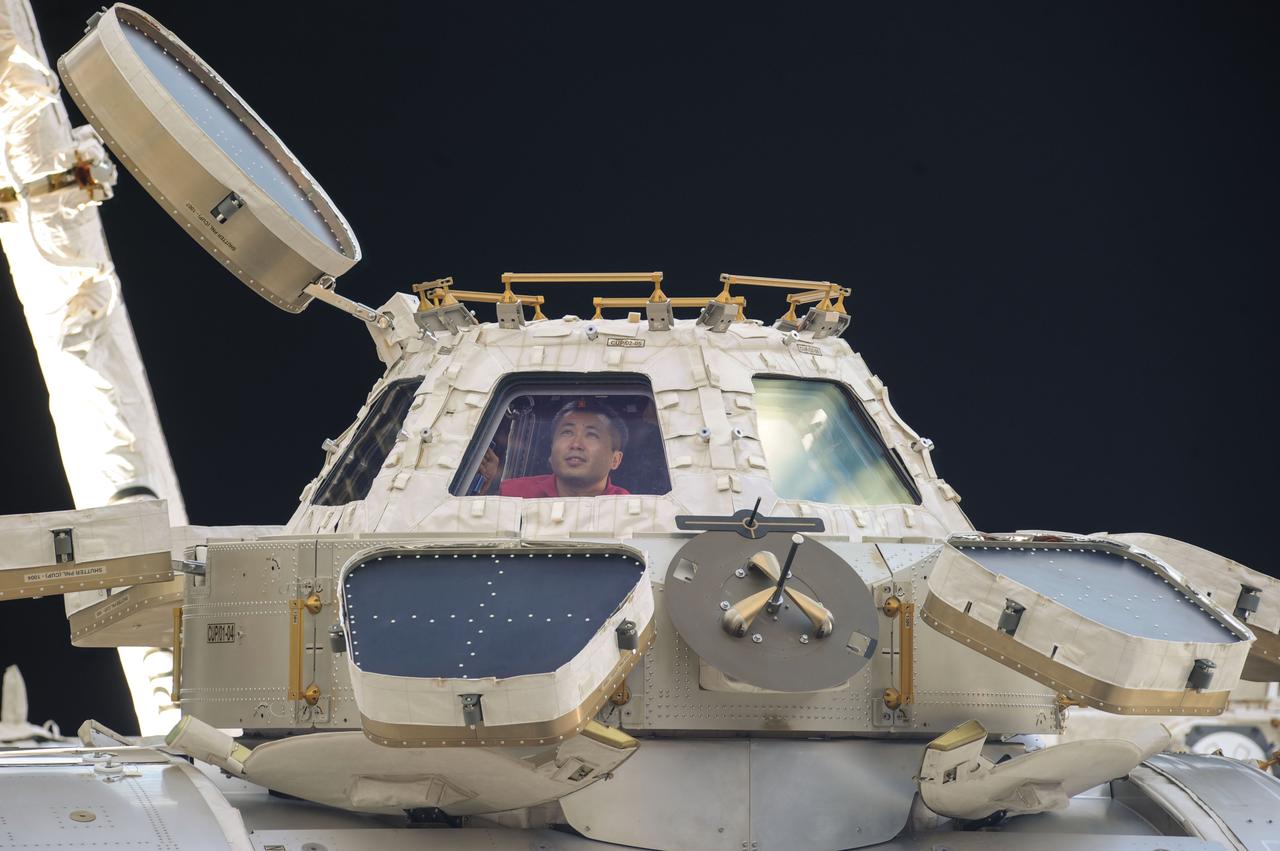
Exterior view of the Cupola Module with Expedition 39 commander and Japan Aerospace Exploration agency (JAXA) astronaut Koichi Wakata inside, looking out through one of the windows. This image was released by Wakata on Twitter.
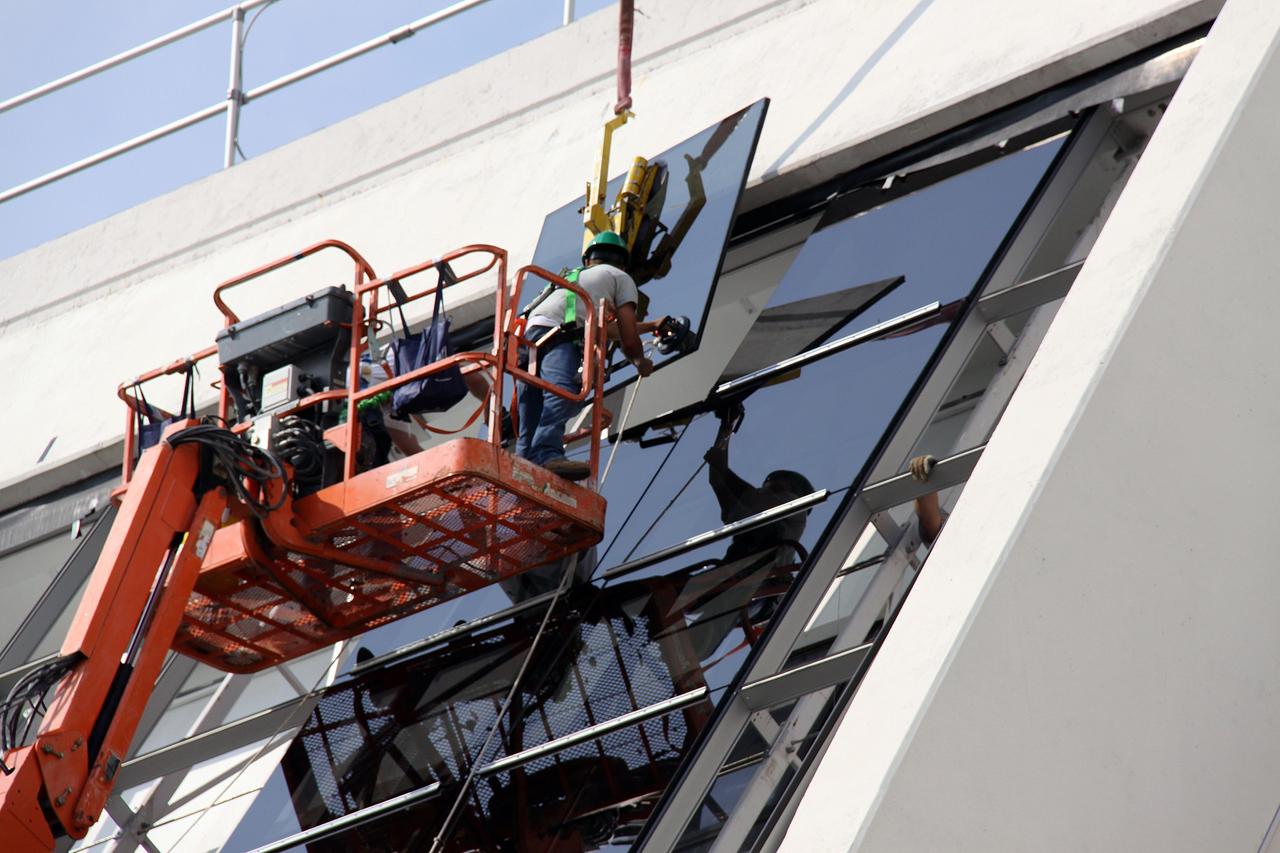
CAPE CANAVERAL, Fla. – A new window is lowered toward the existing Firing Room windows in the Launch Control Center at NASA's Kennedy Space Center in Florida. New, hurricane-rated window systems for the four Firing Rooms and the vestibule areas between Firing Rooms 1 & 2 and Firing Rooms 3 & 4 are being installed. In order to avoid operational impacts the new windows are being installed on the outside of the existing windows, enclosing the space formerly occupied by the louvers. The old windows will remain in place until the new windows are completely installed and leak tested. This approach will continue to keep the firing rooms from being exposed to the elements. Photo credit: NASA/Jack Pfaller
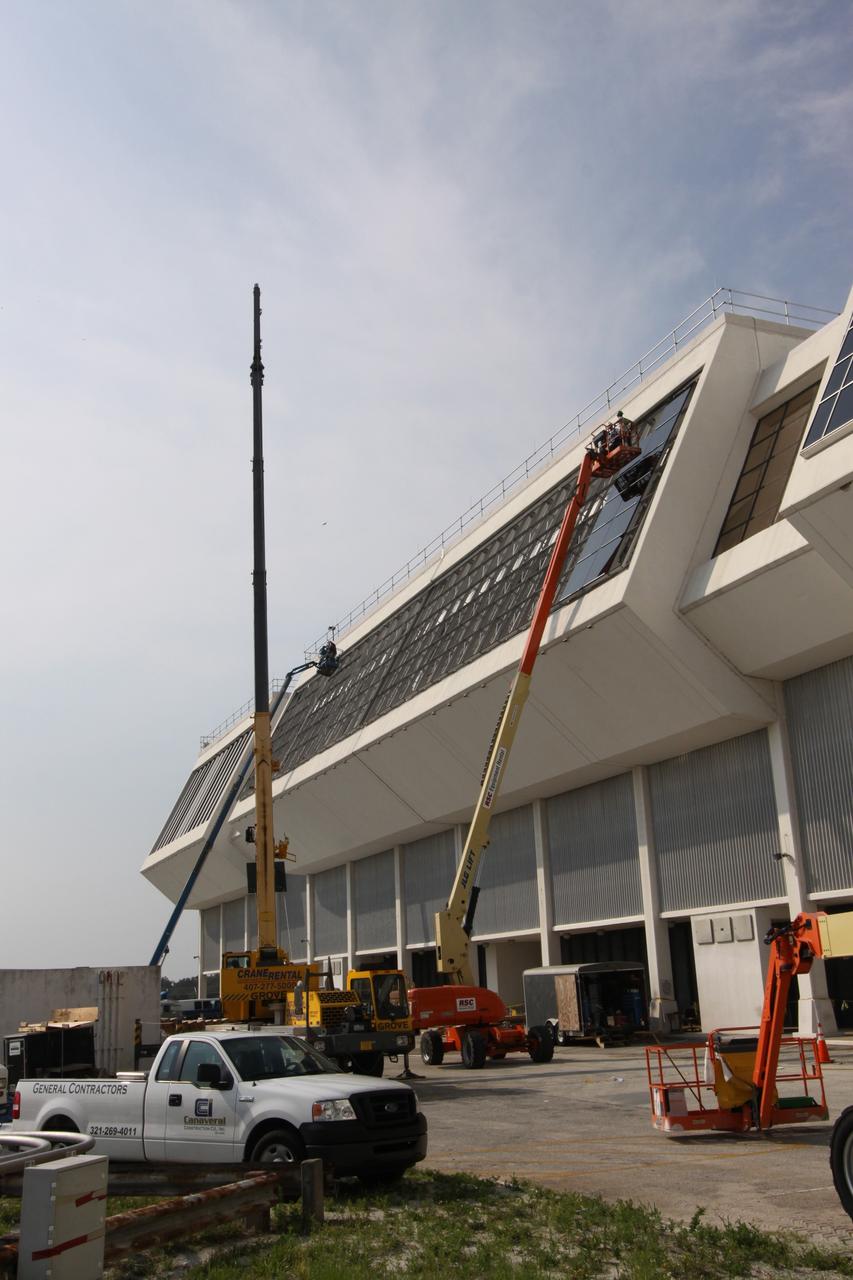
CAPE CANAVERAL, Fla. – Work continues on removing the louvers and replacing the windows on the Firing Room windows in the Launch Control Center at NASA's Kennedy Space Center in Florida. New, hurricane-rated window systems for the four Firing Rooms and the vestibule areas between Firing Rooms 1 & 2 and Firing Rooms 3 & 4 are being installed. In order to avoid operational impacts the new windows are being installed on the outside of the existing windows, enclosing the space formerly occupied by the louvers. The old windows will remain in place until the new windows are completely installed and leak tested. This approach will continue to keep the firing rooms from being exposed to the elements. Photo credit: NASA/Jack Pfaller
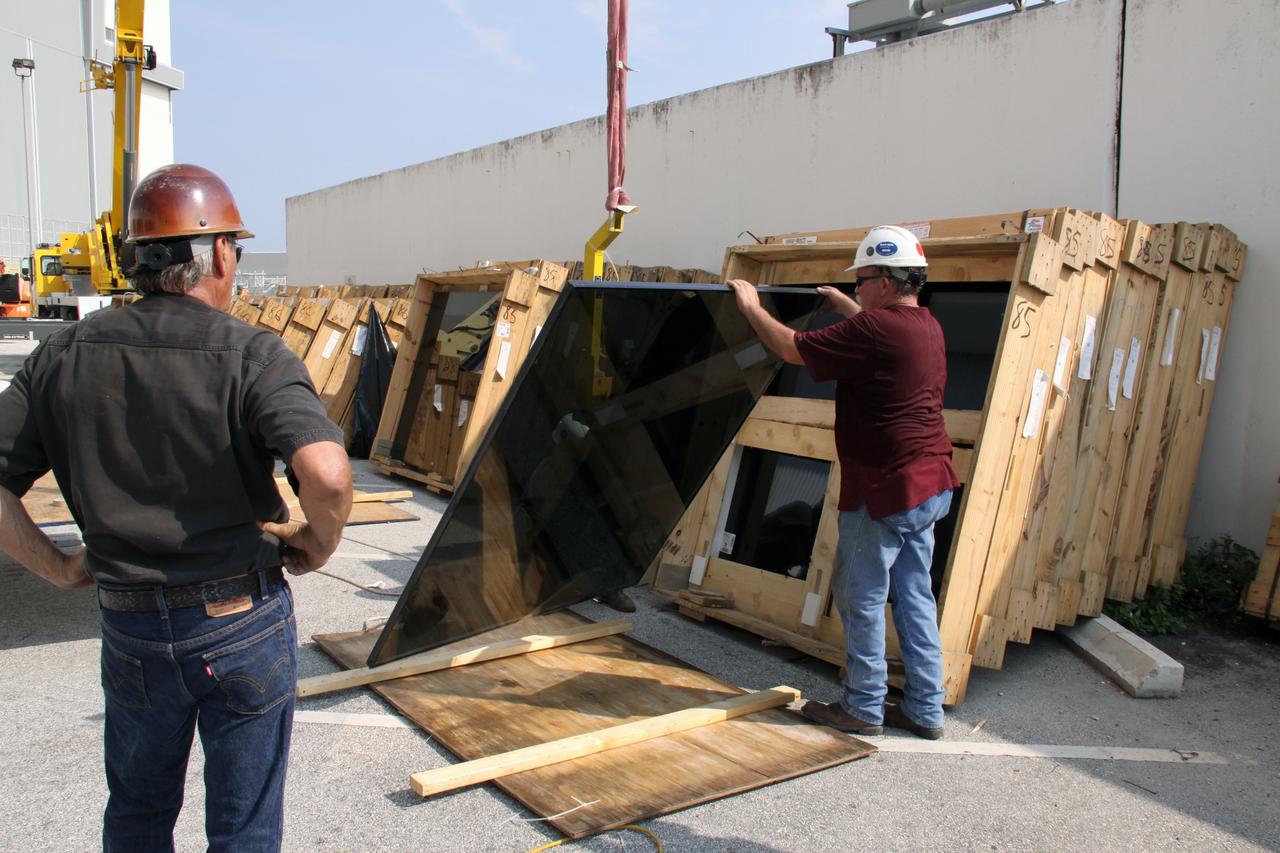
CAPE CANAVERAL, Fla. – Alongside the Launch Control Center at NASA's Kennedy Space Center in Florida, a new window is prepared to be lifted up to the existing Firing Room windows. New, hurricane-rated window systems for the four Firing Rooms and the vestibule areas between Firing Rooms 1 & 2 and Firing Rooms 3 & 4 are being installed. In order to avoid operational impacts the new windows are being installed on the outside of the existing windows, enclosing the space formerly occupied by the louvers. The old windows will remain in place until the new windows are completely installed and leak tested. This approach will continue to keep the firing rooms from being exposed to the elements. Photo credit: NASA/Jack Pfaller
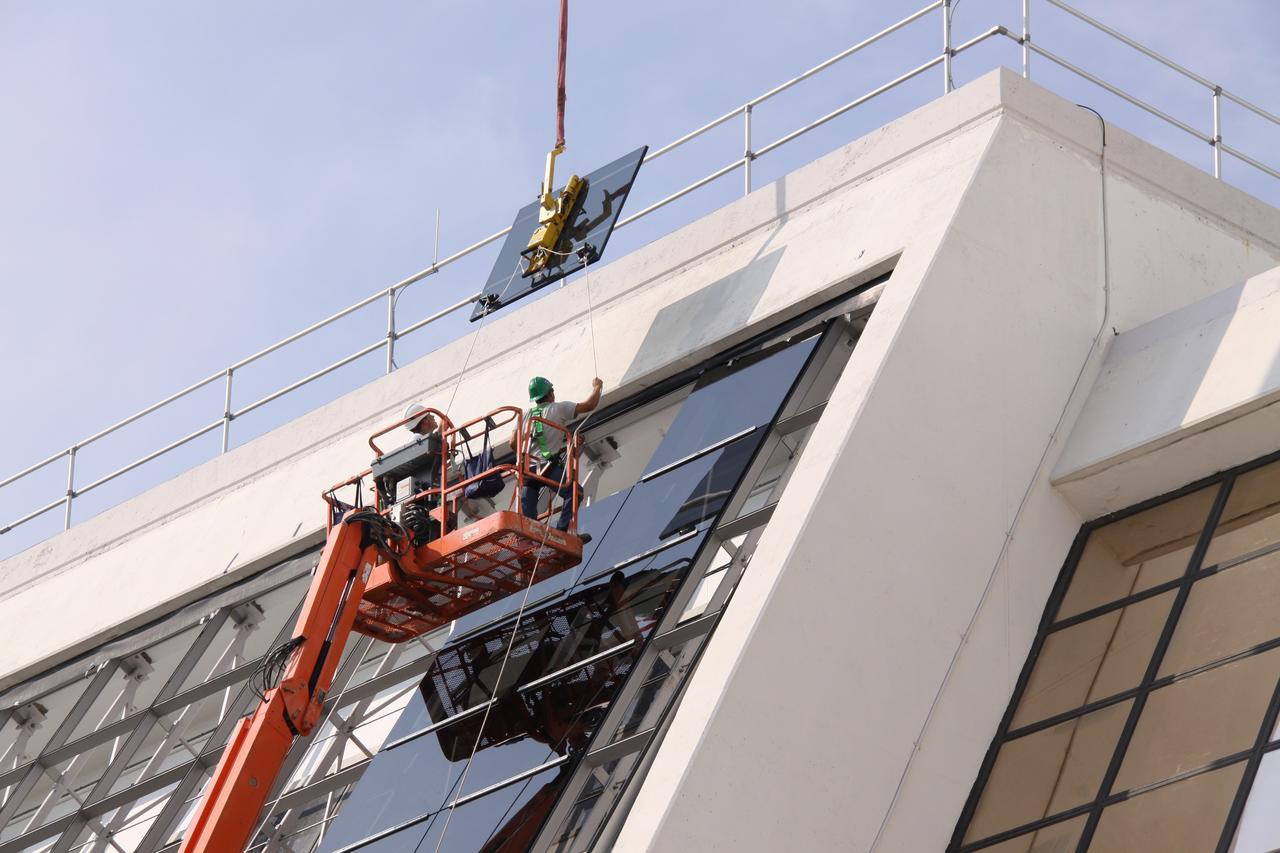
CAPE CANAVERAL, Fla. – A new window is lowered toward the existing Firing Room windows in the Launch Control Center at NASA's Kennedy Space Center in Florida. New, hurricane-rated window systems for the four Firing Rooms and the vestibule areas between Firing Rooms 1 & 2 and Firing Rooms 3 & 4 are being installed. In order to avoid operational impacts the new windows are being installed on the outside of the existing windows, enclosing the space formerly occupied by the louvers. The old windows will remain in place until the new windows are completely installed and leak tested. This approach will continue to keep the firing rooms from being exposed to the elements. Photo credit: NASA/Jack Pfaller
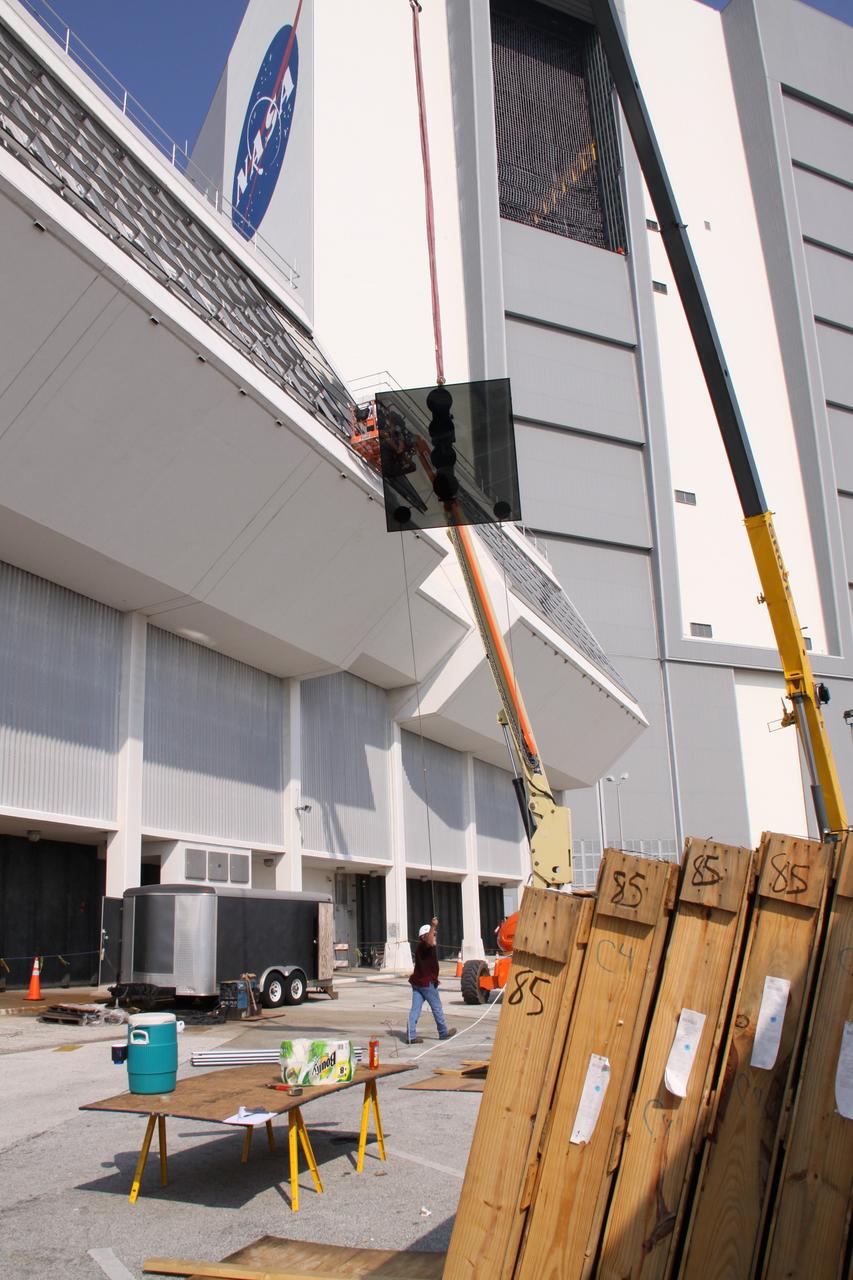
CAPE CANAVERAL, Fla. – A new window is raised toward the existing Firing Room windows in the Launch Control Center at NASA's Kennedy Space Center in Florida. New, hurricane-rated window systems for the four Firing Rooms and the vestibule areas between Firing Rooms 1 & 2 and Firing Rooms 3 & 4 are being installed. In order to avoid operational impacts the new windows are being installed on the outside of the existing windows, enclosing the space formerly occupied by the louvers. The old windows will remain in place until the new windows are completely installed and leak tested. This approach will continue to keep the firing rooms from being exposed to the elements. Photo credit: NASA/Jack Pfaller
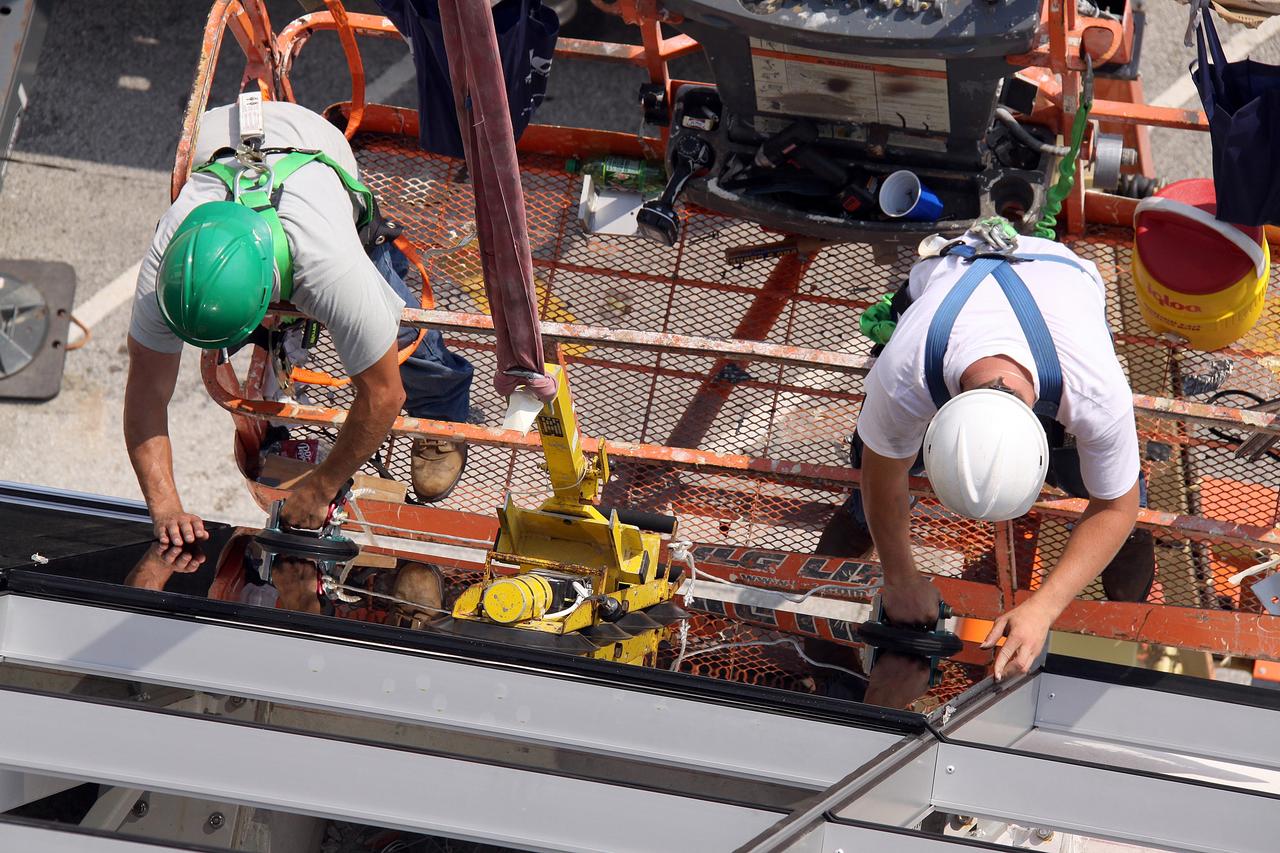
CAPE CANAVERAL, Fla. – Workers at NASA's Kennedy Space Center in Florida secure a new window on the Firing Room in the Launch Control Center. New, hurricane-rated window systems for the four Firing Rooms and the vestibule areas between Firing Rooms 1 & 2 and Firing Rooms 3 & 4 are being installed. In order to avoid operational impacts the new windows are being installed on the outside of the existing windows, enclosing the space formerly occupied by the louvers. The old windows will remain in place until the new windows are completely installed and leak tested. This approach will continue to keep the firing rooms from being exposed to the elements. Photo credit: NASA/Jack Pfaller
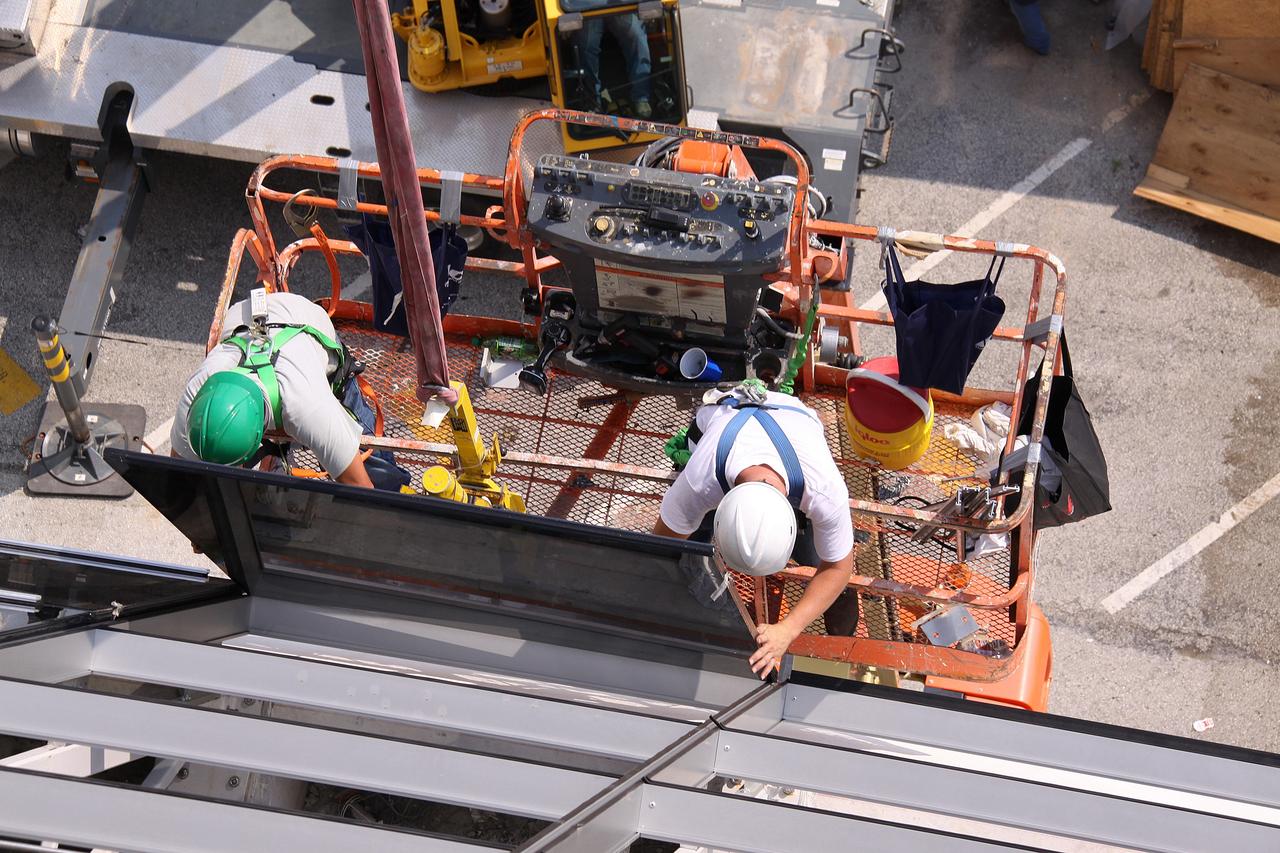
CAPE CANAVERAL, Fla. – Workers at NASA's Kennedy Space Center in Florida carefully place a new window on the Firing Room in the Launch Control Center. New, hurricane-rated window systems for the four Firing Rooms and the vestibule areas between Firing Rooms 1 & 2 and Firing Rooms 3 & 4 are being installed. In order to avoid operational impacts the new windows are being installed on the outside of the existing windows, enclosing the space formerly occupied by the louvers. The old windows will remain in place until the new windows are completely installed and leak tested. This approach will continue to keep the firing rooms from being exposed to the elements. Photo credit: NASA/Jack Pfaller
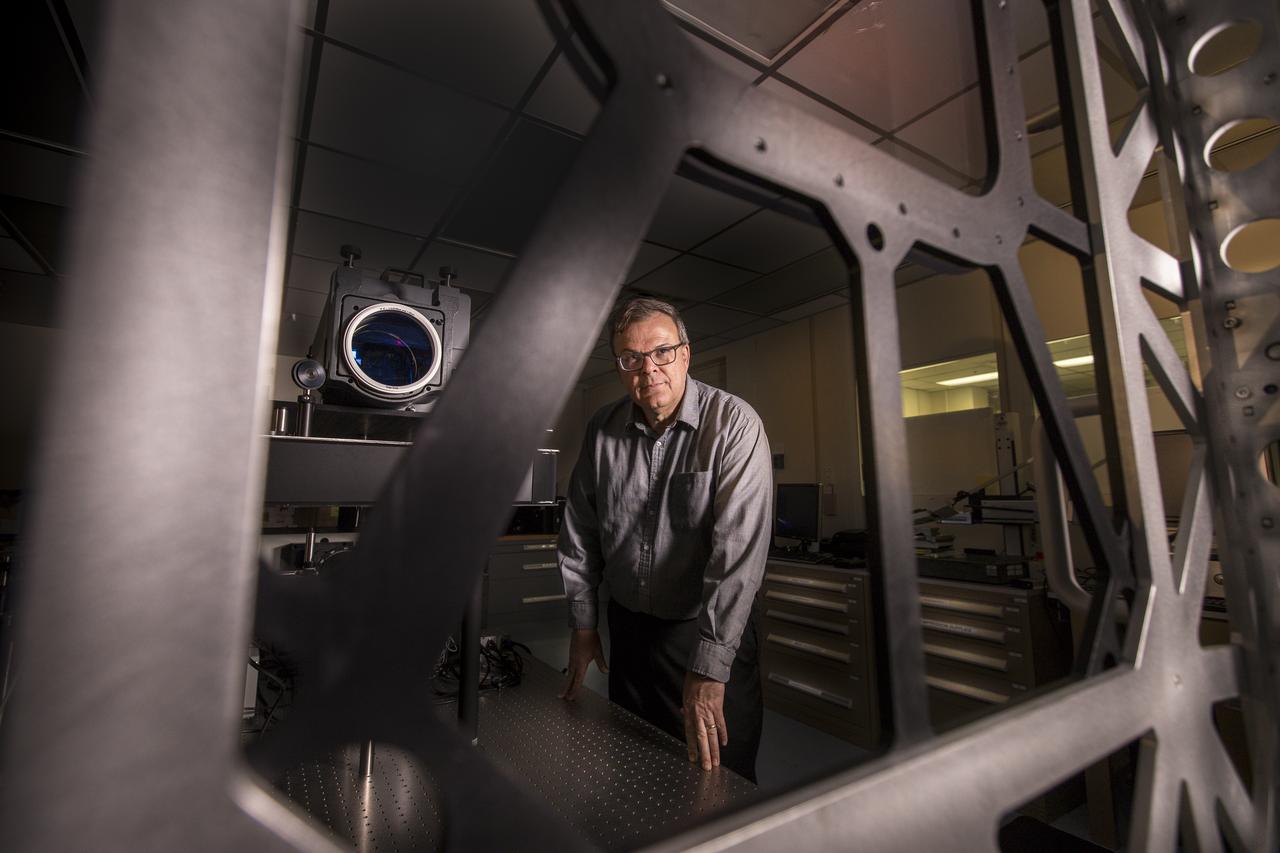
Mark Nurge, a physicist in Kennedy Space Center’s Applied Physics Lab, stands near a laser interferometer, which is used to determine if there are acceptable levels of distortion and imperfections in windows. Nurge recently completed optical metrology testing and evaluation of all flight windows on the Orion capsule for Artemis 1. The interferometer uses a laser source to do wavefront and transmission measurements, as well as evaluation of the color balance. Artemis 1 is an uncrewed flight that will pave the way for future crewed missions and enable future missions to the Moon, Mars, and beyond.
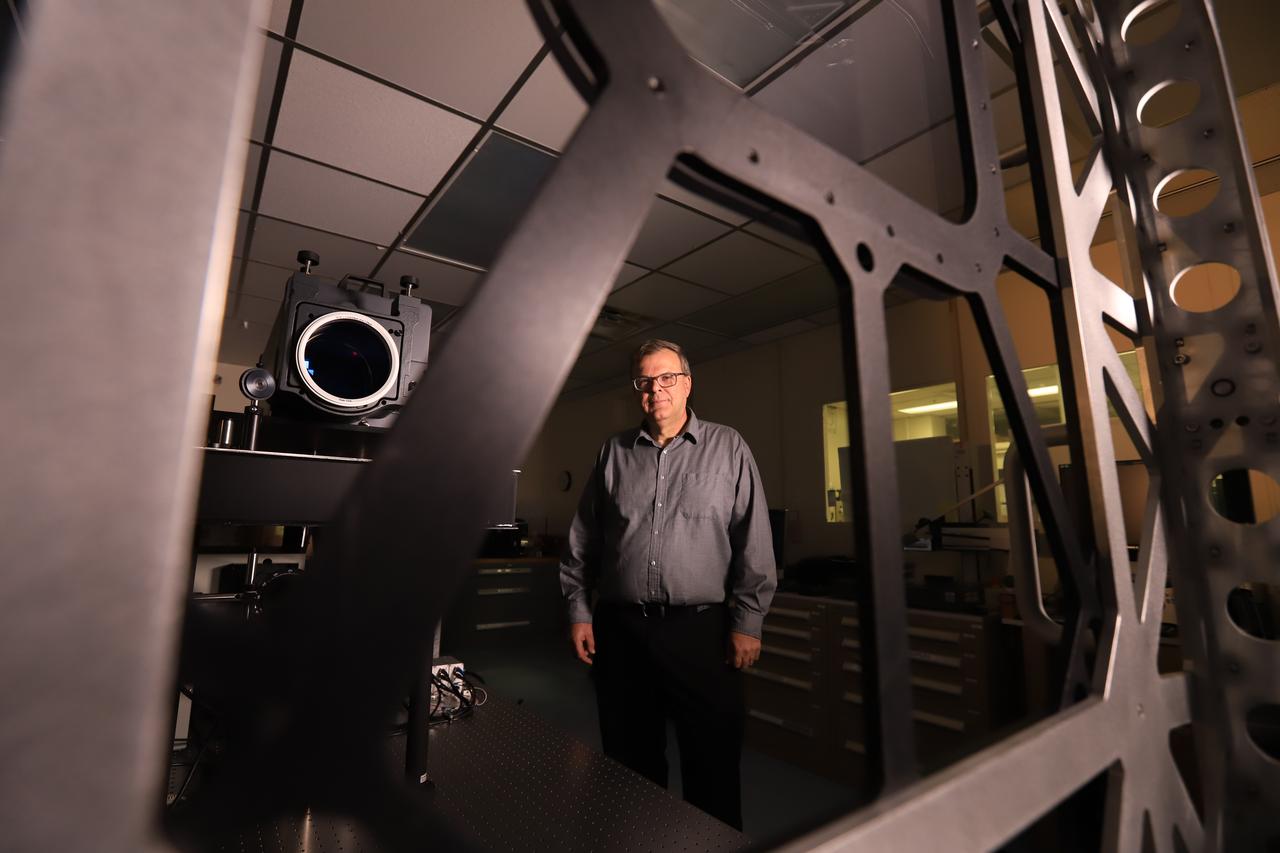
Mark Nurge, a physicist in Kennedy Space Center’s Applied Physics Lab, stands near a laser interferometer, which is used to determine if there are acceptable levels of distortion and imperfections in windows. Nurge recently completed optical metrology testing and evaluation of all flight windows on the Orion capsule for Artemis 1. The interferometer uses a laser source to do wavefront and transmission measurements, as well as evaluation of the color balance. Artemis 1 is an uncrewed flight that will pave the way for future crewed missions and enable future missions to the Moon, Mars, and beyond.
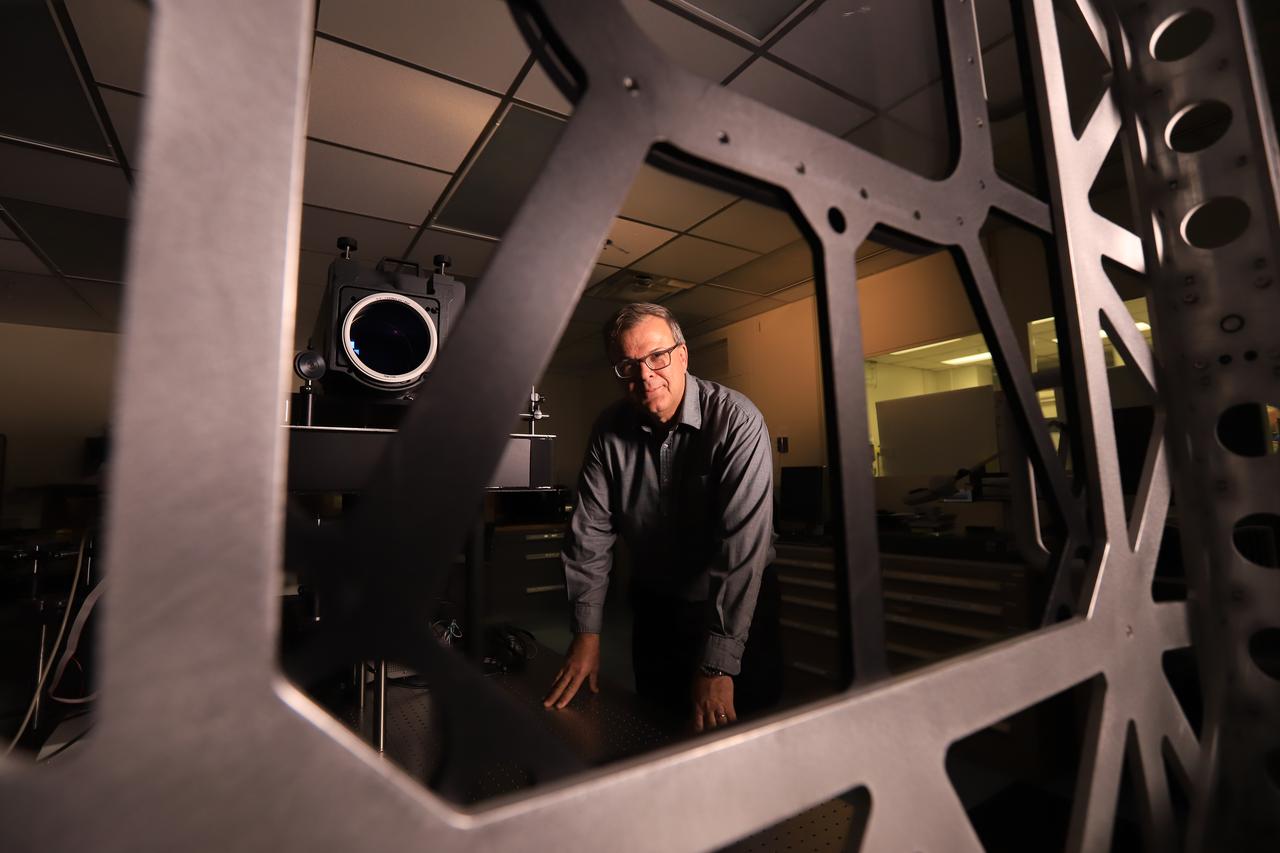
Mark Nurge, a physicist in Kennedy Space Center’s Applied Physics Lab, stands near a laser interferometer, which is used to determine if there are acceptable levels of distortion and imperfections in windows. Nurge recently completed optical metrology testing and evaluation of all flight windows on the Orion capsule for Artemis 1. The interferometer uses a laser source to do wavefront and transmission measurements, as well as evaluation of the color balance. Artemis 1 is an uncrewed flight that will pave the way for future crewed missions and enable future missions to the Moon, Mars, and beyond.
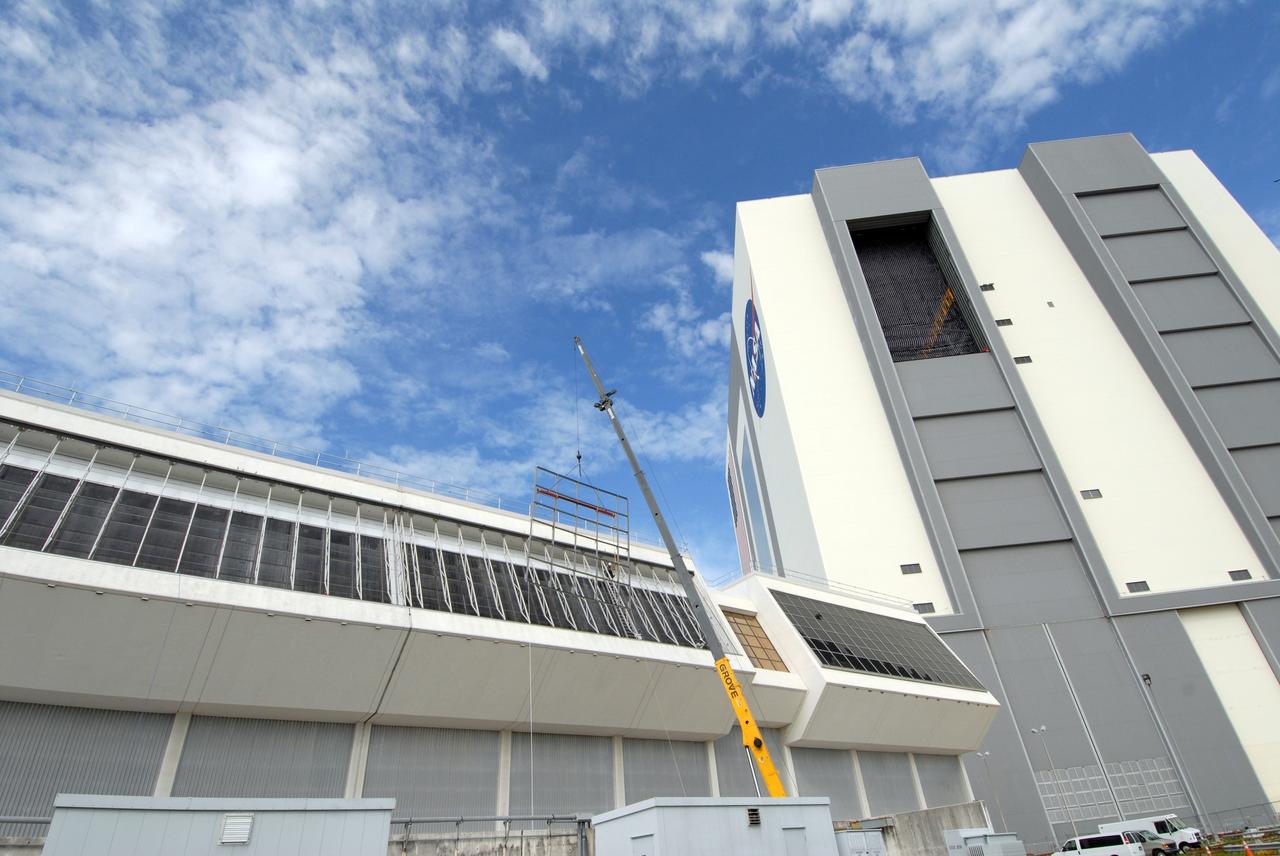
CAPE CANAVERAL, Fla. – At NASA's Kennedy Space Center in Florida, new, hurricane-rated window systems for the four Firing Rooms and the vestibule areas between Firing Rooms 1 & 2 and Firing Rooms 3 & 4 are being installed. In order to avoid operational impacts, the new windows are being installed on the outside of the existing windows, enclosing the space formerly occupied by the louvers, and the old windows will remain in place until the new windows are completely installed and leak tested. This approach will continue to keep the firing rooms from being exposed to the elements. Photo credit: NASA/Tim Jacobs
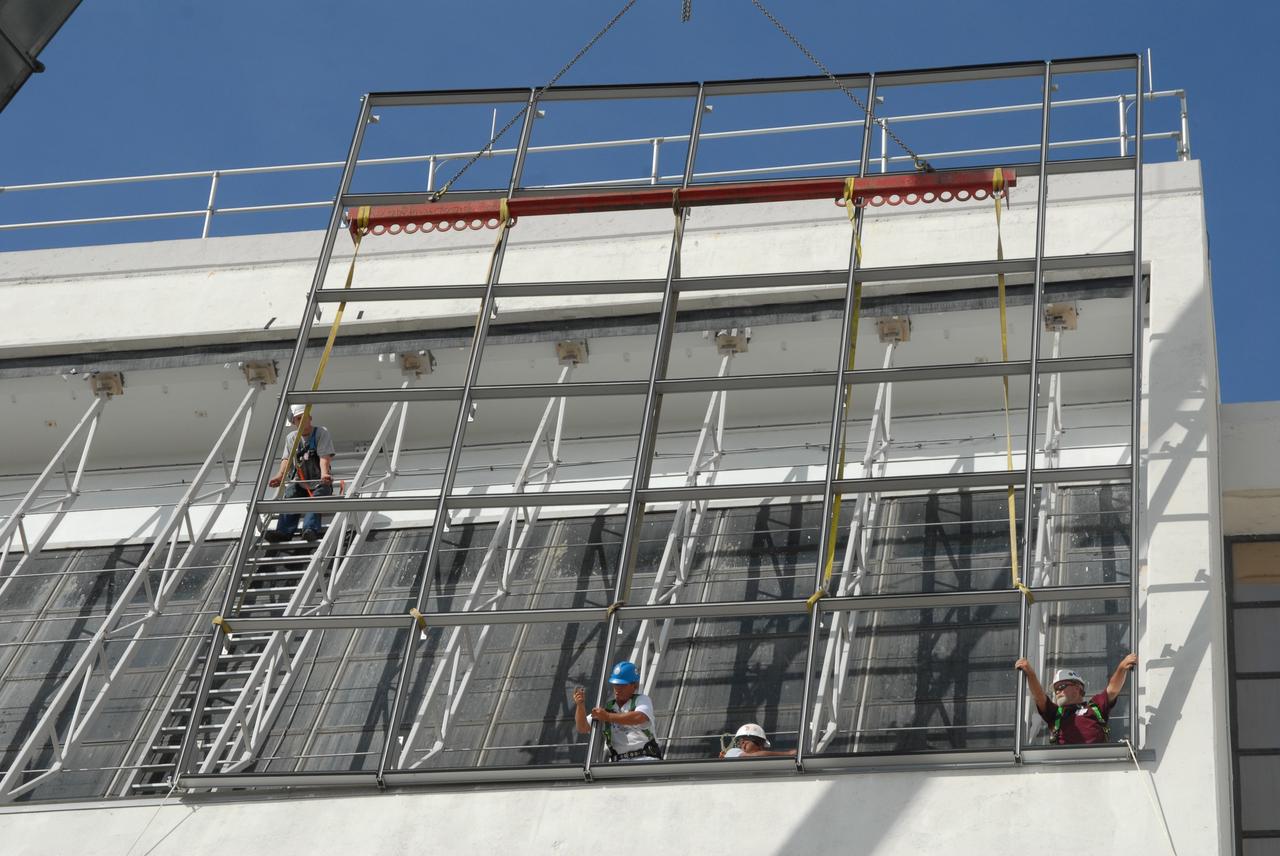
CAPE CANAVERAL, Fla. – At NASA's Kennedy Space Center in Florida, new, hurricane-rated window systems for the Launch Control Center's four Firing Rooms and the vestibule areas between Firing Rooms 1 & 2 and Firing Rooms 3 & 4 are being installed. In order to avoid operational impacts, the new windows are being installed on the outside of the existing windows, enclosing the space formerly occupied by the louvers, and the old windows will remain in place until the new windows are completely installed and leak tested. This approach will continue to keep the firing rooms from being exposed to the elements. Photo credit: NASA/Tim Jacobs
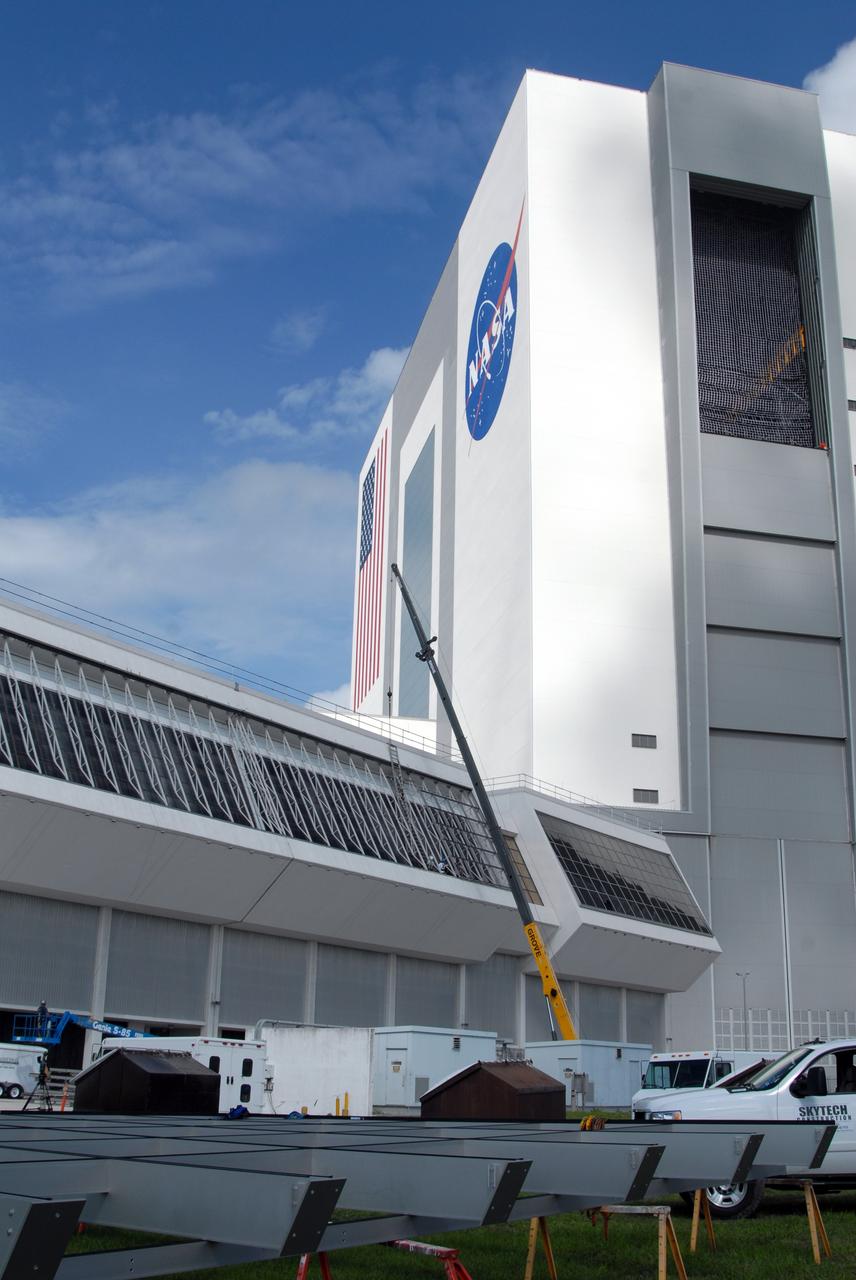
CAPE CANAVERAL, Fla. – At NASA's Kennedy Space Center in Florida, new, hurricane-rated window systems for the Launch Control Center's four Firing Rooms and the vestibule areas between Firing Rooms 1 & 2 and Firing Rooms 3 & 4 are being installed. In order to avoid operational impacts, the new windows are being installed on the outside of the existing windows, enclosing the space formerly occupied by the louvers, and the old windows will remain in place until the new windows are completely installed and leak tested. This approach will continue to keep the firing rooms from being exposed to the elements. Photo credit: NASA/Tim Jacobs
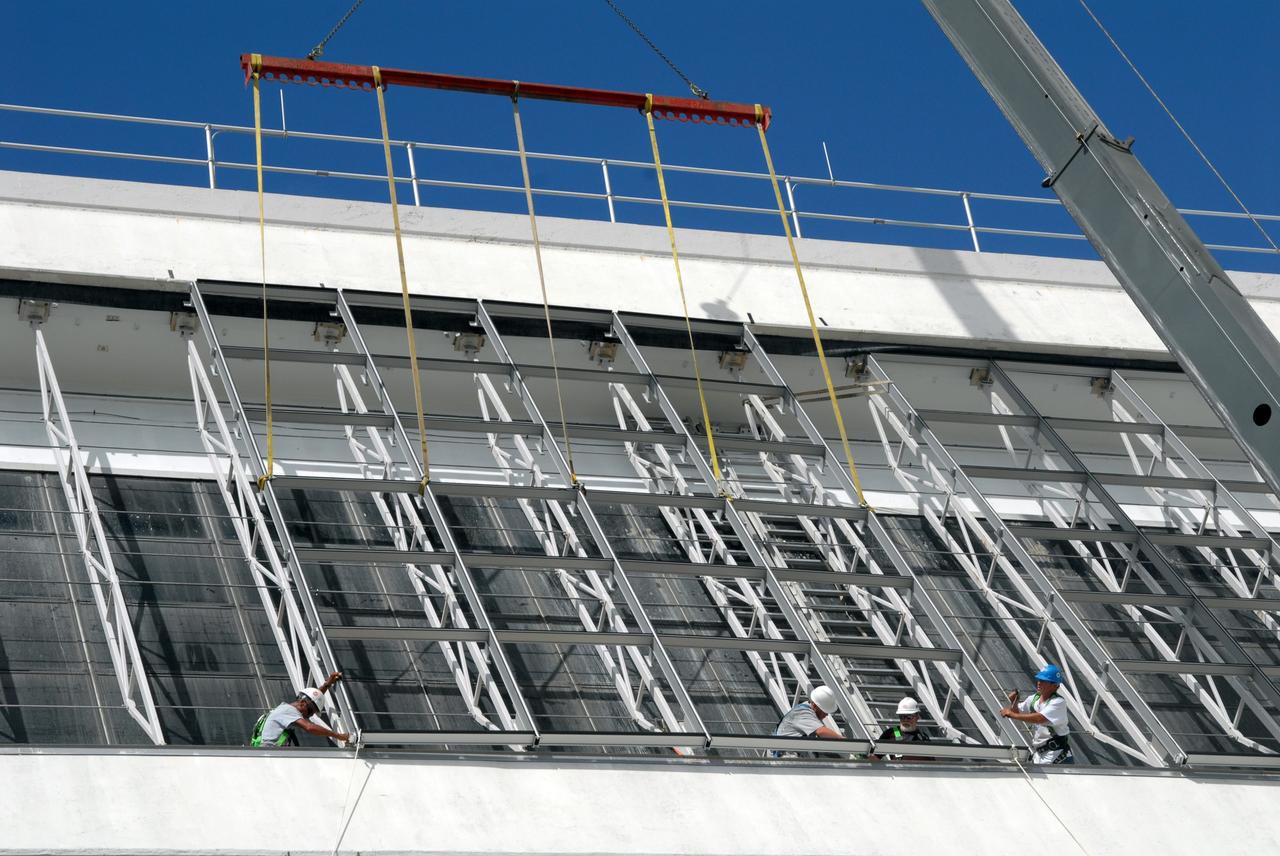
CAPE CANAVERAL, Fla. – At NASA's Kennedy Space Center in Florida, new, hurricane-rated window systems for the Launch Control Center's four Firing Rooms and the vestibule areas between Firing Rooms 1 & 2 and Firing Rooms 3 & 4 are being installed. In order to avoid operational impacts, the new windows are being installed on the outside of the existing windows, enclosing the space formerly occupied by the louvers, and the old windows will remain in place until the new windows are completely installed and leak tested. This approach will continue to keep the firing rooms from being exposed to the elements. Photo credit: NASA/Tim Jacobs
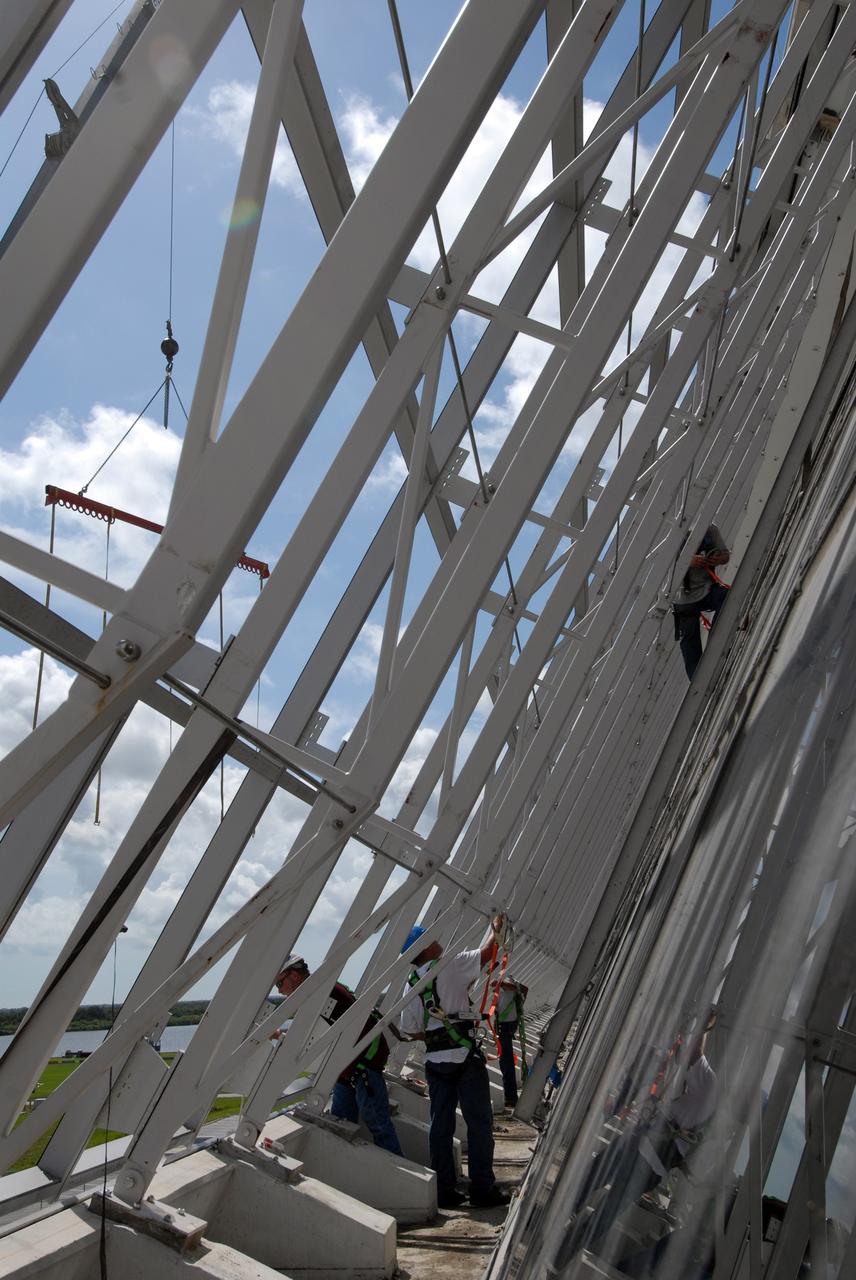
CAPE CANAVERAL, Fla. – At NASA's Kennedy Space Center in Florida, new, hurricane-rated window systems for the Launch Control Center's four Firing Rooms and the vestibule areas between Firing Rooms 1 & 2 and Firing Rooms 3 & 4 are being installed. In order to avoid operational impacts, the new windows are being installed on the outside of the existing windows, enclosing the space formerly occupied by the louvers, and the old windows will remain in place until the new windows are completely installed and leak tested. This approach will continue to keep the firing rooms from being exposed to the elements. Photo credit: NASA/Tim Jacobs
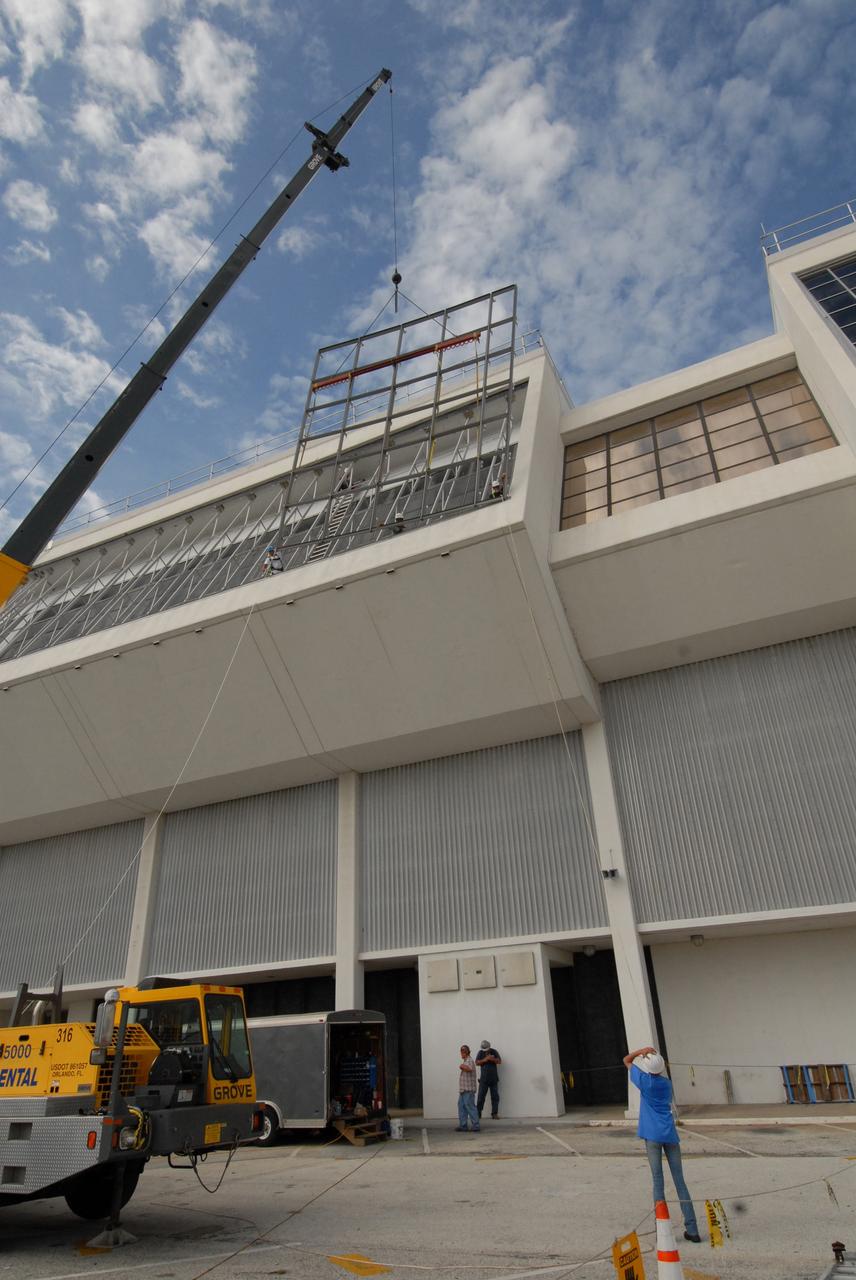
CAPE CANAVERAL, Fla. – At NASA's Kennedy Space Center in Florida, new, hurricane-rated window systems for the Launch Control Center's four Firing Rooms and the vestibule areas between Firing Rooms 1 & 2 and Firing Rooms 3 & 4 are being installed. In order to avoid operational impacts, the new windows are being installed on the outside of the existing windows, enclosing the space formerly occupied by the louvers, and the old windows will remain in place until the new windows are completely installed and leak tested. This approach will continue to keep the firing rooms from being exposed to the elements. Photo credit: NASA/Tim Jacobs
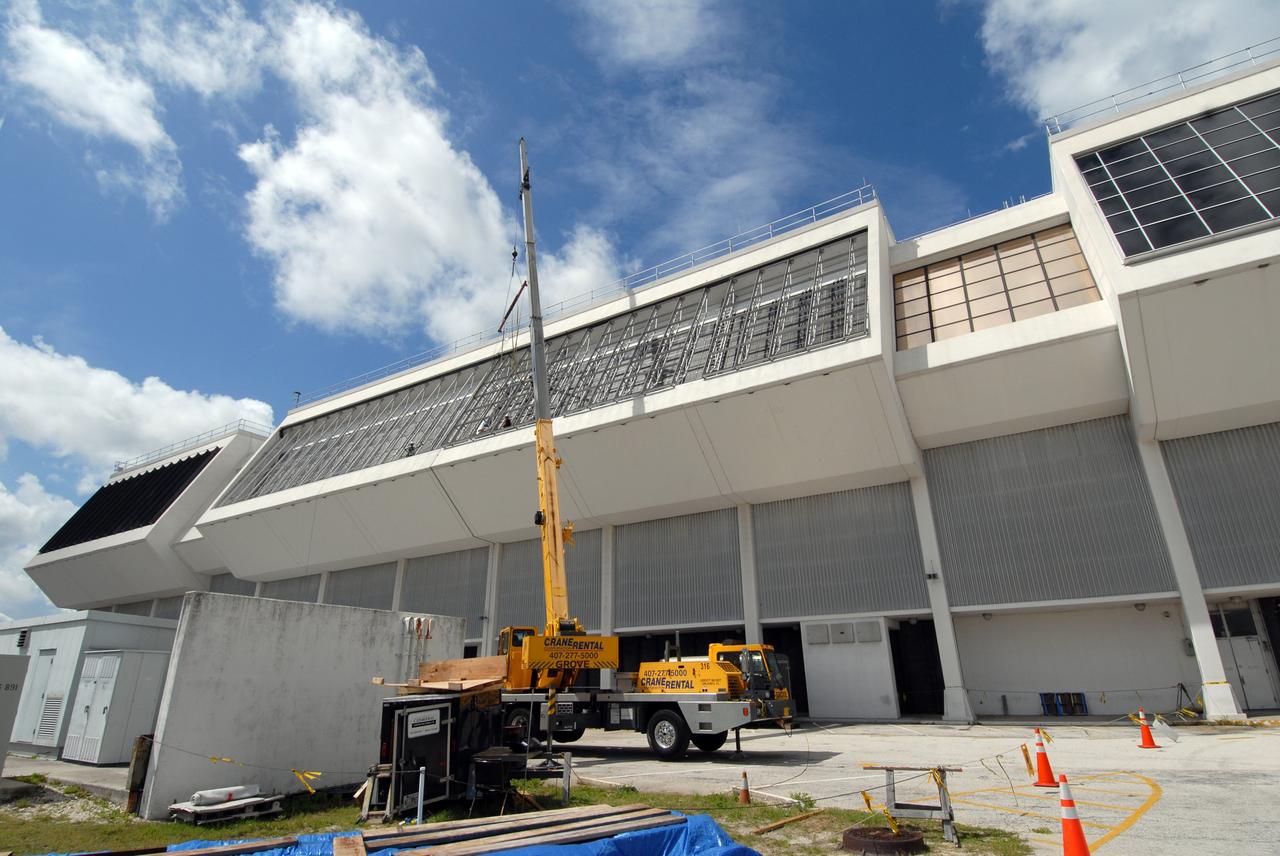
CAPE CANAVERAL, Fla. – At NASA's Kennedy Space Center in Florida, new, hurricane-rated window systems for the Launch Control Center's four Firing Rooms and the vestibule areas between Firing Rooms 1 & 2 and Firing Rooms 3 & 4 are being installed. In order to avoid operational impacts, the new windows are being installed on the outside of the existing windows, enclosing the space formerly occupied by the louvers, and the old windows will remain in place until the new windows are completely installed and leak tested. This approach will continue to keep the firing rooms from being exposed to the elements. Photo credit: NASA/Tim Jacobs
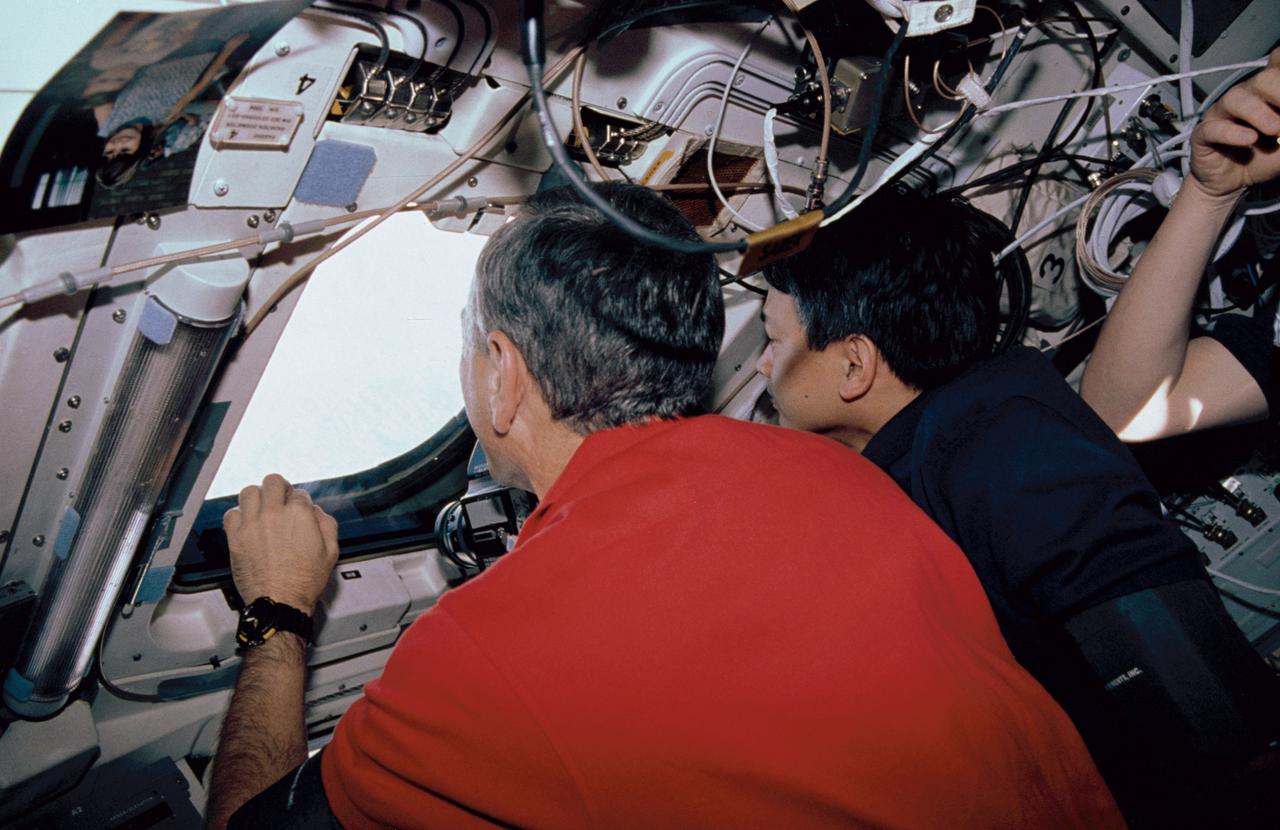
STS050-06-011 (25 June-9 July 1992) --- Astronaut Carl J. Meade (left), mission specialist, and Eugene H. Trinh, payload specialist, share a view through one of the Space Shuttle Columbia's aft flight deck windows during a break in photography of Earth. The two were among seven crew members who shared 14 record-setting days aboard the Space Shuttle supporting the United States Microgravity Laboratory (USML-1) mission.
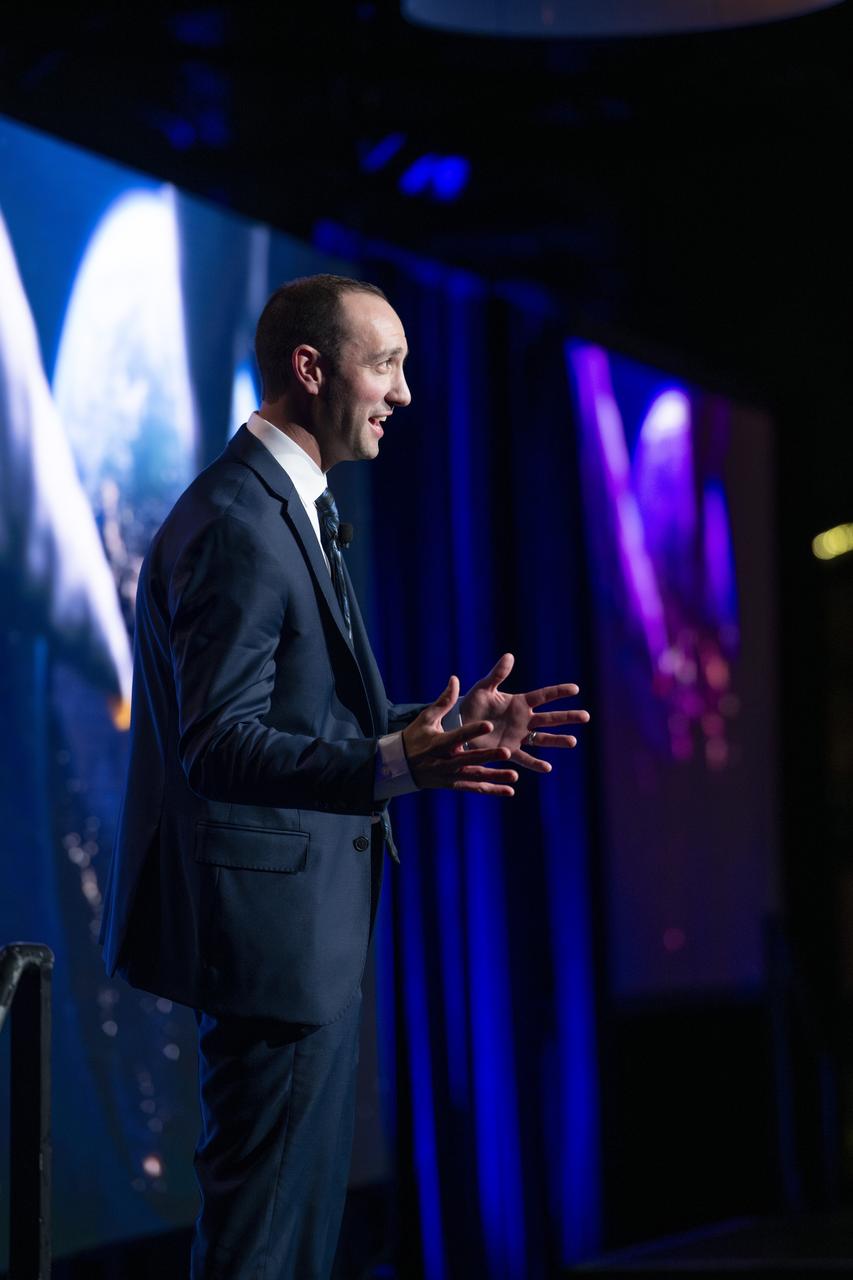
NASA Glenn's Spotlight on the Stars, 10 Years and Counting was held at Windows on the River in Cleveland, OH on November 20th, 2024. Sponsorship organized by the Ohio Aerospace Institute. Welcome by Dennis Andersh, CEO and President, Parallax Advanced Research, Ohio Aerospace Institute. Remarks by Terrence Slaybaugh, Vice President of Sites and Infrastructure, JobsOhio. Introduction of 10th Anniversary Video, Dr. Wanda Peters, Acting Deputy Director, NASA Glenn Research Center. Remarks/Introduction of Presenters, Dr. James Kenyon, Director, NASA Glenn Research Center. Keynote Speakers: Nikki Welch, NASA Glenn Communications, Connecting People to the Mission. Timothy Smith, NASA Glenn's Superalloy Achievements. Carlos Garcia-Galan, Dreaming of Going to the Moon.
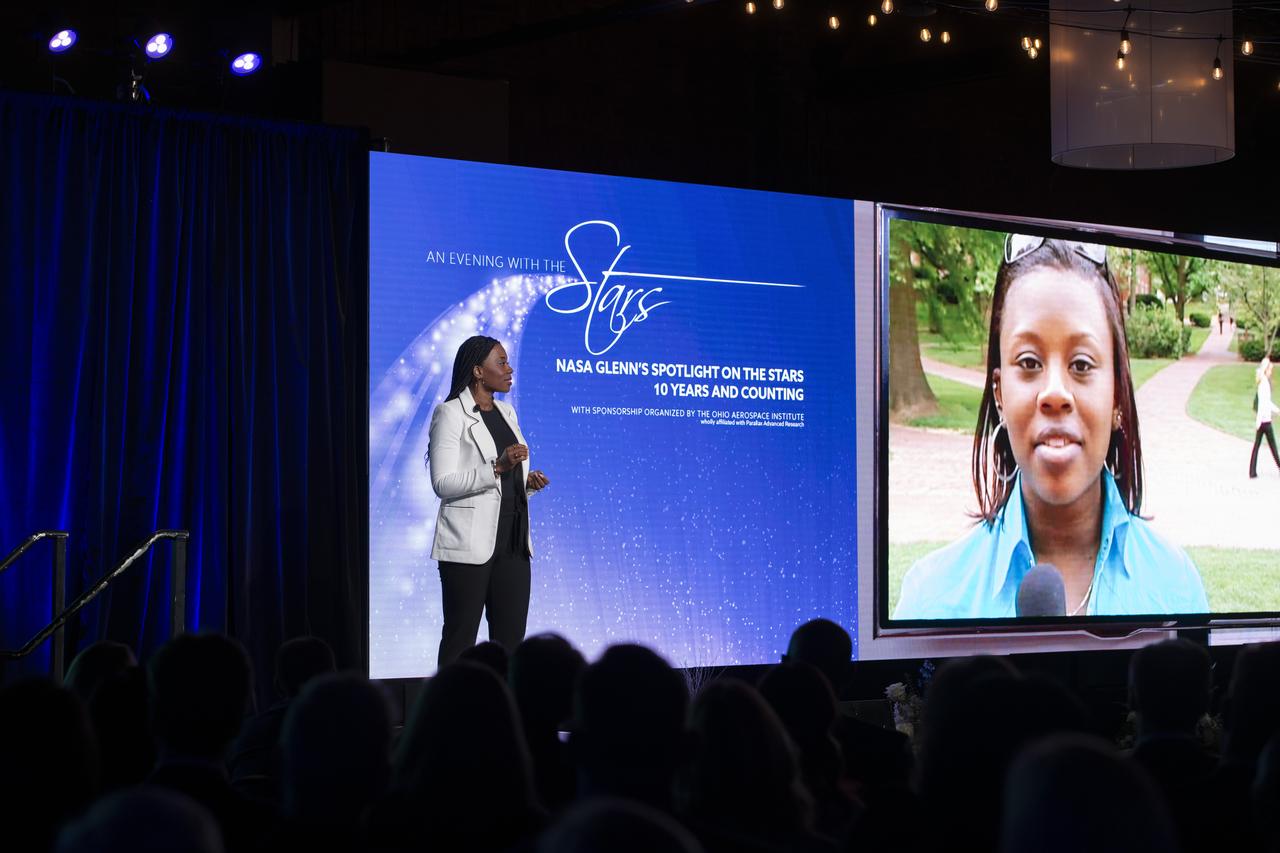
NASA Glenn's Spotlight on the Stars, 10 Years and Counting was held at Windows on the River in Cleveland, OH on November 20th, 2024. Sponsorship organized by the Ohio Aerospace Institute. Welcome by Dennis Andersh, CEO and President, Parallax Advanced Research, Ohio Aerospace Institute. Remarks by Terrence Slaybaugh, Vice President of Sites and Infrastructure, JobsOhio. Introduction of 10th Anniversary Video, Dr. Wanda Peters, Acting Deputy Director, NASA Glenn Research Center. Remarks/Introduction of Presenters, Dr. James Kenyon, Director, NASA Glenn Research Center. Keynote Speakers: Nikki Welch, NASA Glenn Communications, Connecting People to the Mission. Timothy Smith, NASA Glenn's Superalloy Achievements. Carlos Garcia-Galan, Dreaming of Going to the Moon. Photo Credit: (NASA/Sara Lowthian-Hanna)
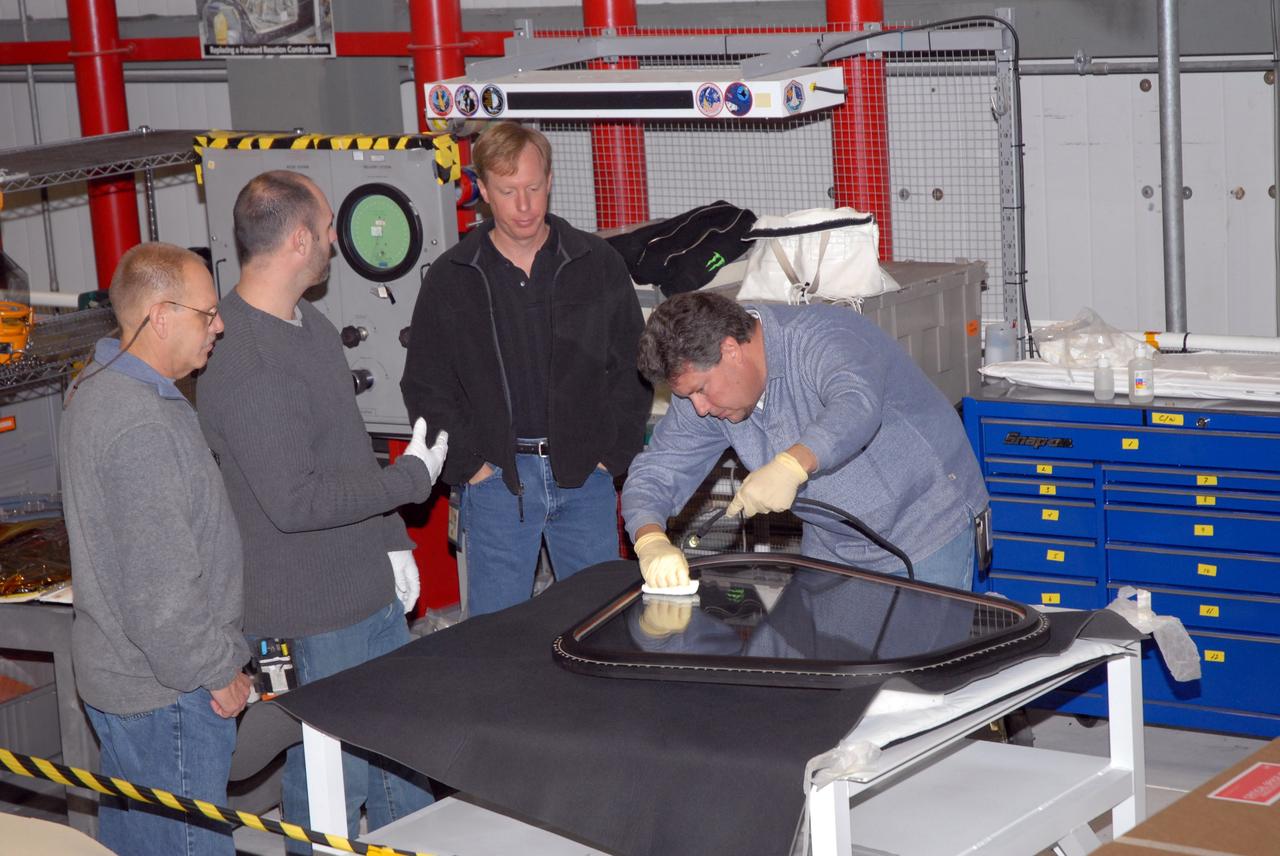
CAPE CANAVERAL, Fla. – In Orbiter Processing Facility bay 2 at NASA's Kennedy Space Center in Florida, workers prepare a new window to replace window six on space shuttle Endeavour. Endeavour is the designated launch vehicle for the STS-127 mission. The Japanese Experiment Module's Experiment Logistics Module-Exposed Section, or ELM-ES, is part of the payload on the mission, targeted for launch on May 15. Photo credit: NASA/Tim Jacobs
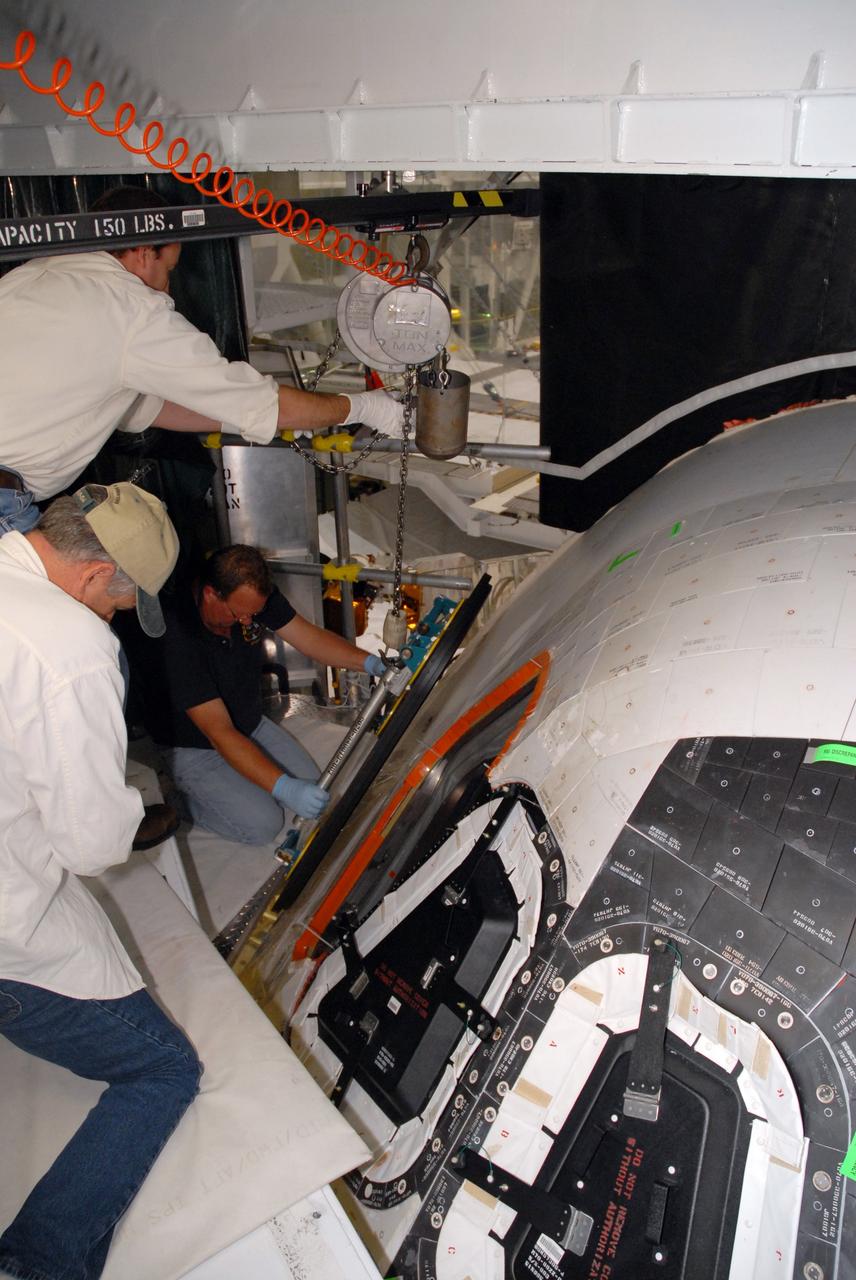
CAPE CANAVERAL, Fla. – In Orbiter Processing Facility bay 2 at NASA's Kennedy Space Center in Florida, workers maneuver the new window replacing window six on space shuttle Endeavour. Endeavour is the designated launch vehicle for the STS-127 mission. The Japanese Experiment Module's Experiment Logistics Module-Exposed Section, or ELM-ES, is part of the payload on the mission, targeted for launch on May 15. Photo credit: NASA/Tim Jacobs
CAPE CANAVERAL, Fla. – In Orbiter Processing Facility bay 2 at NASA's Kennedy Space Center in Florida, workers prepare a new window to replace window six on space shuttle Endeavour. Endeavour is the designated launch vehicle for the STS-127 mission. The Japanese Experiment Module's Experiment Logistics Module-Exposed Section, or ELM-ES, is part of the payload on the mission, targeted for launch on May 15. Photo credit: NASA/Tim Jacobs
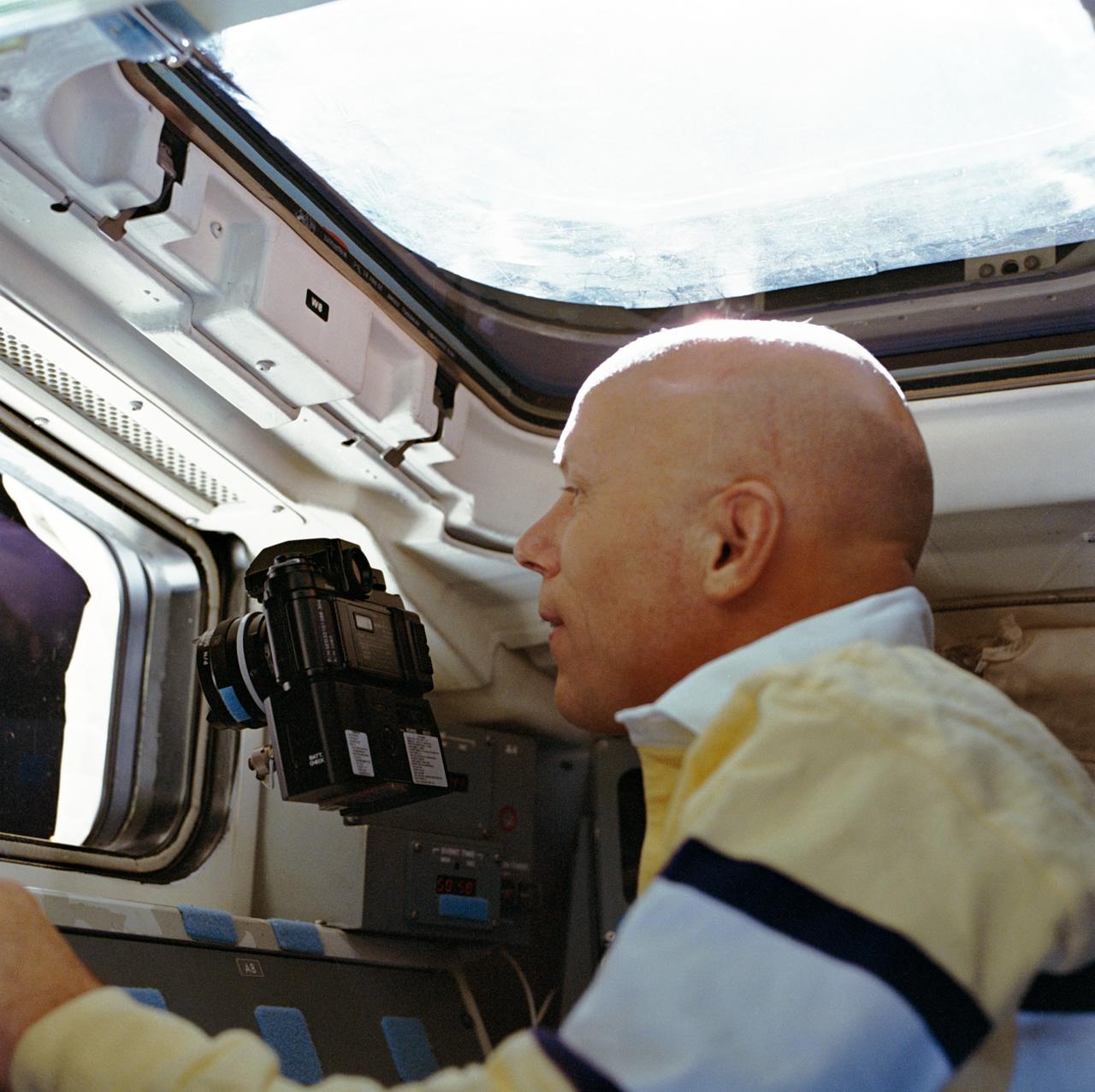
STS-33 Mission Specialist (MS) F. Story Musgrave views activity outside aft flight deck viewing window W10 as a 35mm camera freefloats in front of his face. Overhead window W8 appears above his head.
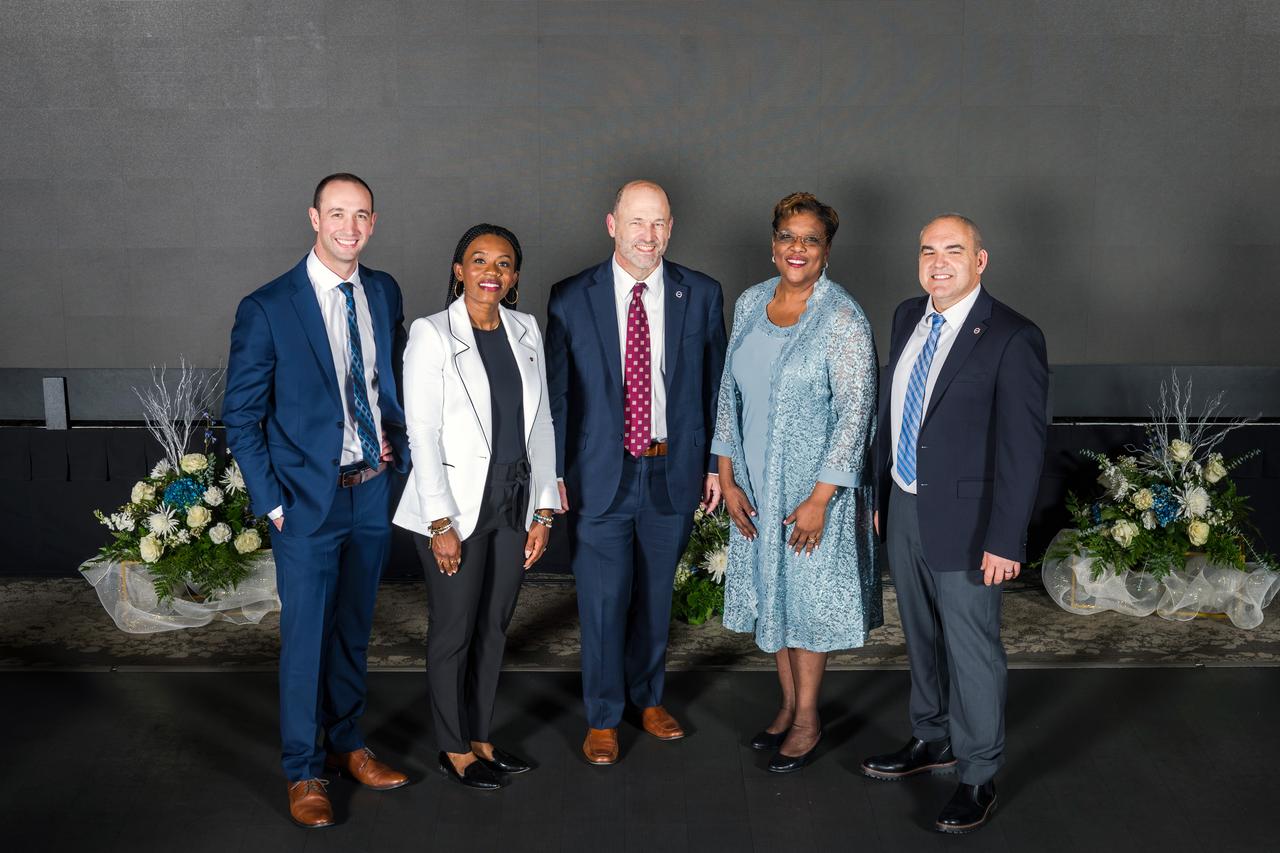
NASA Glenn's Spotlight on the Stars, 10 Years and Counting was held at Windows on the River in Cleveland, OH on November 20th, 2024. Sponsorship organized by the Ohio Aerospace Institute. Pictured from left to right: Timothy Smith, Nikki Welch, Center Director Dr. James Kenyon, Acting Deputy Center Director Dr. Wanda Peters, Carlos Garcia-Galan. Welcome by Dennis Andersh, CEO and President, Parallax Advanced Research, Ohio Aerospace Institute. Remarks by Terrence Slaybaugh, Vice President of Sites and Infrastructure, JobsOhio. Introduction of 10th Anniversary Video, Dr. Wanda Peters, Acting Deputy Director, NASA Glenn Research Center. Remarks/Introduction of Presenters, Dr. James Kenyon, Director, NASA Glenn Research Center. Keynote Speakers: Nikki Welch, NASA Glenn Communications, Connecting People to the Mission. Timothy Smith, NASA Glenn's Superalloy Achievements. Carlos Garcia-Galan, Dreaming of Going to the Moon.
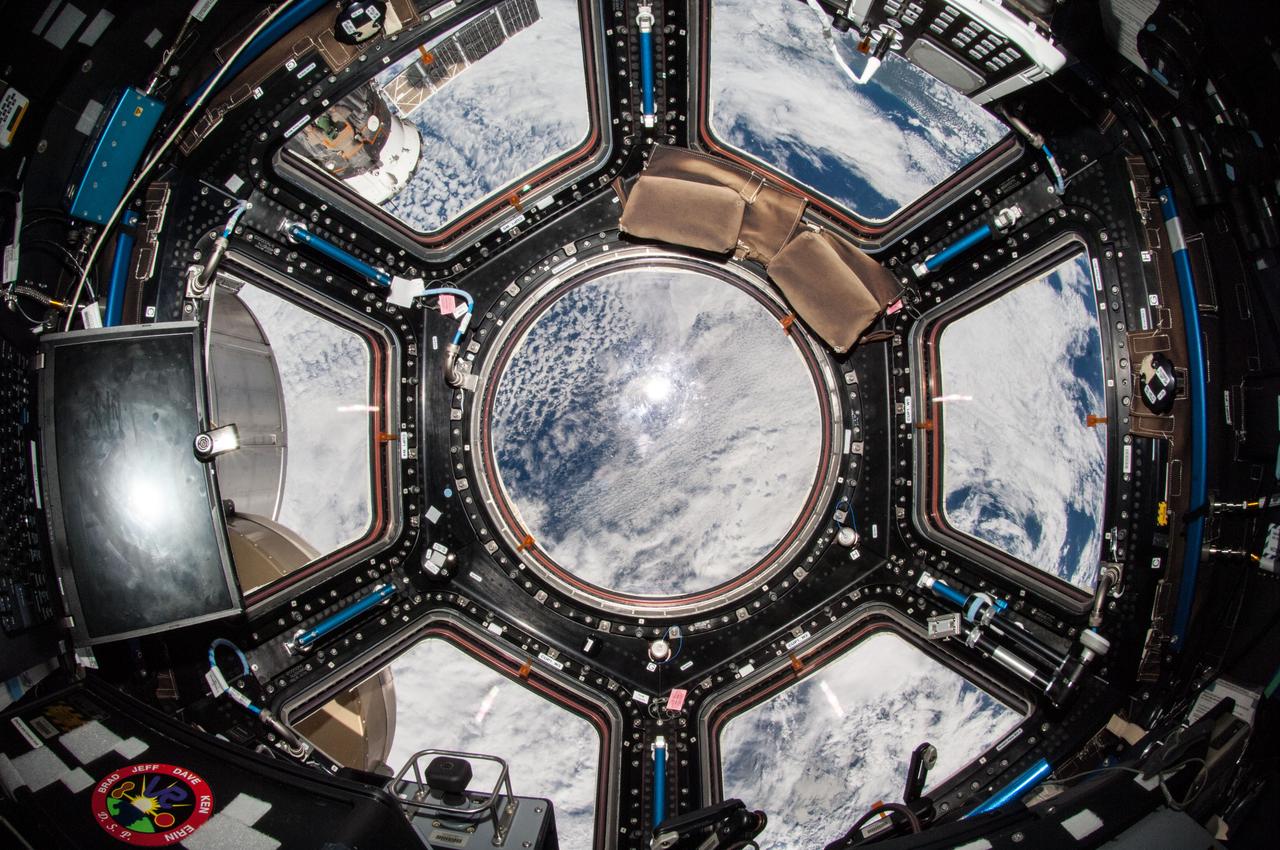
iss038e013587 (12/8/2013) --- A view of the Cupola module aboard the International Space Station (ISS). The cupola is a small module designed for the observation of operations outside the station such as robotic activities, the approach of vehicles, and spacewalks. Its six side windows and a direct nadir viewing window provide spectacular views of Earth and celestial objects. The windows are equipped with shutters to protect them from contamination and collisions with orbital debris or micrometeorites. The cupola house the robotic workstation that controls the Canadarm2.
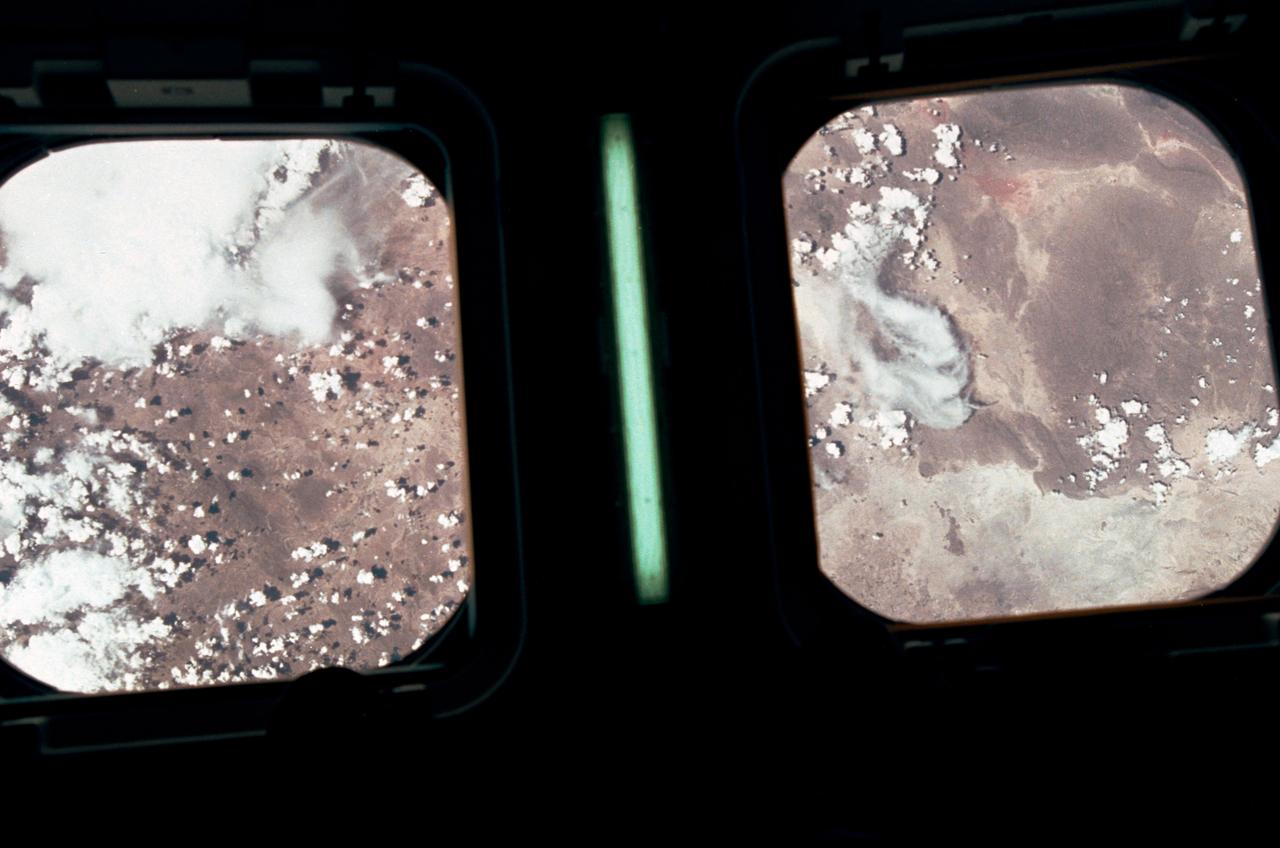
STS030-08-006 (4-8 May 1989) --- Though this scene first appears to be a stereographic picture, it's twin-panel effect is actually due to the framing by Atlantis' overhead cabin windows. The 35mm scene is over Africa and shows the border area of Zambia and Angola. The frame is one of twenty released by NASA following the successful four-day STS-30 mission.
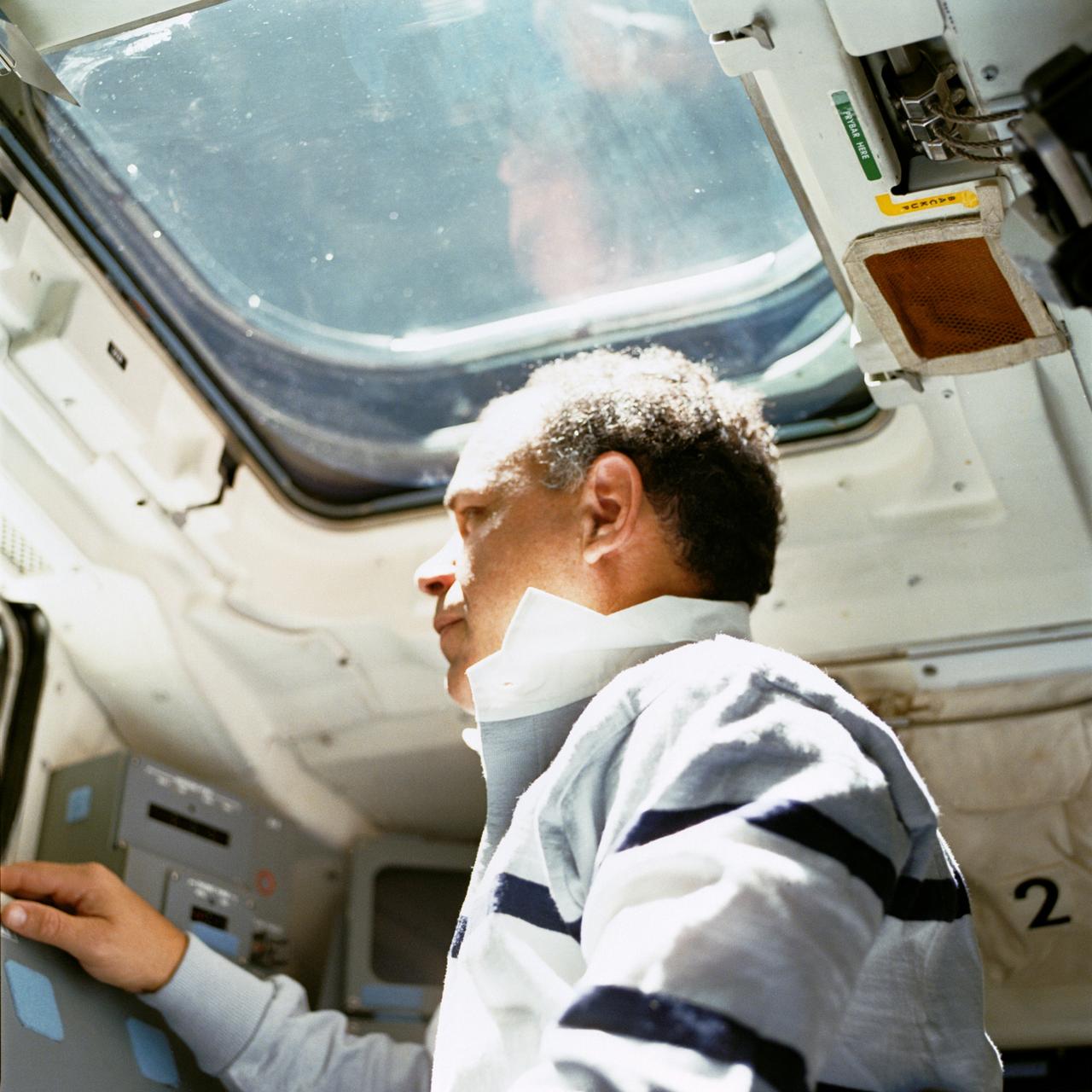
STS033-93-034 (22-27 Nov. 1989) --- Astronaut Frederick D. Gregory, STS-33 commander looks through aft flight deck viewing window while onboard the Space Shuttle Discovery.
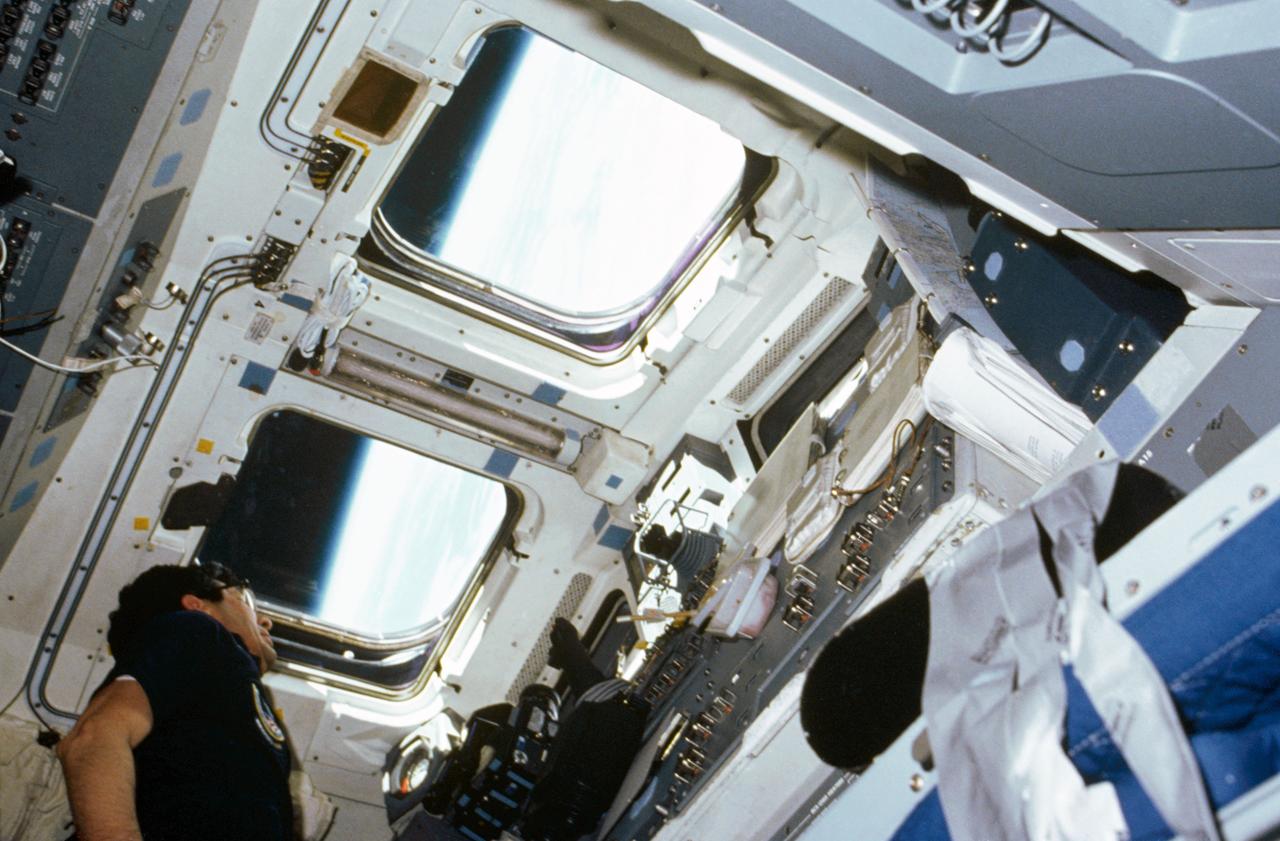
In this low-angle photo Payload specialist Lodewijk van den Berg, one of two payload specialists, looks out aft flight deck window aboard the shuttle orbiter Challenger.
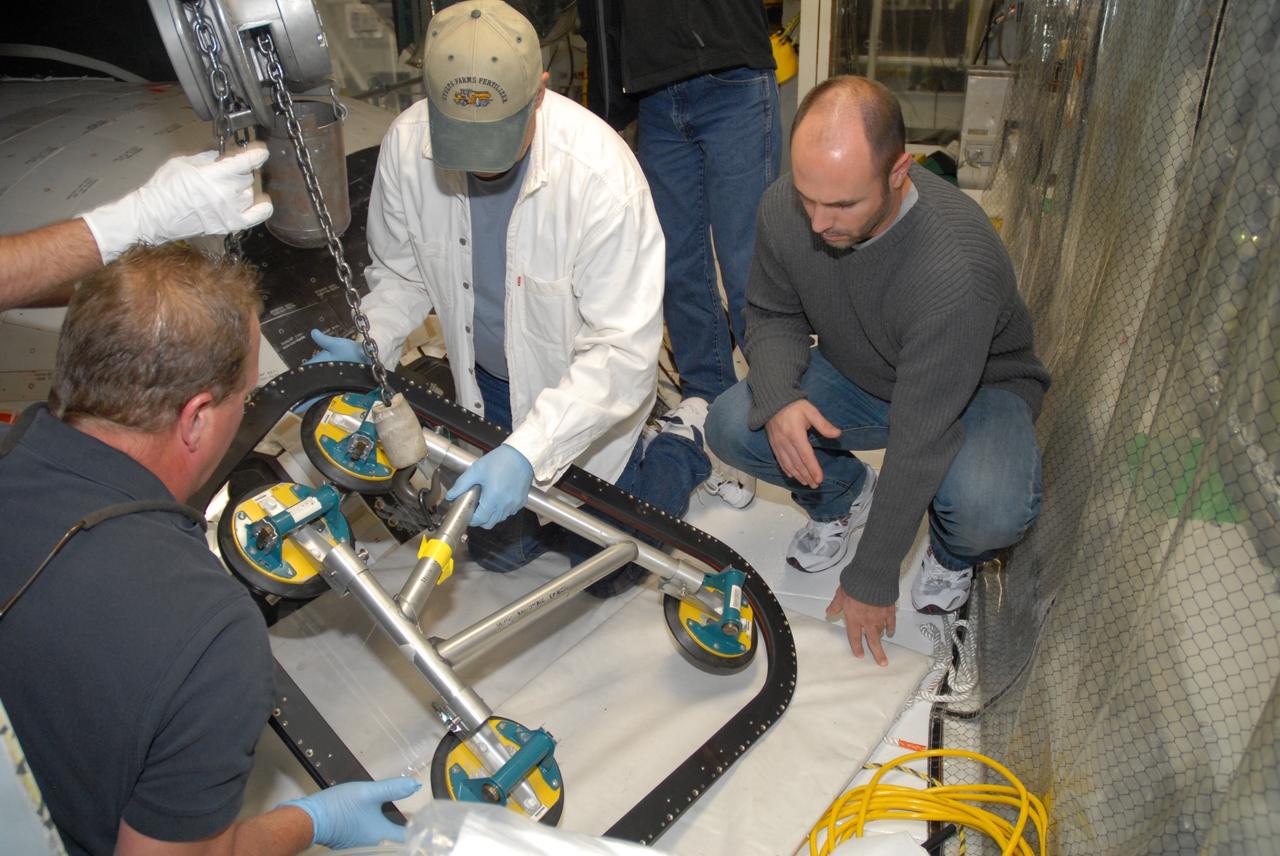
CAPE CANAVERAL, Fla. – In Orbiter Processing Facility bay 2 at NASA's Kennedy Space Center in Florida, workers attach a tool to lift the replacement window for space shuttle Endeavour. Endeavour is the designated launch vehicle for the STS-127 mission. The Japanese Experiment Module's Experiment Logistics Module-Exposed Section, or ELM-ES, is part of the payload on the mission, targeted for launch on May 15. Photo credit: NASA/Tim Jacobs
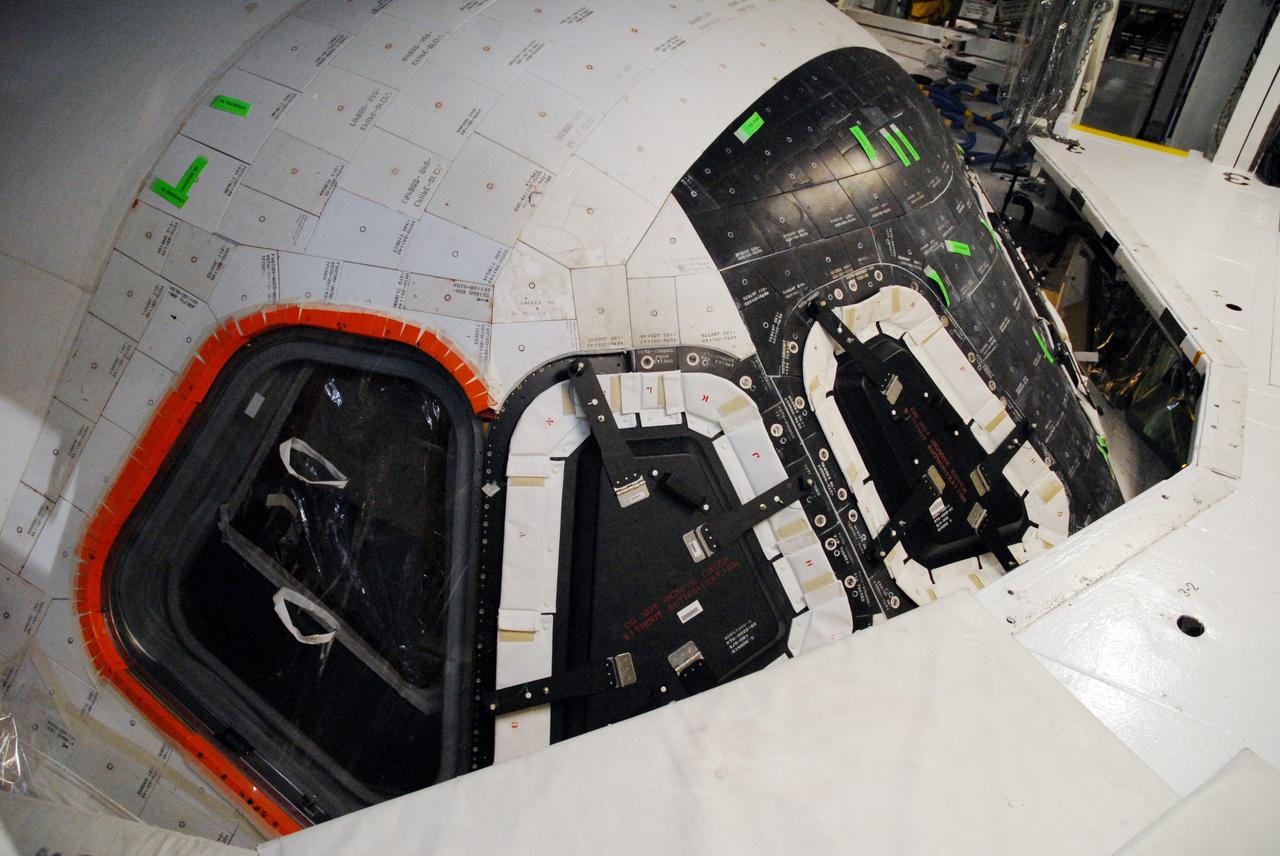
CAPE CANAVERAL, Fla. – In Orbiter Processing Facility bay 2 at NASA's Kennedy Space Center in Florida, window six on space shuttle Endeavour is being replaced. Endeavour is the designated launch vehicle for the STS-127 mission. The Japanese Experiment Module's Experiment Logistics Module-Exposed Section, or ELM-ES, is part of the payload on the mission, targeted for launch on May 15. Photo credit: NASA/Tim Jacobs
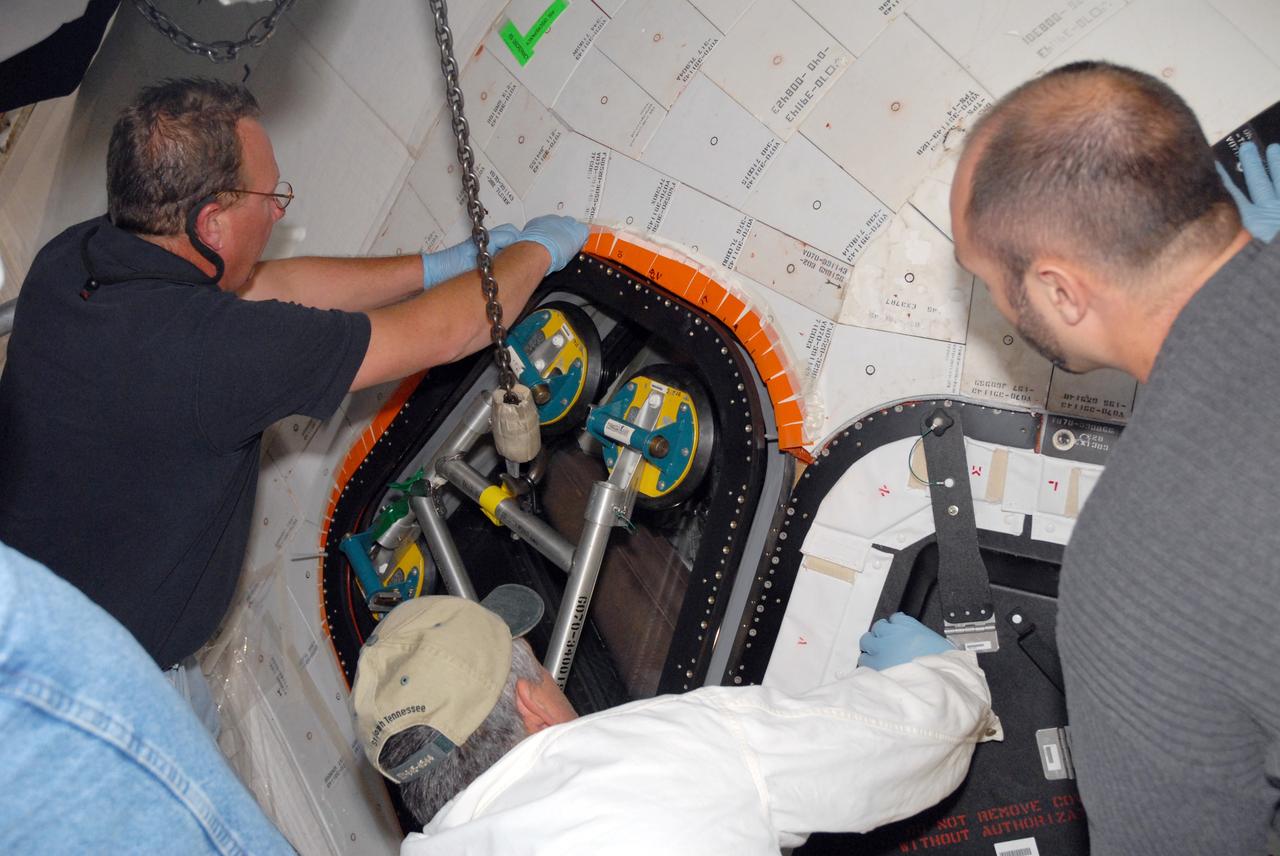
CAPE CANAVERAL, Fla. – In Orbiter Processing Facility bay 2 at NASA's Kennedy Space Center in Florida, workers put the new window six into place on space shuttle Endeavour. Endeavour is the designated launch vehicle for the STS-127 mission. The Japanese Experiment Module's Experiment Logistics Module-Exposed Section, or ELM-ES, is part of the payload on the mission, targeted for launch on May 15. Photo credit: NASA/Tim Jacobs
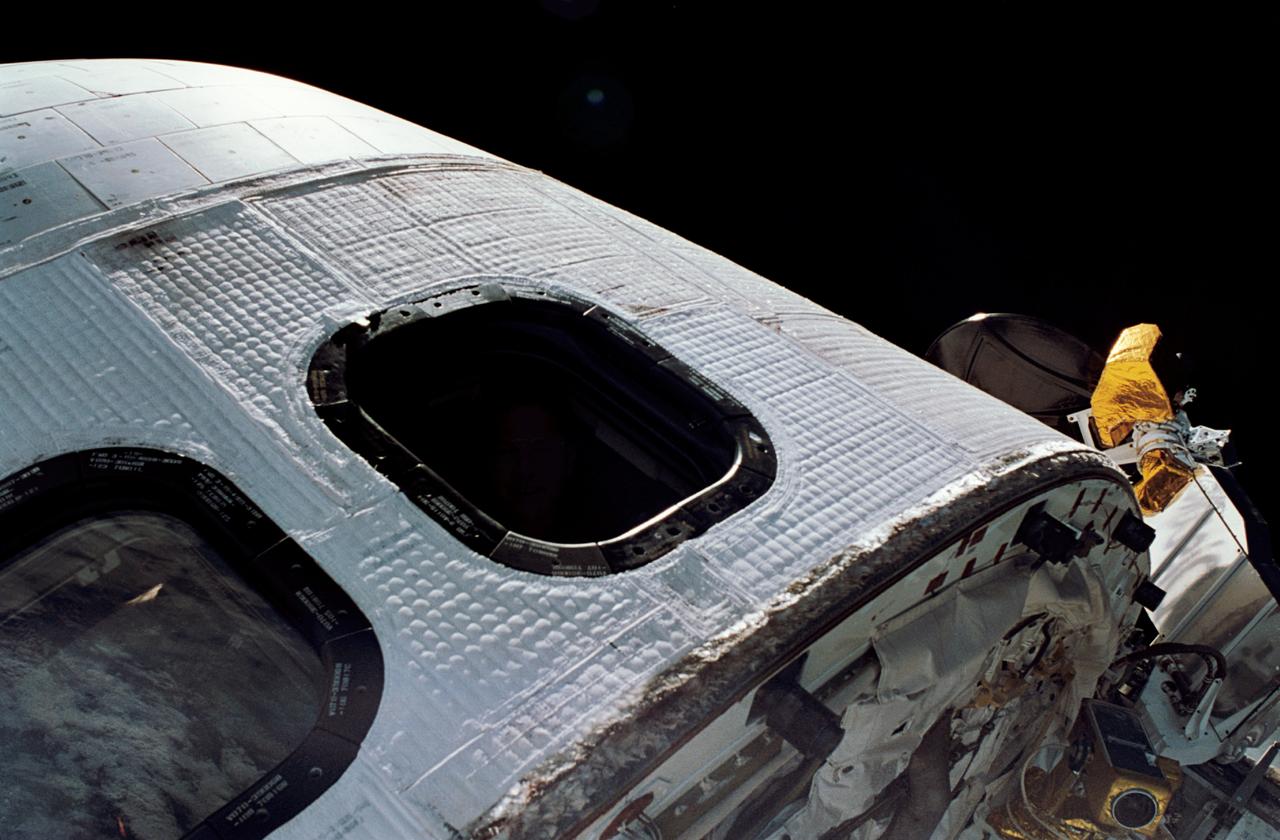
STS064-310-005 (16 Sept. 1994) --- Astronaut Richard N. Richards, STS-64 commander, looks through one of the space shuttle Discovery's overhead flight deck windows to view the Extravehicular Activity (EVA) activities of astronauts Carl J. Meade, who took this picture, and Mark C. Lee. Wearing spacesuits in and around the space shuttle Discovery's cargo bay, astronauts Meade and Lee took turns trying out the new EVA test hardware called Simplified Aid for EVA Rescue (SAFER). Photo credit: NASA or National Aeronautics and Space Administration
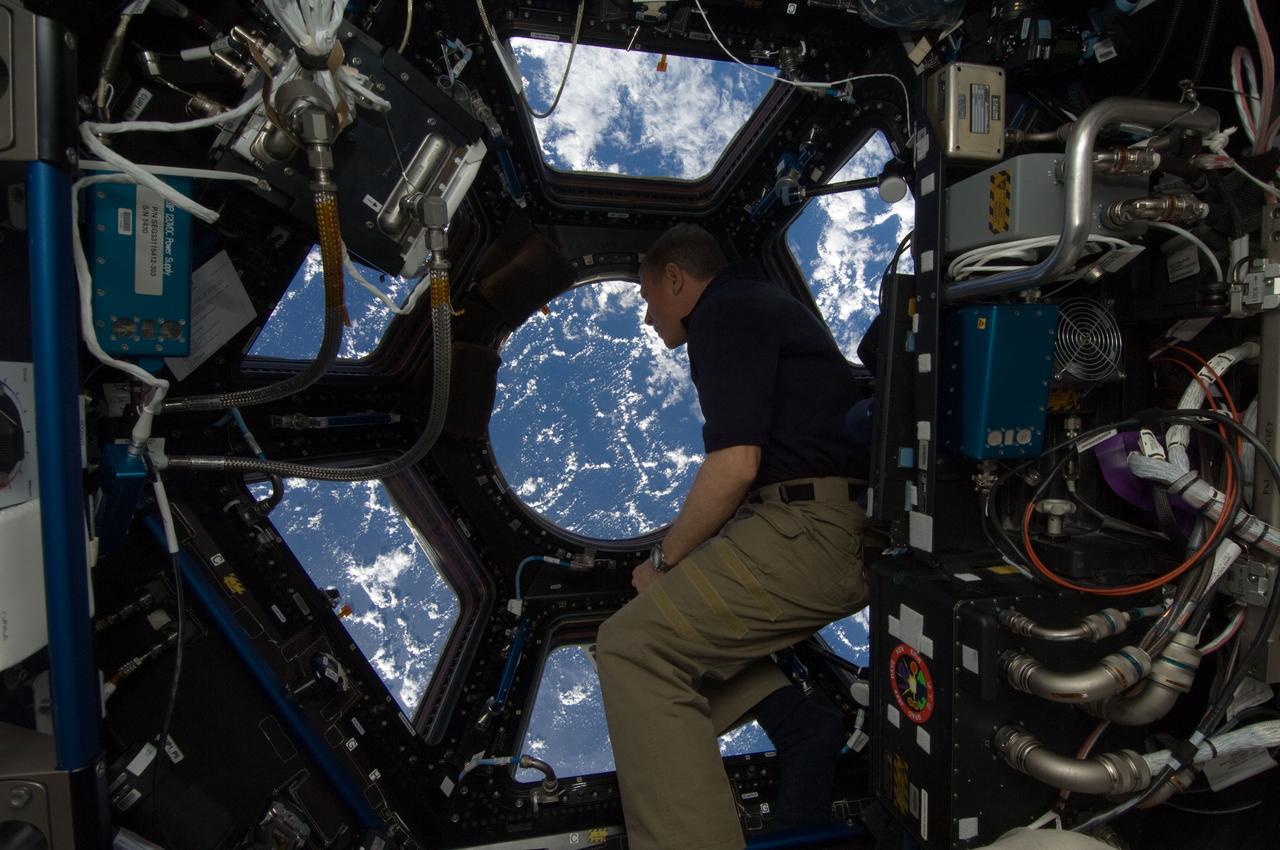
ISS029-E-043401 (19 Nov. 2011) --- NASA astronaut Mike Fossum, Expedition 29 commander, looks through a window in the Cupola of the International Space Station. A blue and white part of Earth is visible through the windows.
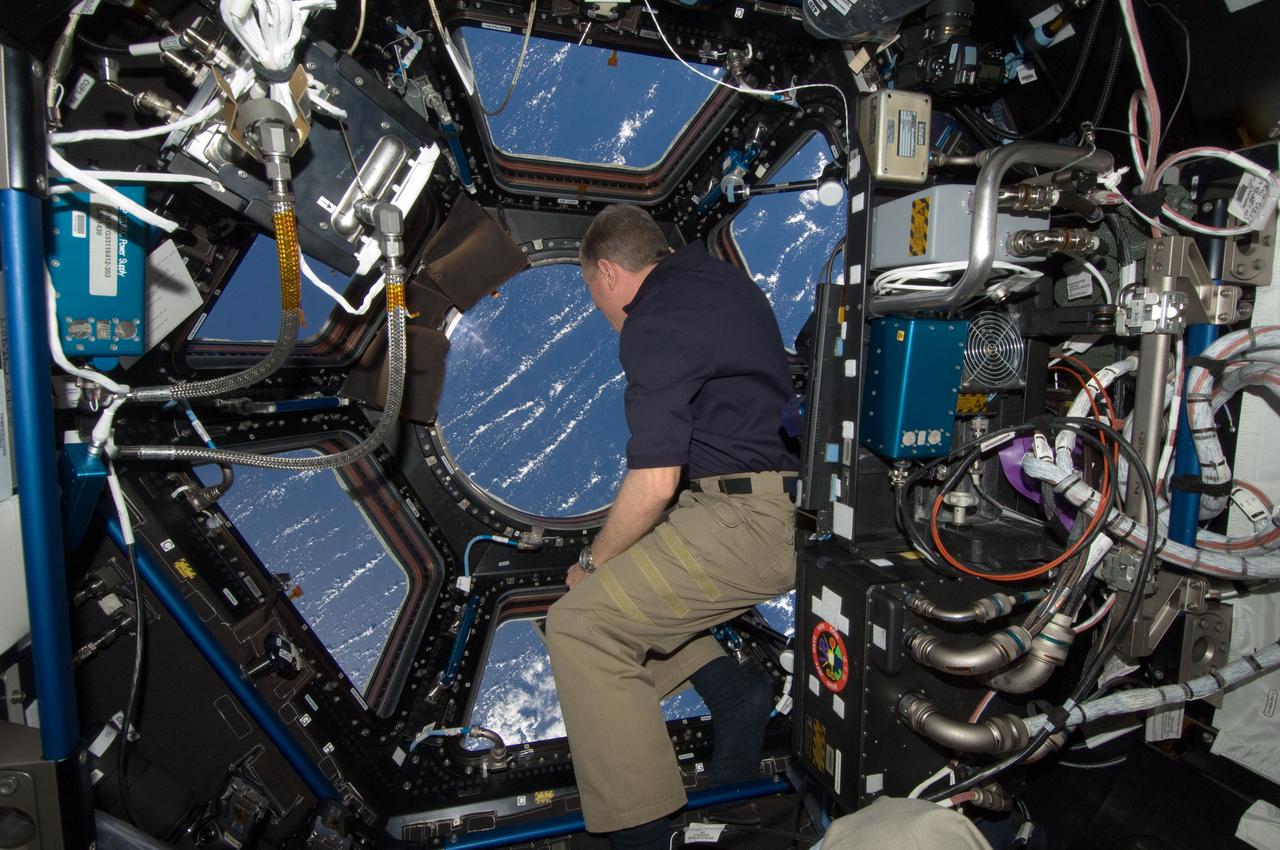
ISS029-E-043397 (19 Nov. 2011) --- NASA astronaut Mike Fossum, Expedition 29 commander, looks through a window in the Cupola of the International Space Station. A blue and white part of Earth is visible through the windows.
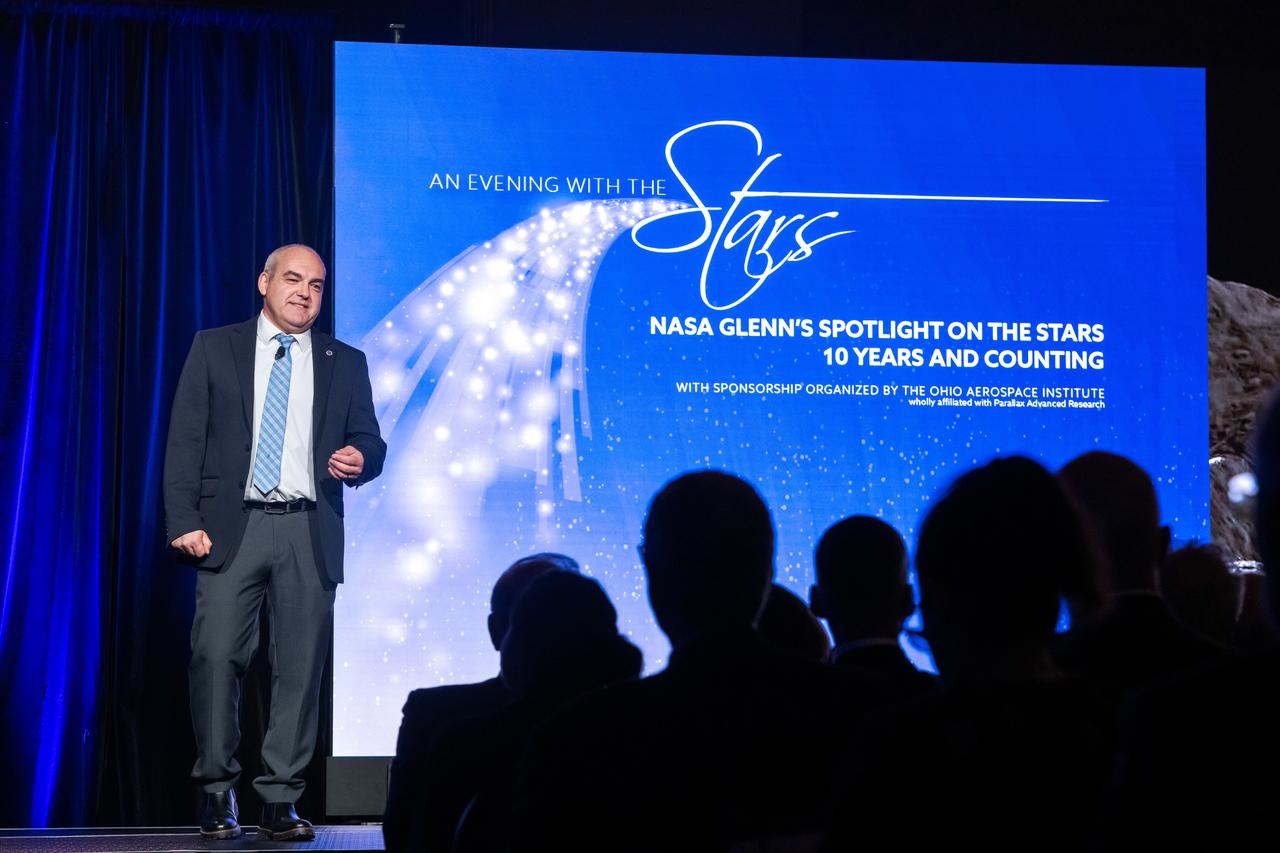
NASA Glenn's Spotlight on the Stars, 10 Years and Counting was held at Windows on the River in Cleveland, OH on November 20th, 2024. Sponsorship organized by the Ohio Aerospace Institute. Welcome by Dennis Andersh, CEO and President, Parallax Advanced Research, Ohio Aerospace Institute. Remarks by Terrence Slaybaugh, Vice President of Sites and Infrastructure, JobsOhio. Introduction of 10th Anniversary Video, Dr. Wanda Peters, Acting Deputy Director, NASA Glenn Research Center. Remarks/Introduction of Presenters, Dr. James Kenyon, Director, NASA Glenn Research Center. Keynote Speakers: Nikki Welch, NASA Glenn Communications, Connecting People to the Mission. Timothy Smith, NASA Glenn's Superalloy Achievements. Carlos Garcia-Galan, Dreaming of Going to the Moon.
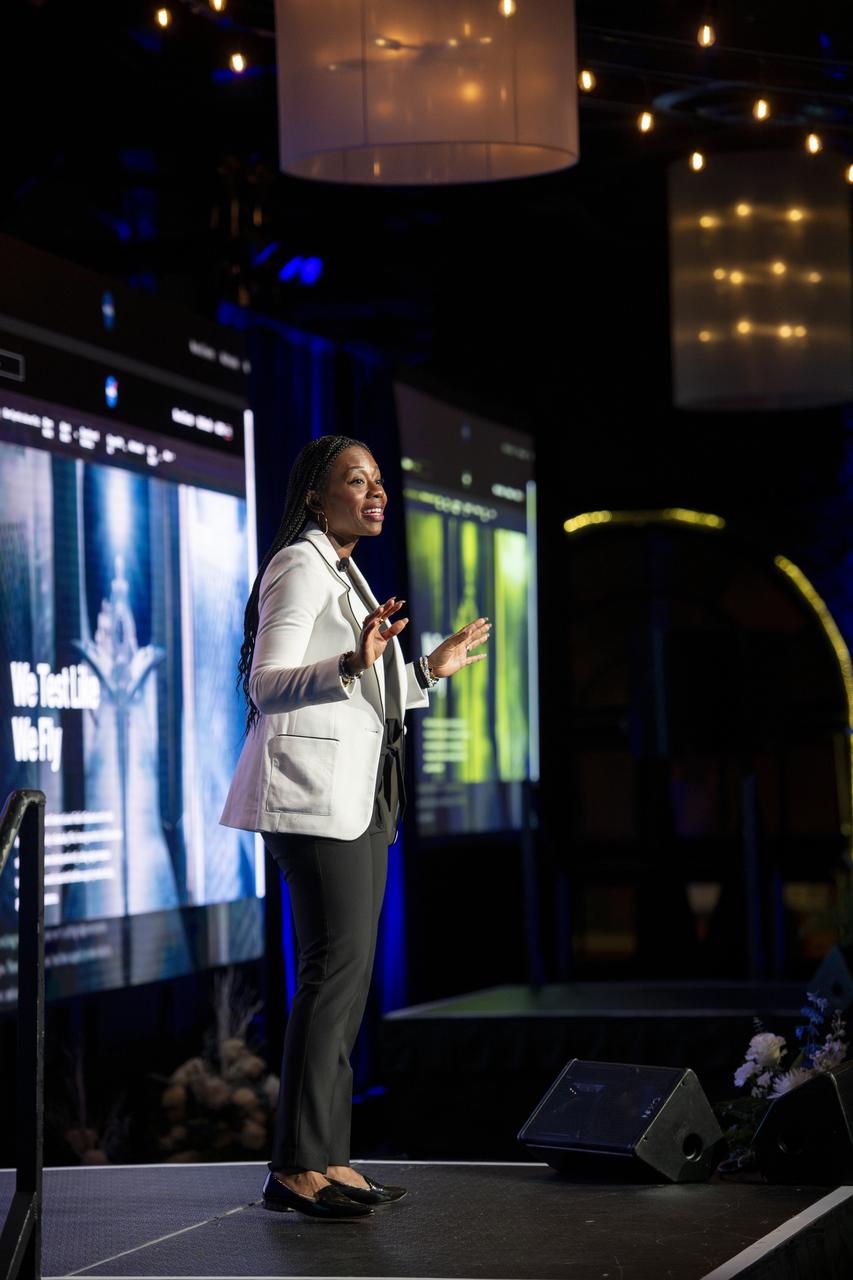
NASA Glenn's Spotlight on the Stars, 10 Years and Counting. Sponsorship organized by the Ohio Aerospace Institute was held at Windows on the River in Cleveland, OH on November 20th, 2024. Here, keynote speaker, Nikki Welch is on stage during Evening with the Stars 2024 Welcome by Dennis Andersh, CEO and President, Parallax Advanced Research, Ohio Aerospace Institute. Remarks by Terrence Slaybaugh, Vice President of Sites and Infrastructure, JobsOhio. Introduction of 10th Anniversary Video, Dr. Wanda Peters, Acting Deputy Director, NASA Glenn Research Center. Remarks/Introduction of Presenters, Dr. James Kenyon, Director, NASA Glenn Research Center. Keynote Speakers: Nikki Welch, NASA Glenn Communications, Connecting People to the Mission. Timothy Smith, NASA Glenn's Superalloy Achievements. Carlos Garcia-Galan, Dreaming of Going to the Moon. Photo Credit: (NASA/Sara Lowthian-Hanna)
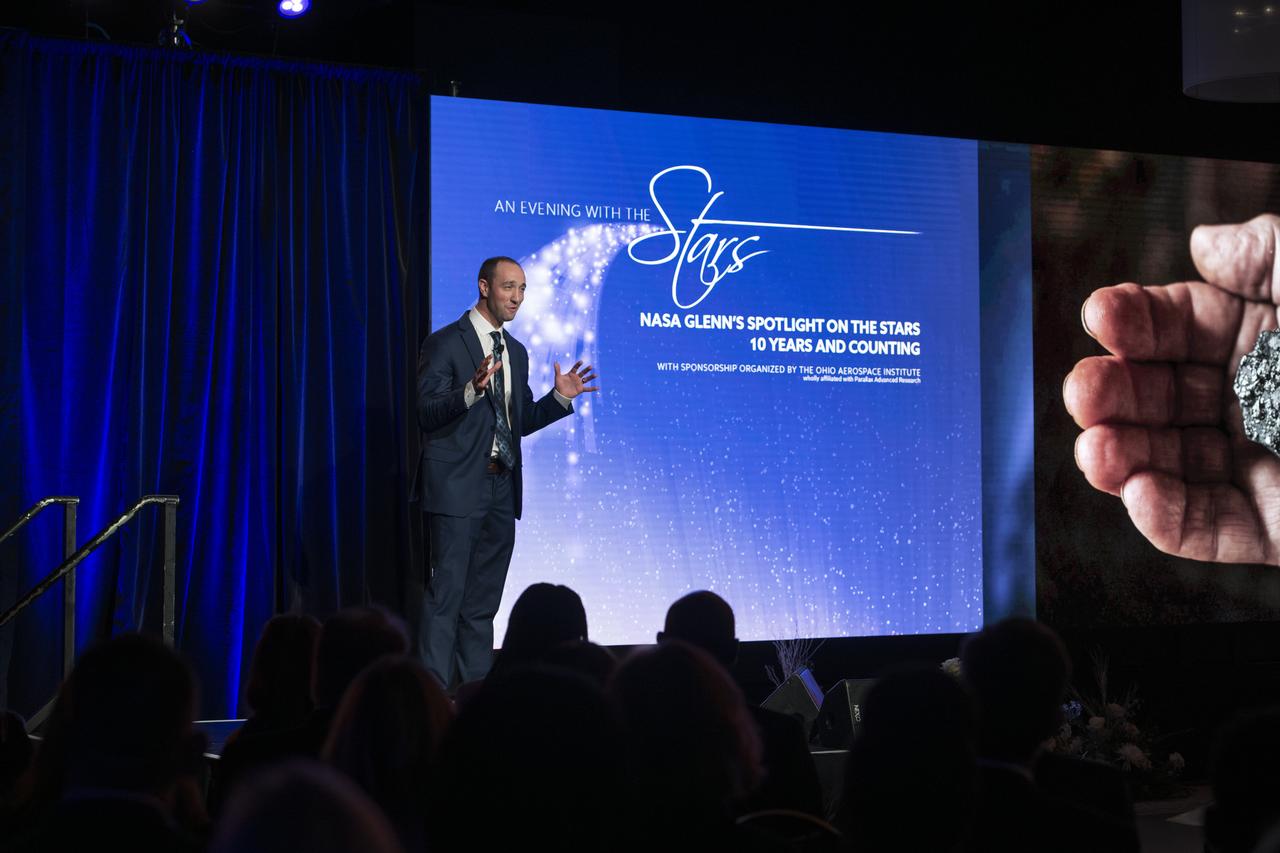
NASA Glenn's Spotlight on the Stars, 10 Years and Counting was held at Windows on the River in Cleveland, OH on November 20th, 2024. Sponsorship organized by the Ohio Aerospace Institute. Welcome by Dennis Andersh, CEO and President, Parallax Advanced Research, Ohio Aerospace Institute. Remarks by Terrence Slaybaugh, Vice President of Sites and Infrastructure, JobsOhio. Introduction of 10th Anniversary Video, Dr. Wanda Peters, Acting Deputy Director, NASA Glenn Research Center. Remarks/Introduction of Presenters, Dr. James Kenyon, Director, NASA Glenn Research Center. Keynote Speakers: Nikki Welch, NASA Glenn Communications, Connecting People to the Mission. Timothy Smith, NASA Glenn's Superalloy Achievements. Carlos Garcia-Galan, Dreaming of Going to the Moon. Photo Credit: (NASA/Sara Lowthian-Hanna)
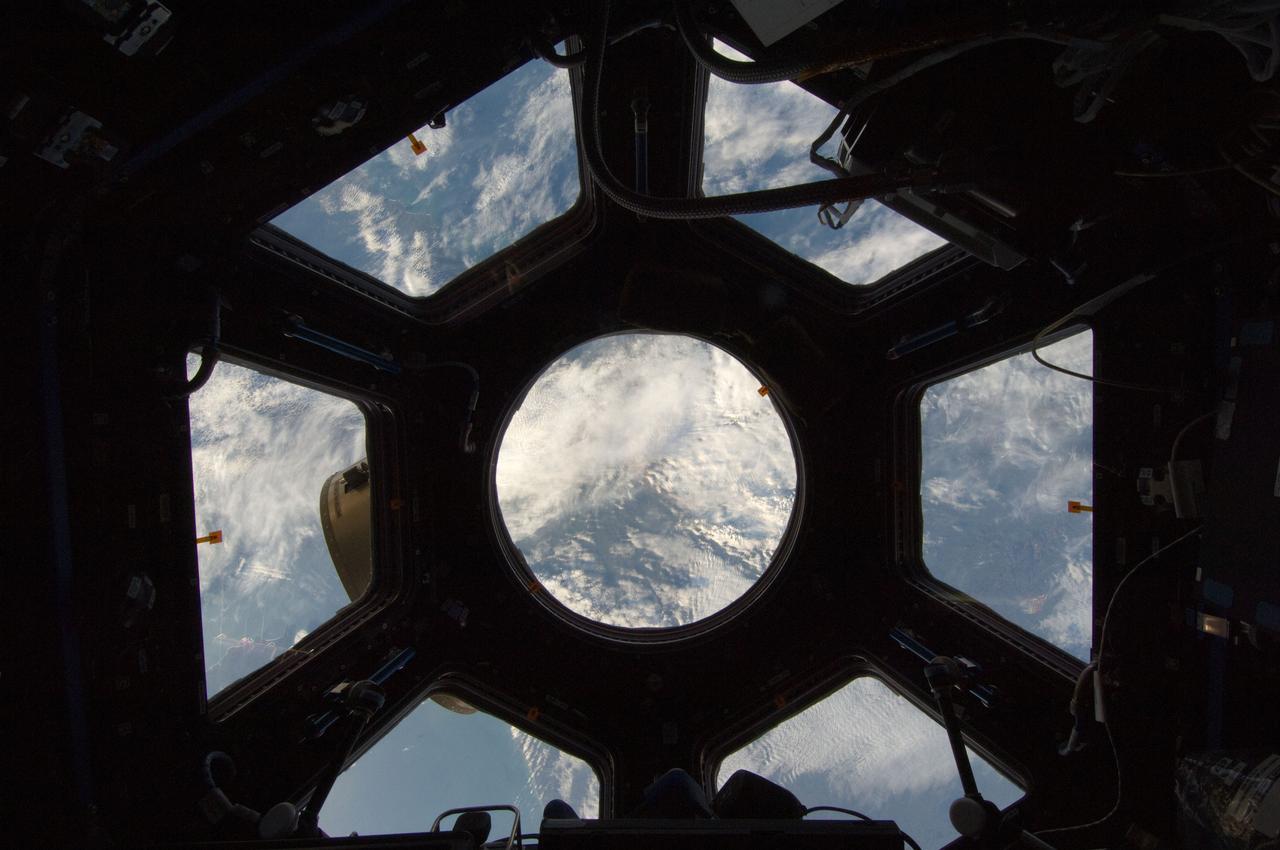
ISS029-E-043374 (19 Nov. 2011) --- A blue and white part of Earth, as seen through the windows in the Cupola, is featured in this image photographed by an Expedition 29 crew member on the International Space Station.
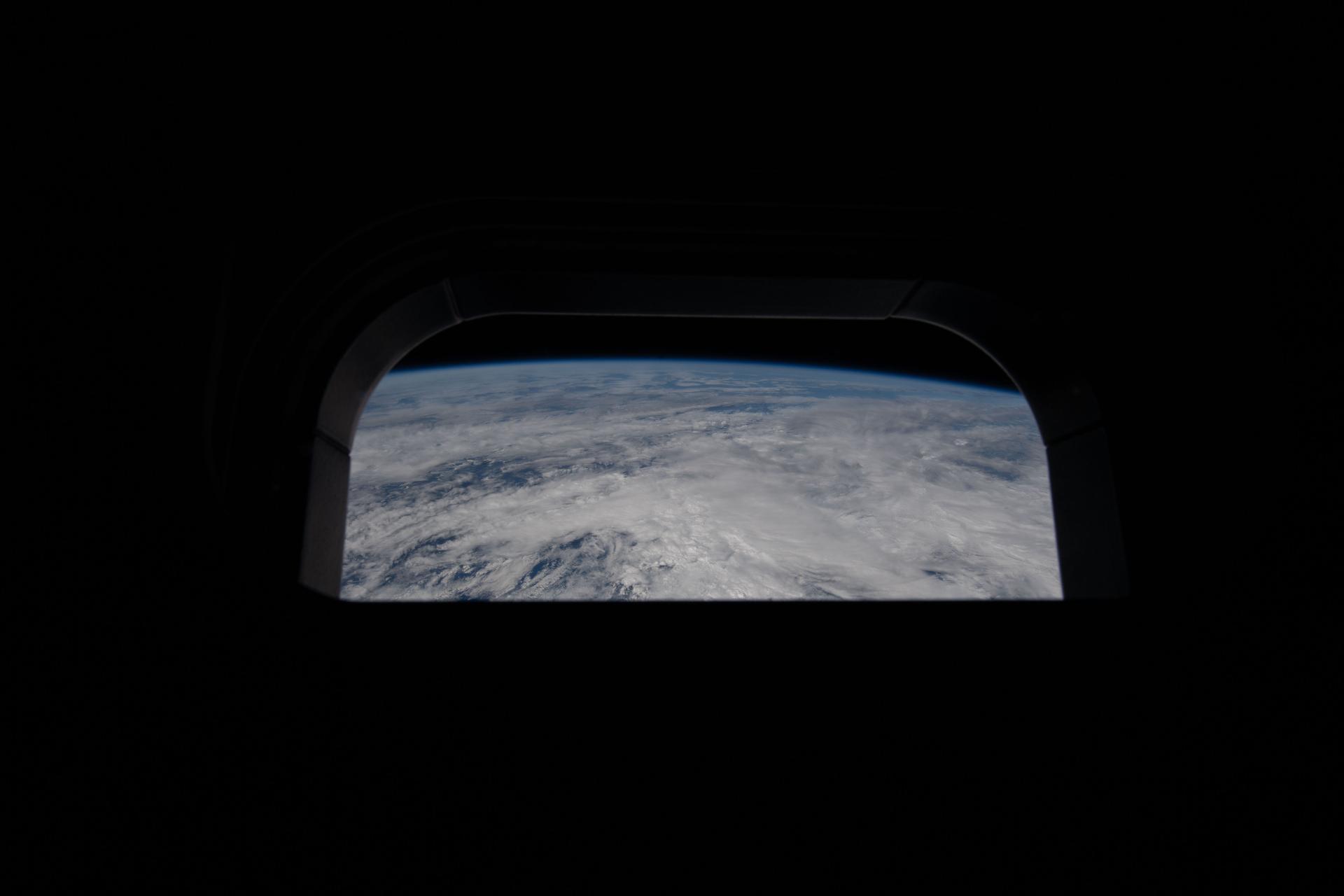
art002e025469 (April 2, 2026) – View out of one of the Orion spacecraft's main cabin windows, looking back at Earth, as the crew travels towards the Moon. Credit: NASA
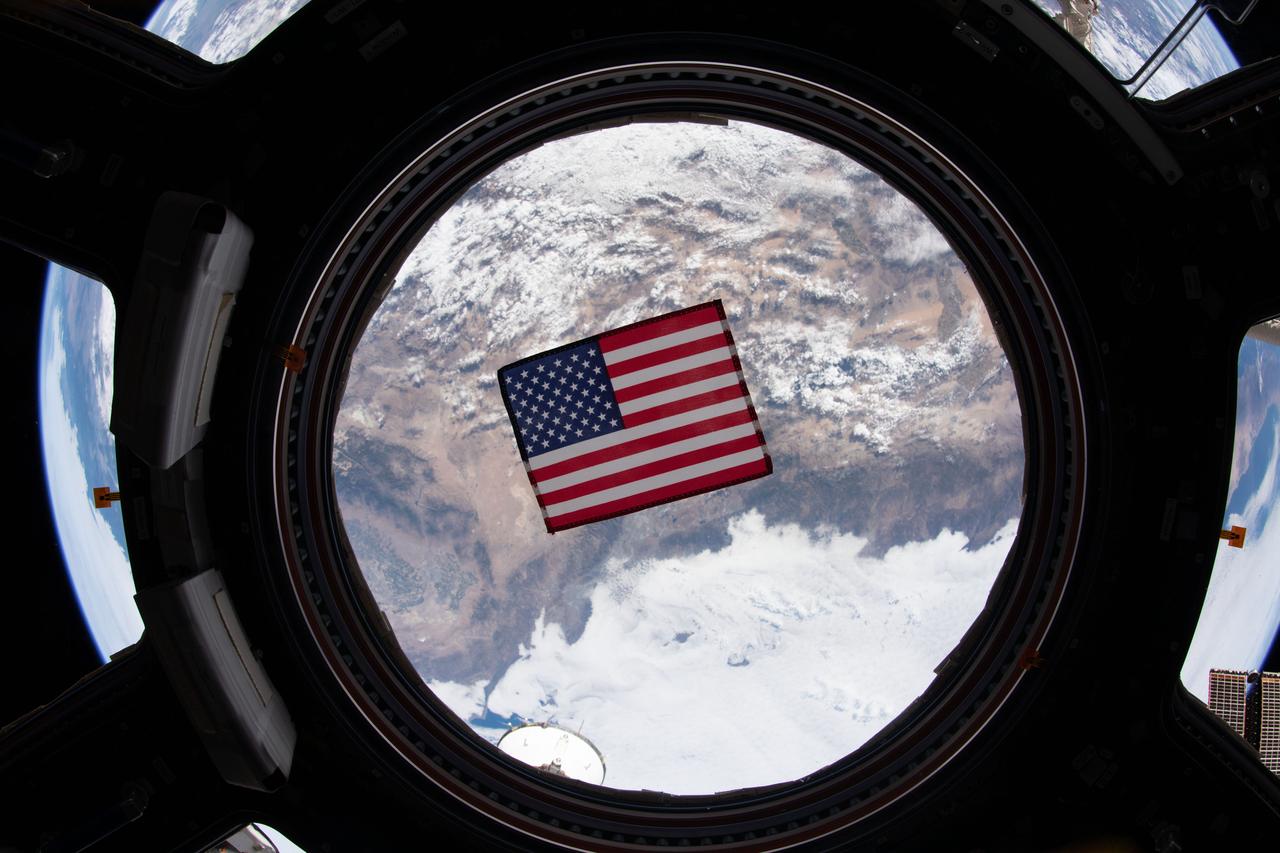
View of a small U.S. flag floating in the Cupola window
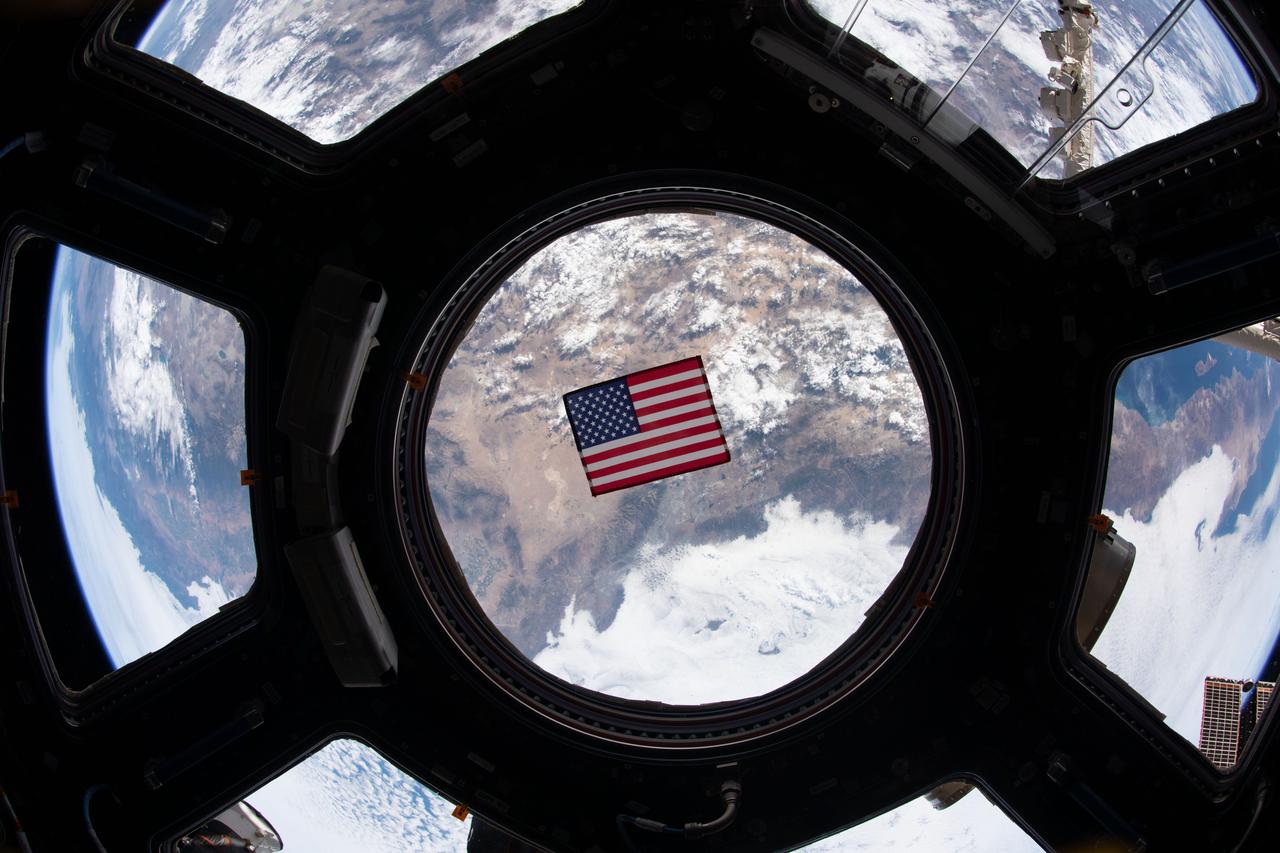
View of a small U.S. flag floating in the Cupola window

STS030-10-008 (4-8 May 1989) --- Since the beginning manned space travel, astronauts have taken with them items of personal sentiment. In case of Mark C. Lee, STS-30 mission specialist, a picture of a cow testifies to his background as one reared on a Wisconsin farm. The scene, through a flight deck aft window, also shows Earth some 160 nautical miles away.
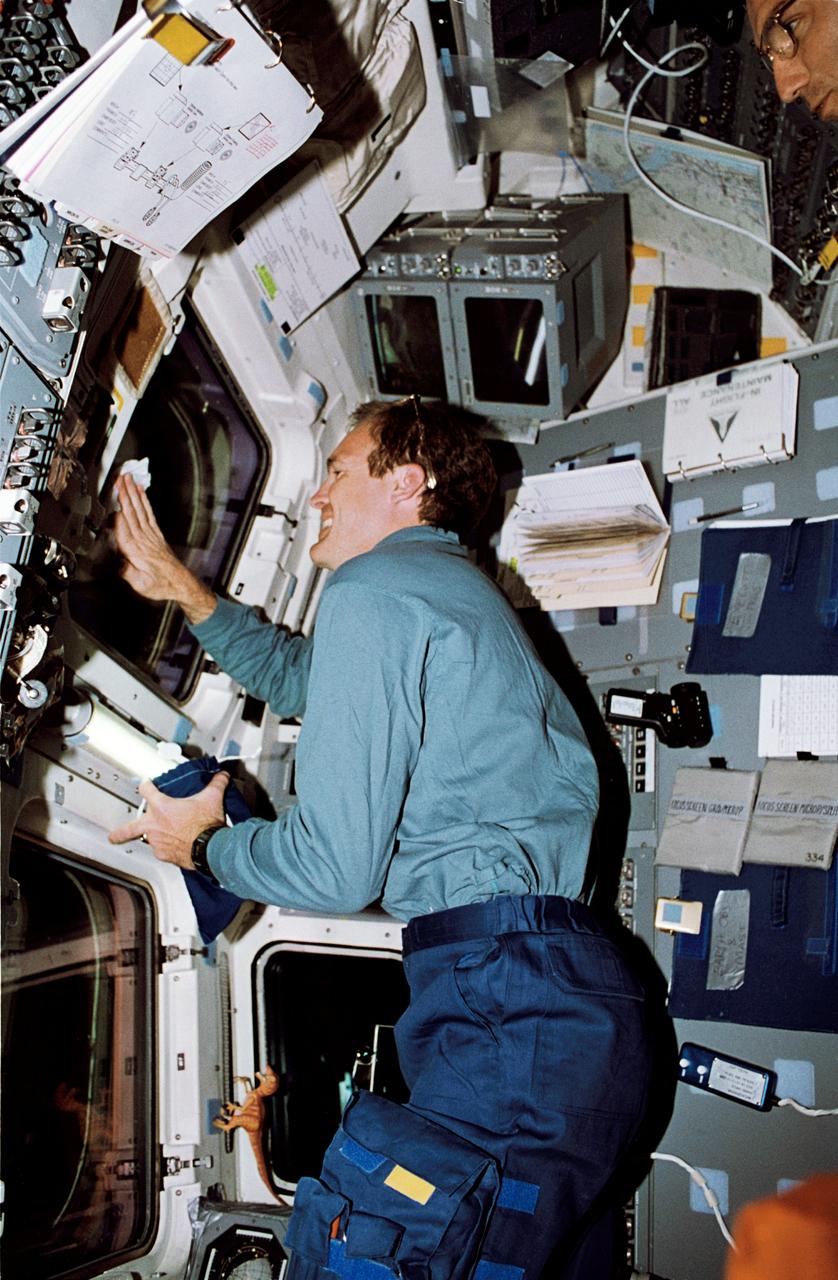
STS065-52-034 (8-23 July 1994) --- On the Space Shuttle Columbia's aft flight deck, astronaut James D. Halsel,l Jr., pilot, cleans off one of the overhead windows. Astronaut Carl E. Walz, mission specialist, looks on (photo's edge). The two shared over fourteen days in Earth-orbit with four other NASA astronauts and a Japanese payload specialist in support of the second International Microgravity Laboratory (IML-2) mission.
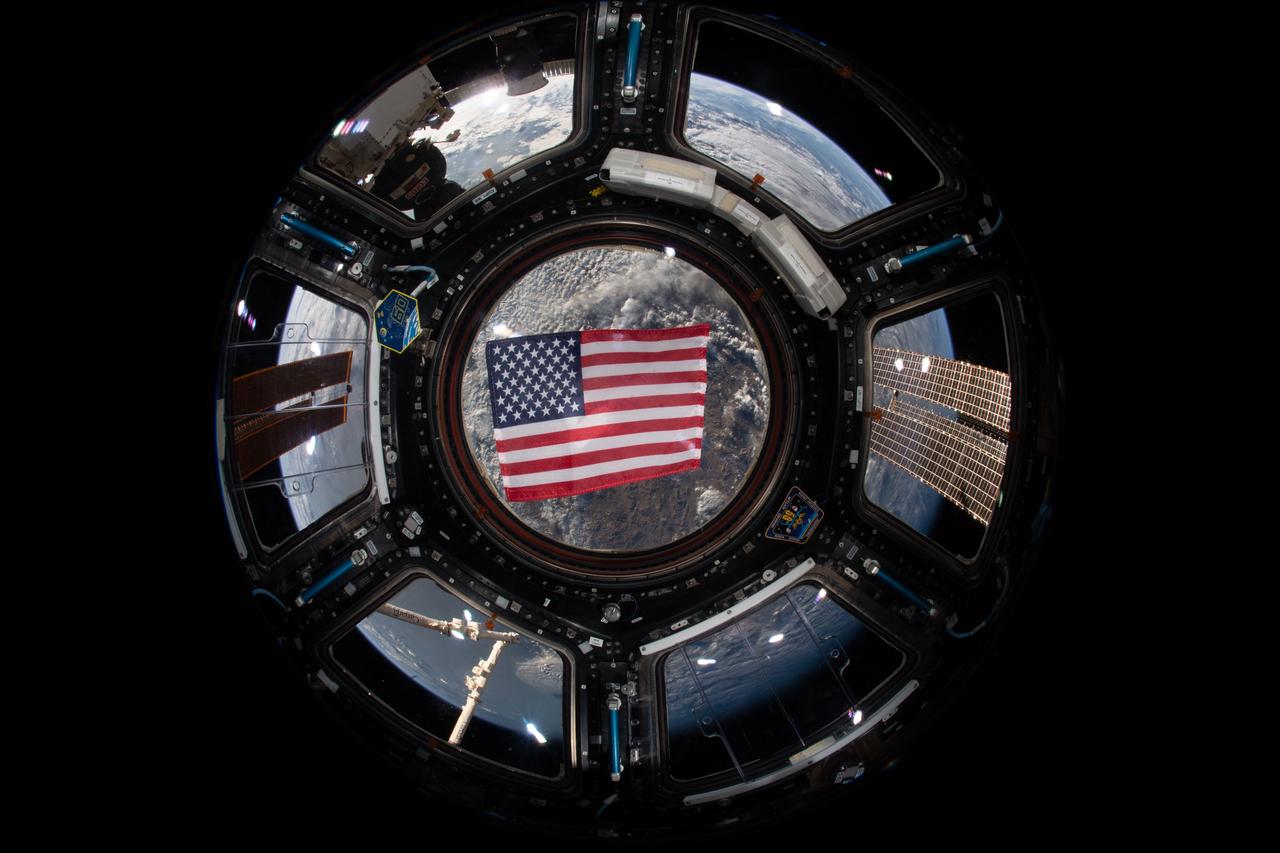
View of crew personal Flight Data File (FDF) item - American flag - floating in front of the Cupola windows.
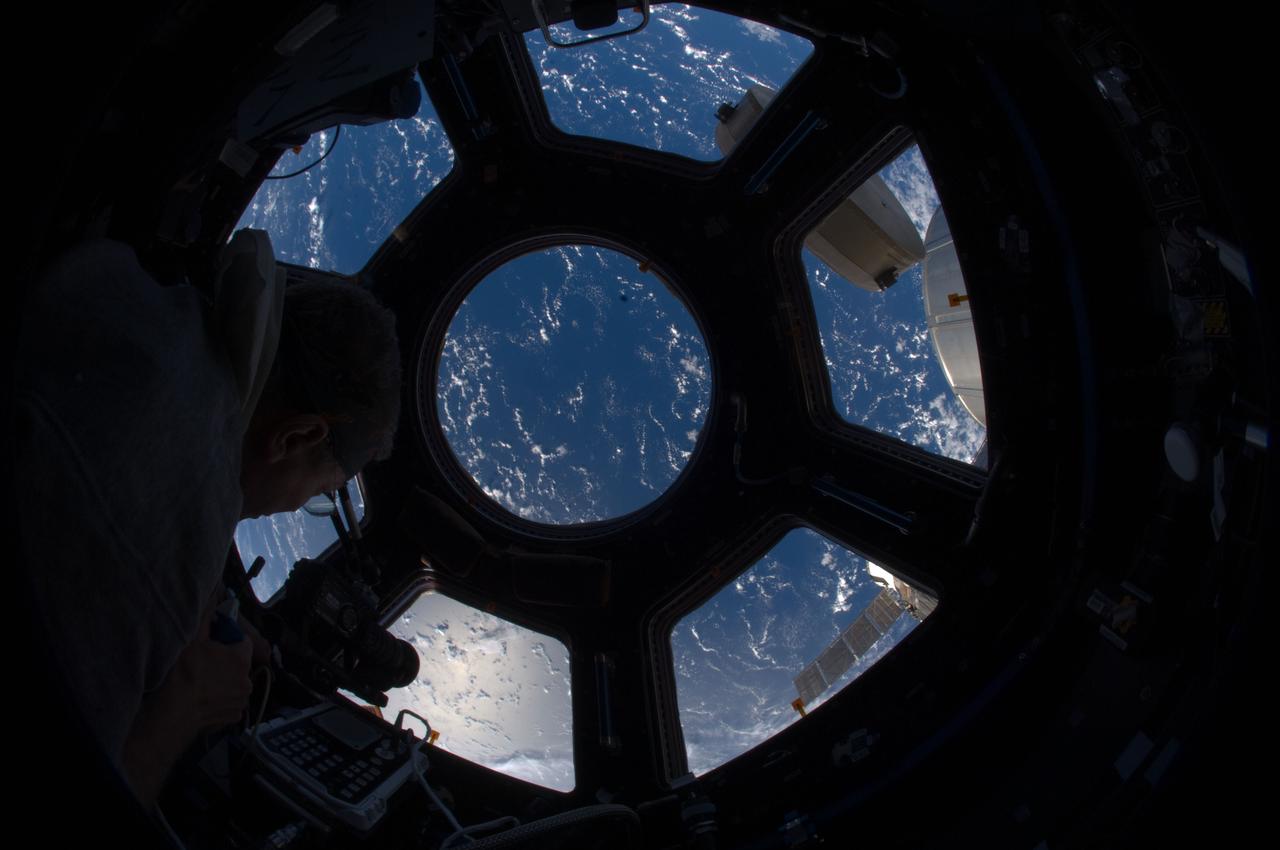
ISS028-E-028791 (22 Aug. 2011) --- NASA astronaut Mike Fossum, Expedition 28 flight engineer, uses a camera at a window in the Cupola of the International Space Station. A blue and white part of Earth is visible through the windows.
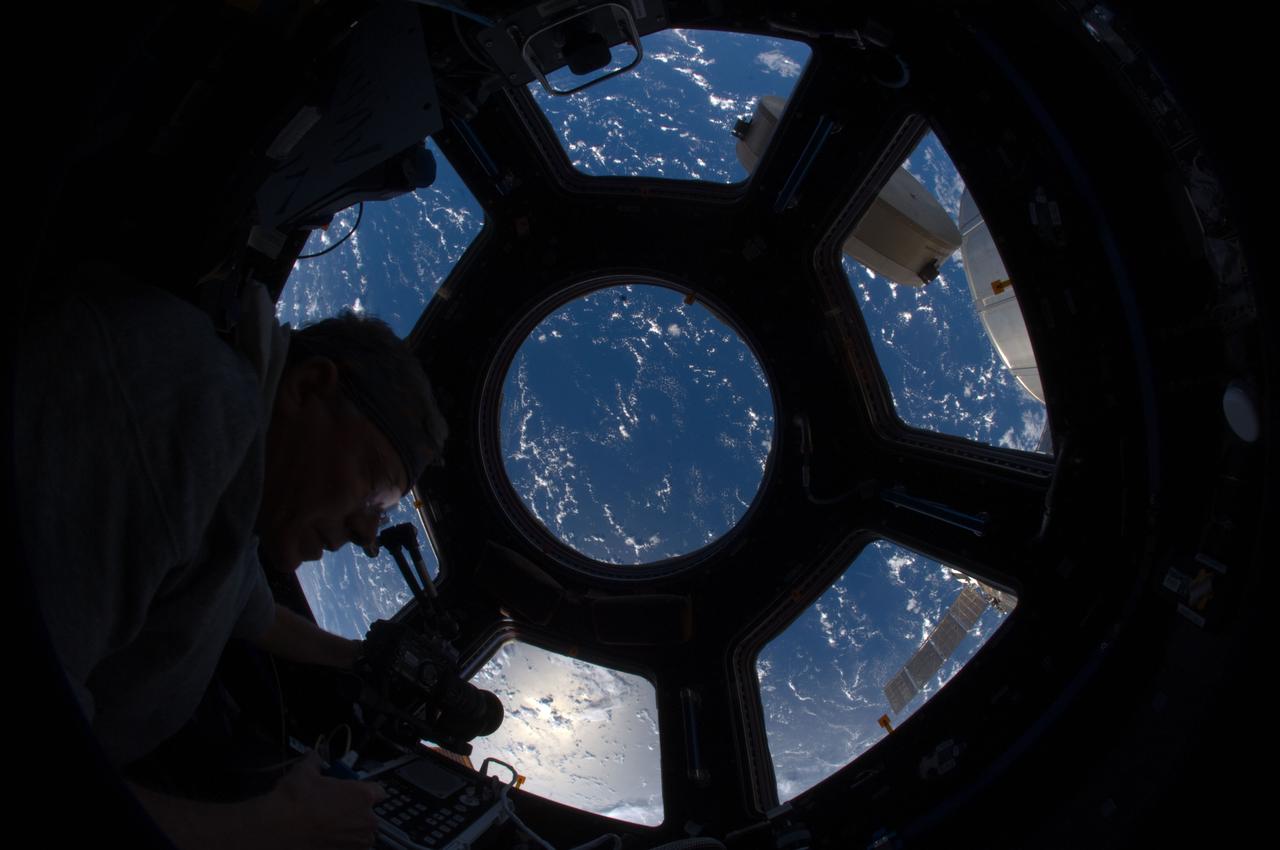
ISS028-E-028792 (22 Aug. 2011) --- NASA astronaut Mike Fossum, Expedition 28 flight engineer, uses a camera at a window in the Cupola of the International Space Station. A blue and white part of Earth is visible through the windows.
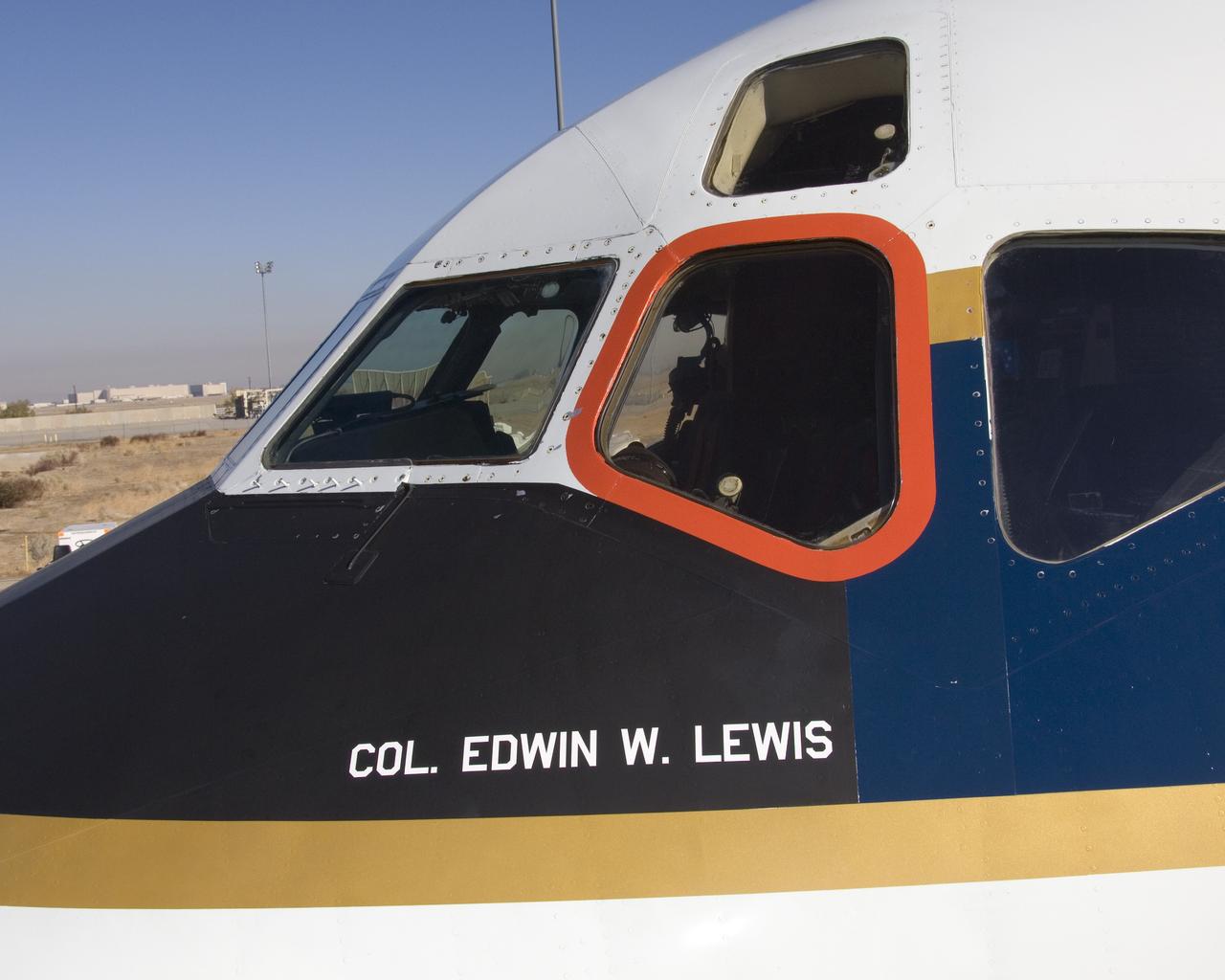
NASA's modified DC-8 now carries the name of the late Edwin W. Lewis below its cockpit window, a tribute to his 18 years piloting the unique science laboratory.
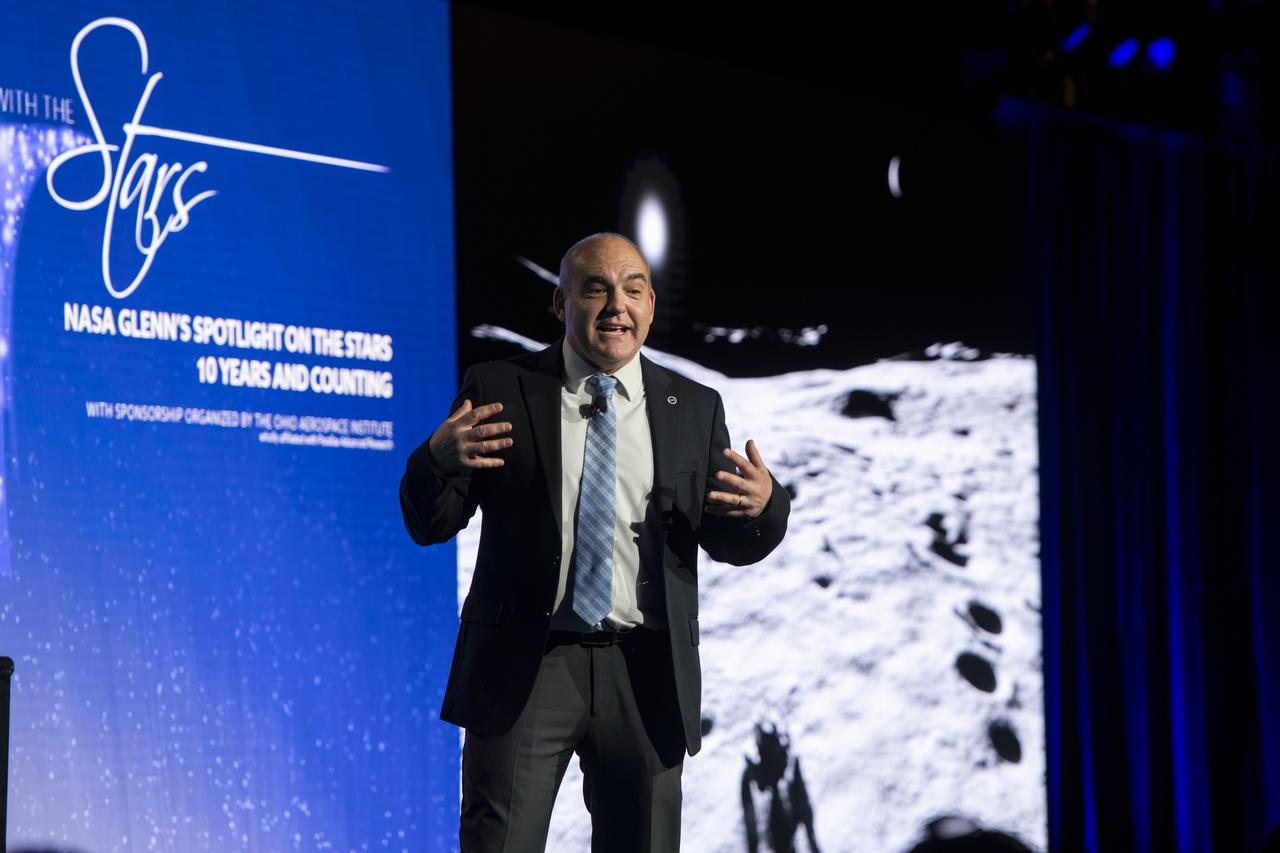
NASA Glenn's Spotlight on the Stars, 10 Years and Counting was held at Windows on the River in Cleveland, OH on November 20th, 2024. Sponsorship organized by the Ohio Aerospace Institute. Welcome by Dennis Andersh, CEO and President, Parallax Advanced Research, Ohio Aerospace Institute. Remarks by Terrence Slaybaugh, Vice President of Sites and Infrastructure, JobsOhio. Introduction of 10th Anniversary Video, Dr. Wanda Peters, Acting Deputy Director, NASA Glenn Research Center. Remarks/Introduction of Presenters, Dr. James Kenyon, Director, NASA Glenn Research Center. Keynote Speakers: Nikki Welch, NASA Glenn Communications, Connecting People to the Mission. Timothy Smith, NASA Glenn's Superalloy Achievements. Carlos Garcia-Galan, Orion Program’s European Service Module Integration Office at Glenn Research Center, Dreaming of Going to the Moon.
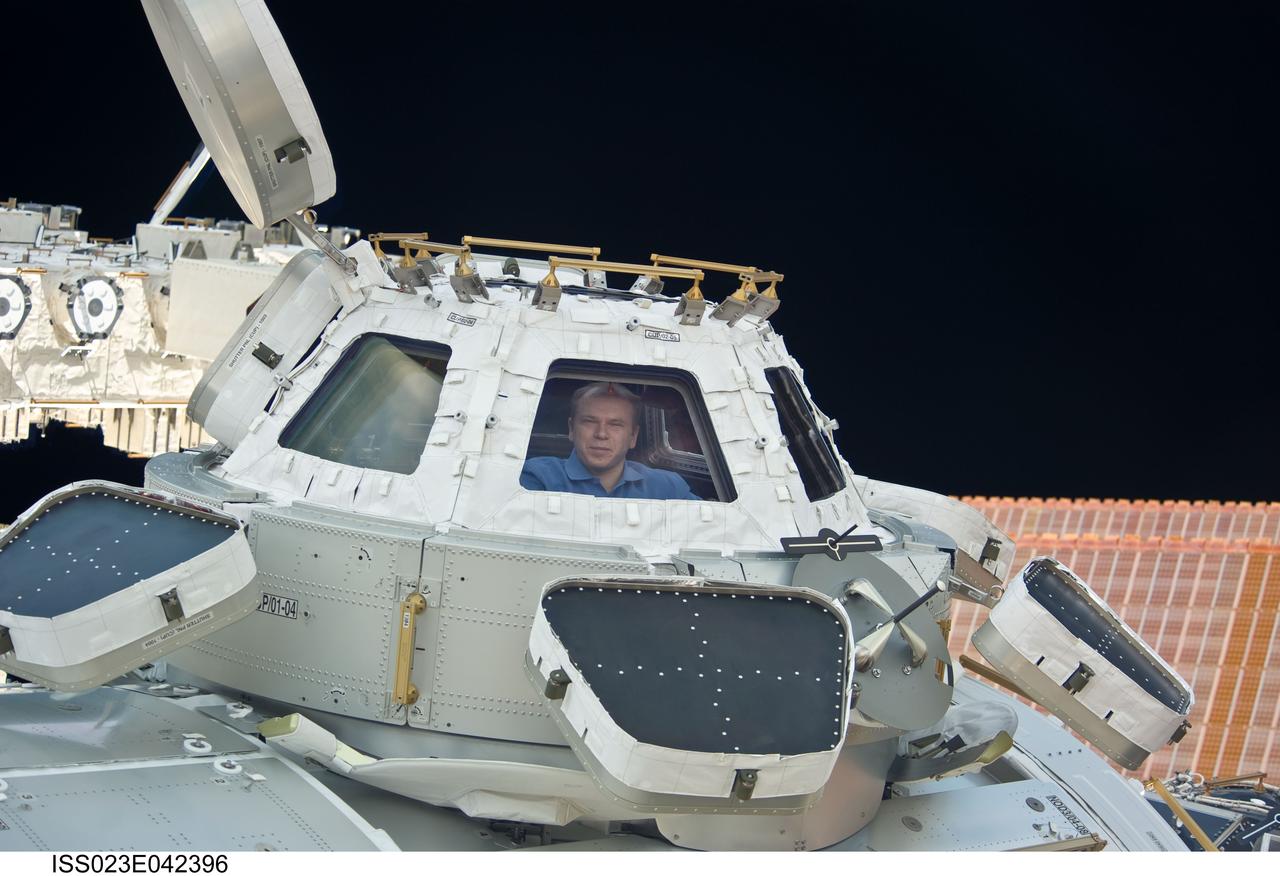
ISS023-E-042396 (10 May 2010) --- Russian cosmonaut Oleg Kotov, Expedition 23 commander, is pictured in a window of the Cupola of the International Space Station.
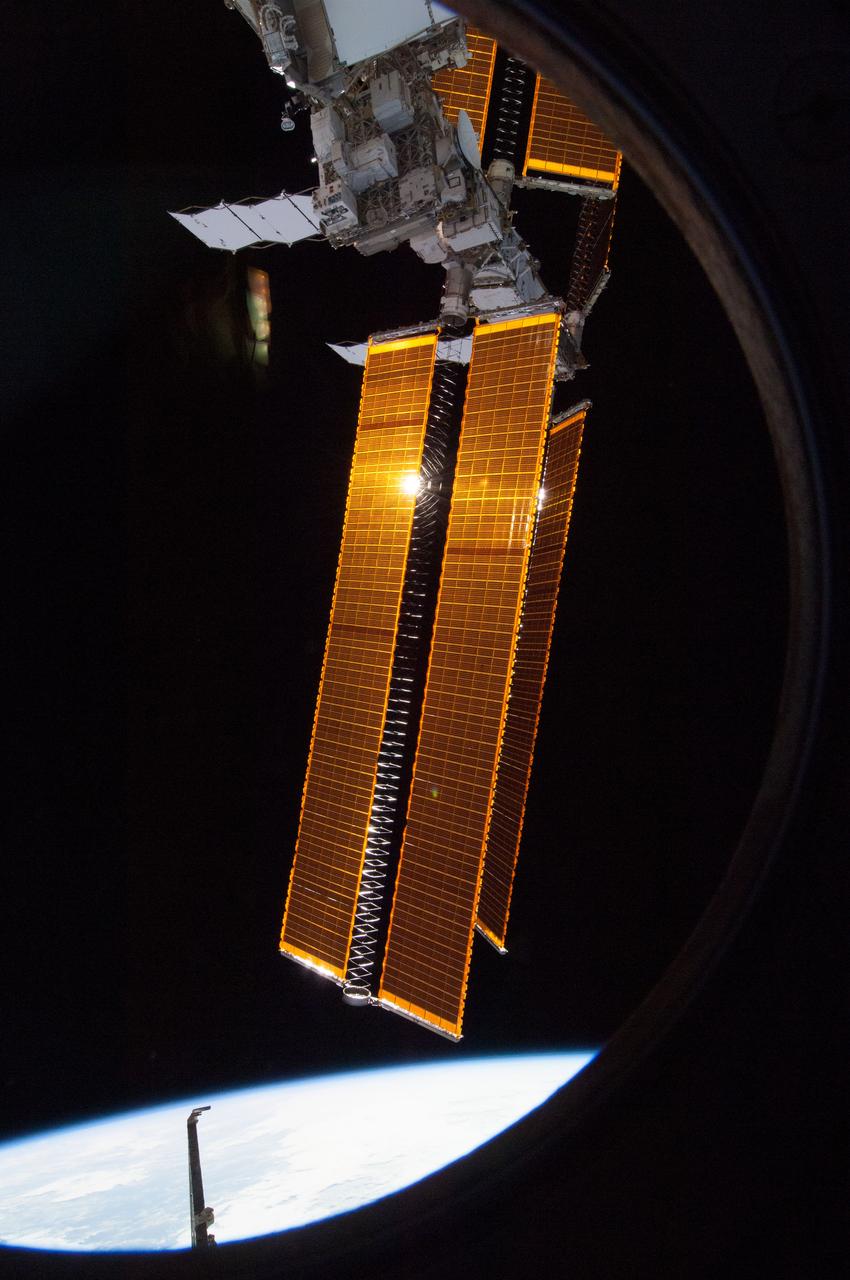
View of one of the International Space Stations solar arrays is visible from a window in the ISS with an Earth limb in the background. Photo taken by the Expedition 37 crew.
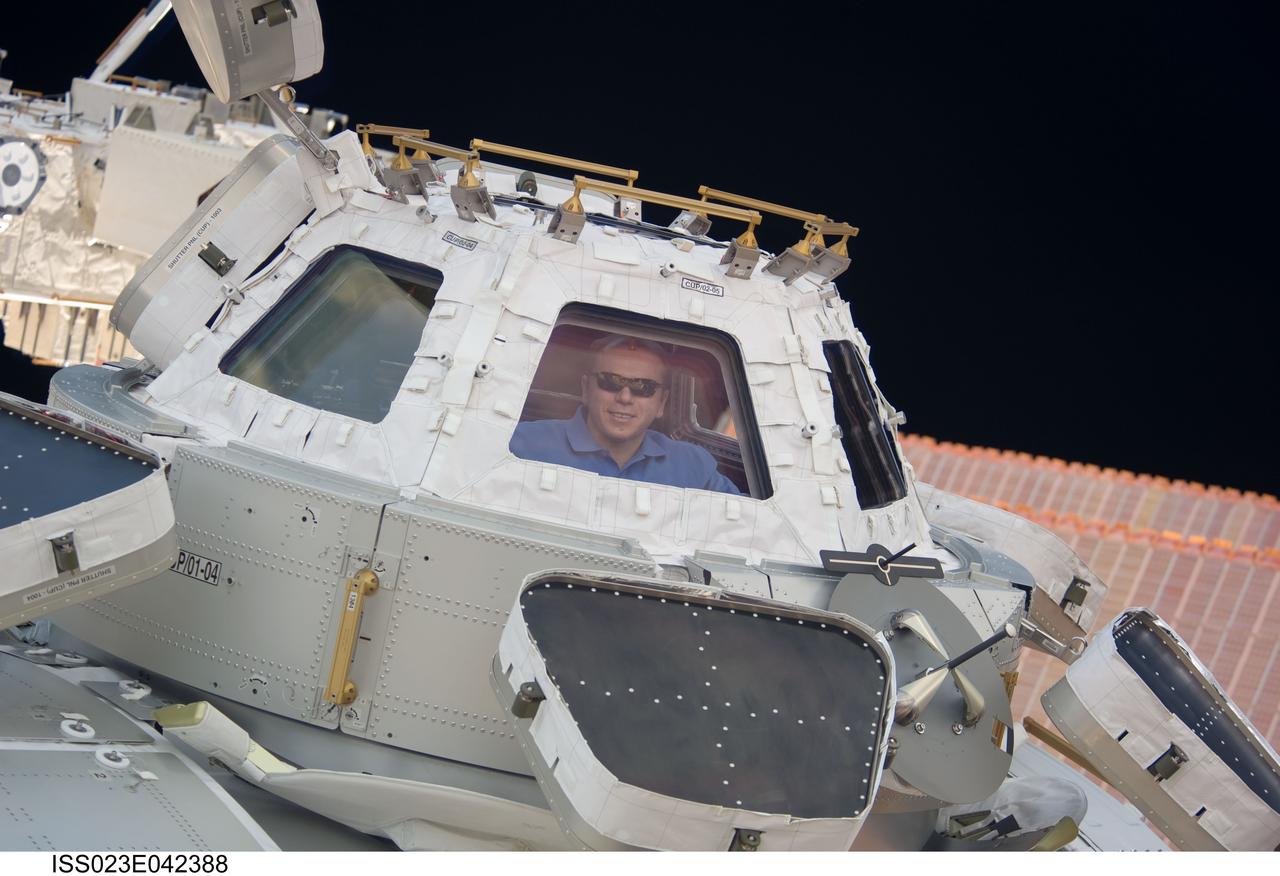
ISS023-E-042388 (10 May 2010) --- Russian cosmonaut Oleg Kotov, Expedition 23 commander, is pictured in a window of the Cupola of the International Space Station.
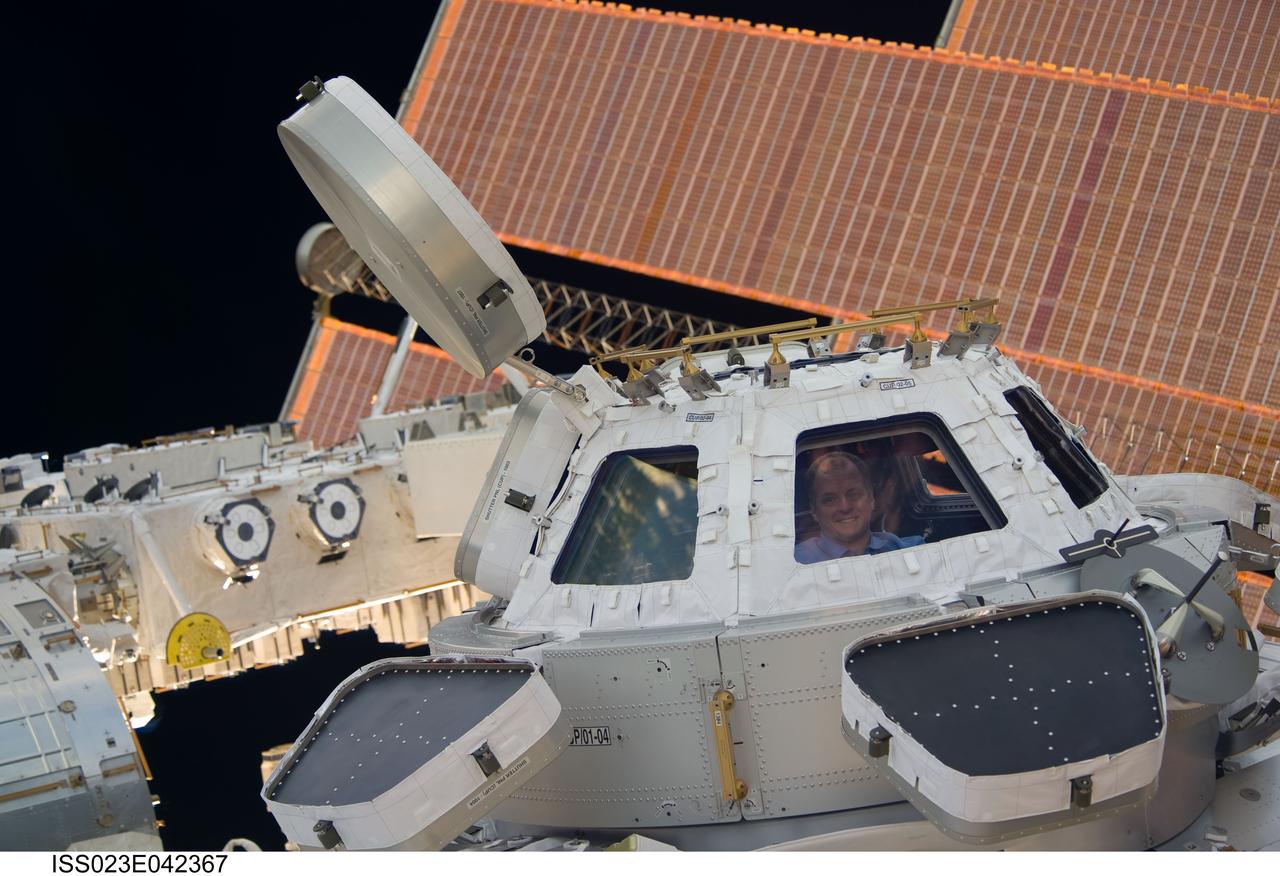
ISS023-E-042367 (10 May 2010) --- NASA astronaut T.J. Creamer, Expedition 23 flight engineer, is pictured in a window of the Cupola of the International Space Station.
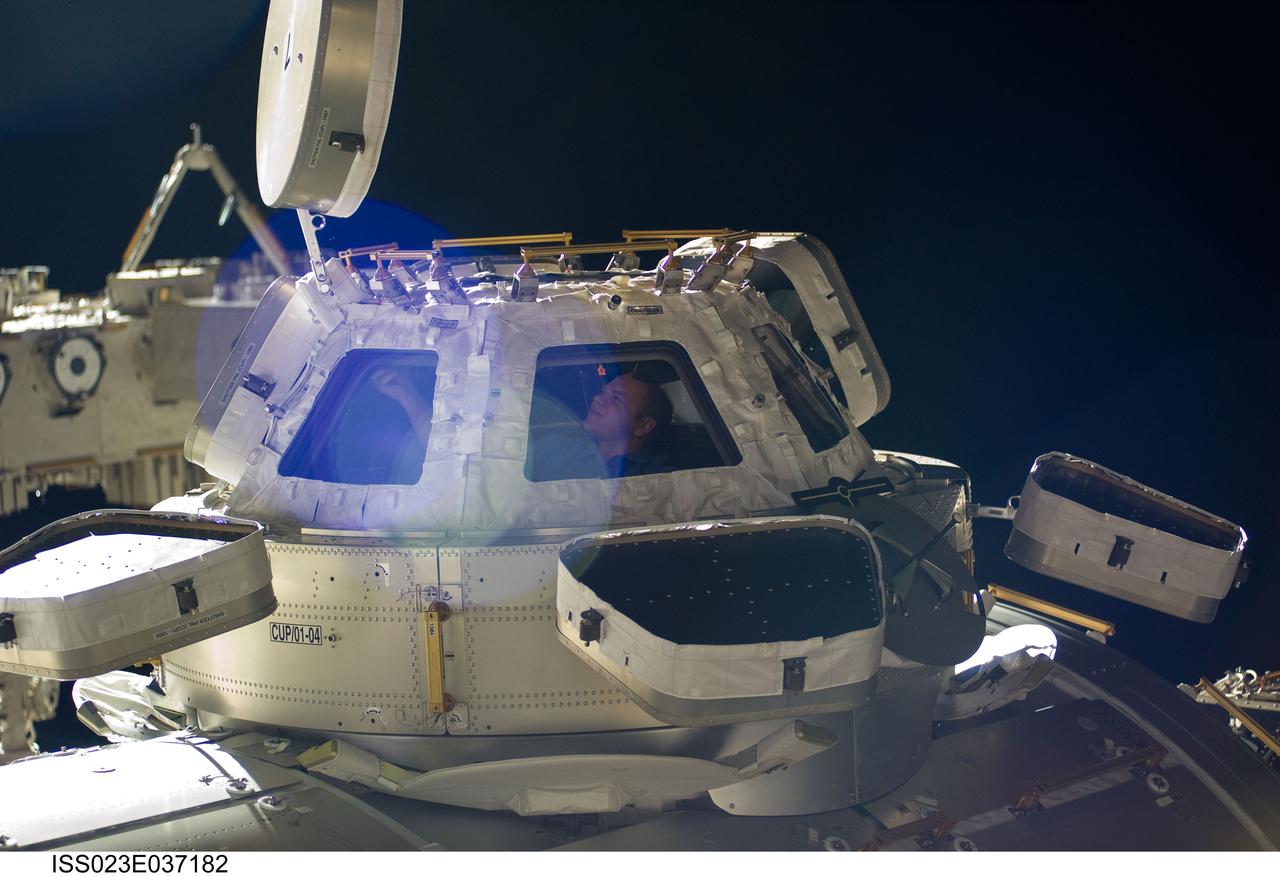
ISS023-E-037182 (9 May 2010) --- Russian cosmonaut Oleg Kotov, Expedition 23 commander, is pictured in a window of the Cupola of the International Space Station.
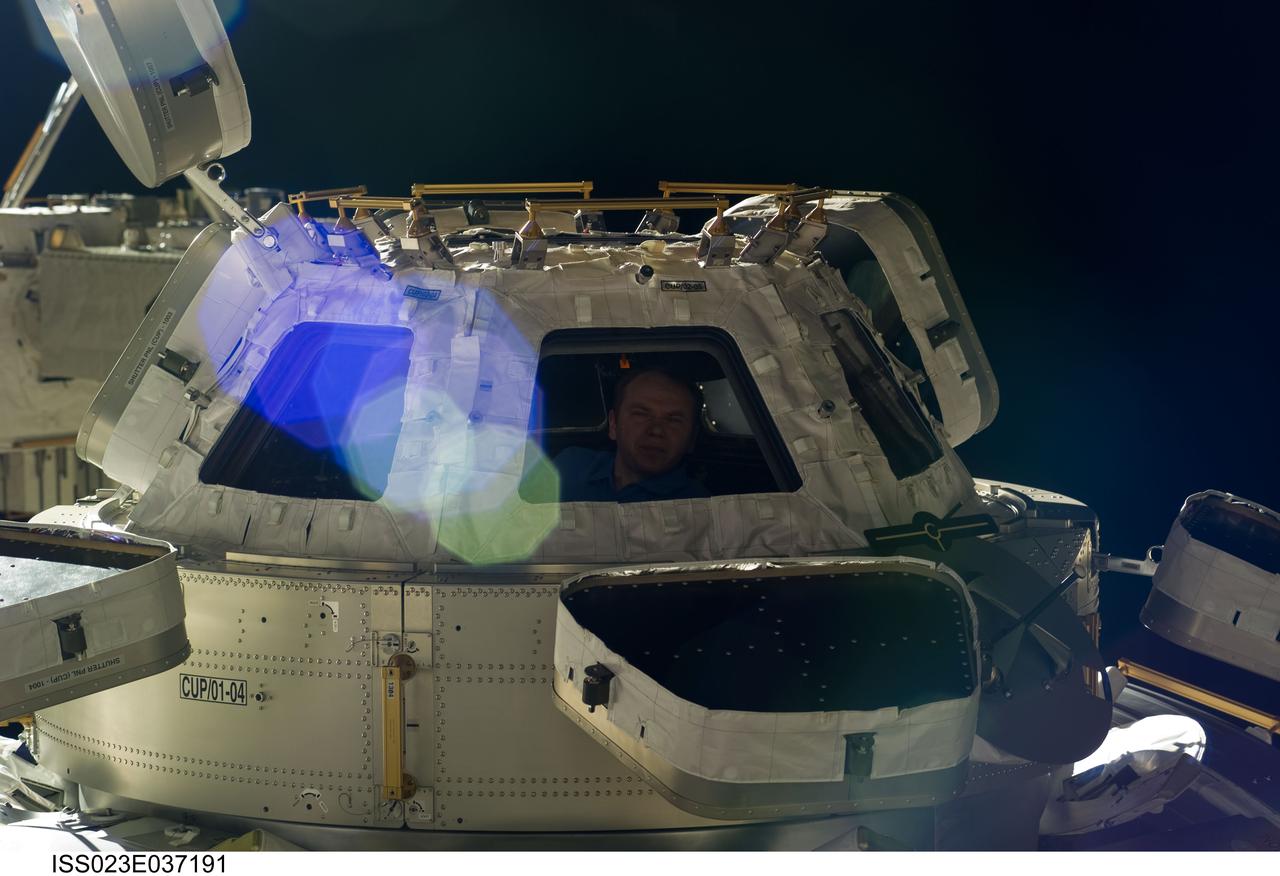
ISS023-E-037191 (9 May 2010) --- Russian cosmonaut Oleg Kotov, Expedition 23 commander, is pictured in a window of the Cupola of the International Space Station.
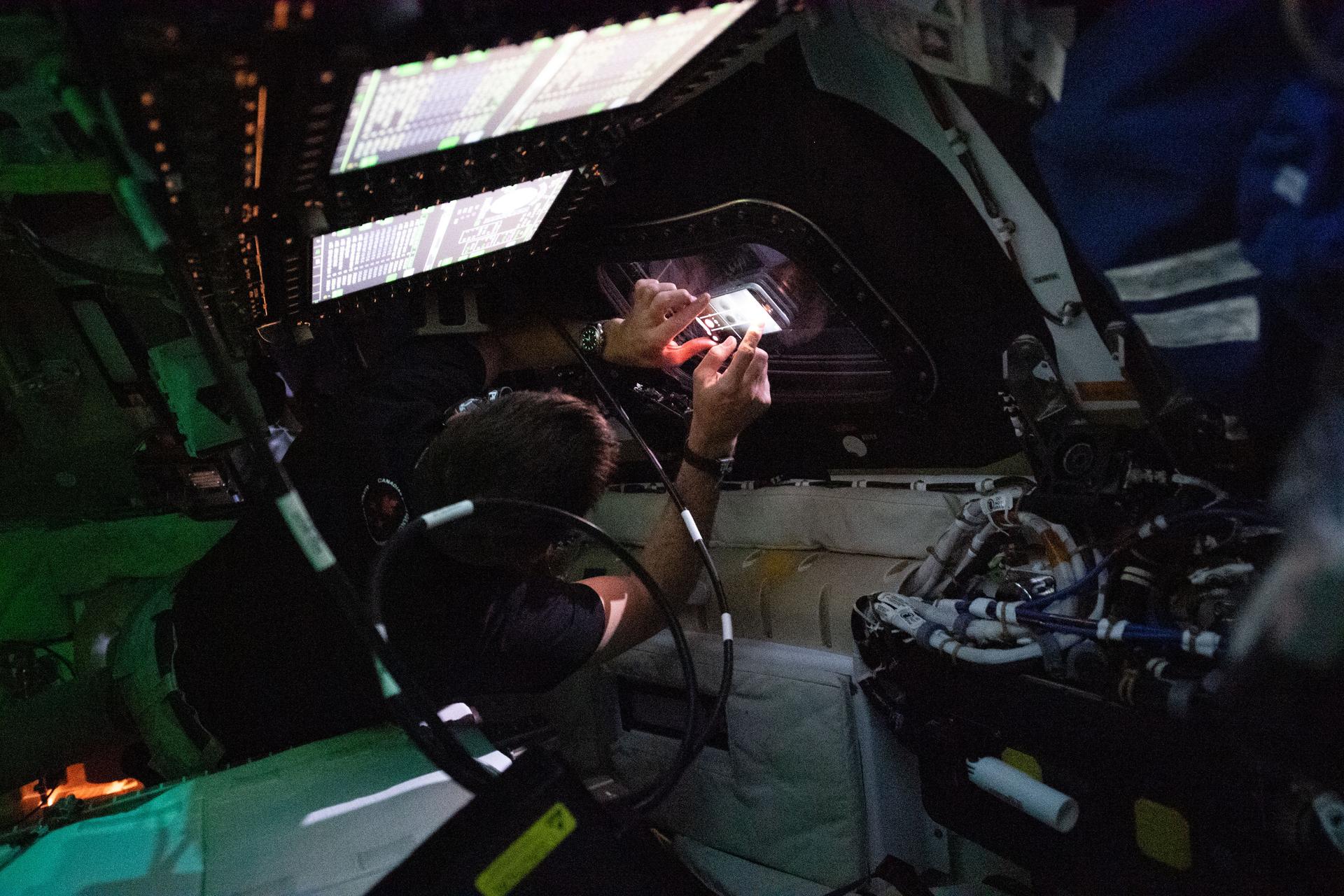
art002e025643 (April 3, 2026) - CSA (Canadian Space Agency) astronaut Jeremy Hansen – in the center of the image – about to take a photo out the window of the Orion spacecraft on day three of NASA's Artemis II mission. The controls over the commander and pilot seats are illuminated in the foreground, but the cabin is otherwise dark to avoid unnecessary glares on the windows. Credit: NASA
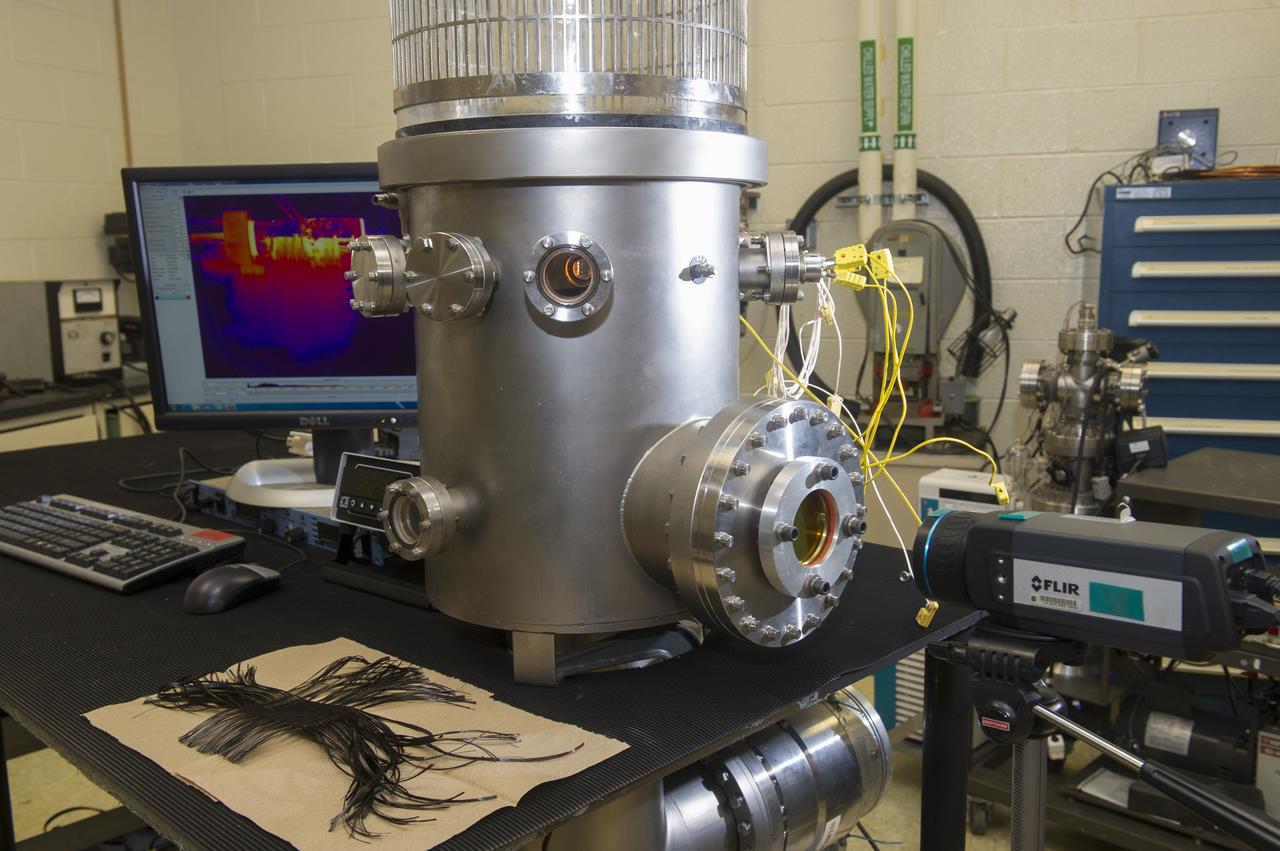
2013 MSFC RADIATOR FACILITY SHOWING THE ZINC SELENIDE WINDOW, THE IR CAMERA, AND A RECENTLY WOVEN UNTESTED CARBON FIBER TEST ARTICLE (LOWER LEFT)-
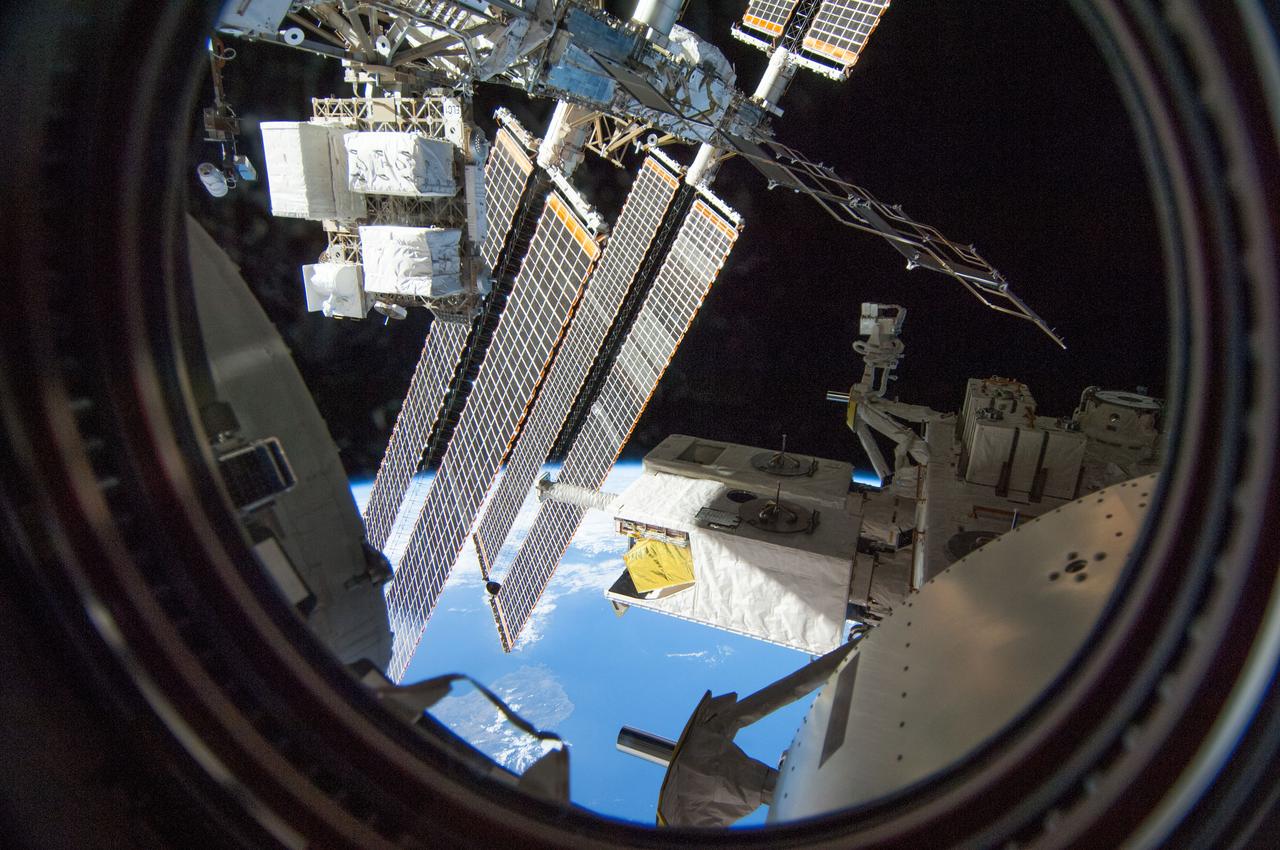
View of the Japanese Experiment Module (JEM) Exposed Facility (JEF), raidators and and part of the Express Logistics Carrier (ELC) on the P1 truss. Photo taken from the JEM window by the Expedition 40 crew.
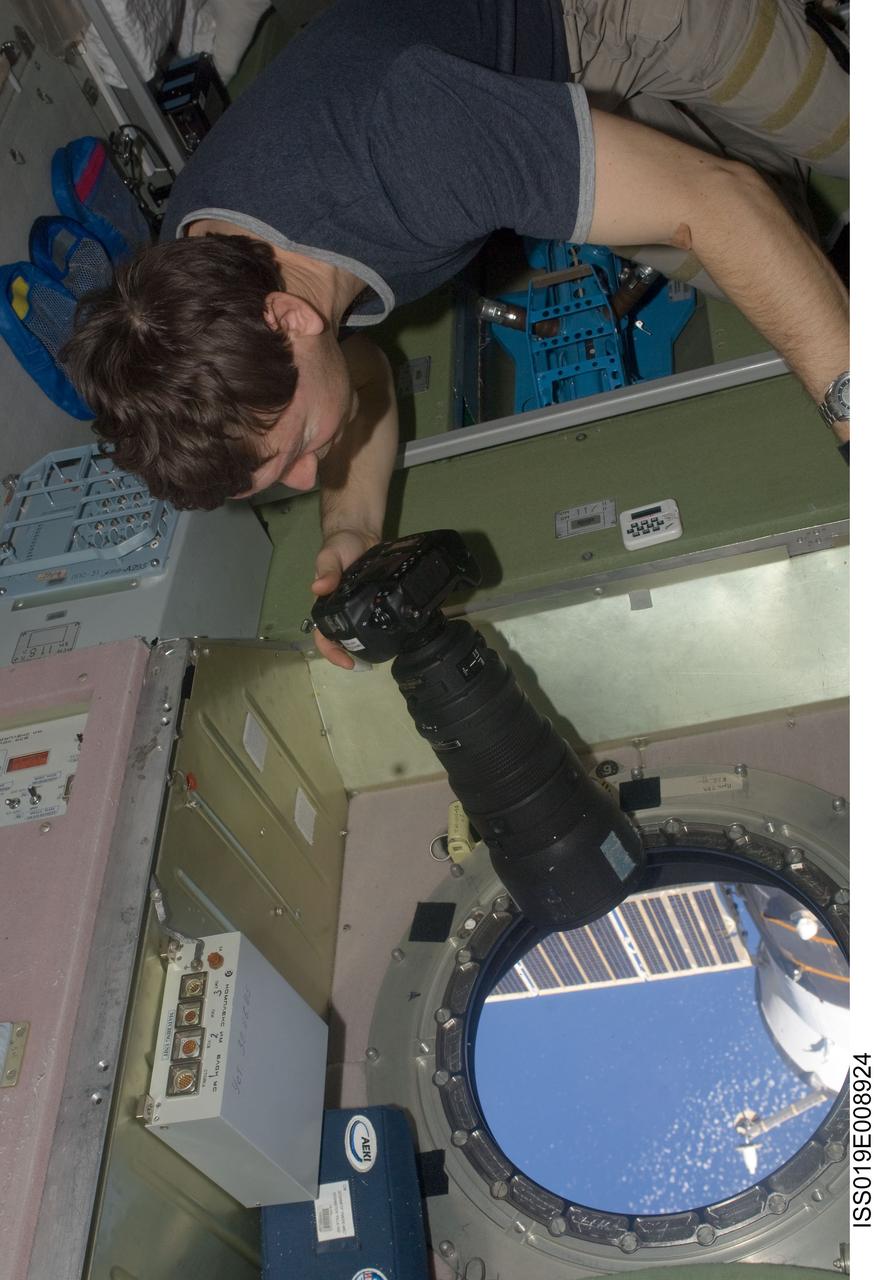
ISS019-E-008924 (19 April 2009) --- Astronaut Michael Barratt, Expedition 19/20 flight engineer, uses a still camera at a window in the Zvezda Service Module of the International Space Station.
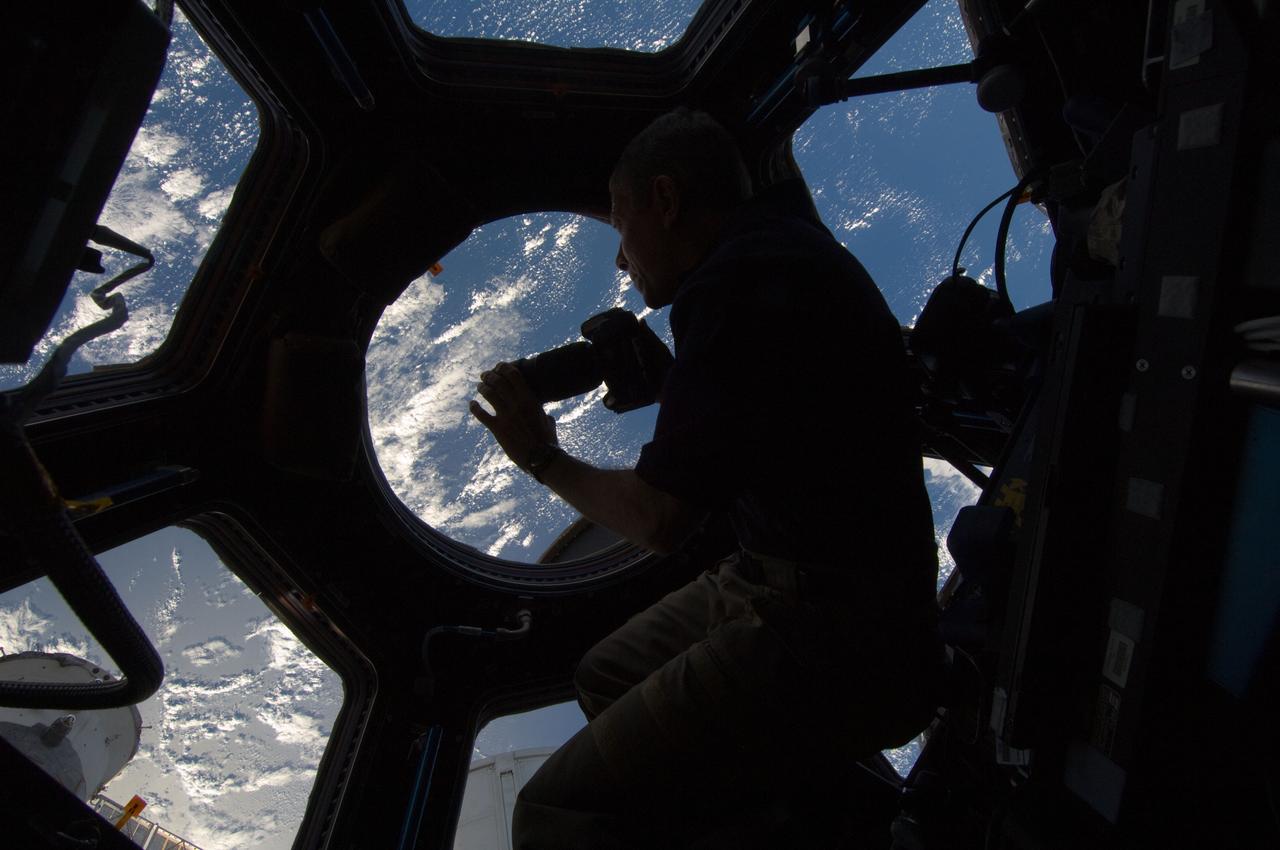
ISS029-E-043409 (19 Nov. 2011) --- NASA astronaut Mike Fossum, Expedition 29 commander, uses a still camera to photograph the topography of a point on Earth from a window in the Cupola of the International Space Station.
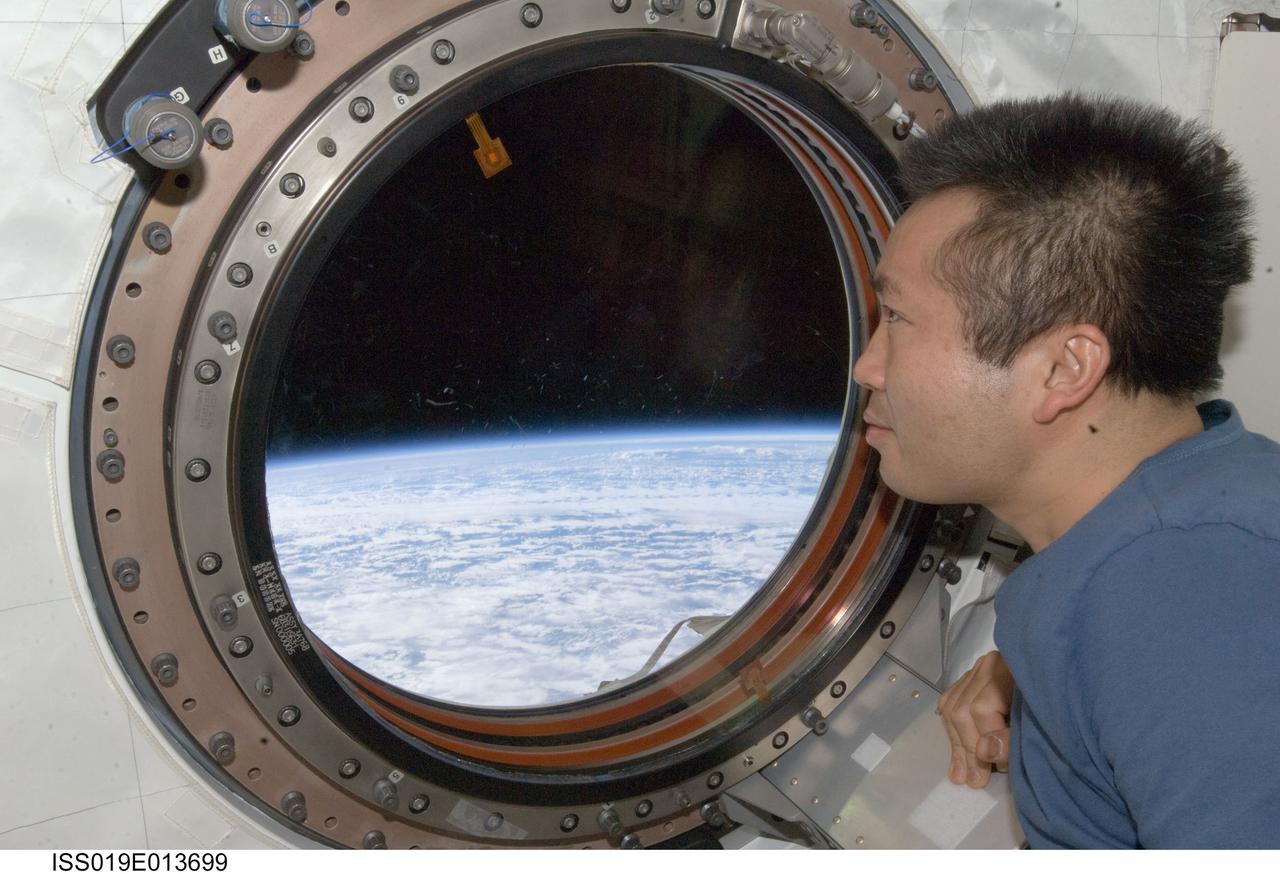
ISS019-E-013699 (3 May 2009) --- Japan Aerospace Exploration Agency (JAXA) astronaut Koichi Wakata, Expedition 19/20 flight engineer, looks through a window in the Kibo laboratory of the International Space Station.
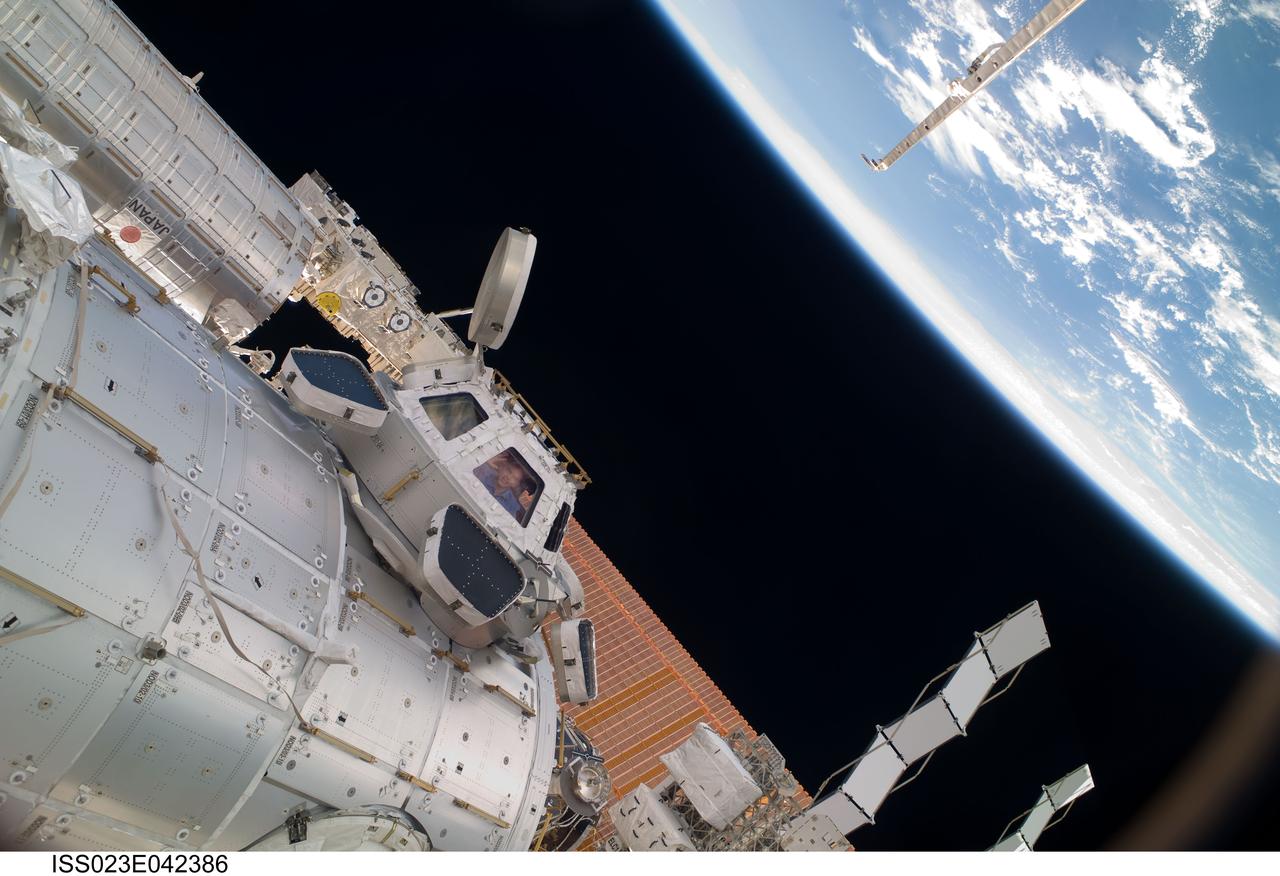
ISS023-E-042386 (10 May 2010) --- Russian cosmonaut Oleg Kotov, Expedition 23 commander, is pictured in a window of the Cupola of the International Space Station. Earth?s horizon and the blackness of space provide the backdrop for the scene.

ISS023-E-042375 (10 May 2010) --- Japan Aerospace Exploration Agency (JAXA) astronaut Soichi Noguchi, Expedition 23 flight engineer, is pictured in a window of the Cupola of the International Space Station.
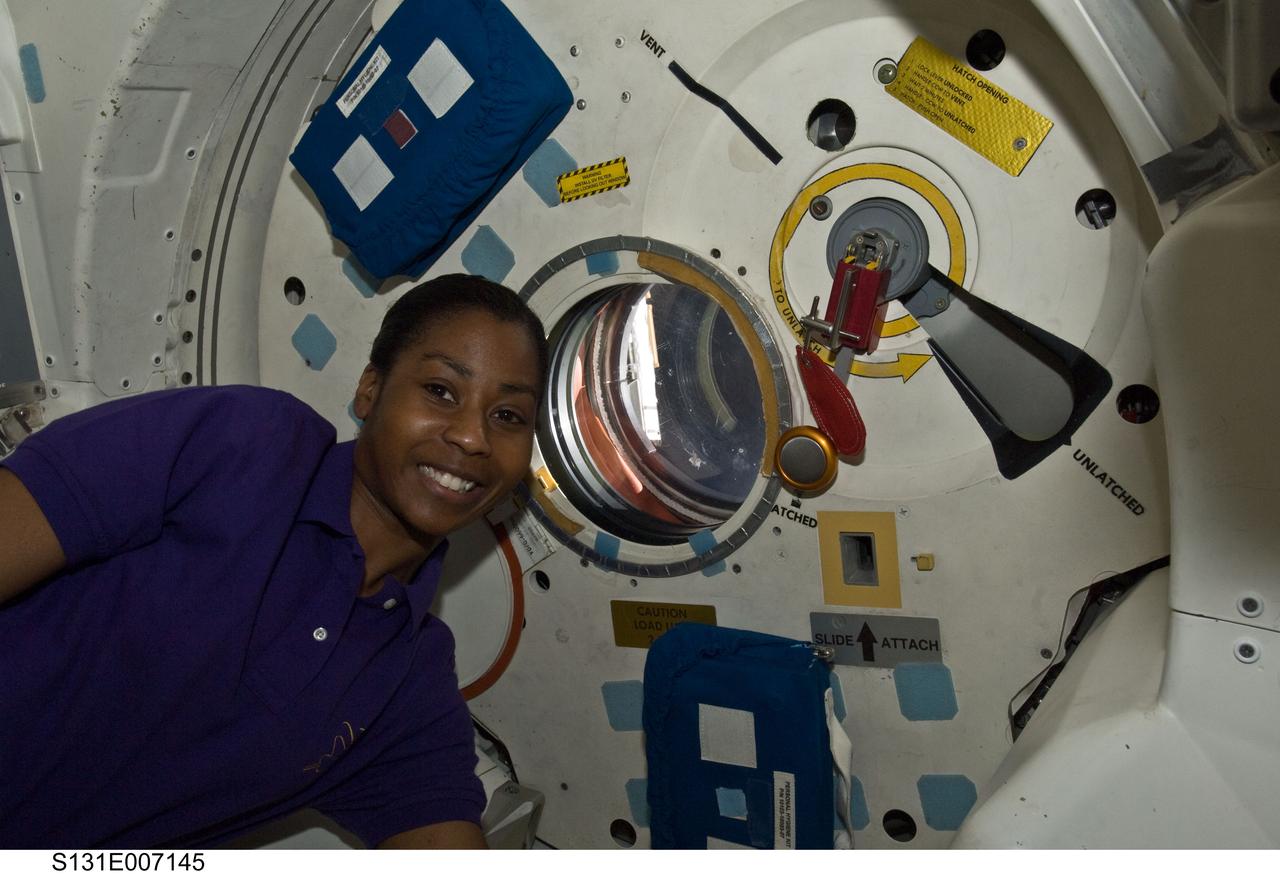
S131-E-007145 (6 April 2010) --- NASA astronaut Stephanie Wilson, STS-131 mission specialist, is pictured near a hatch window on the middeck of space shuttle Discovery during flight day two activities.
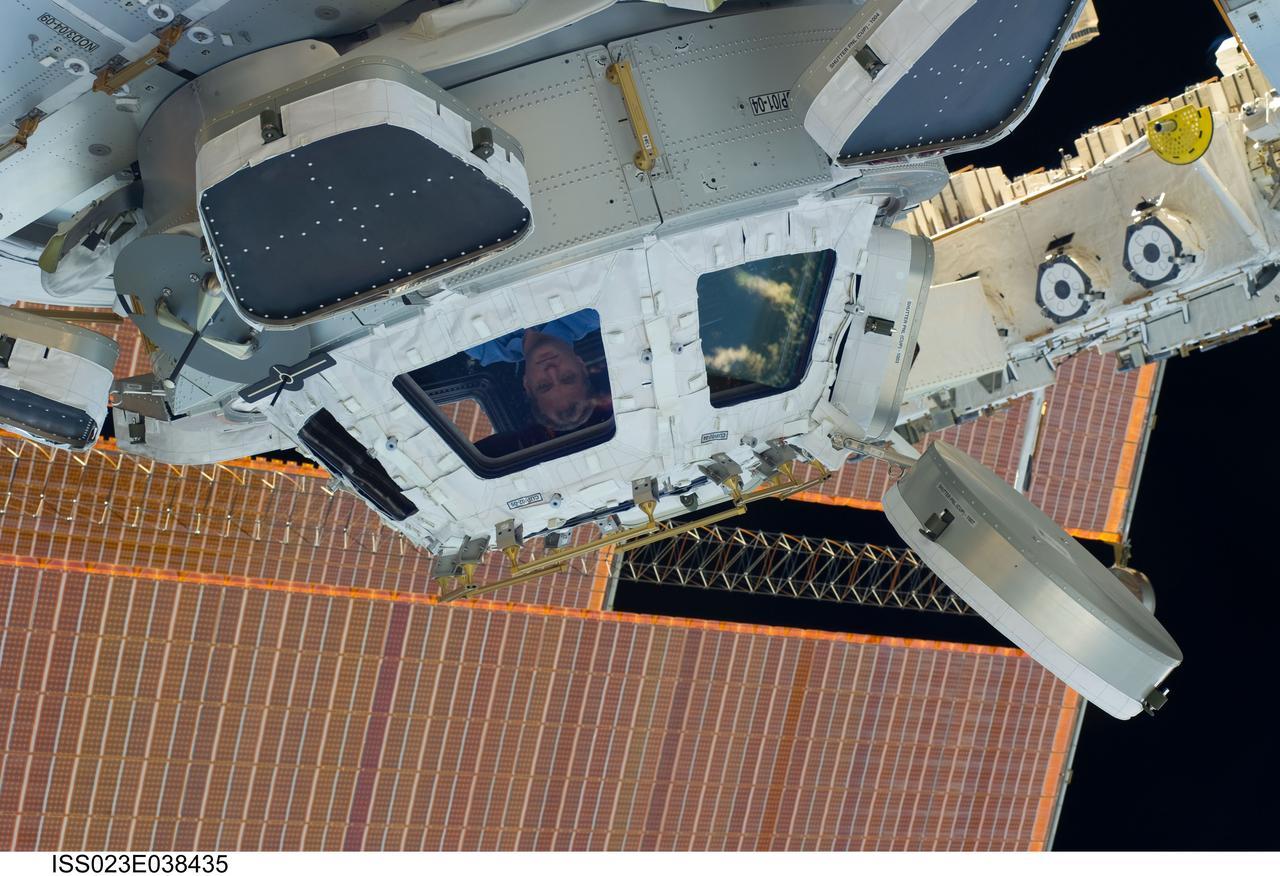
ISS023-E-038435 (10 May 2010) --- NASA astronaut T.J. Creamer, Expedition 23 flight engineer, is pictured in a window of the Cupola of the International Space Station. A portion of the station?s solar array panels are visible in the background.
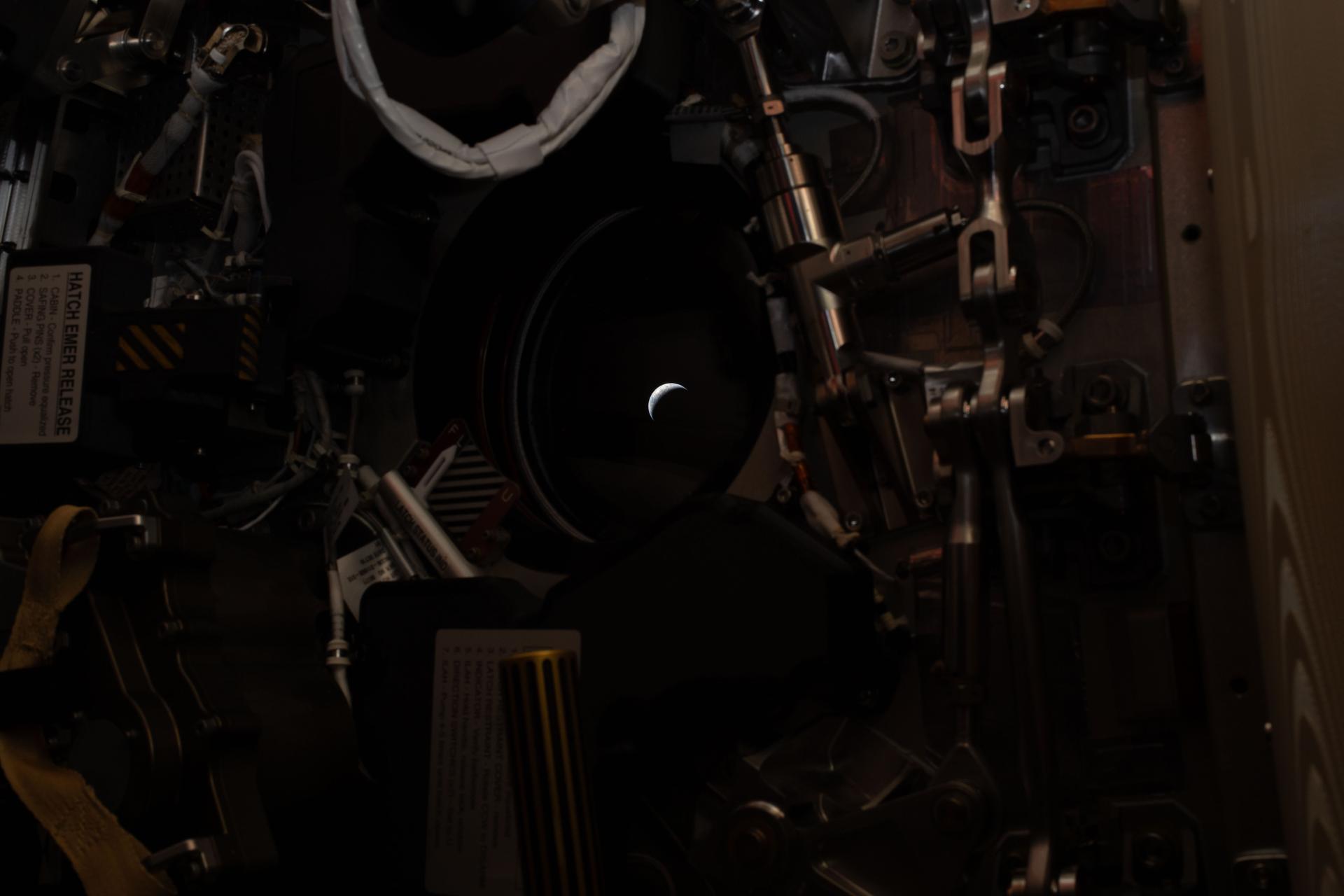
art002e024081 (April 5, 2026) – View of Earth out of the Orion spacecraft’s side hatch window taken by a member of the Artemis II crew at the end of Flight Day 5, the night before lunar flyby. Credit: NASA
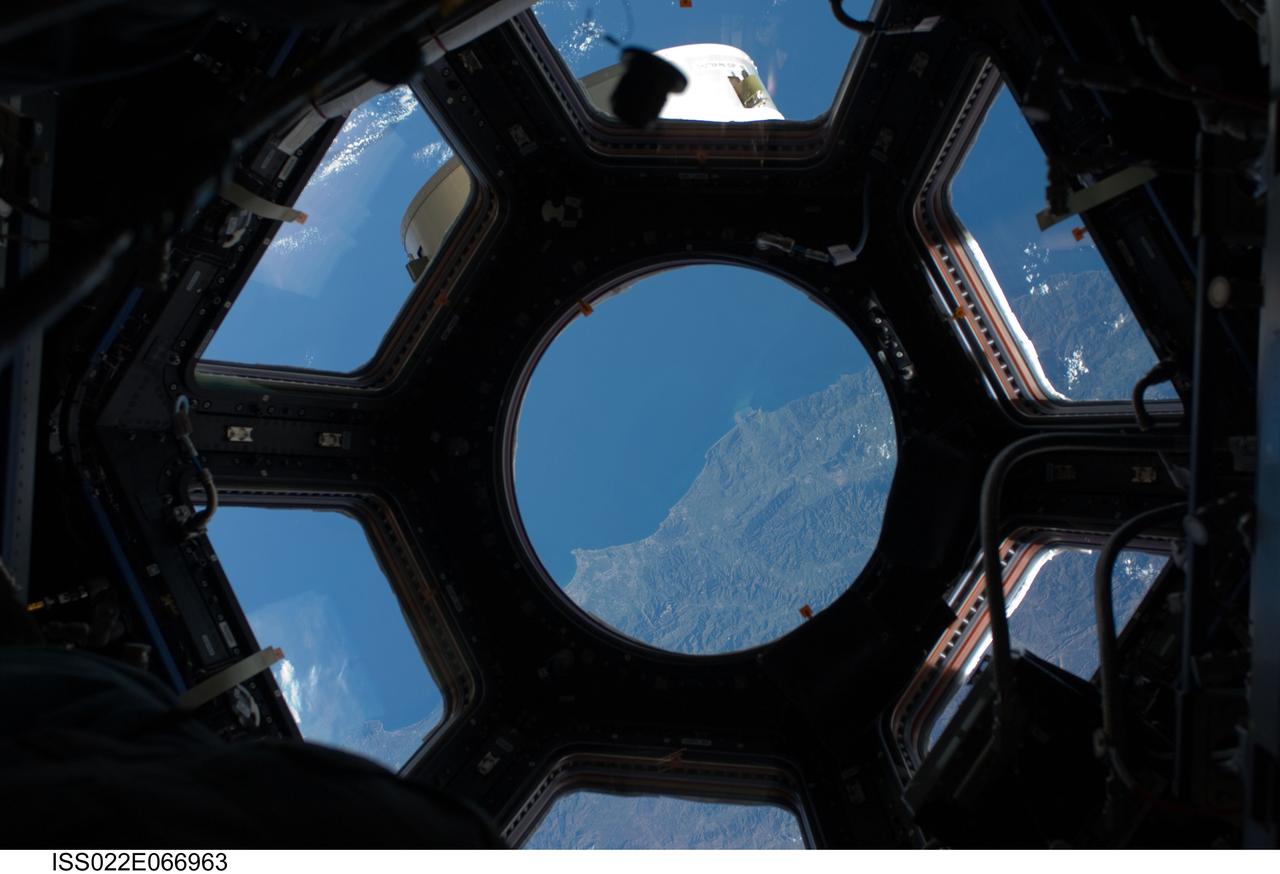
ISS022-E-066963 (17 Feb. 2010) --- This image is among the first taken through a first of its kind ?bay window? on the International Space Station, the seven-windowed Cupola. The image shows the coast of Algeria featuring (in the Cupola?s round window) an area between the cities of Dellys and Algiers. The image was recorded with a digital still camera using a 28mm lens setting. The Cupola, which a week and half ago was brought up to the orbital outpost by the STS-130 crew on the space shuttle Endeavour, will house controls for the station robotics and will be a location where crew members can operate the robotic arms and monitor other exterior activities.
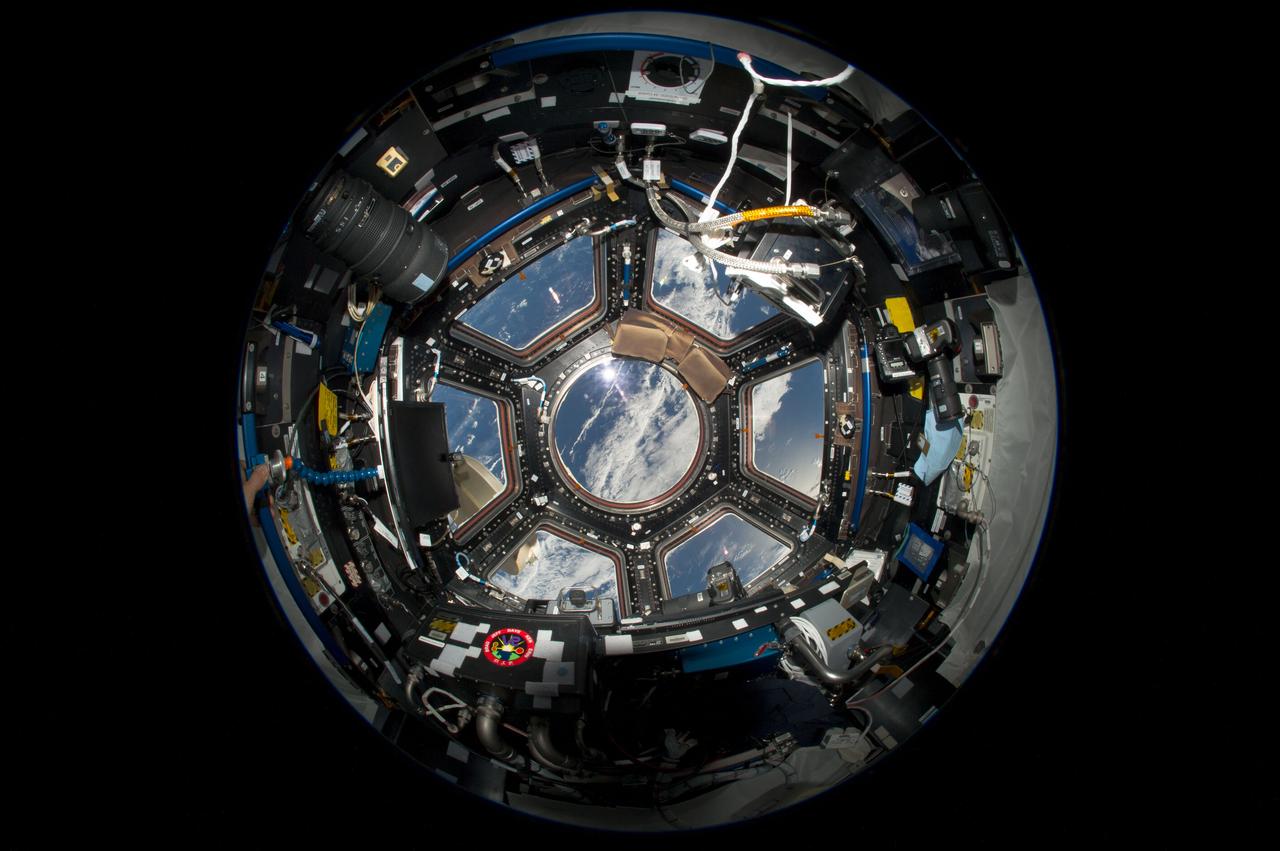
ISS036-E-007470 (12 June 2013) --- This wide view of the seven windows of the International Space Station’s Cupola serves to give a paneled look of Earth, in this case, a point in the South Atlantic. The Cupola is used to conduct experiments, dockings and observations of Earth such as this. The observatory was launched aboard STS-130 on Feb. 8 2010 and attached to the Tranquility node.
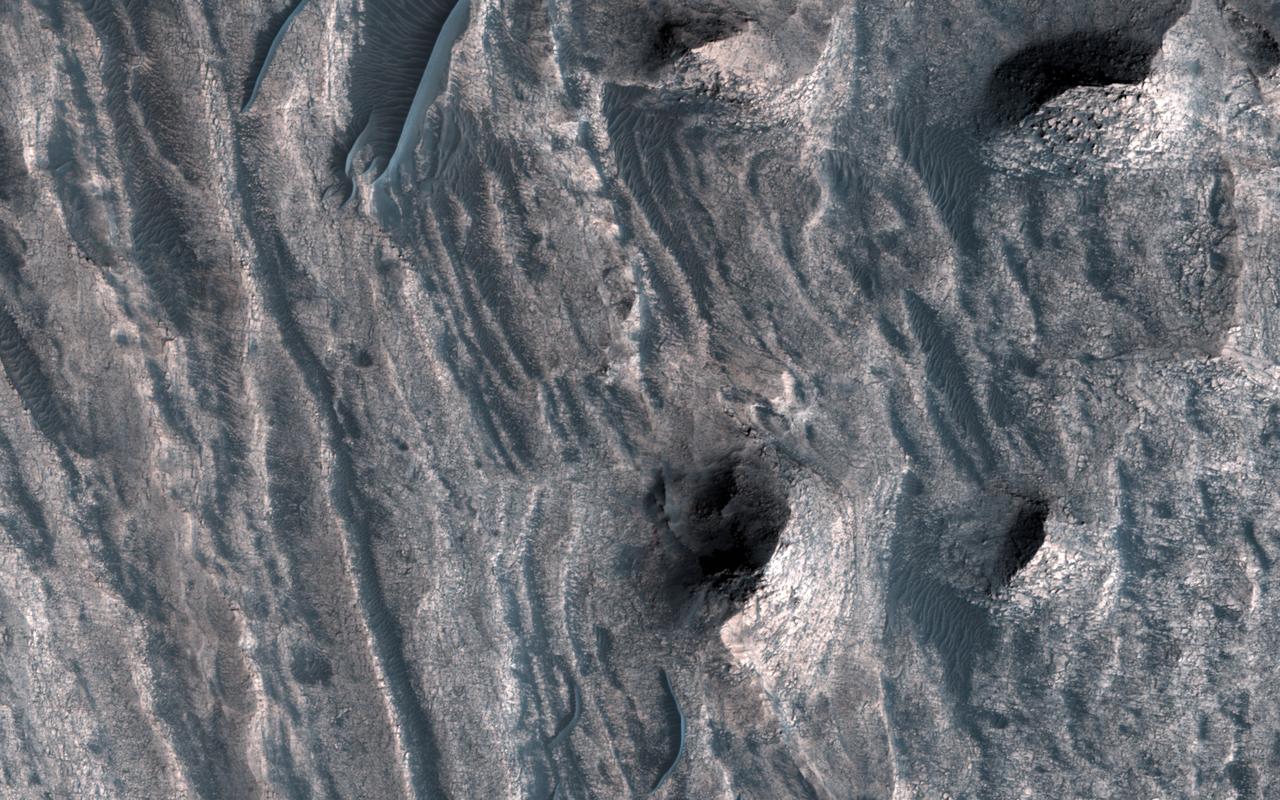
The layered sedimentary deposits inside the giant canyons of Mars have puzzled scientists for decades. These light toned deposits have fine, horizontal laminations that are unlike the rugged rim rock of the Valles Marineris as seen by NASA's Mars Reconnaisance Orbiter (MRO). Various ideas for the origin of the layered sediments have suggested lake deposits, wind blown dust and sand, or volcanic materials that erupted after the canyon was formed, and possibly filled with water. One particular layered deposit, called Ceti Mensa, attracted attention because its deep red color in images collected by the Viking Orbiter mission during the 1970s. Located in west Candor Chasma in the north of the Valles Marineris, Ceti Mensa is an undulating plateau that rises 3 kilometers above the canyon floor and is bounded by steep scarps up to 1.5 kilometers in height. Deep red hues are on the west-facing scarp in particular. The red tint may be due to the presence of crystalline ferric oxide, suggesting that the material may have been exposed to heat or water, or both. Spectral measurements by the Mars Express OMEGA and MRO CRISM instruments confirm the presence of hydrated sulfate salts, such as gypsum and kieserite . These minerals are important for two reasons. On Earth, they typically form in wet environments, suggesting that the deposits in Ceti Mensa may have formed under water. On Mars, these deposits could be valuable to future Martian colonists as fertilizer for growing crops. In a view of the colorful west-facing scarp of Ceti Mensa, we see the interior layers of the deposit, giving us a window into the past history of the sediments as they accumulated over time. We also see layers that were previously too small to view, and a surface that is thoroughly fractured, eroded into knobs, and partially covered by young dark sand dunes. https://photojournal.jpl.nasa.gov/catalog/PIA22051
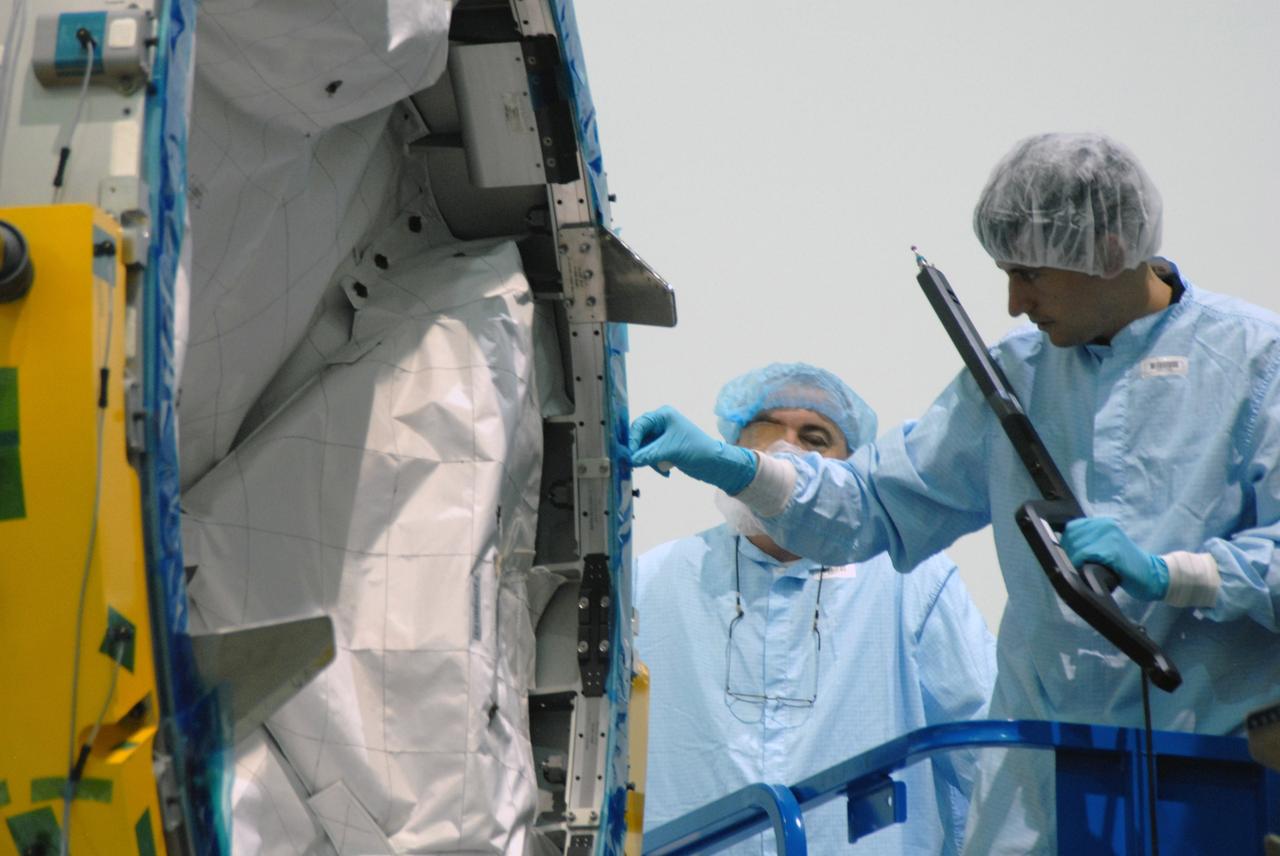
CAPE CANAVERAL, Fla. – In the Space Station Processing Facility at NASA's Kennedy Space Center in Florida, workers take measurements of the Cupola module being aligned with the Tranquility module for assembly. Cupola and Tranquility are the payload for space shuttle Endeavour's STS-130 mission to the International Space Station. The module was built for the European Space Agency by Alenia Spazio in Turin, Italy. When attached to the Tranquility Node 3 module, Cupola will resemble a circular bay window that will provide a vastly improved view of the station's exterior. Just under 10 feet in diameter, the module will accommodate two crew members and portable workstations that can control station and robotic activities. The multi-directional view will allow the crew to monitor spacewalks and docking operations, as well as provide a spectacular view of Earth and other celestial objects. Endeavour is targeted to launch Feb. 4, 2010. Photo credit: NASA/Jim Grossmann
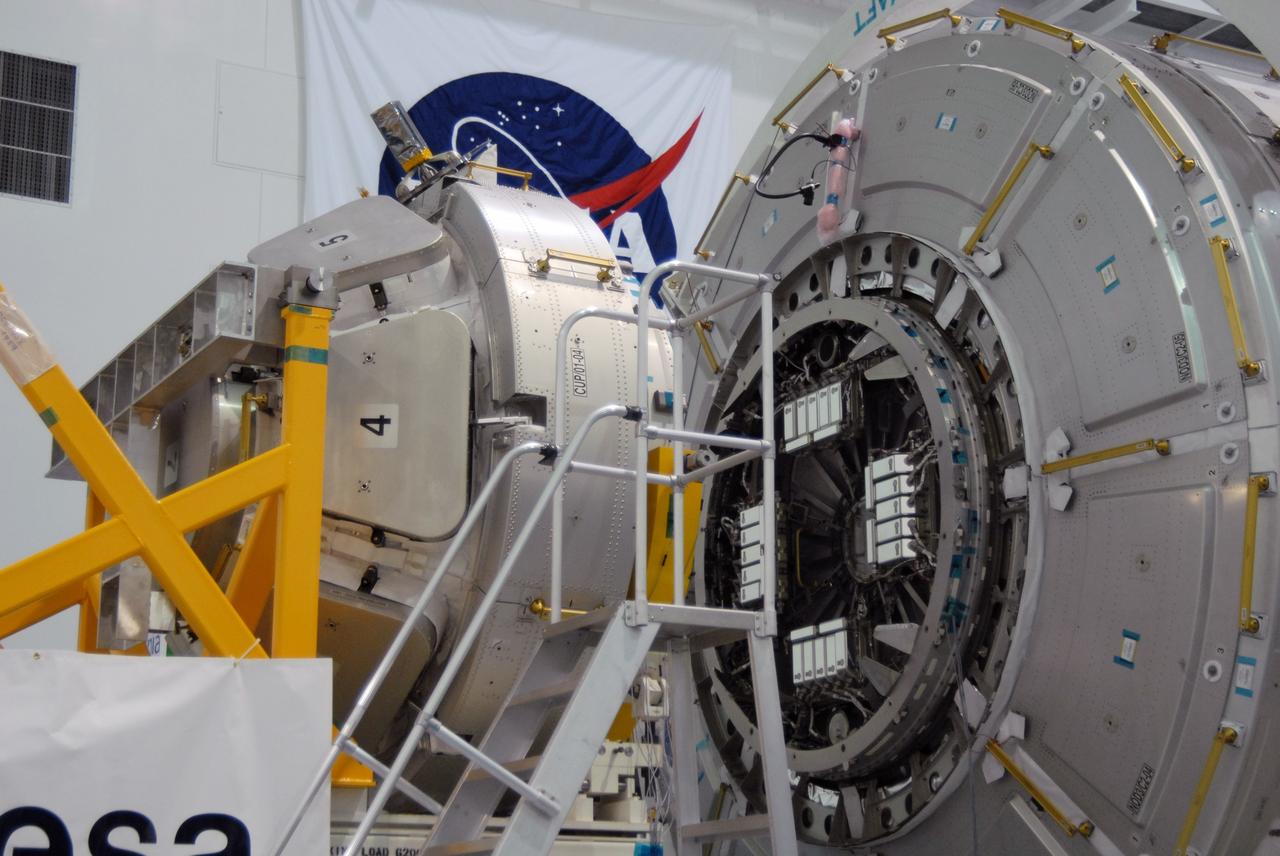
CAPE CANAVERAL, Fla. – In the Space Station Processing Facility at NASA's Kennedy Space Center in Florida, NASA's Cupola module, at left, is being aligned with the Tranquility module, at right, for assembly. Cupola and Tranquility are the payload for space shuttle Endeavour's STS-130 mission to the International Space Station. The module was built for the European Space Agency by Alenia Spazio in Turin, Italy. When attached to the Tranquility Node 3 module, Cupola will resemble a circular bay window that will provide a vastly improved view of the station's exterior. Just under 10 feet in diameter, the module will accommodate two crew members and portable workstations that can control station and robotic activities. The multi-directional view will allow the crew to monitor spacewalks and docking operations, as well as provide a spectacular view of Earth and other celestial objects. Endeavour is targeted to launch Feb. 4, 2010. Photo credit: NASA/Jim Grossmann
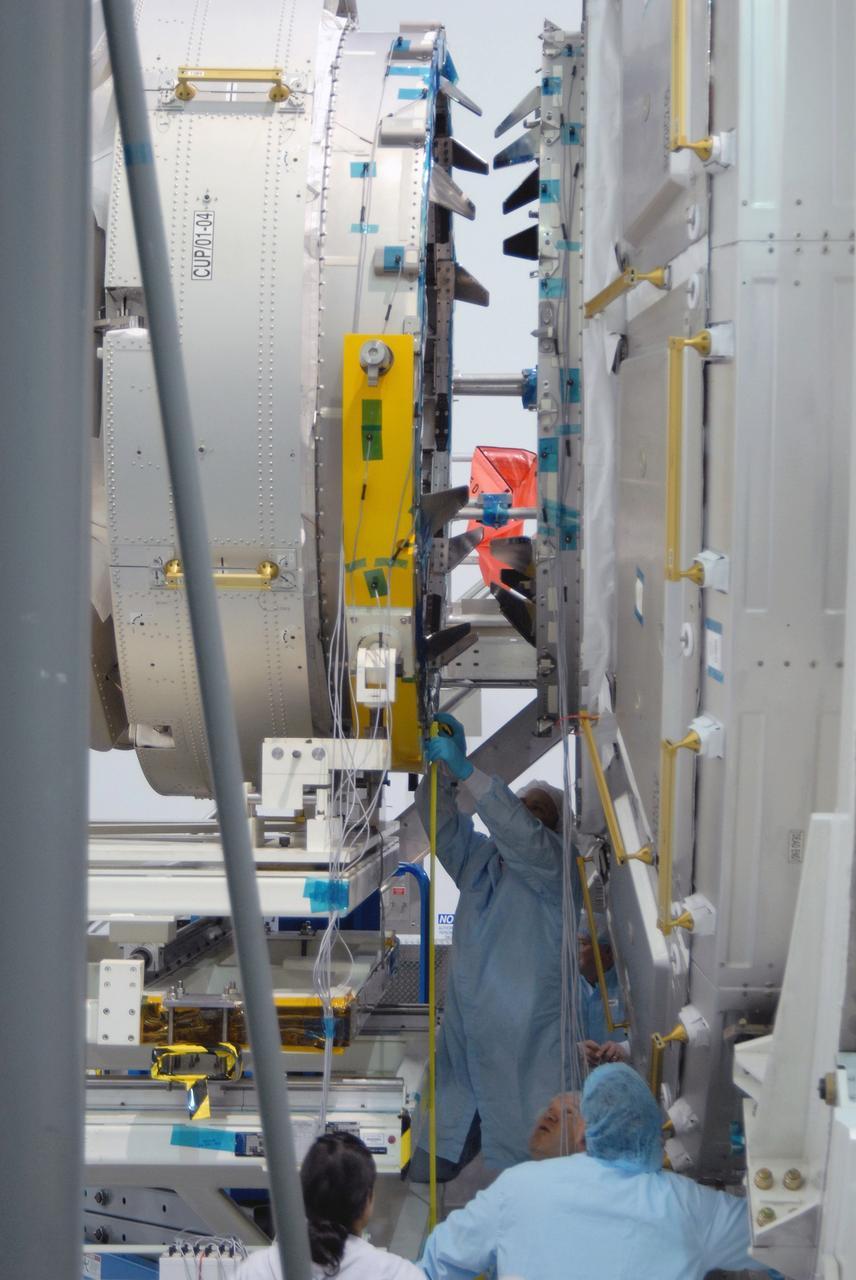
CAPE CANAVERAL, Fla. – In the Space Station Processing Facility at NASA's Kennedy Space Center in Florida, a worker checks the alignment of the Cupola module, at left, with the Tranquility module, at right. Cupola and Tranquility are the payload for space shuttle Endeavour's STS-130 mission to the International Space Station. The module was built for the European Space Agency by Alenia Spazio in Turin, Italy. When attached to the Tranquility Node 3 module, Cupola will resemble a circular bay window that will provide a vastly improved view of the station's exterior. Just under 10 feet in diameter, the module will accommodate two crew members and portable workstations that can control station and robotic activities. The multi-directional view will allow the crew to monitor spacewalks and docking operations, as well as provide a spectacular view of Earth and other celestial objects. Endeavour is targeted to launch Feb. 4, 2010. Photo credit: NASA/Jim Grossmann
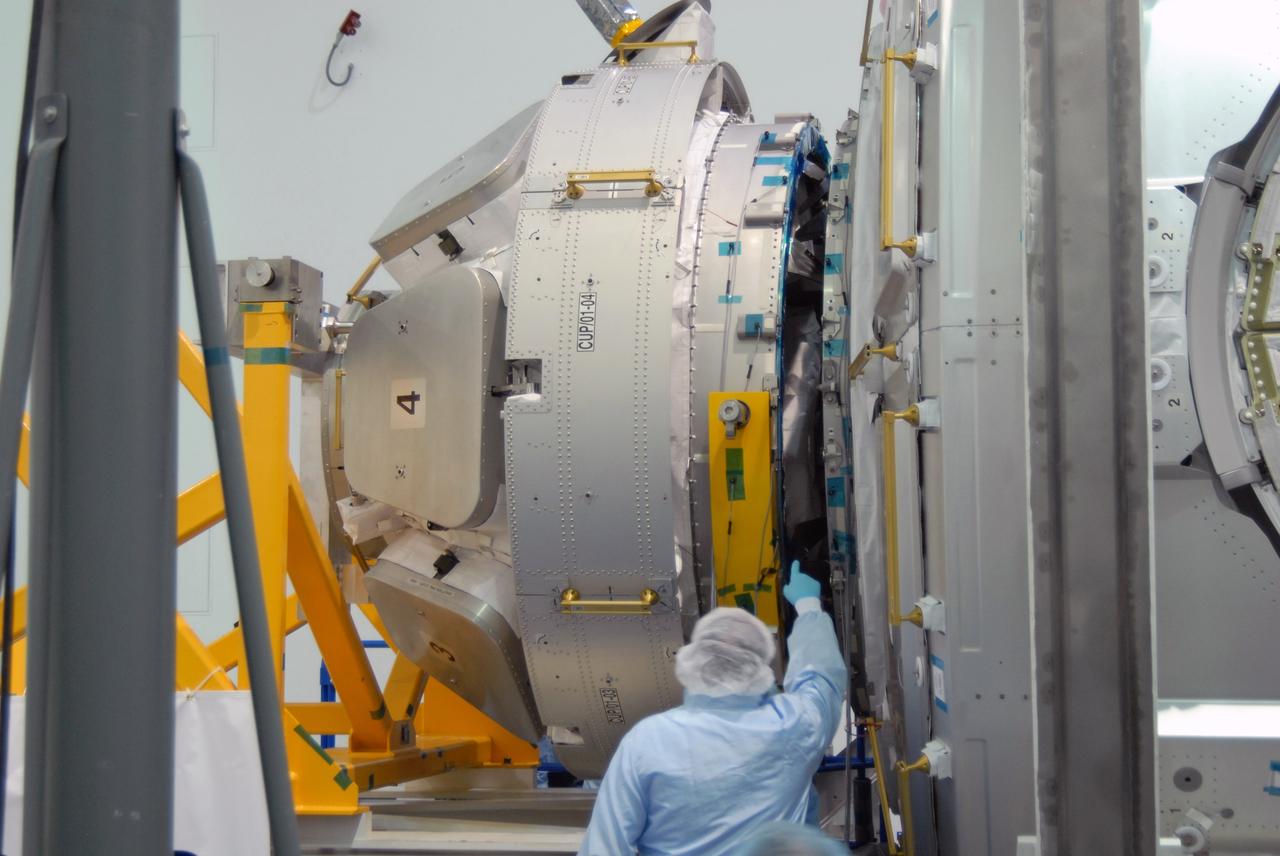
CAPE CANAVERAL, Fla. – In the Space Station Processing Facility at NASA's Kennedy Space Center in Florida, a worker checks the alignment of the Cupola module, at left, with the Tranquility module, at right. Cupola and Tranquility are the payload for space shuttle Endeavour's STS-130 mission to the International Space Station. The module was built for the European Space Agency by Alenia Spazio in Turin, Italy. When attached to the Tranquility Node 3 module, Cupola will resemble a circular bay window that will provide a vastly improved view of the station's exterior. Just under 10 feet in diameter, the module will accommodate two crew members and portable workstations that can control station and robotic activities. The multi-directional view will allow the crew to monitor spacewalks and docking operations, as well as provide a spectacular view of Earth and other celestial objects. Endeavour is targeted to launch Feb. 4, 2010. Photo credit: NASA/Jim Grossmann
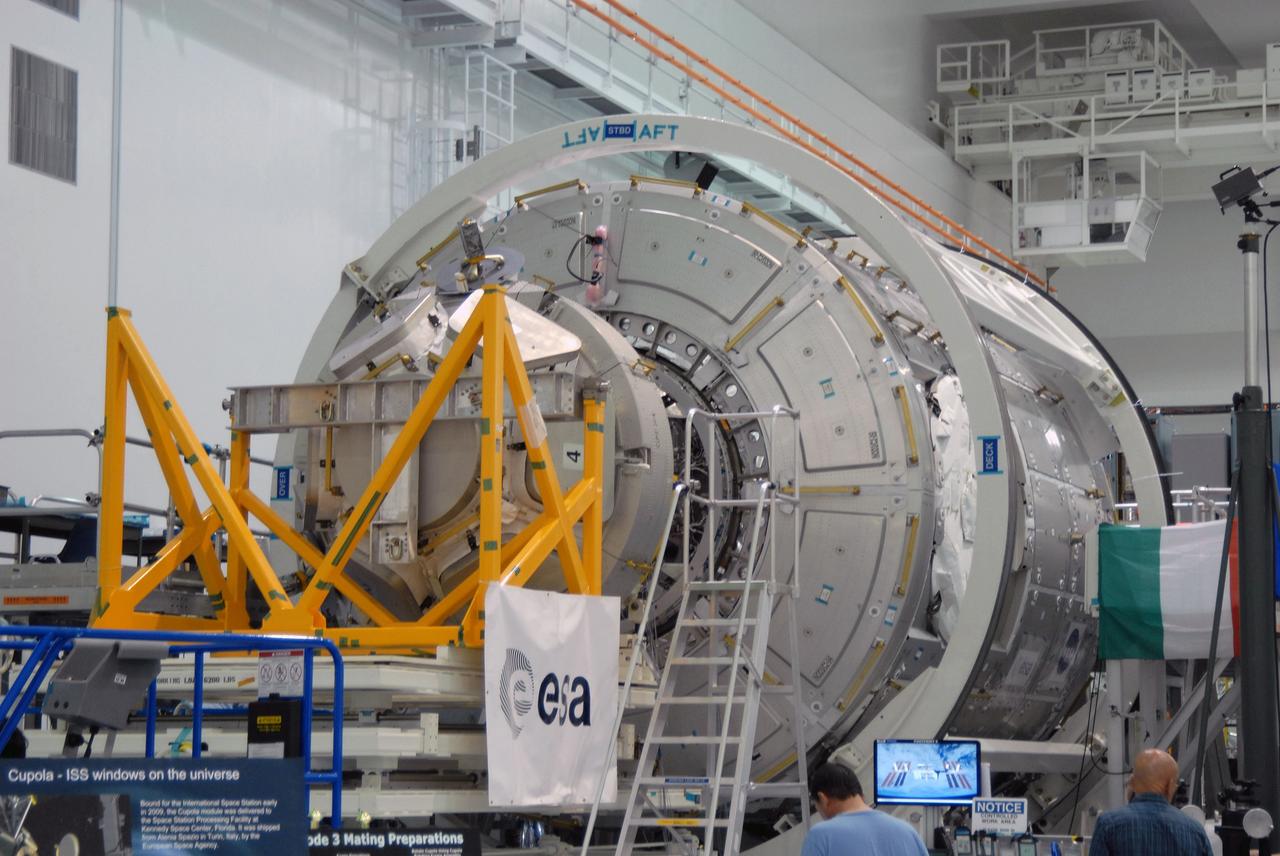
CAPE CANAVERAL, Fla. – In the Space Station Processing Facility at NASA's Kennedy Space Center in Florida, NASA's Cupola module is being aligned with the Tranquility module for assembly. Cupola and Tranquility are the payload for space shuttle Endeavour's STS-130 mission to the International Space Station. The module was built for the European Space Agency by Alenia Spazio in Turin, Italy. When attached to the Tranquility Node 3 module, Cupola will resemble a circular bay window that will provide a vastly improved view of the station's exterior. Just under 10 feet in diameter, the module will accommodate two crew members and portable workstations that can control station and robotic activities. The multi-directional view will allow the crew to monitor spacewalks and docking operations, as well as provide a spectacular view of Earth and other celestial objects. Endeavour is targeted to launch Feb. 4, 2010. Photo credit: NASA/Jim Grossmann
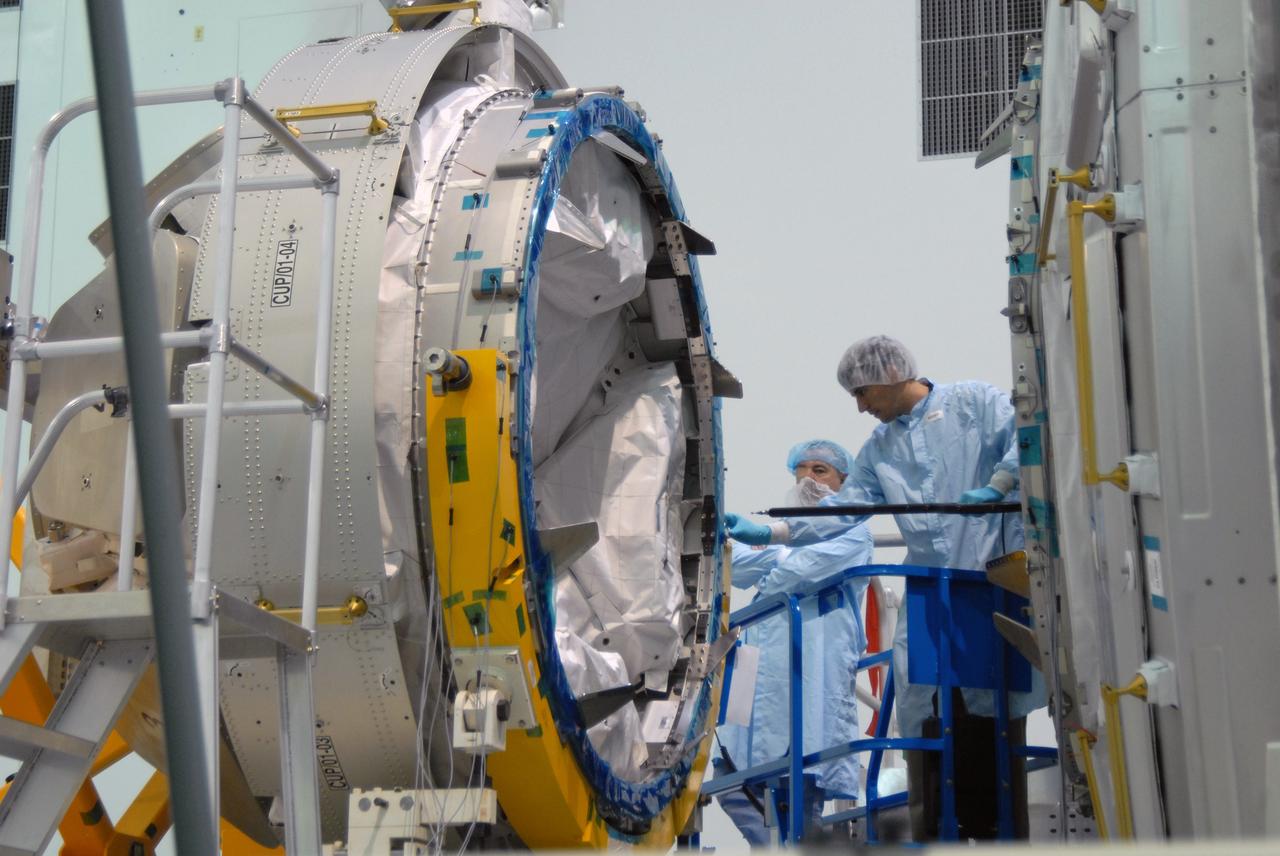
CAPE CANAVERAL, Fla. – In the Space Station Processing Facility at NASA's Kennedy Space Center in Florida, workers check the Cupola module, at left, being aligned with the Tranquility module, at right, for assembly. Cupola and Tranquility are the payload for space shuttle Endeavour's STS-130 mission to the International Space Station. The module was built for the European Space Agency by Alenia Spazio in Turin, Italy. When attached to the Tranquility Node 3 module, Cupola will resemble a circular bay window that will provide a vastly improved view of the station's exterior. Just under 10 feet in diameter, the module will accommodate two crew members and portable workstations that can control station and robotic activities. The multi-directional view will allow the crew to monitor spacewalks and docking operations, as well as provide a spectacular view of Earth and other celestial objects. Endeavour is targeted to launch Feb. 4, 2010. Photo credit: NASA/Jim Grossmann
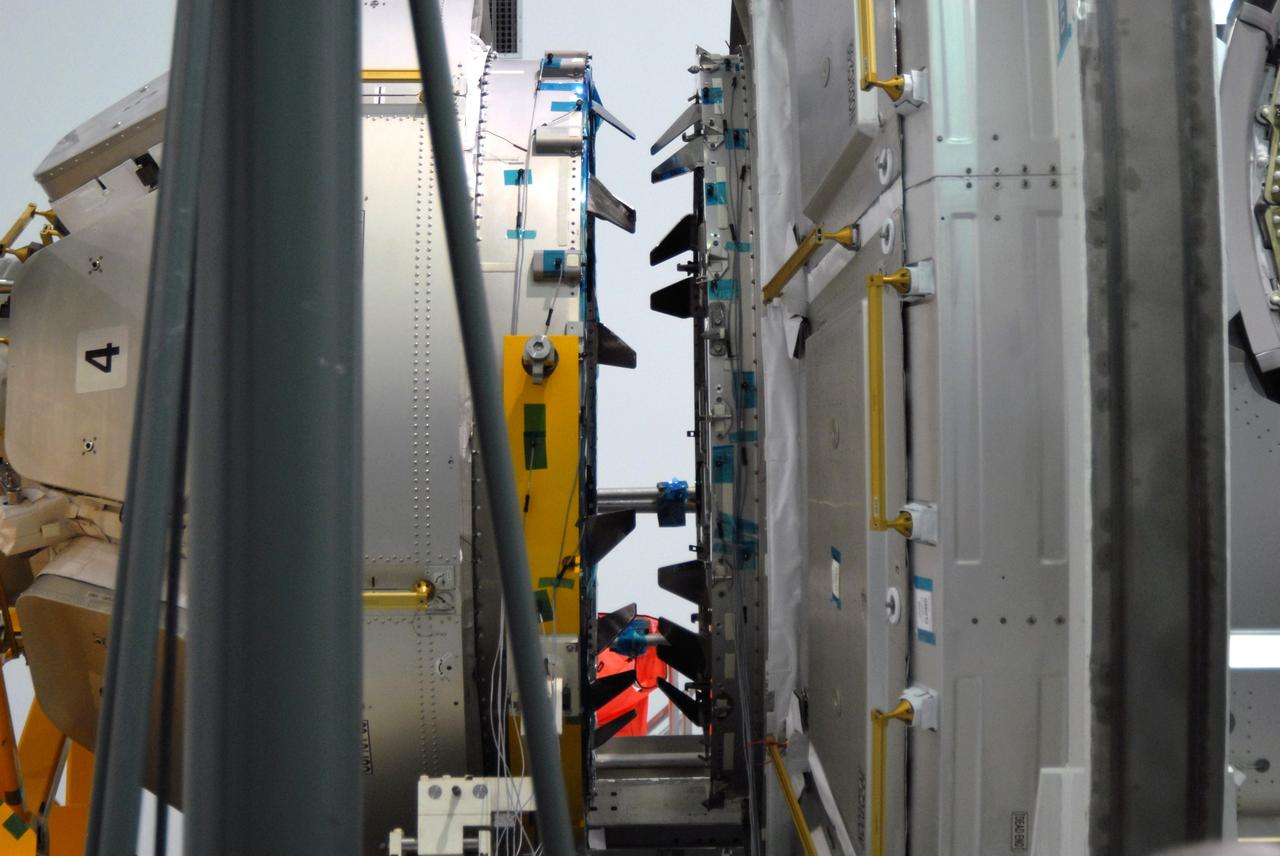
CAPE CANAVERAL, Fla. – In the Space Station Processing Facility at NASA's Kennedy Space Center in Florida, NASA's Cupola module, at left, aligns with the Tranquility module, at right. Cupola and Tranquility are the payload for space shuttle Endeavour's STS-130 mission to the International Space Station. The module was built for the European Space Agency by Alenia Spazio in Turin, Italy. When attached to the Tranquility Node 3 module, Cupola will resemble a circular bay window that will provide a vastly improved view of the station's exterior. Just under 10 feet in diameter, the module will accommodate two crew members and portable workstations that can control station and robotic activities. The multi-directional view will allow the crew to monitor spacewalks and docking operations, as well as provide a spectacular view of Earth and other celestial objects. Endeavour is targeted to launch Feb. 4, 2010. Photo credit: NASA/Jim Grossmann
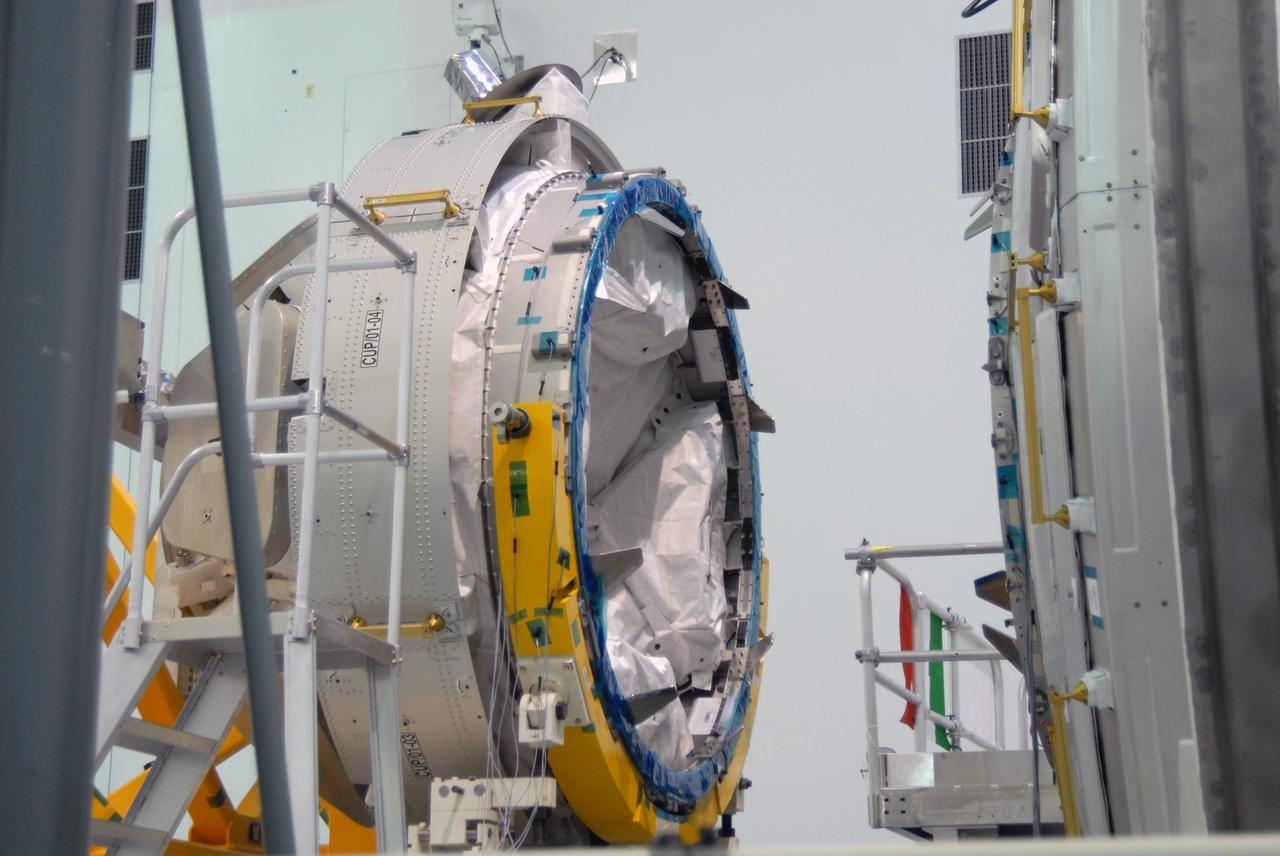
CAPE CANAVERAL, Fla. – In the Space Station Processing Facility at NASA's Kennedy Space Center in Florida, NASA's Cupola module, at left, is being aligned with the Tranquility module, at right, for assembly. Cupola and Tranquility are the payload for space shuttle Endeavour's STS-130 mission to the International Space Station. The module was built for the European Space Agency by Alenia Spazio in Turin, Italy. When attached to the Tranquility Node 3 module, Cupola will resemble a circular bay window that will provide a vastly improved view of the station's exterior. Just under 10 feet in diameter, the module will accommodate two crew members and portable workstations that can control station and robotic activities. The multi-directional view will allow the crew to monitor spacewalks and docking operations, as well as provide a spectacular view of Earth and other celestial objects. Endeavour is targeted to launch Feb. 4, 2010. Photo credit: NASA/Jim Grossmann
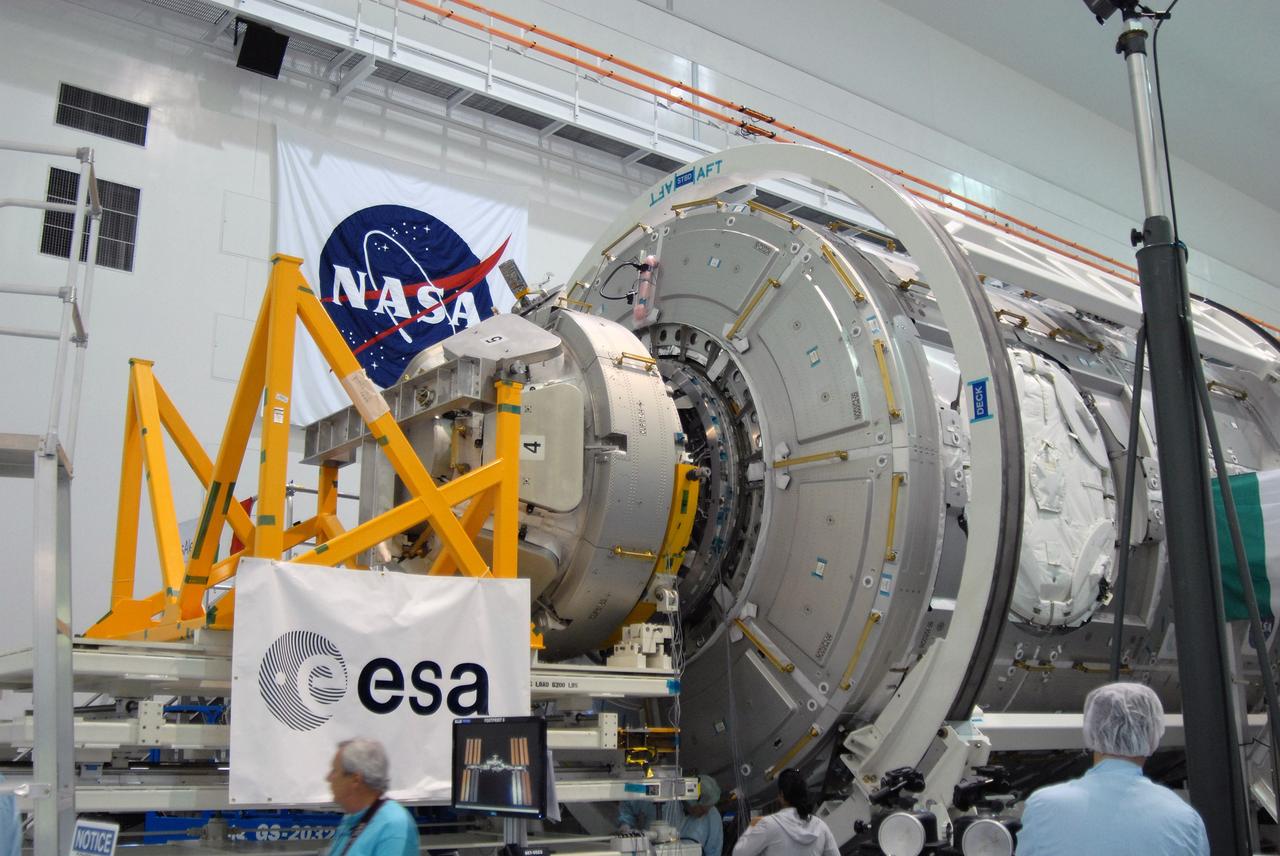
CAPE CANAVERAL, Fla. – On the stand in the Space Station Processing Facility at NASA's Kennedy Space Center in Florida, NASA's Cupola module, at left, is being aligned with the Tranquility module, at right, for assembly. Cupola and Tranquility are the payload for space shuttle Endeavour's STS-130 mission to the International Space Station. The module was built for the European Space Agency by Alenia Spazio in Turin, Italy. When attached to the Tranquility Node 3 module, Cupola will resemble a circular bay window that will provide a vastly improved view of the station's exterior. Just under 10 feet in diameter, the module will accommodate two crew members and portable workstations that can control station and robotic activities. The multi-directional view will allow the crew to monitor spacewalks and docking operations, as well as provide a spectacular view of Earth and other celestial objects. Endeavour is targeted to launch Feb. 4, 2010. Photo credit: NASA/Jim Grossmann
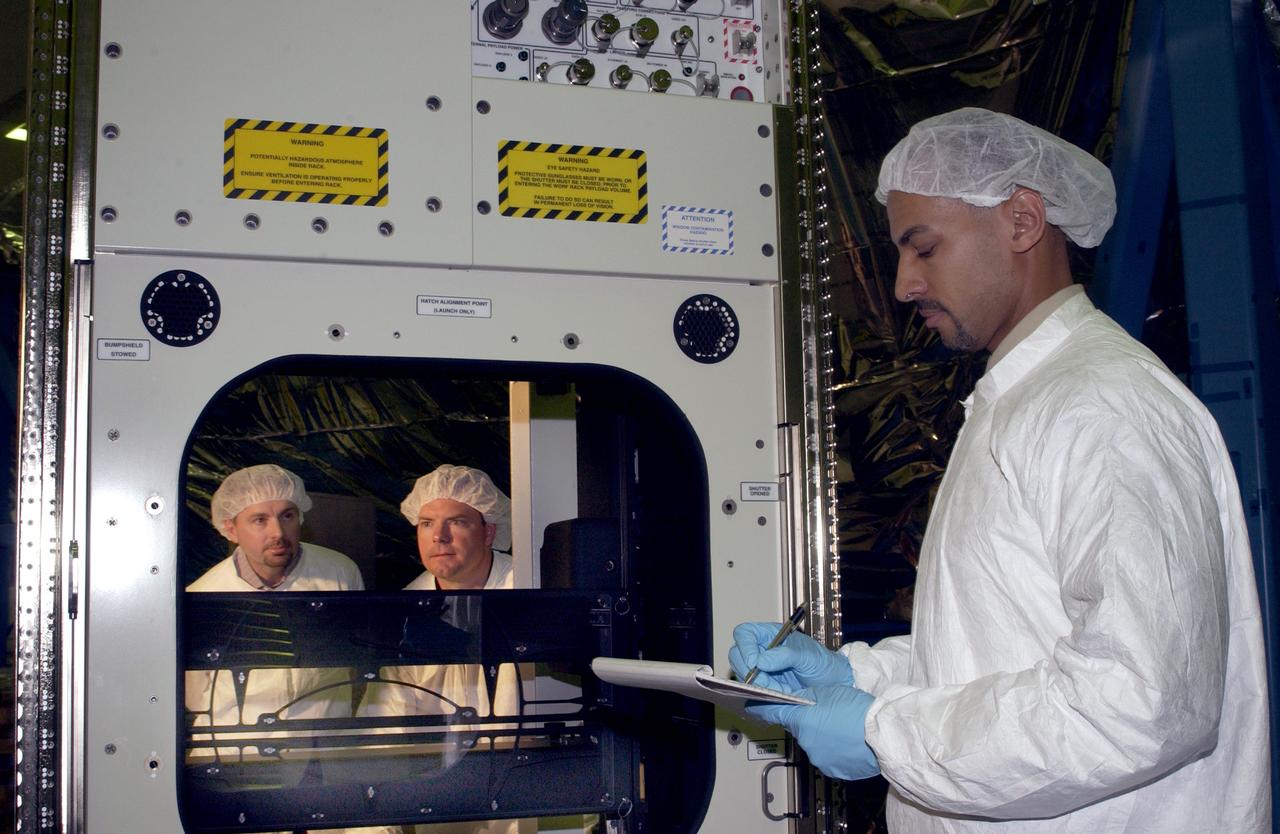
Developed by Boeing, at the Marshall Space Flight Center (MSFC) Space Station Manufacturing building, the Window Observational Rack Facility (WORF) will help Space Station crews take some of the best photographs ever snapped from an orbiting spacecraft by eliminating glare and allowing researchers to control their cameras and other equipment from the ground. The WORF is designed to make the best possible use of the high-quality research window in the Space Station's U.S. Destiny laboratory module. Engineers at the MSFC proposed a derivative of the EXPRESS (Expedite the Processing of Experiments to the Space Station) Rack already used on the Space Station and were given the go-ahead. The EXPRESS rack can hold a wide variety of experiments and provide them with power, communications, data, cooling, fluids, and other utilities - all the things that Earth-observing experiment instruments would need. WORF will supply payloads with power, data, cooling, video downlink, and stable, standardized interfaces for mounting imaging instruments. Similar to specialized orbital observatories, the interior of the rack is sealed against light and coated with a special low-reflectant black paint, so payloads will be able to observe low-light-level subjects such as the faint glow of auroras. Cameras and remote sensing instruments in the WORF can be preprogrammed, controlled from the ground, or operated by a Station crewmember by using a flexible shroud designed to cinch tightly around the crewmember's waist. The WORF is scheduled to be launched aboard the STS-114 Space Shuttle mission in the year 2003.
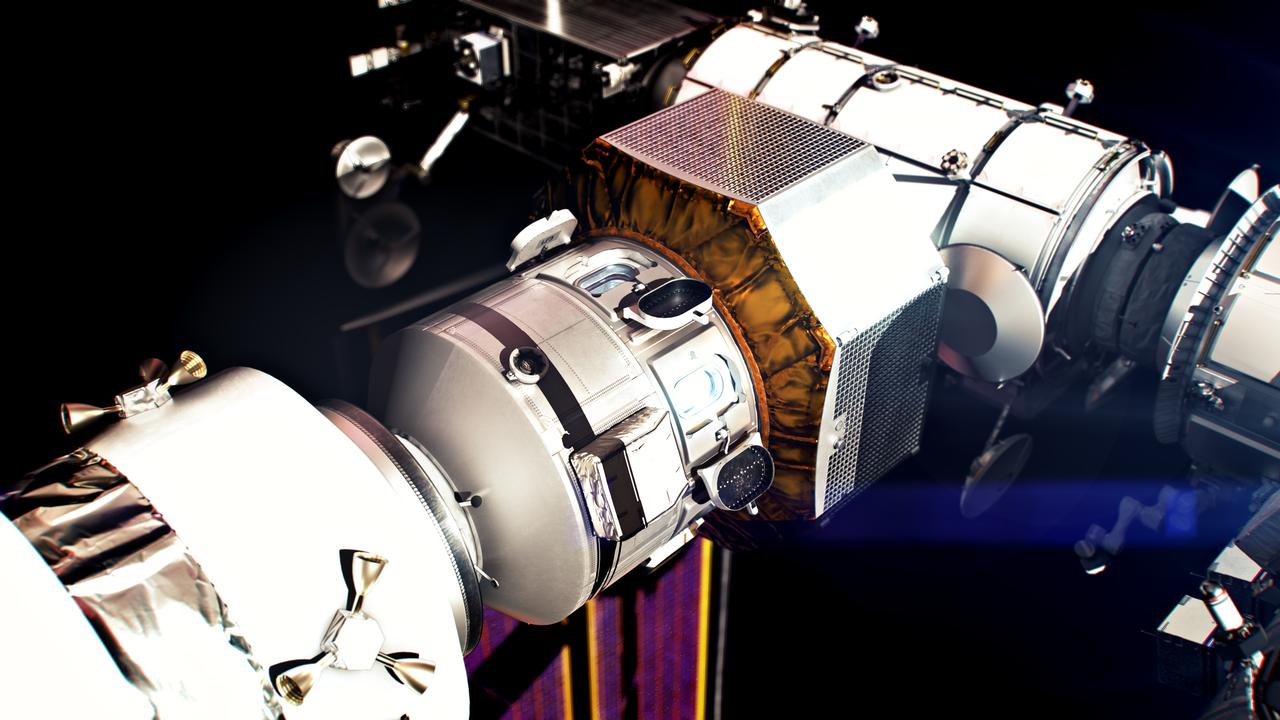
Gateway's ESPRIT Refueling Module, or ERM, will provide refueling capabilities for the space station, cargo storage, and windows for stunning views of the Earth, Moon and deep space. ERM will be delivered to Gateway by the crewed Orion spacecraft on the Artemis V mission after launching on an Space Launch System (SLS) Block 1B rocket.
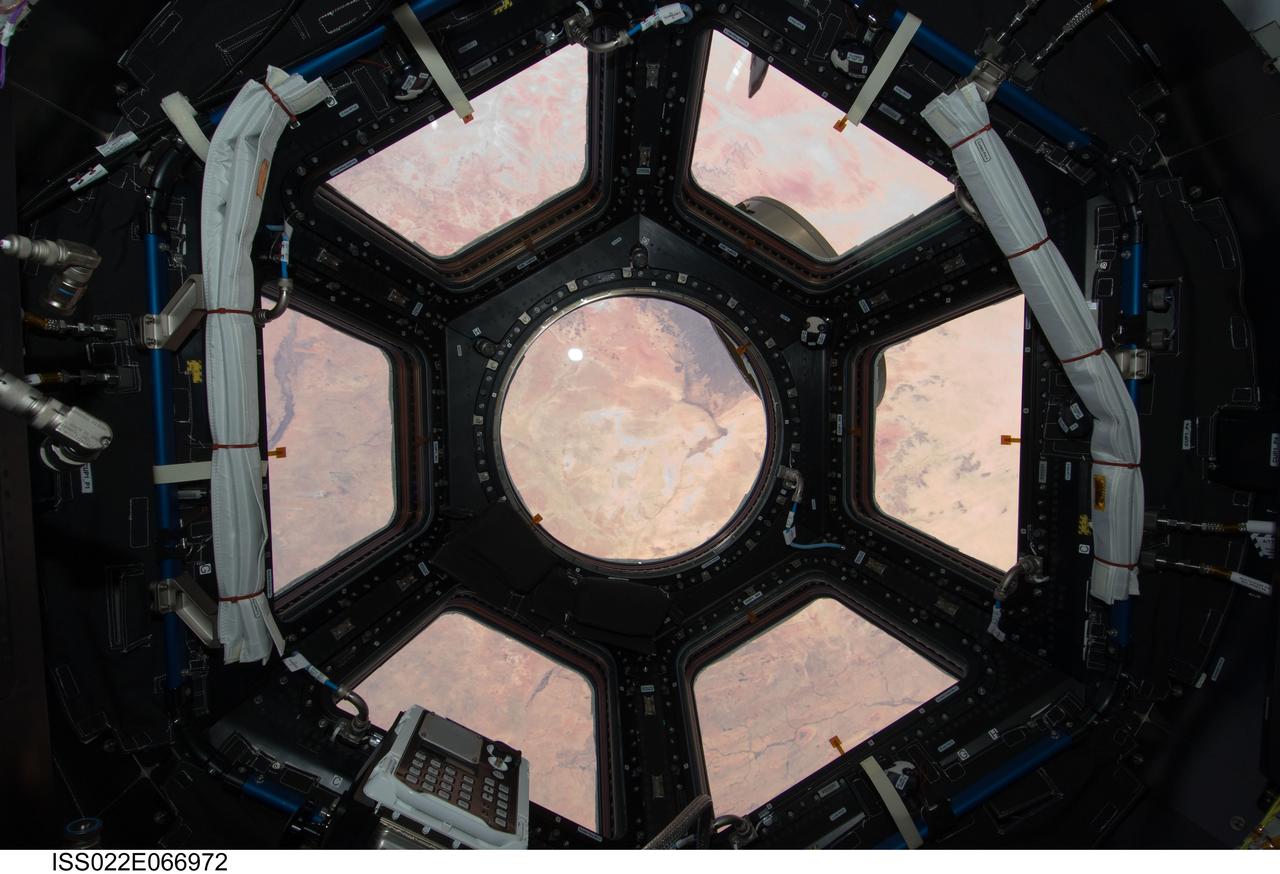
ISS022-E-066972 (17 Feb. 2010) --- This image is the first taken through a first of its kind “bay window” on the International Space Station, the seven-windowed Cupola. The image shows the Sahara Desert spread out through the array of windows. The Cupola will house controls for the station robotics and will be a location where crew members can operate the robotic arms and monitor other exterior activities. The location of the image is in Sudan near Al Fashir. Center of the round window is looking at 14.68 degrees north latitude and 26.74 east longitude, recorded with a 12-24mm zoom lens.
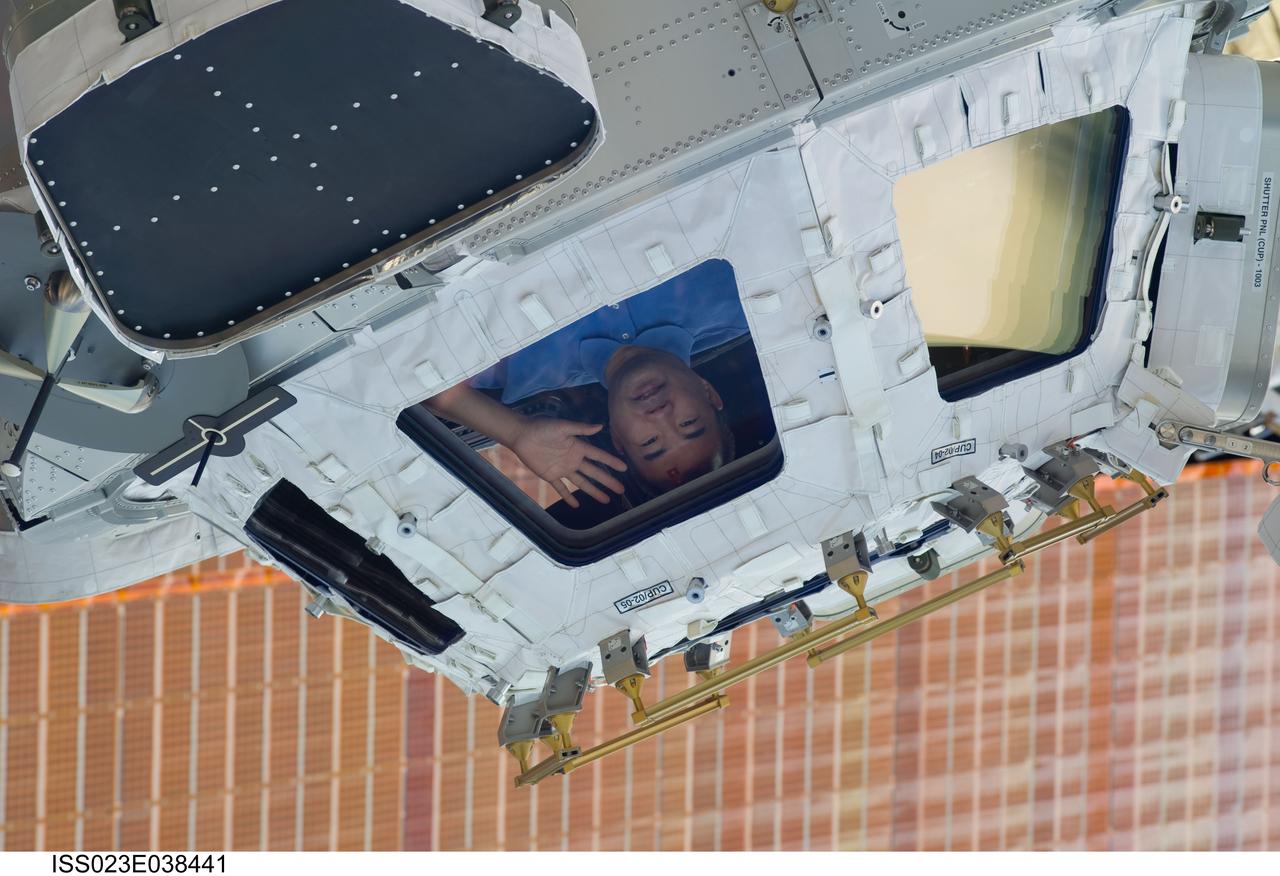
ISS023-E-038441 (10 May 2010) --- Japan Aerospace Exploration Agency (JAXA) astronaut Soichi Noguchi, Expedition 23 flight engineer, is pictured in a window of the Cupola of the International Space Station. A portion of the station?s solar array panels are visible in the background.
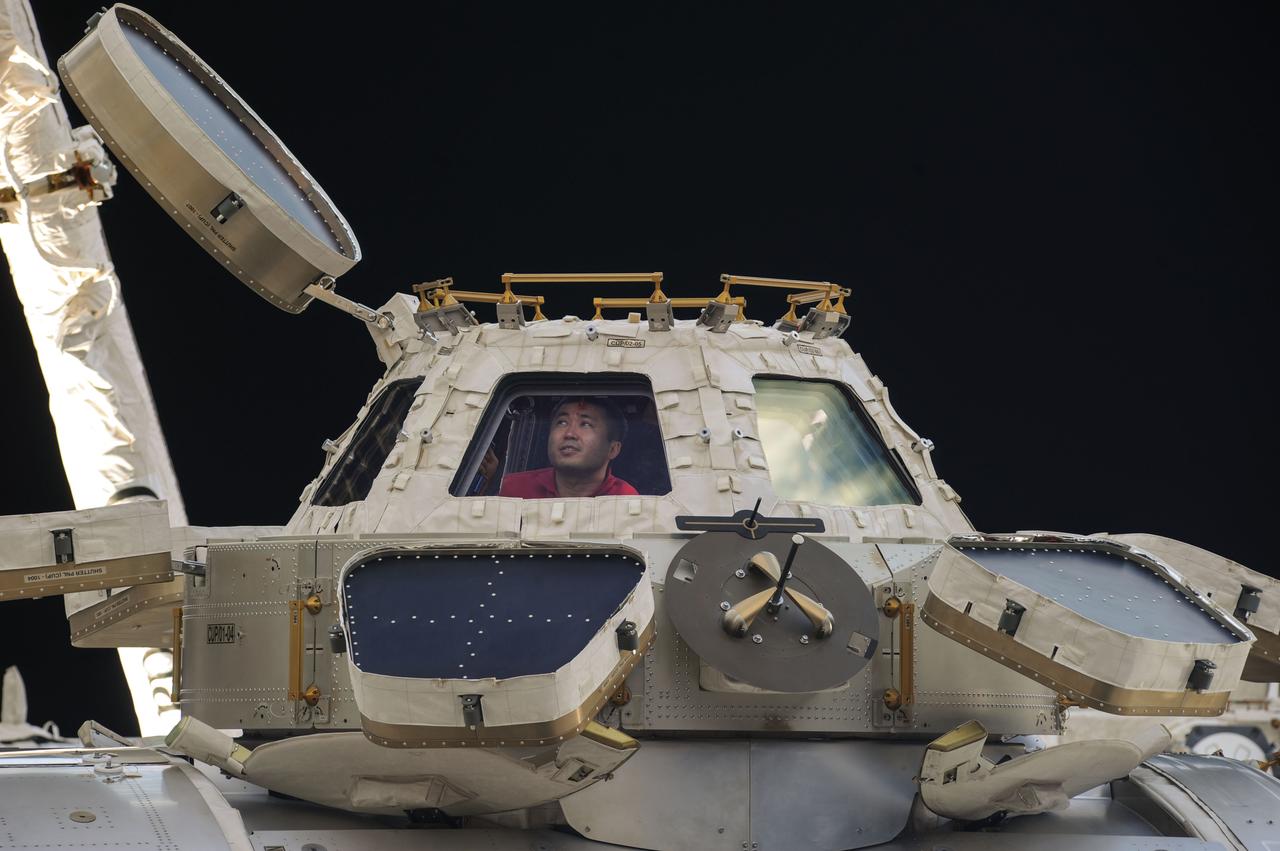
ISS039-E-017152 (27 April 2014) --- Expedition 39 Commander Koichi Wakata of the Japan Aerospace Exploration Agency (JAXA) peers out of one of the windows of the Cupola on the Earth-orbiting International Space Station. A crewmate inside Pirs docking module recorded the image.
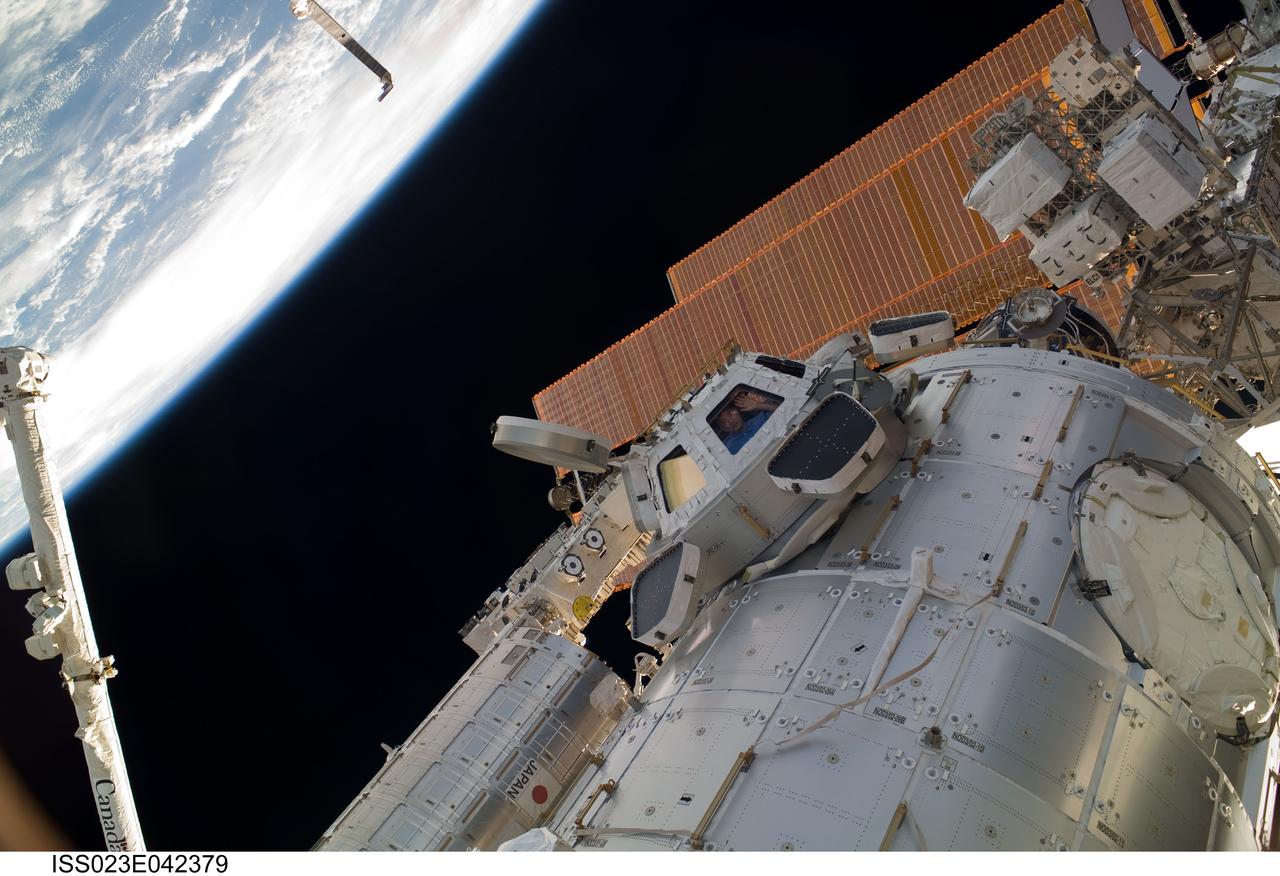
ISS023-E-042379 (10 May 2010) --- Japan Aerospace Exploration Agency (JAXA) astronaut Soichi Noguchi, Expedition 23 flight engineer, is pictured in a window of the Cupola of the International Space Station. Earth?s horizon and the blackness of space provide the backdrop for the scene.