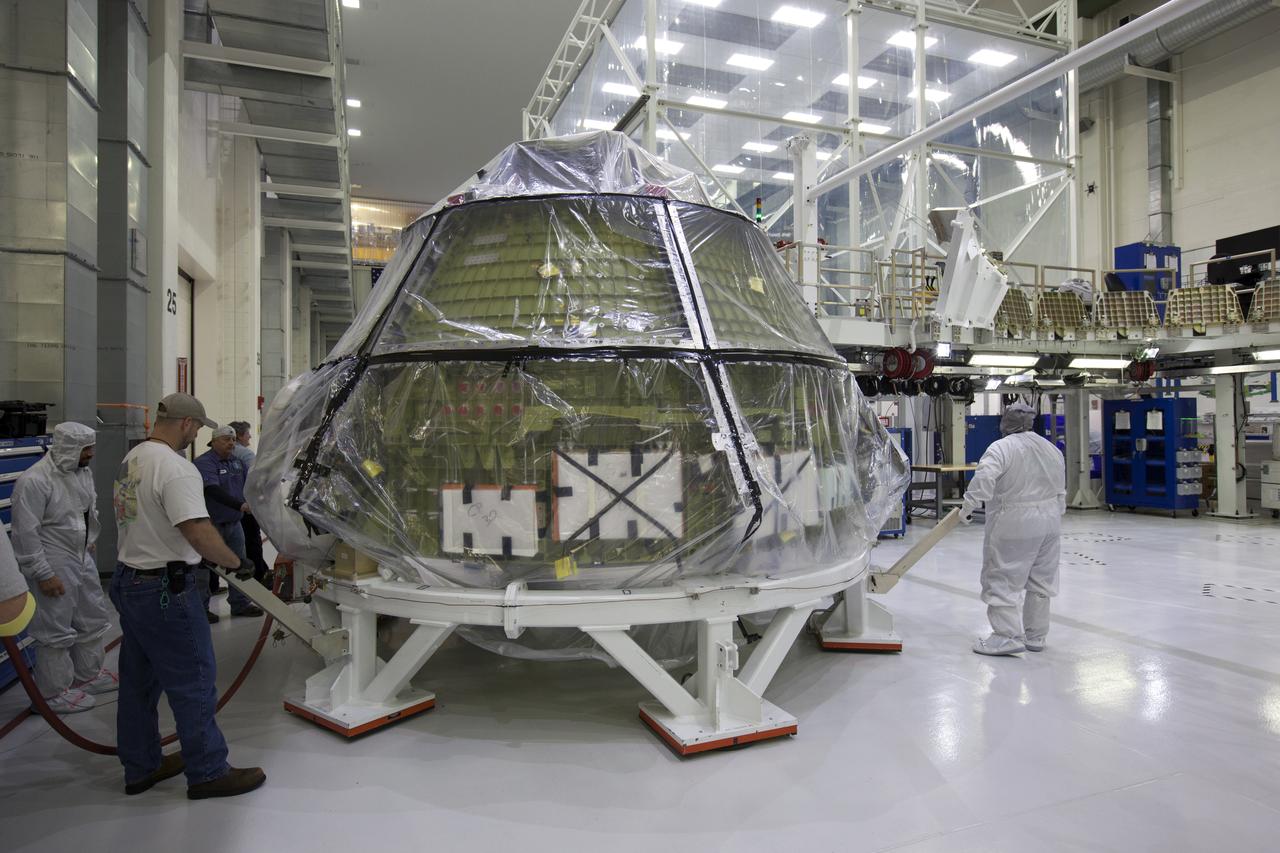
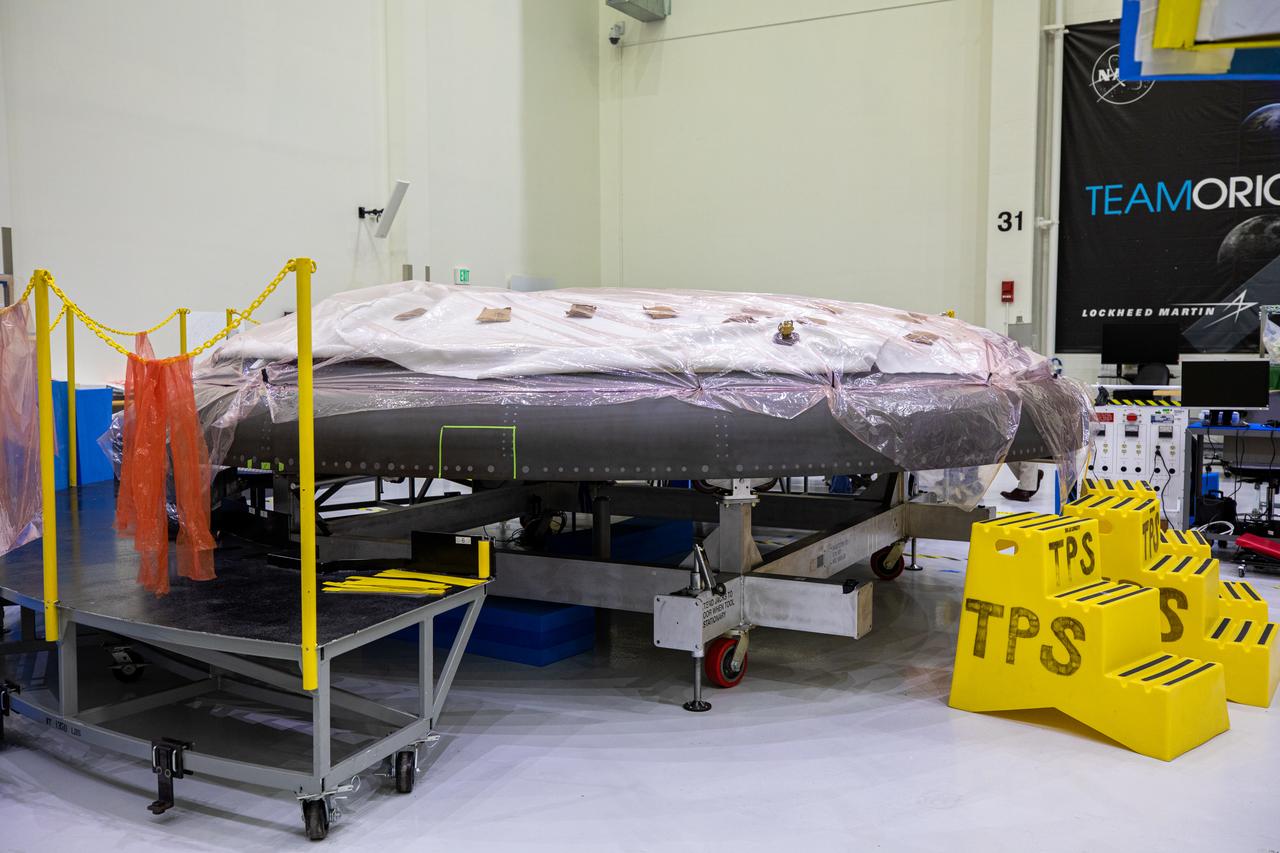
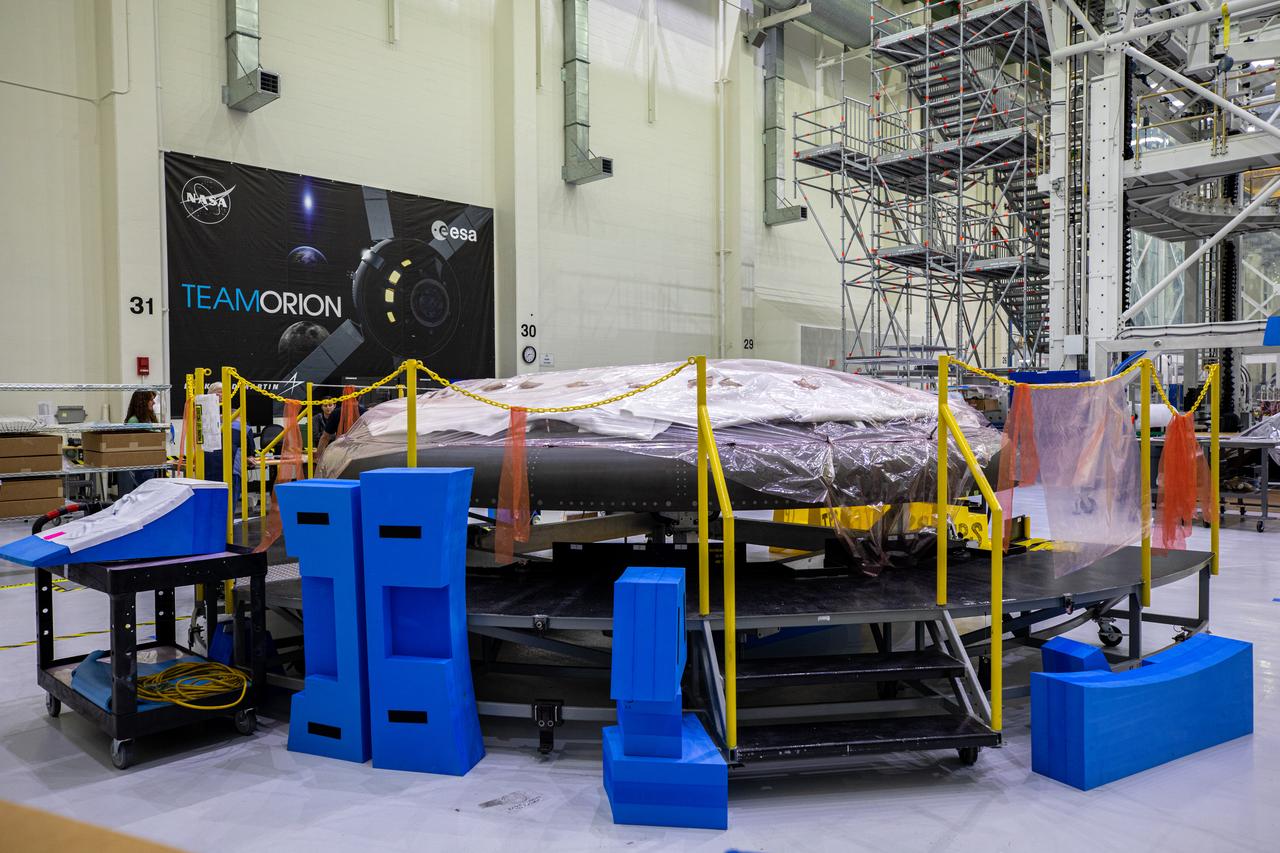
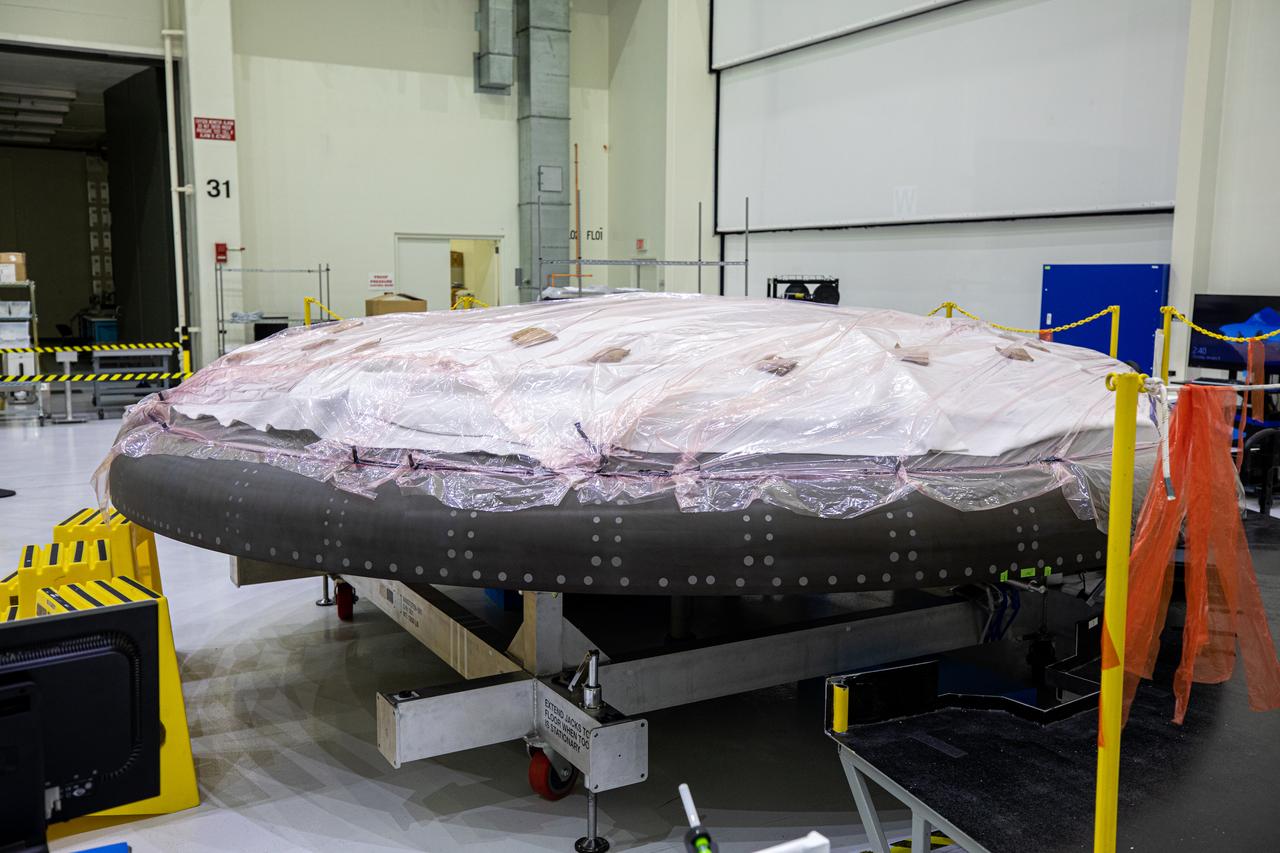
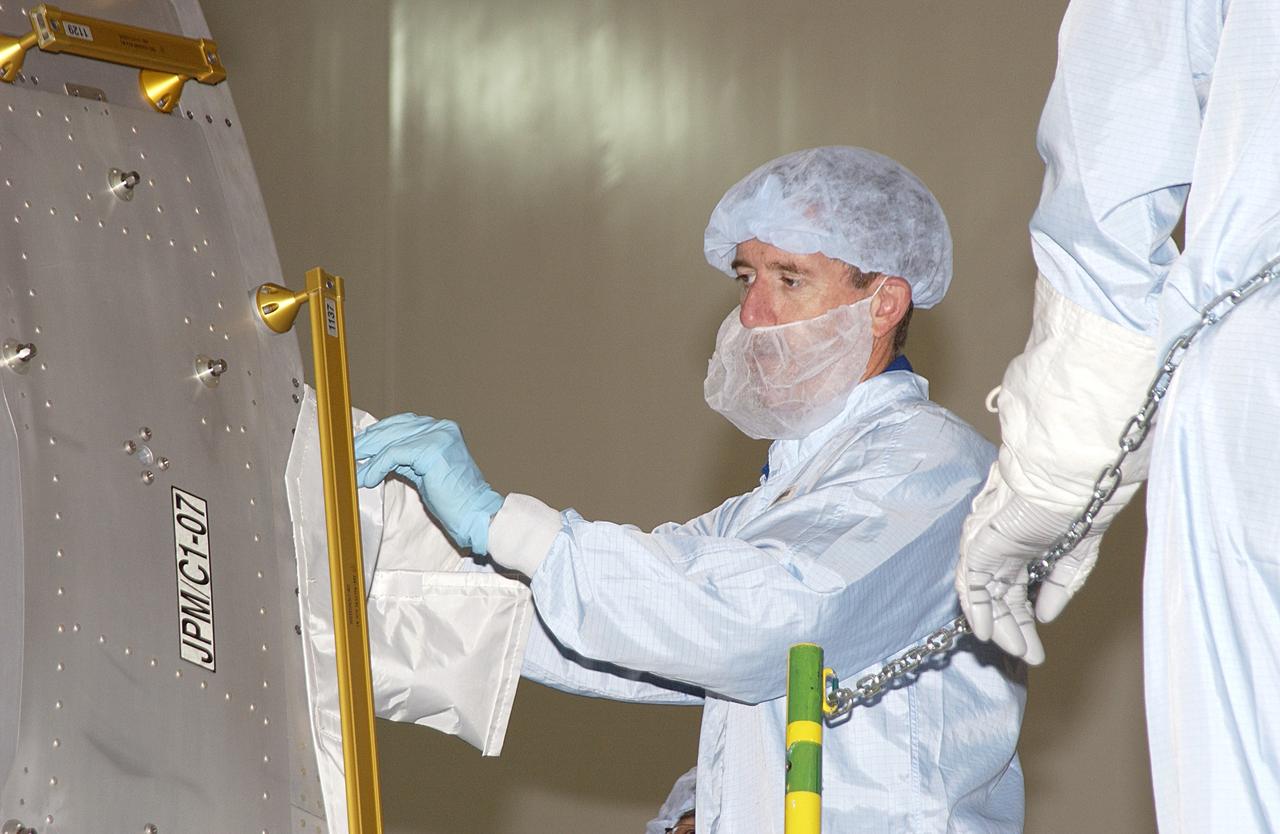
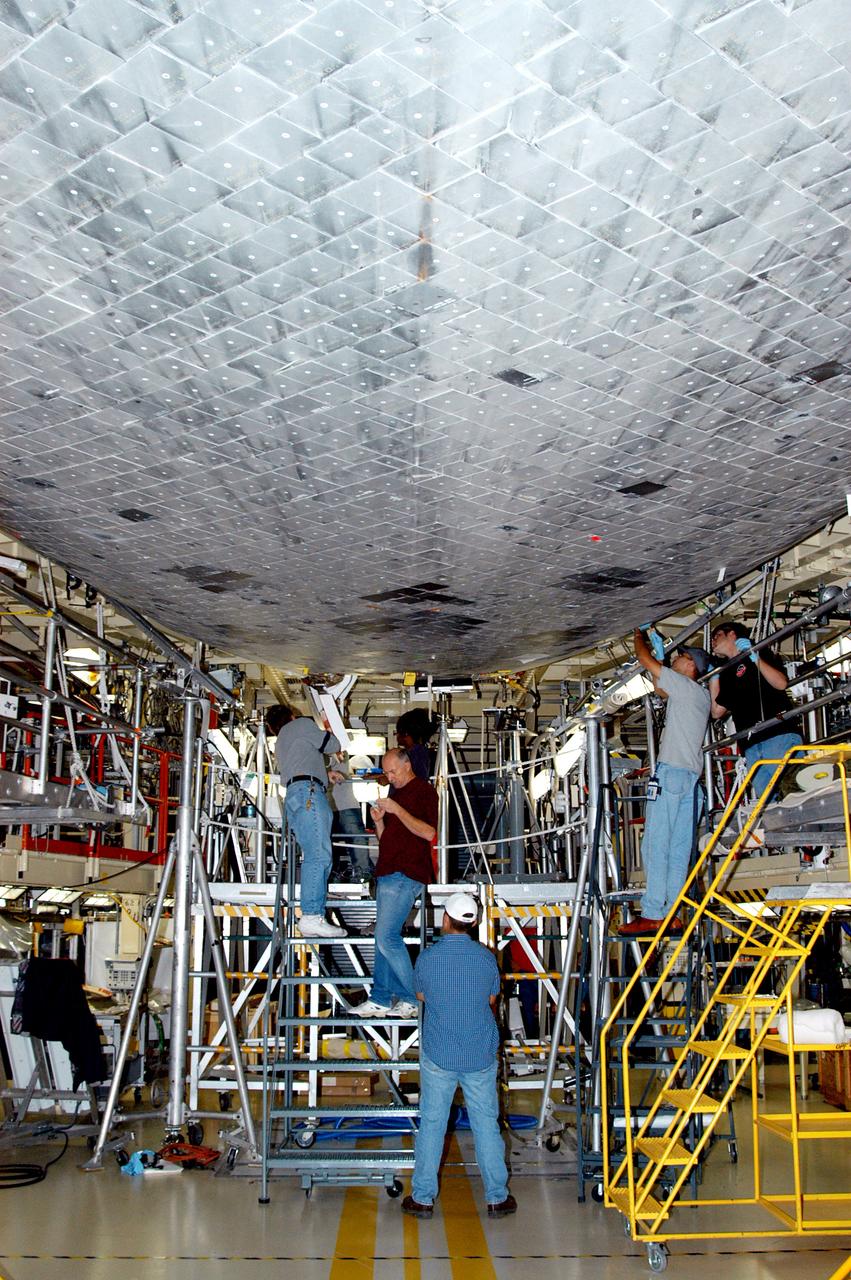
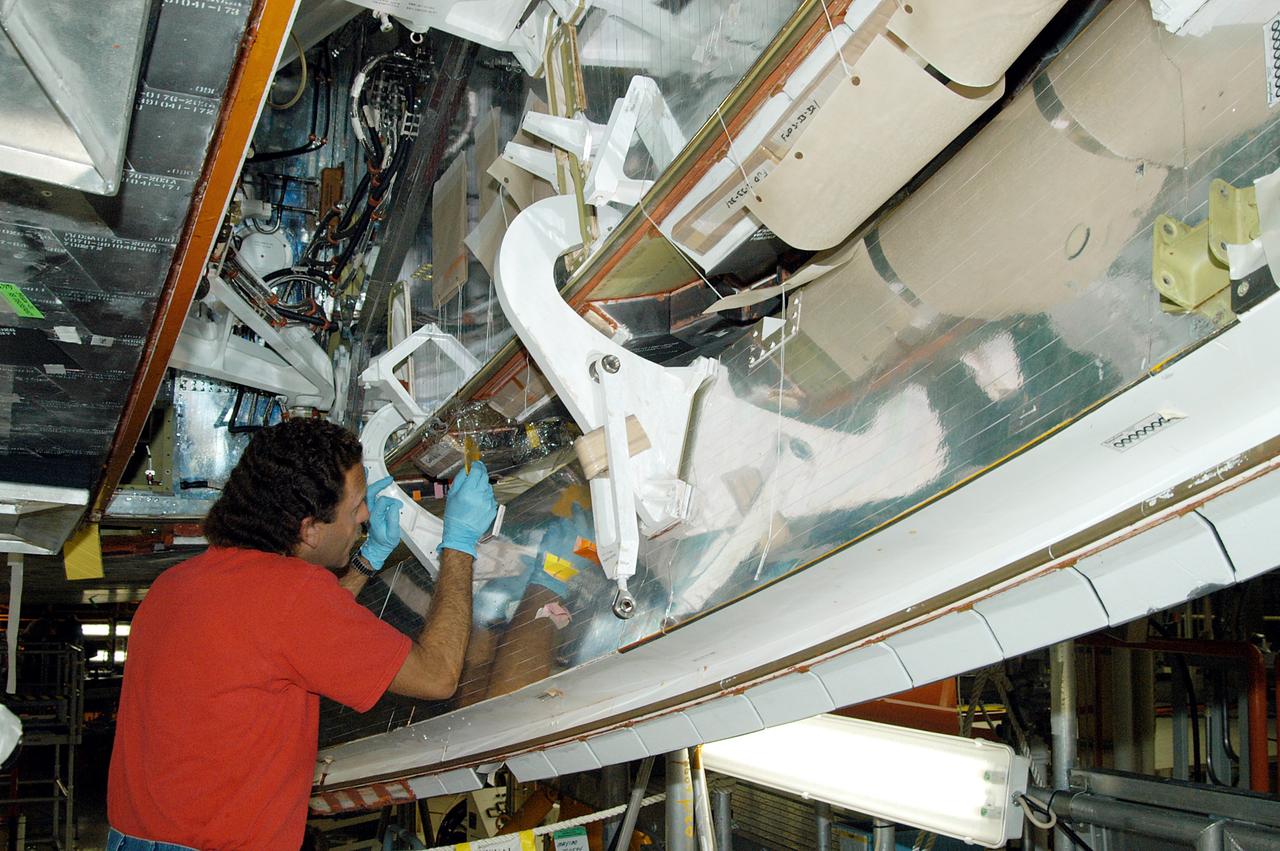
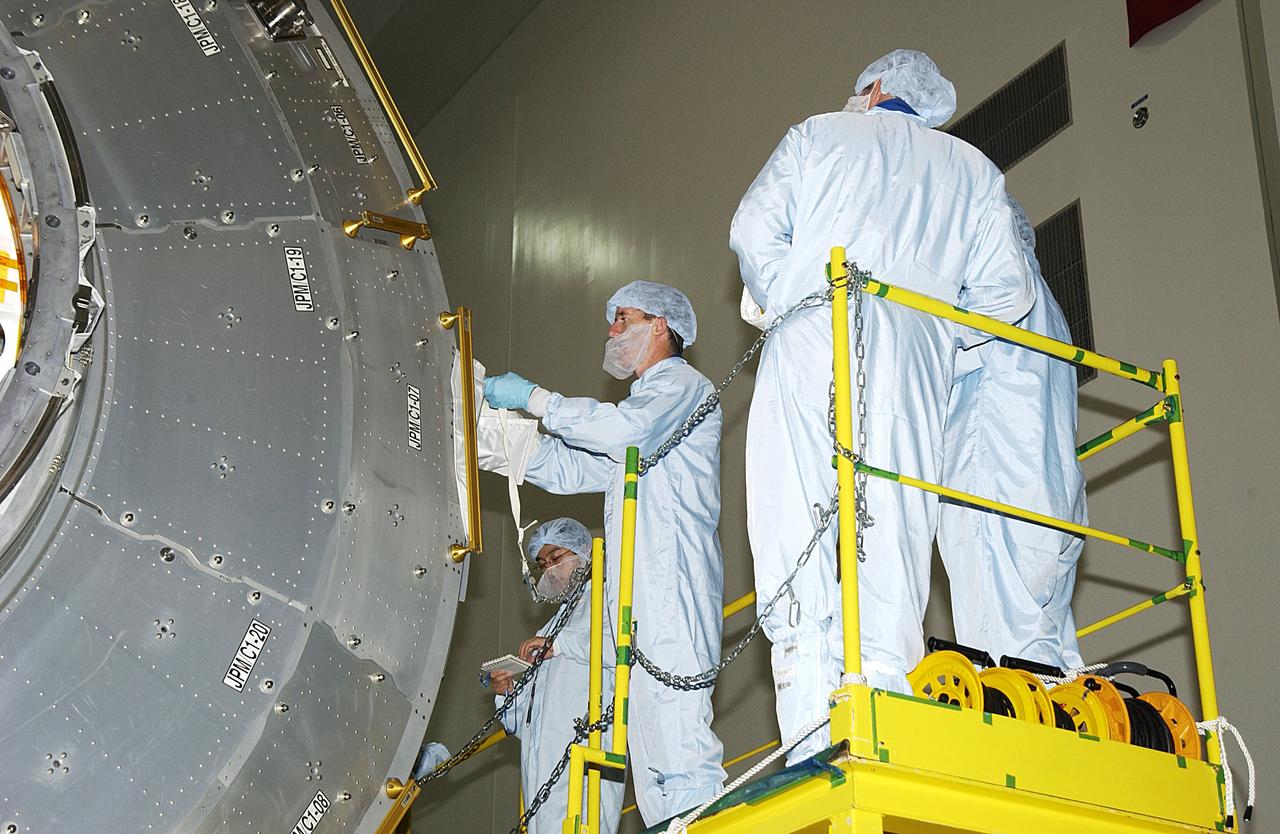
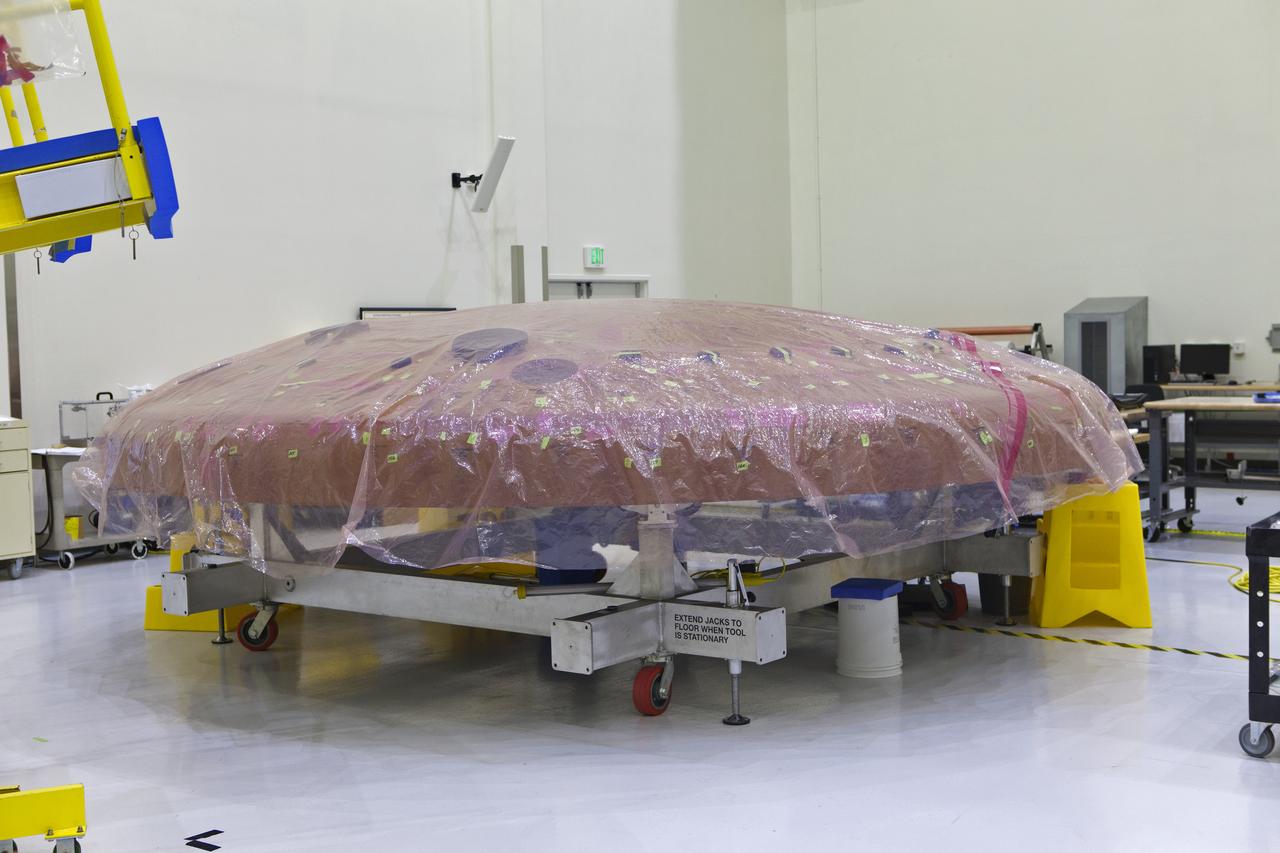
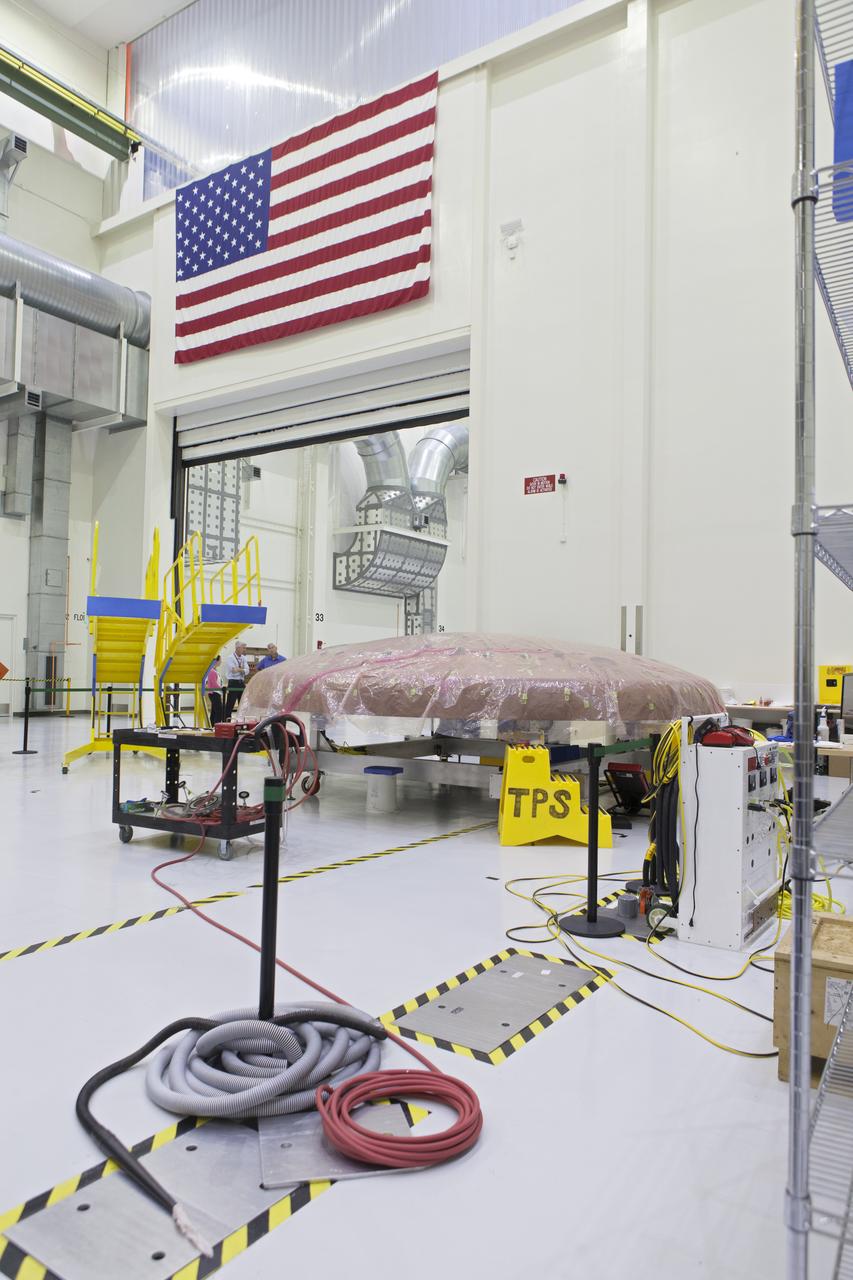
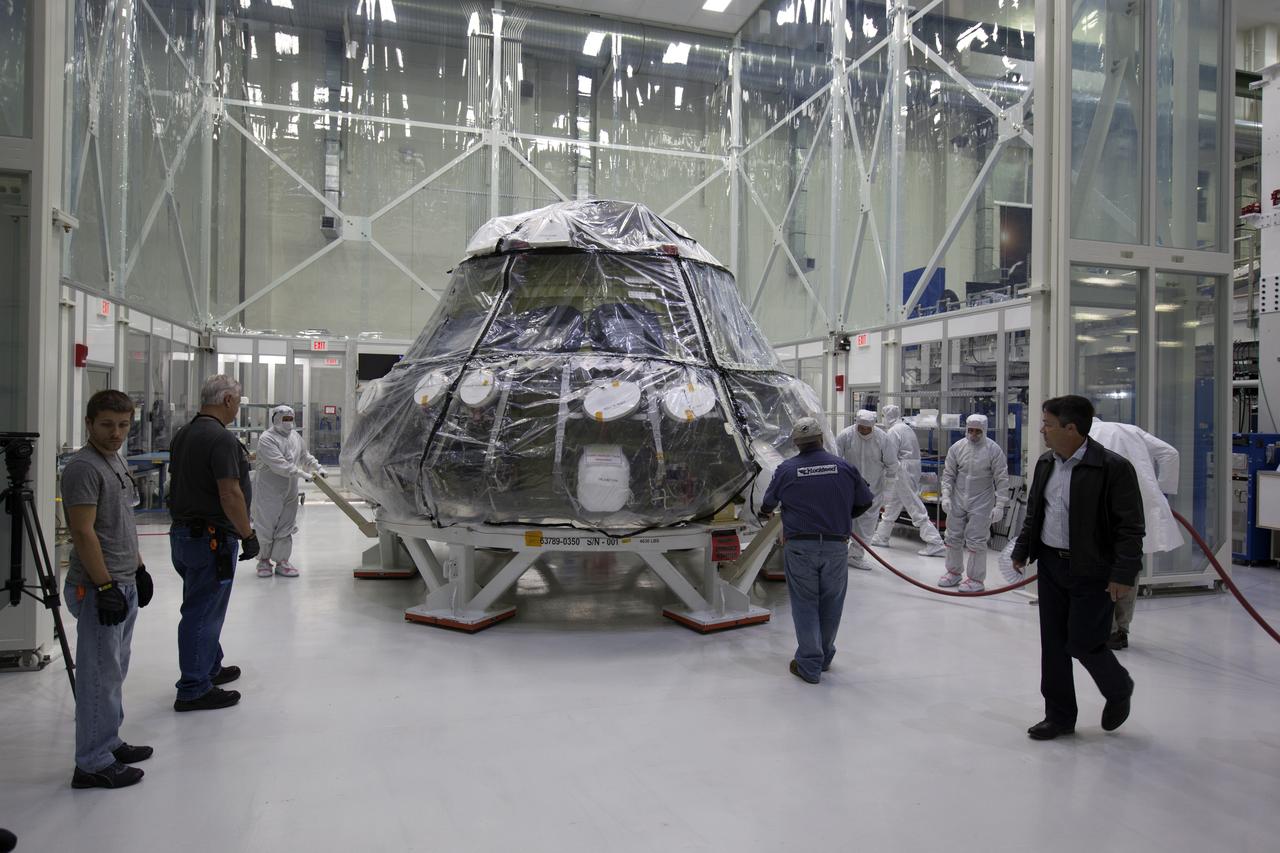
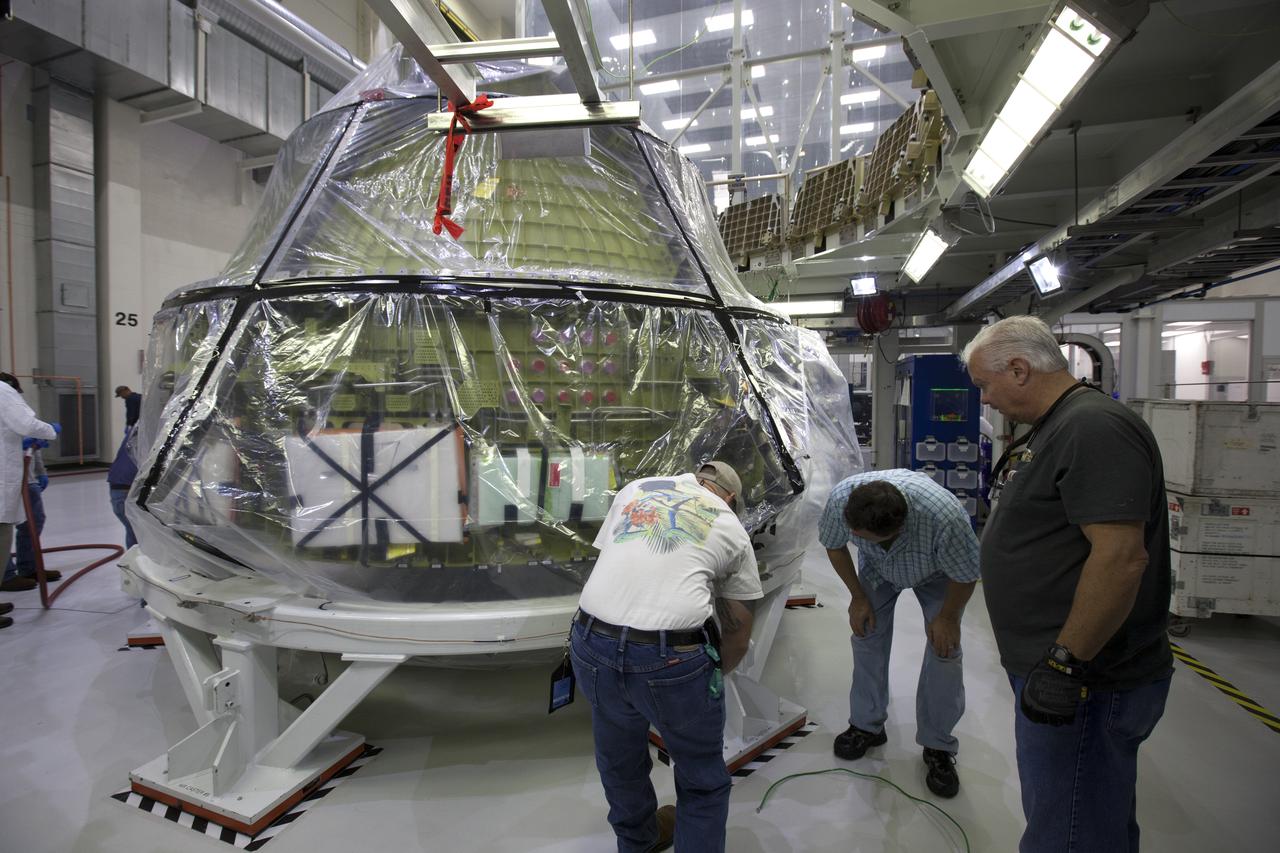
The Orion crew module pressure vessel for NASA’s Exploration Mission 1 (EM-1) is being moved from a clean room to a work station inside the Neil Armstrong Operations and Checkout Building high bay at NASA’s Kennedy Space Center in Florida. Orion will undergo additional processing to prepare it for launch in 2019. The spacecraft is being prepared for its first integrated flight atop the Space Launch System rocket on Exploration Mission-1.
Orion EM-1 Crew Module Move from Clean Room to Work Station
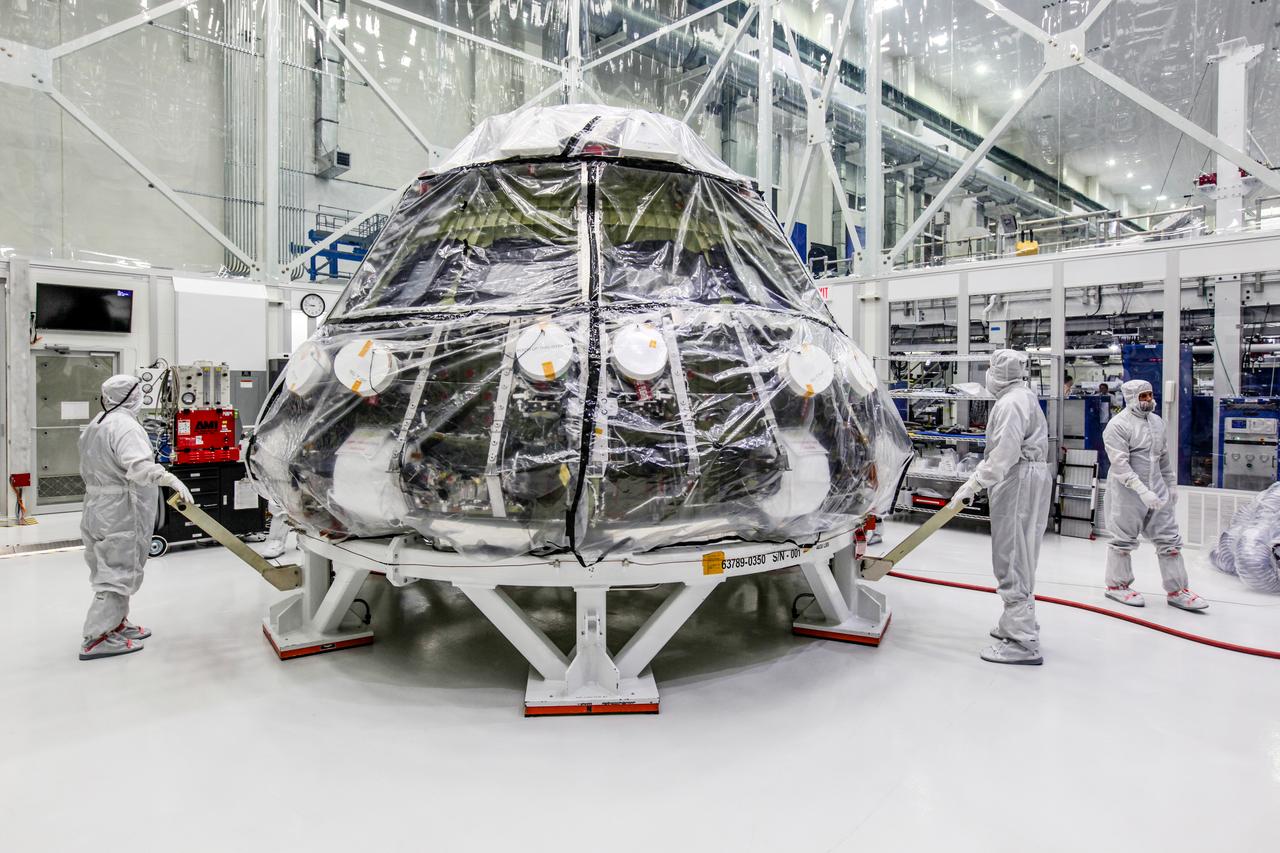
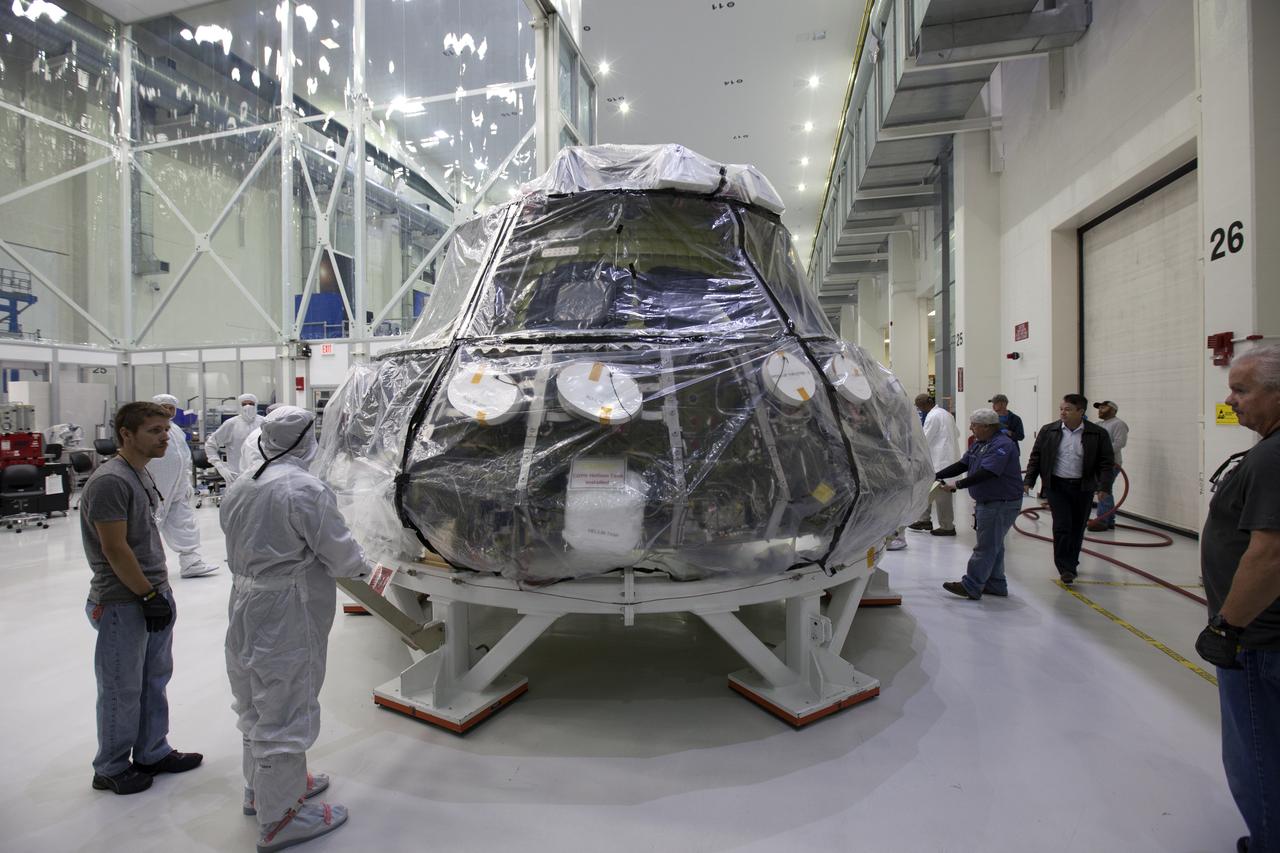
Workers have moved the Orion crew module pressure vessel for NASA’s Exploration Mission 1 (EM-1) out of a clean room inside the Neil Armstrong Operations and Checkout Building high bay at NASA’s Kennedy Space Center in Florida. The crew module will be moved to a work station where it will undergo additional processing to prepare it for launch in 2019. The spacecraft is being prepared for its first integrated flight atop the Space Launch System rocket on Exploration Mission-1.
Orion EM-1 Crew Module Move from Clean Room to Work Station
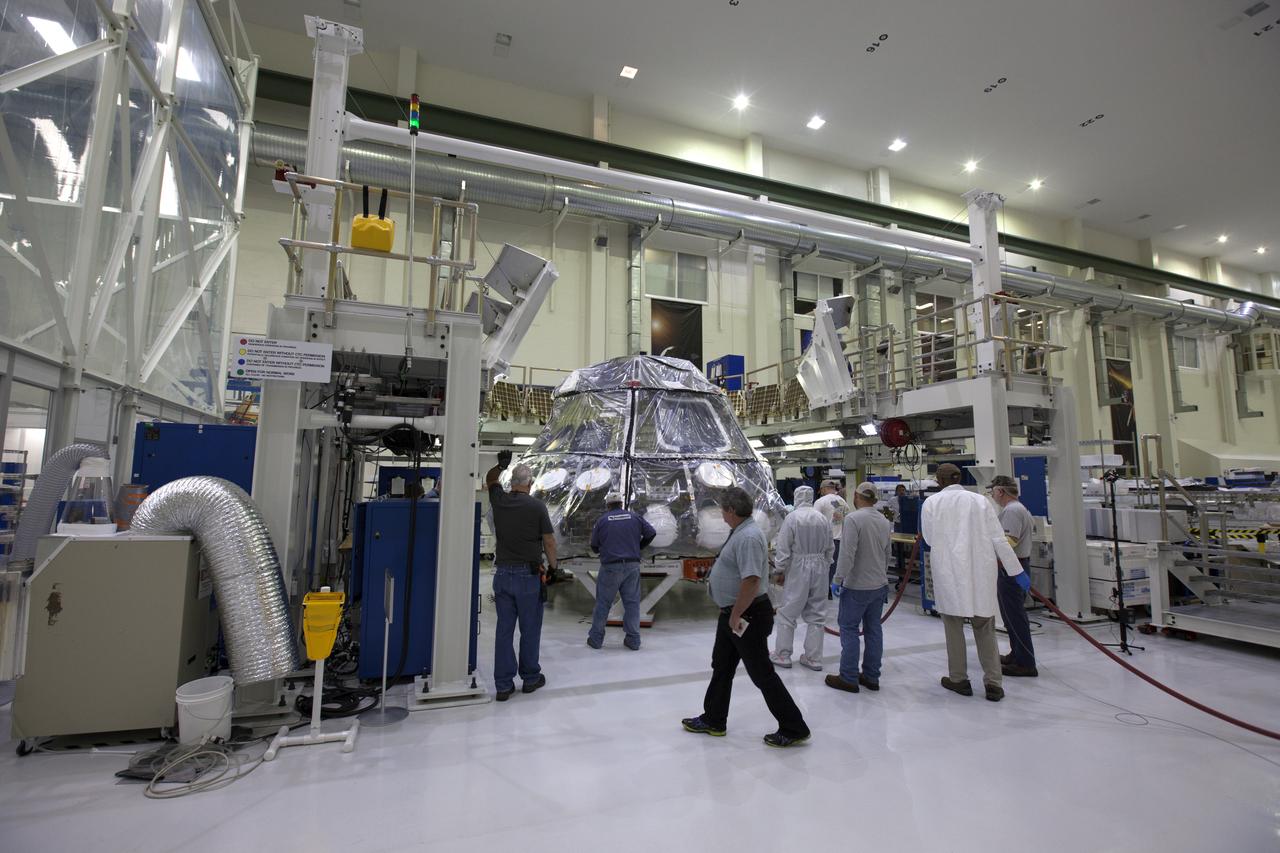
The Orion crew module for NASA’s Exploration Mission 1 (EM-1) is being secured in a work station in the Neil Armstrong Operations and Checkout Building high bay at NASA’s Kennedy Space Center in Florida. Orion will undergo additional processing to prepare it for launch in 2019. The spacecraft is being prepared for its first integrated flight atop the Space Launch System rocket on Exploration Mission-1.
Orion EM-1 Crew Module Move from Clean Room to Work Station
Workers have moved the Orion crew module pressure vessel for NASA’s Exploration Mission 1 (EM-1) out of a clean room inside the Neil Armstrong Operations and Checkout Building high bay at NASA’s Kennedy Space Center in Florida. The crew module will be moved to a work station where it will undergo additional processing to prepare it for launch in 2019. The spacecraft is being prepared for its first integrated flight atop the Space Launch System rocket on Exploration Mission-1.
Orion EM-1 Crew Module Move from Clean Room to Work Station
The Orion crew module pressure vessel for NASA’s Exploration Mission 1 (EM-1) is being moved from a clean room to a work station inside the Neil Armstrong Operations and Checkout Building high bay at NASA’s Kennedy Space Center in Florida. Orion will undergo additional processing to prepare it for launch in 2019. The spacecraft is being prepared for its first integrated flight atop the Space Launch System rocket on Exploration Mission-1.
Orion EM-1 Crew Module Move from Clean Room to Work Station
The Orion crew module for NASA’s Exploration Mission 1 (EM-1) is secured in a work station in the Neil Armstrong Operations and Checkout Building high bay at NASA’s Kennedy Space Center in Florida. Orion will undergo additional processing to prepare it for launch in 2019. The spacecraft is being prepared for its first integrated flight atop the Space Launch System rocket on Exploration Mission-1.
Orion EM-1 Crew Module Move from Clean Room to Work Station
The Orion crew module for NASA’s Exploration Mission 1 (EM-1) is being secured in a work station in the Neil Armstrong Operations and Checkout Building high bay at NASA’s Kennedy Space Center in Florida. Orion will undergo additional processing to prepare it for launch in 2019. The spacecraft is being prepared for its first integrated flight atop the Space Launch System rocket on Exploration Mission-1.
Orion EM-1 Crew Module Move from Clean Room to Work Station
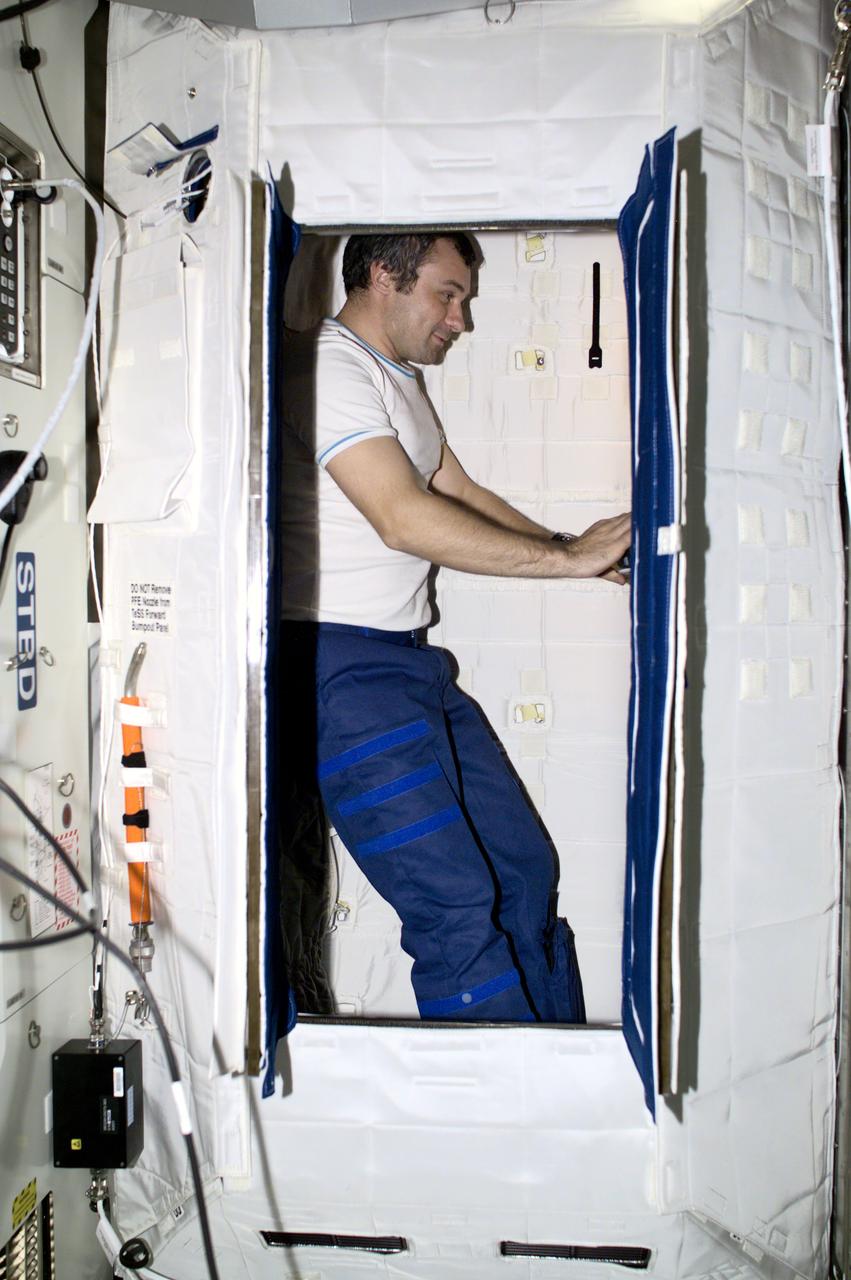
ISS003-E-5558 (9 September 2001) --- Cosmonaut Vladimir Dezhurov of Rosaviakosmos, Expedition 3 flight engineer, works on a laptop computer in the temporary sleep station of the in the U.S. Laboratory Destiny onboard the International Space Station.
Dezhurov works in the sleep station in the U.S. Laboratory during Expedition Three
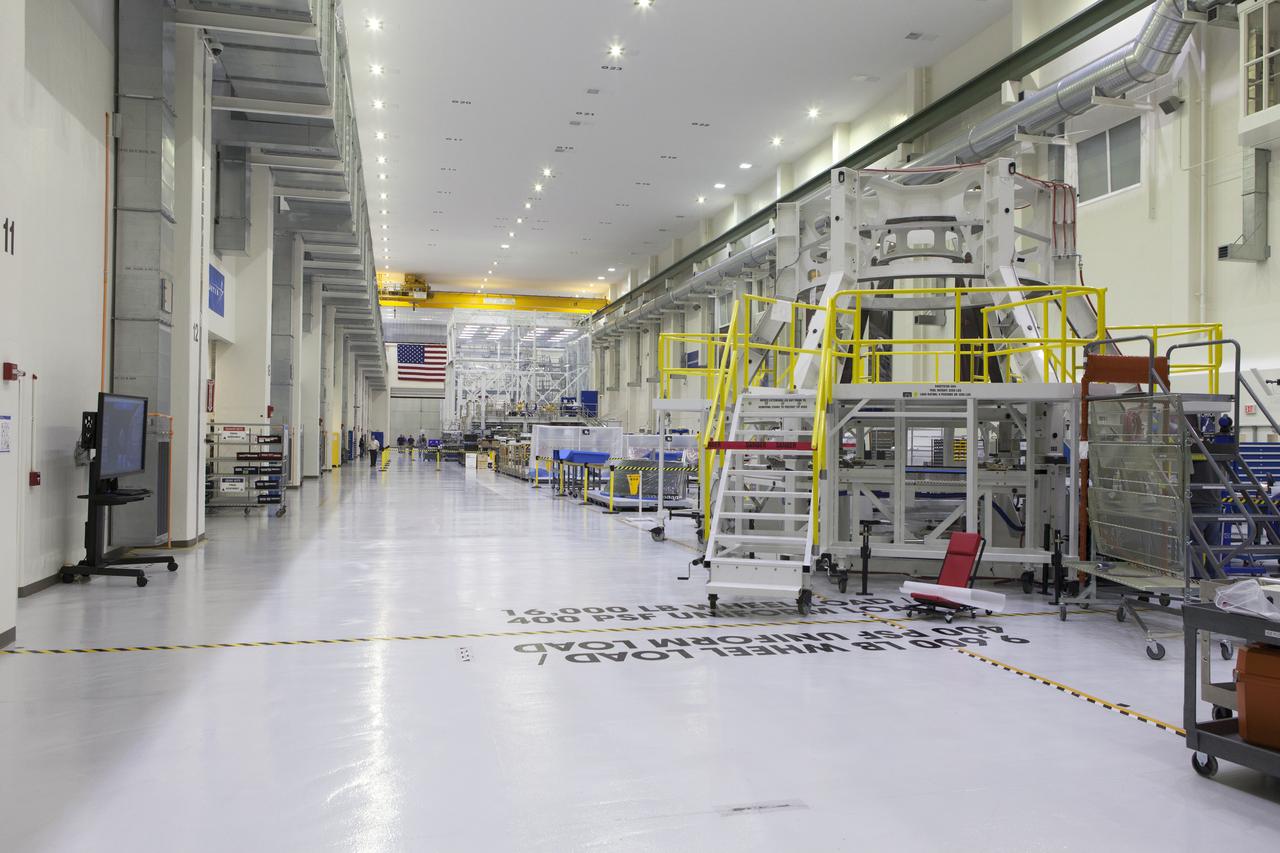
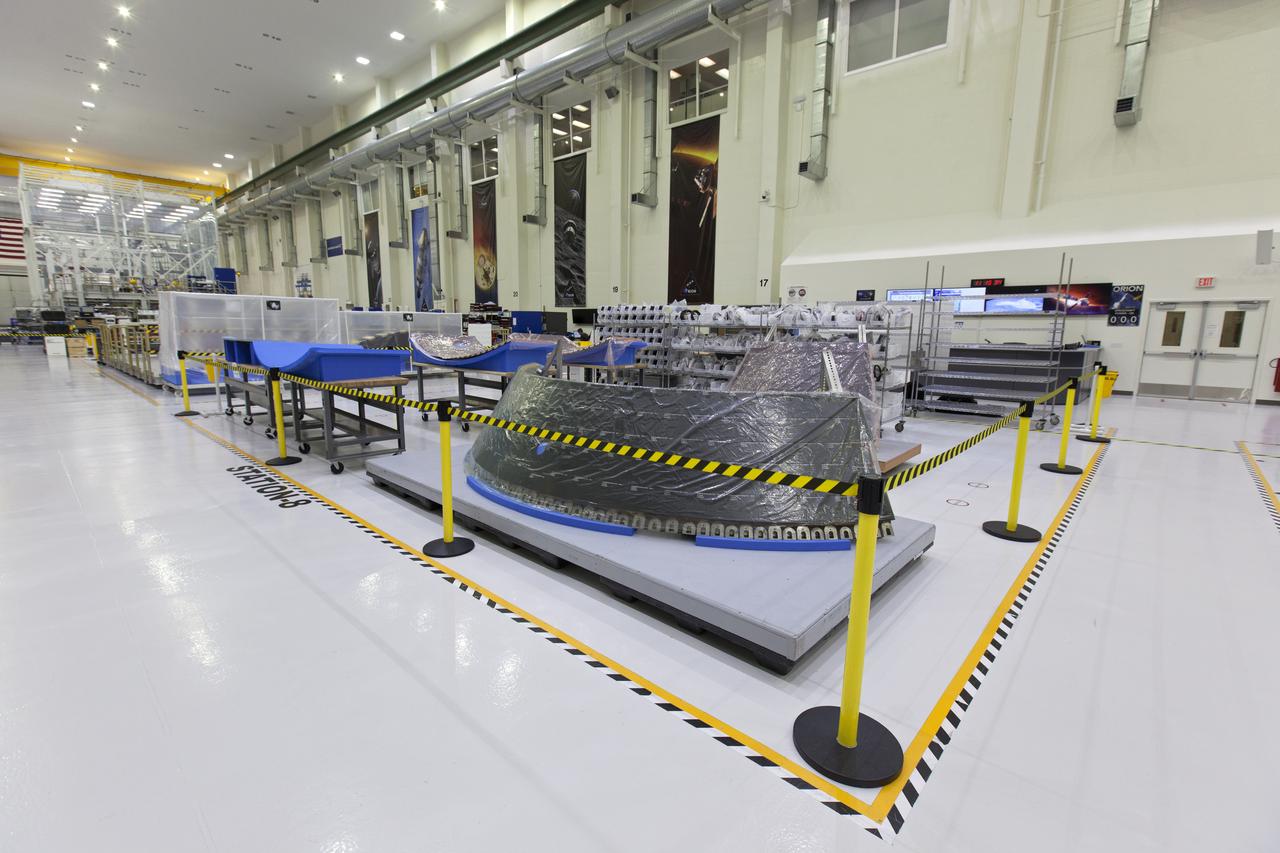
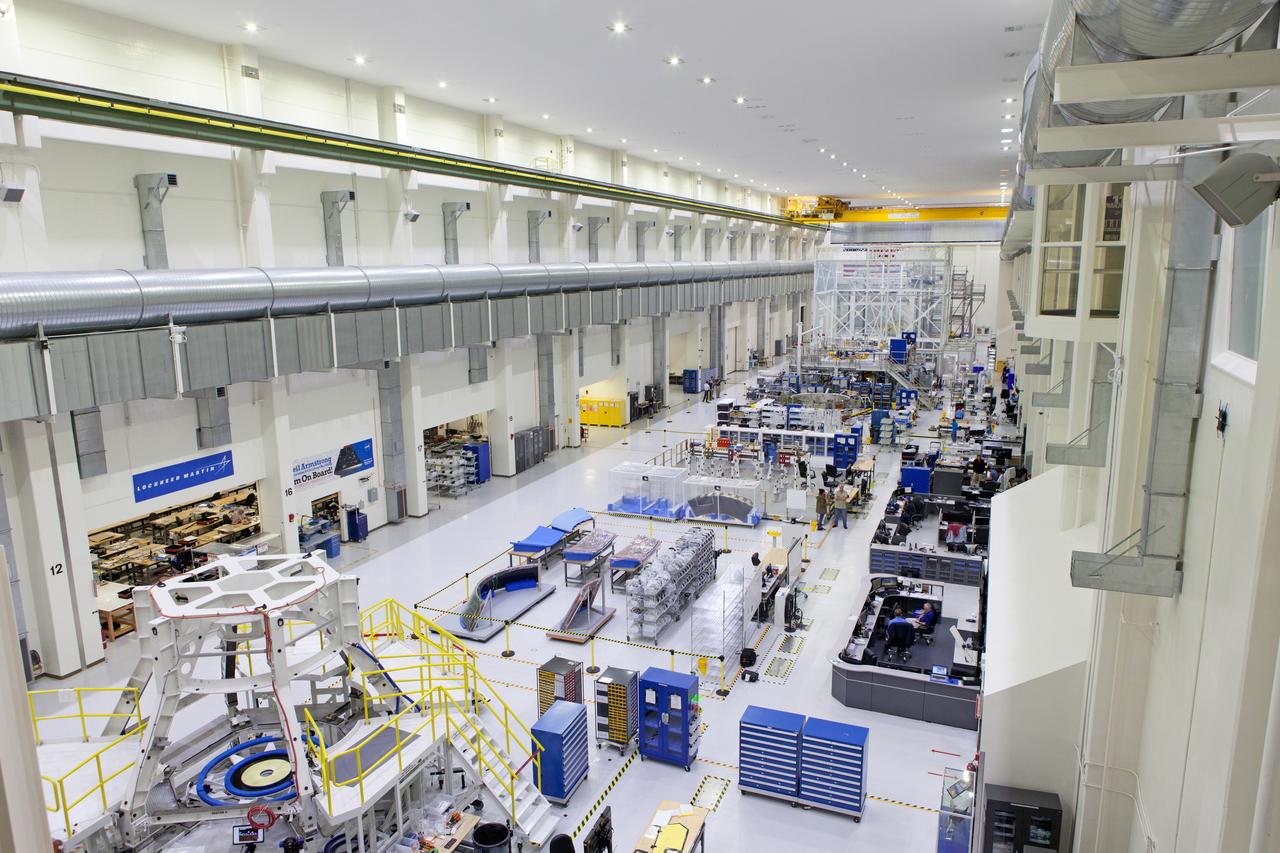
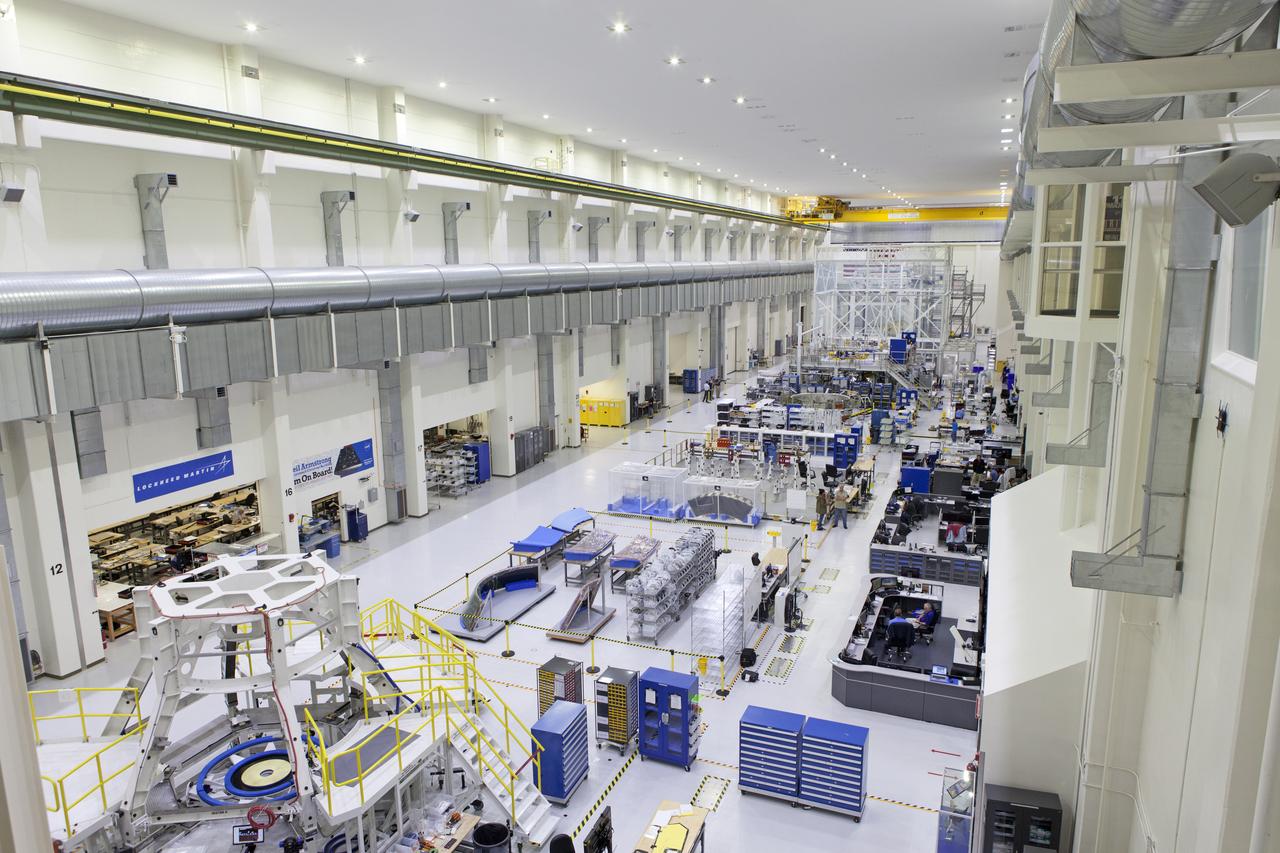
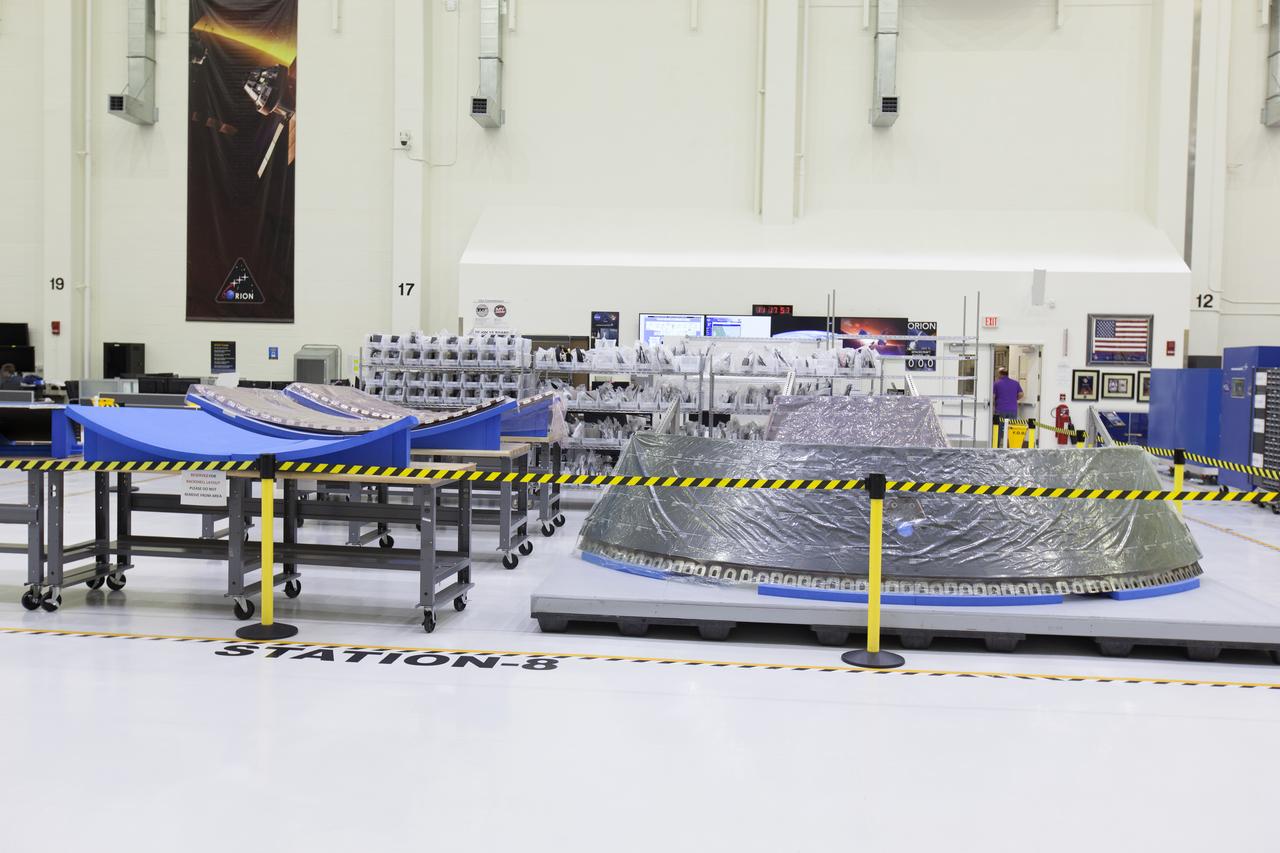
A few of the work stations and work stands are in view inside the high bay in the Neil Armstrong Operations and Checkout Building at NASA's Kennedy Space Center in Florida. The Orion crew module pressure vessel is undergoing processing to prepare it for its first uncrewed integrated flight atop the Space Launch System rocket on Exploration Mission-1.
Orion Space Hardware In-Production inside the Operations and Che
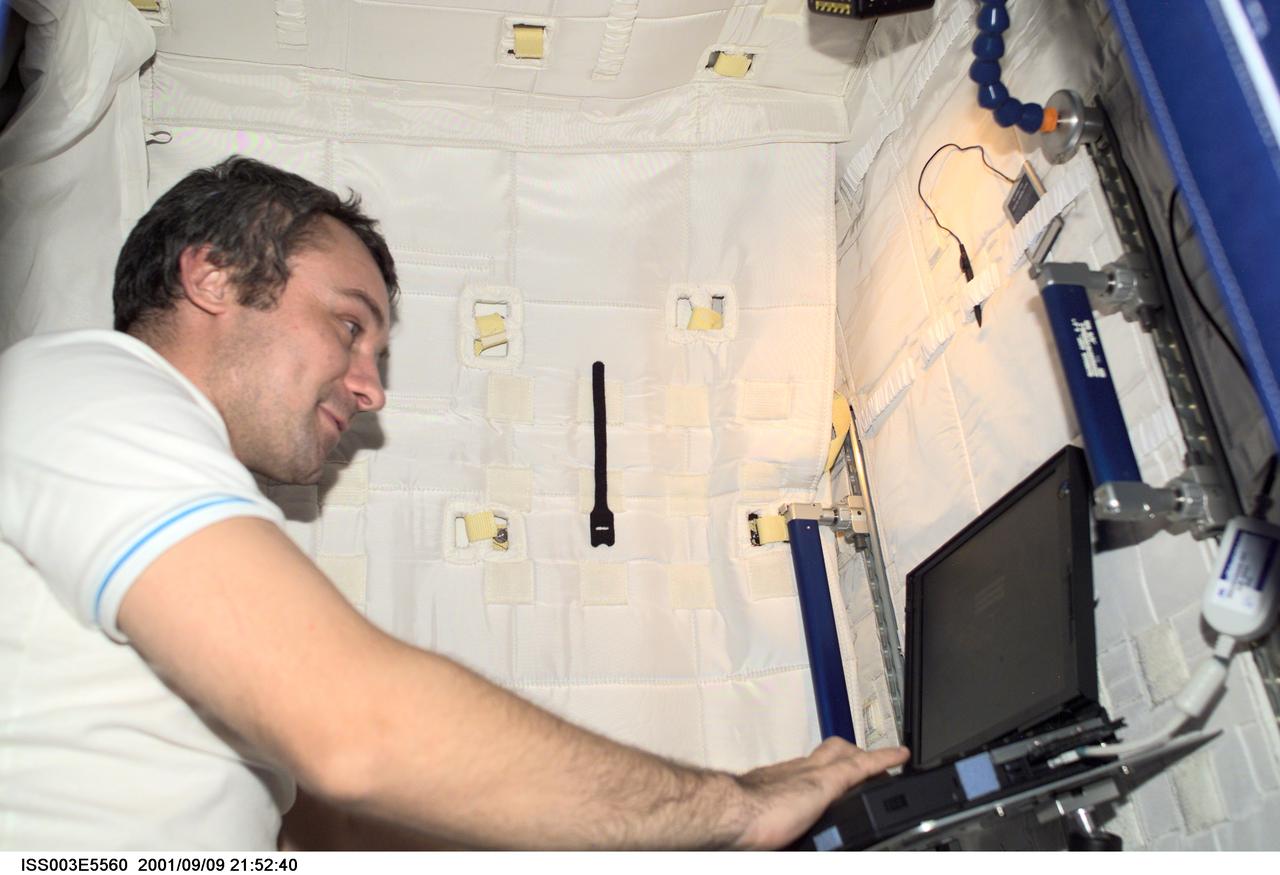
ISS003-E-5560 (9 September 2001) ---  Cosmonaut Vladimir Dezhurov of Rosaviakosmos, Expedition Three flight engineer, works on a laptop computer in the Temporary Sleep Station (TSS) in the U.S. Laboratory.
Dezhurov works in the sleep station in the U.S. Laboratory during Expedition Three
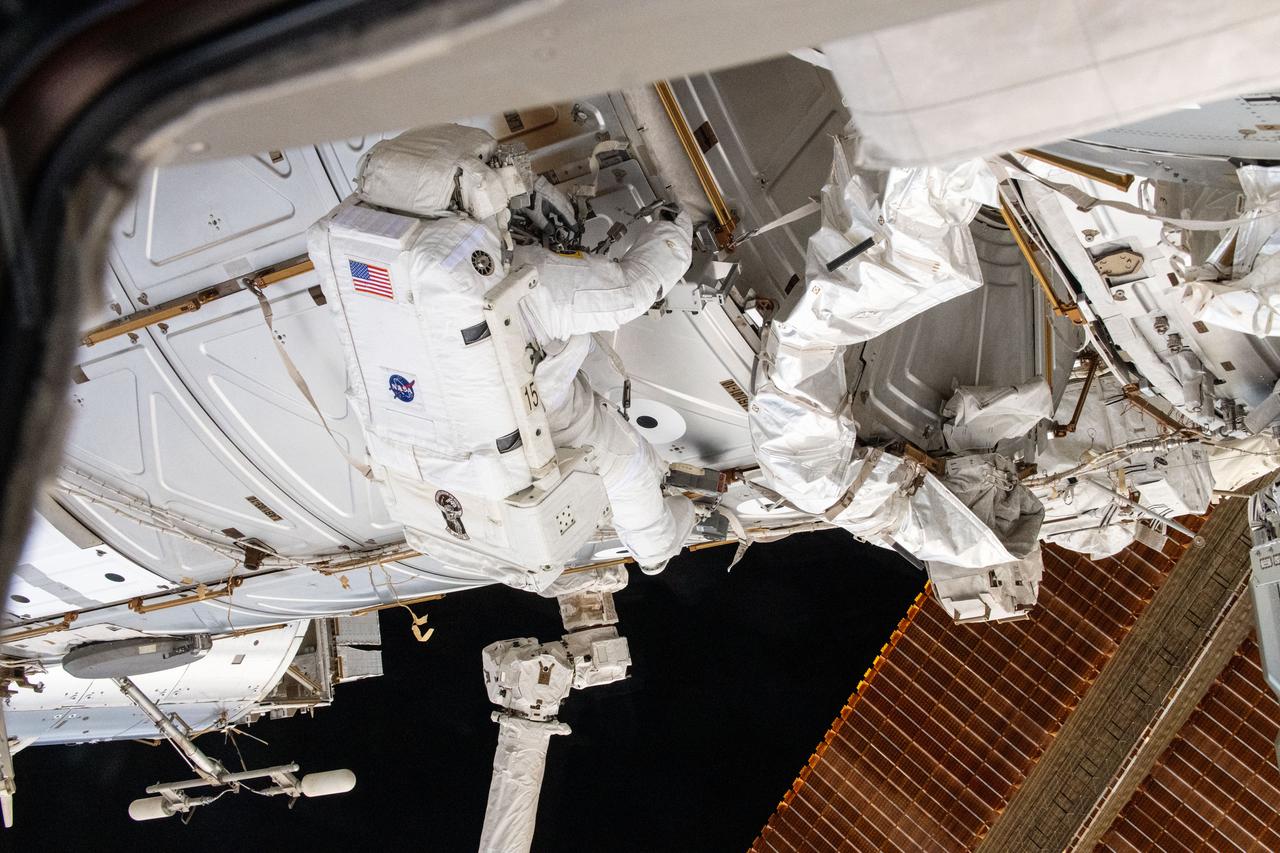
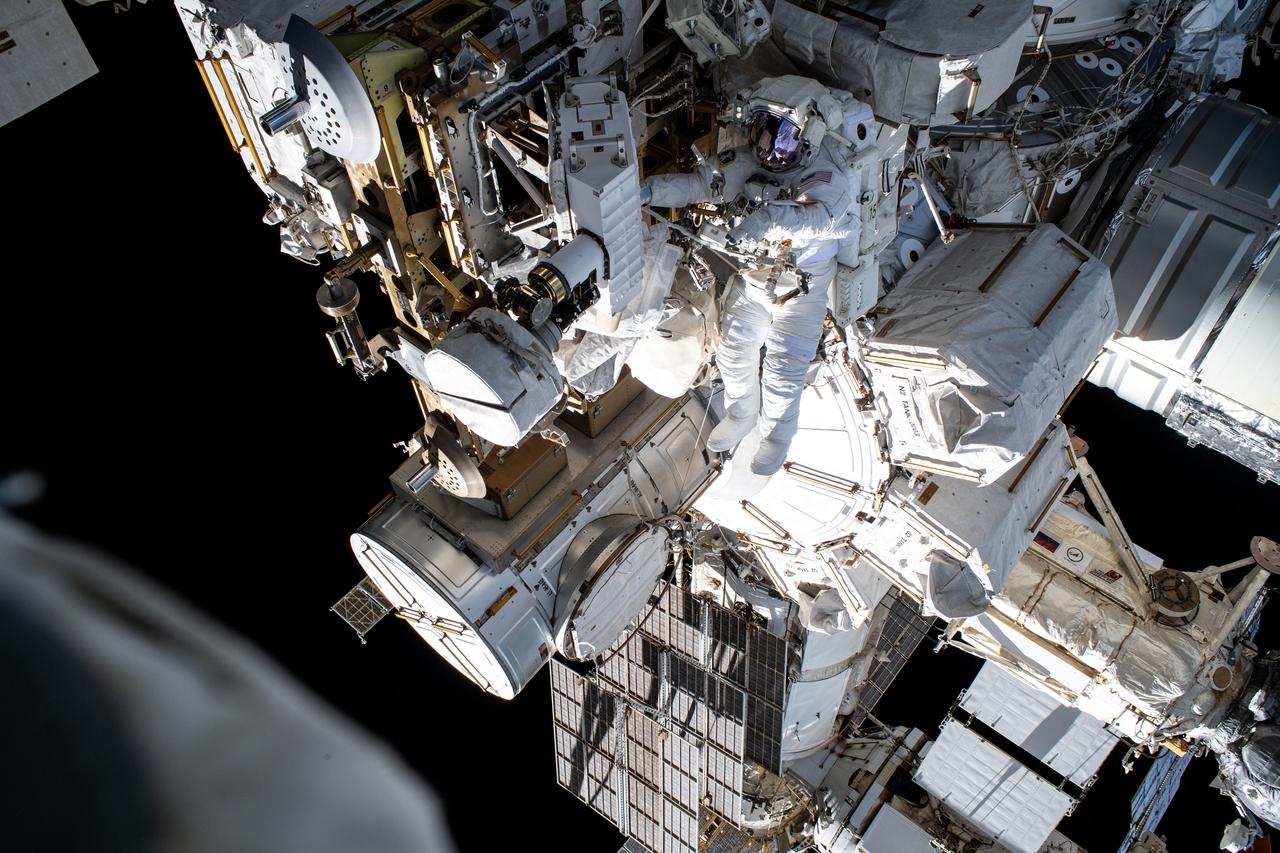
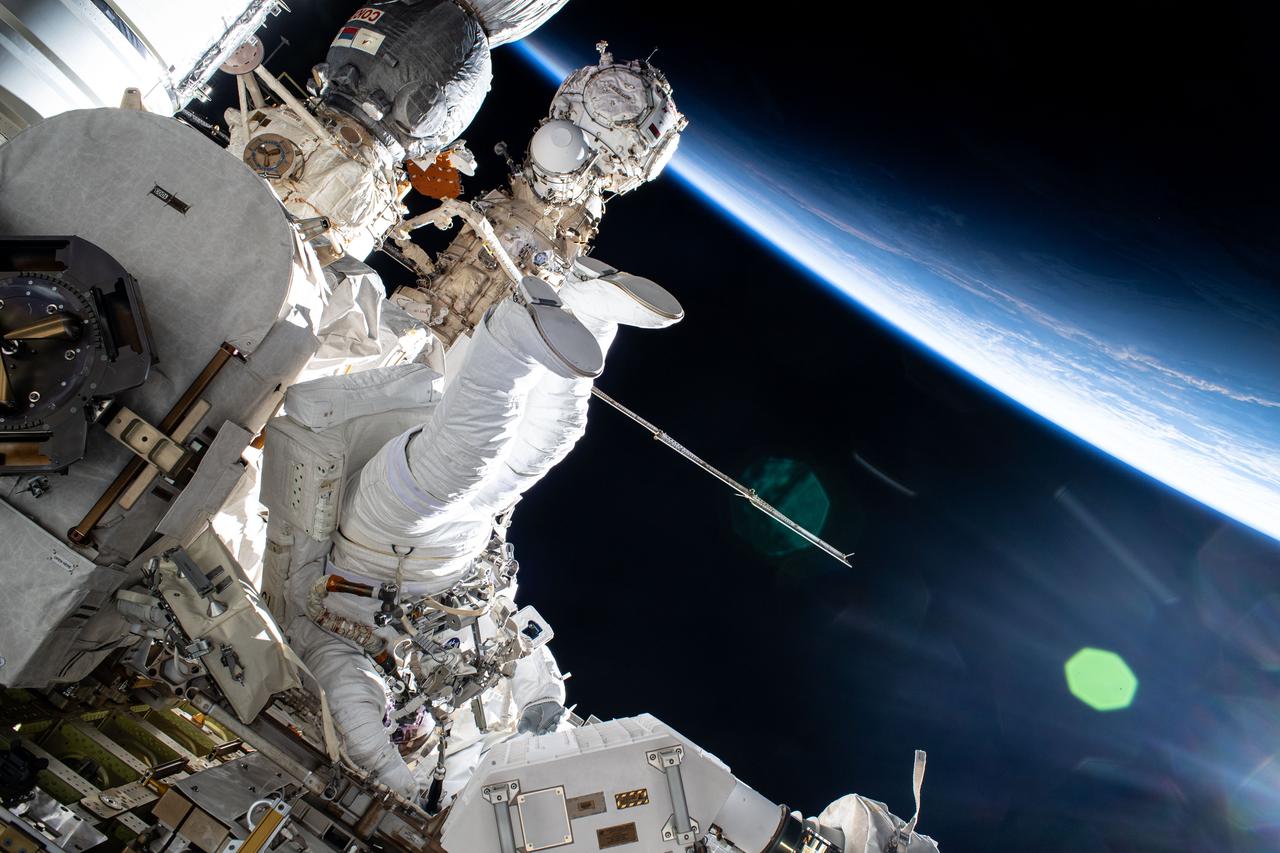
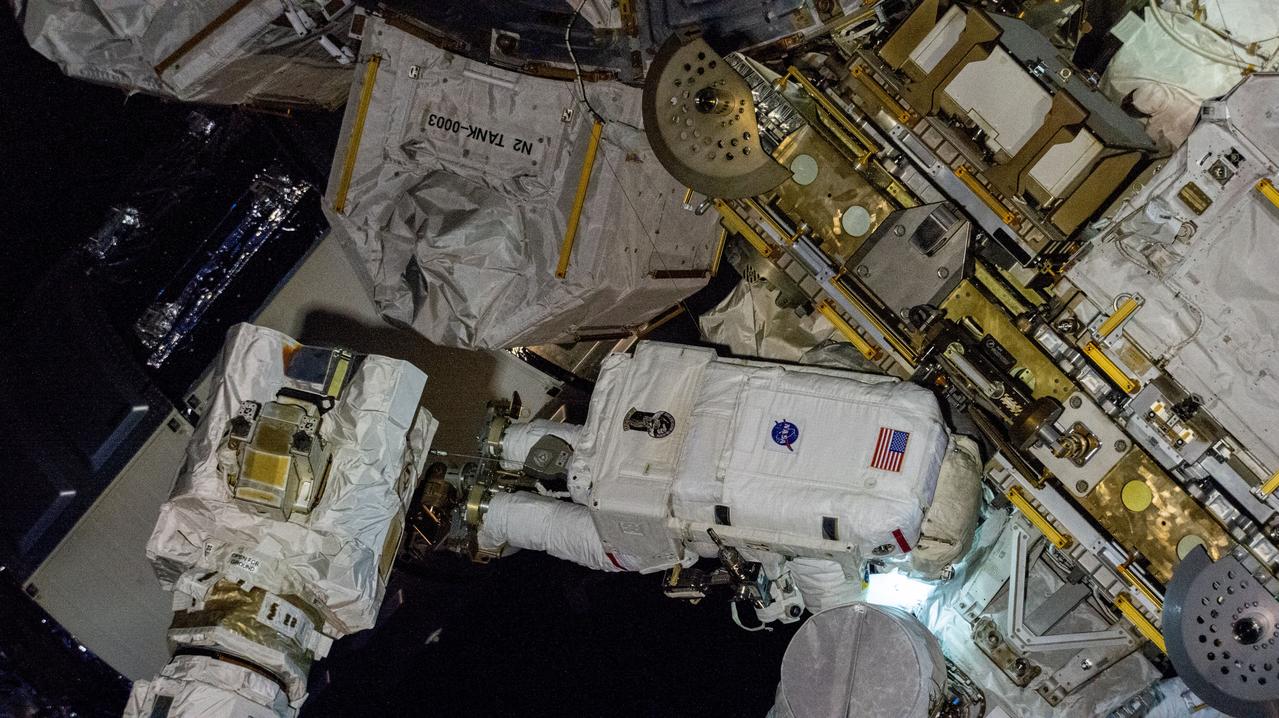
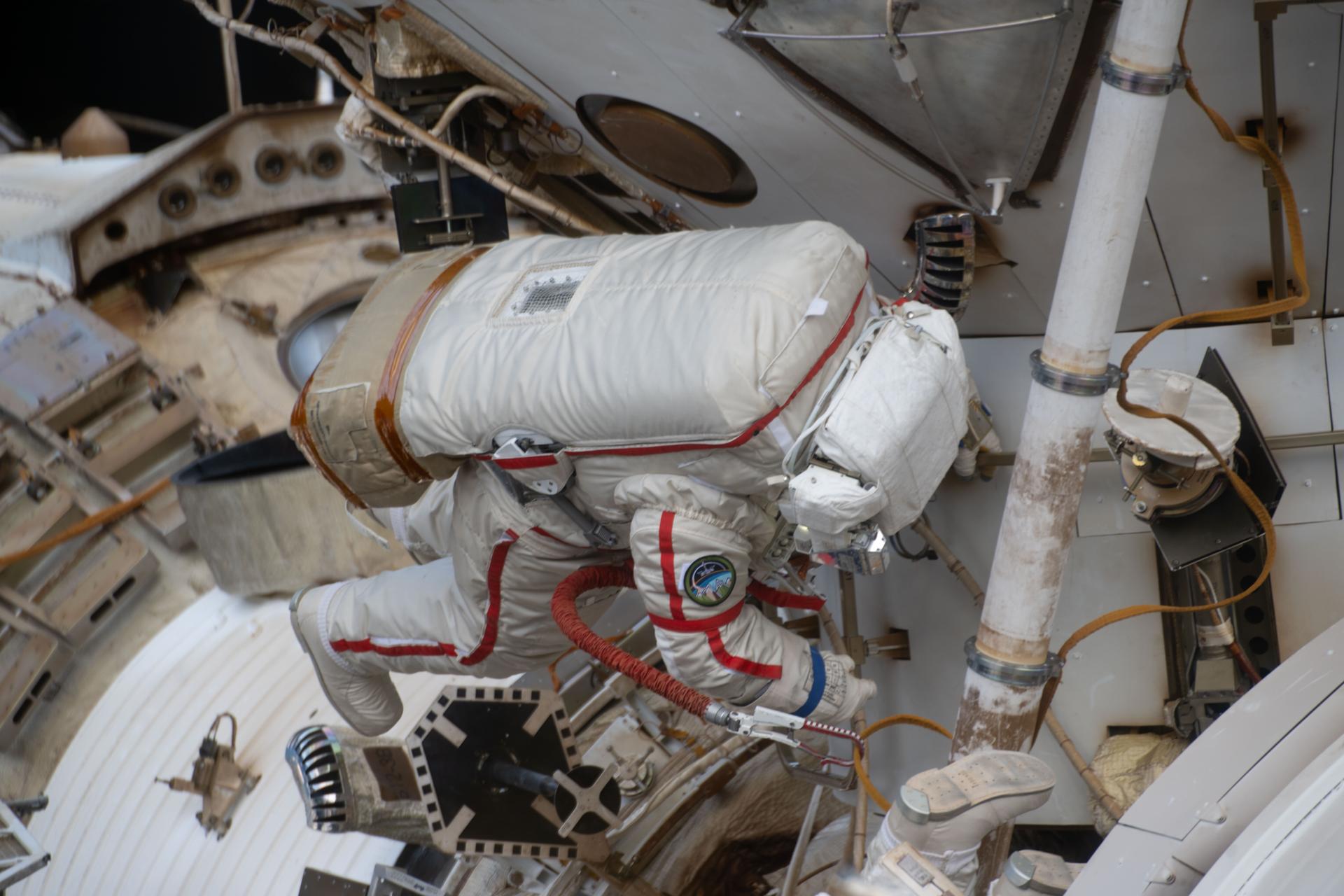
iss072e574856 (Jan. 30, 2025) --- NASA astronaut and Expedition 72 Commander Suni Williams works outside the International Space Station during a five-hour and 26-minute spacewalk to remove and stow a radio frequency group antenna assembly. The orbital outpost was soaring 260 miles above Kazakhstan at the time of this photograph.
Astronaut Suni Williams works outside the International Space Station
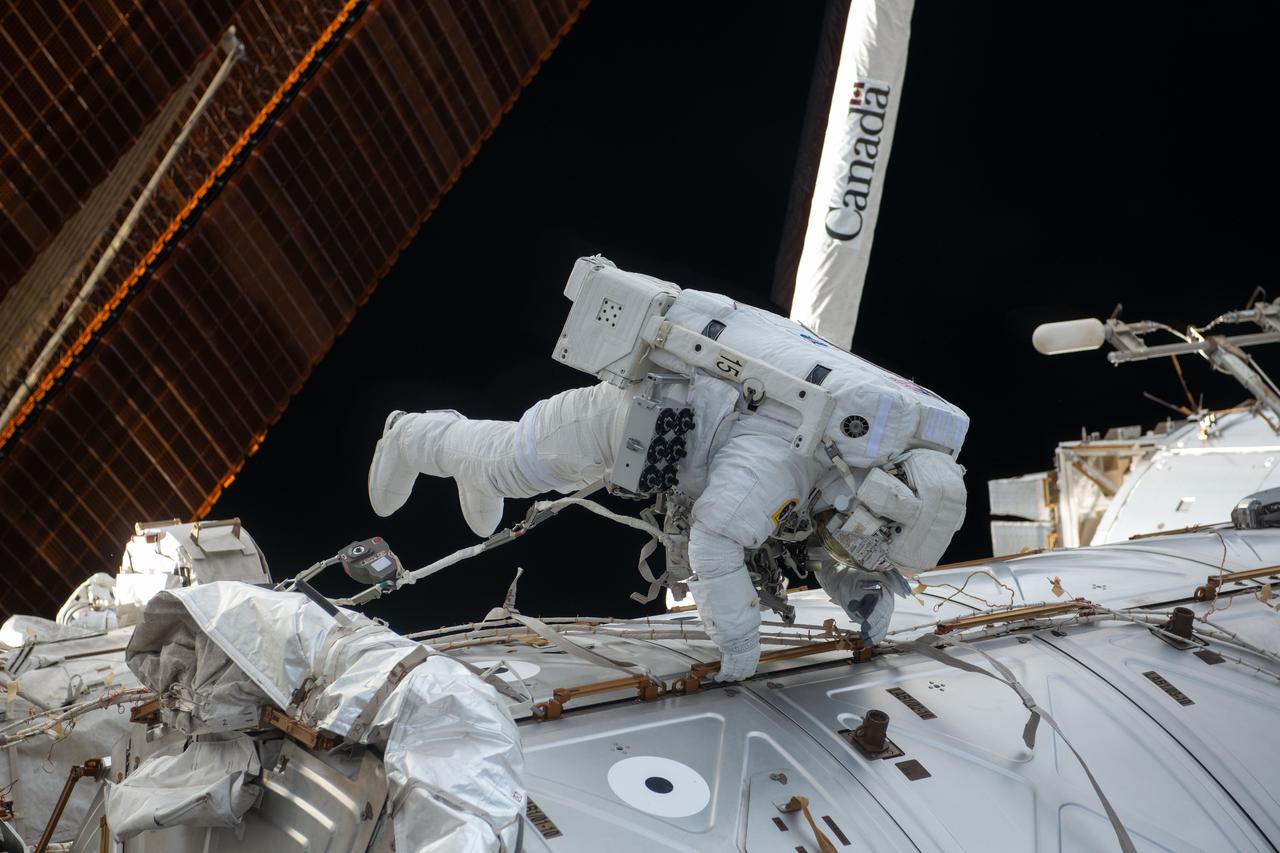
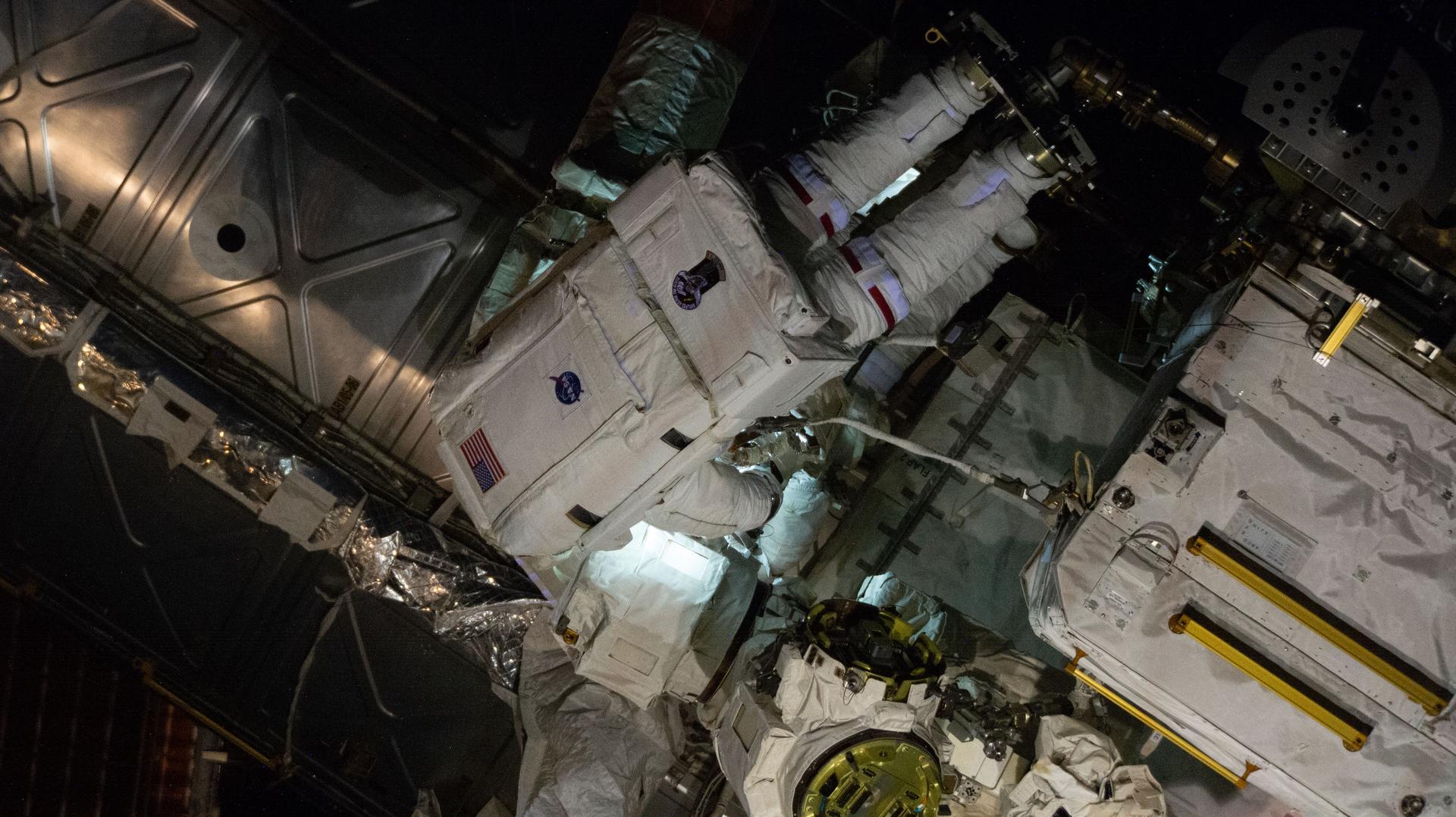
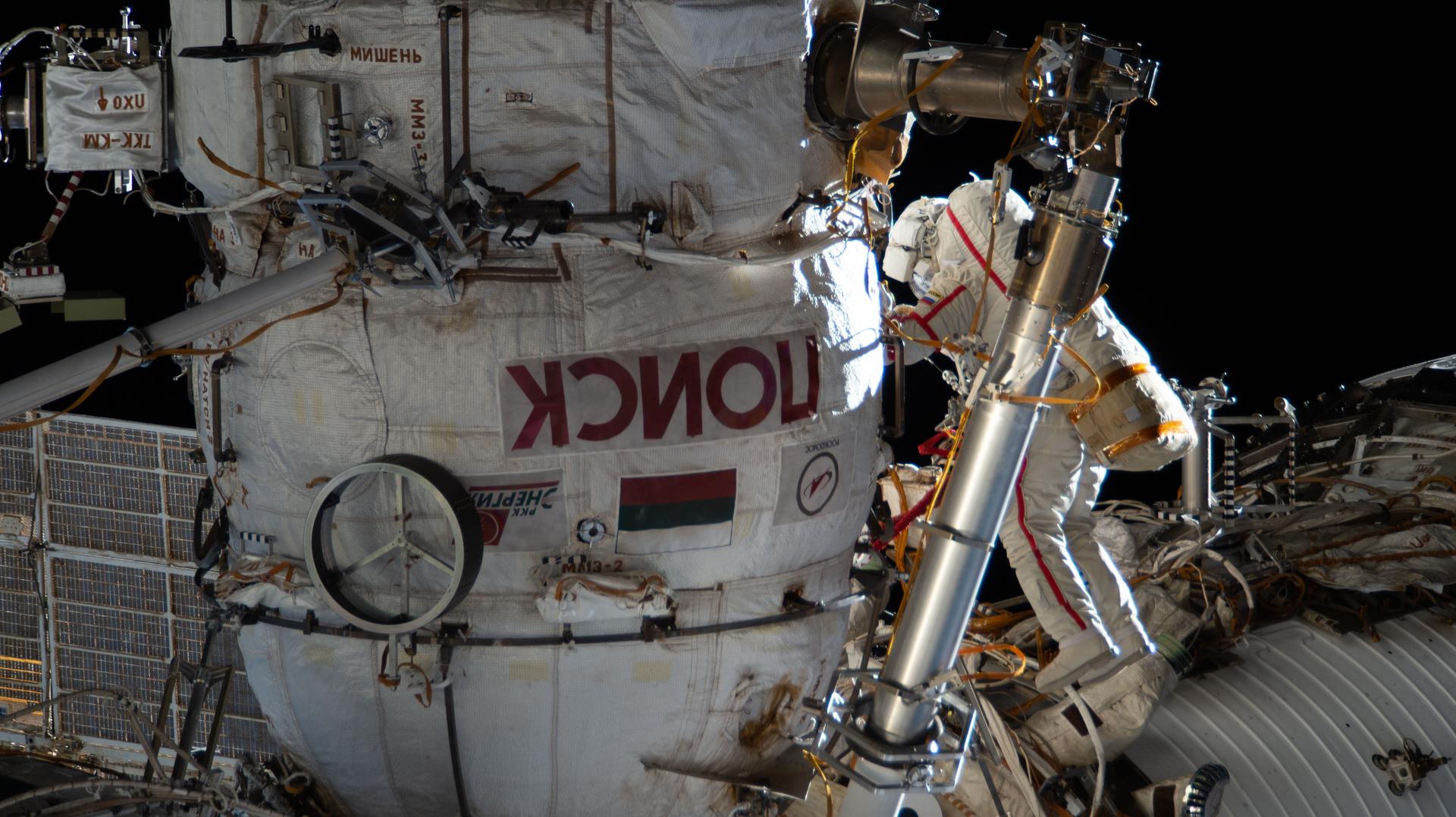
iss072e595522 (Jan. 30, 2025) --- NASA astronaut and Expedition 72 Flight Engineer Butch Wilmore works outside the International Space Station during a five-hour and 26-minute spacewalk. Wilmore swabbed external surfaces searching for microorganisms that may survive and reproduce near vents on the exterior of the orbital outpost.
Astronaut Butch Wilmore works outside the International Space Station
iss072e576465 (Jan. 30, 2025) --- NASA astronaut and Expedition 72 Flight Engineer Butch Wilmore works outside the International Space Station during a five-hour and 26-minute spacewalk. Wilmore swabbed external surfaces searching for microorganisms that may survive and reproduce near vents on the exterior of the orbital outpost.
Astronaut Butch Wilmore works outside the International Space Station
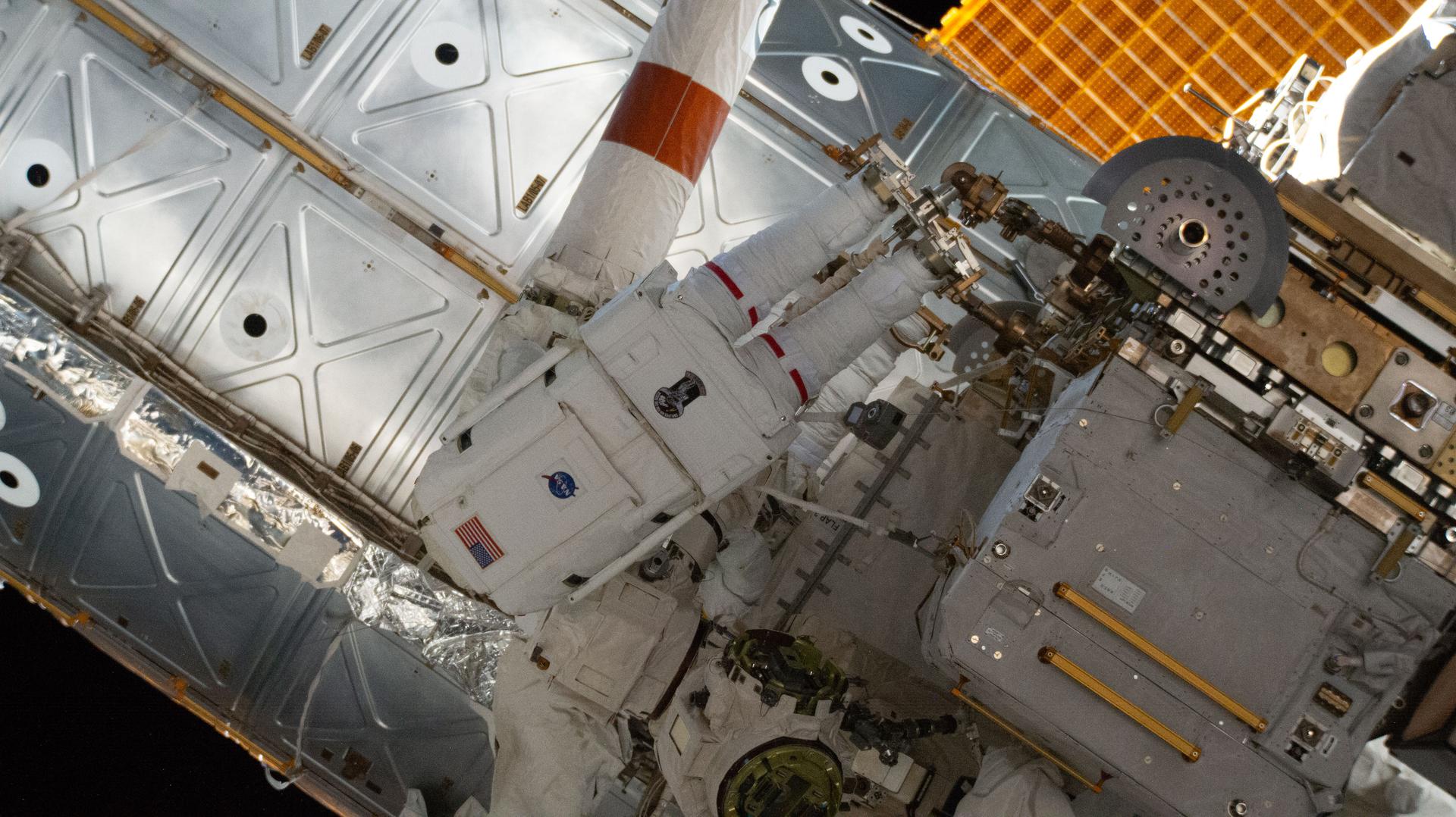
iss072e575553 (Jan. 30, 2025) --- NASA astronaut and Expedition 72 Flight Engineer Butch Wilmore works outside the International Space Station during a five-hour and 26-minute spacewalk. Wilmore swabbed external surfaces searching for microorganisms that may survive and reproduce near vents on the exterior of the orbital outpost.
Astronaut Butch Wilmore works outside the International Space Station
iss072e575045 (Jan. 30, 2025) --- NASA astronaut and Expedition 72 Flight Engineer Butch Wilmore works outside the International Space Station during a five-hour and 26-minute spacewalk. Wilmore swabbed external surfaces searching for microorganisms that may survive and reproduce near vents on the exterior of the orbital outpost.
Astronaut Butch Wilmore works outside the International Space Station
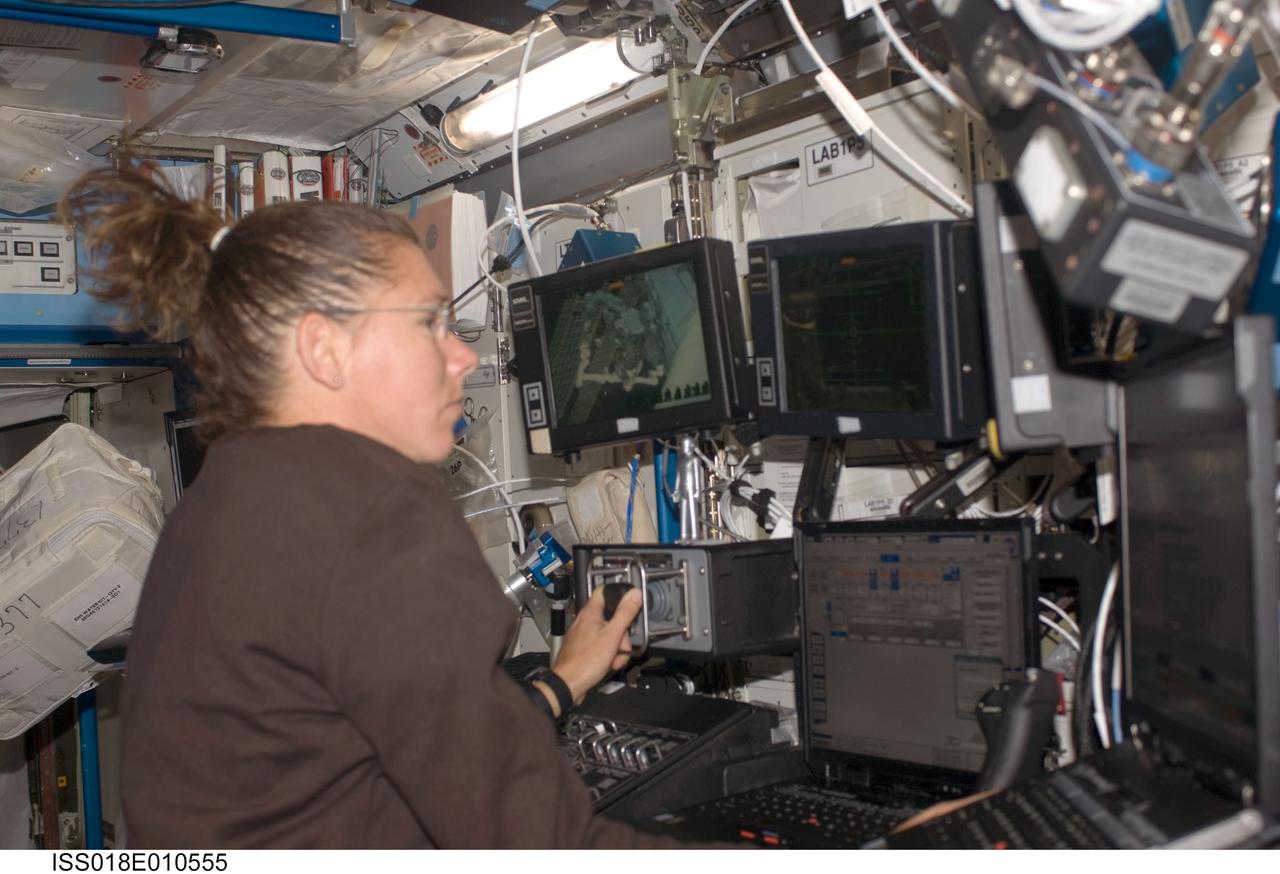
ISS018-E-010555 (5 Dec. 2008) --- Astronaut Sandra Magnus, Expedition 18 flight engineer, operates the Canadarm2 from the robotics work station in the Destiny laboratory of the International Space Station. Using the station's robotic arm, Magnus and astronaut Michael Fincke (out of frame), commander, relocated the ESP-3 from the Mobile Base System back to the Cargo Carrier Attachment System on the P3 truss. The ESP-3 spare parts platform was temporarily parked on the MBS to clear the path for the spacewalks during STS-126.
ISS Expedition 18 Sandra Magnus at Robotics Work Station (RWS)
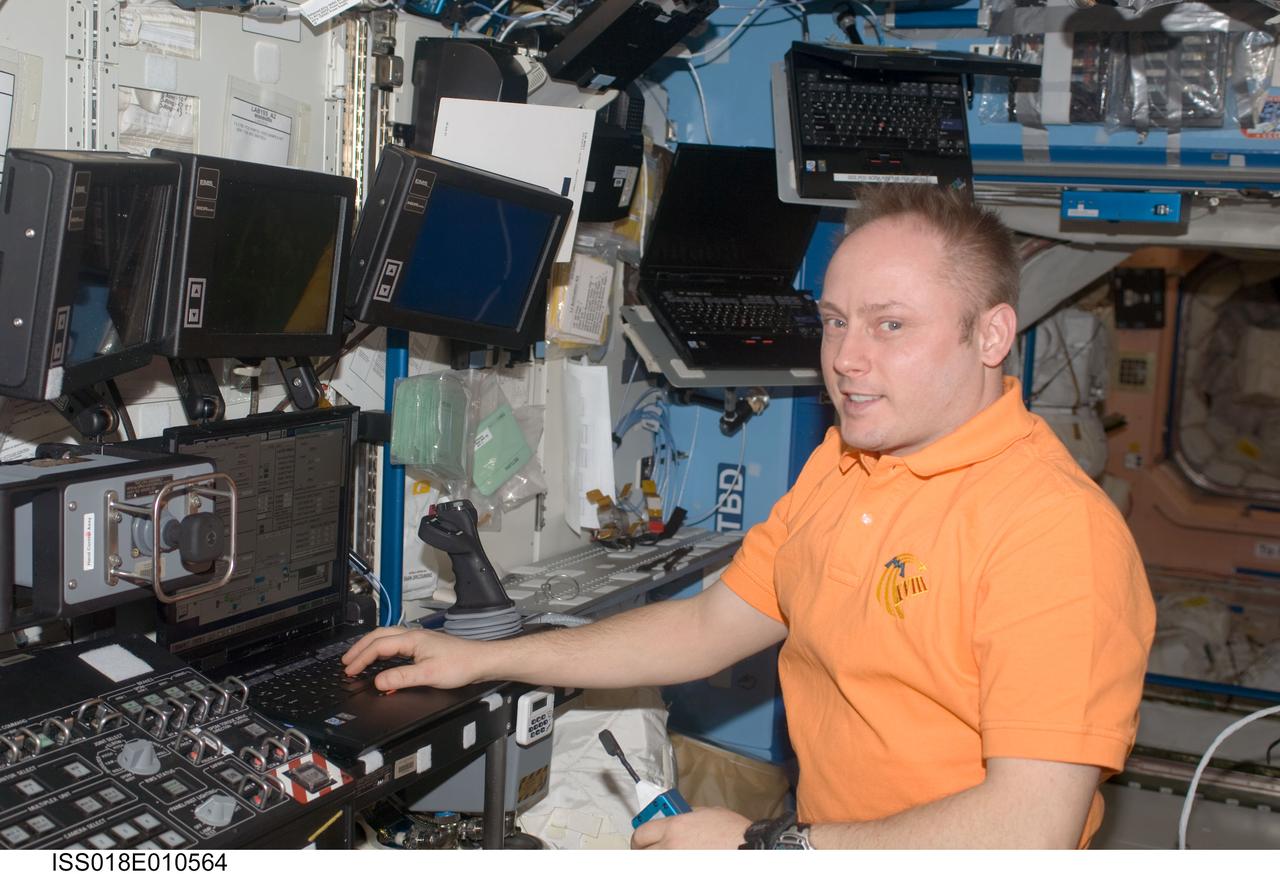
ISS018-E-010564 (5 Dec. 2008) --- Astronaut Michael Fincke, Expedition 18 commander, uses a computer at the robotics work station in the Destiny laboratory of the International Space Station. Using the station's robotic arm, Fincke and astronaut Sandra Magnus (out of frame), flight engineer, relocated the ESP-3 from the Mobile Base System back to the Cargo Carrier Attachment System on the P3 truss. The ESP-3 spare parts platform was temporarily parked on the MBS to clear the path for the spacewalks during STS-126.
ISS Expedition 18 Robotics Work Station (RWS) in the US Laboratory
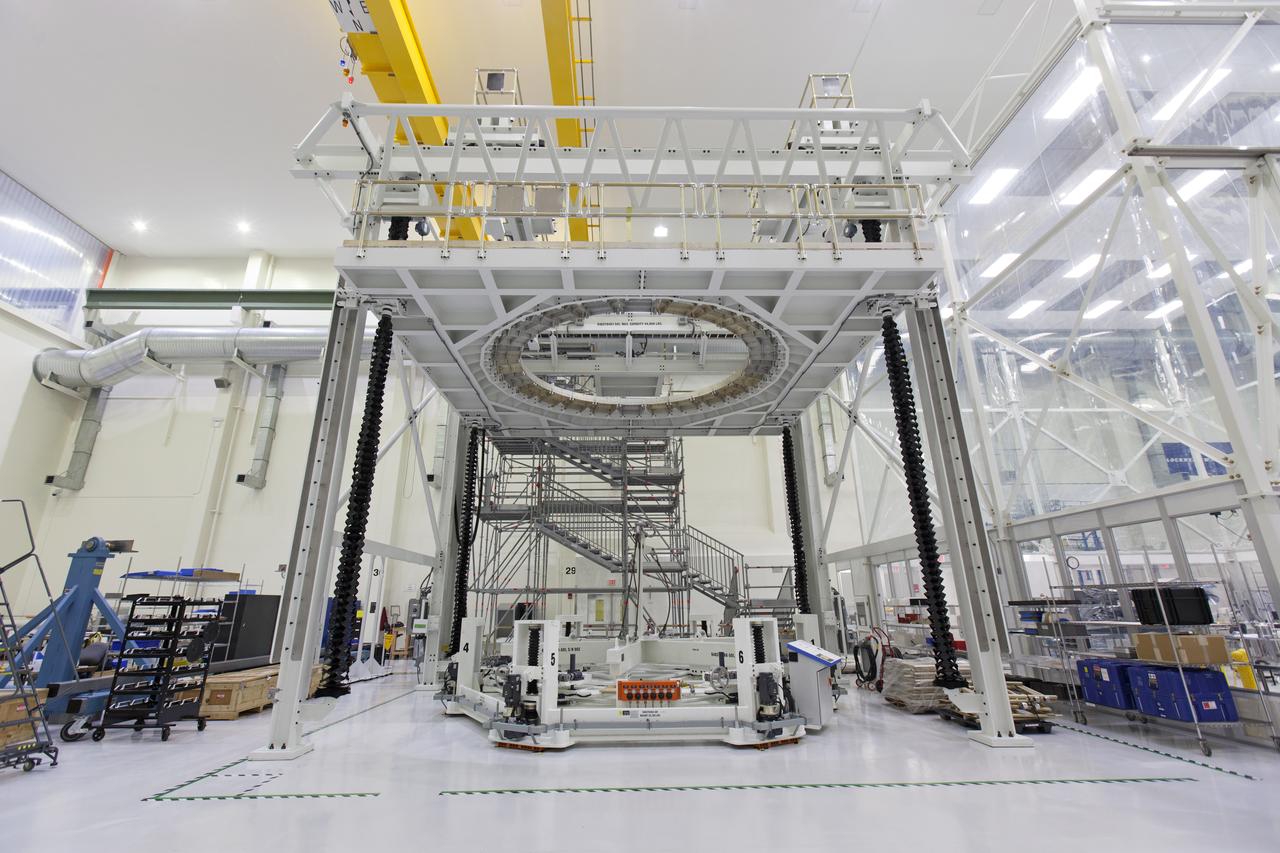
One of the work stations is in view in the Neil Armstrong Operations and Checkout Building high bay at NASA's Kennedy Space Center in Florida. Orion is undergoing processing to prepare it for its first uncrewed integrated flight atop the Space Launch System rocket on Exploration Mission-1.
Orion Space Hardware In-Production inside the Operations and Che
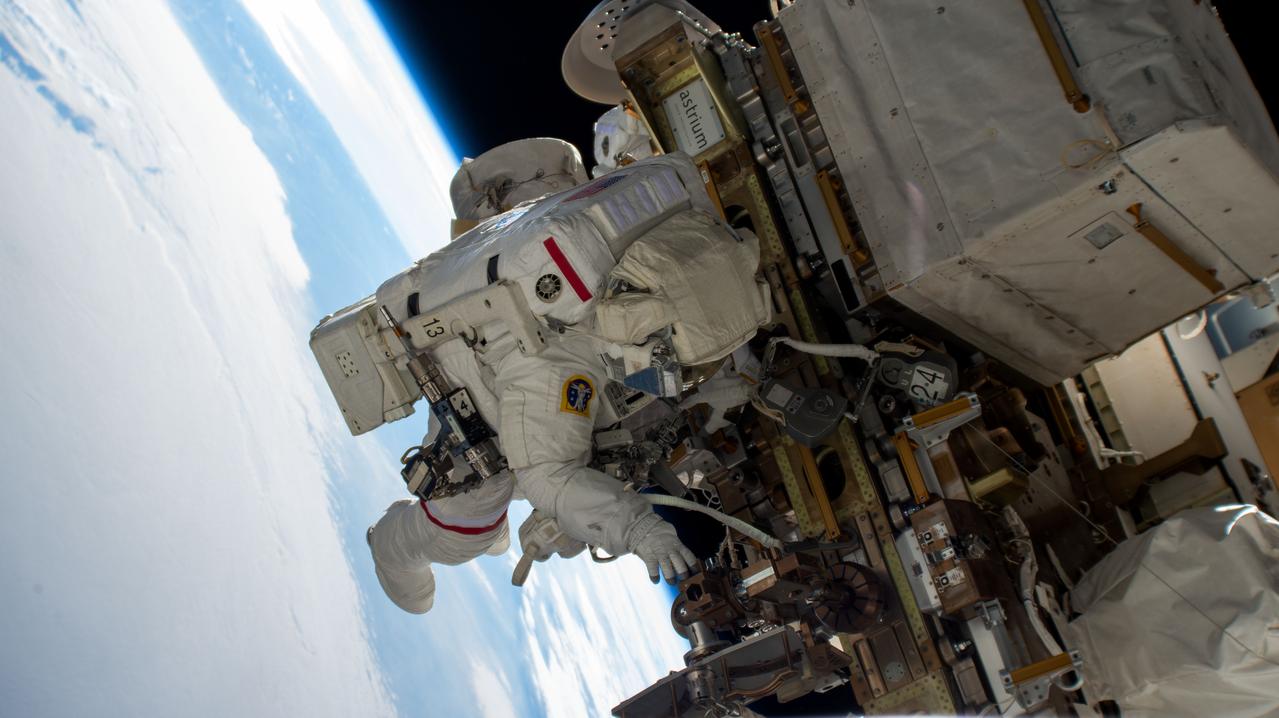
iss072e575100 (Jan. 30, 2025) --- NASA astronaut and Expedition 72 Flight Engineer Butch Wilmore works outside the International Space Station during a five-hour and 26-minute spacewalk. Wilmore swabbed external surfaces searching for microorganisms that may survive and reproduce near vents on the exterior of the orbital outpost. The space station was orbiting 260 miles above Eastern Europe at the time of this photograph.
Astronaut Butch Wilmore works outside the International Space Station
iss072e575090 (Jan. 30, 2025) --- NASA astronaut and Expedition 72 Flight Engineer Butch Wilmore works outside the International Space Station during a five-hour and 26-minute spacewalk. Wilmore swabbed external surfaces searching for microorganisms that may survive and reproduce near vents on the exterior of the orbital outpost. The space station was orbiting 261 miles above Eastern Europe at the time of this photograph.
Astronaut Butch Wilmore works outside the International Space Station
iss072e575158 (Jan. 30, 2025) --- NASA astronaut and Expedition 72 Flight Engineer Butch Wilmore works outside the International Space Station during a five-hour and 26-minute spacewalk. Wilmore swabbed external surfaces searching for microorganisms that may survive and reproduce near vents on the exterior of the orbital outpost. The space station was orbiting into a sunset 259 miles above Eastern Europe at the time of this photograph.
Astronaut Butch Wilmore works outside the International Space Station
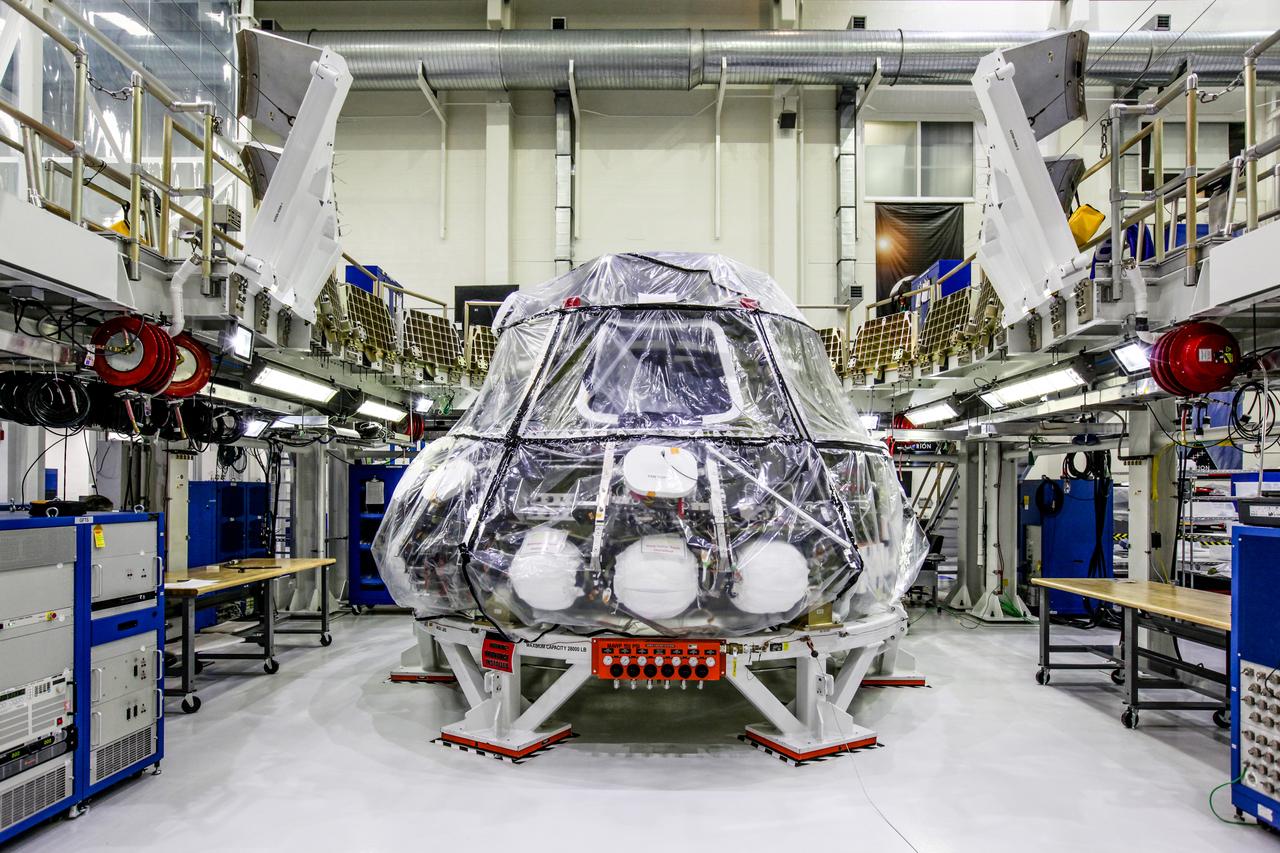
The heat shield for Orion’s Artemis II mission is in view secured on a work stand in the Neil Armstrong Operations and Checkout Building high bay at NASA’s Kennedy Space Center in Florida on Jan. 9, 2020. Work continues to prepare the heat shield for flight, including applying Avcoat, an ablative material that will provide thermal protection. The heat shield, measuring roughly 16 feet in diameter, will protect astronauts upon re-entry on the second mission of Artemis. Artemis II, the first crewed mission in the series of missions to the Moon and on to Mars, will confirm all of the Orion spacecraft’s systems operate as designed in the actual environment of deep space with astronauts aboard.
Artemis II In Work Station
The heat shield for Orion’s Artemis II mission is in view secured on a work stand in the Neil Armstrong Operations and Checkout Building high bay at NASA’s Kennedy Space Center in Florida on Jan. 9, 2020. Work continues to prepare the heat shield for flight, including applying Avcoat, an ablative material that will provide thermal protection. The heat shield, measuring roughly 16 feet in diameter, will protect astronauts upon re-entry on the second mission of Artemis. Artemis II, the first crewed mission in the series of missions to the Moon and on to Mars, will confirm all of the Orion spacecraft’s systems operate as designed in the actual environment of deep space with astronauts aboard.
Artemis II In Work Station
The heat shield for Orion’s Artemis II mission is in view secured on a work stand in the Neil Armstrong Operations and Checkout Building high bay at NASA’s Kennedy Space Center in Florida on Jan. 9, 2020. Work continues to prepare the heat shield for flight, including applying Avcoat, an ablative material that will provide thermal protection. The heat shield, measuring roughly 16 feet in diameter, will protect astronauts upon re-entry on the second mission of Artemis. Artemis II, the first crewed mission in the series of missions to the Moon and on to Mars, will confirm all of the Orion spacecraft’s systems operate as designed in the actual environment of deep space with astronauts aboard.
Artemis II In Work Station
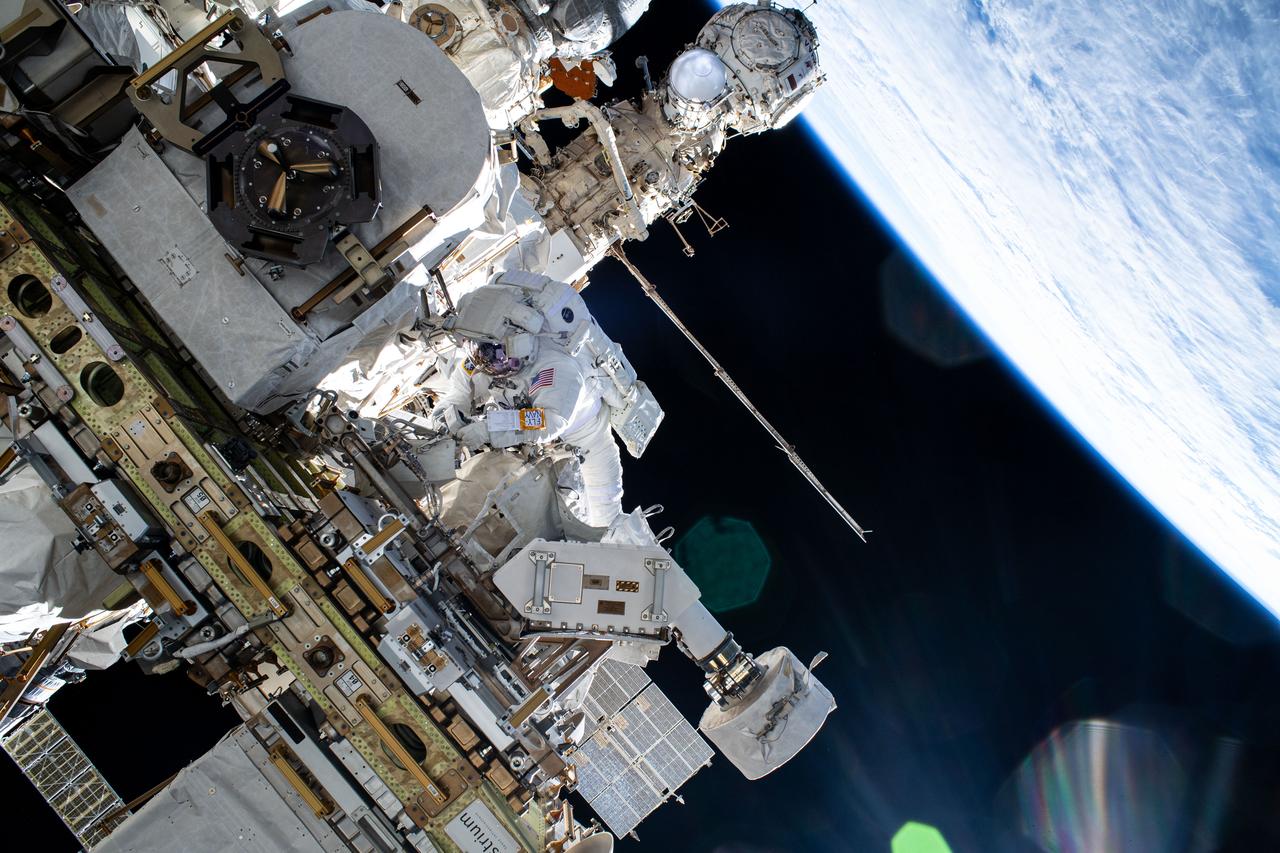
iss072e574847 (Jan. 30, 2025) --- NASA astronaut and Expedition 72 Commander Suni Williams works outside the International Space Station during a five-hour and 26-minute spacewalk to remove and stow a radio frequency group antenna assembly. In the left foreground, is the latching end effector of the Canadarm2 robotic arm. The orbital outpost was soaring 267 miles above New Zealand at the time of this photograph.
Astronaut Suni Williams works outside the International Space Station
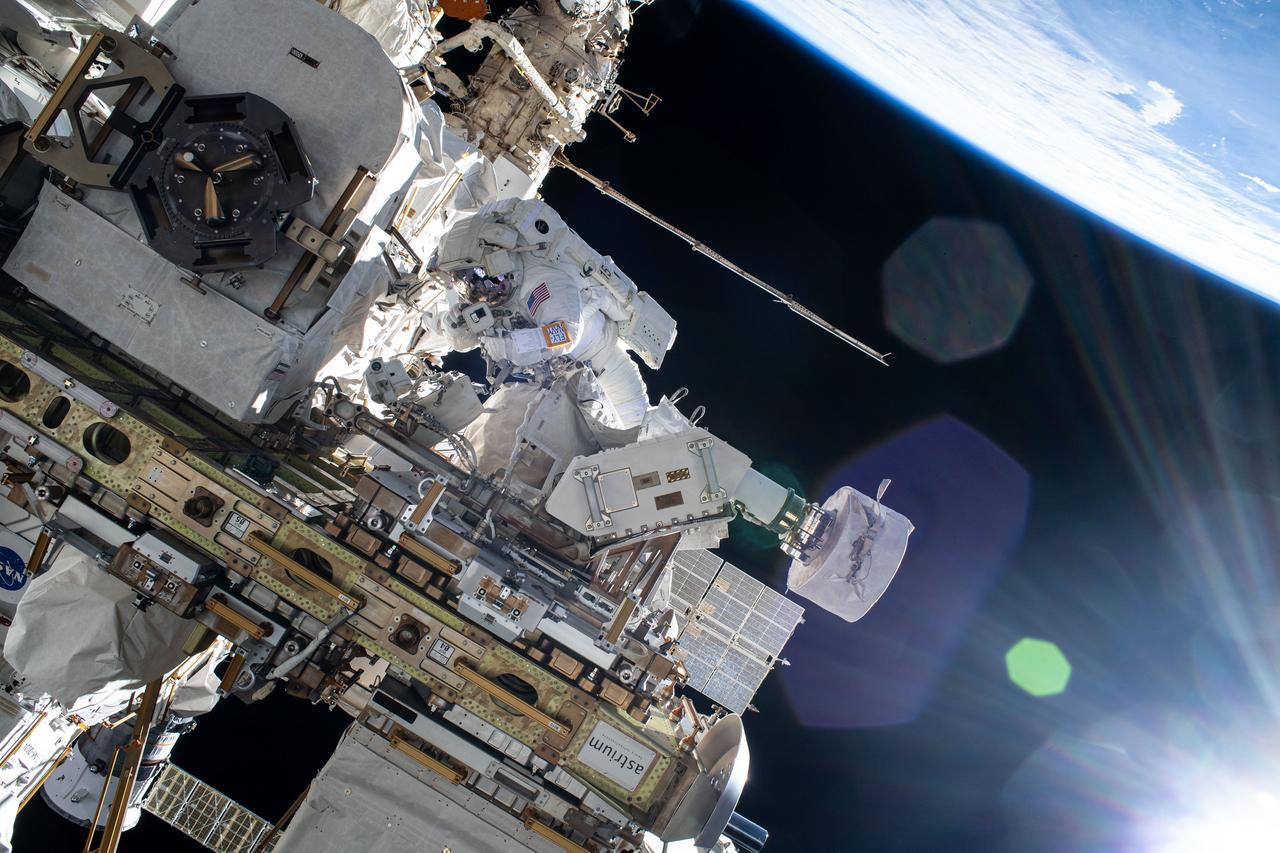
iss072e574914 (Jan. 30, 2025) --- NASA astronaut and Expedition 72 Commander Suni Williams works outside the International Space Station during a five-hour and 26-minute spacewalk to remove and stow a radio frequency group antenna assembly. In the left foreground, is the latching end effector of the Canadarm2 robotic arm. The orbital outpost was soaring 258 miles above the Pacific Ocean near the coast of Mexico at the time of this photograph.
Astronaut Suni Williams works outside the International Space Station
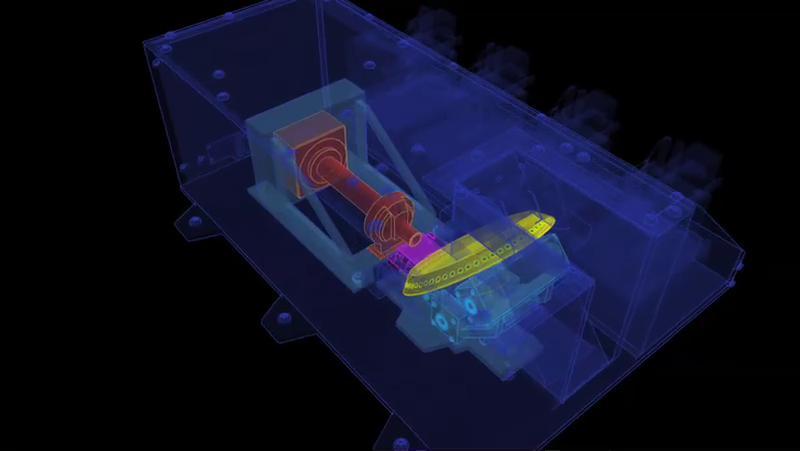
This image shows the workings of the microscope station of the Microscopy, Electrochemistry and Conductivity Analyzer MECA instrument suite of NASA Phoenix Mars Lander.
Schematic Animation of Phoenix Microscope Station
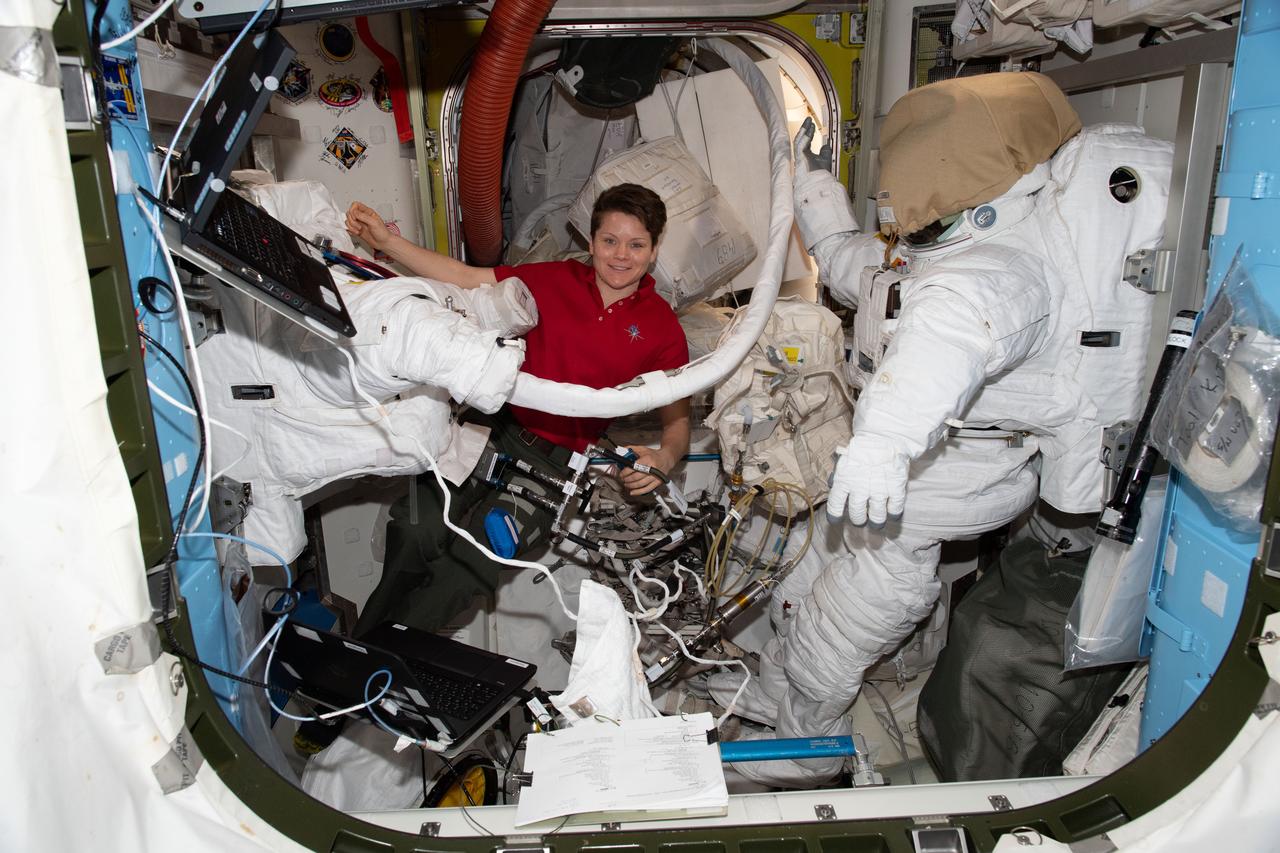
iss058e015351 (Feb. 17, 2019) --- A pair of spacesuits are pictured during servicing work inside the International Space Station's Quest airlock where U.S. spacewalks are staged.
A pair of U.S. spacesuits inside the Quest airlock
iss058e011974 (Feb. 7, 2019) --- NASA astronaut Anne McClain works inside the International Space Station's Quest joint airlock. The Expedition 58 Flight Engineer was working on U.S. spacesuit maintenance emptying and refilling water in the suits' cooling loops.
NASA astronaut Anne McClain works inside the Quest joint airlock
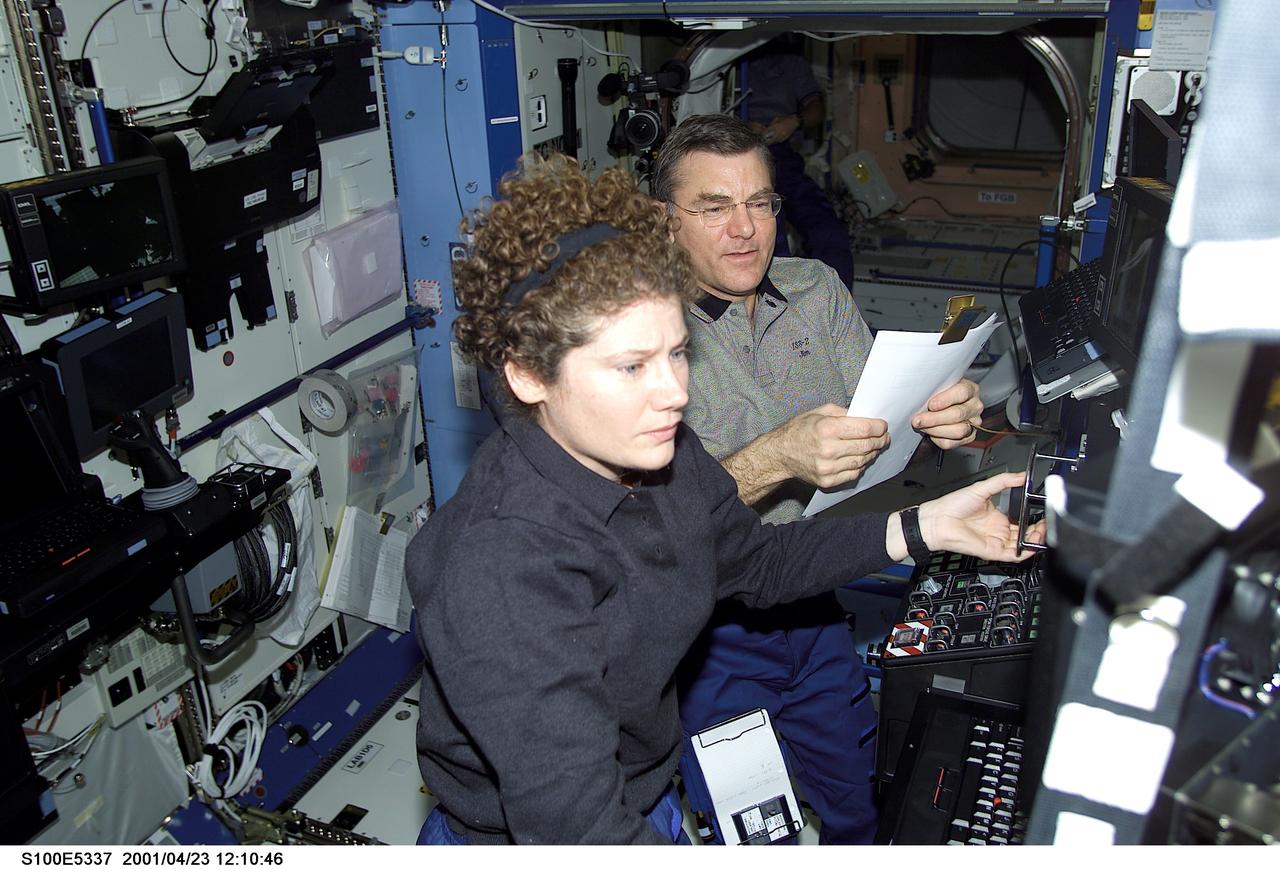
S100-E-5337 (23 April 2001) --- Astronauts Susan J. Helms and James S. Voss, Expedition Two flight engineers,work together to check out some data in the Destiny laboratory aboard the International Space Station (ISS). The image was recorded witha digital still camera by one of the visiting STS-100 crew members.
Helms and Voss work at the SSRMS control station in the U.S. Laboratory during STS-100
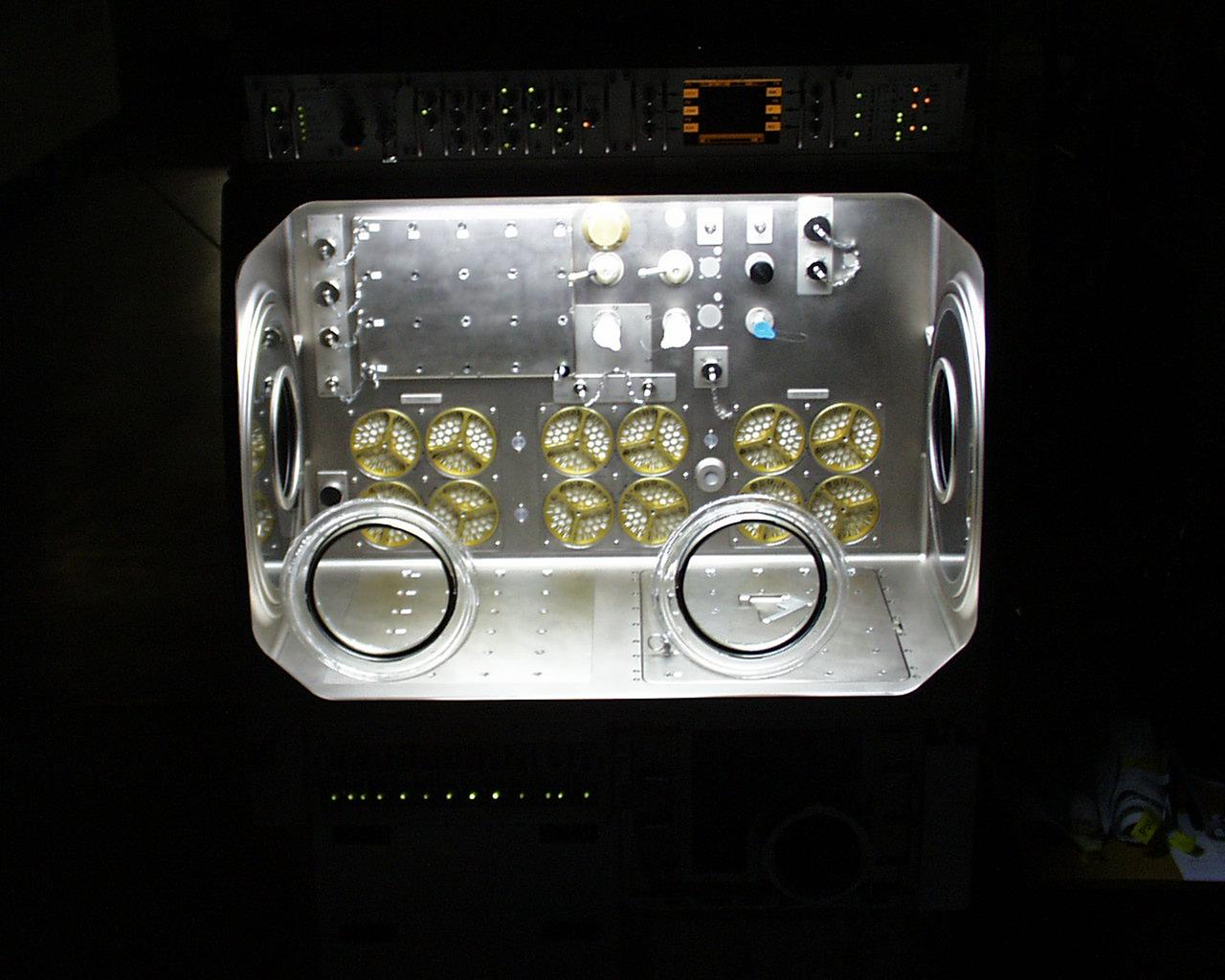
Interior lights give the Microgravity Science Glovebox (MSG) the appearance of a high-tech juke box. The European Space Agency (ESA) and NASA are developing the MSG for use aboard the International Space Station (ISS). Scientists will use the MSG to carry out multidisciplinary studies in combustion science, fluid physics and materials science. The MSG is managed by NASA's Marshall Space Flight Center (MSFC). Photo Credit: NASA/MSFC
Microgravity
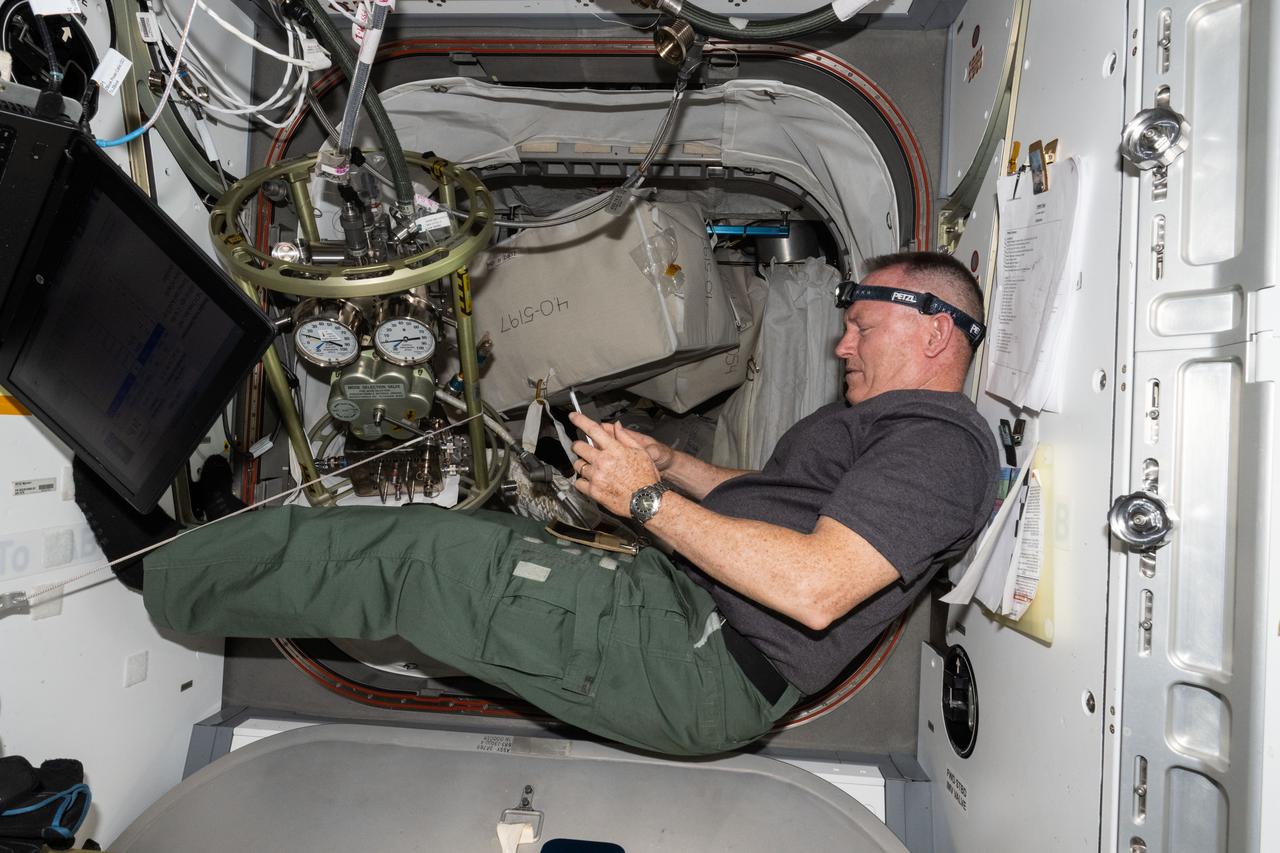
iss071e318564 (July 10, 2024) --- NASA astronaut and Boeing's Crew Flight Test Commander Butch Wilmore reviews procedures on a computer tablet for life support maintenance work aboard the International Space Station.
NASA astronaut and Boeing's Crew Flight Test Commander Butch Wilmore
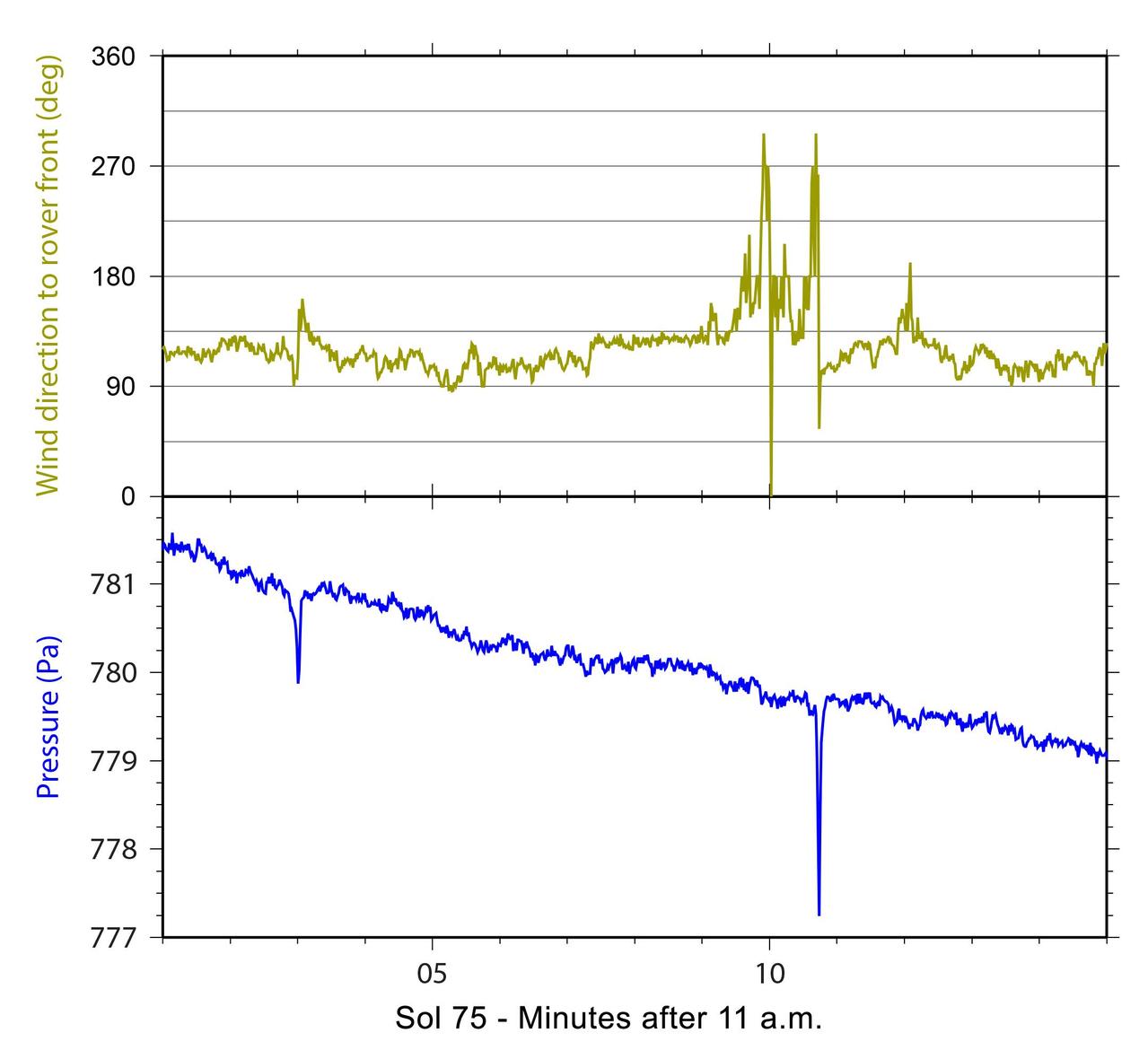
Twenty-one times during the first 12 weeks that NASA Mars rover Curiosity worked on Mars, the rover Rover Environmental Monitoring Station REMS detected brief dips in air pressure that could be caused by a passing whirlwind.
Signs of a Whirlwind in Gale Crater
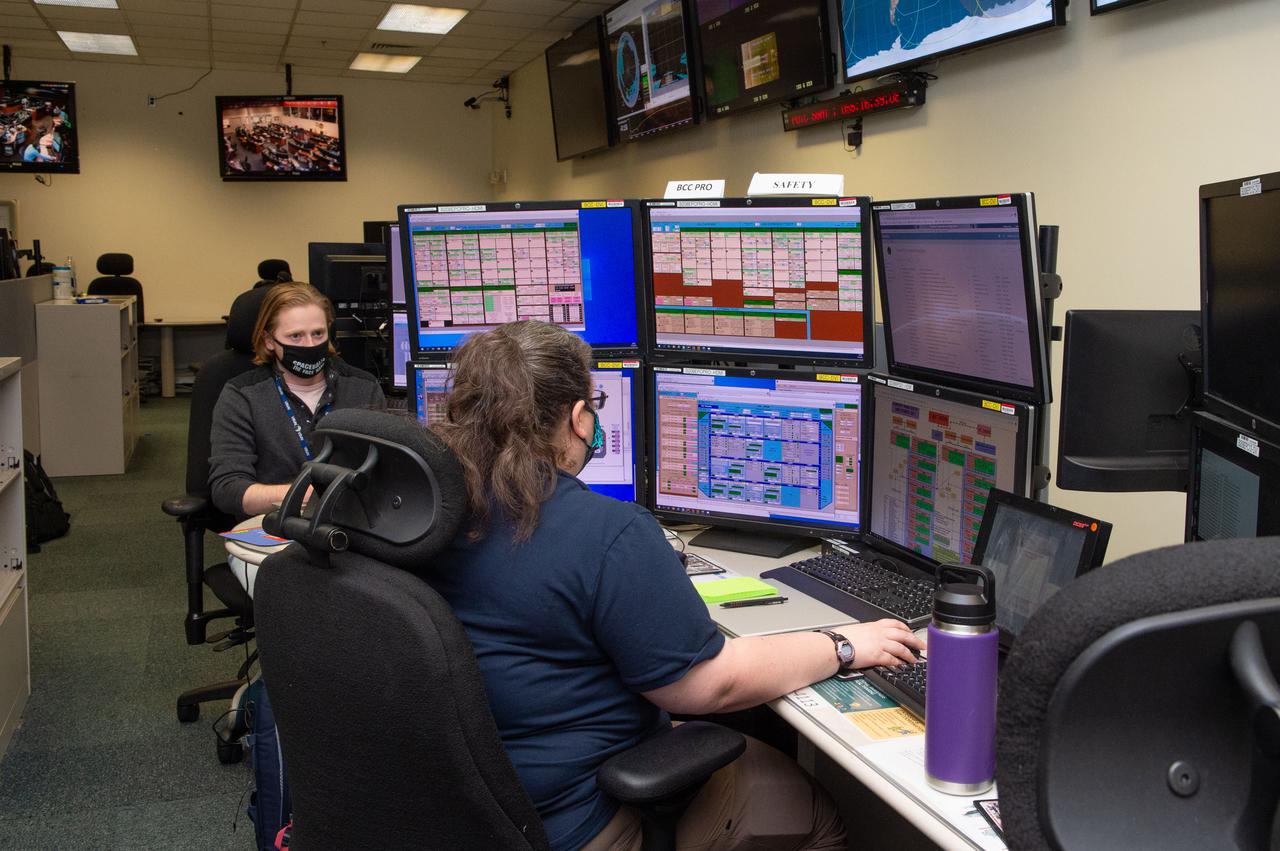
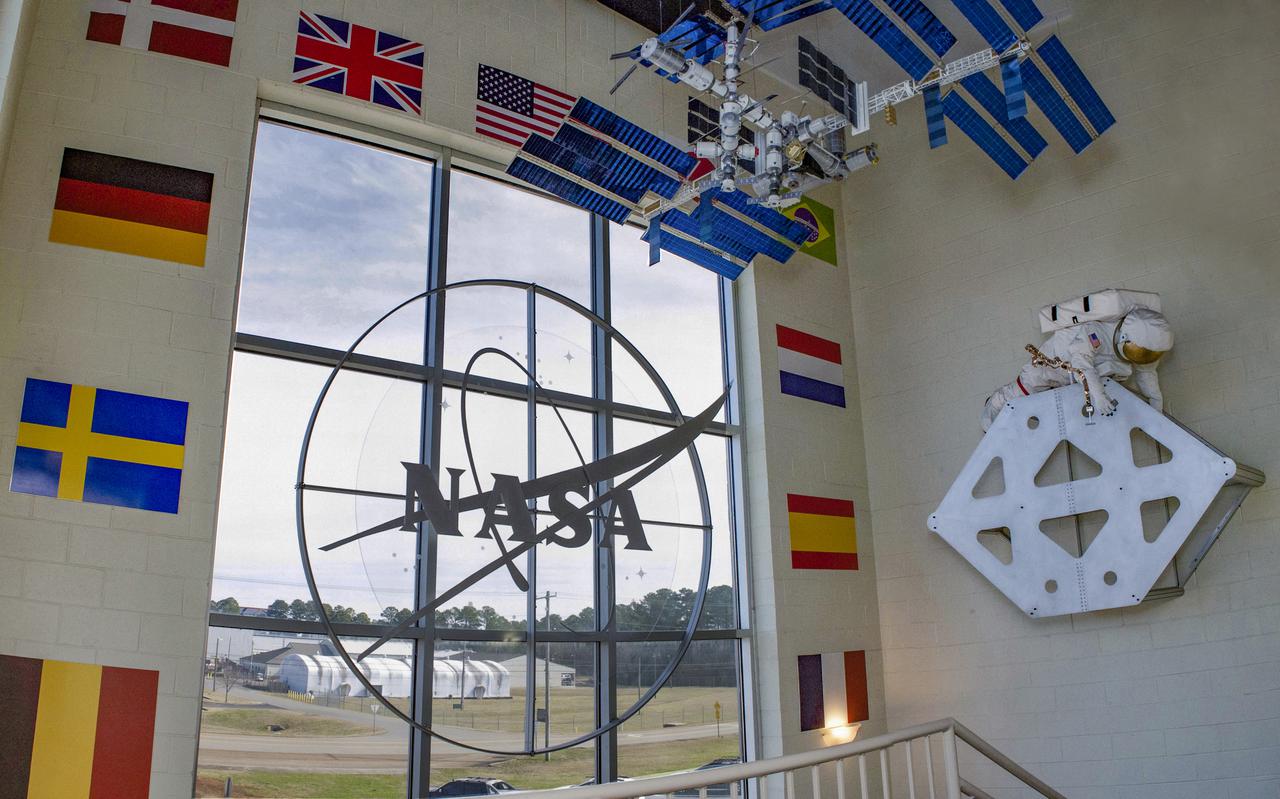
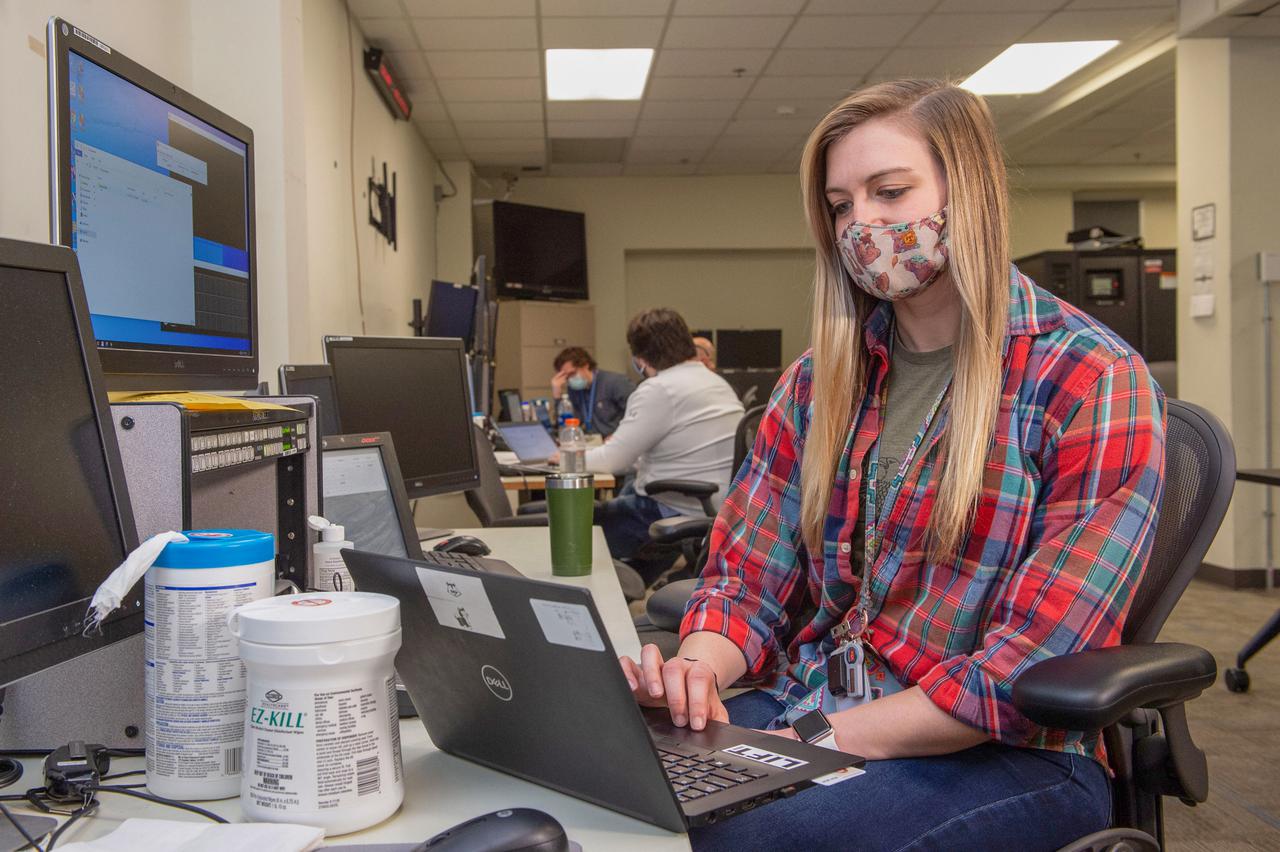
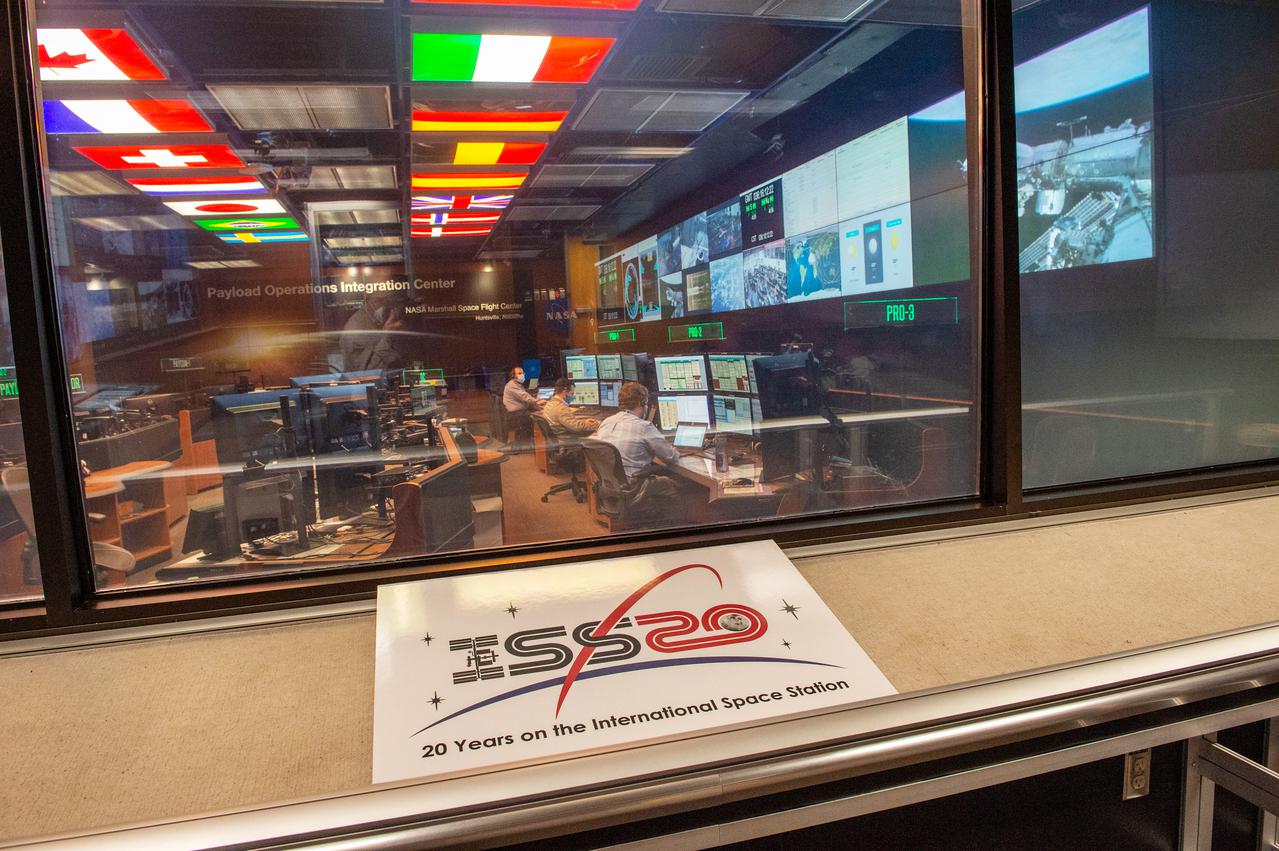
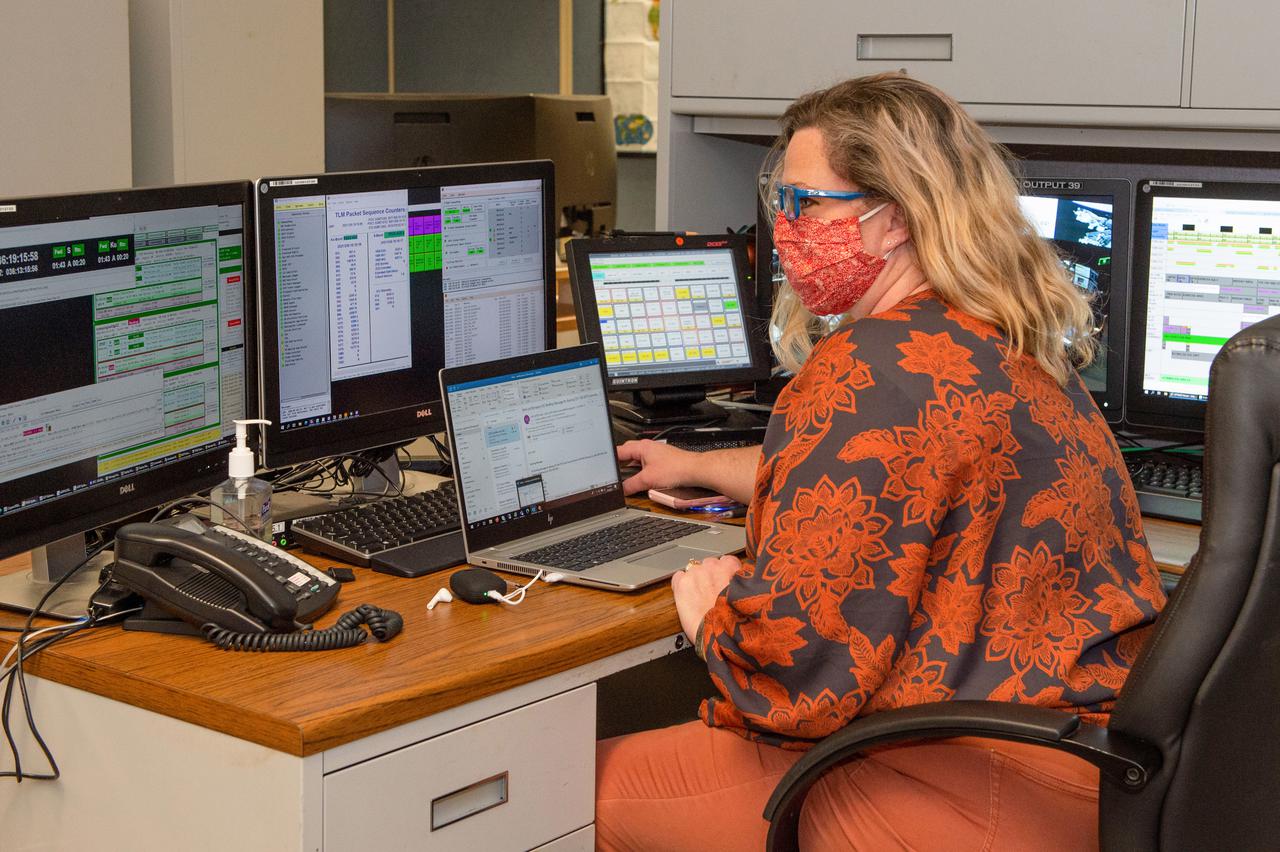
A look inside the International Space Station Payload Operations Integration Center at NASA’s Marshall Space Flight Center in Huntsville, AL.  The POIC team supports science operations on the International Space Station 24 hours a day, 7 days a week. For more than 20 years the POIC team has worked with scientists from around the world to enable the space station crew to conduct experiments that improve life on Earth and enable future exploration.
A look inside the International Space Station Payload Operations Integration Center at NASA’s Marshall Space Flight Center in Huntsville, AL. The POIC team supports science operations on the International Space Station 24 hours a day, 7 days a week. For more than 20 years the POIC team has worked with scientists from around the world to enable the space station crew to conduct experiments that improve life on Earth and enable future exploration.
A look inside the International Space Station Payload Operations Integration Center at NASA’s Marshall Space Flight Center in Huntsville, AL.  The POIC team supports science operations on the International Space Station 24 hours a day, 7 days a week. For more than 20 years the POIC team has worked with scientists from around the world to enable the space station crew to conduct experiments that improve life on Earth and enable future exploration.
A look inside the International Space Station Payload Operations Integration Center at NASA’s Marshall Space Flight Center in Huntsville, AL. The POIC team supports science operations on the International Space Station 24 hours a day, 7 days a week. For more than 20 years the POIC team has worked with scientists from around the world to enable the space station crew to conduct experiments that improve life on Earth and enable future exploration.
A look inside the International Space Station Payload Operations Integration Center at NASA’s Marshall Space Flight Center in Huntsville, AL.  The POIC team supports science operations on the International Space Station 24 hours a day, 7 days a week. For more than 20 years the POIC team has worked with scientists from around the world to enable the space station crew to conduct experiments that improve life on Earth and enable future exploration.
A look inside the International Space Station Payload Operations Integration Center at NASA’s Marshall Space Flight Center in Huntsville, AL. The POIC team supports science operations on the International Space Station 24 hours a day, 7 days a week. For more than 20 years the POIC team has worked with scientists from around the world to enable the space station crew to conduct experiments that improve life on Earth and enable future exploration.
A look inside the International Space Station Payload Operations Integration Center at NASA’s Marshall Space Flight Center in Huntsville, AL.  The POIC team supports science operations on the International Space Station 24 hours a day, 7 days a week. For more than 20 years the POIC team has worked with scientists from around the world to enable the space station crew to conduct experiments that improve life on Earth and enable future exploration.
A look inside the International Space Station Payload Operations Integration Center at NASA’s Marshall Space Flight Center in Huntsville, AL. The POIC team supports science operations on the International Space Station 24 hours a day, 7 days a week. For more than 20 years the POIC team has worked with scientists from around the world to enable the space station crew to conduct experiments that improve life on Earth and enable future exploration.
A look inside the International Space Station Payload Operations Integration Center at NASA’s Marshall Space Flight Center in Huntsville, AL.  The POIC team supports science operations on the International Space Station 24 hours a day, 7 days a week. For more than 20 years the POIC team has worked with scientists from around the world to enable the space station crew to conduct experiments that improve life on Earth and enable future exploration.
A look inside the International Space Station Payload Operations Integration Center at NASA’s Marshall Space Flight Center in Huntsville, AL. The POIC team supports science operations on the International Space Station 24 hours a day, 7 days a week. For more than 20 years the POIC team has worked with scientists from around the world to enable the space station crew to conduct experiments that improve life on Earth and enable future exploration.
A look inside the International Space Station Payload Operations Integration Center at NASA’s Marshall Space Flight Center in Huntsville, AL.  The POIC team supports science operations on the International Space Station 24 hours a day, 7 days a week. For more than 20 years the POIC team has worked with scientists from around the world to enable the space station crew to conduct experiments that improve life on Earth and enable future exploration.
A look inside the International Space Station Payload Operations Integration Center at NASA’s Marshall Space Flight Center in Huntsville, AL. The POIC team supports science operations on the International Space Station 24 hours a day, 7 days a week. For more than 20 years the POIC team has worked with scientists from around the world to enable the space station crew to conduct experiments that improve life on Earth and enable future exploration.
A look inside the International Space Station Payload Operations Integration Center at NASA’s Marshall Space Flight Center in Huntsville, AL.  The POIC team supports science operations on the International Space Station 24 hours a day, 7 days a week. For more than 20 years the POIC team has worked with scientists from around the world to enable the space station crew to conduct experiments that improve life on Earth and enable future exploration.
A look inside the International Space Station Payload Operations Integration Center at NASA’s Marshall Space Flight Center in Huntsville, AL. The POIC team supports science operations on the International Space Station 24 hours a day, 7 days a week. For more than 20 years the POIC team has worked with scientists from around the world to enable the space station crew to conduct experiments that improve life on Earth and enable future exploration.
A look inside the International Space Station Payload Operations Integration Center at NASA’s Marshall Space Flight Center in Huntsville, AL.  The POIC team supports science operations on the International Space Station 24 hours a day, 7 days a week. For more than 20 years the POIC team has worked with scientists from around the world to enable the space station crew to conduct experiments that improve life on Earth and enable future exploration.
A look inside the International Space Station Payload Operations Integration Center at NASA’s Marshall Space Flight Center in Huntsville, AL. The POIC team supports science operations on the International Space Station 24 hours a day, 7 days a week. For more than 20 years the POIC team has worked with scientists from around the world to enable the space station crew to conduct experiments that improve life on Earth and enable future exploration.
A look inside the International Space Station Payload Operations Integration Center at NASA’s Marshall Space Flight Center in Huntsville, AL.  The POIC team supports science operations on the International Space Station 24 hours a day, 7 days a week. For more than 20 years the POIC team has worked with scientists from around the world to enable the space station crew to conduct experiments that improve life on Earth and enable future exploration.
A look inside the International Space Station Payload Operations Integration Center at NASA’s Marshall Space Flight Center in Huntsville, AL. The POIC team supports science operations on the International Space Station 24 hours a day, 7 days a week. For more than 20 years the POIC team has worked with scientists from around the world to enable the space station crew to conduct experiments that improve life on Earth and enable future exploration.
A look inside the International Space Station Payload Operations Integration Center at NASA’s Marshall Space Flight Center in Huntsville, AL.  The POIC team supports science operations on the International Space Station 24 hours a day, 7 days a week. For more than 20 years the POIC team has worked with scientists from around the world to enable the space station crew to conduct experiments that improve life on Earth and enable future exploration.
A look inside the International Space Station Payload Operations Integration Center at NASA’s Marshall Space Flight Center in Huntsville, AL. The POIC team supports science operations on the International Space Station 24 hours a day, 7 days a week. For more than 20 years the POIC team has worked with scientists from around the world to enable the space station crew to conduct experiments that improve life on Earth and enable future exploration.
A look inside the International Space Station Payload Operations Integration Center at NASA’s Marshall Space Flight Center in Huntsville, AL.  The POIC team supports science operations on the International Space Station 24 hours a day, 7 days a week. For more than 20 years the POIC team has worked with scientists from around the world to enable the space station crew to conduct experiments that improve life on Earth and enable future exploration.
A look inside the International Space Station Payload Operations Integration Center at NASA’s Marshall Space Flight Center in Huntsville, AL. The POIC team supports science operations on the International Space Station 24 hours a day, 7 days a week. For more than 20 years the POIC team has worked with scientists from around the world to enable the space station crew to conduct experiments that improve life on Earth and enable future exploration.
A look inside the International Space Station Payload Operations Integration Center at NASA’s Marshall Space Flight Center in Huntsville, AL.  The POIC team supports science operations on the International Space Station 24 hours a day, 7 days a week. For more than 20 years the POIC team has worked with scientists from around the world to enable the space station crew to conduct experiments that improve life on Earth and enable future exploration.
A look inside the International Space Station Payload Operations Integration Center at NASA’s Marshall Space Flight Center in Huntsville, AL. The POIC team supports science operations on the International Space Station 24 hours a day, 7 days a week. For more than 20 years the POIC team has worked with scientists from around the world to enable the space station crew to conduct experiments that improve life on Earth and enable future exploration.
A look inside the International Space Station Payload Operations Integration Center at NASA’s Marshall Space Flight Center in Huntsville, AL.  The POIC team supports science operations on the International Space Station 24 hours a day, 7 days a week. For more than 20 years the POIC team has worked with scientists from around the world to enable the space station crew to conduct experiments that improve life on Earth and enable future exploration.
A look inside the International Space Station Payload Operations Integration Center at NASA’s Marshall Space Flight Center in Huntsville, AL. The POIC team supports science operations on the International Space Station 24 hours a day, 7 days a week. For more than 20 years the POIC team has worked with scientists from around the world to enable the space station crew to conduct experiments that improve life on Earth and enable future exploration.
A look inside the International Space Station Payload Operations Integration Center at NASA’s Marshall Space Flight Center in Huntsville, AL.  The POIC team supports science operations on the International Space Station 24 hours a day, 7 days a week. For more than 20 years the POIC team has worked with scientists from around the world to enable the space station crew to conduct experiments that improve life on Earth and enable future exploration.
A look inside the International Space Station Payload Operations Integration Center at NASA’s Marshall Space Flight Center in Huntsville, AL. The POIC team supports science operations on the International Space Station 24 hours a day, 7 days a week. For more than 20 years the POIC team has worked with scientists from around the world to enable the space station crew to conduct experiments that improve life on Earth and enable future exploration.
A look inside the International Space Station Payload Operations Integration Center at NASA’s Marshall Space Flight Center in Huntsville, AL.  The POIC team supports science operations on the International Space Station 24 hours a day, 7 days a week. For more than 20 years the POIC team has worked with scientists from around the world to enable the space station crew to conduct experiments that improve life on Earth and enable future exploration.
A look inside the International Space Station Payload Operations Integration Center at NASA’s Marshall Space Flight Center in Huntsville, AL. The POIC team supports science operations on the International Space Station 24 hours a day, 7 days a week. For more than 20 years the POIC team has worked with scientists from around the world to enable the space station crew to conduct experiments that improve life on Earth and enable future exploration.
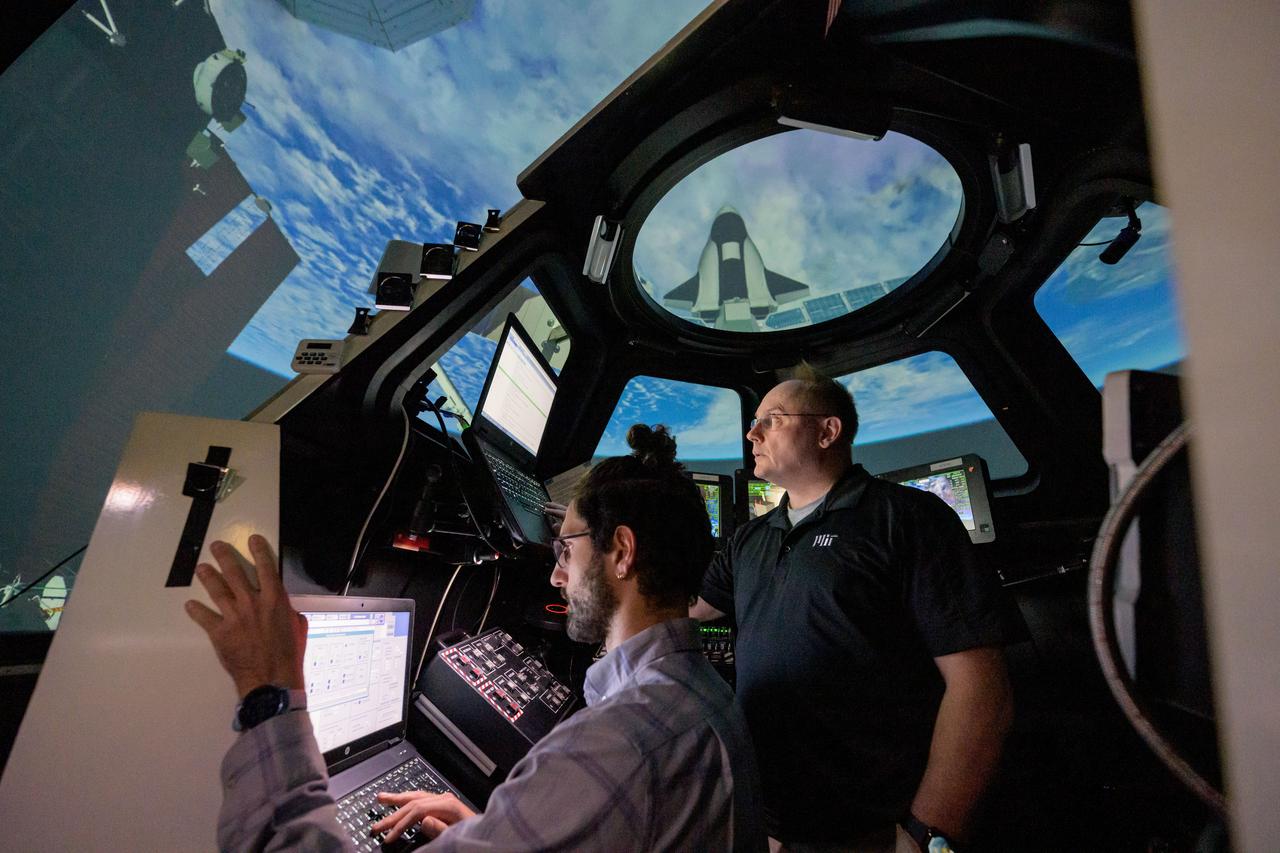
jsc2025e003643 (Jan. 28, 2025) --- NASA astronaut Mike Fincke (right) works with his trainers in a simulator to brush up on berthing Sierra Space’s Dream Chaser and other space station robotics skills at NASA’s Johnson Space Center in Houston, Texas.
NASA astronaut Mike Fincke brushes up on space station robotics skills
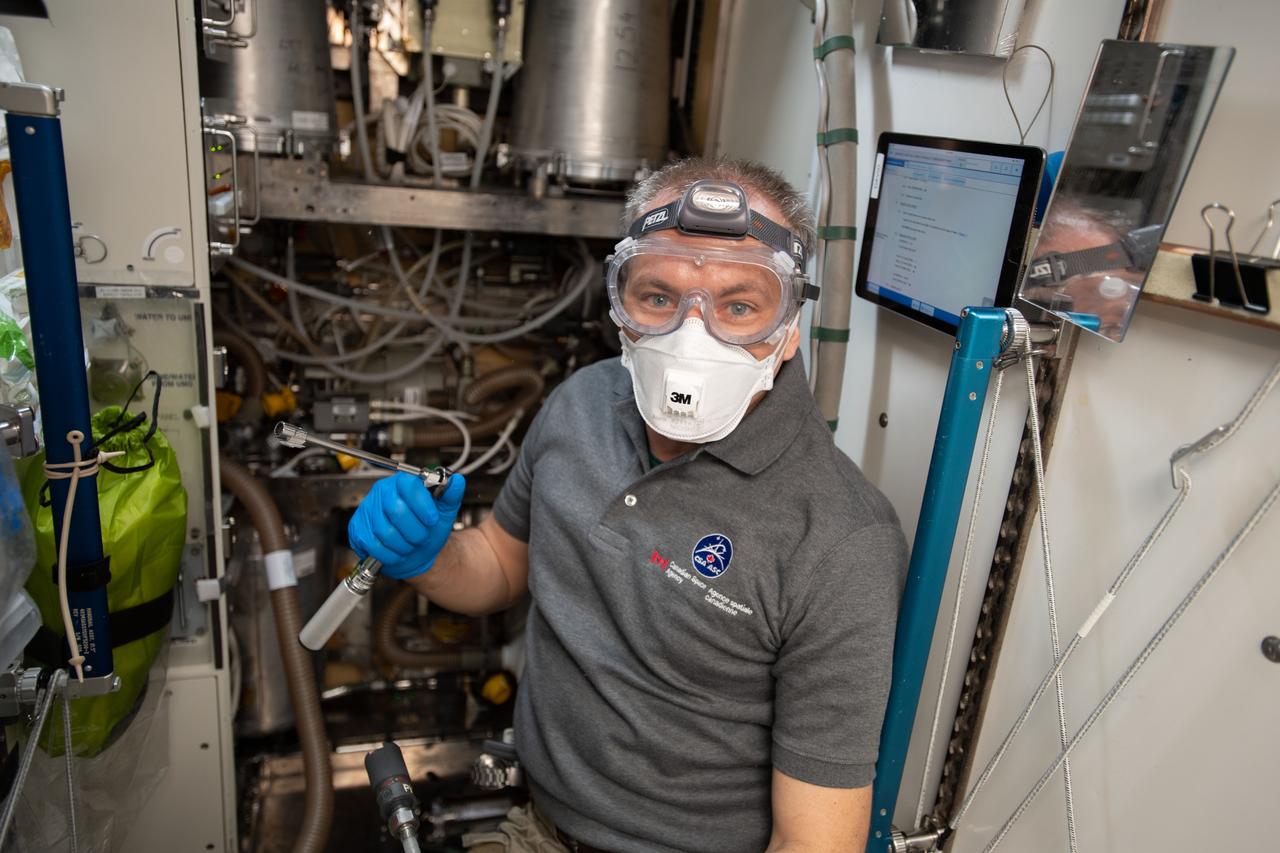
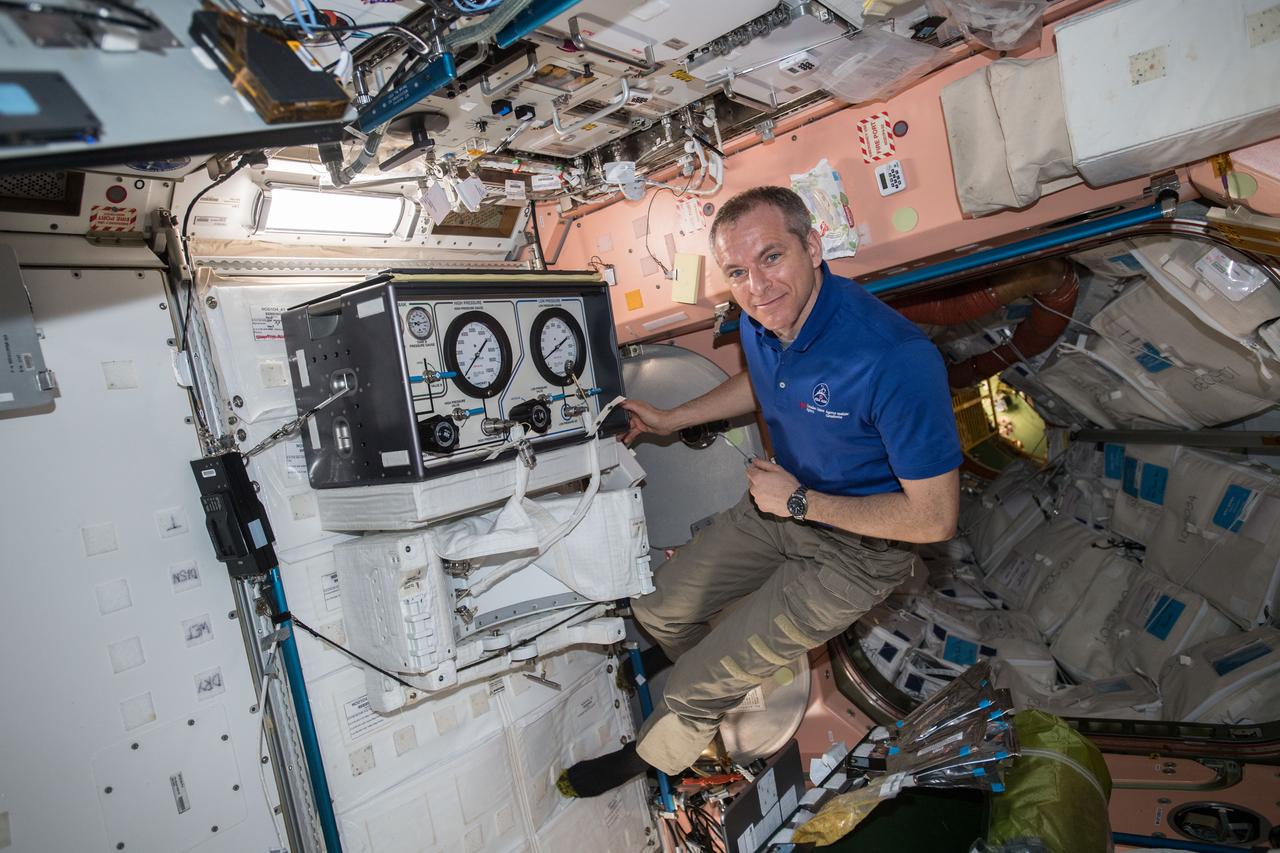
iss058e004176 (Jan. 16, 2019) --- Astronaut David Saint-Jacques of the Canadian Space Agency performs orbital plumbing work as he removes and replaces hydraulic components in the Waste and Hygiene Compartment, also known as the International Space Station's toilet located in the Tranquility module.
Astronaut David Saint-Jacques of the Canadian Space Agency
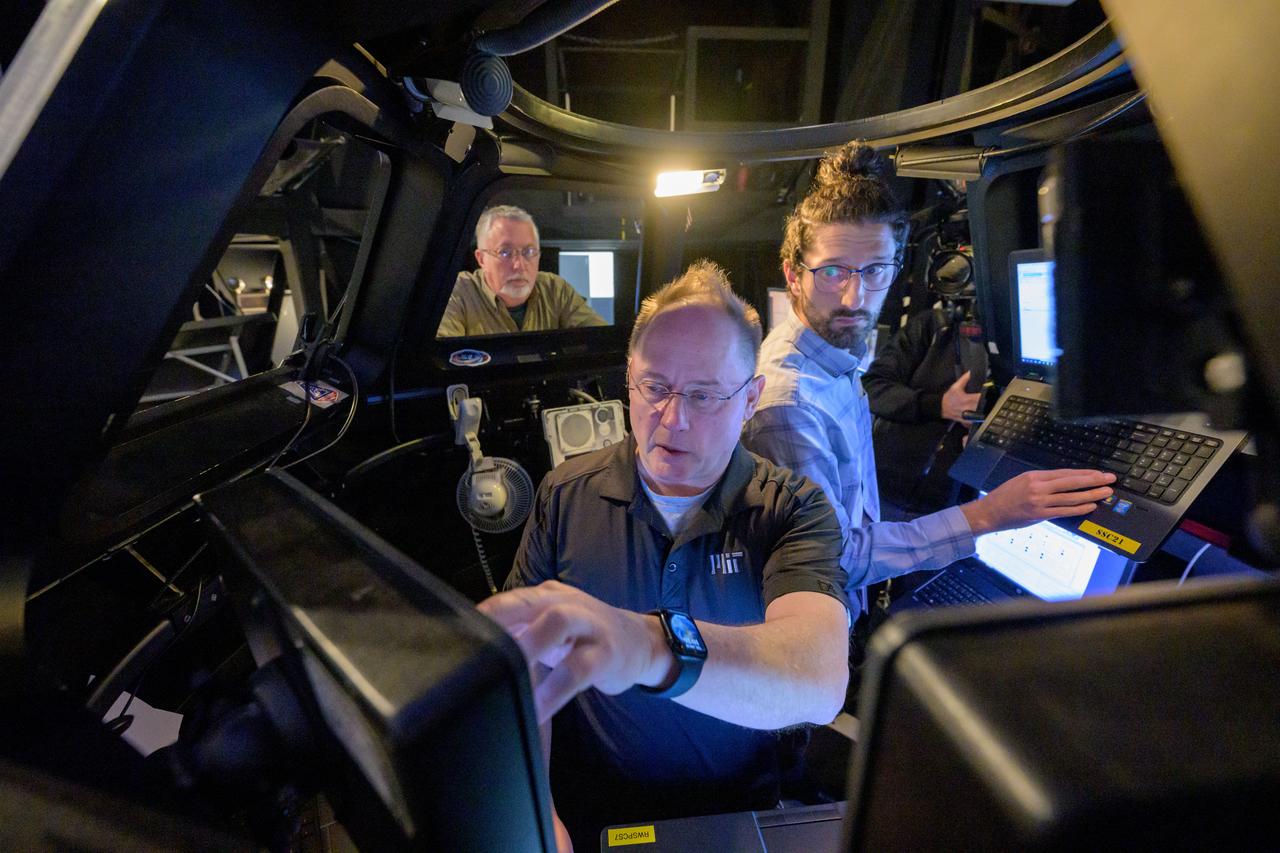
jsc2025e003631 (Jan. 28, 2025) --- NASA astronaut Mike Fincke (center) works with his trainers in a simulator to brush up on berthing Sierra Space’s Dream Chaser and other space station robotics skills at NASA’s Johnson Space Center in Houston, Texas. Credit: NASA/Robert Markowitz
NASA astronaut Mike Fincke brushes up on space station robotics skills
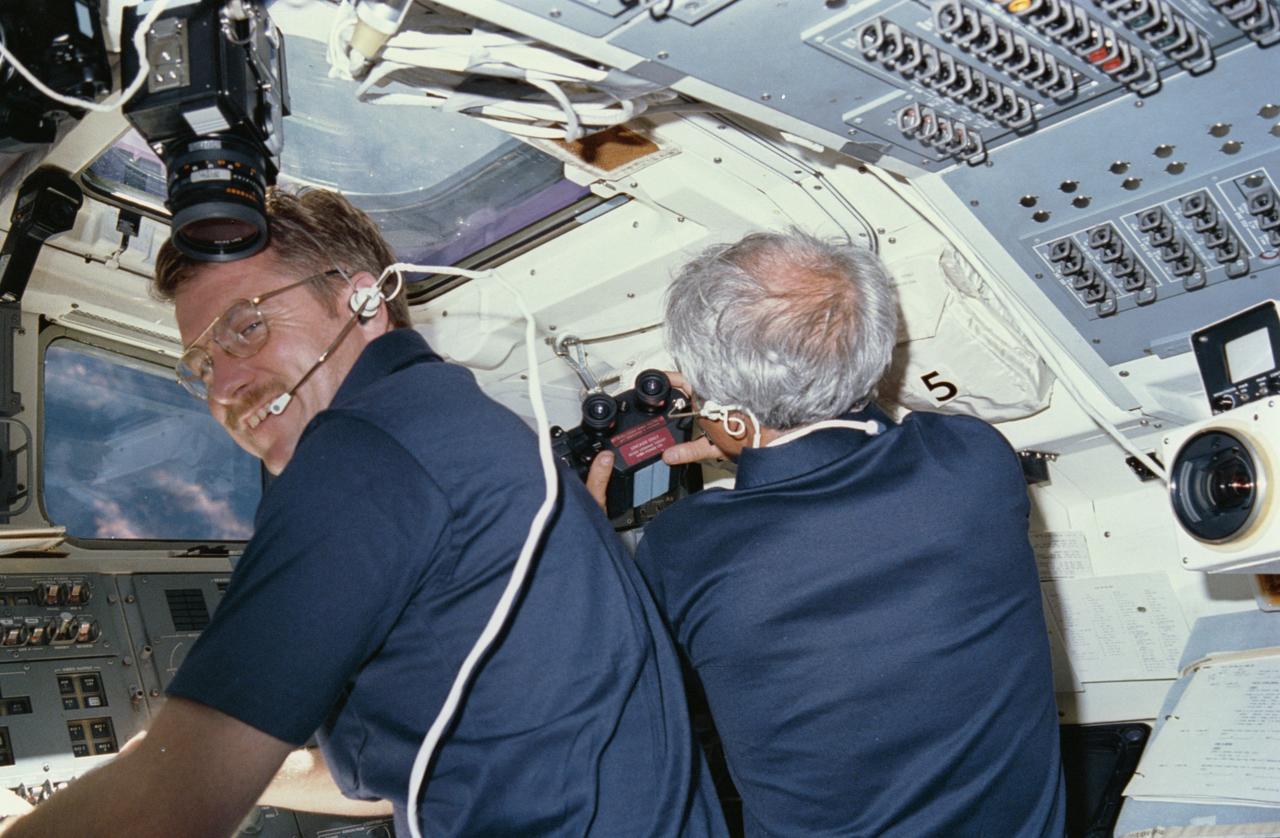
51F-05-003  (29 July-6 Aug 1985) --- Astronaut Anthony W. England, 51-F mission specialist, talks to ground controllers in Houston from the flight deck of the Earth-orbiting Challenger while Payload Specialist John-David Bartoe prepares to use binoculars through aft flight deck windows.
Astronauts England and Bartoe working at aft fligh deck station
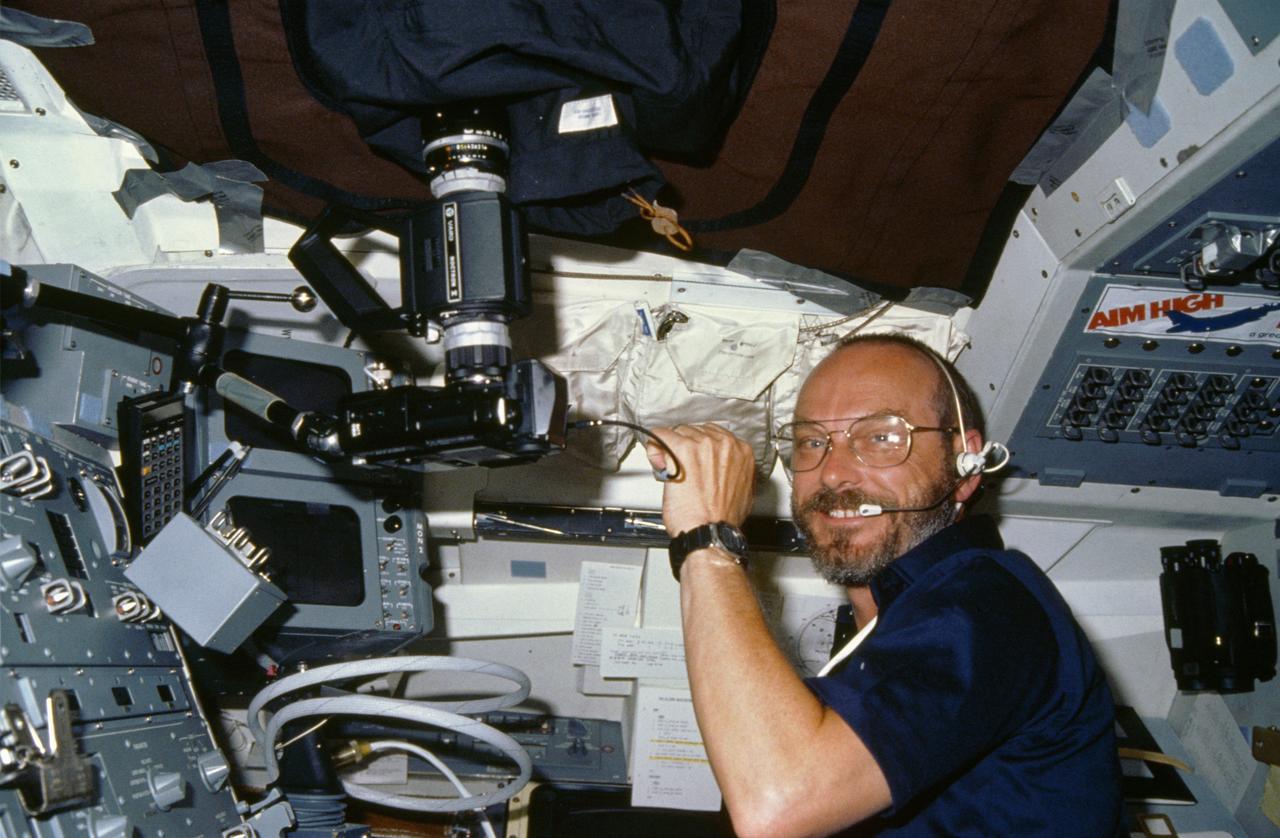
51F-17-011 (29 July-6 Aug 1985) --- Loren W. Acton, 51-F payload specialist, triggers a 35mm camera recording stellar imagery through the aft flight deck overhead windows aboard the Earth-orbiting Space Shuttle Challenger. The extension on the camera's lens is an image intensifier.
Payload specialist Loren Acton working at aft fligh deck station
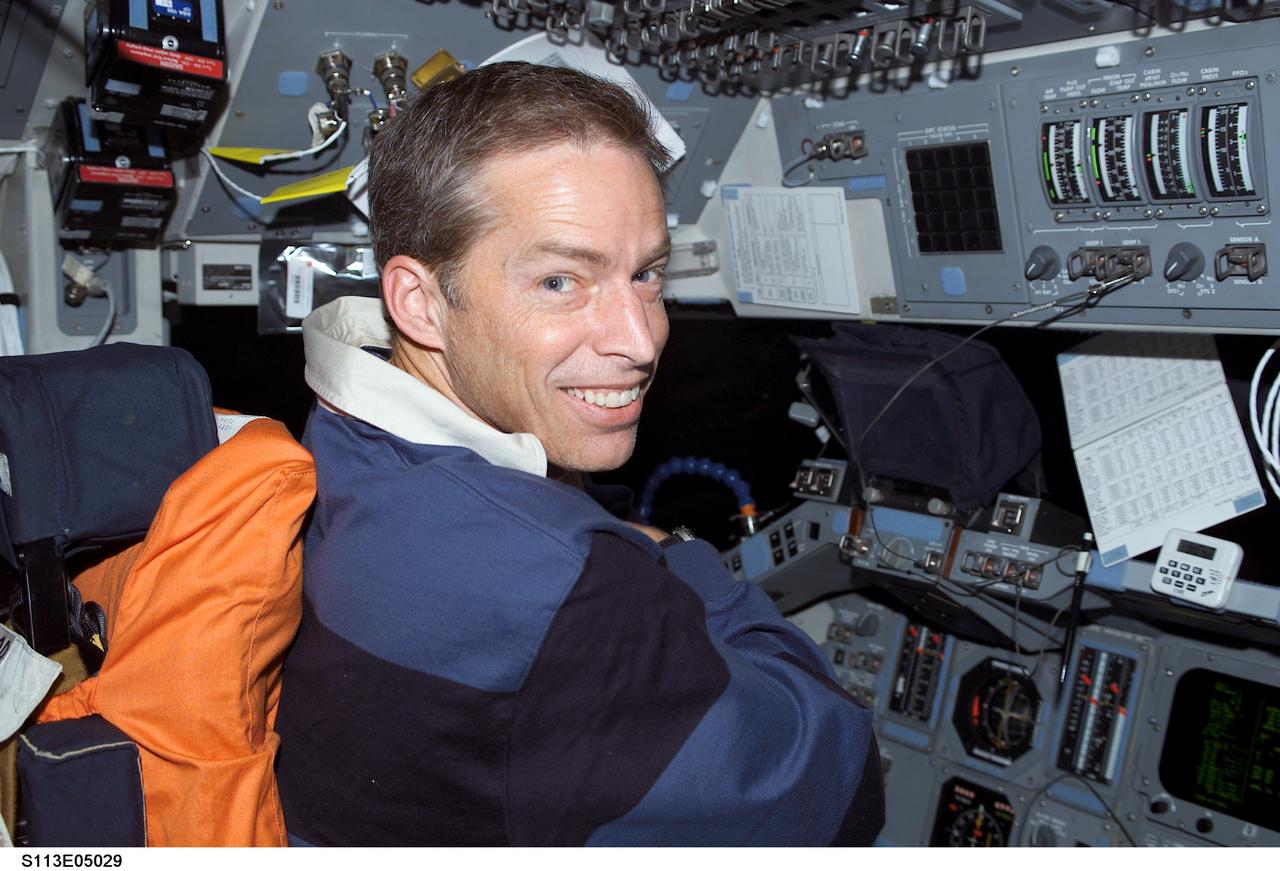
STS113-E-05029 (25 November 2002) --- Astronaut James D. Wetherbee, STS-113 mission commander, occupies the commander’s station on the forward flight deck of the Space Shuttle Endeavour during rendezvous operations with the International Space Station (ISS).
CDR James Wetherbee works at CDRs station of FD during STS-113
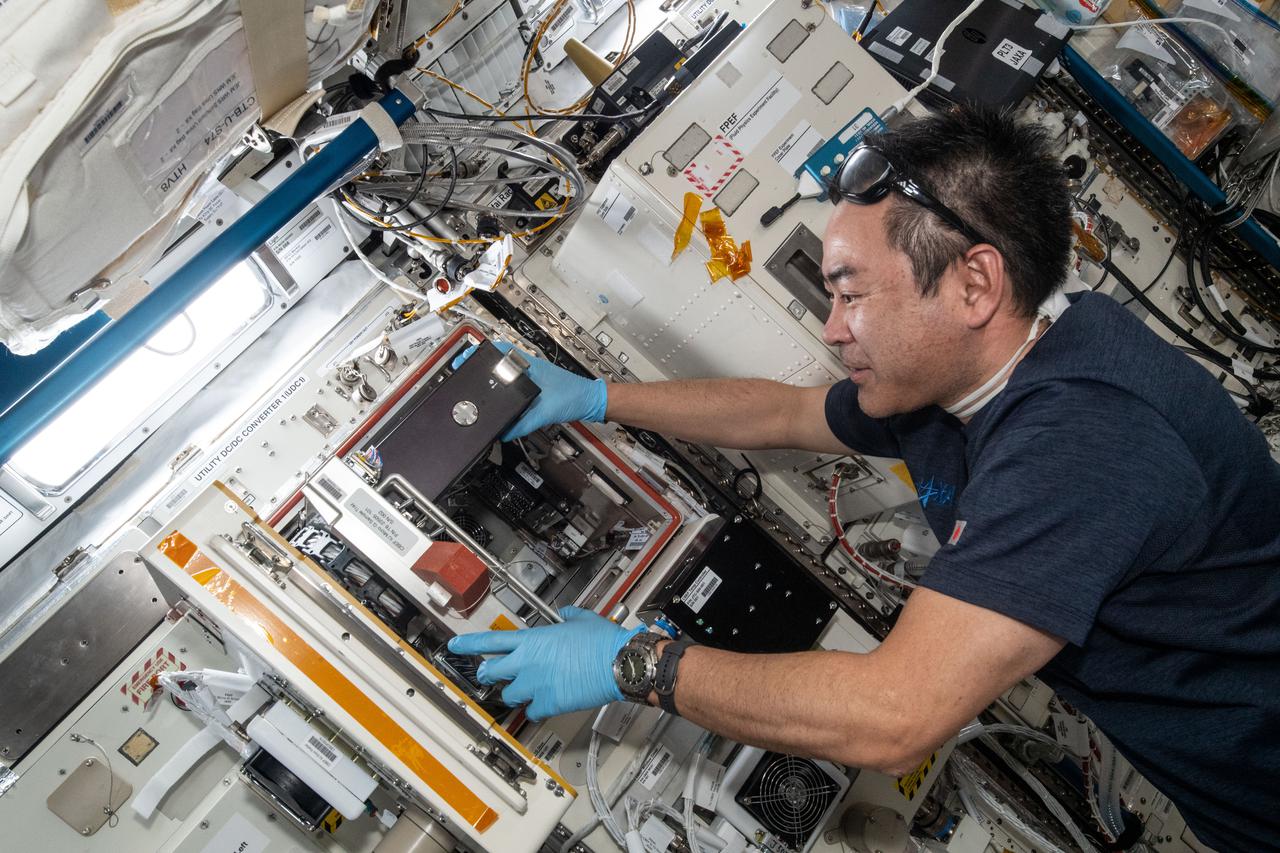
iss065e242205 (Aug. 13, 2021) --- Expedition 65 Commander Akihiko Hoshide of the Japan Aerospace Exploration Agency (JAXA) inserts cell samples into the Kibo laboratory module's Cell Biology Experiment Facility. The cells are being observed for how they adapt to weightlessness as part of the Cell Gravisensing muscle atrophy study.
Akihiko Hoshide works with Cell Gravisensing samples aboard the International Space Station
KENNEDY SPACE CENTER, FLA. -  In the Orbiter Processing Facility, KSC employee Gene Peavler works in the wheel area on the orbiter Discovery.  The vehicle has undergone Orbiter Major Modifications in the past year.  Discovery is scheduled to fly on mission STS-121 to the International Space Station.
KENNEDY SPACE CENTER, FLA. - In the Orbiter Processing Facility, KSC employee Gene Peavler works in the wheel area on the orbiter Discovery. The vehicle has undergone Orbiter Major Modifications in the past year. Discovery is scheduled to fly on mission STS-121 to the International Space Station.
KENNEDY SPACE CENTER, FLA. - In the Space Station Processing Facility, STS-117 Mission Specialist James Reilly  works with equipment in the Japanese Experiment Module (JEM) as part of training for ExtraVehicular Activity (EVA).  Equipment familiarization is a routine part of astronaut training and launch preparations.
KENNEDY SPACE CENTER, FLA. - In the Space Station Processing Facility, STS-117 Mission Specialist James Reilly works with equipment in the Japanese Experiment Module (JEM) as part of training for ExtraVehicular Activity (EVA). Equipment familiarization is a routine part of astronaut training and launch preparations.
KENNEDY SPACE CENTER, FLA. -  In the Orbiter Processing Facility, KSC technicians work on the underbody of the orbiter Discovery.  The vehicle has undergone Orbiter Major Modifications in the past year.  Discovery is scheduled to fly on mission STS-121 to the International Space Station.
KENNEDY SPACE CENTER, FLA. - In the Orbiter Processing Facility, KSC technicians work on the underbody of the orbiter Discovery. The vehicle has undergone Orbiter Major Modifications in the past year. Discovery is scheduled to fly on mission STS-121 to the International Space Station.
KENNEDY SPACE CENTER, FLA. -  In the Space Station Processing Facility, STS-117 Mission Specialist James Reilly (center) works with the Japanese Experiment Module (JEM).  Reilly and STS-115 Mission Specialist Joseph Tanner are at KSC for equipment familiarization, a routine part of astronaut training and launch preparations.
KENNEDY SPACE CENTER, FLA. - In the Space Station Processing Facility, STS-117 Mission Specialist James Reilly (center) works with the Japanese Experiment Module (JEM). Reilly and STS-115 Mission Specialist Joseph Tanner are at KSC for equipment familiarization, a routine part of astronaut training and launch preparations.
KENNEDY SPACE CENTER, FLA. -  In the Space Station Processing Facility, STS-117 Mission Specialist James Reilly works with the Japanese Experiment Module (JEM).  Reilly and STS-115 Mission Specialist Joseph Tanner are at KSC for equipment familiarization, a routine part of astronaut training and launch preparations.
KENNEDY SPACE CENTER, FLA. - In the Space Station Processing Facility, STS-117 Mission Specialist James Reilly works with the Japanese Experiment Module (JEM). Reilly and STS-115 Mission Specialist Joseph Tanner are at KSC for equipment familiarization, a routine part of astronaut training and launch preparations.
KENNEDY SPACE CENTER, FLA. -  In the Space Station Processing Facility, STS-117 Mission Specialist James Reilly works with the Japanese Experiment Module (JEM).  Reilly and STS-115 Mission Specialist Joseph Tanner are at KSC for equipment familiarization, a routine part of astronaut training and launch preparations.
KENNEDY SPACE CENTER, FLA. - In the Space Station Processing Facility, STS-117 Mission Specialist James Reilly works with the Japanese Experiment Module (JEM). Reilly and STS-115 Mission Specialist Joseph Tanner are at KSC for equipment familiarization, a routine part of astronaut training and launch preparations.
Thermal protection system panels are in view in the high bay of the Neil Armstrong Operations and Checkout Building at NASA's Kennedy Space Center in Florida. The Orion crew module for NASA’s Exploration Mission 1 (EM-1) is being prepared for its first integrated flight atop the Space Launch System rocket.
Orion Space Hardware In-Production inside the Operations and Che
A variety of space hardware for the Orion crew module is in view in the Neil Armstrong Operations and Checkout Building high bay at NASA's Kennedy Space Center in Florida on Oct. 3, 2017. Orion is undergoing processing to prepare it for its first uncrewed integrated flight atop the Space Launch System rocket on Artemis I.
Orion Space Hardware In-Production inside the Operations and Che
Thermal protection system panels are in view in the high bay of the Neil Armstrong Operations and Checkout Building at NASA's Kennedy Space Center in Florida. The Orion crew module for NASA’s Exploration Mission 1 (EM-1) is being prepared for its first integrated flight atop the Space Launch System rocket.
Orion Space Hardware In-Production inside the Operations and Che
The Orion heat shield is undergoing processing in the Neil Armstrong Operations and Checkout Building high bay at NASA's Kennedy Space Center in Florida.  Orion is being prepared for its first uncrewed integrated flight atop the Space Launch System rocket on Exploration Mission-1.
Orion Space Hardware In-Production inside the Operations and Che
A variety of space hardware for the Orion crew module is in view in the Neil Armstrong Operations and Checkout Building high bay at NASA's Kennedy Space Center in Florida. Orion is undergoing processing to prepare it for its first uncrewed integrated flight atop the Space Launch System rocket on Exploration Mission-1.
Orion Space Hardware In-Production inside the Operations and Che
The Orion heat shield is undergoing processing in the Neil Armstrong Operations and Checkout Building high bay at NASA's Kennedy Space Center in Florida.  Orion is being prepared for its first uncrewed integrated flight atop the Space Launch System rocket on Exploration Mission-1.
Orion Space Hardware In-Production inside the Operations and Che
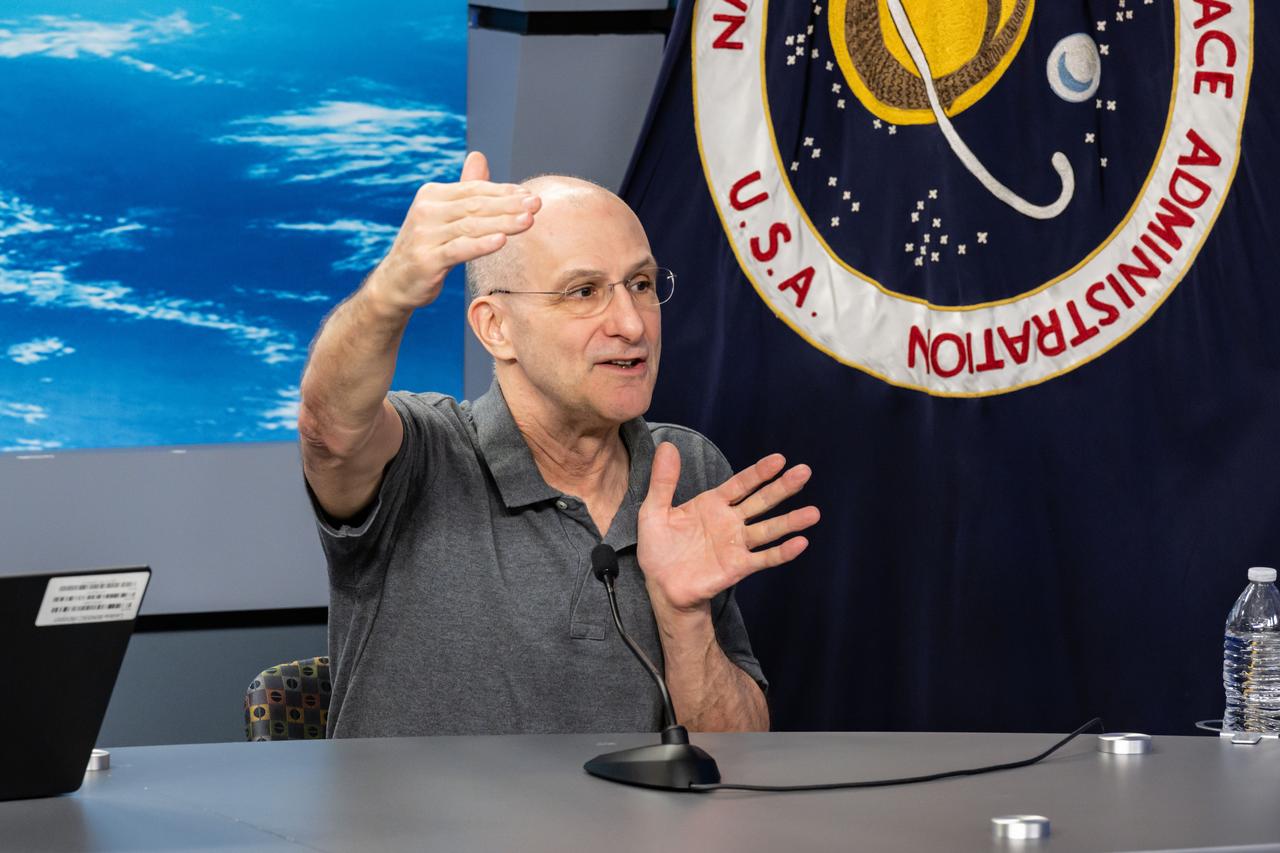
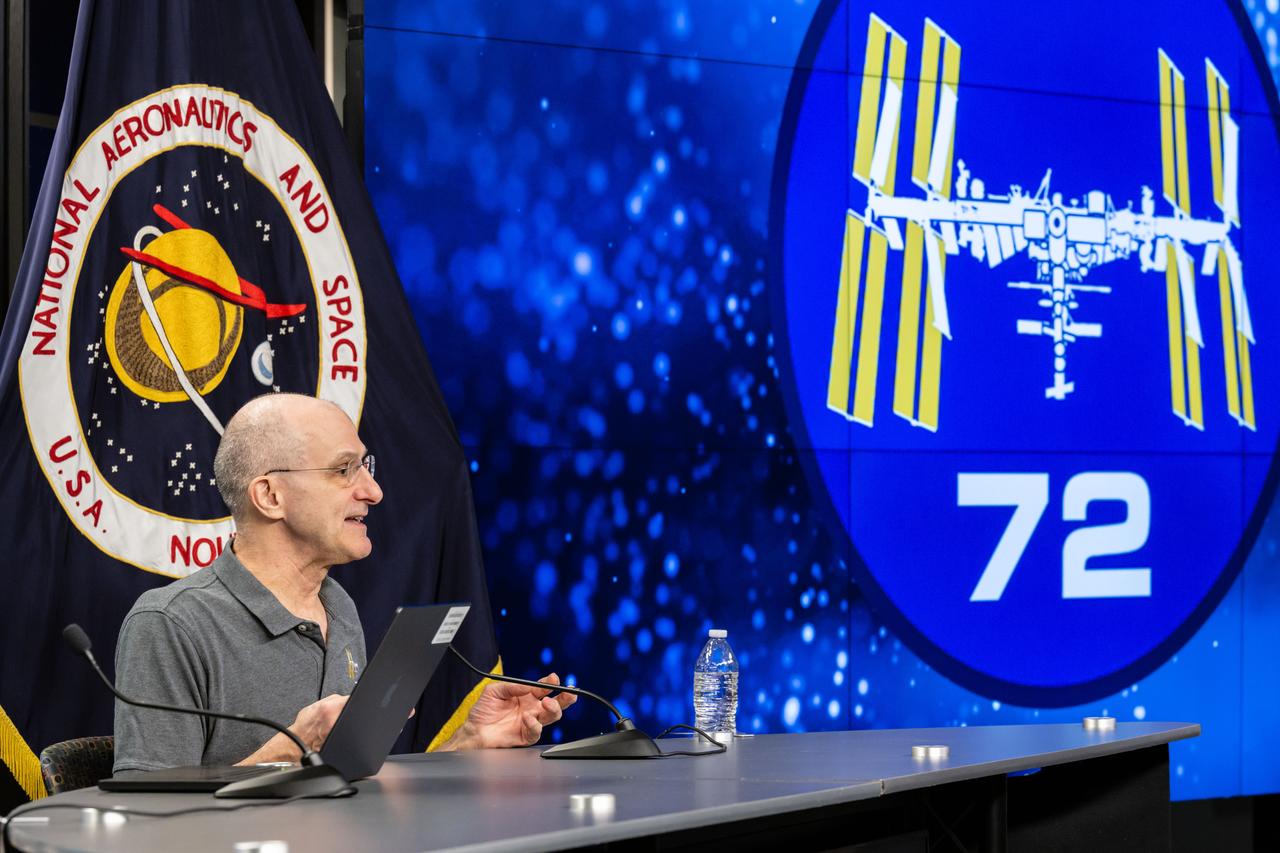
jsc2025e041770 (April 28, 2025) --- NASA astronaut Don Pettit participates in a news conference at NASA's Johnson Space Center in Houston, Texas. He discussed his mission aboard the International Space Station where he lived and worked for 220 days as an Expedition 72 Flight Engineer.
Astronaut Don Pettit participates in a news conference at NASA's Johnson Space Center
jsc2025e041765 (April 28, 2025) --- NASA astronaut Don Pettit participates in a news conference at NASA's Johnson Space Center in Houston, Texas. He discussed his mission aboard the International Space Station where he lived and worked for 220 days as an Expedition 72 Flight Engineer.
Astronaut Don Pettit participates in a news conference at NASA's Johnson Space Center
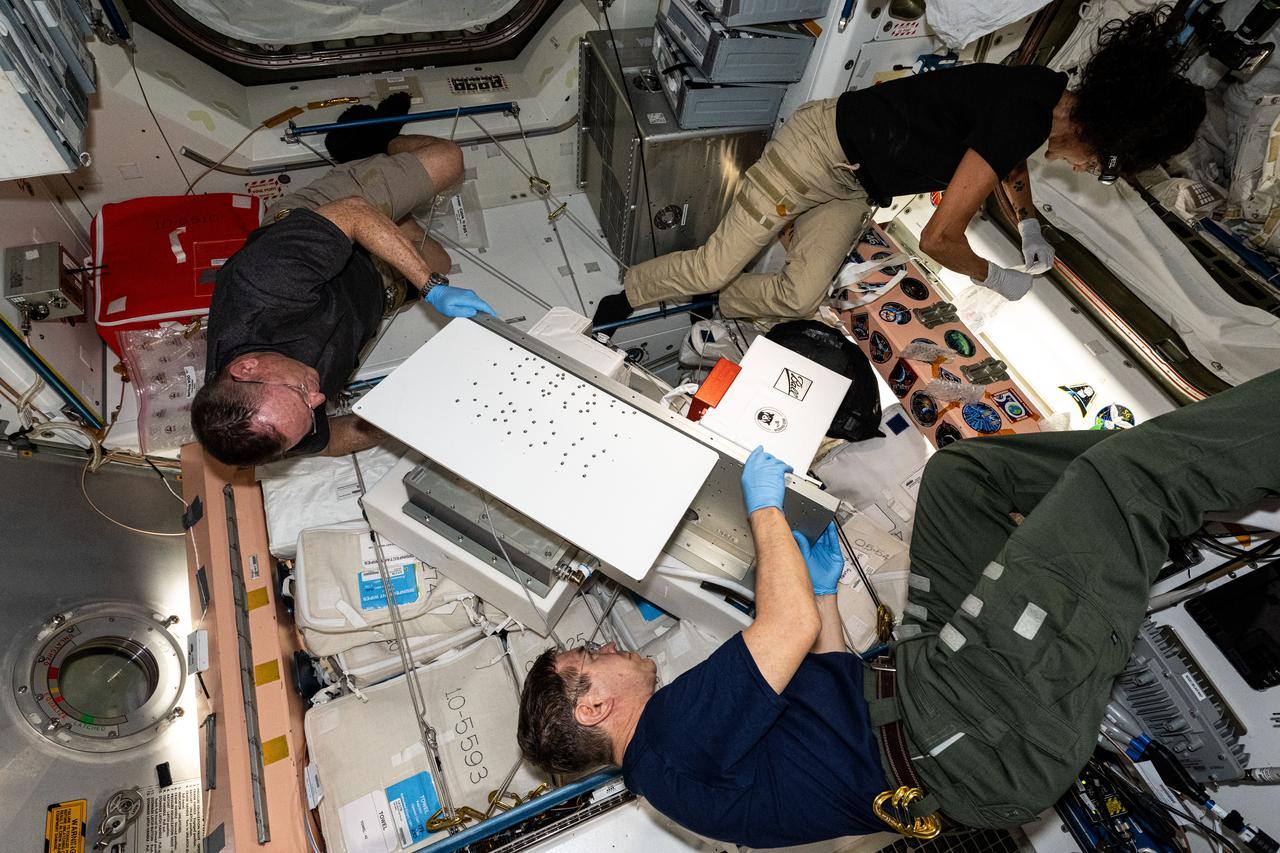
iss071e379502 (July 23, 2024) --- Clockwise from left, NASA astronauts Suni Williams, Mike Barratt, and Butch Wilmore work on lab maintenance tasks aboard the International Space Station. Williams and Wilmore are the Pilot and Commander, respectively, for Boeing's Crew Flight Test and Barratt is an Expedition 71 Flight Engineer.
NASA astronauts Suni Williams, Mike Barratt, and Butch Wilmore
Data from the American Airlines ramp tower at Charlotte airport is among the information to be coordinated as part of ATD-2.
atd-2briefing
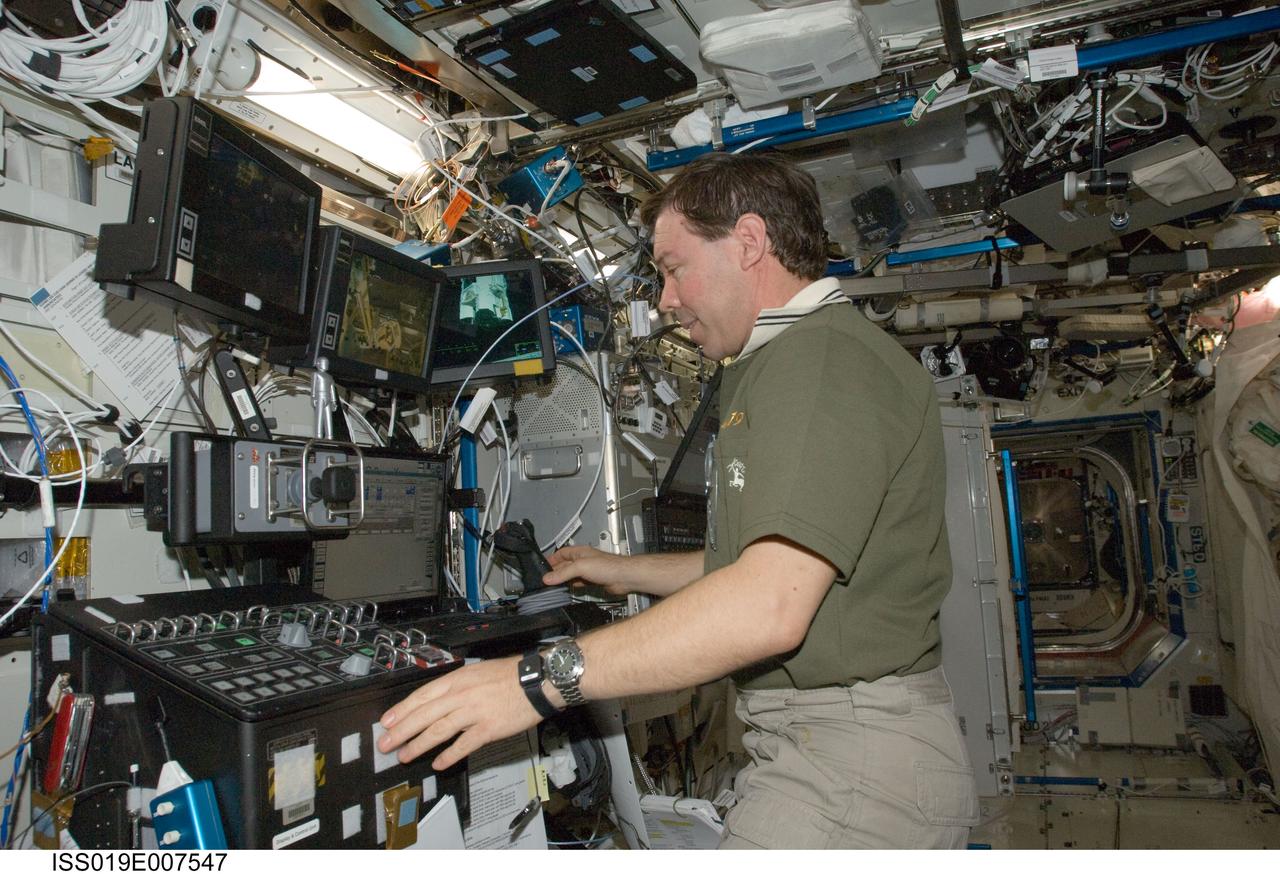
ISS019-E-007547 (17 April 2009) --- Astronaut Michael Barratt, Expedition 19/20 flight engineer, works the controls at the Canadarm2 robotic work station in the Destiny laboratory of the International Space Station.
Barrett at SSRMS controls
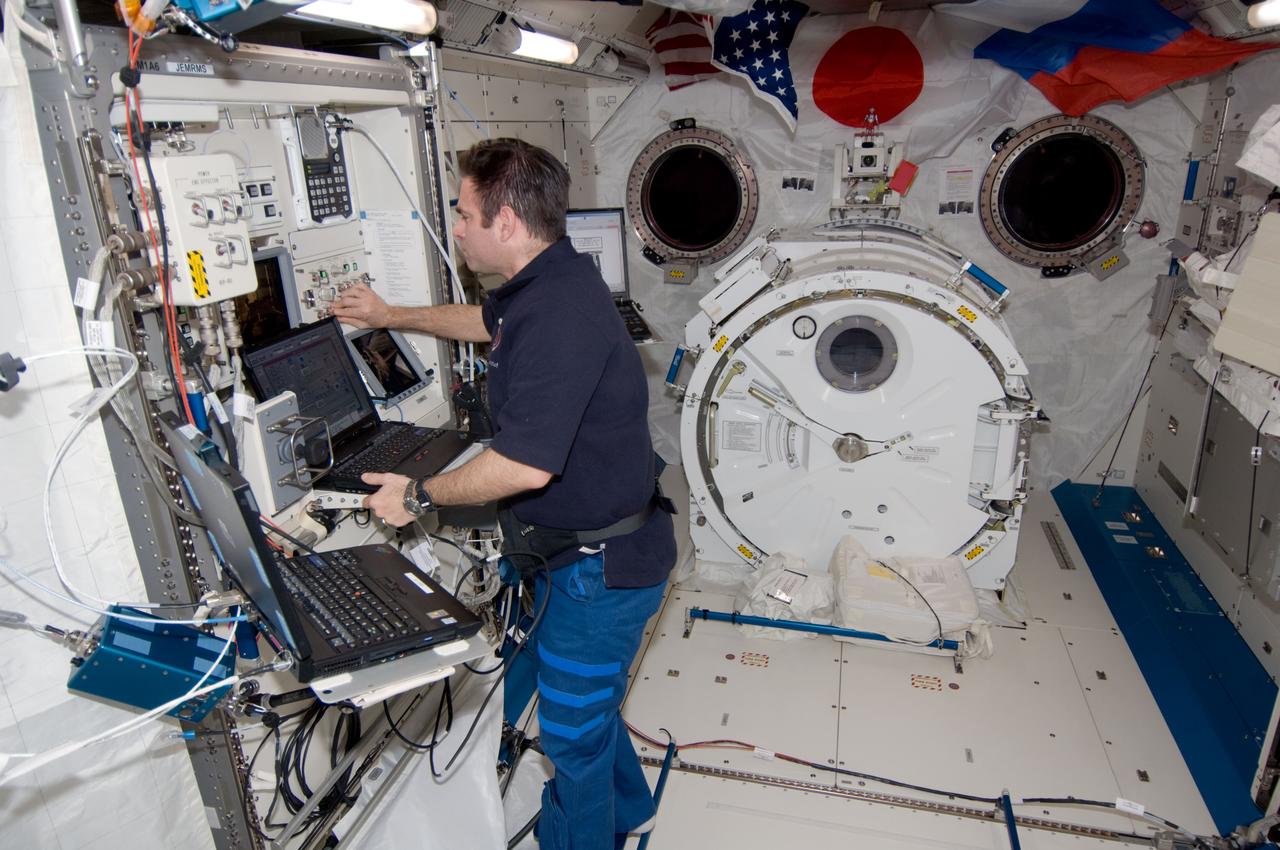
ISS017-E-013312 (15 Aug. 2008) --- NASA astronaut Greg Chamitoff, Expedition 17 flight engineer, works at the Japanese Remote Manipulator System (JEM-RMS) work station in the Kibo laboratory of the International Space Station.
Chamitoff works on the JEMRMS in the JEM during Expedition 17
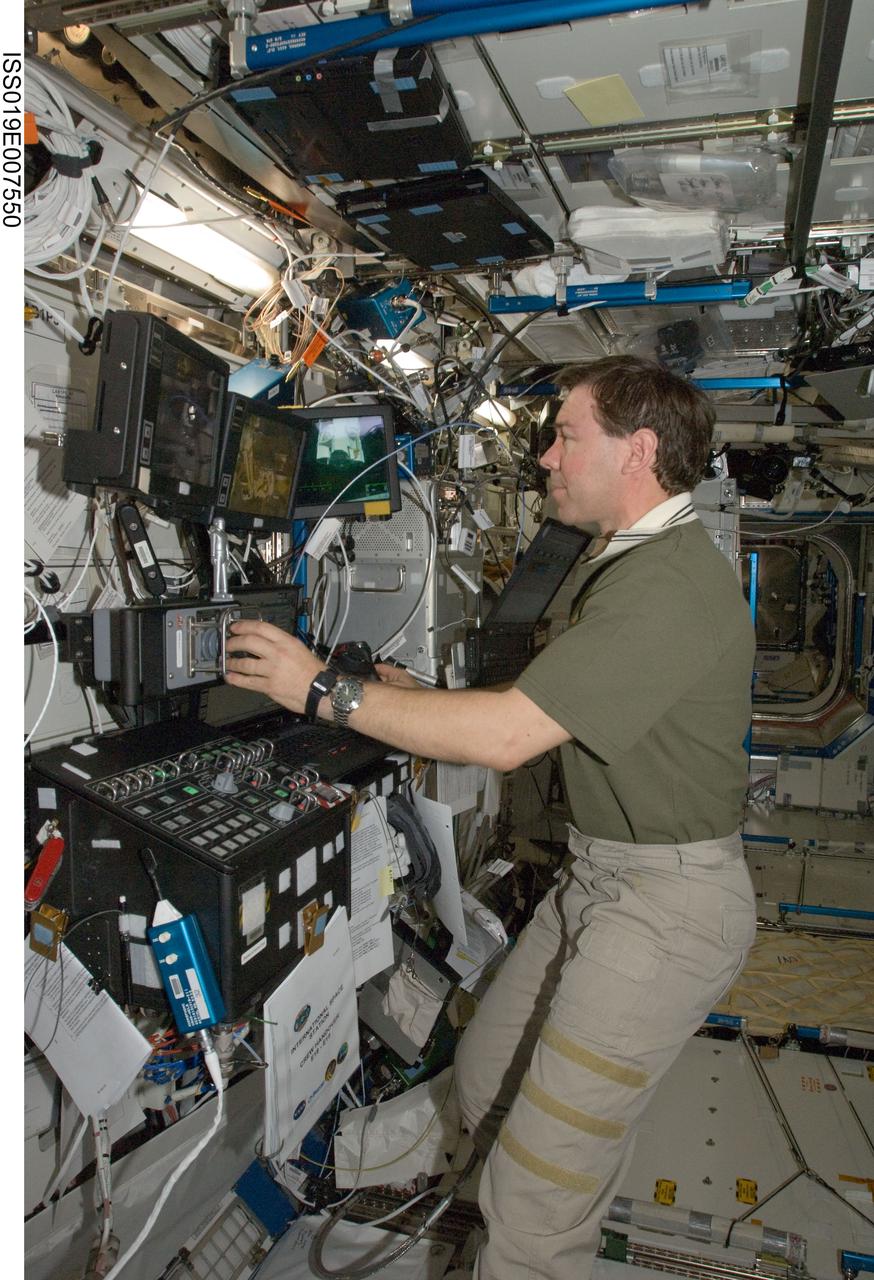
ISS019-E-007550 (17 April 2009) --- Astronaut Michael Barratt, Expedition 19/20 flight engineer, works the controls at the Canadarm2 robotic work station in the Destiny laboratory of the International Space Station.
Barrett at SSRMS controls
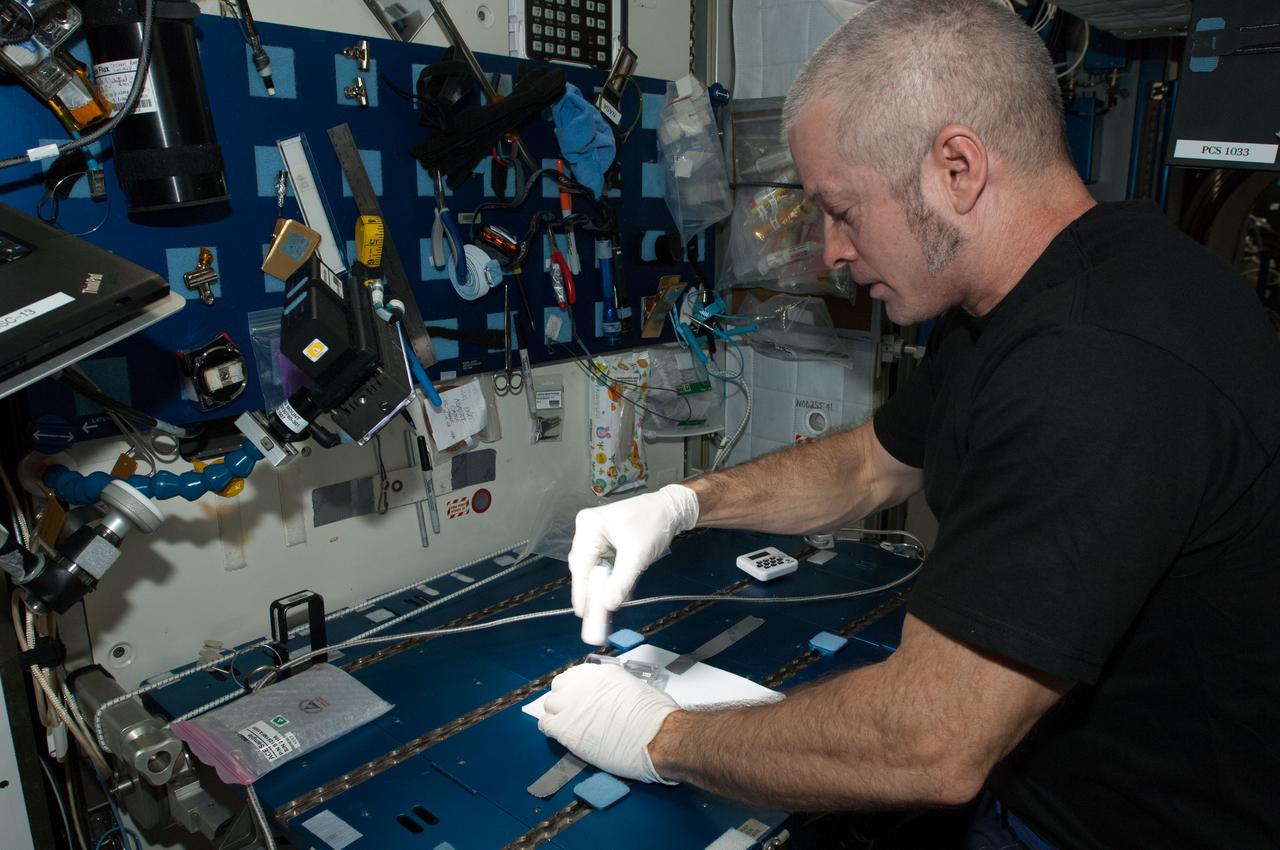
ISS040-E-060673 (14 July 2014) --- NASA astronaut Steve Swanson, Expedition 40 commander, works with test samples for the Advanced Colloids Experiment (ACE) at a work station in the Harmony node of the International Space Station.
Swanson in Node 2 with ACE samples
S127-E-008867 (26 July 2009) --- Astronauts Tim Kopra (foreground), Expedition 20 flight engineer; and Doug Hurley, STS-127 pilot, work the controls at the Canadarm2 robotic work station in the Destiny laboratory of the International Space Station while Space Shuttle Endeavour remains docked with the station.
Hurley and Kopra at the RMS in the U.S. Laboratory during Joint Operations
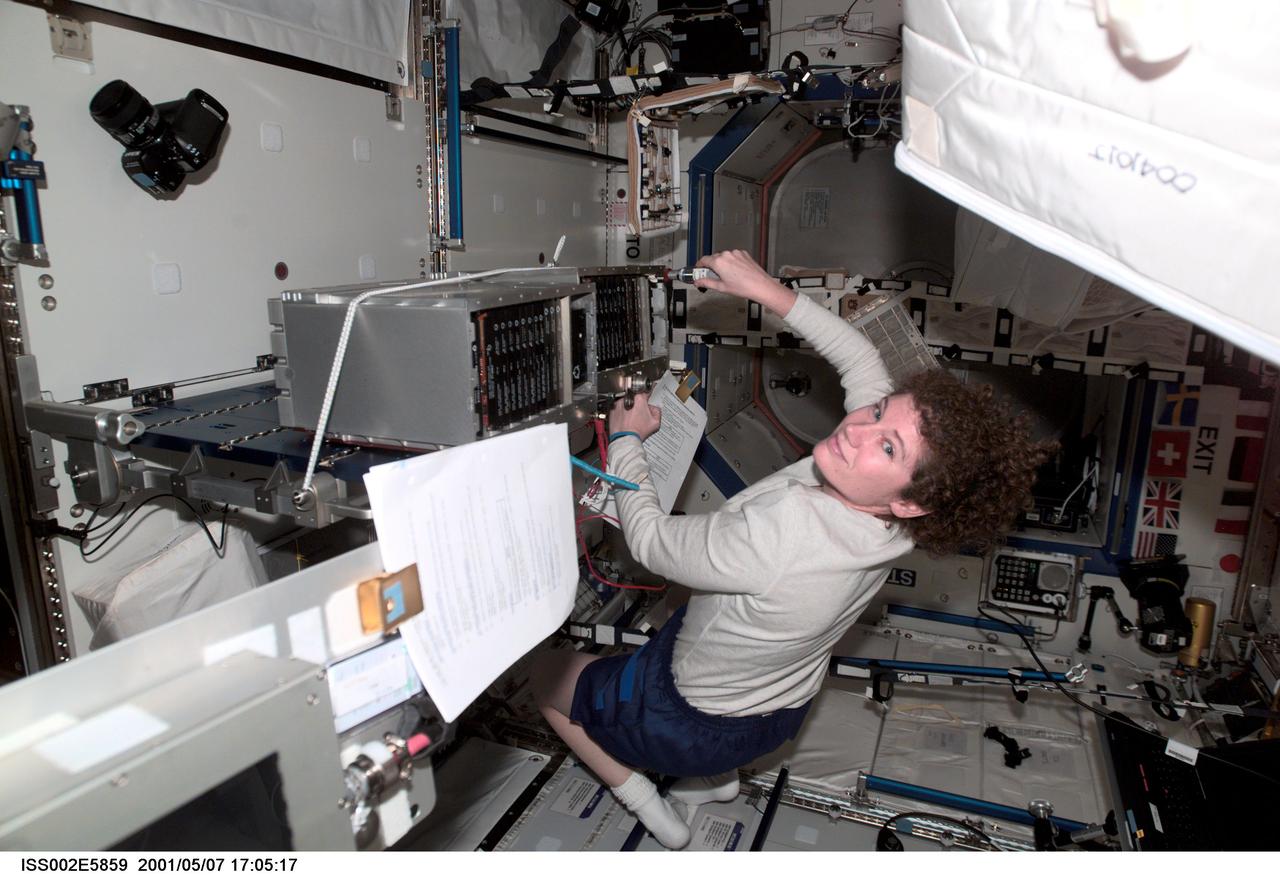
ISS002-E-5859 (7 May 2001) --- Susan J. Helms, Expedition Two flight engineer, works on an Enhanced Space Station Multiplexer / Demultiplexer (ESSMDM) at the Maintenance Work Assembly (MWA) work surface in the Destiny module.  The image was taken with a digital still camera.
Helms in Destiny laboratory with rack
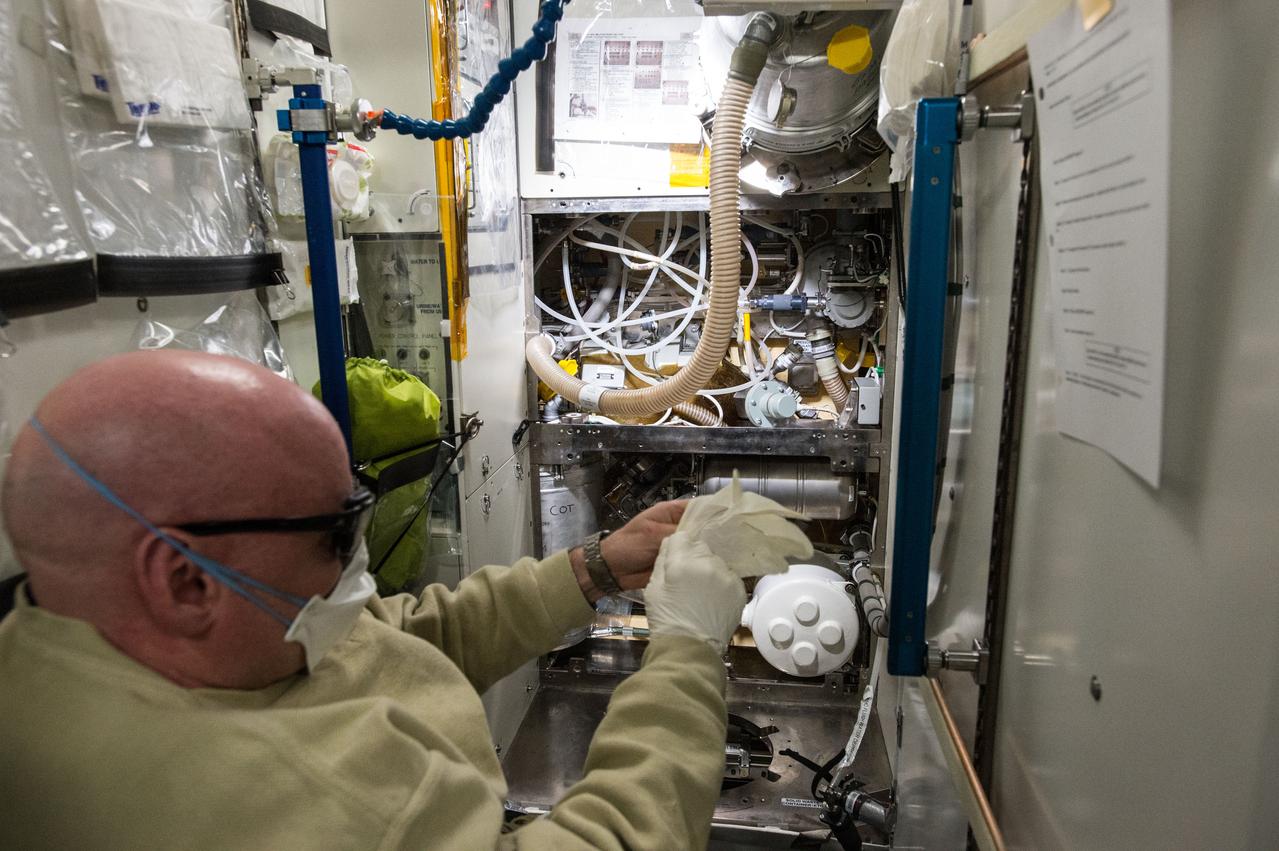
ISS046e005831 (01/07/2016) --- Expedition 46 Commander and NASA astronaut Scott Kelly works to clean up a leak in the Waste and Hygiene Compartment aboard the International Space Station. Crew members are routinely called on for maintenance efforts across the orbiting laboratory as they work to keep their various life support systems in working order.
WHC Liquid Carryover Issue
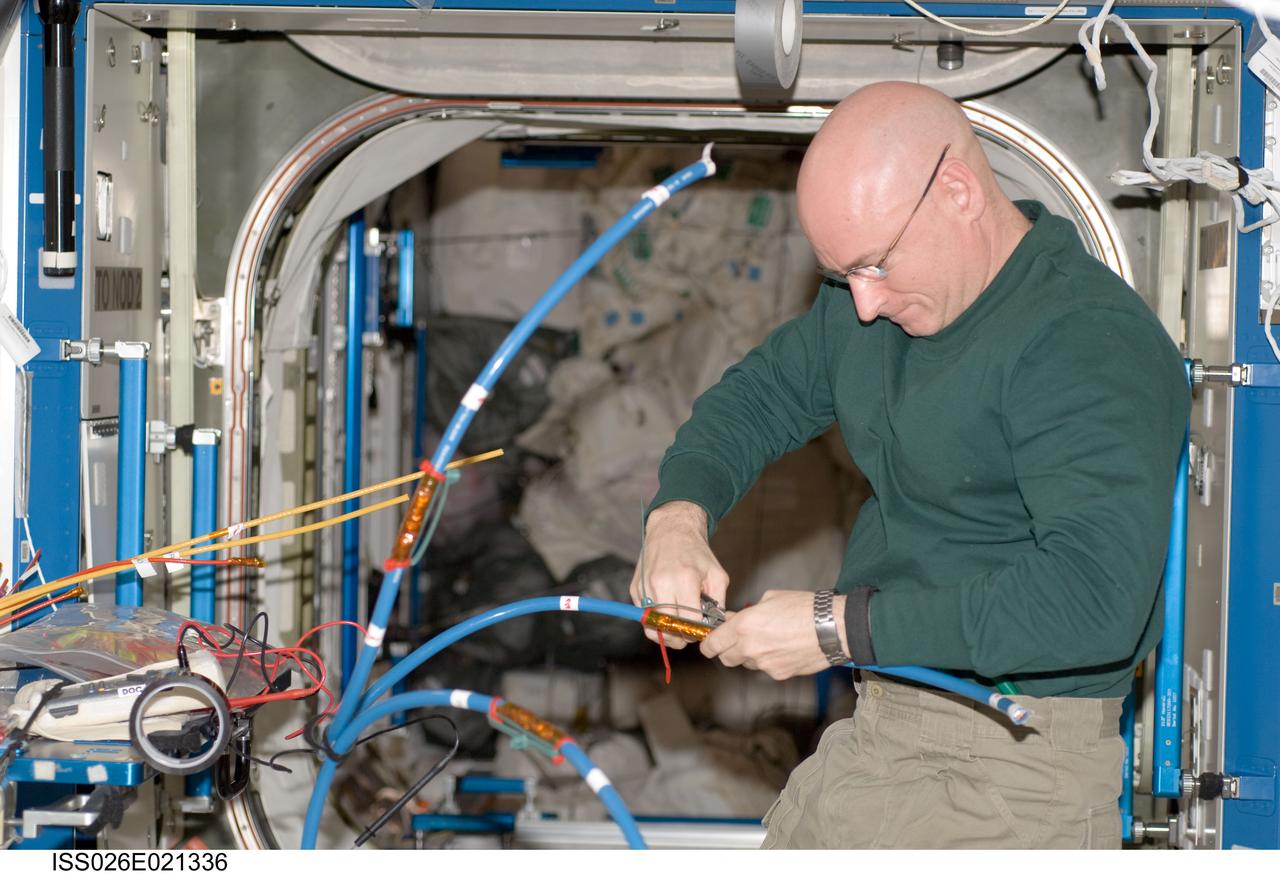
ISS026-E-021336 (13 Jan. 2011) --- NASA astronaut Scott Kelly, Expedition 26 commander, works with cables at the Maintenance Work Area in the Destiny laboratory of the International Space Station.
Kelly works with cables
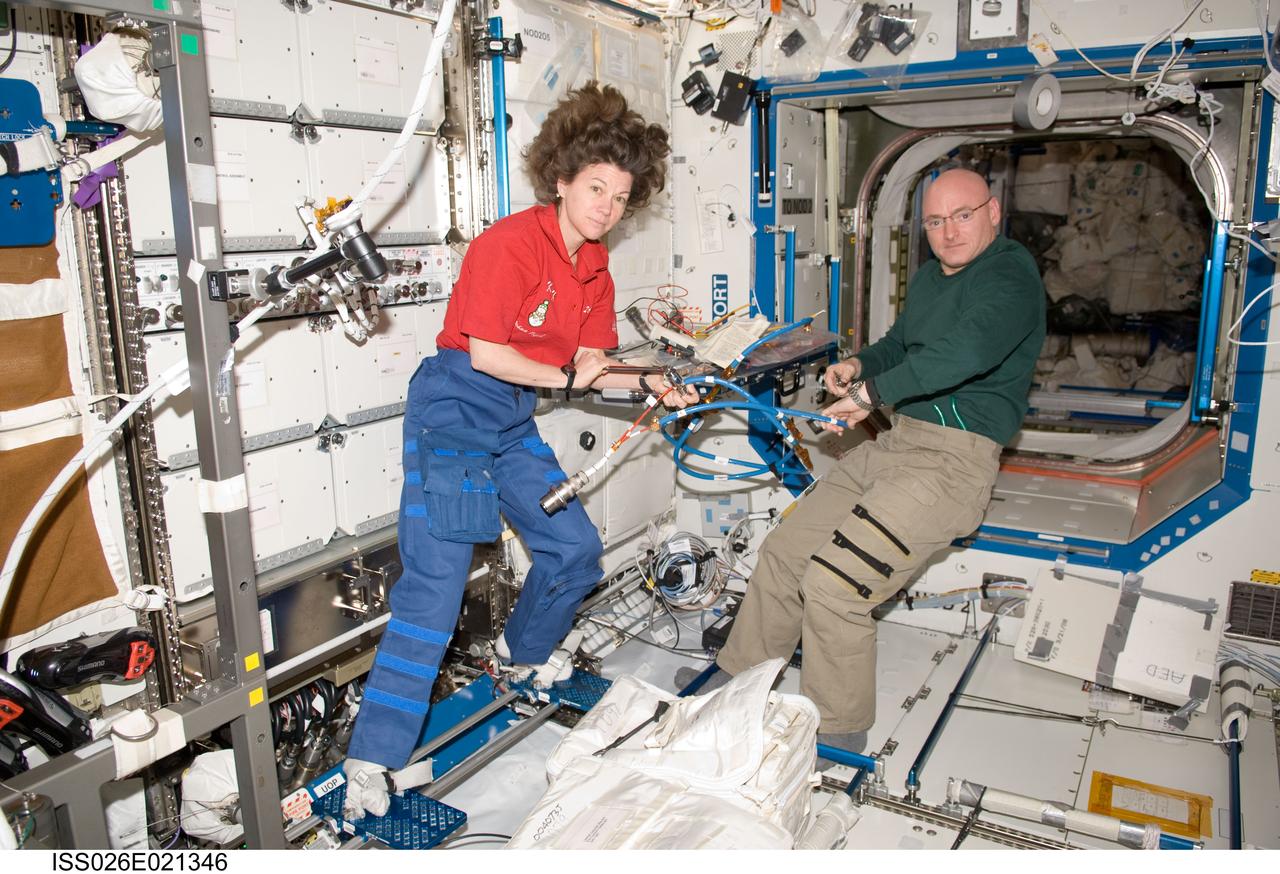
ISS026-E-021346 (13 Jan. 2011) --- NASA astronauts Scott Kelly, Expedition 26 commander; and Catherine (Cady) Coleman, flight engineer, work with cables at the Maintenance Work Area in the Destiny laboratory of the International Space Station.
Kelly and Coleman and the MWA
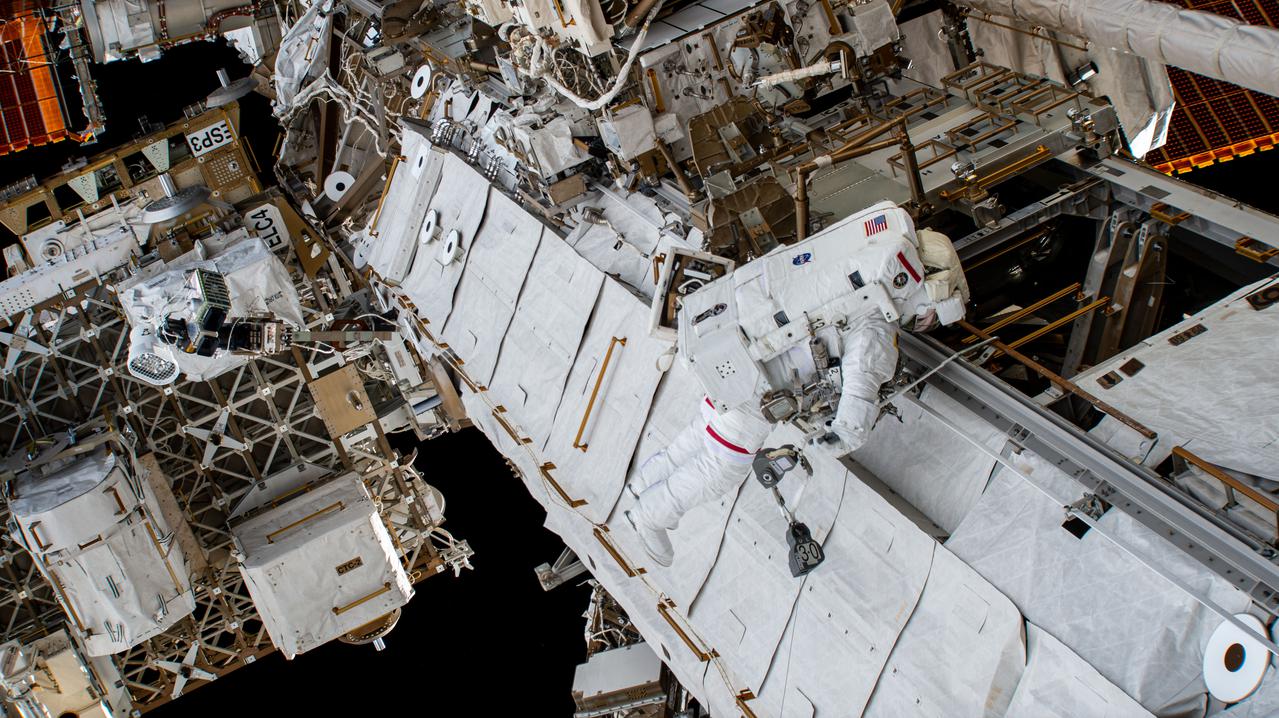
iss064e029012 (Feb. 1, 2021) --- NASA astronaut Michael Hopkins works during a spacewalk to complete battery upgrade work on the outside of the International Space Station with fellow NASA astronaut Victor Glover (out of frame).
iss064e029012
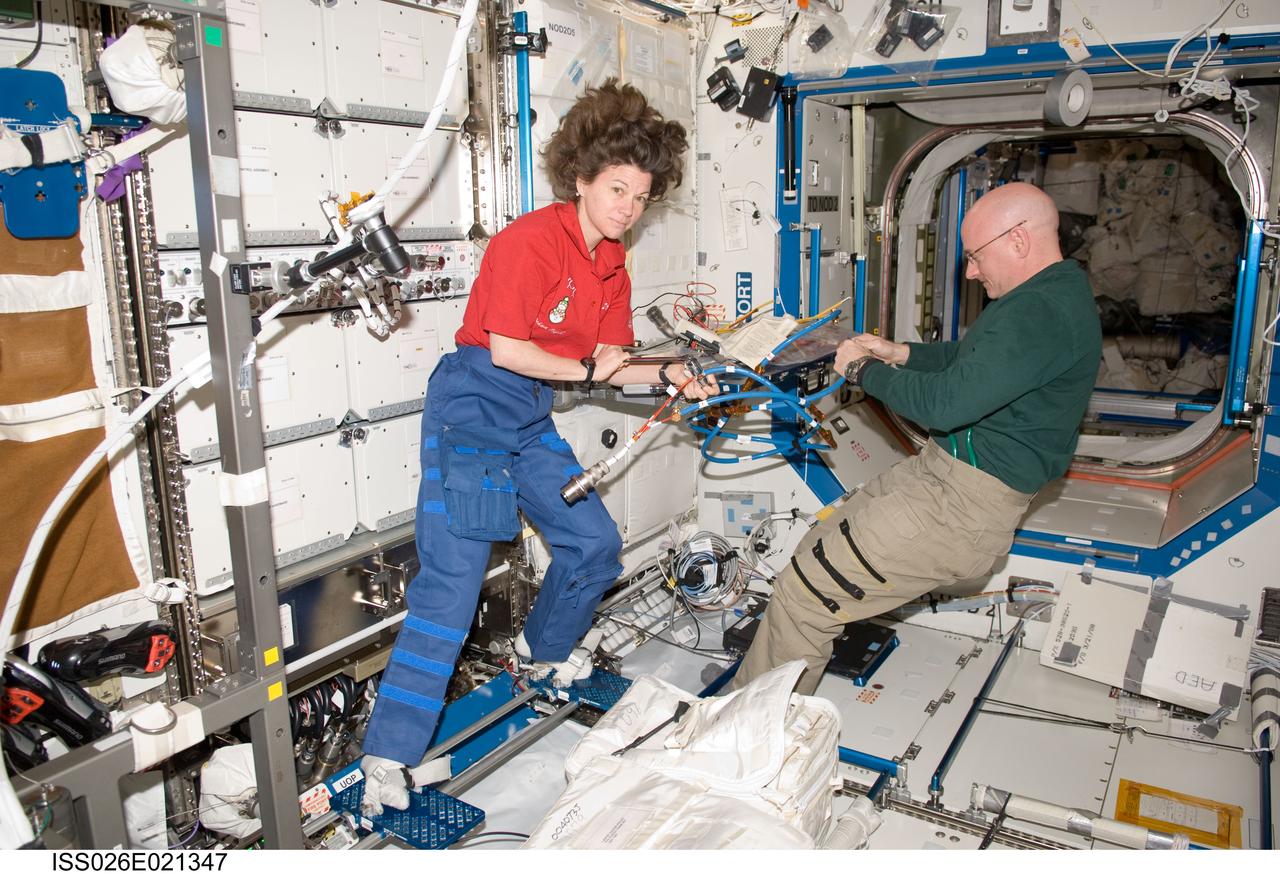
ISS026-E-021347 (13 Jan. 2011) --- NASA astronauts Scott Kelly, Expedition 26 commander; and Catherine (Cady) Coleman, flight engineer, work with cables at the Maintenance Work Area in the Destiny laboratory of the International Space Station.
Kelly and Coleman and the MWA
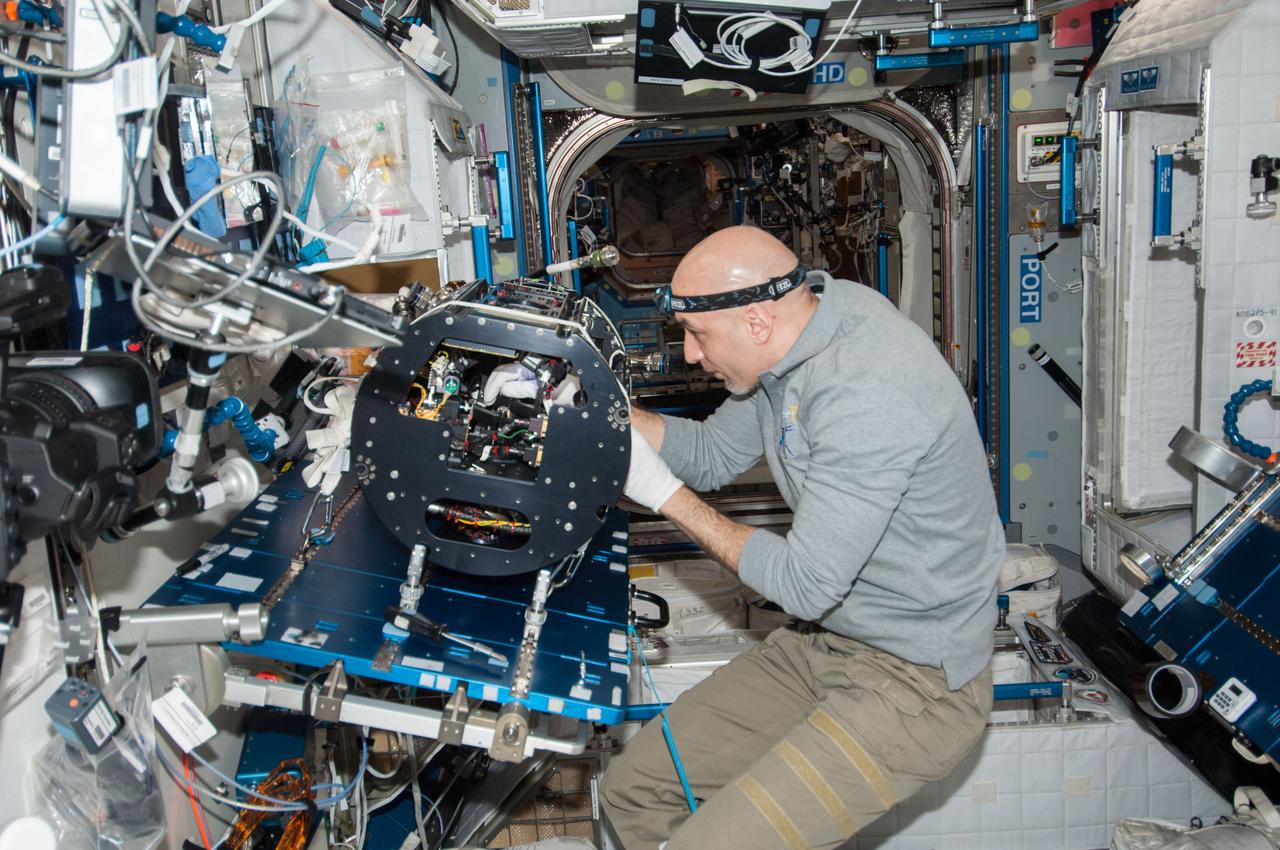
ISS036-E-024605 (24 July 2013) --- European Space Agency astronaut Luca Parmitano, Expedition 36 flight engineer, works on the Multi-User Droplet Combustion Apparatus (MDCA) Chamber Insert Assembly (CIA) at a maintenance work station in the Harmony node of the International Space Station.
Multi-User Droplet Combustion Apparatus (MDCA) Chamber Insert Assembly (CIA)
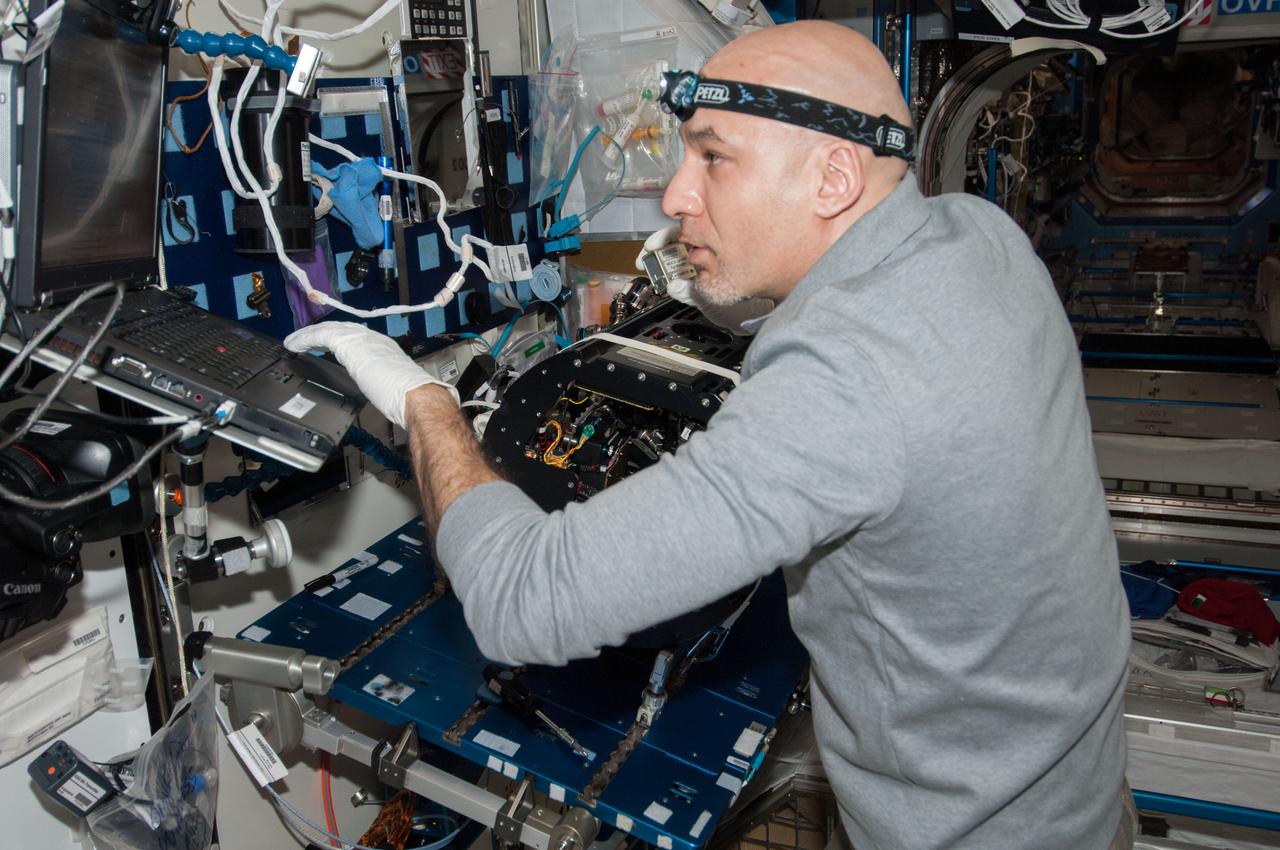
ISS036-E-025481 (24 July 2013) --- European Space Agency astronaut Luca Parmitano, Expedition 36 flight engineer, works on the Multi-User Droplet Combustion Apparatus (MDCA) Chamber Insert Assembly (CIA) at a maintenance work station in the Harmony node of the International Space Station.
Parmitano with MDCA chamber
ISS020-E-015807 (28 June 2009) --- Japan Aerospace Exploration Agency (JAXA) astronaut Koichi Wakata, Expedition 20 flight engineer, works at the Japanese Remote Manipulator System (JEM-RMS) work station in the Kibo laboratory of the International Space Station.
Wakata in JPM
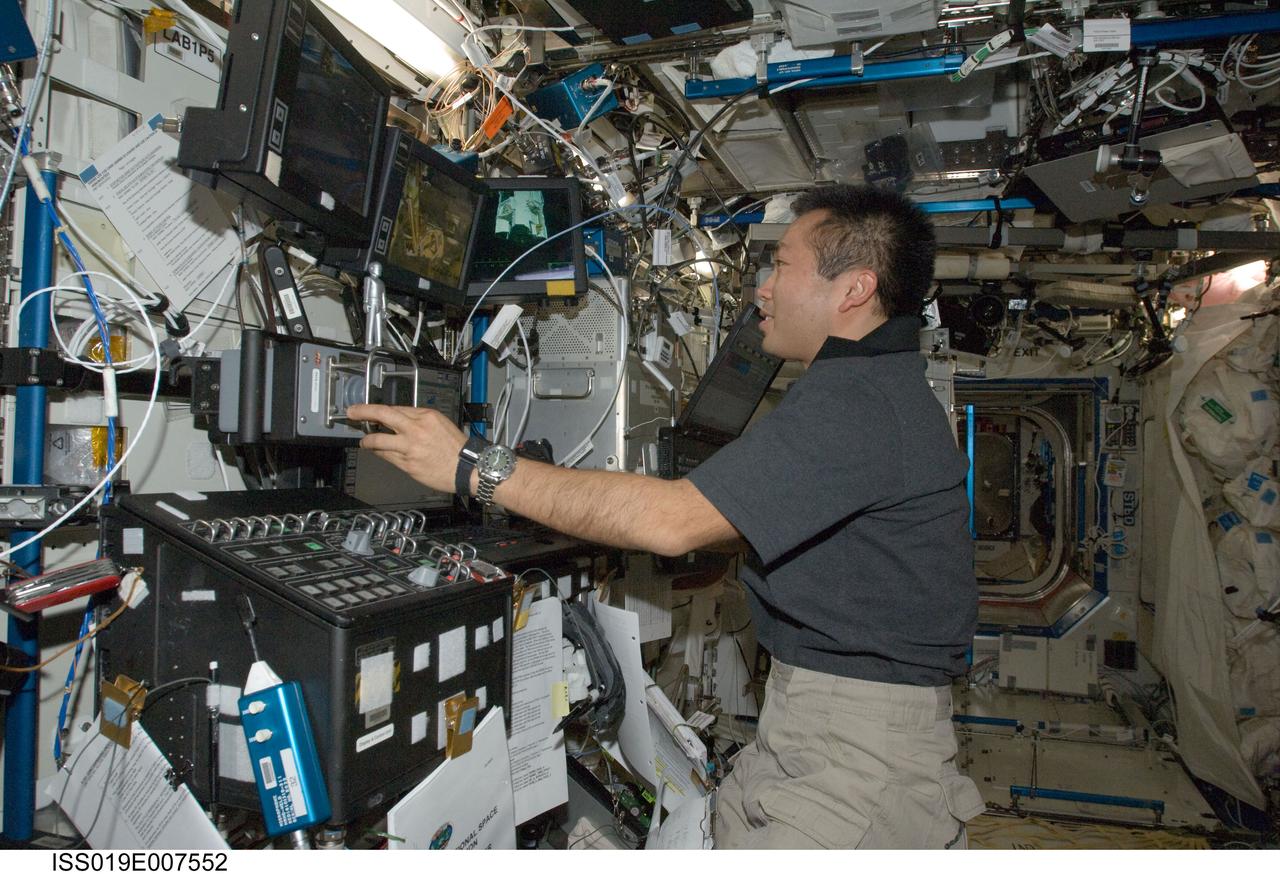
ISS019-E-007552 (17 April 2009) --- Japan Aerospace Exploration Agency (JAXA) astronaut Koichi Wakata, Expedition 19/20 flight engineer, works the controls at the Canadarm2 robotic work station in the Destiny laboratory of the International Space Station.
Wakata at SSRMS controls
ISS037-E-012586 (10 Oct. 2013) --- European Space Agency astronaut Luca Parmitano, Expedition 37 flight engineer, works on the Multi-User Droplet Combustion Apparatus (MDCA) Chamber Insert Assembly (CIA) at a maintenance work station in the Harmony node of the International Space Station.
Reconfiguration of the CIR for MDCA FLEX Experiment
ISS036-E-024569 (24 July 2013) --- European Space Agency astronaut Luca Parmitano, Expedition 36 flight engineer, works on the Multi-User Droplet Combustion Apparatus (MDCA) Chamber Insert Assembly (CIA) at a maintenance work station in the Harmony node of the International Space Station.
Multi-User Droplet Combustion Apparatus (MDCA) Chamber Insert Assembly (CIA)
ISS037-E-012579 (10 Oct. 2013) --- European Space Agency astronaut Luca Parmitano, Expedition 37 flight engineer, works on the Multi-User Droplet Combustion Apparatus (MDCA) Chamber Insert Assembly (CIA) at a maintenance work station in the Harmony node of the International Space Station.
Reconfiguration of the CIR for MDCA FLEX Experiment
ISS036-E-024637 (24 July 2013) --- European Space Agency astronaut Luca Parmitano, Expedition 36 flight engineer, works on the Multi-User Droplet Combustion Apparatus (MDCA) Chamber Insert Assembly (CIA) at a maintenance work station in the Harmony node of the International Space Station.
Multi-User Droplet Combustion Apparatus (MDCA) Chamber Insert Assembly (CIA)
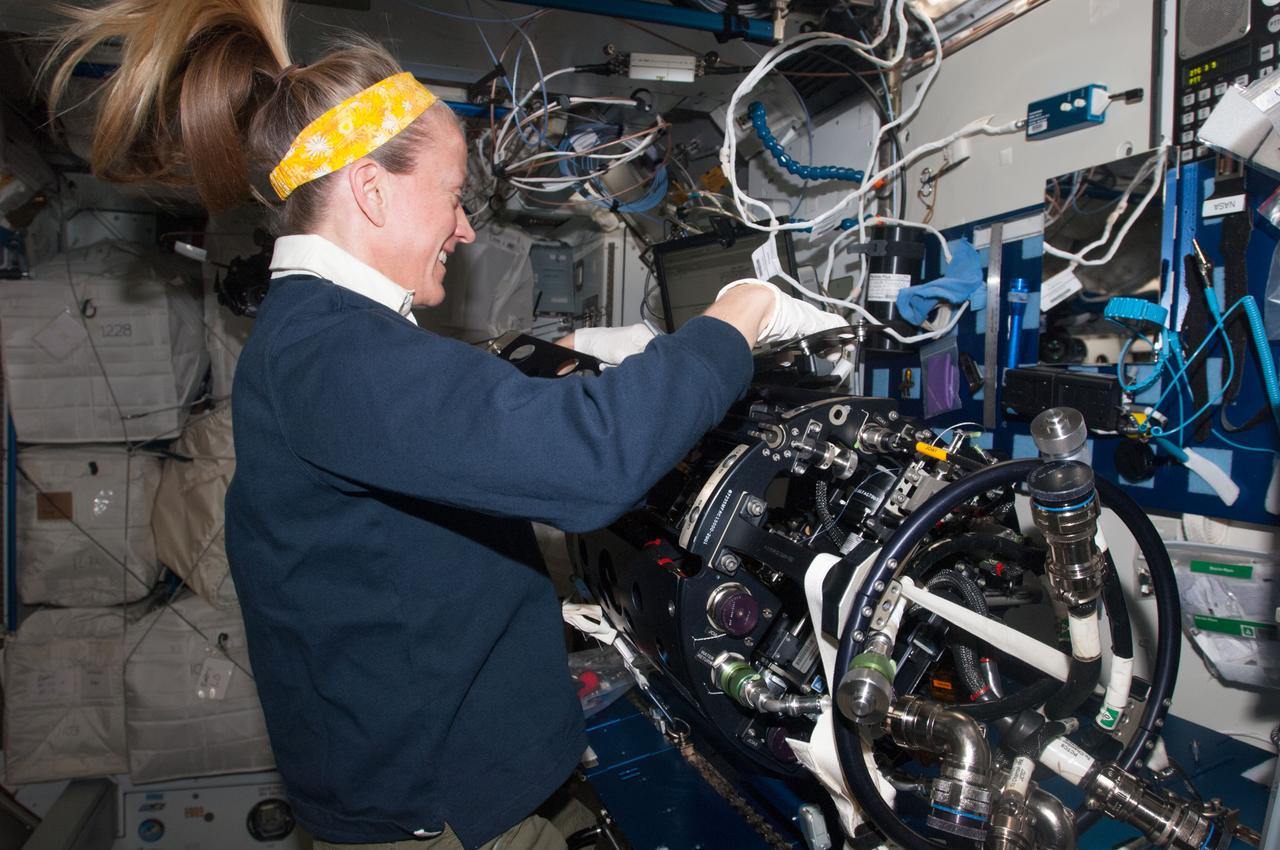
ISS037-E-004881 (1 Oct. 2013) --- NASA astronaut Karen Nyberg, Expedition 37 flight engineer, works on the Multi-User Droplet Combustion Apparatus (MDCA) Chamber Insert Assembly (CIA) at a maintenance work station in the Harmony node of the International Space Station.
Nyberg with MDCA CIA
ISS037-E-004882 (1 Oct. 2013) --- NASA astronaut Karen Nyberg, Expedition 37 flight engineer, works on the Multi-User Droplet Combustion Apparatus (MDCA) Chamber Insert Assembly (CIA) at a maintenance work station in the Harmony node of the International Space Station.
Nyberg with MDCA CIA
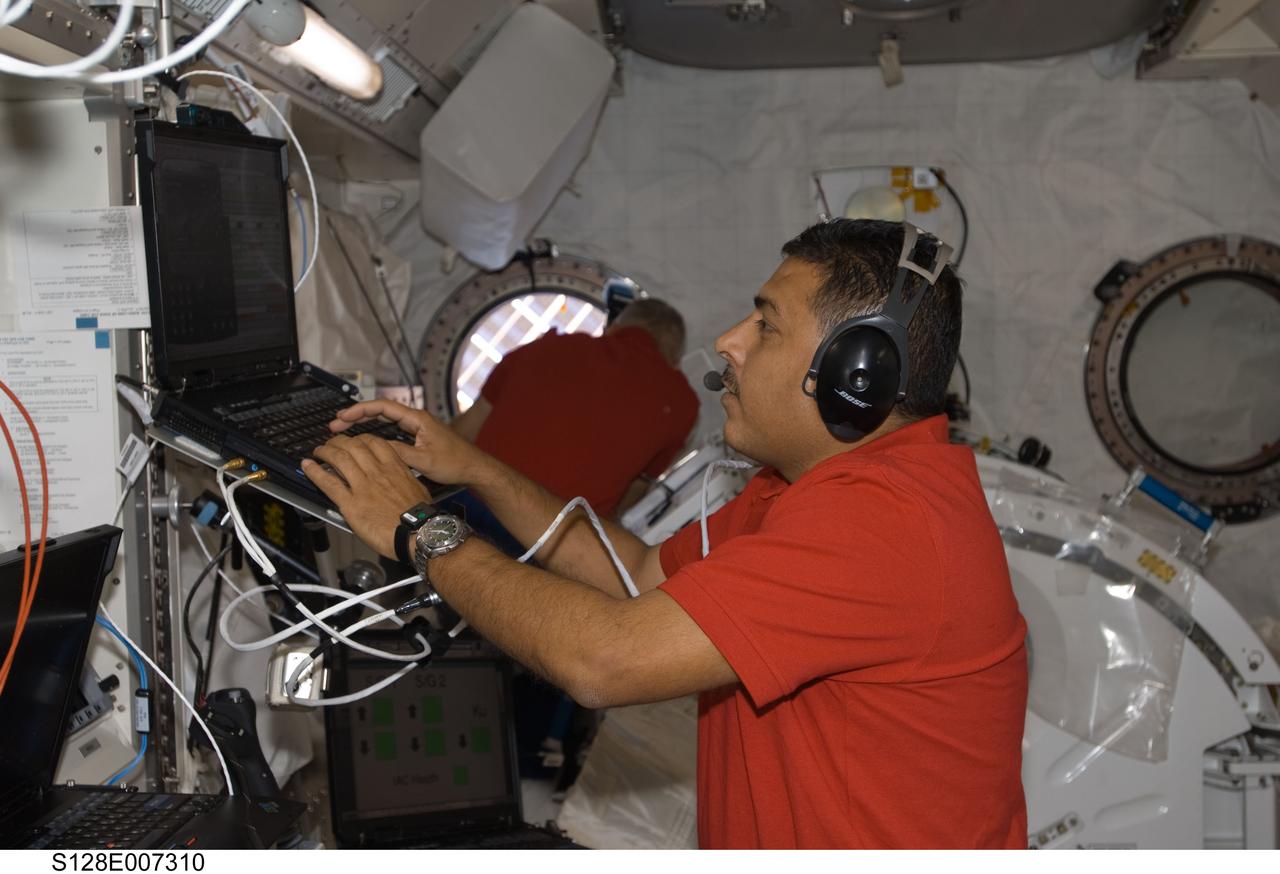
S128-E-007310 (4 Sept. 2009) ---- Astronaut José Hernandez, STS-128 mission specialist, is busy at a work station in the Japan Aerospace Exploration Agency's Kibo laboratory onboard the International Space Station during flight day 8 for the Discovery astronauts, currently working with the Expedition 20 crewmembers aboard the orbital outpost.
Hernandez at laptop in Japanese Experiment Module (JEM)
iss058e011232 (Feb. 8, 2019) --- Canadian Space Agency astronaut David Saint-Jacques works inside the Unity module performing preventative maintenance on the Simplified Aid For EVA Rescue (SAFER) unit that attaches to U.S. spacesuits. The SAFER would be used to maneuver an astronaut back to the International Space Station in the unlikely event they became untethered during a spacewalk.
Canadian Space Agency astronaut David Saint-Jacques
iss071e379489 (July 23, 2024) --- Clockwise from bottom, NASA astronauts Mike Barratt, Butch Wilmore, and Suni Williams are at work inside the International Space Station's Unity module. The trio was configuring the ArgUS Mission 1 technology demonstration hardware to test the external operations of communications, computer processing, and high-definition video gear in the vacuum of space.
NASA astronauts Mike Barratt, Butch Wilmore, and Suni Williams
ISS048e055780 (08/10/2016) --- NASA astronaut Kate Rubins prepares for a spacewalk (EVA) on board the international Space Station. She and partner crewmember Jeff Williams also of NASA will work on installation of a new International Docking Adapter. The work is scheduled to start on Aug 19, 2016.. The work of spacewalkers Williams and Rubins will enable future crew vehicles from Boeing and SpaceX to dock on the station.
iss048e055780
KENNEDY SPACE CENTER, FLA. - Overhead cables carry the Multi-Purpose Logistics Module Donatello from the payload canister (lower right) to a work stand in the Space Station Processing Facility.  Previously housed in the Operations and Checkout Building, Donatello was brought into the SSPF for routine testing.  This is the first time all three MPLMs (Donatello, Raffaello and Leonardo) are in the SSPF.  The MPLMs were built by the Italian Space Agency, to serve as reusable logistics carriers and the primary delivery system to resupply and return station cargo requiring a pressurized environment.  The third MPLM, Raffaello is scheduled to fly on Space Shuttle Atlantis on mission STS-114.
KENNEDY SPACE CENTER, FLA. - Overhead cables carry the Multi-Purpose Logistics Module Donatello from the payload canister (lower right) to a work stand in the Space Station Processing Facility. Previously housed in the Operations and Checkout Building, Donatello was brought into the SSPF for routine testing. This is the first time all three MPLMs (Donatello, Raffaello and Leonardo) are in the SSPF. The MPLMs were built by the Italian Space Agency, to serve as reusable logistics carriers and the primary delivery system to resupply and return station cargo requiring a pressurized environment. The third MPLM, Raffaello is scheduled to fly on Space Shuttle Atlantis on mission STS-114.
KENNEDY SPACE CENTER, FLA.  - In the Space Station Processing Facility, work is ongoing on the U.S. Node 2, the second of three Space Station connecting modules.  The Italian-built Node 2 attaches to the end of the U.S. Lab and will provide attach locations for the Japanese laboratory, European laboratory, the Centrifuge Accommodation Module and, later, Multipurpose Logistics Modules. It will provide the primary docking location for the Shuttle when a pressurized mating adapter is attached to Node 2.  Installation of the module will complete the U.S. Core of the ISS.  Node 2 is the designated payload for mission STS-120.  No orbiter or launch date has been determined yet.
KENNEDY SPACE CENTER, FLA. - In the Space Station Processing Facility, work is ongoing on the U.S. Node 2, the second of three Space Station connecting modules. The Italian-built Node 2 attaches to the end of the U.S. Lab and will provide attach locations for the Japanese laboratory, European laboratory, the Centrifuge Accommodation Module and, later, Multipurpose Logistics Modules. It will provide the primary docking location for the Shuttle when a pressurized mating adapter is attached to Node 2. Installation of the module will complete the U.S. Core of the ISS. Node 2 is the designated payload for mission STS-120. No orbiter or launch date has been determined yet.
KENNEDY SPACE CENTER, FLA. - In the Space Station Processing Facility,  the Multi-Purpose Logistics Module Donatello is slowly lowered toward a work stand.  Previously housed in the Operations and Checkout Building, Donatello was brought into the SSPF for routine testing.  This is the first time all three MPLMs (Donatello, Raffaello and Leonardo) are in the SSPF.  The MPLMs were built by the Italian Space Agency, to serve as reusable logistics carriers and the primary delivery system to resupply and return station cargo requiring a pressurized environment.  The third MPLM, Raffaello is scheduled to fly on Space Shuttle Atlantis on mission STS-114.
KENNEDY SPACE CENTER, FLA. - In the Space Station Processing Facility, the Multi-Purpose Logistics Module Donatello is slowly lowered toward a work stand. Previously housed in the Operations and Checkout Building, Donatello was brought into the SSPF for routine testing. This is the first time all three MPLMs (Donatello, Raffaello and Leonardo) are in the SSPF. The MPLMs were built by the Italian Space Agency, to serve as reusable logistics carriers and the primary delivery system to resupply and return station cargo requiring a pressurized environment. The third MPLM, Raffaello is scheduled to fly on Space Shuttle Atlantis on mission STS-114.
KENNEDY SPACE CENTER, FLA. - A worker on the floor watches as the Multi-Purpose Logistics Module Raffaello moves toward another work stand in the Space Station Processing Facility.  Raffaello is the second MPLM built by the Italian Space Agency, serving as a reusable logistics carrier and primary delivery system to resupply and return station cargo requiring a pressurized environment.  It has been moved across the floor to allow the third MPLM, Donatello, to be brought in for routine testing.  Donatello has been stored in the Operations and Checkout Building.  This is the first time all three MPLMs are in the SSPF; the other one is the Leonardo.  Raffaello is scheduled to fly on Space Shuttle Atlantis on mission STS-114.
KENNEDY SPACE CENTER, FLA. - A worker on the floor watches as the Multi-Purpose Logistics Module Raffaello moves toward another work stand in the Space Station Processing Facility. Raffaello is the second MPLM built by the Italian Space Agency, serving as a reusable logistics carrier and primary delivery system to resupply and return station cargo requiring a pressurized environment. It has been moved across the floor to allow the third MPLM, Donatello, to be brought in for routine testing. Donatello has been stored in the Operations and Checkout Building. This is the first time all three MPLMs are in the SSPF; the other one is the Leonardo. Raffaello is scheduled to fly on Space Shuttle Atlantis on mission STS-114.