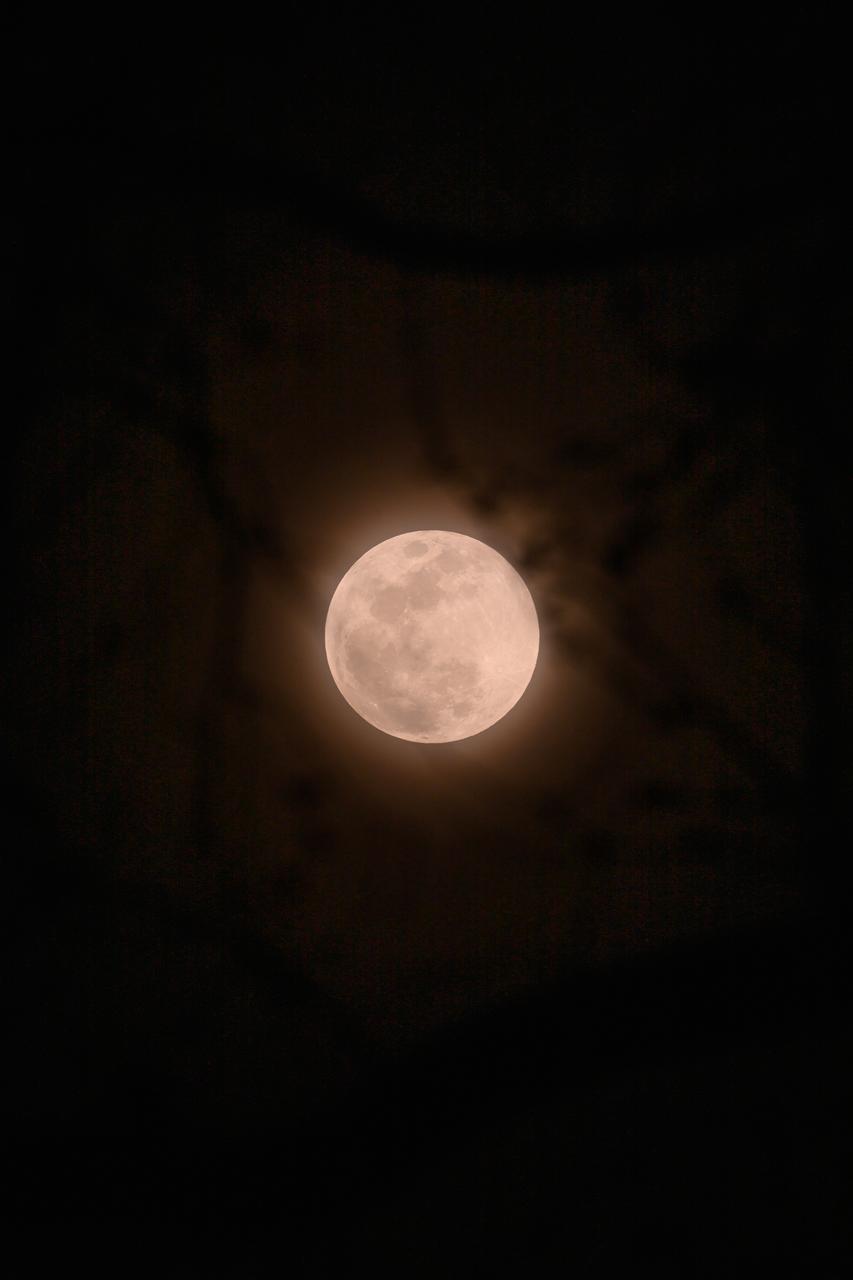
The Worm Moon rises over the city of New Orleans home of NASA's Michoud Assembly Facility on the evening of March 13th, 2025.
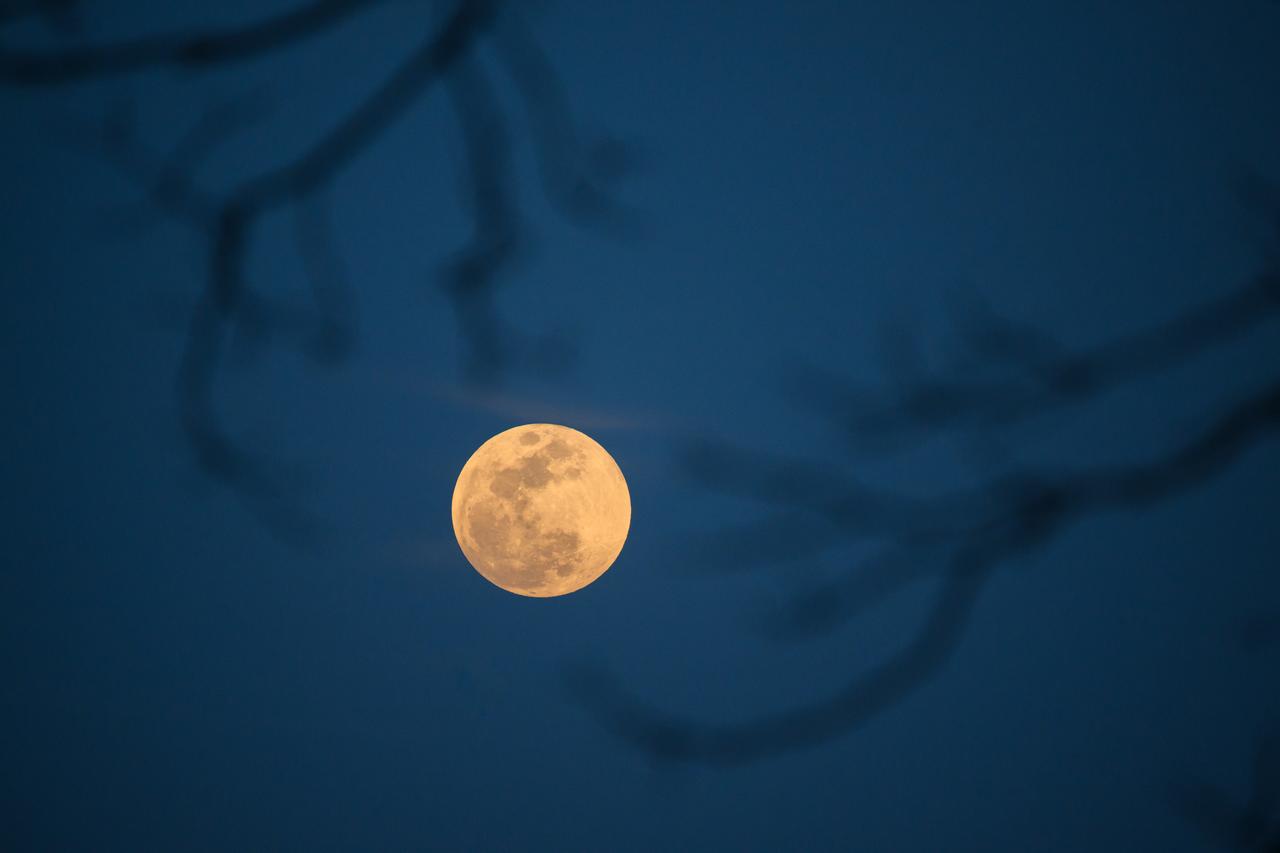
The Worm Moon rises over the city of New Orleans home of NASA's Michoud Assembly Facility on the evening of March 13th, 2025.

The Worm Moon rises over the city of New Orleans home of NASA's Michoud Assembly Facility on the evening of March 13th, 2025.
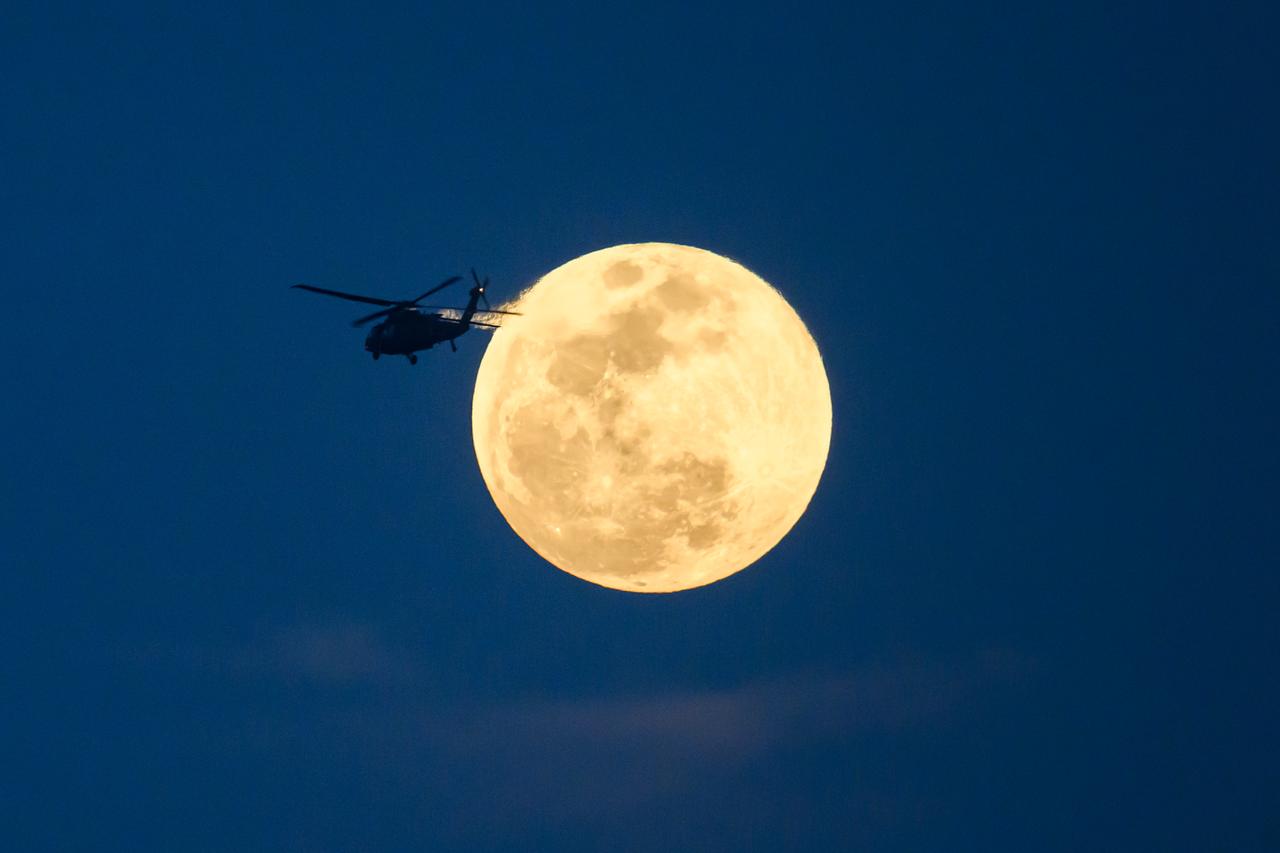
A helicopter passes in front of the moon on the evening of March 13th, near New Orleans, LA.
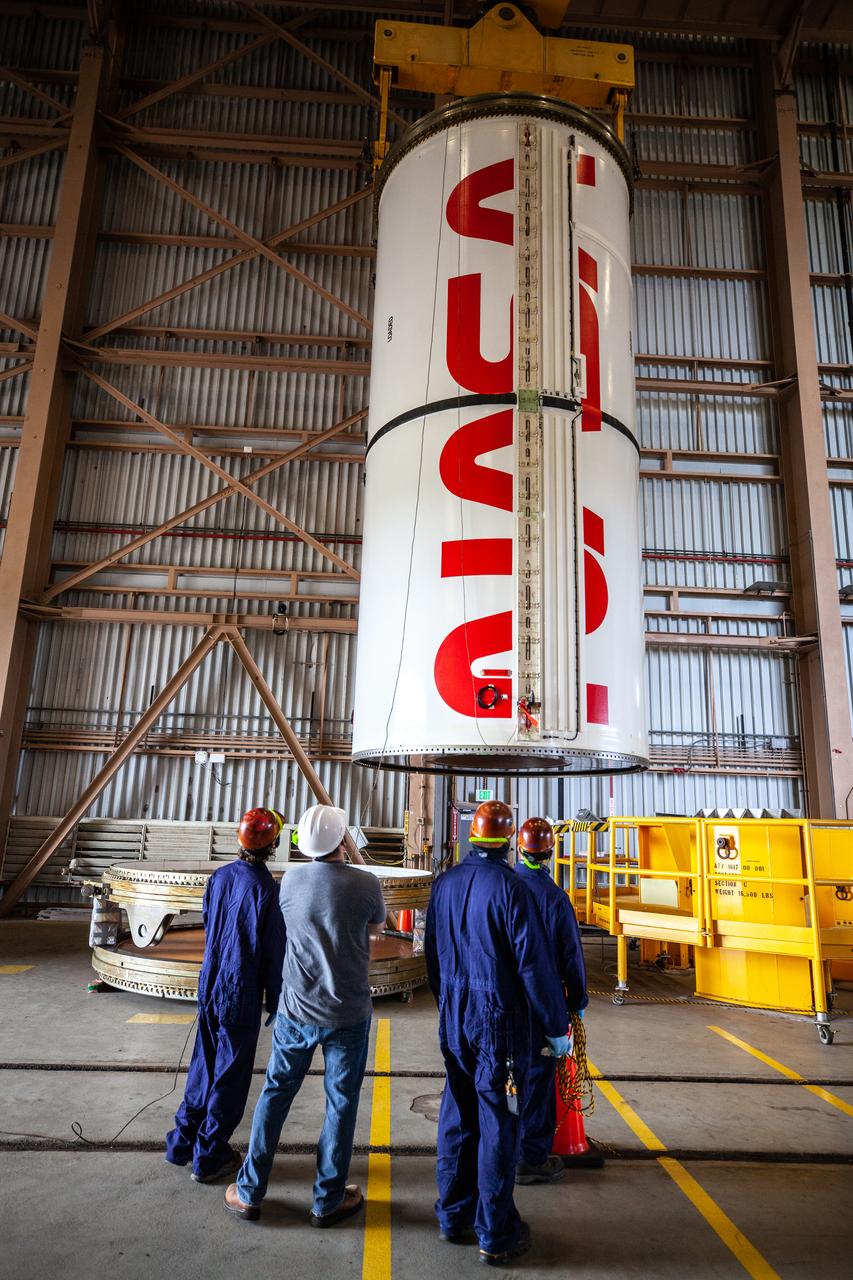
Inside the Rotation, Processing and Surge Facility at NASA’s Kennedy Space Center in Florida, Exploration Ground Systems and Jacobs TOSC workers completed painting of NASA’s iconic “worm” logo on the Artemis I Space Launch System twin solid rocket boosters on Sept. 23, 2020. Originally created by the firm of Danne & Blackburn, the iconic “worm” logo’s bold, sleek design was officially introduced in 1975 and was incorporated into many of the agency’s next-generation programs. It was retired in 1992, but has made a comeback in 2020 as the agency ushers in a new, modern era of human spaceflight. The first in a series of increasingly complex missions, Artemis I will test the Orion spacecraft and Space Launch System as an integrated system ahead of crewed flights to the Moon. Under the Artemis program, NASA will land the first woman and the next man on the Moon by 2024.
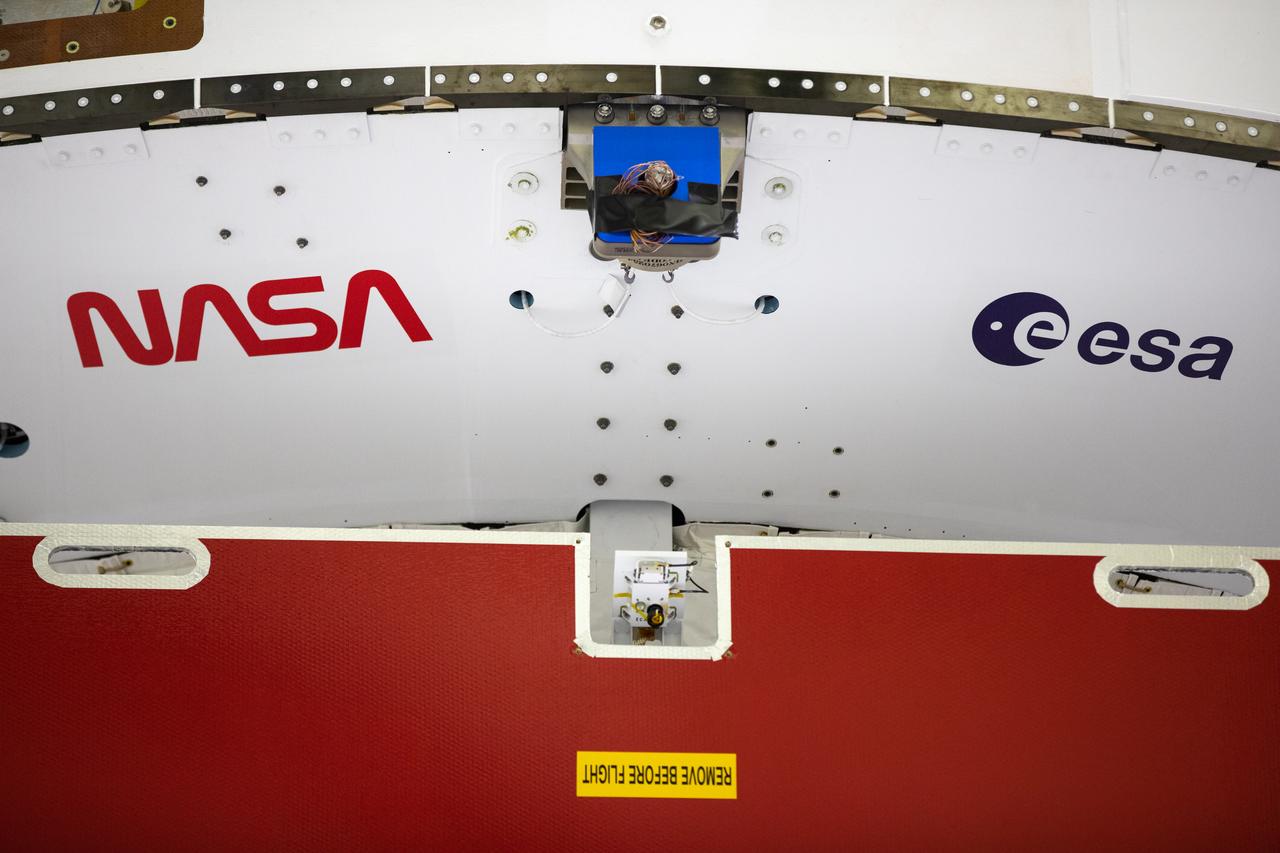
Inside the Neil Armstrong Operations and Checkout Building high bay at Kennedy Space Center, NASA’s iconic “worm” logo and European Space Agency (ESA) logo have been added to the aft wall of Orion’s crew module adapter ahead of NASA’s Artemis I mission. Originally created by the firm of Danne & Blackburn, the “worm” logo’s bold, sleek design was officially introduced in 1975 and was incorporated into many of the agency’s next-generation programs. It was retired in 1992, but has made a comeback in 2020 as the agency ushers in a new, modern era of human spaceflight. The Orion spacecraft is being prepared for installation of the solar array wings on Sept. 23, 2020. The first in a series of increasingly complex missions, Artemis I will test the Orion spacecraft and Space Launch System as an integrated system ahead of crewed flights to the Moon. Under the Artemis program, NASA will land the first woman and the next man on the Moon by 2024.
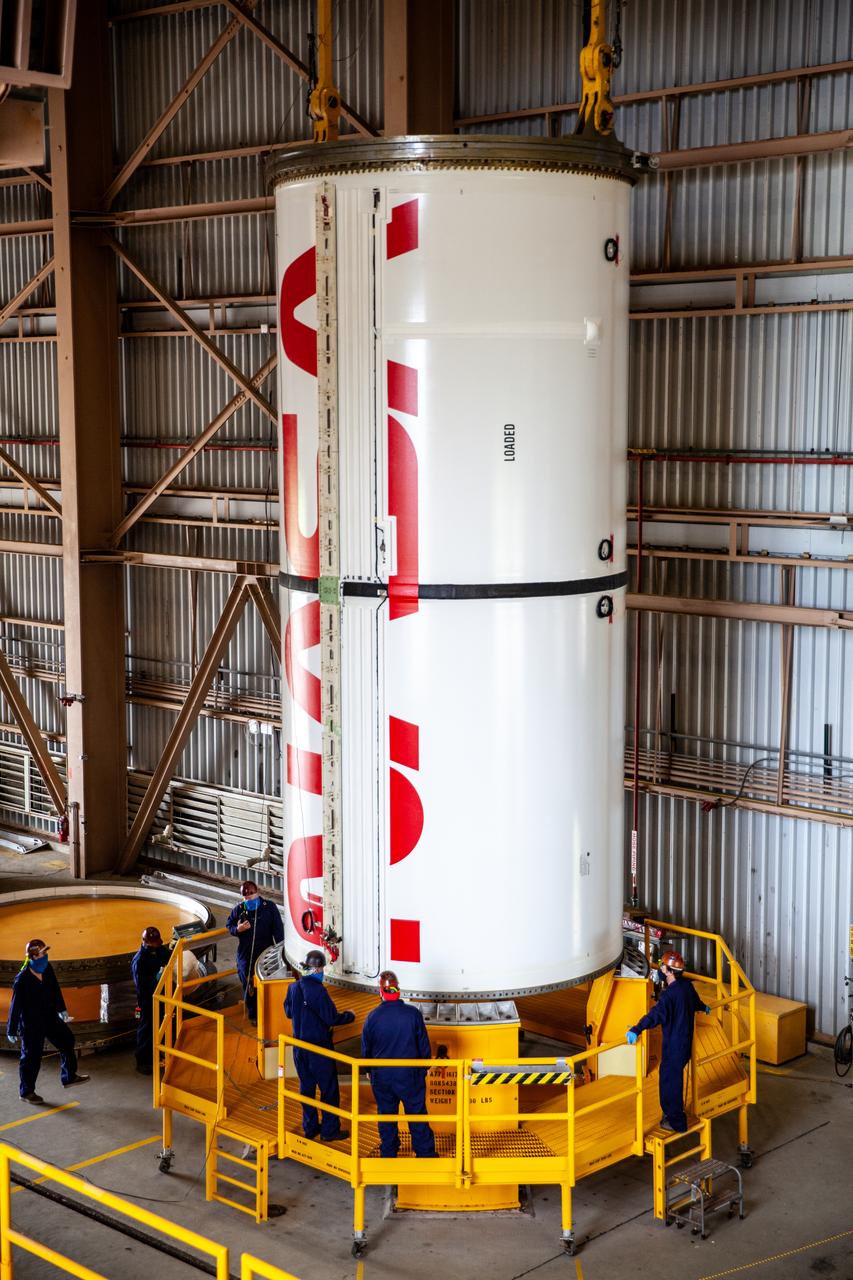
Inside the Rotation, Processing and Surge Facility at NASA’s Kennedy Space Center in Florida, Exploration Ground Systems and Jacobs TOSC workers completed painting of NASA’s iconic “worm” logo on the Artemis I Space Launch System twin solid rocket boosters on Sept. 23, 2020. Originally created by the firm of Danne & Blackburn, the iconic “worm” logo’s bold, sleek design was officially introduced in 1975 and was incorporated into many of the agency’s next-generation programs. It was retired in 1992, but has made a comeback in 2020 as the agency ushers in a new, modern era of human spaceflight. The first in a series of increasingly complex missions, Artemis I will test the Orion spacecraft and Space Launch System as an integrated system ahead of crewed flights to the Moon. Under the Artemis program, NASA will land the first woman and the next man on the Moon by 2024.

Frank Pelkey, ASRC technician, adheres NASA’s iconic “worm” logo decal on the aft wall of Orion’s crew module adapter ahead of NASA’s Artemis I mission. The work is complete inside the Neil Armstrong Operations and Checkout Building high bay at Kennedy Space Center on Sept. 20, 2020. Originally created by the firm of Danne & Blackburn, the “worm” logo’s bold, sleek design was officially introduced in 1975 and was incorporated into many of the agency’s next-generation programs. It was retired in 1992, but has made a comeback in 2020 as the agency ushers in a new, modern era of human spaceflight. The first in a series of increasingly complex missions, Artemis I will test the Orion spacecraft and Space Launch System as an integrated system ahead of crewed flights to the Moon. Under the Artemis program, NASA will land the first woman and the next man on the Moon by 2024.
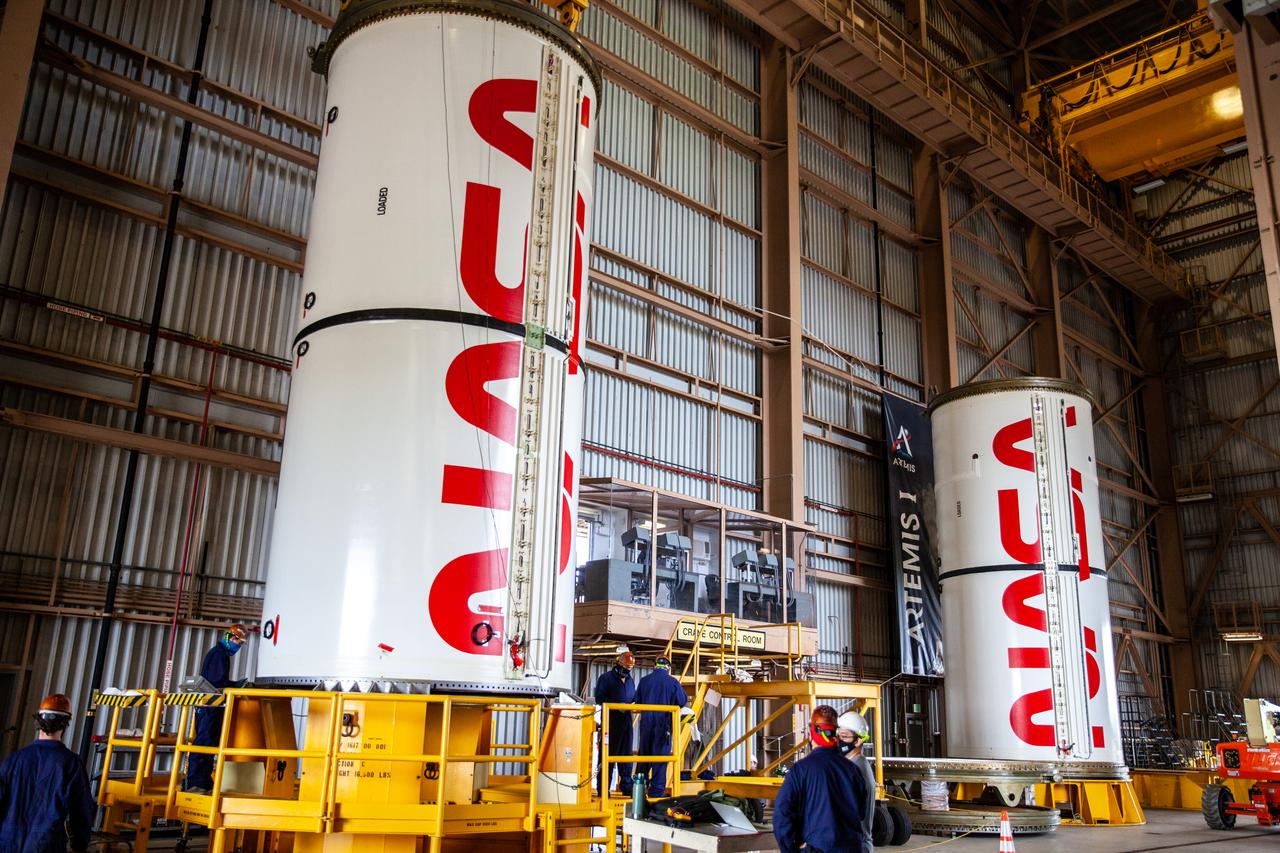
Inside the Rotation, Processing and Surge Facility at NASA’s Kennedy Space Center in Florida, Exploration Ground Systems and Jacobs TOSC workers completed painting of NASA’s iconic “worm” logo on the Artemis I Space Launch System twin solid rocket boosters on Sept. 23, 2020. Originally created by the firm of Danne & Blackburn, the iconic “worm” logo’s bold, sleek design was officially introduced in 1975 and was incorporated into many of the agency’s next-generation programs. It was retired in 1992, but has made a comeback in 2020 as the agency ushers in a new, modern era of human spaceflight. The first in a series of increasingly complex missions, Artemis I will test the Orion spacecraft and Space Launch System as an integrated system ahead of crewed flights to the Moon. Under the Artemis program, NASA will land the first woman and the next man on the Moon by 2024.
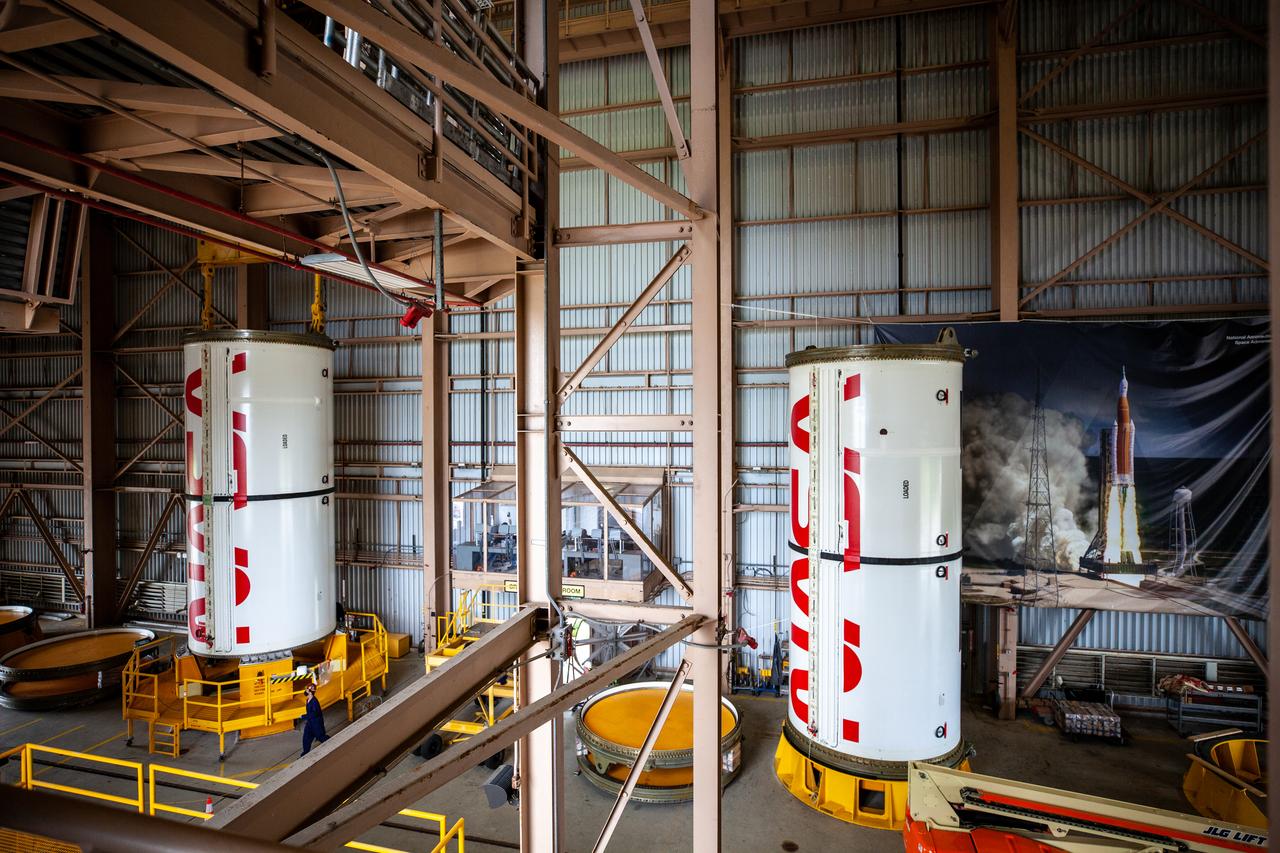
Inside the Rotation, Processing and Surge Facility at NASA’s Kennedy Space Center in Florida, Exploration Ground Systems and Jacobs TOSC workers completed painting of NASA’s iconic “worm” logo on the Artemis I Space Launch System twin solid rocket boosters on Sept. 23, 2020. Originally created by the firm of Danne & Blackburn, the iconic “worm” logo’s bold, sleek design was officially introduced in 1975 and was incorporated into many of the agency’s next-generation programs. It was retired in 1992, but has made a comeback in 2020 as the agency ushers in a new, modern era of human spaceflight. The first in a series of increasingly complex missions, Artemis I will test the Orion spacecraft and Space Launch System as an integrated system ahead of crewed flights to the Moon. Under the Artemis program, NASA will land the first woman and the next man on the Moon by 2024.
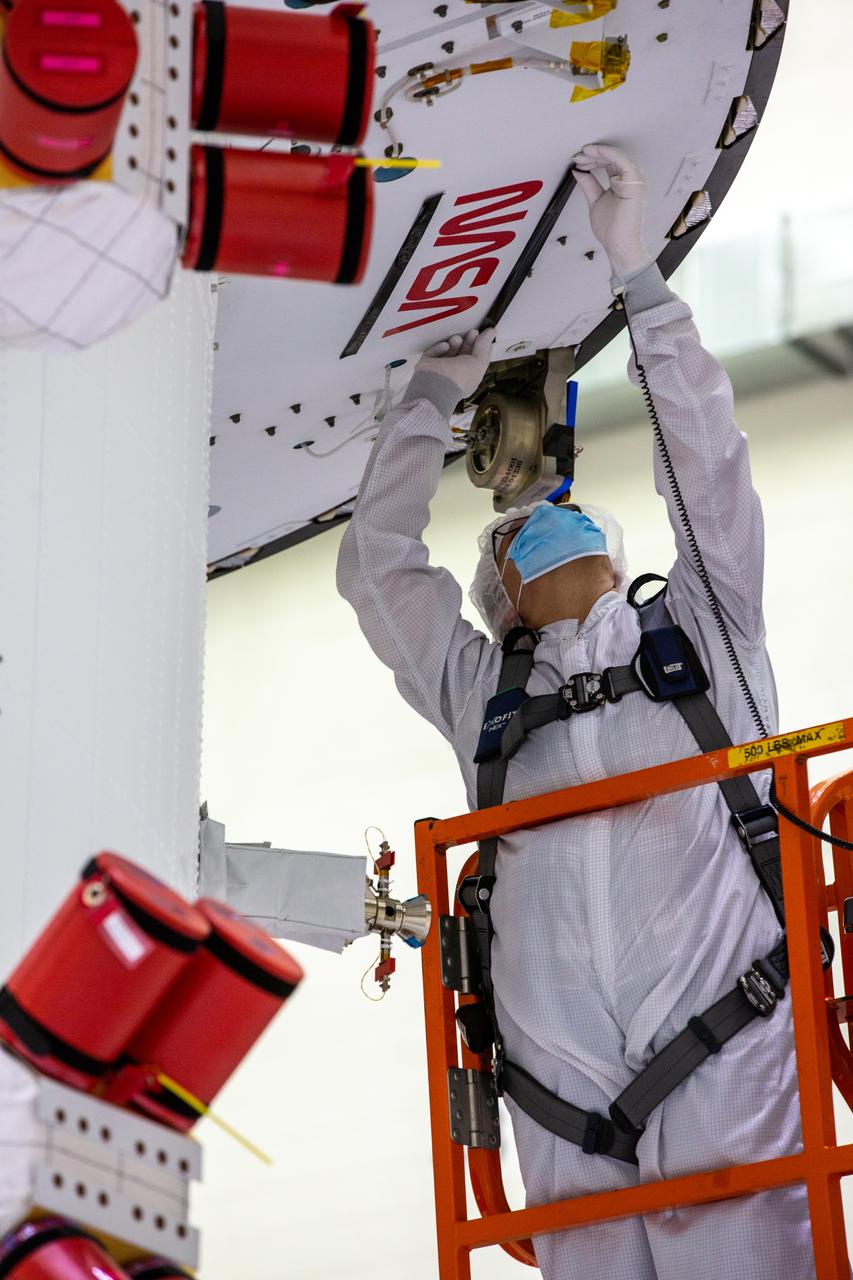
Frank Pelkey, ASRC technician, adheres removable tape around NASA’s iconic “worm” logo decal on the aft wall of Orion’s crew module adapter ahead of NASA’s Artemis I mission. The work is complete inside the Neil Armstrong Operations and Checkout Building high bay at Kennedy Space Center on Sept. 20, 2020. Originally created by the firm of Danne & Blackburn, the “worm” logo’s bold, sleek design was officially introduced in 1975 and was incorporated into many of the agency’s next-generation programs. It was retired in 1992, but has made a comeback in 2020 as the agency ushers in a new, modern era of human spaceflight. The first in a series of increasingly complex missions, Artemis I will test the Orion spacecraft and Space Launch System as an integrated system ahead of crewed flights to the Moon. Under the Artemis program, NASA will land the first woman and the next man on the Moon by 2024.
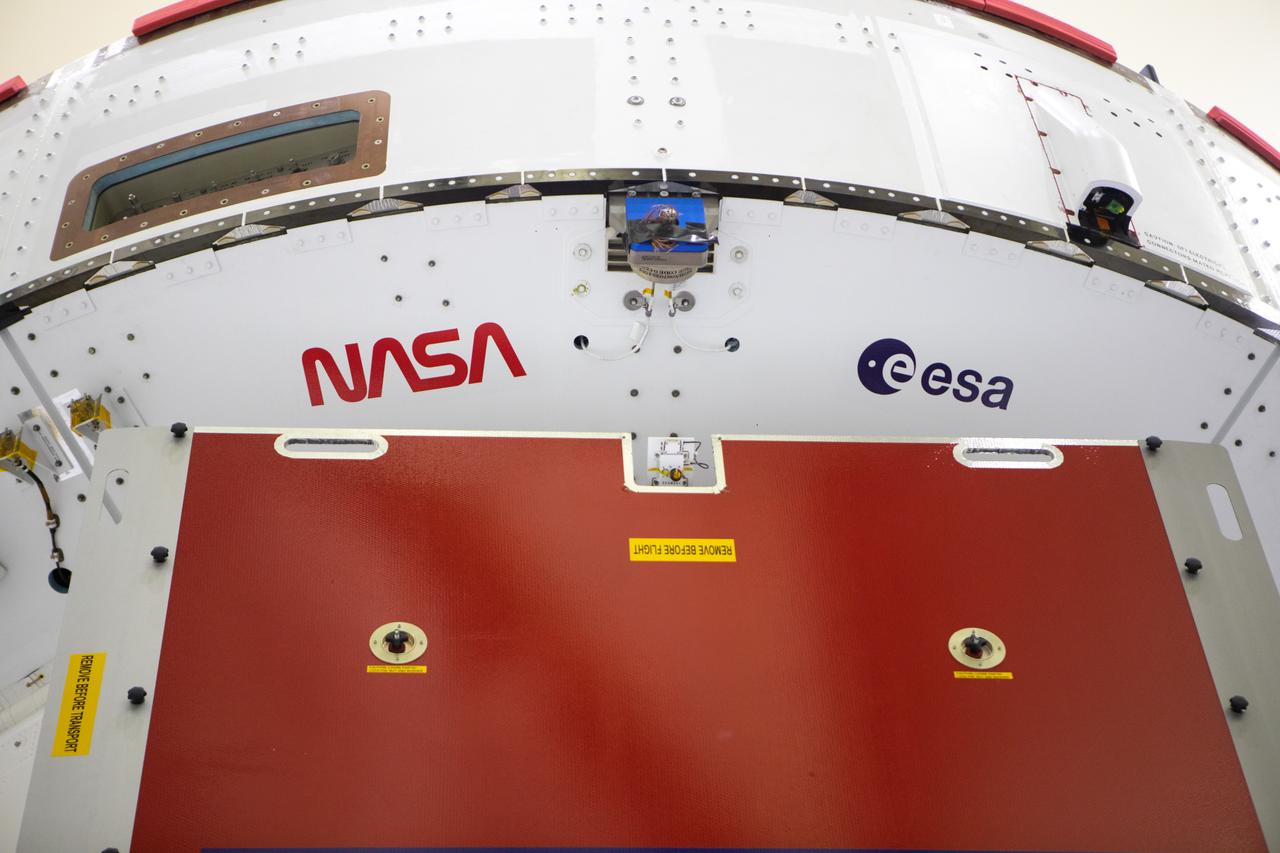
Inside the Neil Armstrong Operations and Checkout Building high bay at Kennedy Space Center, NASA’s iconic “worm” logo and European Space Agency (ESA) logo have been added to the aft wall of Orion’s crew module adapter ahead of NASA’s Artemis I mission. Originally created by the firm of Danne & Blackburn, the “worm” logo’s bold, sleek design was officially introduced in 1975 and was incorporated into many of the agency’s next-generation programs. It was retired in 1992, but has made a comeback in 2020 as the agency ushers in a new, modern era of human spaceflight. The Orion spacecraft is being prepared for installation of the solar array wings on Sept. 23, 2020. The first in a series of increasingly complex missions, Artemis I will test the Orion spacecraft and Space Launch System as an integrated system ahead of crewed flights to the Moon. Under the Artemis program, NASA will land the first woman and the next man on the Moon by 2024.
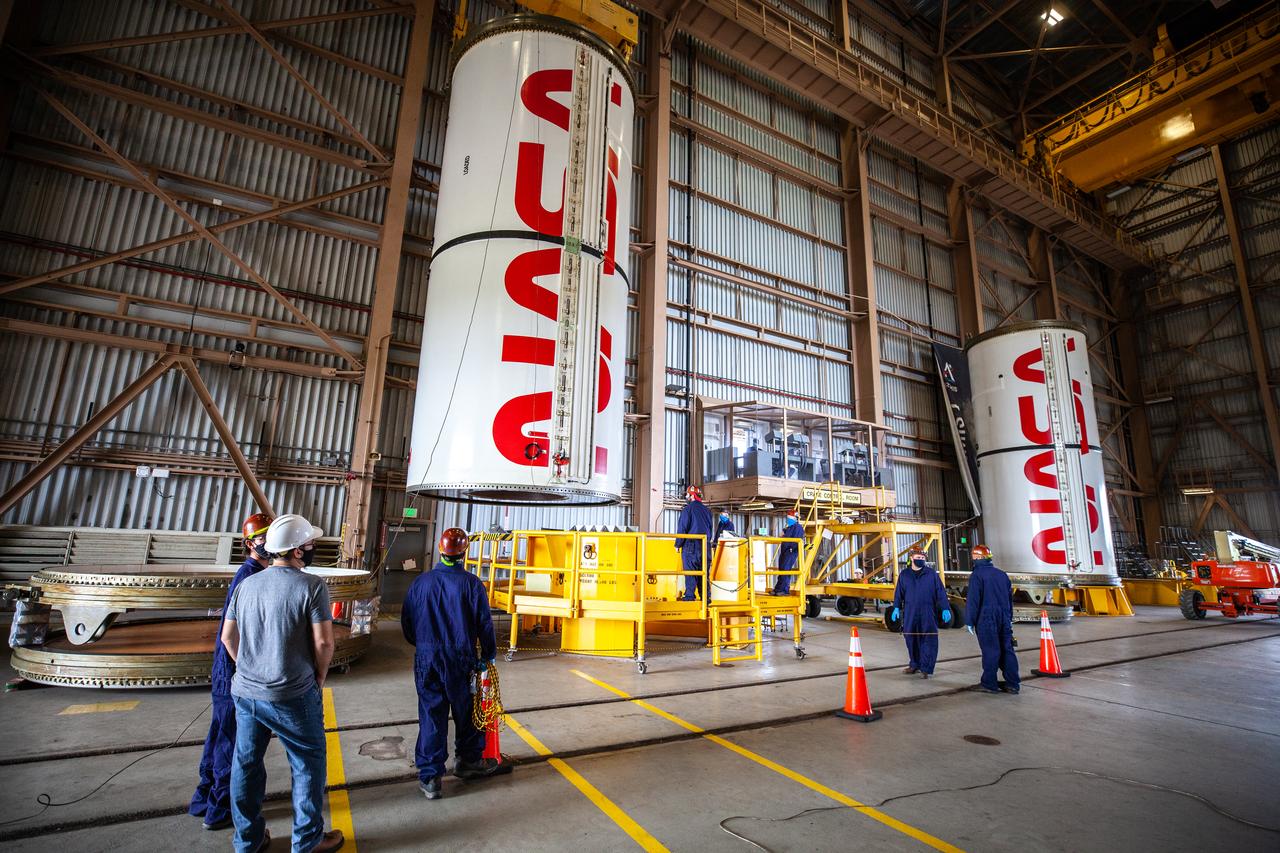
Inside the Rotation, Processing and Surge Facility at NASA’s Kennedy Space Center in Florida, Exploration Ground Systems and Jacobs TOSC workers completed painting of NASA’s iconic “worm” logo on the Artemis I Space Launch System twin solid rocket boosters on Sept. 23, 2020. Originally created by the firm of Danne & Blackburn, the iconic “worm” logo’s bold, sleek design was officially introduced in 1975 and was incorporated into many of the agency’s next-generation programs. It was retired in 1992, but has made a comeback in 2020 as the agency ushers in a new, modern era of human spaceflight. The first in a series of increasingly complex missions, Artemis I will test the Orion spacecraft and Space Launch System as an integrated system ahead of crewed flights to the Moon. Under the Artemis program, NASA will land the first woman and the next man on the Moon by 2024.
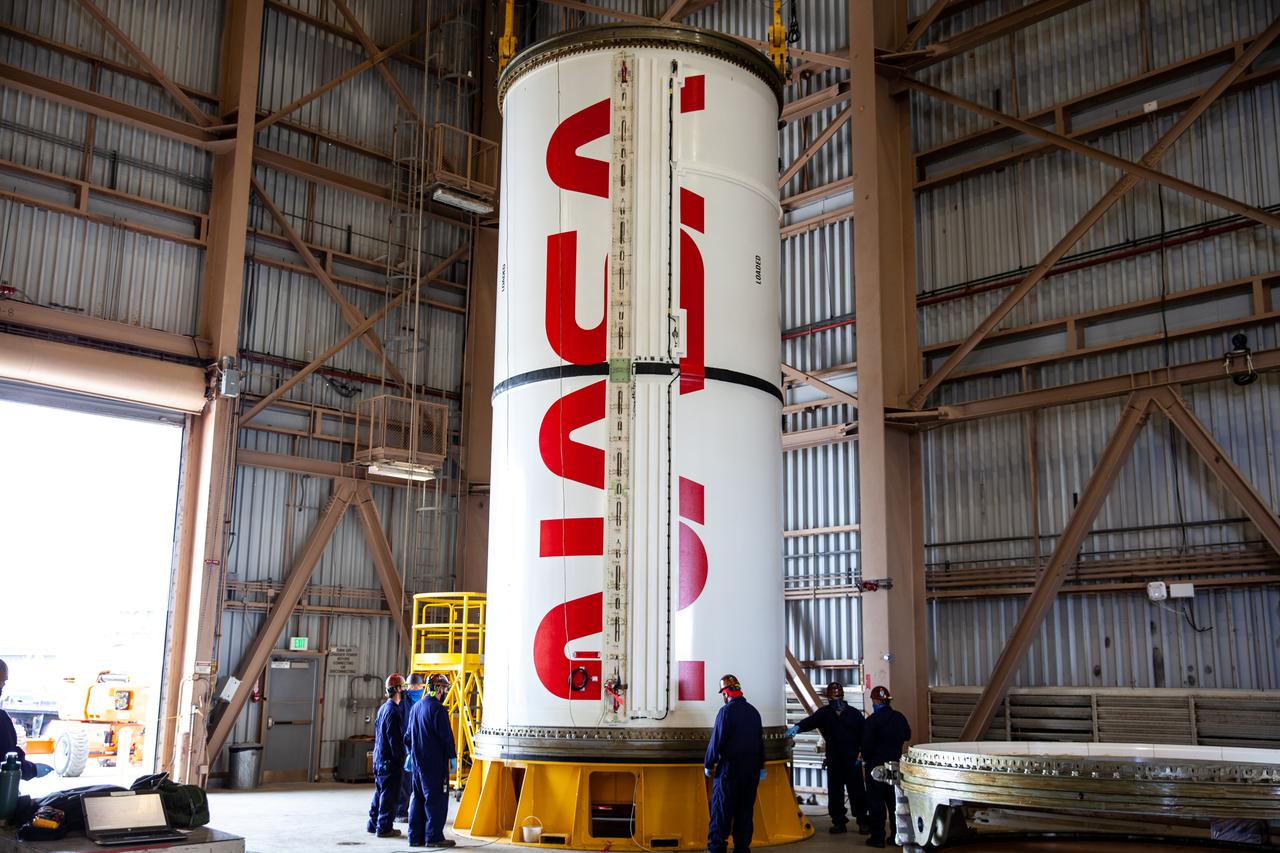
Inside the Rotation, Processing and Surge Facility at NASA’s Kennedy Space Center in Florida, Exploration Ground Systems and Jacobs TOSC workers completed painting of NASA’s iconic “worm” logo on the Artemis I Space Launch System twin solid rocket boosters on Sept. 23, 2020. Originally created by the firm of Danne & Blackburn, the iconic “worm” logo’s bold, sleek design was officially introduced in 1975 and was incorporated into many of the agency’s next-generation programs. It was retired in 1992, but has made a comeback in 2020 as the agency ushers in a new, modern era of human spaceflight. The first in a series of increasingly complex missions, Artemis I will test the Orion spacecraft and Space Launch System as an integrated system ahead of crewed flights to the Moon. Under the Artemis program, NASA will land the first woman and the next man on the Moon by 2024.
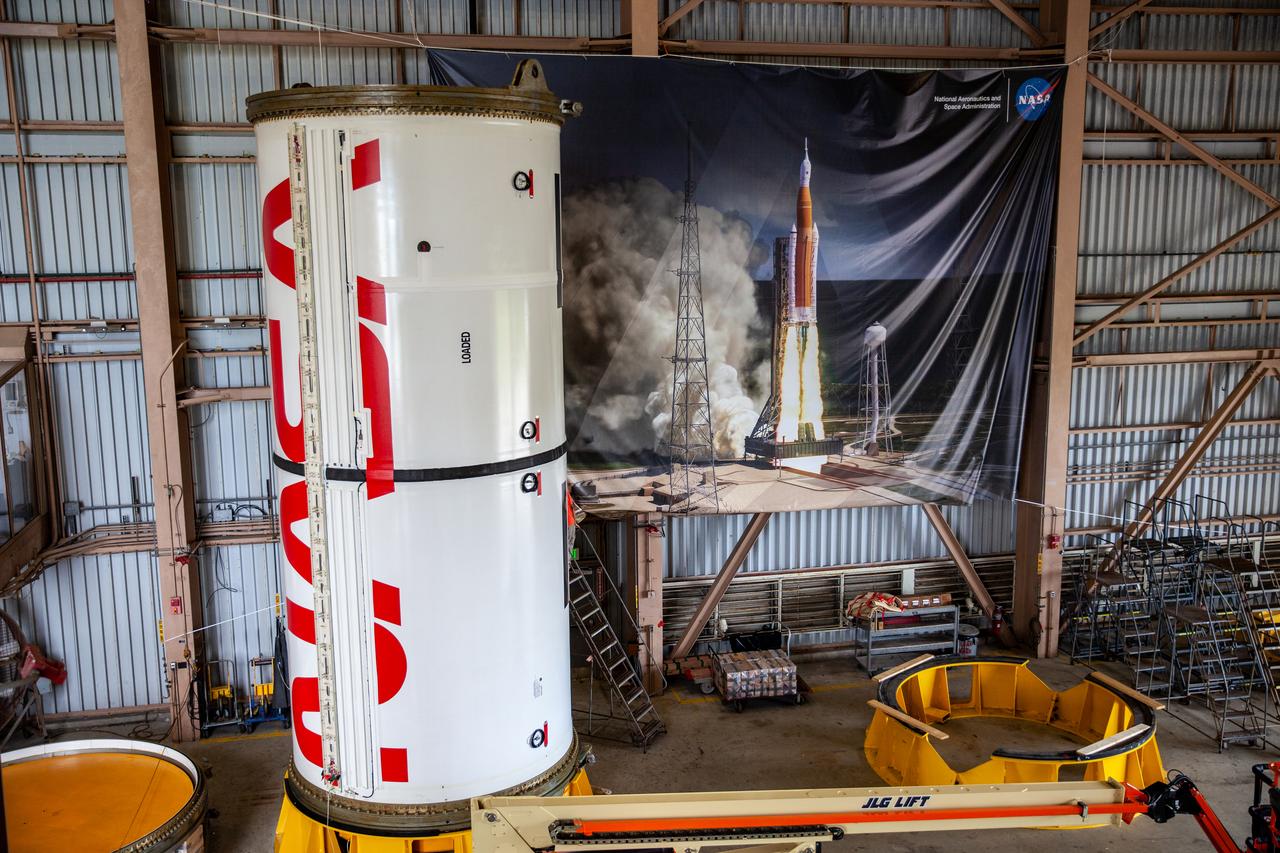
Inside the Rotation, Processing and Surge Facility at NASA’s Kennedy Space Center in Florida, Exploration Ground Systems and Jacobs TOSC workers completed painting of NASA’s iconic “worm” logo on the Artemis I Space Launch System twin solid rocket boosters on Sept. 23, 2020. Originally created by the firm of Danne & Blackburn, the iconic “worm” logo’s bold, sleek design was officially introduced in 1975 and was incorporated into many of the agency’s next-generation programs. It was retired in 1992, but has made a comeback in 2020 as the agency ushers in a new, modern era of human spaceflight. The first in a series of increasingly complex missions, Artemis I will test the Orion spacecraft and Space Launch System as an integrated system ahead of crewed flights to the Moon. Under the Artemis program, NASA will land the first woman and the next man on the Moon by 2024.
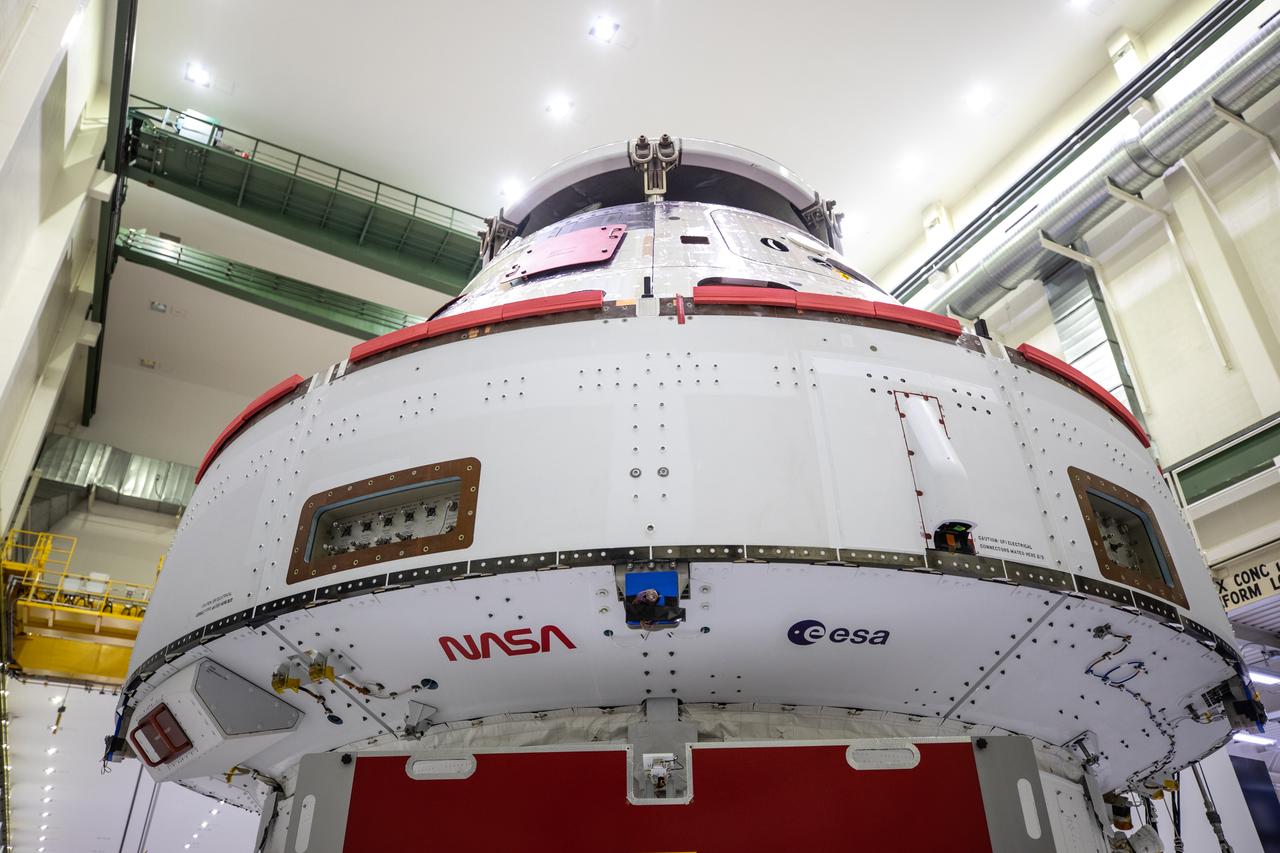
Inside the Neil Armstrong Operations and Checkout Building high bay at Kennedy Space Center, NASA’s iconic “worm” logo and European Space Agency (ESA) logo have been added to the aft wall of Orion’s crew module adapter ahead of NASA’s Artemis I mission. Originally created by the firm of Danne & Blackburn, the “worm” logo’s bold, sleek design was officially introduced in 1975 and was incorporated into many of the agency’s next-generation programs. It was retired in 1992, but has made a comeback in 2020 as the agency ushers in a new, modern era of human spaceflight. The Orion spacecraft is being prepared for installation of the solar array wings on Sept. 23, 2020. The first in a series of increasingly complex missions, Artemis I will test the Orion spacecraft and Space Launch System as an integrated system ahead of crewed flights to the Moon. Under the Artemis program, NASA will land the first woman and the next man on the Moon by 2024.
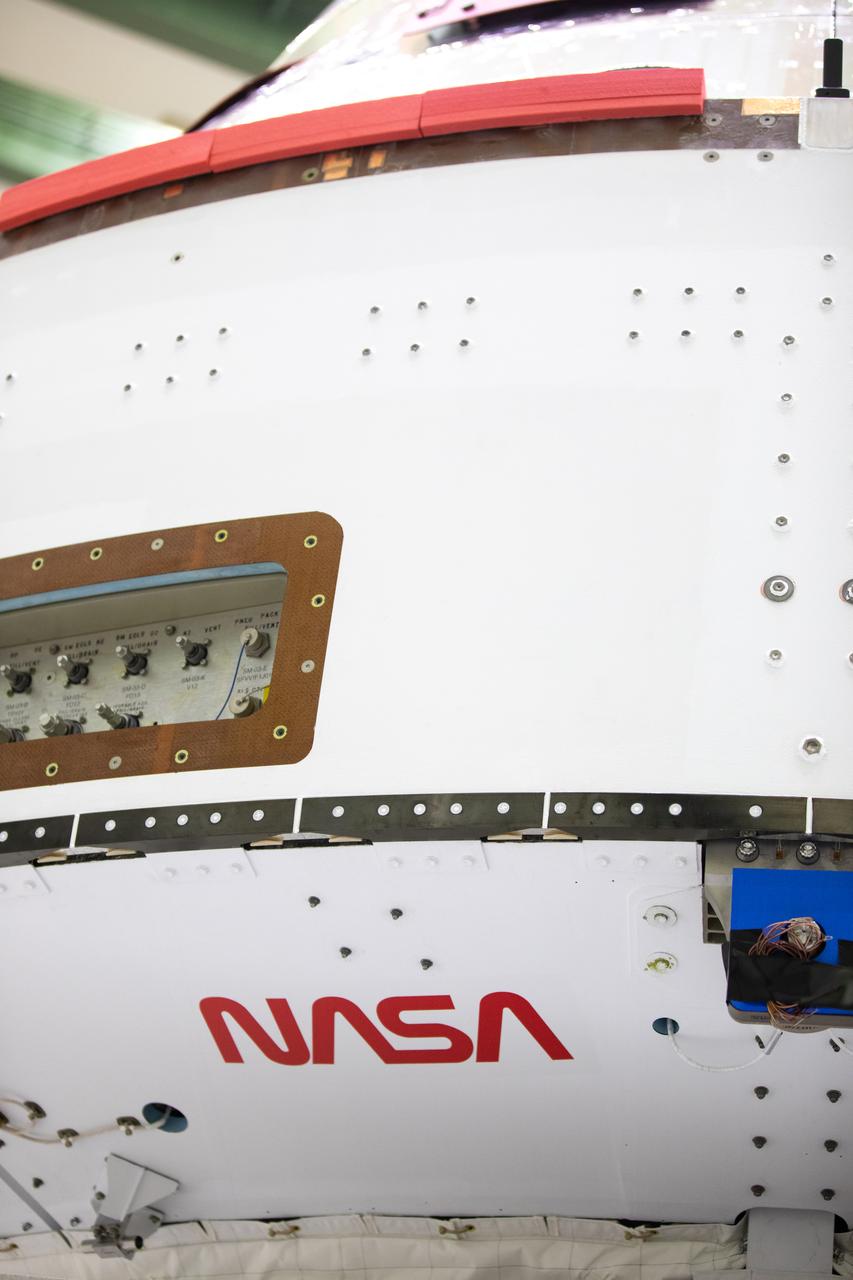
Inside the Neil Armstrong Operations and Checkout Building high bay at Kennedy Space Center, NASA’s iconic “worm” logo has been added to the aft wall of Orion’s crew module adapter ahead of NASA’s Artemis I mission. Originally created by the firm of Danne & Blackburn, the “worm” logo’s bold, sleek design was officially introduced in 1975 and was incorporated into many of the agency’s next-generation programs. It was retired in 1992, but has made a comeback in 2020 as the agency ushers in a new, modern era of human spaceflight. The Orion spacecraft is being prepared for installation of the solar array wings on Sept. 23, 2020. The first in a series of increasingly complex missions, Artemis I will test the Orion spacecraft and Space Launch System as an integrated system ahead of crewed flights to the Moon. Under the Artemis program, NASA will land the first woman and the next man on the Moon by 2024.
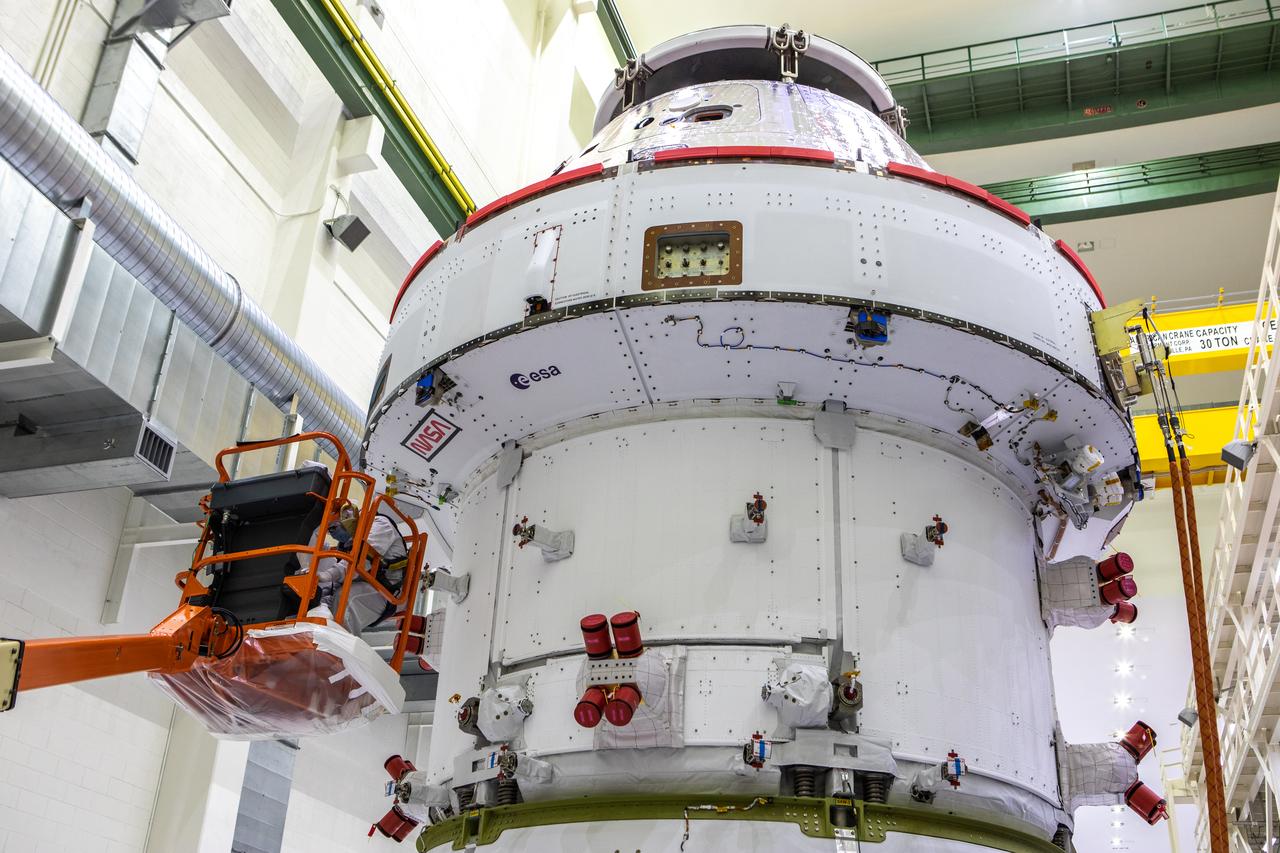
Frank Pelkey, ASRC technician, works to complete the application of NASA’s iconic “worm” logo decal on the aft wall of Orion’s crew module adapter ahead of NASA’s Artemis I mission. The work is complete inside the Neil Armstrong Operations and Checkout Building high bay at Kennedy Space Center on Sept. 20, 2020. Originally created by the firm of Danne & Blackburn, the “worm” logo’s bold, sleek design was officially introduced in 1975 and was incorporated into many of the agency’s next-generation programs. It was retired in 1992, but has made a comeback in 2020 as the agency ushers in a new, modern era of human spaceflight. The first in a series of increasingly complex missions, Artemis I will test the Orion spacecraft and Space Launch System as an integrated system ahead of crewed flights to the Moon. Under the Artemis program, NASA will land the first woman and the next man on the Moon by 2024.
Frank Pelkey, ASRC technician, works to adhere NASA’s iconic “worm” logo decal on the aft wall of Orion’s crew module adapter ahead of NASA’s Artemis I mission. The work is complete inside the Neil Armstrong Operations and Checkout Building high bay at Kennedy Space Center on Sept. 20, 2020. Originally created by the firm of Danne & Blackburn, the “worm” logo’s bold, sleek design was officially introduced in 1975 and was incorporated into many of the agency’s next-generation programs. It was retired in 1992, but has made a comeback in 2020 as the agency ushers in a new, modern era of human spaceflight. The first in a series of increasingly complex missions, Artemis I will test the Orion spacecraft and Space Launch System as an integrated system ahead of crewed flights to the Moon. Under the Artemis program, NASA will land the first woman and the next man on the Moon by 2024.

Inside the Neil Armstrong Operations and Checkout Building high bay at Kennedy Space Center, NASA’s iconic “worm” logo and European Space Agency (ESA) logo have been added to the aft wall of Orion’s crew module adapter ahead of NASA’s Artemis I mission. Originally created by the firm of Danne & Blackburn, the “worm” logo’s bold, sleek design was officially introduced in 1975 and was incorporated into many of the agency’s next-generation programs. It was retired in 1992, but has made a comeback in 2020 as the agency ushers in a new, modern era of human spaceflight. The Orion spacecraft is being prepared for installation of the solar array wings on Sept. 23, 2020. The first in a series of increasingly complex missions, Artemis I will test the Orion spacecraft and Space Launch System as an integrated system ahead of crewed flights to the Moon. Under the Artemis program, NASA will land the first woman and the next man on the Moon by 2024.
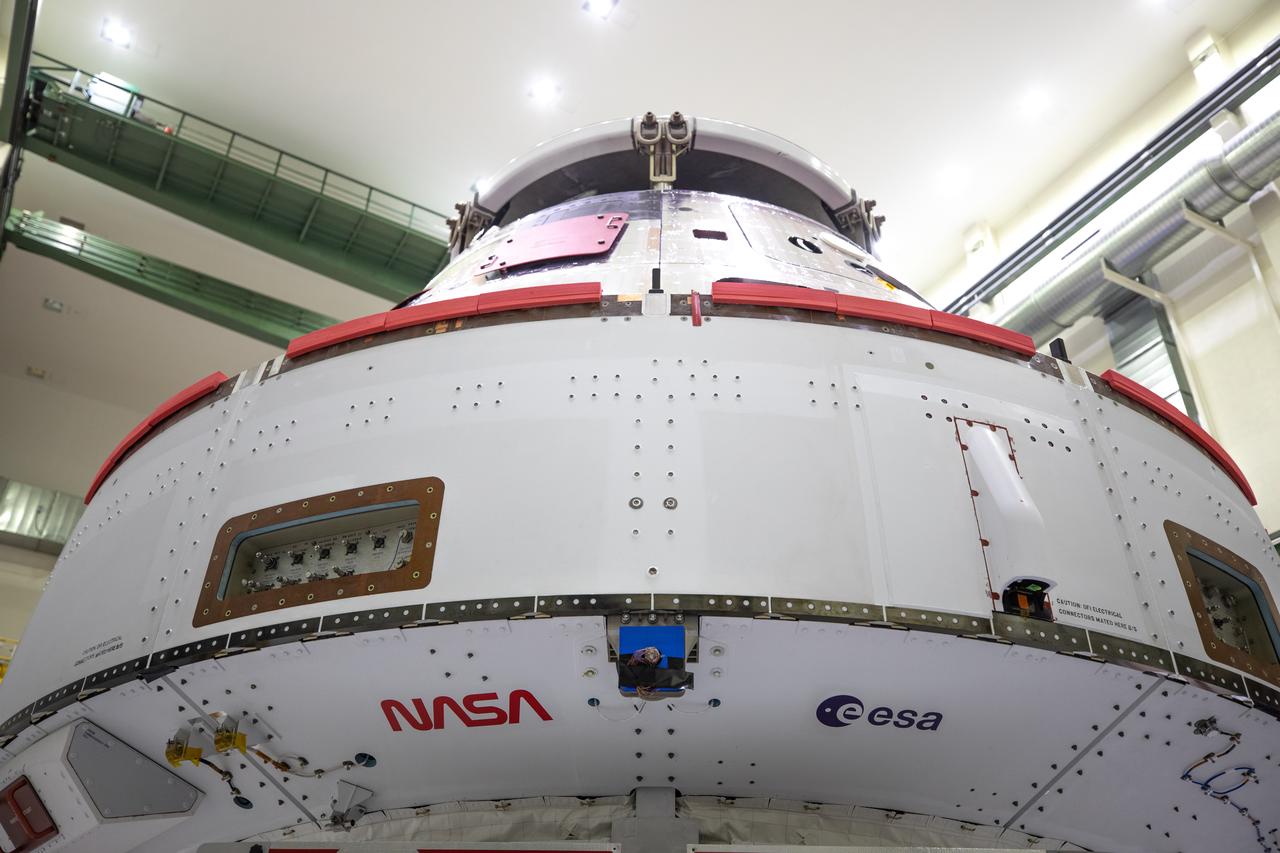
Inside the Neil Armstrong Operations and Checkout Building high bay at Kennedy Space Center, NASA’s iconic “worm” logo and European Space Agency (ESA) logo have been added to the aft wall of Orion’s crew module adapter ahead of NASA’s Artemis I mission. Originally created by the firm of Danne & Blackburn, the “worm” logo’s bold, sleek design was officially introduced in 1975 and was incorporated into many of the agency’s next-generation programs. It was retired in 1992, but has made a comeback in 2020 as the agency ushers in a new, modern era of human spaceflight. The Orion spacecraft is being prepared for installation of the solar array wings on Sept. 23, 2020. The first in a series of increasingly complex missions, Artemis I will test the Orion spacecraft and Space Launch System as an integrated system ahead of crewed flights to the Moon. Under the Artemis program, NASA will land the first woman and the next man on the Moon by 2024.
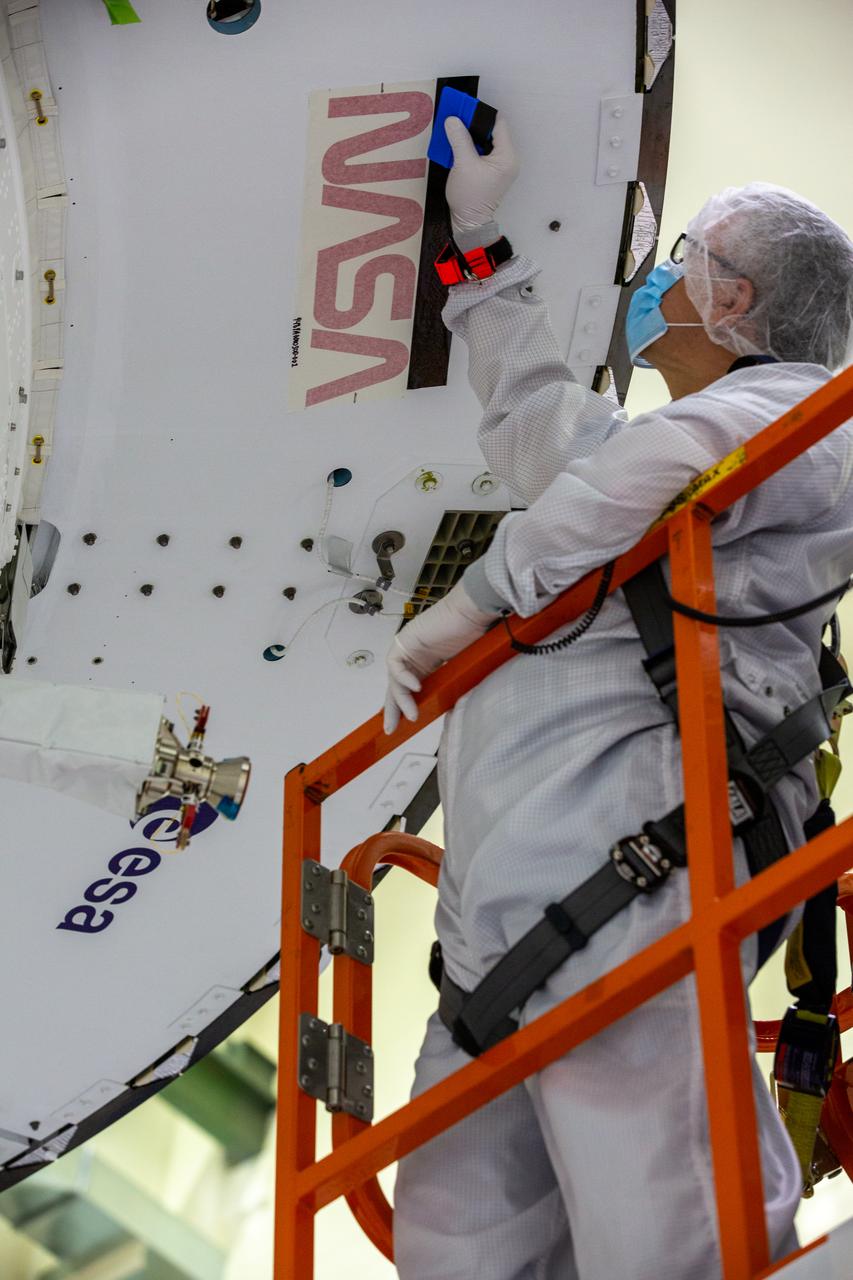
Frank Pelkey, ASRC technician, places tape around the outline of NASA’s iconic “worm” logo on the aft wall of Orion’s crew module adapter ahead of NASA’s Artemis I mission. The work is complete inside the Neil Armstrong Operations and Checkout Building high bay at Kennedy Space Center on Sept. 20, 2020. Originally created by the firm of Danne & Blackburn, the “worm” logo’s bold, sleek design was officially introduced in 1975 and was incorporated into many of the agency’s next-generation programs. It was retired in 1992, but has made a comeback in 2020 as the agency ushers in a new, modern era of human spaceflight. The first in a series of increasingly complex missions, Artemis I will test the Orion spacecraft and Space Launch System as an integrated system ahead of crewed flights to the Moon. Under the Artemis program, NASA will land the first woman and the next man on the Moon by 2024.
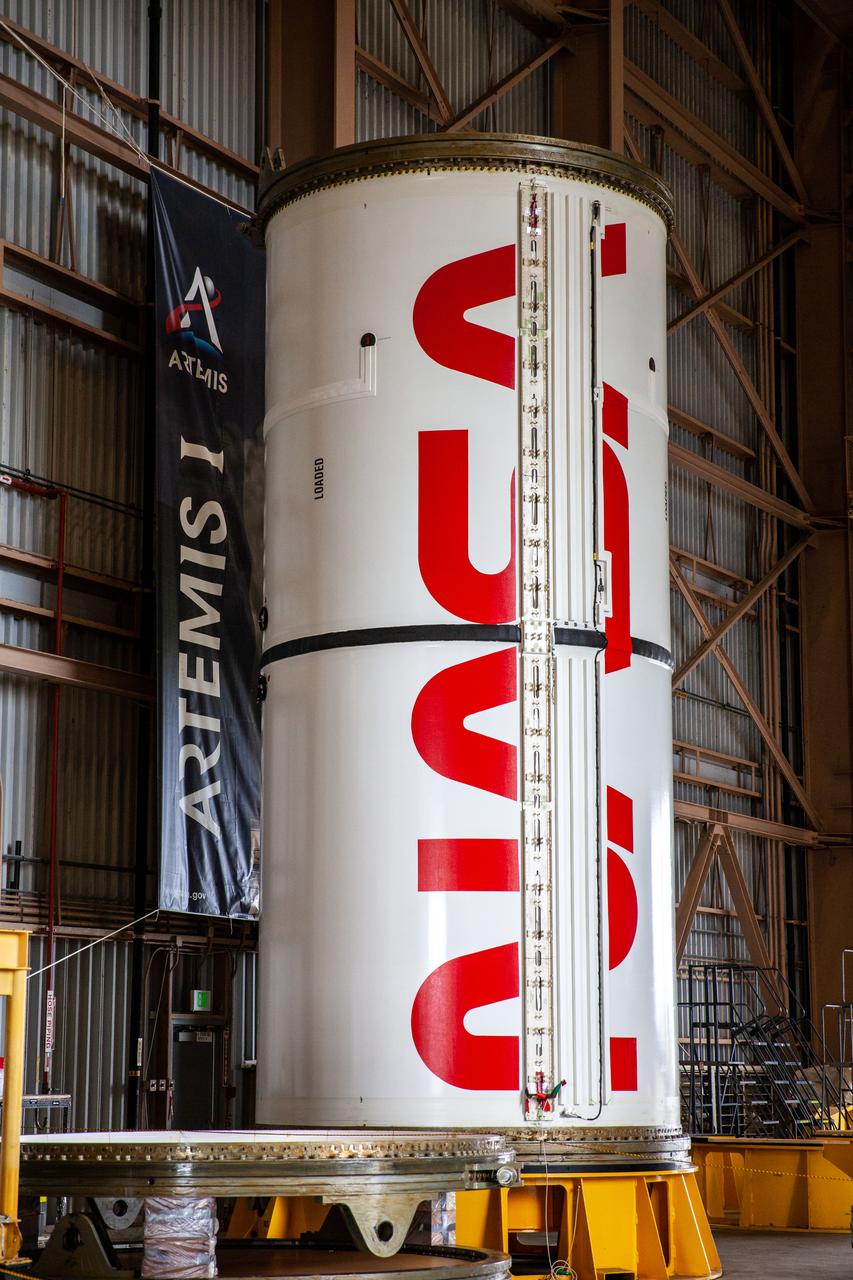
Inside the Rotation, Processing and Surge Facility at NASA’s Kennedy Space Center in Florida, Exploration Ground Systems and Jacobs TOSC workers completed painting of NASA’s iconic “worm” logo on the Artemis I Space Launch System twin solid rocket boosters on Sept. 23, 2020. Originally created by the firm of Danne & Blackburn, the iconic “worm” logo’s bold, sleek design was officially introduced in 1975 and was incorporated into many of the agency’s next-generation programs. It was retired in 1992, but has made a comeback in 2020 as the agency ushers in a new, modern era of human spaceflight. The first in a series of increasingly complex missions, Artemis I will test the Orion spacecraft and Space Launch System as an integrated system ahead of crewed flights to the Moon. Under the Artemis program, NASA will land the first woman and the next man on the Moon by 2024.

Frank Pelkey, ASRC technician, works to adhere NASA’s iconic “worm” logo decal on the aft wall of Orion’s crew module adapter ahead of NASA’s Artemis I mission. The work is complete inside the Neil Armstrong Operations and Checkout Building high bay at Kennedy Space Center on Sept. 20, 2020. Originally created by the firm of Danne & Blackburn, the “worm” logo’s bold, sleek design was officially introduced in 1975 and was incorporated into many of the agency’s next-generation programs. It was retired in 1992, but has made a comeback in 2020 as the agency ushers in a new, modern era of human spaceflight. The first in a series of increasingly complex missions, Artemis I will test the Orion spacecraft and Space Launch System as an integrated system ahead of crewed flights to the Moon. Under the Artemis program, NASA will land the first woman and the next man on the Moon by 2024.
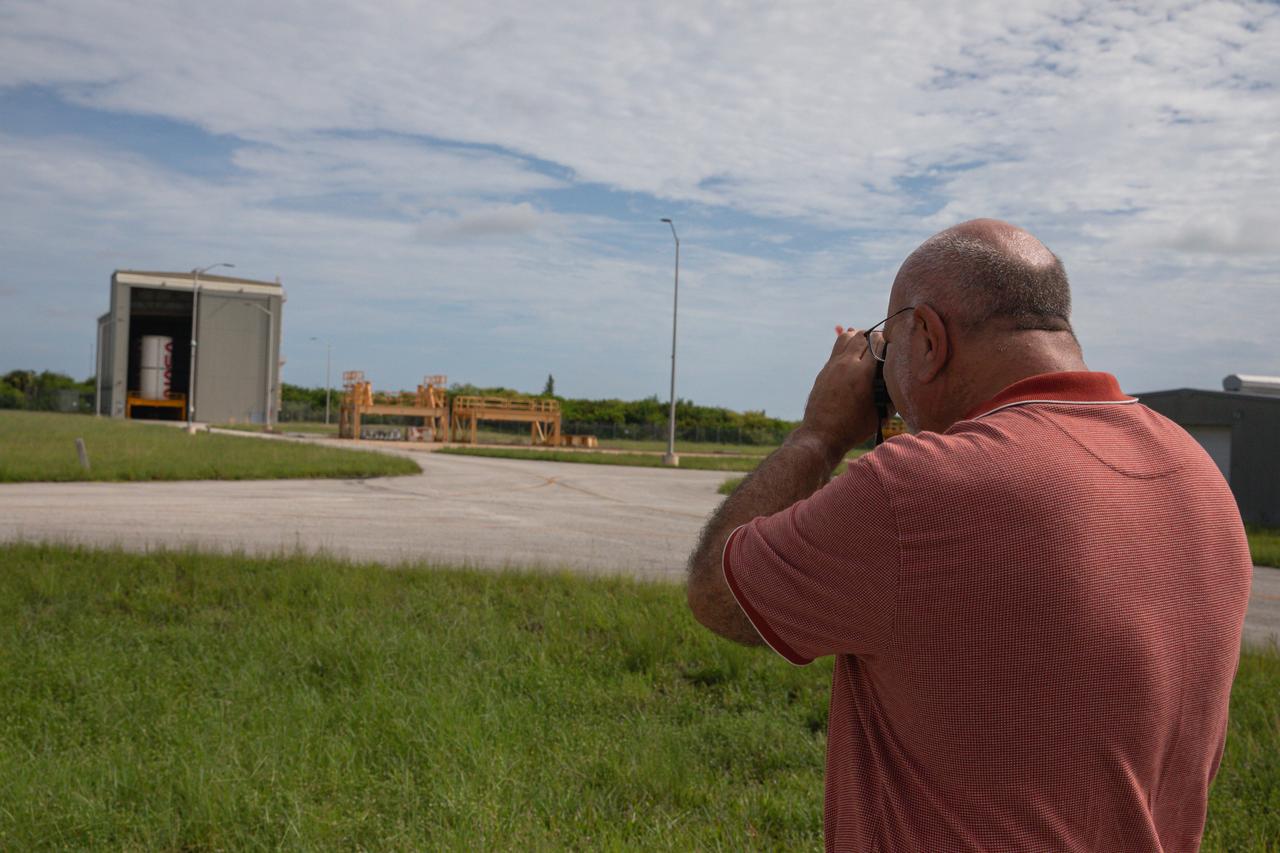
A member of the media takes a photo of the NASA worm on one of the solid rocket booster segments inside the Rotation, Processing and Surge Facility (RPSF) at Kennedy Space Center in Florida on Tuesday, July 23, 2024. The booster segments will help propel the SLS (Space Launch System) rocket on the Artemis II mission to send four astronauts around the Moon as part of the agency’s effort to establish a long-term science and exploration presence at the Moon, and eventually Mars.
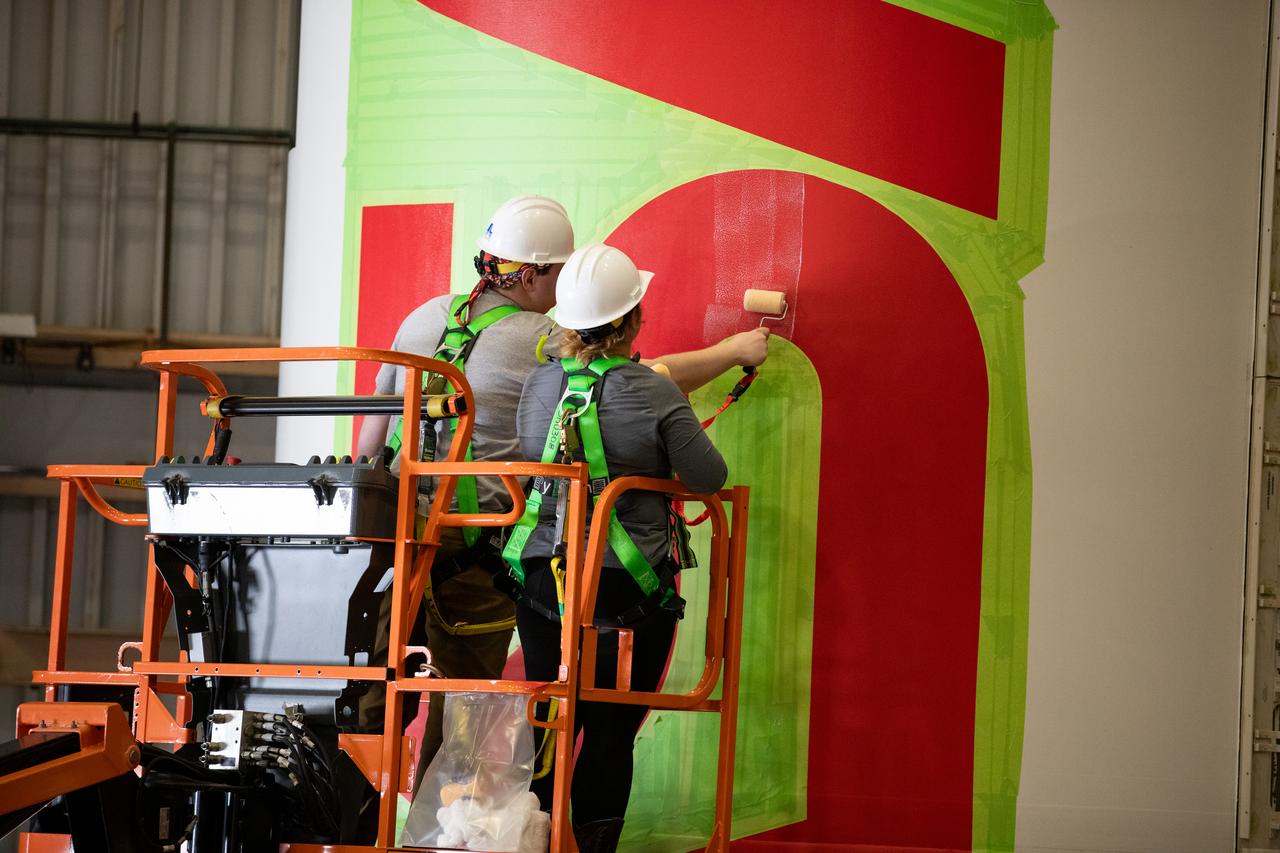
Workers with NASA’s Exploration Ground Systems (EGS) paint the bright red NASA “worm” logo on the side of an Artemis II solid rocket booster segment inside the Rotation, Processing and Surge Facility (RPSF) at Kennedy Space Center in Florida on Tuesday, Jan. 30, 2024. The EGS team used a laser projector to mask off the logo with tape, then painted the first coat of the iconic design. The booster segments will help propel the Space Launch System (SLS) rocket on the Artemis II mission to send four astronauts around the Moon as part of the agency’s effort to establish a long-term science and exploration presence at the Moon, and eventually Mars.
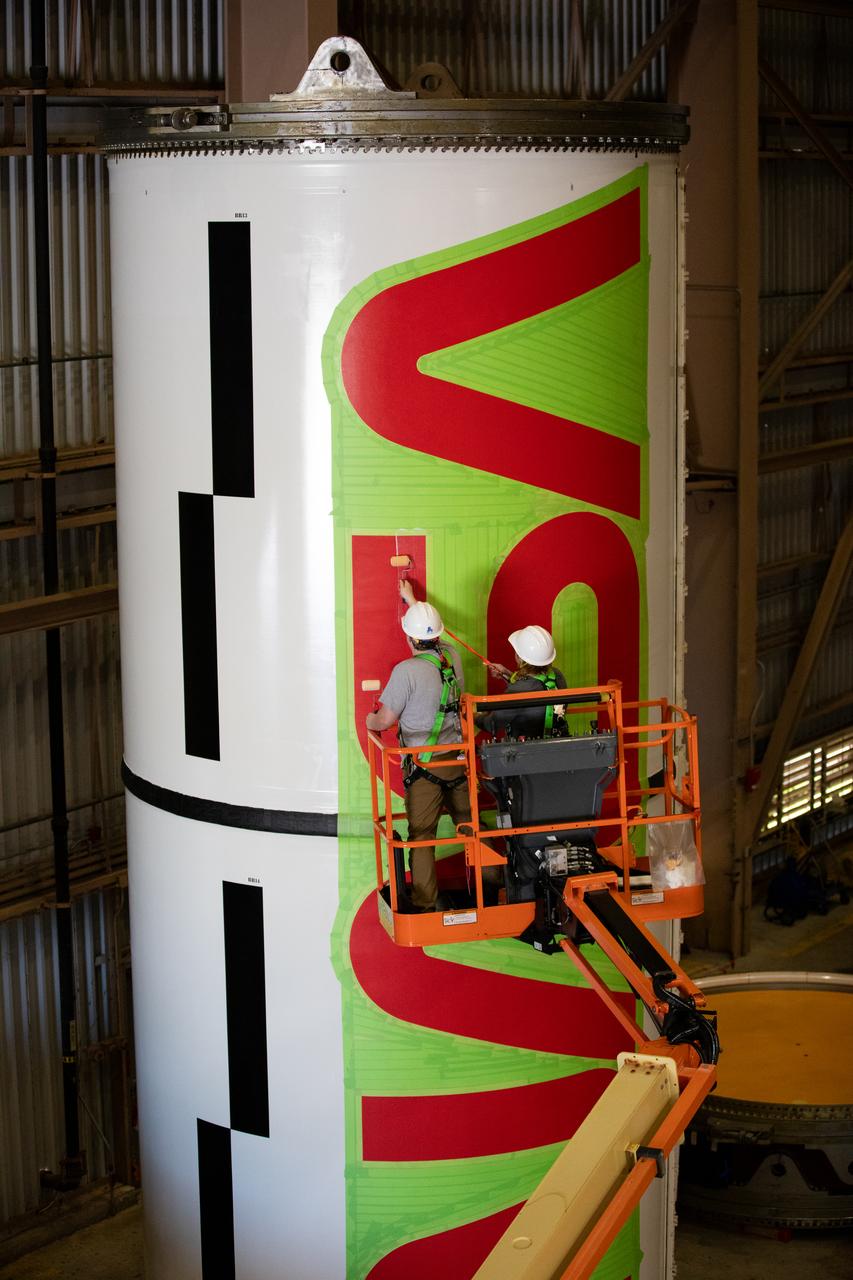
Workers with NASA’s Exploration Ground Systems (EGS) paint the bright red NASA “worm” logo on the side of an Artemis II solid rocket booster segment inside the Rotation, Processing and Surge Facility (RPSF) at Kennedy Space Center in Florida on Tuesday, Jan. 30, 2024. The EGS team used a laser projector to mask off the logo with tape, then painted the first coat of the iconic design. The booster segments will help propel the Space Launch System (SLS) rocket on the Artemis II mission to send four astronauts around the Moon as part of the agency’s effort to establish a long-term science and exploration presence at the Moon, and eventually Mars.
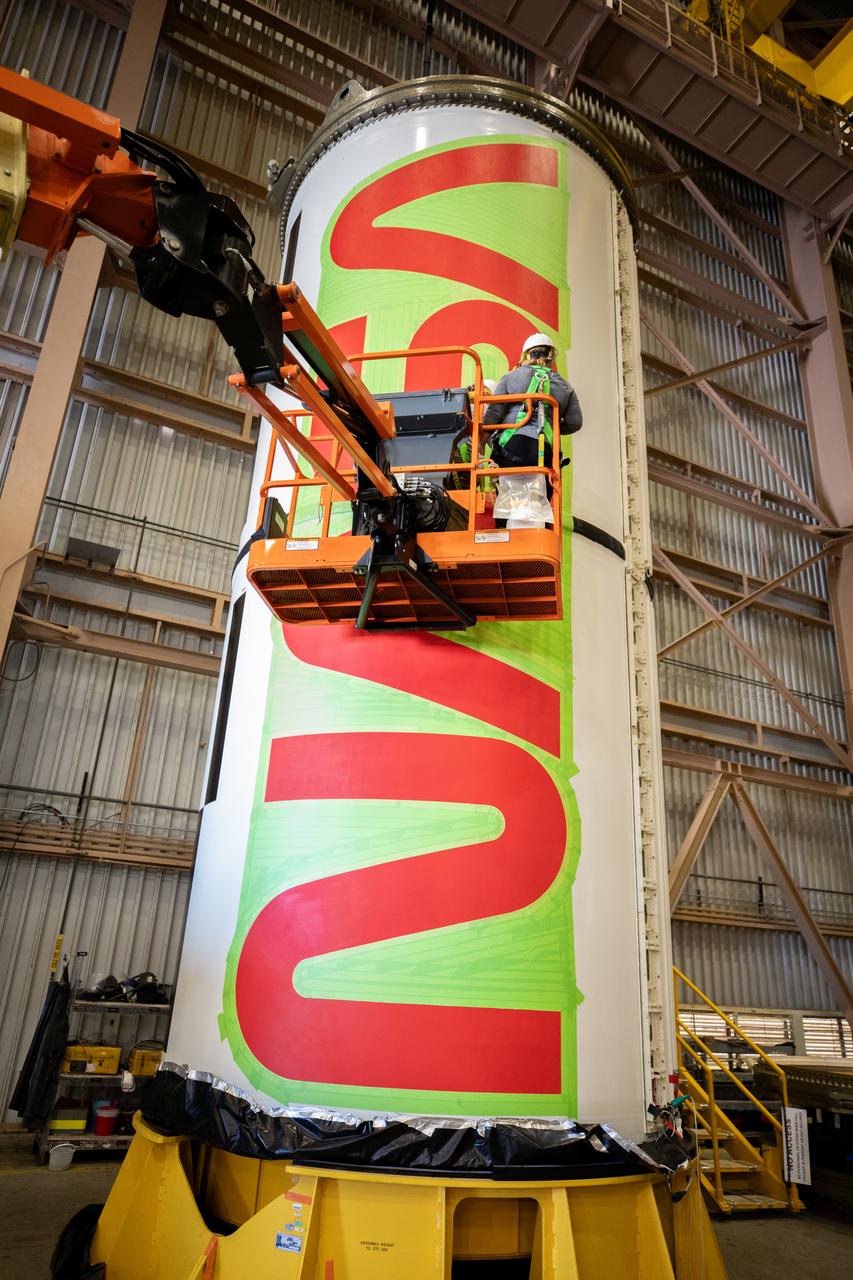
Workers with NASA’s Exploration Ground Systems (EGS) paint the bright red NASA “worm” logo on the side of an Artemis II solid rocket booster segment inside the Rotation, Processing and Surge Facility (RPSF) at Kennedy Space Center in Florida on Tuesday, Jan. 30, 2024. The EGS team used a laser projector to mask off the logo with tape, then painted the first coat of the iconic design. The booster segments will help propel the Space Launch System (SLS) rocket on the Artemis II mission to send four astronauts around the Moon as part of the agency’s effort to establish a long-term science and exploration presence at the Moon, and eventually Mars.
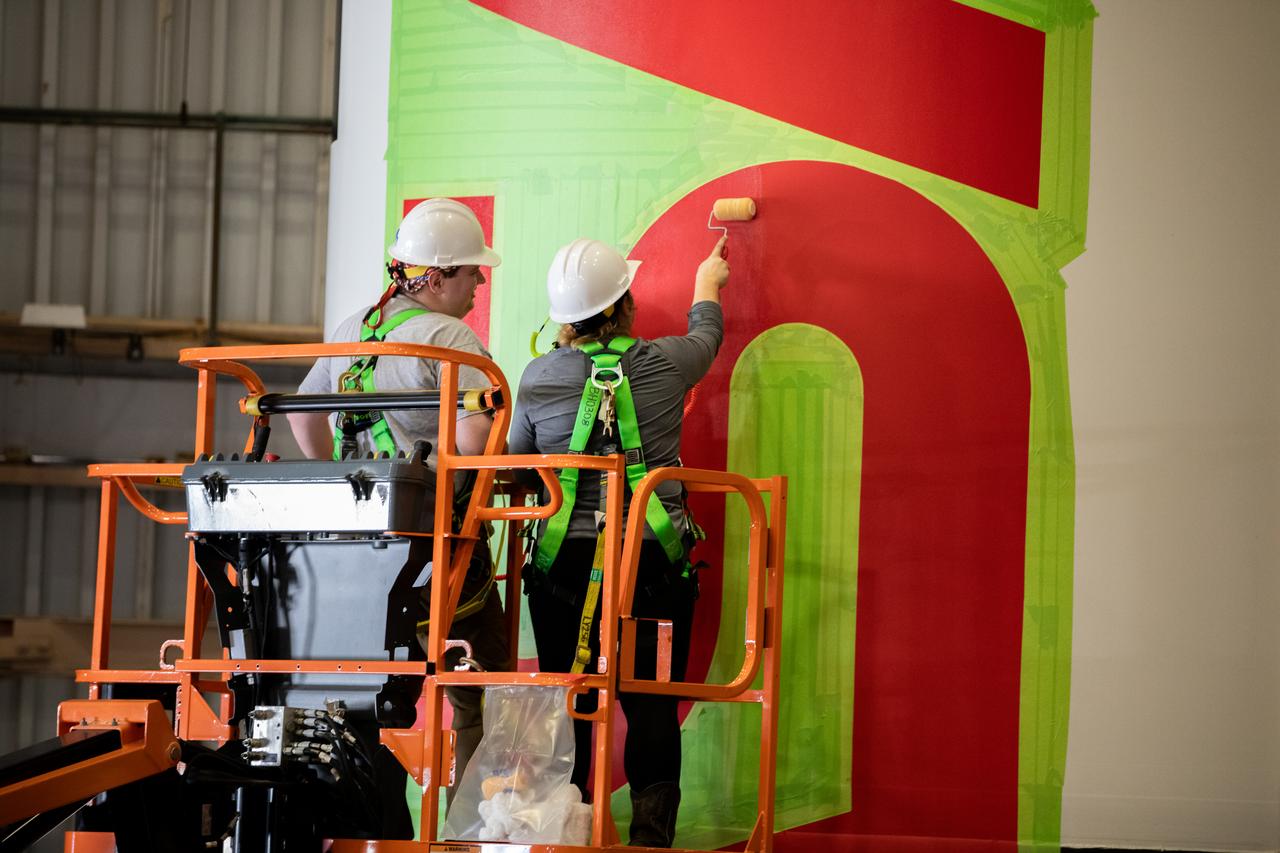
Workers with NASA’s Exploration Ground Systems (EGS) paint the bright red NASA “worm” logo on the side of an Artemis II solid rocket booster segment inside the Rotation, Processing and Surge Facility (RPSF) at Kennedy Space Center in Florida on Tuesday, Jan. 30, 2024. The EGS team used a laser projector to mask off the logo with tape, then painted the first coat of the iconic design. The booster segments will help propel the Space Launch System (SLS) rocket on the Artemis II mission to send four astronauts around the Moon as part of the agency’s effort to establish a long-term science and exploration presence at the Moon, and eventually Mars.
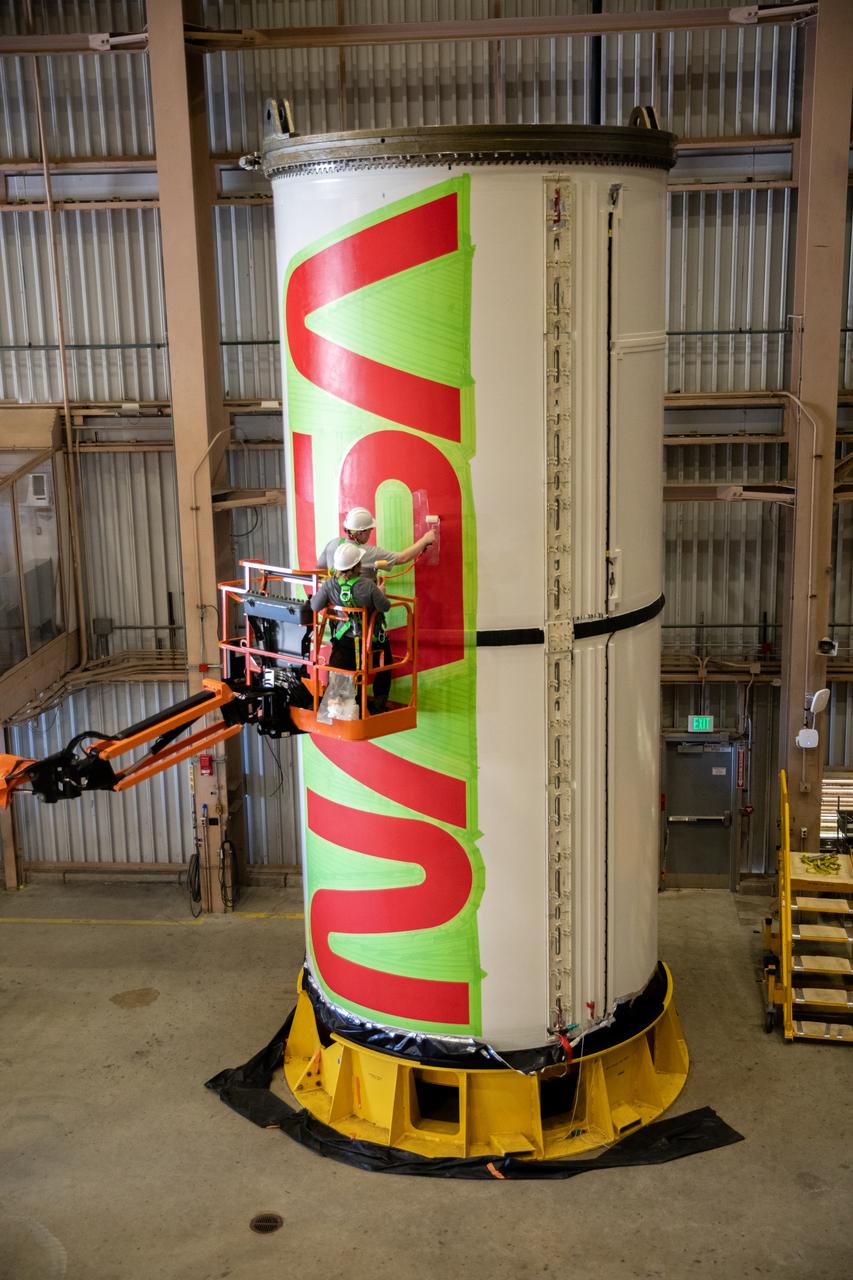
Workers with NASA’s Exploration Ground Systems (EGS) paint the bright red NASA “worm” logo on the side of an Artemis II solid rocket booster segment inside the Rotation, Processing and Surge Facility (RPSF) at Kennedy Space Center in Florida on Tuesday, Jan. 30, 2024. The EGS team used a laser projector to mask off the logo with tape, then painted the first coat of the iconic design. The booster segments will help propel the Space Launch System (SLS) rocket on the Artemis II mission to send four astronauts around the Moon as part of the agency’s effort to establish a long-term science and exploration presence at the Moon, and eventually Mars.
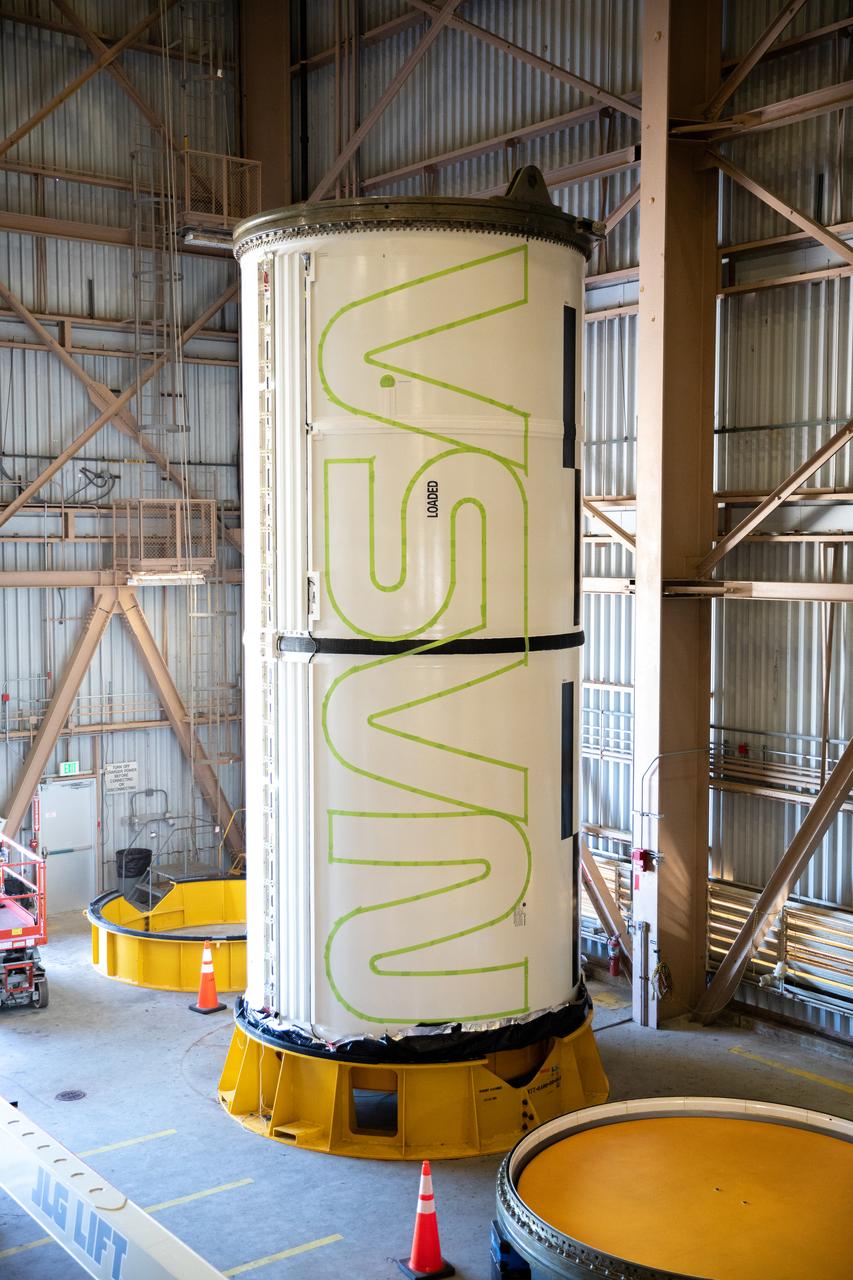
Workers with NASA’s Exploration Ground Systems (EGS) paint the bright red NASA “worm” logo on the side of an Artemis II solid rocket booster segment inside the Rotation, Processing and Surge Facility (RPSF) at Kennedy Space Center in Florida on Tuesday, Jan. 30, 2024. The EGS team used a laser projector to mask off the logo with tape, then painted the first coat of the iconic design. The booster segments will help propel the Space Launch System (SLS) rocket on the Artemis II mission to send four astronauts around the Moon as part of the agency’s effort to establish a long-term science and exploration presence at the Moon, and eventually Mars.
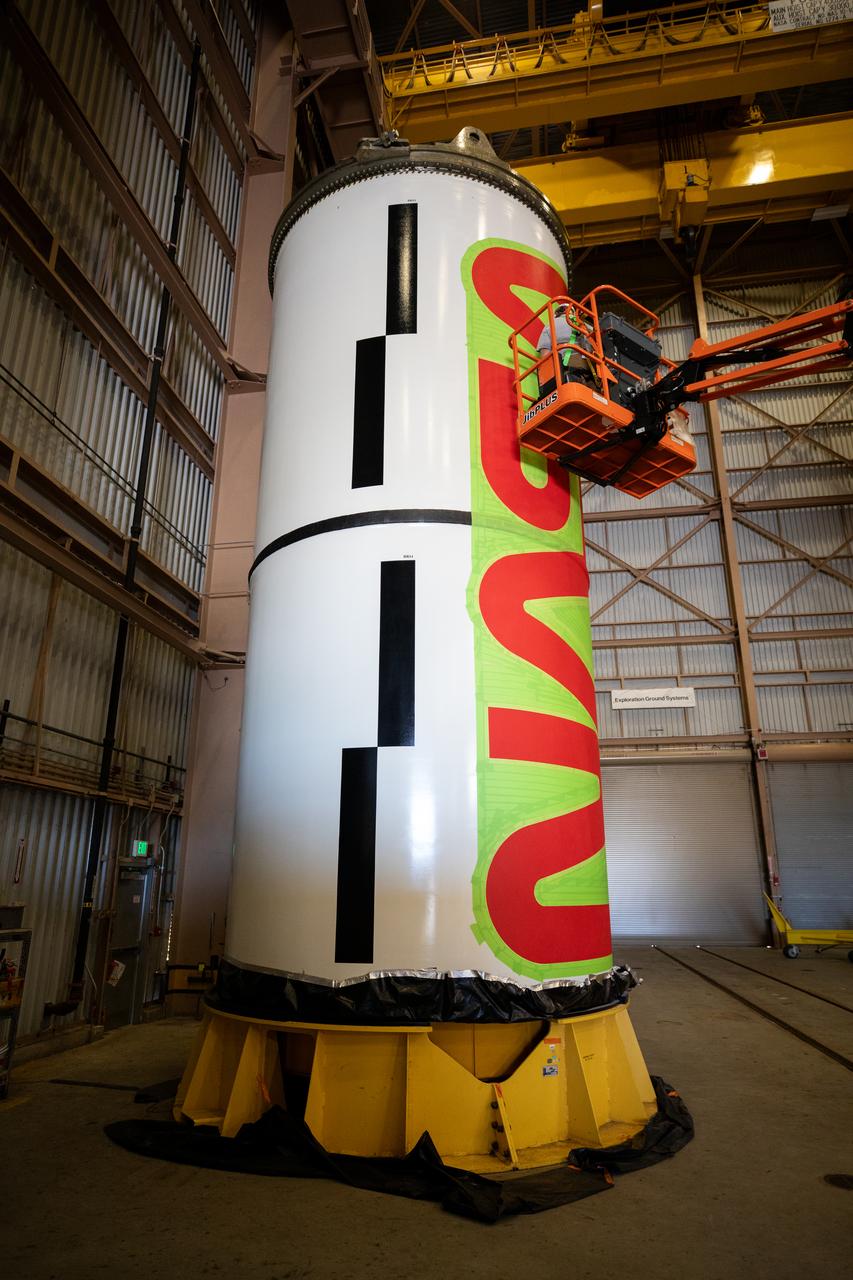
Workers with NASA’s Exploration Ground Systems (EGS) paint the bright red NASA “worm” logo on the side of an Artemis II solid rocket booster segment inside the Rotation, Processing and Surge Facility (RPSF) at Kennedy Space Center in Florida on Tuesday, Jan. 30, 2024. The EGS team used a laser projector to mask off the logo with tape, then painted the first coat of the iconic design. The booster segments will help propel the Space Launch System (SLS) rocket on the Artemis II mission to send four astronauts around the Moon as part of the agency’s effort to establish a long-term science and exploration presence at the Moon, and eventually Mars.
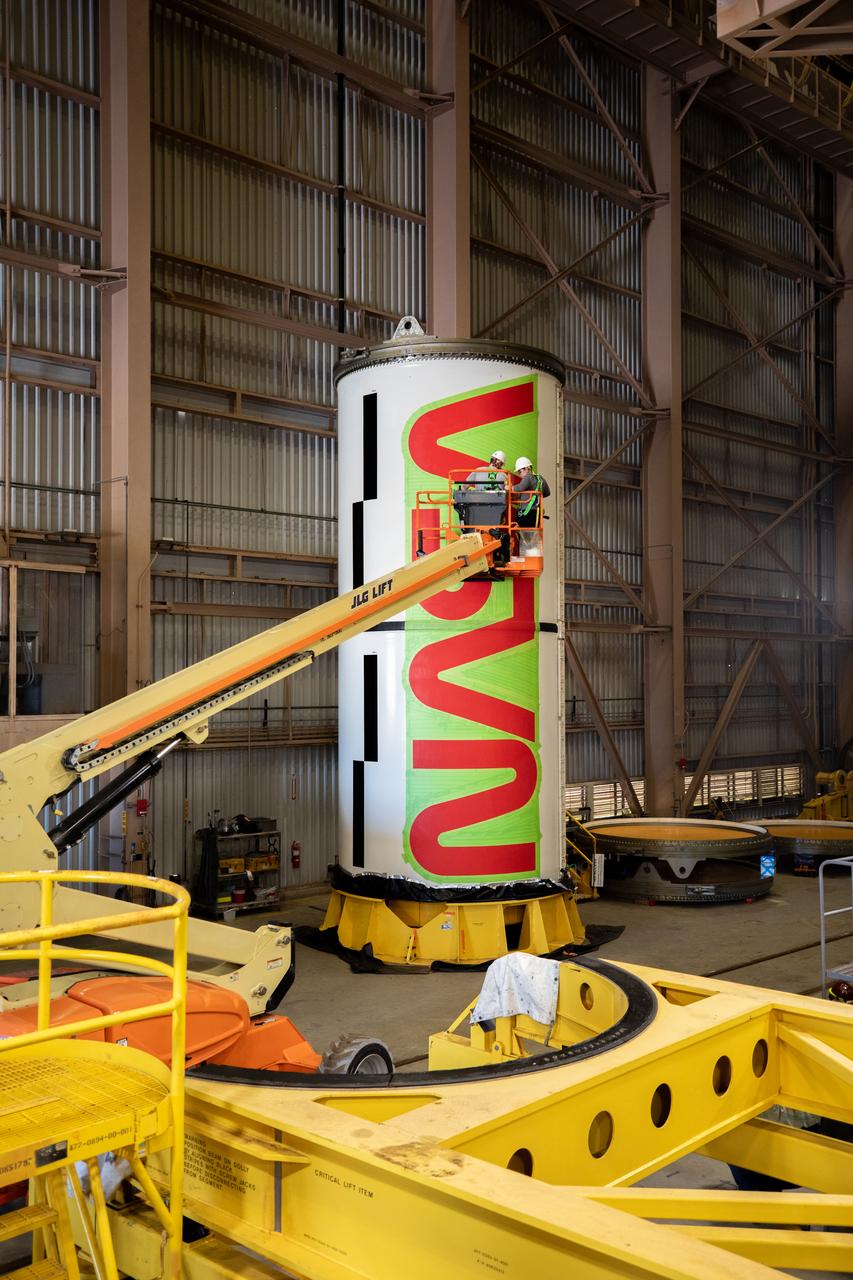
Workers with NASA’s Exploration Ground Systems (EGS) paint the bright red NASA “worm” logo on the side of an Artemis II solid rocket booster segment inside the Rotation, Processing and Surge Facility (RPSF) at Kennedy Space Center in Florida on Tuesday, Jan. 30, 2024. The EGS team used a laser projector to mask off the logo with tape, then painted the first coat of the iconic design. The booster segments will help propel the Space Launch System (SLS) rocket on the Artemis II mission to send four astronauts around the Moon as part of the agency’s effort to establish a long-term science and exploration presence at the Moon, and eventually Mars.
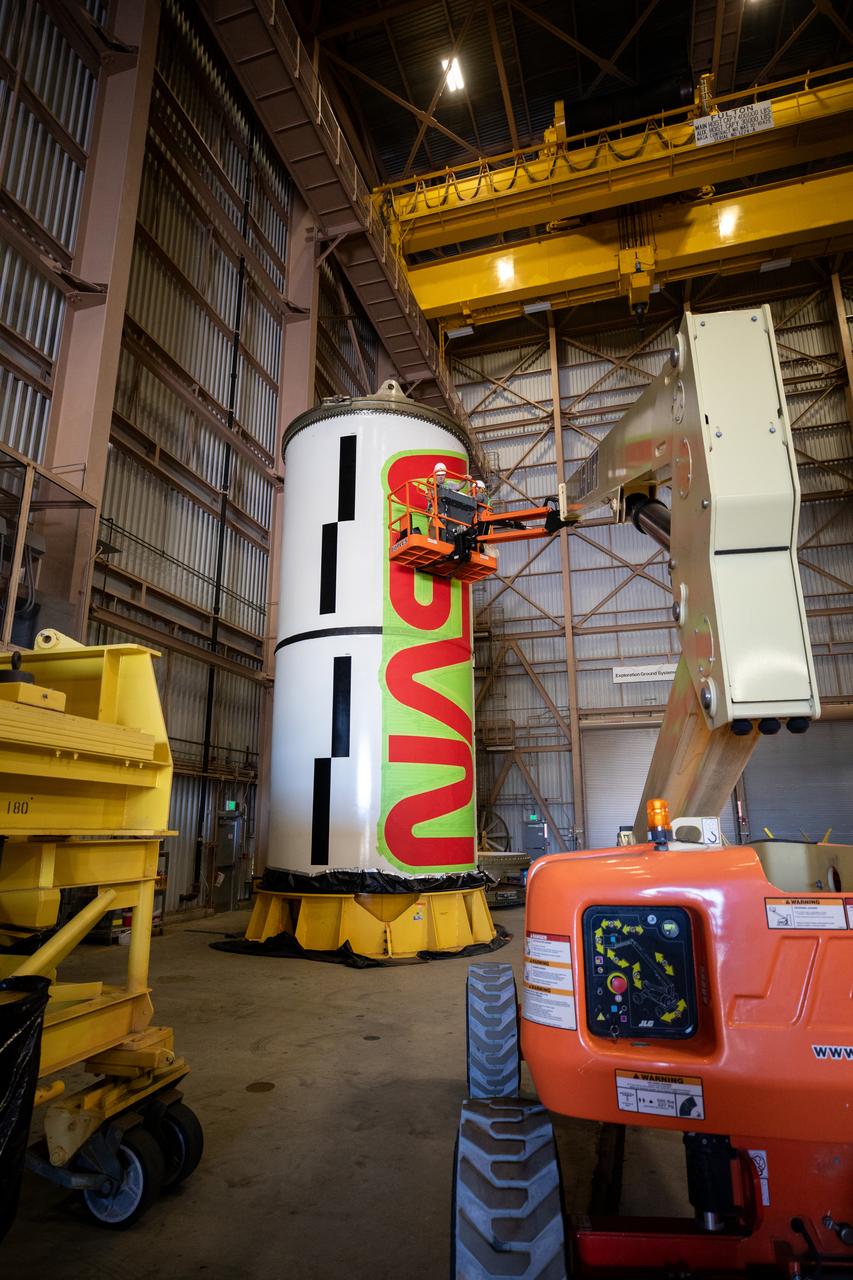
Workers with NASA’s Exploration Ground Systems (EGS) paint the bright red NASA “worm” logo on the side of an Artemis II solid rocket booster segment inside the Rotation, Processing and Surge Facility (RPSF) at Kennedy Space Center in Florida on Tuesday, Jan. 30, 2024. The EGS team used a laser projector to mask off the logo with tape, then painted the first coat of the iconic design. The booster segments will help propel the Space Launch System (SLS) rocket on the Artemis II mission to send four astronauts around the Moon as part of the agency’s effort to establish a long-term science and exploration presence at the Moon, and eventually Mars.
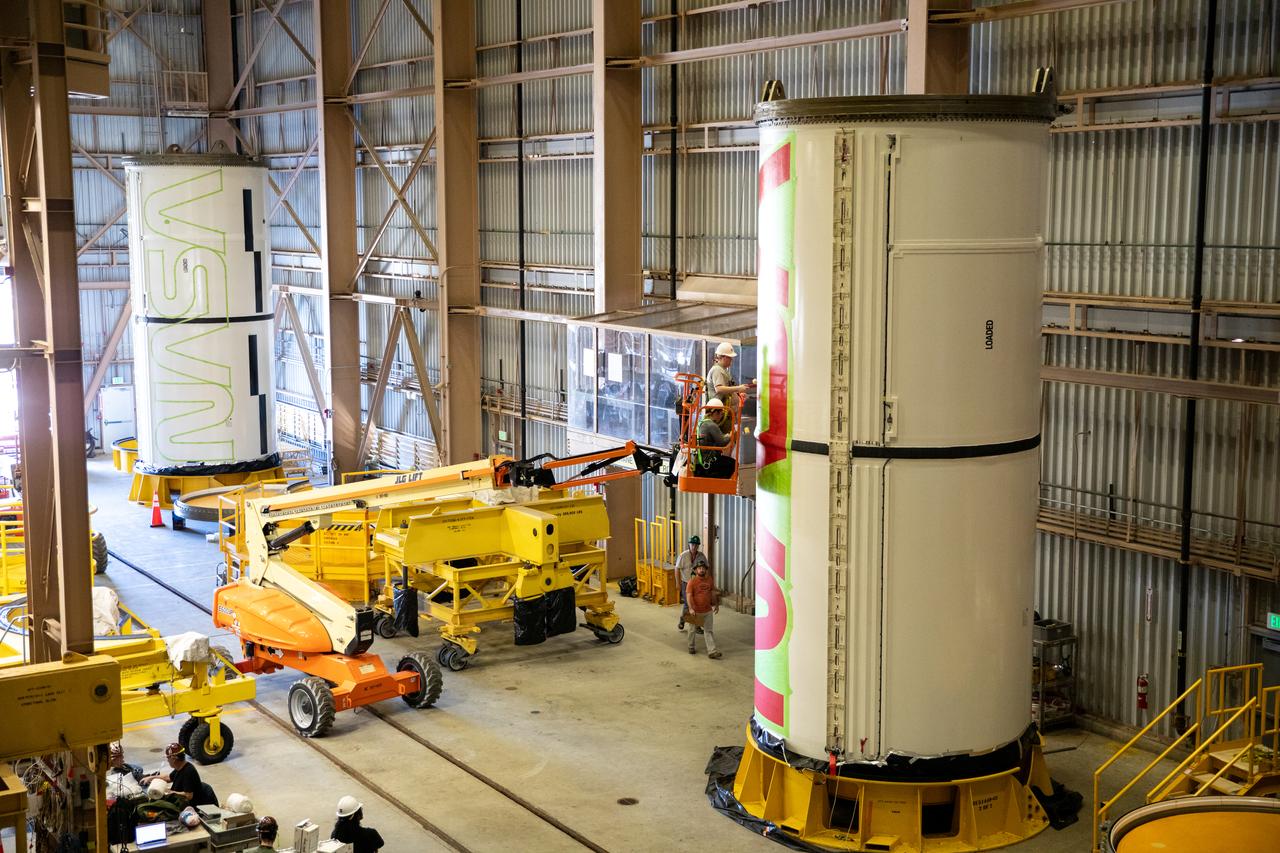
Workers with NASA’s Exploration Ground Systems (EGS) paint the bright red NASA “worm” logo on the side of an Artemis II solid rocket booster segment inside the Rotation, Processing and Surge Facility (RPSF) at Kennedy Space Center in Florida on Tuesday, Jan. 30, 2024. The EGS team used a laser projector to mask off the logo with tape, then painted the first coat of the iconic design. The booster segments will help propel the Space Launch System (SLS) rocket on the Artemis II mission to send four astronauts around the Moon as part of the agency’s effort to establish a long-term science and exploration presence at the Moon, and eventually Mars.

Workers with NASA’s Exploration Ground Systems (EGS) use a laser projector and green tape to mask off the shape of the agency’s “worm” logo on the side of an Artemis I solid rocket booster segment inside the Rotation, Processing and Surge Facility (RPSF) at Kennedy Space Center in Florida, Sept. 3, 2020. The booster segments will help propel the Space Launch System (SLS) rocket on Artemis I, a test of the Orion spacecraft and SLS as an integrated system ahead of crewed flights to the Moon. Northrop Grumman, which built the booster segments, is covering the cost of the painting.
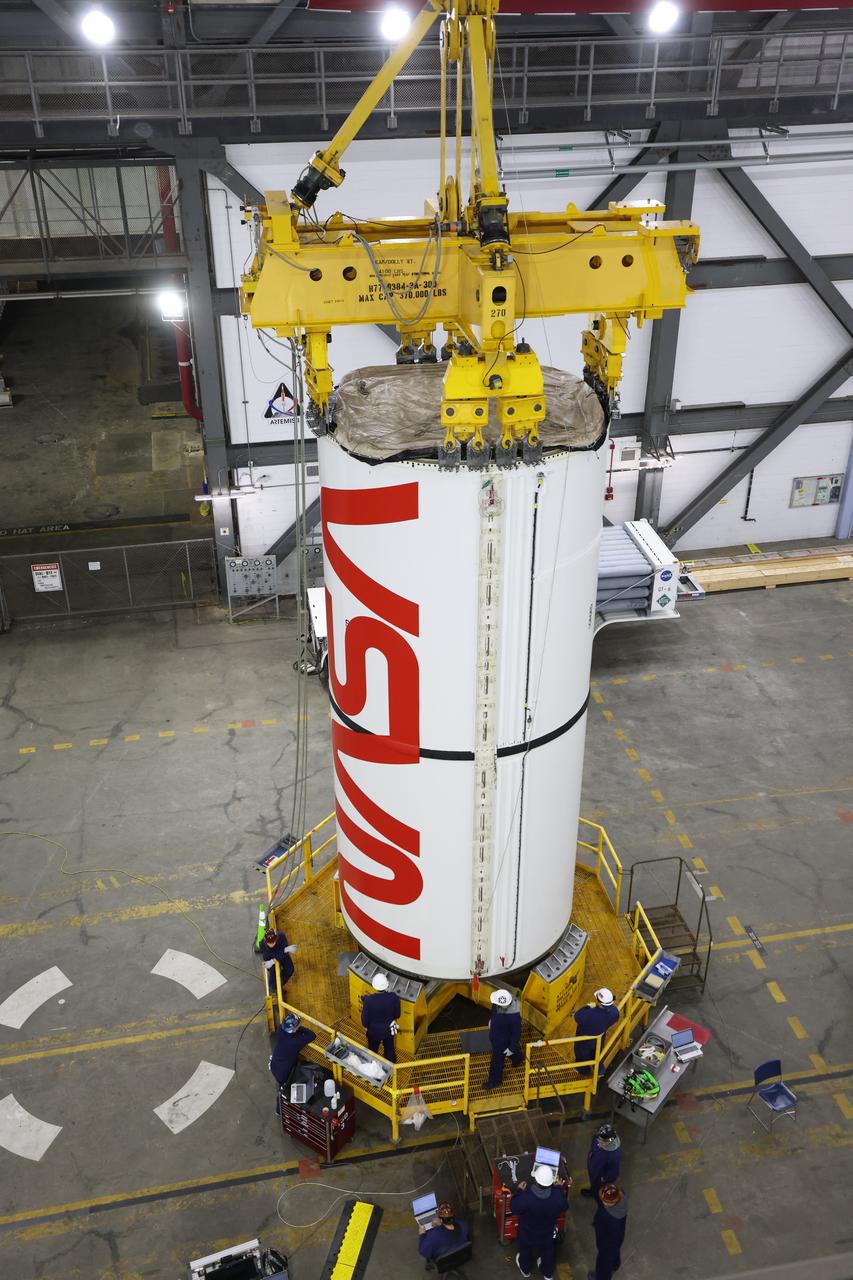
Engineers and technicians with NASA’s Exploration Ground Systems Program transfer the right center center segment with the NASA worm insignia to the Vehicle Assembly Building at NASA's Kennedy Space Center in Florida on Tuesday, Jan. 14, 2025. The booster segment is shown attached to a lifting beam ahead of integration onto the mobile launcher. The boosters will help support the remaining rocket components and the Orion spacecraft during final assembly of the Artemis II Moon rocket and provide more than 75 percent of the total SLS (Space Launch System) thrust during liftoff from NASA Kennedy’s Launch Pad 39B.
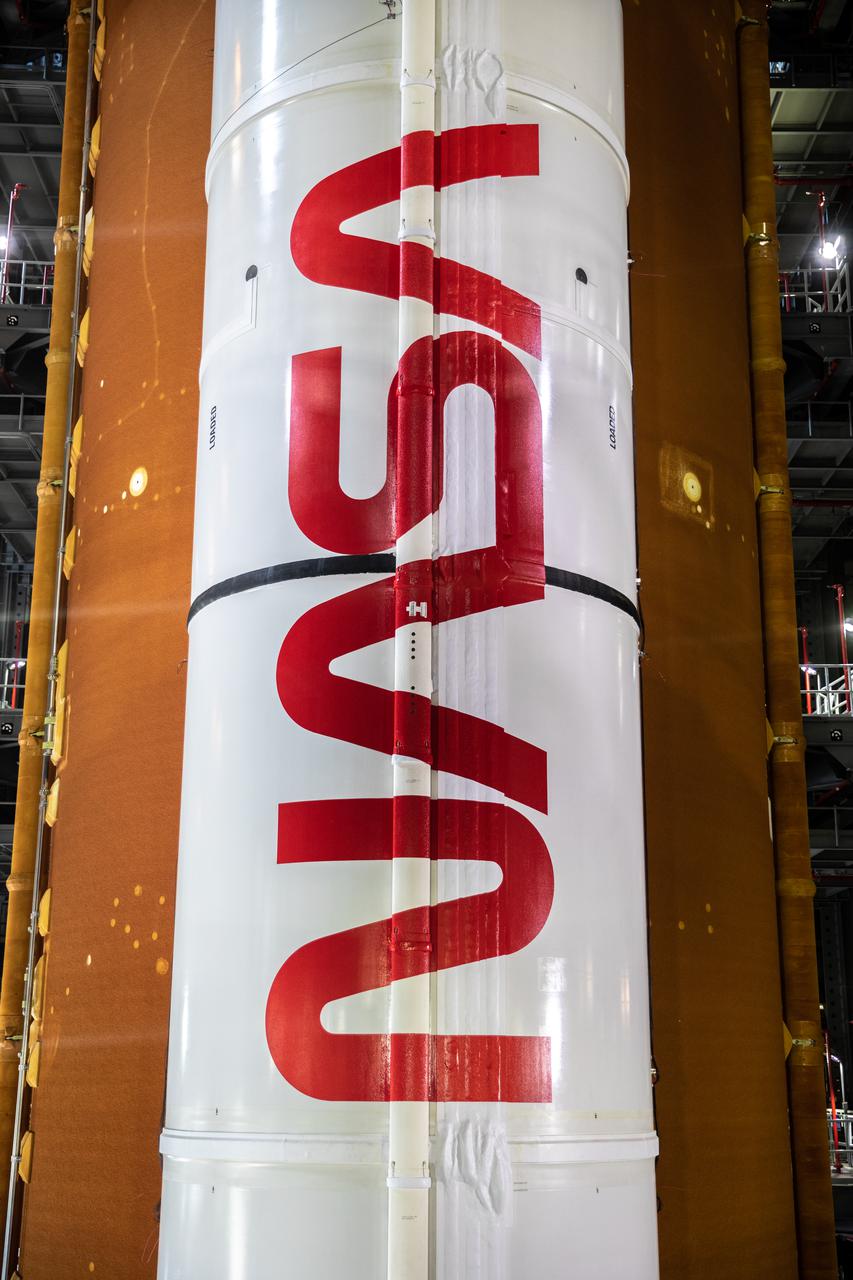
Inside High Bay 3 of the Vehicle Assembly Building at NASA’s Kennedy Space Center in Florida, application of the NASA worm logo is complete on the first of two solid rocket boosters for the Artemis I Space Launch System on March 14, 2022. The SLS and Orion spacecraft are stacked in the high bay and ready for rollout to Launch Complex 39B for a wet dress rehearsal. Artemis I will be the first integrated test of the SLS and Orion spacecraft. In later missions, NASA will land the first woman and the first person of color on the surface of the Moon, paving the way for a long-term lunar presence and serving as a steppingstone on the way to Mars.

A worker with NASA’s Exploration Ground Systems (EGS) applies bright red paint to the agency’s “worm” logo taking shape on the side of an Artemis I solid rocket booster segment inside the Rotation, Processing and Surge Facility (RPSF) at Kennedy Space Center in Florida. The EGS team used a laser projector to mask off the logo with tape, then painted the first coat of the iconic design. The booster segments will help propel the Space Launch System (SLS) rocket on Artemis I, a test of the Orion spacecraft and SLS as an integrated system ahead of crewed flights to the Moon. Northrop Grumman, which built the booster segments, is covering the cost of the painting.

Engineers and technicians with NASA’s Exploration Ground Systems Program prepare to lift the left center center booster segment shown with the iconic NASA “worm” insignia for the agency’s SLS (Space Launch System) rocket to the Vehicle Assembly Building at NASA's Kennedy Space Center in Florida on Friday, Jan. 24, 2025. The booster segment is shown attached to a lifting beam ahead of integration onto the mobile launcher. The boosters will help support the remaining rocket components and the Orion spacecraft during final assembly of the Artemis II Moon rocket and provide more than 75 percent of the total SLS thrust during liftoff from NASA Kennedy’s Launch Pad 39B.
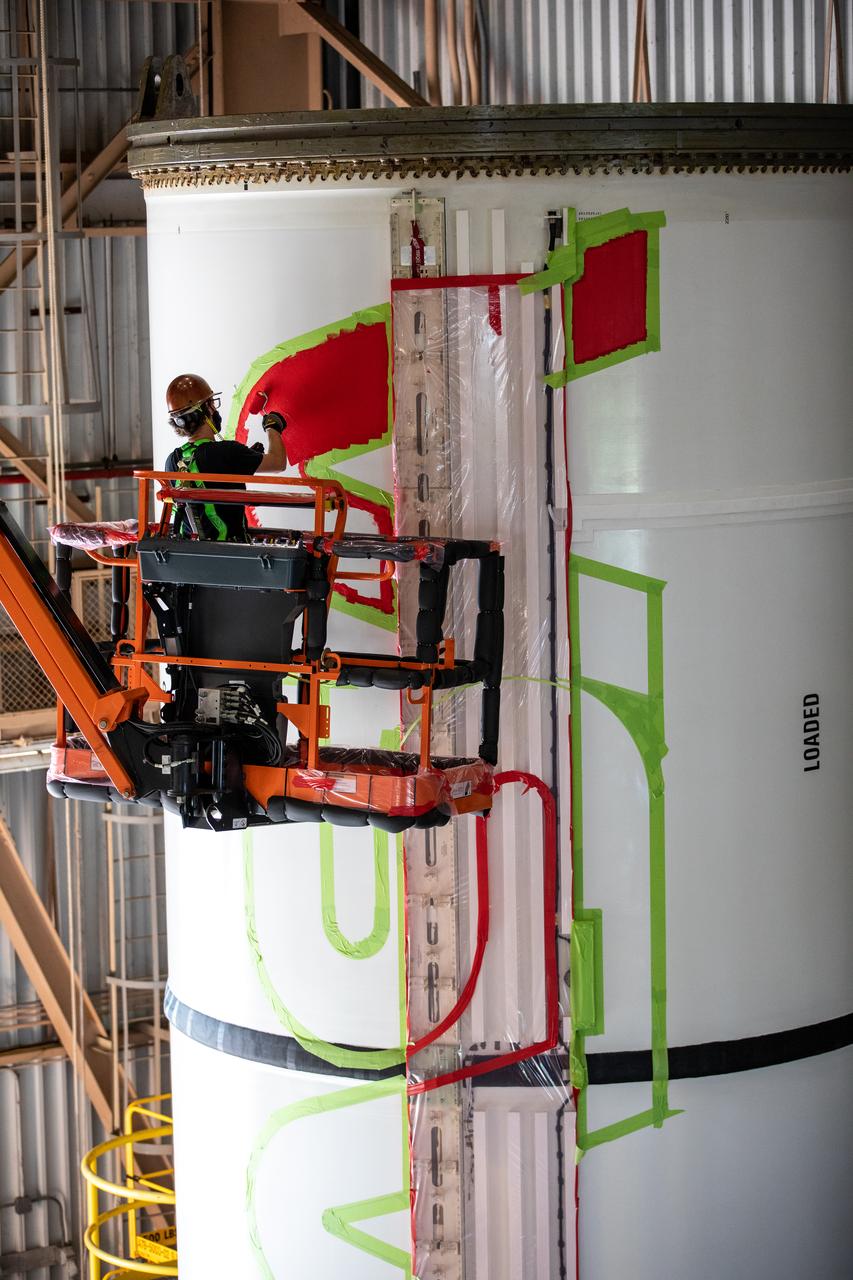
A worker with NASA’s Exploration Ground Systems (EGS) applies bright red paint to the agency’s “worm” logo taking shape on the side of an Artemis I solid rocket booster segment inside the Rotation, Processing and Surge Facility (RPSF) at Kennedy Space Center in Florida. The EGS team used a laser projector to mask off the logo with tape, then painted the first coat of the iconic design. The booster segments will help propel the Space Launch System (SLS) rocket on Artemis I, a test of the Orion spacecraft and SLS as an integrated system ahead of crewed flights to the Moon. Northrop Grumman, which built the booster segments, is covering the cost of the painting.
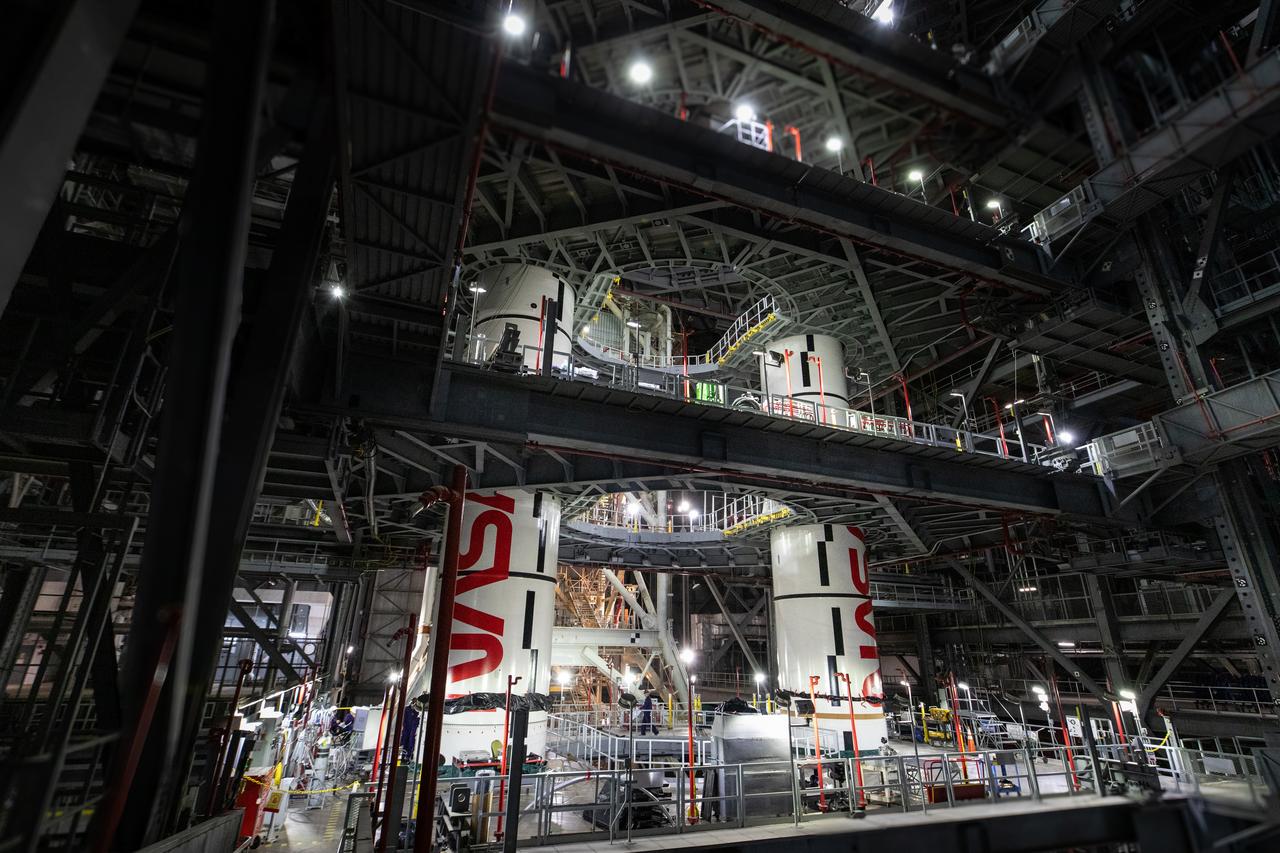
Inside High Bay 3 of the Vehicle Assembly Building at NASA’s Kennedy Space Center in Florida, technicians with the agency’s Exploration Ground Systems integrate the left forward center booster segment for the NASA’s SLS (Space Launch System) rocket onto the left center center segment atop the mobile launcher on Thursday, Jan. 30, 2025. The NASA “worm” insignia can be seen on both the center center booster segments. The boosters will help support the remaining rocket components and the Orion spacecraft during final assembly of the Artemis II Moon rocket and provide more than 75 percent of the total SLS thrust during liftoff from NASA Kennedy’s Launch Pad 39B.
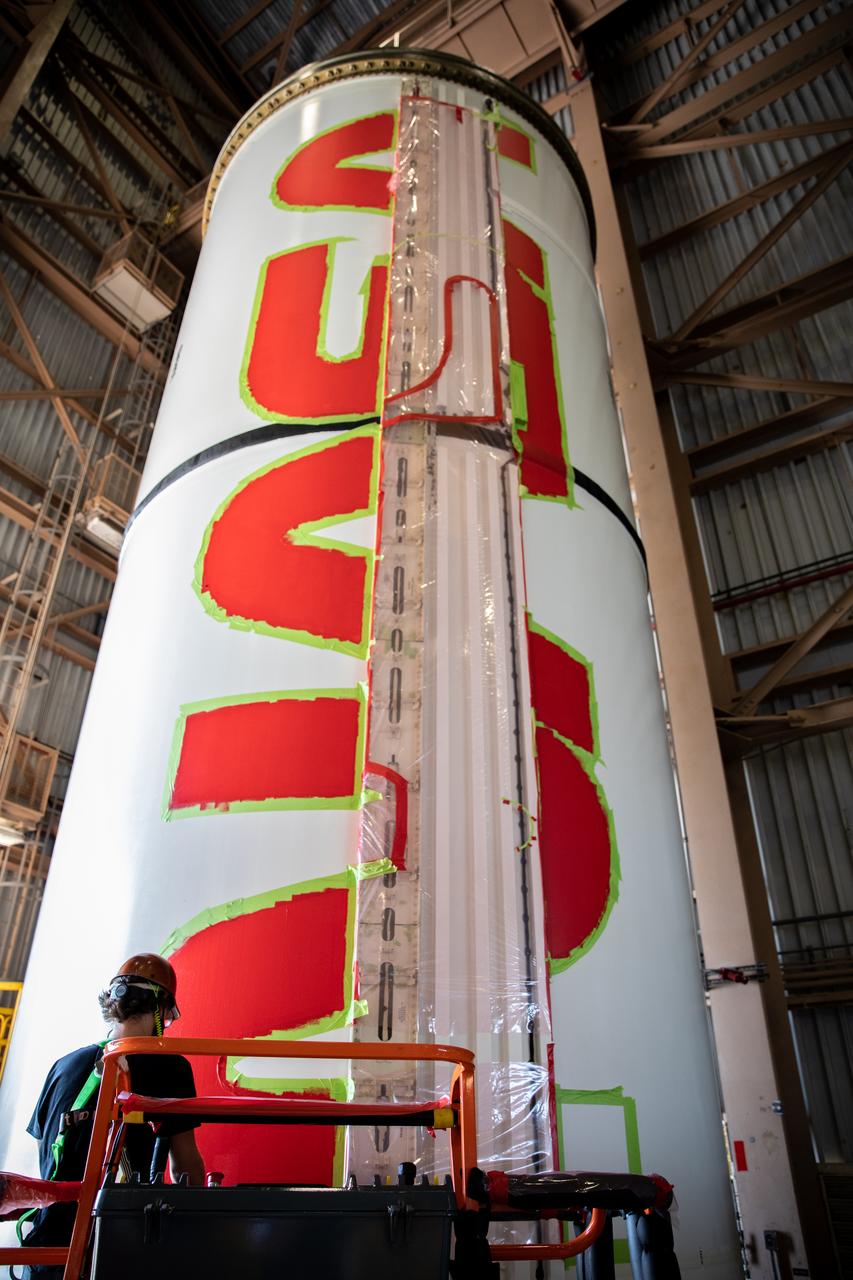
A worker with NASA’s Exploration Ground Systems (EGS) finishes the first coat of the bright red “worm” logo taking shape on the side of an Artemis I solid rocket booster segment inside the Rotation, Processing and Surge Facility (RPSF) at Kennedy Space Center in Florida. The EGS team used a laser projector to mask off the logo with tape, then painted the first coat of the iconic design. The booster segments will help propel the Space Launch System (SLS) rocket on Artemis I, a test of the Orion spacecraft and SLS as an integrated system ahead of crewed flights to the Moon. Northrop Grumman, which built the booster segments, is covering the cost of the painting.
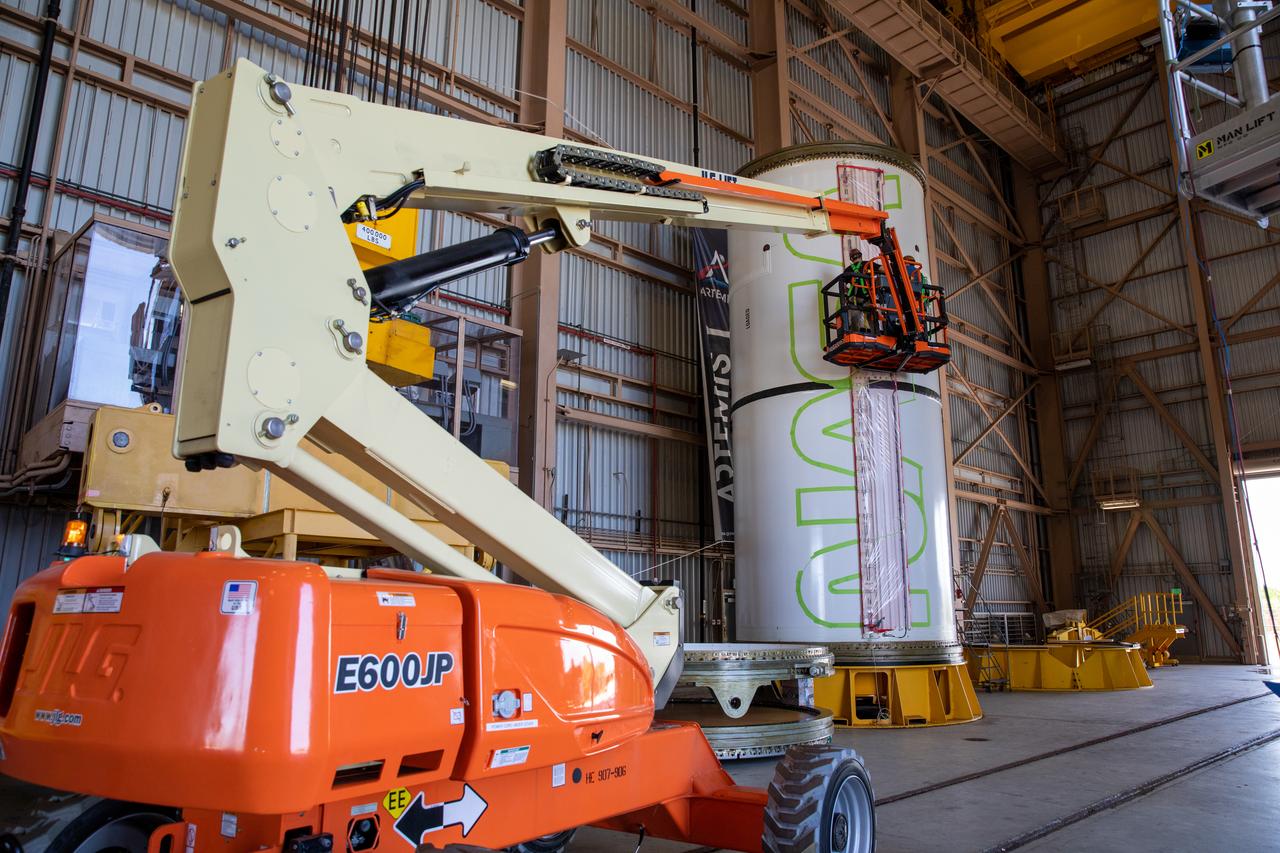
Workers with NASA’s Exploration Ground Systems (EGS) use a laser projector and green tape to mask off the shape of the agency’s “worm” logo on the side of an Artemis I solid rocket booster segment inside the Rotation, Processing and Surge Facility (RPSF) at Kennedy Space Center in Florida, Sept. 3, 2020. The booster segments will help propel the Space Launch System (SLS) rocket on Artemis I, a test of the Orion spacecraft and SLS as an integrated system ahead of crewed flights to the Moon. Northrop Grumman, which built the booster segments, is covering the cost of the painting.
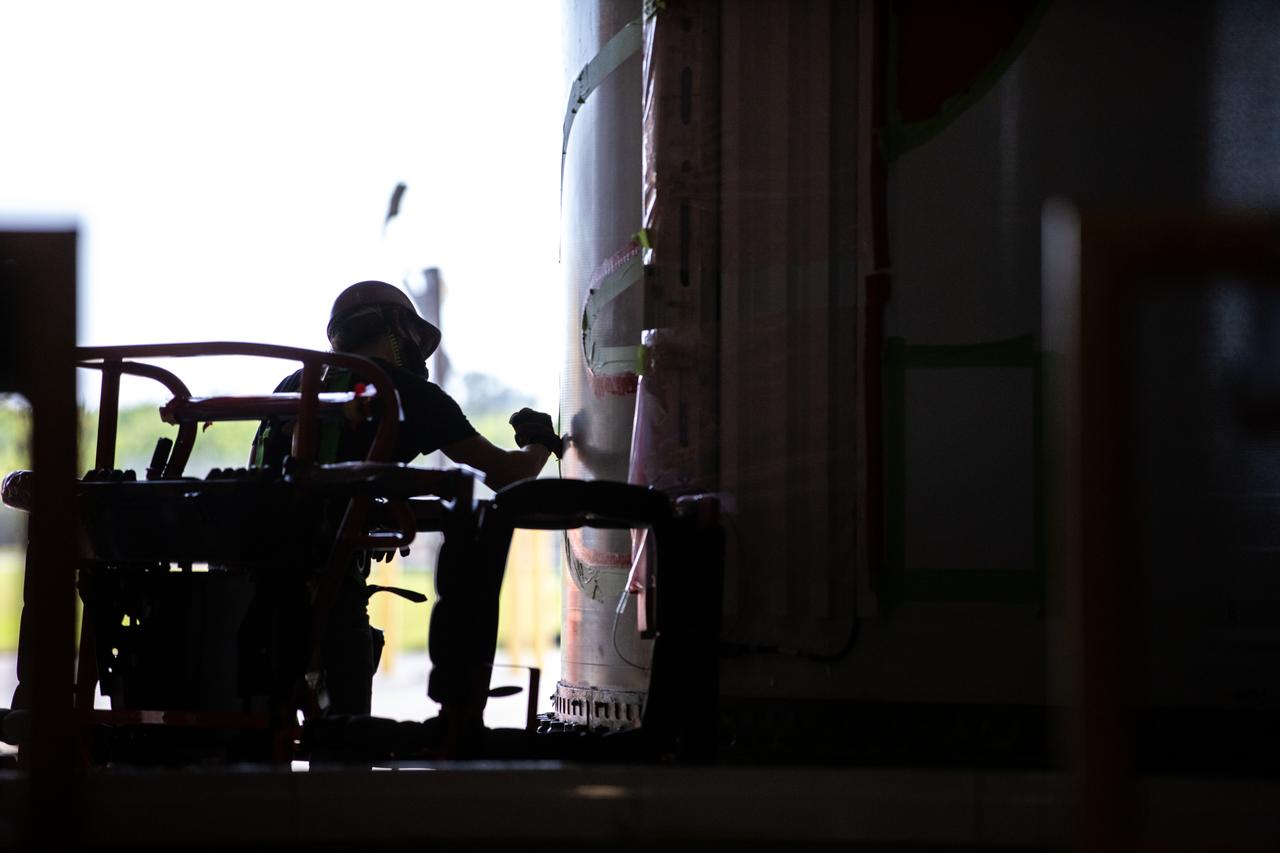
Silhouetted against the bright Florida sunlight outside, a worker with NASA’s Exploration Ground Systems (EGS) applies bright red paint to the agency’s “worm” logo taking shape on the side of an Artemis I solid rocket booster segment inside the Rotation, Processing and Surge Facility (RPSF) at Kennedy Space Center. The EGS team used a laser projector to mask off the logo with tape, then painted the first coat of the iconic design. The booster segments will help propel the Space Launch System (SLS) rocket on Artemis I, a test of the Orion spacecraft and SLS as an integrated system ahead of crewed flights to the Moon. Northrop Grumman, which built the booster segments, is covering the cost of the painting.
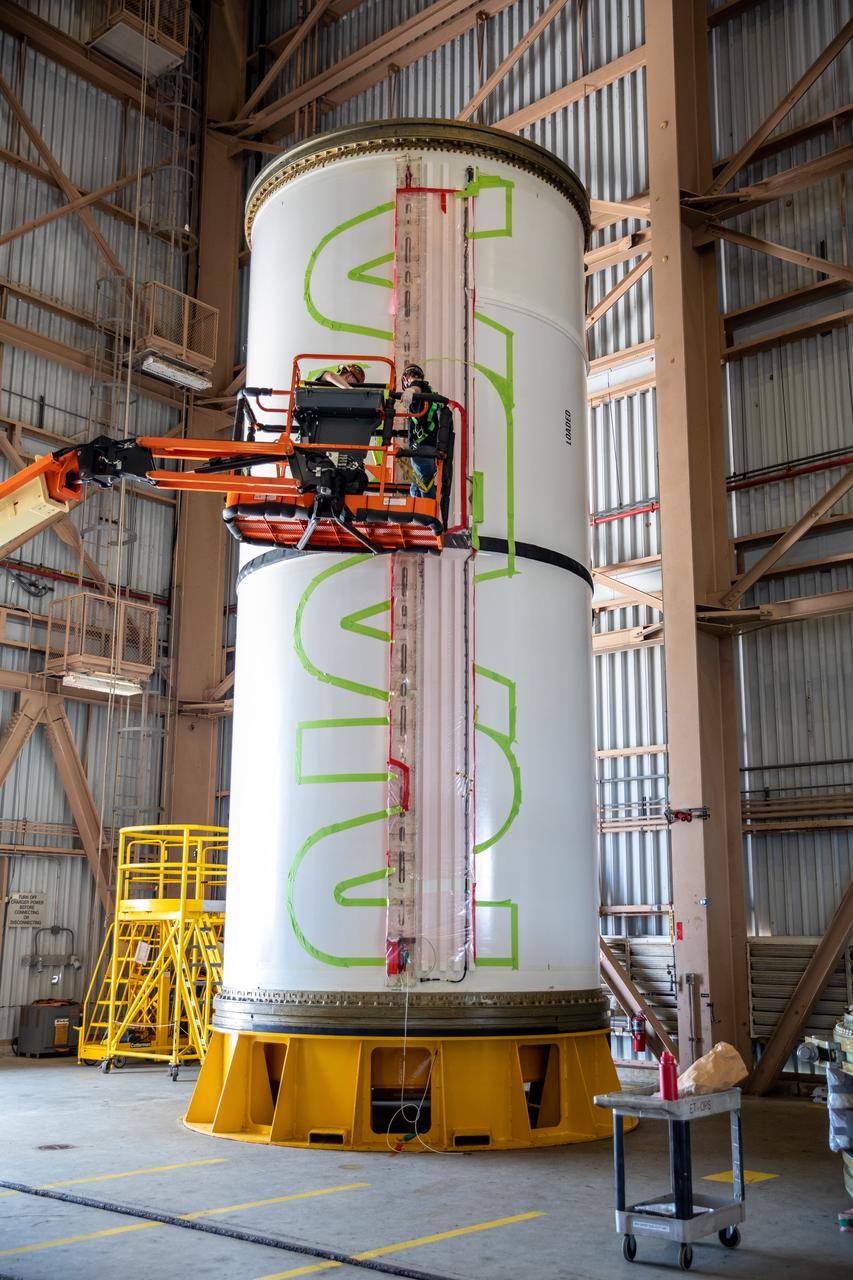
Workers with NASA’s Exploration Ground Systems (EGS) use a laser projector and green tape to mask off the shape of the agency’s “worm” logo on the side of an Artemis I solid rocket booster segment inside the Rotation, Processing and Surge Facility (RPSF) at Kennedy Space Center in Florida, Sept. 3, 2020. The booster segments will help propel the Space Launch System (SLS) rocket on Artemis I, a test of the Orion spacecraft and SLS as an integrated system ahead of crewed flights to the Moon. Northrop Grumman, which built the booster segments, is covering the cost of the painting.
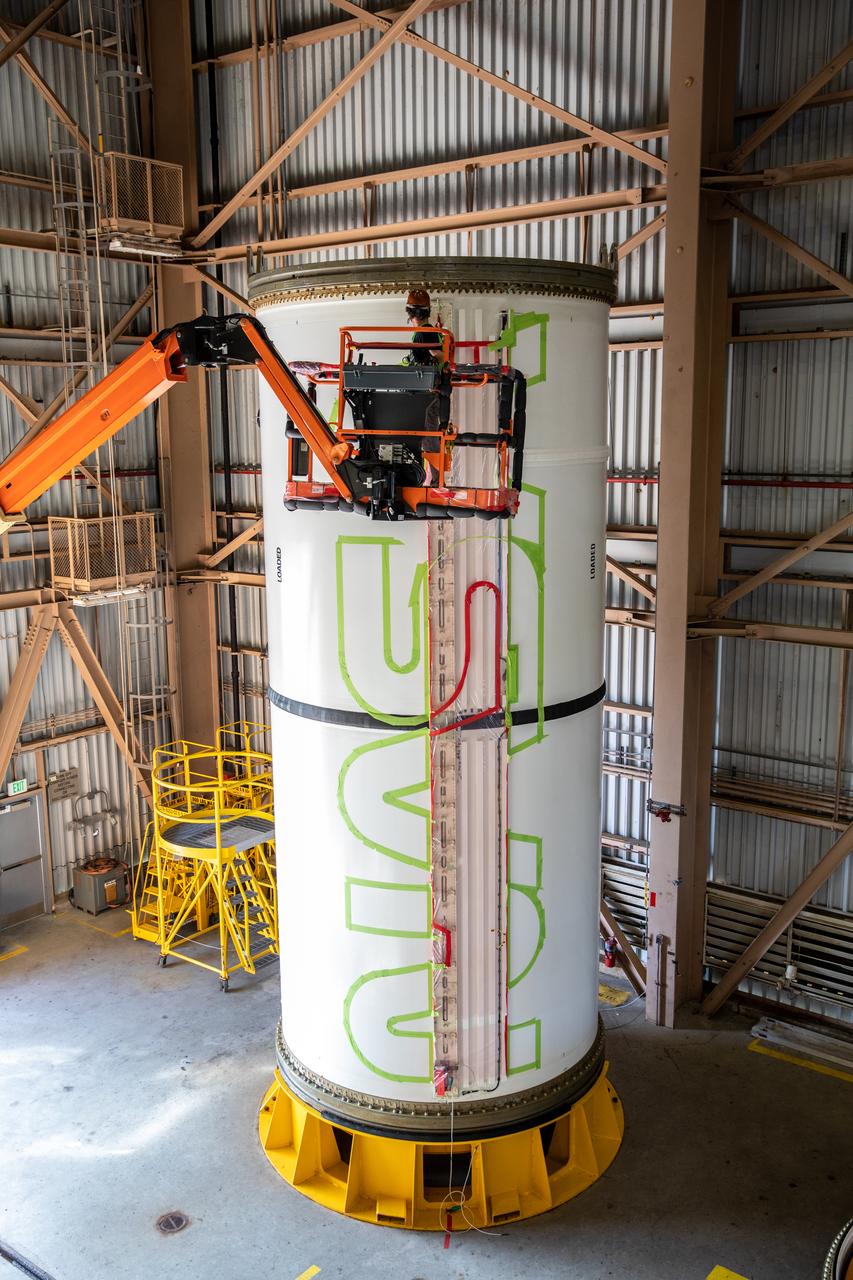
A worker with NASA’s Exploration Ground Systems (EGS) applies bright red paint to the agency’s “worm” logo taking shape on the side of an Artemis I solid rocket booster segment inside the Rotation, Processing and Surge Facility (RPSF) at Kennedy Space Center in Florida. The EGS team used a laser projector to mask off the logo with tape, then painted the first coat of the iconic design. The booster segments will help propel the Space Launch System (SLS) rocket on Artemis I, a test of the Orion spacecraft and SLS as an integrated system ahead of crewed flights to the Moon. Northrop Grumman, which built the booster segments, is covering the cost of the painting.
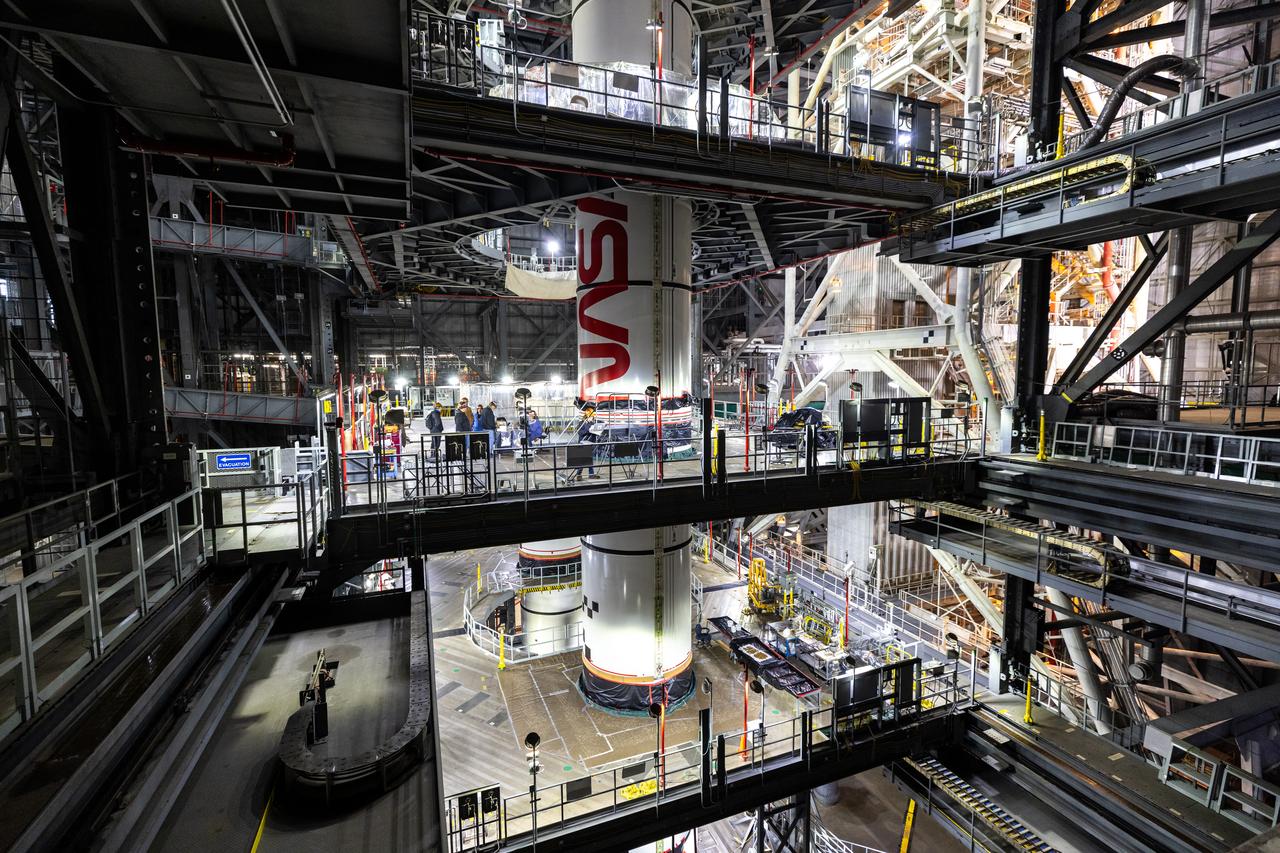
Inside High Bay 3 of the Vehicle Assembly Building at NASA’s Kennedy Space Center in Florida, technicians with the agency’s Exploration Ground Systems use a crane to lower the right forward center booster segment for the NASA’s SLS (Space Launch System) rocket onto the right center center segment with the iconic NASA “worm” insignia atop the mobile launcher on Monday, Jan. 27, 2025. The boosters will help support the remaining rocket components and the Orion spacecraft during final assembly of the Artemis II Moon rocket and provide more than 75 percent of the total SLS thrust during liftoff from NASA Kennedy’s Launch Pad 39B.
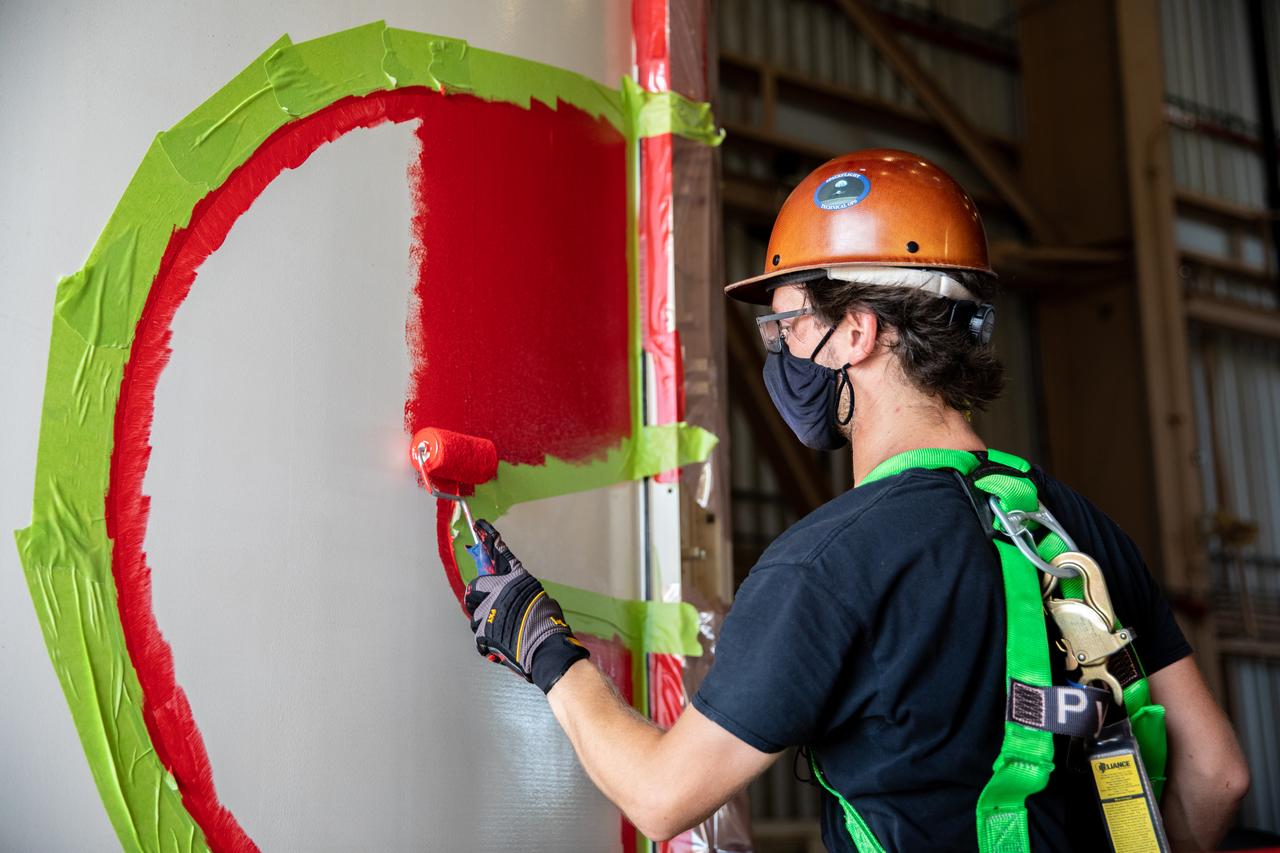
A worker with NASA’s Exploration Ground Systems (EGS) finishes the first coat of the bright red “worm” logo taking shape on the side of an Artemis I solid rocket booster segment inside the Rotation, Processing and Surge Facility (RPSF) at Kennedy Space Center in Florida. The EGS team used a laser projector to mask off the logo with tape, then painted the first coat of the iconic design. The booster segments will help propel the Space Launch System (SLS) rocket on Artemis I, a test of the Orion spacecraft and SLS as an integrated system ahead of crewed flights to the Moon. Northrop Grumman, which built the booster segments, is covering the cost of the painting.

Inside High Bay 3 of the Vehicle Assembly Building at NASA’s Kennedy Space Center in Florida, technicians with the agency’s Exploration Ground Systems integrate the left forward center booster segment for the NASA’s SLS (Space Launch System) rocket onto the left center center segment atop the mobile launcher on Thursday, Jan. 30, 2025. The NASA “worm” insignia can be seen on both the center center booster segments. The boosters will help support the remaining rocket components and the Orion spacecraft during final assembly of the Artemis II Moon rocket and provide more than 75 percent of the total SLS thrust during liftoff from NASA Kennedy’s Launch Pad 39B.
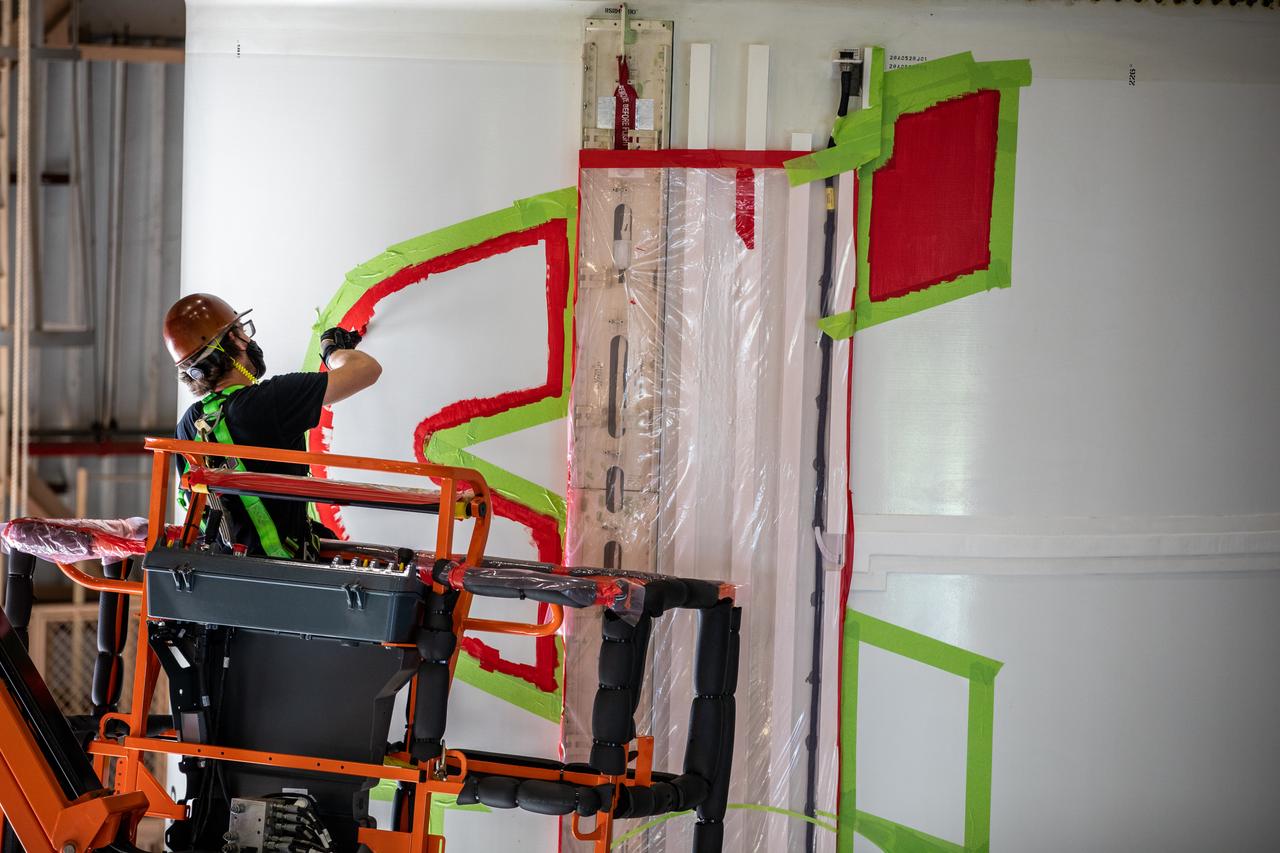
A worker with NASA’s Exploration Ground Systems (EGS) applies bright red paint to the agency’s “worm” logo taking shape on the side of an Artemis I solid rocket booster segment inside the Rotation, Processing and Surge Facility (RPSF) at Kennedy Space Center in Florida. The EGS team used a laser projector to mask off the logo with tape, then painted the first coat of the iconic design. The booster segments will help propel the Space Launch System (SLS) rocket on Artemis I, a test of the Orion spacecraft and SLS as an integrated system ahead of crewed flights to the Moon. Northrop Grumman, which built the booster segments, is covering the cost of the painting.
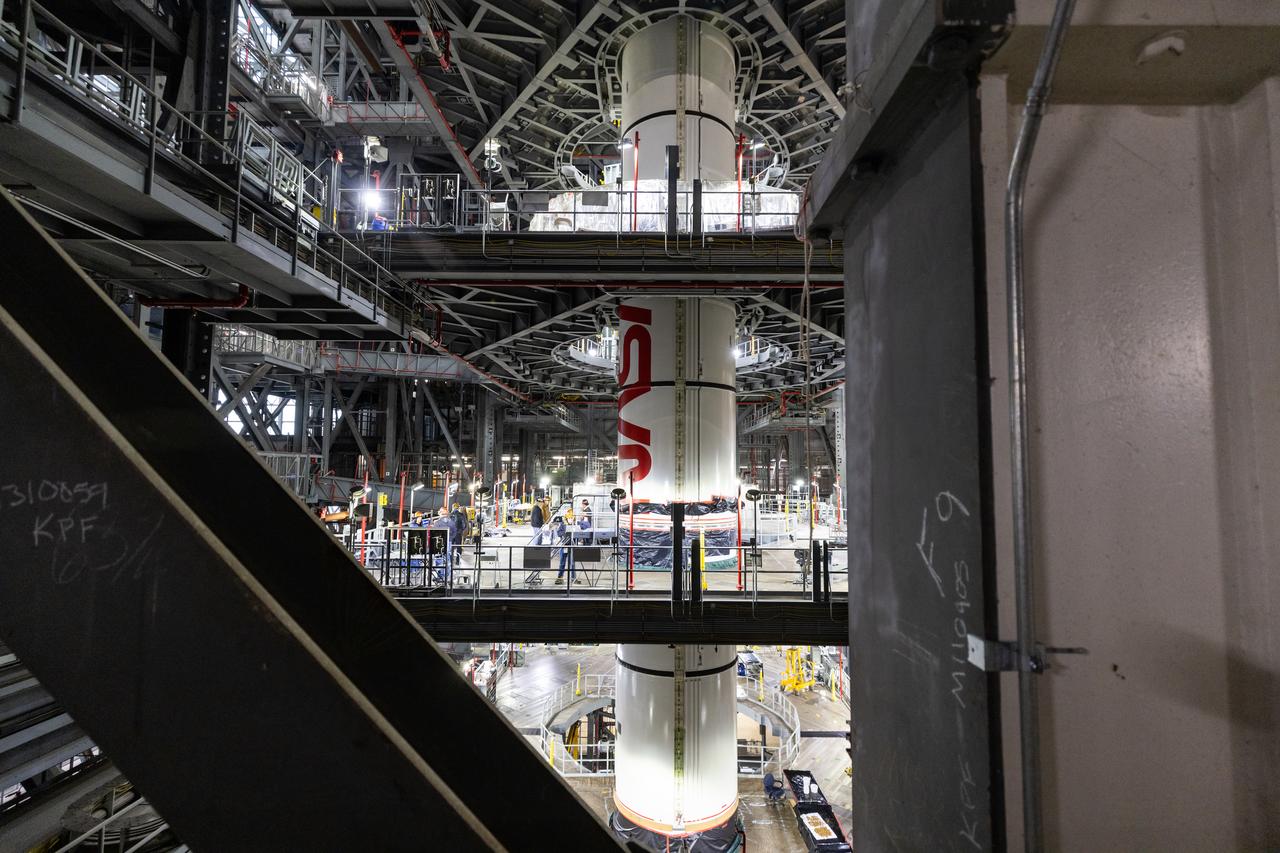
Inside High Bay 3 of the Vehicle Assembly Building at NASA’s Kennedy Space Center in Florida, technicians with the agency’s Exploration Ground Systems use a crane to lower the right forward center booster segment for the NASA’s SLS (Space Launch System) rocket onto the right center center segment with the iconic NASA “worm” insignia atop the mobile launcher on Monday, Jan. 27, 2025. The boosters will help support the remaining rocket components and the Orion spacecraft during final assembly of the Artemis II Moon rocket and provide more than 75 percent of the total SLS thrust during liftoff from NASA Kennedy’s Launch Pad 39B.
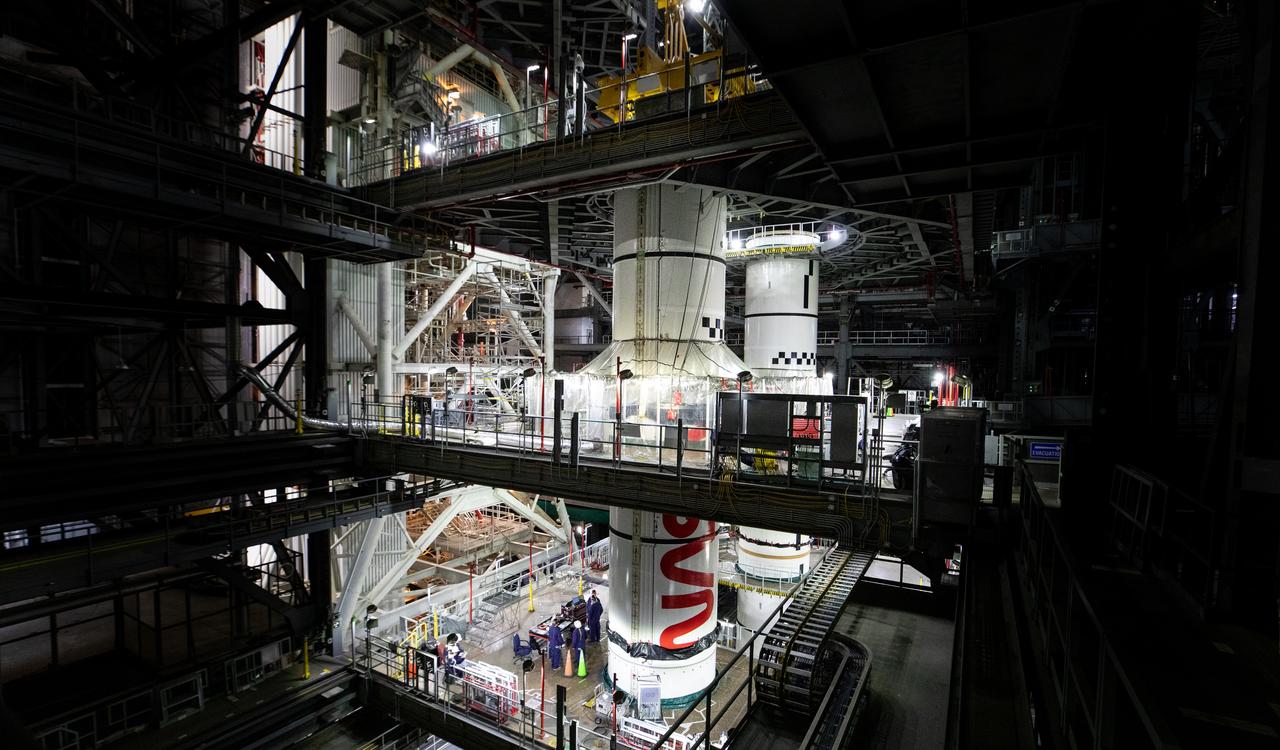
Inside High Bay 3 of the Vehicle Assembly Building at NASA’s Kennedy Space Center in Florida, technicians with the agency’s Exploration Ground Systems integrate the left forward center booster segment for the NASA’s SLS (Space Launch System) rocket onto the left center center segment atop the mobile launcher on Thursday, Jan. 30, 2025. The NASA “worm” insignia can be seen on both the center center booster segments. The boosters will help support the remaining rocket components and the Orion spacecraft during final assembly of the Artemis II Moon rocket and provide more than 75 percent of the total SLS thrust during liftoff from NASA Kennedy’s Launch Pad 39B.
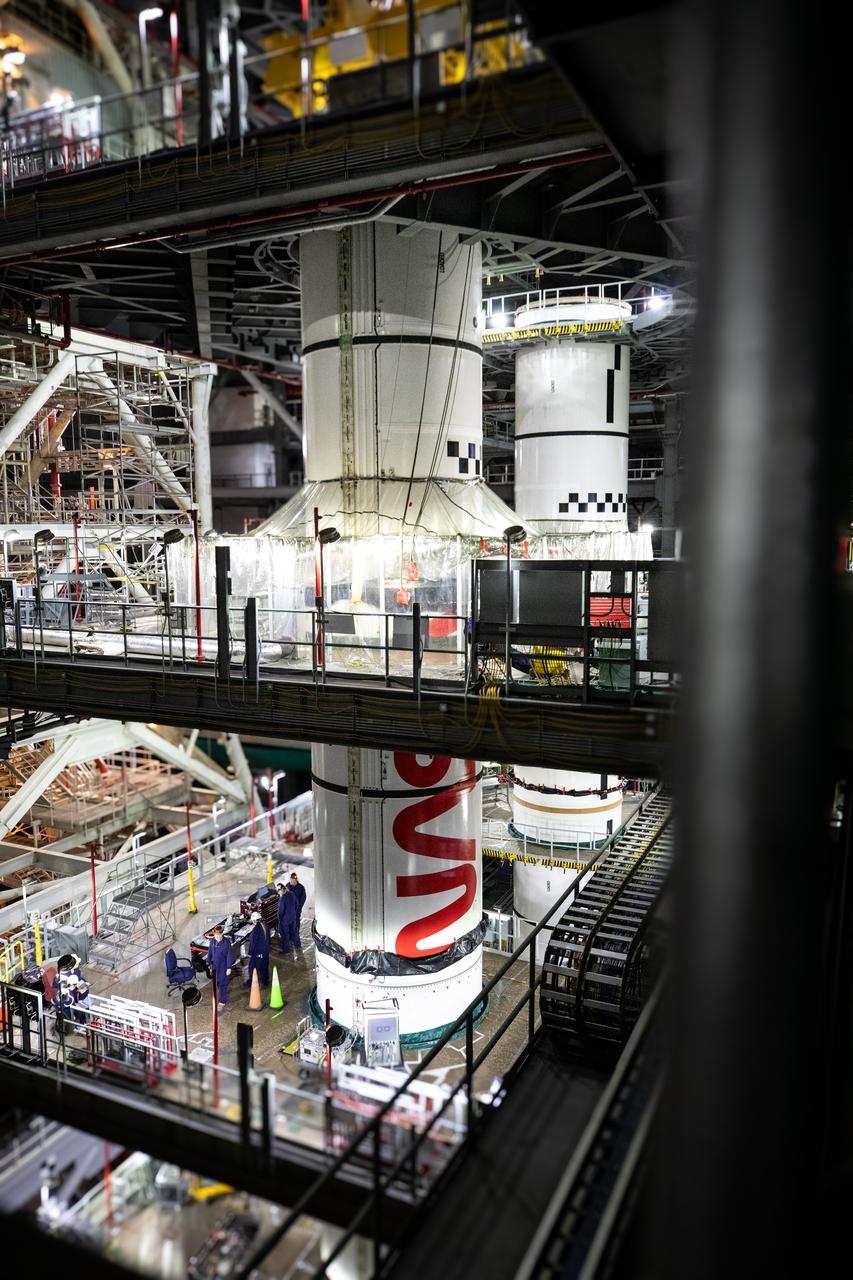
Inside High Bay 3 of the Vehicle Assembly Building at NASA’s Kennedy Space Center in Florida, technicians with the agency’s Exploration Ground Systems integrate the left forward center booster segment for the NASA’s SLS (Space Launch System) rocket onto the left center center segment atop the mobile launcher on Thursday, Jan. 30, 2025. The NASA “worm” insignia can be seen on both the center center booster segments. The boosters will help support the remaining rocket components and the Orion spacecraft during final assembly of the Artemis II Moon rocket and provide more than 75 percent of the total SLS thrust during liftoff from NASA Kennedy’s Launch Pad 39B.
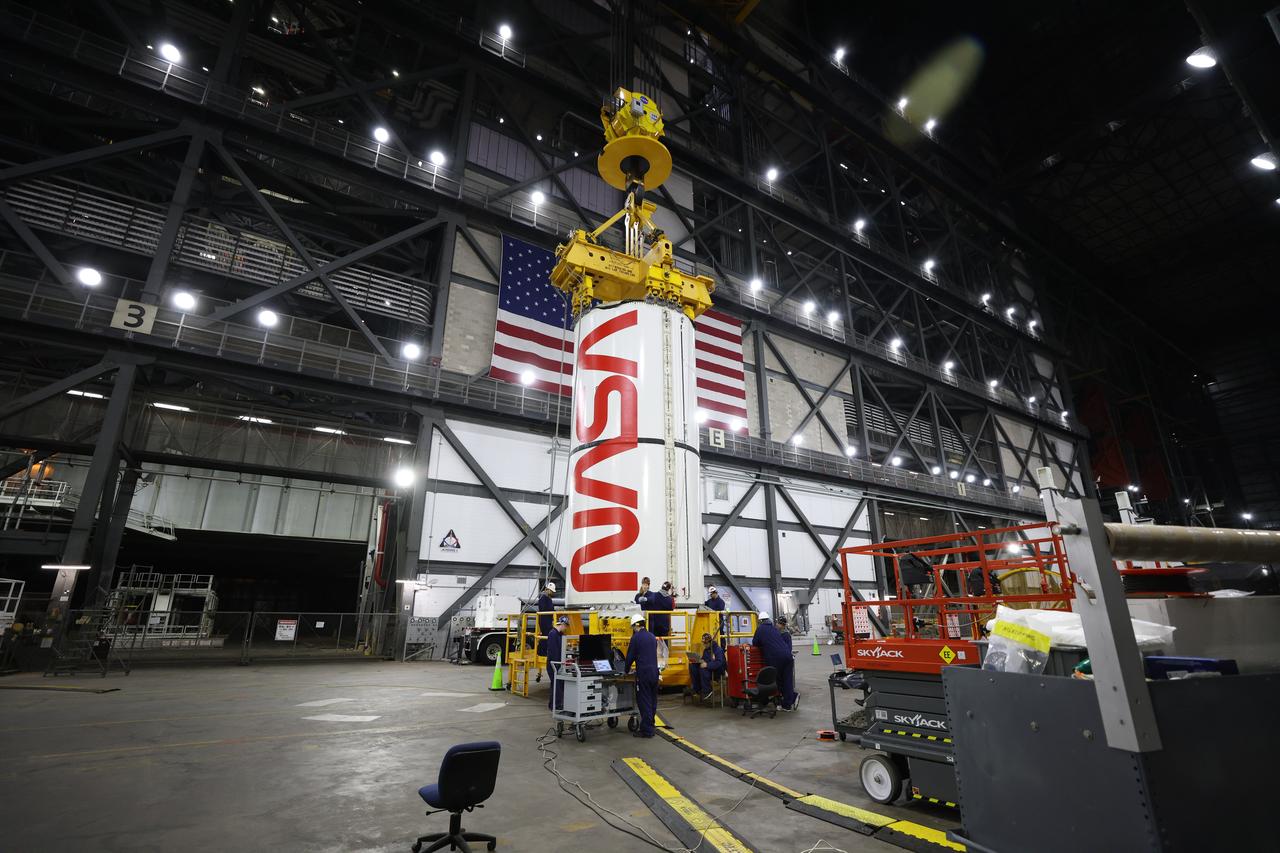
Engineers and technicians with NASA’s Exploration Ground Systems Program transfer the right center center segment with the NASA worm insignia to the Vehicle Assembly Building at NASA's Kennedy Space Center in Florida on Tuesday, Jan. 14, 2025. The booster segment is shown attached to a lifting beam ahead of integration onto the mobile launcher. The boosters will help support the remaining rocket components and the Orion spacecraft during final assembly of the Artemis II Moon rocket and provide more than 75 percent of the total SLS (Space Launch System) thrust during liftoff from NASA Kennedy’s Launch Pad 39B.
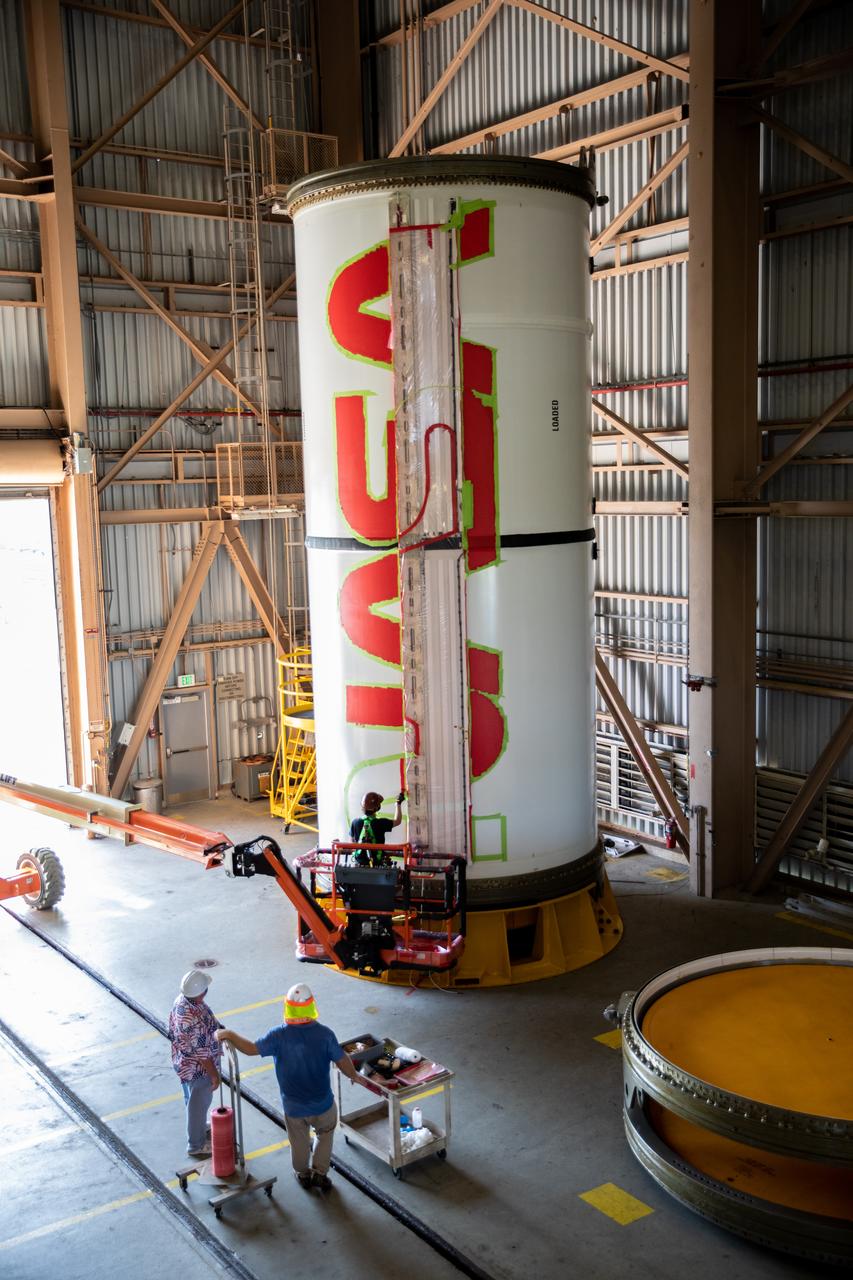
Workers with NASA’s Exploration Ground Systems (EGS) finishes the first coat of the bright red “worm” logo taking shape on the side of an Artemis I solid rocket booster segment inside the Rotation, Processing and Surge Facility (RPSF) at Kennedy Space Center in Florida. The EGS team used a laser projector to mask off the logo with tape, then painted the first coat of the iconic design. The booster segments will help propel the Space Launch System (SLS) rocket on Artemis I, a test of the Orion spacecraft and SLS as an integrated system ahead of crewed flights to the Moon. Northrop Grumman, which built the booster segments, is covering the cost of the painting.
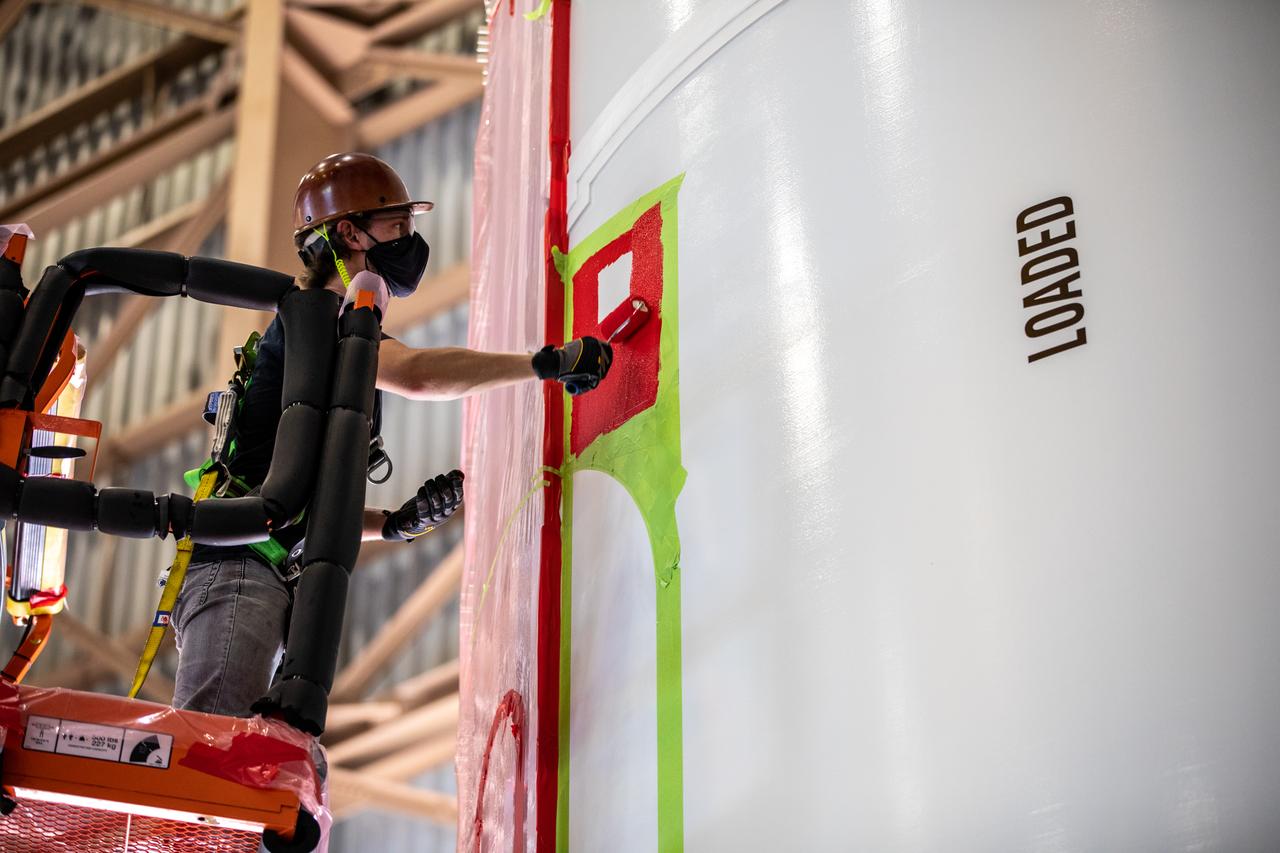
A worker with NASA’s Exploration Ground Systems (EGS) applies bright red paint to the agency’s “worm” logo taking shape on the side of an Artemis I solid rocket booster segment inside the Rotation, Processing and Surge Facility (RPSF) at Kennedy Space Center in Florida. The EGS team used a laser projector to mask off the logo with tape, then painted the first coat of the iconic design. The booster segments will help propel the Space Launch System (SLS) rocket on Artemis I, a test of the Orion spacecraft and SLS as an integrated system ahead of crewed flights to the Moon. Northrop Grumman, which built the booster segments, is covering the cost of the painting.
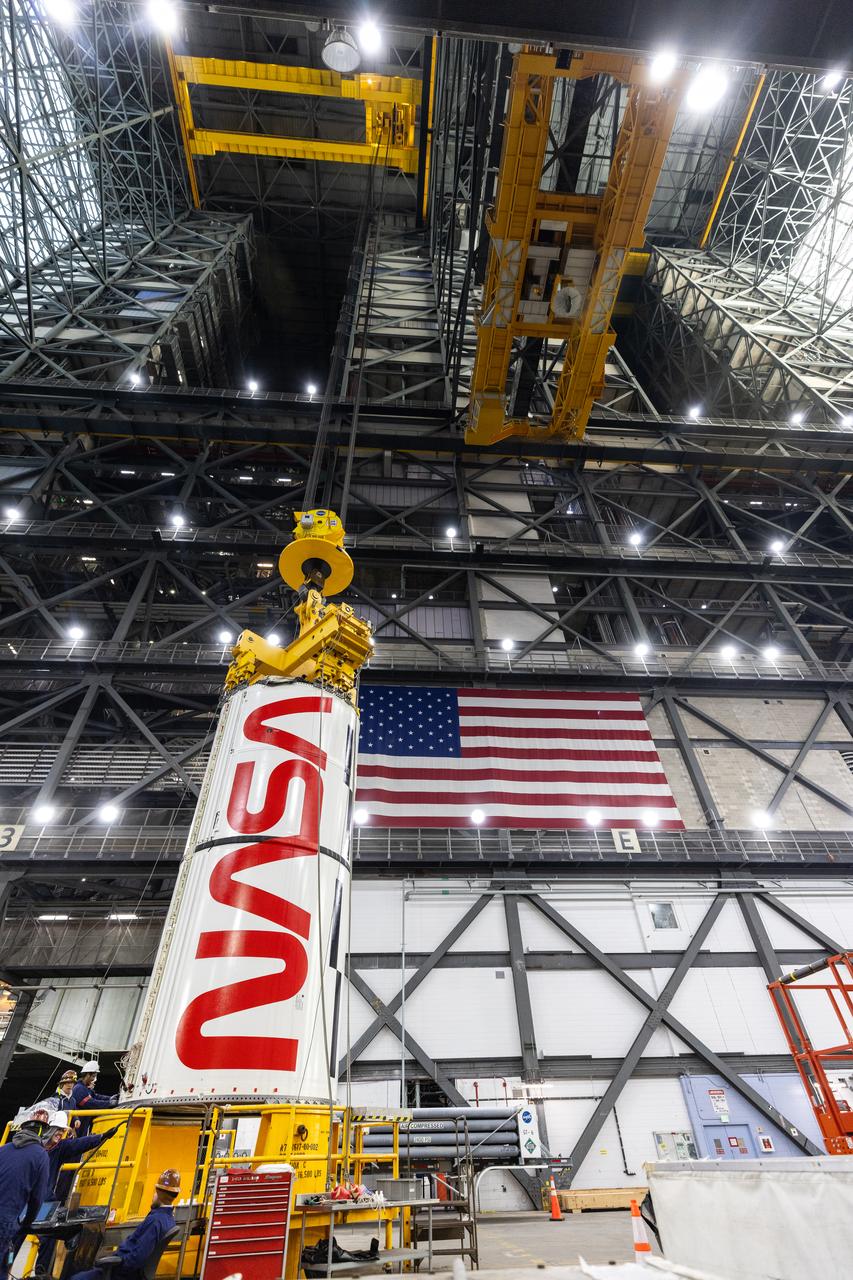
Engineers and technicians with NASA’s Exploration Ground Systems Program prepare to lift the left center center booster segment shown with the iconic NASA “worm” insignia for the agency’s SLS (Space Launch System) rocket to the Vehicle Assembly Building at NASA's Kennedy Space Center in Florida on Friday, Jan. 24, 2025. The booster segment is shown attached to a lifting beam ahead of integration onto the mobile launcher. The boosters will help support the remaining rocket components and the Orion spacecraft during final assembly of the Artemis II Moon rocket and provide more than 75 percent of the total SLS thrust during liftoff from NASA Kennedy’s Launch Pad 39B.
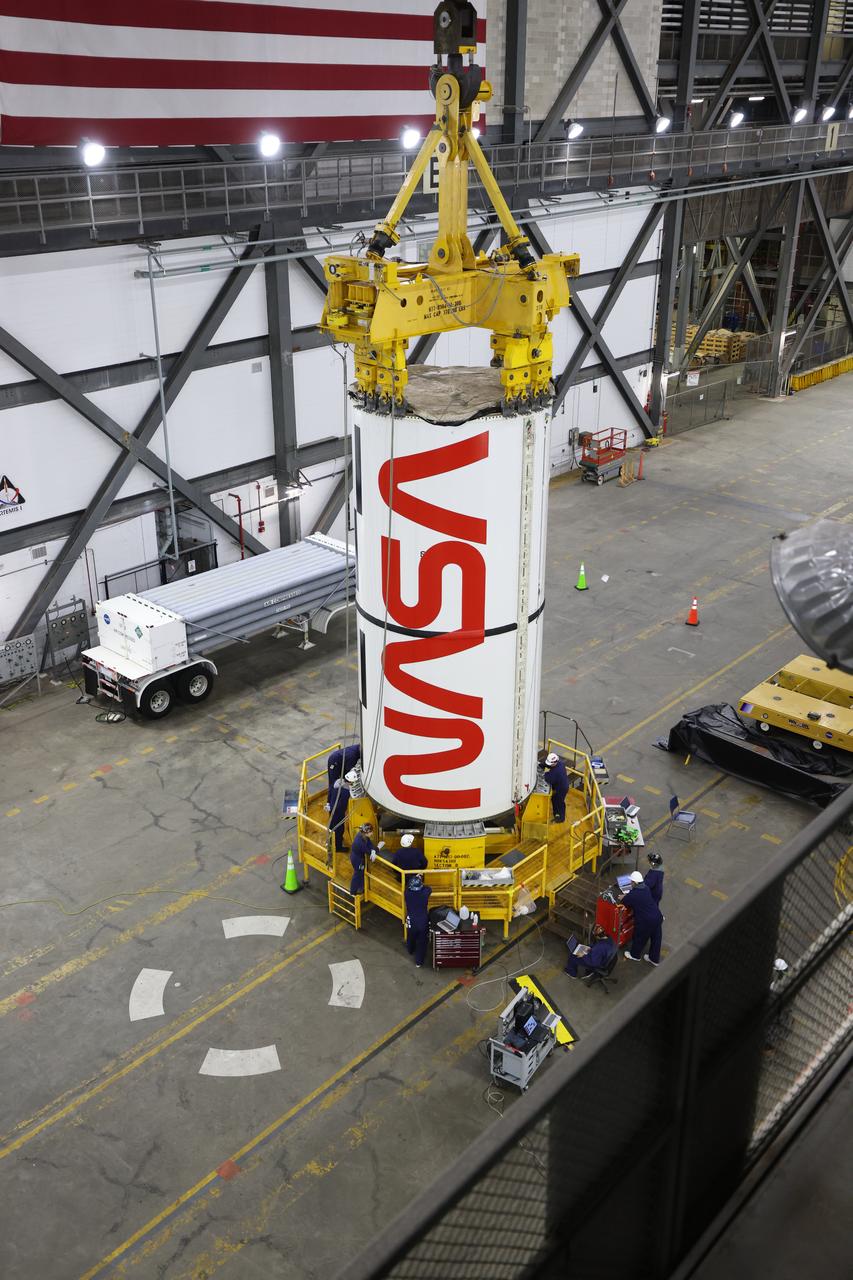
Engineers and technicians with NASA’s Exploration Ground Systems Program transfer the right center center segment with the NASA worm insignia to the Vehicle Assembly Building at NASA's Kennedy Space Center in Florida on Tuesday, Jan. 14, 2025. The booster segment is shown attached to a lifting beam ahead of integration onto the mobile launcher. The boosters will help support the remaining rocket components and the Orion spacecraft during final assembly of the Artemis II Moon rocket and provide more than 75 percent of the total SLS (Space Launch System) thrust during liftoff from NASA Kennedy’s Launch Pad 39B.
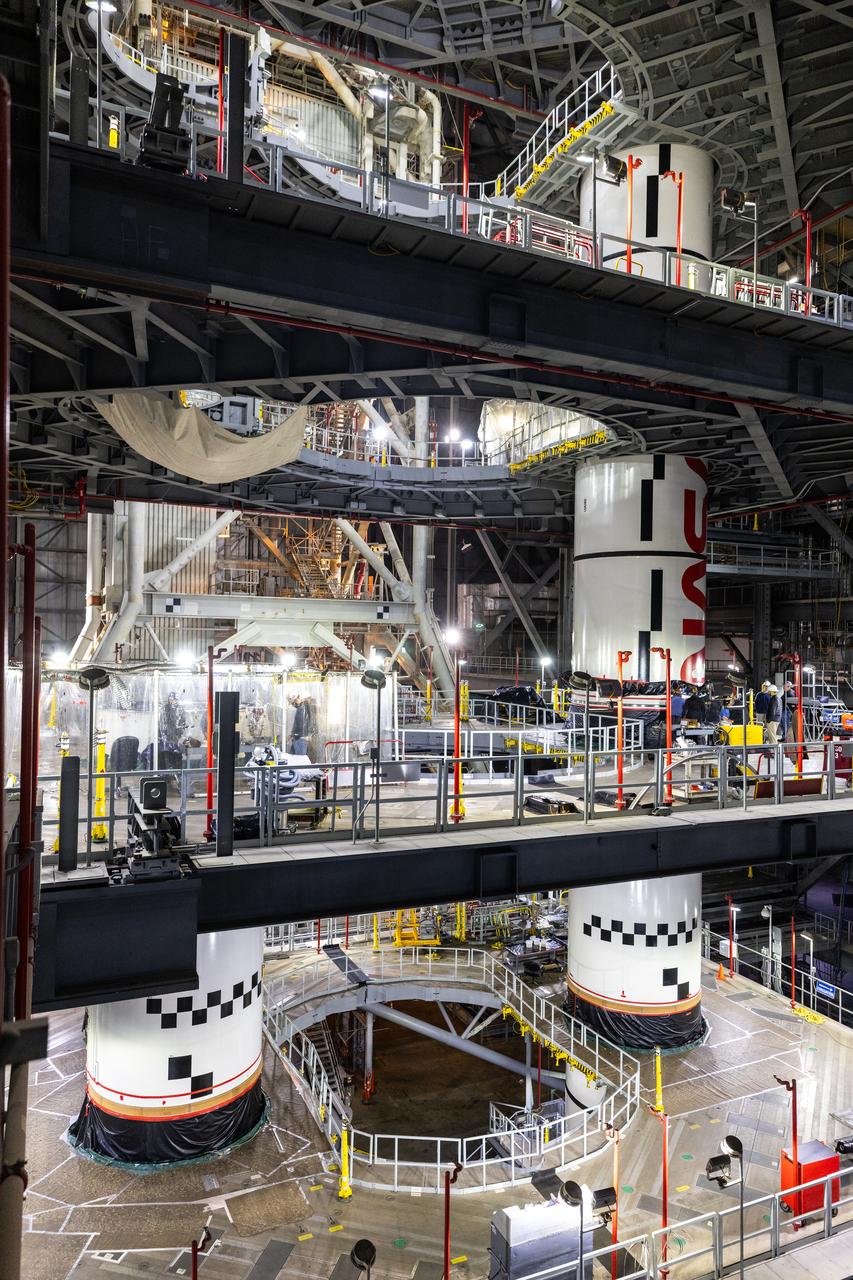
Inside High Bay 3 of the Vehicle Assembly Building at NASA’s Kennedy Space Center in Florida, technicians with the agency’s Exploration Ground Systems use a crane to lower the right forward center booster segment for the NASA’s SLS (Space Launch System) rocket onto the right center center segment with the iconic NASA “worm” insignia atop the mobile launcher on Monday, Jan. 27, 2025. The boosters will help support the remaining rocket components and the Orion spacecraft during final assembly of the Artemis II Moon rocket and provide more than 75 percent of the total SLS thrust during liftoff from NASA Kennedy’s Launch Pad 39B.
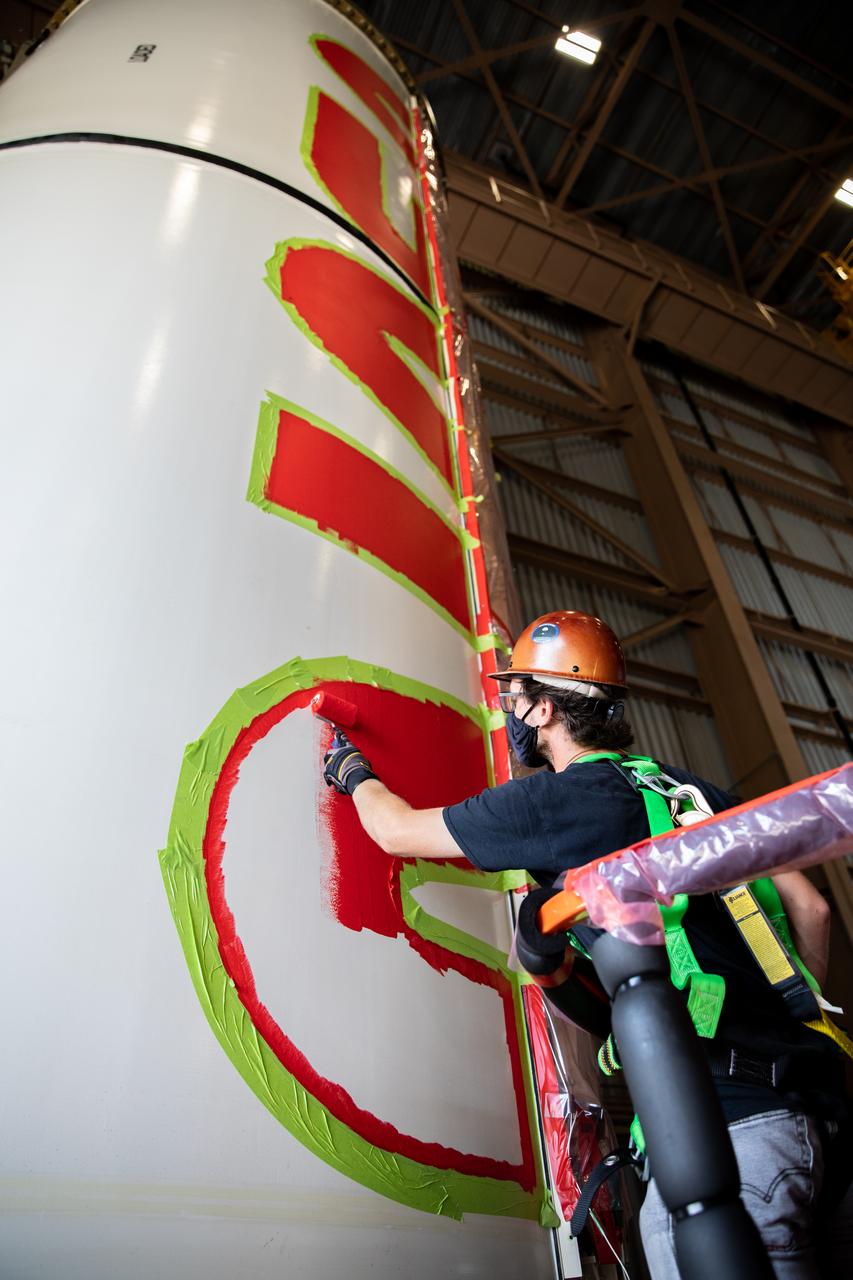
A worker with NASA’s Exploration Ground Systems (EGS) finishes the first coat of the bright red “worm” logo taking shape on the side of an Artemis I solid rocket booster segment inside the Rotation, Processing and Surge Facility (RPSF) at Kennedy Space Center in Florida. The EGS team used a laser projector to mask off the logo with tape, then painted the first coat of the iconic design. The booster segments will help propel the Space Launch System (SLS) rocket on Artemis I, a test of the Orion spacecraft and SLS as an integrated system ahead of crewed flights to the Moon. Northrop Grumman, which built the booster segments, is covering the cost of the painting.
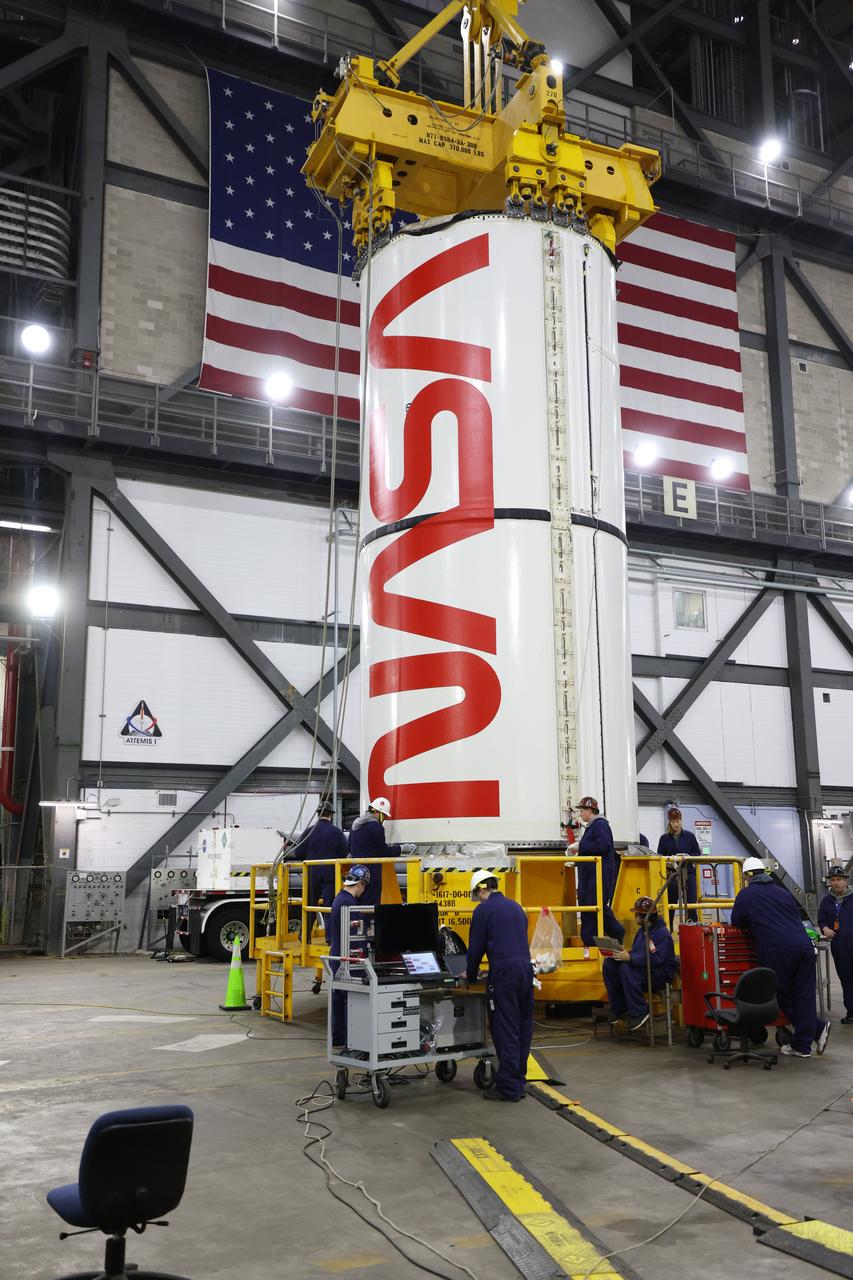
Engineers and technicians with NASA’s Exploration Ground Systems Program transfer the right center center segment with the NASA worm insignia to the Vehicle Assembly Building at NASA's Kennedy Space Center in Florida on Tuesday, Jan. 14, 2025. The booster segment is shown attached to a lifting beam ahead of integration onto the mobile launcher. The boosters will help support the remaining rocket components and the Orion spacecraft during final assembly of the Artemis II Moon rocket and provide more than 75 percent of the total SLS (Space Launch System) thrust during liftoff from NASA Kennedy’s Launch Pad 39B.

Inside High Bay 3 of the Vehicle Assembly Building at NASA’s Kennedy Space Center in Florida, technicians with the agency’s Exploration Ground Systems integrate the left forward center booster segment for the NASA’s SLS (Space Launch System) rocket onto the left center center segment atop the mobile launcher on Thursday, Jan. 30, 2025. The NASA “worm” insignia can be seen on both the center center booster segments. The boosters will help support the remaining rocket components and the Orion spacecraft during final assembly of the Artemis II Moon rocket and provide more than 75 percent of the total SLS thrust during liftoff from NASA Kennedy’s Launch Pad 39B.
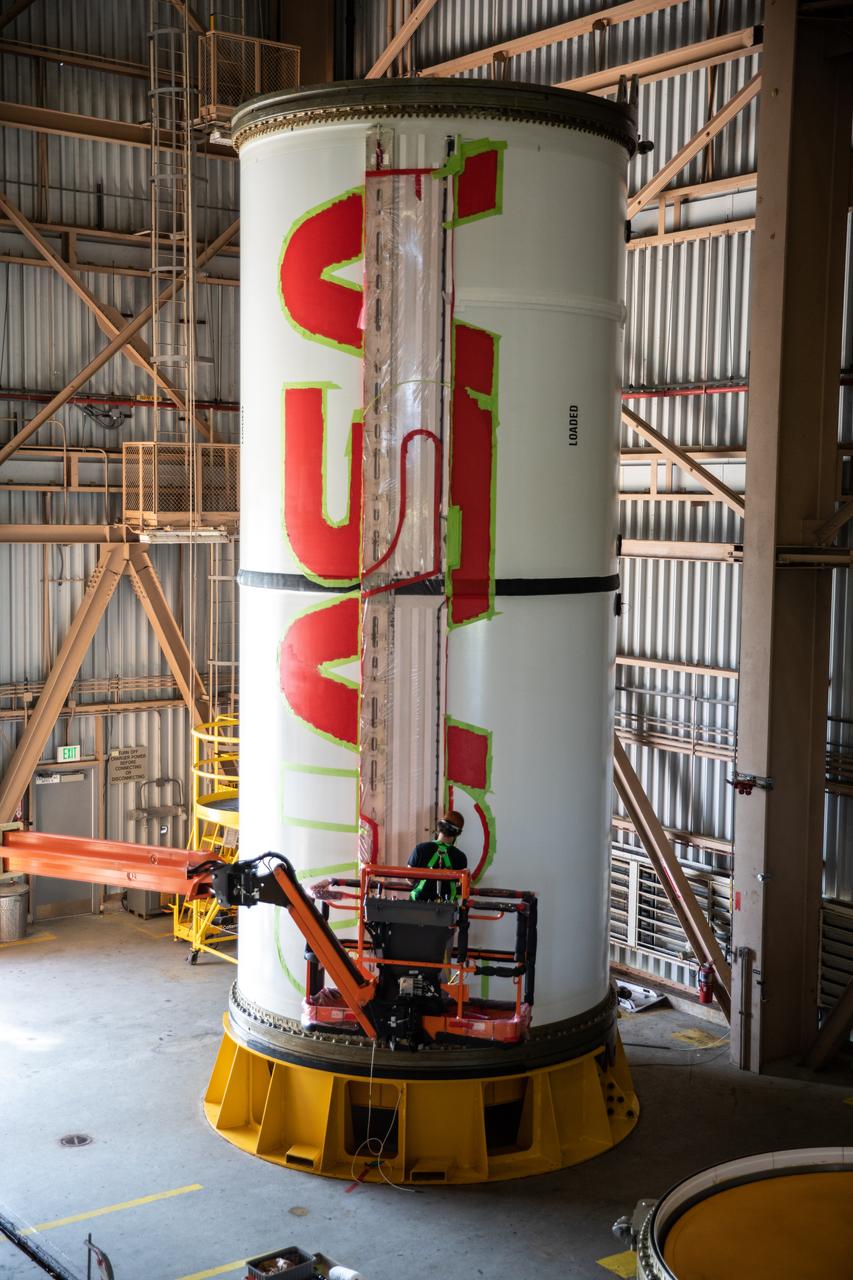
A worker with NASA’s Exploration Ground Systems (EGS) finishes the first coat of the bright red “worm” logo taking shape on the side of an Artemis I solid rocket booster segment inside the Rotation, Processing and Surge Facility (RPSF) at Kennedy Space Center in Florida. The EGS team used a laser projector to mask off the logo with tape, then painted the first coat of the iconic design. The booster segments will help propel the Space Launch System (SLS) rocket on Artemis I, a test of the Orion spacecraft and SLS as an integrated system ahead of crewed flights to the Moon. Northrop Grumman, which built the booster segments, is covering the cost of the painting.
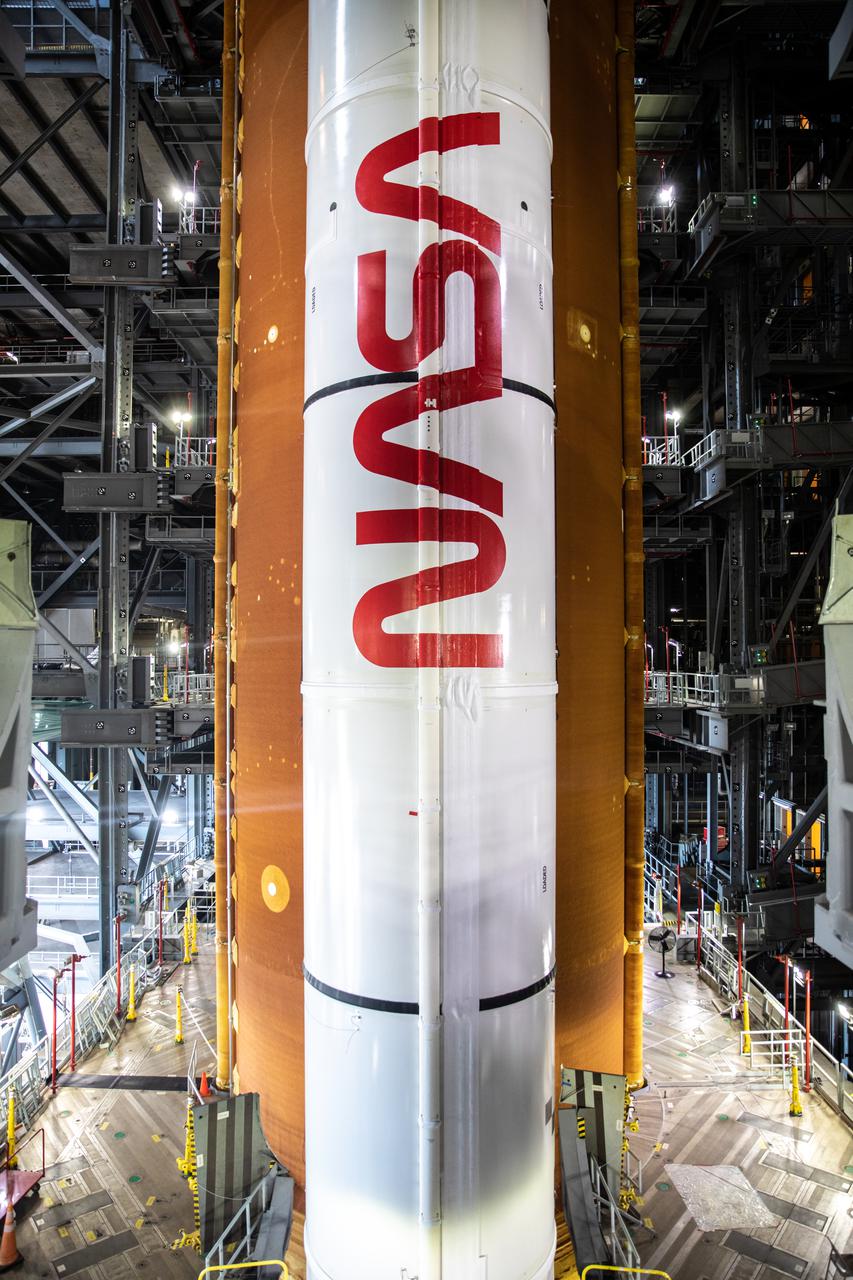
Inside High Bay 3 of the Vehicle Assembly Building at NASA’s Kennedy Space Center in Florida, application of the NASA worm logo is complete on the second of two solid rocket boosters for the Artemis I Space Launch System on March 14, 2022. The SLS and Orion spacecraft are stacked in the high bay and ready for rollout to Launch Complex 39B for a wet dress rehearsal. Artemis I will be the first integrated test of the SLS and Orion spacecraft. In later missions, NASA will land the first woman and the first person of color on the surface of the Moon, paving the way for a long-term lunar presence and serving as a steppingstone on the way to Mars.
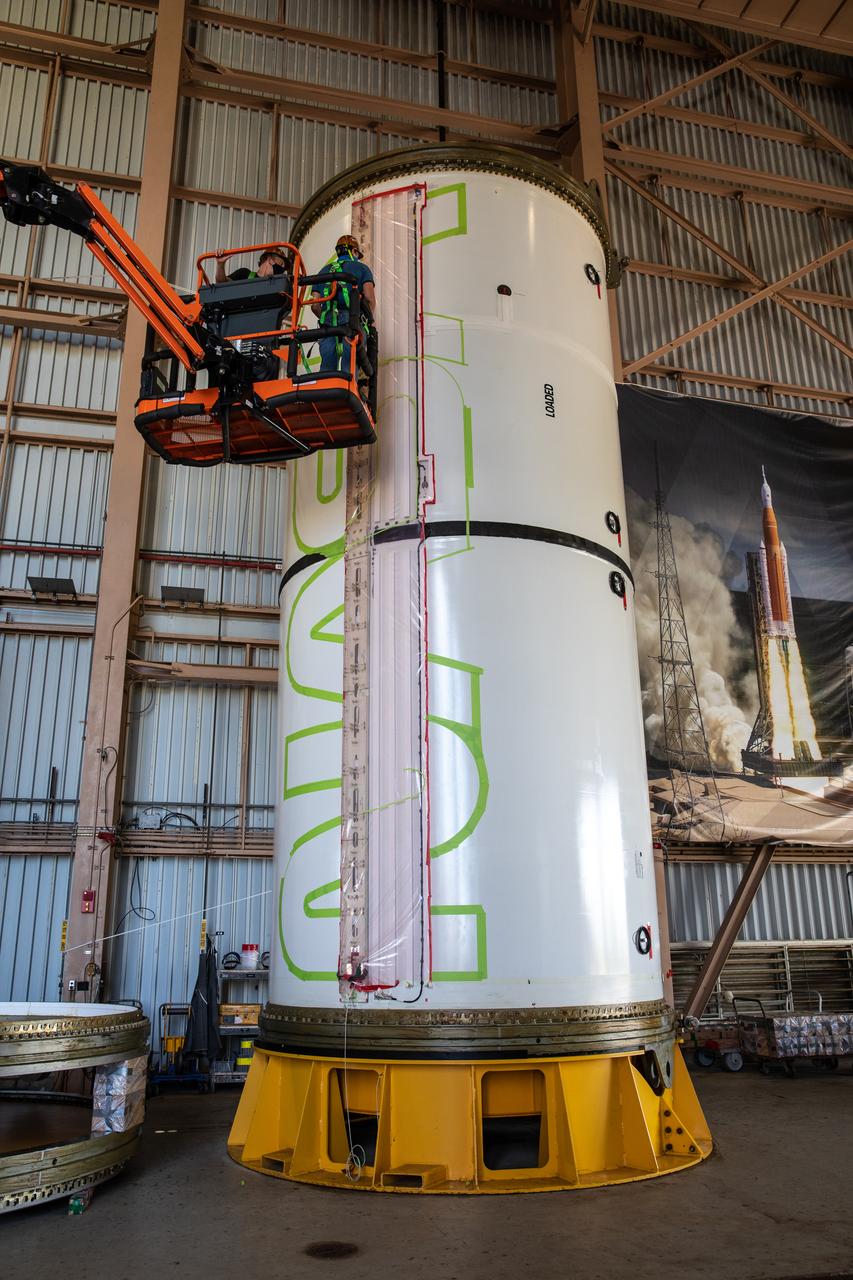
Workers with NASA’s Exploration Ground Systems (EGS) use a laser projector and green tape to mask off the shape of the agency’s “worm” logo on the side of an Artemis I solid rocket booster segment inside the Rotation, Processing and Surge Facility (RPSF) at Kennedy Space Center in Florida, Sept. 3, 2020. The booster segments will help propel the Space Launch System (SLS) rocket on Artemis I, a test of the Orion spacecraft and SLS as an integrated system ahead of crewed flights to the Moon. Northrop Grumman, which built the booster segments, is covering the cost of the painting.
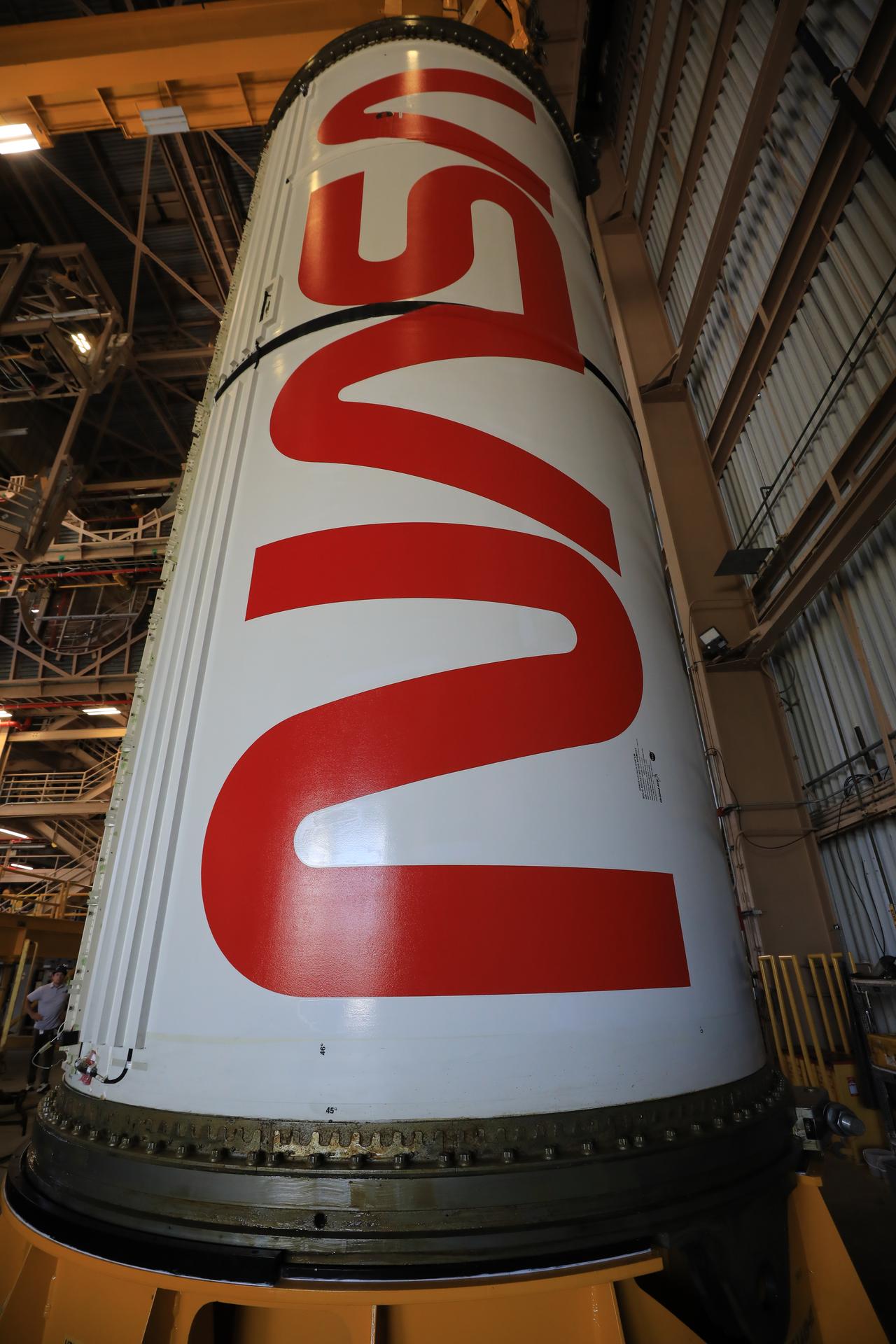
The right center center solid rocket booster segment, containing the NASA “worm” insignia, for the agency’s Artemis III SLS (Space Launch System) rocket undergoes processing inside the Rotation, Processing and Surge Facility at the agency’s Kennedy Space Center in Florida on Thursday, July 23, 2026. The SLS rocket’s twin boosters, manufactured by Northrop Grumman in Utah, will provide more than 75 percent of the SLS rocket’s total thrust at launch. The Artemis III mission will launch crew in the Orion spacecraft on top of the SLS rocket to test rendezvous and docking capabilities between Orion and commercial spacecraft needed to land astronauts on the Moon.
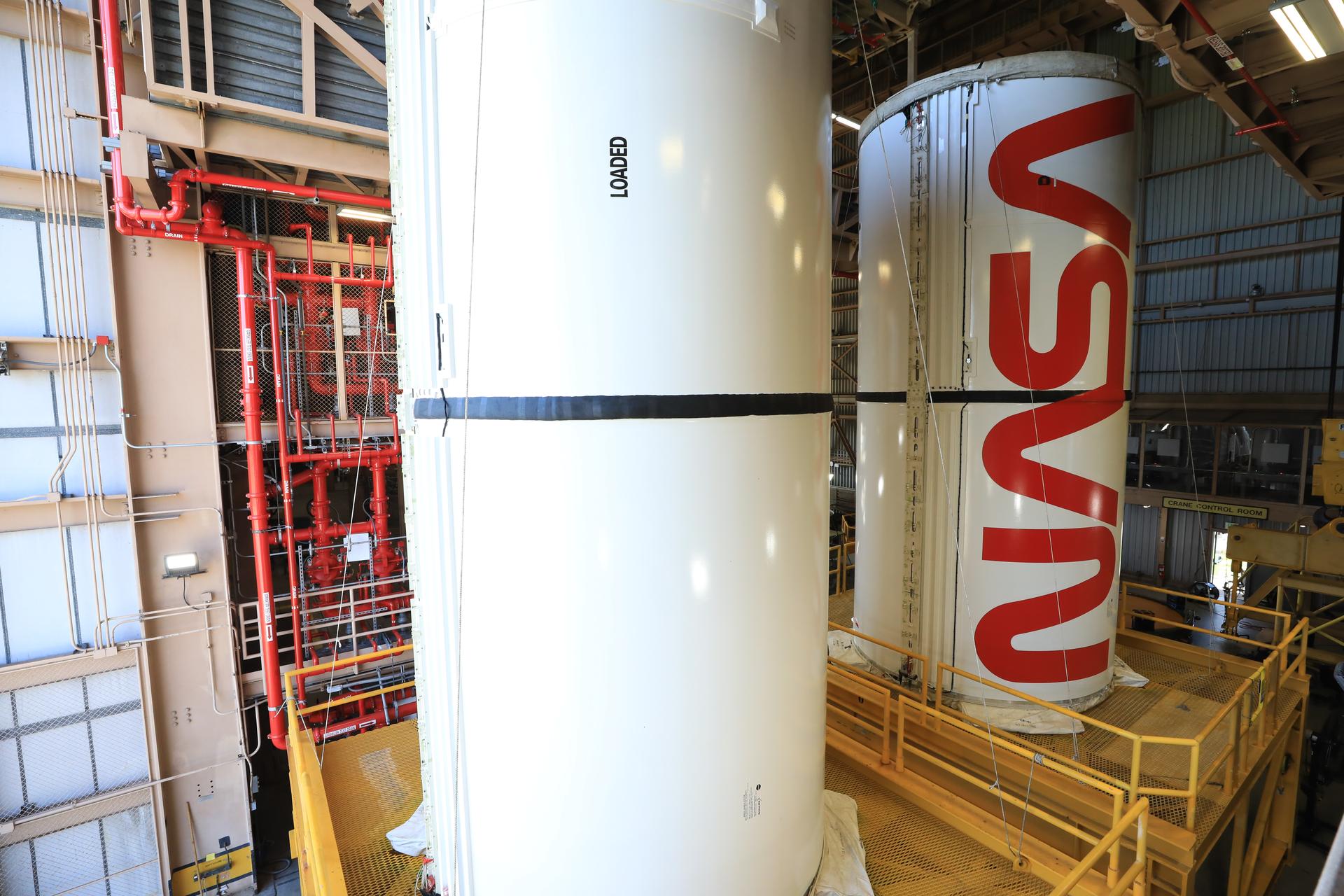
The right center center solid rocket booster segment, containing the NASA “worm” insignia, and the left center center solid rocket booster segment for the agency’s Artemis III SLS (Space Launch System) rocket undergo processing inside the Rotation, Processing and Surge Facility at the agency’s Kennedy Space Center in Florida on Friday, July 24, 2026. The SLS rocket’s twin boosters, manufactured by Northrop Grumman in Utah, will provide more than 75 percent of the SLS rocket’s total thrust at launch. The Artemis III mission will launch crew in the Orion spacecraft on top of the SLS rocket to test rendezvous and docking capabilities between Orion and commercial spacecraft needed to land astronauts on the Moon.
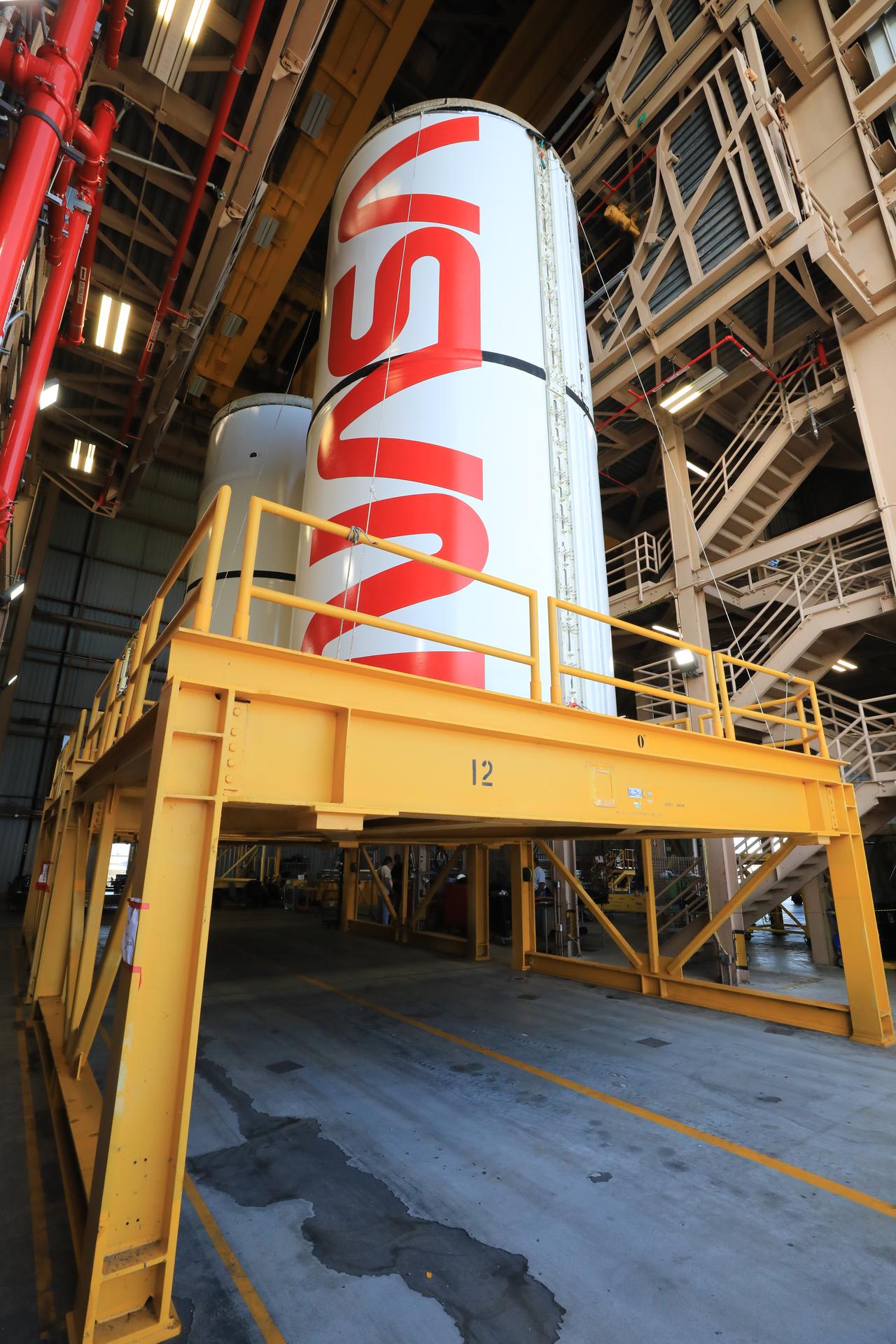
The right center center solid rocket booster segment, containing the NASA “worm” insignia, and the left center center solid rocket booster segment for the agency’s Artemis III SLS (Space Launch System) rocket undergo processing inside the Rotation, Processing and Surge Facility at the agency’s Kennedy Space Center in Florida on Friday, July 24, 2026. The SLS rocket’s twin boosters, manufactured by Northrop Grumman in Utah, will provide more than 75 percent of the SLS rocket’s total thrust at launch. The Artemis III mission will launch crew in the Orion spacecraft on top of the SLS rocket to test rendezvous and docking capabilities between Orion and commercial spacecraft needed to land astronauts on the Moon.
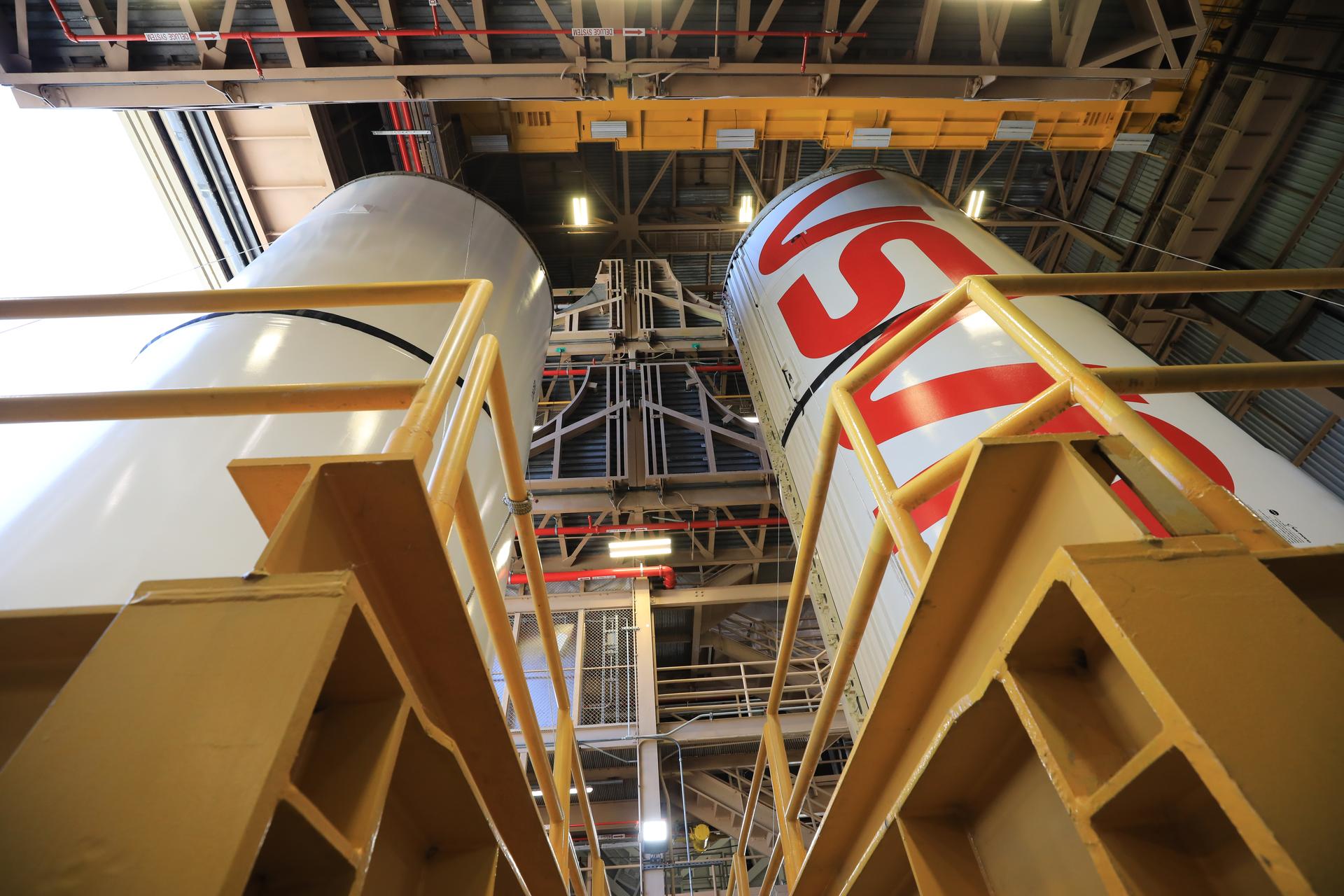
The right center center solid rocket booster segment, containing the NASA “worm” insignia, and the left center center solid rocket booster segment for the agency’s Artemis III SLS (Space Launch System) rocket undergo processing inside the Rotation, Processing and Surge Facility at the agency’s Kennedy Space Center in Florida on Friday, July 24, 2026. The SLS rocket’s twin boosters, manufactured by Northrop Grumman in Utah, will provide more than 75 percent of the SLS rocket’s total thrust at launch. The Artemis III mission will launch crew in the Orion spacecraft on top of the SLS rocket to test rendezvous and docking capabilities between Orion and commercial spacecraft needed to land astronauts on the Moon.
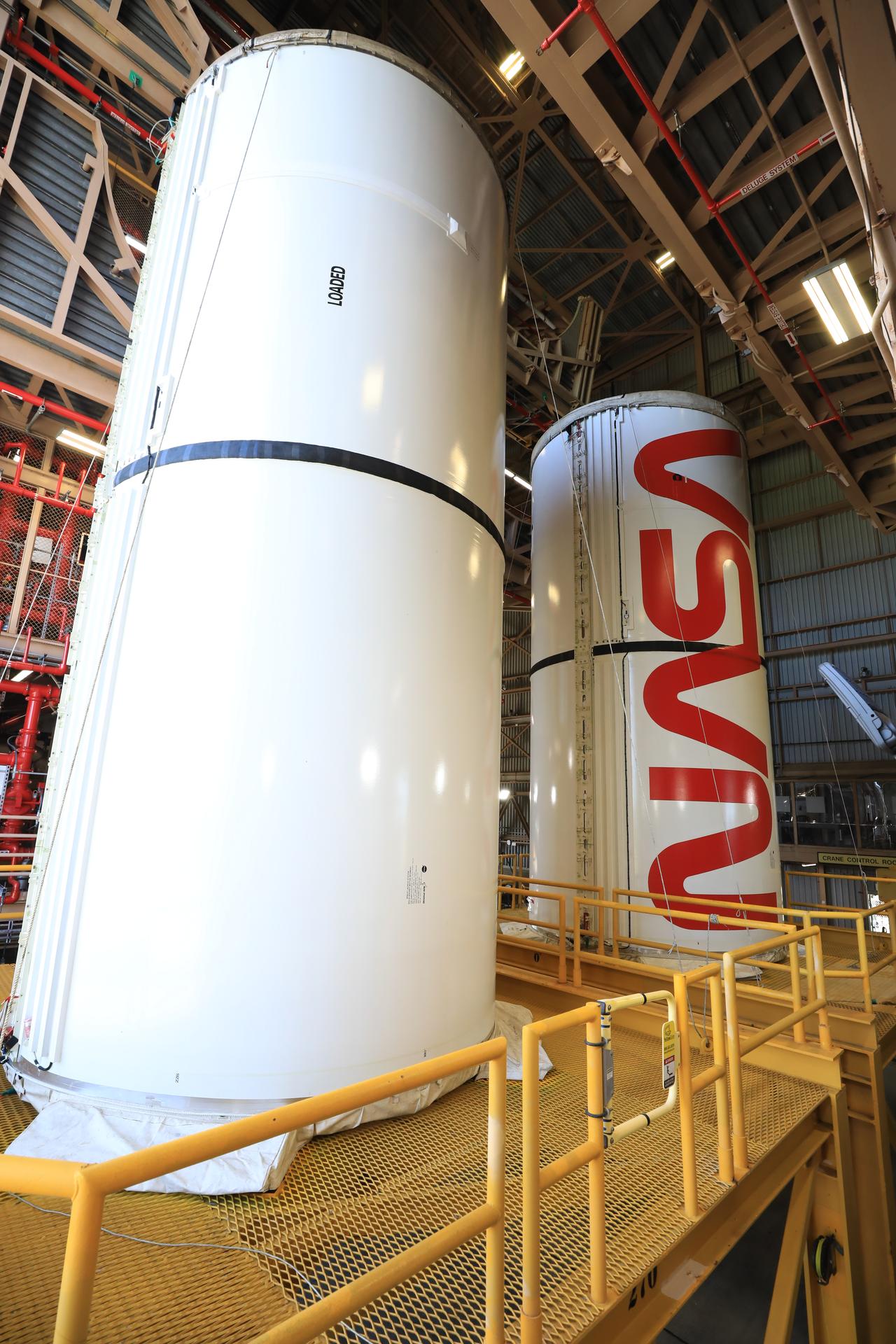
The right center center solid rocket booster segment, containing the NASA “worm” insignia, and the left center center solid rocket booster segment for the agency’s Artemis III SLS (Space Launch System) rocket undergo processing inside the Rotation, Processing and Surge Facility at the agency’s Kennedy Space Center in Florida on Friday, July 24, 2026. The SLS rocket’s twin boosters, manufactured by Northrop Grumman in Utah, will provide more than 75 percent of the SLS rocket’s total thrust at launch. The Artemis III mission will launch crew in the Orion spacecraft on top of the SLS rocket to test rendezvous and docking capabilities between Orion and commercial spacecraft needed to land astronauts on the Moon.
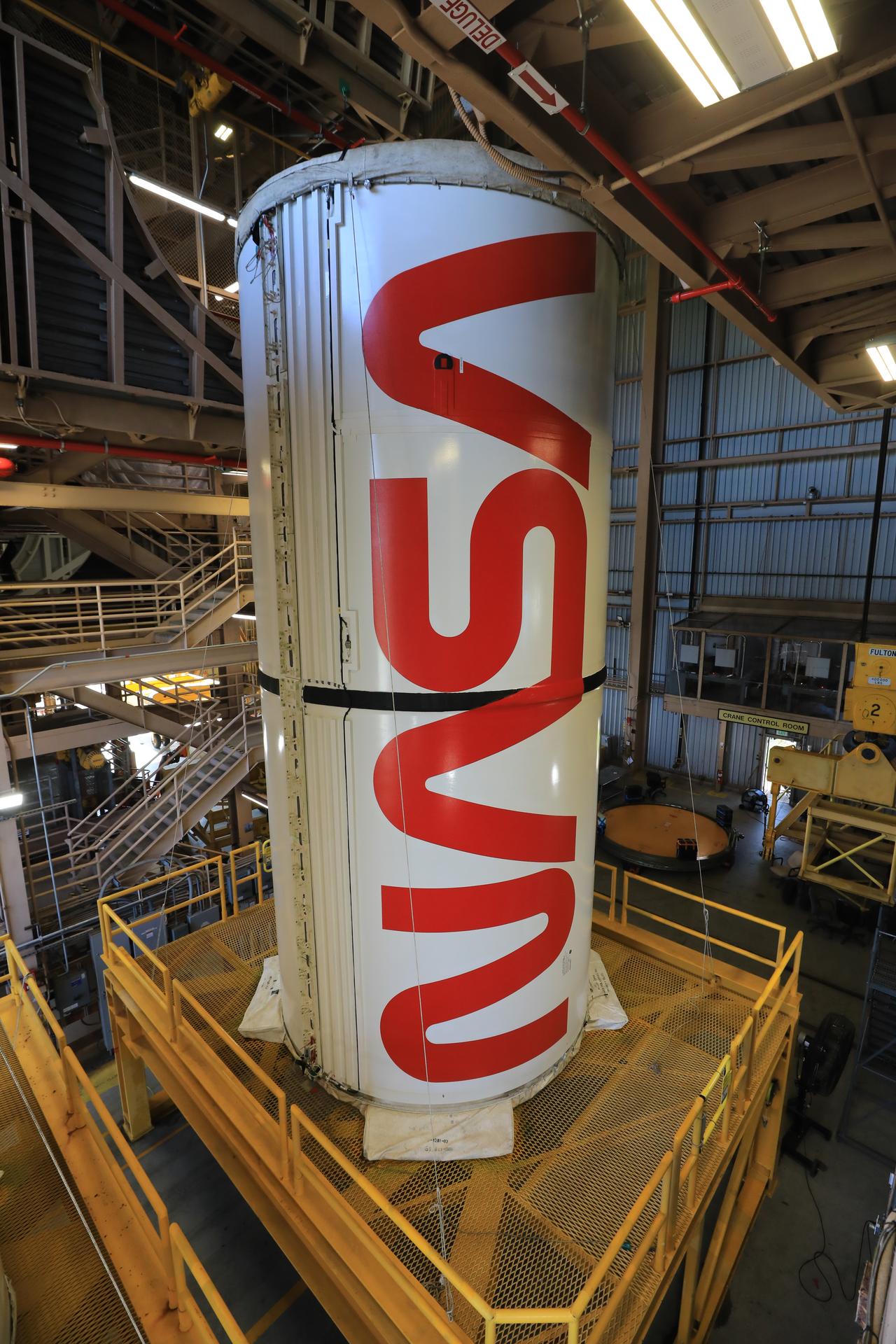
The right center center solid rocket booster segment, containing the NASA “worm” insignia, and the left center center solid rocket booster segment for the agency’s Artemis III SLS (Space Launch System) rocket undergo processing inside the Rotation, Processing and Surge Facility at the agency’s Kennedy Space Center in Florida on Friday, July 24, 2026. The SLS rocket’s twin boosters, manufactured by Northrop Grumman in Utah, will provide more than 75 percent of the SLS rocket’s total thrust at launch. The Artemis III mission will launch crew in the Orion spacecraft on top of the SLS rocket to test rendezvous and docking capabilities between Orion and commercial spacecraft needed to land astronauts on the Moon.

Workers with NASA’s Exploration Ground Systems and primary contractor, Jacobs, complete the painting of the agency’s iconic “worm” logo along the side of the twin Artemis II solid rocket booster motor segments inside the Rotation, Processing and Surge Facility at Kennedy Space Center in Florida on Friday, Feb. 16, 2024. Using a laser projector, the logo was mapped out with tape by workers with Jacobs, for the spaceport, before using two coats of red paint, plus several coats of clear primer to complete the logo that stretches 25 feet long. The booster segments will help propel the SLS (Space Launch System) rocket on the Artemis II mission to send four astronauts around the Moon as part of the agency’s effort to establish a long-term science and exploration presence at the Moon, and eventually Mars.
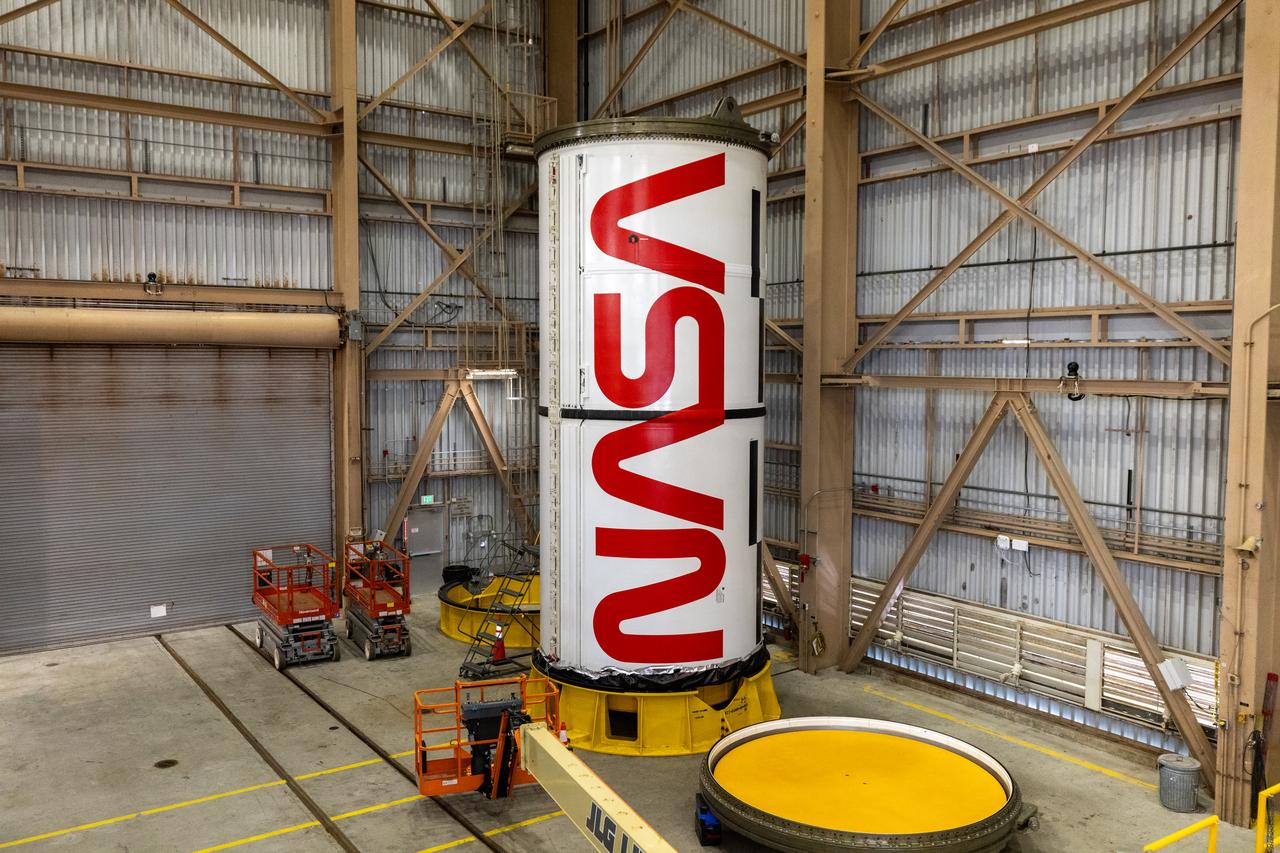
Workers with NASA’s Exploration Ground Systems and primary contractor, Jacobs, complete the painting of the agency’s iconic “worm” logo along the side of the twin Artemis II solid rocket booster motor segments inside the Rotation, Processing and Surge Facility at Kennedy Space Center in Florida on Friday, Feb. 16, 2024. Using a laser projector, the logo was mapped out with tape by workers with Jacobs, for the spaceport, before using two coats of red paint, plus several coats of clear primer to complete the logo that stretches 25 feet long. The booster segments will help propel the SLS (Space Launch System) rocket on the Artemis II mission to send four astronauts around the Moon as part of the agency’s effort to establish a long-term science and exploration presence at the Moon, and eventually Mars.
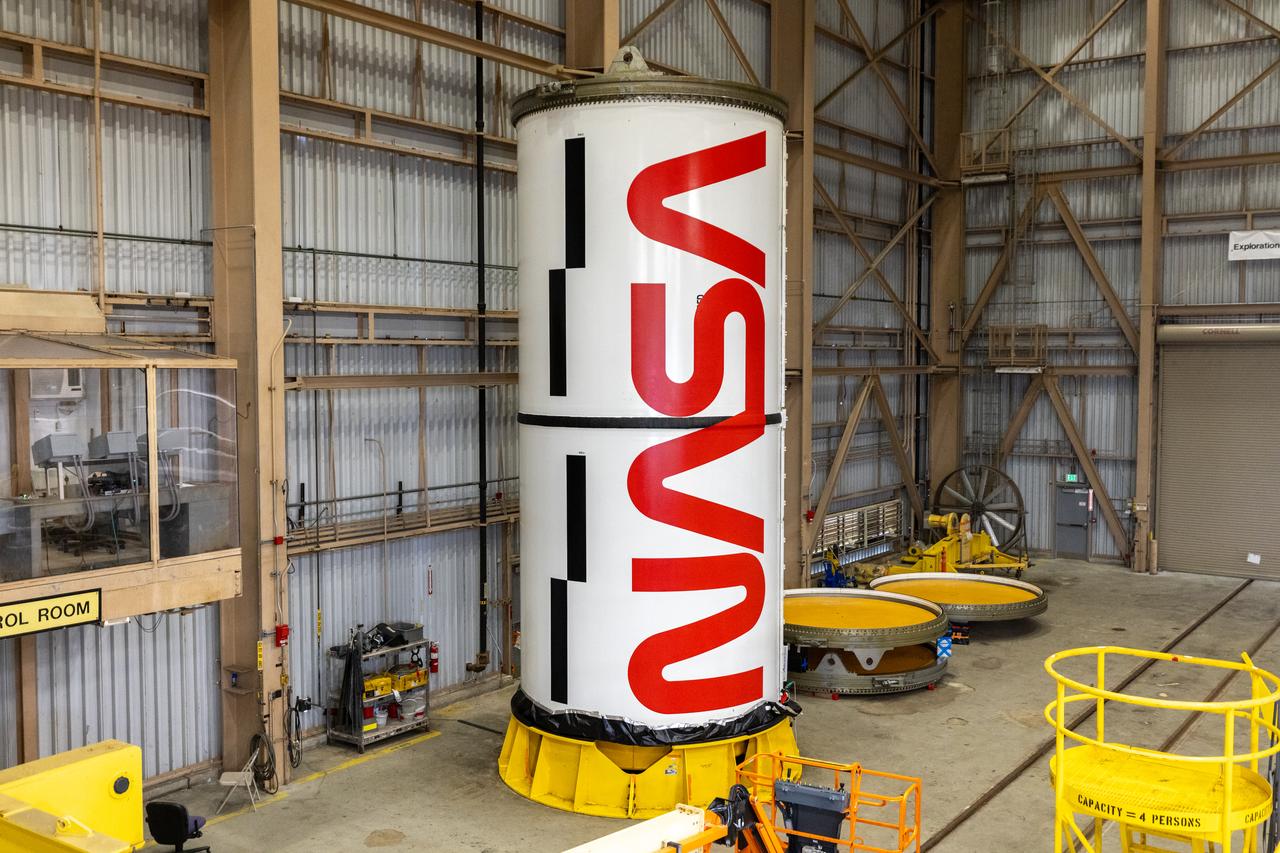
Workers with NASA’s Exploration Ground Systems and primary contractor, Jacobs, complete the painting of the agency’s iconic “worm” logo along the side of the twin Artemis II solid rocket booster motor segments inside the Rotation, Processing and Surge Facility at Kennedy Space Center in Florida on Friday, Feb. 16, 2024. Using a laser projector, the logo was mapped out with tape by workers with Jacobs, for the spaceport, before using two coats of red paint, plus several coats of clear primer to complete the logo that stretches 25 feet long. The booster segments will help propel the SLS (Space Launch System) rocket on the Artemis II mission to send four astronauts around the Moon as part of the agency’s effort to establish a long-term science and exploration presence at the Moon, and eventually Mars.
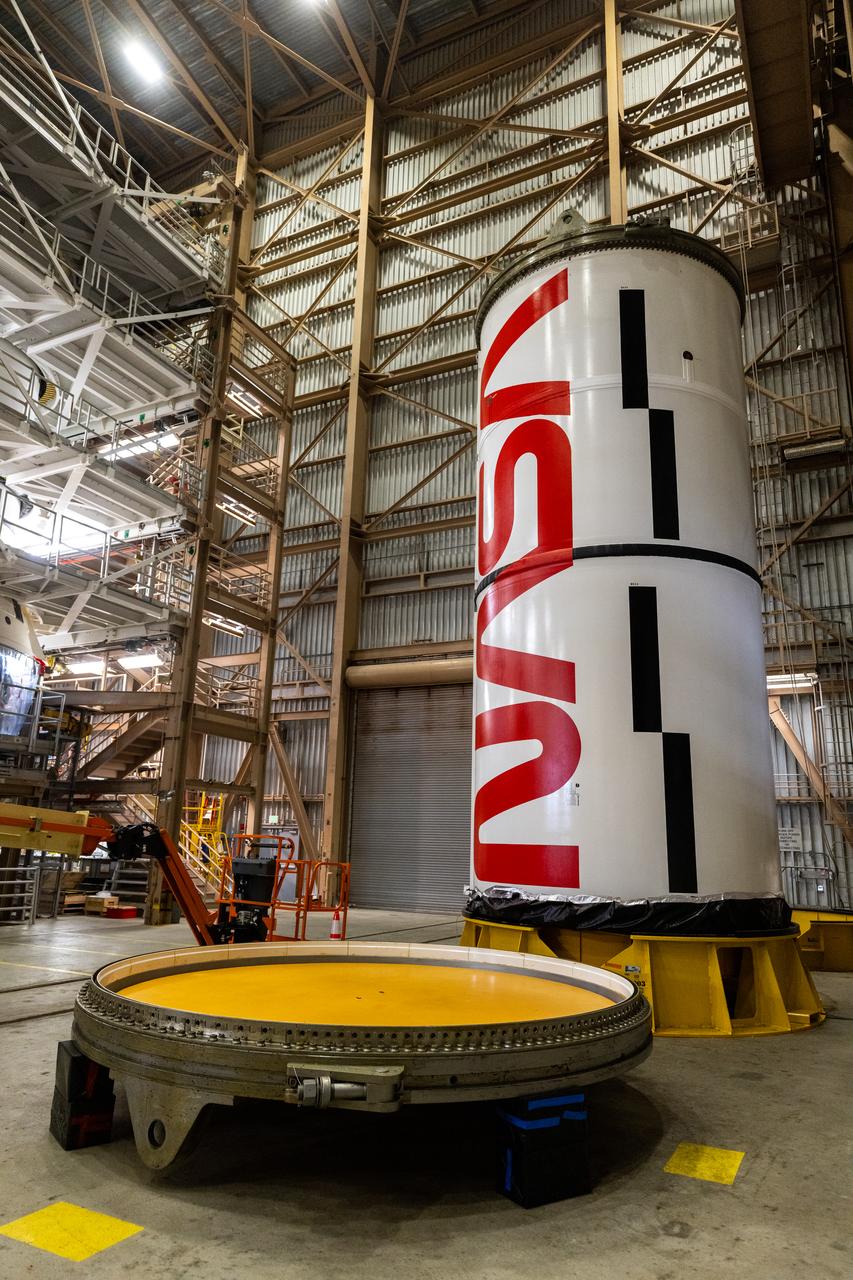
Workers with NASA’s Exploration Ground Systems and primary contractor, Jacobs, complete the painting of the agency’s iconic “worm” logo along the side of the twin Artemis II solid rocket booster motor segments inside the Rotation, Processing and Surge Facility at Kennedy Space Center in Florida on Friday, Feb. 16, 2024. Using a laser projector, the logo was mapped out with tape by workers with Jacobs, for the spaceport, before using two coats of red paint, plus several coats of clear primer to complete the logo that stretches 25 feet long. The booster segments will help propel the SLS (Space Launch System) rocket on the Artemis II mission to send four astronauts around the Moon as part of the agency’s effort to establish a long-term science and exploration presence at the Moon, and eventually Mars.
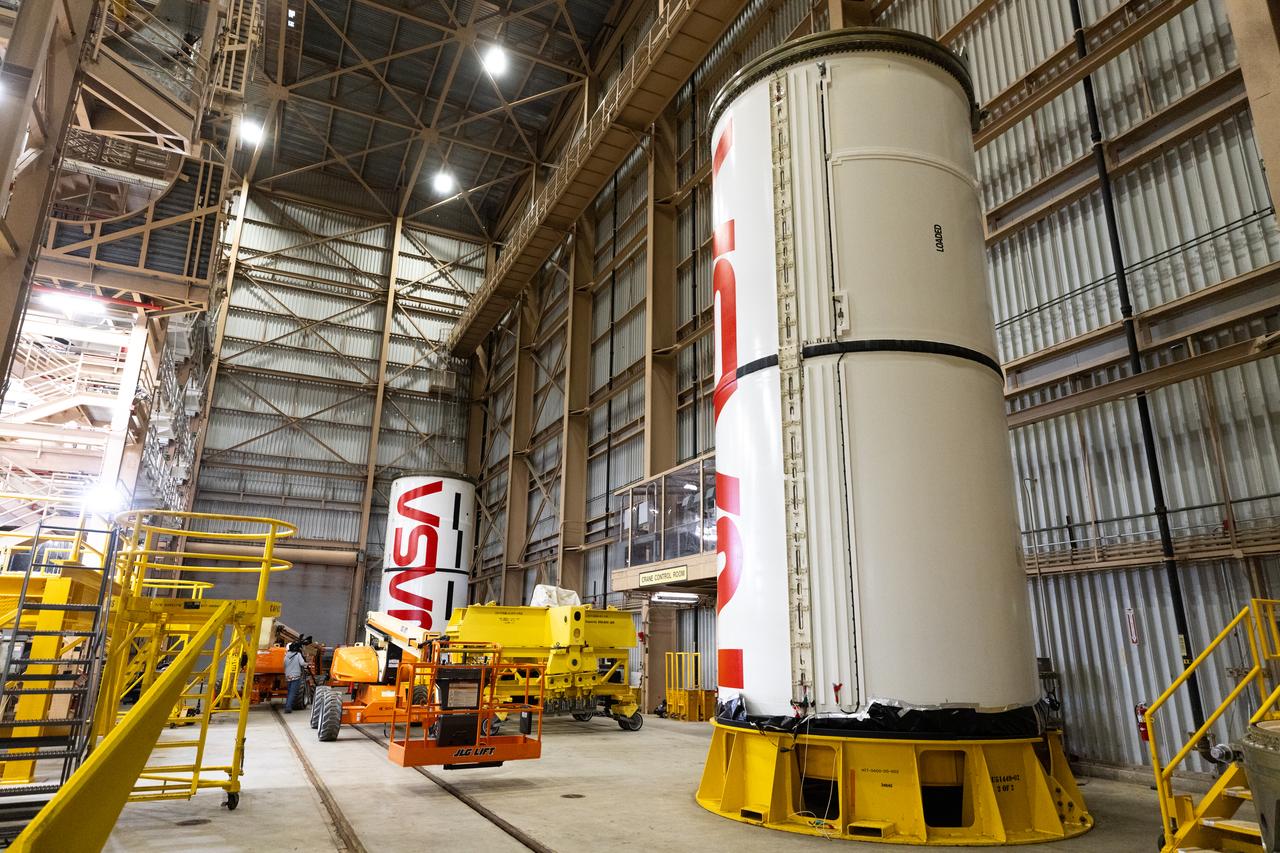
Workers with NASA’s Exploration Ground Systems and primary contractor, Jacobs, complete the painting of the agency’s iconic “worm” logo along the side of the twin Artemis II solid rocket booster motor segments inside the Rotation, Processing and Surge Facility at Kennedy Space Center in Florida on Friday, Feb. 16, 2024. Using a laser projector, the logo was mapped out with tape by workers with Jacobs, for the spaceport, before using two coats of red paint, plus several coats of clear primer to complete the logo that stretches 25 feet long. The booster segments will help propel the SLS (Space Launch System) rocket on the Artemis II mission to send four astronauts around the Moon as part of the agency’s effort to establish a long-term science and exploration presence at the Moon, and eventually Mars.
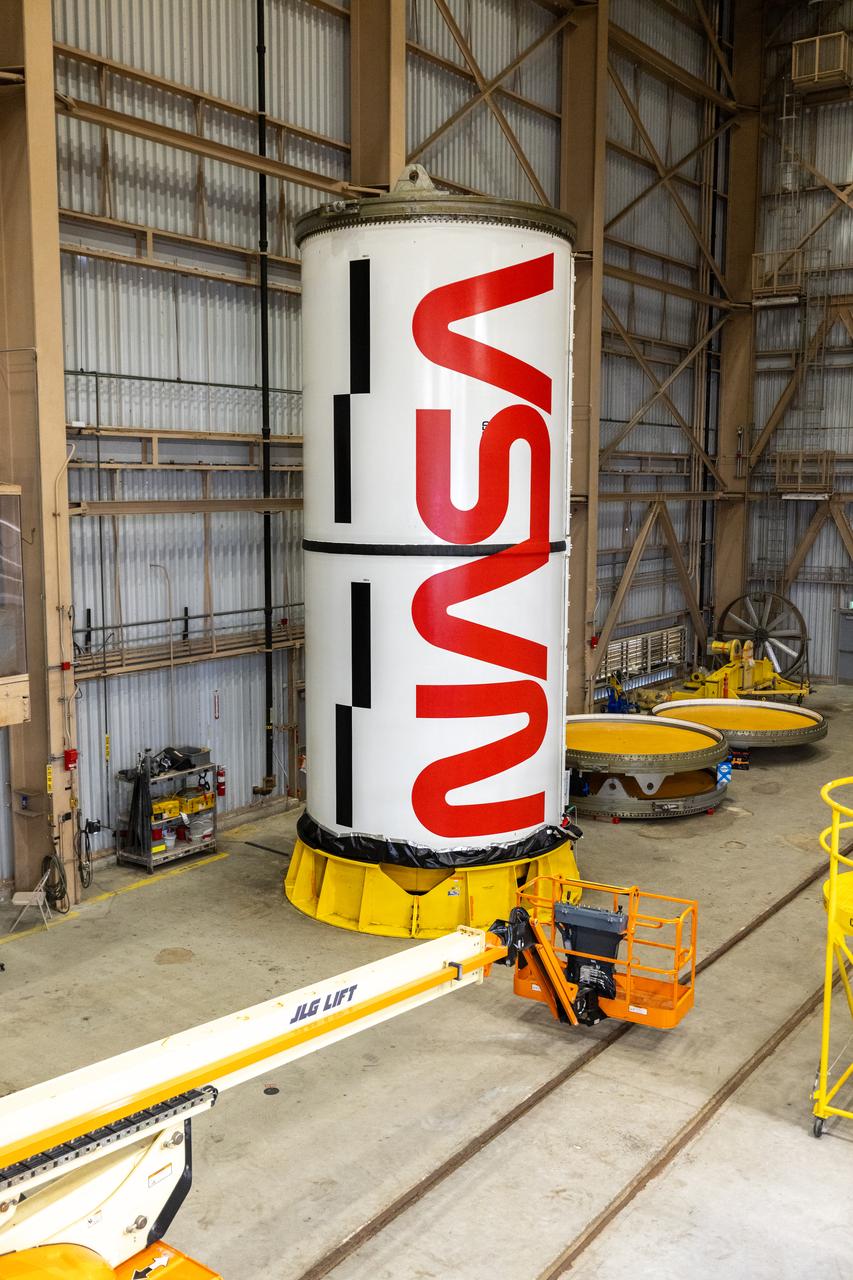
Workers with NASA’s Exploration Ground Systems and primary contractor, Jacobs, complete the painting of the agency’s iconic “worm” logo along the side of the twin Artemis II solid rocket booster motor segments inside the Rotation, Processing and Surge Facility at Kennedy Space Center in Florida on Friday, Feb. 16, 2024. Using a laser projector, the logo was mapped out with tape by workers with Jacobs, for the spaceport, before using two coats of red paint, plus several coats of clear primer to complete the logo that stretches 25 feet long. The booster segments will help propel the SLS (Space Launch System) rocket on the Artemis II mission to send four astronauts around the Moon as part of the agency’s effort to establish a long-term science and exploration presence at the Moon, and eventually Mars.
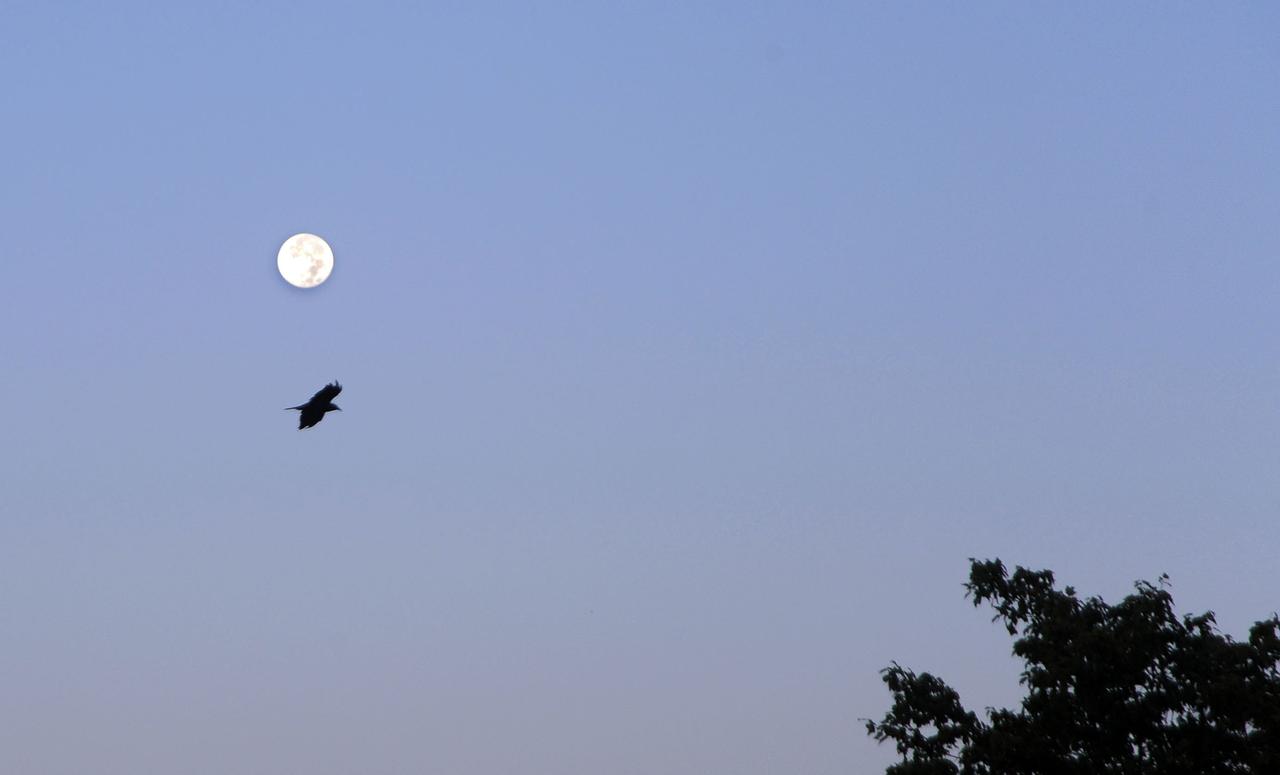
September's Harvest Moon as seen around NASA's Goddard Space Flight Center. According to folklore, every full Moon has a special name. There's the Wolf Moon, the Snow Moon, the Worm Moon, the Sprouting Grass Moon, the Flower Moon, the Strawberry Moon, the Thunder Moon, the Sturgeon Moon, the Harvest Moon, the Hunter's Moon, the Beaver Moon, and the Long Night's Moon. Each name tells us something about the season or month in which the full Moon appears. This month's full Moon is the Harvest Moon. More about the Harvest Moon from NASA: Science <a href="http://1.usa.gov/16lb1eZ" rel="nofollow">1.usa.gov/16lb1eZ</a> Credit: NASA/Goddard/Debbie Mccallum <b><a href="http://www.nasa.gov/audience/formedia/features/MP_Photo_Guidelines.html" rel="nofollow">NASA image use policy.</a></b> <b><a href="http://www.nasa.gov/centers/goddard/home/index.html" rel="nofollow">NASA Goddard Space Flight Center</a></b> enables NASA’s mission through four scientific endeavors: Earth Science, Heliophysics, Solar System Exploration, and Astrophysics. Goddard plays a leading role in NASA’s accomplishments by contributing compelling scientific knowledge to advance the Agency’s mission. <b>Follow us on <a href="http://twitter.com/NASA_GoddardPix" rel="nofollow">Twitter</a></b> <b>Like us on <a href="http://www.facebook.com/pages/Greenbelt-MD/NASA-Goddard/395013845897?ref=tsd" rel="nofollow">Facebook</a></b> <b>Find us on <a href="http://instagram.com/nasagoddard?vm=grid" rel="nofollow">Instagram</a></b>
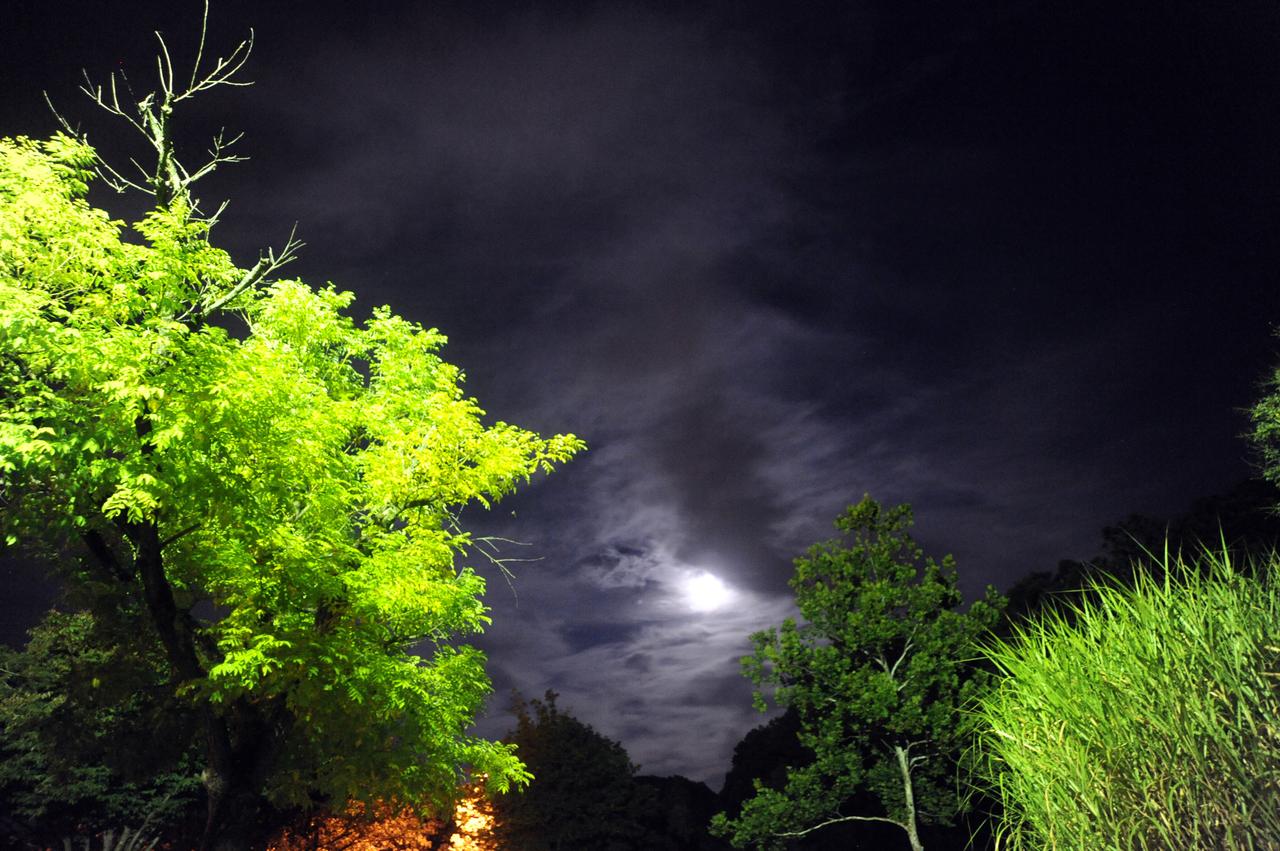
September's Harvest Moon as seen around NASA's Goddard Space Flight Center. According to folklore, every full Moon has a special name. There's the Wolf Moon, the Snow Moon, the Worm Moon, the Sprouting Grass Moon, the Flower Moon, the Strawberry Moon, the Thunder Moon, the Sturgeon Moon, the Harvest Moon, the Hunter's Moon, the Beaver Moon, and the Long Night's Moon. Each name tells us something about the season or month in which the full Moon appears. This month's full Moon is the Harvest Moon. More about the Harvest Moon from NASA: Science <a href="http://1.usa.gov/16lb1eZ" rel="nofollow">1.usa.gov/16lb1eZ</a> Credit: NASA/Goddard/Debbie Mccallum <b><a href="http://www.nasa.gov/audience/formedia/features/MP_Photo_Guidelines.html" rel="nofollow">NASA image use policy.</a></b> <b><a href="http://www.nasa.gov/centers/goddard/home/index.html" rel="nofollow">NASA Goddard Space Flight Center</a></b> enables NASA’s mission through four scientific endeavors: Earth Science, Heliophysics, Solar System Exploration, and Astrophysics. Goddard plays a leading role in NASA’s accomplishments by contributing compelling scientific knowledge to advance the Agency’s mission. <b>Follow us on <a href="http://twitter.com/NASA_GoddardPix" rel="nofollow">Twitter</a></b> <b>Like us on <a href="http://www.facebook.com/pages/Greenbelt-MD/NASA-Goddard/395013845897?ref=tsd" rel="nofollow">Facebook</a></b> <b>Find us on <a href="http://instagram.com/nasagoddard?vm=grid" rel="nofollow">Instagram</a></b>

September's Harvest Moon as seen around NASA's Goddard Space Flight Center. According to folklore, every full Moon has a special name. There's the Wolf Moon, the Snow Moon, the Worm Moon, the Sprouting Grass Moon, the Flower Moon, the Strawberry Moon, the Thunder Moon, the Sturgeon Moon, the Harvest Moon, the Hunter's Moon, the Beaver Moon, and the Long Night's Moon. Each name tells us something about the season or month in which the full Moon appears. This month's full Moon is the Harvest Moon. More about the Harvest Moon from NASA: Science <a href="http://1.usa.gov/16lb1eZ" rel="nofollow">1.usa.gov/16lb1eZ</a> Credit: NASA/Goddard/Debbie Mccallum <b><a href="http://www.nasa.gov/audience/formedia/features/MP_Photo_Guidelines.html" rel="nofollow">NASA image use policy.</a></b> <b><a href="http://www.nasa.gov/centers/goddard/home/index.html" rel="nofollow">NASA Goddard Space Flight Center</a></b> enables NASA’s mission through four scientific endeavors: Earth Science, Heliophysics, Solar System Exploration, and Astrophysics. Goddard plays a leading role in NASA’s accomplishments by contributing compelling scientific knowledge to advance the Agency’s mission. <b>Follow us on <a href="http://twitter.com/NASA_GoddardPix" rel="nofollow">Twitter</a></b> <b>Like us on <a href="http://www.facebook.com/pages/Greenbelt-MD/NASA-Goddard/395013845897?ref=tsd" rel="nofollow">Facebook</a></b> <b>Find us on <a href="http://instagram.com/nasagoddard?vm=grid" rel="nofollow">Instagram</a></b>
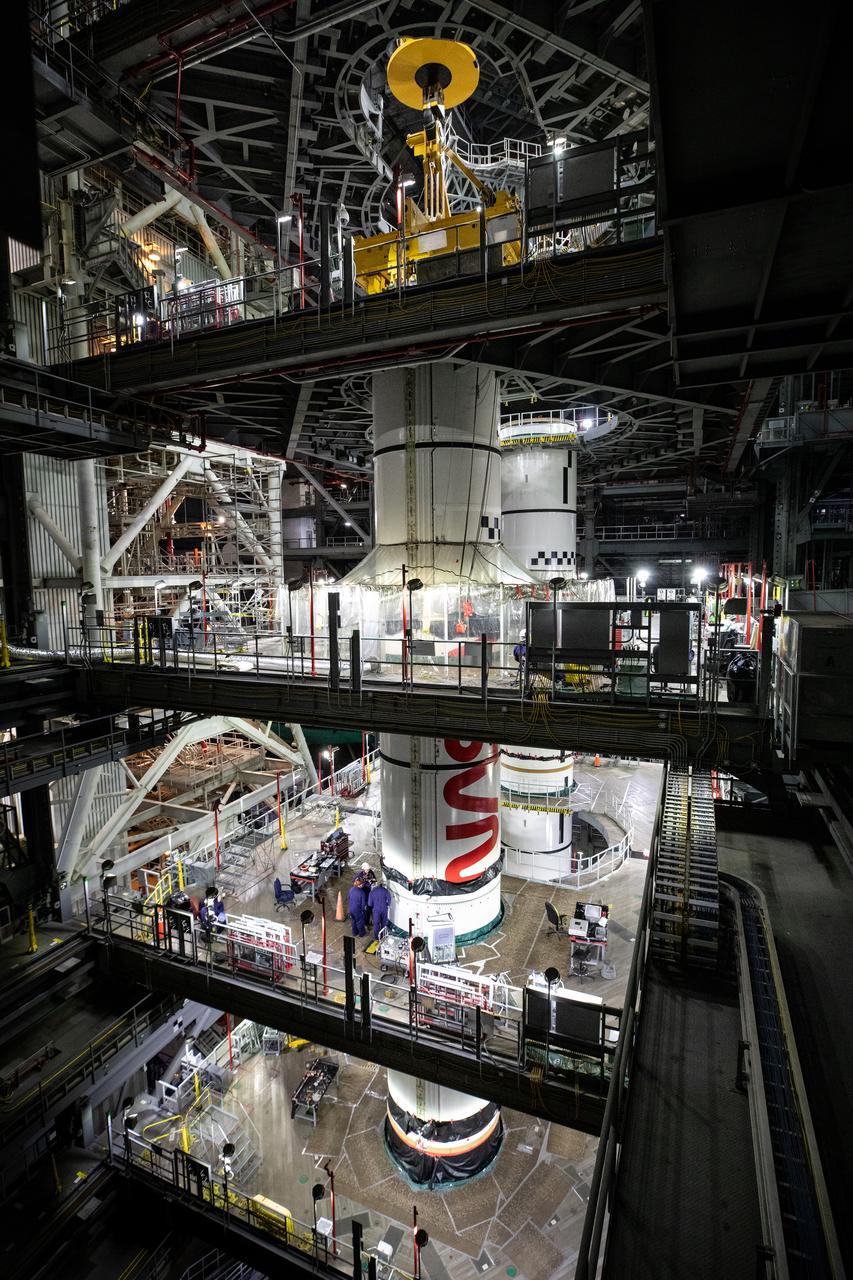
Inside High Bay 3 of the Vehicle Assembly Building at NASA’s Kennedy Space Center in Florida, technicians with the agency’s Exploration Ground Systems use a crane to lower the left forward center booster segment for the NASA’s SLS (Space Launch System) rocket onto the left center center segment atop the mobile launcher on Thursday, Jan. 30, 2025. The NASA “worm” insignia can be seen on both the center center booster segments. The boosters will help support the remaining rocket components and the Orion spacecraft during final assembly of the Artemis II Moon rocket and provide more than 75 percent of the total SLS thrust during liftoff from NASA Kennedy’s Launch Pad 39B.
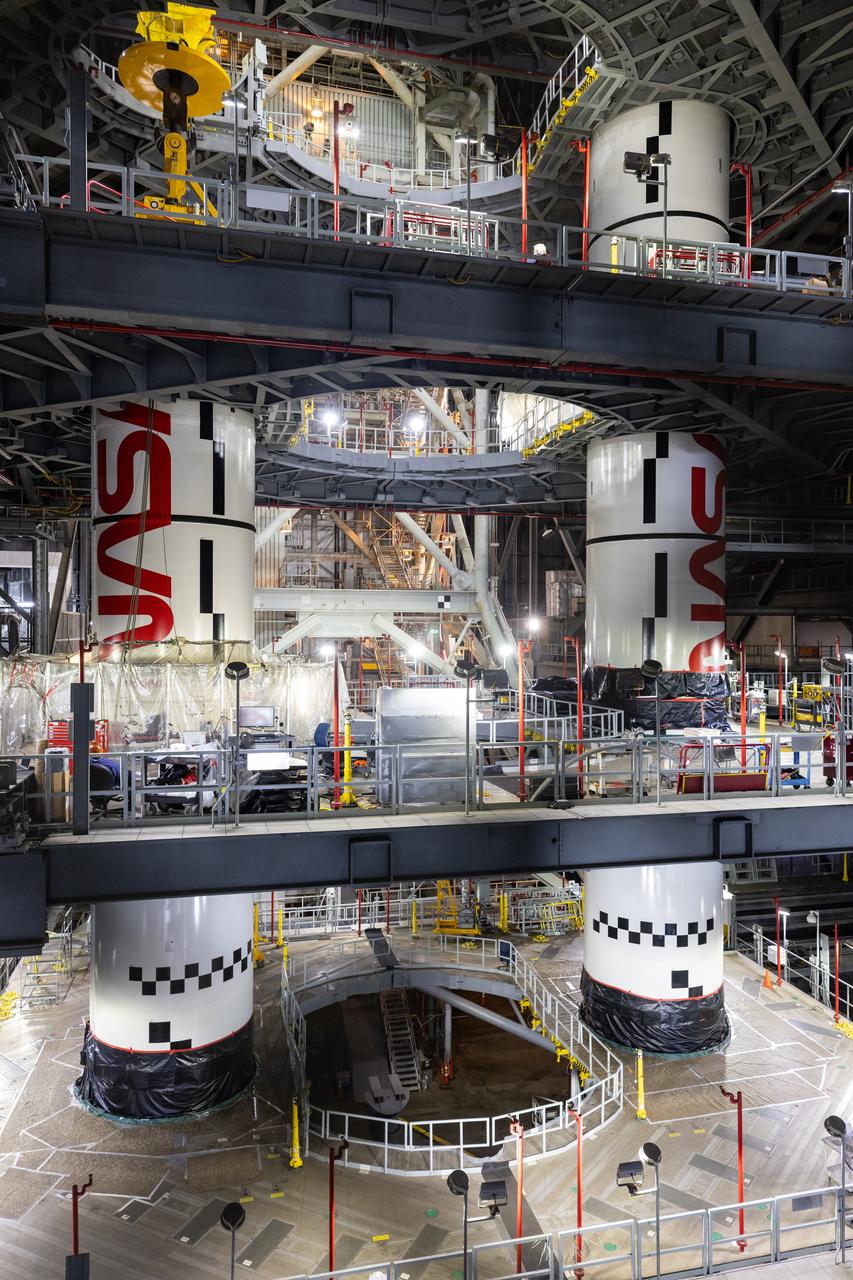
Inside High Bay 3 of the Vehicle Assembly Building at NASA’s Kennedy Space Center in Florida, technicians with the agency’s Exploration Ground Systems use a crane to lower the left center center booster segment for the NASA’s SLS (Space Launch System) rocket onto the left aft center segment atop the mobile launcher on Monday, Jan. 27, 2025. The NASA “worm” insignia can be seen on both the center center booster segments. The boosters will help support the remaining rocket components and the Orion spacecraft during final assembly of the Artemis II Moon rocket and provide more than 75 percent of the total SLS thrust during liftoff from NASA Kennedy’s Launch Pad 39B.

Inside High Bay 3 of the Vehicle Assembly Building at NASA’s Kennedy Space Center in Florida, technicians with the agency’s Exploration Ground Systems use a crane to lower the left center center booster segment for the NASA’s SLS (Space Launch System) rocket onto the left aft center segment atop the mobile launcher on Monday, Jan. 27, 2025. The NASA “worm” insignia can be seen on both the center center booster segments. The boosters will help support the remaining rocket components and the Orion spacecraft during final assembly of the Artemis II Moon rocket and provide more than 75 percent of the total SLS thrust during liftoff from NASA Kennedy’s Launch Pad 39B.
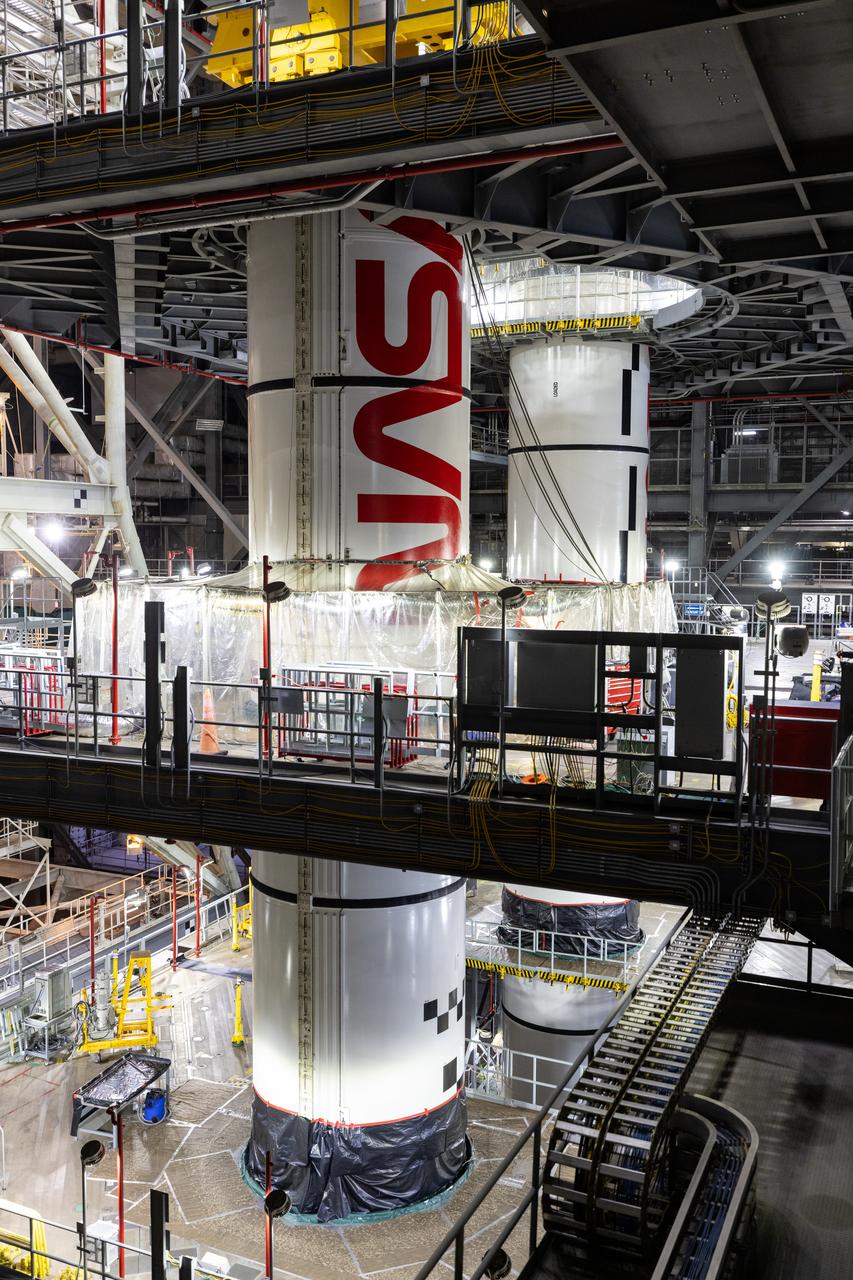
Inside High Bay 3 of the Vehicle Assembly Building at NASA’s Kennedy Space Center in Florida, technicians with the agency’s Exploration Ground Systems use a crane to lower the left center center booster segment for the NASA’s SLS (Space Launch System) rocket onto the left aft center segment atop the mobile launcher on Monday, Jan. 27, 2025. The NASA “worm” insignia can be seen on both the center center booster segments. The boosters will help support the remaining rocket components and the Orion spacecraft during final assembly of the Artemis II Moon rocket and provide more than 75 percent of the total SLS thrust during liftoff from NASA Kennedy’s Launch Pad 39B.
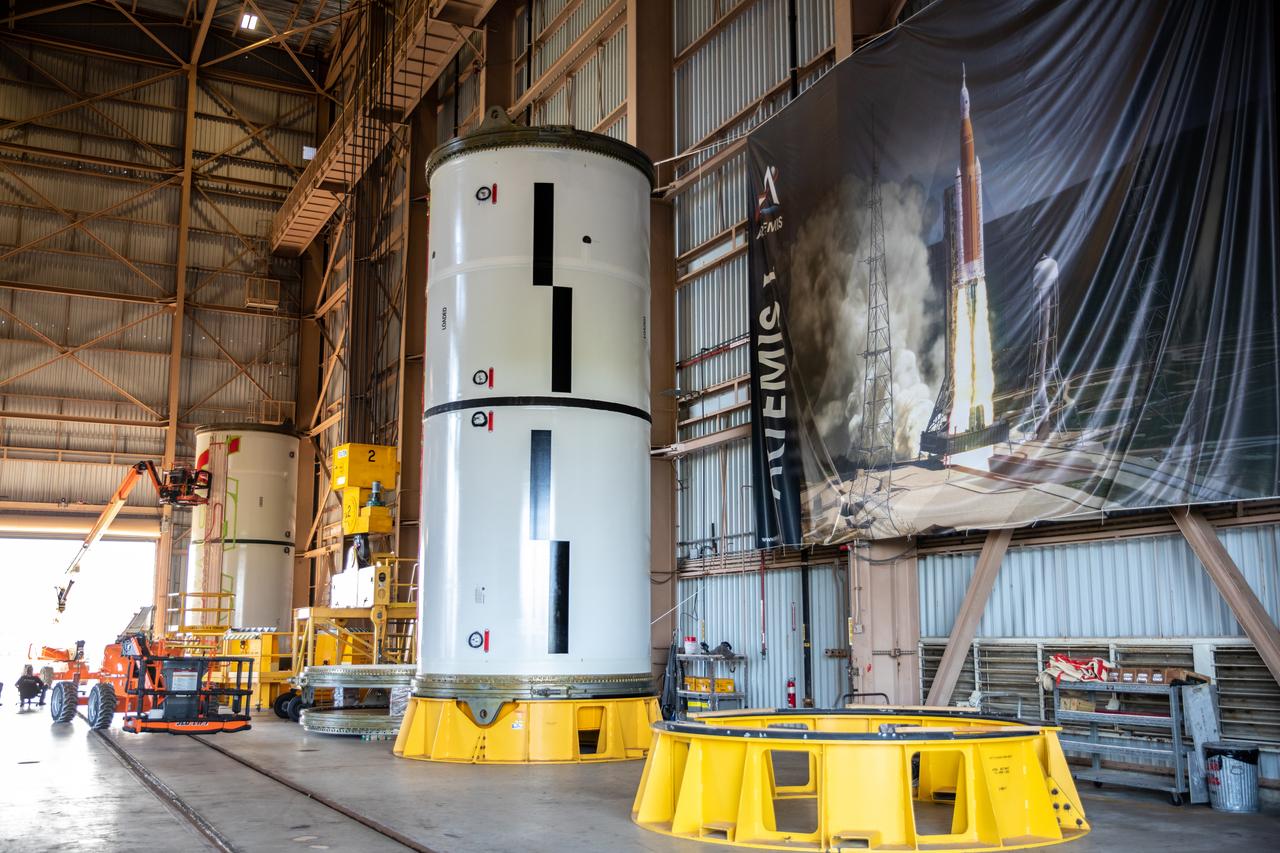
In this view inside the Rotation, Processing and Surge Facility (RPSF) at Kennedy Space Center in Florida, an Artemis I solid rocket booster center segment stands in the foreground; in the background, a worker with NASA’s Exploration Ground Systems (EGS) applies bright red paint to the agency’s “worm” logo taking shape on the side of the other center segment. The EGS team used a laser projector to mask off the logo with tape, then painted the first coat of the iconic design. The booster segments will help propel the Space Launch System (SLS) rocket on Artemis I, a test of the Orion spacecraft and SLS as an integrated system ahead of crewed flights to the Moon. Northrop Grumman, which built the booster segments, is covering the cost of the painting.
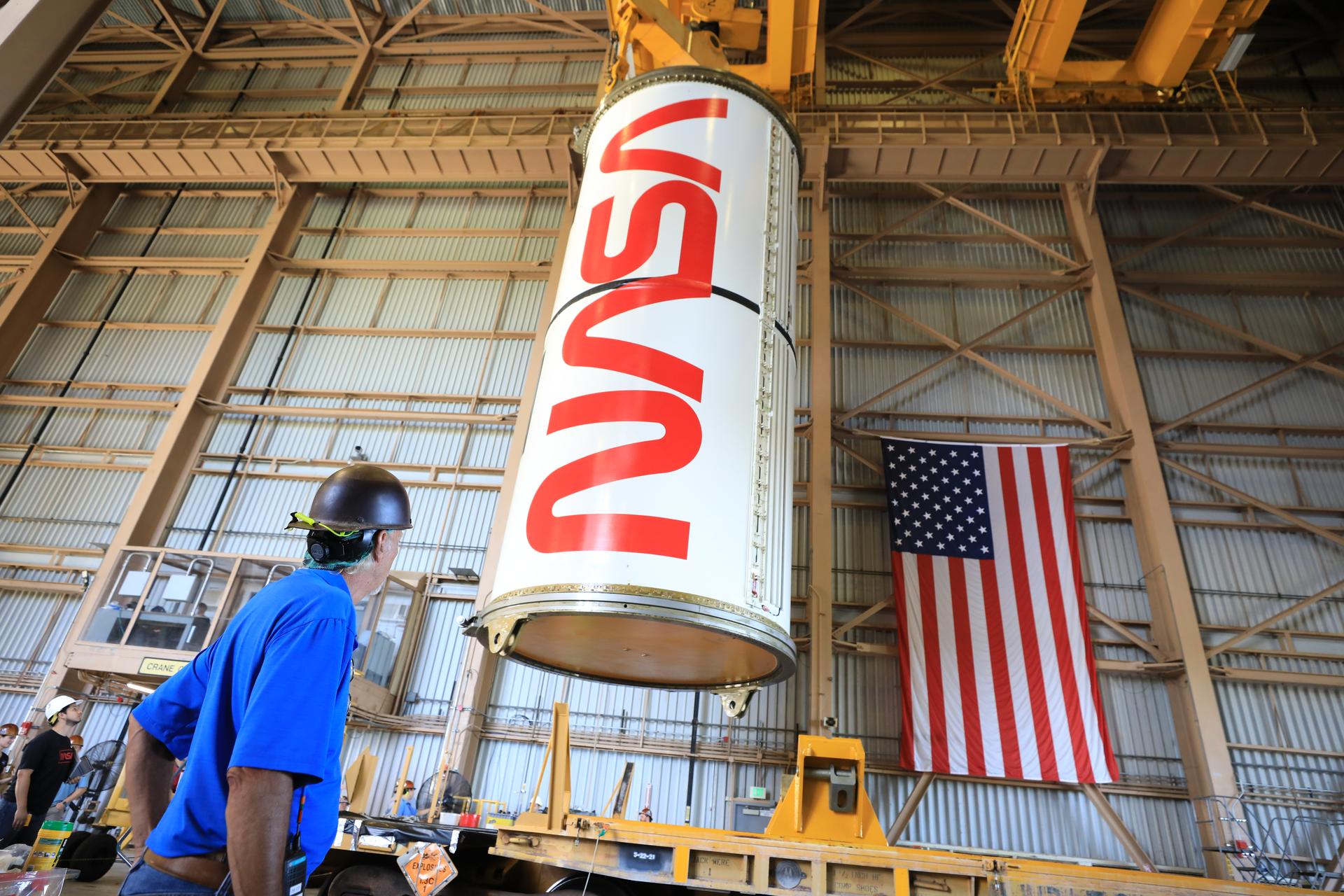
Technicians with NASA’s Exploration Ground Systems Program lift the right center center solid rocket booster, containing the NASA “worm” insignia, for the agency’s Artemis III SLS (Space Launch System) rocket onto the work stand ahead of inspection inside the Rotation, Processing and Surge Facility at the agency’s Kennedy Space Center in Florida on Wednesday, July 22, 2026. The SLS rocket’s twin boosters, manufactured by Northrop Grumman in Utah, will provide more than 75 percent of the SLS rocket’s total thrust at launch. The Artemis III mission will launch crew in the Orion spacecraft on top of the SLS rocket to test rendezvous and docking capabilities between Orion and commercial spacecraft needed to land astronauts on the Moon.
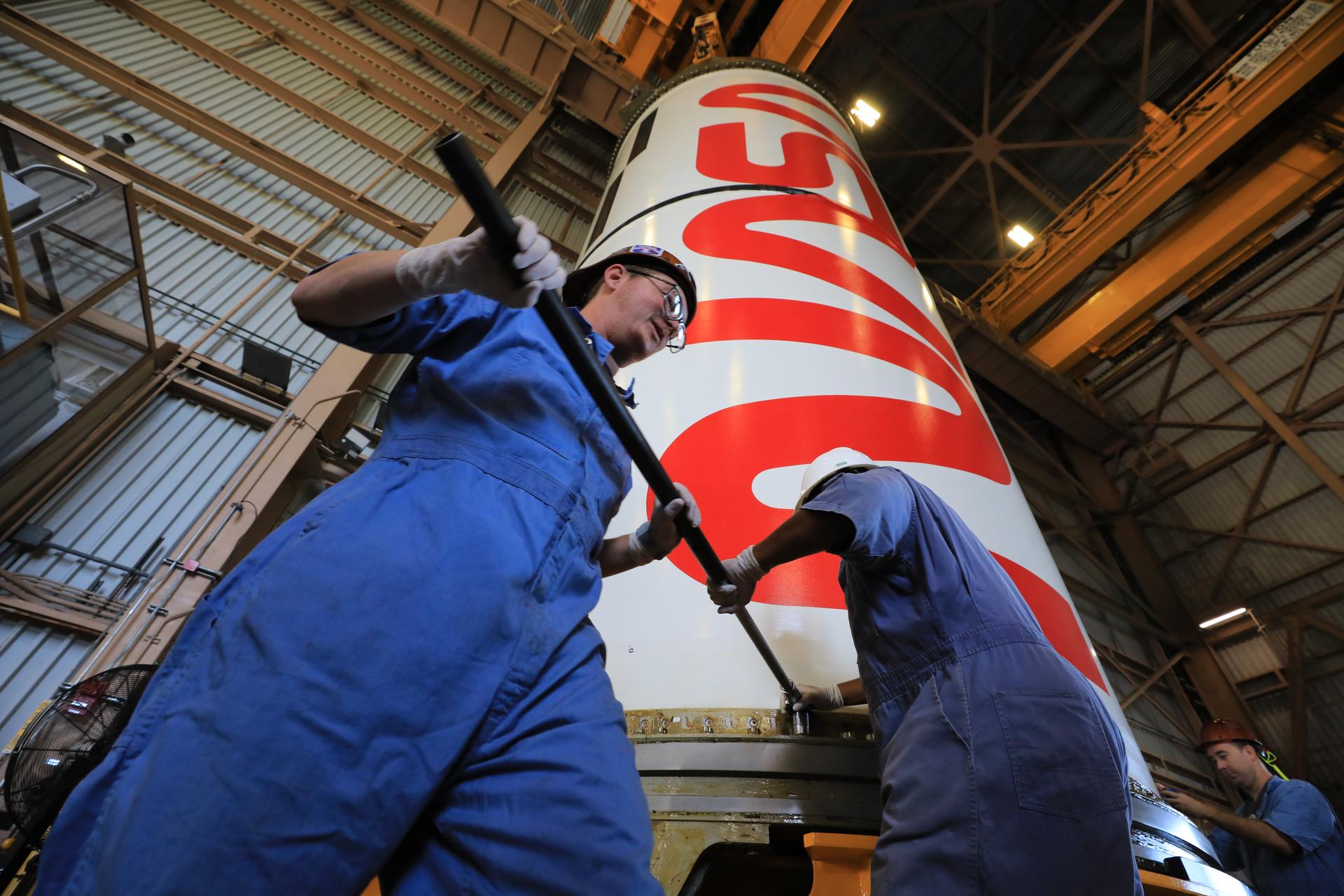
Technicians with NASA’s Exploration Ground Systems Program secure the right center center solid rocket booster, containing the NASA “worm” insignia, for the agency’s Artemis III SLS (Space Launch System) rocket onto the work stand ahead of inspection inside the Rotation, Processing and Surge Facility at the agency’s Kennedy Space Center in Florida on Wednesday, July 22, 2026. The SLS rocket’s twin boosters, manufactured by Northrop Grumman in Utah, will provide more than 75 percent of the SLS rocket’s total thrust at launch. The Artemis III mission will launch crew in the Orion spacecraft on top of the SLS rocket to test rendezvous and docking capabilities between Orion and commercial spacecraft needed to land astronauts on the Moon.
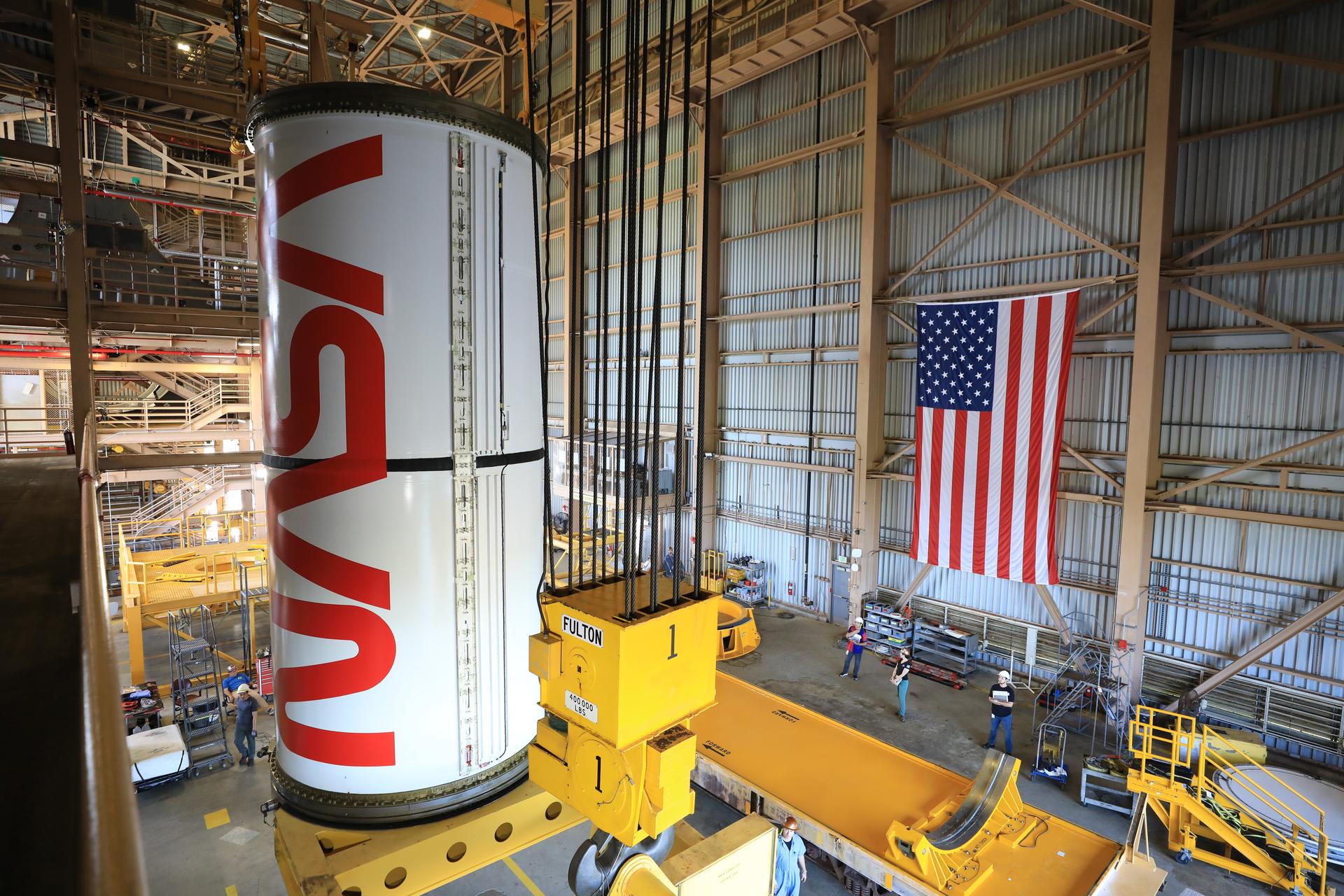
Technicians with NASA’s Exploration Ground Systems Program lift the right center center solid rocket booster, containing the NASA “worm” insignia, for the agency’s Artemis III SLS (Space Launch System) rocket onto the work stand ahead of inspection inside the Rotation, Processing and Surge Facility at the agency’s Kennedy Space Center in Florida on Wednesday, July 22, 2026. The SLS rocket’s twin boosters, manufactured by Northrop Grumman in Utah, will provide more than 75 percent of the SLS rocket’s total thrust at launch. The Artemis III mission will launch crew in the Orion spacecraft on top of the SLS rocket to test rendezvous and docking capabilities between Orion and commercial spacecraft needed to land astronauts on the Moon.
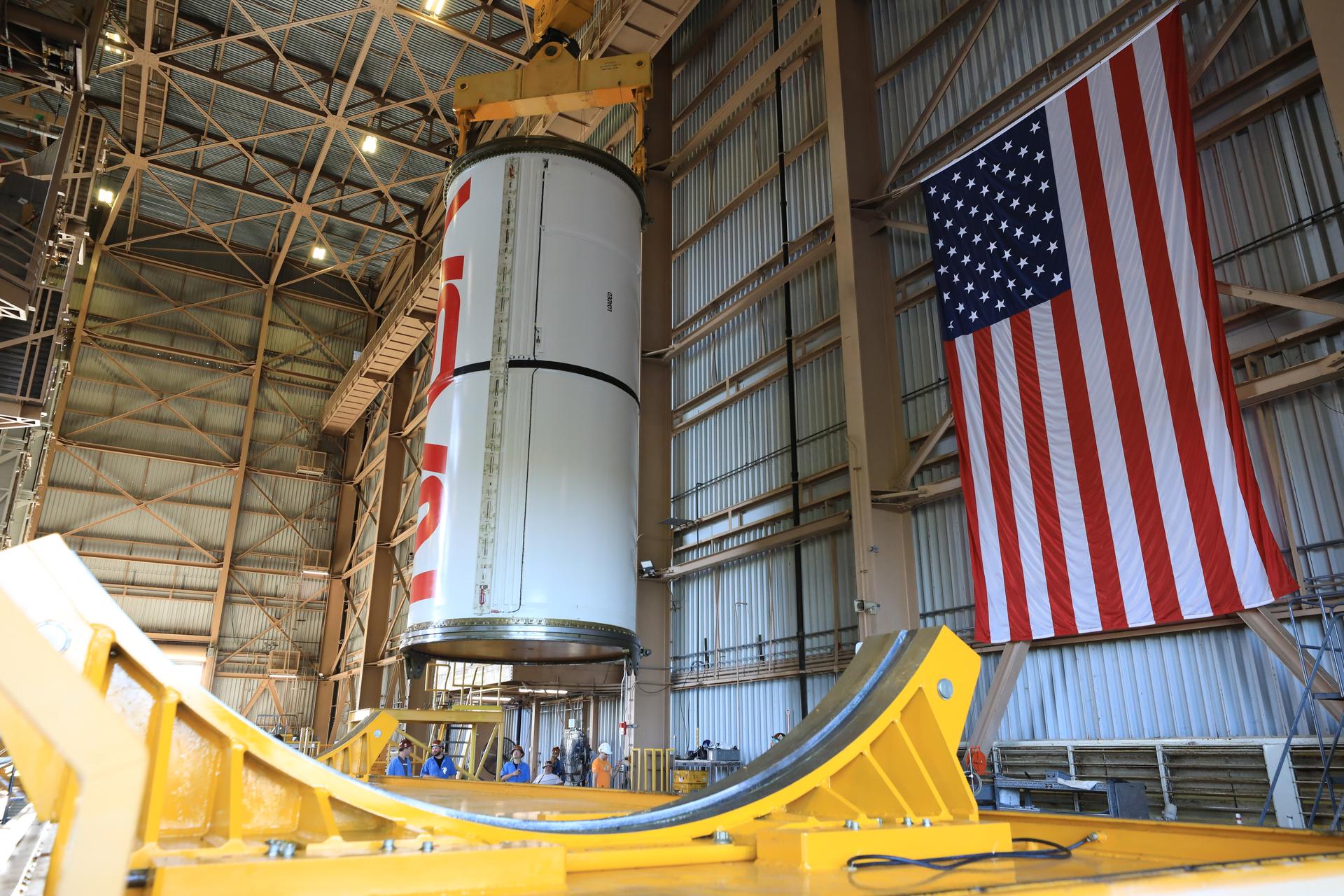
Technicians with NASA’s Exploration Ground Systems Program lift the right center center solid rocket booster, containing the NASA “worm” insignia, for the agency’s Artemis III SLS (Space Launch System) rocket onto the work stand ahead of inspection inside the Rotation, Processing and Surge Facility at the agency’s Kennedy Space Center in Florida on Wednesday, July 22, 2026. The SLS rocket’s twin boosters, manufactured by Northrop Grumman in Utah, will provide more than 75 percent of the SLS rocket’s total thrust at launch. The Artemis III mission will launch crew in the Orion spacecraft on top of the SLS rocket to test rendezvous and docking capabilities between Orion and commercial spacecraft needed to land astronauts on the Moon.
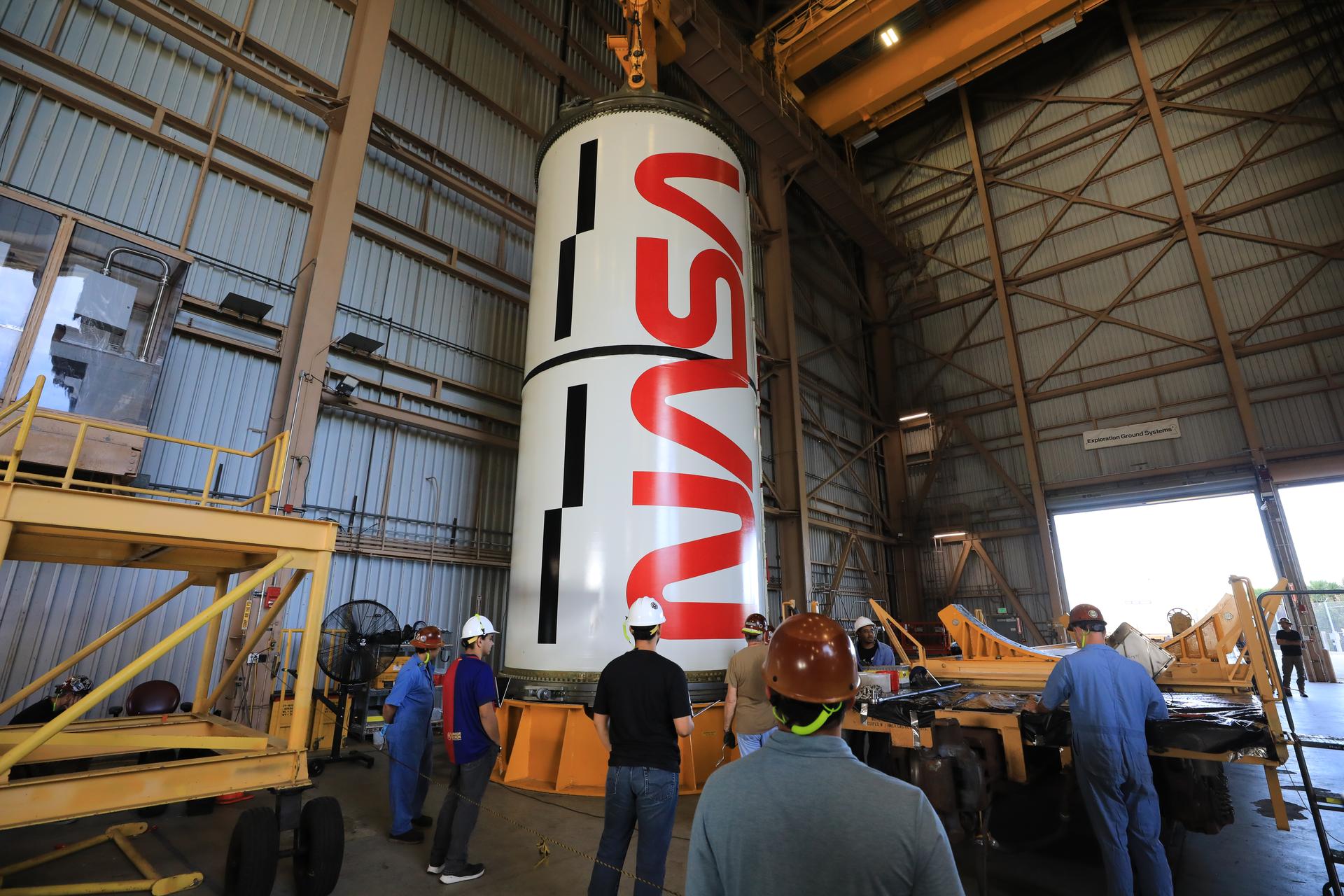
Technicians with NASA’s Exploration Ground Systems Program lift the right center center solid rocket booster, containing the NASA “worm” insignia, for the agency’s Artemis III SLS (Space Launch System) rocket onto the work stand ahead of inspection inside the Rotation, Processing and Surge Facility at the agency’s Kennedy Space Center in Florida on Wednesday, July 22, 2026. The SLS rocket’s twin boosters, manufactured by Northrop Grumman in Utah, will provide more than 75 percent of the SLS rocket’s total thrust at launch. The Artemis III mission will launch crew in the Orion spacecraft on top of the SLS rocket to test rendezvous and docking capabilities between Orion and commercial spacecraft needed to land astronauts on the Moon.
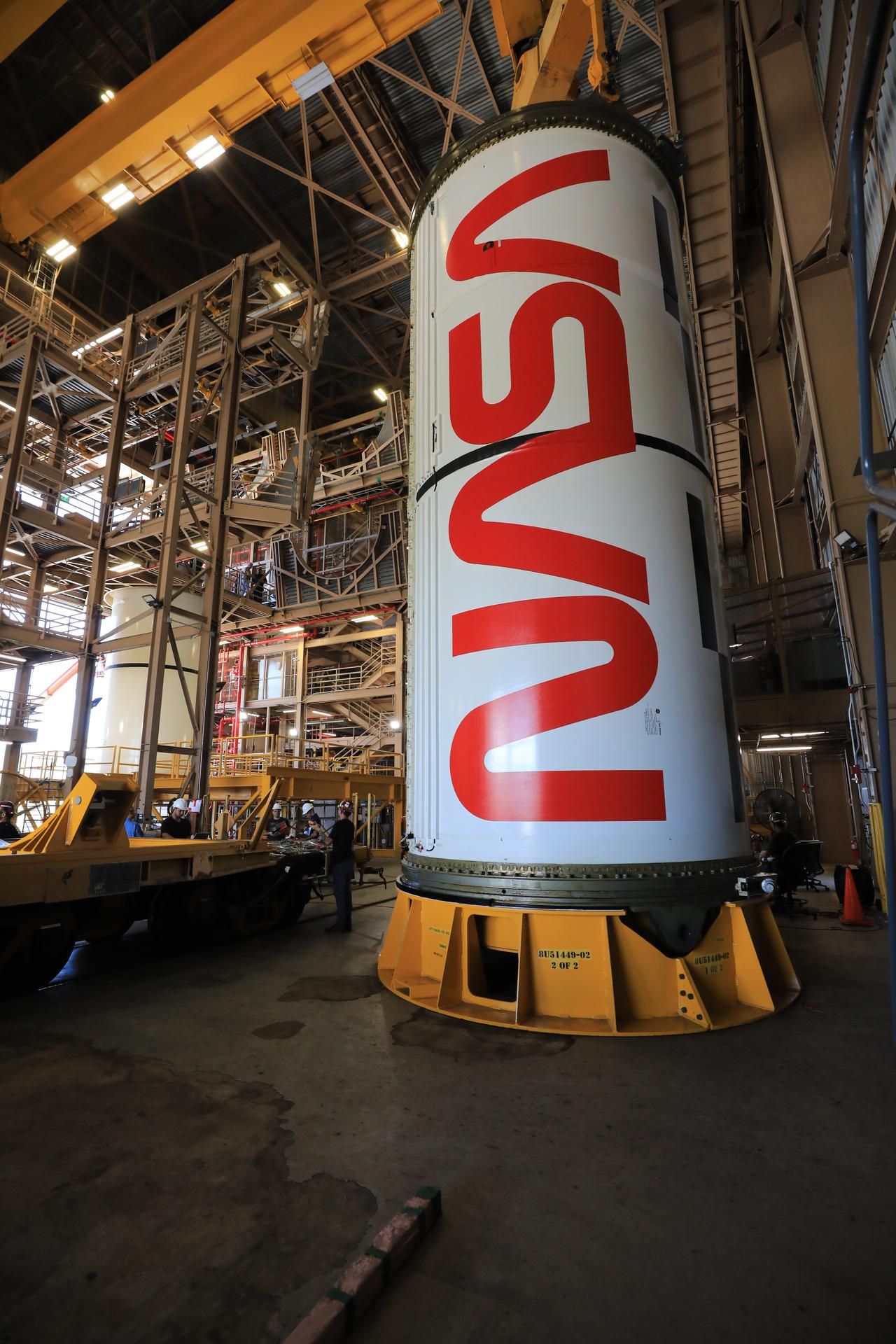
The right center center solid rocket booster segment, containing the NASA “worm” insignia, for the agency’s Artemis III SLS (Space Launch System) rocket undergoes processing, with the left center center solid rocket booster segment visible in the background, inside the Rotation, Processing and Surge Facility at the agency’s Kennedy Space Center in Florida on Thursday, July 23, 2026. The SLS rocket’s twin boosters, manufactured by Northrop Grumman in Utah, will provide more than 75 percent of the SLS rocket’s total thrust at launch. The Artemis III mission will launch crew in the Orion spacecraft on top of the SLS rocket to test rendezvous and docking capabilities between Orion and commercial spacecraft needed to land astronauts on the Moon.
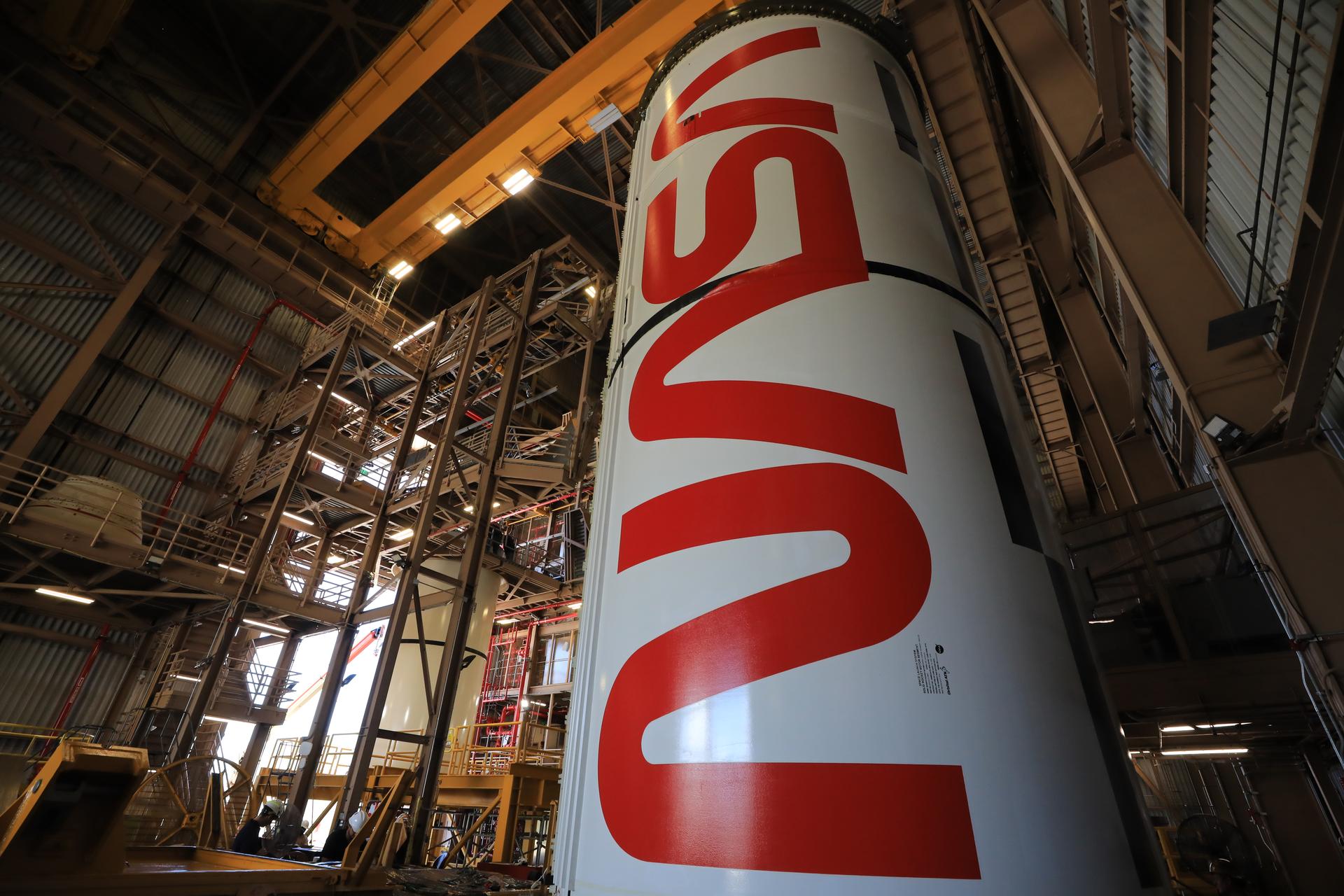
The right center center solid rocket booster segment, containing the NASA “worm” insignia, for the agency’s Artemis III SLS (Space Launch System) rocket undergoes processing, with the left center center solid rocket booster segment visible in the background, inside the Rotation, Processing and Surge Facility at the agency’s Kennedy Space Center in Florida on Thursday, July 23, 2026. The SLS rocket’s twin boosters, manufactured by Northrop Grumman in Utah, will provide more than 75 percent of the SLS rocket’s total thrust at launch. The Artemis III mission will launch crew in the Orion spacecraft on top of the SLS rocket to test rendezvous and docking capabilities between Orion and commercial spacecraft needed to land astronauts on the Moon.
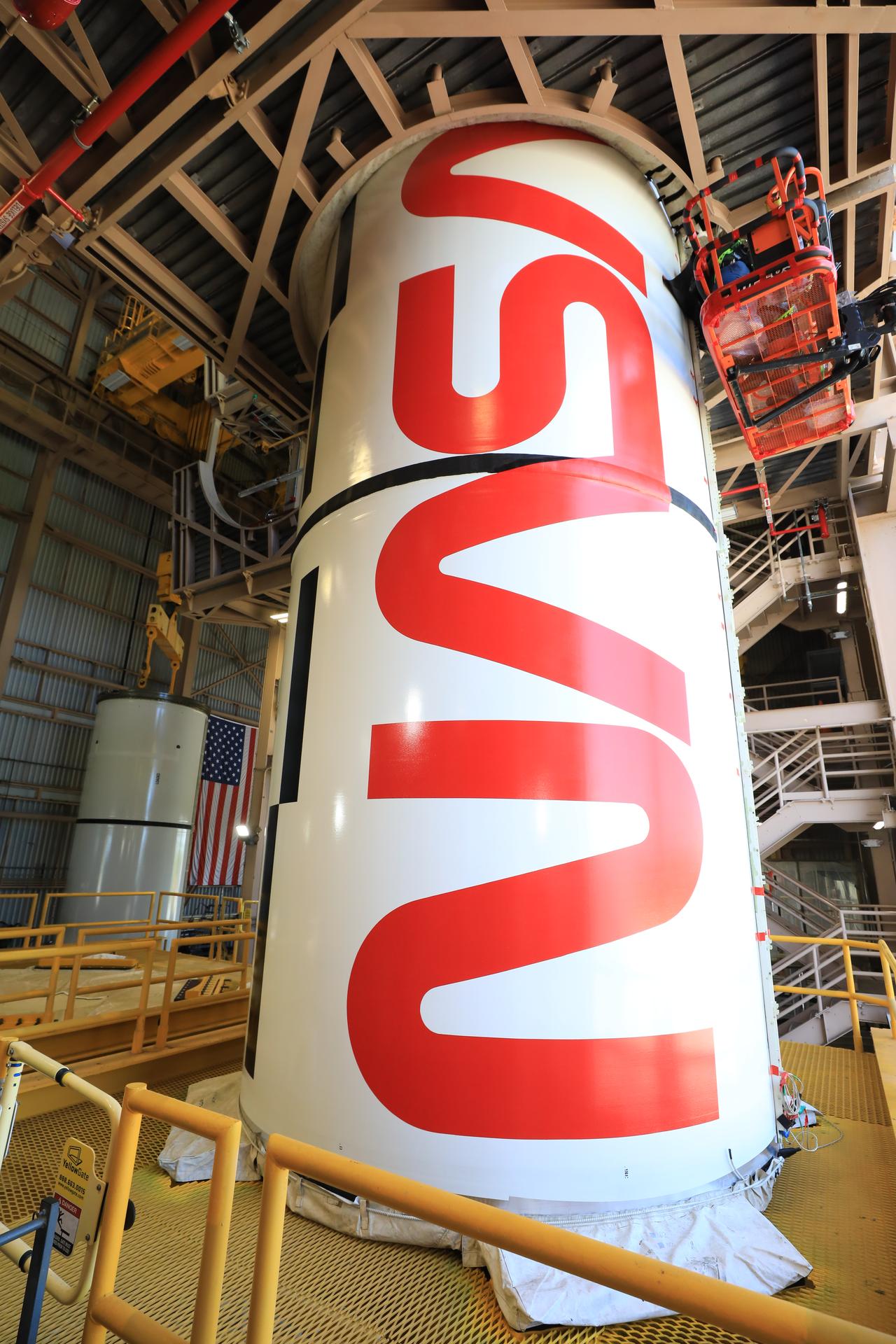
The right center center solid rocket booster segment, containing the NASA “worm” insignia, for the agency’s Artemis III SLS (Space Launch System) rocket undergoes processing, with the left center center solid rocket booster segment visible in the background, inside the Rotation, Processing and Surge Facility at the agency’s Kennedy Space Center in Florida on Thursday, July 23, 2026. The SLS rocket’s twin boosters, manufactured by Northrop Grumman in Utah, will provide more than 75 percent of the SLS rocket’s total thrust at launch. The Artemis III mission will launch crew in the Orion spacecraft on top of the SLS rocket to test rendezvous and docking capabilities between Orion and commercial spacecraft needed to land astronauts on the Moon.
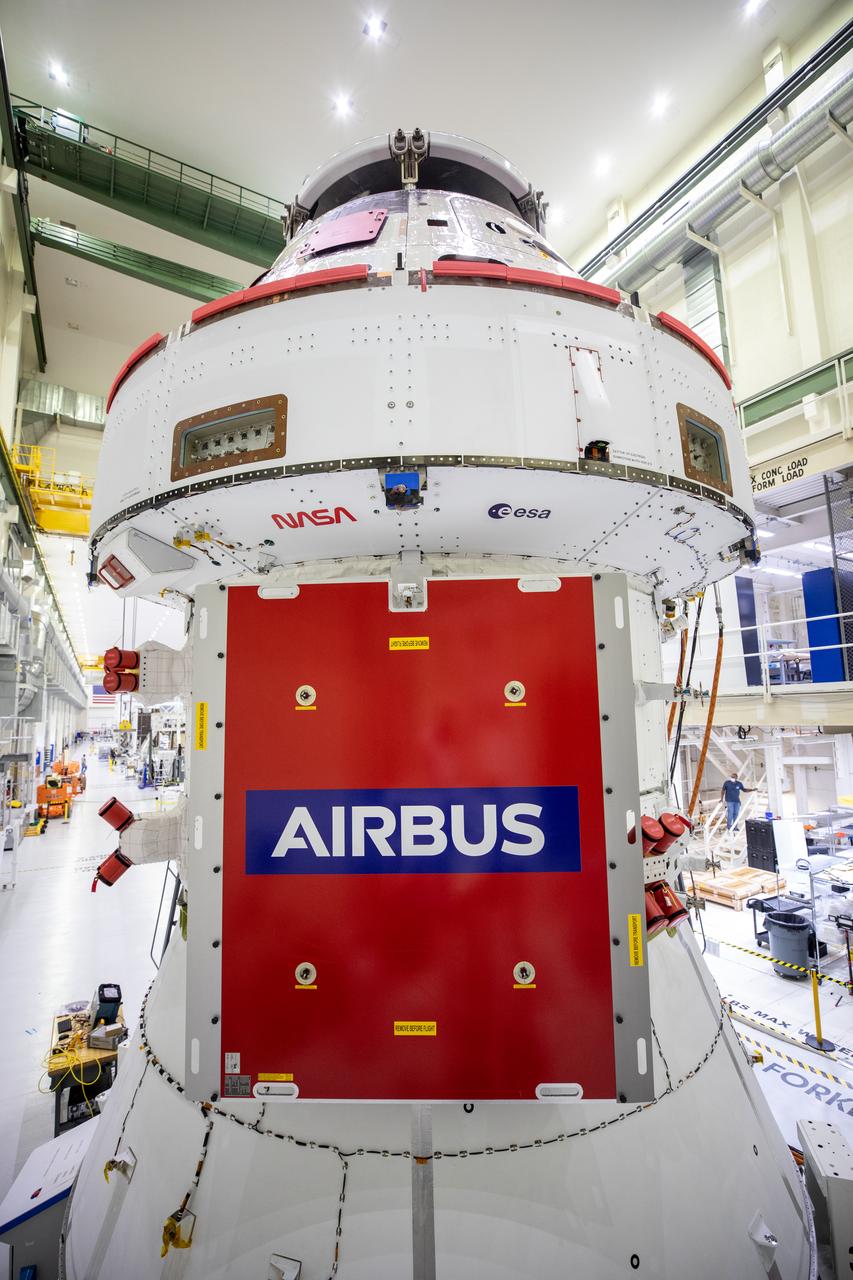
A protective cover panel has been installed over one of the solar arrays on the Orion spacecraft for Artemis I inside the Neil Armstrong Operations and Checkout Building high bay at NASA’s Kennedy Space Center in Florida on Sept. 23, 2020. The iconic NASA worm and European Space Agency insignias on the Crew Module Adapter outer wall can be seen just above the panel. The solar arrays were extended, inspected, and then retracted, before installation on the spacecraft. Each of the four solar array panels will generate 11 kilowatts of power and span about 63 feet. The array is a component of Orion’s service module, which is provided by the European Space Agency and built by Airbus Defence and Space to supply Orion’s power, propulsion, air and water. The first in a series of increasingly complex missions, Artemis I will test the Orion spacecraft and Space Launch System as an integrated system ahead of crewed flights to the Moon. Under the Artemis program, NASA will land the first woman and the next man on the Moon in 2024.
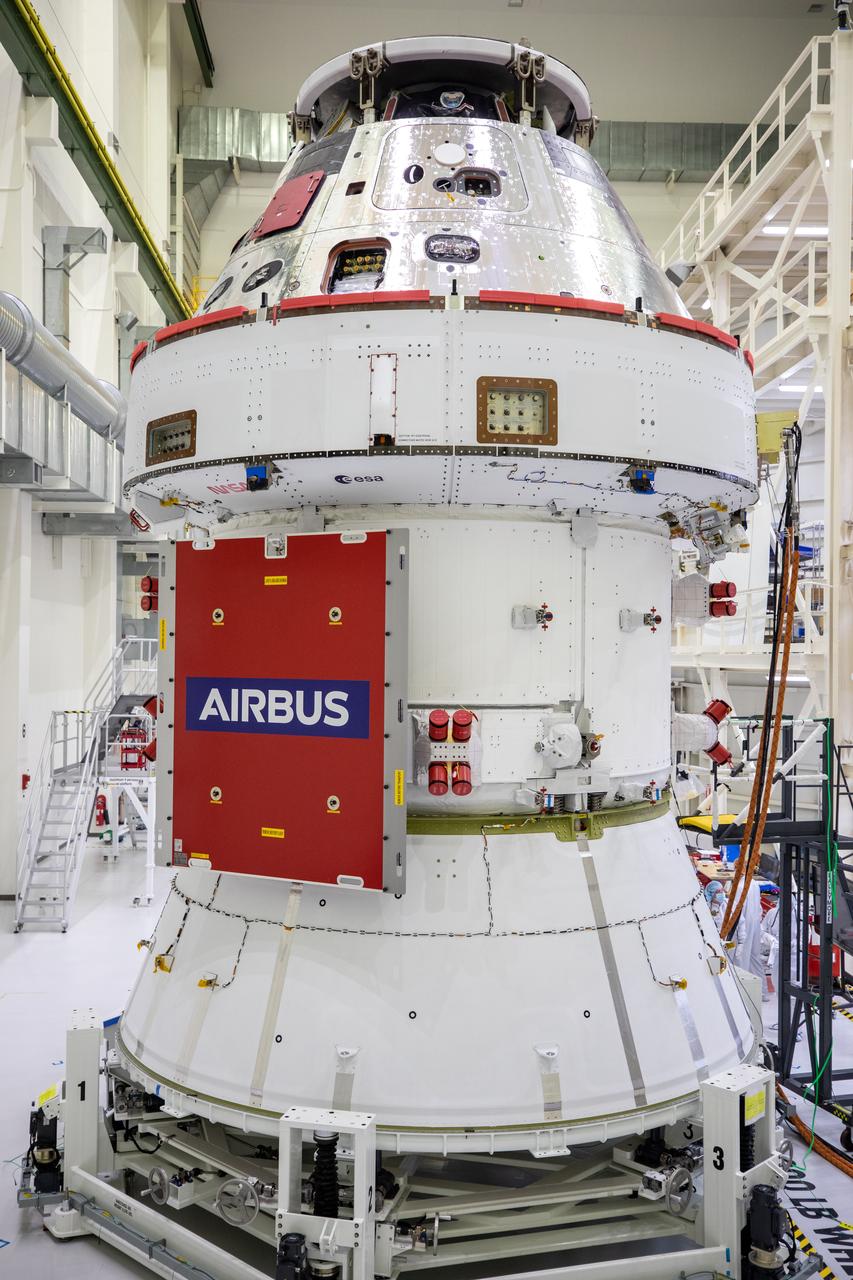
A protective cover panel has been installed over one of the solar arrays shown on the Orion spacecraft for Artemis I inside the Neil Armstrong Operations and Checkout Building high bay at NASA’s Kennedy Space Center in Florida on Sept. 23, 2020. The iconic NASA worm and European Space Agency insignias on the Crew Module Adapter outer wall can be seen just above the panel. The solar arrays were extended, inspected, and then retracted, before installation on the spacecraft. Each of the four solar array panels will generate 11 kilowatts of power and span about 63 feet. The array is a component of Orion’s service module, which is provided by the European Space Agency and built by Airbus Defence and Space to supply Orion’s power, propulsion, air and water. The first in a series of increasingly complex missions, Artemis I will test the Orion spacecraft and Space Launch System as an integrated system ahead of crewed flights to the Moon. Under the Artemis program, NASA will land the first woman and the next man on the Moon in 2024.

A protective cover panel has been installed over one of the solar arrays on the Orion spacecraft for Artemis I inside the Neil Armstrong Operations and Checkout Building high bay at NASA’s Kennedy Space Center in Florida on Sept. 23, 2020. The iconic NASA worm and European Space Agency insignias on the Crew Module Adapter outer wall can be seen just above the panel. The solar arrays were extended, inspected, and then retracted, before installation on the spacecraft. Each of the four solar array panels will generate 11 kilowatts of power and span about 63 feet. The array is a component of Orion’s service module, which is provided by the European Space Agency and built by Airbus Defence and Space to supply Orion’s power, propulsion, air and water. The first in a series of increasingly complex missions, Artemis I will test the Orion spacecraft and Space Launch System as an integrated system ahead of crewed flights to the Moon. Under the Artemis program, NASA will land the first woman and the next man on the Moon in 2024.
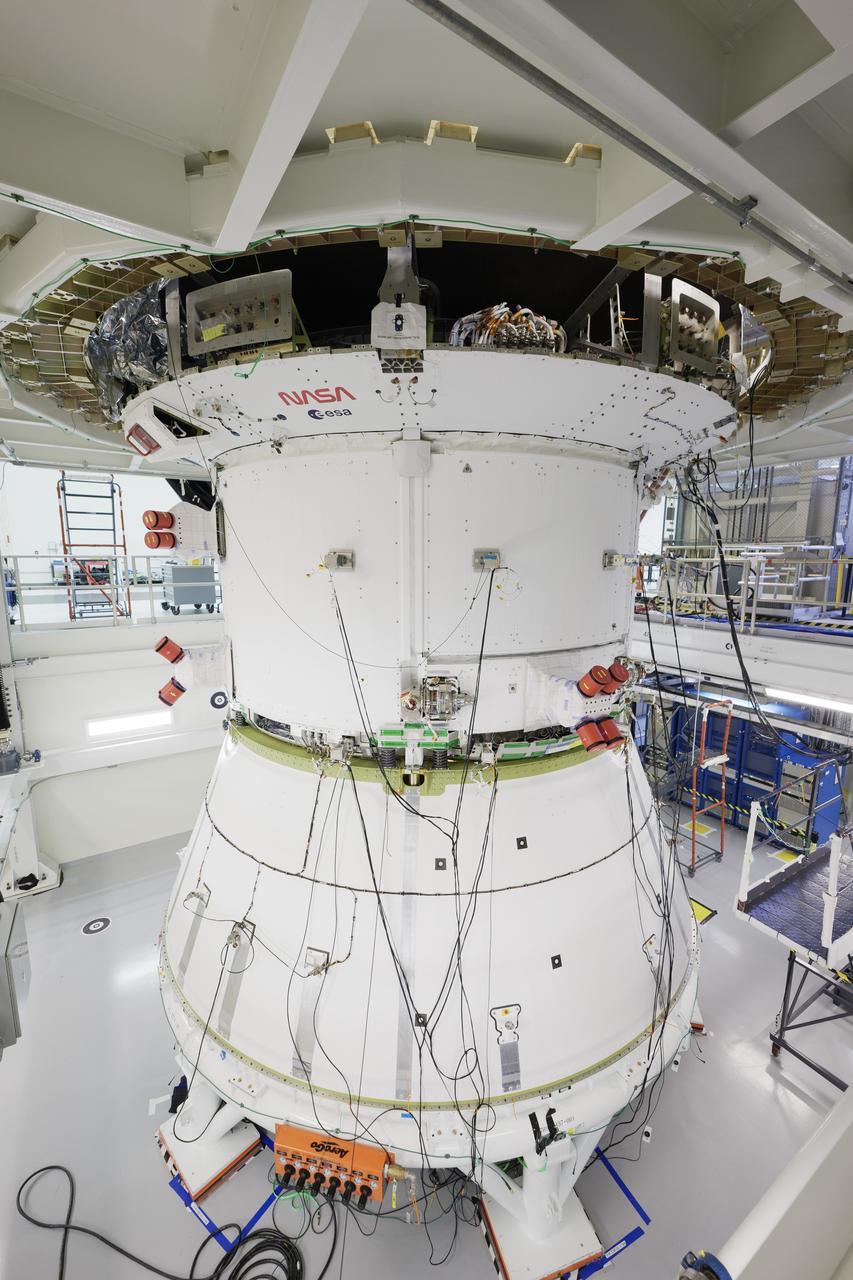
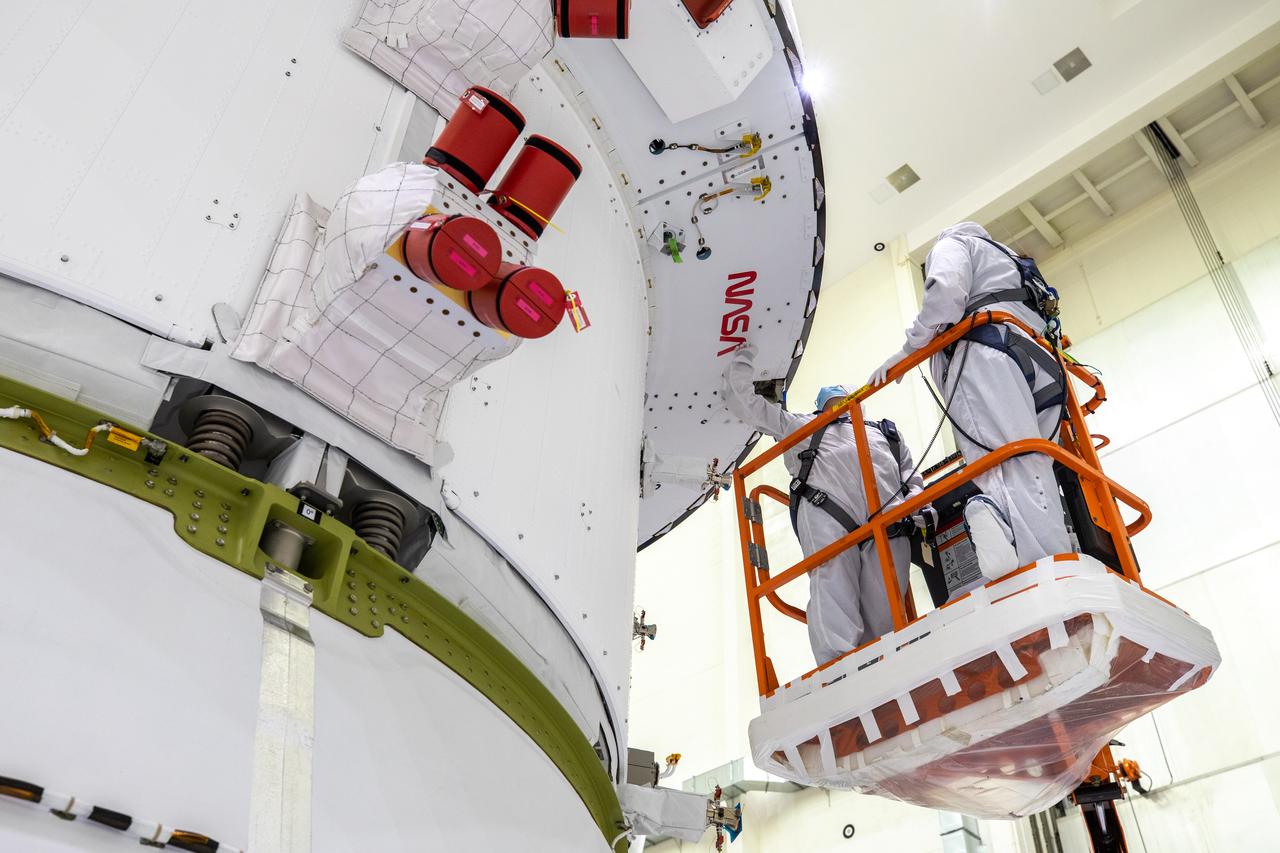
The Orion spacecraft for NASA’s Artemis II mission received its latest makeover. Teams adhered the agency’s iconic “worm” logo and ESA (European Space Agency) insignia on the spacecraft’s crew module adapter on Sunday, Jan. 28, inside the Neil Armstrong Operations and Checkout Building at NASA’s Kennedy Space Center in Florida.
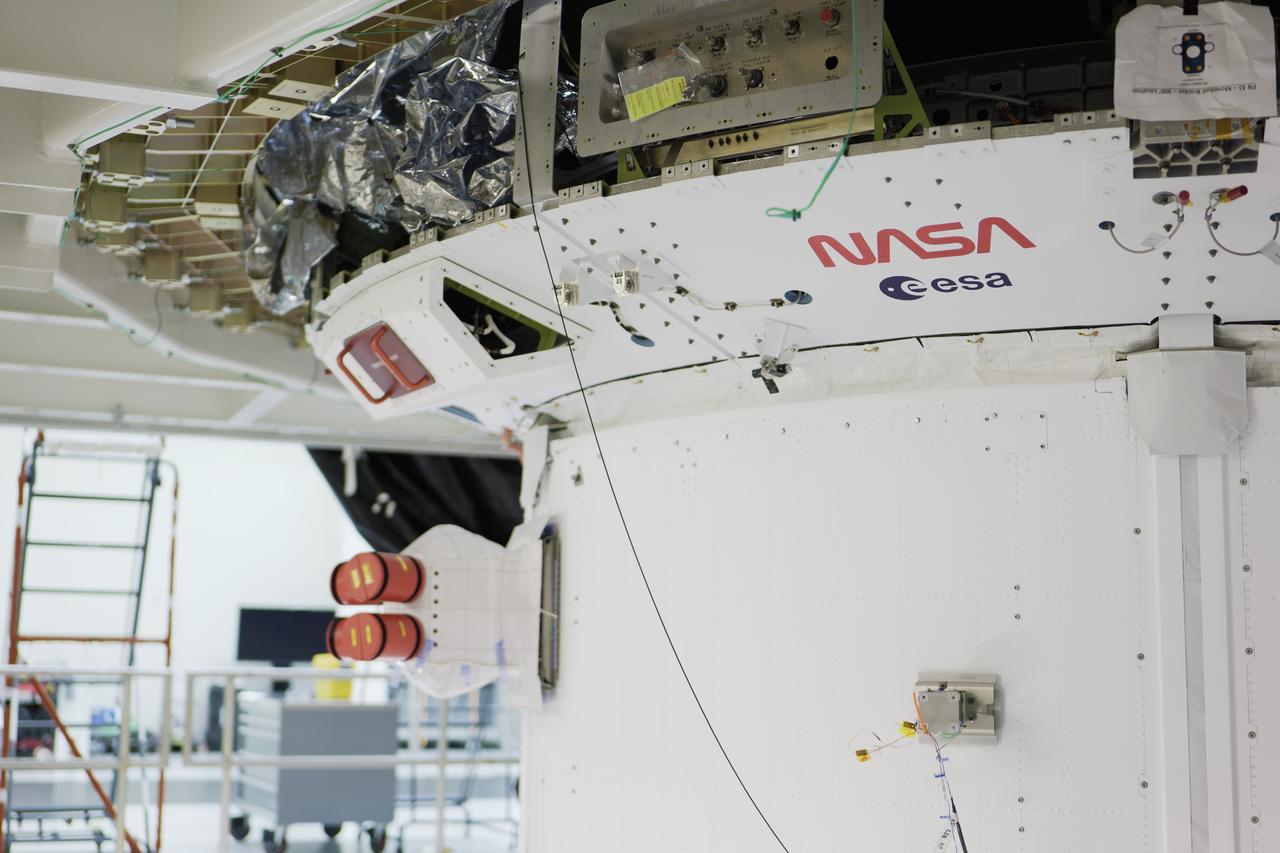
The Orion spacecraft for NASA’s Artemis II mission received its latest makeover. Teams adhered the agency’s iconic “worm” logo and ESA (European Space Agency) insignia on the spacecraft’s crew module adapter on Sunday, Jan. 28, inside the Neil Armstrong Operations and Checkout Building at NASA’s Kennedy Space Center in Florida.