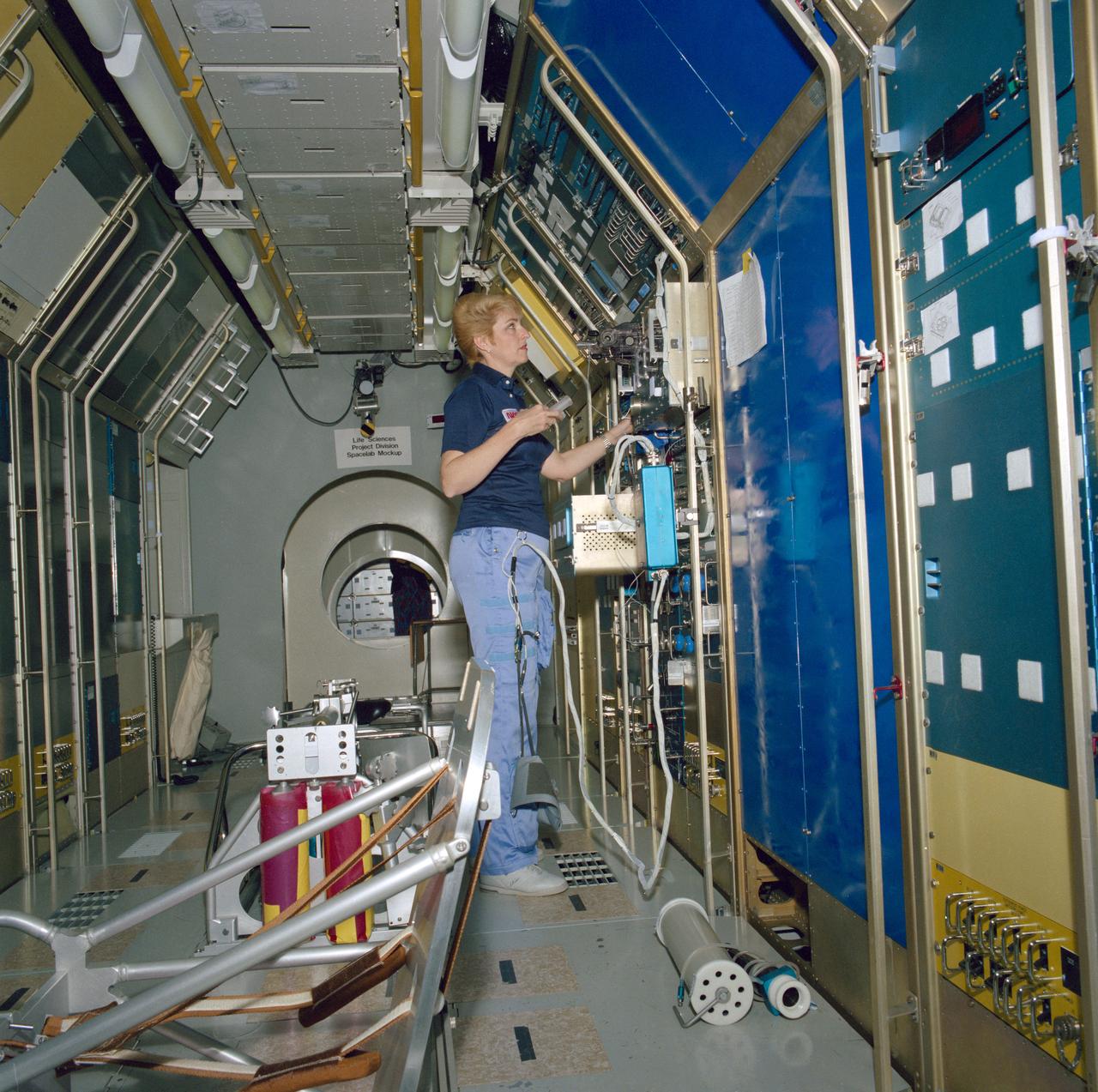
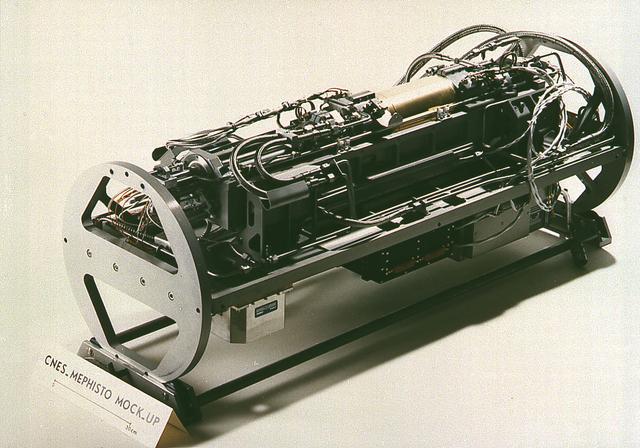
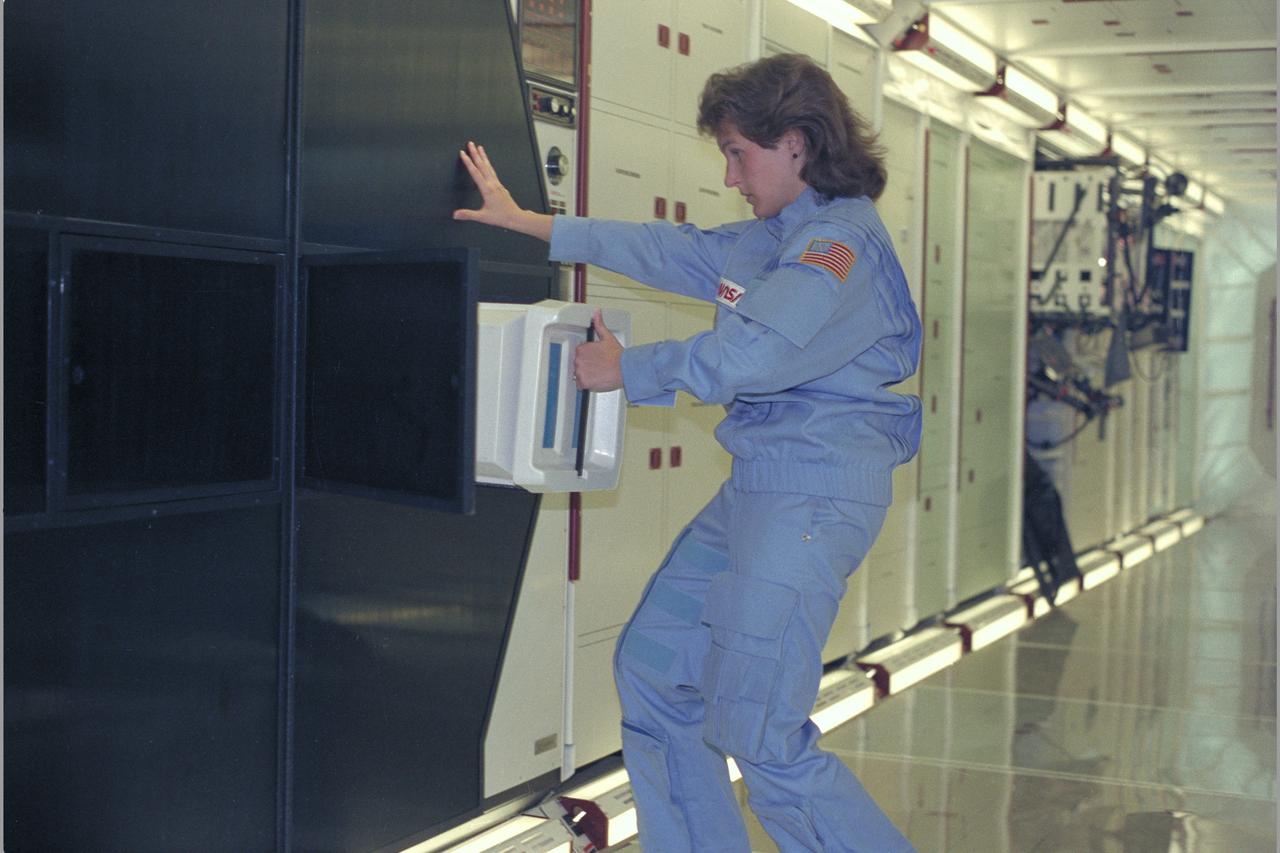
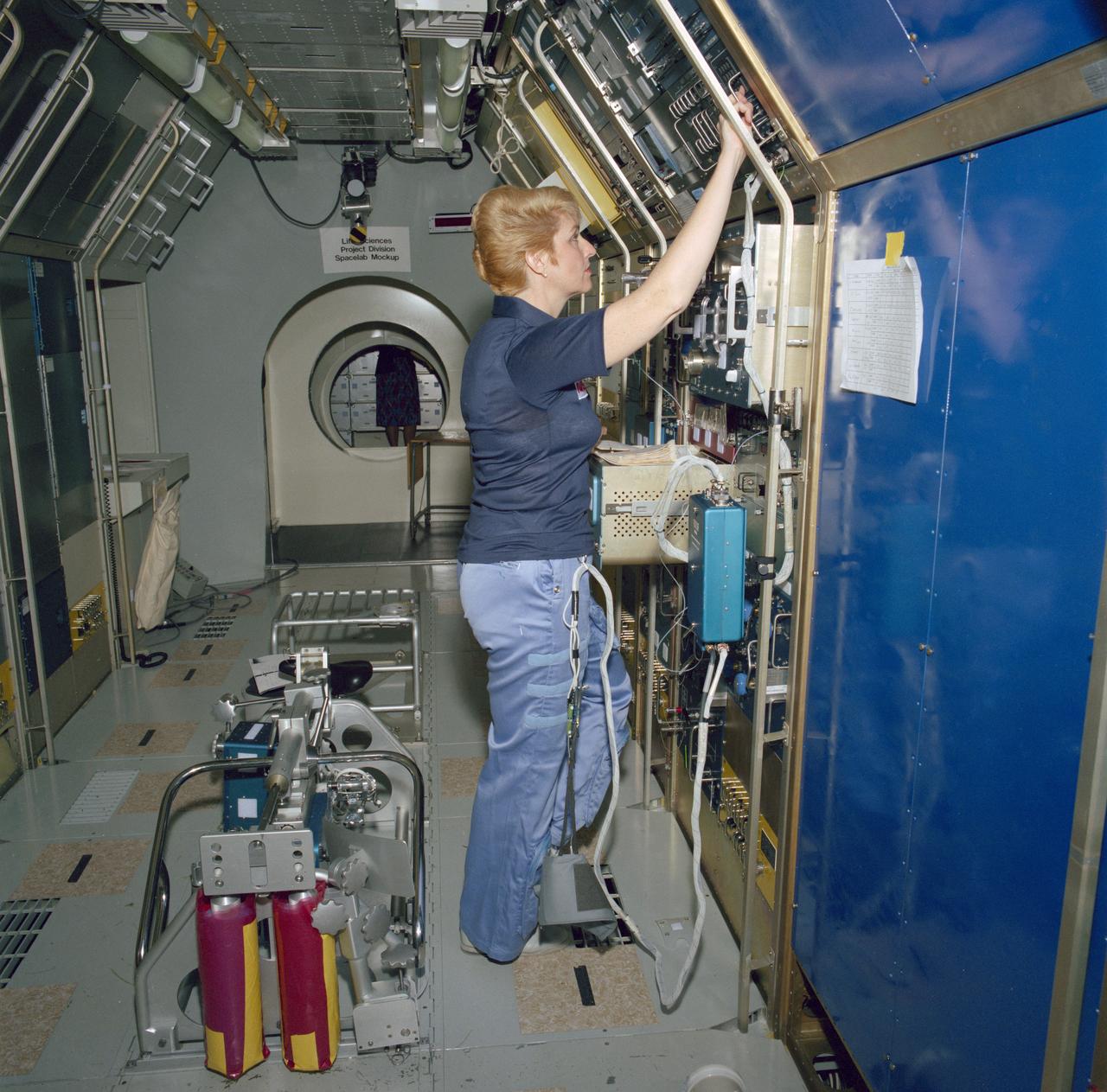
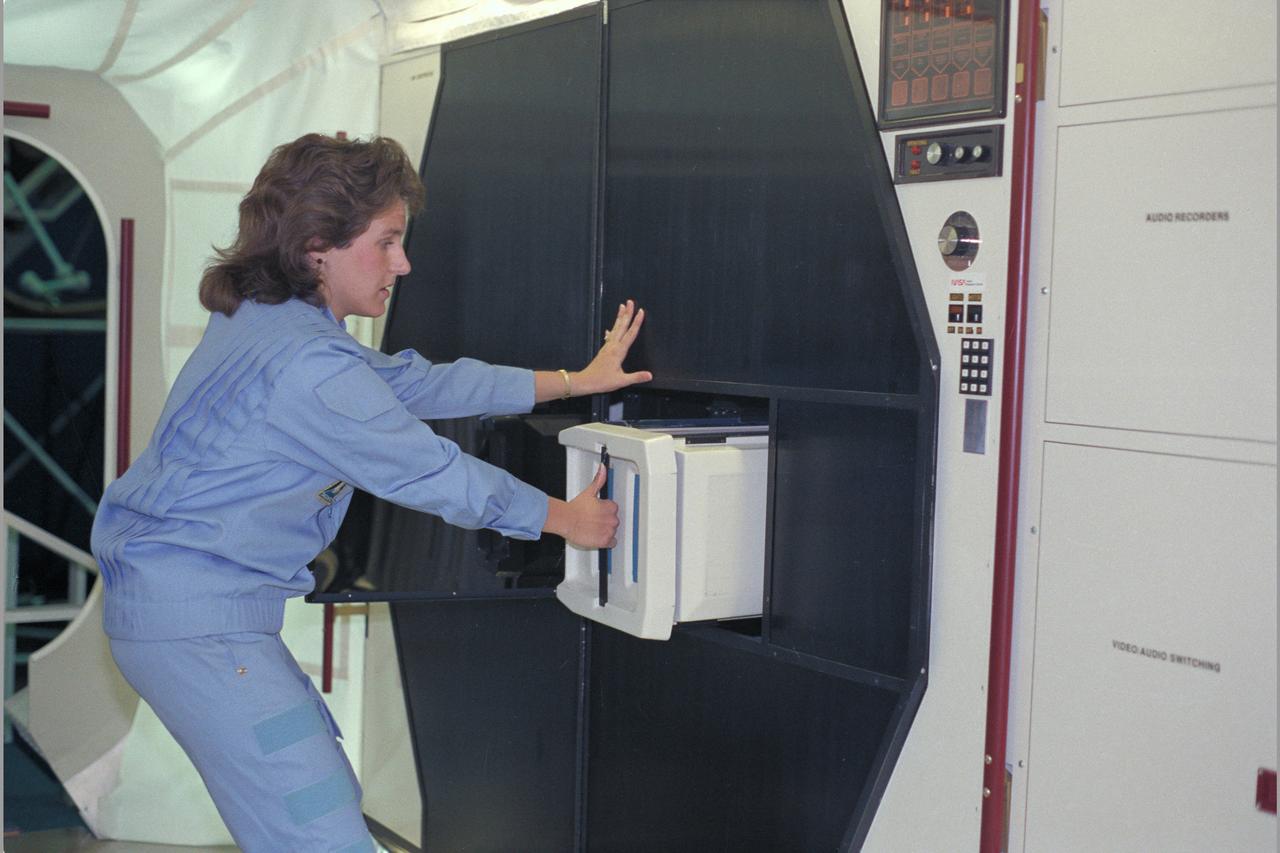
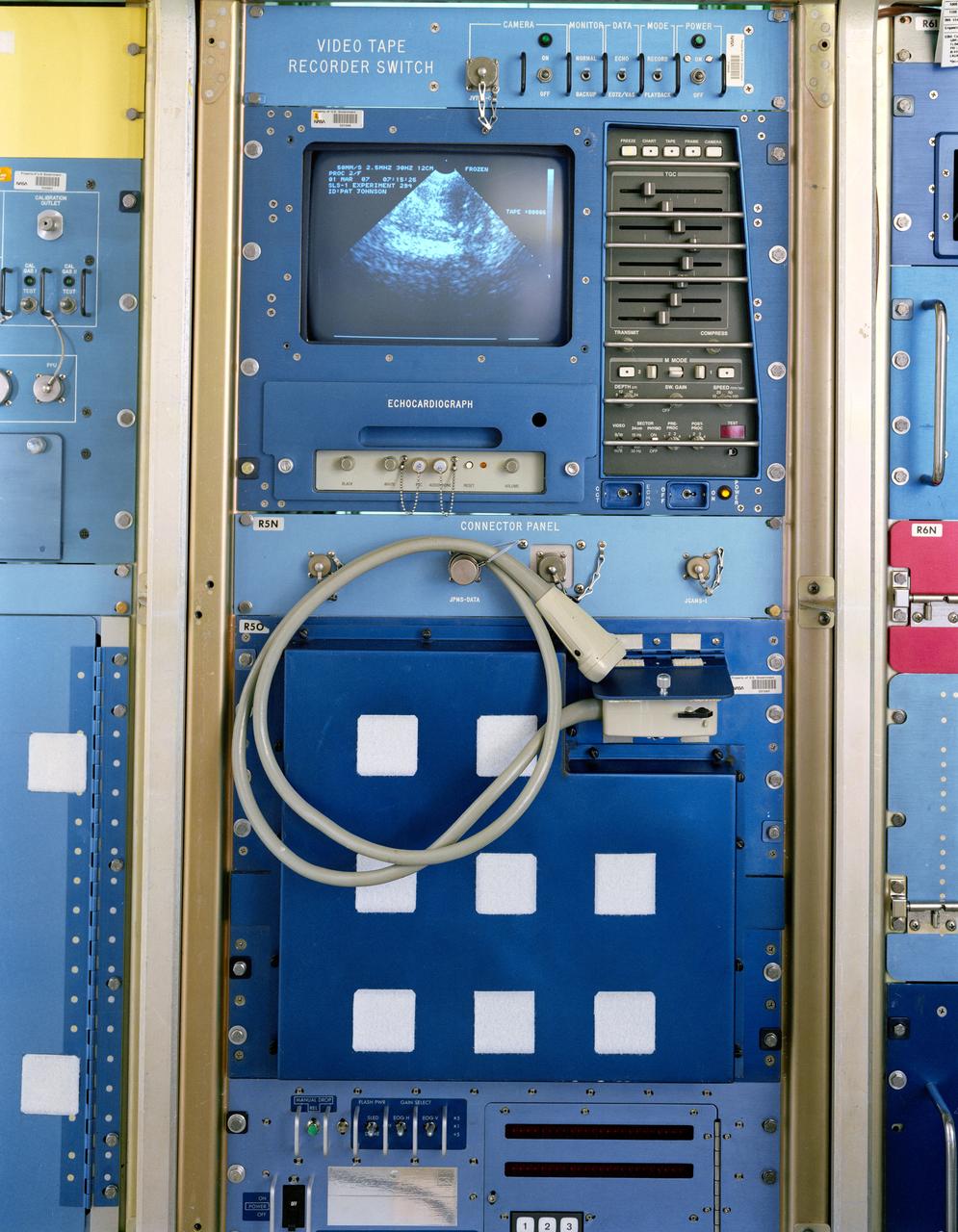
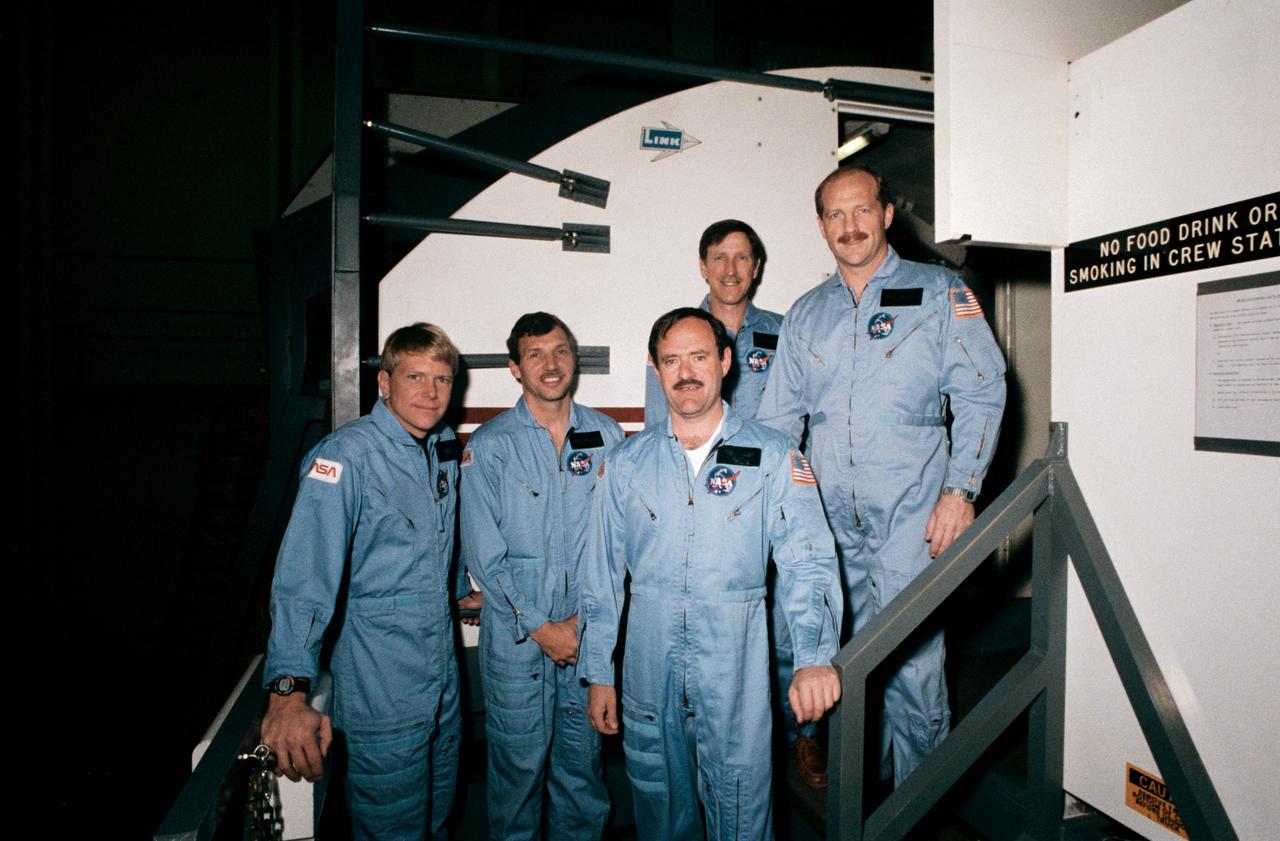
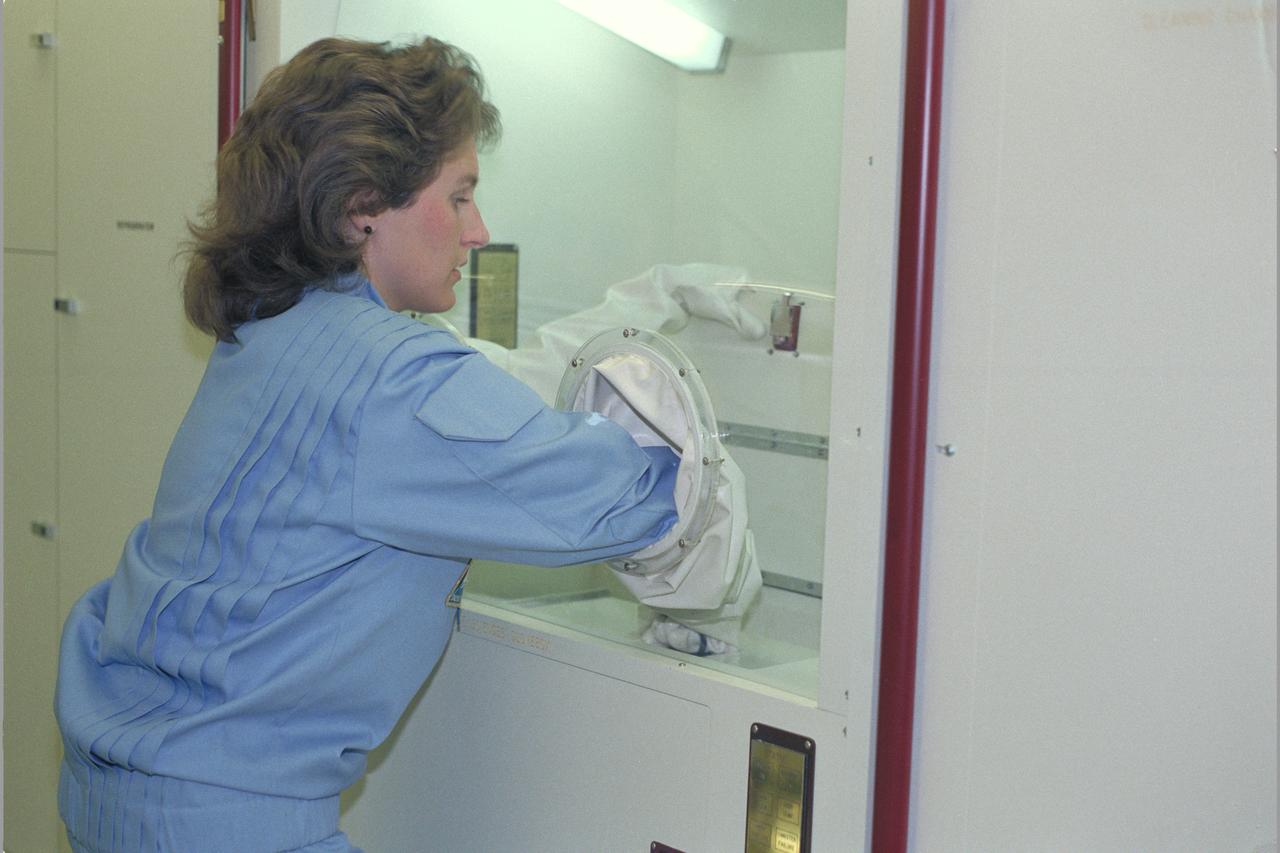
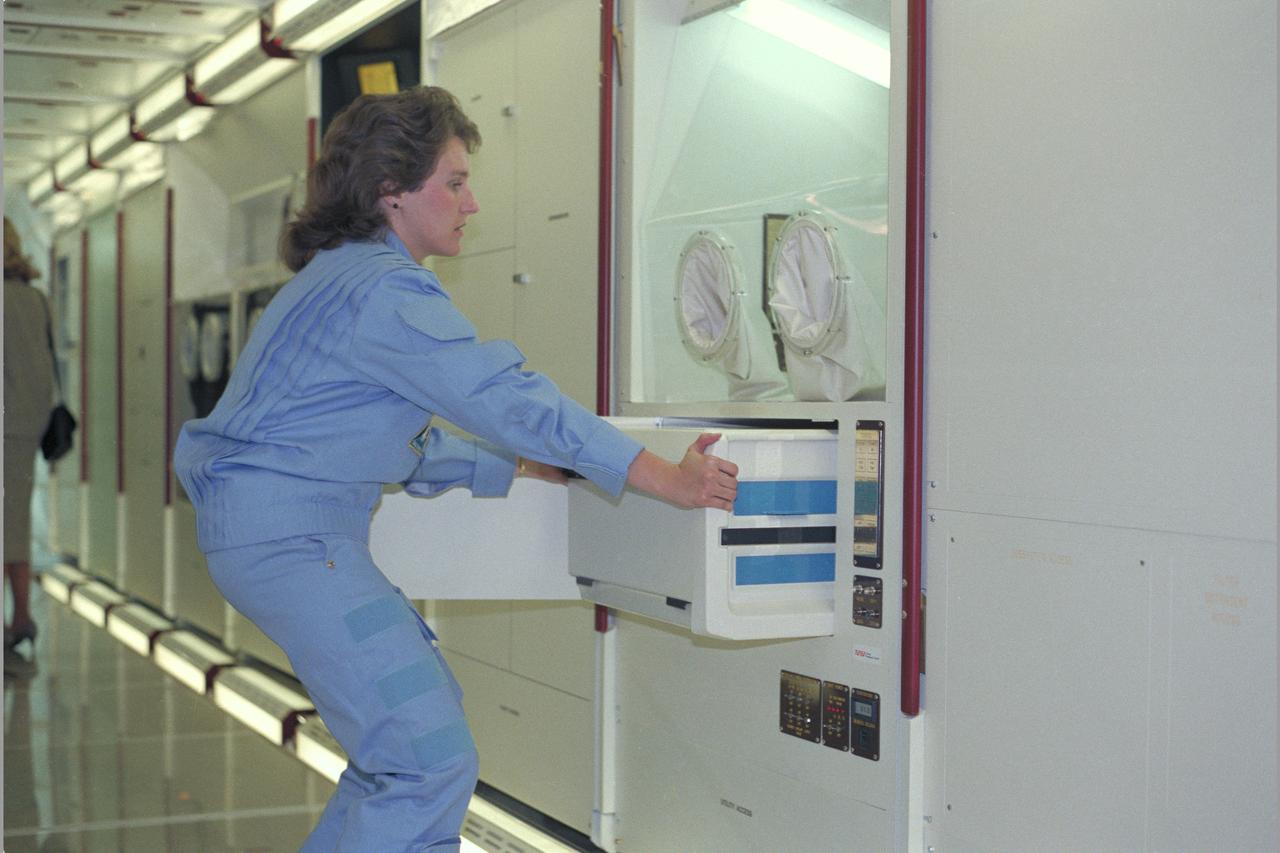
S87-28666 (March 1987) --- Millie Hughes-Fulford, STS-40/SLS-1 payload specialist, stands near the Echocardiograph on Rack 6 of the SLS-1 module, during a rehearsal of experimentation scheduled for her spaceflight.
STS-40 Payload Specialist Millie Hughes-Fulford trains in JSC's SLS mockup
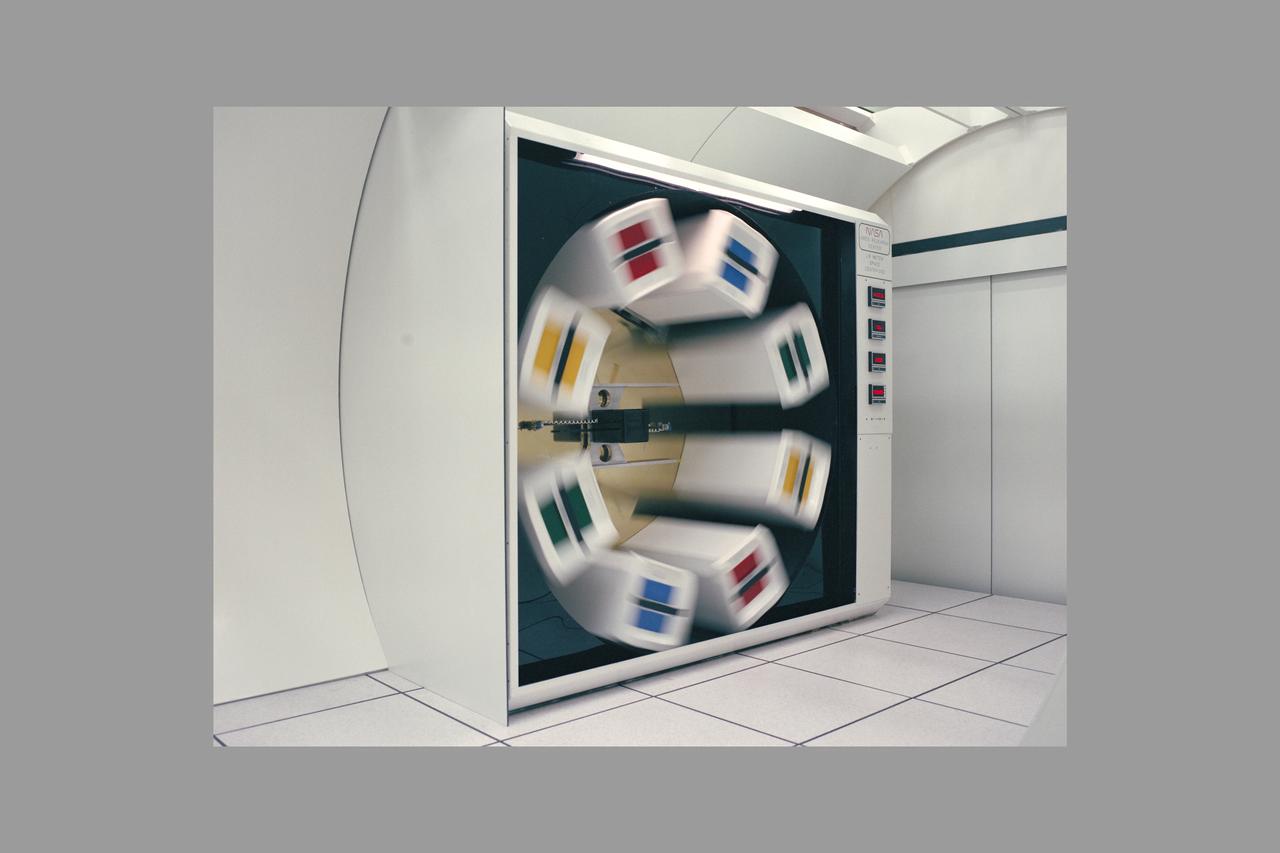
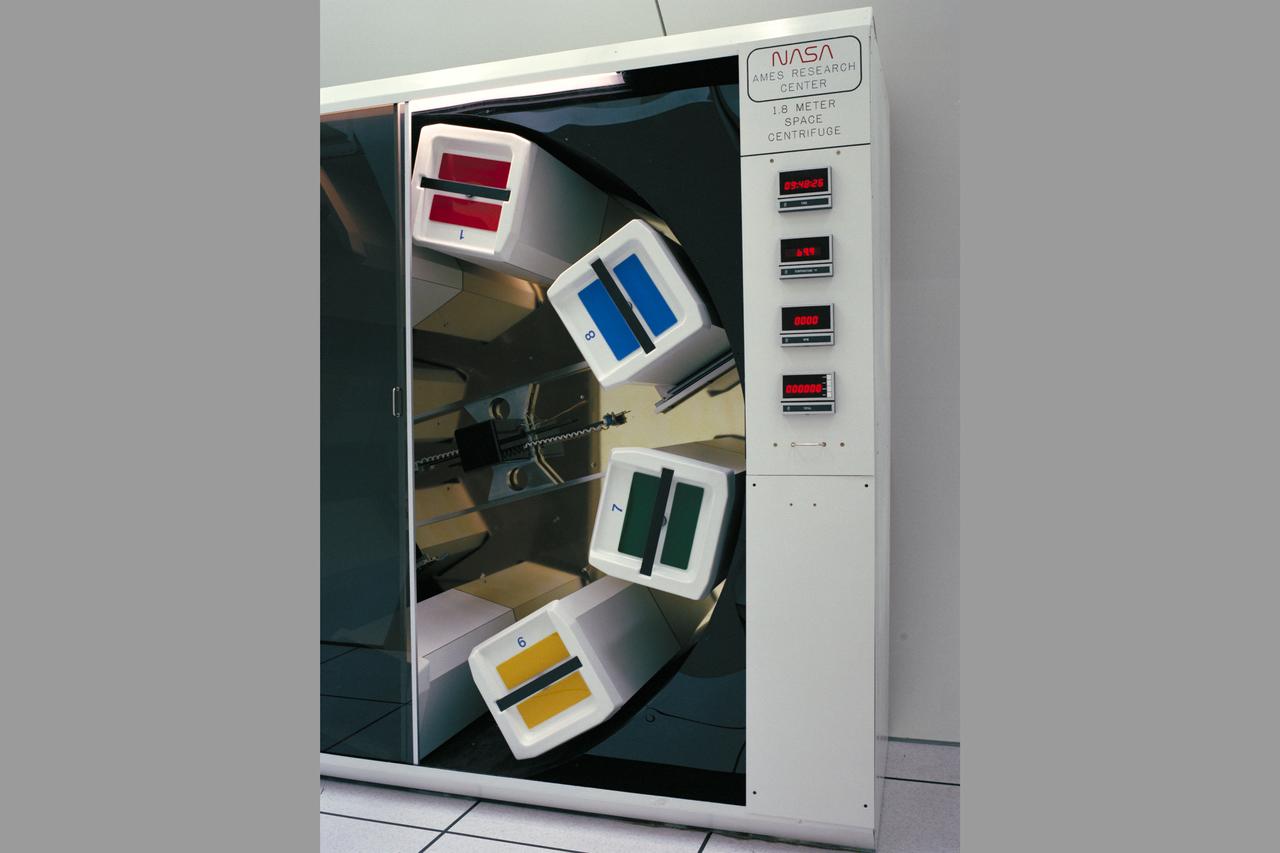
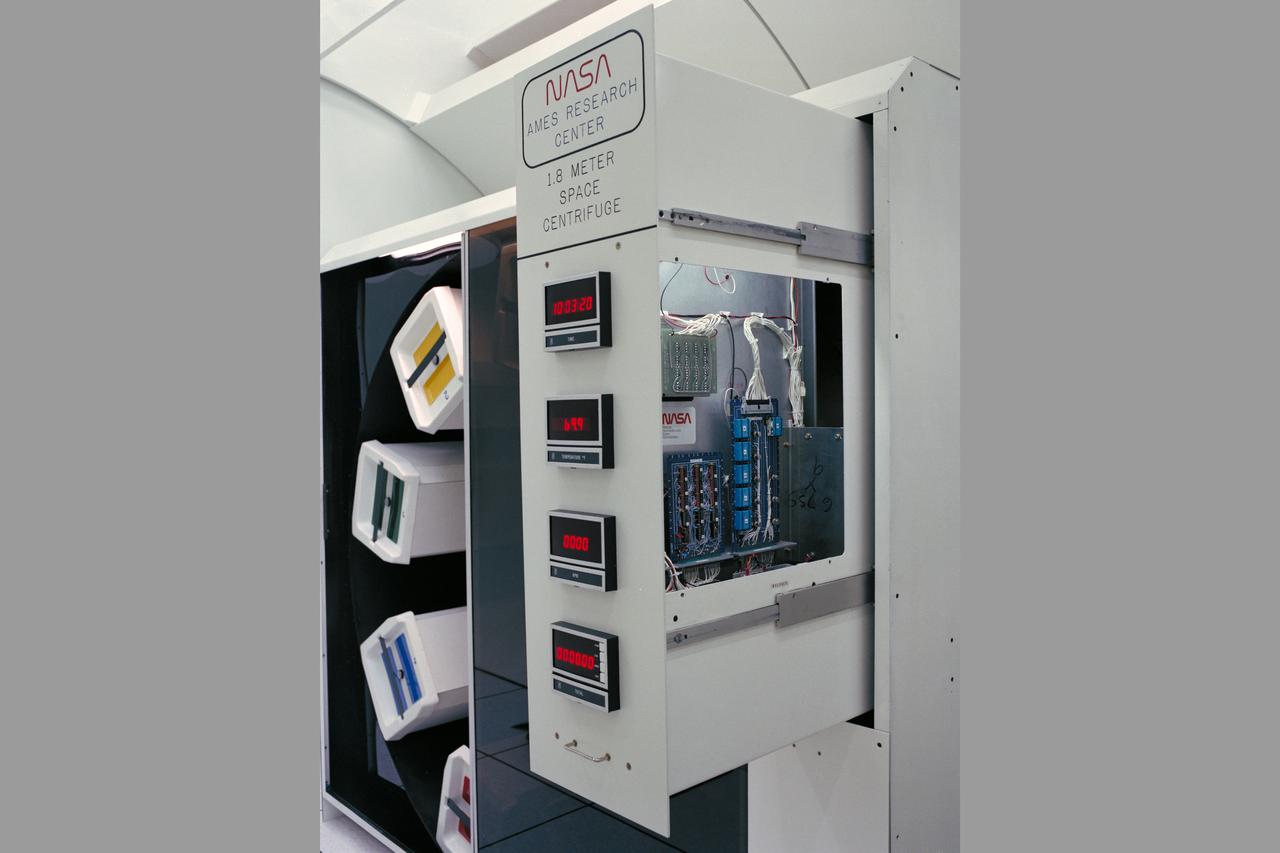
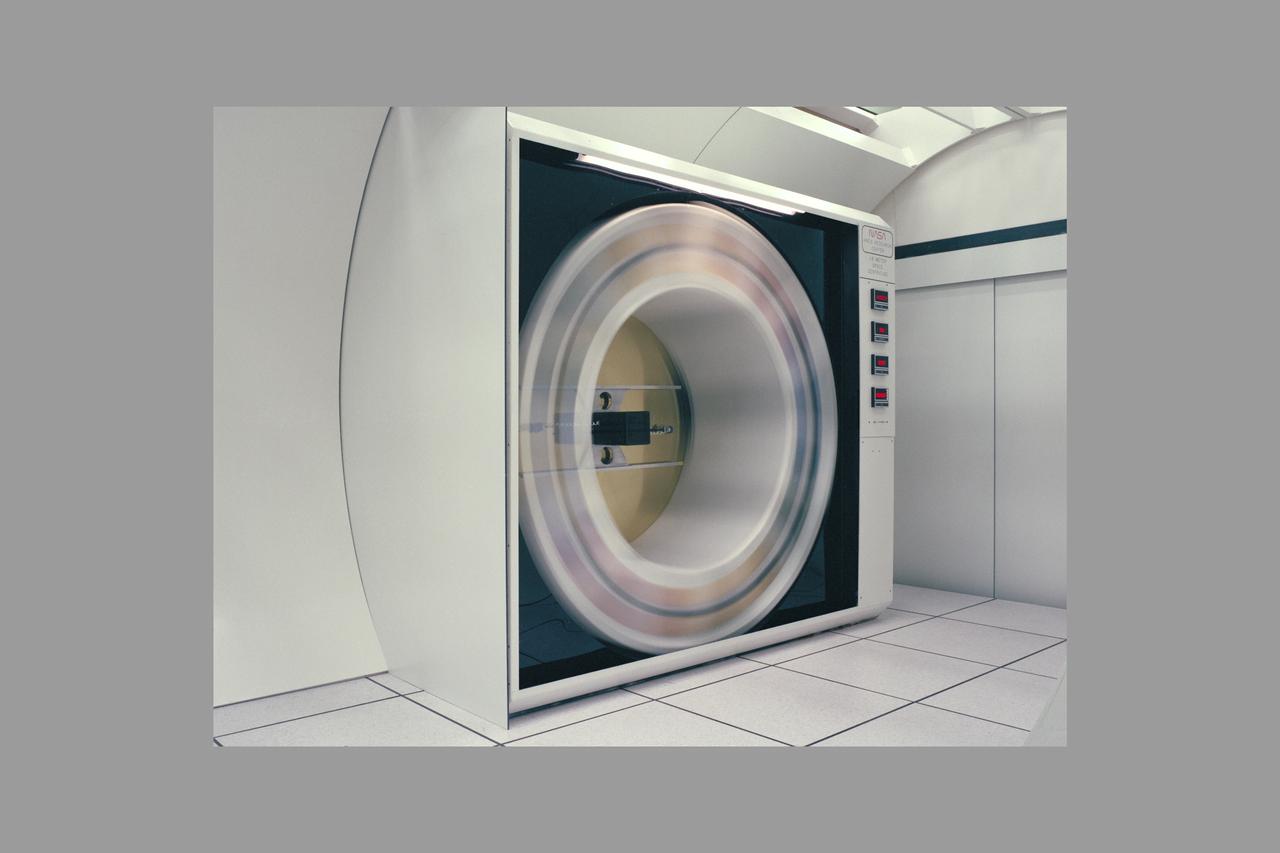
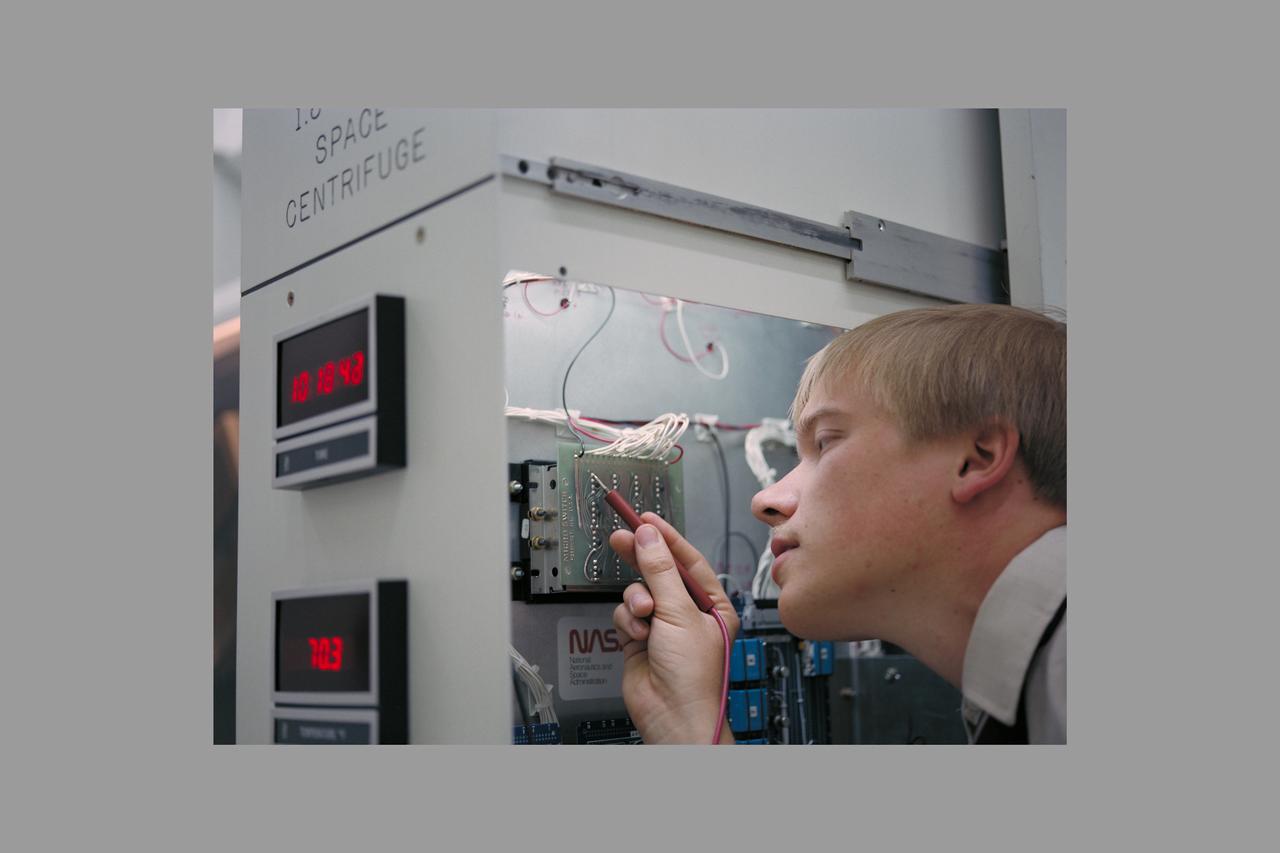
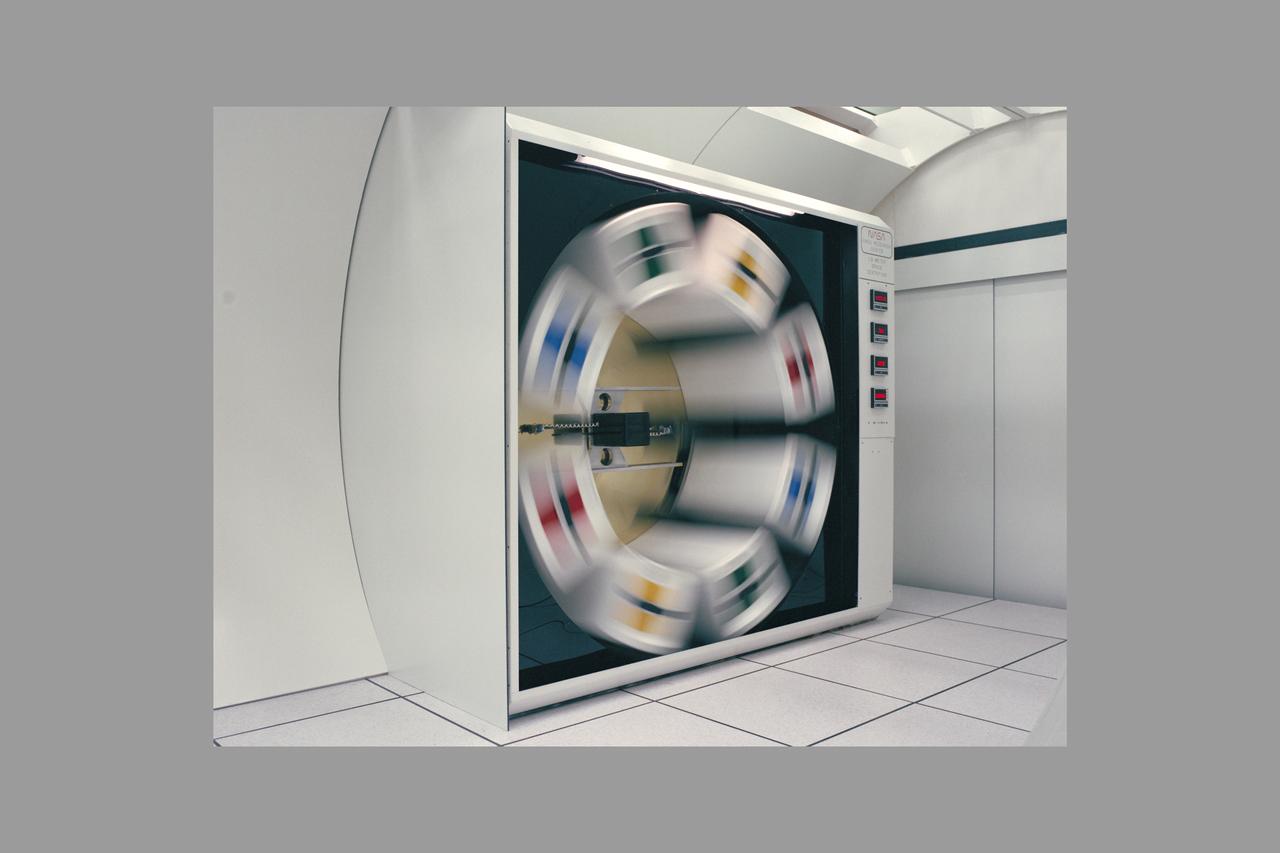
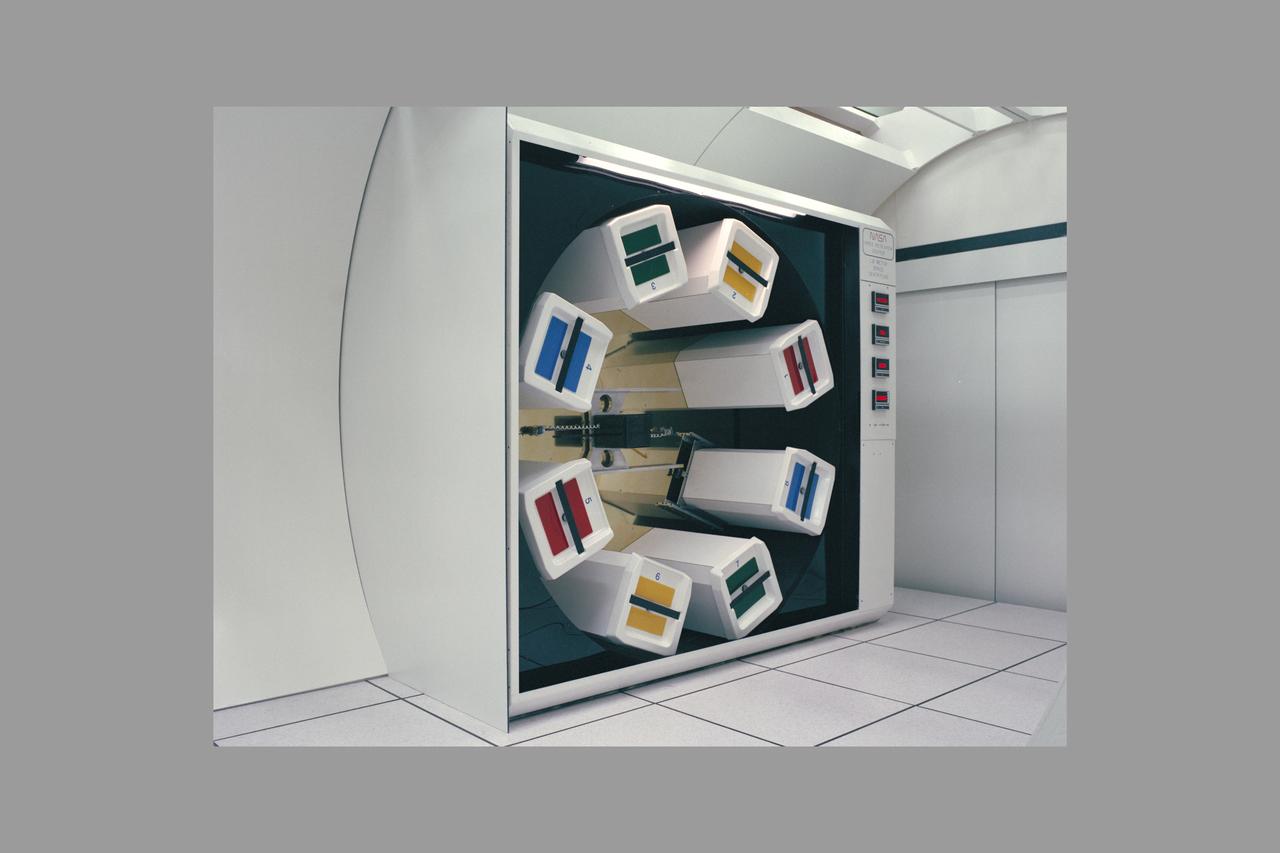
1.8m Space Station Centrifuge N-244 High Bay (ISF)
ARC-1987-AC87-0281-37
Harriers AV-8B (NASA-704) and AV-8C (NASA-719) in flight formation
ARC-1987-AC87-0297-25
Vertical Motion Simulator VMS-7600 Computer Lab in N-243.
ARC-1987-AC87-0102-1
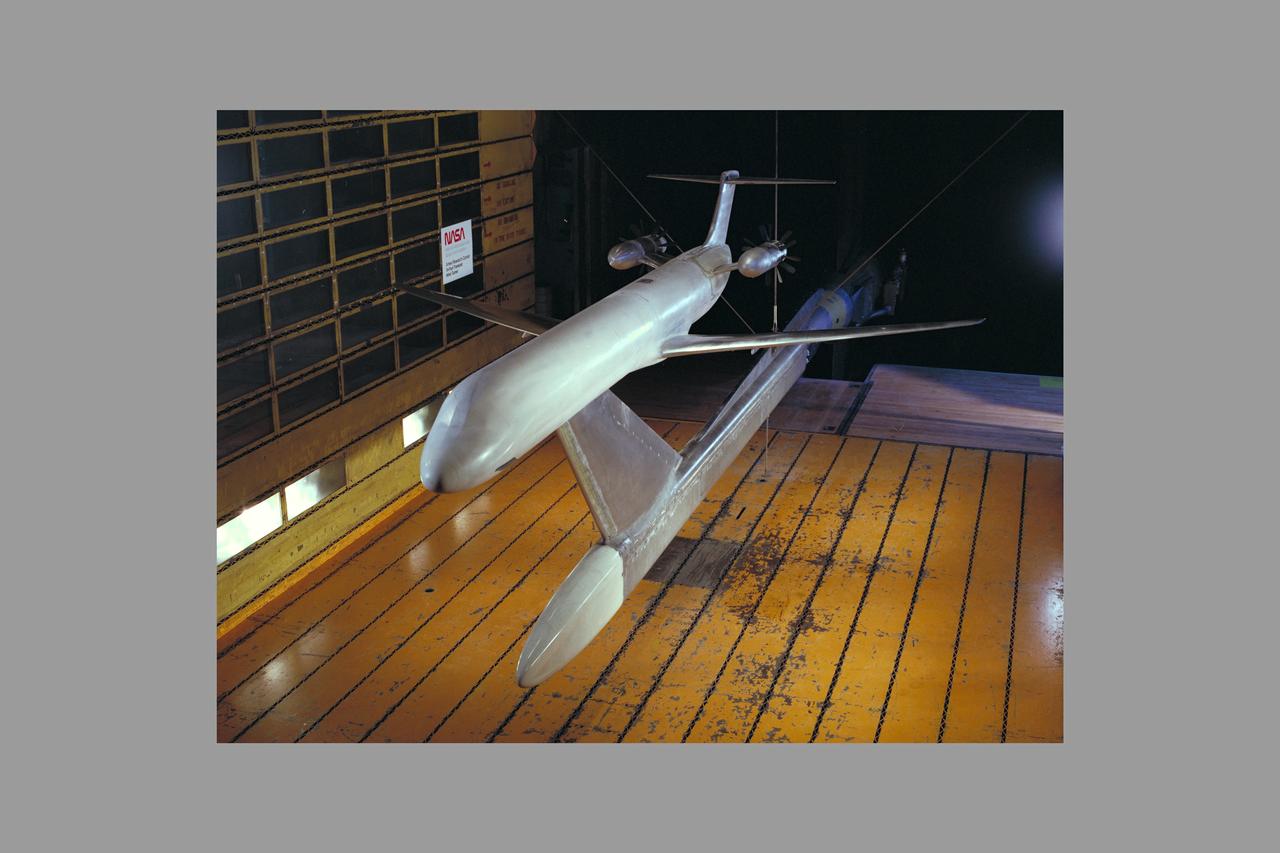
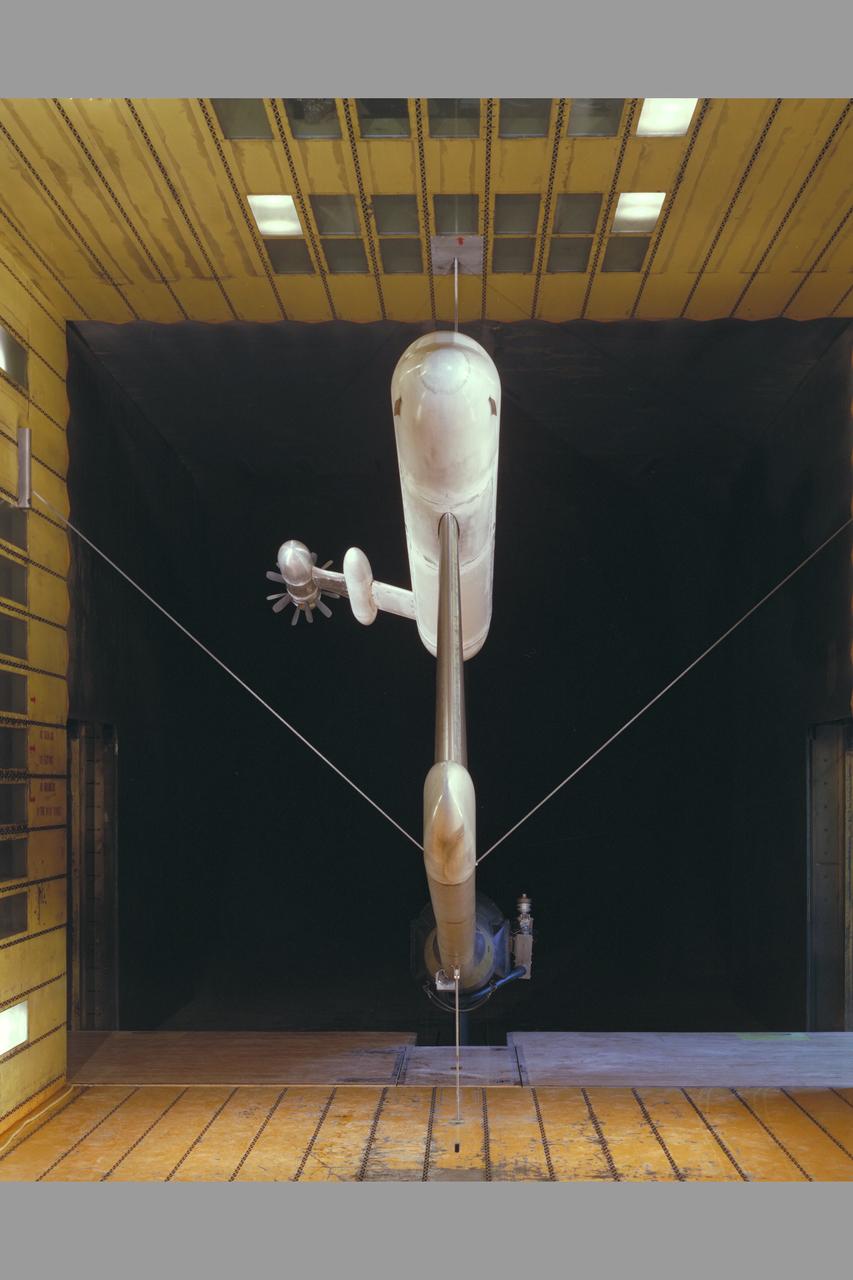
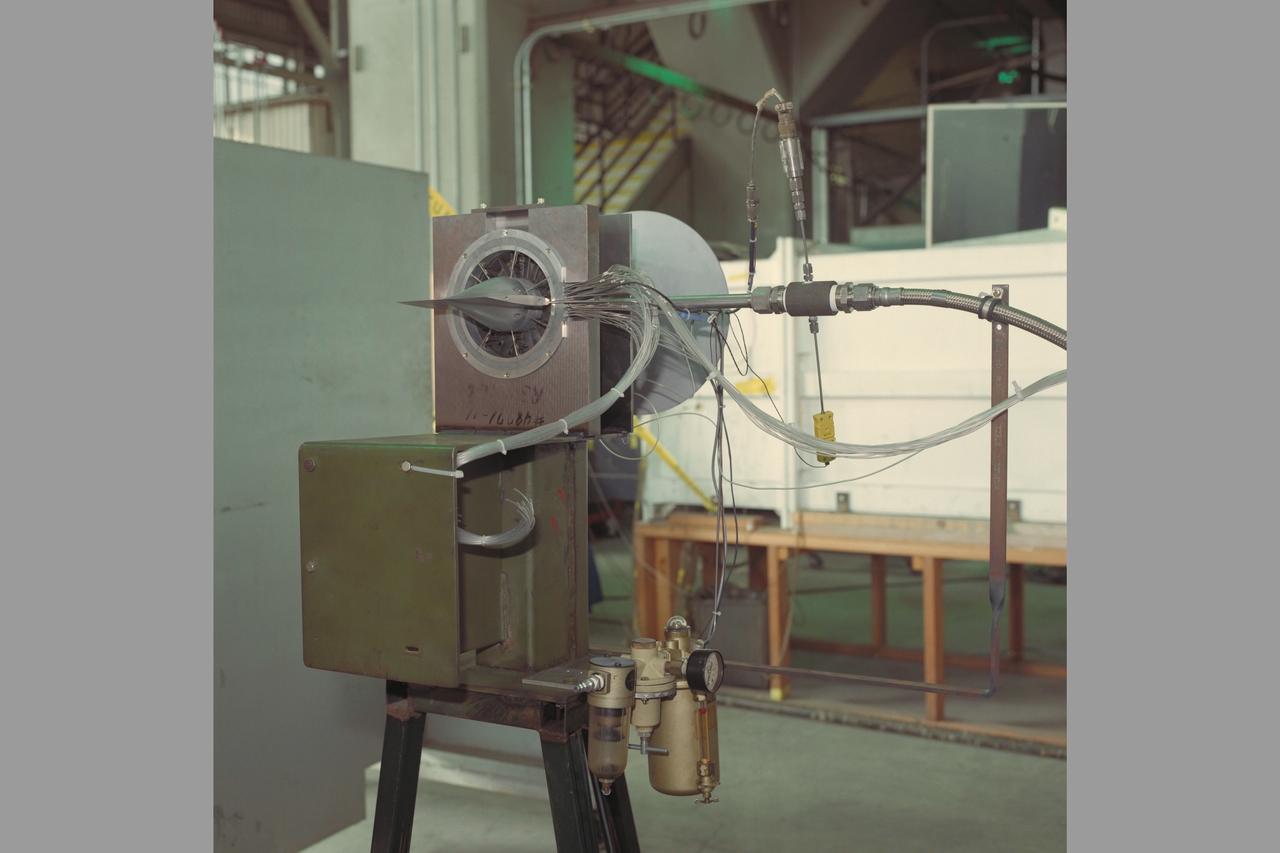
McDonnell Douglas Hub (Ultra-High Bypass) Model and SAAB Wake Rake Test 14ft W.T. Test-060-1-14, Turbo Fan Configuration
ARC-1969-AC87-0097-5
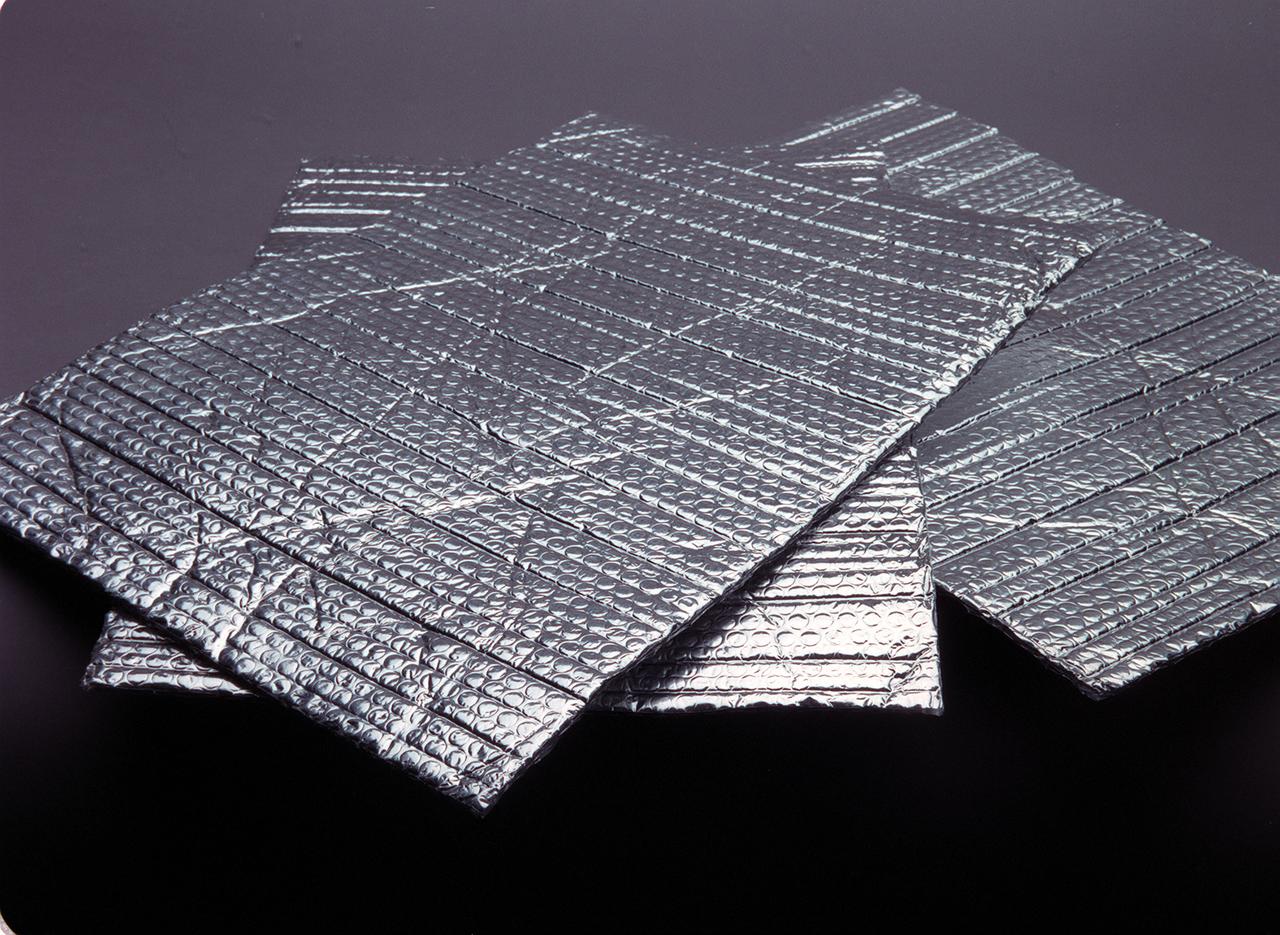
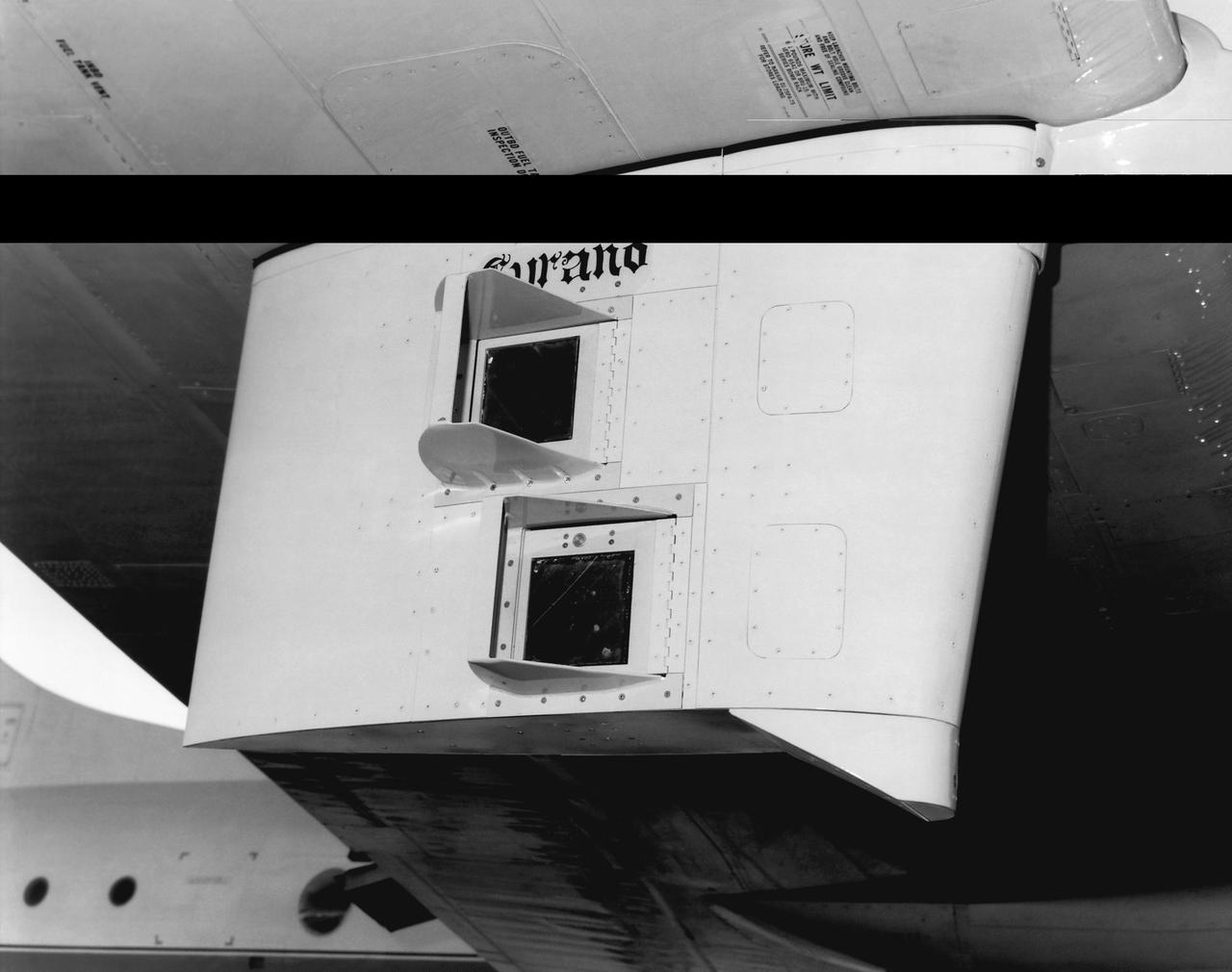
This photo shows the Shuttle tile flight test fixture under the wing of a National Oceanographic and Atmospheric Administration WP-3D aircraft.
Shuttle Tile Flight Test Fixture (FTF) on NOAA WP-3D Orion aircraft
All-Body Hypersonic Vehicle: Experimental Shadowgraph
ARC-1969-AC87-0104
NASA 834, an F-14 Navy Tomcat, seen here in flight, was used at Dryden in 1986 and 1987 in a program known as the Variable-Sweep Transition Flight Experiment (VSTFE). This program explored laminar flow on variable sweep aircraft at high subsonic speeds.  An F-14 aircraft was chosen as the carrier vehicle for the VSTFE program primarily because of its variable-sweep capability, Mach and Reynolds number capability, availability, and favorable wing pressure distribution.  The variable sweep outer-panels of the F-14 aircraft were modified with natural laminar flow gloves to provide not only smooth surfaces but also airfoils that can produce a wide range of pressure distributions for which transition location can be determined at various flight conditions and sweep angles.  Glove I, seen here installed on the upper surface of the left wing, was a "cleanup" or smoothing of the basic F-14 wing, while Glove II was designed to provide specific pressure distributions at Mach 0.7.  Laminar flow research continued at Dryden with a research program on the NASA 848 F-16XL, a laminar flow experiment involving a wing-mounted panel with millions of tiny laser cut holes drawing off turbulent boundary layer air with a suction pump.
F-14 VSTFE - gloves #1 and #2
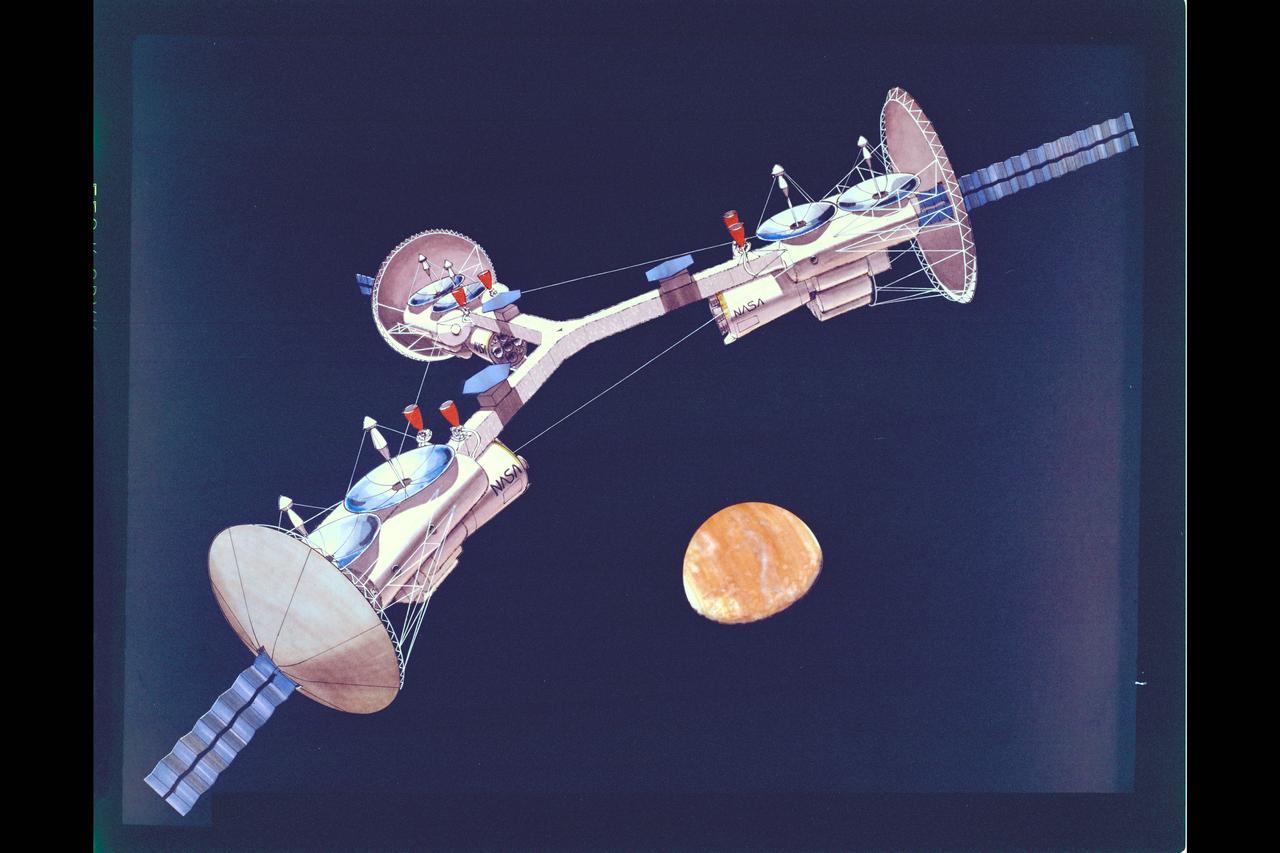
Artist: Carter Emmart 'The Case for Mars' conference artwork  (Mission to Mars) NOTE; for government educational use only -
ARC-1987-AC87-0736-6
ISF Space Station Mock up @ MAFC  (McGowen)
ARC-1987-AC87-0837-2
Harriers AV-8B (NASA-704) and AV-8C (NASA-719) in flight formation
ARC-1987-AC87-0297-30
CAPE CANAVERAL, Fla. -- At Cape Canaveral Air Force Station in Florida, the paylaod fairing of the Delta 182 launch vehicle is carefully moved into place as encapsulation procedures continue on the Palapa B2-P communications satellite at Launch Complex 17, Pad B. Palapa is scheduled for launch from Cape Canaveral for the government of Indonesia. Liftoff of Delta 182 and Palapa is scheduled for March 20. Photo Credit: NASA
KSC-87PC-0266
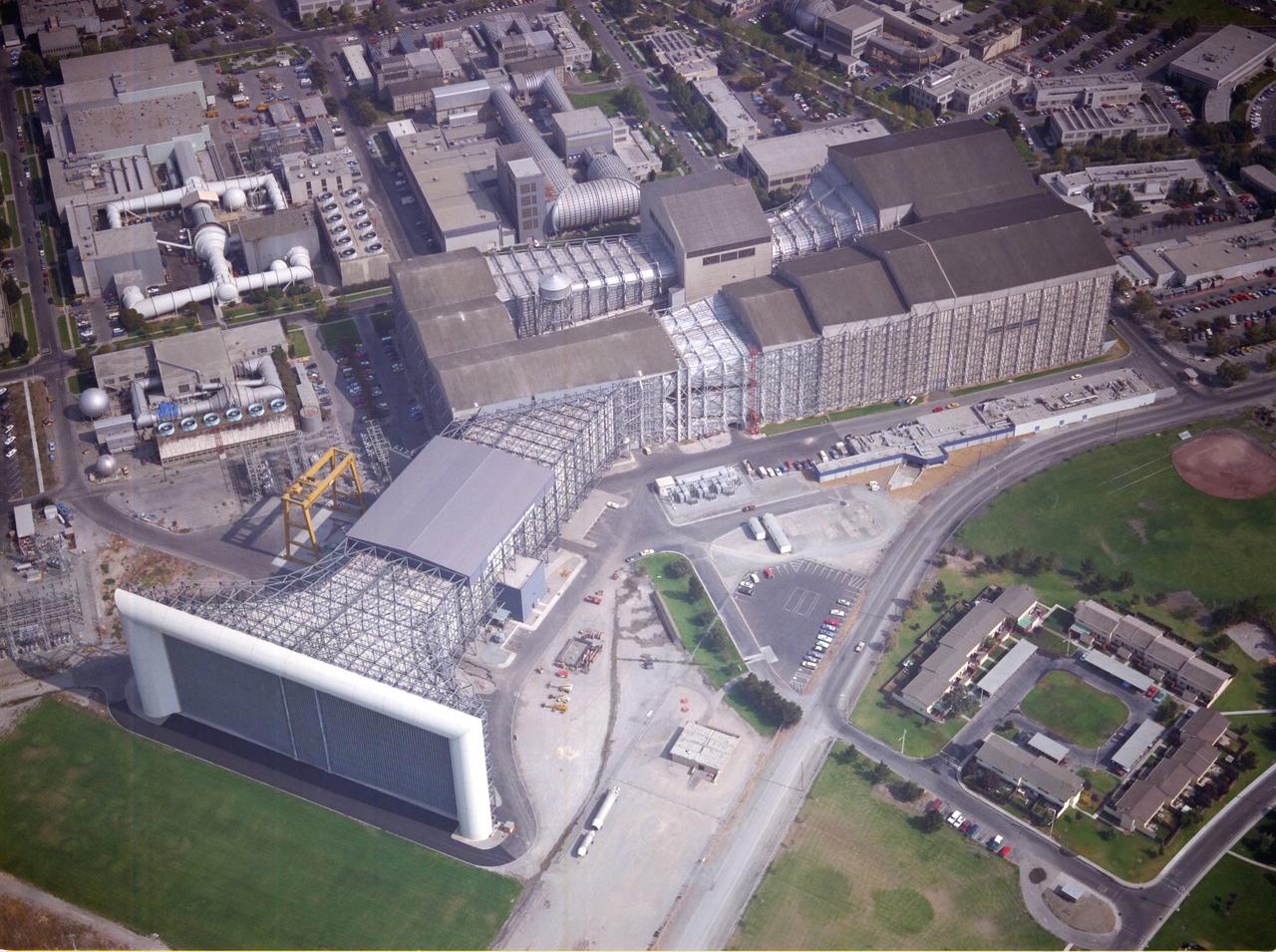
aerial of the  N-229A. N-231, N-234, N-238, N-242
ARC-1995-AC87-0796-6
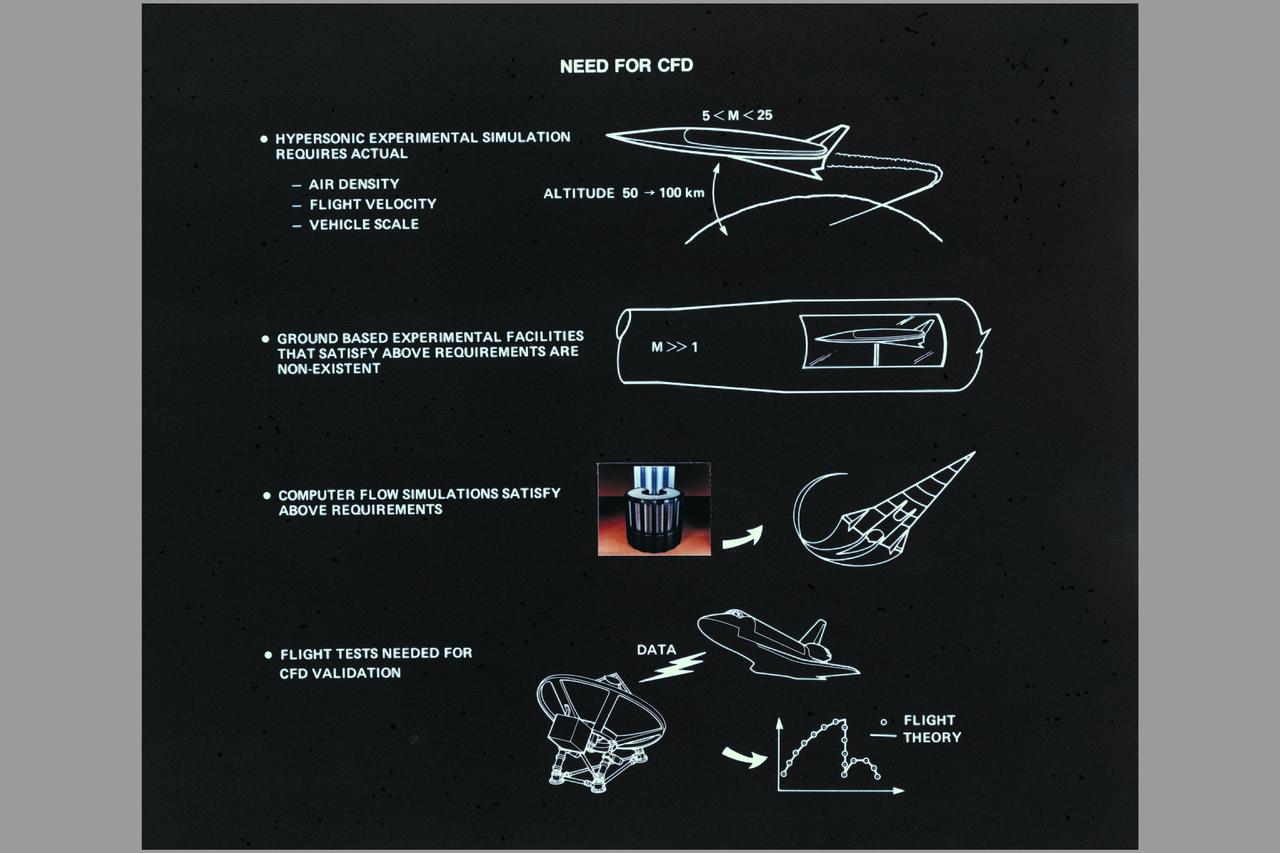
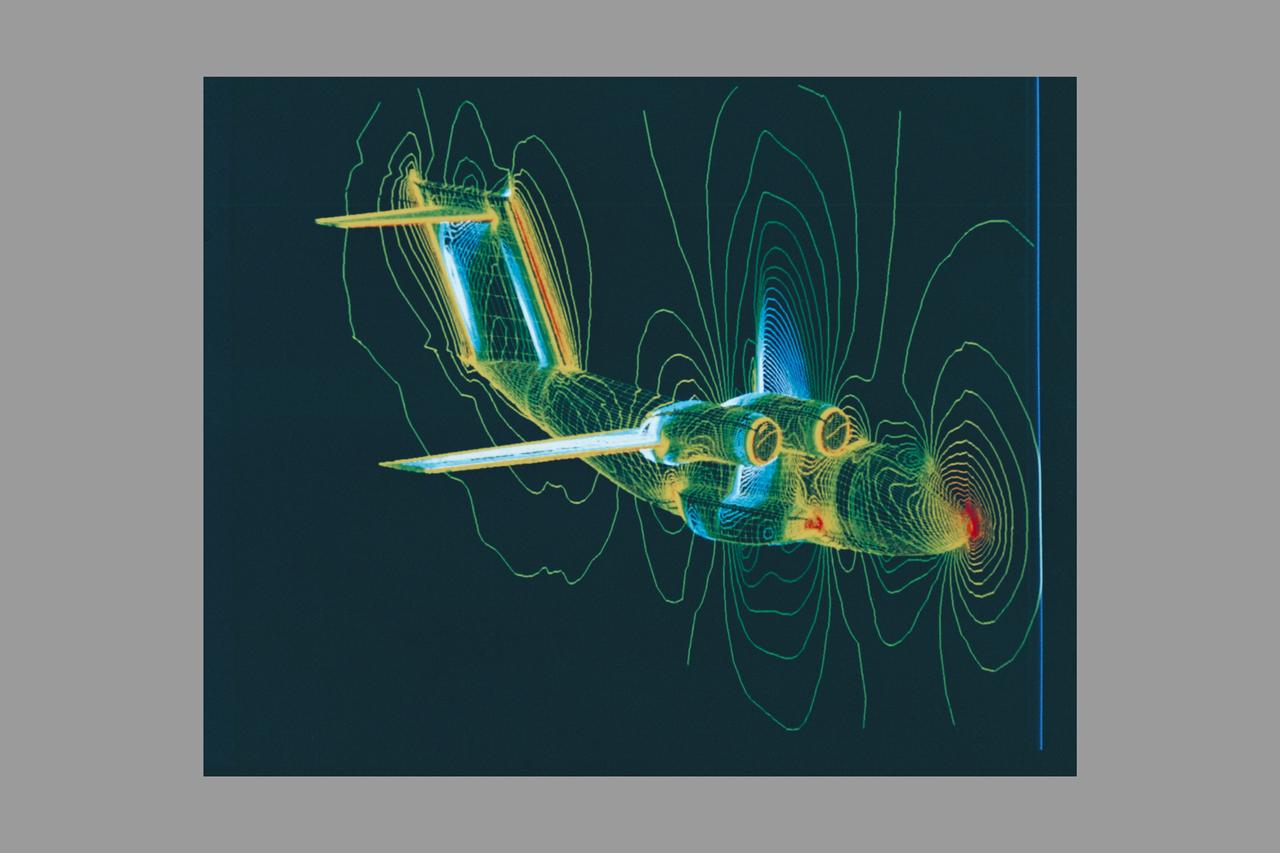
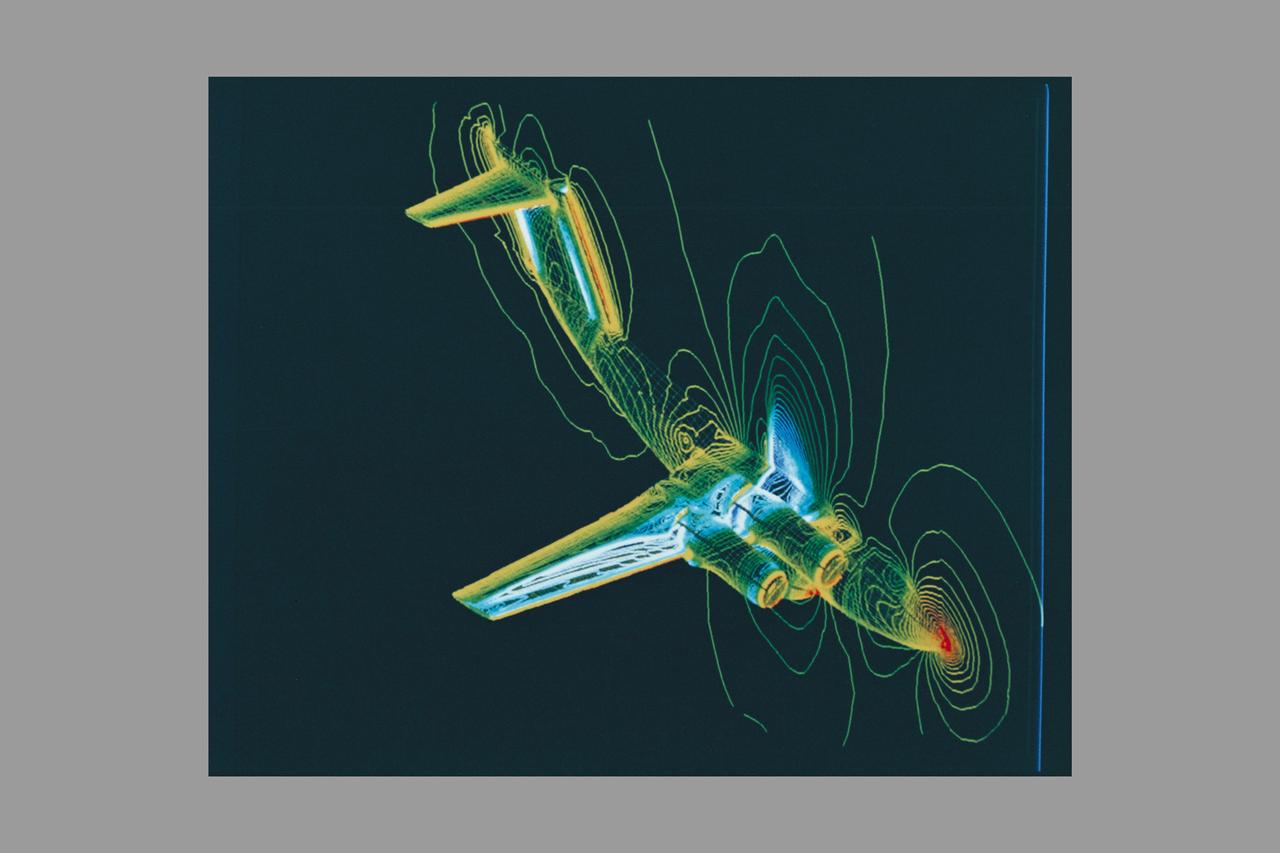
CFD Composite: Aerospace Plane, Cray-2, Space Shuttle (Ref: AC85-0002-6.1)
ARC-1969-AC87-0103
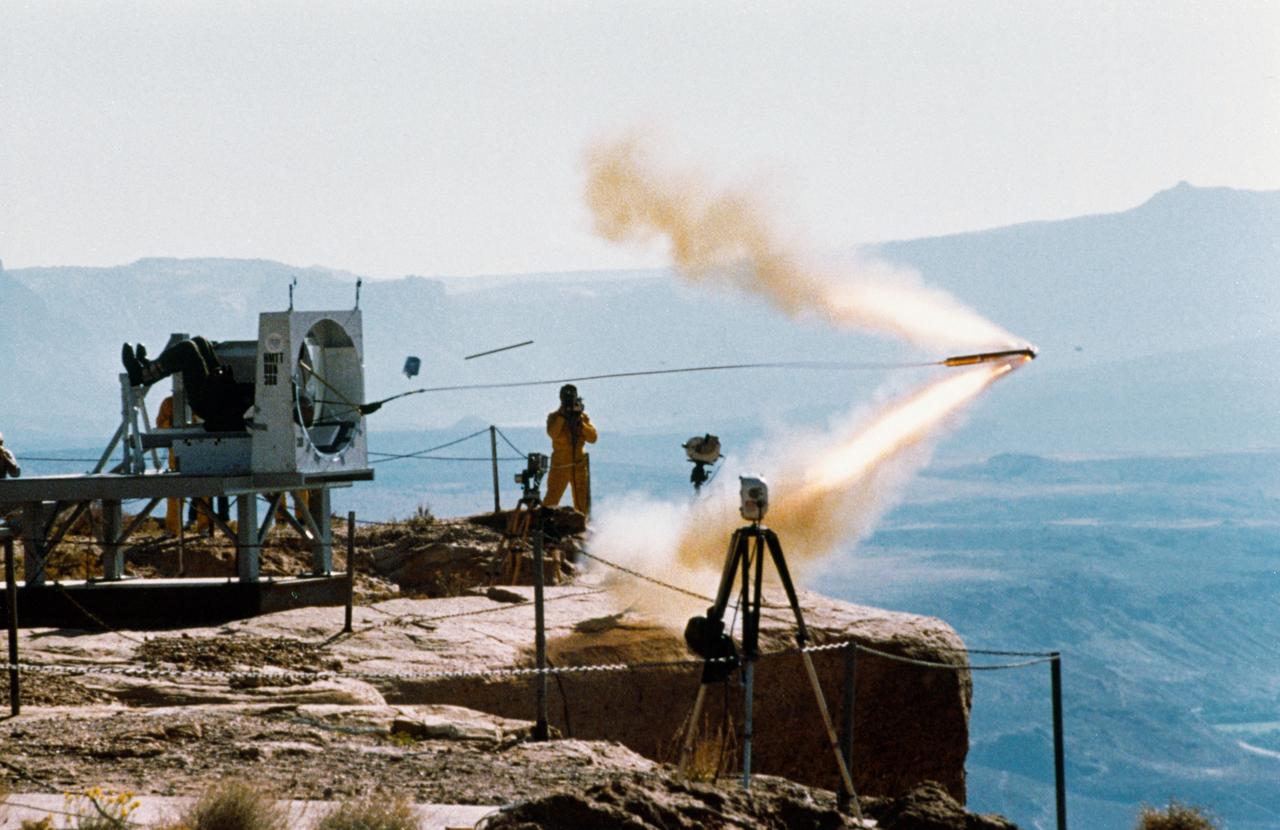
Shuttle crew escape systems test is conducted by astronauts Steven R. Nagel (left) and Manley L. (Sonny) Carter in JSC One Gravity Mockup and Training Facilities Bldg 9A crew compartment trainer (CCT). Nagel and Carter are evaluating methods for crew escape during Space Shuttle controlled gliding flight. JSC test was done in advance of tests scheduled for facilities in California and Utah. Here, Carter serves as test subject evaluating egress positioning for the tractor rocket escape method - one of the two systems currently being closely studied by NASA.
Shuttle crew escape systems test conducted in JSC Bldg 9A CCT
1.8m Space Station Centrifuge N-244 High Bay (ISF) International Space Facility
ARC-1987-AC87-0281-42
The Peenemunde Rocket Team reunited on the steps of Marshall Space Flight Center's (MSFC) Headquarter Building 4200 for a reunion. The Peenemunde Rocket team were first assembled in Germany prior to World War II. They came to the United States at the end of the War and became the nucleus of the United States Army's rocket program.
Around Marshall
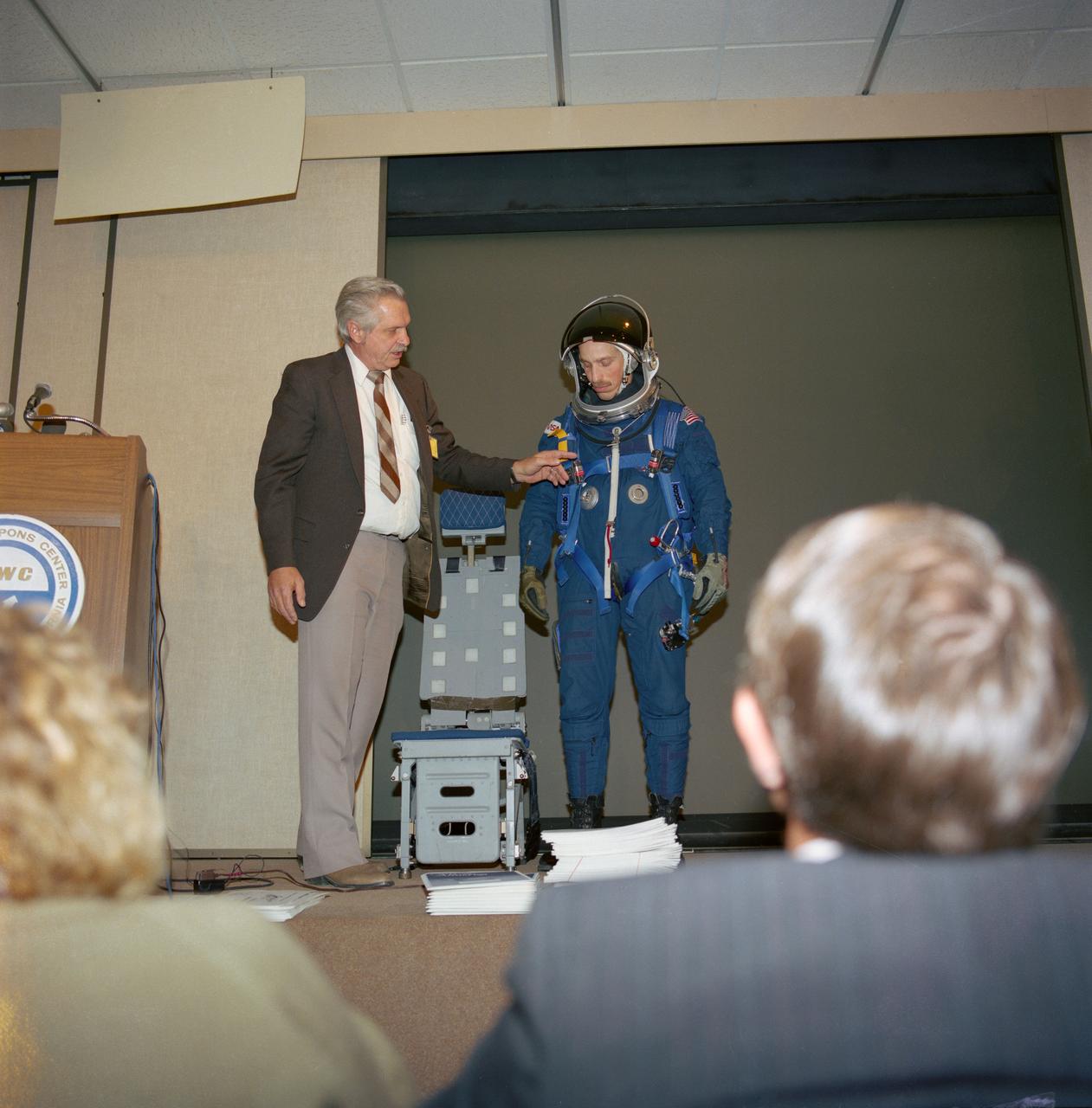
S88-25408 (8 Dec 1987) --- James O. Schlosser (left), JSC crew systems branch employee responsible for crew equipment development, gives a briefing on the crew equipment baselined for STs-26 as astronaut James P. Bagian models the new gear.  Included in the package are a partial pressure suit, harness, parachute, life raft and survival gear.  The deomonstration took place at the Naval Weapons Center in China Lake, CA.
STS-26 launch and entry crew equipment demonstration at Naval Weapons Center
S87-44950 --- Group 12, 1987 Astronaut Class, candidates (ASCANs) N. Jan Davis (left) and Mae C. Jemison freefloat during the seconds of microgravity created aboard the KC-135 NASA 930 aircraft's parabolic flight. Davis and Jemison, two of the recently-named ASCANs, were taking a familiarization flight aboard the KC-135 "zero gravity" aircraft. Photo credit: NASA
Group 12 ASCANs Davis and Jemison during zero gravity training aboard KC-135
1.8m Space Station Centrifuge N-244 High Bay (ISF) International Space Facility
ARC-1987-AC87-0281-39
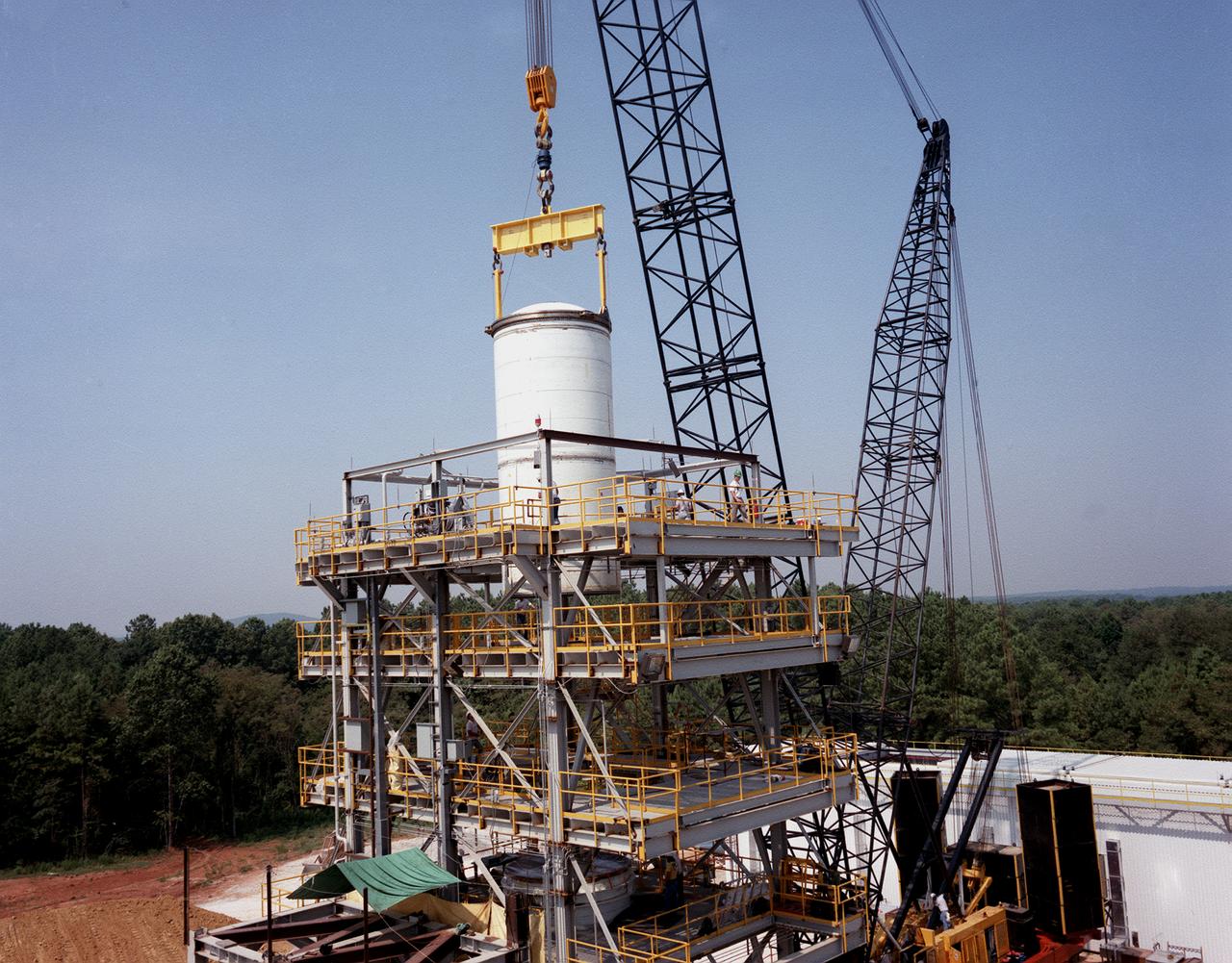
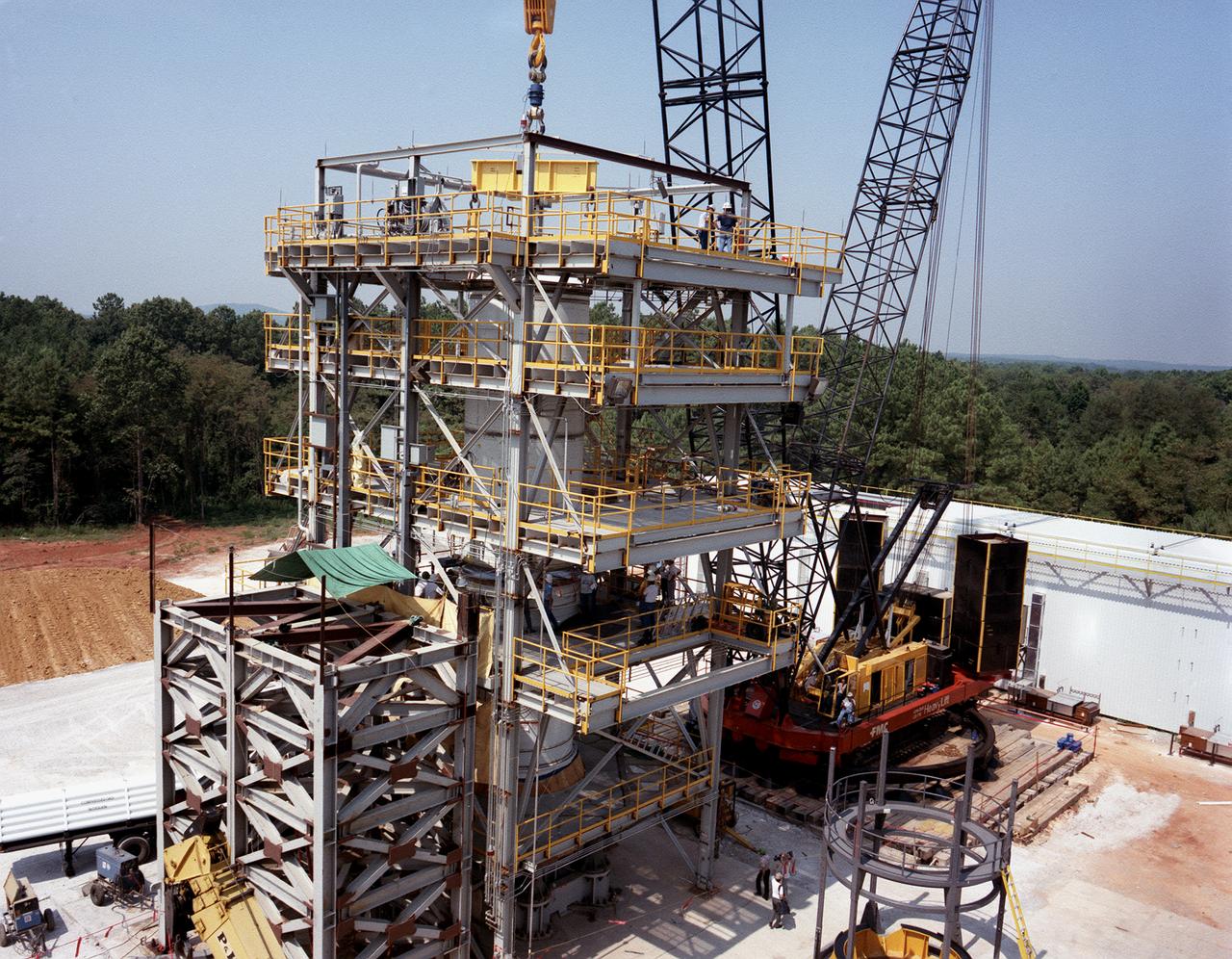
A forward segment is being lowered into the Transient Pressure Test Article (TPTA) test stand at the Marshall Space Flight Center (MSFC) east test area. The TPTA test stand, 14-feet wide, 27-feet long, and 33-feet high, was built in 1987 to provide data to verify the sealing capability of the redesign solid rocket motor (SRM) field and nozzle joints. The test facility applies pressure, temperature, and external loads to a short stack of solid rocket motor hardware. The simulated SRM ignition pressure and temperature transients are achieved by firing a small amount of specially configured solid propellant. The pressure transient is synchronized with external programmable dynamic loads that simulate lift off loads at the external tank attach points. Approximately one million pounds of dead weight on top of the test article simulates the weight of the other Shuttle elements.
Space Shuttle Projects
Artist: Carter Emmart 'The Case for Mars' conference artwork  (Mission to Mars) NOTE; for government educational use only -
ARC-1987-AC87-0736-2
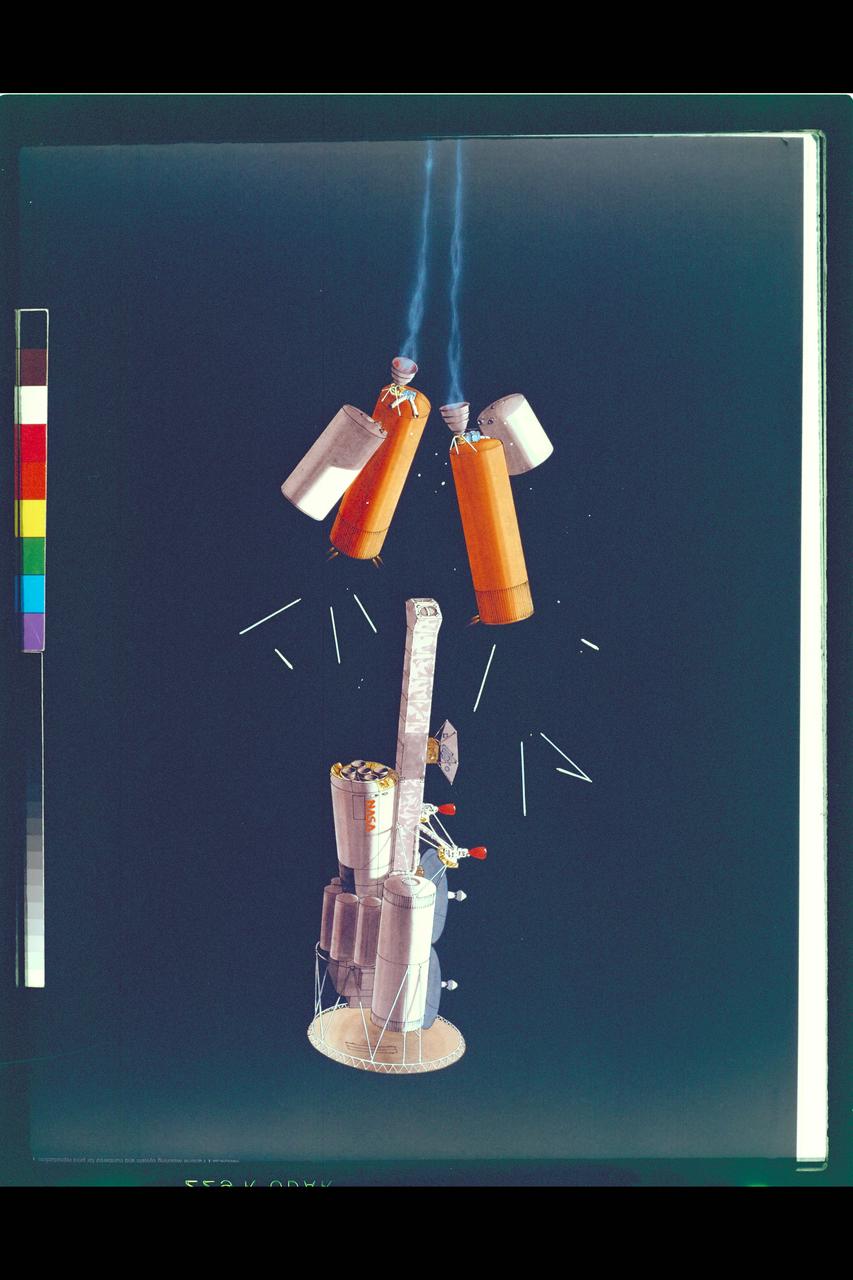
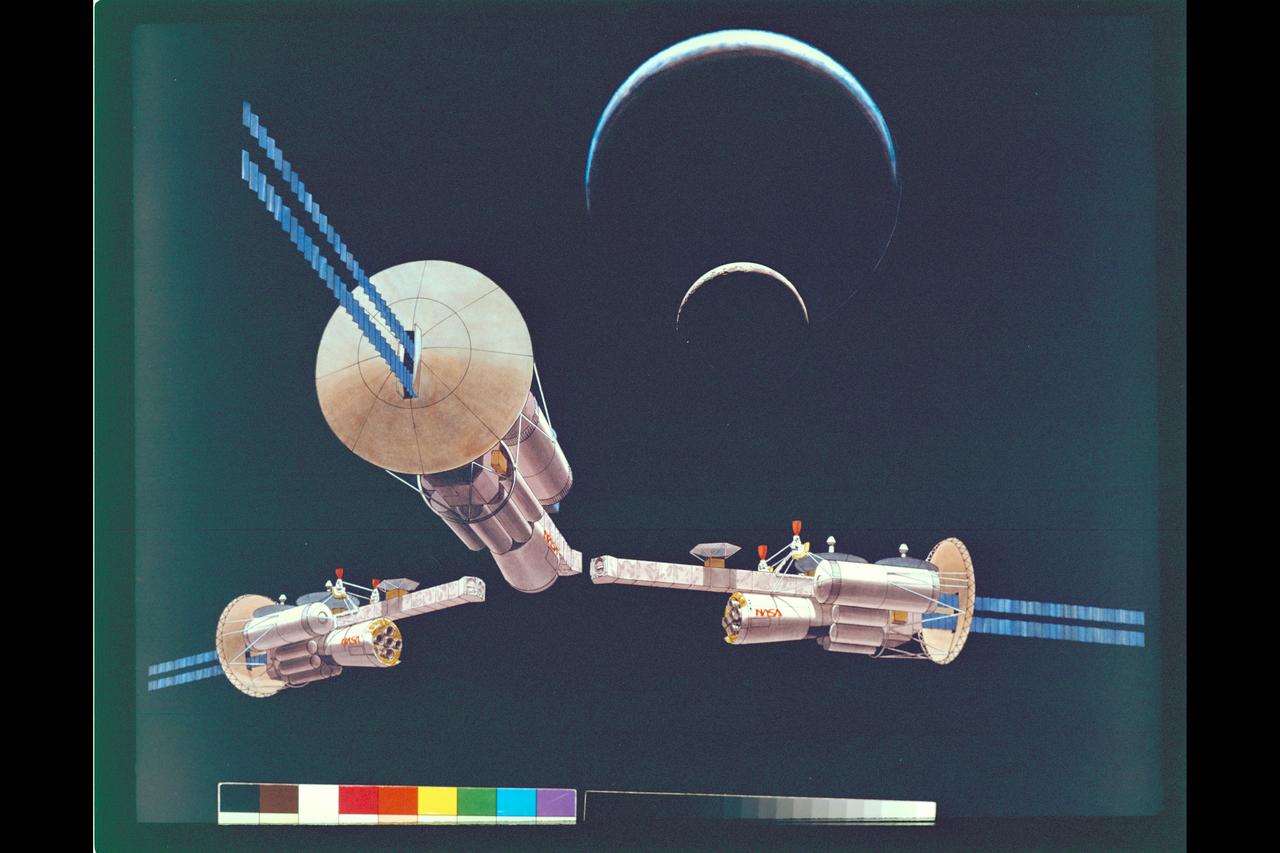
S87-35313 (15 May 1987)--- This artist's rendering illustrates a Mars Sample Return mission under study at Jet Propulsion Laboratory (JPL) and the NASA Johnson Space Center (JSC). As currently envisioned, the spacecraft would be launched in the mid to late 1990's into Earth-orbit by a space shuttle, released from the shuttle's cargo bay and propelled toward Mars by an upper-stage engine. A lander (left background) would separate from an orbiting vehicle (upper right) and descend to the planet's surface. The lander's payload would include a robotic rover (foreground), which would spend a year moving about the Martian terrain collecting scientifically significant rock and soil samples. The rover would then return to the lander and transfer its samples to a small rocket that would carry them into orbit and rendezvous with the orbiter for a return to Earth. As depicted here the rover consists of three two-wheeled cabs, and is fitted with a stereo camera vision system and tool-equipped arms for sample collection. The Mars Sample Return studies are funded by NASA's Office of Space Science and Applications.
Art Concepts - Mars Sample (Robot)
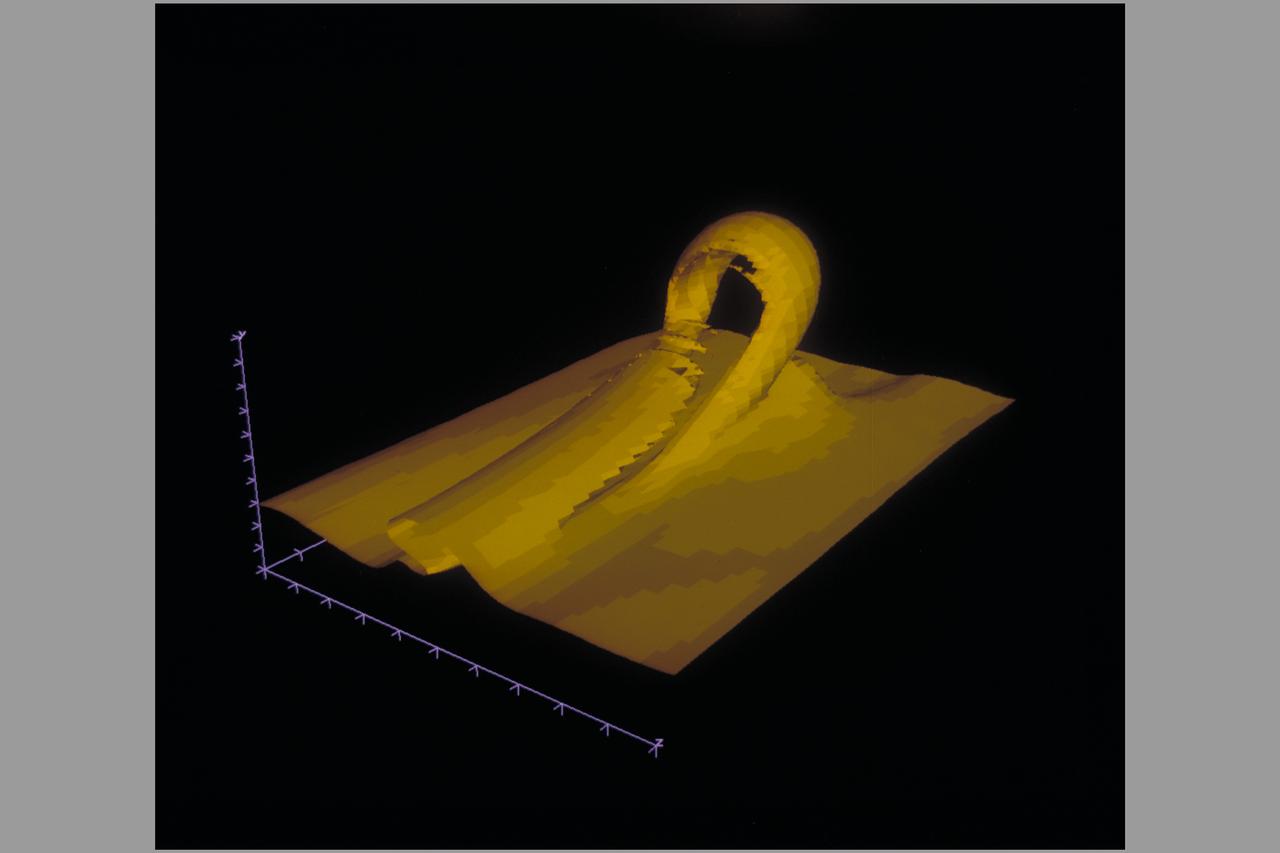
Date: Feb 11, 1987 Photographer: CFD Reynolds Shear Stress: Horseshoe Vortex and Bursting Process Turbulent Boundry Layer (Vertical Wire)
ARC-1969-AC87-0113-3
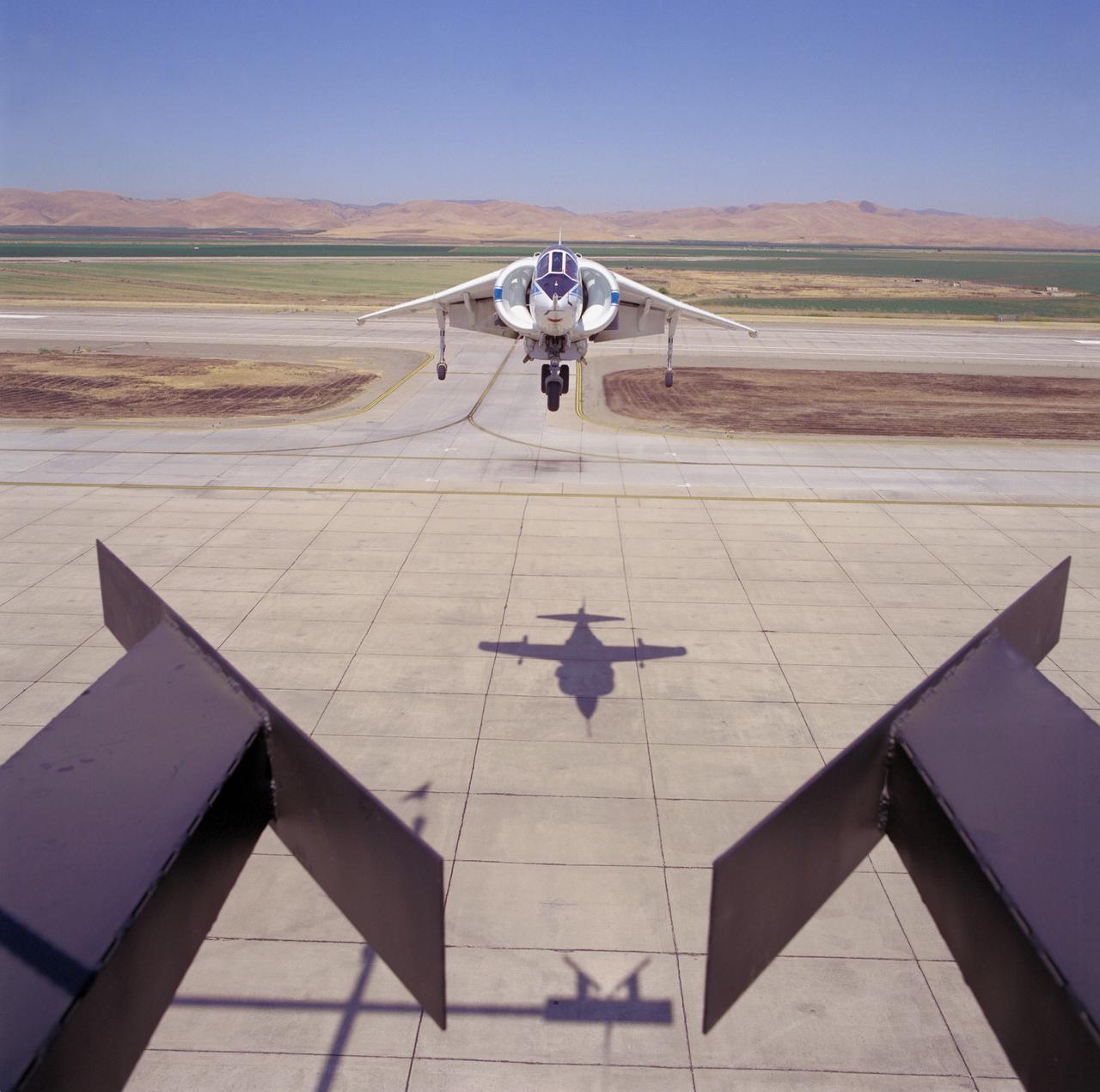
AV-8B (NASA-704) (VSRA) Crows Landing Precision Hover Test
ARC-1987-AC87-0594-15
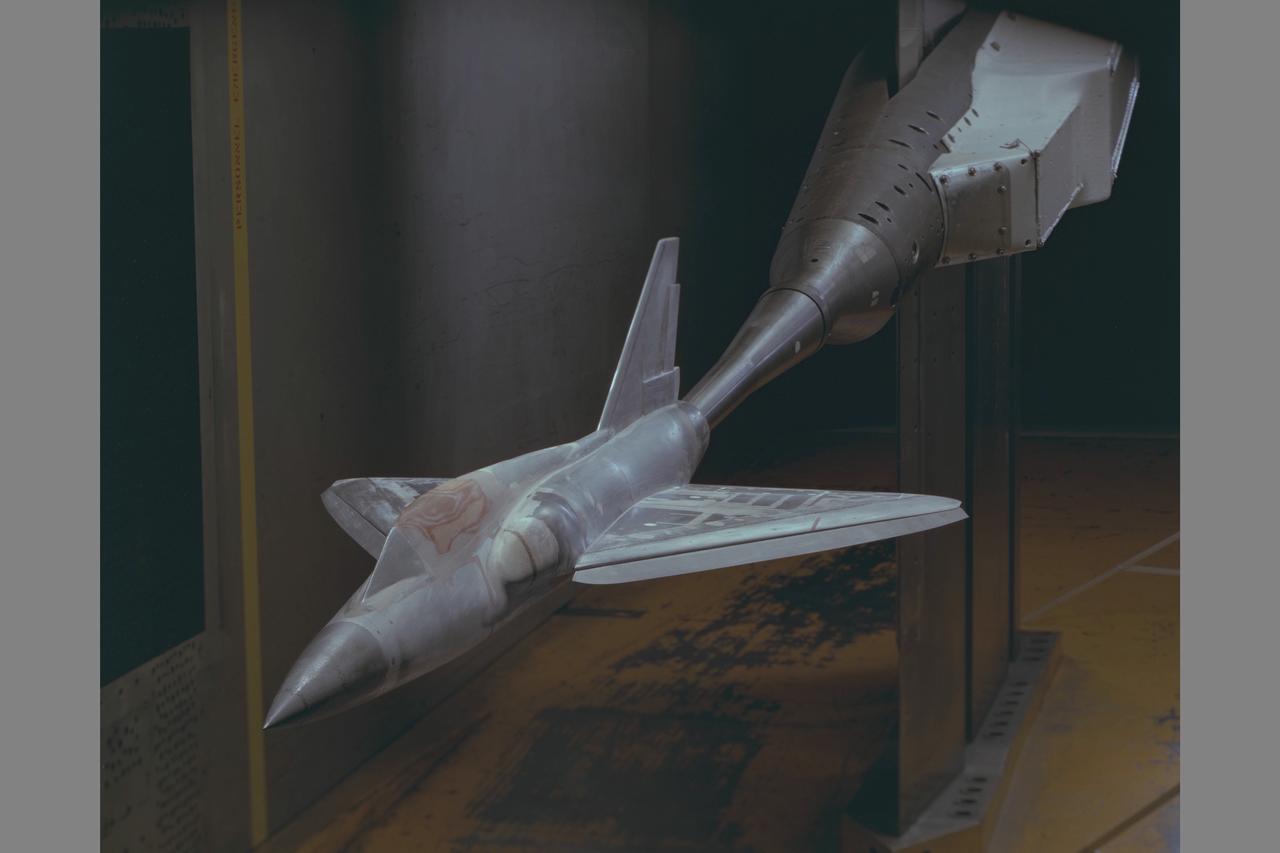
McDonnell Douglas Hub (Ultra-High Bypass) Model and SAAB Wake Rake Test 14ft W.T. Test-060-1-14, Turbo Fan Configuration
ARC-1969-AC87-0097-2
General Dynamics E-7 Full-scale STOVL fighter model fabrication at Ames Model Shop
ARC-1987-AC87-0372-143
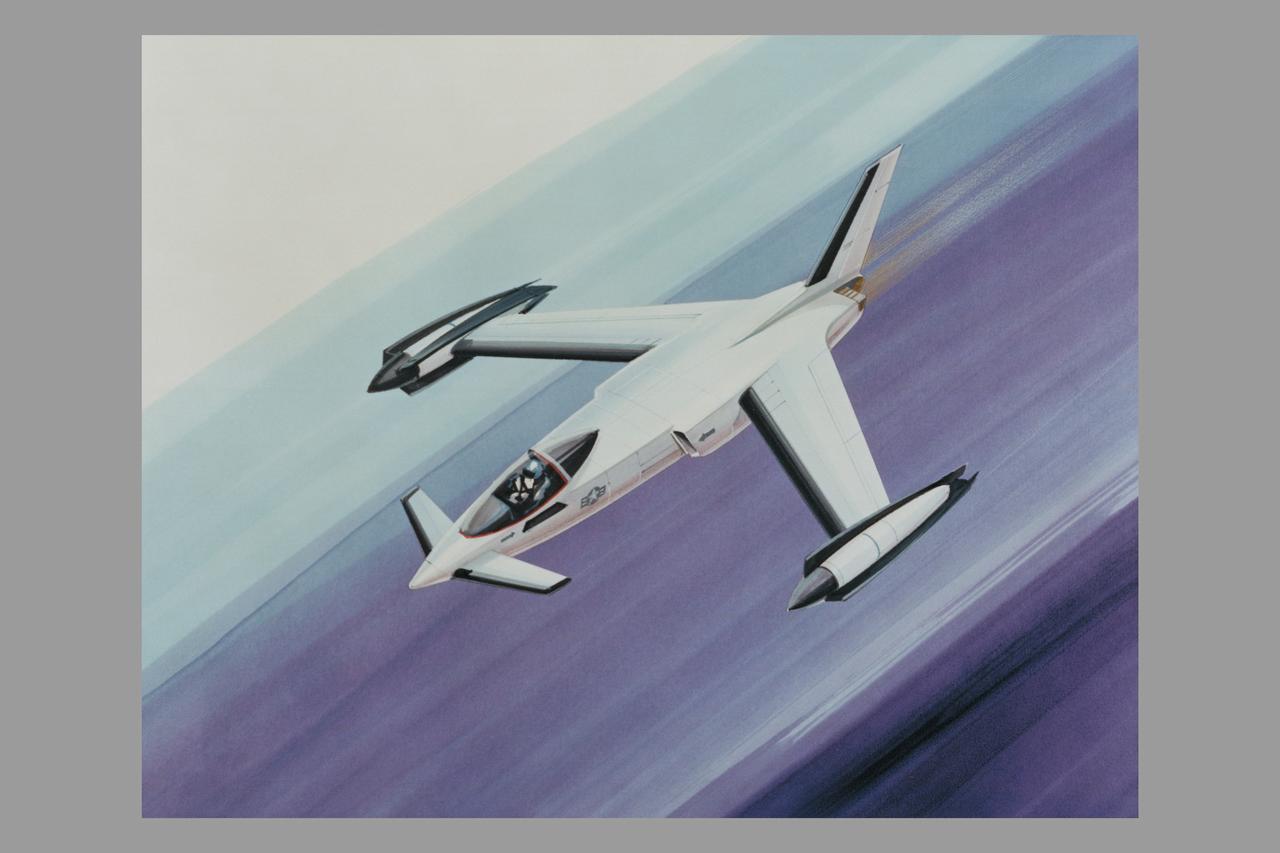
Artwork: Bell Textron Co. Bell Textron Tilt Rotor folding swept wing and Forward Swept Wing Configurations (Bell-030355 Military High Speed Tilt Rotor)
ARC-1987-AC87-0038-3
S87-45891 (9 Oct. 1987) --- Astronaut Curtis L. Brown Jr., pilot.
Official portrait of 1987 astronaut candidate Curtis L. Brown, Jr
Dutch Netherlands testing of Boeing 360 Vertol Rotor: Full Test
Full test of the Boeing 360 Vertol Rotor
S87-28147 (26 Feb 1987) ---  Astronaut David C. Hilmers sits in the rear station of a NASA T-38 jet aircraft prior to departure of the STS 26 crew from Ellington Field, destination Kennedy Space   Center for interfacing with flight hardware which is undergoing preparations.  Hilmers is one of   three mission specialists for the flight.
STS-26 Mission Specialist Hilmers in T-38 rear station at Ellington Field
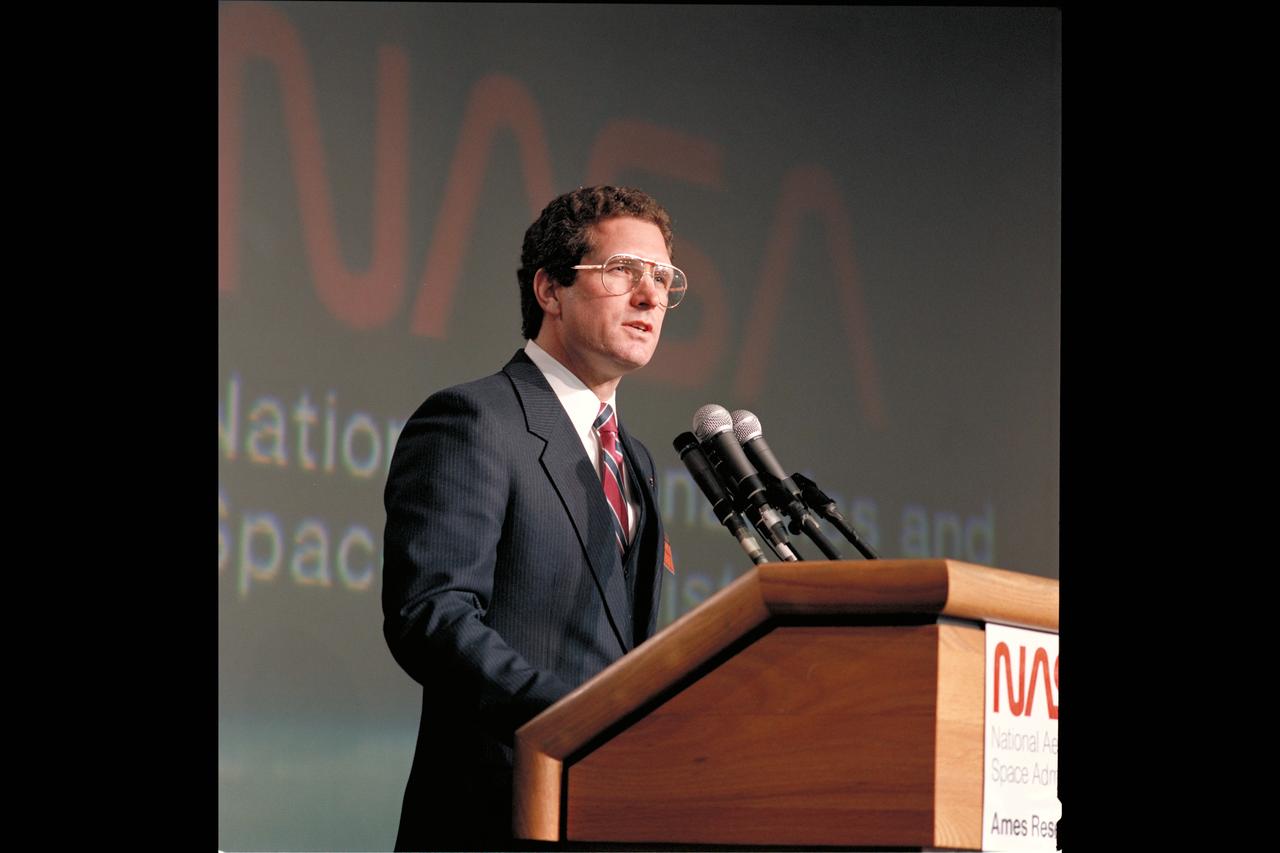
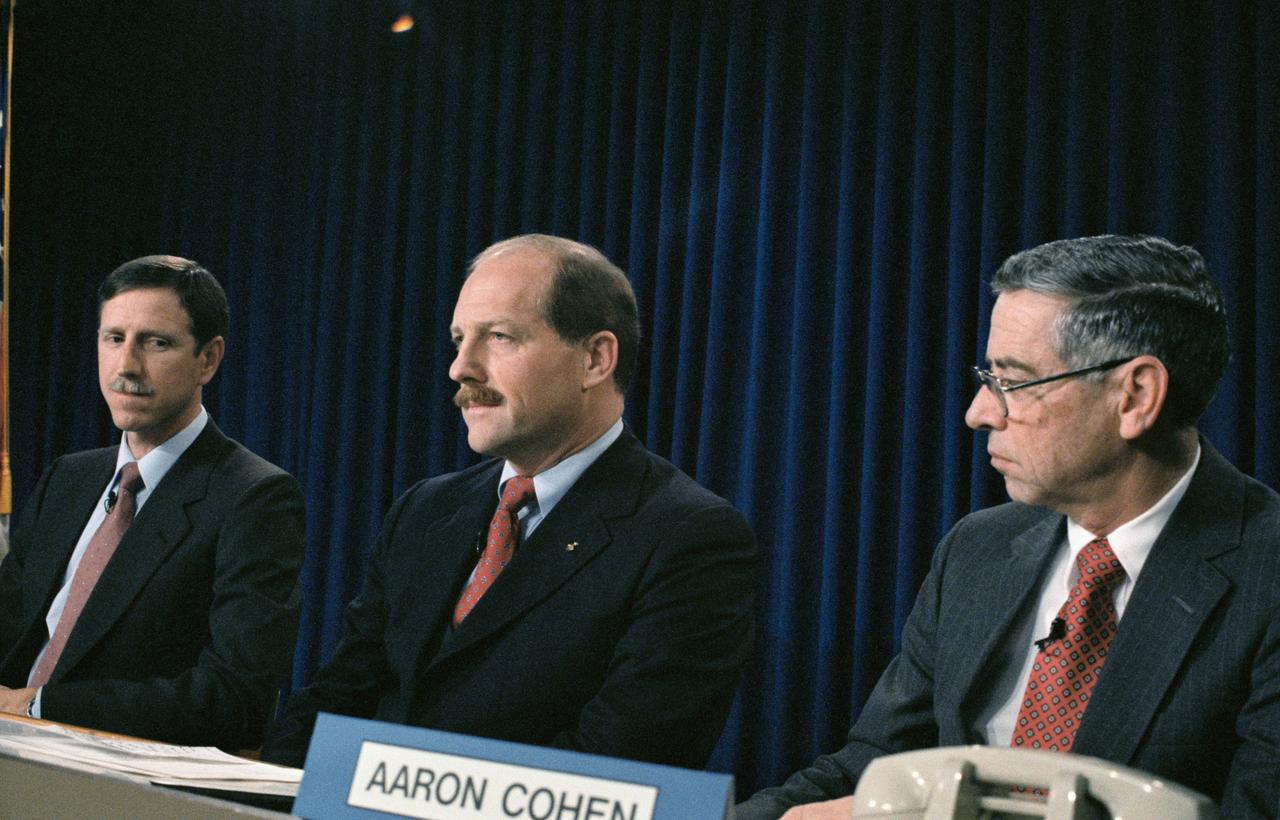
NASA AMES Photographers N-258 NAS DEDICATION CEREMONY.    VIP speakers Ames Director Ballhaus, Assoc. Admin. OAST Raymond Colladay, NASA Director Dr. James Fletcher
ARC-1987-AC87-0180-369
UH-60 (USA 78-23012 NASA 750) Sikorsky Airloads Research Team, Front Row: Frank Pichay, Jim Phillips, Karen Studebaker, Stan Uyeda, Munro Dearing, Rick Simmons, Mario Garcia, Anna Almaraz, Allen Au, Frank Presbury, Bob Kufeld, Marianne Kidder, Nancy Bashford, Jack Brilla, Dwight Balough, Chico Rijfkogel, Paul Aristo. Back Row; Tom English, Dick Denman, Patrich Brunn, Tom Reynolds, Bud Billings, Paul Espinosa, Bill Bjorkman, Chee Tung, Leonard Hee, Bill Bousman, Tom Maier, Ron Fong, Steve Timmons, Jeff Cross, Colin Coleman, Paul Loschke, John Lewis, Jim Lasko, Alex Macalma. NASA SP Flight Research at Ames: 57 Years of Development and Validation of Aeronautical Technology Fig. 136 NASA SP-1998-3300
ARC-1969-AC94-0091-5
HFF (Hypervelocity Free-Flight) N-237 Impact Studies (For JSC)
ARC-1969-AC87-0061-1
F-106 model testing in 6ft w.t. test-050-1-66
ARC-1987-AC87-0200-2
ISF Space Station Mock up @ MAFC  (McGowen)
ARC-1987-AC87-0837-3
Artist: Carter Emmart 'The Case for Mars' conference artwork  (Mission to Mars) NOTE; for government educational use only -
ARC-1987-AC87-0736-5
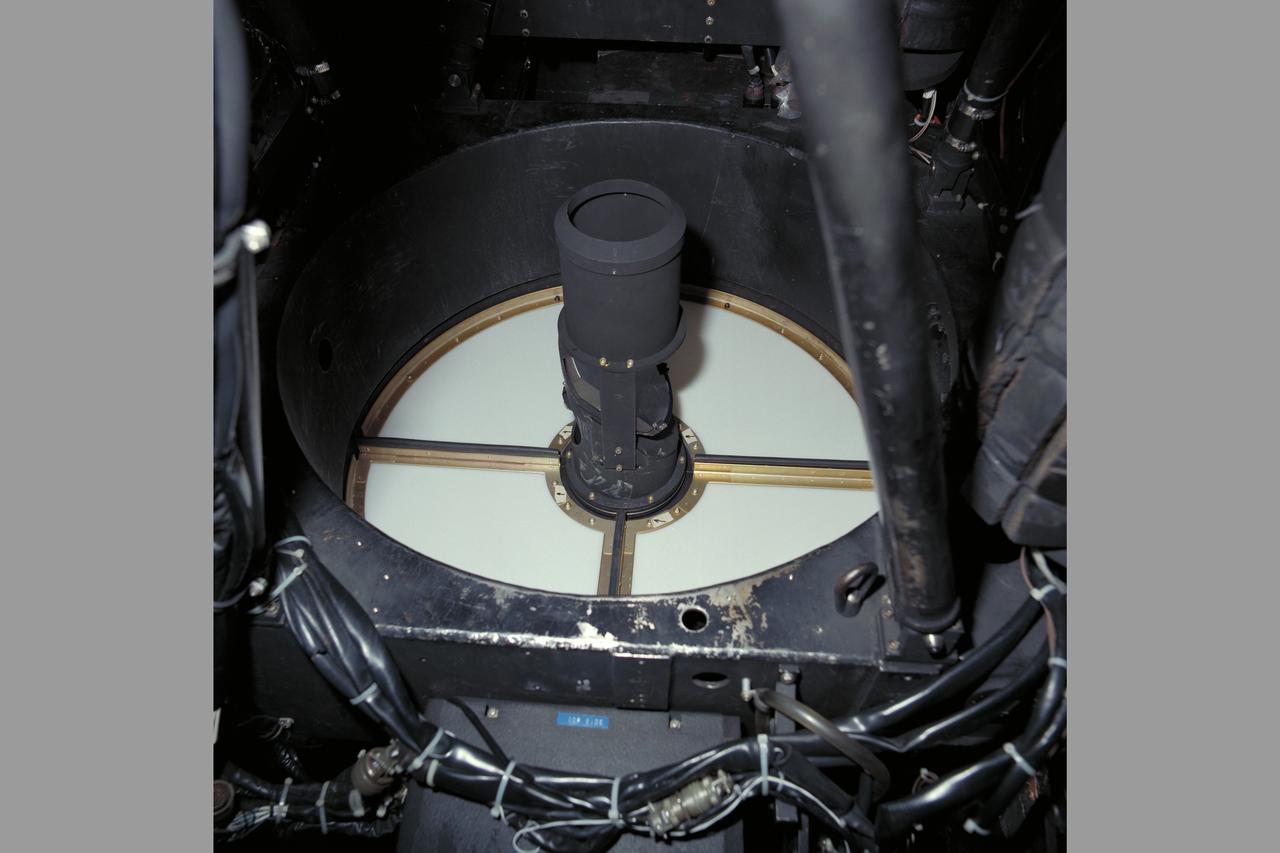
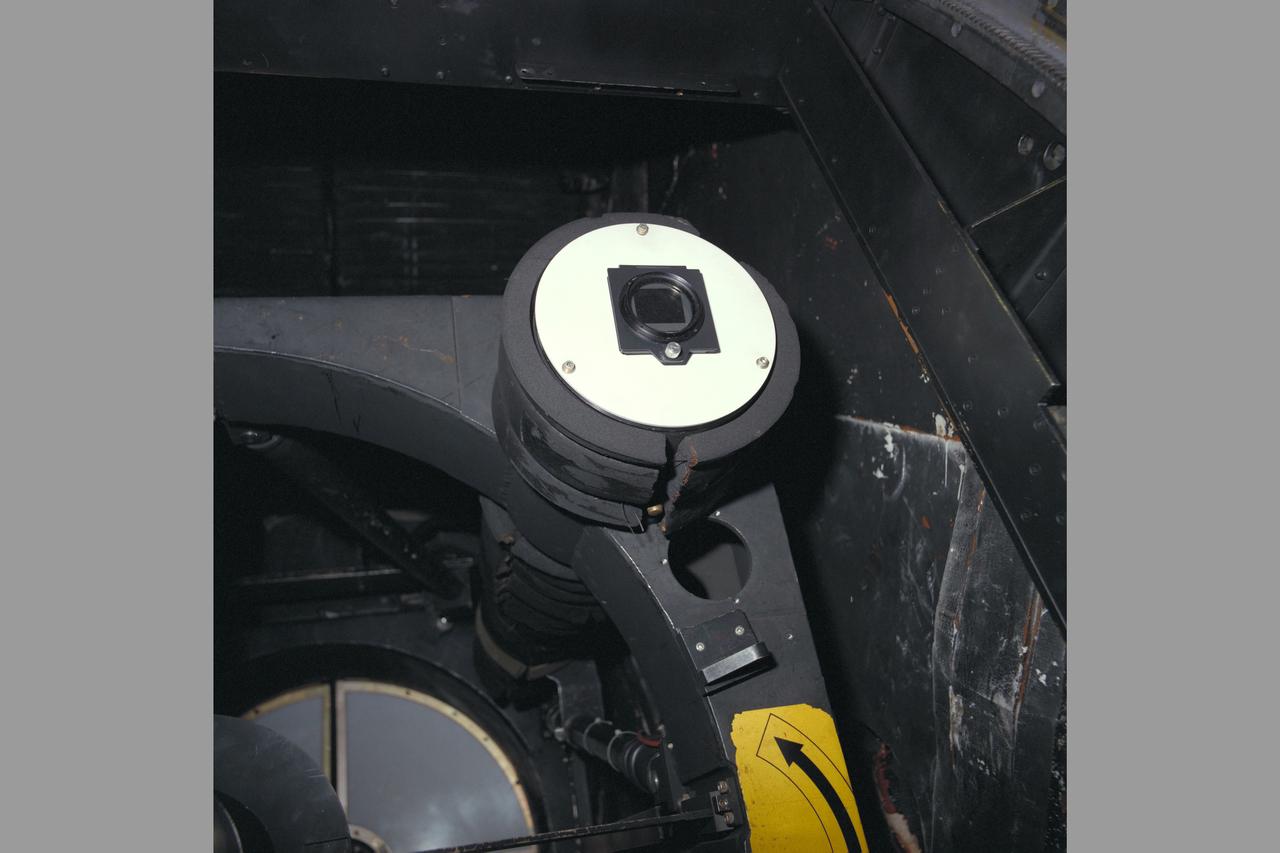
C-141 KAO NASA-714 University of Hawaii Seven-Chan photometer mounted on telescope of the airborne observatory
ARC-1987-AC87-0197-2
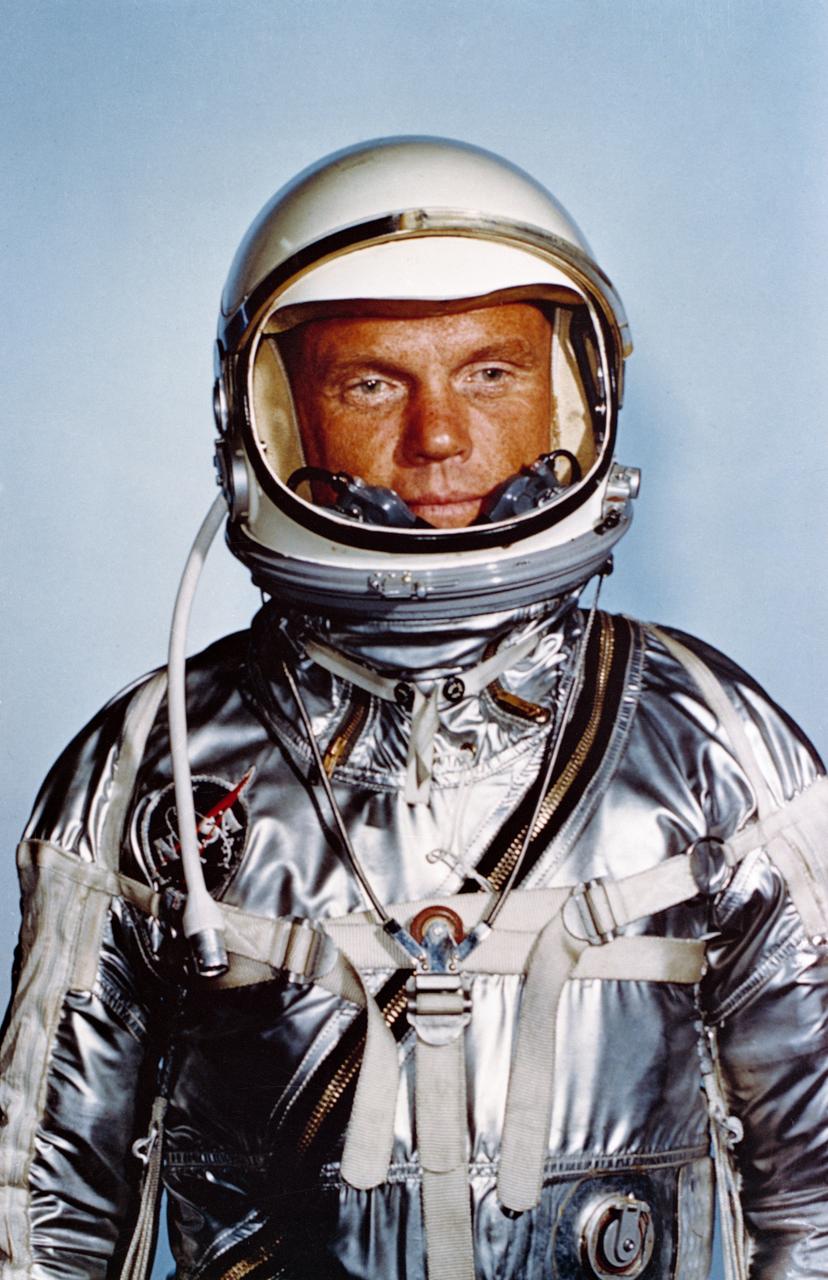
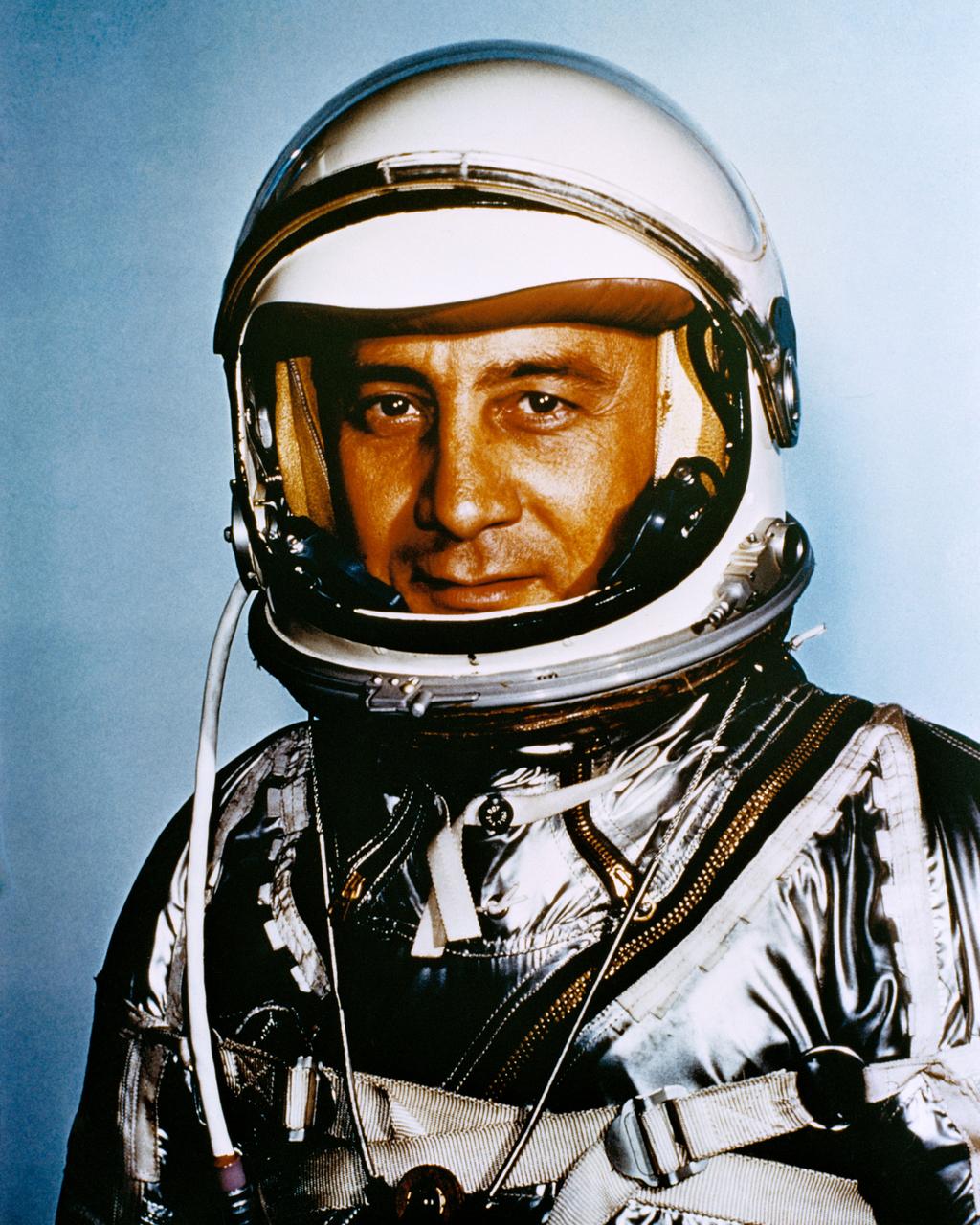
S87-41328 (February 1962) --- Astronaut John H. Glenn Jr., Mercury-Atlas 6 (MA-6) pilot.  EDITOR'S NOTE: Astronaut Glenn was the first American to orbit Earth. Photo credit: NASA
Astronaut John Hershel Glenn in his Mercury spacesuit. (NASA MA6-48)
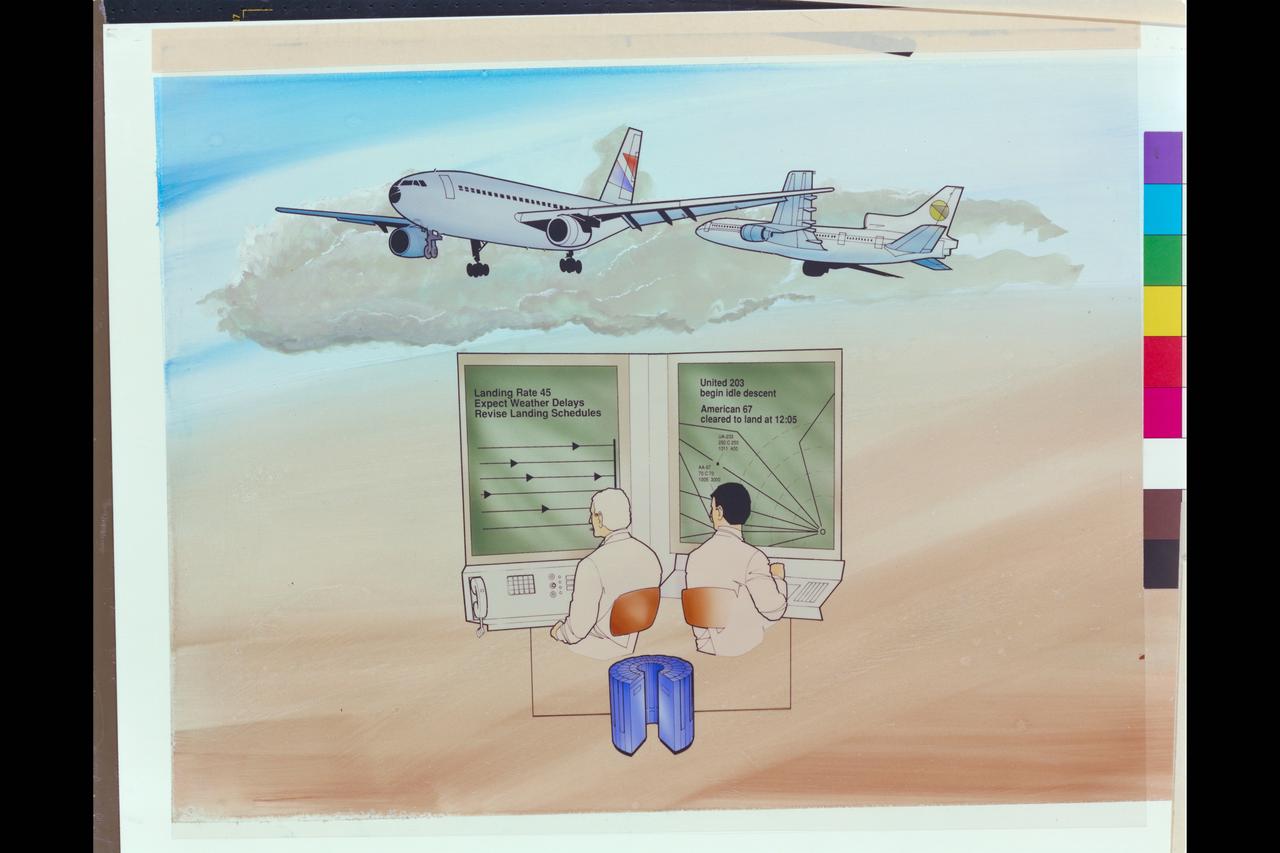
Research Automation - ATC (Air Traffic Control) Sever weather flight (Artwork)
ARC-1969-AC87-0624-2
Artwork: Bell Textron Co. Bell Textron Tilt Rotor  Forward Swept Wing Configuration  (Bell-029564 Swept Wing Tilt Rotor Concept)
ARC-1987-AC87-0038-1
1.8m Space Station Centrifuge N-244 High Bay (ISF) International Space Facility
ARC-1987-AC87-0281-41
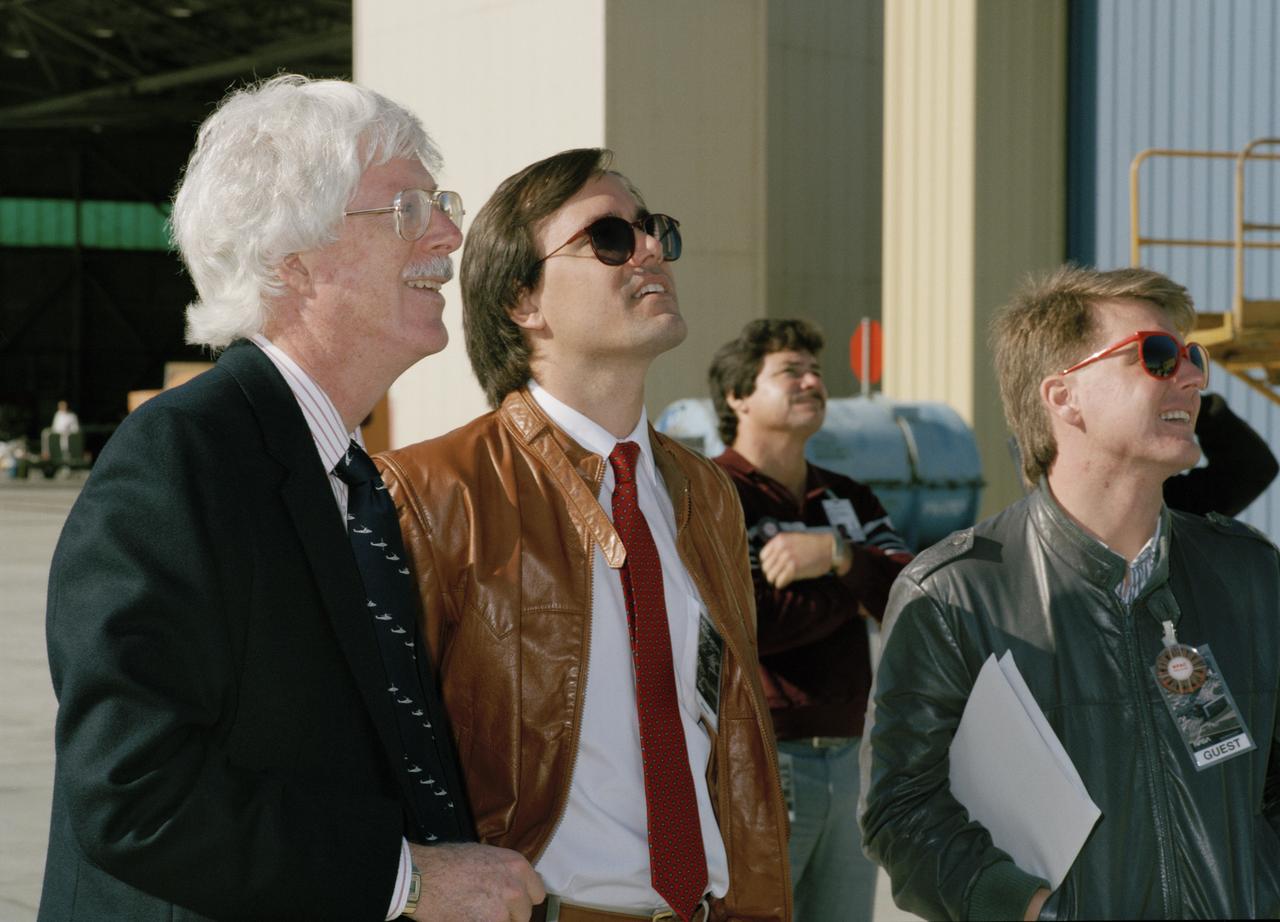
NASA Ames National Full-Scale Aerodynamic Facility (40x80x120ft Wind Tunnels & Outdoor Aerodynamic Research Facility - OARF) 1987 NFAC dedication - middle Dale Compton, on right Mas Omura
ARC-1987-AC87-0885-68
S93-42398 (9 October 1987) --- Astronaut Kenneth S. Reightler, Jr.
Portrait of Astronaut Kenneth S. Reightler Jr.
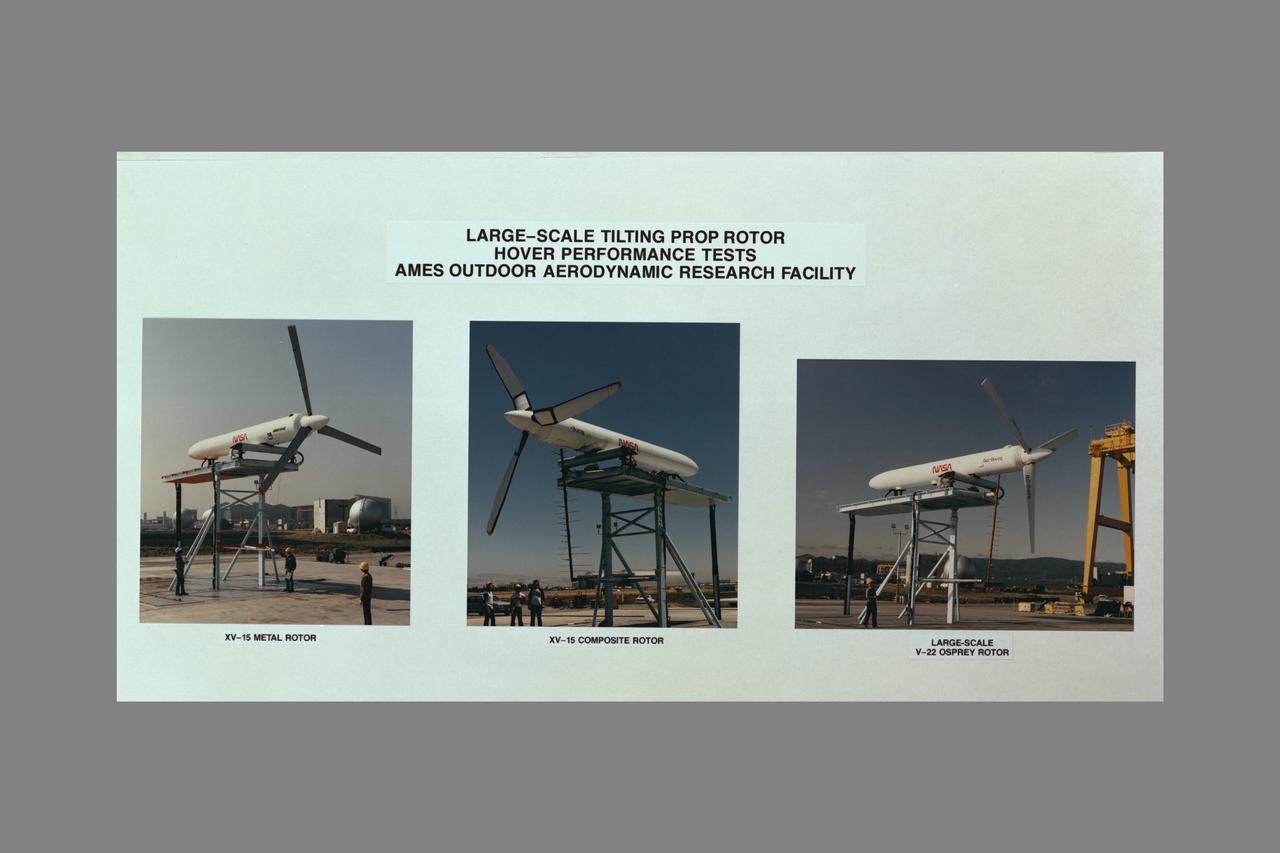
NASA Ames Graphics of LARGE-SCALE TILTING PROP ROTOR HOVER PERFORMANCE TESTS AMES OARF COMPOSITE.  (ref:  XV-15 Metal Rotor AC84-0176-13, XV-15 Composite Rotor from AC84-0498 series, V-22 Osprey AC84-0059-11 testing at OARF)
ARC-1987-AC87-0191
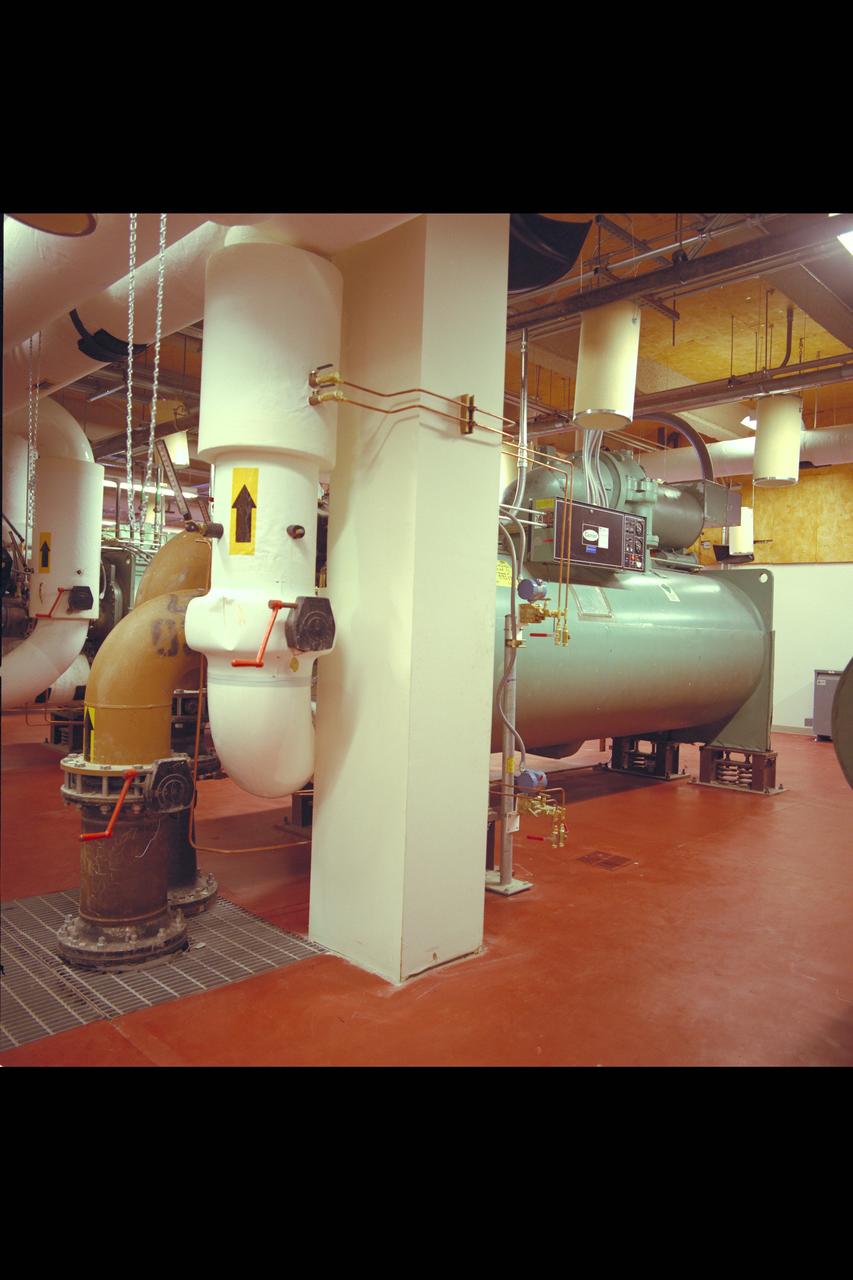
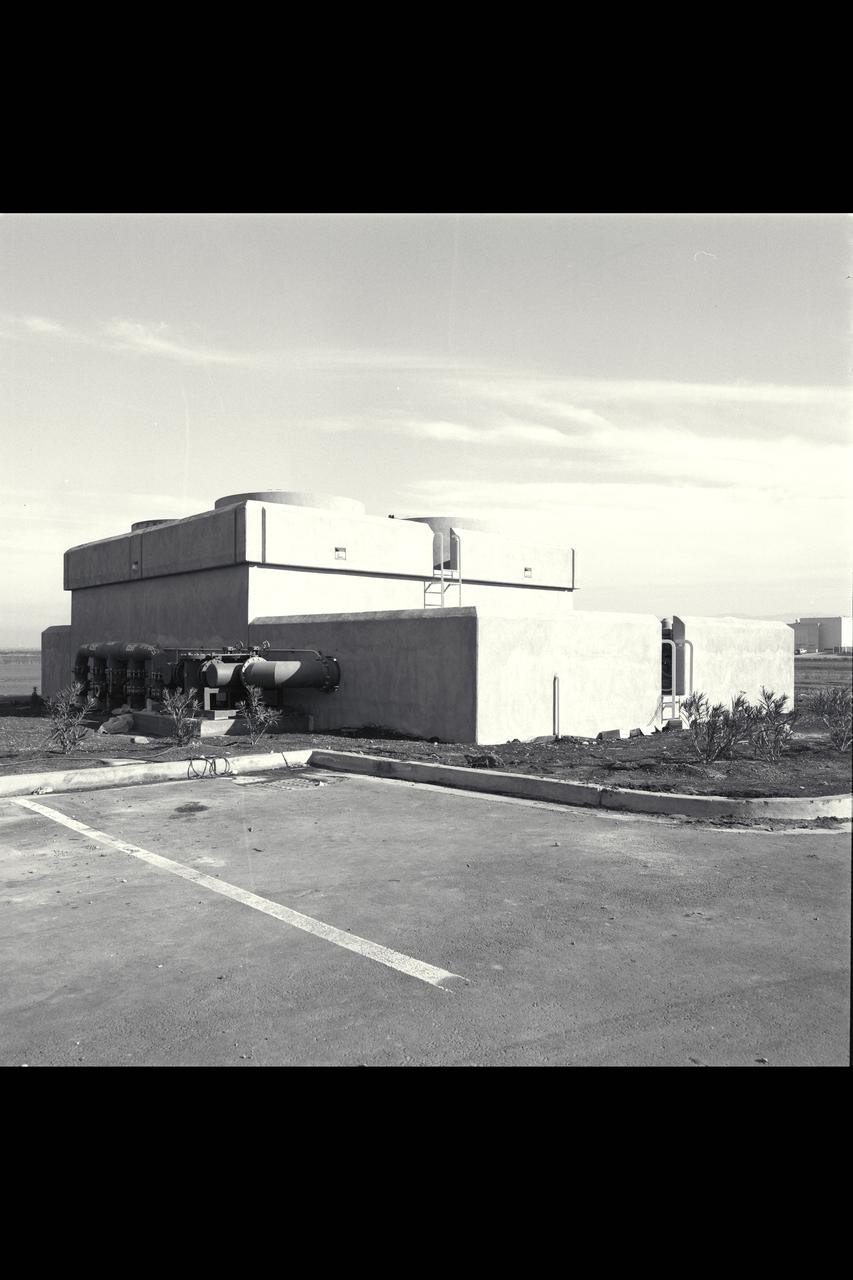
N-258 NAS Facility air conditioner power units (construction)
ARC-1987-A87-5000-11
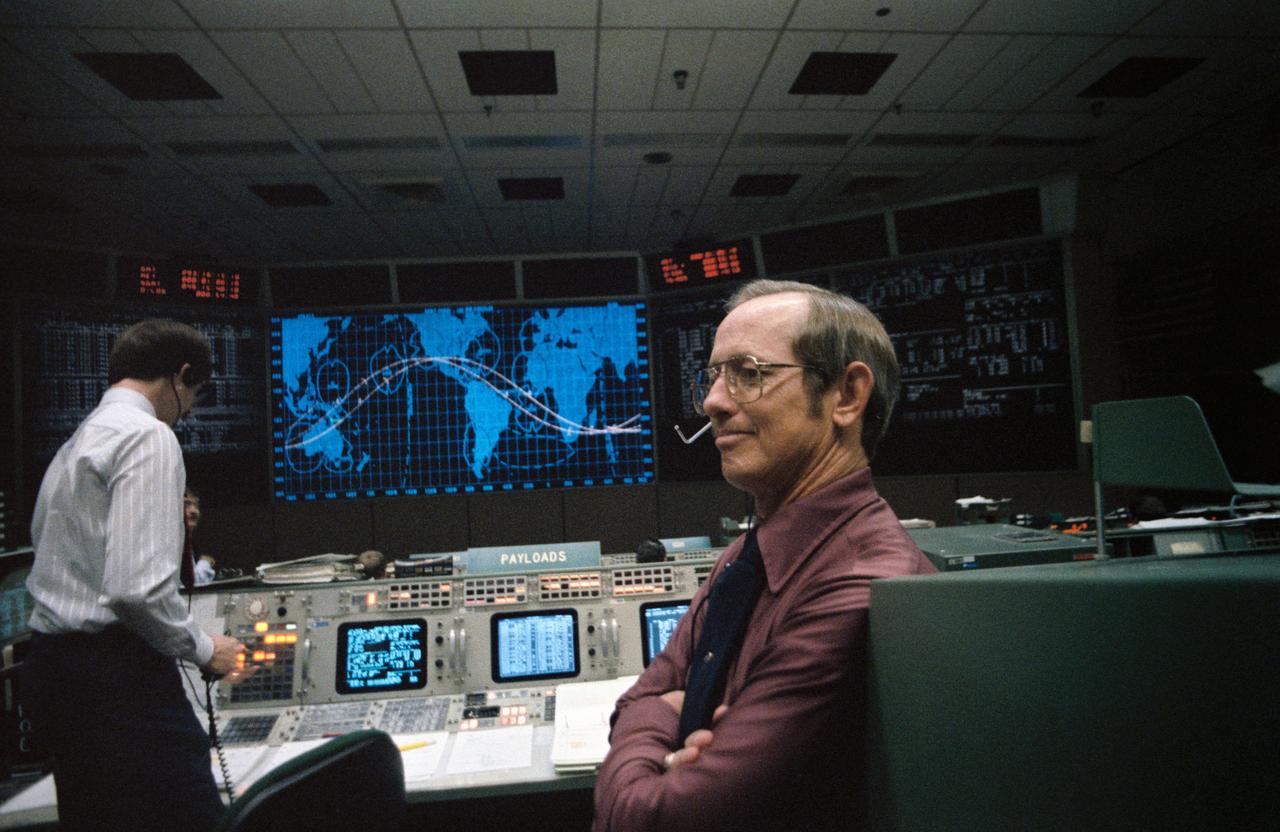
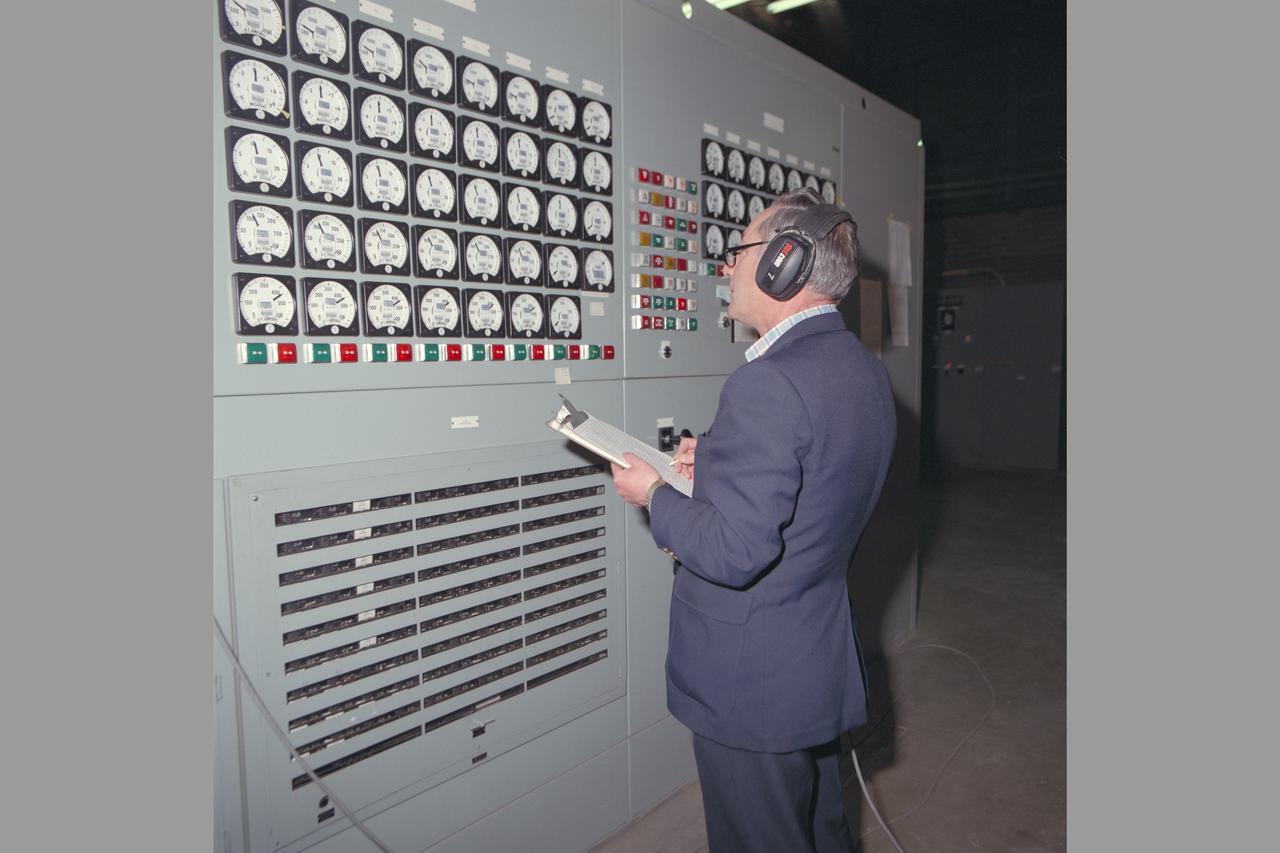
S87-46338 (20 Oct 1987) --- Flight controller Granvil Pennington listens to communications from the STS-26 integrated simulations in the flight control room of JSC's mission control center.  Five veteran astronauts were in a simulator in another JSC building rehearsing their roles for the scheduled June 1988 flight aboard the Discovery.
STS-26 simulation activities in JSC Mission Control Center (MCC)
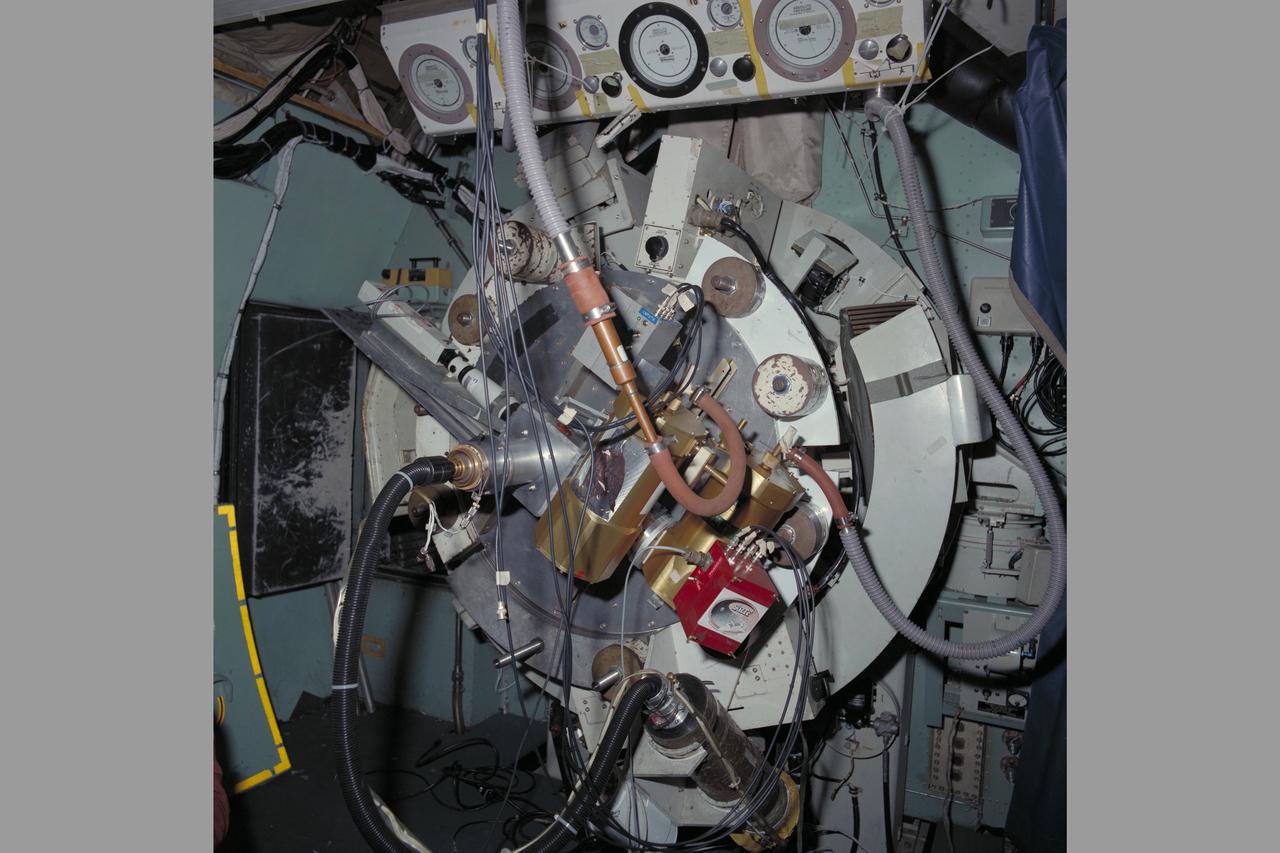
C-141 KAO NASA-714 University of Hawaii Seven-Chan photometer mounted on the rear of the telescope in the  airborne observatory
ARC-1987-AC87-0197-9
Dutch Netherlands testing of Boeing 360 Vertol Rotor: Full Test
Full test of the Boeing 360 Vertol Rotor.
S87-45883 (9 Oct. 1987) --- Astronaut N. Jan Davis
Official portrait of 1987 astronaut candidate N. Jan Davis
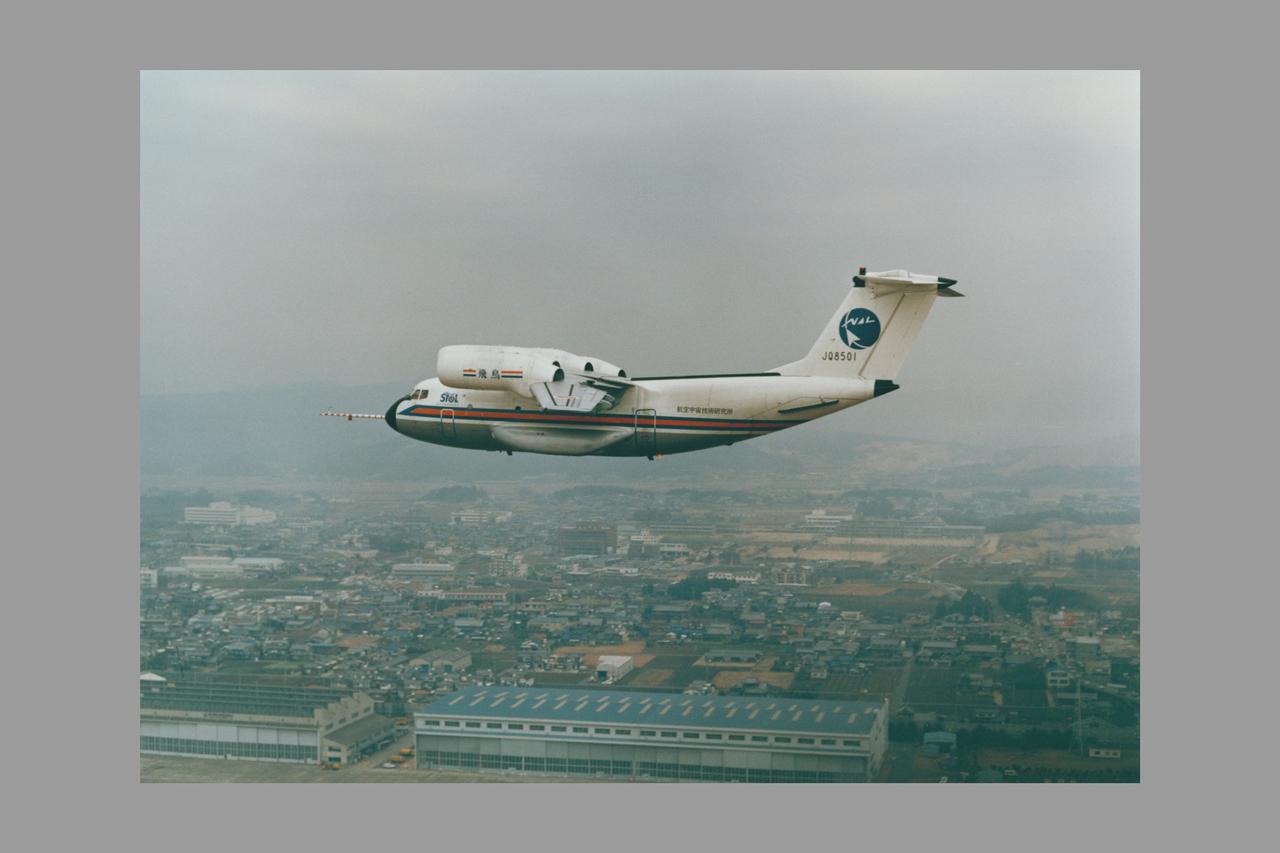
Japanese ASUKA STOL: In-flight
ARC-1969-AC87-0091-1
Date: Feb 11, 1987 Photographer: CFD Reynolds Shear Stress: Horseshoe Vortex and Bursting Process Turbulent Boundry Layer (Vertical Wire)
ARC-1969-AC87-0113-2
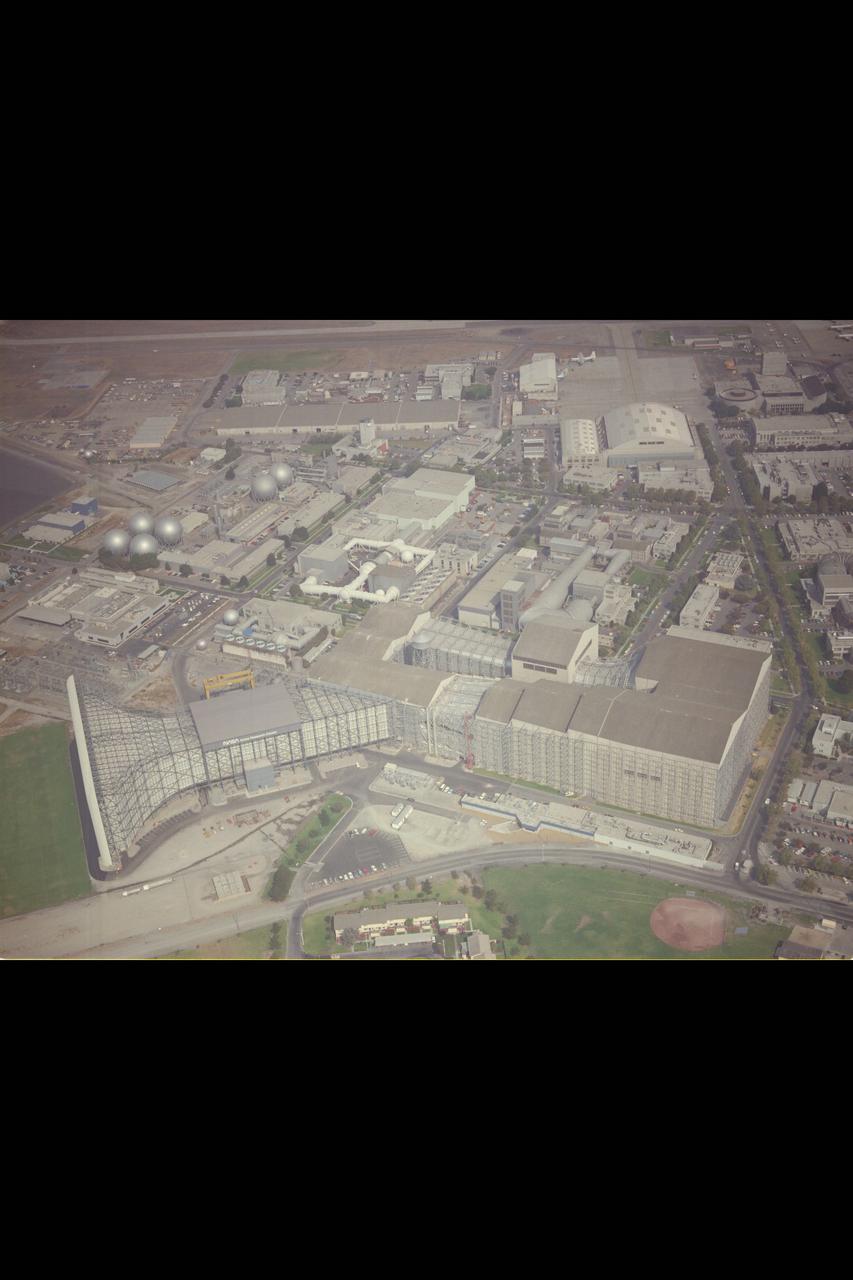
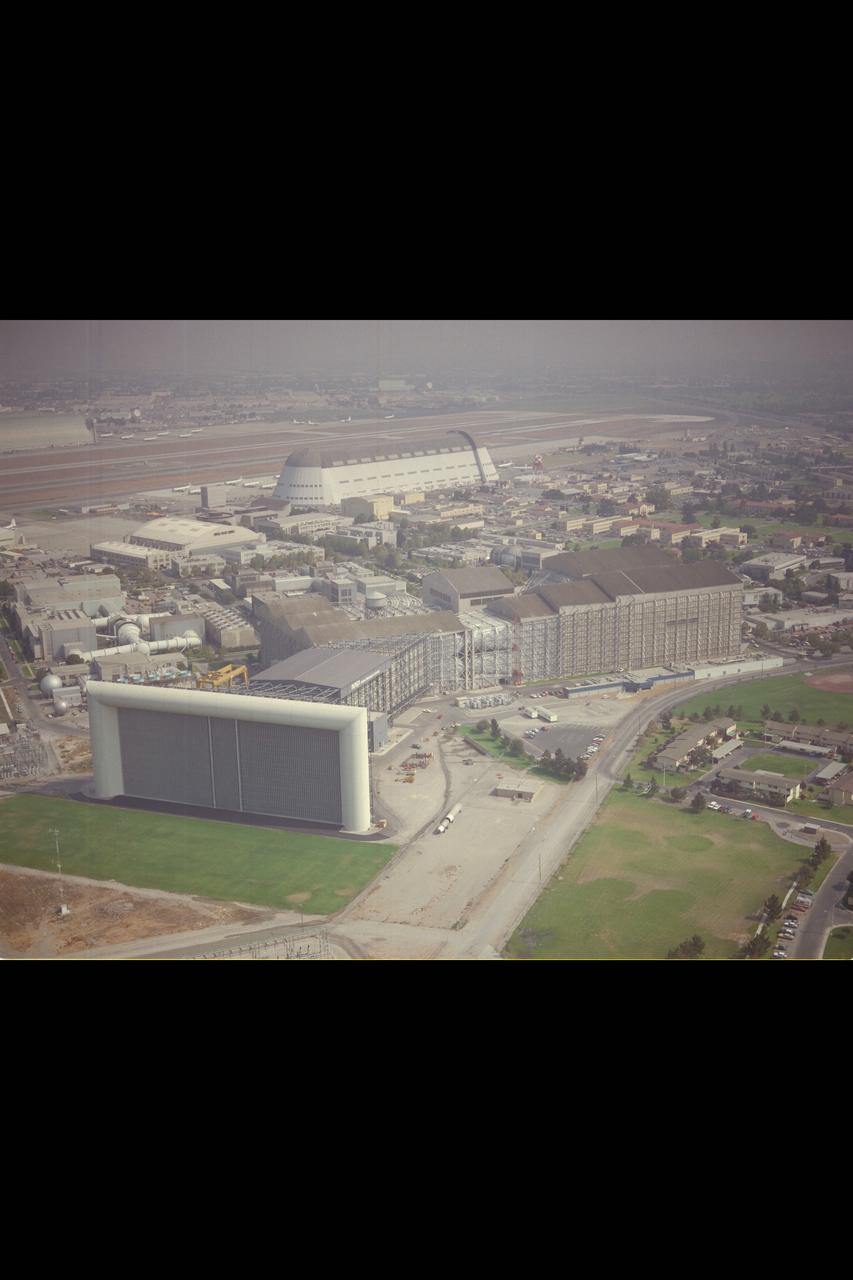
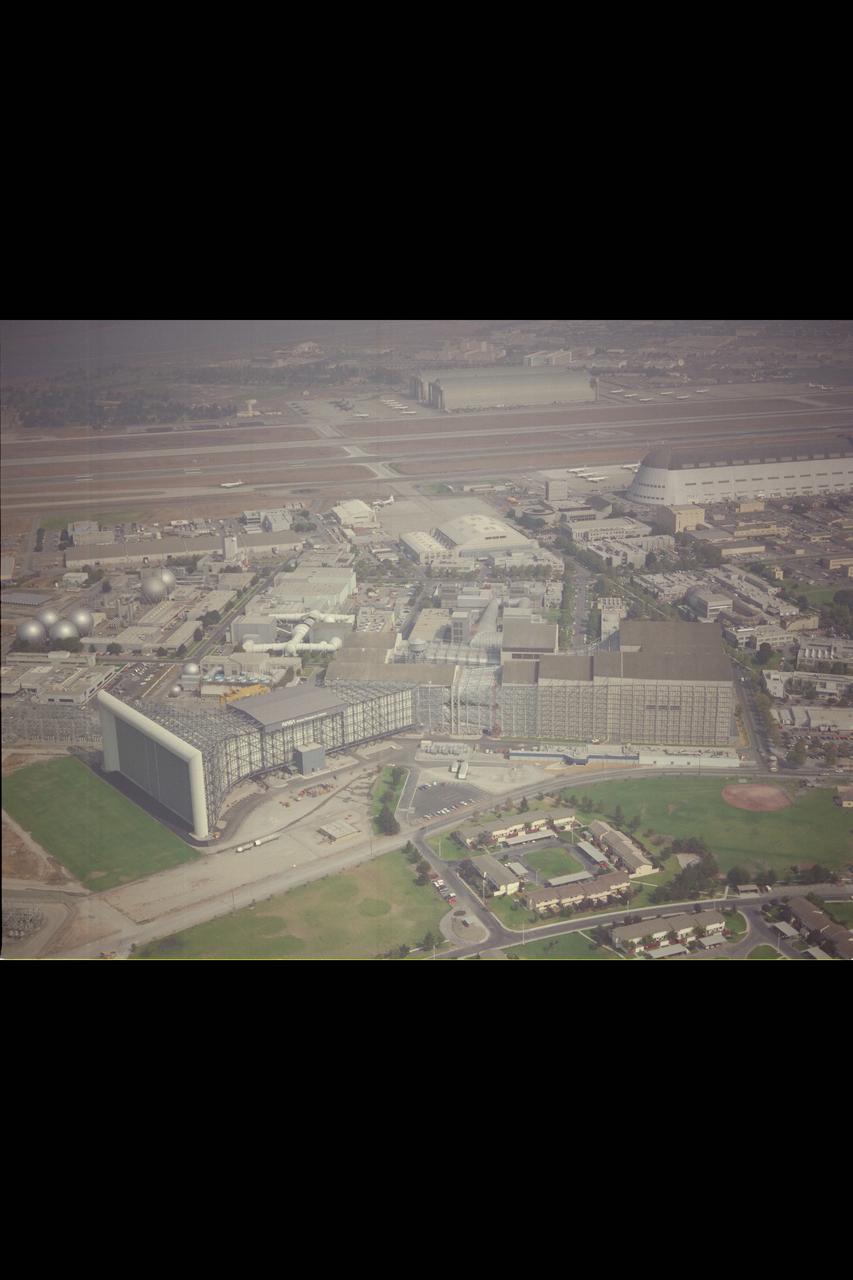
aerial of the new NFAC facility N-221 (40x80x120ft. w.t)
ARC-1995-AC87-0796-2
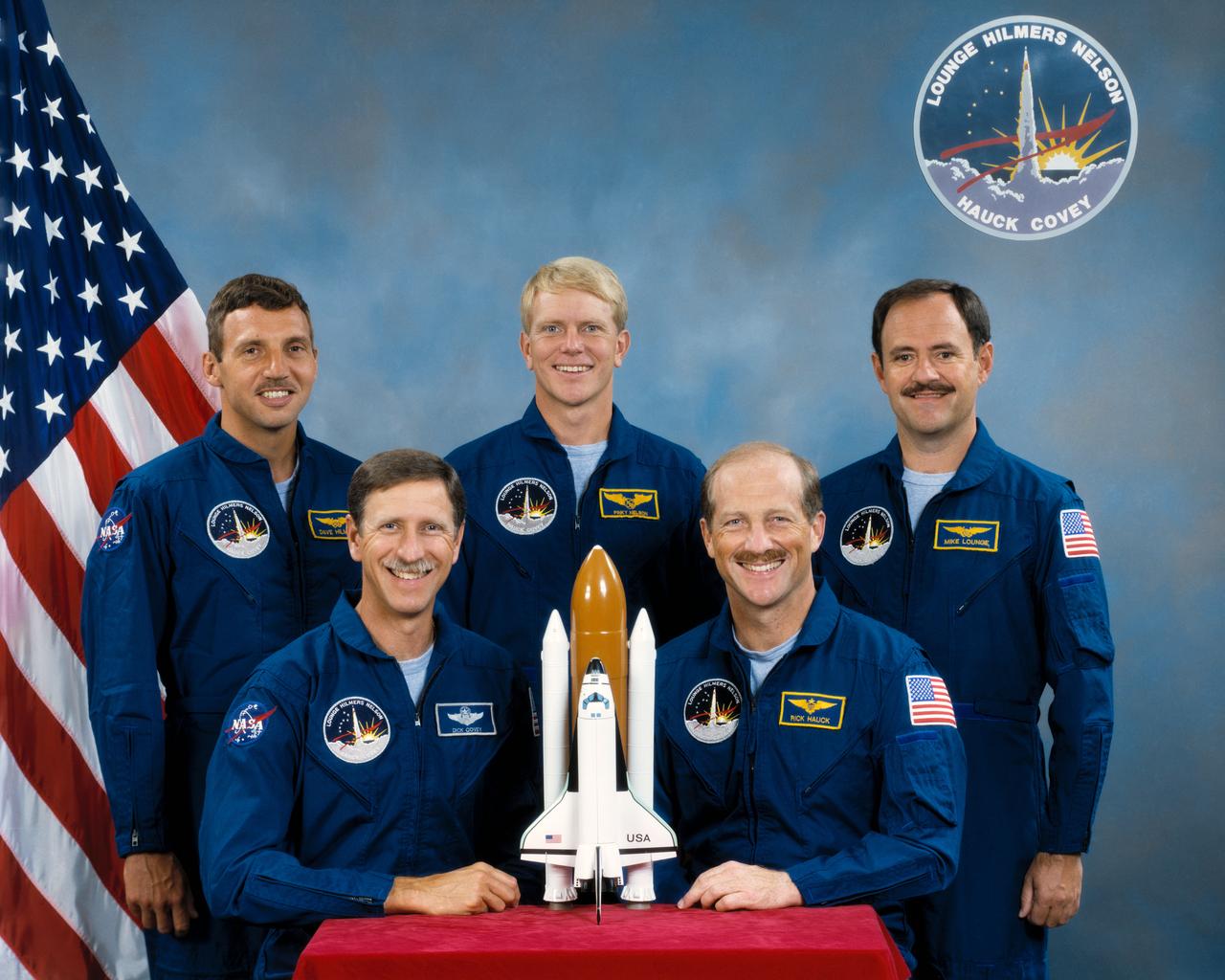
S87-46304 (20 Oct 1987) --- Astronauts Frederick H. (Rick) Hauck, left, STS-26 commander, and Richard O. Covey, pilot, man their respective stations in the Shuttle mission simulator (fixed base) at the Johnson Space Center.  A simulation for their anticipated June 1988 flight aboard the space shuttle Discovery began Oct. 20.  Astronaut David C. Hilmers, one of three mission specialists for the flight, is partially visible in the foreground.
STS-26 crew trains in JSC fixed-based (FB) shuttle mission simulator (SMS)
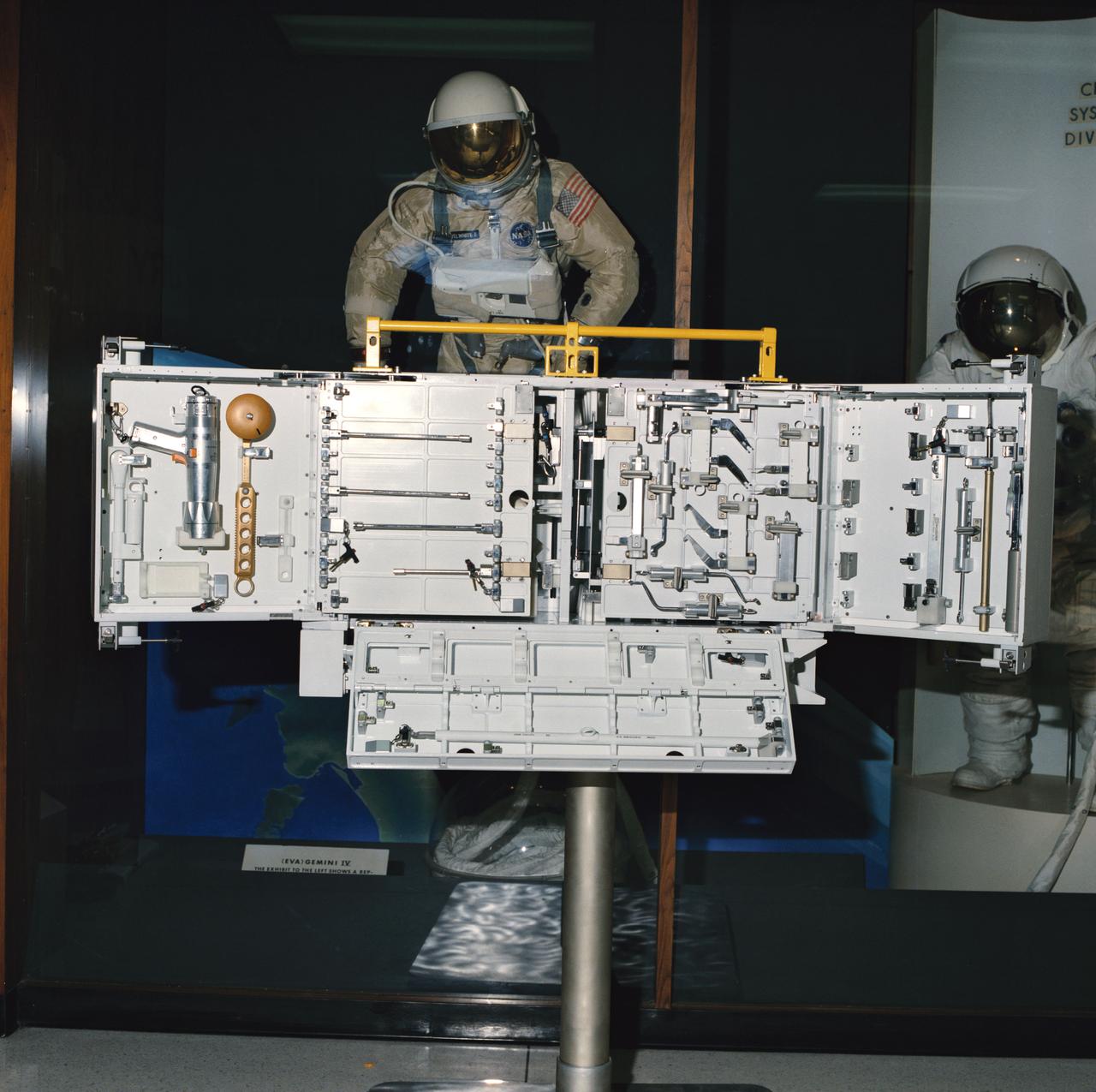
S87-49426 (1987) --- The Hubble Space Telescope (HST) tool box provides stowage of individual tools, tool boards and tool caddies required for maintenance of the telescope.  The basic box design was revised from the LEASAT (U.S. Navy) equipment stowage container.  It can be mounted to a base plate or back plate depending on the mission location requirements.  A four-point latching system secured with pip pins is used to latch the tool box doors for launch.  Various other latches are designed into the door panels and tool mounting locations for tool retention.  The box consists of aluminum sides and base, a dividing wall and deep doors.  Along three sides there are handrails by which STS-61 extravehicular activity (EVA) crew members can translate themselves or brace themselves when stowing and unstowing equipment.
Hubble Space Telescope Toolbox and Tools in the Lobby of JSC Building 7A
N-258 NAS Facility air condition power units (construction)
ARC-1987-A87-5000-4
C-141 KAO NASA-714 University of Hawaii Seven-Chan photometer mounted on telescope of the airborne observatory
ARC-1987-AC87-0197-6
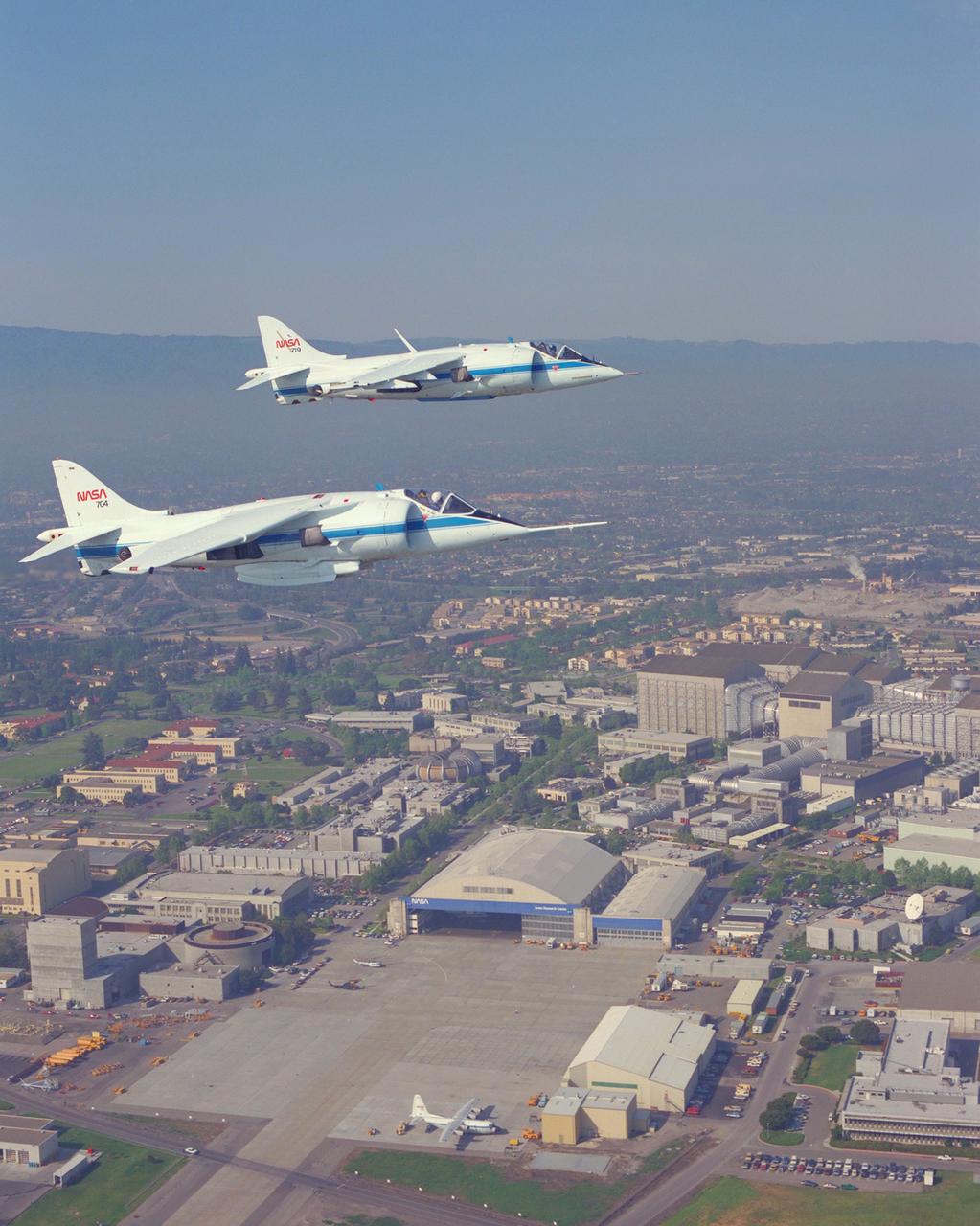
AV-8B (NASA-719) and AV-8C (NASA-704) air to air formation flight  over NASA Ames Research Center, Moffett Field.
ARC-1987-AC87-0297-53
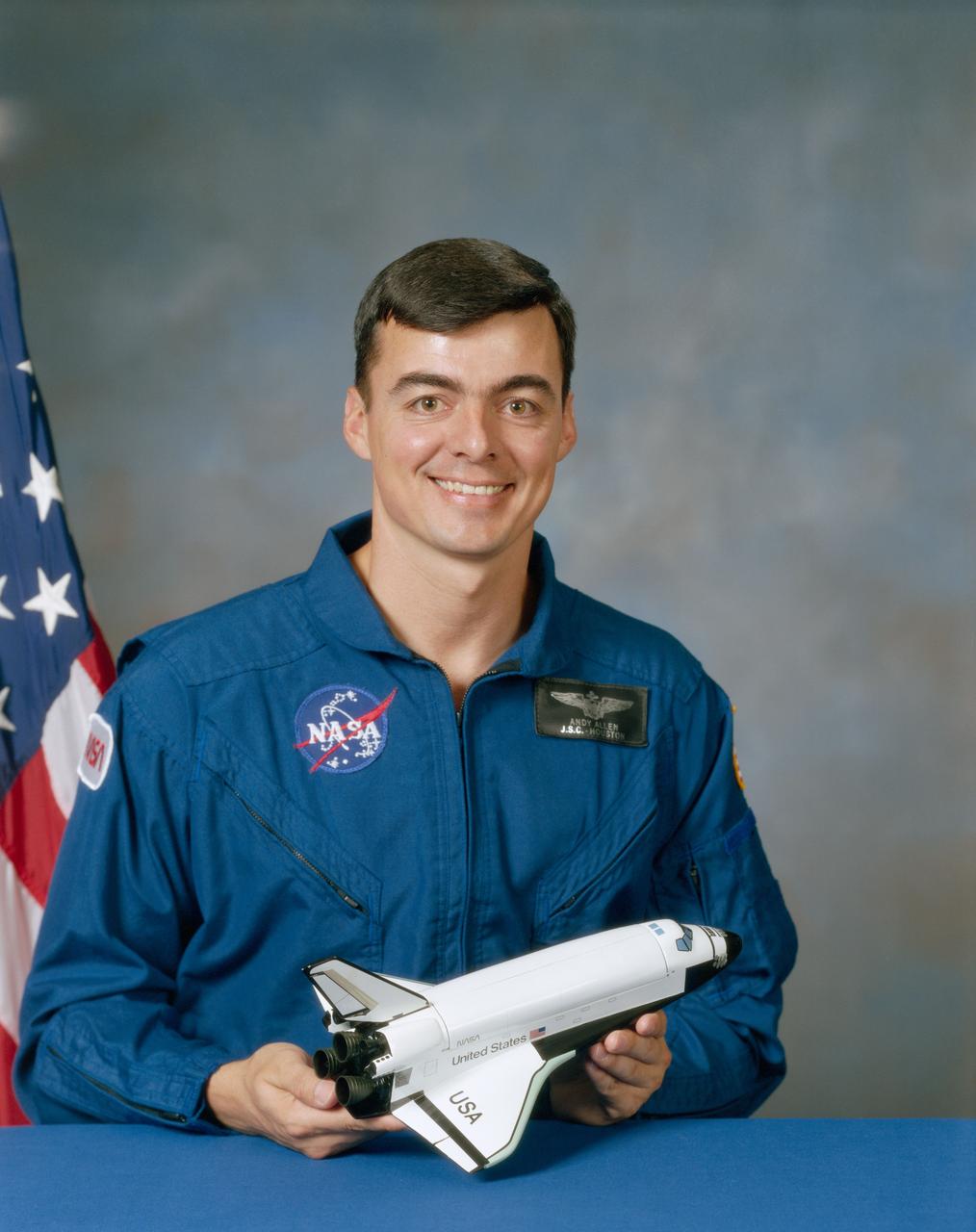
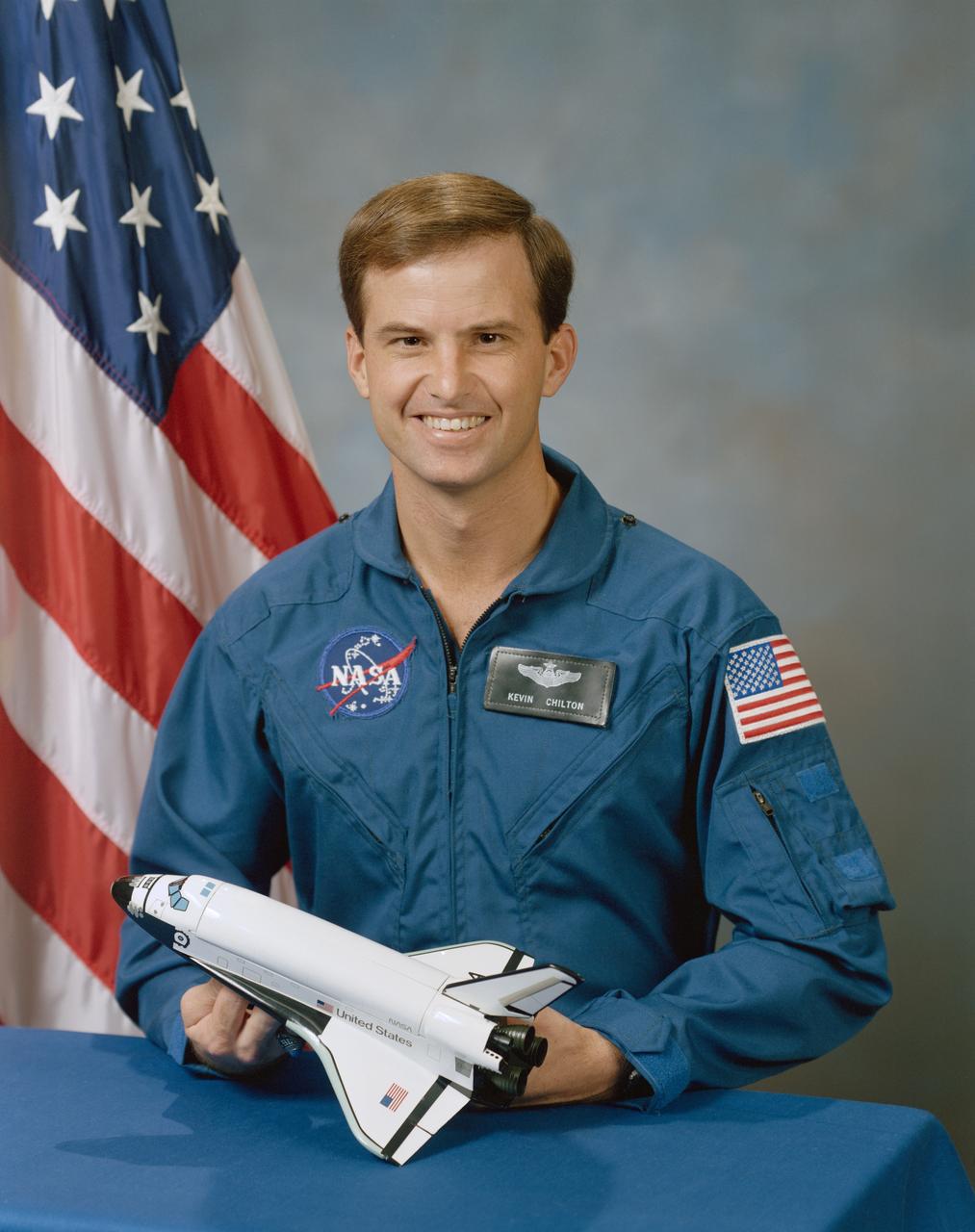
S87-45896 (1987) --- Astronaut Andrew M. Allen, astronaut candidate.
Official portrait of 1987 astronaut candidate Andrew M. Allen
Ames Research Center Moffett Field Runway approach from pilots view
ARC-1987-AC87-0614-1
1.8m Space Station Centrifuge N-244 High Bay (ISF) International Space Facility
ARC-1987-AC87-0837-1
Intergrated Systems Test (IST) personnel; 40x80ft w.t. control room after NFAC modification.
ARC-1987-AC87-0218-17
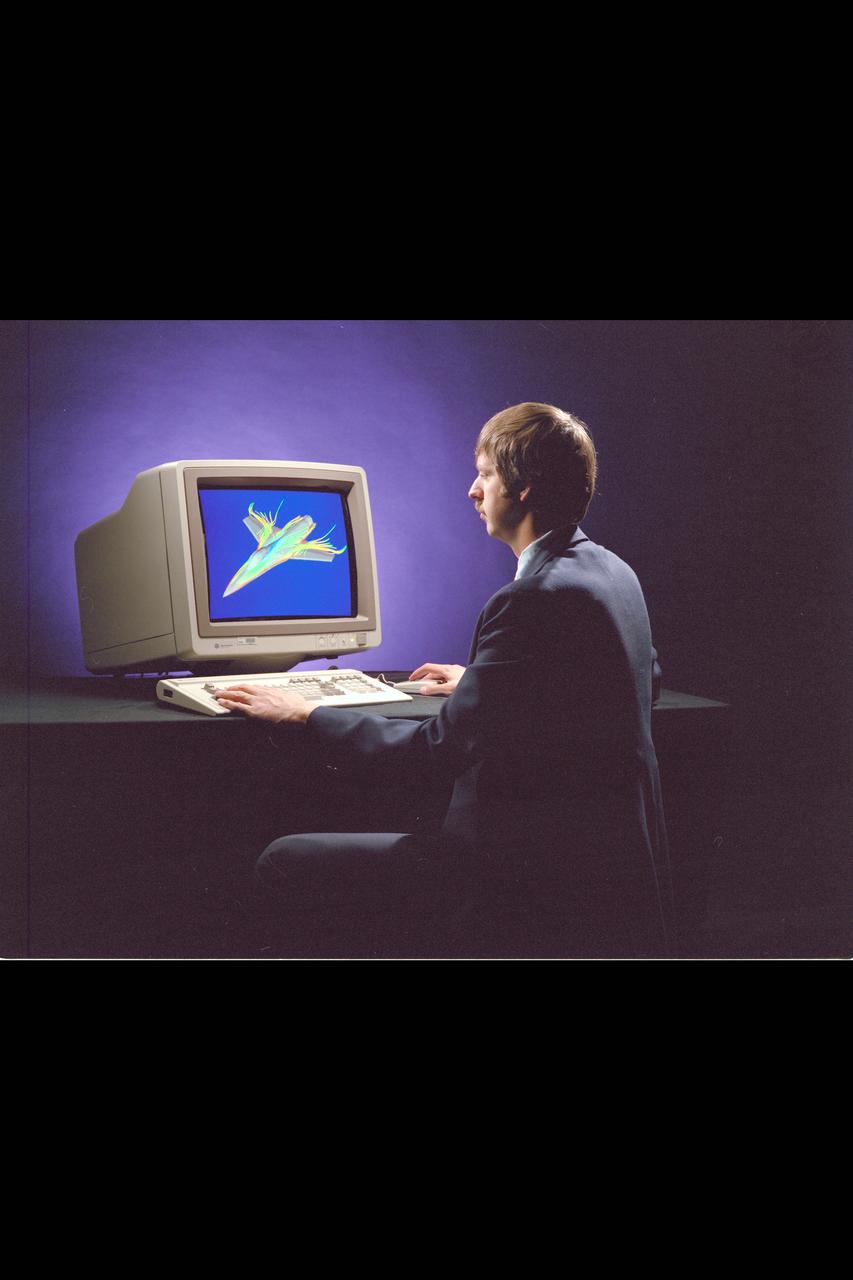
Iris Workstation with  CFD CGI airfoil
ARC-1987-AC87-0093-11
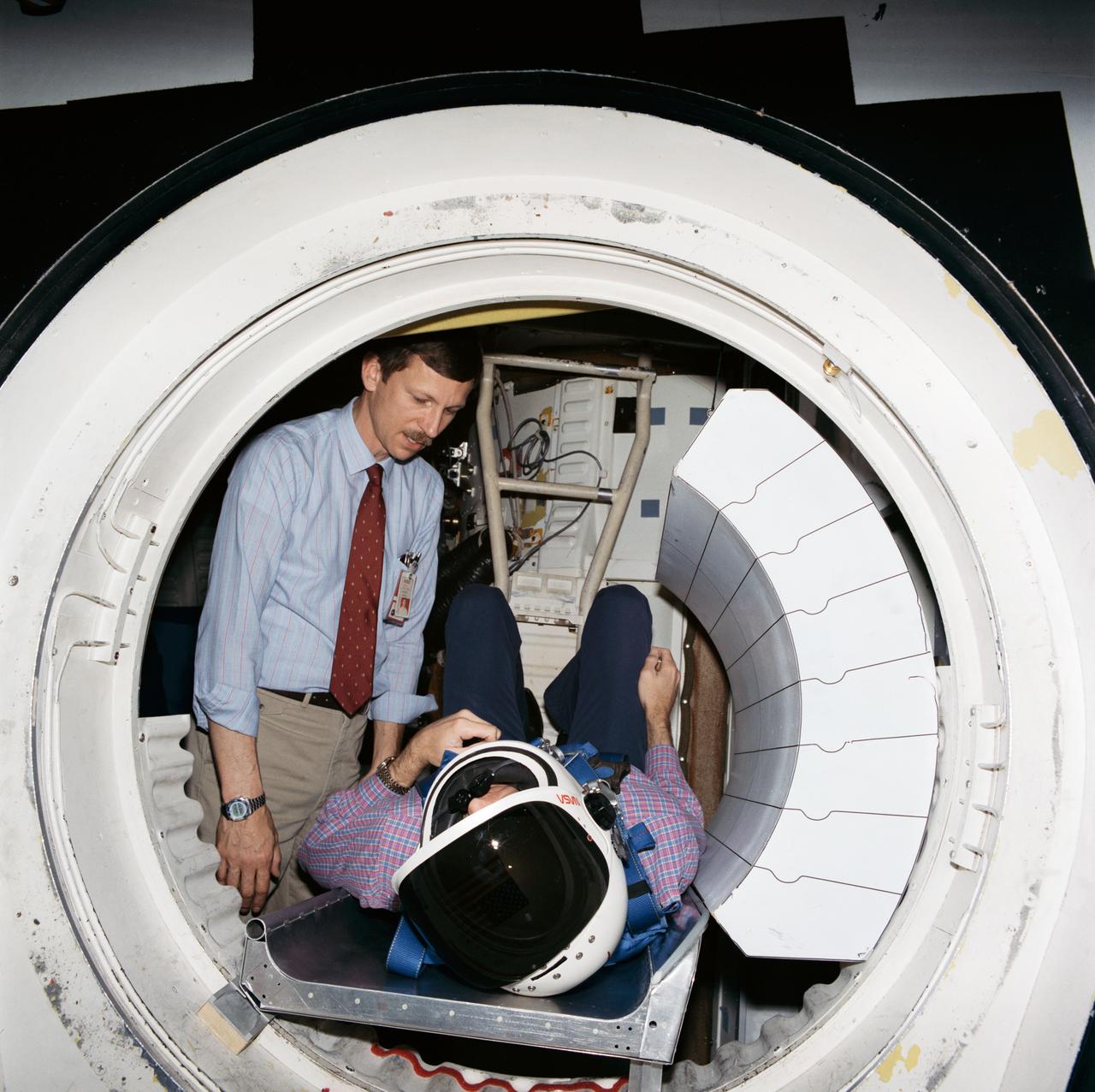
STS-40 Payload Specialist Millie Hughes-Fulford along with backup payload specialist Robert Ward Phillips familiarize themselves with Spacelab Life Sciences 1 (SLS-1) equipment. The two scientists are in JSC's Life Sciences Project Division (LSPD) SLS mockup located in the Bioengineering and Test Support Facility Bldg 36. Hughes-Fulford, in the center aisle, pulls equipment from an overhead stowage locker while Phillips, in the foreground, experiments with the baroreflex neck pressure chamber at Rack 11. The baroreflex collar will be used in conjuction with Experiment No. 022, Influence of Weightlessness Upon Human Autonomic Cardiovascular Control. Behind Phillips in the center aisle are body mass measurement device (BMMD) (foreground) and the stowed bicycle ergometer.
STS-40 crew trains in JSC's SLS mockup located in Bldg 36
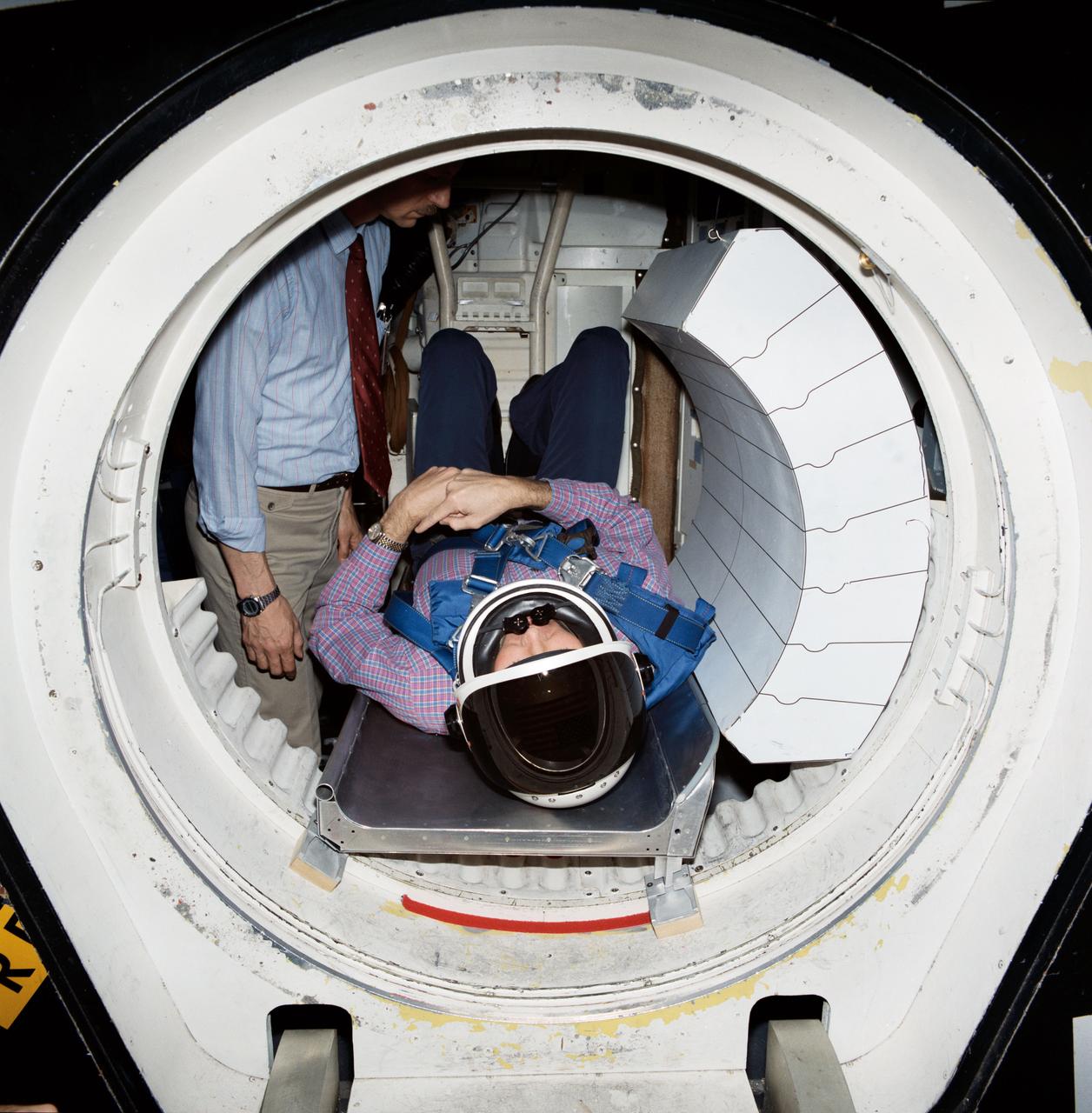
Shuttle crew escape systems test is conducted by astronauts Steven R. Nagel (left) and Manley L. (Sonny) Carter in JSC One Gravity Mockup and Training Facilities Bldg 9A crew compartment trainer (CCT). Nagel and Carter are evaluating methods for crew escape during Space Shuttle controlled gliding flight. JSC test was done in advance of tests scheduled for facilities in California and Utah. Here, Carter serves as test subject evaluating egress positioning for the tractor rocket escape method - one of the two systems currently being closely studied by NASA.
Shuttle crew escape systems test conducted in JSC Bldg 9A CCT
ISF Space Station Mock up @ MAFC  (McGowen)
ARC-1987-AC87-0837-6
N-258 NAS Facility air conditioner units calibration and set up (construction)
ARC-1987-A87-5000-9
Artist: Carter Emmart 'The Case for Mars' conference artwork  (Mission to Mars) NOTE; for government educational use only - copyright held by Carter Emmart
ARC-1987-AC87-0736-7
Date: Feb 11, 1988 Artist: unknown ATC (Air Traffic Control) SIGMA Lab Artwork
ARC-1969-AC88-0091
Autonomous Perception Vision project - Intelligent Systems - Machine Vision, Fusing Photonics and A.I. - Fiber-Optic Probe for Laser Velocimetry (Mars)
ARC-1987-AC87-0211-2
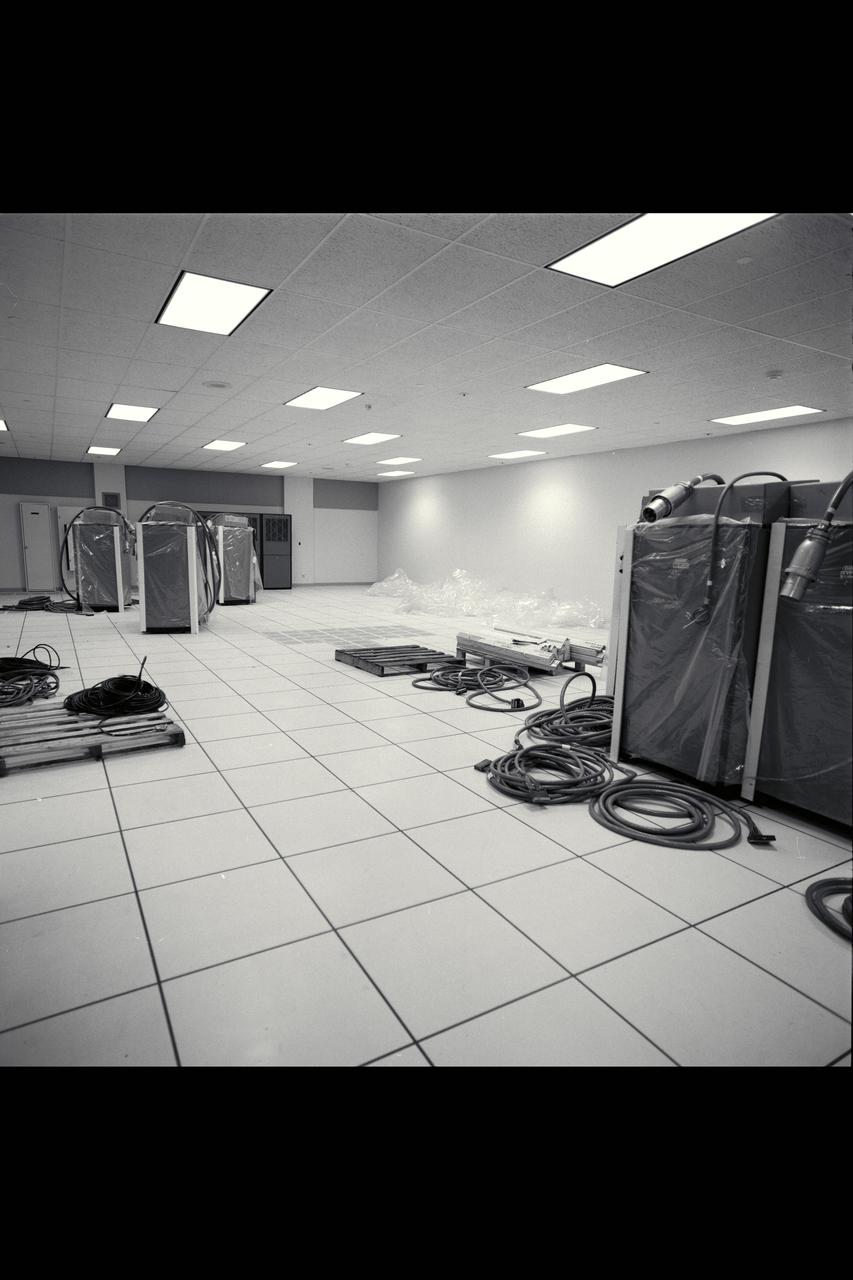
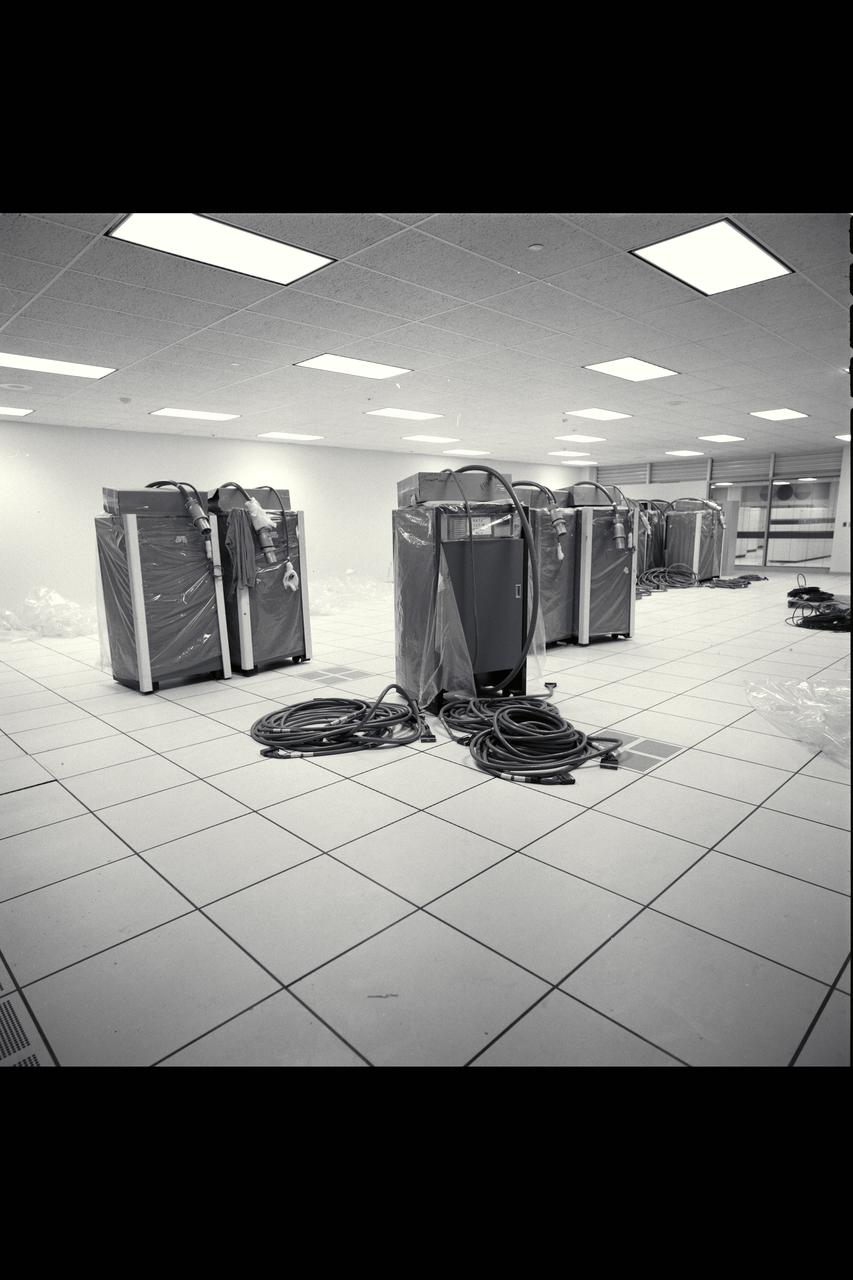
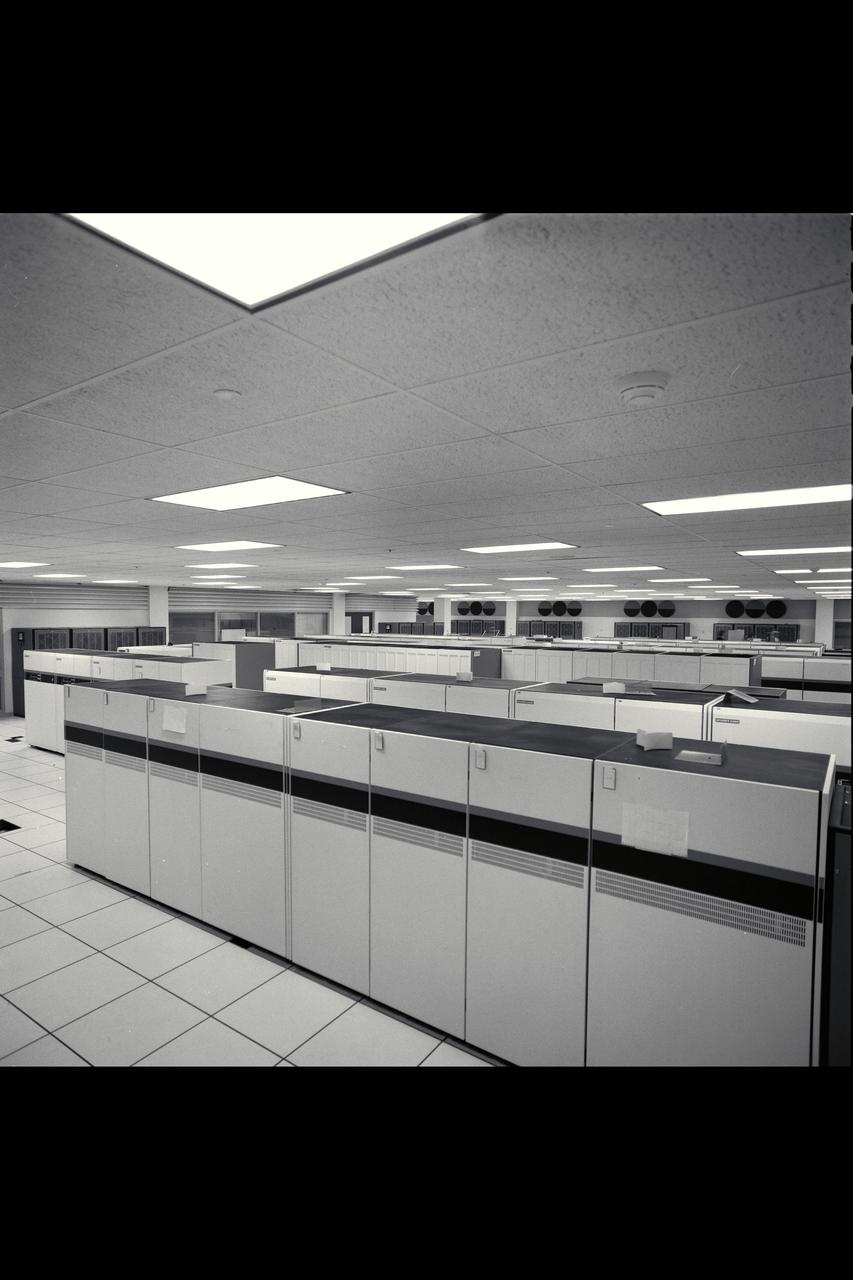
N-258 NAS Facility computer room (construction)
ARC-1987-A87-5000-5
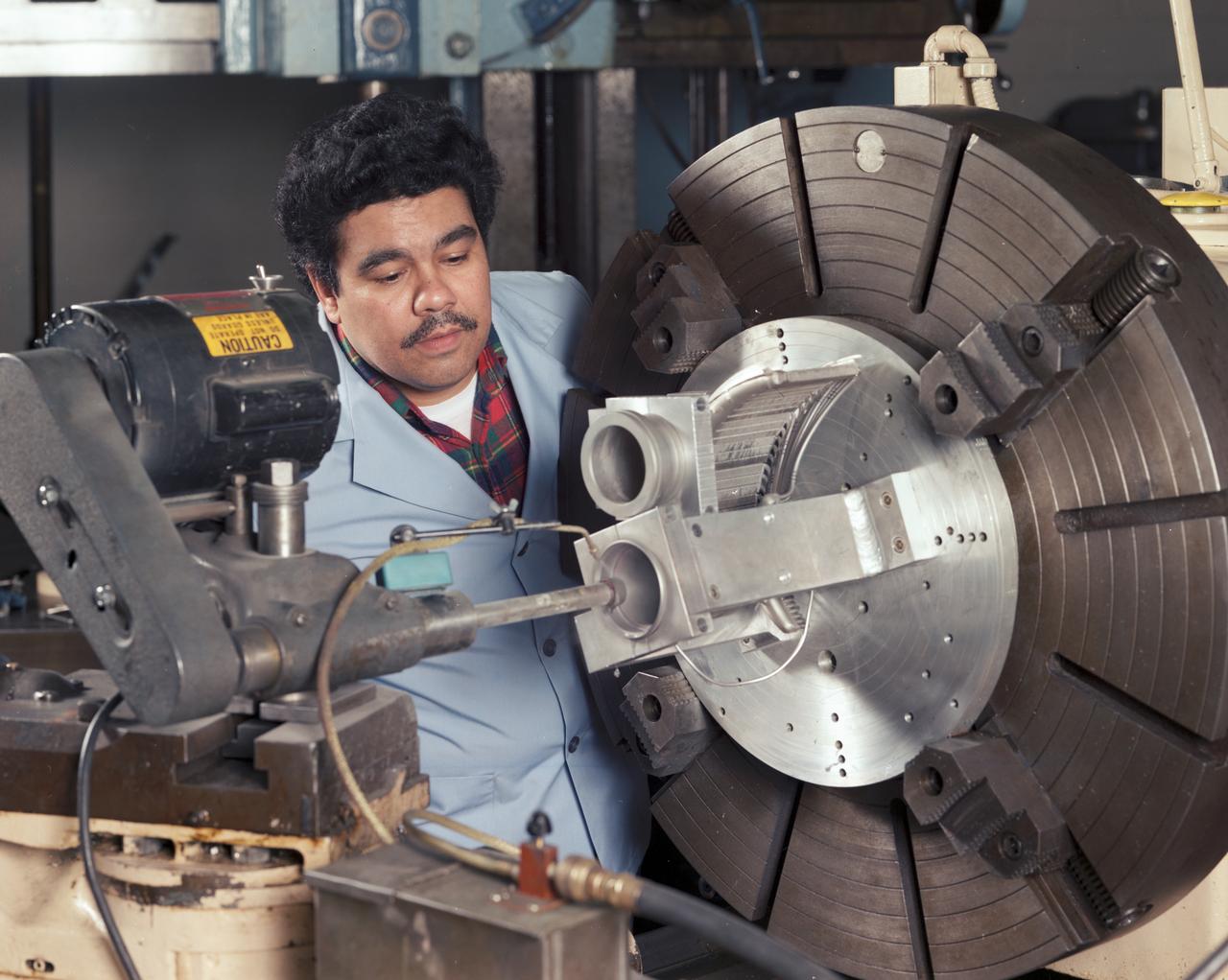
Fabrication of Stirling Engine Cylinder Test Hardware in the Machine Shop
Stirling Engine Cylinder Fabrication
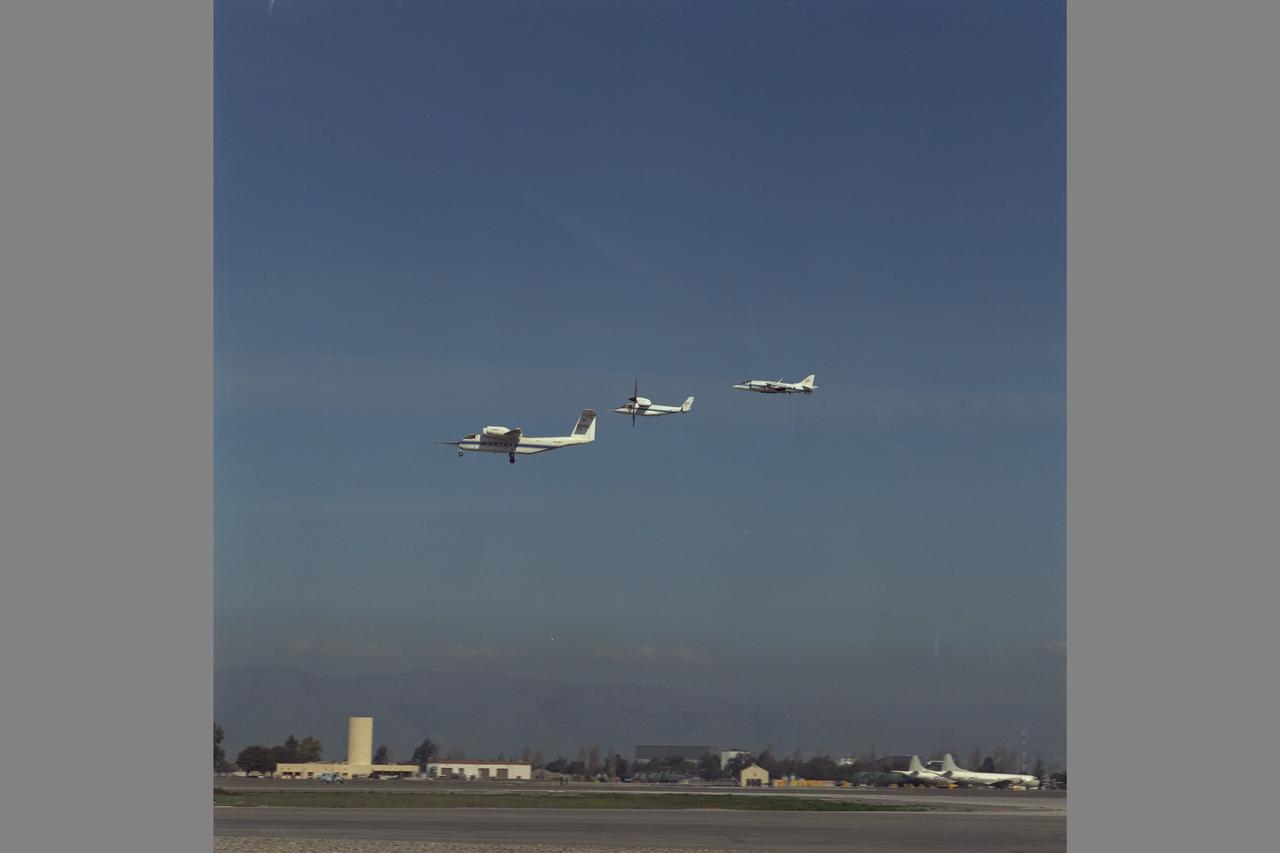
NASA AMES Photographers N-258 NAS DEDICATION CEREMONY.  air show VSTOL aircraft QSRA, XV-15 Tiltrotor, AV-8B Harrier in flight formation NOTE: CROP IN ON IMAGE VERTICAL format is AC87-0180-454.1
ARC-1987-AC87-0180-454
5.5 inch Fan Simulator Test: 40x80 W.T. High-Bay
ARC-1969-AC87-0087-2
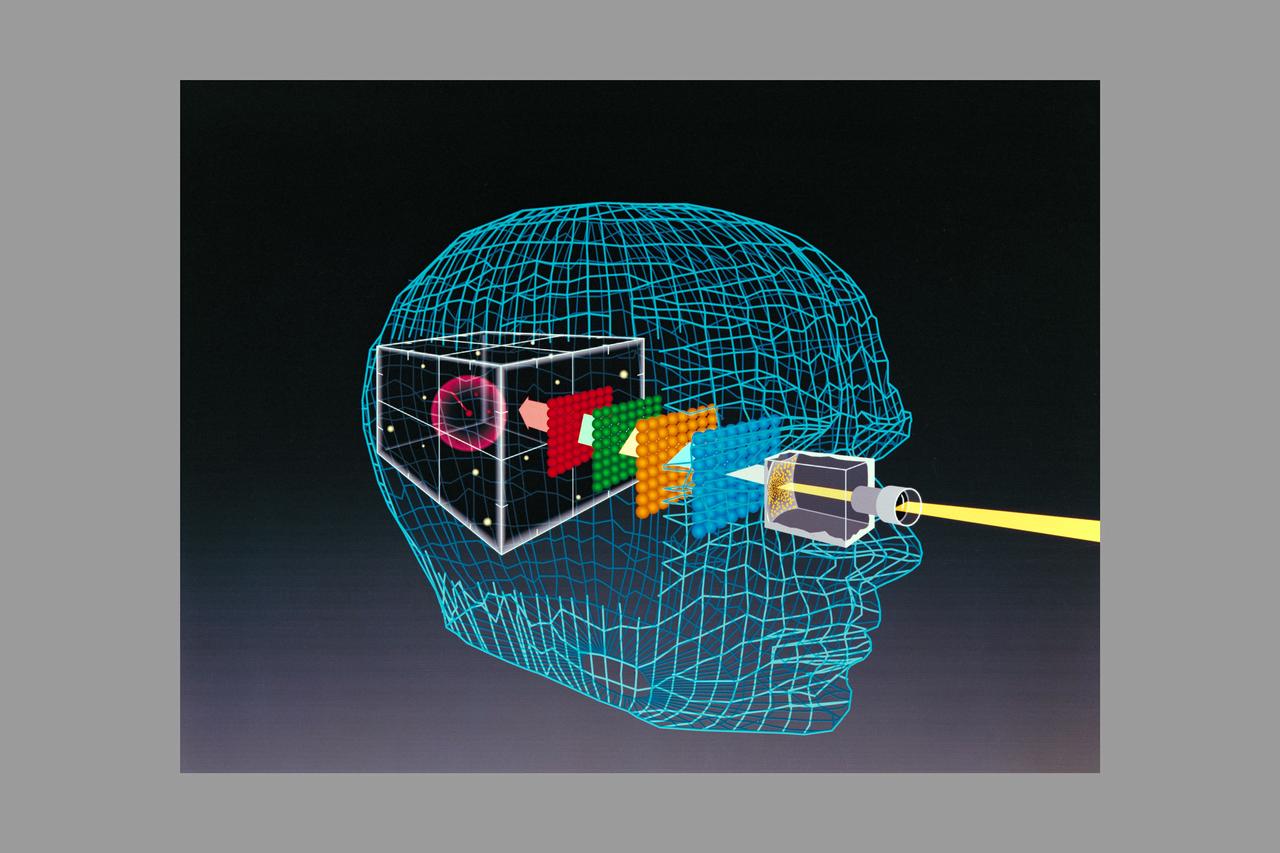
Autonomous Perception Vision project - Intelligent Systems - head
ARC-1987-AC87-0211-1
N-258 NAS Facility air conditioner power units (construction)
ARC-1987-A87-5000-12
AV-8B (NASA-719) and AV-8C (NASA-704) air to air formation flight  over NASA Ames Research Center, Moffett Field.
ARC-1987-AC87-0297-55
Artwork: Bell Textron Co. Bell Textron Tilt Rotor  Folding Tilt Rotor Aircraft Concept
ARC-1987-AC87-0038-2
aerial of the new NFAC facility N-221 (40x80x120ft. w.t)
ARC-1995-AC87-0796-9
S87-40119 (1961) --- Astronaut Virgil I. Grissom.    (NOTE: Astronaut "Gus" Grissom, one of the original seven astronauts, died January 27, 1967, at NASA?s John F. Kennedy Space Center (KSC), Cape Canaveral Florida, in the Apollo 1 spacecraft fire.)
Portrait - Astronaut Grissom, Virgil I.
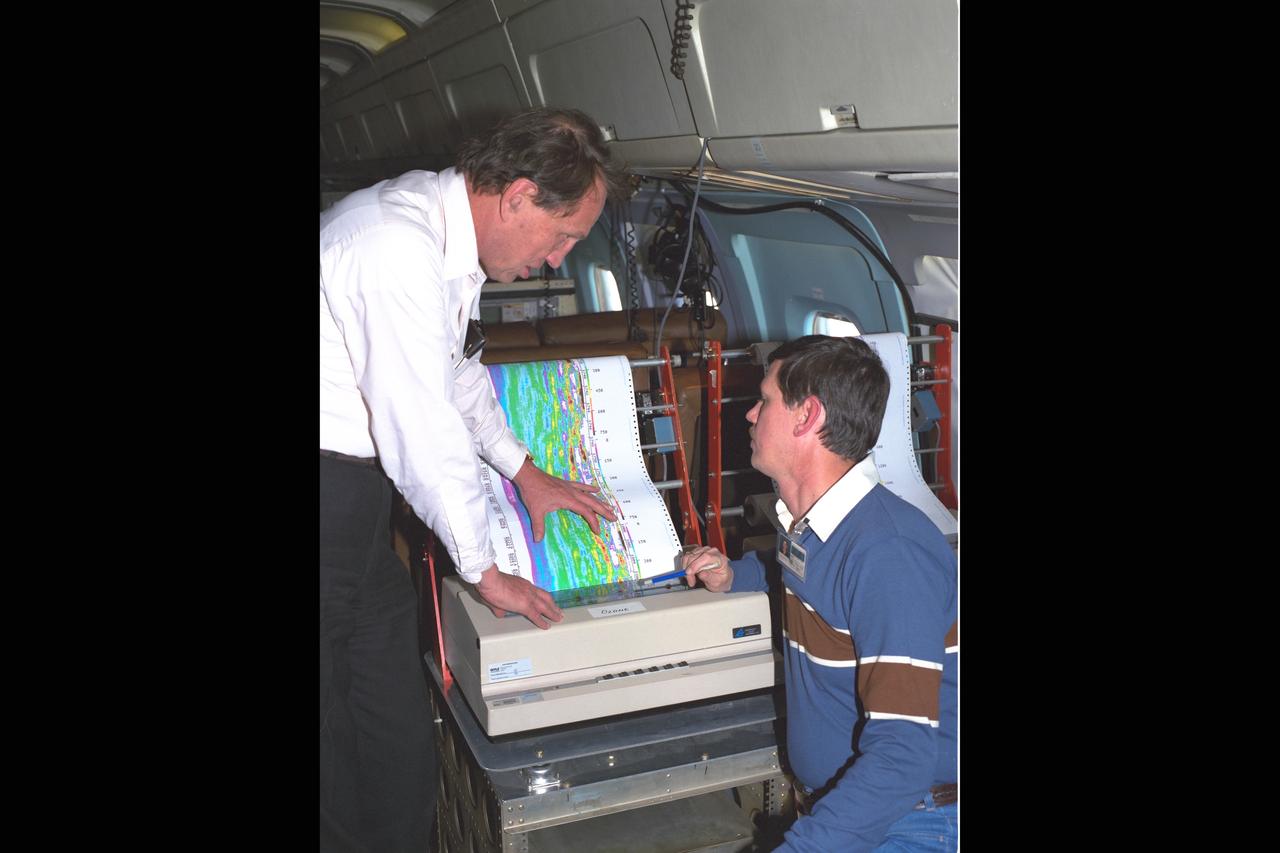
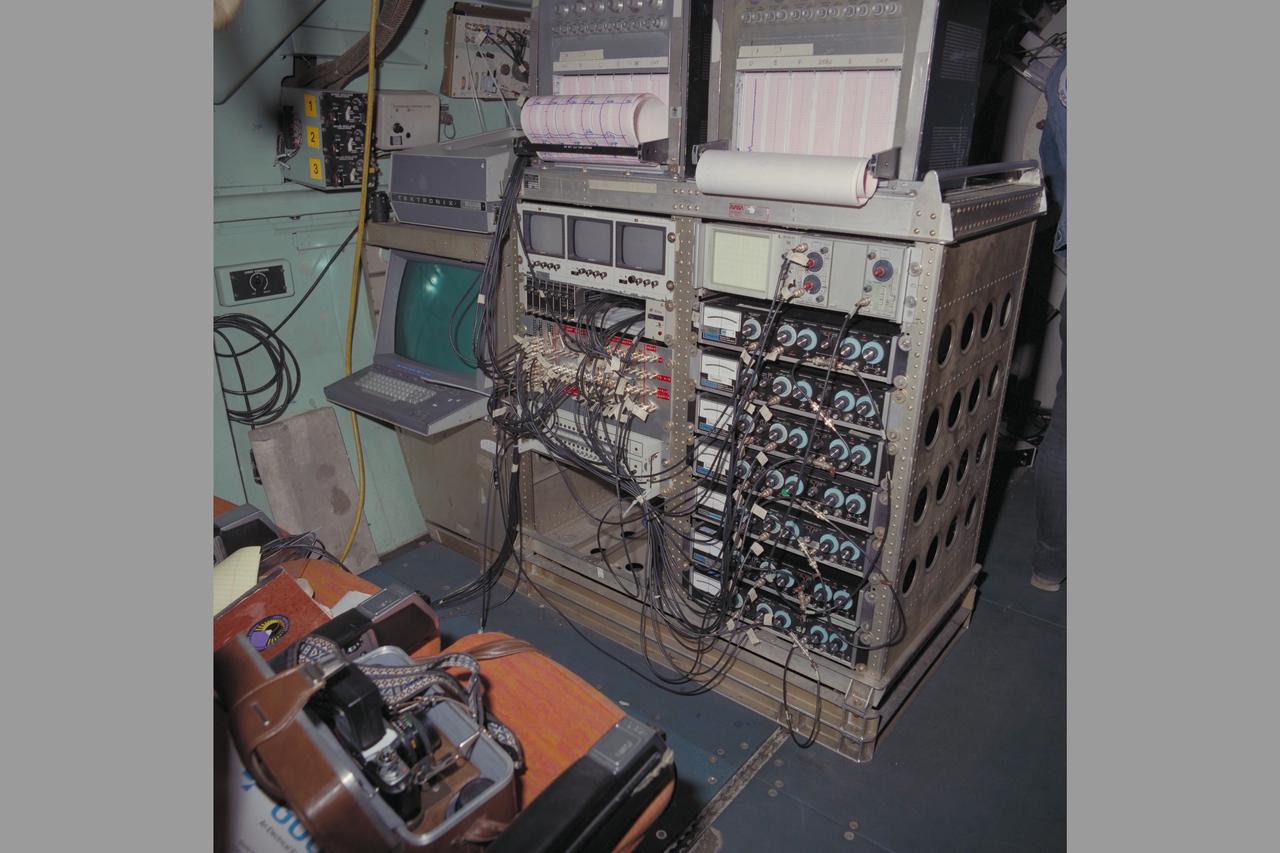
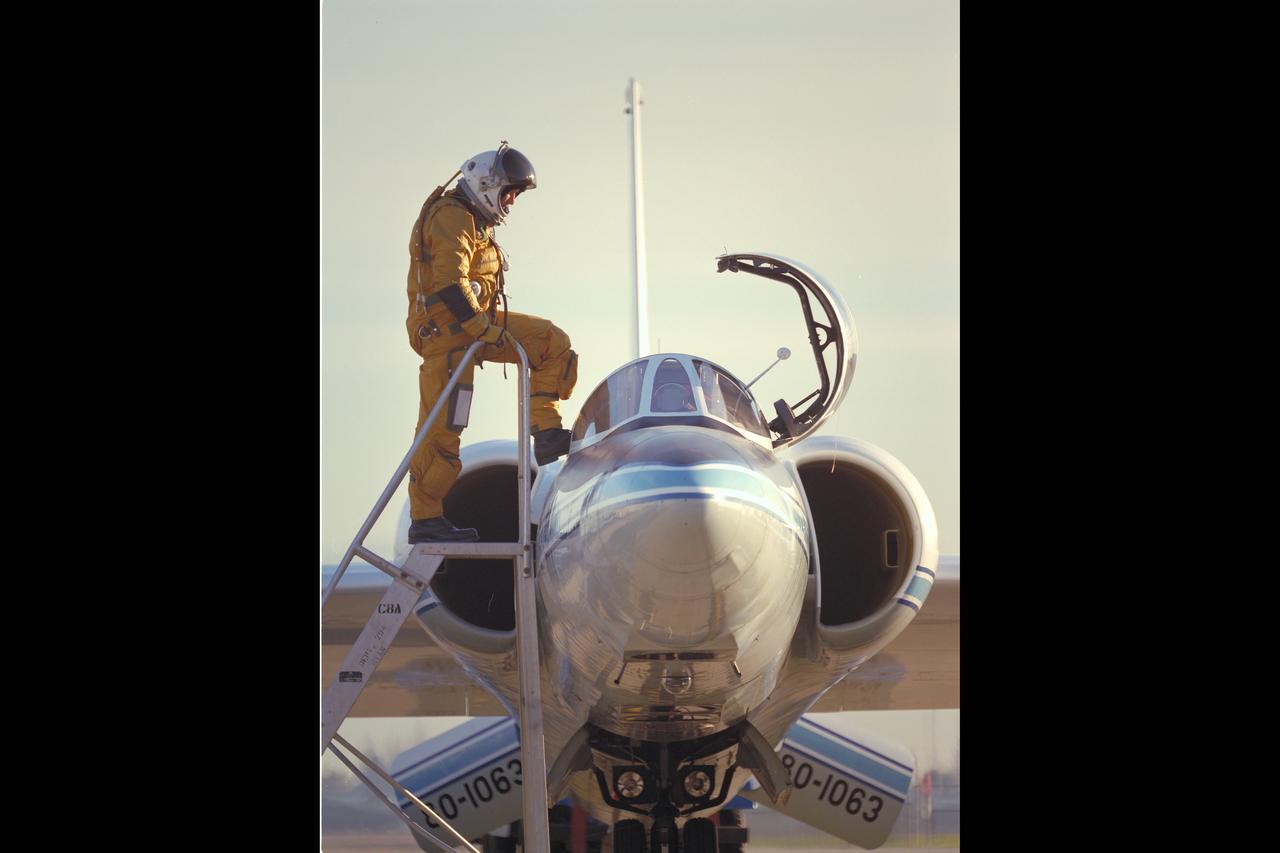
DC-8 (NASA-717) Onboard experiment analysis Antarctic Ozone Experiment
ARC-1987-AC87-0671-335
NASA Ames National Full-Scale Aerodynamic Facility (40x80x120ft Wind Tunnels & Outdoor Aerodynamic Research Facility - OARF) 1987 NFAC dedication - Kip Edenborough at airshow
ARC-1987-AC87-0885-121
1.8m Space Station Centrifuge N-244 High Bay (ISF) International Space Facility
ARC-1987-AC87-0281-43
Artist: Carter Emmart 'The Case for Mars' conference artwork  (Mission to Mars) NOTE; for government educational use only -
ARC-1987-AC87-0736-3
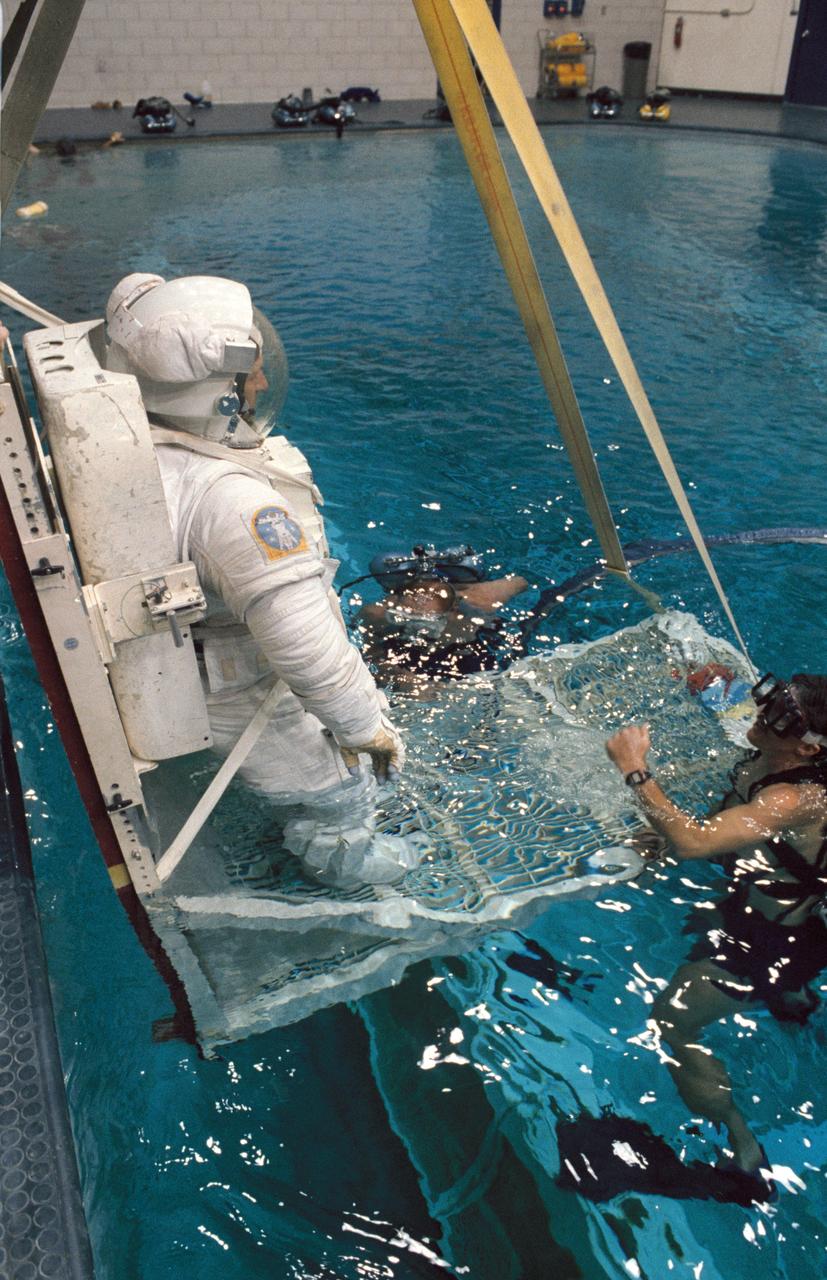
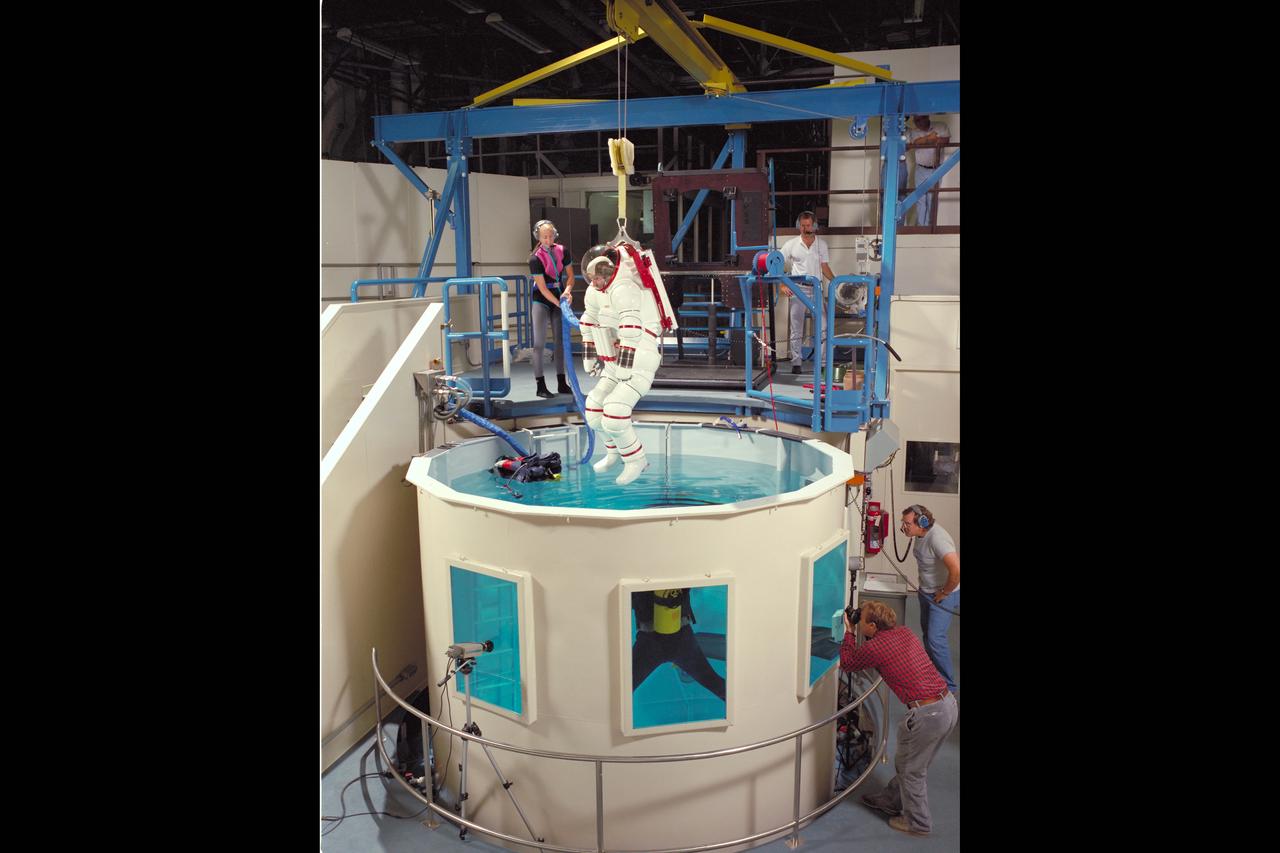
AX-5 SPACE SUIT TESTING AMES NEUTRAL BUOYANCY TANK (NBT) WITH VIC VYKUKAL
ARC-1987-AC87-0662-61
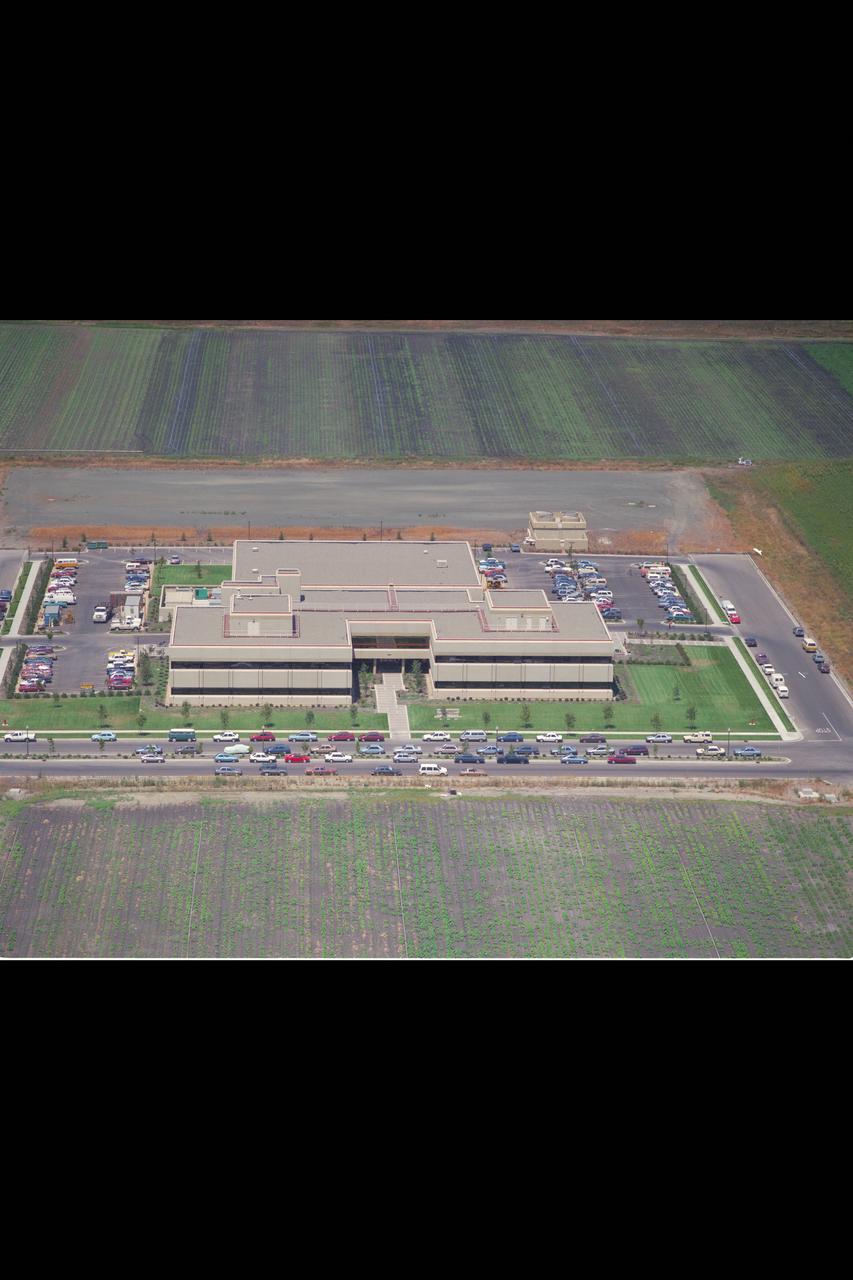
Aerial view of OPF-3 construction, March 17, 1987
KSC-20120208-PH-UK_OPF3_Figure-A-1
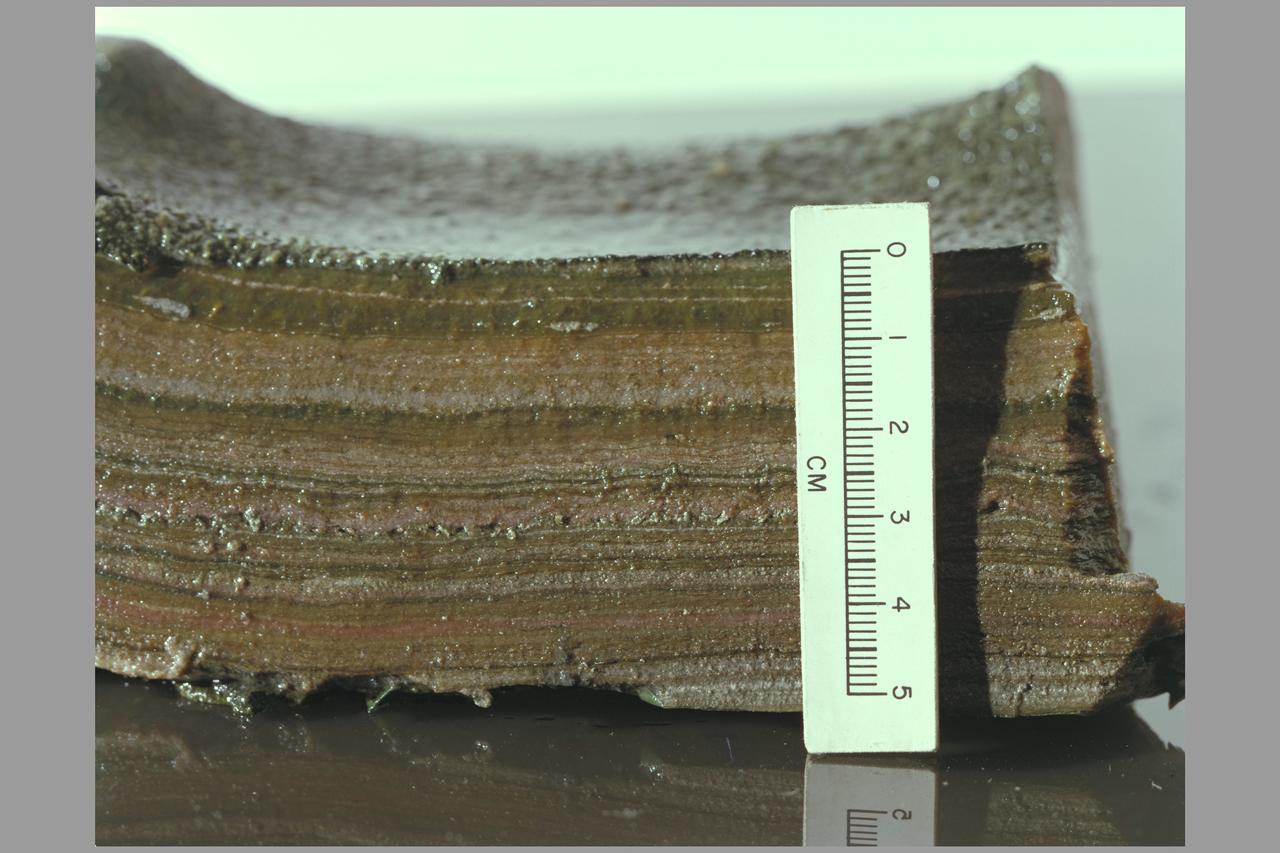
Origin of Life: Stromatolites Microbial Mats and Mat-Layer Extracts
ARC-1969-AC87-0086-2
Illustration NASA Ames Research Center developed Icing Protection System: Electro-Expuisive Deicing System. (P.I. Dr Lenord Haslim)
ARC-1969-AC87-0501
Visitor to MVSRF N-257: Rear Adminral Robert Austin
ARC-1987-AC87-0208-2
Artist: Carter Emmart 'The Case for Mars' conference artwork  (Mission to Mars) NOTE; for government educational use only -
ARC-1987-AC87-0736-4
NASA Ames Graphics MAJOR NATIONAL FULL-SCALE AERODYNAMICS COMPLEX (NFAC) ROTORCRAFT TESTS SINCE 1977 COMPOSITE.   Sikosky S-76 Rotor AC77-0045, Bell 222 fuselage AC77-1388-1, Bell XV-15 Aircraft AC78-0579-3, Kaman CCR Rotor AC78-0731-1, Lokcheed X-Wing Rorotr AC79-0367-4, Boeing VERTOL BMR Rotor AC80-0120-2, Sikordky ABC Helicopter AC80-0467-17, MBB BO-105 Rotor AC83-0309-157
ARC-1987-AC87-0192
This photograph is a long shot view of a full scale solid rocket motor (SRM) for the solid rocket booster (SRB) being test fired at Morton Thiokol's Wasatch Operations in Utah. The twin boosters provide the majority of thrust for the first two minutes of flight, about 5.8 million pounds, augmenting the Shuttle's main propulsion system during liftoff. The major design drivers for the SRM's were high thrust and reuse. The desired thrust was achieved by using state-of-the-art solid propellant and by using a long cylindrical motor with a specific core design that allows the propellant to burn in a carefully controlled marner. Under the direction of the Marshall Space Flight Center, the SRM's are provided by the Morton Thiokol Corporation.
Space Shuttle Projects
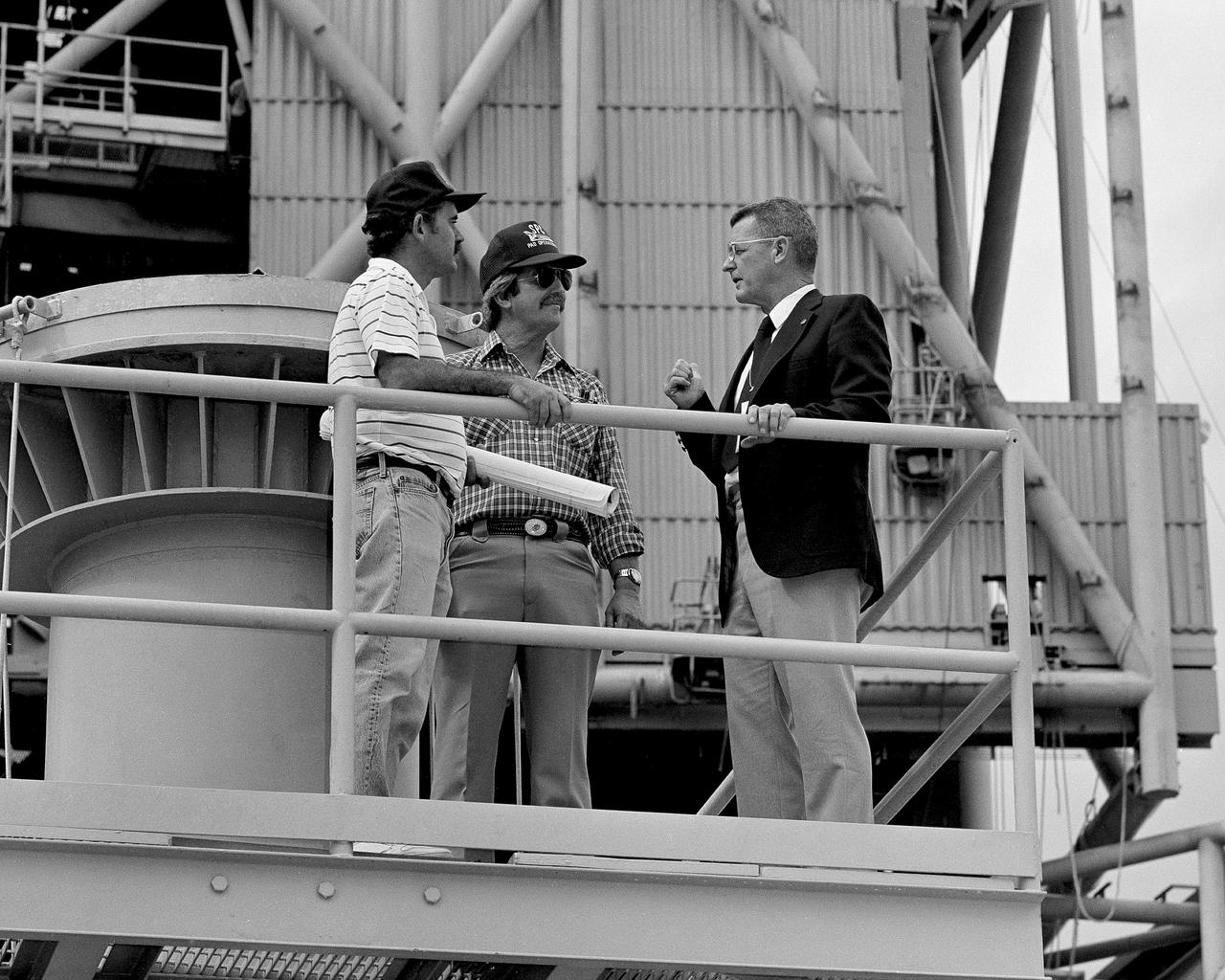
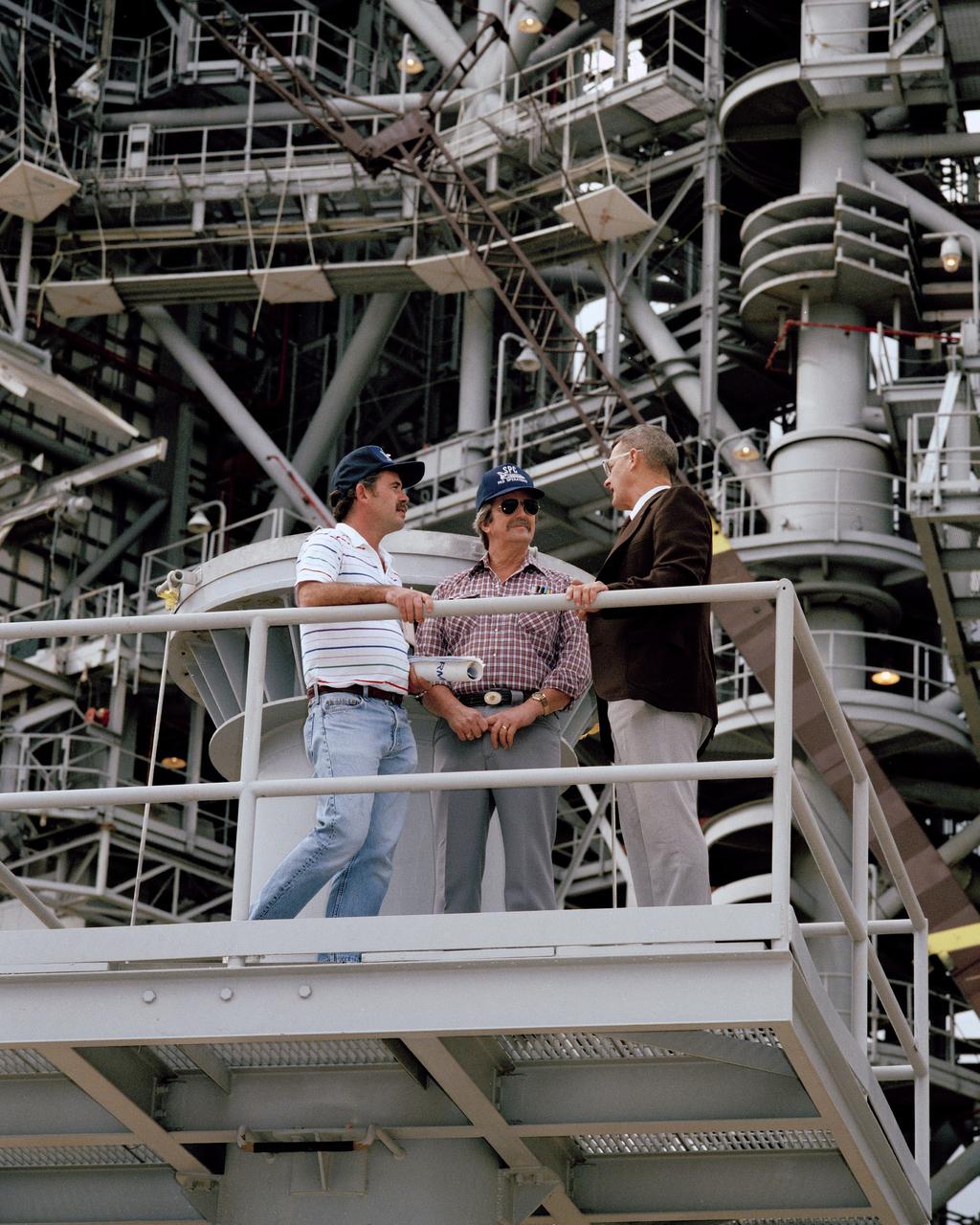
CAPE CANAVERAL, Fla. - Kennedy Space Center Director Forrest McCartney, right, discusses work in progress at Launch Pad 39B as preparations for STS-26 continue.  From left are Gary Wall, Lockheed mechanical technician, Joe Spivey, Lockheed hypergolic technician, and McCartney.      Photo credit: NASA
KSC-87P-0935
S87-45885 (9 Oct. 1987) --- Astronaut Mario Runco Jr. Photo credit: NASA
Official portrait of 1987 astronaut candidate Mario Runco, Jr
1.8m Space Station Centrifuge N-244 High Bay (ISF) International Space Facility
ARC-1987-AC87-0281-40
AV-8B (NASA-719) and AV-8C (NASA-704) air to air formation flight with T-38, U-2 (NASA-708) with pilots G. Hardy and J. Martin over NASA Ames Research Center, Moffett Field.
ARC-1987-AC87-0297-50
Artist: Carter Emmart  'The Case for Mars' conference artwork  (Mission to Mars) NOTE; for government educational use only - copyright held by Carter Emmart
ARC-1987-AC87-0736-1
N-258 NAS Facility computer room (construction)
ARC-1987-A87-5000-8
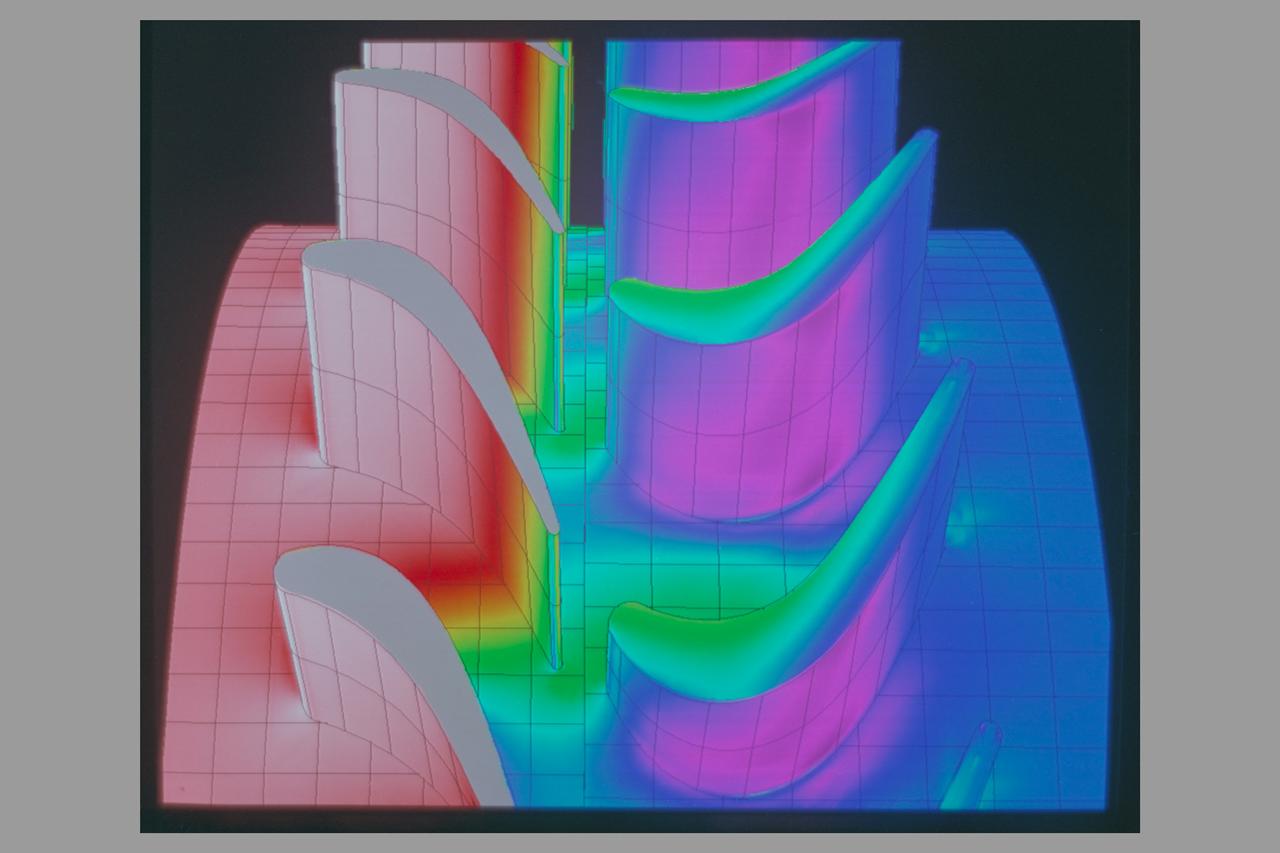
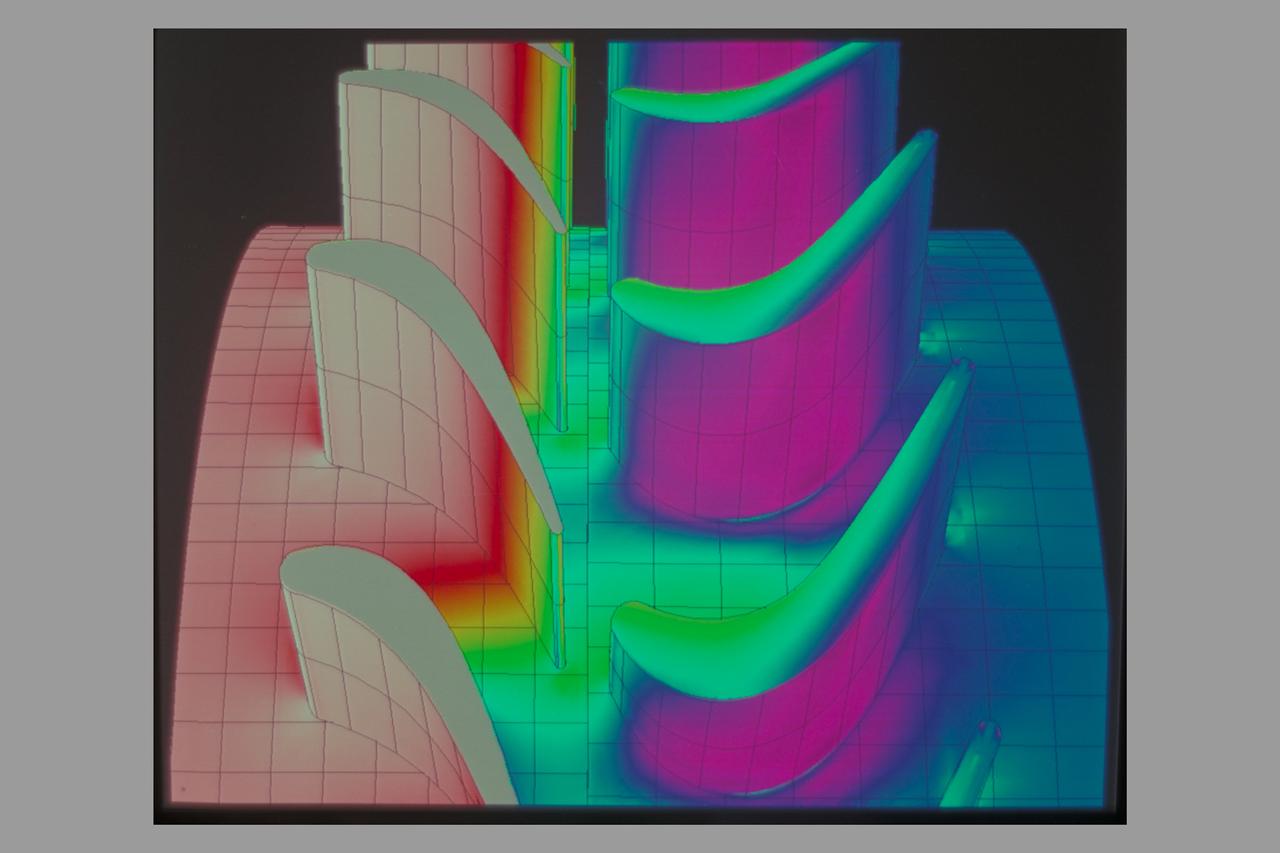
Navier Stokes: Rotor Stator Pressure and Velocity Vectors SSME
ARC-1969-A87-0094-2
McDonnell Douglas Hub (Ultra-High Bypass) Model and SAAB Wake Rake Test 14ft W.T. Test-060-1-14, Turbo Fan Configuration
ARC-1969-AC87-0097-1