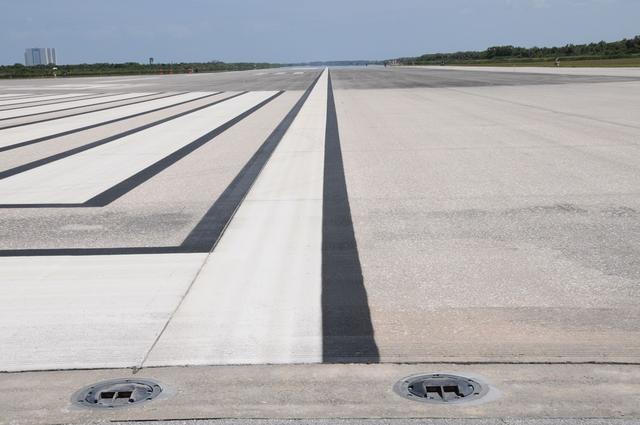
View of the Shuttle Landing Facility
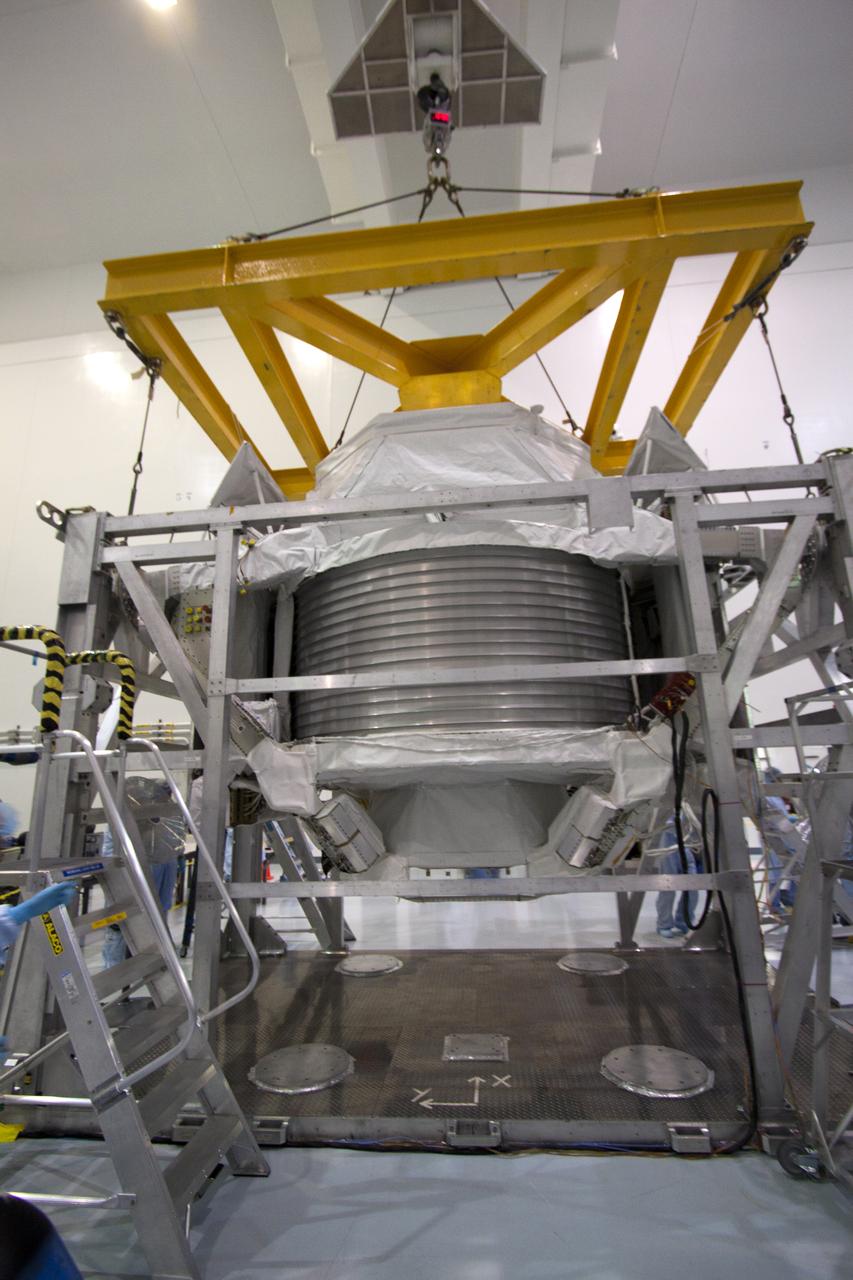
STS-134 AMS PAYLOAD LIFT IN STAND

The immense Andromeda galaxy, also known as Messier 31, is captured in full in this image from NASA Wide-field Infrared Survey Explorer. Andromeda is the closest large galaxy to our Milky Way galaxy, and is located 2.5 million light-years from our sun.
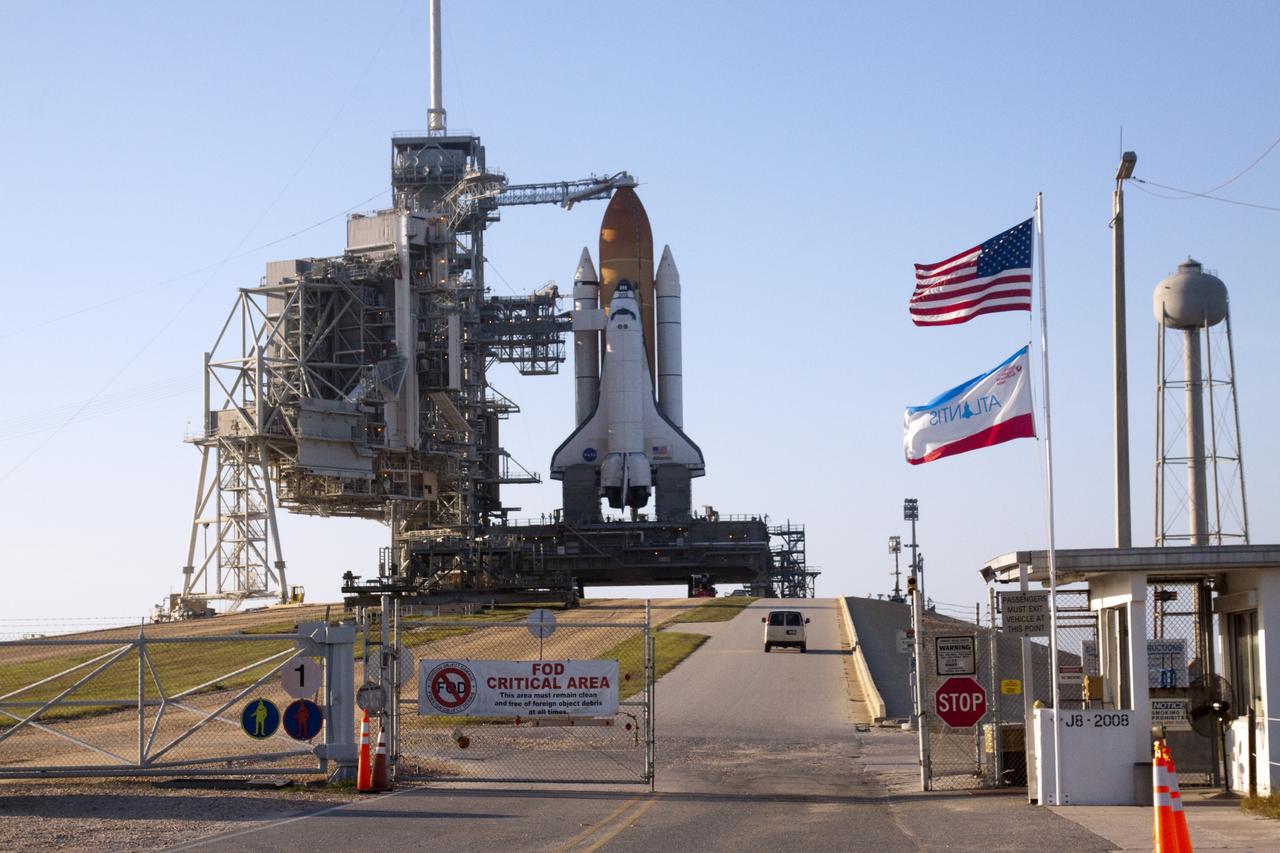
STS-132 LAUNCH L-1 RSS ROLLBACK
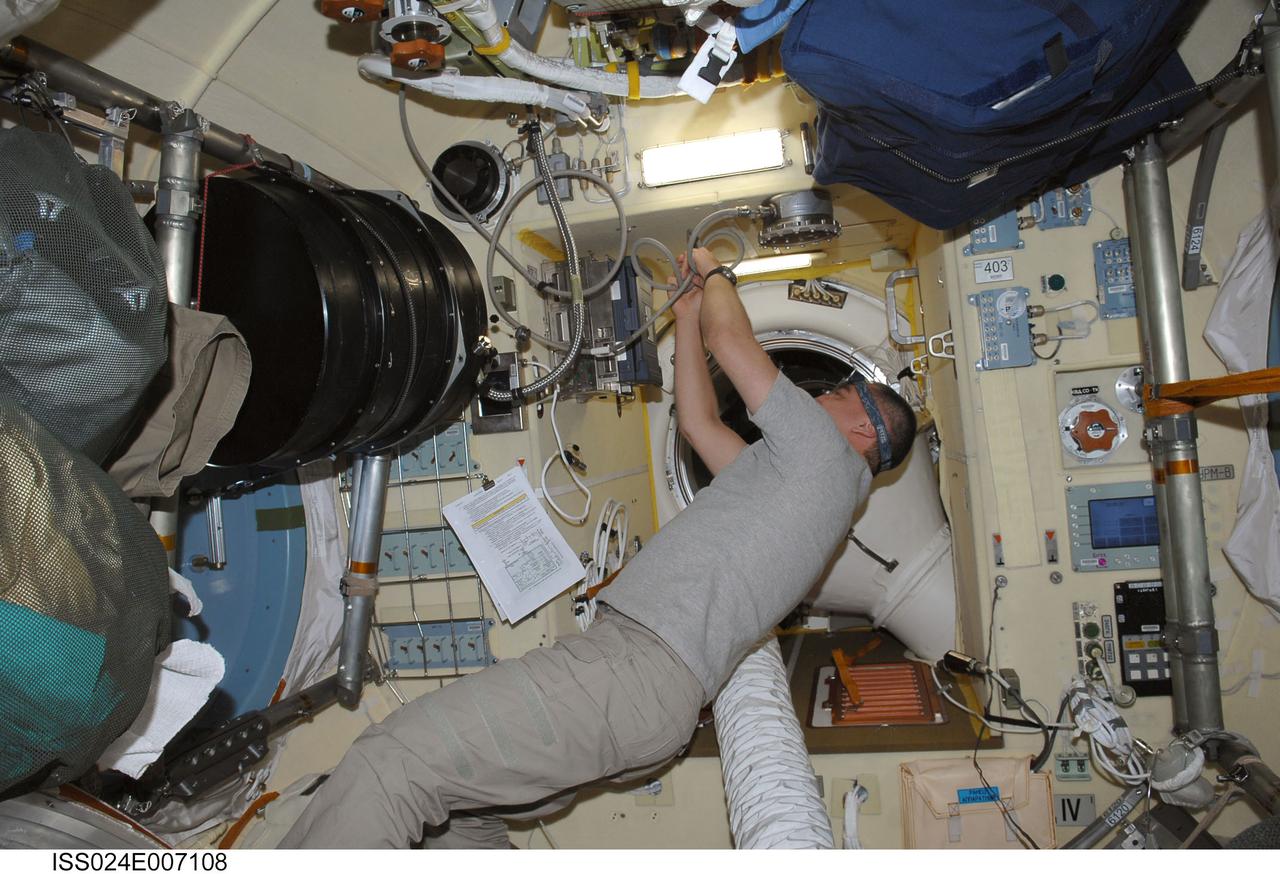
ISS024-E-007108 (30 June 2010) --- Russian cosmonaut Alexander Skvortsov, Expedition 24 commander, installs hardware for the new Plasma Crystal-3 Plus experiment in the Poisk Mini-Research Module 2 (MRM2) of the International Space Station.
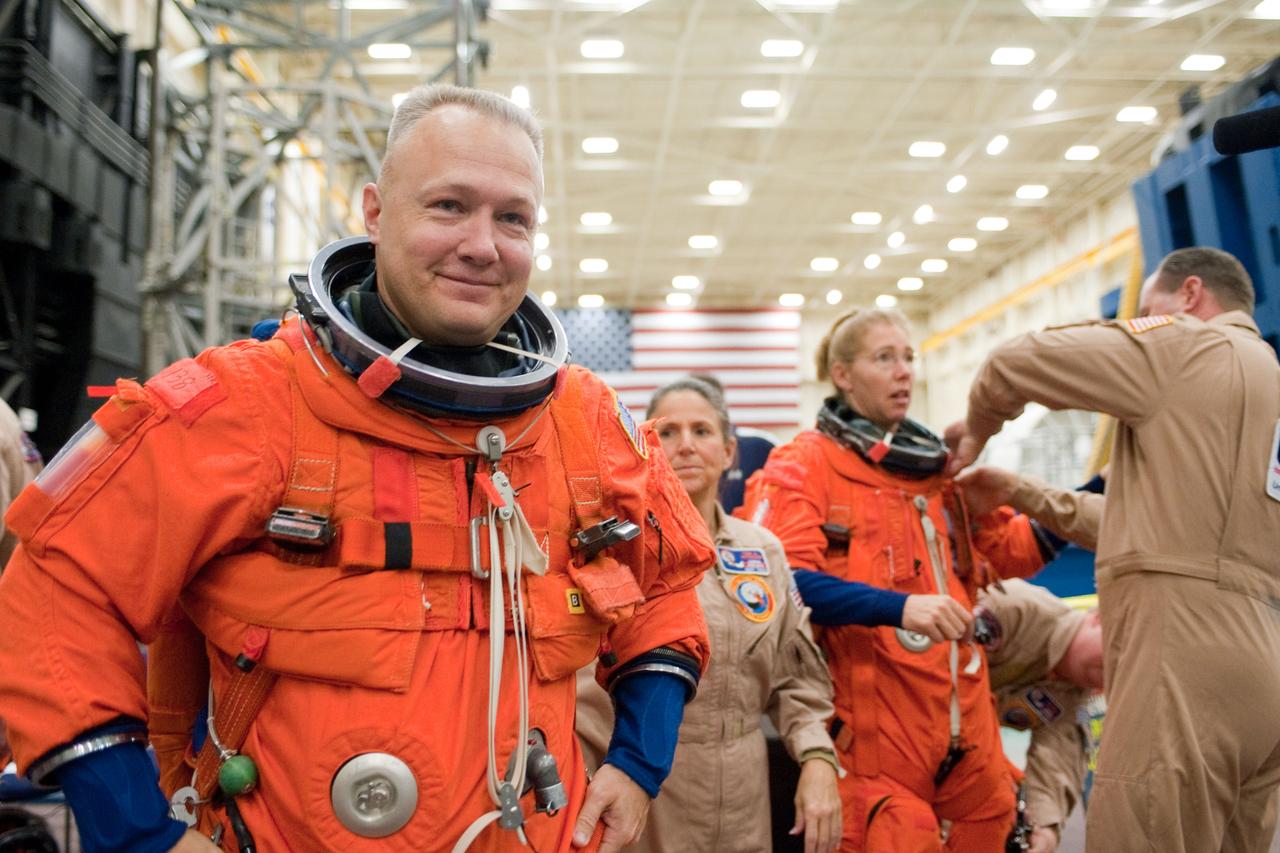
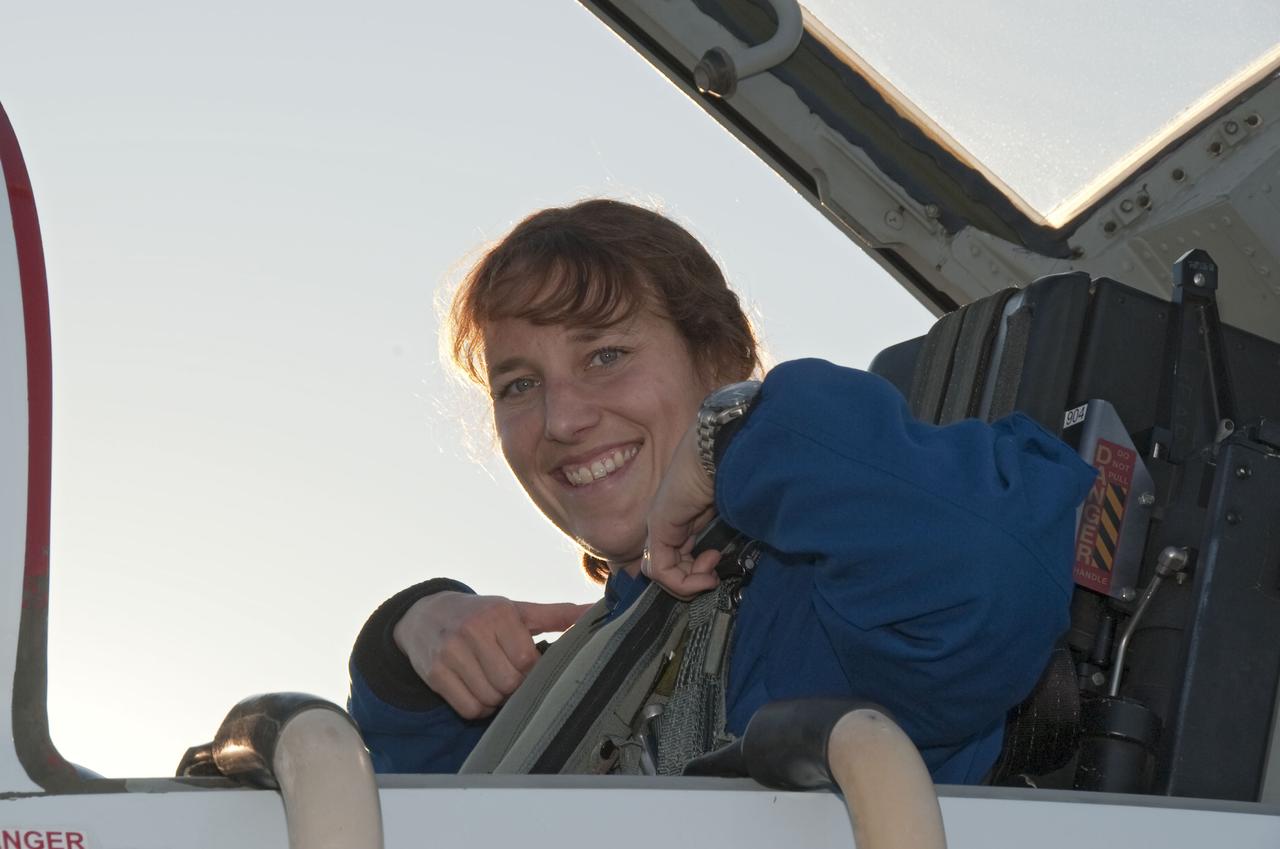
JSC2010-E-183253 (4 Nov. 2010) --- NASA astronaut Doug Hurley, STS-135 pilot, attired in a training version of his shuttle launch and entry suit, awaits the start of a training session in the Space Vehicle Mock-up Facility at NASA's Johnson Space Center. NASA astronaut Sandy Magnus, mission specialist, is visible in the background. STS-135 is planned to be the final mission of the space shuttle program. Photo credit: NASA or National Aeronautics and Space Administration
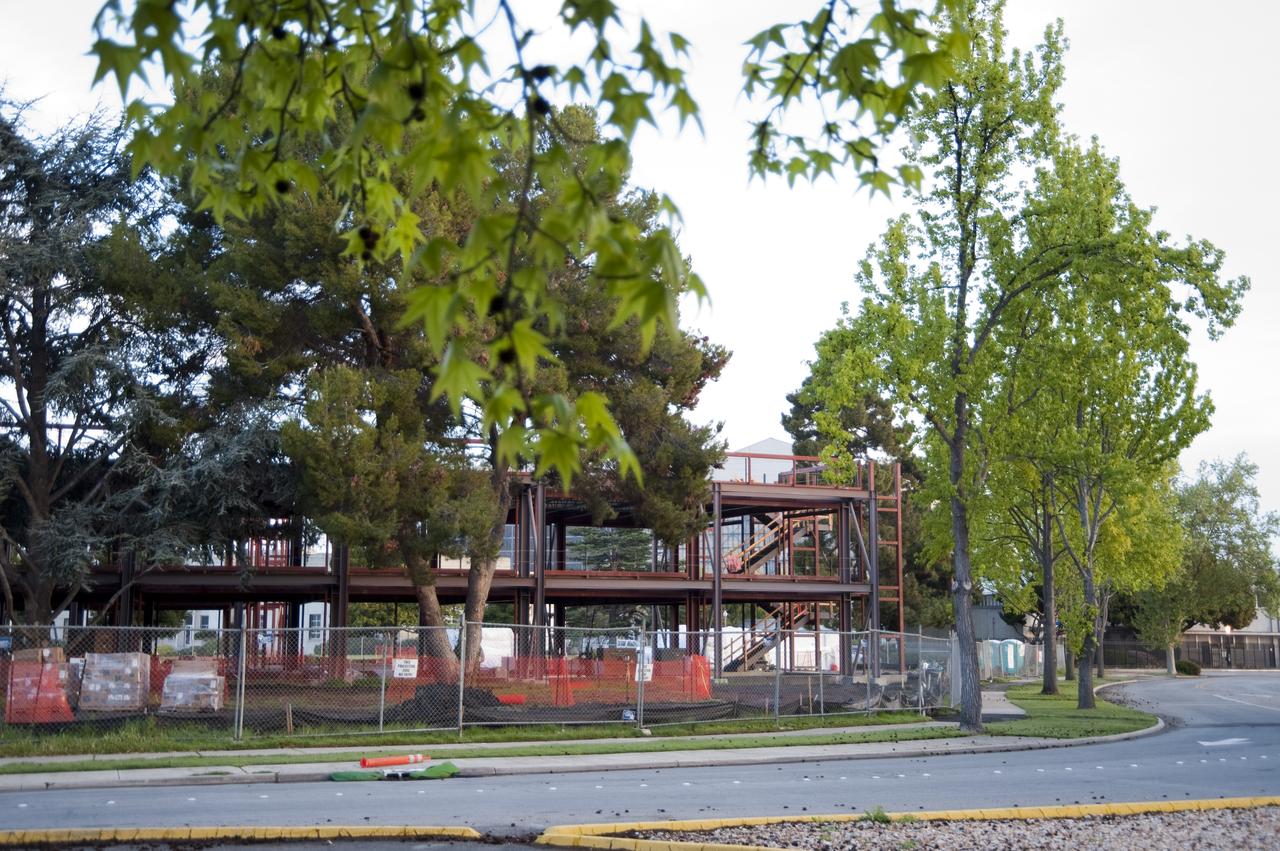
Construction of the new NASA Ames Green Building dubbed Sustainability Base located on the Ames Research Center campus at Moffett Field, CA.
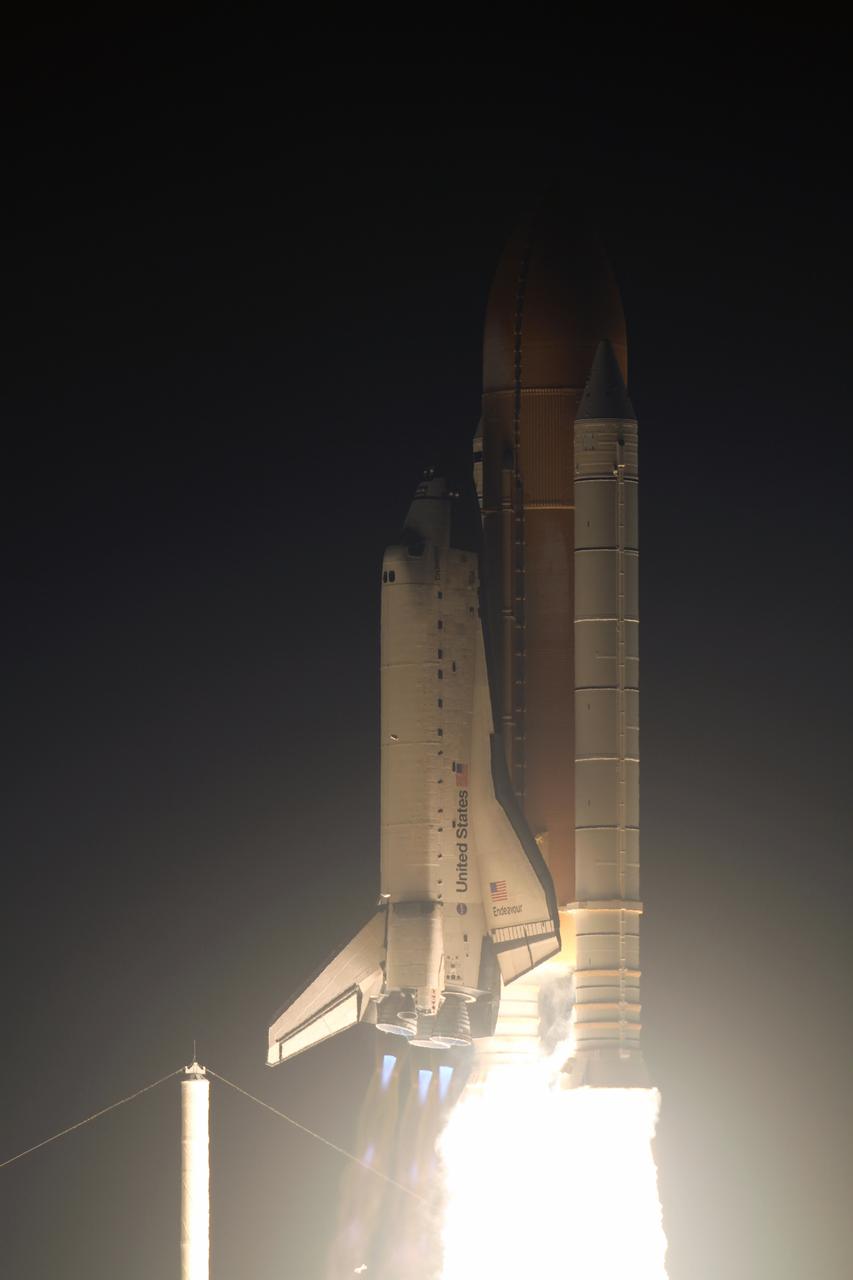
CAPE CANAVERAL, Fla. - Space shuttle Endeavour clears the tower on Launch Pad 39A at NASA's Kennedy Space Center in Florida. Launch of the STS-130 mission to the International Space Station was at 4:14 a.m. EST. This was the second launch attempt for space shuttle Endeavour's STS-130 crew and the final scheduled space shuttle night launch. The first attempt on Feb. 7 was scrubbed due to unfavorable weather. The primary payload for the STS-130 mission to the International Space Station is the Tranquility node, a pressurized module that will provide additional room for crew members and many of the station's life support and environmental control systems. Attached to one end of Tranquility is a cupola, a unique work area with six windows on its sides and one on top. The cupola resembles a circular bay window and will provide a vastly improved view of the station's exterior. The multi-directional view will allow the crew to monitor spacewalks and docking operations, as well as provide a spectacular view of Earth and other celestial objects. The module was built in Turin, Italy, by Thales Alenia Space for the European Space Agency. For information on the STS-130 mission and crew, visit http:__www.nasa.gov_mission_pages_shuttle_shuttlemissions_sts130_index.html. Photo credit: NASA_Kenny Allen and Michael Gayle

CAPE CANAVERAL, Fla. - In Orbiter Processing Facility 1 at NASA's Kennedy Space Center in Florida, United Space Alliance technicians ensure that the opening on top of space shuttle Atlantis' crew module for window #8 is ready for installation of the window. Inspection and maintenance of the crew module windows is standard procedure between shuttle missions. Atlantis is next slated to deliver an Integrated Cargo Carrier and Russian-built Mini Research Module to the International Space Station on the STS-132 mission. The second in a series of new pressurized components for Russia, the module will be permanently attached to the Zarya module. Three spacewalks are planned to store spare components outside the station, including six spare batteries, a boom assembly for the Ku-band antenna and spares for the Canadian Dextre robotic arm extension. A radiator, airlock and European robotic arm for the Russian Multi-purpose Laboratory Module also are payloads on the flight. Launch is targeted for May 14. Photo credit: NASA/Jim Grossmann
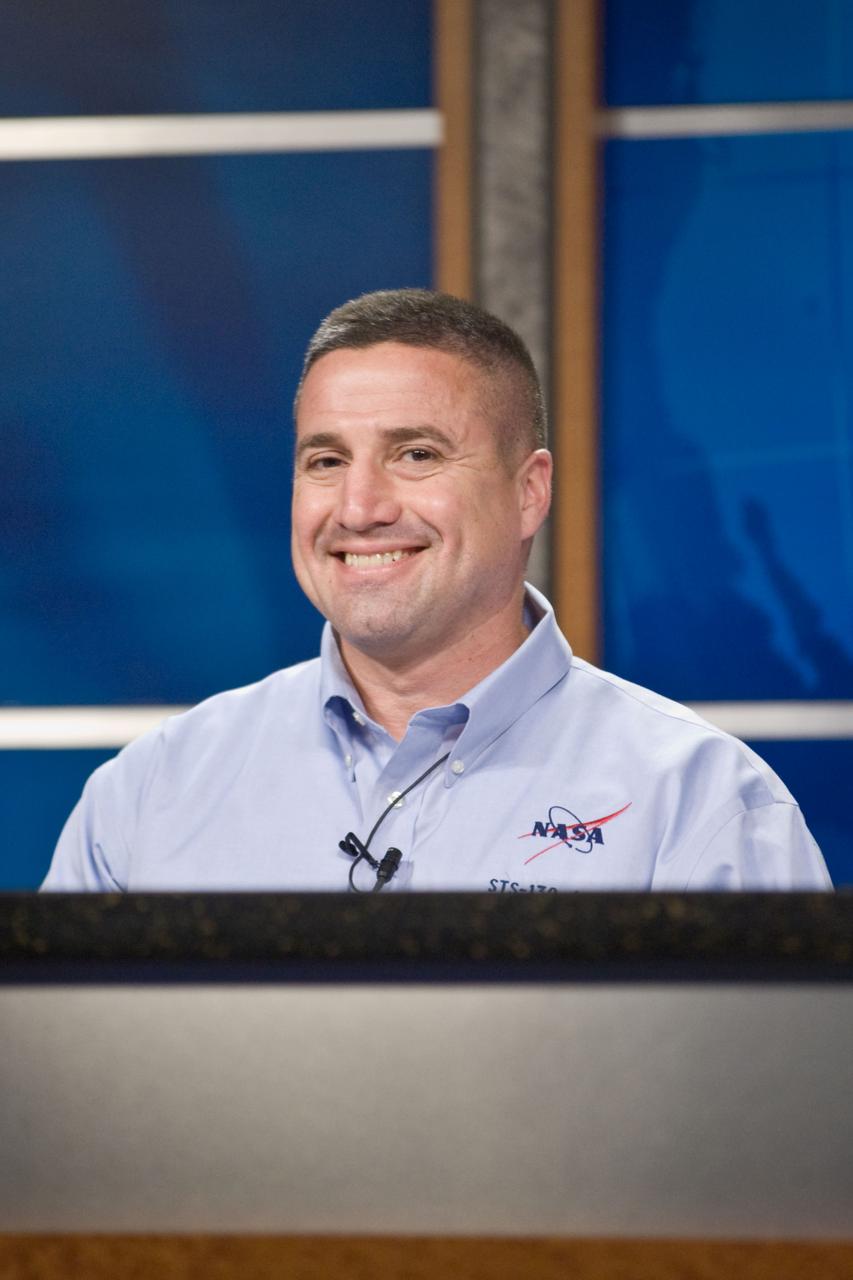
PHOTO DATE: 01-29-10 LOCATION: BLDG 2 PRESS ROOM SUBJECT: STS-130 Press Conference WORK ORDER: 0274-STS130PC-01-29-10 PHOTOGRAPHER: BILL STAFFORD X34753
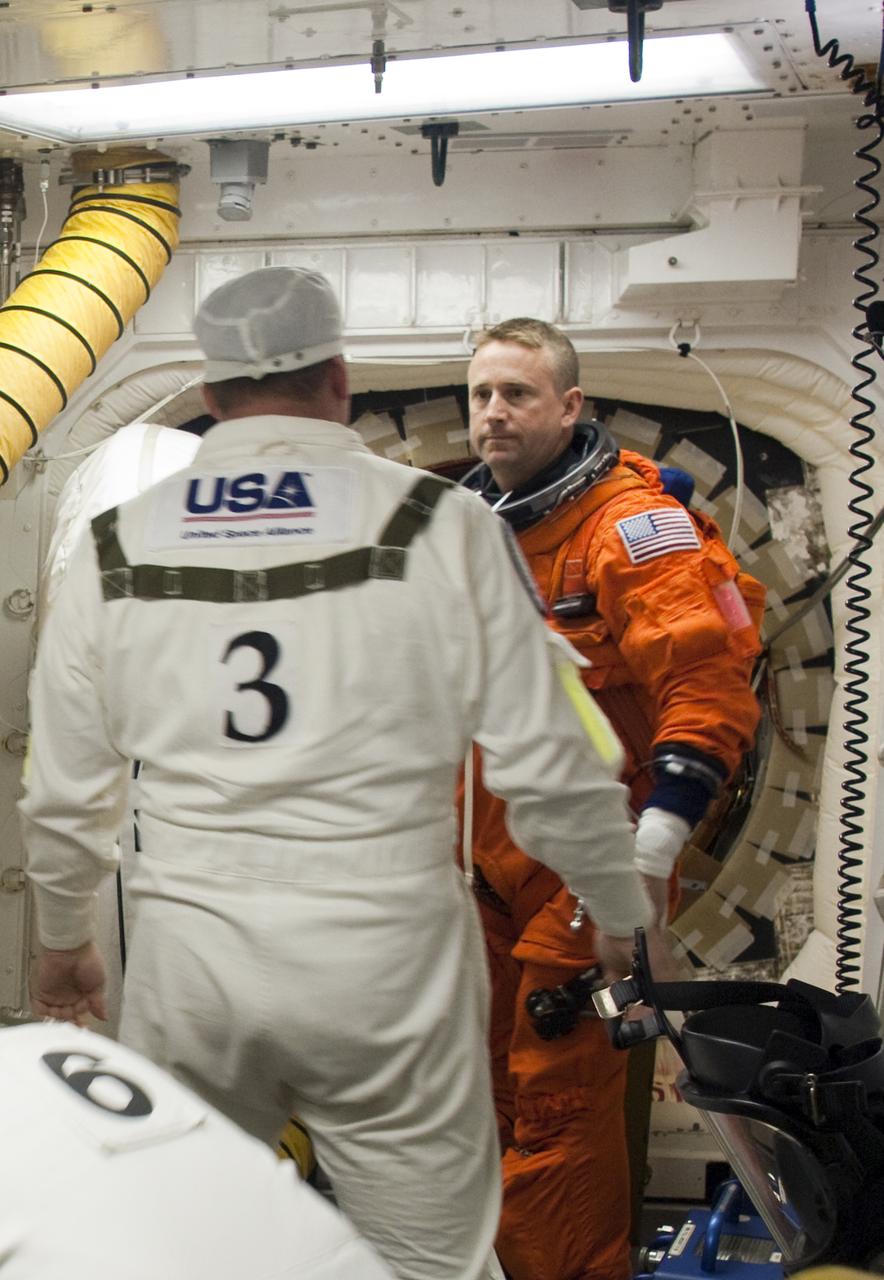
STS-132 LAUNCH L-0 WHITEROOM ACTIVITIES
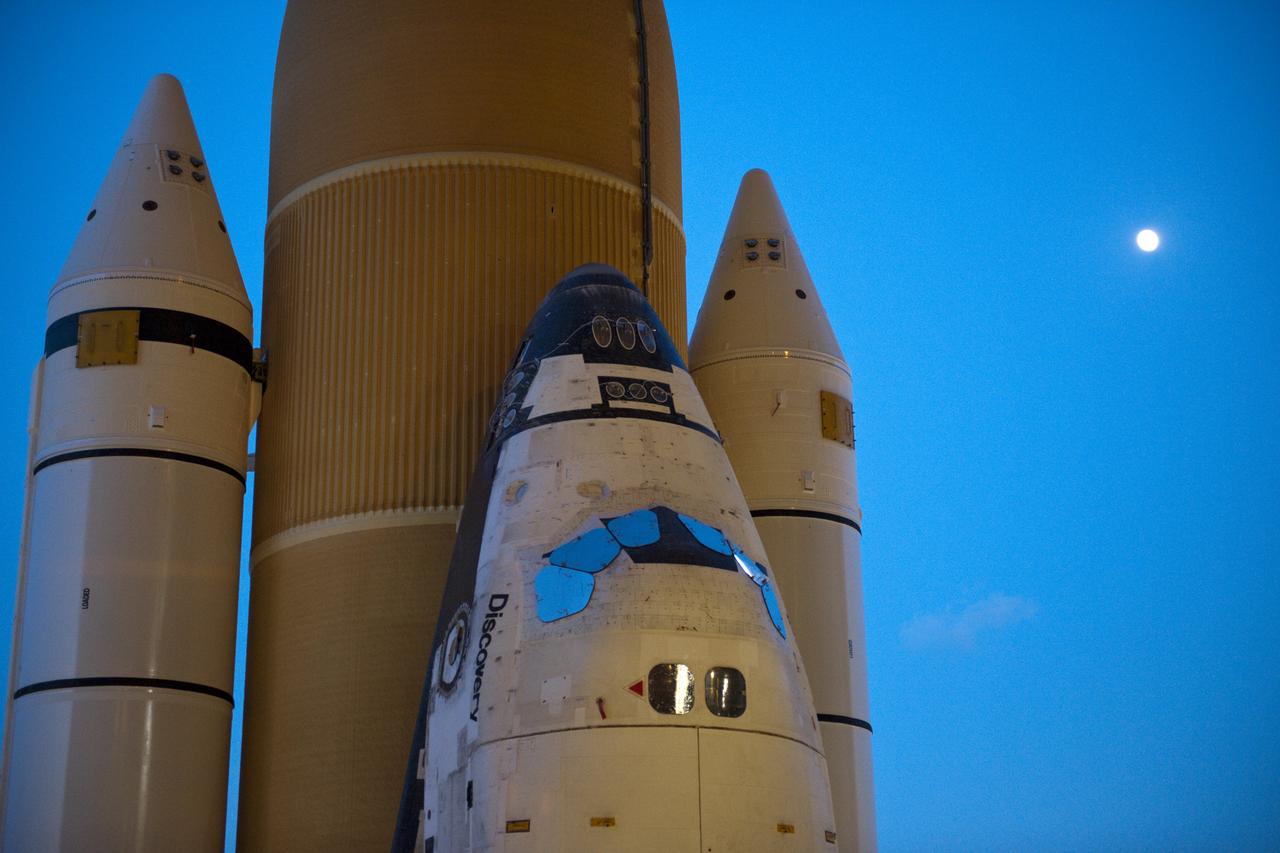
STS-133 DISCOVERY ROLLOUT - 1ST MOTION
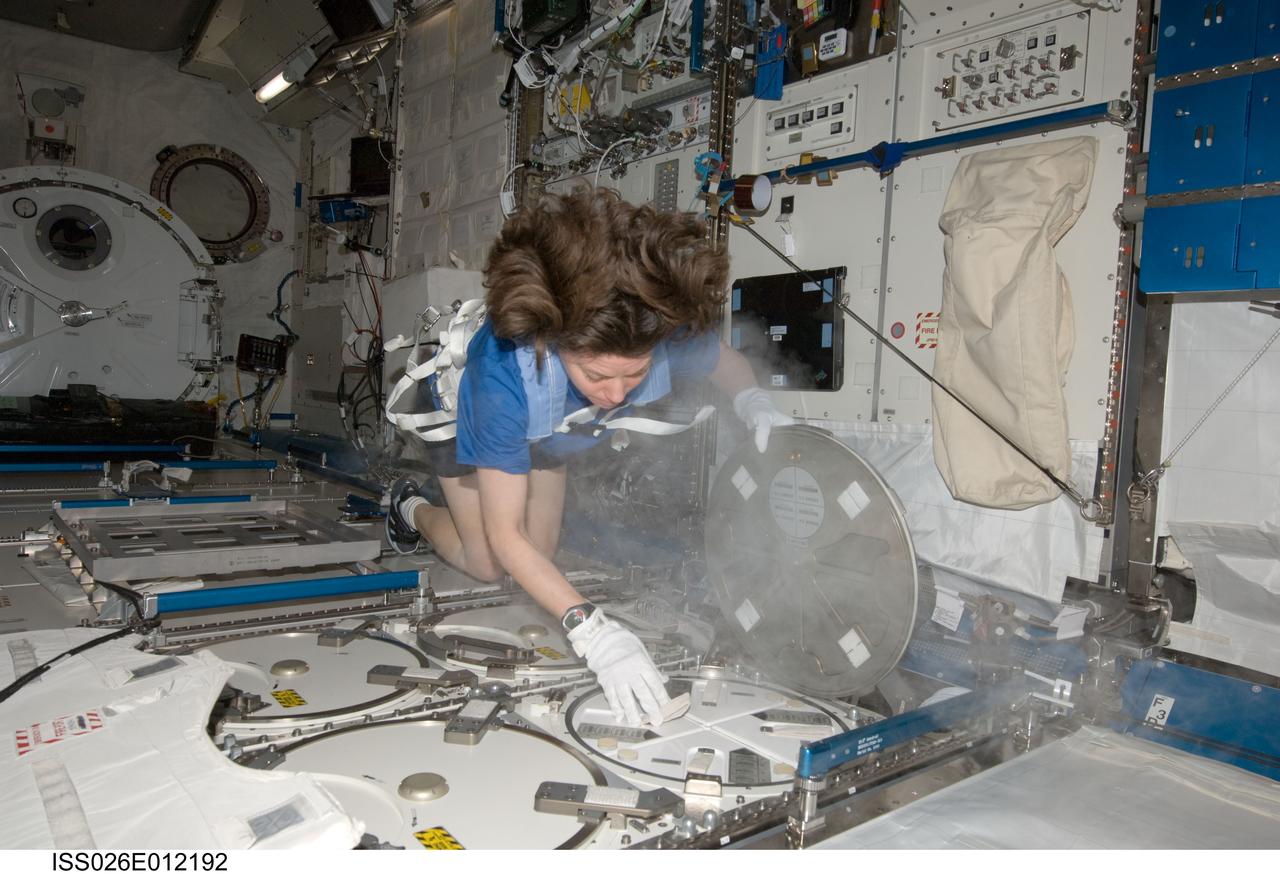
ISS026-E-012192 (26 Dec. 2010) --- NASA astronaut Catherine (Cady) Coleman, Expedition 26 flight engineer, services the Minus Eighty Laboratory Freezer for ISS (MELFI-1) in the Kibo laboratory of the International Space Station.
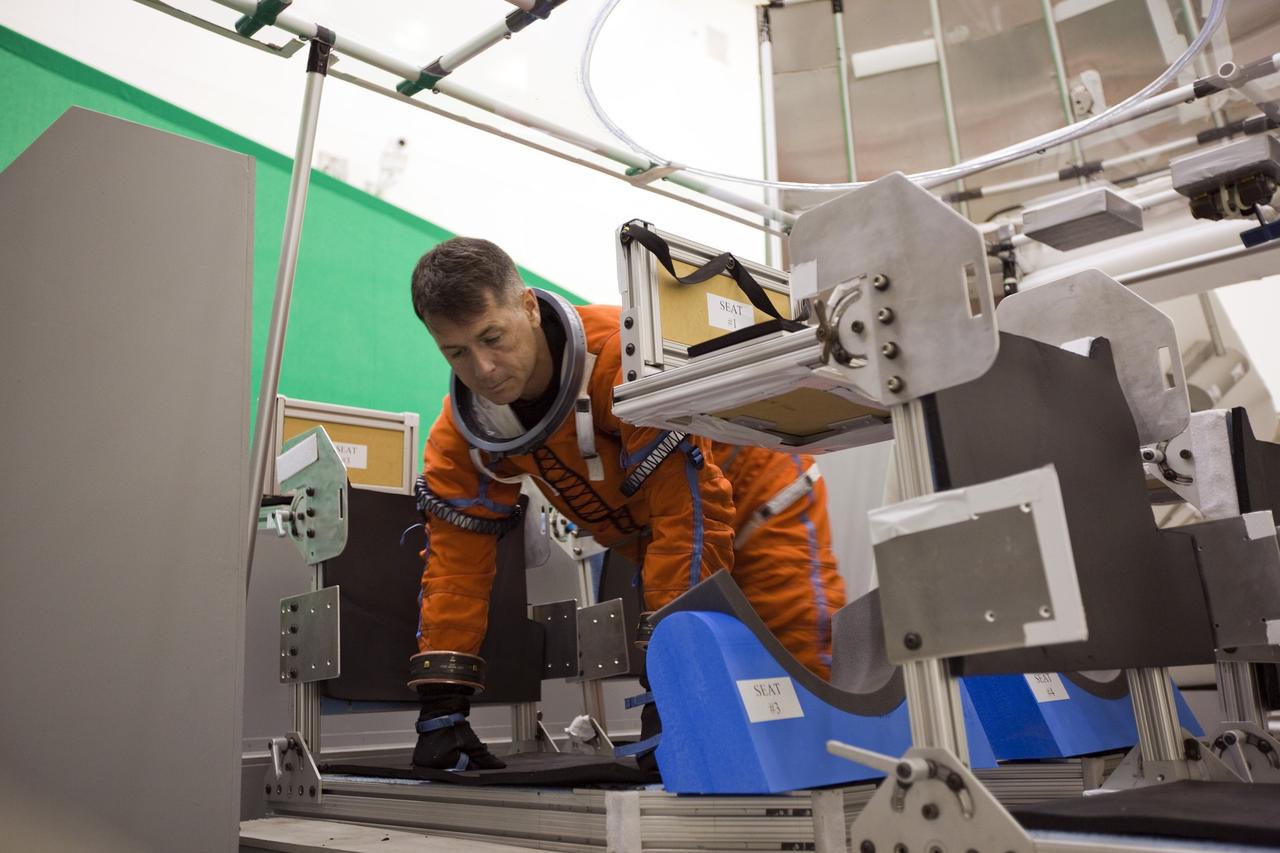
CAPE CANAVERAL, Fla. -- In the Multi-Payload Processing Facility at NASA's Kennedy Space Center in Florida, NASA astronaut Shane Kimbrough participates in an exercise known as crew egress evaluation from an Orion mock-up. The spacecraft is replicated in all areas that could affect a crew's escape, including the area that seals to a launch pad's White Room. The exercise focuses on whether astronauts and their rescue crews can exit the vehicle quickly in the event of a pad emergency. For more information on Orion, visit www.nasa.gov/orion. Photo credit: NASA/Dimitri Gerondidakis
STS-131 TCDT - CREW ARRIVAL
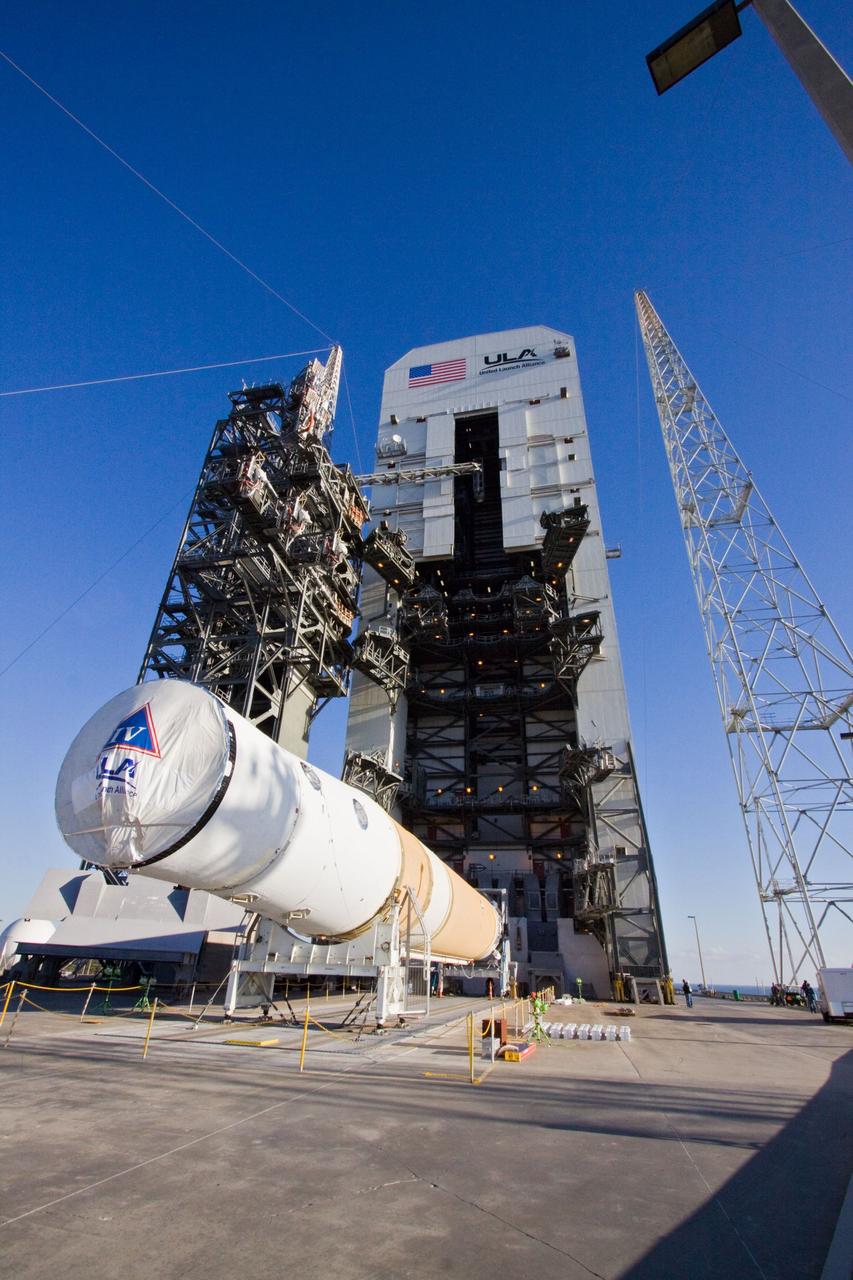
CAPE CANAVERAL, Fla. – At Launch Complex 37 on Cape Canaveral Air Force Station in Florida, preparations are under way to lift the core stage of a Delta IV rocket into the mobile service tower. The rocket's first stage mated to its second stage comprise the core stage. The rocket is slated to launch GOES-P, the latest Geostationary Operational Environmental Satellite developed by NASA for the National Oceanic and Atmospheric Administration, or NOAA. The Delta IV rocket will be launched by United Launch Alliance for Boeing Launch Services under an FAA commercial license. Launch is targeted for no earlier than March 1. For information on GOES-P, visit http://goespoes.gsfc.nasa.gov/goes/spacecraft/n_p_spacecraft.html. Photo credit: NASA/Jack Pfaller
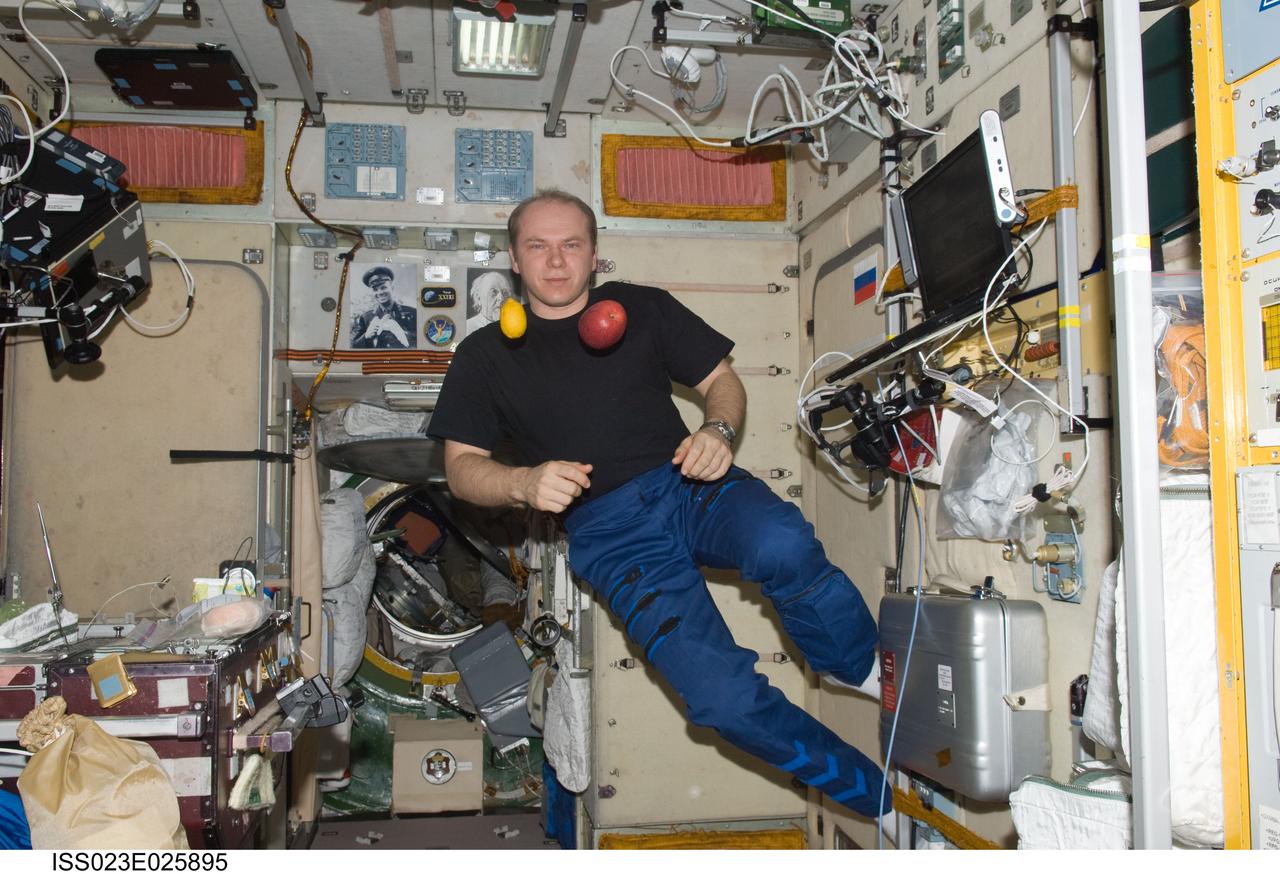
ISS023-E-025895 (18 April 2010) --- Russian cosmonaut Oleg Kotov, Expedition 23 commander, is pictured near fresh fruit floating freely in the Zvezda Service Module of the International Space Station.
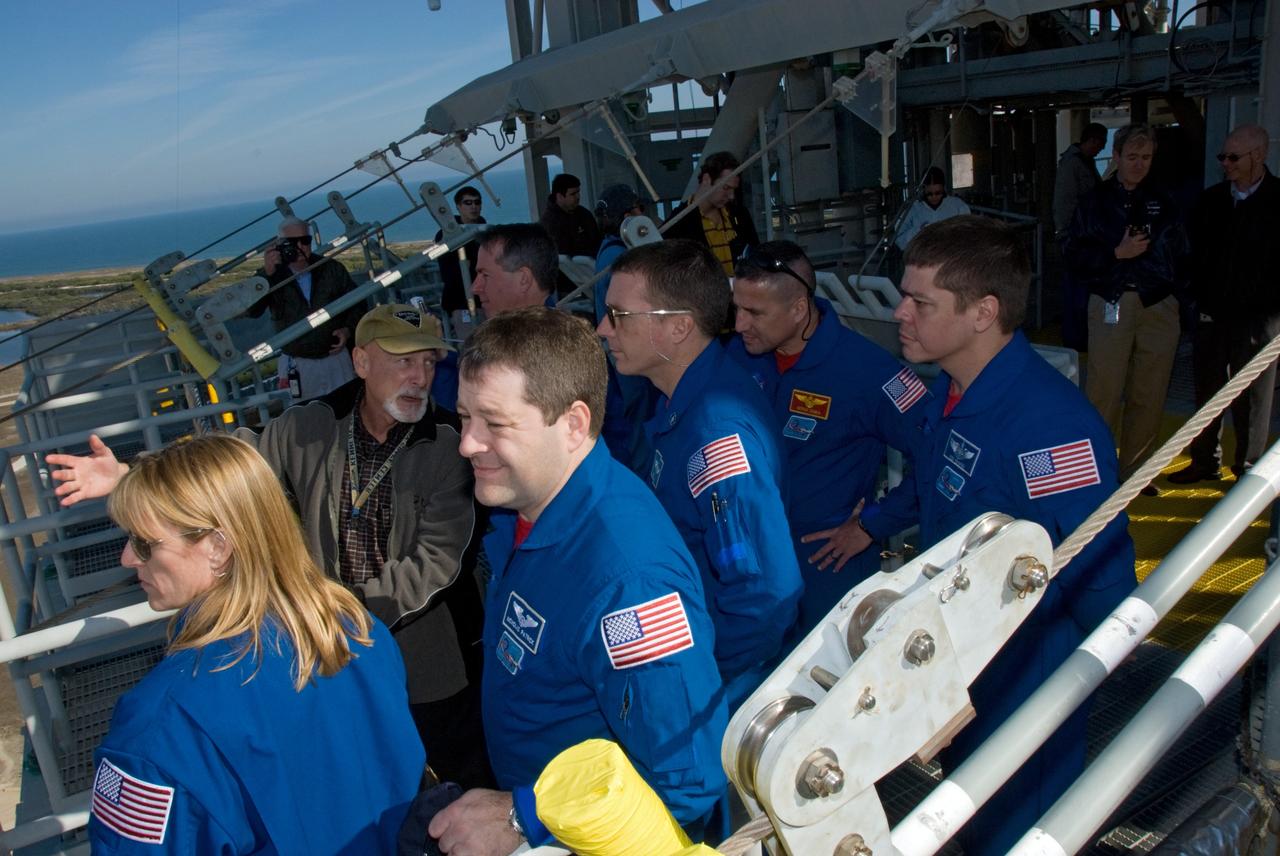
CAPE CANAVERAL, Fla. - On Launch Pad 39A at NASA's Kennedy Space Center in Florida, the members of space shuttle Endeavour's STS-130 crew get a close look at the pad's slidewire baskets, part of the emergency exit system at the pad. The system includes seven baskets suspended from seven slidewires that extend from the fixed service structure to a landing zone 1,200 feet west of the pad. The crew members of space shuttle Endeavour's upcoming mission are at Kennedy for training related to their launch dress rehearsal, the Terminal Countdown Demonstration Test. The primary payload on STS-130 is the International Space Station's Node 3, Tranquility, a pressurized module that will provide room for many of the station's life support systems. Attached to one end of Tranquility is a cupola, a unique work area with six windows on its sides and one on top. Endeavour's launch is targeted for Feb. 7. For information on the STS-130 mission and crew, visit http://www.nasa.gov/mission_pages/shuttle/shuttlemissions/sts130/index.html. Photo credit: NASA/Kim Shiflett
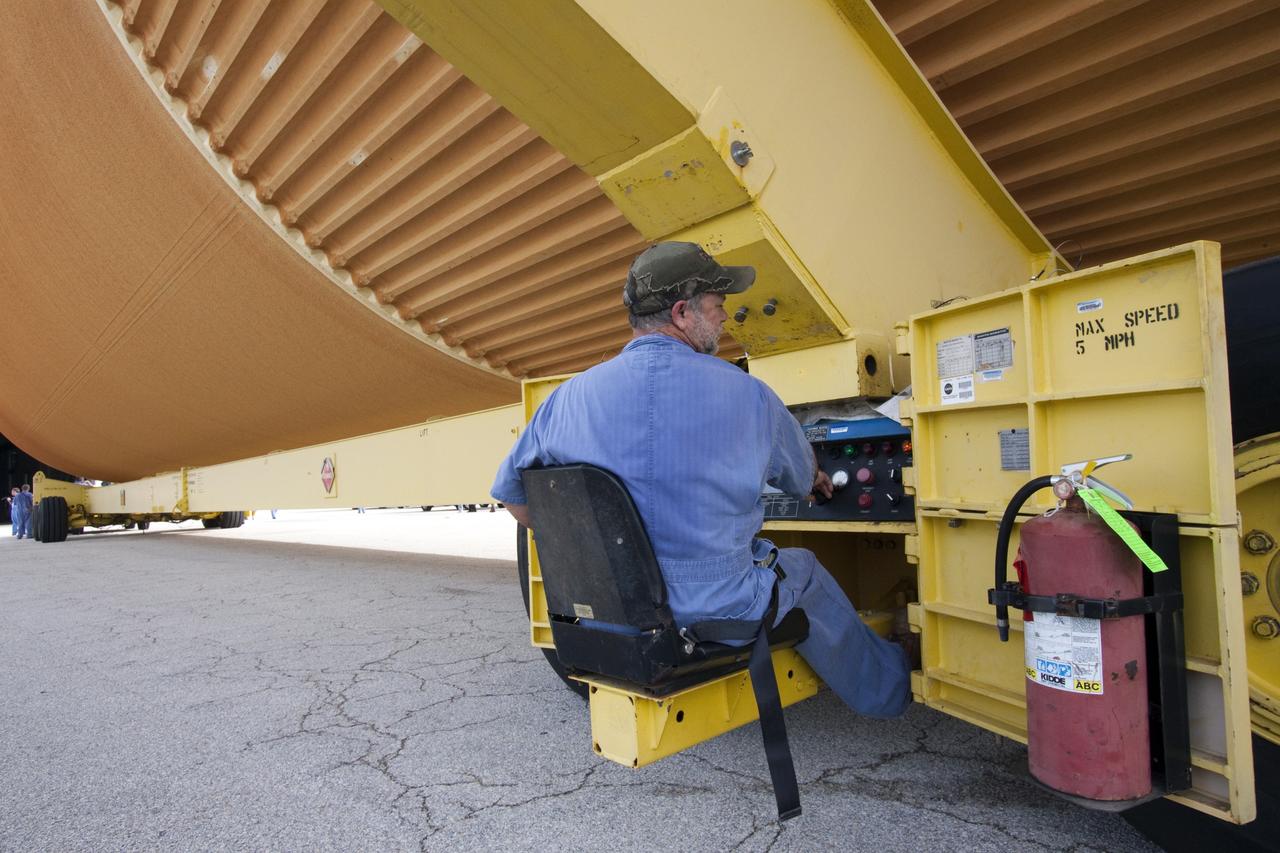
CAPE CANAVERAL, Fla. -- A United Space Alliance technician monitors the Space Shuttle Program's last external fuel tank, ET-122, as it moves from the Turn Basin to the Vehicle Assembly Building at NASA's Kennedy Space Center in Florida. The tank traveled 900 miles by sea from NASA's Michoud Assembly Facility in New Orleans aboard the Pegasus Barge. Once inside the Vehicle Assembly Building, it eventually will be attached to space shuttle Endeavour for the STS-134 mission to the International Space Station. STS-134, targeted to launch in Feb. 2011, currently is scheduled to be the last mission in the shuttle program. The tank, which is the largest element of the space shuttle stack, was damaged during Hurricane Katrina in August 2005 and restored to flight configuration by Lockheed Martin Space Systems Company employees. Photo credit: NASA/Jack Pfaller
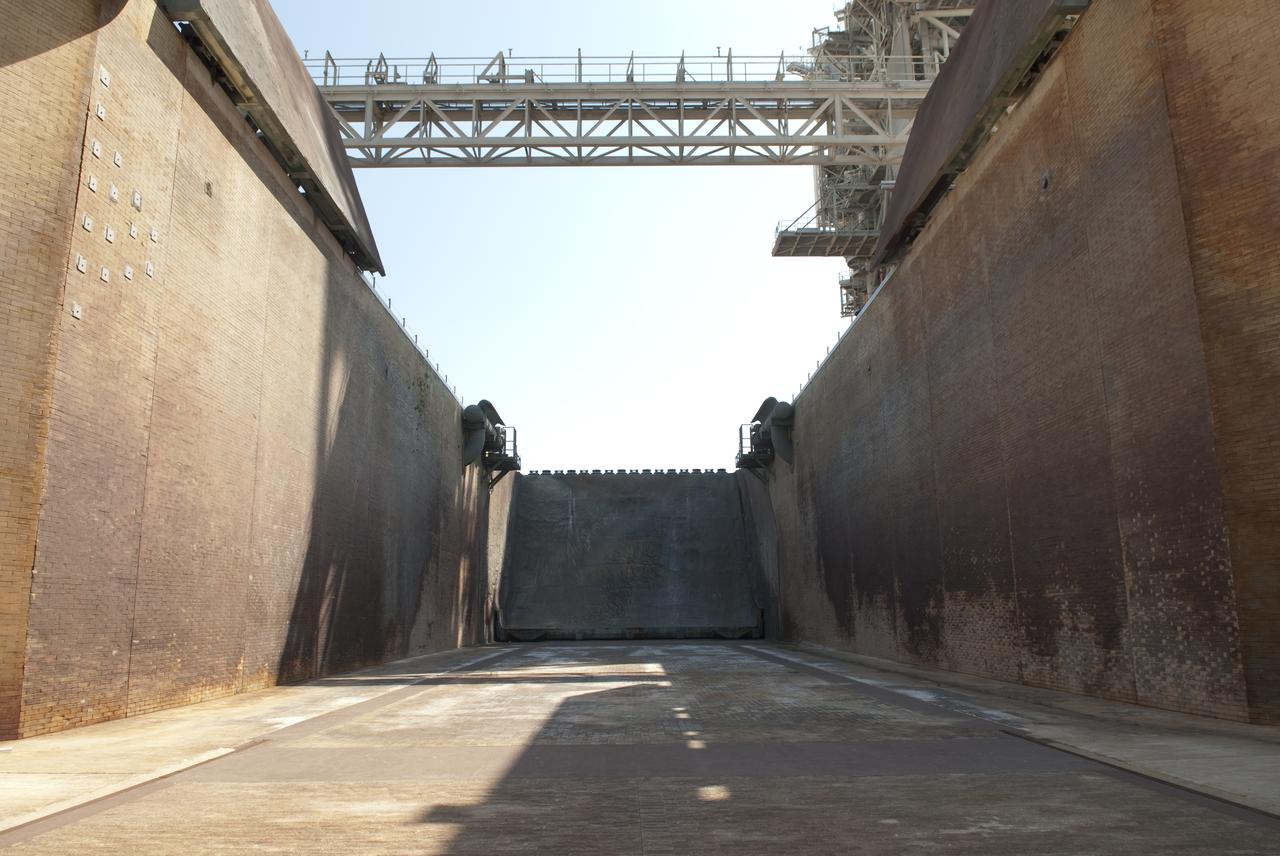
PAD 39B DEMO OPS - FLAME TRENCH AREA
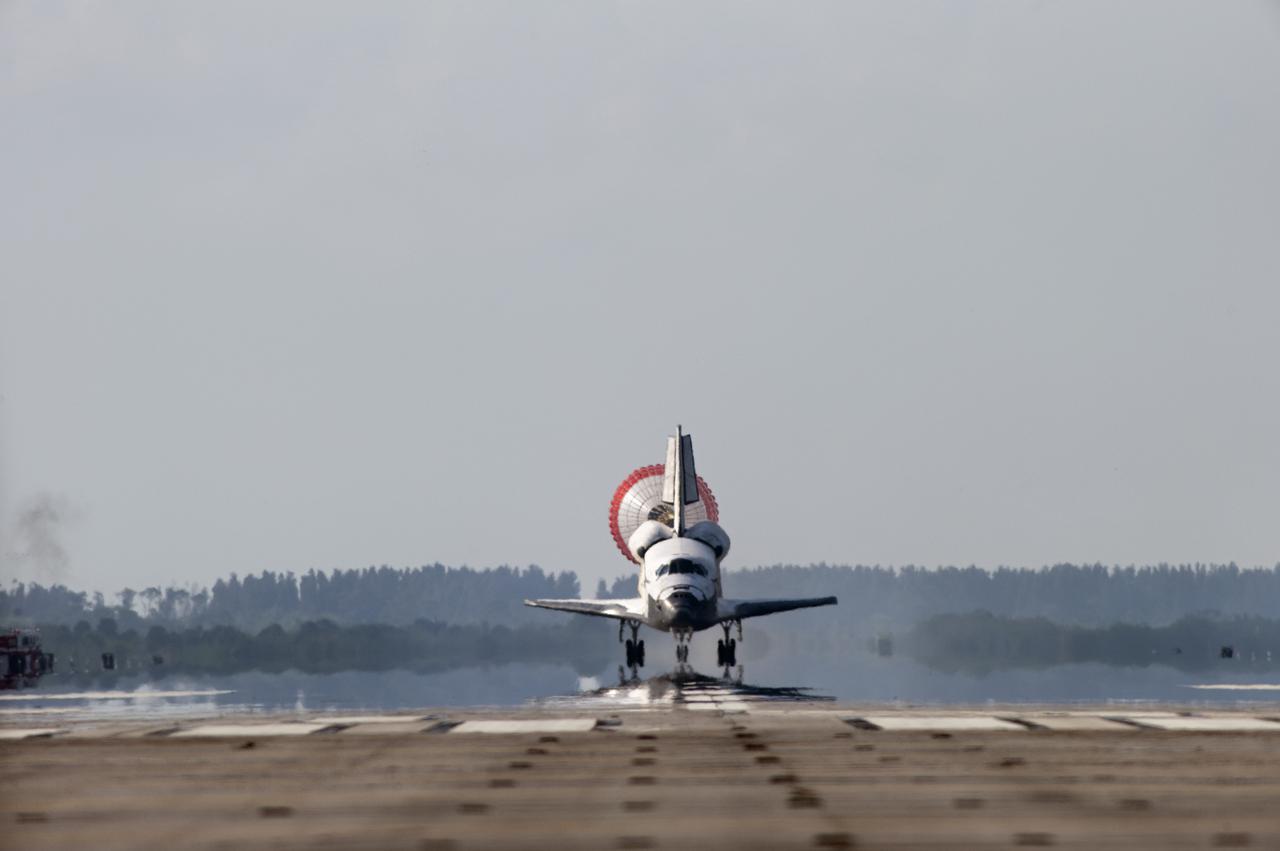
CAPE CANAVERAL, Fla. - With drag chute unfurled, space shuttle Discovery lands on Runway 33 at the Shuttle Landing Facility at NASA's Kennedy Space Center in Florida after 15 days in space, completing the more than 6.2-million-mile STS-131 mission on orbit 238. Main gear touchdown was at 9:08:35 a.m. EDT followed by nose gear touchdown at 9:08:47 a.m. and wheelstop at 9:09:33 a.m. Aboard are Commander Alan Poindexter; Pilot James P. Dutton Jr.; and Mission Specialists Rick Mastracchio, Clayton Anderson, Dorothy Metcalf-Lindenburger, Stephanie Wilson and Naoko Yamazaki of the Japan Aerospace Exploration Agency. The seven-member STS-131 crew carried the multi-purpose logistics module Leonardo, filled with supplies, a new crew sleeping quarters and science racks that were transferred to the International Space Station's laboratories. The crew also switched out a gyroscope on the station’s truss, installed a spare ammonia storage tank and retrieved a Japanese experiment from the station’s exterior. STS-131 is the 33rd shuttle mission to the station and the 131st shuttle mission overall. For information on the STS-131 mission and crew, visit http:__www.nasa.gov_mission_pages_shuttle_shuttlemissions_sts131_index.html. Photo credit: NASA_Sandra Joseph and Kevin O'Connell
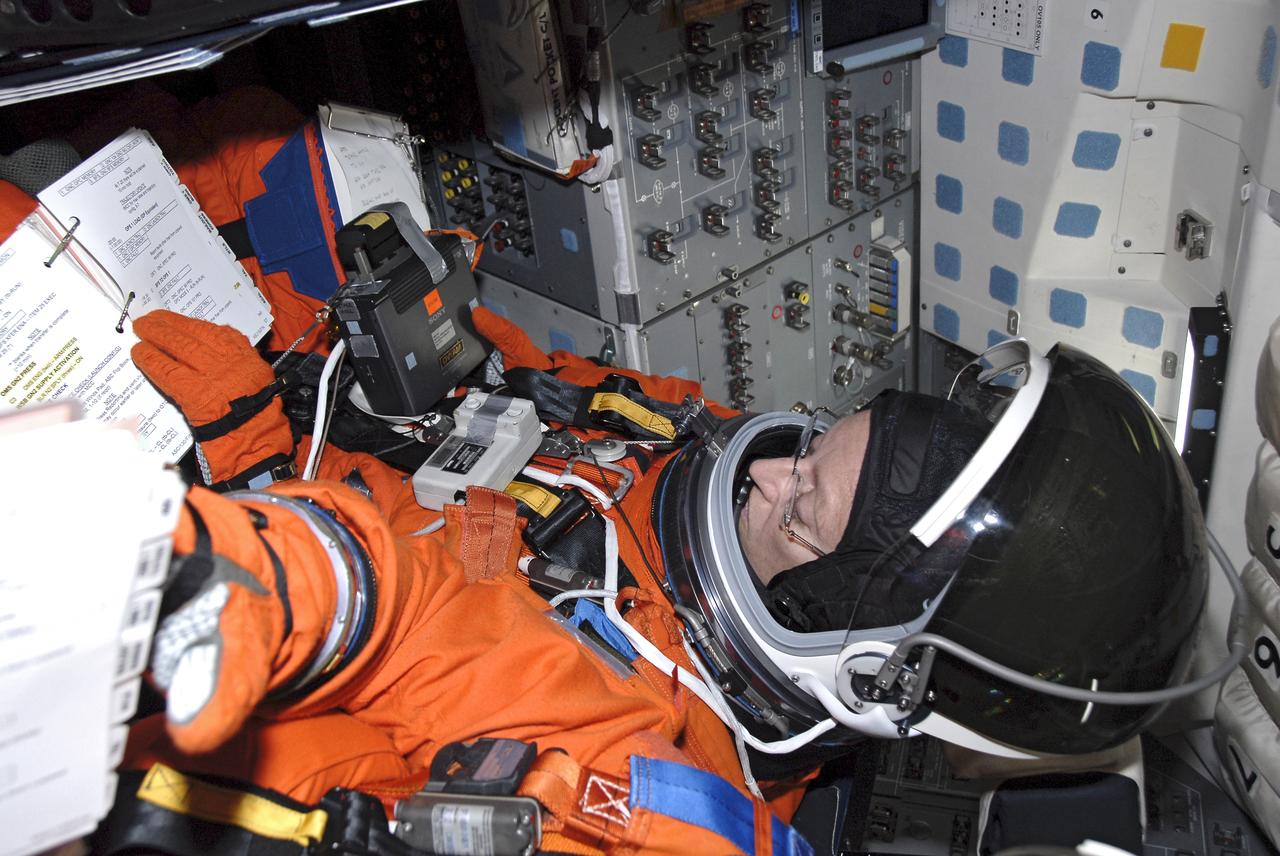
STS-130 TCDT - MODE 1 EGRESS
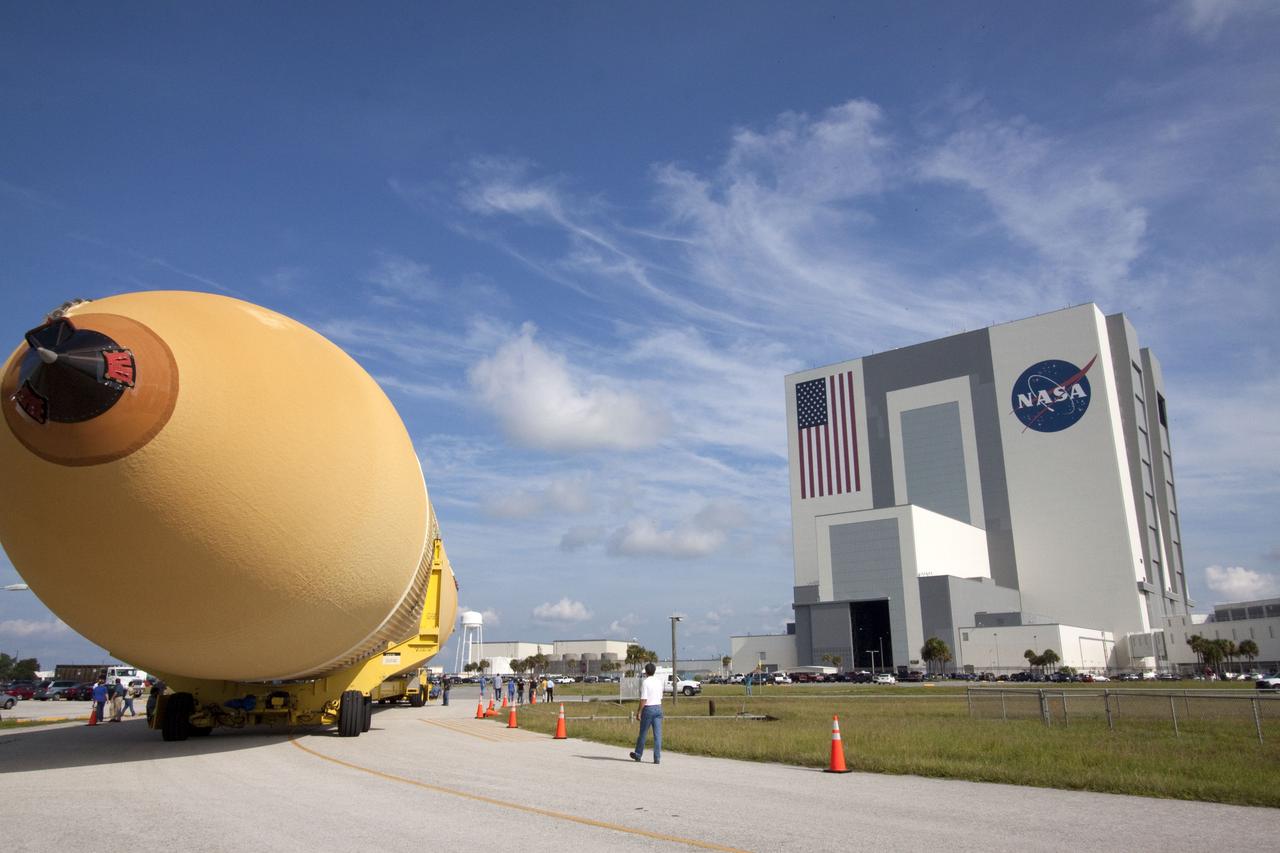
STS-134 ET-138 OFFLOAD FROM PEGASUS BARGE - XFER TO VAB
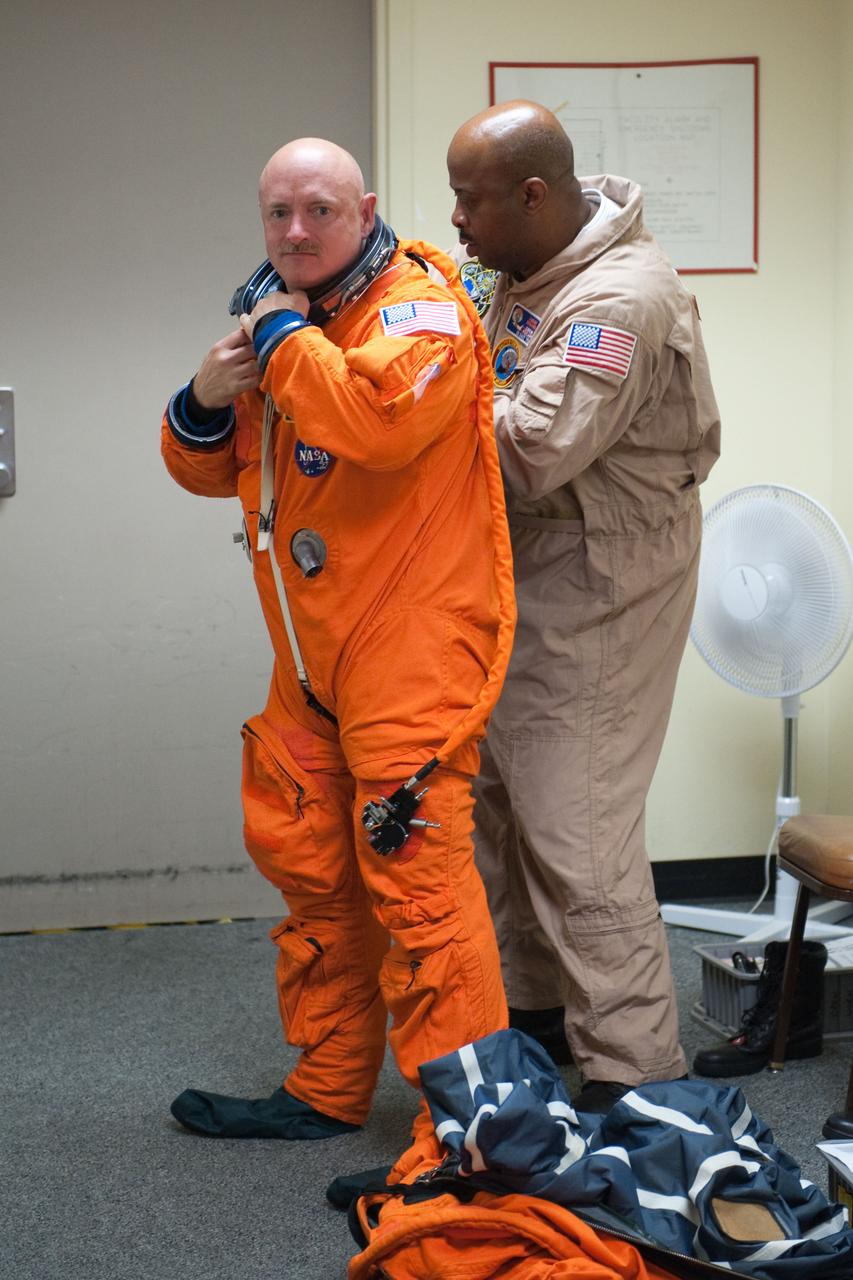
JSC2010-E-124259 (8 Sept. 2010) --- NASA astronaut Mark Kelly, STS-134 commander, dons a training version of his shuttle launch and entry suit in preparation for a training session in the fixed-base shuttle mission simulator (SMS) in the Jake Garn Simulation and Training Facility at NASA?s Johnson Space Center. United Space Alliance suit technician Andre Denard assisted Kelly. Photo credit: NASA or National Aeronautics and Space Administration
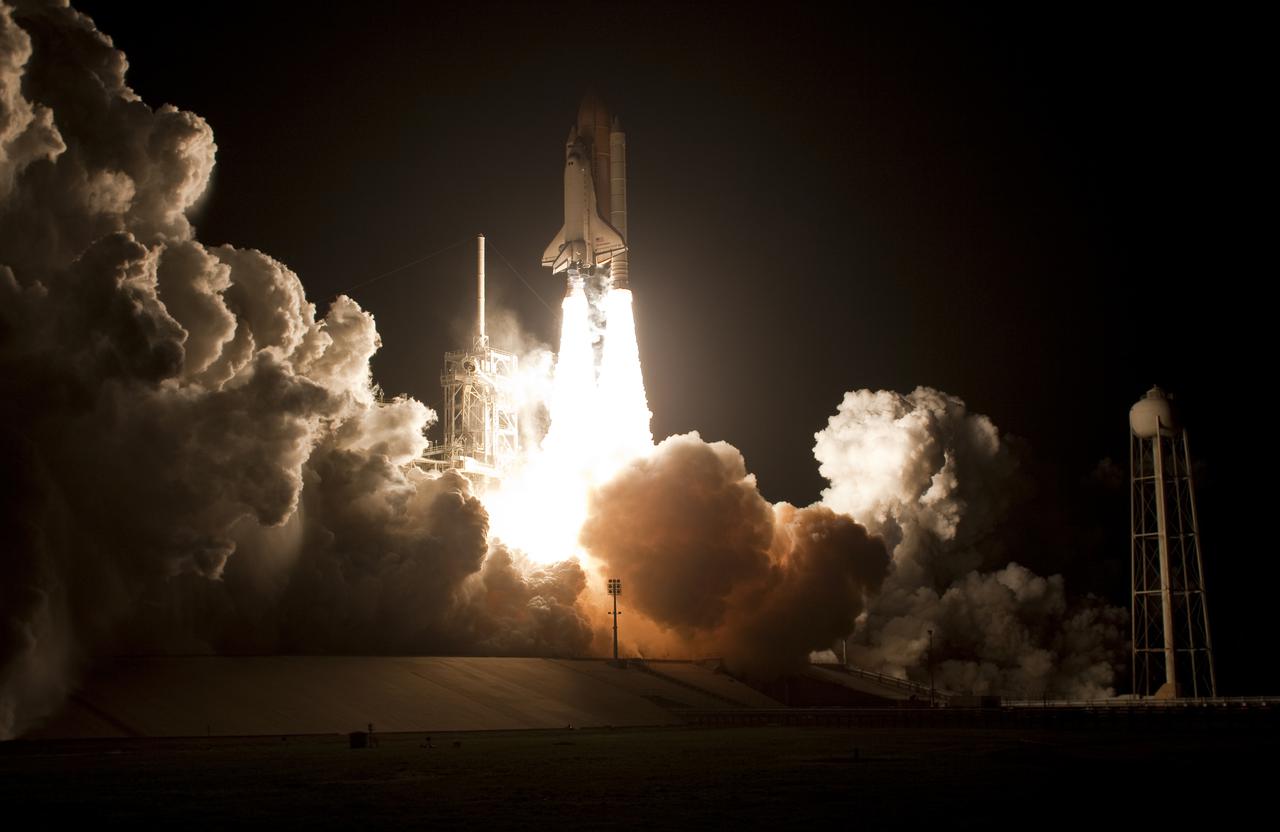
CAPE CANAVERAL, Fla. - An exhaust cloud forms under space shuttle Endeavour as it begins its climb to orbit from Launch Pad 39A at NASA's Kennedy Space Center in Florida. Launch of the STS-130 mission to the International Space Station was at 4:14 a.m. EST. This was the second launch attempt for space shuttle Endeavour's STS-130 crew and the final scheduled space shuttle night launch. The first attempt on Feb. 7 was scrubbed due to unfavorable weather. The primary payload for the STS-130 mission to the International Space Station is the Tranquility node, a pressurized module that will provide additional room for crew members and many of the station's life support and environmental control systems. Attached to one end of Tranquility is a cupola, a unique work area with six windows on its sides and one on top. The cupola resembles a circular bay window and will provide a vastly improved view of the station's exterior. The multi-directional view will allow the crew to monitor spacewalks and docking operations, as well as provide a spectacular view of Earth and other celestial objects. The module was built in Turin, Italy, by Thales Alenia Space for the European Space Agency. For information on the STS-130 mission and crew, visit http:__www.nasa.gov_mission_pages_shuttle_shuttlemissions_sts130_index.html. Photo courtesy of Scott Andrews
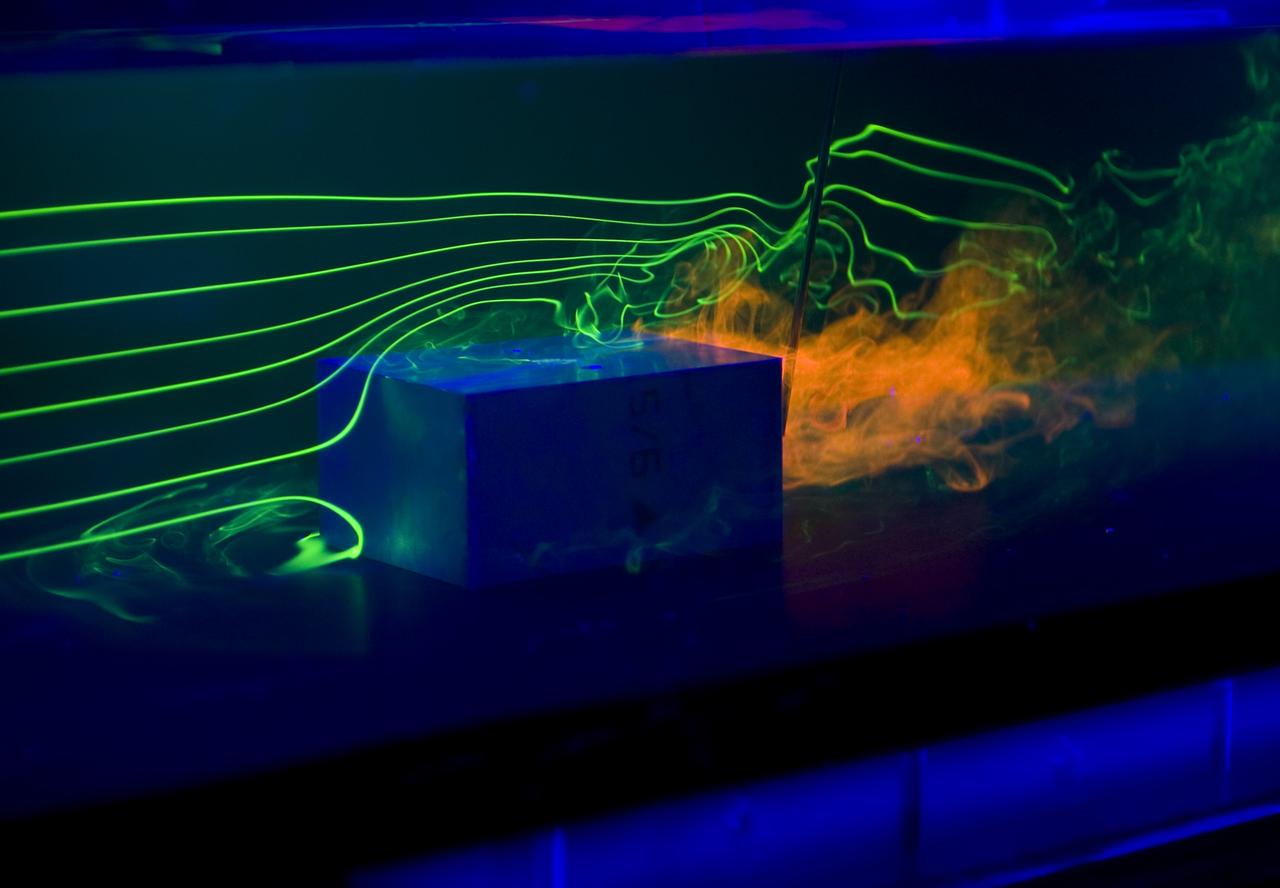
Students, Ajay Ramesh and Prithvi Aiyaswamy in 7th grade, Chaboya Middle School, San Jose, have entered the Intel Inernational Science Fair (May 2010) They are here at the Ames Research center to test the drag of race cars in the Fluid Mechanics Lab (FML)
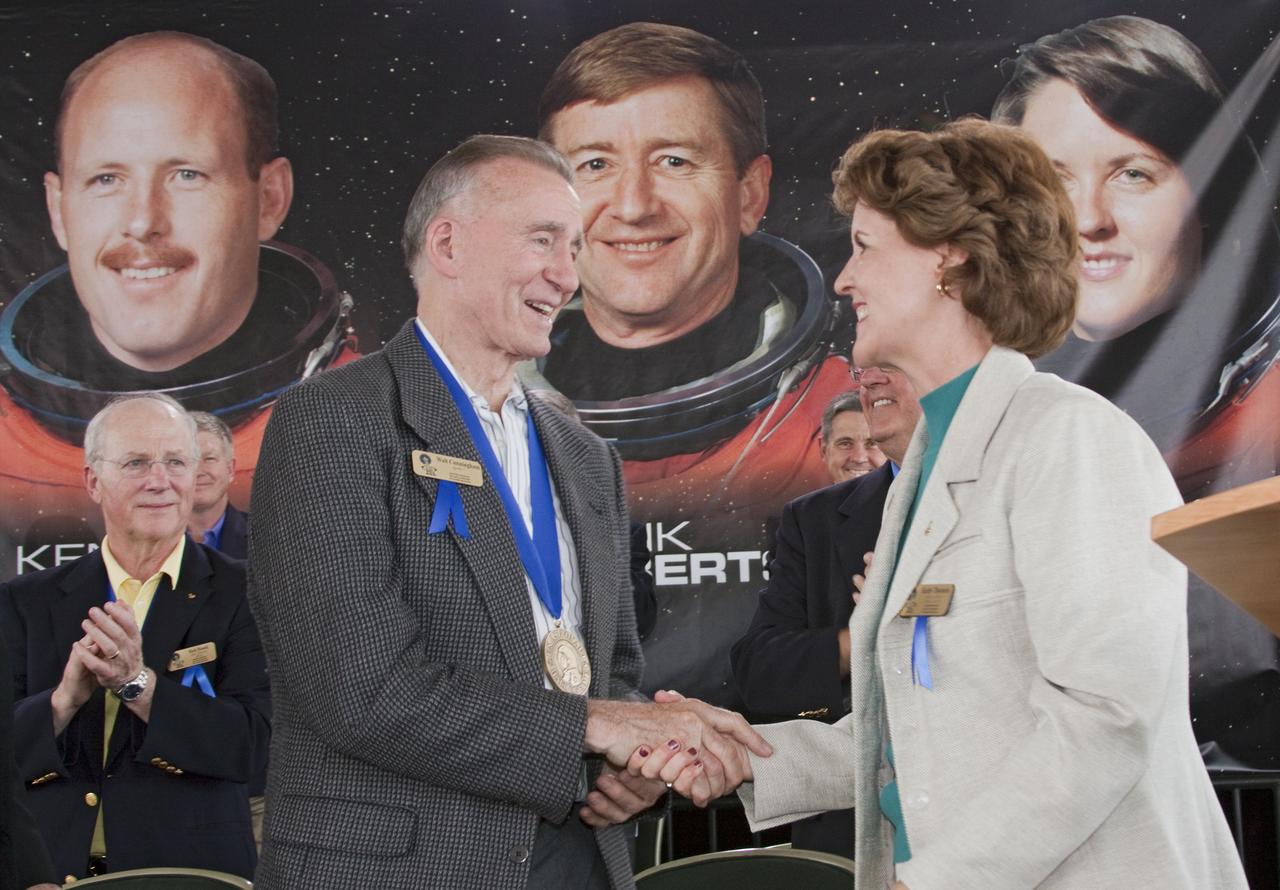
2010 ASTRONAUT HALL OF FAME INDUCTEES
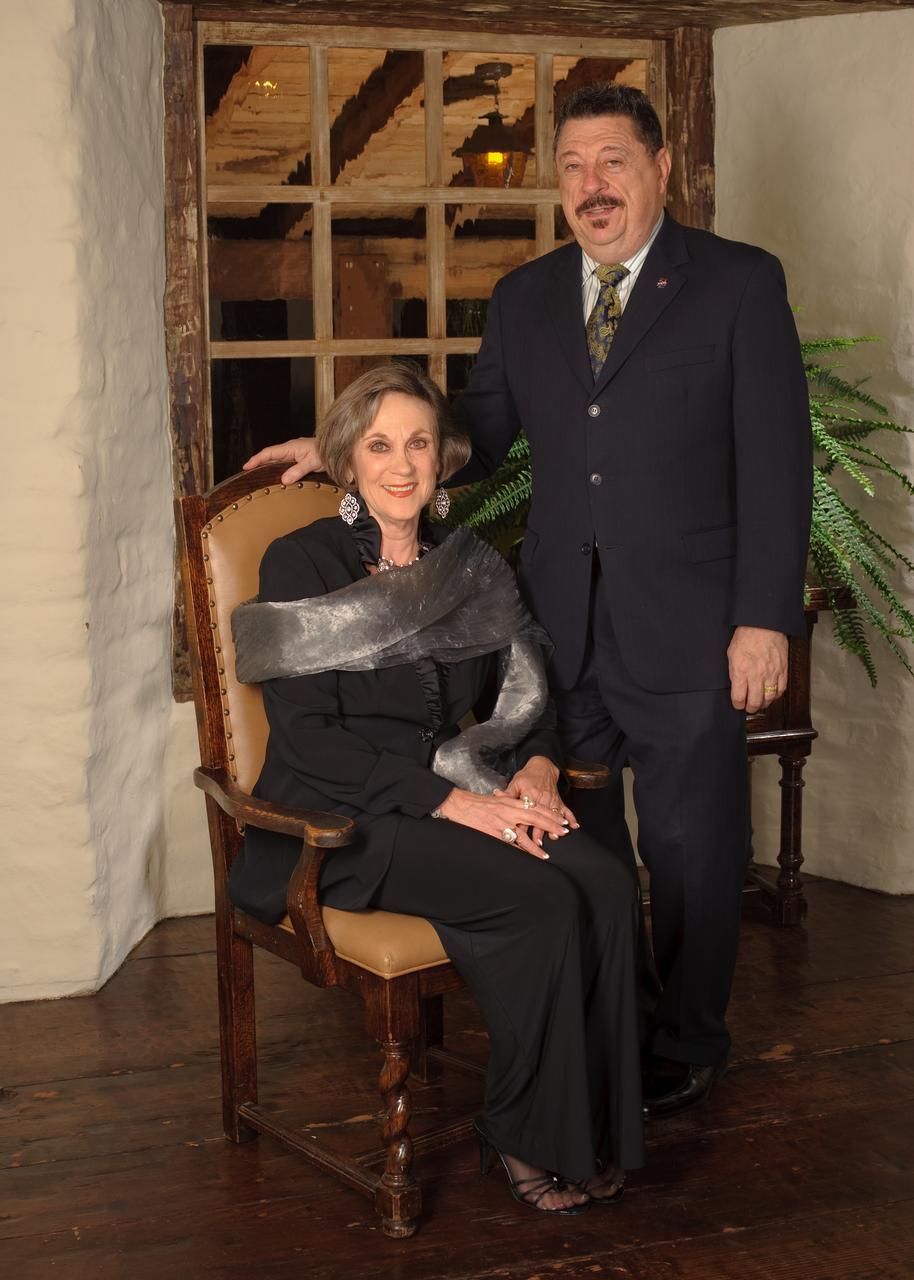
NASA Ames Research Center 70 Year Anniversary Gala Dinner held at Santa Clara University, Santa Clara, California with special guest speaker Nichelle Nichols of Star Trek fame.
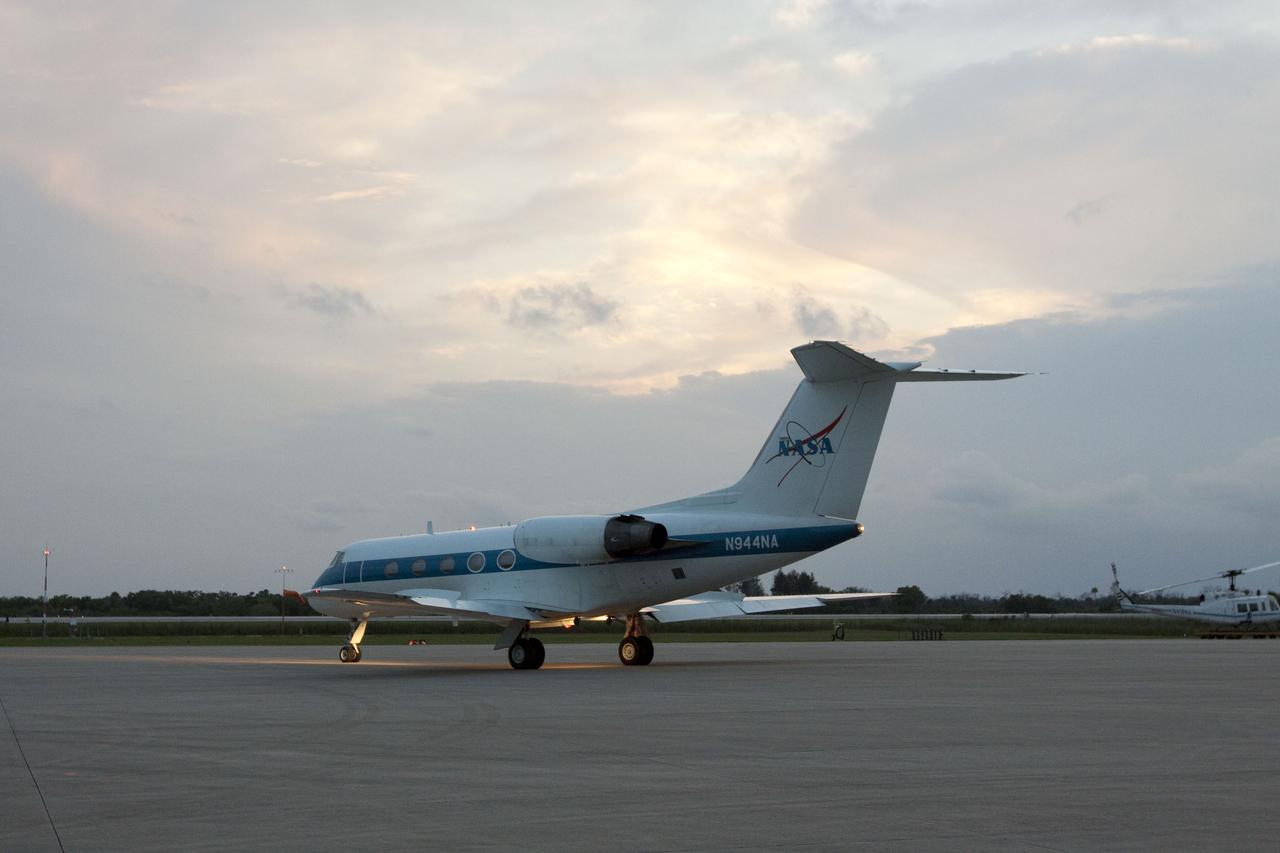
STS-132 TCDT - SUITED STA'S AT SLF
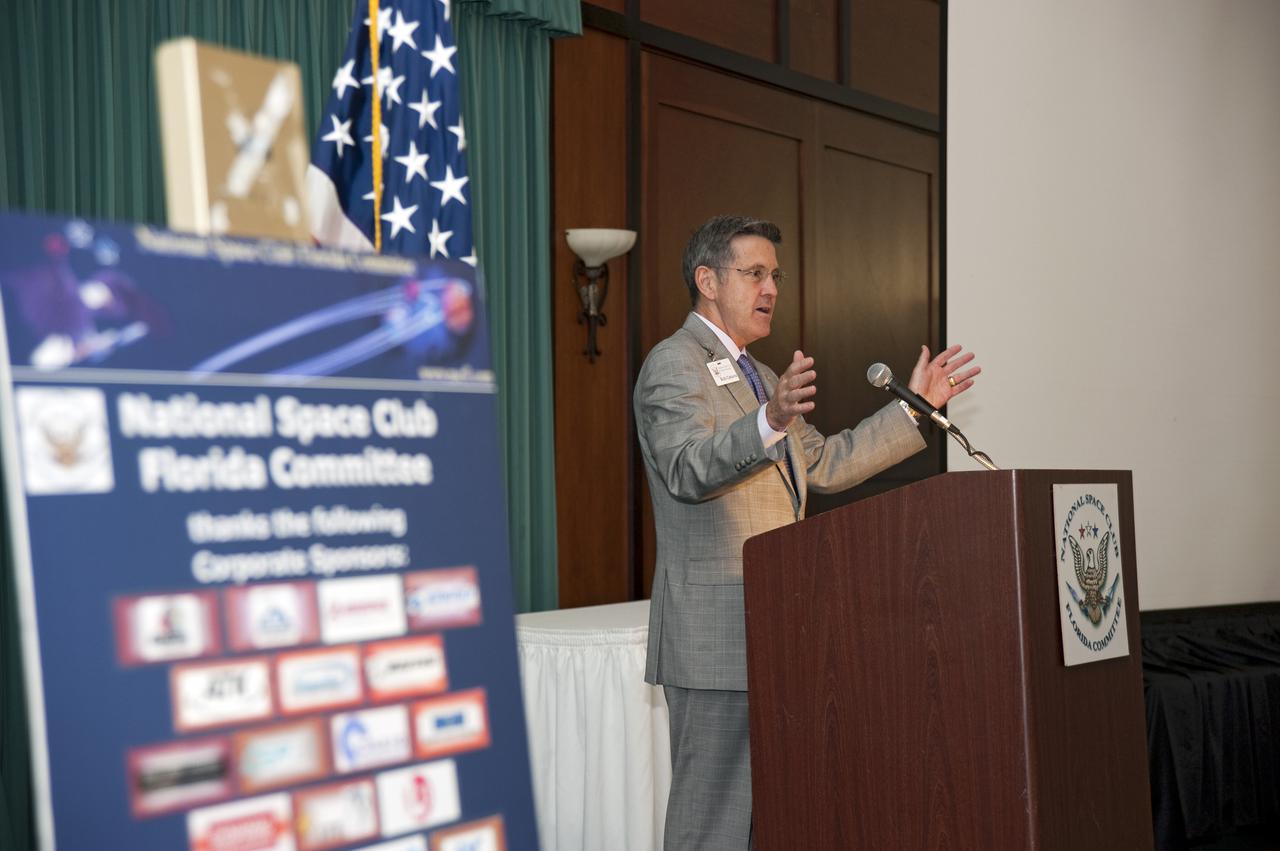
CAPE CANAVERAL, Fla. -- NASA Kennedy Space Center Director Bob Cabana addresses the National Space Club Florida Committee during its monthly meeting at the Radisson at the Port in Cape Canaveral, Fla. His speech, titled “KSC -- Today and Tomorrow,” addressed the future of NASA and possible changes to the space shuttle launch schedule later this month. The committee, headquartered on Florida's Space Coast, is a non-profit corporation composed of private individuals representing industry, government, regional educational institutions and the media. NASA_Kim Shiflett
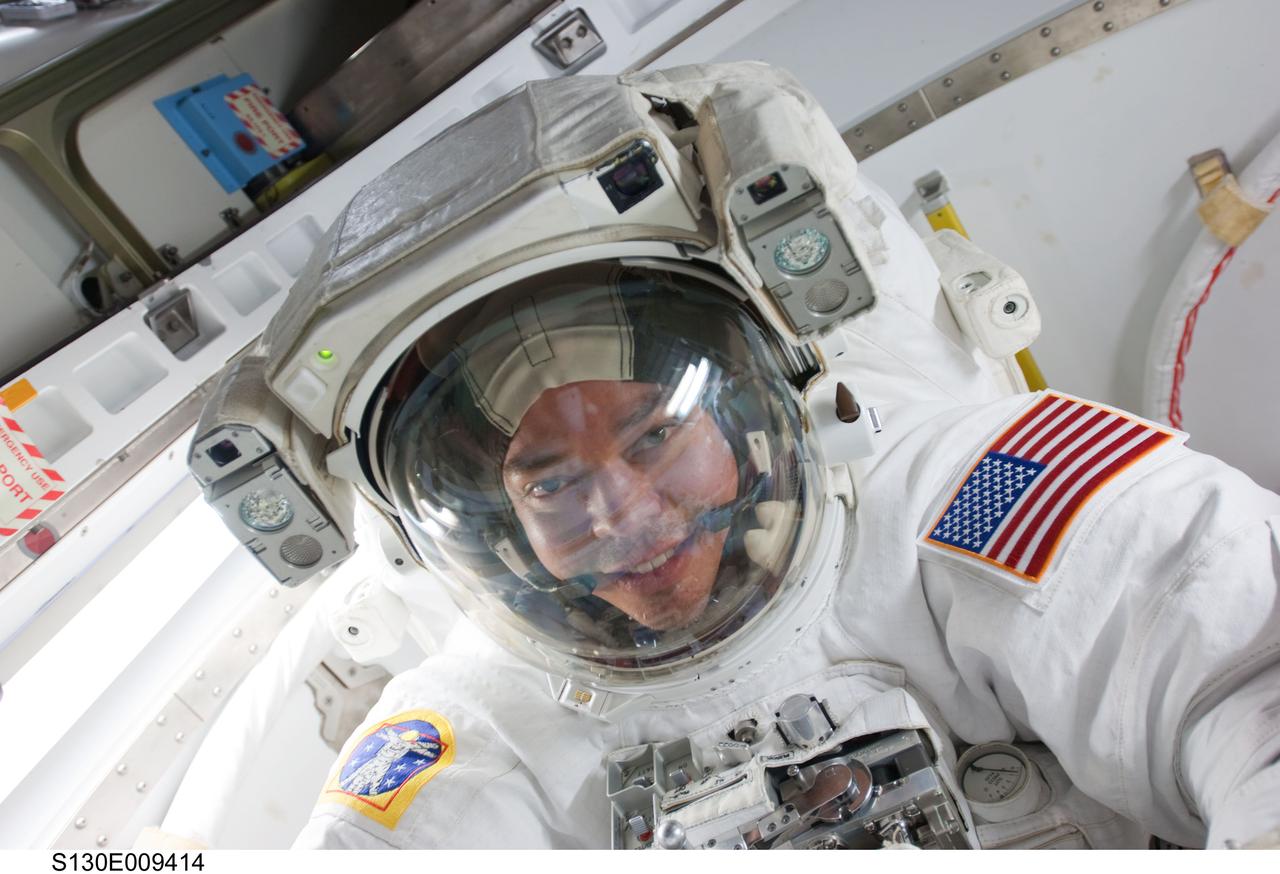
S130-E-009414 (16 Feb. 2010) --- NASA astronaut Robert Behnken, STS-130 mission specialist, attired in his Extravehicular Mobility Unit (EMU) spacesuit, prepares to exit the Quest airlock of the International Space Station to begin the mission's third and final session of extravehicular activity (EVA).

S130-E-011972 (19 Feb. 2010) --- Surrounded by the blackness of space, the International Space Station is featured in this image photographed by an STS-130 crew member on space shuttle Endeavour after the station and shuttle began their post-undocking relative separation. Undocking of the two spacecraft occurred at 7:54 p.m. (EST) on Feb. 19, 2010. A partial shadow of Endeavour is visible on the solar array wing panels at lower right.
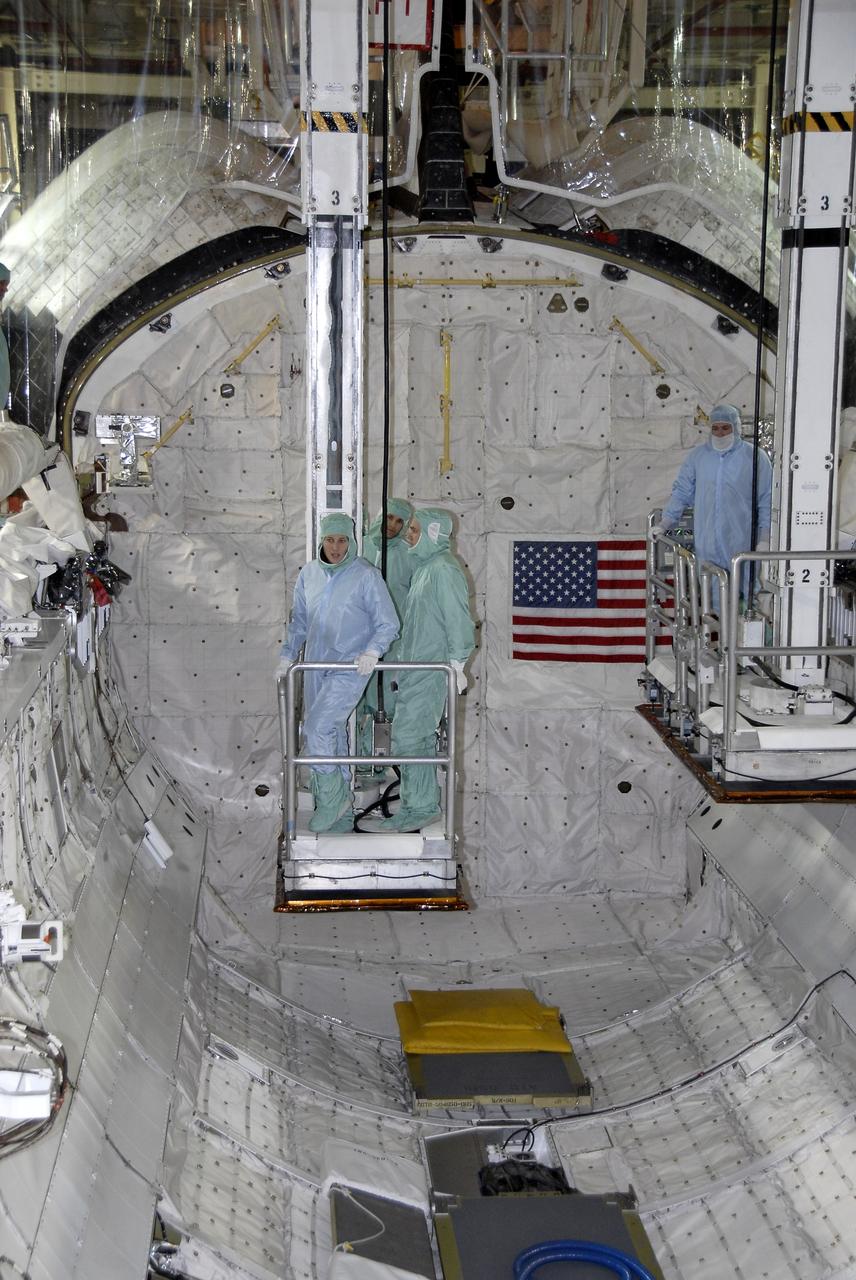
CAPE CANAVERAL, Fla. - In Orbiter Processing Facility 3 at NASA's Kennedy Space Center in Florida, members of space shuttle Discovery's STS-131 crew participate in training activities during the Crew Equipment Interface Test, or CEIT, for their mission. Here, buckets are used to lower the crew members and their trainers into Discovery's payload bay without damaging the bay's lining. The CEIT provides the crew with hands-on training and observation of shuttle and flight hardware. The seven-member crew will deliver the multi-purpose logistics module Leonardo, filled with resupply stowage platforms and racks to be transferred to locations around the International Space Station. Three spacewalks will include work to attach a spare ammonia tank assembly to the station's exterior and return a European experiment from outside the station's Columbus module. Discovery's launch is targeted for March 18. For information on the STS-131 mission and crew, visit http://www.nasa.gov/mission_pages/shuttle/shuttlemissions/sts131/index.html. Photo credit: NASA/Kim Shiflett
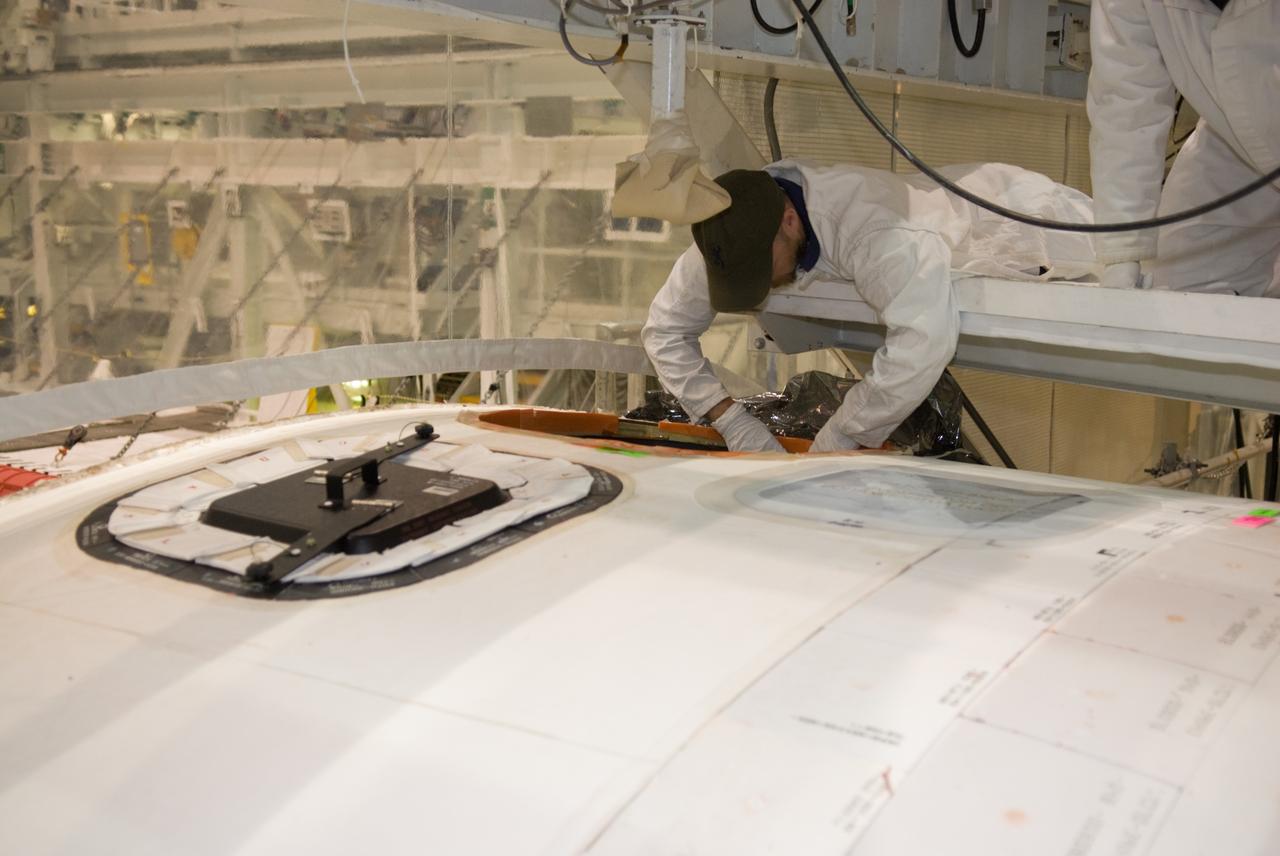
CAPE CANAVERAL, Fla. - In Orbiter Processing Facility 1 at NASA's Kennedy Space Center in Florida, a United Space Alliance technician, lying on a work platform, works inside the crew module of space shuttle Atlantis following removal of window #8. Inspection and maintenance of the crew module windows is standard procedure between shuttle missions. Atlantis is next slated to deliver an Integrated Cargo Carrier and Russian-built Mini Research Module to the International Space Station on the STS-132 mission. The second in a series of new pressurized components for Russia, the module will be permanently attached to the Zarya module. Three spacewalks are planned to store spare components outside the station, including six spare batteries, a boom assembly for the Ku-band antenna and spares for the Canadian Dextre robotic arm extension. A radiator, airlock and European robotic arm for the Russian Multi-purpose Laboratory Module also are payloads on the flight. Launch is targeted for May 14. Photo credit: NASA/Glenn Benson
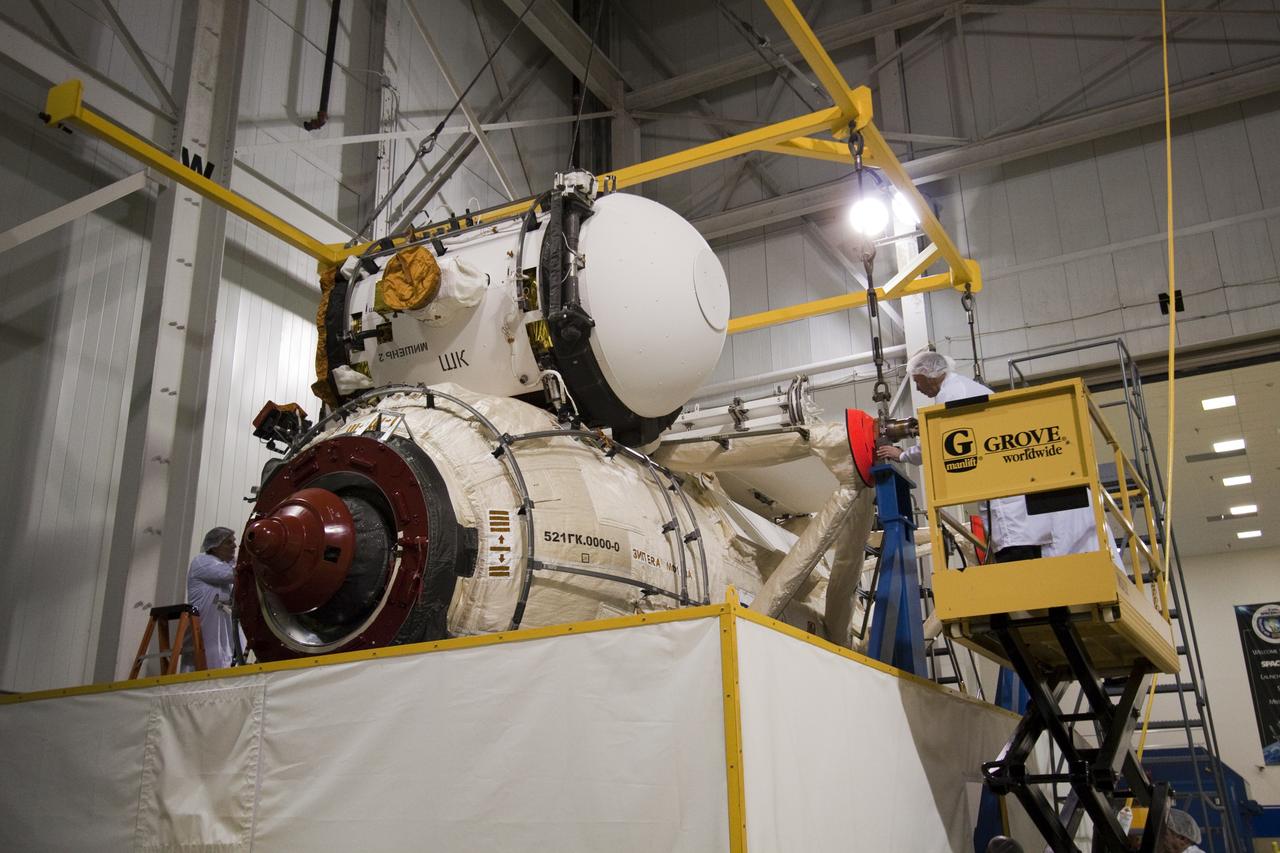
STS-132 MINI RESEARCH MODULE INSTALL TO TRANSPORT CONTAINER

JSC2010-E-014044 (25 Jan. 2010) --- Attired in training versions of their shuttle launch and entry suits, NASA astronauts Steve Lindsey (left), STS-133 commander; Eric Boe (background), pilot; Tim Kopra (right foreground) and Alvin Drew, both mission specialists, participate in a simulation exercise in the motion-base shuttle mission simulator in the Jake Garn Simulation and Training Facility at NASA?s Johnson Space Center.
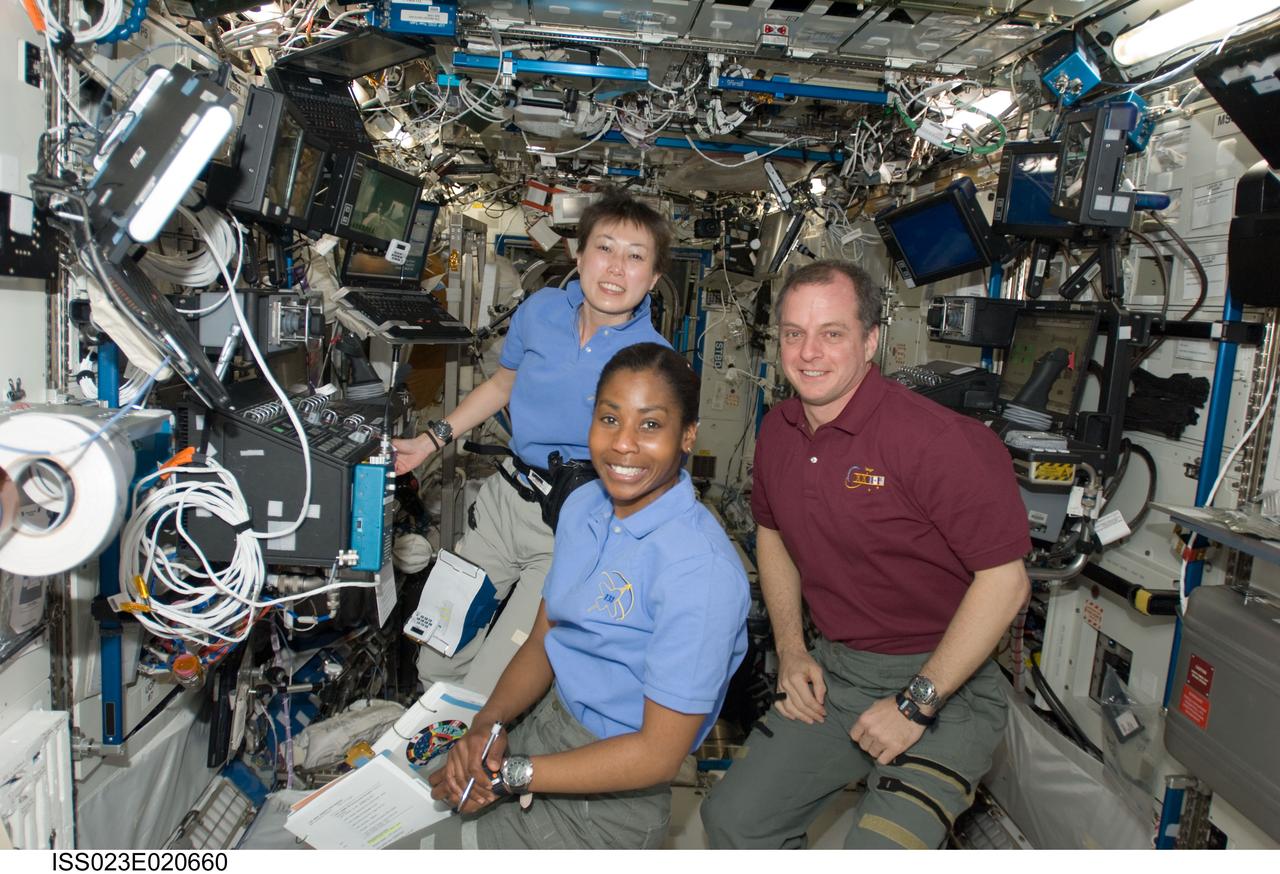
ISS023-E-020660 (7 April 2010) --- Japan Aerospace Exploration astronaut Naoko Yamazaki (left) joins NASA astronauts Stephanie Wilson and T.J. Creamer in the "busy" Destiny laboratory aboard the International Space Station. Creamer is Expedition 23 flight engineer and the other two are mission specialists for STS-131.

In this image from NASA Mars Reconnaissance Orbiter, there are at least two distinct geologic units, a light-toned bedrock and a surface veneer of dark-toned material that contains sand dunes.
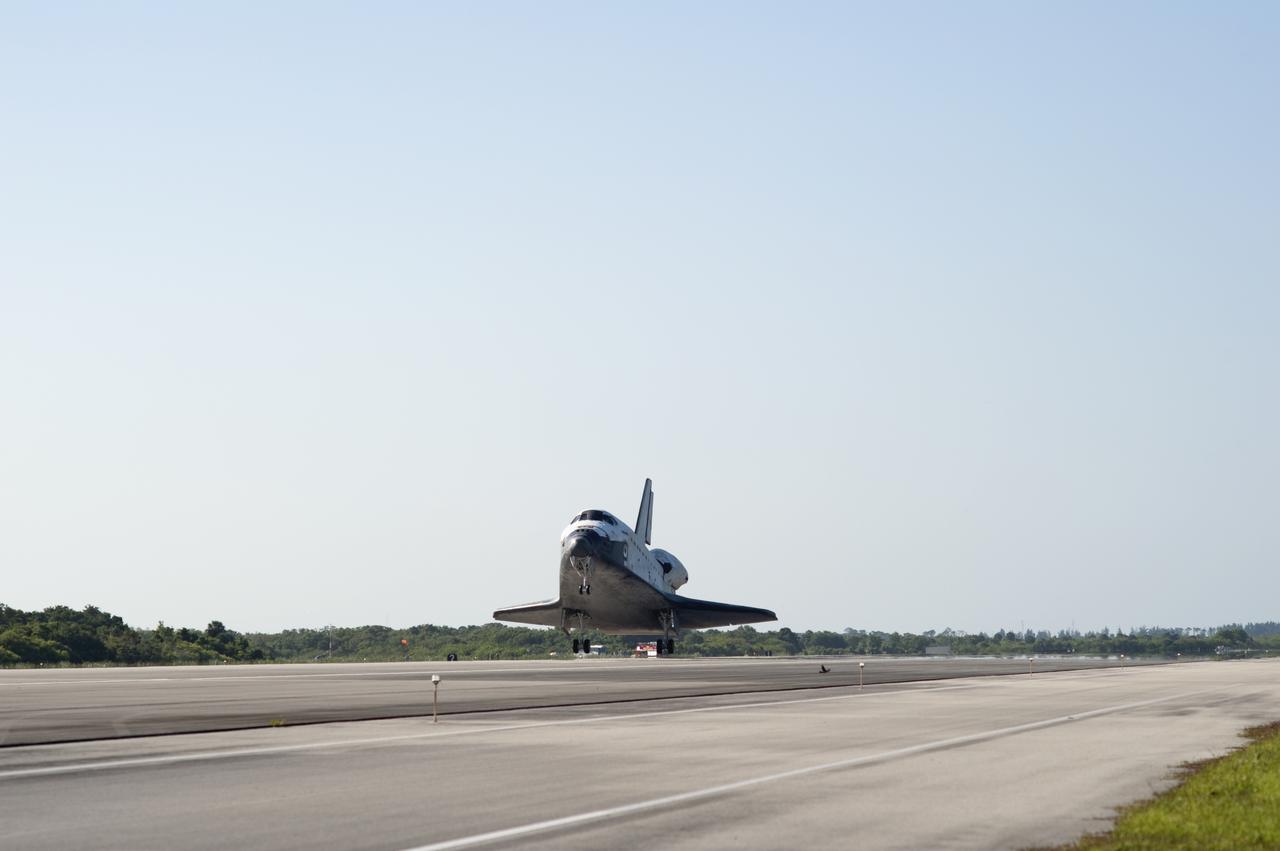
CAPE CANAVERAL, Fla. - Space shuttle Atlantis touches down on one of the world's longest runways, the Shuttle Landing Facility at NASA's Kennedy Space Center in Florida. The shuttle approached from the southeast in a crystal-clear blue sky, giving the Space Coast quite a show. Landing was on Runway 33 at 8:48 a.m. EDT, completing the 12-day STS-132 mission to the International Space Station. The six-member STS-132 crew carried the Russian-built Mini Research Module-1 to the space station. STS-132 is the 34th shuttle mission to the station, the 132nd shuttle mission overall and the last planned flight for Atlantis. For information on the STS-132 mission and crew, visit www.nasa.gov_mission_pages_shuttle_shuttlemissions_sts132_index.html. Photo credit: NASA_Tony Gray and Tom Farrar
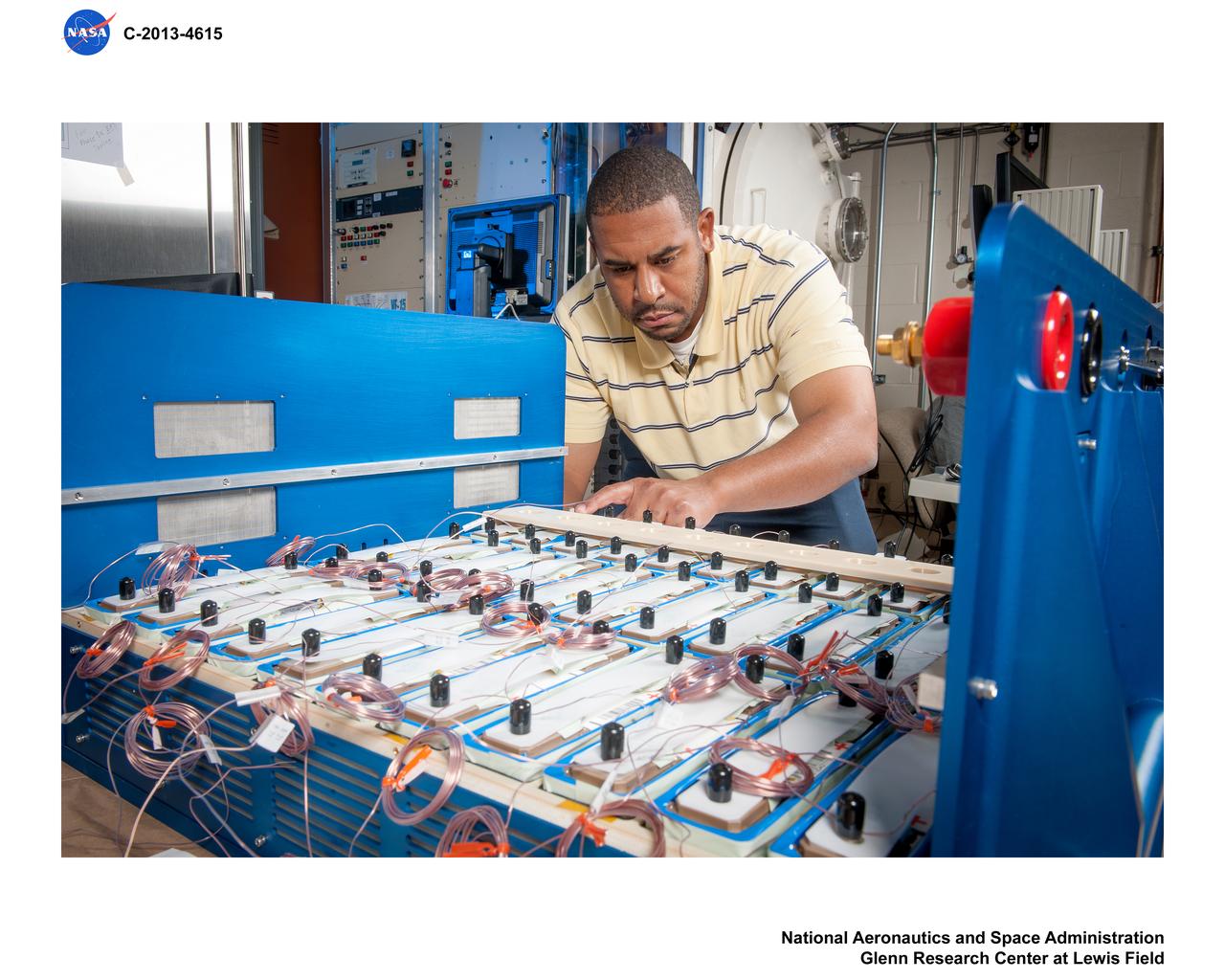
Advanced Exploration Systems (AES) Modular Power Systems for Space Exploration (AMPS); electrochemistry, AMPS, will infuse and demonstrate batteries, fuel cells, and other power modules for exploration ground system demonstrations
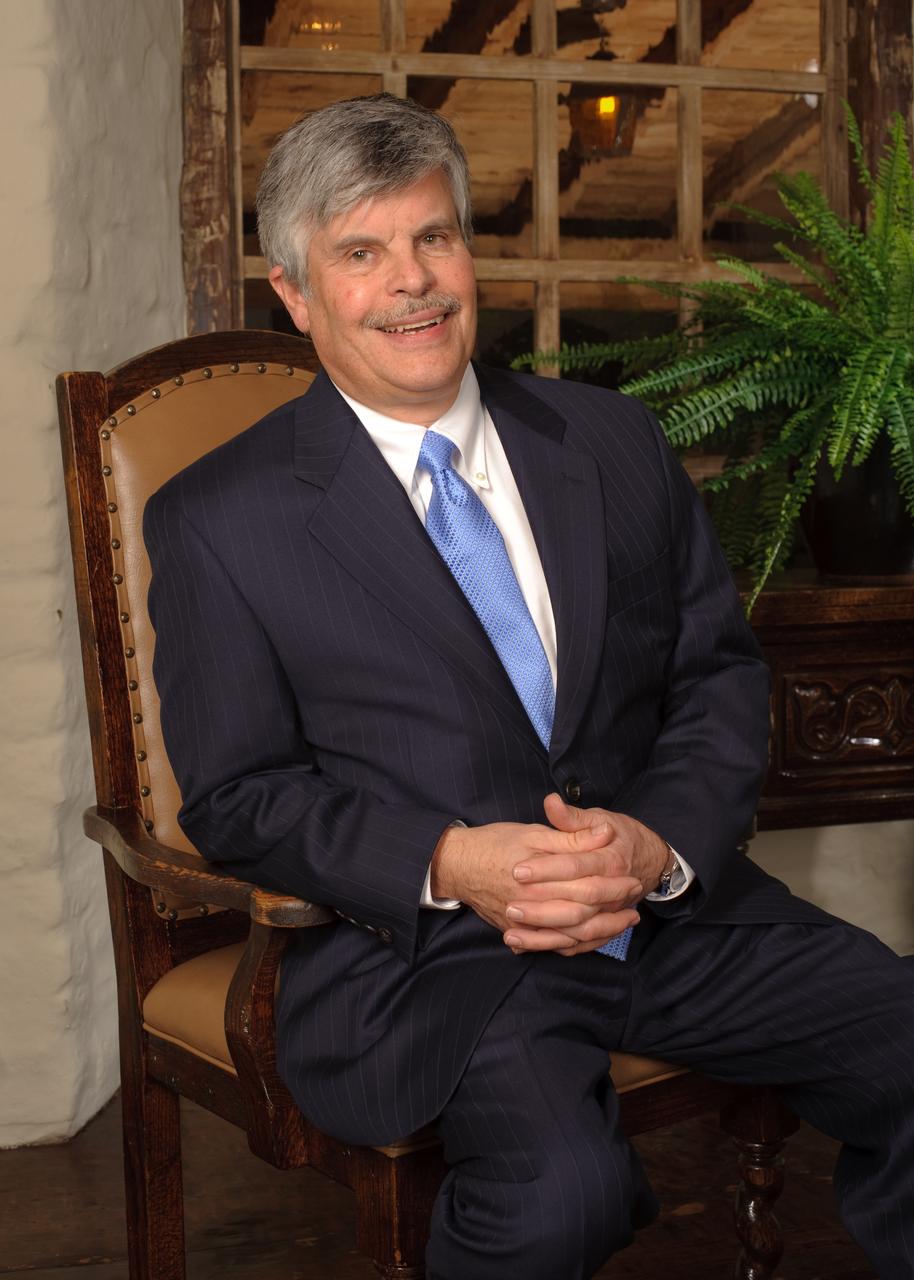
NASA Ames Research Center 70 Year Anniversary Gala Dinner held at Santa Clara University, Santa Clara, California with special guest speaker Nichelle Nichols of Star Trek fame.
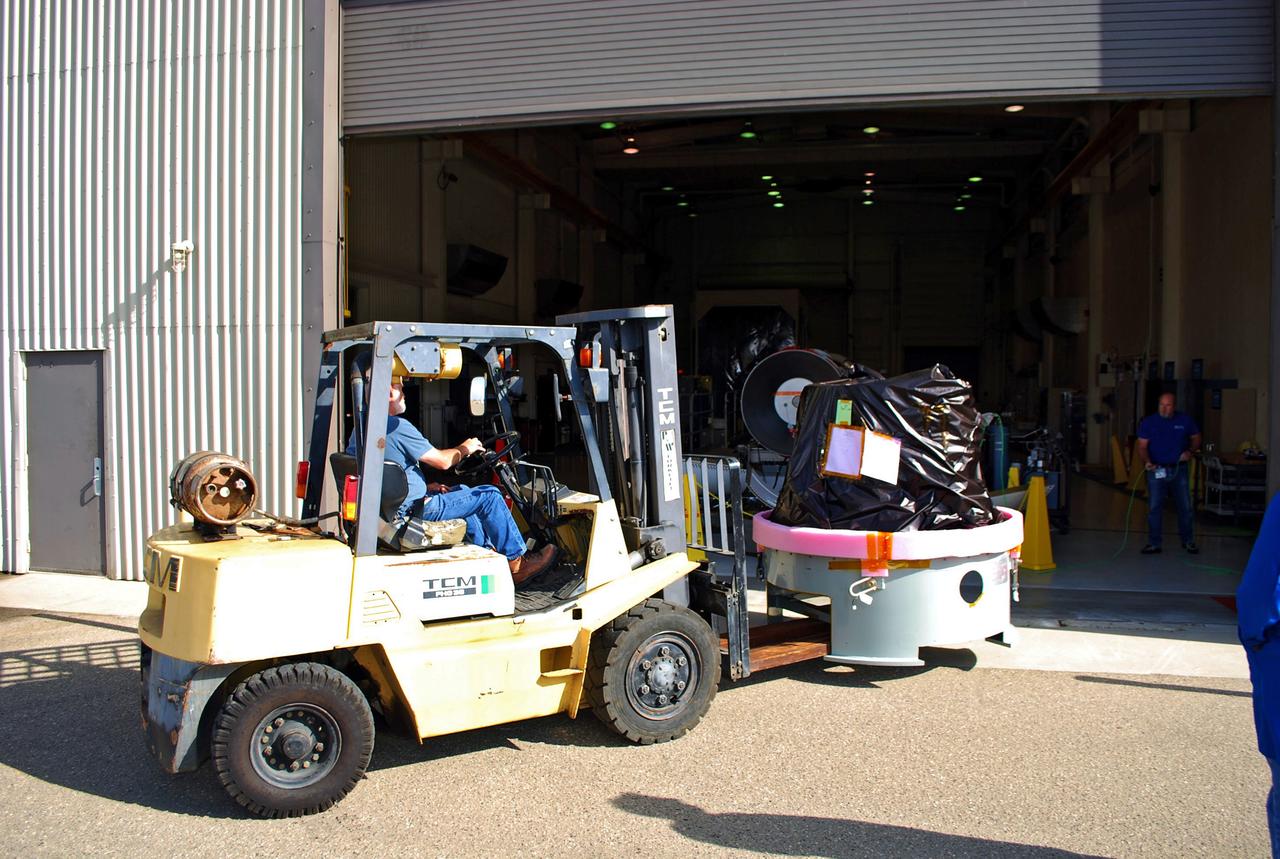
TAURUS GLORY - PAYLOAD CONE ARRIVAL
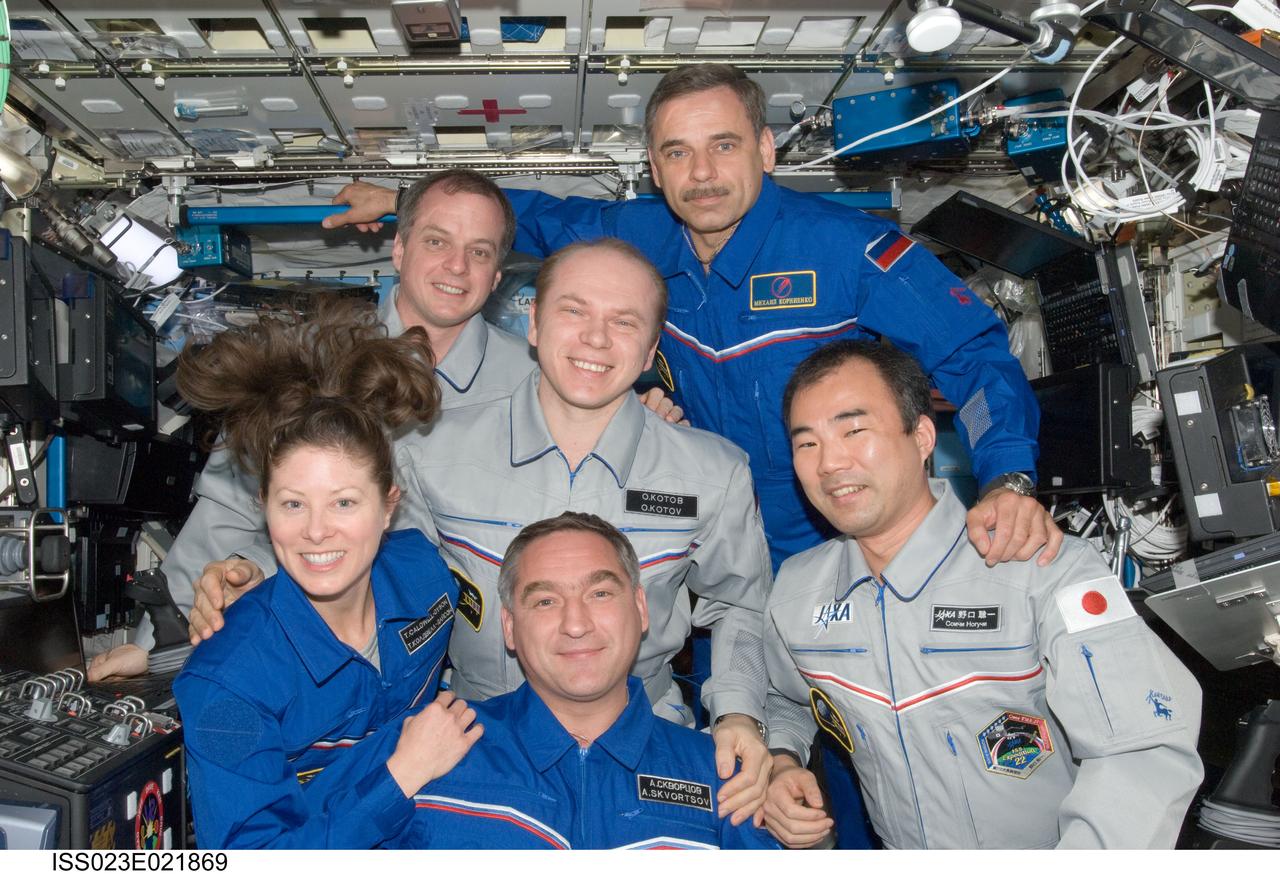
ISS023-E-021869 (12 April 2010) --- Expedition 23 crew members pose for a in-flight crew portrait in the Destiny laboratory of the International Space Station while space shuttle Discovery (STS-131) remains docked with the station. Russian cosmonaut Oleg Kotov, commander, is at center. Also pictured clockwise (from bottom center) are Russian cosmonaut Alexander Skvortsov, NASA astronauts Tracy Caldwell Dyson and T.J. Creamer, Russian cosmonaut Mikhail Kornienko and Japan Aerospace Exploration Agency (JAXA) astronaut Soichi Noguchi, all flight engineers.
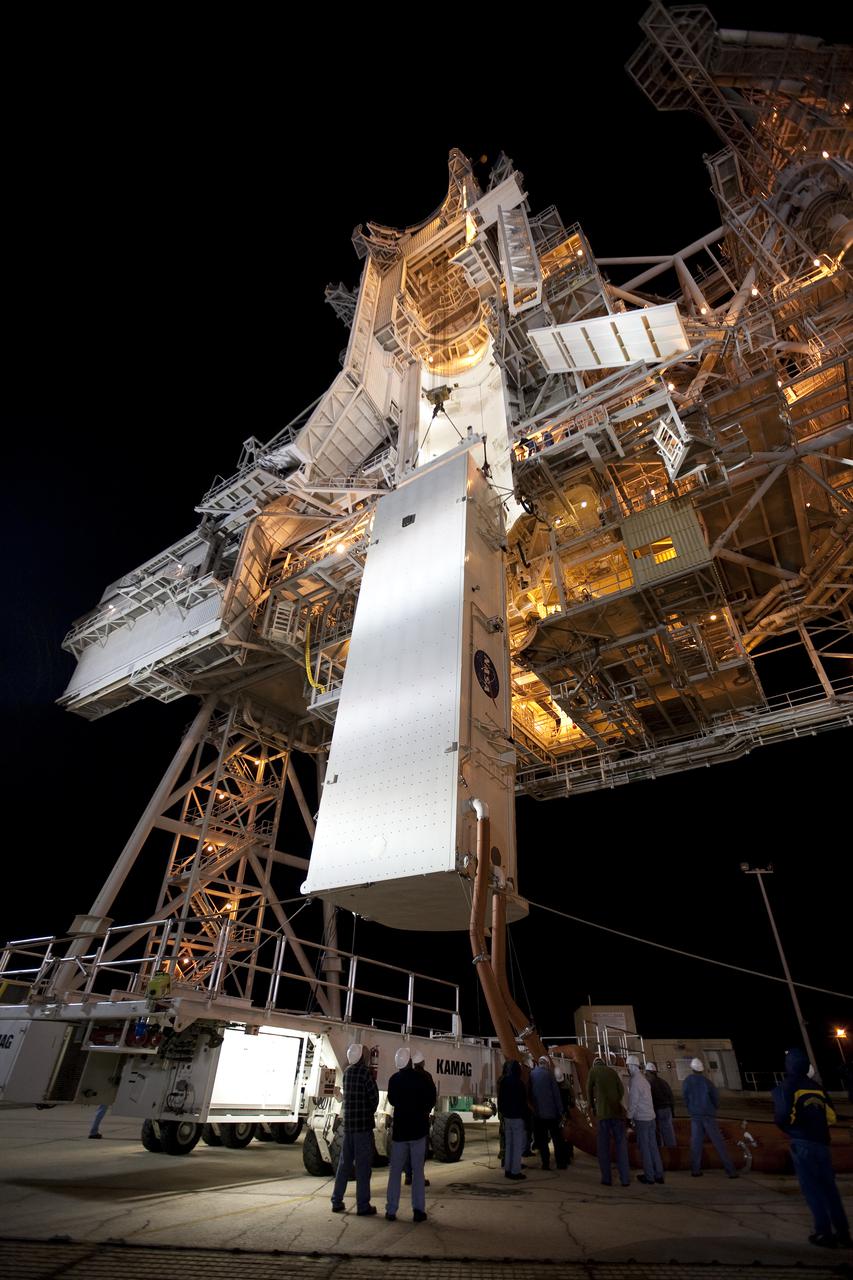
CAPE CANAVERAL, Fla. - At Launch Pad 39A at NASA's Kennedy Space Center in Florida, the payload canister containing the multi-purpose logistics module Leonardo is lifted into the pad's payload changout room. Located on the pad's rotating service structure, the room is an enclosed, environmentally controlled area that supports payload delivery and servicing at the pad and attaches to the shuttle's cargo bay for vertical payload installation. The contents of the canister, including Leonardo, is set to be transferred into space shuttle Discovery's cargo bay on March 24. The seven-member STS-131 crew will deliver Leonardo, filled with resupply stowage platforms and racks, to the International Space Station. STS-131 will be the 33rd shuttle mission to the station and the 131st shuttle mission overall. Launch is targeted for April 5. For information on the STS-131 mission and crew, visit http:__www.nasa.gov_mission_pages_shuttle_shuttlemissions_sts131_index.html. Photo credit: NASA_Amanda Diller
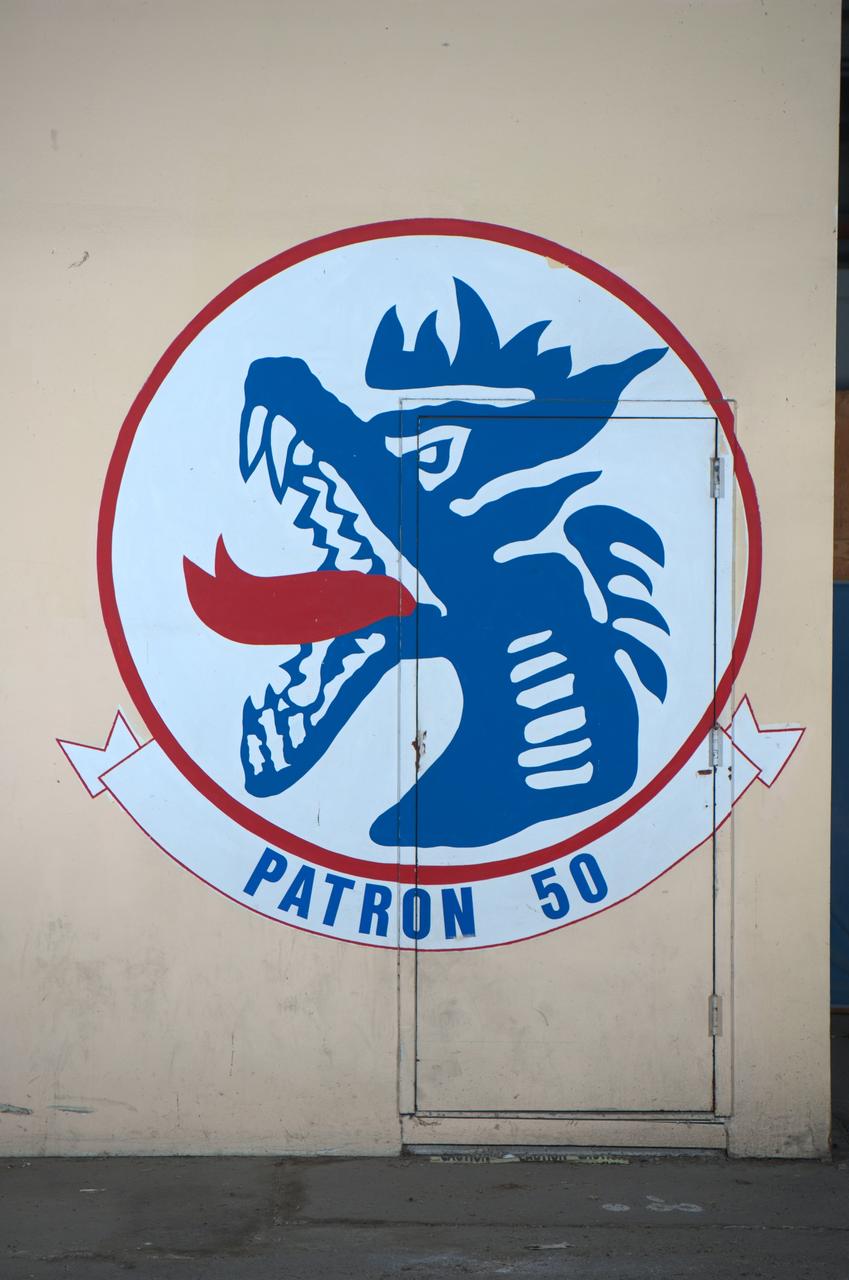
A proud Naval History. Squadron Logos in Hangar One at Moffett Federal Airfield, California.
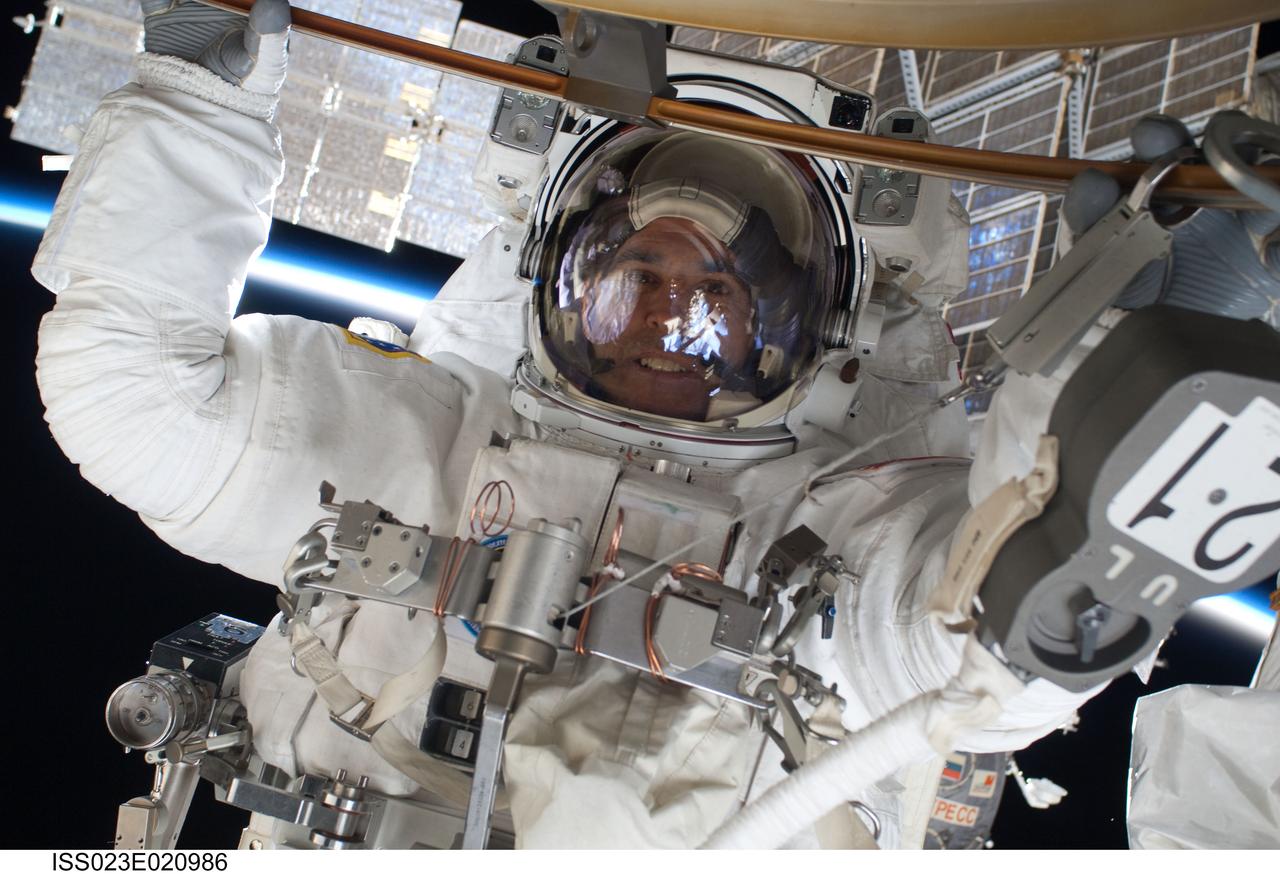
ISS023-E-020986 (9 April 2010) --- NASA astronaut Rick Mastracchio, STS-131 mission specialist, participates in the mission's first session of extravehicular activity (EVA) as construction and maintenance continue on the International Space Station. During the six-hour, 27-minute spacewalk, Mastracchio and astronaut Clayton Anderson (out of frame), mission specialist, helped move a new 1,700-pound ammonia tank from space shuttle Discovery’s cargo bay to a temporary parking place on the station, retrieved an experiment from the Japanese Kibo Laboratory exposed facility and replaced a Rate Gyro Assembly on one of the truss segments.
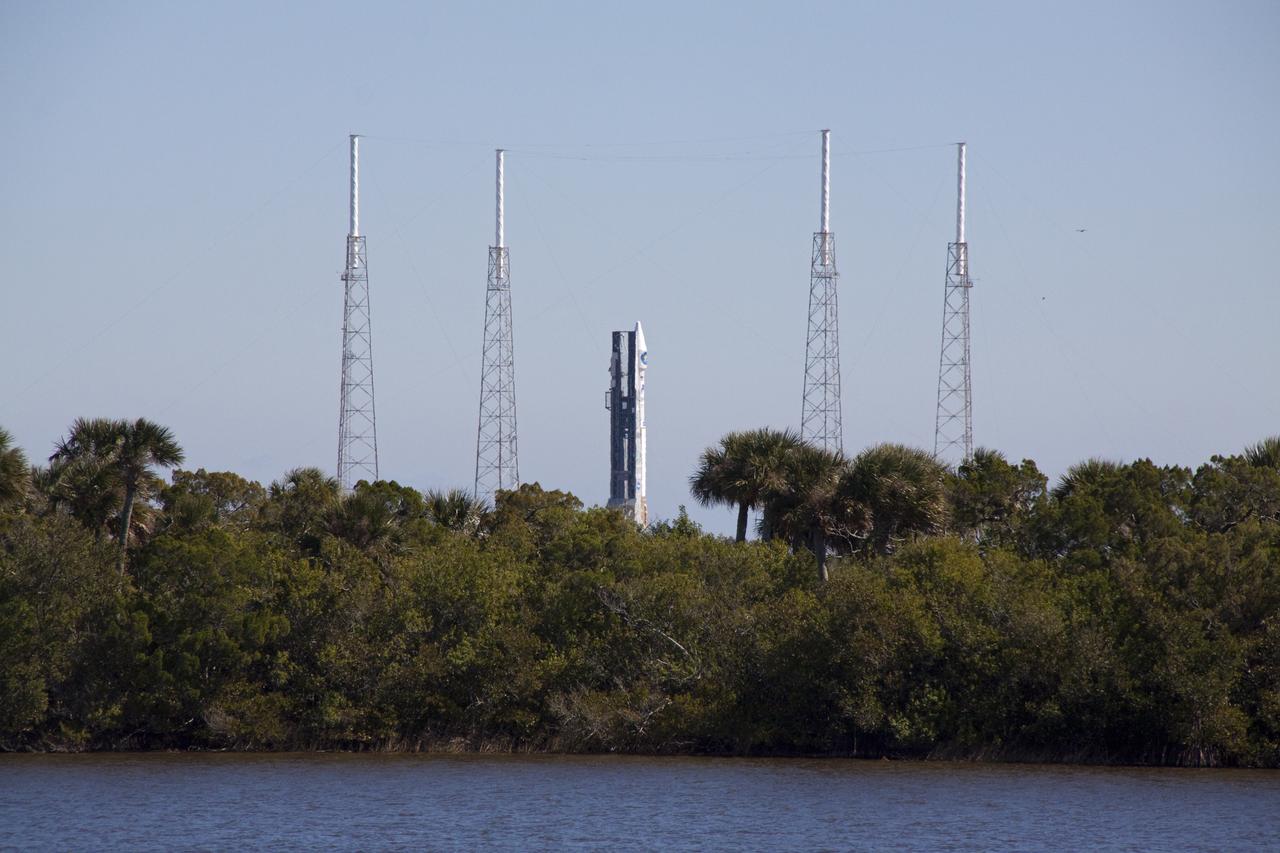
SDO LAUNCH L-0 PRELAUNCH

This image from NASA Mars Odyssey shows multiple landslide deposits within Ganges Chasma.

ISS024-E-009781 (28 July 2010) --- The Coastal Mountains in British Columbia, Canada are featured in this image photographed by an Expedition 24 crew member on the International Space Station.
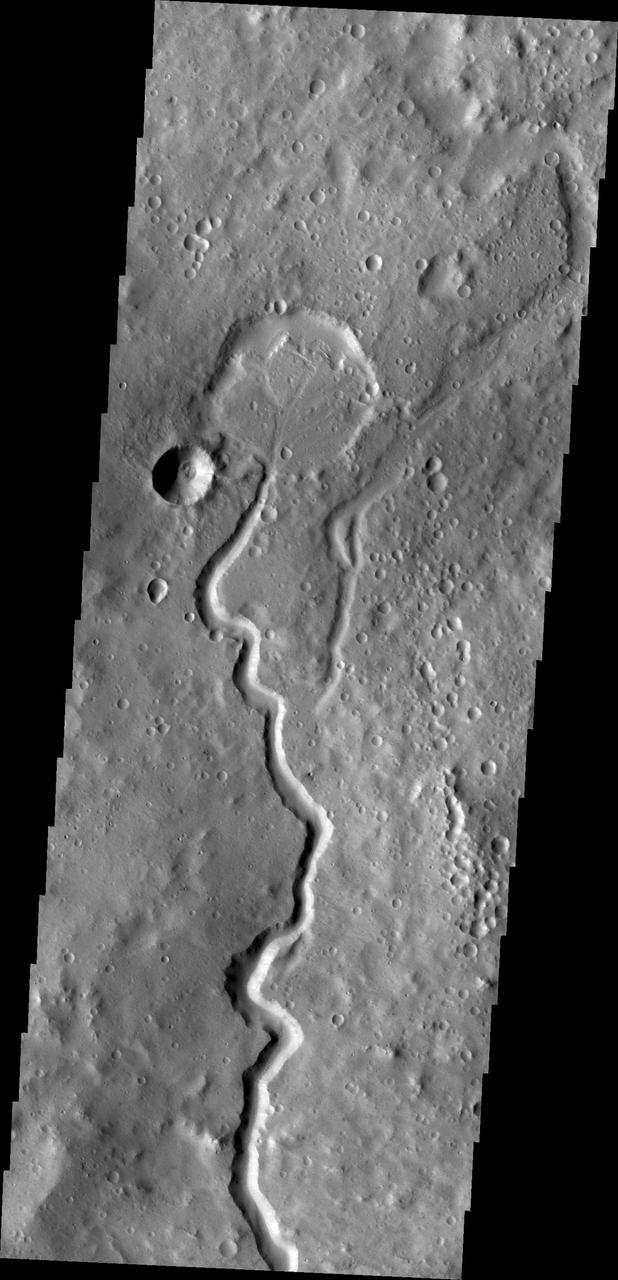
A branch of Nanedi Valles entered a crater and deposited a delta that fills the majority of the crater floor. This image was captured by NASA Mars Odyssey.

NEW NASA-FPL SOLAR FIELD DEDICATION - NORTH MERRITT ISLAND

CAPE CANAVERAL, Fla. - In Firing Room 4 of the Launch Control Center at NASA's Kennedy Space Center in Florida, NASA Kennedy Space Center Director Bob Cabana, left, NASA Administrator Charlie Bolden, U.S. Secretary of Defense Robert Gates and NASA Shuttle Launch Director Mike Leinbach talk about the successful launch of space shuttle Atlantis on its STS-132 mission to the International Space Station. STS-132 is the 132nd shuttle flight, the 32nd for Atlantis and the 34th shuttle mission dedicated to station assembly and maintenance. For more information on the STS-132 mission objectives, payload and crew, visit www.nasa.gov_mission_pages_shuttle_shuttlemissions_sts132_index.html. Photo credit: NASA_Kim Shiflett
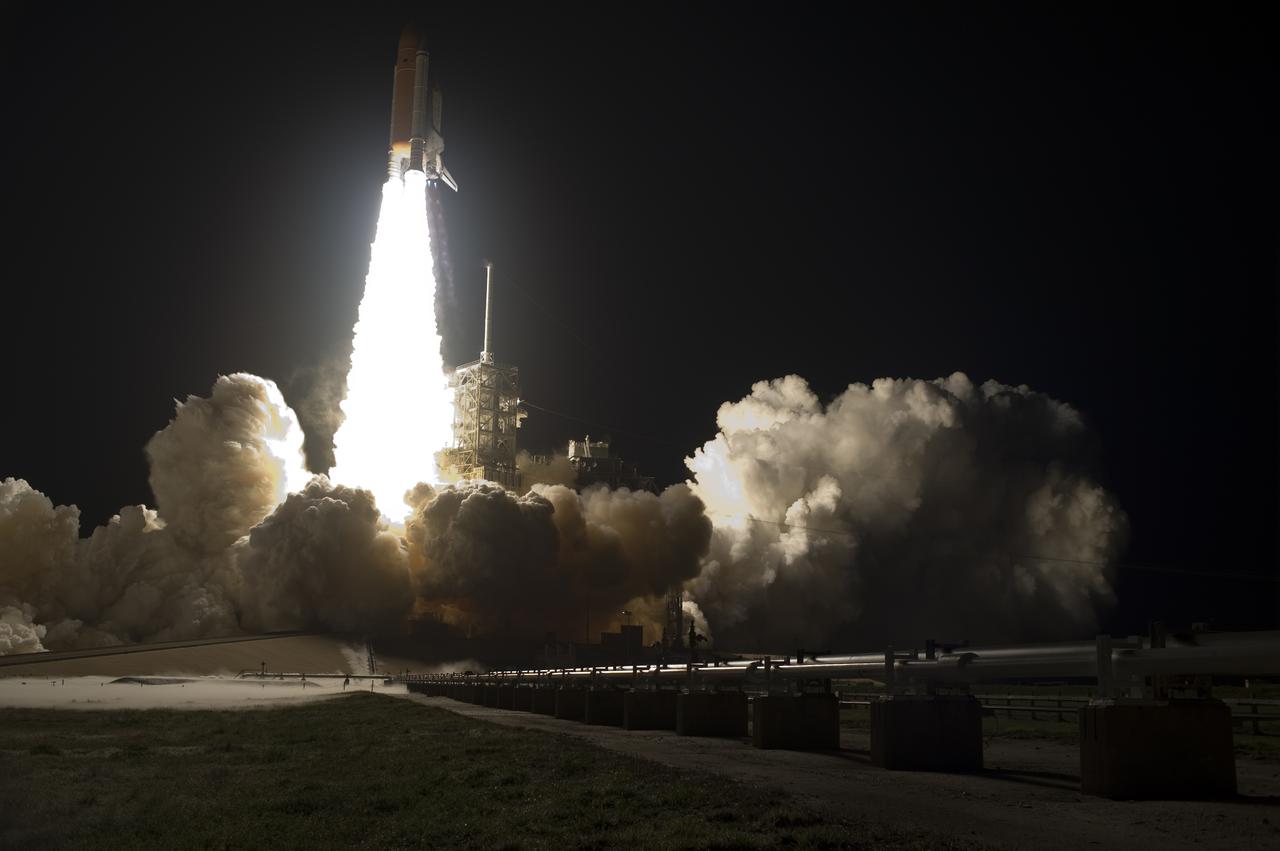
CAPE CANAVERAL, Fla. - Rising on a column of fire, space shuttle Discovery hurtles toward space after liftoff from Launch Pad 39A at NASA's Kennedy Space Center in Florida. Liftoff on the STS-131 mission was on time at 6:21 a.m. EDT. The seven-member crew will deliver the multi-purpose logistics module Leonardo, filled with supplies, a new crew sleeping quarters and science racks that will be transferred to the International Space Station's laboratories. The crew also will switch out a gyroscope on the station’s truss, install a spare ammonia storage tank and retrieve a Japanese experiment from the station’s exterior. STS-131 is the 33rd shuttle mission to the station and the 131st shuttle mission overall. For information on the STS-131 mission and crew, visit http:__www.nasa.gov_mission_pages_shuttle_shuttlemissions_sts131_index.html. Photo credit: NASA_Sandra Joseph and Kevin O'Connell

STS-132 ATLANTIS ROLLOUT FROM VAB TO PAD 39A
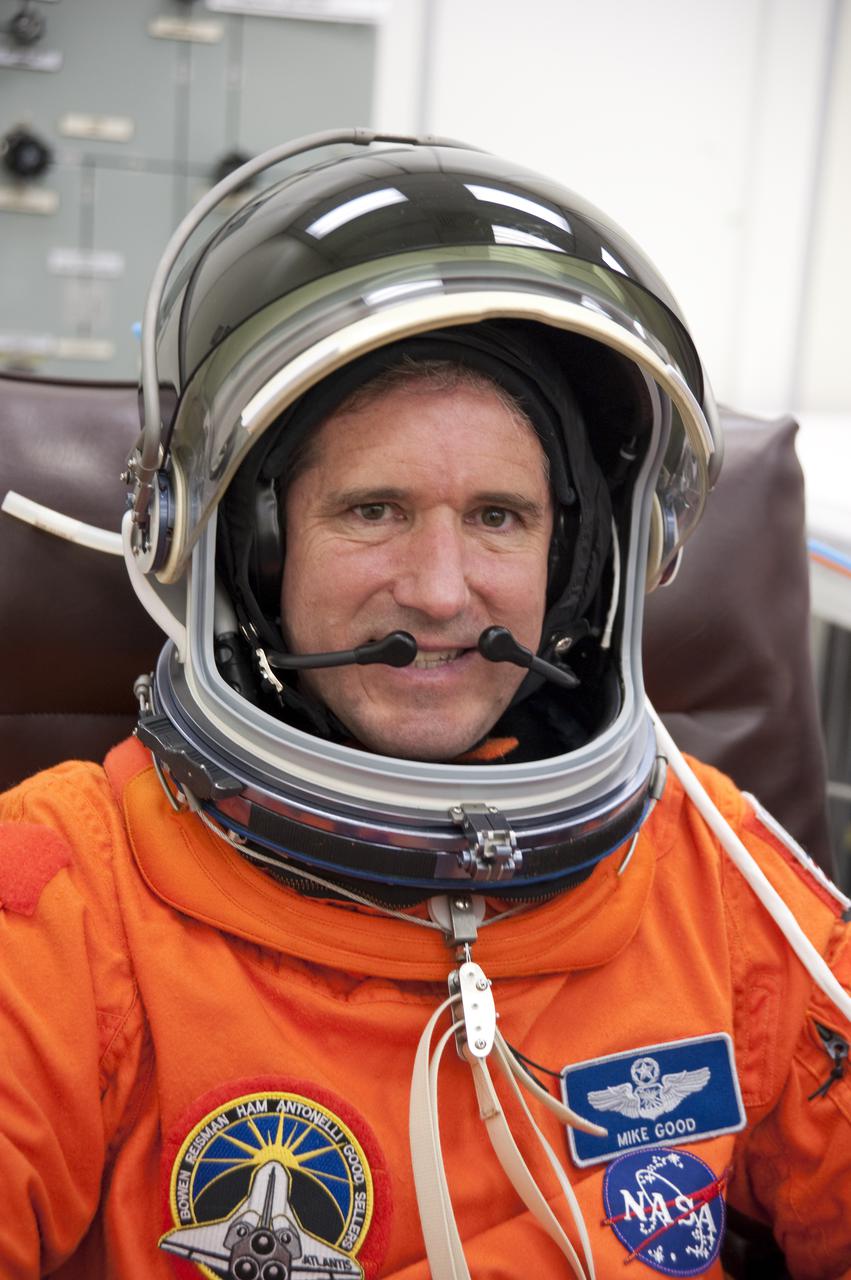
CAPE CANAVERAL, Fla. - In the Operations and Checkout Building at NASA's Kennedy Space Center in Florida, the astronauts of space shuttle Atlantis' STS-132 crew put on their launch-and-entry suits before heading to the Astrovan for the ride to Launch Pad 39A. Mission Specialist Michael Good, seen here checking out his helmet, is making his second spaceflight. The Russian-built Mini Research Module-1 known as Rassvet, or 'dawn,' is inside the shuttle's cargo bay. It will provide additional storage space and a new docking port for Russian Soyuz and Progress spacecraft. The laboratory will be attached to the bottom port of the station's Zarya module. The mission's three spacewalks will focus on storing spare components outside the station, including six batteries, a communications antenna and parts for the Canadian Dextre robotic arm. STS-132 is the 132nd shuttle flight, the 32nd for Atlantis and the 34th shuttle mission dedicated to station assembly and maintenance. For more information on the STS-132 mission objectives, payload and crew, visit www.nasa.gov_mission_pages_shuttle_shuttlemissions_sts132_index.html. Photo Credit: NASA_Kim Shiflett
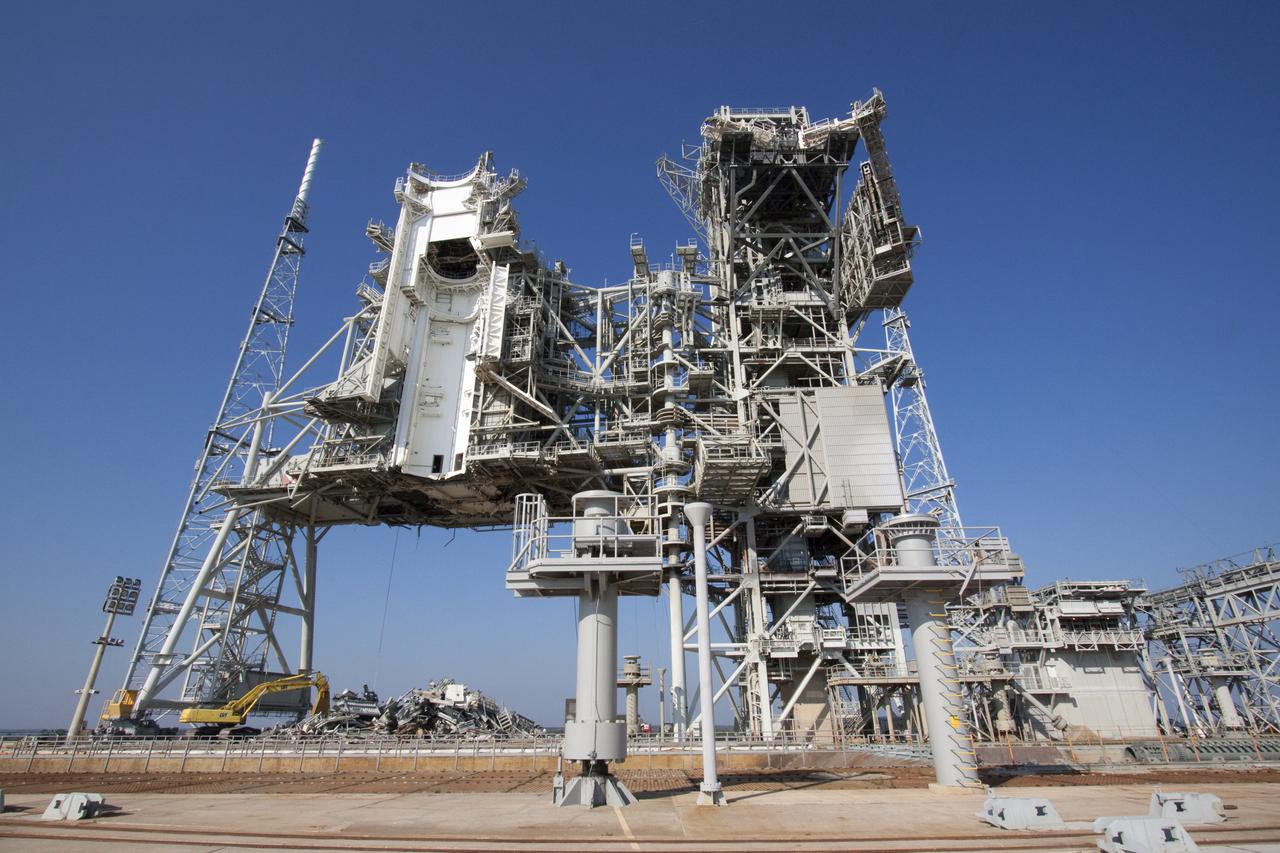
PAD 39B DEMOLITION OPERATIONS
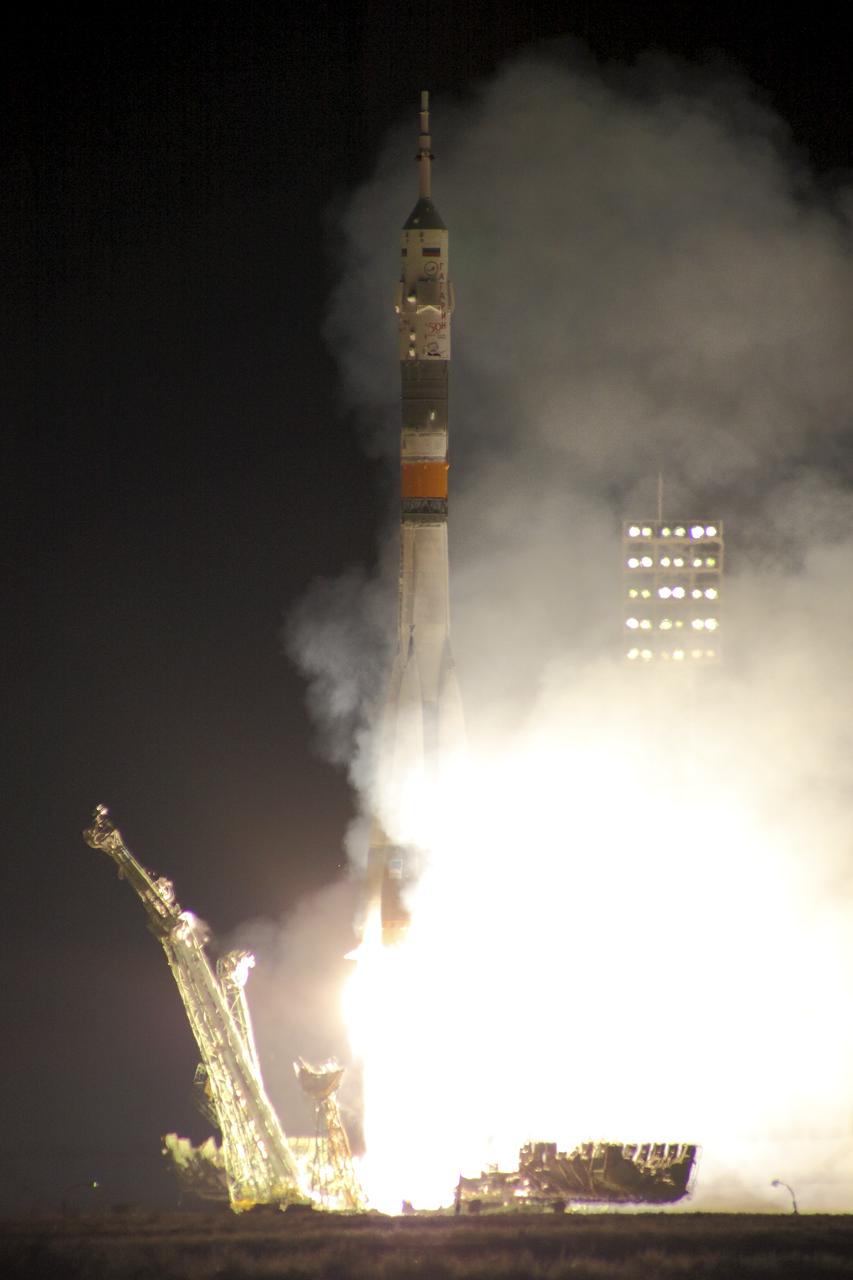
The Soyuz TMA-21 launches from the Baikonur Cosmodrome in Kazakhstan on Tuesday, April 5, 2011 carrying Expedition 27 Soyuz Commander Alexander Samokutyaev, NASA Flight Engineer Ron Garan and Russian Flight Engineer Andrey Borisenko to the International Space Station. The Soyuz, which has been dubbed "Gagarin", is launching one week shy of the 50th anniversary of the launch of Yuri Gagarin from the same launch pad in Baikonur on April 12, 1961 to become the first human to fly in space. Photo Credit: (NASA/Victor Zelentsov)
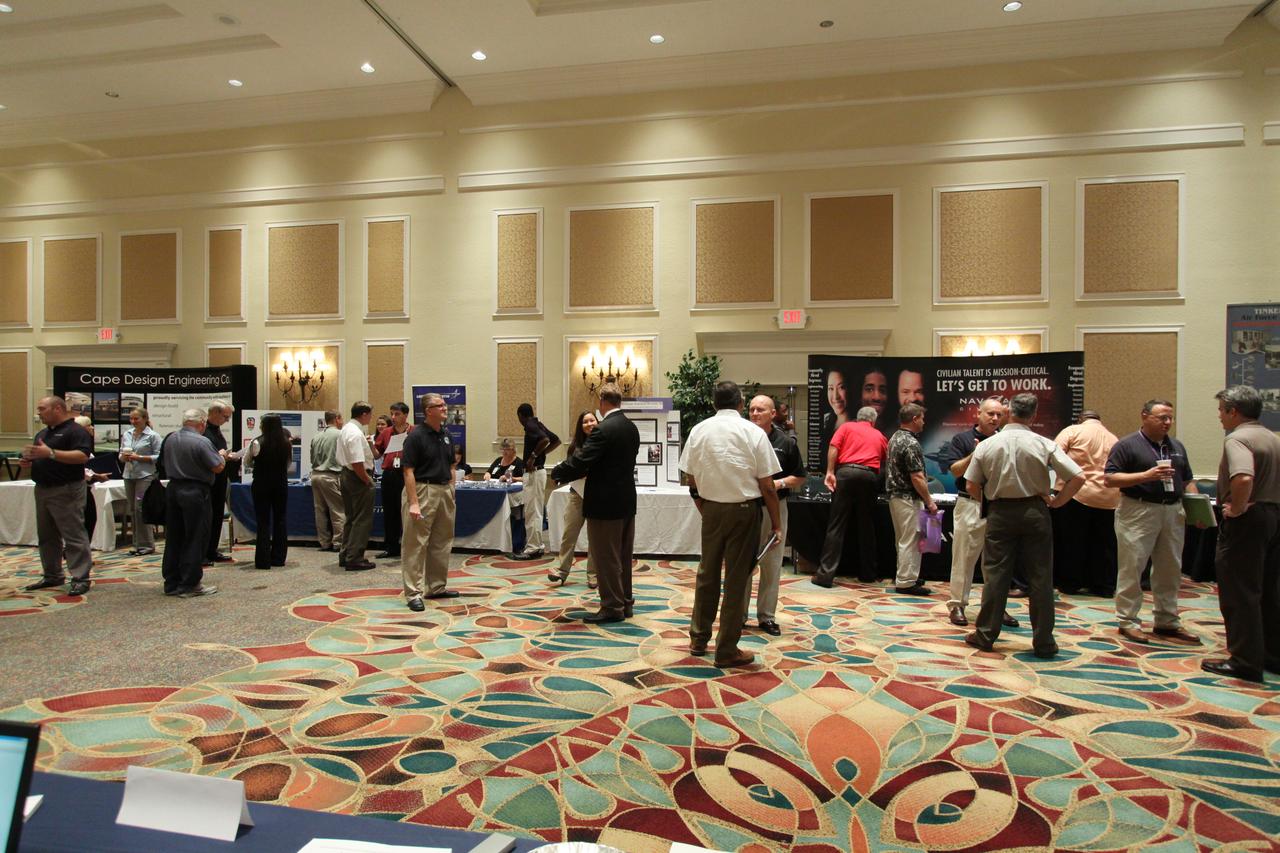
KSC Job Fair at the Radison
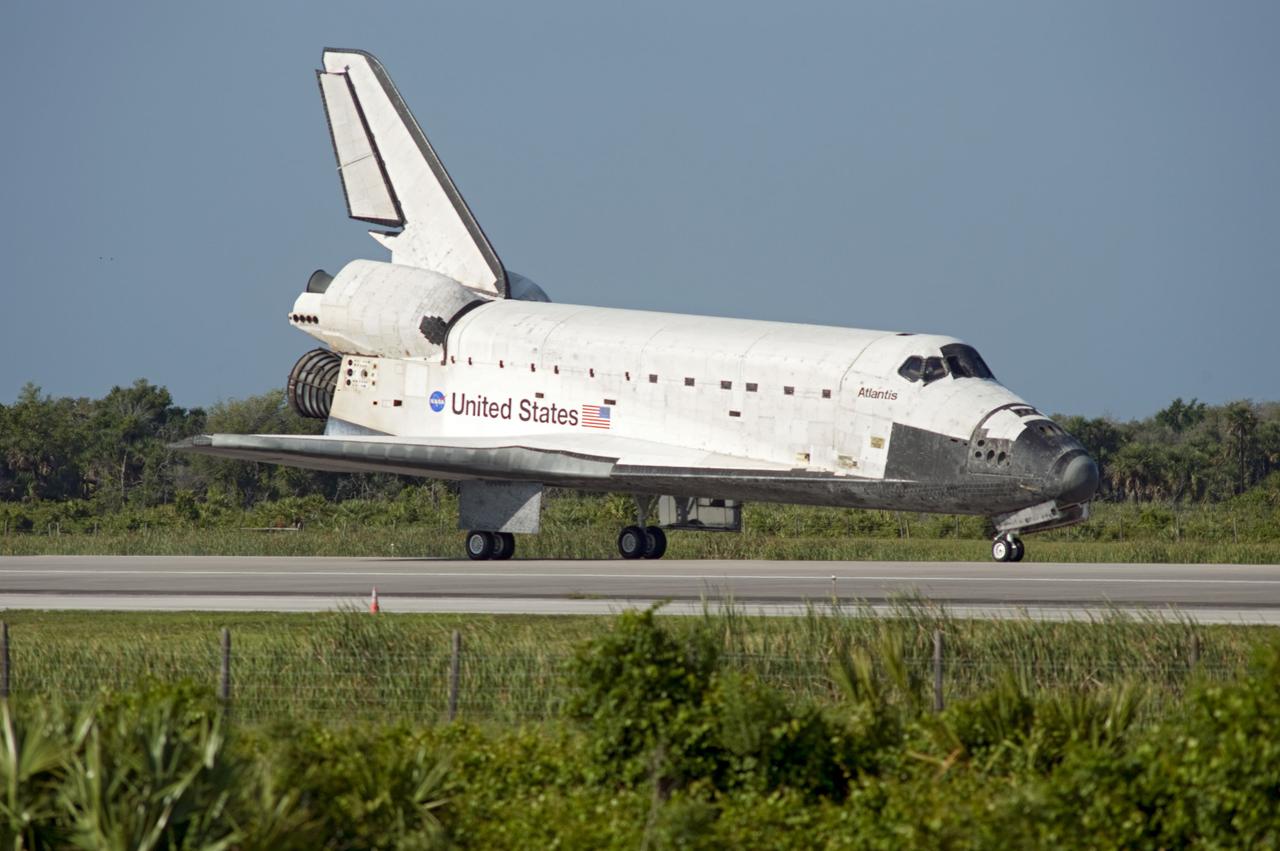
STS132-S-099 (26 May 2010) --- Space shuttle Atlantis rolls to a stop on Runway 33 at the Shuttle Landing Facility at NASA's Kennedy Space Center in Florida. Landing was at 8:48 a.m. (EDT) on May 26, 2010, completing the 12-day STS-132 mission to the International Space Station. Main gear touchdown was at 8:48:11 a.m., followed by nose gear touchdown at 8:48:21 a.m. and wheelstop at 8:49:18 a.m. Onboard are NASA astronauts Ken Ham, commander; Tony Antonelli, pilot; Garrett Reisman, Michael Good, Steve Bowen and Piers Sellers, all mission specialists. The six-member STS-132 crew carried the Russian-built Mini Research Module 1 (MRM1) to the orbital complex. STS-132 is the 34th shuttle mission to the station, the 132nd shuttle mission overall and the last planned flight for Atlantis.
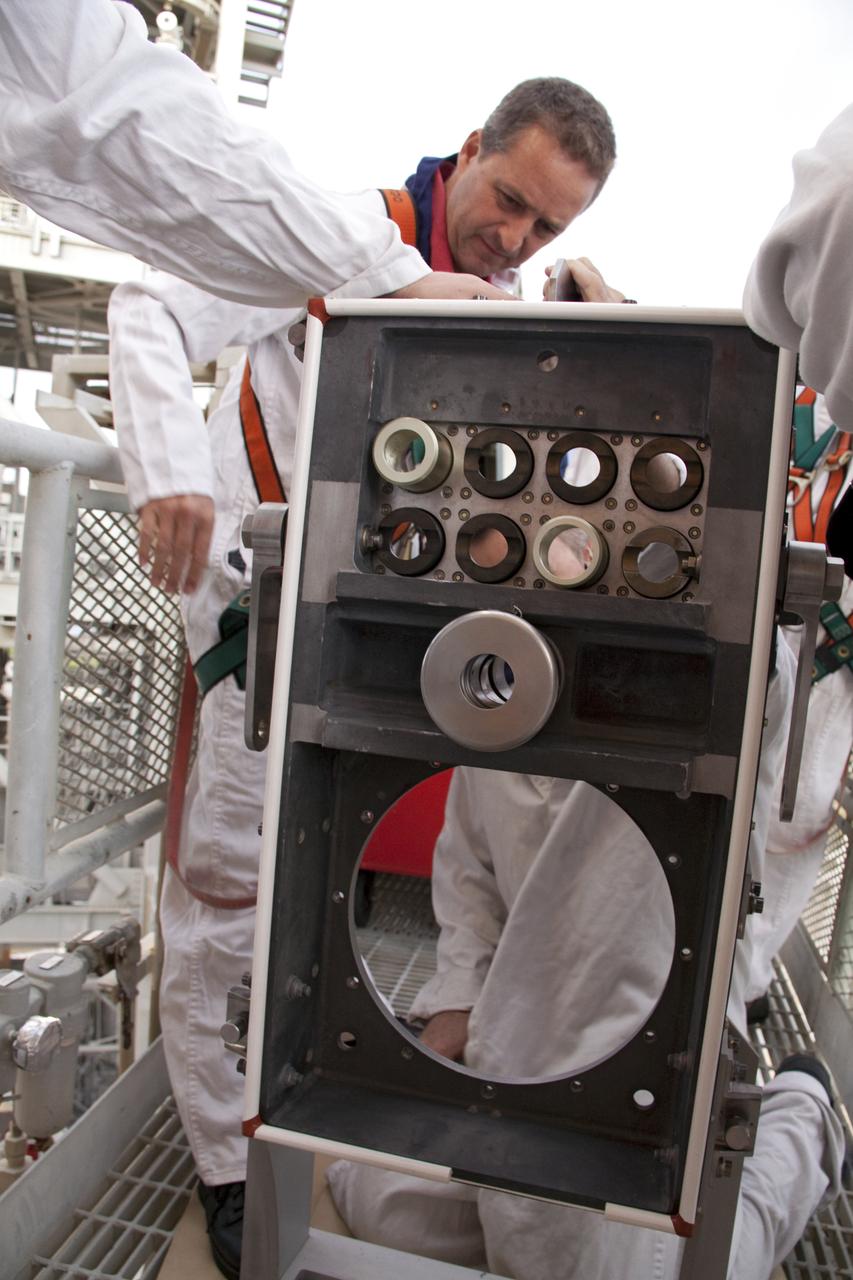
STS-133 DISCOVERY - ET-137 GUCP PLATE INSTALLATION
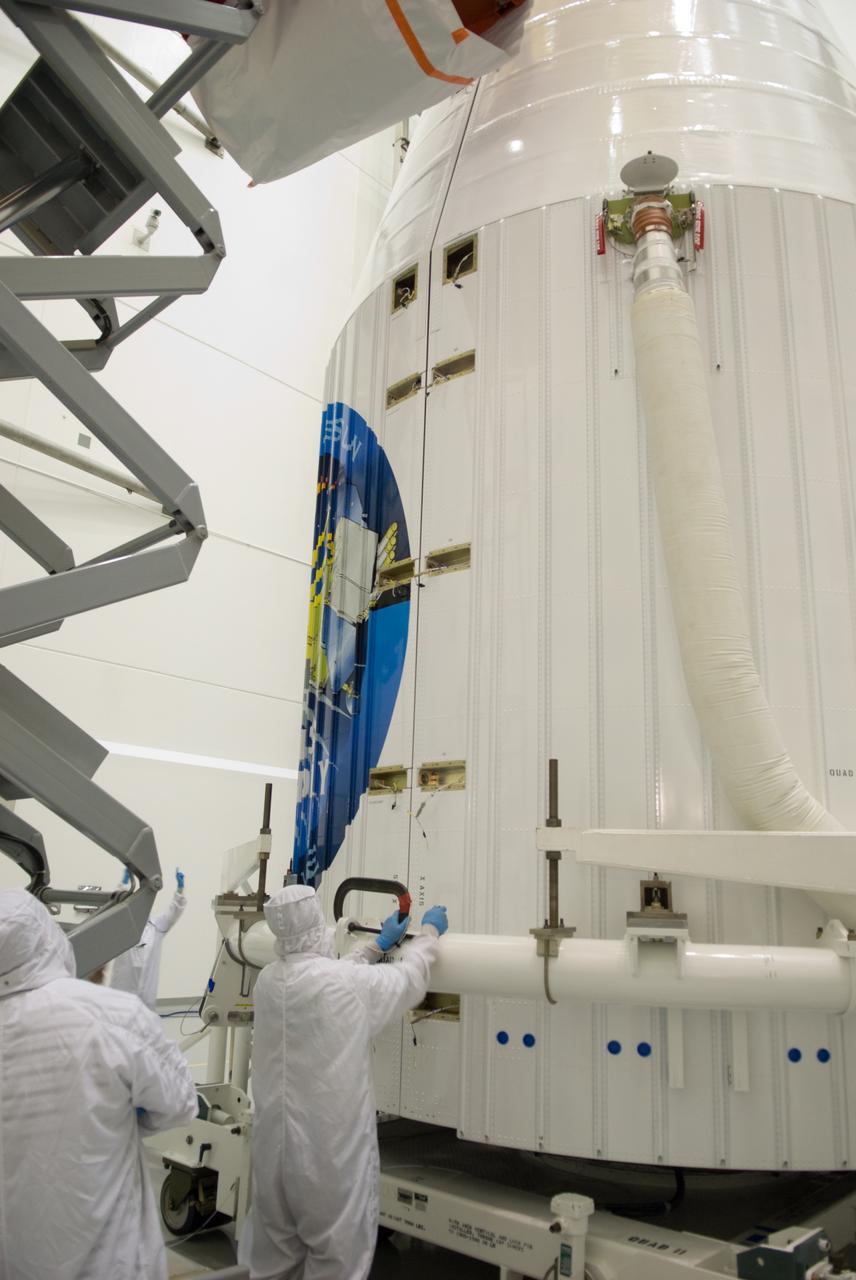
SDO - MEDIA DAY & FAIRING INSTALLATION
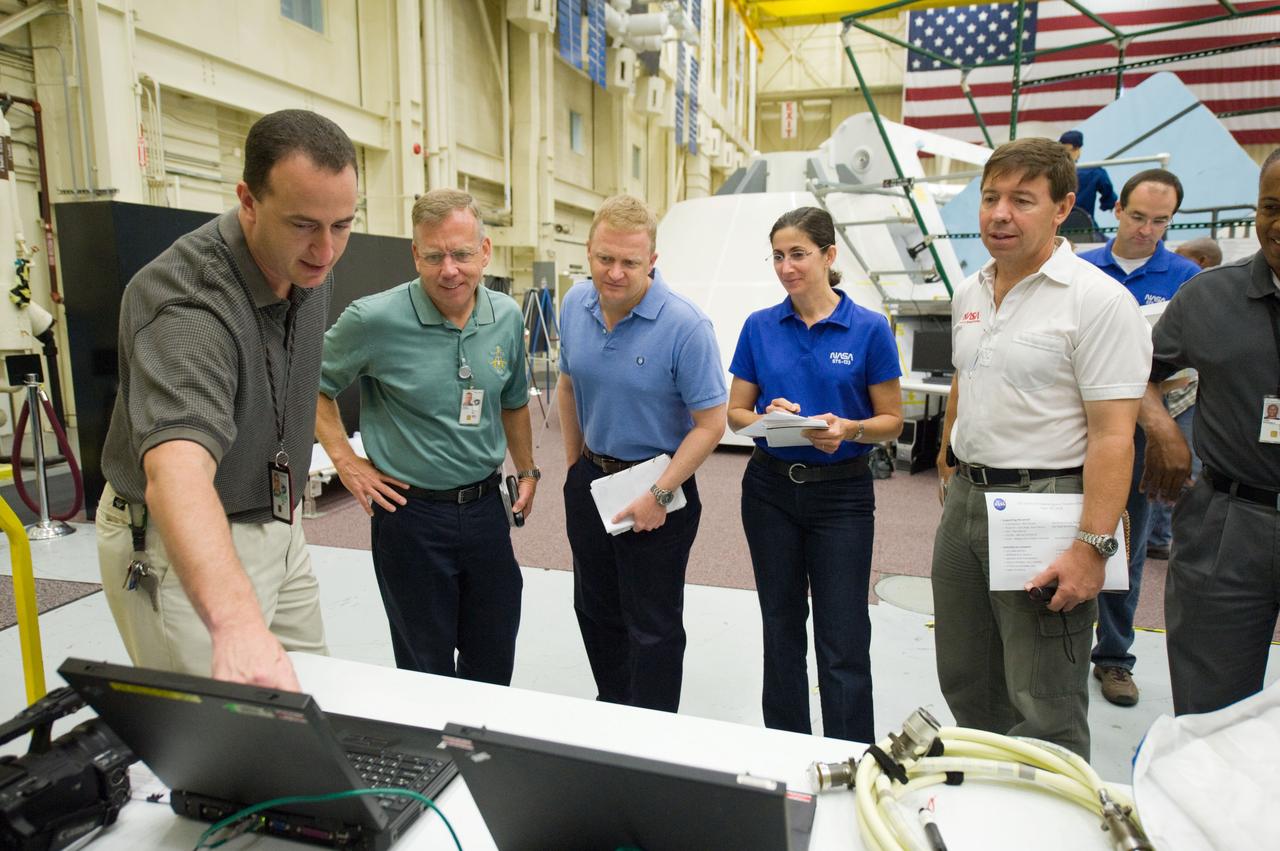
JSC2010-E-171246 (30 Sept. 2010) --- NASA astronauts Steve Lindsey (second left), STS-133 commander; and Eric Boe, pilot; along with Nicole Stott, Michael Barratt and Alvin Drew (partially out of frame at right), all mission specialists, participate in an ingress/egress timeline training session in the Space Vehicle Mock-up Facility at NASA's Johnson Space Center. Crew instructor Steven Berenzweig (left) assisted the crew members. Photo credit: NASA or National Aeronautics and Space Administration
Interior view of Launch Pad 39A
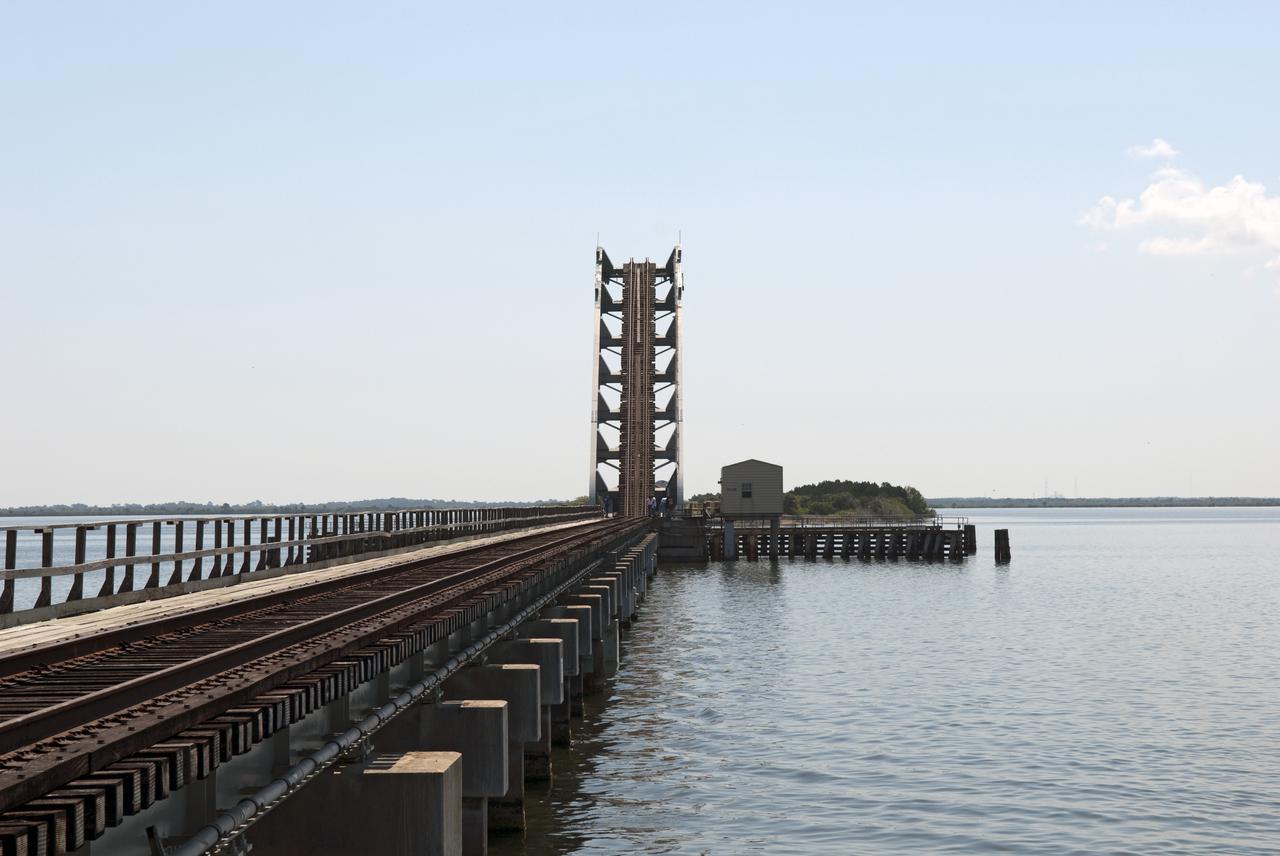
CAPE CANAVERAL, Fla. - The NASA Railroad draw bridge over the Indian River begins to close for the train carrying the last space shuttle solid rocket booster segments to NASA's Kennedy Space Center. Six cars transported the segments along the Florida East Coast Railway, which began at the ATK solid rocket booster plant in Promontory, Utah. The booster segments will be used for shuttle Atlantis on what currently is planned as the 'launch on need,' or potential rescue mission for the final shuttle flight, Endeavour's STS-134 mission. For information, visit www.nasa.gov_shuttle. Photo credit: NASA_Jim Grossmann
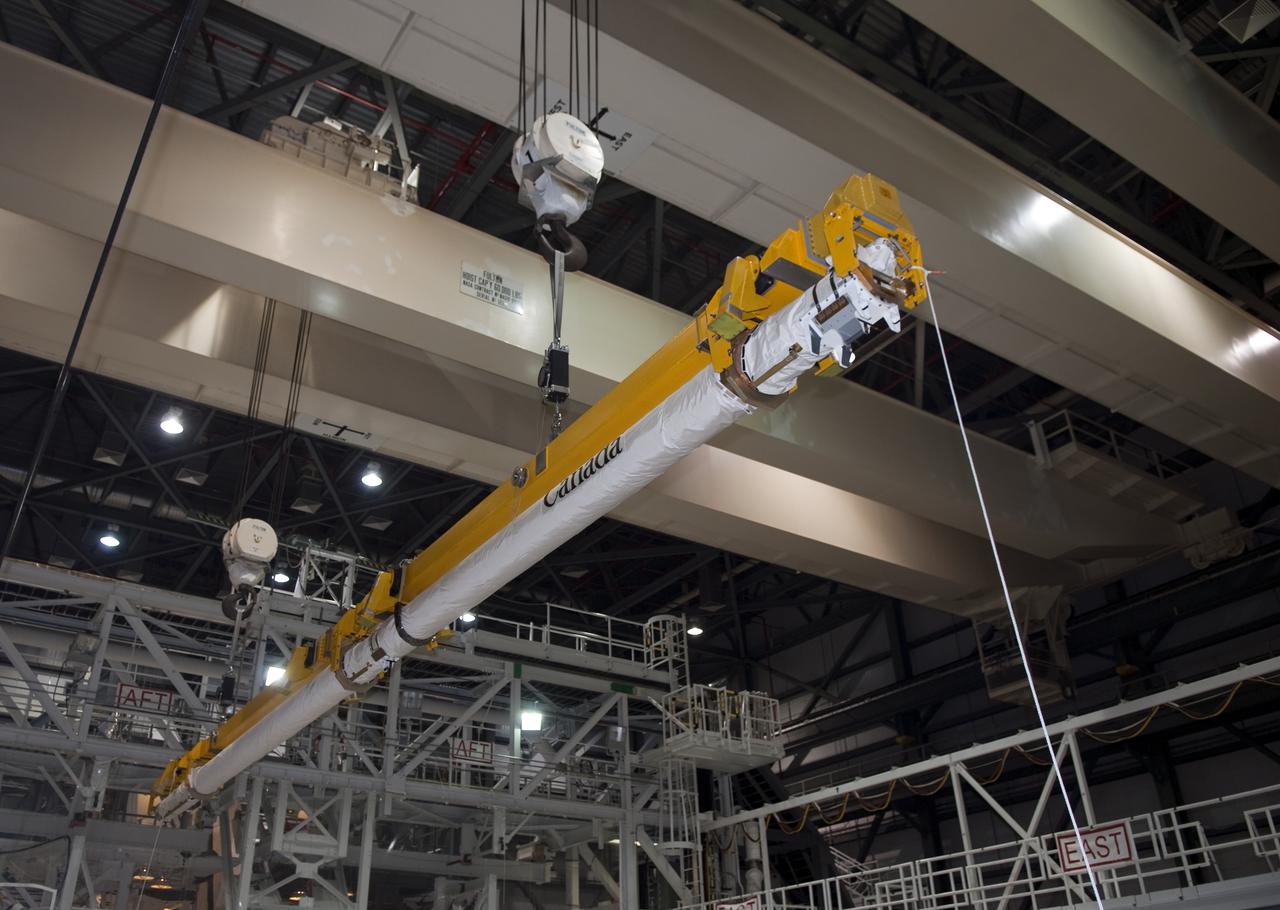
CAPE CANAVERAL, Fla. - Inside Orbiter Processing Facility-2 at Kennedy Space Center in Florida, a crane is used to lift the Orbiter Boom Sensor System, or OBSS, from the payload bay of space shuttle Endeavour. The OBSS will be transported to the Vehicle Assembly Building for refurbishment. After refurbishment, the boom will be reinstalled in Endeavour for use during the STS-134 mission, currently targeted for launch in July. Photo credit: NASA_Jim Grossmann
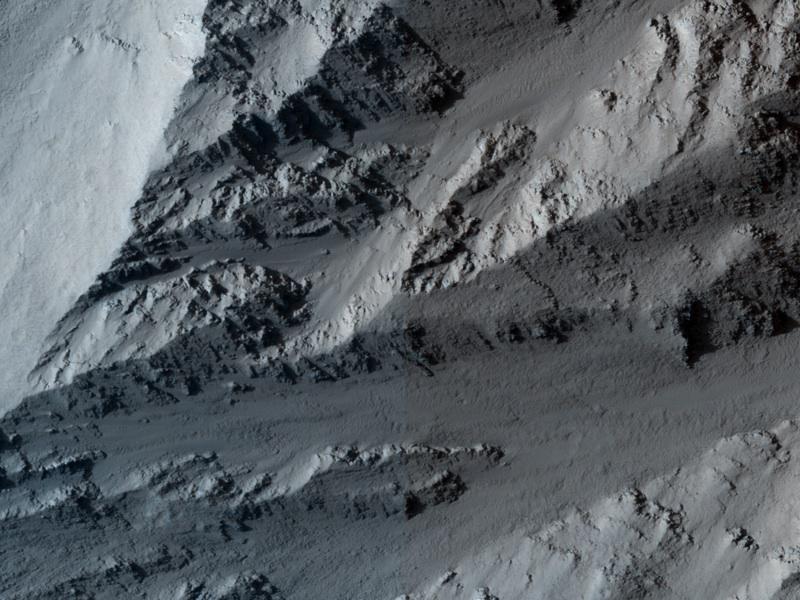
This image taken by NASA Mars Reconnaissance Orbiter covers the northern edge of the largest volcano in the solar system, Olympus Mons on Mars; its margin is defined by a massive cliff many kilometers several miles tall.
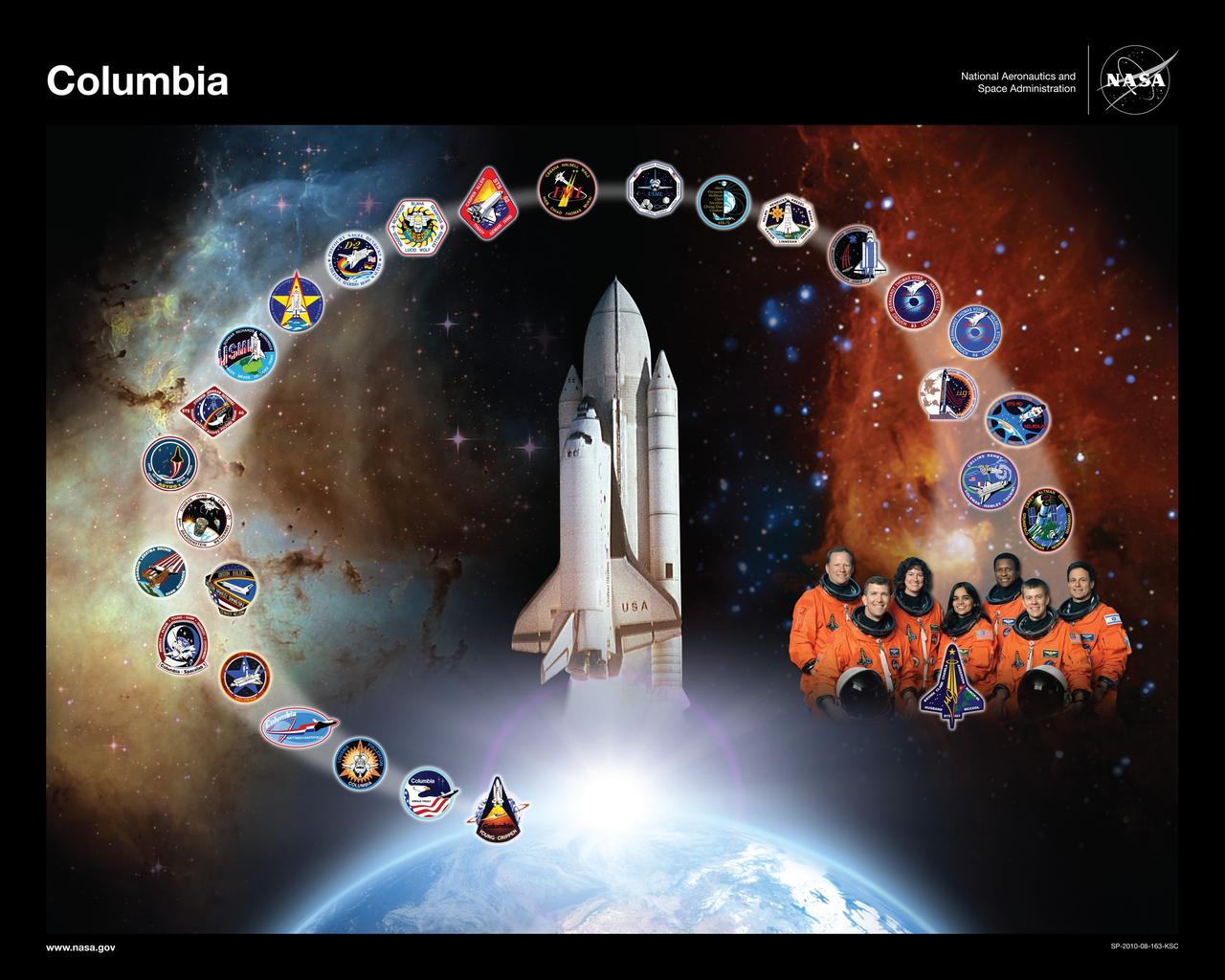
CAPE CANAVERAL, Fla. -- This is a printable version of space shuttle Columbia's orbiter tribute, or OV-102, which hangs in Firing Room 4 of the Launch Control Center at NASA's Kennedy Space Center in Florida. The tribute features Columbia, the “first of the fleet," rising above Earth at the dawn of the Space Shuttle Program. Columbia's accomplishments include the launch and deployment of NASA's Chandra X-ray Observatory on STS-93, the first shuttle landing at White Sands Space Harbor in New Mexico on STS-3, the first deployment of commercial satellites and the first four-member crew during STS-5, the first Spacelab mission and first six-member crew on STS-9, the first female commander, Eileen Collins, on STS-93, as well as several laboratory missions with international partners. Crew-designed patches for each of Columbia’s missions lead from Earth toward a remembrance of the STS-107 crew, which was lost during re-entry on Feb. 1, 2003. Five orbiter tributes are on display in the firing room, representing Atlantis, Challenger, Columbia, Endeavour and Discovery. Graphic design credit: NASA/Amy Lombardo. NASA publication number: SP-2010-08-163-KSC
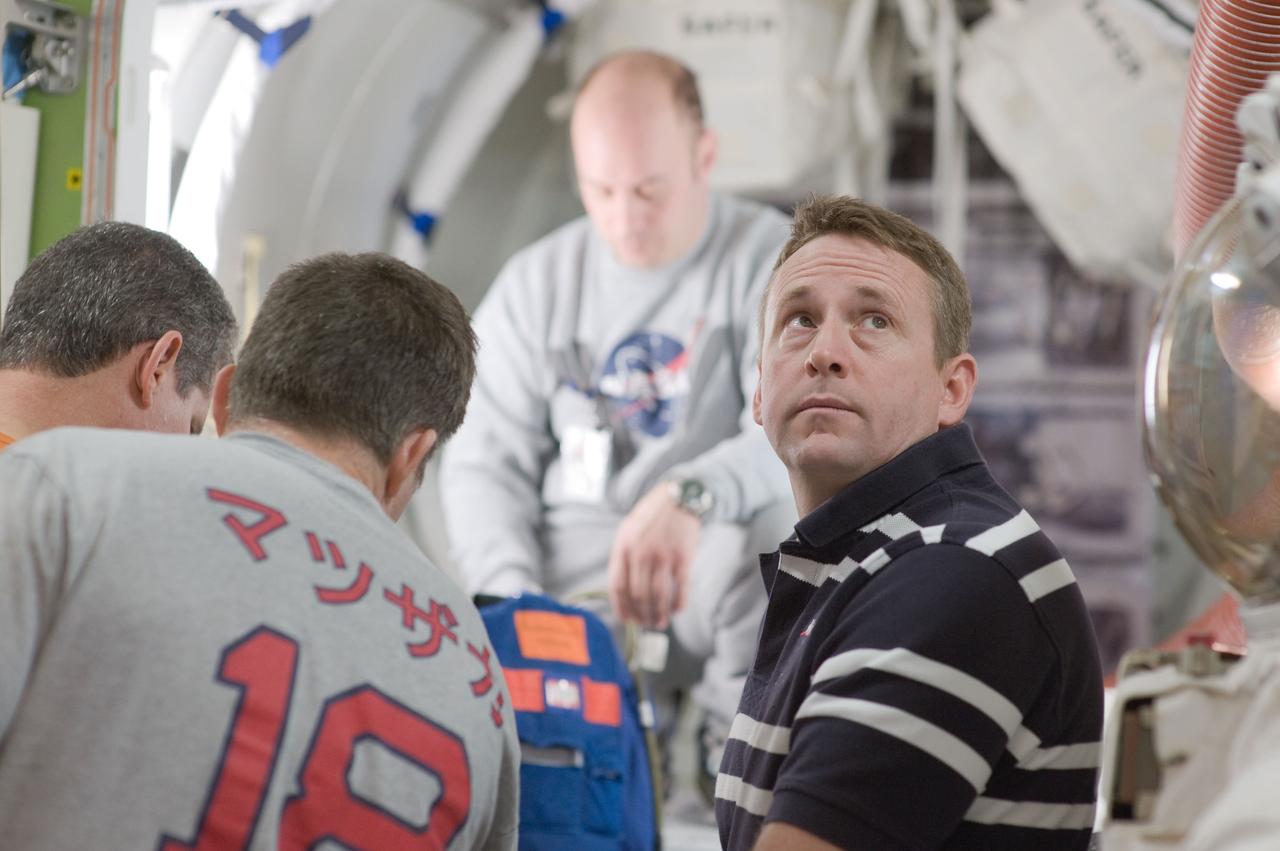
JSC2010-E-015334 (27 Jan. 2010) --- STS-132 crew members participate in a training session in an International Space Station mock-up/trainer in the Space Vehicle Mock-up Facility at NASA's Johnson Space Center. Pictured are NASA astronaut Ken Ham (right), commander; along with astronauts Garrett Reisman (background), Michael Good (left background) and Steve Bowen, all mission specialists.
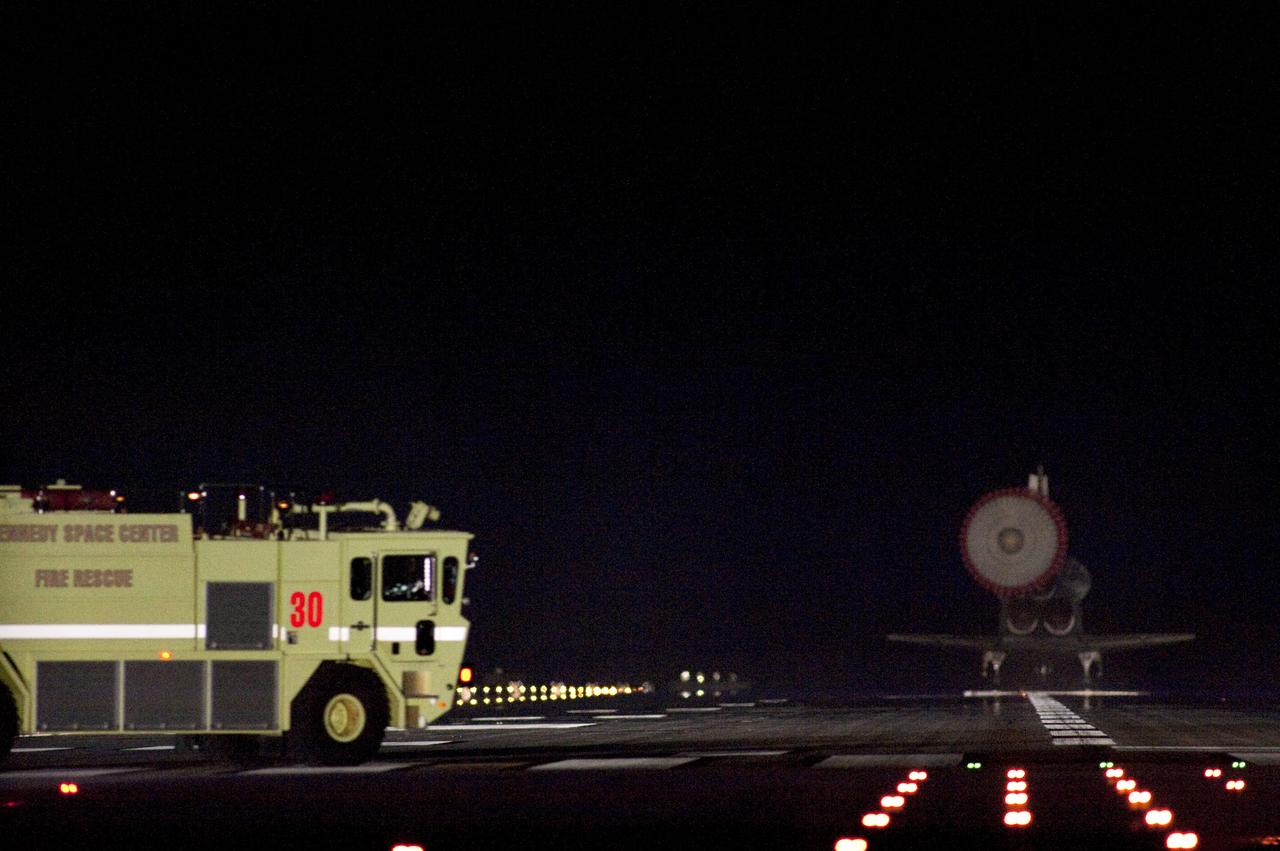
STS130-S-102 (21 Feb. 2010) --- Space shuttle Endeavour lands on Runway 15 at the Shuttle Landing Facility at NASA's Kennedy Space Center in Florida after 14 days in space, completing the 5.7-million-mile STS-130 mission to the International Space Station on orbit 217. Main gear touchdown was at 10:20:31 p.m. (EST) on Feb. 21, 2010; followed by nose gear touchdown at 10:20:39 p.m. and wheels stop at 10:22:10 p.m. It was the 23rd night landing in shuttle history and the 17th at Kennedy. Aboard are NASA astronauts George Zamka, commander; Terry Virts, pilot; Robert Behnken, Nicholas Patrick, Kathryn Hire and Stephen Robinson, all mission specialists. During Endeavour's STS-130 mission, astronauts installed the Tranquility node, a module that provides additional room for crew members and many of the station's life support and environmental control systems. Attached to Tranquility is a Cupola with seven windows that provide a panoramic view of Earth, celestial objects and visiting spacecraft. The module was built in Turin, Italy, by Thales Alenia Space for the European Space Agency. The orbiting laboratory is approximately 90 percent complete now in terms of mass. STS-130 was the 24th flight for Endeavour, the 32nd shuttle mission devoted to ISS assembly and maintenance, and the 130th shuttle mission to date. A fire and rescue truck is in place beside the runway if needed to support the landing of Endeavour.
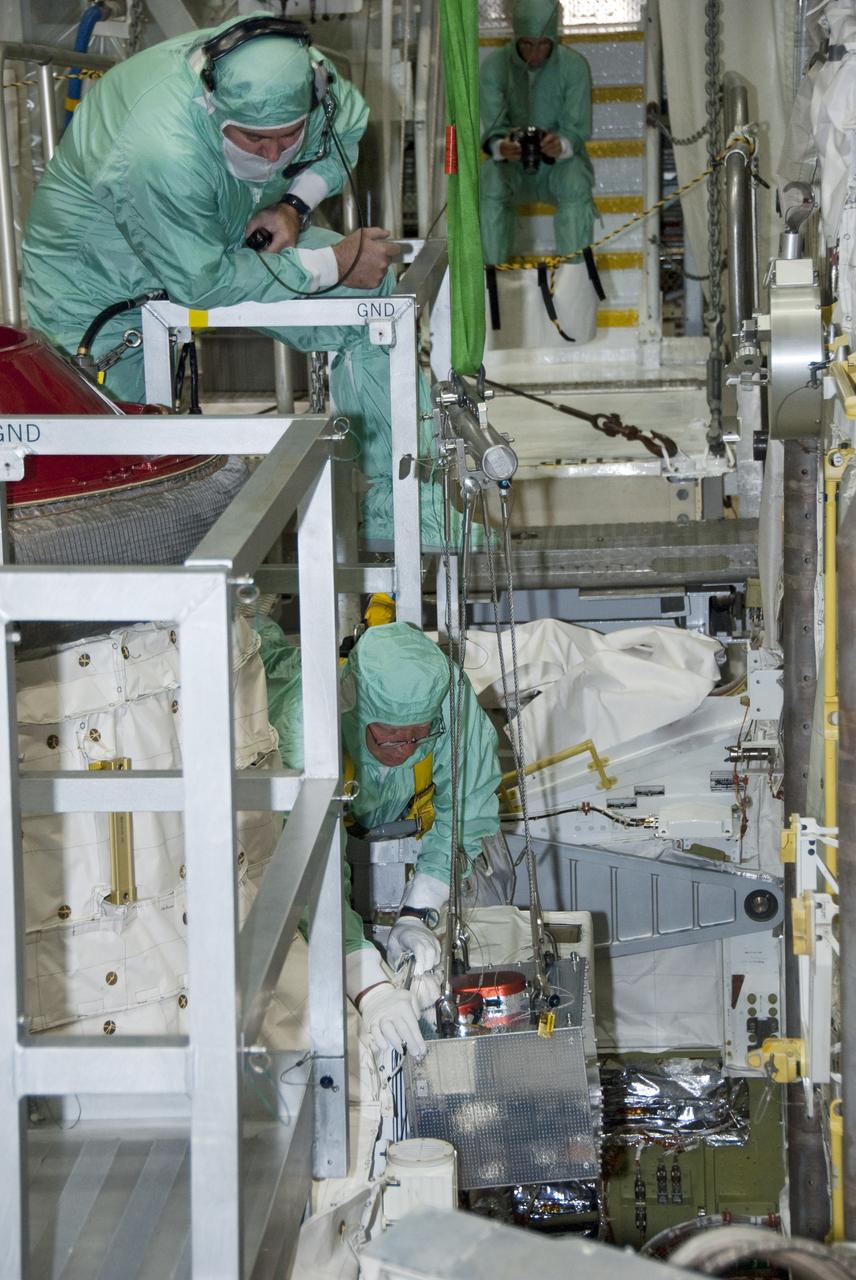
STS-134 ENDEAVOUR STORRM INSTLN FORWARD CARGO BAY FOR "BALL" ORION PROJECT - DOCKING EXPERIMENT - LARK
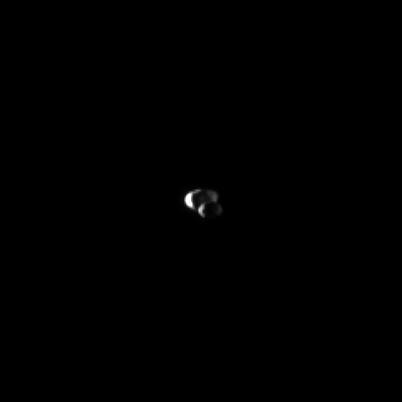
Saturn moon Epimetheus moves in front of the larger moon Janus as seen by NASA Cassini spacecraft. The moons are lit by sunlight on the left and light reflected off Saturn on the right.
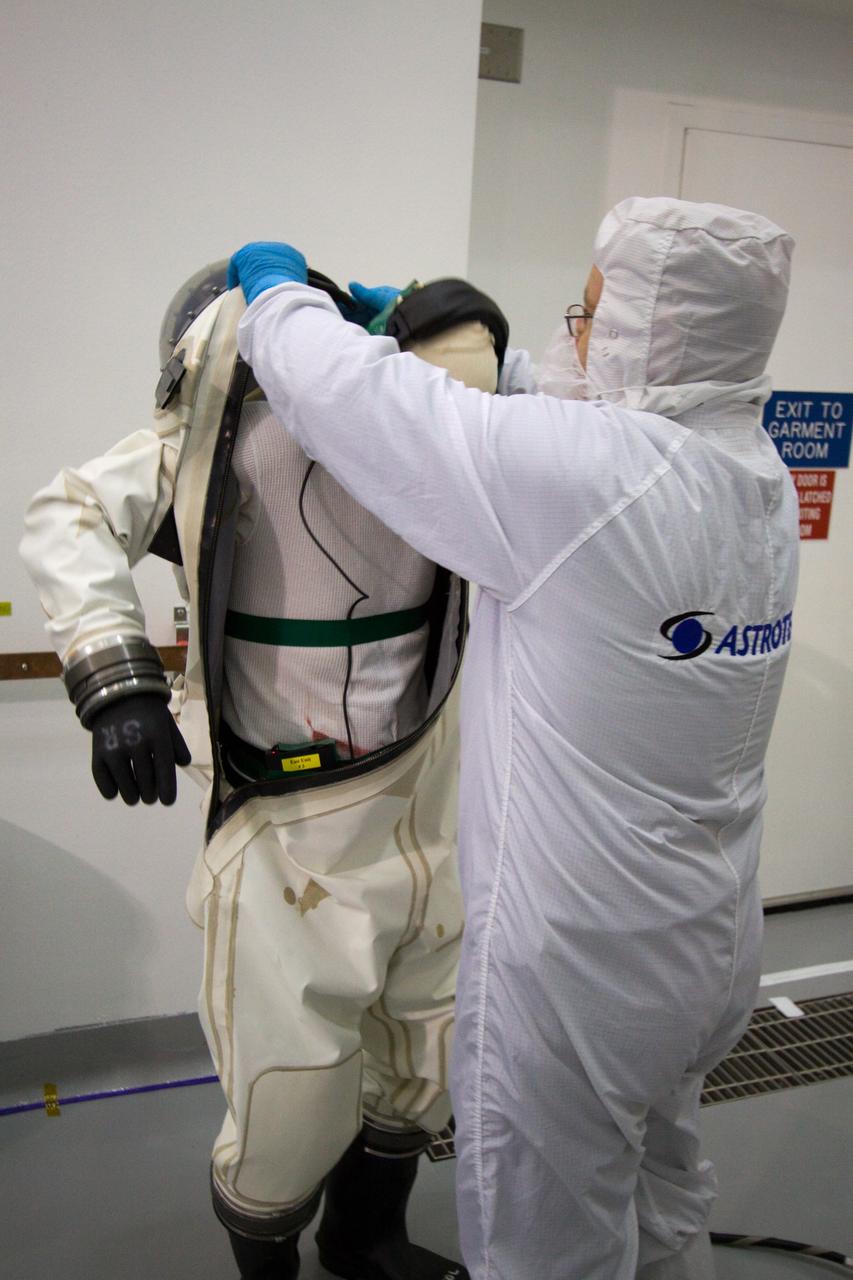
CAPE CANAVERAL, Fla. – At the Astrotech Space Operations facility in Titusville, Fla., spacecraft fueling technicians from Kennedy Space Center prepare to sample the monomethylhydrazine propellant that will be loaded aboard the Solar Dynamics Observatory, or SDO. From left are Boeing technician Steve Lay and ASTROTECH mission/facility manager Gerard Gleeson. The hydrazine fuel is being sampled for purity before it is loaded aboard the spacecraft. The technicians are dressed in self-contained atmospheric protective ensemble suits, or SCAPE suits, as a safety precaution in the unlikely event that any of the highly toxic chemical should escape from the storage tank. The nitrogen tetroxide oxidizer was loaded earlier in the week which is customarily followed by loading of the fuel. Propellant loading is one of the final processing milestones before the spacecraft is encapsulated in its fairing for launch. SDO is the first mission in NASA's Living With a Star Program and is designed to study the causes of solar variability and its impacts on Earth. The spacecraft's long-term measurements will give solar scientists in-depth information to help characterize the interior of the Sun, the Sun's magnetic field, the hot plasma of the solar corona, and the density of radiation that creates the ionosphere of the planets. The information will be used to create better forecasts of space weather needed to protect the aircraft, satellites and astronauts living and working in space. Liftoff aboard an Atlas V rocket is targeted for Feb. 9 from Launch Complex 41 on Cape Canaveral Air Force Station. For information on SDO, visit http://www.nasa.gov/sdo. Photo credit: NASA/Jack Pfaller
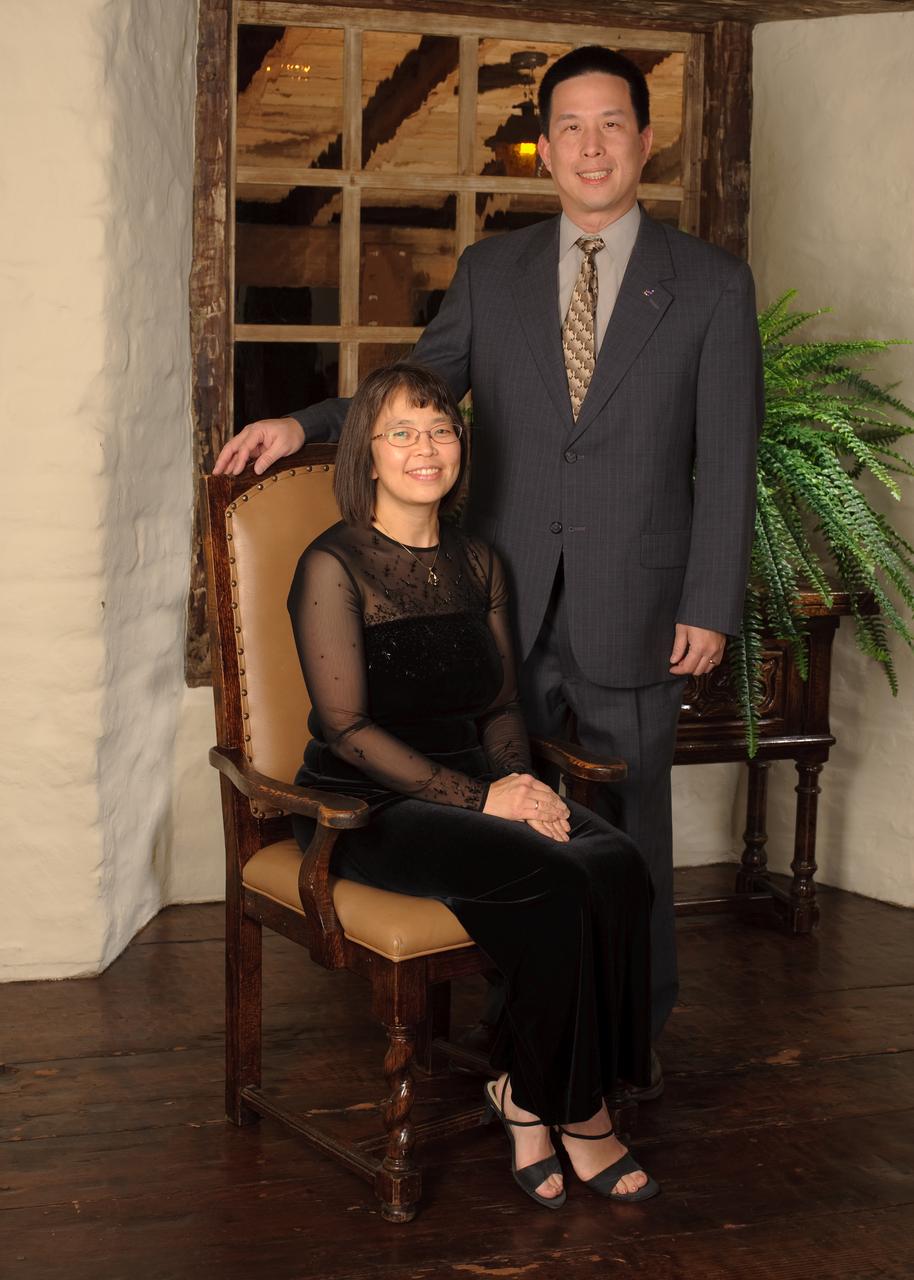
NASA Ames Research Center 70 Year Anniversary Gala Dinner held at Santa Clara University, Santa Clara, California with special guest speaker Nichelle Nichols of Star Trek fame.
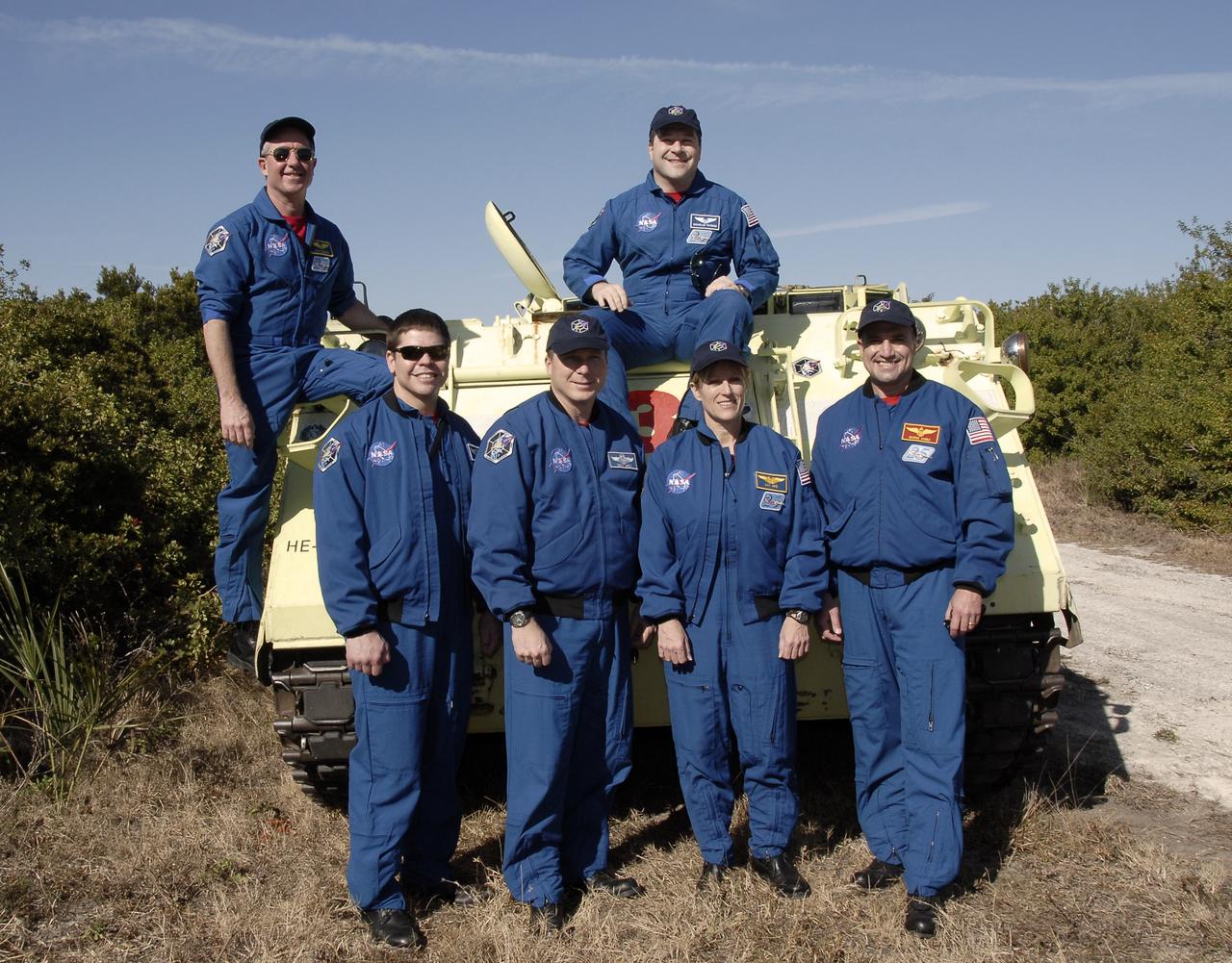
CAPE CANAVERAL, Fla. - At NASA's Kennedy Space Center in Florida, the crew members of space shuttle Endeavour's STS-130 mission pose for a group portrait following the completion of their M113 training. From top left are Mission Specialists Stephen Robinson and Nicholas Patrick. From bottom left are Mission Specialist Robert Behnken; Pilot Terry Virts; Mission Specialist Kathryn Hire; and Commander George Zamka. An M113 is kept at the foot of the launch pad in case an emergency egress from the vicinity of the pad is needed. The crew members of Endeavour's STS-130 mission are at Kennedy for training related to their launch dress rehearsal, the Terminal Countdown Demonstration Test. The primary payload on STS-130 is the International Space Station's Node 3, Tranquility, a pressurized module that will provide room for many of the station's life support systems. Attached to one end of Tranquility is a cupola, a unique work area with six windows on its sides and one on top. Endeavour's launch is targeted for Feb. 7. For information on the STS-130 mission and crew, visit http://www.nasa.gov/mission_pages/shuttle/shuttlemissions/sts130/index.html. Photo credit: NASA/Kim Shiflett
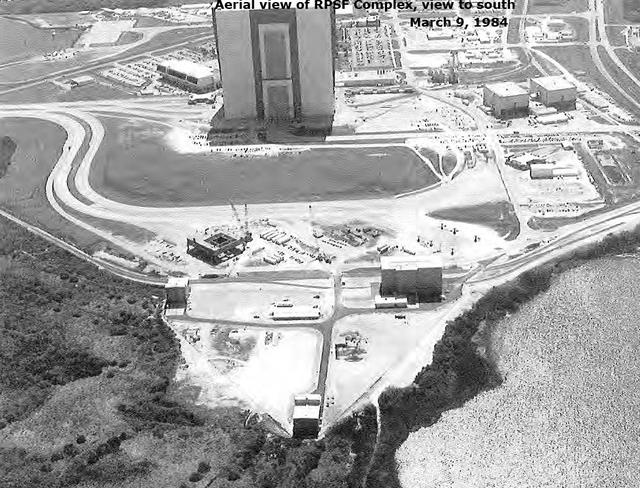
Aerial View of RPSF Complex, view to the south, March 9, 1984

CAPE CANAVERAL, Fla. -- Prior to the arrival of the Alpha Magnetic Spectrometer, or AMS, to the Shuttle Landing Facility at NASA's Kennedy Space Center in Florida, Professor Sam Ting, AMS Principal Investigator from the Massachusetts Institute of Technology speaks to the media. AMS,a state-of-the-art particle physics detector, is designed to operate as an external module on the International Space Station. It will use the unique environment of space to study the universe and its origin by searching for dark matter. AMS will fly to the International Space Station aboard space shuttle Endeavour's STS-134 mission targeted to launch Feb. 26, 2011. Photo credit: NASA/Kim Shiflett
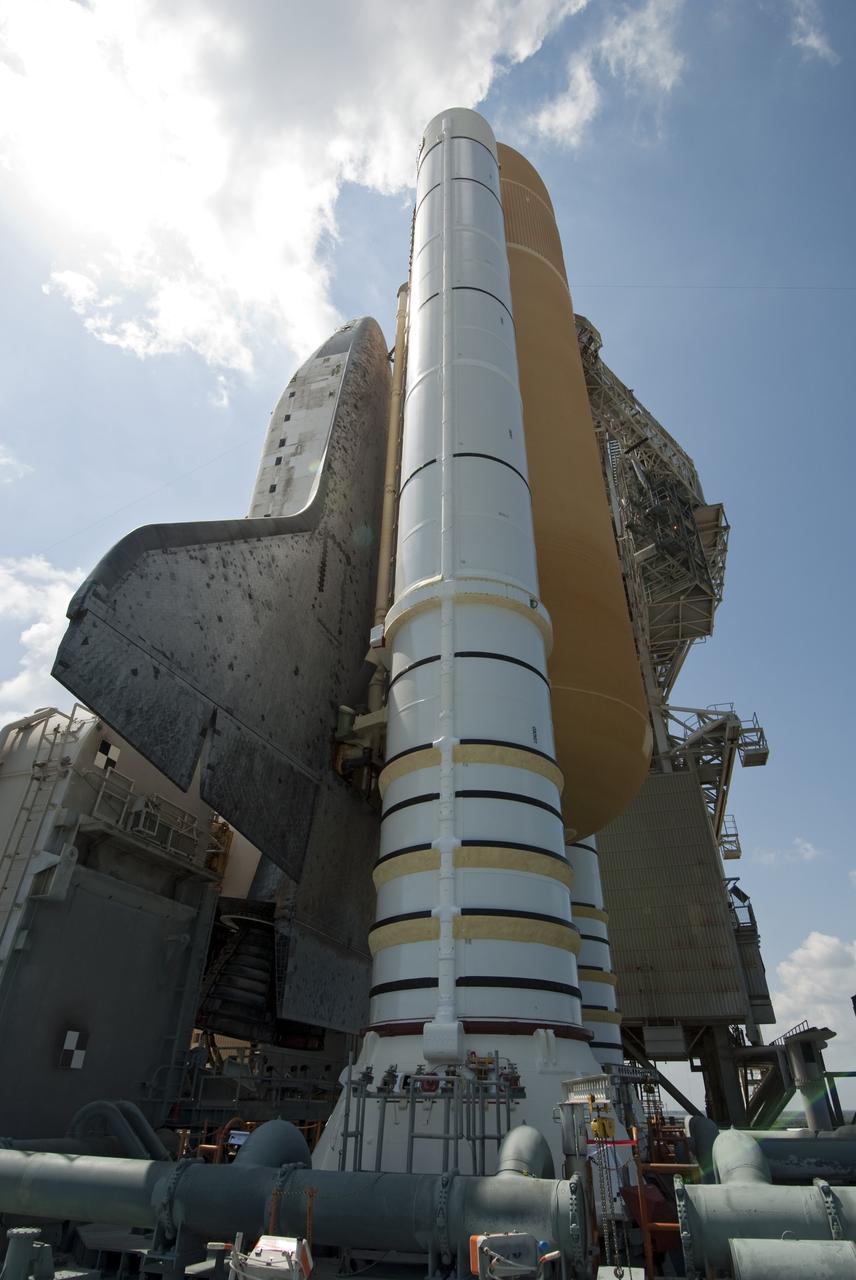
CAPE CANAVERAL, Fla. -- At NASA's Kennedy Space Center in Florida, space shuttle Discovery is visible on Launch Pad 39A before the rotating service structure, which protects it from the elements and provides access to the shuttle, is moved into place. It took the spacecraft about six hours to make the journey, known as "rollout," from the Vehicle Assembly Building to the pad. Rollout sets the stage for Discovery's STS-133 crew to practice countdown and launch procedures during the Terminal Countdown Demonstration Test in mid-October. Targeted to liftoff Nov. 1, Discovery will take the Permanent Multipurpose Module (PMM) packed with supplies and critical spare parts, as well as Robonaut 2 (R2) to the International Space Station. Photo credit: NASA/Jim Grossmann
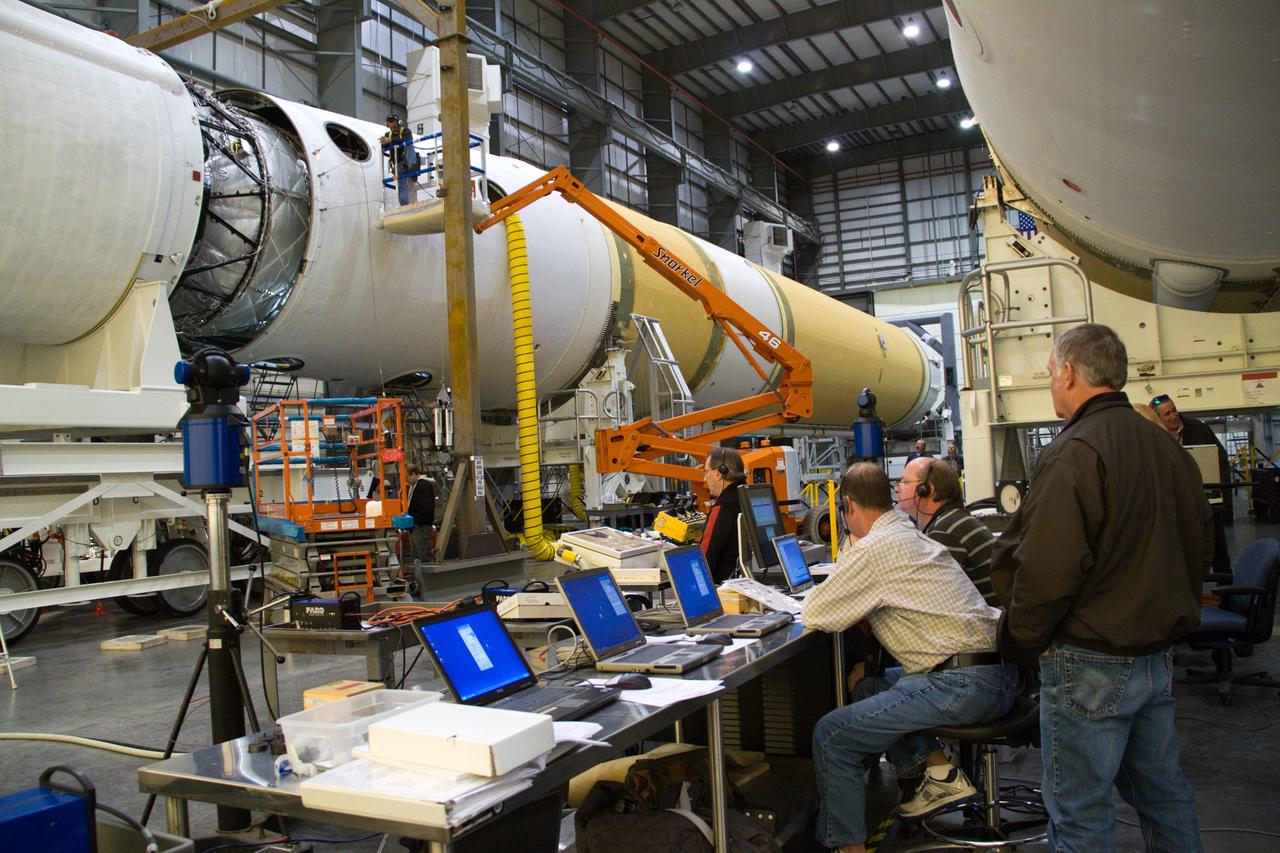
CAPE CANAVERAL, Fla. – In the Horizontal Integration Facility at Launch Complex 37 on Cape Canaveral Air Force Station in Florida, a team of rocket specialists monitors the progress of the operation to mate the second stage of a Delta IV rocket to the first stage. This United Launch Alliance Delta IV rocket is slated to launch GOES-P, the latest Geostationary Operational Environmental Satellite developed by NASA for the National Oceanic and Atmospheric Administration, or NOAA. Launch is targeted for Feb. 25. For information on GOES-P, visit http://goespoes.gsfc.nasa.gov/goes/spacecraft/n_p_spacecraft.html. Photo credit: NASA/Jack Pfaller
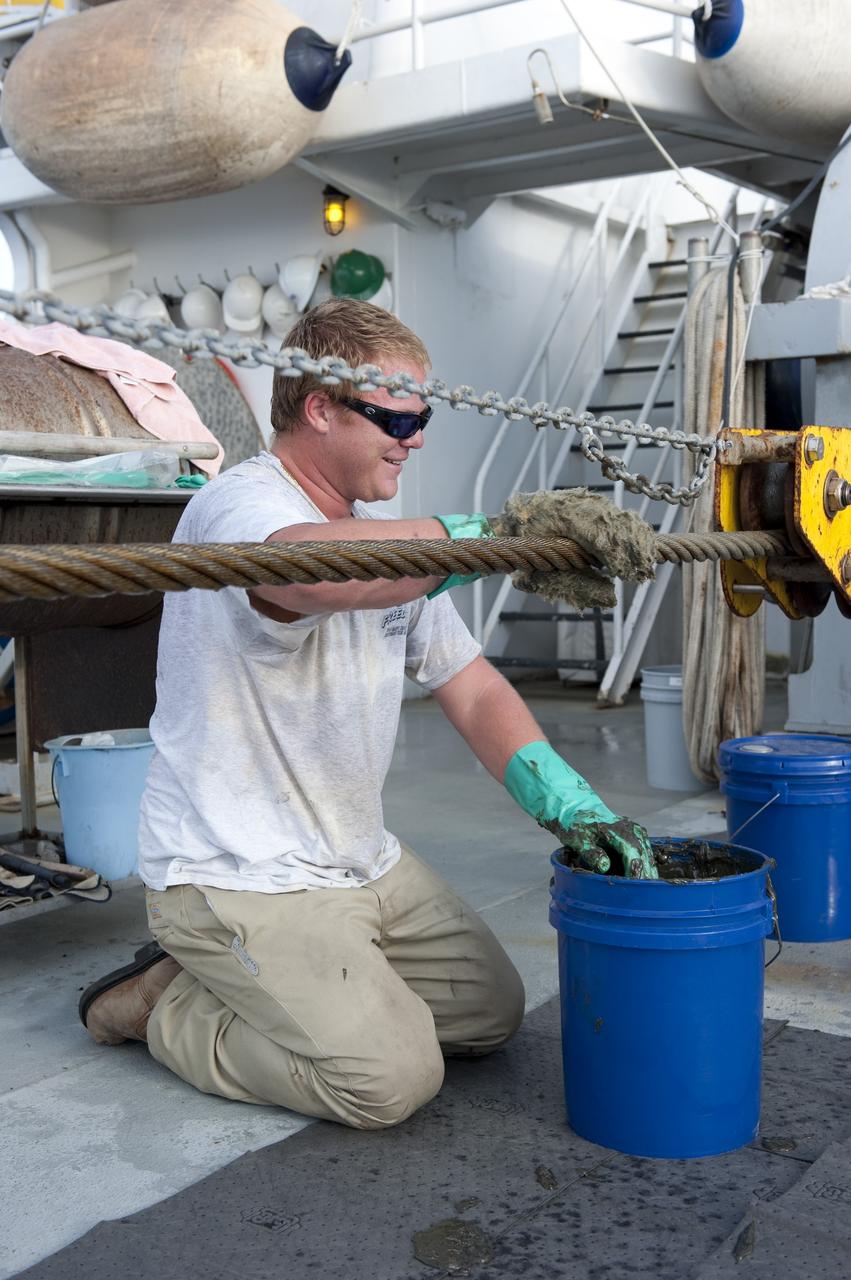
CAPE CANAVERAL, Fla. -- A deckhand on Freedom Star, one of NASA's solid rocket booster retrieval ships, keeps the ship in good repair as it pulls the Pegasus Barge carrying the Space Shuttle Program's last external fuel tank, ET-122. The tank will travel 900 miles by sea to NASA's Kennedy Space Center in Florida before being offloaded and moved to Kennedy's Vehicle Assembly Building. There it will be integrated to space shuttle Endeavour for the STS-134 mission to the International Space Station. The tank, which is the largest element of the space shuttle stack, was damaged during Hurricane Katrina in August 2005 and restored to flight configuration by Lockheed Martin Space Systems Company employees. STS-134, targeted to launch Feb. 2011, currently is scheduled to be the last mission in the Space Shuttle Program. Photo credit: NASA/Kim Shiflett
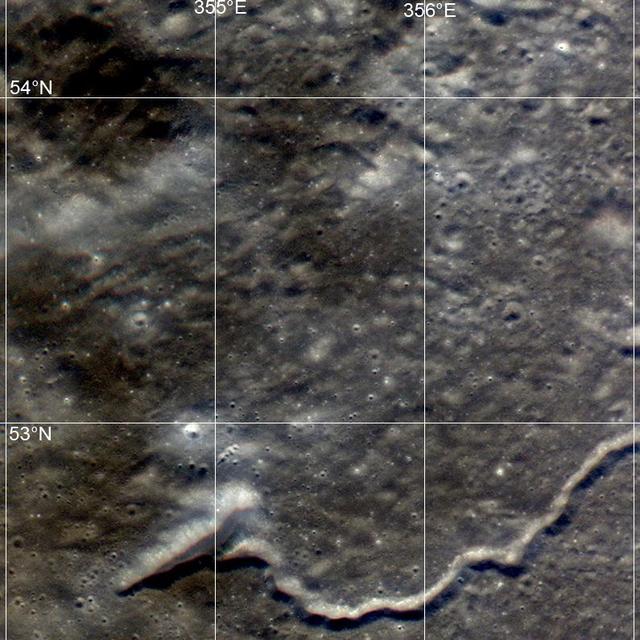
This image taken by NASA Lunar Reconnaissance Orbiter shows a wide variety of geologic features on northwest of Plato crater.
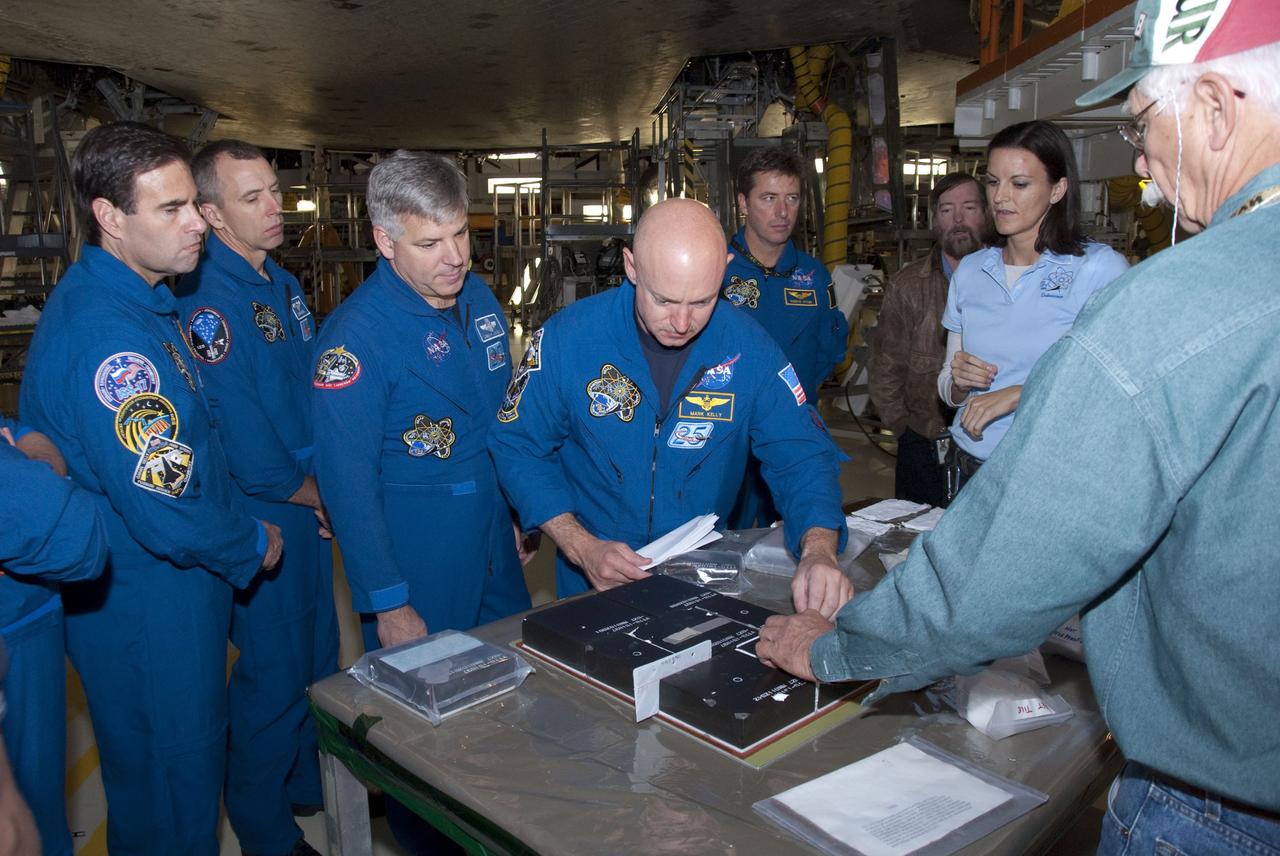
CAPE CANAVERAL, Fla. -- In the Orbiter Processing Facility-2 at NASA's Kennedy Space Center in Florida, the STS-134 crew checks out the heat shield tiles that protect space shuttles during re-entry. From left, are Mission Specialists Greg Chamitoff and Andrew Feustel, Pilot Gregory H. Johnson, Commander Mark Kelly and Mission Specialist Roberto Vittori of the European Space Agency. The six STS-134 astronauts are at Kennedy participating in the Crew Equipment Interface Test (CEIT), which gives them an opportunity for hands-on training with the tools and equipment they'll use in space and familiarization of the payload they'll be delivering to the International Space Station. Space shuttle Endeavour is targeted to launch on the STS-134 mission Feb. 27, 2011. For more information, visit www.nasa.gov/mission_pages/shuttle/shuttlemissions/sts134/index.html. Photo credit: NASA/Cory Huston
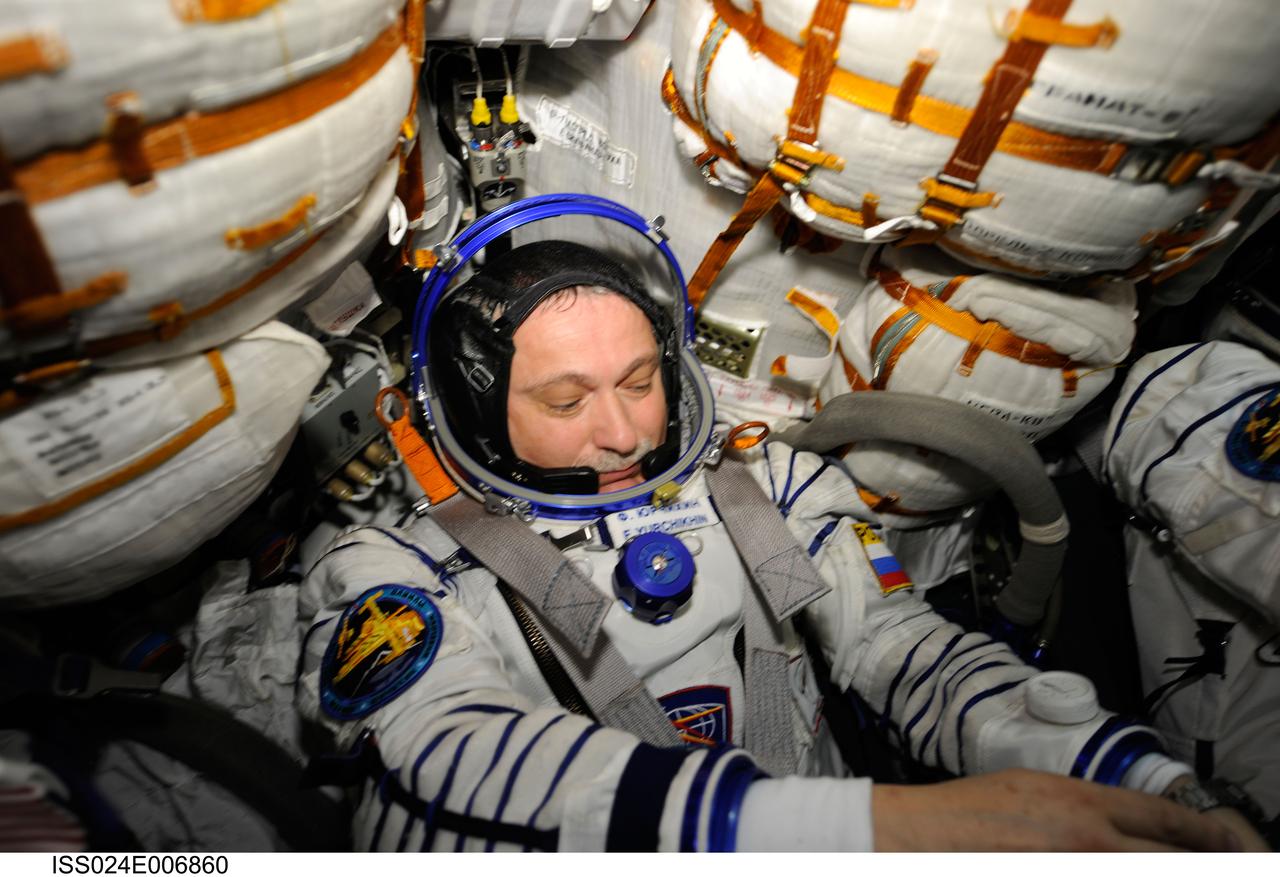
ISS024-E-006860 (28 June 2010) --- Russian cosmonaut Fyodor Yurchikhin, Expedition 24 flight engineer, attired in his Russian Sokol launch and entry suit, occupies his seat in the Soyuz TMA-19 spacecraft docked to the International Space Station. Yurchikhin, along with NASA astronauts Doug Wheelock and Shannon Walker (both out of frame) were about to relocate the Soyuz from the Zvezda Service Module’s aft port to the Rassvet Mini-Research Module 1 (MRM1).
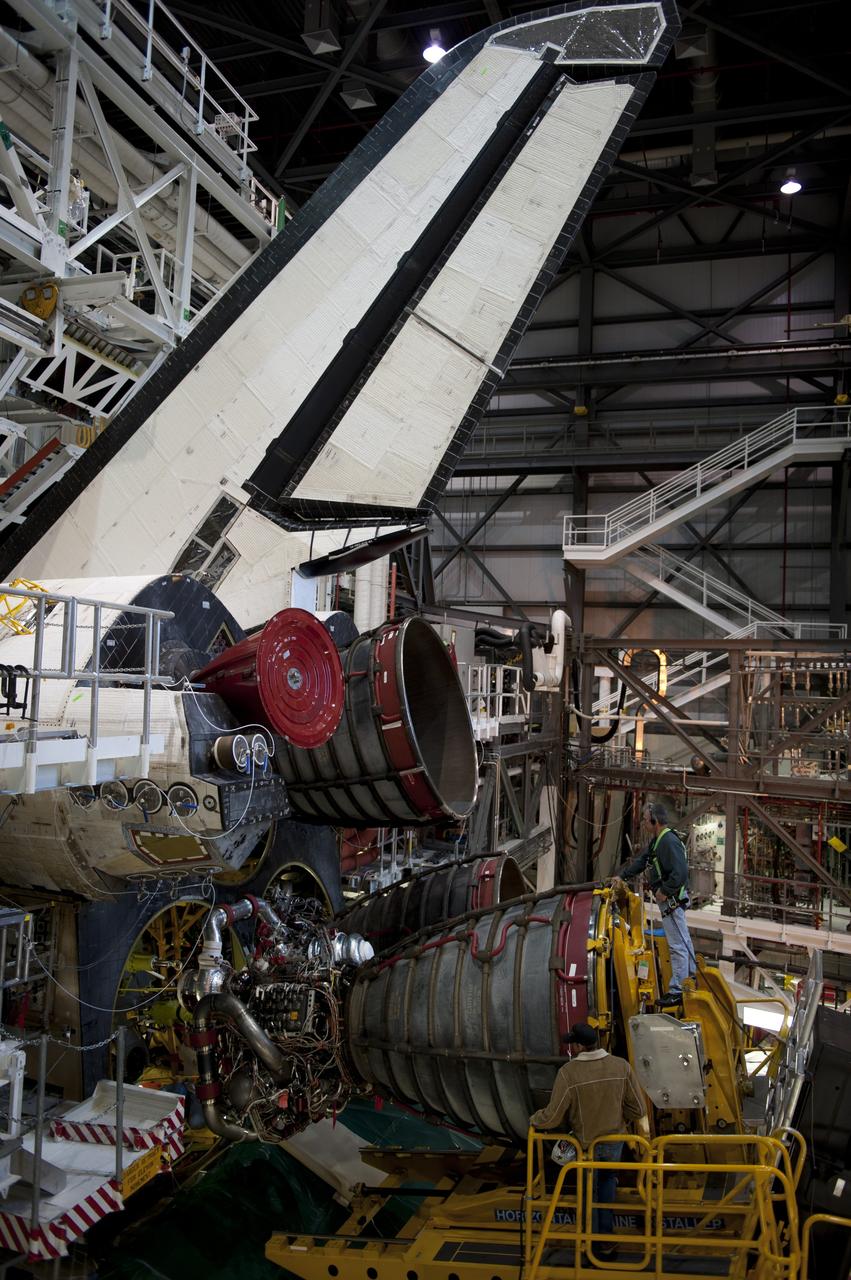
CAPE CANAVERAL, Fla. -- In Orbiter Processing Facility-1 at NASA's Kennedy Space Center in Florida, a Hyster forklift moves engine #2, the last of three space shuttle main engines, into position for installation on shuttle Atlantis. Each engine is 14 feet long, weighs about 6,700 pounds, and is 7.5 feet in diameter at the end of the nozzle. This is the final planned engine installation for the Space Shuttle Program. Atlantis is being prepared for the "launch on need," or potential rescue mission, for the final planned shuttle flight, Endeavour's STS-134 mission. For more information, visit www.nasa.gov/shuttle. Photo credit: NASA/Kim Shiflett
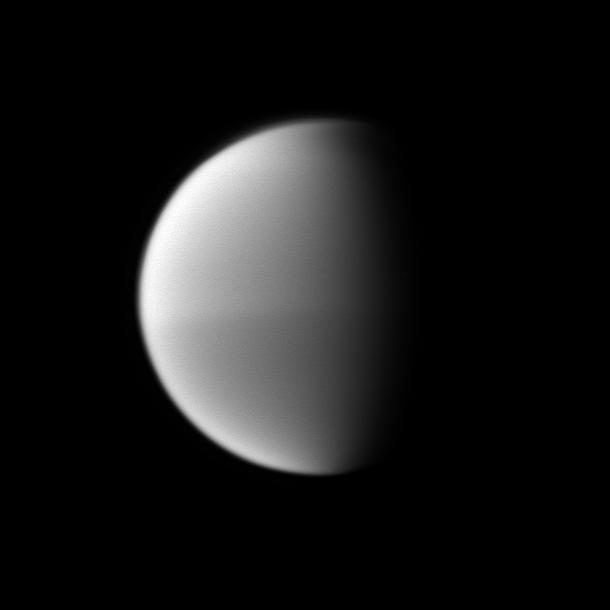
Titan seasonal hemispheric dichotomy is chronicled in black and white, with the moon northern half appearing slightly lighter than the dark southern half in this image taken by NASA Cassini spacecraft.
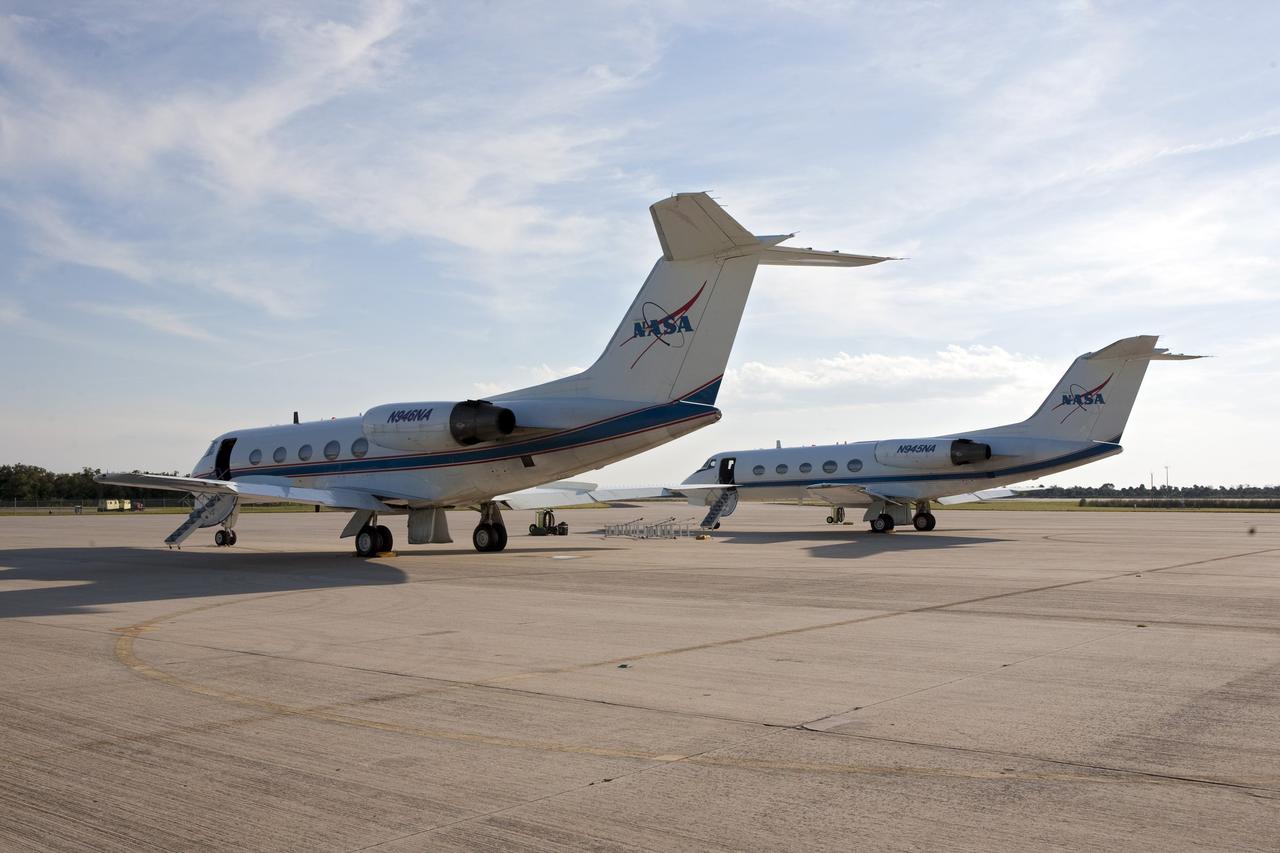
CAPE CANAVERAL, Fla. -- Two Shuttle Training Aircraft (STA) are ready for flight on the Shuttle Landing Facility runway at NASA's Kennedy Space Center in Florida. STS-133 Commander Steve Lindsey and Pilot Eric Boe will fly the two Gulfstream II business jets that are modified to mimic the shuttle's handling during the final phase of landing. Practice landings are part of the Terminal Countdown Demonstration Test (TCDT), which provides each shuttle crew and launch team an opportunity to participate in various simulated activities, including equipment familiarization and emergency training at the launch pad. Space shuttle Discovery and its STS-133 crew will deliver the Permanent Multipurpose Module, packed with supplies and critical spare parts, as well as Robonaut 2, the dexterous humanoid astronaut helper, to the International Space Station. Launch is targeted for Nov. 1 at 4:40 p.m. For more information on the STS-133 mission, visit www.nasa.gov/mission_pages/shuttle/shuttlemissions/sts133/. Photo credit: NASA/Amanda Diller
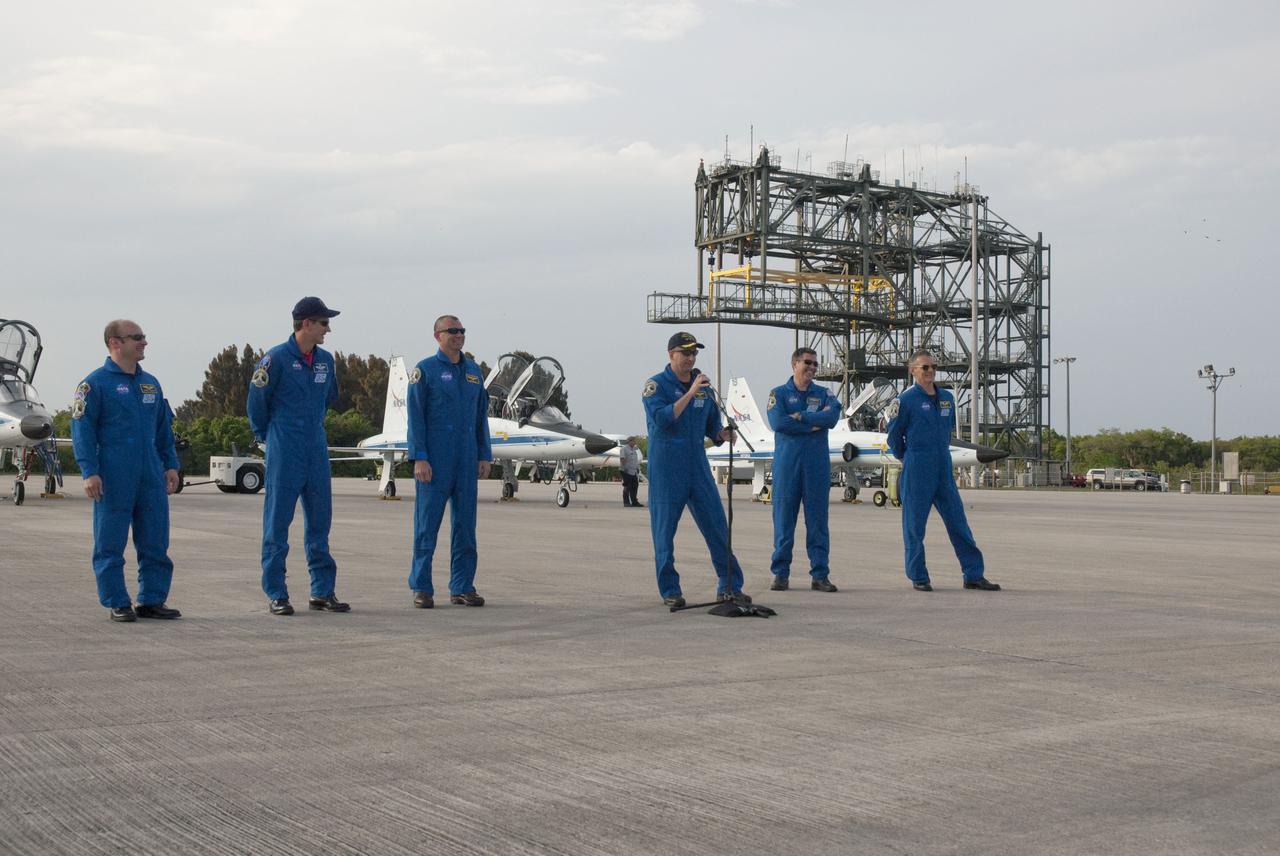
STS-132 TCDT - CREW ARRIVAL
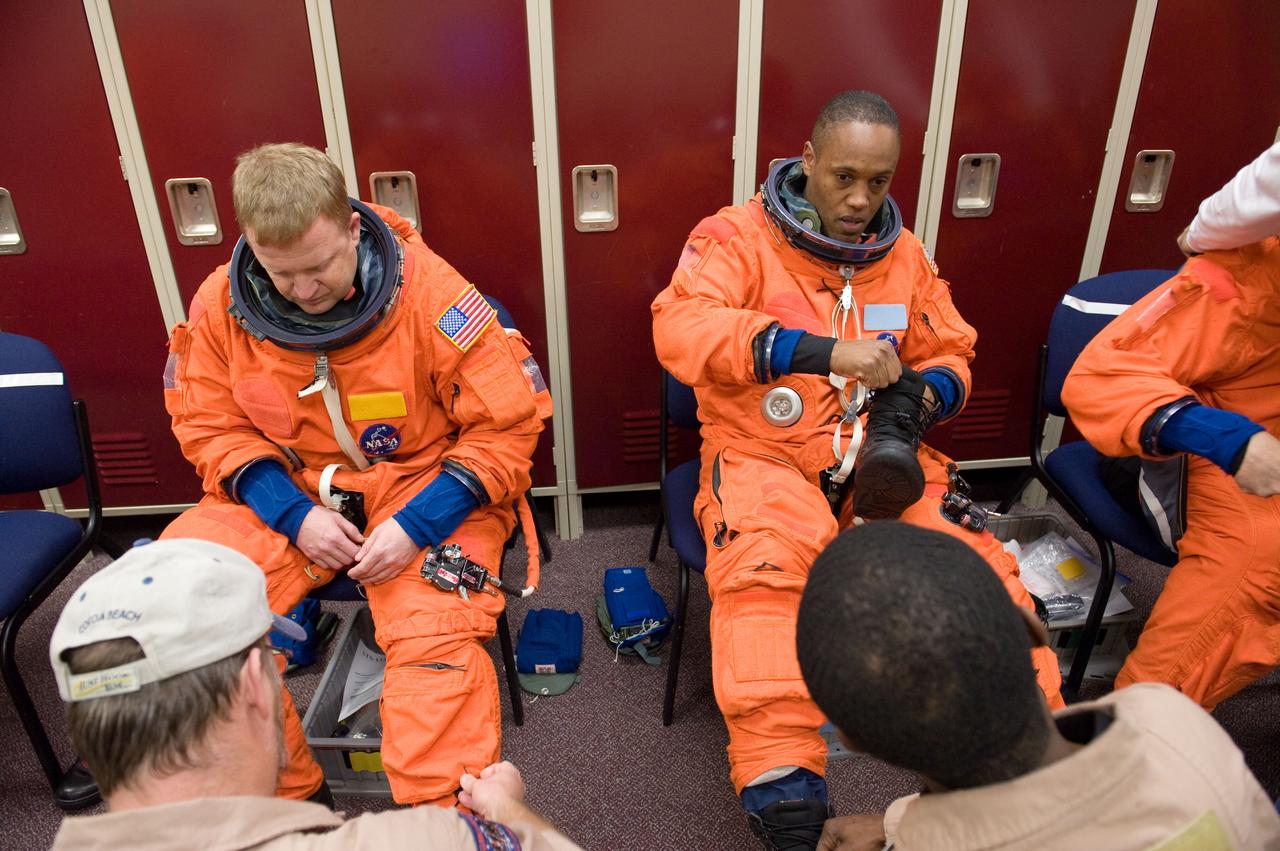
JSC2010-E-046376 (31 March 2010) --- NASA astronauts Eric Boe (left), STS-133 pilot; and Alvin Drew, mission specialists, don training versions of their shuttle launch and entry suits in preparation for a training session in the Space Vehicle Mockup Facility at NASA's Johnson Space Center. United Space Alliance suit technicians assisted Boe and Drew.
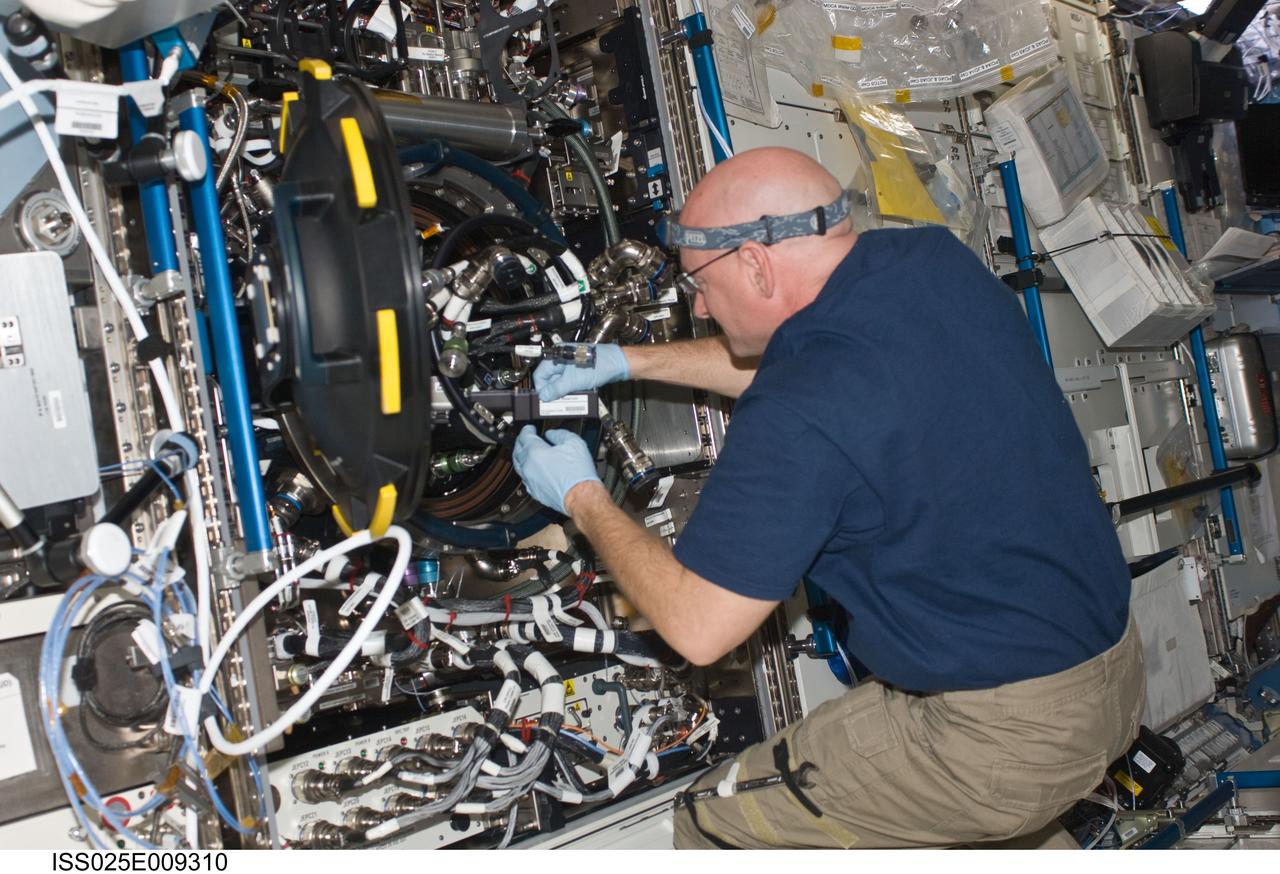
ISS025-E-009310 (26 Oct. 2010) --- NASA astronaut Scott Kelly, Expedition 25 flight engineer, works on the Combustion Integrated Rack (CIR) Multi-user Drop Combustion Apparatus (MDCA) in the Destiny laboratory of the International Space Station. Kelly set up an experiment run on the Fluids & Combustion Facility (FCF) with a new fuel reservoir, ground-assisted by Payload Operations Integration Center/Huntsville (POIC).
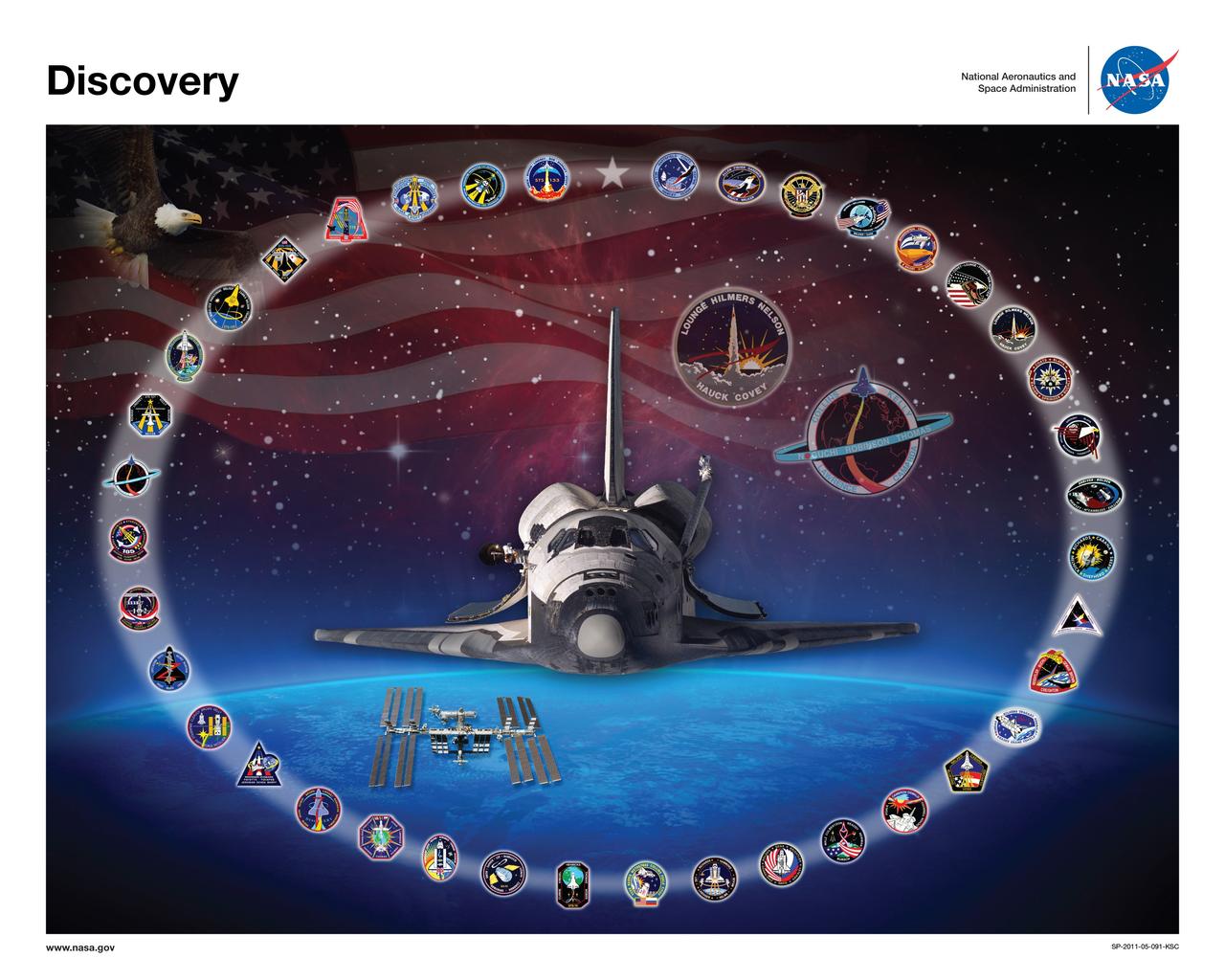
CAPE CANAVERAL, Fla. -- This is a version of space shuttle Discovery's orbiter tribute, or OV-103, which hangs in Firing Room 4 of the Launch Control Center at NASA's Kennedy Space Center in Florida. In 2011, the tribute was updated to reflect the crew member change on Discovery's final mission -- STS-133. Steve Bowen replaced Tim Kopra as a mission specialist on STS-133, after Kopra was injured in a bicycle accident that prevented him from flying into space. Discovery’s accomplishments include the first female shuttle pilot, Eileen Collins, on STS-63, John Glenn’s legendary return to space on STS-95, and the celebration of the 100th shuttle mission with STS-92. In addition, Discovery supported a number of Department of Defense programs, satellite deploy and repair missions and 13 International Space Station construction and operation flights. The tribute features Discovery demonstrating the rendezvous pitch maneuver on approach to the International Space Station during STS-114. Having accumulated the most space shuttle flights, Discovery’s 39 mission patches are shown circling the spacecraft. The background image was taken from the Hubble Space Telescope, which launched aboard Discovery on STS-31 and serviced by Discovery on STS-82 and STS-103. The American Flag and Bald Eagle represent Discovery’s two Return-to-Flight missions -- STS-26 and STS-114 -- and symbolize Discovery’s role in returning American astronauts to space. Five orbiter tributes are on display in the firing room, representing Atlantis, Challenger, Columbia, Endeavour and Discovery. Graphic design credit: NASA/Amy Lombardo. NASA publication number: SP-2010-08-164-KSC
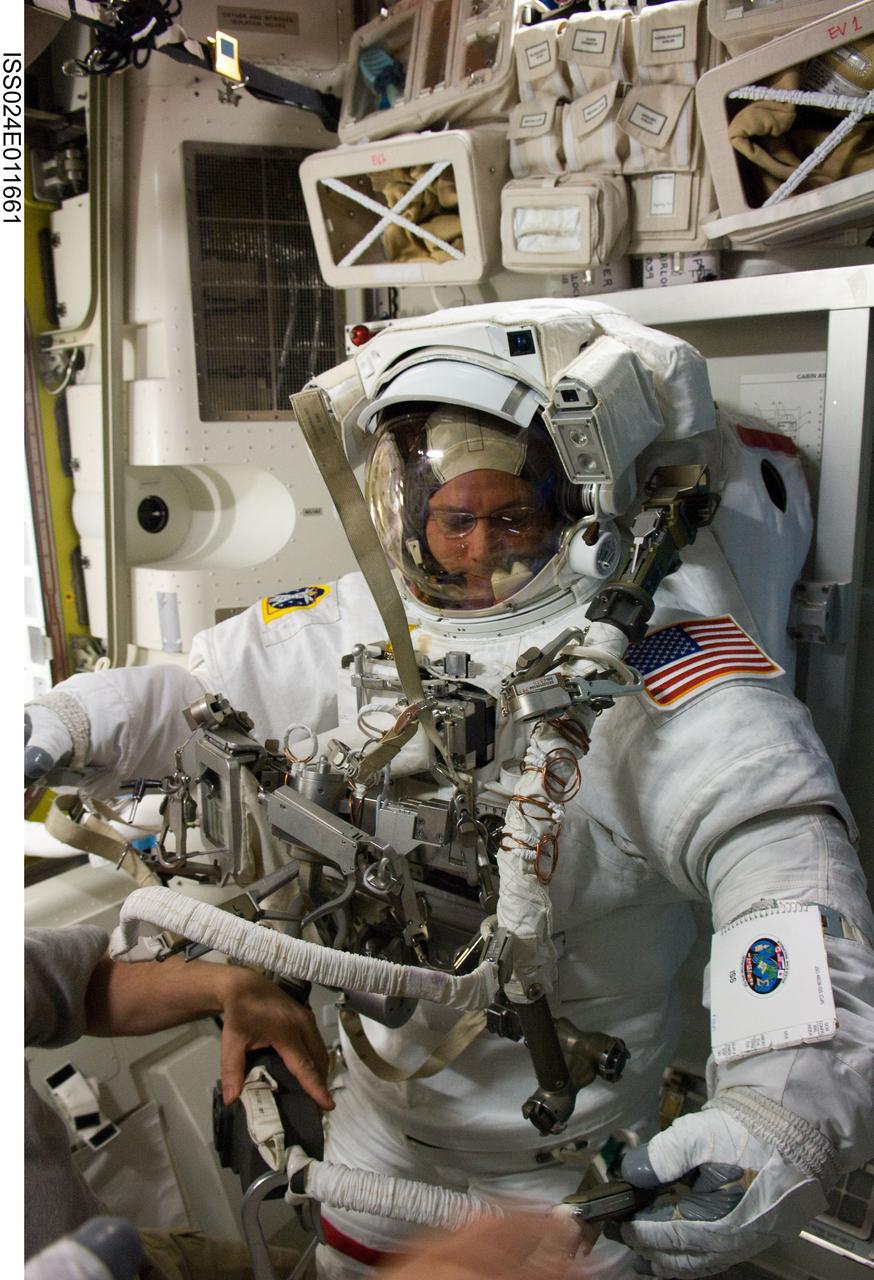
ISS024-E-011661 (11 Aug. 2010) --- NASA astronaut Doug Wheelock, Expedition 24 flight engineer, attired in his Extravehicular Mobility Unit (EMU) spacesuit, is pictured in the Quest airlock of the International Space Station during preparations for the second of three planned spacewalks to remove and replace an ammonia pump module that failed July 31.

CAPE CANAVERAL, Fla. -- At Cape Canaveral Air Force Station in Florida, the first stage of the SpaceX Falcon 9 rocket arrives at Launch Complex-40's horizontal processing hangar. Once assembled, it will be a two-stage fully integrated launch vehicle, consisting of a first stage powered by nine SpaceX-developed Merlin 1C engines, a second stage, an interstage, an unpressurized trunk and the Dragon spacecraft qualification unit. SpaceX was awarded procurement for three demonstration flights under the Commercial Orbital Transportation Services, or COTS, program managed by NASA's Johnson Space Center in Houston. A subsequent contract for Commercial Resupply Services, or CRS, was awarded in late 2008 to resupply the International Space Station. The SpaceX CRS contract provides for 12 missions to resupply the station from 2011 through 2015. Photo credit: NASA/Troy Cryder
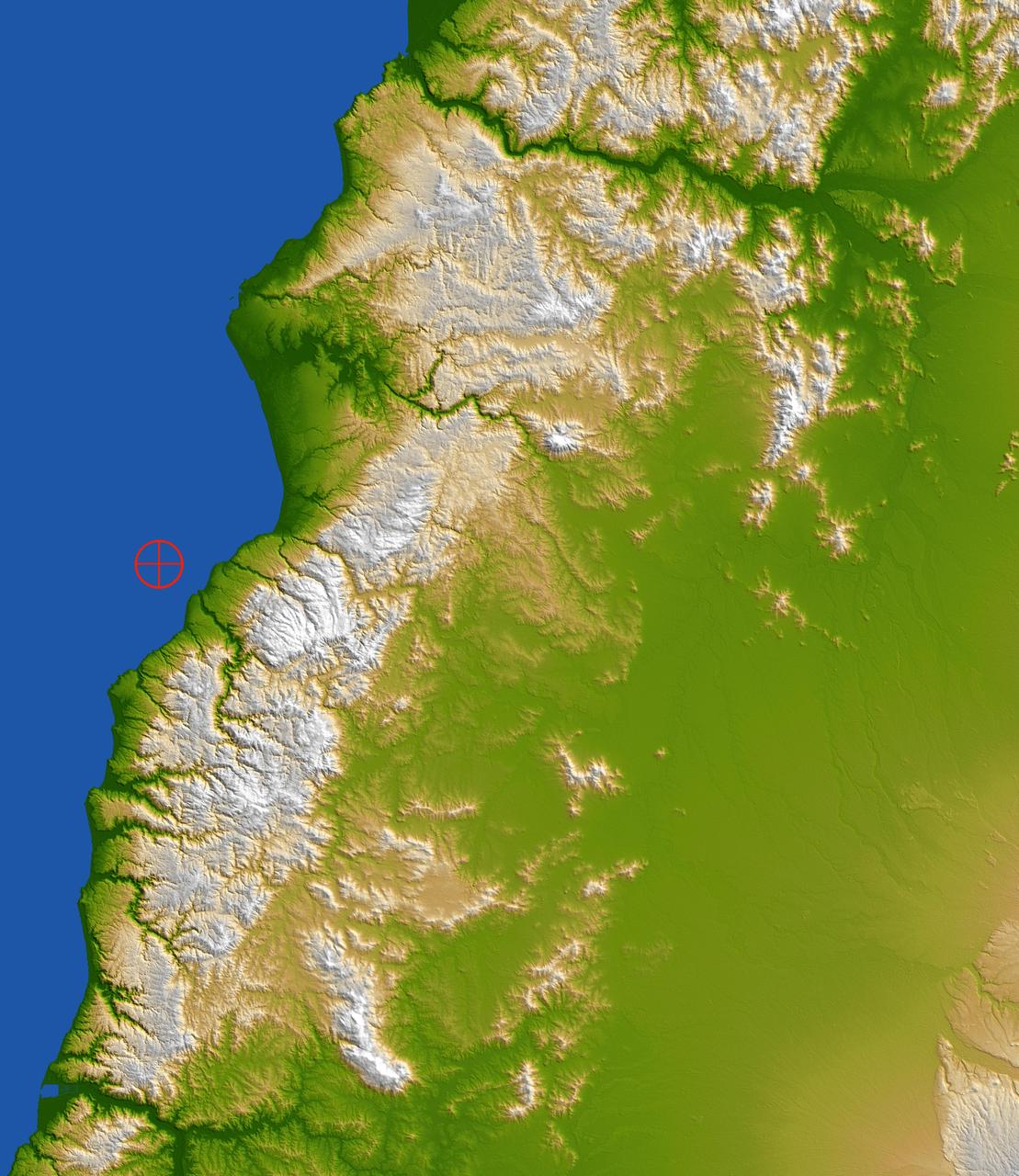
This color-coded shaded relief view from NASA Shuttle Radar Topography Mission of coastal Chile indicates the epicenter red marker of the 8.8 earthquake on Feb. 27, 2010, just offshore of the Maule region in the Bahia de Chanco.
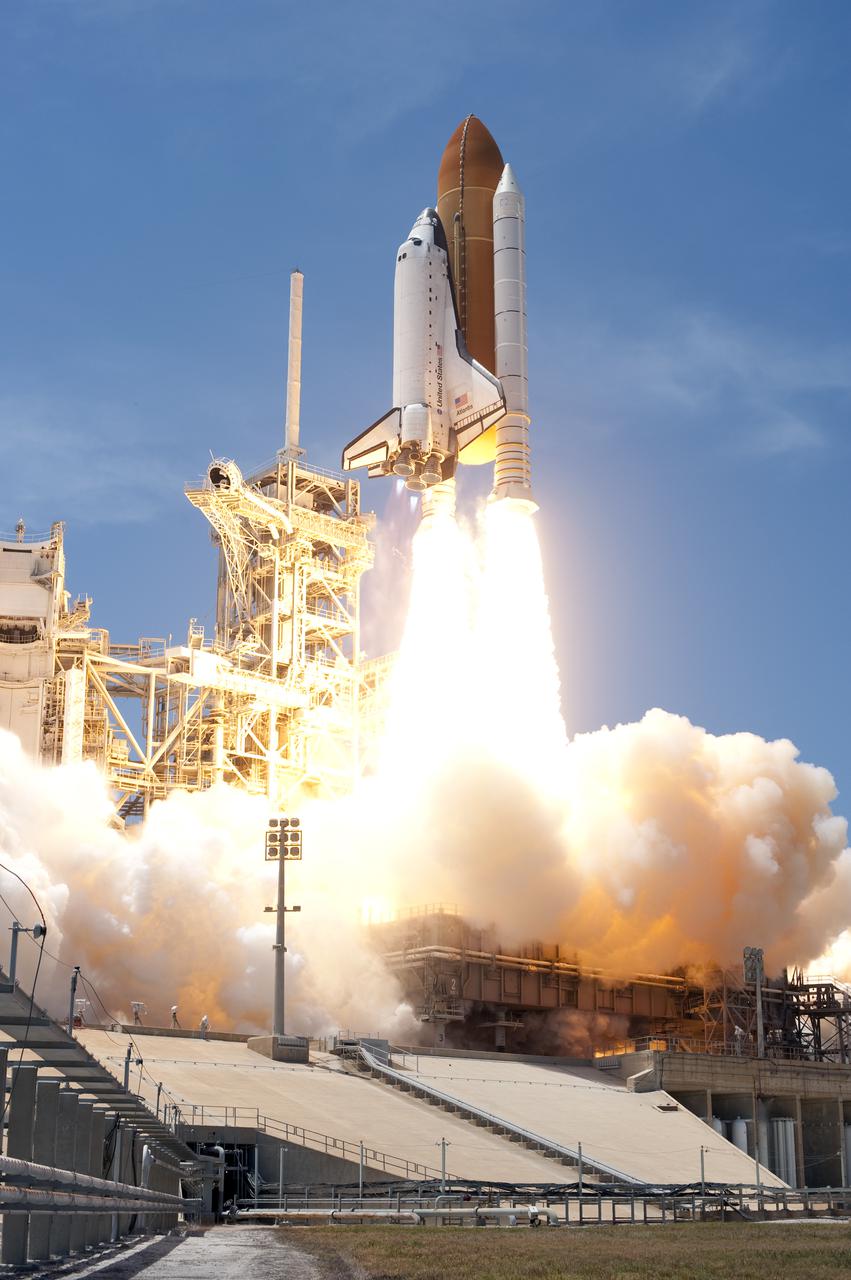
CAPE CANAVERAL, Fla. - Space shuttle Atlantis' twin solid rocket boosters propel to launch the spacecraft off NASA Kennedy Space Center's Launch Pad 39A and into orbit at 2:20 p.m. EDT on May 14. On board Atlantis, for its last planned flight, are six veteran NASA astronauts. Atlantis' primary payload for the STS-132 mission is the Russian-built Mini Research Module-1, which will provide additional storage space and a new docking port for Russian Soyuz and Progress spacecraft aboard the International Space Station. STS-132 is the 132nd shuttle flight, the 32nd for Atlantis and the 34th shuttle mission dedicated to station assembly and maintenance. For more information on the STS-132 mission objectives, payload and crew, visit www.nasa.gov_mission_pages_shuttle_shuttlemissions_sts132_index.html. Photo credit: NASA_Tony Gray and Tom Farrar
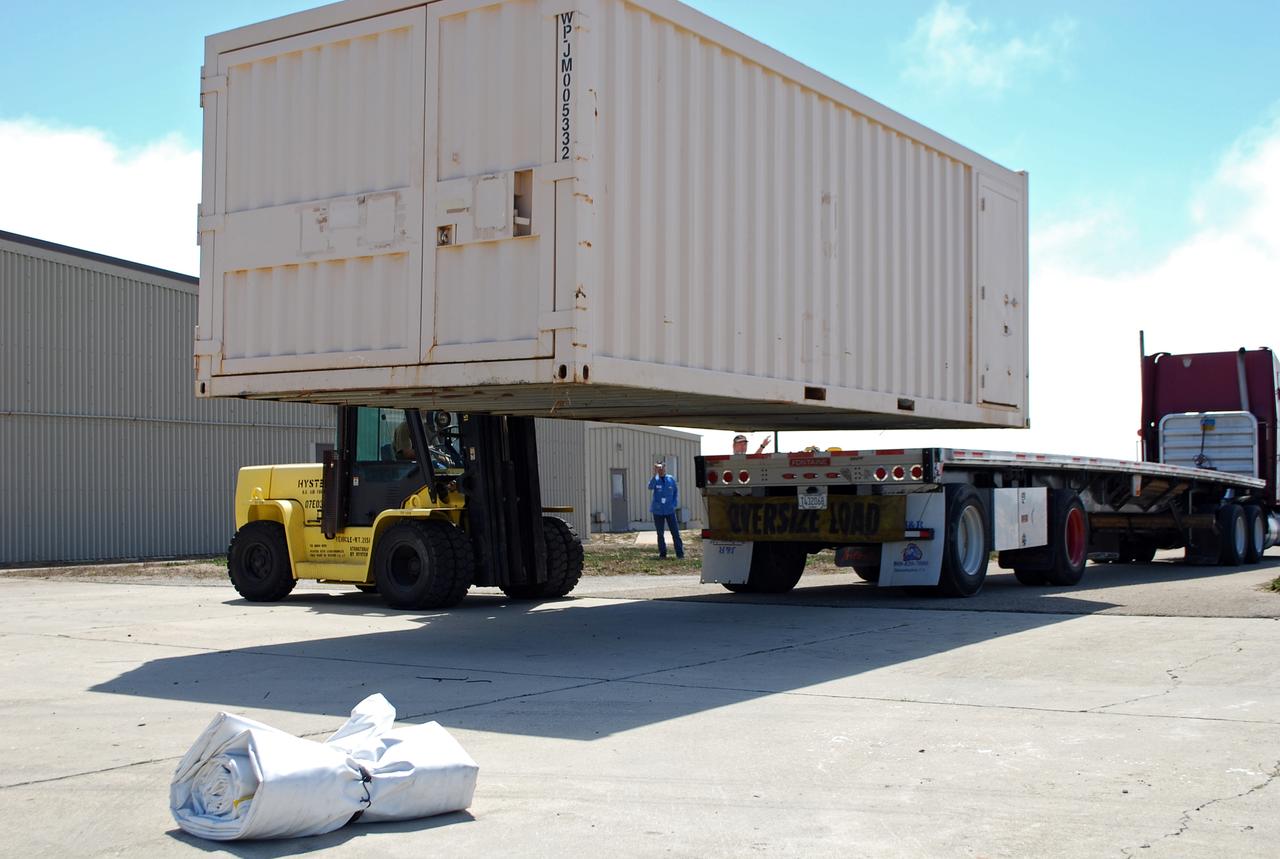
TAURUS - GLORY - FAIRING ARRIVAL
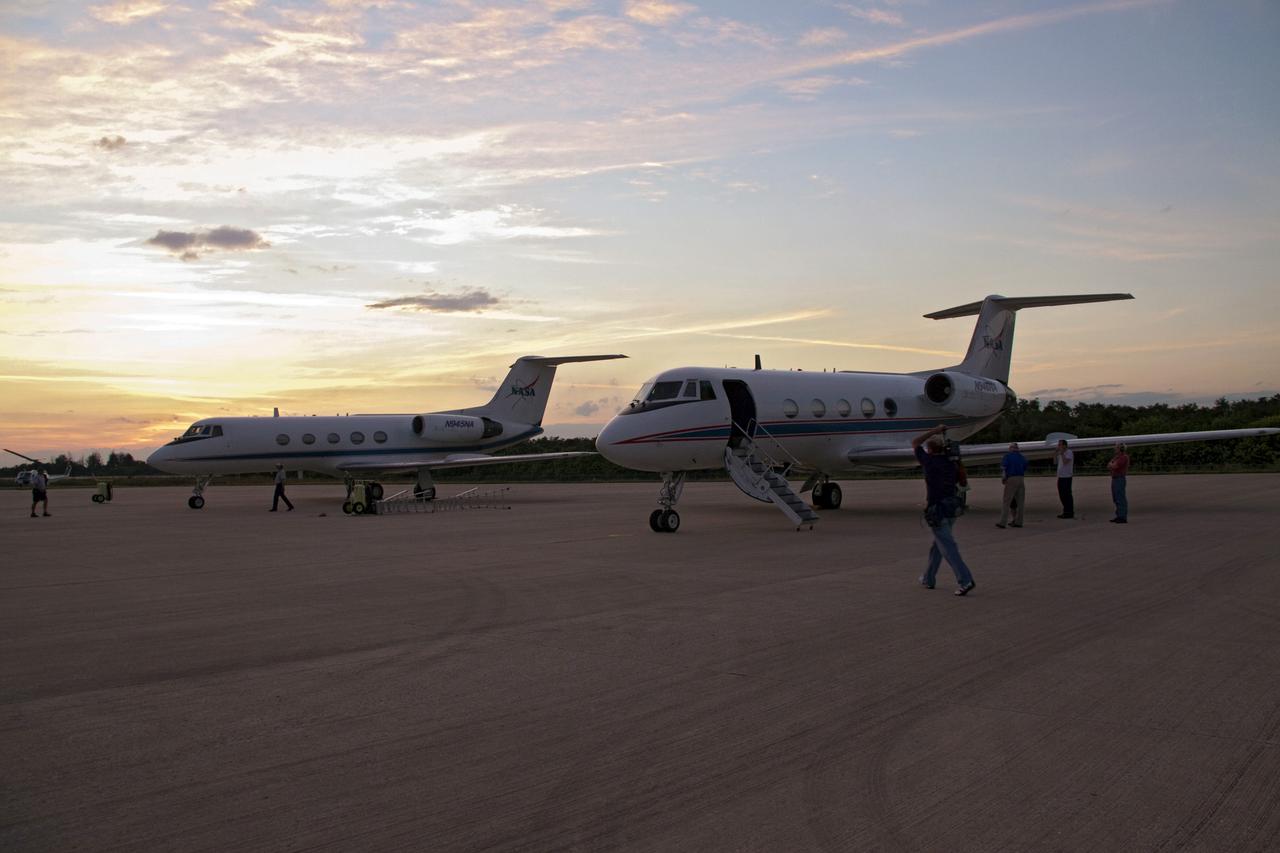
STS-133 TCDT - SUITED STA'S
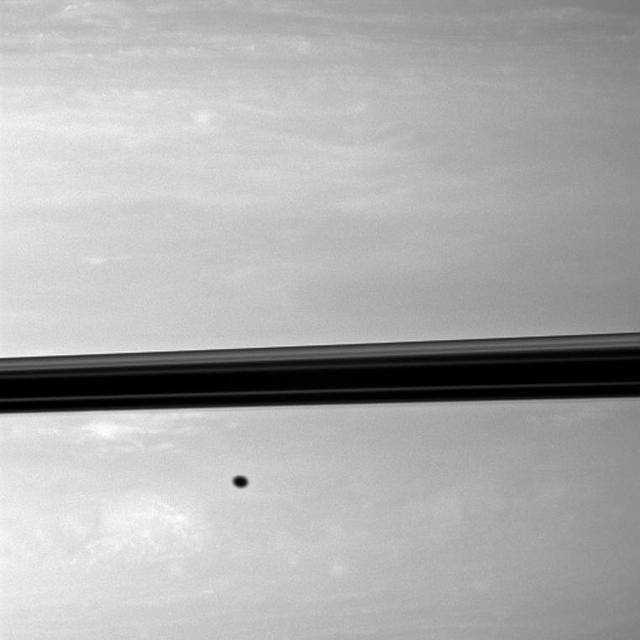
Appearing like a freckle on the face of Saturn, a shadow from the moon Enceladus blemishes the planet just below the ringplane in this NASA Cassini spacecraft image.
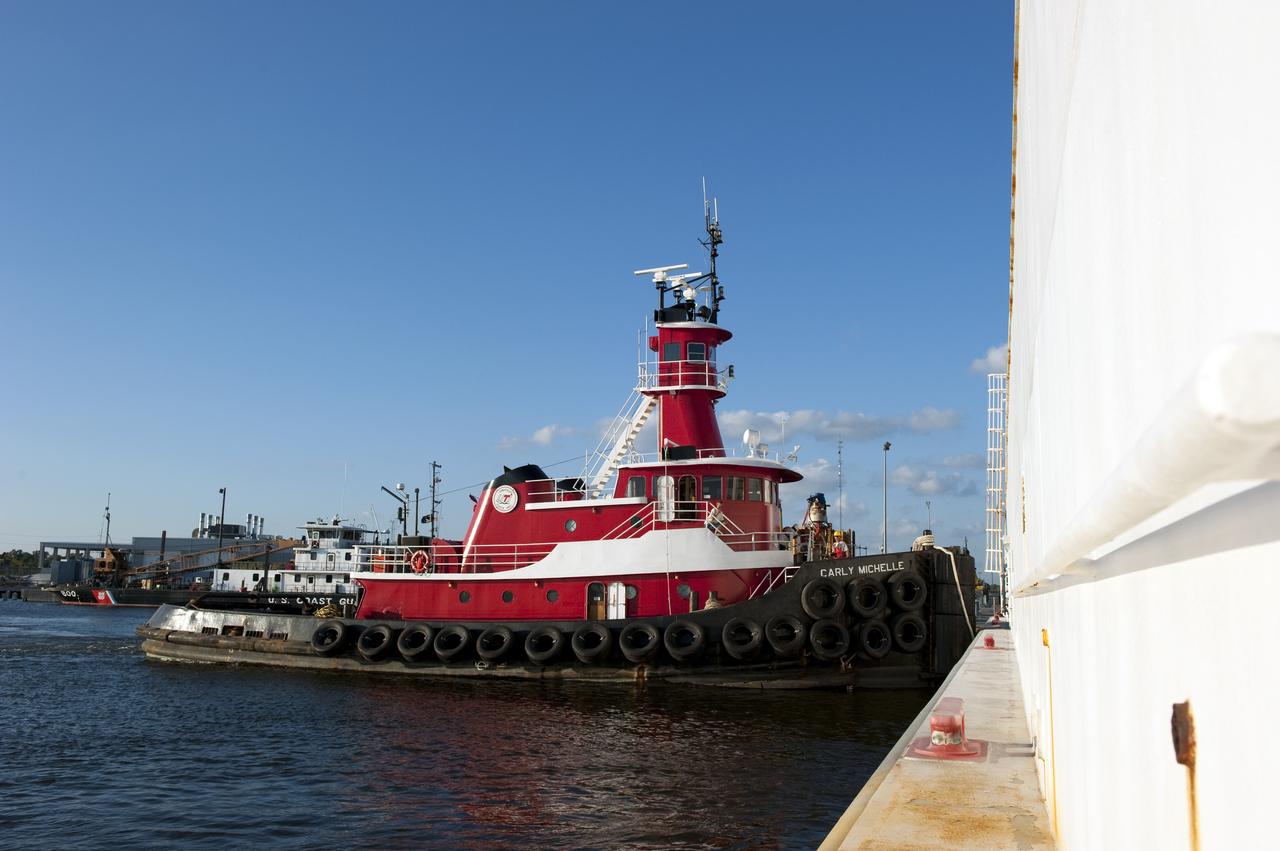
NEW ORLEANS -- At NASA's Michoud Assembly Facility in New Orleans a tug boat is prepared to escort the Space Shuttle Program's last external fuel tank, ET-122, for transportation to NASA's Kennedy Space Center in Florida. Secured aboard the Pegasus Barge the tank will travel 900 miles by sea before being offloaded and moved to Kennedy's Vehicle Assembly Building. There it will be integrated to space shuttle Endeavour for the STS-134 mission to the International Space Station. The tank, which is the largest element of the space shuttle stack, was damaged during Hurricane Katrina in August 2005 and restored to flight configuration by Lockheed Martin Space Systems Company employees. STS-134, targeted to launch Feb. 2011, currently is scheduled to be the last mission in the Space Shuttle Program. Photo credit: NASA/Kim Shiflett
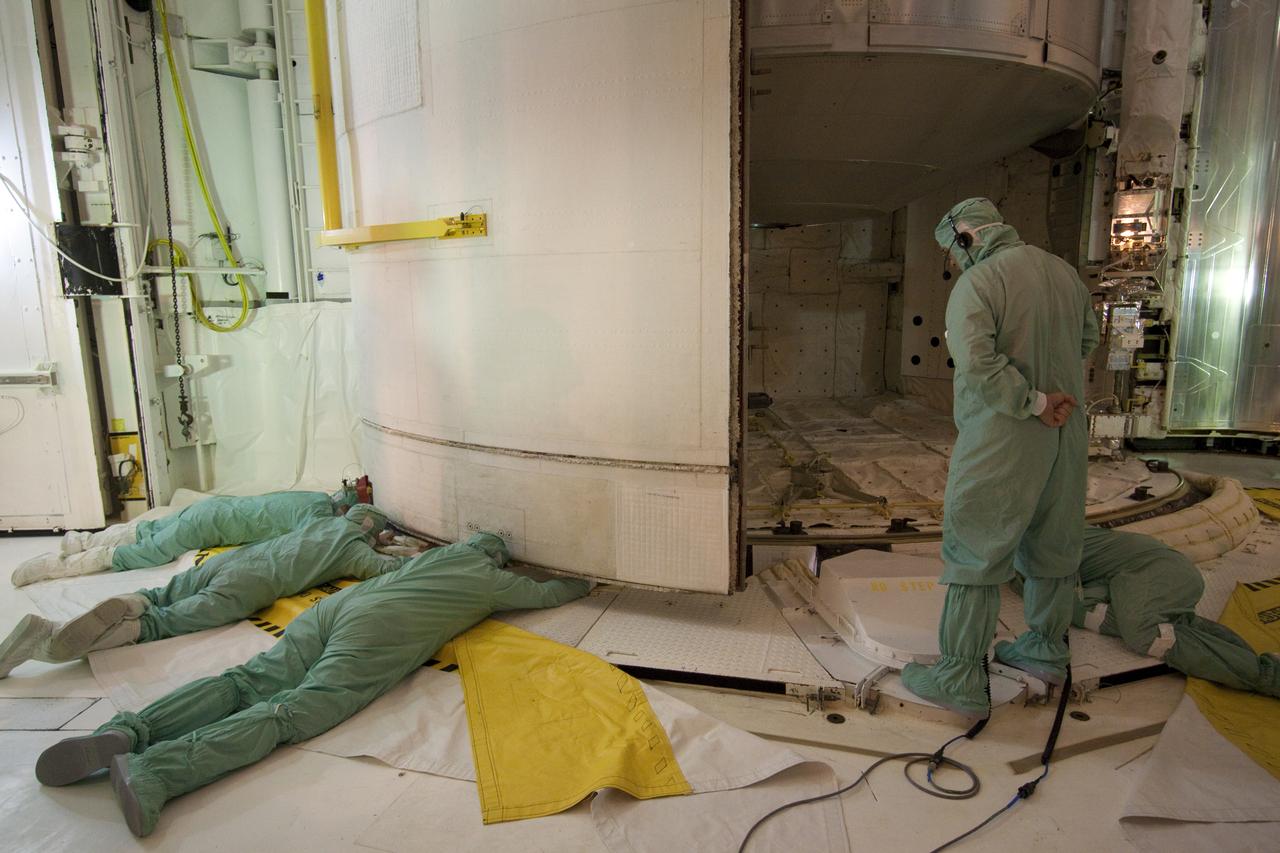
STS-133 PAYLOAD BAY DOOR CLOSURE FOR FLIGHT
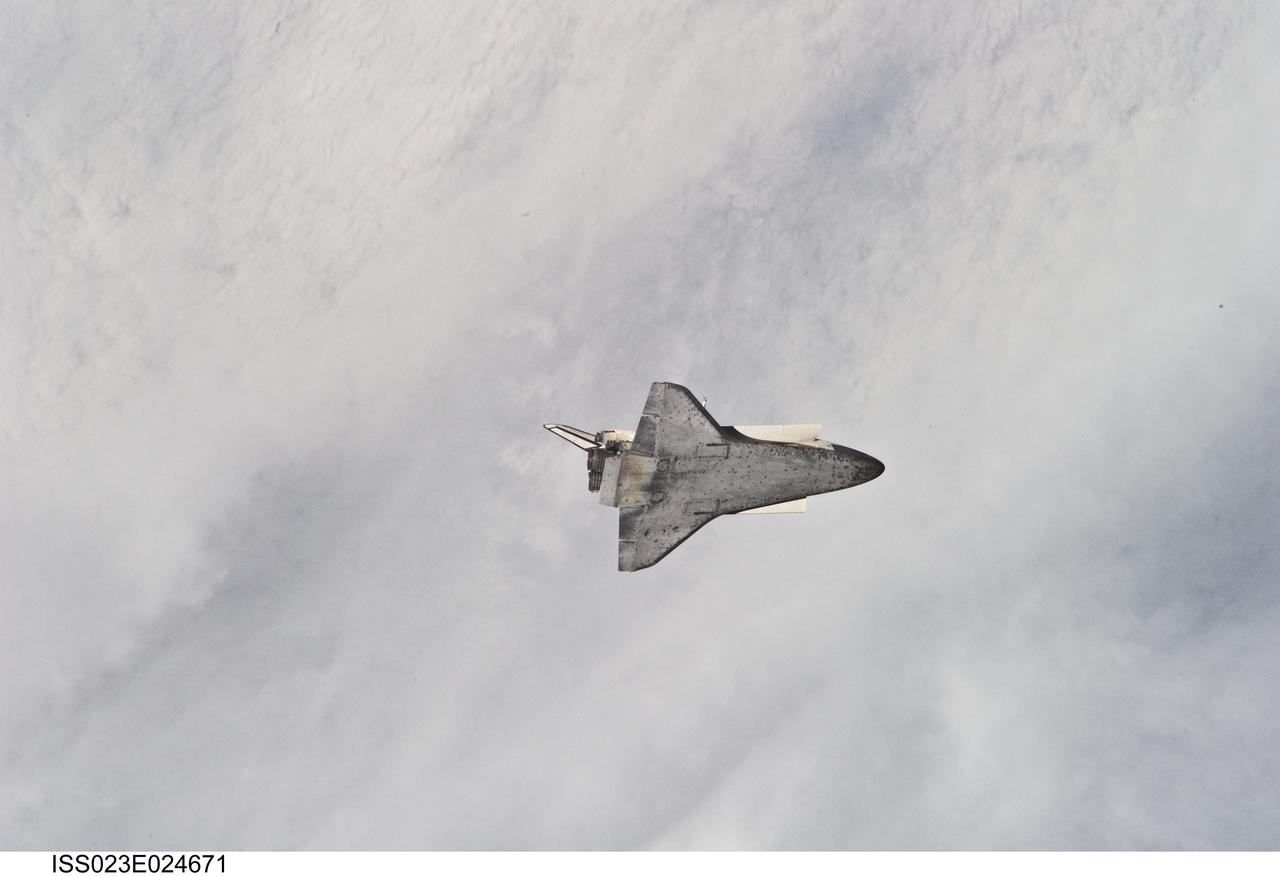
ISS023-E-024671 (17 April 2010) --- The space shuttle Discovery flies with its payload bay facing Earth so that the astronauts and cosmonauts onboard the International Space Station could survey and photograph it following the relative separation of the two spacecraft on April 17.
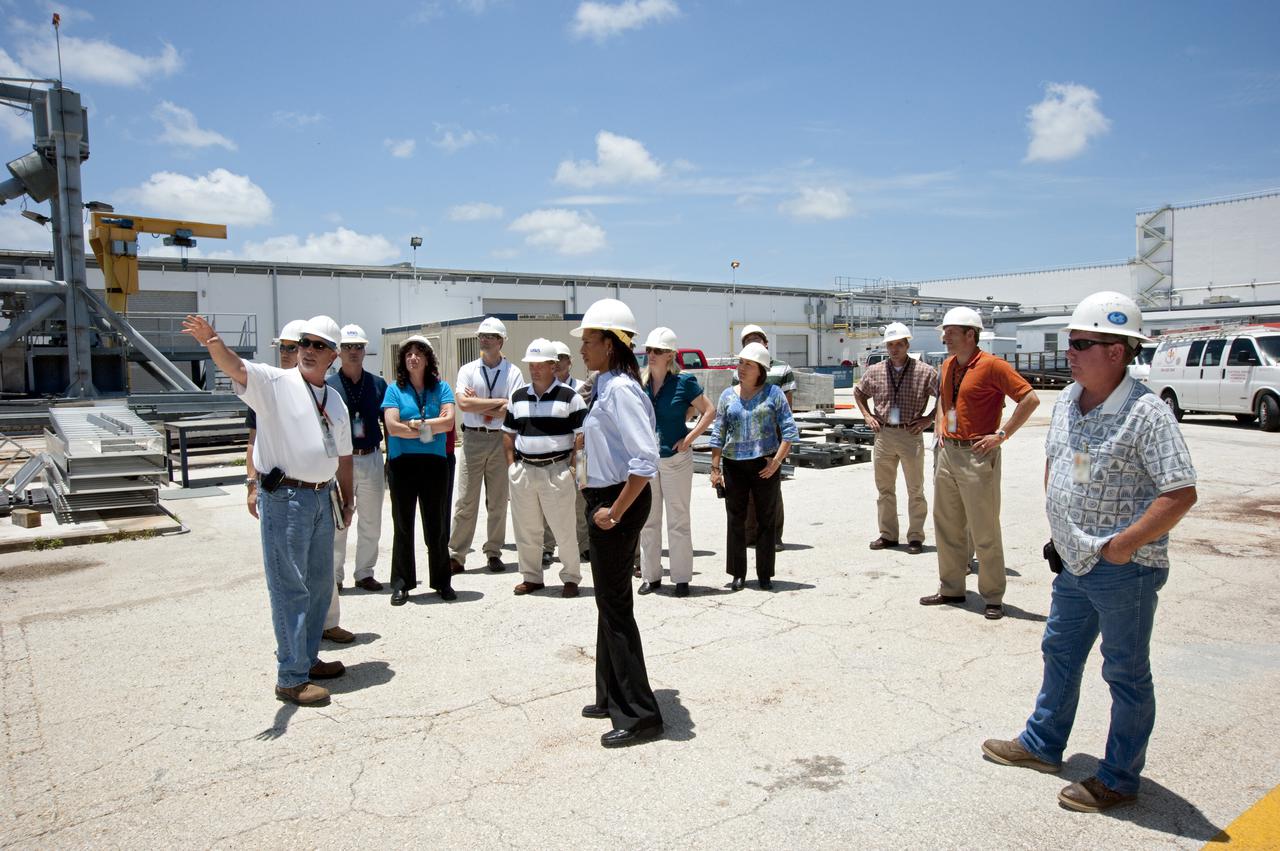
CAPE CANAVERAL, Fla. --- At NASA's Kennedy Space Center in Florida, the Class of 2009 Astronaut Candidates, also called ASCANs, tour the Launch Equipment Test Facility, where prototype ground support equipment is tested. The new astronaut candidates for NASA are Serena M. Aunon, Jeanette J. Epps, Air Force Maj. Jack D. Fischer, Air Force Lt. Col. Michael S. Hopkins, Kjell N. Lindgren, Kathleen 'Kate' Rubins, Navy Cmdr. Scott D. Tingle, Army Lt. Col. Mark T. Vande, and Navy Lt. Cmdr. Gregory R. 'Reid' Wiseman. The new astronaut candidates for the Japan Aerospace Exploration Agency, or JAXA, are Norishige Kanai, Takuya Onishi and Kimiya Yui. The new astronaut candidates for the Canadian Space Agency, or CSA, are Jeremy Hansen and David Saint-Jacques. Photo Credit: NASA_Kim Shiflett