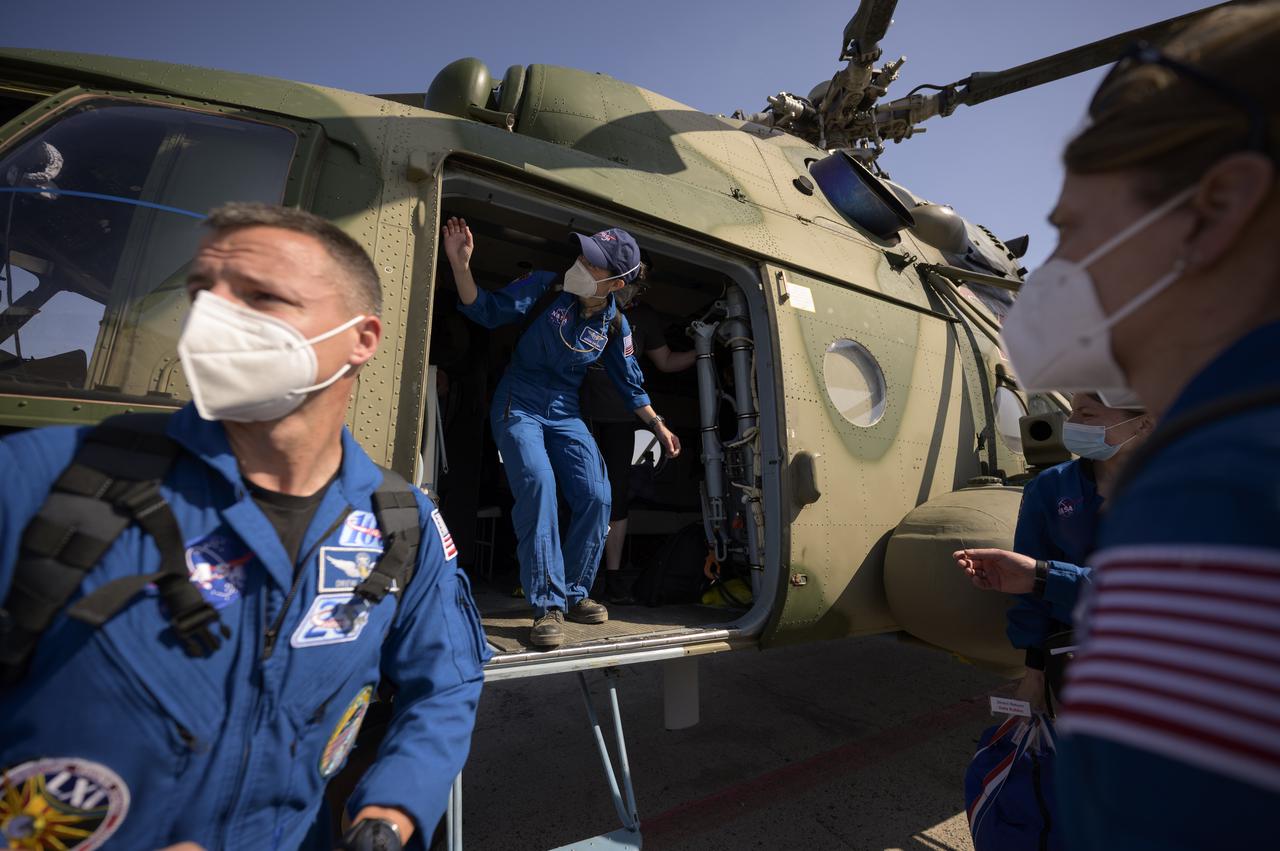
NASA Flight Surgeon Natacha Chough exits the Russian MI-8 helicopter in advance of NASA astronaut Kate Rubins, after Rubins, Roscosmos cosmonauts Sergey Ryzhikov and Sergey Kud-Sverchkov landed in their Soyuz MS-17 spacecraft in a remote area near the town of Zhezkazgan, Kazakhstan on Saturday, April 17, 2021. Rubins, Ryzhikov and Kud-Sverchkov returned after 185 days in space having served as Expedition 63-64 crew members onboard the International Space Station. Photo Credit: NASA/Bill Ingalls
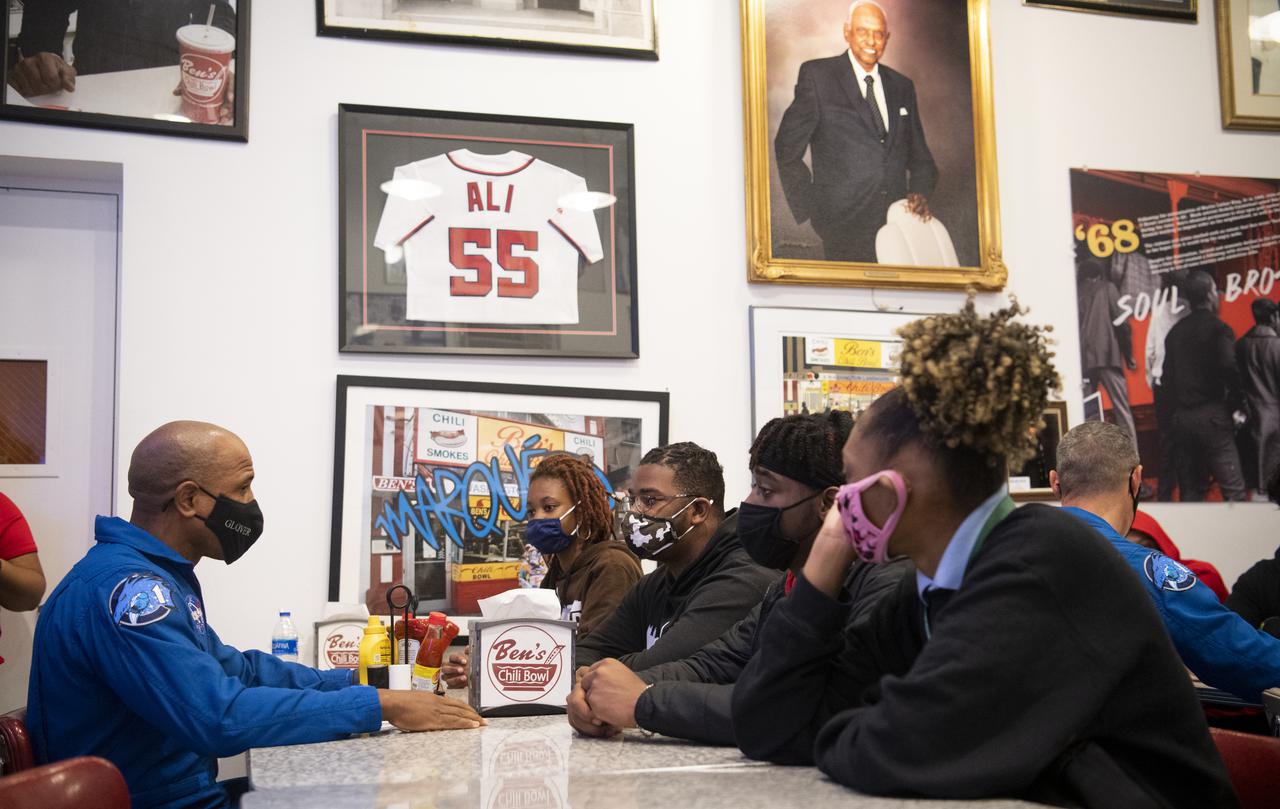
NASA astronaut Victor Glover speaks with students about his time aboard the International Space Station, Thursday, Nov. 18, 2021, at Ben’s Chili Bowl in Washington, DC. Students from Cardozo Educational Campus, Friendship Technology Preparatory High School, McKinley Technical High School, Phelps High School, and Wilson High School heard NASA astronauts Glover, Mike Hopkins, and Shannon Walker speak about the Crew-1 mission, the first crew rotation mission to the International Space Station for SpaceX’s Falcon 9 and Crew Dragon spacecraft as part of the agency’s Commercial Crew Program and the 168 days they spent in space across Expeditions 64 and 65. Photo Credit: (NASA/Joel Kowsky)
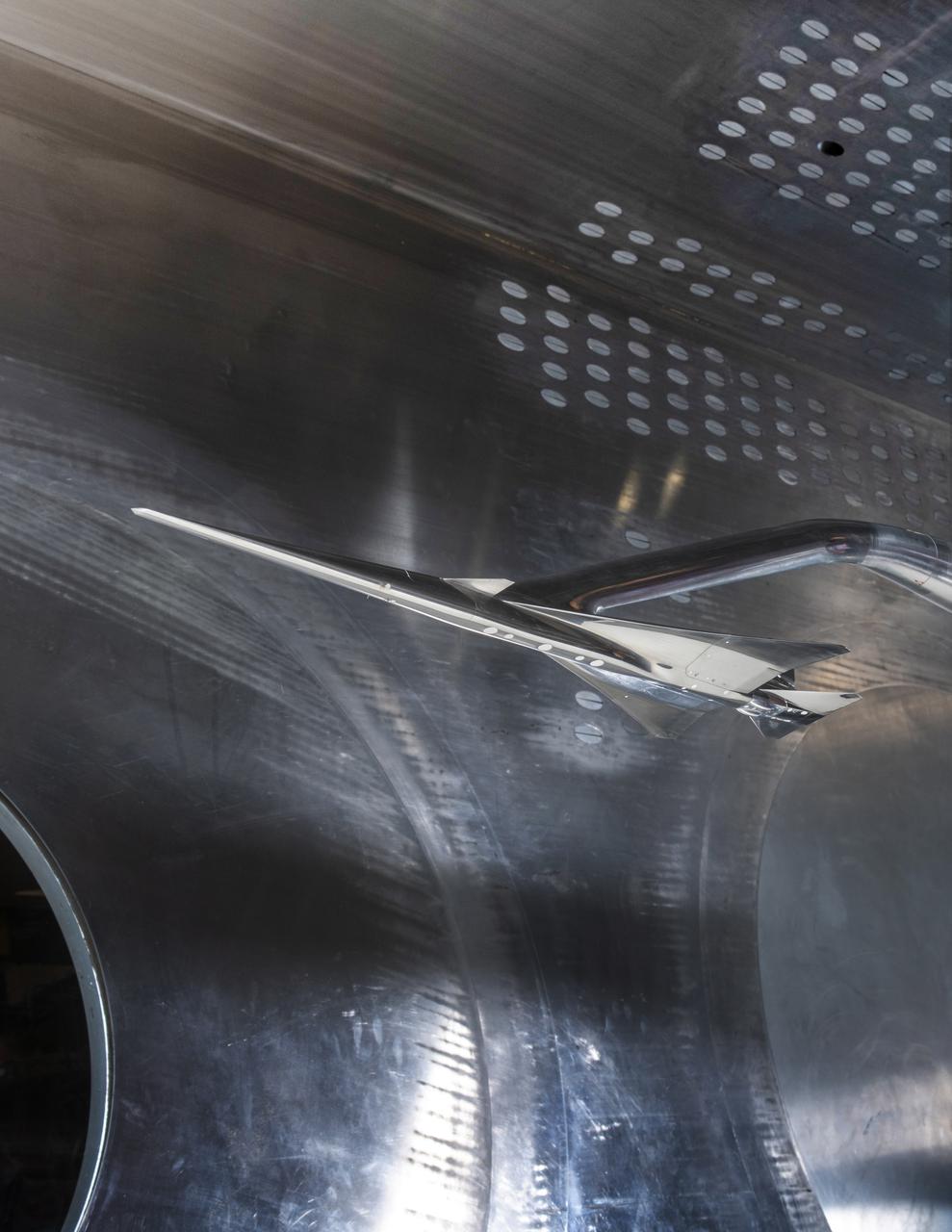
Commercial Supersonic Transport, CST Project, X-59 Sonic Boom Test Model, in the 8x6-foot Supersonic Wind Tunnel, SWT
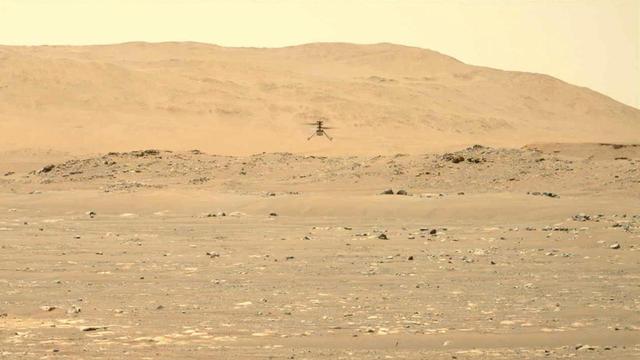
NASA's Ingenuity Mars Helicopter hovers and rotates over Jezero Crater during its second experimental flight test on April 22, 2021. The footage was captured by the Mastcam-Z imager, a pair of zoomable cameras aboard NASA's Perseverance Mars rover. Altimeter data from the solar-powered helicopter indicates it climbed to its prescribed maximum altitude of 16 feet (5 meters), flew downrange 7 feet (2 meters) and returned, performed several turns while in a hover, and landed. Total flight time 51.9 seconds. Flying in a controlled manner on Mars is far more difficult than flying on Earth. The Red Planet has significant gravity (about one-third that of Earth's), but an atmosphere with only about 1% of the density at Earth's surface. Stitched together from multiple images, the mosaic is not white balanced; instead, it is displayed in a preliminary calibrated version of a natural-color composite, approximately simulating the colors of the scene as it would appear on Mars. Arizona State University in Tempe leads the operations of the Mastcam-Z instrument, working in collaboration with Malin Space Science Systems in San Diego. The Ingenuity Mars Helicopter was built by JPL, which also manages this technology demonstration project for NASA Headquarters. It is supported by NASA's Science Mission Directorate, Aeronautics Research Mission Directorate, and Space Technology Mission Directorate. NASA's Ames Research Center and Langley Research Center provided significant flight performance analysis and technical assistance during Ingenuity's development. A key objective for Perseverance's mission on Mars is astrobiology, including the search for signs of ancient microbial life. The rover will characterize the planet's geology and past climate, pave the way for human exploration of the Red Planet, and be the first mission to collect and cache Martian rock and regolith (broken rock and dust). Subsequent NASA missions, in cooperation with ESA (European Space Agency), would send spacecraft to Mars to collect these sealed samples from the surface and return them to Earth for in-depth analysis. The Mars 2020 Perseverance mission is part of NASA's Moon to Mars exploration approach, which includes Artemis missions to the Moon that will help prepare for human exploration of the Red Planet. Movie available at https://photojournal.jpl.nasa.gov/catalog/PIA24595
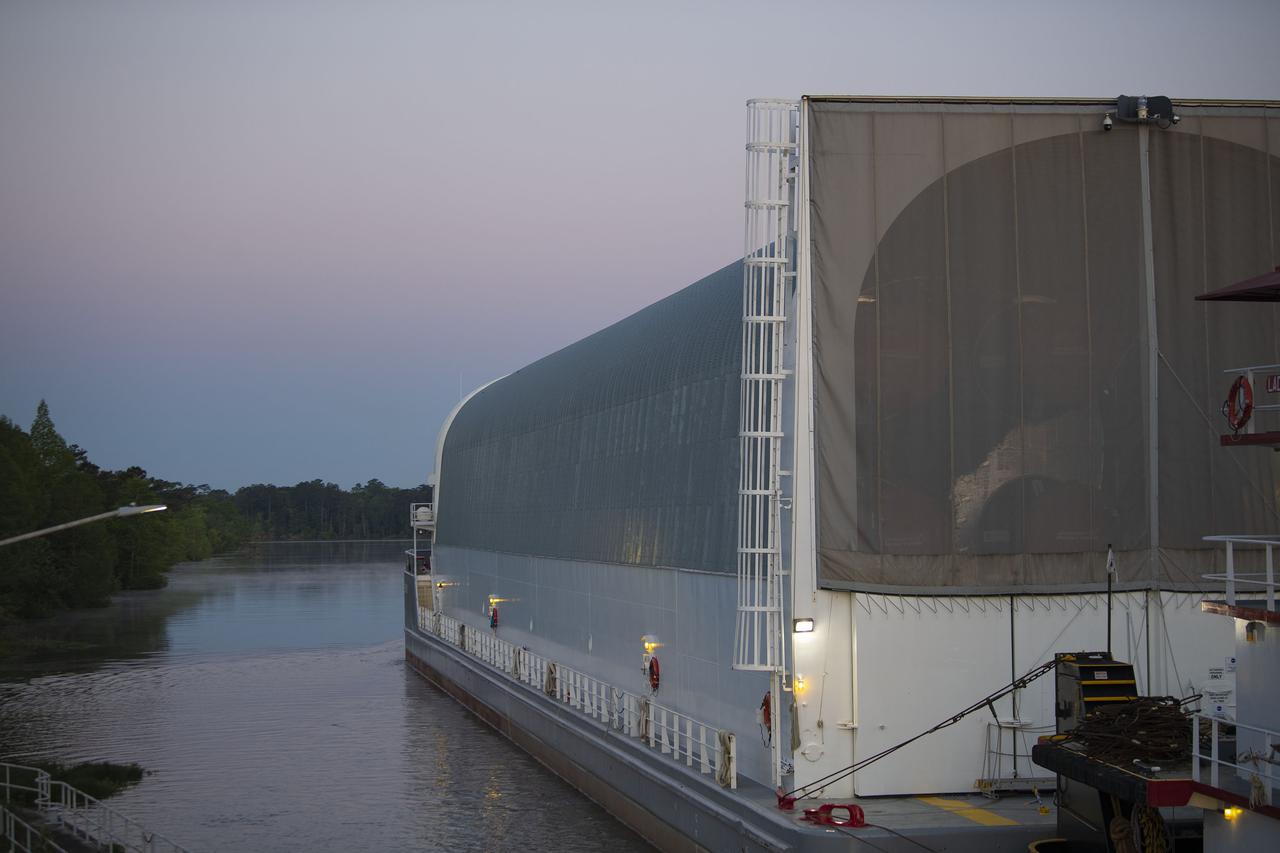
The first core stage of NASA’s Space Launch System (SLS) rocket, loaded onto the agency’s Pegasus barge, departs Stennis Space Center near Bay St. Louis, Mississippi, headed to Kennedy Space Center in Florida. The departure of the core stage in mid-April 2021 followed completion of a Green Run test series of the stage systems in preparation for its launch on the Artemis I mission. The Green Run series concluded with a March 18 hot fire of the stage’s four RS-25 engines on the B-2 Test Stand at Stennis, just as during an actual launch. Following refurbishment work, the stage was removed from the B-2 stand and loaded onto the Pegasus barge for transport. Once at Kennedy, the will be integrated with the rest of SLS rocket and prepared for the launch of the Artemis I mission to the Moon. Photo Credit: NASA

iss065e074434 (May 26, 2021) --- Odessa, Texas, is pictured from the International Space Station as it orbited 261 miles above west Texas.
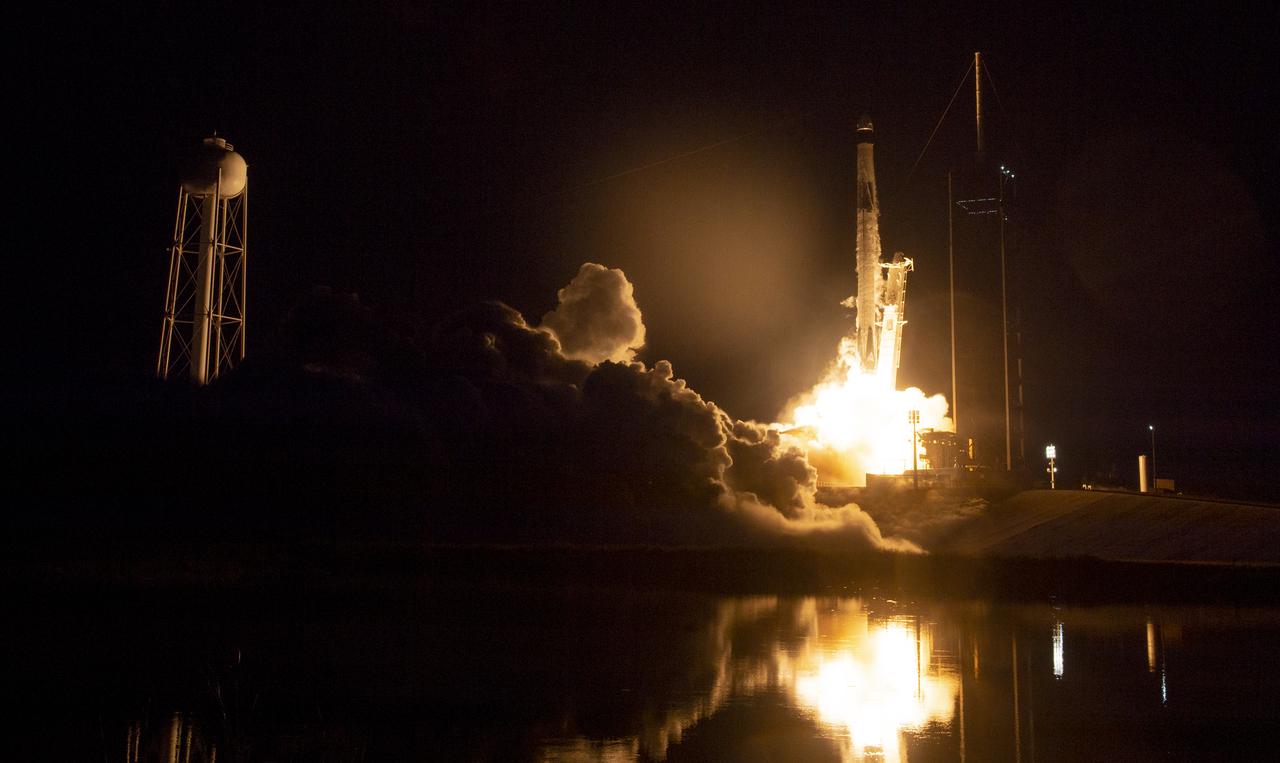
A SpaceX Falcon 9 rocket carrying the company's Crew Dragon spacecraft is launched on NASA’s SpaceX Crew-3 mission to the International Space Station with NASA astronauts Raja Chari, Tom Marshburn, Kayla Barron, and ESA (European Space Agency) astronaut Matthias Maurer onboard, Wednesday, Nov. 10, 2021, at NASA’s Kennedy Space Center in Florida. NASA’s SpaceX Crew-3 mission is the third crew rotation mission of the SpaceX Crew Dragon spacecraft and Falcon 9 rocket to the International Space Station as part of the agency’s Commercial Crew Program. Chari, Marshburn, Barron, Maurer launched at 9:03 p.m. EST from Launch Complex 39A at the Kennedy Space Center to begin a six month mission onboard the orbital outpost. Photo Credit: (NASA/Aubrey Gemignani)
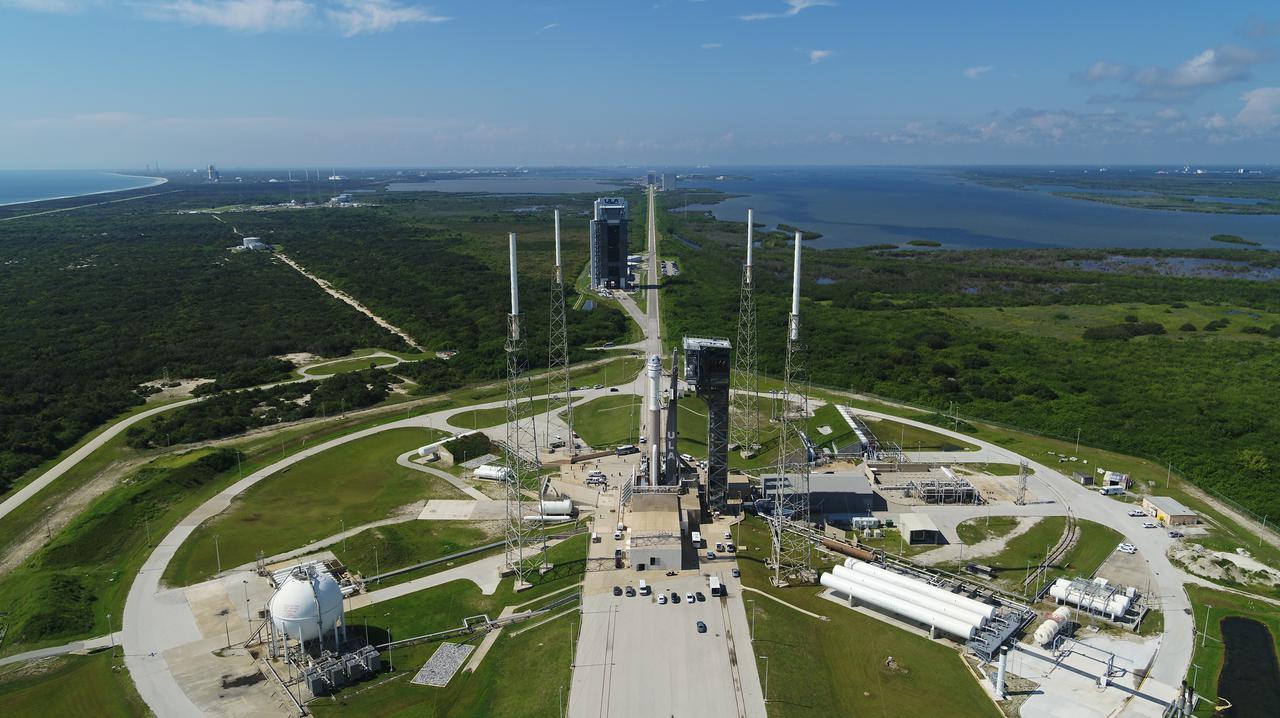
On July 29, 2021, Boeing’s CST-100 Starliner spacecraft and the United Launch Alliance Atlas V rocket rolled out of the Vertical Integration Facility to the launch pad at Space Launch Complex-41 on Cape Canaveral Space Force Station in Florida. Starliner will launch on the Atlas V for Boeing’s second uncrewed Orbital Flight Test (OFT-2) for NASA’s Commercial Crew Program. OFT-2 is an important uncrewed mission designed to test the end-to-end capabilities of the new system for NASA’s Commercial Crew Program.
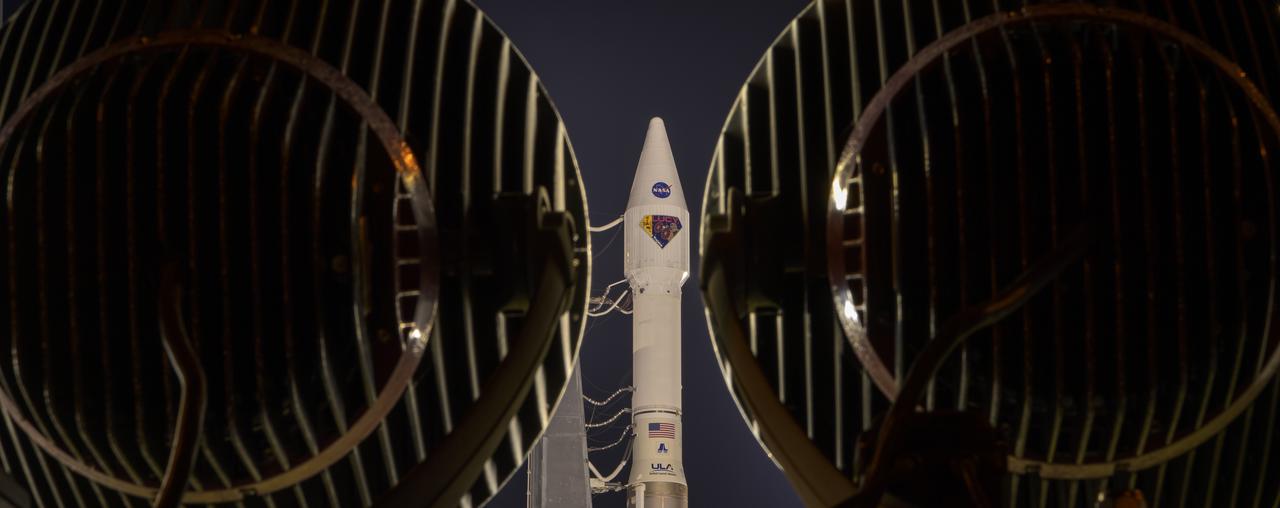
A United Launch Alliance Atlas V rocket with the Lucy spacecraft aboard is seen at Space Launch Complex 41, Thursday, Oct. 14, 2021, at Cape Canaveral Space Force Station in Florida. Lucy will be the first spacecraft to study Jupiter's Trojan Asteroids. Like the mission's namesake – the fossilized human ancestor, "Lucy," whose skeleton provided unique insight into humanity's evolution – Lucy will revolutionize our knowledge of planetary origins and the formation of the solar system. Photo Credit: (NASA/Bill Ingalls)
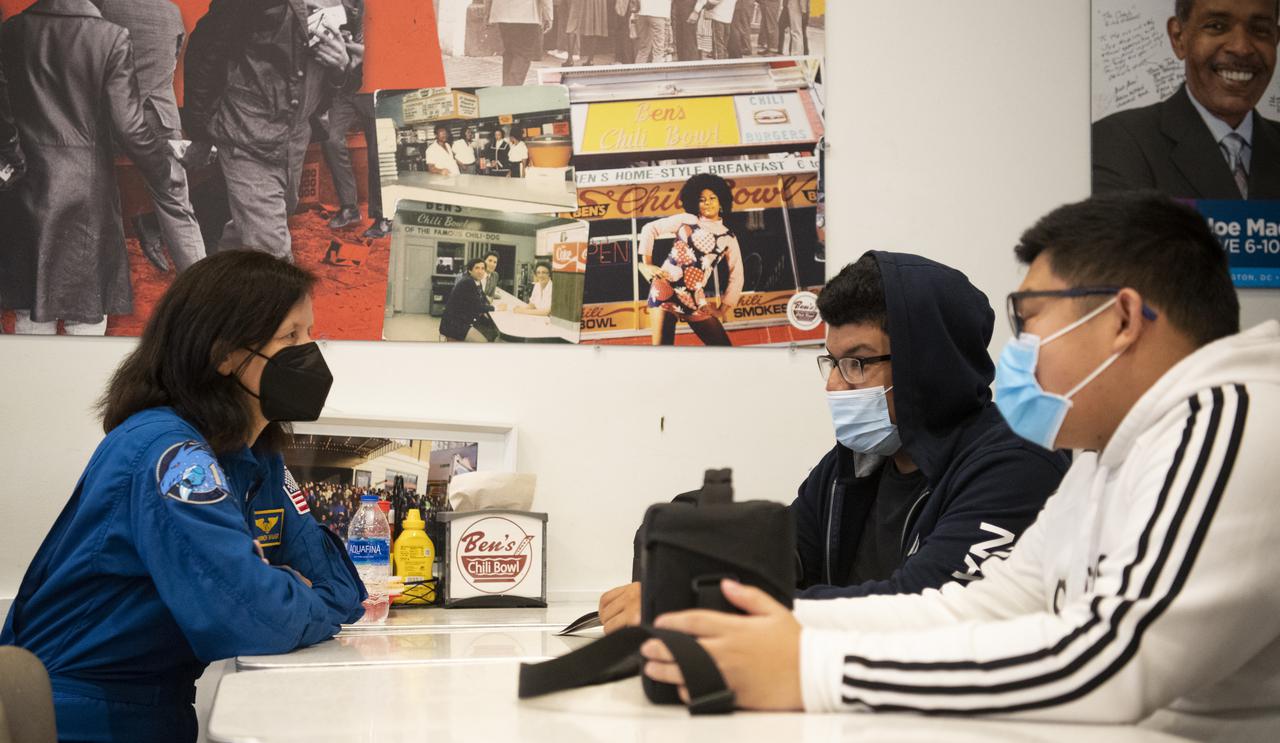
NASA astronaut Shannon Walker speaks with students from about his time aboard the International Space Station, Thursday, Nov. 18, 2021, at Ben’s Chili Bowl in Washington, DC. Students from Cardozo Educational Campus, Friendship Technology Preparatory High School, McKinley Technical High School, Phelps High School, and Wilson High School heard NASA astronauts Walker, Mike Hopkins, and Victor Glover speak about the Crew-1 mission, the first crew rotation mission to the International Space Station for SpaceX’s Falcon 9 and Crew Dragon spacecraft as part of the agency’s Commercial Crew Program and the 168 days they spent in space across Expeditions 64 and 65. Photo Credit: (NASA/Joel Kowsky)

From left, Ray Sadler, Ted Powers, and Walter Hargis align load pads on the aircraft surface of a F/A-18E from the Naval Air Systems Command (NAVAIR) in Patuxent River, Maryland. The aircraft is in NASA’s Armstrong Flight Research Center Flight Loads Laboratory in Edwards, California, for the center’s biggest load calibrations tests. This testing is needed before the aircraft can serve as a test vehicle for determining if it can safely manage maneuvers and proposed upgrades.
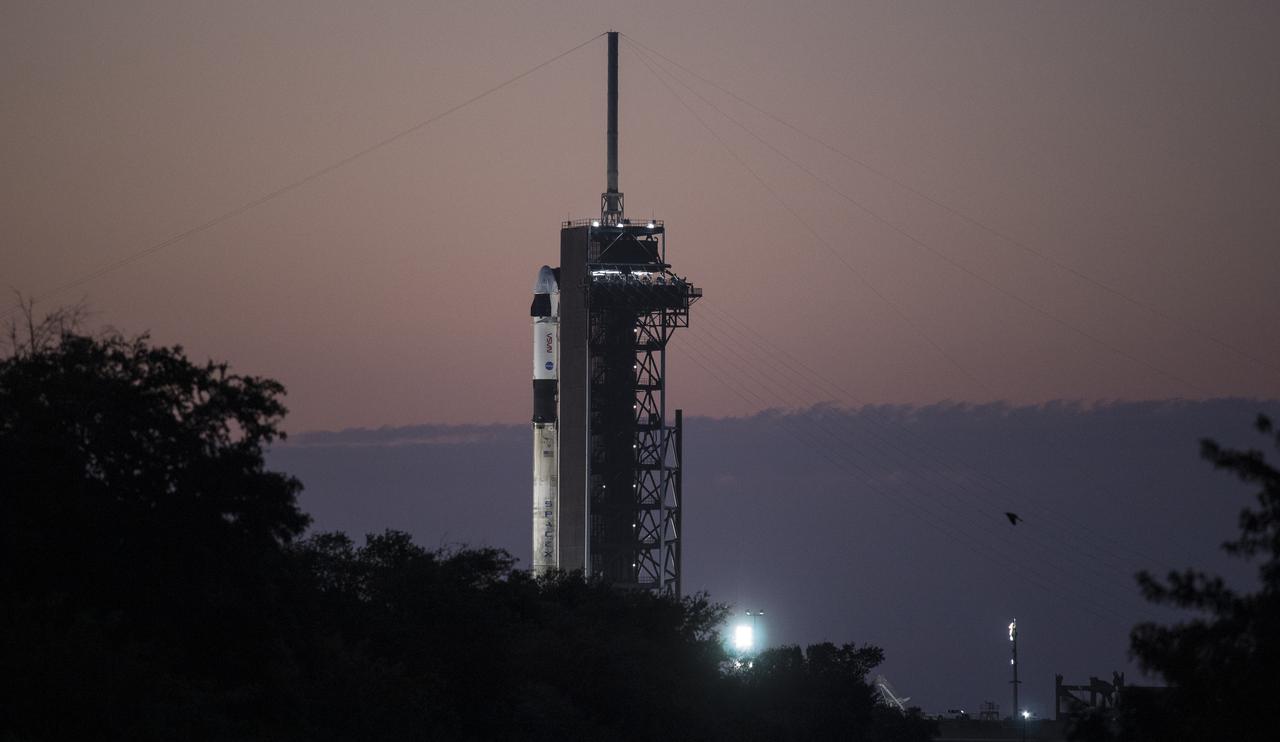
A SpaceX Falcon 9 rocket with the company's Crew Dragon spacecraft onboard is seen at sunrise on the launch pad at Launch Complex 39A as preparations continue for the Crew-2 mission, Thursday, April 22, 2021, at NASA’s Kennedy Space Center in Florida. NASA’s SpaceX Crew-2 mission is the second crew rotation mission of the SpaceX Crew Dragon spacecraft and Falcon 9 rocket to the International Space Station as part of the agency’s Commercial Crew Program. NASA astronauts Shane Kimbrough and Megan McArthur, ESA (European Space Agency) astronaut Thomas Pesquet, and Japan Aerospace Exploration Agency (JAXA) astronaut Akihiko Hoshide are scheduled to launch at 5:49 a.m. EDT on Friday, April 23, from Launch Complex 39A at the Kennedy Space Center. Photo Credit: (NASA/Joel Kowsky)
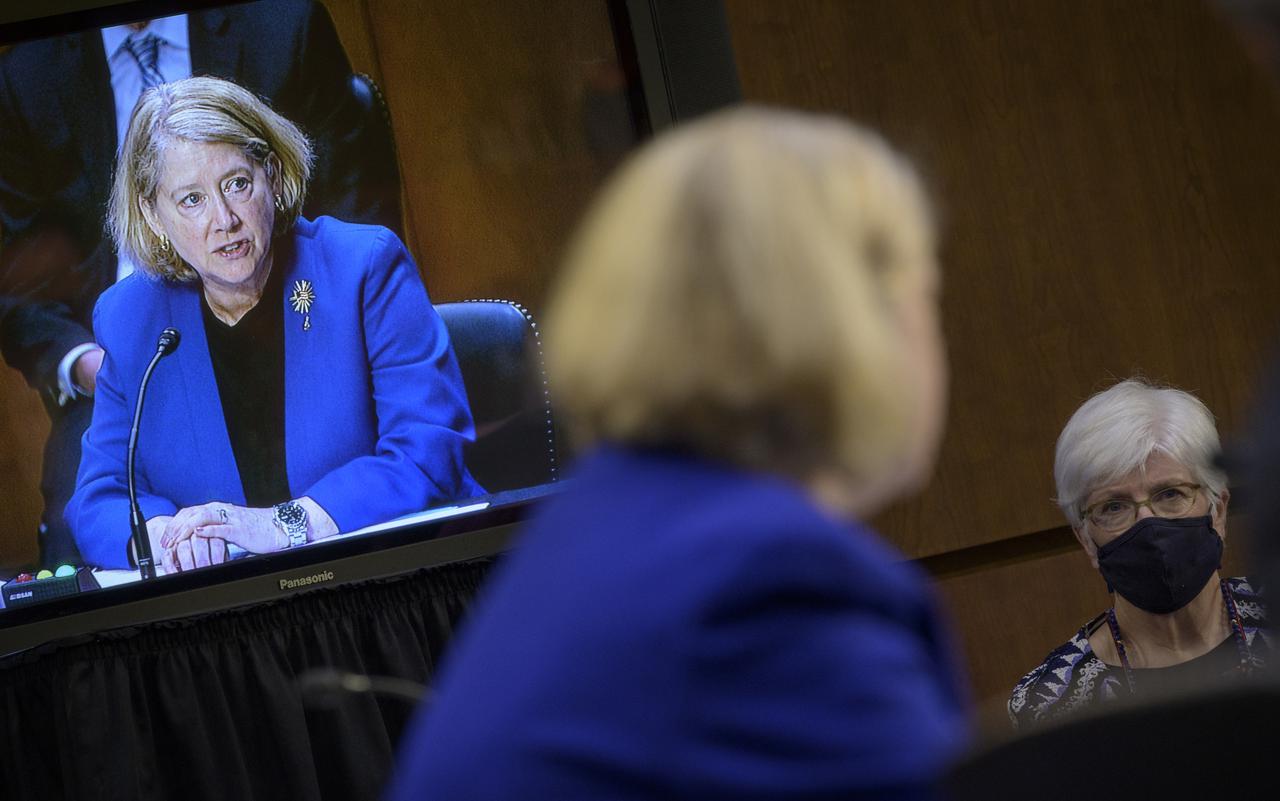
Pam Melroy, President Biden’s nominee to be the next deputy administrator of NASA, appears before the Senate Committee on Commerce, Science, and Transportation, Thursday, May 20, 2021, at the Hart Senate Office Building in Washington. Melroy is a former NASA astronaut. Photo Credit: (NASA/Bill Ingalls)
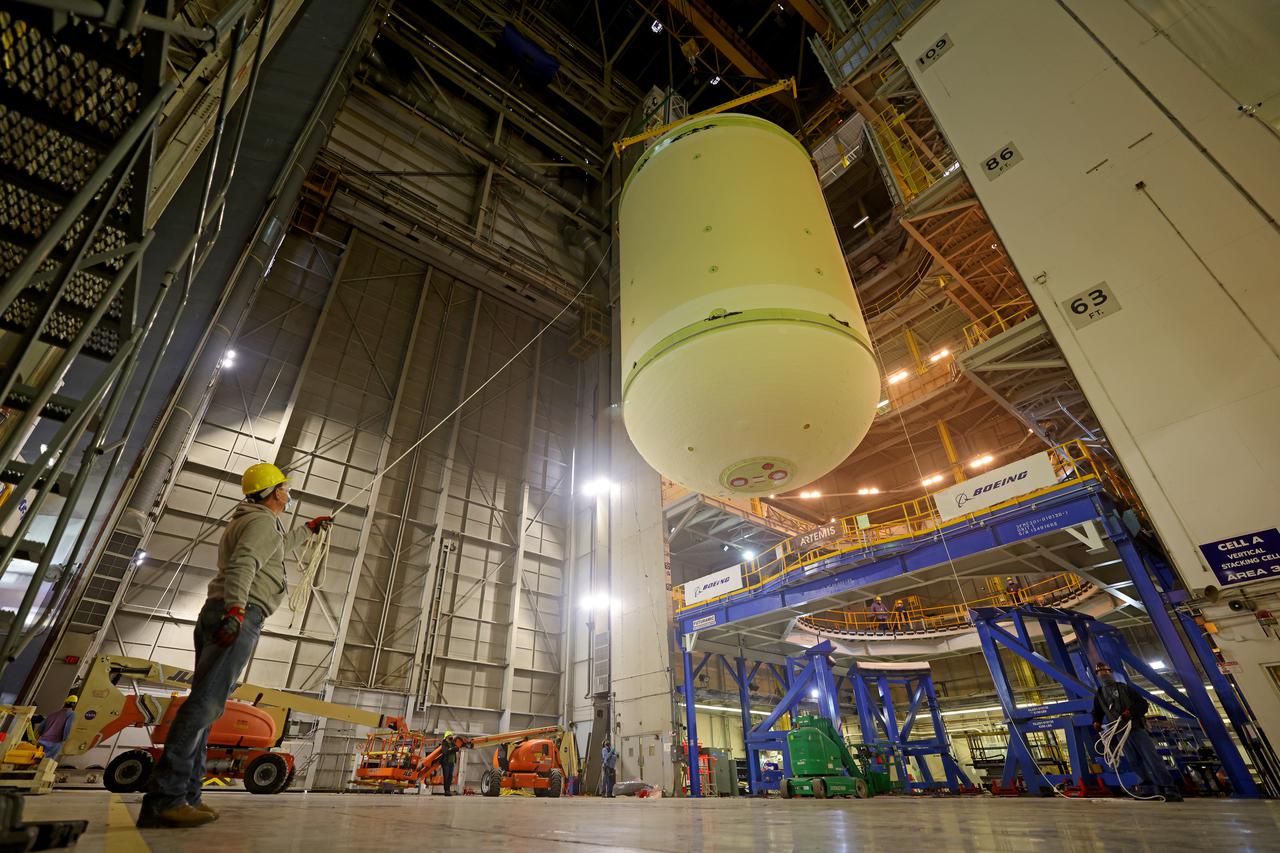
This image highlights the liquid oxygen tank, which will be used on the core stage of NASA’ Space Launch System rocket for Artemis II, the first crewed mission of NASA’s Artemis program, at NASA’s Michoud Assembly Facility. The SLS core stage is made up of five unique elements: the forward skirt, liquid oxygen tank, intertank, liquid hydrogen tank, and the engine section. The forward skirt houses flight computers, cameras, and avionics systems. The liquid oxygen tank holds 196,000 gallons of liquid oxygen cooled to minus 297 degrees Fahrenheit. The LOX hardware sits between the core stage’s forward skirt and the intertank. Along with the liquid hydrogen tank, it will provide fuel to the four RS-25 engines at the bottom of the core stage to produce more than two million pounds of thrust to launch NASA’s Artemis missions to the Moon. Together with its four RS-25 engines, the rocket’s massive 212-foot-tall core stage — the largest stage NASA has ever built — and its twin solid rocket boosters will produce 8.8 million pounds of thrust to send NASA’s Orion spacecraft, astronauts and supplies beyond Earth’s orbit to the Moon and, ultimately, Mars. Offering more payload mass, volume capability and energy to speed missions through space, the SLS rocket, along with NASA’s Gateway in lunar orbit, the Human Landing System, and Orion spacecraft, is part of NASA’s backbone for deep space exploration and the Artemis lunar program. No other rocket can send astronauts in Orion around the Moon in a single mission. Image credit: NASA/Michael DeMocker
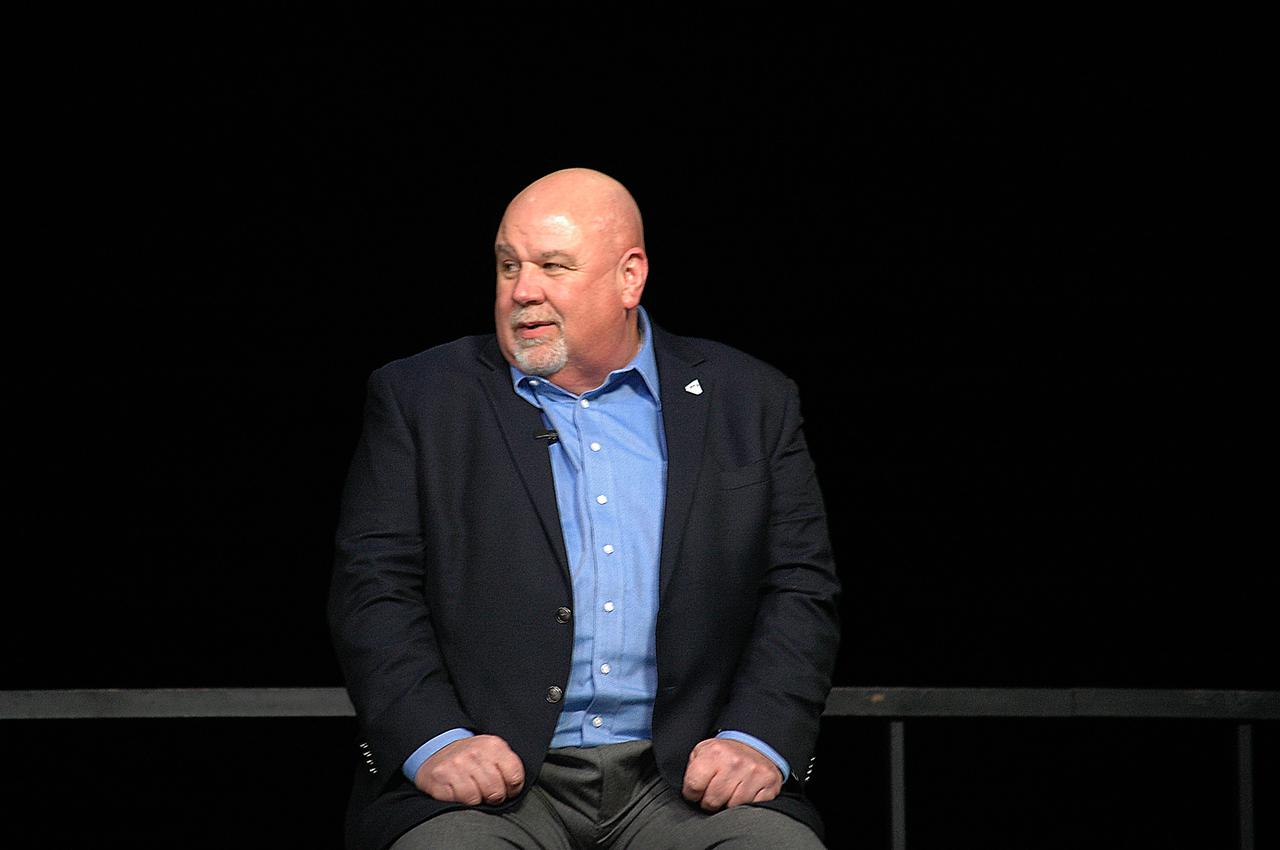
SLS Program Manager John Honeycutt from NASA’s Marshall Space Flight Center participates in a press conference following the Green Run hot fire test of the core stage for NASA’s Space Launch System (SLS) rocket on Saturday, January 16, 2021. NASA conducted a hot fire test of the core stage’s four RS-25 engines on the B-2 Test Stand at Stennis Space Center near Bay St. Louis, Mississippi. Scheduled for as long as eight minutes, the engines fired for a little more than one minute to generate a combined 1.6 million pounds of thrust, just as will occur during an actual launch. The hot fire is the final test of the Green Run test series, a comprehensive assessment of the SLS core stage prior to launching the Artemis I mission to the Moon.
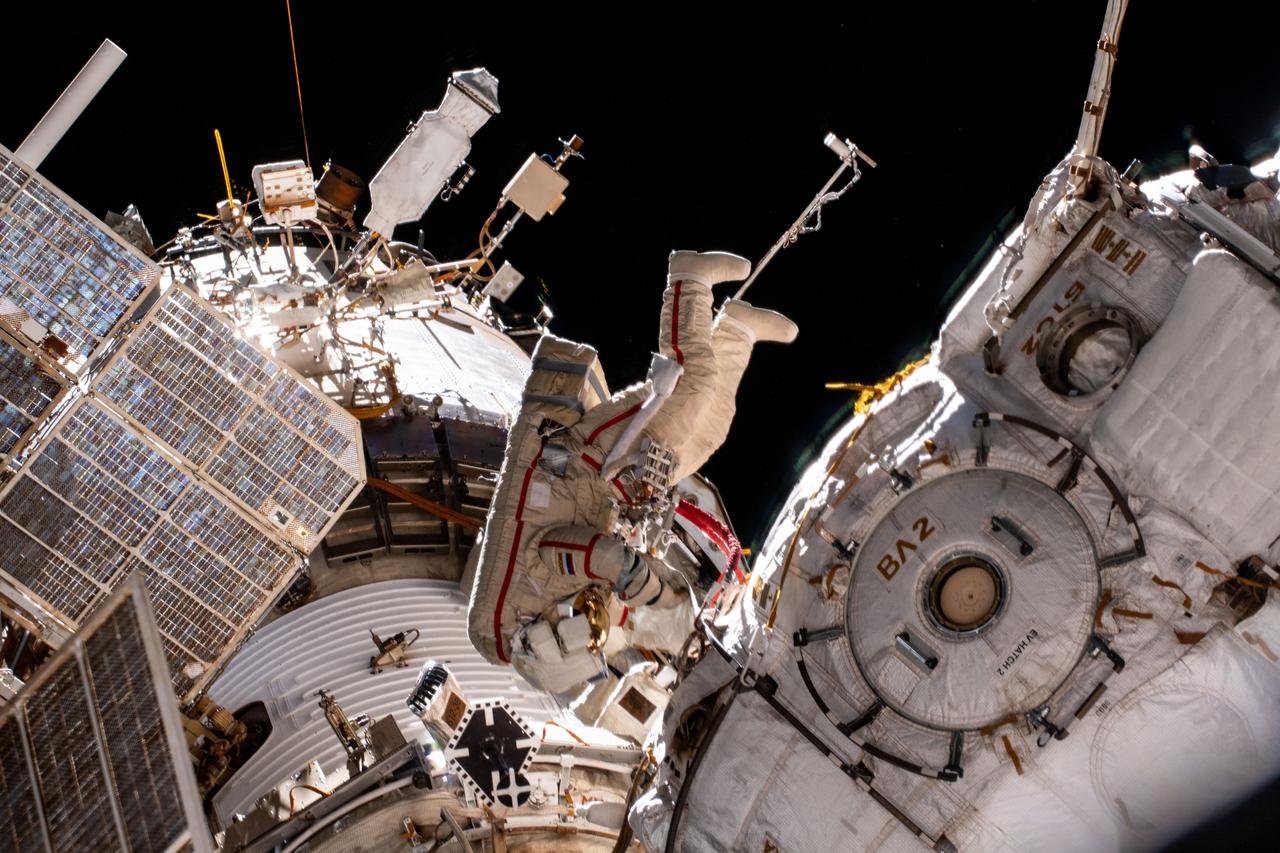
iss065e085298 (June 2, 2021) --- Expedition 65 Flight Engineer and Roscosmos cosmonaut Oleg Novitskiy is pictured during a seven-hour and 19-minute spacewalk to ready the Pirs docking compartment ahead of its upcoming departure. The Nauka multipurpose laboratory module, being launched soon from the Baikonur Cosmodrome in Kazakhstan, will replace Pirs on the Zvezda service module's Earth-facing port.
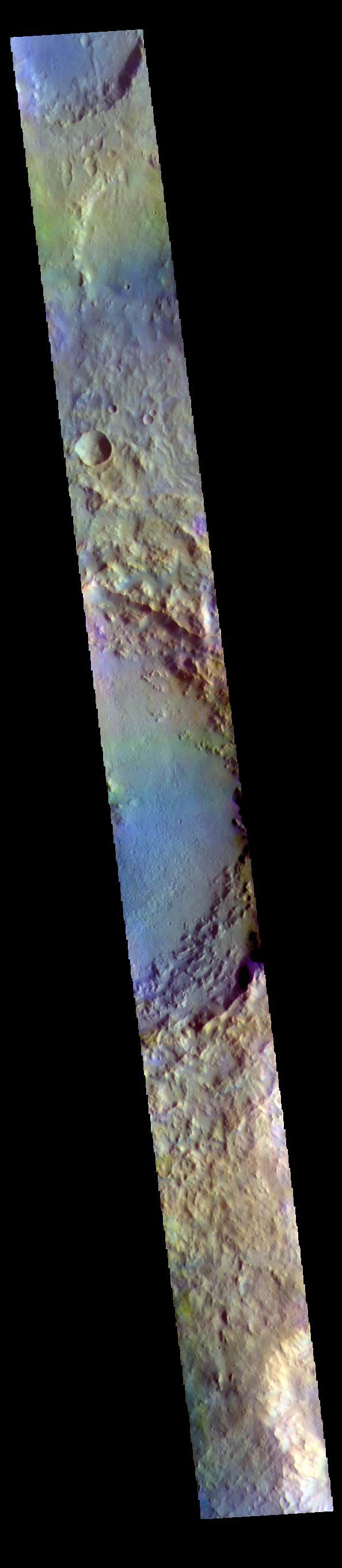
The THEMIS VIS camera contains 5 filters. The data from different filters can be combined in multiple ways to create a false color image. These false color images may reveal subtle variations of the surface not easily identified in a single band image. Today's false color image shows a cross section of Soffen Crater. Located in Terra Cimmeria, Soffen Crater is 58km (36 miles) in diameter. Orbit Number: 81567 Latitude: -23.633 Longitude: 141.085 Instrument: VIS Captured: 2020-05-04 12:55 https://photojournal.jpl.nasa.gov/catalog/PIA24705
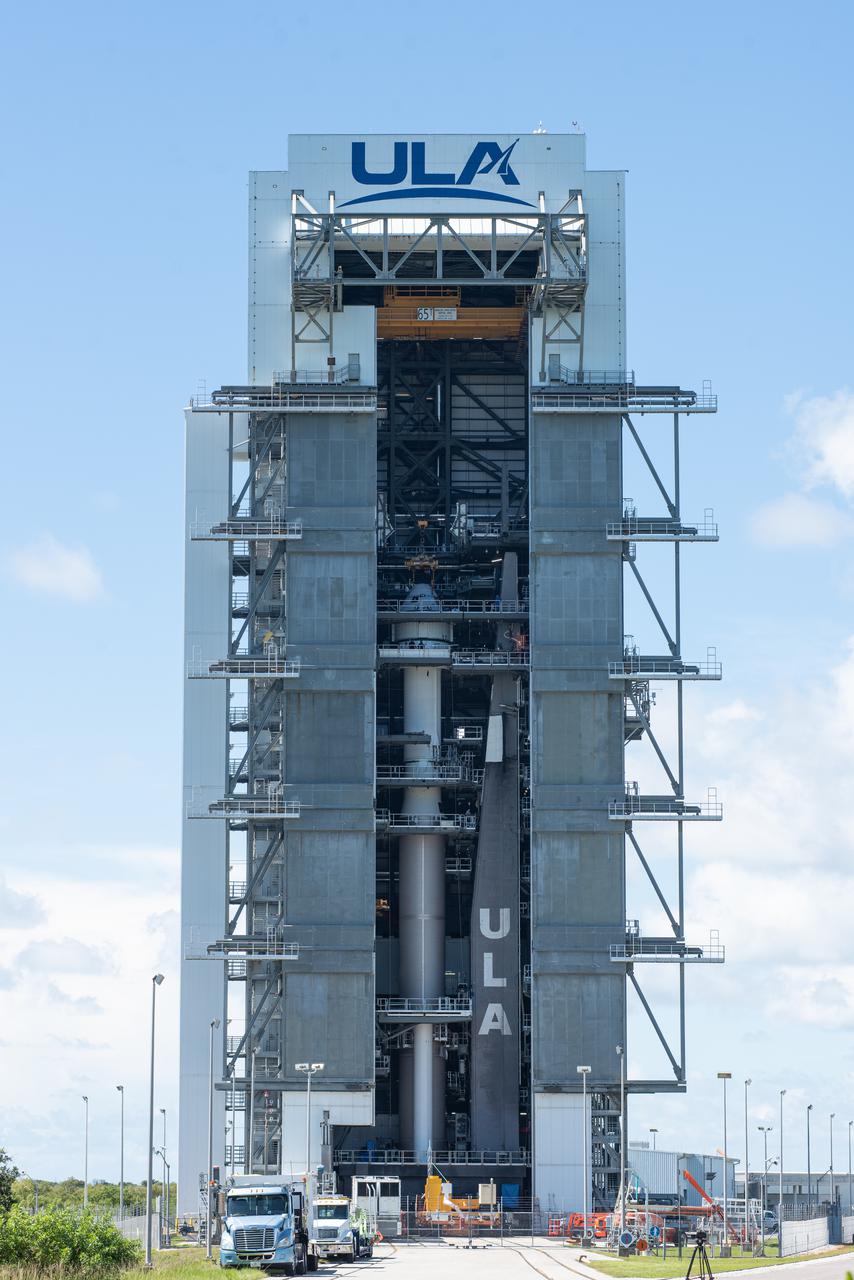
Boeing’s CST-100 Starliner spacecraft is secured atop a United Launch Alliance Atlas V rocket at the Vertical Integration Facility at Space Launch Complex-41 at Florida’s Cape Canaveral Space Force Station on July 17, 2021. Starliner will launch on the Atlas V for Boeing’s second Orbital Flight Test (OFT-2) for NASA’s Commercial Crew Program. The spacecraft rolled out from Boeing’s Commercial Crew and Cargo Processing Facility at NASA’s Kennedy Space Center earlier in the day.
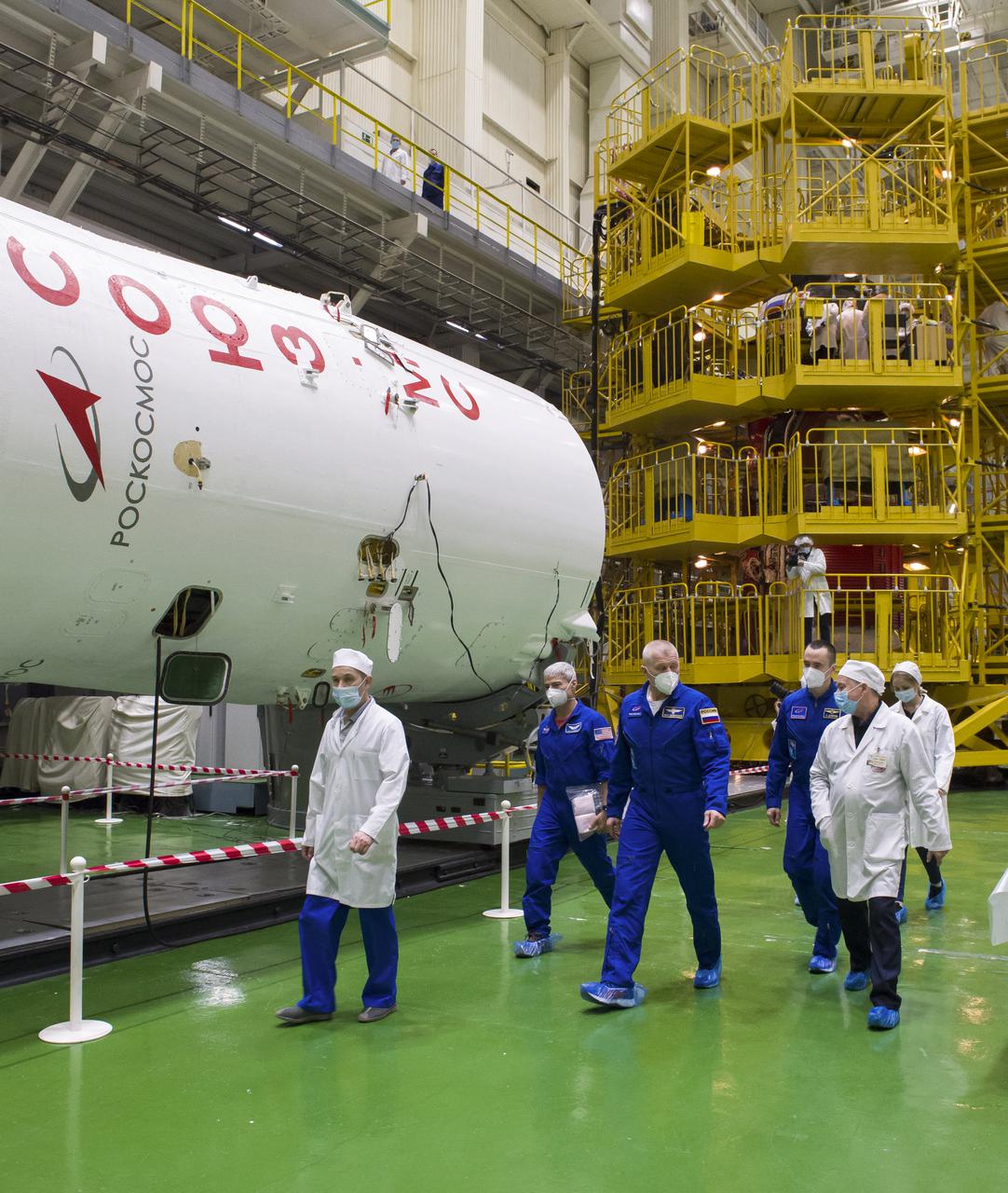
Expedition 65 prime crew members NASA astronaut Mark Vande Hei, second from left, Russian cosmonauts Oleg Novitskiy of Roscosmos, center, and Pyotr Dubrov of Roscosmos, third from right, are seen touring building 254 during a fit check to prepare for launch, Saturday, March 27, 2021 at the Baikonur Cosmodrome in Kazakhstan. They are scheduled to launch on a Soyuz rocket April 9. Photo Credit: (NASA/GCTC/Irina Spector)
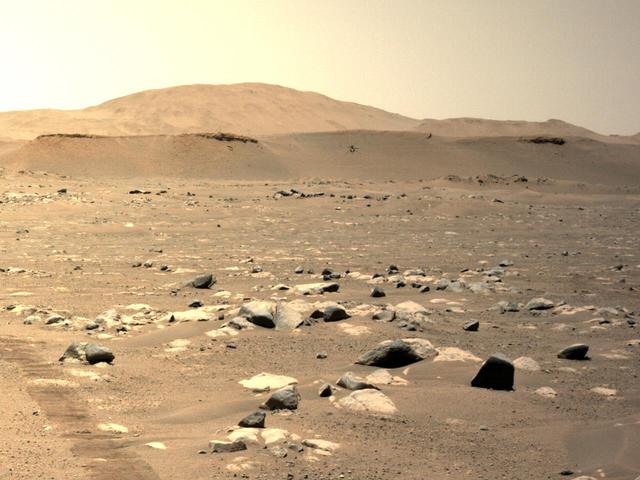
NASA's Ingenuity Mars Helicopter can be seen hovering during its third flight on April 25, 2021, as seen by the left Navigation Camera aboard NASA's Perseverance Mars rover. https://photojournal.jpl.nasa.gov/catalog/PIA24624

Associate Administrator of NASA's Science Mission Directorate, Thomas Zurbuchen, gives remarks during a NASA Perseverance rover mission engineering and technology overview, Tuesday, Feb. 16, 2021, at NASA's Jet Propulsion Laboratory in Pasadena, California. The Perseverance Mars rover is due to land on Mars Thursday, Feb. 18, 2021. A key objective for Perseverance’s mission on Mars is astrobiology, including the search for signs of ancient microbial life. The rover will characterize the planet’s geology and past climate, pave the way for human exploration of the Red Planet, and be the first mission to collect and cache Martian rock and regolith. Photo Credit: (NASA/Bill Ingalls)
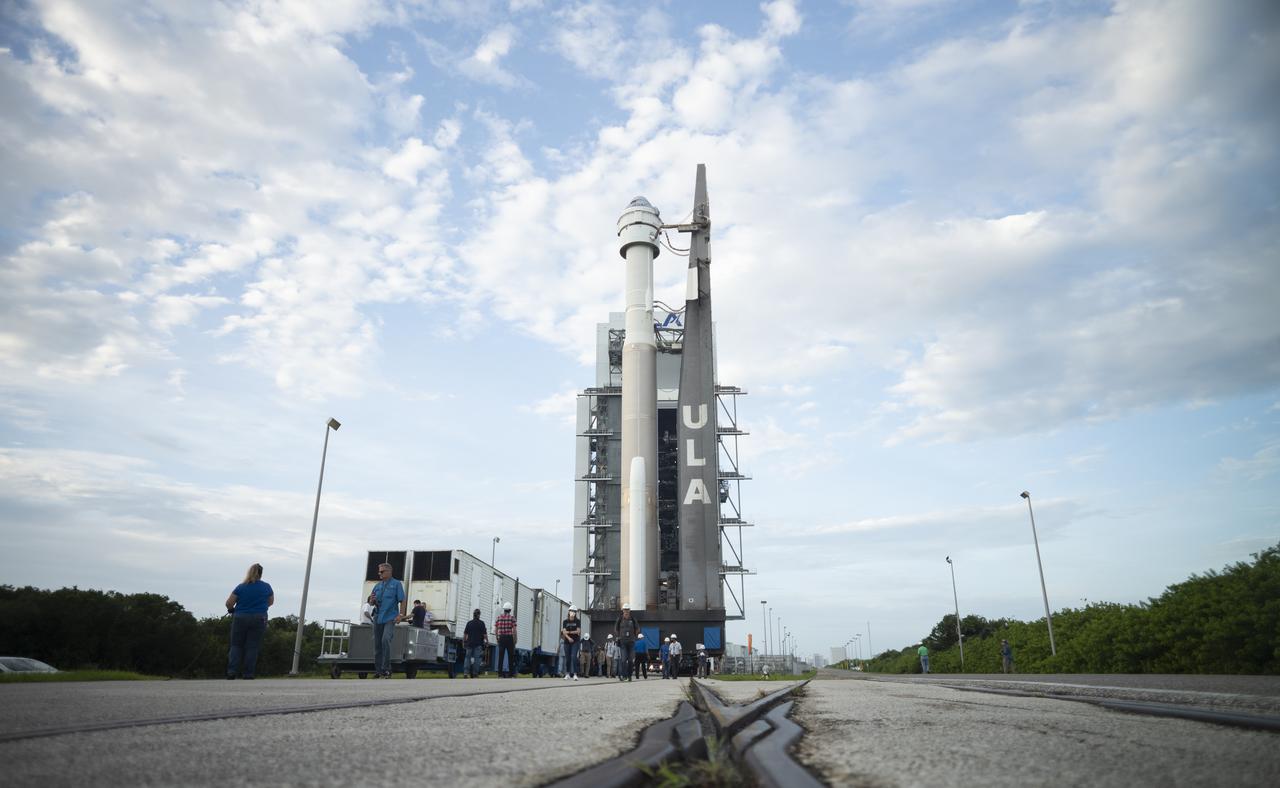
A United Launch Alliance Atlas V rocket with Boeing’s CST-100 Starliner spacecraft aboard is seen as it is rolled out of the Vertical Integration Facility to the launch pad at Space Launch Complex 41 ahead of the Orbital Flight Test-2 (OFT-2) mission, Monday, Aug. 2, 2021 at Cape Canaveral Space Force Station in Florida. Boeing’s Orbital Flight Test-2 will be Starliner’s second uncrewed flight test and will dock to the International Space Station as part of NASA's Commercial Crew Program. The mission, currently targeted for launch at 1:20 p.m. EDT Tuesday, Aug. 3, will serve as an end-to-end test of the system's capabilities. Photo Credit: (NASA/Joel Kowsky)
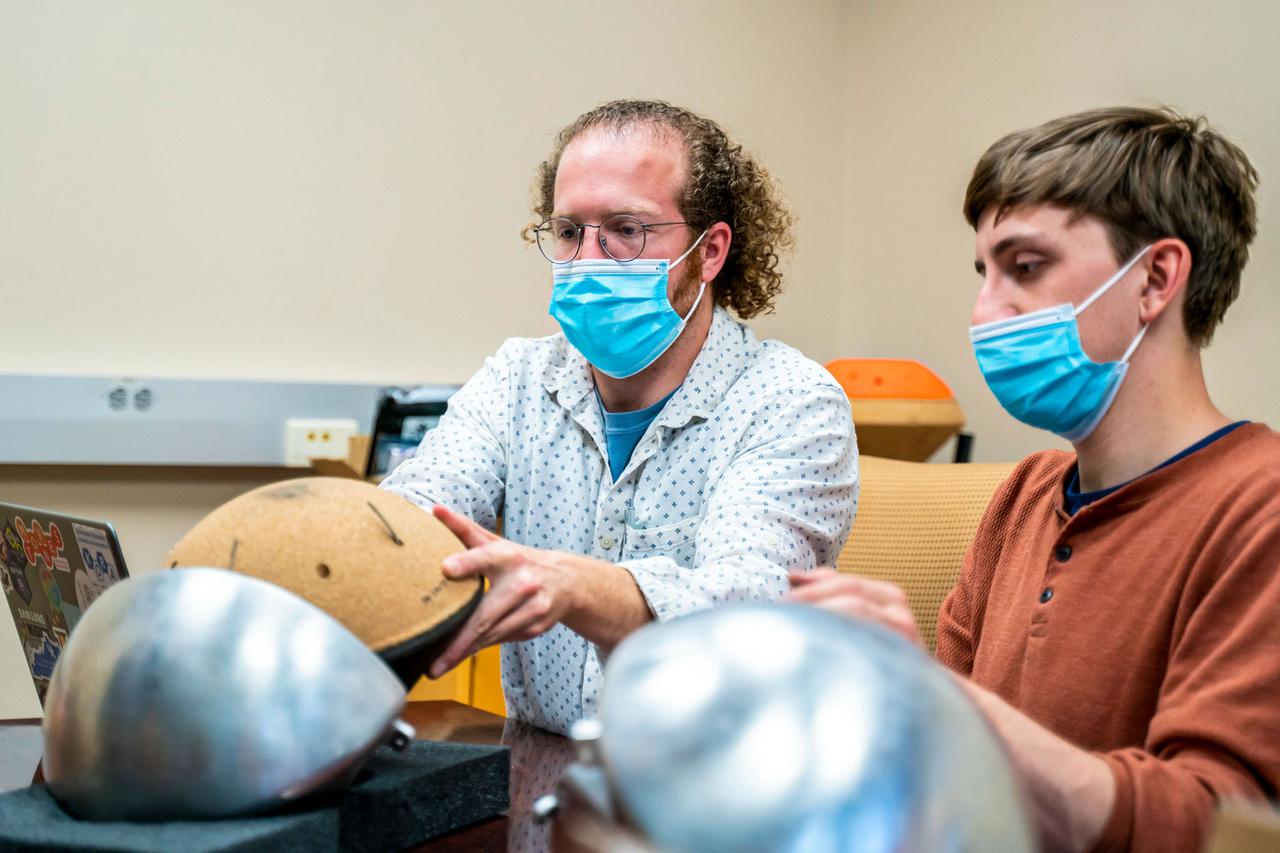
jsc2021e031159 (7/22/2021) --- John Schmidt, graduate student and mechanical engineering lead and Matthew Ruffner, graduate student and electrical engineering lead of KREPE. The Kentucky Re-Entry Probe Experiment (KREPE) demonstrates an affordable technology for re-entry experiments and provides flight data on Thermal Protection Systems (TPS) to help validate computational models. Photo courtesy of the University of Kentucky.
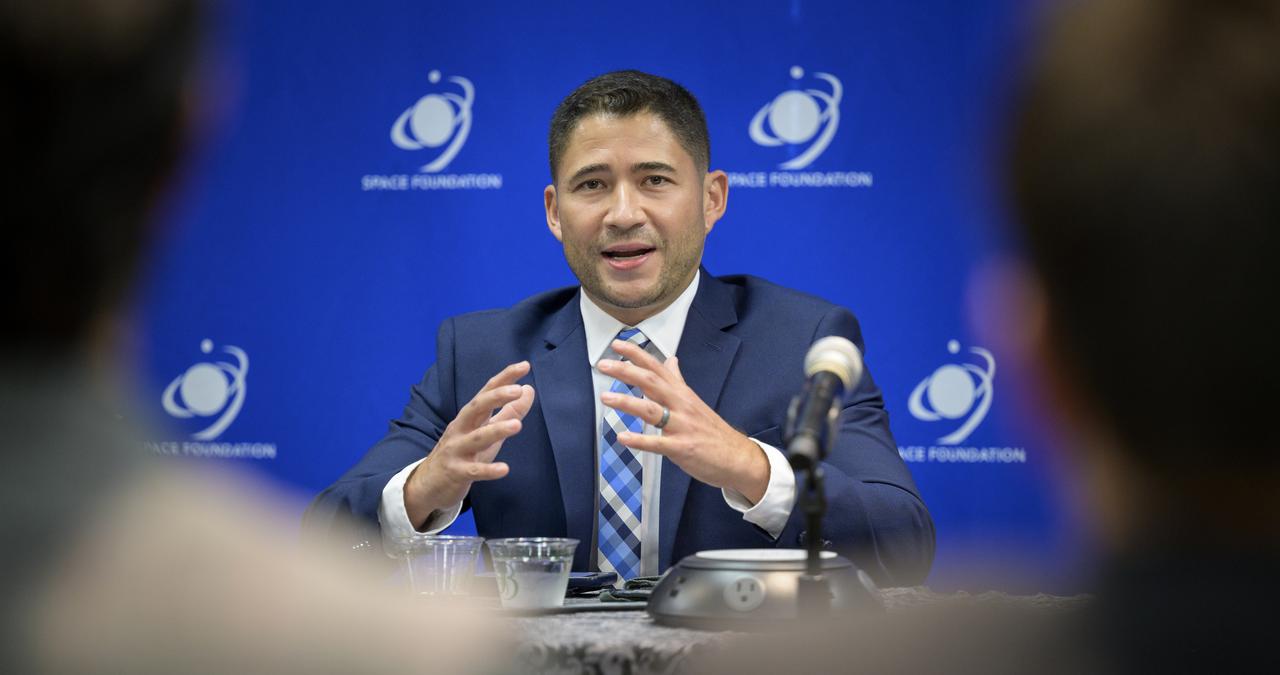
Dr. Luis Zea, implementation project manager, BioServe Space Technologies, Smead Aerospace Engineering Sciences, University of Colorado Boulder gives comments during a media event where NASA Administrator Bill Nelson introduce three local Colorado companies and university partners that help make NASA’s missions possible, Monday, Aug. 23, 2021, during the 36th Space Symposium in Colorado Springs, Colorado. Photo Credit: (NASA/Bill Ingalls)
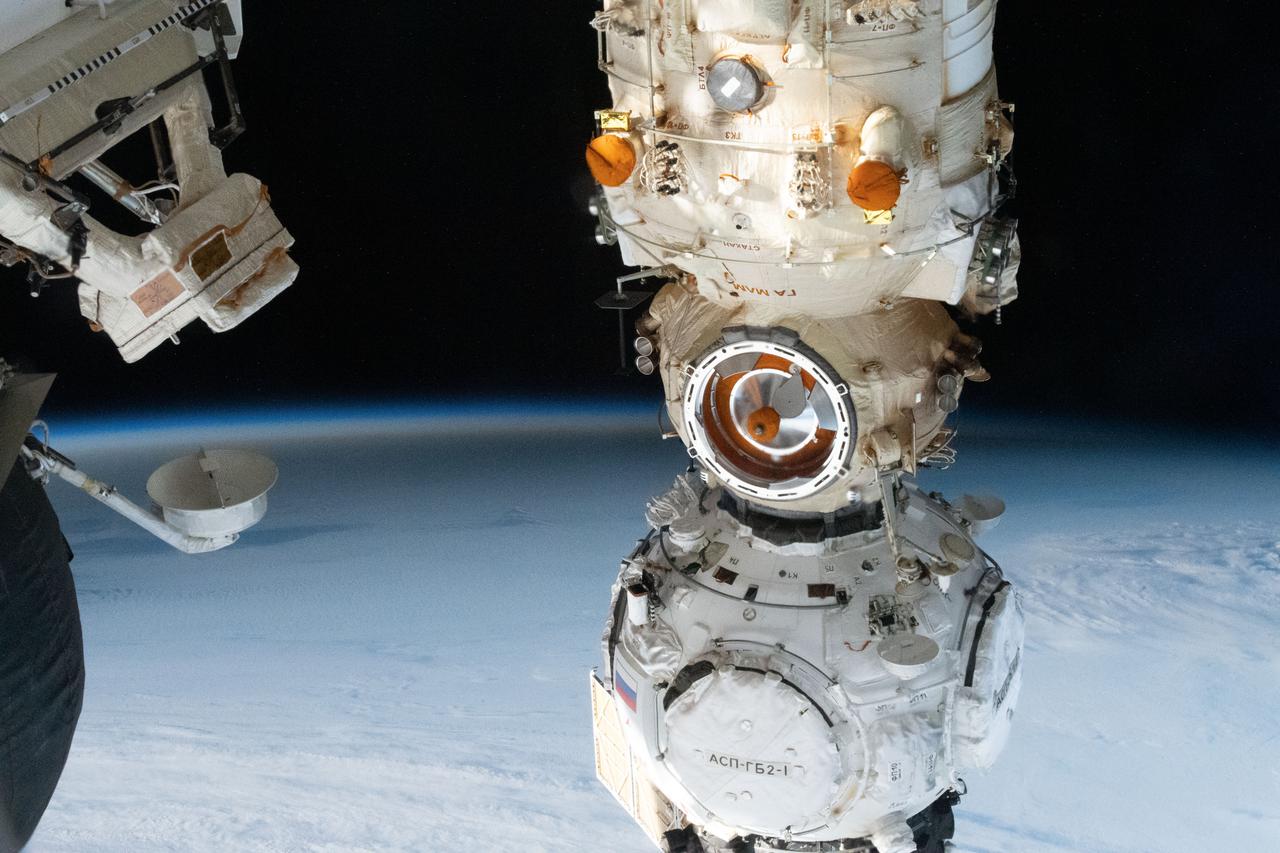
iss066e086505 (Dec, 4, 2021) --- The Moon's shadow, caused by a solar eclipse over Antarctica, is pictured from the International Space Station as it orbits 269 miles above the south Atlantic Ocean. In the foreground, is the Russian Prichal module attached to the Nauka multipurpose docking module.
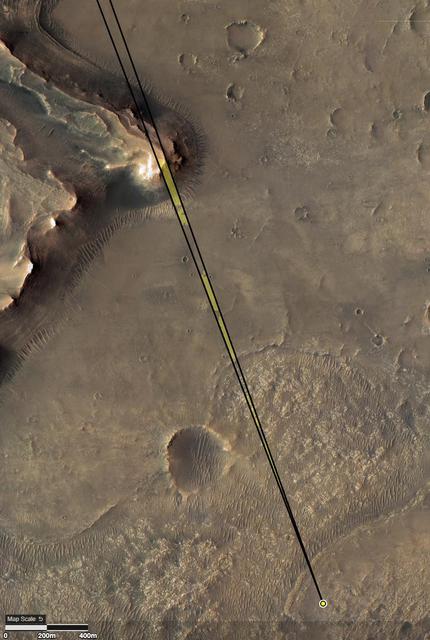
Provided by the High Resolution Imaging Experiment (HiRISE) aboard NASA's Mars Reconnaissance orbiter, this overhead image captures a portion of Mars' Jezero Crater. The yellow dot on lower right indicates the location of NASA's Perseverance rover. The field of view of the rover's Remote Microscopic Imager (RMI) camera is indicated with the diverging lines. The formation in the upper left is the "Delta Scarp," which the RMI camera photographed on March 17, 2021, from a distance of 1.4 miles (2.25 kilometers). The University of Arizona, in Tucson, operates HiRISE, which was built by Ball Aerospace & Technologies Corp., in Boulder, Colorado. NASA's Jet Propulsion Laboratory, a division of Caltech in Pasadena, California, manages the Mars Reconnaissance Orbiter Project for NASA's Science Mission Directorate, Washington. A key objective for Perseverance's mission on Mars is astrobiology, including the search for signs of ancient microbial life. The rover will characterize the planet's geology and past climate, pave the way for human exploration of the Red Planet, and be the first mission to collect and cache Martian rock and regolith (broken rock and dust). Subsequent NASA missions, in cooperation with ESA (European Space Agency), would send spacecraft to Mars to collect these sealed samples from the surface and return them to Earth for in-depth analysis. The Mars 2020 Perseverance mission is part of NASA's Moon to Mars exploration approach, which includes Artemis missions to the Moon that will help prepare for human exploration of the Red Planet. https://photojournal.jpl.nasa.gov/catalog/PIA24685

NASA’s SpaceX Crew-3 astronauts participate in a countdown dress rehearsal at the agency’s Kennedy Space Center in Florida on Oct. 28, 2021, to prepare for the upcoming Crew-3 launch. Matthias Maurer, with the European Space Agency, is inside the crew access arm leading to the company’s Crew Dragon spacecraft during the rehearsal. He is wearing a SpaceX spacesuit with his name and the German flag embroidered on it. The four-person crew will launch aboard the Crew Dragon atop the Falcon 9 on Oct. 31 to the International Space Station. Launch is targeted for 2:21 a.m. EDT from Pad 39A. Crew-3 is the third crew rotation flight to the space station for NASA’s Commercial Crew Program, and the first flight of a new Crew Dragon spacecraft.
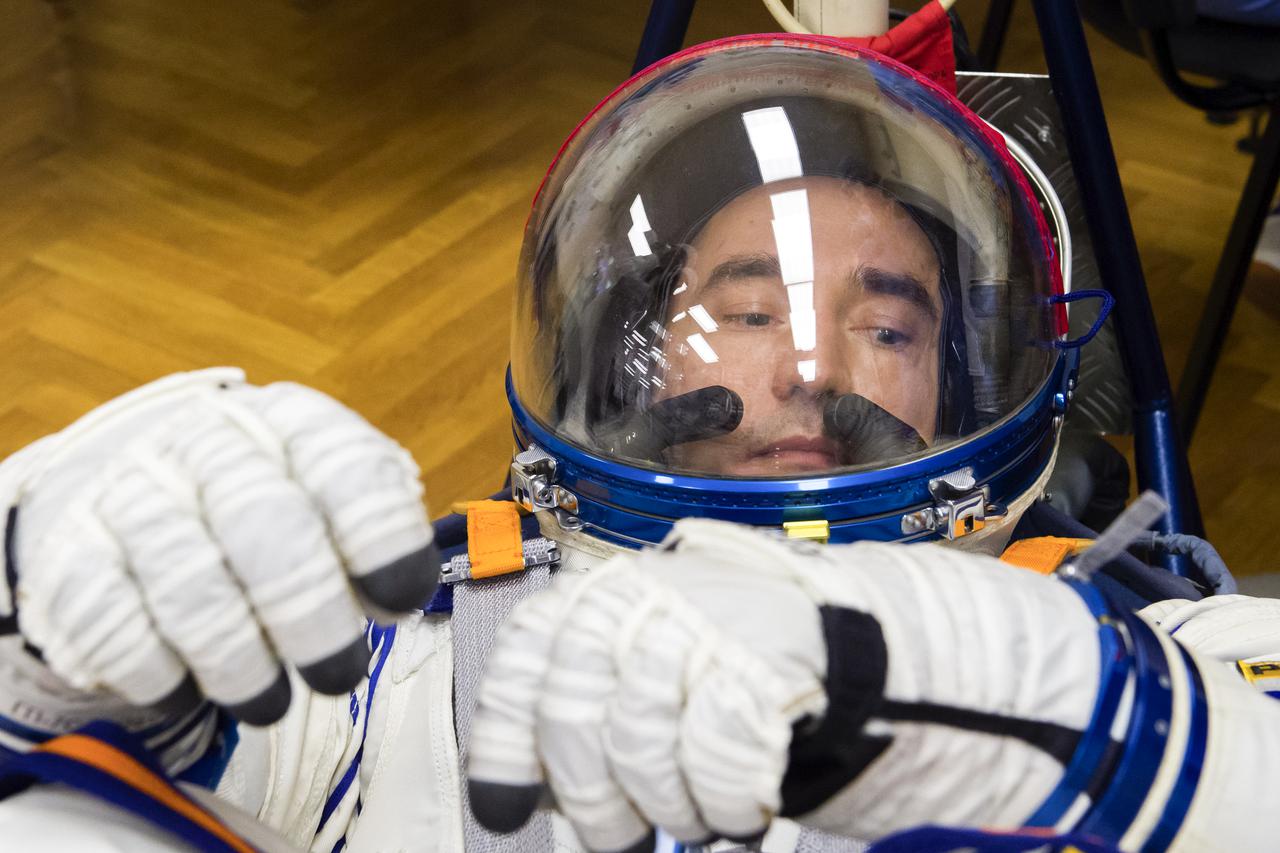
Expedition 65 prime crew member Pyotr Dubrov of Roscosmos has his Sokol suit pressure checked during a fit check to prepare for launch with crew mates Russian cosmonaut Oleg Novitskiy of Roscosmos and NASA astronaut Mark Vande Hei, Saturday, March 27, 2021 at the Baikonur Cosmodrome in Kazakhstan. They are scheduled to launch on a Soyuz rocket April 9. Photo Credit: (NASA/GCTC/Irina Spector)

jsc2022e003359 (Dec. 1, 2021) --- NASA’s SpaceX Crew-4 astronauts participate in a training session at Kennedy Space Center in Florida. From left to right: NASA astronaut and SpaceX Crew-4 mission specialist Jessica Watkins; NASA astronaut and SpaceX Crew-4 pilot Robert “Bob” Hines; NASA astronaut and SpaceX Crew-4 commander Kjell Lindgren; and ESA (European Space Agency) astronaut and Crew-4 mission specialist Samantha Cristoforetti of Italy.

NASA’s Day of Remembrance is marked by a memorial wreath placed before the Space Mirror Memorial at the Kennedy Space Center Visitor Complex, Jan. 28, 2021. The mirror was dedicated in 1991 to honor all astronauts who lost their lives on missions or during training. During the Day of Remembrance, NASA centers across the country honor those astronauts who have fallen in the pursuit of space exploration.

Will Ulrich, launch weather officer, U.S. Space Force, 45th Weather Squadron, participates in a prelaunch briefing for Boeing’s Orbital Flight Test-2 (OFT-2) at the agency’s Kennedy Space Center in Florida, July 27, 2021. Boeing’s CST-100 Starliner spacecraft will launch atop a United Launch Alliance Atlas V rocket from Space Launch Complex-41 at Cape Canaveral Space Force Station. The uncrewed OFT-2 will be the Starliner’s second flight NASA’s Commercial Crew Program.
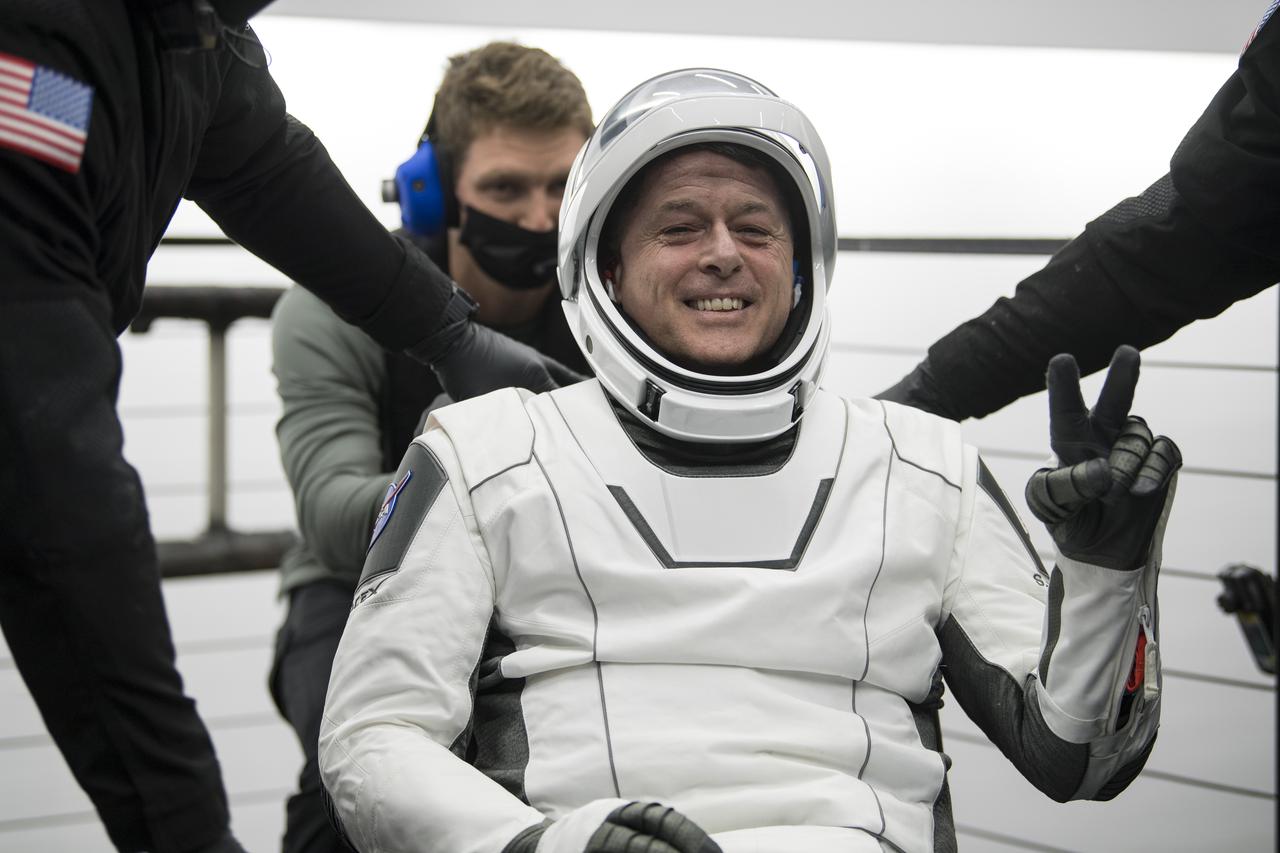
NASA astronaut Shane Kimbrough gives a hand sign after he was helped out of the SpaceX Crew Dragon Endeavour spacecraft onboard the SpaceX GO Navigator recovery ship after he and NASA astronaut Megan McArthur, Japan Aerospace Exploration Agency (JAXA) astronaut Aki Hoshide, and ESA (European Space Agency) astronaut Thomas Pesquet landed in the Gulf of Mexico off the coast of Pensacola, Florida, Monday, Nov. 8, 2021. NASA’s SpaceX Crew-2 mission is the second operational mission of the SpaceX Crew Dragon spacecraft and Falcon 9 rocket to the International Space Station as part of the agency’s Commercial Crew Program. Photo Credit: (NASA/Aubrey Gemignani)
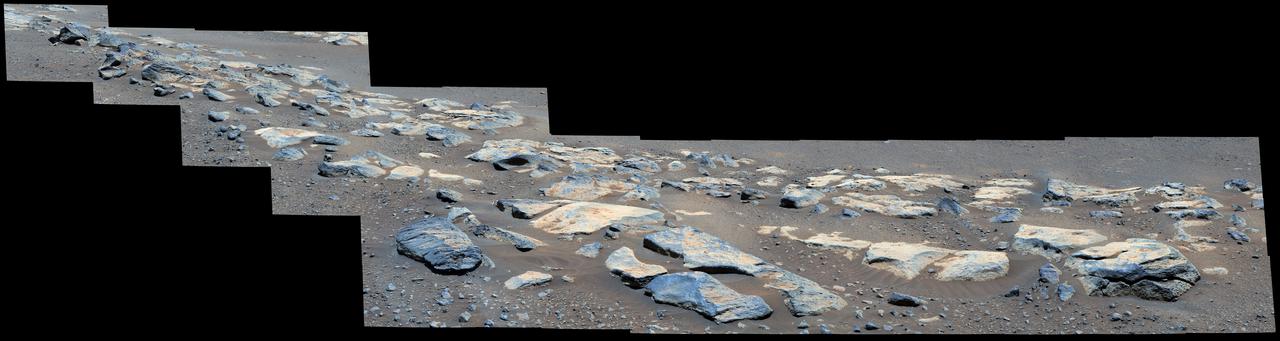
This mosaic image (composed of multiple individual images taken by NASA's Perseverance rover) shows a rock outcrop in the area nicknamed "Citadelle" on the floor of Mars' Jezero Crater. The mosaic image has been nicknamed "Malamaire" by the rover team and includes a block of rock called "Rochette" (after "La Rochette," a small town in north-central France whose name also translates to "little rock"). Perseverance successfully collected its first two rock samples from Rochette in early September 2021. An annotated version of this panorama shows the location of Rochette. The images in the mosaic were taken by the Mastcam-Z instrument on the 180th sol (Martian day) of the rover's mission. A key objective for Perseverance's mission on Mars is astrobiology, including the search for signs of ancient microbial life. The rover will characterize the planet's geology and past climate, pave the way for human exploration of the Red Planet, and be the first mission to collect and cache Martian rock and regolith (broken rock and dust). The Mars 2020 Perseverance mission is part of NASA's Moon to Mars exploration approach, which includes Artemis missions to the Moon that will help prepare for human exploration of the Red Planet. Subsequent NASA missions, in cooperation with ESA (European Space Agency), would send spacecraft to Mars to collect these sealed samples from the surface and return them to Earth for in-depth analysis. https://photojournal.jpl.nasa.gov/catalog/PIA24833
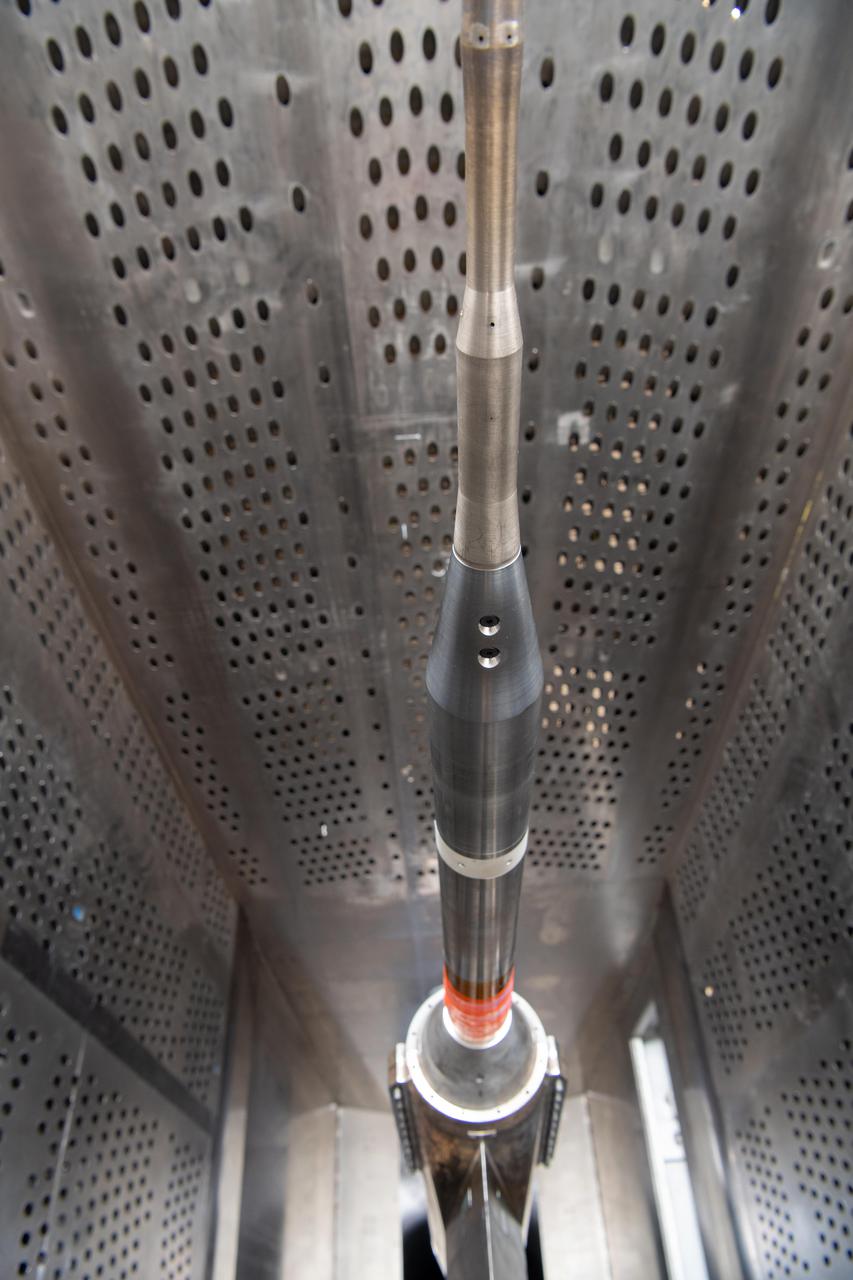
X-59 Low Boom Flight Demonstrator, LBFD Probe Calibration Test
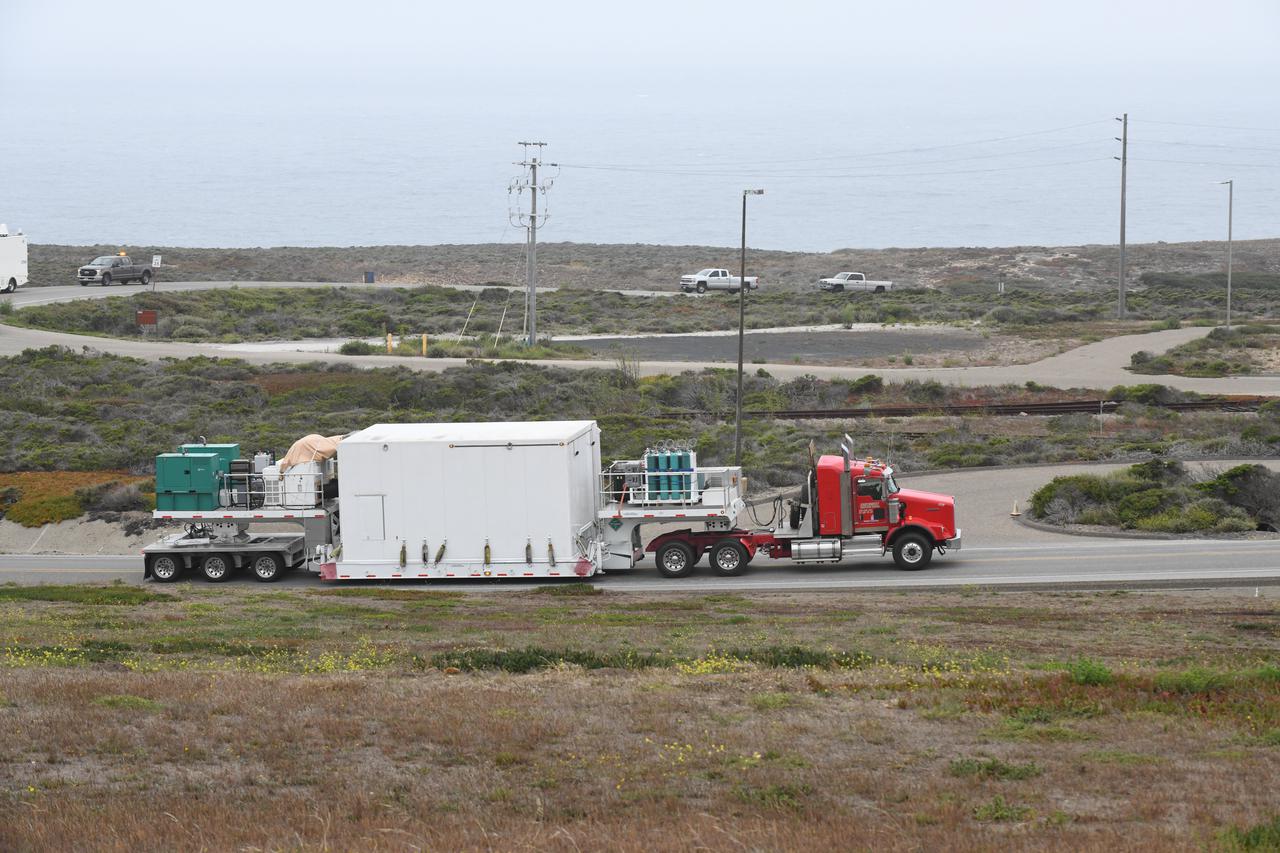
The satellite for the Landsat 9 mission, secured inside its shipping container, is transported by truck to Vandenberg Space Force Base in California on July 7, 2021. The Landsat 9 mission will launch atop a United Launch Alliance Atlas V rocket from Vandenberg in September 2021. The launch is being managed by NASA’s Launch Services Program based at Kennedy Space Center in Florida, America’s multi-user spaceport. The Landsat 9 satellite will continue the nearly 50-year legacy of previous Landsat missions. It will monitor key natural and economic resources from orbit. Landsat 9 is managed by the agency’s Goddard Space Flight Center in Greenbelt, Maryland. The satellite will carry two instruments: the Operational Land Imager 2, which collects images of Earth’s landscapes in visible, near infrared and shortwave infrared light, and the Thermal Infrared Sensor 2, which measures the temperature of land surfaces. Like its predecessors, Landsat 9 is a joint mission between NASA and the U.S. Geological Survey.
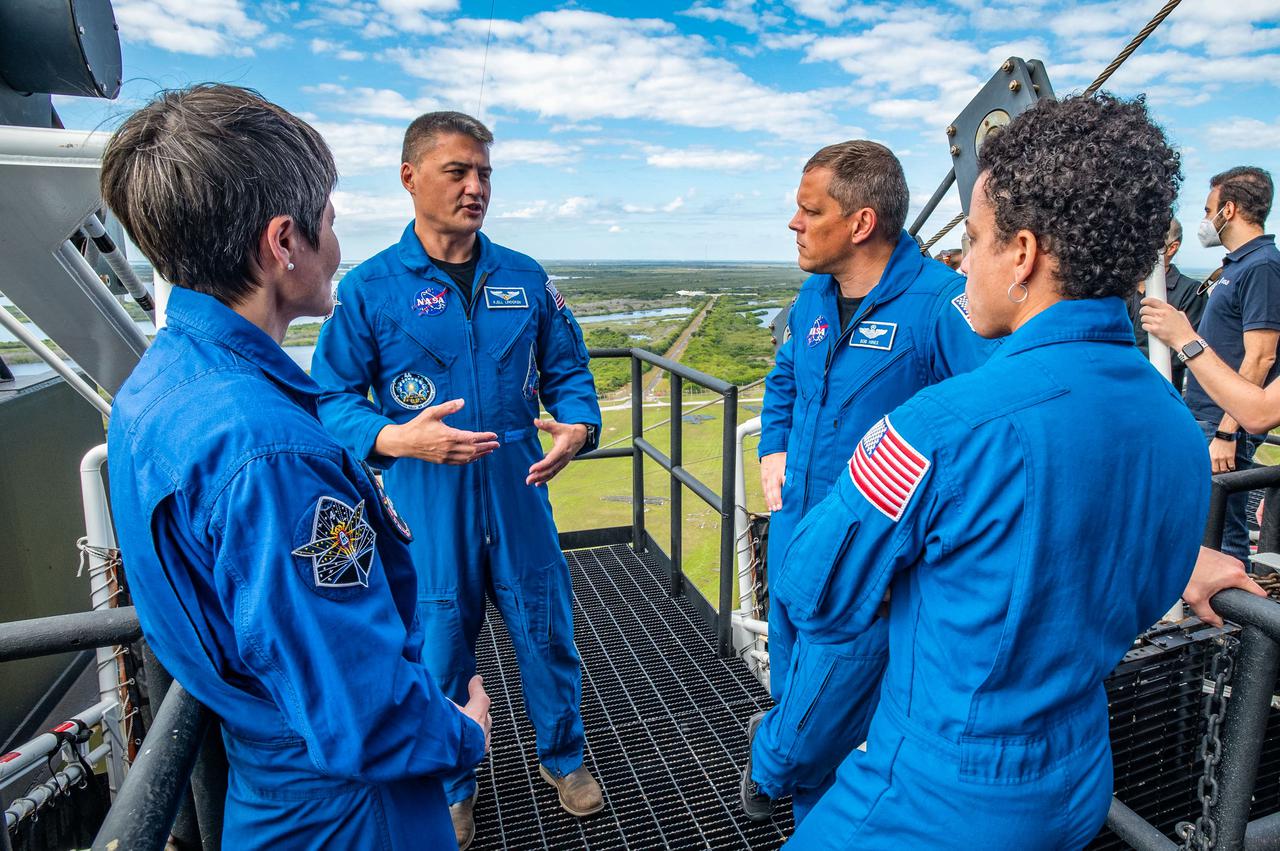
jsc2022e003355 (Dec. 1, 2021) --- NASA’s SpaceX Crew-4 astronauts participate in a training session at Kennedy Space Center in Florida. From left to right: ESA (European Space Agency) astronaut and Crew-4 mission specialist Samantha Cristoforetti of Italy; NASA astronaut and SpaceX Crew-4 commander Kjell Lindgren; NASA astronaut and SpaceX Crew-4 pilot Robert “Bob” Hines; and NASA astronaut and SpaceX Crew-4 mission specialist Jessica Watkins.
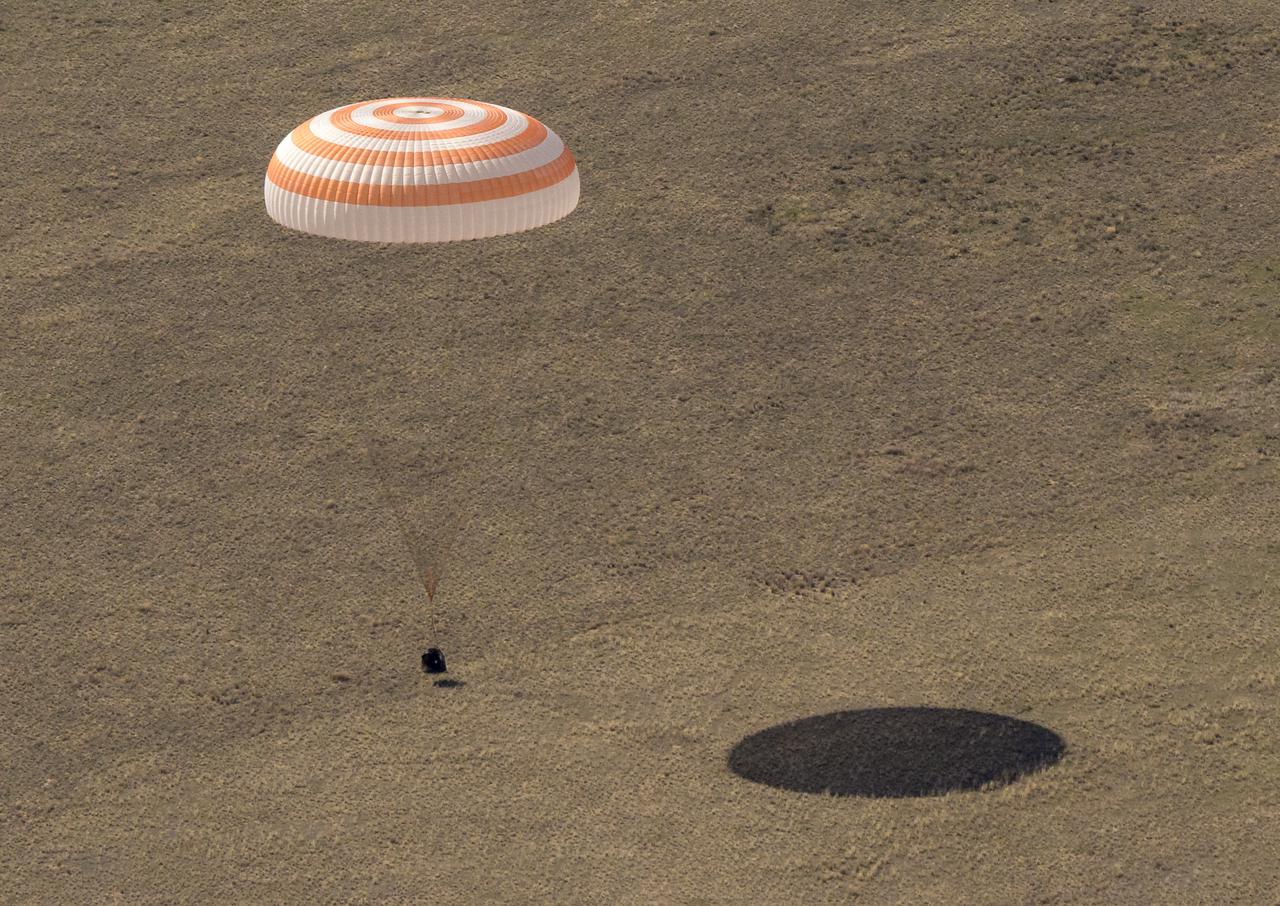
The Soyuz MS-17 spacecraft is seen as it lands in a remote area near the town of Zhezkazgan, Kazakhstan with Expedition 64 crew members Kate Rubins of NASA, Sergey Ryzhikov and Sergey Kud-Sverchkov of Roscosmos, Saturday, April 17, 2021. Rubins, Ryzhikov and Kud-Sverchkov returned after 185 days in space having served as Expedition 63-64 crew members onboard the International Space Station. Photo Credit: NASA/Bill Ingalls
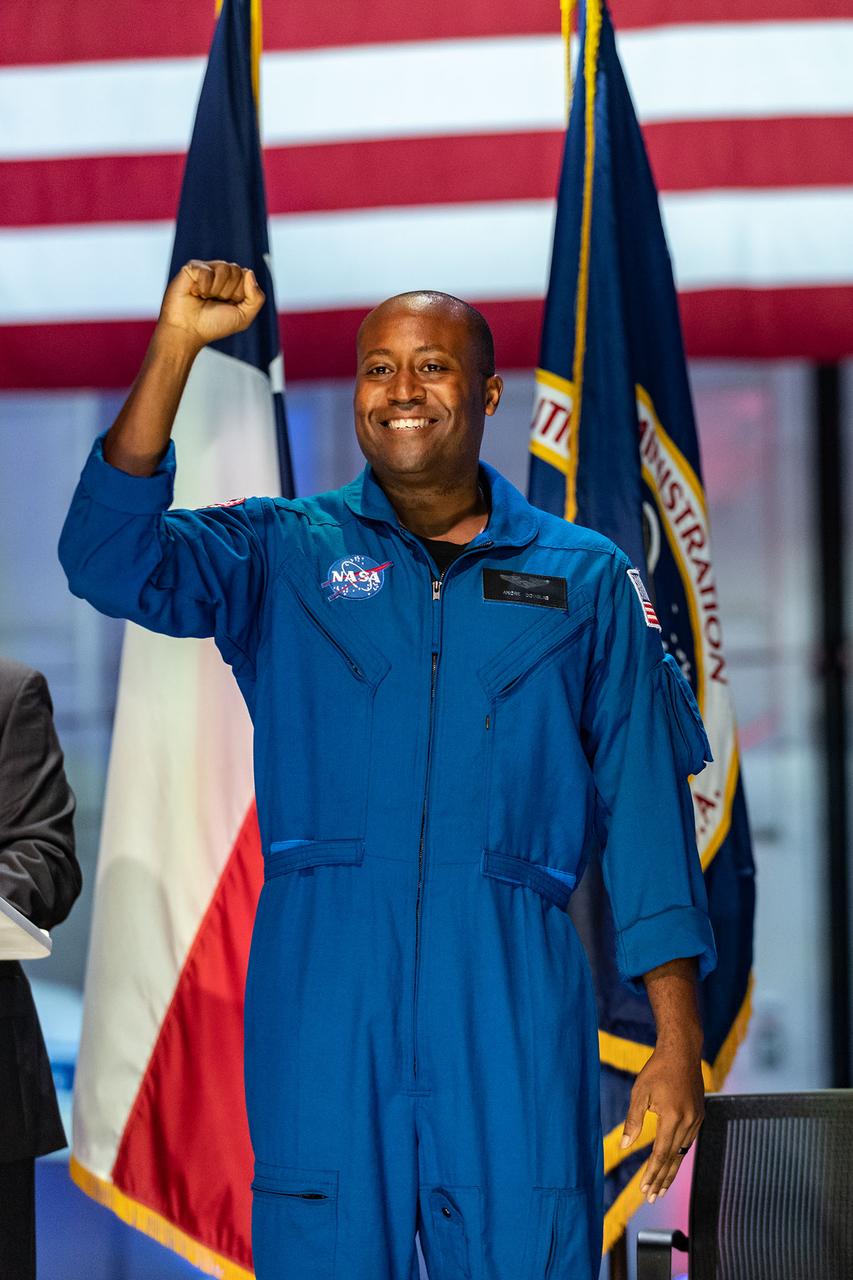
Photo Date: 2021-12-06 Subject: NASA announced its 2021 astronaut candidate class on Dec. 6, 2021. The 10 candidates, pictured here in an event at Ellington Field near NASA’s Johnson Space Center in Houston are Nichole Ayers, Christopher Williams, Luke Delaney, Jessica Wittner, Anil Menon, Marcos Berríos, Jack Hathaway, Christina Birch, Deniz Burnham, and Andre Douglas. NASA’s new astronaut candidates will begin about two years of training in January 2022, after which they could be assigned to missions performing research on the International Space Station, launching from American soil on spacecraft built by commercial companies, and launching on Artemis missions to the Moon on NASA’s new Orion spacecraft and Space Launch System rocket. Location: Ellington Hangar 135 Photographer: James Blair

Research Support Building
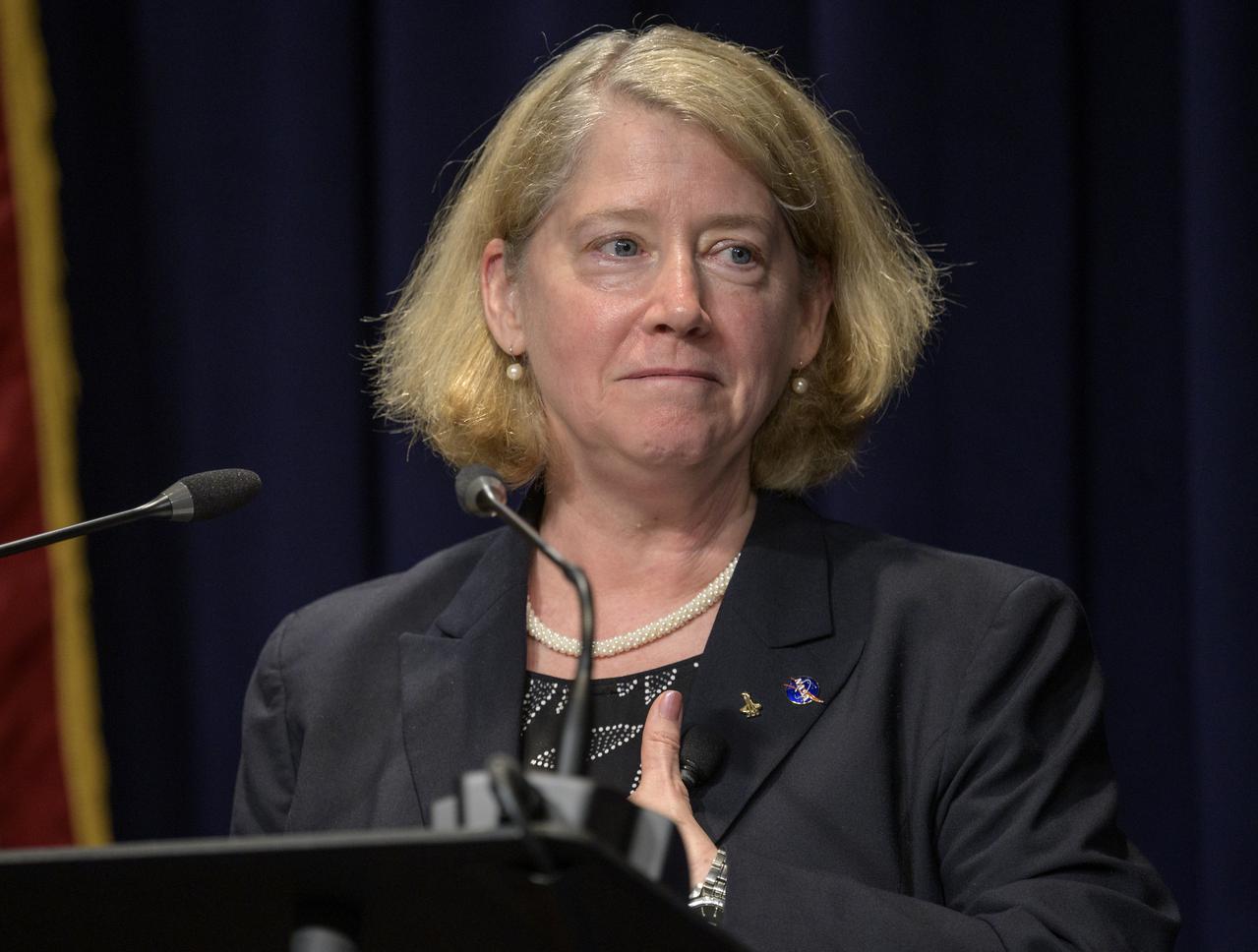
NASA Deputy Administrator Pam Melroy gives remarks after having been ceremonially sworn-in, Monday, June 21, 2021, at NASA Headquarters Mary W. Jackson Building in Washington. Melroy is a former NASA astronaut. Photo Credit: (NASA/Bill Ingalls)
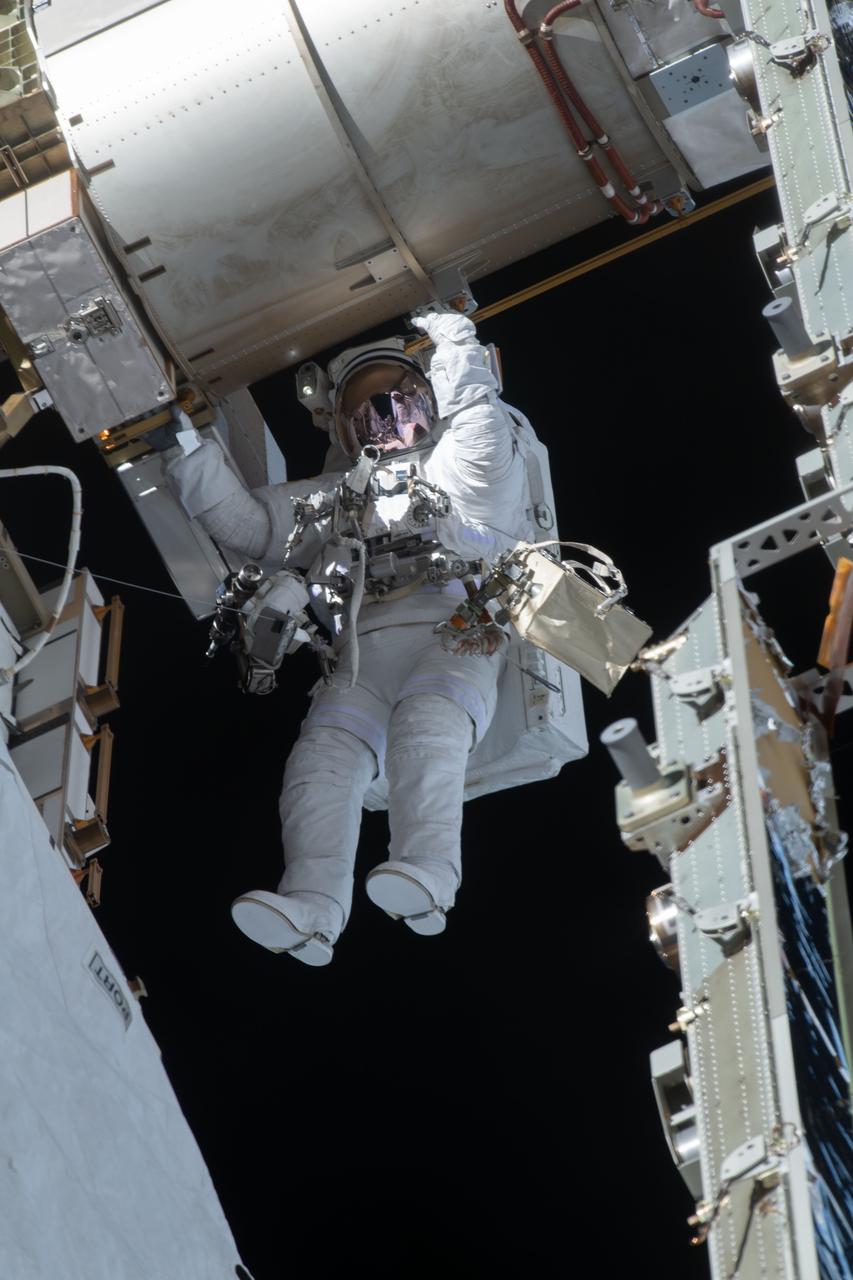
iss064e027002 (Jan. 27, 2021) --- NASA spacewalker and Expedition 64 Flight Engineer Victor Glover works to ready the International Space station's port-side truss structure for future solar array upgrades.

The THEMIS VIS camera contains 5 filters. The data from different filters can be combined in multiple ways to create a false color image. These false color images may reveal subtle variations of the surface not easily identified in a single band image. Today's false color image shows part of the dune field called Aspledon Undae and a crater filled with a large sand sheet. Aspledon Undae is located in Vastitas Borealis, near the north polar ice cap. Orbit Number: 77175 Latitude: 71.2167 Longitude: 309.213 Instrument: VIS Captured: 2019-05-08 22:02 https://photojournal.jpl.nasa.gov/catalog/PIA24605
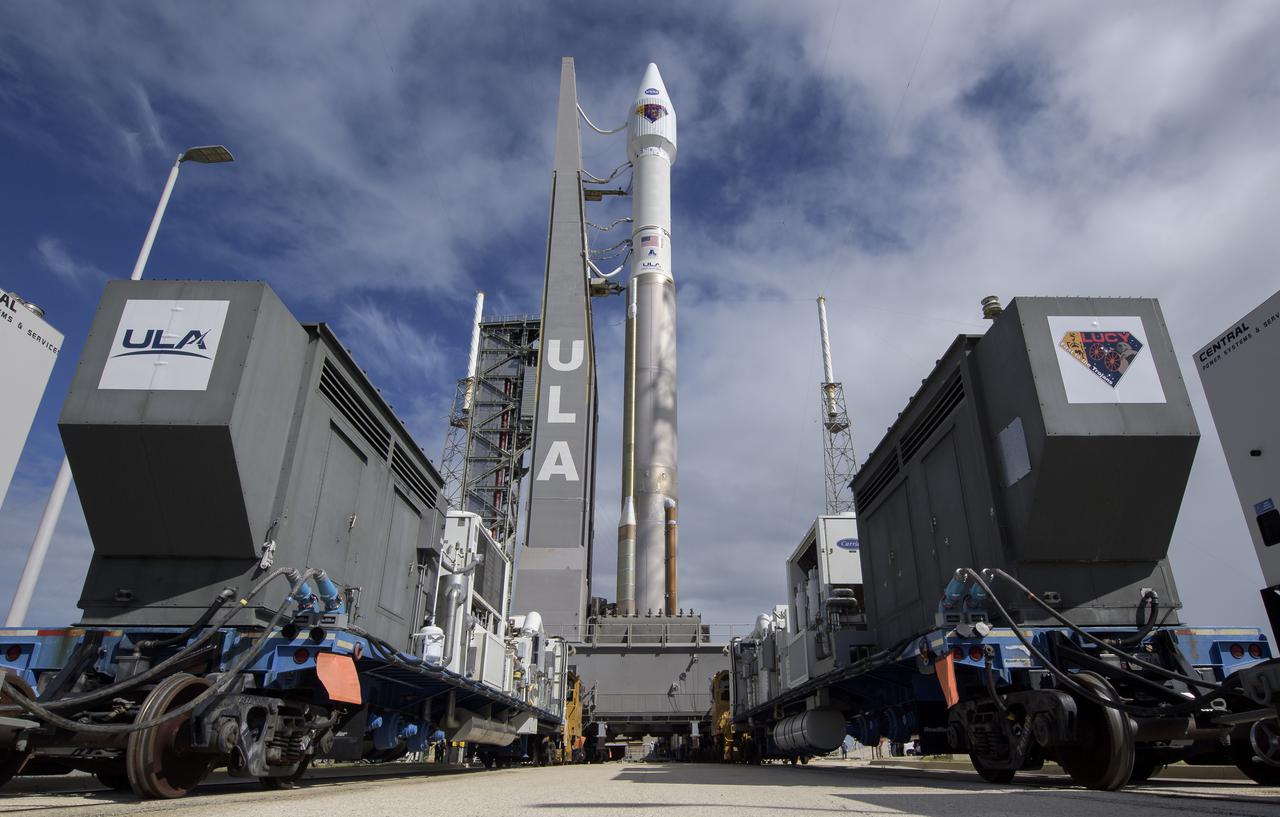
A United Launch Alliance Atlas V rocket with the Lucy spacecraft aboard is seen as it is rolled out of the Vertical Integration Facility to the launch pad at Space Launch Complex 41, Thursday, Oct. 14, 2021, at Cape Canaveral Space Force Station in Florida. Lucy will be the first spacecraft to study Jupiter's Trojan Asteroids. Like the mission's namesake – the fossilized human ancestor, "Lucy," whose skeleton provided unique insight into humanity's evolution – Lucy will revolutionize our knowledge of planetary origins and the formation of the solar system. Photo Credit: (NASA/Bill Ingalls)
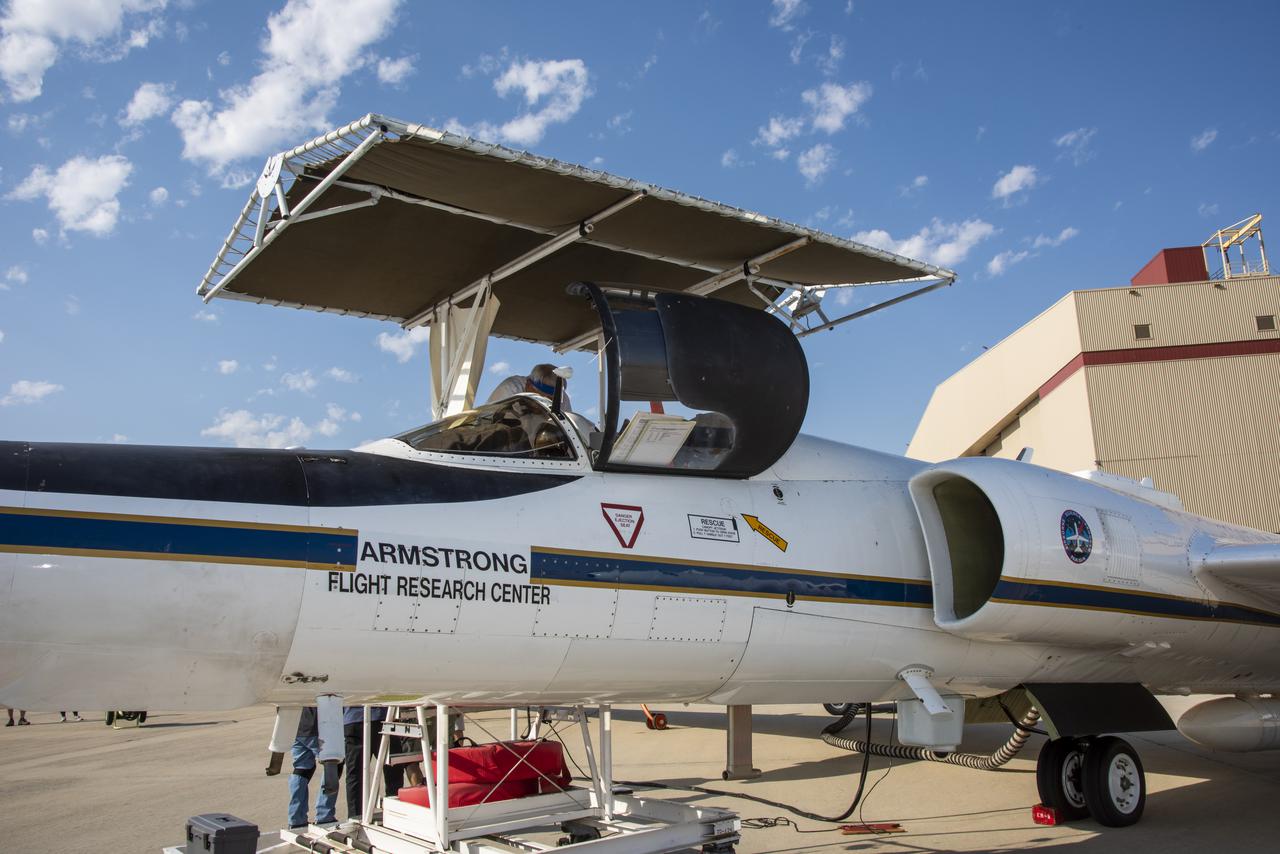
NASA's Armstrong Flight Research Center ER-2 #809 high-altitude aircraft prepared for Dynamics and Chemistry of the Summer Stratosphere (DCOTSS) science flights in Palmdale, CA on June 17, 2021
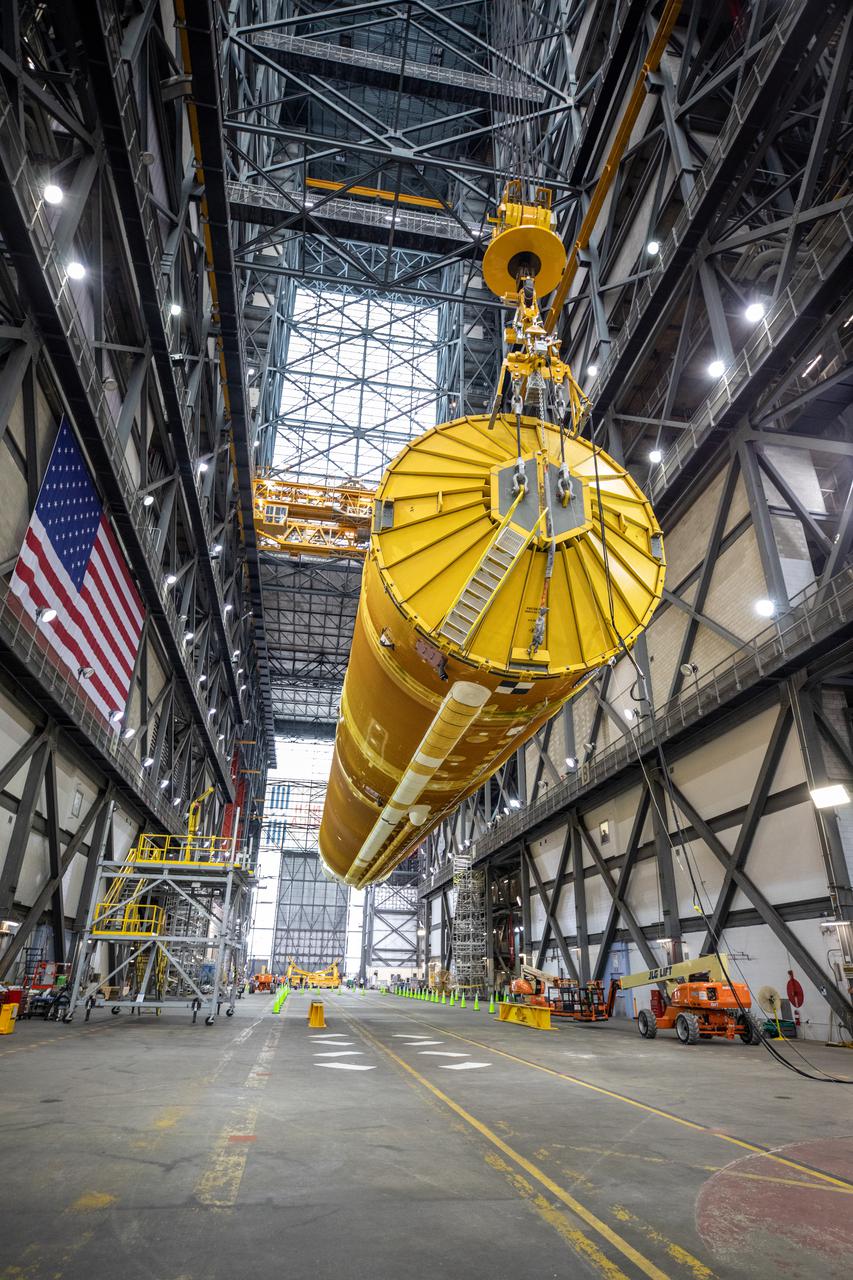
Teams with NASA’s Exploration Ground Systems and contractor Jacobs lift the Space Launch System (SLS) core stage – the largest part of the rocket – and prepare to move it over to High Bay 3 in the Vehicle Assembly Building, where it will be placed atop the mobile launcher in between the twin solid rocket boosters, at NASA’s Kennedy Space Center in Florida on June 10, 2021. The 188,000-pound core stage, with its four RS-25 engines, will provide more than 2 million pounds of thrust during launch and ascent, and coupled with the boosters, will provide more than 8.8 million pounds of thrust to send the Artemis I mission to space. Under the Artemis program, NASA will land the first woman and first person of color on the Moon, as well as establish a sustainable presence on the lunar surface in preparation for human missions to Mars.
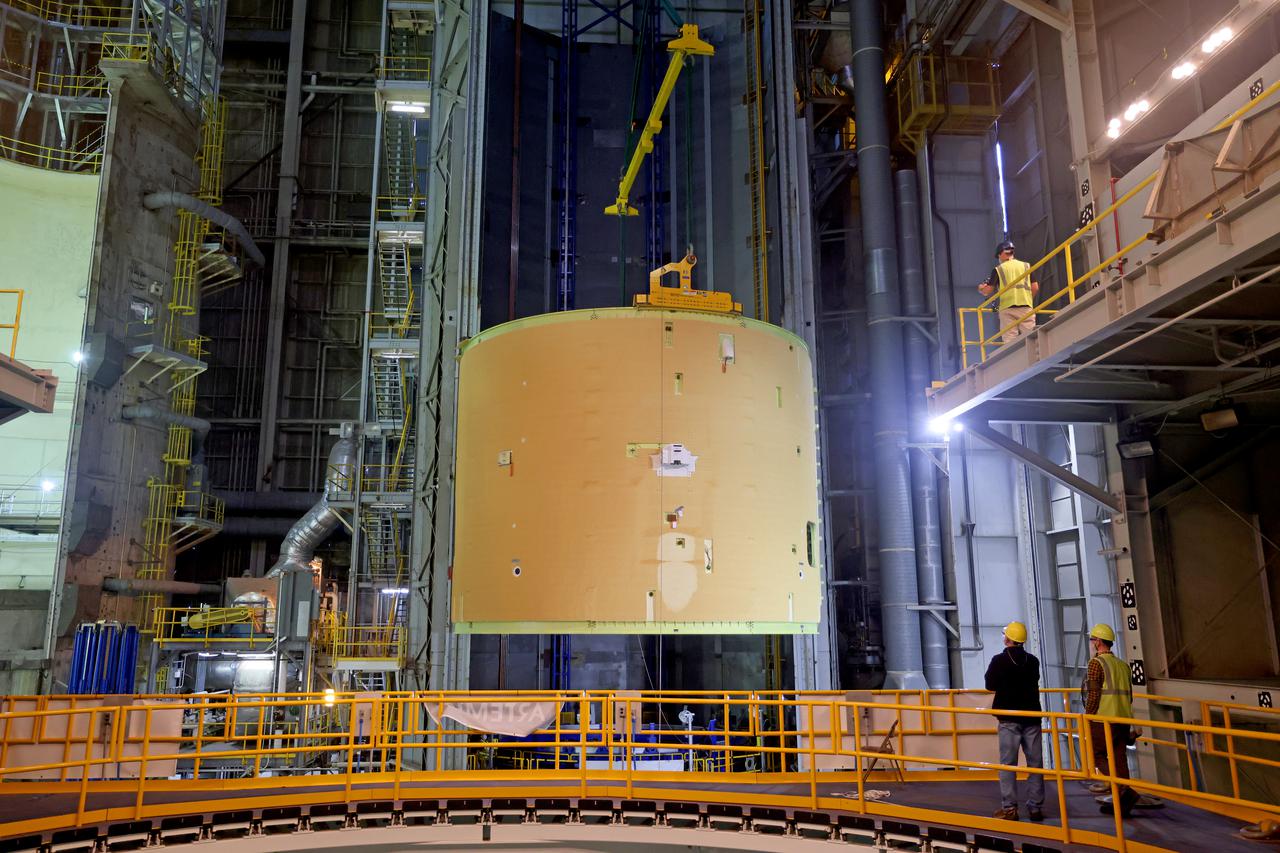
This image shows technicians and engineers beginning the process of the forward join on the core stage of NASA’s Space Launch System rocket for Artemis II, the first crewed mission of NASA’s Artemis program at NASA’s Michoud Assembly Facility. The forward join connects the forward skirt, the liquid oxygen tank (LOX) and the intertank structures to form the top part of the SLS rocket’s core stage. Now, NASA and Boeing, the SLS prime contractor, will continue to integrate various systems inside the forward part of the core stage and prepare for structural joining of the liquid hydrogen tank and engine section to form the bottom of the stage. Together with its four RS-25 engines, the rocket’s massive 212-foot-tall core stage — the largest stage NASA has ever built — and its twin solid rocket boosters will produce 8.8 million pounds of thrust to send NASA’s Orion spacecraft, astronauts and supplies beyond Earth’s orbit to the Moon and, ultimately, Mars. Offering more payload mass, volume capability and energy to speed missions through space, the SLS rocket, along with NASA’s Gateway in lunar orbit, the Human Landing System, and Orion spacecraft, is part of NASA’s backbone for deep space exploration and the Artemis lunar program. No other rocket is capable of carrying astronauts in Orion around the Moon in a single mission. Image credit: NASA/Michael DeMocker
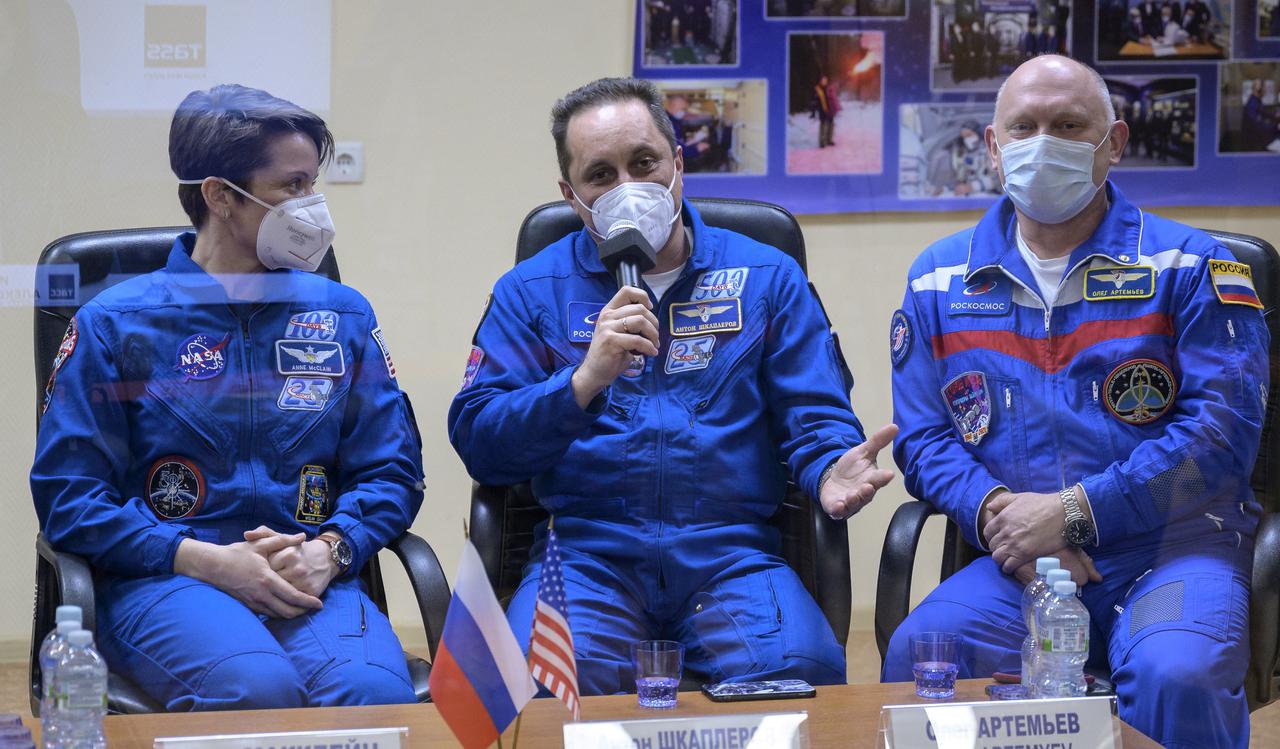
Expedition 65 backup crew members NASA astronaut Anne McClain, left, and Russian cosmonauts Anton Shkaplerov of Roscosmos, and Oleg Artemyev of Roscosmos, right, are seen in quarantine, behind glass, during a press conference, Thursday, April 8, 2021 a the Cosmonaut Hotel in Baikonur, Kazakhstan. Expedition 65 NASA astronaut Mark Vande Hei, Roscosmos cosmonauts Pyotr Dubrov and Oleg Novitskiy are scheduled to launch to the International Space Station aboard the Soyuz MS-18 spacecraft on April 9. Photo Credit: (NASA/Bill Ingalls)
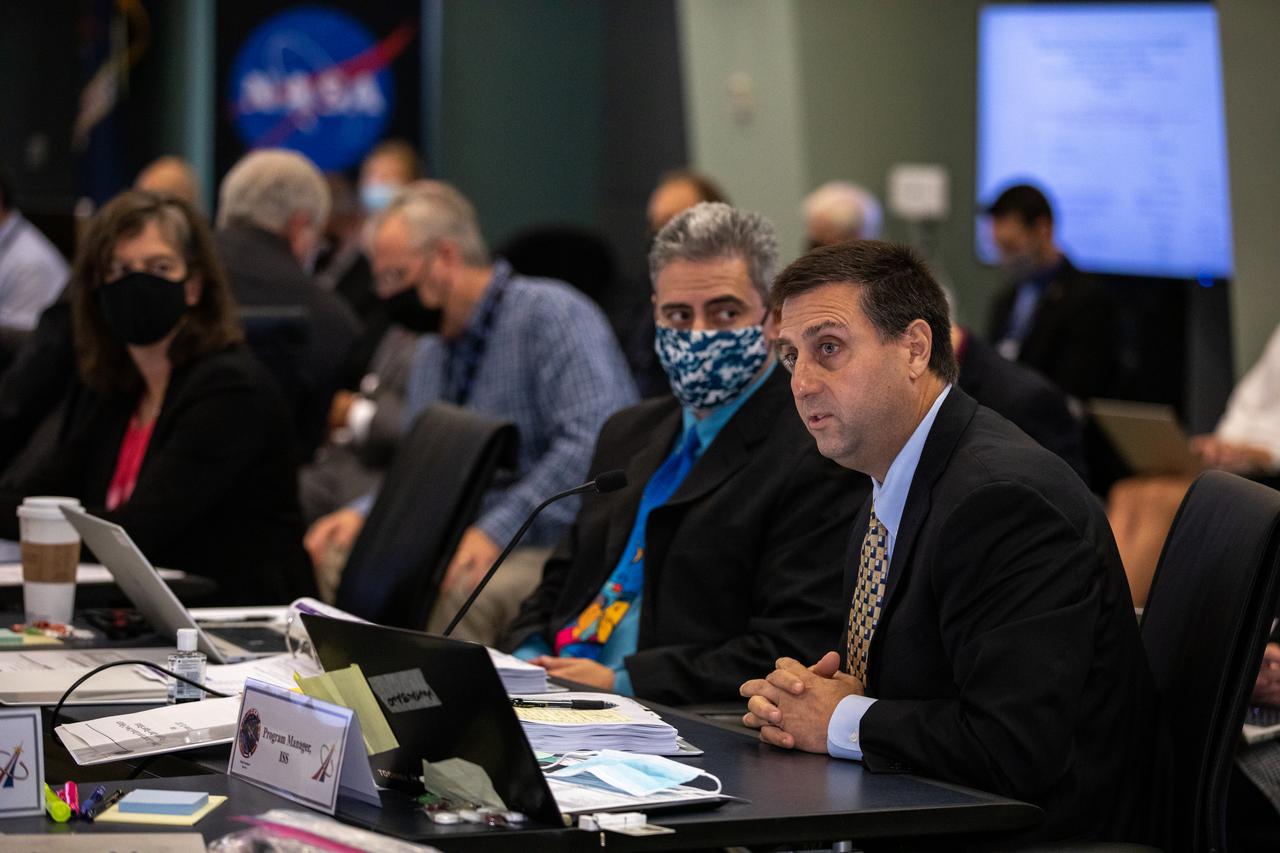
Joel Montalbano, at right, manager, International Space Station, NASA’s Johnson Space Center, participates in a Flight Readiness Review for the agency’s SpaceX Crew-3 mission at Kennedy Space Center in Florida on Oct. 25, 2021. International partners also participated. NASA and SpaceX mission managers held the FRR to confirm the SpaceX Falcon 9 and Crew Dragon spacecraft are ready for launch. Crew-3 is scheduled to launch to the International Space Station from Kennedy’s Launch Complex 39A on Oct. 31, 2021 as part of NASA’s Commercial Crew Program. Liftoff of the Falcon 9 rocket and Crew Dragon spacecraft is targeted for 2:21 a.m. EDT.

A look inside the International Space Station Payload Operations Integration Center at NASA’s Marshall Space Flight Center in Huntsville, AL. The POIC team supports science operations on the International Space Station 24 hours a day, 7 days a week. For more than 20 years the POIC team has worked with scientists from around the world to enable the space station crew to conduct experiments that improve life on Earth and enable future exploration.
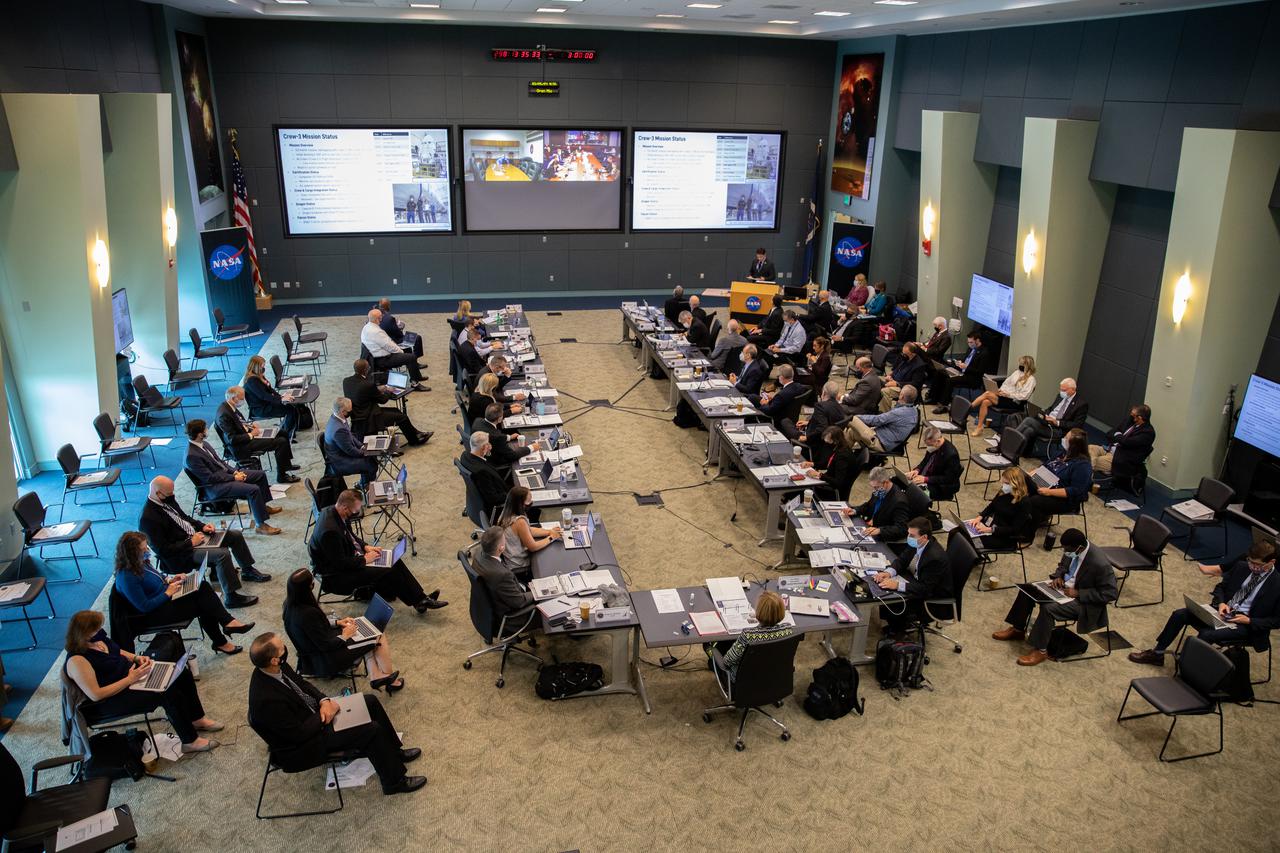
NASA and SpaceX managers participate in a Flight Readiness Review for the agency’s SpaceX Crew-3 mission at Kennedy Space Center in Florida on Oct. 25, 2021. International partners also participated. Crew-3 is scheduled to launch to the International Space Station from Kennedy’s Launch Complex 39A on Oct. 31, 2021 as part of NASA’s Commercial Crew Program. Liftoff of the Falcon 9 rocket and Crew Dragon spacecraft is targeted for 2:21 a.m. EDT.
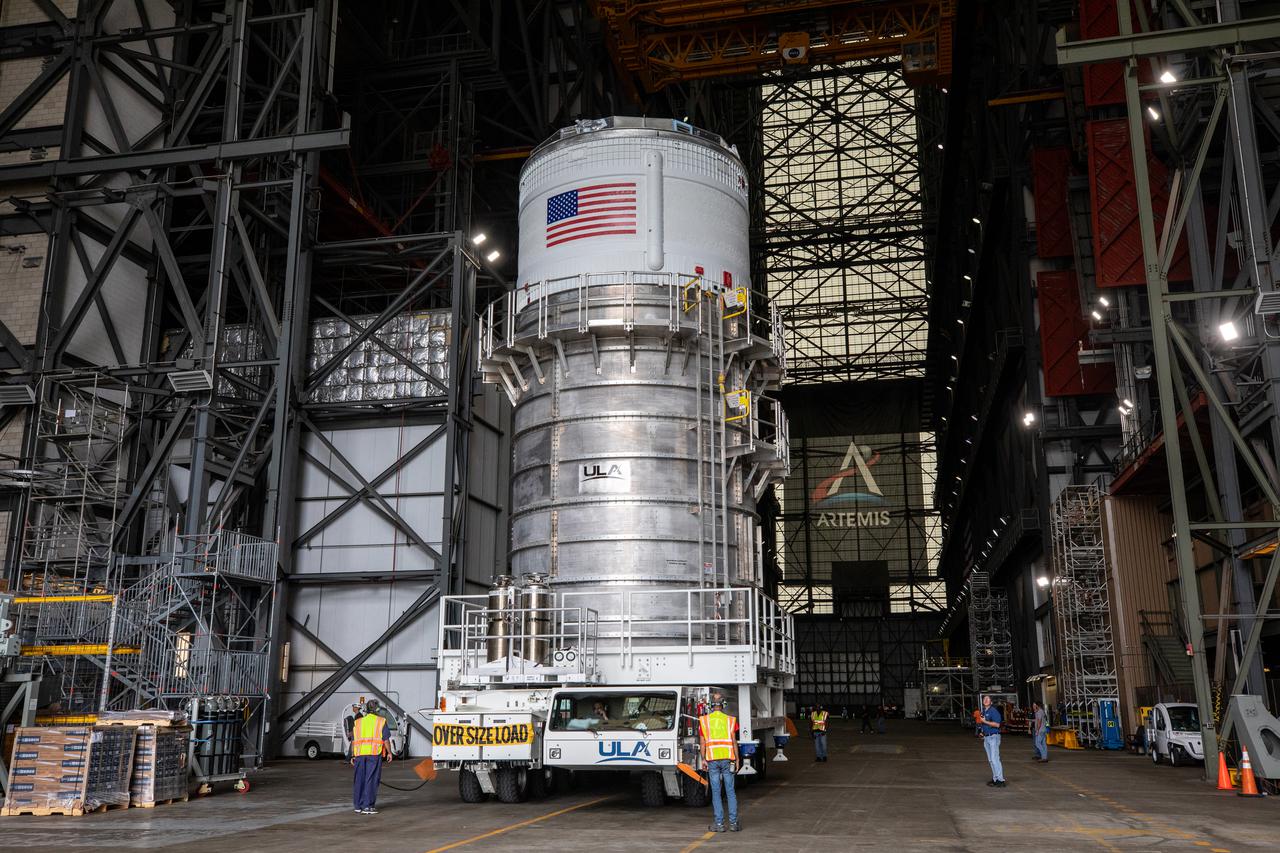
The Space Launch System (SLS) rocket’s interim cryogenic propulsion stage (ICPS) is moved into the transfer aisle of the Vehicle Assembly Building (VAB) by teams with NASA’s Exploration Ground Systems and contractor Jacobs at NASA’s Kennedy Space Center in Florida on Saturday, June 19, 2021. After being fueled and serviced inside the Multi-Payload Processing Facility (MPPF), the ICPS will be hoisted into place atop the SLS core stage while its Aerojet Rocketdyne-built RL-10 engine will be protected inside the launch vehicle stage adapter (LVSA) on the mobile launcher in preparation for the launch of Artemis I. The ICPS will provide Orion spacecraft with the push needed for its flight around the Moon. The first in a series of increasingly complex missions, Artemis I will test SLS and the Orion spacecraft as an integrated system prior to crewed flights in which NASA will land the first woman and person of color on the Moon.
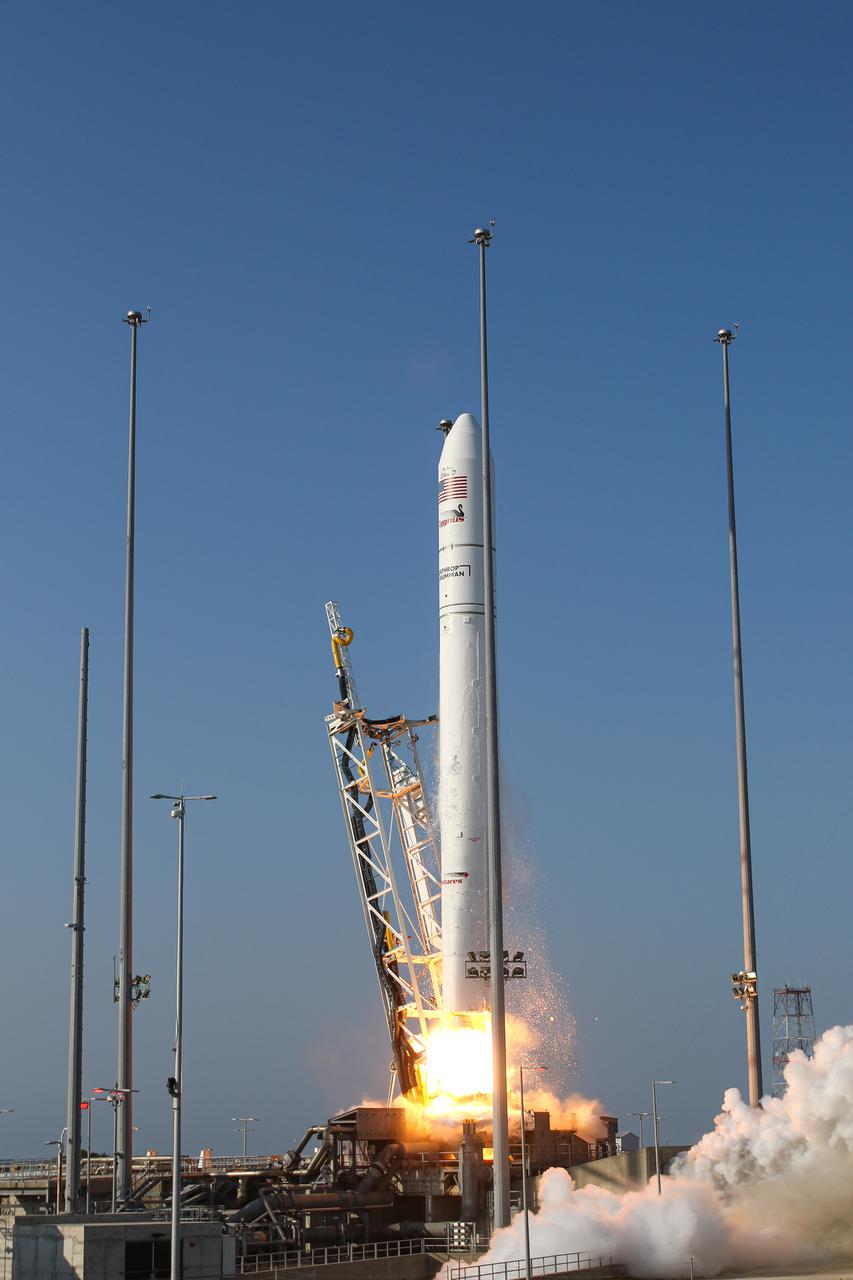
A Northrop Grumman Antares rocket, with the company’s Cygnus spacecraft onboard, launches at 6:01 p.m. EDT, Tuesday, Aug. 10, 2021, from the Mid Atlantic Regional Spaceport’s Pad-0A, at NASA's Wallops Flight Facility in Virginia. Northrop Grumman's 16th contracted cargo resupply mission for NASA to the International Space Station is carrying nearly 8,200 pounds of science and research, crew supplies and vehicle hardware to the orbital laboratory and its crew. Photo Credit: NASA Wallops/Brian Bonsteel
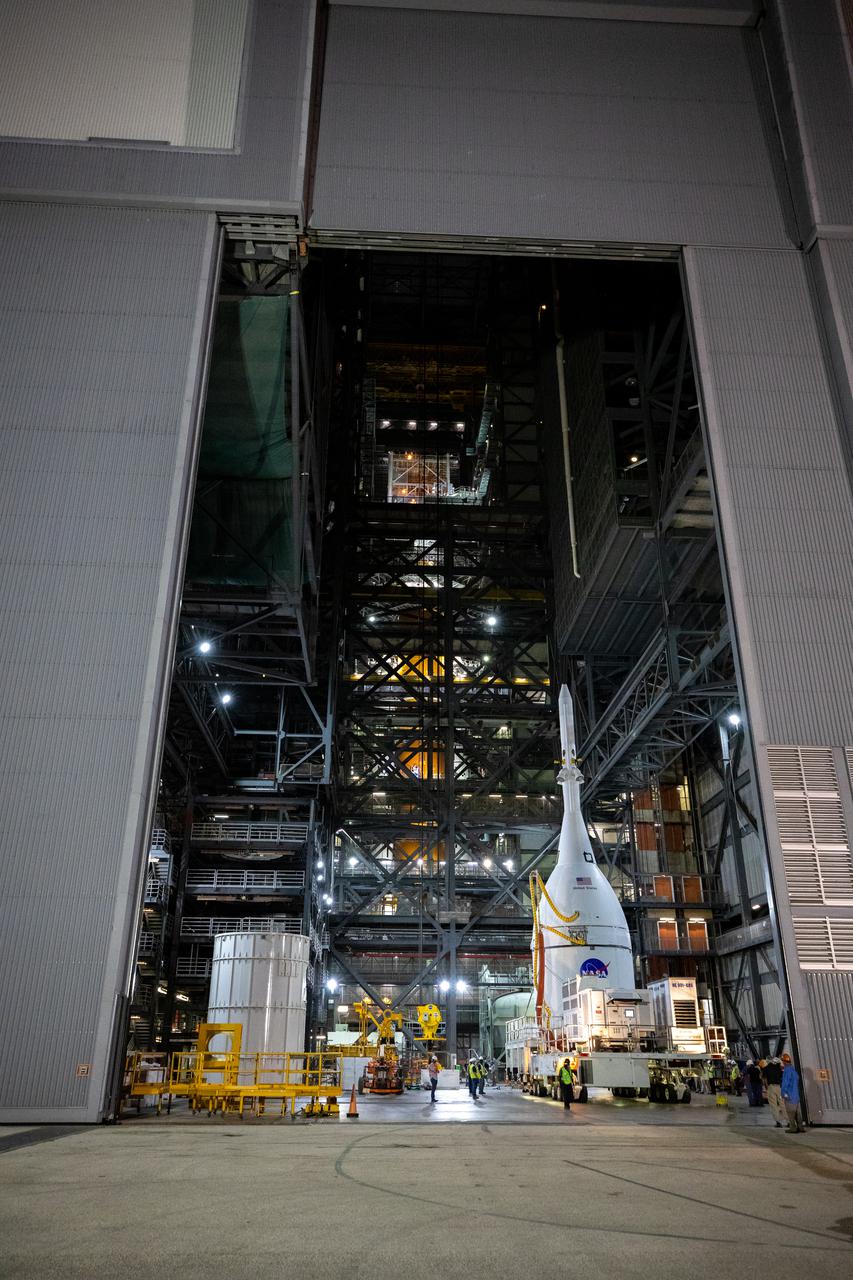
The Orion spacecraft for NASA’s Artemis I mission, fully assembled with its launch abort system, is moved into the transfer aisle of the Vehicle Assembly Building (VAB) at Kennedy Space Center in Florida on Oct. 19, 2021. In the VAB, Orion will join the already stacked flight hardware and be raised into position atop the Space Launch System rocket in High Bay 3. Launching in 2021, Artemis I will be an uncrewed test flight of the Orion spacecraft and Space Launch System rocket as an integrated system ahead of crewed flights to the Moon. Under Artemis, NASA aims to land the first woman and first person of color on the Moon and establish sustainable lunar exploration.

iss064e023201 (Jan. 13, 2021) --- This view from the International Space Station, as it orbited 264 miles above Kazakhstan, looks north towards Russia with its brightly lit cities blanketed by an aurora.
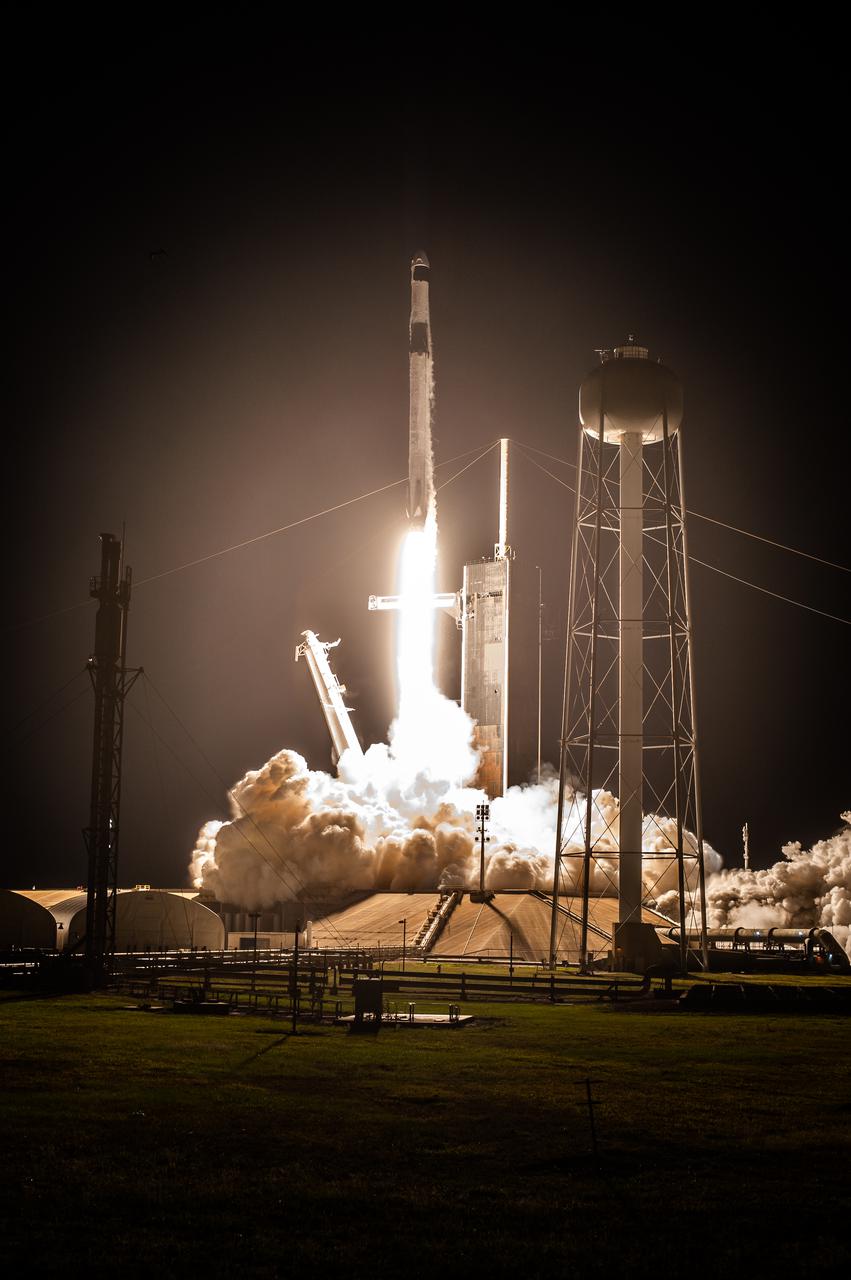
A SpaceX Falcon 9 rocket lifts off at 5:49 a.m. EDT from Launch Complex 39A at NASA’s Kennedy Space Center in Florida on April 23, 2021, carrying the company’s Crew Dragon Endeavour. Onboard the capsule are NASA astronaut Shane Kimbrough, spacecraft commander; NASA astronaut Megan McArthur, pilot; ESA astronaut Thomas Pesquet, mission specialist; and JAXA astronaut Akihiko Hoshide, mission specialist. NASA’s SpaceX Crew-2 mission crew will dock to Harmony module’s forward-facing international docking adapter of the International Space Station Saturday, April 24, at 5:10 a.m.
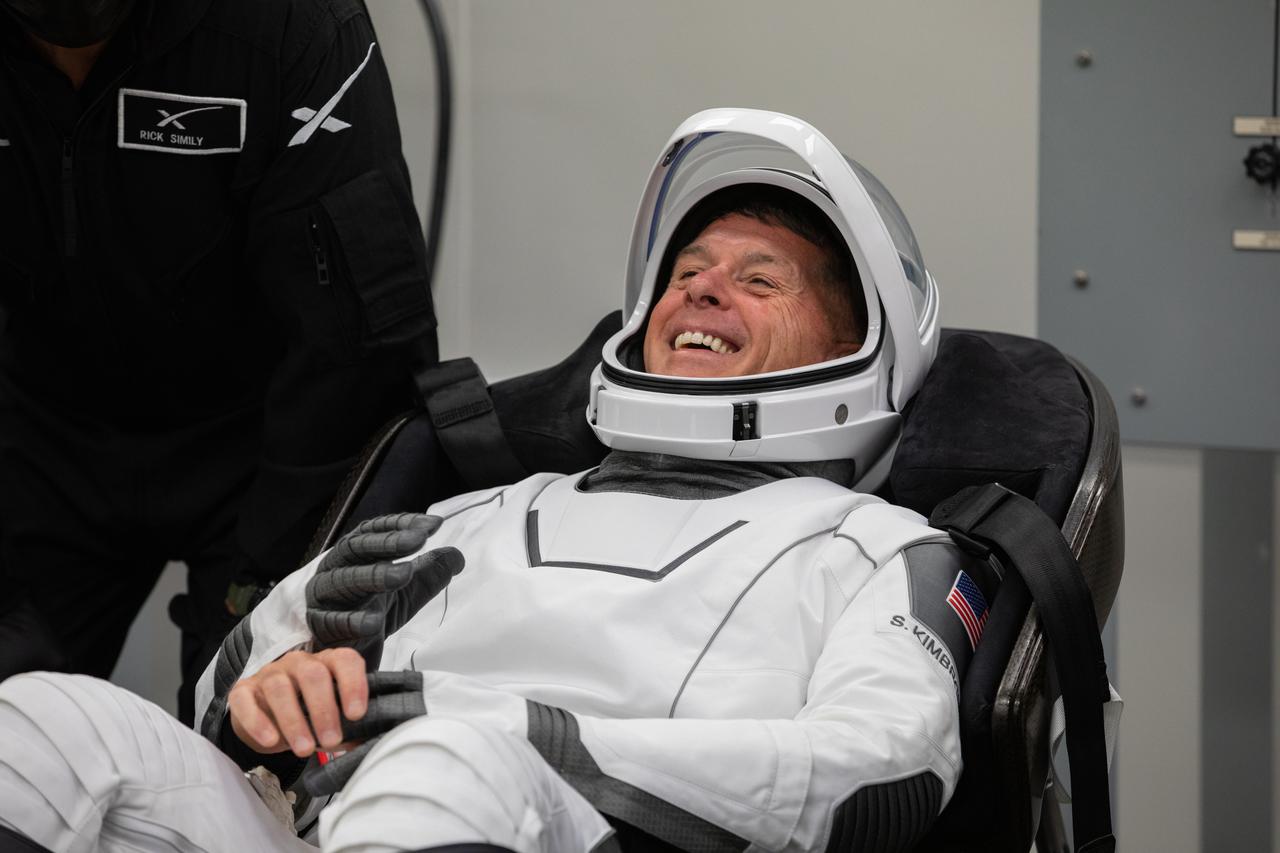
NASA astronaut Shane Kimbrough smiles inside the crew suit-up room in the Neil Armstrong Operations and Checkout Building at NASA’s Kennedy Space Center in Florida, on April 23, 2021. Kimbrough, along with NASA astronaut Megan McArthur, ESA astronaut Thomas Pesquet, and JAXA astronaut Akihiko Hoshide, will head to the International Space Station on NASA’s SpaceX Crew-2 mission. SpaceX’s Crew Dragon Endeavour will launch on the company’s Falcon 9 rocket from Kennedy’s Launch Complex 39A today at 5:49 a.m. EDT.

Kennedy Space Center Director Bob Cabana provides remarks during a wreath-laying ceremony in Florida, honoring the memory of former Apollo 11 astronaut Michael Collins on April 30, 2021. Therrin Protze, chief operating officer of Delaware North at Kennedy’s visitor complex, also spoke during the ceremony, held just outside of the Heroes and Legends exhibit at the visitor complex. Collins served as pilot on the three-day Gemini X mission in 1966, and he was the command module pilot for the historic Apollo 11 mission in 1969, where he remained in lunar orbit while Neil Armstrong and Buzz Aldrin become the first people to walk on the Moon. Collins passed away on April 28, 2021, at the age of 90.
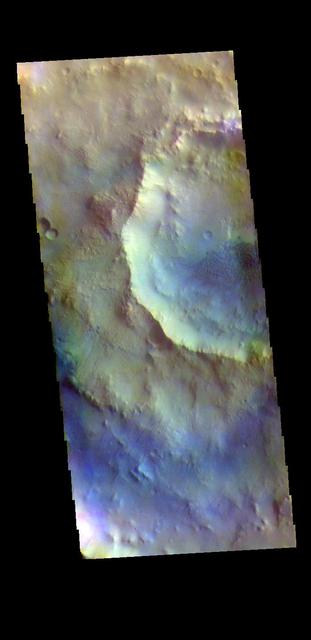
The THEMIS VIS camera contains 5 filters. The data from different filters can be combined in multiple ways to create a false color image. These false color images may reveal subtle variations of the surface not easily identified in a single band image. Today's false color image shows two craters, one inside the other. These unnamed craters are located in Arabia Terra. Dunes are visible on the floor of the inner crater. Orbit Number: 70157 Latitude: 6.47569 Longitude: 346.696 Instrument: VIS Captured: 2017-10-07 19:45 https://photojournal.jpl.nasa.gov/catalog/PIA24501

iss065e165850 (July 13, 2021) --- Expedition 65 Commander Akihiko Hoshide of the Japan Aerospace Exploration Agency (JAXA) studies microbes called tardigrades, also known as "water bears", inside the Kibo laboratory module's Life Sciences Glovebox for the Cell Science-04 biology experiment. The study seeks to identify genes that adapt best to the harsh environment of microgravity.
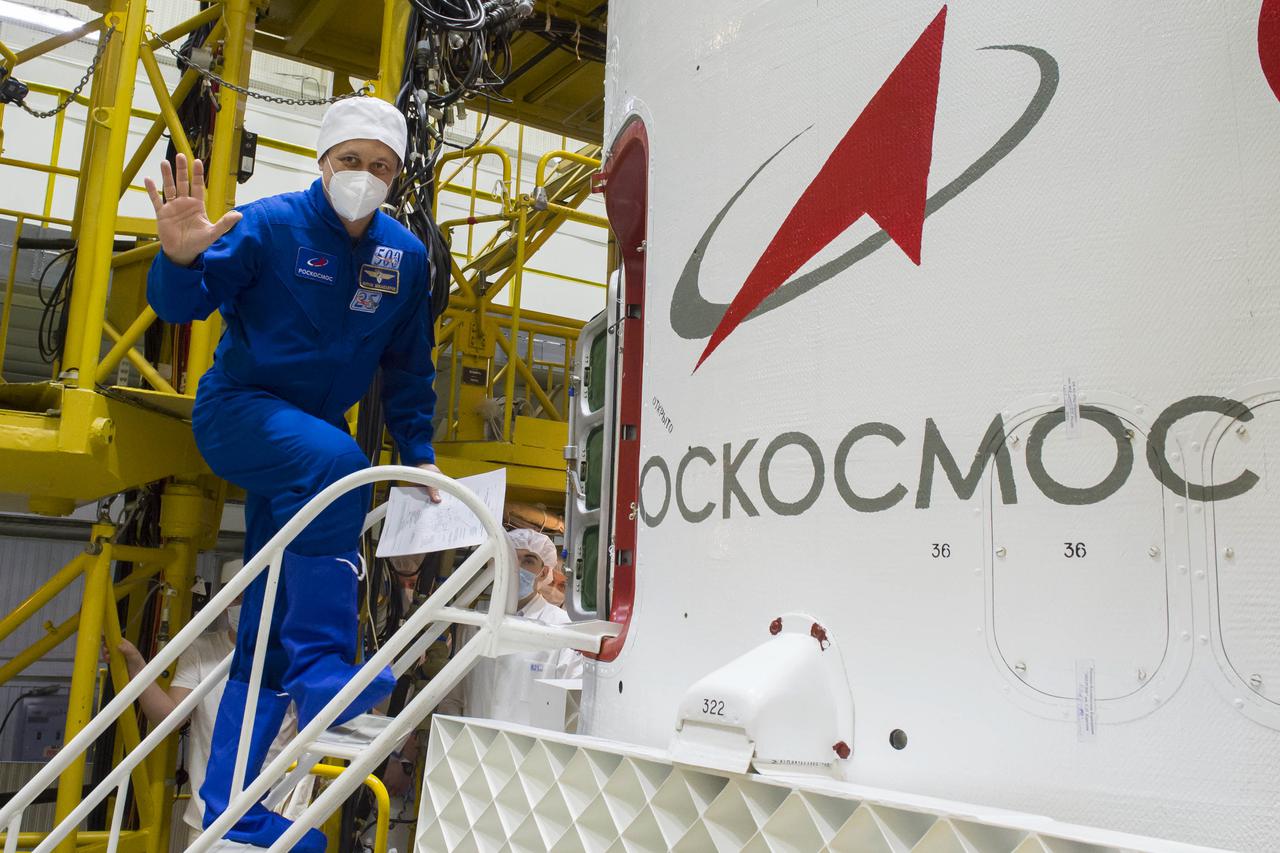
Expedition 65 backup crew member Anton Shkaplerov of Roscosmos is seen heading inside the Soyuz MS-18 spacecraft during a final fit check with fellow Russian cosmonaut Oleg Artemyev of Roscosmos, and NASA astronaut Anne McClain, Sunday, April 4, 2021 at the Baikonur Cosmodrome in Kazakhstan. The prime crew is scheduled to launch to the International Space Station on a Soyuz rocket April 9. Photo Credit: (NASA/GCTC/Irina Spector)
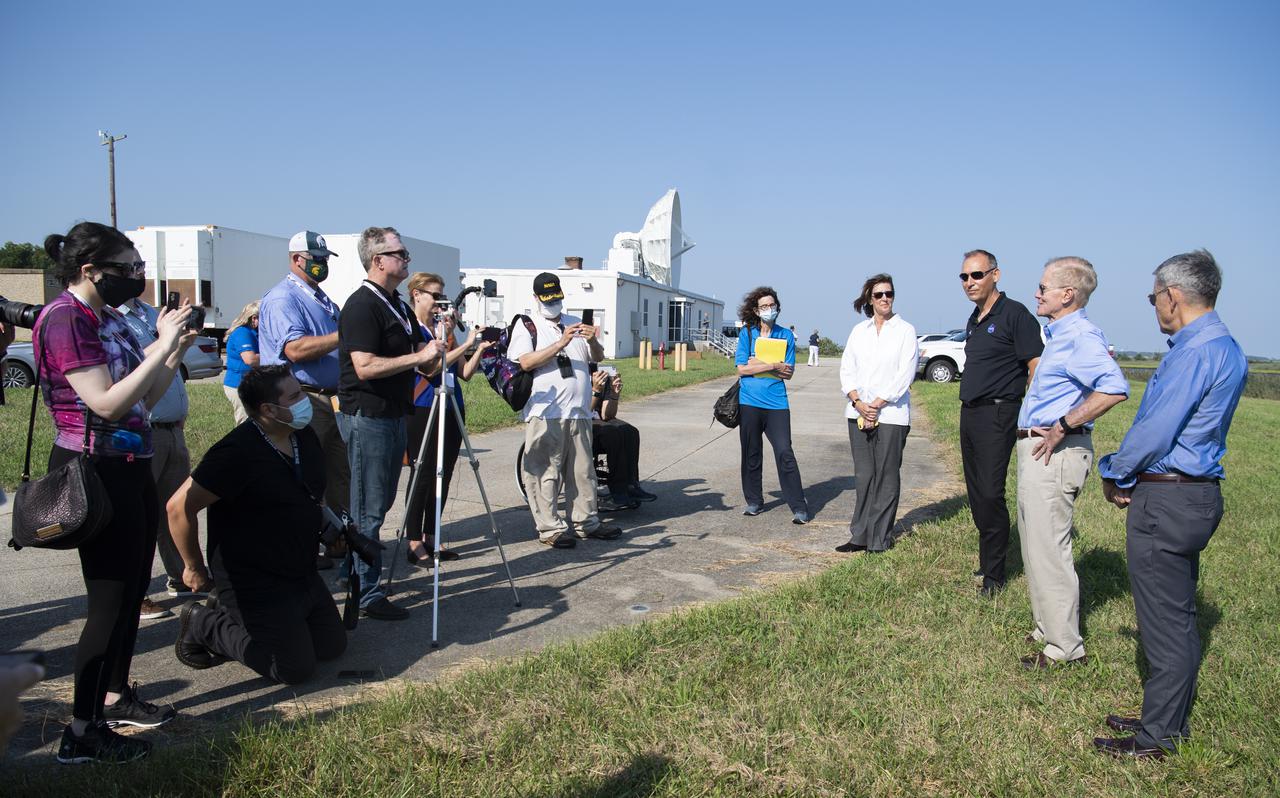
Robyn Gatens, director of NASA’s International Space Station Division, left, Thomas Zurbuchen, associate administrator for NASA’s Science Mission Directorate, second from left, NASA Administrator Bill Nelson, second from right, and Bob Cabana, NASA associate administrator, right, speak to members of the media prior to the launch of a Northrop Grumman Antares rocket carrying a Cygnus resupply spacecraft, Tuesday, Aug. 10, 2021, at NASA's Wallops Flight Facility in Virginia. Northrop Grumman’s 16th contracted cargo resupply mission for NASA launched at 6:01 p.m. EDT and will deliver nearly 8,200 pounds of science and research, crew supplies and vehicle hardware to the International Space Station and its crew. Photo Credit: (NASA/Joel Kowsky)

The SpaceX Crew-3 astronauts walk across the crew access arm to the Crew Dragon atop the SpaceX Falcon 9 rocket at Launch Complex 39A at NASA’s Kennedy Space Center in Florida on Nov. 10, 2021. In view from left are NASA astronaut Kayla Barron, mission specialist, and Matthias Maurer, ESA (European Space Agency) astronaut and mission specialist. The Falcon 9 rocket with Crew Dragon Endurance will launch the four-person crew to the International Space Station for the agency’s Commercial Crew Program. Crew-3 is scheduled to launch at 9:03 p.m. EST from historic Launch Pad 39A at Kennedy.
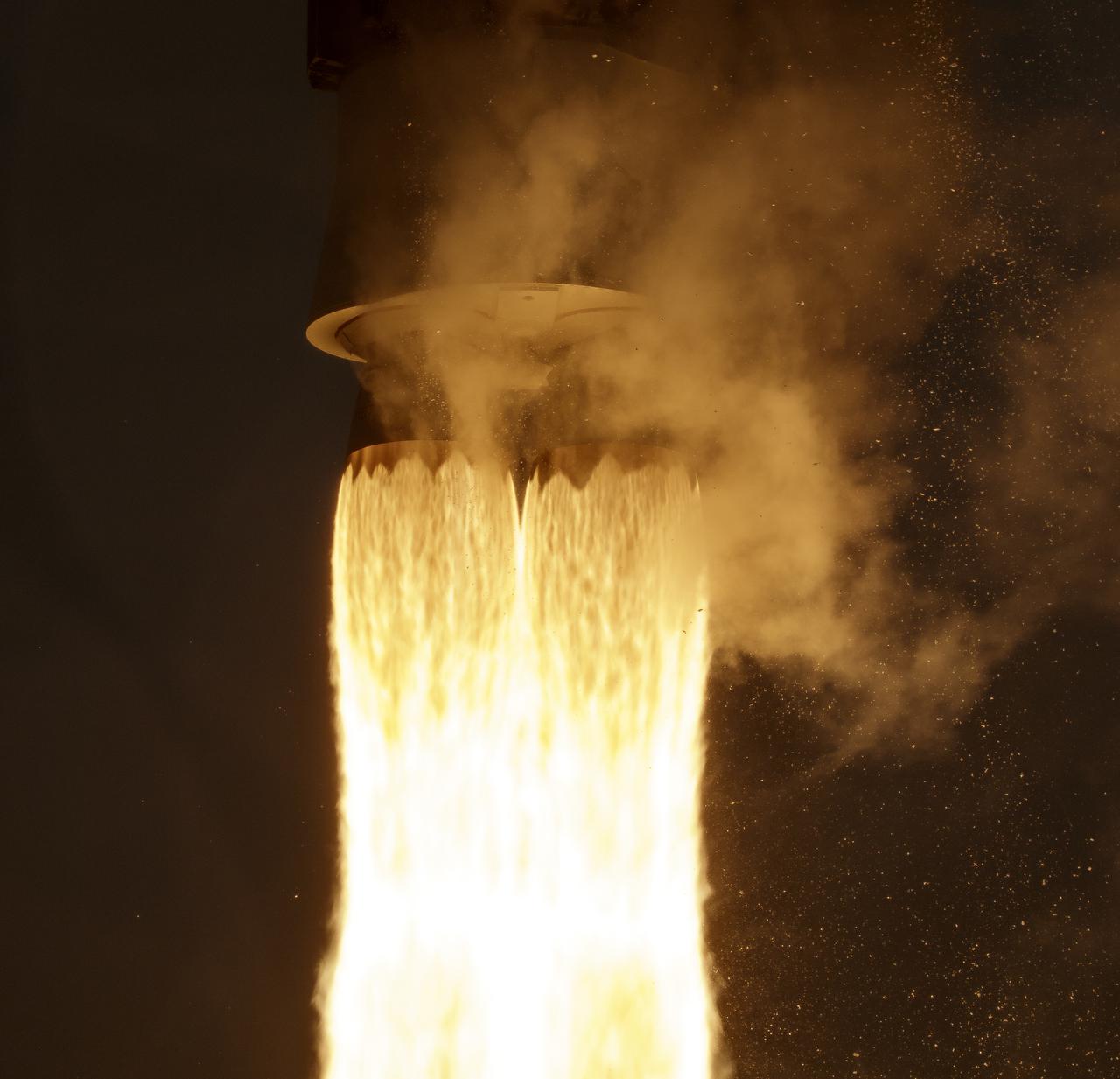
The United Launch Alliance (ULA) Atlas V rocket with the Landsat 9 satellite onboard launches, Monday, Sept. 27, 2021, from Space Launch Complex 3 at Vandenberg Space Force Base in California. The Landsat 9 satellite is a joint NASA/U.S. Geological Survey mission that will continue the legacy of monitoring Earth’s land and coastal regions. Photo Credit: (NASA/Bill Ingalls)
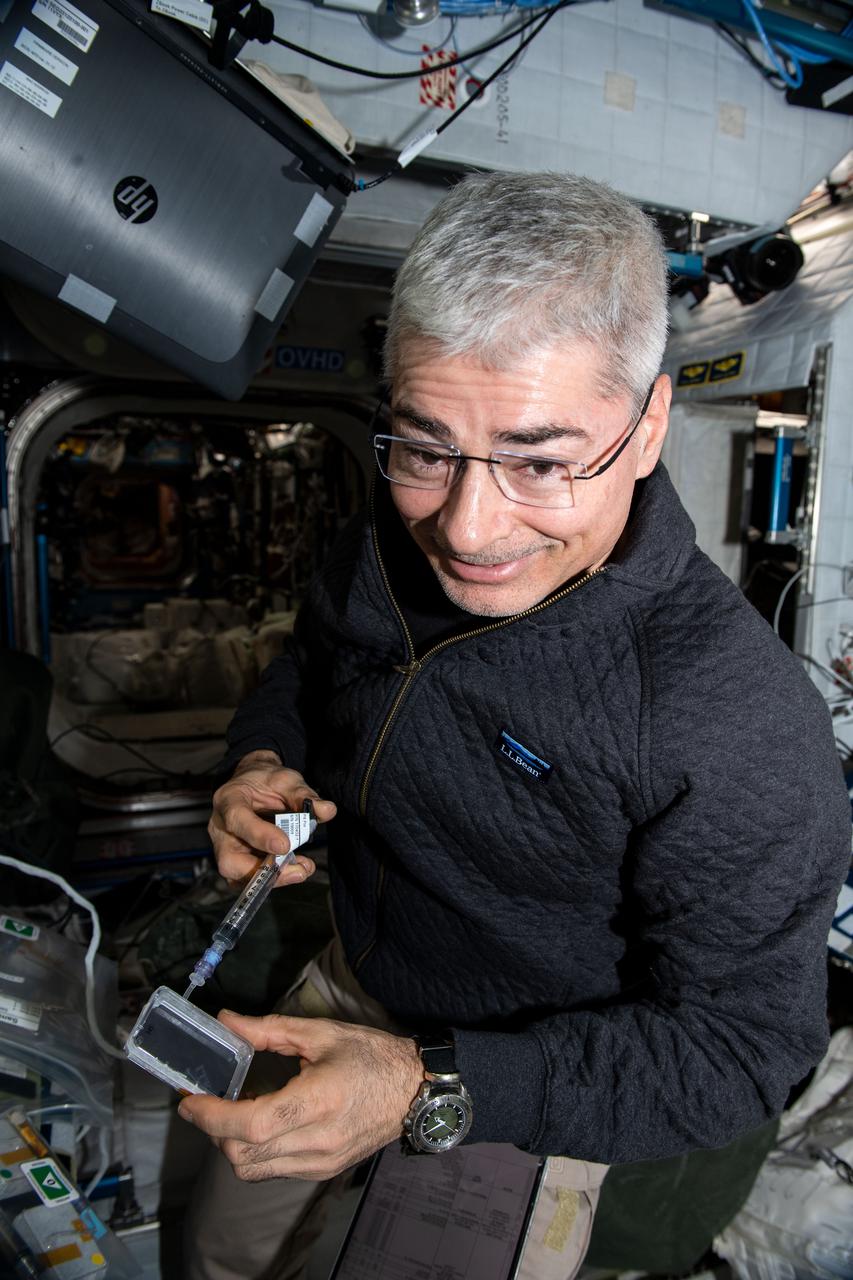
iss066e097028 (Dec. 27, 2021) --- NASA astronaut and Expedition 66 Flight Engineer Mark Vande Hei conducts research operations for the MVP-Plant-01, or Plant RNA Regulation Redux in Multi Variable Platform, space botany study. The experiment seeks to develop plants that adapt to growing in the microgravity environment.
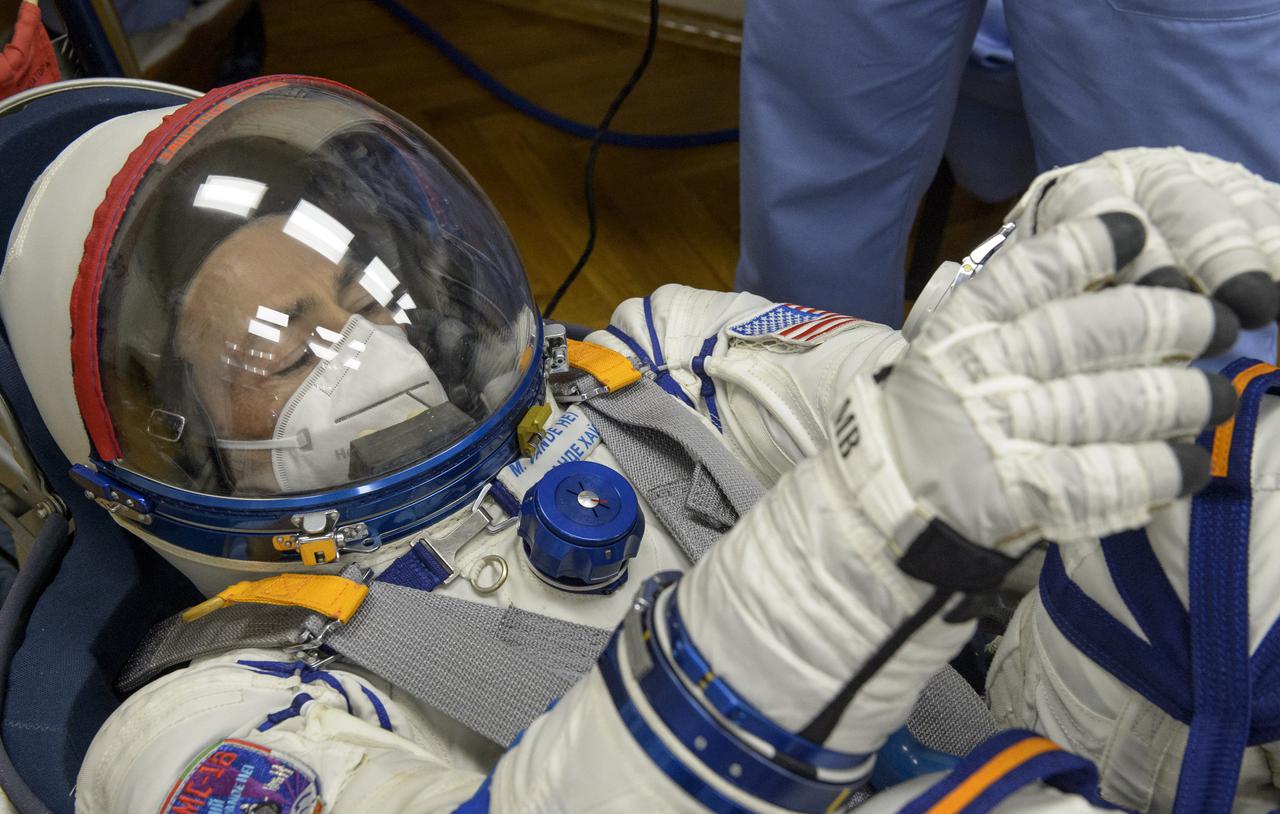
Expedition 65 NASA astronaut Mark Vande Hei has his Russian Sokol suit pressure checked as he and fellow crewmates, Russian cosmonauts Pyotr Dubrov and Oleg Novitskiy prepare for their Soyuz launch to the International Space Station Friday, April 9, 2021 in Baikonur, Kazakhstan. Launch of the Soyuz rocket sent the trio on a mission to the International Space Station. Photo Credit: (NASA/GCTC/Irina Spector)
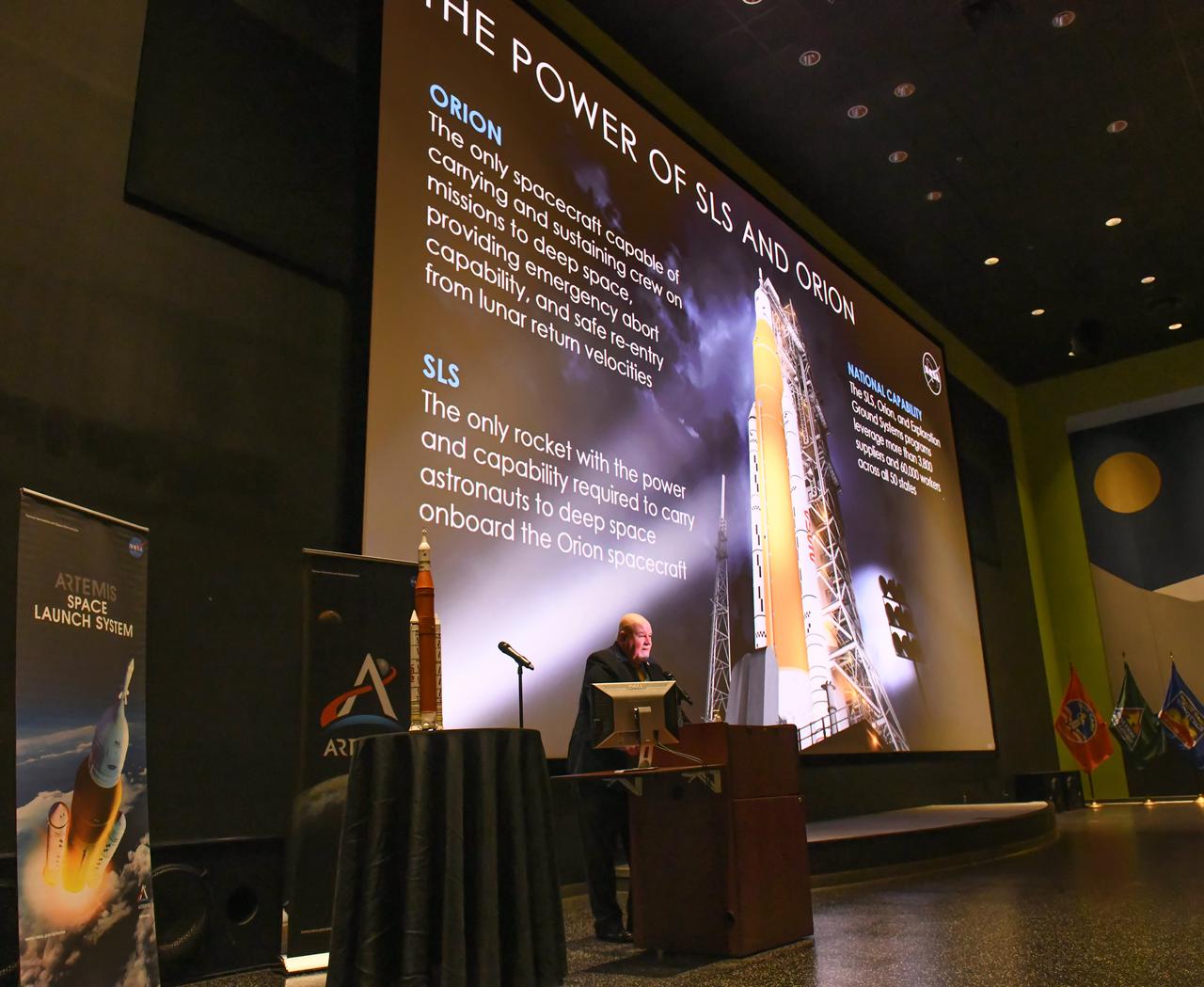
John Honeycutt, SLS Program Manager gives ARTEMIS update to audience at Chamber Media Briefing at USSRC.
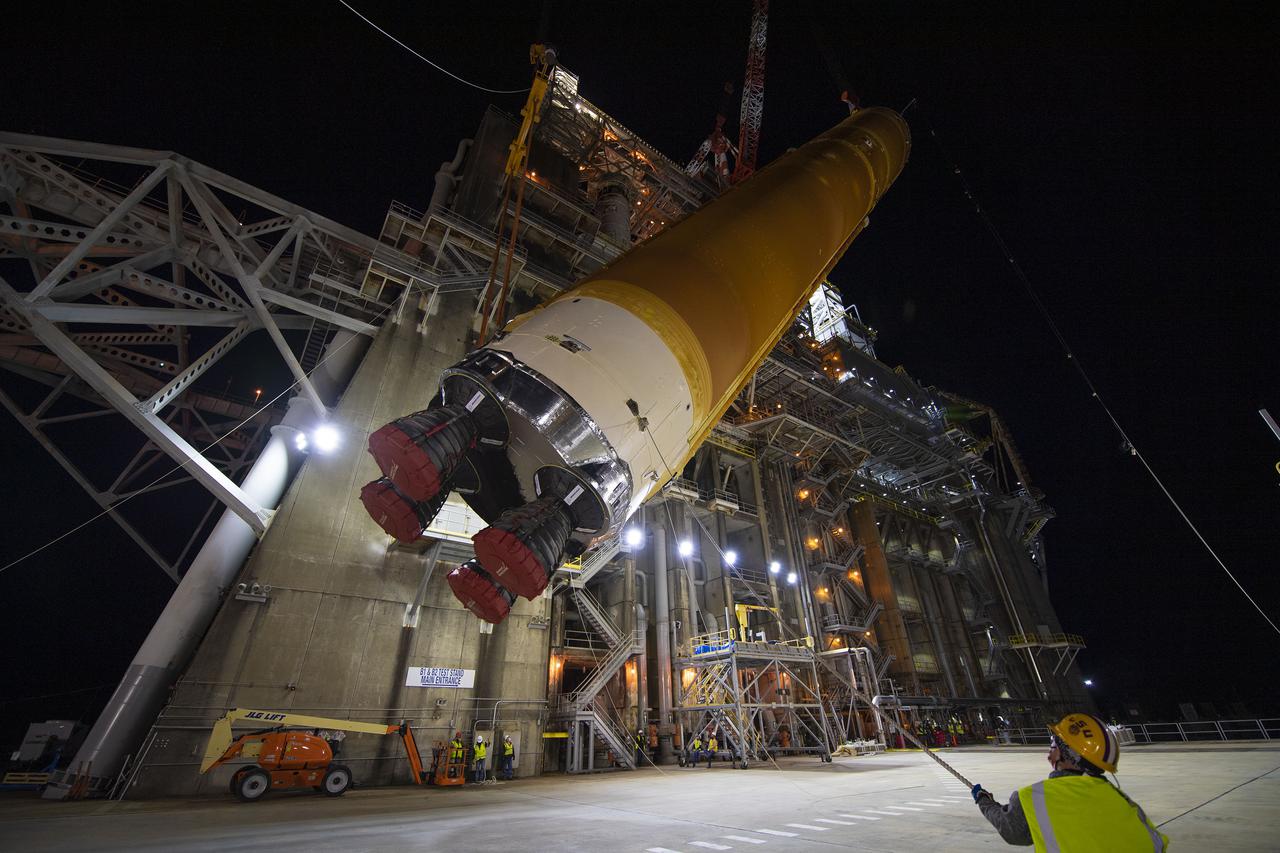
Following a successful Green Run hot fire at NASA’s Stennis Space Center near Bay St. Louis, Mississippi, on March 18, members of a blended team work April 19-20 to remove the first core stage of the agency’s Space Launch System (SLS) rocket from the B-2 Test Stand. The work required crews to lift the core stage from its vertical placement in the stand and lower it to a horizontal position on the B-2 Test Stand tarmac. The stage now will be loaded on NASA’s Pegasus barge for transport to Kennedy, where it will be prepared for launch of the Artemis I mission. Removal of the largest rocket stage ever built by NASA followed completion of a series of eight Green Run tests over the past year. During the Green Run series, teams performed a comprehensive test of the stand’s sophisticated and integrated systems. Photo Credit: NASA
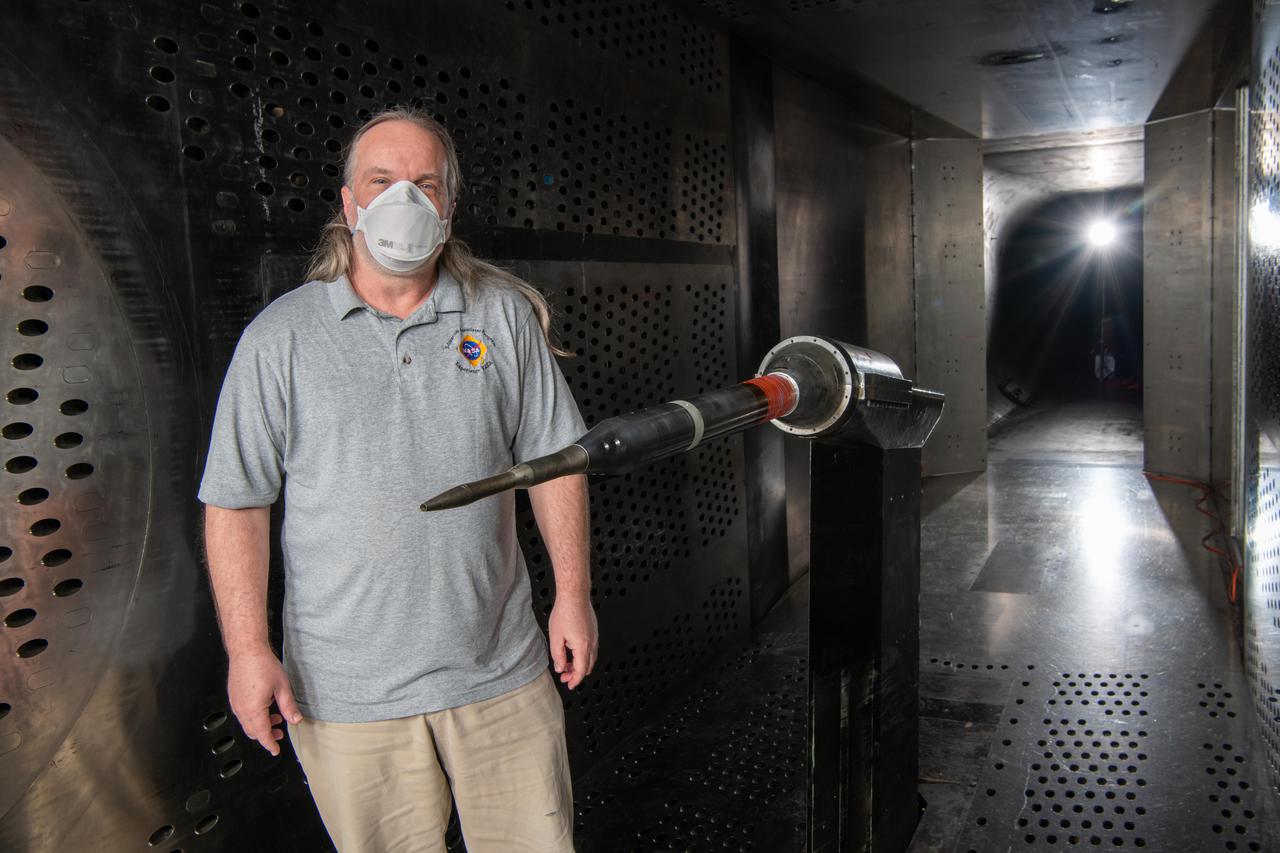
X-59 Low Boom Flight Demonstrator, LBFD Probe Calibration Test
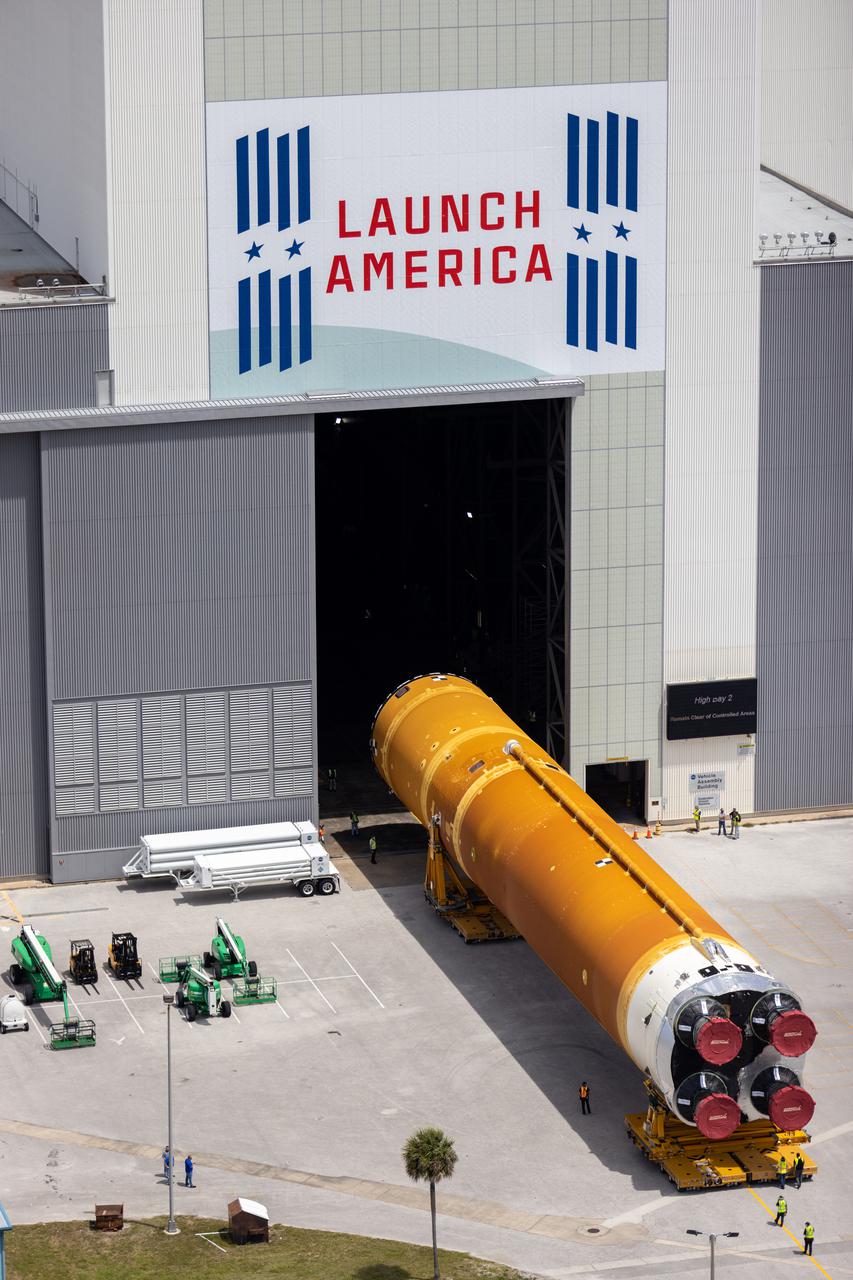
After completing its journey from NASA’s Stennis Space Center in Mississippi aboard the Pegasus barge, teams with Exploration Ground Systems (EGS) and lead contractor Jacobs transport the massive Space Launch System (SLS) core stage to Kennedy Space Center’s Vehicle Assembly Building in Florida on April 29, 2021 in this aerial view. Once inside the VAB, it will be prepared for integration with the completed stack of solid rocket boosters atop the mobile launcher ahead of the Artemis I launch. The first in a series of increasingly complex missions, Artemis I will test SLS and Orion as an integrated system prior to crewed flights to the Moon.
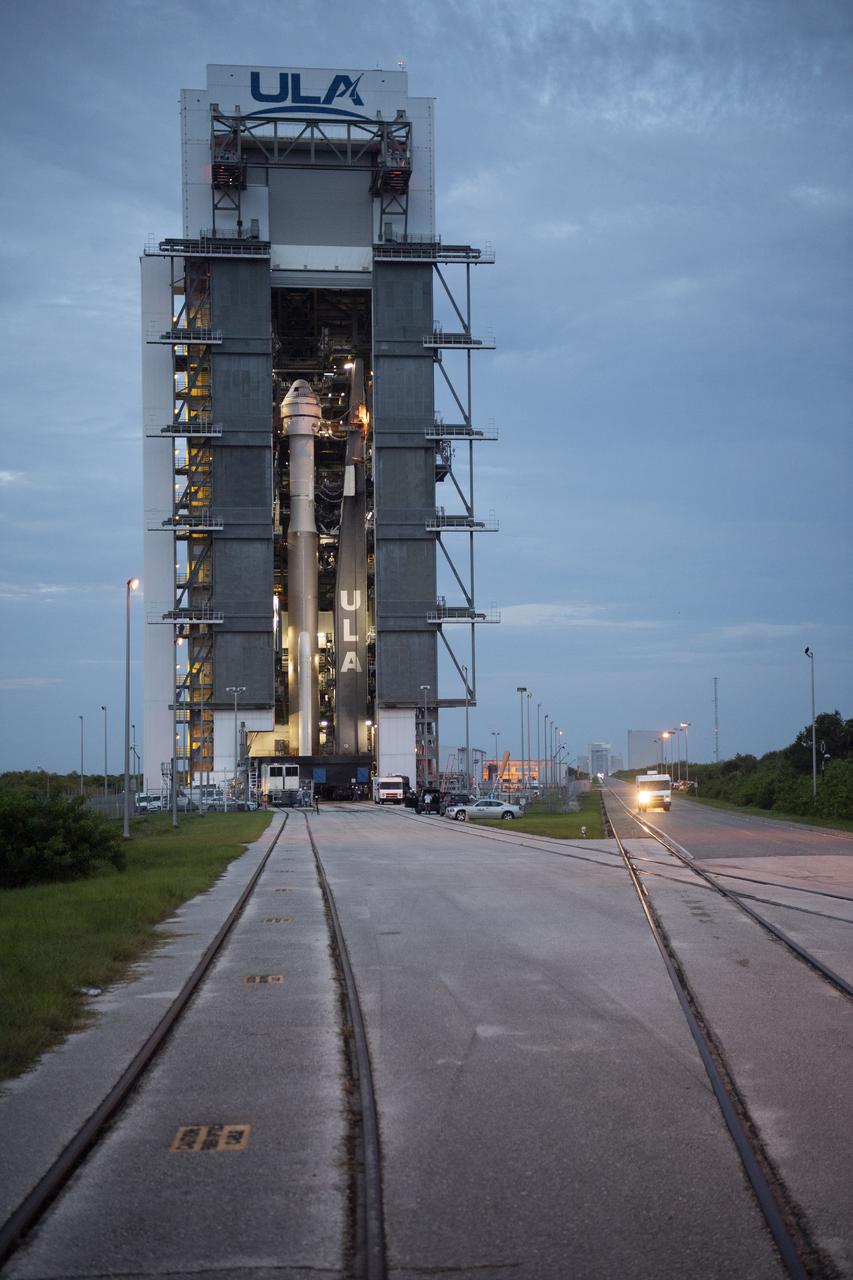
A United Launch Alliance Atlas V rocket with Boeing’s CST-100 Starliner spacecraft aboard is seen inside the Vertical Integration Facility prior to being rolled out to the launch pad at Space Launch Complex 41 ahead of the Orbital Flight Test-2 (OFT-2) mission, Monday, Aug. 2, 2021 at Cape Canaveral Space Force Station in Florida. Boeing’s Orbital Flight Test-2 will be Starliner’s second uncrewed flight test and will dock to the International Space Station as part of NASA's Commercial Crew Program. The mission, currently targeted for launch at 1:20 p.m. EDT Tuesday, Aug. 3, will serve as an end-to-end test of the system's capabilities. Photo Credit: (NASA/Joel Kowsky)
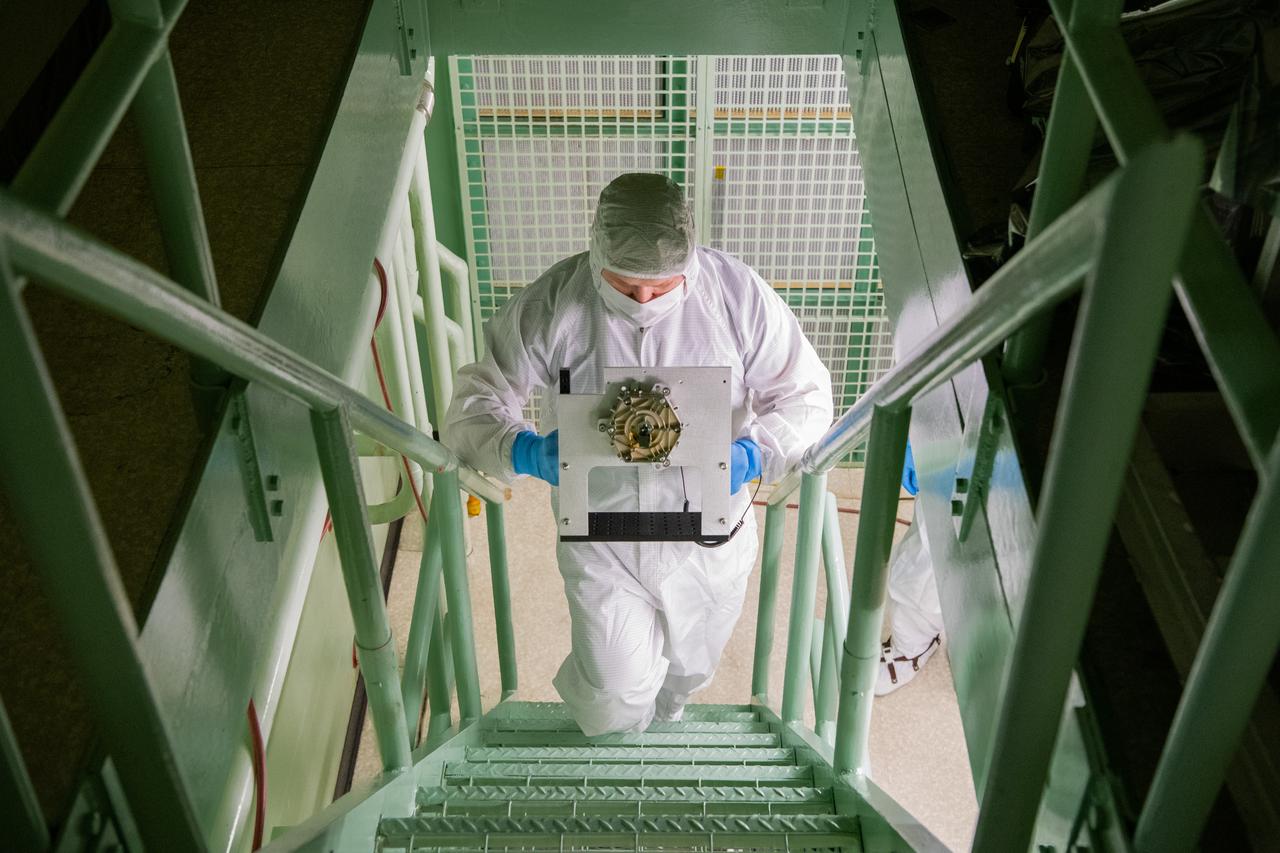
Manufacturing Engineer, Roman Nilov transports the Ocean Color Instrument flight Collimator Slit Assembly for inspection in the cleanroom at Goddard Space Flight Center in Greenbelt, MD on July 6th, 2021. Photographer: Denny Henry – Goddard Space Flight Center
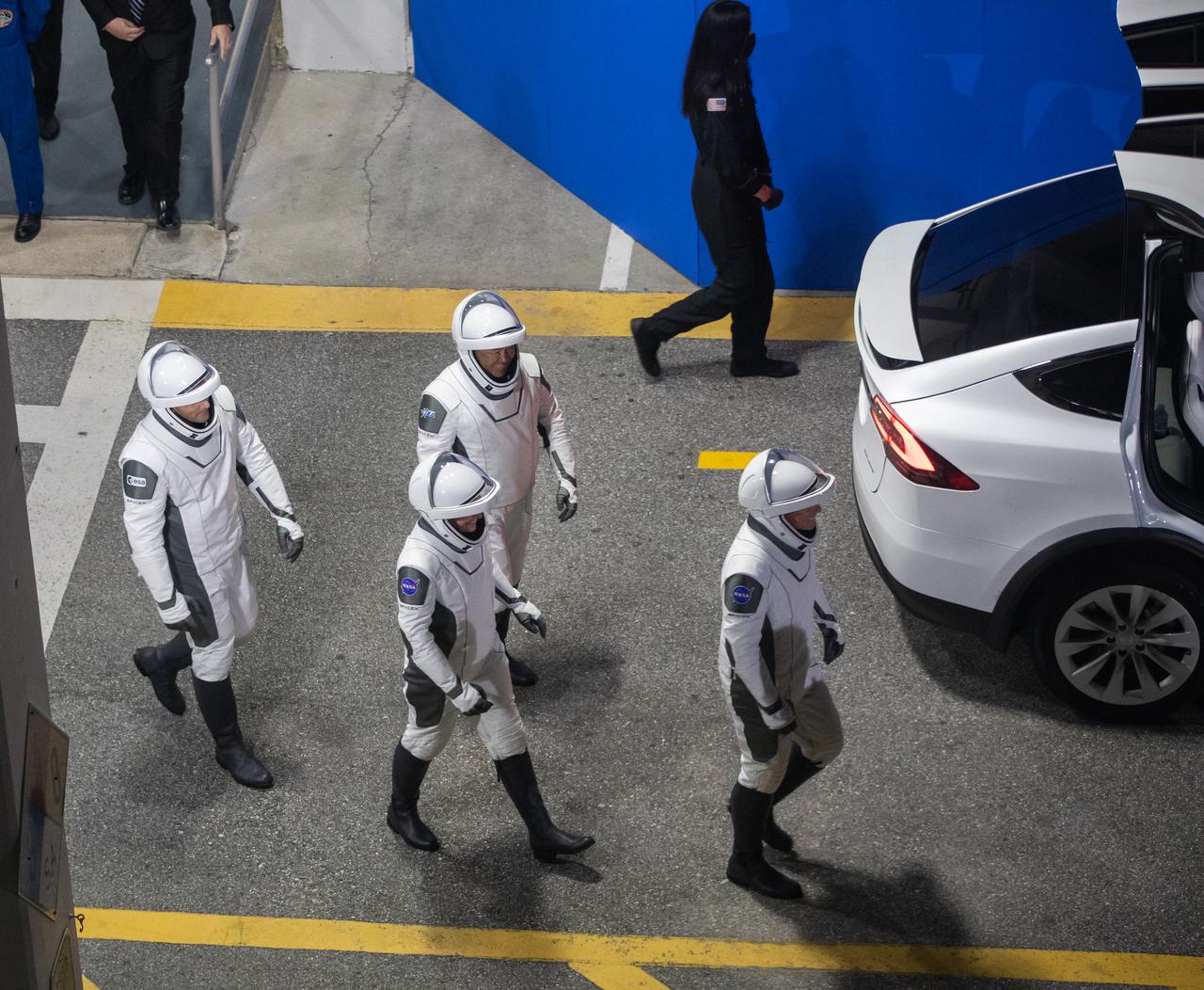
NASA SpaceX’s Crew-2 astronauts walk outside of the Neil Armstrong Operations and Checkout Building at NASA’s Kennedy Space Center in Florida on April 23, 2021. NASA astronaut Shane Kimbrough, spacecraft commander; NASA astronaut Megan McArthur, pilot; ESA astronaut Thomas Pesquet, mission specialist; and JAXA astronaut Akihiko Hoshide, mission specialist then boarded two Tesla vehicles for the trip to Kennedy’s Launch Complex 39A. Crew-2 is the second regular crew mission of a U.S. commercial spacecraft with astronauts to the International Space Station as part of NASA’s Commercial Crew Program. The SpaceX Crew Dragon Endeavour will launch atop the company’s Falcon 9 rocket from Pad 39A to the space station for a six-month science mission.

This composite image made from seven frames shows the International Space Station, with a crew of seven onboard, in silhouette as it transits the Sun at roughly five miles per second, Friday, June 25, 2021, from near Nellysford, Va. Onboard are Expedition 65 NASA astronauts Megan McArthur, Mark Vande Hei, Shane Kimbrough, ESA (European Space Agency) astronaut Thomas Pesquet, Japan Aerospace Exploration Agency (JAXA) astronaut Akihiko Hoshide, and Roscosmos cosmonauts Pyotr Dubrov and Oleg Novitskiy. At the time of the transit, Kimbrough and Pesquet were working outside on the station’s port 6 truss to install the second ISS Roll-Out Solar Array (iROSA) on the 4B power channel. Photo Credit: (NASA/Joel Kowsky)
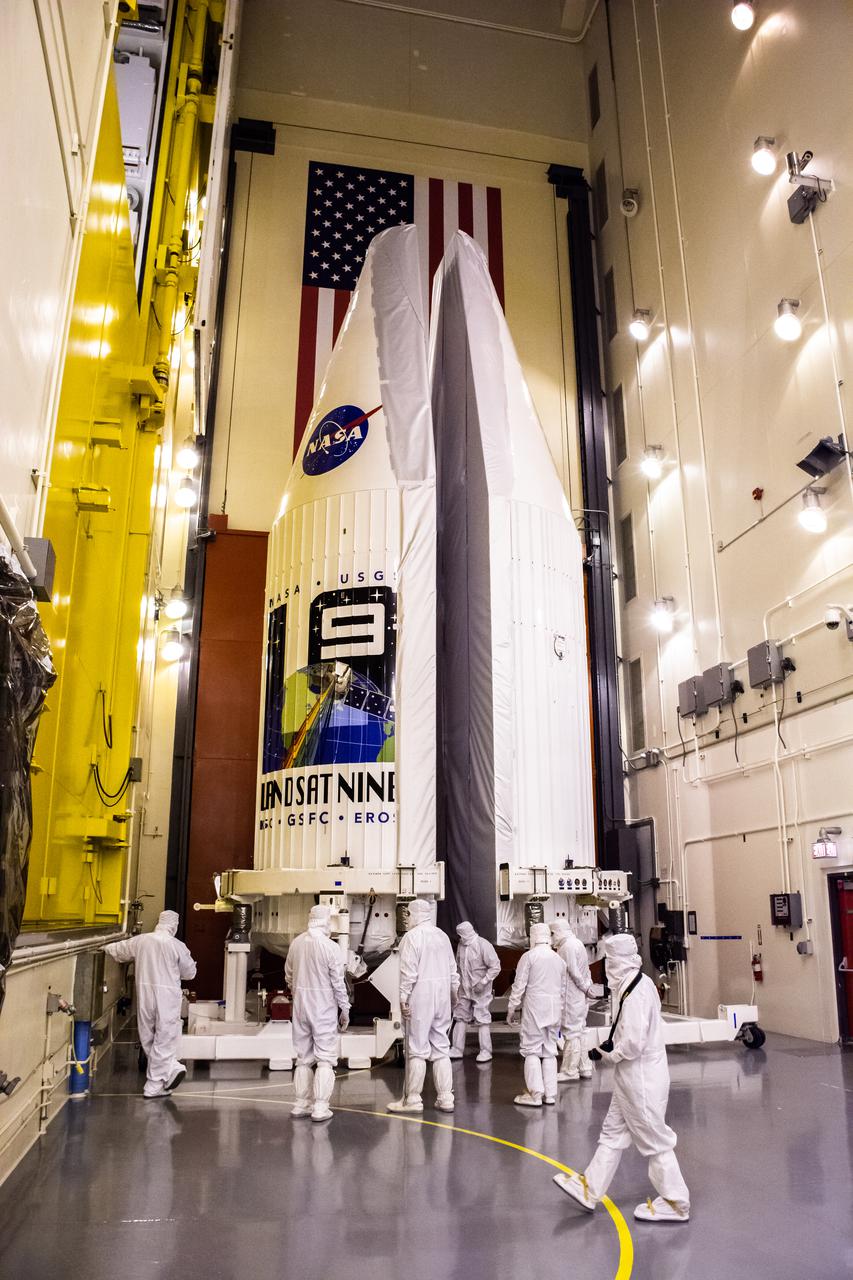
Inside the Integrated Processing Facility at Vandenberg Space Force Base in California, United Launch Alliance (ULA) technicians remove the contamination barrier from the two ULA Atlas V rocket payload fairings for NASA’s Landsat 9 satellite on June 23, 2021. The fairings will encapsulate the satellite for its launch atop the Atlas V from Vandenberg in September 2021. The launch is being managed by NASA’s Launch Services Program based at Kennedy Space Center in Florida. Landsat 9 will continue the nearly 50-year legacy of previous Landsat missions. It will monitor key natural and economic resources from orbit. Landsat 9 is managed by the agency’s Goddard Space Flight Center in Greenbelt, Maryland. It will carry two instruments: the Operational Land Imager 2, which collects images of Earth’s landscapes in visible, near-infrared and shortwave infrared light, and the Thermal Infrared Sensor 2, which measures the temperature of land surfaces. Like its predecessors, Landsat 9 is a joint mission between NASA and the U.S. Geological Survey.
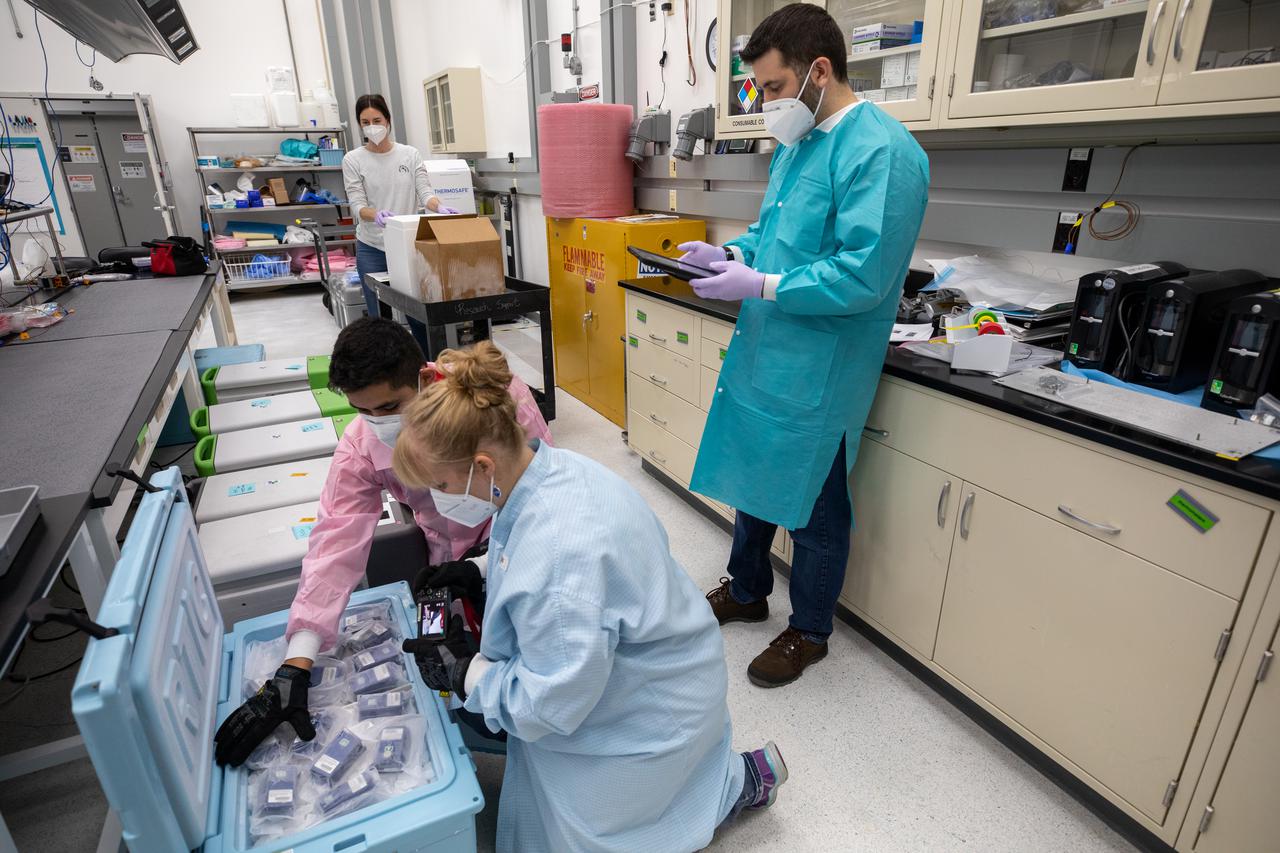
Members of the cold stowage team unpack science experiments inside the Space Station Processing Facility at NASA’s Kennedy Space Center in Florida on Jan. 14, 2021. The experiments returned to Earth on SpaceX’s 21st commercial resupply services mission (CRS-21). Making its successful parachute-assisted splashdown west of Tampa off the Florida coast, at 8:26 p.m. EST on Jan. 13, the SpaceX cargo Dragon returned more than 4,400 pounds of scientific experiments and other cargo from the International Space Station. After splashdown, SpaceX loaded Dragon aboard their Go Navigator recovery ship and packed an Airbus H225 helicopter with the time-sensitive research cargo for delivery to Kennedy. The upgraded cargo Dragon capsule also boasts double the powered locker capacity to preserve science samples, allowing for a significant increase in the research that can be carried back to Earth.

Expedition 65 crew member Oleg Novitskiy of Roscosmos speaks during a press conference prior to his launch from the Baikonur Cosmodrome, Wednesday, March 24, 2021 at the Gagarin Cosmonaut Training Center (GCTC) in Star City, Russia. Photo Credit: (NASA/GCTC/Andrey Shelepin)
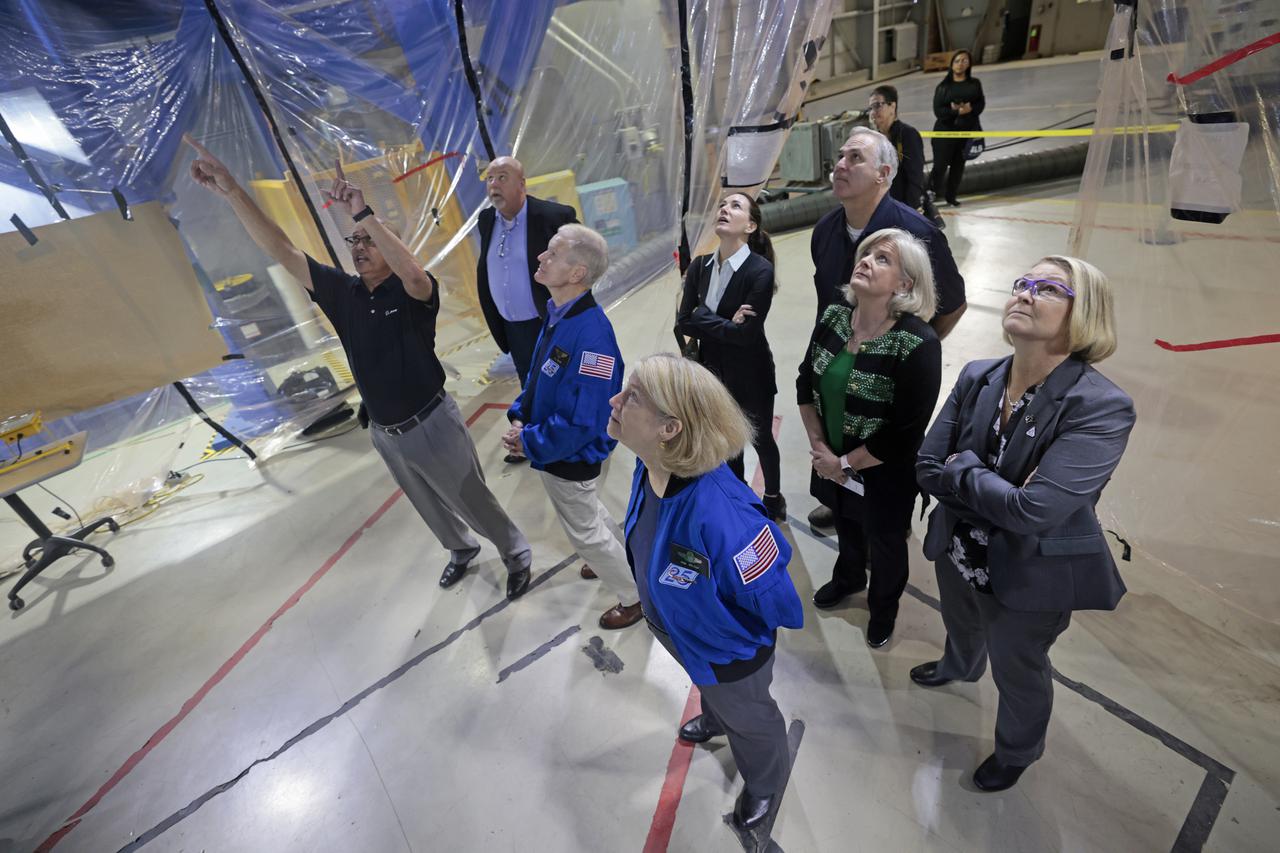
NASA Administrator Bill Nelson and Deputy Administrator Pam Melroy visited the agency’s Michoud Assembly Facility in New Orleans on Dec. 8, 2021 for tours and briefings on Michoud’s role in the Artemis program and other capabilities that enrich many facets of the nation’s space exploration endeavors. Image credit: NASA/Michael DeMocker

NASA Associate Administrator for the Space Operations Mission Directorate (SpaceOps), Kathy Lueders, speaks during a NASA town hall to discuss the reorganization of the Human Exploration and Operations Mission Directorate into two mission directorates: SpaceOps and the Exploration Systems Development Mission Directorate (ESDMD), Tuesday, Sept. 21, 2021 at the Mary W. Jackson NASA Headquarters building in Washington. As head of SpaceOps, Kathy Lueders will lead launch and space operations including the International Space Station, the commercialization of low-Earth orbit, and eventually operations on and around the Moon. Associate Administrator of ESDMD, Jim Free, will lead efforts to define and manage systems development for programs critical to NASA’s Artemis program and the planning of NASA’s Moon to Mars exploration. Photo Credit: (NASA/Aubrey Gemignani)
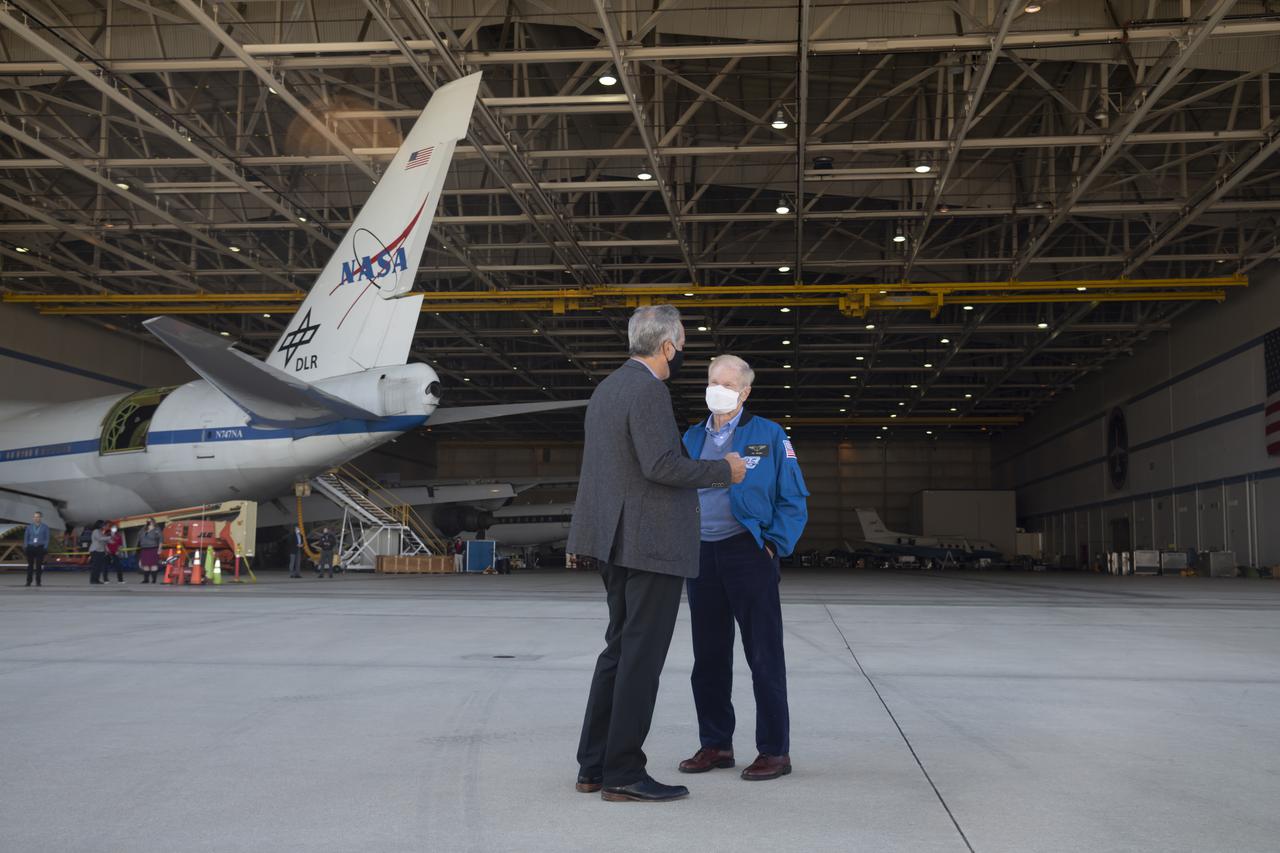
NASA Administrator Bill Nelson, right, and David McBride, center director at NASA’s Armstrong Flight Research Center in Edwards, California, talk by the Stratospheric Observatory for Infrared Science during the administrator’s visit to NASA Armstrong’s Building 703 in Palmdale, California, on Oct. 12.
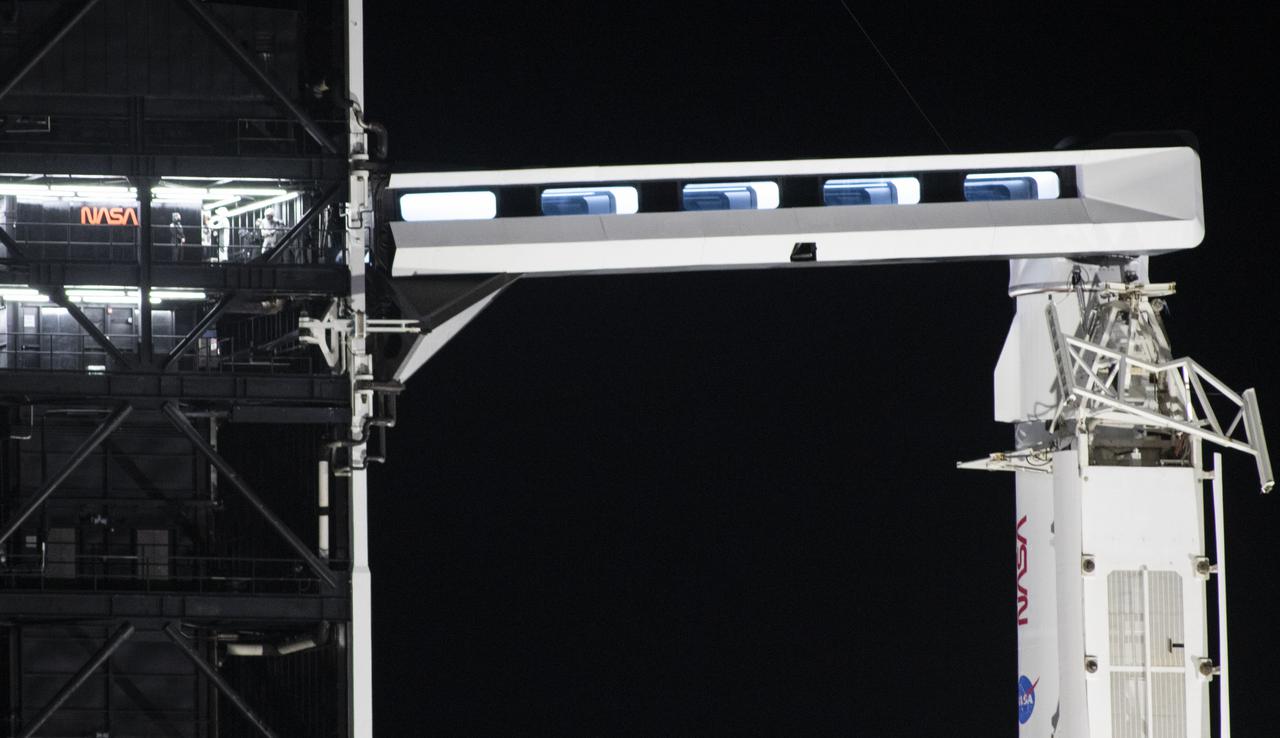
ESA (European Space Agency) astronaut Thomas Pesquet and Japan Aerospace Exploration Agency (JAXA) astronaut Akihiko Hoshide are seen on the fixed service structure of Launch Complex 39A before boarding SpaceX’s Crew Dragon spacecraft atop the company’s Falcon 9 rocket before the launch of NASA’s SpaceX Crew-2 mission to the International Space Station, Friday, April 23, 2021, at NASA’s Kennedy Space Center in Florida. NASA’s SpaceX Crew-2 mission is the second crew rotation mission of the SpaceX Crew Dragon spacecraft and Falcon 9 rocket to the International Space Station as part of the agency’s Commercial Crew Program. Pesquet, Hoshide, and NASA astronauts Shane Kimbrough and Megan McArthur launched at 5:49 a.m. EDT from Launch Complex 39A at the Kennedy Space Center to begin a six month mission onboard the orbital outpost. Photo Credit: (NASA/Joel Kowsky)
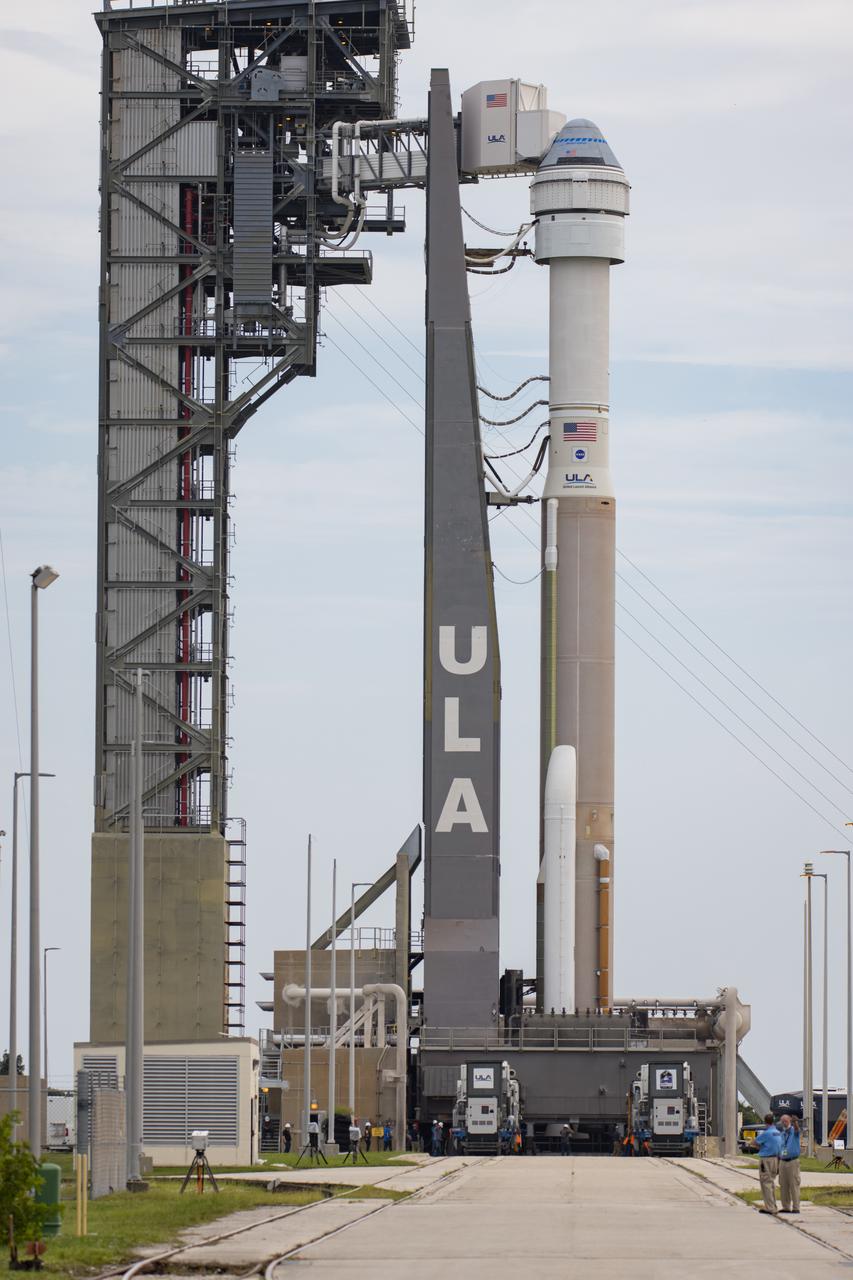
On August 2, 2021, Boeing’s CST-100 Starliner spacecraft and the United Launch Alliance Atlas V rocket rolls out from the Vertical Integration Facility to the launch pad at Space Launch Complex-41 on Cape Canaveral Space Force Station in Florida. Starliner will launch on the Atlas V for Boeing’s second uncrewed Orbital Flight Test (OFT-2) for NASA’s Commercial Crew Program. OFT-2 is an important uncrewed mission designed to test the end-to-end capabilities of the new system for NASA’s Commercial Crew Program.
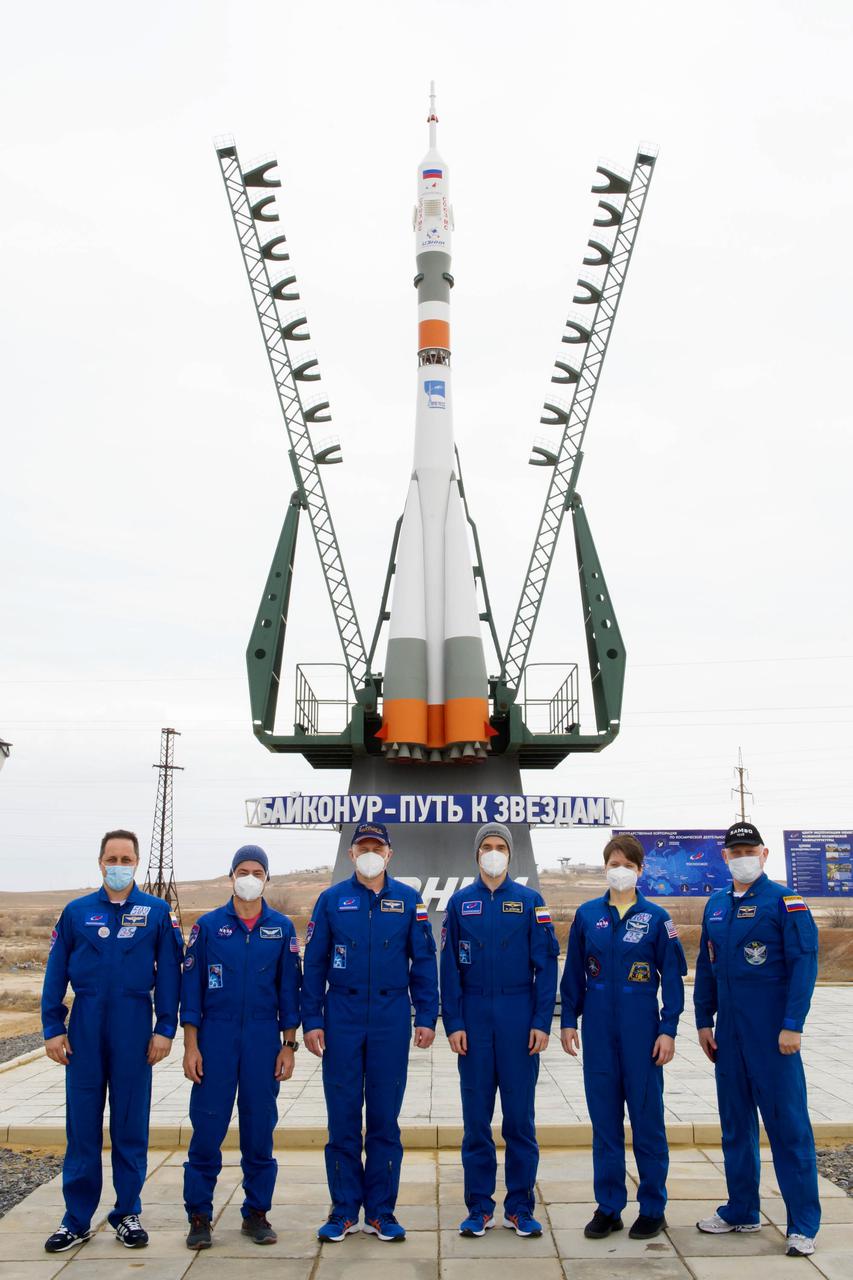
From left to right, Expedition 65 backup crew member Anton Shkaplerov of Roscosmos, Expedition 65 prime crew members, NASA astronaut Mark Vande Hei, and Russian cosmonauts Oleg Novitskiy, and Pyotr Dubrov of Roscosmos, backup crew members NASA astronaut Anne McClain and Russian cosmonaut Oleg Artemyev of Roscosmos, pose for a photo after the final fit check to prepare for launch Sunday, April 4, 2021 at the Baikonur Cosmodrome in Kazakhstan. The prime crew is scheduled to launch to the International Space Station aboard the Soyuz MS-18 spacecraft on April 9. Photo Credit: (NASA/GCTC/Irina Spector)
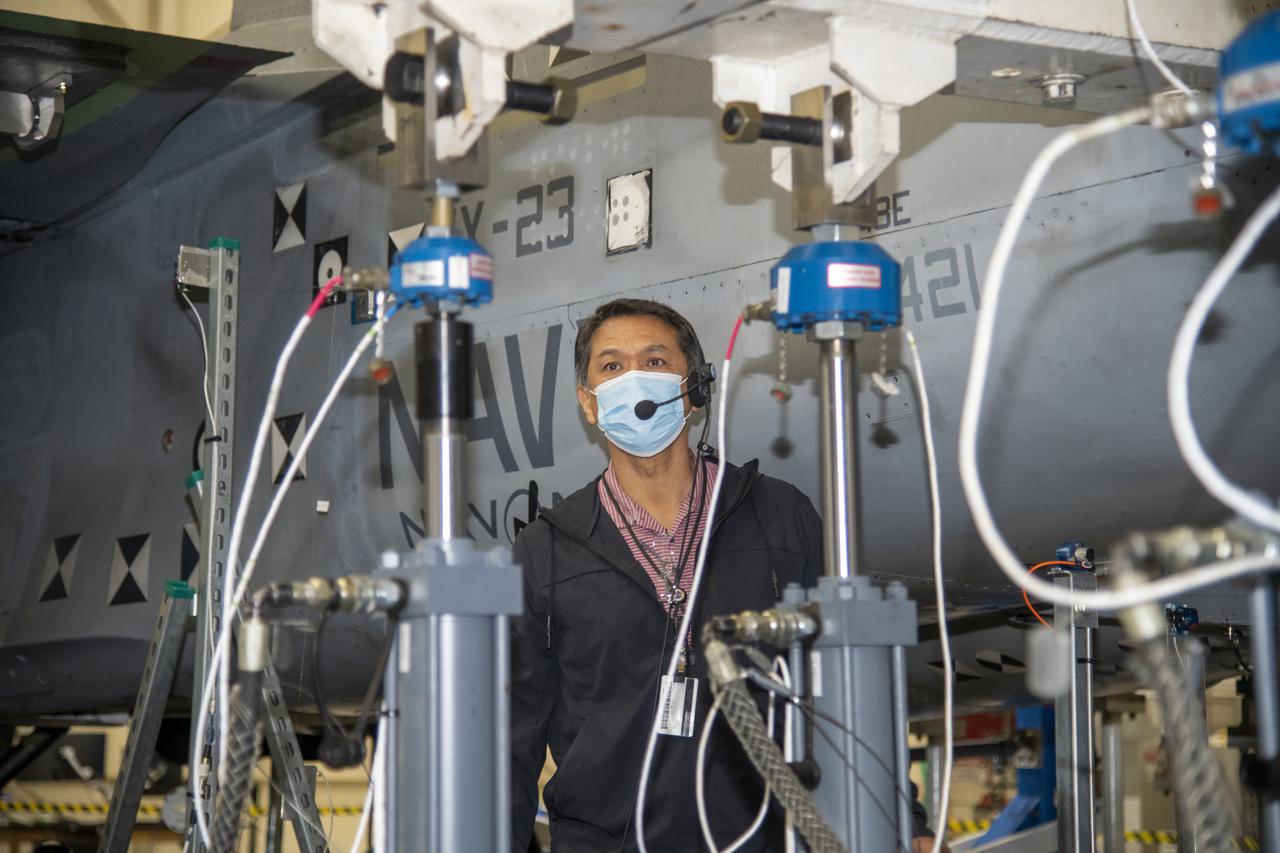
Larry Hudson does an inspection after the actuator on the F/A-18E from the Naval Air Systems Command (NAVAIR) in Patuxent River, Maryland, is pinned to the horizontal tail load test fixture. The aircraft is in NASA’s Armstrong Flight Research Center Flight Loads Laboratory in Edwards, California, for the center’s biggest load calibrations tests. This testing is needed before the aircraft can serve as a test vehicle for determining if it can safely manage maneuvers and proposed upgrades.
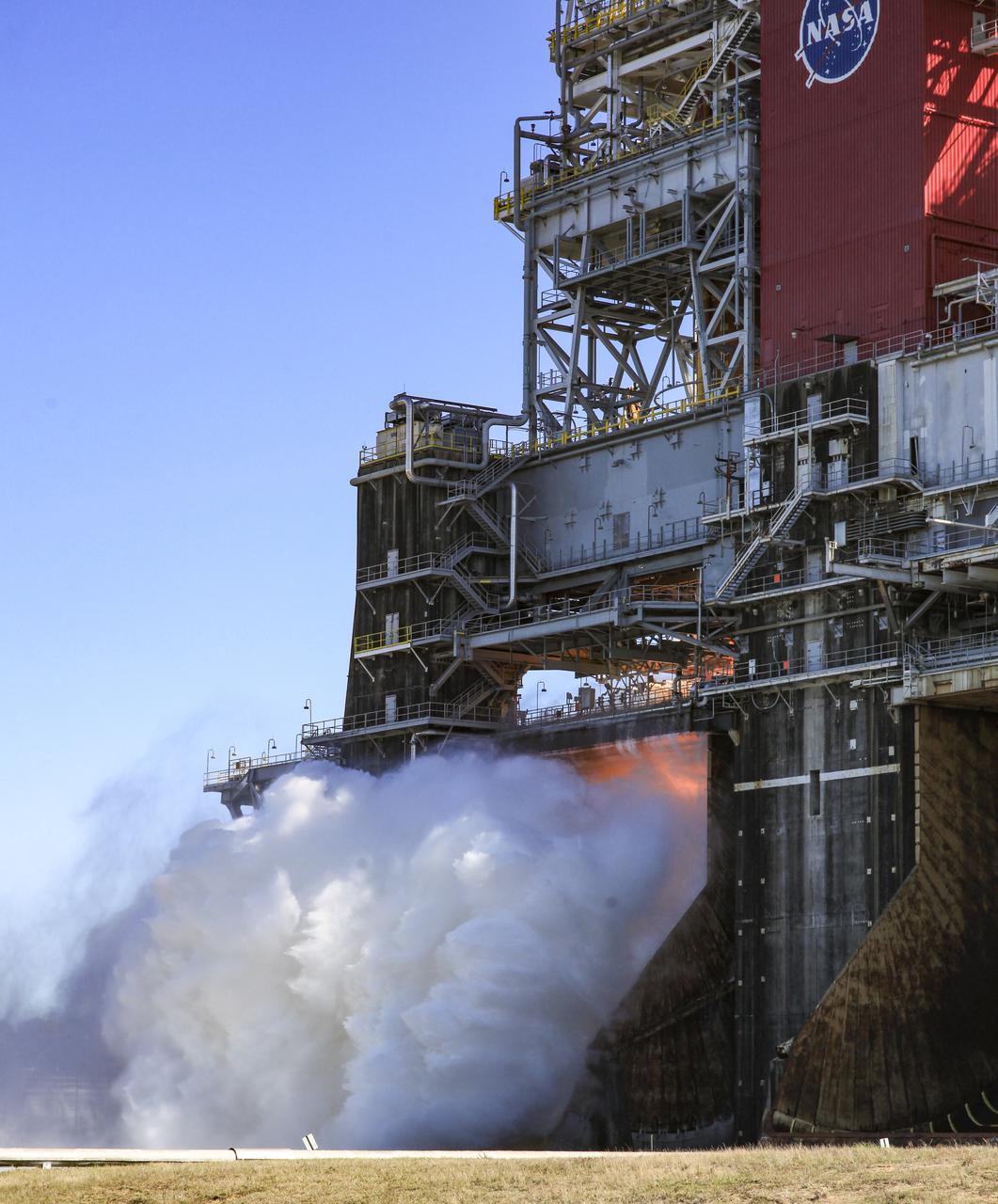
The core stage for the first flight of NASA’s Space Launch System rocket is seen in the B-2 Test Stand during a second hot fire test, Thursday, March 18, 2021, at NASA’s Stennis Space Center near Bay St. Louis, Mississippi. The four RS-25 engines fired for the full-duration of 8 minutes during the test and generated 1.6 million pounds of thrust. The hot fire test is the final stage of the Green Run test series, a comprehensive assessment of the Space Launch System’s core stage prior to launching the Artemis I mission to the Moon. Photo Credit: (NASA/Robert Markowitz)
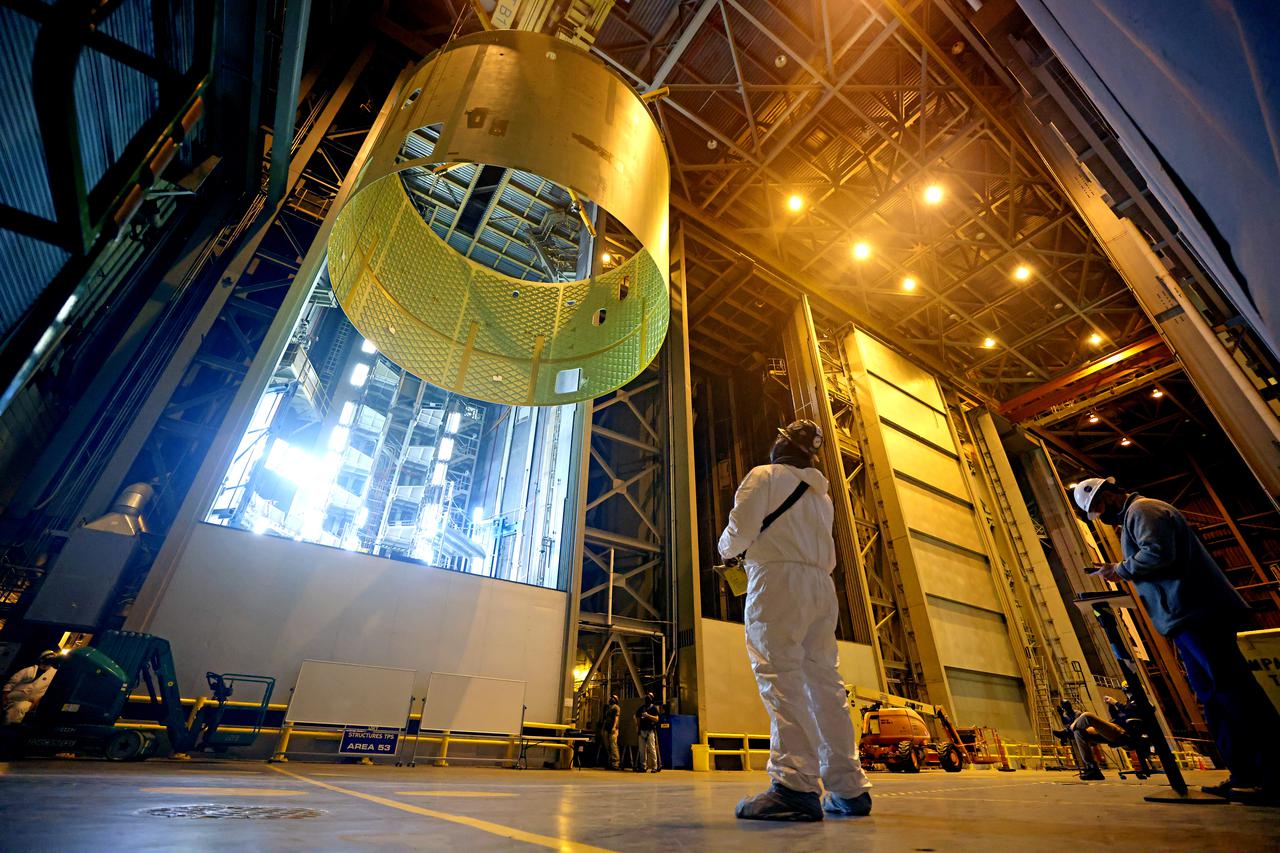
Technicians at NASA’s Michoud Assembly Facility prime and move the engine section of NASA’s Space Launch System rocket for Artemis III in preparation for its next step in production. This hardware is the first large piece manufactured for the Artemis III mission and makes up the lowest portion of the 212-foot-tall core stage. When complete, the engine section will house the four RS-25 engines and include vital systems for mounting, controlling and delivering fuel from the propellant tanks to the rocket’s engines. Together with its four RS-25 engines and its twin solid rocket boosters, it will produce 8.8 million pounds of thrust to send NASA’s Orion spacecraft, astronauts, and supplies beyond Earth’s orbit to the Moon and, ultimately, Mars. Offering more payload mass, volume capability, and energy to speed missions through space, the SLS rocket, along with NASA’s Gateway in lunar orbit, the Human Landing System, and Orion spacecraft, is part of NASA’s backbone for deep space exploration and the Artemis lunar program. No other rocket is capable of carrying astronauts in Orion around the Moon in a single mission.
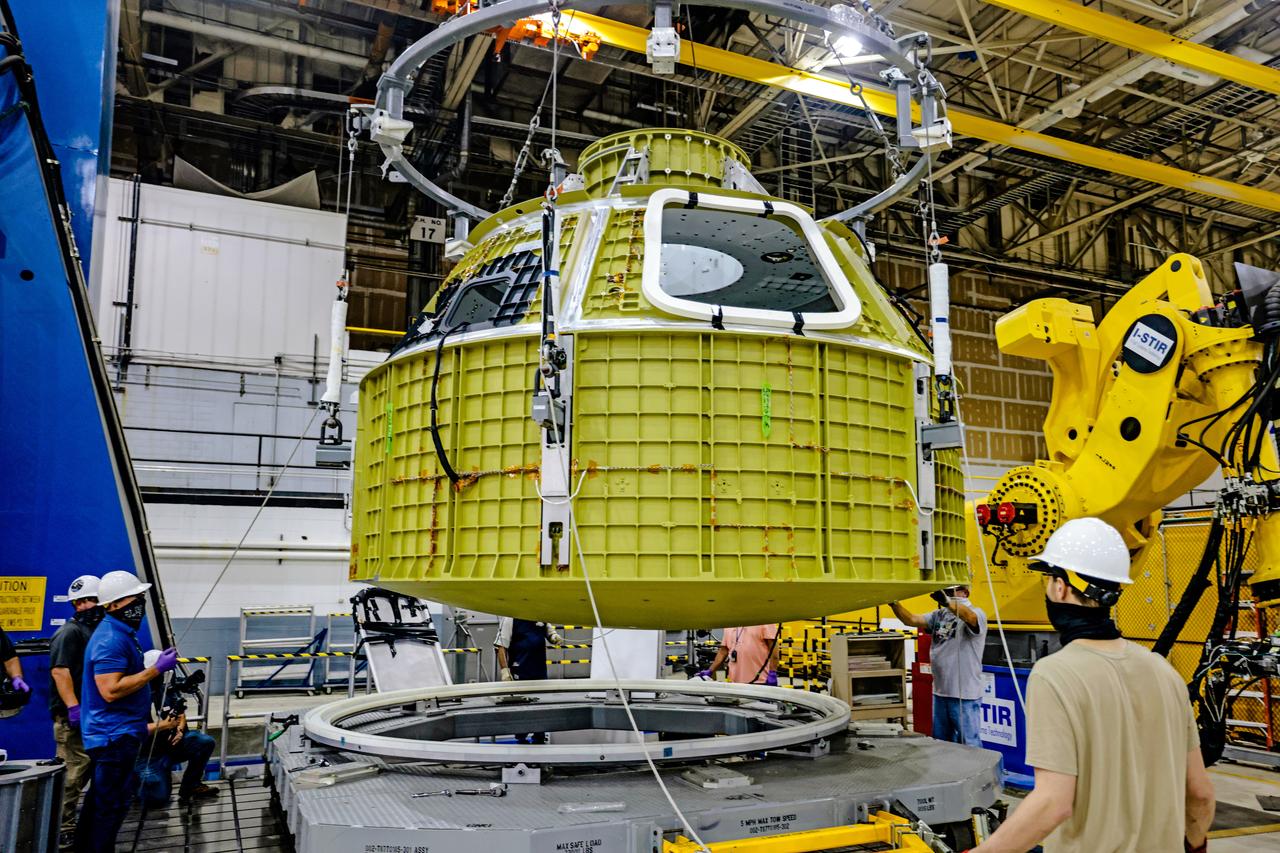
At NASA's Michoud Assembly Facility in New Orleans, Orion's newly completed pressure vessel for the Artemis III mission is lifted out of the welding tool on Aug. 27, 2021. The pressure vessel is the primary structure for Orion's crew module, joined together using state-of-the-art welding by technicians from lead contractor Lockheed Martin.
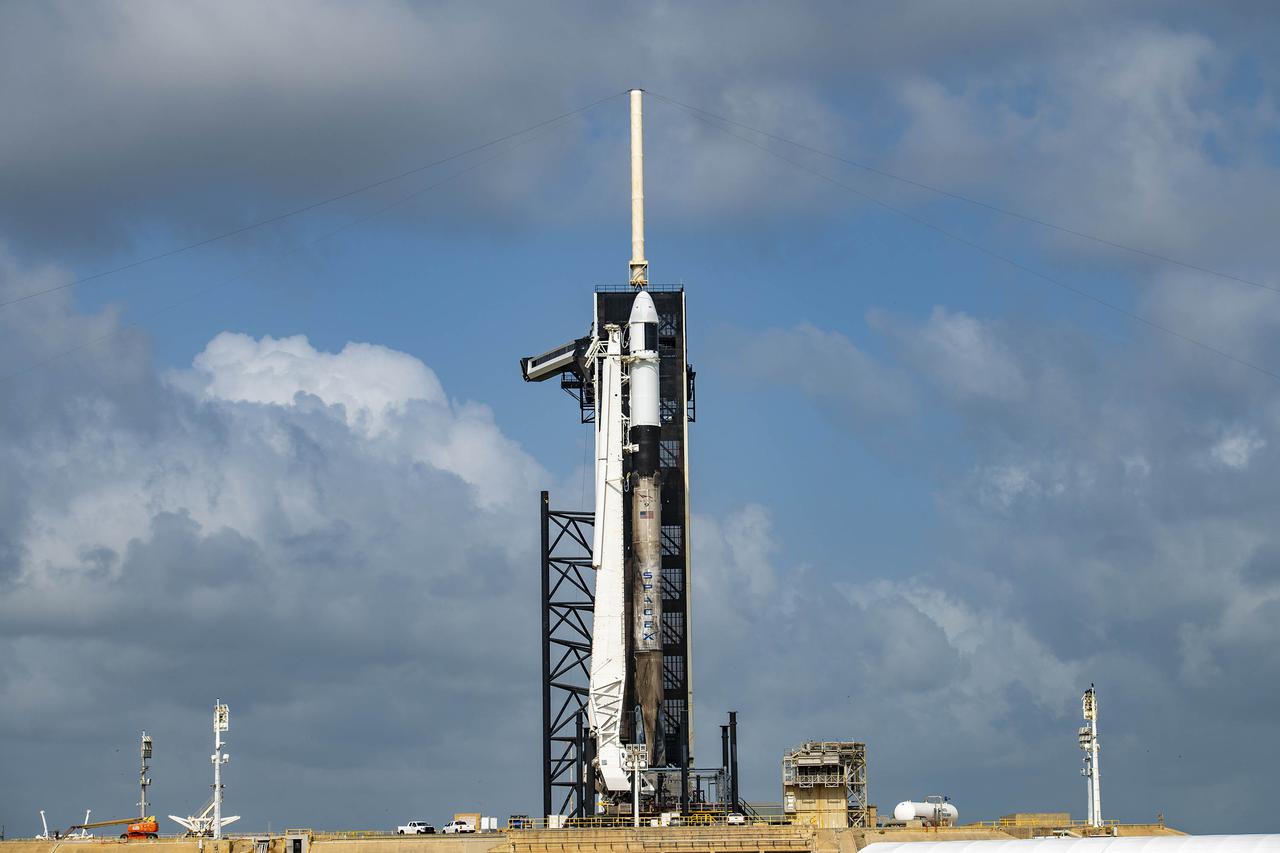
A SpaceX Falcon 9 rocket, with the company’s uncrewed Dragon spacecraft atop, is raised to a vertical position at NASA Kennedy Space Center’s Launch Complex 39A on Aug. 25, 2021, in preparation for the 23rd commercial resupply services launch to the International Space Station. The mission will deliver new science investigations, supplies, and equipment to the crew aboard the orbiting laboratory. Liftoff is scheduled for 3:37 a.m. EDT on Saturday, Aug. 28.

Mars 2020 Deputy Project Manager Matt Wallace, gives remarks during a NASA Perseverance rover mission landing update, Wednesday, Feb. 17, 2021, at NASA's Jet Propulsion Laboratory in Pasadena, California. The Perseverance Mars rover is due to land on Mars Thursday, Feb. 18, 2021. A key objective for Perseverance’s mission on Mars is astrobiology, including the search for signs of ancient microbial life. The rover will characterize the planet’s geology and past climate, pave the way for human exploration of the Red Planet, and be the first mission to collect and cache Martian rock and regolith. Photo Credit: (NASA/Bill Ingalls)
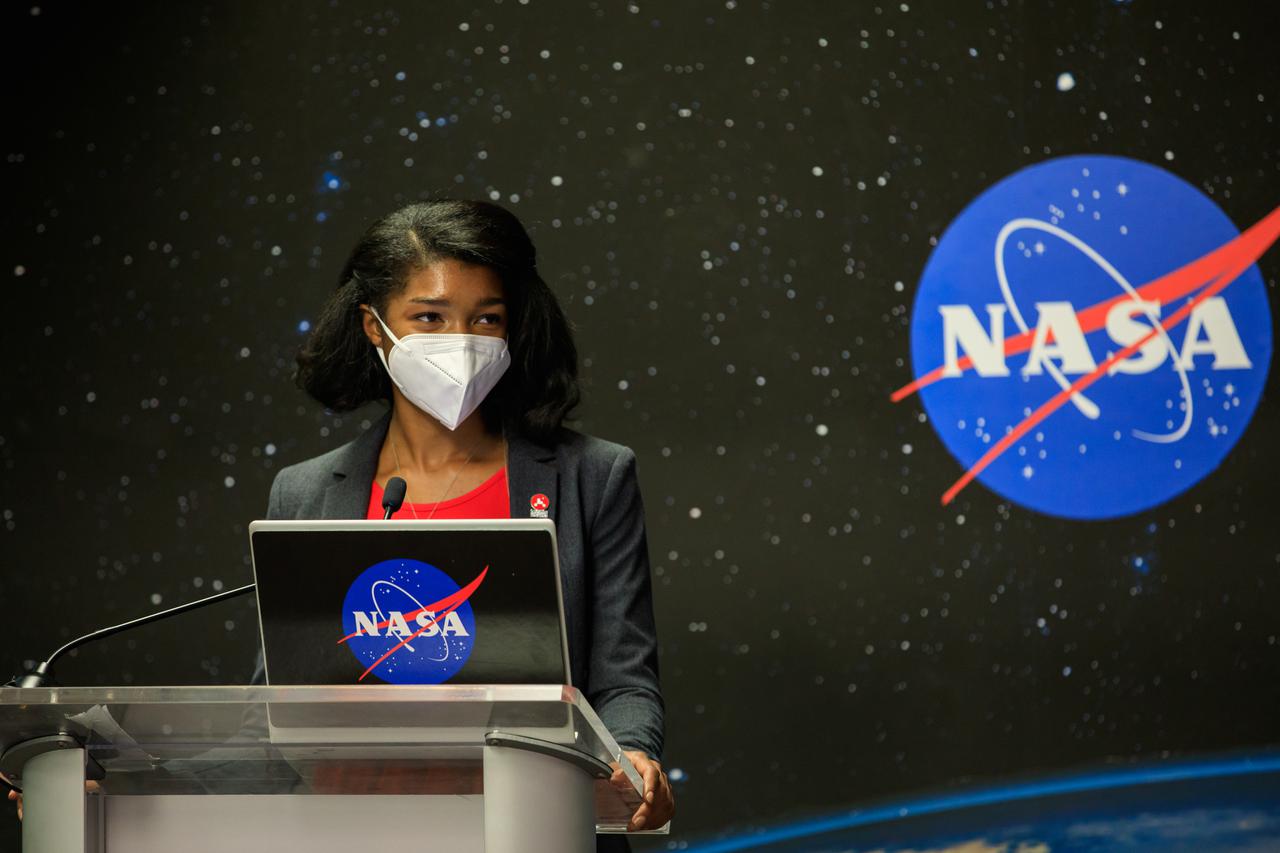
NASA Communications’ Jasmine Hopkins moderates a Mars 2020 Facebook live event inside the Press Site auditorium at NASA’s Kennedy Space Center in Florida on Feb. 12, 2021. Participants included United Launch Alliance (ULA) Launch Conductor Dillon Rice and NASA’s Launch Services Program (LSP) Launch Director Tim Dunn. During the event, Rice and Dunn discussed the partnership between ULA and LSP, as well as major milestones that led to the Mars 2020 launch, and how launches to Mars have changed over time. NASA’s Mars Perseverance rover lifted off from Cape Canaveral Space Force Station’s Space Launch Complex 41 on July 30, 2020, and is slated to touch down on the Red Planet Feb. 18, 2021.

Artemis logo

Mars 2020 Strategic Mission Manager Pauline Hwang, gives remarks during a NASA Perseverance rover initial surface checkout briefing, Friday Feb. 19, 2021, at NASA's Jet Propulsion Laboratory in Pasadena, California. The Perseverance Mars rover landed on Mars Thursday, Feb. 18, 2021. A key objective for Perseverance’s mission on Mars is astrobiology, including the search for signs of ancient microbial life. The rover will characterize the planet’s geology and past climate, pave the way for human exploration of the Red Planet, and be the first mission to collect and cache Martian rock and regolith. Photo Credit: (NASA/Bill Ingalls)
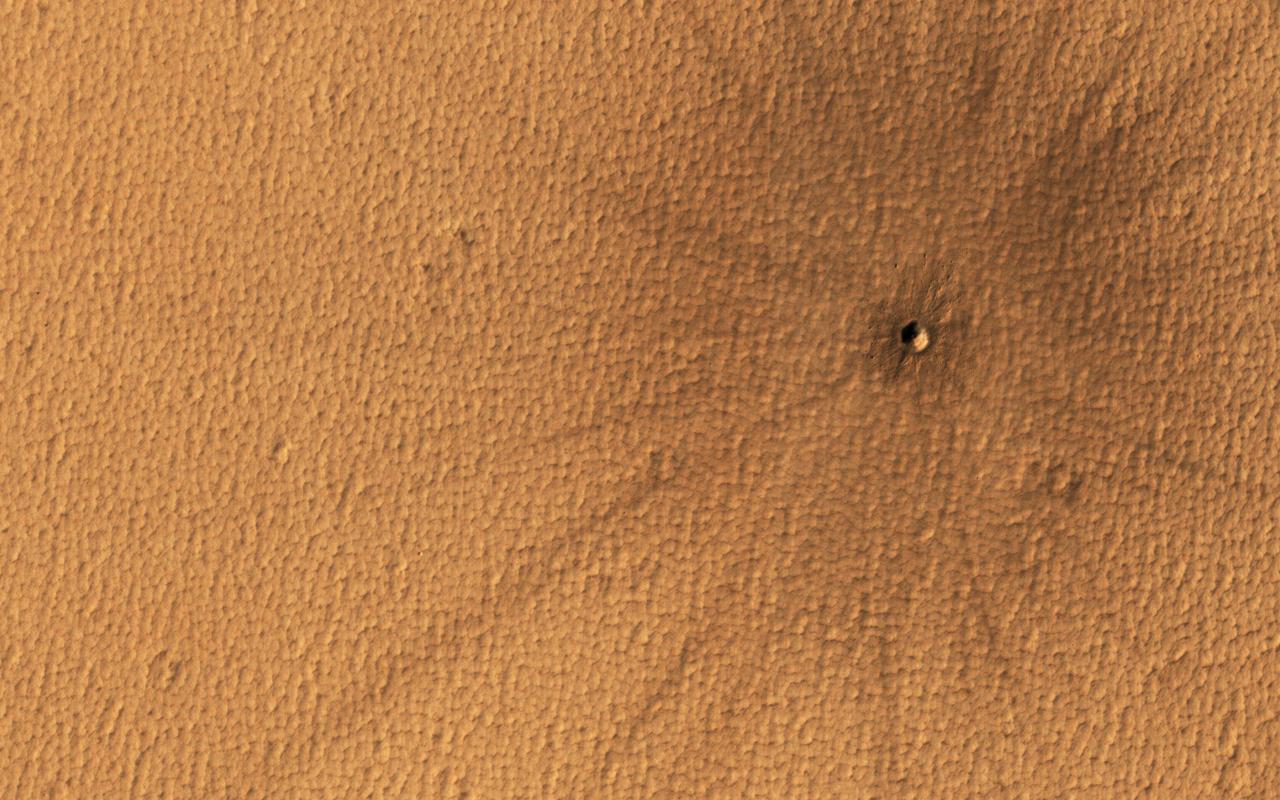
Mars and the Earth run into debris in space regularly, and on our planet, meteors usually vaporize in the atmosphere. On Mars however, with a surface pressure 1/100th that of the Earth, the impactors generally make it to the surface. This particular impact took place on Mars sometime in the last 5 years. Although the crater is small, the rays of ejecta thrown out by the impact are easy to spot, stretching out almost a kilometer. https://photojournal.jpl.nasa.gov/catalog/PIA24694
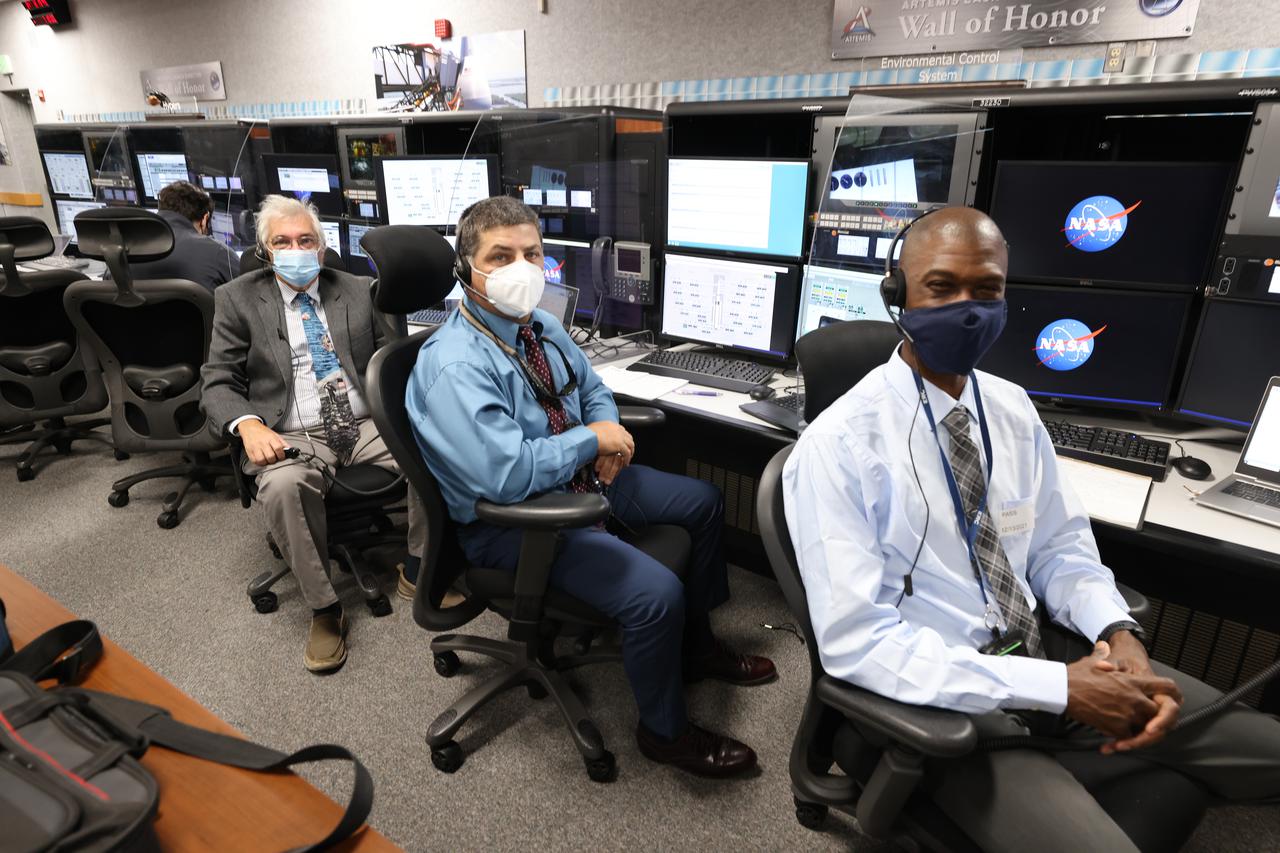
Launch team members are seated at the Environment Control System consoles inside Firing Room 1 of the Launch Control Center at NASA’s Kennedy Space Center in Florida on Dec. 13, 2021. They are participating in a joint integrated simulation for the Artemis I launch that covered both cryogenic loading and terminal countdown portions of prelaunch activities. Members of NASA’s mission management team and launch team conducted the simulation together. The Kennedy team was certified for the Artemis I launch. During Artemis I, the agency’s Orion spacecraft will lift off from Kennedy aboard NASA’s most powerful rocket – the Space Launch System – to fly farther than any spacecraft built for humans has ever flown. Through NASA’s Artemis missions, the agency, along with commercial and international partners, will establish a sustainable human presence on the Moon to prepare for missions to Mars.

NASA conducts a hot fire test March 18, 2021, of the core stage for the agency’s Space Launch System rocket on the B-2 Test Stand at Stennis Space Center near Bay St. Louis, Mississippi. The hot fire test of the stage’s four RS-25 engines generated a combined 1.6 million pounds of thrust, just as will occur during an actual launch. The hot fire is the final test of the Green Run test series, which represents a comprehensive assessment of the core stage and its integrated systems prior to its launch on the Artemis I mission to the Moon.

A NASA Mars Rover Landing banner is seen on the Morgan Stanley video board as NASA's Perseverance rover begins its descent towards the surface of Mars, Thursday, Feb. 18, 2021 in New York City. A key objective for Perseverance’s mission on Mars is astrobiology, including the search for signs of ancient microbial life. The rover will characterize the planet’s geology and past climate, pave the way for human exploration of the Red Planet, and be the first mission to collect and cache Martian rock and regolith. Photo Credit: (NASA/Emma Howells)

Principal investigator, Scanning Habitable Environments with Raman & Luminescence for Organics & Chemicals (SHERLOC) instrument, JPL, Luther Beegle, gives remarks during a NASA Perseverance rover mission science overview, Tuesday, Feb. 16, 2021, at NASA's Jet Propulsion Laboratory in Pasadena, California. The Perseverance Mars rover is due to land on Mars Thursday, Feb. 18, 2021. A key objective for Perseverance’s mission on Mars is astrobiology, including the search for signs of ancient microbial life. The rover will characterize the planet’s geology and past climate, pave the way for human exploration of the Red Planet, and be the first mission to collect and cache Martian rock and regolith. Photo Credit: (NASA/Bill Ingalls)
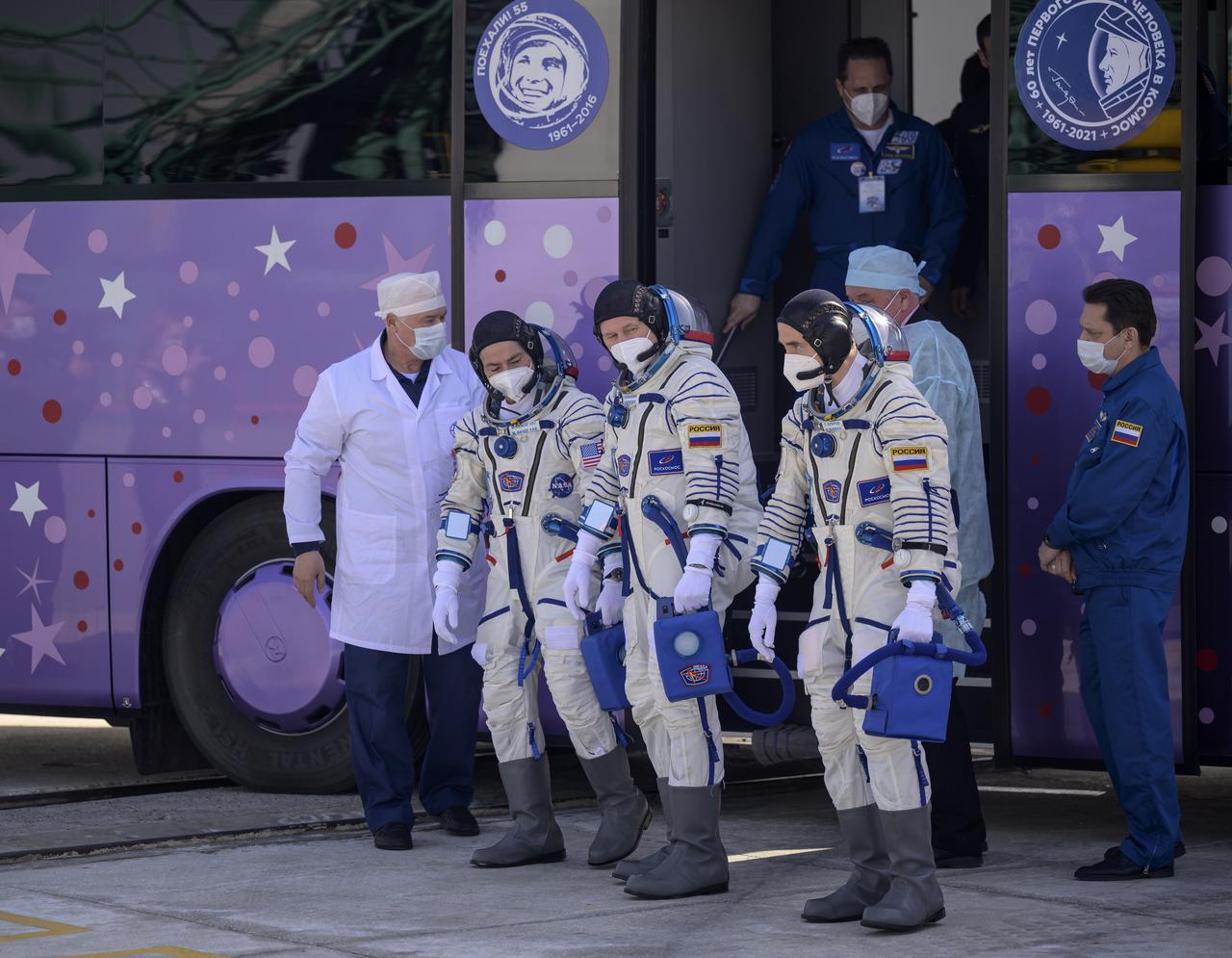
Expedition 65 NASA astronaut Mark Vande Hei, left, Russian cosmonauts Oleg Novitskiy, center, and Pyotr Dubrov arrive at the launch pad to board the Soyuz MS-18 spacecraft for launch, Friday, April 9, 2021 at the Baikonur Cosmodrome in Kazakhstan. Launch of the Soyuz rocket sent the trio on a mission to the International Space Station. Photo Credit: (NASA/Bill Ingalls)

Expedition 65 prime and backup crew members raise the flags of Russia, the United States, and Kazakhstan, Sunday, March 28, 2021, in traditional ceremonies outside the Cosmonaut Hotel in Baikonur, Kazakhstan. From left to right, Expedition 65 prime crew member Oleg Novitskiy of Roscosmos and backup crew member Pyotr Dubrov of Roscosmos, Expedition 65 backup crew member, NASA astronaut Anne McClain and prime crew NASA astronaut Mark Vande Hei, and Expedition 65 backup crew cosmonaut Anton Shkaplerov of Roscosmos and prime crew cosmonaut Oleg Artemyev of Roscosmos. The prime crew is scheduled to launch to the International Space Station on a Soyuz rocket April 9. Photo Credit: (NASA/GCTC/Irina Spector)

iss065e002682 (April 24, 2021) --- The SpaceX Crew Dragon Endeavour is pictured during its approach to the International Space Station less than one day after launching from Kennedy Space Center in Florida. The SpaceX Crew-2 astronauts, Commander Shane Kimbrough and Pilot Megan McArthur with Mission Specialists Akihiko Hoshide and Thomas Pesquet, would join the Expedition 65 crew shortly after docking Harmony module's forward-facing international docking adapter.
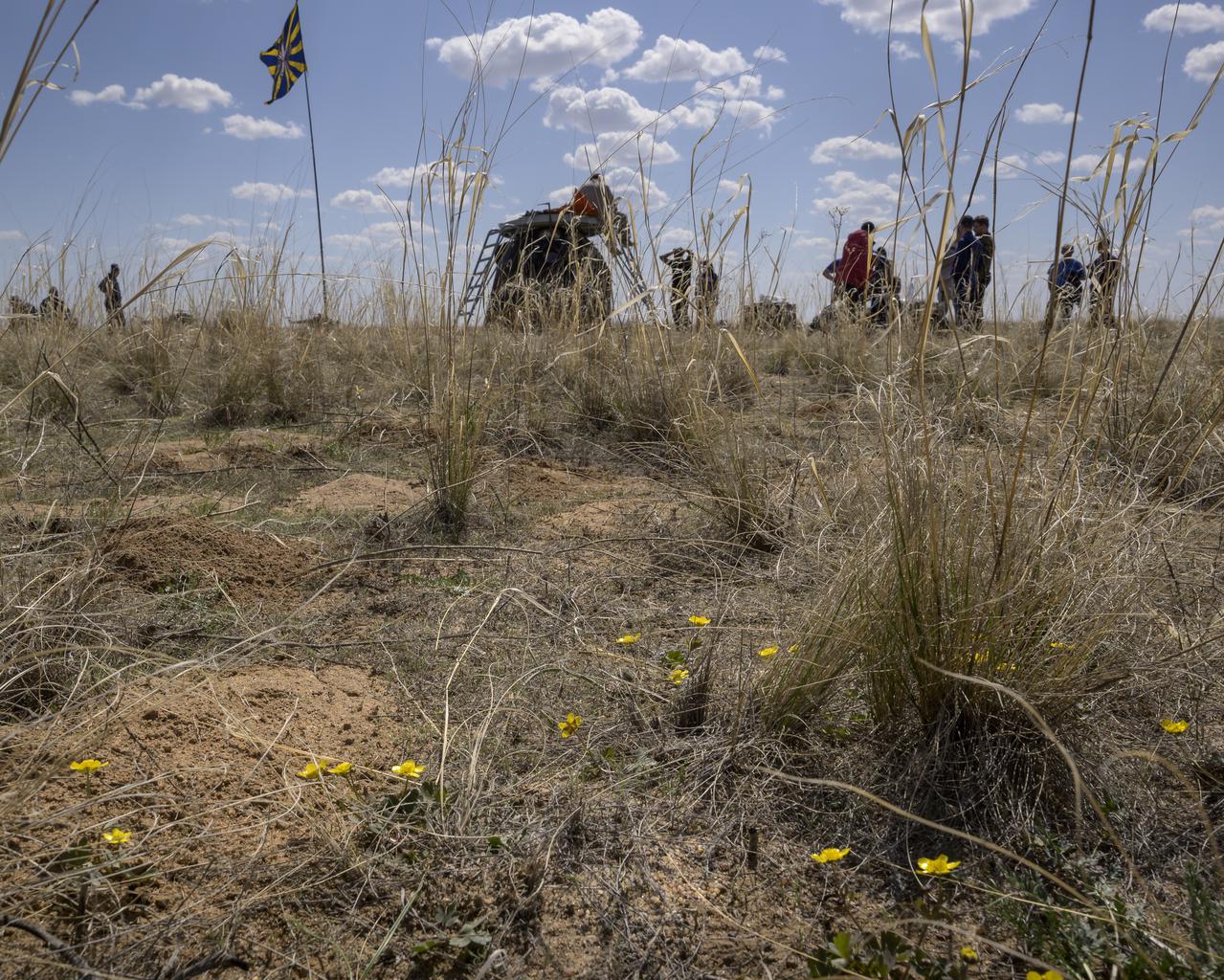
Desert flowers are seen as Russian support personnel work around the Soyuz MS-17 spacecraft shortly after it landed n a remote area near the town of Zhezkazgan, Kazakhstan with Expedition 64 crew members Kate Rubins of NASA, Sergey Ryzhikov and Sergey Kud-Sverchkov of Roscosmos, Saturday, April 17, 2021. Rubins, Ryzhikov and Kud-Sverchkov returned after 185 days in space having served as Expedition 63-64 crew members onboard the International Space Station. Photo Credit: NASA/Bill Ingalls