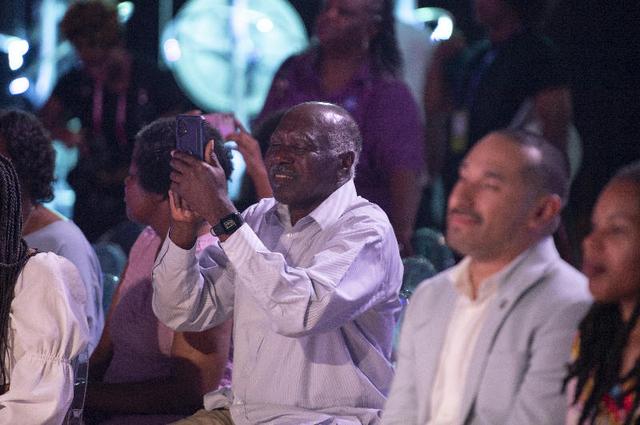
An audience member takes a photo as NASA representatives participate in a Take Up Space (Literally) panel conversation during the 30th annual ESSENCE Fest in New Orleans on July 5.
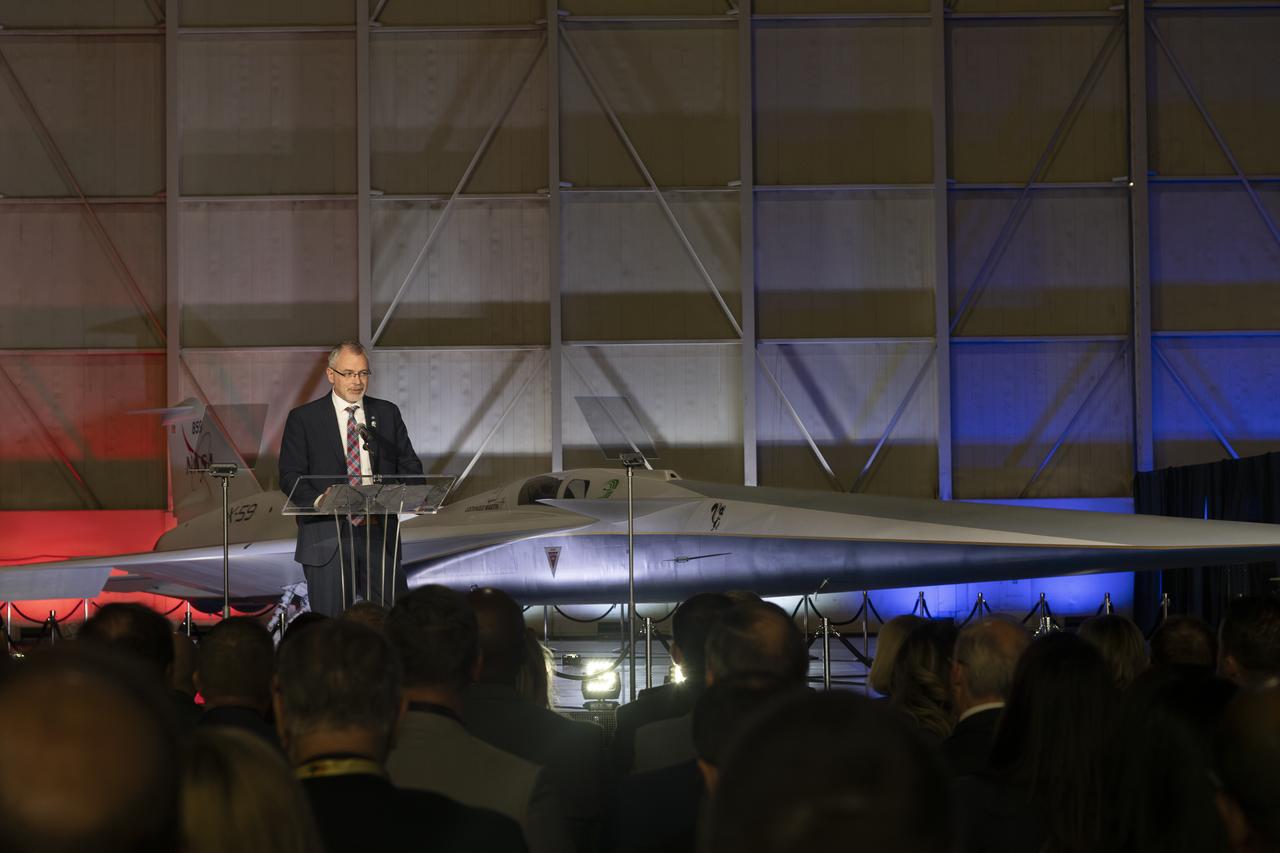
NASA Associate Administrator Jim Free speaks on stage following the unveiling of the agency’s X-59 quiet supersonic research aircraft at a January 12, 2024 event at Lockheed Martin Skunk Works in Palmdale, California. The X-59 is the centerpiece of NASA’s Quesst mission, which seeks to solve one of the major barriers to supersonic flight over land, currently banned in the United States, by making sonic booms quieter.
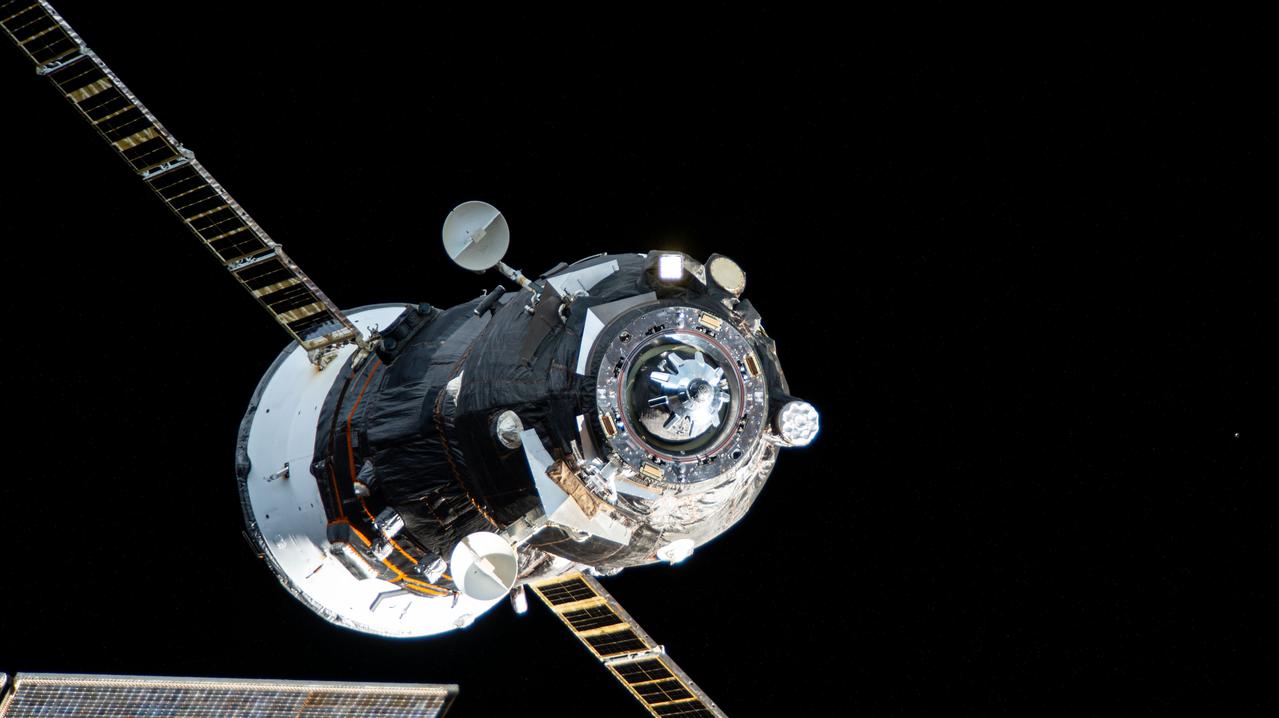
iss071e464295 (Aug. 13, 2024) --- The Progress 87 cargo craft, packed with trash and discarded gear, departs the International Space Station following a six-month resupply mission docked to the Zvezda service module's rear port.
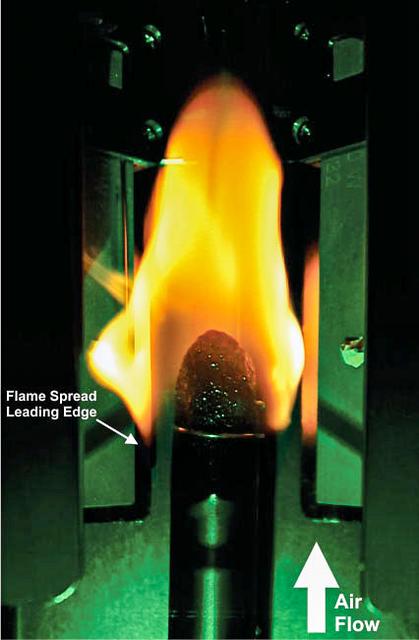
jsc2024e053517 (8/8/2024) --- A plexiglass rod burns in microgravity for the Solid Fuel Ignition and Extinction - Material Ignition and Suppression Test (SoFIE-MIST) investigation. Once each rod is ignited, the flame spreads upstream from the ignition end of the rod. As tests progress, the flame spreads along the rod, consuming oxygen. Once the oxygen concentration drops low enough, the flame extinguishes due to natural oxygen depletion. Data to measure the oxygen concentration, flow rate, and heat loss is obtained at the three test pressures. SoFIE-MIST aims to improve understanding of early fire growth behavior and validate models for material flammability, helping to inform the selection of safer materials for future space facilities and determine the best methods for extinguishing fires in space. .

NASA Associate Administrator for International and Interagency Relations, Karen Feldstein, listens to Mongolian Minister of Digital Development and Communications Nyam-Osor Uchral, during a meeting to discuss Mongolia’s National Space Strategy planning and methods for natural disasters monitoring and prevention, Friday, Jan. 26, 2024, at the NASA Headquarters Mary W. Jackson Building in Washington. Photo Credit: (NASA/Bill Ingalls)
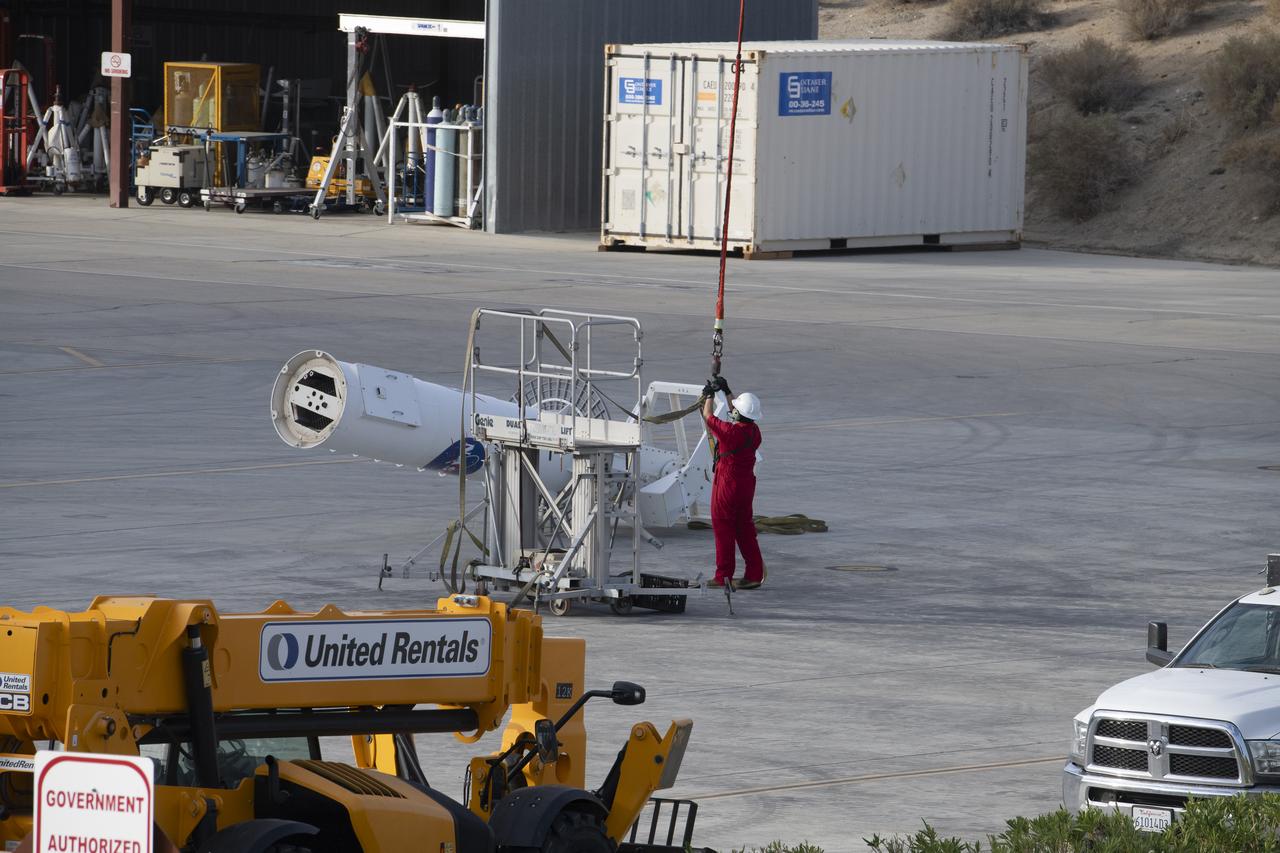
A pedestal carried by a helicopter is positioned for a gentle placement on the ground. The helicopter removed the pedestal from the rooftop of Building 4800 at NASA’s Armstrong Flight Research Center in Edwards, California, on Oct. 4, 2024. The pedestal was used since the 1950s to 2015 to house different telemetry dishes to collect data from research aircraft.
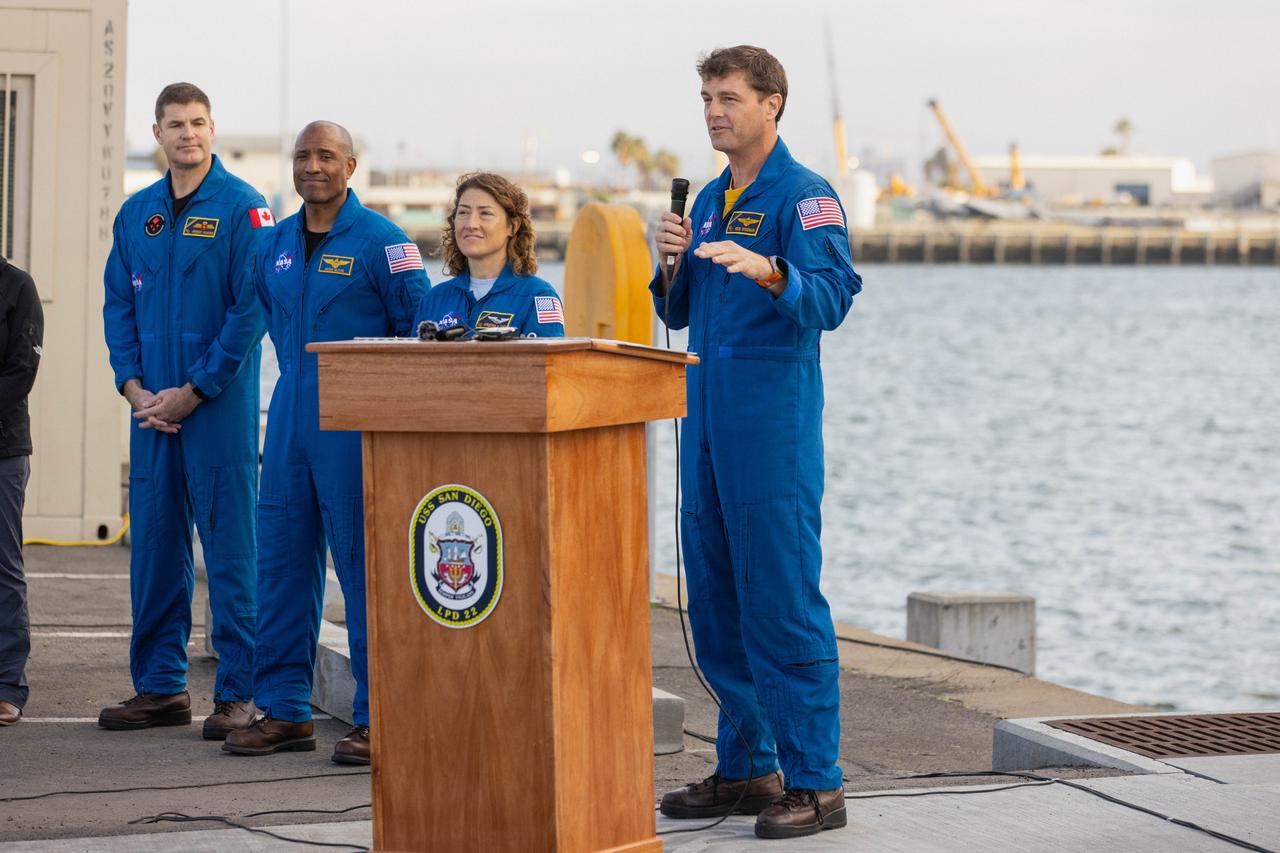
NASA’s Artemis II crew member NASA astronaut Reid Wiseman, from left to right is joined by, CSA (Canadian Space Agency) astronaut Jeremy Hansen, NASA astronauts Victor Glover and Christina Koch to discuss the Underway Recovery Test (URT-11) during a news conference held in San Diego, California on Wednesday, Feb. 28, 2024. NASA’s Exploration Ground System’s Landing and Recovery team, partners from the Department of Defense, and U.S. Navy personnel aboard the USS San Diego is the eleventh in a series of Artemis recovery tests, and the first the Artemis II recovery procedures involved the astronauts.
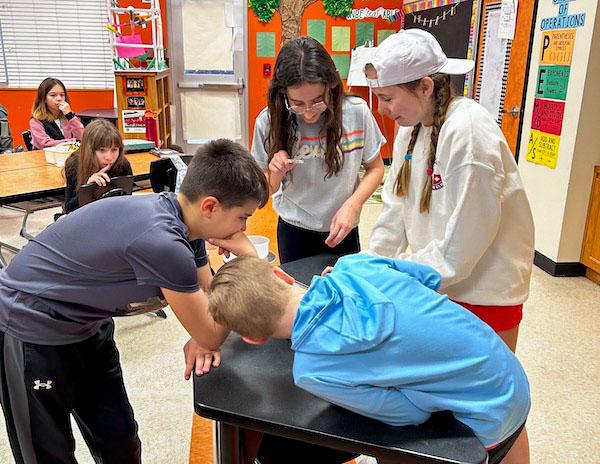
jsc2024e067103 (2/2/2024) --- Martha and Josh Morris Mathematics and Engineering Elementary students Lizzy, Lynnley, Isaac, and Cooper work on ways to calculate the strength of concrete in microgravity. Their experiment, Will Normal Strength Concrete (NSC) Keep its Structure in Microgravity?, is part of the Nanoracks-National Center for Earth and Space Science Education-Surveyor-Student Spaceflight Experiments Program Mission 18 to ISS (Nanoracks-NCESSE-Surveyor-SSEP).
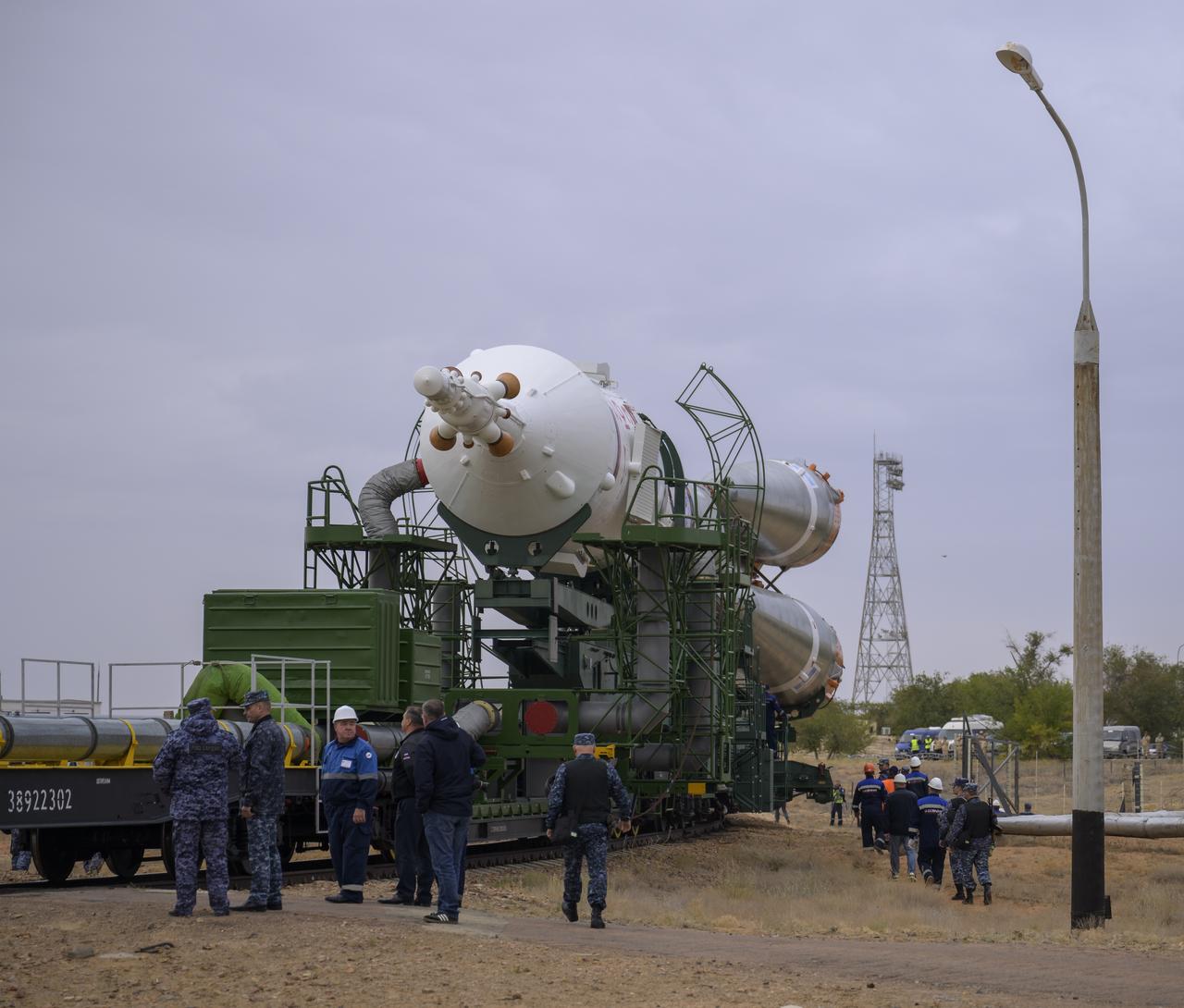
The Soyuz rocket is rolled out by train to the launch pad at Site 31, Sunday, Sept. 8, 2024, at the Baikonur Cosmodrome in Kazakhstan. Expedition 72 crew members: NASA astronaut Don Pettit, Roscosmos cosmonauts Alexey Ovchinin, and Ivan Vagner, are scheduled to launch aboard their Soyuz MS-26 spacecraft on September 11. Photo Credit: (NASA/Bill Ingalls)
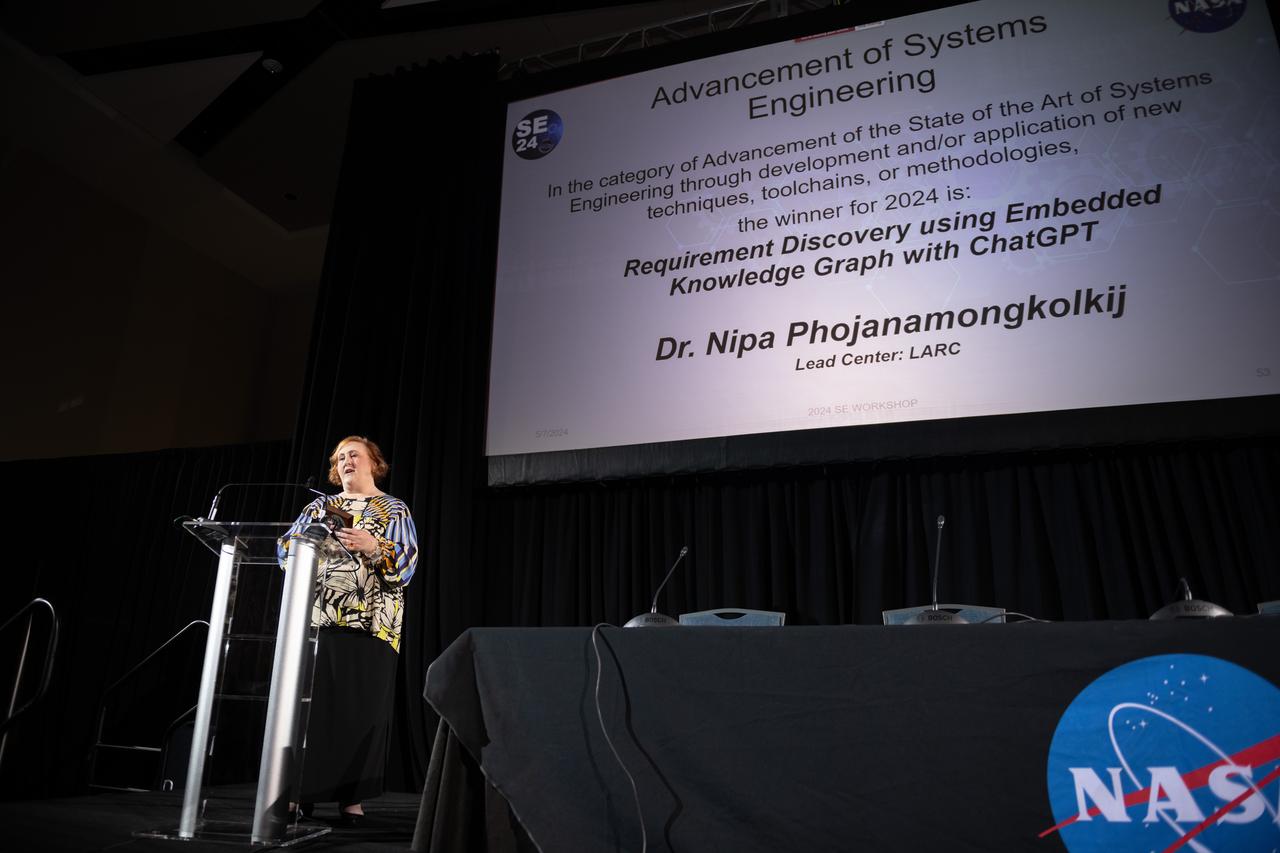
The NASA Systems Engineering Workshop is an annual event that brings together systems engineers and stakeholders from across the Agency to discuss, develop, and improve the state of the discipline as a community. The fundamental goals of the SE Workshop is to better engage and develop Systems Engineers to improve NASA mission success and improve the SE community and knowledge sharing within the discipline through focused and pertinent interactive learning. The Systems Engineering Workshop prides itself on being a "workshop". This means that attendees will be highly engaged and encouraged to share their own experiences and points of view with their colleagues throughout the event. The theme of this year's workshop hosted by Glenn Research Center on May 7-10, 2024 is "Eye on the Future" and is being held at the Hilton Cleveland Downtown in Ohio. It will feature presentations and panels of experts from across NASA and beyond! A couple of featured presentations include: "How I Learned to Stop Worrying and Love ChatGPT" and "Is MBSE Right for Me?" For more information about the schedule, see the agenda tab.
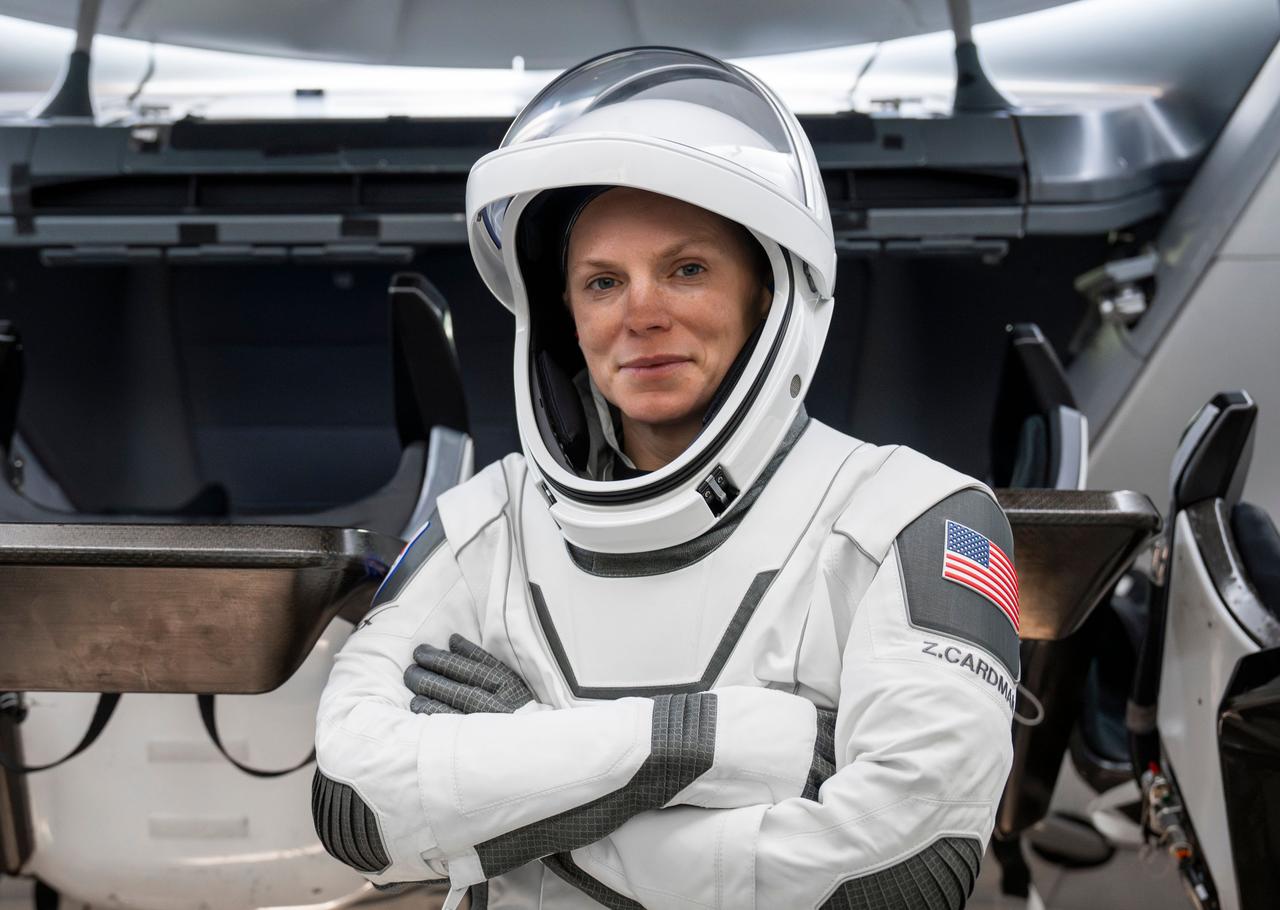
jsc2025e064525 (June 23, 2024) --- NASA’s SpaceX Crew-11 commander and NASA astronaut Zena Cardman poses for a photo during a training session at SpaceX facilities in Hawthorne, California. Credit SpaceX
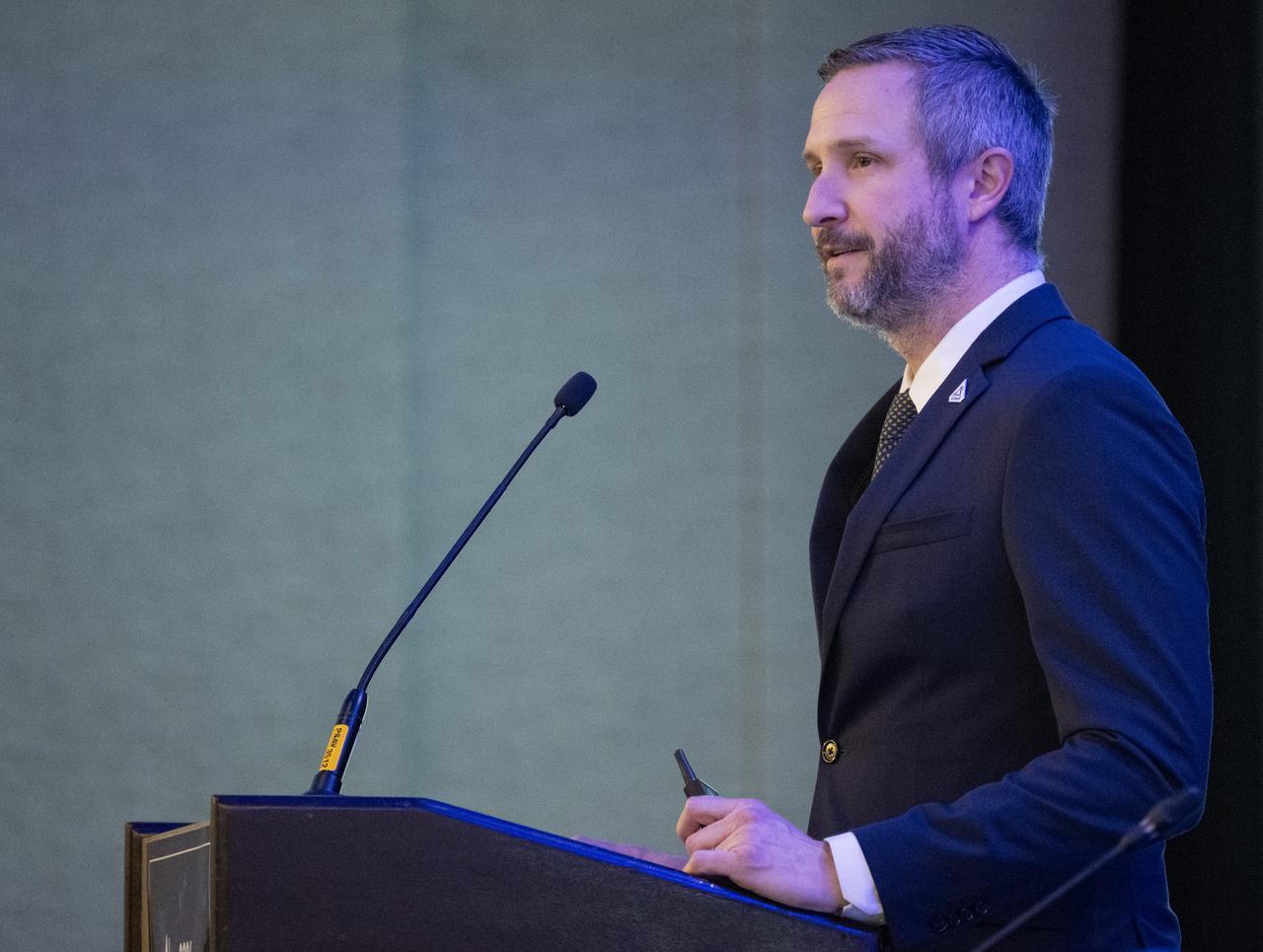
Jacob Bleacher, chief exploration scientist at NASA, speaks during the 2024 Artemis Suppliers Conference, Wednesday, Feb. 28, 2024, at the Grand Hyatt Hotel in Washington. Photo Credit: (NASA/Joel Kowsky)
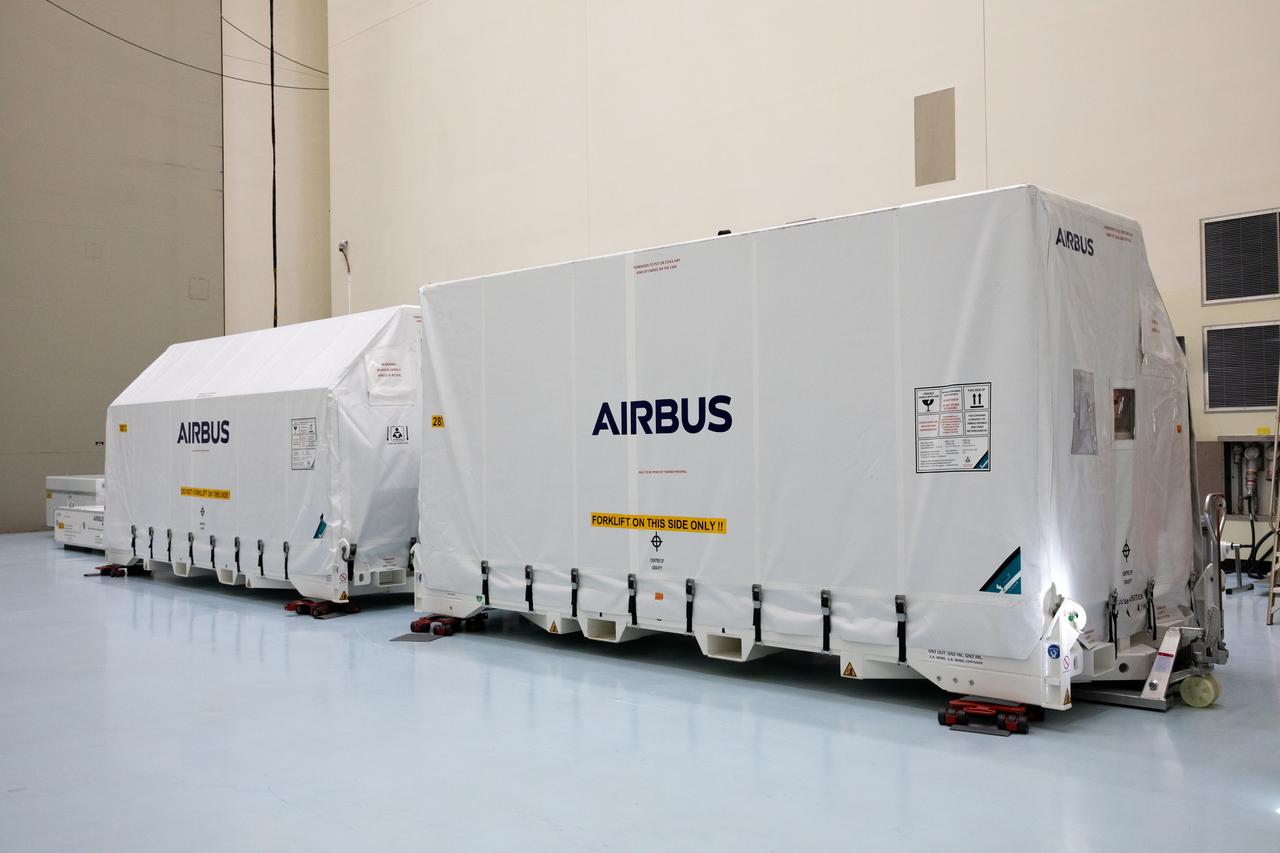
The transport carrier containing the five-panel solar arrays for NASA’s Europa Clipper spacecraft arrives at the Payload Hazardous Servicing Facility at the agency’s Kennedy Space Center in Florida on Wednesday, Feb. 21, 2024. The solar array travelled by air from Leiden, Netherlands, where Airbus workers assembled them over the last year, and then put on a barge to travel to the Port of Miami in Florida and loaded onto a semi-truck to be driven to Kennedy. The solar arrays will attach to the spacecraft to power it for the 1.8-billion-mile journey to study Jupiter’s icy moon, Europa. Launch on a SpaceX Falcon Heavy rocket is no earlier than October 2024.
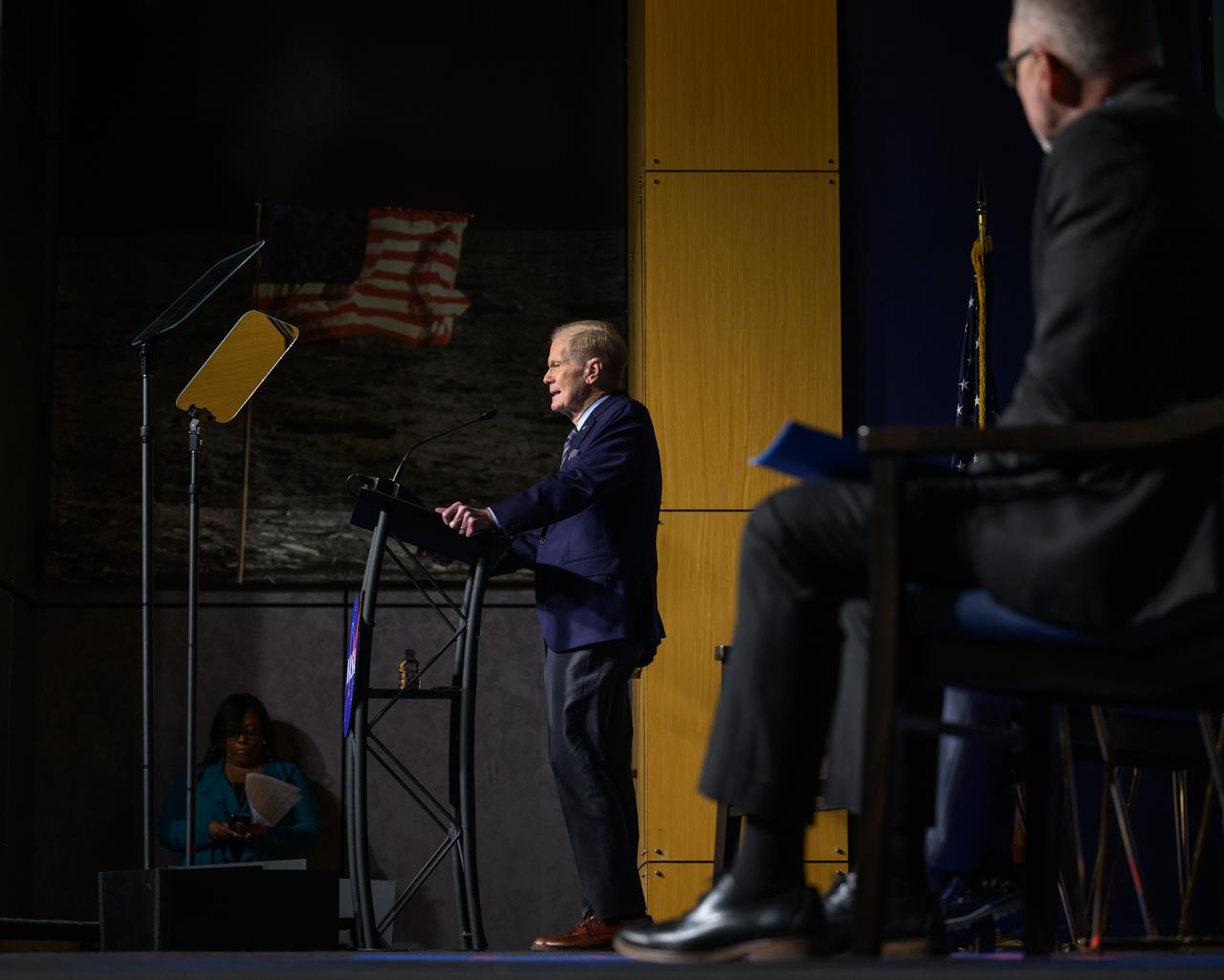
NASA Administrator Bill Nelson, gives remarks during a NASA agencywide all hands, Friday, Dec. 6, 2024, at the NASA Headquarters Mary W. Jackson Building in Washington. Photo Credit: (NASA/Bill Ingalls)
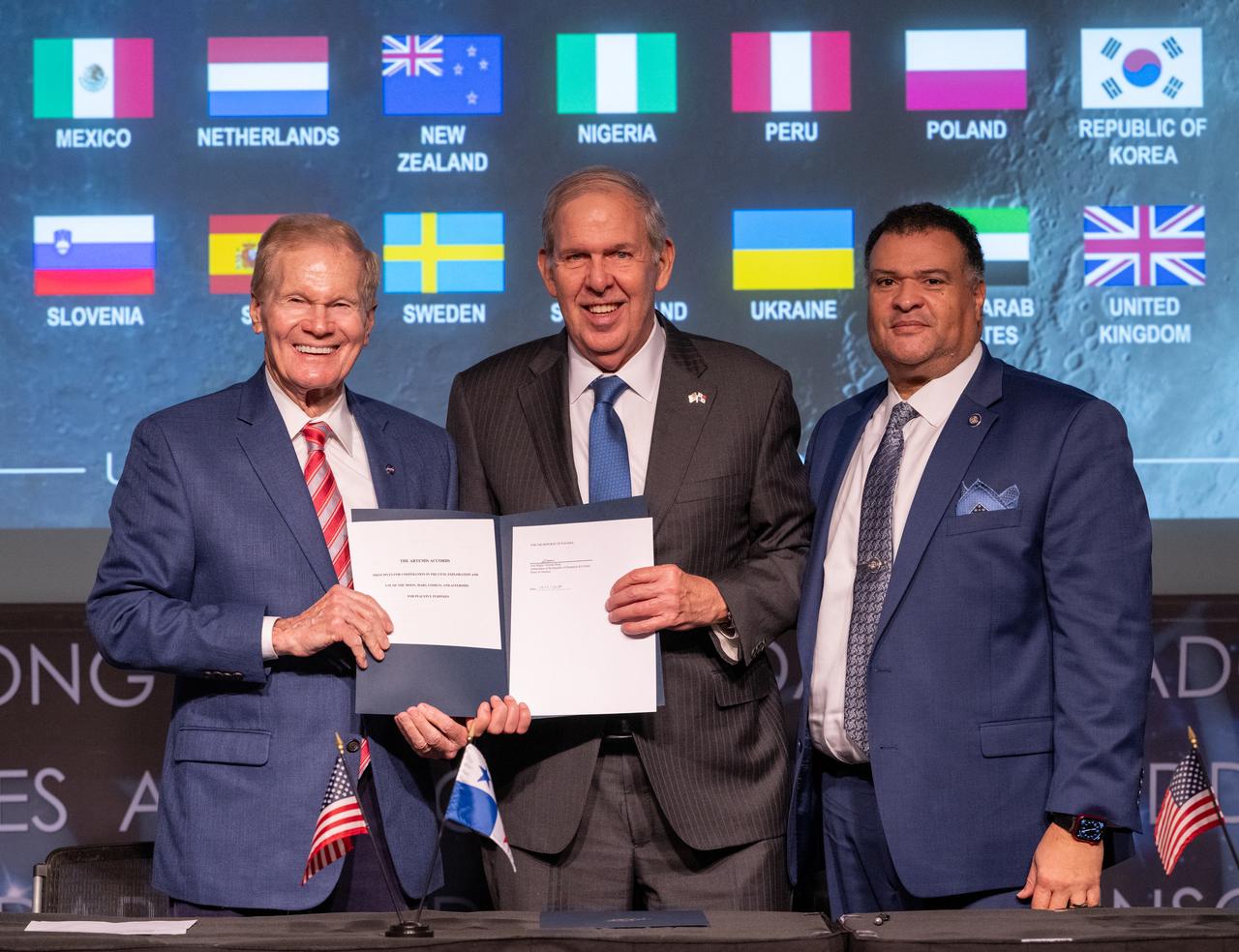
NASA Administrator Bill Nelson, left, Ambassador of the Republic of Panama to the United States of America José Miguel Alemán Healy, center, and U.S. Department of State Principal Deputy Assistant Secretary in the Bureau of Oceans and International Environmental and Scientific Affairs Tony Fernandes, pose for a picture after the Republic of Panama signed the Artemis Accords, Wednesday, Dec. 11, 2024, at the Mary W. Jackson NASA Headquarters building in Washington. The Republic of Panama is the 49th country to sign the Artemis Accords, which establish a practical set of principles to guide space exploration cooperation among nations participating in NASA’s Artemis program. Photo Credit: (NASA/Joel Kowsky)
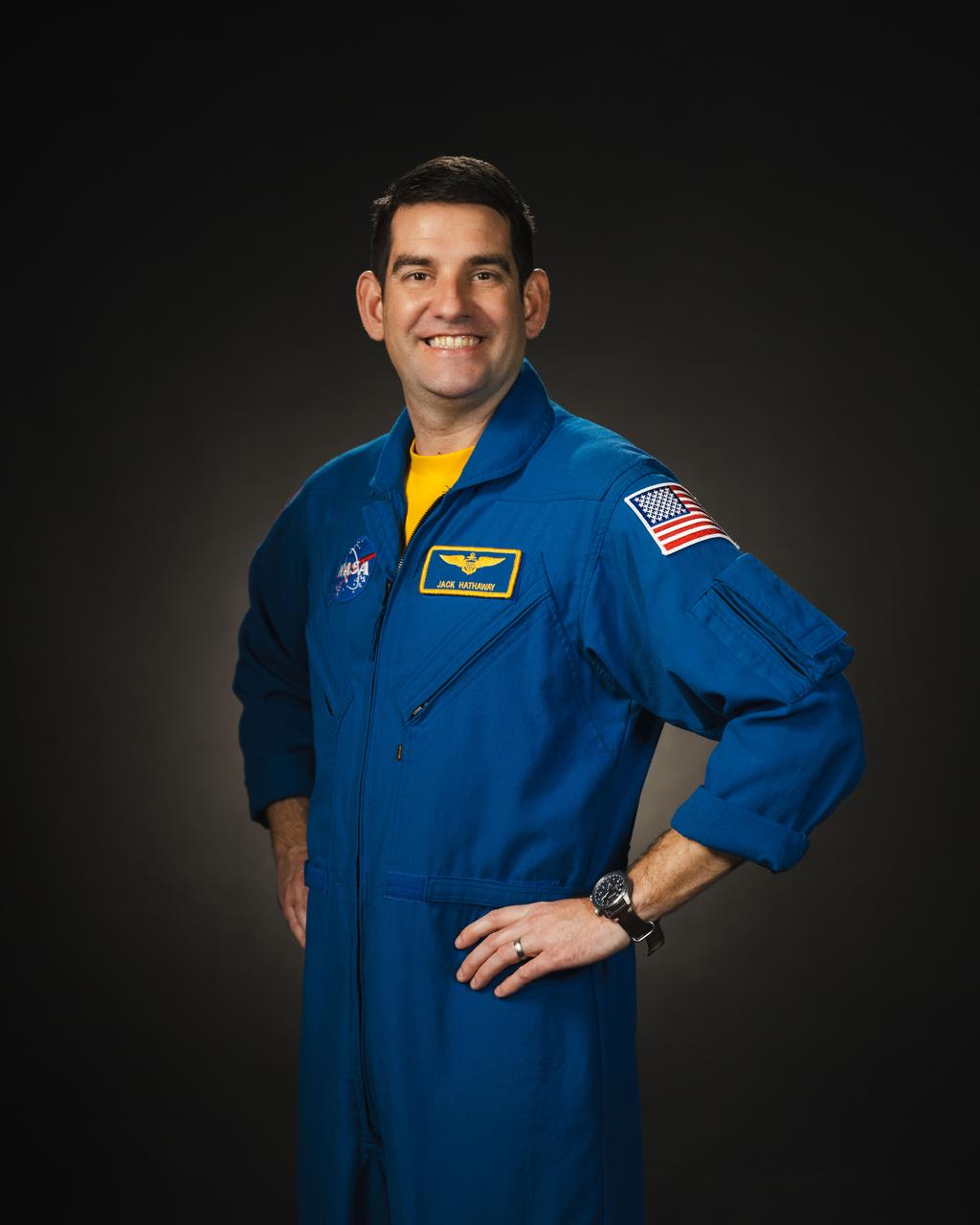
jsc2024e013673 (February 8, 2024) --- NASA astronaut Jack Hathaway poses for a portrait at NASA’s Johnson Space Center in Houston, Texas. Credit: NASA/ Josh Valcarcel

The NASA Systems Engineering Workshop is an annual event that brings together systems engineers and stakeholders from across the Agency to discuss, develop, and improve the state of the discipline as a community. The fundamental goals of the SE Workshop is to better engage and develop Systems Engineers to improve NASA mission success and improve the SE community and knowledge sharing within the discipline through focused and pertinent interactive learning. The Systems Engineering Workshop prides itself on being a "workshop". This means that attendees will be highly engaged and encouraged to share their own experiences and points of view with their colleagues throughout the event. The theme of this year's workshop hosted by Glenn Research Center on May 7-10, 2024 is "Eye on the Future" and is being held at the Hilton Cleveland Downtown in Ohio. It will feature presentations and panels of experts from across NASA and beyond! A couple of featured presentations include: "How I Learned to Stop Worrying and Love ChatGPT" and "Is MBSE Right for Me?" For more information about the schedule, see the agenda tab.

NASA's Polar Radiant Energy in the Far-InfraRed Experiment (PREFIRE) mission will measure the amount of heat Earth emits into space from two of the coldest, most remote regions on the planet. Data from the mission will improve computer models researchers use to predict how Earth's ice, seas, and weather will change in a warming world. This artist's concept depicts one of two PREFIRE CubeSats in orbit around Earth. Earth absorbs a lot of the Sun's energy at the tropics, and weather and ocean currents transport that heat to the poles. Ice, snow, clouds, and other parts of the polar environment emit the heat into space, much of it in the form of far-infrared radiation. The difference between how much heat Earth absorbs at the tropics and then radiates out to space from the Arctic and Antarctic determines the planet's temperature and drives a dynamic system of climate and weather. But far-infrared emissions at the poles have never been systematically measured. This is where PREFIRE comes in. The mission will help researchers gain a clearer understanding of when and where Earth's poles emit far-infrared radiation, as well as how atmospheric water vapor and clouds influence the amount that escapes to space. PREFIRE is composed of two roughly shoebox-size CubeSats outfitted with specialized miniature heat sensors that will give researchers a more accurate picture of how much heat Earth emits into space. https://photojournal.jpl.nasa.gov/catalog/PIA26185
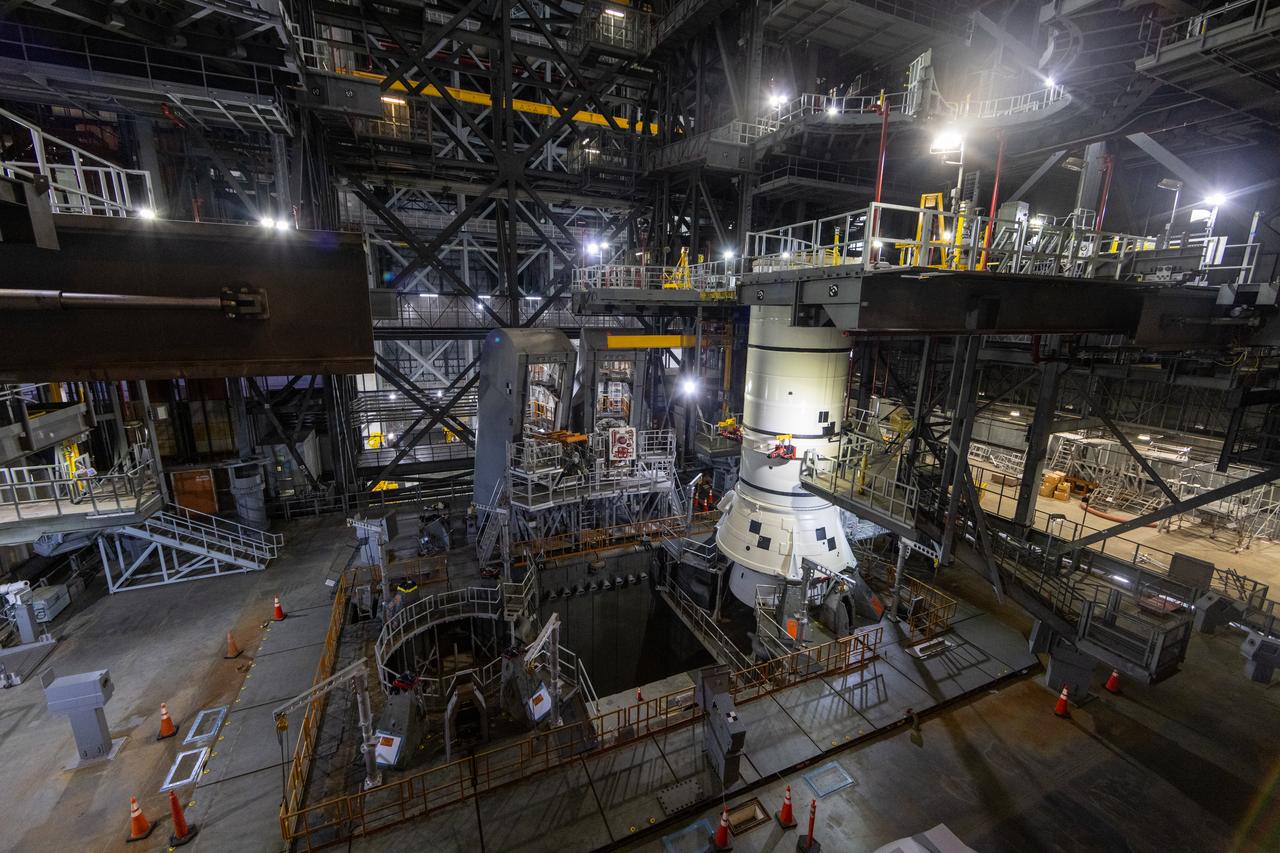
Engineers and technicians with the Exploration Ground Systems Program stack the first Moon rocket segment – the left aft assembly for the Artemis II SLS (Space Launch System) solid rocket booster onto mobile launcher 1 inside the Vehicle Assembly Building at NASA’s Kennedy Space Center on Wednesday, Nov. 20, 2024. The first of 10 booster segments to be stacked, the boosters will help support the remaining rocket components and the Orion spacecraft during final assembly of the Artemis II Moon rocket and provide more than 75 percent of the total SLS thrust during liftoff from NASA Kennedy’s Launch Pad 39B.
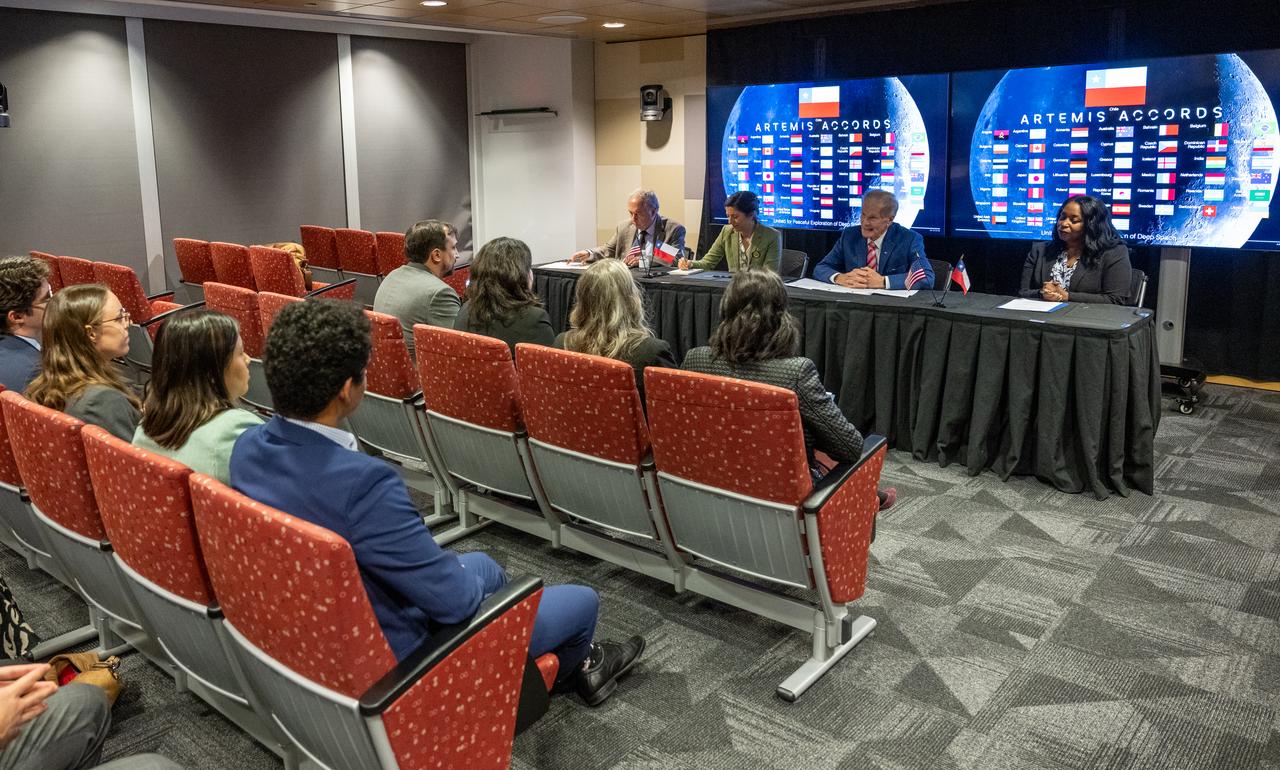
NASA Administrator Bill Nelson, second from right, delivers remarks during an Artemis Accords signing ceremony Friday, Oct. 25, 2024, at the Mary W. Jackson NASA Headquarters building in Washington. The Republic of Chile is the 47th country to sign the Artemis Accords, which establish a practical set of principles to guide space exploration cooperation among nations participating in NASA’s Artemis program. Photo Credit: (NASA/Keegan Barber)
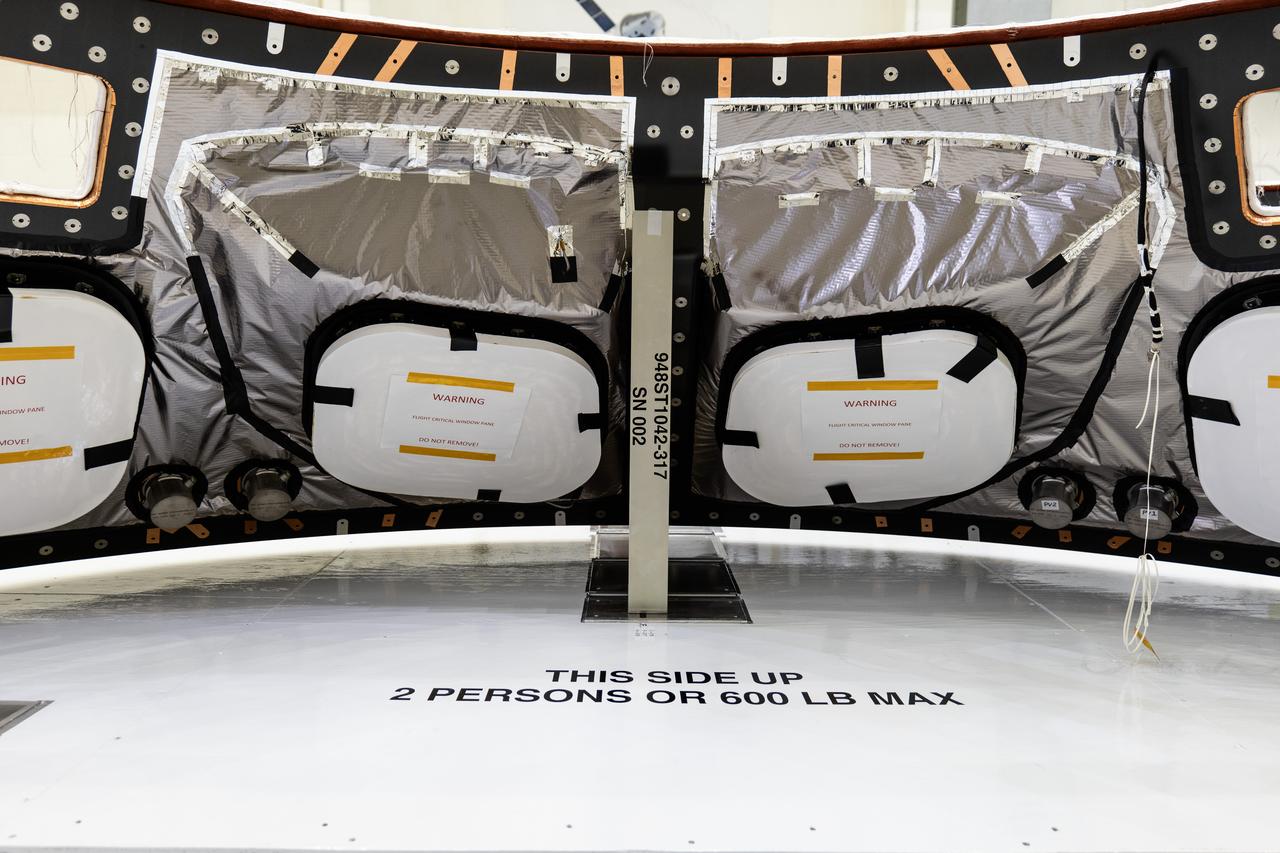
Back shell panels are visible on the Orion spacecraft for the Artemis II mission inside the Neil A. Armstrong Operations and Checkout Building high bay at NASA's Kennedy Space Center in Florida on Monday, Dec. 15, 2024. The back shell panels serve as the outer layer of the spacecraft and will protect it against the extreme temperatures of re-entry from deep space.
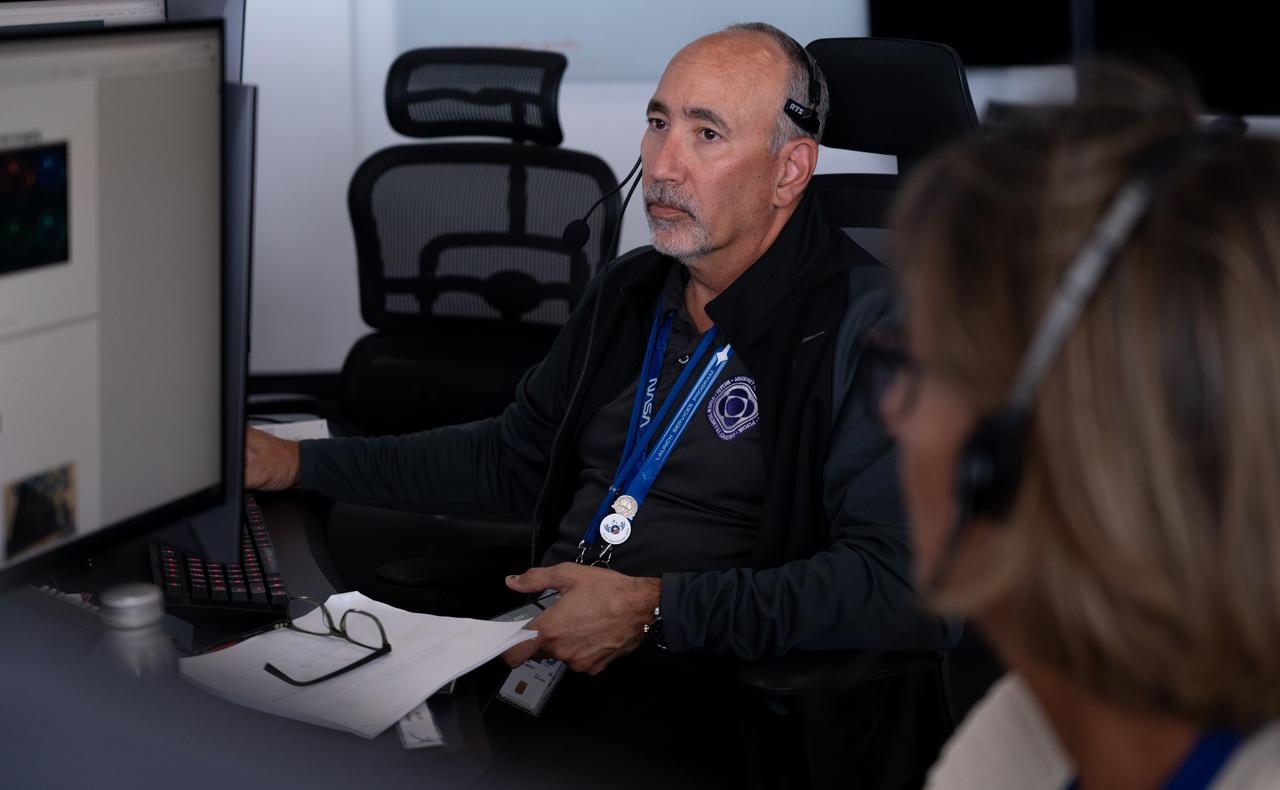
Albert Sierra, program manager for NASA’s Launch Services Program, participates in rehearsal launch operations for the National Oceanic and Atmospheric Administration (NOAA) GOES-U (Geostationary Operational Environmental Satellite U) mission inside Hangar X at NASA’s Kennedy Space Center in Florida on Monday, June 17, 2024. The GOES-U satellite, the final addition to GOES-R series, serves a critical role in providing continuous coverage of the Western Hemisphere, including monitoring tropical systems in the eastern Pacific and Atlantic oceans.
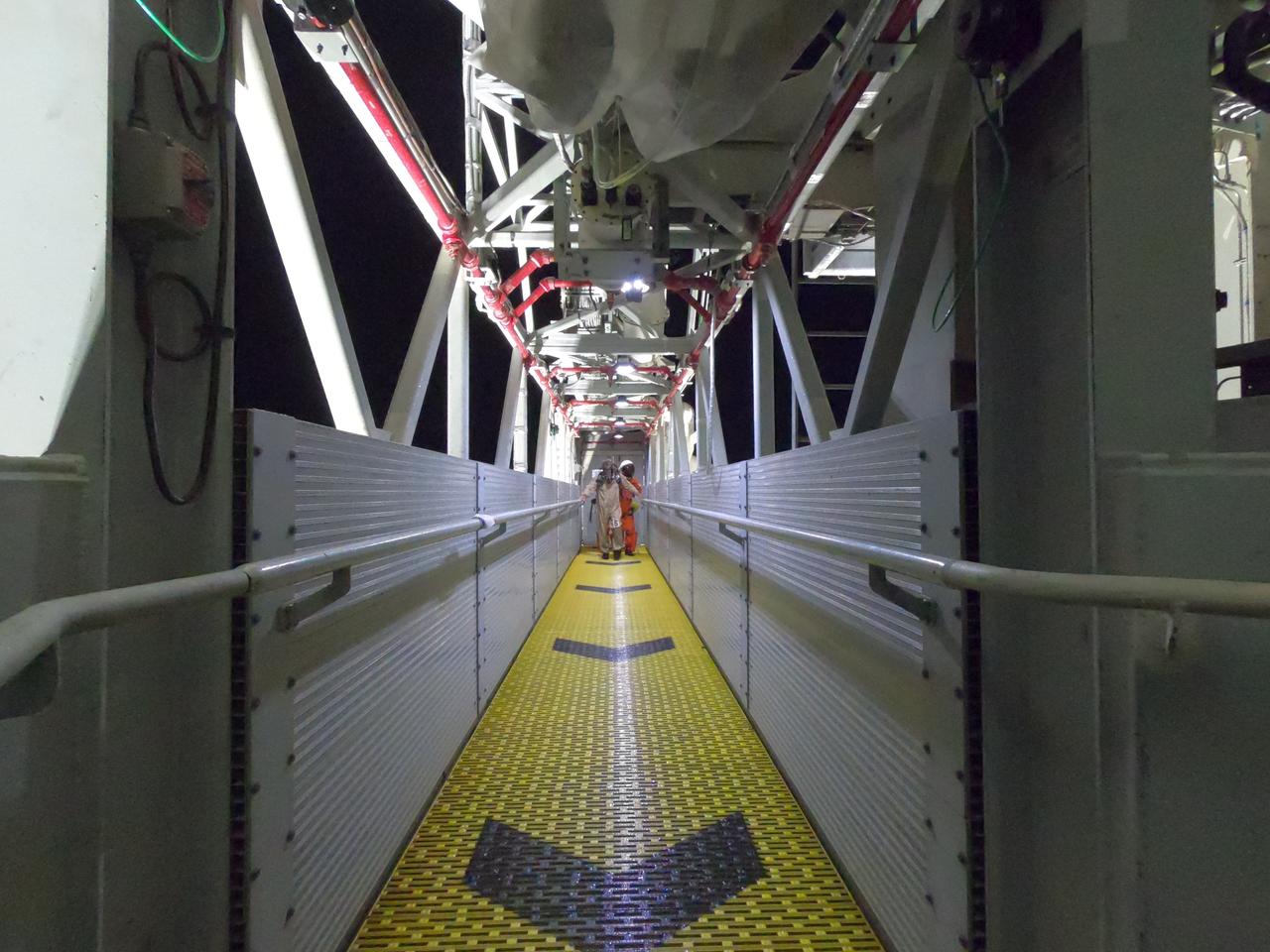
Teams at NASA’s Kennedy Space Center in Florida practice the Artemis mission emergency escape or egress procedures during a series of integrated system verification and validation tests at Launch Pad 39B on Tuesday, Aug. 13, 2024. Members of the closeout crew, pad rescue team, and the Exploration Ground Systems Program – who also suited up as astronauts – practiced the process of getting inside and out of the emergency egress baskets. While the crew and other personnel will ride the emergency egress baskets to the terminus area in a real emergency, no one rode the baskets for this test. Instead, teams tested the baskets during separate occasions by using water tanks filled to different levels to replicate simulate the weight of passengers.
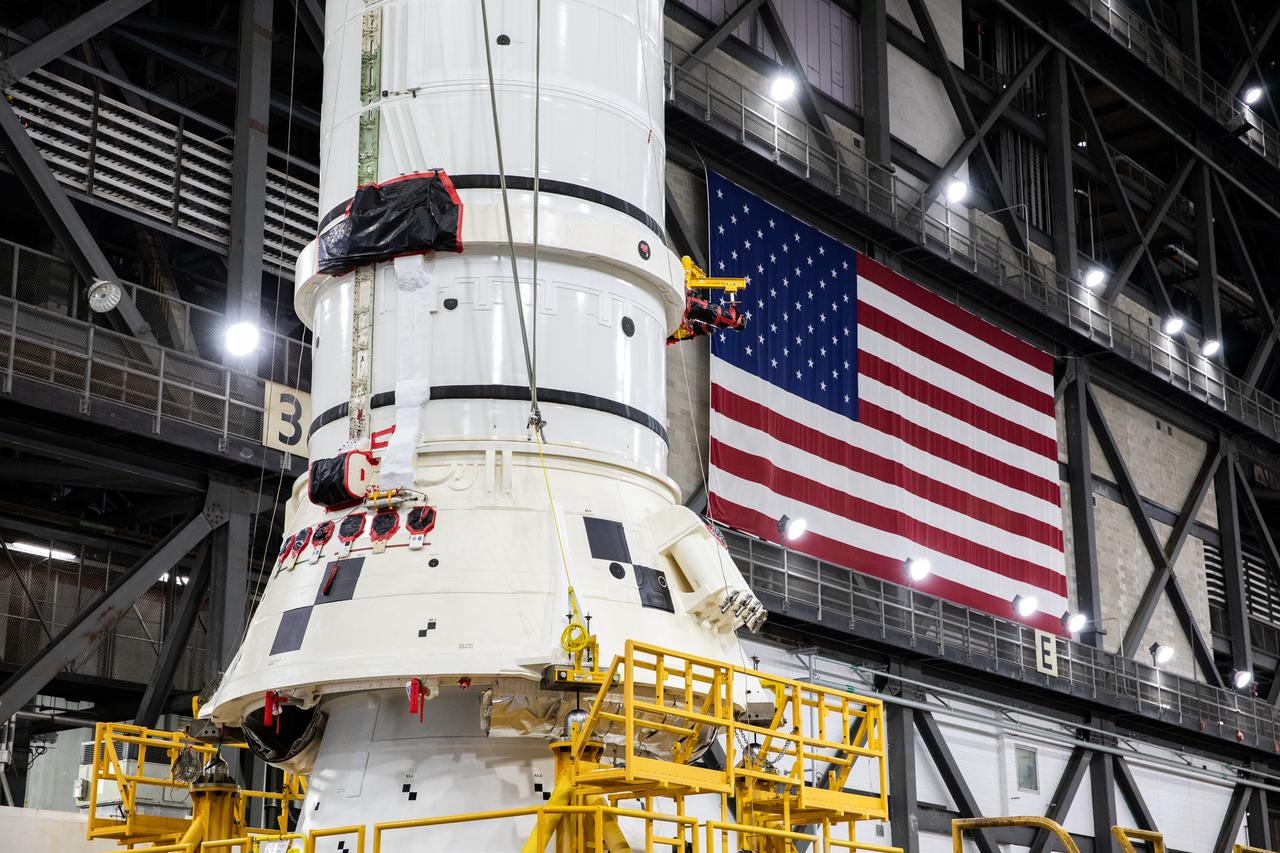
Engineers and technicians with the Exploration Ground Systems Program attach an overhead crane to the left aft assembly, or bottom portion of the solid rocket boosters for the SLS (Space Launch System) rocket, inside the Vehicle Assembly Building at NASA’s Kennedy Space Center on Tuesday, Nov. 19, 2024. The crane will lift the aft assembly on top of mobile launcher 1 followed by the right aft assembly and stack the remaining booster segments for the Artemis II mission.

iss071e488644 (Aug. 13, 2024) --- The seaport of Barranquilla, Colombia, on the Magdalena River that leads into the Carribean Sea, is pictured from the International Space Station as it orbited 257 miles above the South American nation.
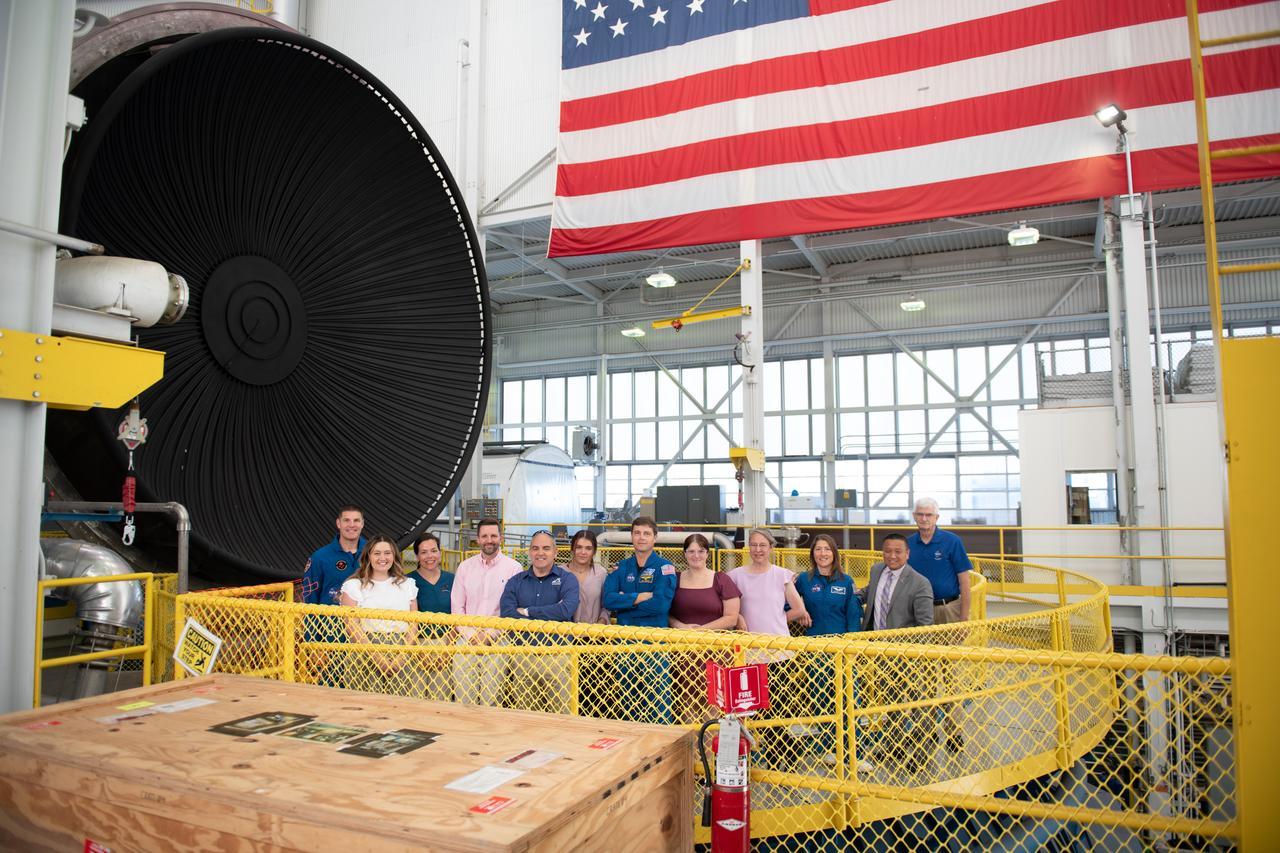
Tours were given of the In Space Propulsion Facility (ISP) in Sandusky, OH at Neil Armstrong Test Facility. NASA’s Facility is the world’s only high altitude test facility capable of full-scale rocket engine and launch vehicle system level tests. The facility supports mission profile thermal vacuum simulation and engine firing. From Left to Right: Jeremy Hansen, Allison Tankersley, Kathryn Oriti, Jan-Henrik Horstmann, Carlos Garcia-Galan, Penelope Garcia-Galan, Reid Wiseman, Jessica Isabell, Tiffany O'Rourke, Howard Hu, General David Stringer. Commander Reid Wiseman and Mission Specialists Christina Koch and Jeremy Hansen will be on hand to discuss their upcoming mission and participate in a Question and Answer session with employees afterward. Hansen is an astronaut with the Canadian Space Agency. Victor Glover, the pilot and fourth crew member, will not be present. Photo Credit: (NASA/Sara Lowthian-Hanna)

iss071e046021 (April 27, 2024) -- Off the coast of Newfoundland, NASA astronaut Mike Barratt captured this image of sea ice as the International Space Station orbited 258 miles above the North Atlantic Ocean. The sea ice appears in swirls floating on the ocean's surface. From the orbiting laboratory's unique vantage point, astronauts can observe events on our home planet that are otherwise impossible to witness on the ground.
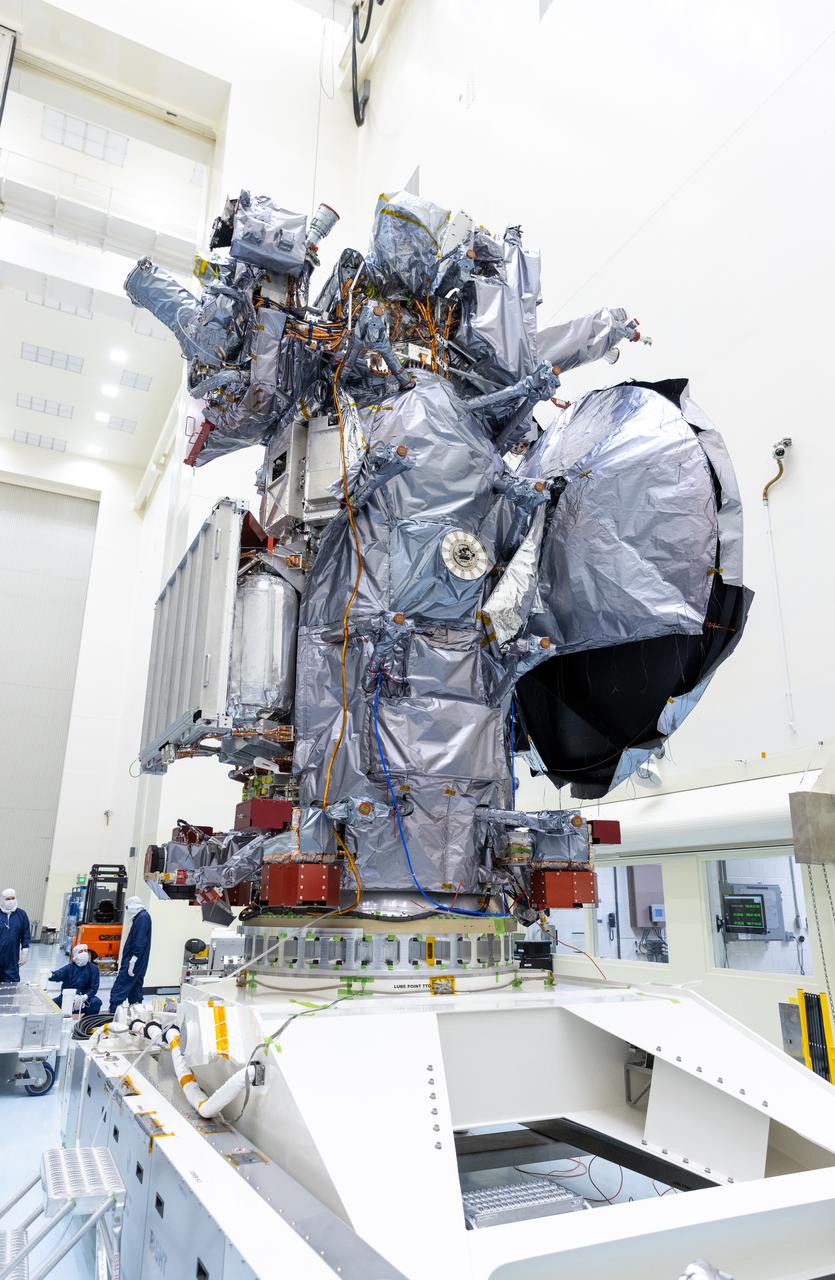
Technicians prepare to install the nearly 10 feet (3 meters) wide dish-shaped high-gain antenna to NASA’s Europa Clipper, a spacecraft to study Jupiter’s icy moon, at the agency’s Payload Hazardous Servicing Facility at Kennedy Space Center in Florida on Tuesday, June 18, 2024. The spacecraft will perform a series of flybys of the Jupiter moon Europa to gather data on its atmosphere, icy crust, and the ocean underneath, and the high-gain antenna will send the research data to scientists on Earth to determine if the moon can support habitable condition. The Europa Clipper spacecraft is scheduled to launch atop a SpaceX Falcon Heavy rocket from Kennedy’s Launch Complex 39A no earlier than October 2024.
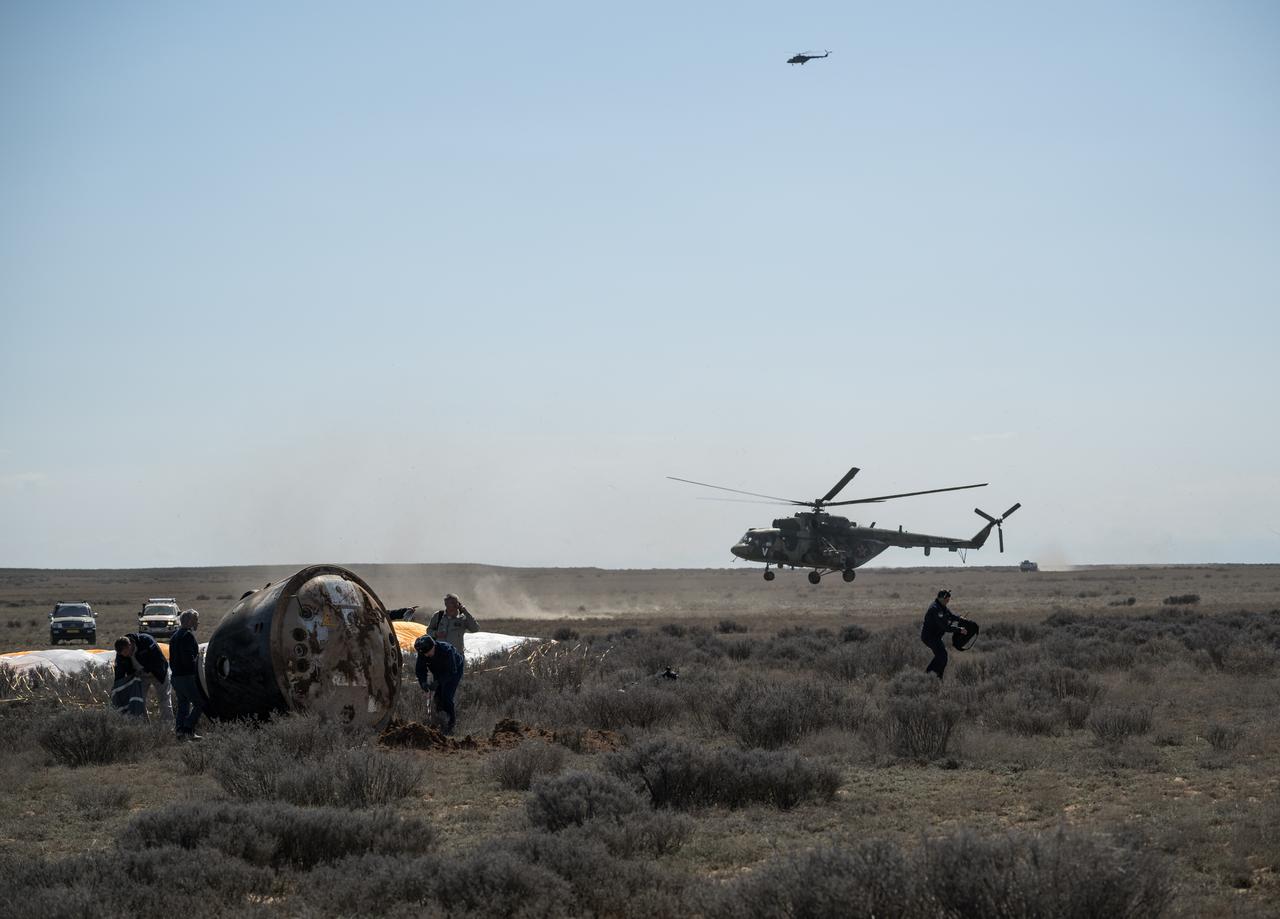
Russian Search and Rescue teams arrive at the Soyuz MS-24 spacecraft shortly after it landed in a remote area near the town of Zhezkazgan, Kazakhstan with Expedition 70 NASA astronaut Loral O'Hara, Roscosmos cosmonaut Oleg Novitskiy, and Belarus spaceflight participant Marina Vasilevskaya, Saturday, April 6, 2024. O’Hara is returning to Earth after logging 204 days in space as a member of Expeditions 69-70 aboard the International Space Station and Novitskiy and Vasilevskaya return after having spent the last 14 days in space. Photo Credit (NASA/Bill Ingalls)
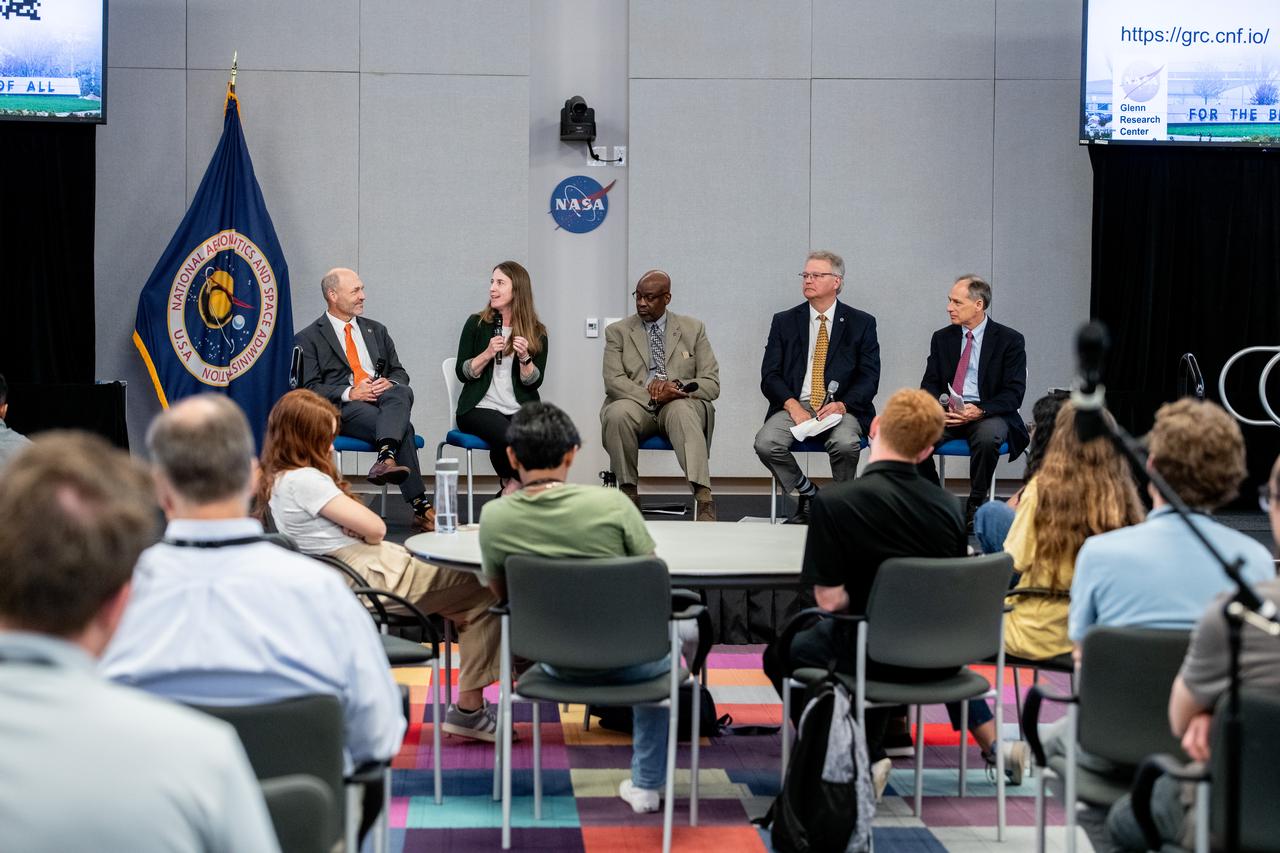
During the meeting, Dr. Calvin and center leaders will explore how technologies being developed at NASA Glenn could help reduce the effects of climate change. The panelists who will be leading the discussion include: Dr. Calvin; Larry Sivic, Associate Director; Dr. Rickey Shyne, Director of Research and Engineering; Bryan Smith, Director of Facilities, Test, & Manufacturing; and W. Allen Kilgore, Acting Director of Aeronautics. Director of Space Flight Systems Dr. Mike Barrett will serve as the moderator.
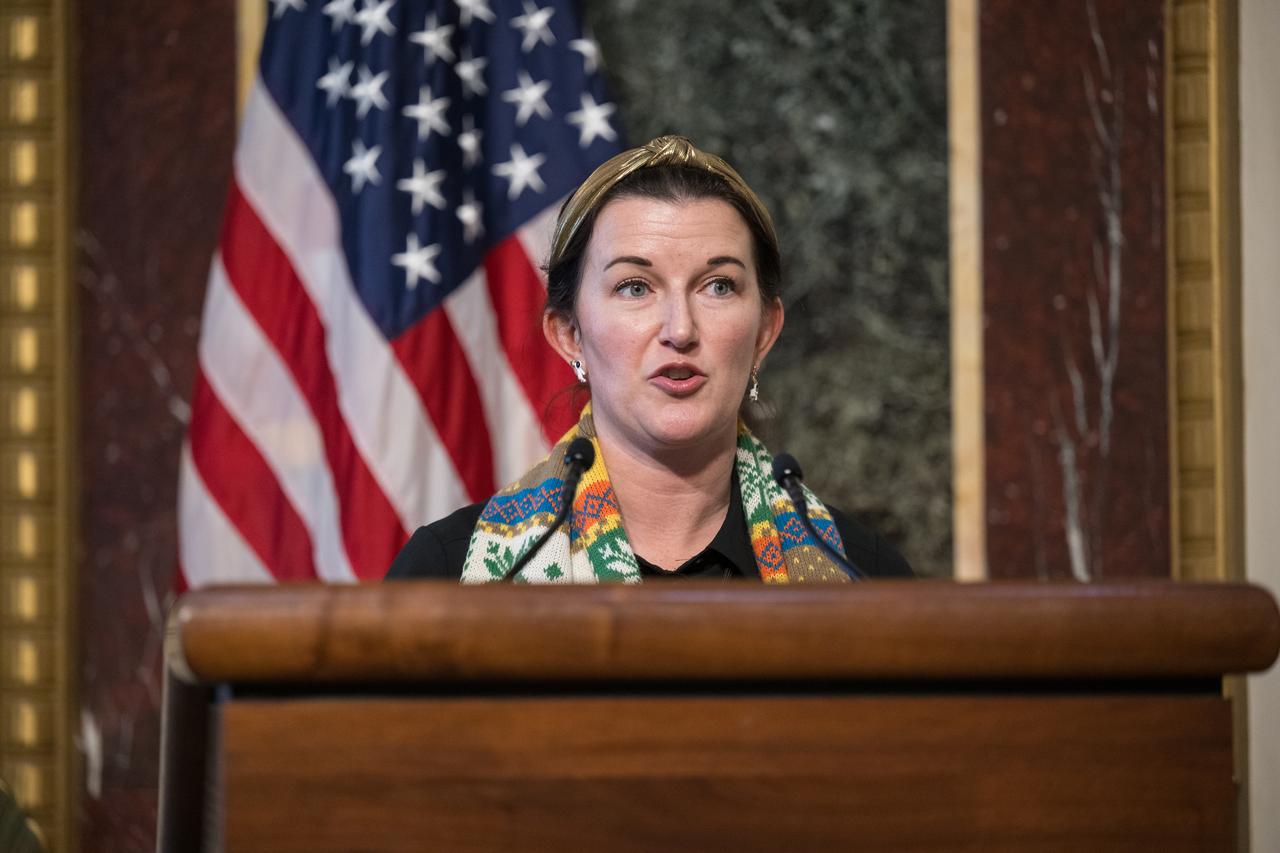
Assistant Director for Space Policy, White House Office of Science and Technology Policy, Jinni Meehan, provides closing remarks at the Microgravity Science Summit at the Eisenhower Executive Office Building, Monday, Dec. 13, 2024 in Washington. Photo Credit: (NASA/Aubrey Gemignani)

Diana Trujillo, NASA Human Spaceflight Director, right, speaks on a panel with, from left to right, moderator Trina Espinoza, Science Communicator, Hispanic Heritage Foundation, Ingrid Padilla, Professor in Environmental and Water Resources Engineering, University of Puerto Rico, Mayaguez (UPRM), and Frank Avila, Deputy Director, Source Operations, National Geospatial-Intelligence Agency (NGA), at a White House Hispanic Heritage month event titled “Soaring Together: Inspiring the Next Generation of Space Leaders” at the Eisenhower Executive Office Building, Monday, Sept. 30, 2024 in Washington. Photo Credit: (NASA/Aubrey Gemignani)
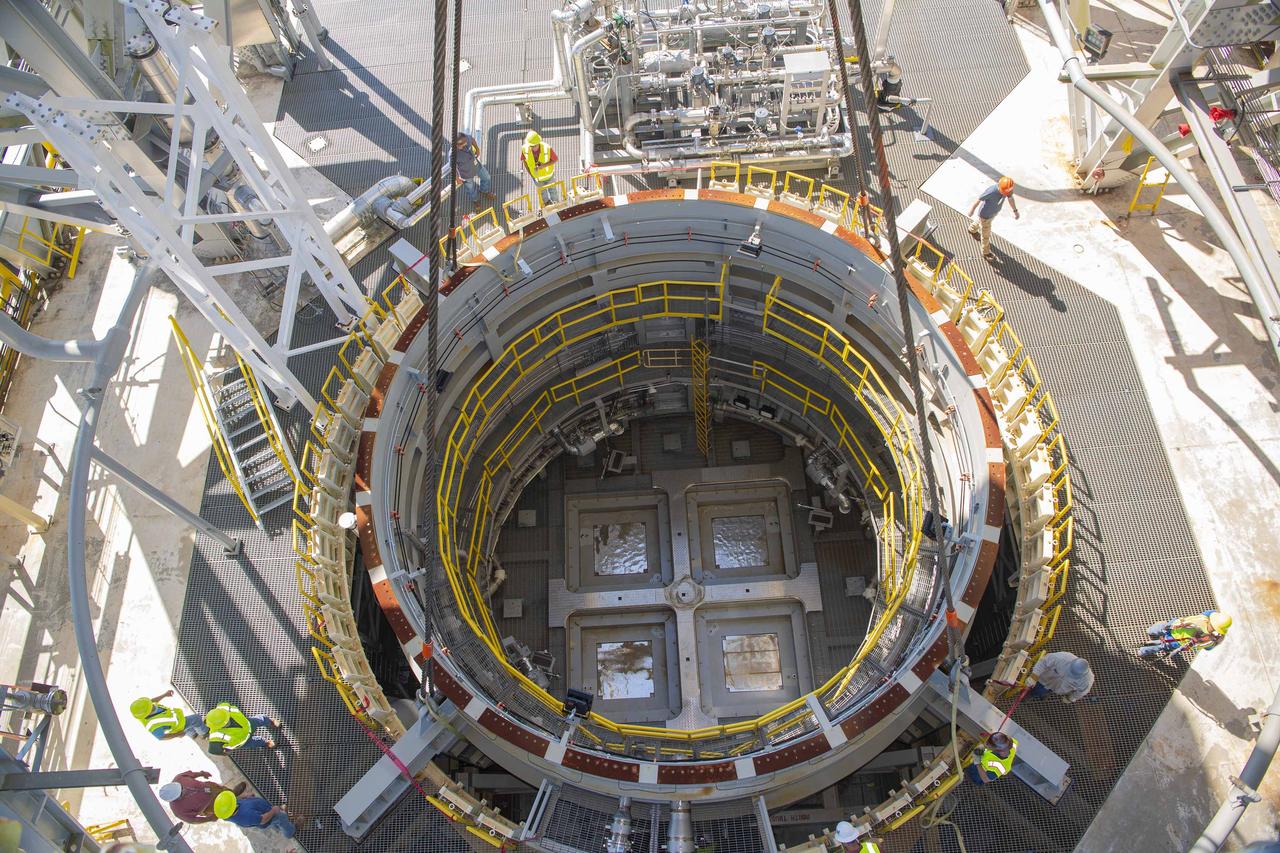
Teams at NASA’s Stennis Space Center complete a safe lift and install of an interstage simulator unit needed for future testing of NASA’s exploration upper stage (EUS) in the B-2 position of the Thad Cochran Test Stand. The lift and install, completed over a two-week period that began Oct. 10, marks a milestone for testing the new SLS (Space Launch System) rocket stage that will fly on future Artemis missions to the Moon and beyond. The EUS will undergo a series of Green Run tests of its integrated systems prior to its first flight. During testing, the interstage simulator component will function like the SLS interstage section that helps protect the upper stage during Artemis launches.
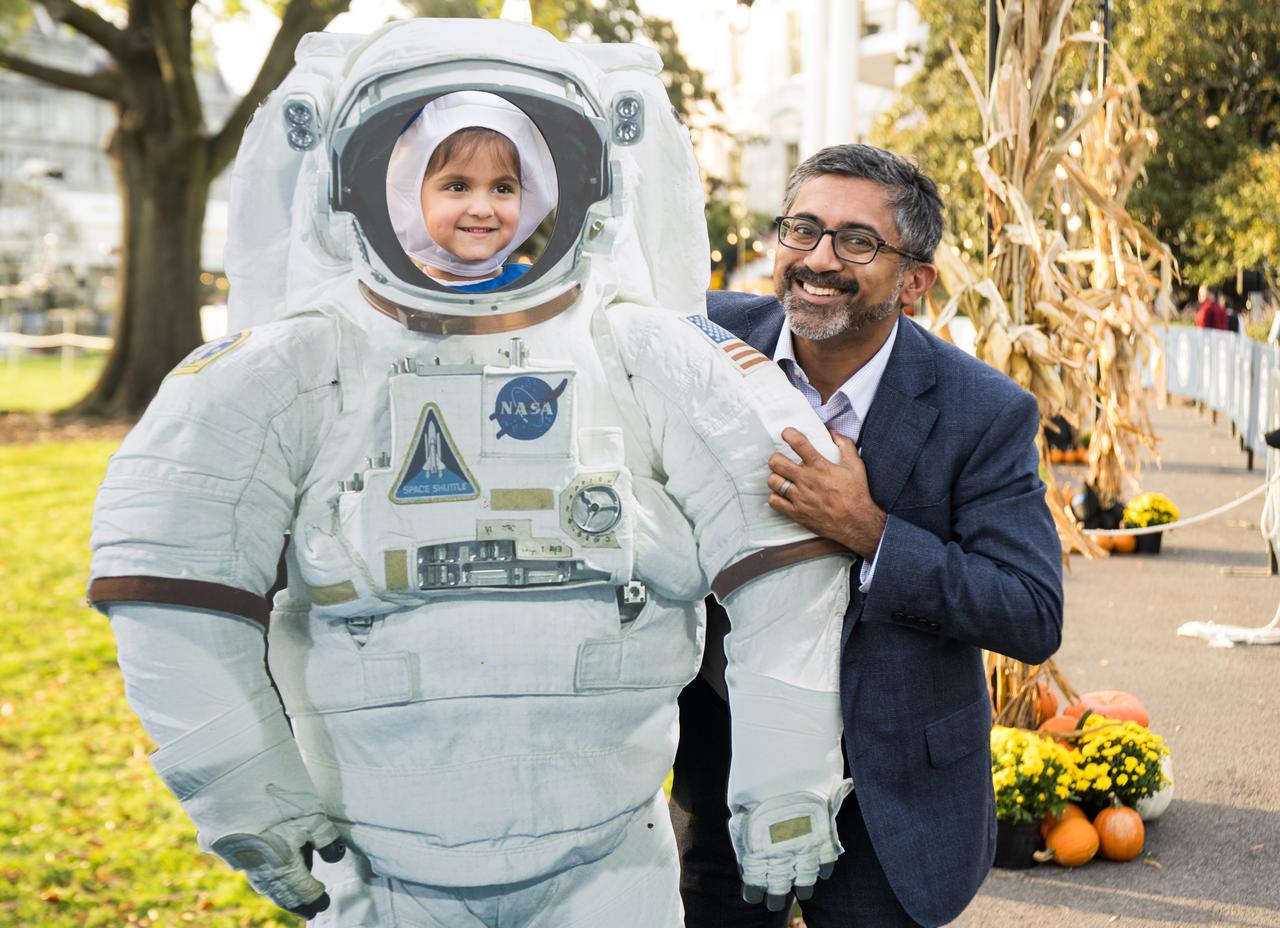
Chirag Parikh, Deputy Assistant to the President and Executive Secretary of the National Space Council and family pose for a photo at a White House Halloween themed event titled, “Hallo-READ!” on Wednesday, Oct. 30, 2024 on the south lawn of the White House in Washington. Photo Credit: (NASA/Aubrey Gemignani)
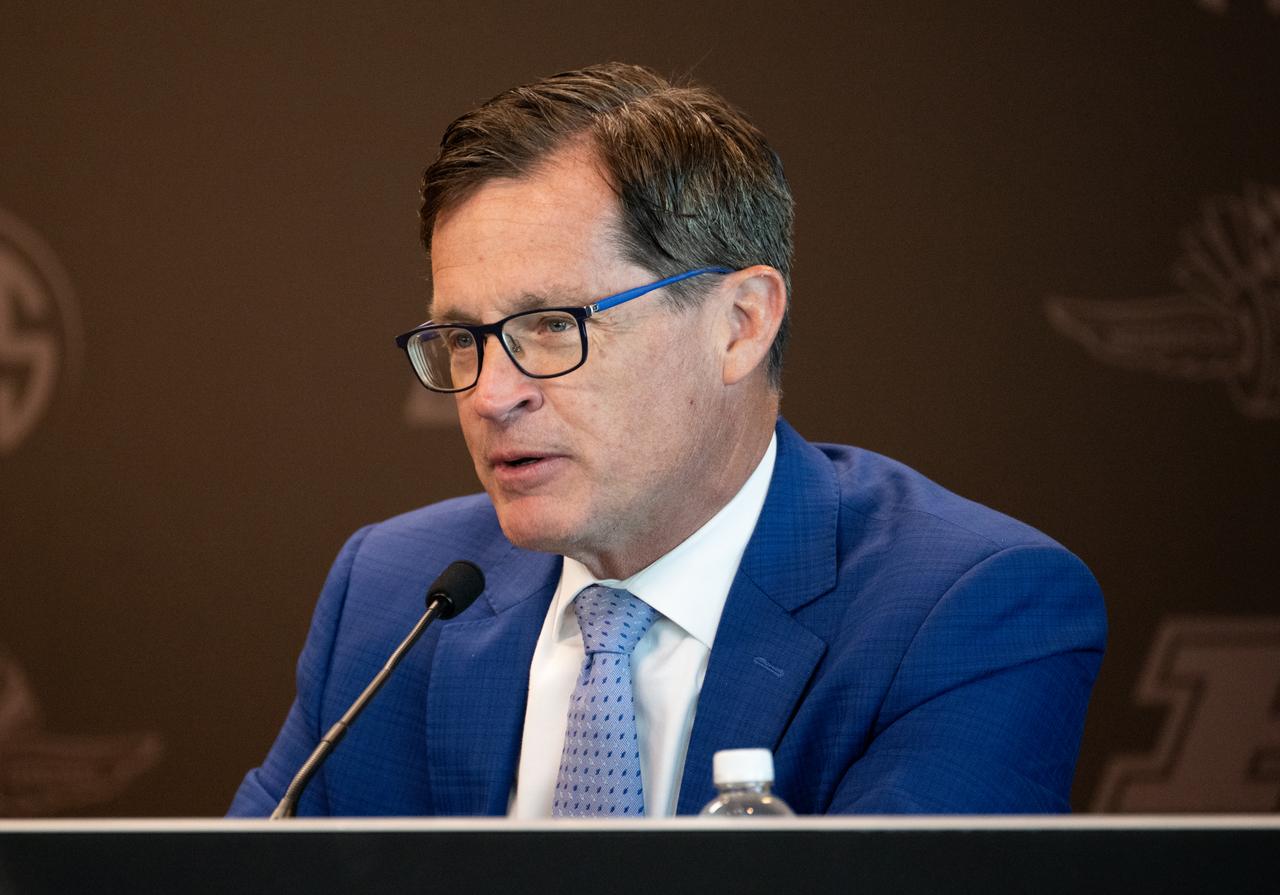
Doug Boles, Indianapolis Motor Speedway President, is seen during a press conference at the Indianapolis Motor Speedway ahead of a total solar eclipse, Monday, April 8, 2024, in Indianapolis, Ind. A total solar eclipse will sweep across a narrow portion of the North American continent from Mexico’s Pacific coast to the Atlantic coast of Newfoundland, Canada. A partial solar eclipse will be visible across the entire North American continent along with parts of Central America and Europe. Photo Credit: (NASA/Joel Kowsky)

AirVenture at Oshkosh 2024
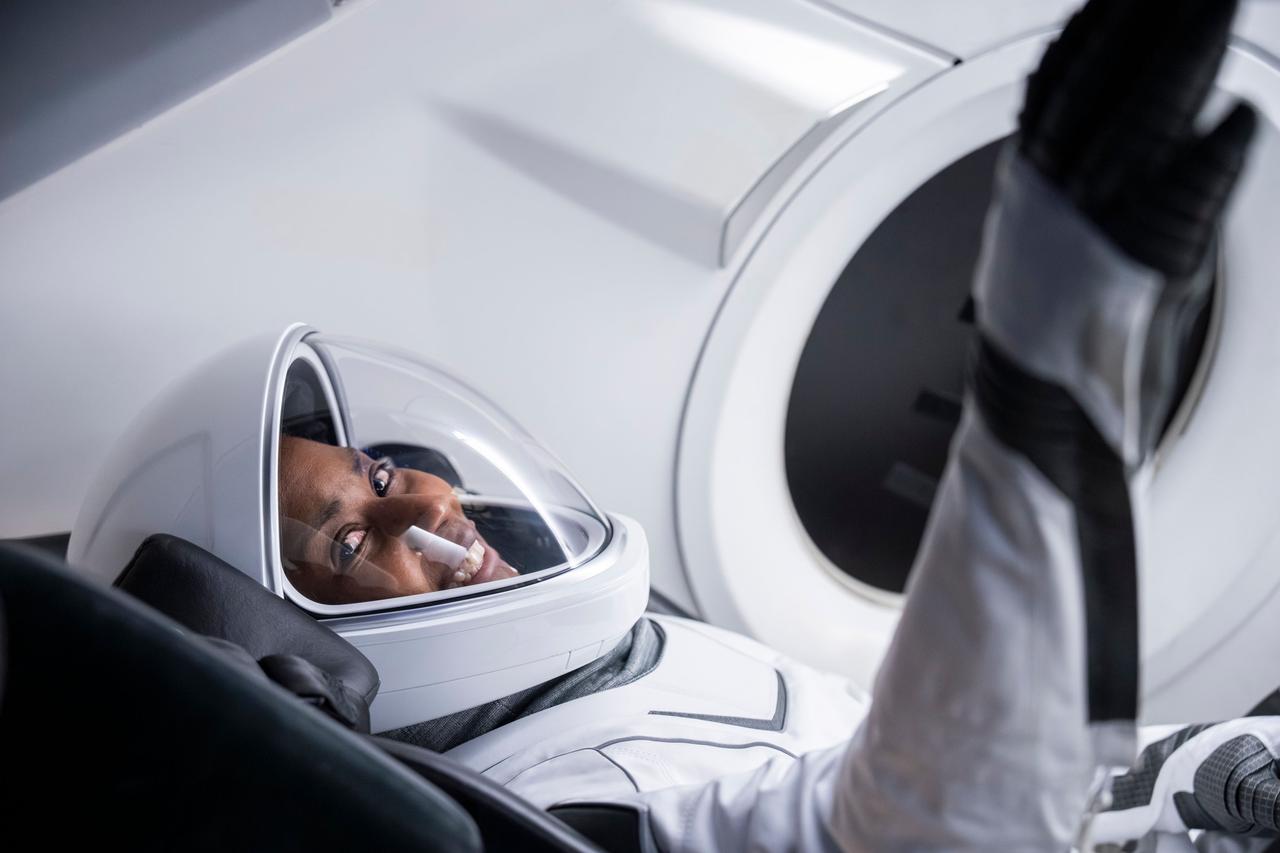
jsc2024e050137 (May 27, 2024) --- SpaceX Crew-9 Mission Specialist Stephanie Wilson trains inside a Dragon mockup crew vehicle at the company's headquarters in Hawthorne, California. Credit: SpaceX

U.S. President Joe Biden and First Lady Jill Biden dressed in a panda costume, hand out candy at a White House Halloween themed event titled, “Hallo-READ!” on Wednesday, Oct. 30, 2024 on the south lawn of the White House in Washington. Photo Credit: (NASA/Aubrey Gemignani)

Bishop Ignatii of Kyzylorda and Aktobe gives blessings to personnel and the Soyuz rocket, Tuesday, Sept. 10, 2024, at the Baikonur Cosmodrome site 31 launch in Kazakhstan. Expedition 72 crew members: NASA astronaut Don Pettit, Roscosmos cosmonauts Alexey Ovchinin, and Ivan Vagner, are scheduled to launch aboard their Soyuz MS-26 spacecraft on September 11. Photo Credit: (NASA/Bill Ingalls)
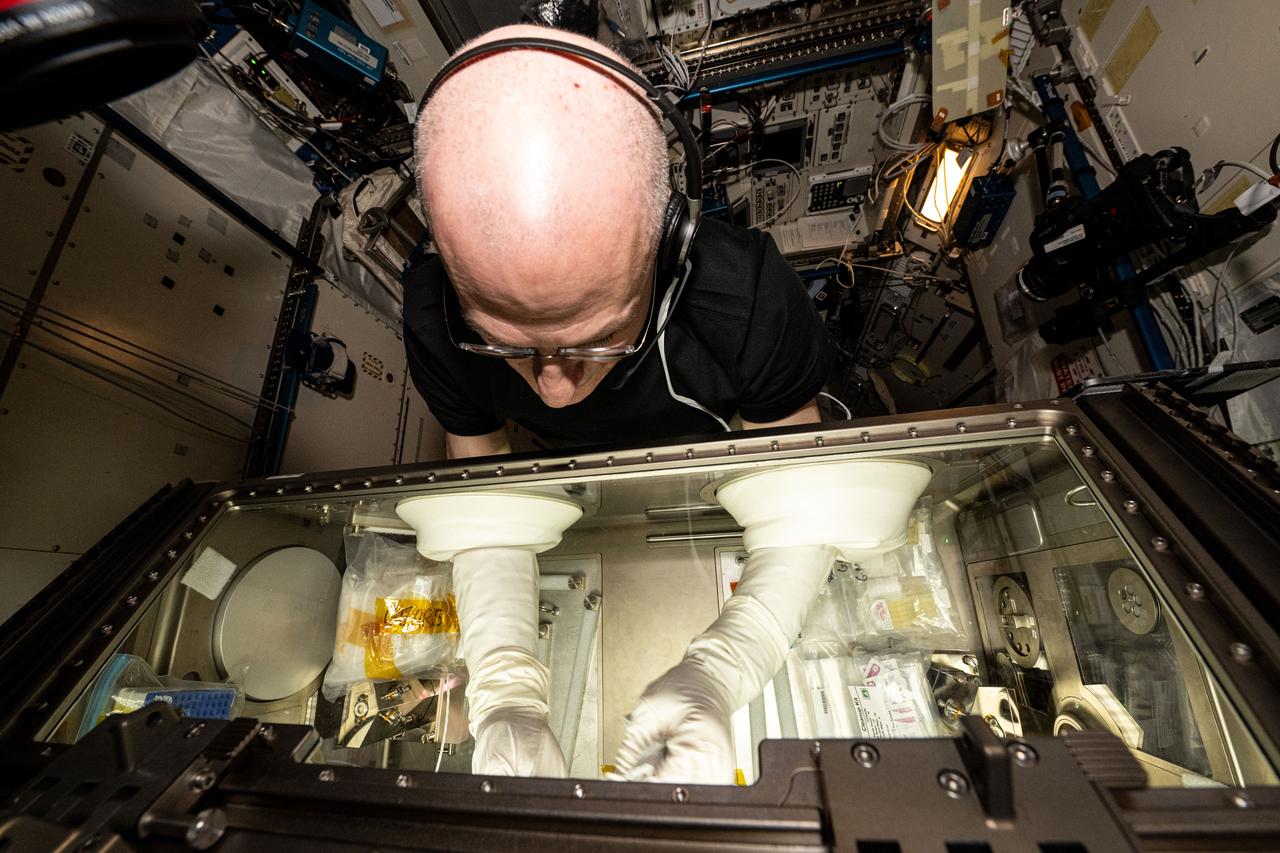
iss072e310952 (Dec. 3, 2024) --- NASA astronaut and Expedition 72 Flight Engineer Don Pettit processes bacteria samples in the Kibo laboratory module's Life Science Glove to understand why some pathogens are more potent in the microgravity environment. Those samples were also packed inside the SpaceX Dragon cargo spacecraft for return and analysis back on Earth. The space biology investigation uses genetic analysis techniques to identify the antibiotic resistant organisms and help researchers protect crew health on long-term space missions.
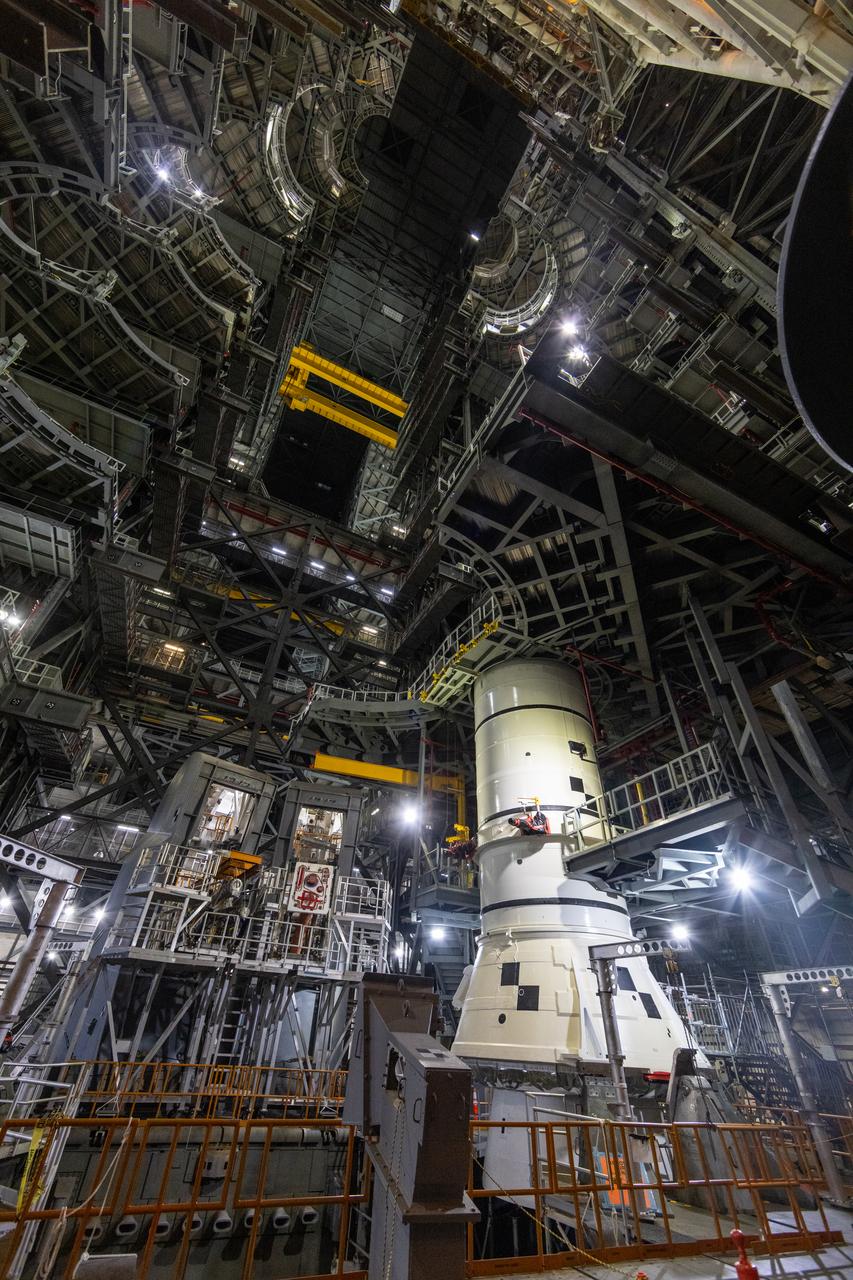
Engineers and technicians with the Exploration Ground Systems Program stack the first Moon rocket segment – the left aft assembly for the Artemis II SLS (Space Launch System) solid rocket booster onto mobile launcher 1 inside the Vehicle Assembly Building at NASA’s Kennedy Space Center on Wednesday, Nov. 20, 2024. The first of 10 booster segments to be stacked, the boosters will help support the remaining rocket components and the Orion spacecraft during final assembly of the Artemis II Moon rocket and provide more than 75 percent of the total SLS thrust during liftoff from NASA Kennedy’s Launch Pad 39B.
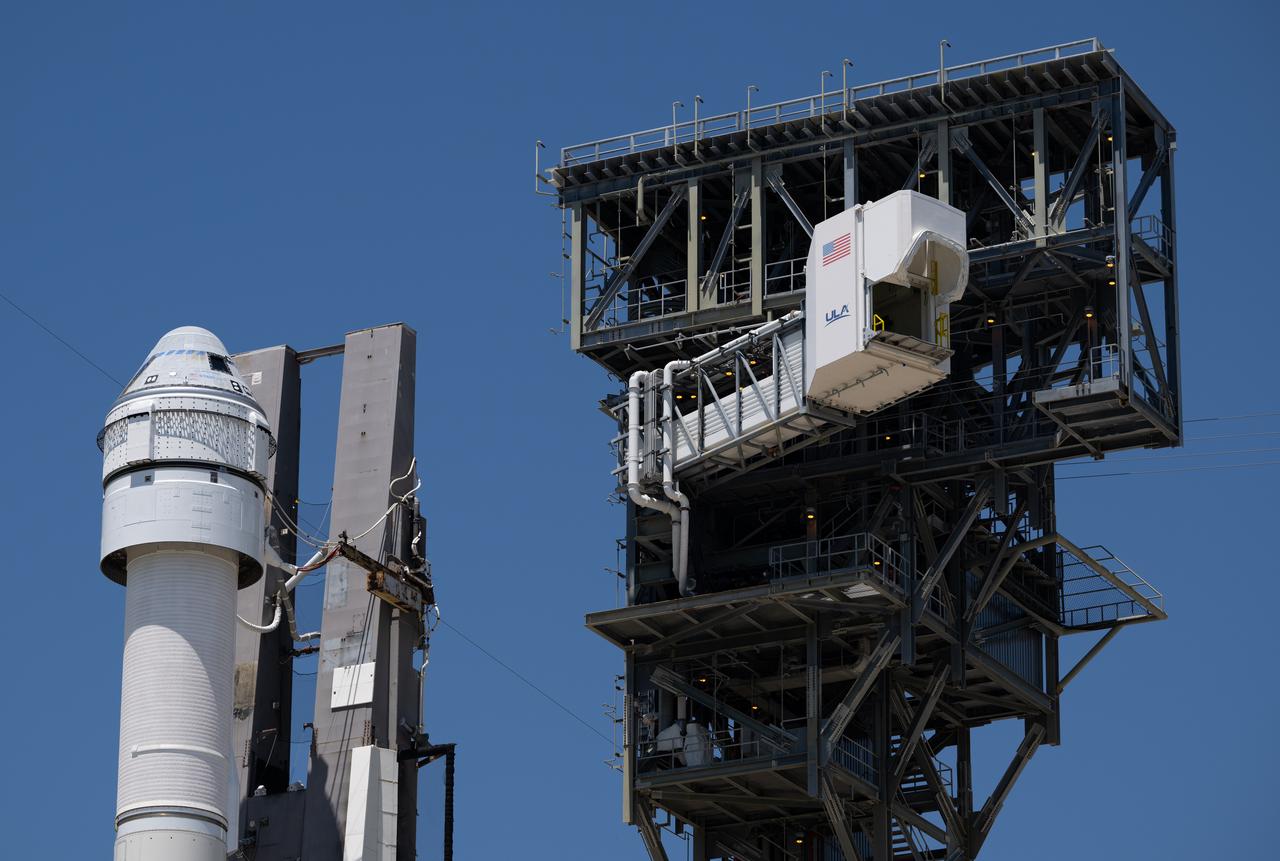
The crew access arm is seen as it is swung into position after a United Launch Alliance Atlas V rocket with Boeing’s CST-100 Starliner spacecraft aboard was rolled out of the Vertical Integration Facility to the launch pad at Space Launch Complex 41 ahead of the NASA’s Boeing Crew Flight Test, Thursday, May 30, 2024 at Cape Canaveral Space Force Station in Florida. NASA’s Boeing Crew Flight Test is the first launch with astronauts of the Boeing CFT-100 spacecraft and United Launch Alliance Atlas V rocket to the International Space Station as part of the agency’s Commercial Crew Program. The flight test, targeted for launch at 12:25 p.m. EDT on Saturday, June 1, serves as an end-to-end demonstration of Boeing’s crew transportation system and will carry NASA astronauts Butch Wilmore and Suni Williams to and from the orbiting laboratory. Photo Credit: (NASA/Joel Kowsky)
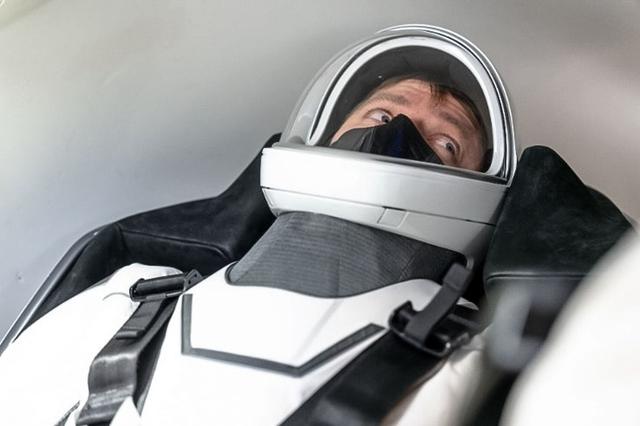
jsc2024e064443 - Roscosmos cosmonaut and mission specialist of NASA’s SpaceX Crew-10 mission Kirill Peskov is pictured training inside a Dragon mockup crew vehicle at the company's in Hawthorne, California. Credit: SpaceX
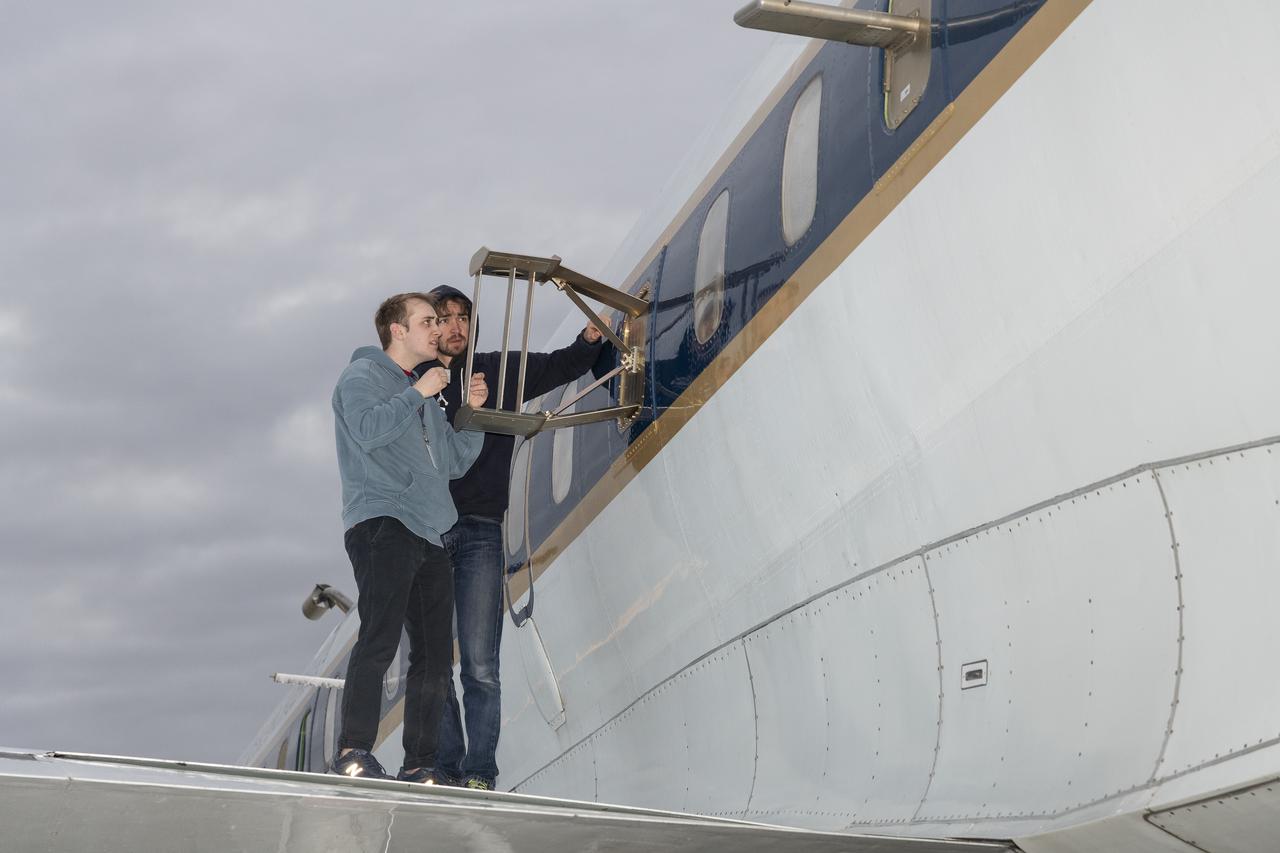
Scientists Ryan Boyd (left) and Vladislav Sevostianov (right) attend to the Optical Payload for Lasercomm Science (OPALS) instrument on the exterior the DC-8 aircraft at Building 703 in Palmdale, CA. The DC-8 aircraft is prepared for its last mission, ASIA-AQ (Airborne and Satellite Investigation of Asian Air Quality), that will collect detailed air quality data over several locations in Asia to improve the understanding of local air quality in collaboration with local scientists, air quality agencies, and government partners
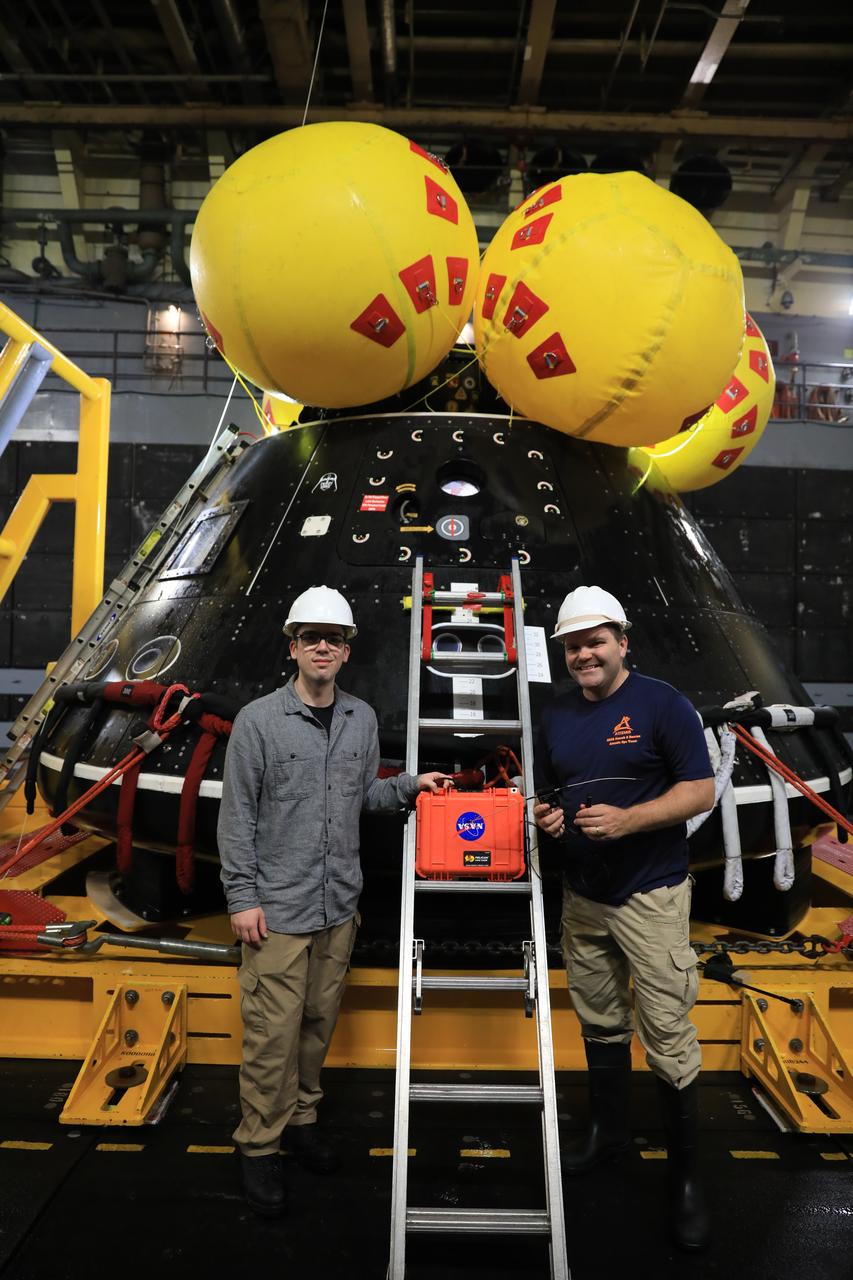
Members of NASA’s Exploration Ground System’s Landing and Recovery team aboard the USS San Diego pose in front of a mockup of the Orion spacecraft during Underway Recovery Test 11 (URT-11) off the coast of San Diego, California on Sunday, Feb. 25, 2024. URT-11 is the eleventh in a series of Artemis recovery tests, and the first time NASA and its partners put their Artemis II recovery procedures to the test with the astronauts.
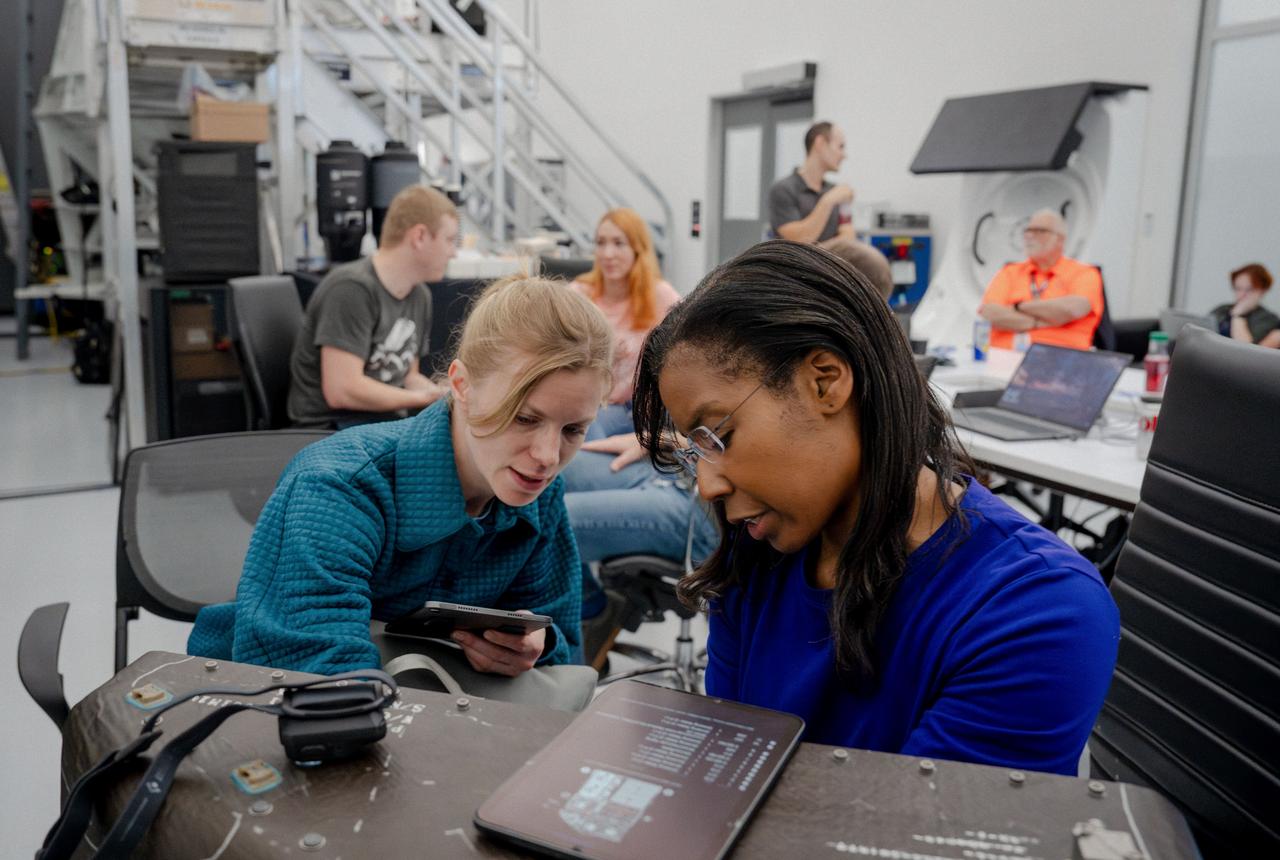
jsc2024e024937 (March 1, 2024) --- NASA’s SpaceX Crew-9 members Commander Zena Cardman and Mission Specialist Stephanie Wilson focus closely on their training, which shows them how to ensure proper weight and balance across the Dragon spacecraft prior to departure and entry. Credit: SpaceX
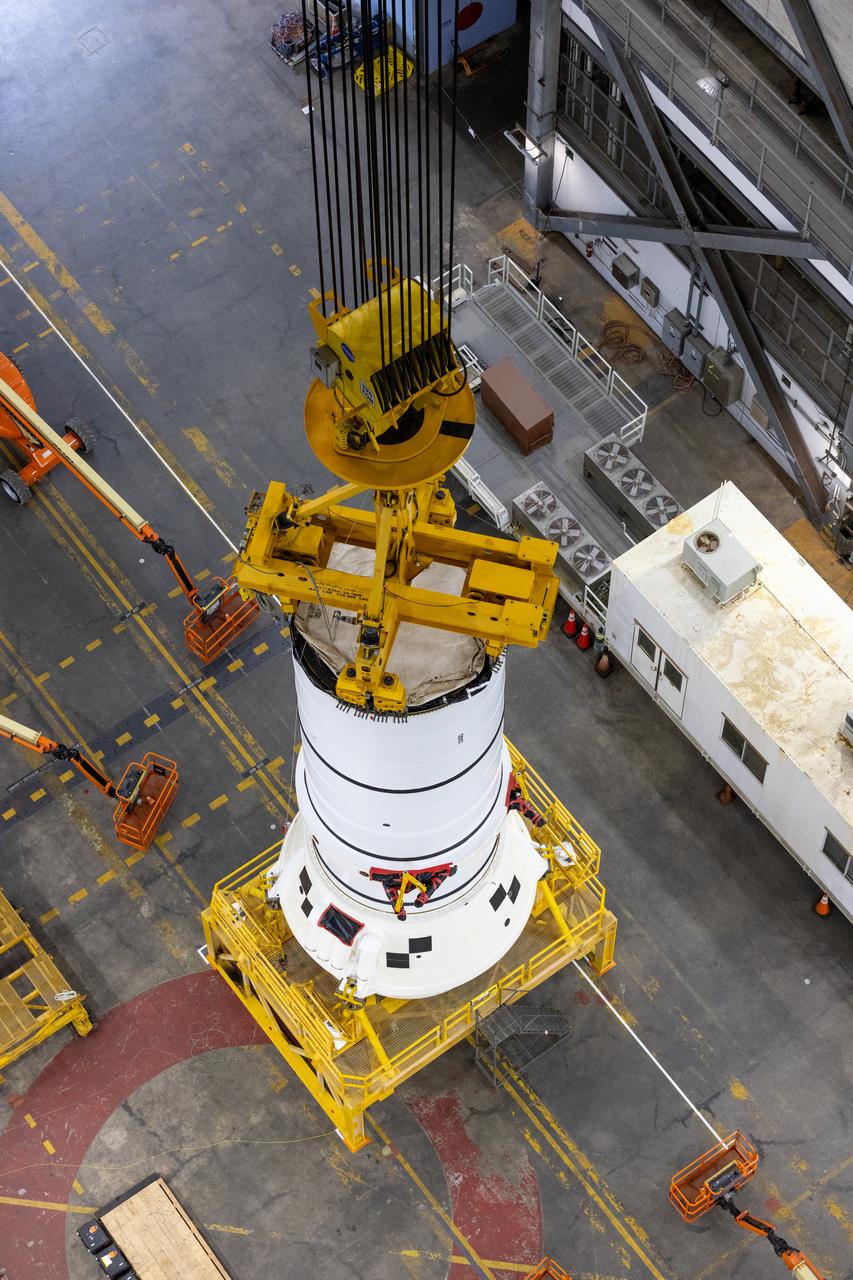
Engineers and technicians with the Exploration Ground Systems Program attach an overhead crane to the left aft assembly, or bottom portion of the solid rocket boosters for the SLS (Space Launch System) rocket inside the Vehicle Assembly Building at NASA’s Kennedy Space Center on Tuesday, Nov. 19, 2024. The crane will lift the aft assembly on top of mobile launcher 1 followed by the right aft assembly and stack the remaining booster segments for the Artemis II mission.
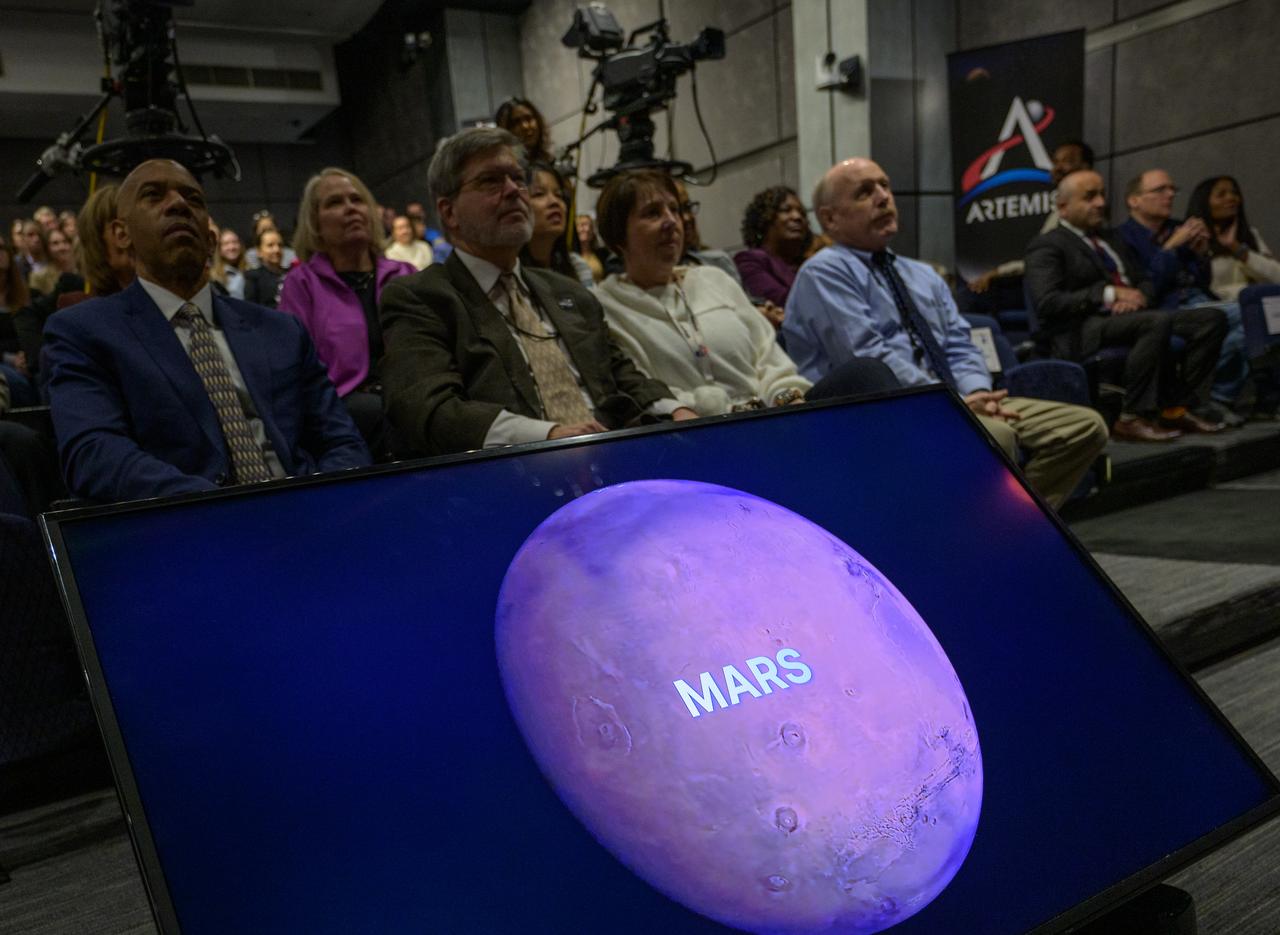
Employees watch a video during a NASA agencywide all hands, Friday, Dec. 6, 2024, at the NASA Headquarters Mary W. Jackson Building in Washington. Photo Credit: (NASA/Bill Ingalls)

iss071e578476 (Aug. 14, 2024) --- The Nile River runs alongside the Red Sea in this photograph from the International Space Station as it orbited 258 miles above the Middle East. At lower left, is one of the two cymbal-shaped UltraFlex solar arrays that power the Northrop Grumman space freighter.
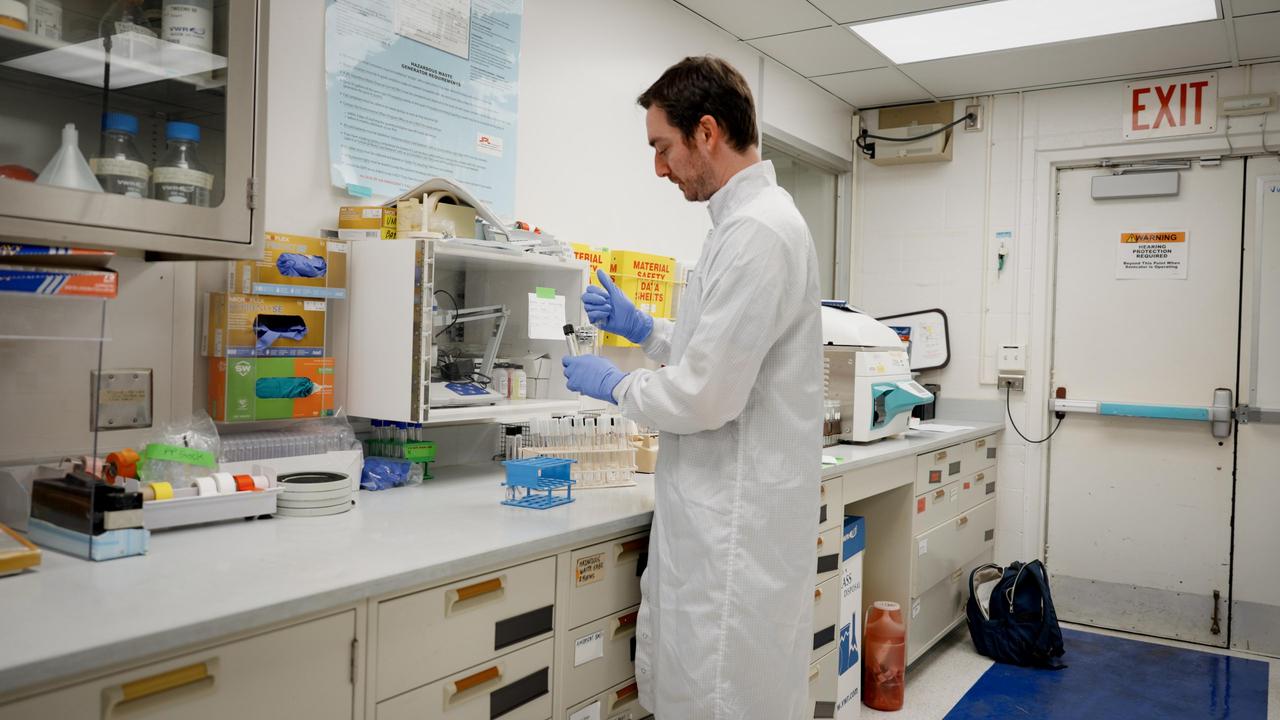
A planetary protection engineer at NASA's Jet Propulsion Laboratory prepares samples for analysis on March 20, 2024. The samples, swabbed from the surfaces of the agency's Europa Clipper spacecraft during its construction, were collected to help monitor the mission's adherence to strict standards for biological cleanliness. Created in keeping with the international 1967 Outer Space Treaty, the mission's planetary protection protocols are designed to minimize the chance that microbes brought from Earth could compromise future scientific investigations at its target destination: Jupiter's icy moon Europa. Europa Clipper's three main science objectives are to determine the thickness of the moon's icy shell and its interactions with the ocean below, to investigate its composition, and to characterize its geology. The mission's detailed exploration of Europa will help scientists better understand the astrobiological potential for habitable worlds beyond our planet. https://photojournal.jpl.nasa.gov/catalog/PIA26441
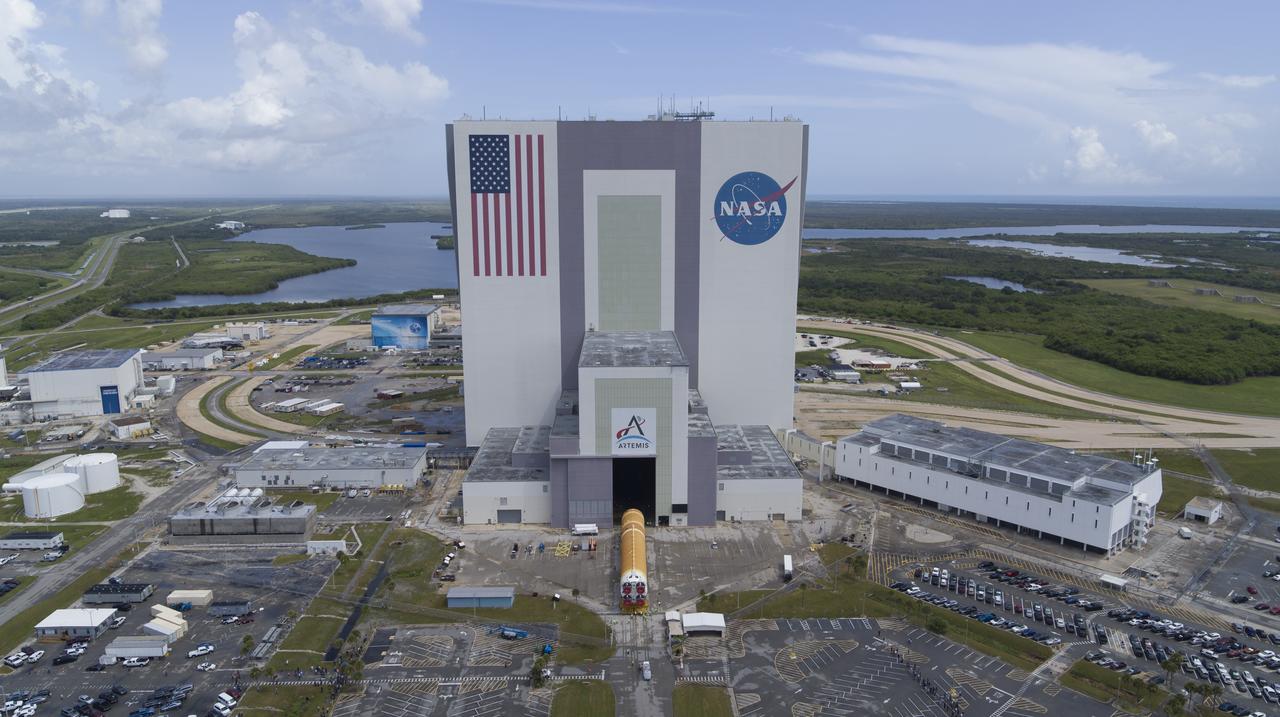
In this aerial view, teams with Exploration Ground Systems (EGS) transport the agency’s powerful SLS (Space Launch System) core stage to the Vehicle Assembly Building at NASA’s Kennedy Space Center in Florida on Wednesday, July 24, 2024, after it completed the journey from NASA’s Michoud Assembly Facility in New Orleans aboard the Pegasus barge. In the coming months, SLS will be prepared for integration atop the mobile launcher ahead of the Artemis II launch.
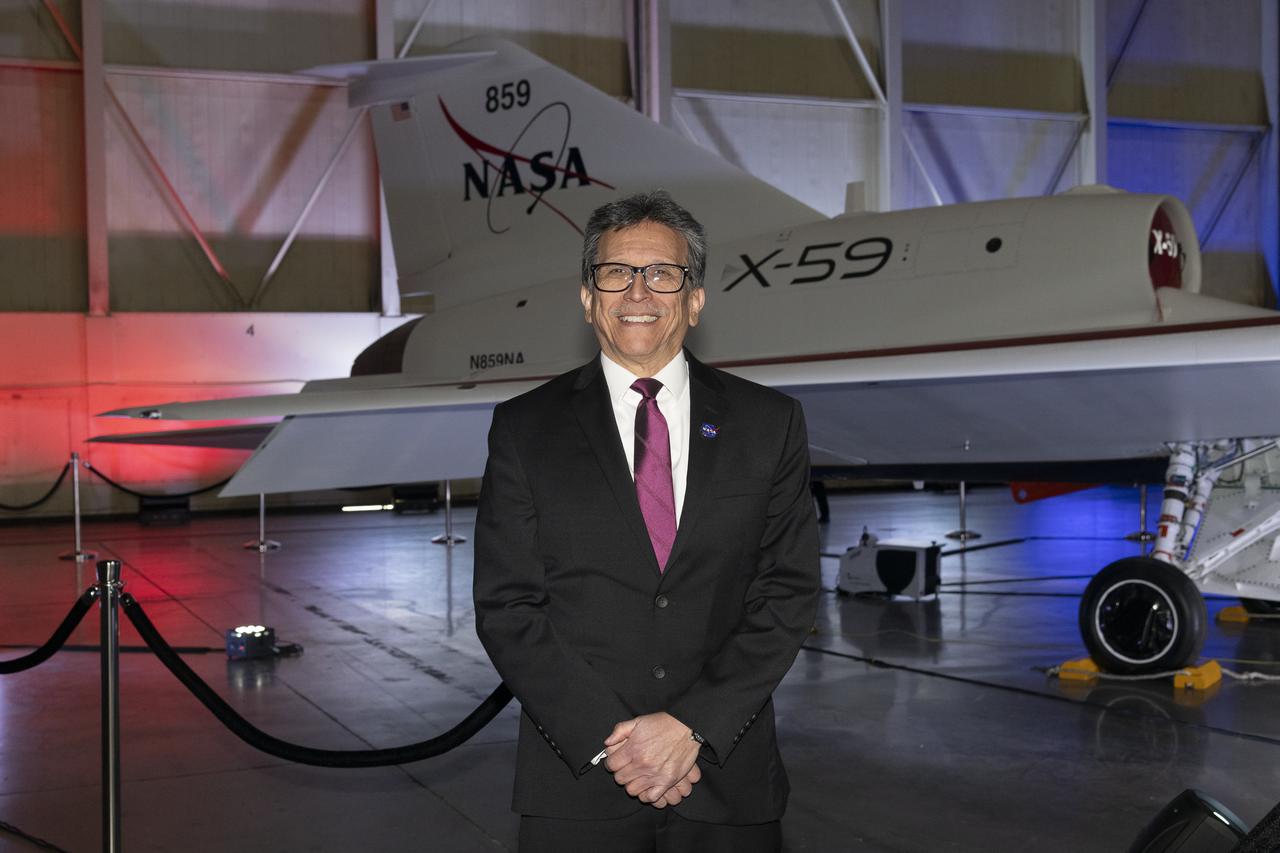
NASA’s structures lead for the X-59, Dr. Walt Silva, poses in front of the agency’s X-59 quiet supersonic research aircraft at a January 12, 2024 event at Lockheed Martin Skunk Works in Palmdale, California. The X-59 is the centerpiece of NASA’s Quesst mission, which seeks to solve one of the major barriers to supersonic flight over land, currently banned in the United States, by making sonic booms quieter.
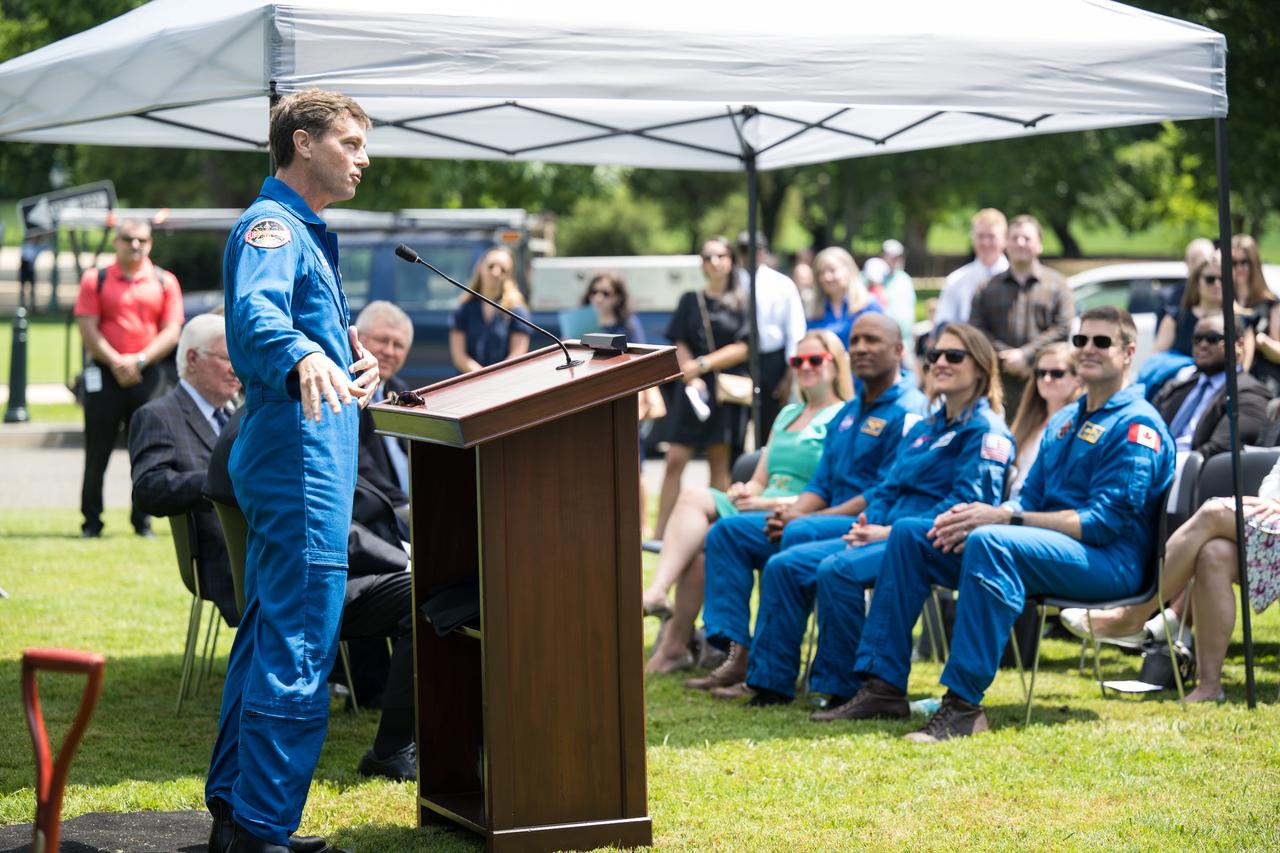
Artemis II Commander, NASA astronaut Reid Wiseman provides remarks at a Moon tree dedication ceremony, Tuesday, June 4, 2024 at the United States Capitol in Washington. The American Sweetgum tree planted on the southwestern side of the Capitol, was grown from a seed that was flown around the Moon during the Artemis I mission. Photo Credit: (NASA/Aubrey Gemignani)
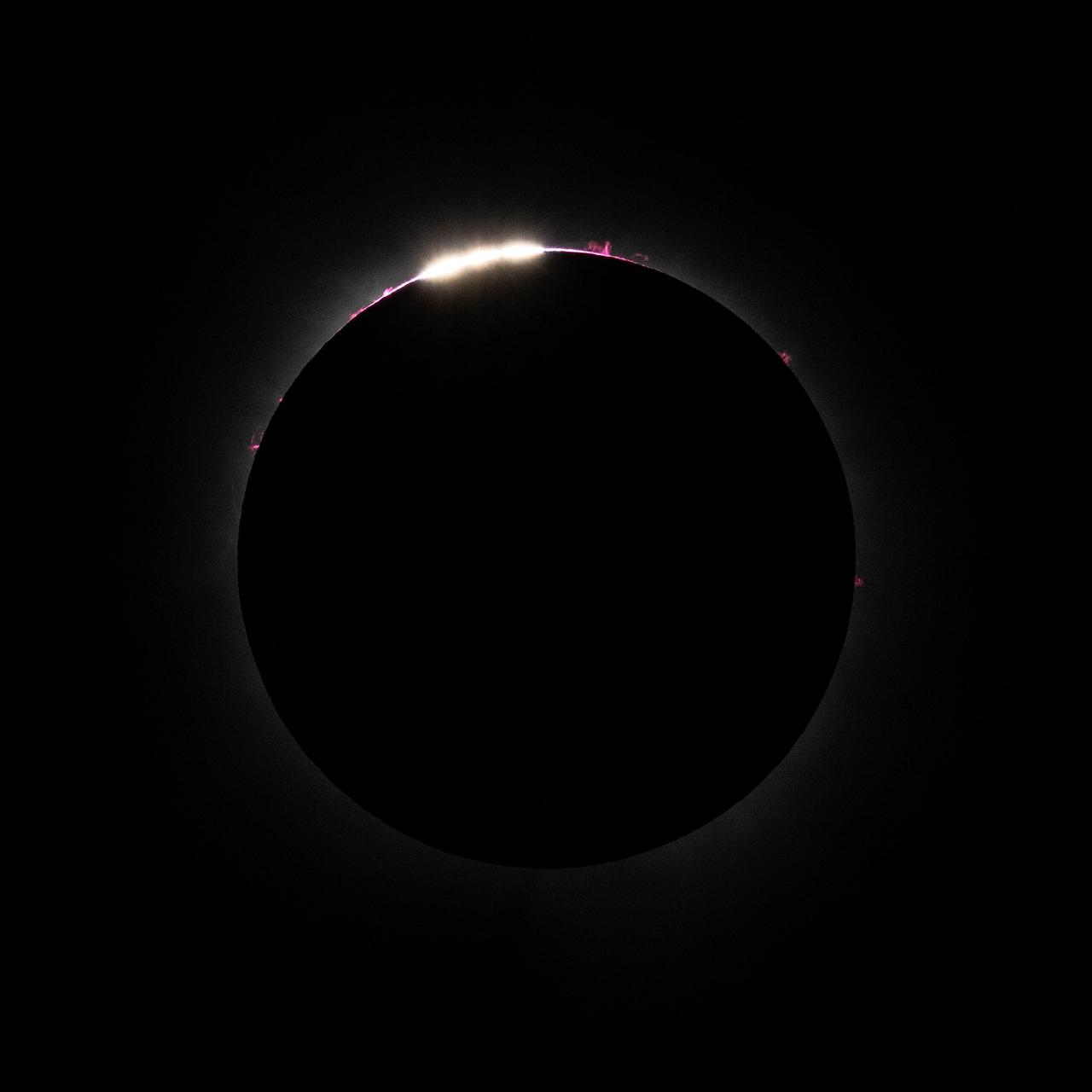
Bailey's Beads are seen just before totality in Dallas, Texas on Monday, April 8, 2024. A total solar eclipse swept across a narrow portion of the North American continent from Mexico’s Pacific coast to the Atlantic coast of Newfoundland, Canada. A partial solar eclipse was visible across the entire North American continent along with parts of Central America and Europe. Photo Credit: (NASA/Keegan Barber)
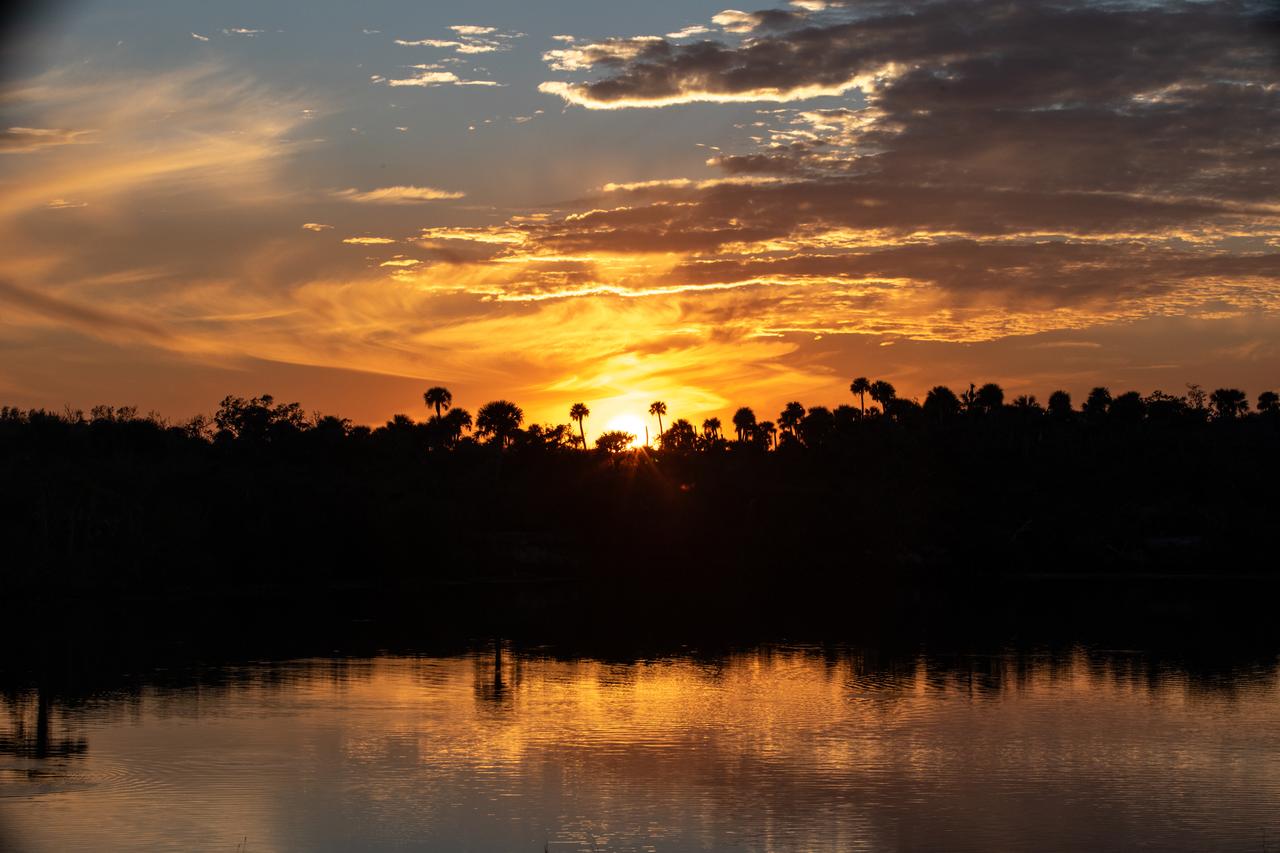
Photographers at NASA capture the sunset on Tuesday, Jan. 30, 2024, at the agency’s Kennedy Space Center in Florida.

iss071e009989 (April 18, 2024) --- The ice-covered Lakes Mistassini and Albanei in Canada's Quebec province are pictured from the International Space Station as it orbited 260 miles above North America.
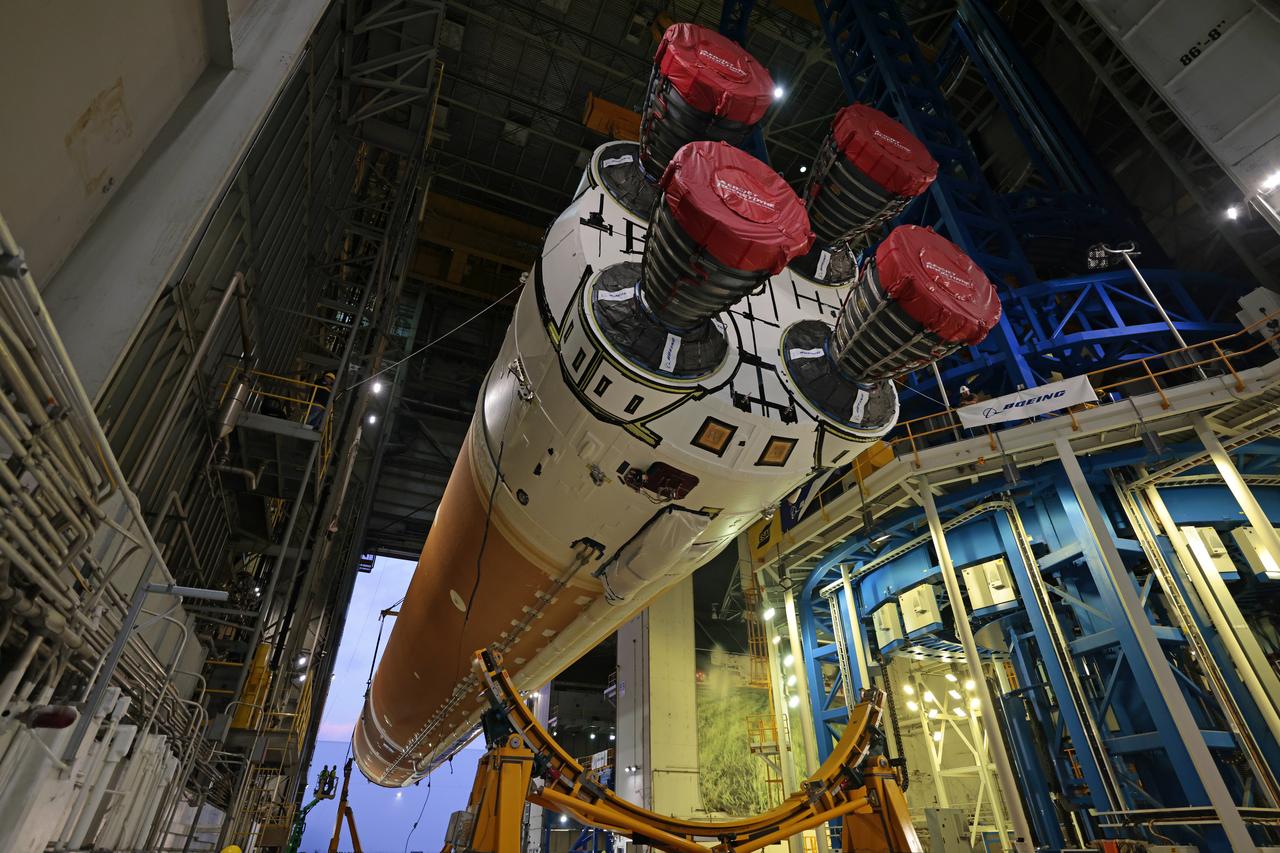
Technicians at Michoud Assembly Facility in New Orleans lift the core stage that will help launch the first crewed flight of NASA’s SLS (Space Launch System) rocket for the agency’s Artemis II mission. Teams at Michoud lifted the core stage on Thursday, July 11, 2024, onto NASA’s Multi-Purpose Transportation System, designed to transport SLS vehicle segments by waterway and roadway. It is tasked with transporting the vehicle from where it is manufactured to its intermediate test location and final launch destination. The core stage was lifted in preparation for its move onto the agency’s Pegasus barge, where it will be ferried to NASA’s Kennedy Space Center in Florida. Pegasus is maintained at Michoud. The core stage for the SLS mega rocket is the largest stage NASA has ever produced. At 212 feet tall, the stage consists of five major elements, including two huge propellant tanks that collectively hold more than 733,000 gallons of super chilled liquid propellant to feed four RS-25 engines at its base. During launch and flight, the stage will operate for just over eight minutes, producing more than 2 million pounds of thrust to help send a crew of four astronauts inside NASA’s Orion spacecraft onward to the Moon. All the major structures for every SLS core stage are fully manufactured at NASA Michoud. NASA is working to land the first woman, first person of color, and its first international partner astronaut on the Moon under Artemis. SLS is part of NASA’s backbone for deep space exploration, along with the Orion spacecraft and Gateway in orbit around the Moon and commercial human landing systems, next-generation space, next-generational spacesuits, and rovers on the lunar surface. SLS is the only rocket that can send Orion, astronauts, and supplies to the Moon in a single launch. Image credit: NASA/Michael DeMocker
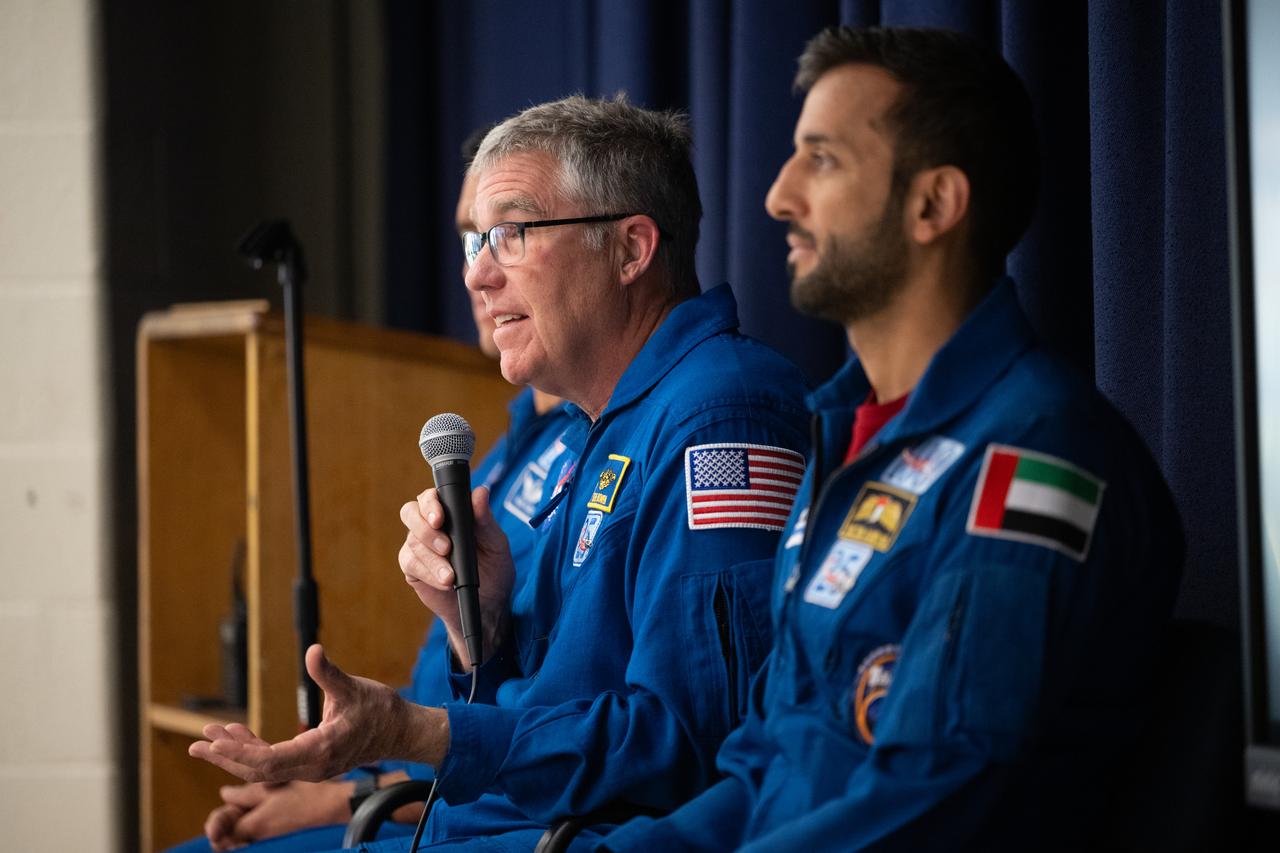
NASA astronaut Stephen Bowen, center, is seen along with fellow NASA astronaut Frank Rubio and UAE (United Arab Emirates) astronaut Sultan Alneyadi as the trio speaks with students, Friday, March 22, 2024, during a visit to Rolling Terrance Elementary School in Takoma Park, Maryland. Bowen and Alneyadi spent 186 days aboard the International Space Station as part of Expedition 69; while Rubio set a new record for the longest single spaceflight by a U.S. astronaut, spending 371 days in orbit on an extended mission spanning Expeditions 68 and 69. Photo Credit: (NASA/Joel Kowsky)
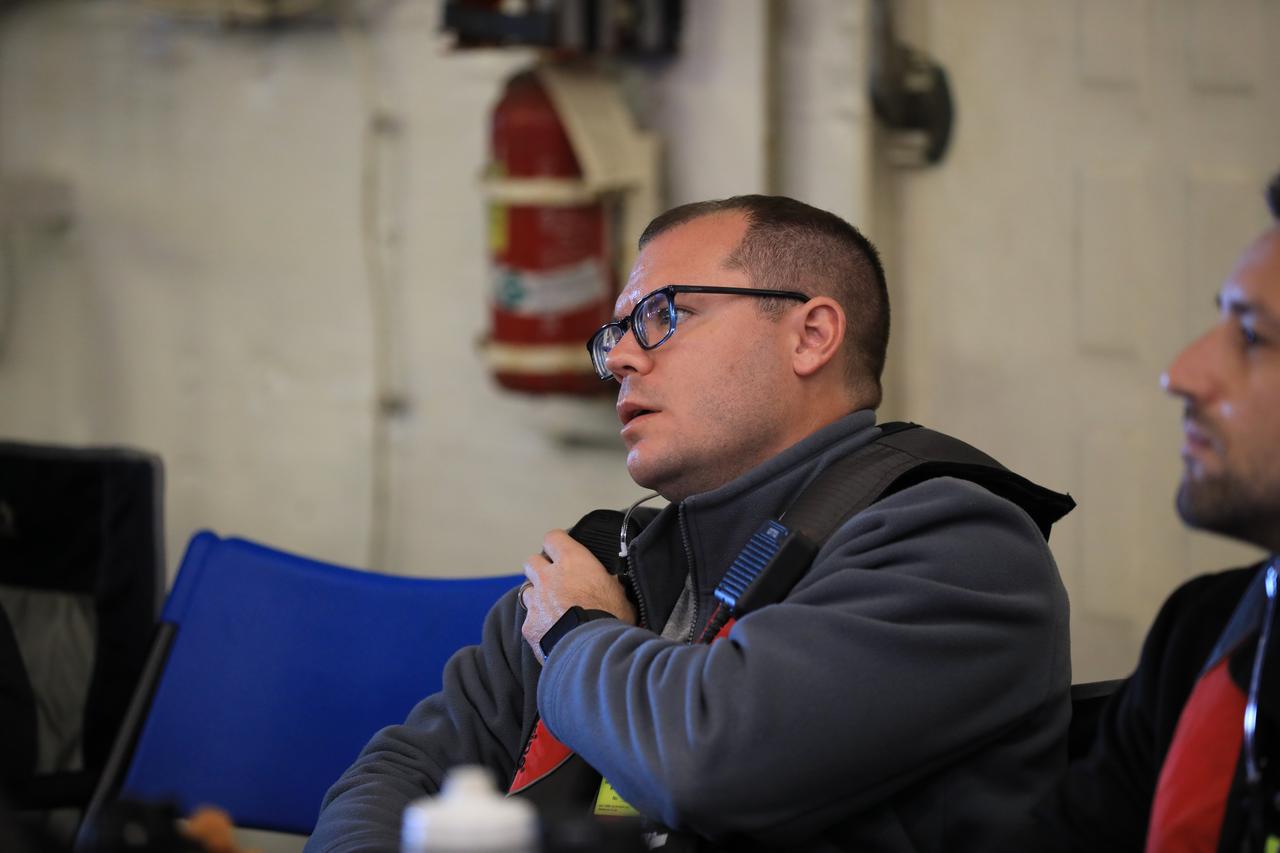
Members of NASA’s Exploration Ground System’s Landing and Recovery team and partners from the Department of Defense aboard the USS San Diego monitor operations of the day in the ship’s well deck and practice recovery procedures using the Crew Module Test Article, during Underway Recovery Test 11 (URT-11) off the coast of San Diego on Thursday, Feb. 22, 2024. URT-11 is the eleventh in a series of Artemis recovery tests, and the first time NASA and its partners put their Artemis II recovery procedures to the test with the astronauts.
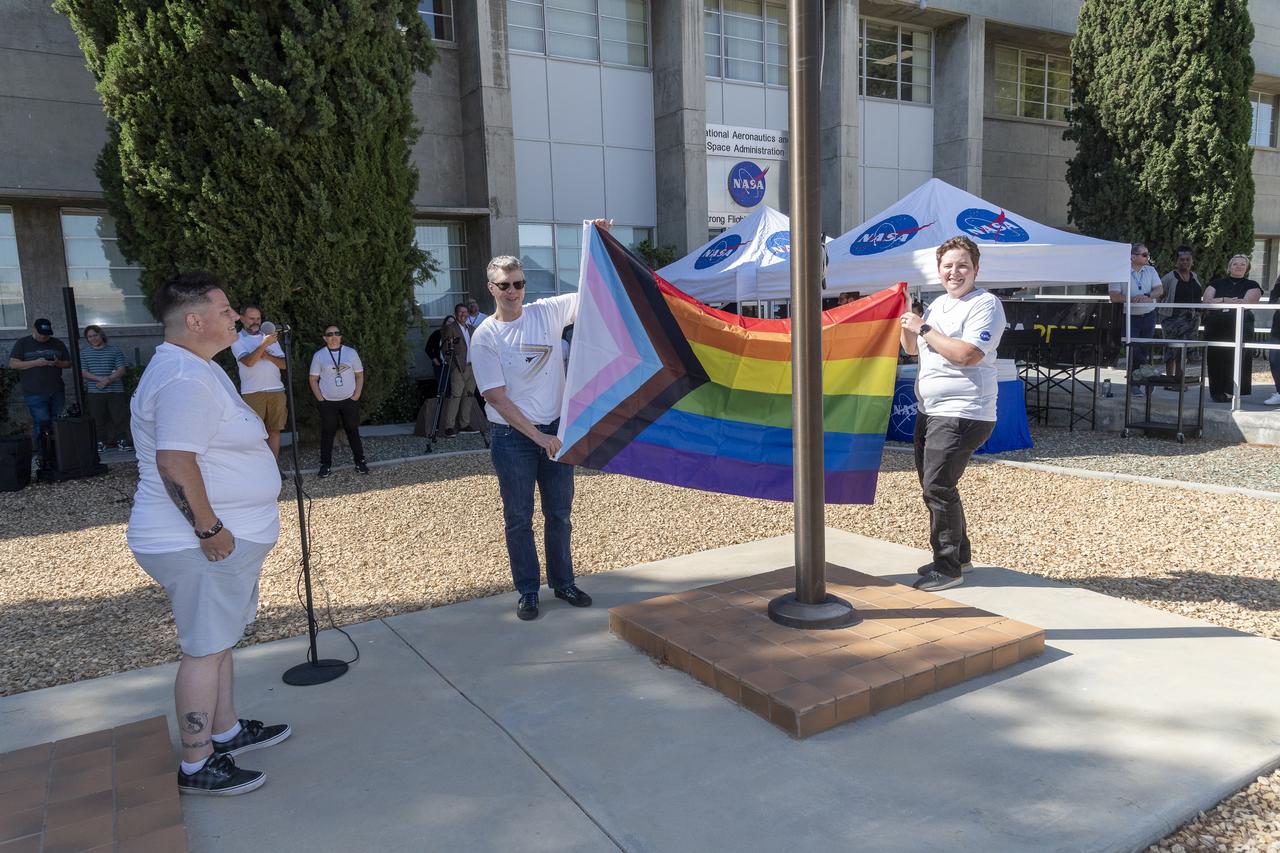
Cynthia Bixby and Lydia Hantsche hold the Progress Pride Flag at a flag-raising ceremony in recognition and celebration of LGBTQI+ Pride Month, Tuesday, June 4, 2024, at NASA’s Armstrong Flight Research Center in Edwards, California.
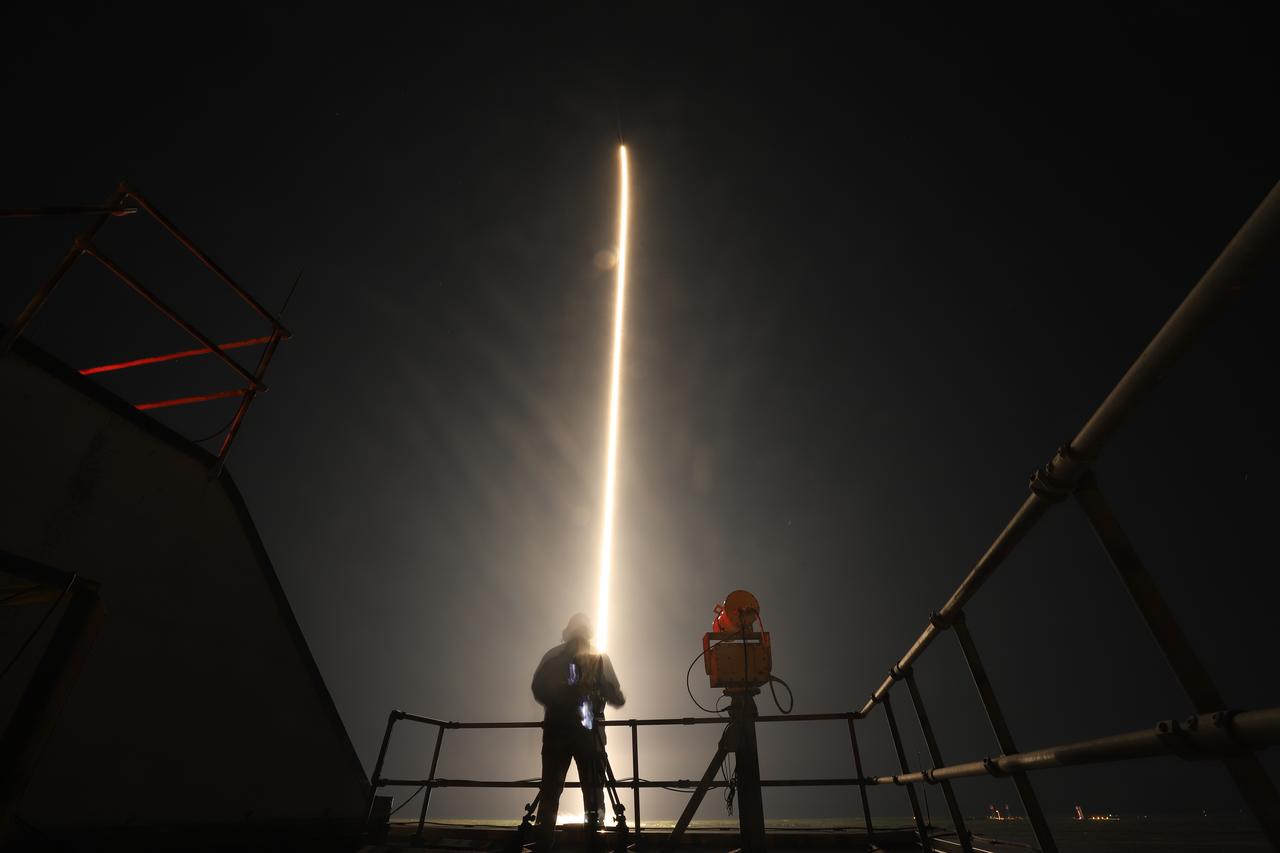
A SpaceX Falcon 9 rocket carrying the company's Dragon spacecraft launches NASA’s SpaceX Crew-8 mission to the International Space Station with NASA astronauts Matthew Dominick, Michael Barratt, and Jeanette Epps, and Roscosmos cosmonaut Alexander Grebenkin aboard at 10:53 p.m. EST on Sunday, March 3, 2024, from NASA’s Kennedy Space Center in Florida. NASA’s SpaceX Crew-8 mission is the eighth crew rotation mission with SpaceX to the station, and the ninth flight of Dragon with people as part of the agency’s Commercial Crew Program.
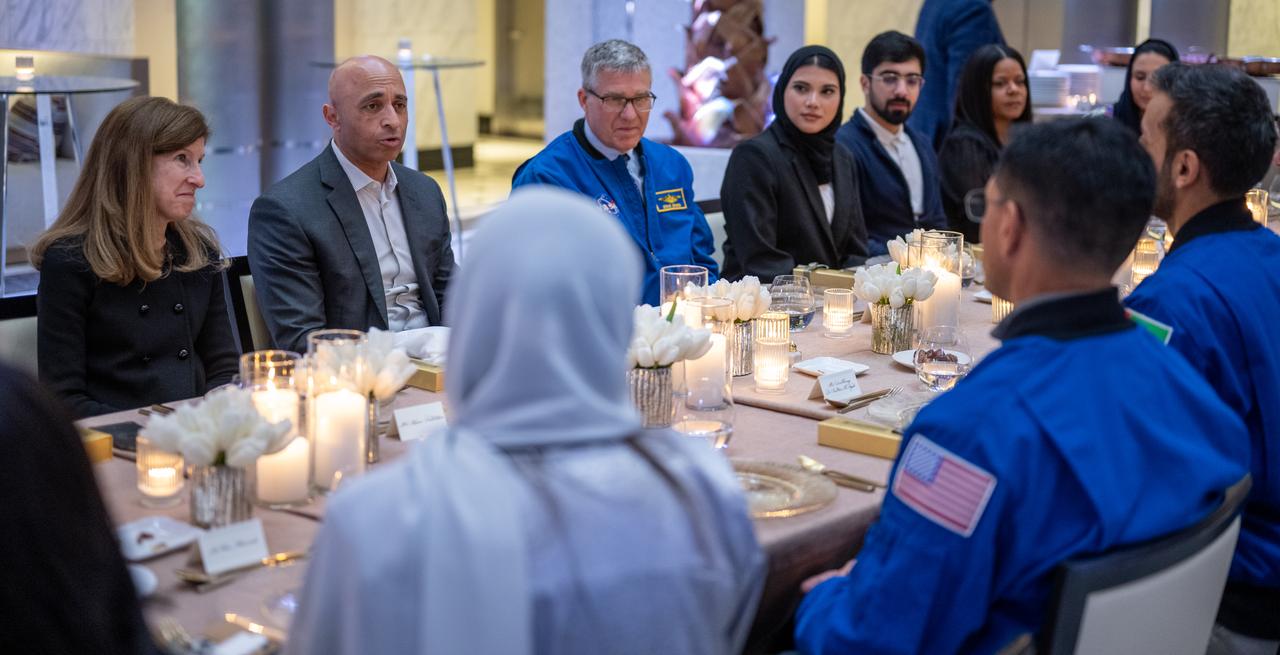
UAE (United Arab Emirates) Ambassador to the US and Minister of State, Yousef Al Otaib, second from left, delivers remarks during an Iftar dinner with with UAE astronaut Sultan Alneyadi, NASA astronauts Frank Rubio and Stephen Bowen, and guests, Thursday, March 21, 2024, at the UAE Embassy in Washington. Bowen and Alneyadi spent 186 days aboard the International Space Station as part of Expedition 69; while Rubio set a new record for the longest single spaceflight by a U.S. astronaut, spending 371 days in orbit on an extended mission spanning Expeditions 68 and 69. Photo Credit: (NASA/Keegan Barber)

iss071e650778 (Sept. 14, 2024) --- NASA astronaut and Expedition 71 Flight Engineer Tracy C. Dyson works on a computer inside the International Space Station's Quest airlock where spacewalks are staged.
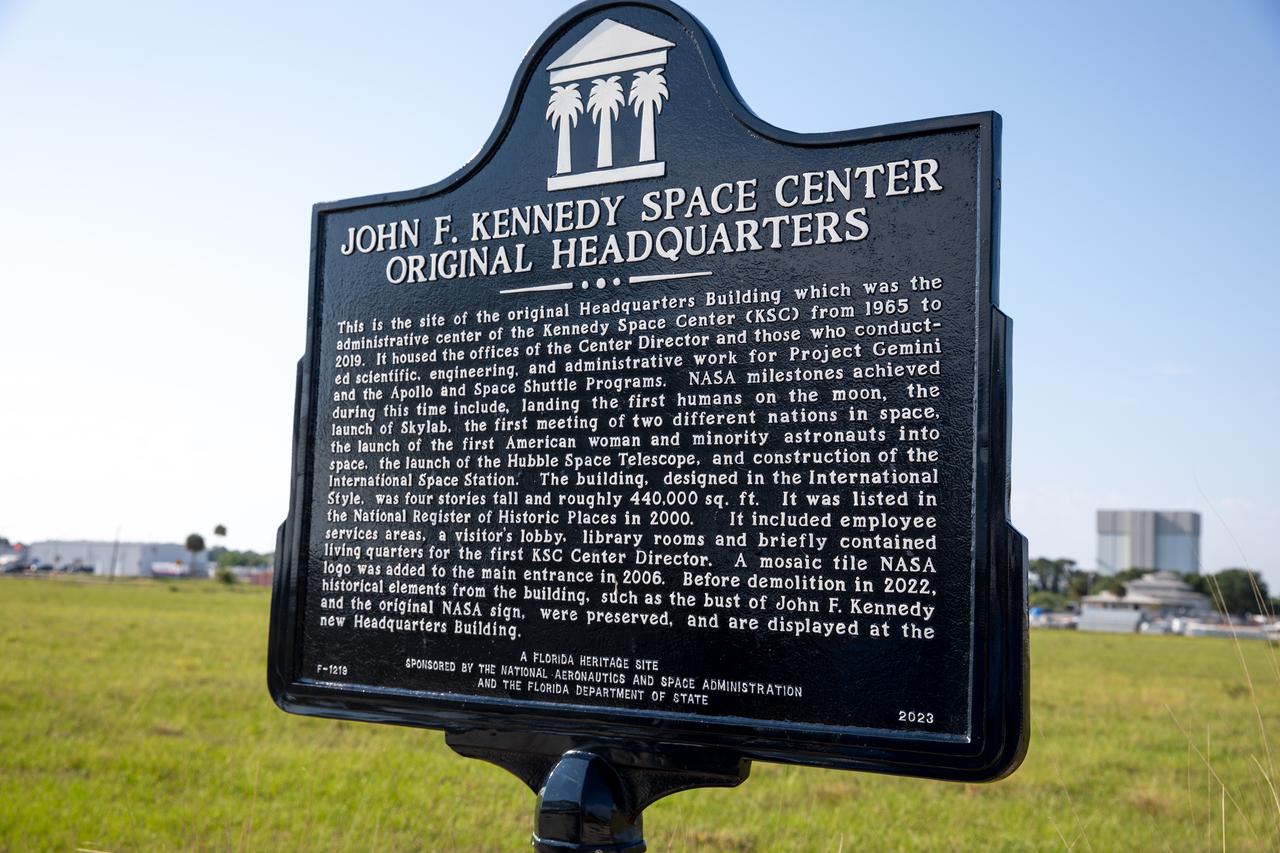
A large bronze historical marker plaque is unveiled Tuesday, May 28, 2024, at the location of NASA Kennedy Space Center’s original headquarters building. Approved in April 2023 as part of the State of Florida’s Historical Markers program in celebration of National Historic Preservation Month, the marker commemorates the early days of space exploration and is displayed permanently just west of the seven-story, 200,000 square foot Central Campus Headquarters Building, which replaced the old building in 2019.
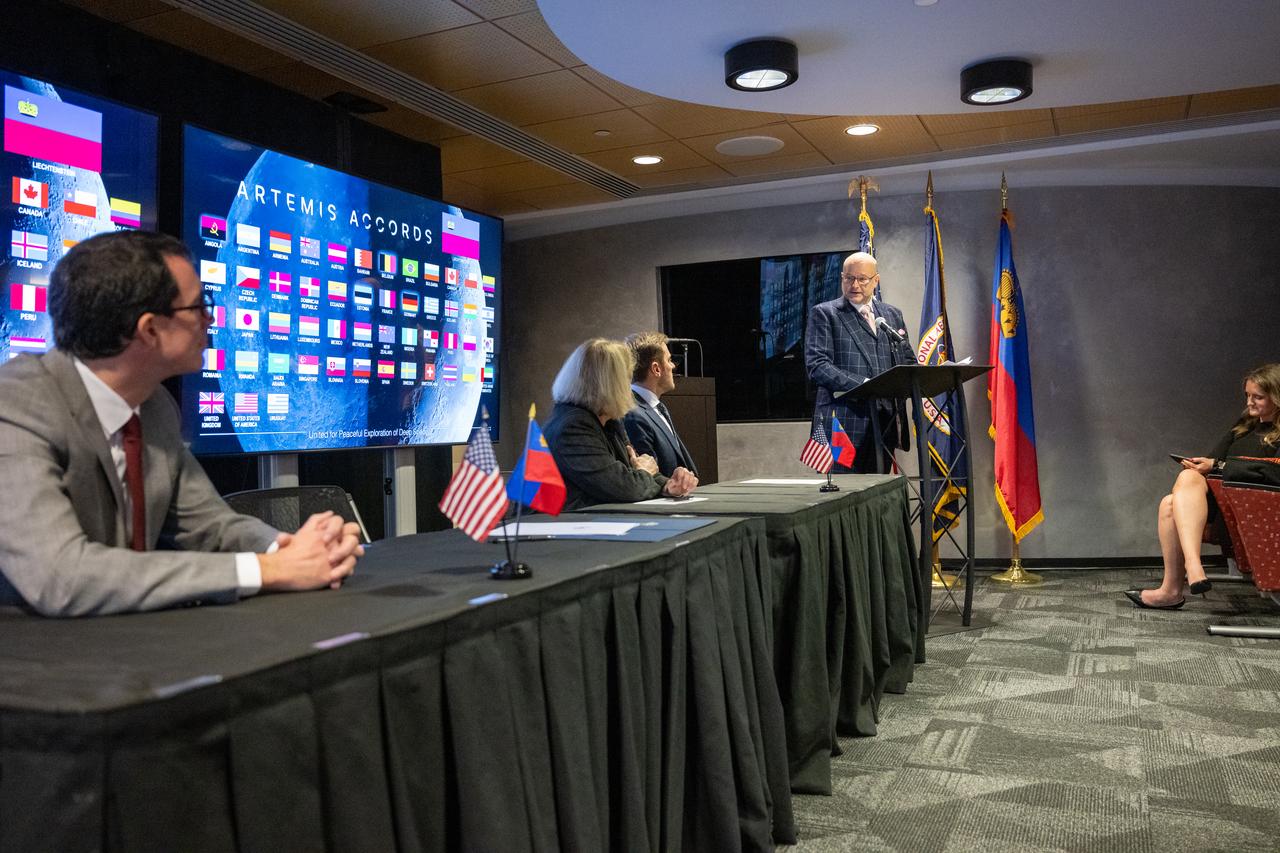
Director of the Office for Communications of the Principality of Liechtenstein Dr. Rainer Schnepfleitner delivers remarks during an Artemis Accords signing ceremony Friday, Dec. 20, 2024, at the Mary W. Jackson NASA Headquarters building in Washington. The Principality of Liechtenstein is the 52nd country to sign the Artemis Accords, which establish a practical set of principles to guide space exploration cooperation among nations participating in NASA’s Artemis program.Photo Credit: (NASA/Keegan Barber)
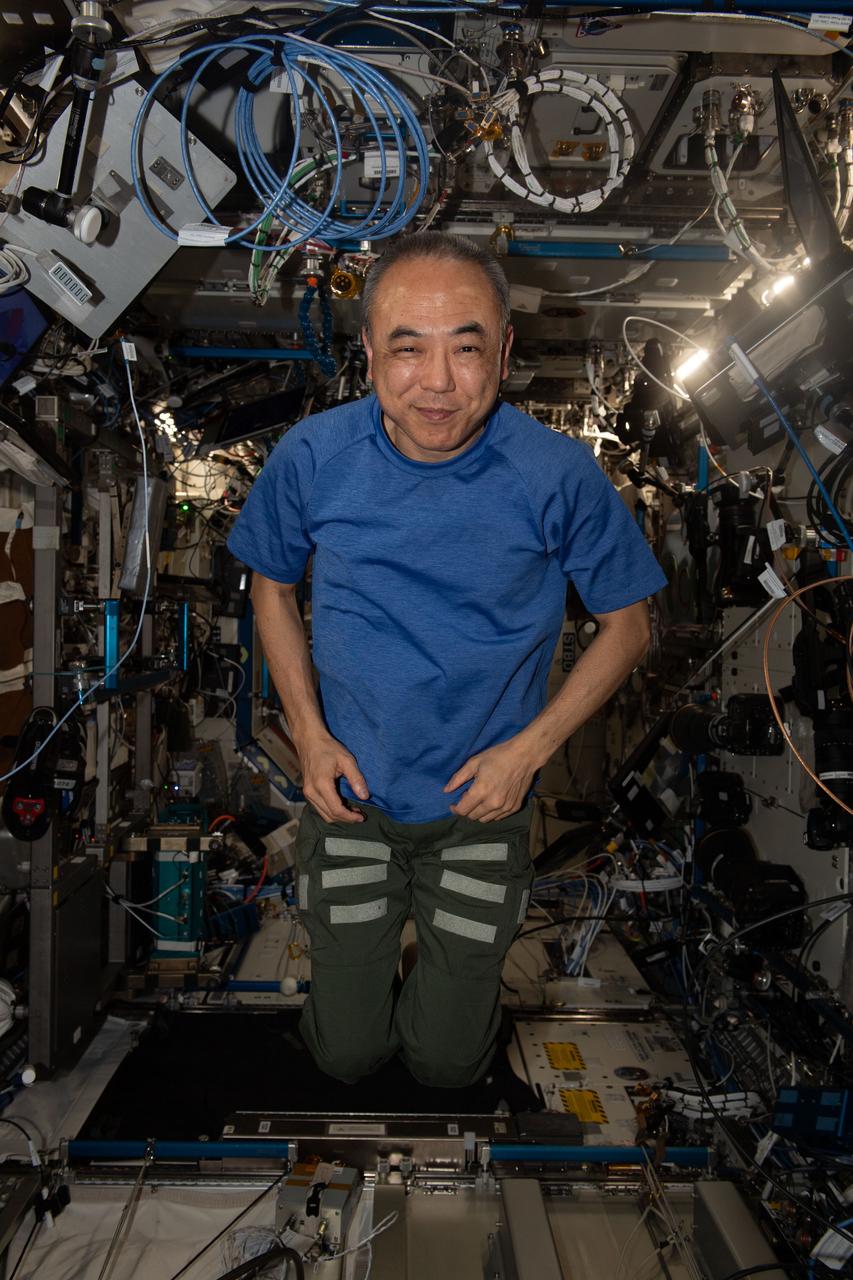
iss070e086322 (Feb. 4, 2024) --- JAXA (Japan Aerospace Exploration Agency) astronaut and Expedition 70 Flight Engineer Satoshi Furukawa poses for a photograph inside the International Space Station's Destiny laboratory module.
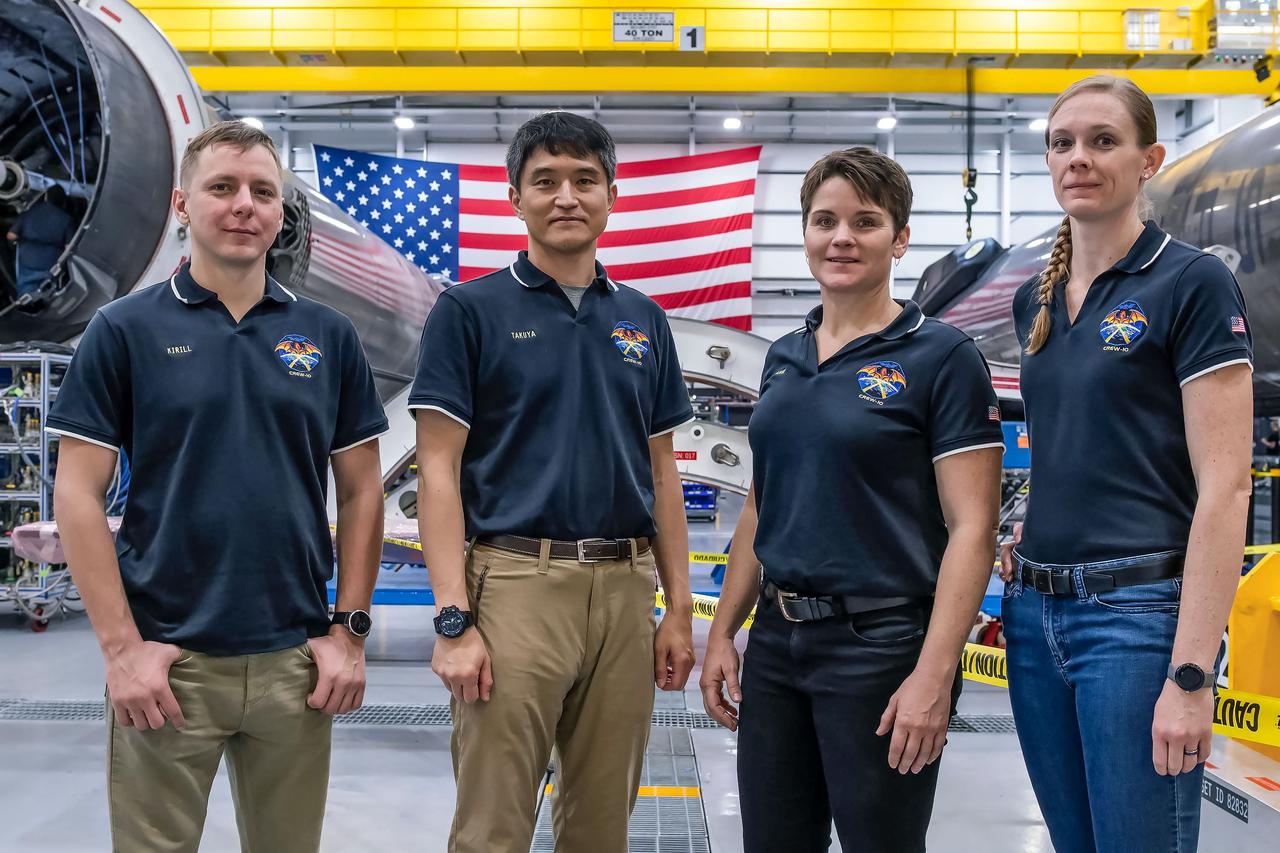
jsc2024e080751 (Nov. 18, 2024) --- NASA’s SpaceX Crew-10 members stand between Falcon 9 first-stage boosters at SpaceX’s HangarX facility at NASA's Kennedy Space Center in Florida. From left are Mission Specialist Kirill Peskov of Roscosmos, Mission Specialist Takuya Onishi of JAXA (Japan Aerospace Exploration Agency), along with NASA Astronauts Commander Anne McClain and Pilot Nichole Ayers. Credit: SpaceX
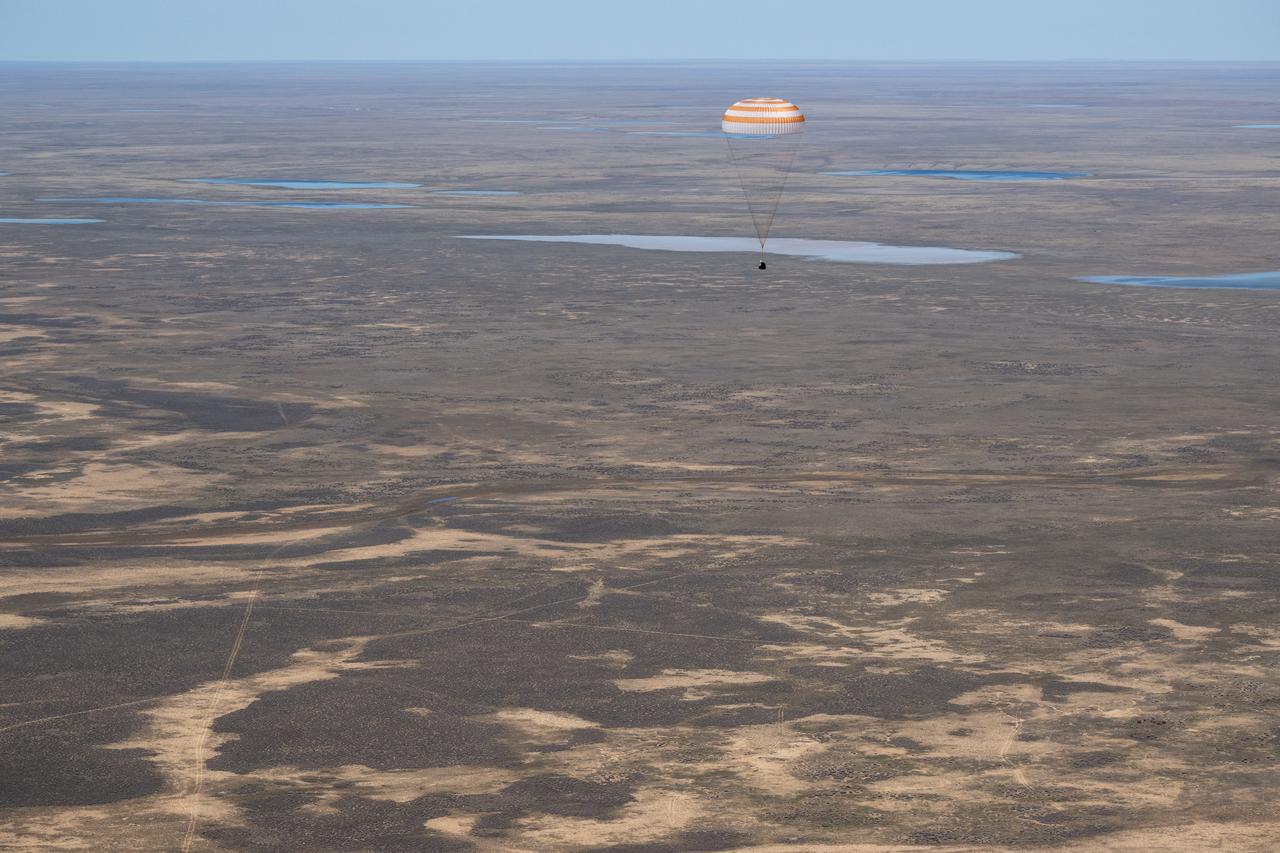
The Soyuz MS-24 spacecraft is seen as it lands in a remote area near the town of Zhezkazgan, Kazakhstan with Expedition 70 NASA astronaut Loral O'Hara, Roscosmos cosmonaut Oleg Novitskiy, and Belarus spaceflight participant Marina Vasilevskaya, Saturday, April 6, 2024. O’Hara is returning to Earth after logging 204 days in space as a member of Expeditions 69-70 aboard the International Space Station and Novitskiy and Vasilevskaya return after having spent the last 14 days in space. Photo Credit (NASA/Bill Ingalls)
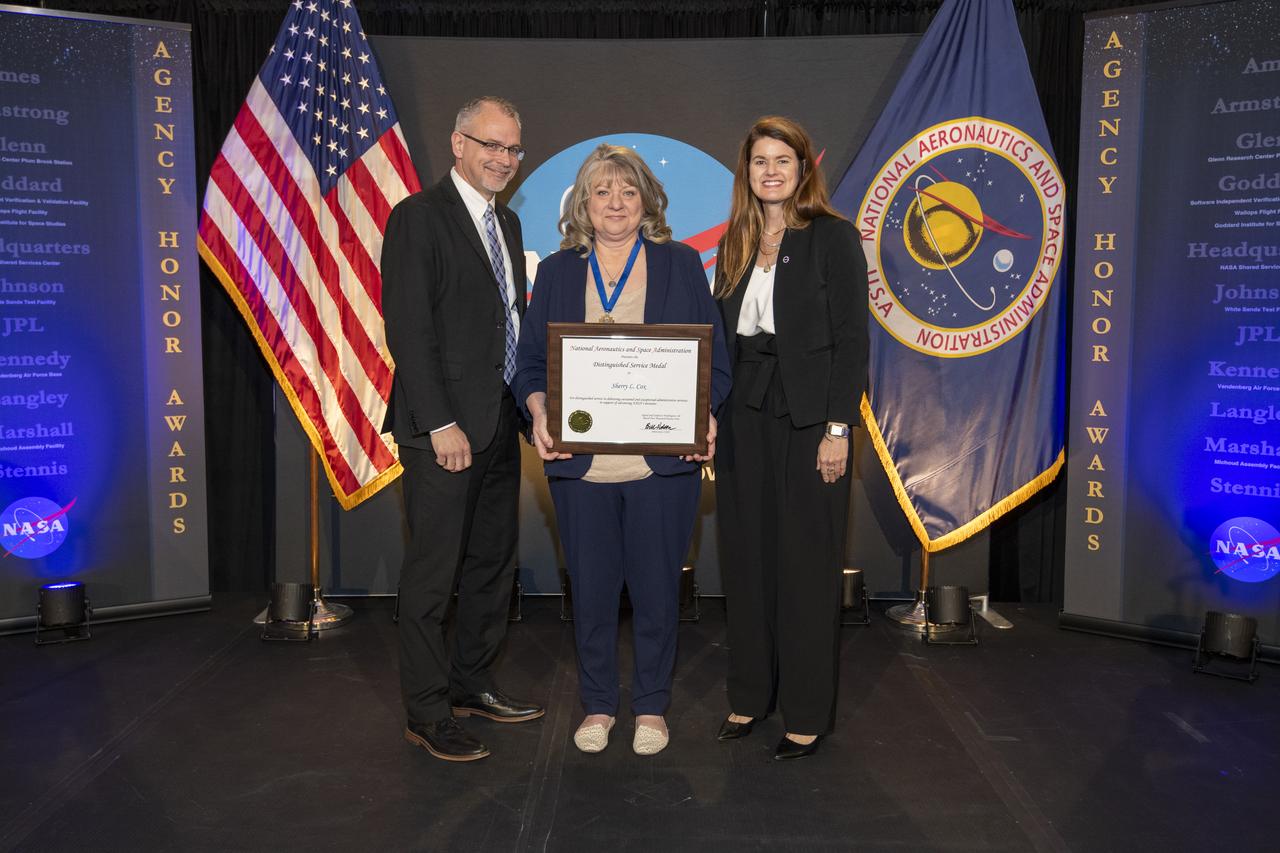
On March 28, 2024 NASA held its 2023 Administrator’s Agency Honor Awards at the Glenn Research Center in Cleveland, OH. This celebratory event recognized the invaluable contributions of civil servants and contractors alike, each one instrumental in propelling humanity further into the realms of space exploration, understanding, and discoverThis is NASA's highest form of recognition that is awarded to any Government employee who, by distinguished service, ability, or vision has personally contributed to NASA's advancement of United States' interests.
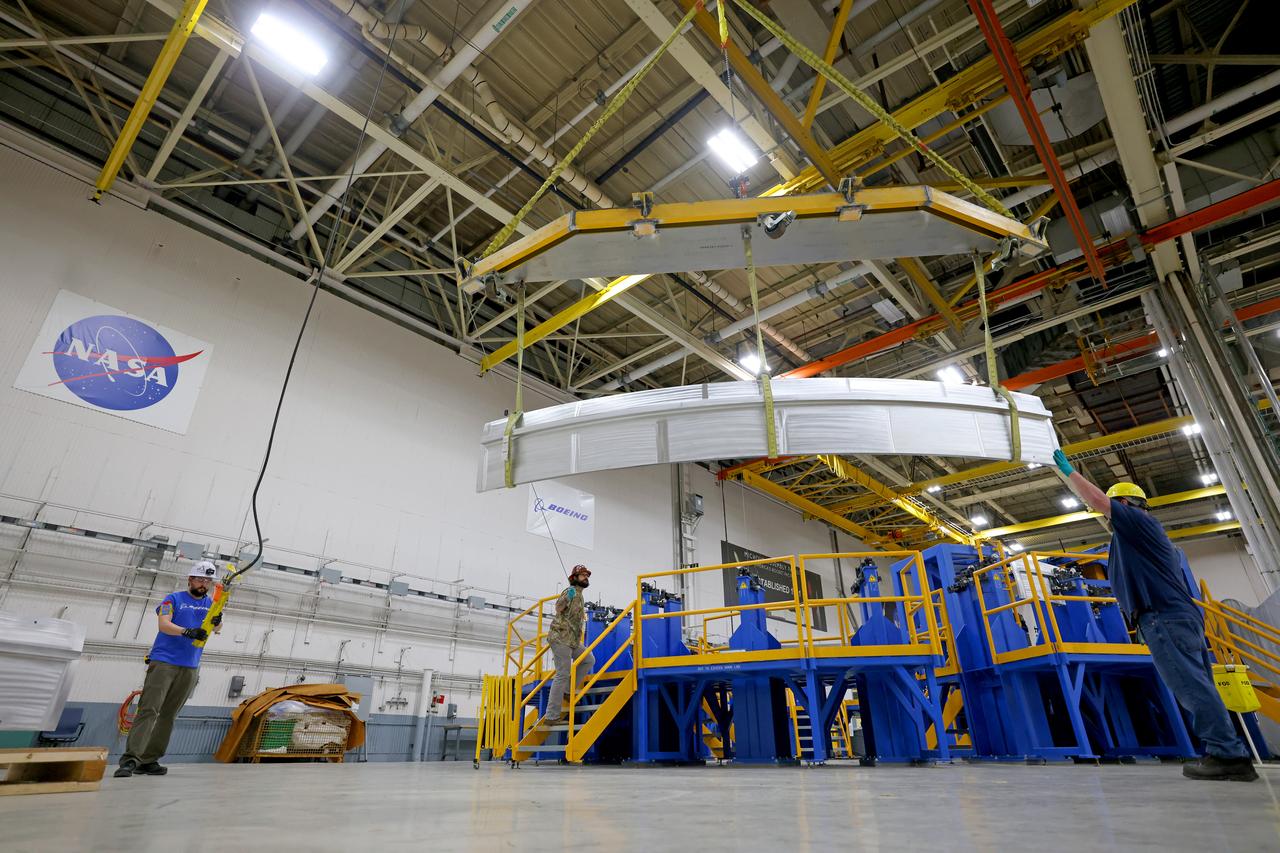
These photos show how teams at NASA’s Michoud Assembly Facility in New Orleans manufactured the Y-ring that will be used on the evolved Block 1B configuration of the SLS (Space Launch System) rocket. It is one of the first components that will make up a portion of the core stage that will power NASA’s Artemis V mission. The large metal ring will serve as the aft ring for the rocket’s liquid hydrogen tank. The SLS core stage is the backbone of the SLS rocket, stretching 212 feet from top to bottom, and includes four RS-25 engines at its base. At launch, its two huge liquid propellant tanks provide more than 733,000 gallons of fuel to produce more than 2 million pounds of thrust. Michoud Assembly Facility and the SLS Program are managed by NASA’s Marshall Space Flight Center in Huntsville, Alabama. Image credit: NASA/Michael DeMocker
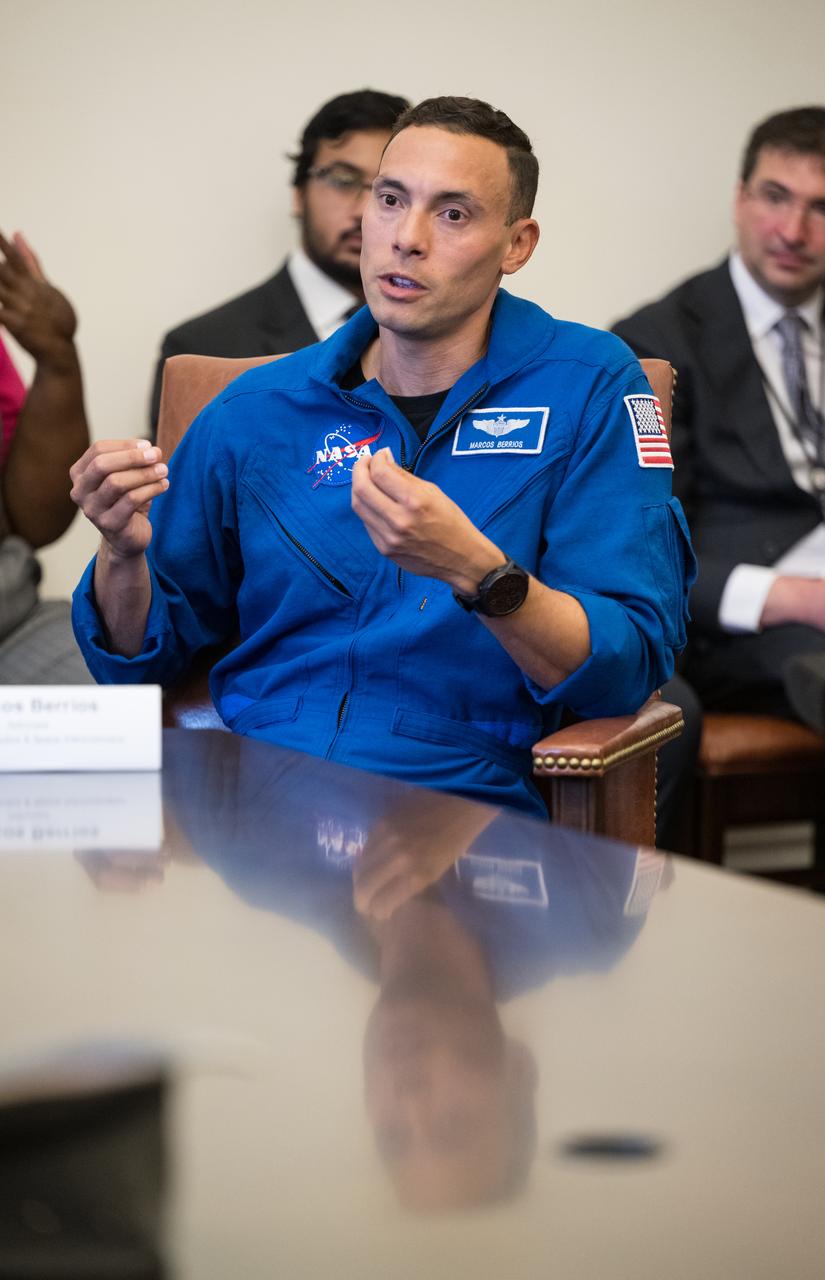
NASA Astronaut Marcos Berrios speaks at a staff engagement event that took place during a White House Hispanic Heritage month event titled “Soaring Together: Inspiring the Next Generation of Space Leaders” at the Eisenhower Executive Office Building, Monday, Sept. 30, 2024 in Washington. Photo Credit: (NASA/Aubrey Gemignani)
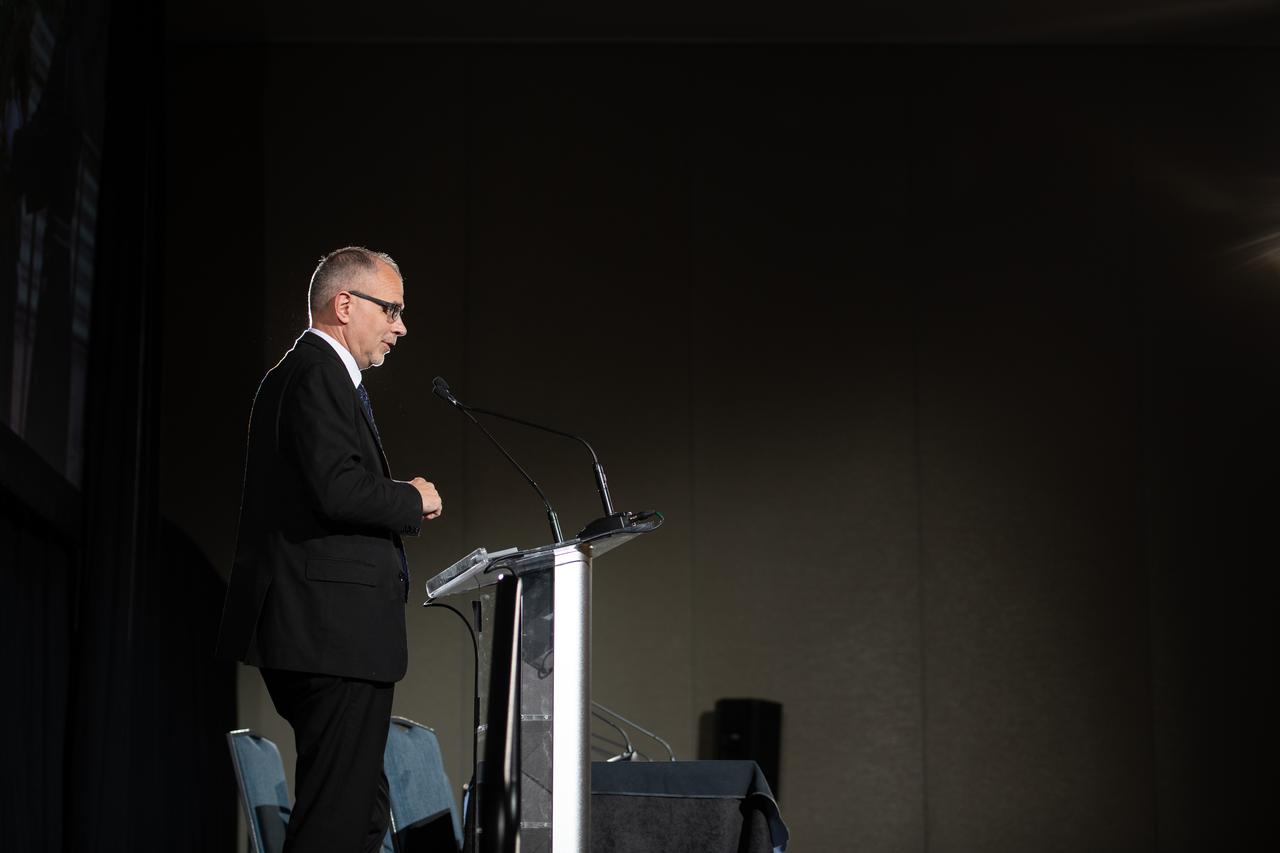
The NASA Systems Engineering Workshop is an annual event that brings together systems engineers and stakeholders from across the Agency to discuss, develop, and improve the state of the discipline as a community. The fundamental goals of the SE Workshop is to better engage and develop Systems Engineers to improve NASA mission success and improve the SE community and knowledge sharing within the discipline through focused and pertinent interactive learning. The Systems Engineering Workshop prides itself on being a "workshop". This means that attendees will be highly engaged and encouraged to share their own experiences and points of view with their colleagues throughout the event. The theme of this year's workshop hosted by Glenn Research Center on May 7-10, 2024 is "Eye on the Future" and is being held at the Hilton Cleveland Downtown in Ohio. It will feature presentations and panels of experts from across NASA and beyond! A couple of featured presentations include: "How I Learned to Stop Worrying and Love ChatGPT" and "Is MBSE Right for Me?" For more information about the schedule, see the agenda tab.
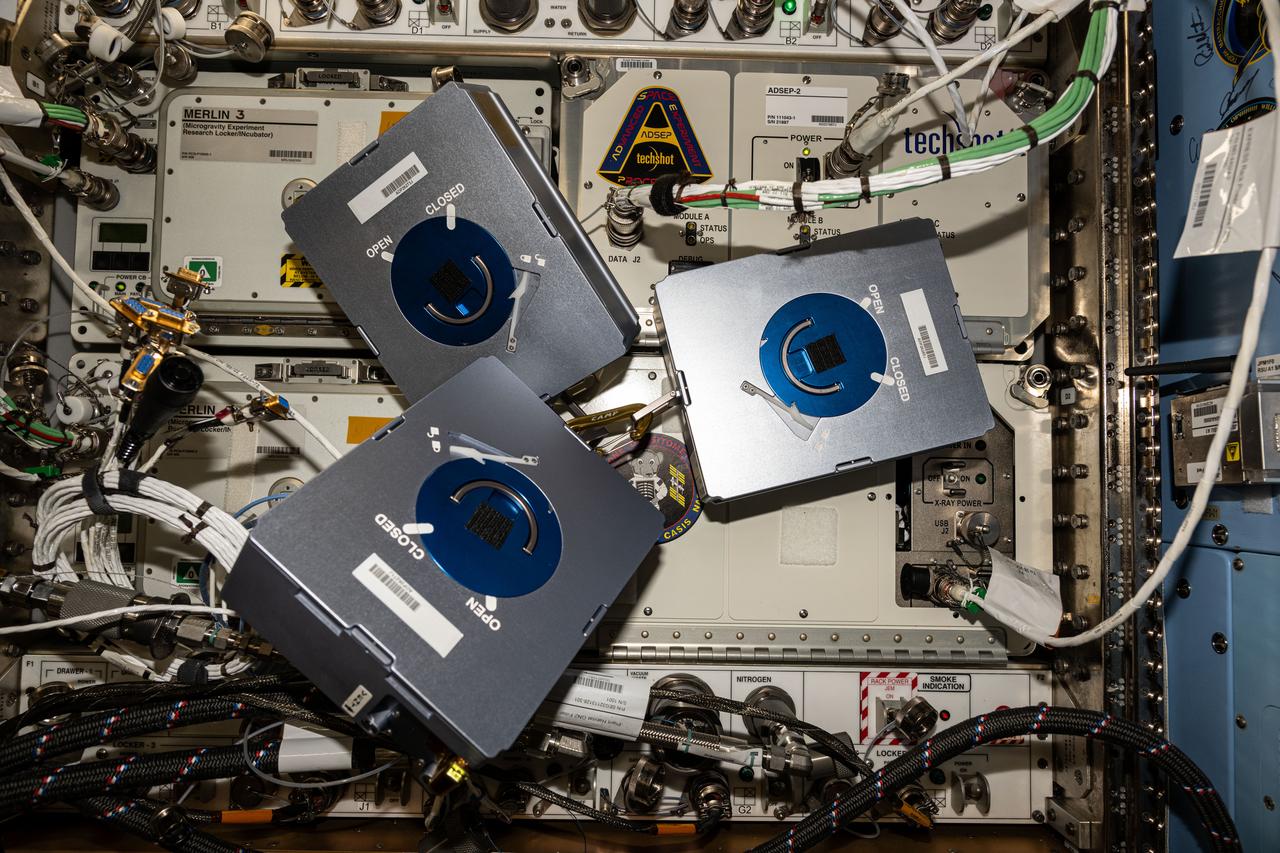
Documentation of three cassettes for the In-Space Production Application – Pharmaceutical In-space Laboratory – 02 (InSPA-PIL-02 or ADSEP-PIL-02) experiment removed from the ADSEP-2 (ADvanced Space Experiment Processor) for Fluid Loop replacement. Photo was taken in the Harmony Node 2.
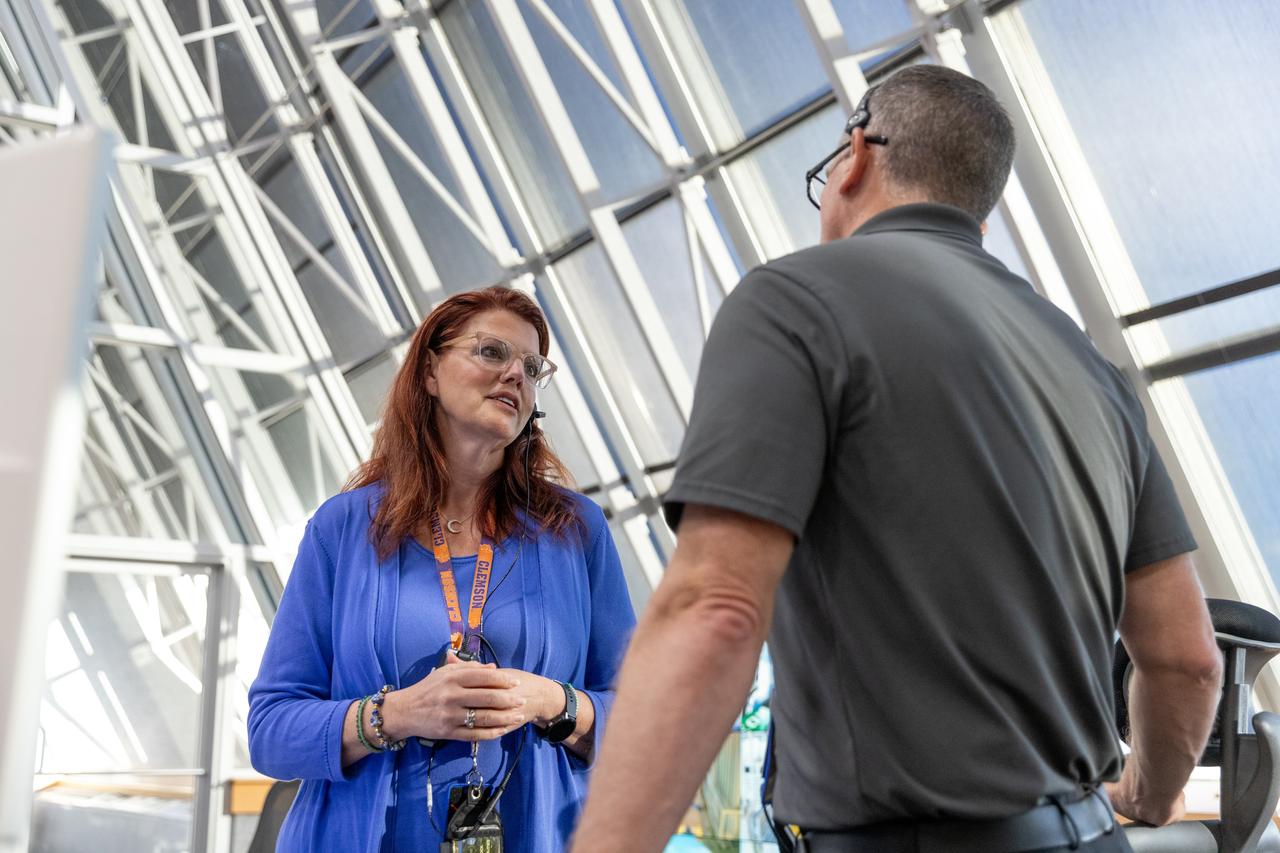
Charlie Blackwell-Thompson, Artemis launch director, Exploration Ground Systems at NASA’s Kennedy Space Center in Florida, participates in an emergency escape or egress demonstration simulation for the Artemis II mission inside Firing Room 1 in the Launch Control Center at NASA’s Kennedy on Monday, Aug. 12, 2024. Other members of the closeout crew, pad rescue team, and the Exploration Ground Systems Program performed emergency egress demonstrations during a series of integrated system verification tests at Launch Pad 39B in preparation for the Artemis II launch.

A SpaceX Falcon Heavy rocket carrying NASA’s Europa Clipper spacecraft lifts off from Launch Complex 39A at NASA’s Kennedy Space Center in Florida at 12:06 p.m. EDT on Monday, Oct. 14, 2024. After launch, the spacecraft plans to fly by Mars in February 2025, then back by Earth in December 2026, using the gravity of each planet to increase its momentum. With help of these “gravity assists,” Europa Clipper will achieve the velocity needed to reach Jupiter in April 2030.
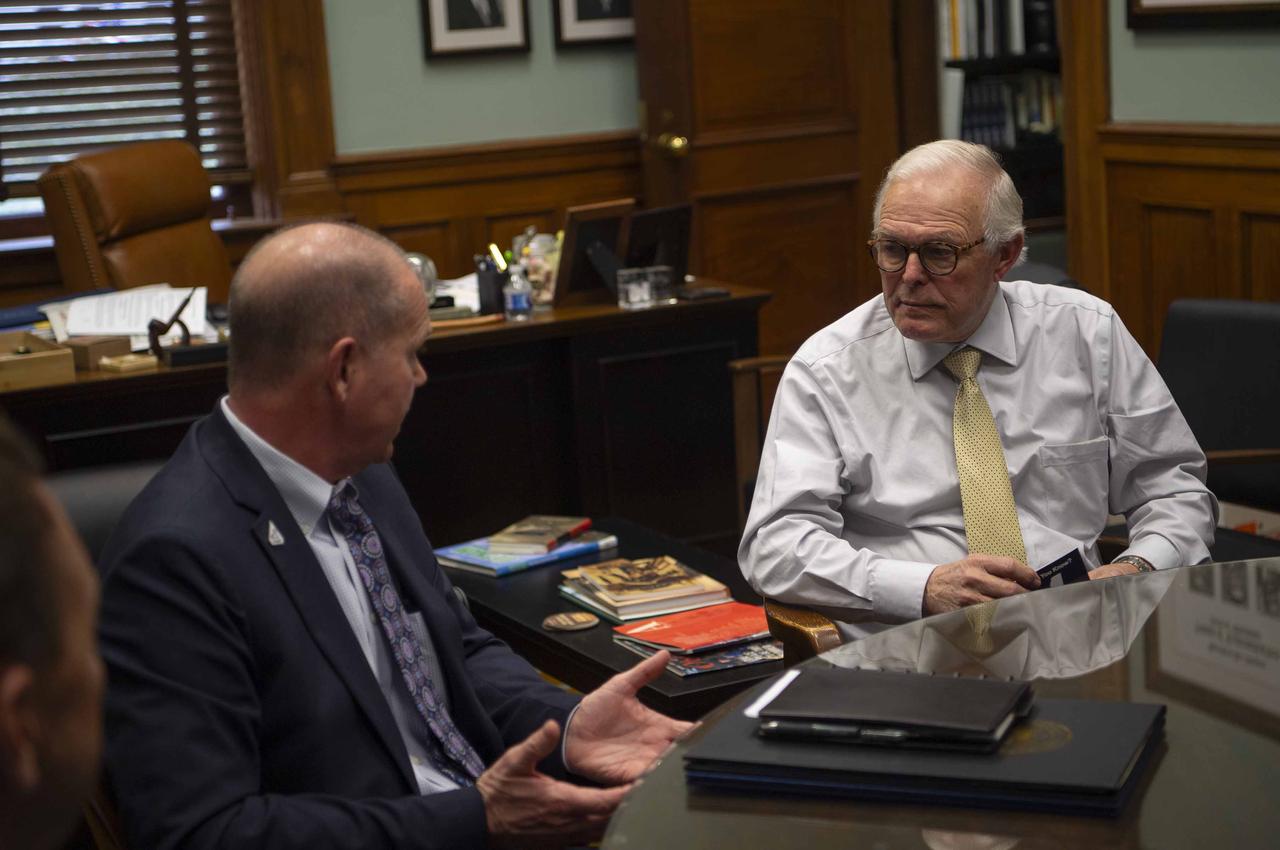
Leaders from NASA’s Stennis Space Center and NASA Shared Services Center visit Jackson, Mississippi, on Feb. 28-29 to share site updates with state leaders during the annual Stennis Day at the Capitol. NASA Stennis is on the front line of the next great era of human space exploration as NASA explores the secrets of the universe for the benefit of all. The south Mississippi center tests propulsion systems and engines helping power Artemis missions on the SLS (Space Launch System) rocket to deep space. Through Artemis, NASA will establish the foundation for long-term scientific exploration at the Moon, land the first woman, first person of color, and first international partner astronaut on the lunar surface, and prepare for human expeditions to Mars. Moving forward, NASA Stennis is working to accelerate the exploration and commercialization of space, innovate to benefit NASA and industry, and leverage assets to stimulate the economy and enhance national security.
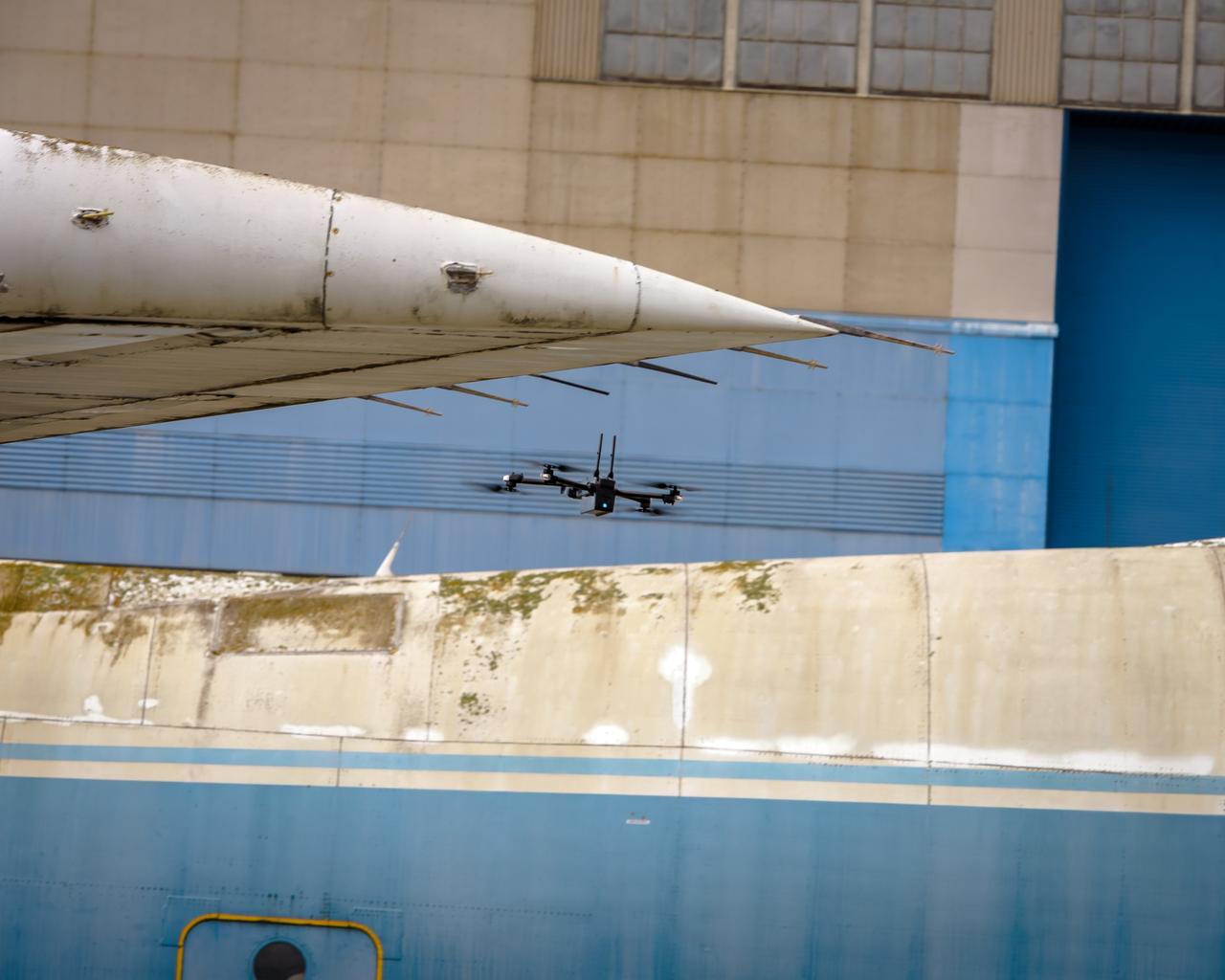
The drone follows an autonomously defined path around the modified C-141 Kuiper Airborne Observatory, (KAO) (NASA-714), on the N211 apron. The drone photographs the aircraft with a visible and infrared camera which are processed using a photogrammetry software package called Pix4D that converts them into a 3D model. Scanning the aircraft is the first phase of documenting the aircraft demolition as well as an opportunity to train pilots to operate the Pix4D software.
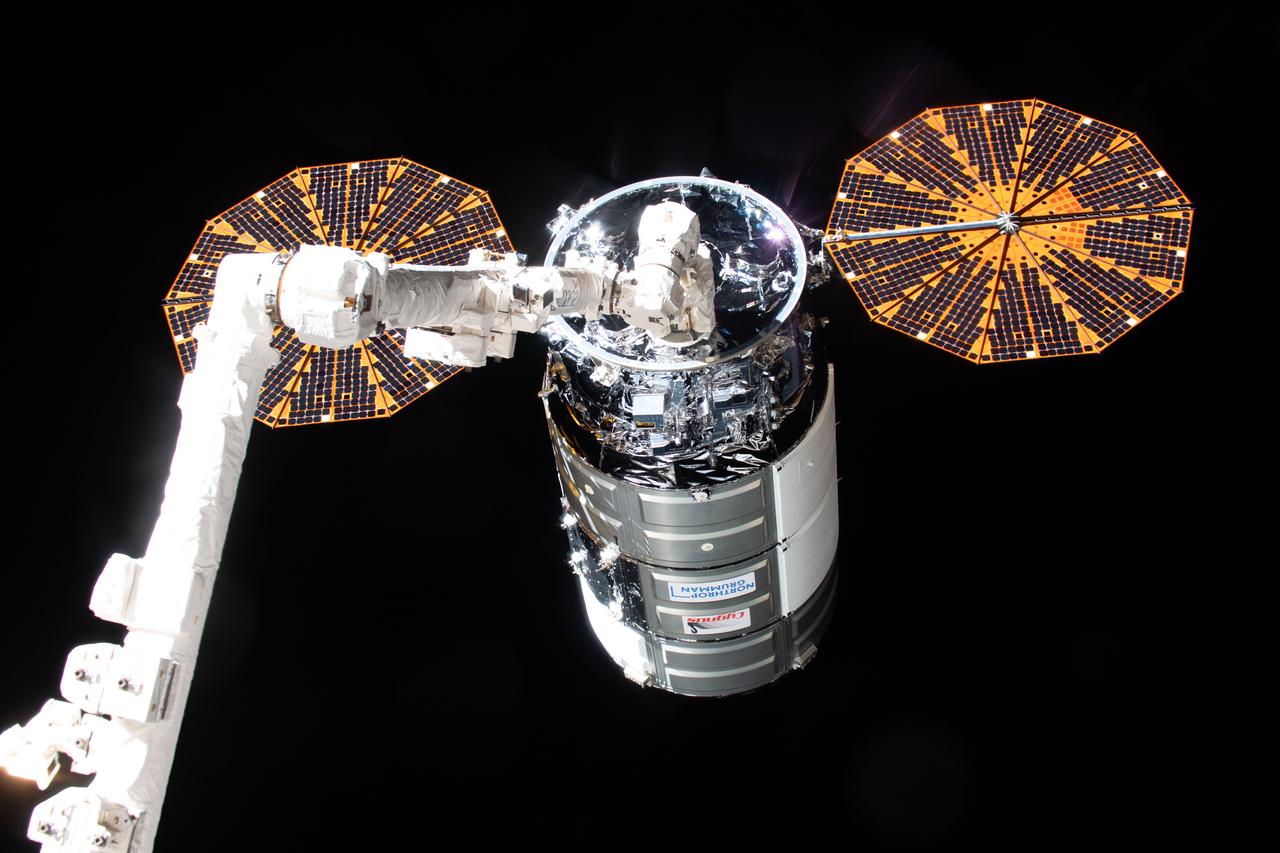
iss070e085725 (Feb. 1, 2024) --- Northrop Grumman's Cygnus space freighter, packed with more than 8,200 pounds of science experiments, crew supplies, and station hardware, is pictured in the grips of the Canadarm2 robotic arm after its capture. Featured prominently on Cygnus, are its two cymbal-shaped UltraFlex solar arrays.
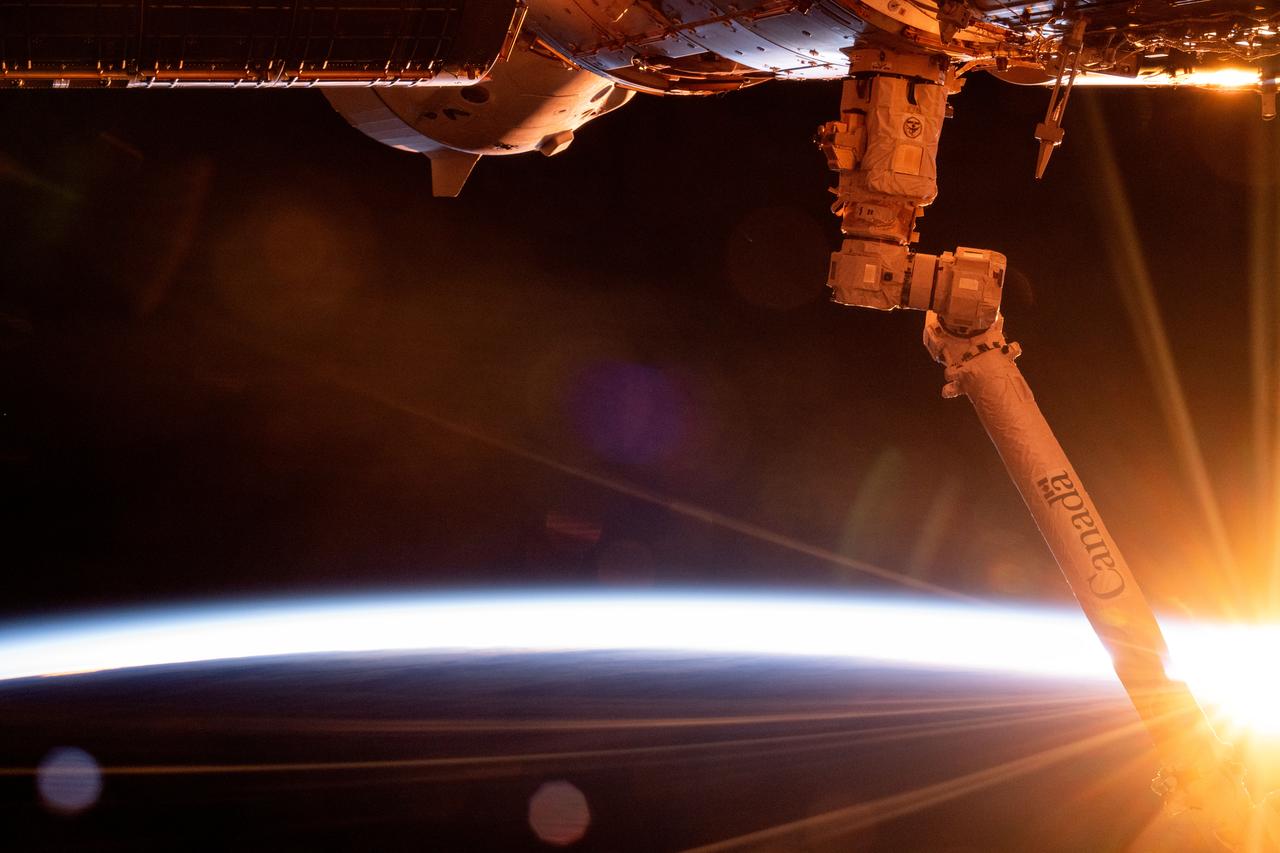
iss072e010164 (Oct. 1, 2024) --- The first rays of an orbital sunrise breakthrough illuminating Earth's atmosphere in this photograph from the International Space Station as it orbited 272 miles above the South Pacifc Ocean off the southern coast of New Zealand. In the foreground, at right, is the Canadarm2 robotic arm and partially obscured at top, is the SpaceX Dragon Freedom spacecract docked to the Harmony module's forward port.
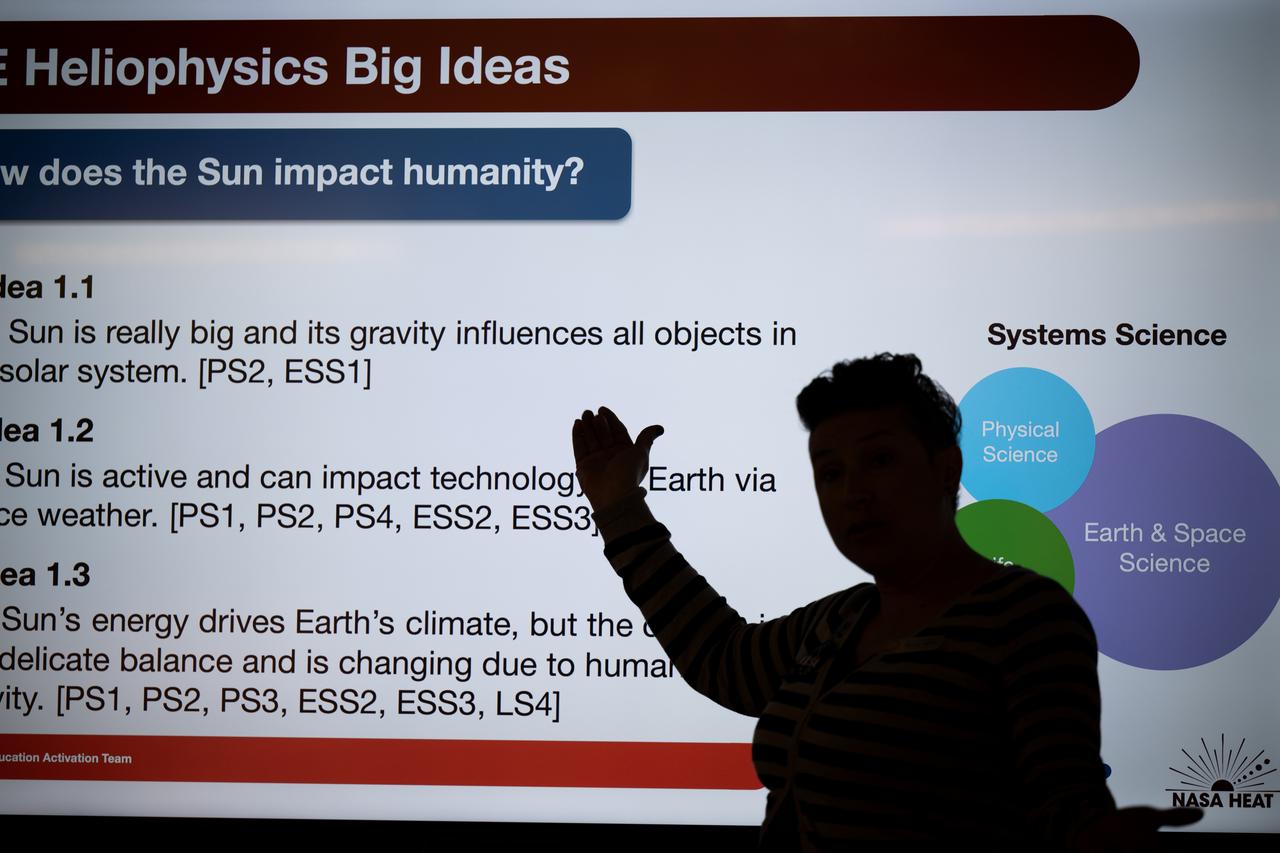
NASA Education Specialist Christine Milotte gives a presentation during a teacher professional development event hosted by the NASA Heliophysics Education Activation Team (HEAT) at the Dallas Arboretum, Saturday, April 6, 2024, in Dallas, Texas. Photo Credit: (NASA/Keegan Barber)
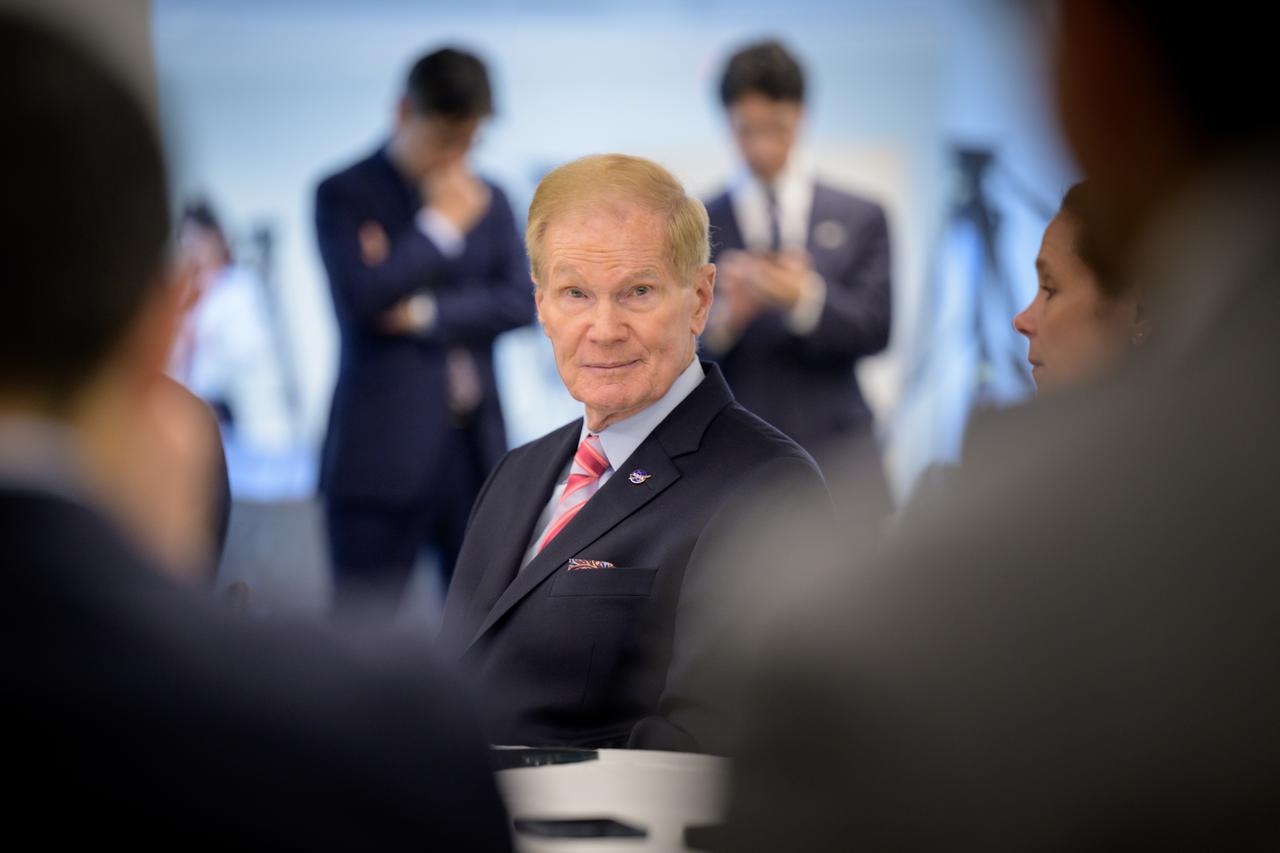
NASA Administrator Bill Nelson discusses the historic agreement signed April 9th at NASA Headquarters, between the United States and Japan to advance sustainable human exploration of the Moon, Wednesday, April 10, 2024, at the Japan Aerospace Exploration Agency (JAXA) offices in Washington. Under the agreement, Japan will design, develop, and operate a pressurized rover for crewed and uncrewed exploration on the Moon. NASA will provide the launch and delivery of the rover to the Moon as well as two Japanese astronaut missions to the lunar surface. Photo Credit: Photo Credit: (NASA/Bill Ingalls)
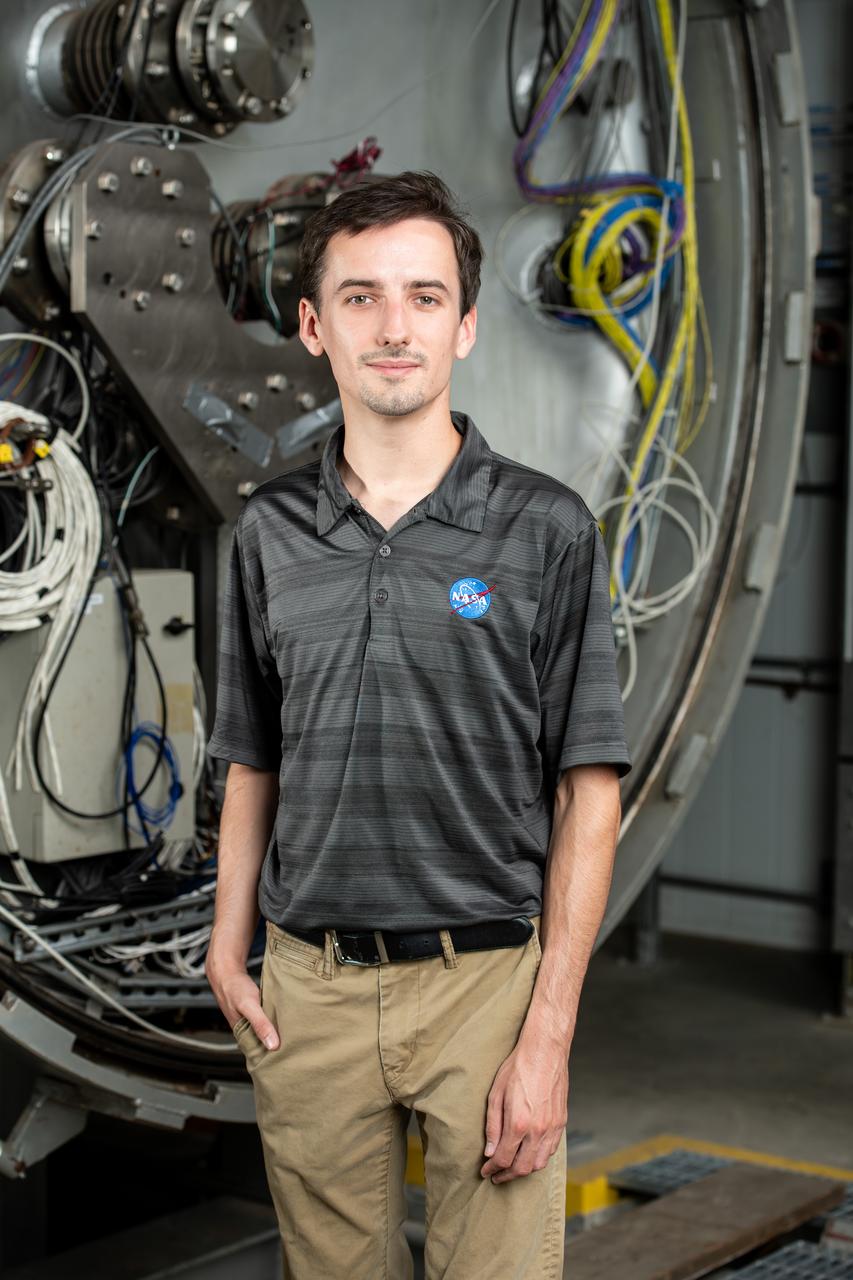
Each year, the NESC produces the NESC Technical Update, which highlights two or three individuals from each Center and includes assessments throughout the year. Because of the critical contributions to the NESC mission this year, Rob Jankovsky, NESC Chief Engineer at GRC, chose two individuals to be highlighted. This year, it is Andrew Ring and Michael Cooper. The Lead Analyst for GRC’s Chemical and Thermal Propulsion Systems branch, Mr. Michael Cooper, is supporting NESC test operations on reaction control system thrusters for Gateway’s Power & Propulsion Element. “These thrusters are small with few moving parts, but the heat and mass transfers involved are very complex,” he said. The test campaign is putting the thrusters through a rigorous profile to simulate the lifetime they will experience over decades in space. Mr. Cooper is analyzing test data gathered on chamber pressure, temperature, flow rates, and more to develop models on thruster performance. He also built the tool that read in that data from the test stand instrumentation. Photo Credit: (NASA/Sara Lowthian-Hanna)
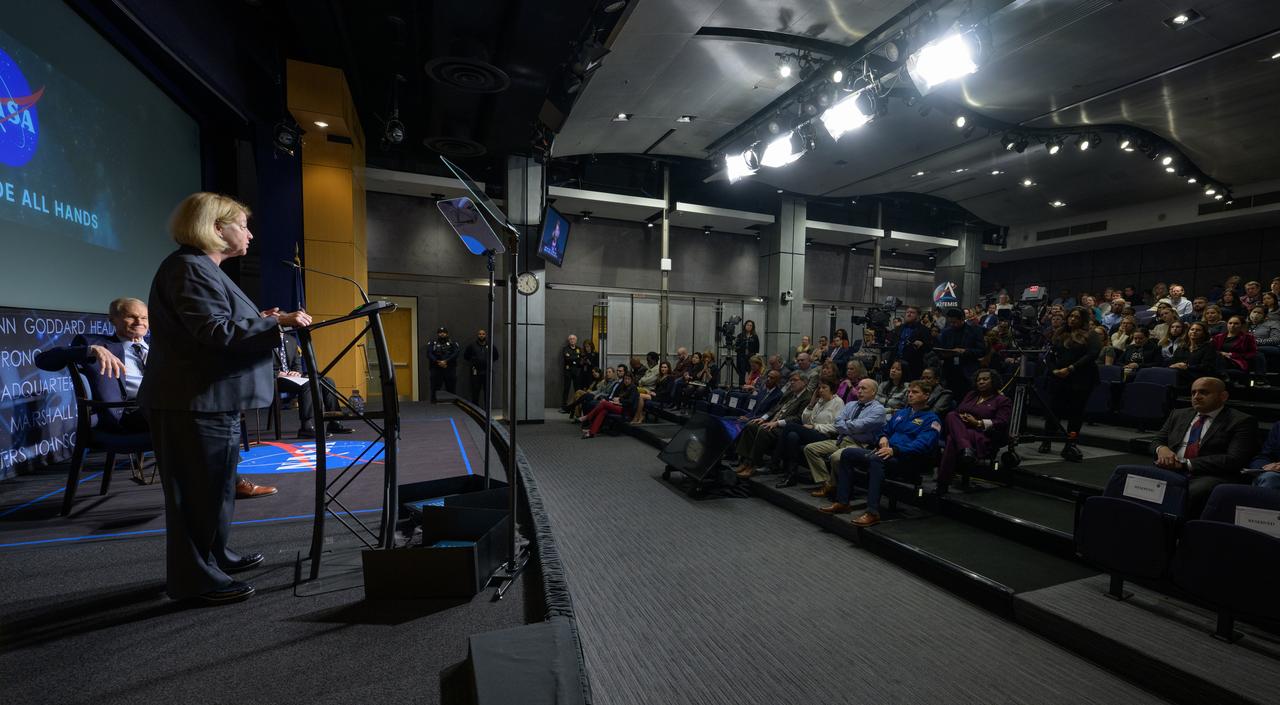
NASA Deputy Administrator Pam Melroy, gives remarks during a NASA agencywide all hands, Friday, Dec. 6, 2024, at the NASA Headquarters Mary W. Jackson Building in Washington. Photo Credit: (NASA/Bill Ingalls)

NASA’s Artemis II crew members ride in inflatable boats while NASA’s Exploration Ground System’s Landing and Recovery team and partners from the Department of Defense aboard the USS San Diego practice recovery procedures using the Crew Module Test Article, during Underway Recovery Test 11 (URT-11) off the coast of San Diego, California on Sunday, Feb. 25, 2024. URT-11 is the eleventh in a series of Artemis recovery tests, and the first time NASA and its partners put their Artemis II recovery procedures to the test with the astronauts.
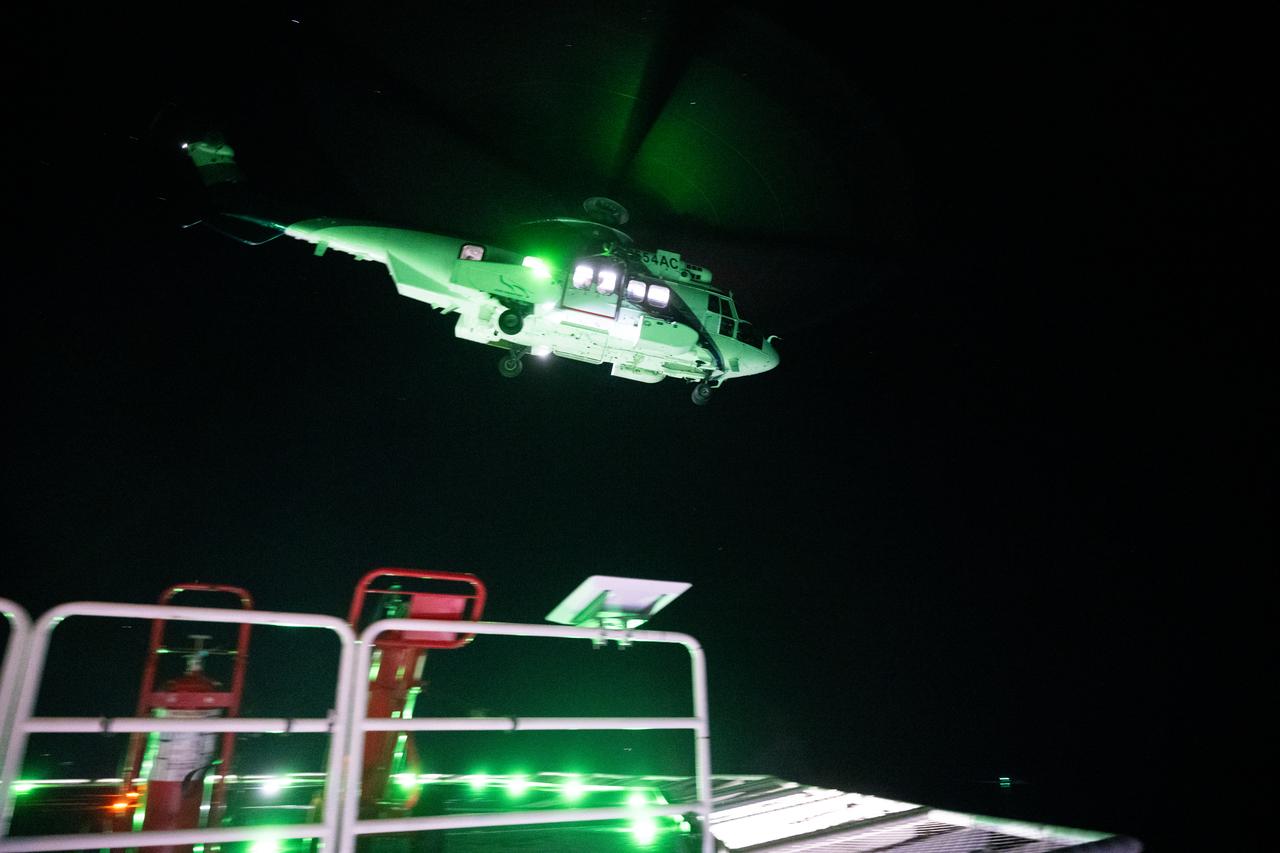
The helicopter carrying NASA astronauts Matthew Dominick, Michael Barratt, and Jeanette Epps, and Roscosmos cosmonaut Alexander Grebenkin is seen as it lands on the SpaceX recovery ship MEGAN in the Gulf of Mexico off the coast of Pensacola, Florida, Friday, Oct. 25, 2024. Dominick, Barratt, Epps, Grebenkin are returning after seven-months in space as part of Expedition 71 aboard the International Space Station. Photo Credit: (NASA/Joel Kowsky)
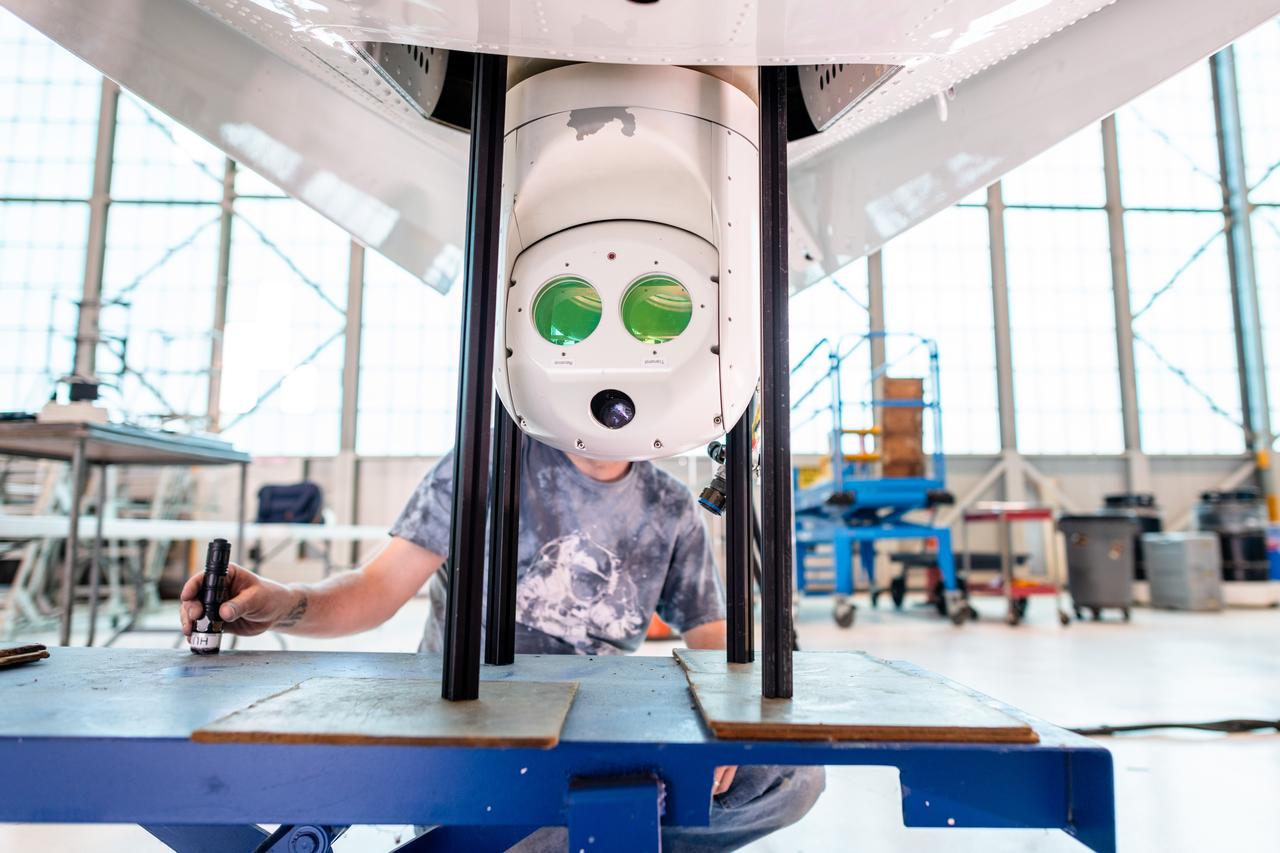
Dave Brennen, an electronics technician, installing the optical system under the belly of the PC-12 aircraft that streamed the first 4K video from aircraft to the International Space Station and back on May 20, 2024. Photo Credit: (NASA/Sara Lowthian-Hanna)
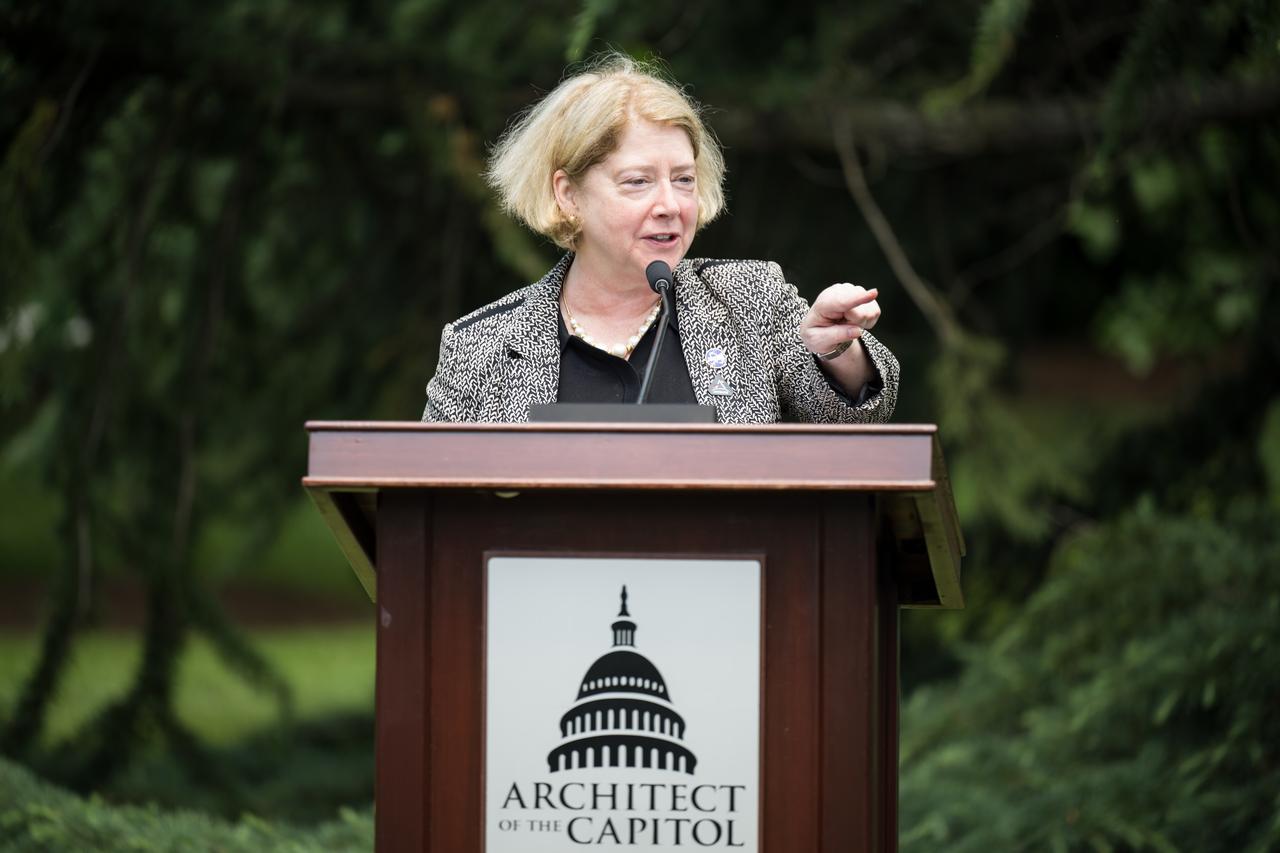
NASA Deputy Administrator Pam Melroy provides remarks at a Moon tree dedication ceremony, Tuesday, June 4, 2024 at the United States Capitol in Washington. The American Sweetgum tree planted on the southwestern side of the Capitol, was grown from a seed that was flown around the Moon during the Artemis I mission. Photo Credit: (NASA/Aubrey Gemignani)

iss072e159772 (Nov. 10, 2024) -- As the International Space Station orbited 259 miles above Earth, right off coast of Vancouver, NASA astronaut Don Pettit captured this image of city lights and a green aurora dancing in the atmosphere above.
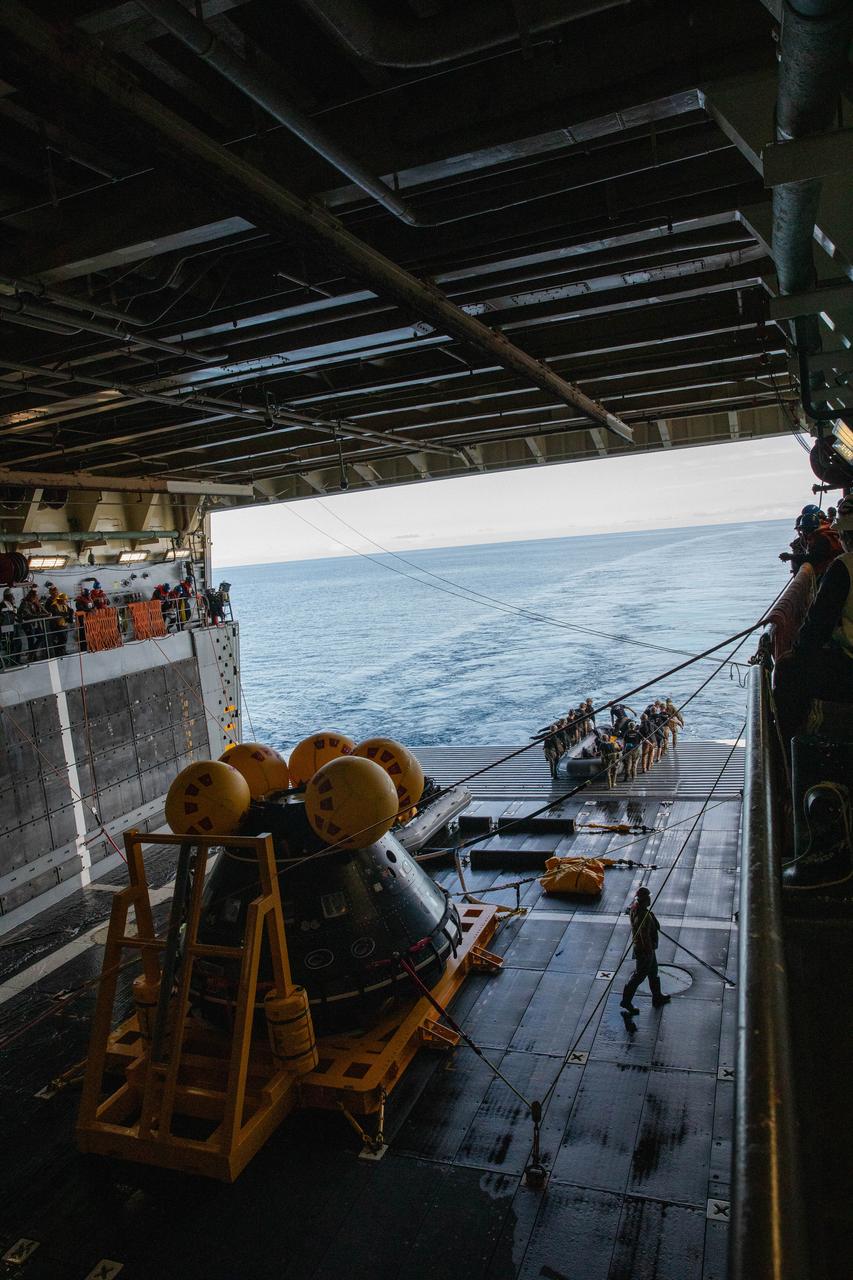
Members of NASA’s Exploration Ground System’s Landing and Recovery team and partners from the Department of Defense aboard the USS San Diego practice recovery procedures during Underway Recovery Test 11 (URT-11) off the coast of San Diego on Tuesday, Feb. 27, 2024. The team works to secure the Crew Module Test Article and align it on its stand inside the ship’s well deck. URT-11 is the eleventh in a series of Artemis recovery tests, and the first time NASA and its partners put their Artemis II recovery procedures to the test with the astronauts.
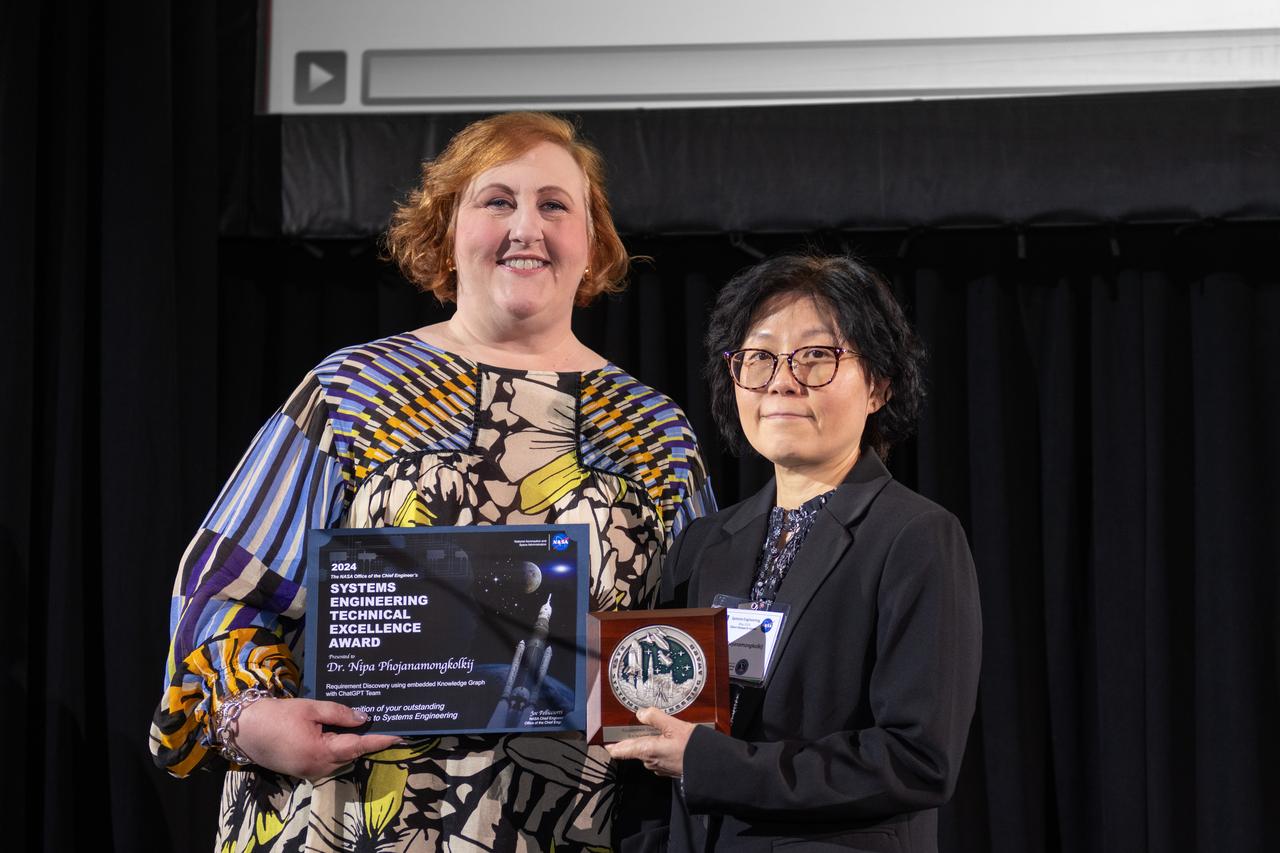
The NASA Systems Engineering Workshop is an annual event that brings together systems engineers and stakeholders from across the Agency to discuss, develop, and improve the state of the discipline as a community. The fundamental goals of the SE Workshop is to better engage and develop Systems Engineers to improve NASA mission success and improve the SE community and knowledge sharing within the discipline through focused and pertinent interactive learning. The Systems Engineering Workshop prides itself on being a "workshop". This means that attendees will be highly engaged and encouraged to share their own experiences and points of view with their colleagues throughout the event. The theme of this year's workshop hosted by Glenn Research Center on May 7-10, 2024 is "Eye on the Future" and is being held at the Hilton Cleveland Downtown in Ohio. It will feature presentations and panels of experts from across NASA and beyond! A couple of featured presentations include: "How I Learned to Stop Worrying and Love ChatGPT" and "Is MBSE Right for Me?" For more information about the schedule, see the agenda tab.
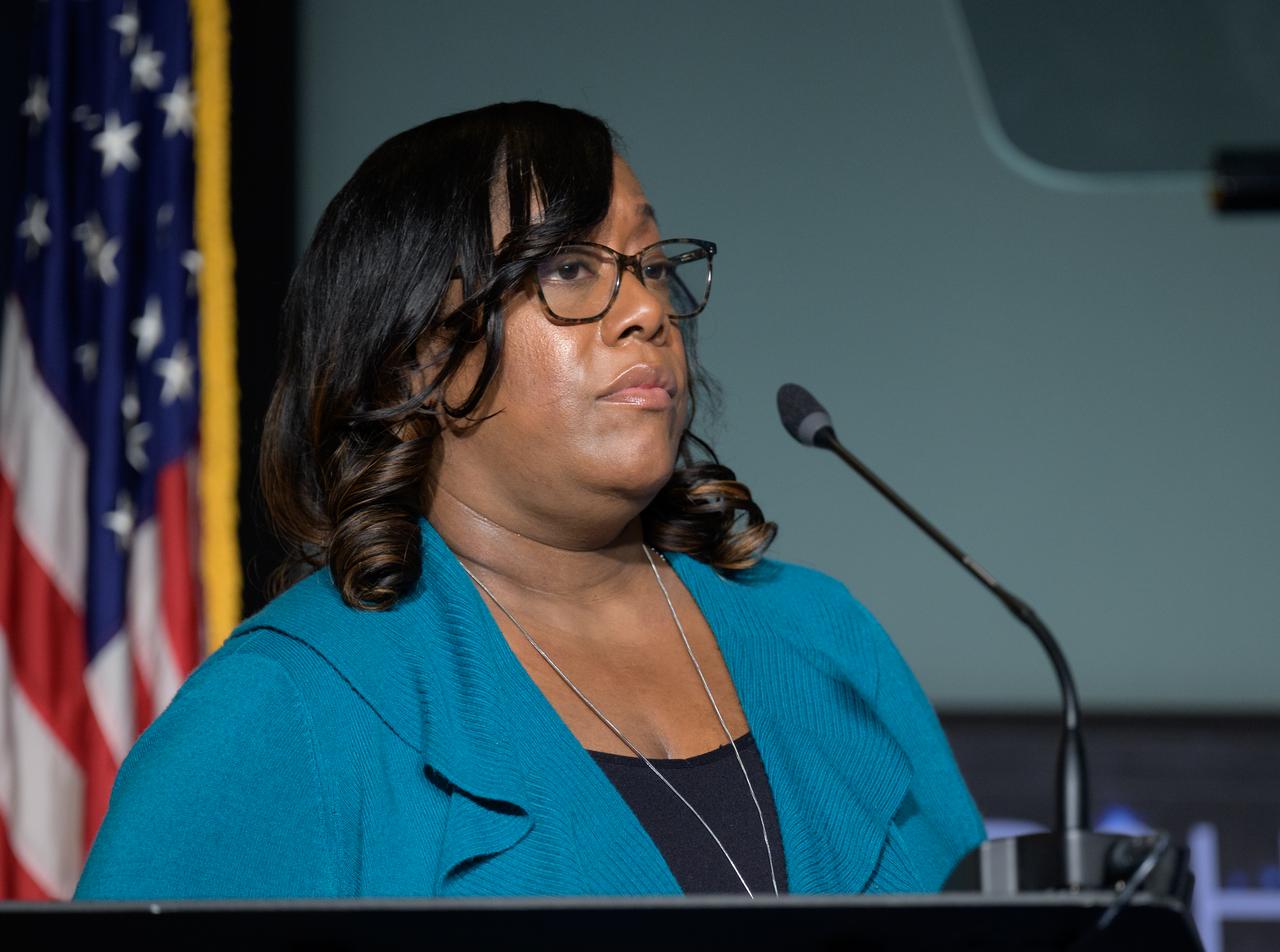
Michelle Jones, Deputy Associate Administrator for NASA’s Office of Communications, kicks off a NASA agencywide all hands, Friday, Dec. 6, 2024, at the NASA Headquarters Mary W. Jackson Building in Washington. Photo Credit: (NASA/Bill Ingalls)
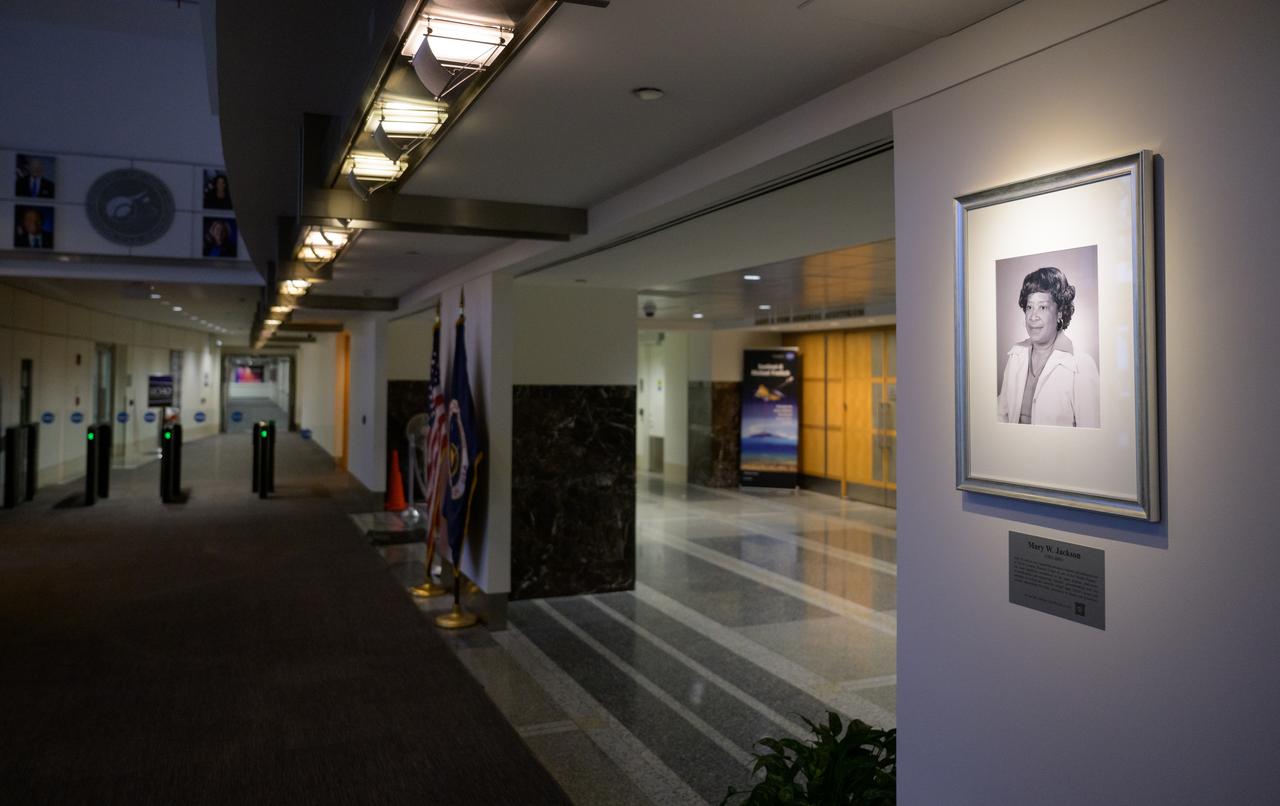
A portrait of Mary W. Jackson is seen after it was unveiled, Friday, Dec. 6, 2024, at the NASA Headquarters Mary W. Jackson Building in Washington. Mary W. Jackson was a pioneering aerospace engineer and mathematician at NASA’s Langley Research Center. As one of the “Hidden Figures,” she made significant contributions to the space program, particularly in aerodynamics and engineering. Jackson’s groundbreaking work and advocacy for women and minorities helped shape NASA’s success and advance opportunities for future generations in science and technology. Photo Credit: (NASA/Joel Kowsky)
![]A United Launch Alliance Atlas V rocket with Boeing’s CST-100 Starliner spacecraft aboard is seen as it is rolled out of the Vertical Integration Facility to the launch pad at Space Launch Complex 41 ahead of the NASA’s Boeing Crew Flight Test, Saturday, May 4, 2024 at Cape Canaveral Space Force Station in Florida. NASA’s Boeing Crew Flight Test is the first launch with astronauts aboard the Starliner spacecraft and Atlas V rocket to the International Space Station as part of the agency’s Commercial Crew Program. The flight test, targeted for launch at 10:34 p.m. EDT on Monday, May 6, serves as an end-to-end demonstration of Boeing’s crew transportation system and will carry NASA astronauts Butch Wilmore and Suni Williams to and from the orbiting laboratory. Photo Credit: (NASA/Joel Kowsky)](https://images-assets.nasa.gov/image/NHQ202405040016/NHQ202405040016~medium.jpg)
]A United Launch Alliance Atlas V rocket with Boeing’s CST-100 Starliner spacecraft aboard is seen as it is rolled out of the Vertical Integration Facility to the launch pad at Space Launch Complex 41 ahead of the NASA’s Boeing Crew Flight Test, Saturday, May 4, 2024 at Cape Canaveral Space Force Station in Florida. NASA’s Boeing Crew Flight Test is the first launch with astronauts aboard the Starliner spacecraft and Atlas V rocket to the International Space Station as part of the agency’s Commercial Crew Program. The flight test, targeted for launch at 10:34 p.m. EDT on Monday, May 6, serves as an end-to-end demonstration of Boeing’s crew transportation system and will carry NASA astronauts Butch Wilmore and Suni Williams to and from the orbiting laboratory. Photo Credit: (NASA/Joel Kowsky)
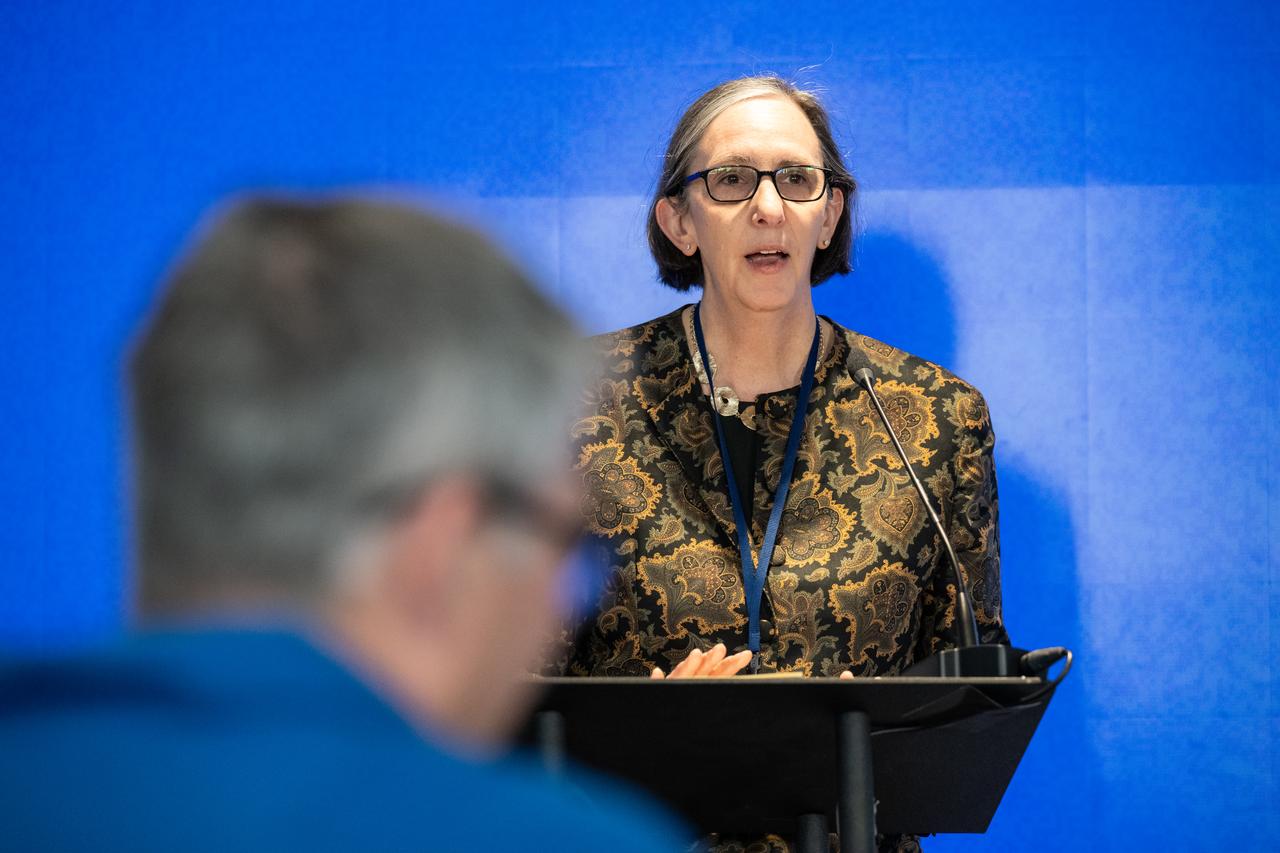
Director of the National Cancer Institute (NCI) Dr. Kimryn Rathmell delivers remarks during an event with NASA and the Department of Health and Human Services (HHS) to highlight how the agencies are making progress toward President Joe Biden and First Lady Jill Biden’s Cancer Moonshot initiative, Thursday, March 21, 2024, in the Earth Information Center at the Mary W. Jackson NASA Headquarters building in Washington. NASA is working with agencies and researchers across the federal government to help cut the nation’s cancer death rate by at least 50% in the next 25 years, a goal of the Cancer Moonshot Initiative. Photo Credit: (NASA/Keegan Barber)
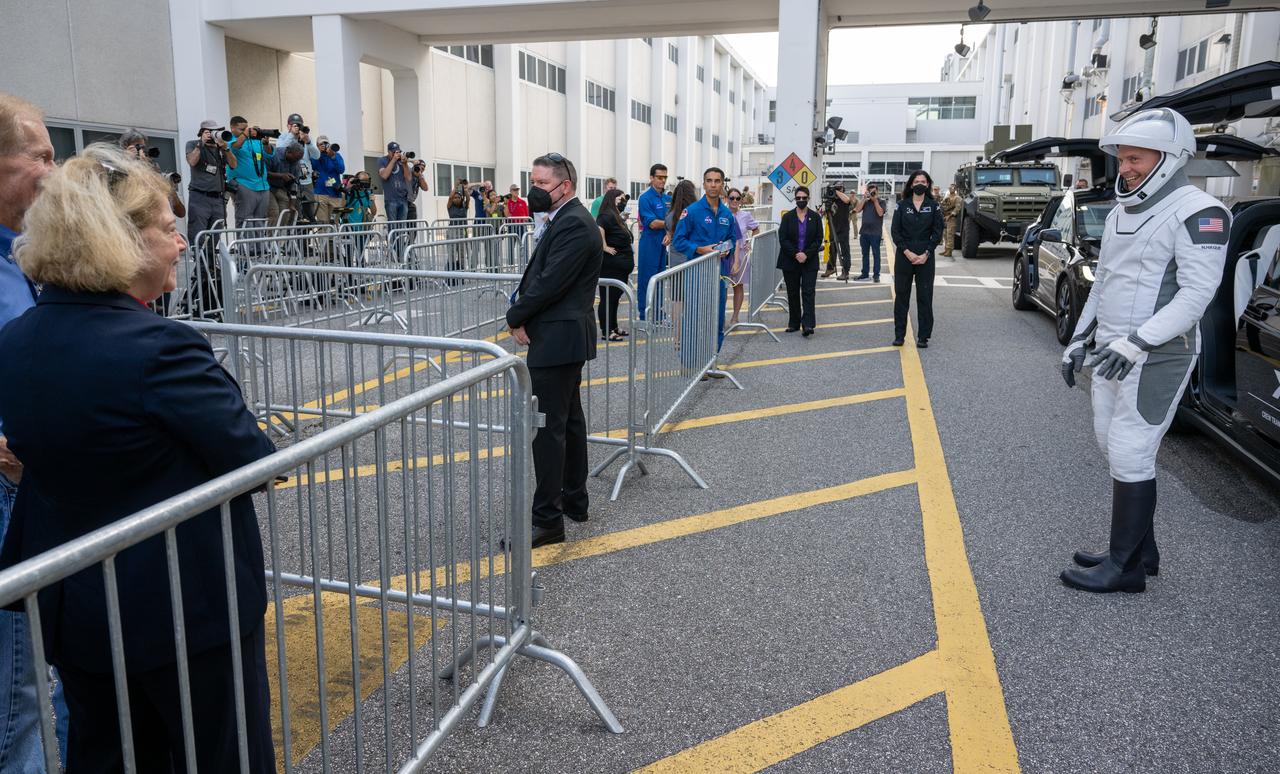
NASA astronaut Nick Hague greets NASA Administrator Bill Nelson, left, and NASA Deputy Administrator Pam Melroy, second from left, prior to departing the Neil A. Armstrong Operations and Checkout Building for Space Launch Complex 40 on Cape Canaveral Space Force Station to board the SpaceX Dragon spacecraft for the Crew-9 mission launch, Saturday, Sept. 28, 2024, at NASA’s Kennedy Space Center in Florida. NASA’s SpaceX Crew-9 mission is the ninth crew rotation mission of the SpaceX Dragon spacecraft and Falcon 9 rocket to the International Space Station as part of the agency’s Commercial Crew Program. Hague and Gorbunov are scheduled to launch at 1:17 p.m. EDT, from Space Launch Complex 40 at the Cape Canaveral Space Force Station. Photo Credit: (NASA/Keegan Barber)
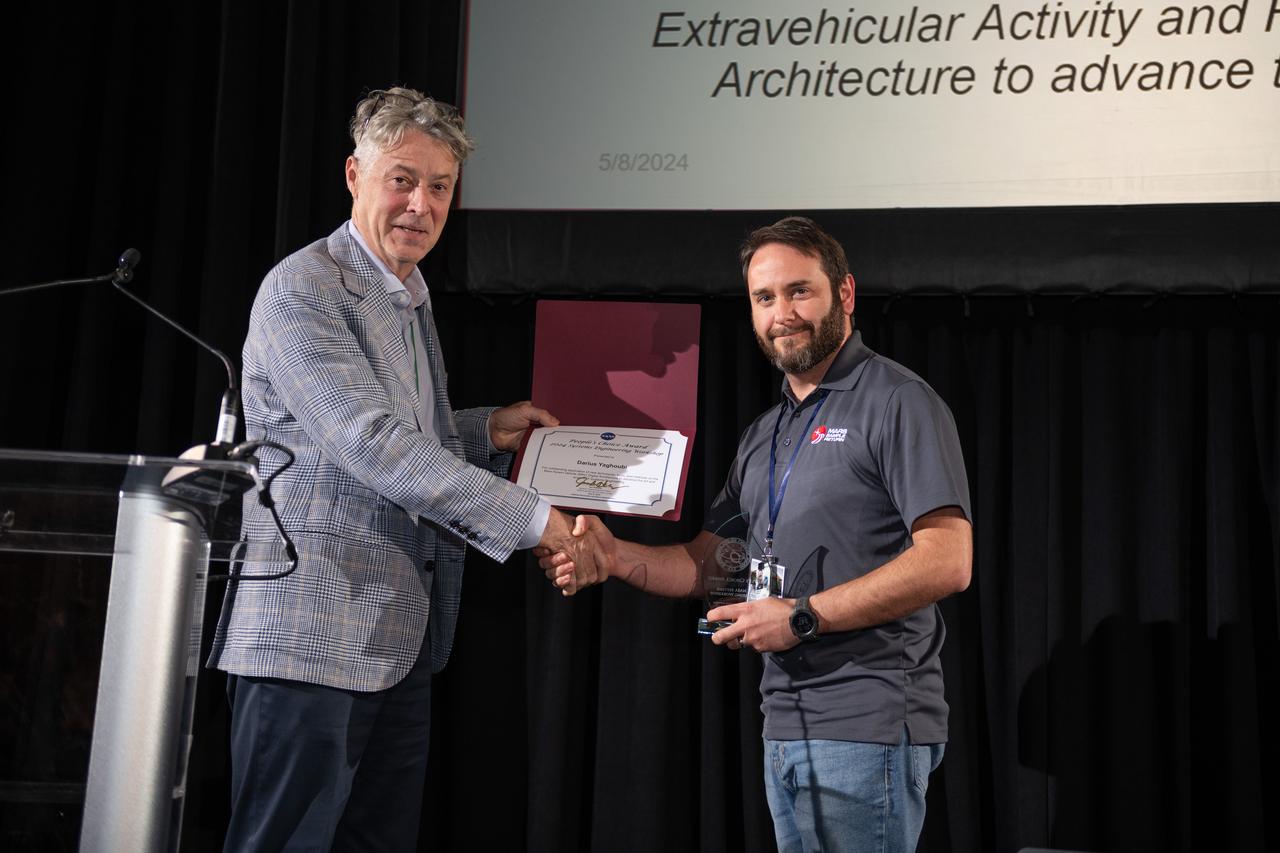
The NASA Systems Engineering Workshop is an annual event that brings together systems engineers and stakeholders from across the Agency to discuss, develop, and improve the state of the discipline as a community. The fundamental goals of the SE Workshop is to better engage and develop Systems Engineers to improve NASA mission success and improve the SE community and knowledge sharing within the discipline through focused and pertinent interactive learning. The Systems Engineering Workshop prides itself on being a "workshop". This means that attendees will be highly engaged and encouraged to share their own experiences and points of view with their colleagues throughout the event. The theme of this year's workshop hosted by Glenn Research Center on May 7-10, 2024 is "Eye on the Future" and is being held at the Hilton Cleveland Downtown in Ohio. It will feature presentations and panels of experts from across NASA and beyond! A couple of featured presentations include: "How I Learned to Stop Worrying and Love ChatGPT" and "Is MBSE Right for Me?" For more information about the schedule, see the agenda tab.
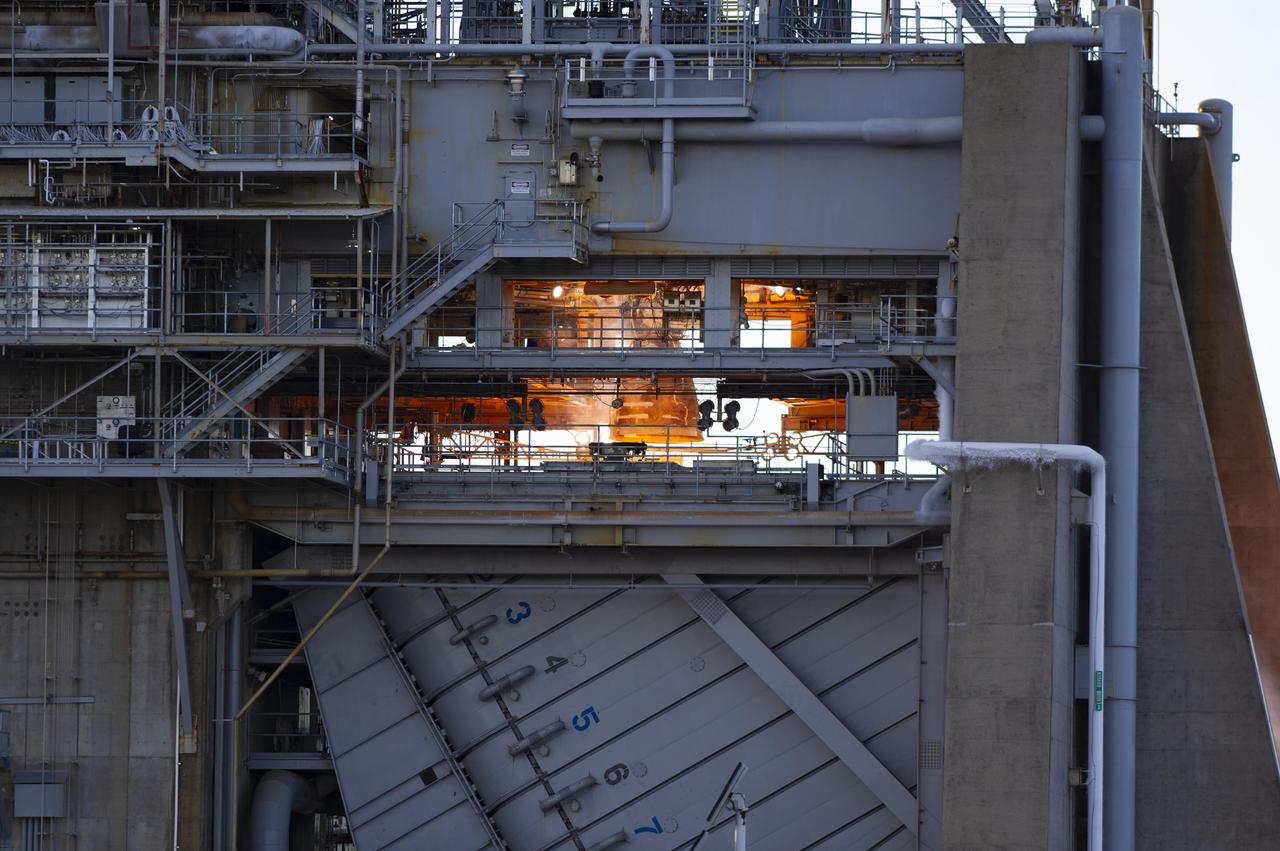
NASA completed a full-duration, 500-second hot fire of an RS-25 certification engine Jan. 17, continuing a critical test series to support future SLS (Space Launch System) missions to the Moon and beyond as NASA explores the secrets of the universe for the benefit of all.
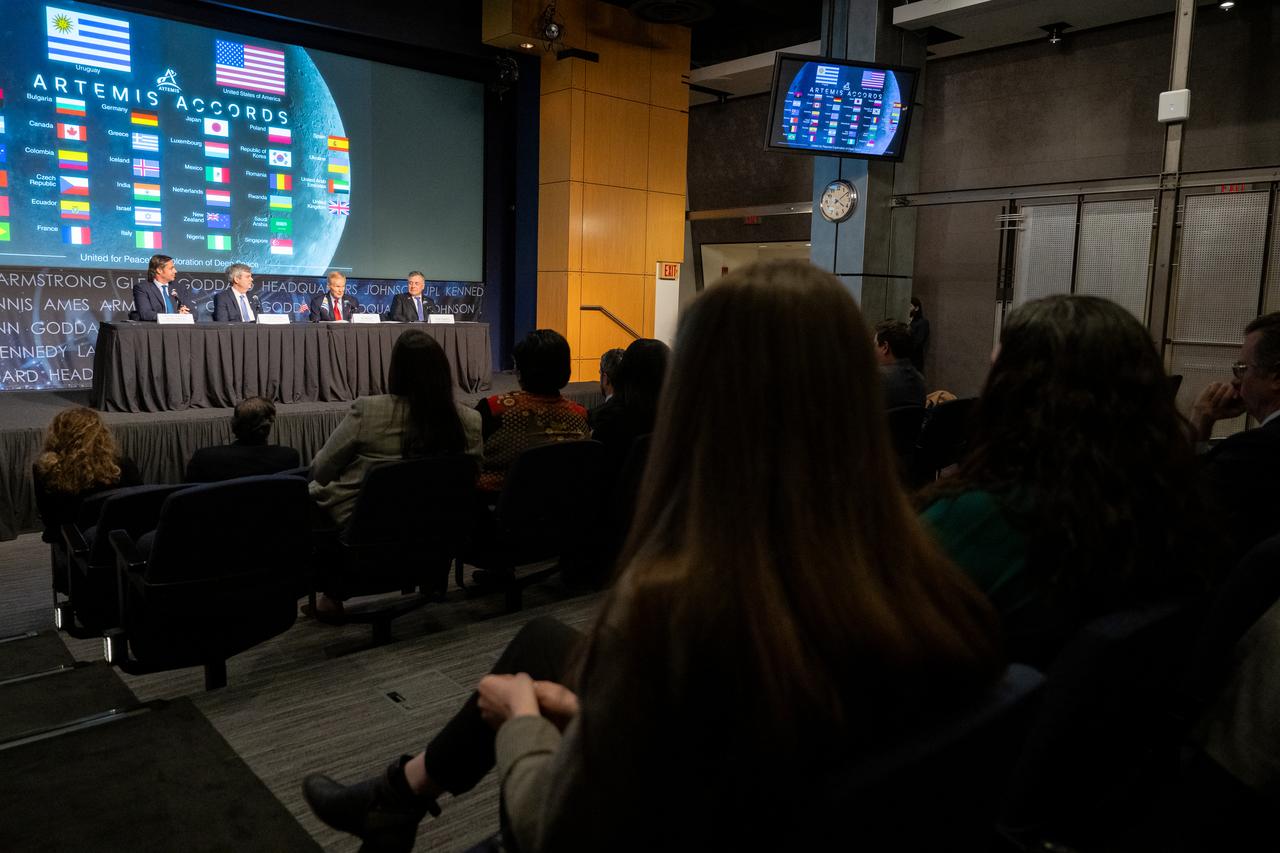
From left to right, Uruguayan Ambassador to the United States Andrés Augusto Durán Hareau, U.S. Department of State Deputy Assistant Secretary Kevin Sullivan, NASA Administrator Bill Nelson, and Uruguayan Foreign Minister Omar Paganini are seen during an Artemis Accords signing ceremony, Thursday, Feb. 15, 2024, at the Mary W. Jackson NASA Headquarters building in Washington. Uruguay is the 36th country to sign the Artemis Accords, which establish a practical set of principles to guide space exploration cooperation among nations participating in NASA’s Artemis program. Photo Credit: (NASA/Keegan Barber)
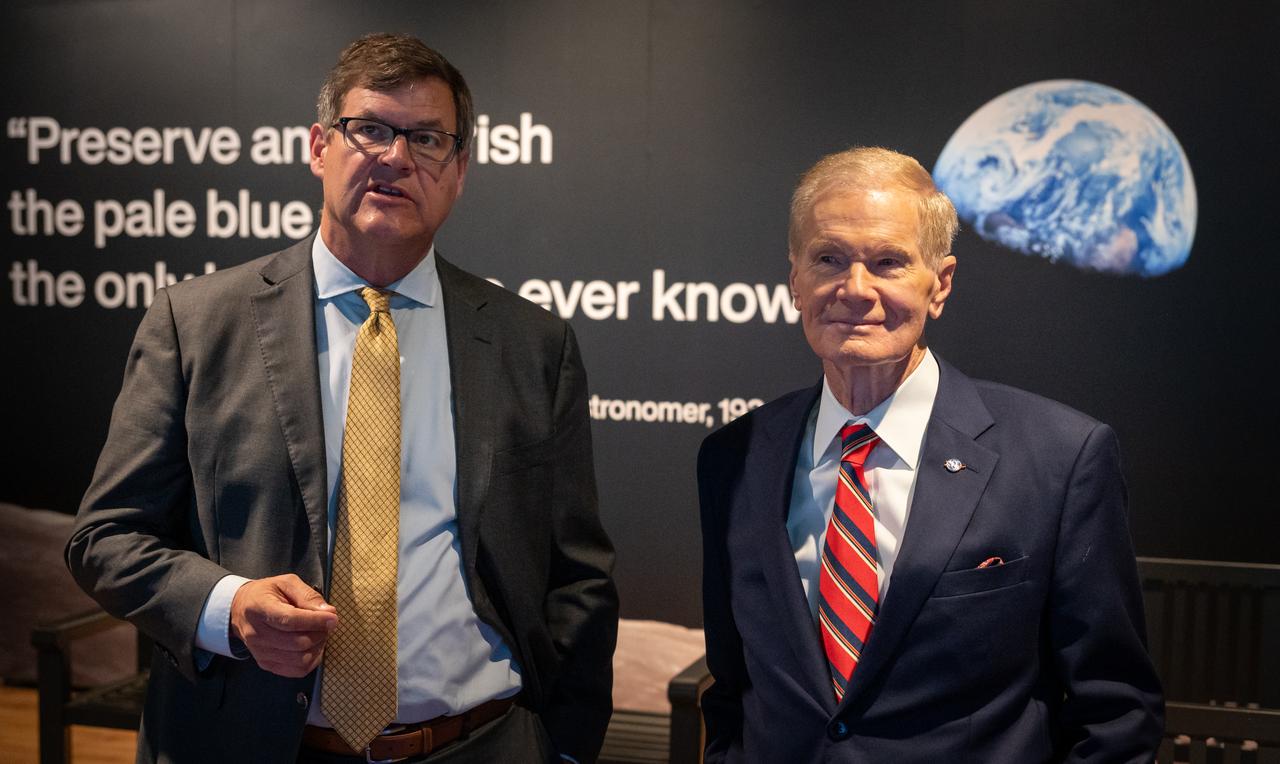
Smithsonian Museum of Natural History, Sant Director, Kirk Johnson, left, talks with NASA Administrator Bill Nelson, during a preview of the Earth Information Center at the Smithsonian National Museum of Natural History, in Washington, Monday, Oct. 7, 2024. The exhibit includes a video wall displaying Earth science data visualizations and videos, an interpretive panel showing Earth’s connected systems, information on our changing world, and an overview of how NASA and the Smithsonian study our home planet. Photo Credit: (NASA/Bill Ingalls)
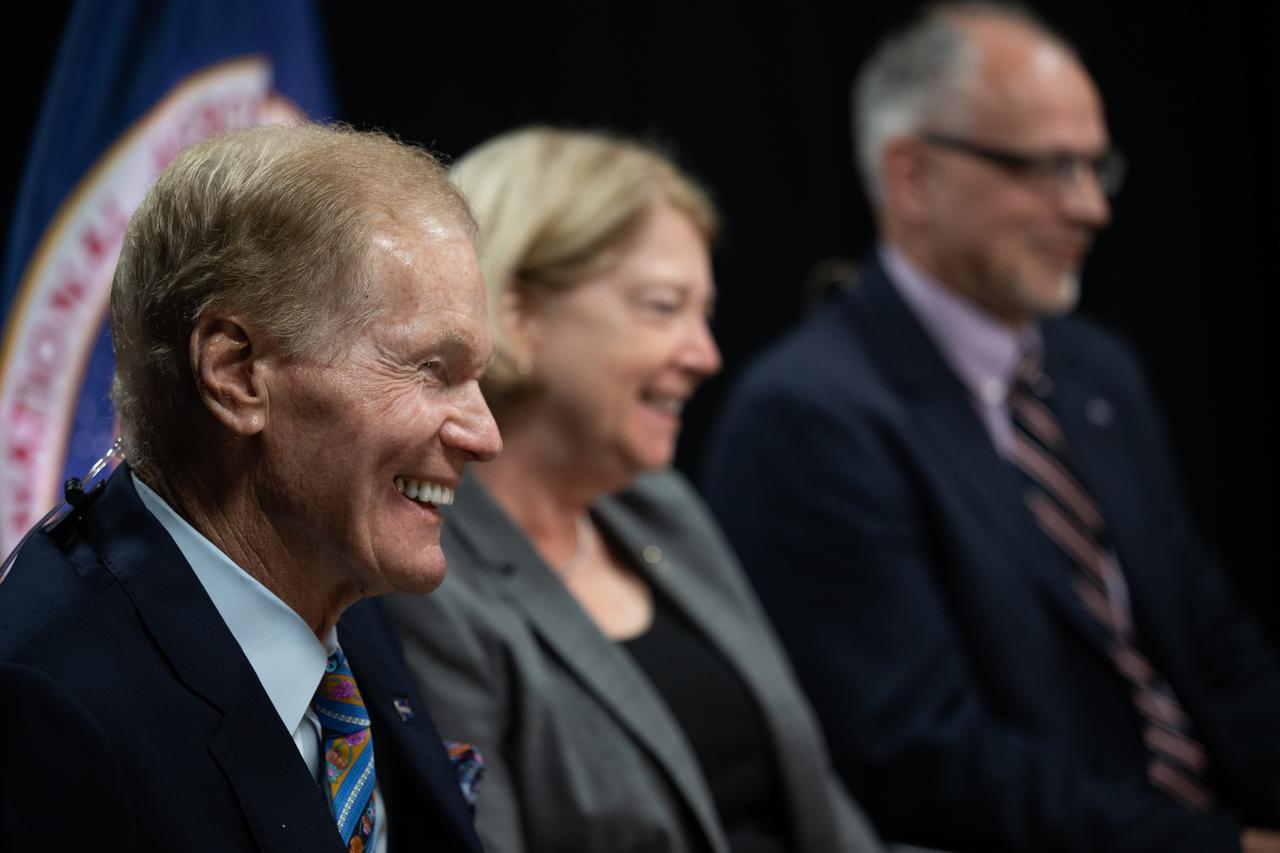
NASA Administrator Bill Nelson, left, NASA Deputy Administrator Pam Melroy, and NASA Associate Administrator Jim Free are seen during an Earth-to-space call with the agency’s Boeing Crew Flight Test crew members Butch Wilmore and Suni Williams aboard the International Space Station, Monday, June 10, 2024 at the Mary W. Jackson NASA Headquarters building in Washington. Nelson, Melroy, Free, and Johnson Space Center Director Vanessa Wyche spoke to Wilmore and Williams about their mission aboard Boeing’s Starliner Spacecraft. Photo Credit: (NASA/Joel Kowsky)