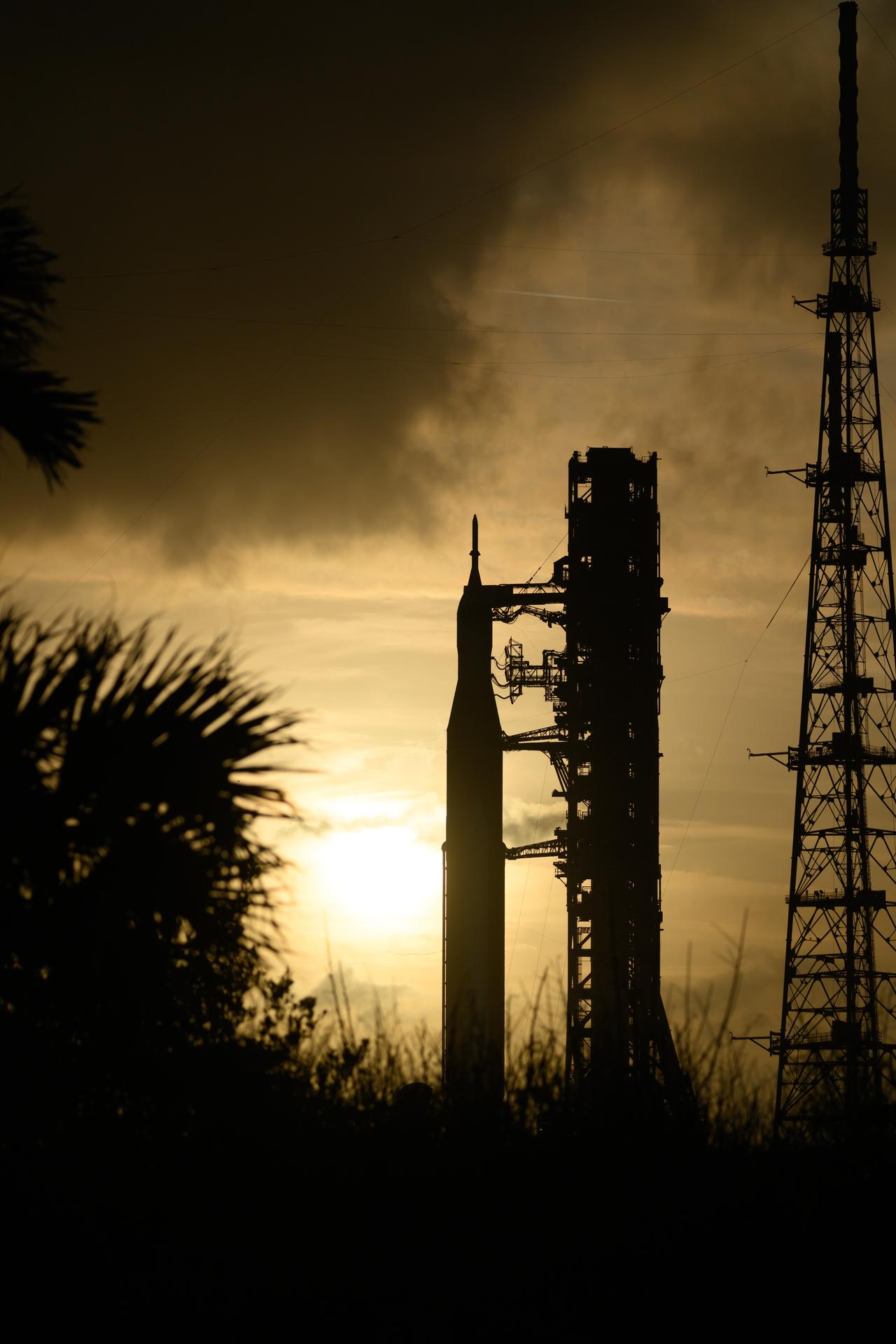
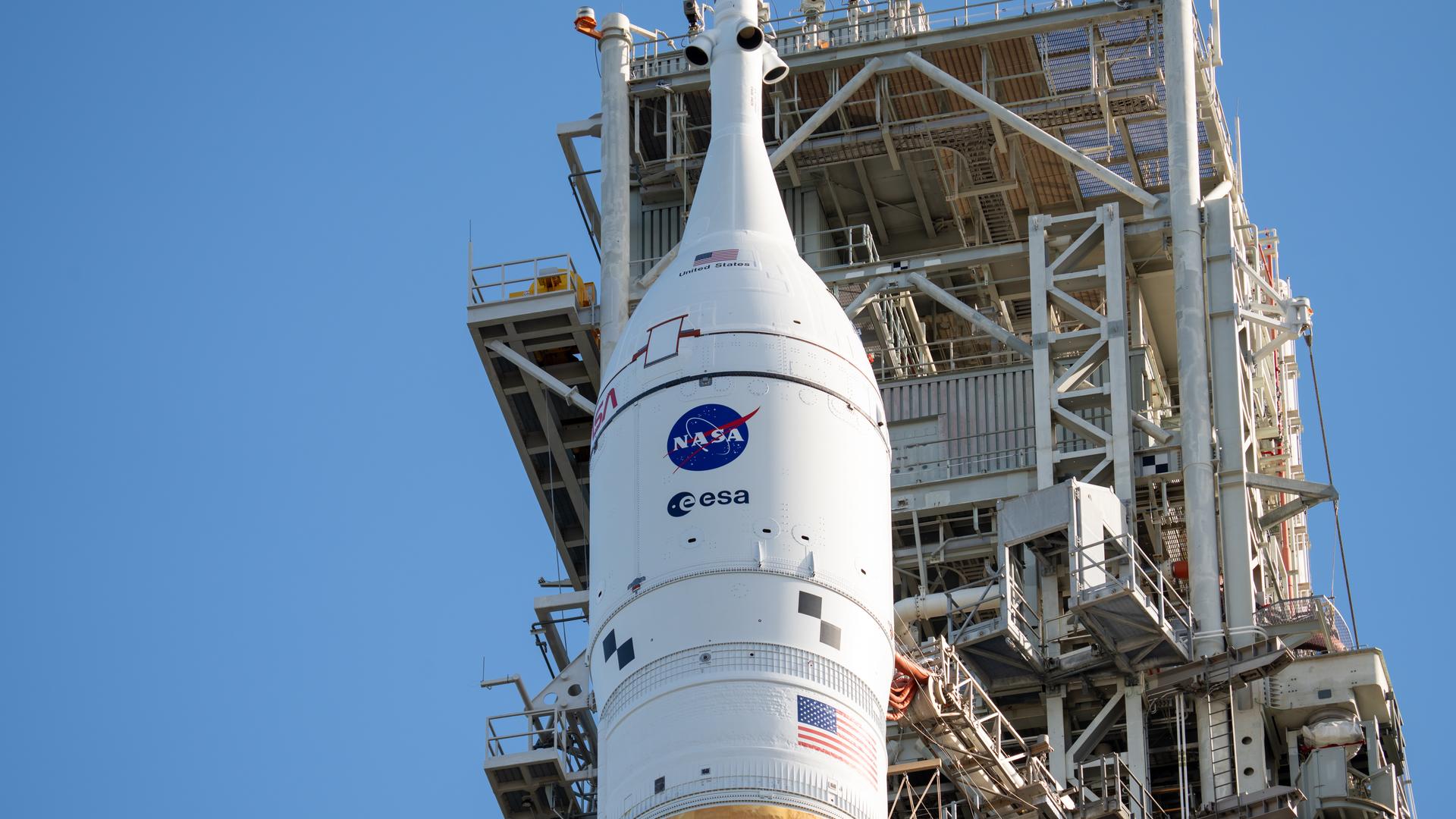
This image shows NASA’s SLS (Space Launch System) rocket Orion spacecraft at Launch Complex 39B, Monday, March 30, 2026, at NASA’s Kennedy Space Center in Florida. Artemis II is the first crewed mission of the agency’s Artemis campaign. The mission will send NASA astronauts Reid Wiseman, Victor Glover, and Christina Koch and CSA (Canadian Space Agency) astronaut Jeremy Hansen on an approximately 10-day journey around the Moon and back to Earth. Credit: NASA/Eric Bordelon
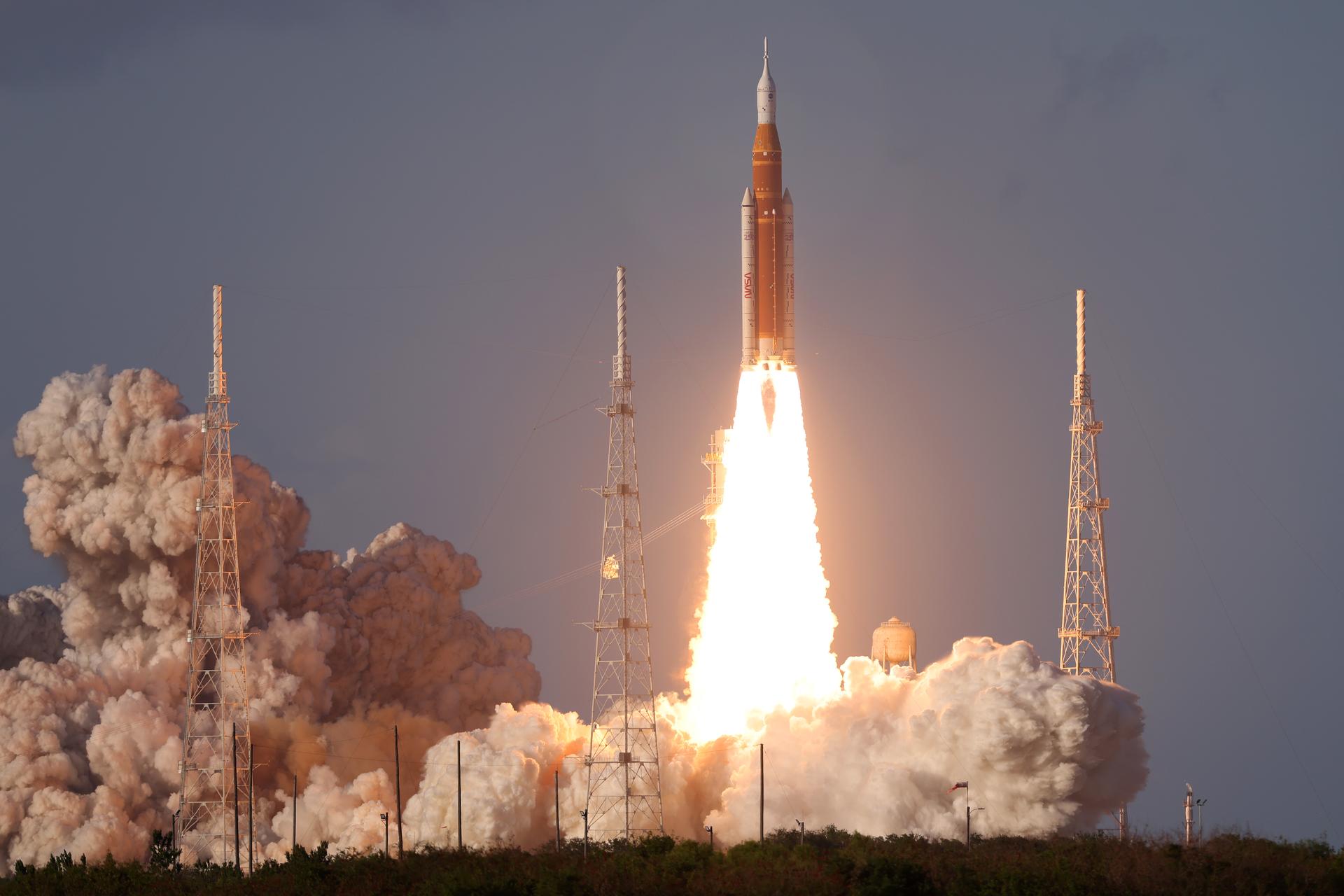
Four astronauts aboard NASA’s Orion spacecraft atop the SLS (Space Launch System) rocket launch on the agency’s Artemis II test flight, Wednesday, April 1, 2026, from Launch Complex 39B at NASA’s Kennedy Space Center in Florida. Artemis II lifted off at 6:35 p.m. ET. Artemis II is the first crewed mission of the agency’s Artemis campaign. The mission will send NASA astronauts Reid Wiseman, Victor Glover, and Christina Koch and CSA (Canadian Space Agency) astronaut Jeremy Hansen on an approximately 10-day journey around the Moon and back to Earth. Image credit: NASA/Michael DeMocker
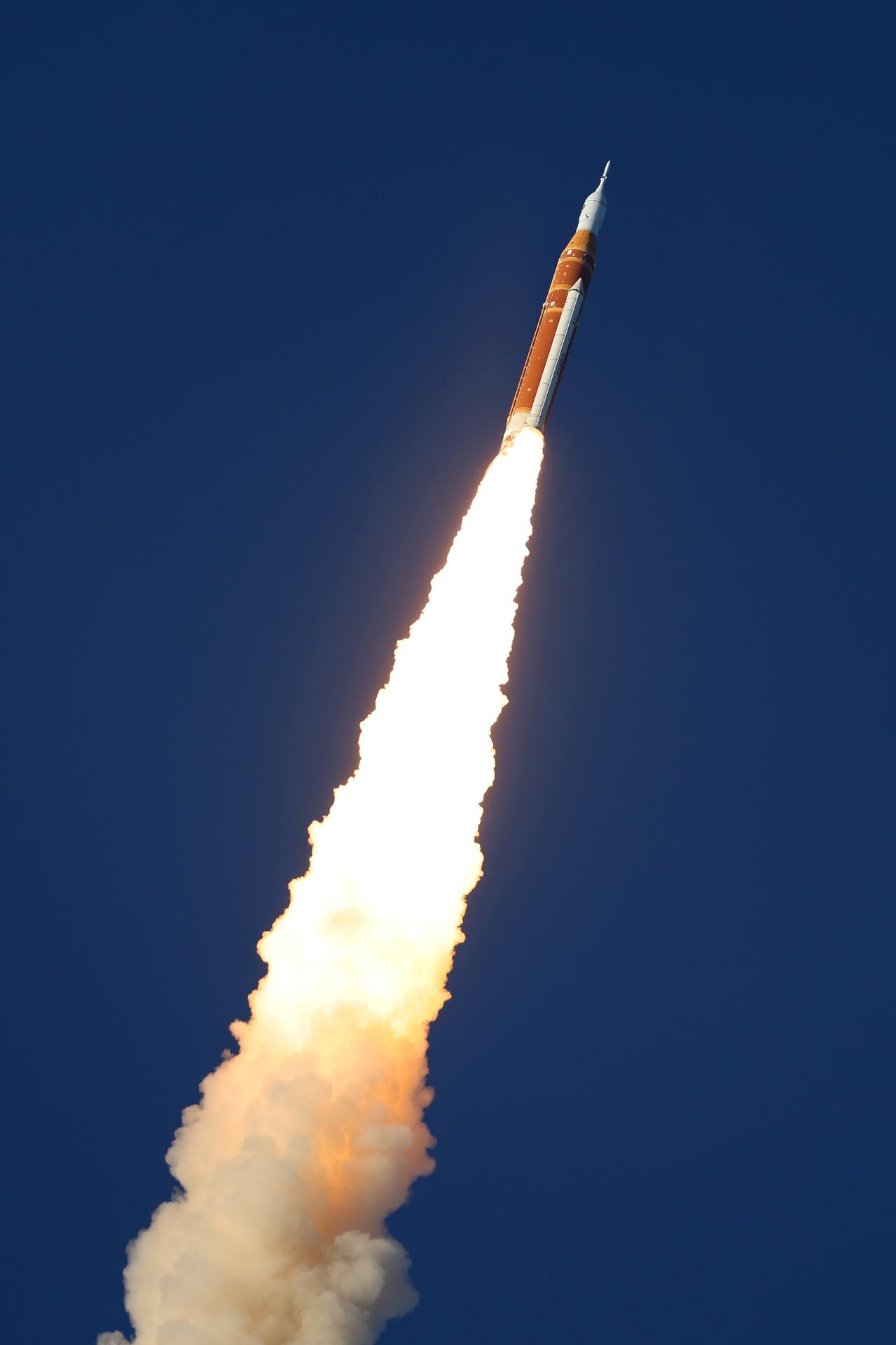
Four astronauts aboard NASA’s Orion spacecraft atop the SLS (Space Launch System) rocket launch on the agency’s Artemis II test flight, Wednesday, April 1 from Launch Complex 39B at NASA’s Kennedy Space Center in Florida. Artemis II lifted off at 6:35 p.m. ET. Artemis II is the first crewed mission of the agency’s Artemis campaign. The mission will send NASA astronauts Reid Wiseman, Victor Glover, and Christina Koch and CSA (Canadian Space Agency) astronaut Jeremy Hansen on an approximately 10-day journey around the Moon and back to Earth. Image credit: NASA/Michael DeMocker
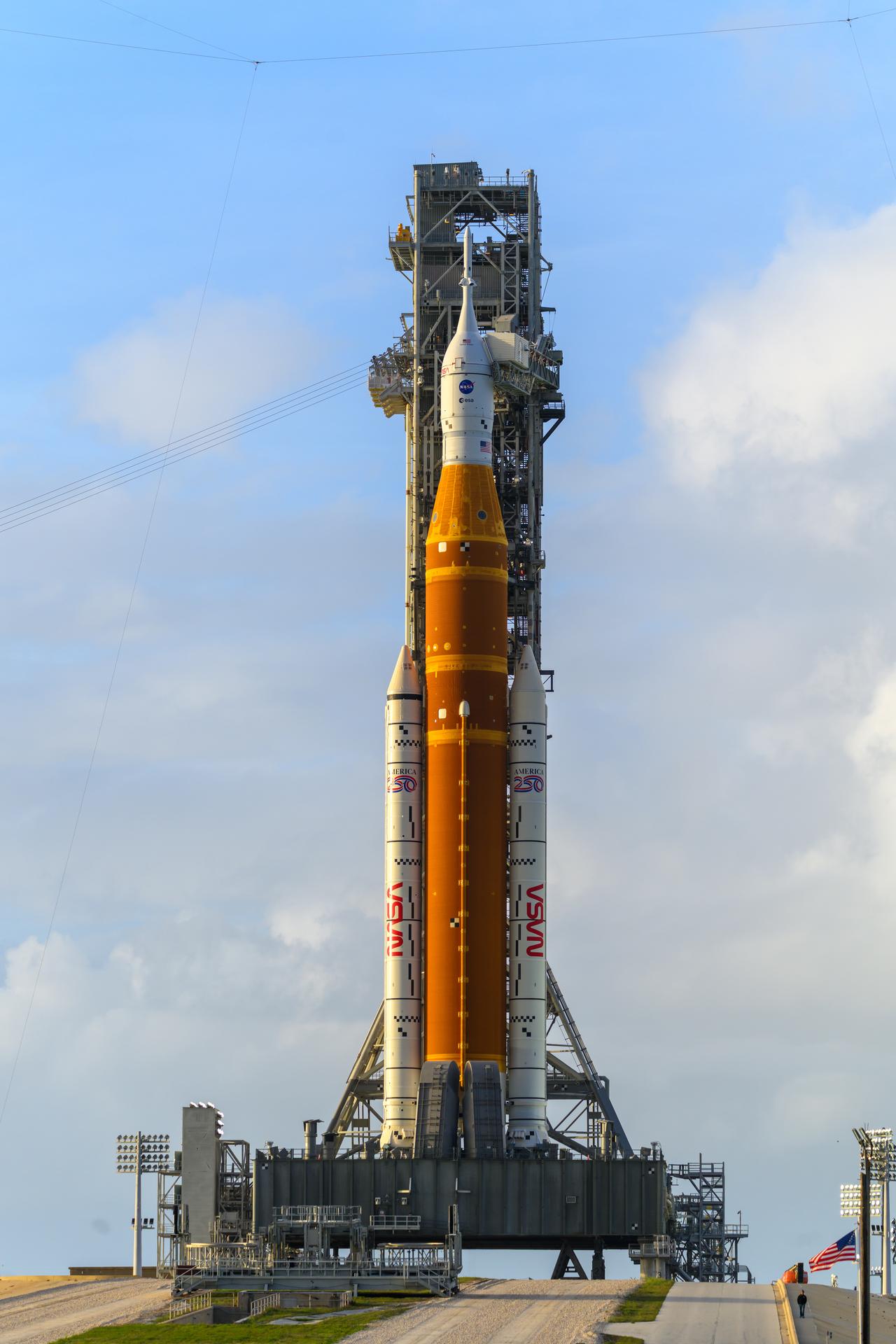
This image shows NASA’s SLS (Space Launch System) rocket Orion spacecraft at Launch Complex 39B, Monday, March 30, 2026, at NASA’s Kennedy Space Center in Florida. Artemis II is the first crewed mission of the agency’s Artemis campaign. The mission will send NASA astronauts Reid Wiseman, Victor Glover, and Christina Koch and CSA (Canadian Space Agency) astronaut Jeremy Hansen on an approximately 10-day journey around the Moon and back to Earth. Credit: NASA/Eric Bordelon
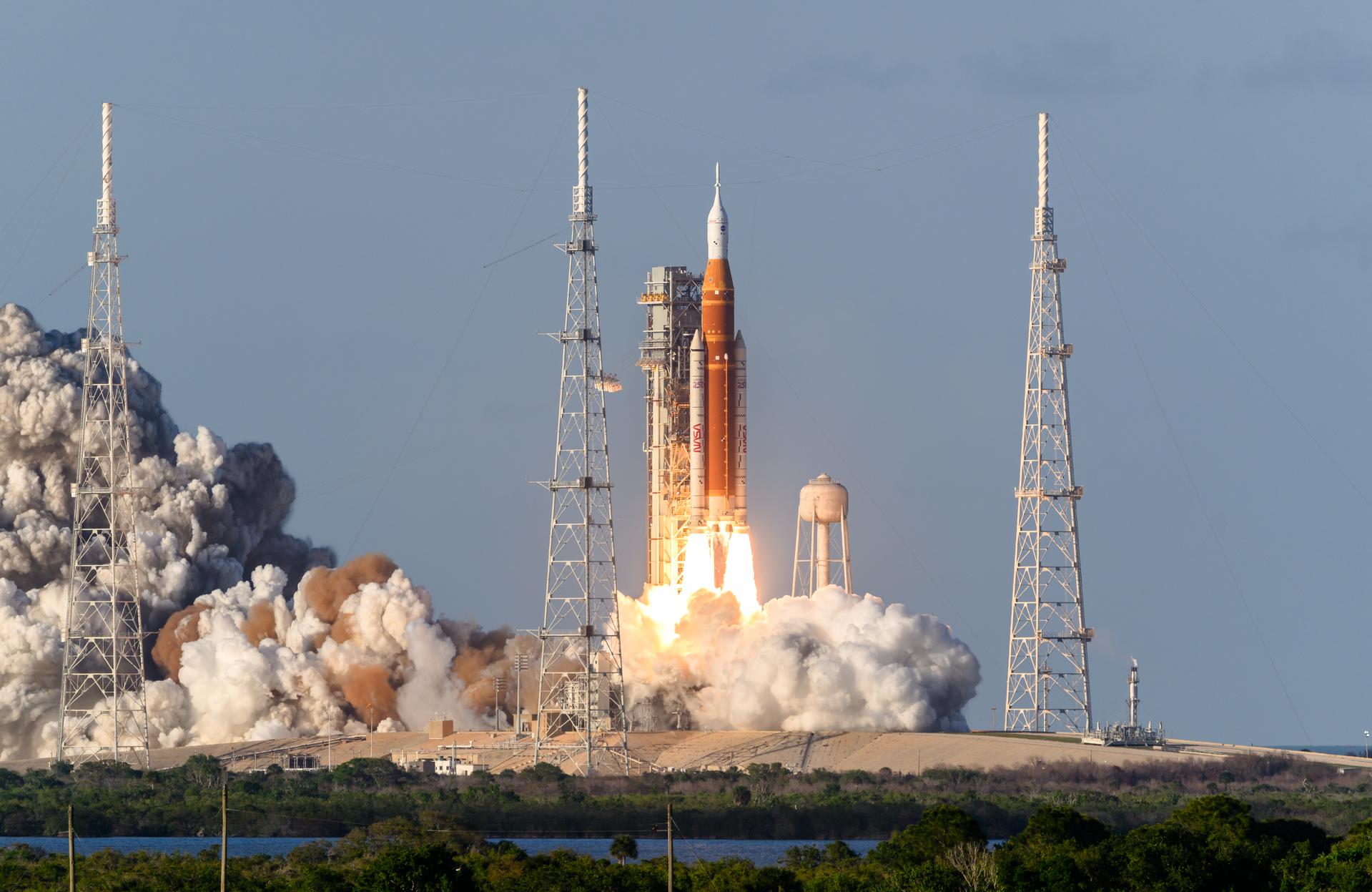
Four astronauts aboard NASA’s Orion spacecraft atop the SLS (Space Launch System) rocket launch on the agency’s Artemis II test flight, Wednesday, April 1 from Launch Complex 39B at NASA’s Kennedy Space Center in Florida. Artemis II lifted off at 6:35 p.m. ET. Artemis II is the first crewed mission of the agency’s Artemis campaign. The mission will send NASA astronauts Reid Wiseman, Victor Glover, and Christina Koch and CSA (Canadian Space Agency) astronaut Jeremy Hansen on an approximately 10-day journey around the Moon and back to Earth. Credit: NASA/Eric Bordelon Credit: Eric Bordelon
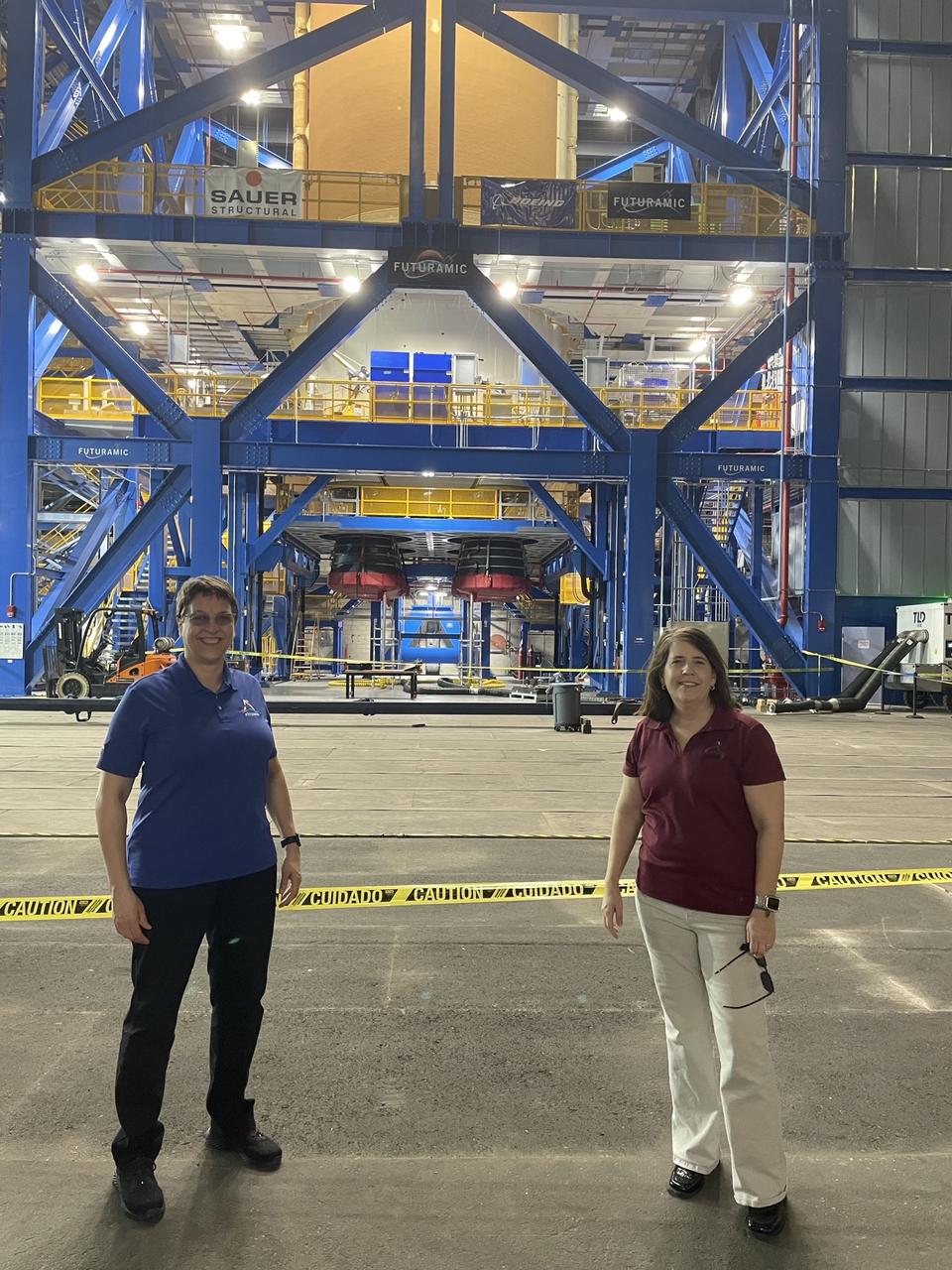
NASA Stennis Deputy Director Christine Powell and NASA Rocket Propulsion Test Program Manager Michele Beisler tour the Vehicle Assembly Building to view the SLS (Space Launch System) rocket expected to fly on the Artemis II mission and the mobile launcher ground structure used to assemble, process, and launch SLS during a visit to NASA’s Kennedy Space Center on Jan. 31.
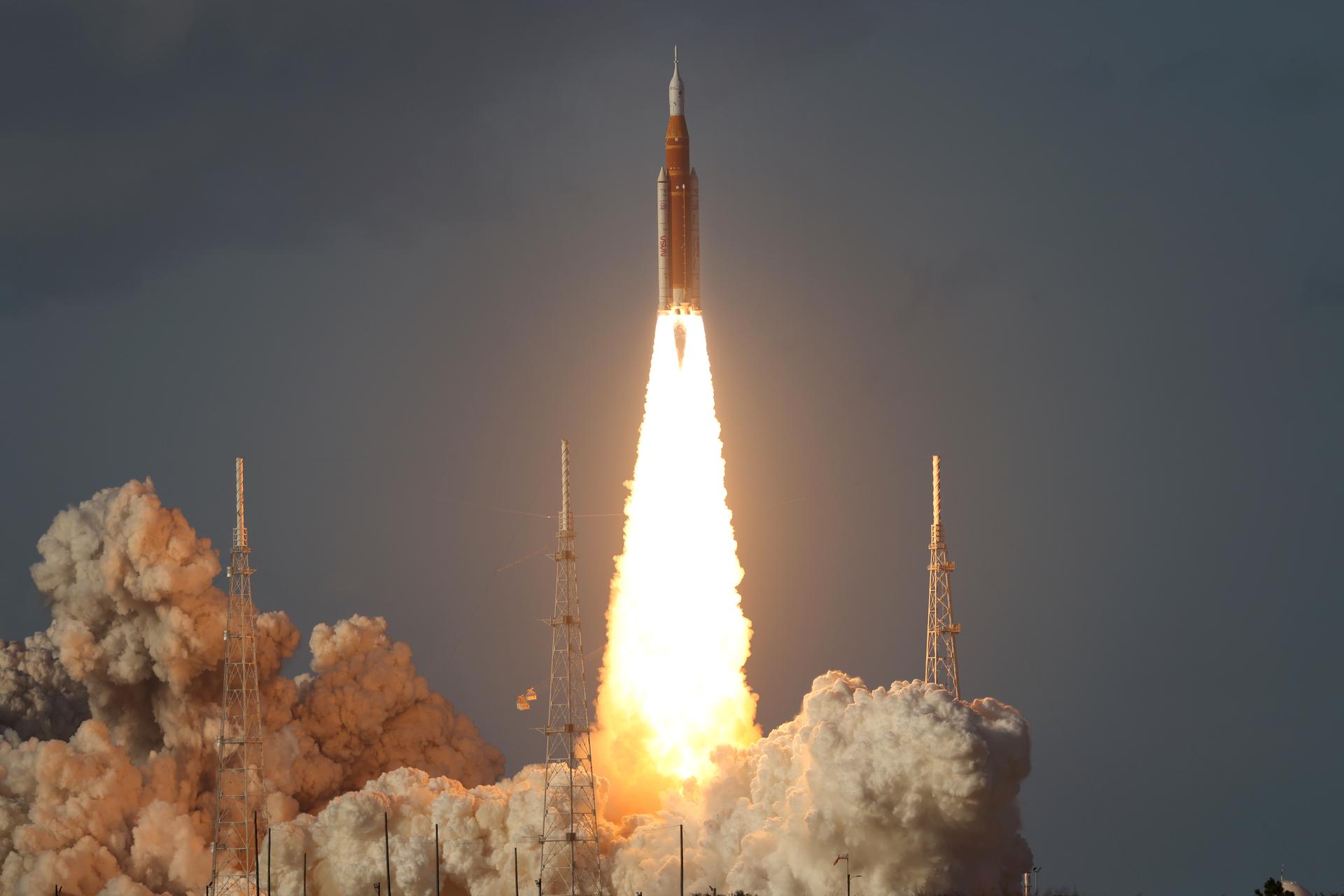
Four astronauts aboard NASA’s Orion spacecraft atop the SLS (Space Launch System) rocket launch on the agency’s Artemis II test flight, Wednesday, April 1 from Launch Complex 39B at NASA’s Kennedy Space Center in Florida. Artemis II lifted off at 6:35 p.m. ET. Artemis II is the first crewed mission of the agency’s Artemis campaign. The mission will send NASA astronauts Reid Wiseman, Victor Glover, and Christina Koch and CSA (Canadian Space Agency) astronaut Jeremy Hansen on an approximately 10-day journey around the Moon and back to Earth. Image credit: NASA/Michael DeMocker
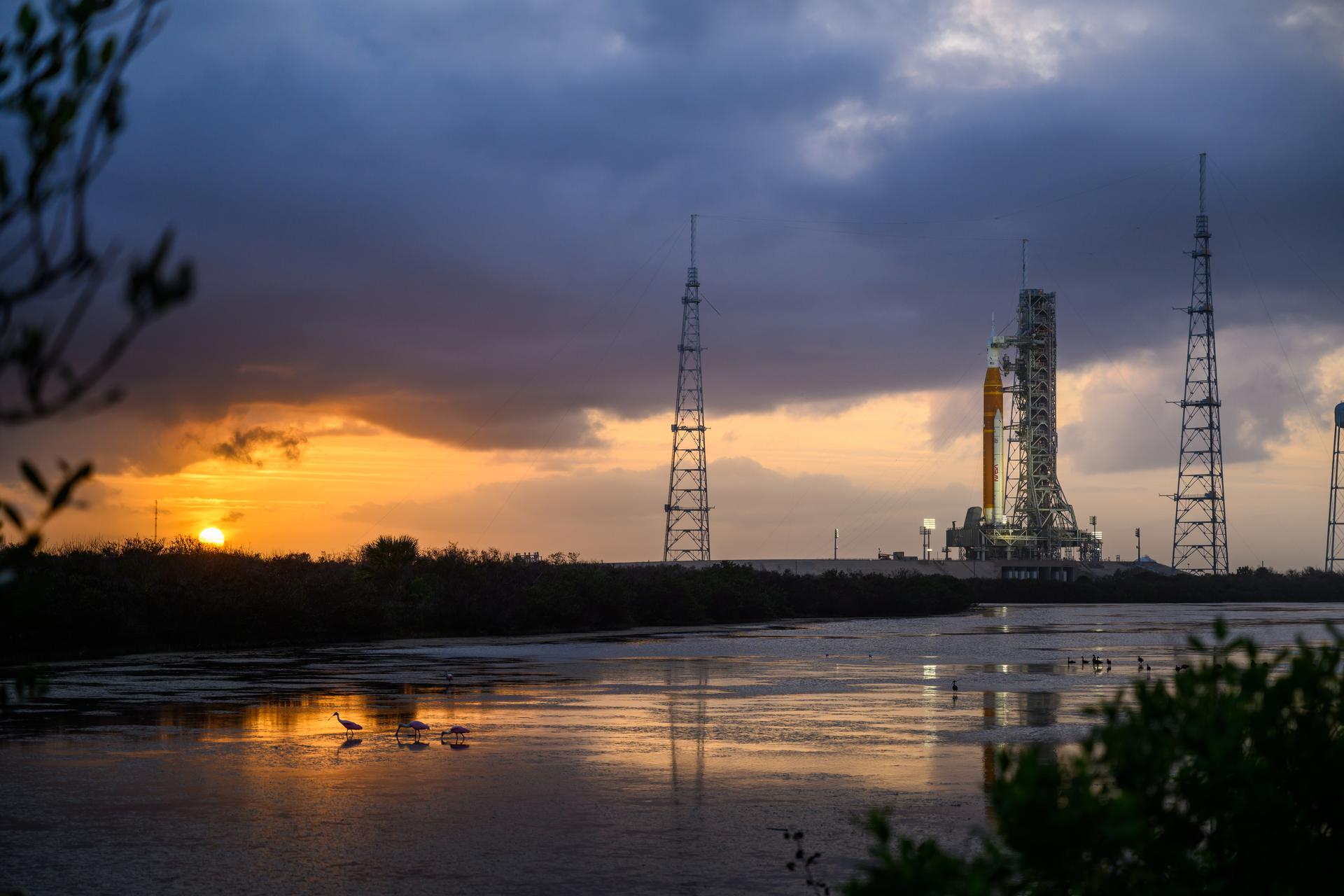
This image shows NASA’s SLS (Space Launch System) rocket Orion spacecraft at Launch Complex 39B, Monday, March 30, 2026, at NASA’s Kennedy Space Center in Florida. Artemis II is the first crewed mission of the agency’s Artemis campaign. The mission will send NASA astronauts Reid Wiseman, Victor Glover, and Christina Koch and CSA (Canadian Space Agency) astronaut Jeremy Hansen on an approximately 10-day journey around the Moon and back to Earth. Credit: NASA/Eric Bordelon
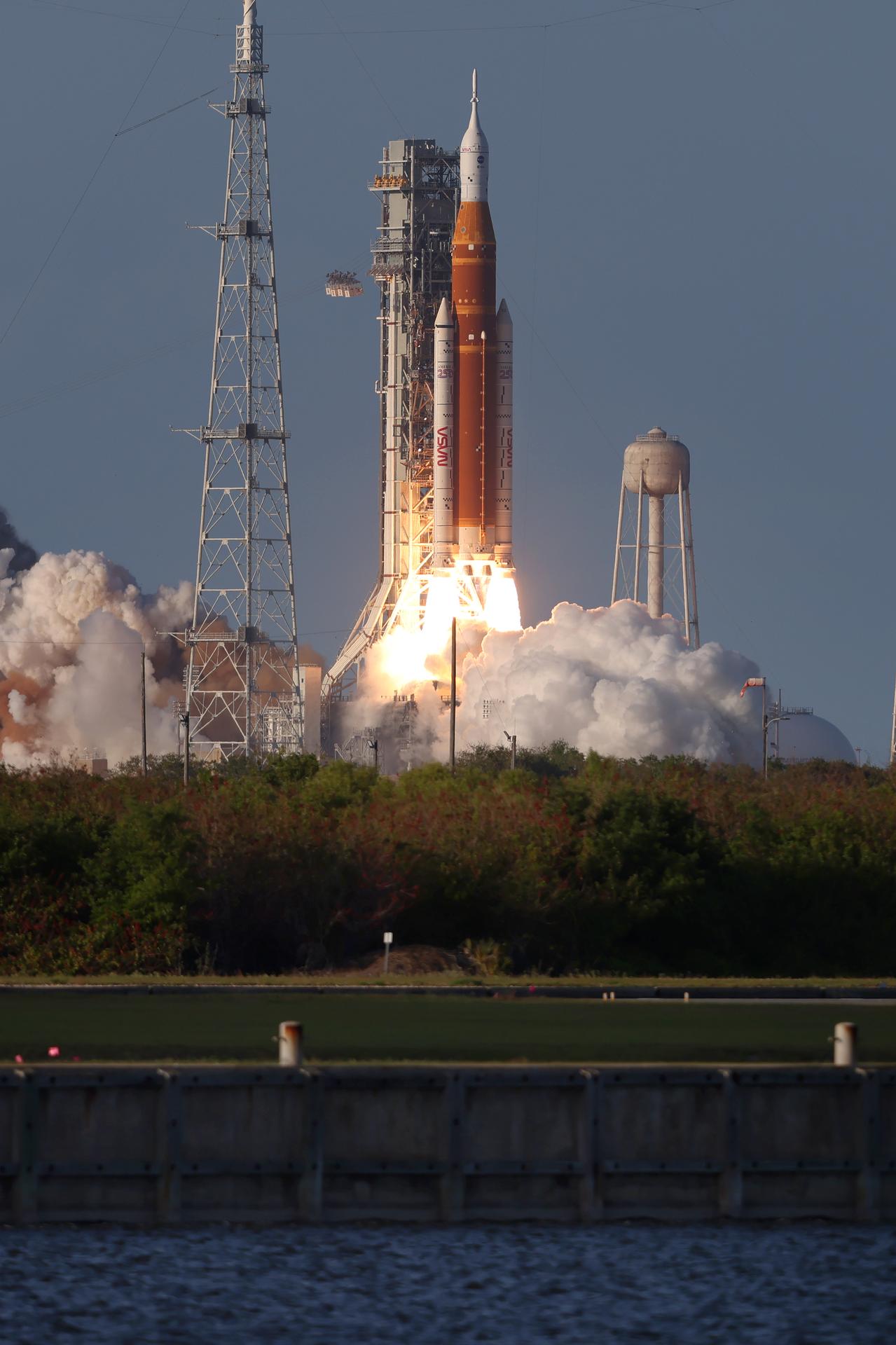
Four astronauts aboard NASA’s Orion spacecraft atop the SLS (Space Launch System) rocket launch on the agency’s Artemis II test flight, Wednesday, April 1 from Launch Complex 39B at NASA’s Kennedy Space Center in Florida. Artemis II lifted off at 6:35 p.m. ET. Artemis II is the first crewed mission of the agency’s Artemis campaign. The mission will send NASA astronauts Reid Wiseman, Victor Glover, and Christina Koch and CSA (Canadian Space Agency) astronaut Jeremy Hansen on an approximately 10-day journey around the Moon and back to Earth. Image credit: NASA/Michael DeMocker
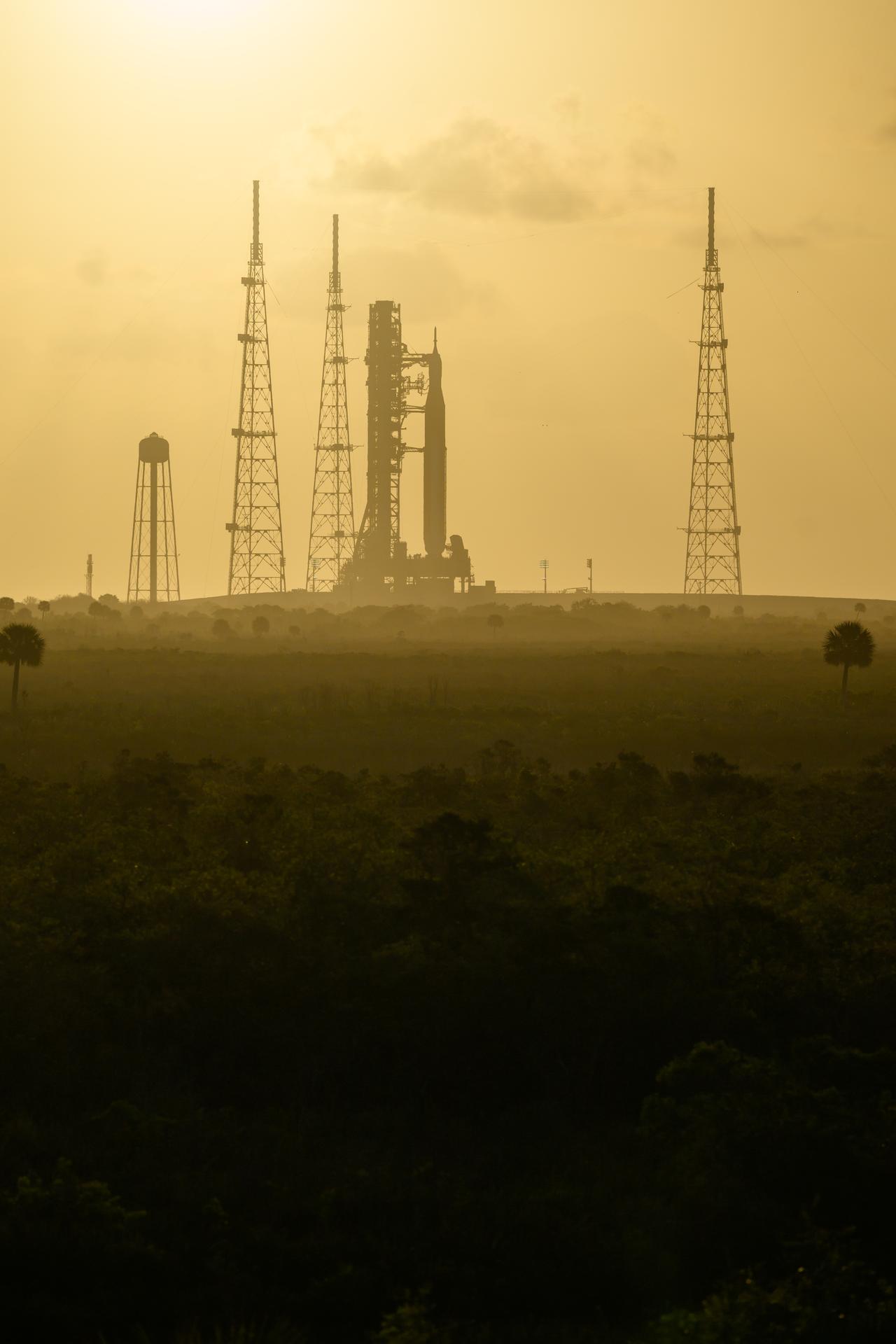
These images show NASA’s SLS (Space Launch System) rocket Orion spacecraft at Launch Complex 39B, Monday, March 30, 2026, at NASA’s Kennedy Space Center in Florida. Artemis II is the first crewed mission of the agency’s Artemis campaign. The mission will send NASA astronauts Reid Wiseman, Victor Glover, and Christina Koch and CSA (Canadian Space Agency) astronaut Jeremy Hansen on an approximately 10-day journey around the Moon and back to Earth. Credit: NASA/Eric Bordelon
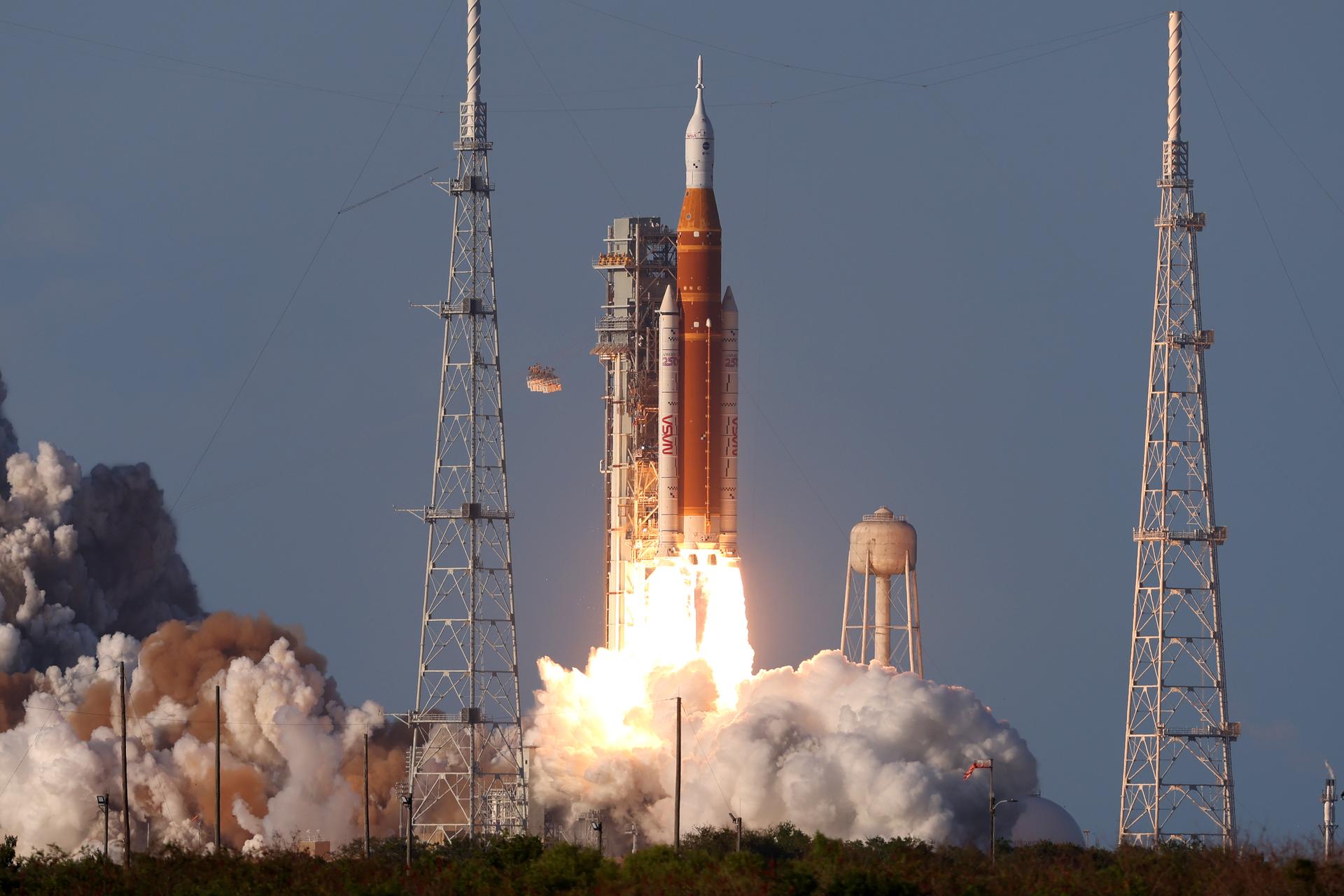
Four astronauts aboard NASA’s Orion spacecraft atop the SLS (Space Launch System) rocket launch on the agency’s Artemis II test flight, Wednesday, April 1, 2026, from Launch Complex 39B at NASA’s Kennedy Space Center in Florida. Artemis II lifted off at 6:35 p.m. ET. Artemis II is the first crewed mission of the agency’s Artemis campaign. The mission will send NASA astronauts Reid Wiseman, Victor Glover, and Christina Koch, and CSA (Canadian Space Agency) astronaut Jeremy Hansen on an approximately 10-day journey around the Moon and back to Earth. Image credit: NASA/Michael DeMocker
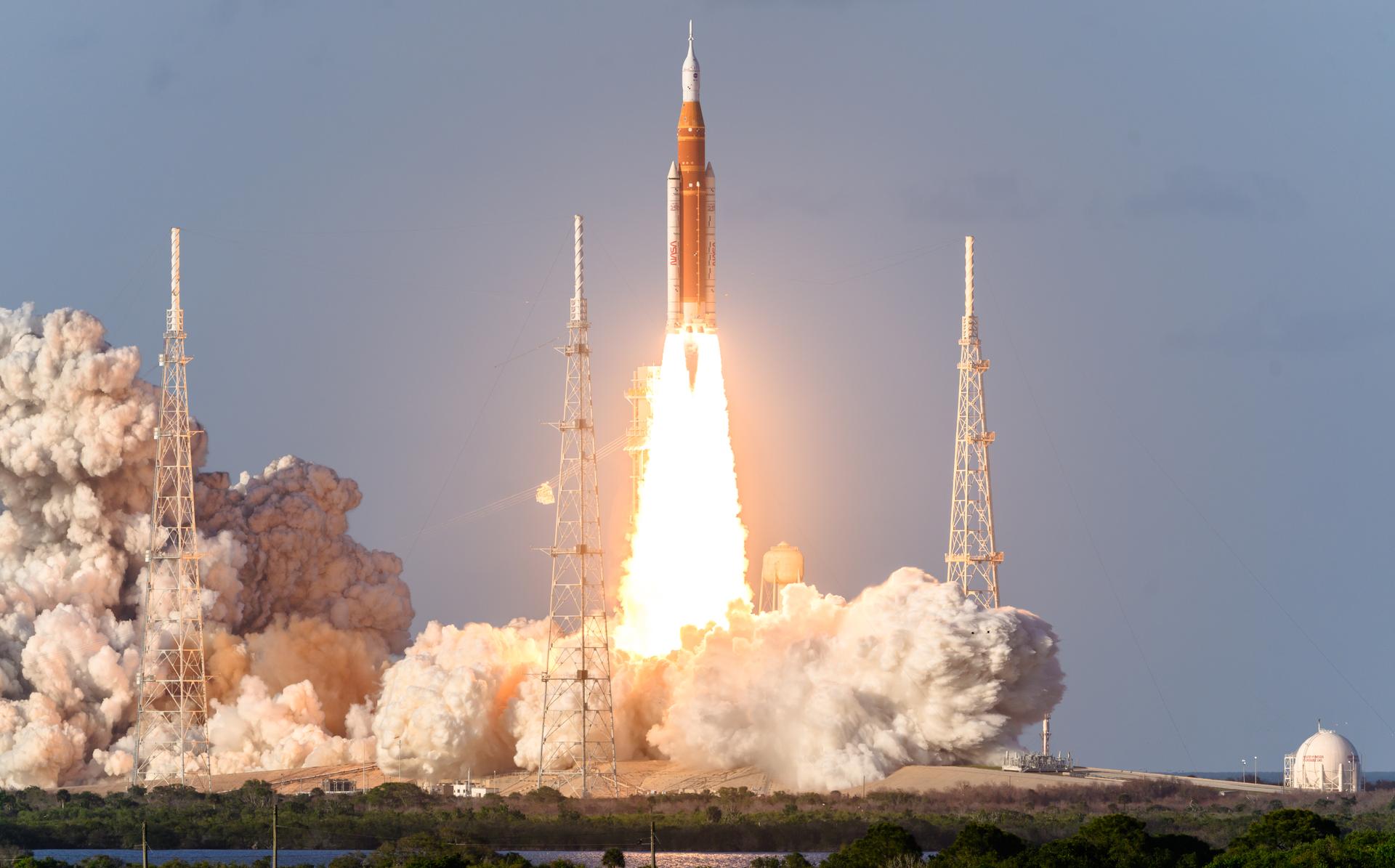
Four astronauts aboard NASA’s Orion spacecraft atop the SLS (Space Launch System) rocket launch on the agency’s Artemis II test flight, Wednesday, April 1 from Launch Complex 39B at NASA’s Kennedy Space Center in Florida. Artemis II lifted off at 6:35 p.m. ET. Artemis II is the first crewed mission of the agency’s Artemis campaign. The mission will send NASA astronauts Reid Wiseman, Victor Glover, and Christina Koch and CSA (Canadian Space Agency) astronaut Jeremy Hansen on an approximately 10-day journey around the Moon and back to Earth. Credit: NASA/Eric Bordelon
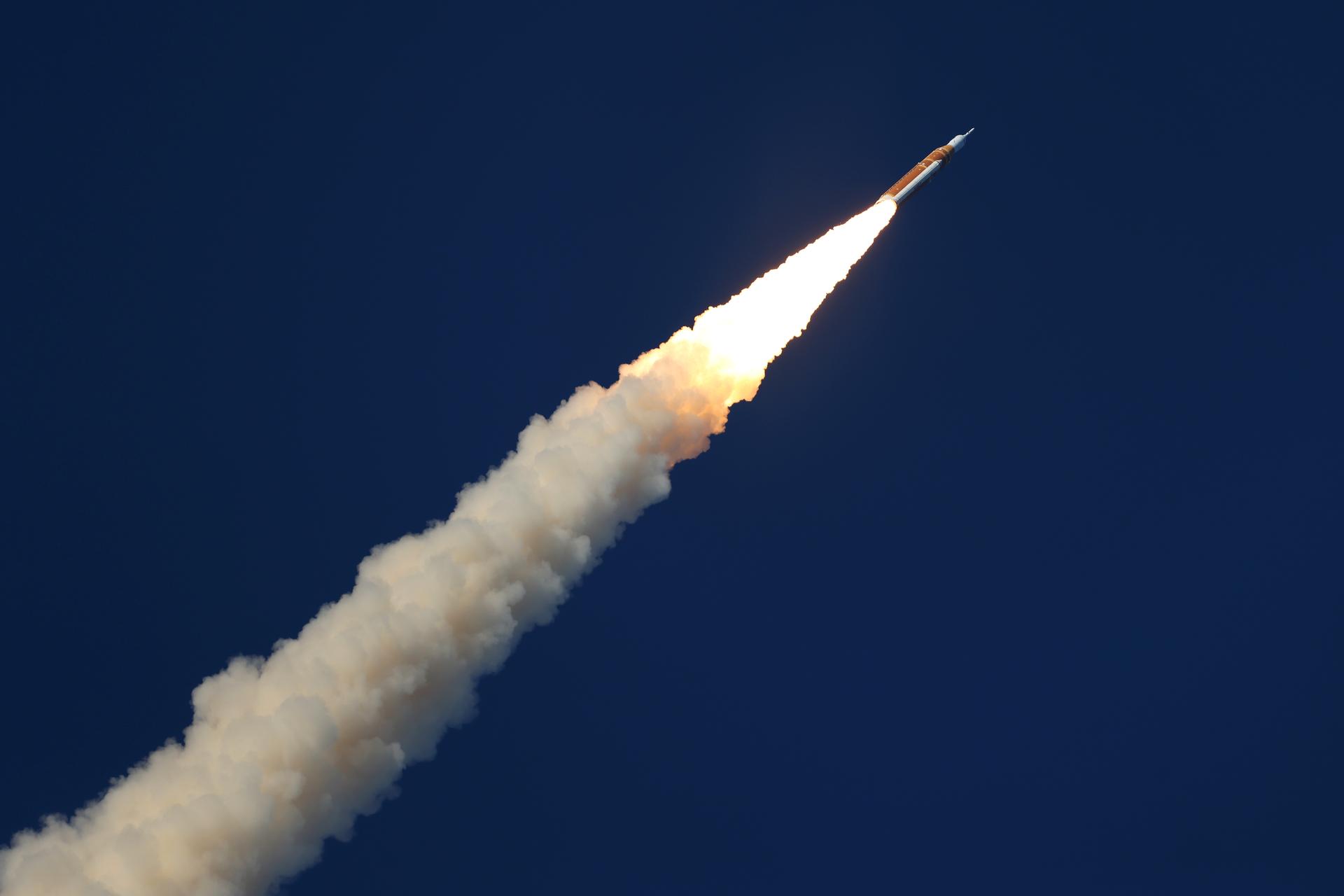
Four astronauts aboard NASA’s Orion spacecraft atop the SLS (Space Launch System) rocket launch on the agency’s Artemis II test flight, Wednesday, April 1 from Launch Complex 39B at NASA’s Kennedy Space Center in Florida. Artemis II lifted off at 6:35 p.m. ET. Artemis II is the first crewed mission of the agency’s Artemis campaign. The mission will send NASA astronauts Reid Wiseman, Victor Glover, and Christina Koch and CSA (Canadian Space Agency) astronaut Jeremy Hansen on an approximately 10-day journey around the Moon and back to Earth. Image credit: NASA/Michael DeMocker
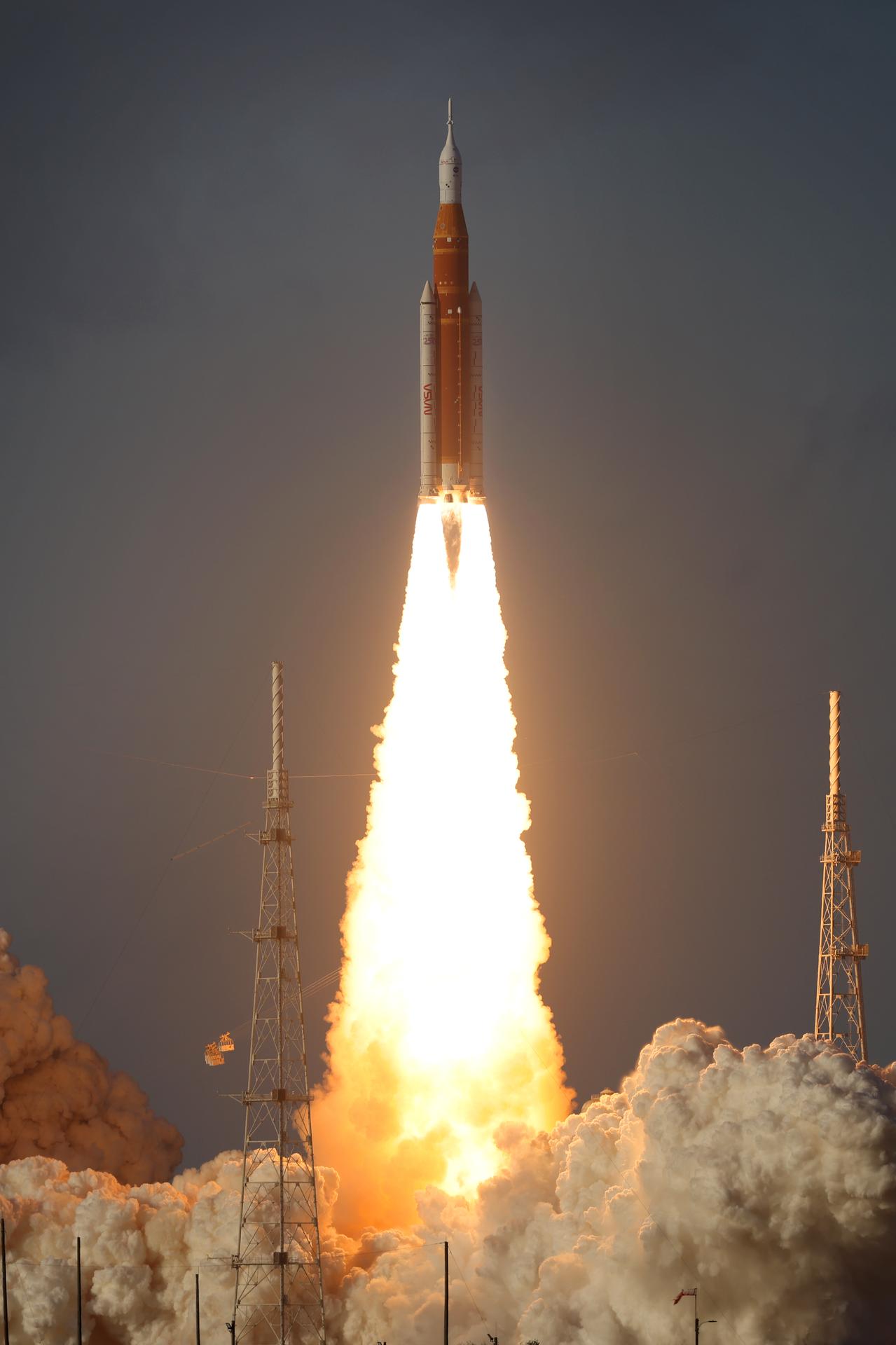
Four astronauts aboard NASA’s Orion spacecraft atop the SLS (Space Launch System) rocket launch on the agency’s Artemis II test flight, Wednesday, April 1, 2026, from Launch Complex 39B at NASA’s Kennedy Space Center in Florida. Artemis II lifted off at 6:35 p.m. ET. Artemis II is the first crewed mission of the agency’s Artemis campaign. The mission will send NASA astronauts Reid Wiseman, Victor Glover, and Christina Koch and CSA (Canadian Space Agency) astronaut Jeremy Hansen on an approximately 10-day journey around the Moon and back to Earth. Image credit: NASA/Michael DeMocker
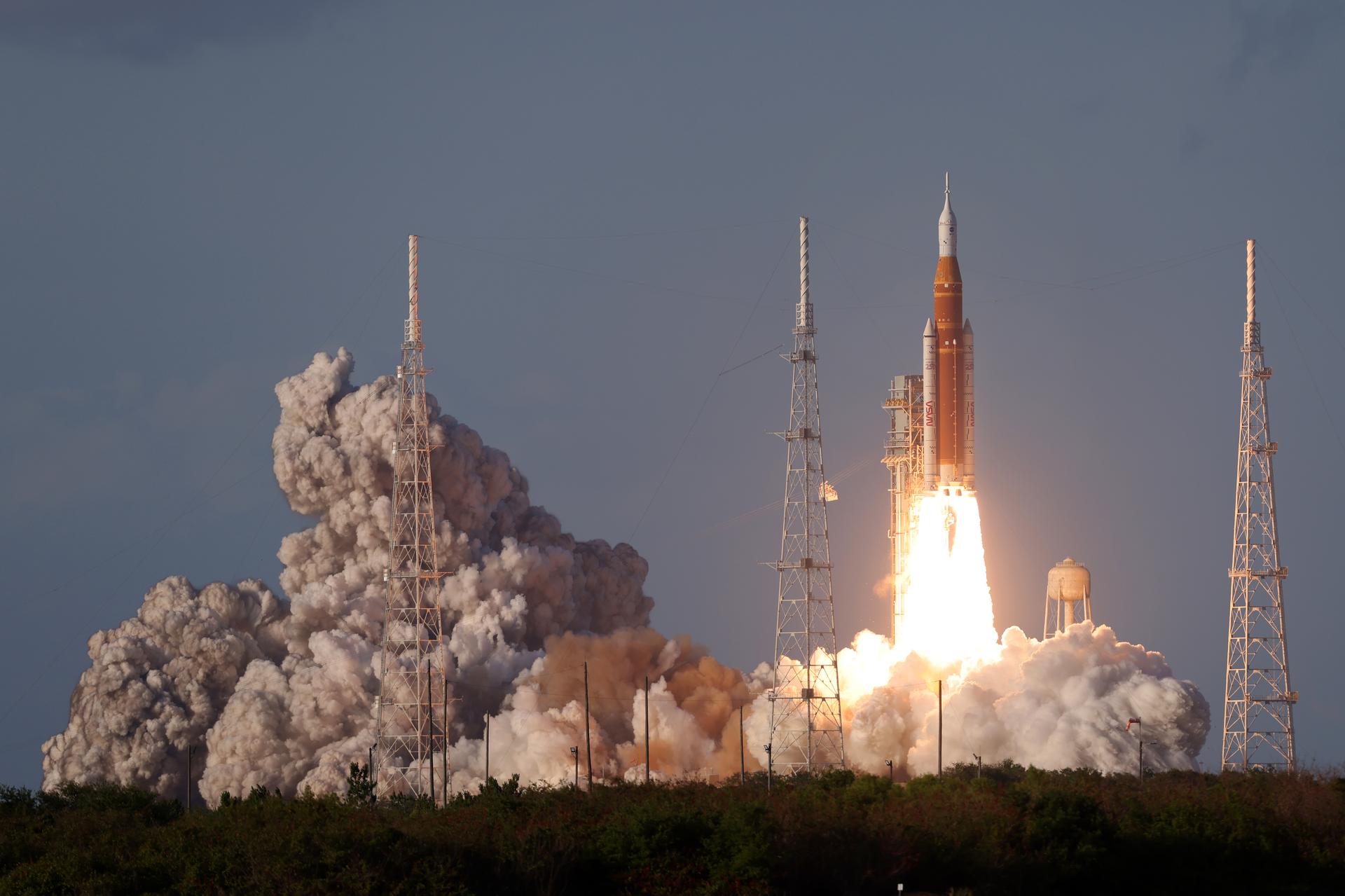
Four astronauts aboard NASA’s Orion spacecraft atop the SLS (Space Launch System) rocket launch on the agency’s Artemis II test flight, Wednesday, April 1 from Launch Complex 39B at NASA’s Kennedy Space Center in Florida. Artemis II lifted off at 6:35 p.m. ET. Artemis II is the first crewed mission of the agency’s Artemis campaign. The mission will send NASA astronauts Reid Wiseman, Victor Glover, and Christina Koch and CSA (Canadian Space Agency) astronaut Jeremy Hansen on an approximately 10-day journey around the Moon and back to Earth. Image credit: NASA/Michael DeMocker
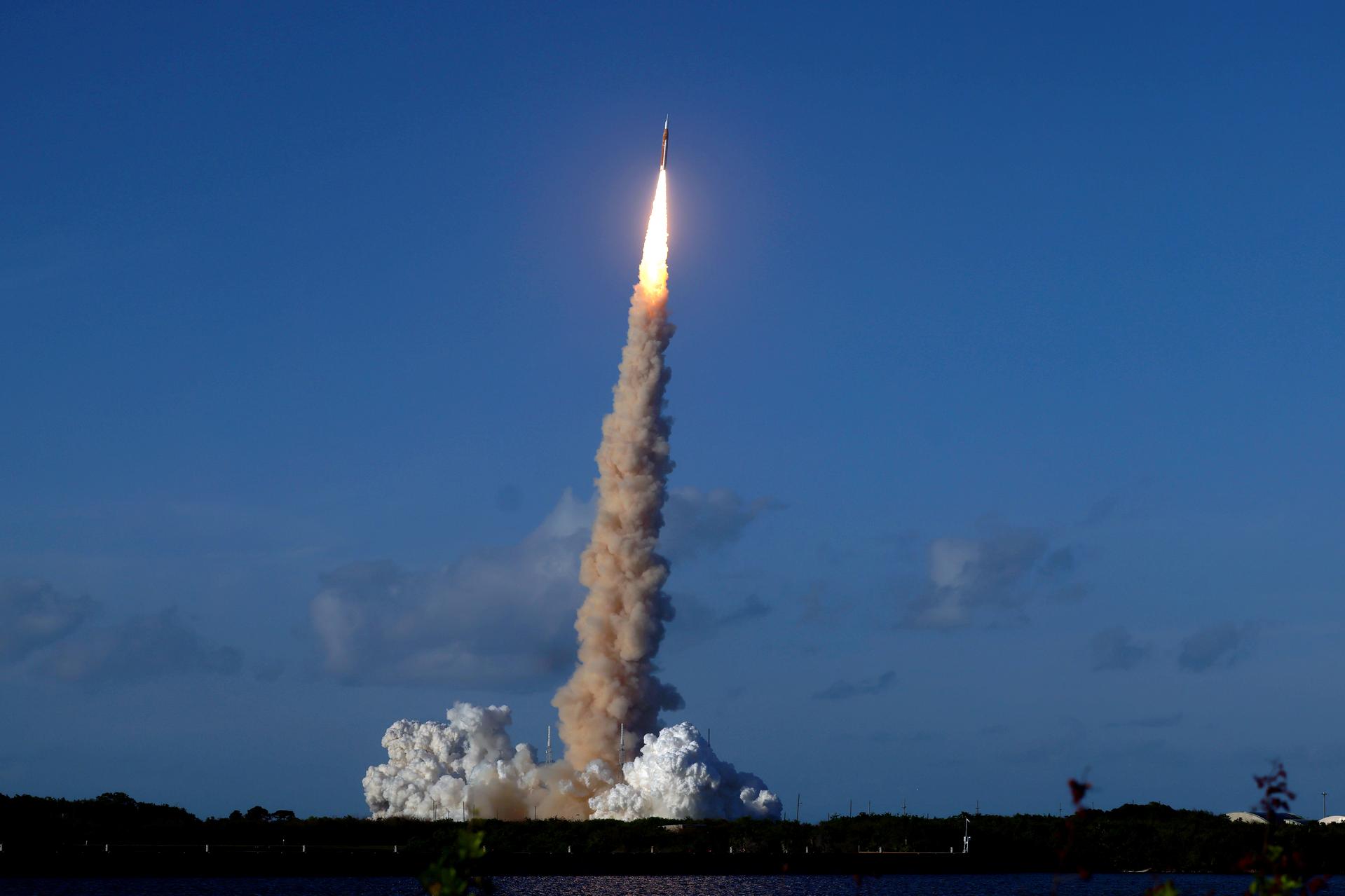
Four astronauts aboard NASA’s Orion spacecraft atop the SLS (Space Launch System) rocket launch on the agency’s Artemis II test flight, Wednesday, April 1 from Launch Complex 39B at NASA’s Kennedy Space Center in Florida. Artemis II lifted off at 6:35 p.m. ET. Artemis II is the first crewed mission of the agency’s Artemis campaign. The mission will send NASA astronauts Reid Wiseman, Victor Glover, and Christina Koch and CSA (Canadian Space Agency) astronaut Jeremy Hansen on an approximately 10-day journey around the Moon and back to Earth. Image credit: NASA/Michael DeMocker
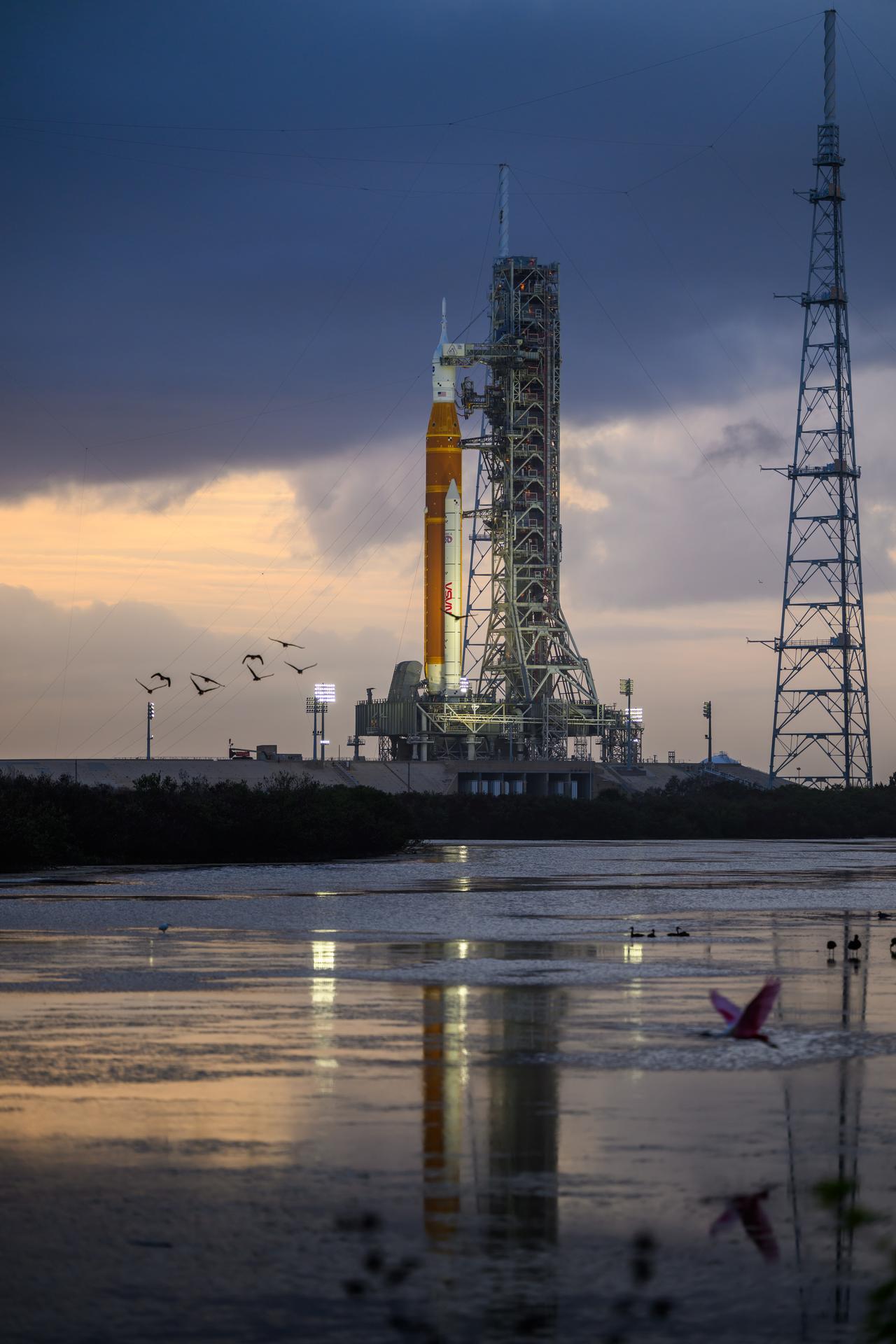
These images show NASA’s SLS (Space Launch System) rocket Orion spacecraft at Launch Complex 39B, Monday, March 30, 2026, at NASA’s Kennedy Space Center in Florida. Artemis II is the first crewed mission of the agency’s Artemis campaign. The mission will send NASA astronauts Reid Wiseman, Victor Glover, and Christina Koch and CSA (Canadian Space Agency) astronaut Jeremy Hansen on an approximately 10-day journey around the Moon and back to Earth. Credit: NASA/Eric Bordelon
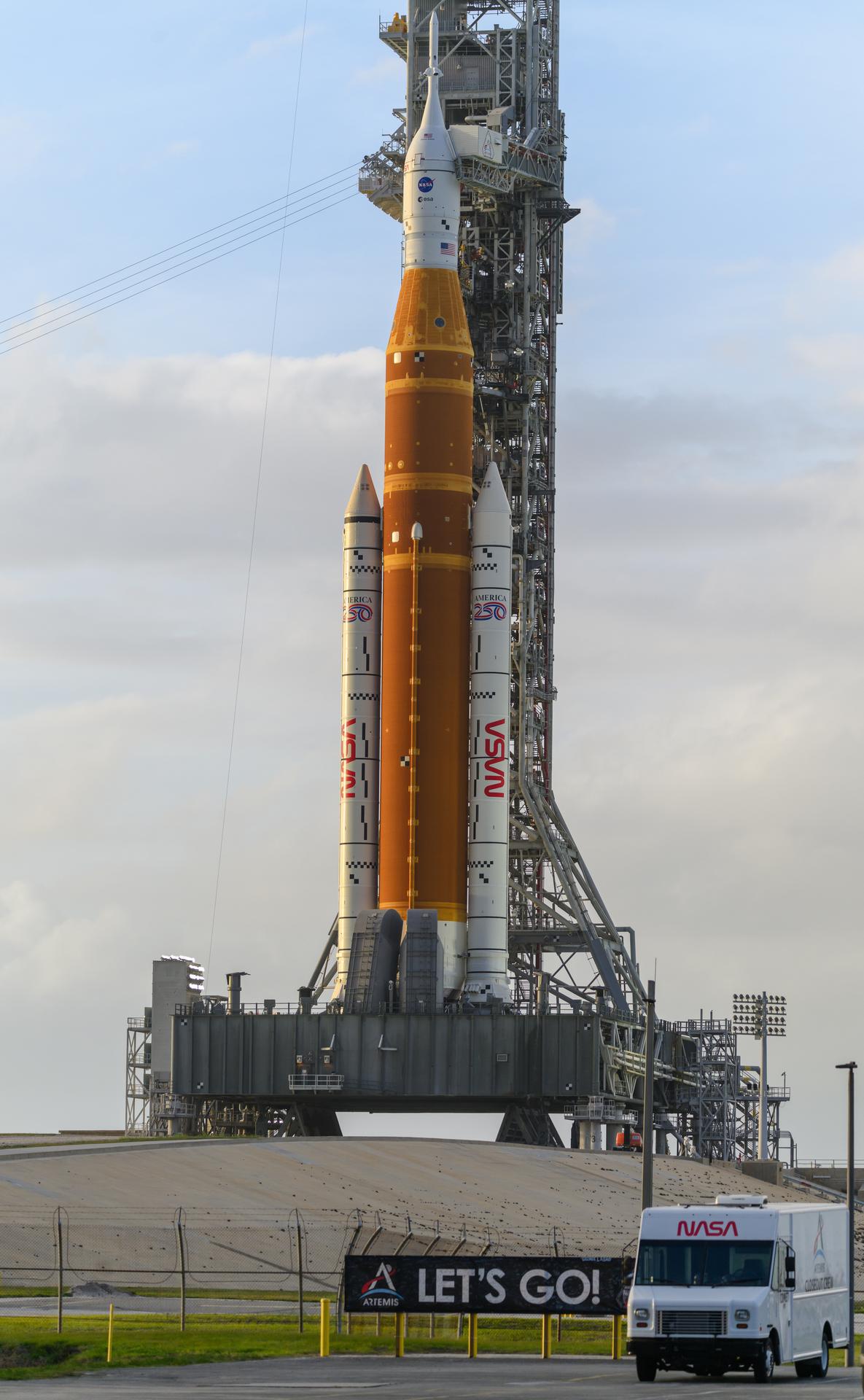
These images show NASA’s SLS (Space Launch System) rocket Orion spacecraft at Launch Complex 39B, Monday, March 30, 2026, at NASA’s Kennedy Space Center in Florida. Artemis II is the first crewed mission of the agency’s Artemis campaign. The mission will send NASA astronauts Reid Wiseman, Victor Glover, and Christina Koch and CSA (Canadian Space Agency) astronaut Jeremy Hansen on an approximately 10-day journey around the Moon and back to Earth. Credit: NASA/Eric Bordelon
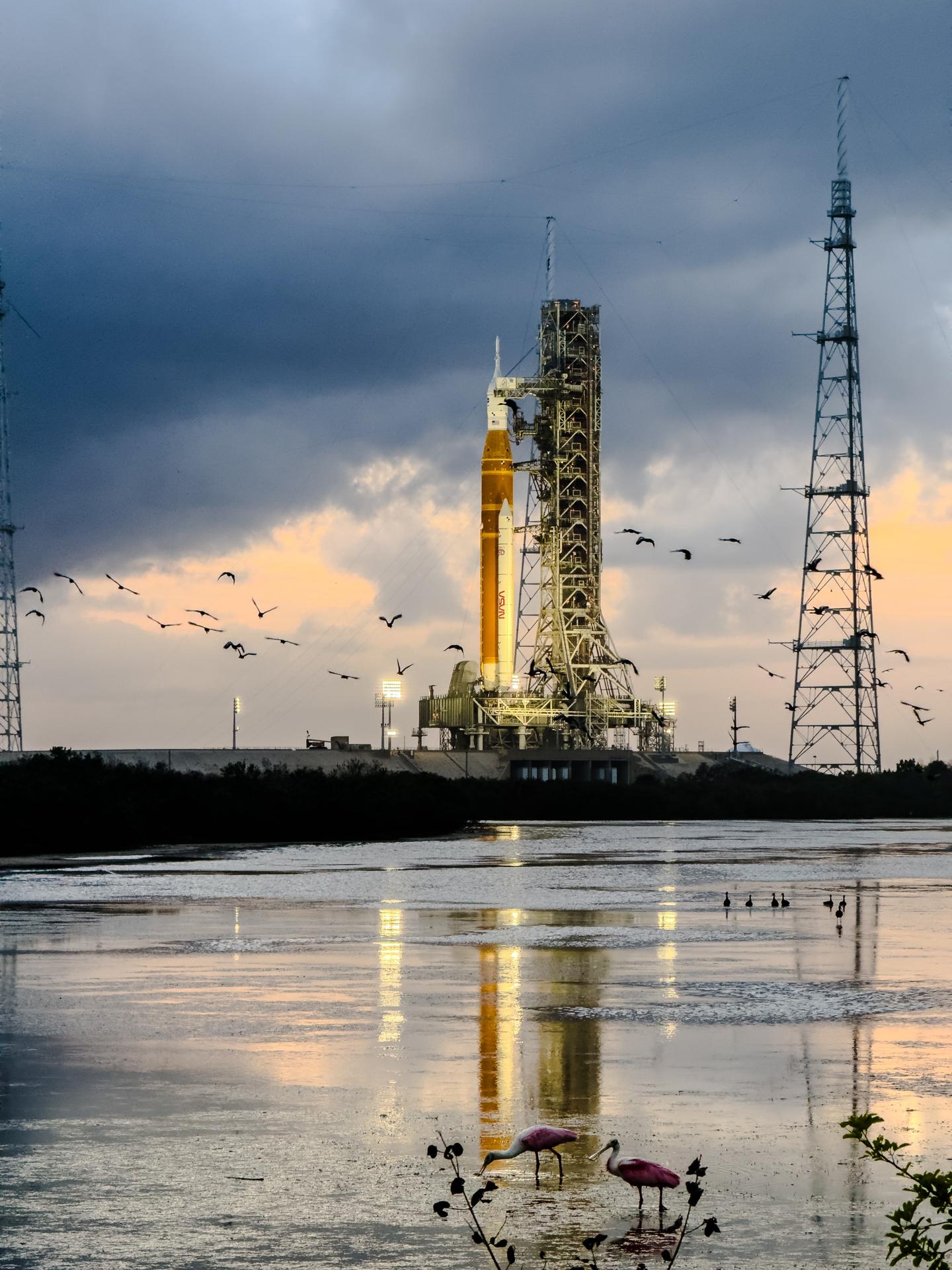
These images show NASA’s SLS (Space Launch System) rocket Orion spacecraft at Launch Complex 39B, Monday, March 30, 2026, at NASA’s Kennedy Space Center in Florida. Artemis II is the first crewed mission of the agency’s Artemis campaign. The mission will send NASA astronauts Reid Wiseman, Victor Glover, and Christina Koch and CSA (Canadian Space Agency) astronaut Jeremy Hansen on an approximately 10-day journey around the Moon and back to Earth. Credit: NASA/Eric Bordelon
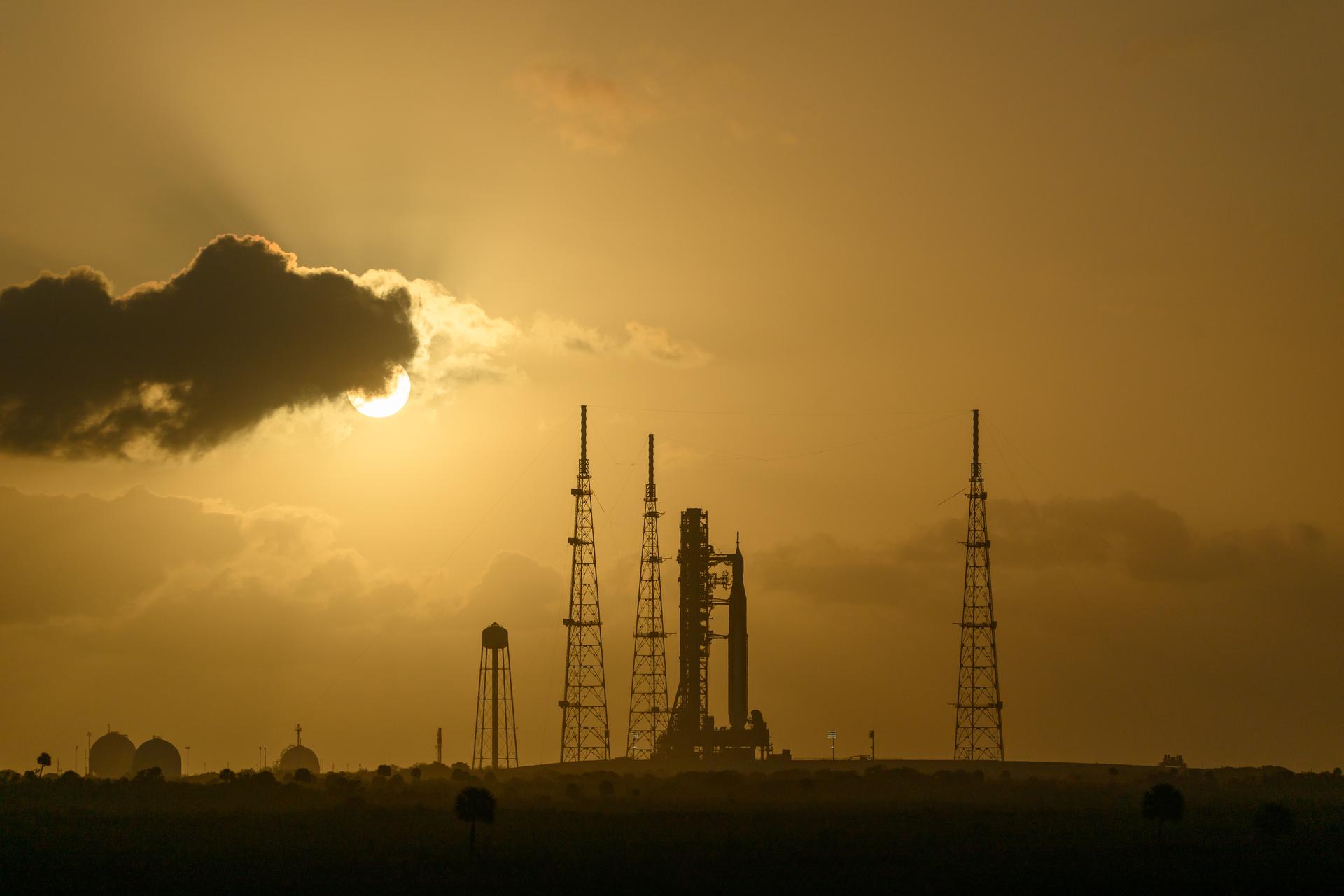
These images show NASA’s SLS (Space Launch System) rocket Orion spacecraft at Launch Complex 39B, Monday, March 30, 2026, at NASA’s Kennedy Space Center in Florida. Artemis II is the first crewed mission of the agency’s Artemis campaign. The mission will send NASA astronauts Reid Wiseman, Victor Glover, and Christina Koch and CSA (Canadian Space Agency) astronaut Jeremy Hansen on an approximately 10-day journey around the Moon and back to Earth. Credit: NASA/Eric Bordelon
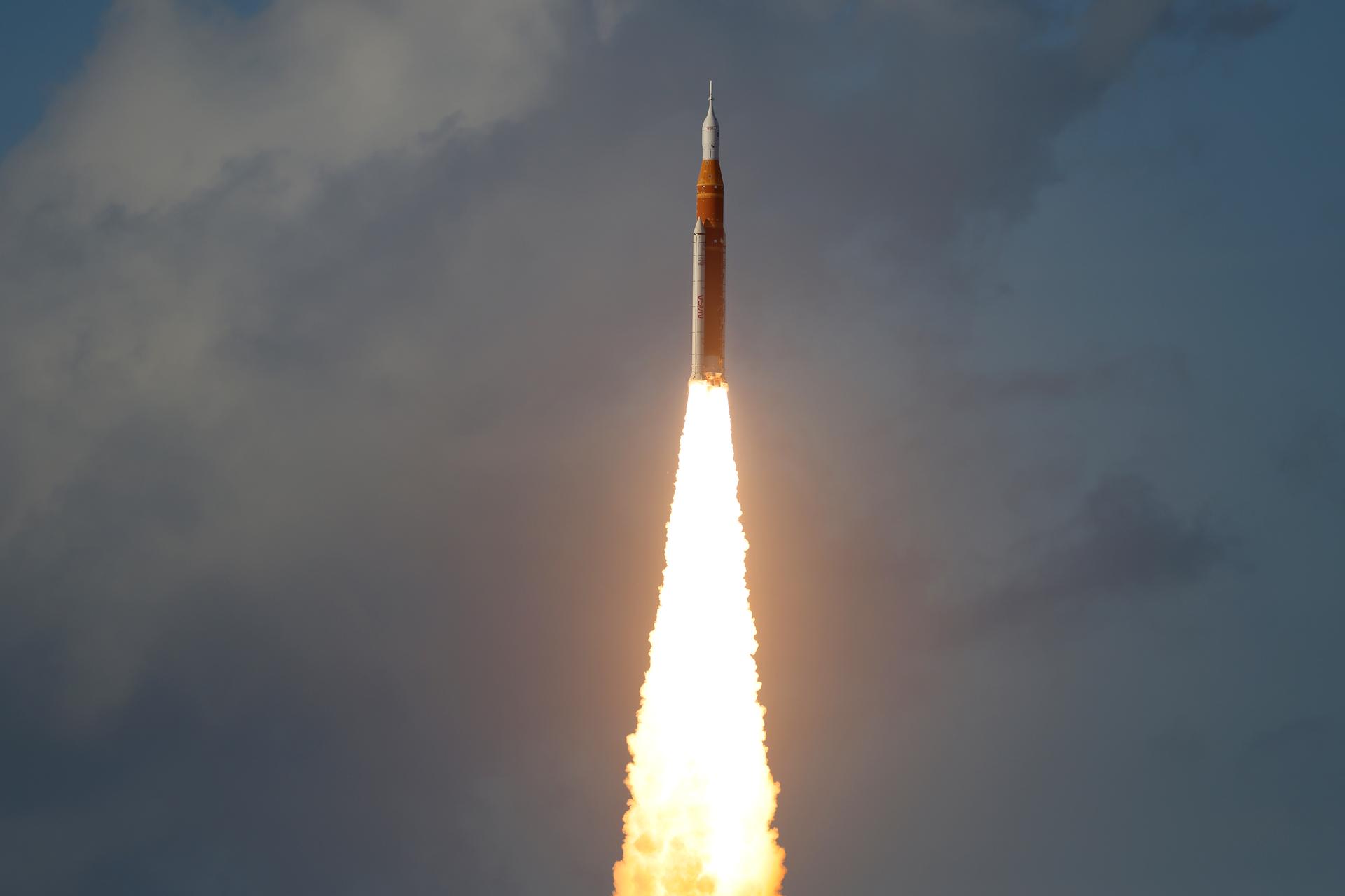
Four astronauts aboard NASA’s Orion spacecraft atop the SLS (Space Launch System) rocket launch on the agency’s Artemis II test flight, Wednesday, April 1 from Launch Complex 39B at NASA’s Kennedy Space Center in Florida. Artemis II lifted off at 6:35 p.m. ET. Artemis II is the first crewed mission of the agency’s Artemis campaign. The mission will send NASA astronauts Reid Wiseman, Victor Glover, and Christina Koch and CSA (Canadian Space Agency) astronaut Jeremy Hansen on an approximately 10-day journey around the Moon and back to Earth. Image credit: NASA/Michael DeMocker
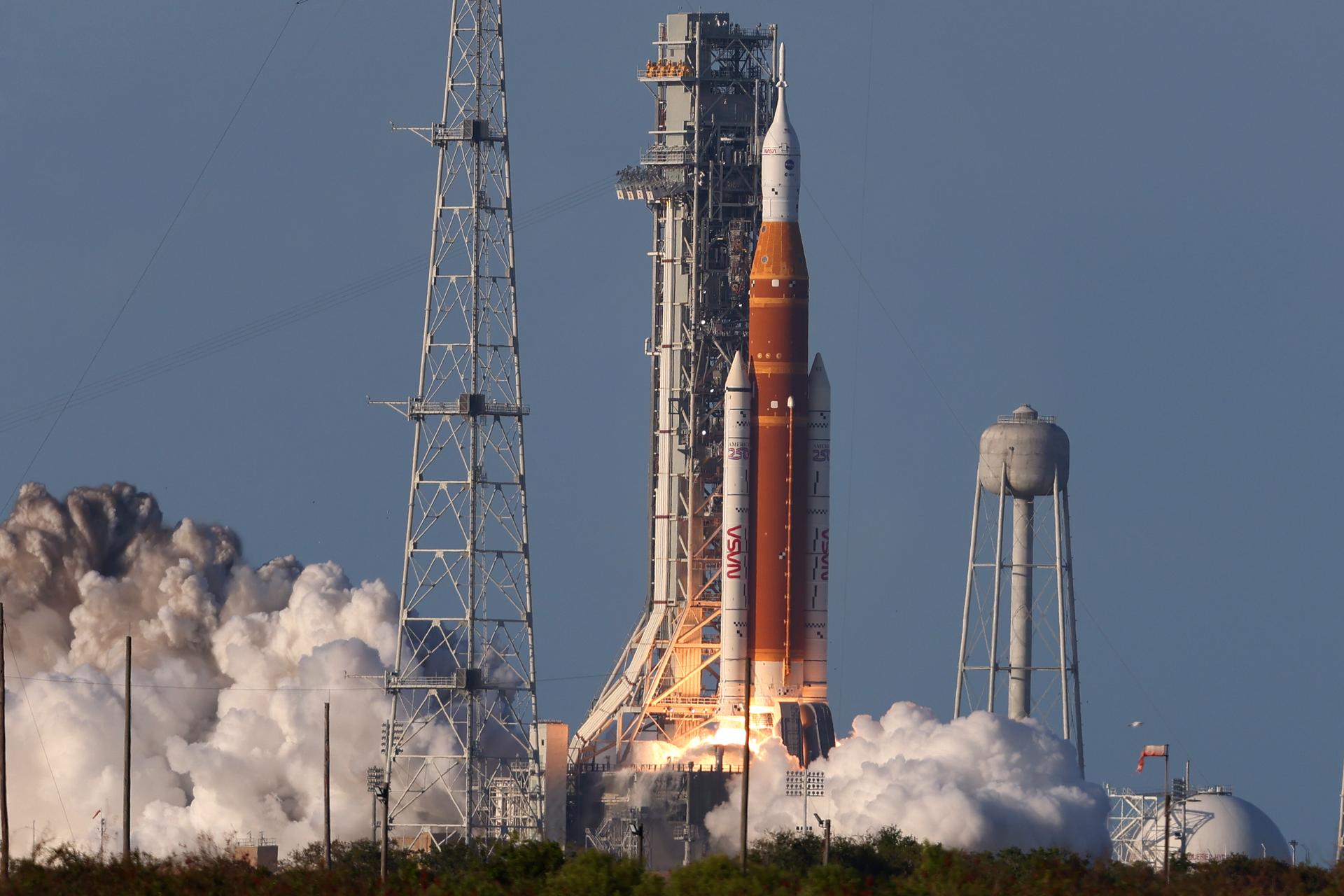
Four astronauts aboard NASA’s Orion spacecraft atop the SLS (Space Launch System) rocket launch on the agency’s Artemis II test flight, Wednesday, April 1 from Launch Complex 39B at NASA’s Kennedy Space Center in Florida. Artemis II lifted off at 6:35 p.m. ET. Artemis II is the first crewed mission of the agency’s Artemis campaign. The mission will send NASA astronauts Reid Wiseman, Victor Glover, and Christina Koch and CSA (Canadian Space Agency) astronaut Jeremy Hansen on an approximately 10-day journey around the Moon and back to Earth. Image credit: NASA/Michael DeMocker
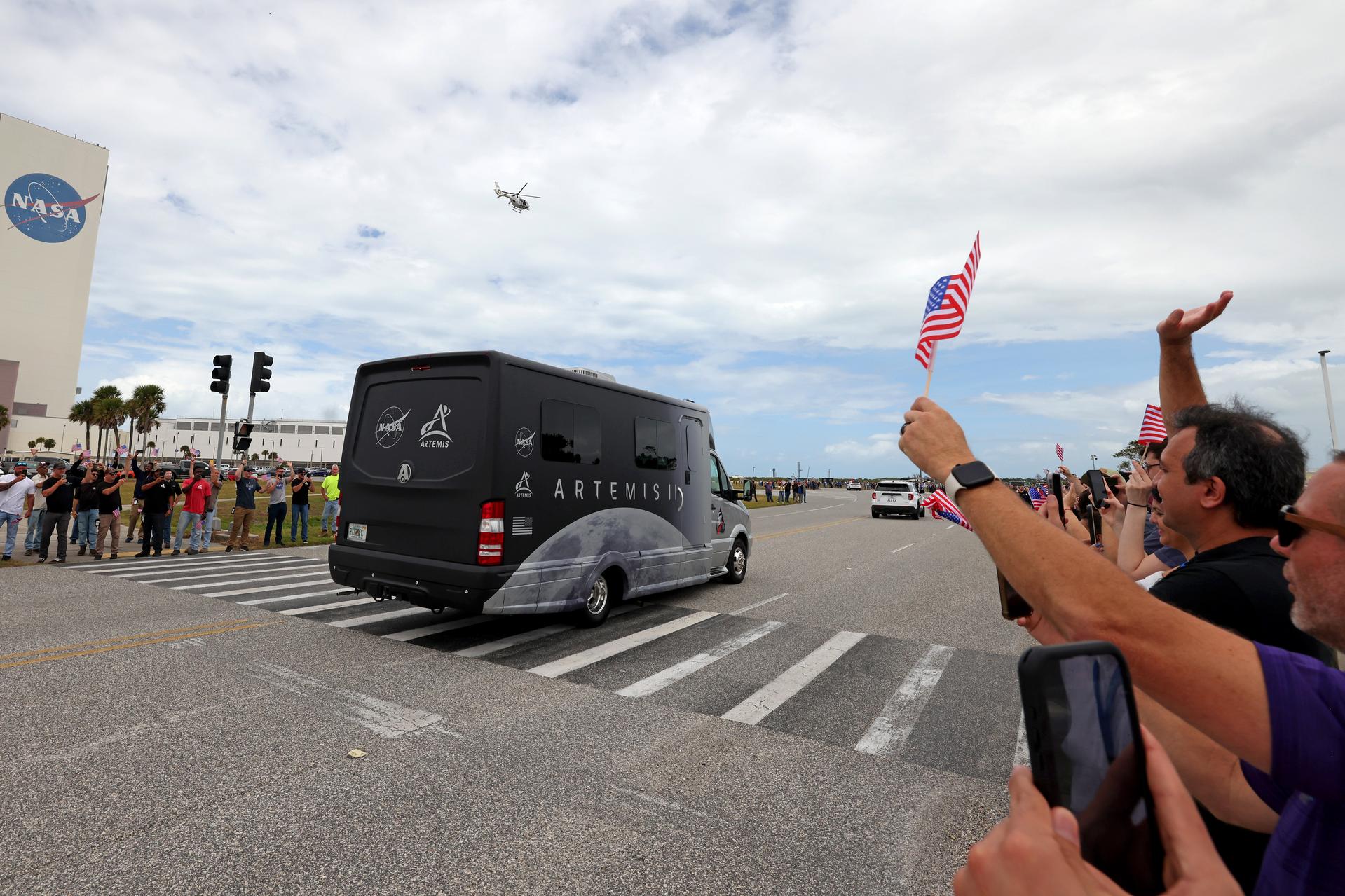
The Artemis II astronauts are cheered by the crowd on Saturn Causeway as they make their way to the SLS (Space Launch System) rocket at Launch Complex 39B on April 1, 2026, at NASA’s Kennedy Space Center in Florida. Artemis II is the first crewed mission of the agency’s Artemis campaign. The mission will send NASA astronauts Reid Wiseman, Victor Glover, and Christina Koch and CSA (Canadian Space Agency) astronaut Jeremy Hansen on an approximately 10-day journey around the Moon and back to Earth. Image credit: NASA/Michael DeMocker
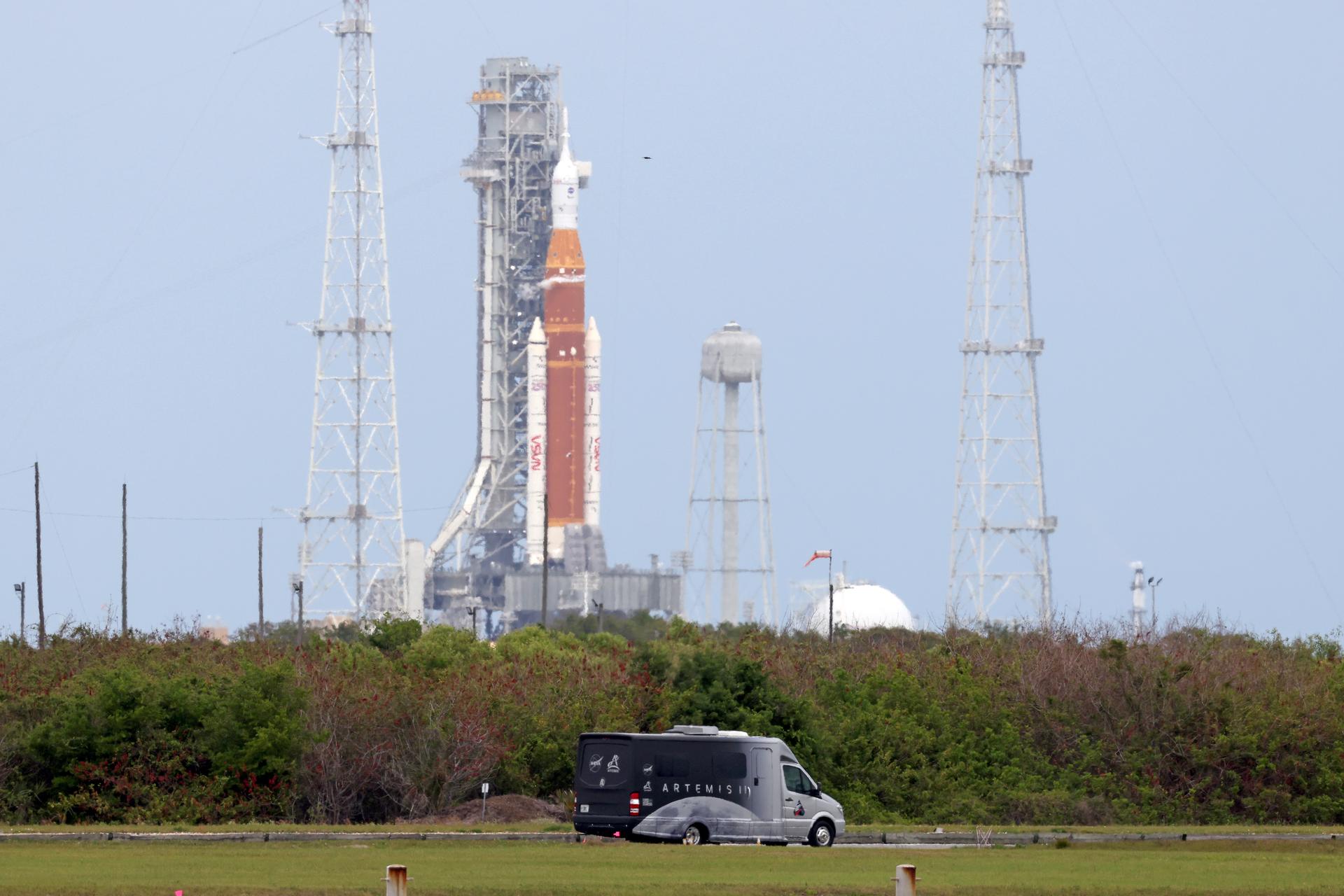
The Artemis II astronauts make their way to the SLS (Space Launch System) rocket at Launch Complex 39B on April 1, 2026, at NASA’s Kennedy Space Center in Florida. Artemis II is the first crewed mission of the agency’s Artemis campaign. The mission will send NASA astronauts Reid Wiseman, Victor Glover, and Christina Koch and CSA (Canadian Space Agency) astronaut Jeremy Hansen on an approximately 10-day journey around the Moon and back to Earth. Image credit: NASA/Michael DeMocker
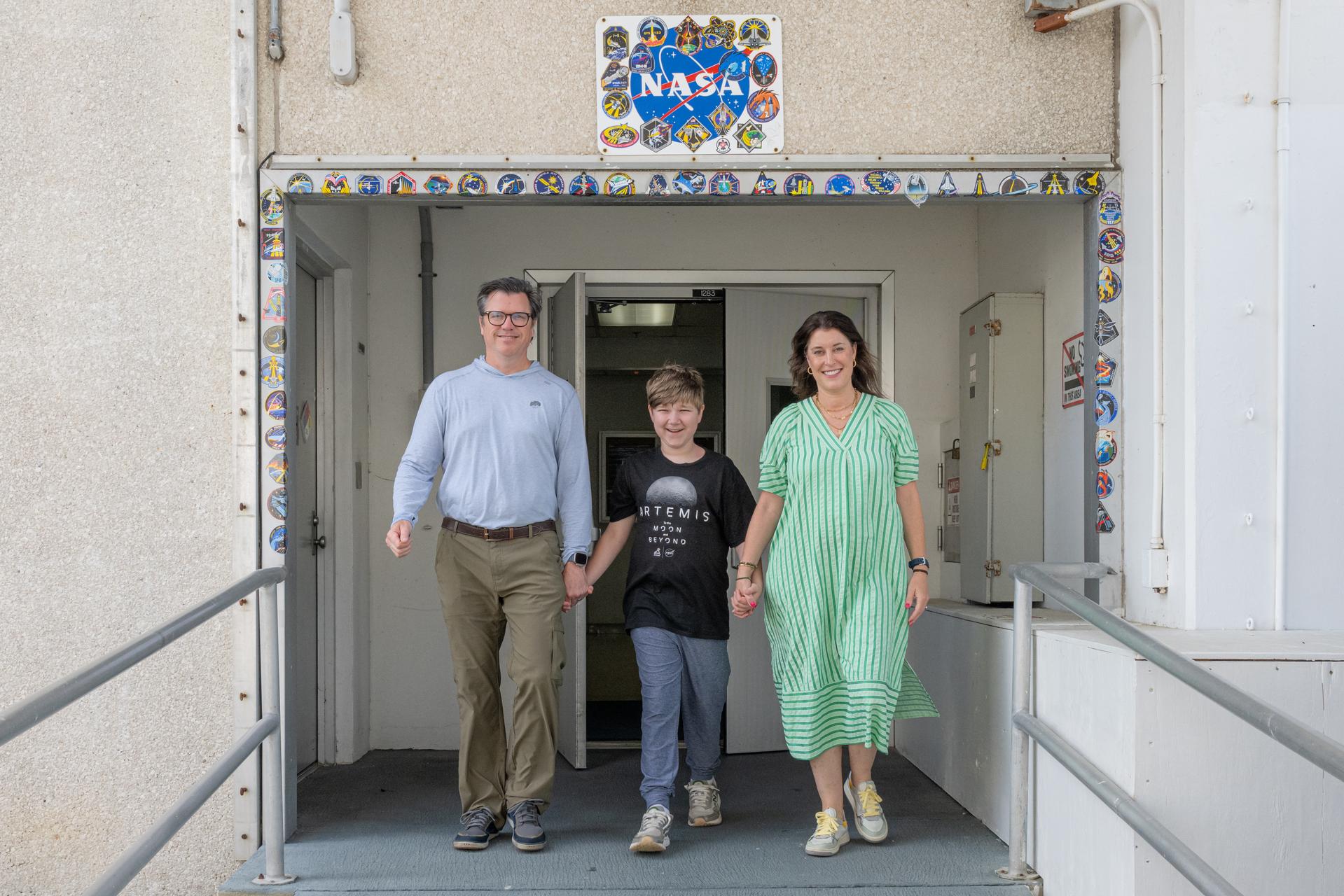
Eleven-year-old Hilt Boling, center, and parents Kent Boling, left, and Rachel Boling, right, depart the Neil A. Armstrong Operations and Checkout Building, Friday, Apr. 3, 2026, at NASA’s Kennedy Space Center in Florida. When asked during an April 1 television appearance why he loved space and being at the Artemis II launch, Boling exclaimed: “We’re going back to the freaking Moon, that’s why!” His comments received widespread social media attention in the following days. Photo Credit: (NASA/John Kraus)
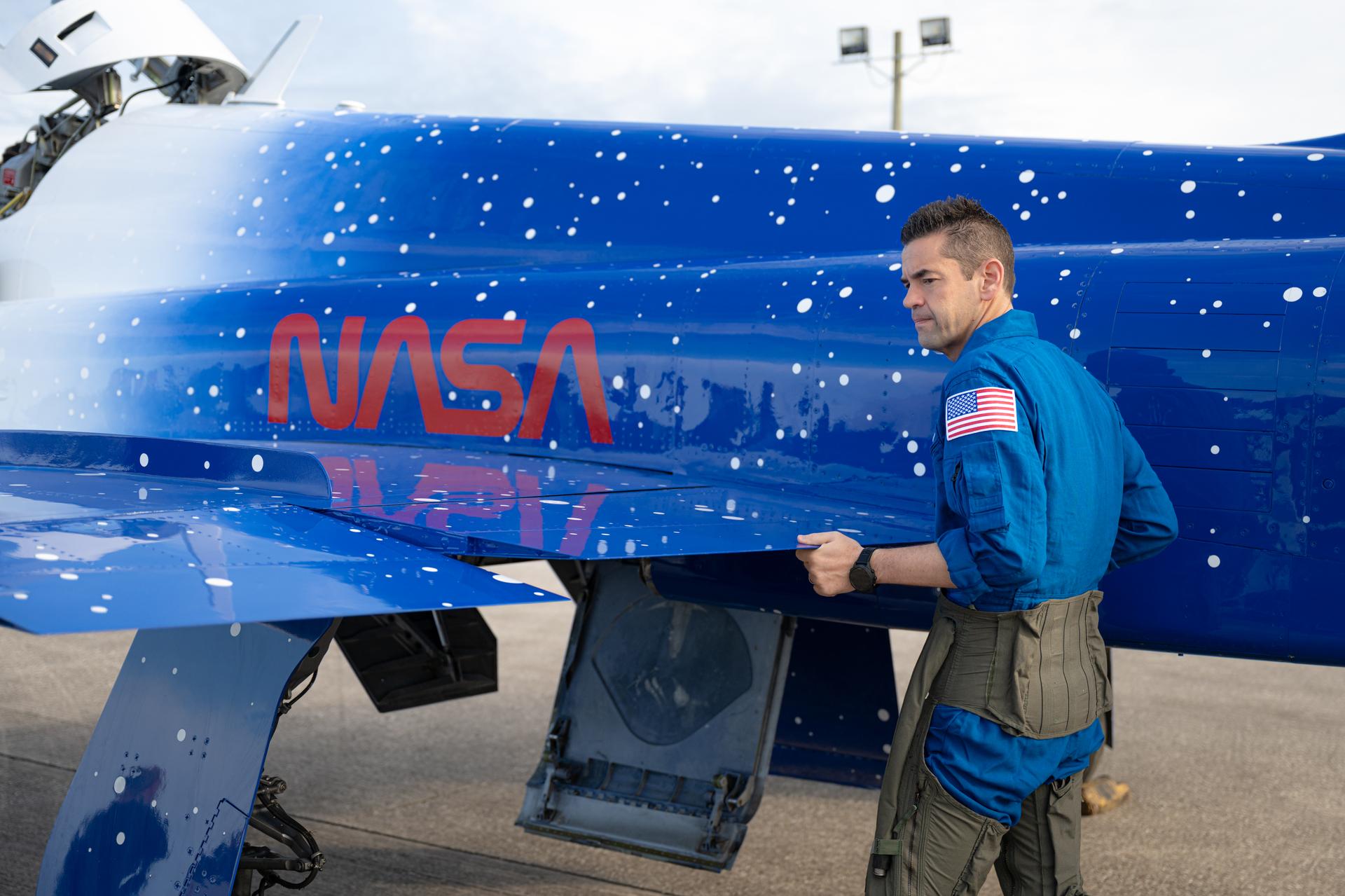
NASA Administrator Jared Isaacman is seen with his personal F-5 aircraft, Thursday, Jan. 22, 2026, at NASA’s Kennedy Space Center in Florida. Photo Credit: (NASA/John Kraus)
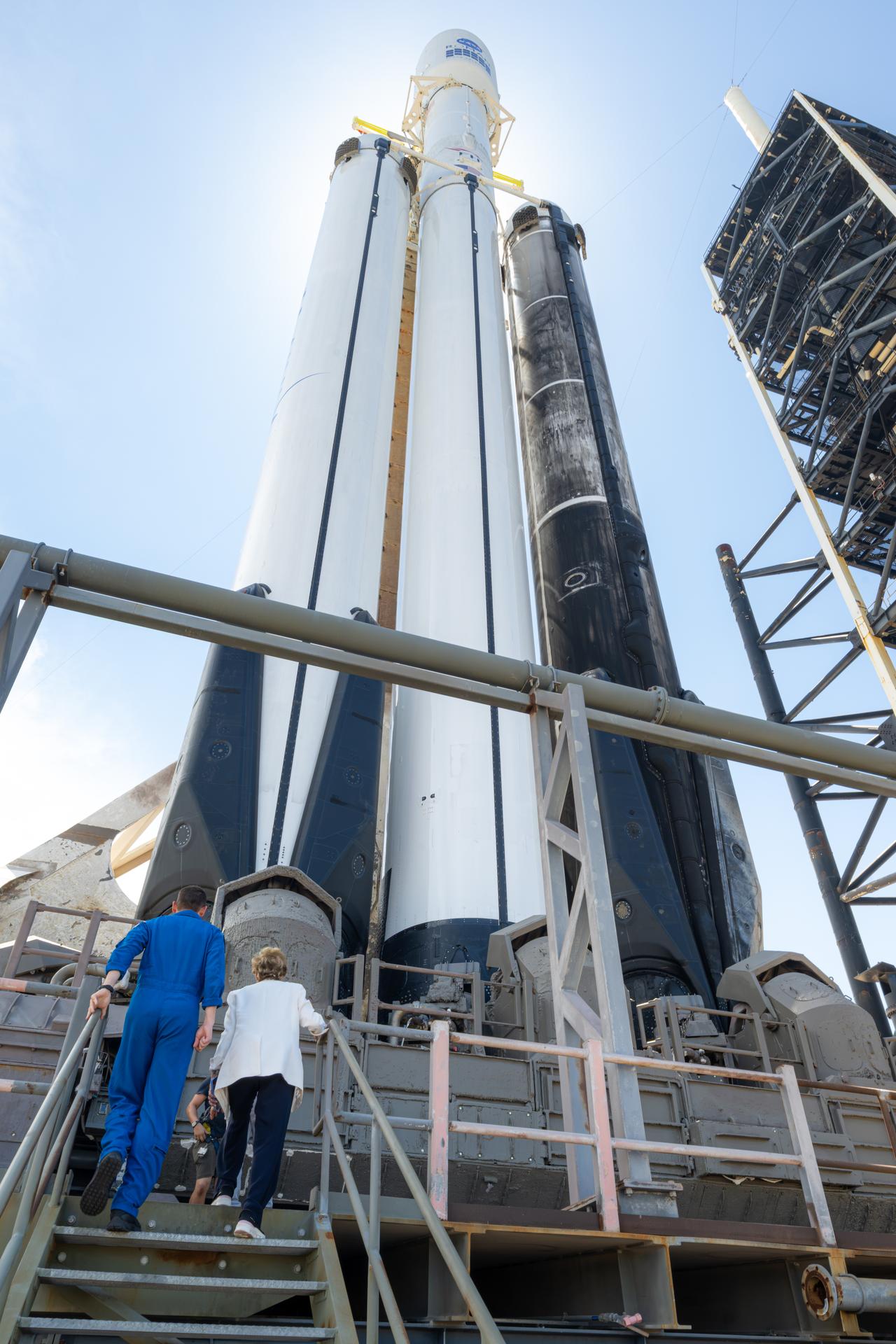
NASA Administrator Jared Isaacman, left, and Sectretary of Education Linda McMahon, right, are seen with the SpaceX Falcon Heavy rocket poised to launch NASA’s Nancy Grace Roman Space Telescope, Saturday, Aug. 29, 2026, at Launch Complex 39A at NASA's Kennedy Space Center in Florida. Photo Credit: (NASA/John Kraus)
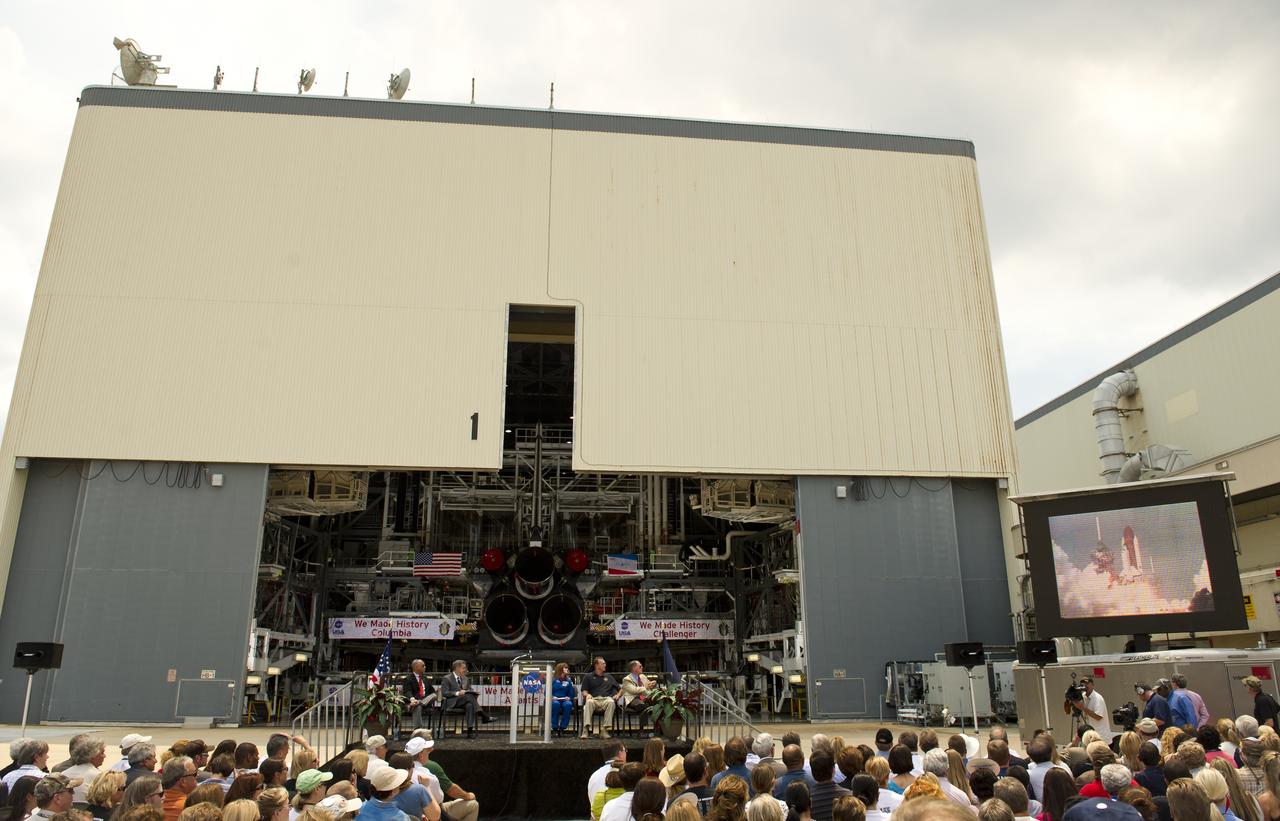
A video highlighting the 30 years of space flight and more than 130 missions of the space shuttle transportation system is shown at an event where NASA Administrator Charles Bolden announced where the four space shuttle orbiters will be permanently displayed, Tuesday, April 12, 2011, at Kennedy Space Center in Cape Canaveral, Fla. The four orbiters, Enterprise, which currently is on display at the Smithsonian's Steven F. Udvar-Hazy Center near Washington Dulles International Airport, will move to the Intrepid Sea, Air & Space Museum in New York, Discovery will move to Udvar-Hazy, Endeavour will be displayed at the California Science Center in Los Angeles and Atlantis, in background, will be displayed at the Kennedy Space Center Visitor’s Complex. Photo Credit: (NASA/Bill Ingalls)
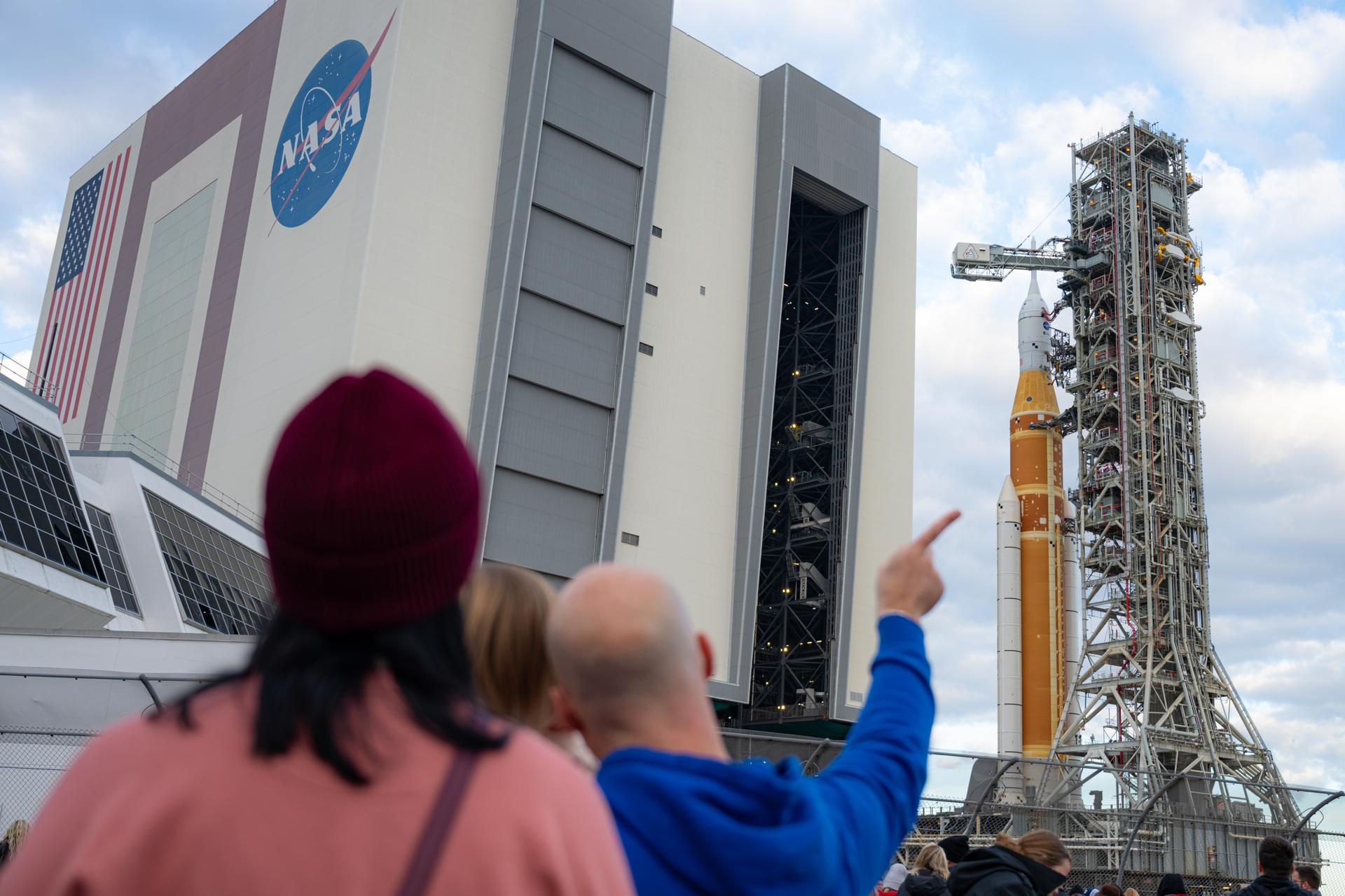
NASA’s Artemis II SLS (Space Launch System) rocket and Orion spacecraft roll out to Launch Complex 39B, Saturday, Jan. 17, 2026, at NASA’s Kennedy Space Center in Florida. Photo Credit: (NASA/John Kraus)
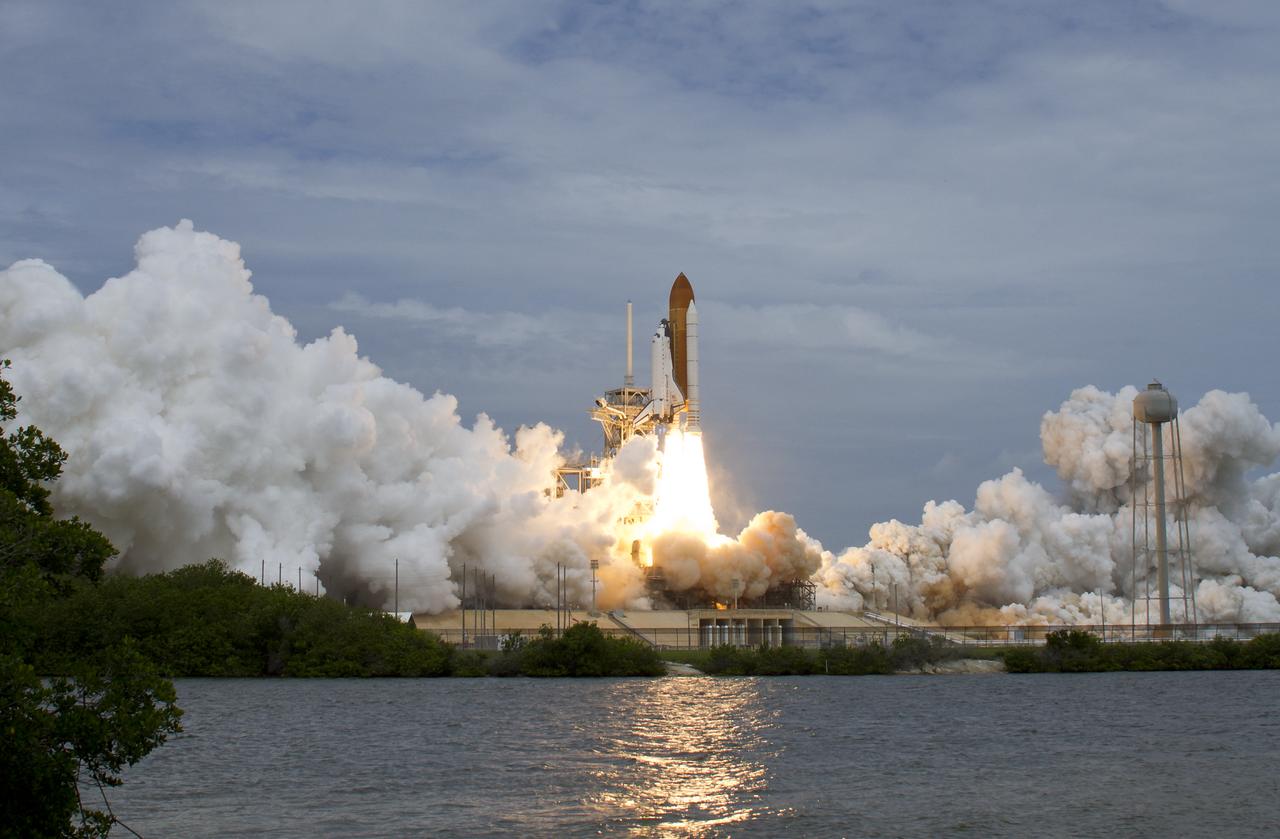
Space shuttle Atlantis is seen as it launches from pad 39A on Friday, July 8, 2011, at NASA's Kennedy Space Center in Cape Canaveral, Fla. The launch of Atlantis, STS-135, is the final flight of the shuttle program, a 12-day mission to the International Space Station. Photo Credit: (NASA/Bill Ingalls)
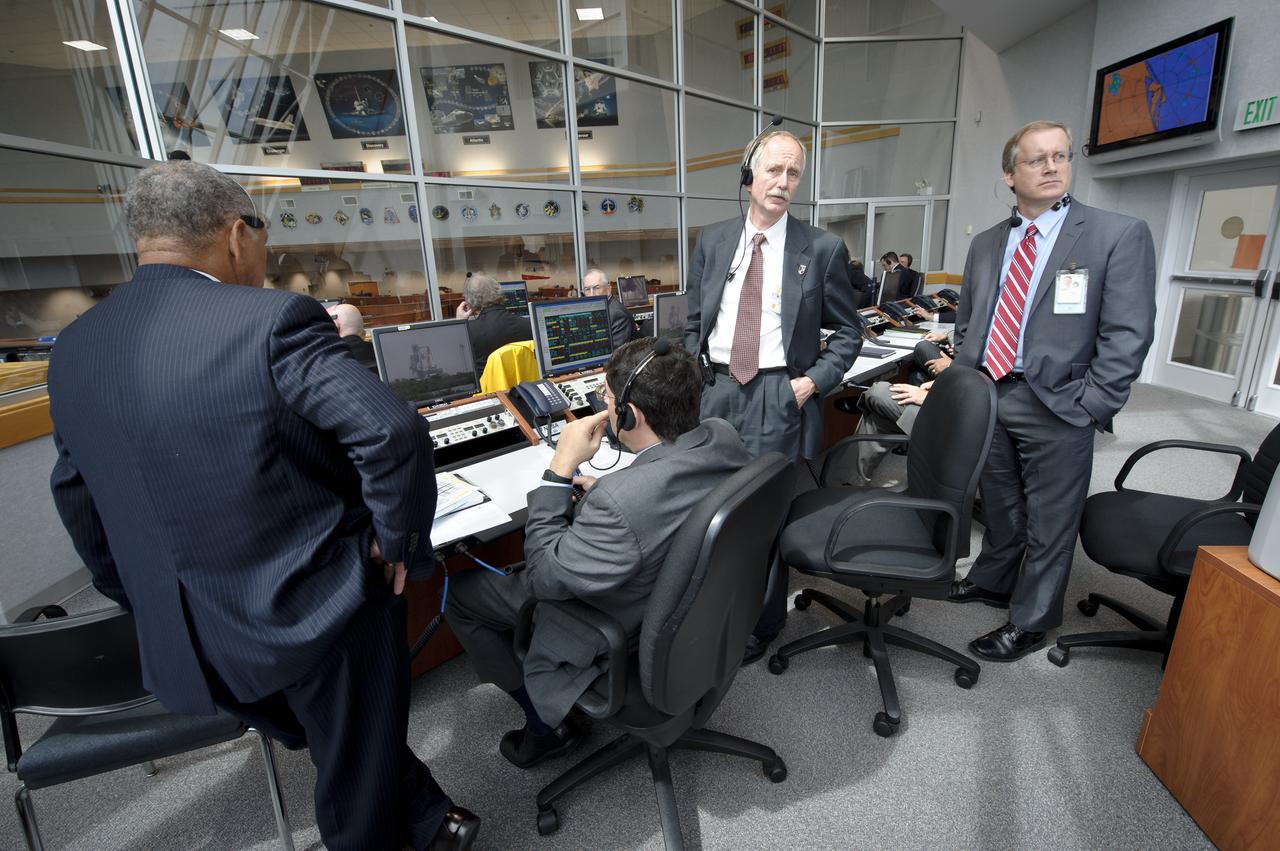
NASA Associate Administrator for Space Operations William Gerstenmaier, standing left, Manager, Space Shuttle Program Office John Shannon, standing right, and other management look on from Firing Room Four of the NASA Kennedy Space Center Launch Control Center (LCC) as they monitor the weather and countdown to the launch of the space shuttle Atlantis on Friday, July 8, 2011, in Cape Canaveral, Fla. The launch of Atlantis, STS-135, is the final flight of the shuttle program, a 12-day mission to the International Space Station. Photo Credit: (NASA/Bill Ingalls)
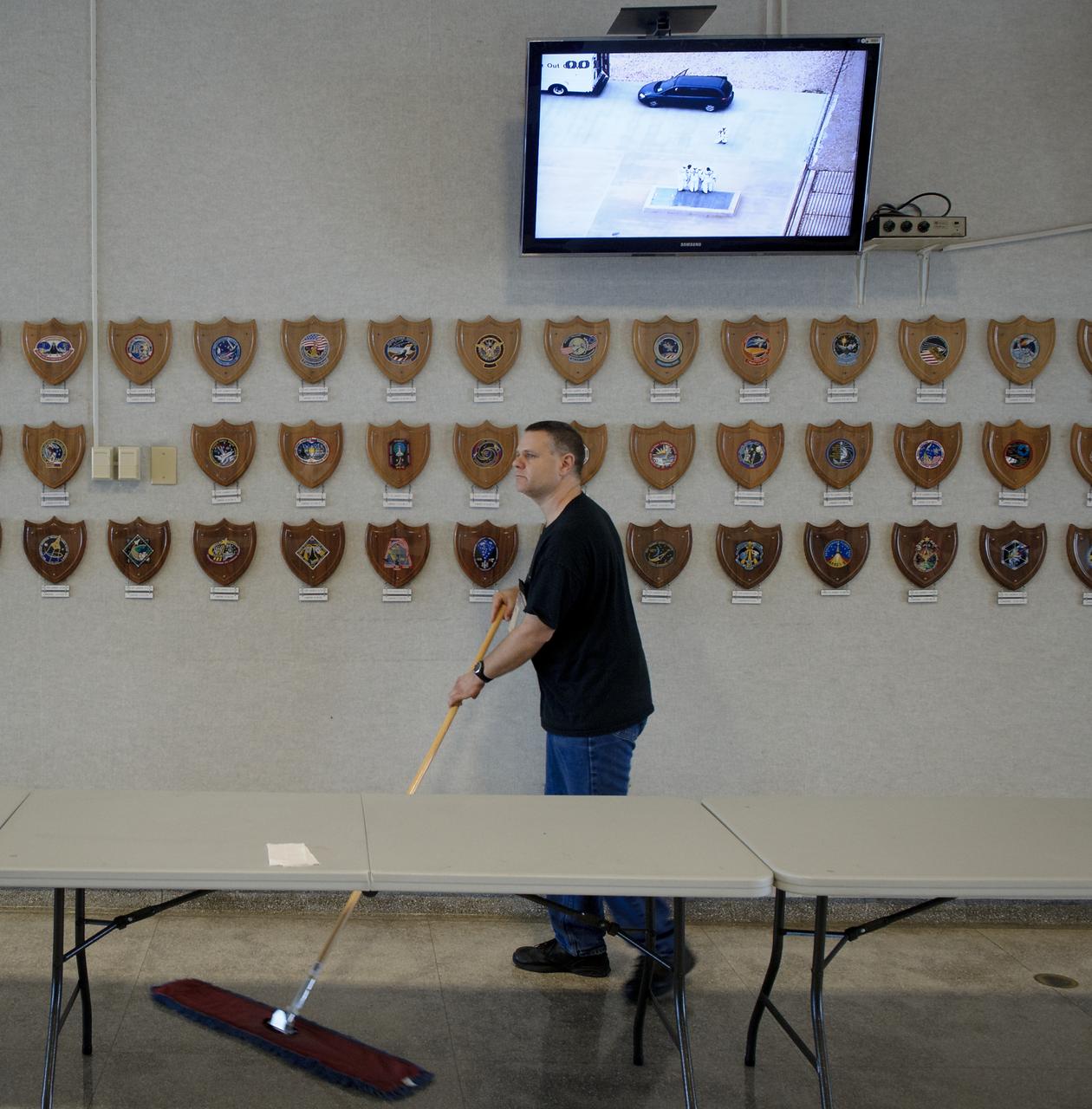
NASA Kennedy Space Center worker Dwayne Hutcheson sweeps the Launch Control Center (LCC) lobby floor in preparation for the post launch tradition of corn bread and beans after a successful launch of the space shuttle Atlantis from pad 39A on Friday, July 8, 2011, in Cape Canaveral, Fla. The launch of Atlantis, STS-135, is the final flight of the shuttle program, a 12-day mission to the International Space Station. Photo Credit: (NASA/Bill Ingalls)

NASA Officials, LEGO Group management, students, teachers and parents create their vision of the future in space with LEGO bricks and elements as part of a “Build the Future” activity inside a tent that was set up on the launch viewing area at NASA's Kennedy Space Center in Cape Canaveral, Fla. on Monday, Nov. 1, 2010. NASA and The LEGO Group signed a Space Act Agreement to spark children's interest in science, technology, engineering and math (STEM). Photo Credit: (NASA/Bill Ingalls)
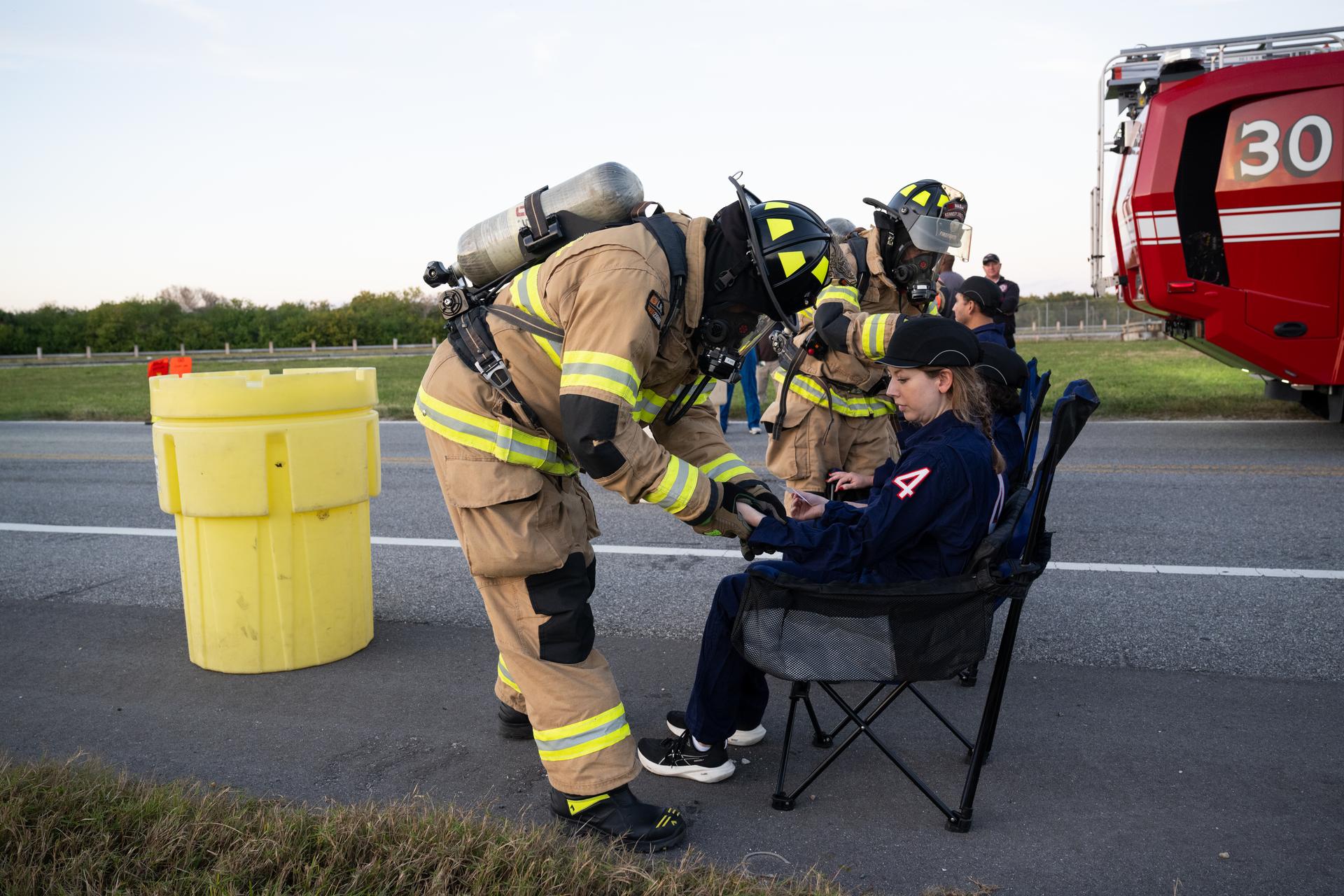
Teams at NASA's Kennedy Space Center in Florida practiced various emergency rescue training scenarios with the Artemis II crew, Friday, Dec. 19, 2025, ahead of the Artemis II mission. In the unlikely event of an emergency during launch countdown at Launch Complex 39B, personnel will be transported in mine-resistant ambush protected vehicles, or MRAPS, from the pad and to one of the triage site locations at Kennedy. Photo Credit: (NASA/Joel Kowsky)
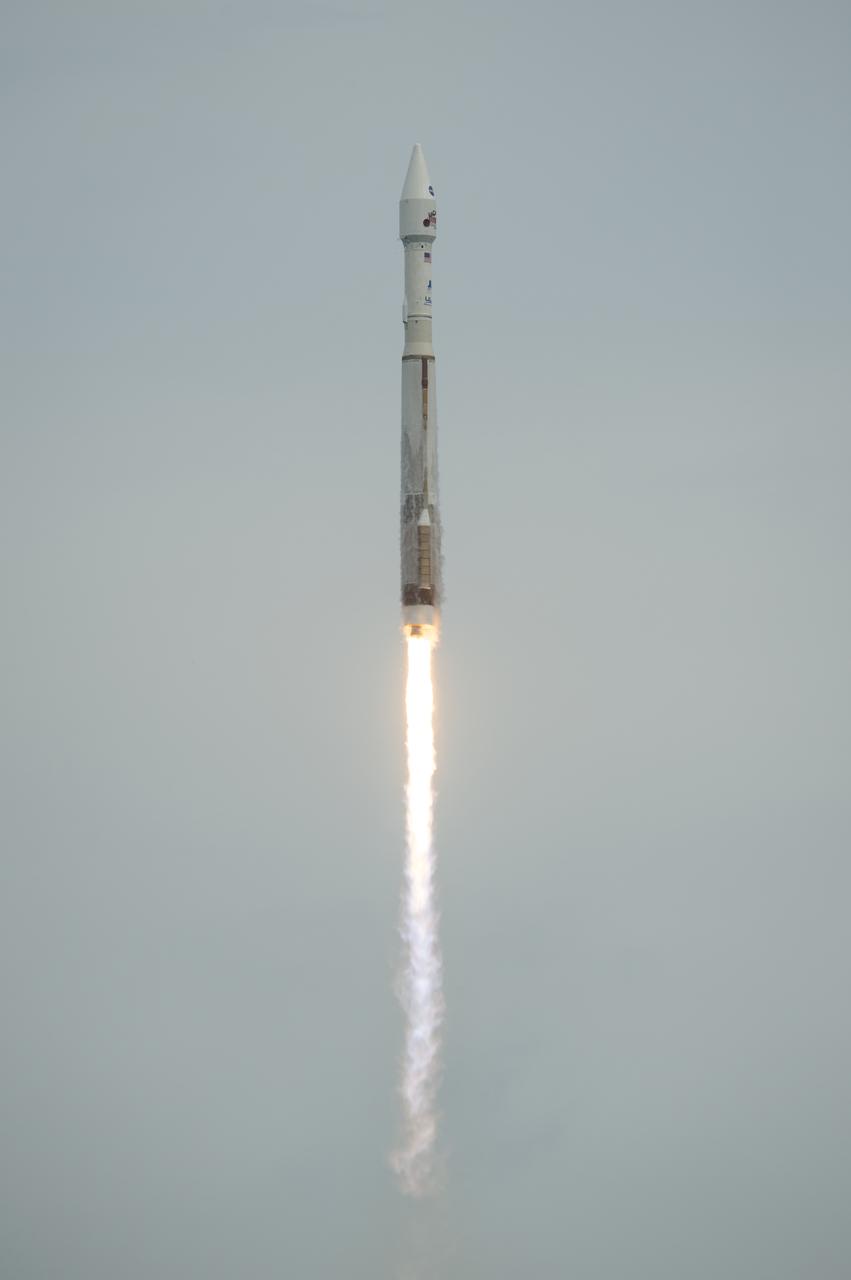
The United Launch Alliance Atlas V rocket with NASA’s Mars Atmosphere and Volatile EvolutioN (MAVEN) spacecraft launches from the Cape Canaveral Air Force Station Space Launch Complex 41, Monday, Nov. 18, 2013, Cape Canaveral, Florida. NASA’s Mars-bound spacecraft, the Mars Atmosphere and Volatile EvolutioN, or MAVEN, is the first spacecraft devoted to exploring and understanding the Martian upper atmosphere. Photo Credit: (NASA/Bill Ingalls)
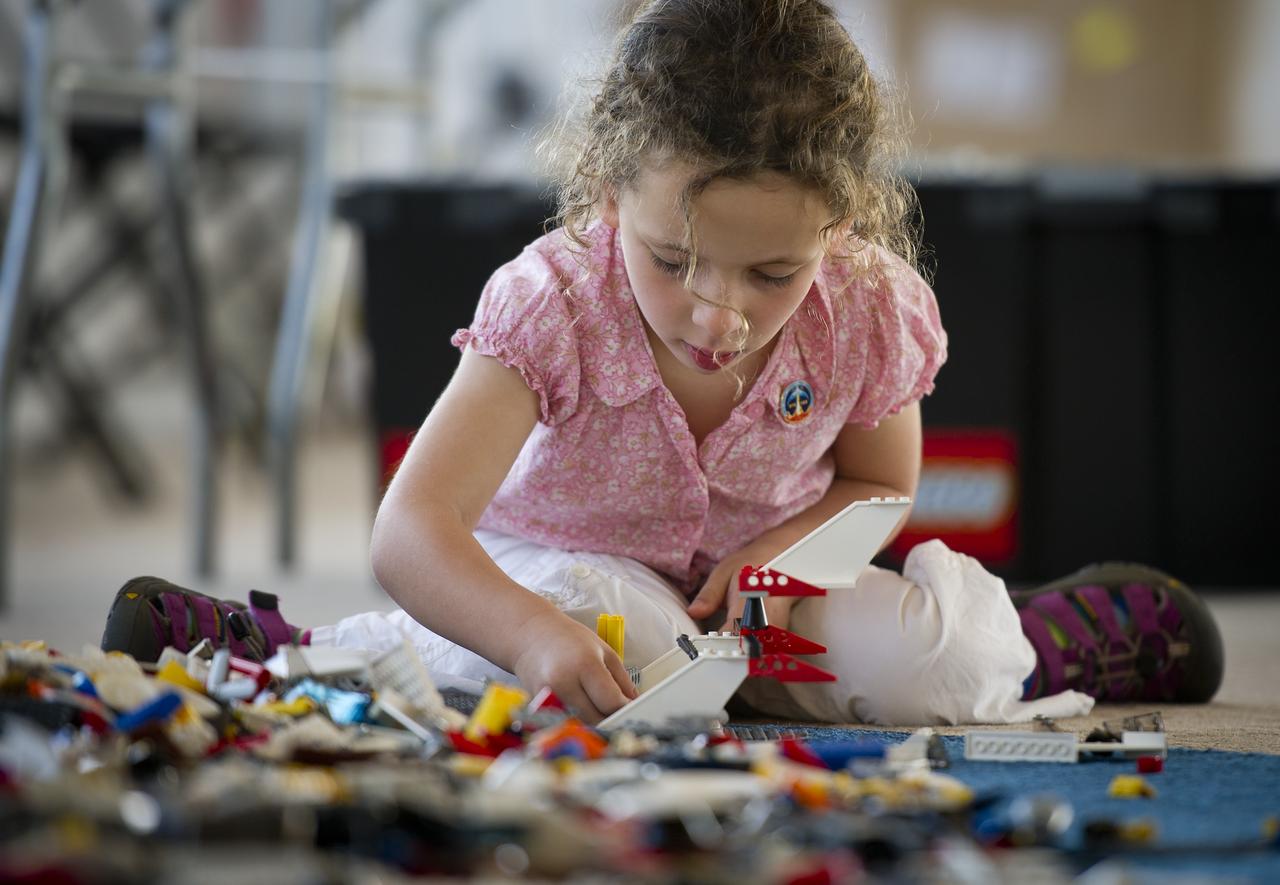
NASA Officials, LEGO Group management, students, teachers and parents create their vision of the future in space with LEGO bricks and elements as part of a “Build the Future” activity inside a tent that was set up on the launch viewing area at NASA's Kennedy Space Center in Cape Canaveral, Fla. on Monday, Nov. 1, 2010. NASA and The LEGO Group signed a Space Act Agreement to spark children's interest in science, technology, engineering and math (STEM). Photo Credit: (NASA/Bill Ingalls)
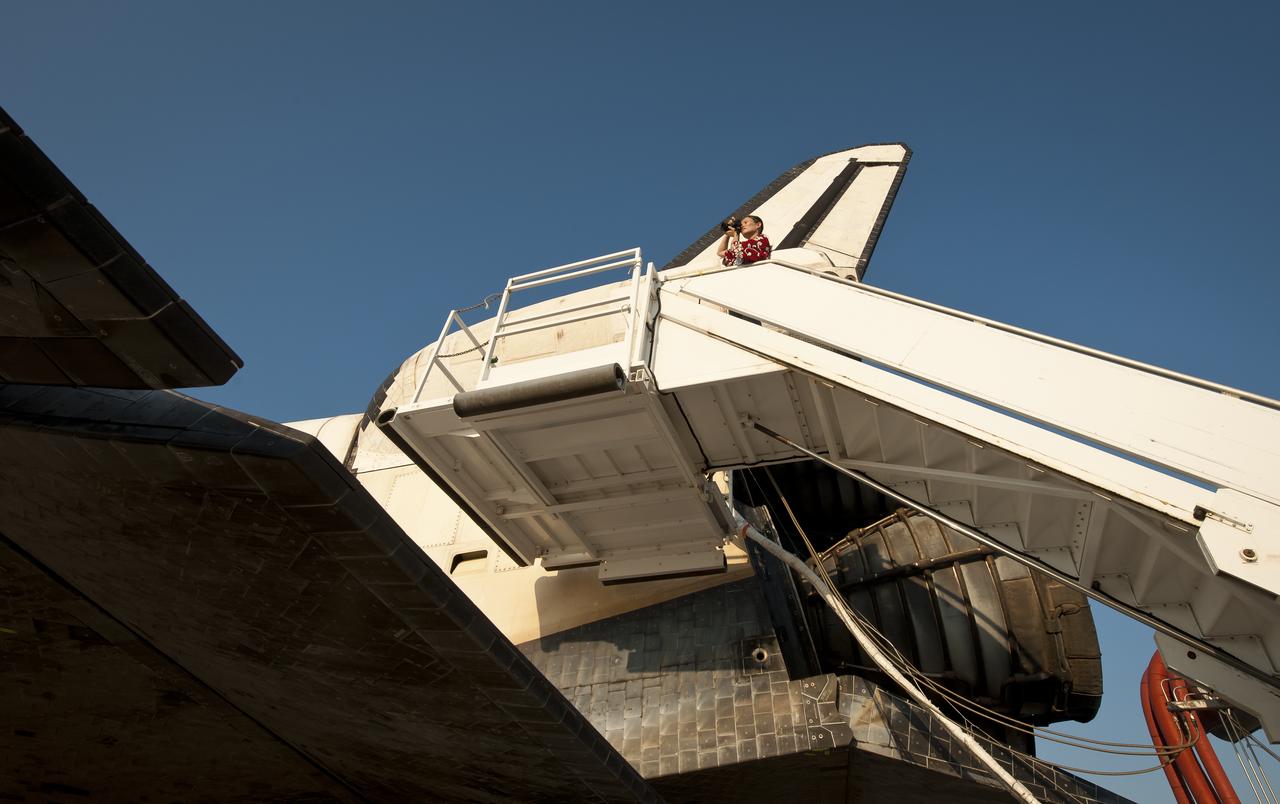
NASA and contractor personnel work on the space shuttle Atlantis at the Kennedy Space Center Shuttle Landing Facility (SLF) shortly after Atlantis (STS-135) landed early Thursday morning, July 21, 2011, in Cape Canaveral, Fla. Overall, Atlantis spent 307 days in space and traveled nearly 126 million miles during its 33 flights. Atlantis, the fourth orbiter built, launched on its first mission on Oct. 3, 1985. Photo Credit: (NASA/Bill Ingalls)
This image shows NASA’s SLS (Space Launch System) and Orion spacecraft rolling out of the Vehicle Assembly Building at NASA’s Kennedy Space Center. NASA's massive Crawler-Transporter, upgraded for the Artemis program, carries the powerful SLS rocket and Orion spacecraft on the Mobile Launcher from the Vehicle Assembly Building to Launch Pad 39B at Kennedy Space Center in preparation for the Artemis II mission.
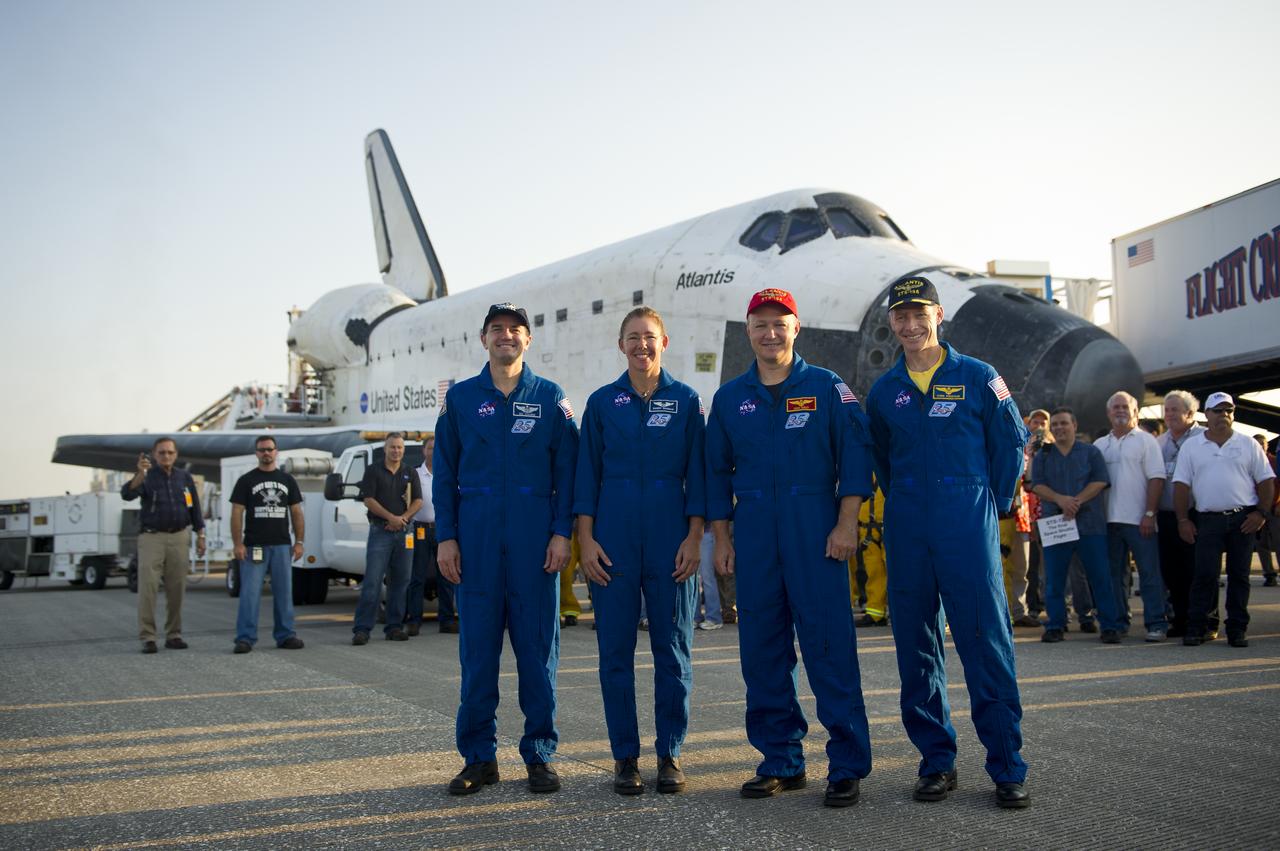
The STS-135 astronauts, from left, Mission Specialists Rex Walheim, Sandy Magnus, Pilot Doug Hurley and Commander Chris Ferguson all pose for photographers shortly after they touched down in the space shuttle Atlantis at NASA's Kennedy Space Center Shuttle Landing Facility (SLF), completing its 13-day mission to the International Space Station (ISS) and the final flight of the Space Shuttle Program, early Thursday morning, July 21, 2011, in Cape Canaveral, Fla. Overall, Atlantis spent 307 days in space and traveled nearly 126 million miles during its 33 flights. Atlantis, the fourth orbiter built, launched on its first mission on Oct. 3, 1985. Photo Credit: (NASA/Bill Ingalls)
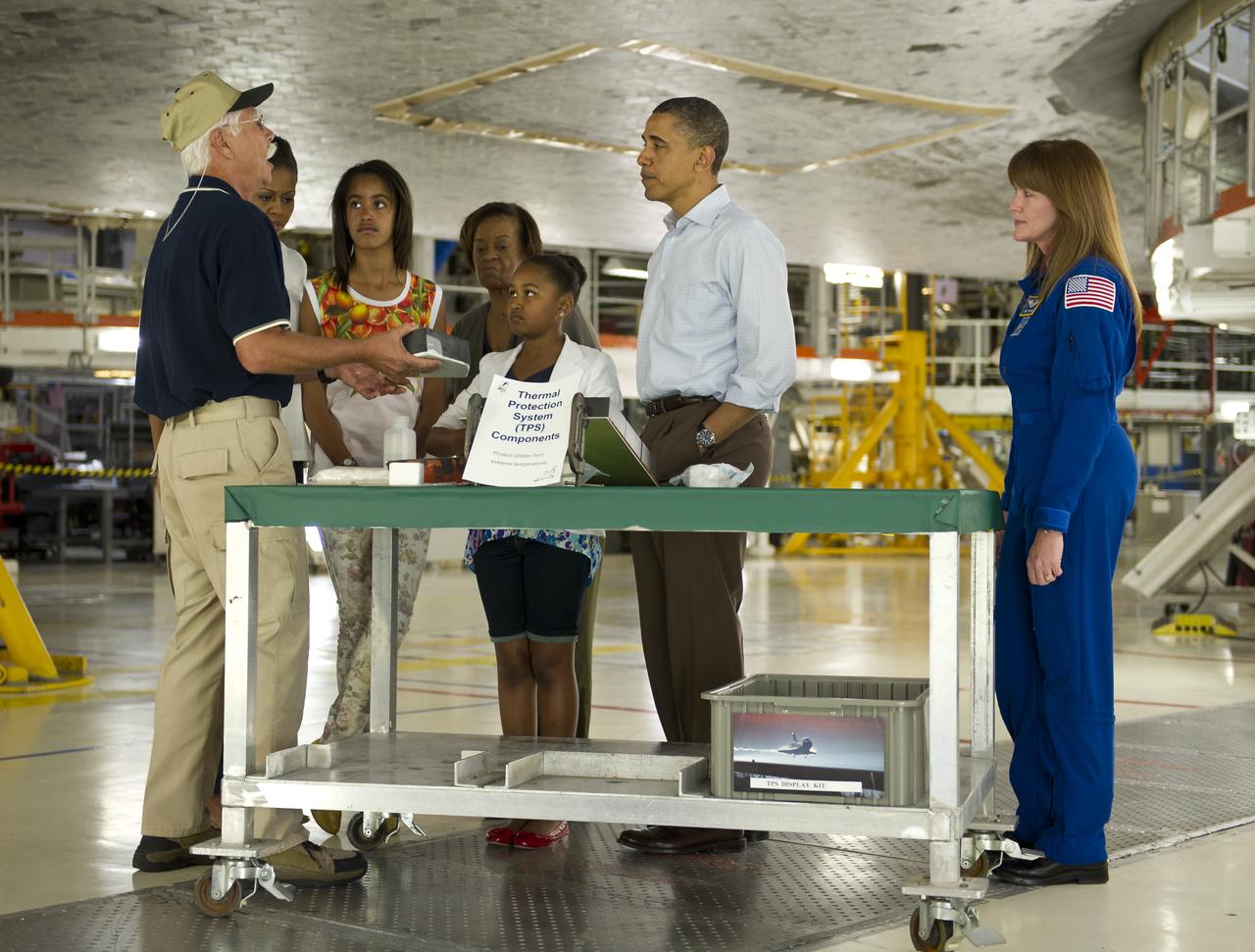
Terry White, United Space Alliance project lead for thermal protection systems, left, shows President Barack Obama and his family, from left, First Lady Michelle Obama, Malia, Marian Robinson and Sasha, how tiles work on the space shuttle during their visit to the Orbital Processing Facility at the NASA Kennedy Space Center in Cape Canaveral, Fla., Friday, April 29, 2011. Looking on is Director of Flight Crew Operations for the Johnson Space Center and Astronaut, Janet Kavandi. Photo Credit: (NASA/Bill Ingalls)
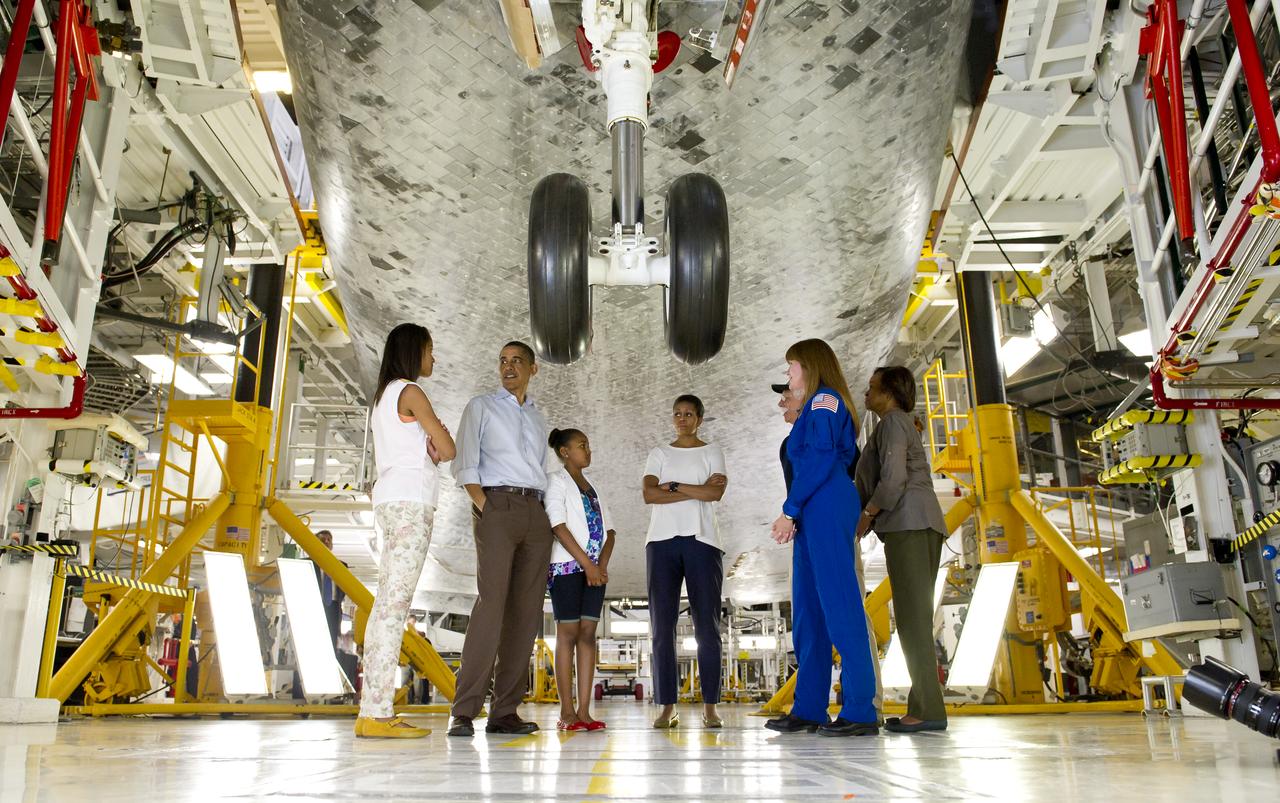
President Barack Obama, First Lady Michelle Obama, daughters Malia, left, Sasha, Marian Robinson, Astronaut Janet Kavandi and United Space Alliance project lead for thermal protection systems Terry White, walk under the landing gear of the space shuttle Atlantis as they visit Kennedy Space Center in Cape Canaveral, Fla., Friday, April 29, 2011. Photo Credit: (NASA/Bill Ingalls)
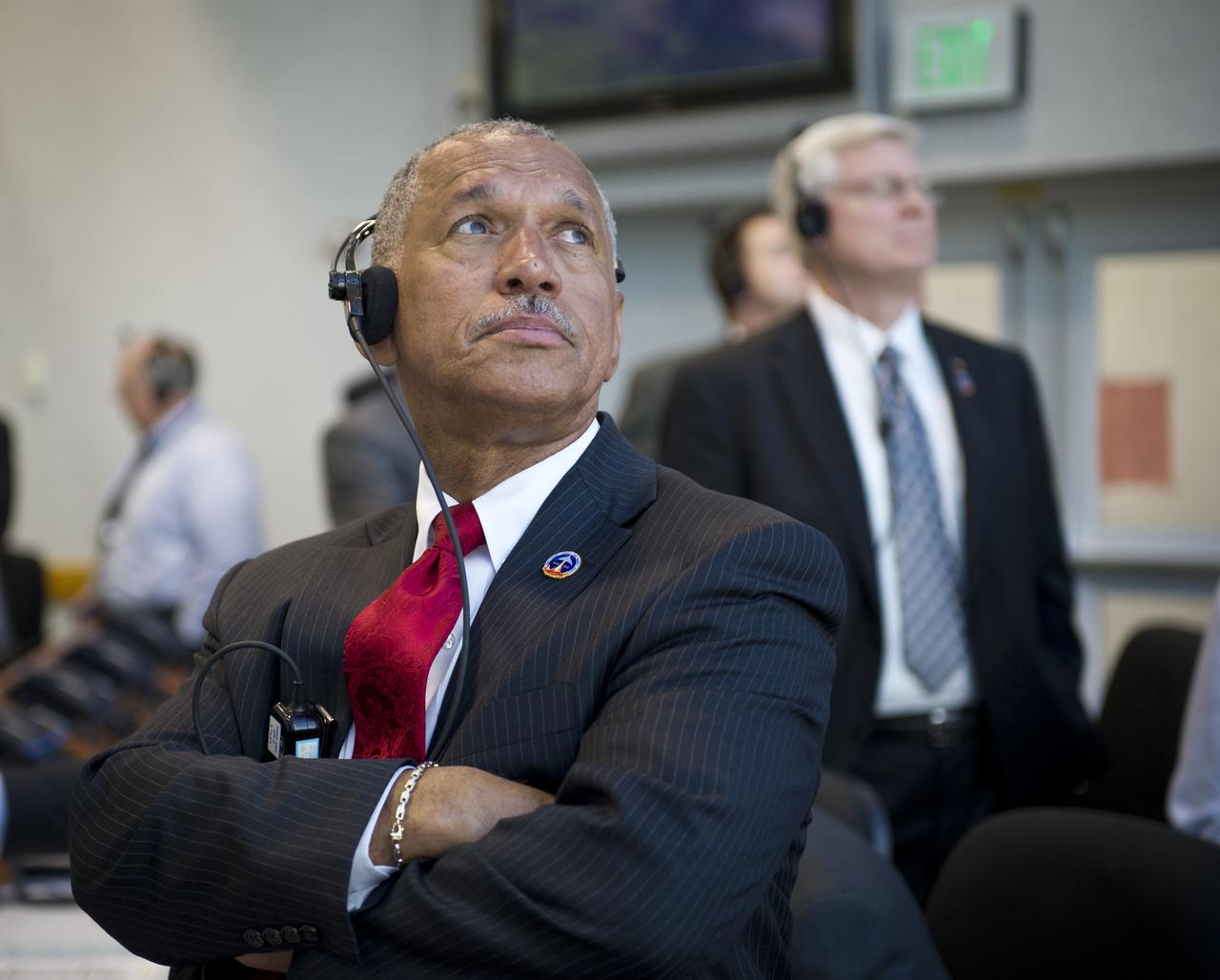
NASA Administrator Charles Bolden and other NASA management watch the launch of space shuttle Discovery (STS-133) from the firing room at Kennedy Space Center, Thursday, Feb. 24, 2011, in Cape Canaveral, Fla. Discovery, on its 39th and final flight, is carrying the Italian-built Permanent Multipurpose Module (PMM), Express Logistics Carrier 4 (ELC4) and Robonaut 2, the first humanoid robot in space to the International Space Station. Photo Credit: (NASA/Bill Ingalls)
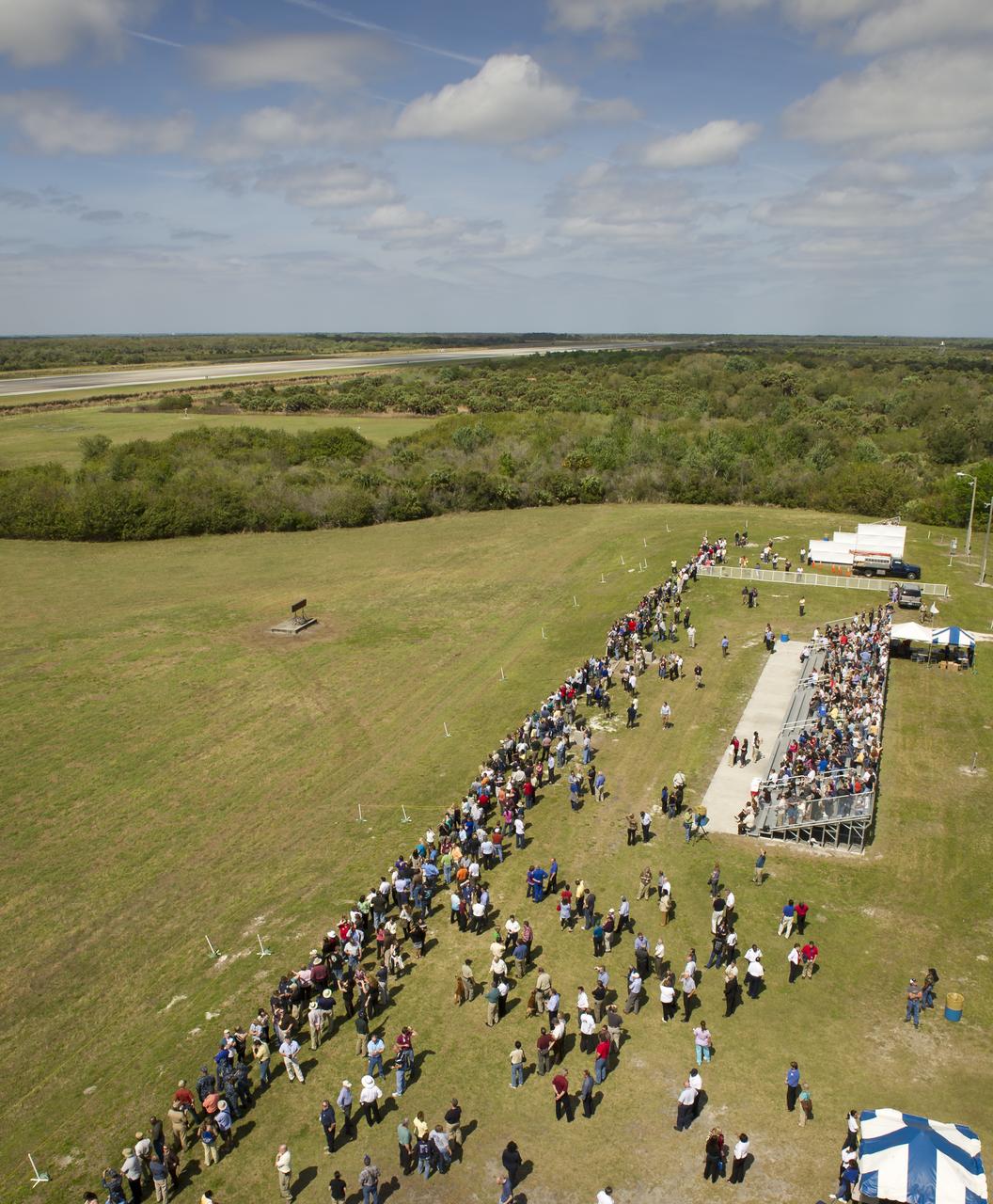
Crowds start to gather at the Shuttle Landing Facility (SLF) in preparation for the landing of the space shuttle Discovery, Wednesday, March 9, 2011, at Kennedy Space Center in Cape Canaveral, Fla. This was Discovery's final flight. Discovery flew 39 missions, spent 365 days in space, orbited Earth 5,830 times and traveled 148,221,675 miles. Photo credit: (NASA/Bill Ingalls)
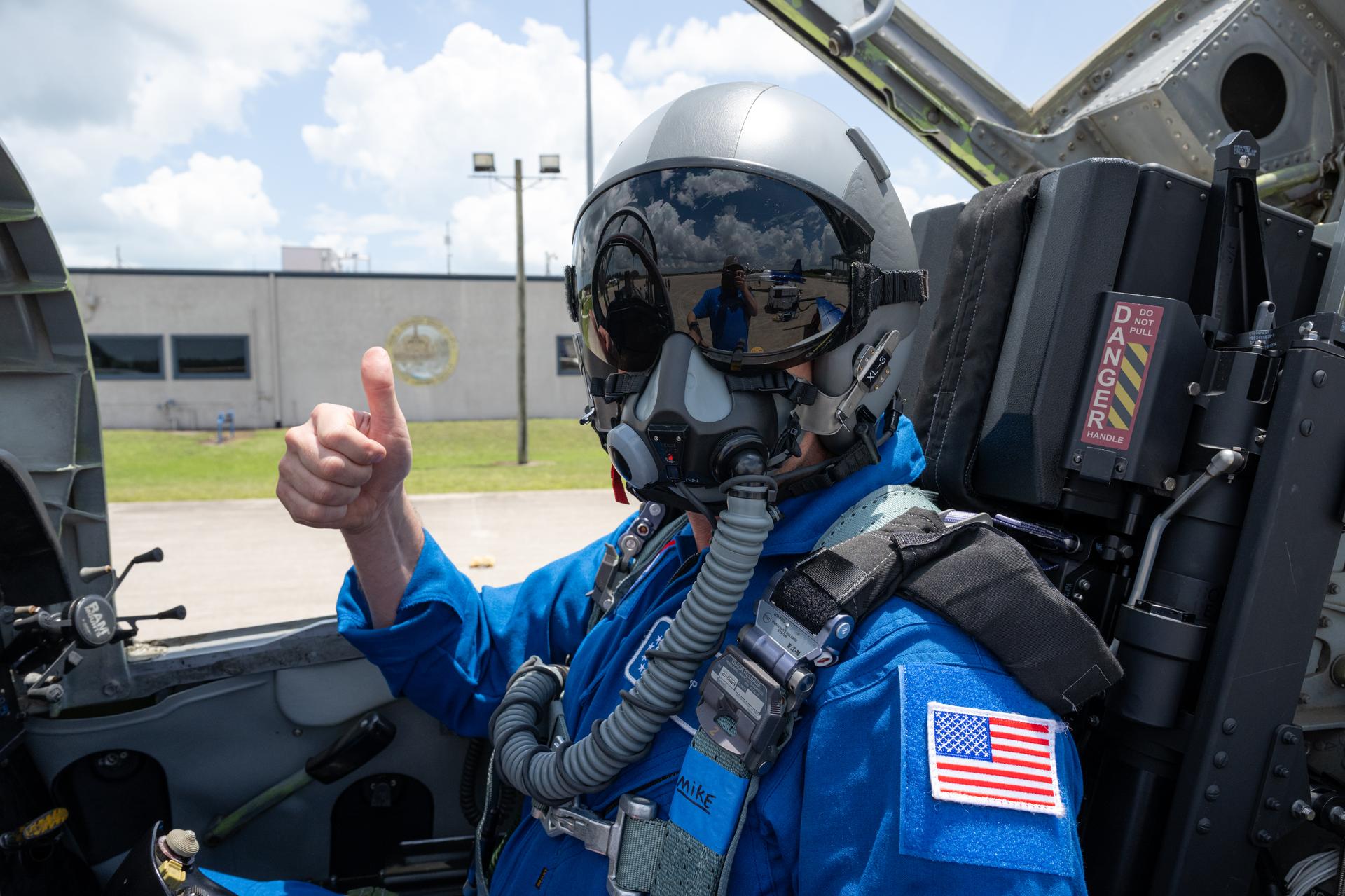
Michael J. Acheson, senior researcher and principal investigator at NASA’s Langley Research Center, participates in an employee incentive flying event with NASA Administrator Jared Isaacman's personal F-5 aircraft, Wednesday, May 13, 2026, at NASA’s Kennedy Space Center in Florida. Photo Credit: (NASA/John Kraus)
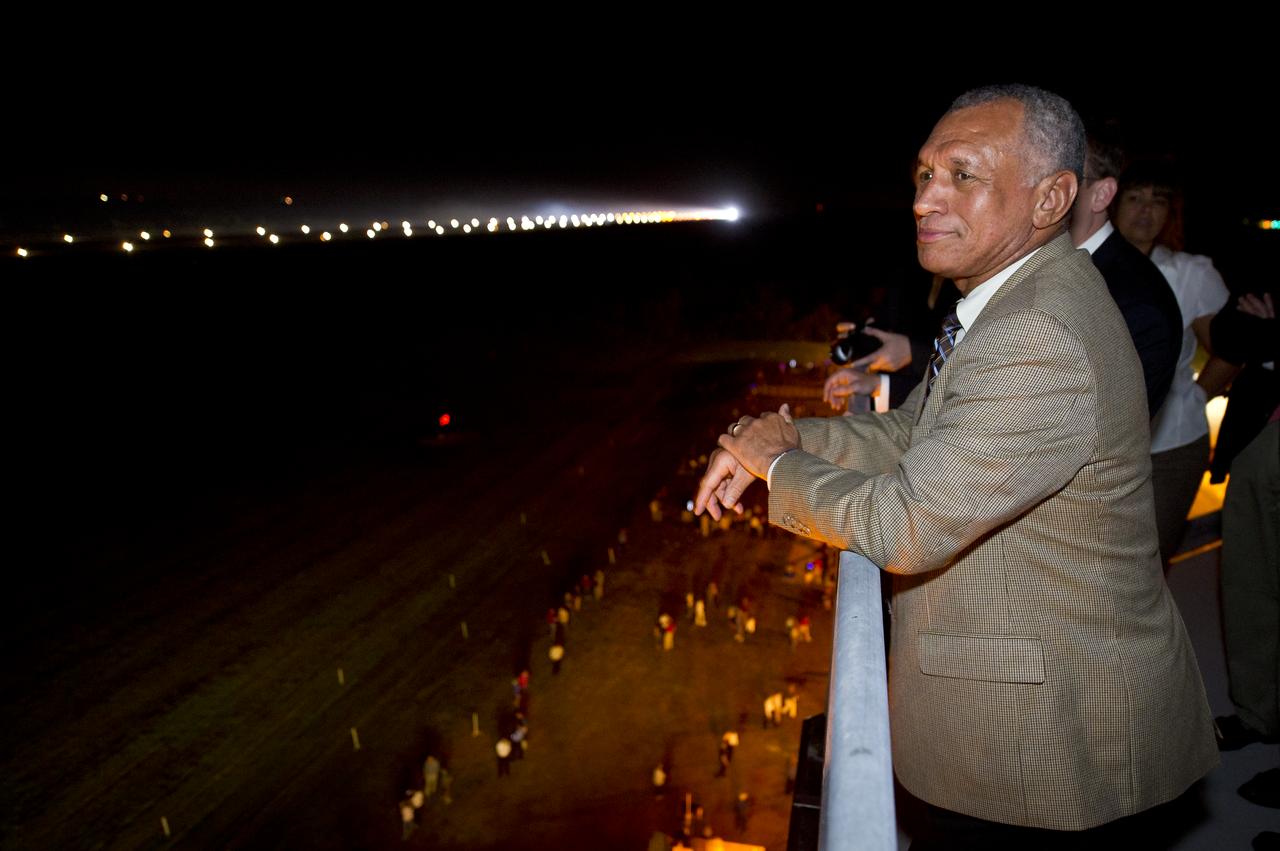
NASA Administrator Charles Bolden looks at the Space Shuttle Endeavour (STS-134) from the air traffic control tower at the Shuttle Landing Facility (SLF) shortly after Endeavour made its final landing at the Kennedy Space Center, Wednesday, June 1, 2011, in Cape Canaveral, Fla. Endeavour, after completing a 16-day mission to outfit the International Space Station, spent 299 days in space and traveled more than 122.8 million miles during its 25 flights. It launched on its first mission on May 7, 1992. Photo Credit: (NASA/Bill Ingalls)
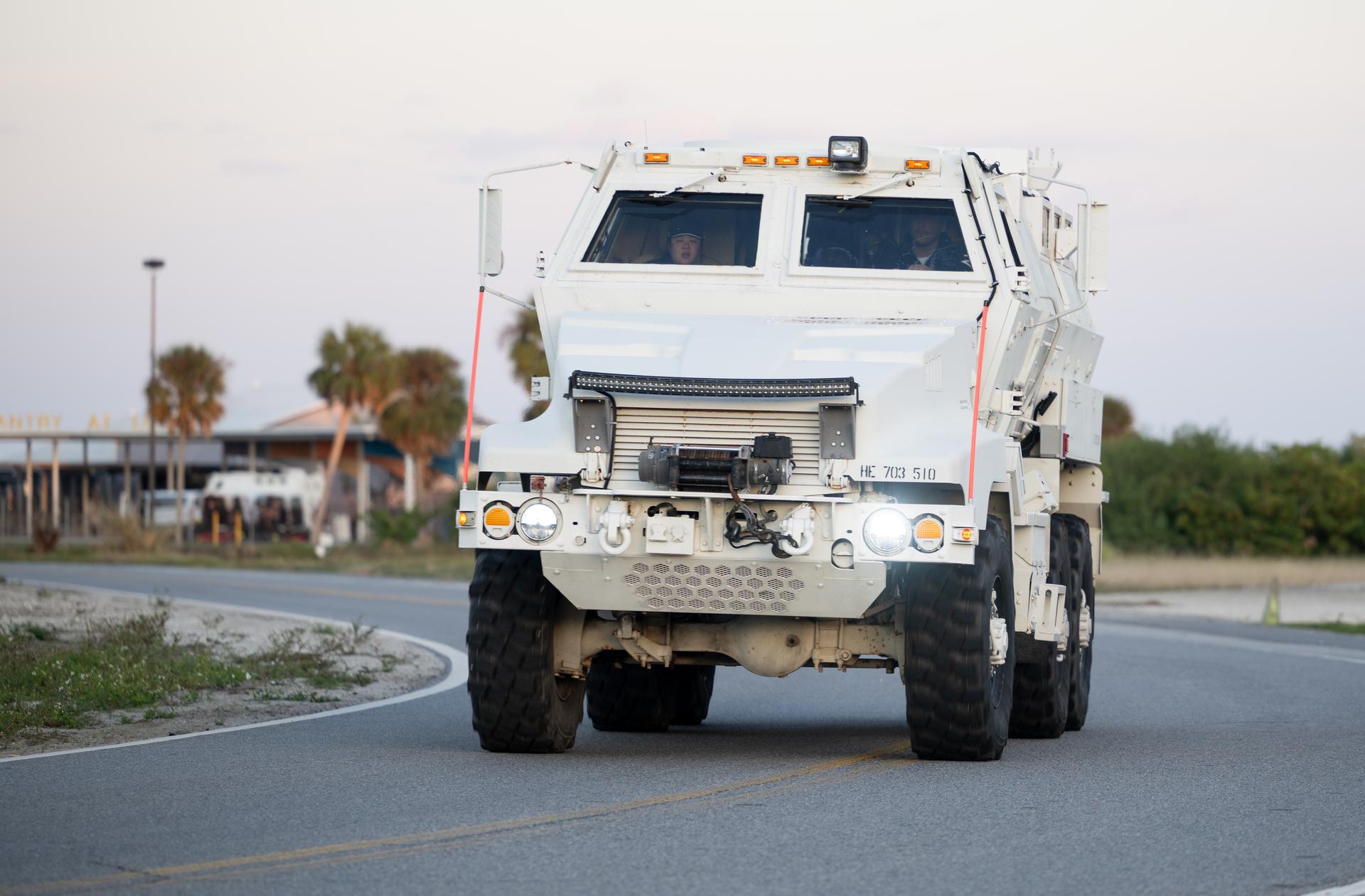
Teams at NASA's Kennedy Space Center in Florida practiced various emergency rescue training scenarios with the Artemis II crew, Friday, Dec. 19, 2025, ahead of the Artemis II mission. In the unlikely event of an emergency during launch countdown at Launch Complex 39B, personnel will be transported in mine-resistant ambush protected vehicles, or MRAPS, from the pad and to one of the triage site locations at Kennedy. Photo Credit: (NASA/Joel Kowsky)
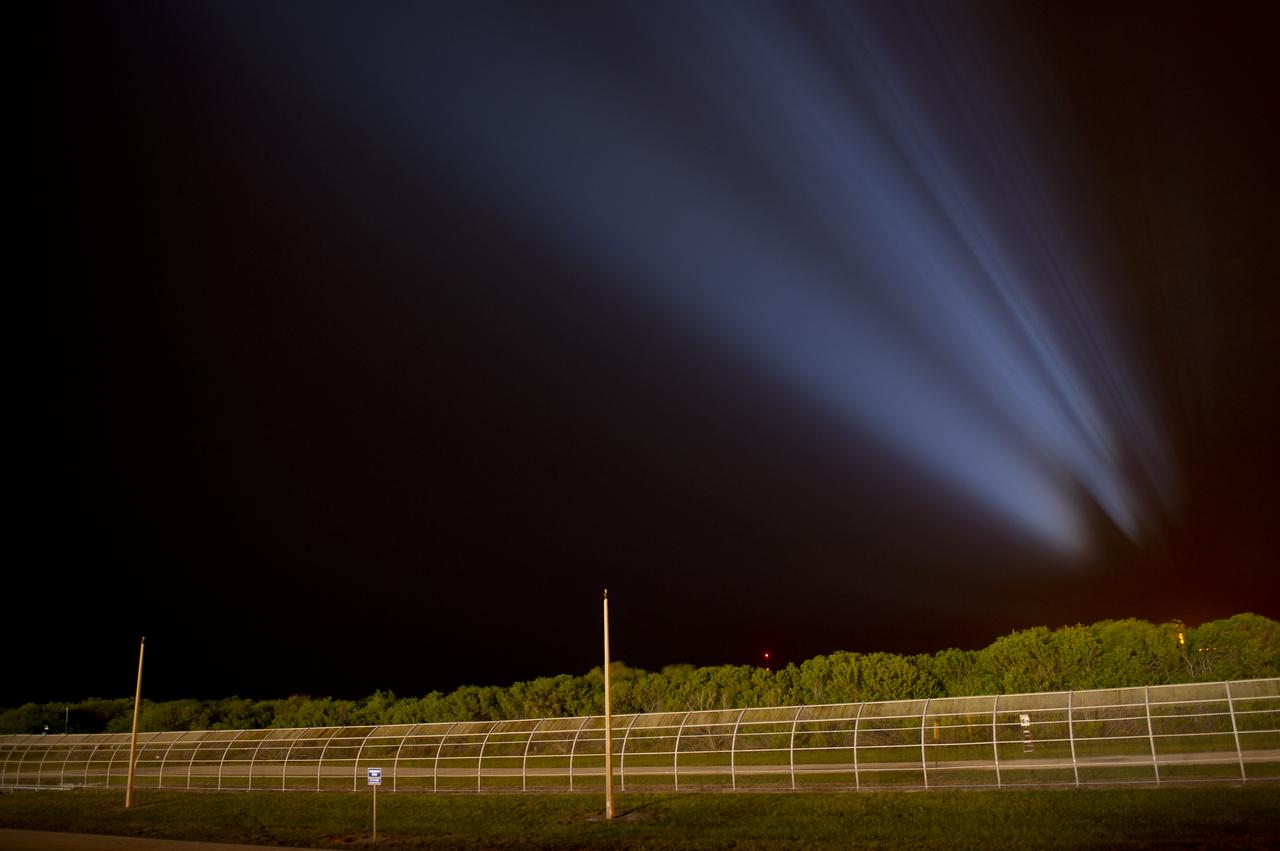
An faint profile outline of the space shuttle Endeavour is seen projected in the sky as powerful xenon lights illuminate launch pad 39a shortly after the rollback of the Rotating Service Structure (RSS) from Endeavour, Thursday, April 28, 2011, at Kennedy Space Center in Cape Canaveral, Fla. During the 14-day mission, Endeavour and the STS-134 crew will deliver the Alpha Magnetic Spectrometer (AMS) and spare parts including two S-band communications antennas, a high-pressure gas tank and additional spare parts for Dextre. Launch is targeted for Friday, April 29 at 3:47 p.m. EDT. Photo credit: (NASA/Bill Ingalls)

Cassie Barnes, Twitter handle @celticfeminist, tweets during the STS-135 Tweetup, Thursday, July 7, 2011, at Kennedy Space Center in Cape Canaveral, Fla. About 150 NASA Twitter followers attended the event. The STS-135 mission will be NASA's last space shuttle launch. Photo Credit: (NASA/Paul E. Alers)
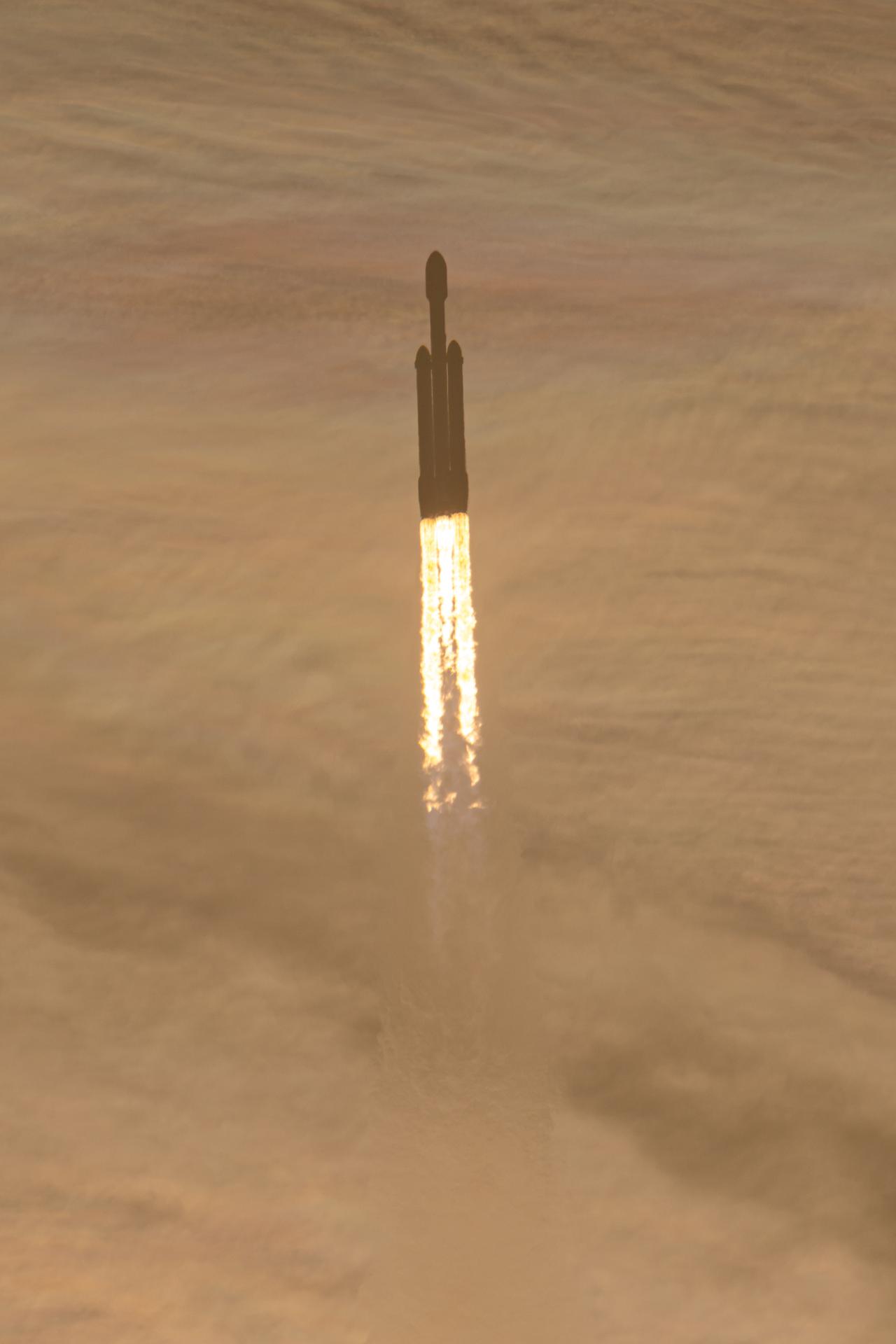
A SpaceX Falcon Heavy rocket with NASA’s Nancy Grace Roman Space Telescope on board launches from Launch Complex 39A, Sunday, Aug. 30, 2026, at NASA’s Kennedy Space Center in Florida. The Nancy Grace Roman Space Telescope, named after the agency’s first chief astronomer, will survey billions of stars and galaxies with a field of view far larger than Hubble’s, helping scientists study dark energy, exoplanets and the evolution of the universe. Photo Credit: (NASA/John Kraus)
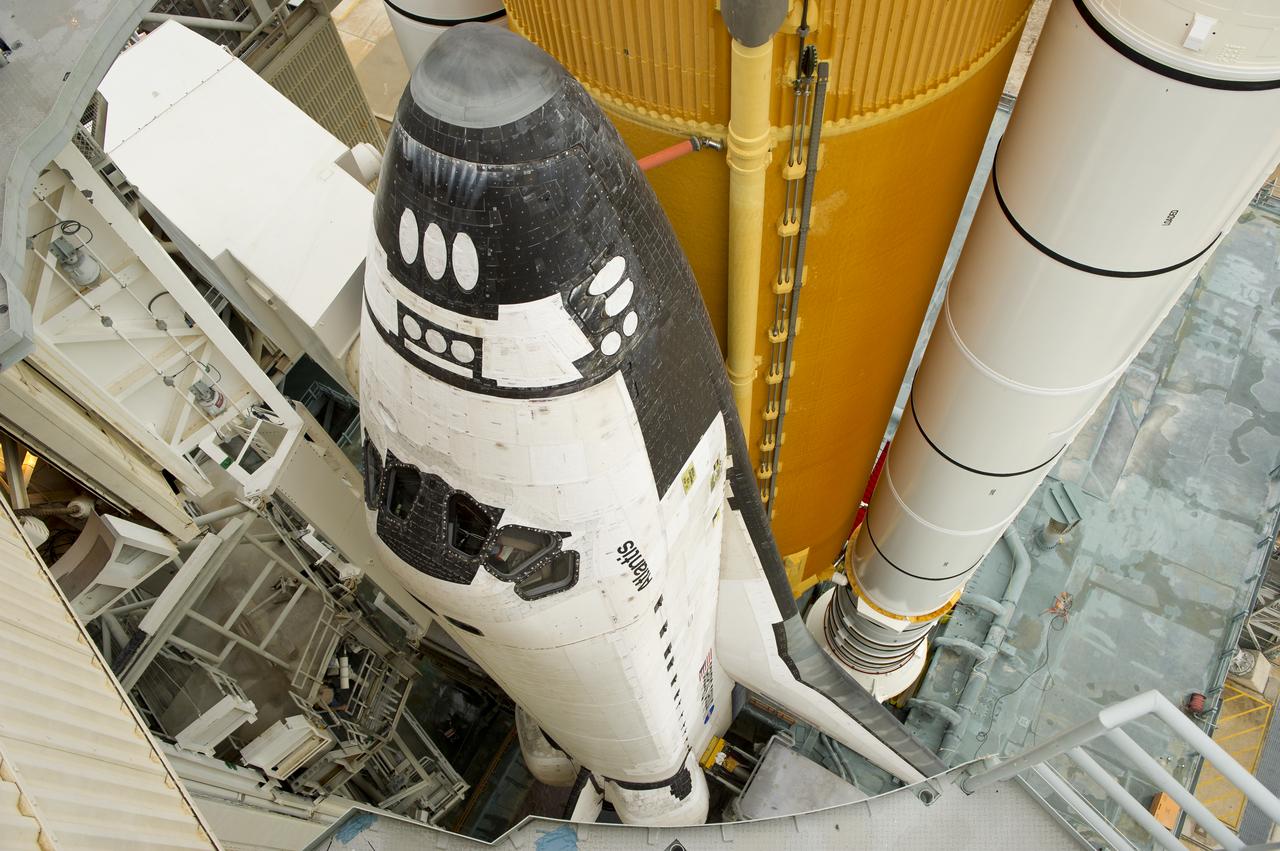
The space shuttle Atlantis is revealed as the rotating service structure (RSS) is rolled back at launch pad 39a on Thursday, July 7, 2011 at the NASA Kennedy Space Center in Cape Canaveral, Fla. Atlantis is set to liftoff Friday, July 8, on the final flight of the shuttle program, STS-135, a 12-day mission to the International Space Station. Photo Credit: (NASA/Bill Ingalls)
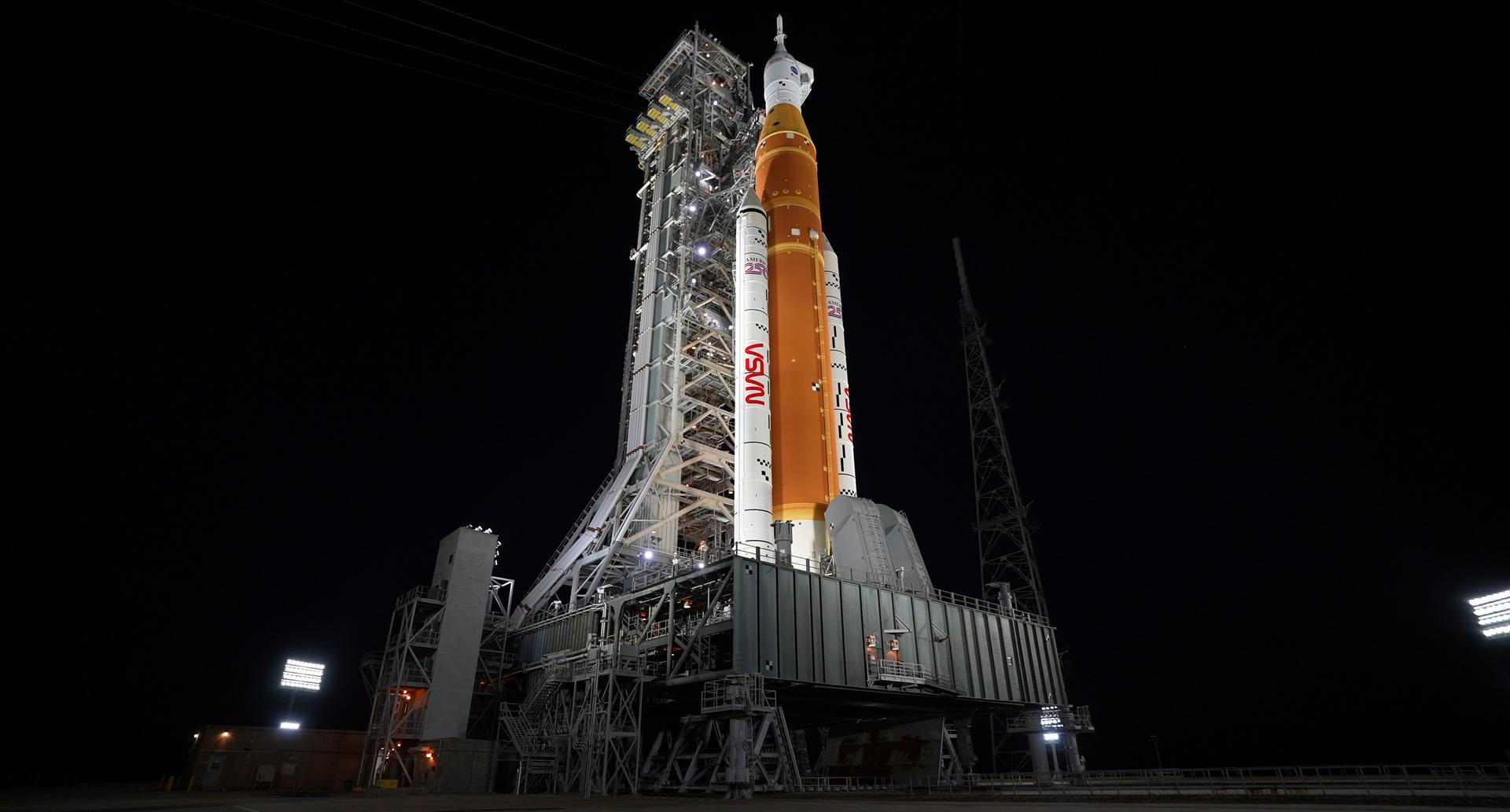
Lights illuminate NASA’s Artemis II SLS (Space Launch System) rocket and Orion spacecraft at Launch Complex 39B at NASA’s Kennedy Space Center in Florida. In the coming days, engineers will prepare for the wet dress rehearsal, a two-day test that simulates launch day. The Artemis II test flight will take Commander Reid Wiseman, Pilot Victor Glover, and Mission Specialist Christina Koch from NASA, and Mission Specialist Jeremy Hansen from the CSA (Canadian Space Agency), around the Moon and back to Earth no later than April 2026.
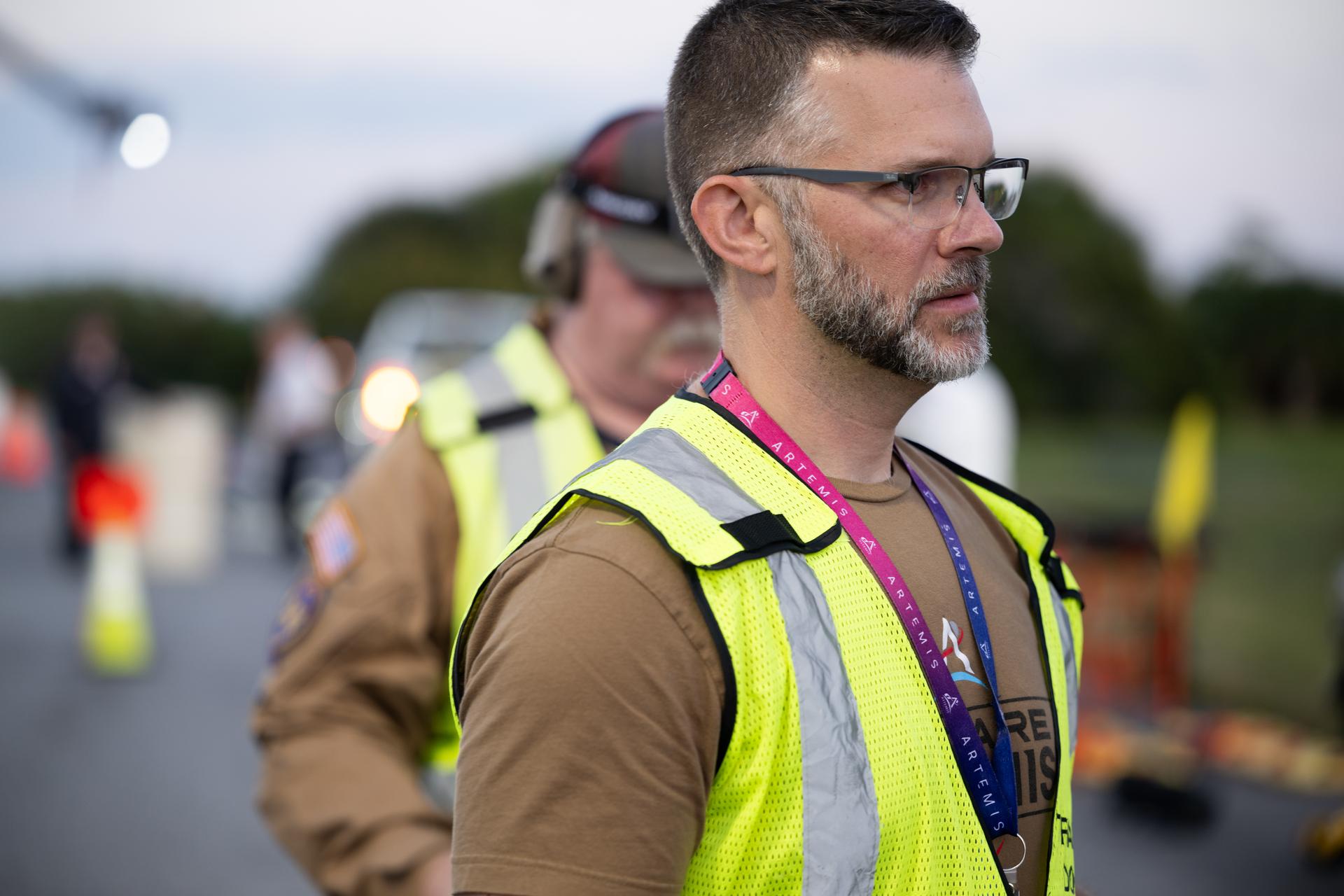
Teams at NASA's Kennedy Space Center in Florida practiced various emergency rescue training scenarios with the Artemis II crew, Friday, Dec. 19, 2025, ahead of the Artemis II mission. In the unlikely event of an emergency during launch countdown at Launch Complex 39B, personnel will be transported in mine-resistant ambush protected vehicles, or MRAPS, from the pad and to one of the triage site locations at Kennedy. Photo Credit: (NASA/Joel Kowsky)
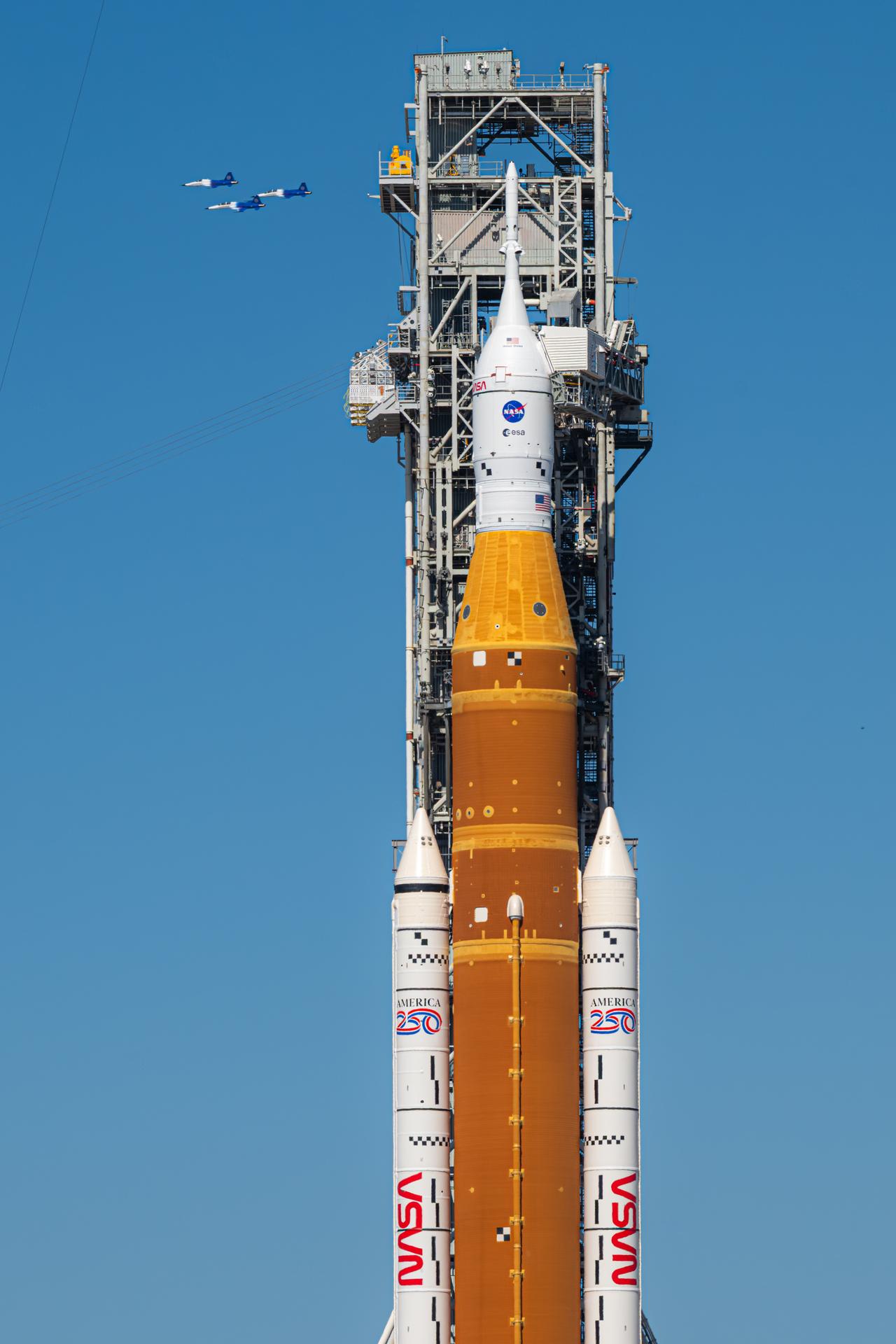
NASA Administrator Jared Isaacman conducts a formation flight with three of his personal F-5 aircraft, Sunday, Feb. 8, 2026, at NASA’s Kennedy Space Center in Florida. The formation flew near the Artemis II SLS (Space Launch System) rocket and Orion spacecraft at Launch Complex 39B and the surrounding area at Kennedy. Photo Credit: (NASA/John Kraus)
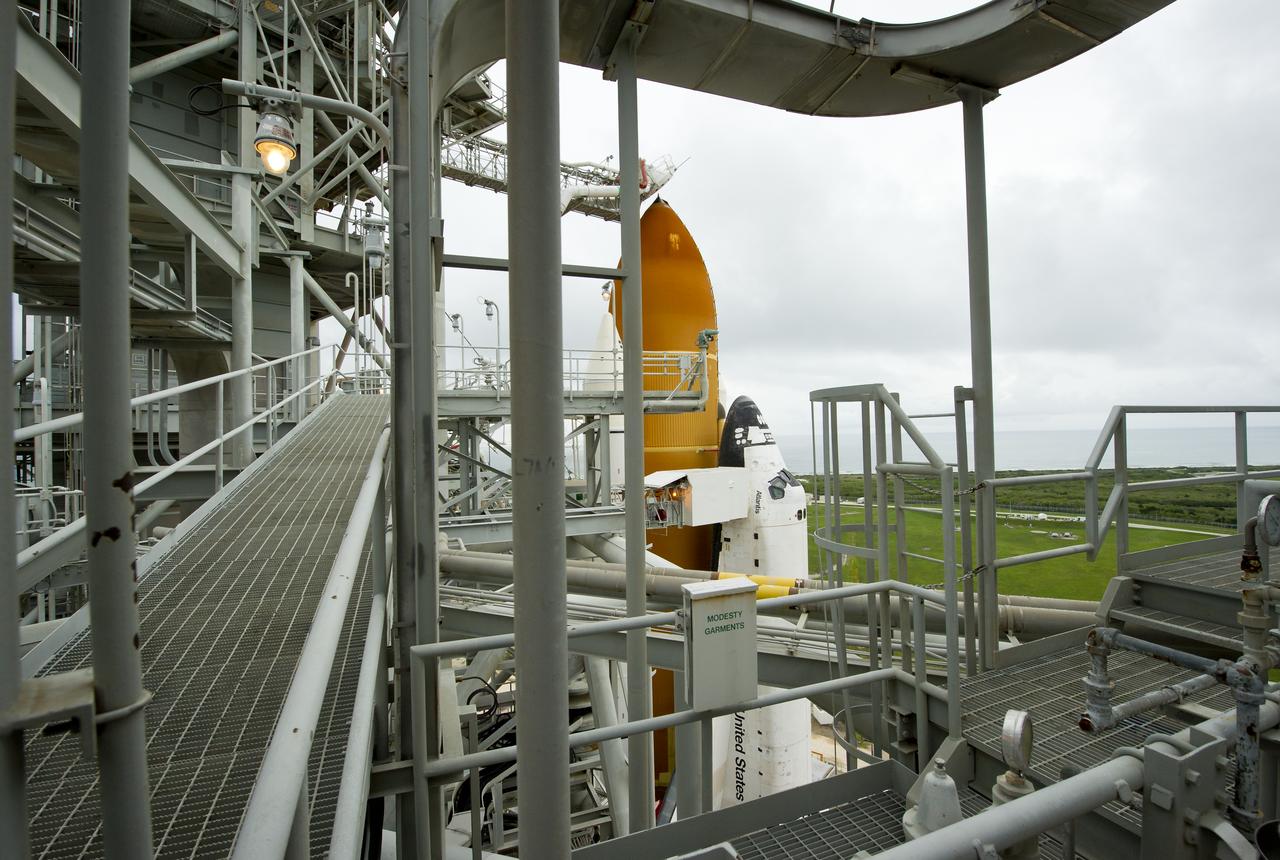
The space shuttle Atlantis is revealed as the rotating service structure (RSS) is rolled back at launch pad 39a on Thursday, July 7, 2011 at the NASA Kennedy Space Center in Cape Canaveral, Fla. Atlantis is set to liftoff Friday, July 8, on the final flight of the shuttle program, STS-135, a 12-day mission to the International Space Station. Photo Credit: (NASA/Bill Ingalls)
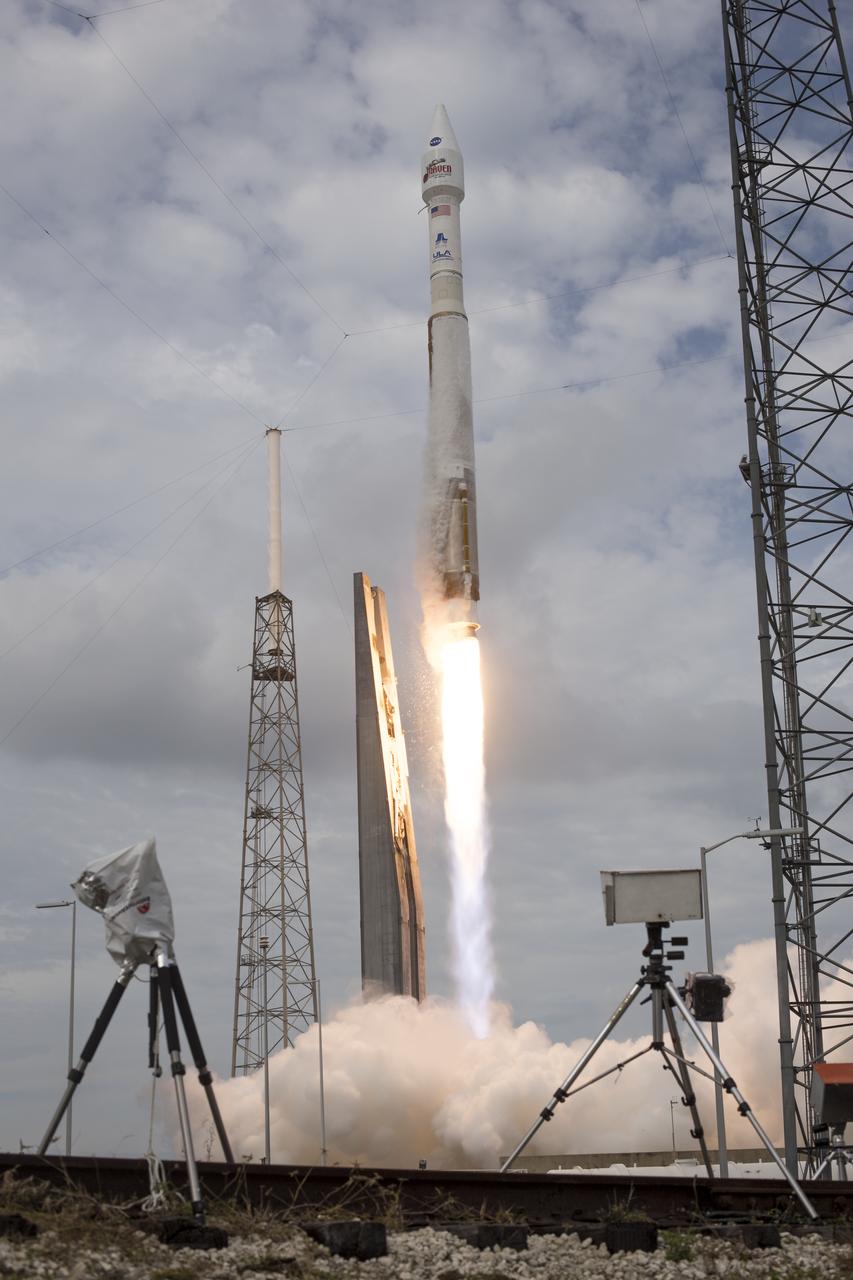
The United Launch Alliance Atlas V rocket with NASA’s Mars Atmosphere and Volatile EvolutioN (MAVEN) spacecraft launches from the Cape Canaveral Air Force Station Space Launch Complex 41, Monday, Nov. 18, 2013, Cape Canaveral, Florida. NASA’s Mars-bound spacecraft, the Mars Atmosphere and Volatile EvolutioN, or MAVEN, is the first spacecraft devoted to exploring and understanding the Martian upper atmosphere. Photo Credit: (NASA/Bill Ingalls)
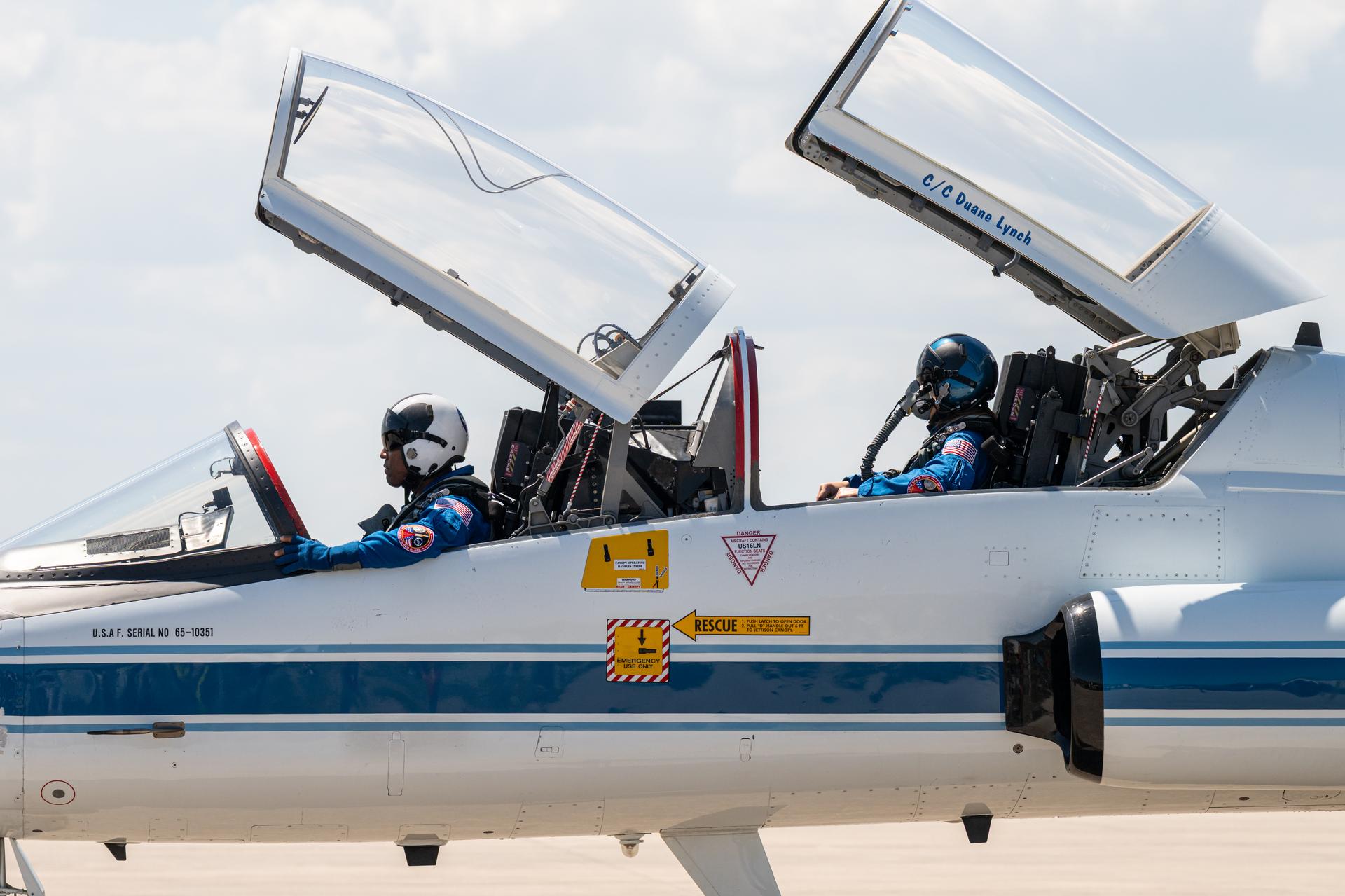
NASA astronauts Victor Glover, Artemis II pilot, and Christina Koch, Artemis II mission specialist, are seen in a T-38 aircraft, Friday, March 27, 2026, after arriving at the Launch and Landing Facility at NASA’s Kennedy Space Center in Florida. The Artemis II mission will launch the crew on a 10-day journey around the Moon and back no earlier than April 1. Photo Credit: (NASA/John Kraus)
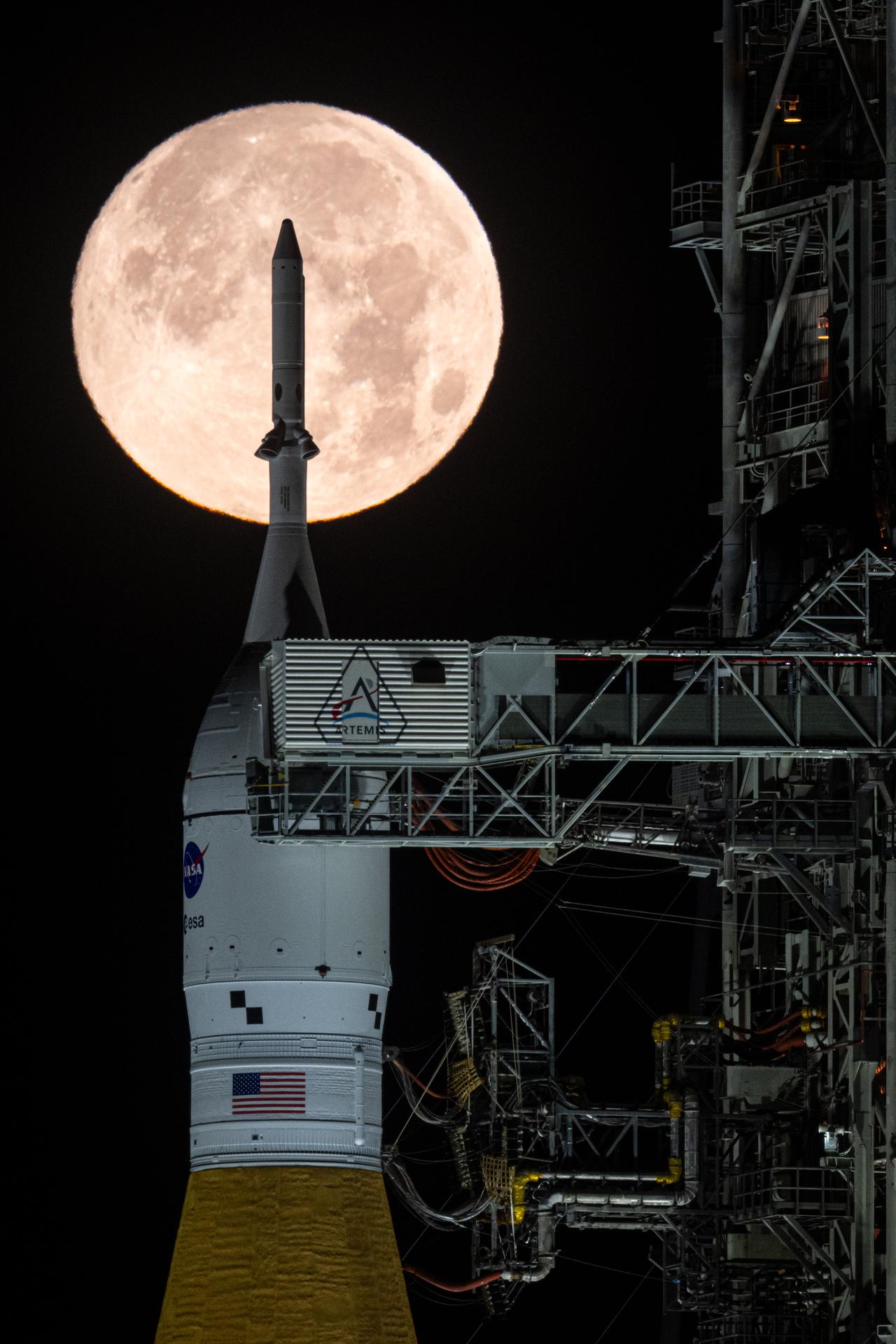
The full Moon is seen behind NASA’s Artemis II Space Launch System (SLS) rocket and Orion spacecraft, standing atop a mobile launcher at Launch Complex 39B, Sunday, Feb. 1, 2026, at NASA’s Kennedy Space Center in Florida. NASA’s Artemis II test flight will take Commander Reid Wiseman, Pilot Victor Glover, and Mission Specialist Christina Koch from NASA, and Mission Specialist Jeremy Hansen from the CSA (Canadian Space Agency), around the Moon and back to Earth no later than April 2026. Photo Credit: (NASA/John Kraus)
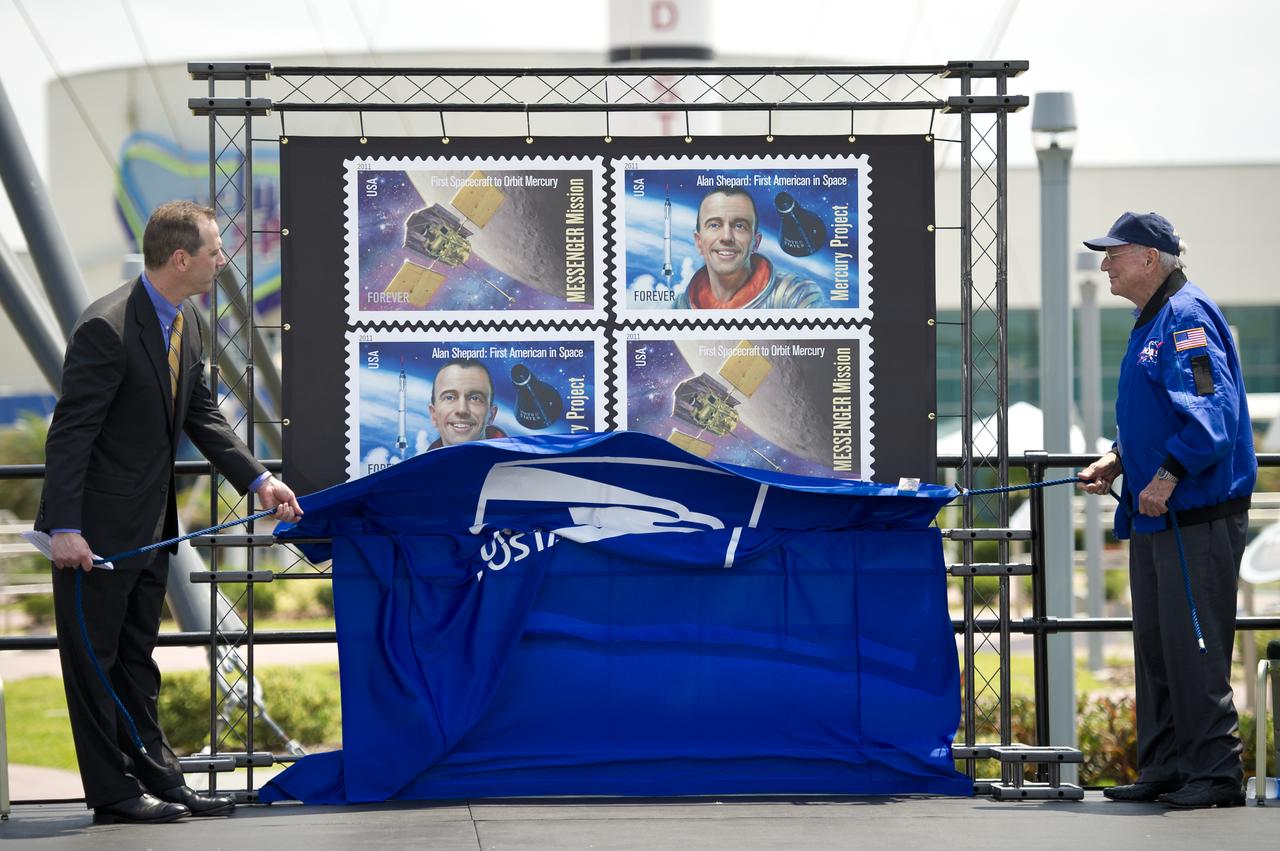
United States Postal Service Vice President of Finance Steve Masse, left, and NASA Mercury Astronaut Scott Carpenter, unveil two USPS stamps to commemorate and celebrate 50 years of US Spaceflight and the MESSENGER program during an event, Wednesday, May 4, 2011 at the NASA Kennedy Space Center in Cape Canaveral, Fla. One stamp commemorates NASA’s Project Mercury, America’s first manned spaceflight program, and NASA astronaut Alan Shepard’s historic flight on May 5, 1961, aboard spacecraft Freedom 7. The other stamp draws attention to NASA’s unmanned MESSENGER mission, a scientific investigation of the planet Mercury. On March 17, 2011, MESSENGER became the first spacecraft to enter into orbit around Mercury. Photo Credit: (NASA/Bill Ingalls)
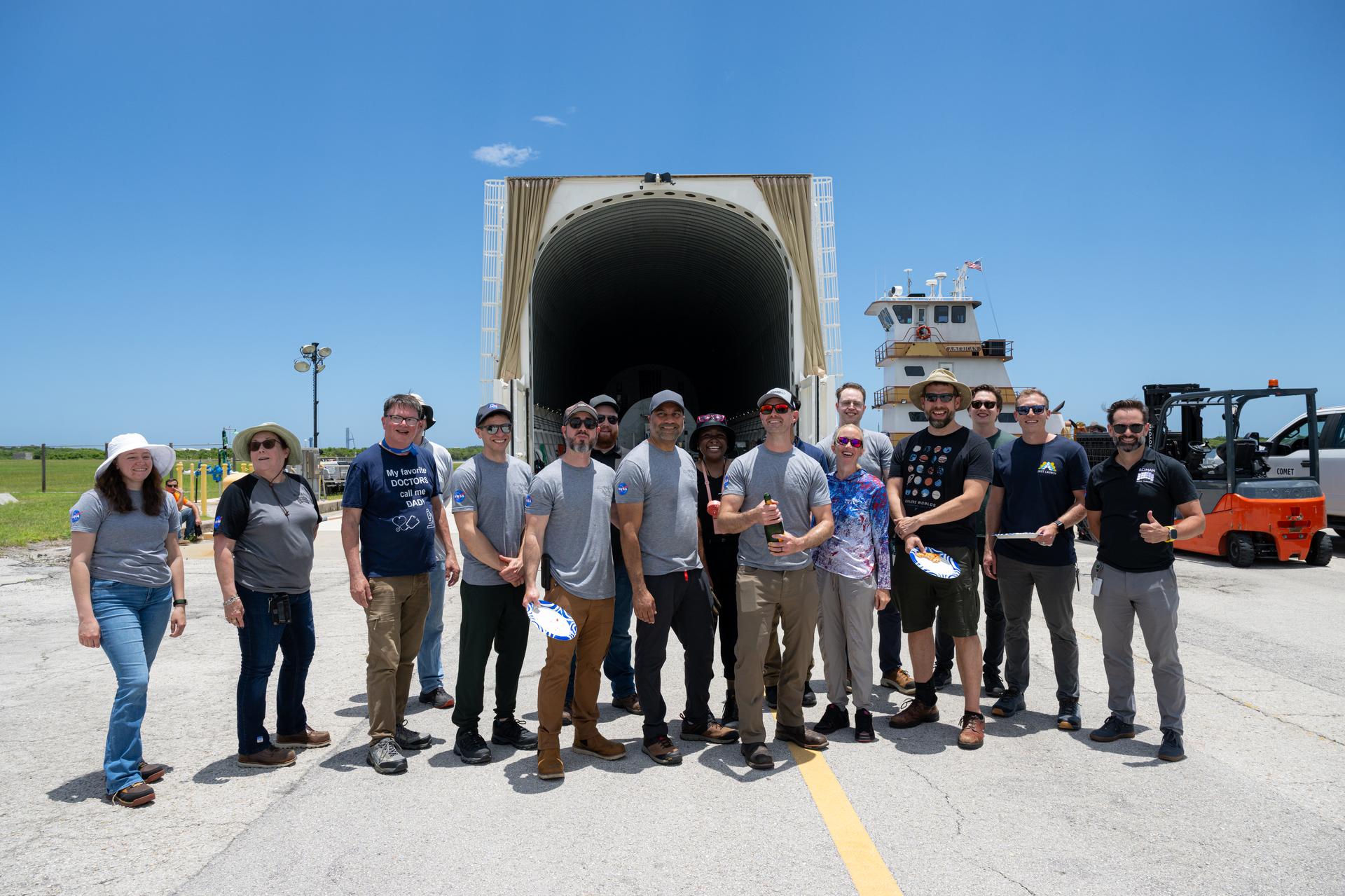
Members of the Nancy Grace Roman Space Telescope transport team pose for a photograph with NASA’s Pegasus barge, Sunday, June 21, at NASA’s Kennedy Space Center in Florida. The Pegasus barge delivered NASA’s Nancy Grace Roman Space Telescope and a weather cover for the Artemis III SLS (Space Launch System) rocket core stage to Kennedy. Photo Credit: (NASA/John Kraus)
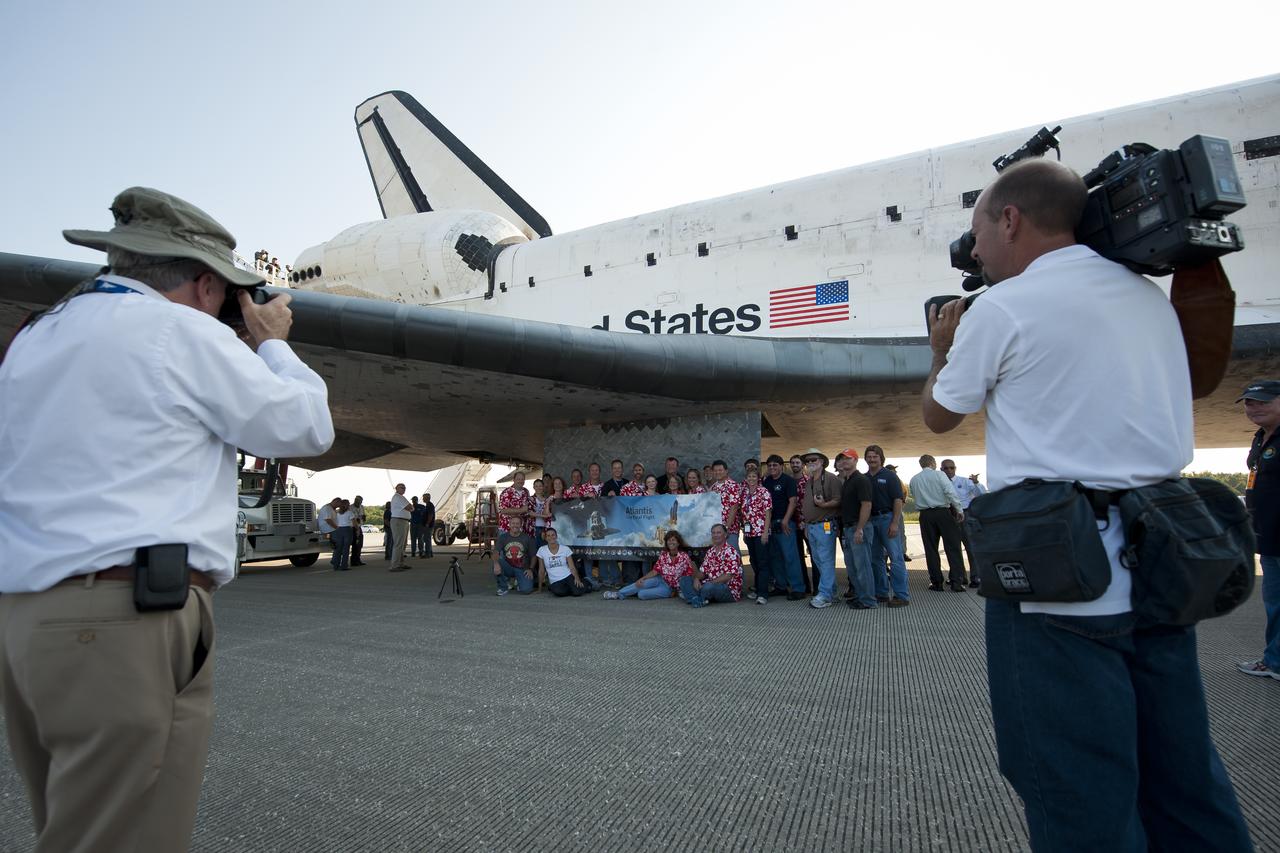
NASA and contractor personnel are photographed under the wing of the space shuttle Atlantis at the Kennedy Space Center Shuttle Landing Facility (SLF) shortly after Atlantis (STS-135) landed early Thursday morning, July 21, 2011, in Cape Canaveral, Fla. Overall, Atlantis spent 307 days in space and traveled nearly 126 million miles during its 33 flights. Atlantis, the fourth orbiter built, launched on its first mission on Oct. 3, 1985. Photo Credit: (NASA/Bill Ingalls)
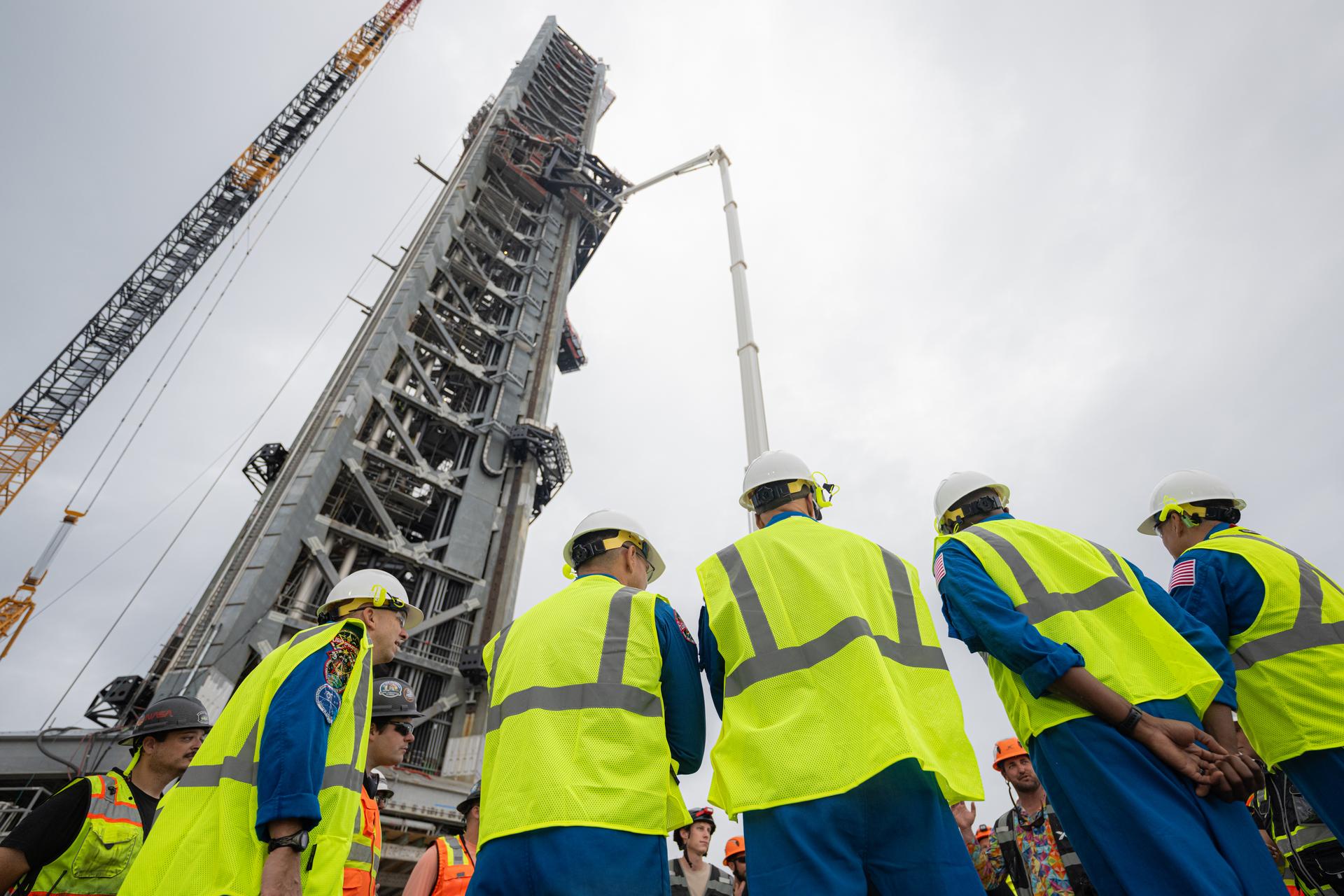
Artemis III crewmembers NASA astronauts Randy Bresnik, commander; Frank Rubio, mission specialist; European Space Agency astronaut Luca Parmitano, pilot; NASA astronauts Andre Douglas, mission specialist, and Bob Hines, backup crewmember, visit the Starship launch tower at Launch Complex 39A, Thursday, Sept. 3, 2026, at NASA’s Kennedy Space Center in Florida. Photo Credit: (NASA/John Kraus)
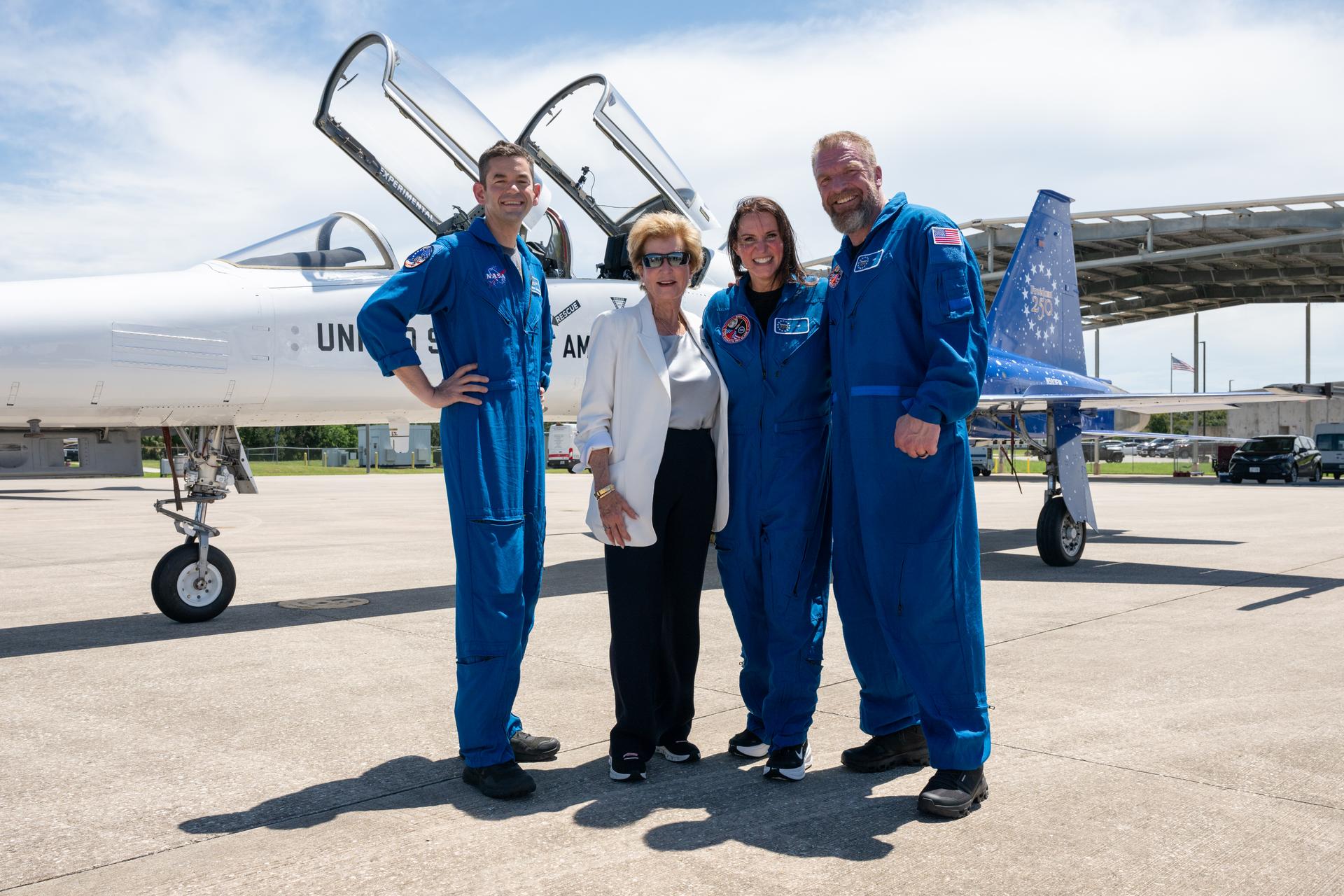
NASA Administrator Jared Isaacman, left, poses for a photograph with Secretary of Education Linda McMahon, second from left, Stephanie McMahon, third from left, and Paul “Triple H” Levesque, right, following flights by Stephanie McMahon and Levesque in Isaacman's personal Alpha Jet aircraft, Saturday, Aug. 29, 2026, at NASA’s Kennedy Space Center in Florida. Photo Credit: (NASA/John Kraus)
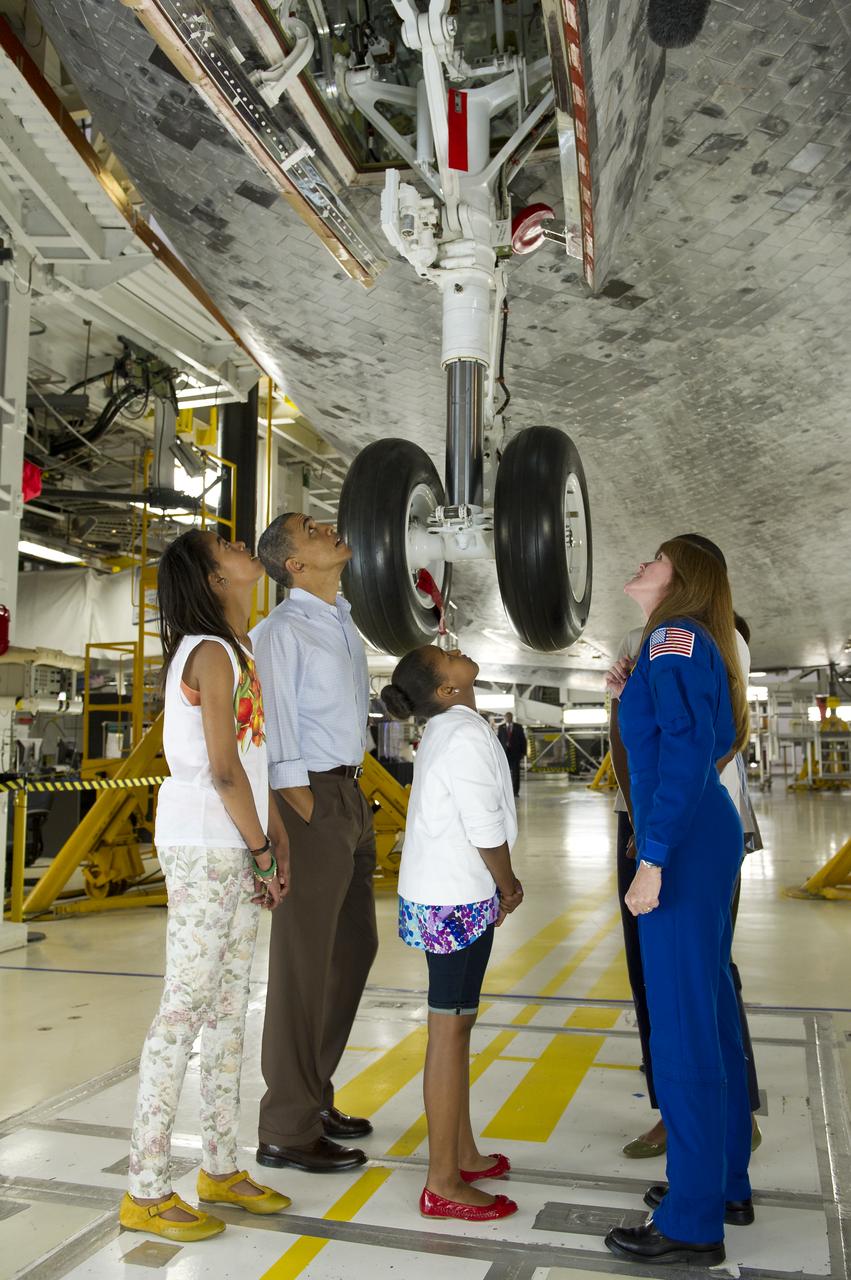
President Barack Obama, daughters Malia, left, Sasha, and Astronaut Janet Kavandi walk under the landing gear from beneath the nose of space shuttle Atlantis as they visit Kennedy Space Center in Cape Canaveral, Fla., Friday, April 29, 2011. Photo Credit: (NASA/Bill Ingalls)
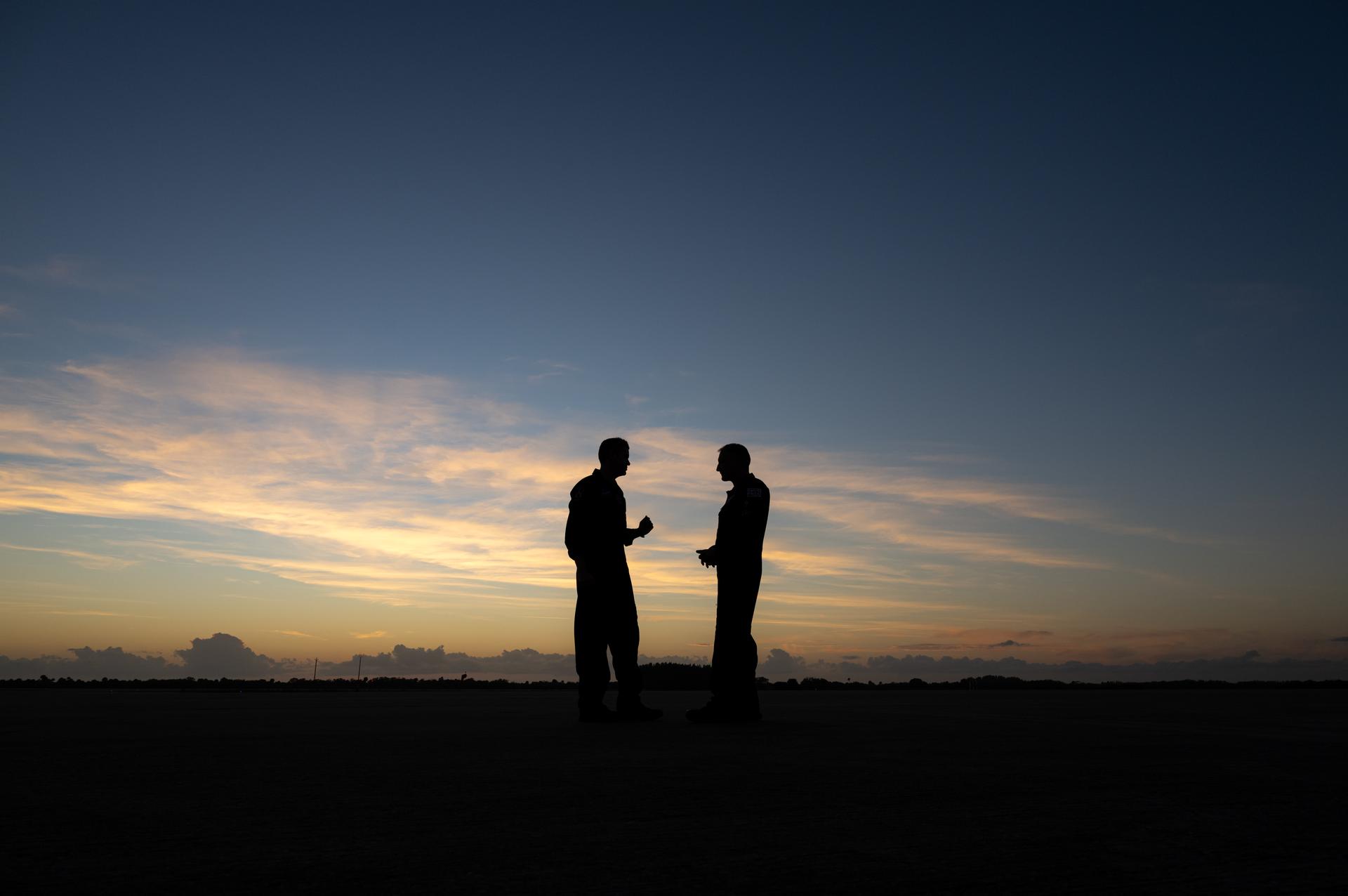
NASA Administrator Jared Isaacman, left, and Sean Gustafson, senior advisor to the administrator, right, are seen at sunset following a formation flight in Isaacman's personal F-5 aircraft, Monday, Jan. 5, 2026, at NASA’s Kennedy Space Center in Florida. Photo Credit: (NASA/John Kraus)
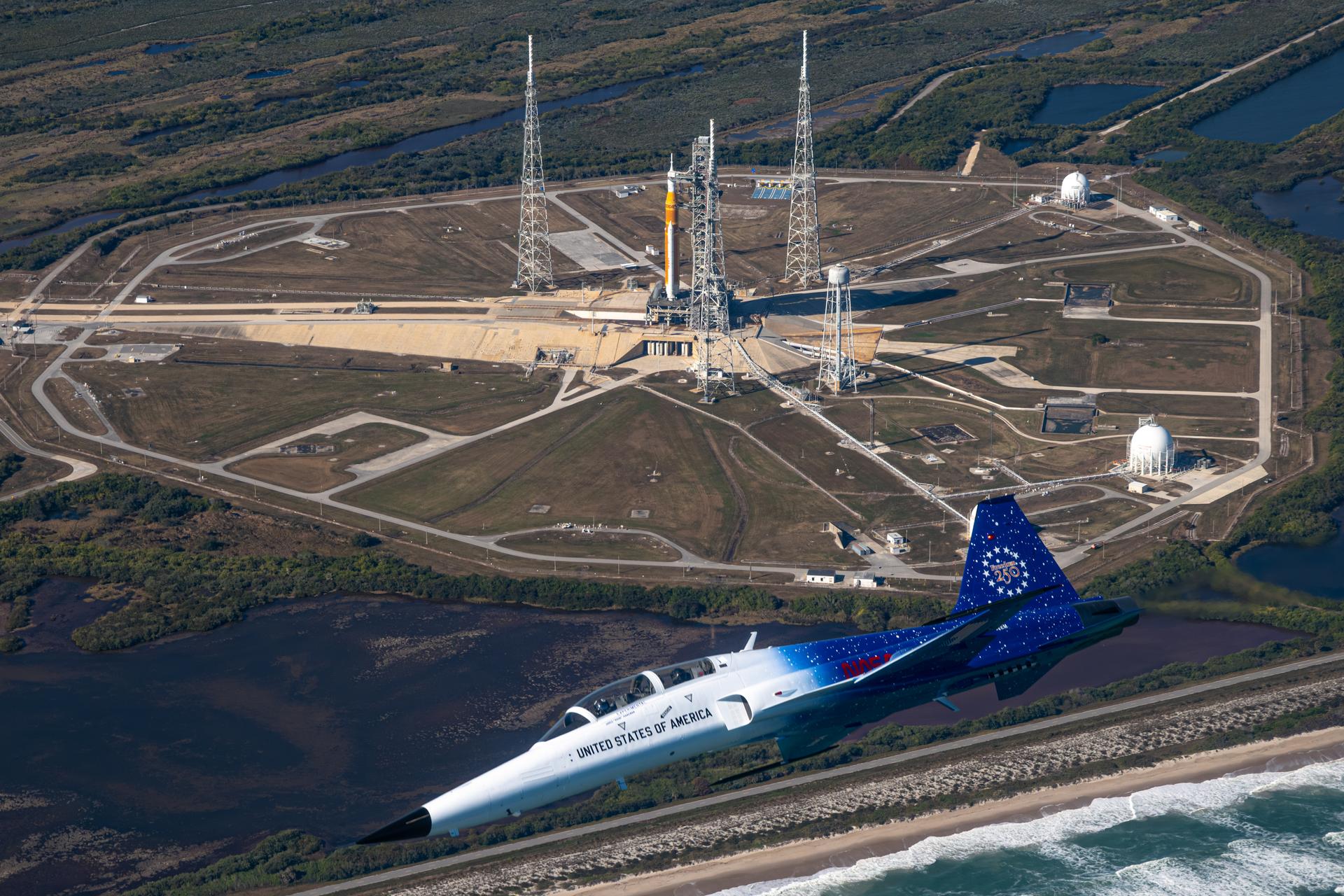
NASA Administrator Jared Isaacman flies in his personal F-5 aircraft, Monday, Feb. 2, 2026, at NASA’s Kennedy Space Center in Florida. Isaacman was joined by Secretary of War Pete Hegseth in the back seat for a flight around Launch Complex 39B, the Vehicle Assembly Building, and surrounding areas at Kennedy. Photo Credit: (NASA/John Kraus)
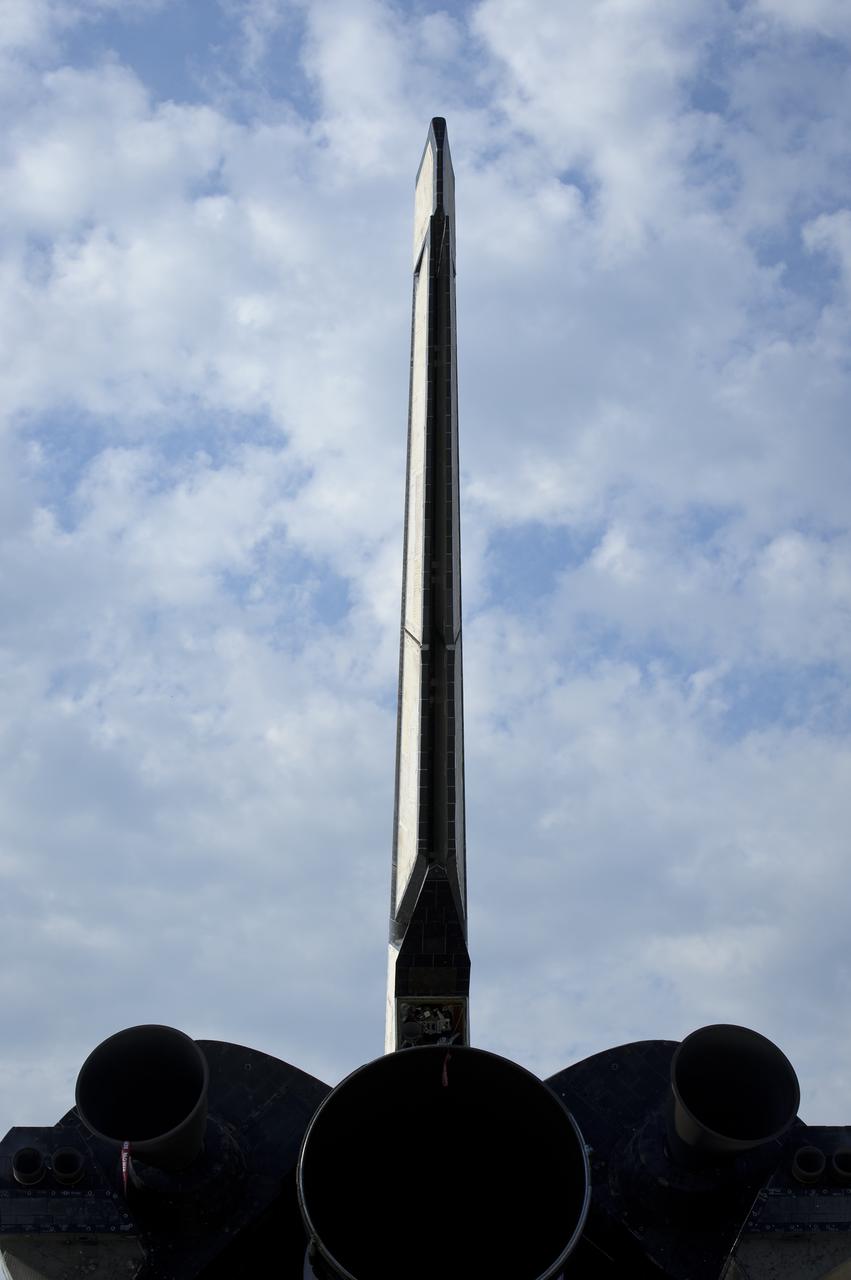
The vertical tail of the space shuttle Atlantis is seen at the Kennedy Space Center Shuttle Landing Facility (SLF) shortly after Atlantis (STS-135) landed early Thursday morning, July 21, 2011, in Cape Canaveral, Fla. Overall, Atlantis spent 307 days in space and traveled nearly 126 million miles during its 33 flights. Atlantis, the fourth orbiter built, launched on its first mission on Oct. 3, 1985. Photo Credit: (NASA/Bill Ingalls)

Space Shuttle Discovery (STS-133) lands, Wednesday, March 9, 2011, at Kennedy Space Center in Cape Canaveral, Fla., completing its 39th and final flight. Since 1984, Discovery flew 39 missions, spent 365 days in space, orbited Earth 5,830 times and traveled 148,221,675 miles. Photo credit: (NASA/Bill Ingalls)
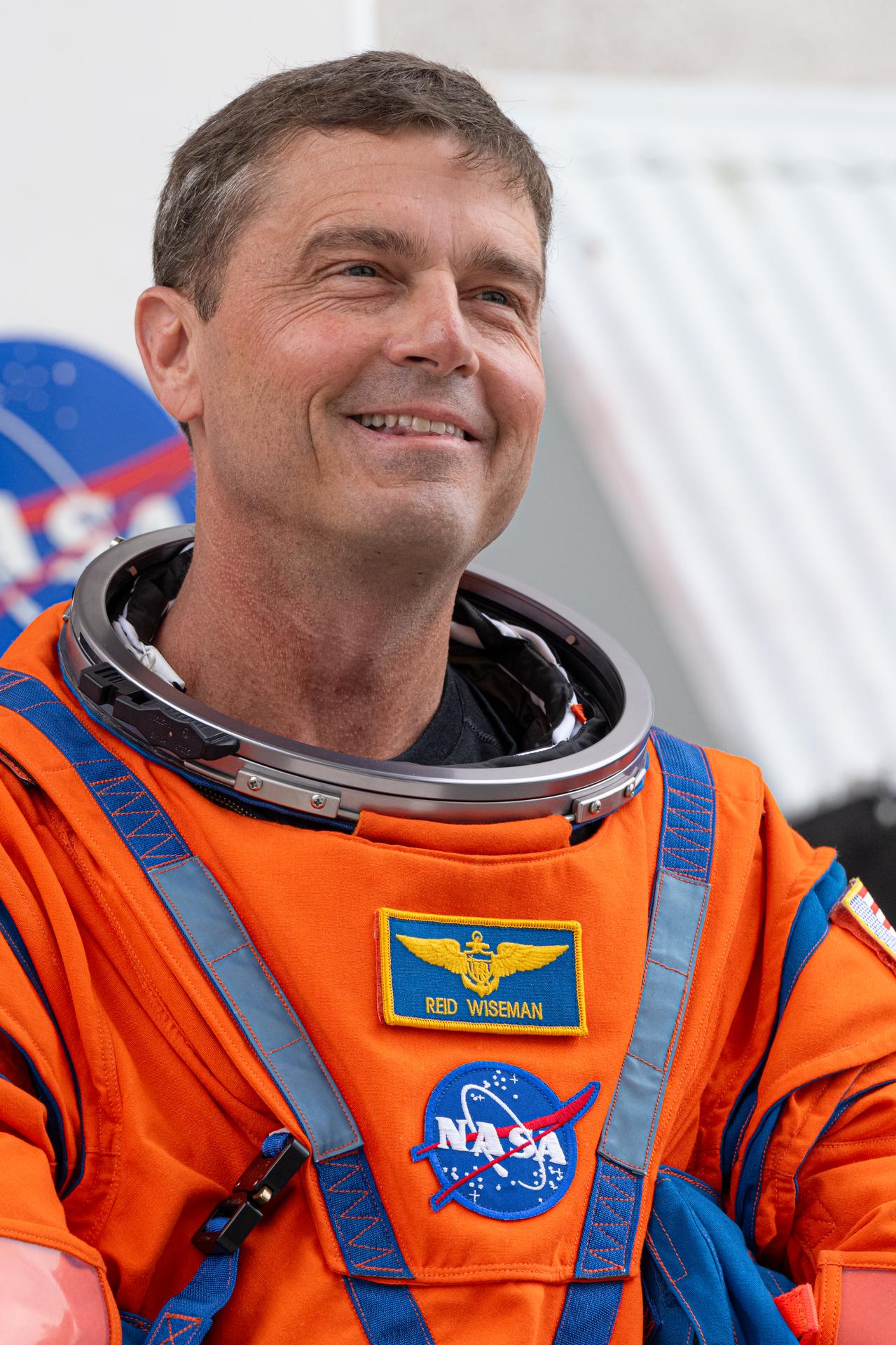
Artemis II astronaut Commander Reid Wiseman is seen as the Artemis II crew prepares to depart the Neil A. Armstrong Operations and Checkout Building for Launch Complex 39B at Kennedy Space Center to board NASA’s Artemis II Space Launch System (SLS) rocket and Orion spacecraft for the Artemis II launch, Wednesday, Apr. 1, 2026, at NASA’s Kennedy Space Center in Florida. NASA’s Artemis II test flight will take Commander Reid Wiseman, Pilot Victor Glover, and Mission Specialist Christina Koch from NASA, and Mission Specialist Jeremy Hansen from the CSA (Canadian Space Agency), around the Moon and back to Earth no earlier than April 1, 2026. Photo Credit: (NASA/John Kraus)
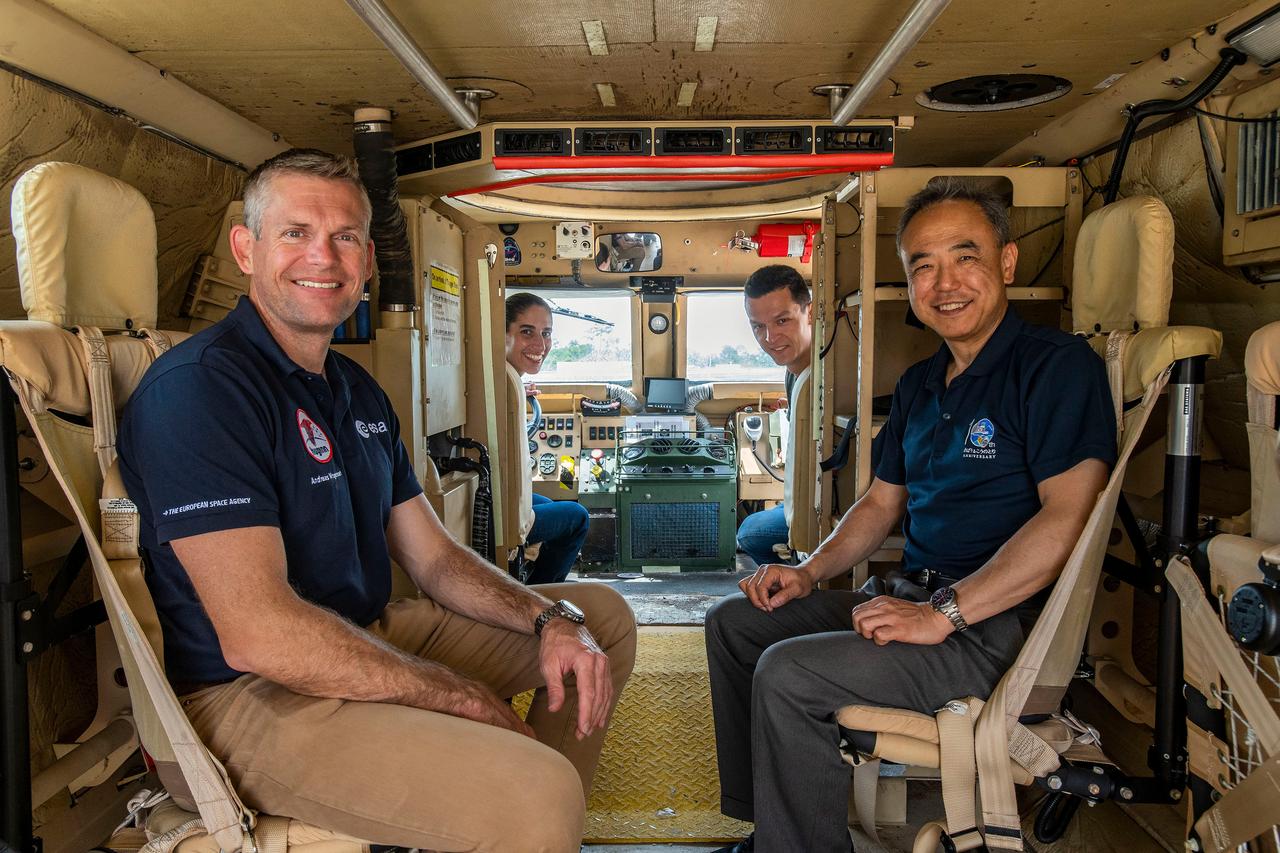
NASA's SpaceX Crew-7 crew traveled to SpaceX facilities at NASA's Kennedy Space Center in Florida to train for their mission to the International Space Station. Imagery provided by SpaceX.
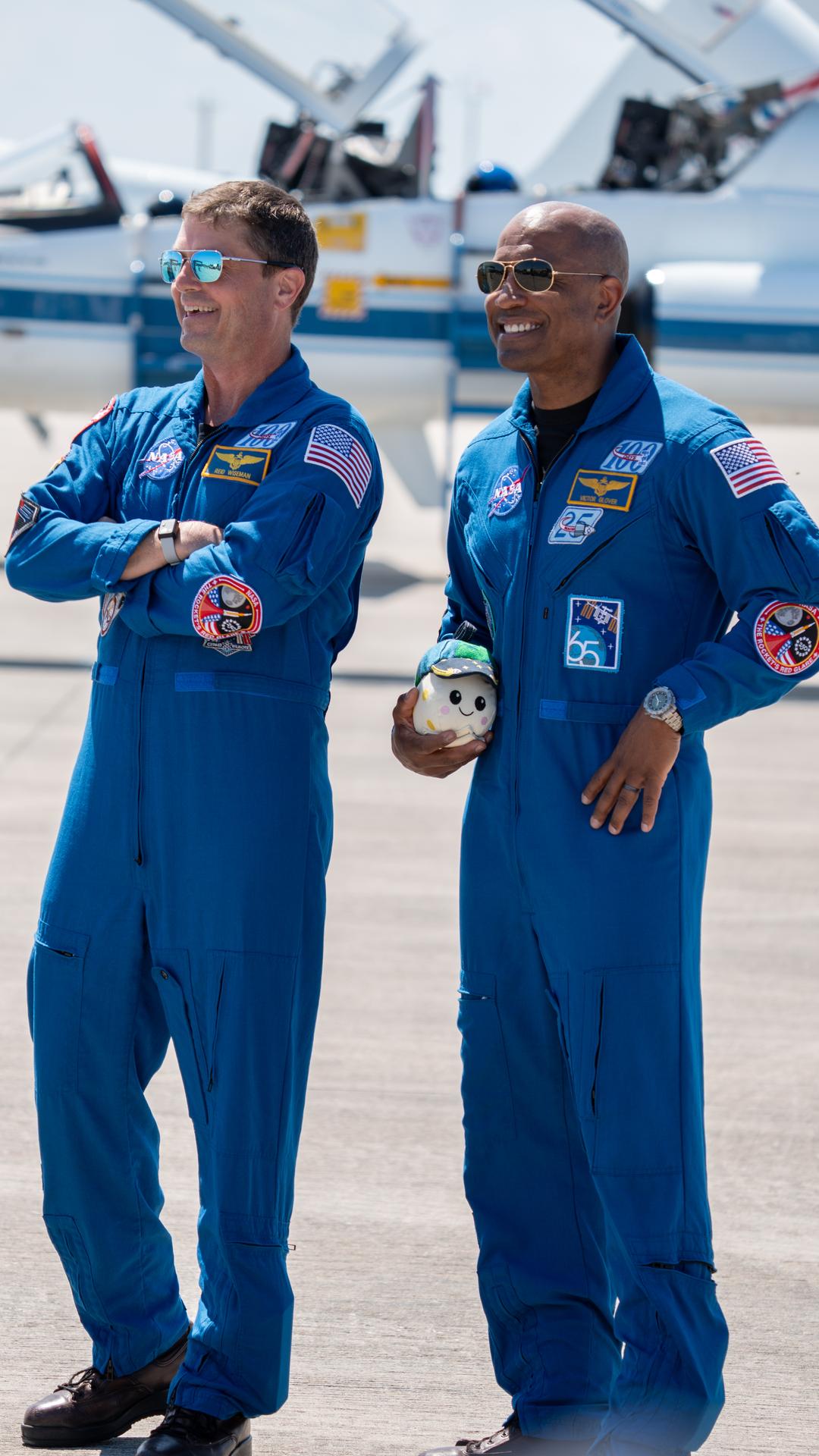
These images show the moments shortly after the arrival of the Artemis II crew to NASA’s Kennedy Space Center on March 27, 2026 ahead of the launch. The four astronauts, Victor Glover, Reid Wiseman, Christina Koch, and Jeremy Hansen, arrived on a T38, which can be seen behind them. They took turns speaking to the crowd as they also announced the zero-gravity indicator they would be taking with them on their journey.
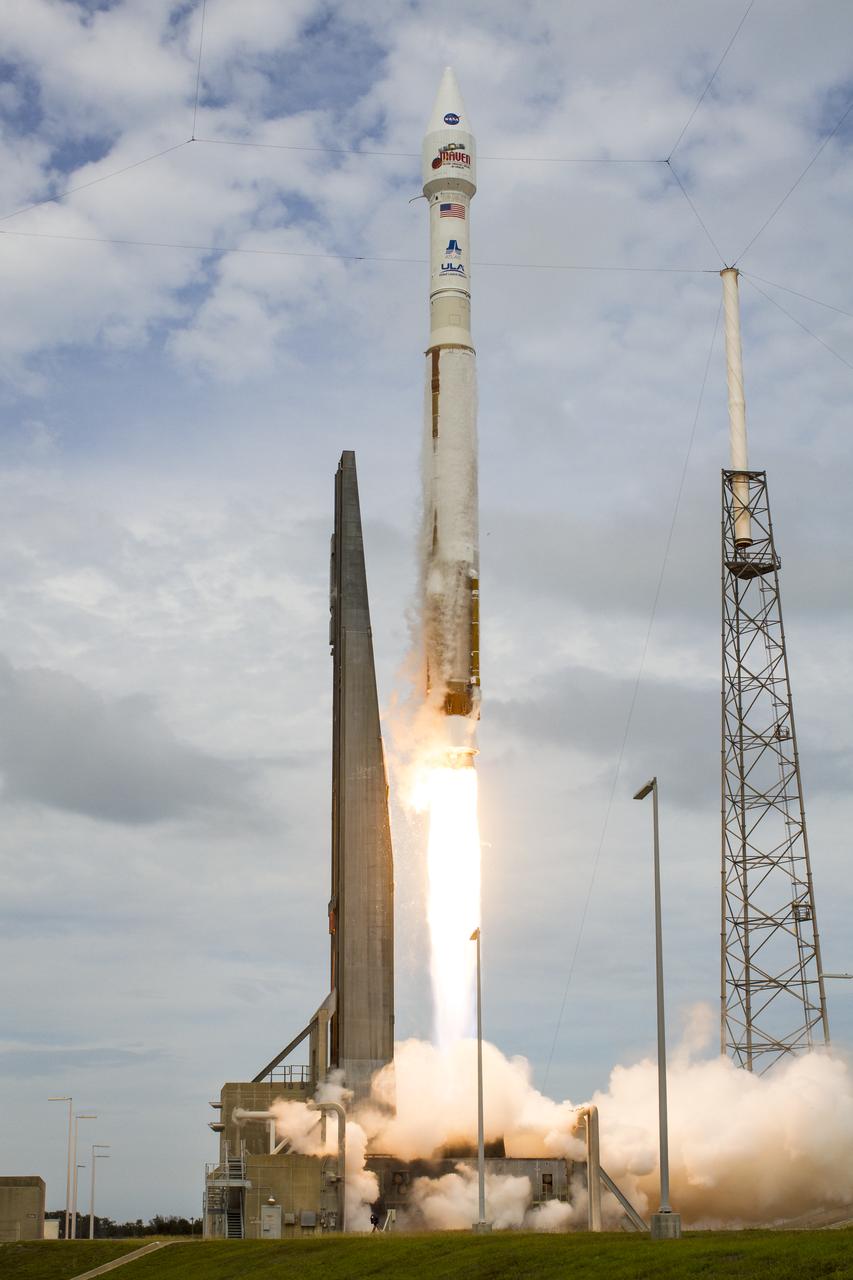
The United Launch Alliance Atlas V rocket with NASA’s Mars Atmosphere and Volatile Evolution (MAVEN) spacecraft launches from the Cape Canaveral Air Force Station Space Launch Complex 41, Monday, Nov. 18, 2013, Cape Canaveral, Florida. NASA’s Mars-bound spacecraft, the Mars Atmosphere and Volatile EvolutionN, or MAVEN, is the first spacecraft devoted to exploring and understanding the Martian upper atmosphere. Photo Credit: (NASA/Bill Ingalls)
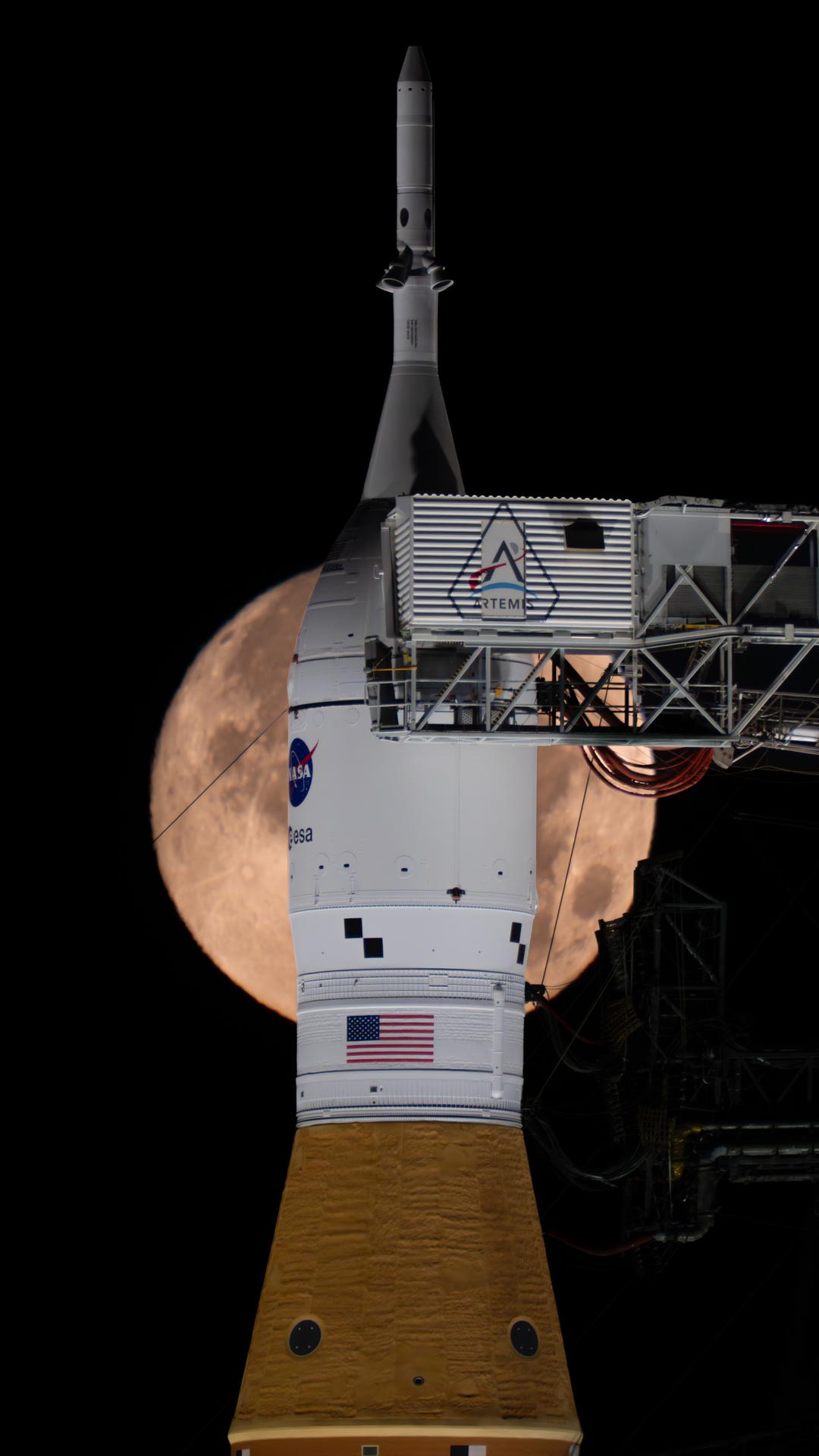
A full Moon is seen setting behind NASA’s SLS (Space Launch System) and Orion spacecraft, atop the mobile launcher in the early hours of February 1, 2026. The rocket is currently at Launch Pad 39B at NASA’s Kennedy Space Center in Florida, as teams are preparing for a wet dress rehearsal to practice timelines and procedures for the launch of Artemis II.
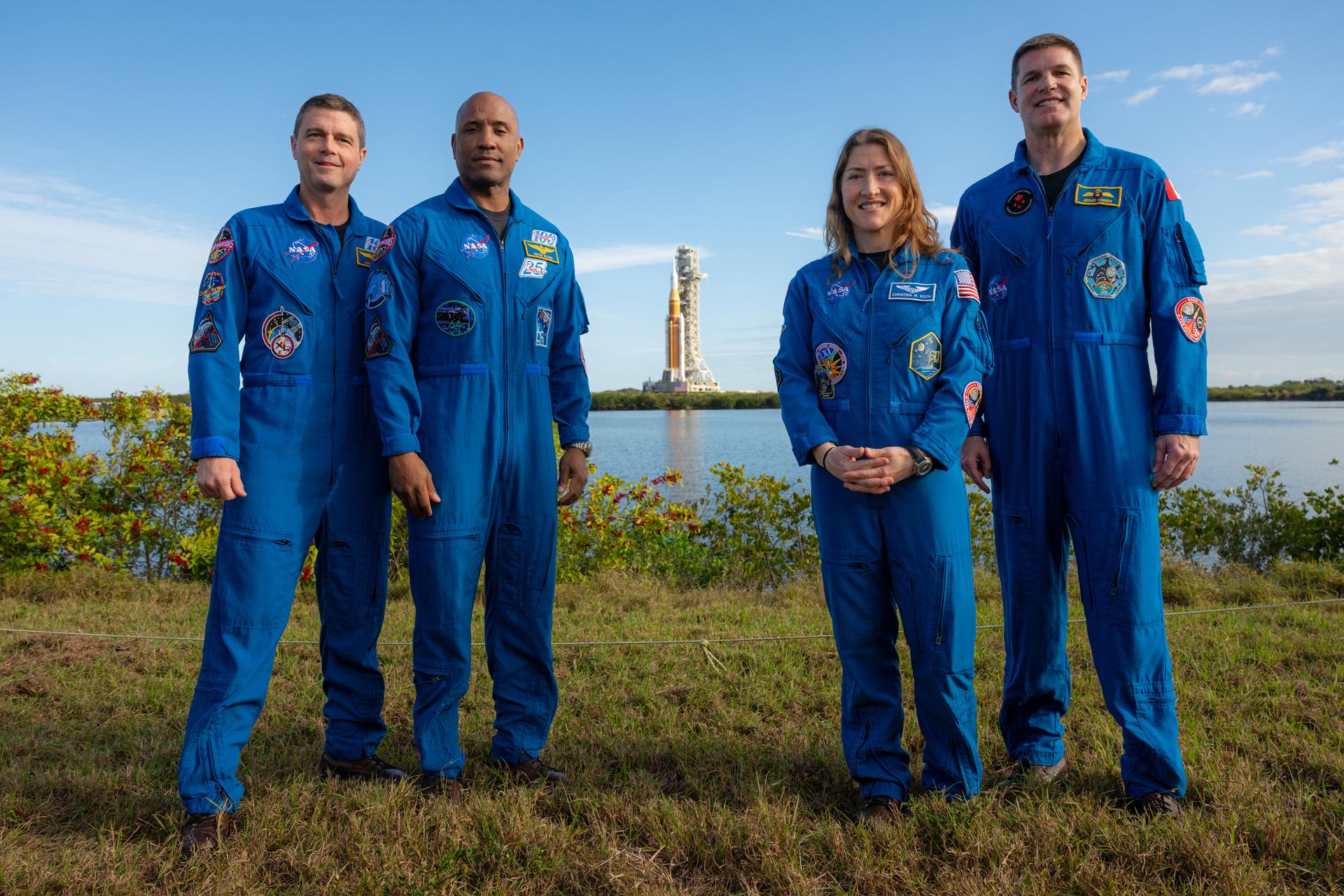
NASA astronauts Reid Wiseman, Artemis II commander; Victor Glover, Artemis II pilot; Christina Koch, Artemis II mission specialist; and CSA (Canadian Space Agency) astronaut Jeremy Hansen, Artemis II mission specialist, pose for a photograph as NASA’s Artemis II SLS (Space Launch System) rocket and Orion spacecraft roll out to Launch Complex 39B, Saturday, Jan. 17, 2026, at NASA’s Kennedy Space Center in Florida. Photo Credit: (NASA/John Kraus)
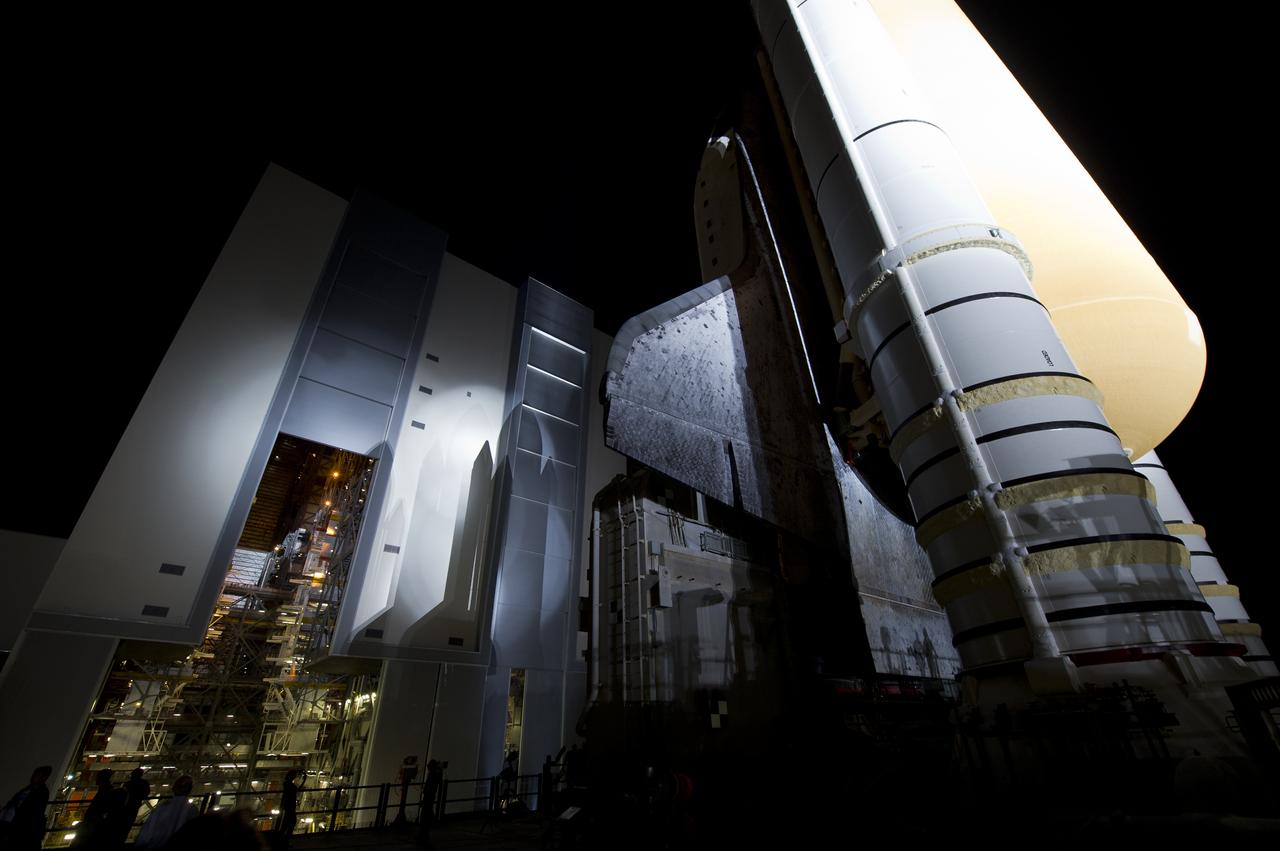
Space Shuttle Atlantis (STS-135) is seen atop the Mobile Launch Platform (MLP) as it begins its journey from High Bay 3 in the Vehicle Assembly Building to Launch Pad 39a for its final flight, Tuesday evening, May 31, 2011, at Kennedy Space Center in Cape Canaveral, Fla. The 3.4-mile trek, known as "rollout," will take about seven hours to complete. Atlantis will carry the Raffaello multipurpose logistics module to deliver supplies, logistics and spare parts to the International Space Station. The launch of STS-135 is targeted for July 8. Photo Credit: (NASA/Bill Ingalls)
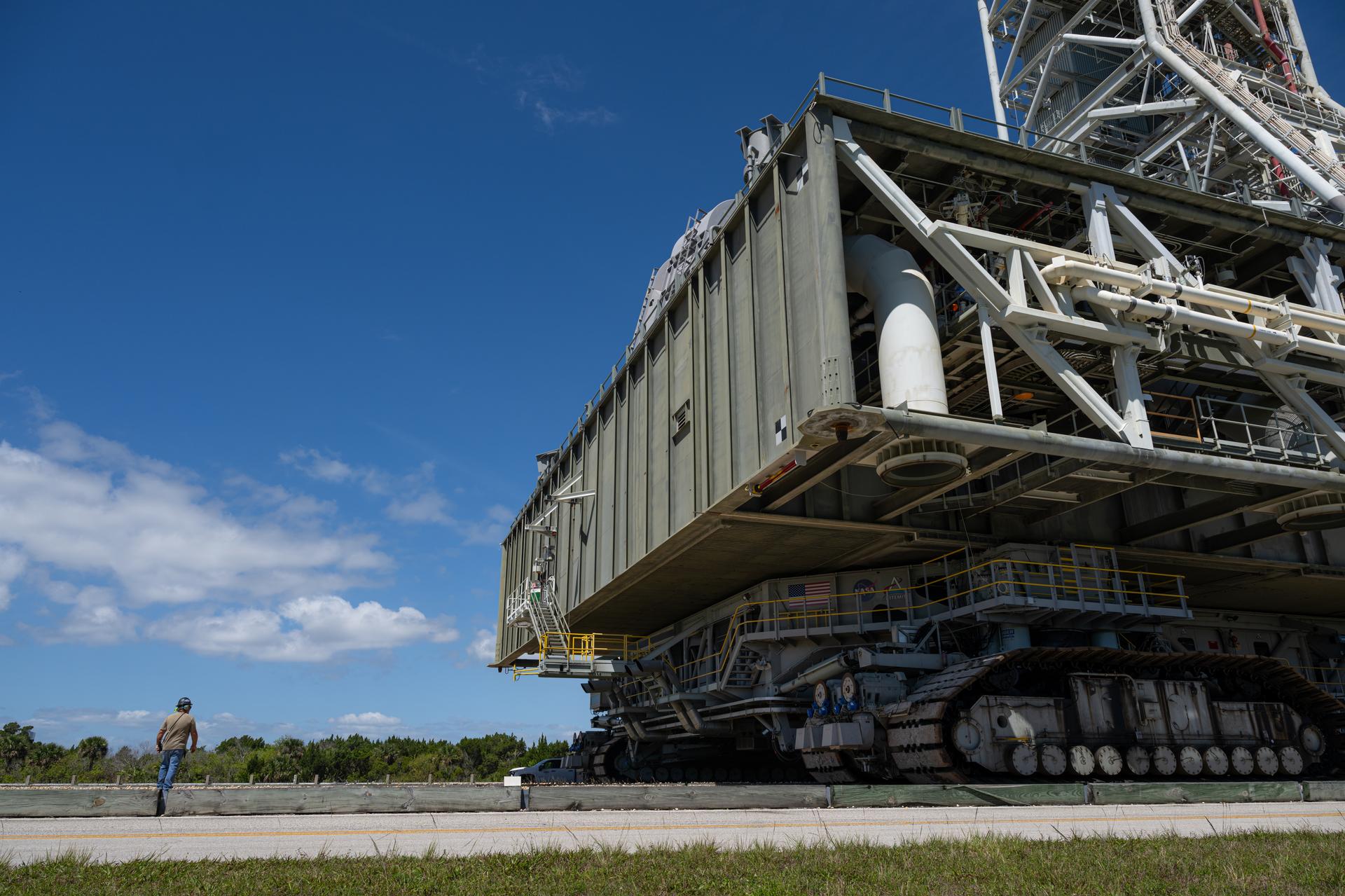
Mobile Launcher 1 is seen returning to the Vehicle Assembly Building, Thursday, Apr. 16, 2026, at NASA’s Kennedy Space Center in Florida. Photo Credit: (NASA/John Kraus)
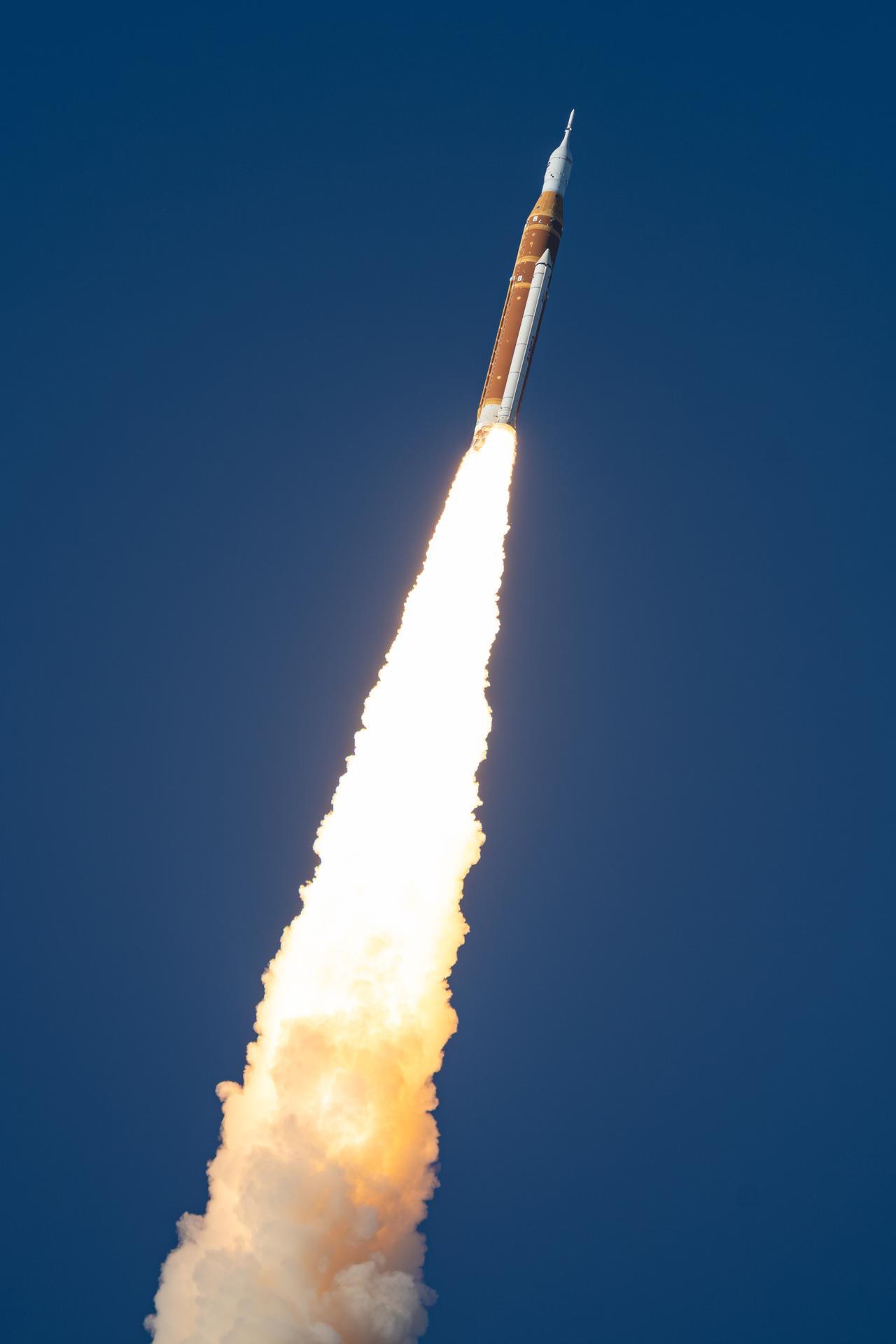
NASA’s Space Launch System (SLS) rocket and Orion spacecraft launch on the Artemis II test flight, Wednesday, Apr. 1, 2026, from Launch Complex 39B at NASA’s Kennedy Space Center in Florida. Commander Reid Wiseman, Pilot Victor Glover, and Mission Specialist Christina Koch from NASA, and Mission Specialist Jeremy Hansen from the CSA (Canadian Space Agency), will fly around the Moon and back to Earth during their approximately 10-day mission. Liftoff from Launch Complex 39B occurred at 6:35 p.m. EDT. Photo Credit: (NASA/John Kraus)

Military personnel salute as Searra Weeks, from Kennedy Middle School, sings the National Anthem, at the signing ceremony for space shuttle Atlantis, background, Friday, Nov. 2, 2012, in Cape Canaveral, Fla. The spacecraft traveled 125,935,769 miles during 33 spaceflights, including 12 missions to the International Space Station. Its final flight, STS-135, closed out the Space Shuttle Program era with a landing on July 21, 2011. Photo Credit: (NASA/Bill Ingalls)
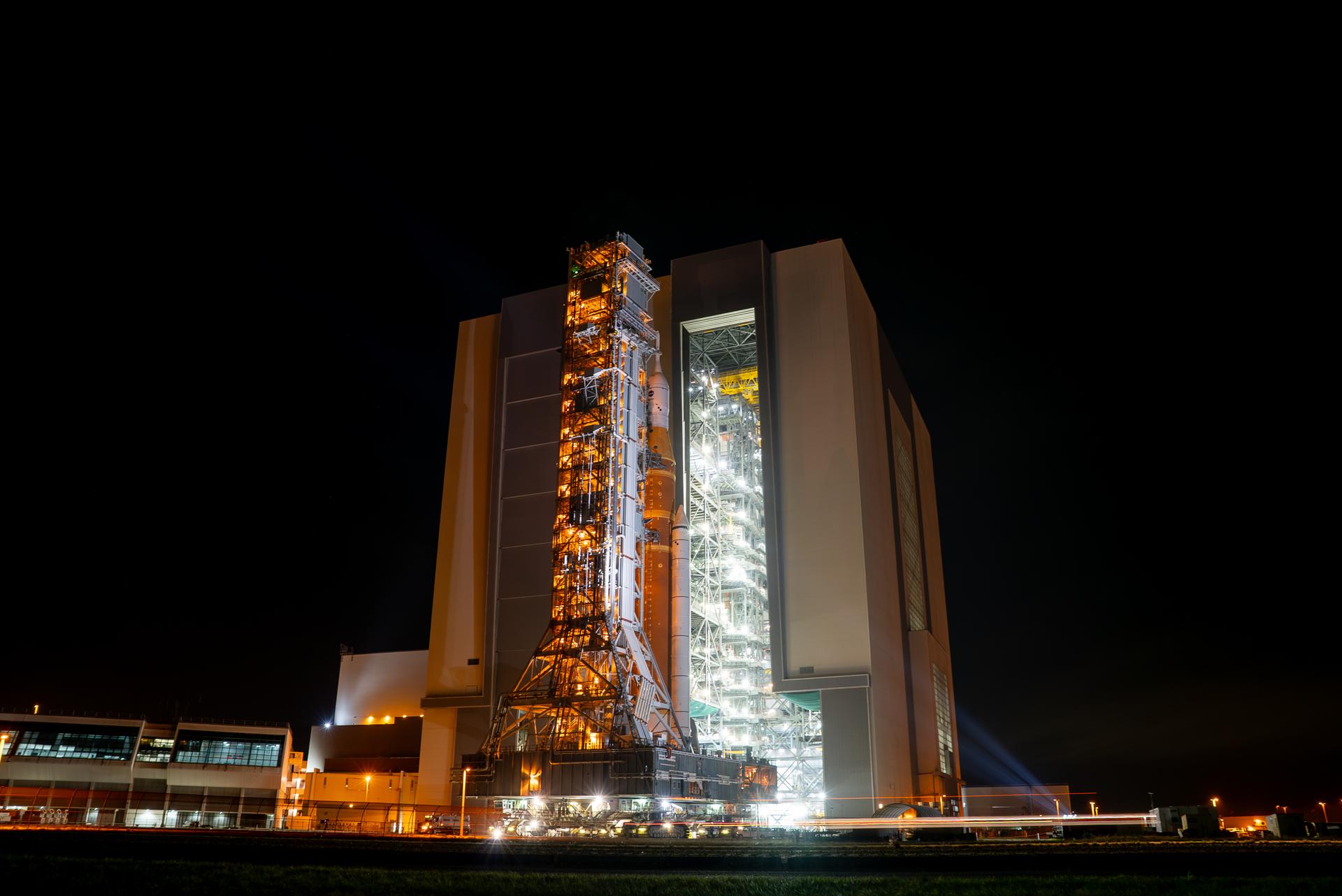
This image shows NASA’s SLS (Space Launch System) and Orion spacecraft rolling out of the Vehicle Assembly Building at NASA’s Kennedy Space Center. NASA's massive Crawler-Transporter, upgraded for the Artemis program, carries the powerful SLS rocket and Orion spacecraft on the Mobile Launcher from the Vehicle Assembly Building to Launch Pad 39B at Kennedy Space Center in preparation for the Artemis II mission.
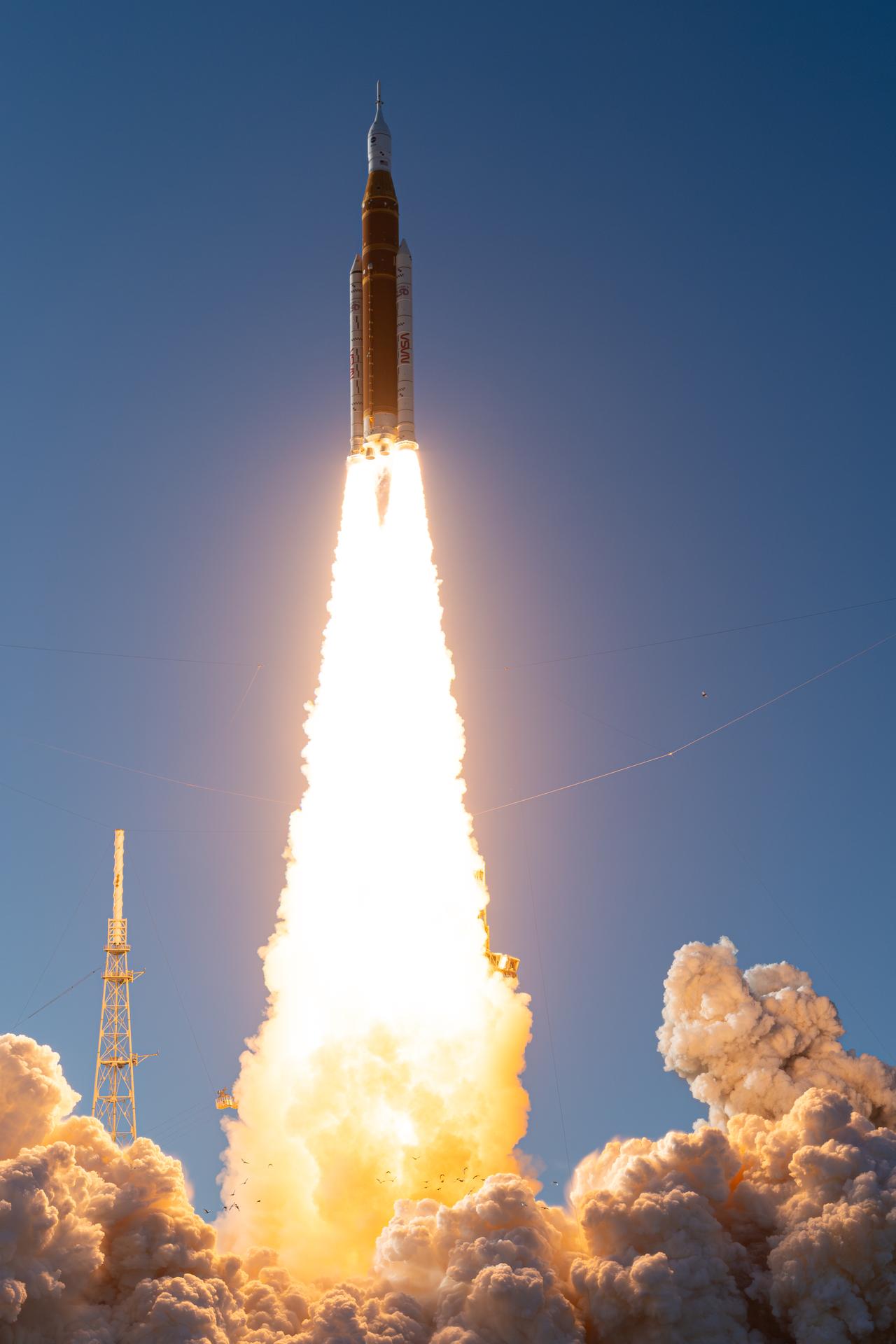
NASA’s Space Launch System (SLS) rocket and Orion spacecraft launch on the Artemis II test flight, Wednesday, Apr. 1, 2026, from Launch Complex 39B at NASA’s Kennedy Space Center in Florida. Commander Reid Wiseman, Pilot Victor Glover, and Mission Specialist Christina Koch from NASA, and Mission Specialist Jeremy Hansen from the CSA (Canadian Space Agency), will fly around the Moon and back to Earth during their approximately 10-day mission. Liftoff from Launch Complex 39B occurred at 6:35 p.m. EDT. Photo Credit: (NASA/John Kraus)
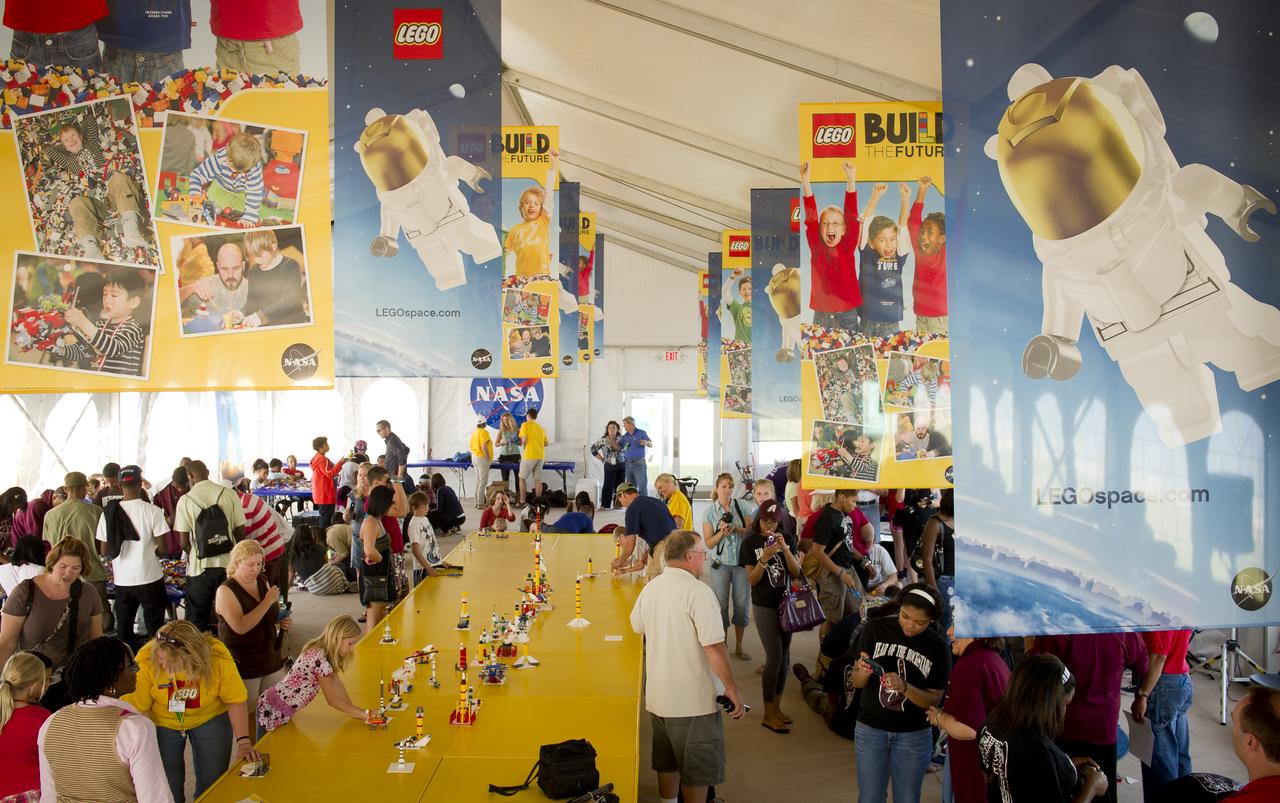
NASA Officials, LEGO Group management, students, teachers and parents create their vision of the future in space with LEGO bricks and elements as part of a “Build the Future” activity inside a tent that was set up on the launch viewing area at NASA's Kennedy Space Center in Cape Canaveral, Fla. on Monday, Nov. 1, 2010. NASA and The LEGO Group signed a Space Act Agreement to spark children's interest in science, technology, engineering and math (STEM). Photo Credit: (NASA/Bill Ingalls)
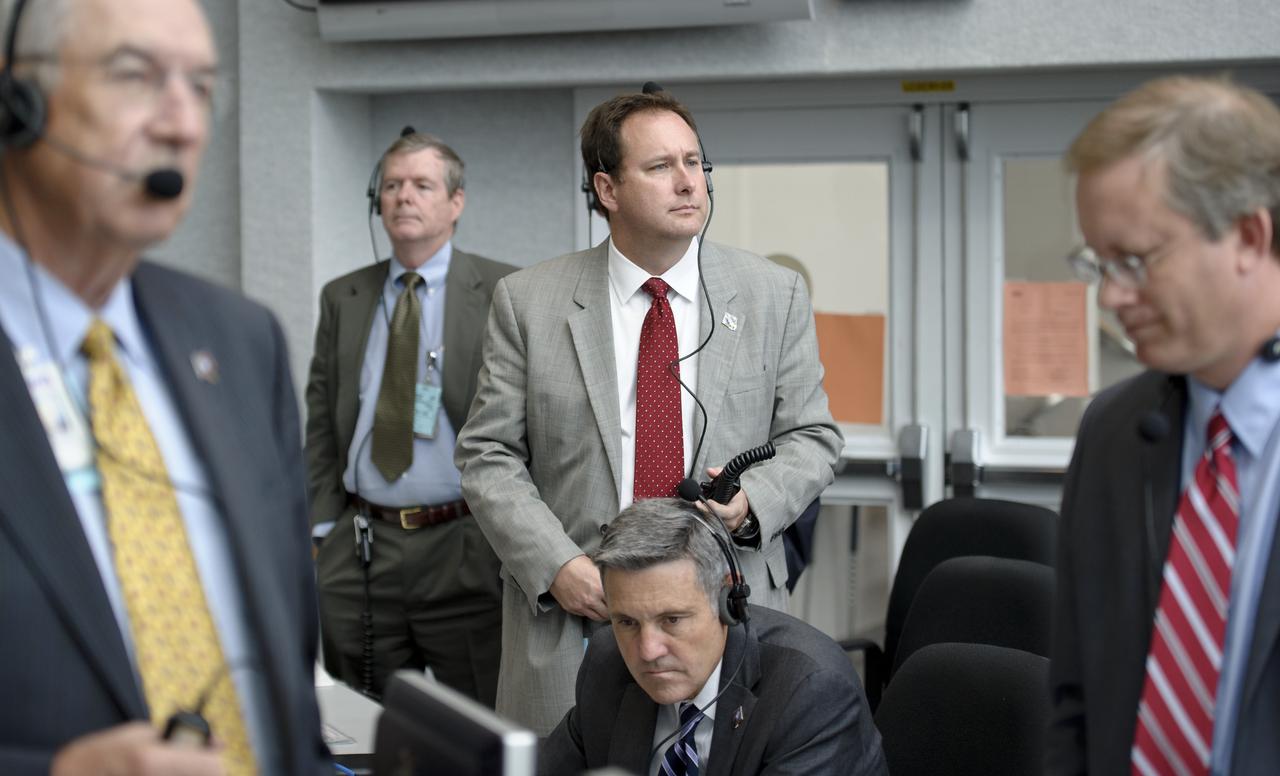
NASA Marshall Space Flight Center Director Robert Lightfoot Jr., standing center, and other management looks on from Firing Room Four of the NASA Kennedy Space Center Launch Control Center (LCC) as he and the launch team monitor the weather and countdown to the launch of the space shuttle Atlantis on Friday, July 8, 2011, in Cape Canaveral, Fla. The launch of Atlantis, STS-135, is the final flight of the shuttle program, a 12-day mission to the International Space Station. Photo Credit: (NASA/Bill Ingalls)
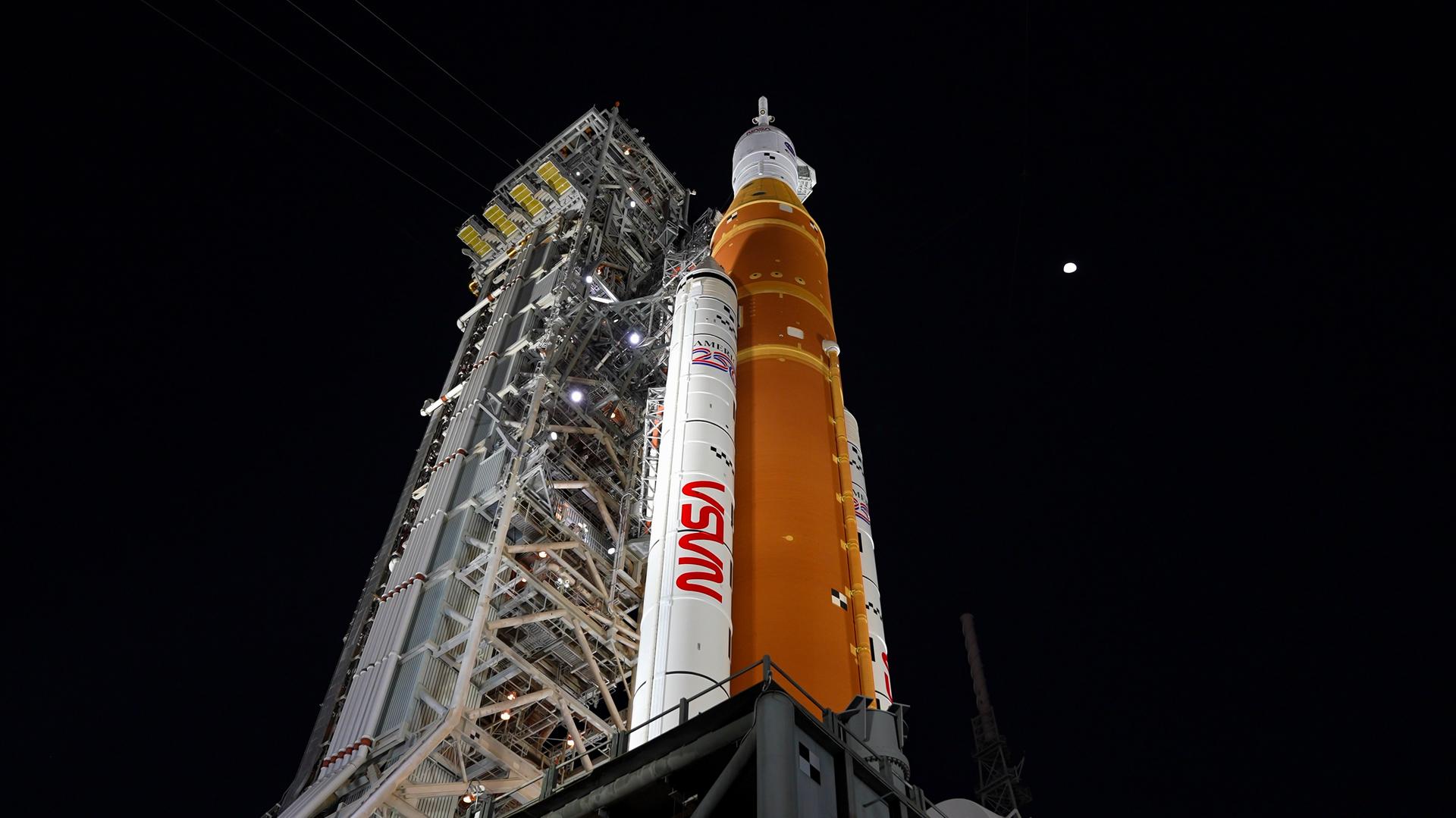
Lights illuminate NASA’s Artemis II SLS (Space Launch System) rocket and Orion spacecraft at Launch Complex 39B at NASA’s Kennedy Space Center in Florida. In the coming days, engineers will prepare for the wet dress rehearsal, a two-day test that simulates launch day. The Artemis II test flight will take Commander Reid Wiseman, Pilot Victor Glover, and Mission Specialist Christina Koch from NASA, and Mission Specialist Jeremy Hansen from the CSA (Canadian Space Agency), around the Moon and back to Earth no later than April 2026.
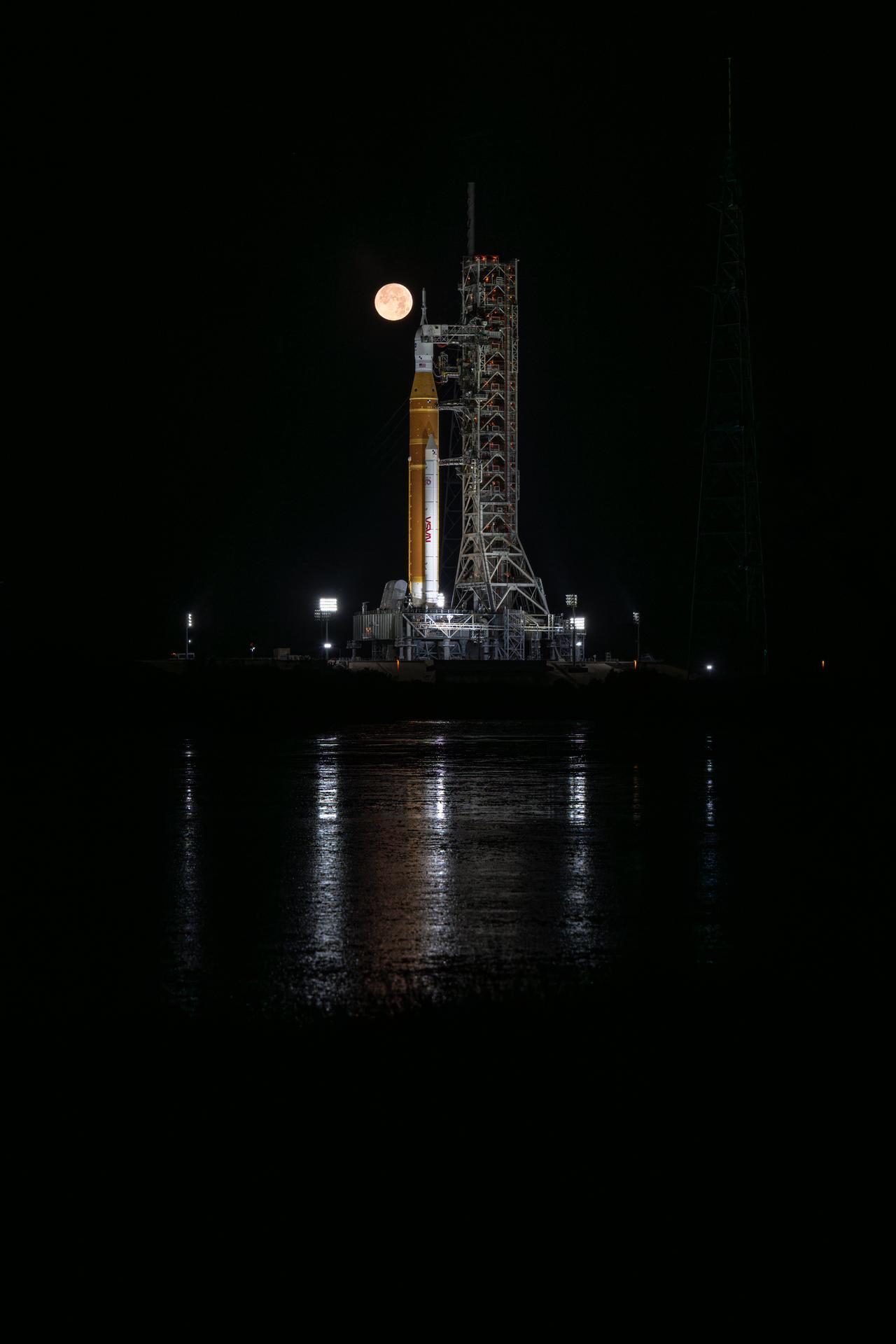
The full Moon is seen behind NASA’s Artemis II Space Launch System (SLS) rocket and Orion spacecraft, standing atop a mobile launcher at Launch Complex 39B, Sunday, Feb. 1, 2026, at NASA’s Kennedy Space Center in Florida. NASA’s Artemis II test flight will take Commander Reid Wiseman, Pilot Victor Glover, and Mission Specialist Christina Koch from NASA, and Mission Specialist Jeremy Hansen from the CSA (Canadian Space Agency), around the Moon and back to Earth no later than April 2026. Photo Credit: (NASA/John Kraus)
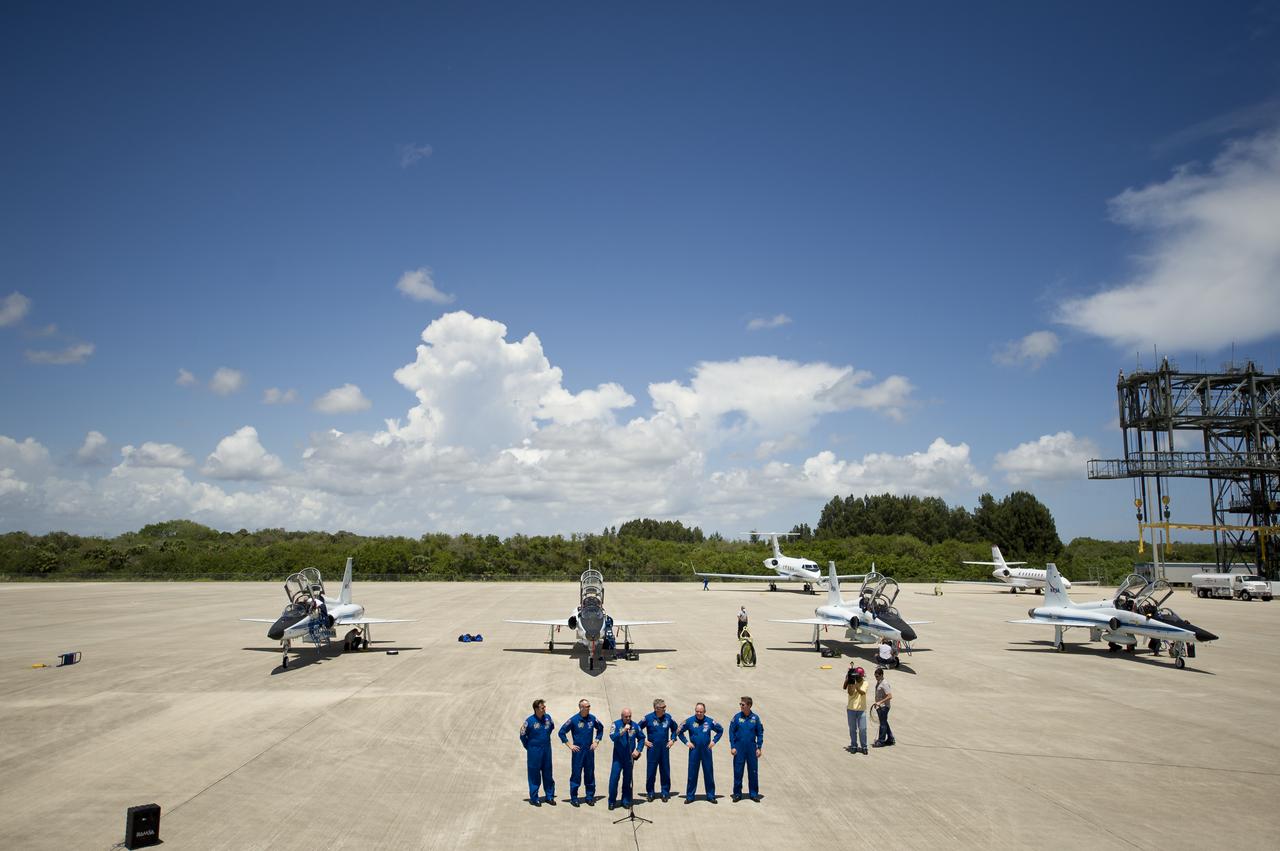
STS-134 Commander Mark Kelly, center, along with his crew speaks to the media following their arrival to Kennedy Space Center, Tuesday, April 26, 2011, in Cape Canaveral, Fla. From left are Mission Specialists Greg Chamitoff, Andrew Feustel, Kelly, Pilot Greg H. Johnson, Mission Specialist Mike Fincke and European Space Agency astronaut Roberto Vittori. The six astronauts for space shuttle Endeavour's STS-134 mission to the International Space Station arrived at Kennedy's Shuttle Landing Facility (SLF) in T-38 jets early Tuesday afternoon. Photo Credit: (NASA/Bill Ingalls)
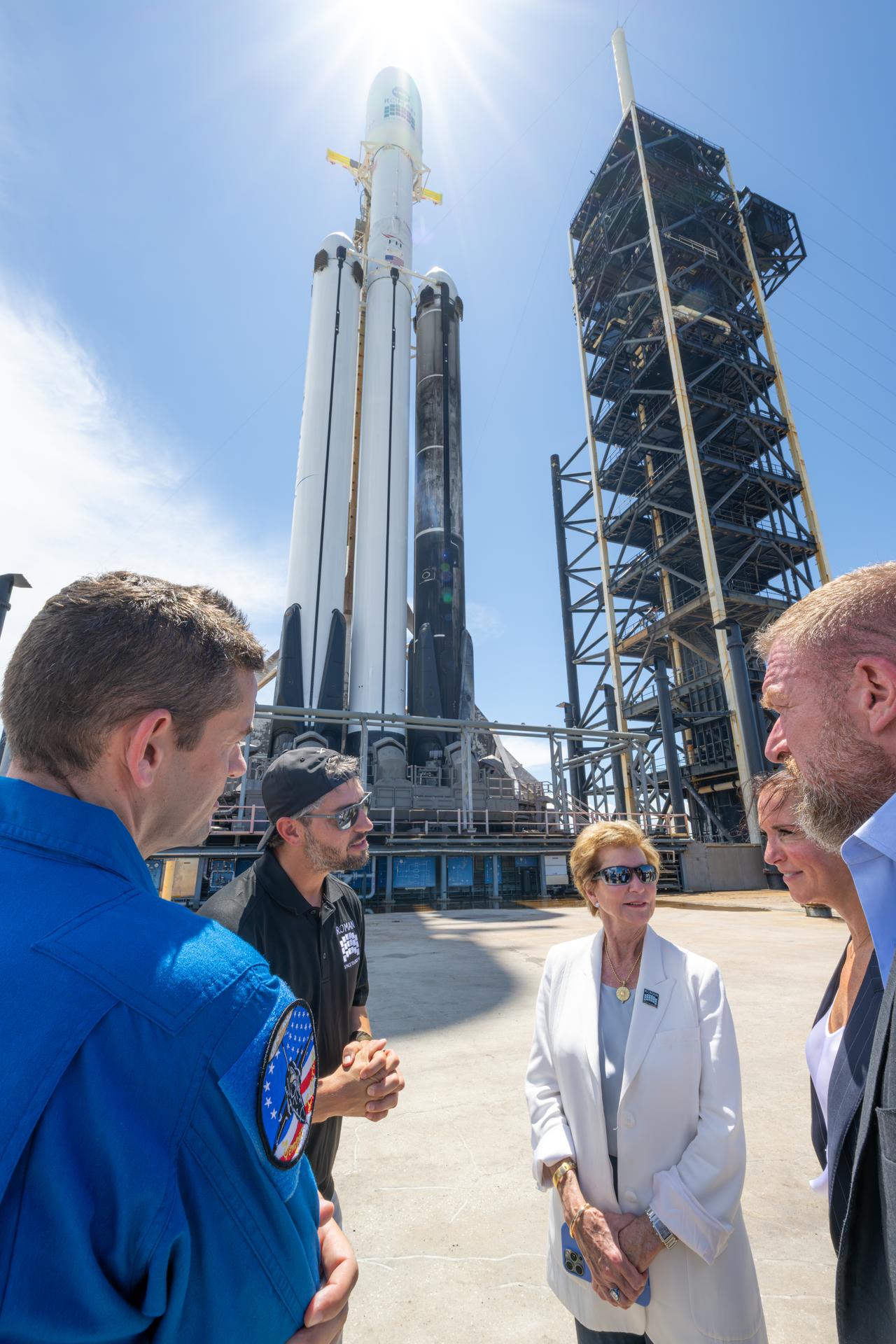
NASA Administrator Jared Isaacman, left; Kiko Dontchev, vice president of launch at SpaceX, second from left; Sectretary of Education Linda McMahon, third from left; Stephanie McMahon, fourth from left, and Paul "Triple H" Levesque, right, are seen with the SpaceX Falcon Heavy rocket poised to launch NASA’s Nancy Grace Roman Space Telescope, Saturday, Aug. 29, 2026, at Launch Complex 39A at NASA's Kennedy Space Center in Florida. Photo Credit: (NASA/John Kraus)
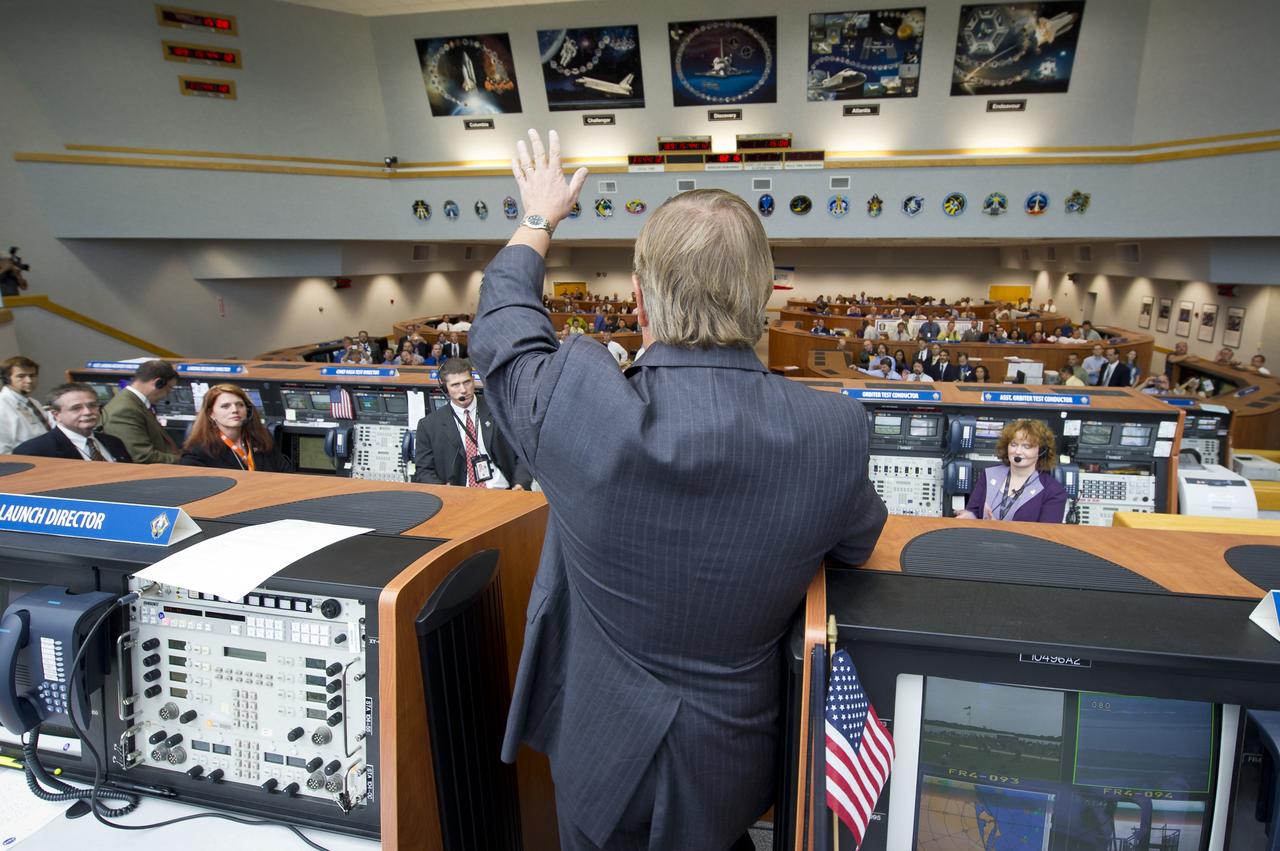
NASA Launch Director Michael Leinbach congratulates the launch team in the NASA Kennedy Space Center Firing Room Four of the Launch Control Center (LCC) shortly after the space shuttle Atlantis, STS-135, launched on Friday, July 8, 2011, in Cape Canaveral, Fla. The launch of Atlantis, STS-135, is the final flight of the shuttle program, a 12-day mission to the International Space Station. Photo Credit: (NASA/Bill Ingalls)
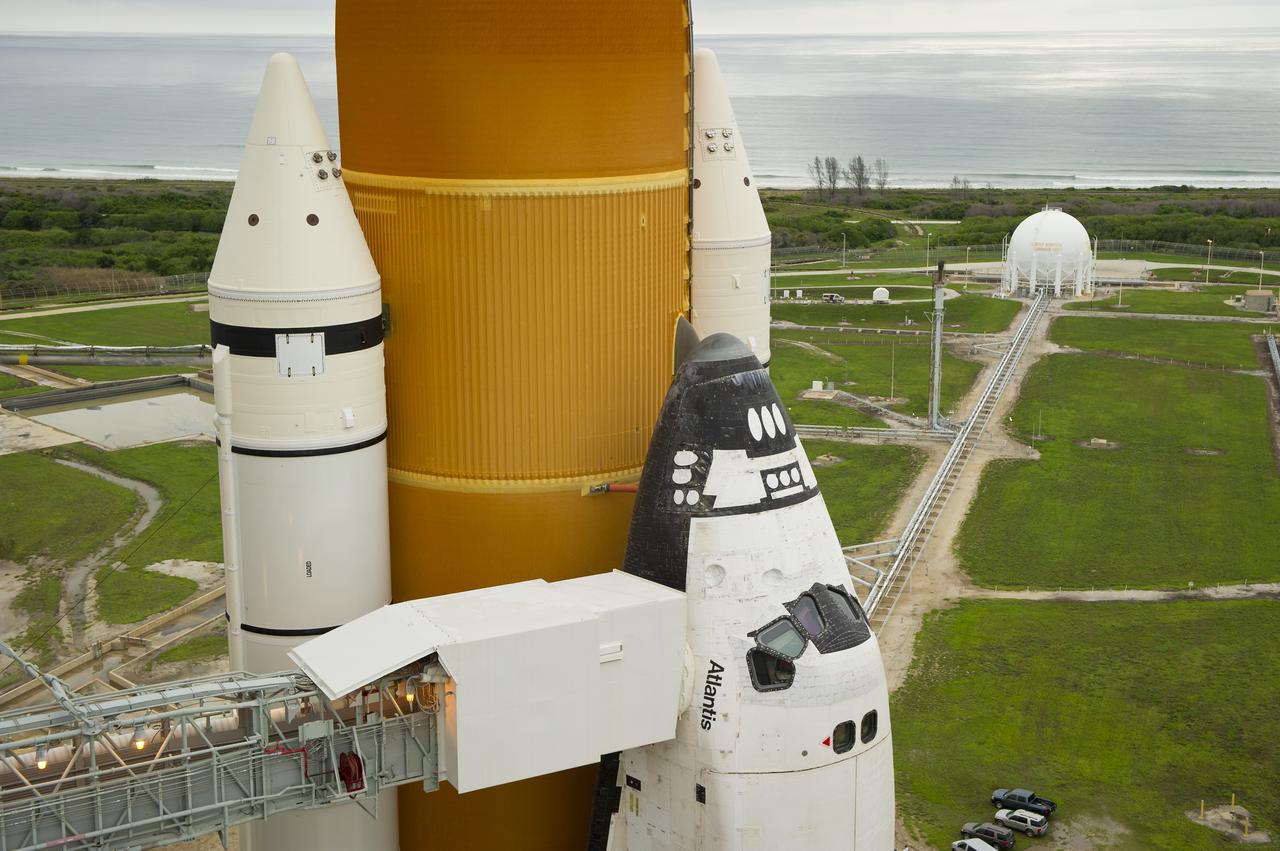
The space shuttle Atlantis is revealed as the rotating service structure (RSS) is rolled back at launch pad 39a on Thursday, July 7, 2011 at the NASA Kennedy Space Center in Cape Canaveral, Fla. Atlantis is set to liftoff Friday, July 8, on the final flight of the shuttle program, STS-135, a 12-day mission to the International Space Station. Photo Credit: (NASA/Bill Ingalls)
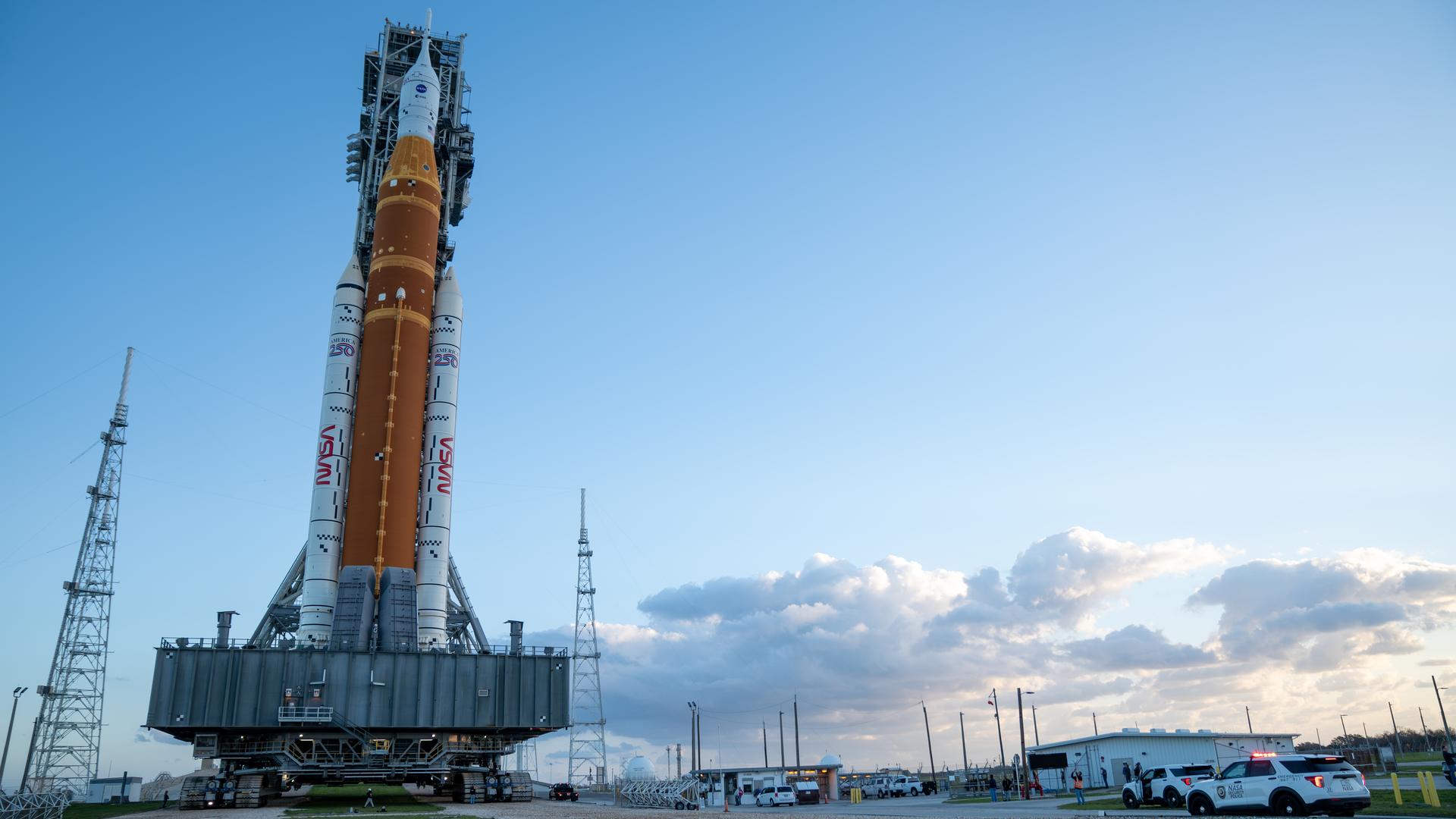
This image shows NASA’s SLS (Space Launch System) and Orion spacecraft rolling out of the Vehicle Assembly Building at NASA’s Kennedy Space Center. NASA's massive Crawler-Transporter, upgraded for the Artemis program, carries the powerful SLS rocket and Orion spacecraft on the Mobile Launcher from the Vehicle Assembly Building to Launch Pad 39B at Kennedy Space Center in preparation for the Artemis II mission.
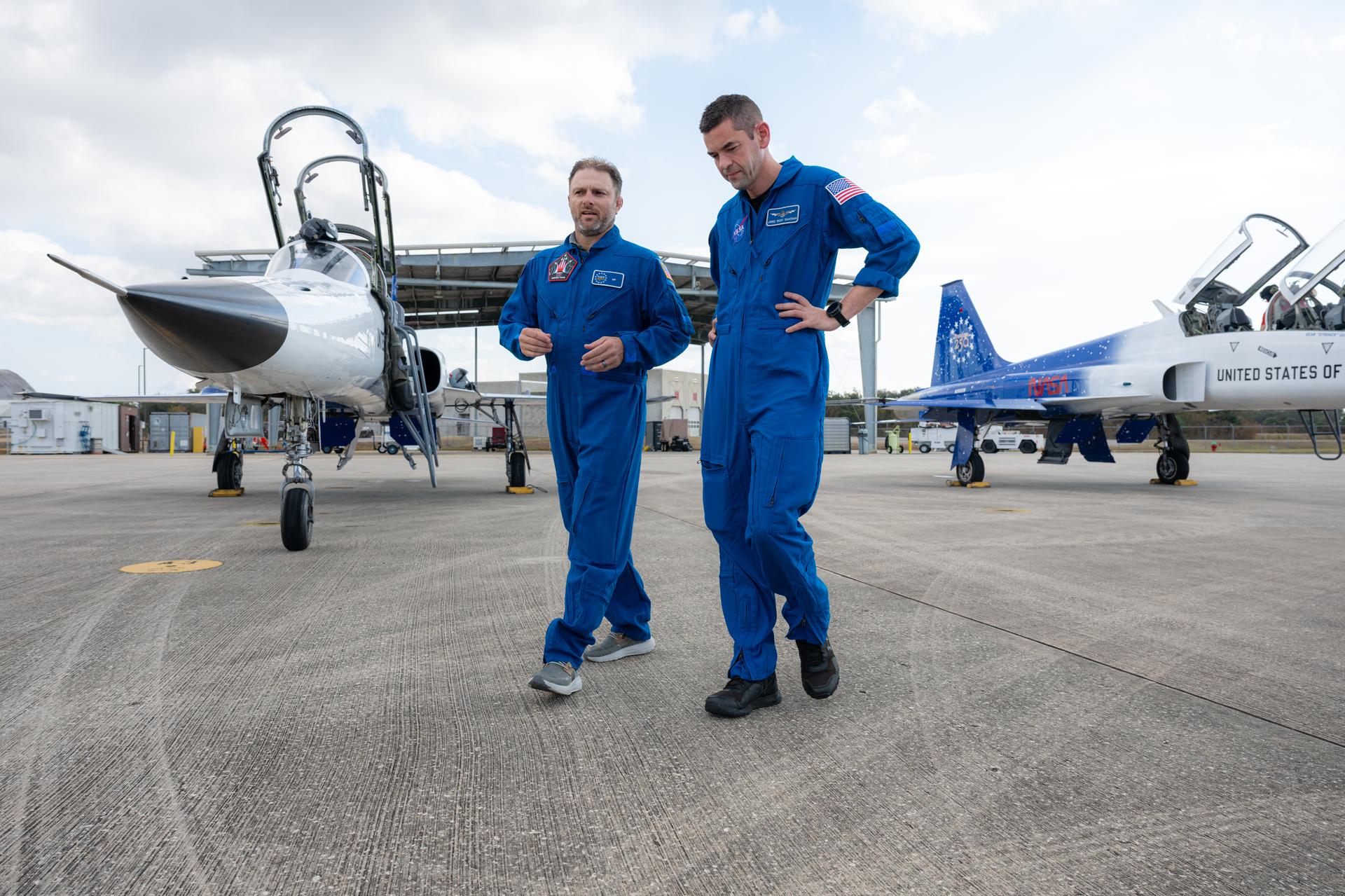
NASA employee Jonathan Baker, chief of the spaceport development division at NASA’s Kennedy Space Center, left, speaks with NASA Administrator Jared Isaacman, right, following an employee incentive flying event using Isaacman's personal F-5 aircraft, Thursday, Feb. 12, 2026, at NASA’s Kennedy Space Center in Florida. Photo Credit: (NASA/John Kraus)

Sean Gustafson, senior advisor to the NASA Administrator, left, embraces Trey Carlson, chief of staff at NASA’s Kennedy Space Center, right, following an employee incentive flying event with NASA Administrator Jared Isaacman's personal F-5 aircraft, Friday, March 6, 2026, at NASA’s Kennedy Space Center in Florida. Photo Credit: (NASA/John Kraus)
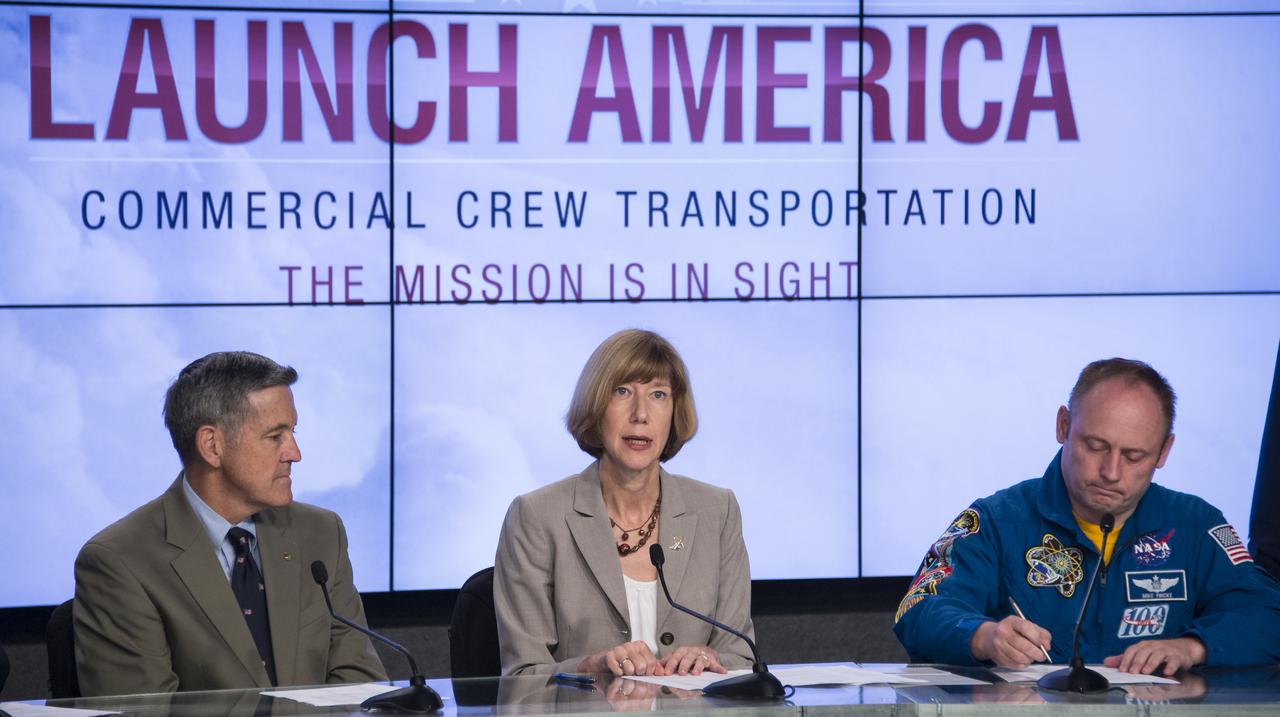
Kathy Lueders, program manager of NASA's Commercial Crew Program, speaks, as Former astronaut Bob Cabana, director of NASA's Kennedy Space Center in Florida, left, and Astronaut Mike Fincke, a former commander of the International Space Station look on during a news conference where it was announced that Boeing and SpaceX have been selected to transport U.S. crews to and from the International Space Station using the Boeing CST-100 and the SpaceX Crew Dragon spacecraft, at NASA’s Kennedy Space Center in Cape Canaveral, Fla. on Tuesday, Sept. 16, 2014. These Commercial Crew Transportation Capability (CCtCap) contracts are designed to complete the NASA certification for a human space transportation system capable of carrying people into orbit. Once certification is complete, NASA plans to use these systems to transport astronauts to the space station and return them safely to Earth. Photo Credit: (NASA/Bill Ingalls)
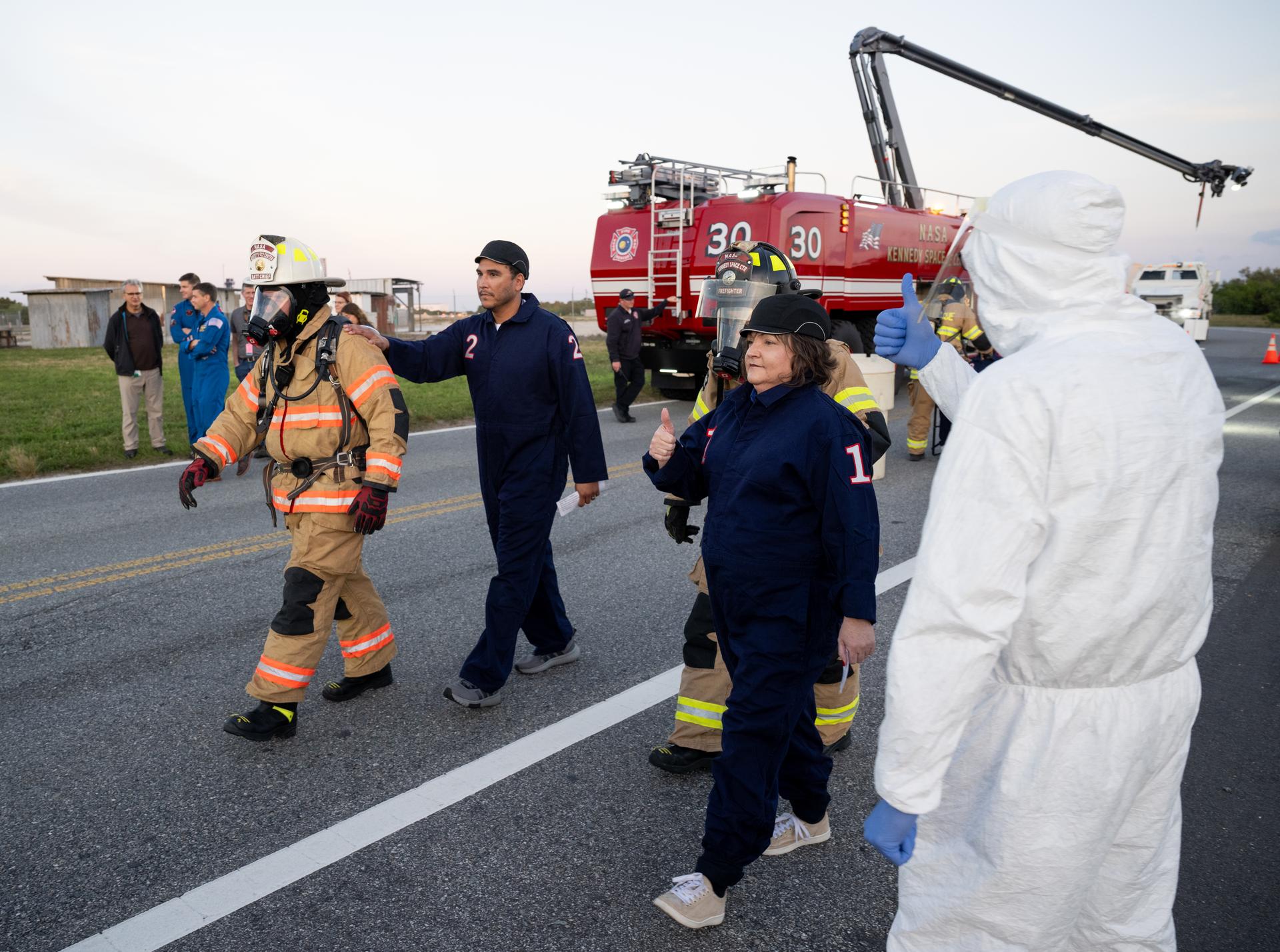
Teams at NASA's Kennedy Space Center in Florida practiced various emergency rescue training scenarios with the Artemis II crew, Friday, Dec. 19, 2025, ahead of the Artemis II mission. In the unlikely event of an emergency during launch countdown at Launch Complex 39B, personnel will be transported in mine-resistant ambush protected vehicles, or MRAPS, from the pad and to one of the triage site locations at Kennedy. Photo Credit: (NASA/Joel Kowsky)
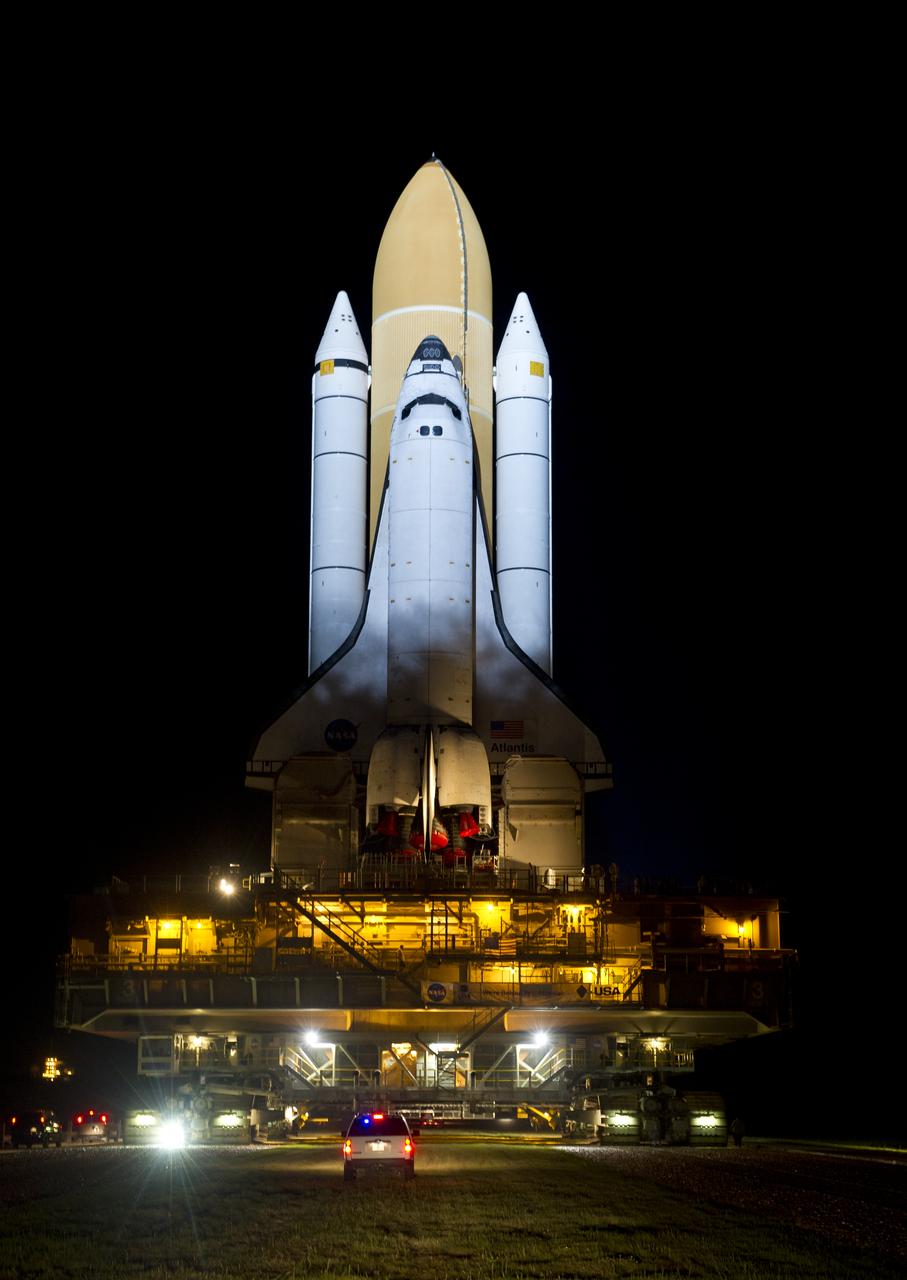
Space Shuttle Atlantis (STS-135) is seen atop the Mobile Launch Platform (MLP) during its journey from High Bay 3 in the Vehicle Assembly Building to Launch Pad 39a for its final flight, Tuesday evening, May 31, 2011, at Kennedy Space Center in Cape Canaveral, Fla. The 3.4-mile trek, known as "rollout," will take about seven hours to complete. Atlantis will carry the Raffaello multipurpose logistics module to deliver supplies, logistics and spare parts to the International Space Station. The launch of STS-135 is targeted for July 8. Photo Credit: (NASA/Bill Ingalls)
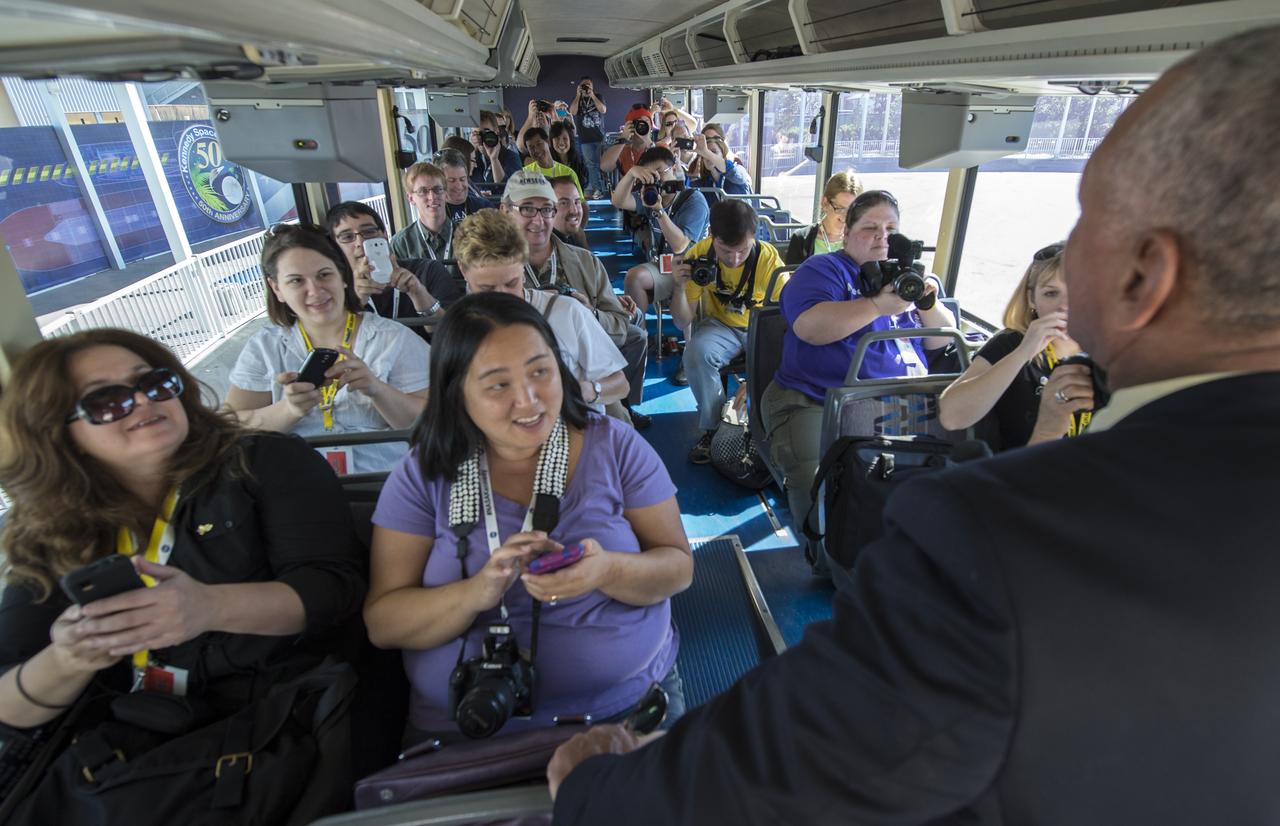
NASA Administrator Charles Bolden speaks with NASA Social attendees during the move of space shuttle Atlantis, Friday, Nov. 2, 2012, at Kennedy Space Center in Cape Canaveral, Fla. The spacecraft traveled 125,935,769 miles during 33 spaceflights, including 12 missions to the International Space Station. Its final flight, STS-135, closed out the Space Shuttle Program era with a landing on July 21, 2011. Photo Credit: (NASA/Bill Ingalls)

NASA Officials, LEGO Group management, students, teachers and parents create their vision of the future in space with LEGO bricks and elements as part of a “Build the Future” activity inside a tent that was set up on the launch viewing area at NASA's Kennedy Space Center in Cape Canaveral, Fla. on Monday, Nov. 1, 2010. NASA and The LEGO Group signed a Space Act Agreement to spark children's interest in science, technology, engineering and math (STEM). Photo Credit: (NASA/Bill Ingalls)

NASA officials view space shuttle Endeavour (STS-134) as it launches skyward through the windows of Firing Room 4, Monday, May 16, 2011, at Kennedy Space Center in Cape Canaveral, Fla. During the 16-day mission, Endeavour, with Commander Mark Kelly, Pilot Gregory H. Johnson, Mission Specialists Michael Fincke, Greg Chamitoff, Andrew Feustel and European Space Agency astronaut Robert Vittori will deliver the Alpha Magnetic Spectrometer (AMS) and spare parts including two S-band communications antennas, a high-pressure gas tank and additional spare parts for Dextre. Photo Credit: (NASA/Bill Ingalls)
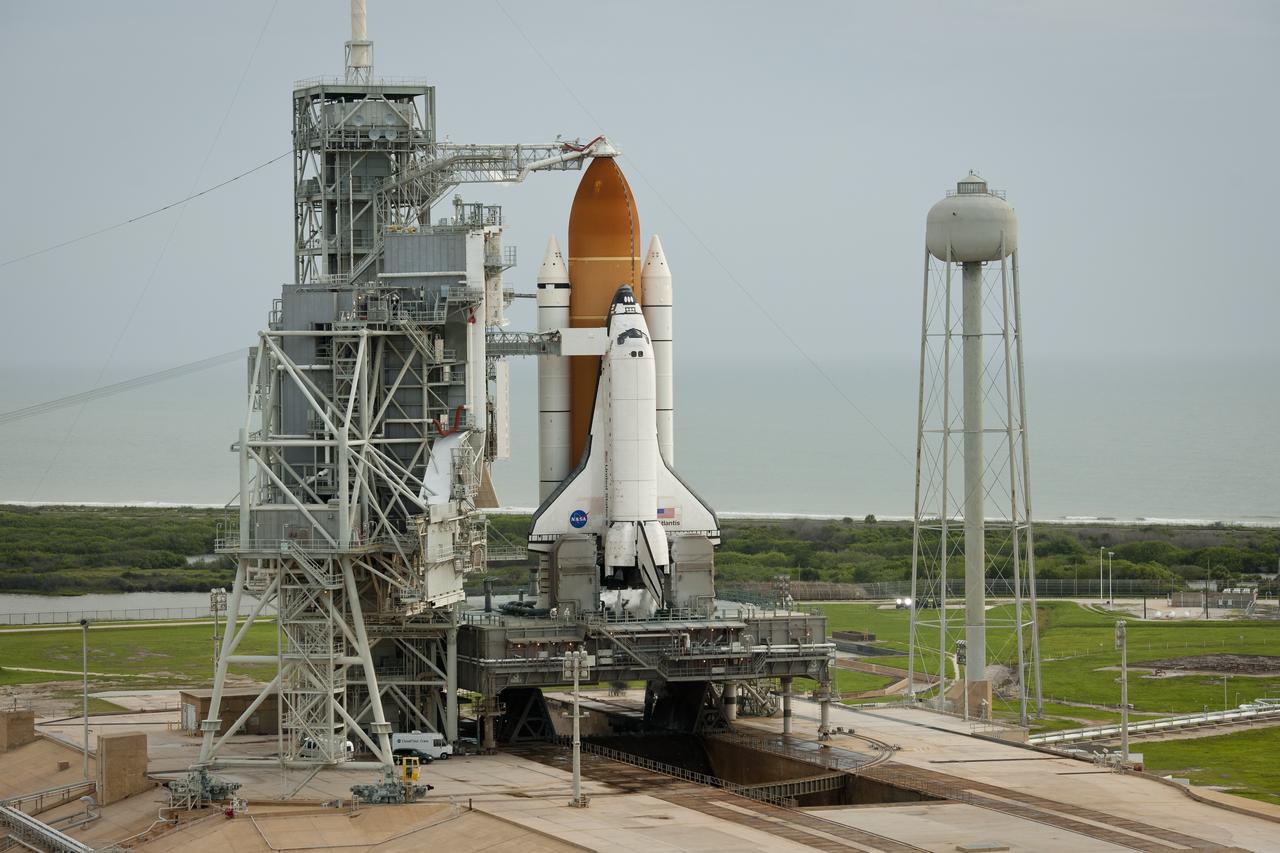
Space shuttle Atlantis is seen on launch pad 39a moments after the STS-135 crew arrived for their launch, Friday, July 8, 2011, at the NASA Kennedy Space Center in Cape Canaveral, Fla. The launch of Atlantis, STS-135, is the final flight of the shuttle program, a 12-day mission to the International Space Station. Photo Credit: (NASA/Bill Ingalls)
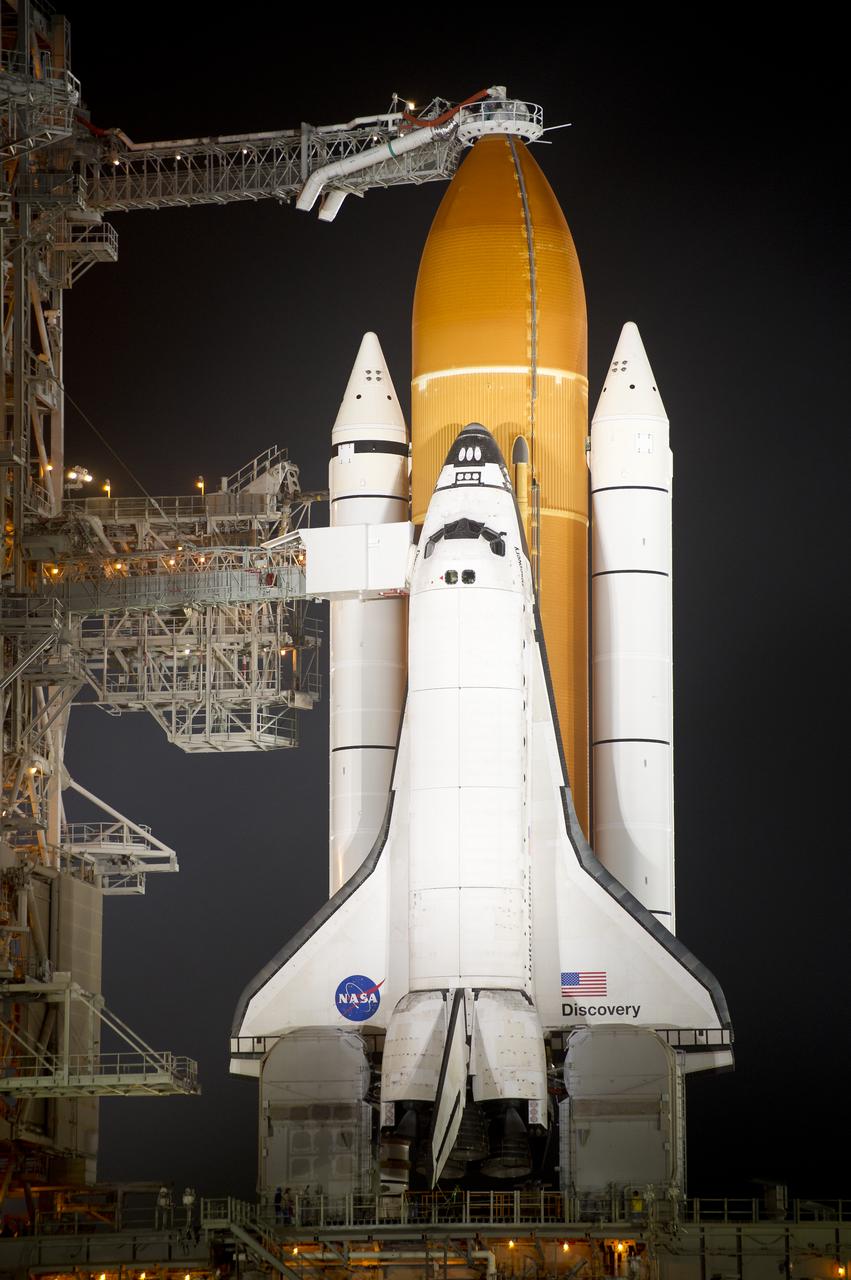
The space shuttle Discovery is seen shortly after the Rotating Service Structure was rolled back at launch pad 39A, at the Kennedy Space Center in Cape Canaveral, Florida, on Wednesday, Feb. 23, 2011. Discovery, on its 39th and final flight, will carry the Italian-built Permanent Multipurpose Module (PMM), Express Logistics Carrier 4 (ELC4) and Robonaut 2, the first humanoid robot in space to the International Space Station. Photo Credit: (NASA/Bill Ingalls)
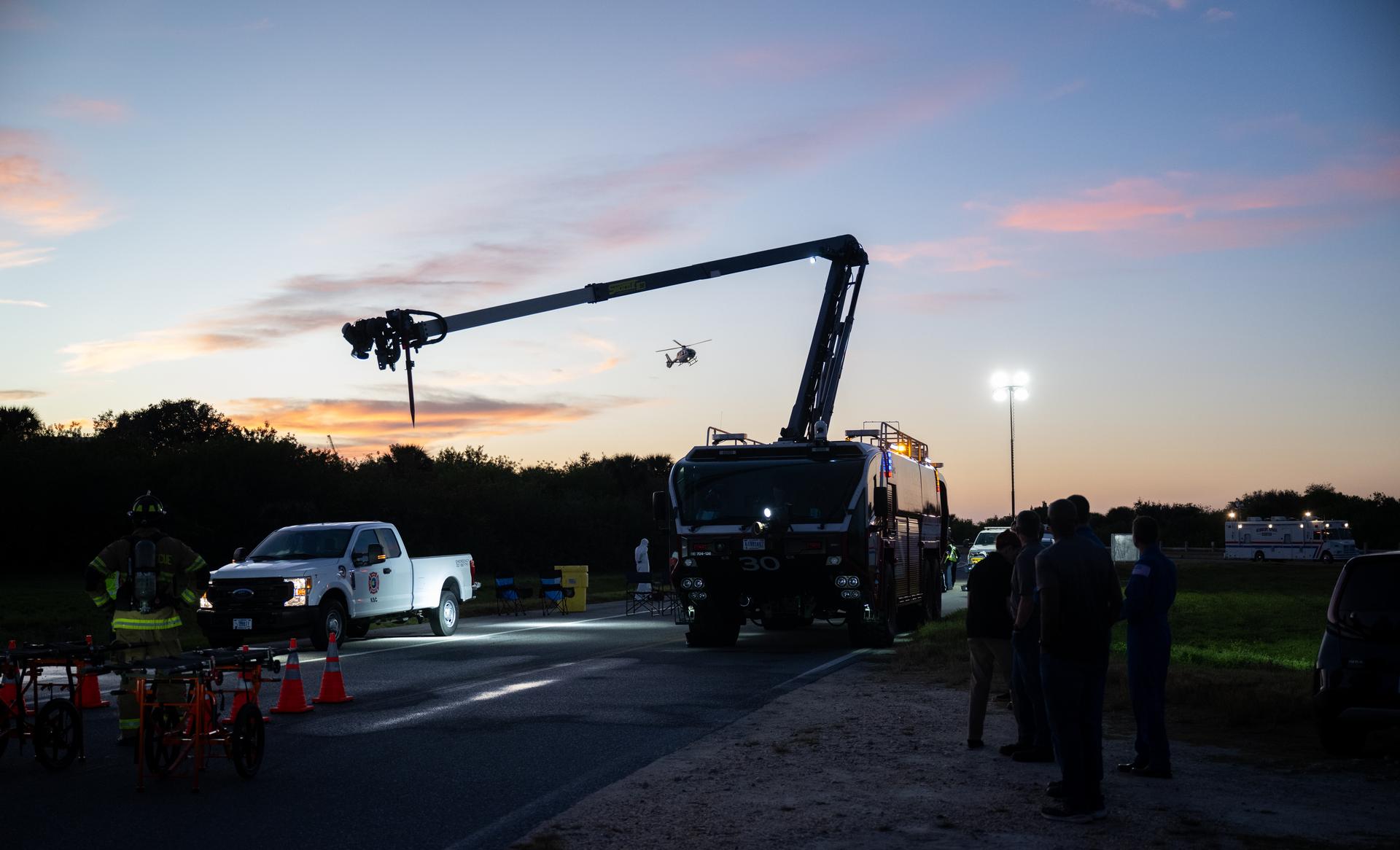
Teams at NASA's Kennedy Space Center in Florida practiced various emergency rescue training scenarios with the Artemis II crew, Friday, Dec. 19, 2025, ahead of the Artemis II mission. In the unlikely event of an emergency during launch countdown at Launch Complex 39B, personnel will be transported in mine-resistant ambush protected vehicles, or MRAPS, from the pad and to one of the triage site locations at Kennedy. Photo Credit: (NASA/Joel Kowsky)
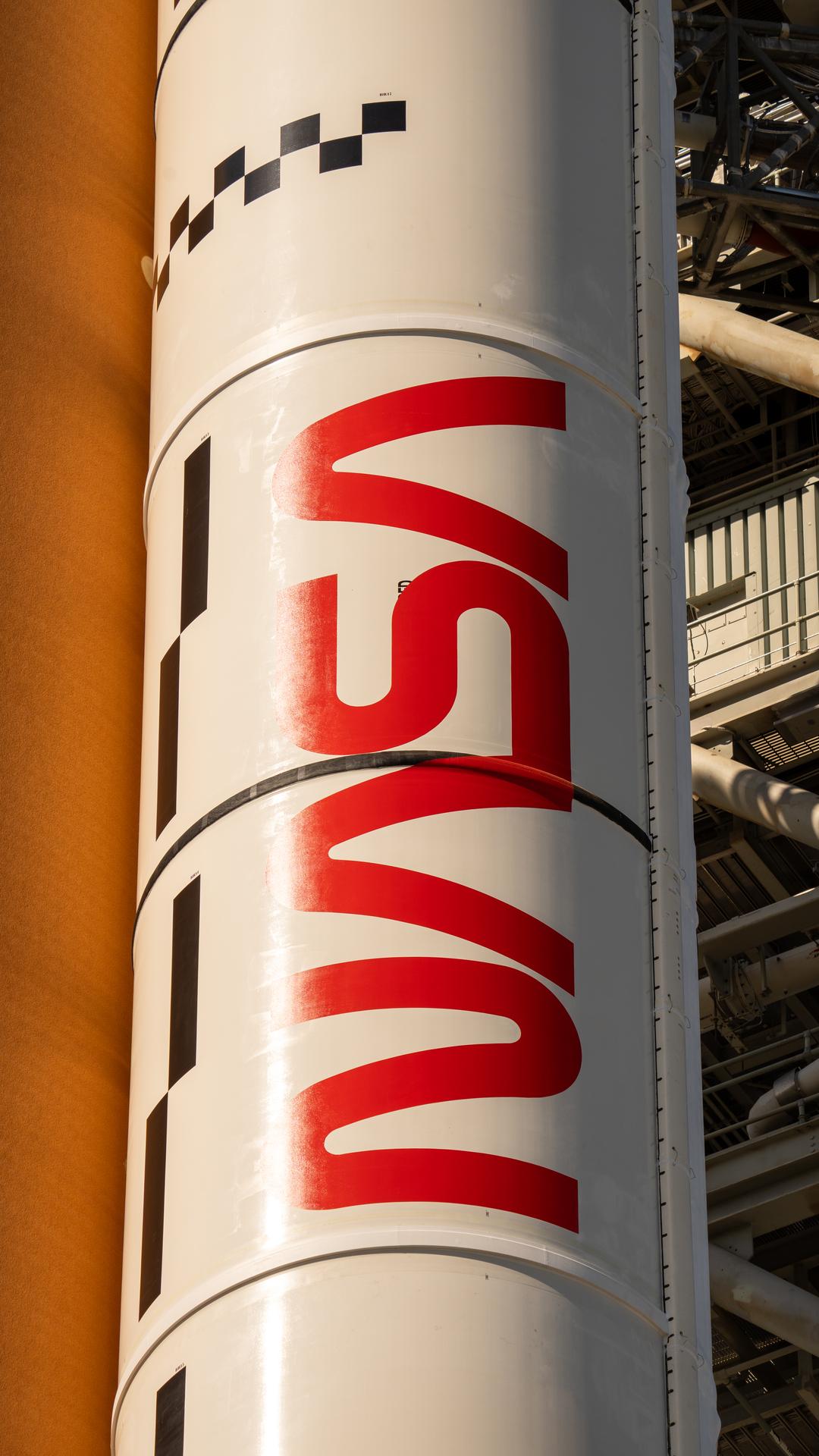
This image shows NASA’s SLS (Space Launch System) and Orion spacecraft rolling out of the Vehicle Assembly Building at NASA’s Kennedy Space Center. NASA's massive Crawler-Transporter, upgraded for the Artemis program, carries the powerful SLS rocket and Orion spacecraft on the Mobile Launcher from the Vehicle Assembly Building to Launch Pad 39B at Kennedy Space Center in preparation for the Artemis II mission.