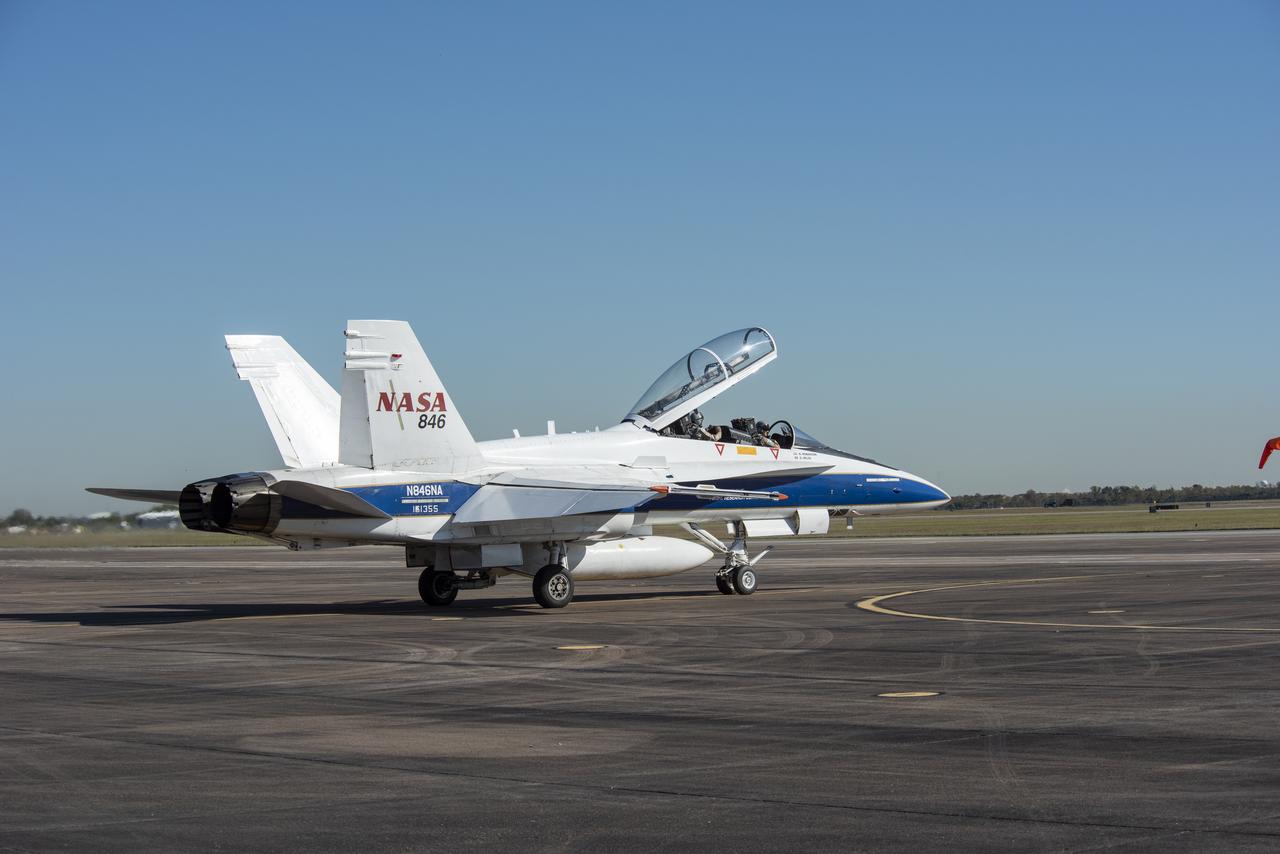
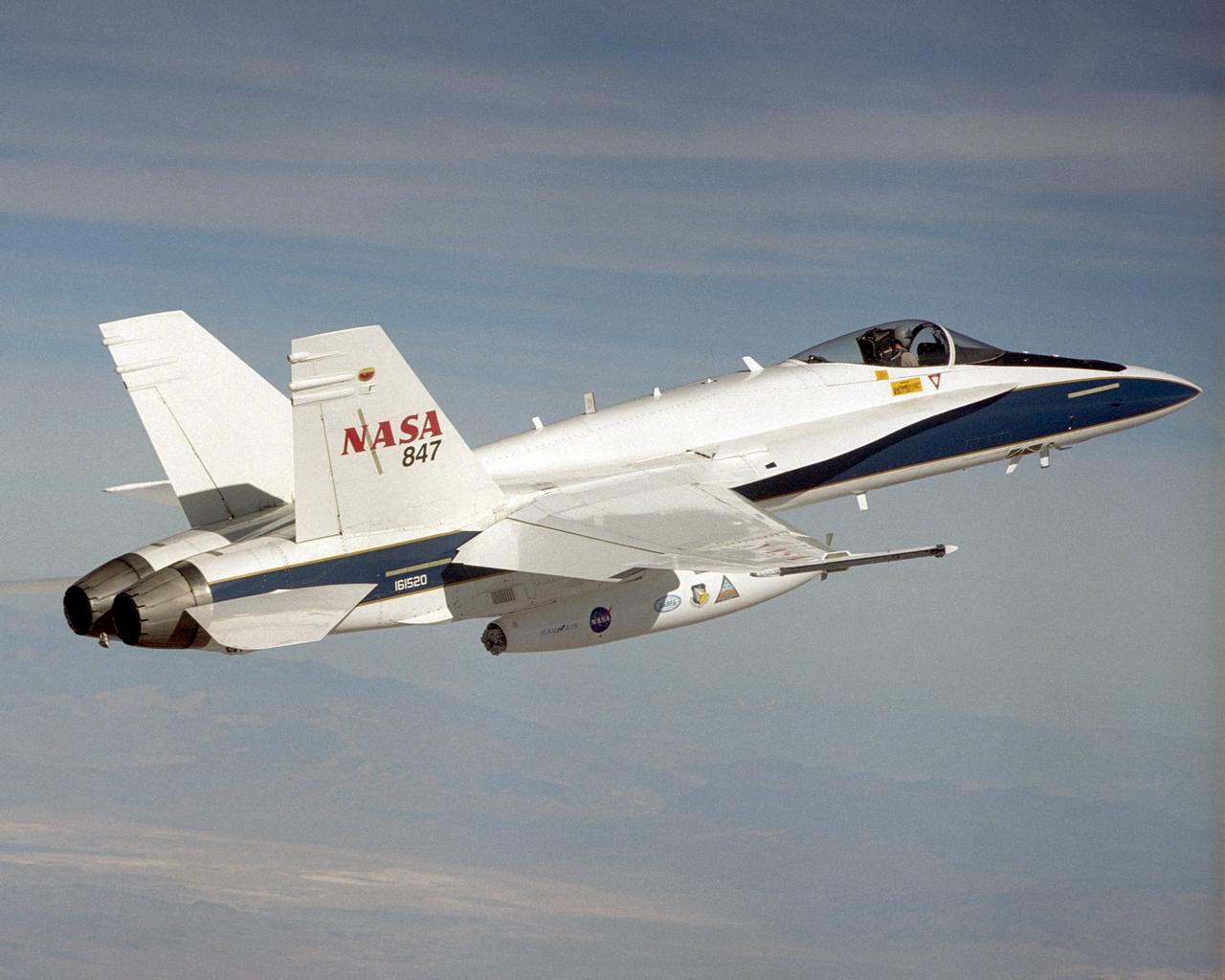
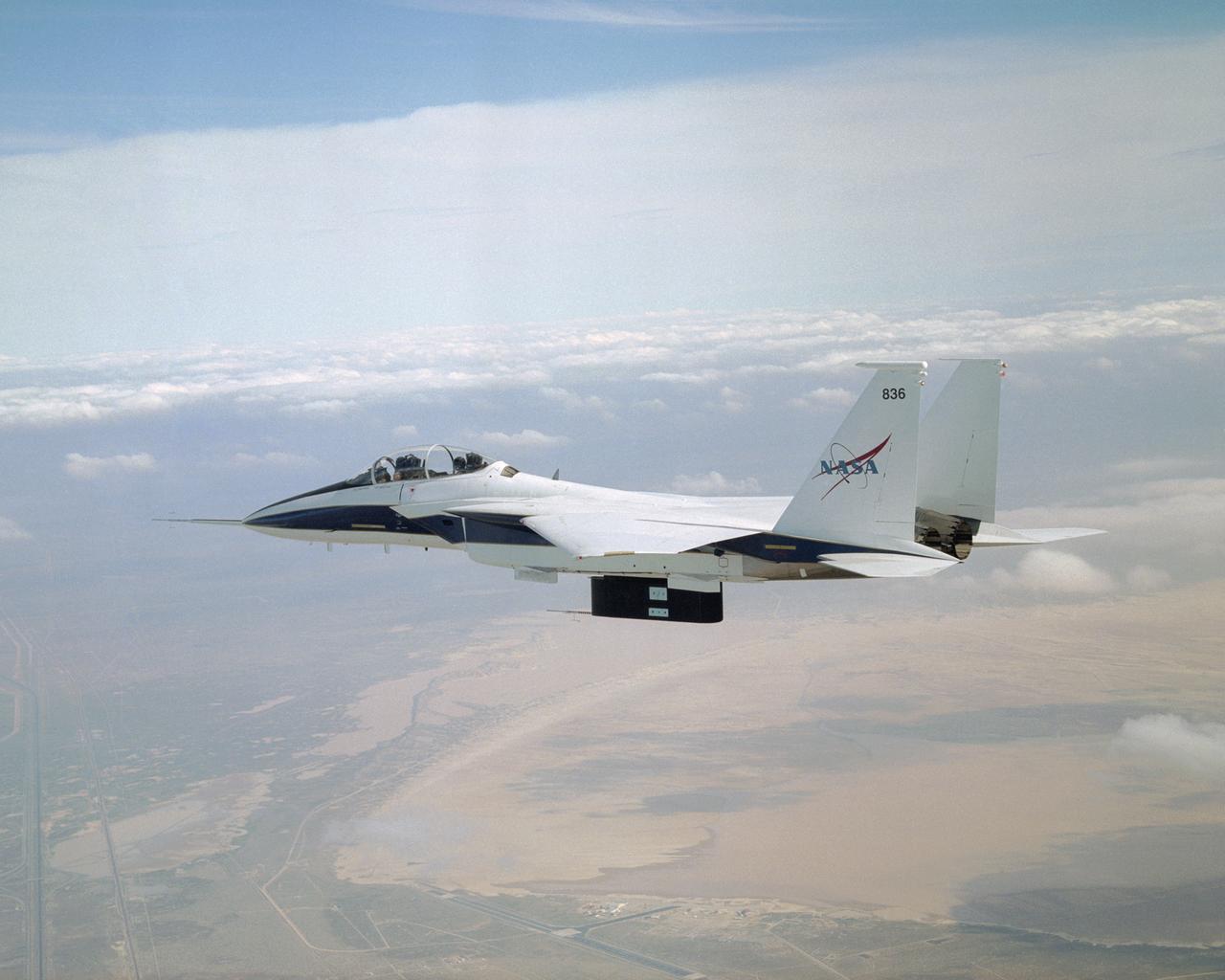
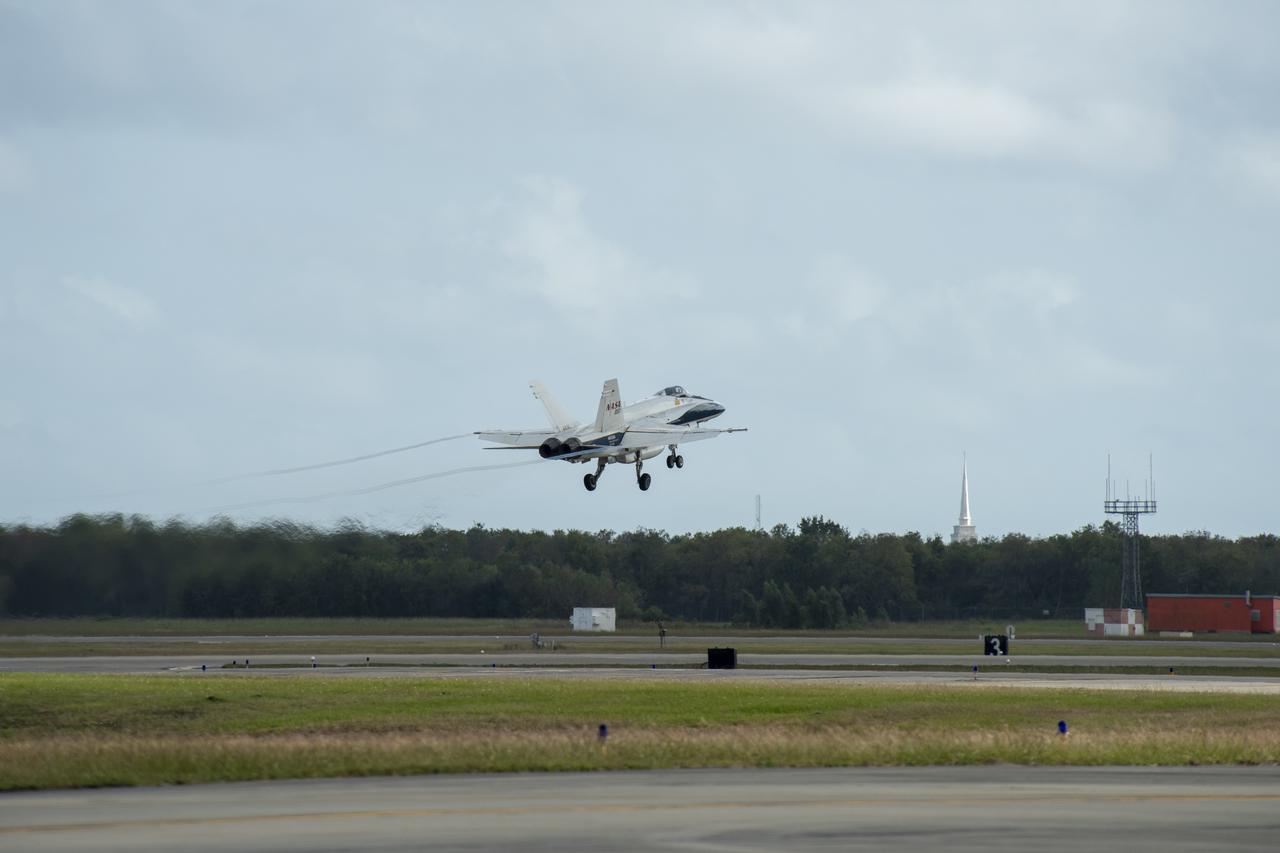
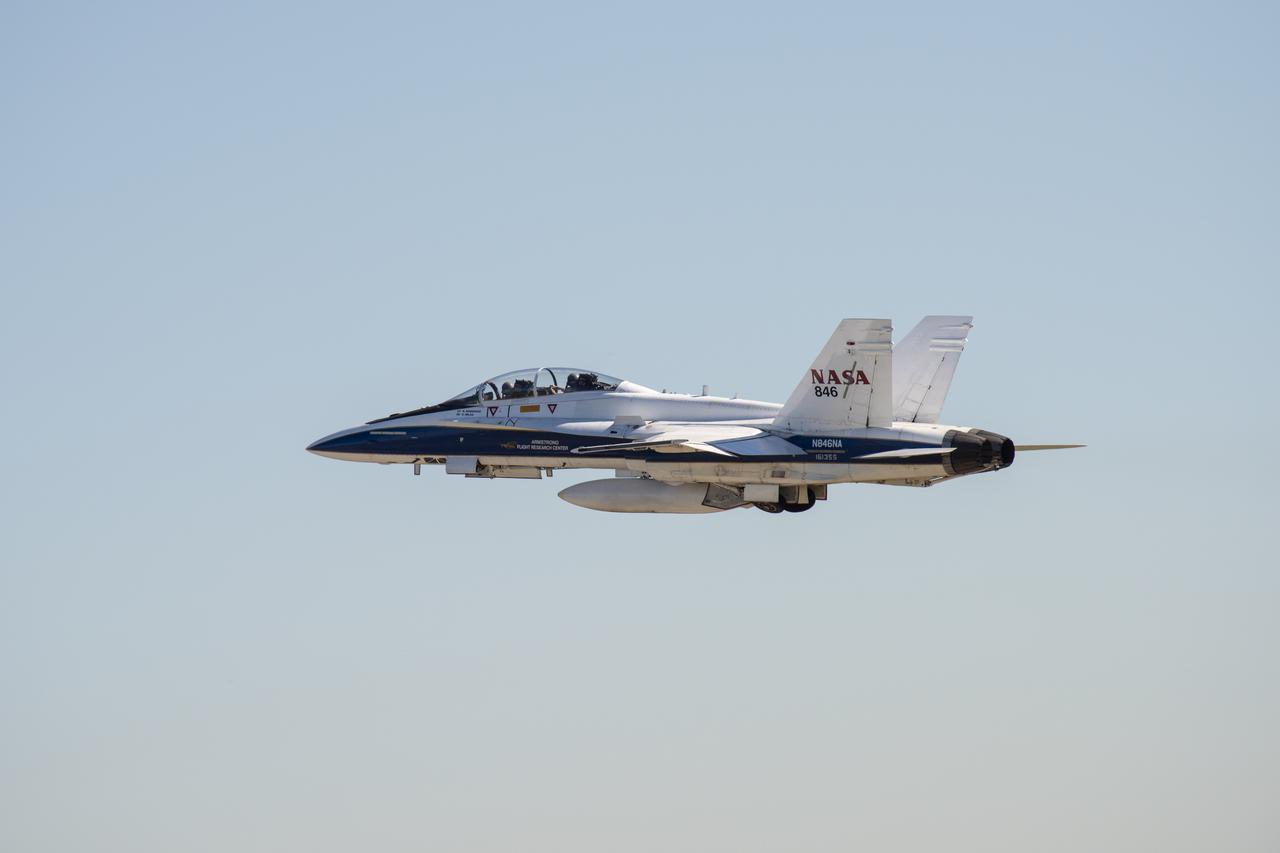
NASA’s F/A-18 research aircraft takes off from Ellington Field in Houston, Texas for a quiet supersonic research flight off the coast of Galveston, as part of the QSF18 flight series. The F/A-18 will climb to 50,000 feet over the Gulf of Mexico, where it will perform the quiet supersonic dive maneuver.
NASA F/A-18 Takes Off for QSF18 Supersonic Flight
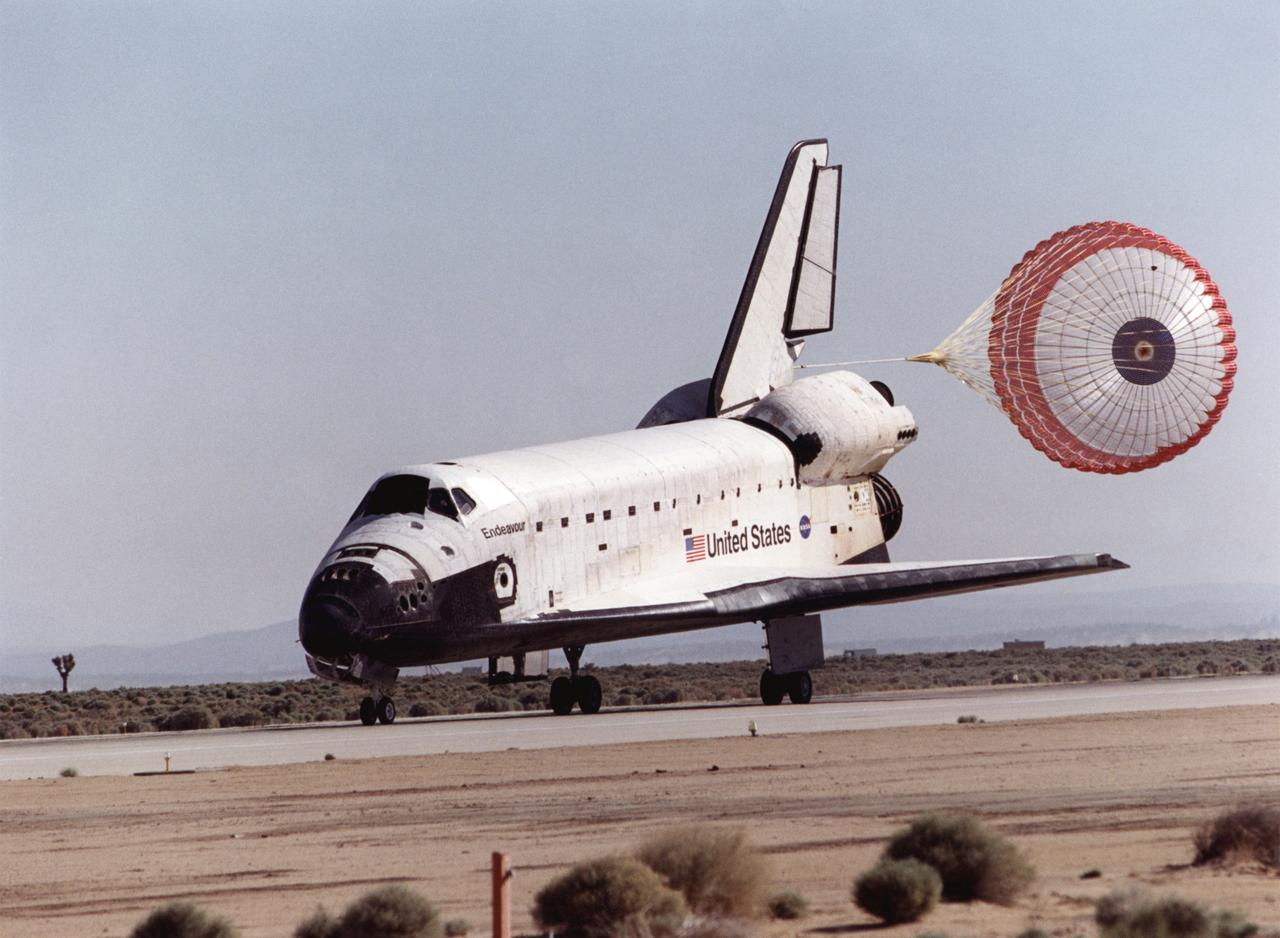
A lone desert Joshua tree greeted the arrival of Space Shuttle Endeavour at Edwards Air Force Base, California, May 1, 2001. A large drag chute helped slow Endeavour on the runway. After mounting the shuttle on a converted 747 airliner at NASA's Dryden Flight Research Center, Endeavour will be carried back to the Kennedy Space Center for its next mission. Weather in Florida necessitated landing in California.
A lone desert Joshua tree greeted the arrival of Space Shuttle Endeavour at Edwards Air Force Base, California, on May 1, 2001
The Alta-X aircraft flies by the former space shuttle hangar at NASA’s Armstrong Flight Research Center in Edwards, California, as part of the Advanced Exploration of Reliable Operation at Low Altitudes: Meteorology, Simulation and Technology campaign. The campaign was at NASA Armstrong to study wind from the ground to 2,000 feet to provide data to assist future drones to safely land on rooftop hubs called vertiports and to potentially improve weather prediction.
NASA Armstrong Supports AEROcAST Wind Study
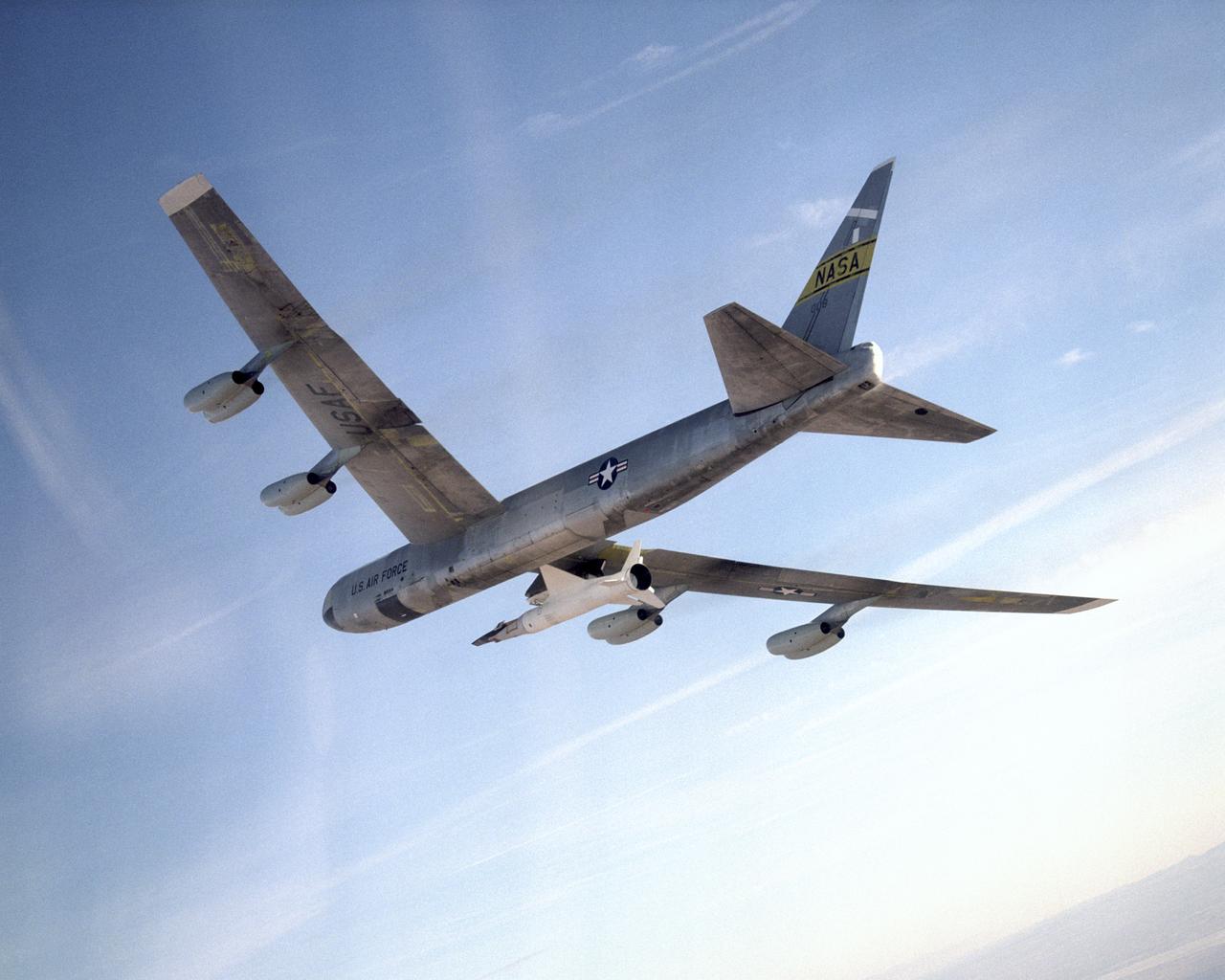
NASA's historic B-52 mother ship carried the X-43A and its Pegasus booster rocket on a captive carry flight from Edwards Air Force Base Jan. 26, 2004. The X-43A and its booster remained mated to the B-52 throughout the two-hour flight, intended to check its readiness for launch. The hydrogen-fueled aircraft is autonomous and has a wingspan of approximately 5 feet, measures 12 feet long and weighs about 2,800 pounds.
NASA's B-52 mother ship carries the X-43A and its booster rocket on a captive carry flight Jan. 26, 2004
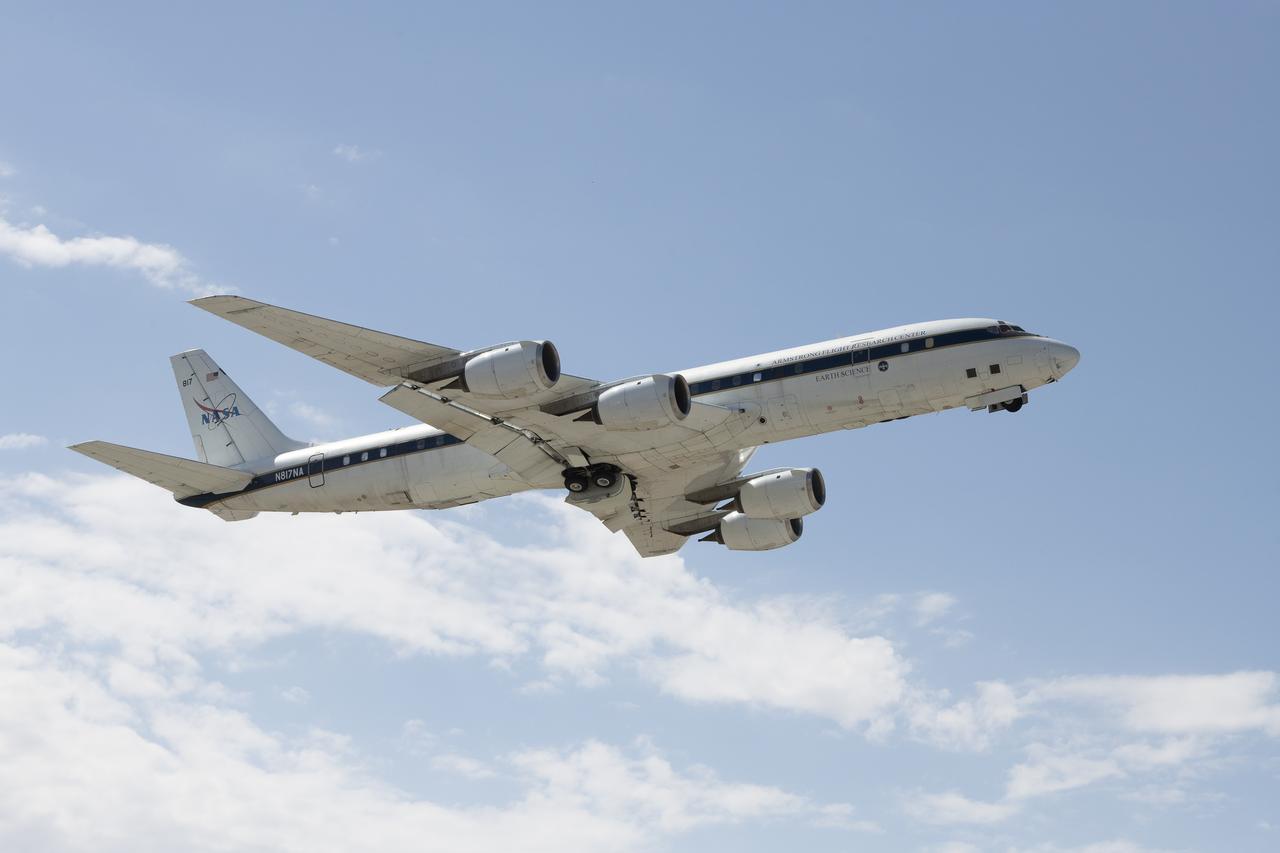
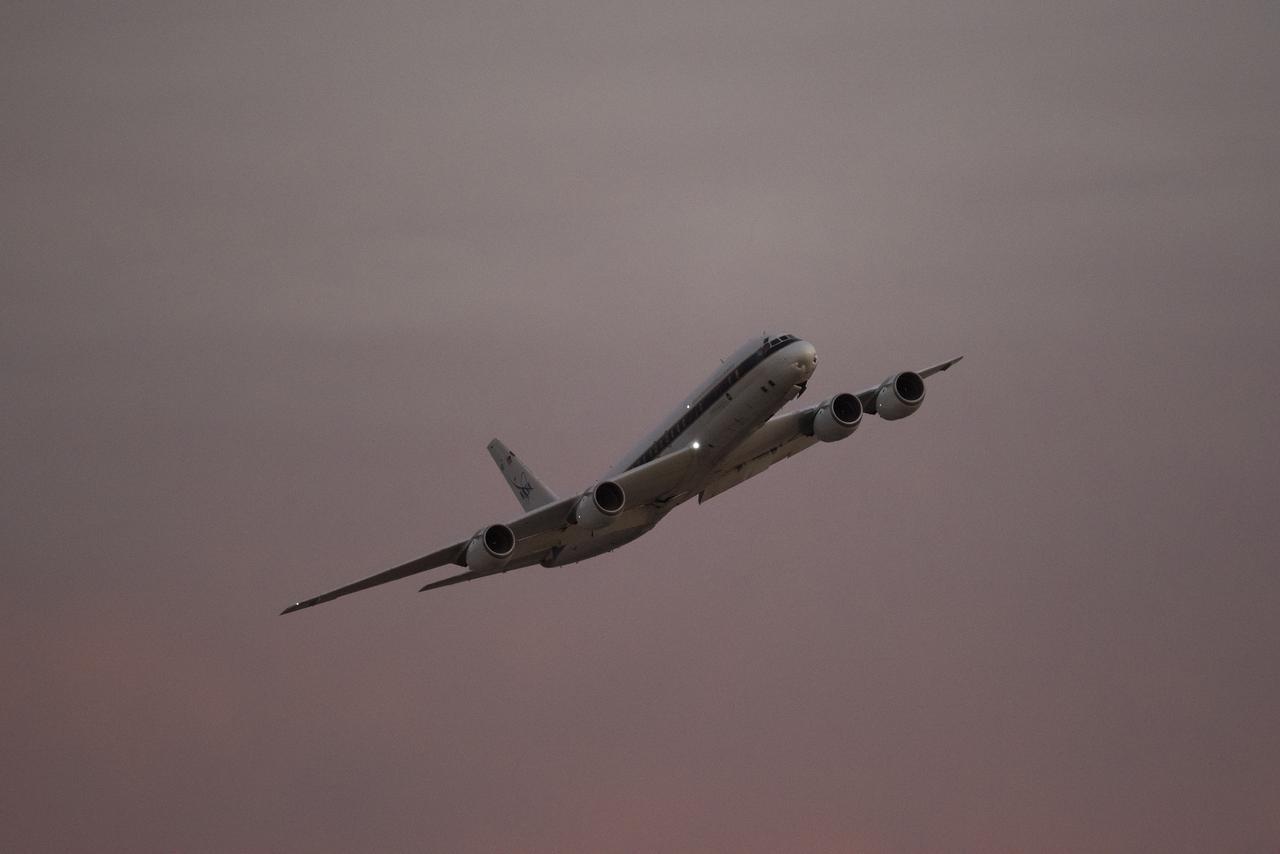
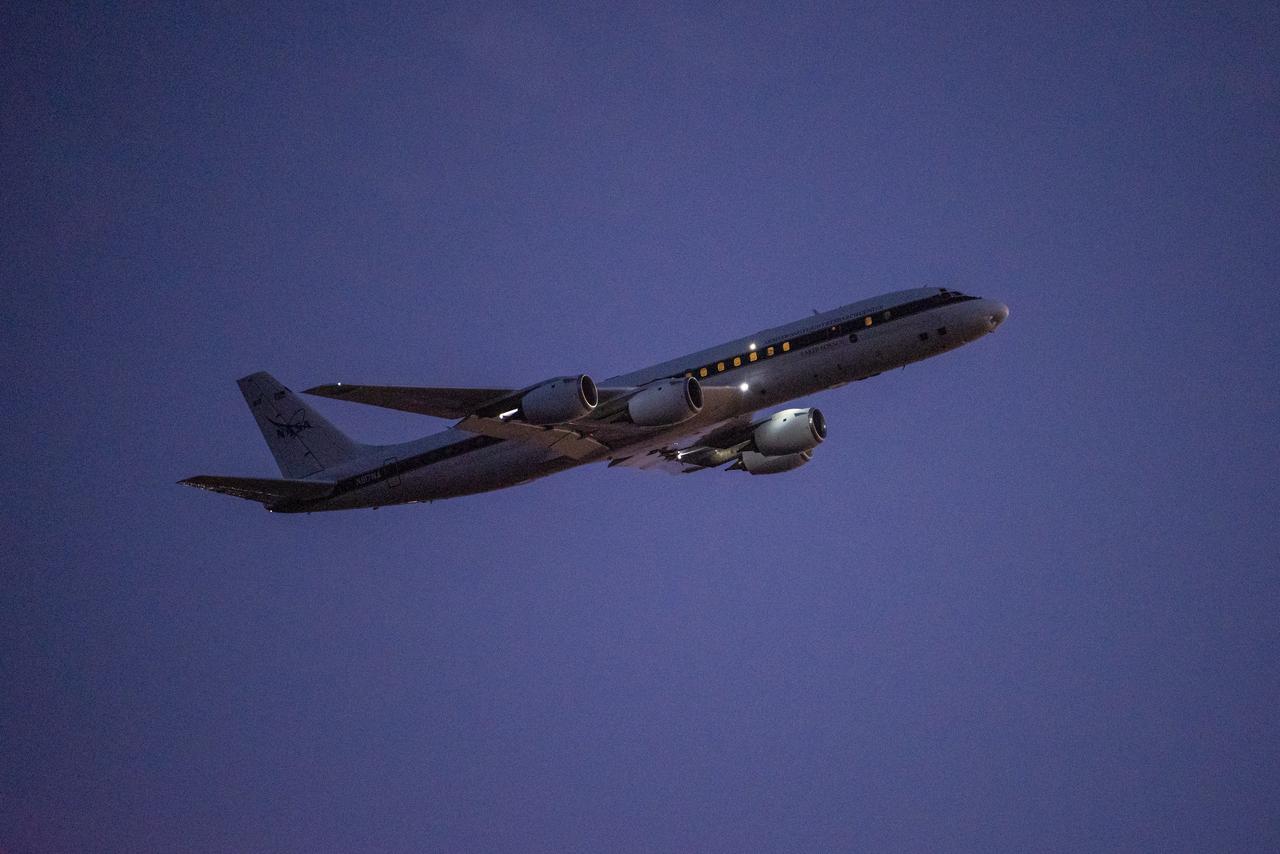
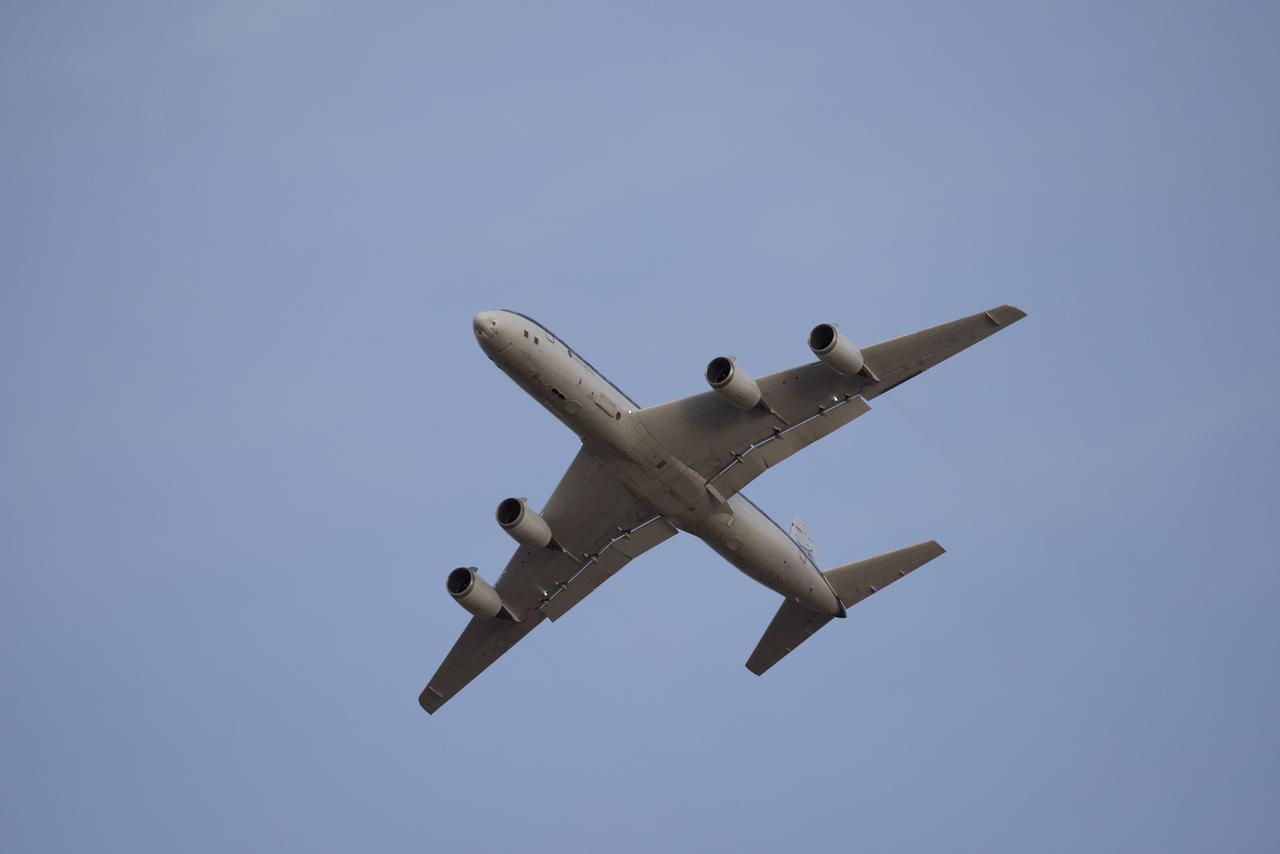
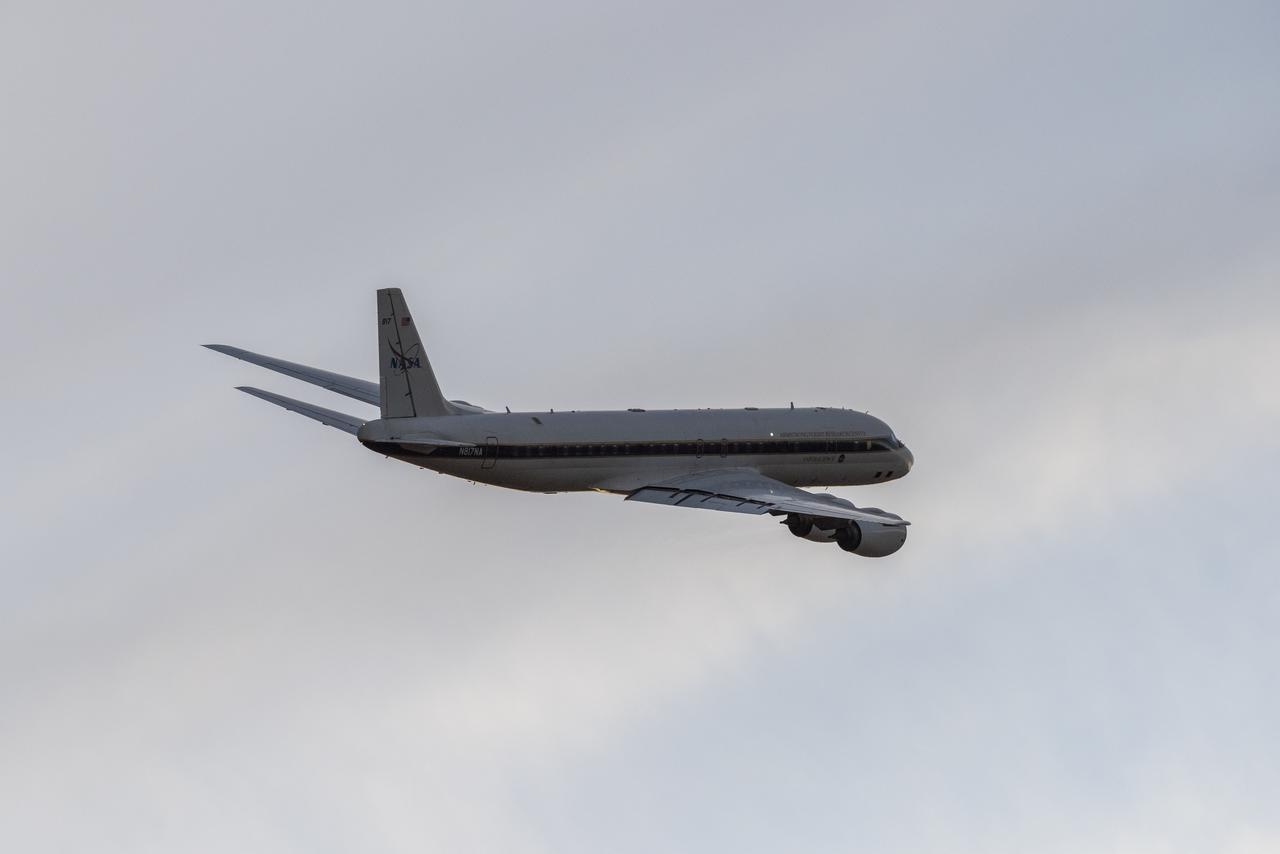
The DC-8 ascents during its final flight before it is retired from NASA’s Armstrong Flight Research Center Building 703 in Palmdale, California, to Idaho State University in Pocatello, Idaho. The DC-8 will provide real-world experience to train future aircraft technicians at the college’s Aircraft Maintenance Technology Program.
NASA’s DC-8 Flies Under Clear Skies During Final Flight
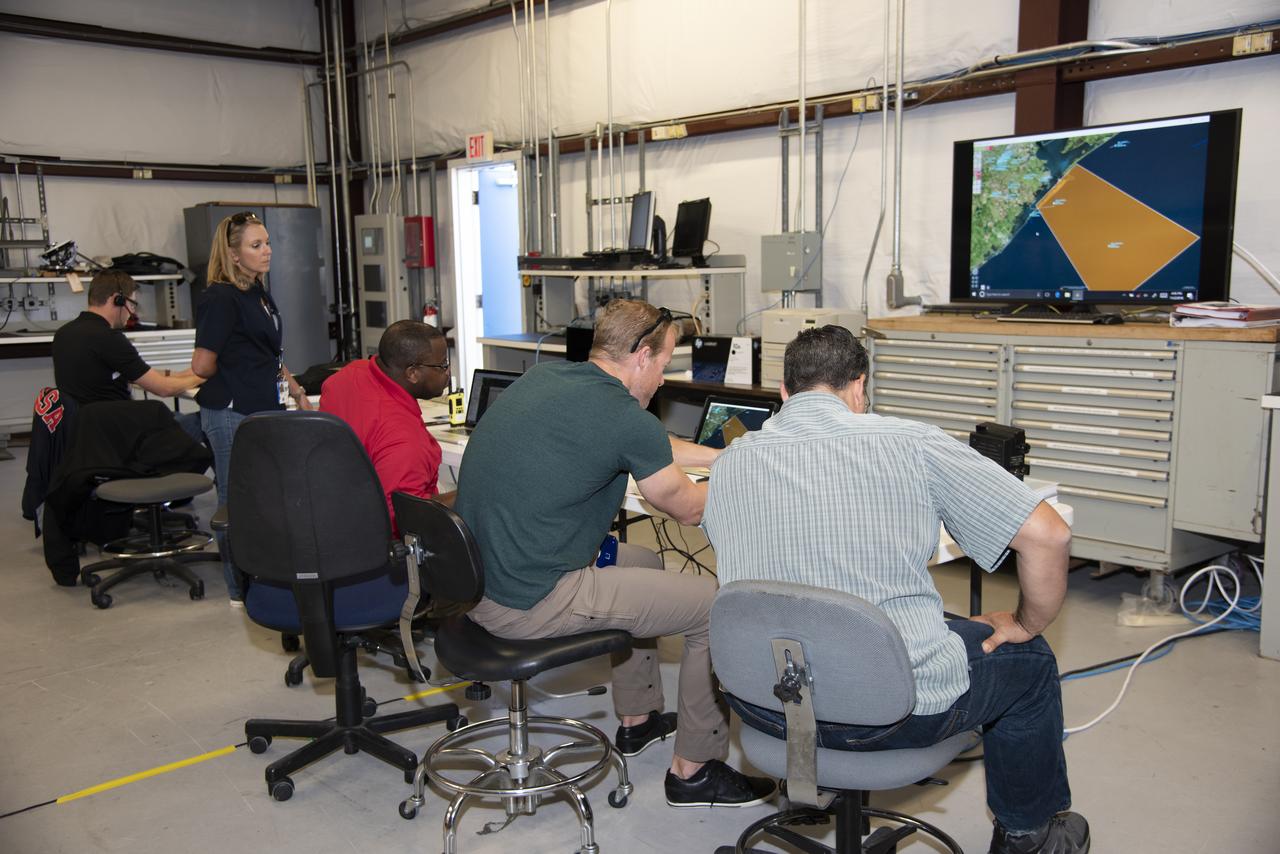
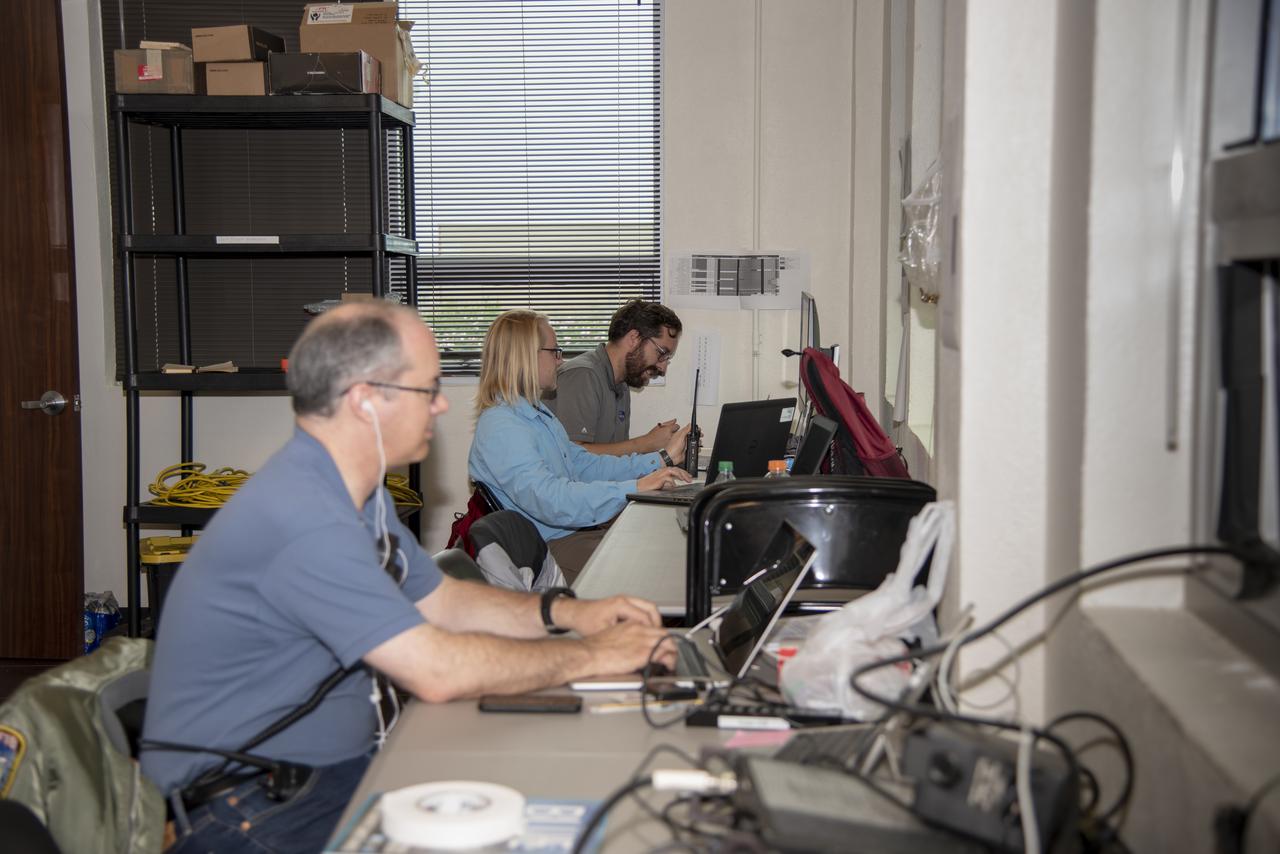
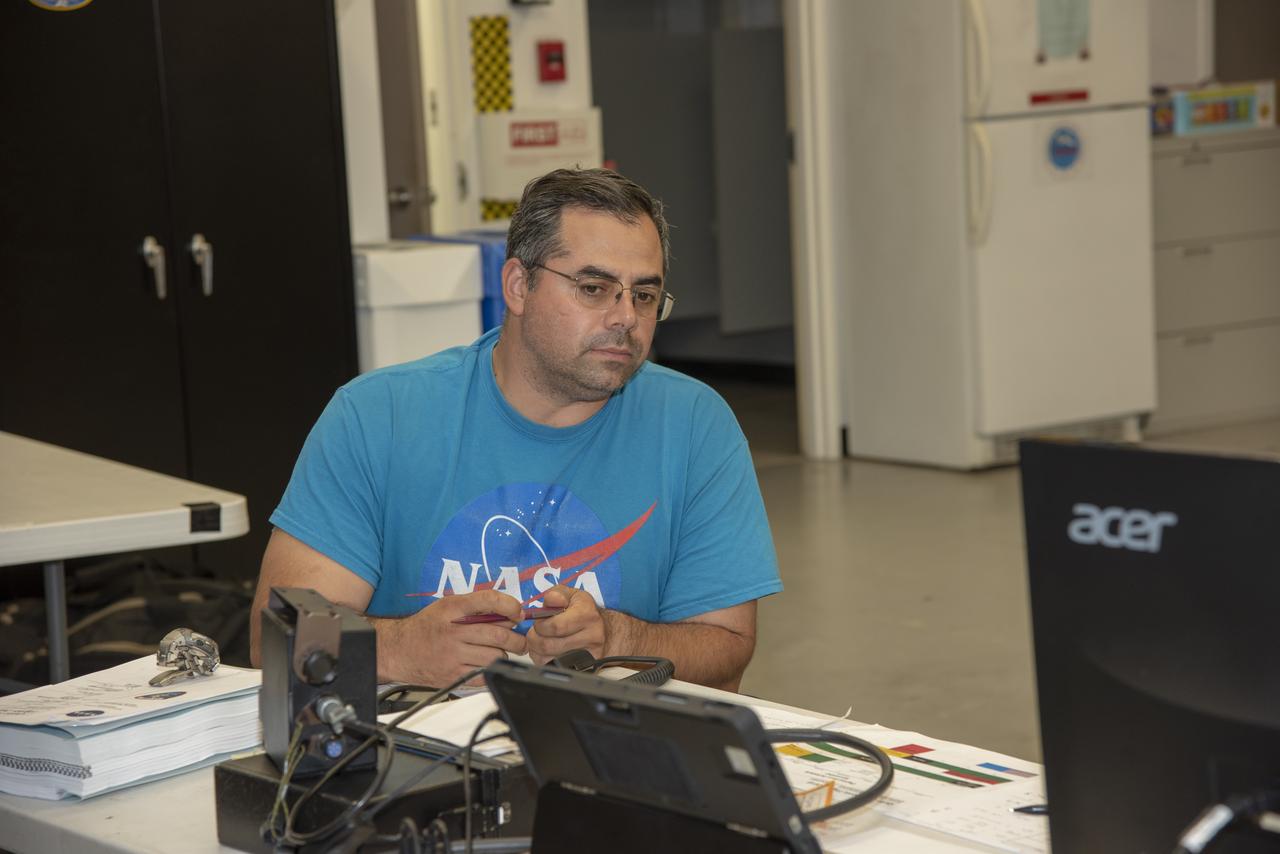
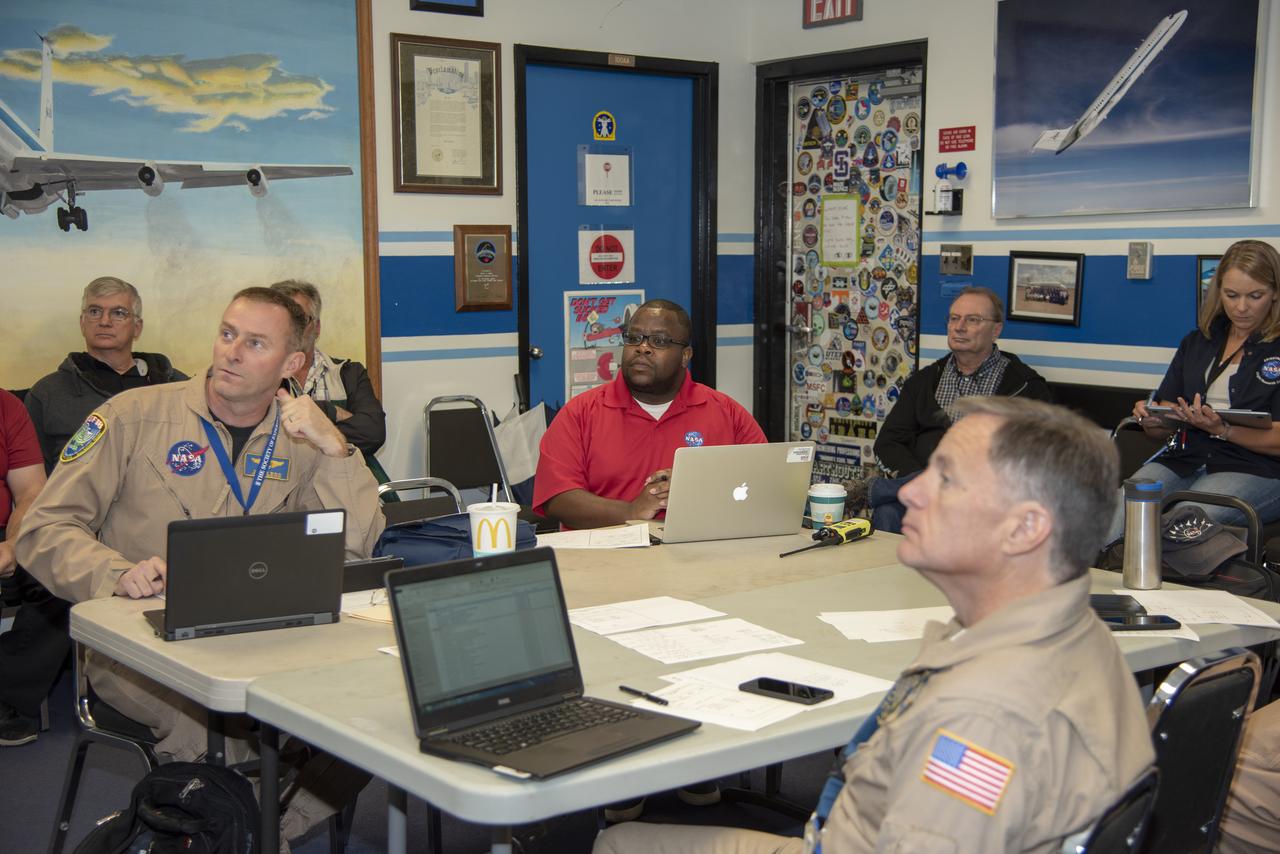
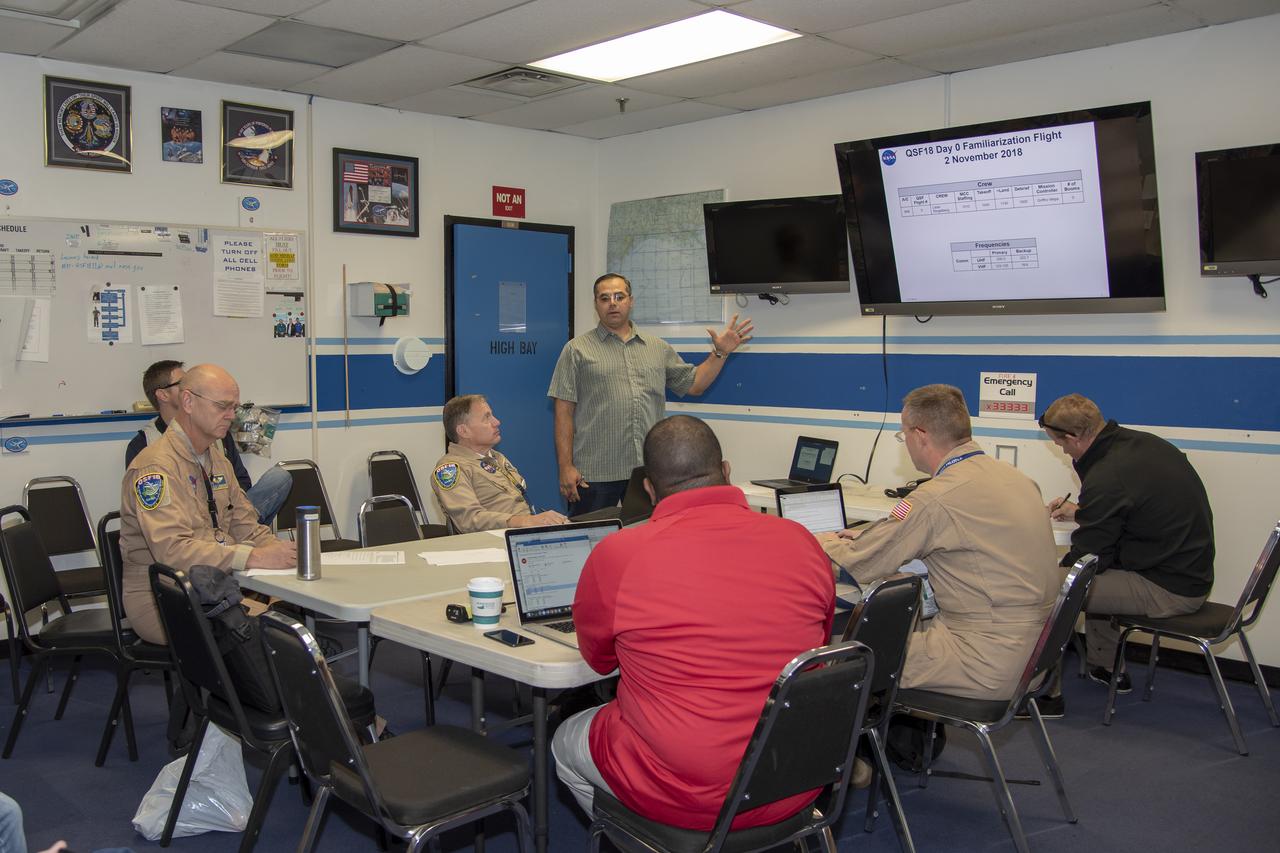
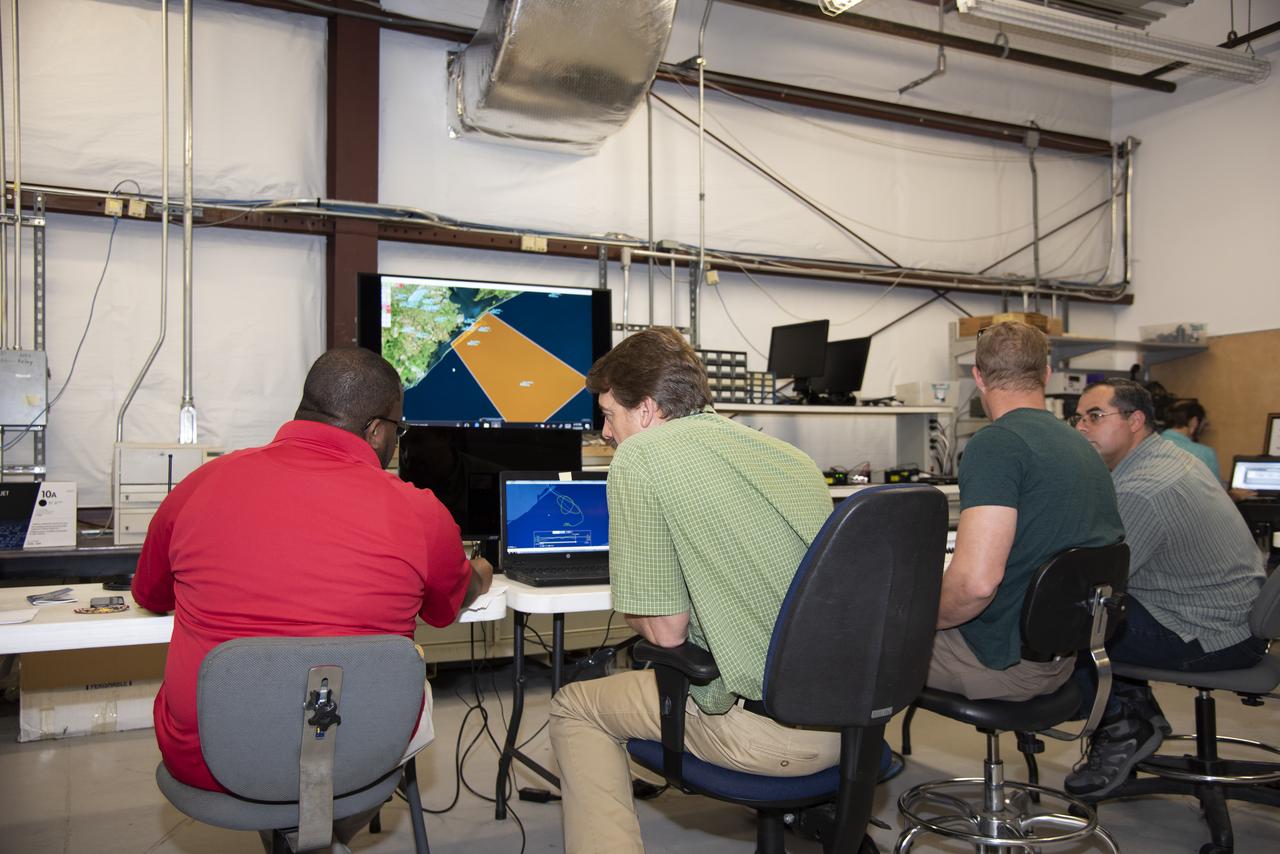
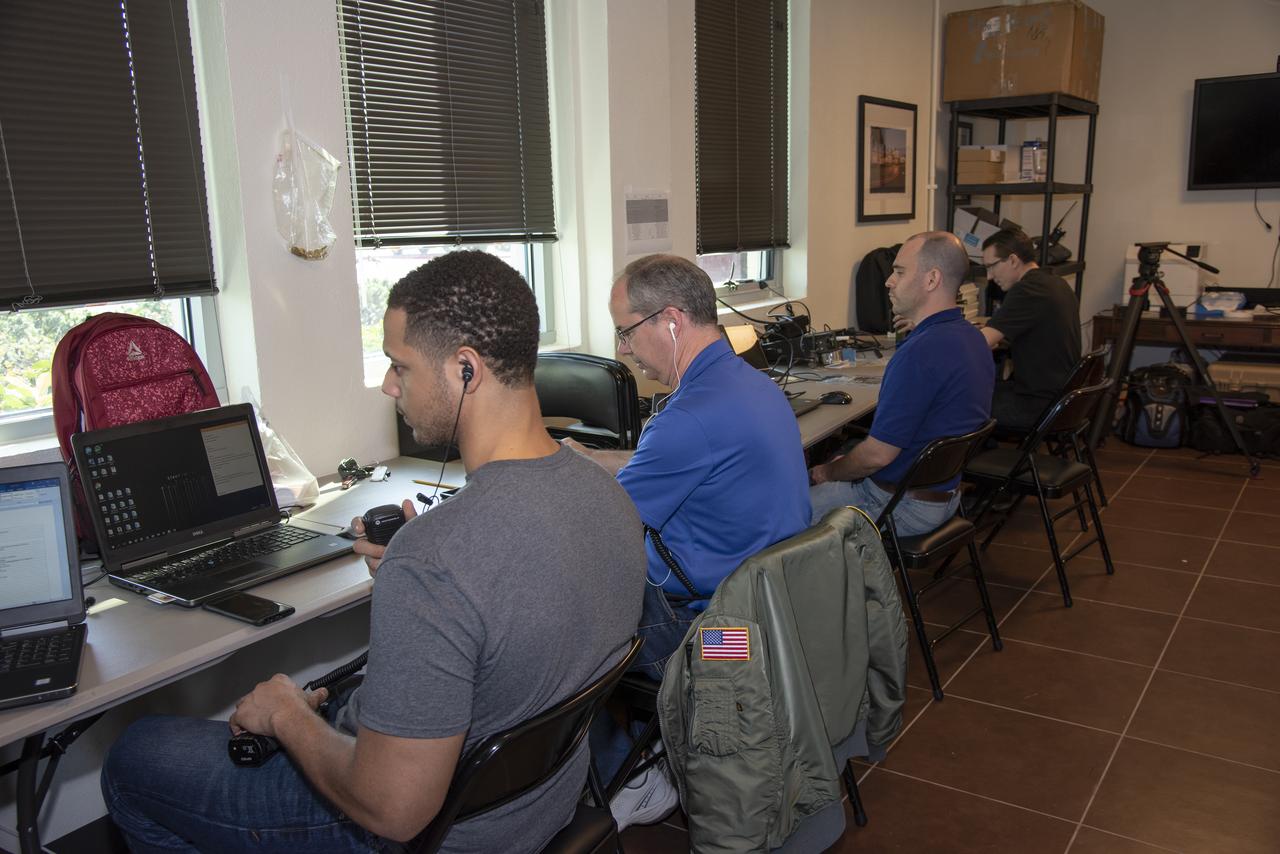
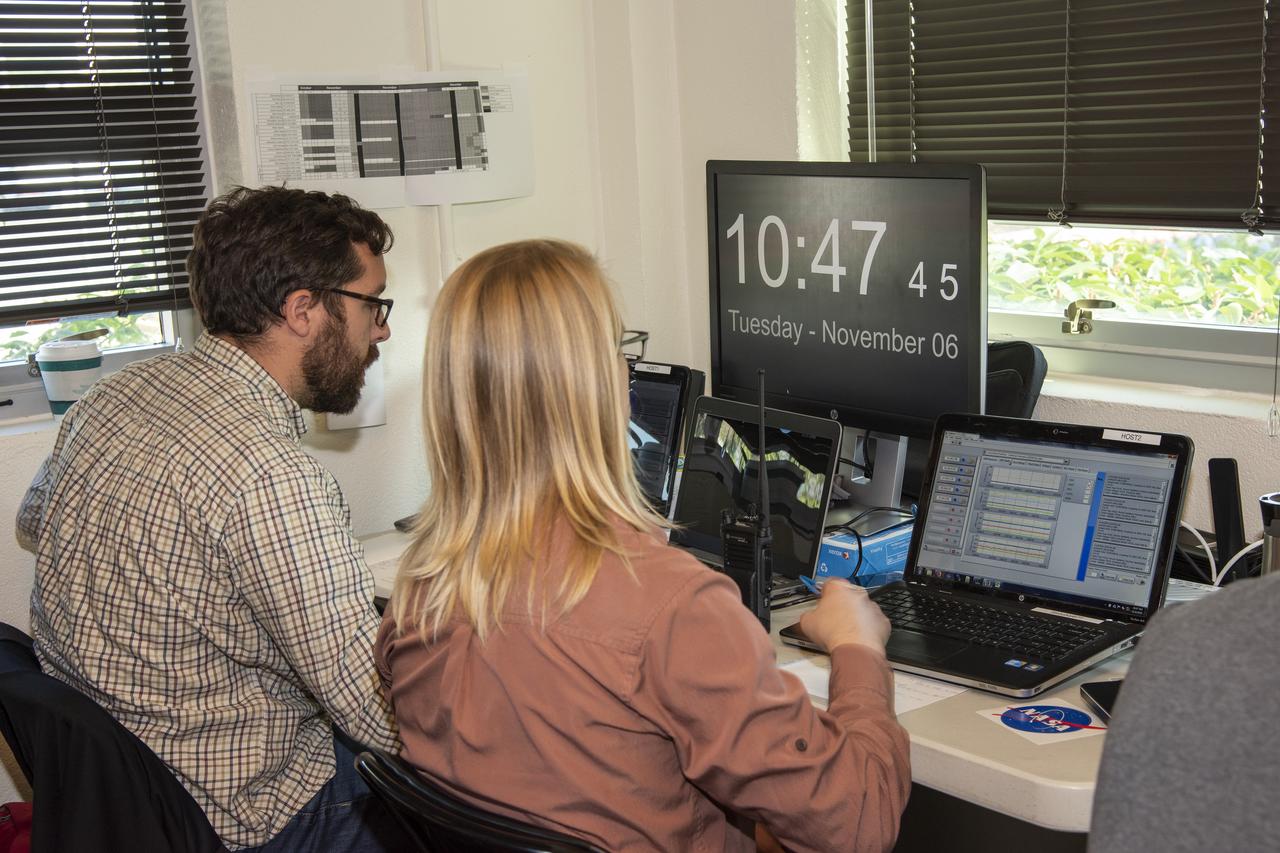
NASA mission controllers, engineers, pilots and communications specialists in the mission control room monitor the supersonic research flight off the coast of Galveston, as part of the QSF18 flight series. The flight operations crew tracks the status of the flights, maintains communications with the aircraft, communicates with U.S. Coast Guard, and coordinates community feedback data.
NASA Flight Operations Crew Monitors Supersonic Flight
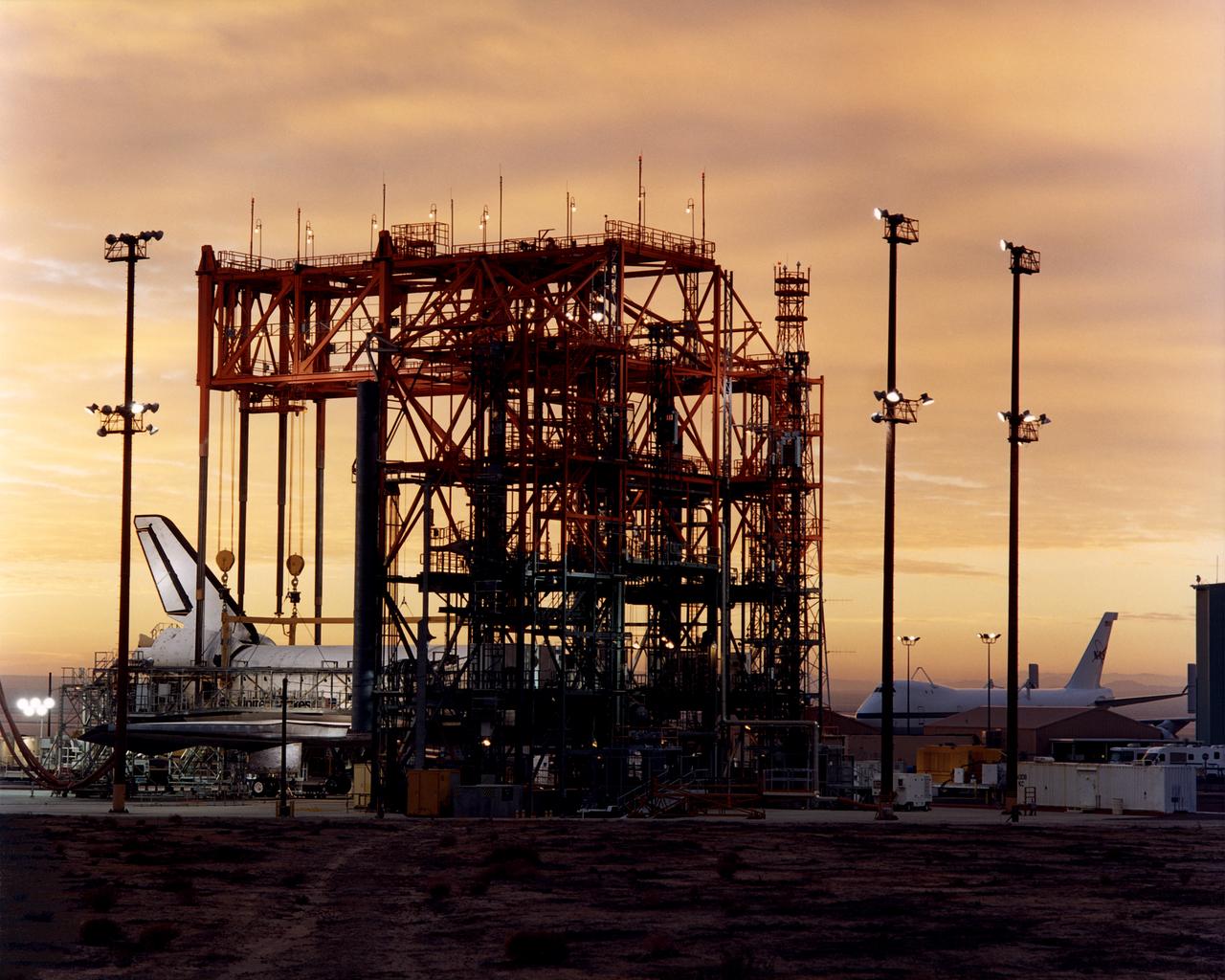
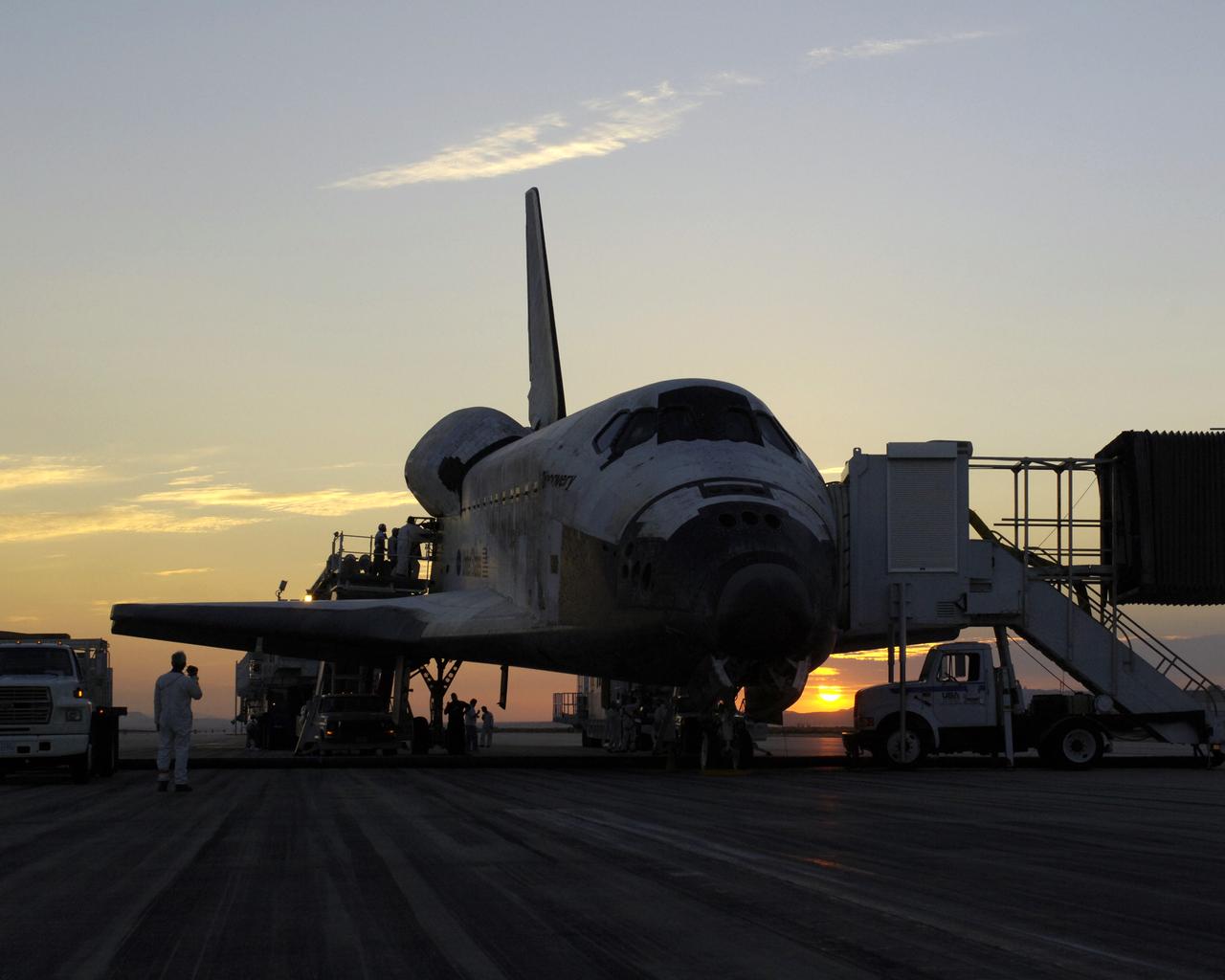
The early-morning Sun provides a golden backdrop to the Space Shuttle Discovery encased in the Mate-Demate Device (MDD) at NASA’s Dryden Flight Research Center at Edwards, California. The gantry-like MDD structure is used to prepare the shuttle for its ferry flight back to the Kennedy Space Center in Florida, including mounting the shuttle atop NASA’s modified Boeing 747 Shuttle Carrier Aircraft.
STS-92 - Orbiter in Mate-Demate Device (MDD) at sunrise with Shuttle Carrier Aircraft (SCA) in background
Boeing's sub-scale X-48B Blended Wing Body aircraft flies over the edge of Rogers Dry Lake at Edwards Air Force Base during its fifth flight on Aug. 14, 2007.
Boeing's sub-scale X-48B Blended Wing Body aircraft flies over the edge of Rogers Dry Lake at Edwards Air Force Base during its fifth flight on Aug. 14, 2007
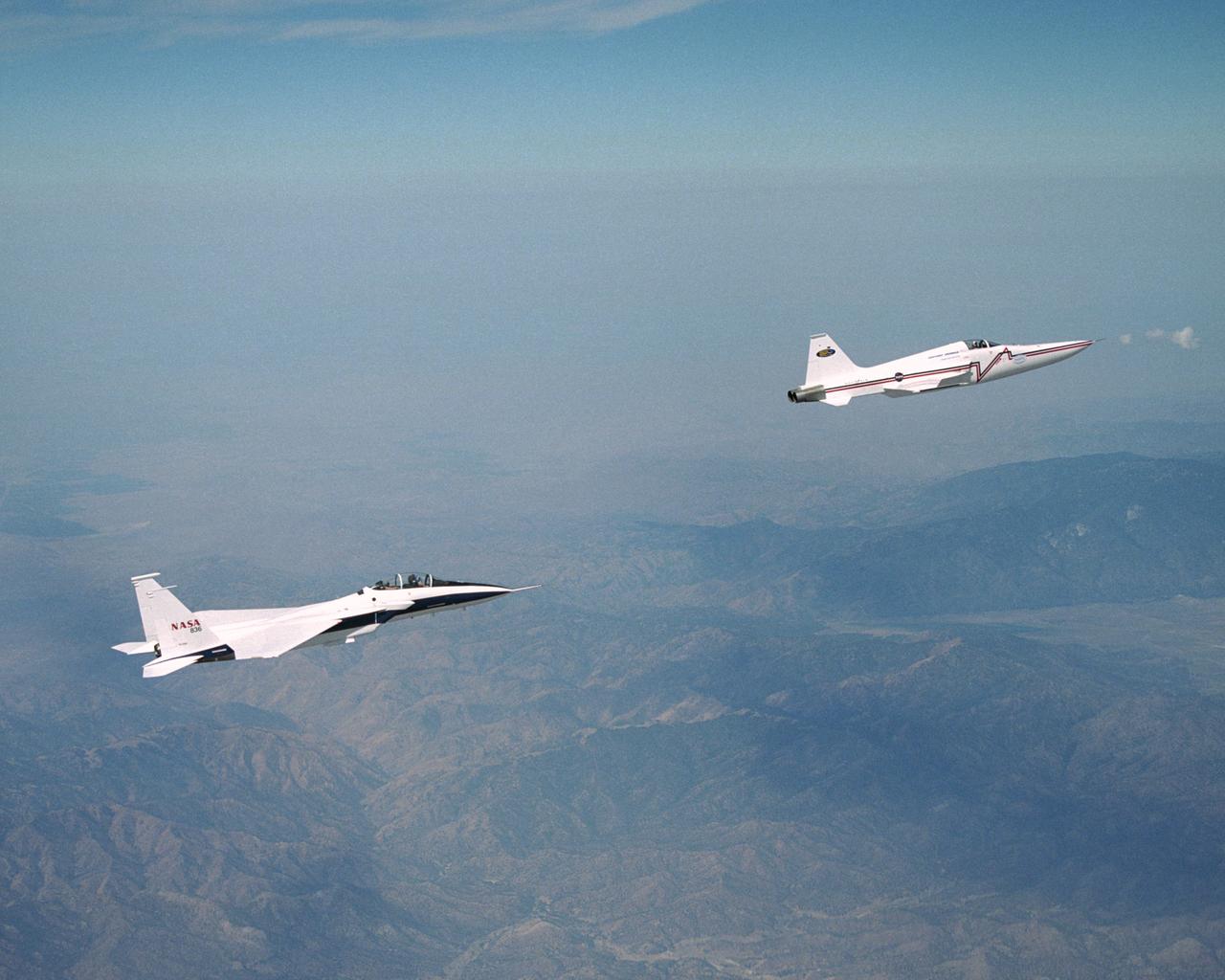
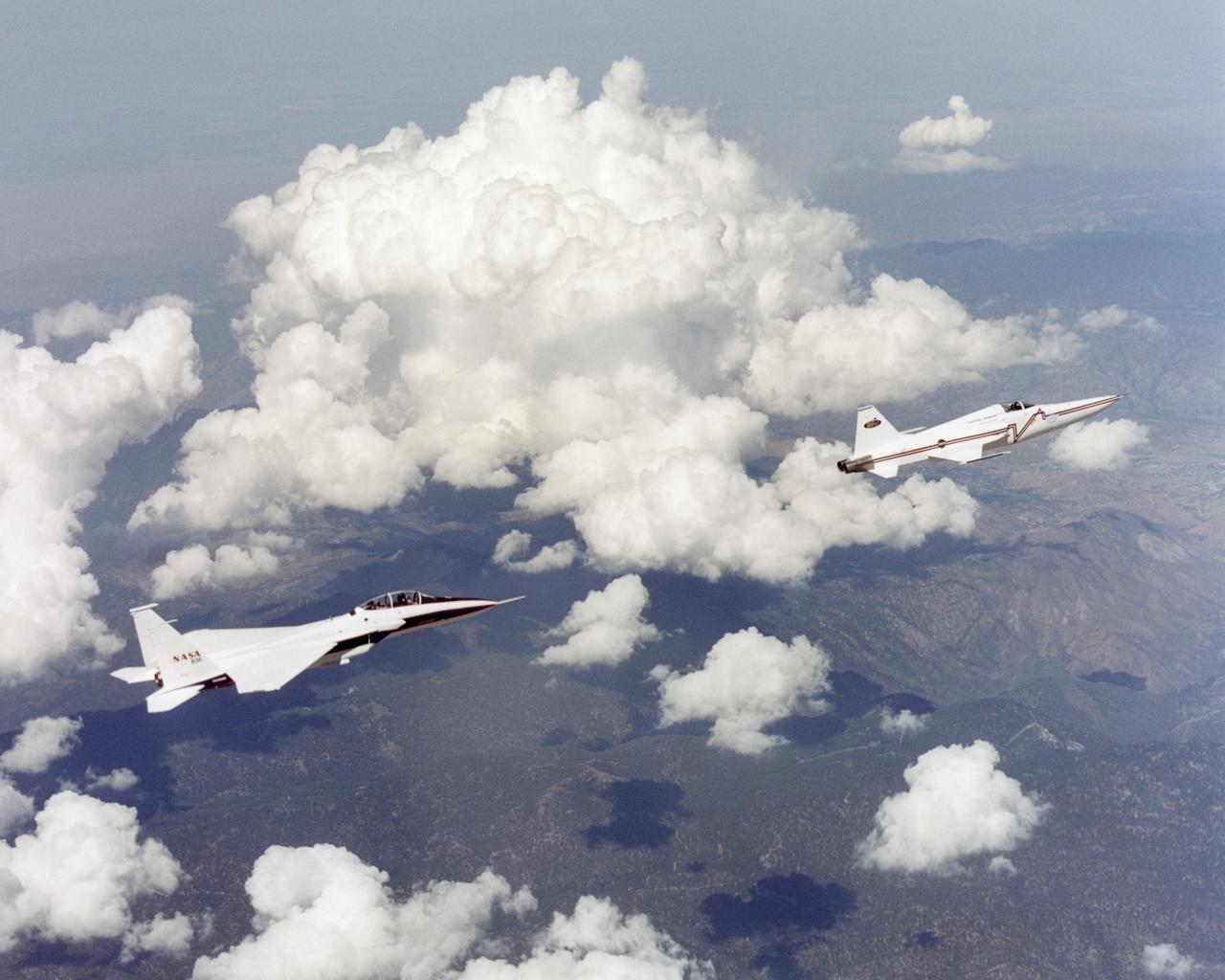
NASA's F-15B research testbed jet from the NASA Dryden Flight Research Center flew in the supersonic shockwave of a Northrop Grumman Corp. modified F-5E in support of the Shaped Sonic Boom Demonstration (SSBD) project, which is part of the DARPA's Quiet Supersonic Platform (QSP) program.
NASA's F-15B research testbed jet from the NASA Dryden Flight Research Center flew in the supersonic shockwave of a Northrop Grumman Corp. modified F-5E in support of the Shaped Sonic Boom Demonstration (SSBD) project, which is part of DARPA's Quiet Supers
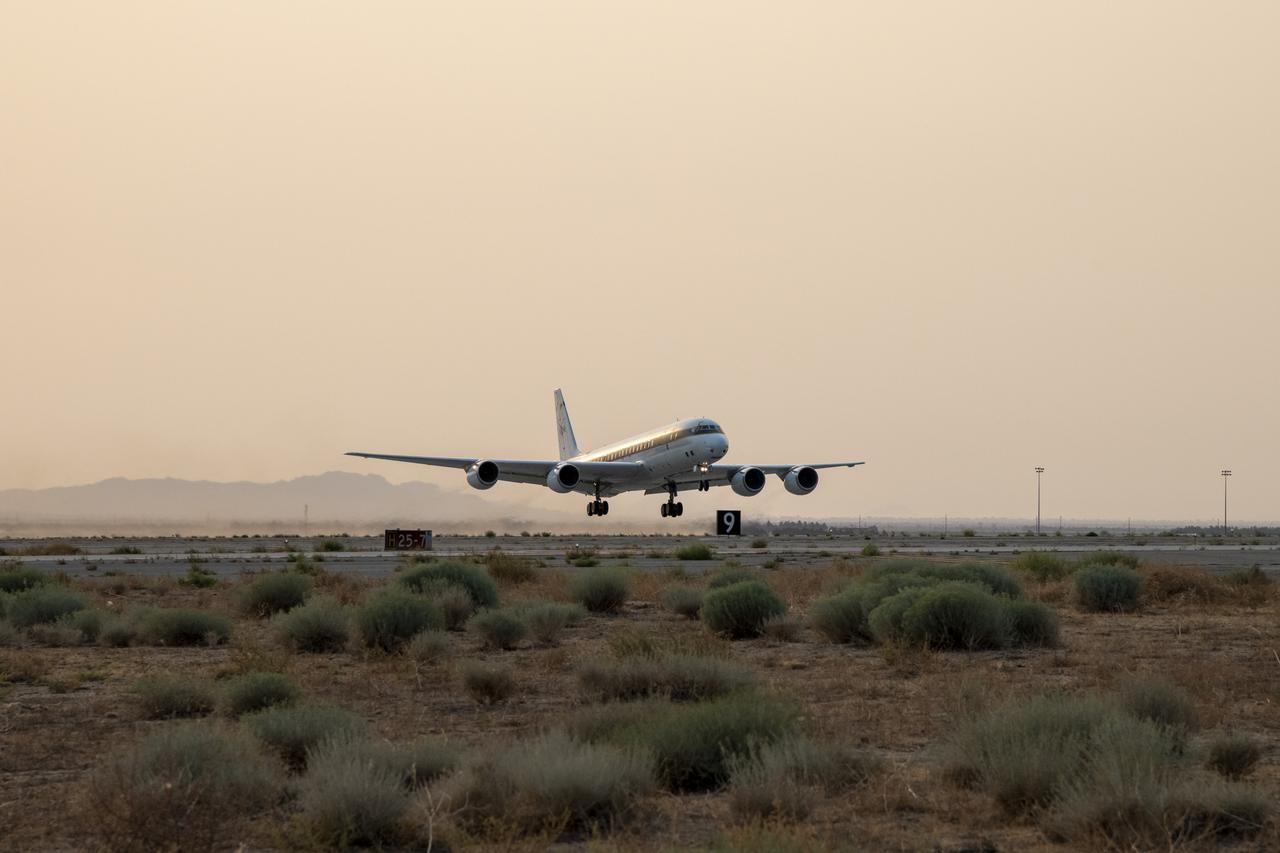
NASA's DC-8 taking off to St. Croix in support of the Convective Processes Experiment - Aerosols and Winds campaign (CPEX-AW) on Aug 17, 2021.
DC-8 CPEX-AW Deployment
NASA mission controllers, engineers, pilots and communications specialists in the mission control room monitor the supersonic research flight off the coast of Galveston, as part of the QSF18 flight series. The flight operations crew tracks the status of the flights, maintains communications with the aircraft, communicates with U.S. Coast Guard, and coordinates community feedback data.
NASA Flight Operations Crew Monitors Supersonic Flight
While NASA’s F/A-18 goes supersonic off the coast, a team of researchers monitor the flight and operate multiple sound monitor stations around Galveston and its surrounding area. This allows NASA to obtain accurate sound level data, which gets matched to community response data.
QSF18 Field Research Team Monitors Data from Flight
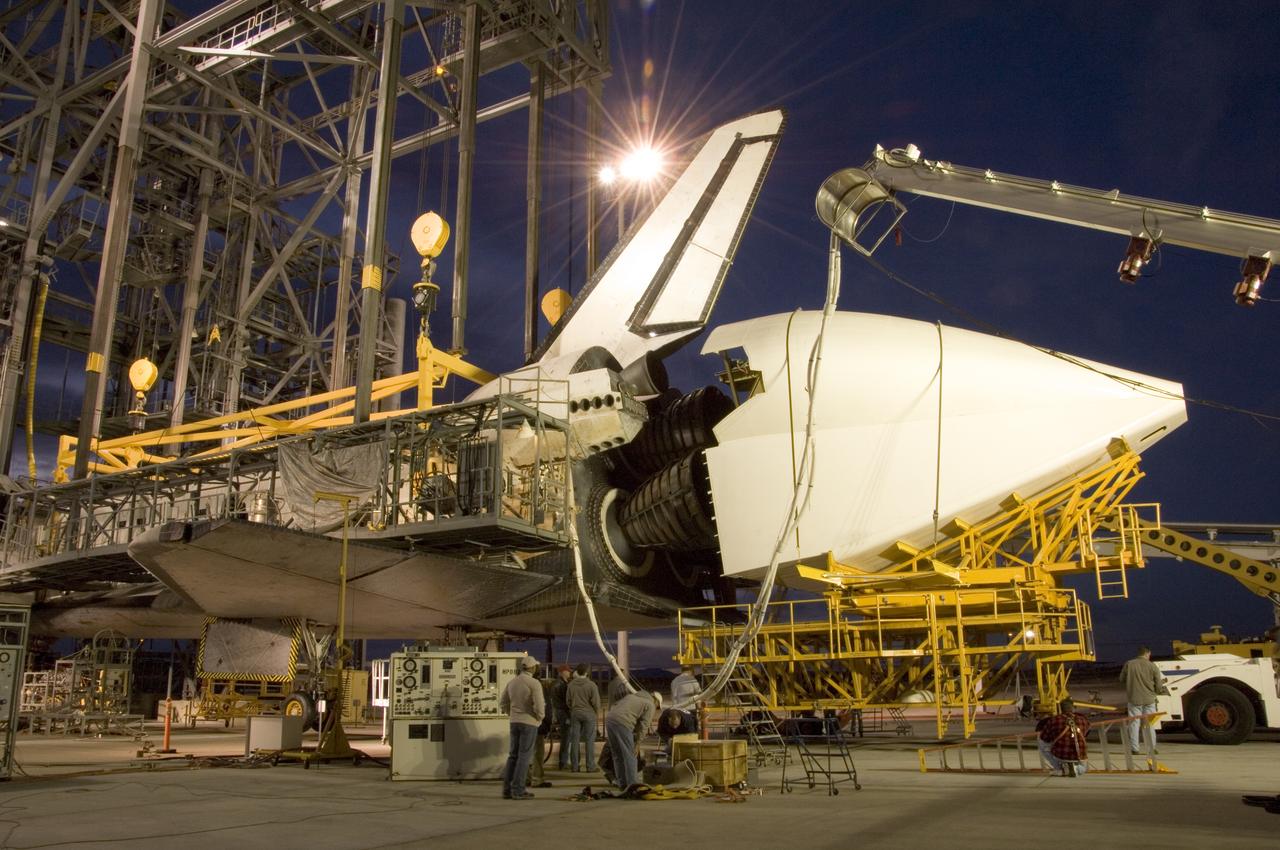
NASA technicians position the aerodynamic tailcone around the engine nozzles of the Space Shuttle Endeavour Dec. 7 in preparation for its ferry flight from NASA's Dryden Flight Research Center at Edwards Air Force Base back to the Kennedy Space Center in Florida.
NASA technicians position the aerodynamic tailcone around the engine nozzles of the Space Shuttle Endeavour in preparation for its ferry back to KSC in Florida
NASA mission controllers, engineers, pilots and communications specialists in the mission control room monitor the supersonic research flight off the coast of Galveston, as part of the QSF18 flight series. The flight operations crew tracks the status of the flights, maintains communications with the aircraft, communicates with U.S. Coast Guard, and coordinates community feedback data.
NASA Flight Operations Crew Monitors Supersonic Flight
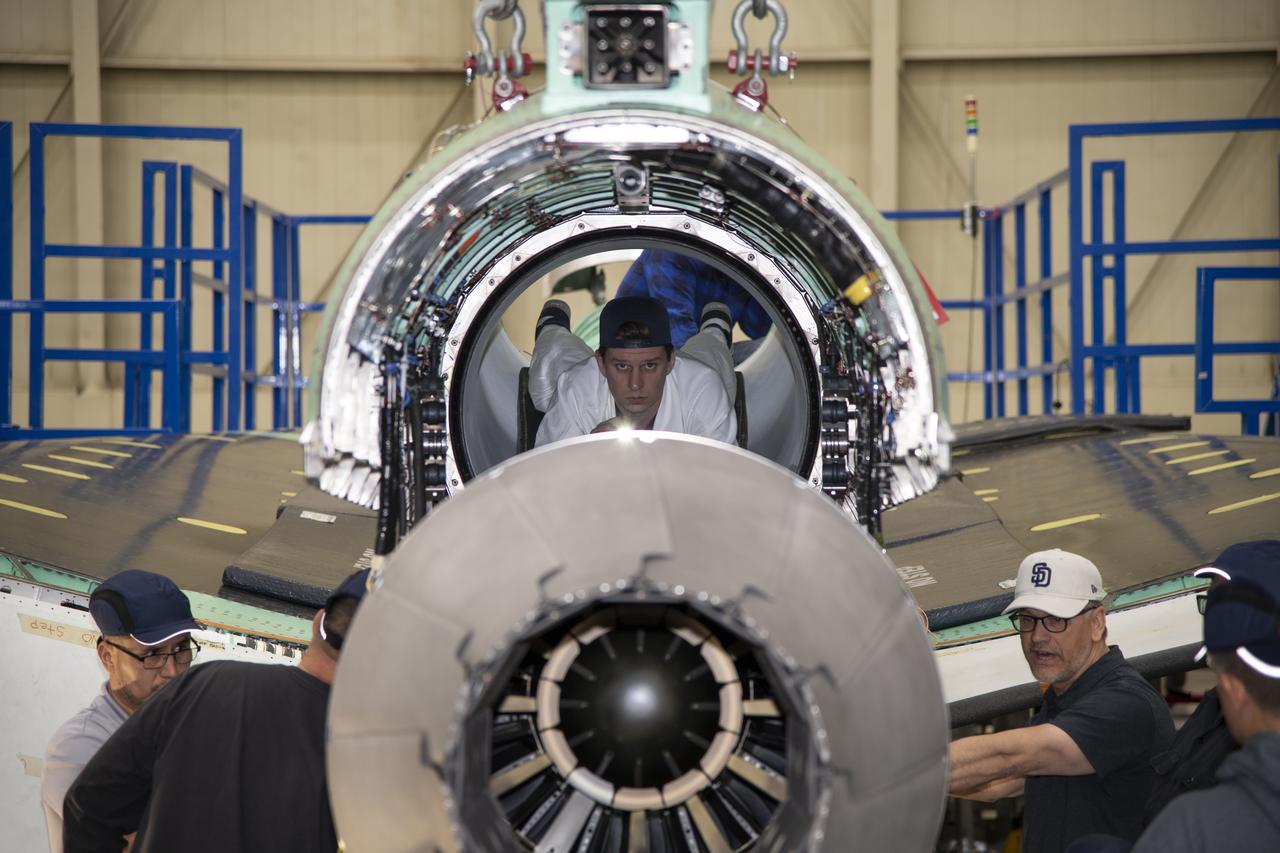
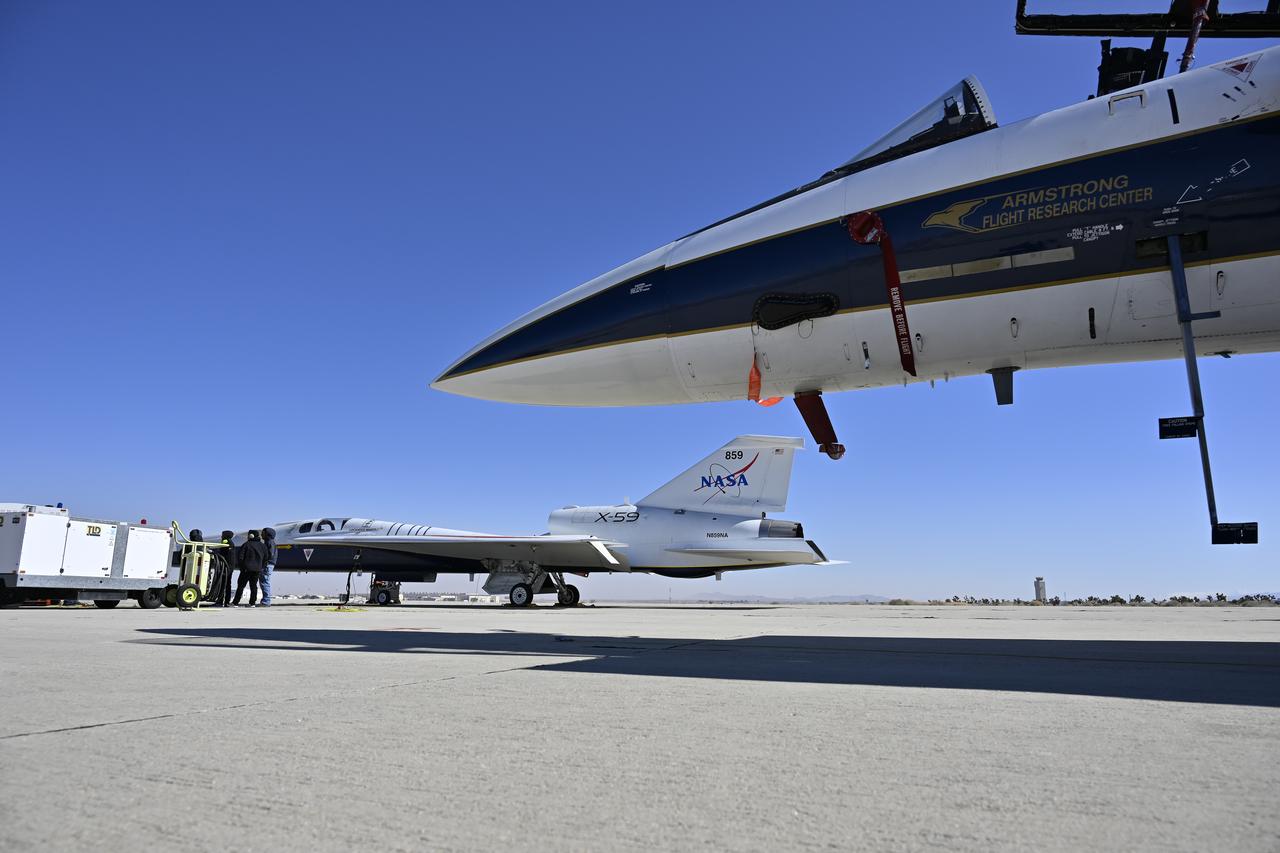
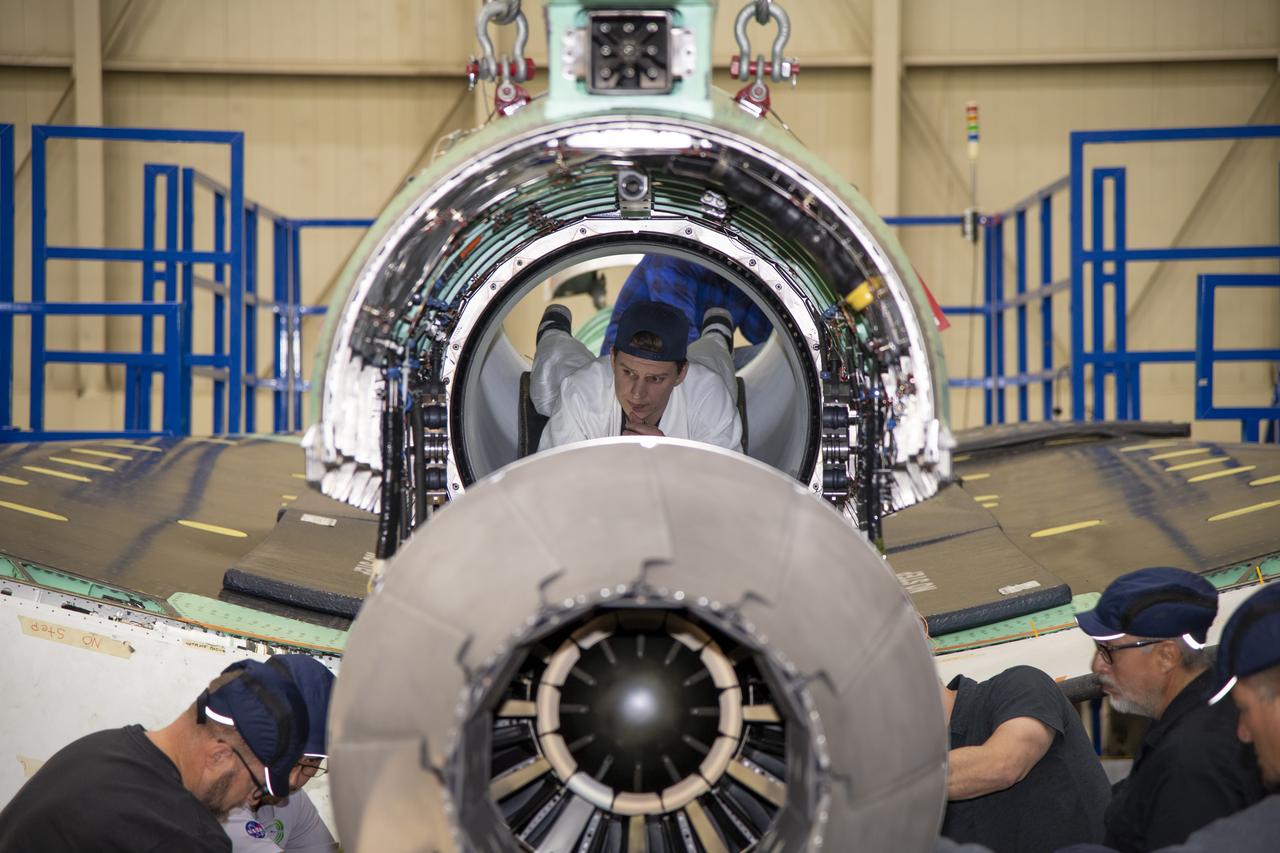
The engine that will power NASA’s quiet supersonic X-59 in flight is installed, marking a major milestone in the experimental aircraft’s journey toward first flight. The installation of the F414-GE-100 engine at Lockheed Martin’s Skunk Works facility brings the vehicle close to the completion of its assembly.
Engine Installed on NASA’s X-59 Experimental Aircraft
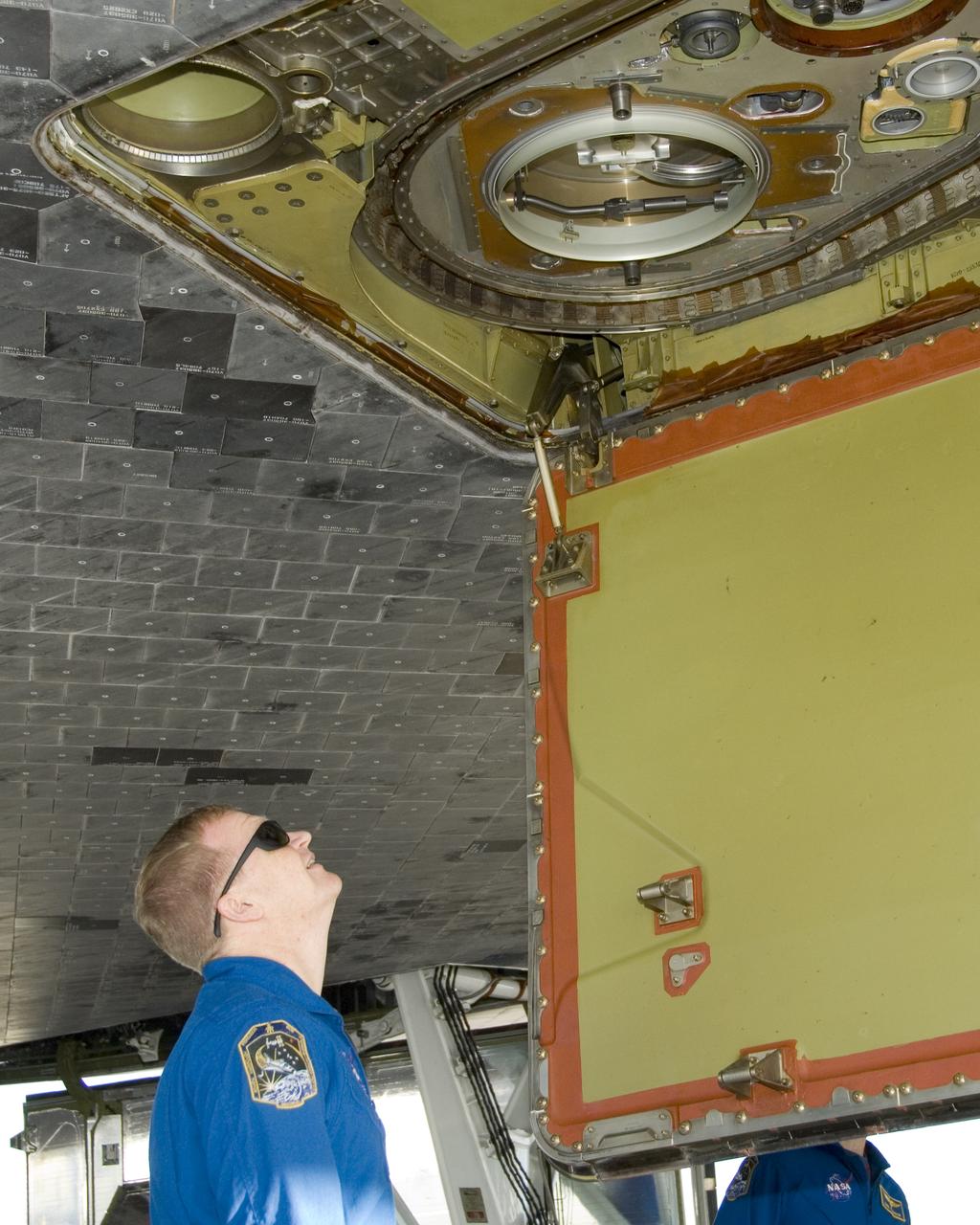
STS-126 pilot Eric Boe inspects the liquid oxygen line connection on the belly of Space Shuttle Endeavour following landing at Edwards Air Force Base Sunday.
STS-126 pilot Eric Boe inspects the liquid oxygen line connection on the belly of Space Shuttle Endeavour following landing at Edwards Air Force Base Sunday
NASA's Armstrong Flight Research Center flies the C-20 aircraft in support of the Advanced Synthetic Aperture Radar (ASAR) campaign on July 22, 2021.
C-20 ASAR Flight
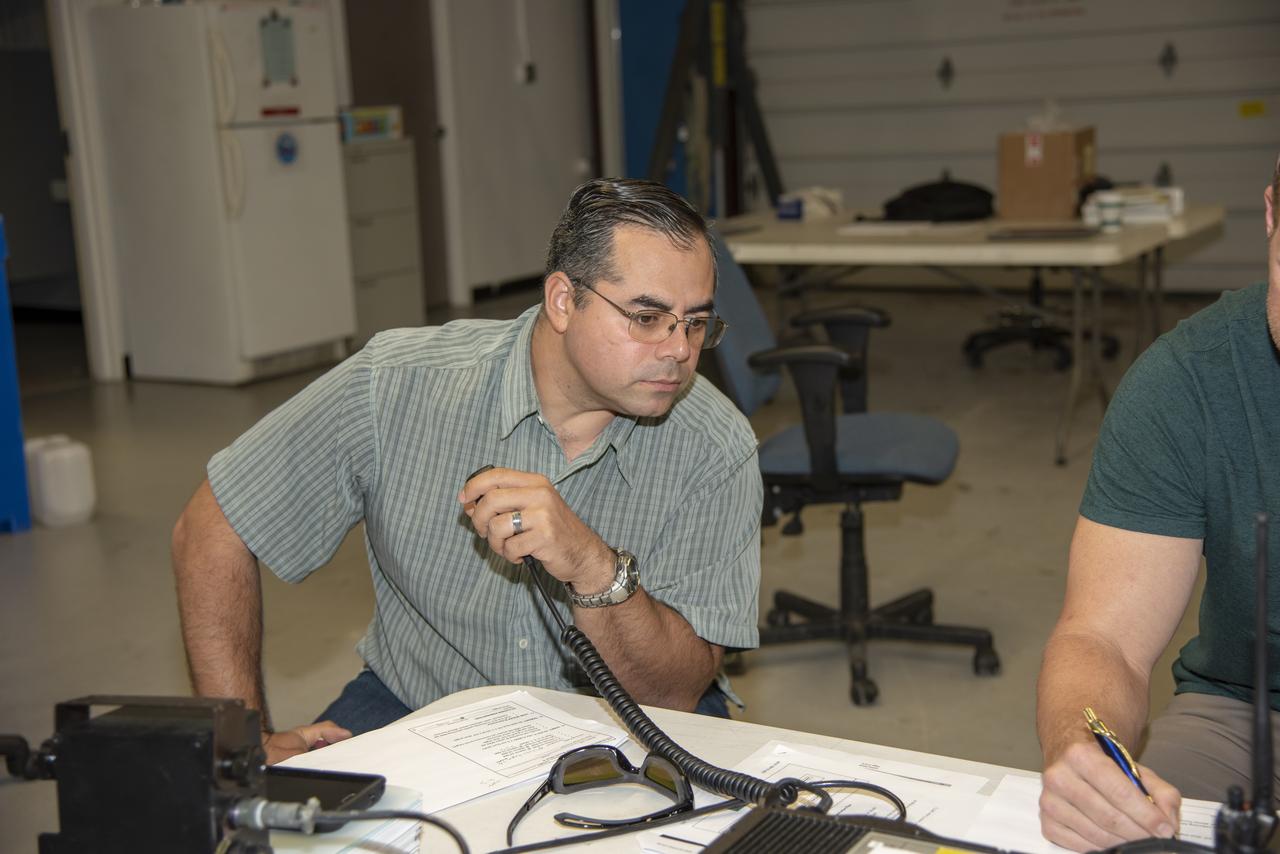
The flight operations crew for NASA’s QSF18 flight series debriefs following a flight with the F/A-18 research aircraft. The flight included a quiet supersonic dive maneuver at high altitudes off the coast to produce a sonic boom out over the ocean, with the intention of producing quieter “thumps” on land.
NASA QSF18 Flight Operations Crew Debriefs Flight
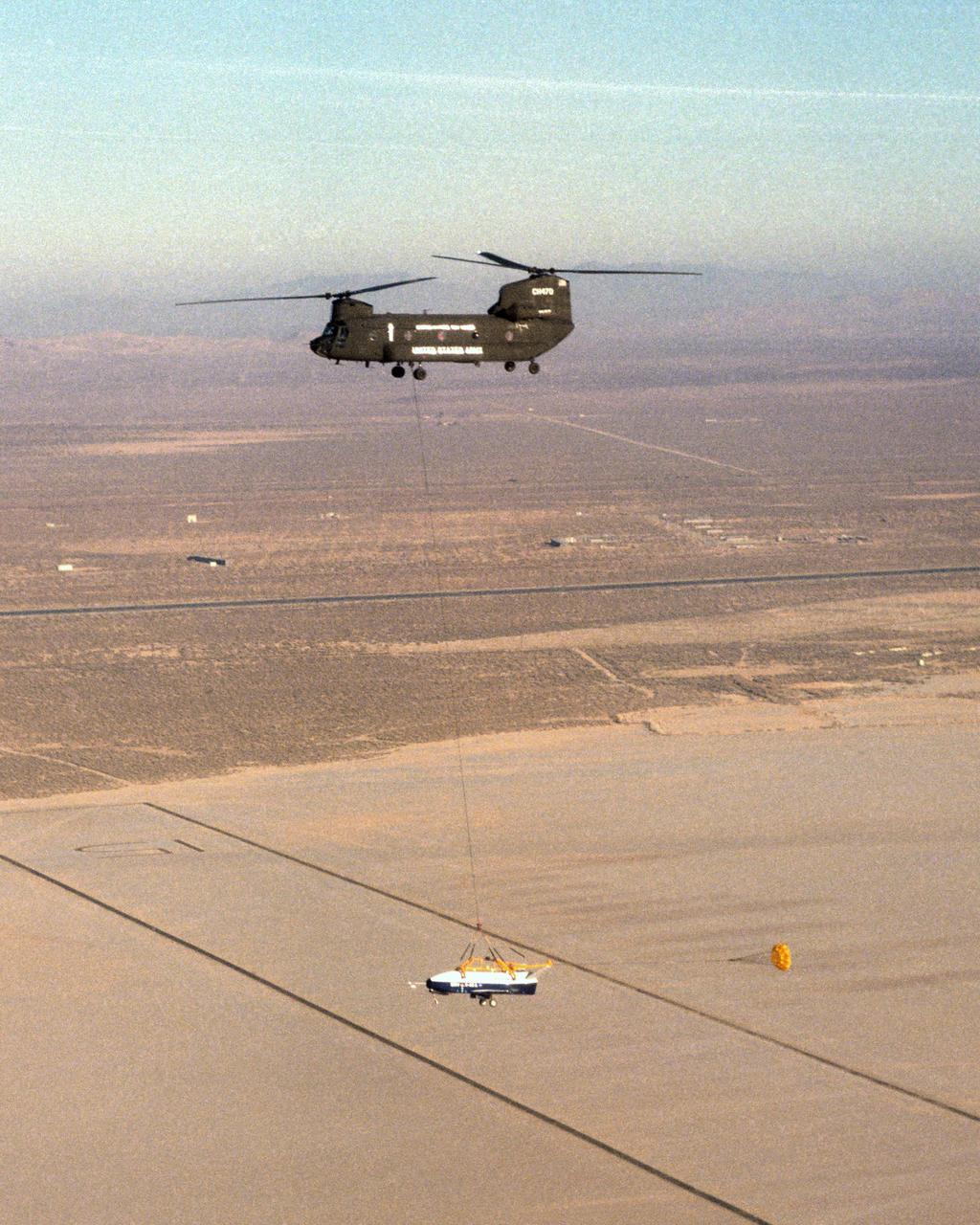
The X-40 sub-scale technology demonstrator and its U.S. Army CH-47 Chinook helicopter mothership fly over a dry lakebed runway during a captive-carry test flight from NASA's Dryden Flight Research Center, Edwards, California. The X-40 is attached to a sling which is suspended from the CH-47 by a 110-foot-long cable during the tests, while a small parachute trails behind to provide stability. The captive carry flights are designed to verify the X-40's navigation and control systems, rigging angles for its sling, and stability and control of the helicopter while carrying the X-40 on a tether. Following a series of captive-carry flights, the X-40 made free flights from a launch altitude of about 15,000 feet above ground, gliding to a fully autonomous landing. The X-40 is an unpowered 82 percent scale version of the X-37, a Boeing-developed spaceplane designed to demonstrate various advanced technologies for development of future lower-cost access to space vehicles.
The X-40 sub-scale technology demonstrator and its U.S. Army CH-47 Chinook helicopter mothership fly over a dry lakebed runway during a captive-carry test flight at NASA's Dryden Flight Research Center
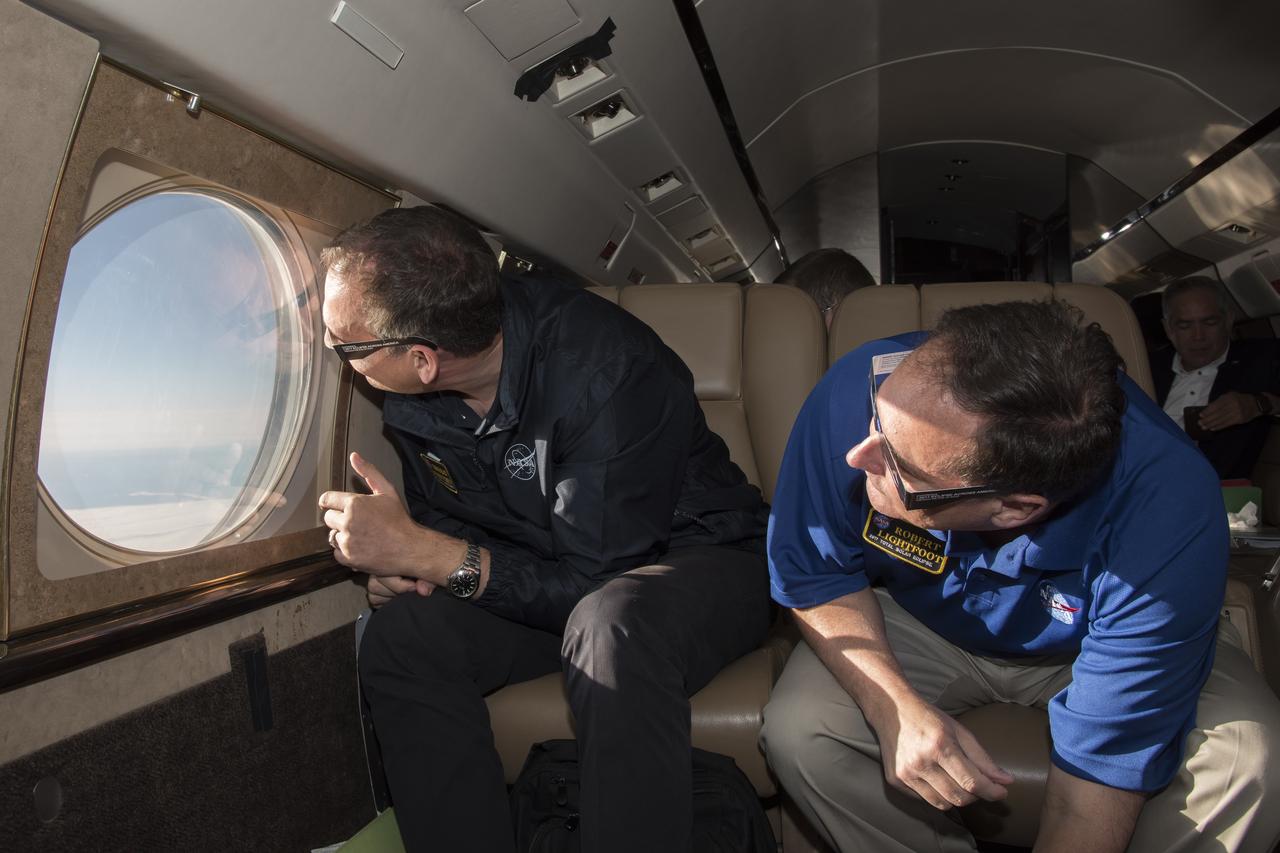
Robert Lightfoot, acting NASA administrator and Thomas Zurbuchen NASA AA for the science mission directorate view a partial eclipse solar eclipse Monday, August 21, 2017, from onboard a NASA Armstrong Flight Research Center’s Gulfstream III 35,000 feet above the Oregon Coast. A total solar eclipse swept across a narrow portion of the contiguous United States from Lincoln Beach, Oregon to Charleston, South Carolina. Photo Credit: (NASA/Carla Thomas)
2017 Total Solar Eclipse
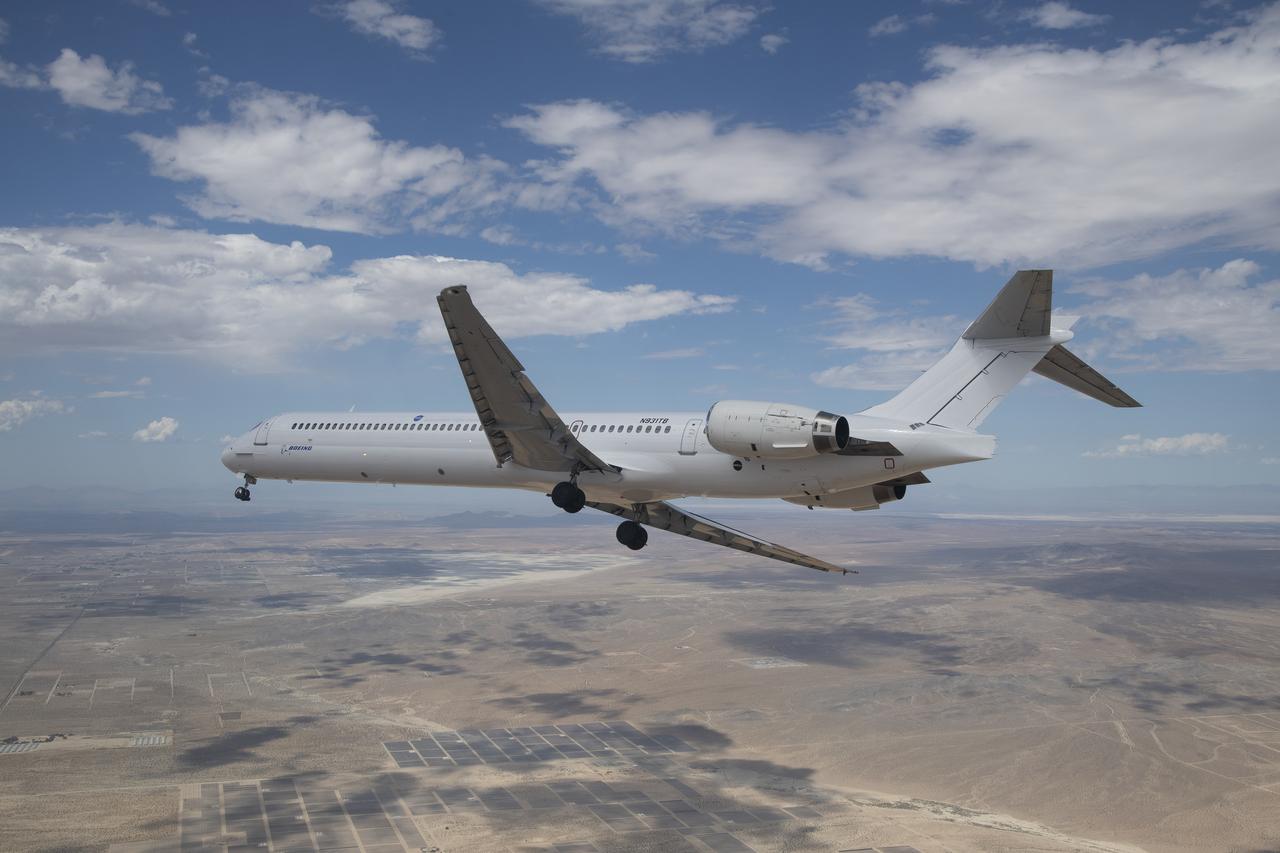
Boeing’s MD-90 aircraft flies from Victorville California to Palmdale, California on August 15, 2023. This aircraft will be NASA’s future Sustainable Flight Demonstrator. Modifications to the aircraft will include changes to the fuselage and most notably the use of a transonic truss-braced wing.
Boeing MD-90 flies from Victorville, California to Palmdale, California where it will begin modifications as part of NASA Sustainable Flight Demonstrator
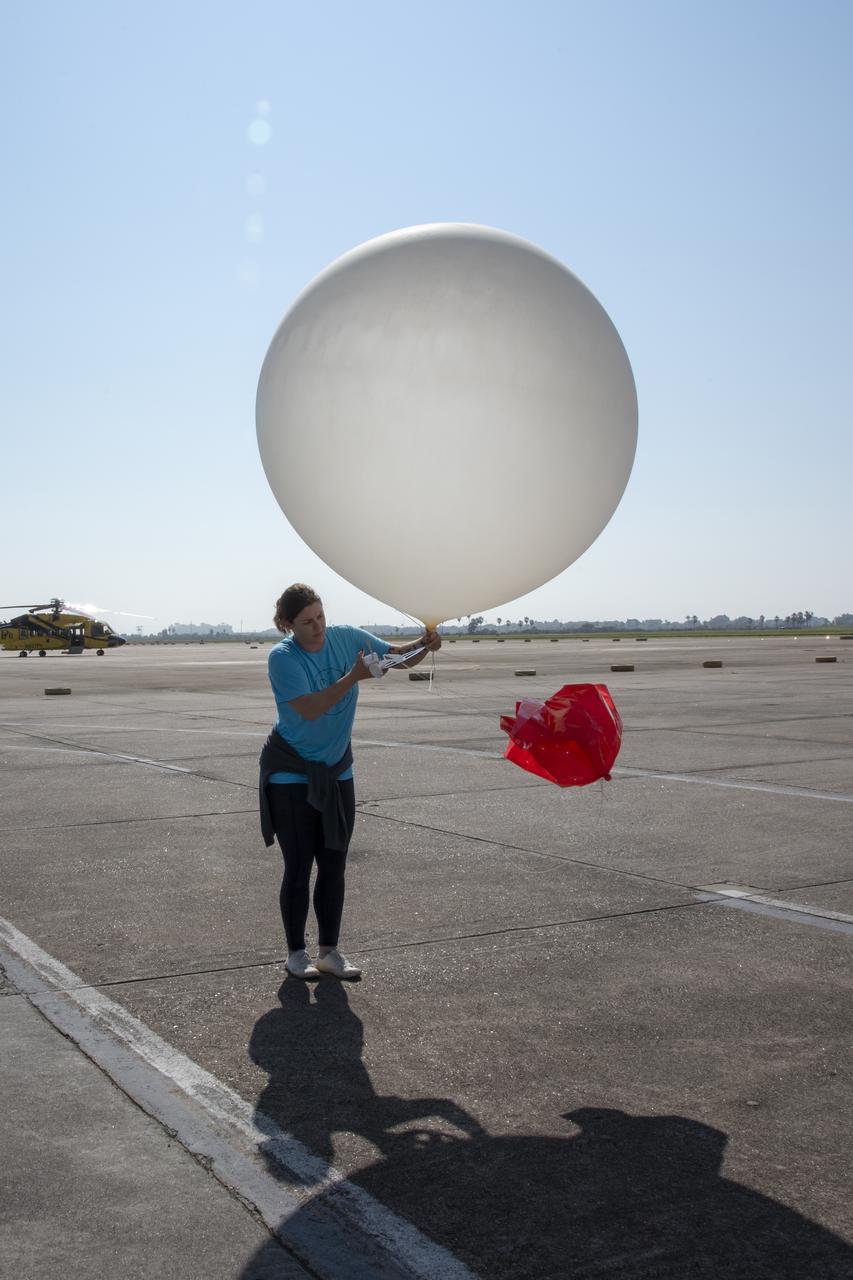
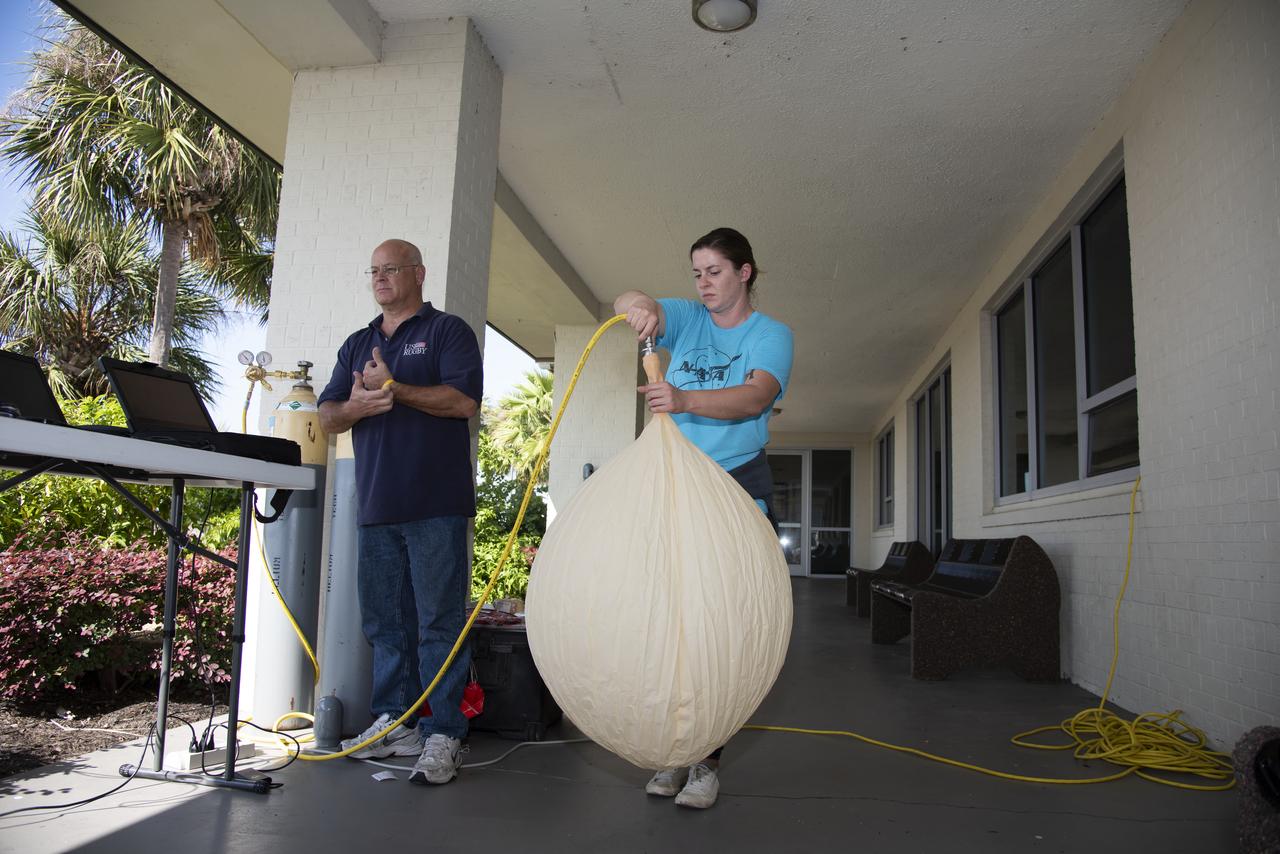
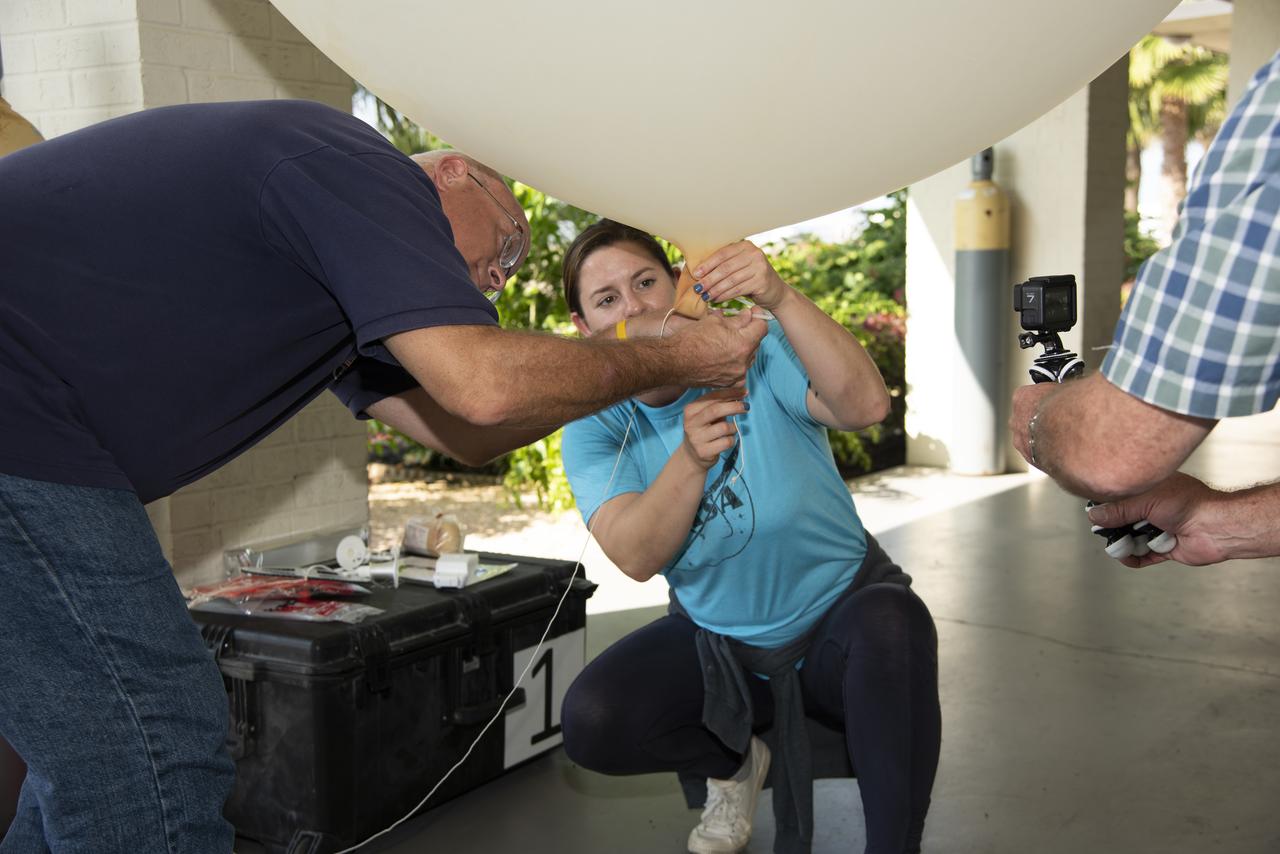
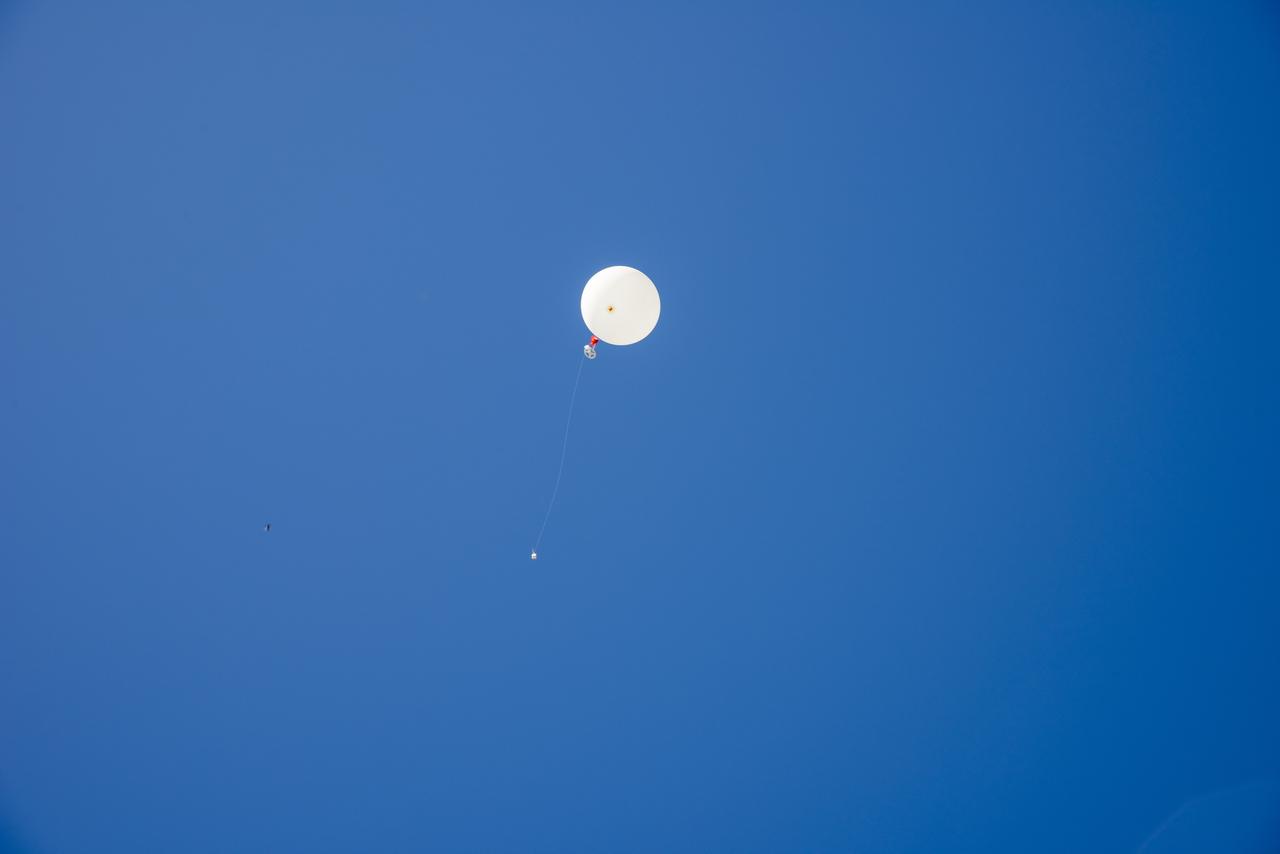
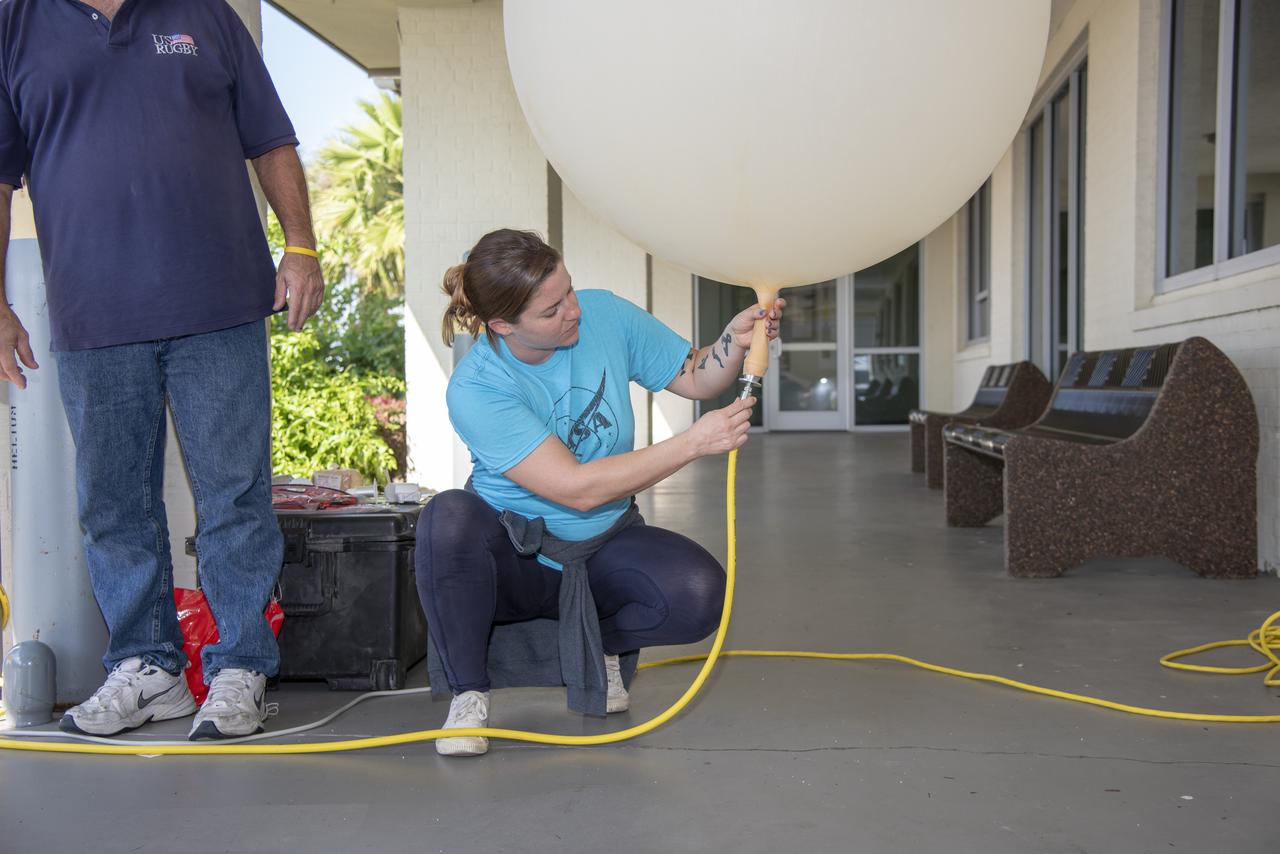
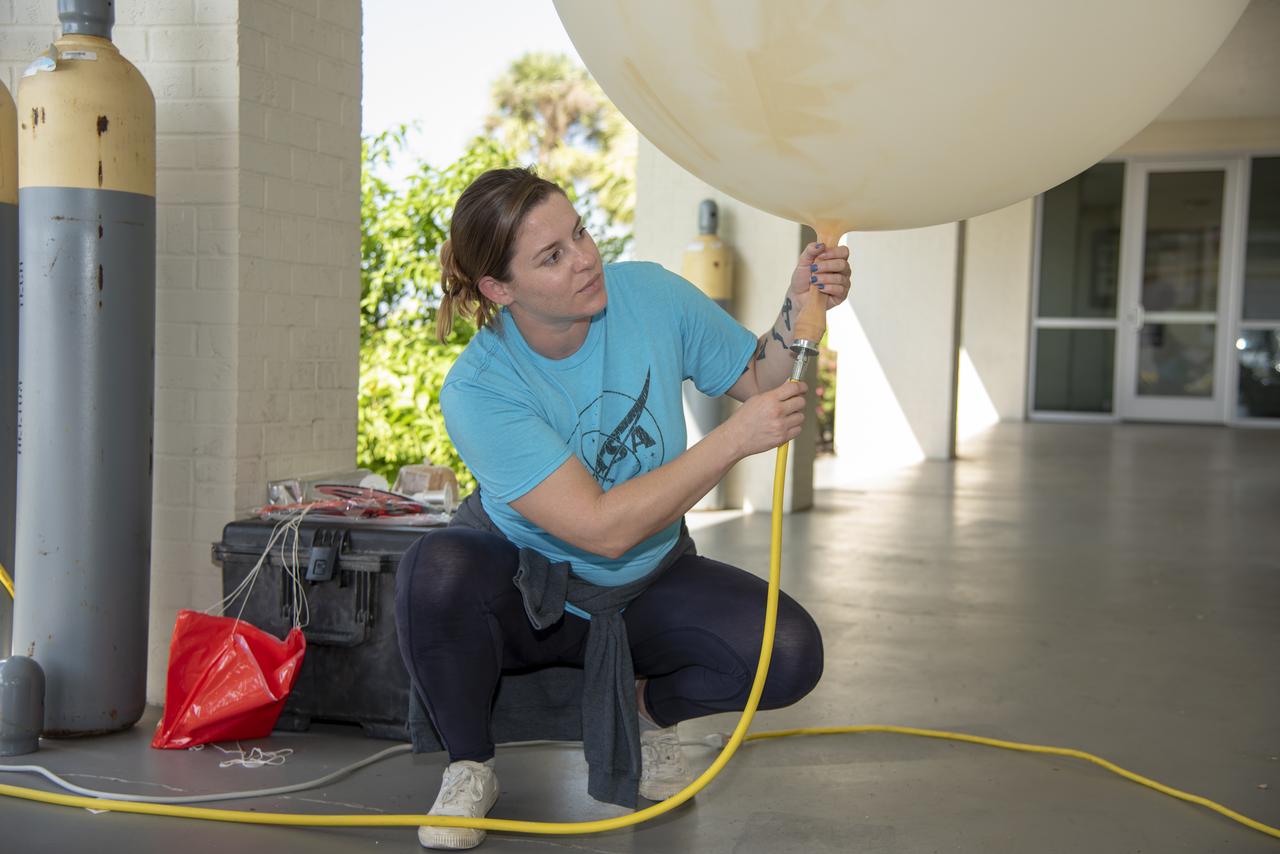
In order to make sure weather conditions are acceptable at multiple altitudes, NASA meteorologists on the ground conduct constant monitoring operations, and launch weather balloons to get accurate data for aircraft and pilot.
NASA Meteorologists Launch Weather Balloon Before Research Flight
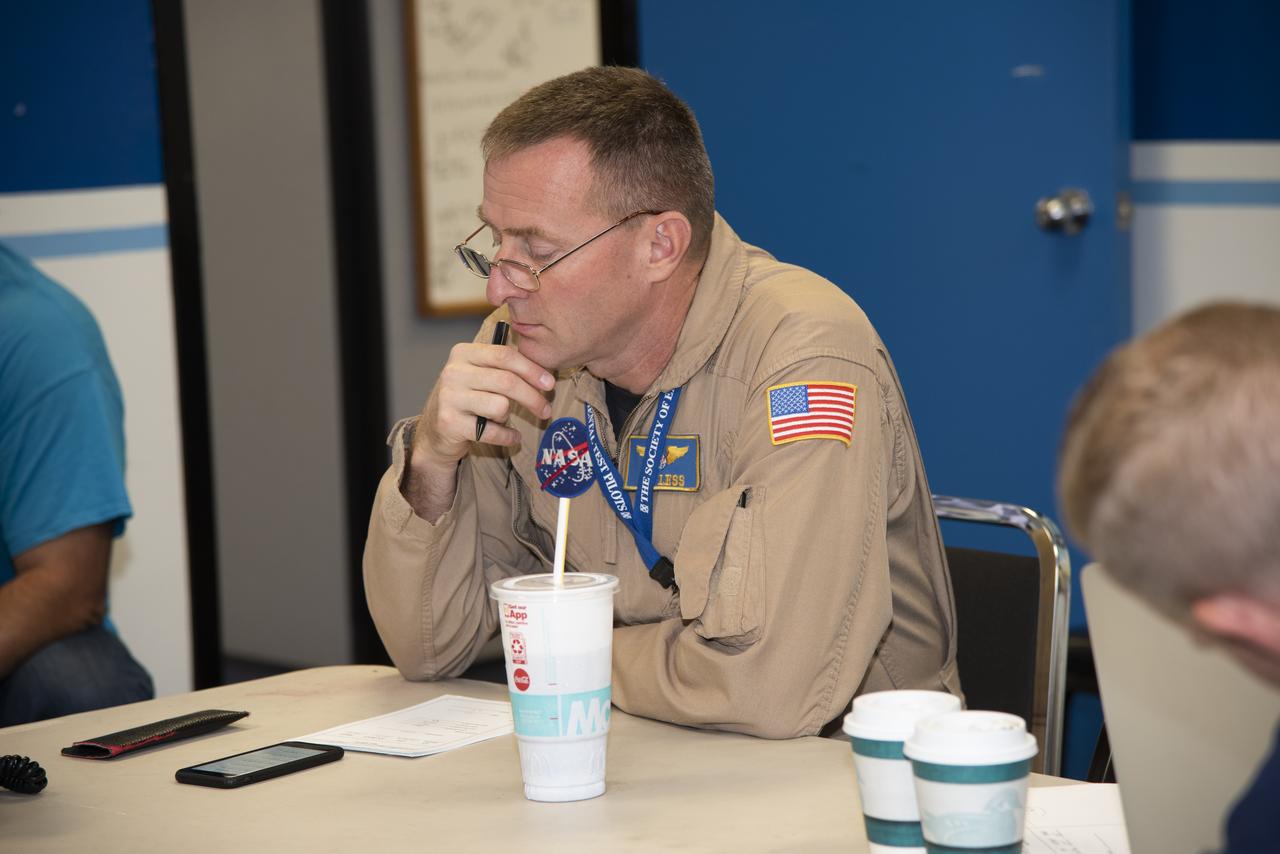
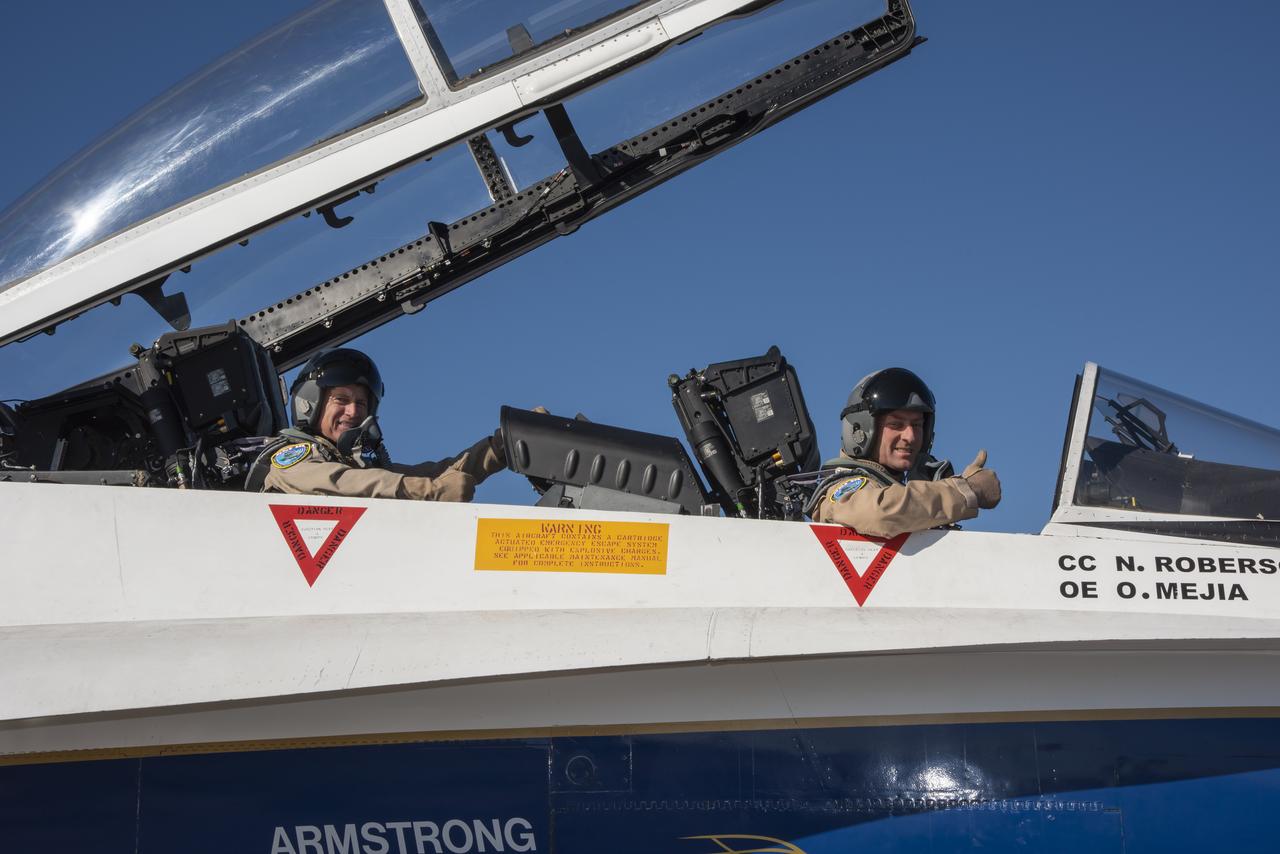
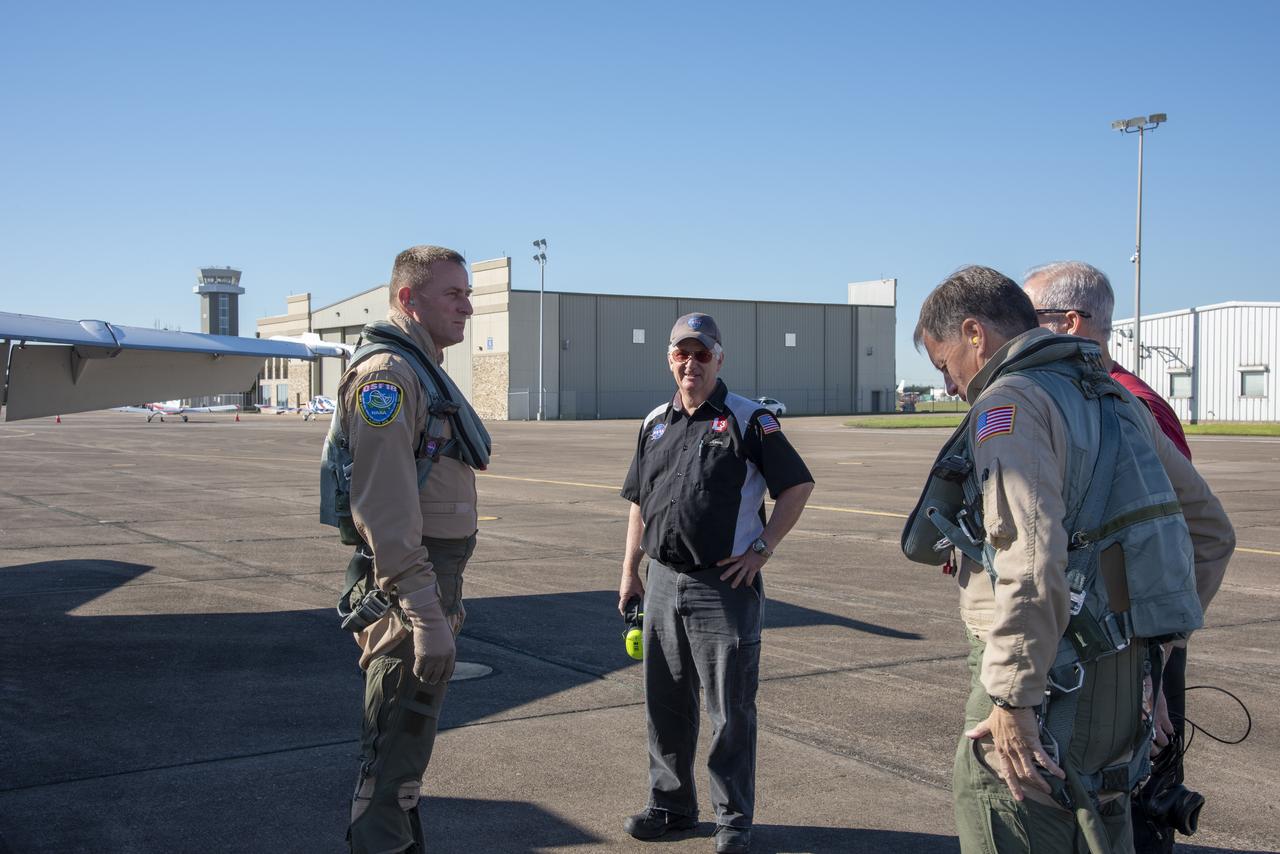
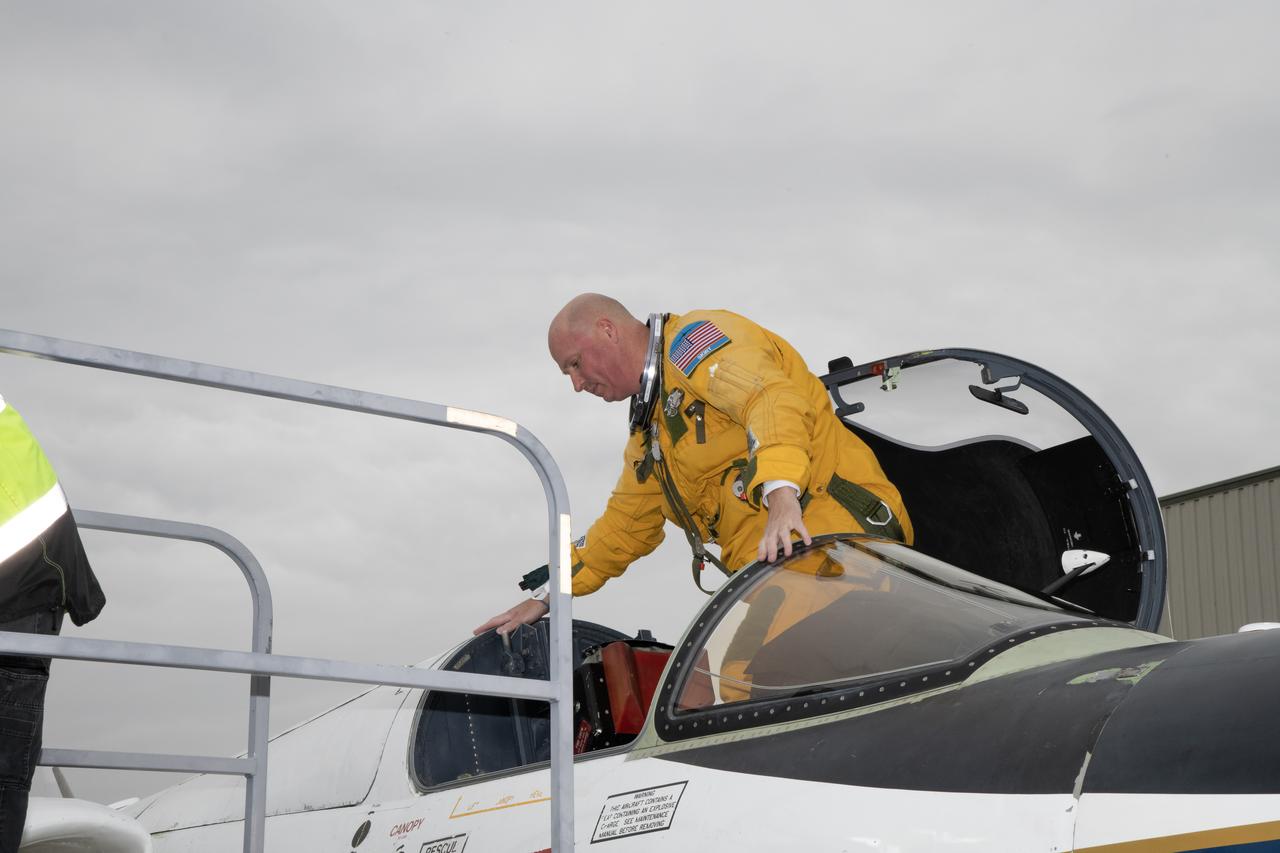
NASA test pilots Jim “Clue” Less and Wayne “Ringo” Ringelberg step to the F/A-18 research aircraft at Ellington Field and conduct pre-flight safety checks on the aircraft prior to a supersonic research flight for the QSF18 series.
NASA Pilots Prepare for QSF18 Flight
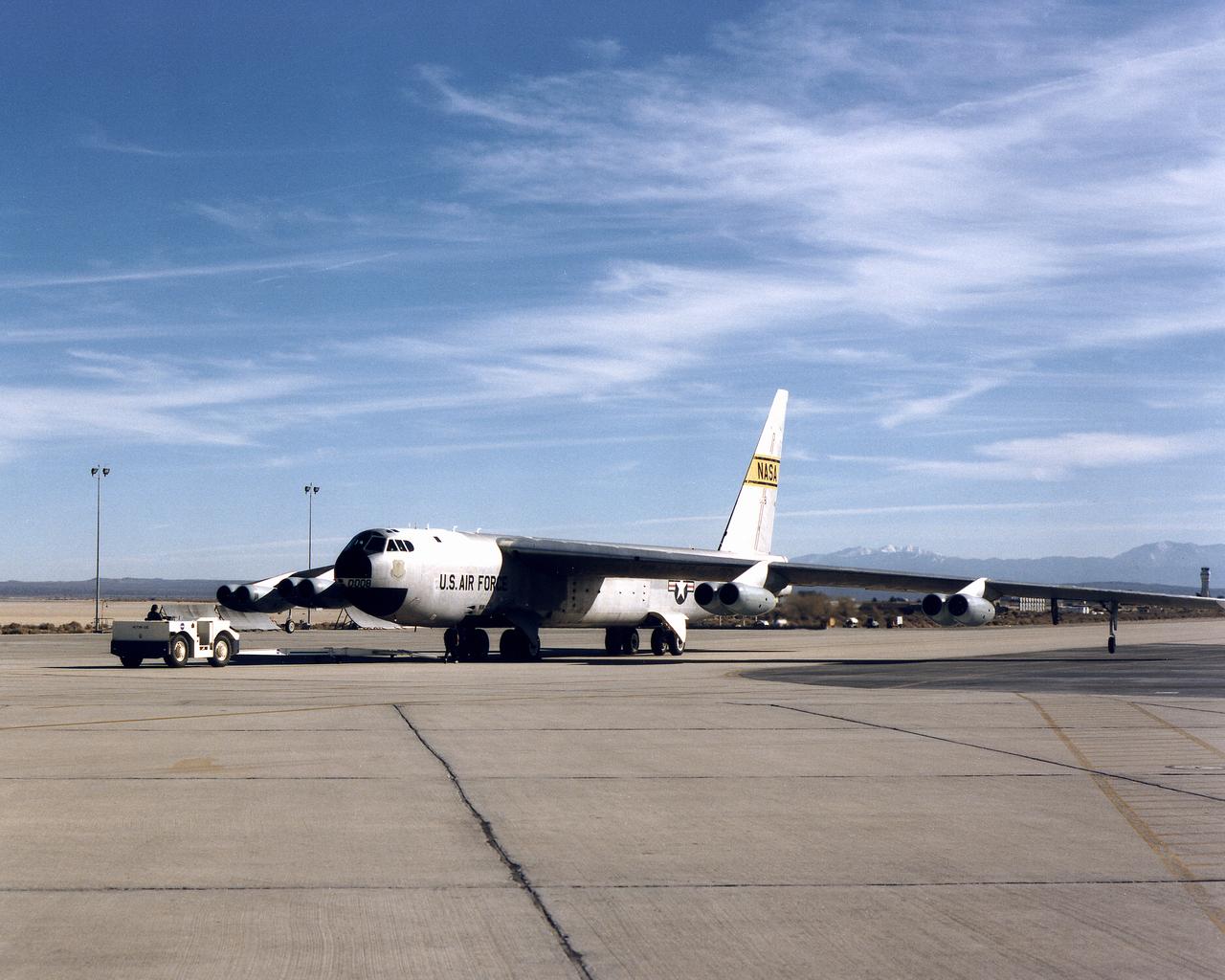
Dryden B-52 Launch Aircraft on Dryden Ramp
EC96-43808-2
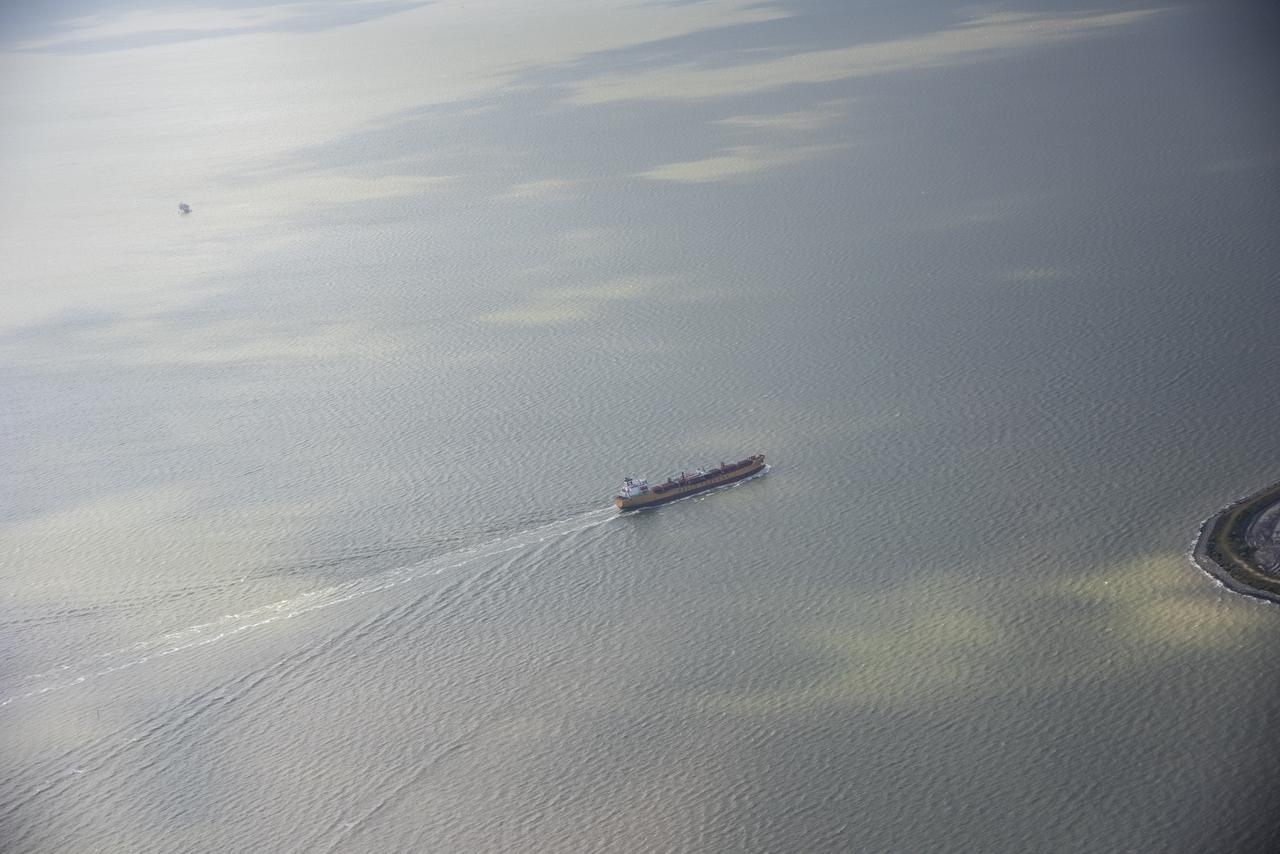
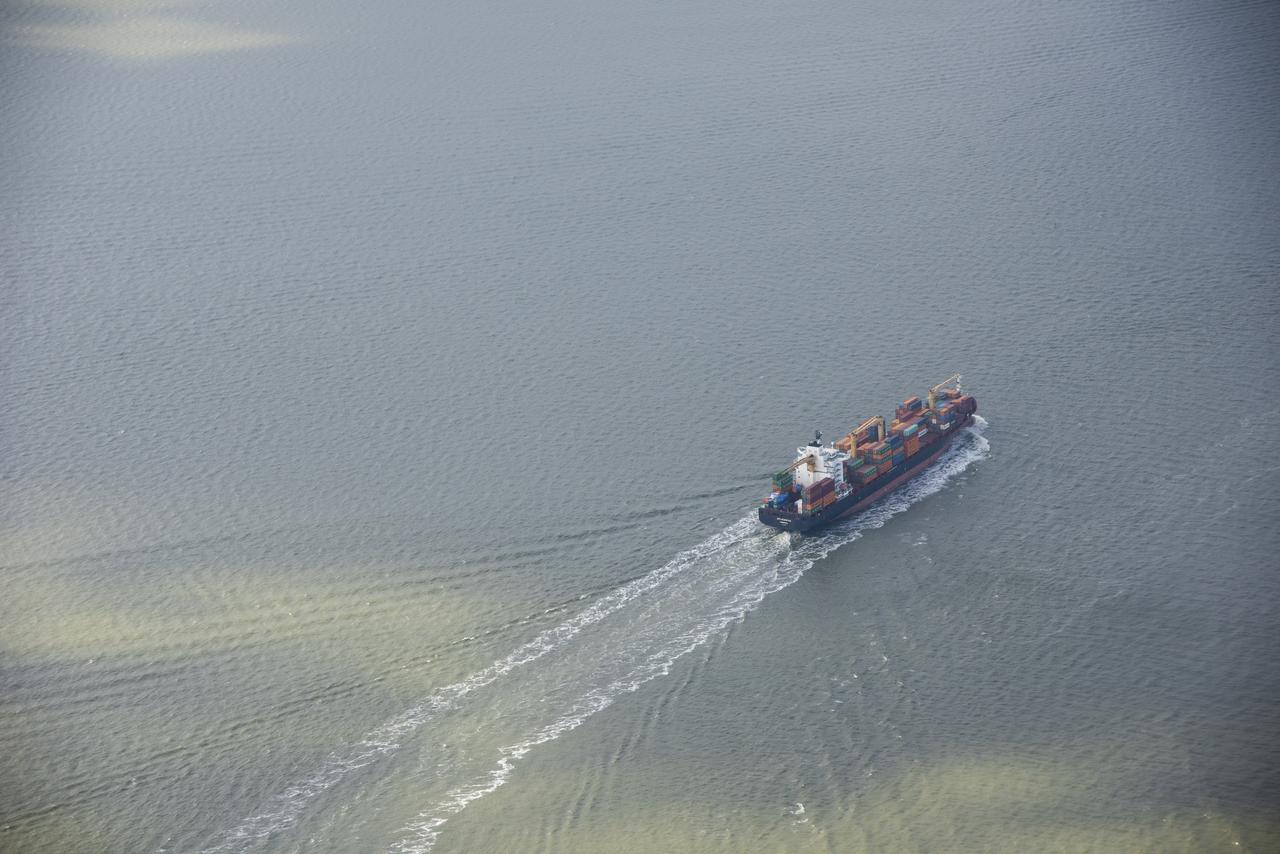
While the quiet supersonic dive maneuver produces a quieter version of the sonic boom in a necessary area, it produces a loud sonic boom out over the ocean. Doing so over the busiest waterway in the country makes it necessary to provide high levels of situational awareness to vessels below, through communications between NASA public affairs officers and the U.S. Coast Guard command center.
QSF-18 (Quiet Supersonic Flight 2018)
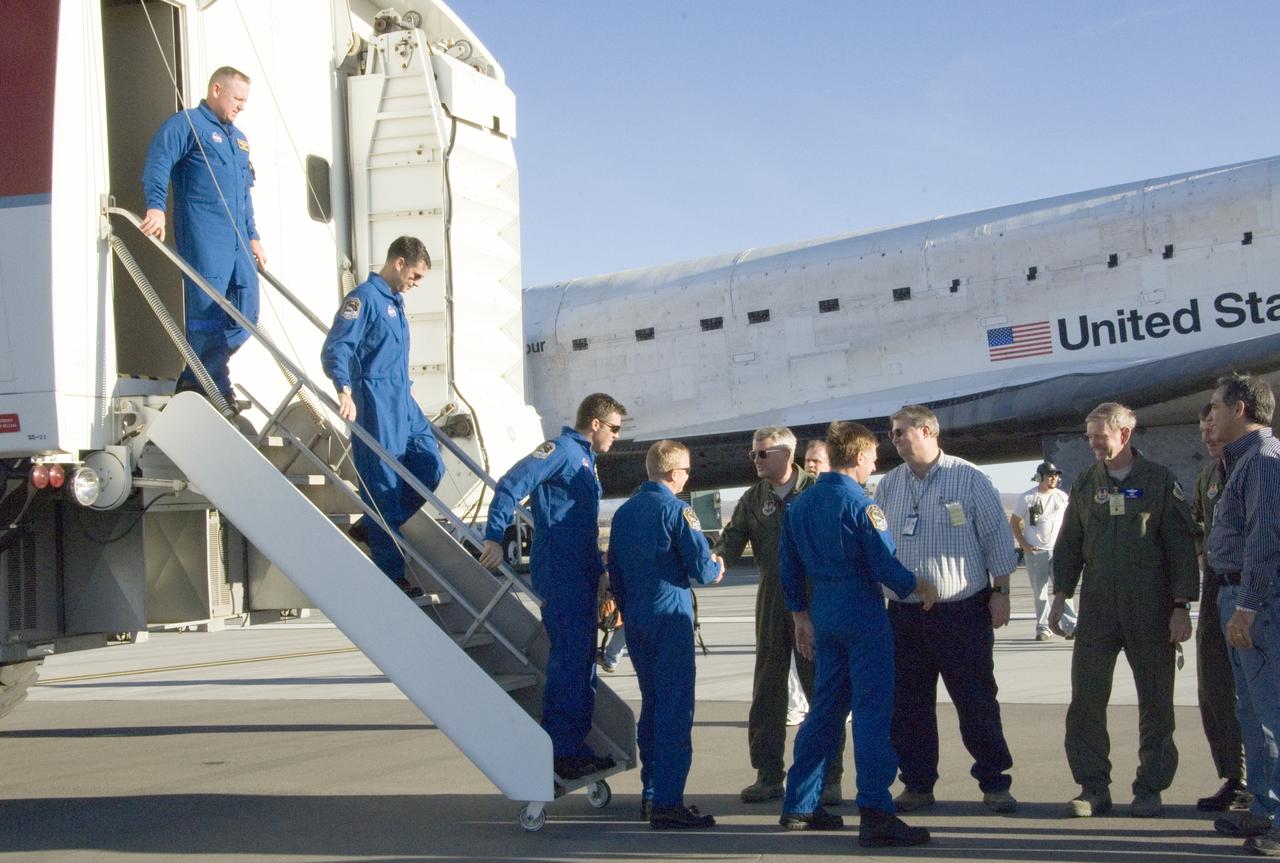
Air Force and NASA officials greet the STS-126 crew as they exit the Crew Transport Vehicle after landing the shuttle Endeavour at Edwards Air Force Base.
Air Force and NASA officials greet the STS-126 crew as they exit the Crew Transport Vehicle after landing the shuttle Endeavour at Edwards Air Force Base
NASA mission controllers, engineers, pilots and communications specialists in the mission control room monitor the supersonic research flight off the coast of Galveston, as part of the QSF18 flight series. The flight operations crew tracks the status of the flights, maintains communications with the aircraft, communicates with U.S. Coast Guard, and coordinates community feedback data.
NASA Flight Operations Crew Monitors Supersonic Flight
NASA test pilots Jim “Clue” Less and Wayne “Ringo” Ringelberg step to the F/A-18 research aircraft at Ellington Field and conduct pre-flight safety checks on the aircraft prior to a supersonic research flight for the QSF18 series.
NASA Pilots Prepare for QSF18 Flight
The flight operations crew for NASA's QSF18 flight series debriefs following a flight with the F/A-18 research aircraft. The flight included a quiet supersonic dive maneuver at high altitudes off the coast to produce a sonic boom out over the ocean, with the intention of producing quieter "thumps" on land.
NASA QSF18 Flight Operations Crew Debriefs Flight
While the quiet supersonic dive maneuver produces a quieter version of the sonic boom in a necessary area, it produces a loud sonic boom out over the ocean. Doing so over the busiest waterway in the country makes it necessary to provide high levels of situational awareness to vessels below, through communications between NASA public affairs officers and the U.S. Coast Guard command center.
QSF-18 (Quiet Supersonic Flight 2018)
A C-20 based at NASA’s Armstrong Flight Research Center in Edwards, California, departs to use its Uninhabited Aerial Vehicle Synthetic Aperture Radar to support the Marine Oil Spill Thickness mission. Thousands of gallons of oil seep through cracks in the ocean floor and rise to the surface just off the coast of Santa Barbara. It’s one of the largest naturally occurring oil seeps and serves as a laboratory for NASA and the National Oceanic and Atmospheric Administration to test automated oil spill detection, oil extent mapping, and oil thickness characterization.
C-20 Flights Support Sensing TechnologyFlight
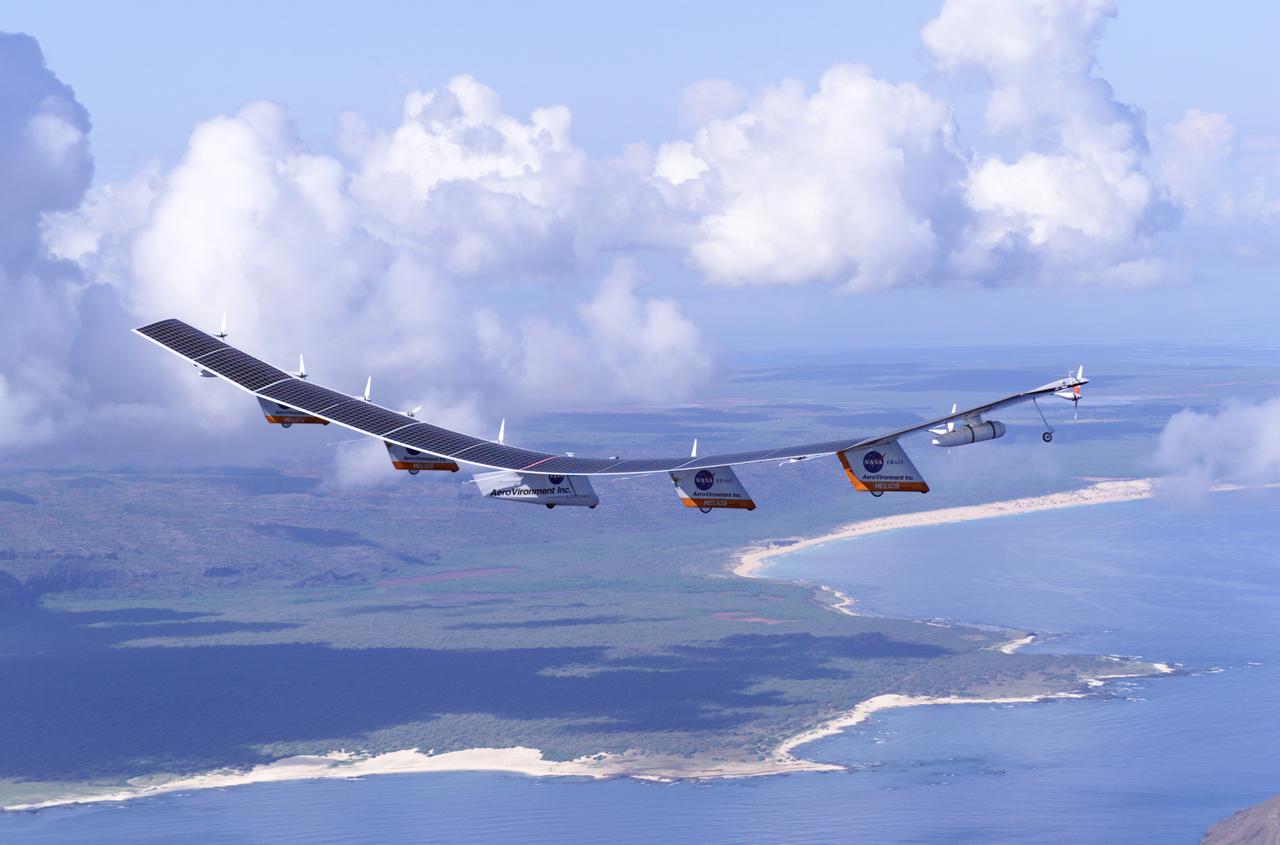
The first flight of a large aircraft to be powered by electric fuel cells began with a takeoff at 8:43 a.m. HST today from the Hawaiian island of Kauai. The Helios Prototype flying wing, built by AeroVironment, Inc., of Monrovia, Calif., as part of NASA's Environmental Research Aircraft and Sensor Technology (ERAST) program, used solar panels to power its 10 electric motors for takeoff and during daylight portions of its planned 20-hour shakedown flight. As sunlight diminishes, Helios will switch to a fuel cell system to continue flight into the night. The takeoff set the stage for a two-day Helios endurance flight in the stratosphere planned for mid-July. The Helios wing, spanning 247 feet and weighing about 2,400 pounds, is giving NASA and industry engineers confidence that remotely piloted aircraft will be able to stay aloft for weeks at a time, providing environmental monitoring capabilities and telecommunications relay services.  Helios is an all-electric airplane. In addition to being non-polluting, Helios can fly above storms, and use the power of the sun to stay aloft during daylight. Key to the success of this type of aircraft is the ability to fly in darkness, using fuel cells when sunlight cannot furnish energy.  Helios flew over the Navy's Pacific Missile Range Facility where favorable sun exposure and test ranges closed to other air traffic benefited the NASA research effort. In 2003 the aircraft was lost to a crash.
ED03-0152-4
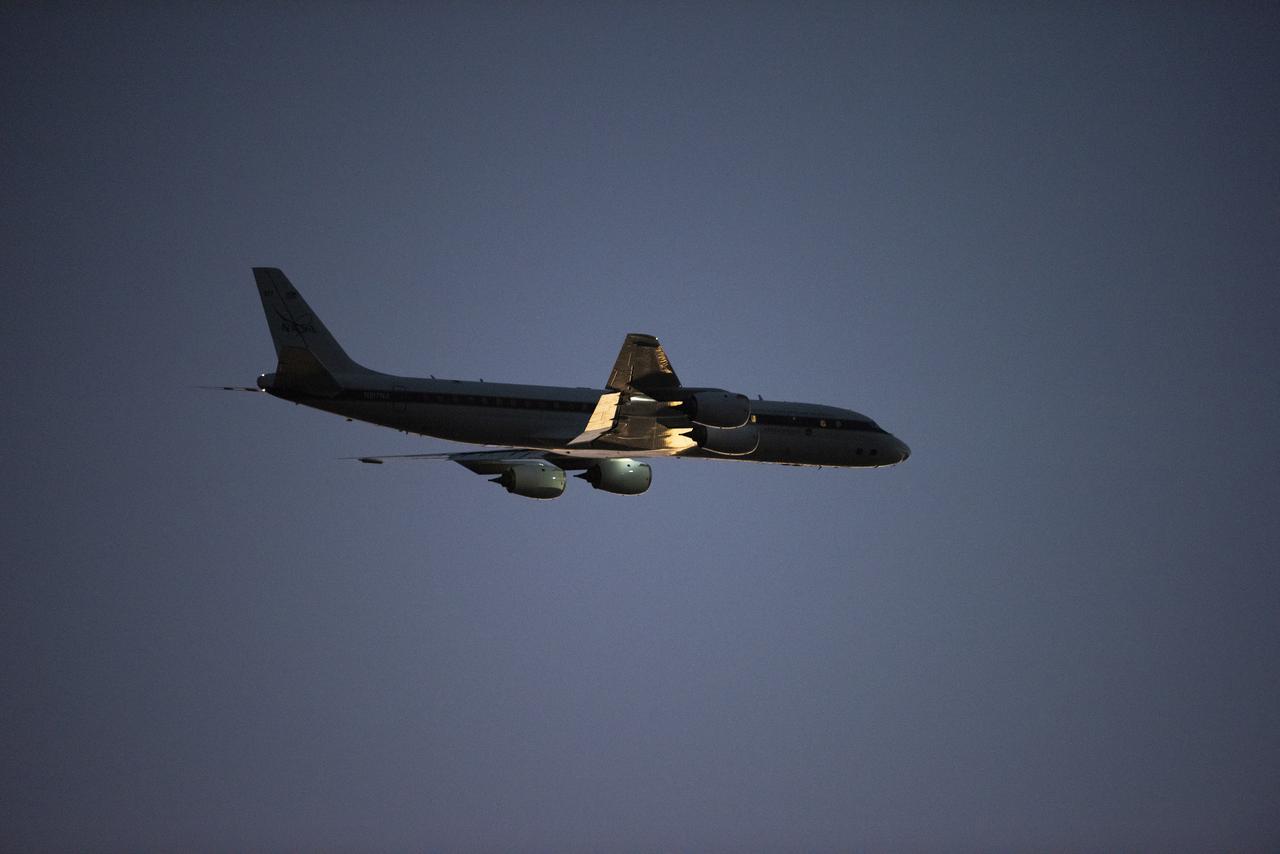
DC-8 lifts off from Air Force Plant 42 in Palmdale, Calif., at sunset.
DC-8 Sunset Lift Off
NASA Armstrong Flight Research Center test pilots Jim "Clue" Less (front) and Wayne "Ringo" Ringelberg (back) taxi out in a NASA F/A-18 at Ellington Field in Houston, Texas, in preparation of a training flight for the Quiet Supersonic Flights 2018 series, or QSF18. The QSF18 flights will provide NASA with feedback necessary to validate community response techniques for future quiet supersonic research flights for the X-59 Quiet SuperSonic Technology, or QueSST.
NASA Pilots Practice QSF18 Flight
DC-8 lifts off from Air Force Plant 42 in Palmdale, Calif., at sunset.
DC-8 Sunset Lift Off
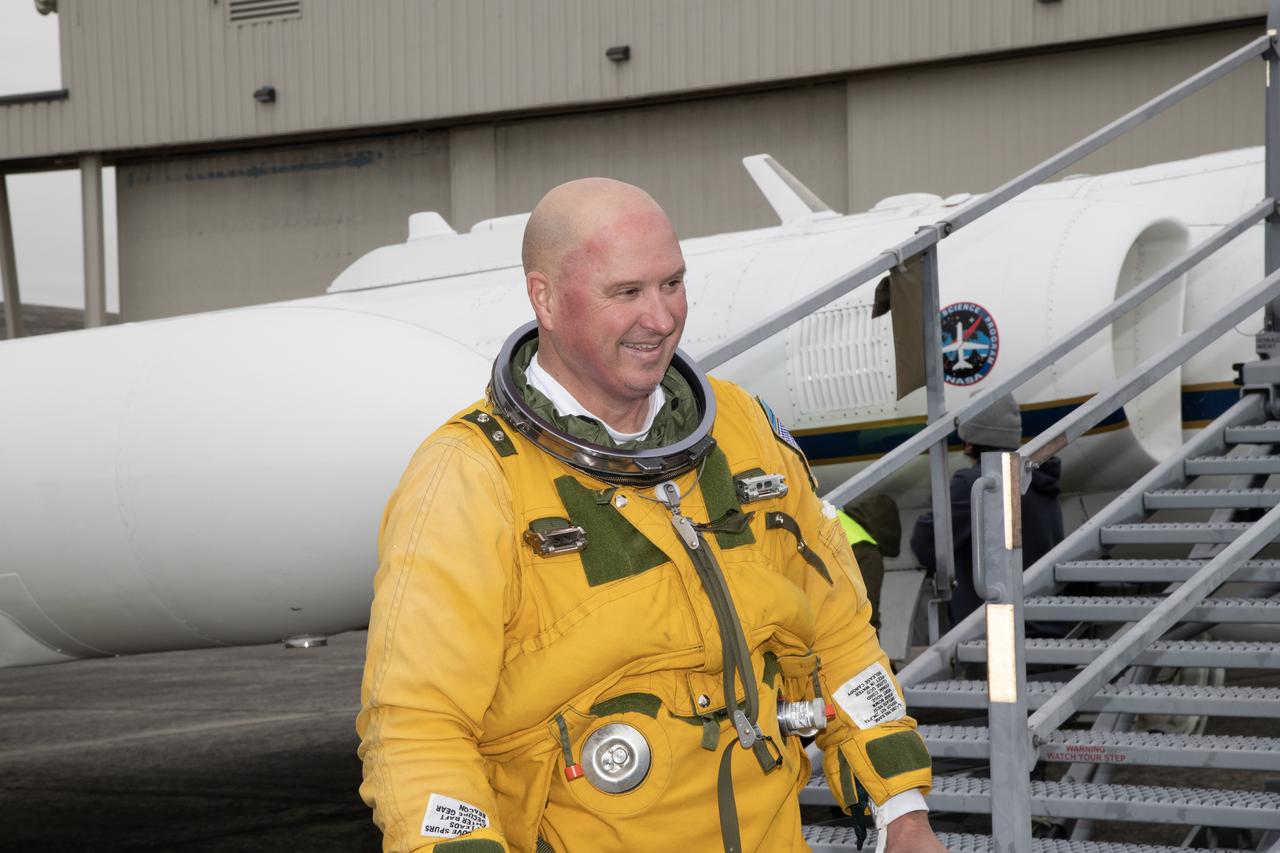
Kirt Stallings, an ER-2 pilot from NASA’s Armstrong Flight Research Center in Edwards California, completed a flight in support of the Investigation of Microphysics and Precipitation for Atlantic Coast-Threatening Storms (IMPACTS) mission. The IMPACTS team tracked storms across the Eastern United States to help understand how winter storms form and develop. The aircraft, which is based at NASA’s Armstrong Flight Research Center Building 703 in Palmdale, California, was temporarily based at Dobbins Air Reserve Base in Marietta, Georgia. The three-year IMPACTS campaign concluded on Feb. 28, 2023.
NASA’s ER-2 Supports IMPACTS Mission
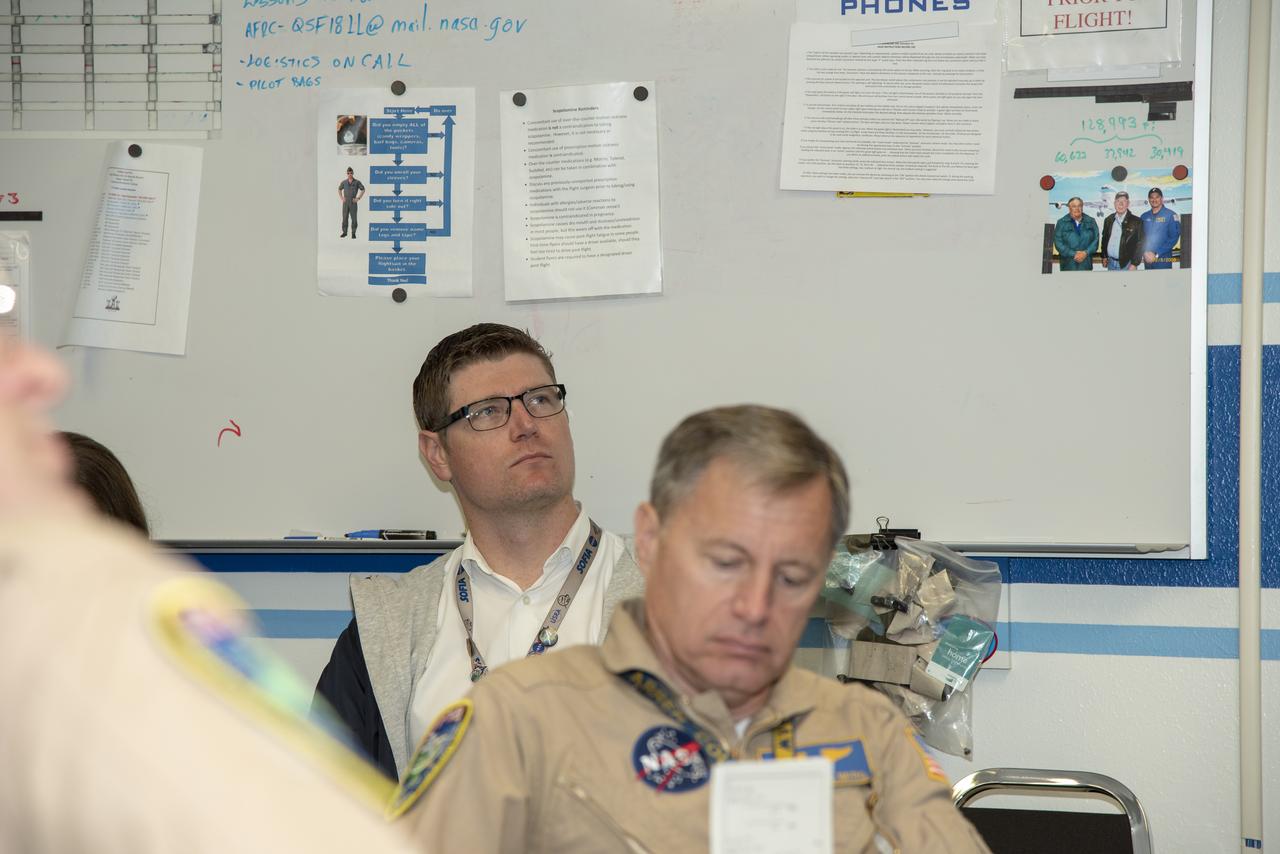
NASA pilots, engineers, and communications specialists brief the day’s operations prior to a supersonic research flight for QSF18, taking off from Ellington Field in Houston, Texas. The flights are meant to validate NASA’s techniques and technology for gather community feedback data for X-59’s Low-Boom Flight Demonstration mission.
NASA QSF18 Flight Crew Briefs Test Flight
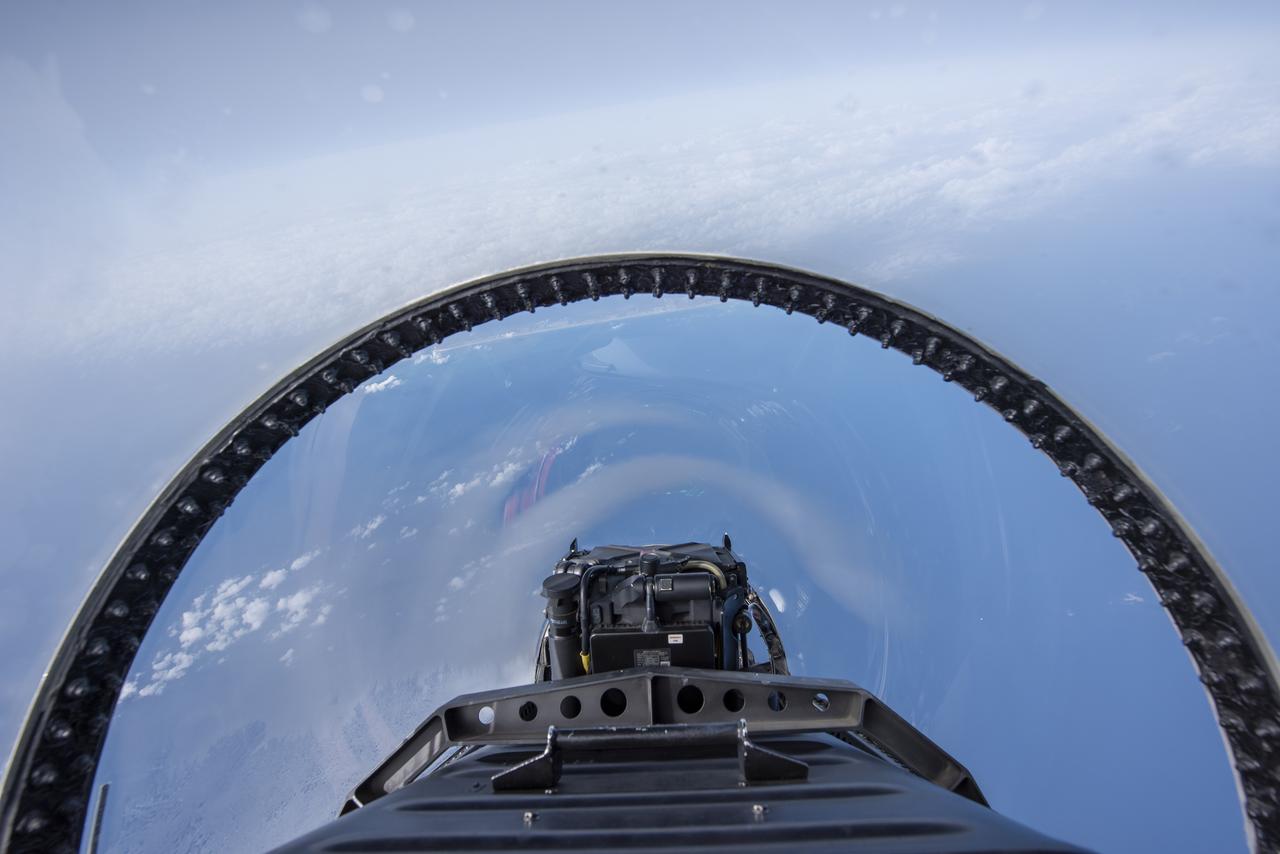
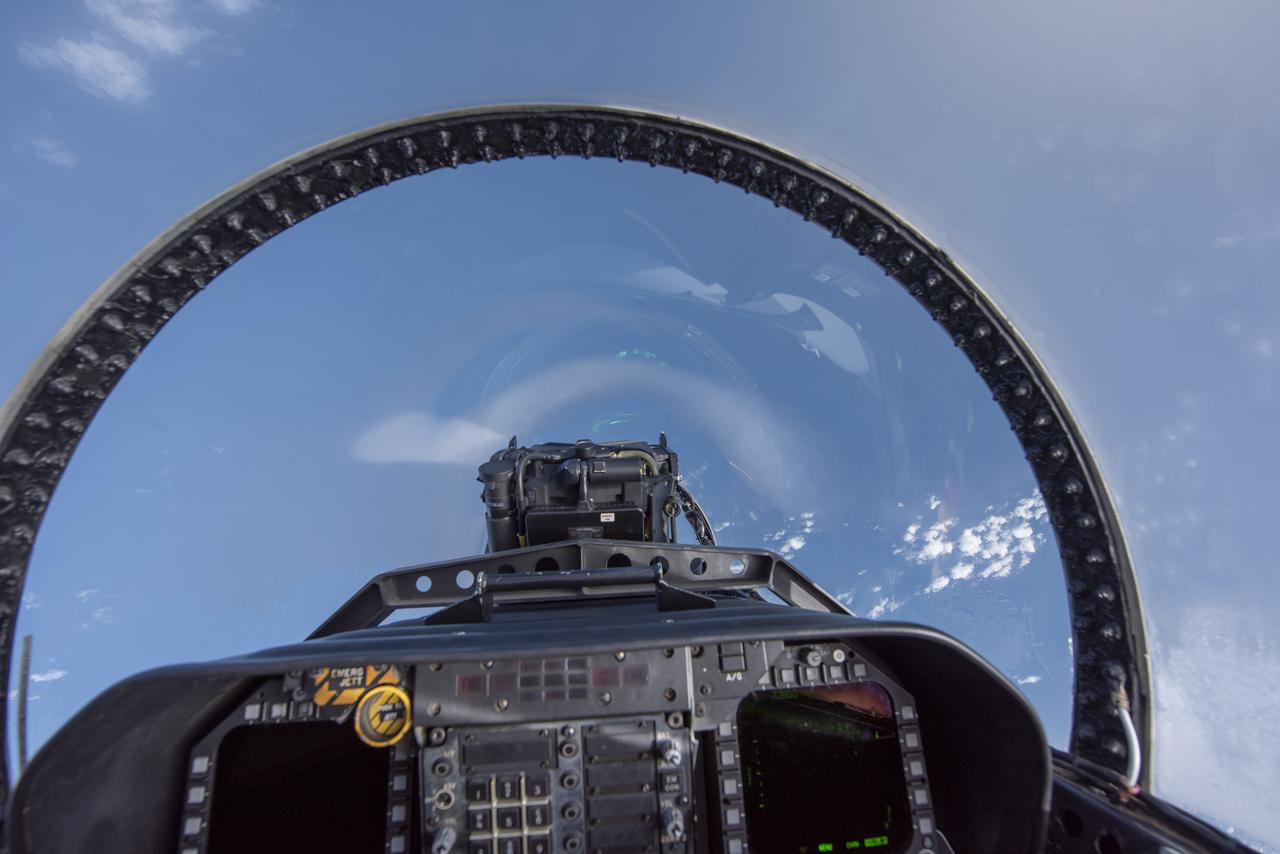
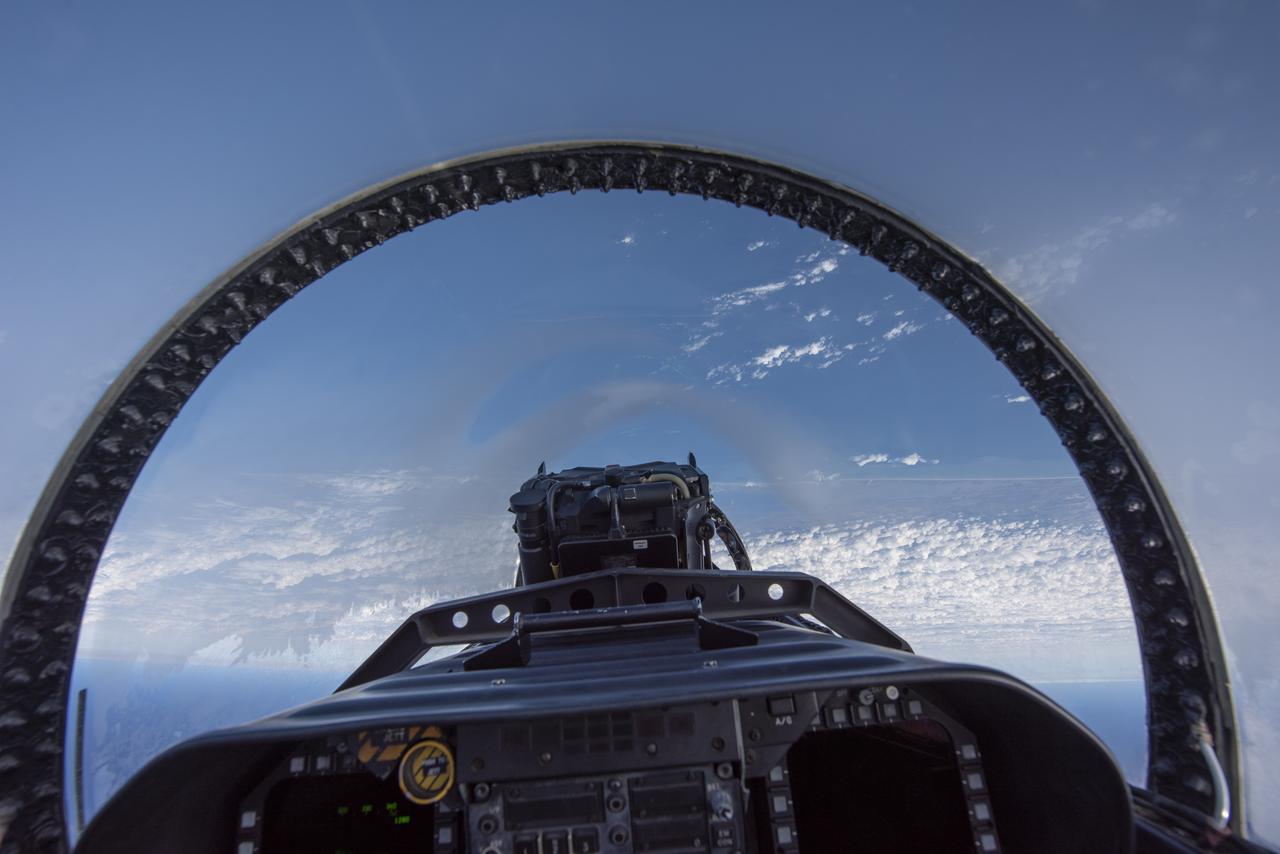
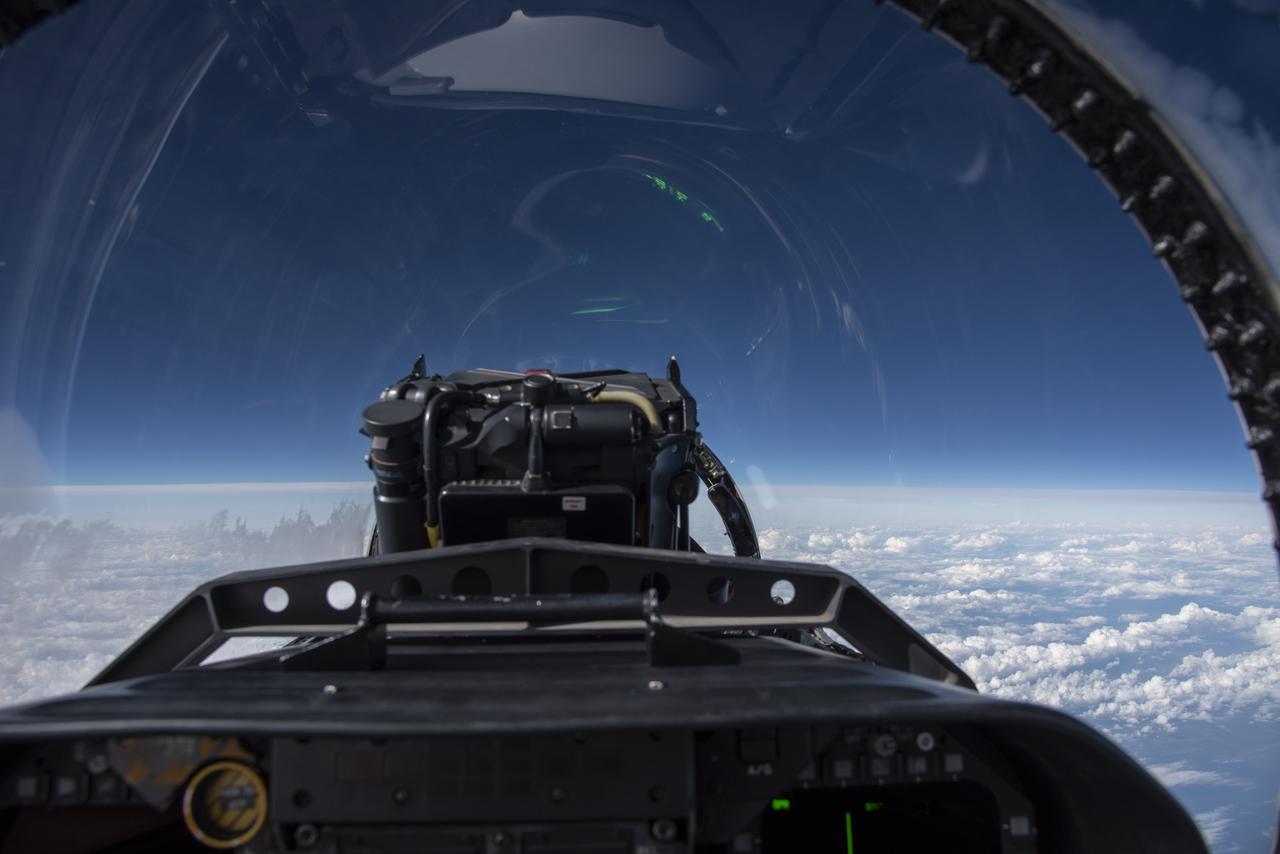
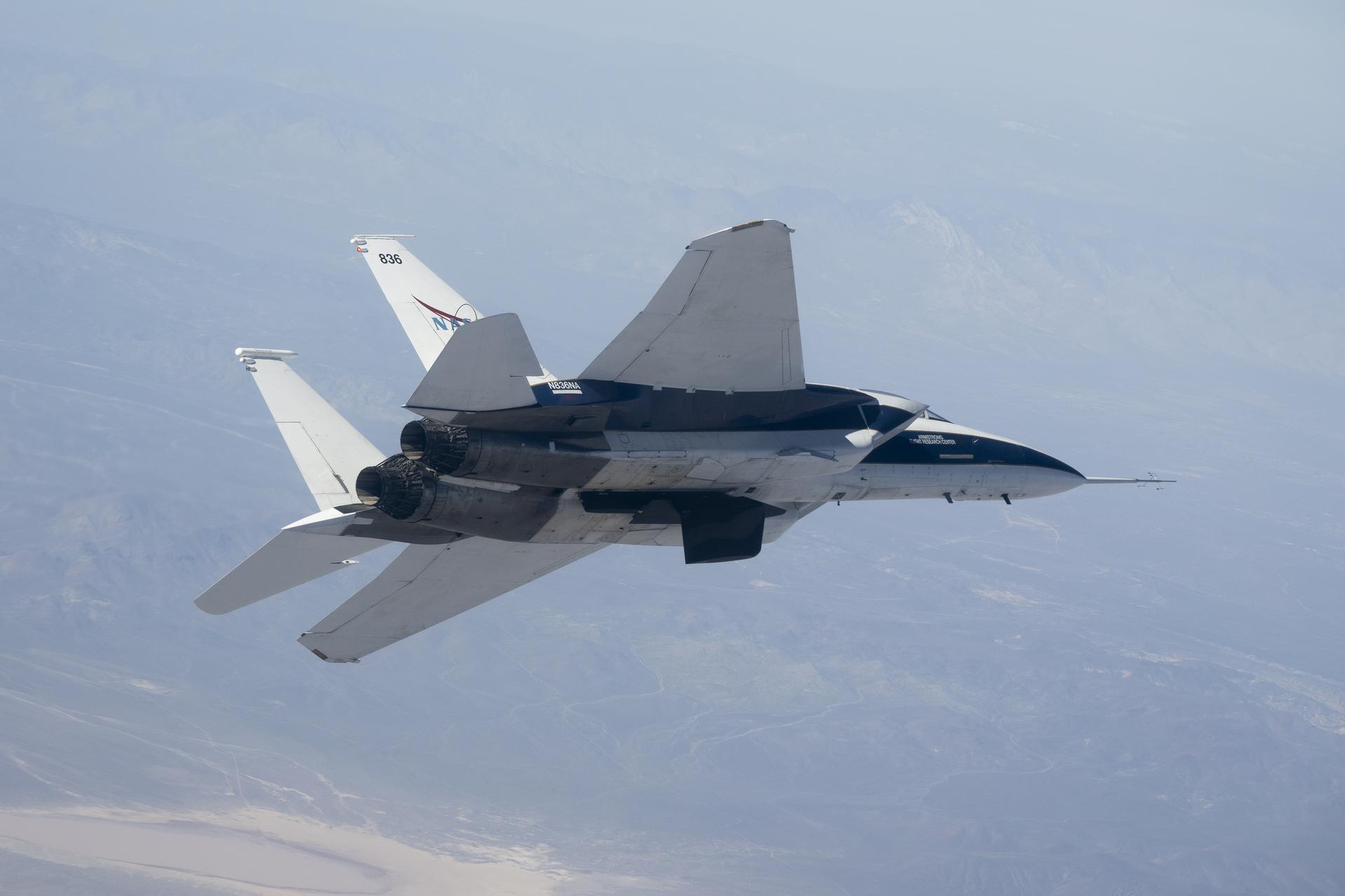
NASA test pilots perform the quiet supersonic dive maneuver off the coast of Galveston, Texas to create a quieter version of the sonic boom, in order to obtain recruited community survey feedback data. The test pilot climbs to around 50,000 feet, followed by a supersonic, inverted dive. This creates sonic boom shockwaves in a way that they are quieter in a specific area. Meanwhile, NASA researchers match community feedback to the sound levels of the flights, using an electronic survey and microphone monitor stations on the ground. This is preparing NASA for community response models for the future X-59 QueSST.
Quiet Supersonic Dive Maneuver Seen from NASA F/A-18
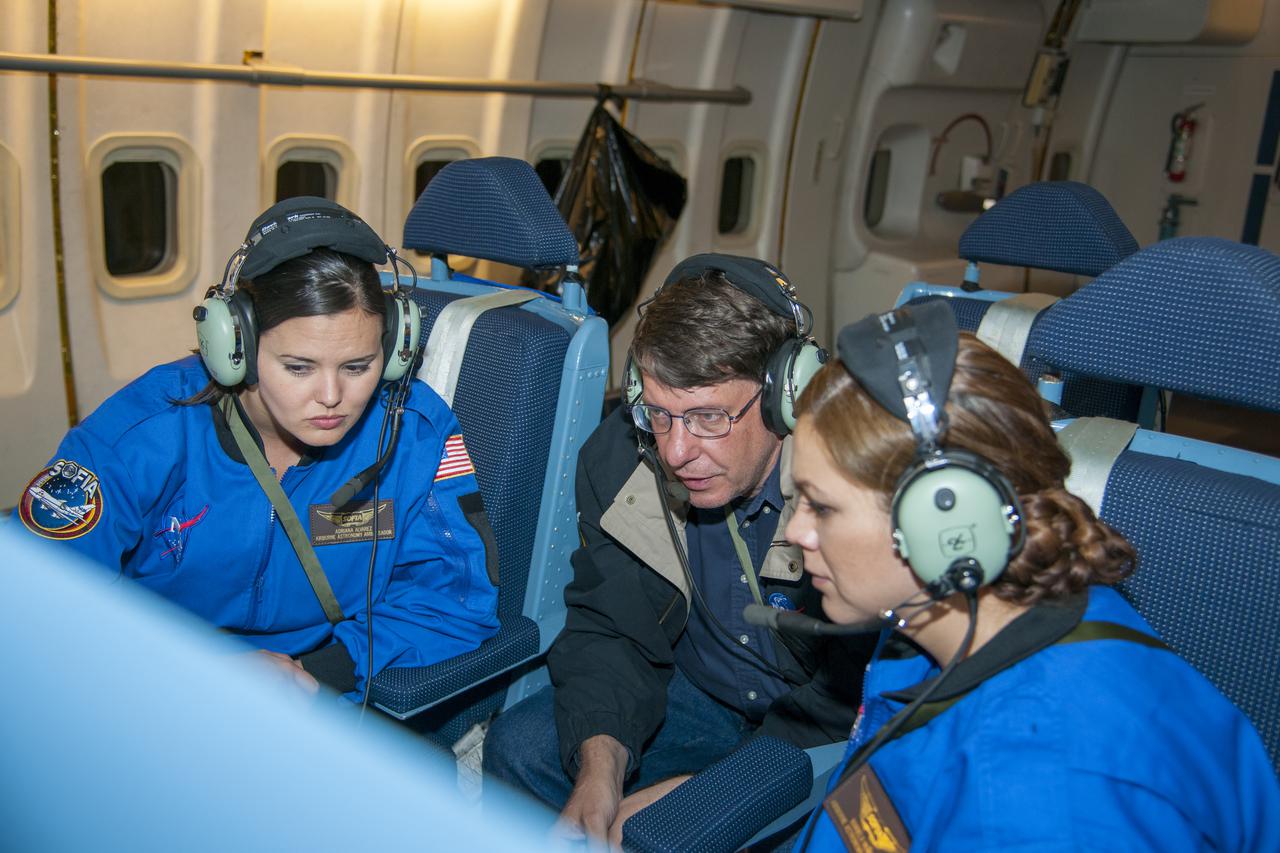
Dana Backamn explains SOFIA’s observations during a flight with Airborne Astronomy Ambassador educators Adriana Alvarez and Mariela Muñoz.
SOFIA Observations Explained
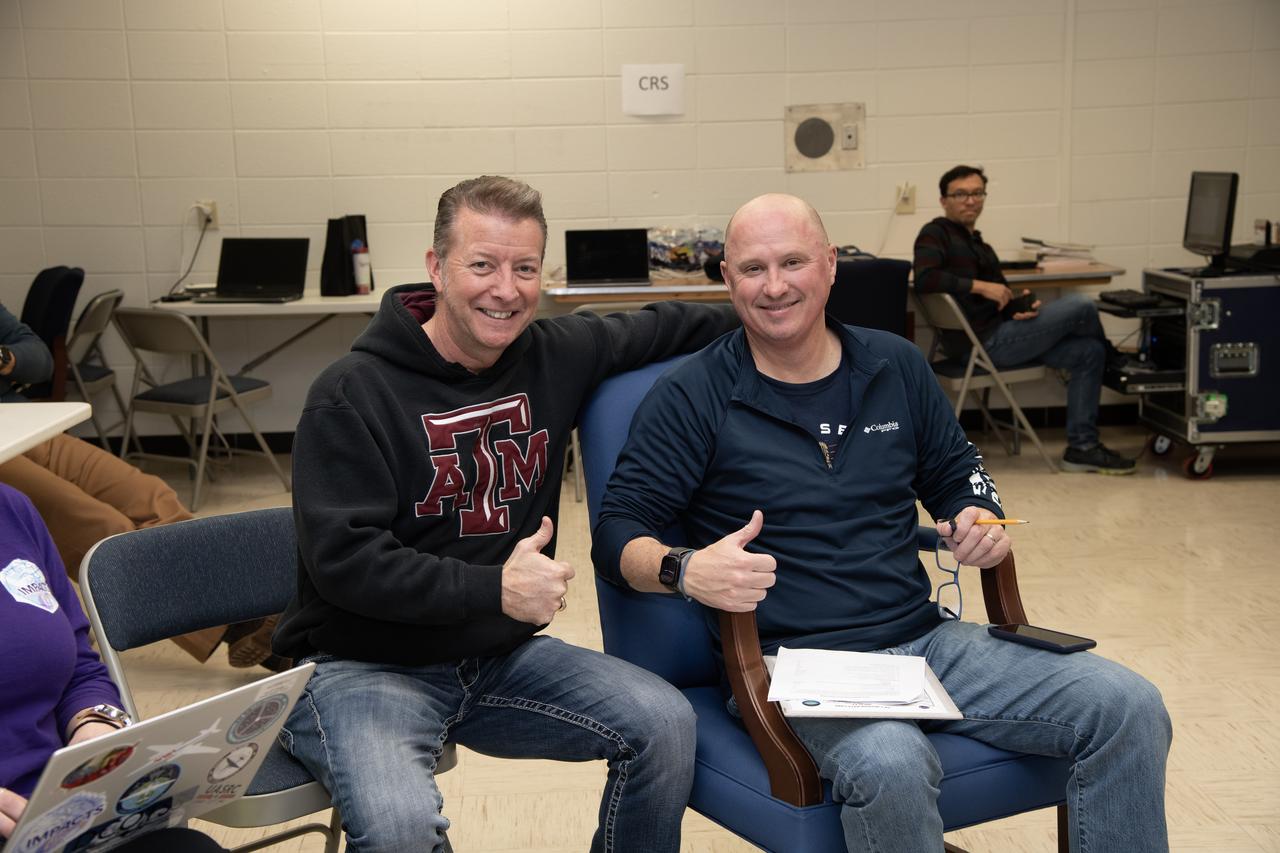
Dean Neeley and Kirt Stallings, ER-2 pilots from NASA’s Armstrong Flight Research Center in Edwards California, completed flights in support of the Investigation of Microphysics and Precipitation for Atlantic Coast-Threatening Storms (IMPACTS) mission. The IMPACTS team tracked storms across the Eastern United States to help understand how winter storms form and develop. Here Neeley and Stallings are seen in a lighter moment at debrief. The aircraft, which is based at NASA’s Armstrong Flight Research Center Building 703 in Palmdale, California, was temporarily based at Dobbins Air Reserve Base in Marietta, Georgia. The three-year IMPACTS campaign concluded on Feb. 28, 2023. 
NASA’s ER-2 Supports IMPACTS Mission
While the quiet supersonic dive maneuver produces a quieter version of the sonic boom in a necessary area, it produces a loud sonic boom out over the ocean. Doing so over the busiest waterway in the country makes it necessary to provide high levels of situational awareness to vessels below, through communications between NASA public affairs officers and the U.S. Coast Guard command center.
QSF-18 (Quiet Supersonic Flight 2018)
During the total solar eclipse, the Sun’s corona, only visible during the total eclipse, is shown as a crown of white flares from the surface. The red spots called Bailey's beads occurs where the moon grazes by the Sun and the rugged lunar limb topography allows beads of sunlight to shine through in some areas as photographed from NASA Armstrong’s Gulfstream III. Photo Credit: (NASA/Carla Thomas)
2017 Total Solar Eclipse
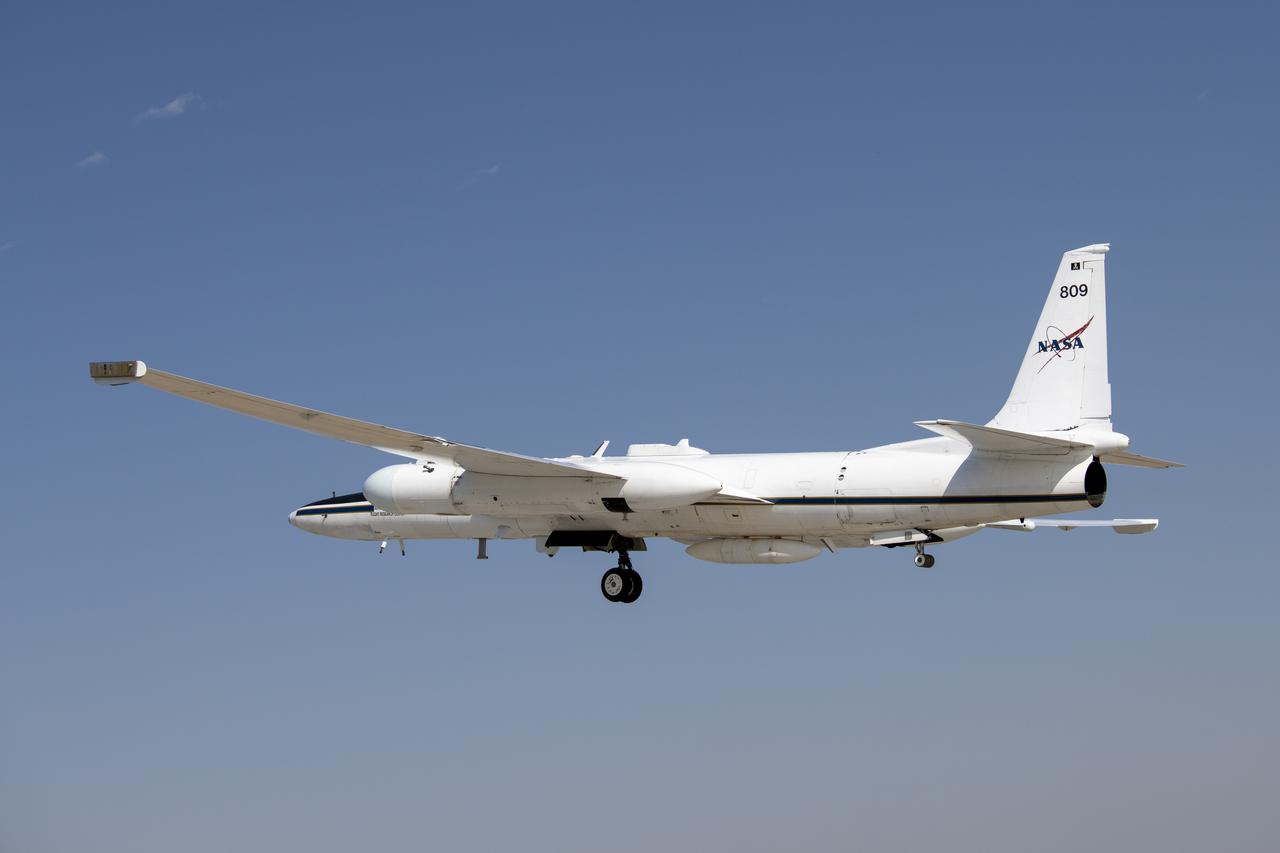
NASA's Armstrong Flight Research Center operates ER-2 #809 high-altitude aircraft for Dynamics and Chemistry of the Summer Stratosphere (DCOTSS) science flights on June 17, 2021.
NASA Launches DCOTSS Science Flights
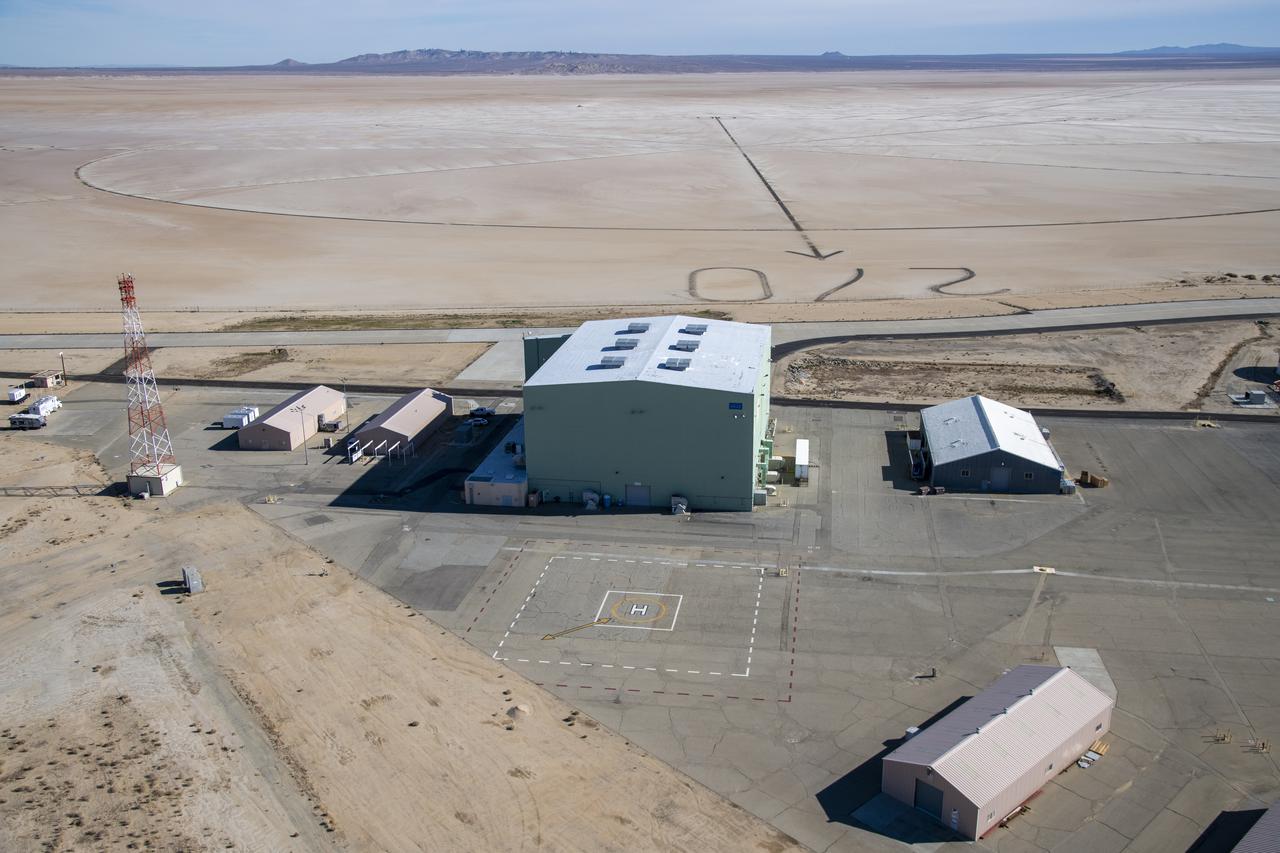
An aerial image taken by one of NASA's photographers during recent helicopter flights shows a view of the windward helipad and surrounding areas and structures that the Advanced Air Mobility National Campaign used during flight research at NASA's Armstrong Flight Research Center in Edwards, California. Part of the compass rose on the Edwards Air Force Base dry lakebed can also be seen.
National Campaign Work Area Aerial Images
DC-8 lifts off from Air Force Plant 42 in Palmdale, Calif.
DC-8 Lift Off
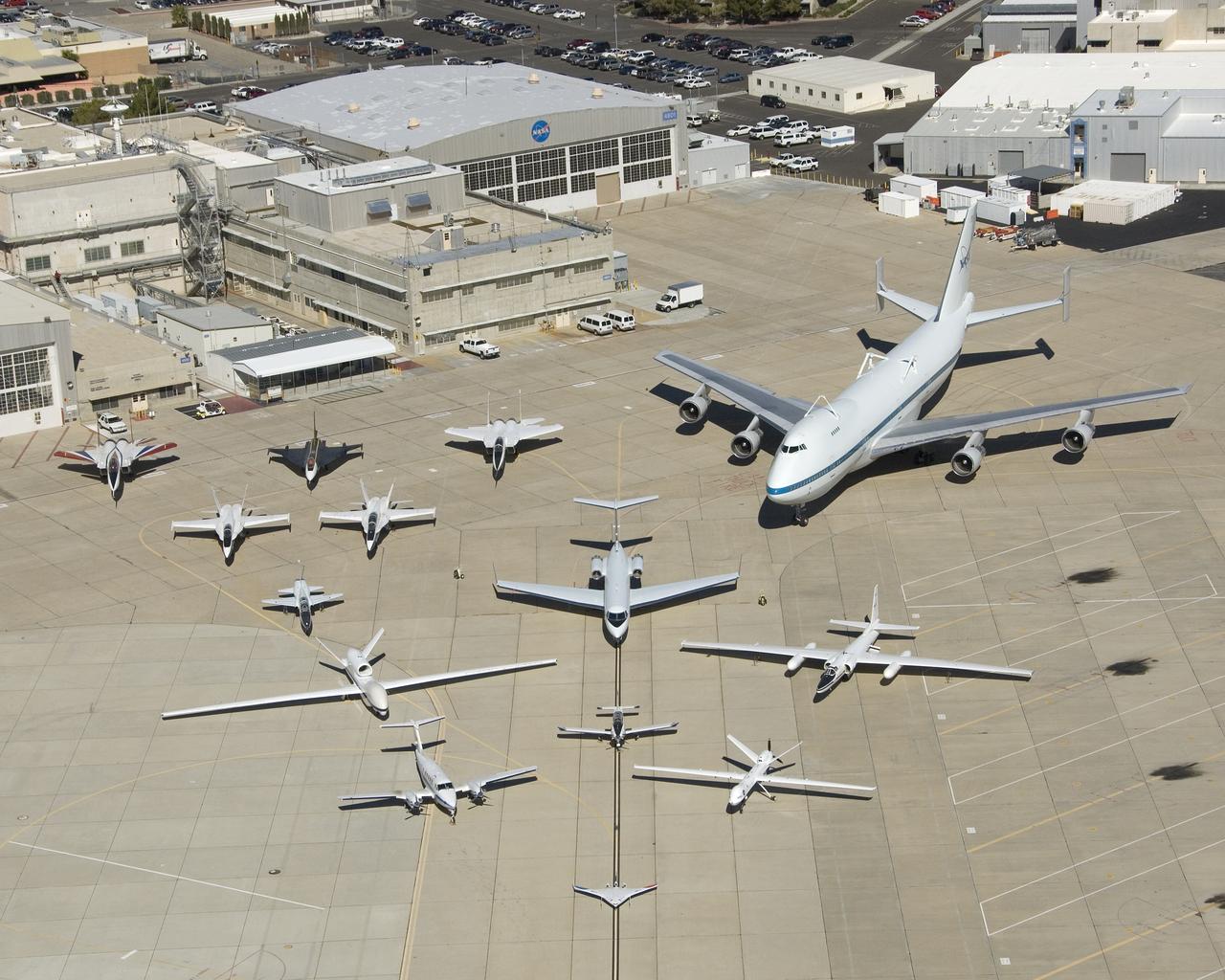
Dryden Flight Research Center - aircraft fleet on ramp
ED08-0292-1
NASA test pilots perform the quiet supersonic dive maneuver off the coast of Galveston, Texas to create a quieter version of the sonic boom, in order to obtain recruited community survey feedback data. The test pilot climbs to around 50,000 feet, followed by a supersonic, inverted dive. This creates sonic boom shockwaves in a way that they are quieter in a specific area. Meanwhile, NASA researchers match community feedback to the sound levels of the flights, using an electronic survey and microphone monitor stations on the ground. This is preparing NASA for community response models for the future X-59 QueSST.
Quiet Supersonic Dive Maneuver Seen from NASA F/A-18
DC-8 lifts off from Air Force Plant 42 in Palmdale, Calif., at sunset.
DC-8 Sunset Lift Off
NASA’s X-59 quiet supersonic research aircraft successfully completed electromagnetic interference (EMI) testing at Lockheed Martin Skunk Works in Palmdale, California. During EMI tests, the team examined each of the X-59’s internal electronic systems, ensuring they worked with one another without interference. The X-59 is designed to fly faster than the speed of sound while reducing the loud sonic boom to a quieter sonic thump.
NASA’s X-59 Completes Electromagnetic Interference Testing
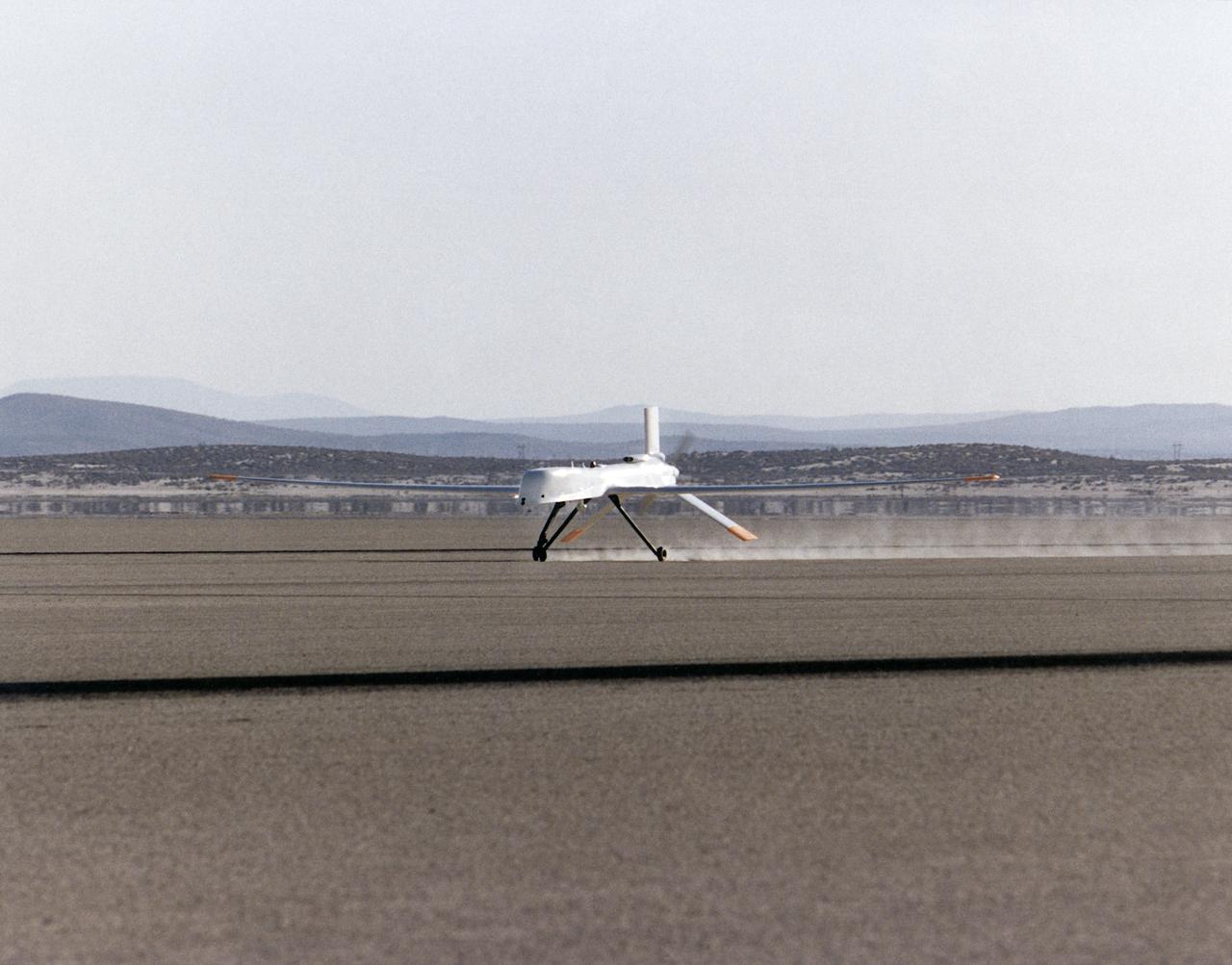
Altus I aircraft landing on Edwards lakebed runway 23
EC97-44175-20
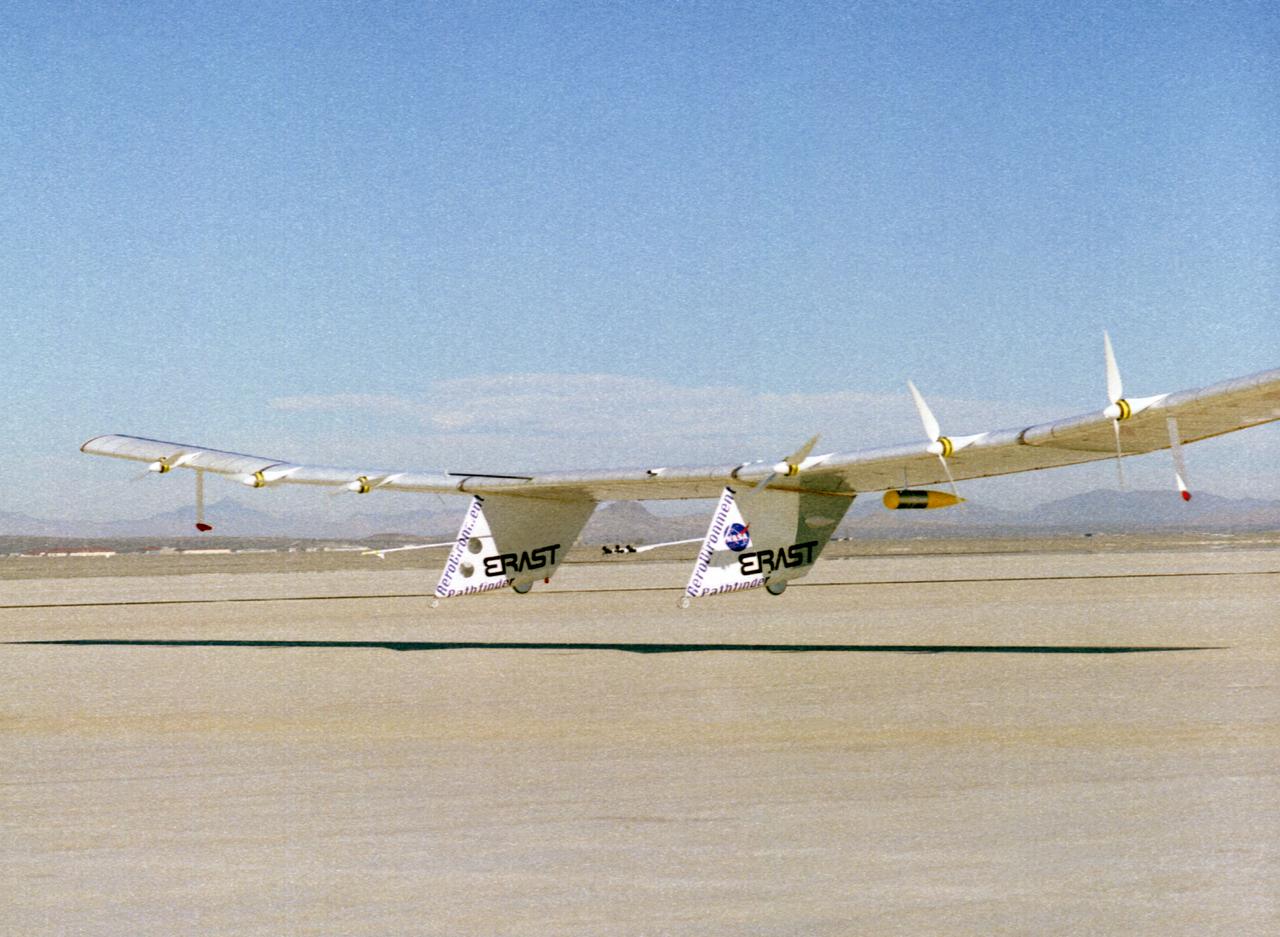
The Pathfinder solar-powered research aircraft settles in for landing on the bed of Rogers Dry Lake at the Dryden Flight Research Center, Edwards, California, after a successful test flight Nov. 19, 1996. The ultra-light craft flew a racetrack pattern at low altitudes over the flight test area for two hours while project engineers checked out various systems and sensors on the uninhabited aircraft. The Pathfinder was controlled by two pilots, one in a mobile control unit which followed the craft, the other in a stationary control station. Pathfinder, developed by AeroVironment, Inc., is one of several designs being evaluated under NASA's Environmental Research Aircraft and Sensor Technology (ERAST) program.
Pathfinder aircraft flight #1
In order to make sure weather conditions are acceptable at multiple altitudes, NASA meteorologists on the ground conduct constant monitoring operations, and launch weather balloons to get accurate data for aircraft and pilot.
NASA Meteorologists Launch Weather Balloon Before Research Flight
The sun rises on the Space Shuttle Discovery as it rests on the runway at Edwards Air Force Base, California, after a safe landing August 9, 2005 to complete the STS-114 mission. Space Shuttle Discovery landed safely at NASA's Dryden Flight Research Center at Edwards Air Force Base in California at 5:11:22 a.m. PDT this morning, following the very successful 14-day STS-114 return to flight mission.  During their two weeks in space, Commander Eileen Collins and her six crewmates tested out new safety procedures and delivered supplies and equipment the International Space Station.  Discovery spent two weeks in space, where the crew demonstrated new methods to inspect and repair the Shuttle in orbit. The crew also delivered supplies, outfitted and performed maintenance on the International Space Station. A number of these tasks were conducted during three spacewalks.  In an unprecedented event, spacewalkers were called upon to remove protruding gap fillers from the heat shield on Discovery's underbelly. In other spacewalk activities, astronauts installed an external platform onto the Station's Quest Airlock and replaced one of the orbital outpost's Control Moment Gyroscopes.  Inside the Station, the STS-114 crew conducted joint operations with the Expedition 11 crew. They unloaded fresh supplies from the Shuttle and the Raffaello Multi-Purpose Logistics Module. Before Discovery undocked, the crews filled Raffeallo with unneeded items and returned to Shuttle payload bay.  Discovery launched on July 26 and spent almost 14 days on orbit.
The sun rises on the Space Shuttle Discovery as it rests on the runway at Edwards Air Force Base, California, after a safe landing August 9, 2005
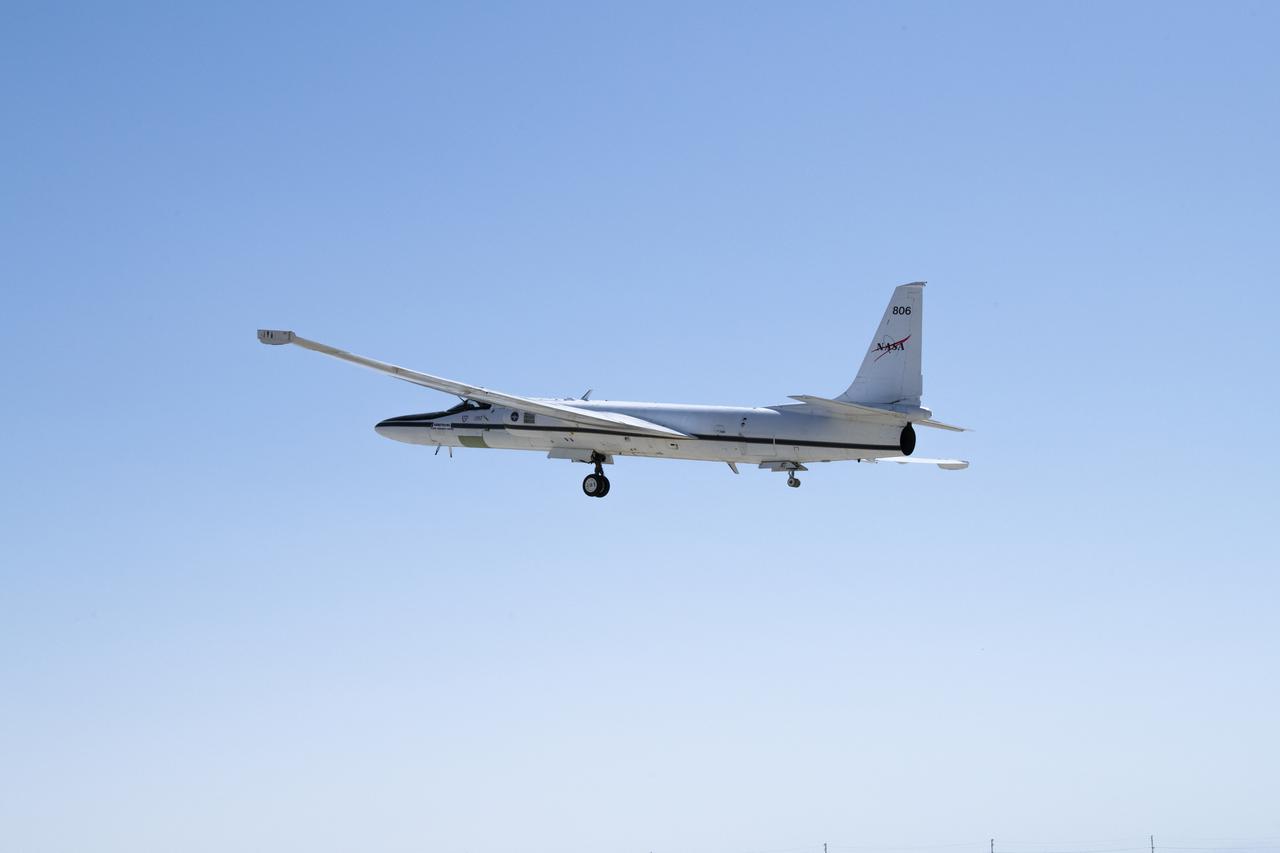
NASA’s ER-2 No. 806 returns to flying high-altitude on April 7, 2022, after three years of heavy maintenance. NASA Armstrong operates two ER-2 aircraft to collect information about Earth resources, celestial observations, atmospheric chemistry and dynamics, and oceanic processes.
NASA’s ER-2 No.806 Returns to Flight
In order to make sure weather conditions are acceptable at multiple altitudes, NASA meteorologists on the ground conduct constant monitoring operations, and launch weather balloons to get accurate data for aircraft and pilot.
NASA Meteorologists Launch Weather Balloon Before Research Flight
NASA deployed two F/A-18 research aircraft from NASA’s Armstrong Flight Research Center in California to fly the Quiet Supersonic Flights 2018 campaign, or QSF18. Having more than one aircraft allows pilots to conduct quick turnarounds with different aircrews between flights, fitting in as many targeted research flights as necessary.
NASA F/A-18 Aircraft Sit in Hangar
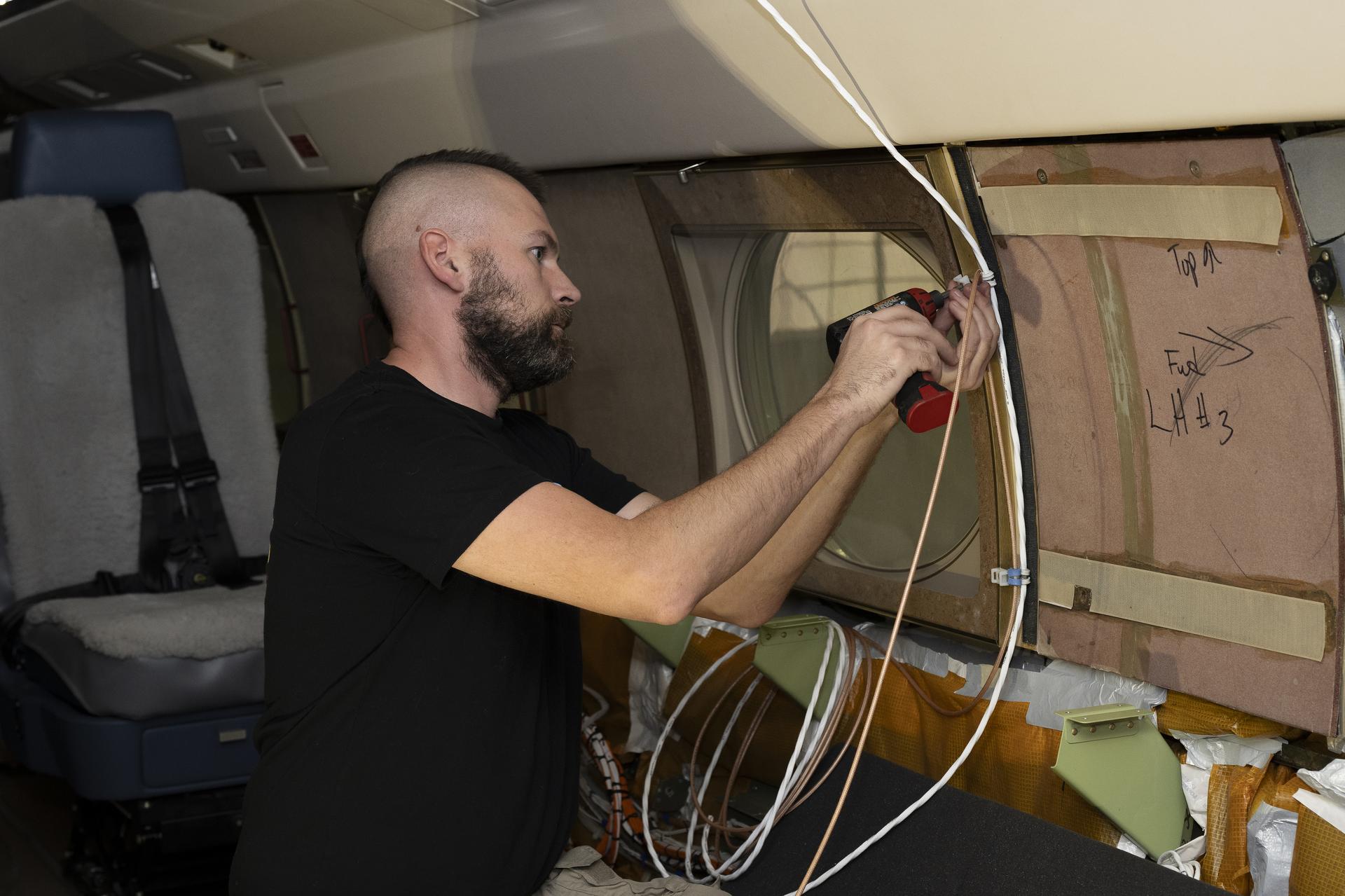
Kelly Jellison, an avionics lead, installs a clip to secure wiring installed on a NASA Gulfstream G-III aircraft on Wednesday, Jan. 7, 2026, at NASA’s Armstrong Flight Research Center in Edwards, California. The modifications prepare the aircraft to join three others flying at different altitudes to capture a complete view of the Orion spacecraft’s heat shield during Artemis II reentry. This effort is part of NASA’s Scientifically Calibrated In-Flight Imagery project.
NASA G-III Prepares to Support Artemis II
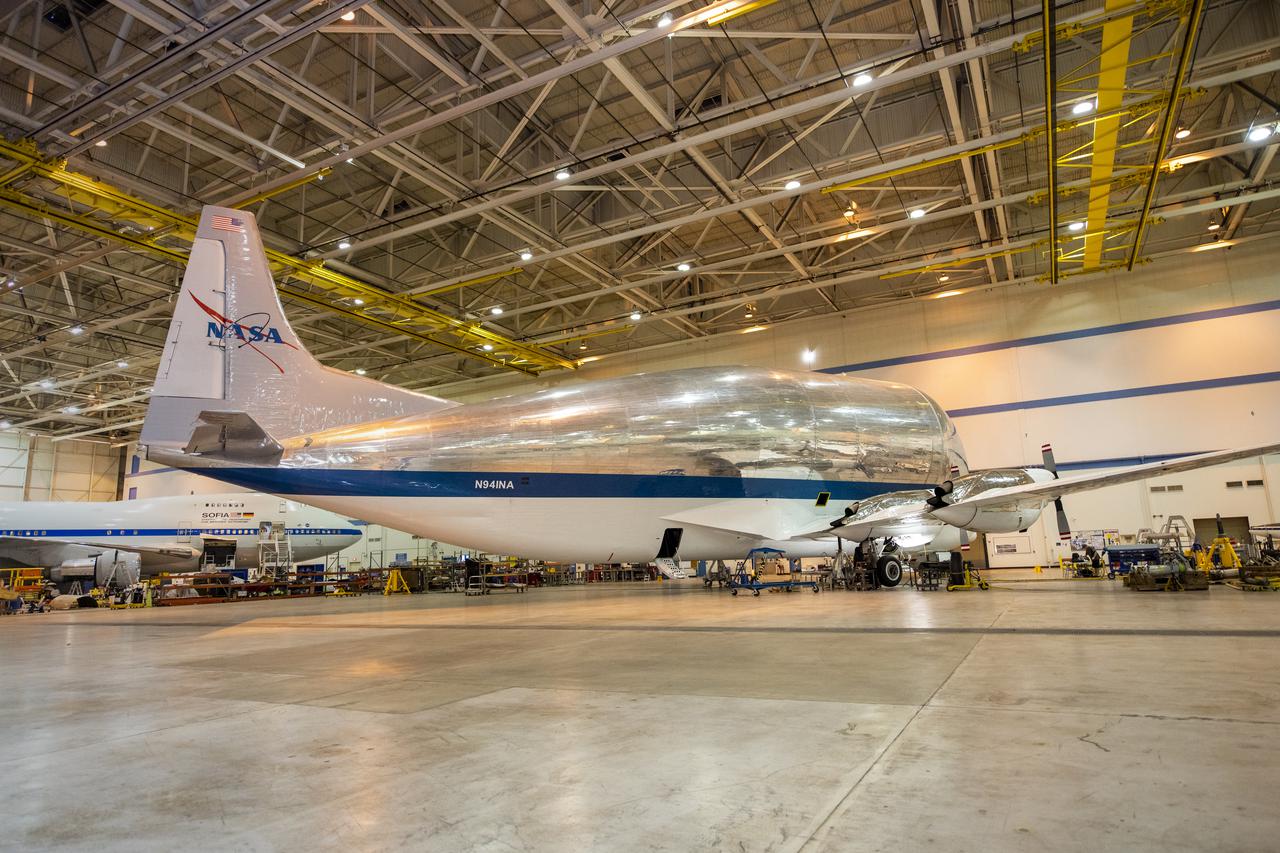
NASA's Super Guppy Turbine cargo aircraft in the hangar at NASA's Armstrong Flight Research Center on August 24, 2021. This unique whale-like aircraft arrived at the center's Building 703 in Palmdale, CA to support crews in the performance of routine maintenance. The Super Guppy aircraft, operated by NASA's Johnson Space Center, aids in the transportation of oversized aerospace cargo in a practical and economical way.
NASA's Super Guppy in the hangar at Armstrong Building 703
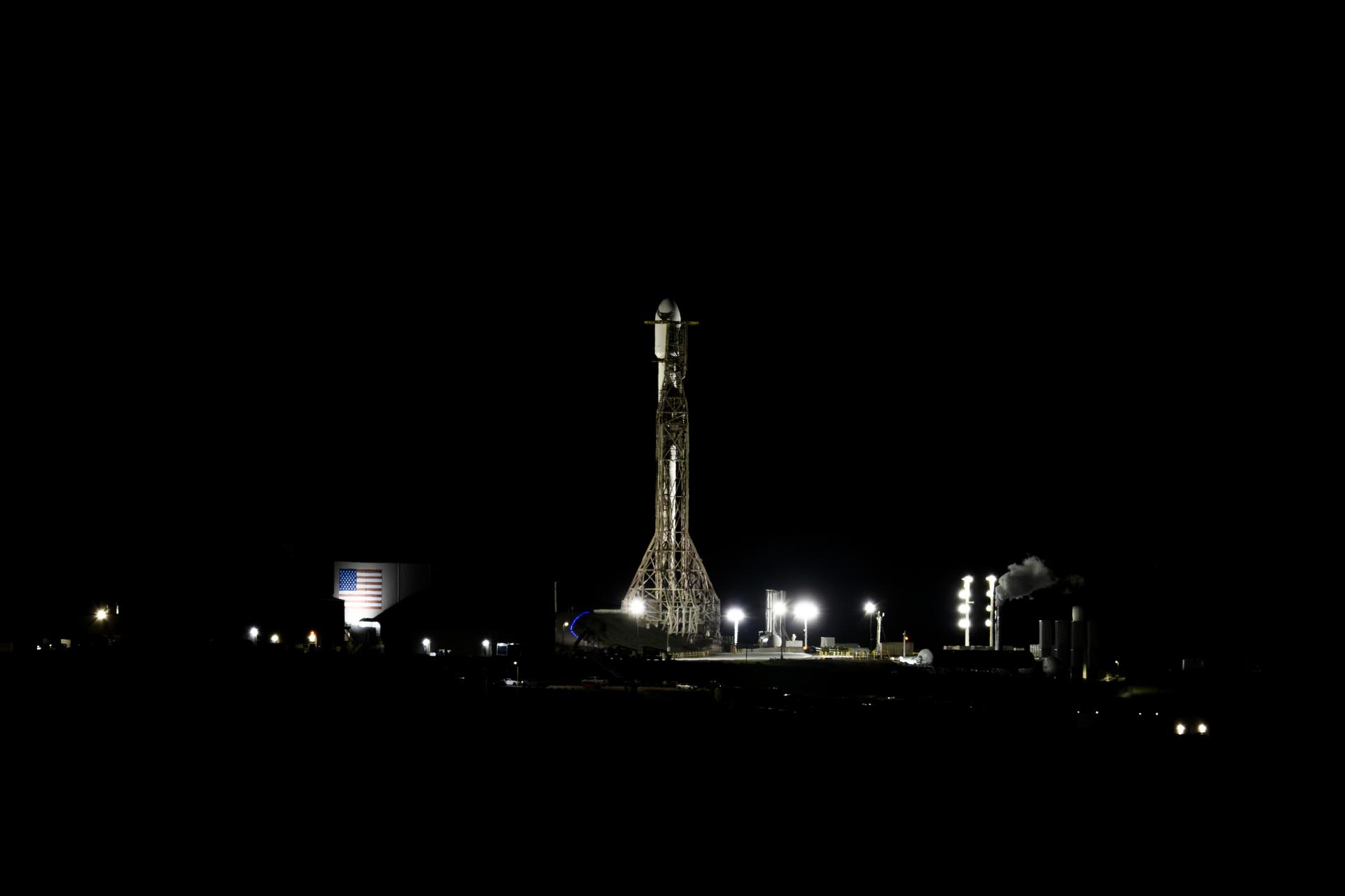
A SpaceX Falcon 9 rocket with the international Sentinel-6B spacecraft atop stands vertical ahead of launch from Space Launch Complex 4 East at Vandenberg Space Force Base in California on Sunday, Nov. 16, 2025. A collaboration between NASA, ESA (European Space Agency), EUMETSAT (European Organisation for the Exploitation of Meteorological Satellites), and the National Oceanic and Atmospheric Administration (NOAA), Sentinel-6B is designed to measure sea levels down to roughly an inch for about 90% of the world’s oceans. NASA is targeting launch no earlier than 9:21 p.m. PST.
Sentinel Launch-6B Launch
In order to make sure weather conditions are acceptable at multiple altitudes, NASA meteorologists on the ground conduct constant monitoring operations, and launch weather balloons to get accurate data for aircraft and pilot.
NASA Meteorologists Launch Weather Balloon Before Research Flight
In order to make sure weather conditions are acceptable at multiple altitudes, NASA meteorologists on the ground conduct constant monitoring operations, and launch weather balloons to get accurate data for aircraft and pilot.
NASA Meteorologists Launch Weather Balloon Before Research Flight
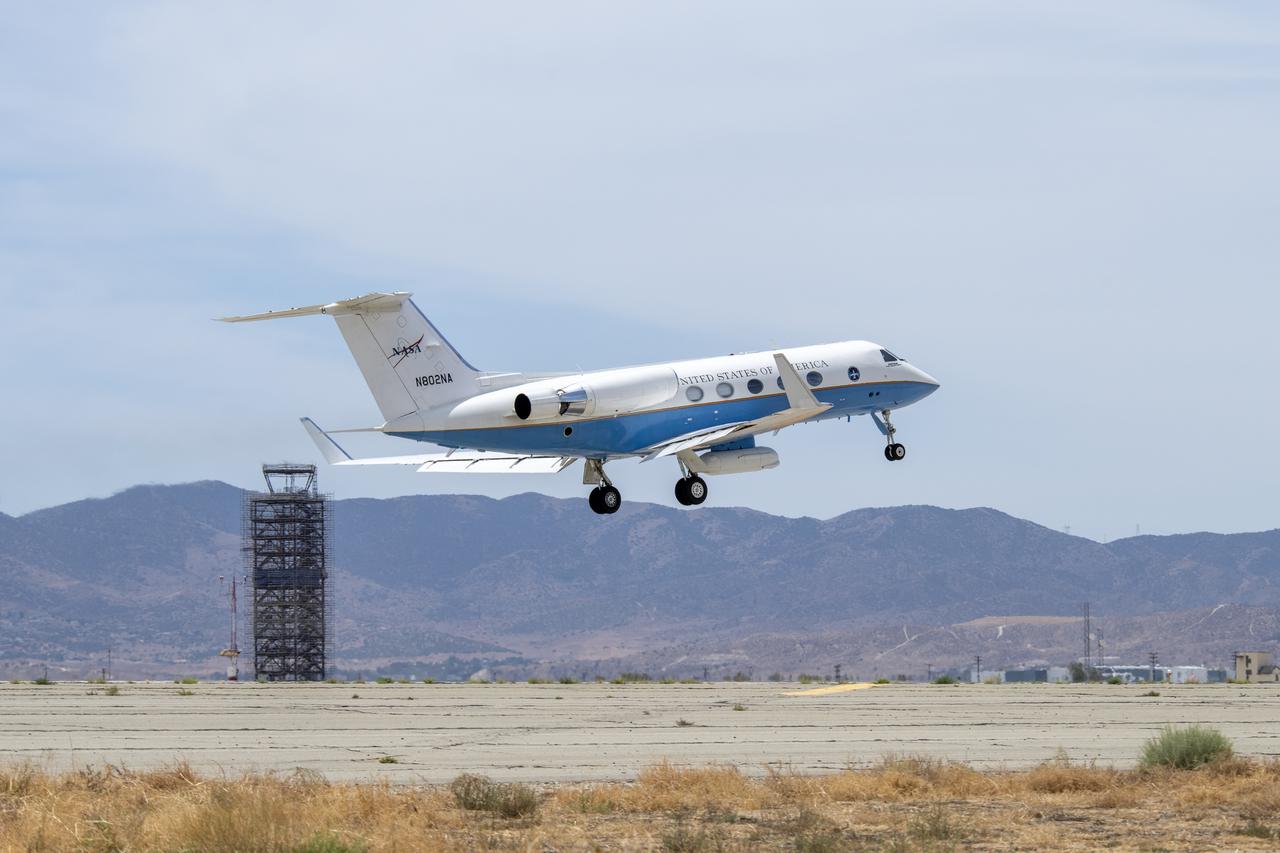
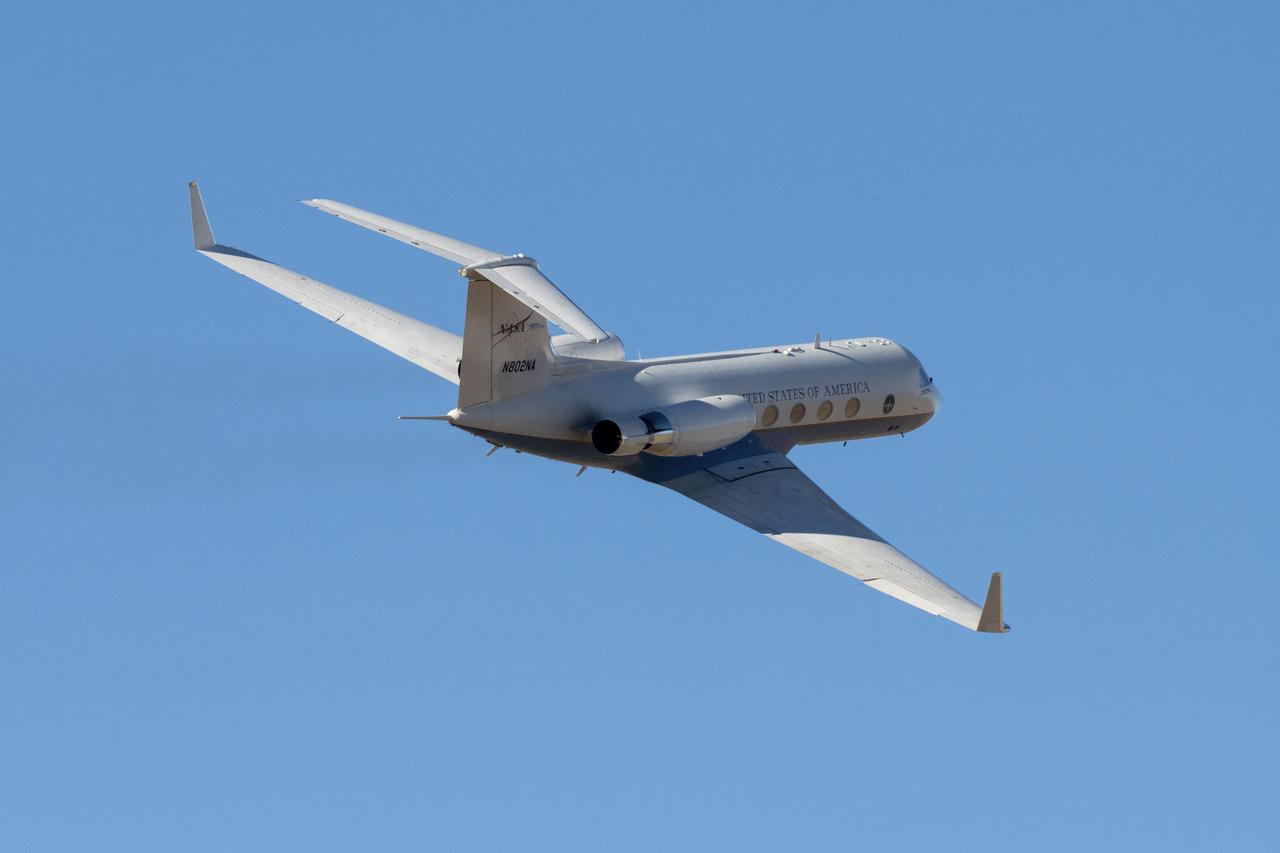
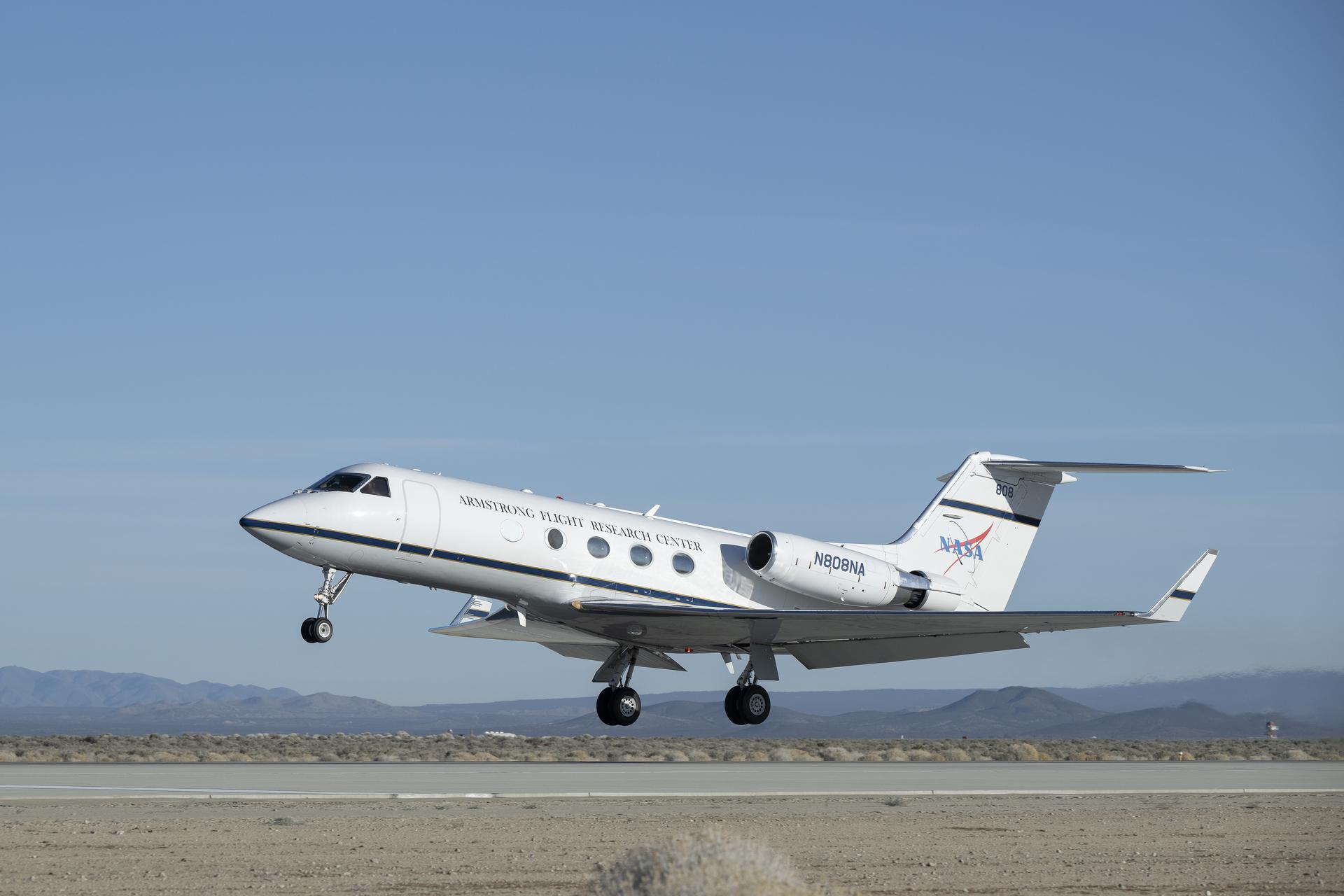
A NASA Gulfstream G-III aircraft lifts off from NASA’s Armstrong Flight Research Center in Edwards, California, on Tuesday, Jan. 20, 2026. Modifications were made to the aircraft to enable it to join three others flying at different altitudes to capture a complete view of the Orion spacecraft’s heat shield during Artemis II reentry. This effort is part of NASA’s Scientifically Calibrated In-Flight Imagery project.
NASA G-III Prepares to Support Artemis II
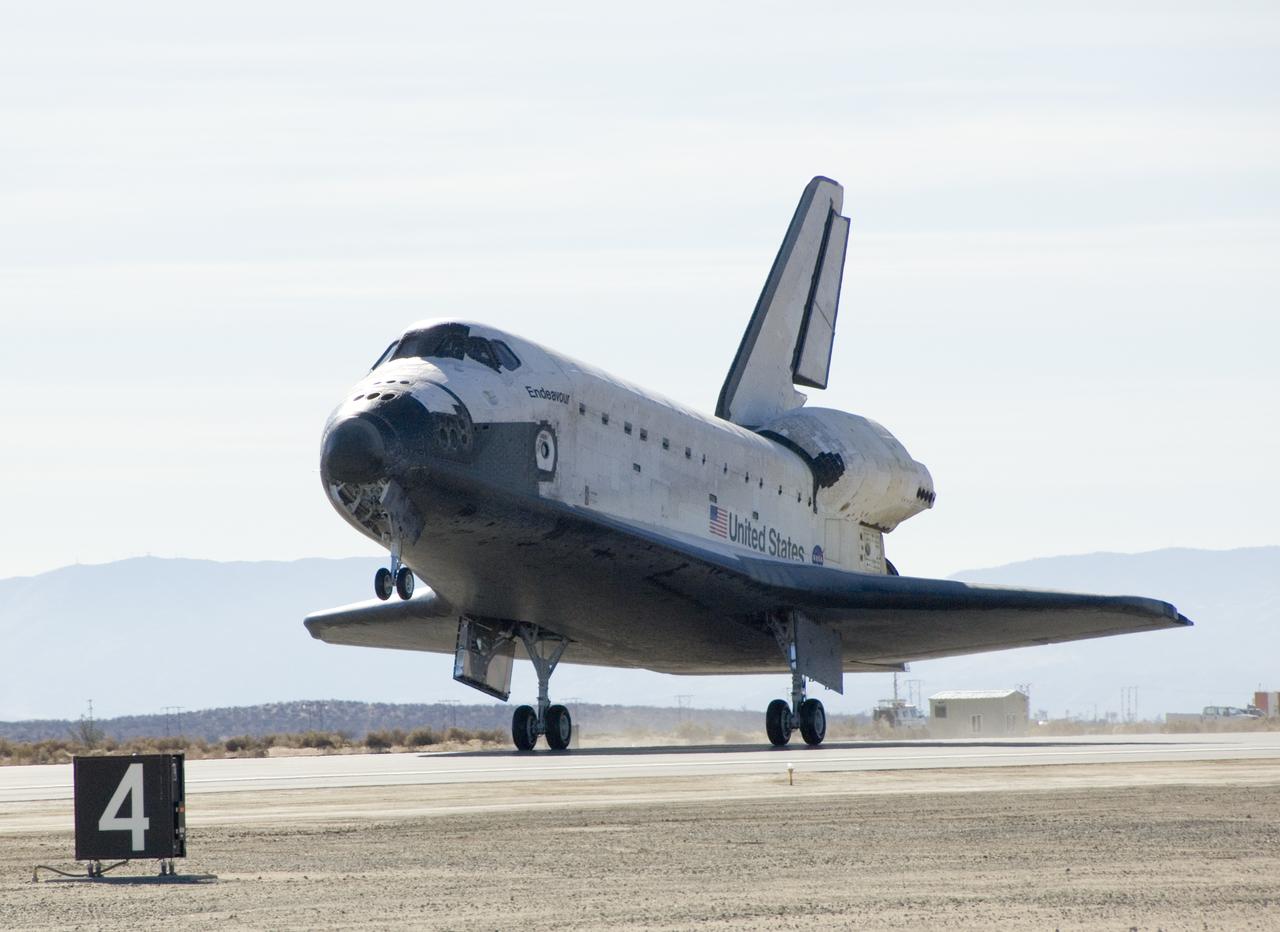
Space Shuttle Endeavour rolls out on runway 04-L at Edwards Air Force Base moments after touchdown, ending mission STS-126 to the International Space Station.
Space Shuttle Endeavour rolls out on runway 04-L at Edwards Air Force Base moments after touchdown, ending mission STS-126 to the International Space Station
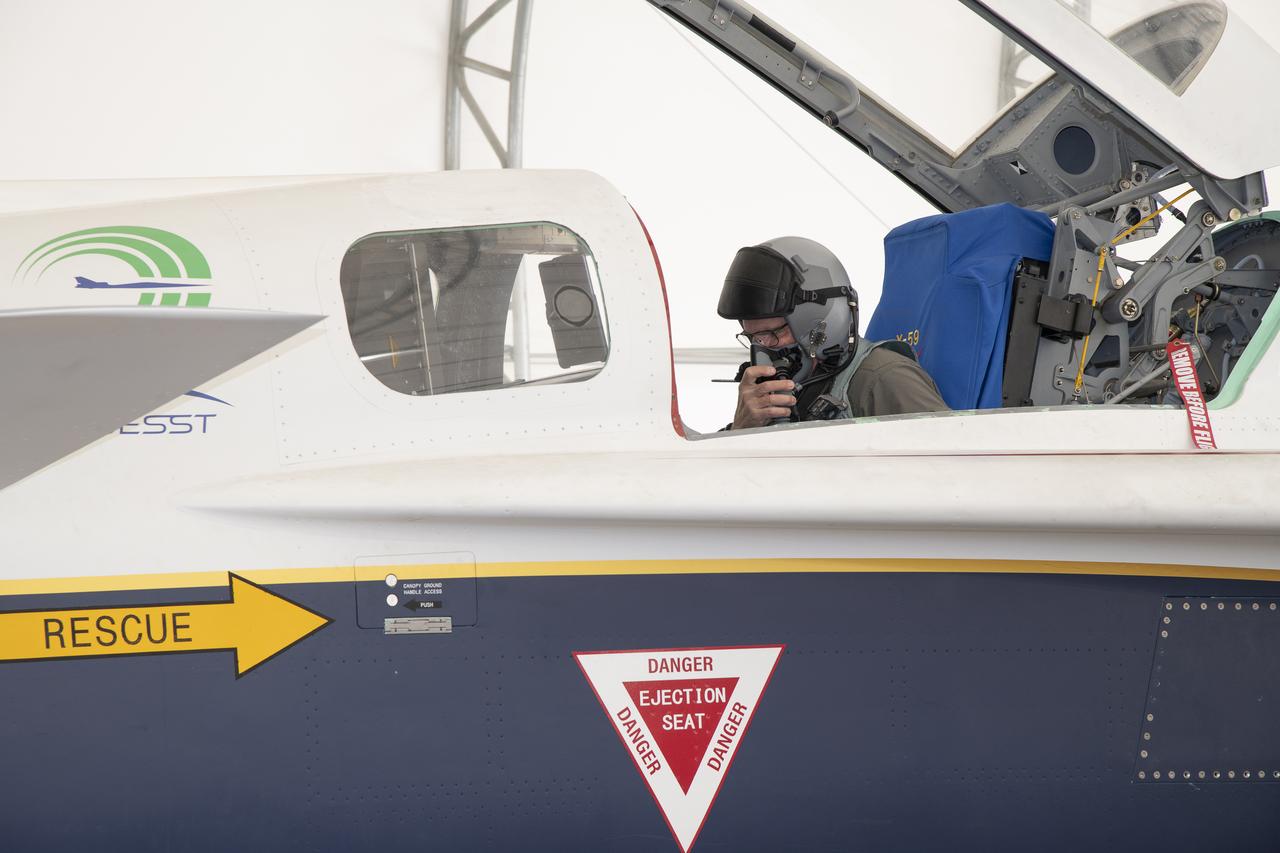
Lockheed Martin test pilot Dan “Dog” Canin sits in the cockpit of NASA’s X-59 quiet supersonic research aircraft in a run stall at Lockheed Martin’s Skunk Works facility in Palmdale, California prior to its first engine run. These engine-run tests featured the X-59 powered by its own engine, whereas in previous tests, the aircraft depended on external sources for power. The X-59 is the centerpiece of NASA’s Quesst mission, which seeks to solve one of the major barriers to supersonic flight over land by making sonic booms quieter.
Test Pilot Sits in X-59 Cockpit Prior to First Engine Run
A NASA F/A-18 flies over the Dryden Flight Research Center and Rogers Dry Lake on December 11, 2002. The aircraft participated in the Automated Aerial Refueling (AAR) project. The 300-gallon aerial refueling store seen on the belly of the aircraft carries fuel and a refueling drogue. This aircraft acted as a tanker in the study to develop an aerodynamic model for future automated aerial refueling, especially of unmanned vehicles.
EC02-0282-3
The Alta-X aircraft flies at NASA’s Armstrong Flight Research Center in Edwards, California, as part of the Advanced Exploration of Reliable Operation at Low Altitudes: Meteorology, Simulation and Technology campaign. The campaign was at NASA Armstrong to study wind from the ground to 2,000 feet to provide data to assist future drones to safely land on rooftop hubs called vertiports and to potentially improve weather prediction.
NASA Armstrong Supports AEROcAST Wind Study
NASA test pilots perform the quiet supersonic dive maneuver off the coast of Galveston, Texas to create a quieter version of the sonic boom, in order to obtain recruited community survey feedback data. The test pilot climbs to around 50,000 feet, followed by a supersonic, inverted dive. This creates sonic boom shockwaves in a way that they are quieter in a specific area. Meanwhile, NASA researchers match community feedback to the sound levels of the flights, using an electronic survey and microphone monitor stations on the ground. This is preparing NASA for community response models for the future X-59 QueSST.
Quiet Supersonic Dive Maneuver Seen from NASA F/A-18
NASA test pilots perform the quiet supersonic dive maneuver off the coast of Galveston, Texas to create a quieter version of the sonic boom, in order to obtain recruited community survey feedback data. The test pilot climbs to around 50,000 feet, followed by a supersonic, inverted dive. This creates sonic boom shockwaves in a way that they are quieter in a specific area. Meanwhile, NASA researchers match community feedback to the sound levels of the flights, using an electronic survey and microphone monitor stations on the ground. This is preparing NASA for community response models for the future X-59 QueSST.
Quiet Supersonic Dive Maneuver Seen from NASA F/A-18
In order to make sure weather conditions are acceptable at multiple altitudes, NASA meteorologists on the ground conduct constant monitoring operations, and launch weather balloons to get accurate data for aircraft and pilot.
NASA Meteorologists Launch Weather Balloon Before Research Flight
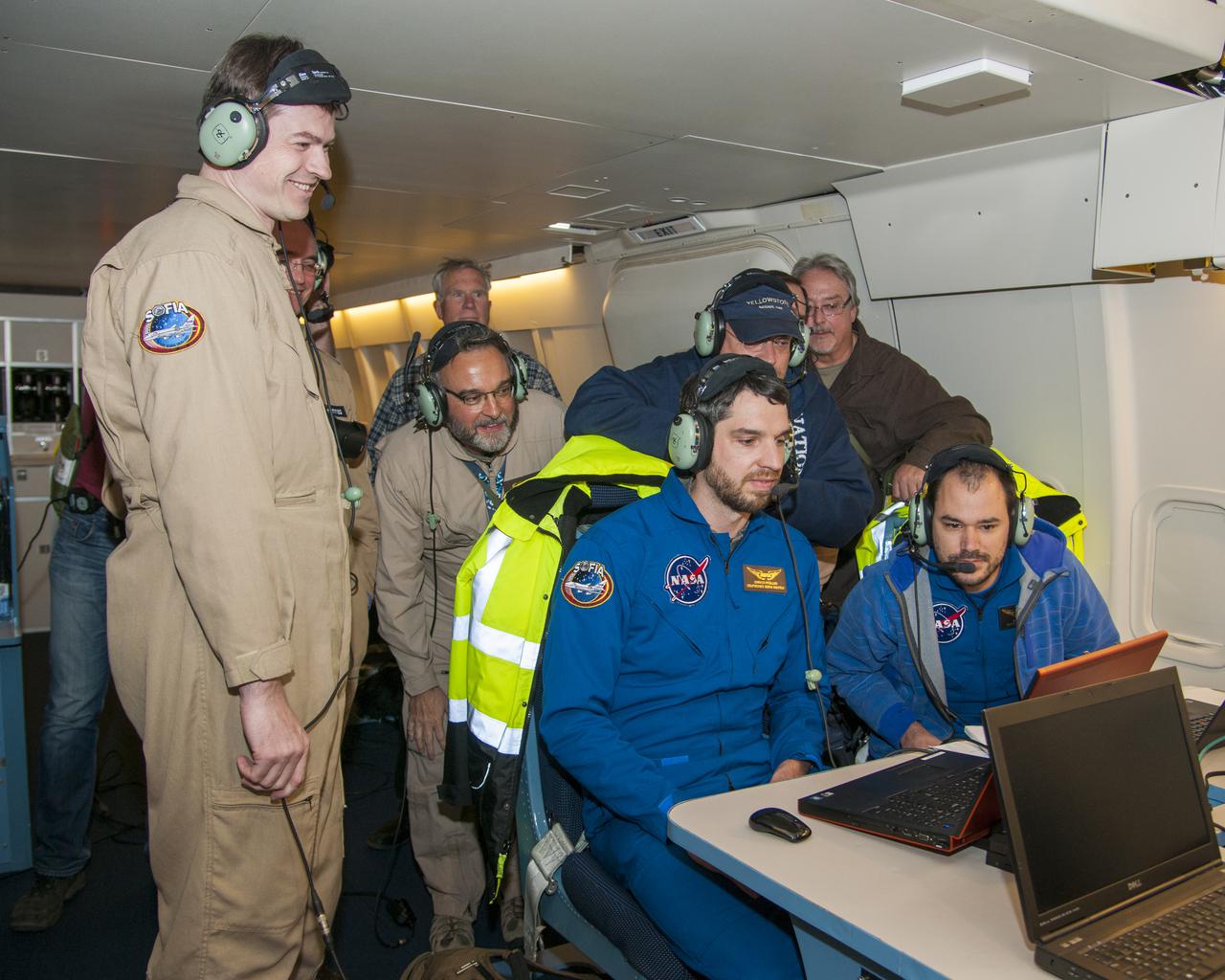
Scientists onboard SOFIA watch data come in from Pluto’s atmosphere as SOFIA flies into the shadow the dwarf planet cast on Earth’s surface during an eclipse-like event called an occultation. (Left to right standing): Holger Jakob, Thomas Roellig, (unknown who is hunched over), Jürgen Wolf, Nicholas Veronico (Left to right seated): Enrico Pfüller, Manuel Wiedemann
SOFIA Studies Pluto’s Atmosphere
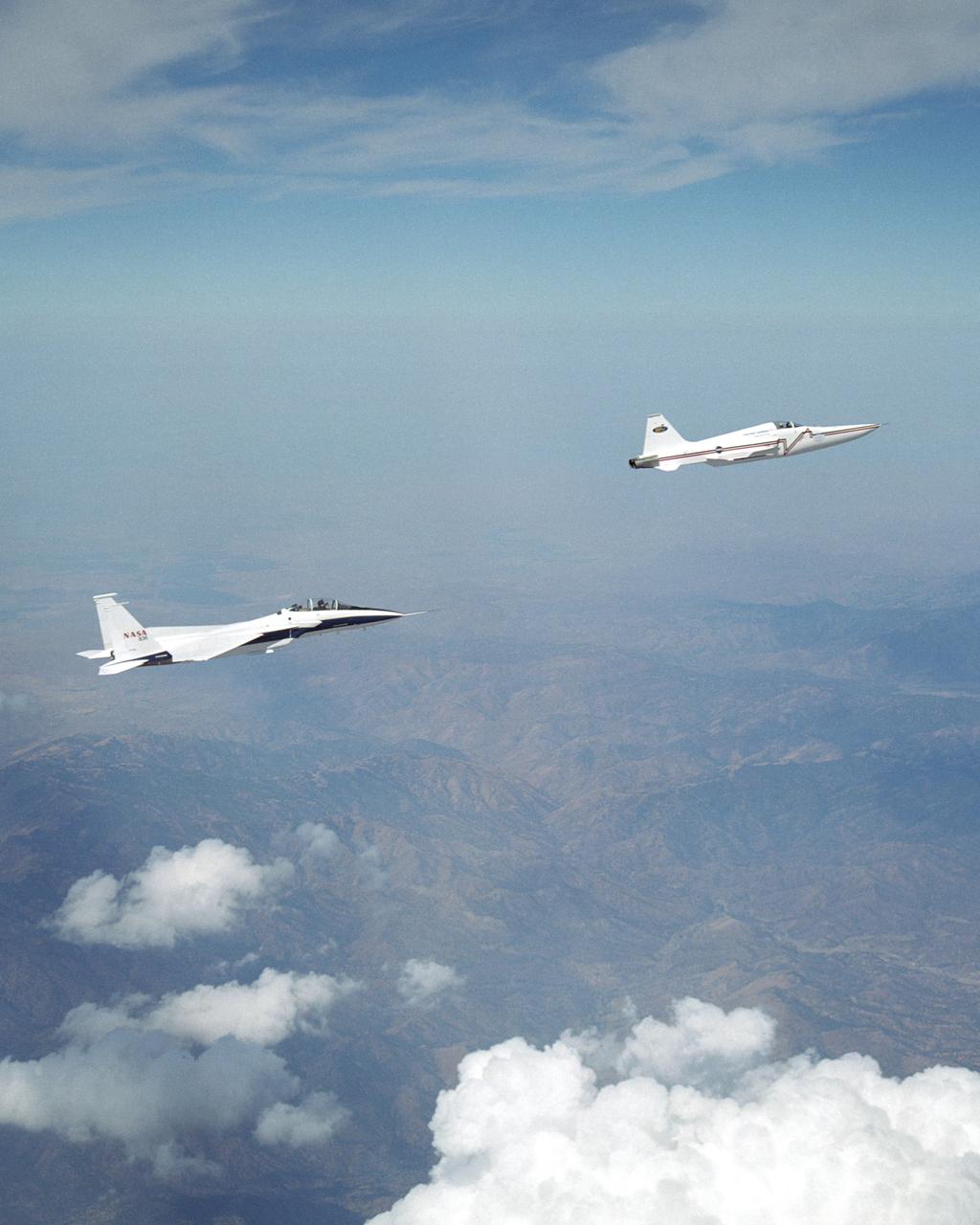
NASA's F-15B research testbed jet from NASA's Dryden Flight Research Center flew in the supersonic shockwave of a Northrop Grumman Corp. modified U.S. Navy F-5E jet in support of the Shaped Sonic Boom Demonstration (SSBD) project, which is part of the DARPA's Quiet Supersonic Platform (QSP) program. On Aug. 27, 2003, the F-5 SSBD aircraft demonstrated a method to reduce the intensity of sonic booms.
NASA's F-15B from the Dryden Flight Research Center flew in the supersonic shockwave of a modified U.S. Navy F-5E jet in support of the Shaped Sonic Boom Demonstration (SSBD) project. On Aug. 27, 2003, the F-5 SSBD aircraft demonstrated a method to reduce
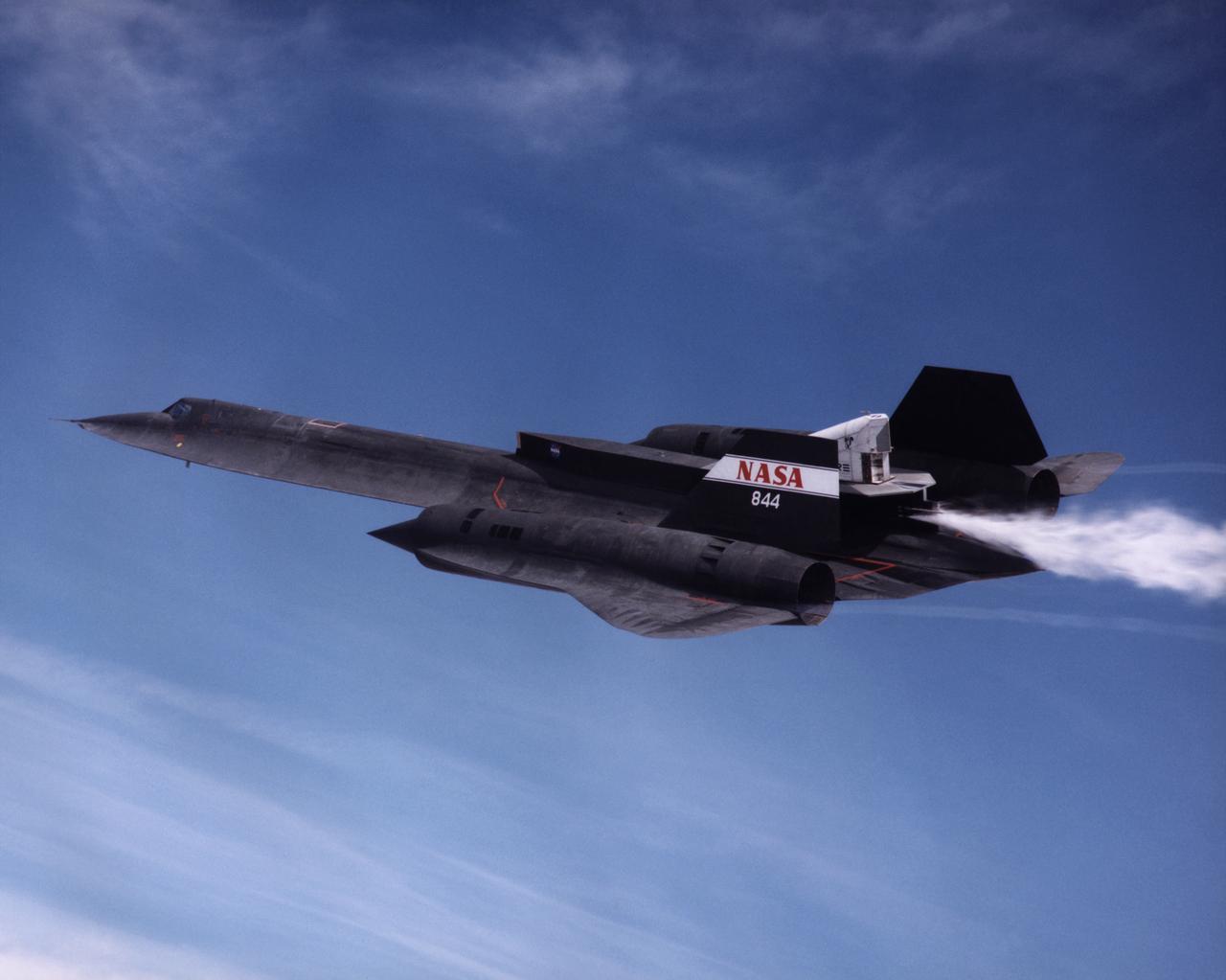
The NASA SR-71A successfully completed its first cold flow flight as part of the NASA/Rocketdyne/Lockheed Martin Linear Aerospike SR-71 Experiment (LASRE) at NASA's Dryden Flight Research Center, Edwards, California on March 4, 1998. During a cold flow flight, gaseous helium and liquid nitrogen are cycled through the linear aerospike engine to check the engine's plumbing system for leaks and to check the engine operating characterisitics. Cold-flow tests must be accomplished successfully before firing the rocket engine experiment in flight.  The SR-71 took off at 10:16 a.m. PST. The aircraft flew for one hour and fifty-seven minutes, reaching a maximum speed of Mach 1.58 before landing at Edwards at 12:13 p.m. PST.  "I think all in all we had a good mission today," Dryden LASRE Project Manager Dave Lux said.  Flight crew member Bob Meyer agreed, saying the crew "thought it was a really good flight." Dryden Research Pilot Ed Schneider piloted the SR-71 during the mission.  Lockheed Martin LASRE Project Manager Carl Meade added, "We are extremely pleased with today's results. This will help pave the way for the first in-flight engine data-collection flight of the LASRE."
Linear Aerospike SR-71 Experiment (LASRE) dumps water after first in-flight cold flow test
NASA test pilots Jim “Clue” Less and Wayne “Ringo” Ringelberg step to the F/A-18 research aircraft at Ellington Field and conduct pre-flight safety checks on the aircraft prior to a supersonic research flight for the QSF18 series.
NASA Pilots Prepare for QSF18 Flight
All six divots of thermal insulation foam have been ejected from the flight test fixture on NASA's F-15B testbed as it returns from a LIFT experiment flight.
Peter Zorba Portrait, Director of Santa Susana Field Laboratory
Peter Zorba
NASA pilots, engineers, and communications specialists brief the day’s operations prior to a supersonic research flight for QSF18, taking off from Ellington Field in Houston, Texas. The flights are meant to validate NASA’s techniques and technology for gather community feedback data for X-59’s Low-Boom Flight Demonstration mission.
NASA QSF18 Flight Crew Briefs Test Flight
The X-38 Crew Return Vehicle touches down amidst the California desert scrubbrush at the end of its first free flight at the Dryden Flight Research Center, Edwards, California, in March 1998.
X-38 - Landing After First Free Flight, March 12, 1998
NASA mission controllers, engineers, pilots and communications specialists in the mission control room monitor the supersonic research flight off the coast of Galveston, as part of the QSF18 flight series. The flight operations crew tracks the status of the flights, maintains communications with the aircraft, communicates with U.S. Coast Guard, and coordinates community feedback data.
NASA Flight Operations Crew Monitors Supersonic Flight
NASA's F-15B research testbed jet from NASA's Dryden Flight Research Center flew in the supersonic shockwave of a Northrop Grumman Corp. modified U.S. Navy F-5E jet in support of the Shaped Sonic Boom Demonstration (SSBD) project, which is part of the DARPA's Quiet Supersonic Platform (QSP) program.  The project is an effort to lessen sonic booms.  During the recent demonstration, the F-15B flew behind the modified F-5E sonic boom demonstrator aircraft in order to measure the aircraft's sonic boom characteristics.  Flying behind and below the F-5E, and using its specially-instrumented nose boom, the F-15B recorded many shockwave patterns from the F-5E at various distances and orientations from the aircraft.
NASA's F-15B research testbed jet flew in the supersonic shockwave of a Northrop Grumman Corp. - modified U.S. Navy F-5E jet in support of the Shaped Sonic Boom Demonstration project.
DC-8 lifts off from Air Force Plant 42 in Palmdale, Calif., at sunset.
DC-8 Sunset Lift Off
While NASA's F/A-18 goes supersonic off the coast, a team of researchers monitor the flight and operate multiple sound monitor stations around Galveston and its surrounding area. This allows NASA to obtain accurate sound level data, which gets matched to community response data.
QSF18 Field Research Team Monitors Data from Flight
C-20A crew chief Vince Moreno inspects the aircraft.
AfriSAR 2016
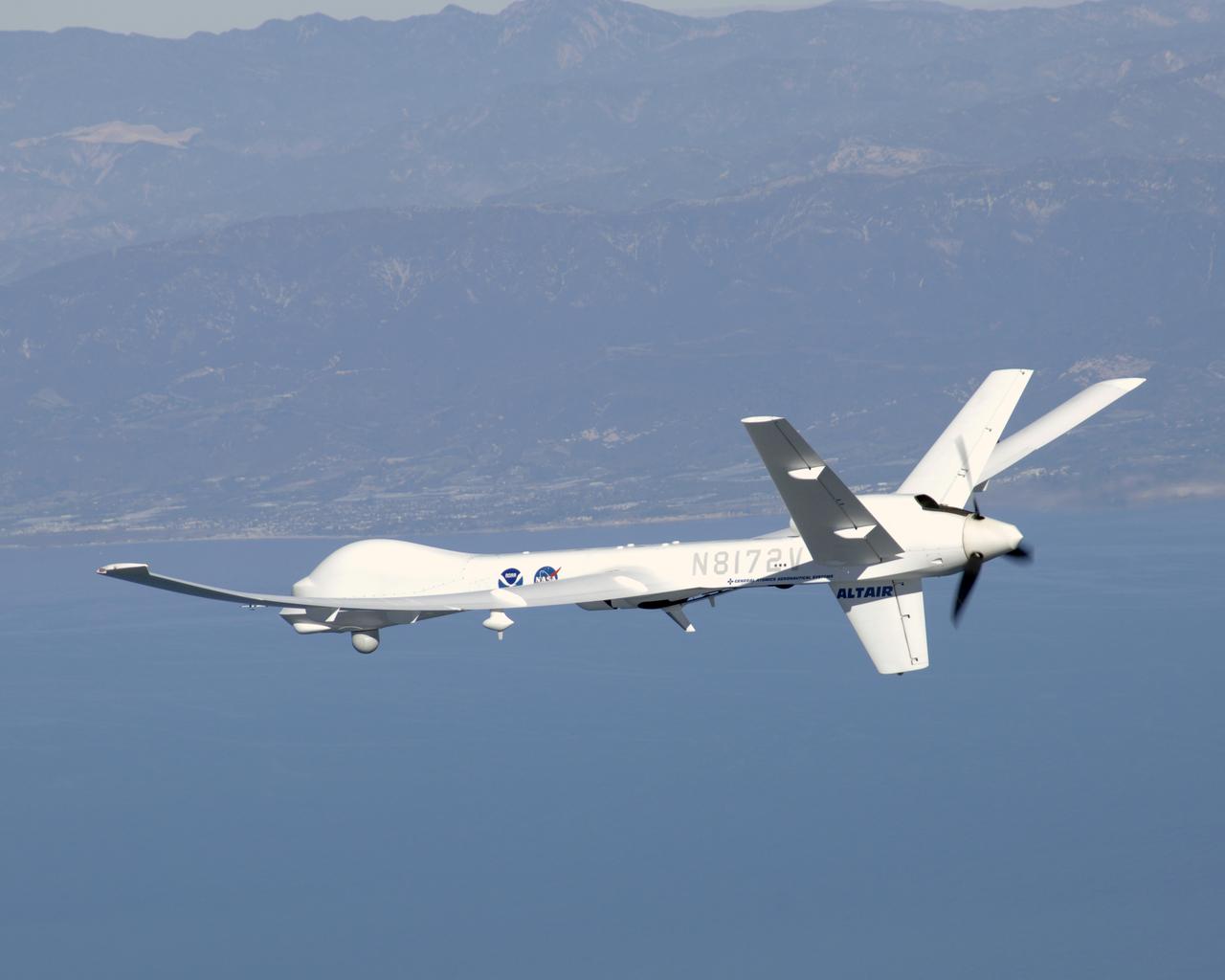
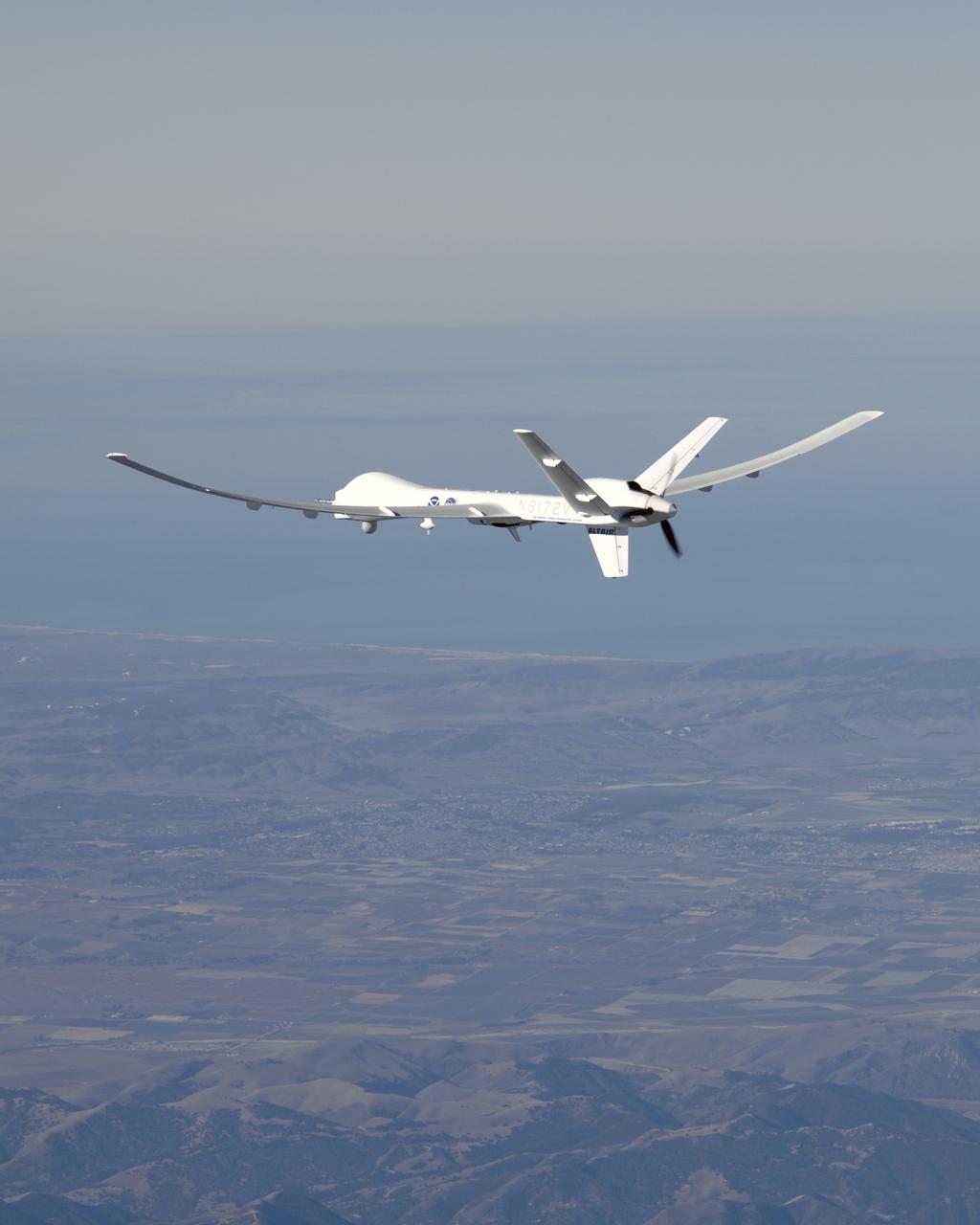
General Atomics' uninhabited Altair flew a NOAA/NASA coastal mapping, mammal observation and marine monitoring mission off the California coast in late 2005.
ED05-0234-28
Kirt Stallings, an ER-2 pilot from NASA’s Armstrong Flight Research Center in Edwards California, completed a flight in support of the Investigation of Microphysics and Precipitation for Atlantic Coast-Threatening Storms (IMPACTS) mission. The IMPACTS team tracked storms across the Eastern United States to help understand how winter storms form and develop. The aircraft, which is based at NASA’s Armstrong Flight Research Center Building 703 in Palmdale, California, was temporarily based at Dobbins Air Reserve Base in Marietta, Georgia. The three-year IMPACTS campaign concluded on Feb. 28, 2023.
NASA’s ER-2 Supports IMPACTS Mission
NASA’s F/A-18 research aircraft takes off from Ellington Field in Houston, Texas for a quiet supersonic research flight off the coast of Galveston, as part of the QSF18 flight series. The F/A-18 will climb to 50,000 feet over the Gulf of Mexico, where it will perform the quiet supersonic dive maneuver.
NASA F/A-18 Takes Off for QSF18 Supersonic Flight
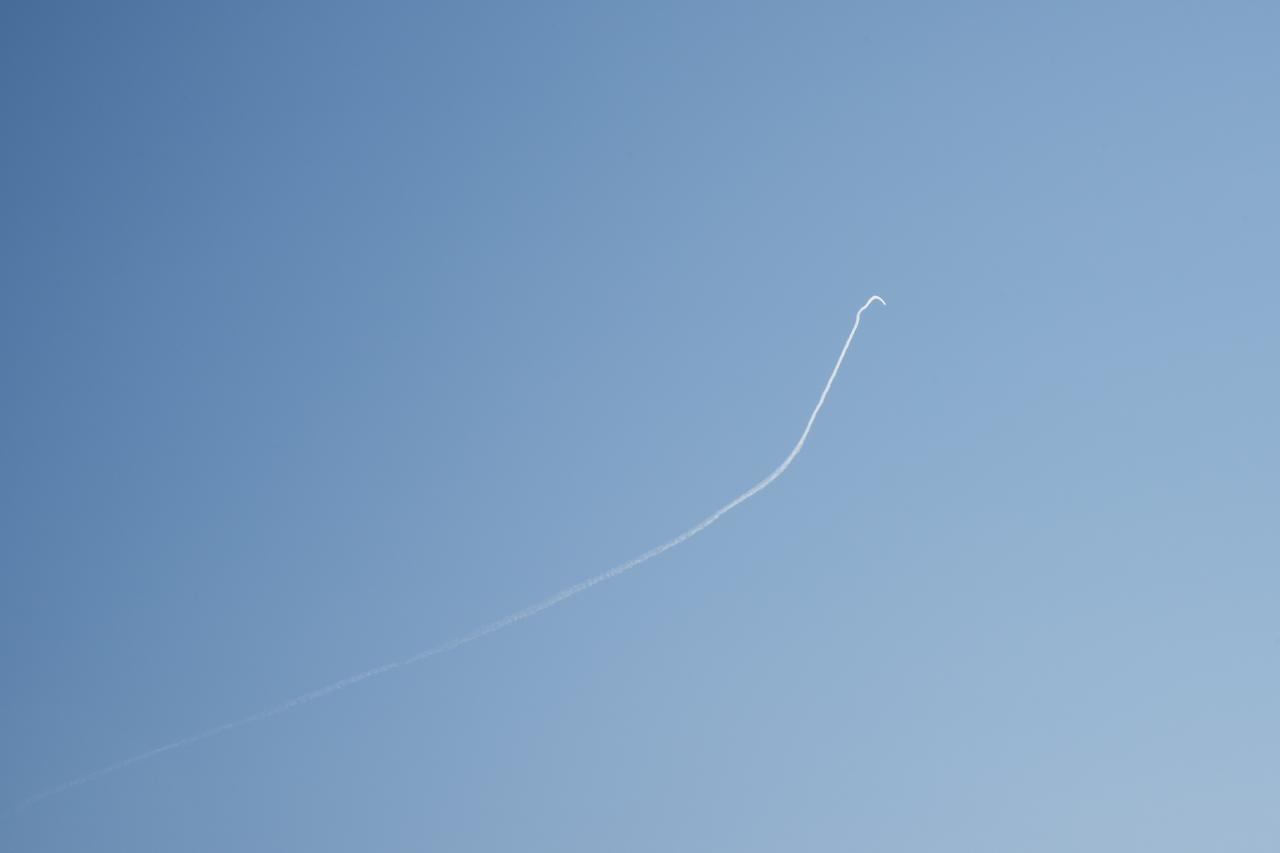
A contrail of the NASA F/A-18 research aircraft is seen off the coast of Galveston, performing the quiet supersonic dive maneuver in support of the QSF18 flight series.
Contrail of NASA F/A-18 Seen Off Coast During QSF18 Flight
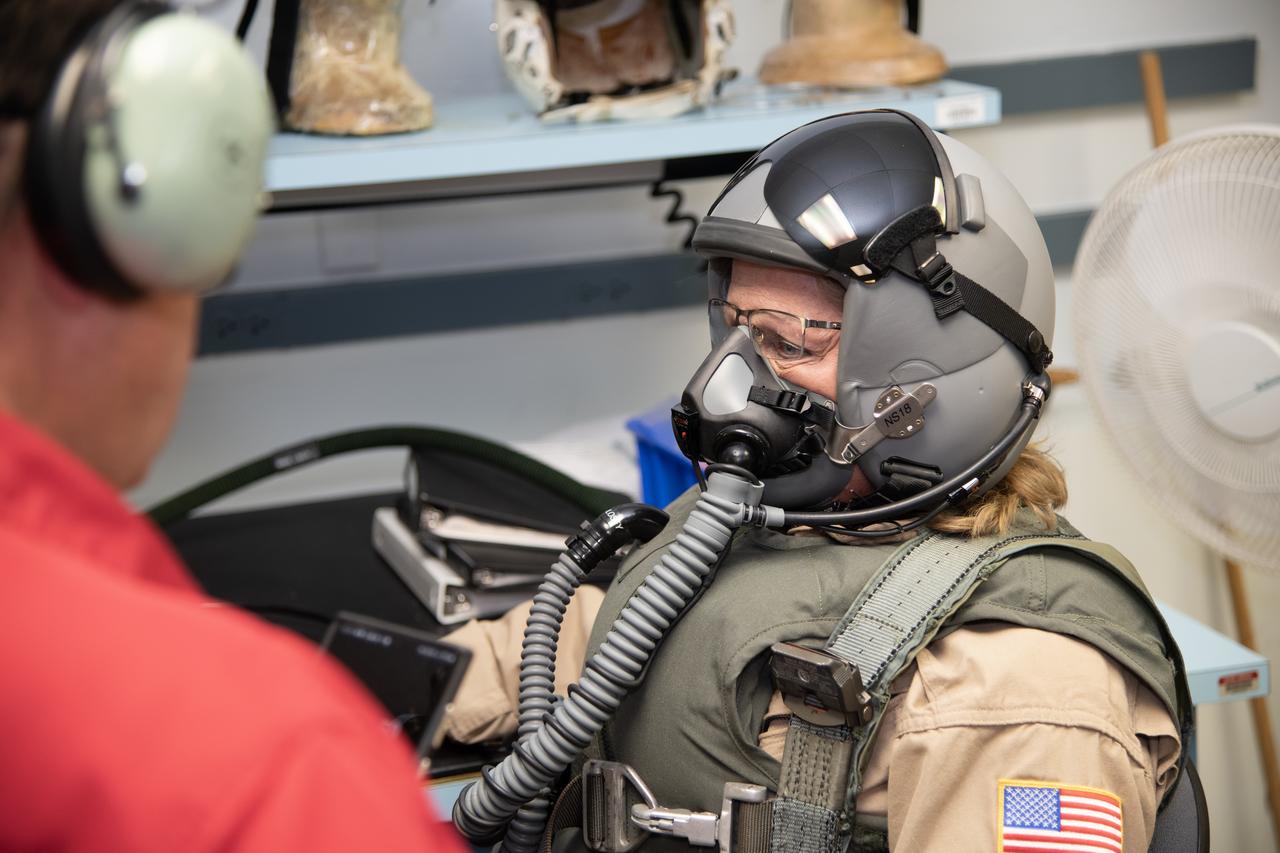
NASA Armstrong videographer Lori Losey undergoes pressure breathing training in San Antonio, Texas. NASA Armstrong aircrews are preparing for high altitude flight tests of the X-59.
Training for High Altitude Emergencies
With landing gear extended, the NASA/DLR Stratospheric Observatory for Infared Astronomy (SOFIA) 747SP cruises over central Texas on its first checkout flight.
With landing gear extended, the NASA/DLR Stratospheric Observatory for Infared Astronomy (SOFIA) 747SP cruises over central Texas on its first checkout flight
While NASA’s F/A-18 goes supersonic off the coast, a team of researchers monitor the flight and operate multiple sound monitor stations around Galveston and its surrounding area. This allows NASA to obtain accurate sound level data, which gets matched to community response data.
QSF18 Field Research Team Monitors Data from Flight
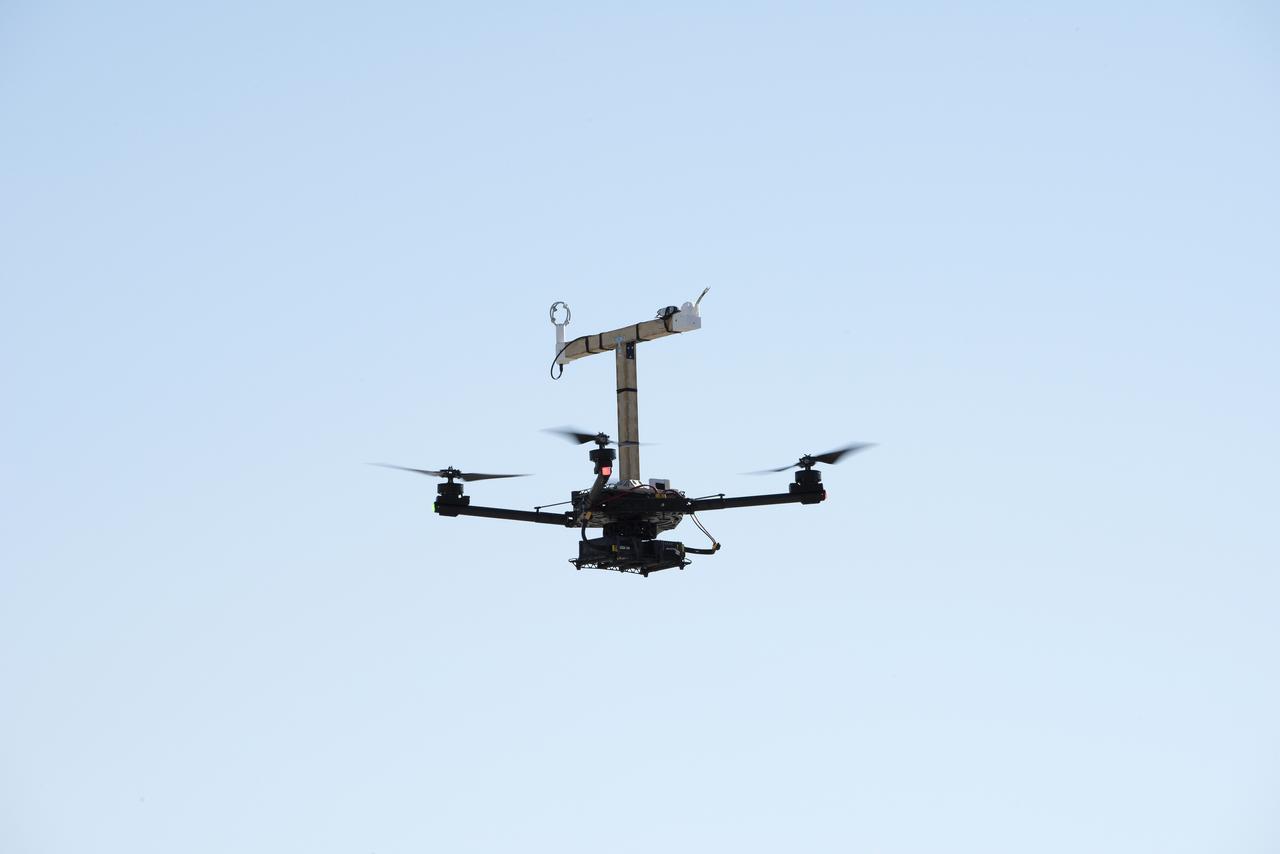
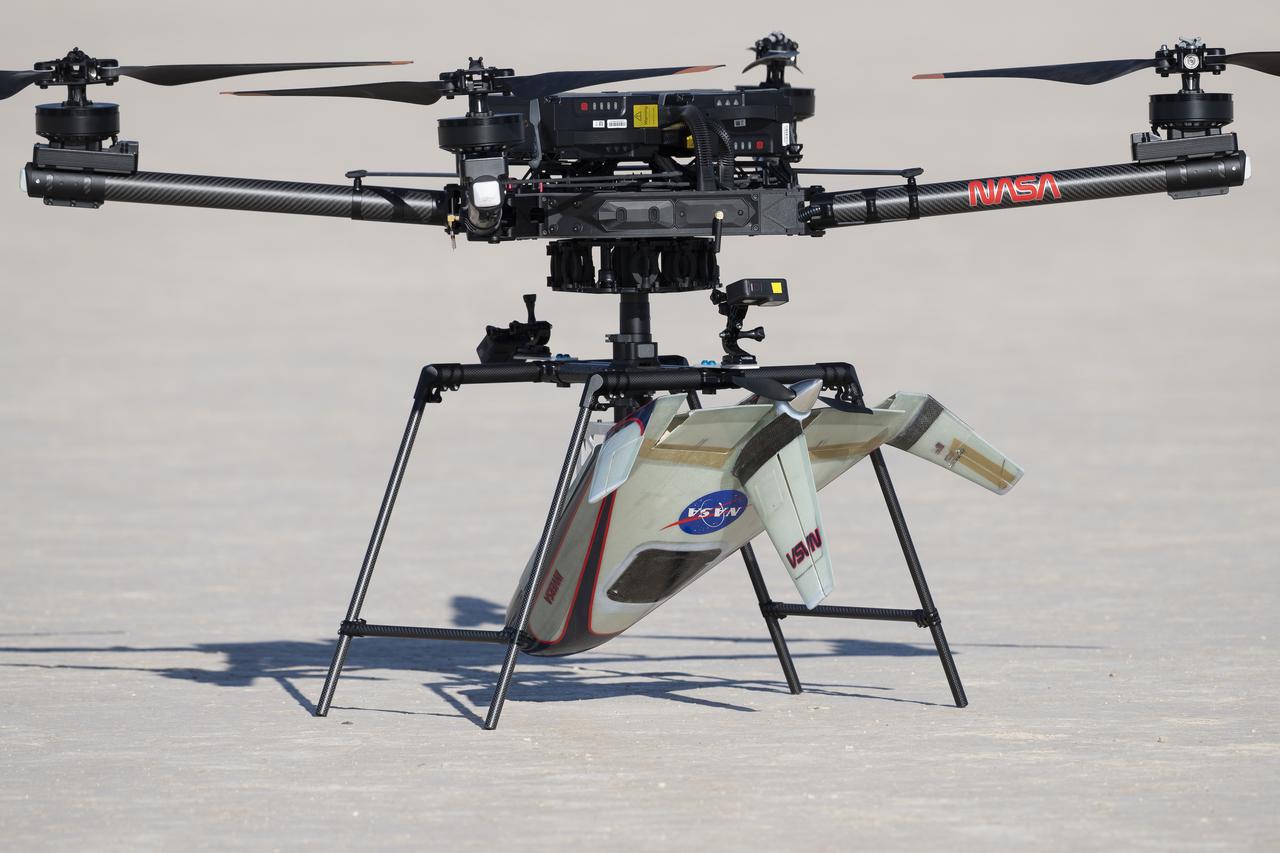
An atmospheric probe model is attached upside down to a quad rotor remotely piloted aircraft on Oct. 22, 2024. The quad rotor aircraft released the probe above Rogers Dry Lake, a flight area adjacent NASA’s Armstrong Flight Research Center in Edwards, California. The probe was designed and built at the center.
Atmospheric Probe Shows Promise in Test Flight
The engine that will power NASA’s quiet supersonic X-59 in flight is installed, marking a major milestone in the experimental aircraft’s journey toward first flight. The installation of the F414-GE-100 engine at Lockheed Martin’s Skunk Works facility brings the vehicle close to the completion of its assembly.
Engine Installed on NASA’s X-59 Experimental Aircraft
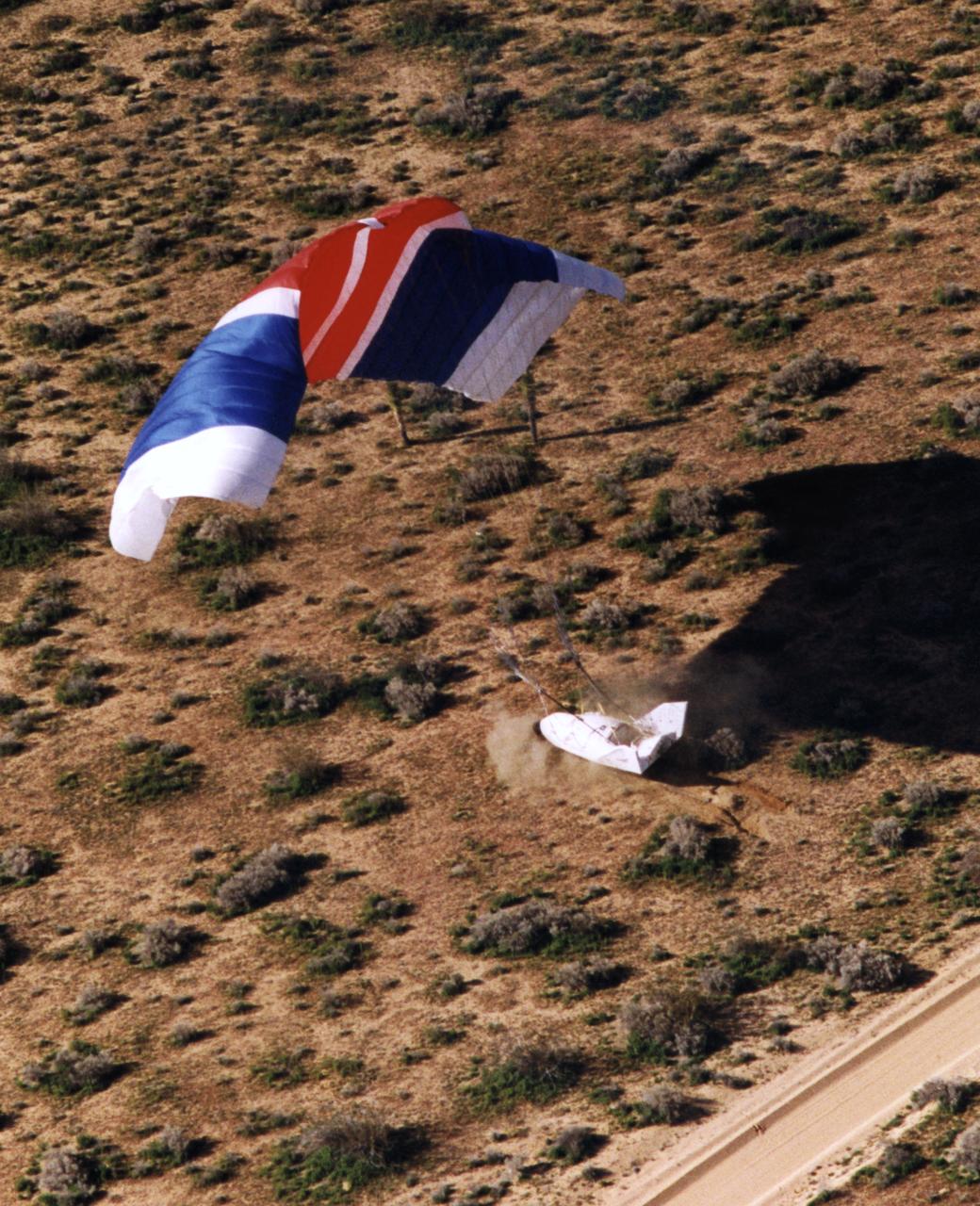
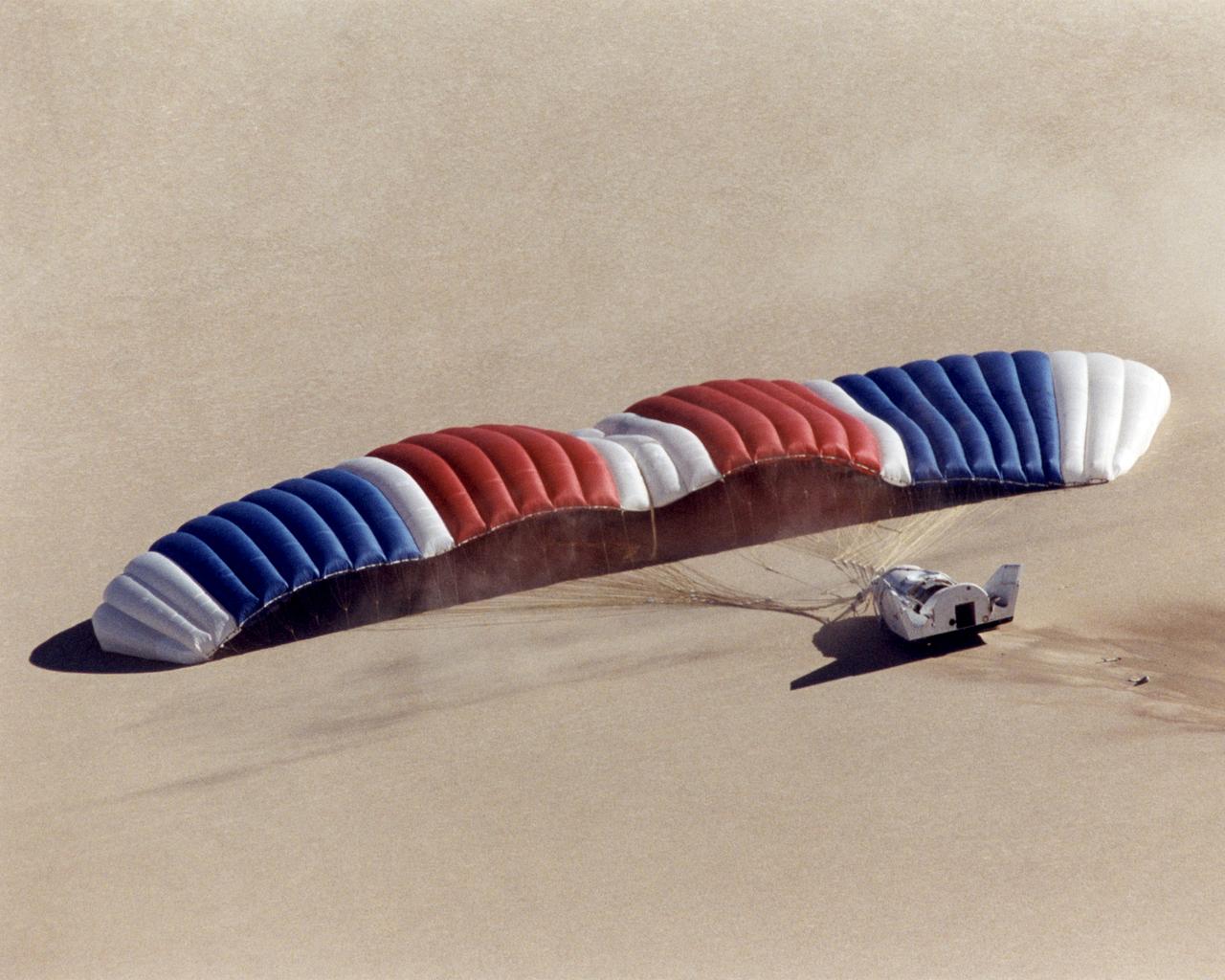
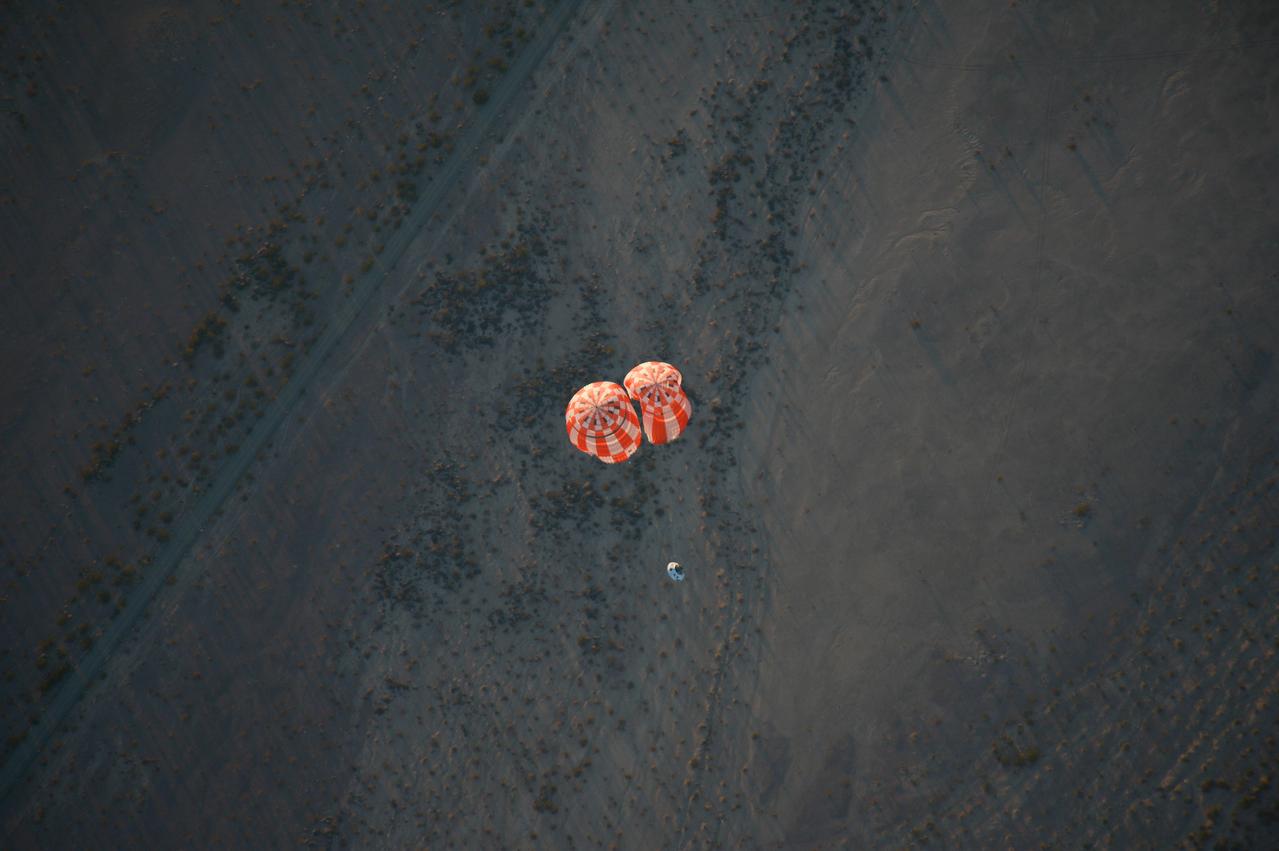
Looking like a giant air mattress, the world's largest parafoil slowly deflates seconds after it carried the latest version of the X-38, V-131R, to a landing on Rogers Dry Lake adjacent to NASAÕs Dryden Flight Research Center at Edwards, California, at the end of its first free flight, November 2, 2000. The X-38 prototypes are intended to perfect technology for a planned Crew Return Vehicle (CRV) "lifeboat" to carry a crew to safety in the event of an emergency on the International Space Station. Free-flight tests of X-38 V-131R are evaluating upgraded avionics and control systems and the aerodynamics of the modified upper body, which is more representative of the final design of the CRV than the two earlier X-38 test craft, including a simulated hatch atop the body. The huge 7,500 square-foot parafoil will enable the CRV to land in the length of a football field after returning from space. The first three X-38's are air-launched from NASA's venerable NB-52B mother ship, while the last version, V-201, will be carried into space by a Space Shuttle and make a fully autonomous re-entry and landing.
The world's largest parafoil slowly deflates after carrying the X-38, V-131R, to a safe landing
NASA’s Crossflow Attenuated Natural Laminar Flow (CATNLF) scale-model wing flies on a NASA F-15 research jet during a test flight from NASA’s Armstrong Flight Research Center in Edwards, California. The CATNLF technology is designed to maintain smooth airflow, known as laminar flow. NASA will continue flight tests to collect data that validates the CATNLF design and its potential to improve laminar flow, reducing drag and lowering fuel costs for future commercial aircraft.
NASA Completes First Flight of Laminar Flow Scaled Wing Design
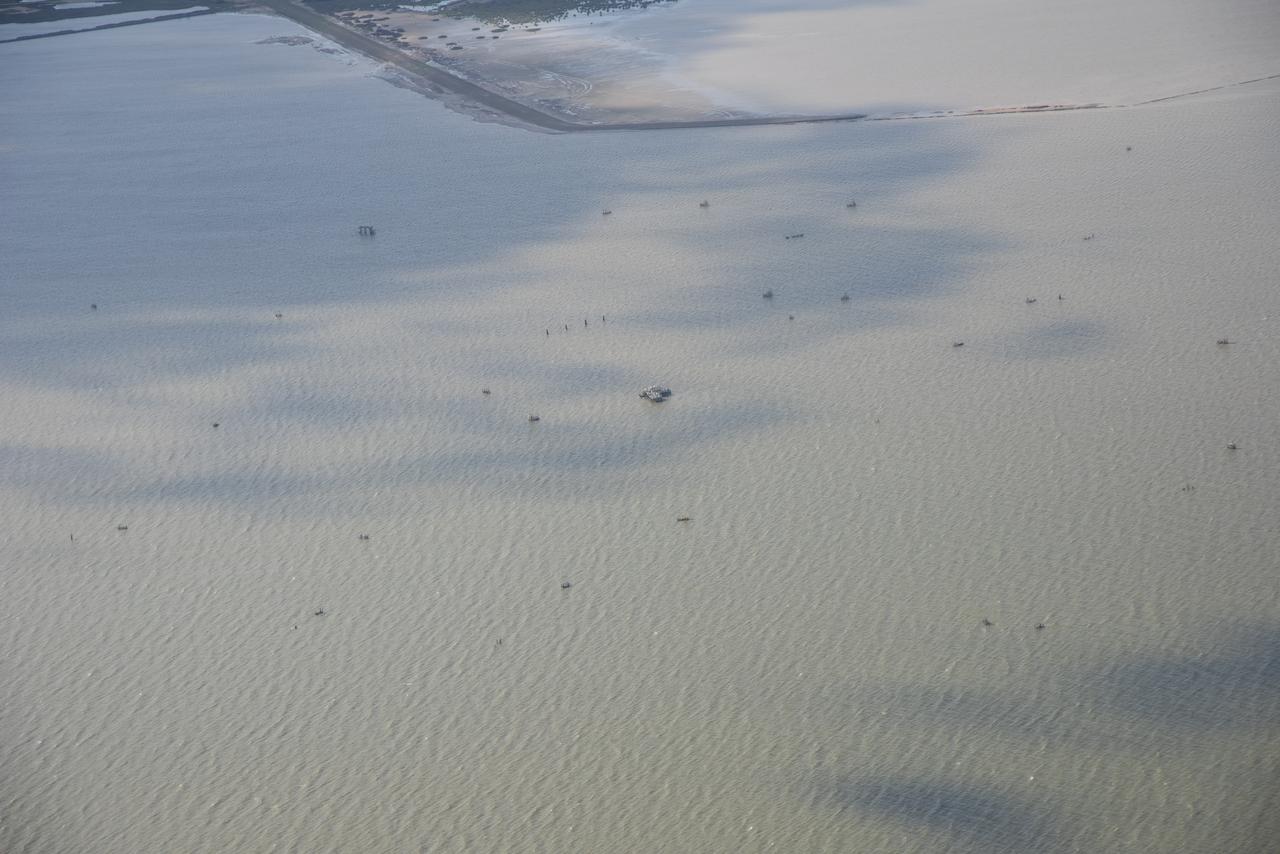
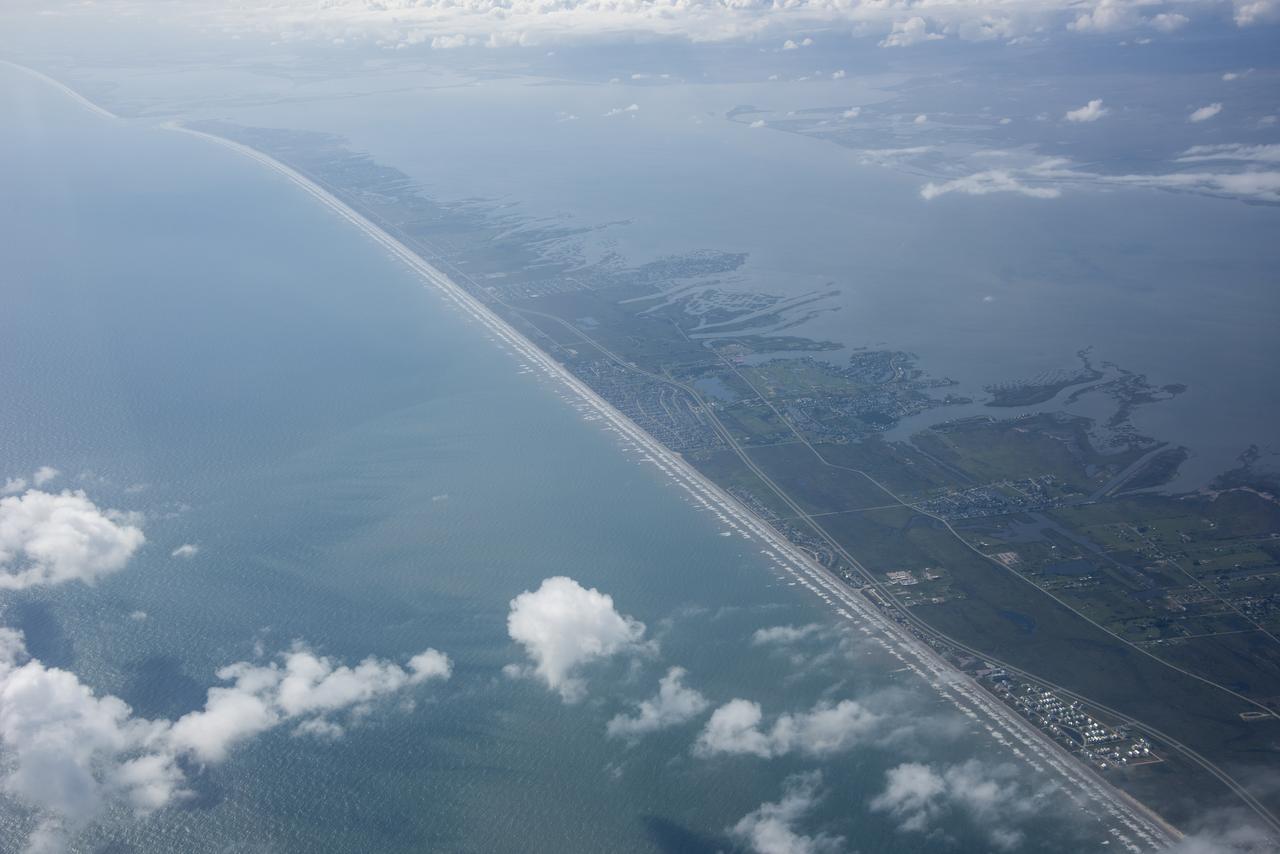
Part of the mission criteria that led to the decision to fly off the coast of Galveston for QSF18 was the convenience of having NASA Johnson Space Center’s facilities at Ellington Field.
Galveston as Seen From NASA F/A-18 Following Research Flight
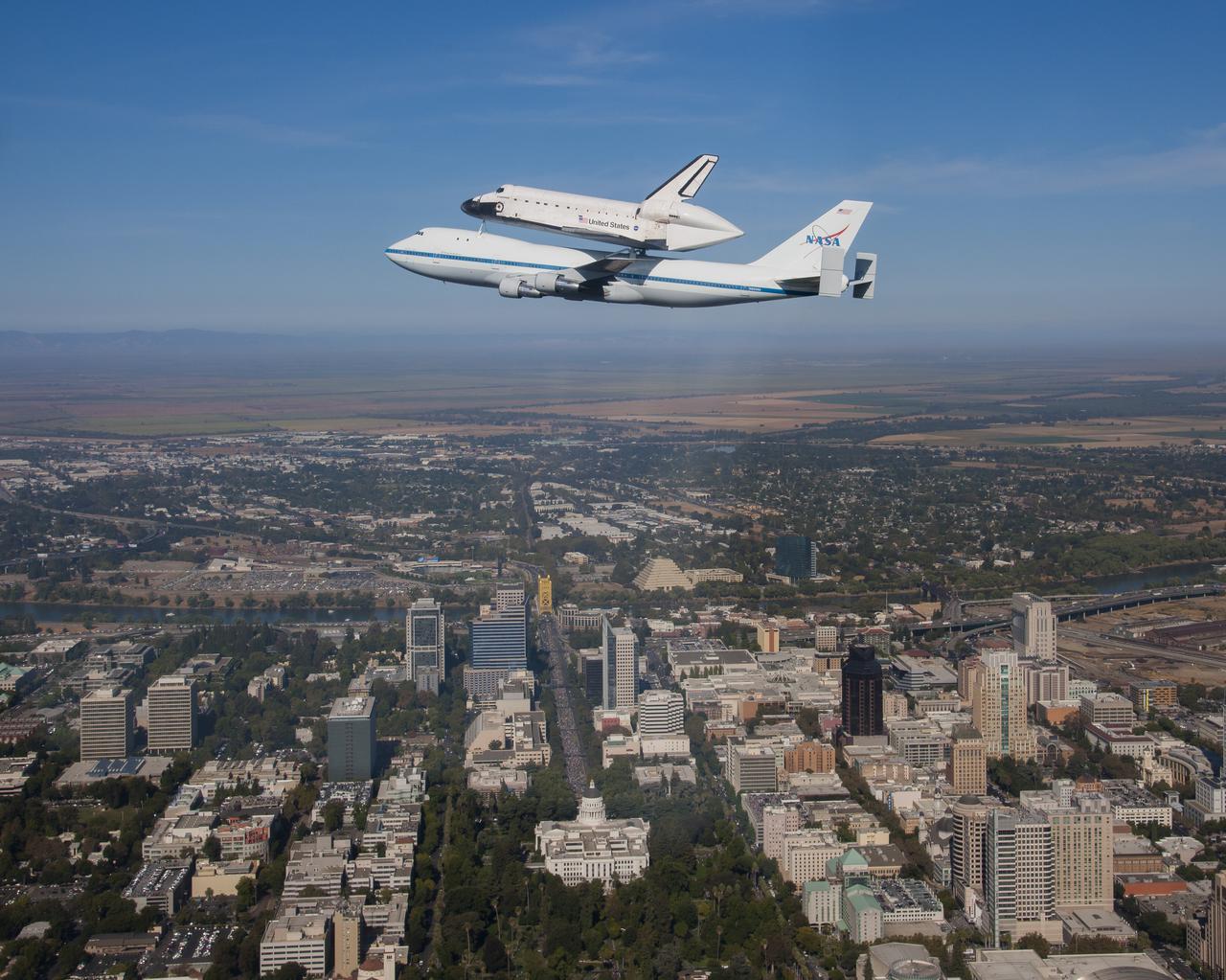
Shuttle Endeavour was ferried to Los Angeles, briefly flying over the California state capitol, Sacramento, then demated from its NASA 747 and trailered to the California Science Center.
Shuttle Endeavor Rides Over Sacramento
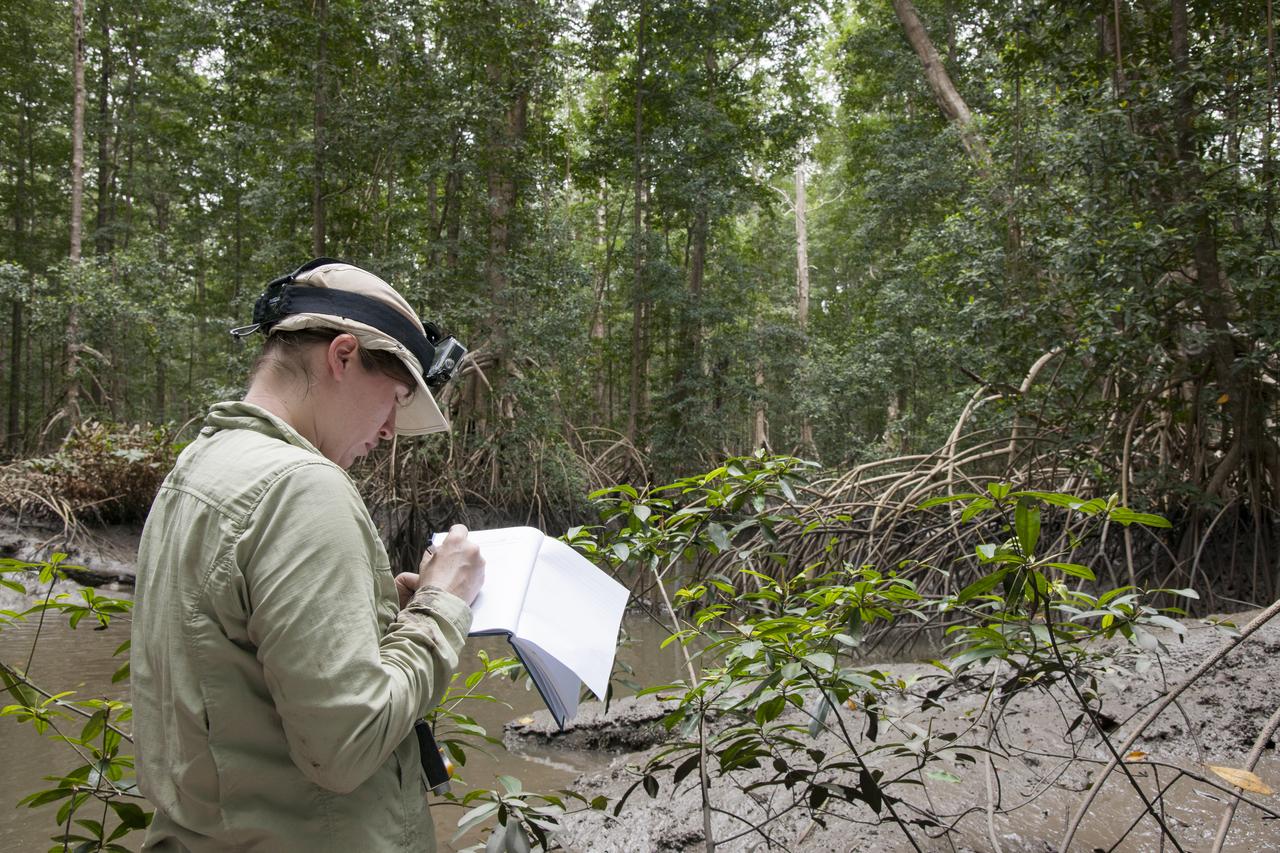
Goddard Space Center’s Laura Duncanson records global positioning satellite coordinates of the Pongara Mangrove and tree heights and diameters.
AfriSAR 2016
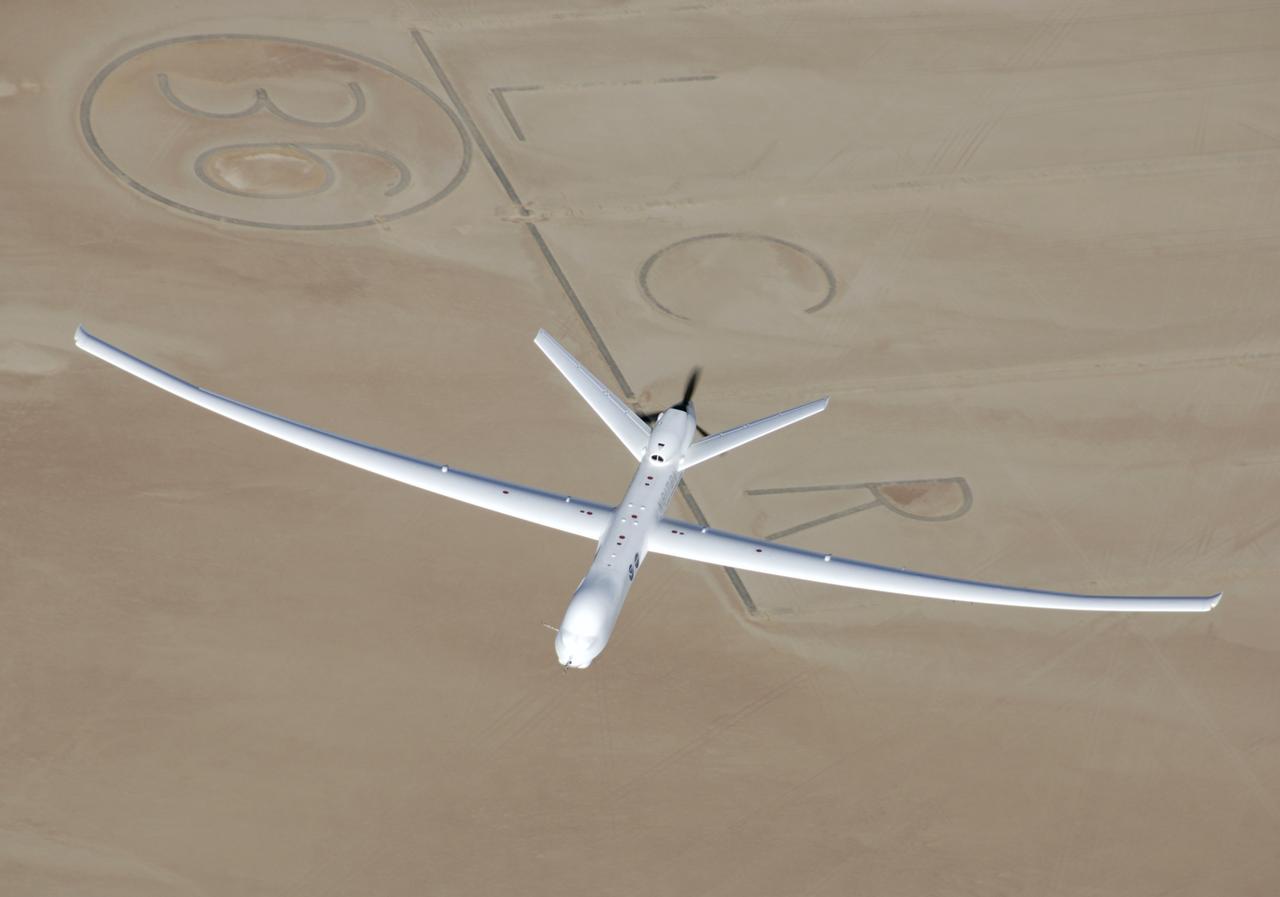
General Atomics' remotely-operated Altair soars over Rogers Dry Lake at Edwards Air Force Base during a NOAA/NASA earth science mission in November 2005.
ED05-0234-07
General Atomics' uninhabited Altair flew a NOAA/NASA coastal mapping, mammal observation and marine monitoring mission off the California coast in late 2005.
ED05-0234-13
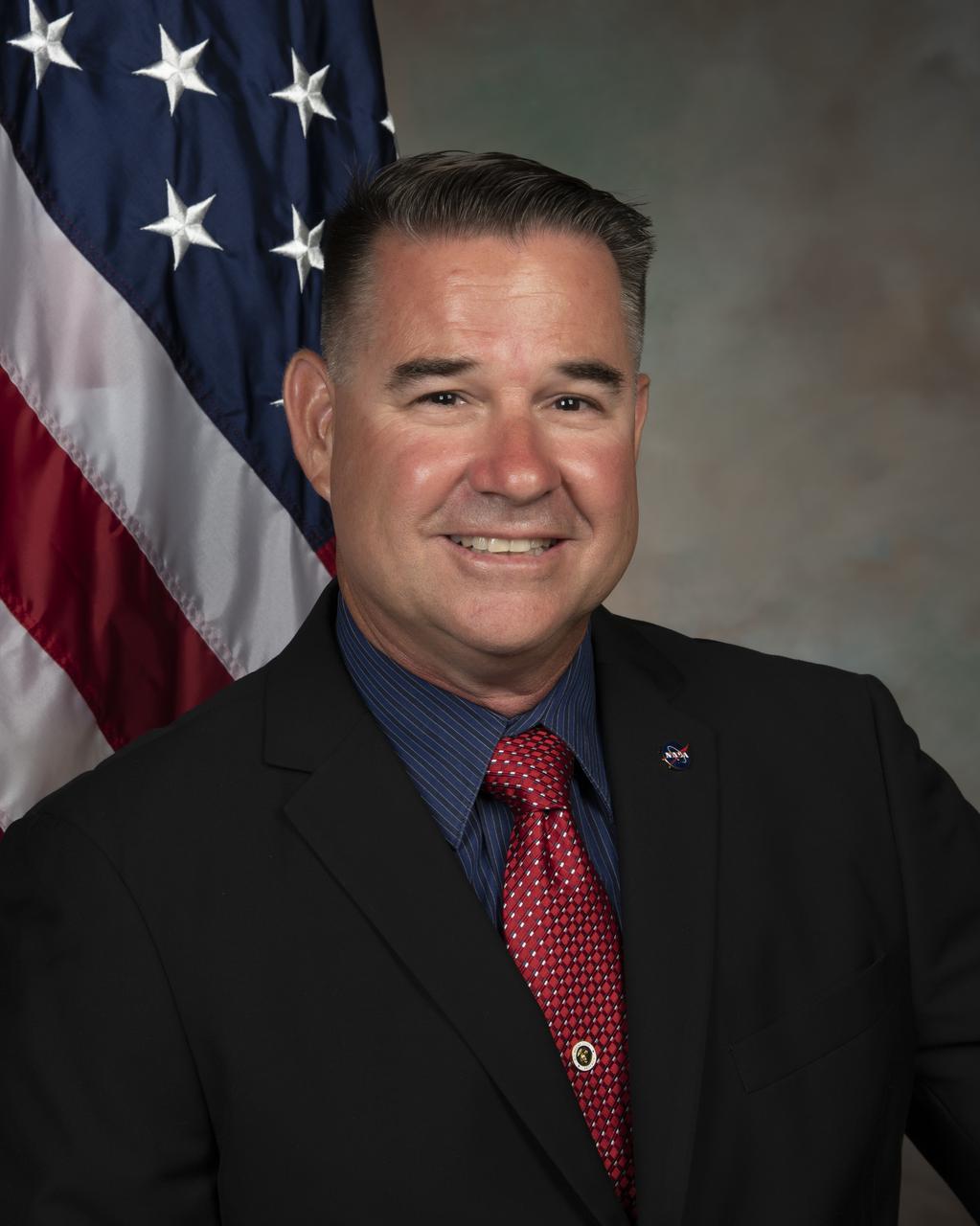
David D. McBride
David D. McBride