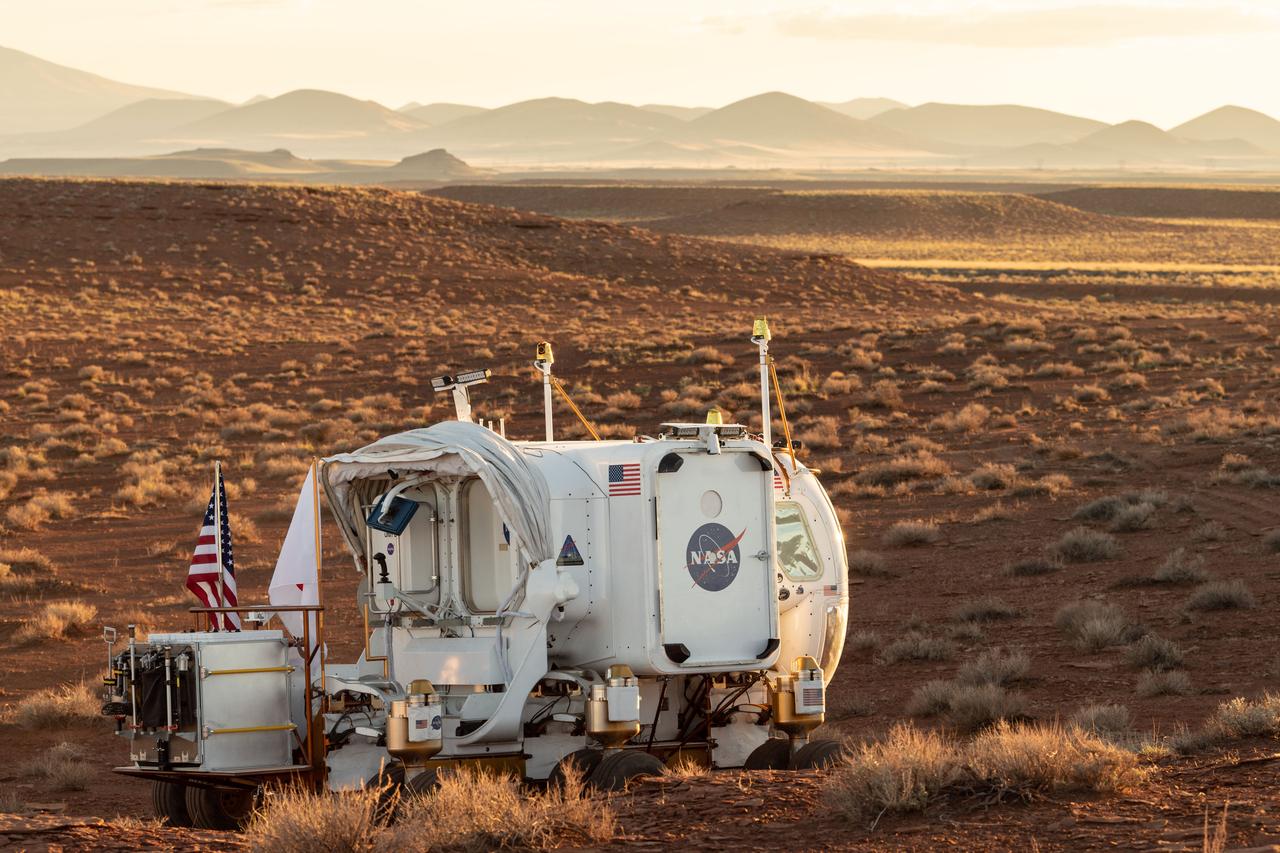
The Desert Research and Technology Studies (DesertRATS) is one of NASA’s analog missions to test hardware and operational scenarios in a remote environment with geographic similarities to the Moon and Mars. In October 2022, NASA evaluated rover design and operations, communications with the Mission Control Center and a Science Evaluation Room at NASA’s Johnson Space Center in Houston. A key element of the DesertRATS analog is the pressurized rover, a capability that is planned for astronaut surface exploration at the Moon and Mars. NASA has a study agreement with the Japan Aerospace Exploration Agency (JAXA) for development of the Artemis pressurized rover, and JAXA representatives joined NASA at DesertRATS.
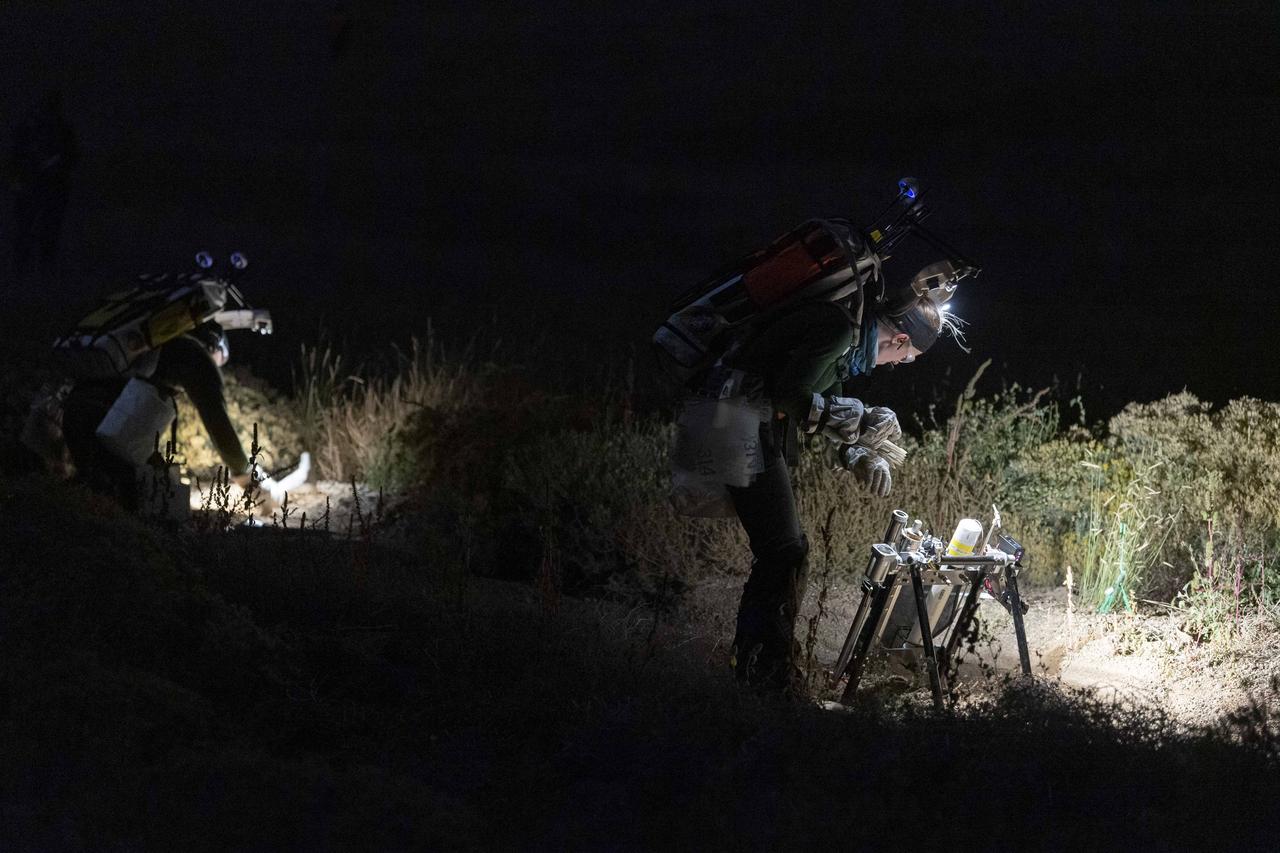
PHOTO DATE: 10-09-22 LOCATION: Flagstaff, Arizona SUBJECT: Photographic coverage of JETTS3 engineering night run 4. Joint EVA Test Team (JETT) Field Testing - JETT 3 fully integrated mission scale test to ensure successful surface operations and technology development for Artemis III. PHOTOGRAPHER: BILL STAFFORD
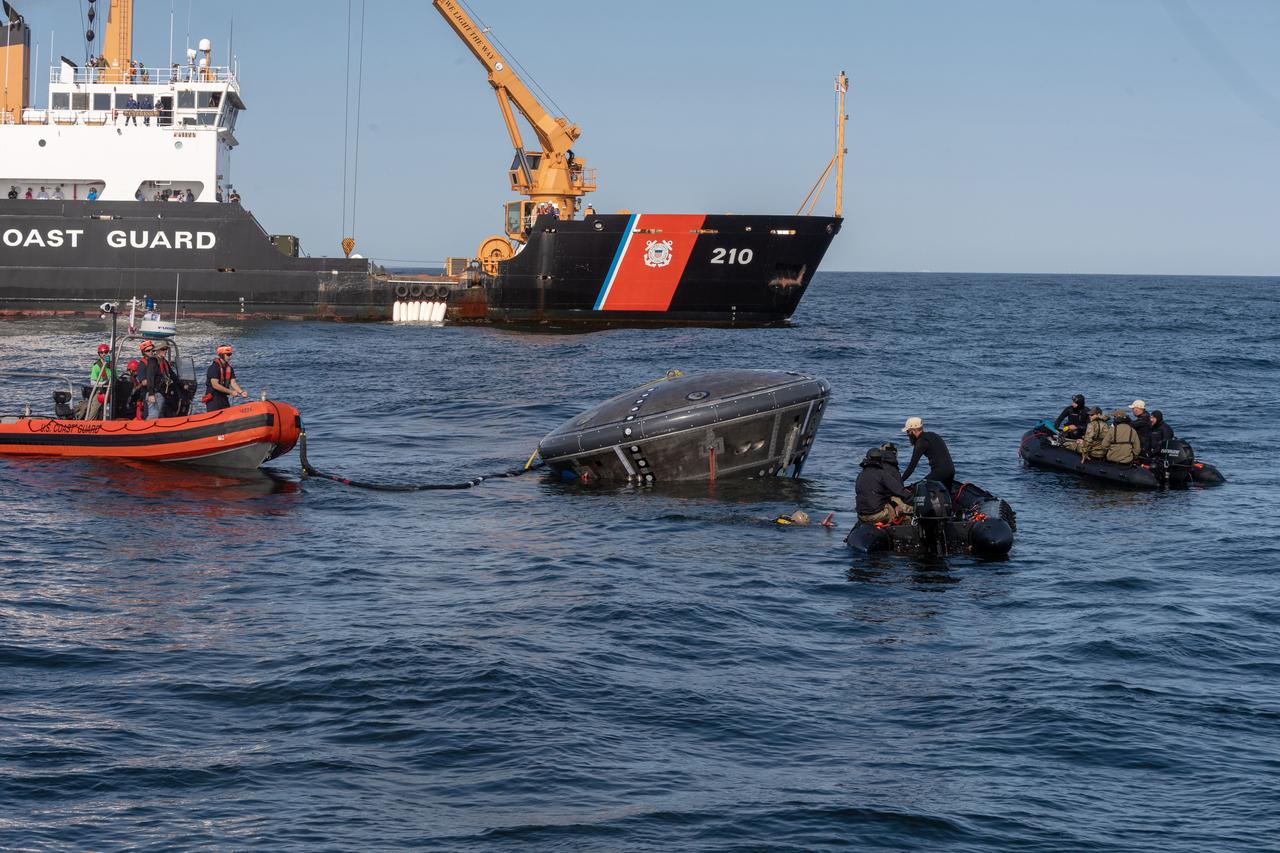
The Orion Crew Module Uprighting System (CMUS) and Neutral Buoyancy Laboratory team completed two successful sea tests off the coast of Galveston, Texas, Dec. 1-3, 2018. CMUS is designed to inflate five bags after the Orion spacecraft and its crew splash down after returning from deep space missions, enabling the capsule to upright itself. NASA partnered with United States Coast Guard and Air Force and Texas A&M Galveston teams to perform the tests operations.
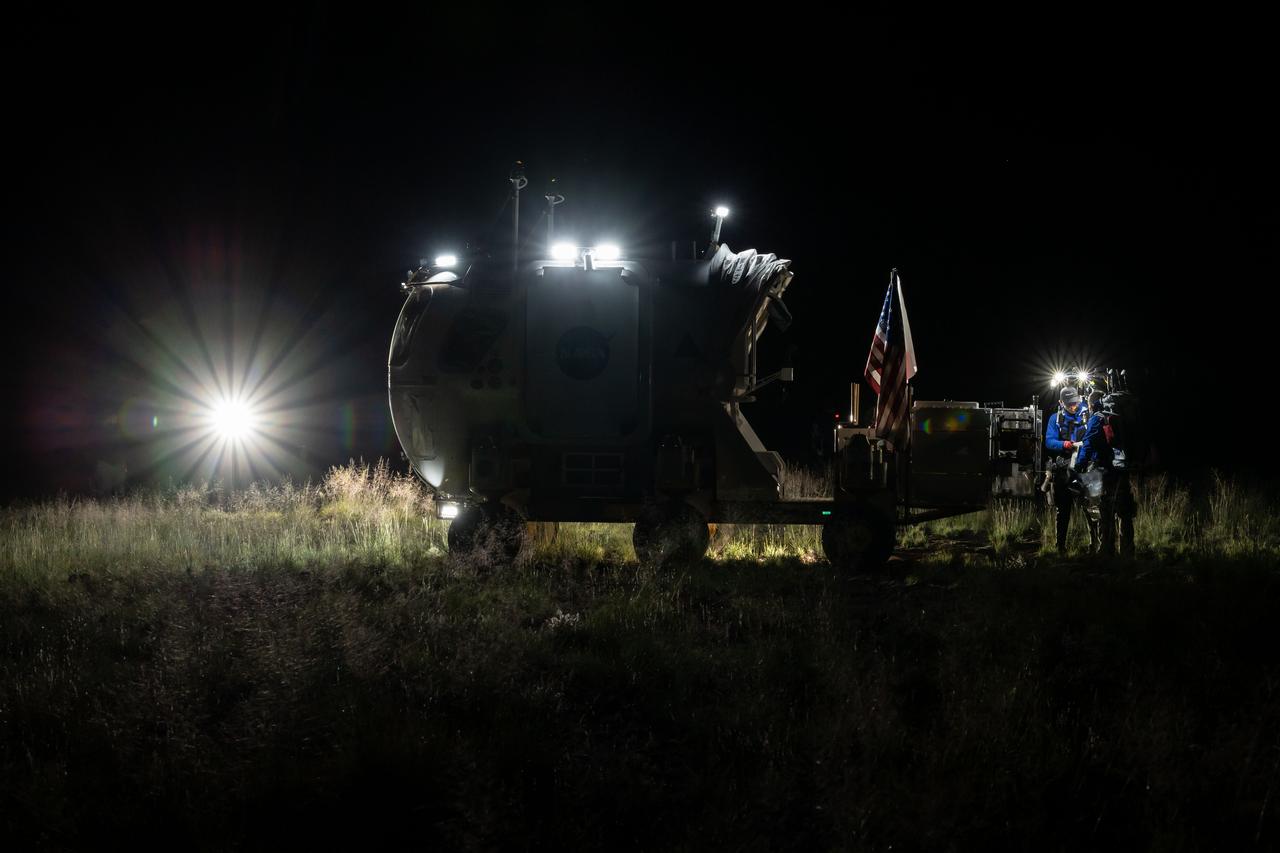
The Desert Research and Technology Studies (DesertRATS) is one of NASA’s analog missions to test hardware and operational scenarios in a remote environment with geographic similarities to the Moon and Mars. In October 2022, NASA evaluated rover design and operations, communications with the Mission Control Center and a Science Evaluation Room at NASA’s Johnson Space Center in Houston. A key element of the DesertRATS analog is the pressurized rover, a capability that is planned for astronaut surface exploration at the Moon and Mars. NASA has a study agreement with the Japan Aerospace Exploration Agency (JAXA) for development of the Artemis pressurized rover, and JAXA representatives joined NASA at DesertRATS.
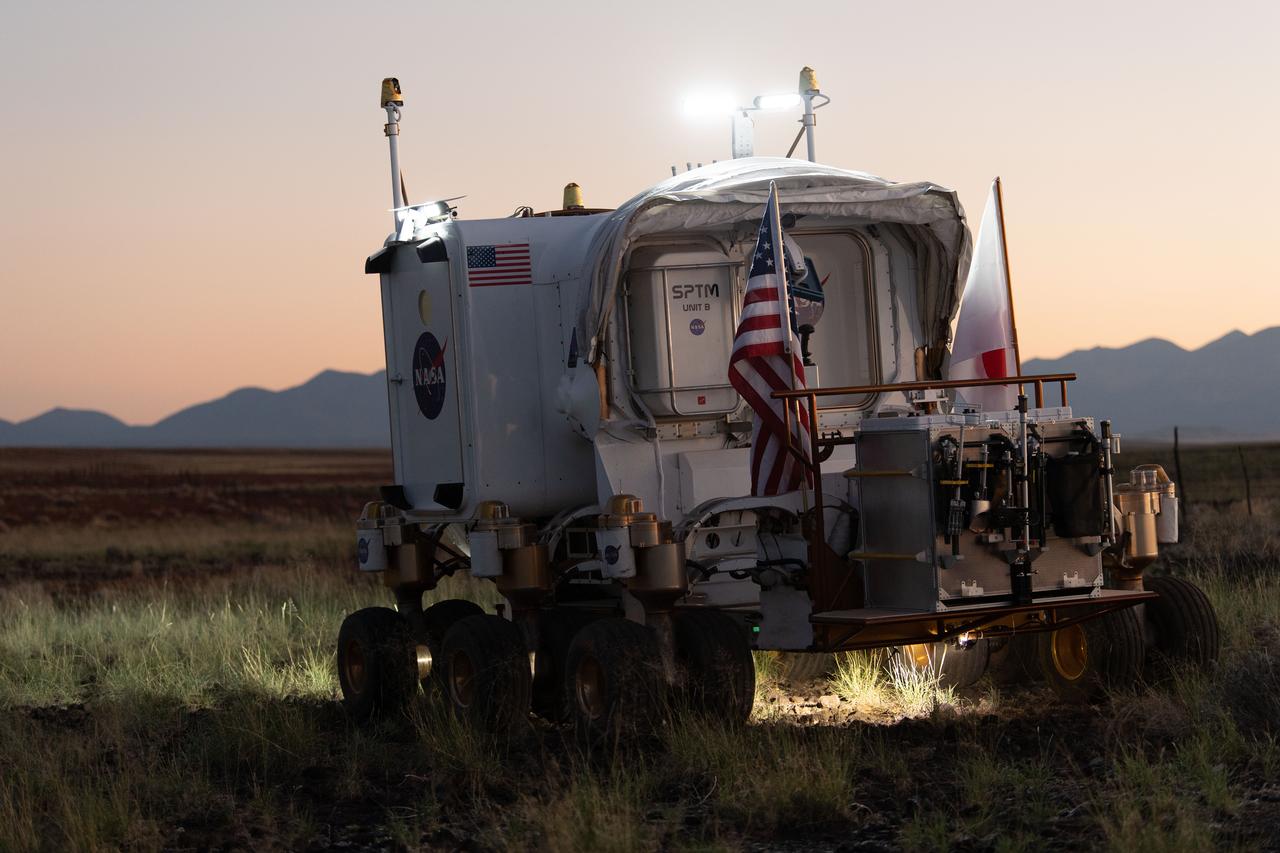
The Desert Research and Technology Studies (DesertRATS) is one of NASA’s analog missions to test hardware and operational scenarios in a remote environment with geographic similarities to the Moon and Mars. In October 2022, NASA evaluated rover design and operations, communications with the Mission Control Center and a Science Evaluation Room at NASA’s Johnson Space Center in Houston. A key element of the DesertRATS analog is the pressurized rover, a capability that is planned for astronaut surface exploration at the Moon and Mars. NASA has a study agreement with the Japan Aerospace Exploration Agency (JAXA) for development of the Artemis pressurized rover, and JAXA representatives joined NASA at DesertRATS.
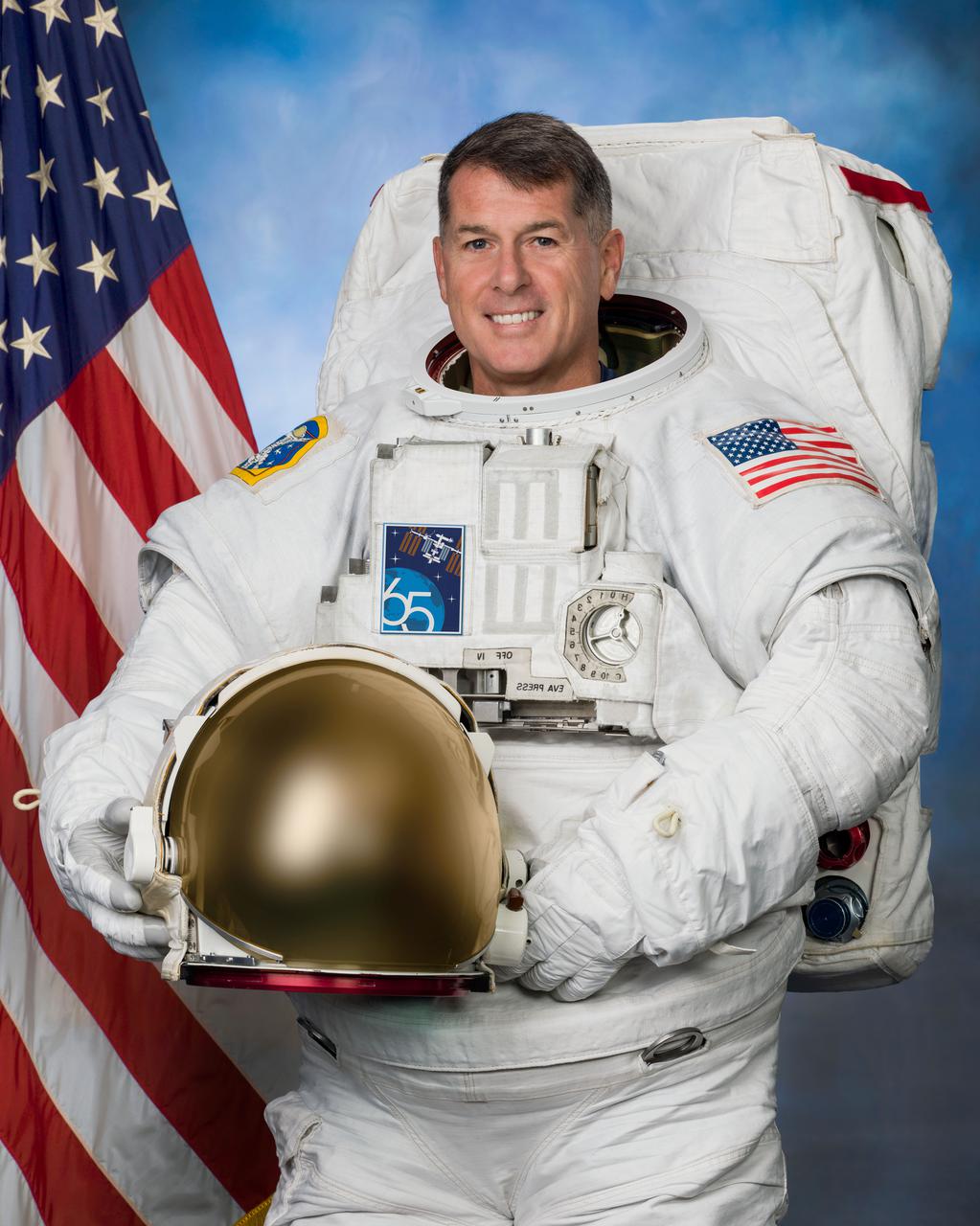
jsc2020e034230_alt (Aug. 18, 2020) --- Portrait of NASA astronaut and SpaceX Crew-2 Commander Shane Kimbrough.
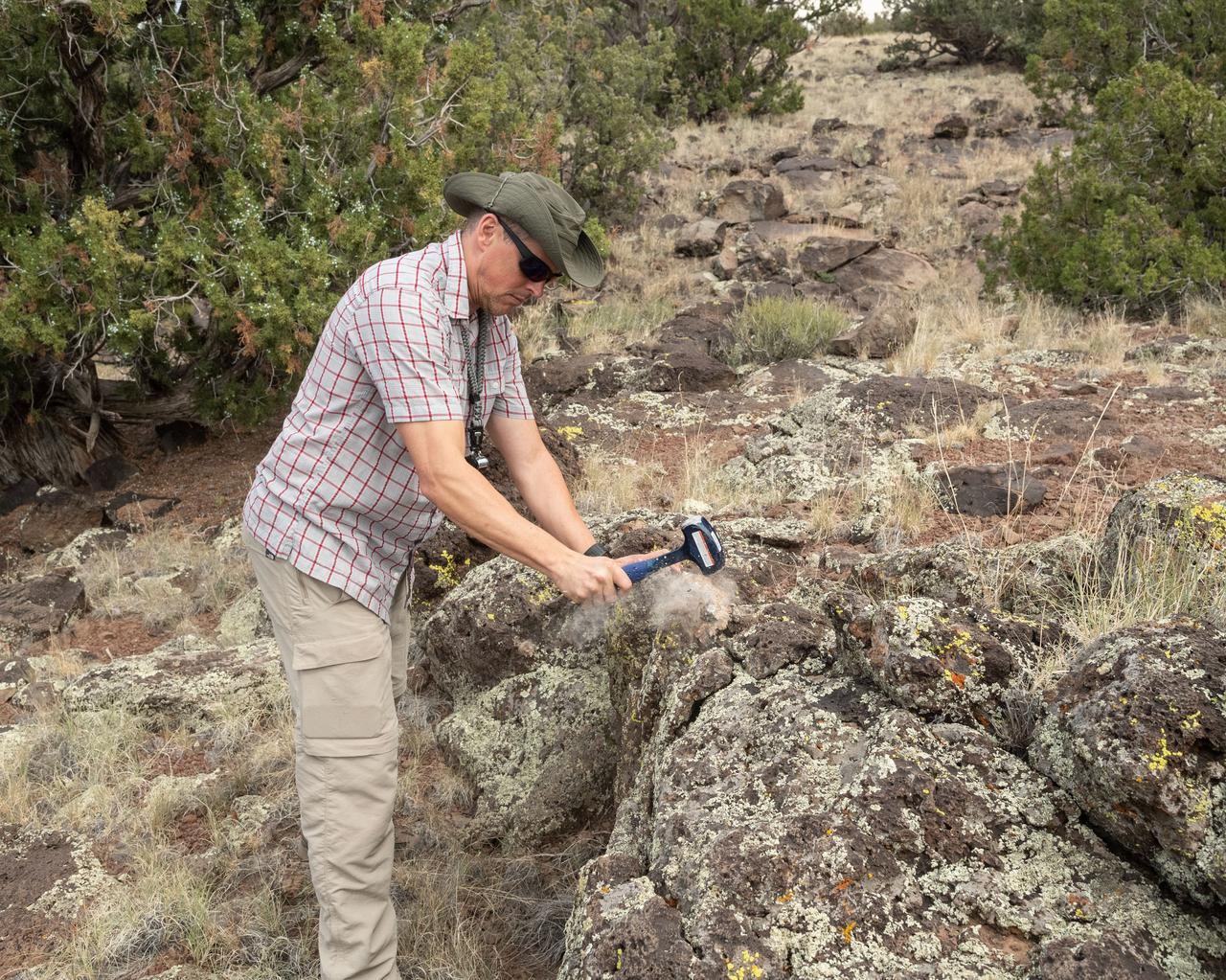
jsc2019e054955 (09-16-19) --- 2017 NASA astronaut candidate Bob Hines during geology training in Arizona. Photo Credit: (NASA/Bill Stafford)
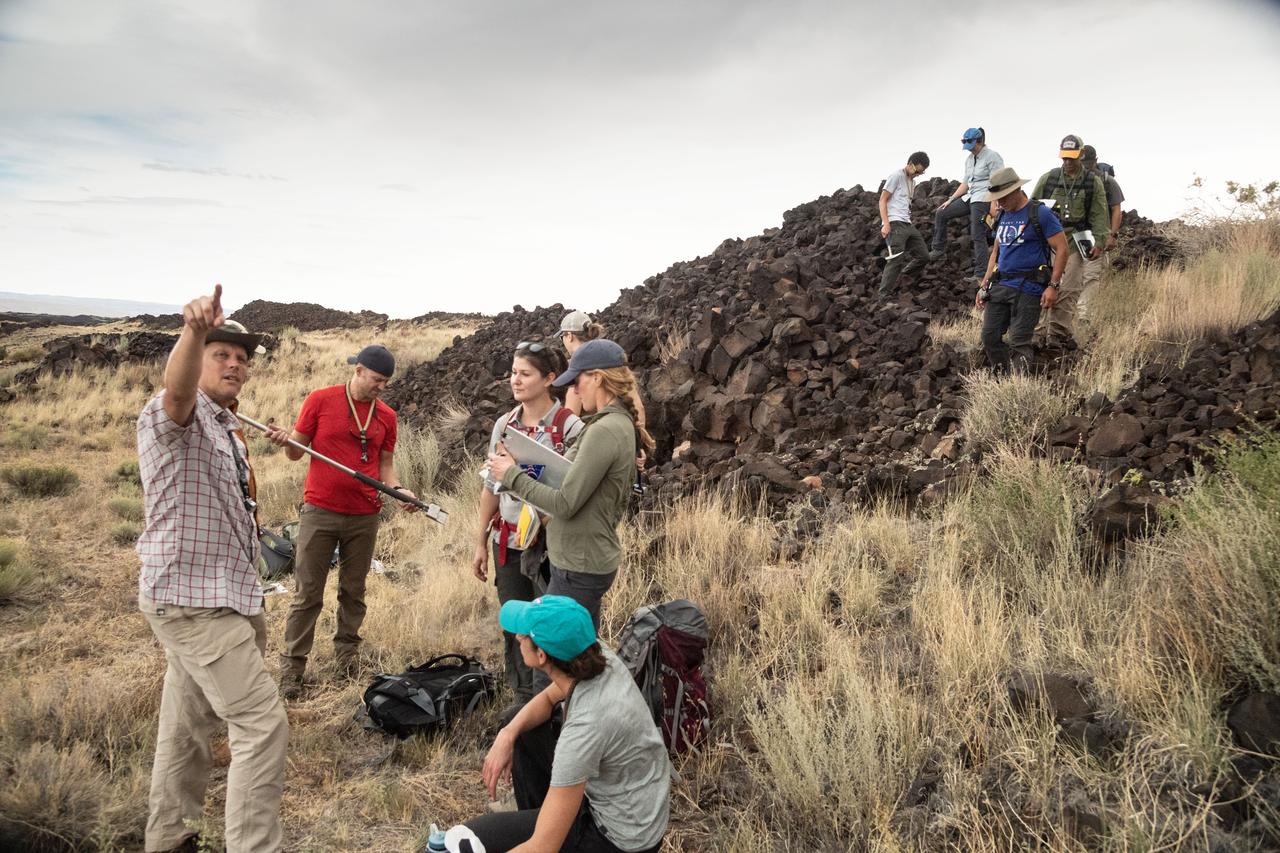
jsc2019e054977 (09-16-19) --- 2017 NASA astronaut candidates gather during geology training in Arizona. Photo Credit: (NASA/Bill Stafford)
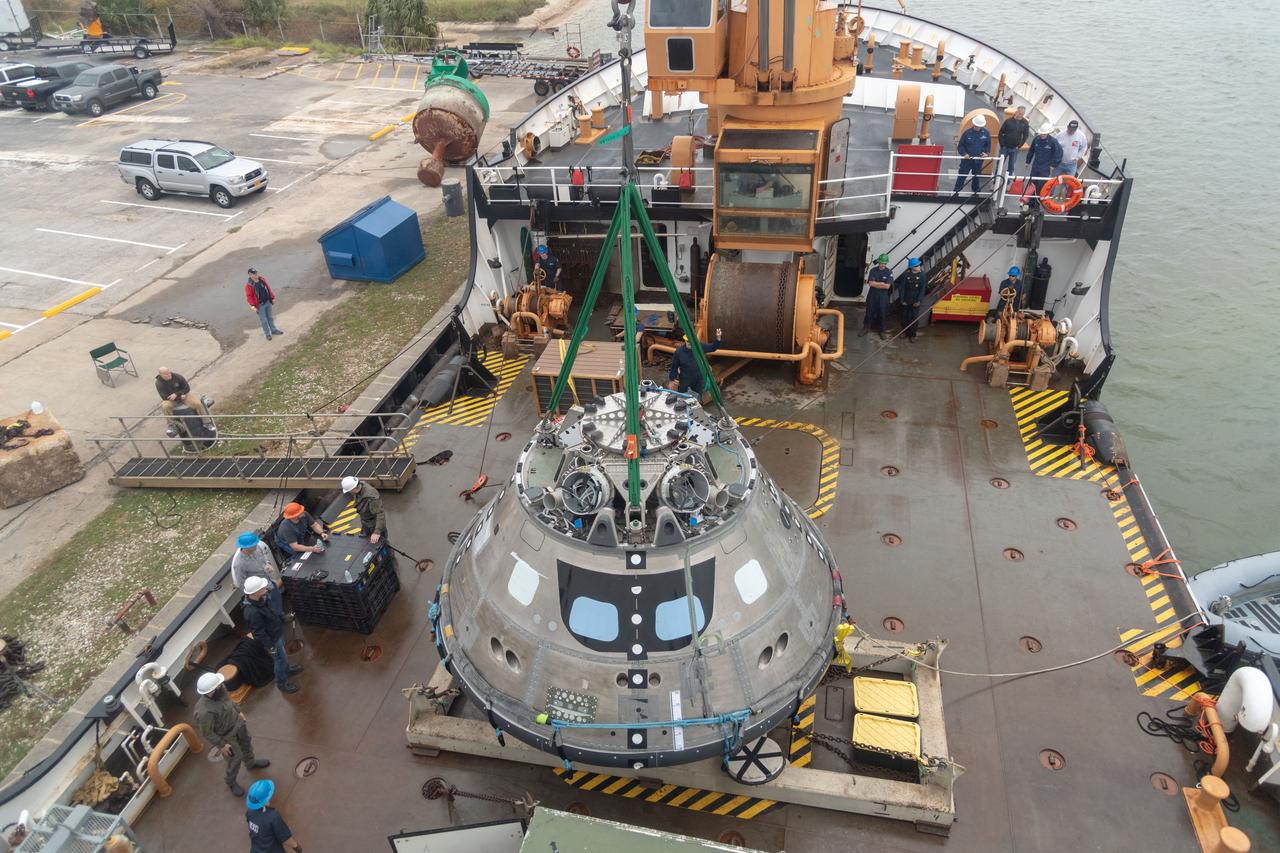
The Orion Crew Module Uprighting System (CMUS) and Neutral Buoyancy Laboratory team completed two successful sea tests off the coast of Galveston, Texas, Dec. 1-3, 2018. CMUS is designed to inflate five bags after the Orion spacecraft and its crew splash down after returning from deep space missions, enabling the capsule to upright itself. NASA partnered with United States Coast Guard and Air Force and Texas A&M Galveston teams to perform the tests operations.
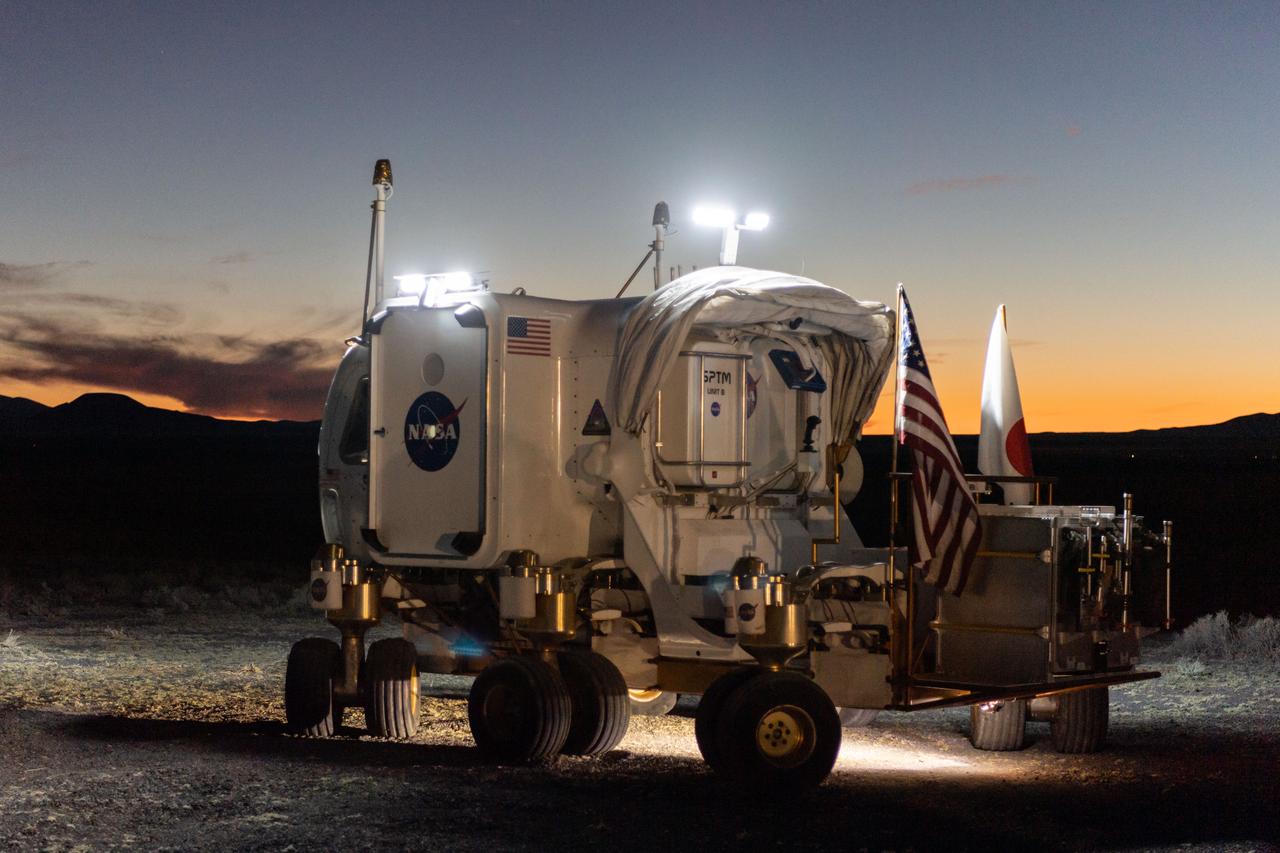
The Desert Research and Technology Studies (DesertRATS) is one of NASA’s analog missions to test hardware and operational scenarios in a remote environment with geographic similarities to the Moon and Mars. In October 2022, NASA evaluated rover design and operations, communications with the Mission Control Center and a Science Evaluation Room at NASA’s Johnson Space Center in Houston. A key element of the DesertRATS analog is the pressurized rover, a capability that is planned for astronaut surface exploration at the Moon and Mars. NASA has a study agreement with the Japan Aerospace Exploration Agency (JAXA) for development of the Artemis pressurized rover, and JAXA representatives joined NASA at DesertRATS.

jsc2023e017419 (April 4, 2023) -- NASA’s international astronaut corps awaits the announcement of the four crewmembers of the Artemis II crew that will travel around the Moon during a Monday, April 3, 2023, crew announcement news conference at Ellington Field near NASA’s Johnson Space Center. The crew is comprised of Commander Reid Wiseman, Pilot Victor Glover, and Mission Specialists Christina Koch and Jeremy Hansen. The four astronauts will venture around the Moon on Artemis II, the first crewed mission on NASA’s path to establishing a long-term presence at the Moon for science and exploration through Artemis. Photo by Bill Stafford.
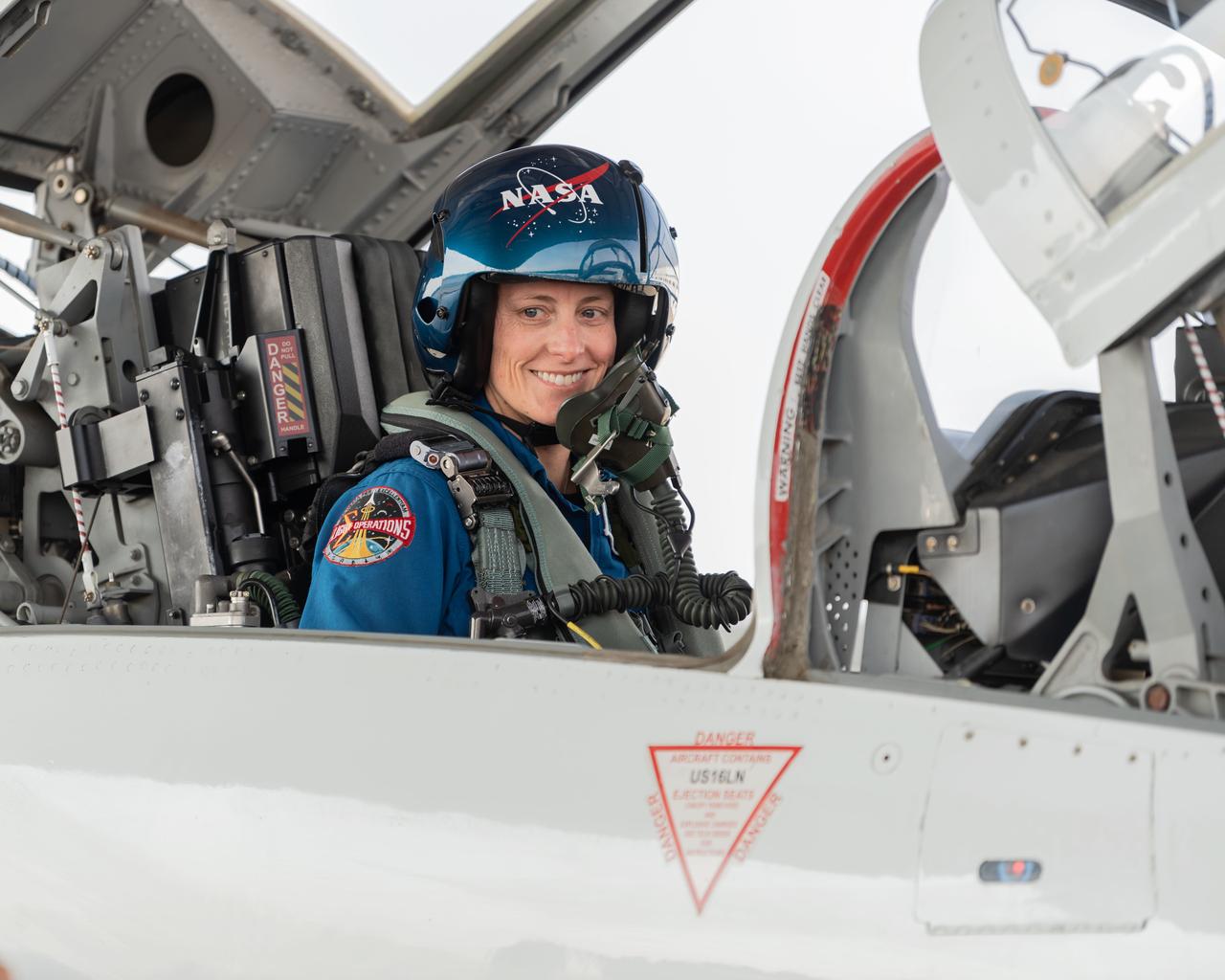
jsc2023e014658 (March 10, 2023) --- NASA astronaut Loral O'Hara conducts preflight training aboard a T-38 trainer jet at Ellington Field in Houston, Texas, before beginning her mission to the International Space Station.

The Desert Research and Technology Studies (DesertRATS) is one of NASA’s analog missions to test hardware and operational scenarios in a remote environment with geographic similarities to the Moon and Mars. In October 2022, NASA evaluated rover design and operations, communications with the Mission Control Center and a Science Evaluation Room at NASA’s Johnson Space Center in Houston. A key element of the DesertRATS analog is the pressurized rover, a capability that is planned for astronaut surface exploration at the Moon and Mars. NASA has a study agreement with the Japan Aerospace Exploration Agency (JAXA) for development of the Artemis pressurized rover, and JAXA representatives joined NASA at DesertRATS.
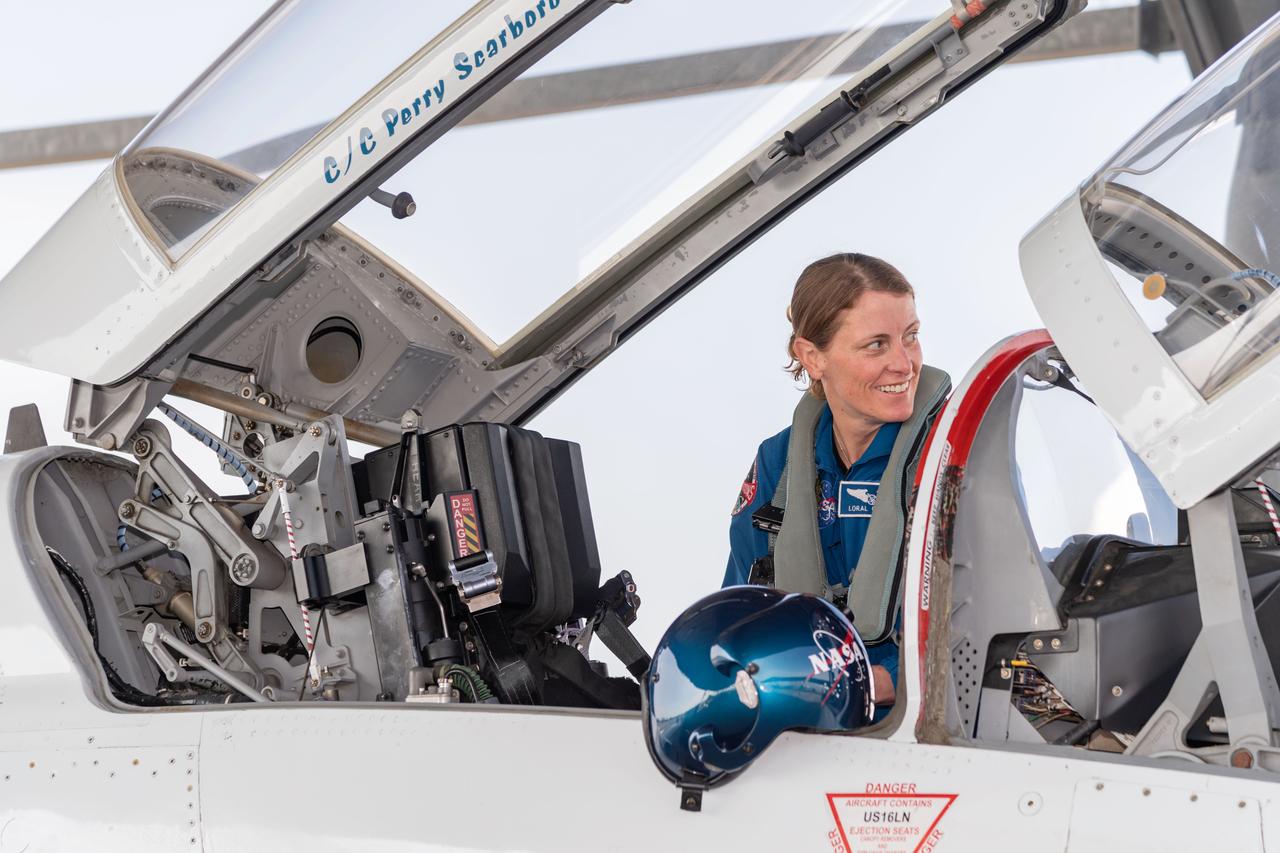
jsc2023e014640 (March 10, 2023) --- NASA astronaut Loral O'Hara conducts preflight training aboard a T-38 trainer jet at Ellington Field in Houston, Texas, before beginning her mission to the International Space Station.
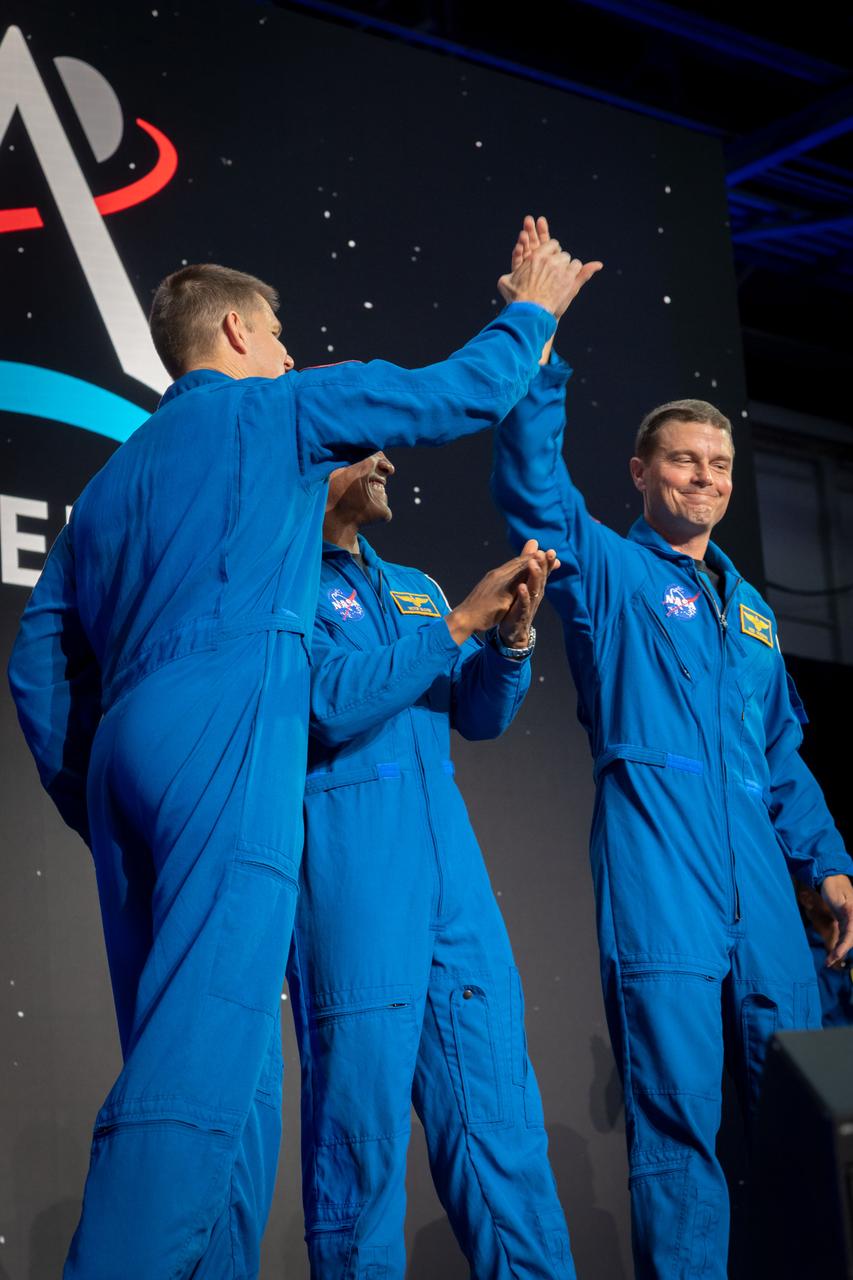
jsc2023e017440 (April 3, 2023) -- Three members of the Artemis II crew are seen on stage after being announced during a Monday, April 3, 2023, news conference at Ellington Field near NASA’s Johnson Space Center in Houston. The crew is comprised of Commander Reid Wiseman, Pilot Victor Glover, and Mission Specialists Christina Koch and Jeremy Hansen. The four astronauts will venture around the Moon on Artemis II, the first crewed mission on NASA’s path to establishing a long-term presence at the Moon for science and exploration through Artemis. From left, CSA (Canadian Space Agency) astronaut Mission Specialist Jeremy Hansen, and NASA astronauts Pilot Victor Glover and Commander Reid Wiseman.
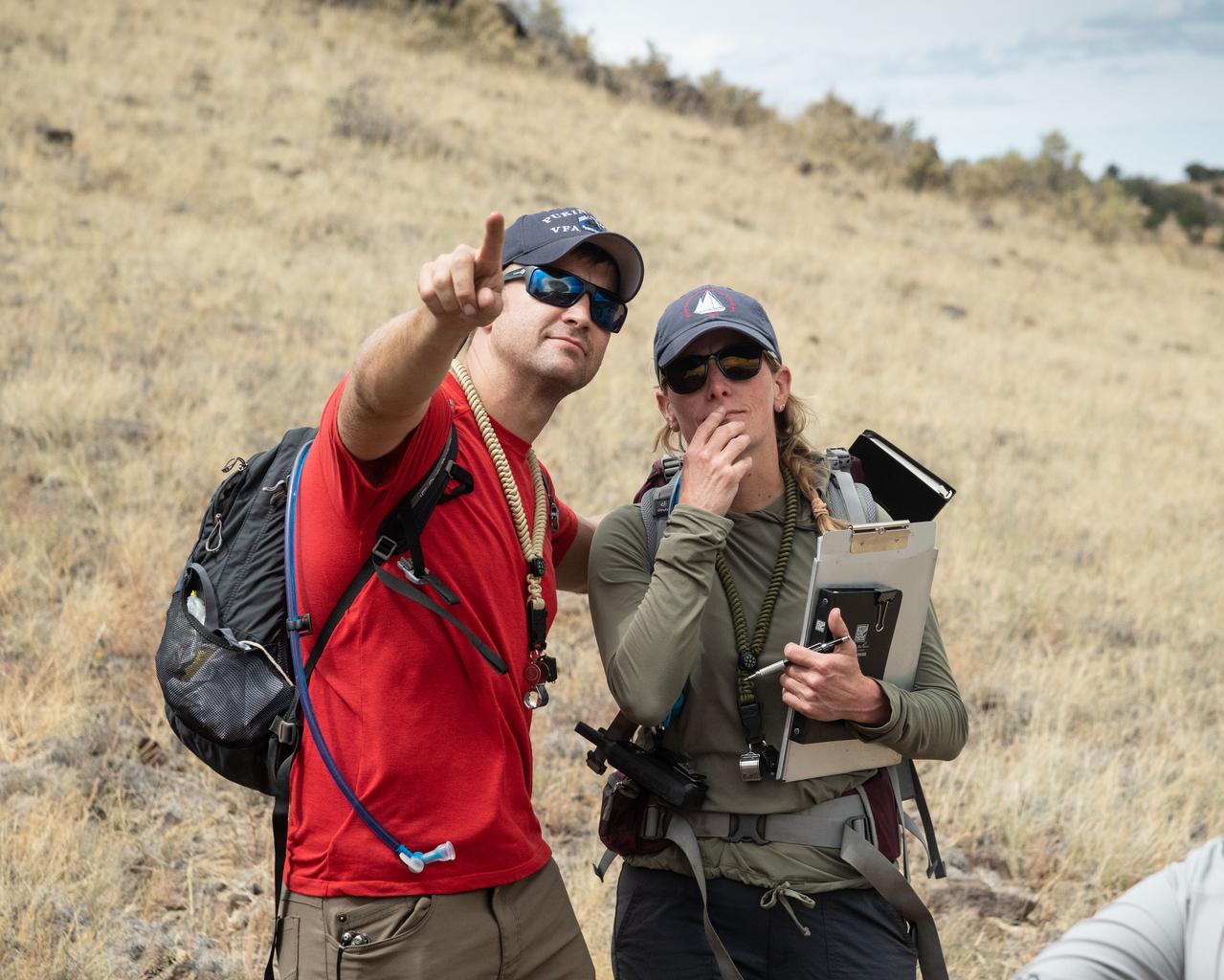
jsc2019e054952 (09-16-19) --- 2017 NASA astronaut candidates Matthew Dominick and Loral O’Hara during geology training in Arizona. Photo Credit: (NASA/Bill Stafford)

The Orion Crew Module Uprighting System (CMUS) and Neutral Buoyancy Laboratory team completed two successful sea tests off the coast of Galveston, Texas, Dec. 1-3, 2018. CMUS is designed to inflate five bags after the Orion spacecraft and its crew splash down after returning from deep space missions, enabling the capsule to upright itself. NASA partnered with United States Coast Guard and Air Force and Texas A&M Galveston teams to perform the tests operations.
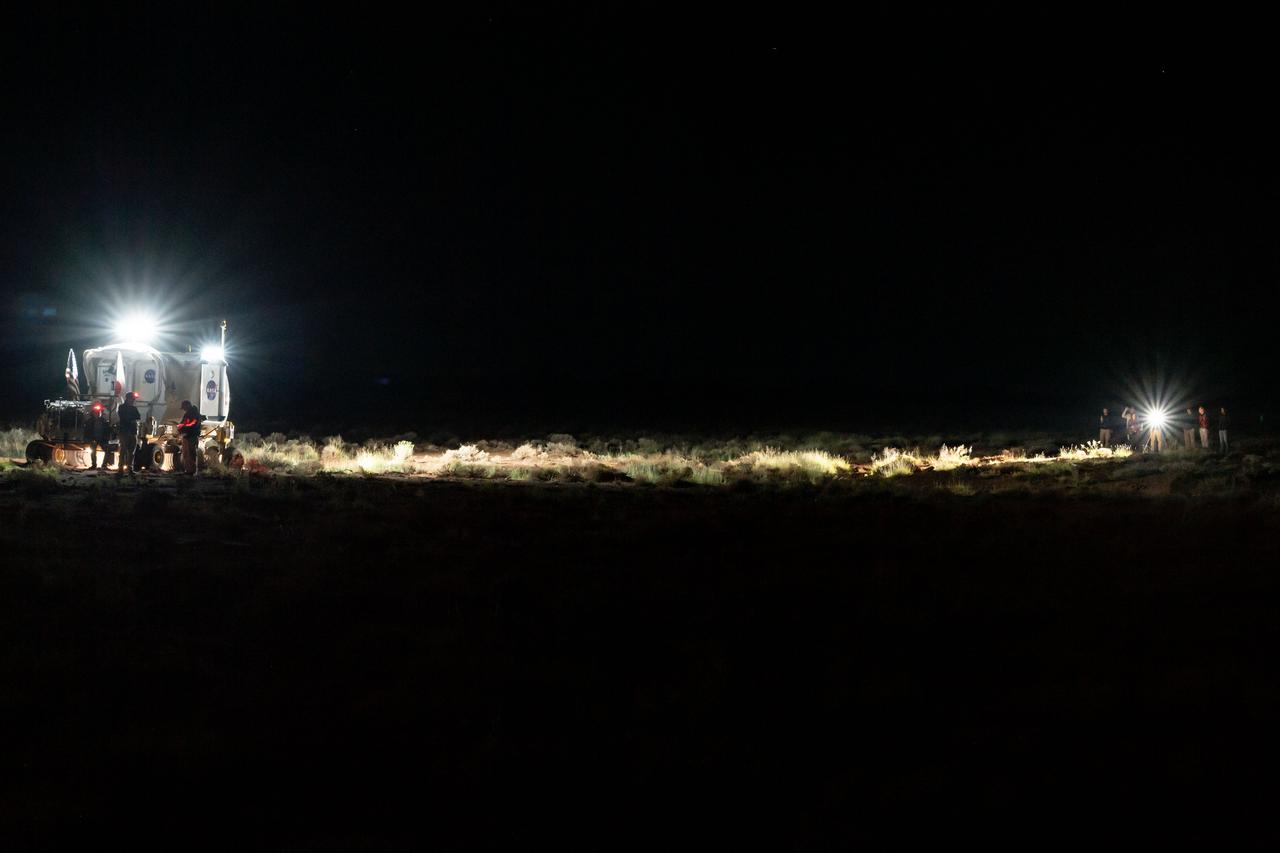
The Desert Research and Technology Studies (DesertRATS) is one of NASA’s analog missions to test hardware and operational scenarios in a remote environment with geographic similarities to the Moon and Mars. In October 2022, NASA evaluated rover design and operations, communications with the Mission Control Center and a Science Evaluation Room at NASA’s Johnson Space Center in Houston. A key element of the DesertRATS analog is the pressurized rover, a capability that is planned for astronaut surface exploration at the Moon and Mars. NASA has a study agreement with the Japan Aerospace Exploration Agency (JAXA) for development of the Artemis pressurized rover, and JAXA representatives joined NASA at DesertRATS.
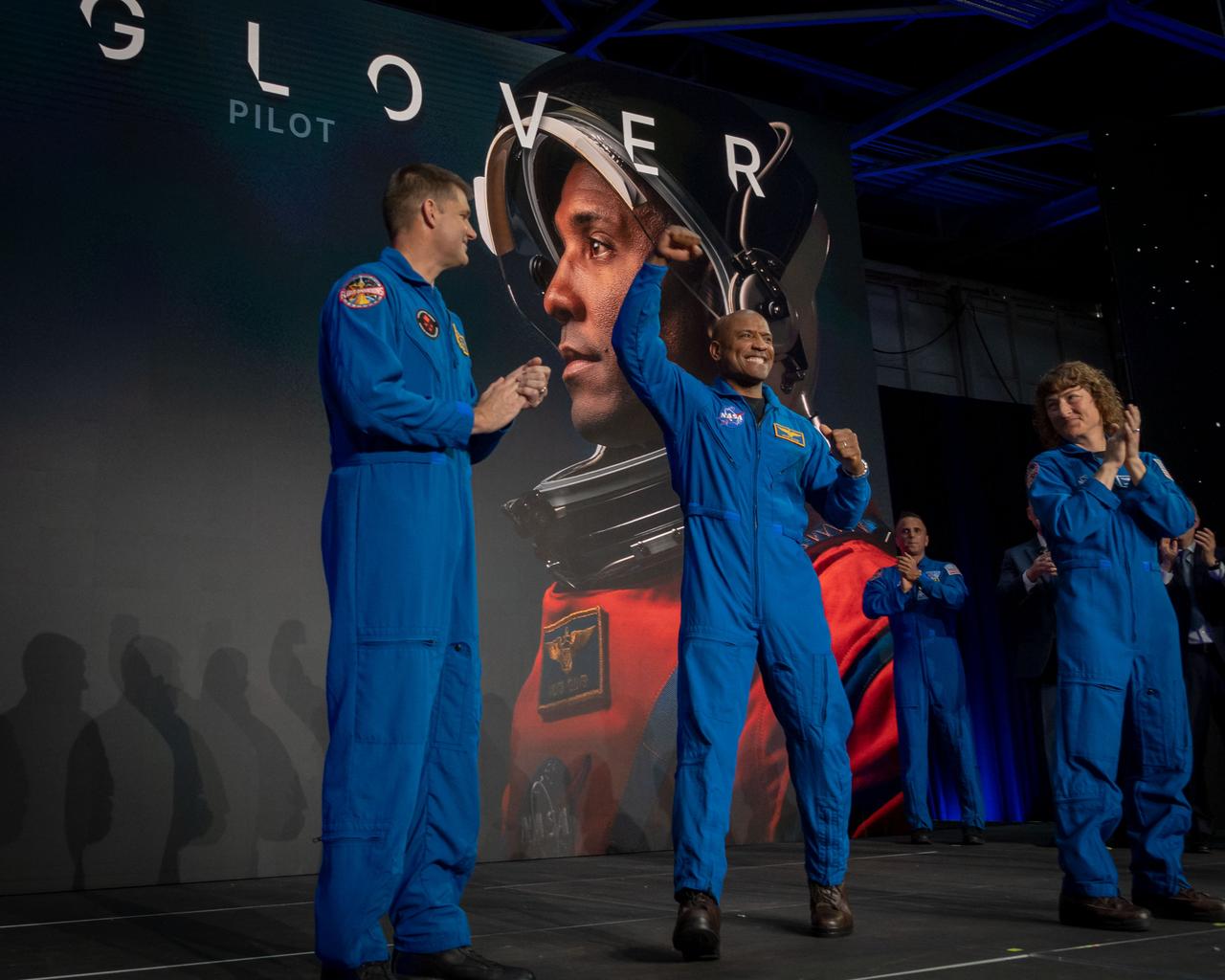
jsc2023e017432 (April 3, 2023) -- NASA astronaut Victor Glover is announced as one of four members of the Artemis II crew during a Monday, April 3, 2023, news conference at Ellington Field near NASA’s Johnson Space Center in Houston, joined by Artemis II crew members from left, CSA (Canadian Space Agency) astronaut Mission Specialist Jeremy Hansen, and NASA astronaut Mission Specialist Christina Koch. The crew is comprised of Commander Reid Wiseman, Pilot Victor Glover, and Mission Specialists Christina Koch and Jeremy Hansen. The four astronauts will venture around the Moon on Artemis II, the first crewed mission on NASA’s path to establishing a long-term presence at the Moon for science and exploration through Artemis.
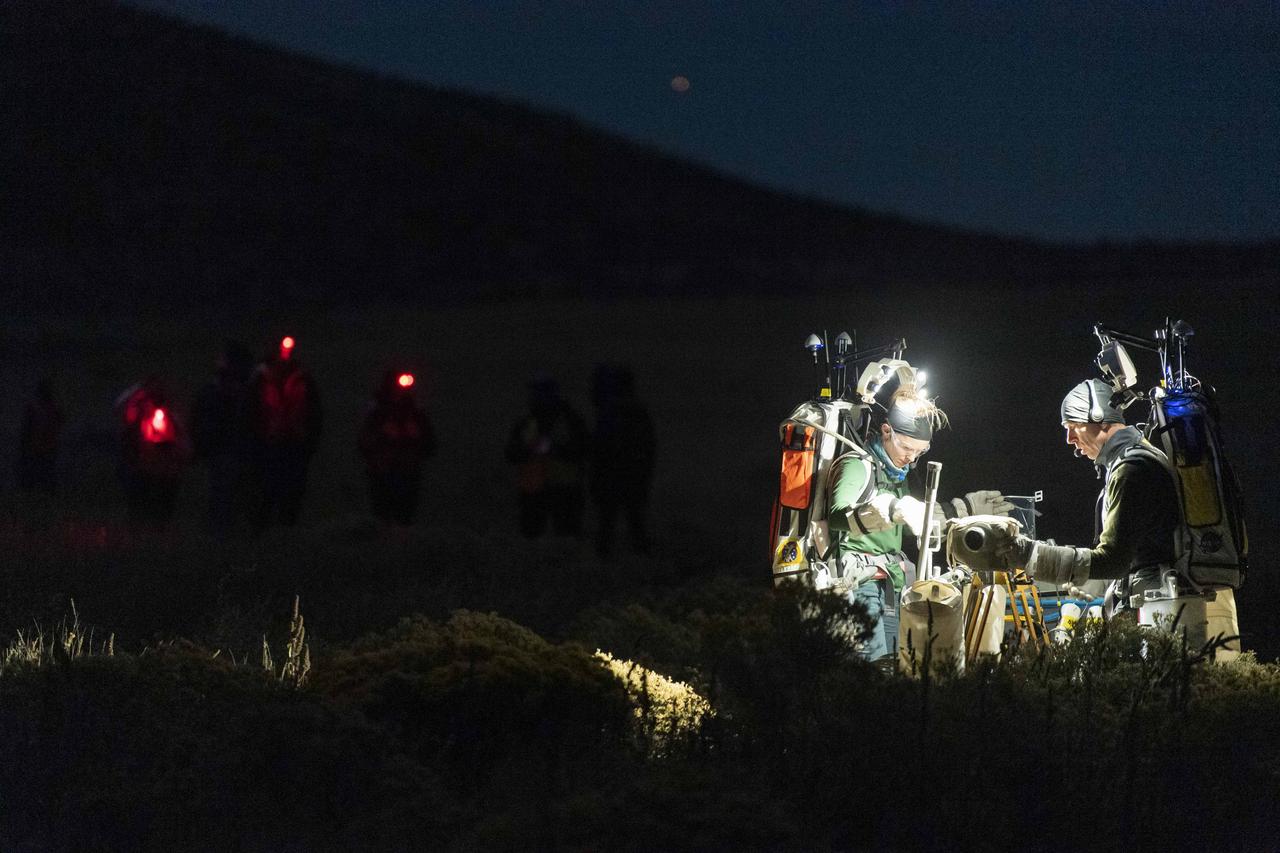
PHOTO DATE: 10-09-22 LOCATION: Flagstaff, Arizona SUBJECT: Photographic coverage of JETTS3 engineering night run 4. Joint EVA Test Team (JETT) Field Testing - JETT 3 fully integrated mission scale test to ensure successful surface operations and technology development for Artemis III. PHOTOGRAPHER: BILL STAFFORD
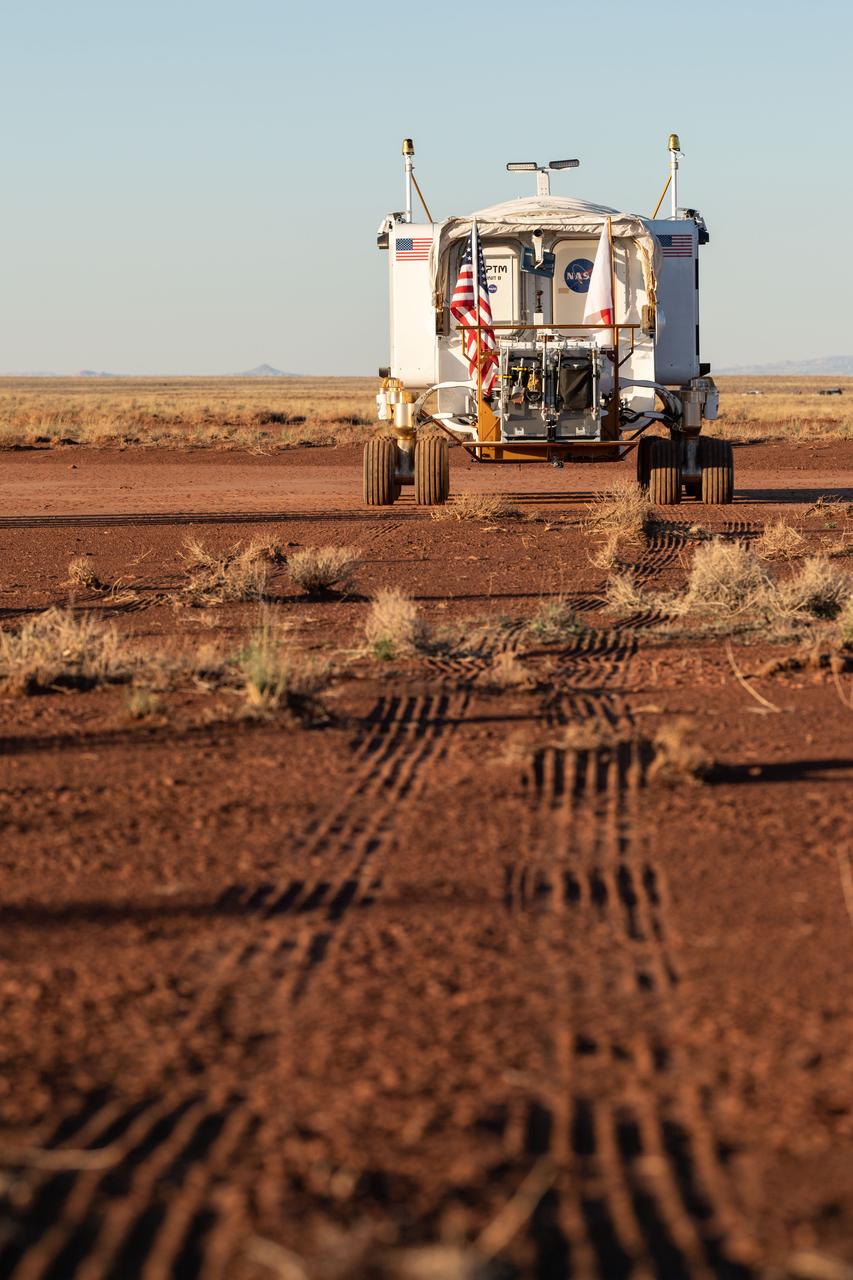
The Desert Research and Technology Studies (DesertRATS) is one of NASA’s analog missions to test hardware and operational scenarios in a remote environment with geographic similarities to the Moon and Mars. In October 2022, NASA evaluated rover design and operations, communications with the Mission Control Center and a Science Evaluation Room at NASA’s Johnson Space Center in Houston. A key element of the DesertRATS analog is the pressurized rover, a capability that is planned for astronaut surface exploration at the Moon and Mars. NASA has a study agreement with the Japan Aerospace Exploration Agency (JAXA) for development of the Artemis pressurized rover, and JAXA representatives joined NASA at DesertRATS.
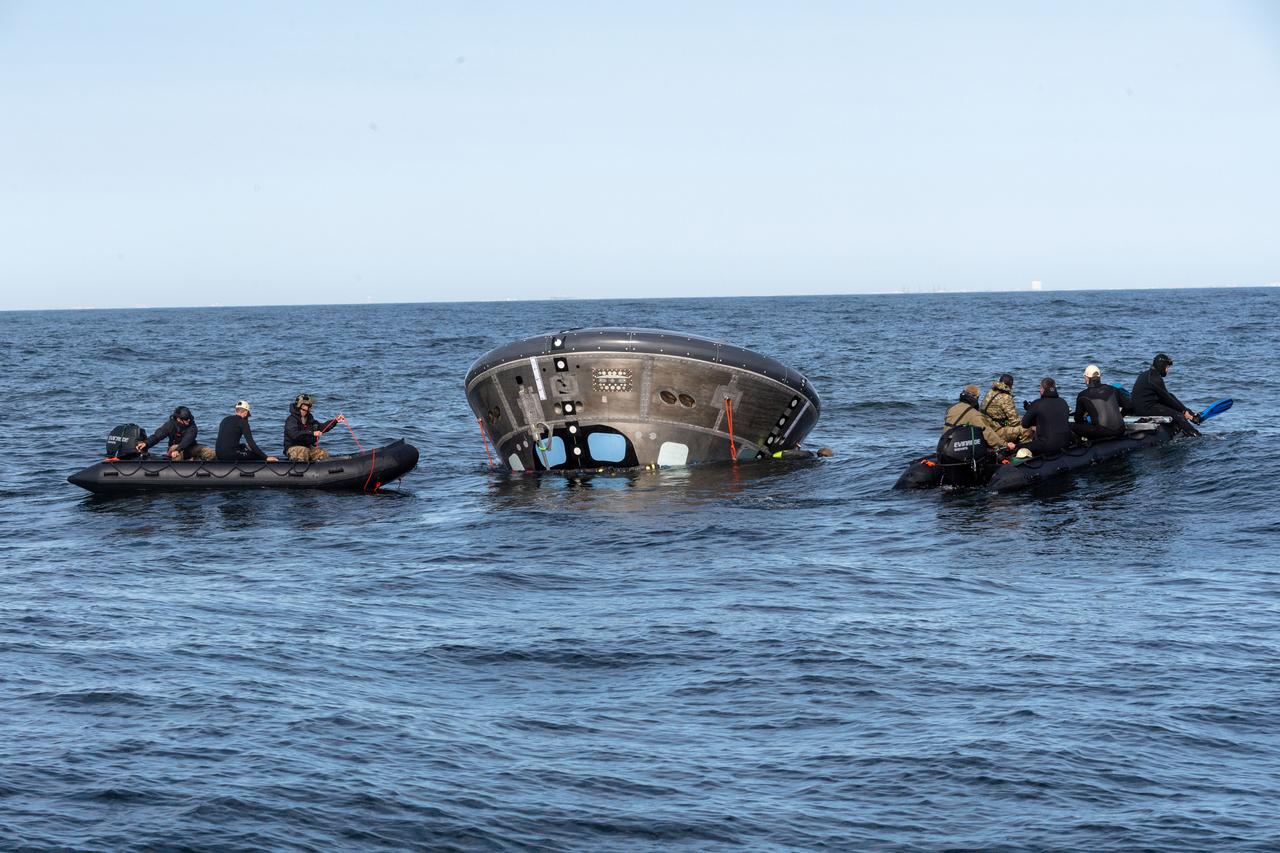
The Orion Crew Module Uprighting System (CMUS) and Neutral Buoyancy Laboratory team completed two successful sea tests off the coast of Galveston, Texas, Dec. 1-3, 2018. CMUS is designed to inflate five bags after the Orion spacecraft and its crew splash down after returning from deep space missions, enabling the capsule to upright itself. NASA partnered with United States Coast Guard and Air Force and Texas A&M Galveston teams to perform the tests operations.
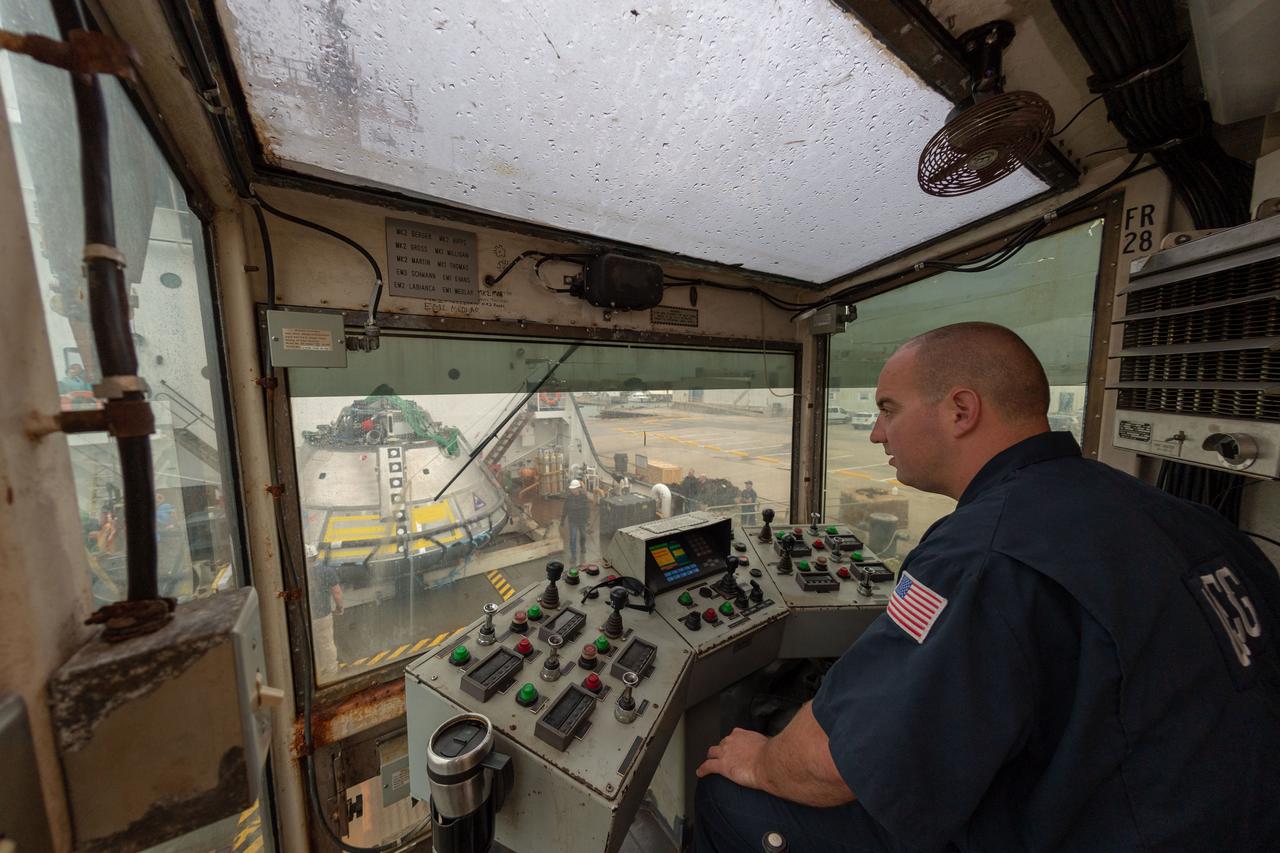
The Orion Crew Module Uprighting System (CMUS) and Neutral Buoyancy Laboratory team completed two successful sea tests off the coast of Galveston, Texas, Dec. 1-3, 2018. CMUS is designed to inflate five bags after the Orion spacecraft and its crew splash down after returning from deep space missions, enabling the capsule to upright itself. NASA partnered with United States Coast Guard and Air Force and Texas A&M Galveston teams to perform the tests operations.
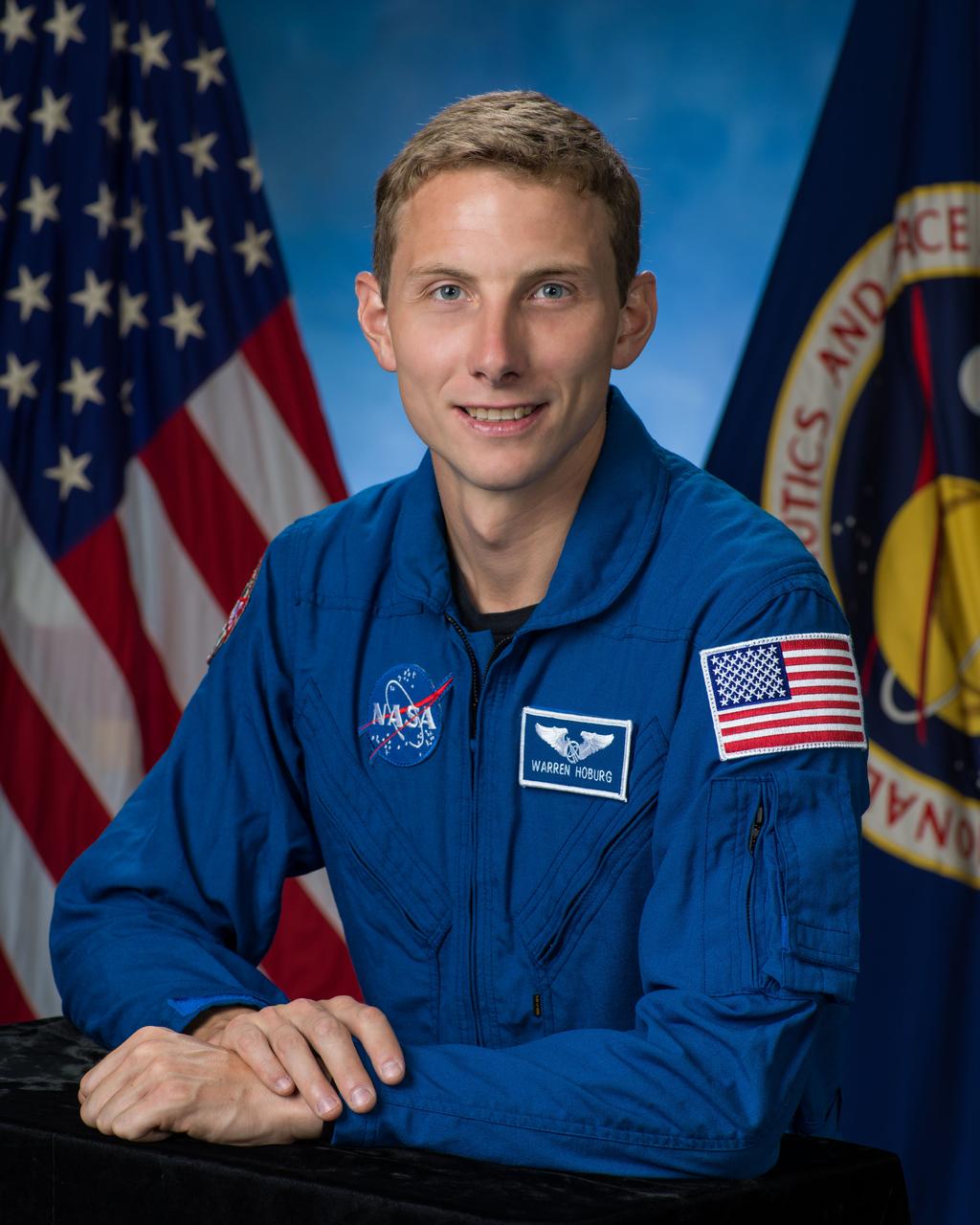
jsc2017e118314 (Oct. 24, 2017) --- 2017 NASA Astronaut Candidate Warren Hoburg.

The Desert Research and Technology Studies (DesertRATS) is one of NASA’s analog missions to test hardware and operational scenarios in a remote environment with geographic similarities to the Moon and Mars. In October 2022, NASA evaluated rover design and operations, communications with the Mission Control Center and a Science Evaluation Room at NASA’s Johnson Space Center in Houston. A key element of the DesertRATS analog is the pressurized rover, a capability that is planned for astronaut surface exploration at the Moon and Mars. NASA has a study agreement with the Japan Aerospace Exploration Agency (JAXA) for development of the Artemis pressurized rover, and JAXA representatives joined NASA at DesertRATS.
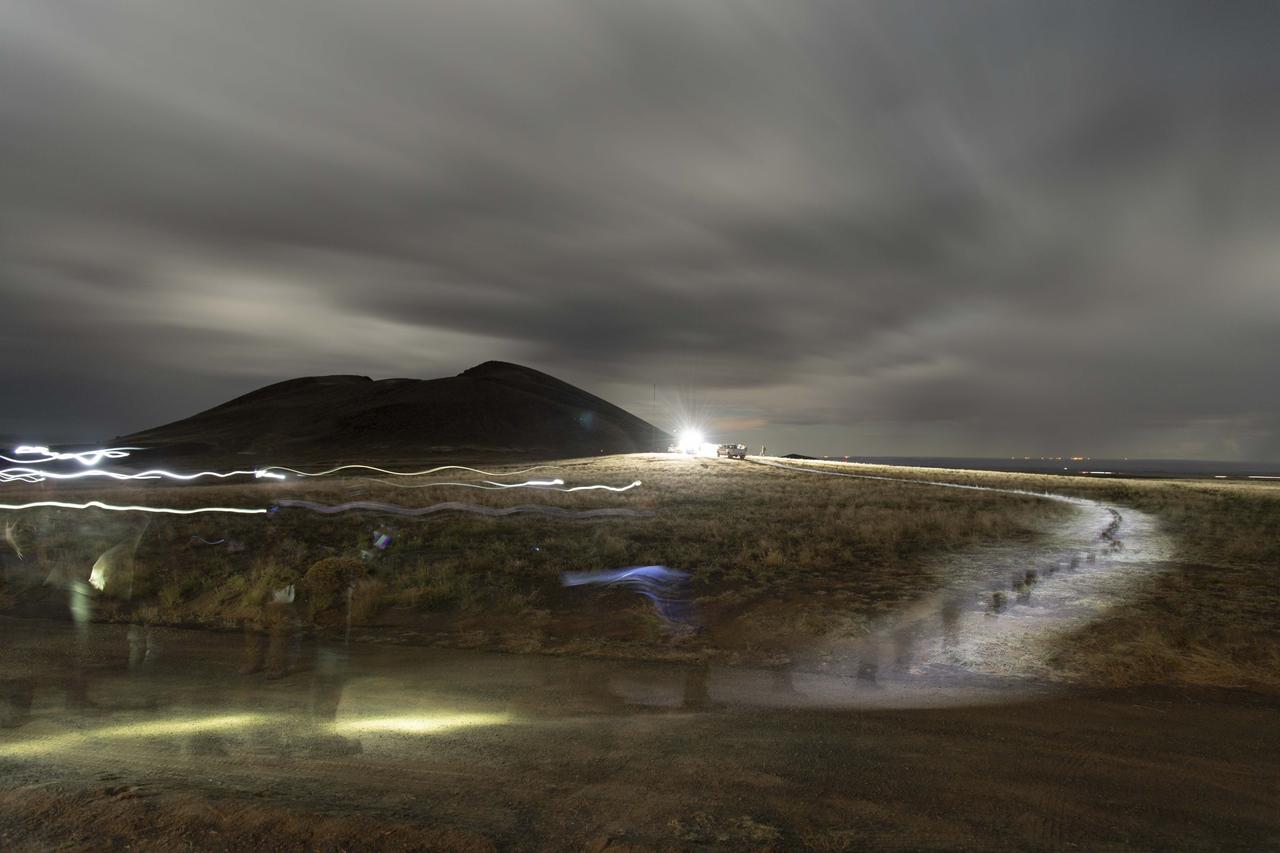
PHOTO DATE: 10-06-22 LOCATION: Flagstaff, Arizona SUBJECT: Photographic coverage of JETTS3 engineering night run 2. PHOTOGRAPHER: BILL STAFFORD
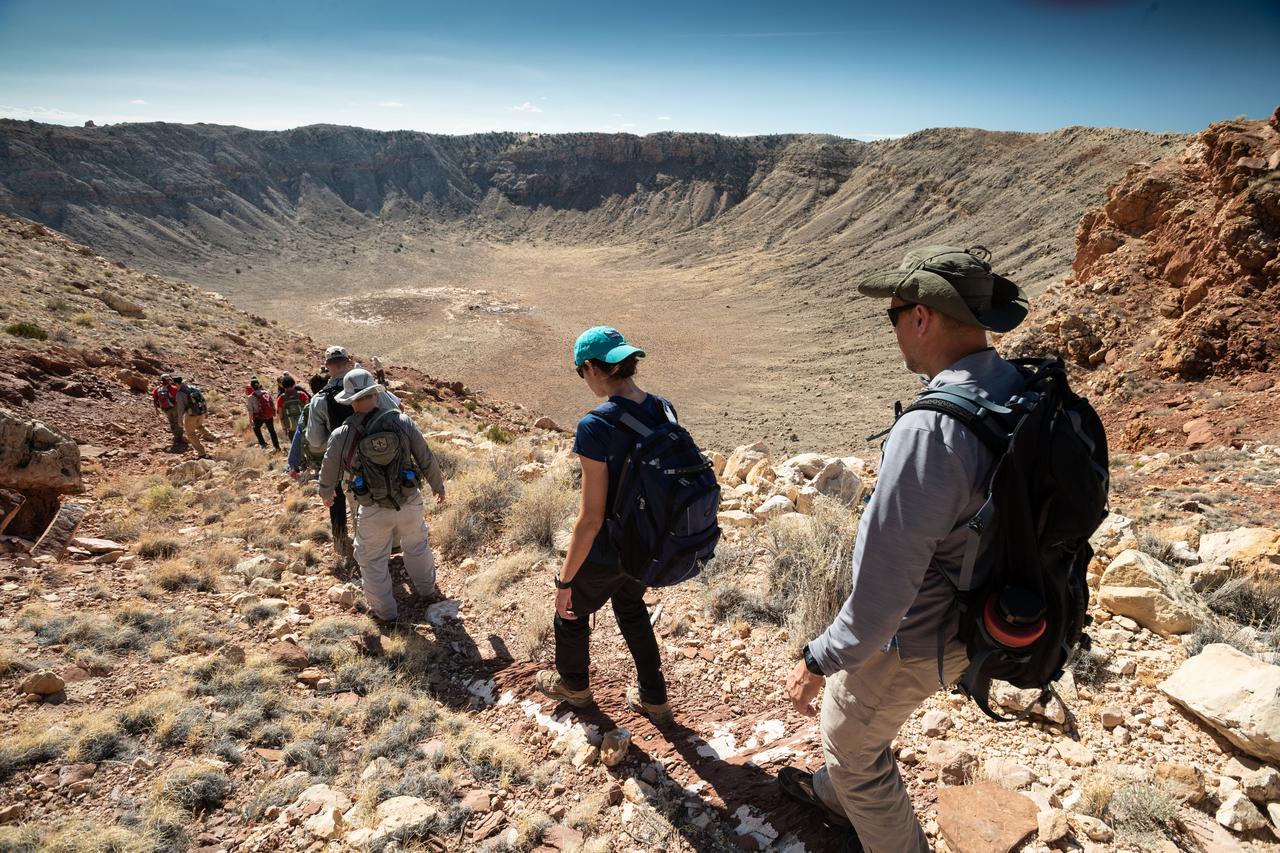
jsc2019e055340 (09-19-19) --- 2017 NASA astronaut candidates hike as a team with their field instructors during geology training in Arizona. Photo Credit: (NASA/Bill Stafford)

The Orion Crew Module Uprighting System (CMUS) and Neutral Buoyancy Laboratory team completed two successful sea tests off the coast of Galveston, Texas, Dec. 1-3, 2018. CMUS is designed to inflate five bags after the Orion spacecraft and its crew splash down after returning from deep space missions, enabling the capsule to upright itself. NASA partnered with United States Coast Guard and Air Force and Texas A&M Galveston teams to perform the tests operations.
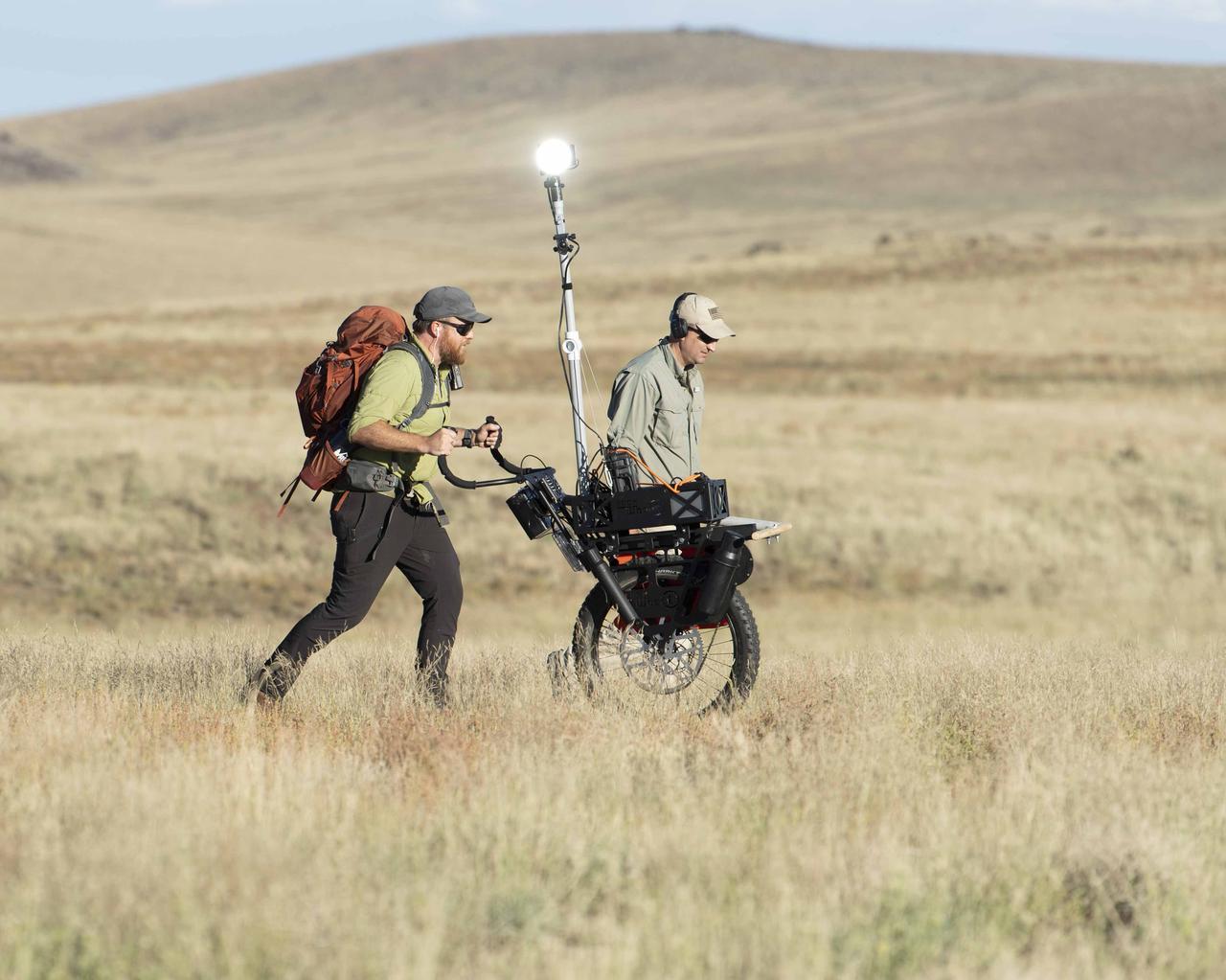
PHOTO DATE: 10-04-22 LOCATION: Flagstaff, Arizona SUBJECT: Joint EVA Test Team (JETT) Field Testing - JETT 3 fully integrated mission scale test PHOTOGRAPHER: BILL STAFFORD
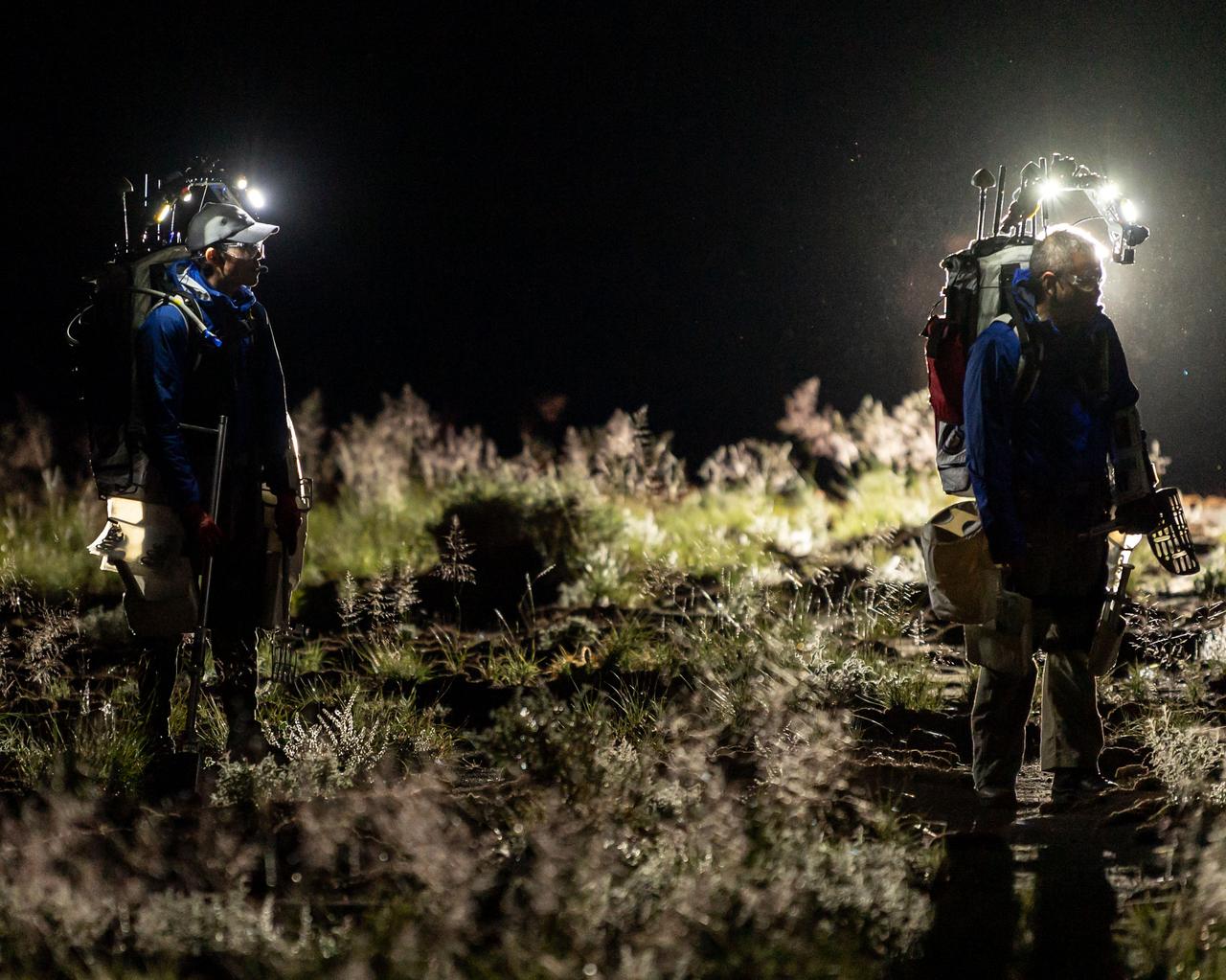
The Desert Research and Technology Studies (DesertRATS) is one of NASA’s analog missions to test hardware and operational scenarios in a remote environment with geographic similarities to the Moon and Mars. In October 2022, NASA evaluated rover design and operations, communications with the Mission Control Center and a Science Evaluation Room at NASA’s Johnson Space Center in Houston. A key element of the DesertRATS analog is the pressurized rover, a capability that is planned for astronaut surface exploration at the Moon and Mars. NASA has a study agreement with the Japan Aerospace Exploration Agency (JAXA) for development of the Artemis pressurized rover, and JAXA representatives joined NASA at DesertRATS.
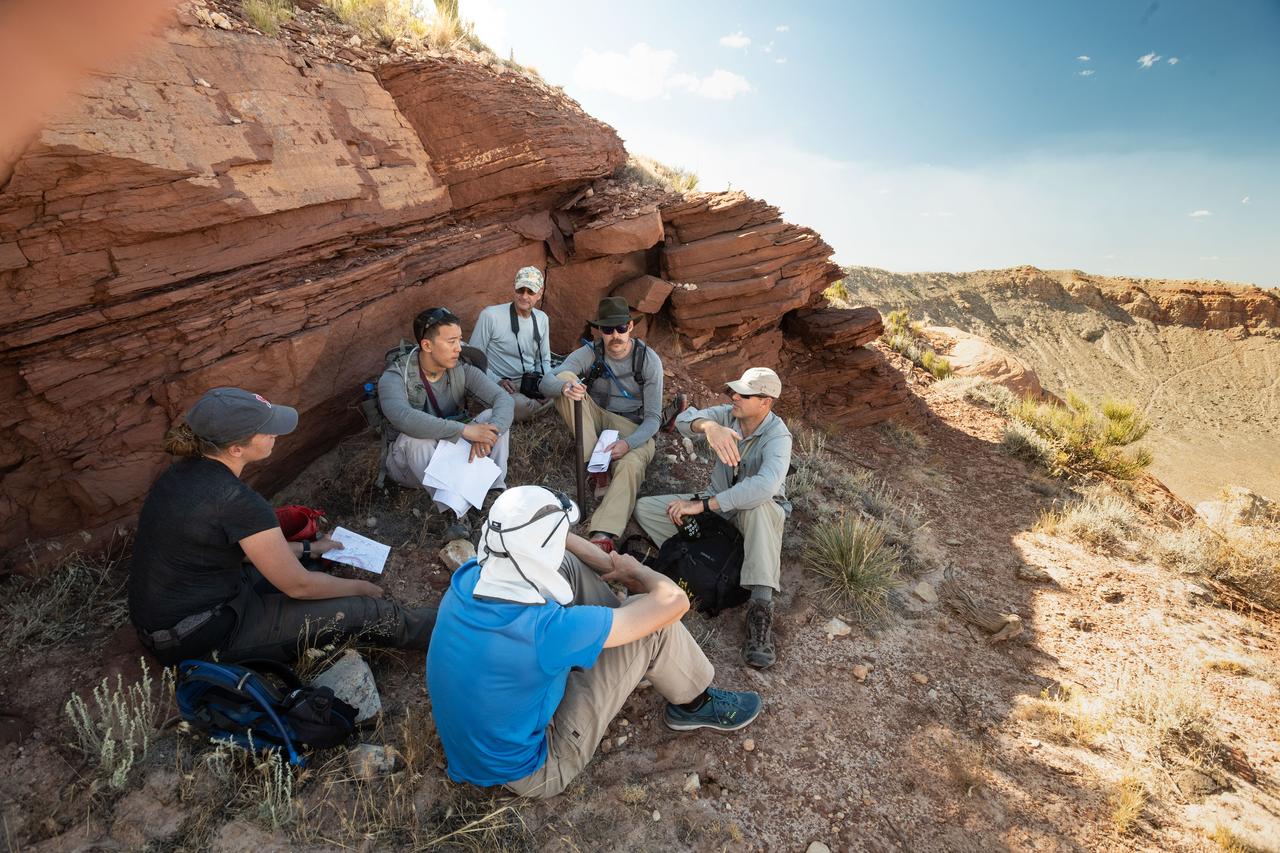
jsc2019e055491 (09-19-19) --- 2017 NASA astronaut candidates gather to discuss further instruction with their field instructor during geology training in Arizona. Photo Credit: (NASA/Bill Stafford)

jsc2017e110803 (Aug. 21, 2017) --- Employees at NASA’s Johnson Space Center in Houston joined the rest of the country in experiencing the 2017 eclipse on Aug. 21, 2017. Many used protective eclipse glasses, and others made use of manufactured or pin-hole cameras of opportunity to view the eclipse. In Houston, the partial eclipse duration was 2 hours, 59 minutes, reaching its maximum level of 67 percent at 1:17 p.m. CDT. Some members of the team supporting the International Space Station in the Christopher C. Kraft Mission Control Center took advantage of a break in their duties to step outside the windowless building to witness what their colleagues in orbit also saw and documented with a variety of cameras.
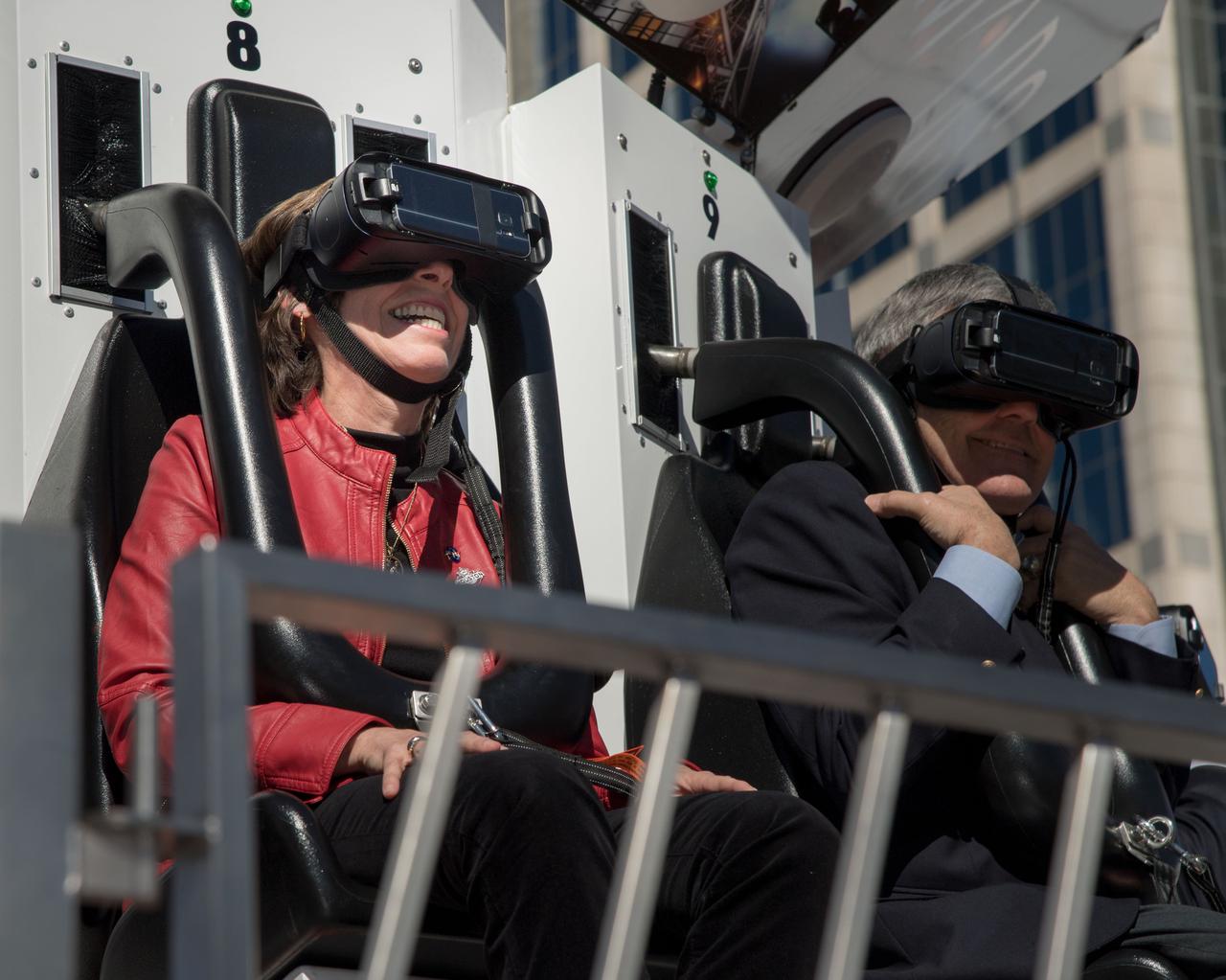
jsc2017e011384 (01/30/2017) --- With virtual reality googles in place, Johnson Space Center Director Ellen Ochoa and Kennedy Space Center Director Robert Cabana prepare for the Journey to Mars ride that will pull the Orion capsule up 90 feet and suddenly drop them, while they experience a virtual trip to Mars and back. The Houston Texas Super Bowl Live event at Discovery Green lasts through the 5th of February and has an estimated 100,000 visitors each day. The Mars ride is but one of the many attractions that NASA has provided in their Future Flight area. NASA PHOTOGRAPHER Bill Stafford
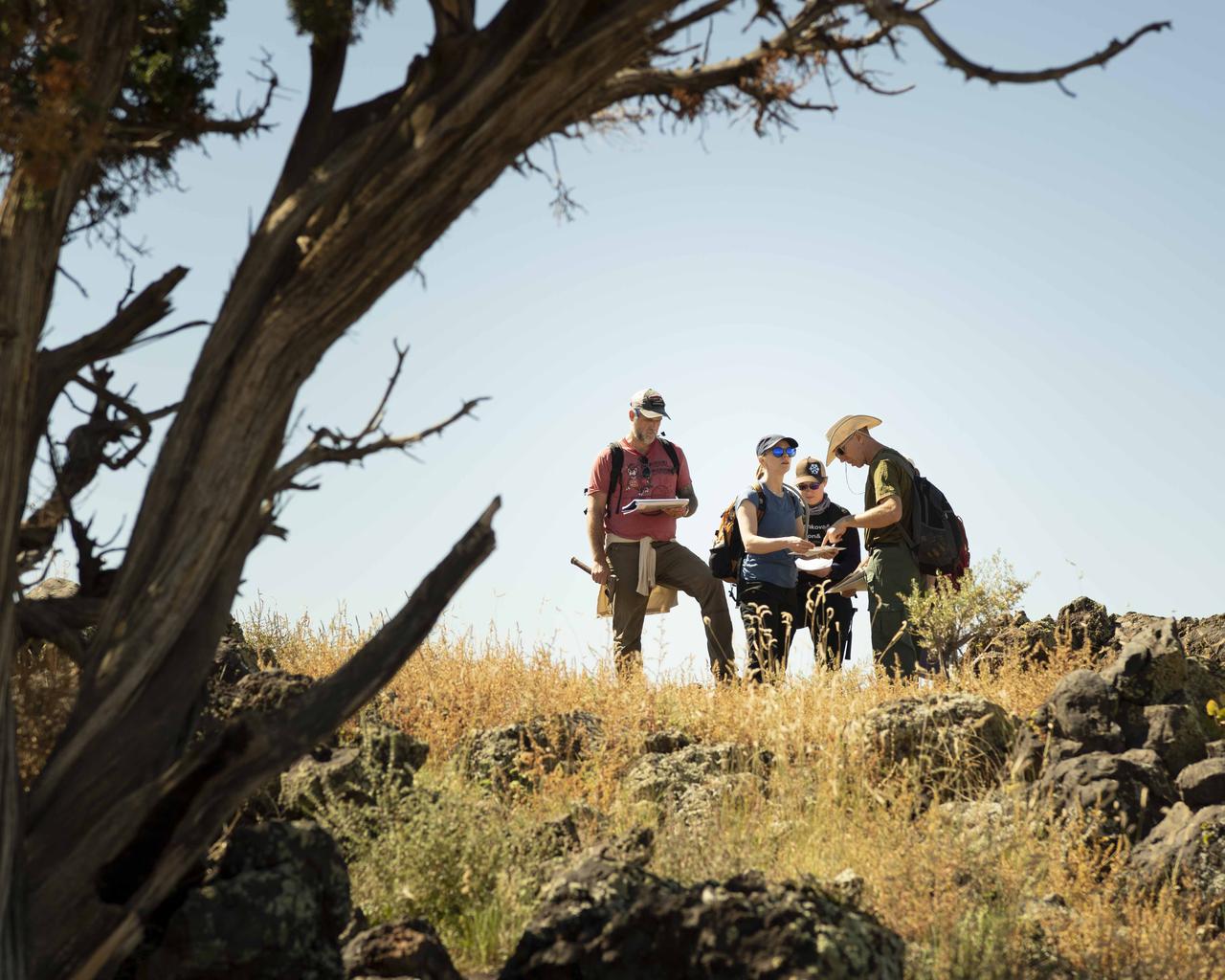
PHOTO DATE: 10-04-22 LOCATION: Flagstaff, Arizona SUBJECT: Joint EVA Test Team (JETT) Field Testing - JETT 3 fully integrated mission scale test PHOTOGRAPHER: BILL STAFFORD
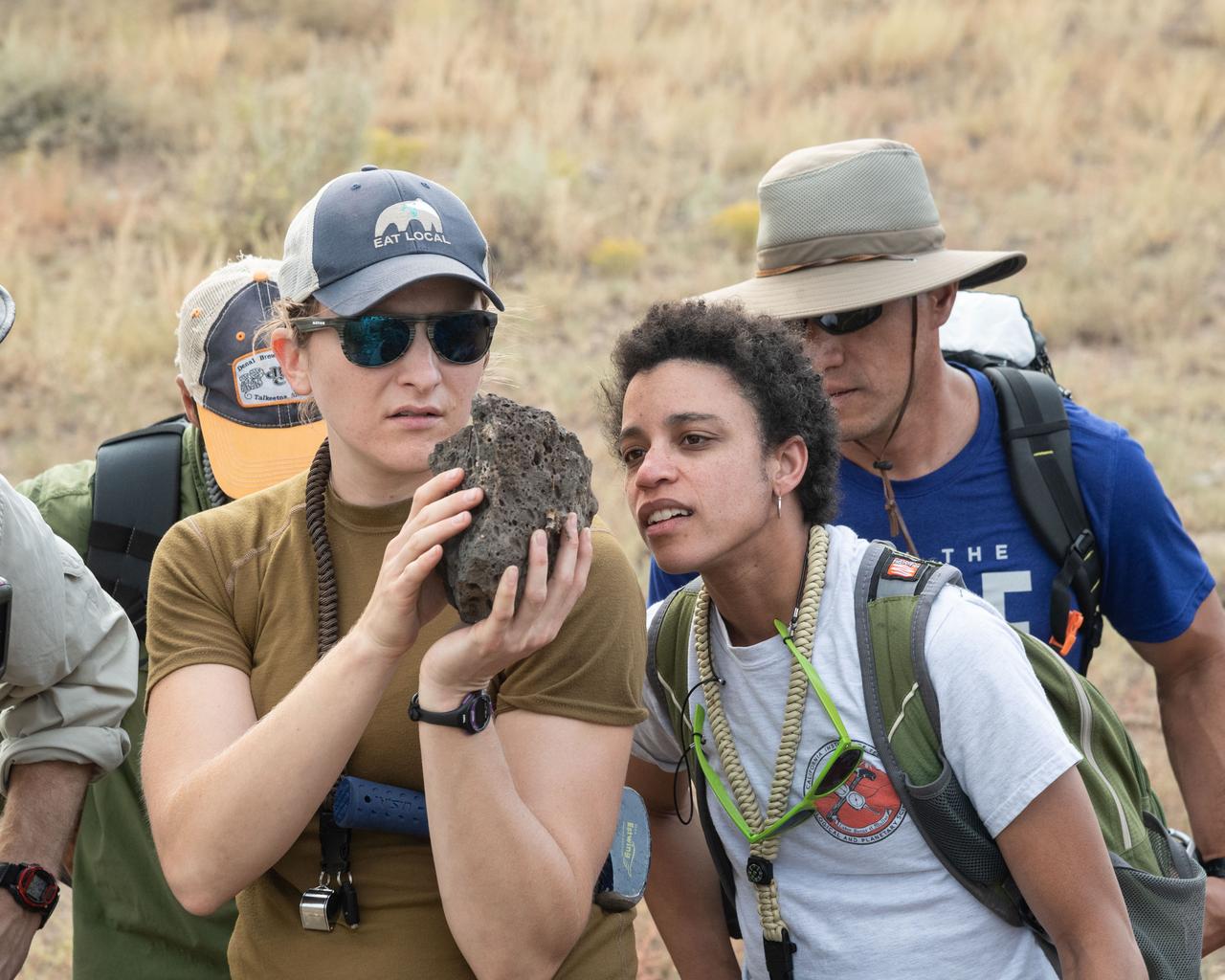
jsc2019e054994(09-16-19) --- 2017 NASA astronaut candidates Kayla Barron (left) and Jessica Watkins (right) examine samples during geology training in Arizona. Photo Credit: (NASA/Bill Stafford)

PHOTO DATE: 10-09-22 LOCATION: Flagstaff, Arizona SUBJECT: Photographic coverage of JETTS3 engineering night run 4. Joint EVA Test Team (JETT) Field Testing - JETT 3 fully integrated mission scale test to ensure successful surface operations and technology development for Artemis III. PHOTOGRAPHER: BILL STAFFORD

jsc2018e043361 (May 8, 2018) -- View taken of U.S. Navy Test Pilots School (USNTP) during WB-57 Flight Preparations and Takeoff/Landing operations. Photo of suited WB-57 pilots being integrated into aircraft. Photo Credit: NASA/Bill Stafford
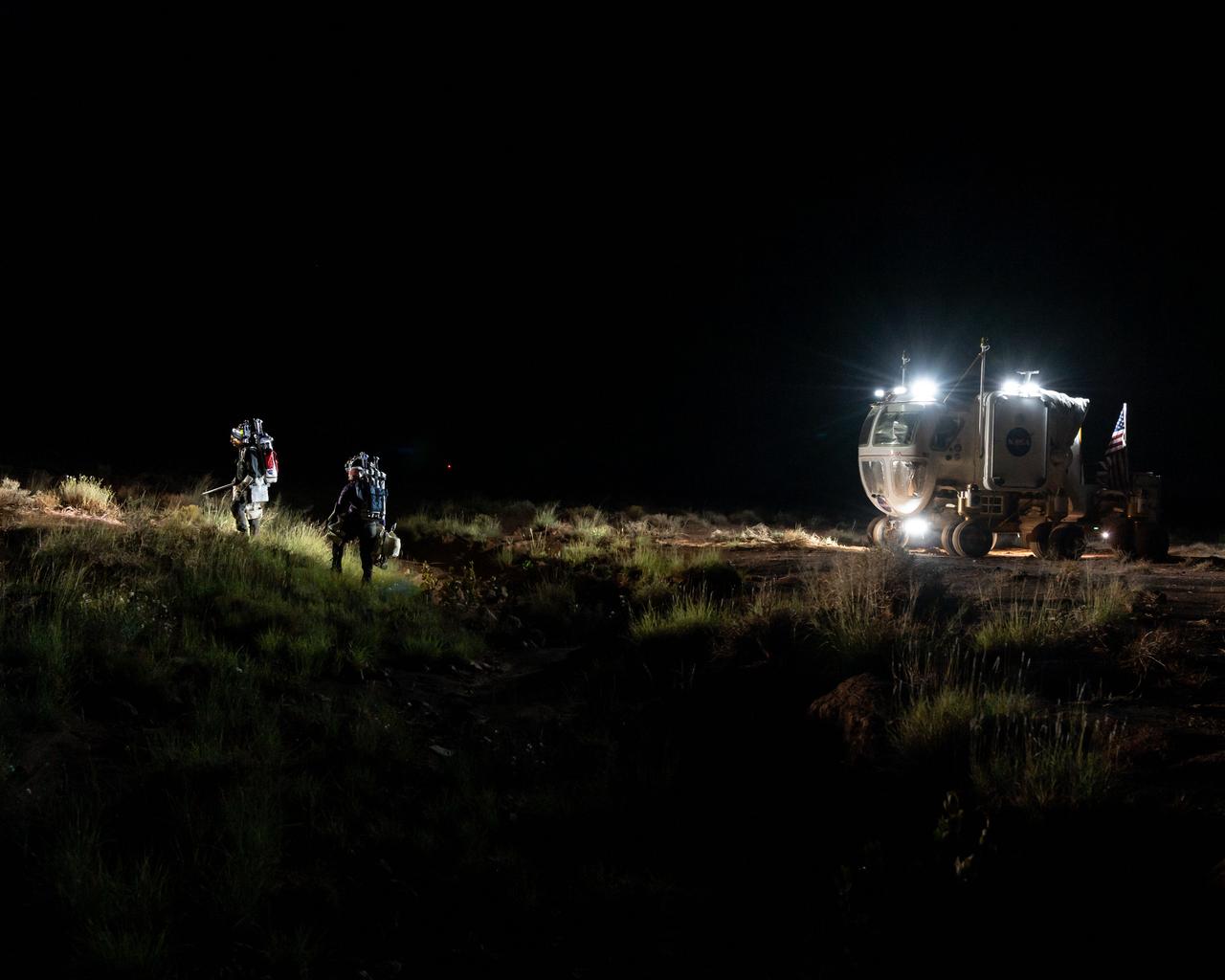
The Desert Research and Technology Studies (DesertRATS) is one of NASA’s analog missions to test hardware and operational scenarios in a remote environment with geographic similarities to the Moon and Mars. In October 2022, NASA evaluated rover design and operations, communications with the Mission Control Center and a Science Evaluation Room at NASA’s Johnson Space Center in Houston. A key element of the DesertRATS analog is the pressurized rover, a capability that is planned for astronaut surface exploration at the Moon and Mars. NASA has a study agreement with the Japan Aerospace Exploration Agency (JAXA) for development of the Artemis pressurized rover, and JAXA representatives joined NASA at DesertRATS.

The Orion Crew Module Uprighting System (CMUS) and Neutral Buoyancy Laboratory team completed two successful sea tests off the coast of Galveston, Texas, Dec. 1-3, 2018. CMUS is designed to inflate five bags after the Orion spacecraft and its crew splash down after returning from deep space missions, enabling the capsule to upright itself. NASA partnered with United States Coast Guard and Air Force and Texas A&M Galveston teams to perform the tests operations.
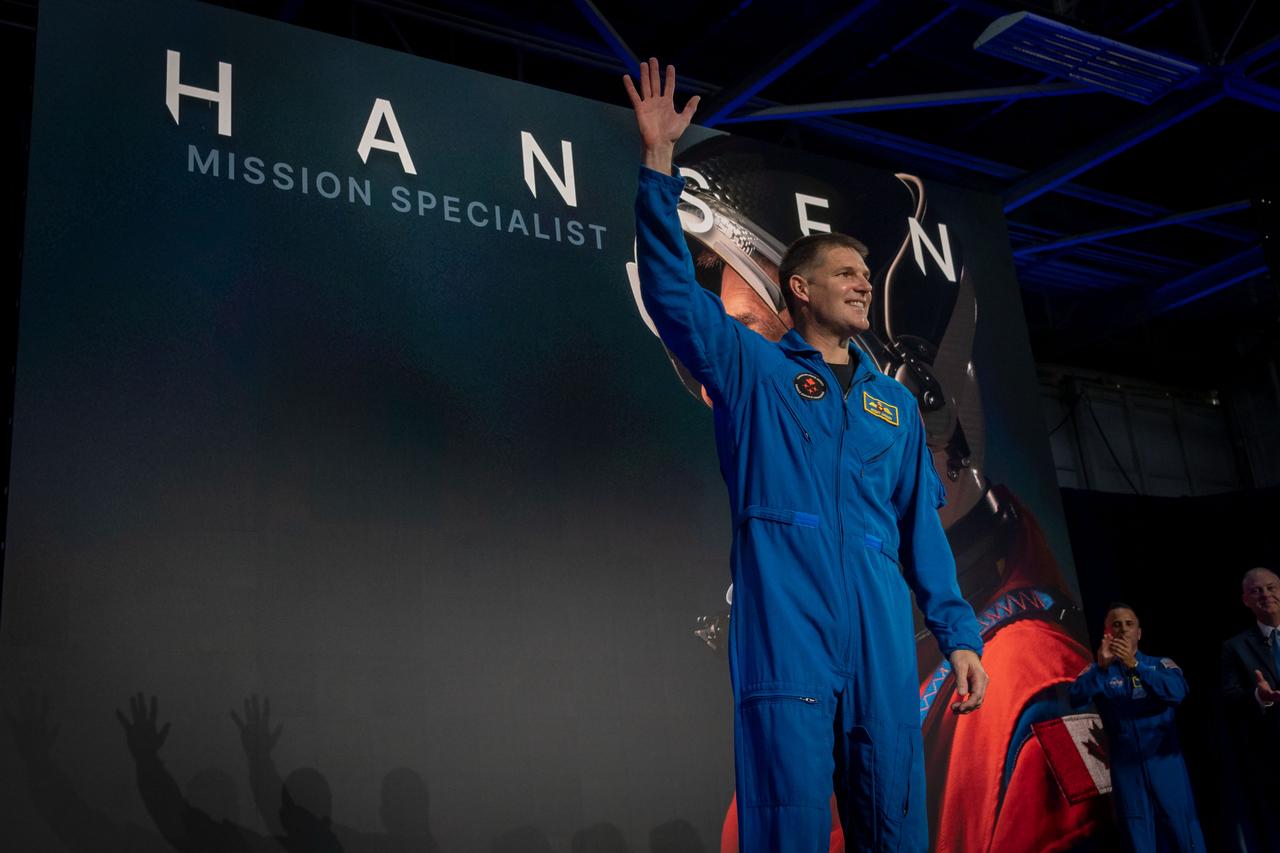
jsc2023e017430 (April 3, 2023) -- CSA (Canadian Space Agency) astronaut Jeremy Hansen is announced as one of four members of the Artemis II crew during a Monday, April 3, 2023, news conference at Ellington Field near NASA’s Johnson Space Center in Houston. The crew is comprised of Commander Reid Wiseman, Pilot Victor Glover, and Mission Specialists Christina Koch and Jeremy Hansen. The four astronauts will venture around the Moon on Artemis II, the first crewed mission on NASA’s path to establishing a long-term presence at the Moon for science and exploration through Artemis.

The Desert Research and Technology Studies (DesertRATS) is one of NASA’s analog missions to test hardware and operational scenarios in a remote environment with geographic similarities to the Moon and Mars. In October 2022, NASA evaluated rover design and operations, communications with the Mission Control Center and a Science Evaluation Room at NASA’s Johnson Space Center in Houston. A key element of the DesertRATS analog is the pressurized rover, a capability that is planned for astronaut surface exploration at the Moon and Mars. NASA has a study agreement with the Japan Aerospace Exploration Agency (JAXA) for development of the Artemis pressurized rover, and JAXA representatives joined NASA at DesertRATS.
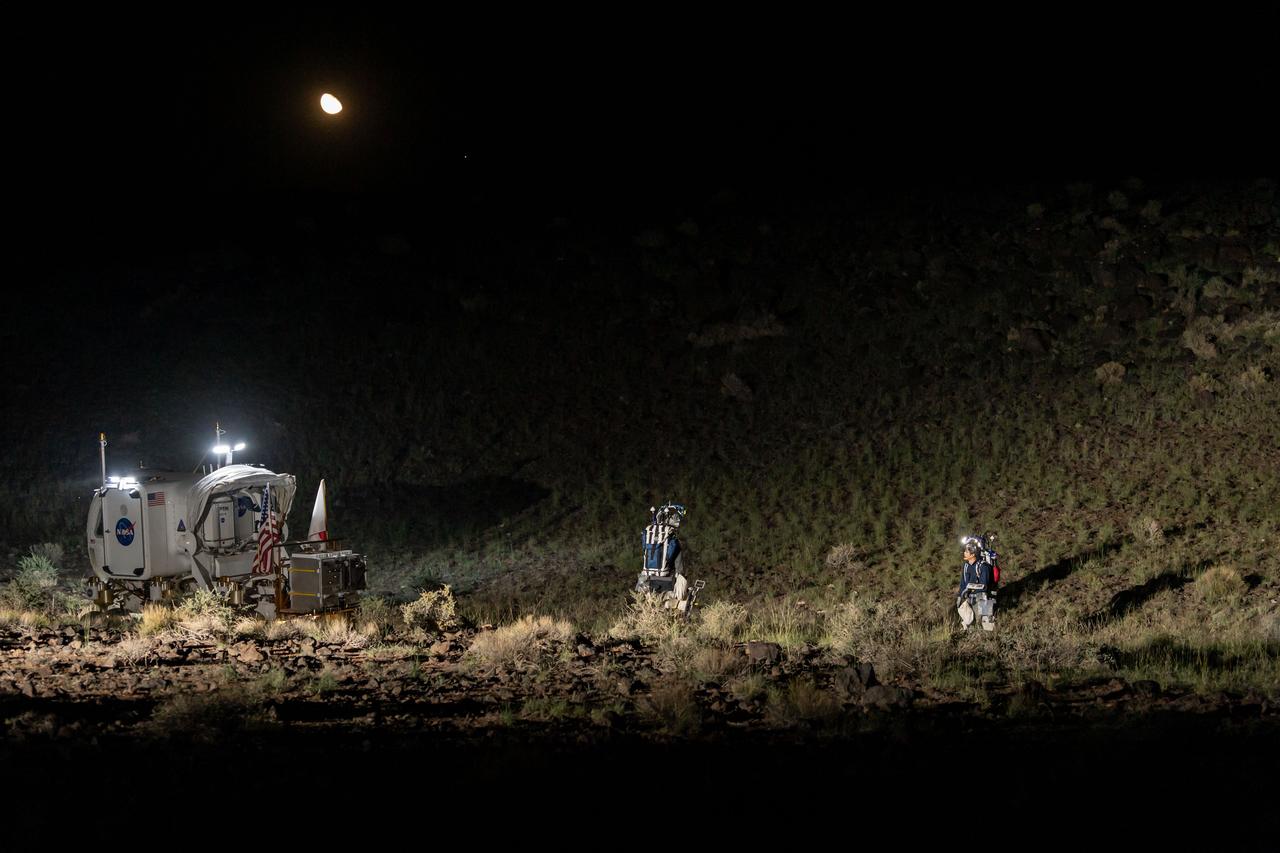
The Desert Research and Technology Studies (DesertRATS) is one of NASA’s analog missions to test hardware and operational scenarios in a remote environment with geographic similarities to the Moon and Mars. In October 2022, NASA evaluated rover design and operations, communications with the Mission Control Center and a Science Evaluation Room at NASA’s Johnson Space Center in Houston. A key element of the DesertRATS analog is the pressurized rover, a capability that is planned for astronaut surface exploration at the Moon and Mars. NASA has a study agreement with the Japan Aerospace Exploration Agency (JAXA) for development of the Artemis pressurized rover, and JAXA representatives joined NASA at DesertRATS.

The Desert Research and Technology Studies (DesertRATS) is one of NASA’s analog missions to test hardware and operational scenarios in a remote environment with geographic similarities to the Moon and Mars. In October 2022, NASA evaluated rover design and operations, communications with the Mission Control Center and a Science Evaluation Room at NASA’s Johnson Space Center in Houston. A key element of the DesertRATS analog is the pressurized rover, a capability that is planned for astronaut surface exploration at the Moon and Mars. NASA has a study agreement with the Japan Aerospace Exploration Agency (JAXA) for development of the Artemis pressurized rover, and JAXA representatives joined NASA at DesertRATS.

The Orion Crew Module Uprighting System (CMUS) and Neutral Buoyancy Laboratory team completed two successful sea tests off the coast of Galveston, Texas, Dec. 1-3, 2018. CMUS is designed to inflate five bags after the Orion spacecraft and its crew splash down after returning from deep space missions, enabling the capsule to upright itself. NASA partnered with United States Coast Guard and Air Force and Texas A&M Galveston teams to perform the tests operations.
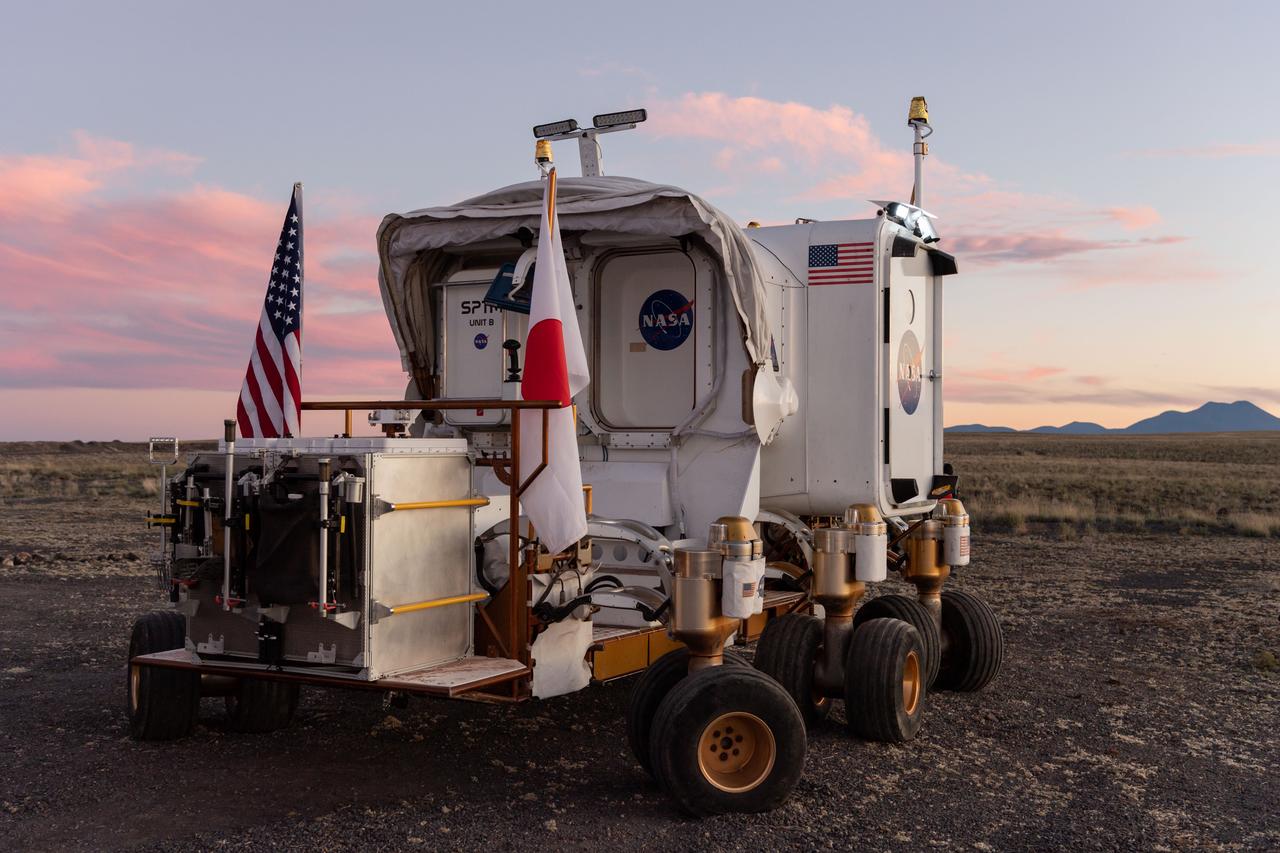
The Desert Research and Technology Studies (DesertRATS) is one of NASA’s analog missions to test hardware and operational scenarios in a remote environment with geographic similarities to the Moon and Mars. In October 2022, NASA evaluated rover design and operations, communications with the Mission Control Center and a Science Evaluation Room at NASA’s Johnson Space Center in Houston. A key element of the DesertRATS analog is the pressurized rover, a capability that is planned for astronaut surface exploration at the Moon and Mars. NASA has a study agreement with the Japan Aerospace Exploration Agency (JAXA) for development of the Artemis pressurized rover, and JAXA representatives joined NASA at DesertRATS.

PHOTO DATE: 10-04-22 LOCATION: Flagstaff, Arizona SUBJECT: Joint EVA Test Team (JETT) Field Testing - JETT 3 fully integrated mission scale test PHOTOGRAPHER: BILL STAFFORD
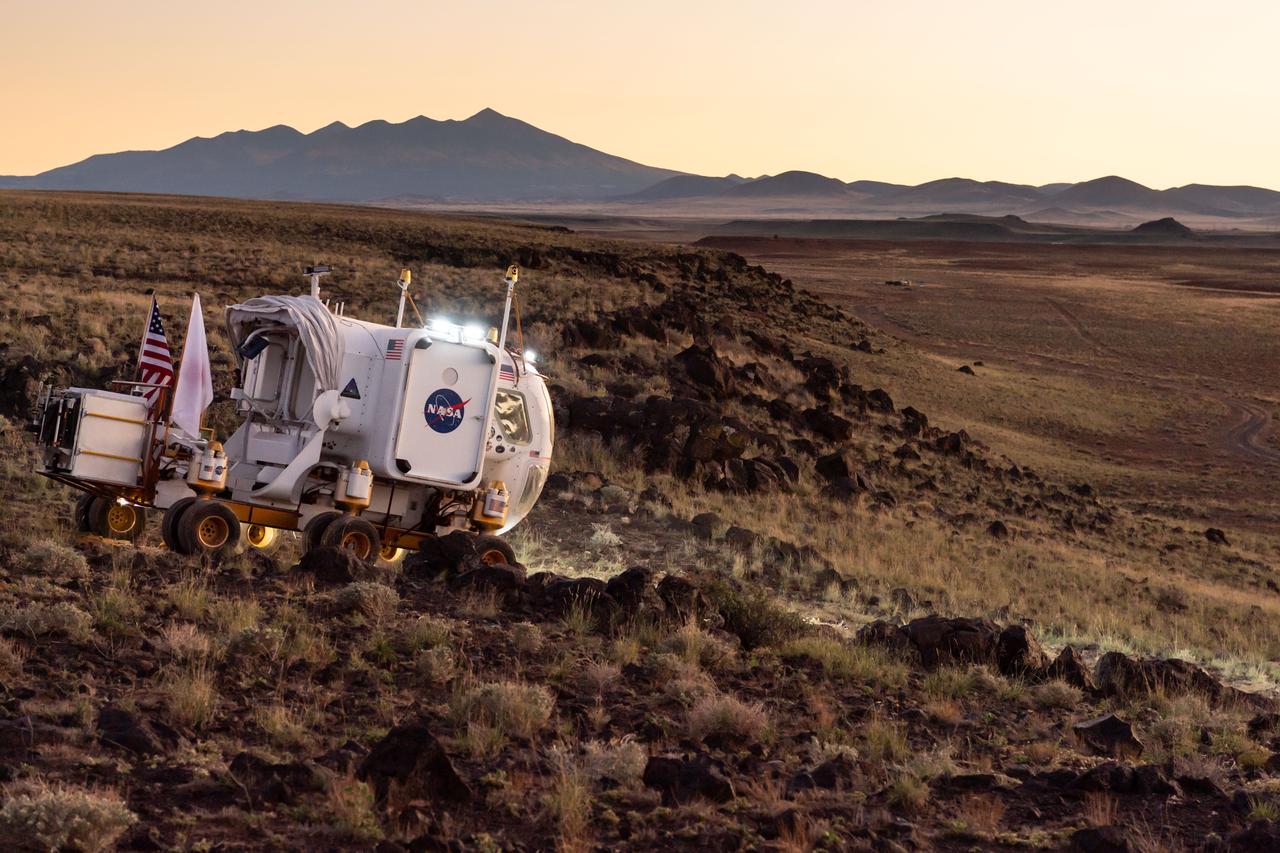
The Desert Research and Technology Studies (DesertRATS) is one of NASA’s analog missions to test hardware and operational scenarios in a remote environment with geographic similarities to the Moon and Mars. In October 2022, NASA evaluated rover design and operations, communications with the Mission Control Center and a Science Evaluation Room at NASA’s Johnson Space Center in Houston. A key element of the DesertRATS analog is the pressurized rover, a capability that is planned for astronaut surface exploration at the Moon and Mars. NASA has a study agreement with the Japan Aerospace Exploration Agency (JAXA) for development of the Artemis pressurized rover, and JAXA representatives joined NASA at DesertRATS.
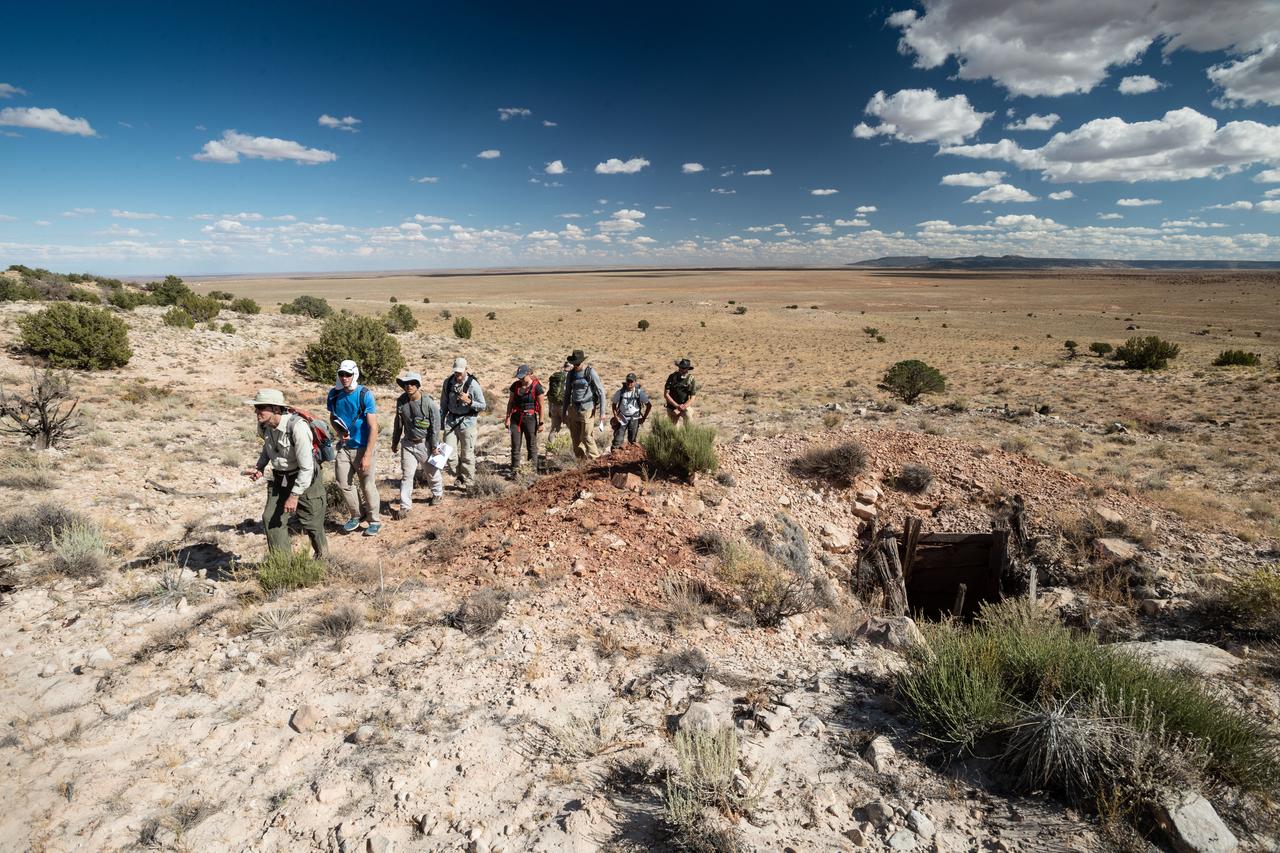
jsc2019e055475 (09-19-19) --- 2017 NASA astronaut candidates hike as a team with their field instructors during geology training in Arizona. Photo Credit: (NASA/Bill Stafford)
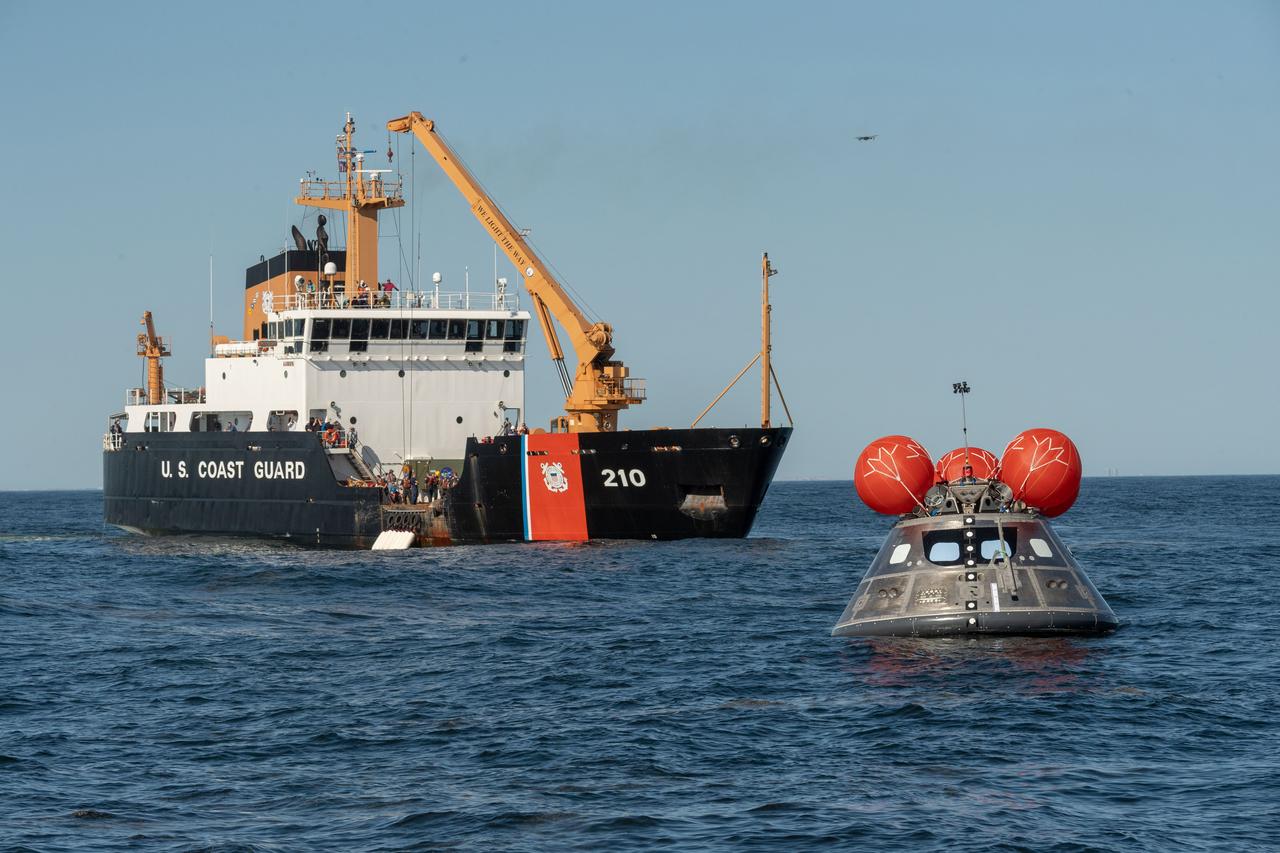
The Orion Crew Module Uprighting System (CMUS) and Neutral Buoyancy Laboratory team completed two successful sea tests off the coast of Galveston, Texas, Dec. 1-3, 2018. CMUS is designed to inflate five bags after the Orion spacecraft and its crew splash down after returning from deep space missions, enabling the capsule to upright itself. NASA partnered with United States Coast Guard and Air Force and Texas A&M Galveston teams to perform the tests operations.
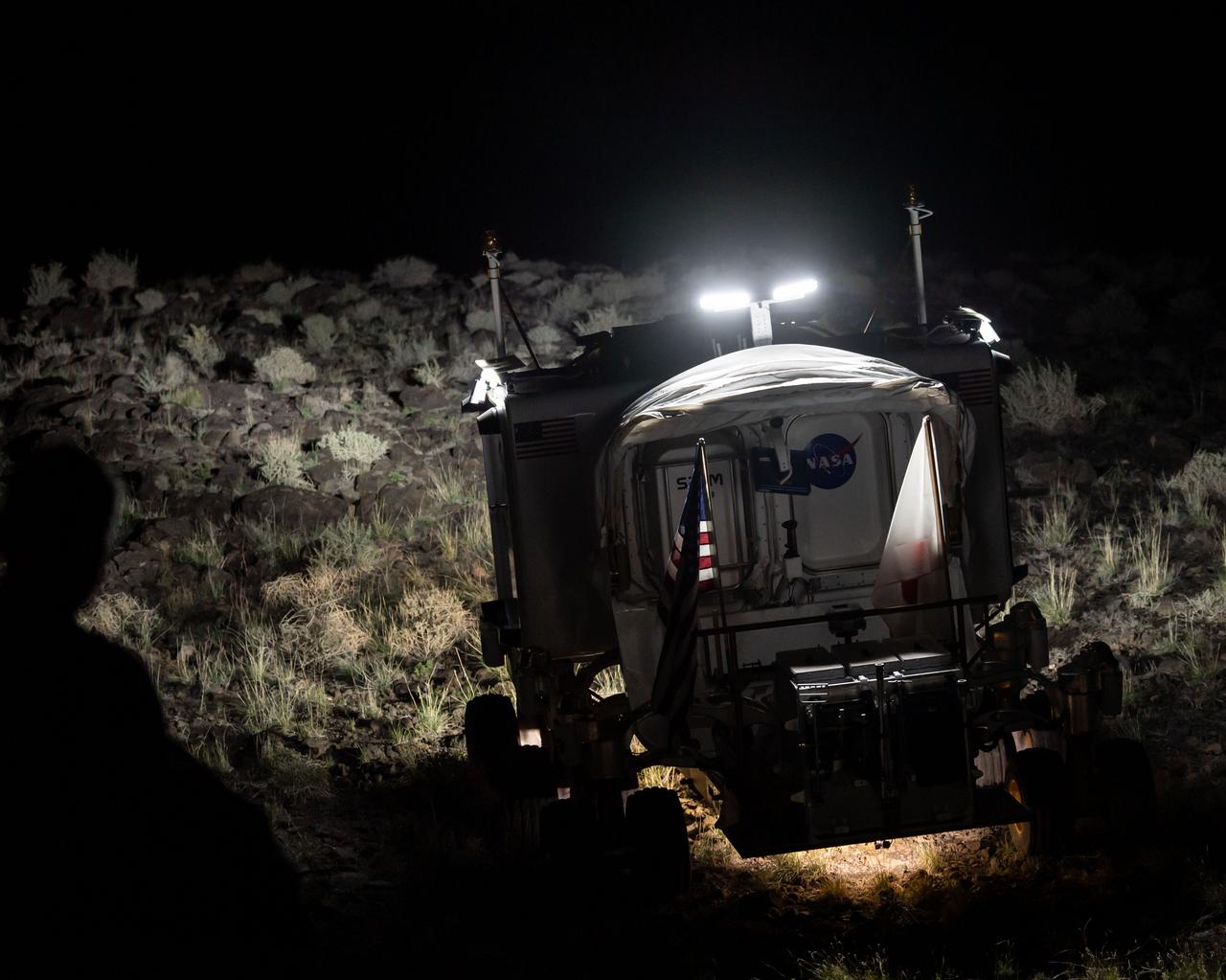
The Desert Research and Technology Studies (DesertRATS) is one of NASA’s analog missions to test hardware and operational scenarios in a remote environment with geographic similarities to the Moon and Mars. In October 2022, NASA evaluated rover design and operations, communications with the Mission Control Center and a Science Evaluation Room at NASA’s Johnson Space Center in Houston. A key element of the DesertRATS analog is the pressurized rover, a capability that is planned for astronaut surface exploration at the Moon and Mars. NASA has a study agreement with the Japan Aerospace Exploration Agency (JAXA) for development of the Artemis pressurized rover, and JAXA representatives joined NASA at DesertRATS.
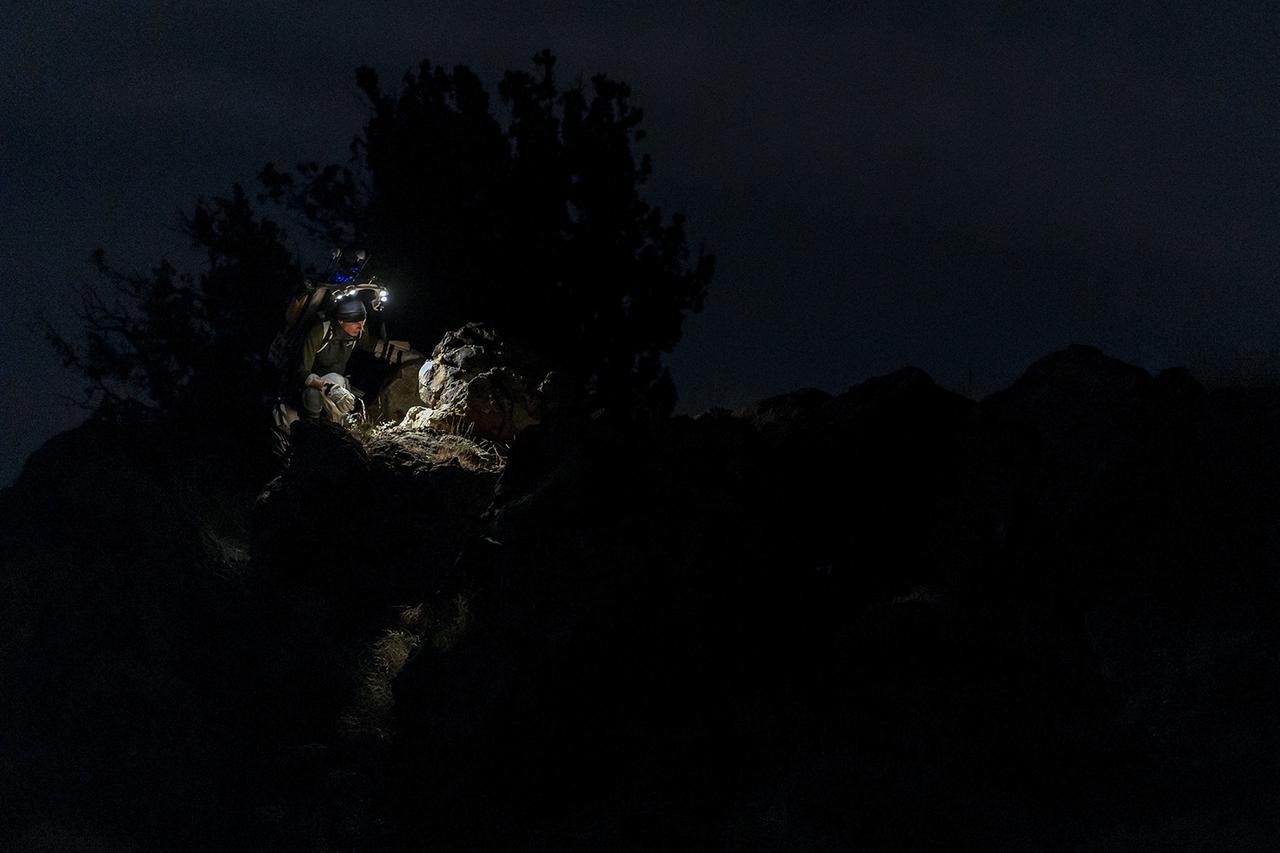
PHOTO DATE: 10-08-22 LOCATION: Flagstaff, Arizona SUBJECT: Photographic coverage of JETTS3 engineering night run 3. PHOTOGRAPHER: BILL STAFFORD
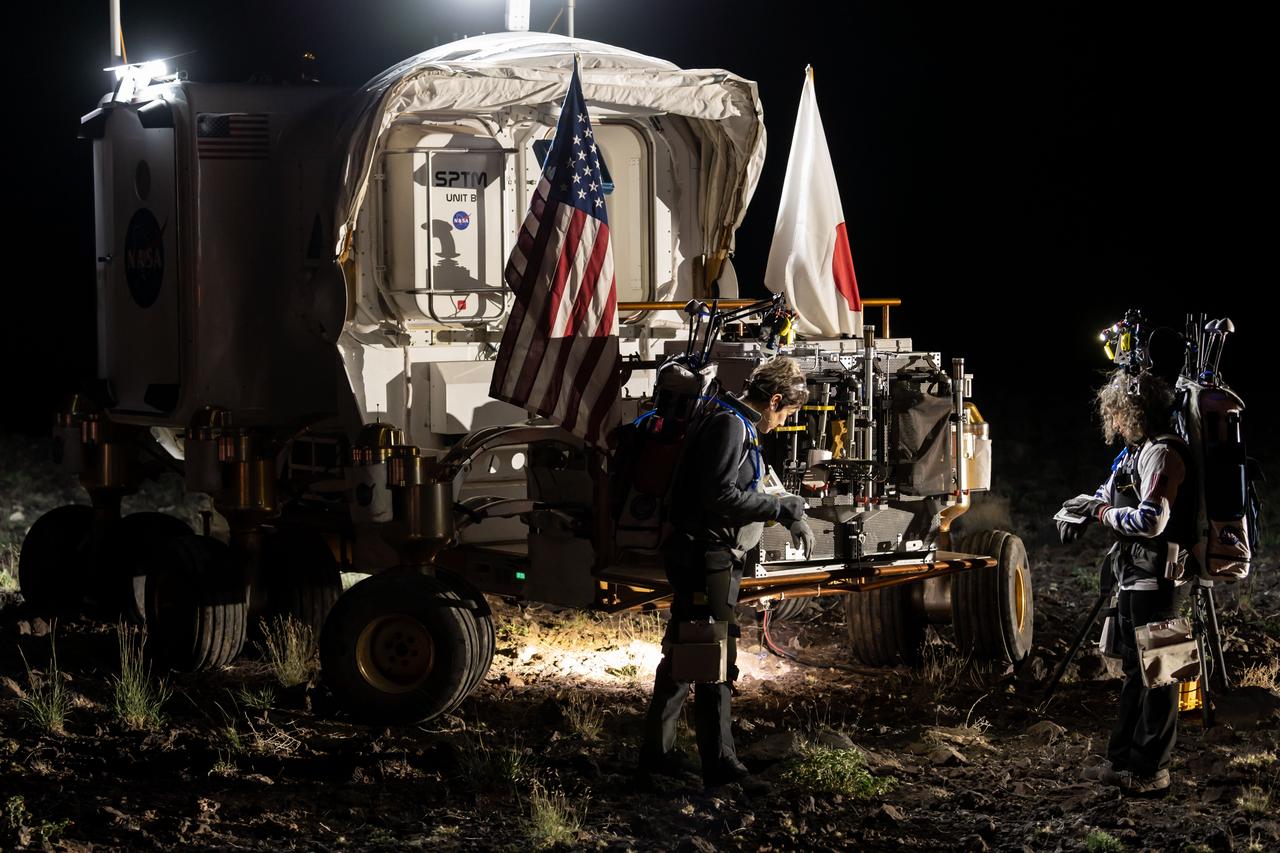
The Desert Research and Technology Studies (DesertRATS) is one of NASA’s analog missions to test hardware and operational scenarios in a remote environment with geographic similarities to the Moon and Mars. In October 2022, NASA evaluated rover design and operations, communications with the Mission Control Center and a Science Evaluation Room at NASA’s Johnson Space Center in Houston. A key element of the DesertRATS analog is the pressurized rover, a capability that is planned for astronaut surface exploration at the Moon and Mars. NASA has a study agreement with the Japan Aerospace Exploration Agency (JAXA) for development of the Artemis pressurized rover, and JAXA representatives joined NASA at DesertRATS.
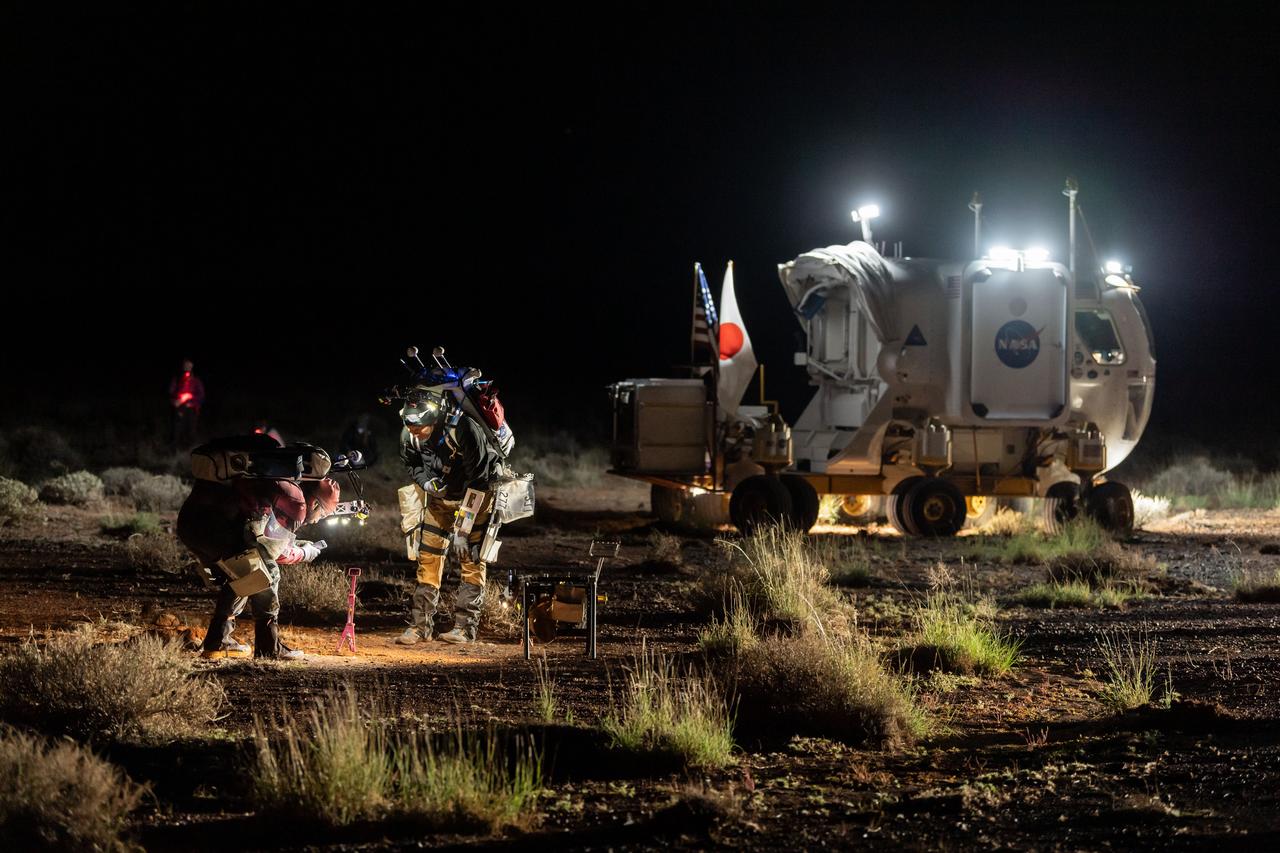
The Desert Research and Technology Studies (DesertRATS) is one of NASA’s analog missions to test hardware and operational scenarios in a remote environment with geographic similarities to the Moon and Mars. In October 2022, NASA evaluated rover design and operations, communications with the Mission Control Center and a Science Evaluation Room at NASA’s Johnson Space Center in Houston. A key element of the DesertRATS analog is the pressurized rover, a capability that is planned for astronaut surface exploration at the Moon and Mars. NASA has a study agreement with the Japan Aerospace Exploration Agency (JAXA) for development of the Artemis pressurized rover, and JAXA representatives joined NASA at DesertRATS.
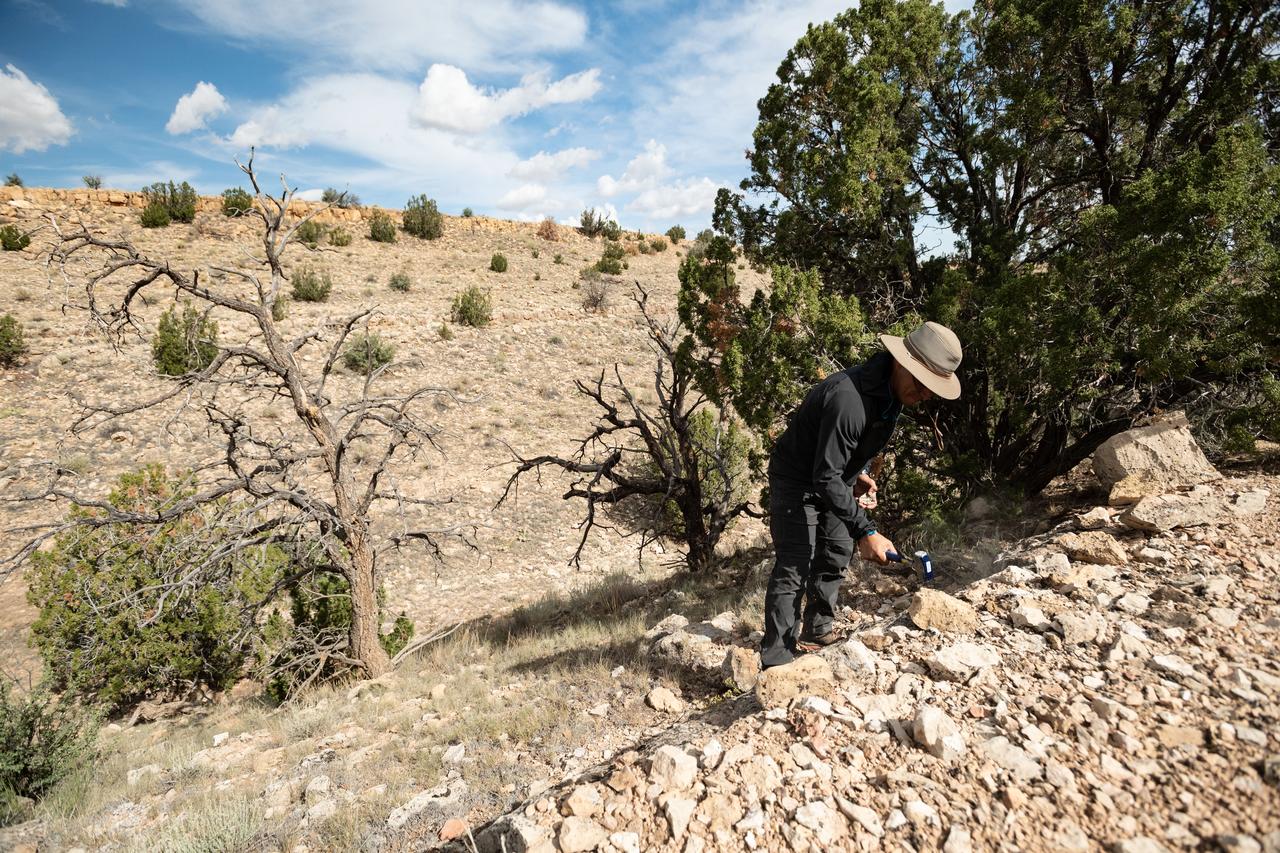
jsc2019e054874 (09-16-19) --- 2017 NASA astronaut candidate Frank Rubio during geology training in Arizona. Photo Credit: (NASA/Bill Stafford)
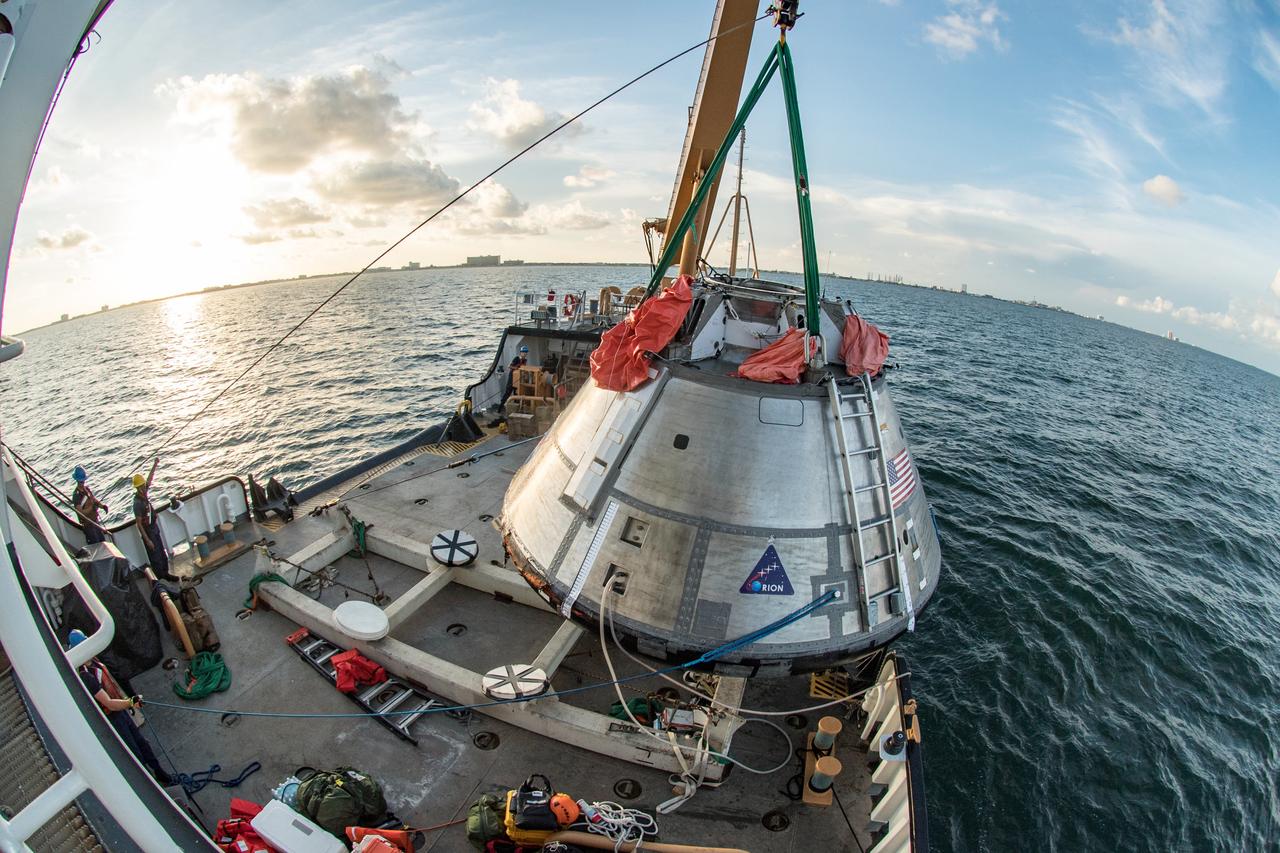
When astronauts return to Earth from destinations beyond the Moon in NASA’s Orion spacecraft and splashdown in the Pacific Ocean, they’ll still need to safely get out of the spacecraft and back on dry land. Using the waters off the coast of Galveston, Texas, a NASA and Department of Defense team test Orion exit procedures in a variety of scenarios on July 11, 2017. Part of Batch images transfer from Flickr.

The Orion Crew Module Uprighting System (CMUS) and Neutral Buoyancy Laboratory team completed two successful sea tests off the coast of Galveston, Texas, Dec. 1-3, 2018. CMUS is designed to inflate five bags after the Orion spacecraft and its crew splash down after returning from deep space missions, enabling the capsule to upright itself. NASA partnered with United States Coast Guard and Air Force and Texas A&M Galveston teams to perform the tests operations.
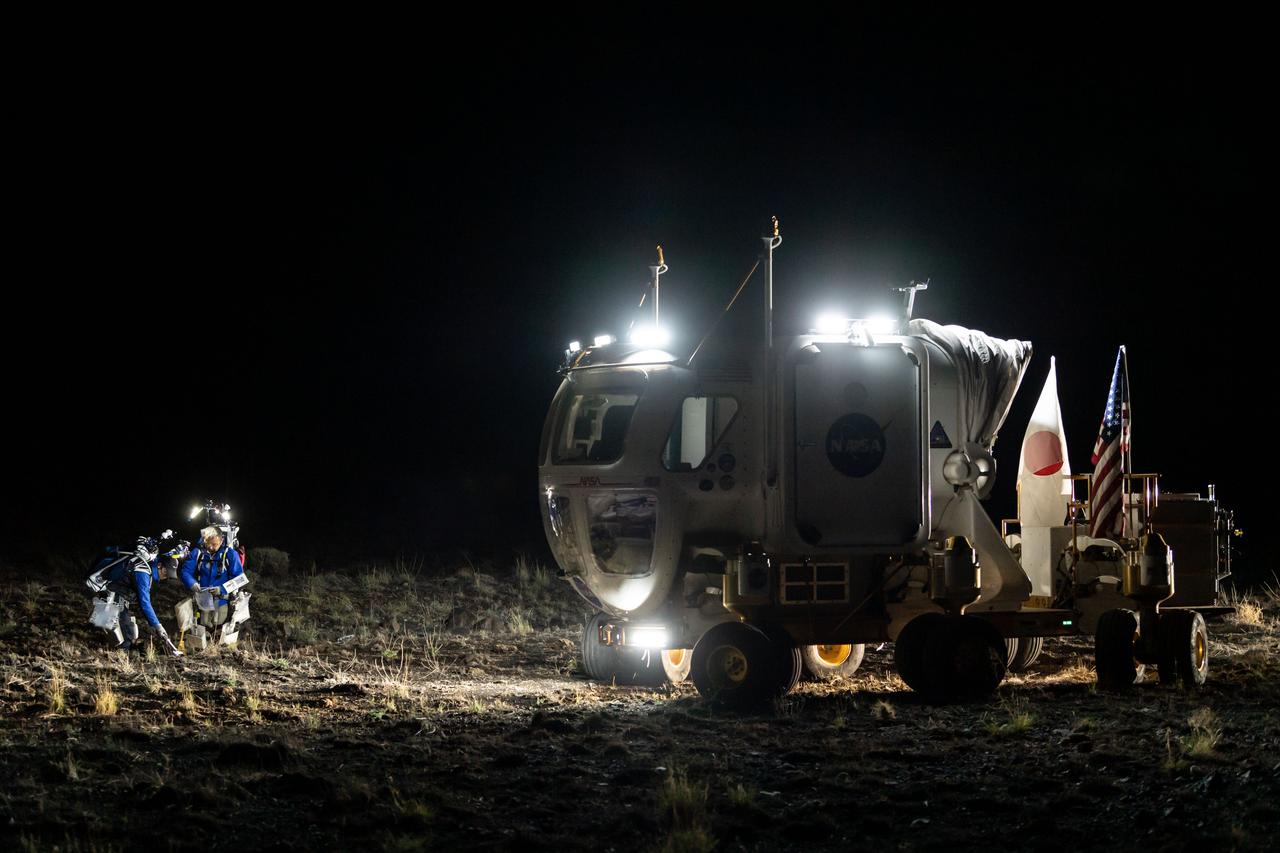
The Desert Research and Technology Studies (DesertRATS) is one of NASA’s analog missions to test hardware and operational scenarios in a remote environment with geographic similarities to the Moon and Mars. In October 2022, NASA evaluated rover design and operations, communications with the Mission Control Center and a Science Evaluation Room at NASA’s Johnson Space Center in Houston. A key element of the DesertRATS analog is the pressurized rover, a capability that is planned for astronaut surface exploration at the Moon and Mars. NASA has a study agreement with the Japan Aerospace Exploration Agency (JAXA) for development of the Artemis pressurized rover, and JAXA representatives joined NASA at DesertRATS.
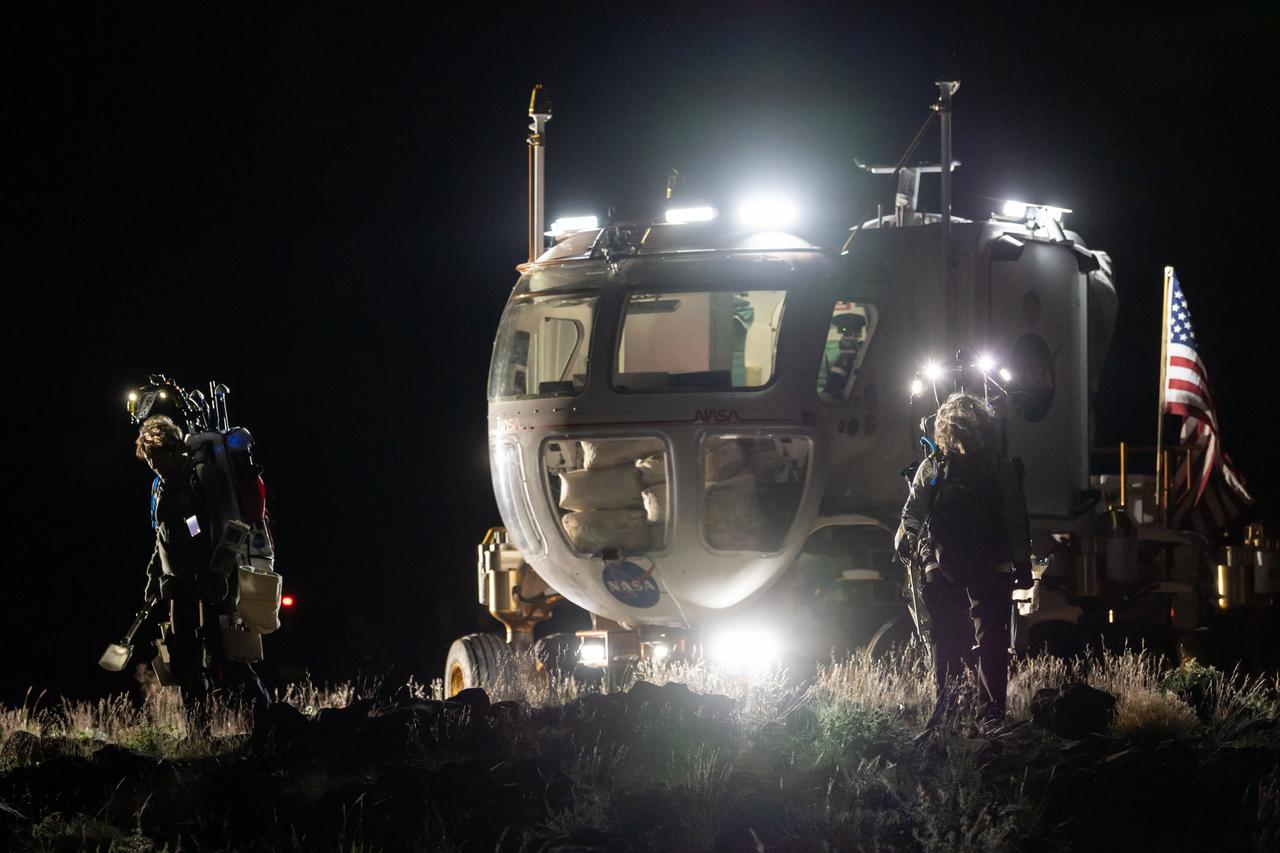
The Desert Research and Technology Studies (DesertRATS) is one of NASA’s analog missions to test hardware and operational scenarios in a remote environment with geographic similarities to the Moon and Mars. In October 2022, NASA evaluated rover design and operations, communications with the Mission Control Center and a Science Evaluation Room at NASA’s Johnson Space Center in Houston. A key element of the DesertRATS analog is the pressurized rover, a capability that is planned for astronaut surface exploration at the Moon and Mars. NASA has a study agreement with the Japan Aerospace Exploration Agency (JAXA) for development of the Artemis pressurized rover, and JAXA representatives joined NASA at DesertRATS.
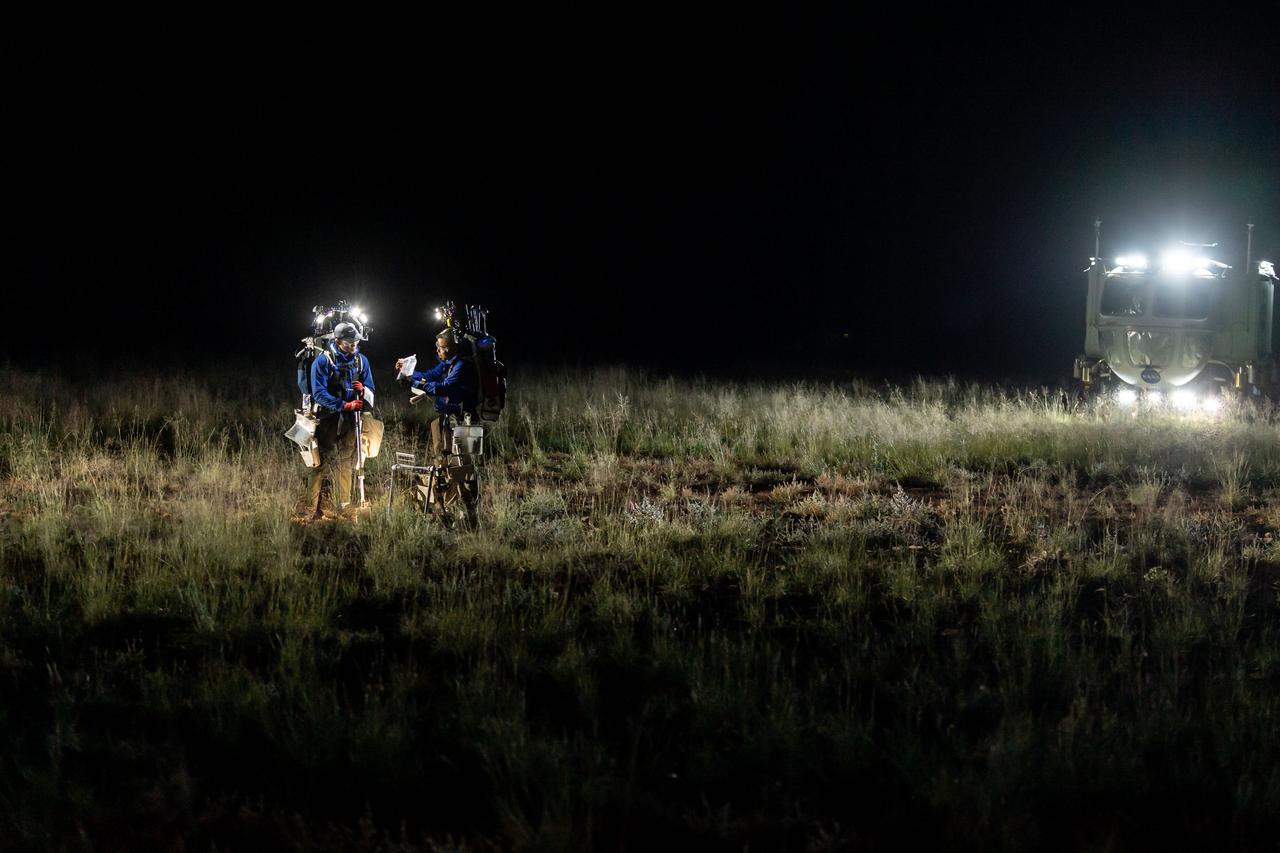
The Desert Research and Technology Studies (DesertRATS) is one of NASA’s analog missions to test hardware and operational scenarios in a remote environment with geographic similarities to the Moon and Mars. In October 2022, NASA evaluated rover design and operations, communications with the Mission Control Center and a Science Evaluation Room at NASA’s Johnson Space Center in Houston. A key element of the DesertRATS analog is the pressurized rover, a capability that is planned for astronaut surface exploration at the Moon and Mars. NASA has a study agreement with the Japan Aerospace Exploration Agency (JAXA) for development of the Artemis pressurized rover, and JAXA representatives joined NASA at DesertRATS.
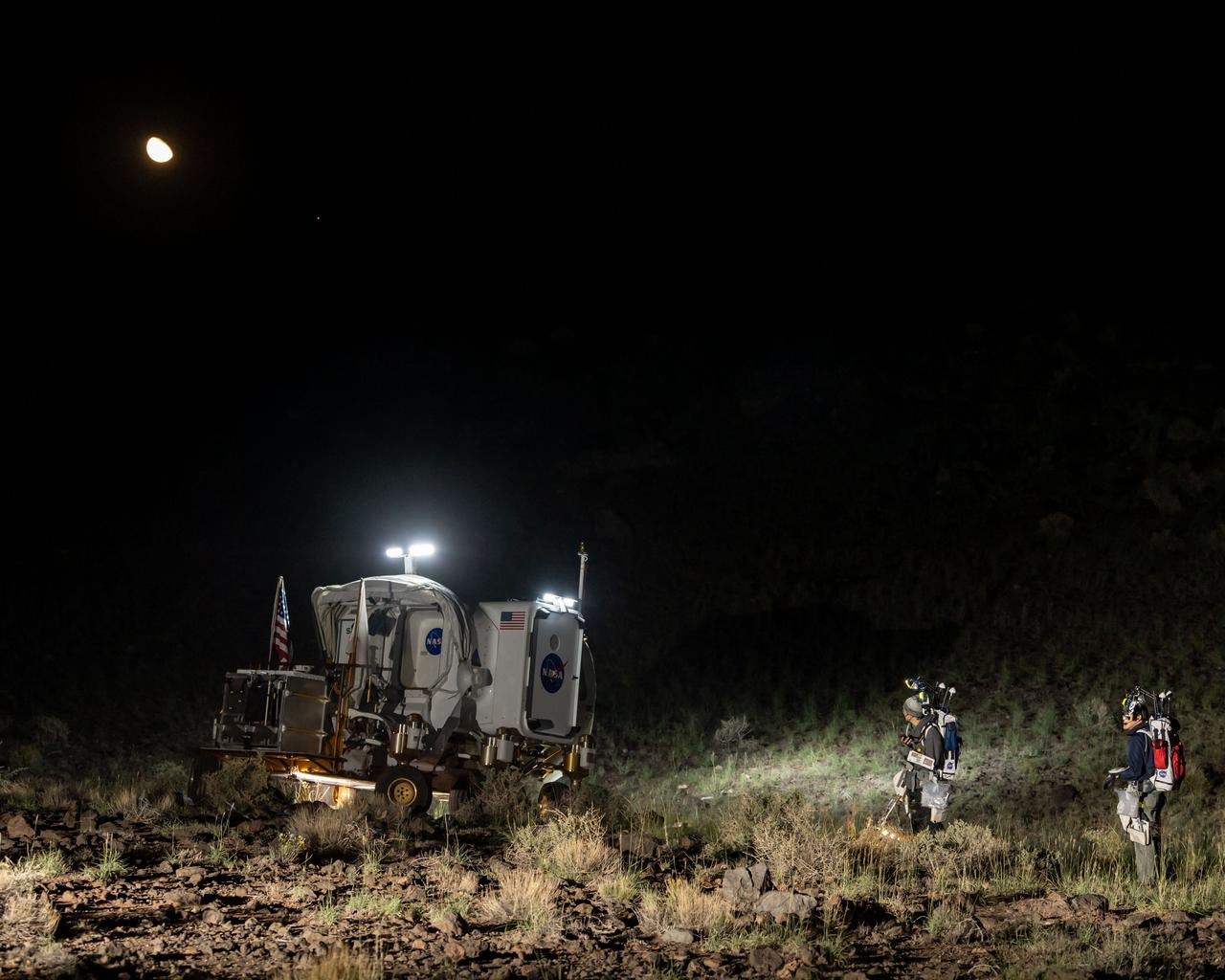
The Desert Research and Technology Studies (DesertRATS) is one of NASA’s analog missions to test hardware and operational scenarios in a remote environment with geographic similarities to the Moon and Mars. In October 2022, NASA evaluated rover design and operations, communications with the Mission Control Center and a Science Evaluation Room at NASA’s Johnson Space Center in Houston. A key element of the DesertRATS analog is the pressurized rover, a capability that is planned for astronaut surface exploration at the Moon and Mars. NASA has a study agreement with the Japan Aerospace Exploration Agency (JAXA) for development of the Artemis pressurized rover, and JAXA representatives joined NASA at DesertRATS.
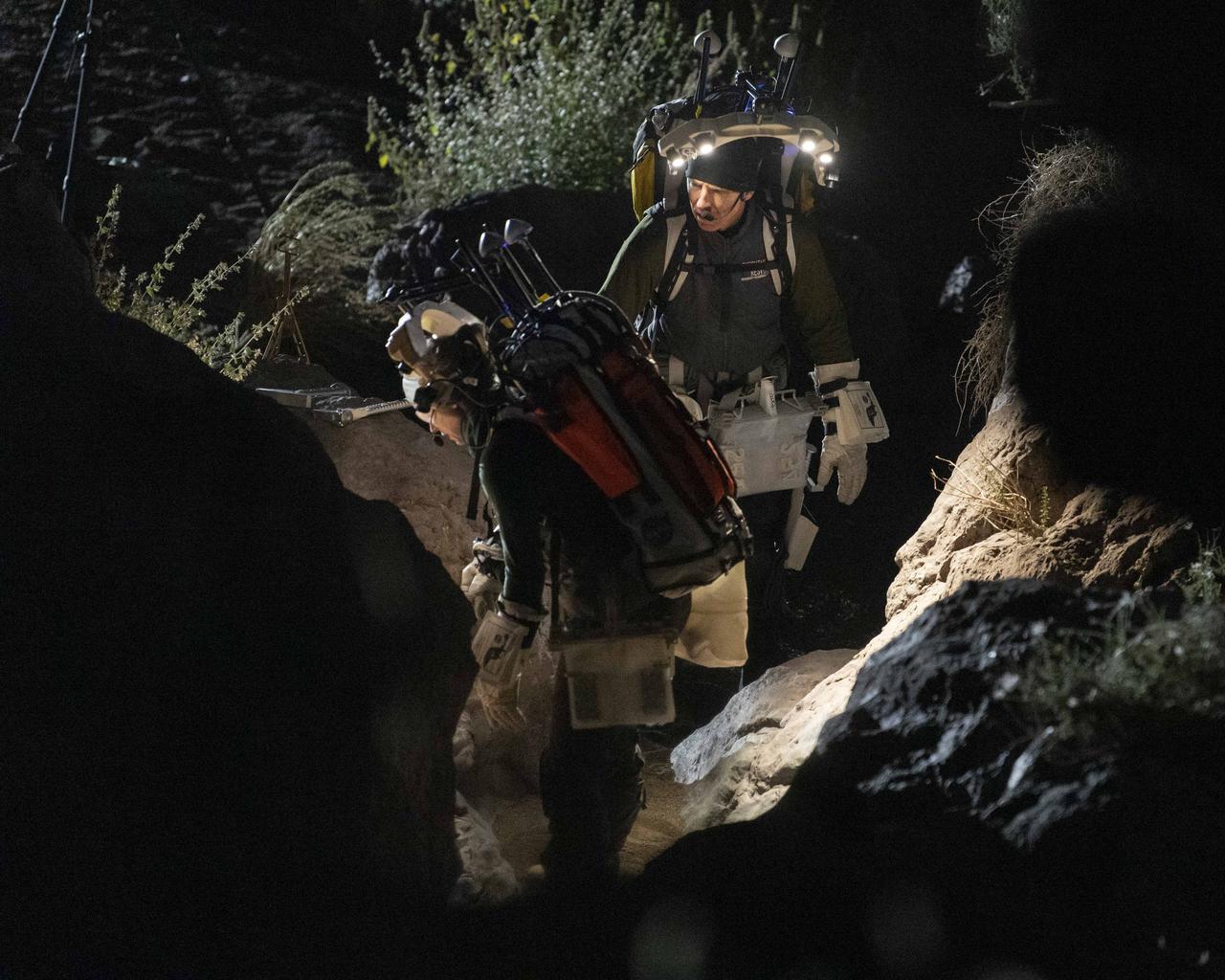
PHOTO DATE: 10-08-22 LOCATION: Flagstaff, Arizona SUBJECT: Photographic coverage of JETTS3 engineering night run 3. PHOTOGRAPHER: BILL STAFFORD

jsc2017e011403 (01/30/2017) --- Marshal Space Flight Center Director Todd May tries out the NASA Mark III advanced space suit picture opportunity which is part of the NASA Future Flight exhibits and activities attracting thousands of people attending the Houston Texas Super Bowl events at Discovery Green Jan. 30, 2017. NASA and the Johnson Space Center have many attractions in their Future Flight area for the estimated 100,000 visitors a day throughout the Super Bowl week ending February fifth.
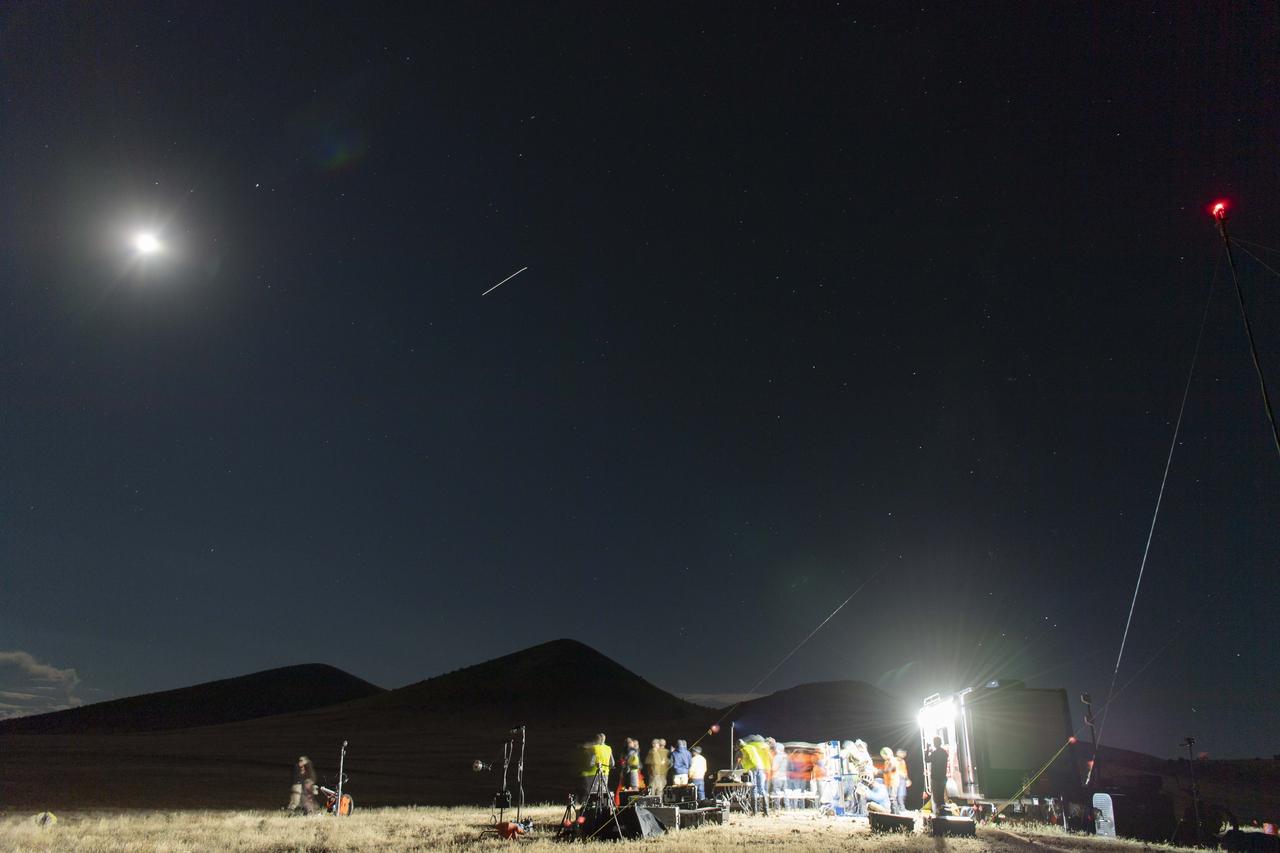
PHOTO DATE: 10-05-22 LOCATION: Flagstaff, Arizona SUBJECT: Photographic coverage of JETTS3 engineering night run 1. PHOTOGRAPHER: BILL STAFFORD
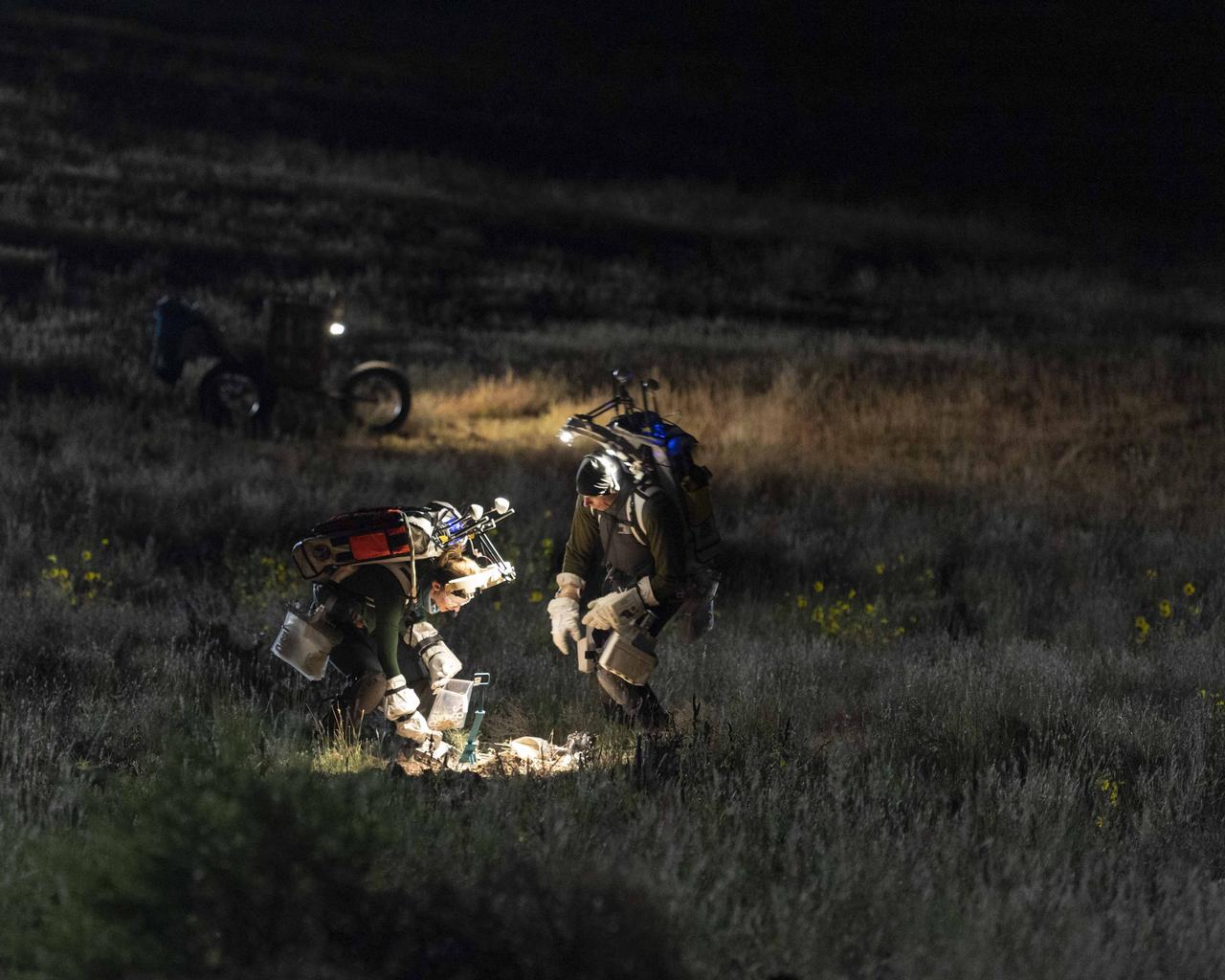
PHOTO DATE: 10-09-22 LOCATION: Flagstaff, Arizona SUBJECT: Photographic coverage of JETTS3 engineering night run 4. Joint EVA Test Team (JETT) Field Testing - JETT 3 fully integrated mission scale test to ensure successful surface operations and technology development for Artemis III. PHOTOGRAPHER: BILL STAFFORD
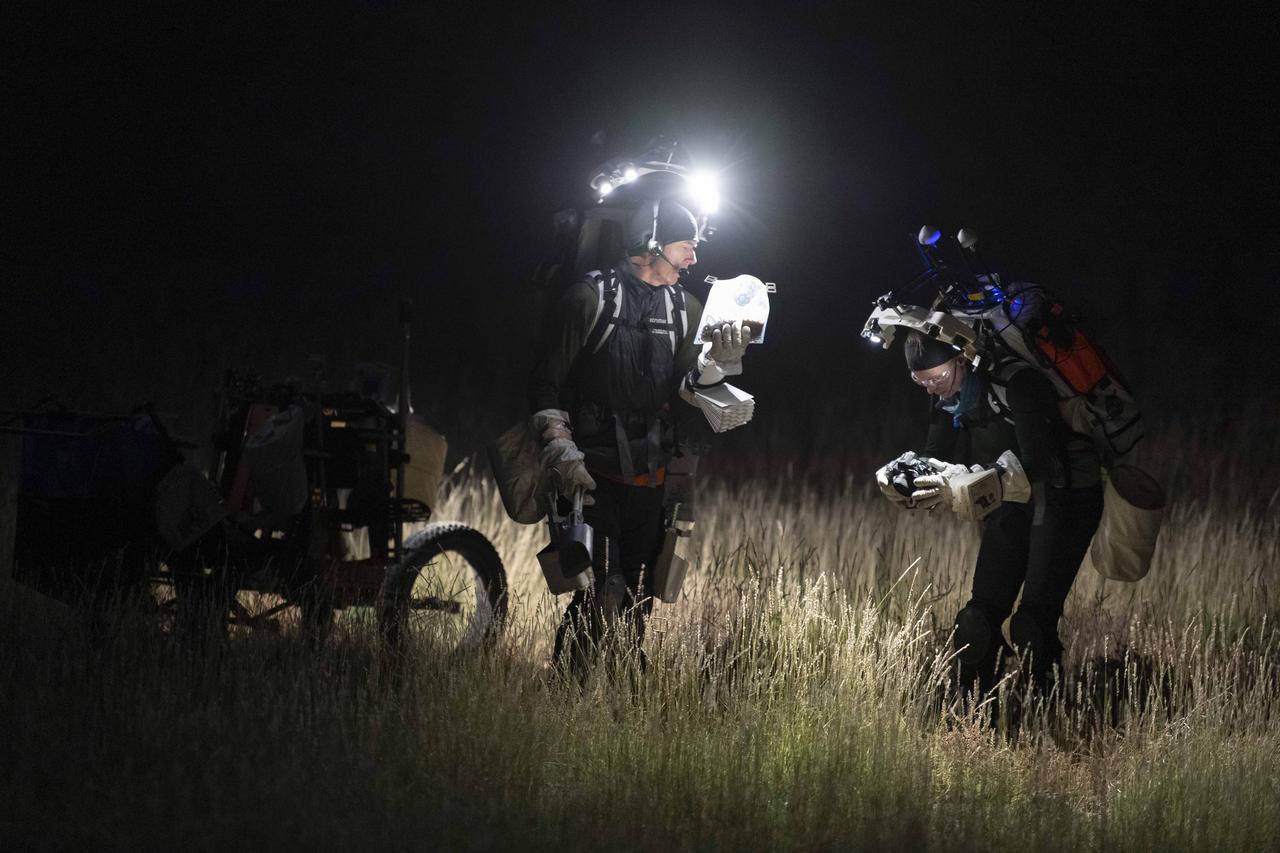
PHOTO DATE: 10-09-22 LOCATION: Flagstaff, Arizona SUBJECT: Photographic coverage of JETTS3 engineering night run 4. Joint EVA Test Team (JETT) Field Testing - JETT 3 fully integrated mission scale test to ensure successful surface operations and technology development for Artemis III. PHOTOGRAPHER: BILL STAFFORD
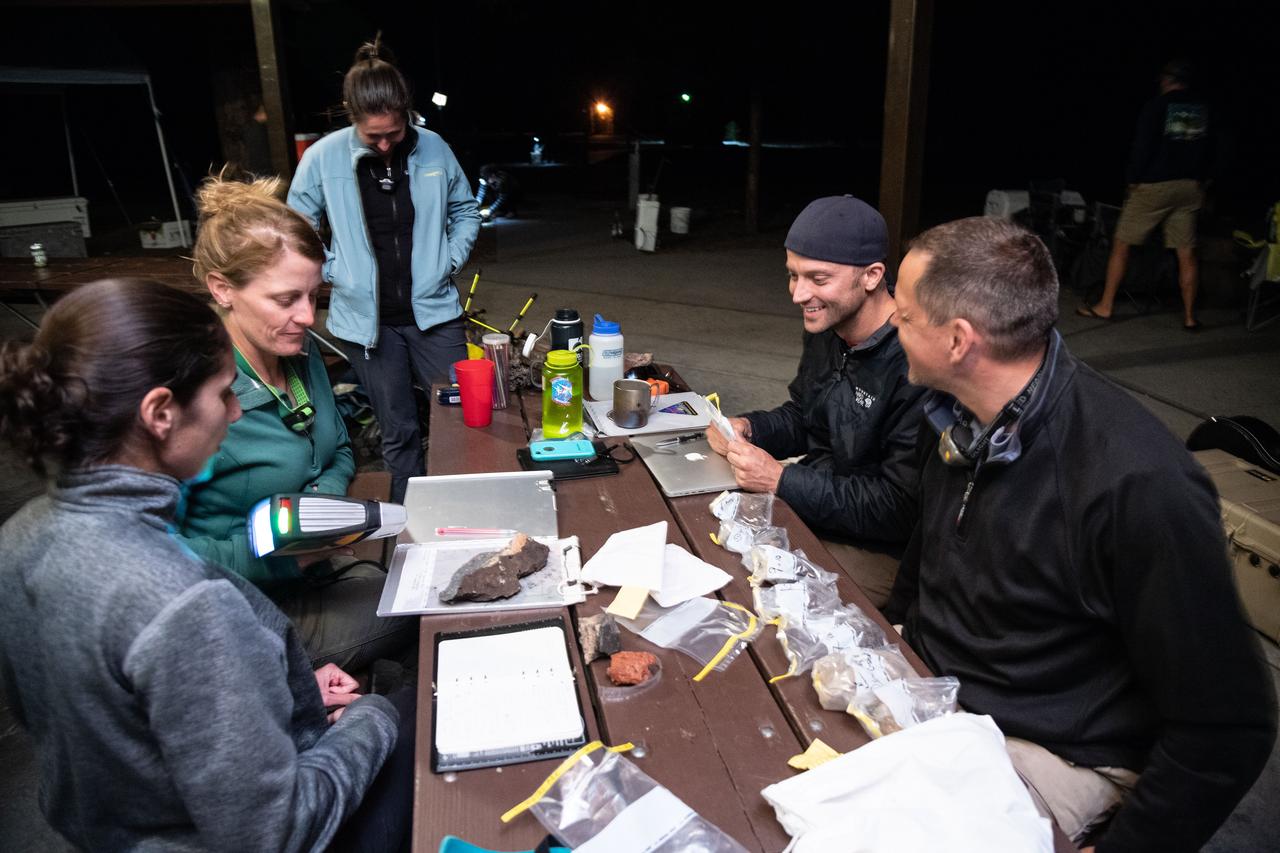
jsc2019e054997 (09-16-19) --- 2017 NASA astronaut candidates gather for data collection during geology training in Arizona. Photo Credit: (NASA/Bill Stafford)
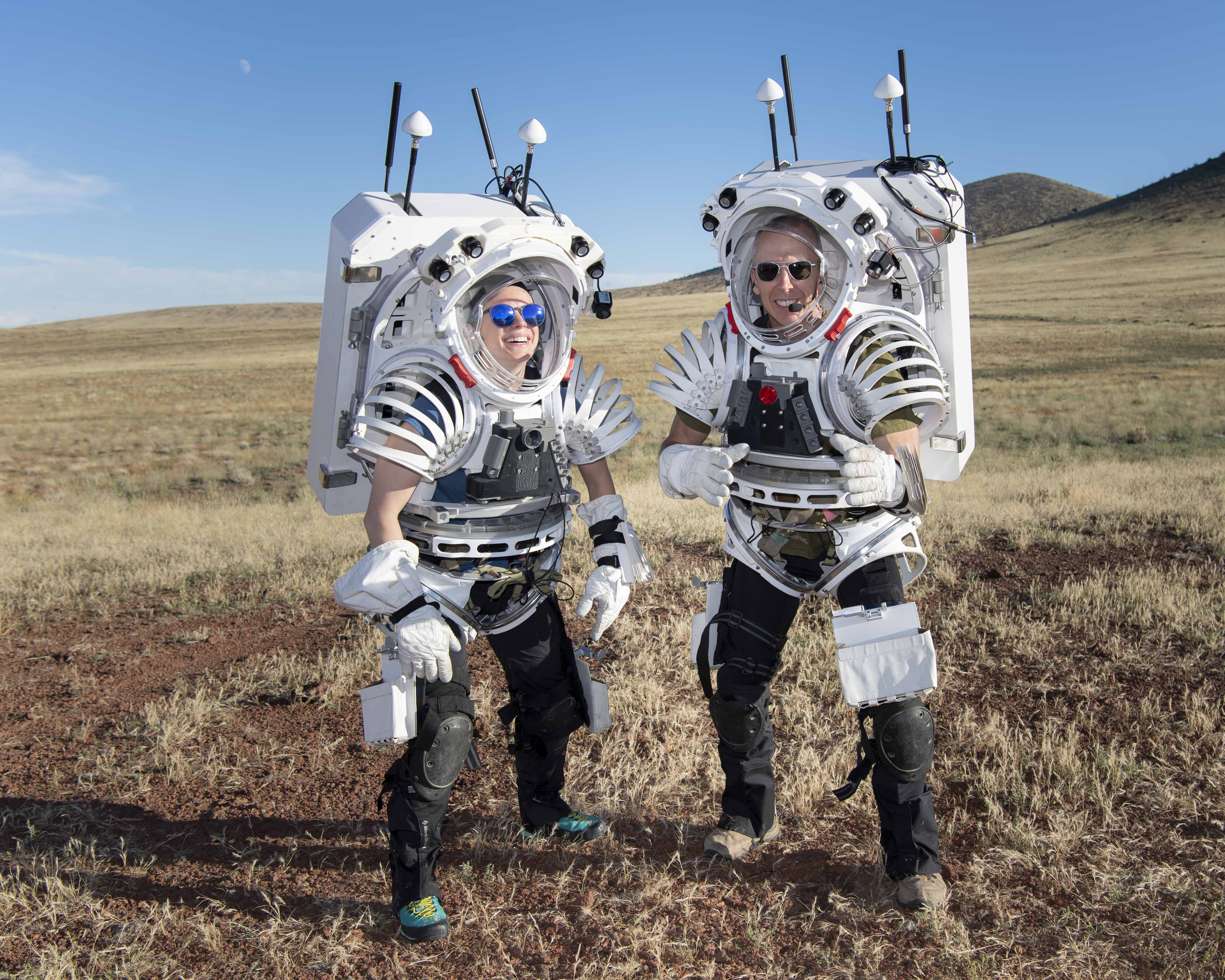
PHOTO DATE: 10-04-22 LOCATION: Flagstaff, Arizona SUBJECT: Joint EVA Test Team (JETT) Field Testing - JETT 3 fully integrated mission scale test PHOTOGRAPHER: BILL STAFFORD
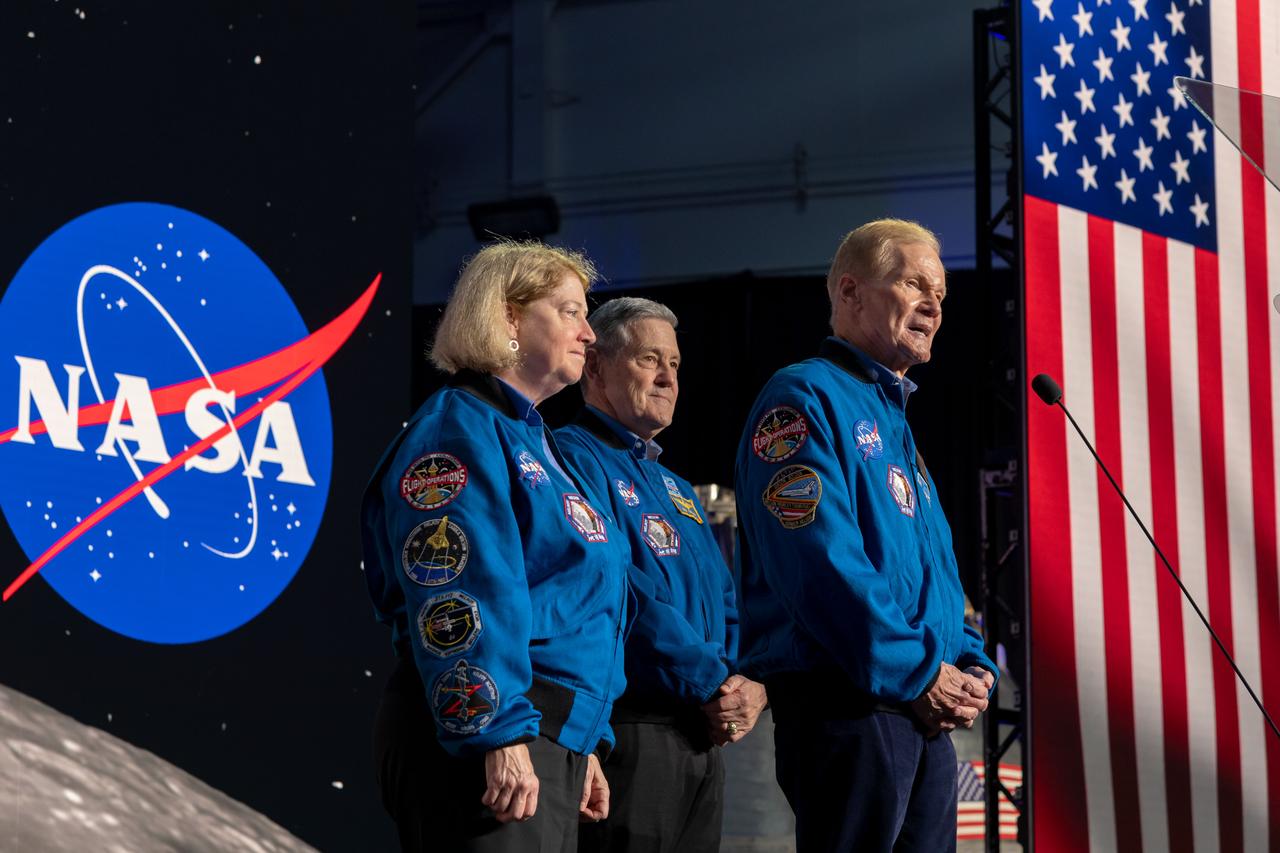
jsc2023e017418 (April 4, 2023) -- NASA Administrator Bill Nelson, right, NASA Deputy Administrator Pam Melroy, and NASA Associate Administrator Bob Cabana prepare to announce the four crewmembers of the Artemis II crew that will travel around the Moon during a Monday, April 3, 2023, crew announcement news conference at Ellington Field near NASA’s Johnson Space Center. The crew is comprised of Commander Reid Wiseman, Pilot Victor Glover, and Mission Specialists Christina Koch and Jeremy Hansen. The four astronauts will venture around the Moon on Artemis II, the first crewed mission on NASA’s path to establishing a long-term presence at the Moon for science and exploration through Artemis. Photo by Bill Stafford.
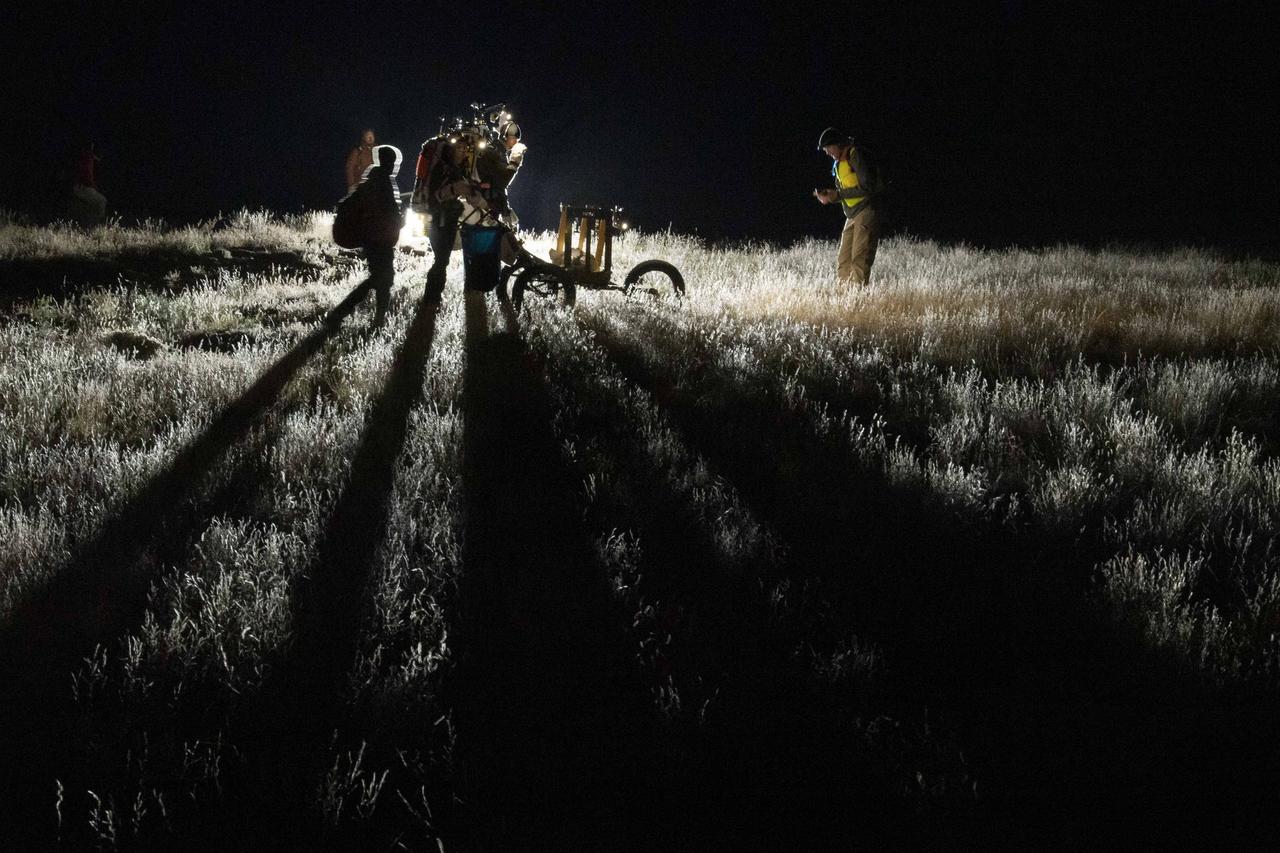
PHOTO DATE: 10-09-22 LOCATION: Flagstaff, Arizona SUBJECT: Photographic coverage of JETTS3 engineering night run 4. Joint EVA Test Team (JETT) Field Testing - JETT 3 fully integrated mission scale test to ensure successful surface operations and technology development for Artemis III. PHOTOGRAPHER: BILL STAFFORD
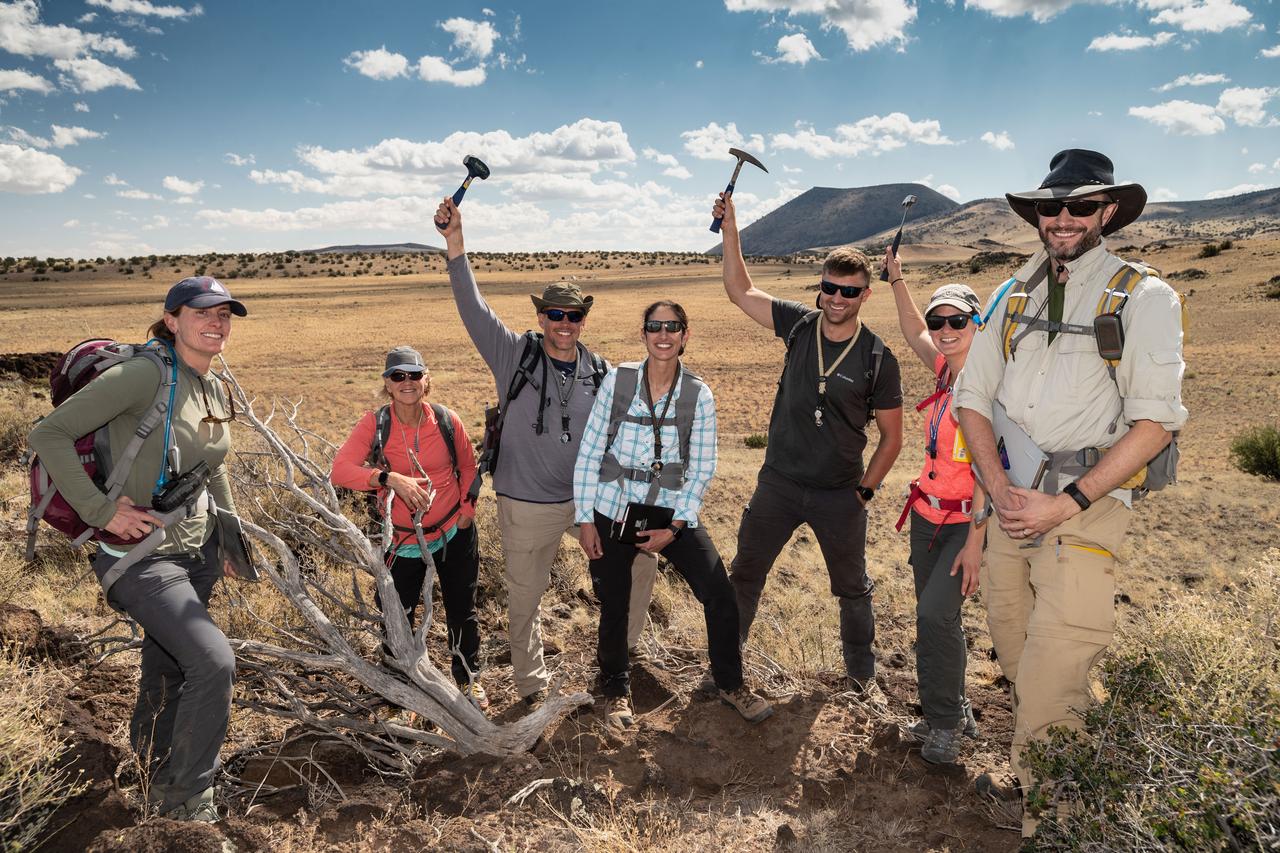
jsc2019e055210 (09-18-19) --- 2017 NASA astronaut candidates take a break with their field instructors during geology training in Arizona. Photo Credit: (NASA/Bill Stafford)
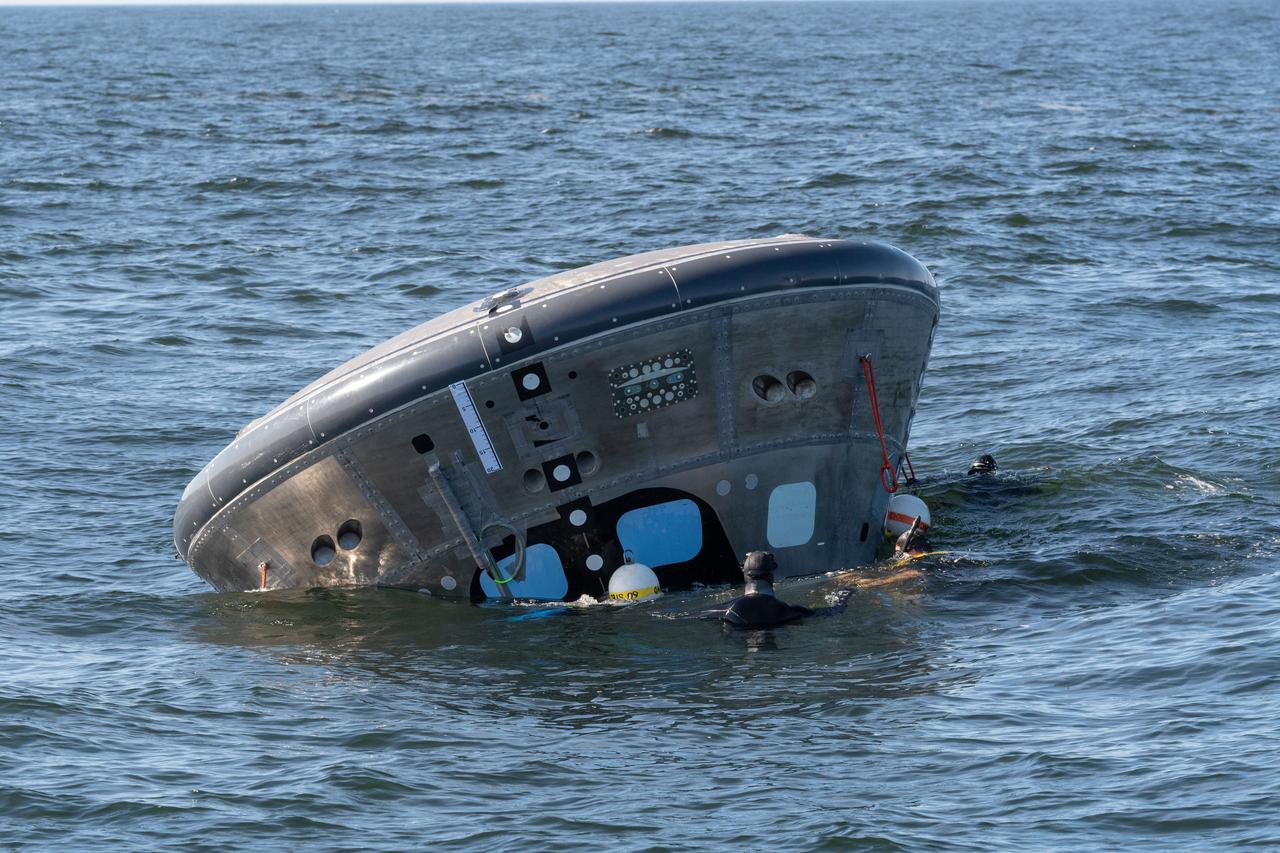
The Orion Crew Module Uprighting System (CMUS) and Neutral Buoyancy Laboratory team completed two successful sea tests off the coast of Galveston, Texas, Dec. 1-3, 2018. CMUS is designed to inflate five bags after the Orion spacecraft and its crew splash down after returning from deep space missions, enabling the capsule to upright itself. NASA partnered with United States Coast Guard and Air Force and Texas A&M Galveston teams to perform the tests operations.
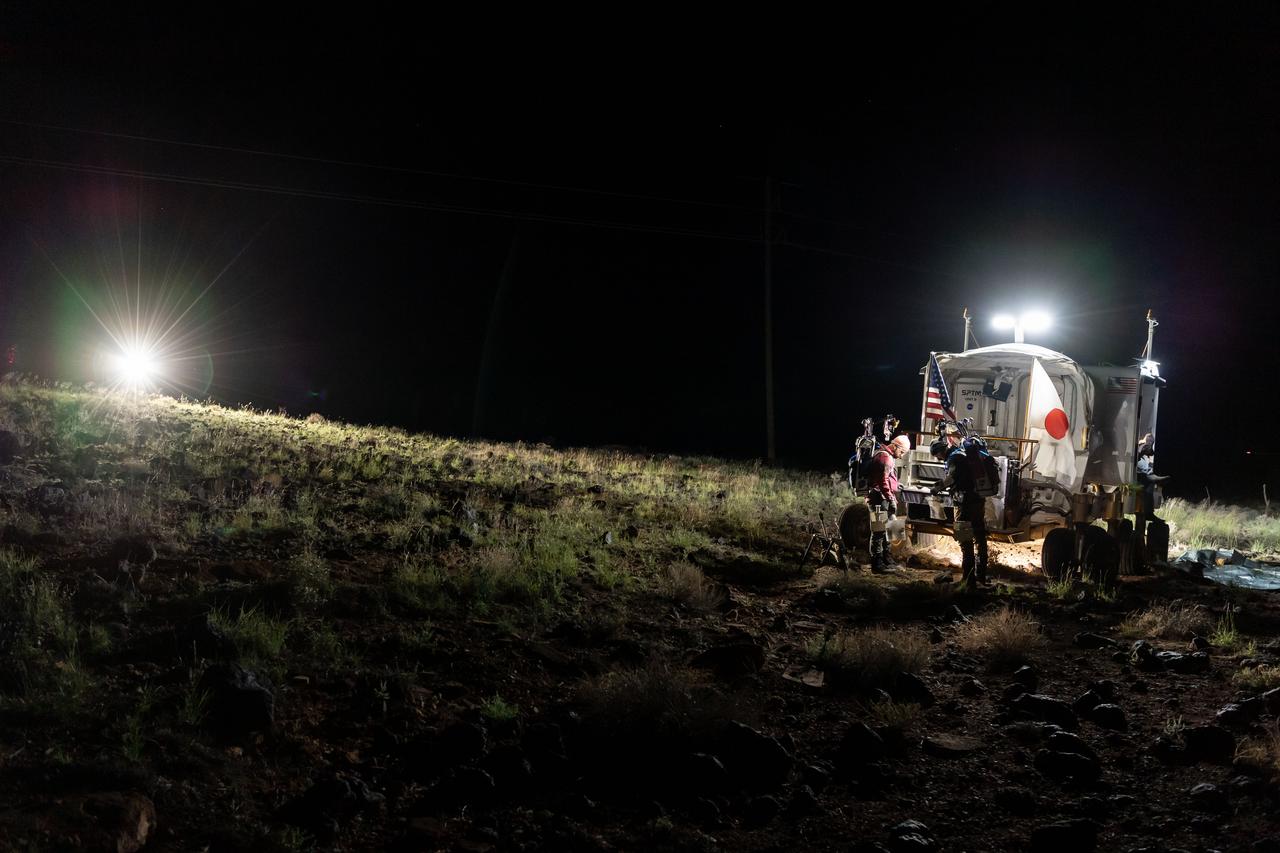
The Desert Research and Technology Studies (DesertRATS) is one of NASA’s analog missions to test hardware and operational scenarios in a remote environment with geographic similarities to the Moon and Mars. In October 2022, NASA evaluated rover design and operations, communications with the Mission Control Center and a Science Evaluation Room at NASA’s Johnson Space Center in Houston. A key element of the DesertRATS analog is the pressurized rover, a capability that is planned for astronaut surface exploration at the Moon and Mars. NASA has a study agreement with the Japan Aerospace Exploration Agency (JAXA) for development of the Artemis pressurized rover, and JAXA representatives joined NASA at DesertRATS.
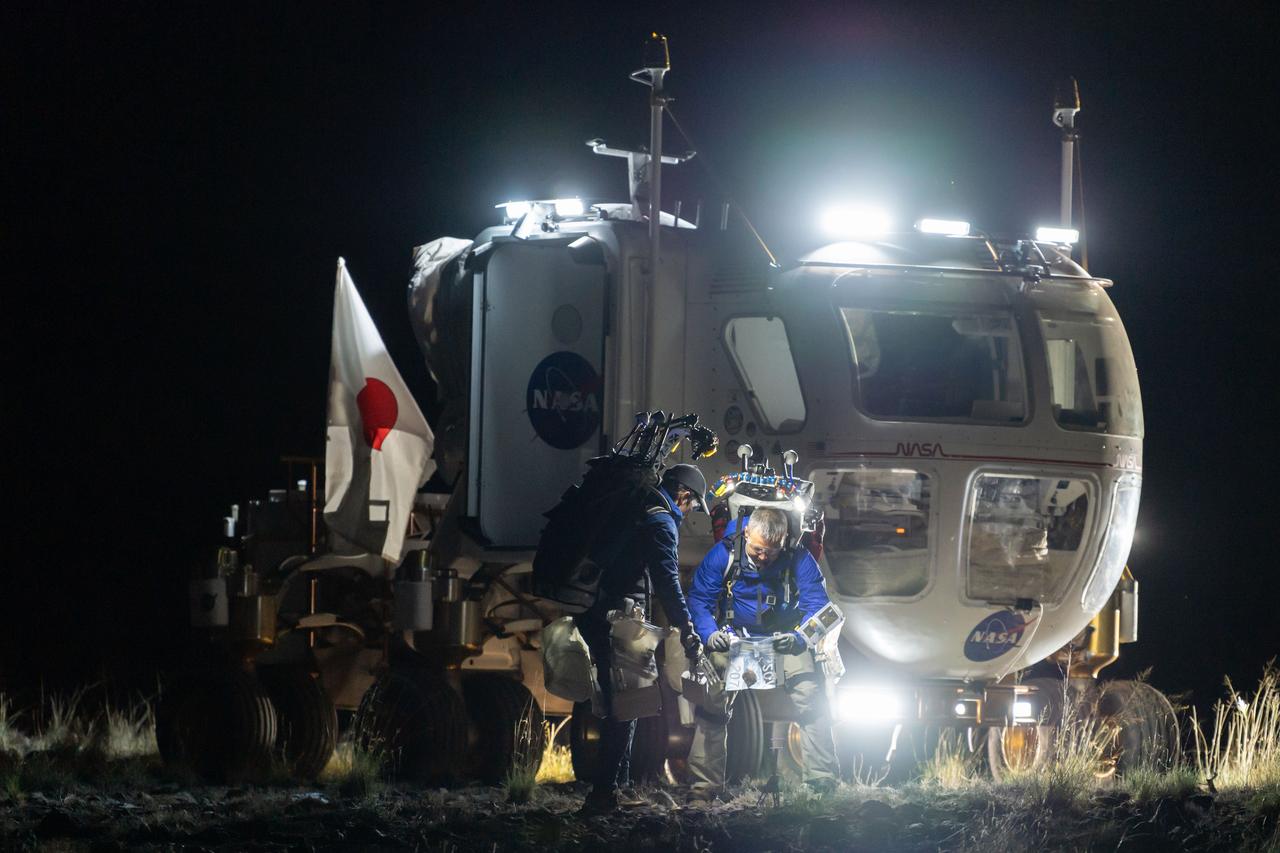
The Desert Research and Technology Studies (DesertRATS) is one of NASA’s analog missions to test hardware and operational scenarios in a remote environment with geographic similarities to the Moon and Mars. In October 2022, NASA evaluated rover design and operations, communications with the Mission Control Center and a Science Evaluation Room at NASA’s Johnson Space Center in Houston. A key element of the DesertRATS analog is the pressurized rover, a capability that is planned for astronaut surface exploration at the Moon and Mars. NASA has a study agreement with the Japan Aerospace Exploration Agency (JAXA) for development of the Artemis pressurized rover, and JAXA representatives joined NASA at DesertRATS.
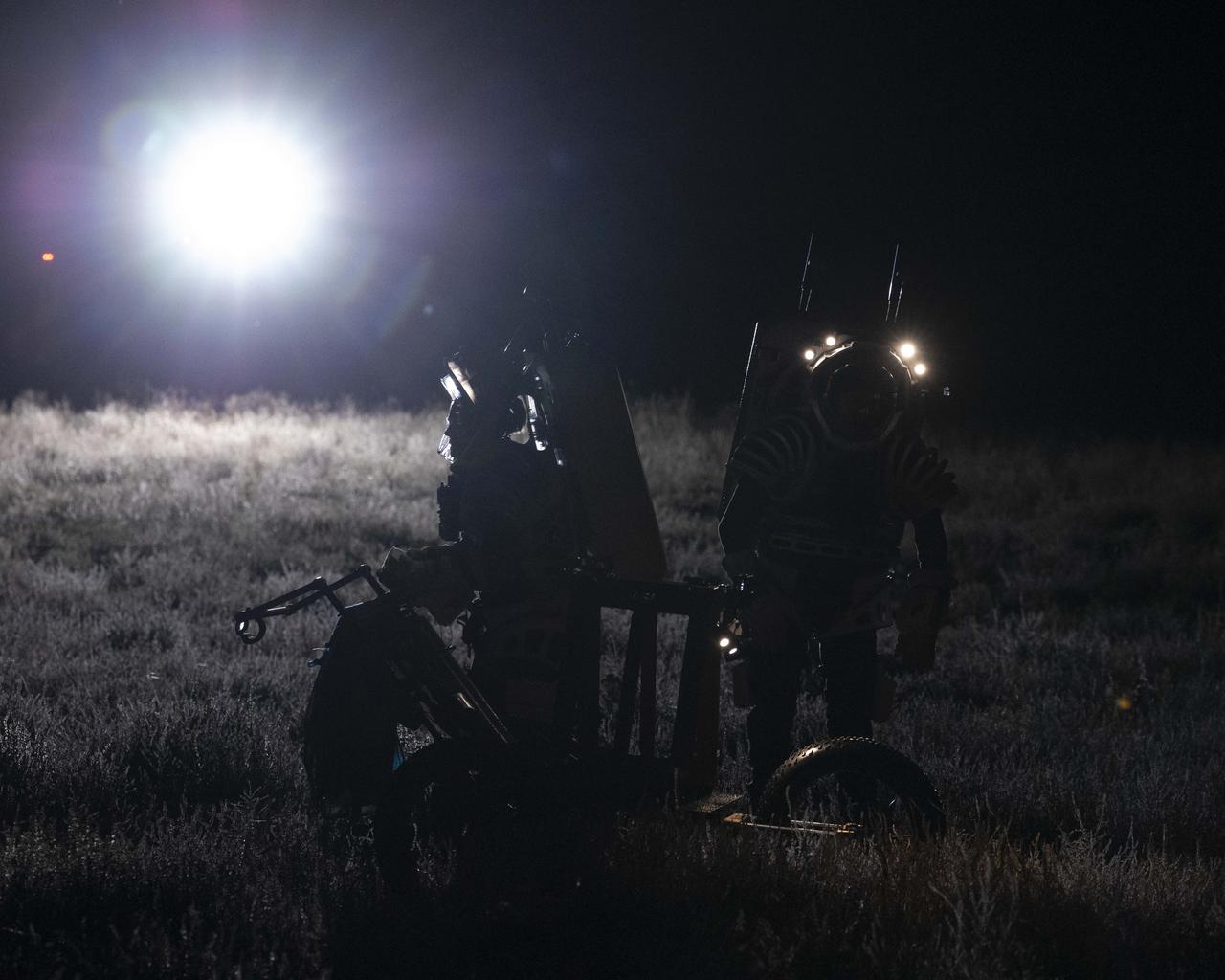
PHOTO DATE: 10-06-22 LOCATION: Flagstaff, Arizona SUBJECT: Photographic coverage of JETTS3 engineering night run 2. PHOTOGRAPHER: BILL STAFFORD
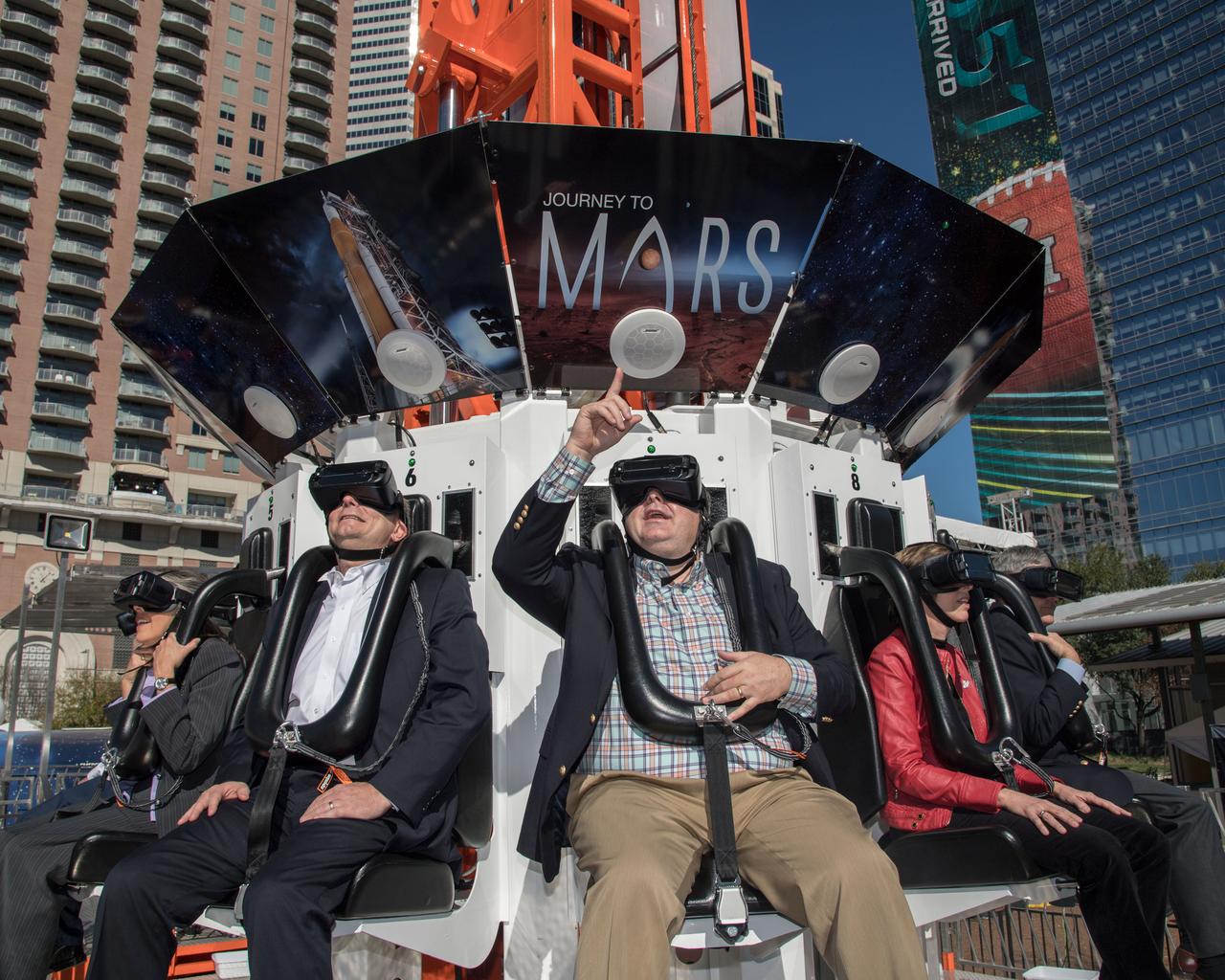
jsc2017e011382 (01/30/2017) --- Ready to take the Journey to Mars and back, a virtual reality experience at the Houston Texas Super Bowl, the Kennedy Space Center Director Robert Cabana (far right), Johnson Space Center Director Ellen Ochoa, Marshal Space Flight Center Director Todd May and the Orion Program Manager Mark Kirasich have been fitted with virtual headsets and are ready for the flight to begin. The Orion capsule will rise high above, some 90 feet, then drop suddenly to match and enhance the reality experience. The ride is part of the NASA Future Flight experience at the Super Bowl events in the Houston’s Discovery Green. NASA PHOTOGRAPHER: Bill Stafford
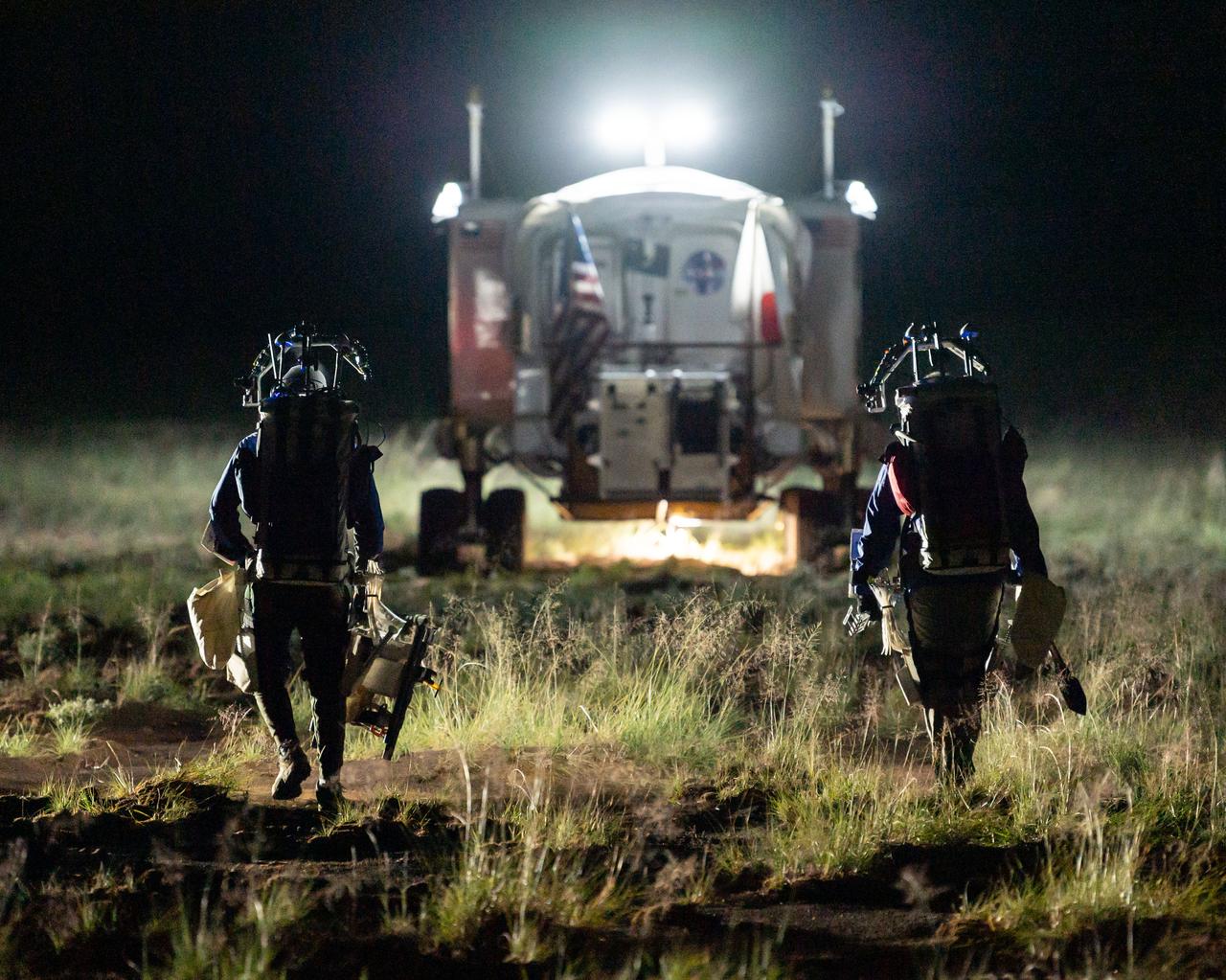
The Desert Research and Technology Studies (DesertRATS) is one of NASA’s analog missions to test hardware and operational scenarios in a remote environment with geographic similarities to the Moon and Mars. In October 2022, NASA evaluated rover design and operations, communications with the Mission Control Center and a Science Evaluation Room at NASA’s Johnson Space Center in Houston. A key element of the DesertRATS analog is the pressurized rover, a capability that is planned for astronaut surface exploration at the Moon and Mars. NASA has a study agreement with the Japan Aerospace Exploration Agency (JAXA) for development of the Artemis pressurized rover, and JAXA representatives joined NASA at DesertRATS.

jsc2019e055036 (09-17-19) --- 2017 NASA astronaut candidate Warren Hoburg examines samples during geology training in Arizona. Photo Credit: (NASA/Bill Stafford)
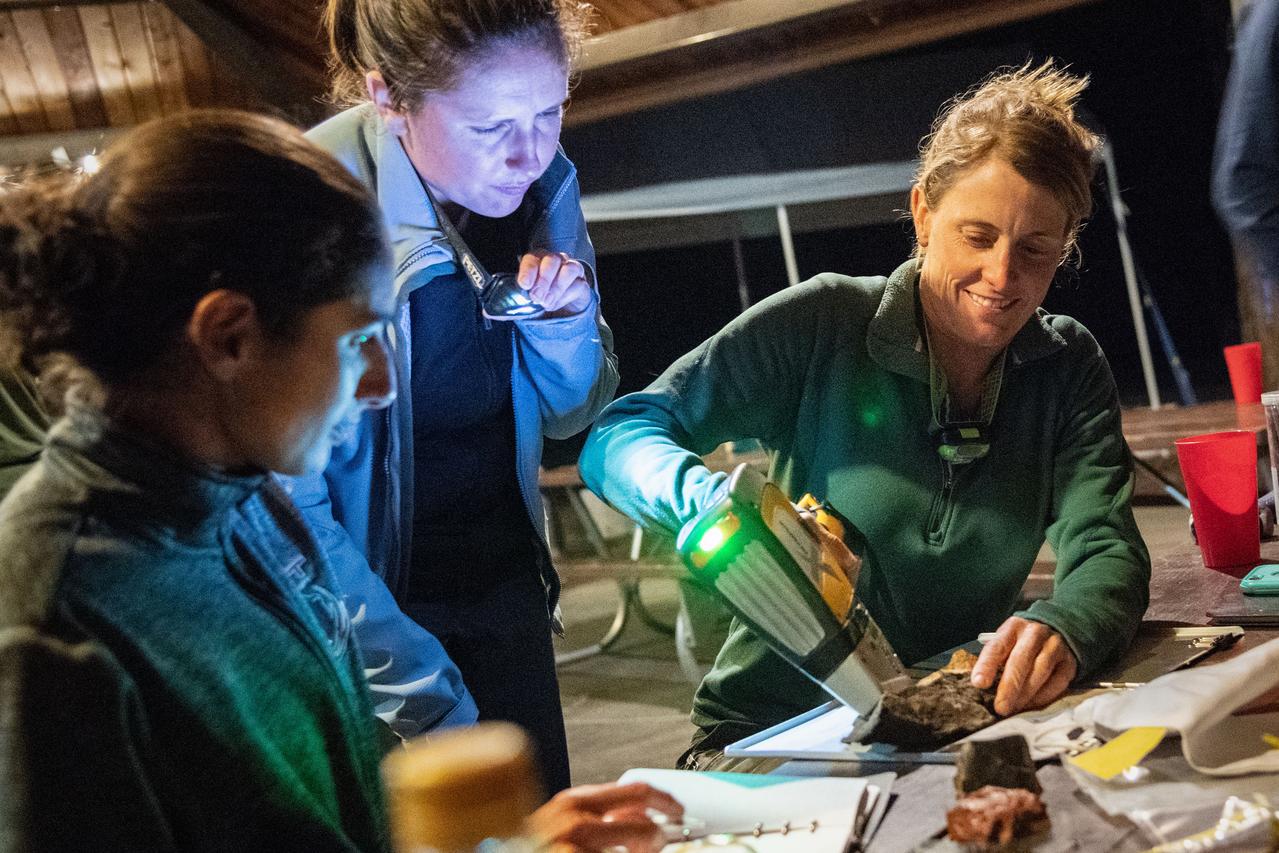
jsc2019e055001 (09-16-19) --- 2017 NASA astronaut candidate Loral O’Hara scans her sample during data collection during geology training in Arizona. Photo Credit: (NASA/Bill Stafford)
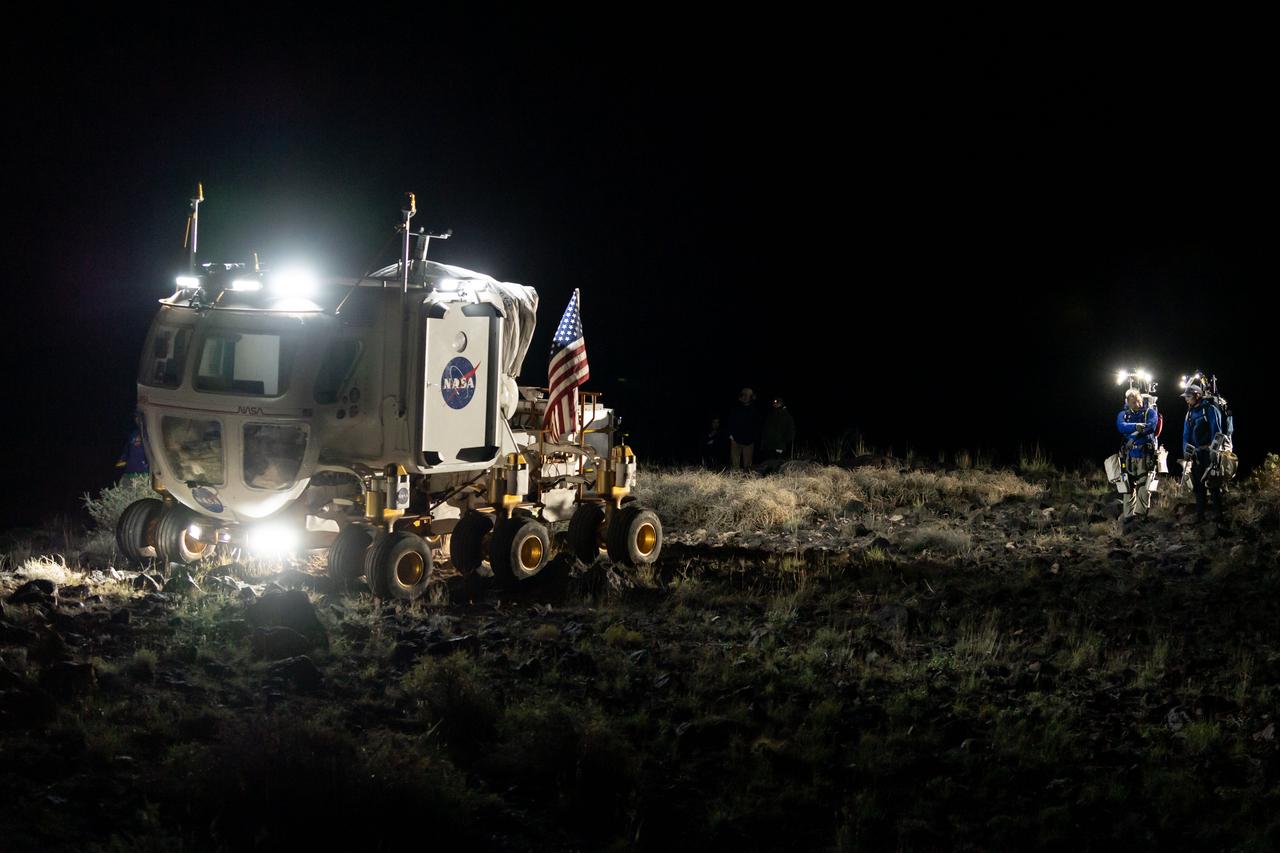
The Desert Research and Technology Studies (DesertRATS) is one of NASA’s analog missions to test hardware and operational scenarios in a remote environment with geographic similarities to the Moon and Mars. In October 2022, NASA evaluated rover design and operations, communications with the Mission Control Center and a Science Evaluation Room at NASA’s Johnson Space Center in Houston. A key element of the DesertRATS analog is the pressurized rover, a capability that is planned for astronaut surface exploration at the Moon and Mars. NASA has a study agreement with the Japan Aerospace Exploration Agency (JAXA) for development of the Artemis pressurized rover, and JAXA representatives joined NASA at DesertRATS.
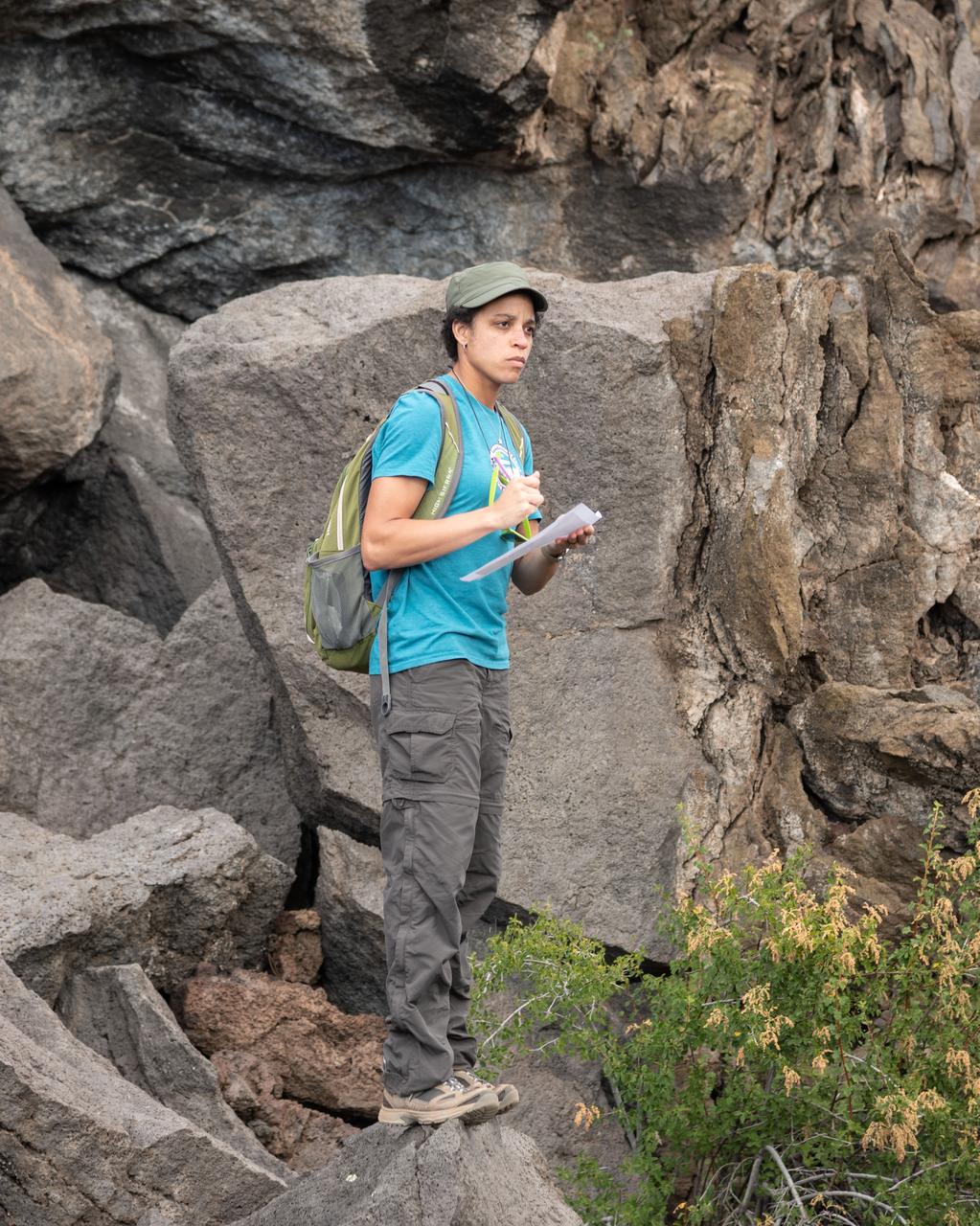
jsc2019e054791 (09-15-19) --- 2017 NASA astronaut candidate Jessica Watkins takes notes during geology training in Arizona. Photo Credit: (NASA/Bill Stafford)
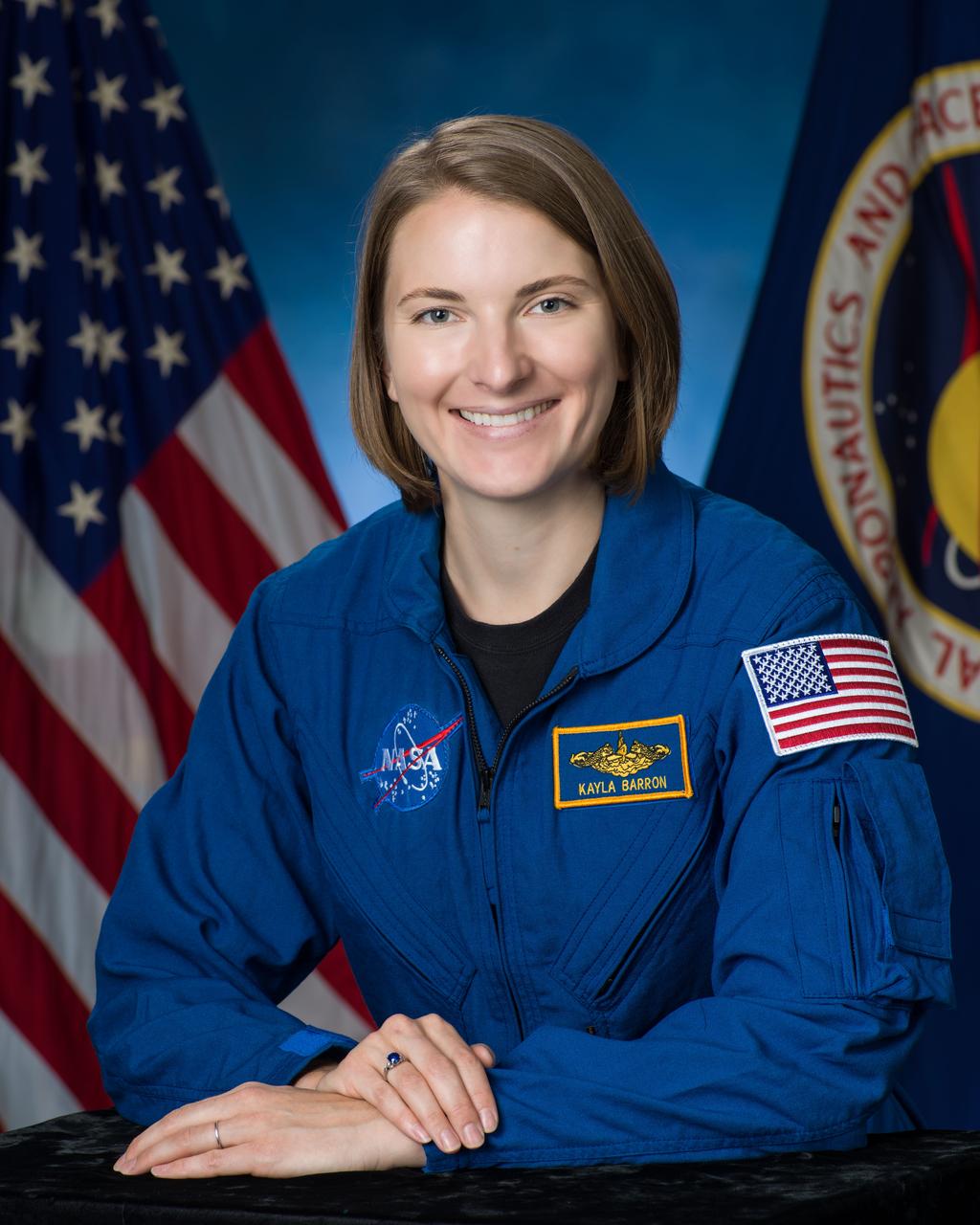
jsc2017e118421 (Oct. 25, 2017) --- 2017 NASA Astronaut Candidate Kayla Baron.
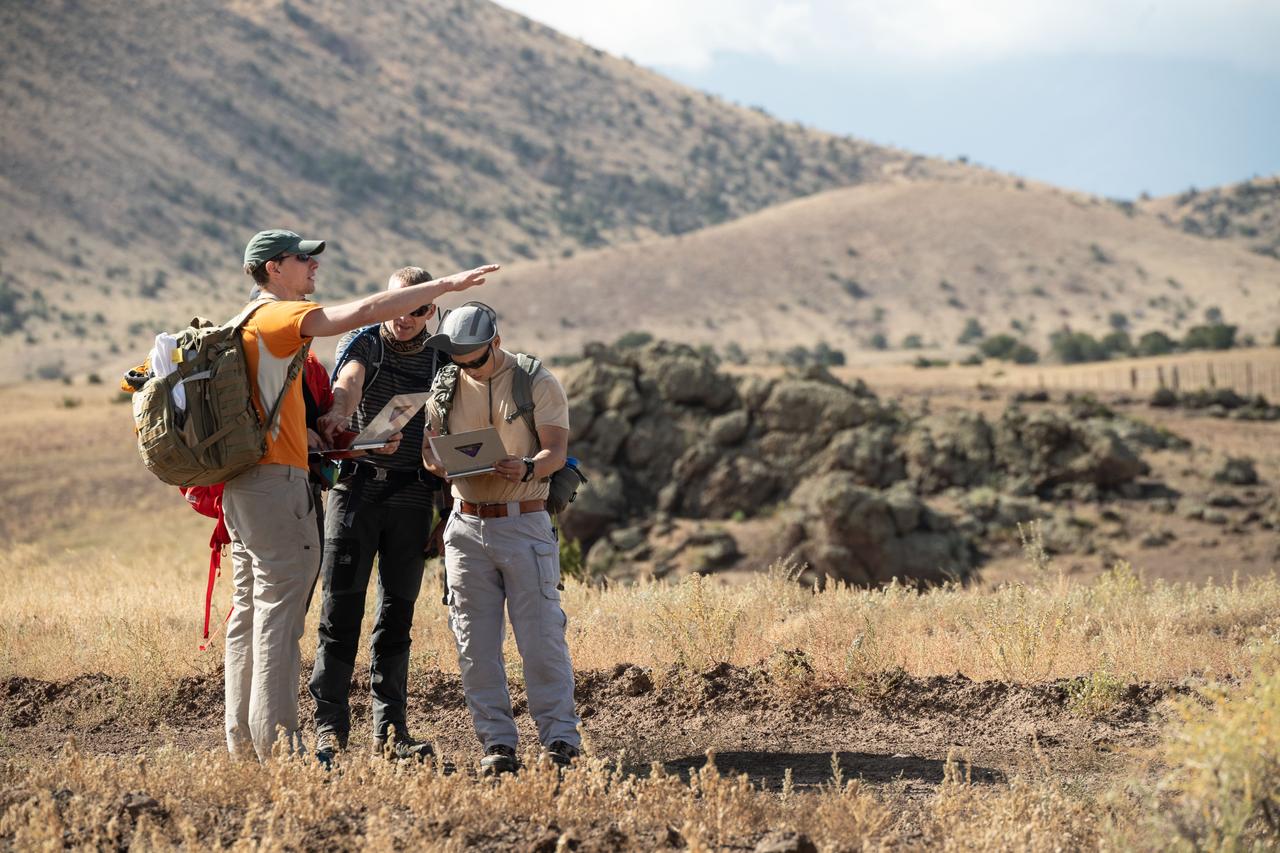
jsc2019e055078 (09-17-19) --- 2017 NASA astronaut candidates Warren Hoburg (left) and Jonny Kim (right) input field data during geology training in Arizona. Photo Credit: (NASA/Bill Stafford)

The Orion Crew Module Uprighting System (CMUS) and Neutral Buoyancy Laboratory team completed two successful sea tests off the coast of Galveston, Texas, Dec. 1-3, 2018. CMUS is designed to inflate five bags after the Orion spacecraft and its crew splash down after returning from deep space missions, enabling the capsule to upright itself. NASA partnered with United States Coast Guard and Air Force and Texas A&M Galveston teams to perform the tests operations.
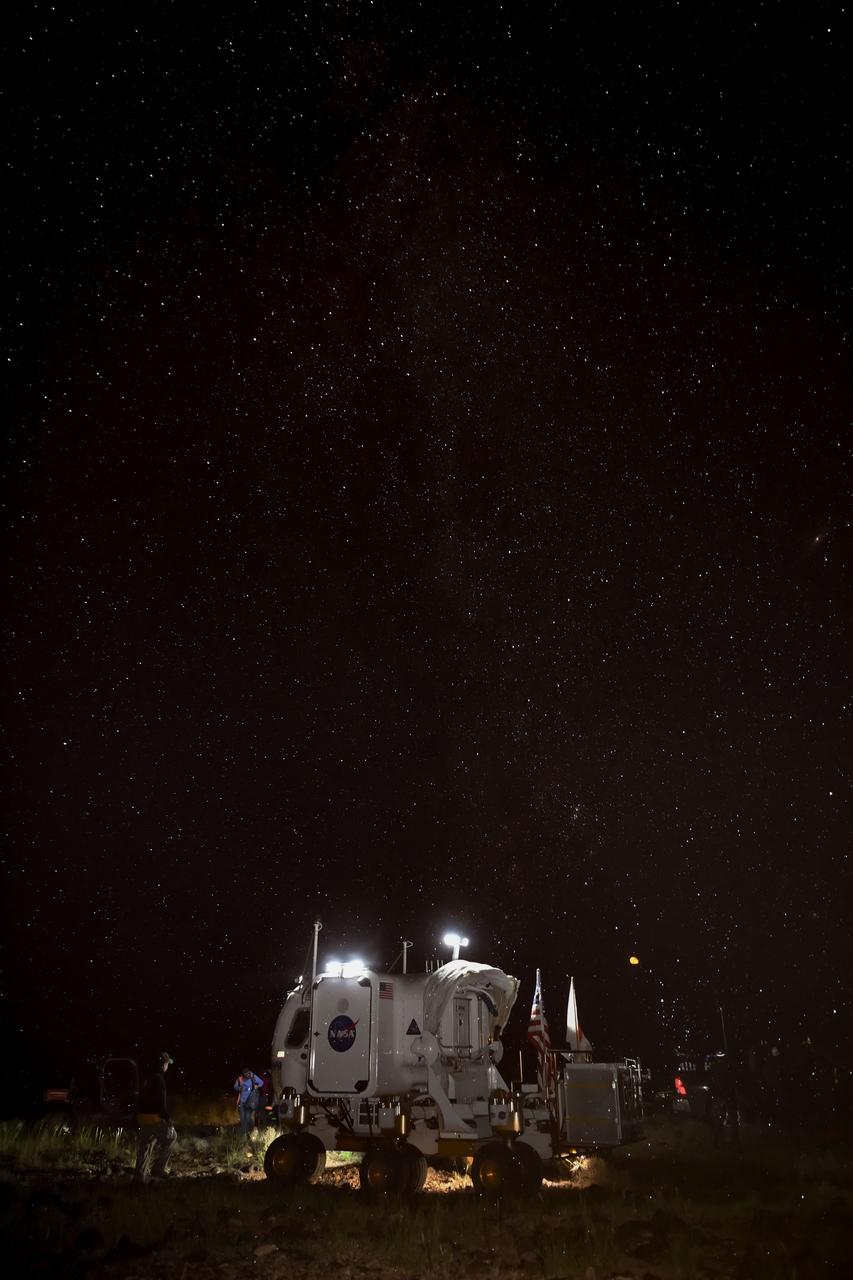
The Desert Research and Technology Studies (DesertRATS) is one of NASA’s analog missions to test hardware and operational scenarios in a remote environment with geographic similarities to the Moon and Mars. In October 2022, NASA evaluated rover design and operations, communications with the Mission Control Center and a Science Evaluation Room at NASA’s Johnson Space Center in Houston. A key element of the DesertRATS analog is the pressurized rover, a capability that is planned for astronaut surface exploration at the Moon and Mars. NASA has a study agreement with the Japan Aerospace Exploration Agency (JAXA) for development of the Artemis pressurized rover, and JAXA representatives joined NASA at DesertRATS.
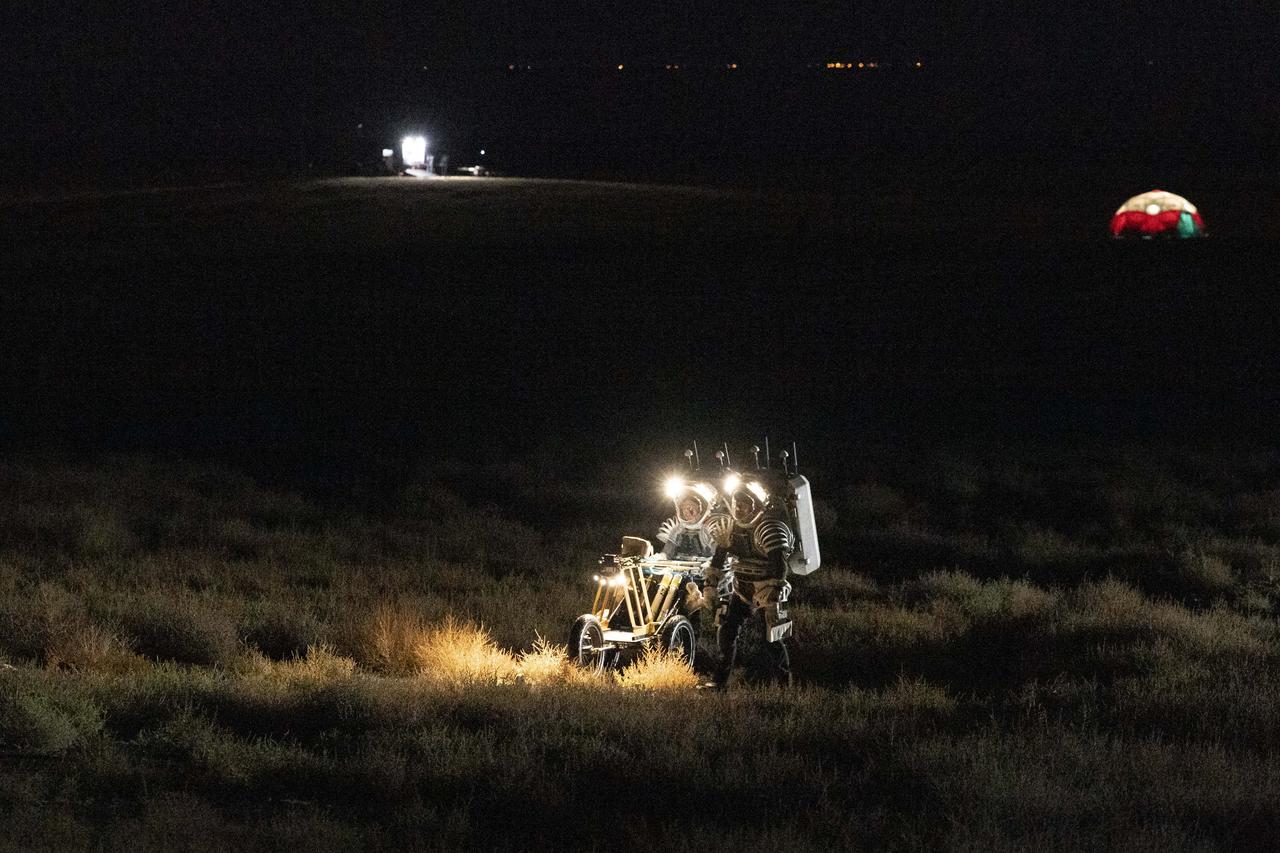
PHOTO DATE: 10-06-22 LOCATION: Flagstaff, Arizona SUBJECT: Photographic coverage of JETTS3 engineering night run 2. PHOTOGRAPHER: BILL STAFFORD
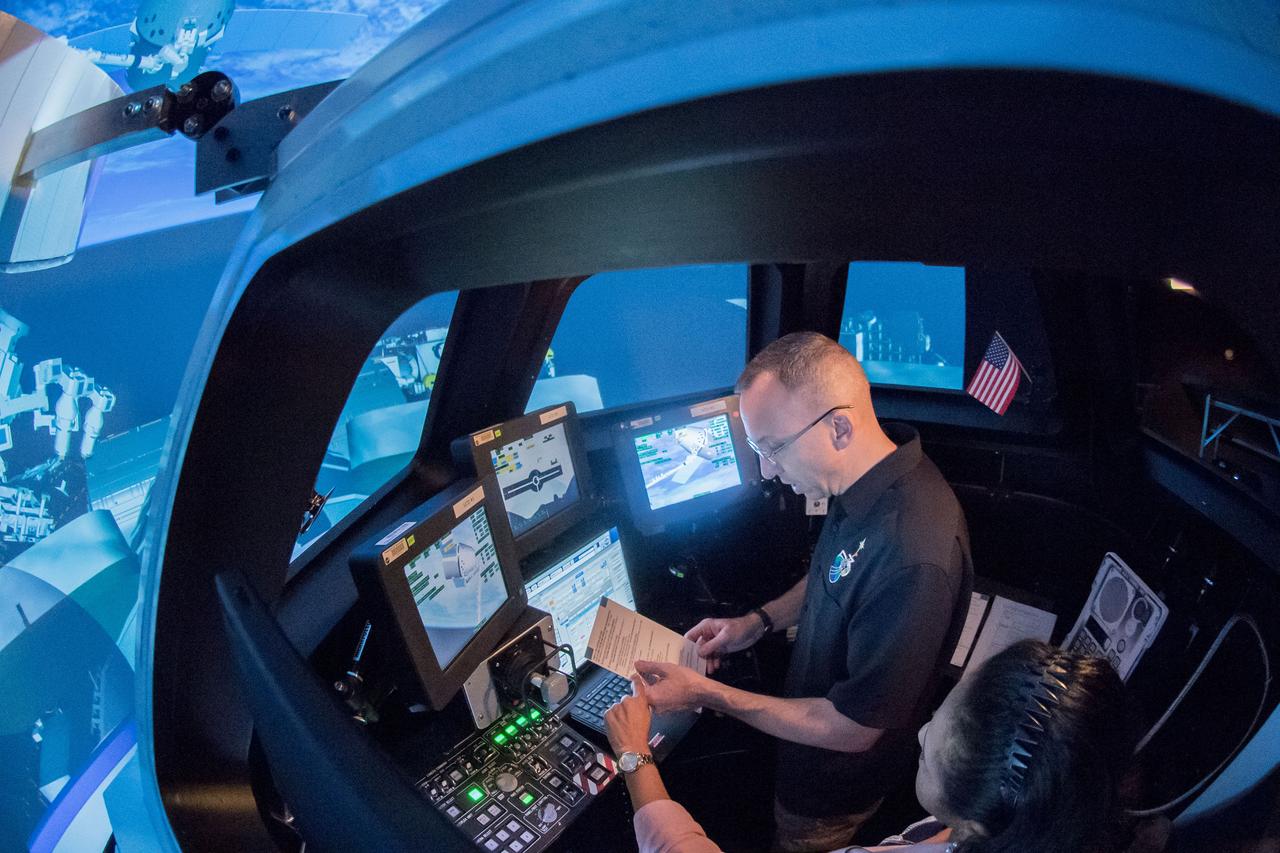
jsc2017e007812 (01/18/2017) --- Expedition 52 crew member astronaut Randy Bresnik at the Johnson Space Center training with the ROBO Track & Capture system in preparation for his upcoming trip to the International Space Station.
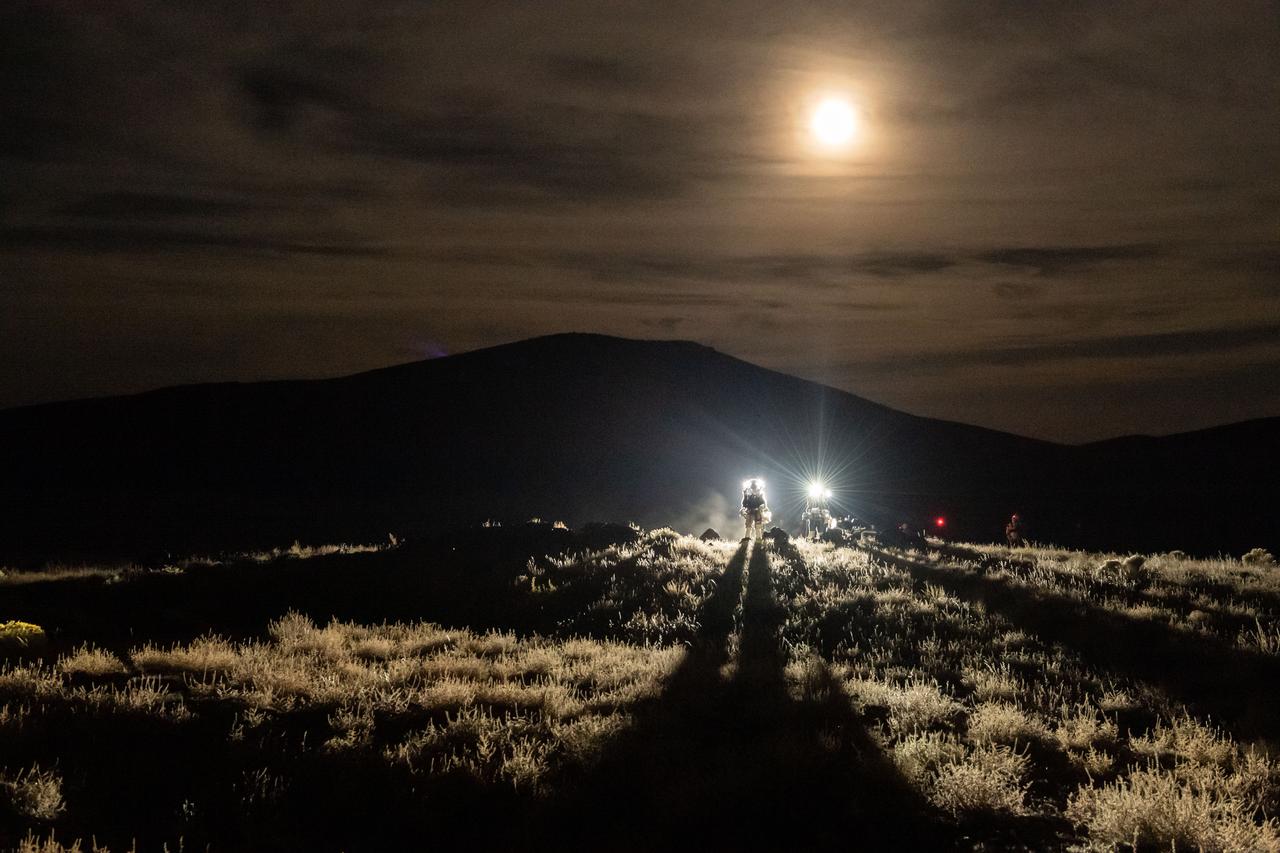
PHOTO DATE: 10-20-21 LOCATION: Flagstaff, Arizona - Field Location SUBJECT: Photographic support and coverage of night field evaluation. EVA Test #1 PHOTOGRAPHER: BILL STAFFORD
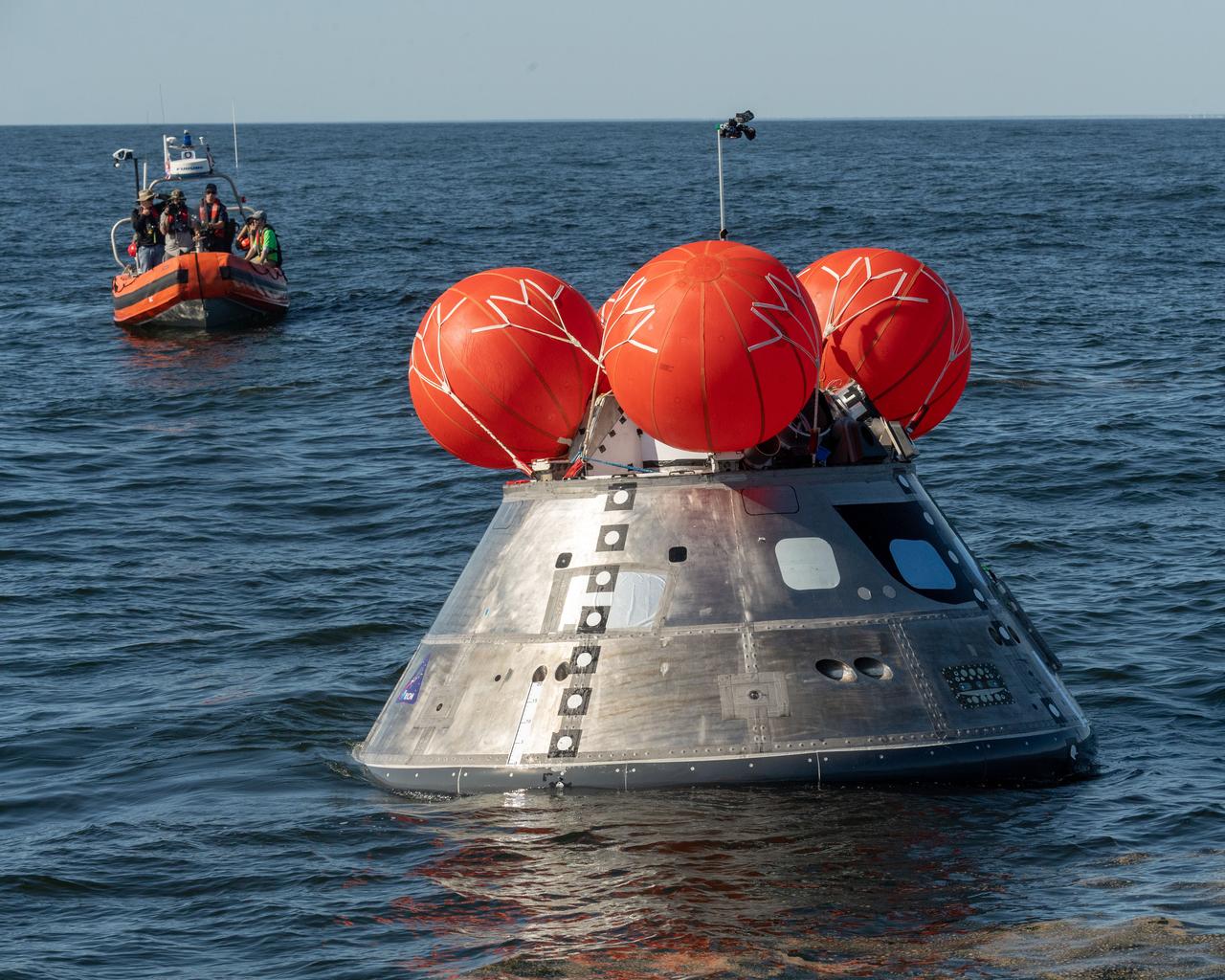
The Orion Crew Module Uprighting System (CMUS) and Neutral Buoyancy Laboratory team completed two successful sea tests off the coast of Galveston, Texas, Dec. 1-3, 2018. CMUS is designed to inflate five bags after the Orion spacecraft and its crew splash down after returning from deep space missions, enabling the capsule to upright itself. NASA partnered with United States Coast Guard and Air Force and Texas A&M Galveston teams to perform the tests operations.
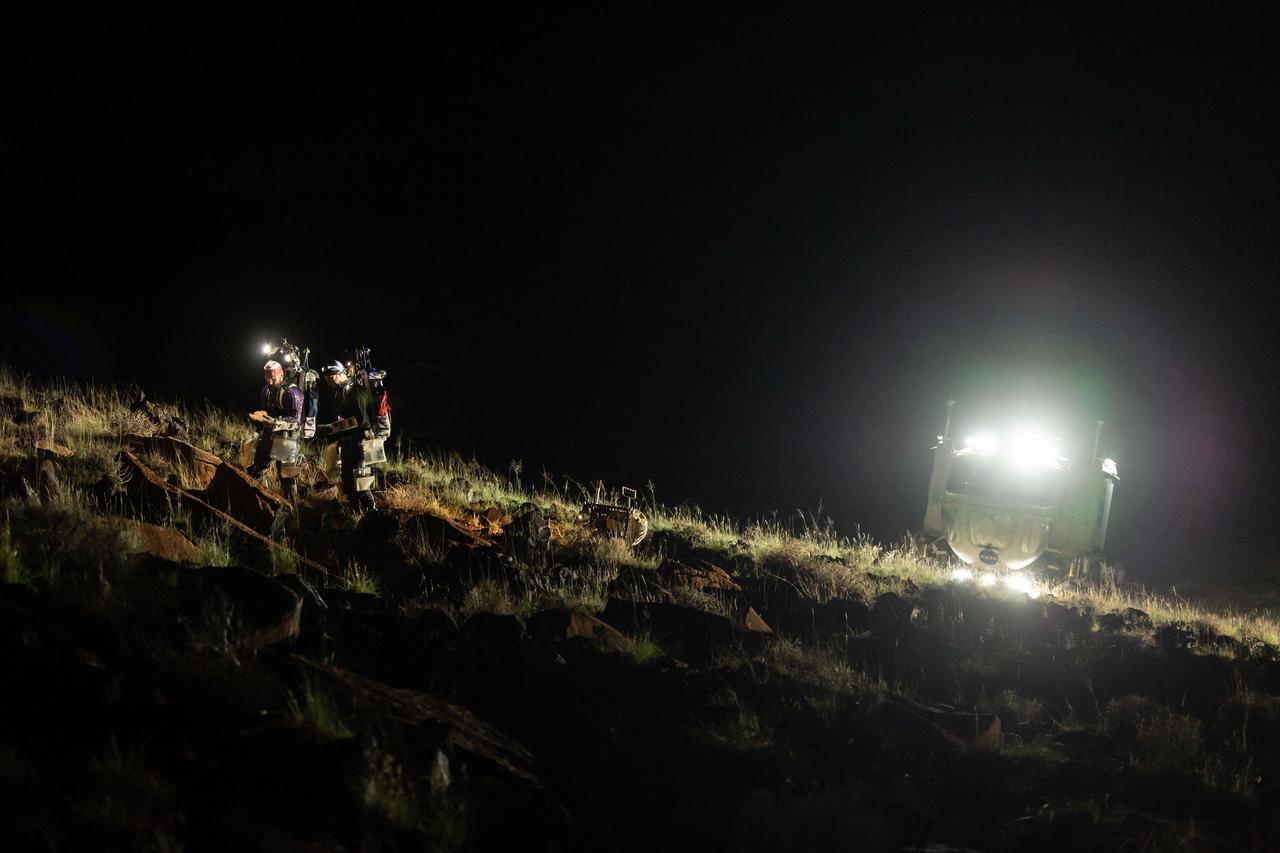
The Desert Research and Technology Studies (DesertRATS) is one of NASA’s analog missions to test hardware and operational scenarios in a remote environment with geographic similarities to the Moon and Mars. In October 2022, NASA evaluated rover design and operations, communications with the Mission Control Center and a Science Evaluation Room at NASA’s Johnson Space Center in Houston. A key element of the DesertRATS analog is the pressurized rover, a capability that is planned for astronaut surface exploration at the Moon and Mars. NASA has a study agreement with the Japan Aerospace Exploration Agency (JAXA) for development of the Artemis pressurized rover, and JAXA representatives joined NASA at DesertRATS.
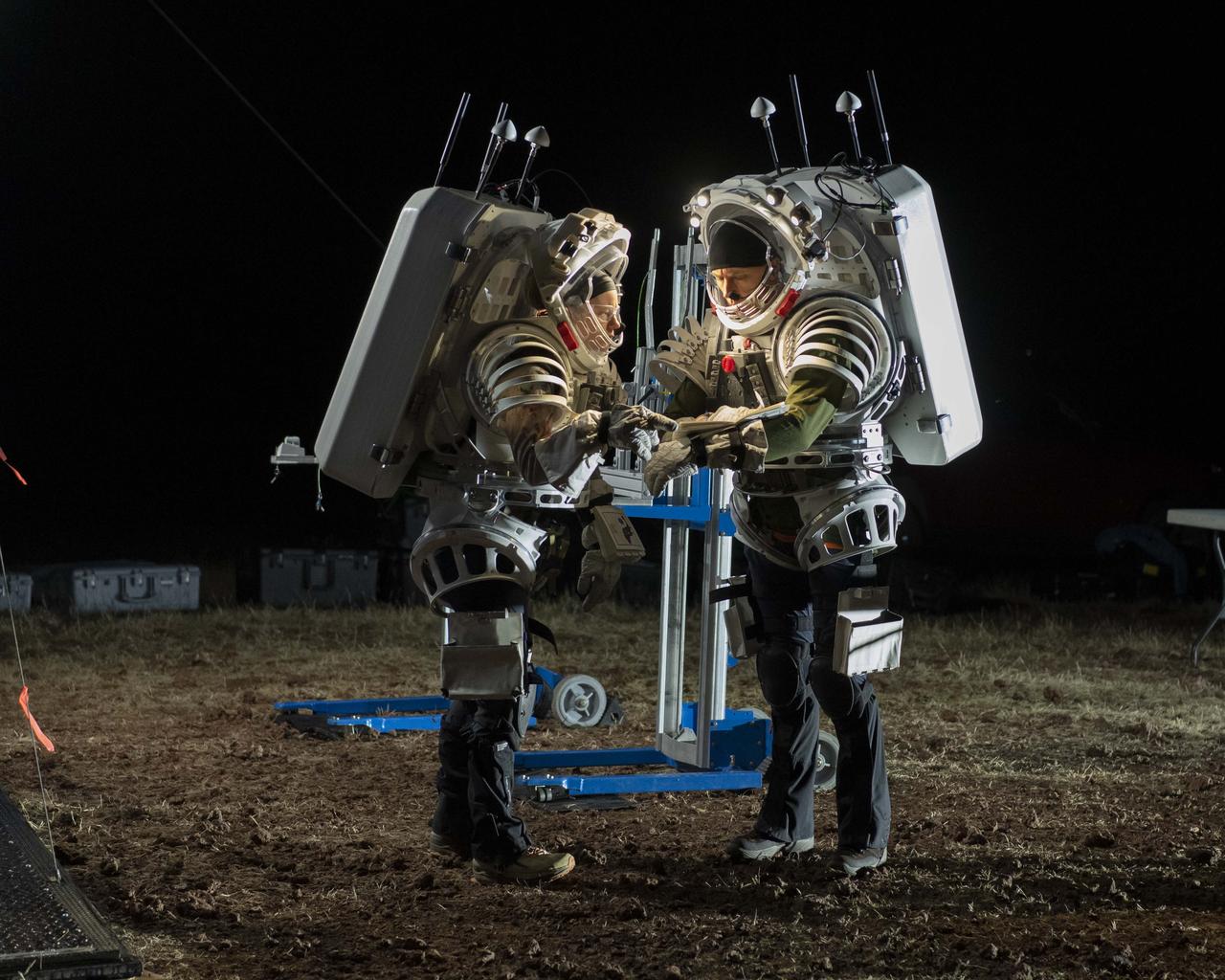
PHOTO DATE: 10-06-22 LOCATION: Flagstaff, Arizona SUBJECT: Photographic coverage of JETTS3 engineering night run 2. PHOTOGRAPHER: BILL STAFFORD
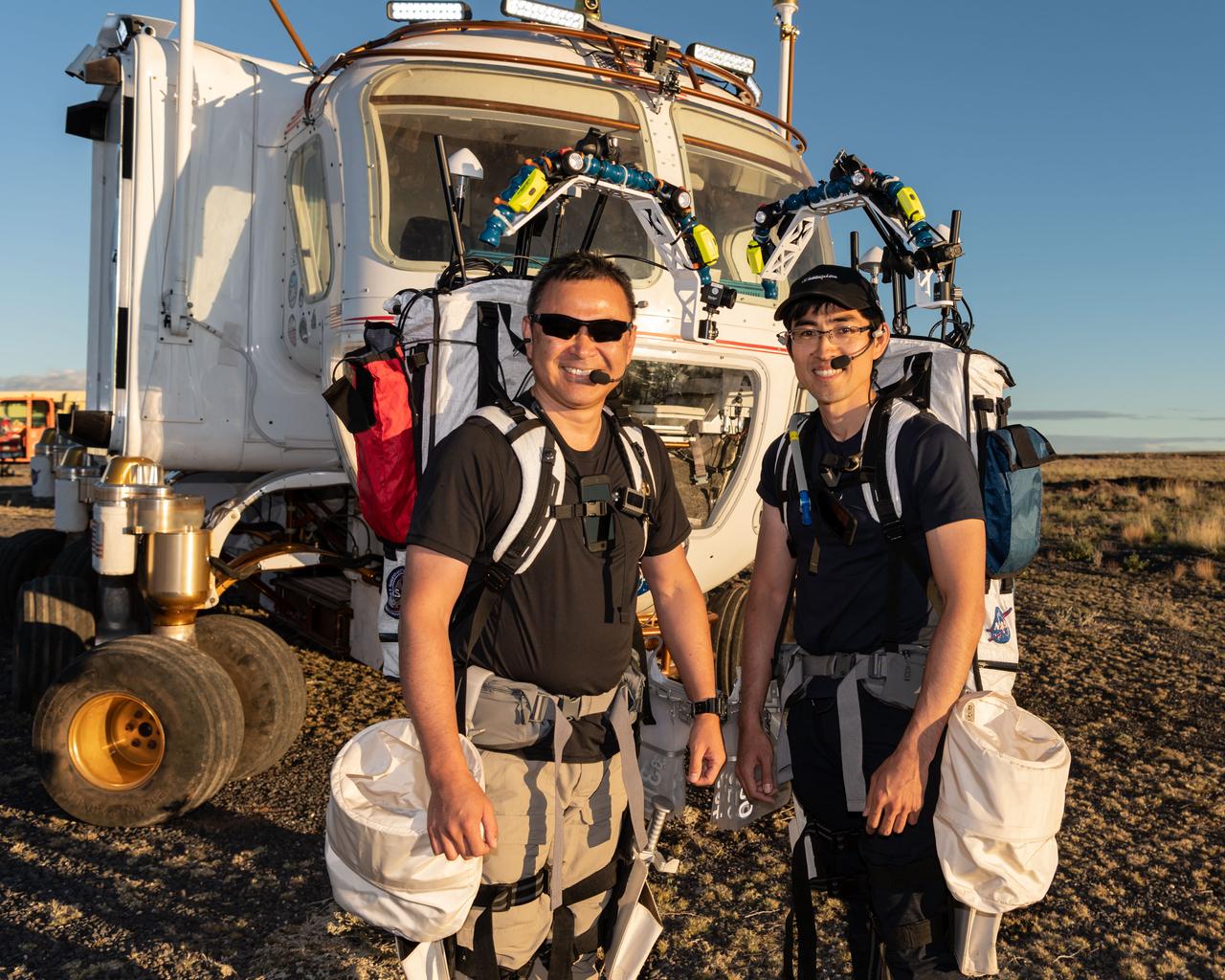
The Desert Research and Technology Studies (DesertRATS) is one of NASA’s analog missions to test hardware and operational scenarios in a remote environment with geographic similarities to the Moon and Mars. In October 2022, NASA evaluated rover design and operations, communications with the Mission Control Center and a Science Evaluation Room at NASA’s Johnson Space Center in Houston. A key element of the DesertRATS analog is the pressurized rover, a capability that is planned for astronaut surface exploration at the Moon and Mars. NASA has a study agreement with the Japan Aerospace Exploration Agency (JAXA) for development of the Artemis pressurized rover, and JAXA representatives joined NASA at DesertRATS.
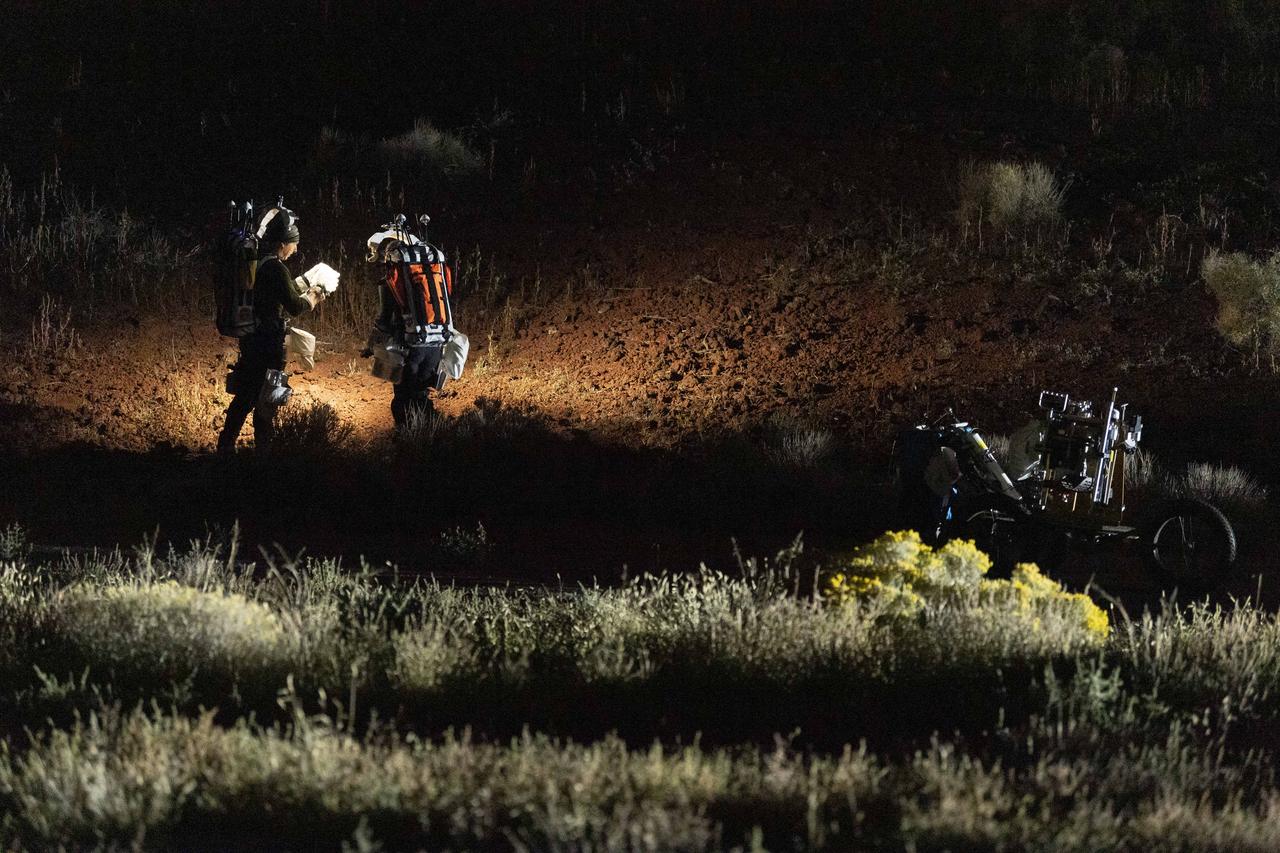
PHOTO DATE: 10-08-22 LOCATION: Flagstaff, Arizona SUBJECT: Photographic coverage of JETTS3 engineering night run 3. PHOTOGRAPHER: BILL STAFFORD

The Orion Crew Module Uprighting System (CMUS) and Neutral Buoyancy Laboratory team completed two successful sea tests off the coast of Galveston, Texas, Dec. 1-3, 2018. CMUS is designed to inflate five bags after the Orion spacecraft and its crew splash down after returning from deep space missions, enabling the capsule to upright itself. NASA partnered with United States Coast Guard and Air Force and Texas A&M Galveston teams to perform the tests operations.
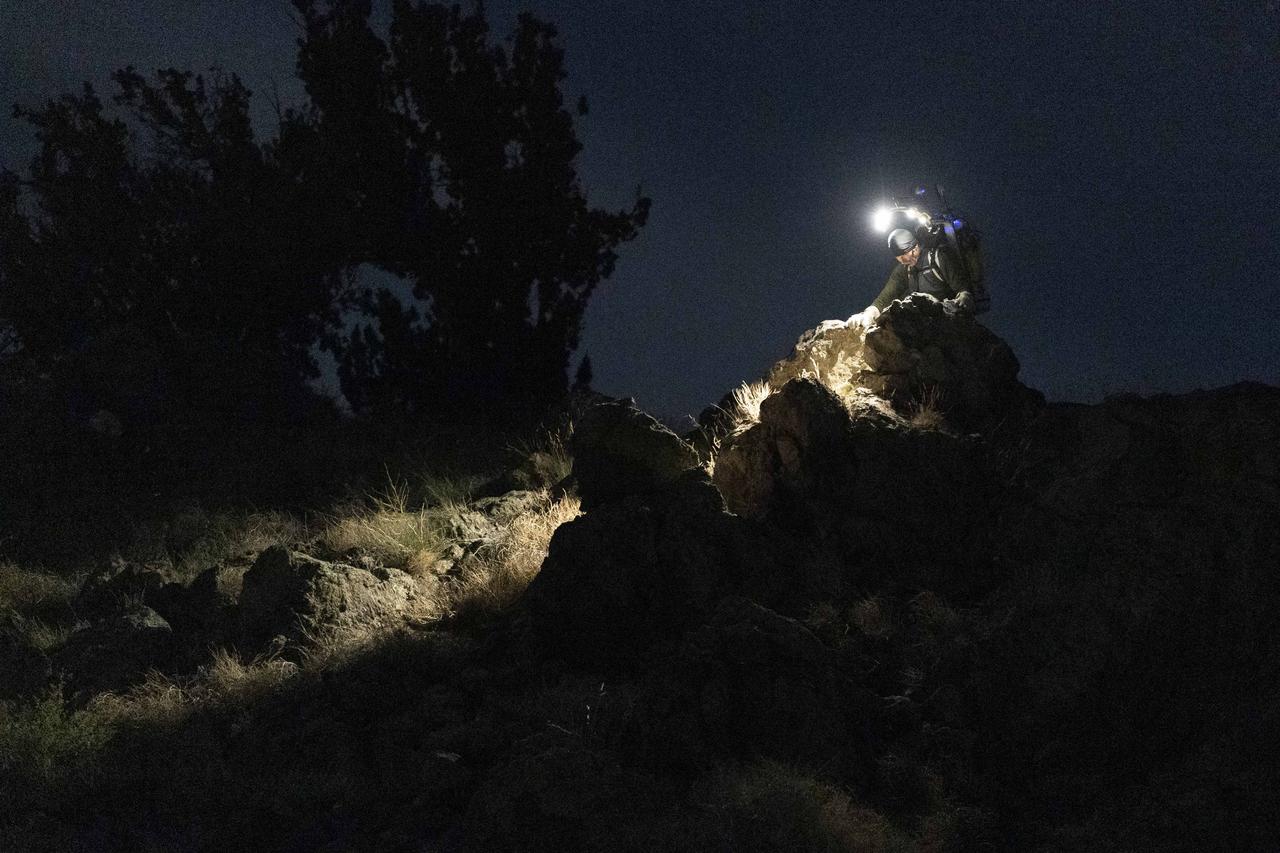
PHOTO DATE: 10-08-22 LOCATION: Flagstaff, Arizona SUBJECT: Photographic coverage of JETTS3 engineering night run 3. PHOTOGRAPHER: BILL STAFFORD
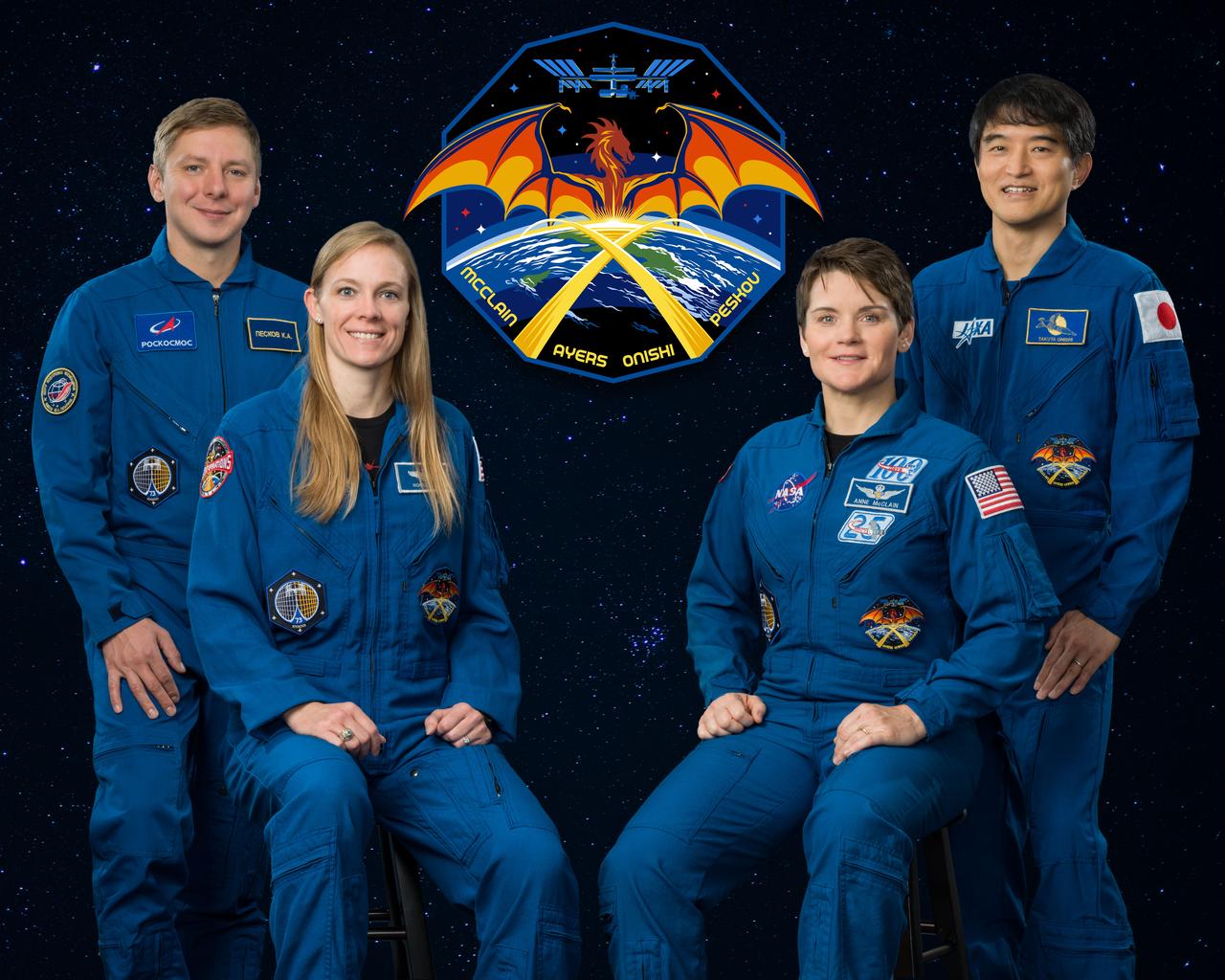
jsc2024e077921 (Oct. 10, 2024) --- The official portrait of NASA's SpaceX Crew-10 members with (from left) Mission Specialist Kirill Peskov of Roscosmos; Pilot Nicole Ayers and Commander Anne McClain, both NASA astronauts; and Mission Specialist Takuya Onishi from JAXA (Japan Aerospace Exploration Agency). Credit: NASA/Bill Stafford/Helen Arase Vargas
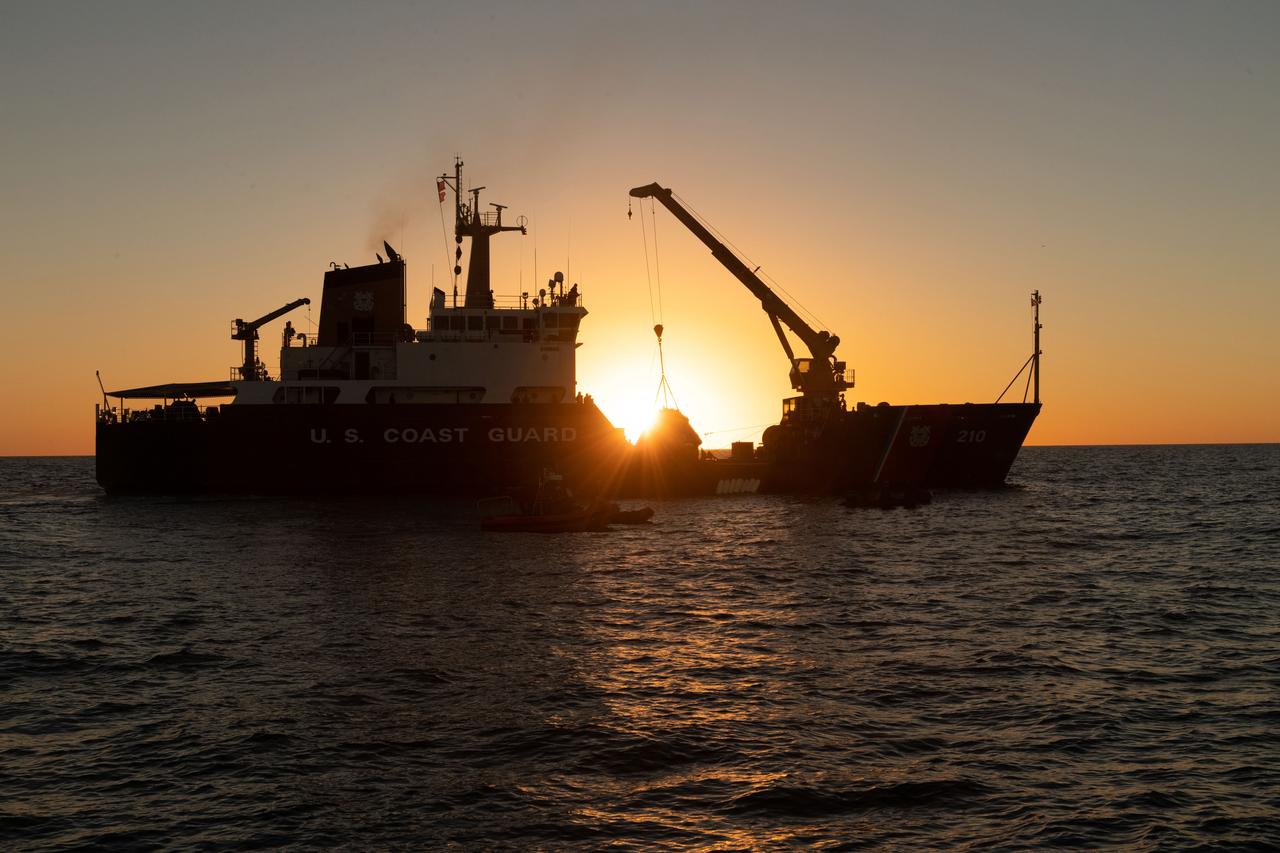
The Orion Crew Module Uprighting System (CMUS) and Neutral Buoyancy Laboratory team completed two successful sea tests off the coast of Galveston, Texas, Dec. 1-3, 2018. CMUS is designed to inflate five bags after the Orion spacecraft and its crew splash down after returning from deep space missions, enabling the capsule to upright itself. NASA partnered with United States Coast Guard and Air Force and Texas A&M Galveston teams to perform the tests operations.
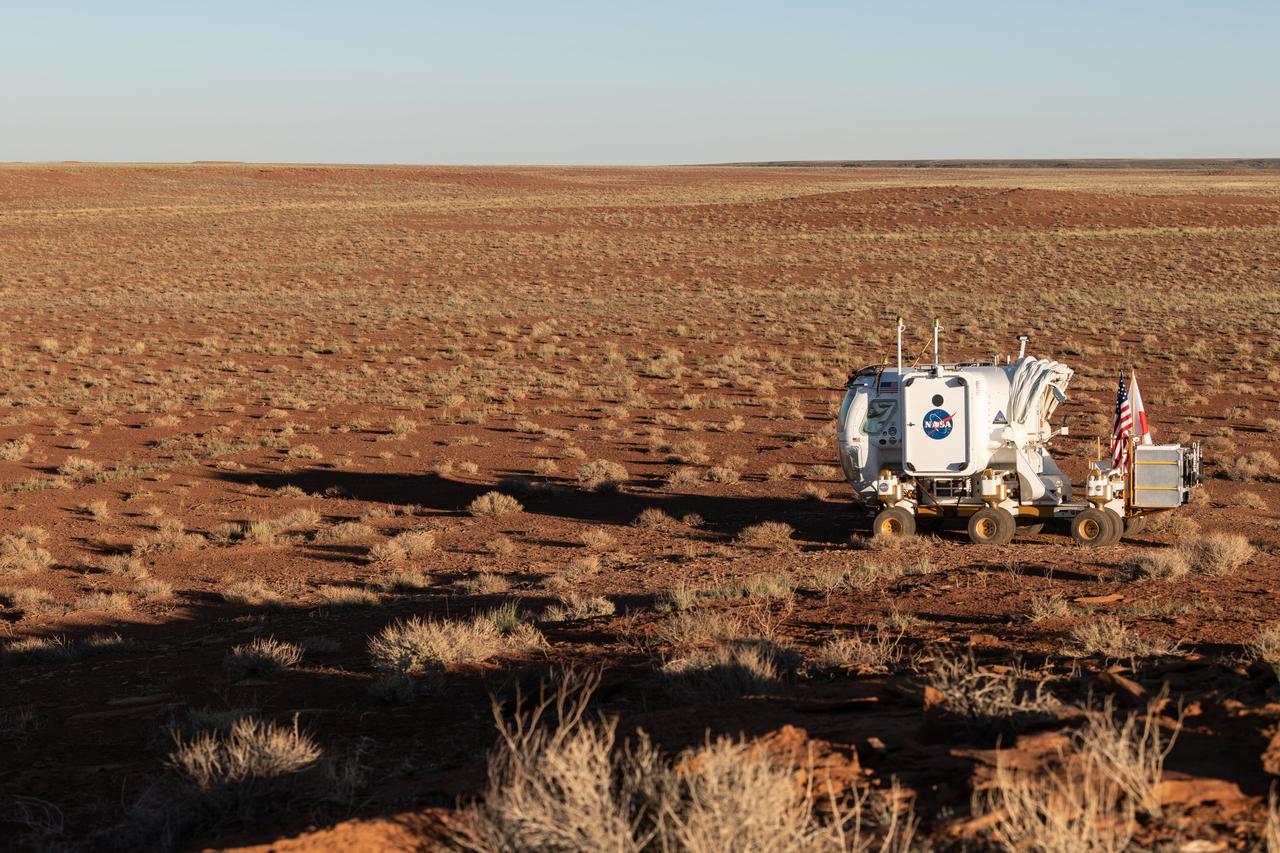
The Desert Research and Technology Studies (DesertRATS) is one of NASA’s analog missions to test hardware and operational scenarios in a remote environment with geographic similarities to the Moon and Mars. In October 2022, NASA evaluated rover design and operations, communications with the Mission Control Center and a Science Evaluation Room at NASA’s Johnson Space Center in Houston. A key element of the DesertRATS analog is the pressurized rover, a capability that is planned for astronaut surface exploration at the Moon and Mars. NASA has a study agreement with the Japan Aerospace Exploration Agency (JAXA) for development of the Artemis pressurized rover, and JAXA representatives joined NASA at DesertRATS.
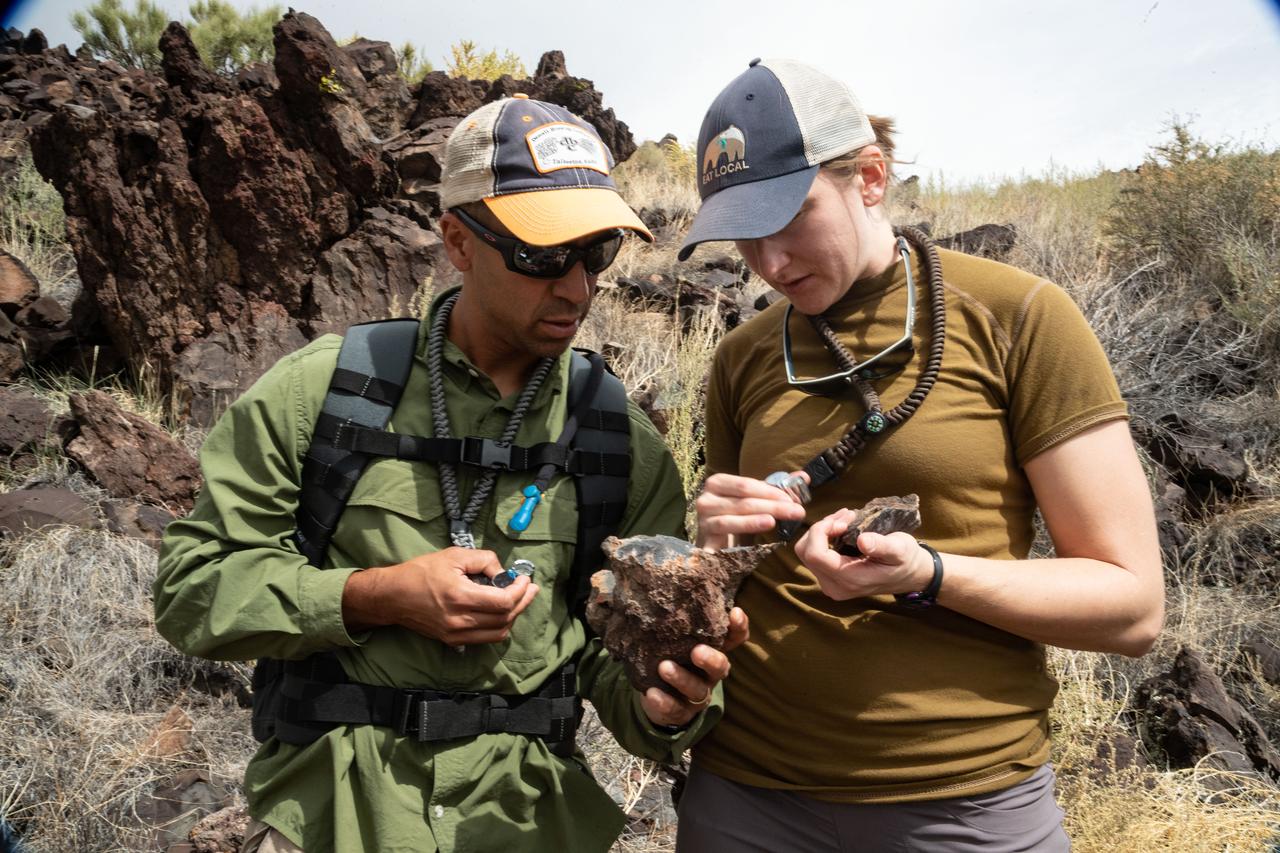
jsc2019e054895 (09-16-19) --- 2017 NASA astronaut candidates Raja Chari and Kayla Barron examines samples during geology training in Arizona. Photo Credit: (NASA/Bill Stafford)
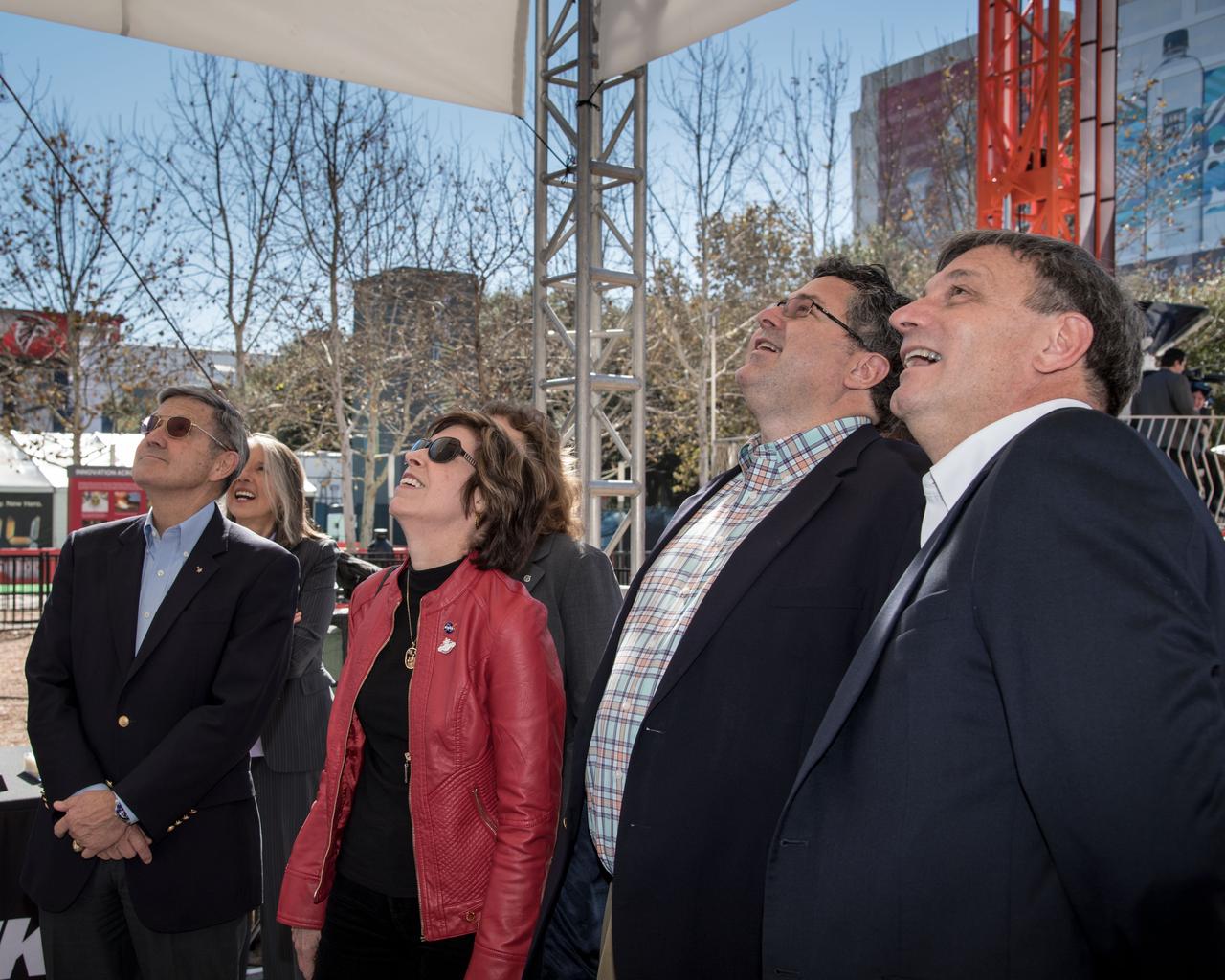
jsc2017e011392 (01/30/2017) --- NASA Center Directors and the Orion Program Manager watch the NASA Super Bowl Virtual Reality ride, move up on its Journey to Mars and back experience Jan 30, 2017.. This is one of the most popular experiences in the Houston Texas Super Bowl Future Flight activities at the Discovery Green. Kennedy Space Center Director Robert Cabana (far Left) Johnson Space Center Director Ellen Ochoa, Marshal Space Flight Center Director Todd May and Orion Program Manager Mark Kirasich all enjoy the sight as they prepare to take the journey themselves. NASA PHOTOGRAPHER: Bill Stafford
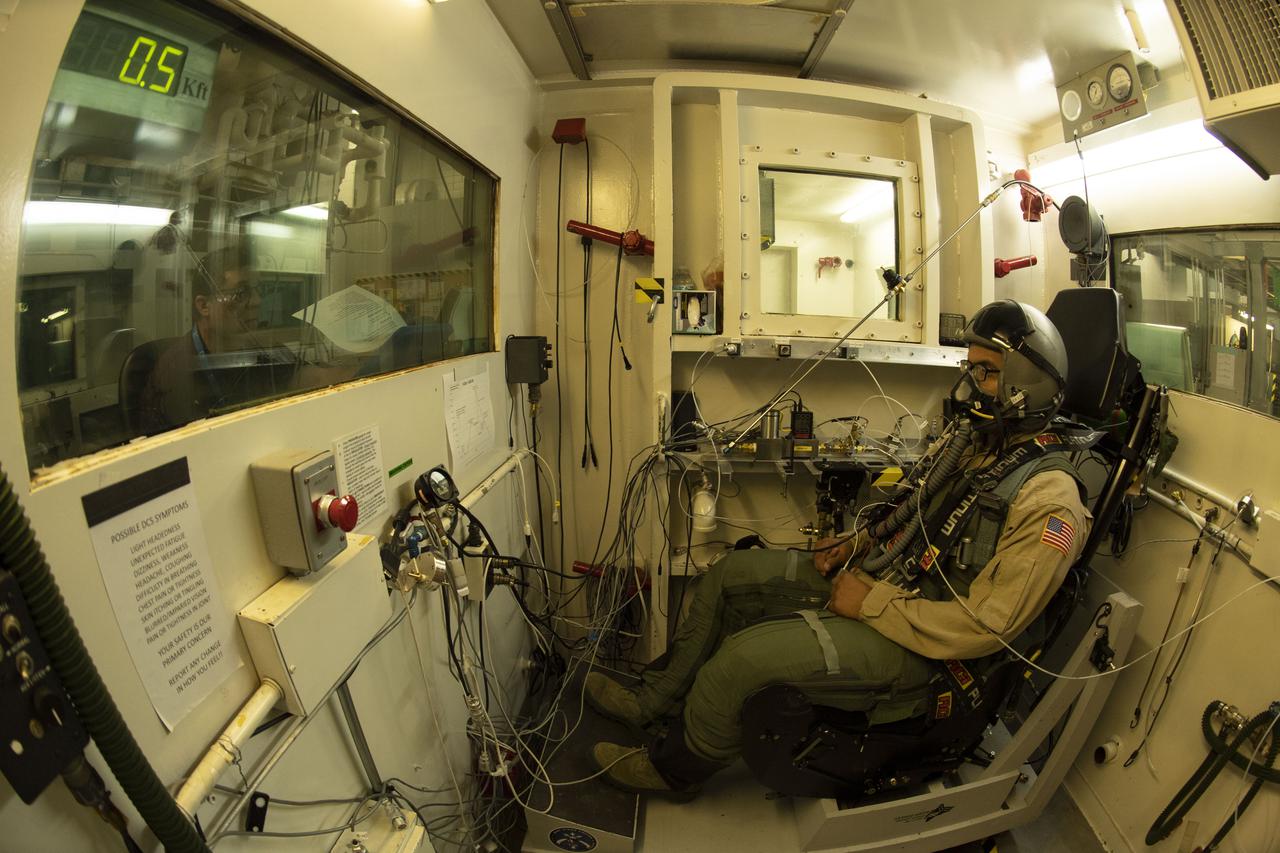
The test director runs through a check list as a military test volunteer prepares to undergo a rapid decompression test.