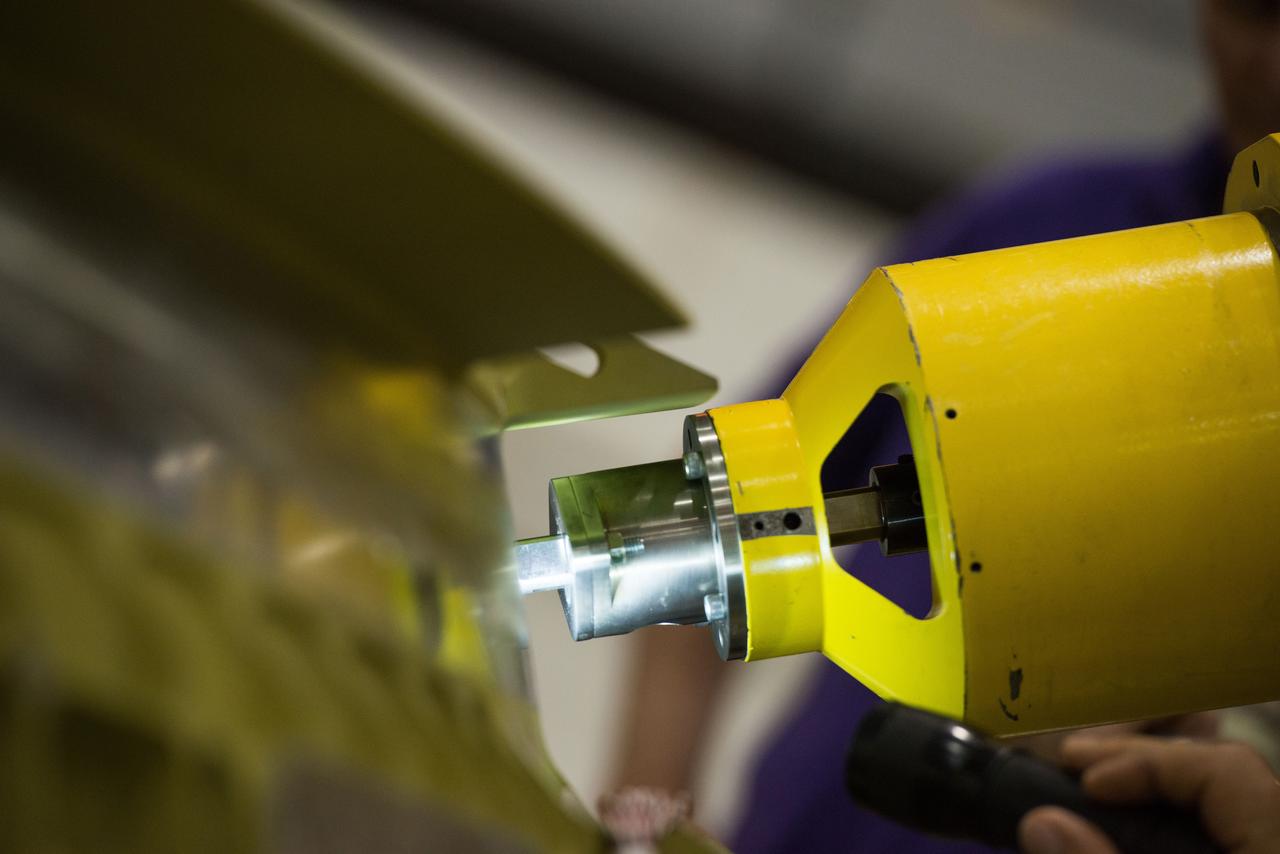
Orion EM1 plug welds in PV2 and PV3
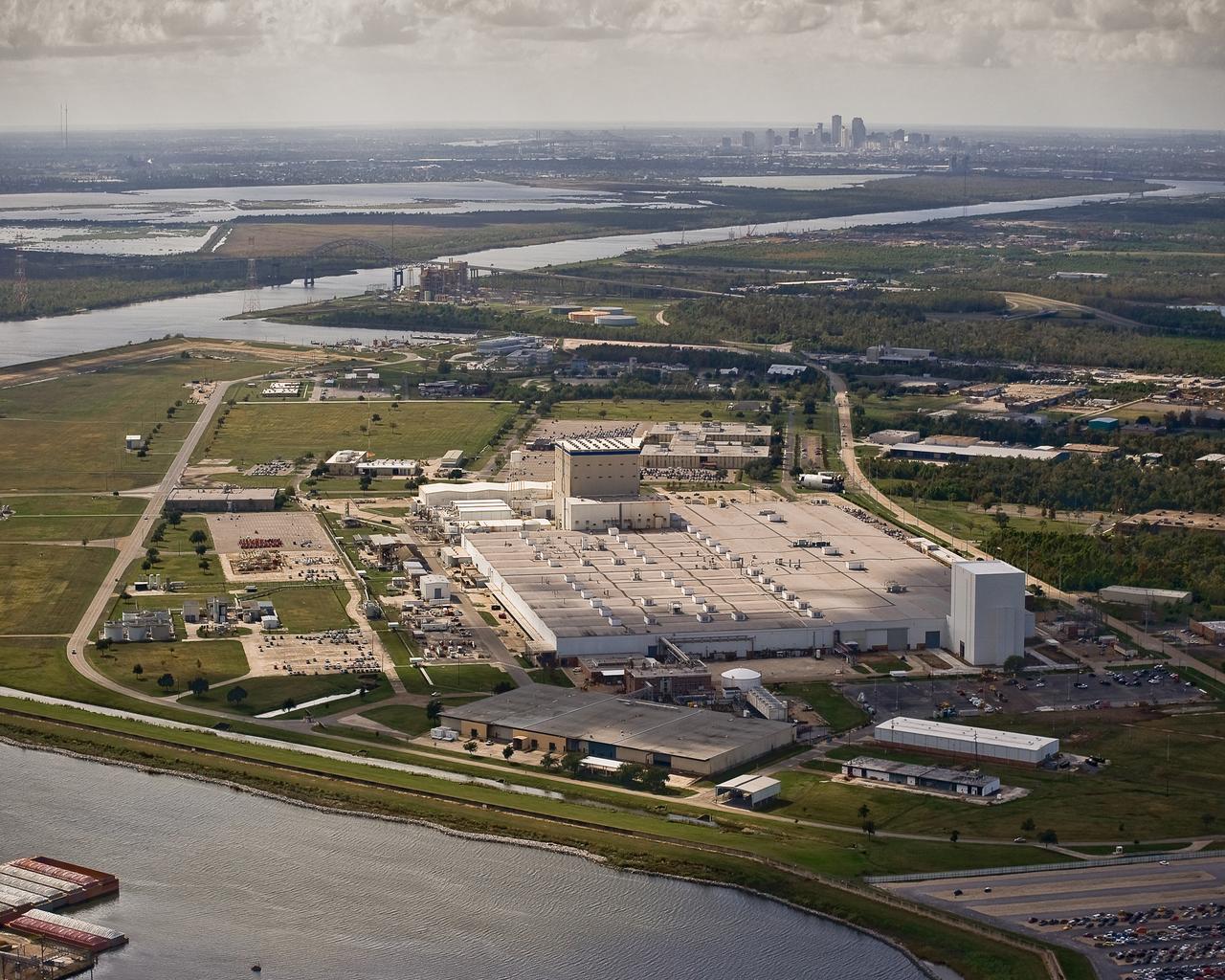
NASA's Michoud Assembly Facility with a view of New Orleans in the background.
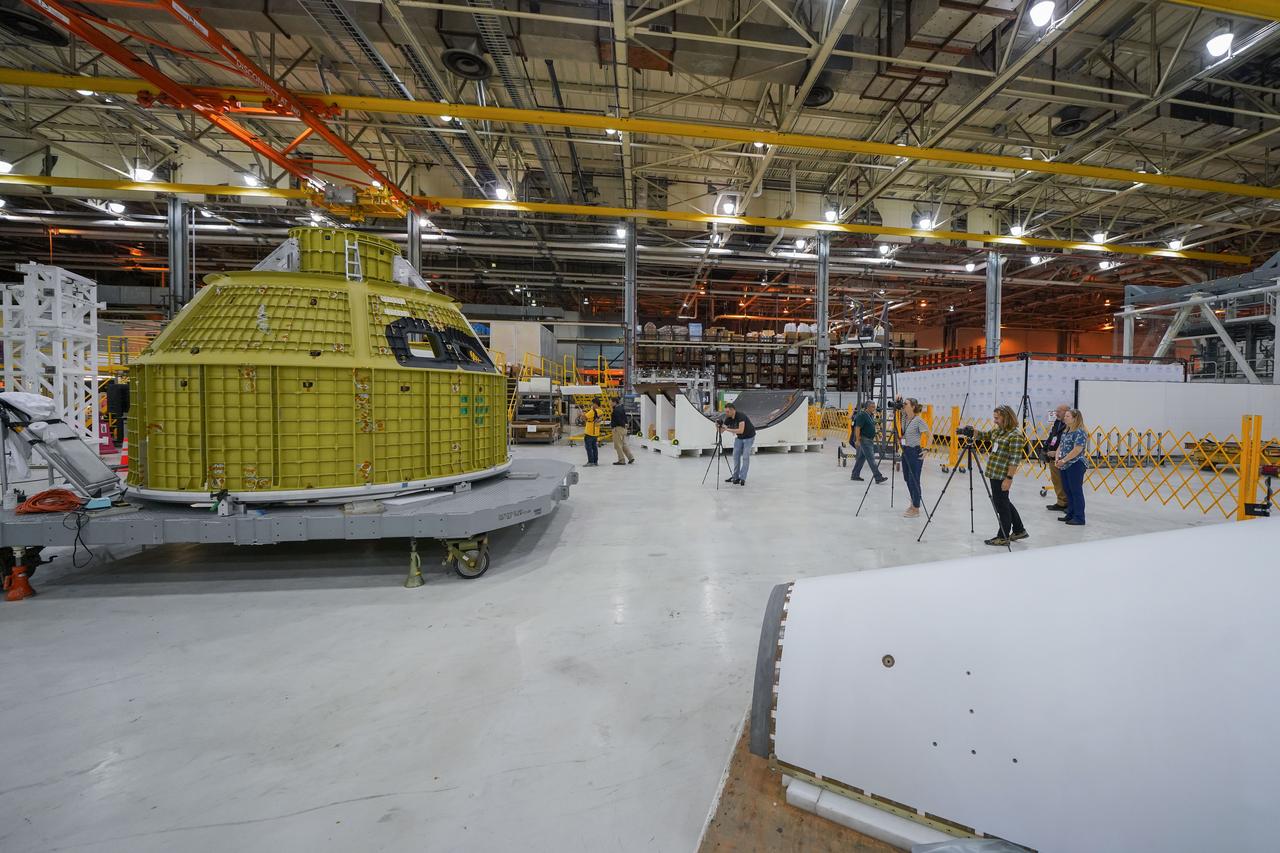
NASA's Photo Social at Michoud Assembly Facility
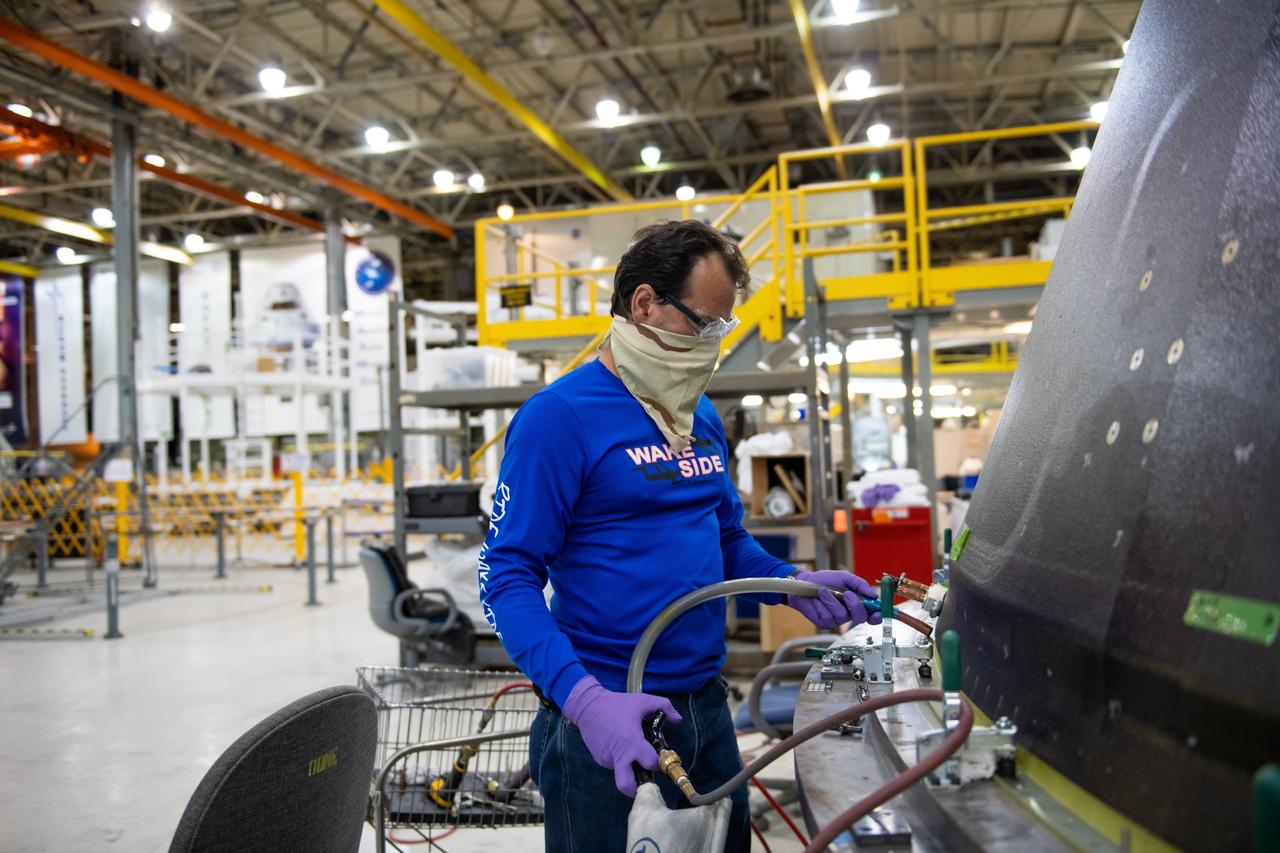
Employees wear personal protective gear at Michoud Assembly Facility as the facility transitioned to Stage 3 of NASA’s Framework for Return To On-Site Work. Employees wear the appropriate personal protective equipment (PPE) and/or cloth face coverings as required for assigned tasks. Access to the facility is limited to authorized personnel working on mission-critical tasks that must be conducted onsite. Mission-critical tasks include slowly and methodically resuming Space Launch System (SLS) Core Stage and Orion production activities, particularly critical path deliverables to support the Artemis Program, at a pace that limits personnel and follows federal guidelines for social distancing and use of personal protective equipment such as face masks. For more information about SLS, visit nasa.gov/sls.
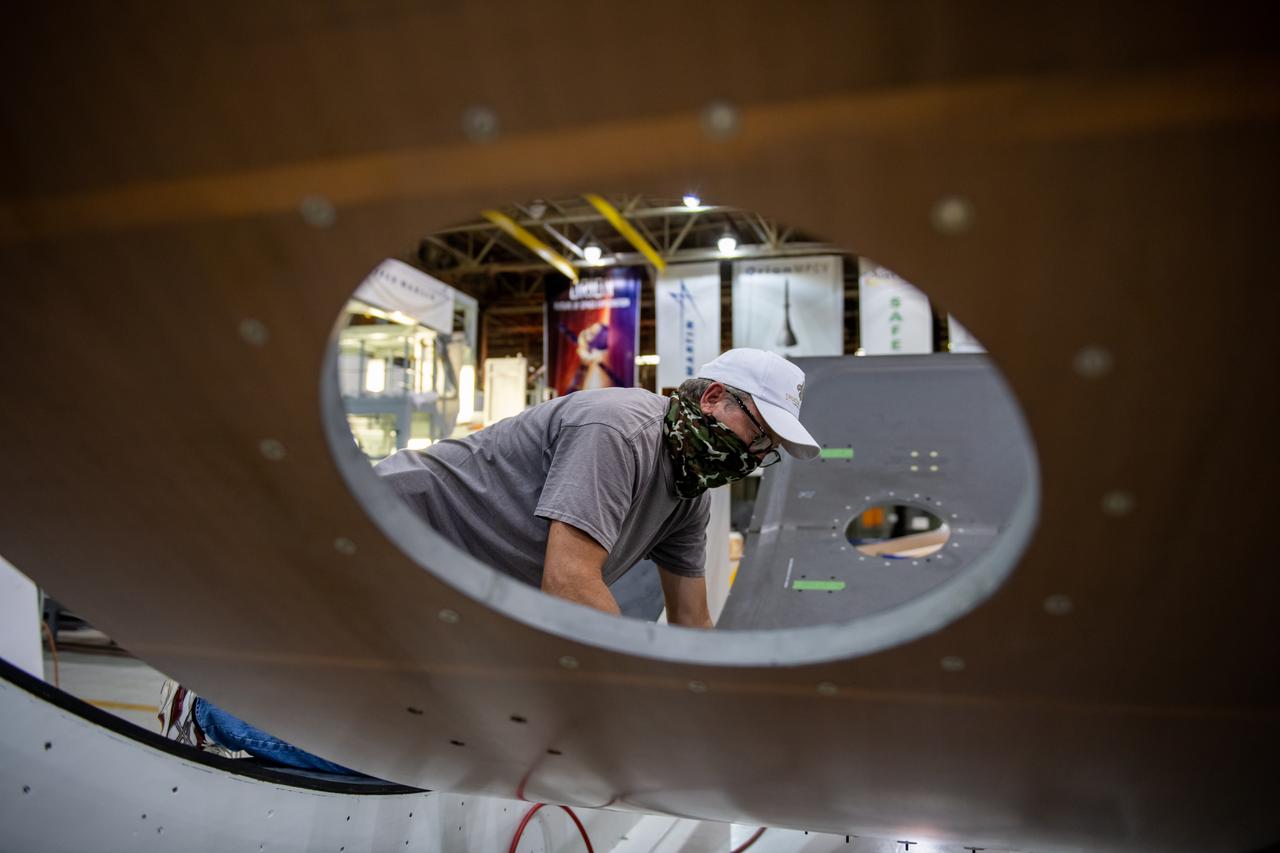
Employees wear personal protective gear at Michoud Assembly Facility as the facility transitioned to Stage 3 of NASA’s Framework for Return To On-Site Work. Employees wear the appropriate personal protective equipment (PPE) and/or cloth face coverings as required for assigned tasks. Access to the facility is limited to authorized personnel working on mission-critical tasks that must be conducted onsite. Mission-critical tasks include slowly and methodically resuming Space Launch System (SLS) Core Stage and Orion production activities, particularly critical path deliverables to support the Artemis Program, at a pace that limits personnel and follows federal guidelines for social distancing and use of personal protective equipment such as face masks. For more information about SLS, visit nasa.gov/sls.
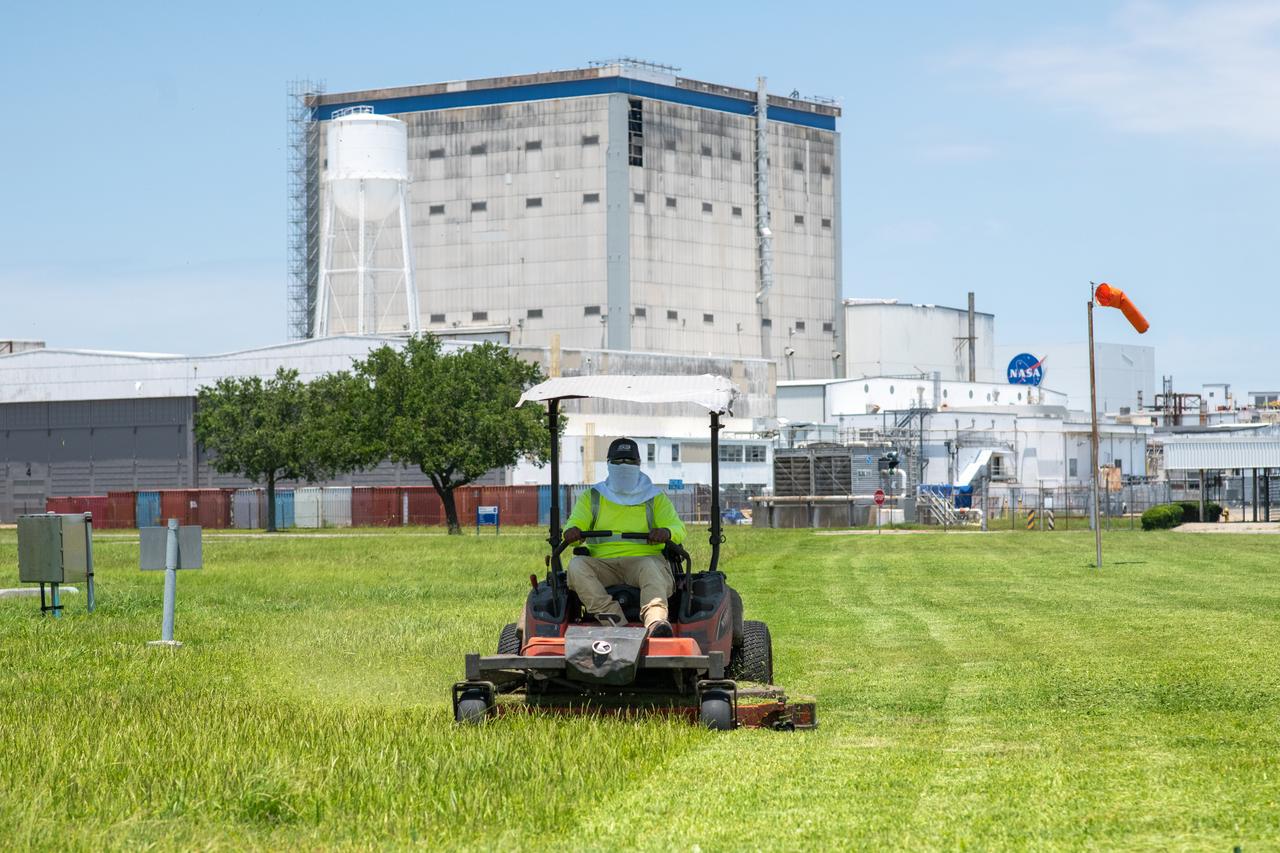
Employees wear personal protective gear at Michoud Assembly Facility as the facility transitioned to Stage 3 of NASA’s Framework for Return To On-Site Work. Employees wear the appropriate personal protective equipment (PPE) and/or cloth face coverings as required for assigned tasks. Access to the facility is limited to authorized personnel working on mission-critical tasks that must be conducted onsite. Mission-critical tasks include slowly and methodically resuming Space Launch System (SLS) Core Stage and Orion production activities, particularly critical path deliverables to support the Artemis Program, at a pace that limits personnel and follows federal guidelines for social distancing and use of personal protective equipment such as face masks. For more information about SLS, visit nasa.gov/sls.
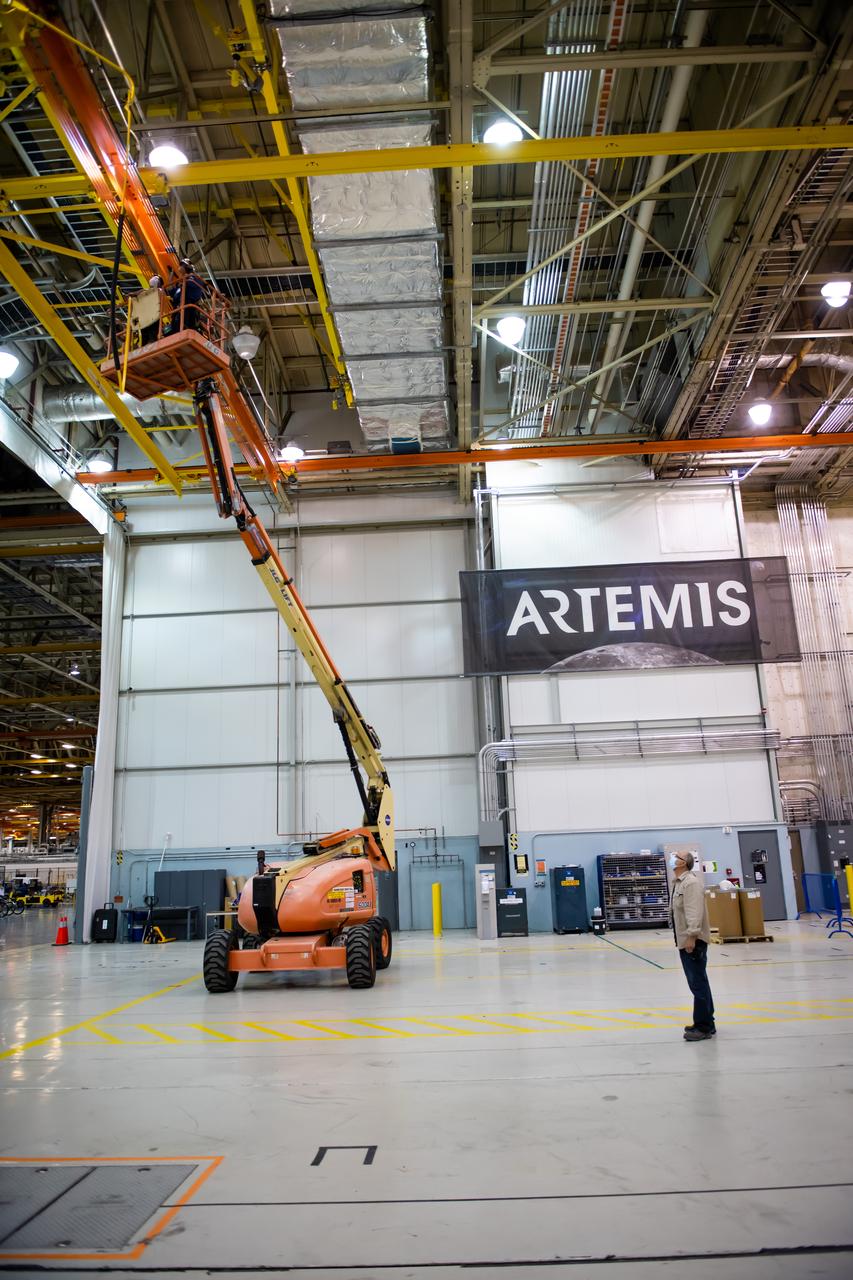
Employees wear personal protective gear at Michoud Assembly Facility as the facility transitioned to Stage 3 of NASA’s Framework for Return To On-Site Work. Employees wear the appropriate personal protective equipment (PPE) and/or cloth face coverings as required for assigned tasks. Access to the facility is limited to authorized personnel working on mission-critical tasks that must be conducted onsite. Mission-critical tasks include slowly and methodically resuming Space Launch System (SLS) Core Stage and Orion production activities, particularly critical path deliverables to support the Artemis Program, at a pace that limits personnel and follows federal guidelines for social distancing and use of personal protective equipment such as face masks. For more information about SLS, visit nasa.gov/sls.
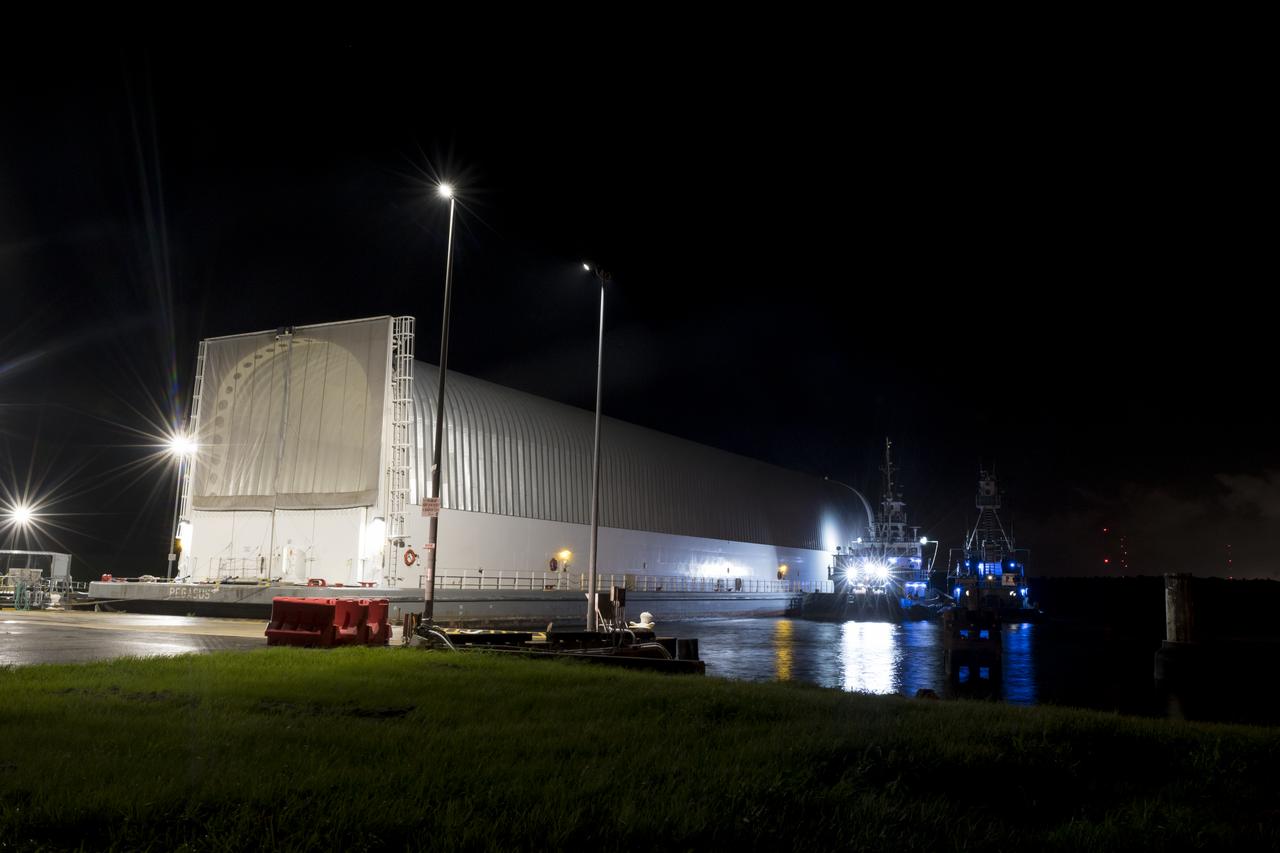
These images show NASA’s Pegasus barge at NASA’s Michoud Assembly Facility in New Orleans as it transported the Artemis I launch vehicle stage adapter (LVSA) of the agency’s Space Launch System rocket to NASA’s Kennedy Space Center in Florida. Leaving with the adapter from NASA’s Marshall Space Flight Center in Huntsville, Alabama, Pegasus made a brief stop at Michoud to offload supplies and equipment before continuing its to Kennedy. The LVSA connects the deep space rocket’s 212-foot-tall core stage to the rocket’s upper stage and will be used for Artemis I, the first in a series of increasingly complex missions to the Moon through NASA’s Artemis program. Once at Kennedy, the LVSA will undergo Artemis I launch preparations. Only the SLS core stage, currently in final testing at NASA’s Stennis Space Center near Bay St. Louis, Mississippi, remains to be shipped to Kennedy on Pegasus. The core stage is produced at Michoud. Together with four RS-25 engines, the rocket’s massive 212-foot-tall core stage — the largest stage NASA has ever built — and its twin solid rocket boosters produce 8.8 million pounds of thrust to send NASA’s Orion spacecraft, astronauts and supplies beyond Earth’s orbit to the Moon. Offering more payload mass, volume capacity and energy to speed missions through space, the SLS rocket, along with NASA’s Gateway in lunar orbit, the Human Landing System and Orion, is part of NASA’s backbone for deep space exploration and the Artemis lunar program. No other rocket is capable of carrying astronauts in Orion around the Moon in a single mission.
This week, NASA is taking preliminary steps to resume @NASA_SLS core stage production. Limited crews will return to #NASAMichoud to perform critical work essential to the agency's #Artemis program and our return to the Moon.
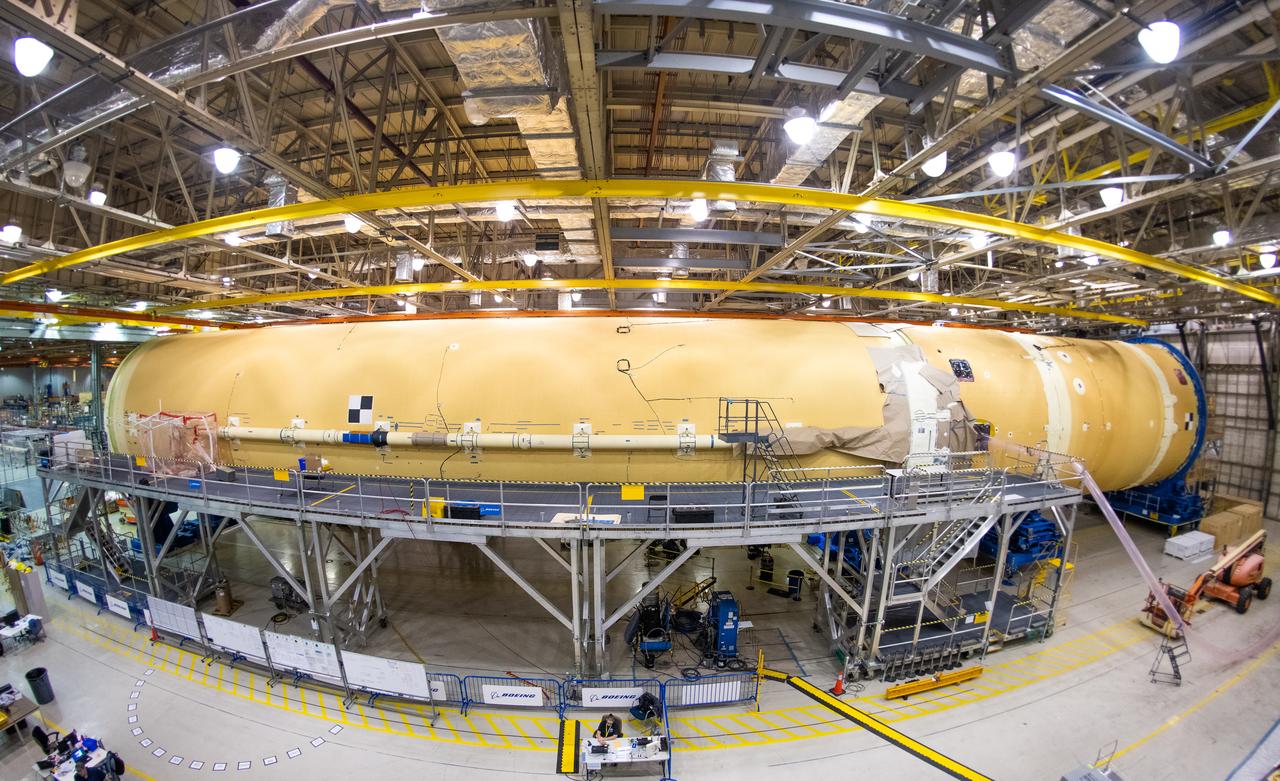
Technicians at NASA’s Michoud Assembly Facility in New Orleans completed the “forward join,” which connects structures to form the top part of NASA’s Space Launch System (SLS) rocket’s core stage. The first core stage will send Exploration Mission-1, the first integrated flight of SLS and NASA’s Orion spacecraft, out beyond the Moon. The forward join mated three structures: the forward skirt, liquid oxygen tank and intertank. This milestone marks the beginning of integration and assembly of the massive, 212-foot-tall SLS core stage, which will include the rocket’s four RS-25 rocket engines, propellant tanks and flight computers. Now, NASA and Boeing, the SLS prime contractor, will continue to integrate various systems inside the forward part of the core stage and prepare for structural joining of the liquid hydrogen tank and engine section to form the bottom of the stage. These two parts of the core stage will then be assembled to form the largest stage NASA has ever built.

These images show NASA’s Pegasus barge at NASA’s Michoud Assembly Facility in New Orleans as it transported the Artemis I launch vehicle stage adapter (LVSA) of the agency’s Space Launch System rocket to NASA’s Kennedy Space Center in Florida. Leaving with the adapter from NASA’s Marshall Space Flight Center in Huntsville, Alabama, Pegasus made a brief stop at Michoud to offload supplies and equipment before continuing its to Kennedy. The LVSA connects the deep space rocket’s 212-foot-tall core stage to the rocket’s upper stage and will be used for Artemis I, the first in a series of increasingly complex missions to the Moon through NASA’s Artemis program. Once at Kennedy, the LVSA will undergo Artemis I launch preparations. Only the SLS core stage, currently in final testing at NASA’s Stennis Space Center near Bay St. Louis, Mississippi, remains to be shipped to Kennedy on Pegasus. The core stage is produced at Michoud. Together with four RS-25 engines, the rocket’s massive 212-foot-tall core stage — the largest stage NASA has ever built — and its twin solid rocket boosters produce 8.8 million pounds of thrust to send NASA’s Orion spacecraft, astronauts and supplies beyond Earth’s orbit to the Moon. Offering more payload mass, volume capacity and energy to speed missions through space, the SLS rocket, along with NASA’s Gateway in lunar orbit, the Human Landing System and Orion, is part of NASA’s backbone for deep space exploration and the Artemis lunar program. No other rocket is capable of carrying astronauts in Orion around the Moon in a single mission.
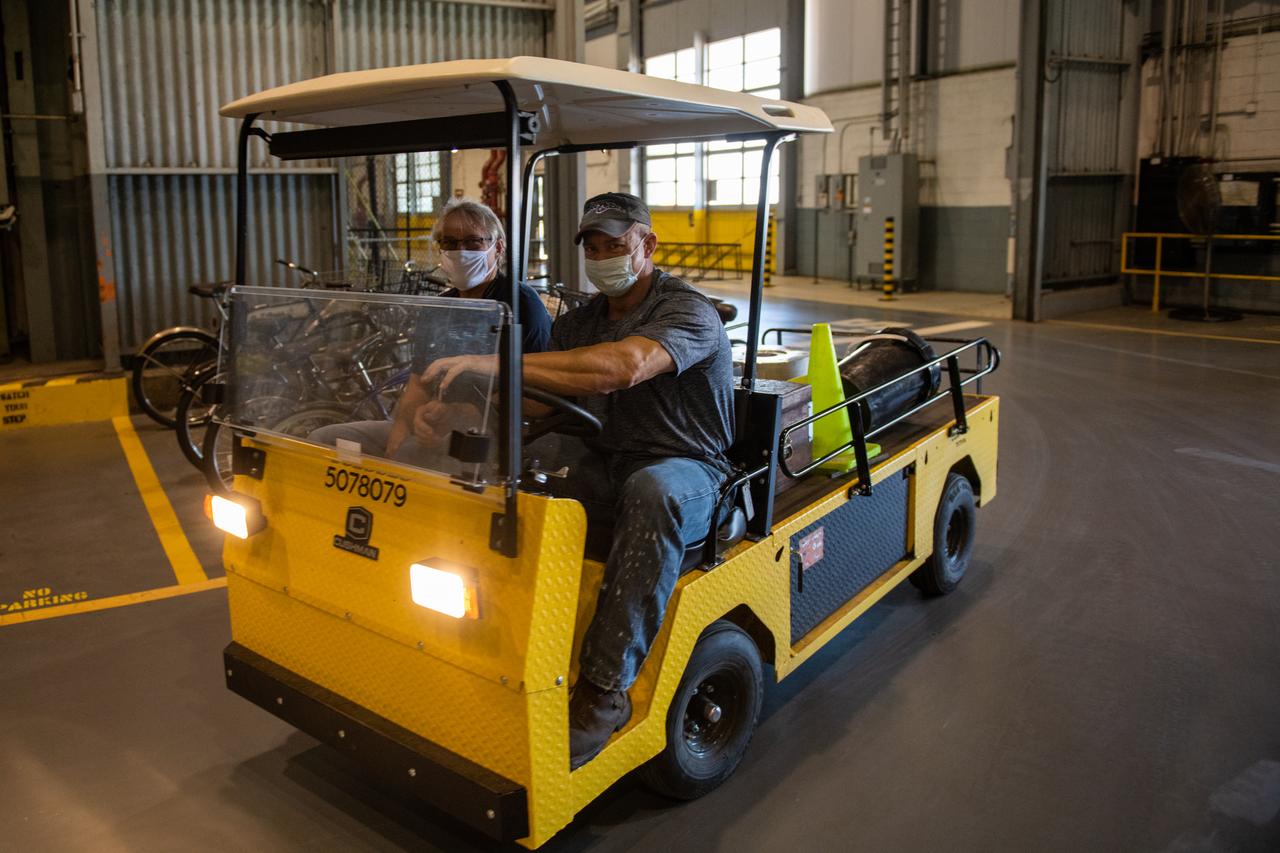
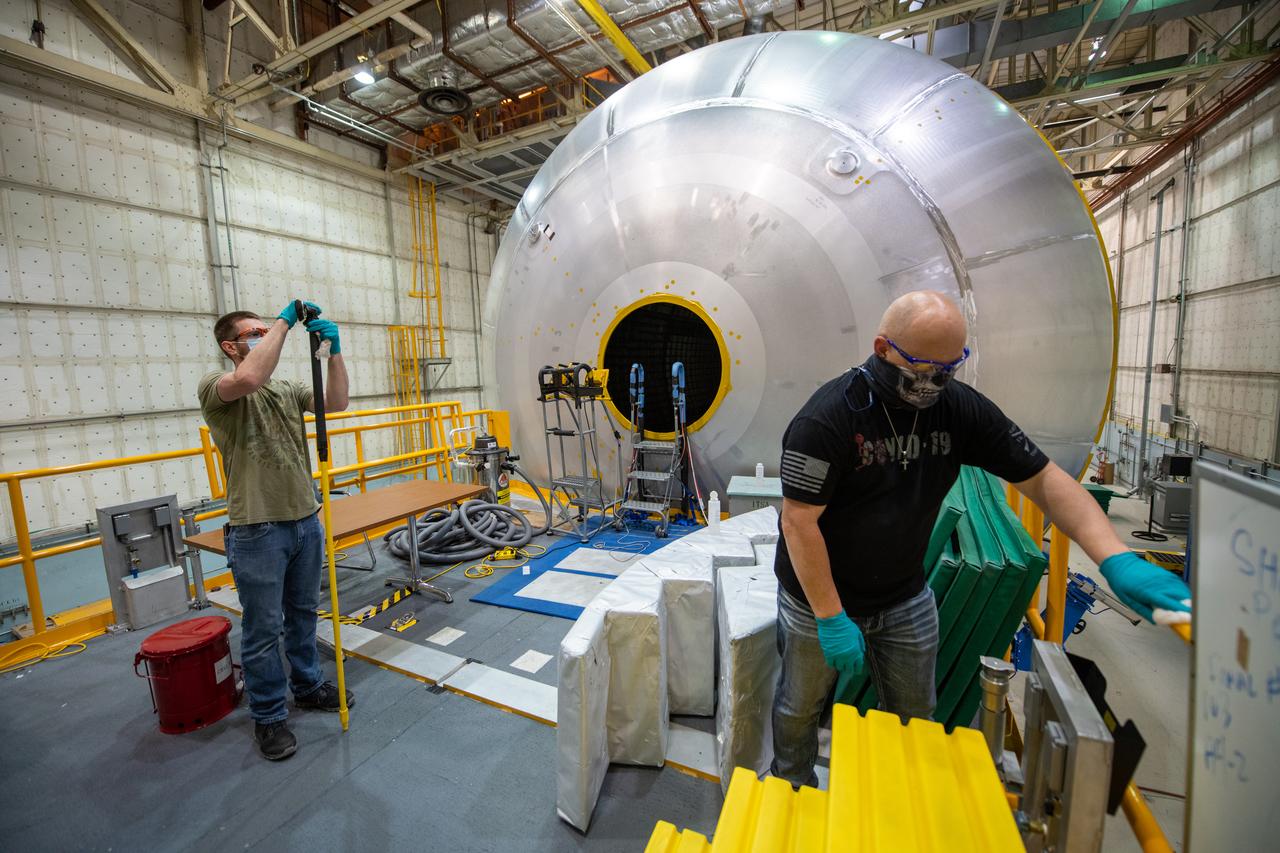
This photo includes two employees wearing personal protective gear at Michoud Assembly Facility as the facility transitioned to Stage 3 of NASA’s Framework for Return To On-Site Work. Employees wear the appropriate personal protective equipment (PPE) and/or cloth face coverings as required for assigned tasks. Every team member who goes on-site brings their own cloth face covering and wears it when social distancing is not possible, such as in a shared vehicle when working inside the large factory. Michoud Assembly Facility is made up of multiple buildings, the largest of which is more than 38 acres under one roof. Wearing a facemask is mandatory for common areas where social distancing is difficult to achieve. Access to the facility is limited to authorized personnel working on mission-critical tasks that must be conducted onsite. Mission-critical tasks include slowly and methodically resuming Space Launch System (SLS) Core Stage and Orion production activities, particularly critical path deliverables to support the Artemis Program, at a pace that limits personnel and follows federal guidelines for social distancing and use of personal protective equipment such as face masks. For more information about SLS, visit nasa.gov/sls.
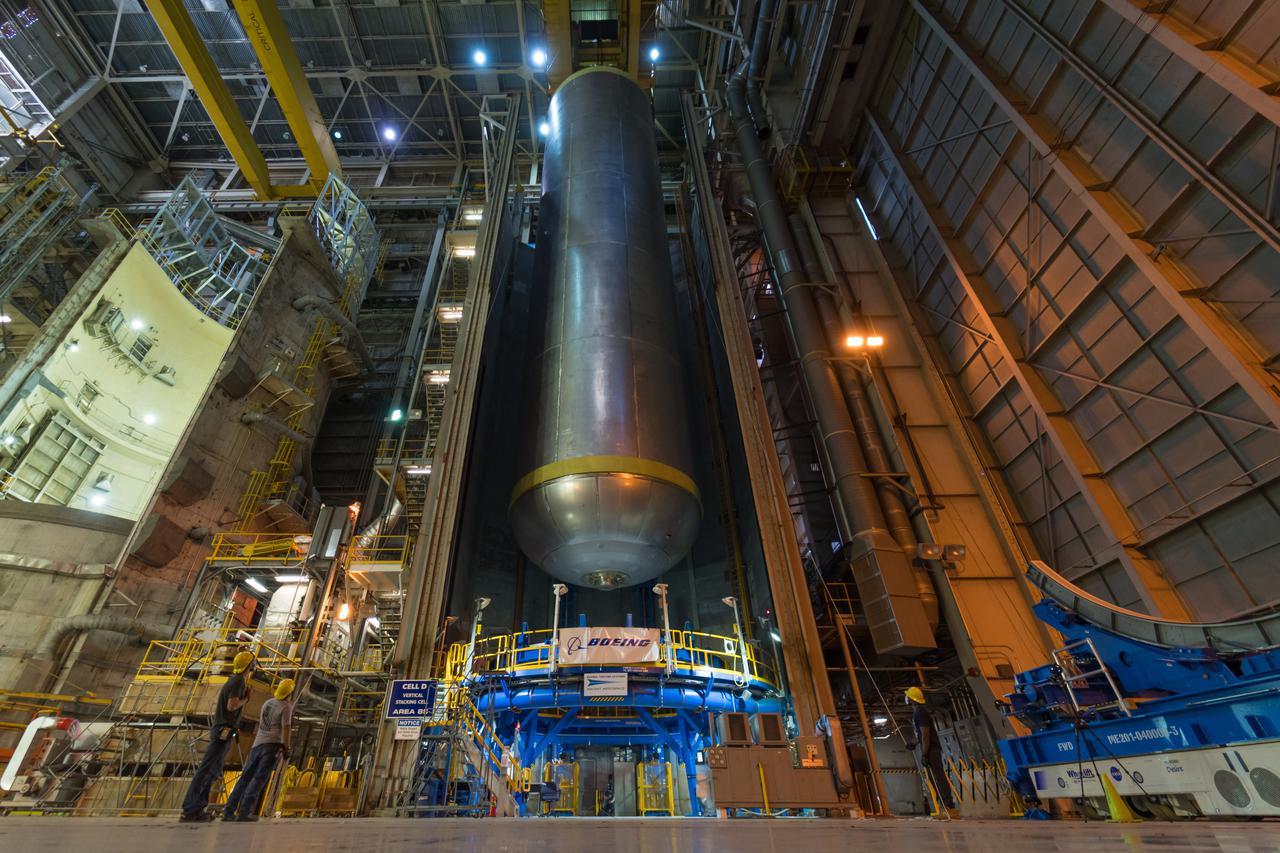
This image highlights the liquid hydrogen tank that will be used on the core stage of NASA’s Space Launch System rocket for Artemis II, the first crewed mission of NASA’s Artemis program. The tank is being built at NASA’s Michoud Assembly Facility in New Orleans. The SLS core stage is made up of five unique elements: the forward skirt, liquid oxygen tank, intertank, liquid hydrogen tank, and the engine section. The liquid hydrogen tank holds 537,000 gallons of liquid hydrogen cooled to minus 423 degrees Fahrenheit and sits between the core stage’s intertank and engine section. The liquid hydrogen hardware, along with the liquid oxygen tank, will provide propellant to the four RS-25 engines at the bottom of the cores stage to produce more than two million pounds of thrust to launch NASA’s Artemis missions to the Moon. Together with its four RS-25 engines, the rocket’s massive 212-foot-tall core stage — the largest stage NASA has ever built — and its twin solid rocket boosters will produce 8.8 million pounds of thrust to send NASA’s Orion spacecraft, astronauts and supplies beyond Earth’s orbit to the Moon and, ultimately, Mars. Offering more payload mass, volume capability and energy to speed missions through space, the SLS rocket, along with NASA’s Gateway in lunar orbit, the human landing system, and Orion spacecraft, is part of NASA’s backbone for deep space exploration and the Artemis lunar program. No other rocket can send astronauts in Orion around the Moon in a single mission.
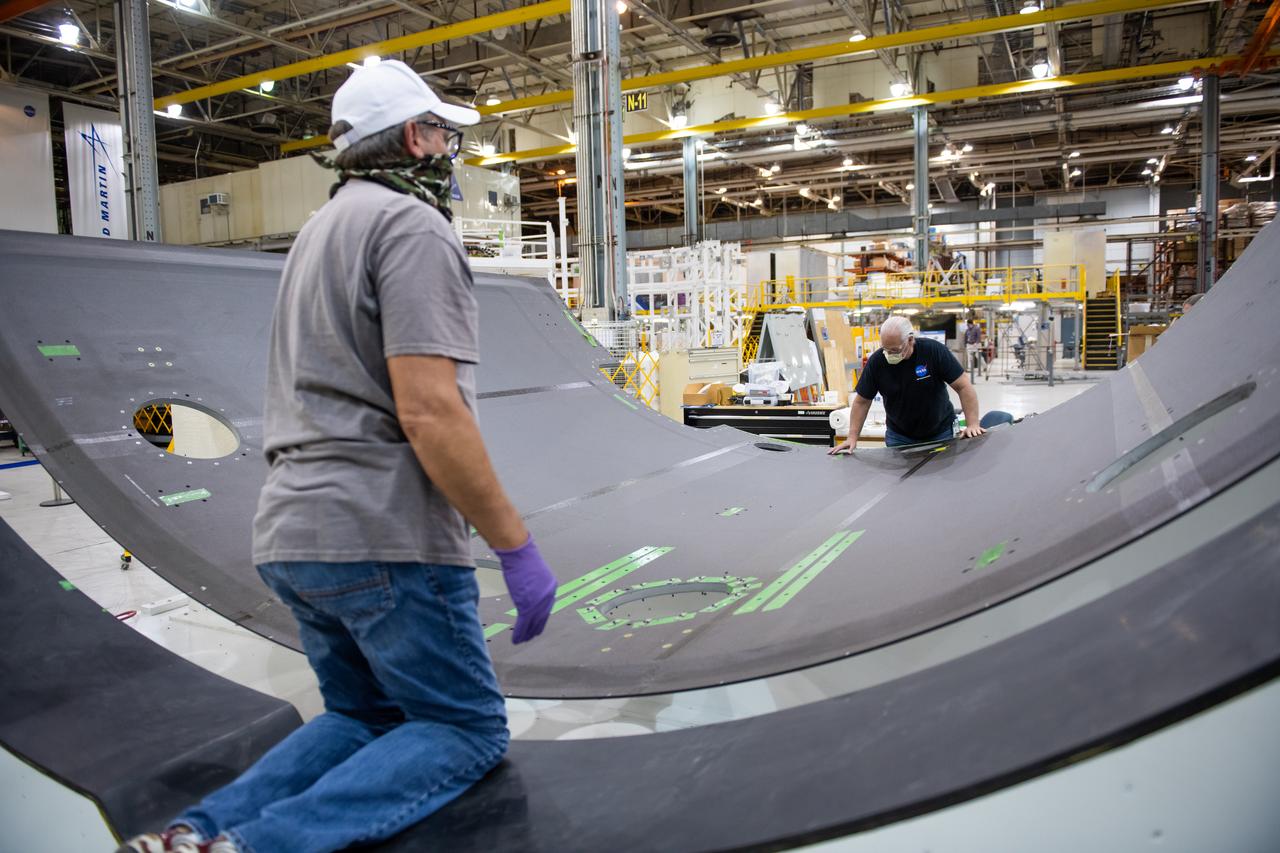
Employees wear personal protective gear at Michoud Assembly Facility as the facility transitioned to Stage 3 of NASA’s Framework for Return To On-Site Work. Employees wear the appropriate personal protective equipment (PPE) and/or cloth face coverings as required for assigned tasks. Access to the facility is limited to authorized personnel working on mission-critical tasks that must be conducted onsite. Mission-critical tasks include slowly and methodically resuming Space Launch System (SLS) Core Stage and Orion production activities, particularly critical path deliverables to support the Artemis Program, at a pace that limits personnel and follows federal guidelines for social distancing and use of personal protective equipment such as face masks. For more information about SLS, visit nasa.gov/sls.
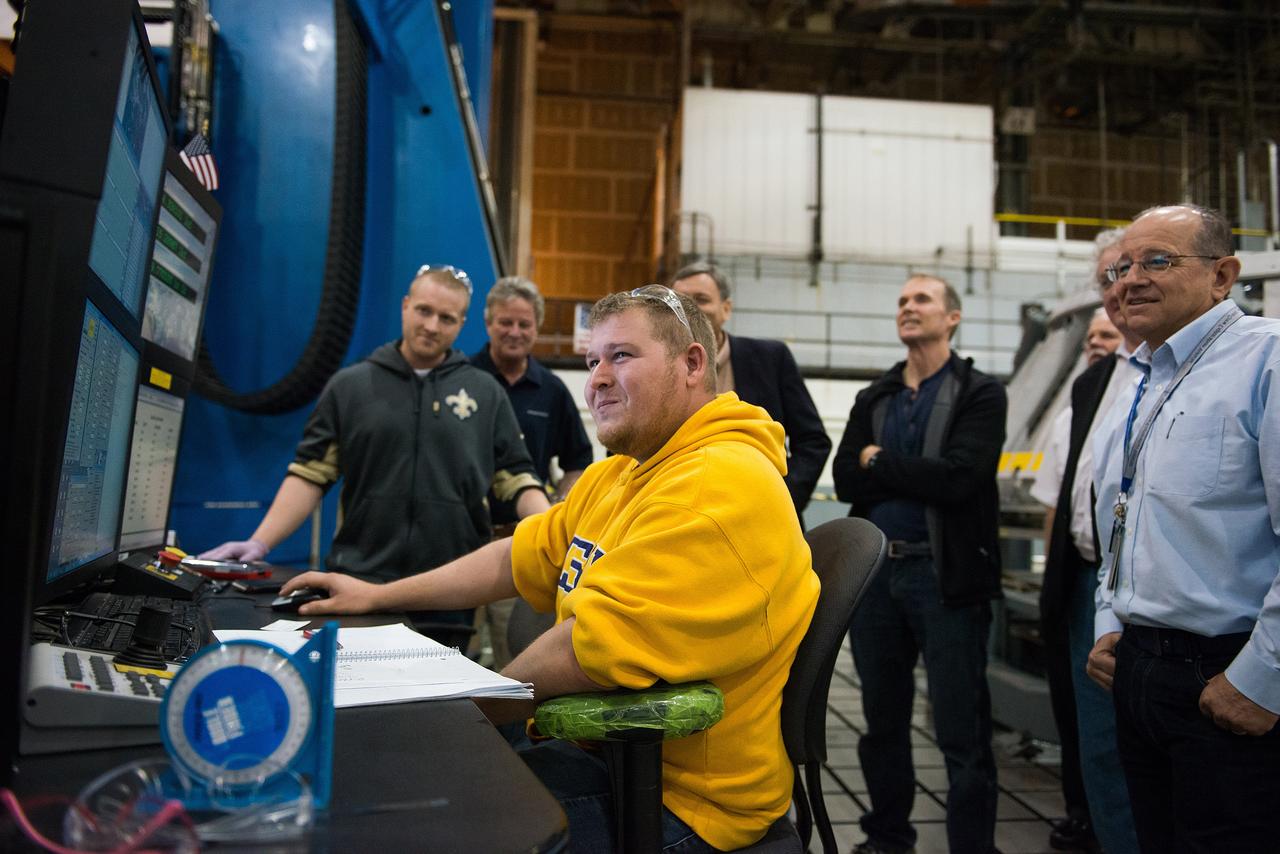
MAF Orion MGMT Visit
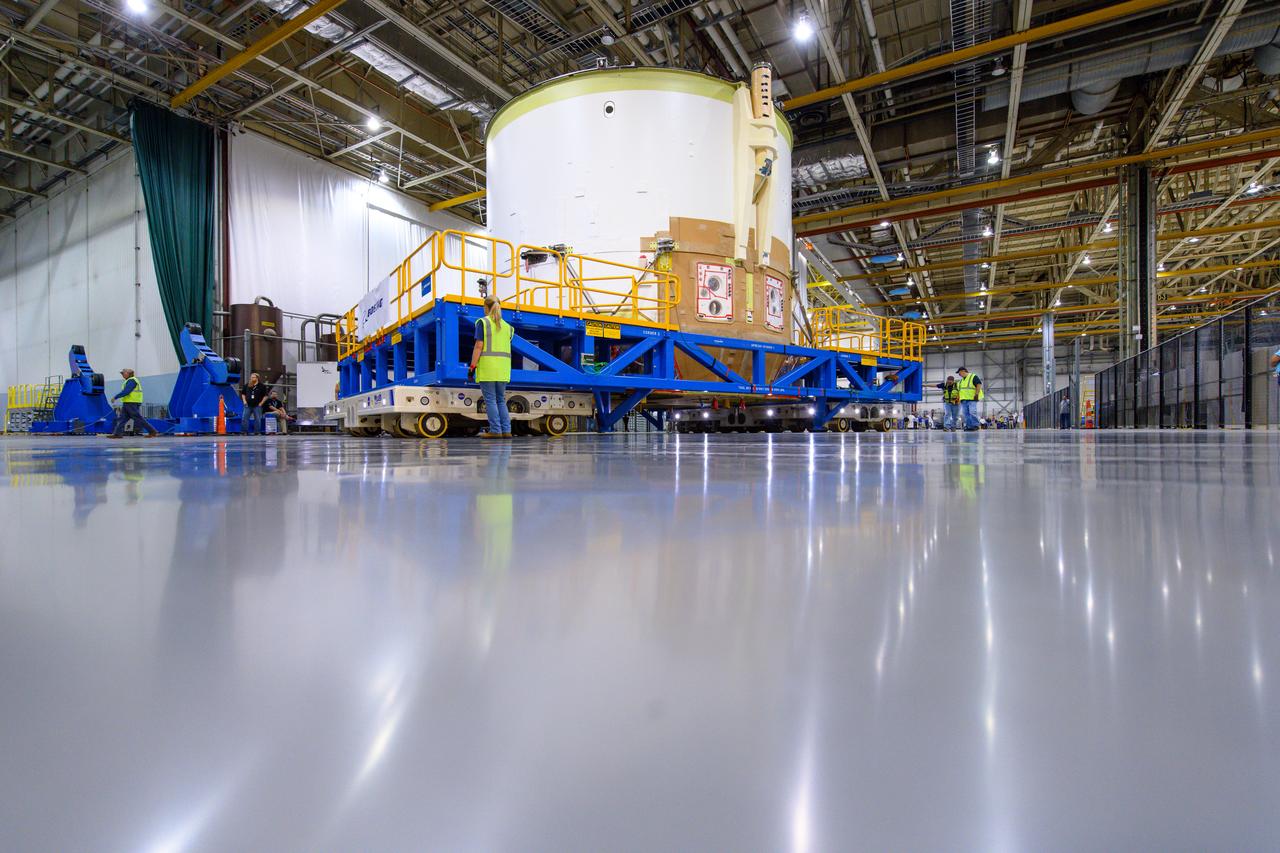
Technicians at NASA’s Michoud Assembly Facility in New Orleans moved the engine section for NASA’s Space Launch System (SLS) rocket to another part of the facility on Sept. 3 to prepare it for joining to the rest of the rocket’s core stage. The engine section, which comprises the lowest portion of the 212-foot-tall stage, is the last major component to be horizontally integrated to the core stage. Michoud crews completed assembly on the flight hardware that will be used for Artemis I, the first lunar mission of SLS and NASA’s Orion spacecraft, on Aug. 29. NASA and Boeing engineers removed the scaffolding surrounding the hardware to use a special tool to properly position the engine section for its attachment to the rest of the stage. The core stage’s two liquid propellant tanks and four RS-25 engines will produce more than 2 million pounds of thrust to send the SLS rocket and Orion on the Artemis lunar missions. The engine section houses the four RS-25 engines and includes vital systems for mounting, controlling and delivering fuel form the propellant tanks to the rocket’s engines. Offering more payload mass, volume capability and energy to speed missions through space, the SLS rocket, along with NASA’s Gateway in lunar orbit and Orion, is part of NASA’s backbone for deep space exploration and the Artemis lunar program. No other rocket is capable of carrying astronauts in Orion around the Moon in a single mission.

Lockheed Martin engineers at NASA's Michoud Assembly Facility in New Orleans, Louisiana, weld the cone section for the Orion spacecraft which will carry humans beyond the Moon on Artemis II, on Jan. 29, 2018.
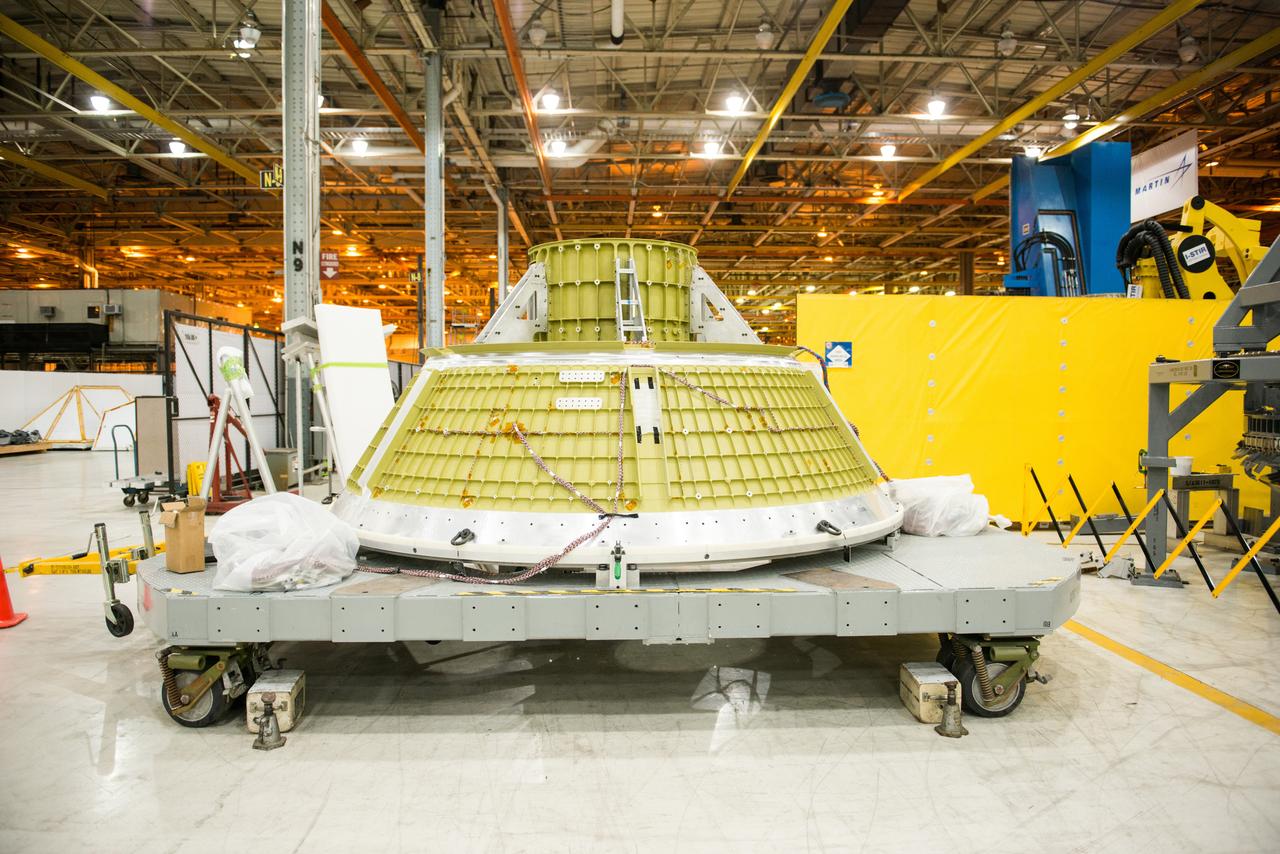
Orion EM1 Cone and frwd Bulkhead Section
MAF Orion MGMT Visit
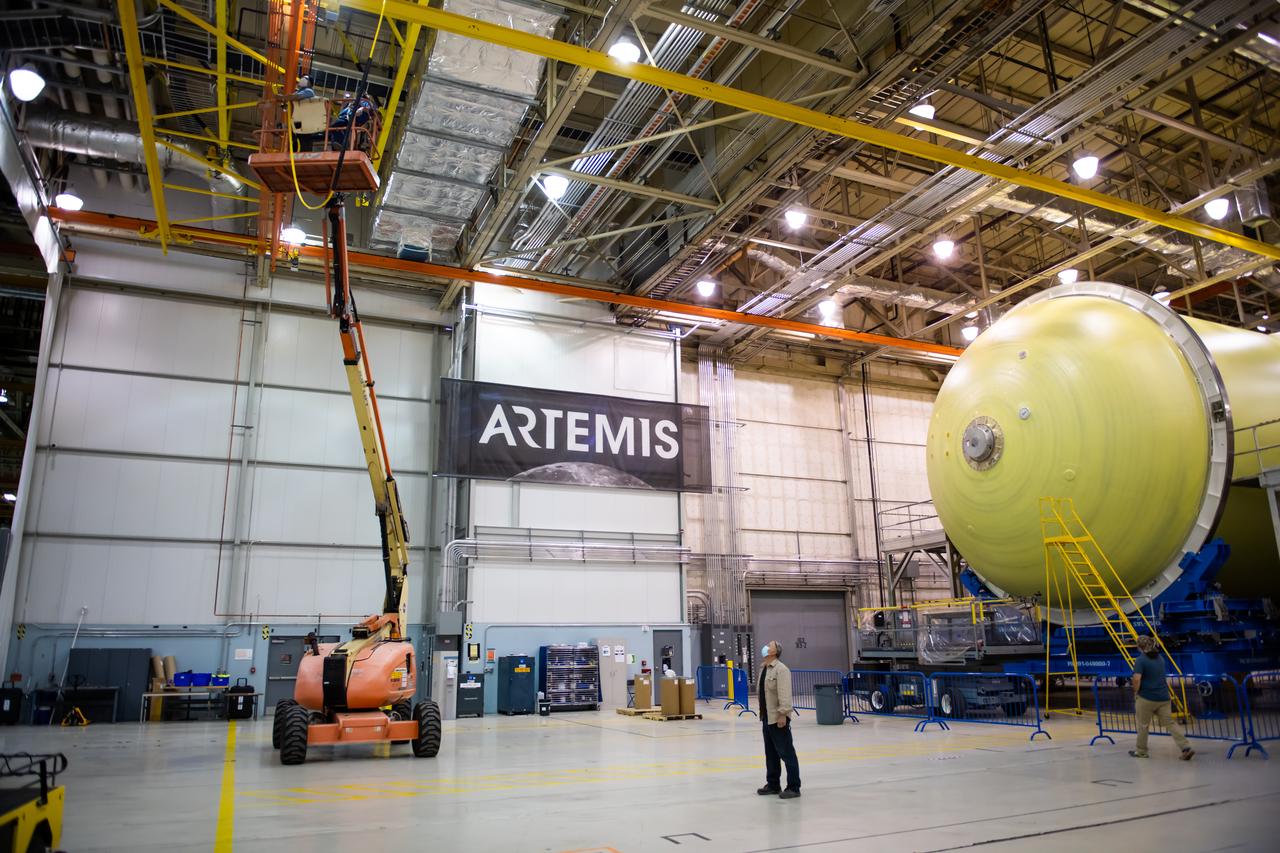
Employees wear personal protective gear at Michoud Assembly Facility as the facility transitioned to Stage 3 of NASA’s Framework for Return To On-Site Work. Employees wear the appropriate personal protective equipment (PPE) and/or cloth face coverings as required for assigned tasks. Access to the facility is limited to authorized personnel working on mission-critical tasks that must be conducted onsite. Mission-critical tasks include slowly and methodically resuming Space Launch System (SLS) Core Stage and Orion production activities, particularly critical path deliverables to support the Artemis Program, at a pace that limits personnel and follows federal guidelines for social distancing and use of personal protective equipment such as face masks. For more information about SLS, visit nasa.gov/sls.
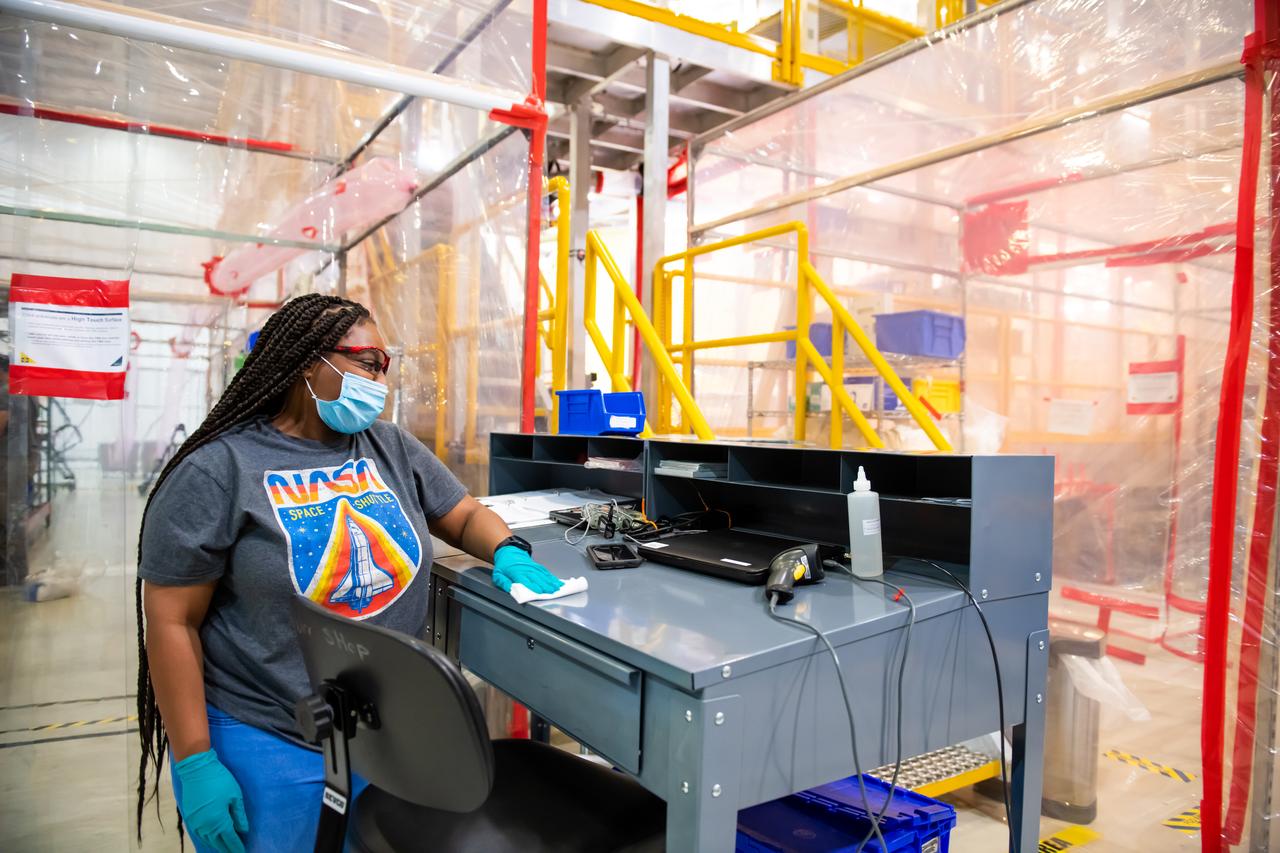
Employees wear personal protective gear at Michoud Assembly Facility as the facility transitioned to Stage 3 of NASA’s Framework for Return To On-Site Work. Employees wear the appropriate personal protective equipment (PPE) and/or cloth face coverings as required for assigned tasks. Access to the facility is limited to authorized personnel working on mission-critical tasks that must be conducted onsite. Mission-critical tasks include slowly and methodically resuming Space Launch System (SLS) Core Stage and Orion production activities, particularly critical path deliverables to support the Artemis Program, at a pace that limits personnel and follows federal guidelines for social distancing and use of personal protective equipment such as face masks. For more information about SLS, visit nasa.gov/sls.

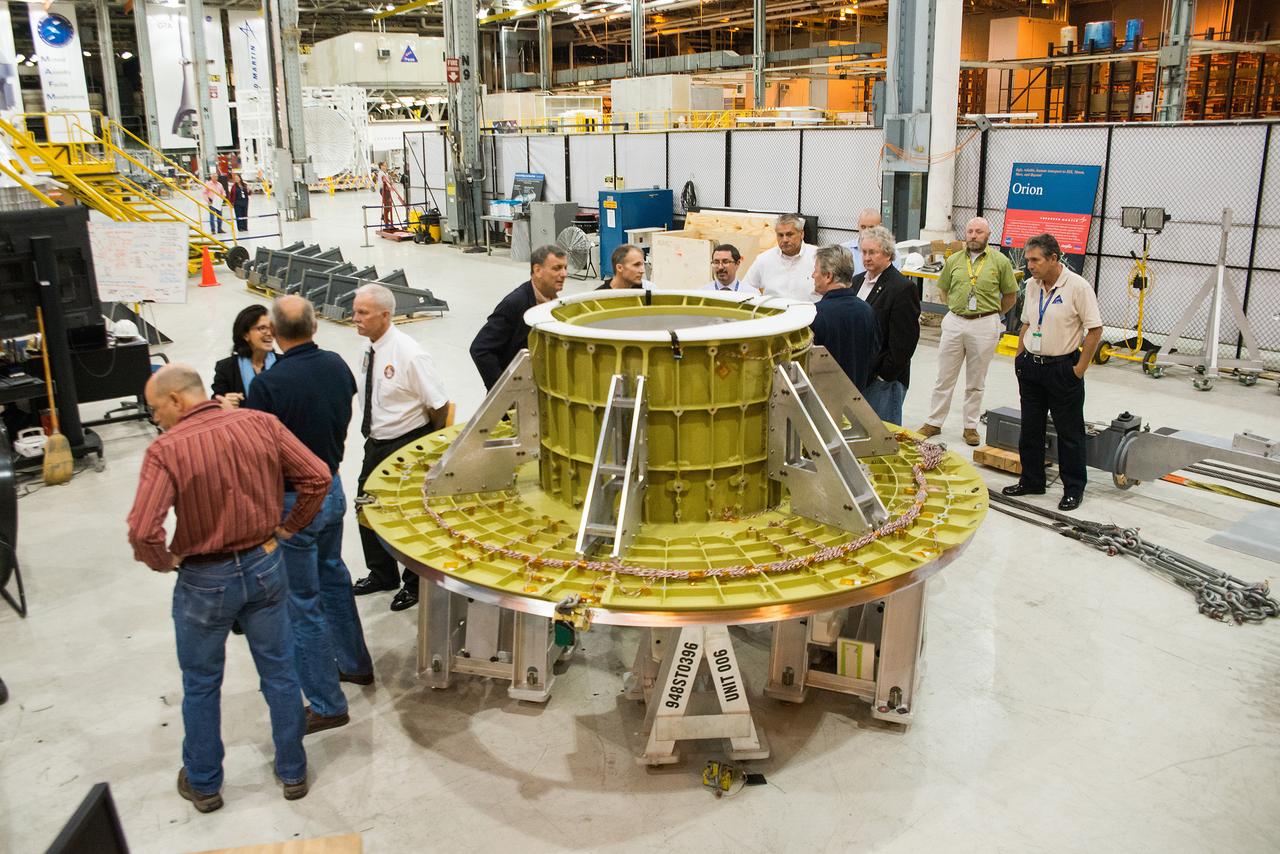
NASA leadership marked the accomplishments of the team at the agency’s Michoud Assembly Facility in New Orleans, where technicians recently completed welding together the pressure vessel for the Orion spacecraft and continue to manufacture the core stage of the Space Launch System rocket.
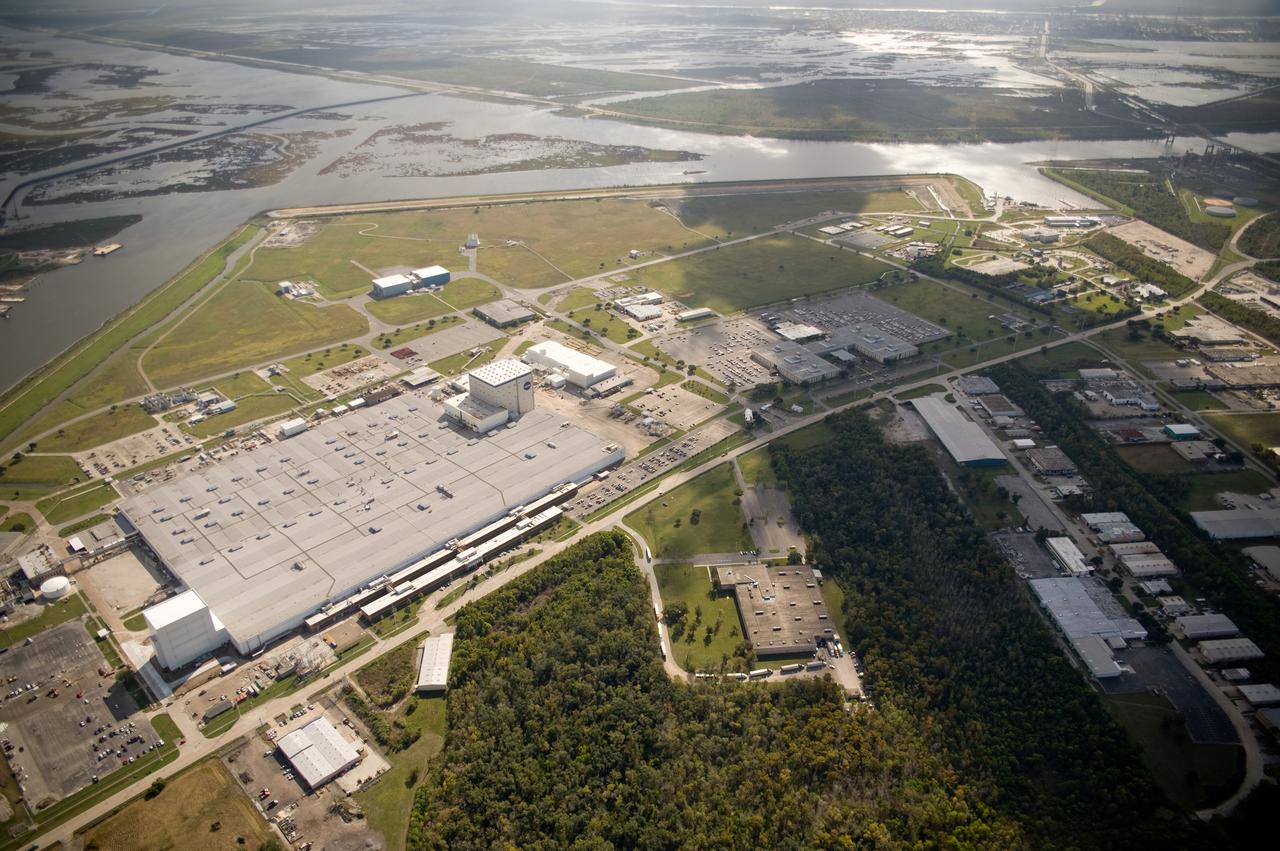
Michoud Assembly Facility
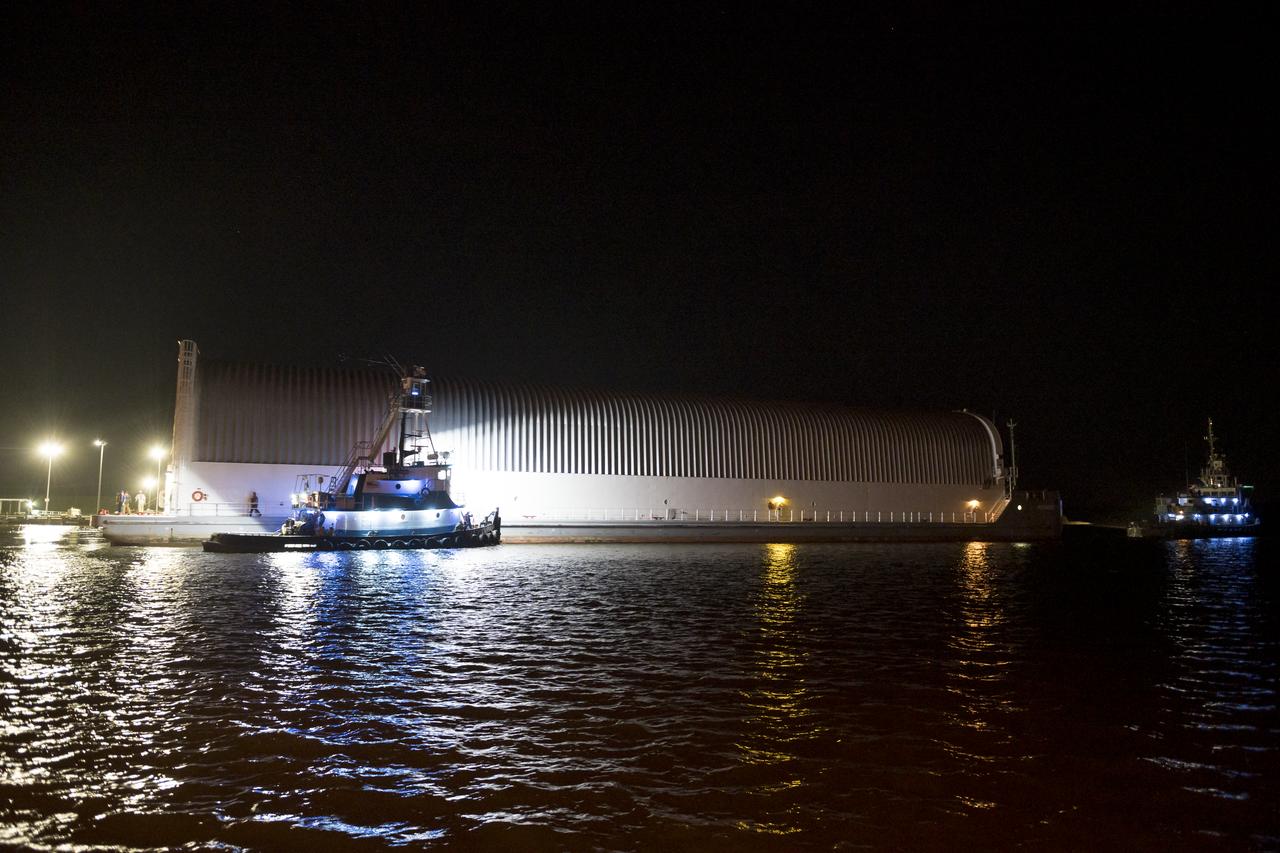
These images show NASA’s Pegasus barge at NASA’s Michoud Assembly Facility in New Orleans as it transported the Artemis I launch vehicle stage adapter (LVSA) of the agency’s Space Launch System rocket to NASA’s Kennedy Space Center in Florida. Leaving with the adapter from NASA’s Marshall Space Flight Center in Huntsville, Alabama, Pegasus made a brief stop at Michoud to offload supplies and equipment before continuing its to Kennedy. The LVSA connects the deep space rocket’s 212-foot-tall core stage to the rocket’s upper stage and will be used for Artemis I, the first in a series of increasingly complex missions to the Moon through NASA’s Artemis program. Once at Kennedy, the LVSA will undergo Artemis I launch preparations. Only the SLS core stage, currently in final testing at NASA’s Stennis Space Center near Bay St. Louis, Mississippi, remains to be shipped to Kennedy on Pegasus. The core stage is produced at Michoud. Together with four RS-25 engines, the rocket’s massive 212-foot-tall core stage — the largest stage NASA has ever built — and its twin solid rocket boosters produce 8.8 million pounds of thrust to send NASA’s Orion spacecraft, astronauts and supplies beyond Earth’s orbit to the Moon. Offering more payload mass, volume capacity and energy to speed missions through space, the SLS rocket, along with NASA’s Gateway in lunar orbit, the Human Landing System and Orion, is part of NASA’s backbone for deep space exploration and the Artemis lunar program. No other rocket is capable of carrying astronauts in Orion around the Moon in a single mission.
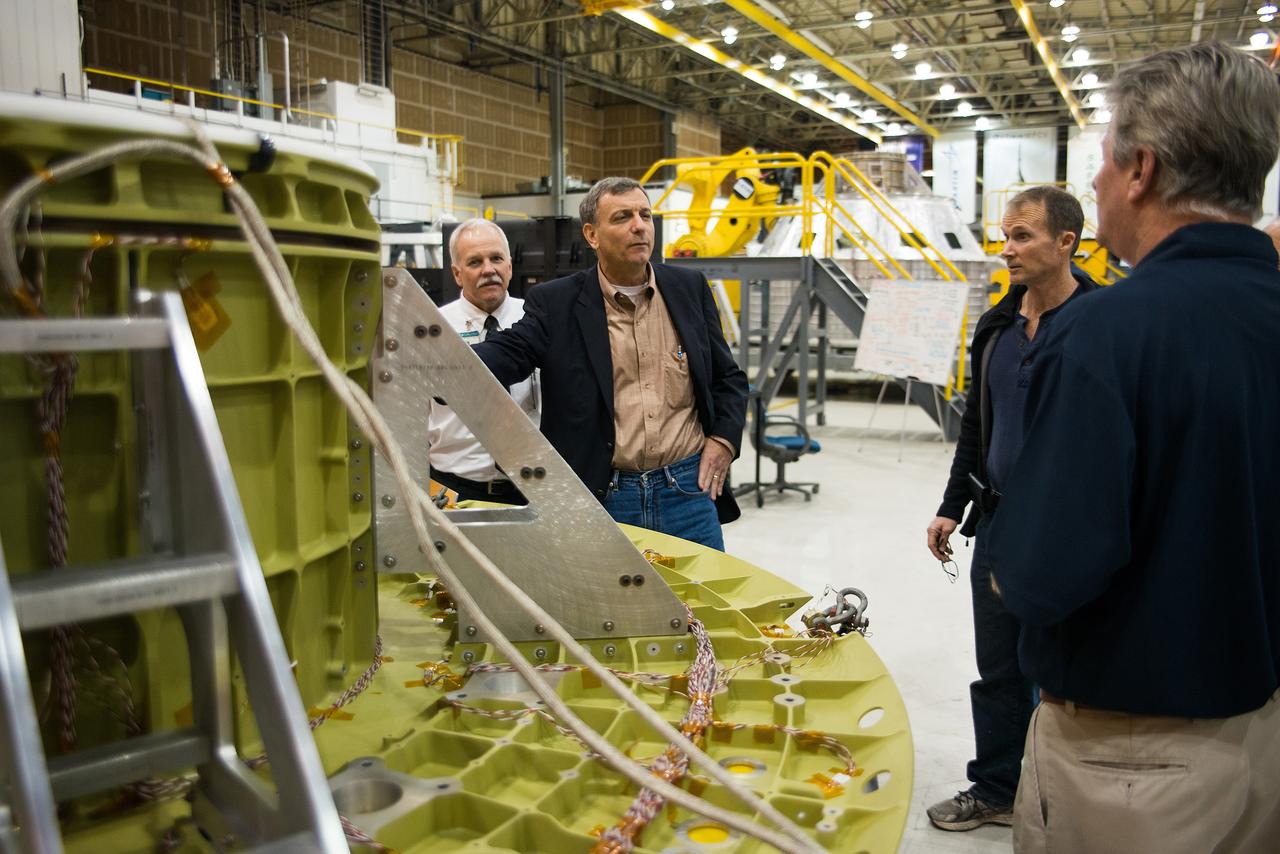
MAF Orion MGMT Visit
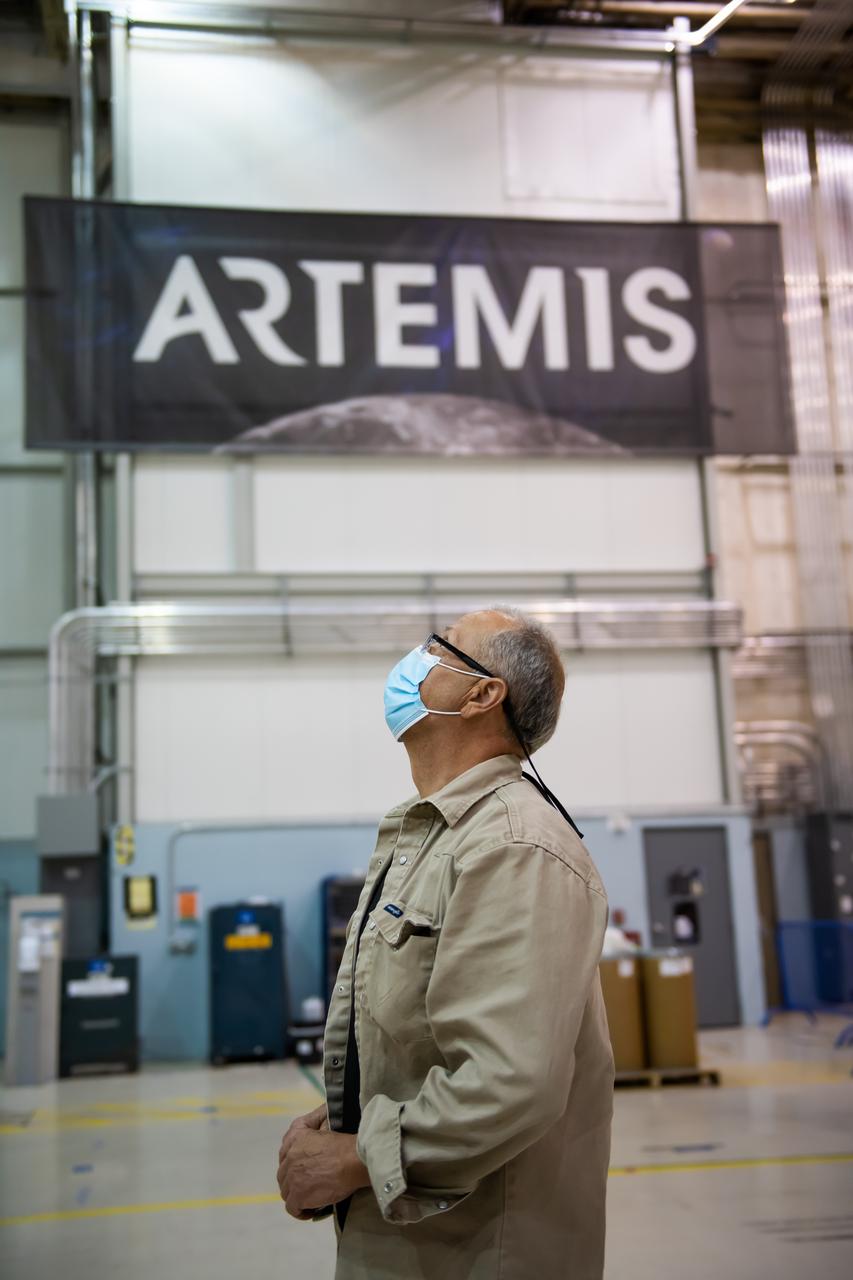
Employees wear personal protective gear at Michoud Assembly Facility as the facility transitioned to Stage 3 of NASA’s Framework for Return To On-Site Work. Employees wear the appropriate personal protective equipment (PPE) and/or cloth face coverings as required for assigned tasks. Access to the facility is limited to authorized personnel working on mission-critical tasks that must be conducted onsite. Mission-critical tasks include slowly and methodically resuming Space Launch System (SLS) Core Stage and Orion production activities, particularly critical path deliverables to support the Artemis Program, at a pace that limits personnel and follows federal guidelines for social distancing and use of personal protective equipment such as face masks. For more information about SLS, visit nasa.gov/sls.
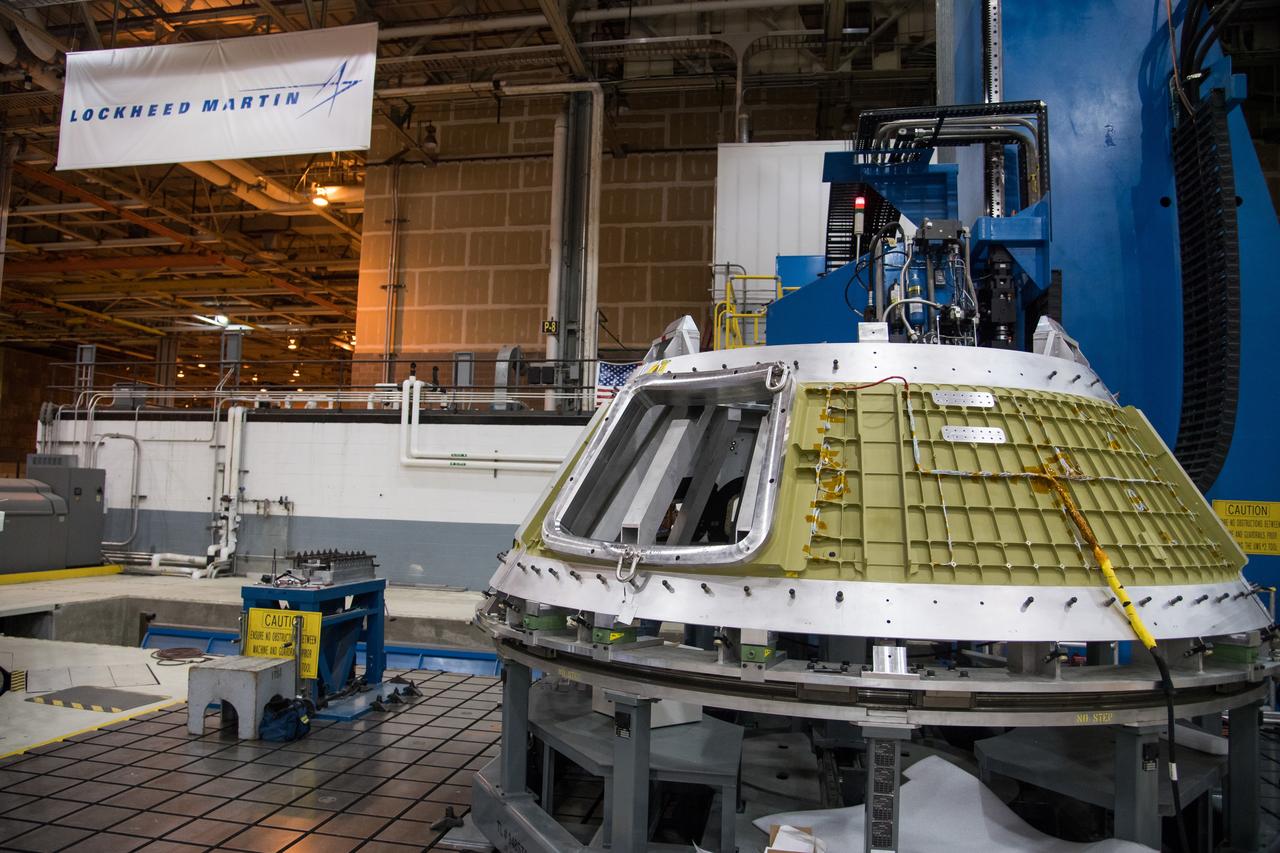
Lockheed Martin engineers at NASA's Michoud Assembly Facility in New Orleans, Louisiana, weld the cone section for the Orion spacecraft which will carry humans beyond the Moon on Artemis II, on Jan. 29, 2018.
This week, NASA is taking preliminary steps to resume @NASA_SLS core stage production. Limited crews will return to #NASAMichoud to perform critical work essential to the agency's #Artemis program and our return to the Moon.
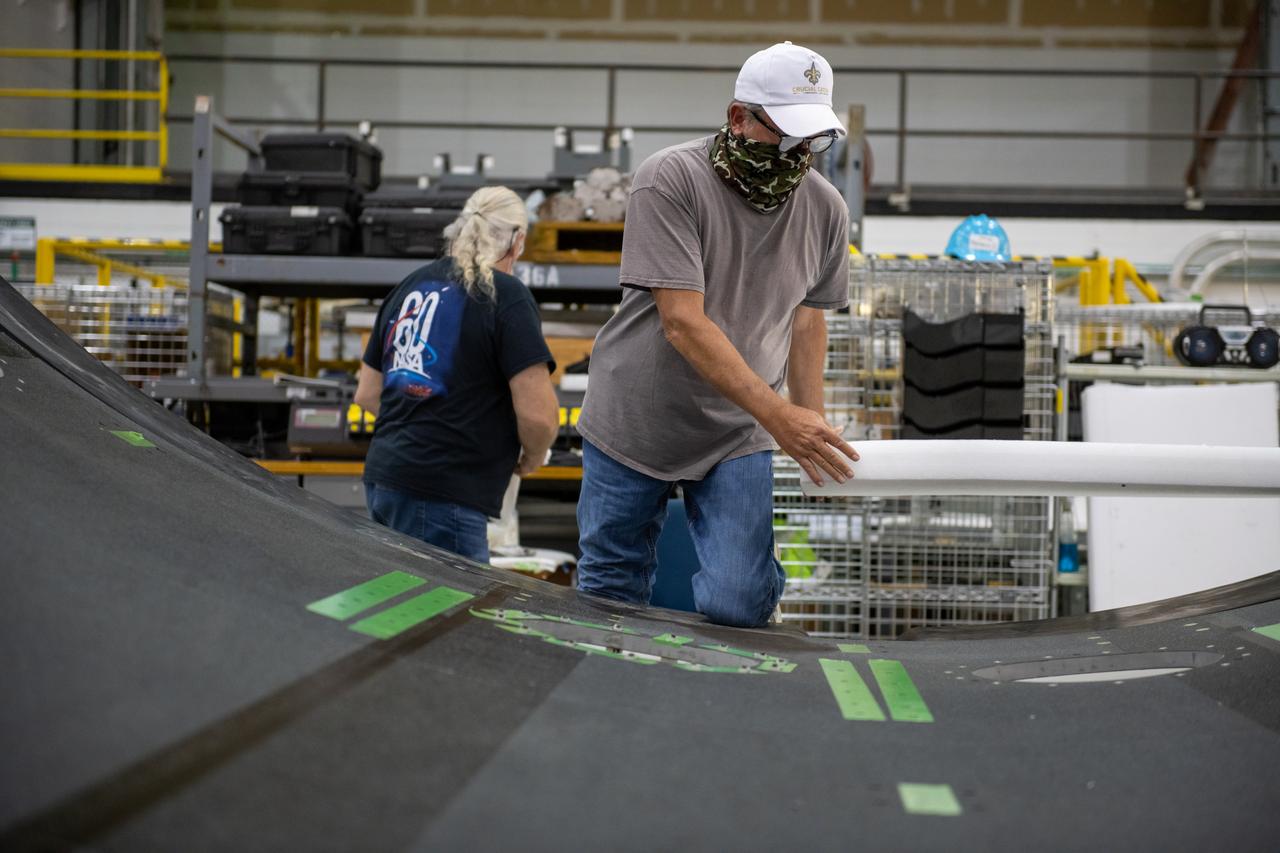
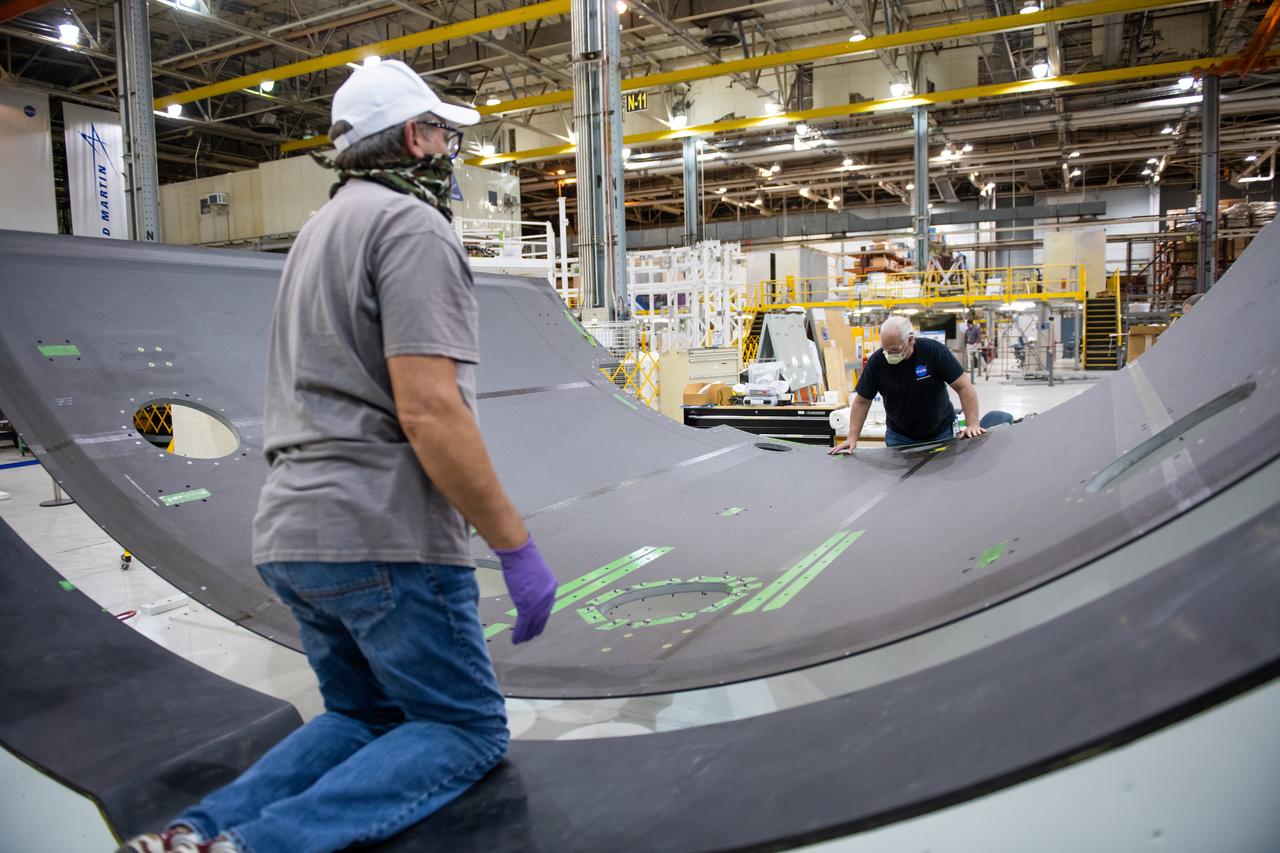
Employees wear personal protective gear at Michoud Assembly Facility as the facility transitioned to Stage 3 of NASA’s Framework for Return To On-Site Work. Employees wear the appropriate personal protective equipment (PPE) and/or cloth face coverings as required for assigned tasks. Access to the facility is limited to authorized personnel working on mission-critical tasks that must be conducted onsite. Mission-critical tasks include slowly and methodically resuming Space Launch System (SLS) Core Stage and Orion production activities, particularly critical path deliverables to support the Artemis Program, at a pace that limits personnel and follows federal guidelines for social distancing and use of personal protective equipment such as face masks. For more information about SLS, visit nasa.gov/sls.
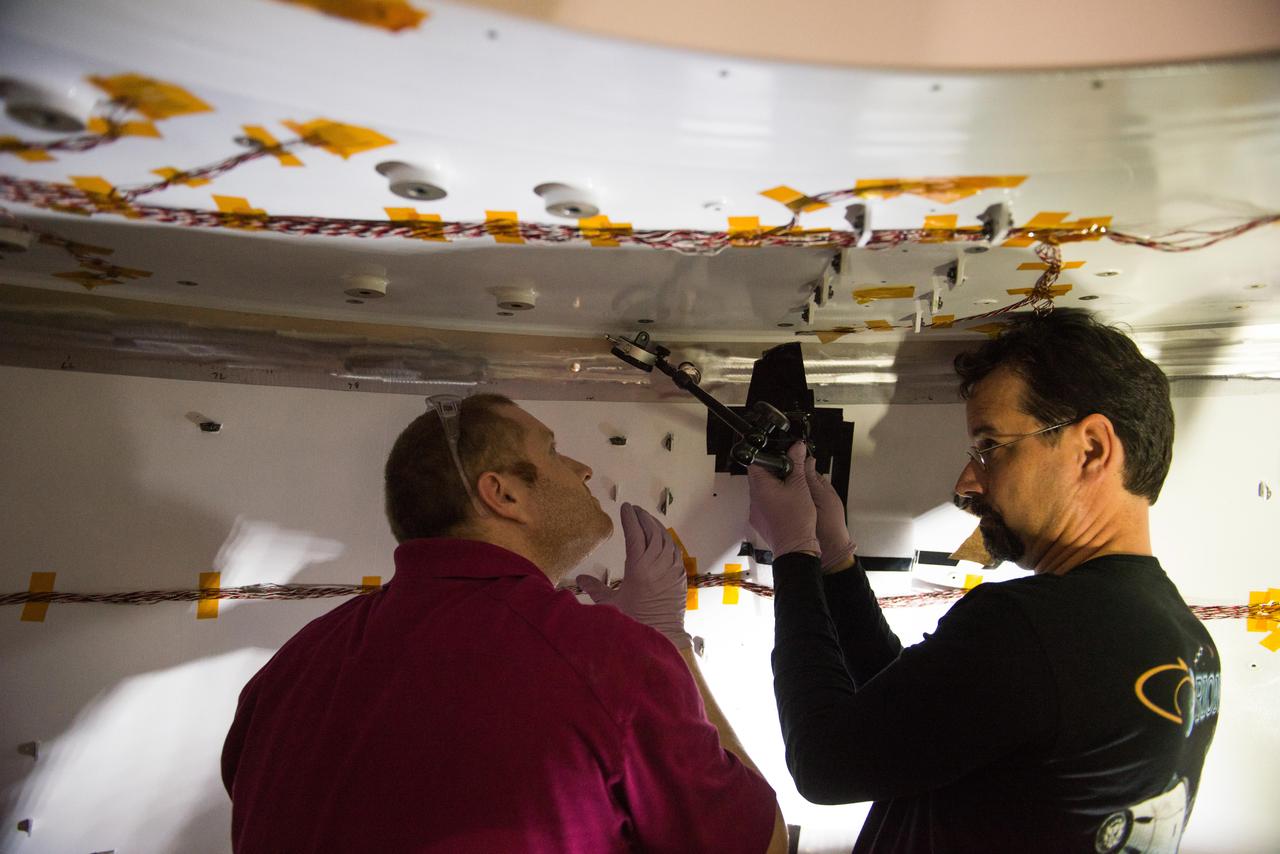
Orion EM1 plug welds in PV2 and PV3
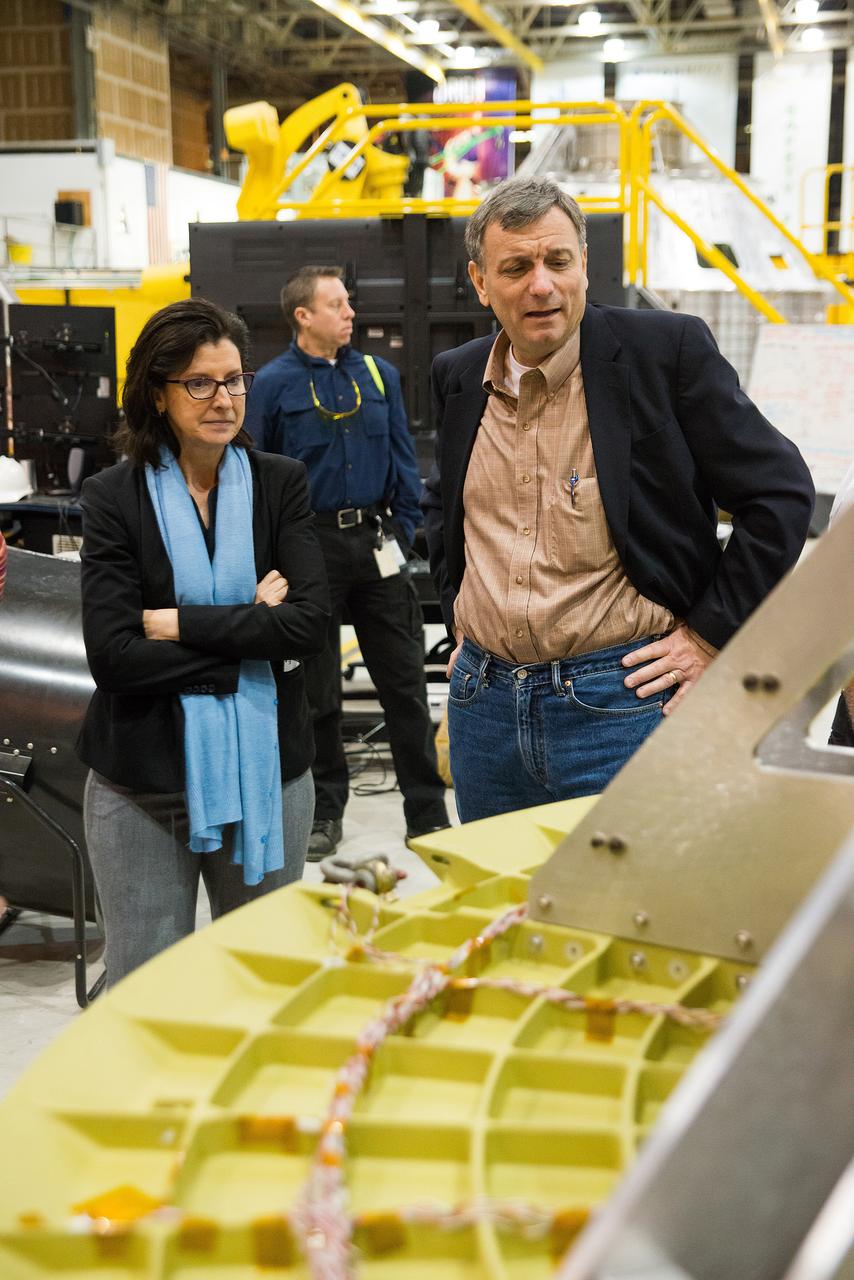
MAF Orion MGMT Visit
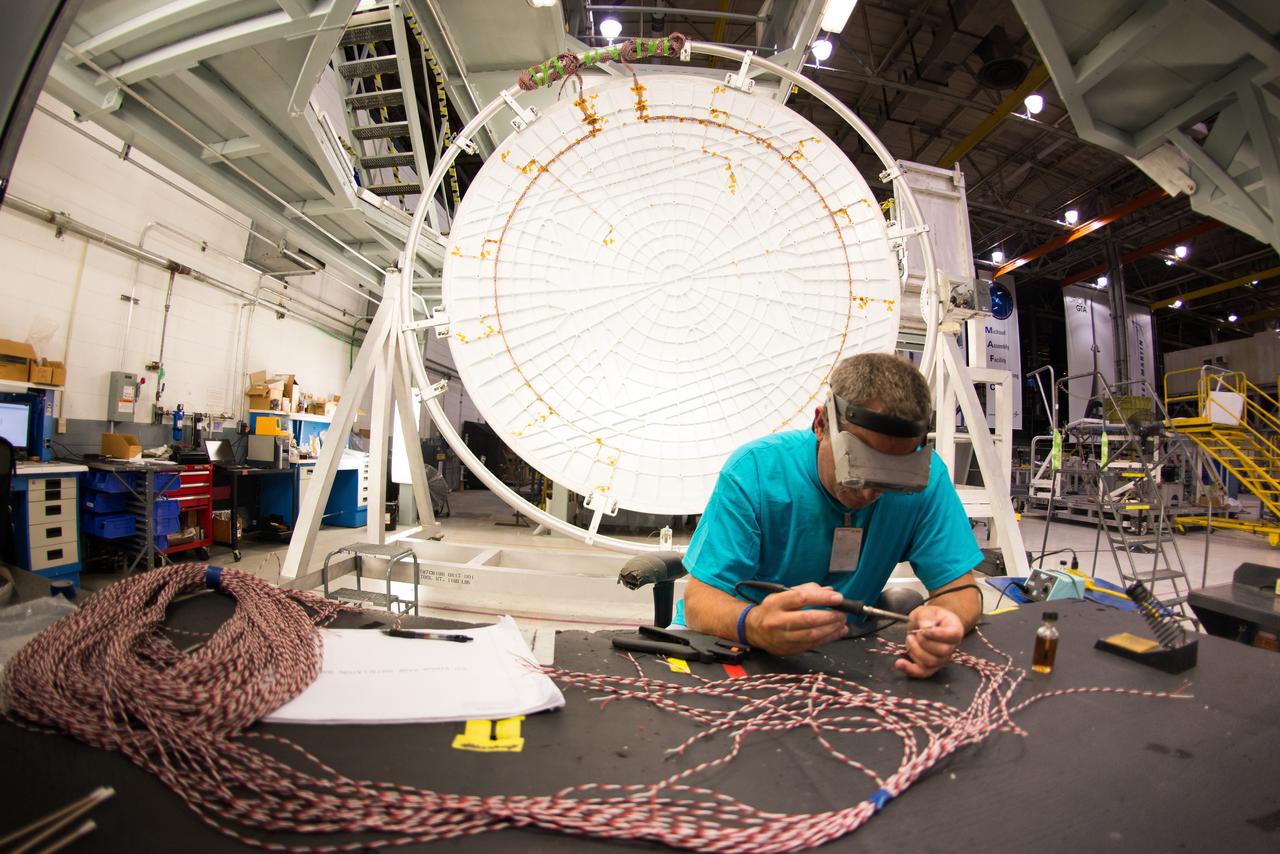
Lockheed Martin engineers at Michoud Assembly Facility in New Orleans, Louisiana, prepare elements of the Orion pressure vessel for welding on Sept. 23, 2015. Part of Batch image transfer from Flickr.
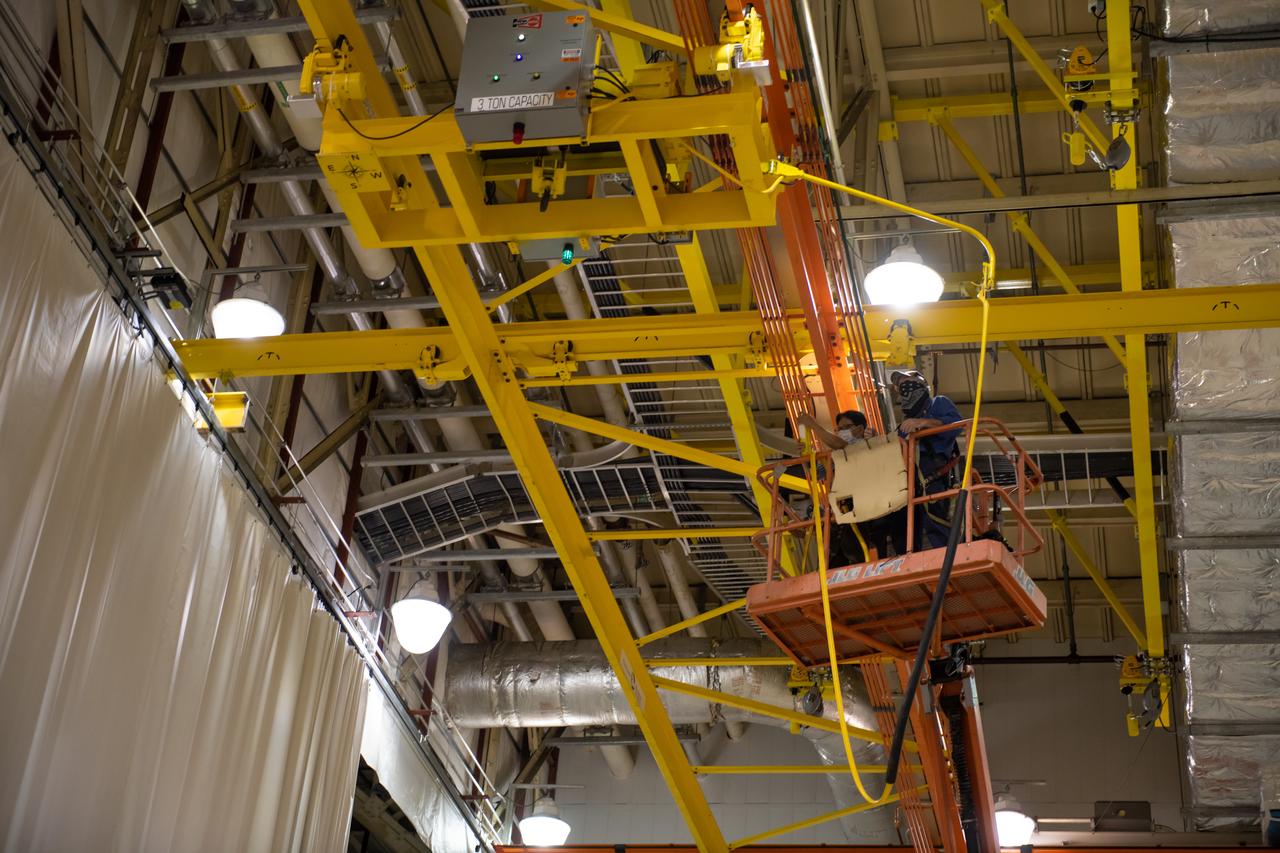
Employees wear personal protective gear at Michoud Assembly Facility as the facility transitioned to Stage 3 of NASA’s Framework for Return To On-Site Work. Employees wear the appropriate personal protective equipment (PPE) and/or cloth face coverings as required for assigned tasks. Access to the facility is limited to authorized personnel working on mission-critical tasks that must be conducted onsite. Mission-critical tasks include slowly and methodically resuming Space Launch System (SLS) Core Stage and Orion production activities, particularly critical path deliverables to support the Artemis Program, at a pace that limits personnel and follows federal guidelines for social distancing and use of personal protective equipment such as face masks. For more information about SLS, visit nasa.gov/sls.
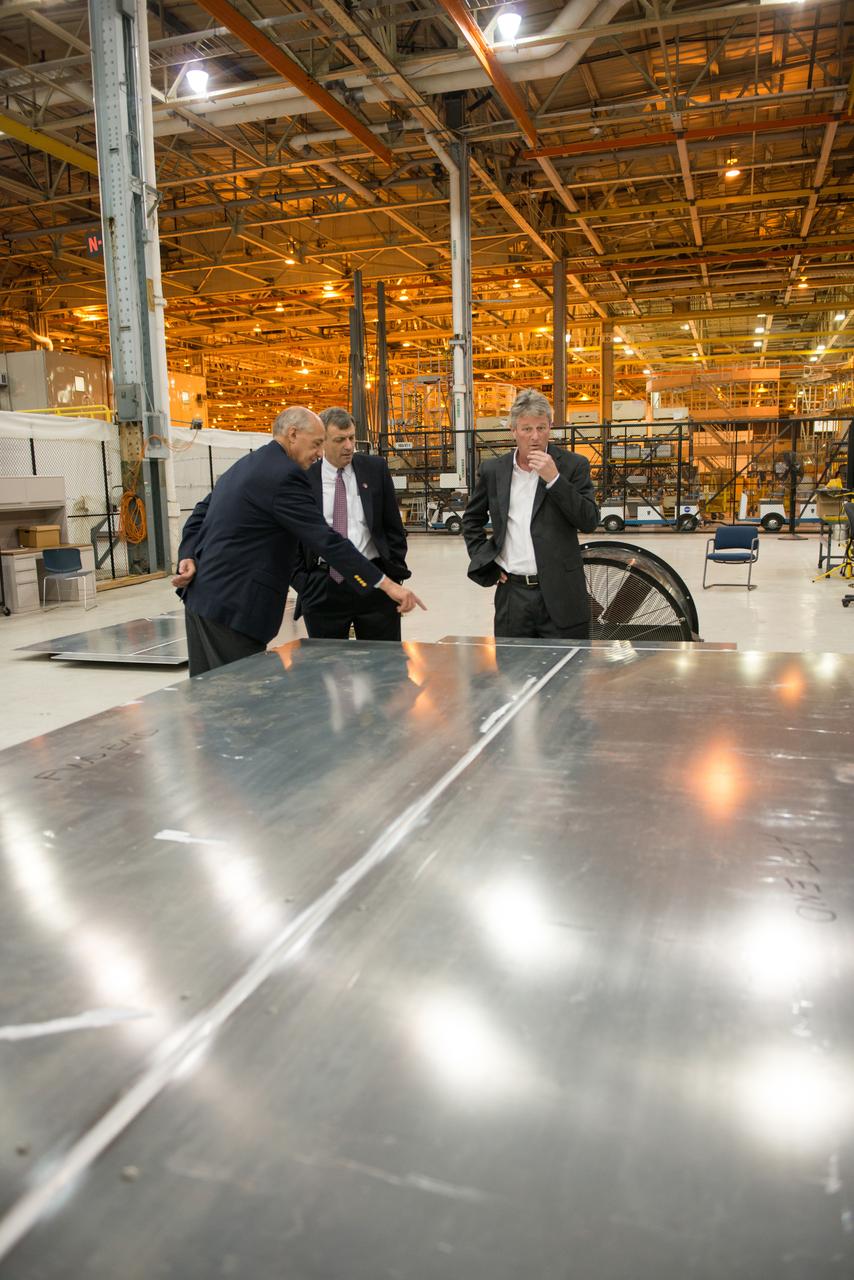
Mark Kirasich visit
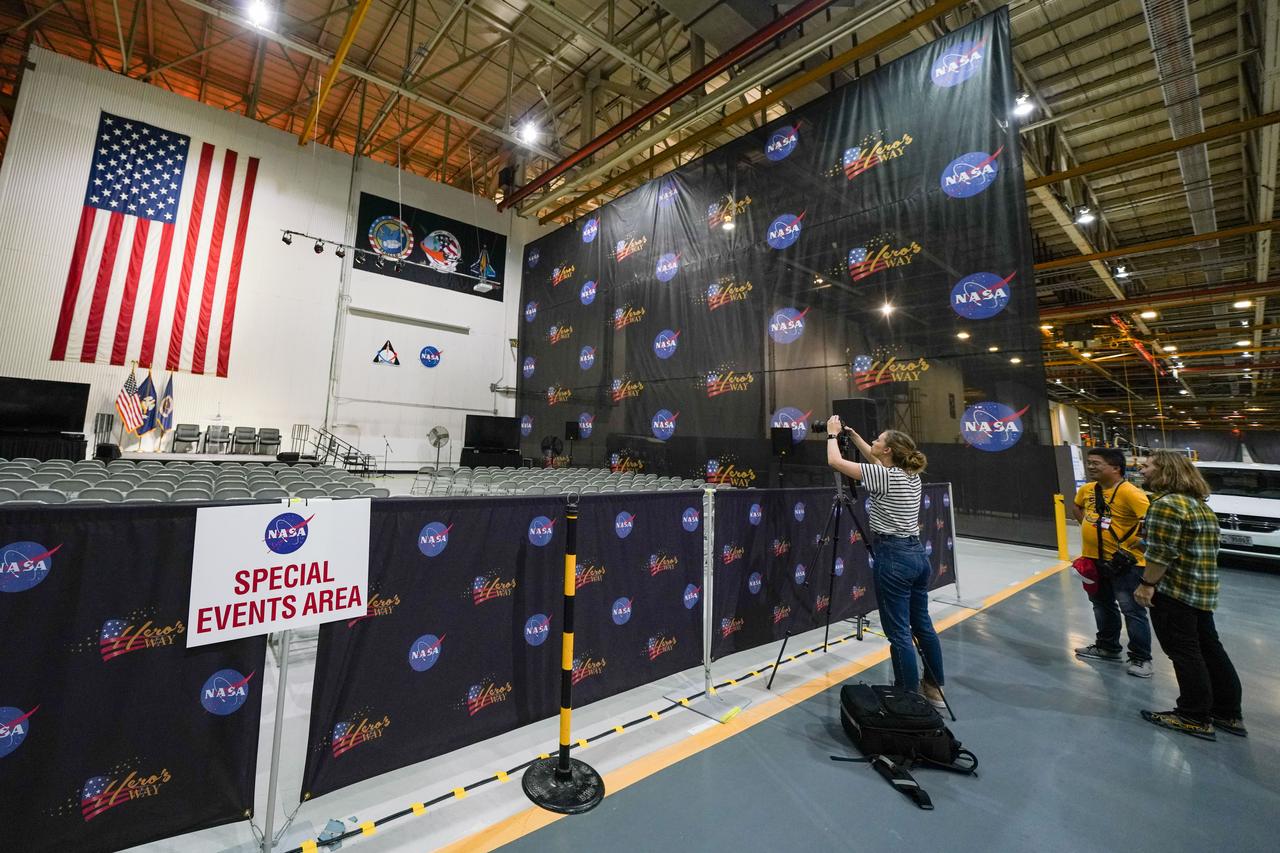
NASA's Photo Social at Michoud Assembly Facility
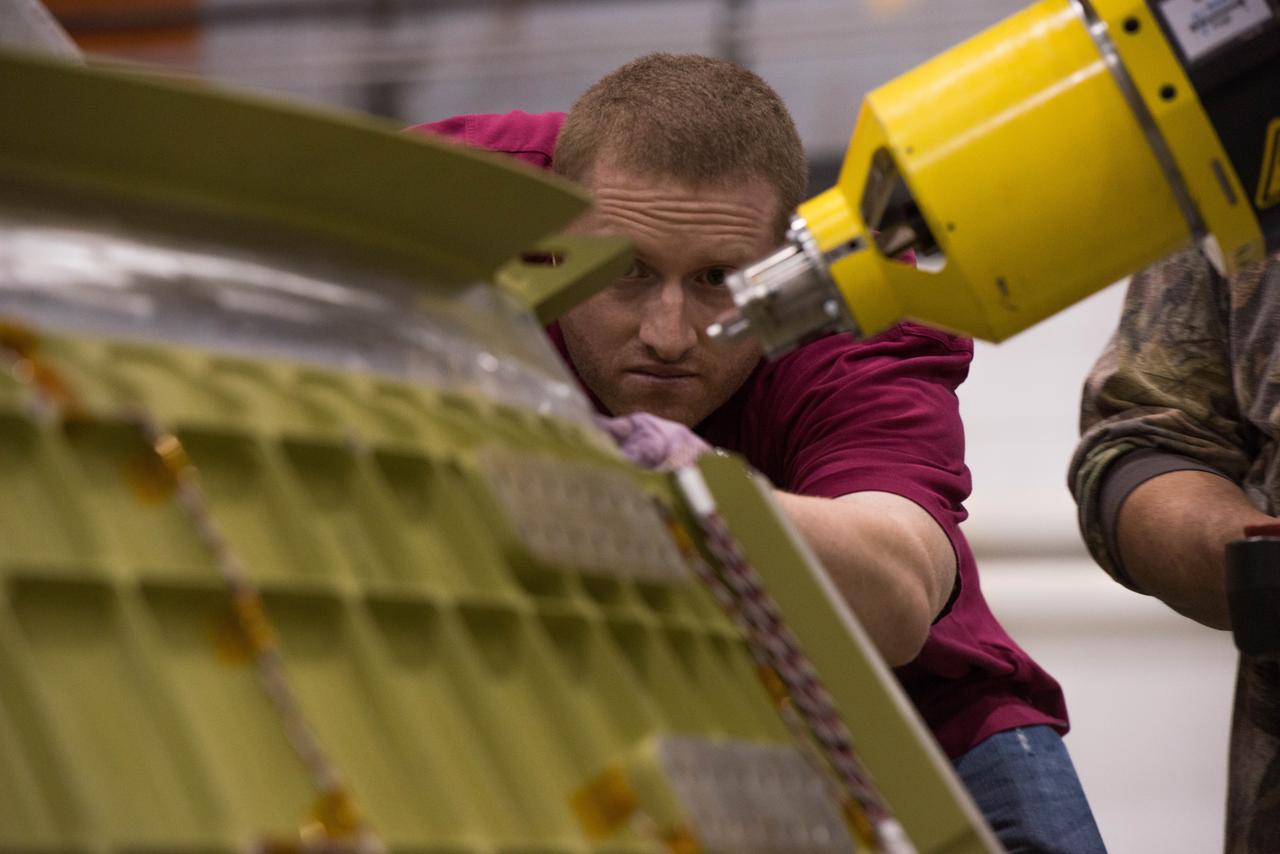
Orion EM1 plug welds in PV2 and PV3
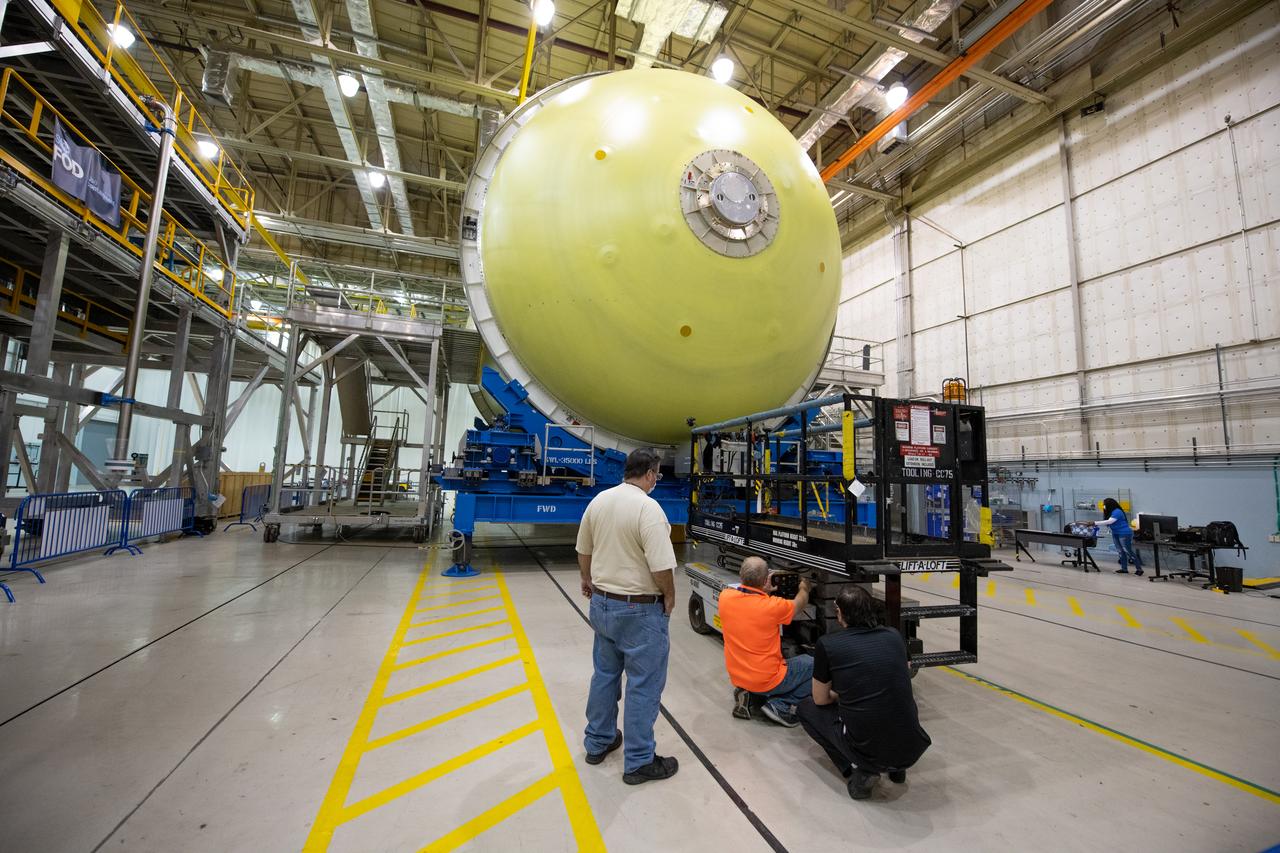
Employees wear personal protective gear at Michoud Assembly Facility as the facility transitioned to Stage 3 of NASA’s Framework for Return To On-Site Work. Employees wear the appropriate personal protective equipment (PPE) and/or cloth face coverings as required for assigned tasks. Access to the facility is limited to authorized personnel working on mission-critical tasks that must be conducted onsite. Mission-critical tasks include slowly and methodically resuming Space Launch System (SLS) Core Stage and Orion production activities, particularly critical path deliverables to support the Artemis Program, at a pace that limits personnel and follows federal guidelines for social distancing and use of personal protective equipment such as face masks. For more information about SLS, visit nasa.gov/sls.
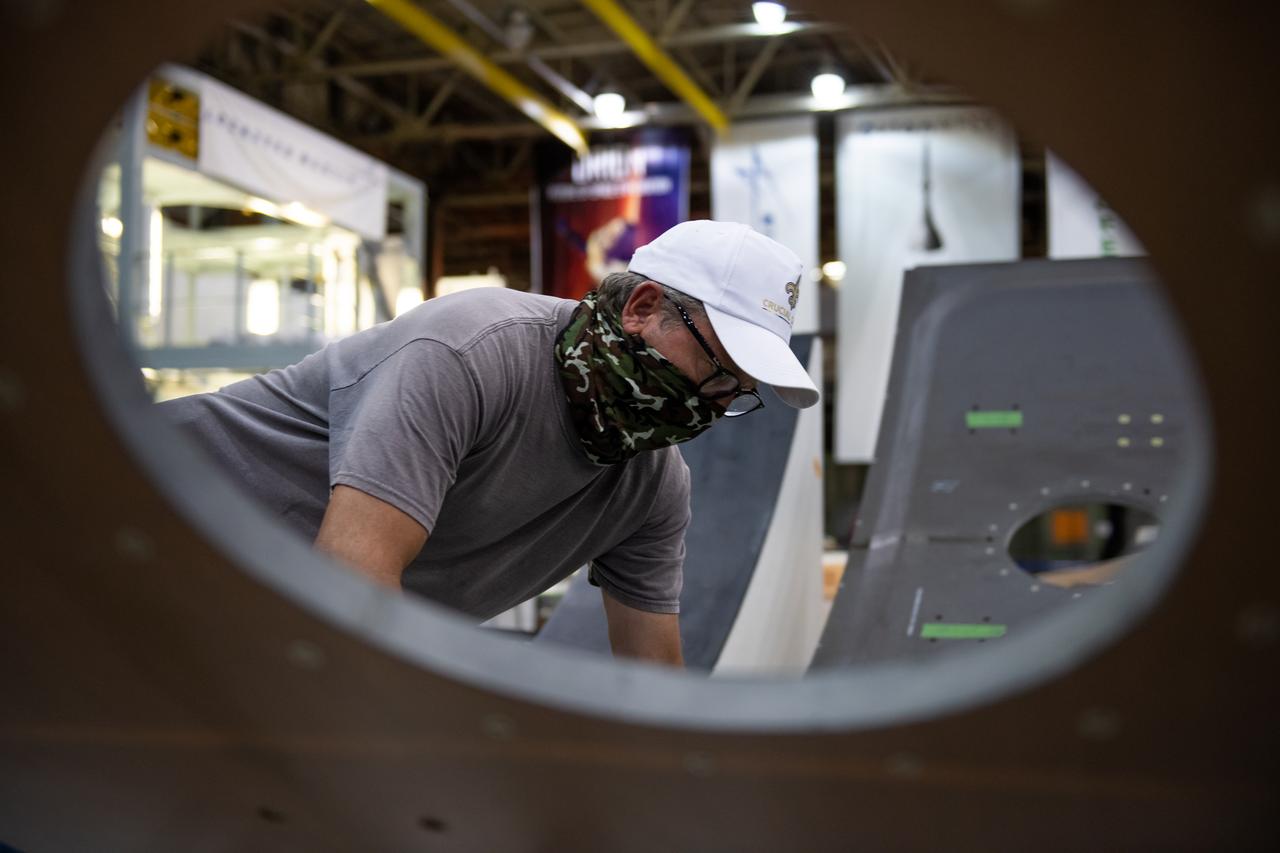
Employees wear personal protective gear at Michoud Assembly Facility as the facility transitioned to Stage 3 of NASA’s Framework for Return To On-Site Work. Employees wear the appropriate personal protective equipment (PPE) and/or cloth face coverings as required for assigned tasks. Access to the facility is limited to authorized personnel working on mission-critical tasks that must be conducted onsite. Mission-critical tasks include slowly and methodically resuming Space Launch System (SLS) Core Stage and Orion production activities, particularly critical path deliverables to support the Artemis Program, at a pace that limits personnel and follows federal guidelines for social distancing and use of personal protective equipment such as face masks. For more information about SLS, visit nasa.gov/sls.
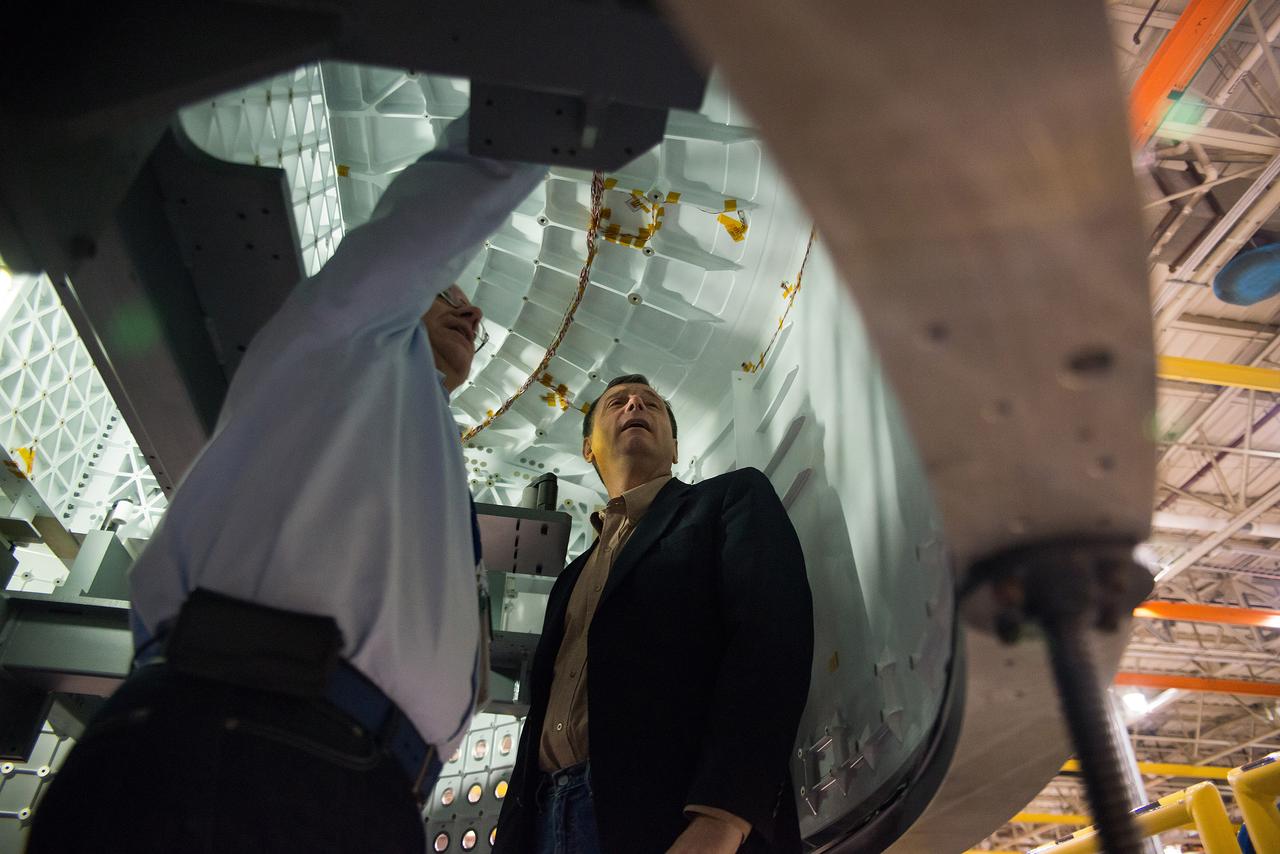
MAF Orion MGMT Visit
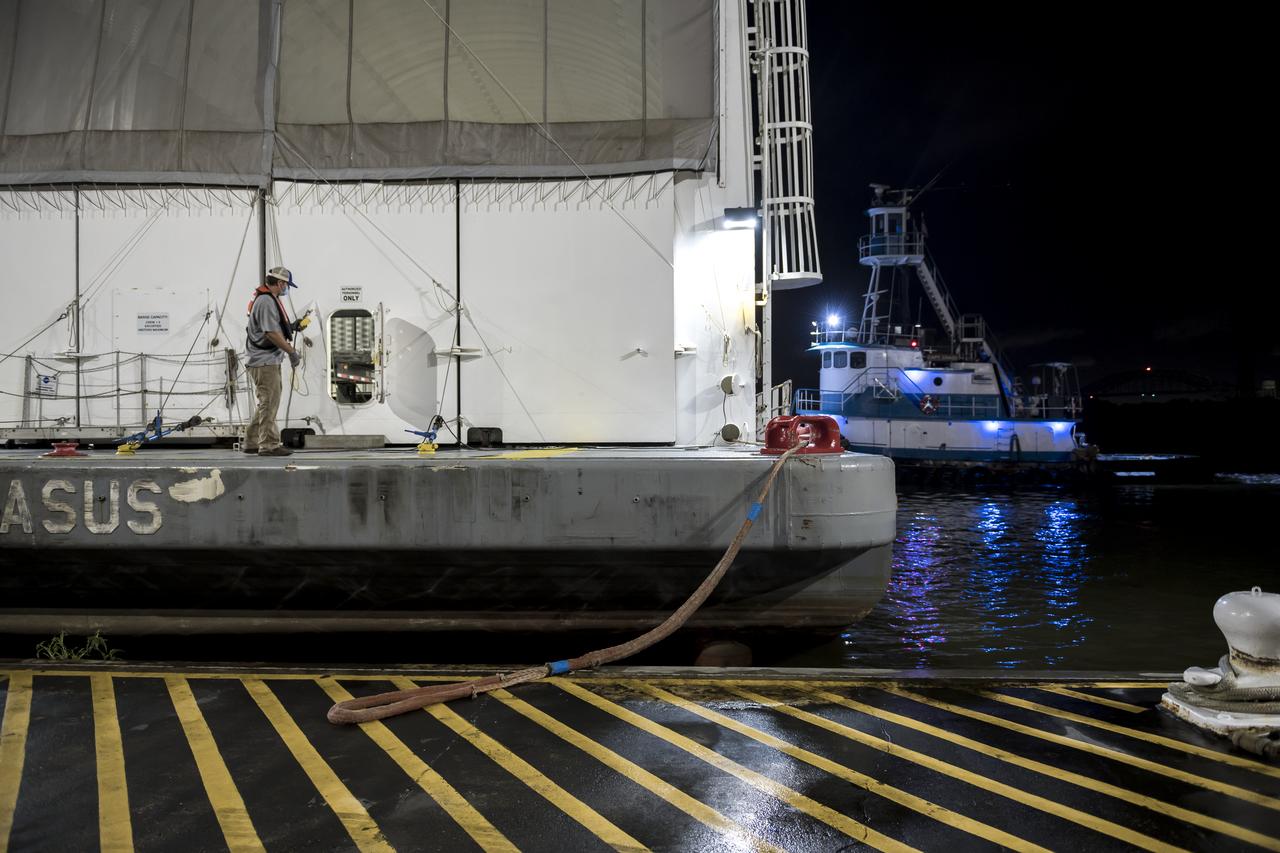
These images show NASA’s Pegasus barge at NASA’s Michoud Assembly Facility in New Orleans as it transported the Artemis I launch vehicle stage adapter (LVSA) of the agency’s Space Launch System rocket to NASA’s Kennedy Space Center in Florida. Leaving with the adapter from NASA’s Marshall Space Flight Center in Huntsville, Alabama, Pegasus made a brief stop at Michoud to offload supplies and equipment before continuing its to Kennedy. The LVSA connects the deep space rocket’s 212-foot-tall core stage to the rocket’s upper stage and will be used for Artemis I, the first in a series of increasingly complex missions to the Moon through NASA’s Artemis program. Once at Kennedy, the LVSA will undergo Artemis I launch preparations. Only the SLS core stage, currently in final testing at NASA’s Stennis Space Center near Bay St. Louis, Mississippi, remains to be shipped to Kennedy on Pegasus. The core stage is produced at Michoud. Together with four RS-25 engines, the rocket’s massive 212-foot-tall core stage — the largest stage NASA has ever built — and its twin solid rocket boosters produce 8.8 million pounds of thrust to send NASA’s Orion spacecraft, astronauts and supplies beyond Earth’s orbit to the Moon. Offering more payload mass, volume capacity and energy to speed missions through space, the SLS rocket, along with NASA’s Gateway in lunar orbit, the Human Landing System and Orion, is part of NASA’s backbone for deep space exploration and the Artemis lunar program. No other rocket is capable of carrying astronauts in Orion around the Moon in a single mission.
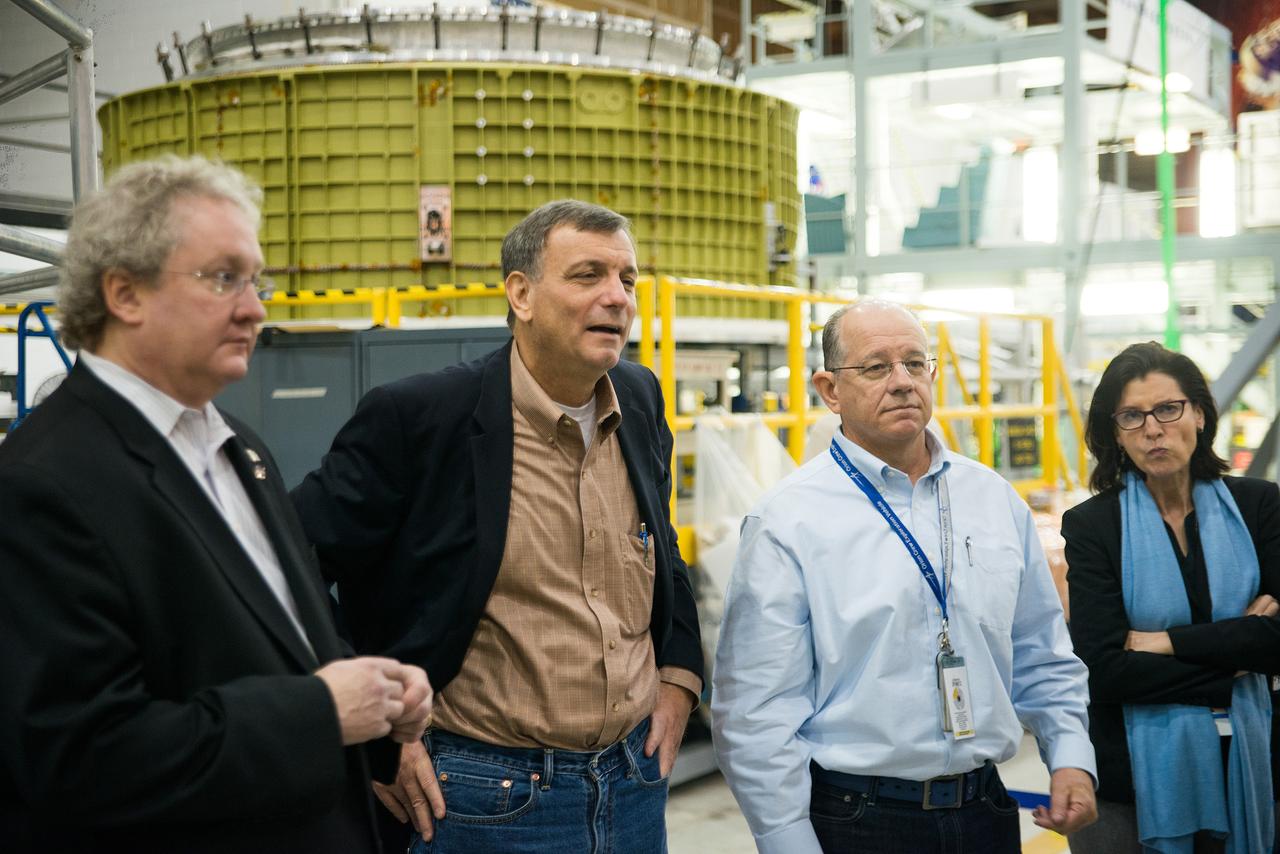
MAF Orion MGMT Visit
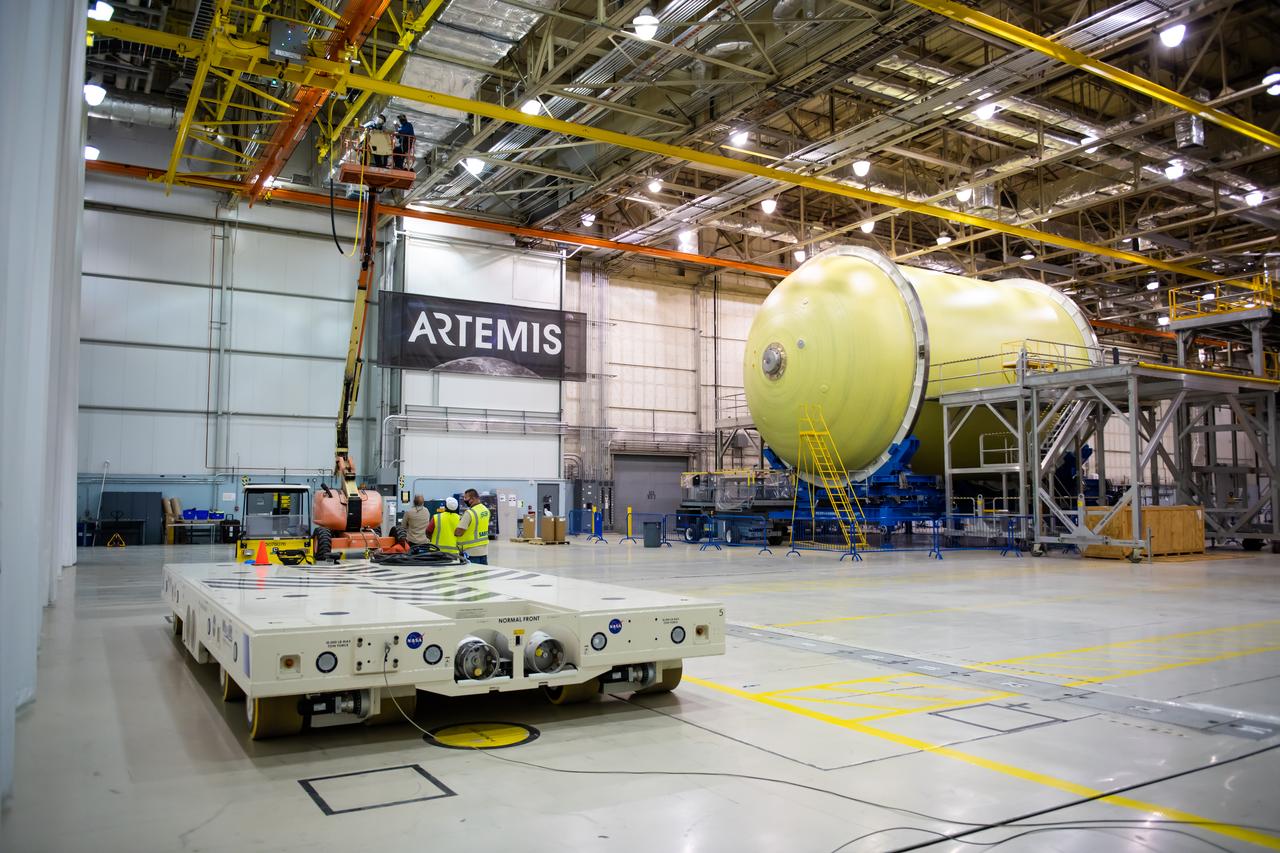
Employees wear personal protective gear at Michoud Assembly Facility as the facility transitioned to Stage 3 of NASA’s Framework for Return To On-Site Work. Employees wear the appropriate personal protective equipment (PPE) and/or cloth face coverings as required for assigned tasks. Access to the facility is limited to authorized personnel working on mission-critical tasks that must be conducted onsite. Mission-critical tasks include slowly and methodically resuming Space Launch System (SLS) Core Stage and Orion production activities, particularly critical path deliverables to support the Artemis Program, at a pace that limits personnel and follows federal guidelines for social distancing and use of personal protective equipment such as face masks. For more information about SLS, visit nasa.gov/sls.
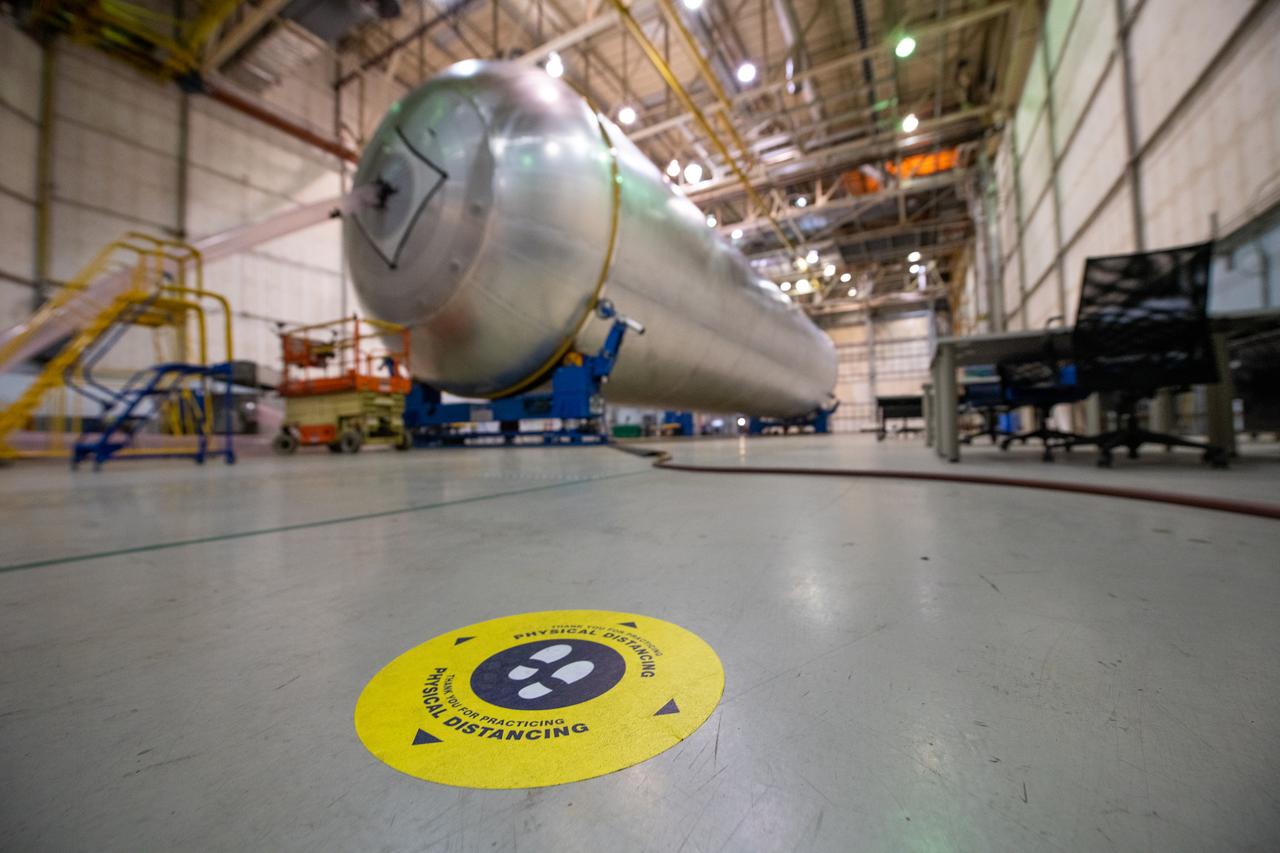
Employees wear personal protective gear at Michoud Assembly Facility as the facility transitioned to Stage 3 of NASA’s Framework for Return To On-Site Work. Employees wear the appropriate personal protective equipment (PPE) and/or cloth face coverings as required for assigned tasks. Access to the facility is limited to authorized personnel working on mission-critical tasks that must be conducted onsite. Mission-critical tasks include slowly and methodically resuming Space Launch System (SLS) Core Stage and Orion production activities, particularly critical path deliverables to support the Artemis Program, at a pace that limits personnel and follows federal guidelines for social distancing and use of personal protective equipment such as face masks. For more information about SLS, visit nasa.gov/sls.
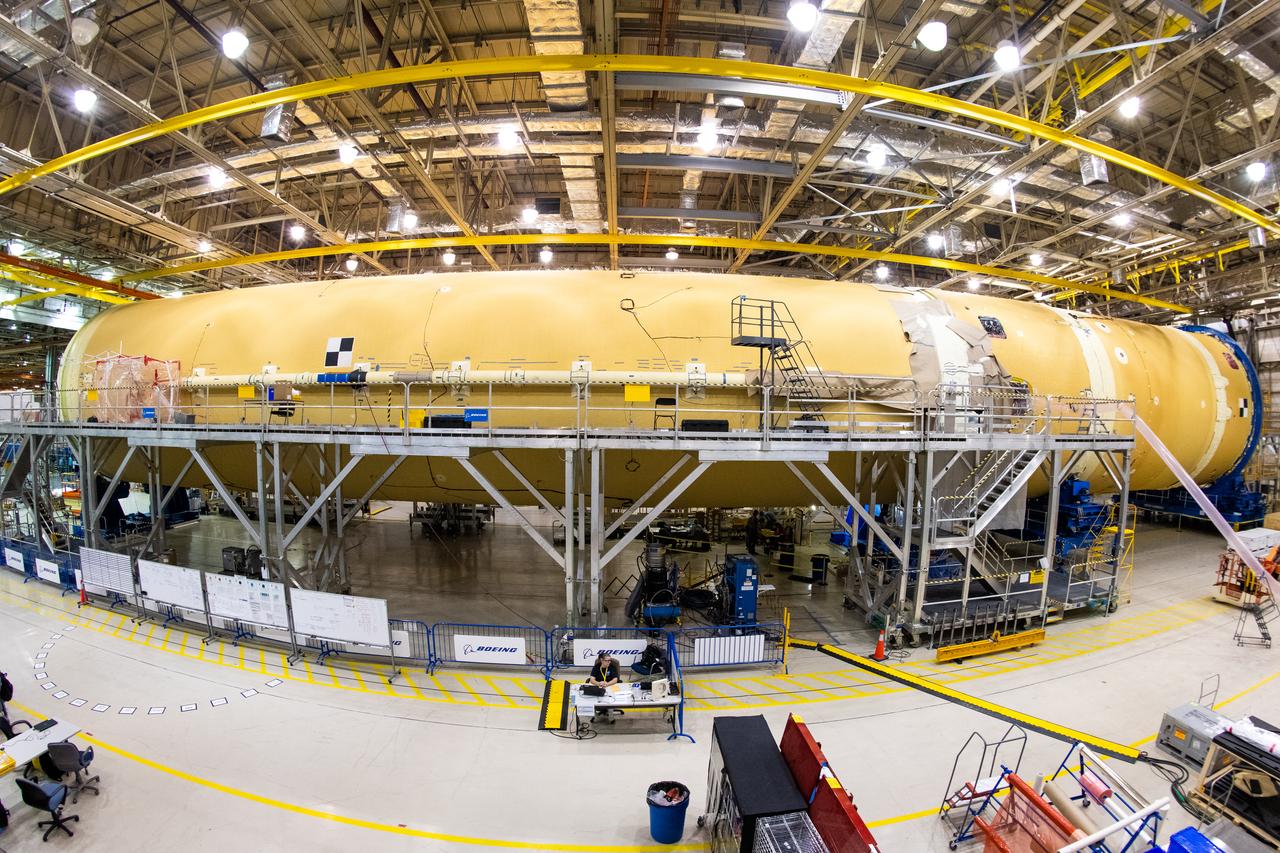
Technicians at NASA’s Michoud Assembly Facility in New Orleans completed the “forward join,” which connects structures to form the top part of NASA’s Space Launch System (SLS) rocket’s core stage. The first core stage will send Exploration Mission-1, the first integrated flight of SLS and NASA’s Orion spacecraft, out beyond the Moon. The forward join mated three structures: the forward skirt, liquid oxygen tank and intertank. This milestone marks the beginning of integration and assembly of the massive, 212-foot-tall SLS core stage, which will include the rocket’s four RS-25 rocket engines, propellant tanks and flight computers. Now, NASA and Boeing, the SLS prime contractor, will continue to integrate various systems inside the forward part of the core stage and prepare for structural joining of the liquid hydrogen tank and engine section to form the bottom of the stage. These two parts of the core stage will then be assembled to form the largest stage NASA has ever built.
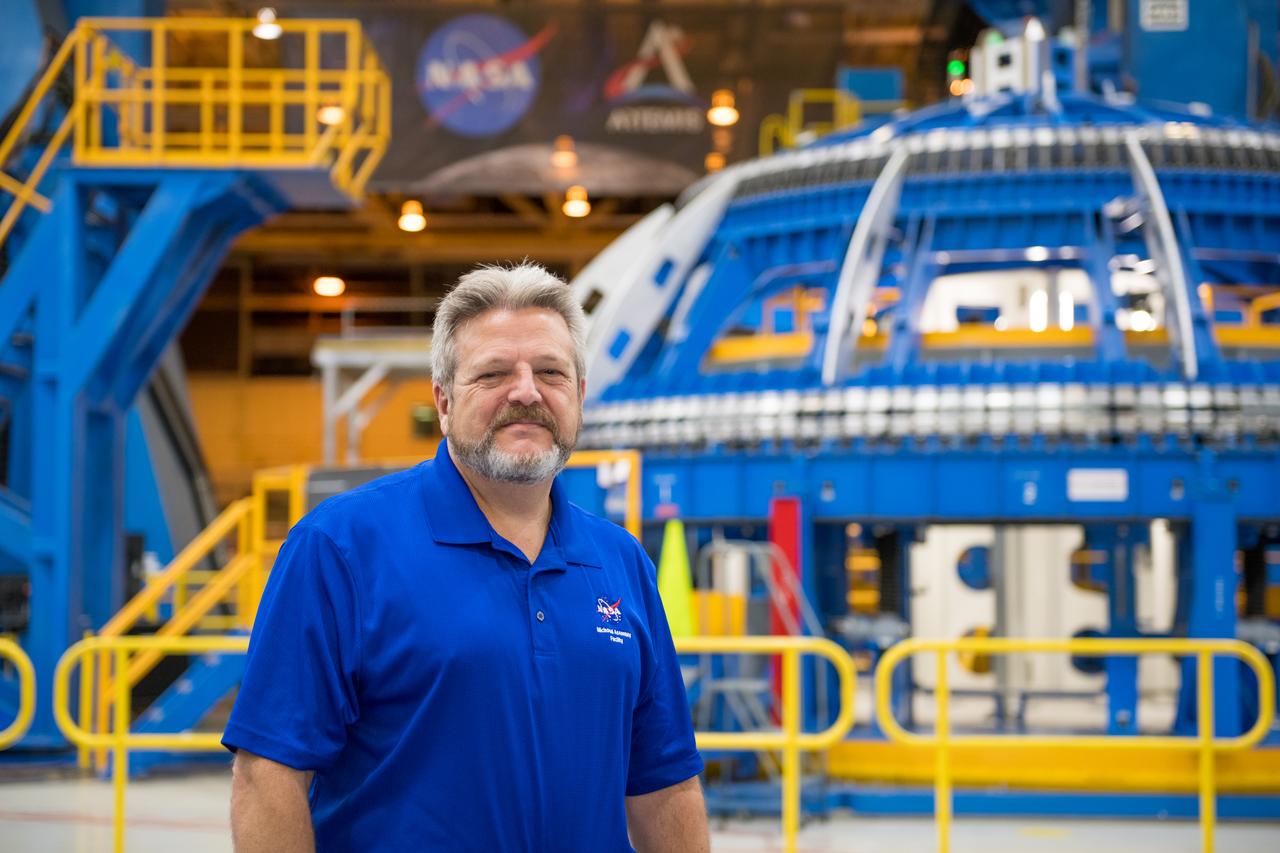
Robert Champion - Director NASA Michoud Assembly Facility stands in front of the Robotic Weld tool in BLDG 103.
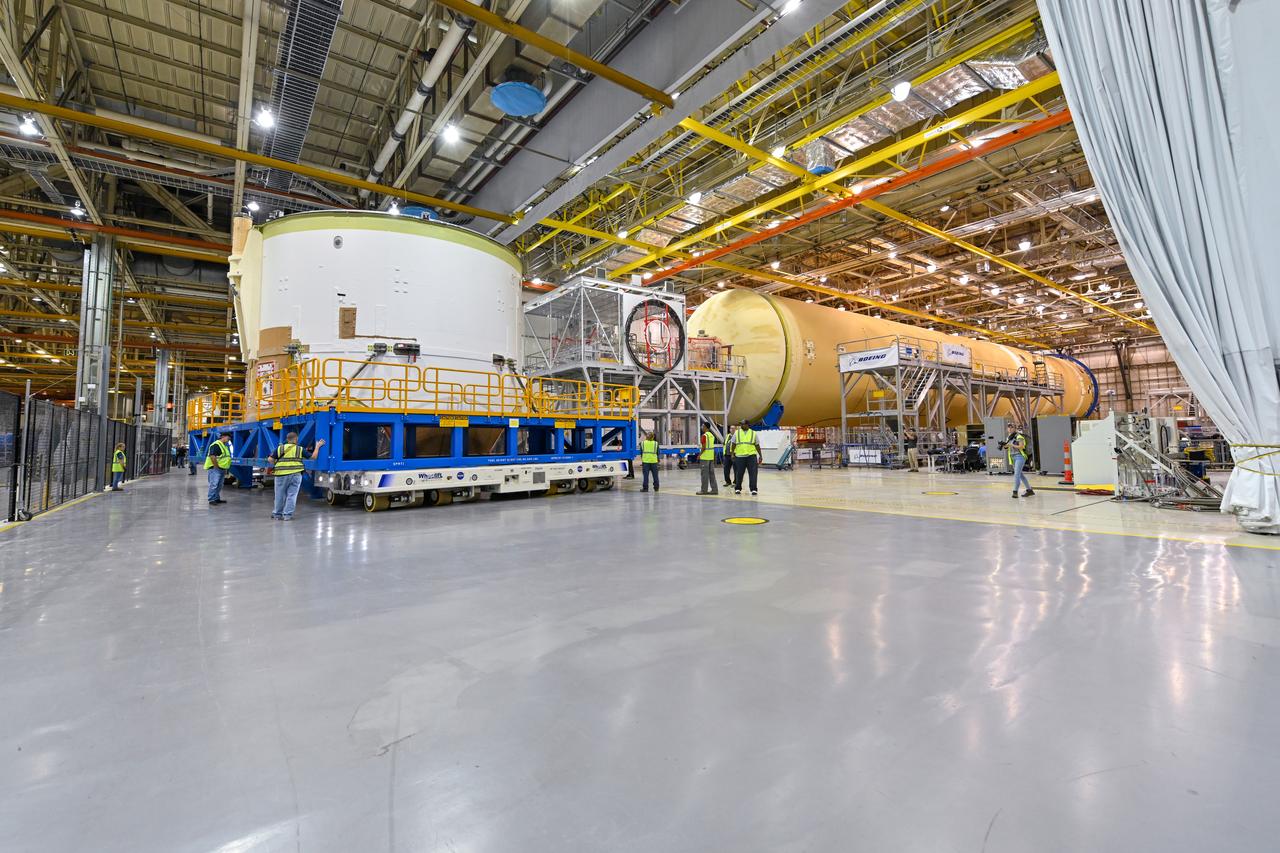
Technicians at NASA’s Michoud Assembly Facility in New Orleans moved the engine section for NASA’s Space Launch System (SLS) rocket to another part of the facility on Sept. 3 to prepare it for joining to the rest of the rocket’s core stage. The engine section, which comprises the lowest portion of the 212-foot-tall stage, is the last major component to be horizontally integrated to the core stage. Michoud crews completed assembly on the flight hardware that will be used for Artemis I, the first lunar mission of SLS and NASA’s Orion spacecraft, on Aug. 29. NASA and Boeing engineers removed the scaffolding surrounding the hardware to use a special tool to properly position the engine section for its attachment to the rest of the stage. The core stage’s two liquid propellant tanks and four RS-25 engines will produce more than 2 million pounds of thrust to send the SLS rocket and Orion on the Artemis lunar missions. The engine section houses the four RS-25 engines and includes vital systems for mounting, controlling and delivering fuel form the propellant tanks to the rocket’s engines. Offering more payload mass, volume capability and energy to speed missions through space, the SLS rocket, along with NASA’s Gateway in lunar orbit and Orion, is part of NASA’s backbone for deep space exploration and the Artemis lunar program. No other rocket is capable of carrying astronauts in Orion around the Moon in a single mission.
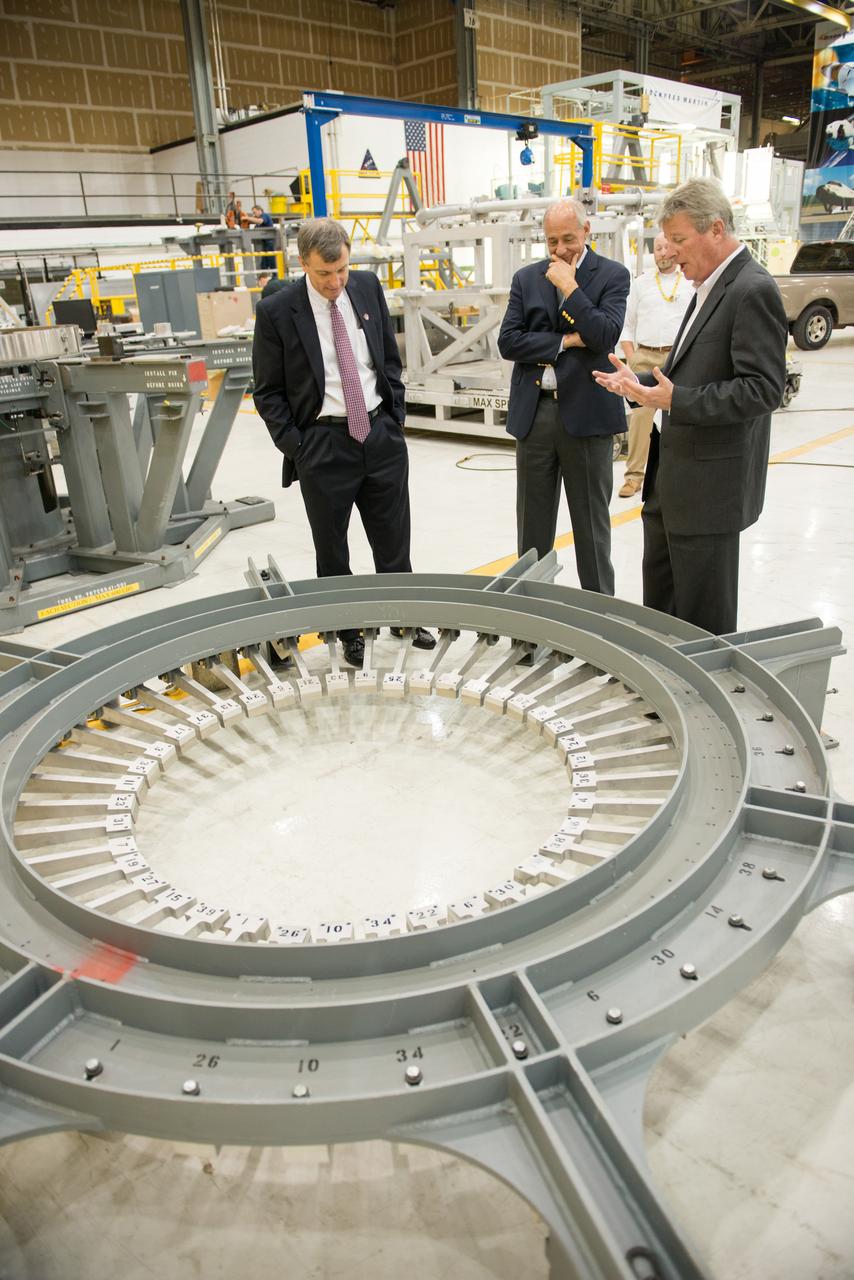
Mark Kirasich visit
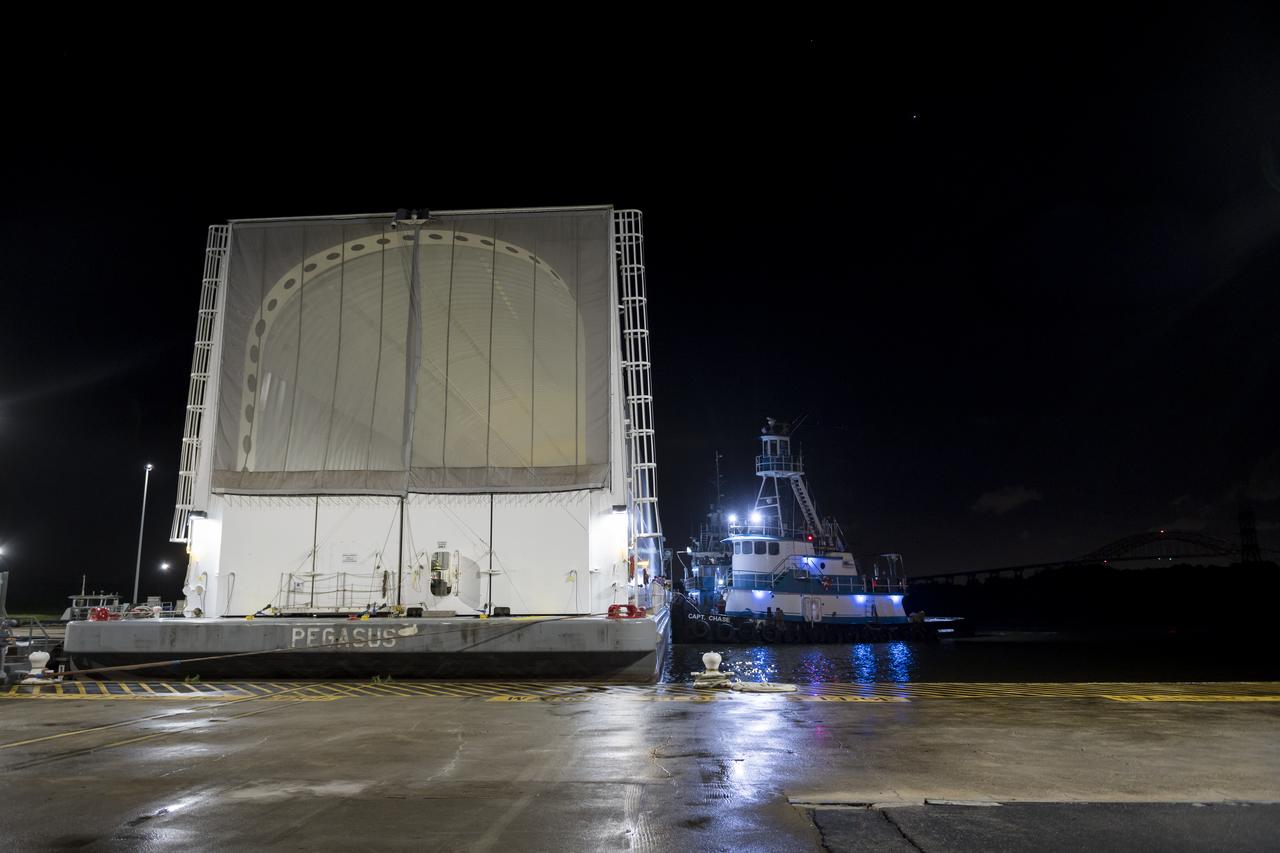
These images show NASA’s Pegasus barge at NASA’s Michoud Assembly Facility in New Orleans as it transported the Artemis I launch vehicle stage adapter (LVSA) of the agency’s Space Launch System rocket to NASA’s Kennedy Space Center in Florida. Leaving with the adapter from NASA’s Marshall Space Flight Center in Huntsville, Alabama, Pegasus made a brief stop at Michoud to offload supplies and equipment before continuing its to Kennedy. The LVSA connects the deep space rocket’s 212-foot-tall core stage to the rocket’s upper stage and will be used for Artemis I, the first in a series of increasingly complex missions to the Moon through NASA’s Artemis program. Once at Kennedy, the LVSA will undergo Artemis I launch preparations. Only the SLS core stage, currently in final testing at NASA’s Stennis Space Center near Bay St. Louis, Mississippi, remains to be shipped to Kennedy on Pegasus. The core stage is produced at Michoud. Together with four RS-25 engines, the rocket’s massive 212-foot-tall core stage — the largest stage NASA has ever built — and its twin solid rocket boosters produce 8.8 million pounds of thrust to send NASA’s Orion spacecraft, astronauts and supplies beyond Earth’s orbit to the Moon. Offering more payload mass, volume capacity and energy to speed missions through space, the SLS rocket, along with NASA’s Gateway in lunar orbit, the Human Landing System and Orion, is part of NASA’s backbone for deep space exploration and the Artemis lunar program. No other rocket is capable of carrying astronauts in Orion around the Moon in a single mission.
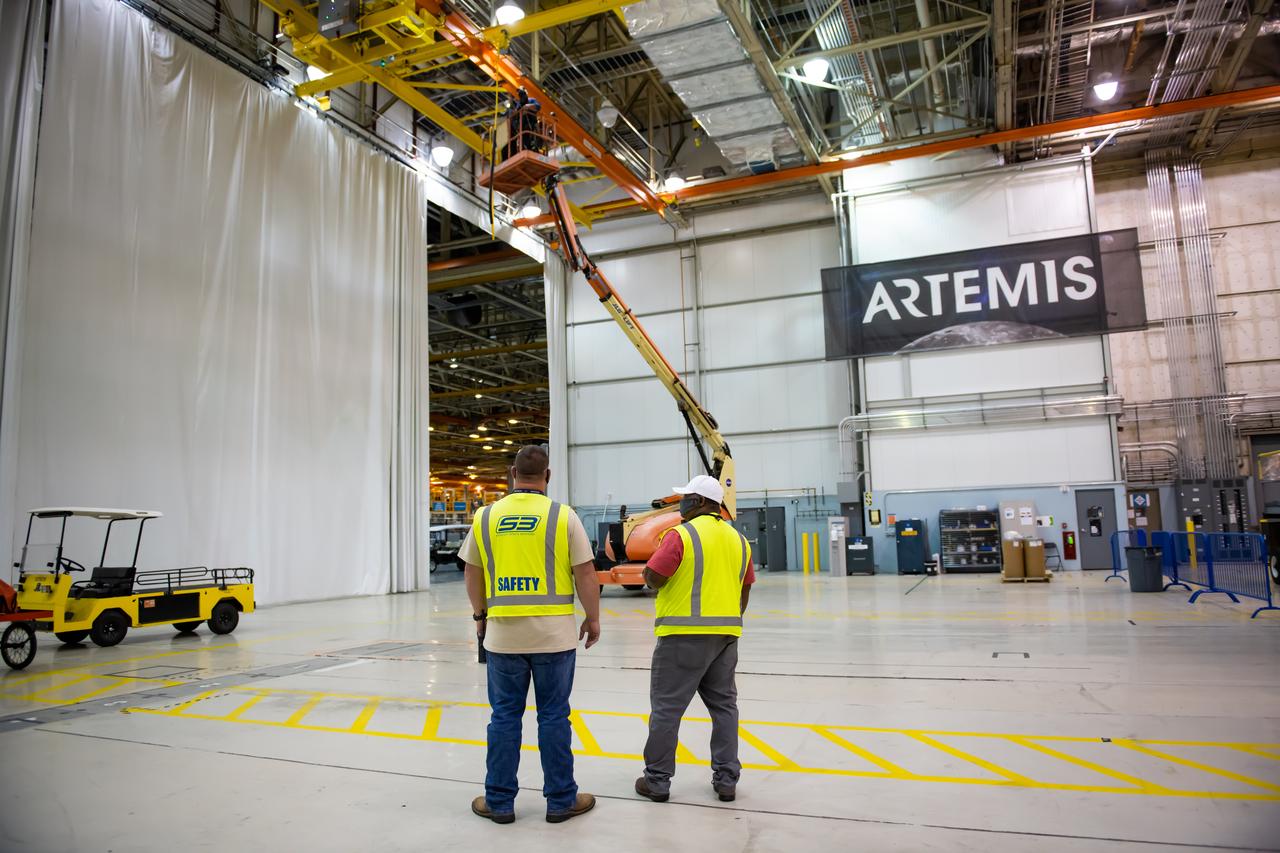
Employees wear personal protective gear at Michoud Assembly Facility as the facility transitioned to Stage 3 of NASA’s Framework for Return To On-Site Work. Employees wear the appropriate personal protective equipment (PPE) and/or cloth face coverings as required for assigned tasks. Access to the facility is limited to authorized personnel working on mission-critical tasks that must be conducted onsite. Mission-critical tasks include slowly and methodically resuming Space Launch System (SLS) Core Stage and Orion production activities, particularly critical path deliverables to support the Artemis Program, at a pace that limits personnel and follows federal guidelines for social distancing and use of personal protective equipment such as face masks. For more information about SLS, visit nasa.gov/sls.
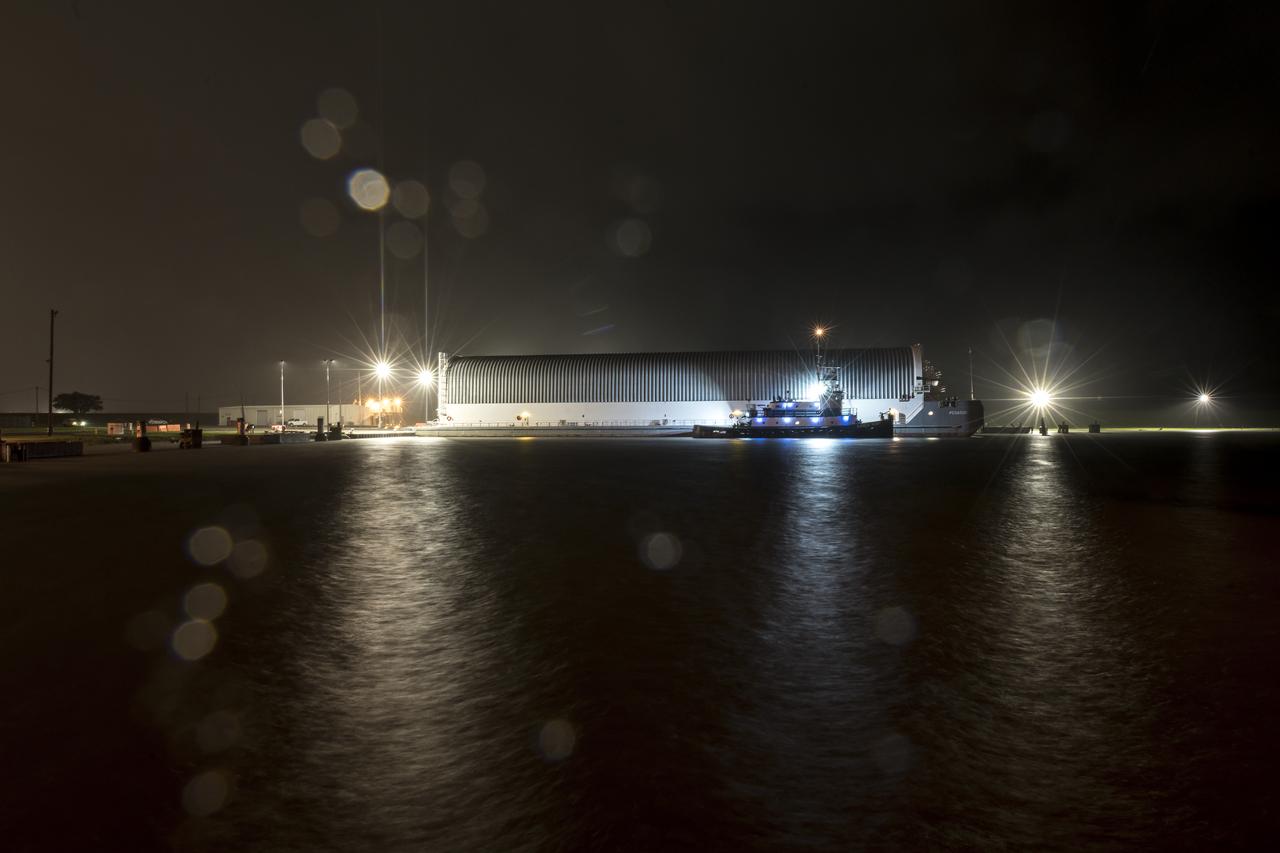
These images show NASA’s Pegasus barge at NASA’s Michoud Assembly Facility in New Orleans as it transported the Artemis I launch vehicle stage adapter (LVSA) of the agency’s Space Launch System rocket to NASA’s Kennedy Space Center in Florida. Leaving with the adapter from NASA’s Marshall Space Flight Center in Huntsville, Alabama, Pegasus made a brief stop at Michoud to offload supplies and equipment before continuing its to Kennedy. The LVSA connects the deep space rocket’s 212-foot-tall core stage to the rocket’s upper stage and will be used for Artemis I, the first in a series of increasingly complex missions to the Moon through NASA’s Artemis program. Once at Kennedy, the LVSA will undergo Artemis I launch preparations. Only the SLS core stage, currently in final testing at NASA’s Stennis Space Center near Bay St. Louis, Mississippi, remains to be shipped to Kennedy on Pegasus. The core stage is produced at Michoud. Together with four RS-25 engines, the rocket’s massive 212-foot-tall core stage — the largest stage NASA has ever built — and its twin solid rocket boosters produce 8.8 million pounds of thrust to send NASA’s Orion spacecraft, astronauts and supplies beyond Earth’s orbit to the Moon. Offering more payload mass, volume capacity and energy to speed missions through space, the SLS rocket, along with NASA’s Gateway in lunar orbit, the Human Landing System and Orion, is part of NASA’s backbone for deep space exploration and the Artemis lunar program. No other rocket is capable of carrying astronauts in Orion around the Moon in a single mission.
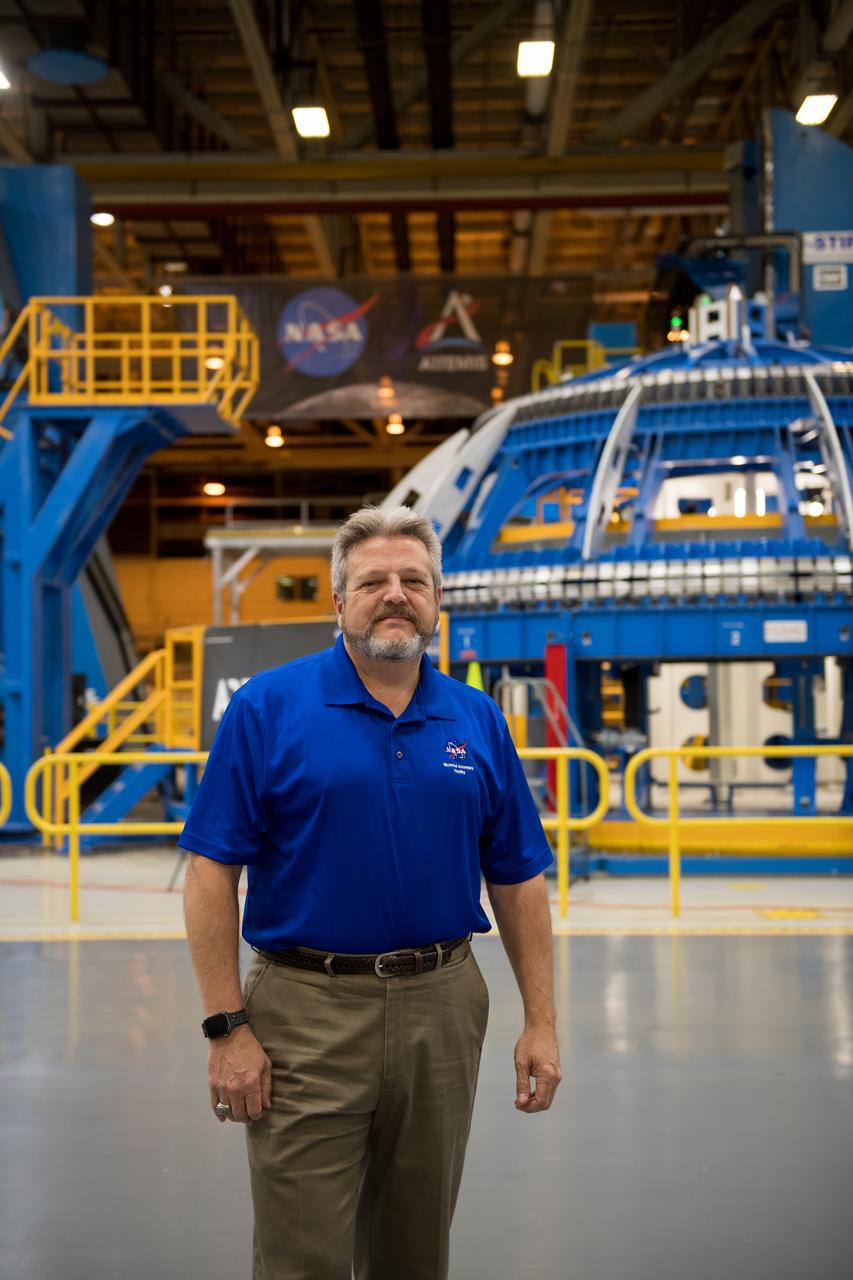
Robert Champion - Director NASA Michoud Assembly Facility stands in front of the Robotic Weld tool in BLDG 103.
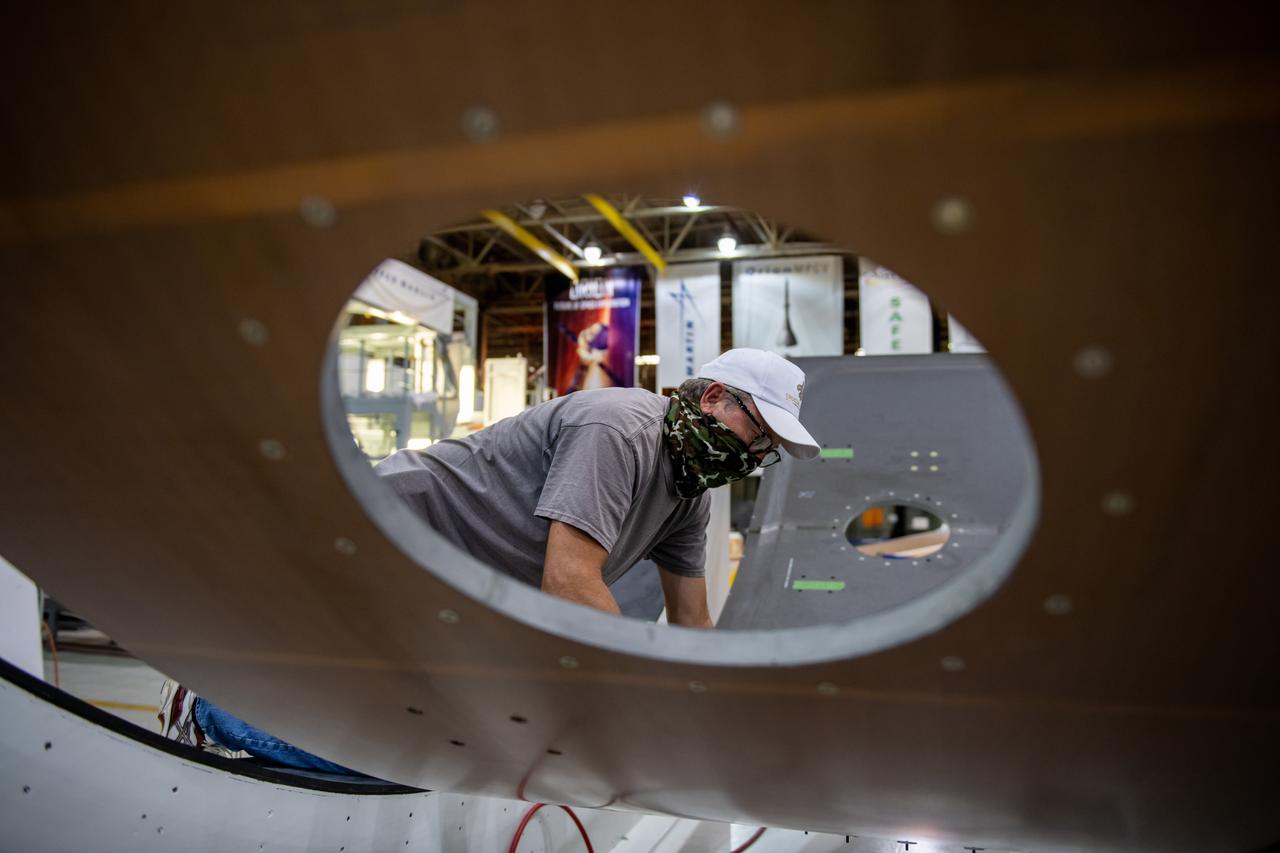
This week, NASA is taking preliminary steps to resume @NASA_SLS core stage production. Limited crews will return to #NASAMichoud to perform critical work essential to the agency's #Artemis program and our return to the Moon.
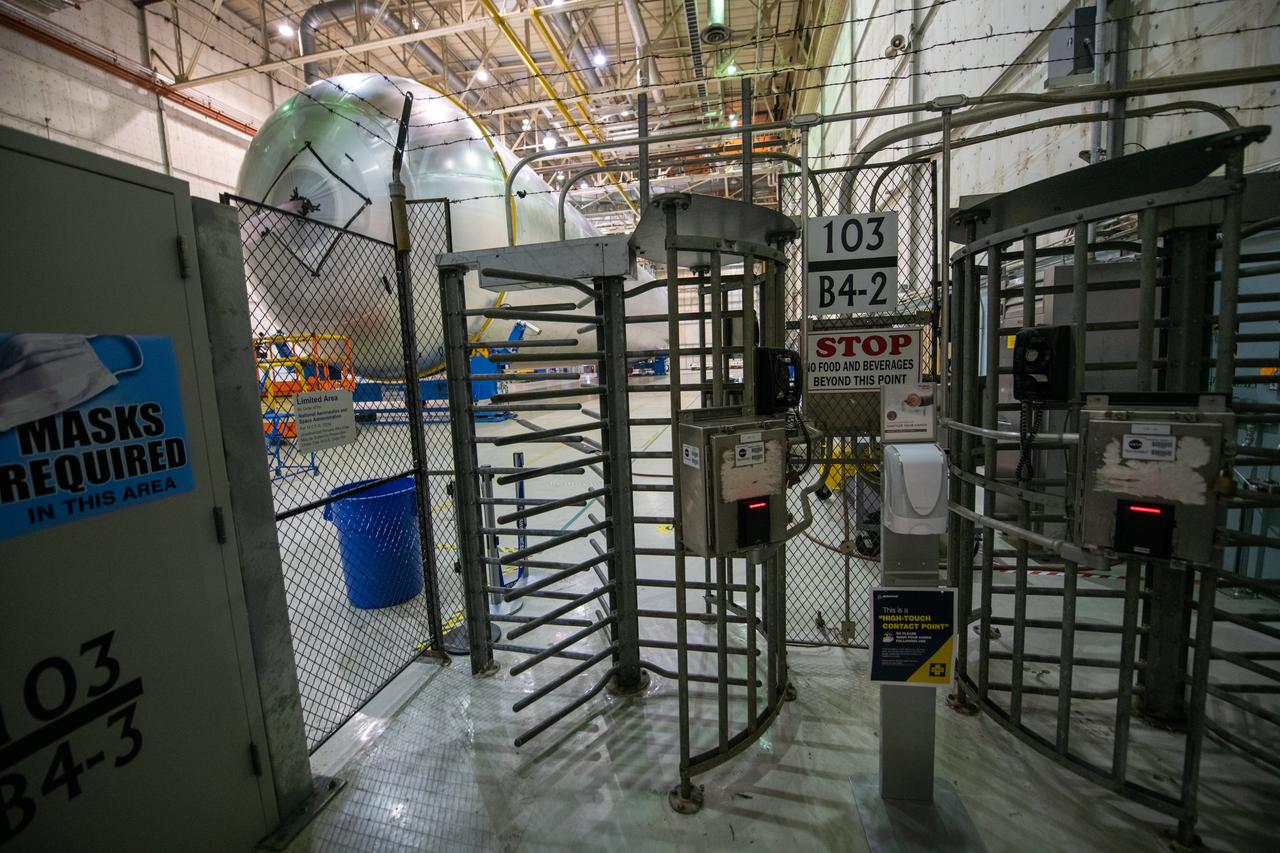
Employees wear personal protective gear at Michoud Assembly Facility as the facility transitioned to Stage 3 of NASA’s Framework for Return To On-Site Work. Employees wear the appropriate personal protective equipment (PPE) and/or cloth face coverings as required for assigned tasks. Access to the facility is limited to authorized personnel working on mission-critical tasks that must be conducted onsite. Mission-critical tasks include slowly and methodically resuming Space Launch System (SLS) Core Stage and Orion production activities, particularly critical path deliverables to support the Artemis Program, at a pace that limits personnel and follows federal guidelines for social distancing and use of personal protective equipment such as face masks. For more information about SLS, visit nasa.gov/sls.
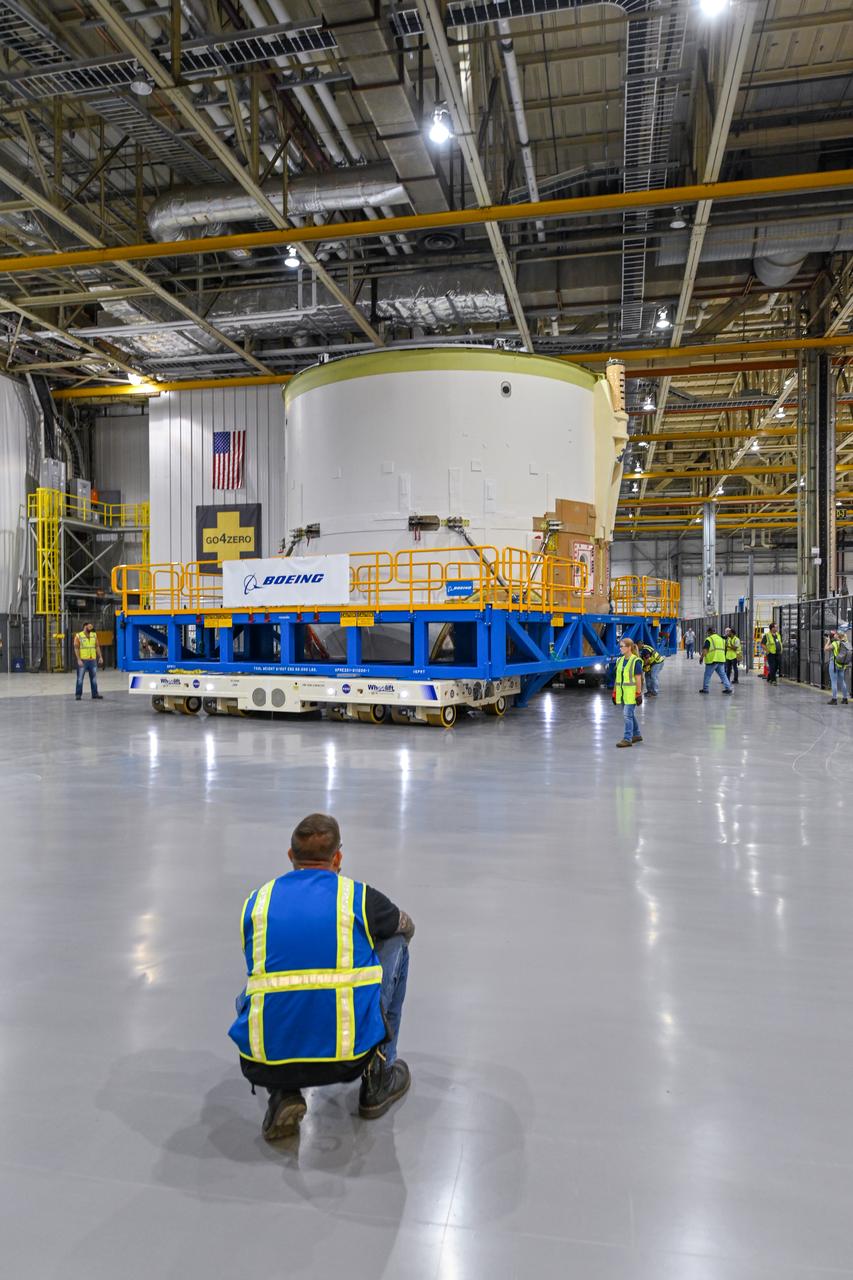
Technicians at NASA’s Michoud Assembly Facility in New Orleans moved the engine section for NASA’s Space Launch System (SLS) rocket to another part of the facility on Sept. 3 to prepare it for joining to the rest of the rocket’s core stage. The engine section, which comprises the lowest portion of the 212-foot-tall stage, is the last major component to be horizontally integrated to the core stage. Michoud crews completed assembly on the flight hardware that will be used for Artemis I, the first lunar mission of SLS and NASA’s Orion spacecraft, on Aug. 29. NASA and Boeing engineers removed the scaffolding surrounding the hardware to use a special tool to properly position the engine section for its attachment to the rest of the stage. The core stage’s two liquid propellant tanks and four RS-25 engines will produce more than 2 million pounds of thrust to send the SLS rocket and Orion on the Artemis lunar missions. The engine section houses the four RS-25 engines and includes vital systems for mounting, controlling and delivering fuel form the propellant tanks to the rocket’s engines. Offering more payload mass, volume capability and energy to speed missions through space, the SLS rocket, along with NASA’s Gateway in lunar orbit and Orion, is part of NASA’s backbone for deep space exploration and the Artemis lunar program. No other rocket is capable of carrying astronauts in Orion around the Moon in a single mission.
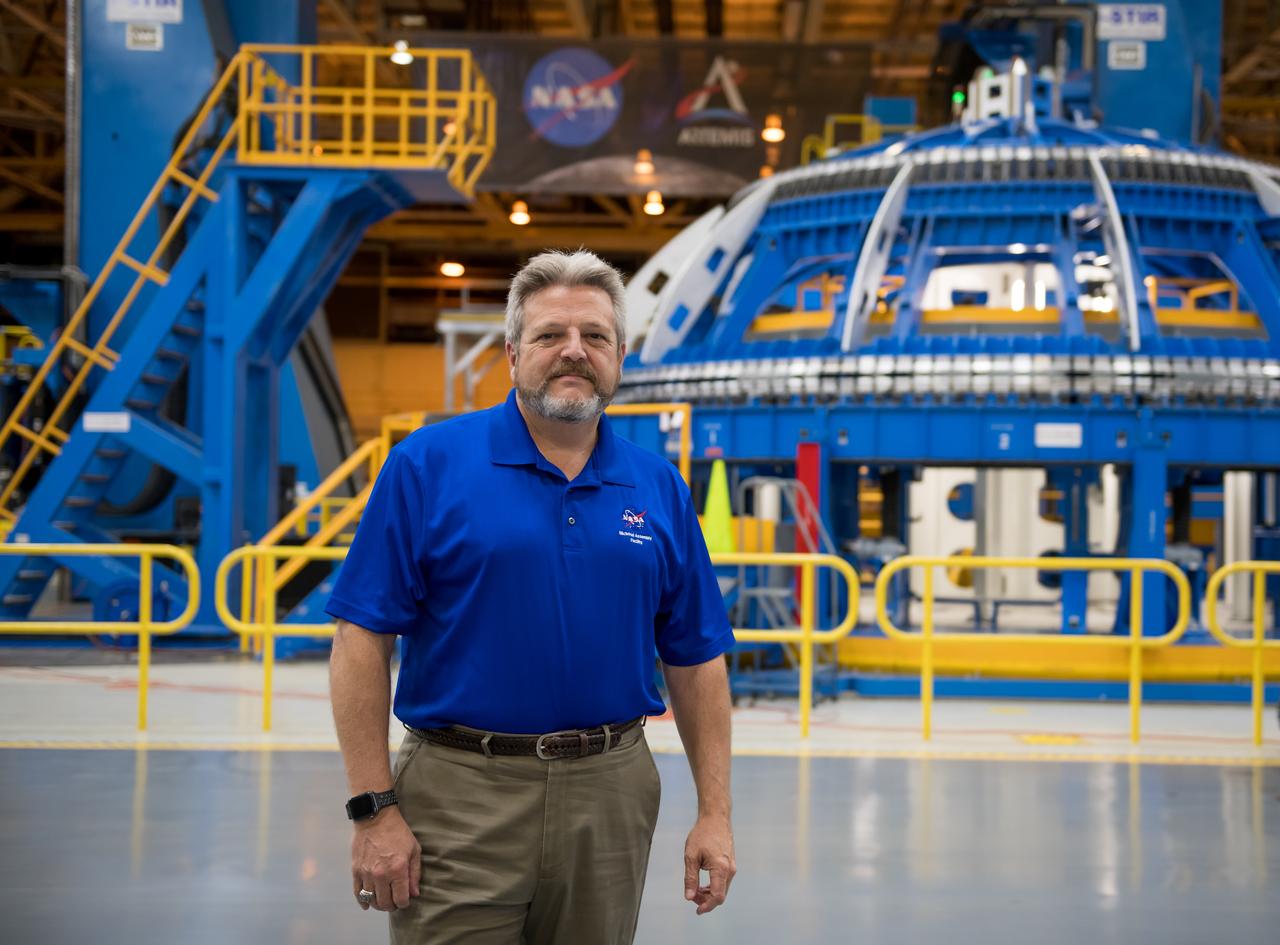
Robert Champion - Director NASA Michoud Assembly Facility stands in front of the Robotic Weld tool in BLDG 103.
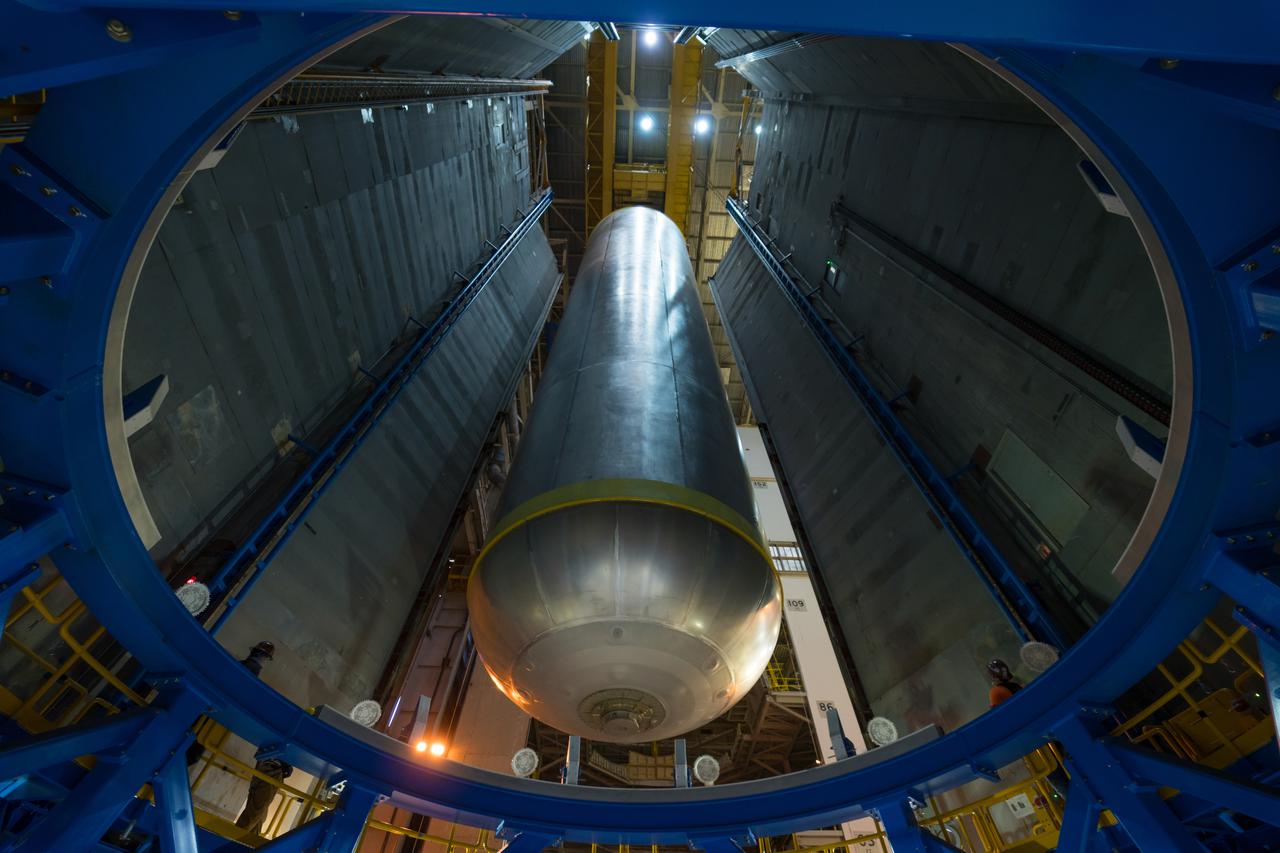
This image highlights the liquid hydrogen tank that will be used on the core stage of NASA’s Space Launch System rocket for Artemis II, the first crewed mission of NASA’s Artemis program. The tank is being built at NASA’s Michoud Assembly Facility in New Orleans. The SLS core stage is made up of five unique elements: the forward skirt, liquid oxygen tank, intertank, liquid hydrogen tank, and the engine section. The liquid hydrogen tank holds 537,000 gallons of liquid hydrogen cooled to minus 423 degrees Fahrenheit and sits between the core stage’s intertank and engine section. The liquid hydrogen hardware, along with the liquid oxygen tank, will provide propellant to the four RS-25 engines at the bottom of the cores stage to produce more than two million pounds of thrust to launch NASA’s Artemis missions to the Moon. Together with its four RS-25 engines, the rocket’s massive 212-foot-tall core stage — the largest stage NASA has ever built — and its twin solid rocket boosters will produce 8.8 million pounds of thrust to send NASA’s Orion spacecraft, astronauts and supplies beyond Earth’s orbit to the Moon and, ultimately, Mars. Offering more payload mass, volume capability and energy to speed missions through space, the SLS rocket, along with NASA’s Gateway in lunar orbit, the human landing system, and Orion spacecraft, is part of NASA’s backbone for deep space exploration and the Artemis lunar program. No other rocket can send astronauts in Orion around the Moon in a single mission.
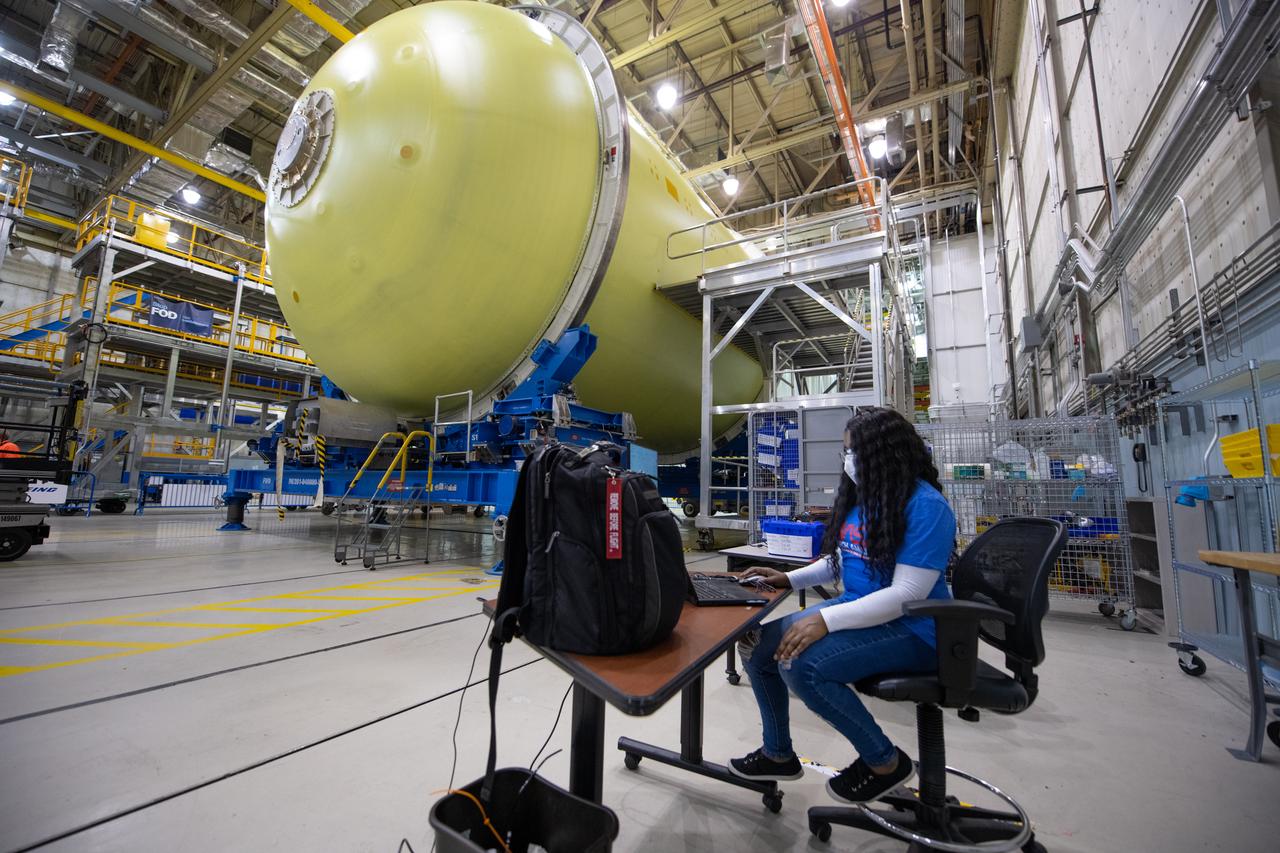
Employees wear personal protective gear at Michoud Assembly Facility as the facility transitioned to Stage 3 of NASA’s Framework for Return To On-Site Work. Employees wear the appropriate personal protective equipment (PPE) and/or cloth face coverings as required for assigned tasks. Access to the facility is limited to authorized personnel working on mission-critical tasks that must be conducted onsite. Mission-critical tasks include slowly and methodically resuming Space Launch System (SLS) Core Stage and Orion production activities, particularly critical path deliverables to support the Artemis Program, at a pace that limits personnel and follows federal guidelines for social distancing and use of personal protective equipment such as face masks. For more information about SLS, visit nasa.gov/sls.
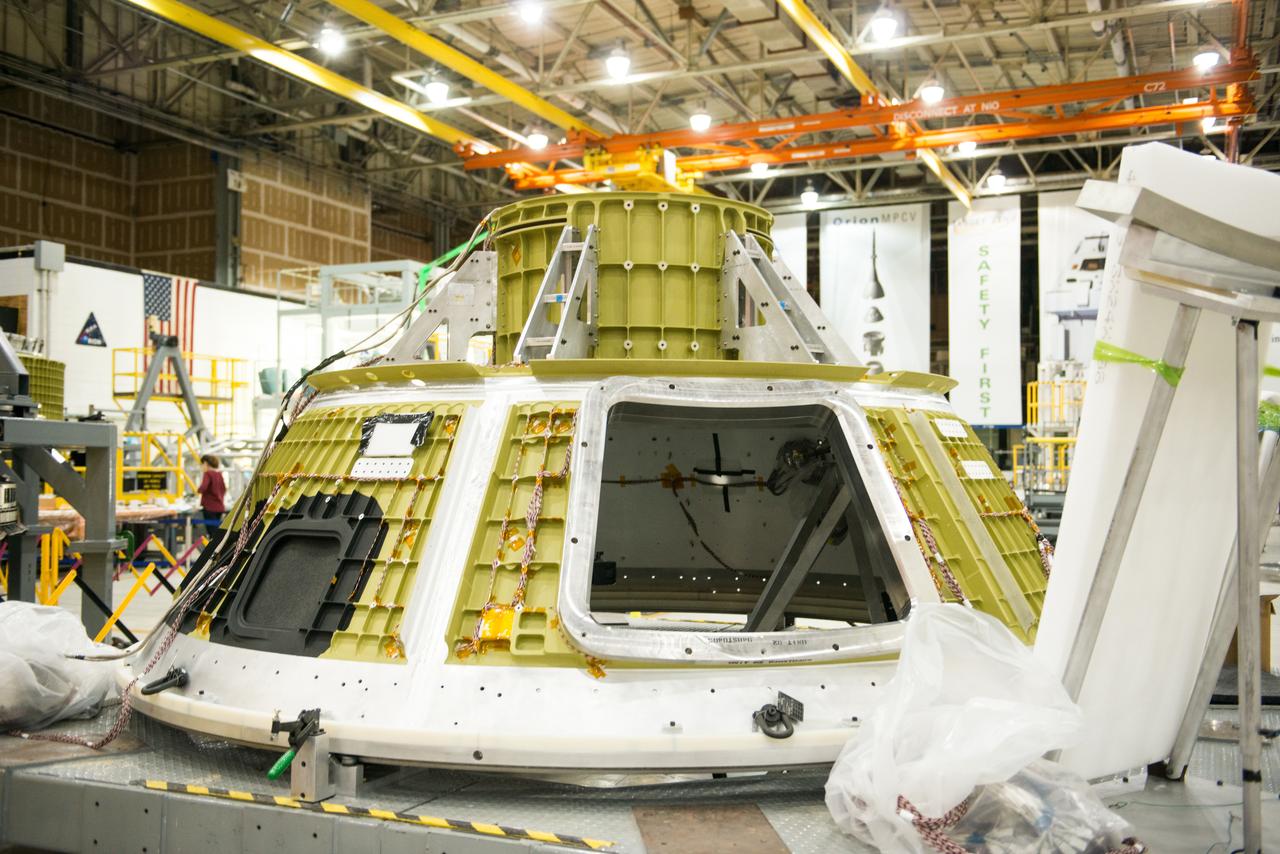
Orion EM1 Cone and frwd Bulkhead Section
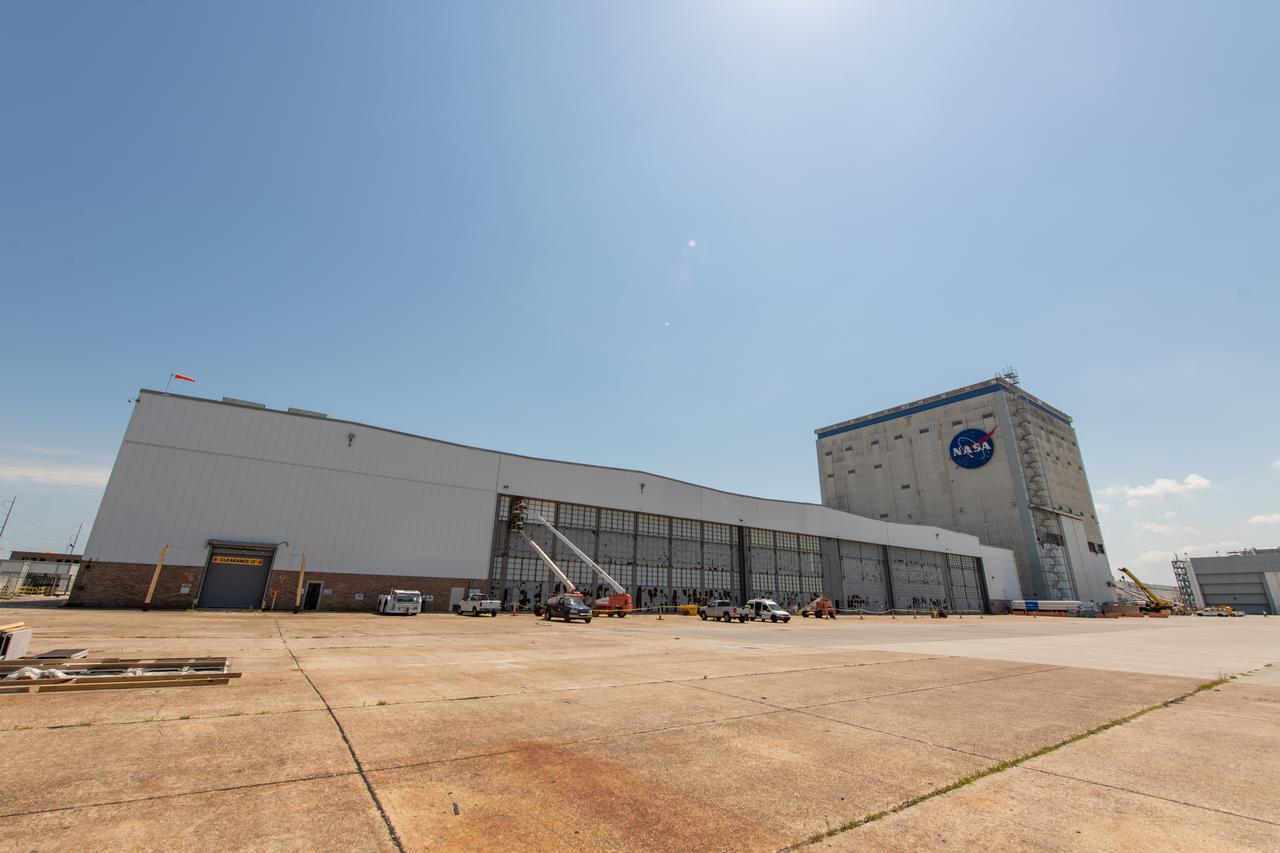
Employees wear personal protective gear at Michoud Assembly Facility as the facility transitioned to Stage 3 of NASA’s Framework for Return To On-Site Work. Employees wear the appropriate personal protective equipment (PPE) and/or cloth face coverings as required for assigned tasks. Access to the facility is limited to authorized personnel working on mission-critical tasks that must be conducted onsite. Mission-critical tasks include slowly and methodically resuming Space Launch System (SLS) Core Stage and Orion production activities, particularly critical path deliverables to support the Artemis Program, at a pace that limits personnel and follows federal guidelines for social distancing and use of personal protective equipment such as face masks. For more information about SLS, visit nasa.gov/sls.
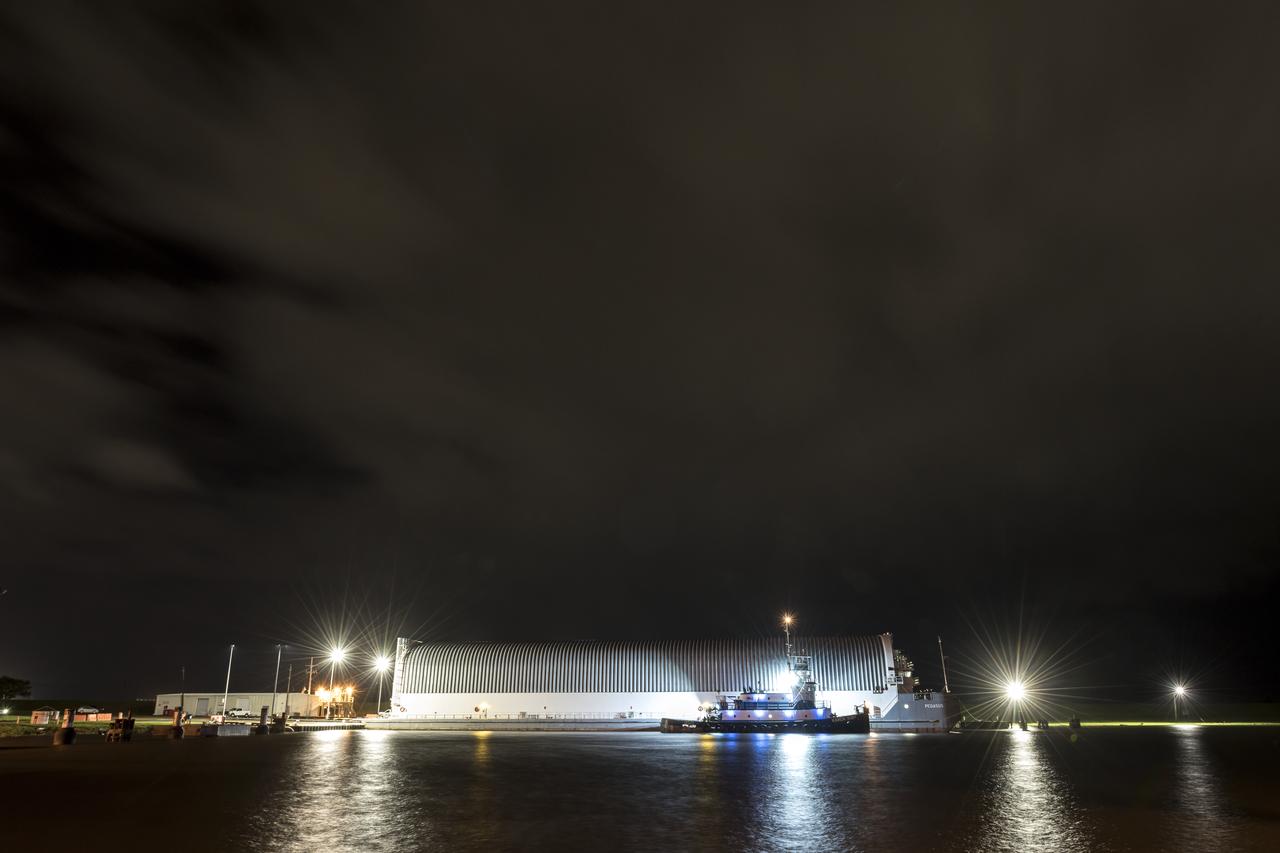
These images show NASA’s Pegasus barge at NASA’s Michoud Assembly Facility in New Orleans as it transported the Artemis I launch vehicle stage adapter (LVSA) of the agency’s Space Launch System rocket to NASA’s Kennedy Space Center in Florida. Leaving with the adapter from NASA’s Marshall Space Flight Center in Huntsville, Alabama, Pegasus made a brief stop at Michoud to offload supplies and equipment before continuing its to Kennedy. The LVSA connects the deep space rocket’s 212-foot-tall core stage to the rocket’s upper stage and will be used for Artemis I, the first in a series of increasingly complex missions to the Moon through NASA’s Artemis program. Once at Kennedy, the LVSA will undergo Artemis I launch preparations. Only the SLS core stage, currently in final testing at NASA’s Stennis Space Center near Bay St. Louis, Mississippi, remains to be shipped to Kennedy on Pegasus. The core stage is produced at Michoud. Together with four RS-25 engines, the rocket’s massive 212-foot-tall core stage — the largest stage NASA has ever built — and its twin solid rocket boosters produce 8.8 million pounds of thrust to send NASA’s Orion spacecraft, astronauts and supplies beyond Earth’s orbit to the Moon. Offering more payload mass, volume capacity and energy to speed missions through space, the SLS rocket, along with NASA’s Gateway in lunar orbit, the Human Landing System and Orion, is part of NASA’s backbone for deep space exploration and the Artemis lunar program. No other rocket is capable of carrying astronauts in Orion around the Moon in a single mission.
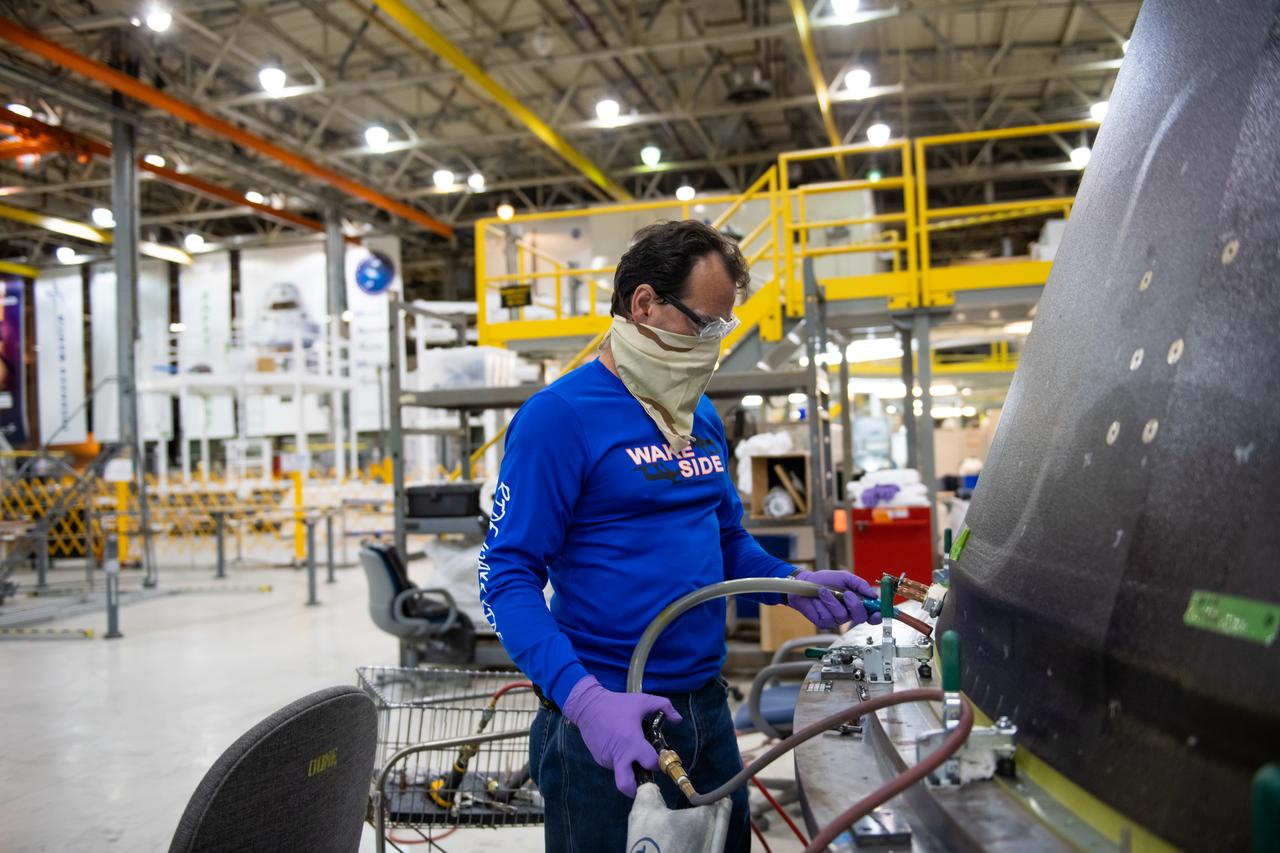
Employees wear personal protective gear at Michoud Assembly Facility as the facility transitioned to Stage 3 of NASA’s Framework for Return To On-Site Work. Employees wear the appropriate personal protective equipment (PPE) and/or cloth face coverings as required for assigned tasks. Access to the facility is limited to authorized personnel working on mission-critical tasks that must be conducted onsite. Mission-critical tasks include slowly and methodically resuming Space Launch System (SLS) Core Stage and Orion production activities, particularly critical path deliverables to support the Artemis Program, at a pace that limits personnel and follows federal guidelines for social distancing and use of personal protective equipment such as face masks. For more information about SLS, visit nasa.gov/sls.
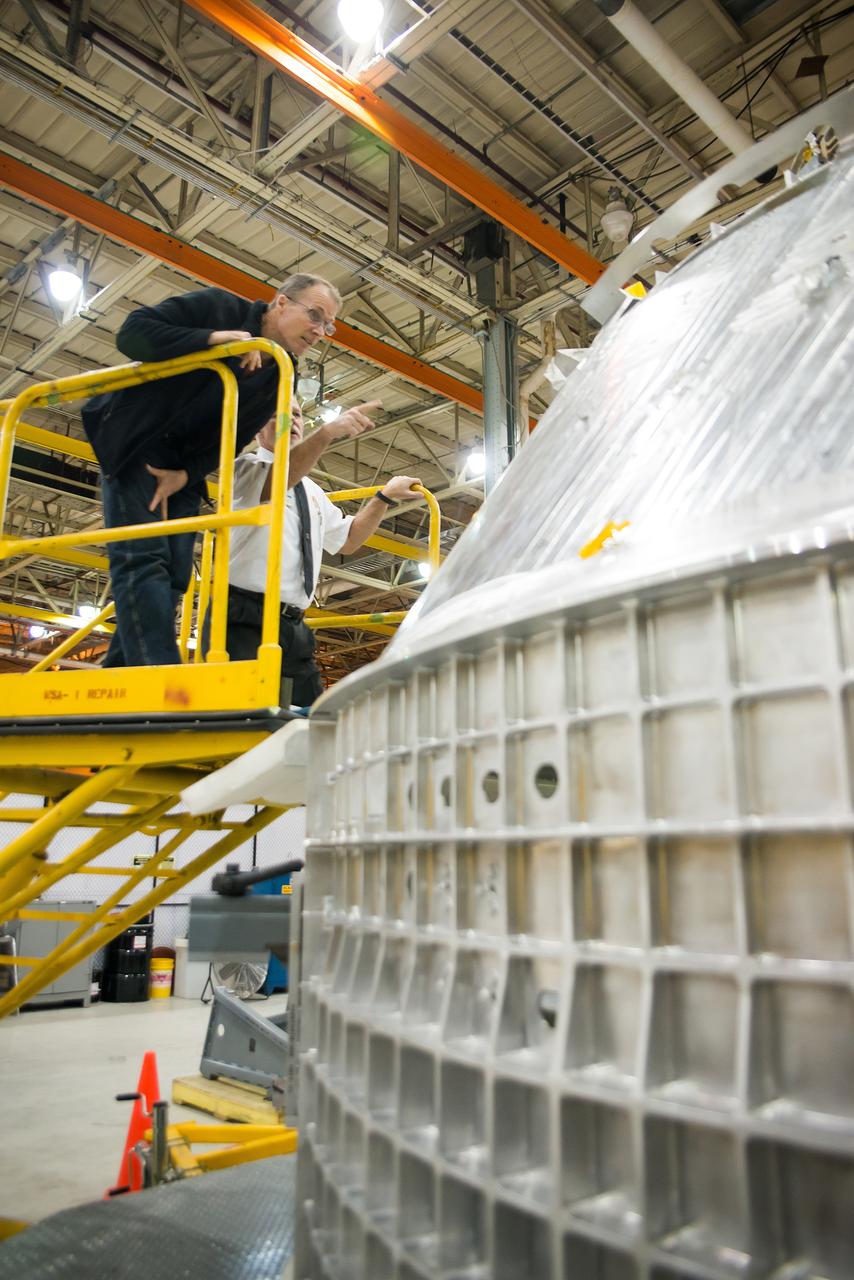
MAF Orion MGMT Visit
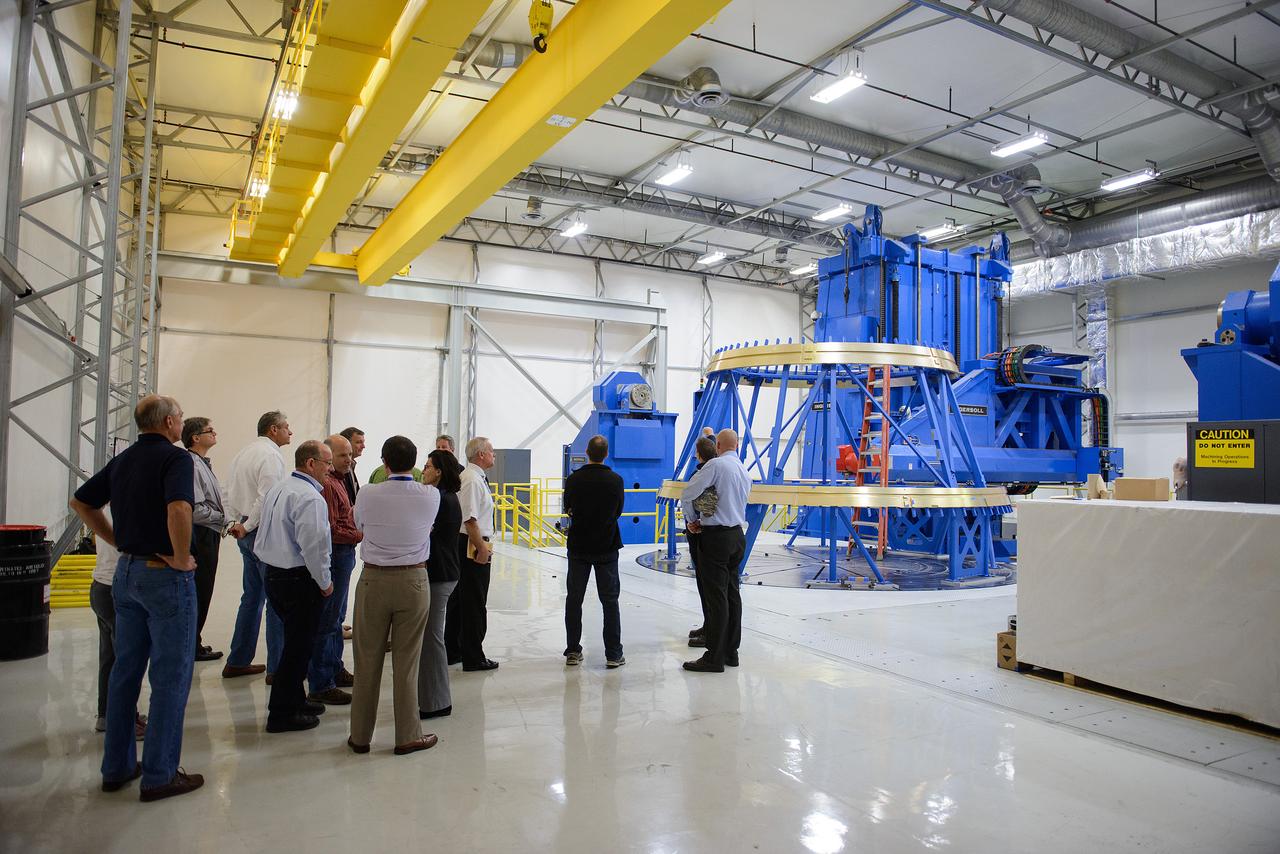
MAF Orion MGMT Visit
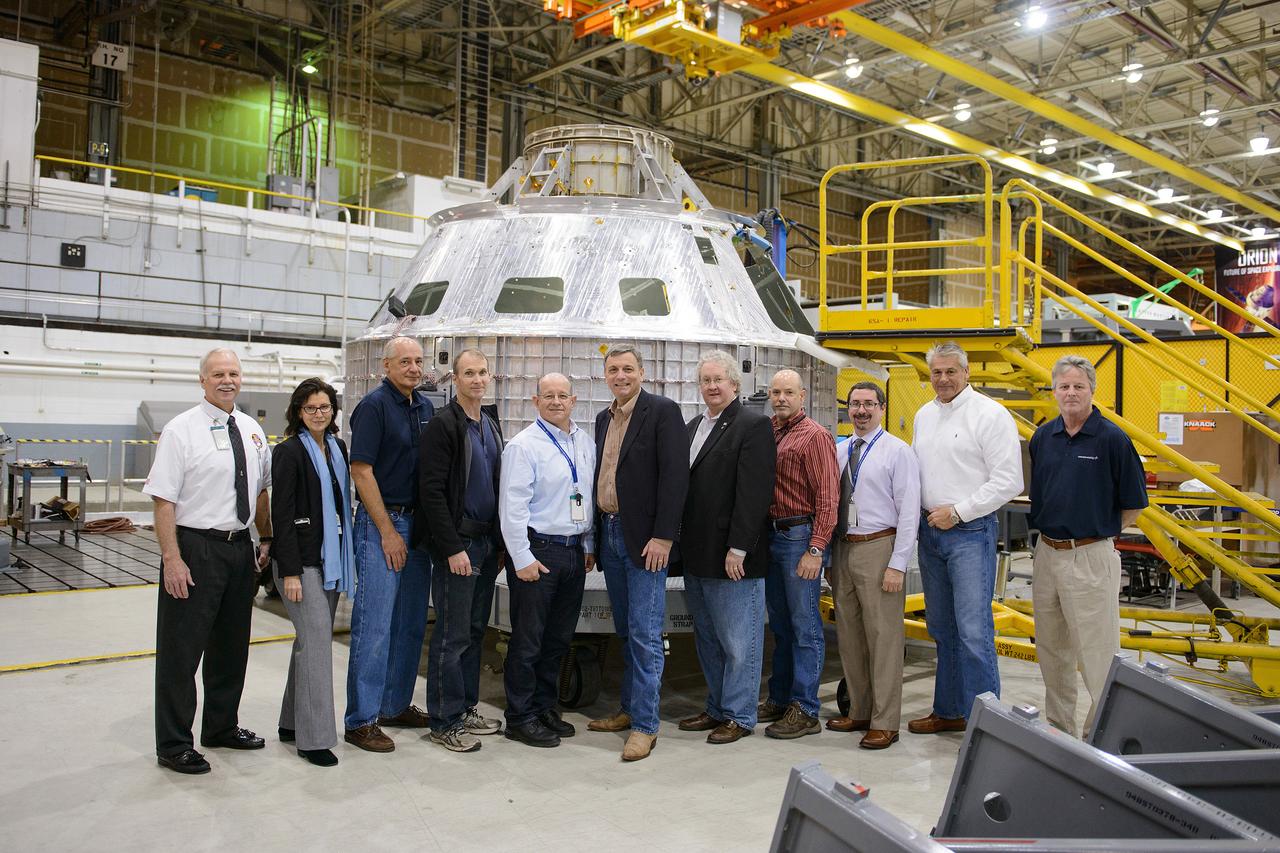
MAF Orion MGMT Visit
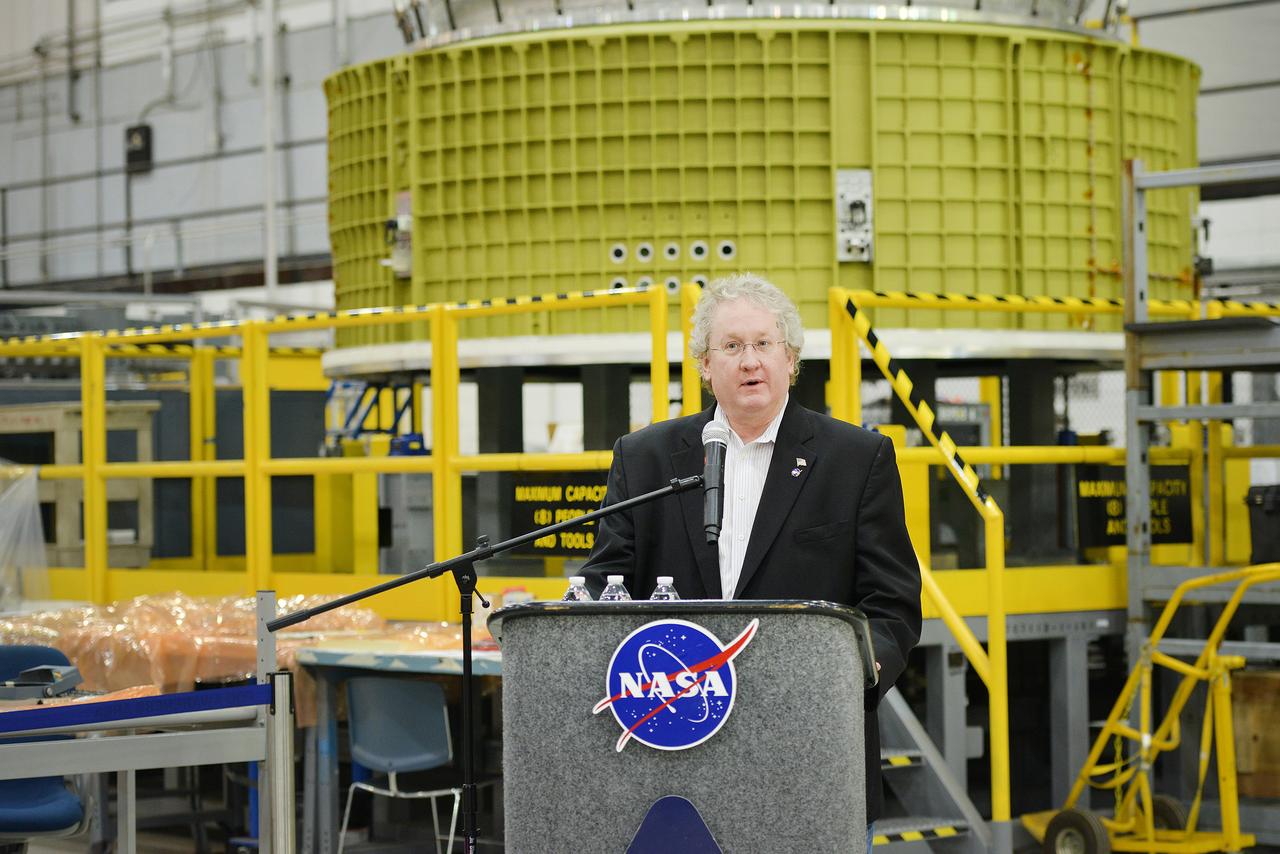
MAF Orion MGMT Visit
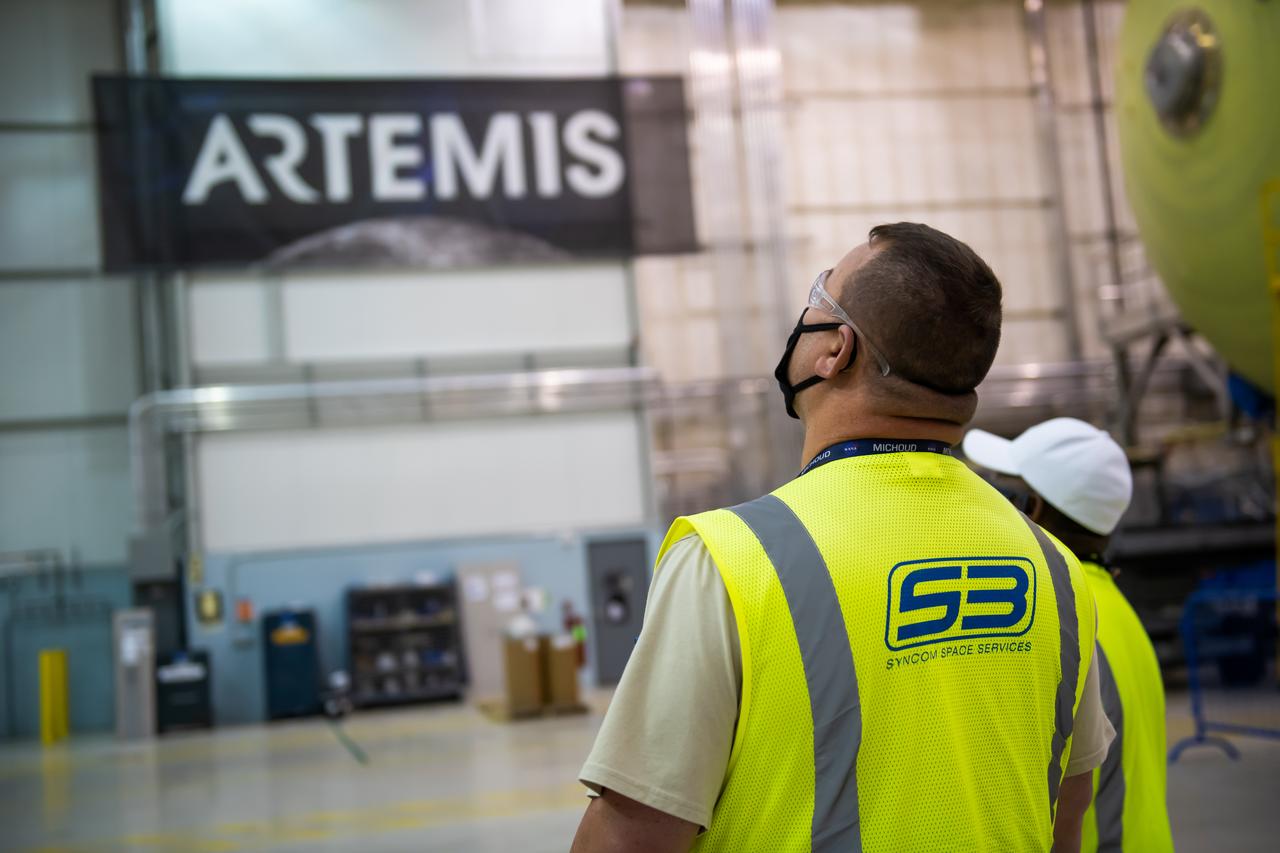
Employees wear personal protective gear at Michoud Assembly Facility as the facility transitioned to Stage 3 of NASA’s Framework for Return To On-Site Work. Employees wear the appropriate personal protective equipment (PPE) and/or cloth face coverings as required for assigned tasks. Access to the facility is limited to authorized personnel working on mission-critical tasks that must be conducted onsite. Mission-critical tasks include slowly and methodically resuming Space Launch System (SLS) Core Stage and Orion production activities, particularly critical path deliverables to support the Artemis Program, at a pace that limits personnel and follows federal guidelines for social distancing and use of personal protective equipment such as face masks. For more information about SLS, visit nasa.gov/sls.
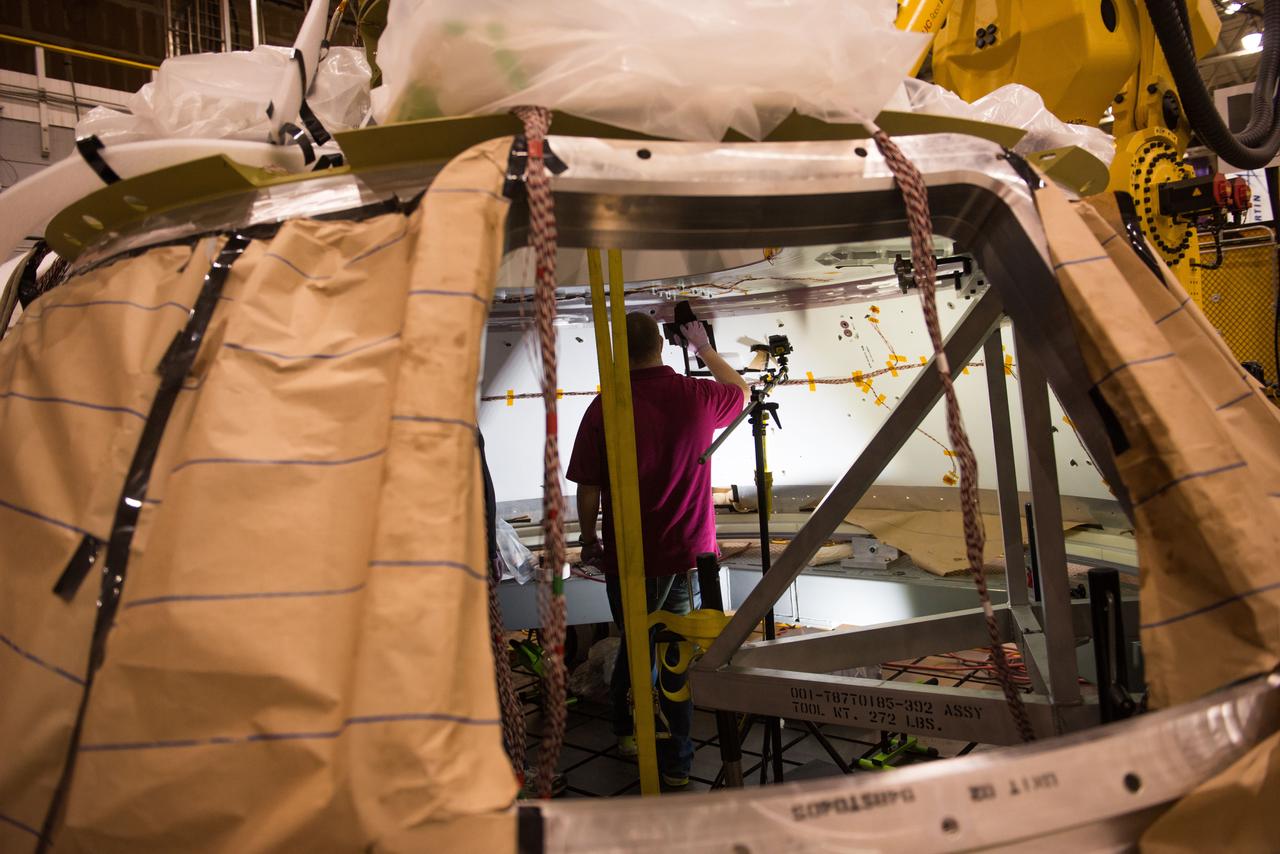
Orion EM1 plug welds in PV2 and PV3
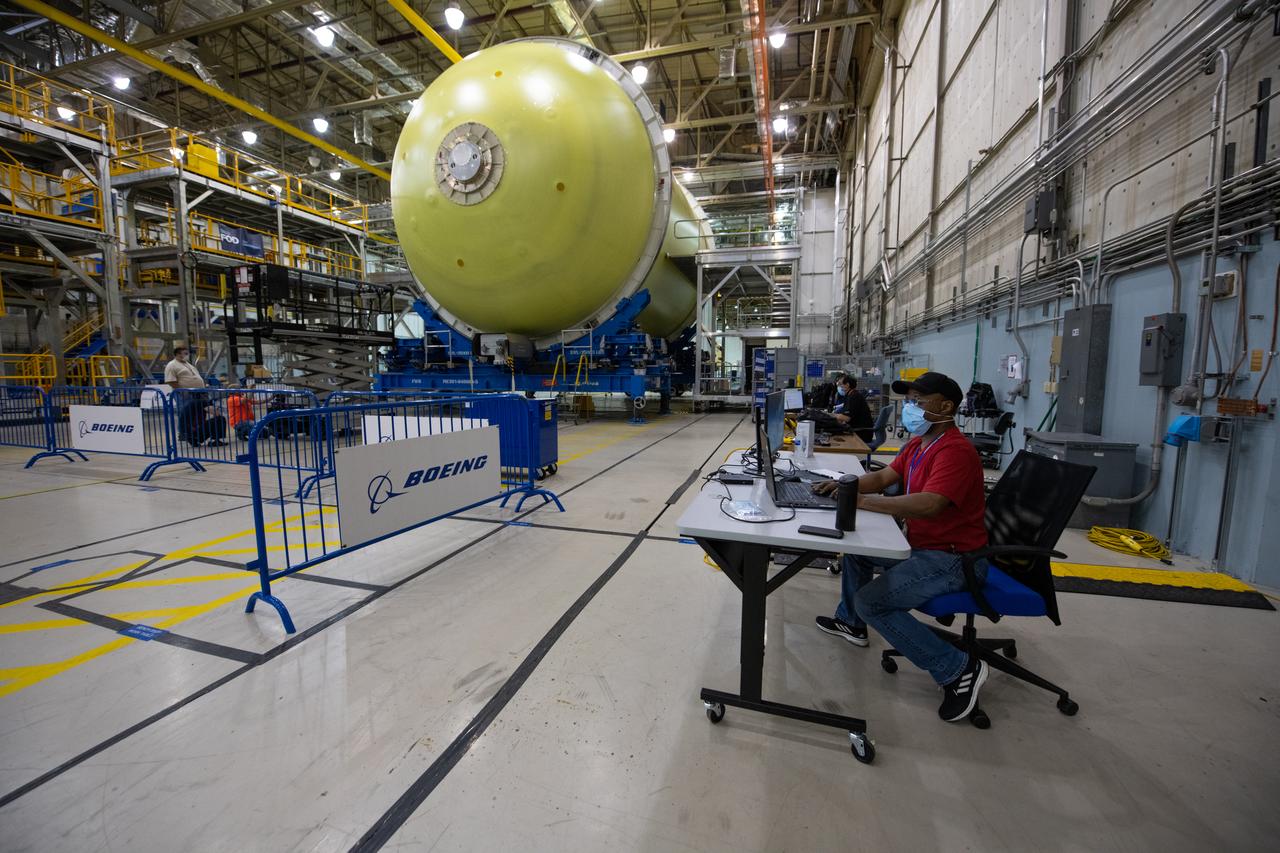
Employees wear personal protective gear at Michoud Assembly Facility as the facility transitioned to Stage 3 of NASA’s Framework for Return To On-Site Work. Employees wear the appropriate personal protective equipment (PPE) and/or cloth face coverings as required for assigned tasks. Access to the facility is limited to authorized personnel working on mission-critical tasks that must be conducted onsite. Mission-critical tasks include slowly and methodically resuming Space Launch System (SLS) Core Stage and Orion production activities, particularly critical path deliverables to support the Artemis Program, at a pace that limits personnel and follows federal guidelines for social distancing and use of personal protective equipment such as face masks. For more information about SLS, visit nasa.gov/sls.

Louisiana Gov. John Bel Edwards visited NASA’s Michoud Assembly Facility in New Orleans and spoke about the state’s partnerships with NASA and the 20 companies and government agencies located at the facility. NASA is building its new deep space rocket, the Space Launch System, and the Orion spacecraft at Michoud.
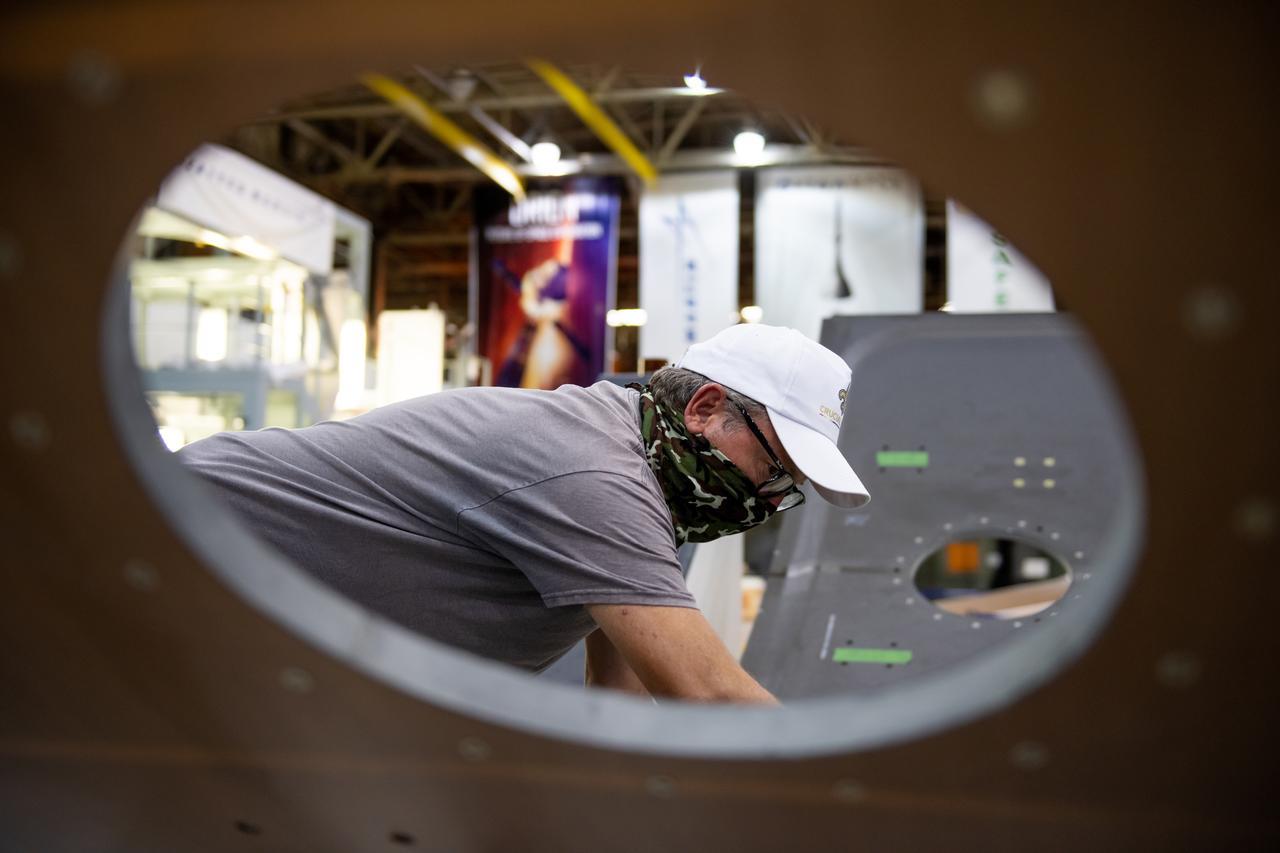
Employees wear personal protective gear at Michoud Assembly Facility as the facility transitioned to Stage 3 of NASA’s Framework for Return To On-Site Work. Employees wear the appropriate personal protective equipment (PPE) and/or cloth face coverings as required for assigned tasks. Access to the facility is limited to authorized personnel working on mission-critical tasks that must be conducted onsite. Mission-critical tasks include slowly and methodically resuming Space Launch System (SLS) Core Stage and Orion production activities, particularly critical path deliverables to support the Artemis Program, at a pace that limits personnel and follows federal guidelines for social distancing and use of personal protective equipment such as face masks. For more information about SLS, visit nasa.gov/sls.
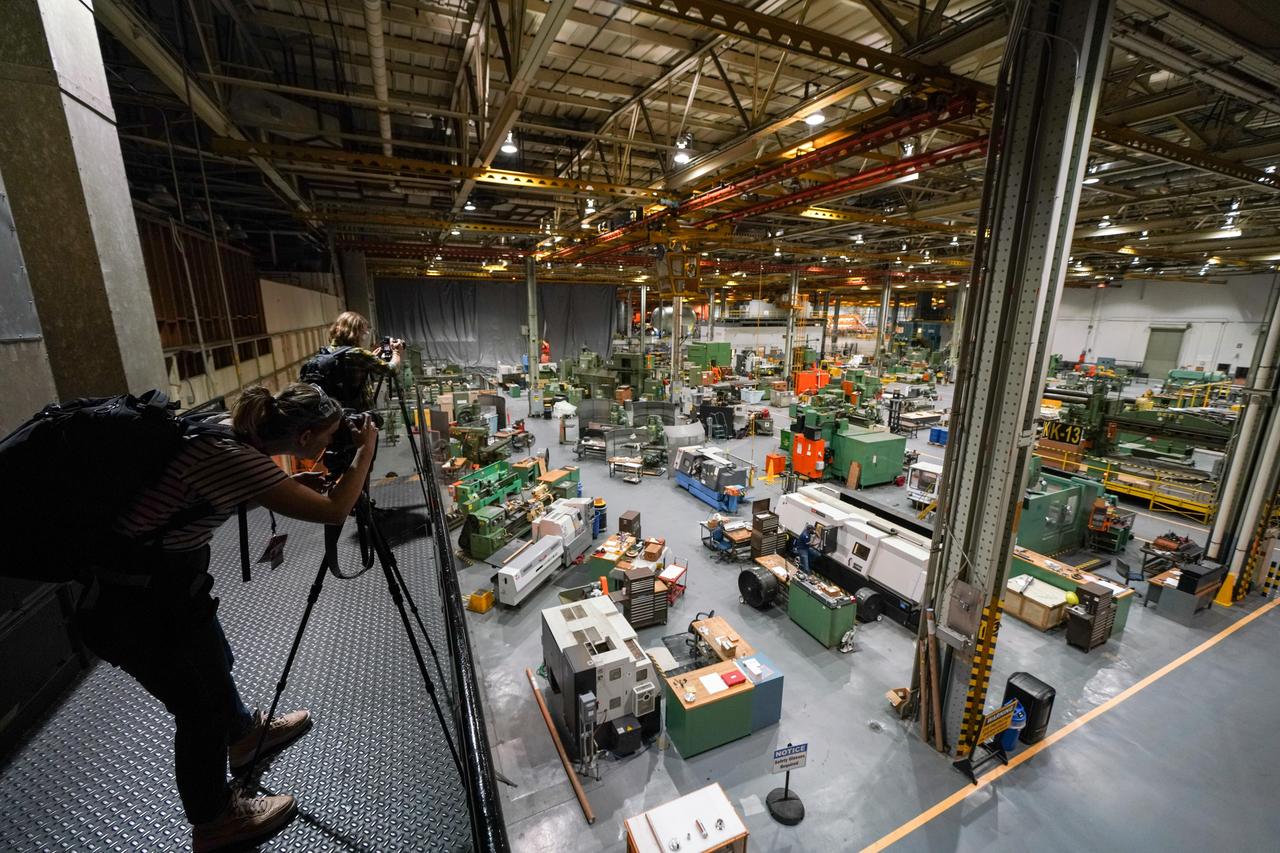
NASA's Photo Social at Michoud Assembly Facility
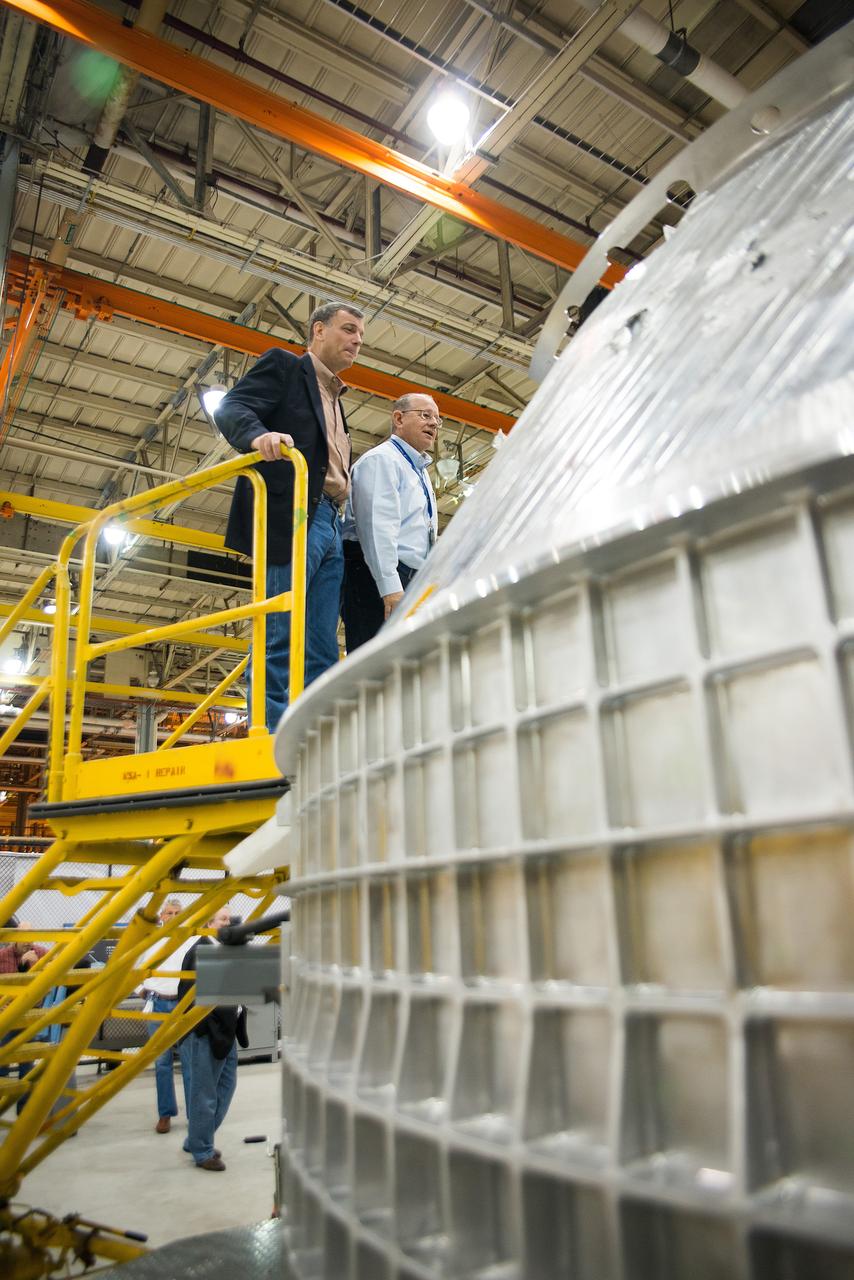
MAF Orion MGMT Visit
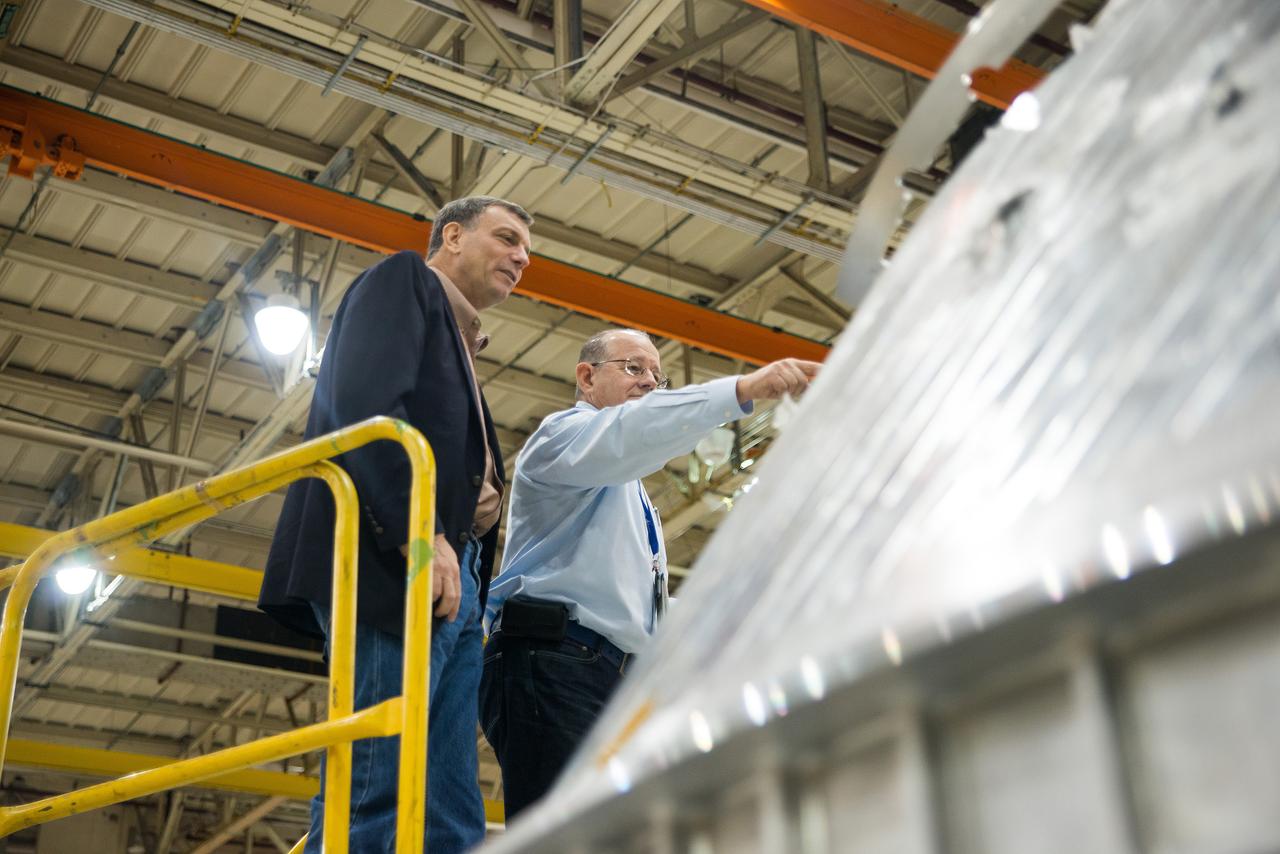
Mr. Bill Hill, Deputy Associate Administrator Exploration Systems Development Division, joins Mark Kirasich and Charles Lundquist on a visit to NASA's Michoud Assembly Facility in New Orleans to speak with Lockheed Martin employees at and All-Hands while taking a tour of Orion Atrtemis I hardware being assembled at the facility on Nov. 25, 2015.
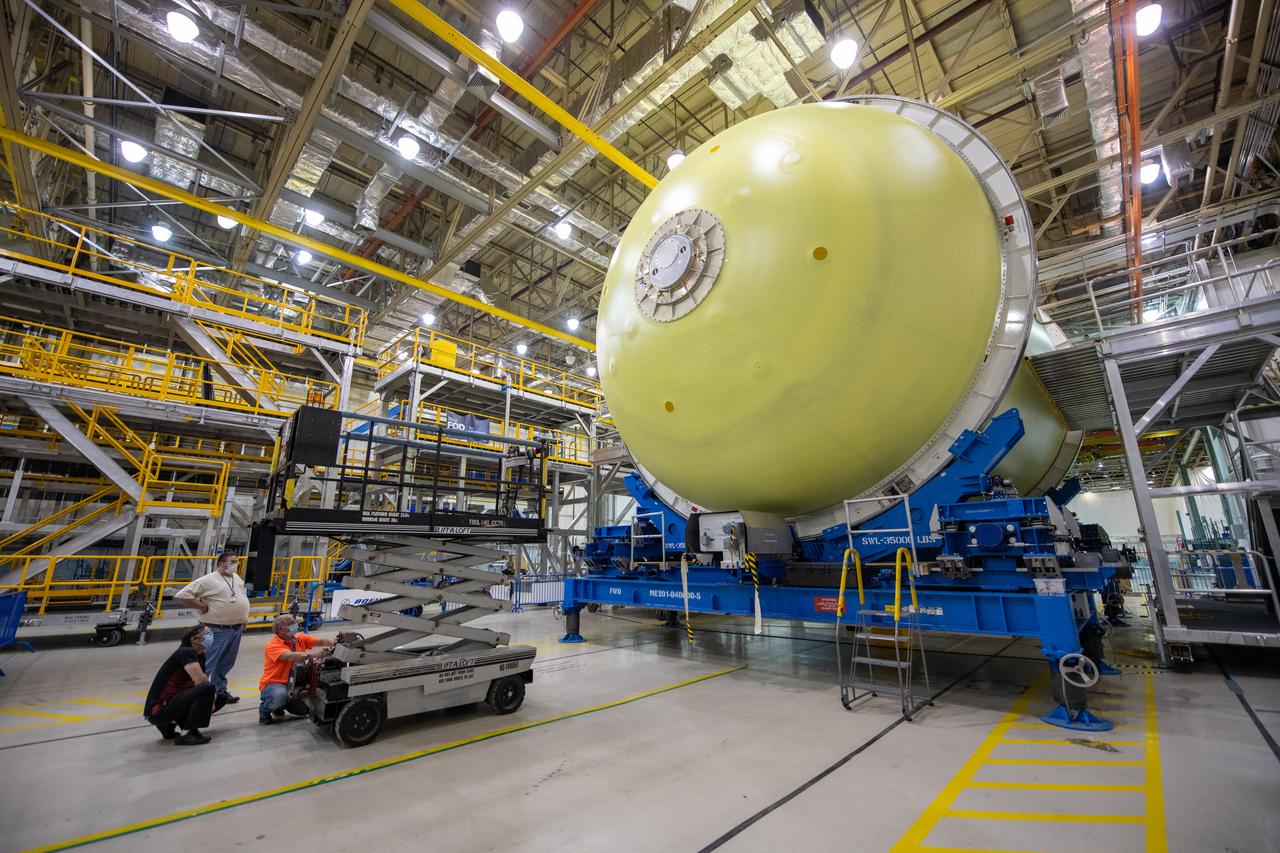
Employees wear personal protective gear at Michoud Assembly Facility as the facility transitioned to Stage 3 of NASA’s Framework for Return To On-Site Work. Employees wear the appropriate personal protective equipment (PPE) and/or cloth face coverings as required for assigned tasks. Access to the facility is limited to authorized personnel working on mission-critical tasks that must be conducted onsite. Mission-critical tasks include slowly and methodically resuming Space Launch System (SLS) Core Stage and Orion production activities, particularly critical path deliverables to support the Artemis Program, at a pace that limits personnel and follows federal guidelines for social distancing and use of personal protective equipment such as face masks. For more information about SLS, visit nasa.gov/sls.

Lockheed Martin engineers at NASA's Michoud Assembly Facility in New Orleans, Louisiana, weld the cone section for the Orion spacecraft which will carry humans beyond the Moon on Artemis II, on Jan. 29, 2018.
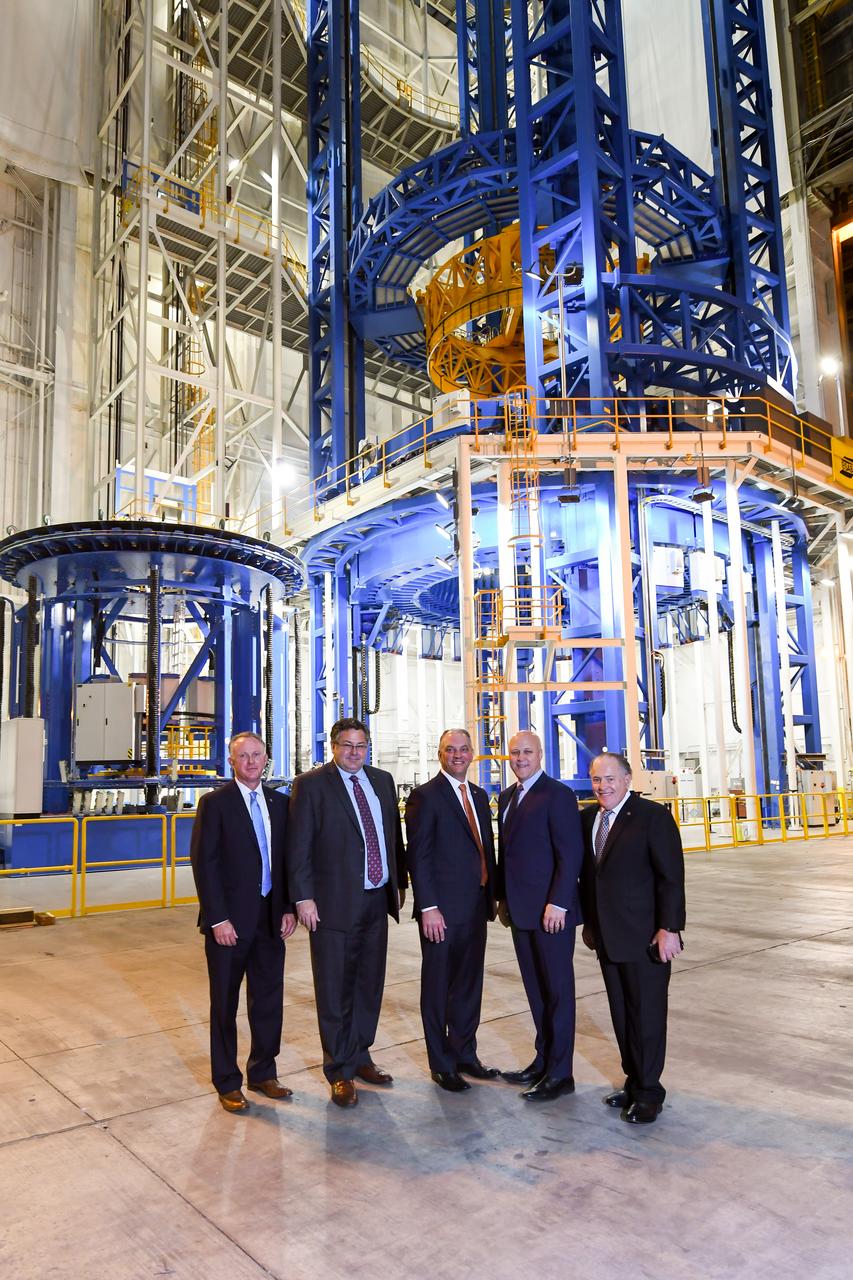
NASA officials were joined by Louisiana Gov. John Bel Edwards and New Orleans Mayor Mitch Landrieu, who toured the Michoud Assembly Facility in New Orleans and got a first-hand look at NASA’s new deep space vehicles being built at the facility.
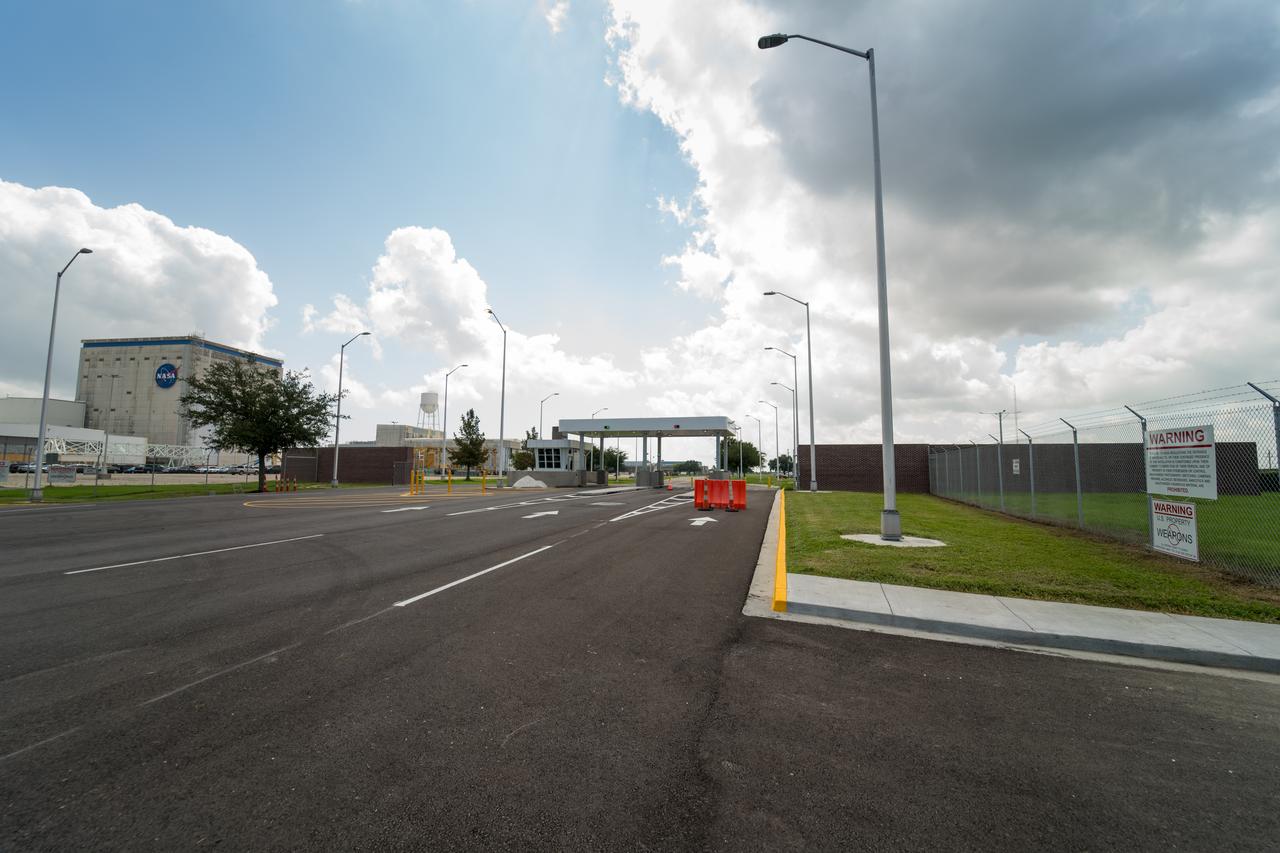
The main gate (Gate 7) of the Michoud Assembly Facility has been demolished and replaced following the tornado that struck the area in February 2017. The project included moving the gate to a position of 300 feet off the property line (away from Old Gentilly Blvd). The configuration included expanding the entrance to the gate from 2 lanes to 3 while maintaining 2 exit lanes. This layout provides for a guard post shelter rain canopy over two of the entrance lanes. Assessments and repairs continue on various structures and facilities across the facility.
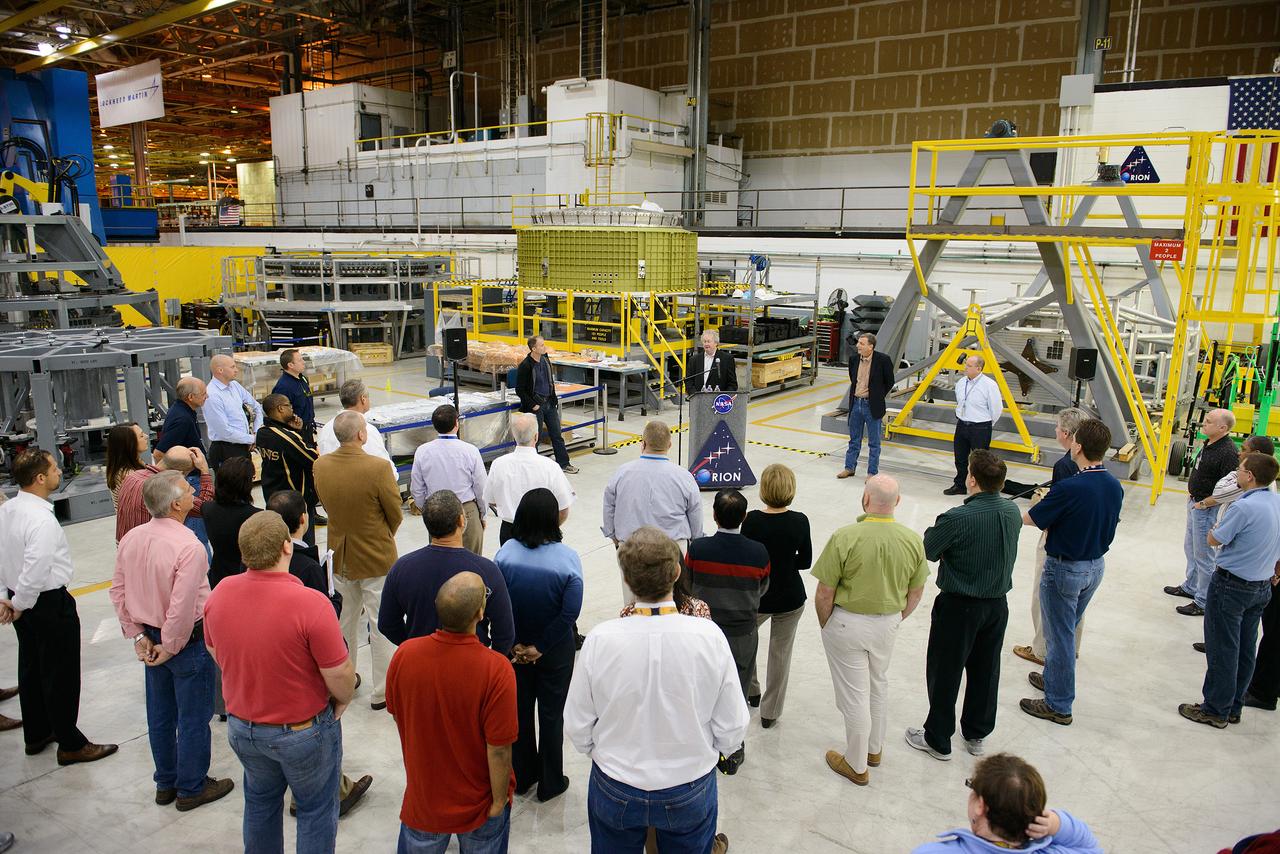
Mr. Bill Hill, Deputy Associate Administrator Exploration Systems Development Division, joins Mark Kirasich and Charles Lundquist on a visit to NASA's Michoud Assembly Facility in New Orleans to speak with Lockheed Martin employees at and All-Hands while taking a tour of Orion Atrtemis I hardware being assembled at the facility on Nov. 25, 2015.
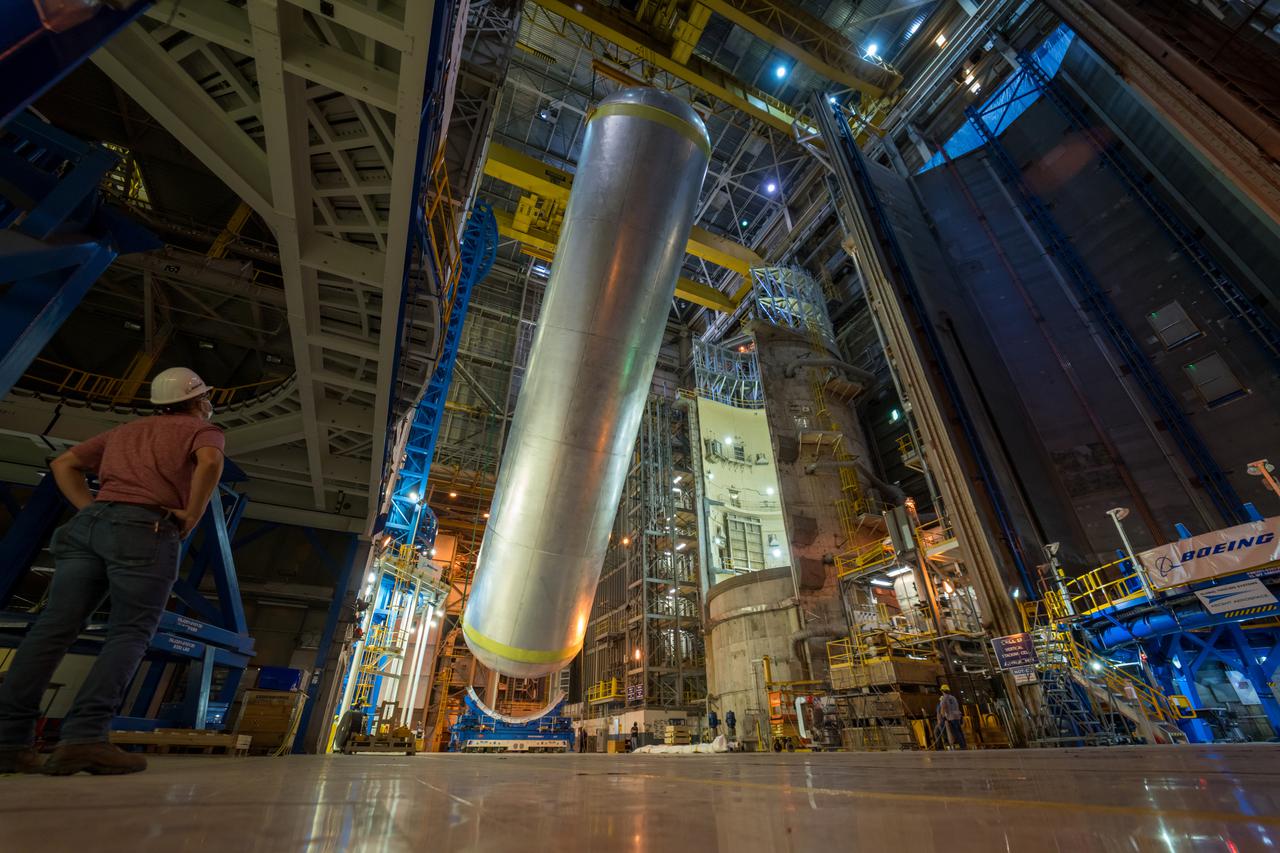
This image highlights the liquid hydrogen tank that will be used on the core stage of NASA’s Space Launch System rocket for Artemis II, the first crewed mission of NASA’s Artemis program. The tank is being built at NASA’s Michoud Assembly Facility in New Orleans. The SLS core stage is made up of five unique elements: the forward skirt, liquid oxygen tank, intertank, liquid hydrogen tank, and the engine section. The liquid hydrogen tank holds 537,000 gallons of liquid hydrogen cooled to minus 423 degrees Fahrenheit and sits between the core stage’s intertank and engine section. The liquid hydrogen hardware, along with the liquid oxygen tank, will provide propellant to the four RS-25 engines at the bottom of the cores stage to produce more than two million pounds of thrust to launch NASA’s Artemis missions to the Moon. Together with its four RS-25 engines, the rocket’s massive 212-foot-tall core stage — the largest stage NASA has ever built — and its twin solid rocket boosters will produce 8.8 million pounds of thrust to send NASA’s Orion spacecraft, astronauts and supplies beyond Earth’s orbit to the Moon and, ultimately, Mars. Offering more payload mass, volume capability and energy to speed missions through space, the SLS rocket, along with NASA’s Gateway in lunar orbit, the human landing system, and Orion spacecraft, is part of NASA’s backbone for deep space exploration and the Artemis lunar program. No other rocket can send astronauts in Orion around the Moon in a single mission.
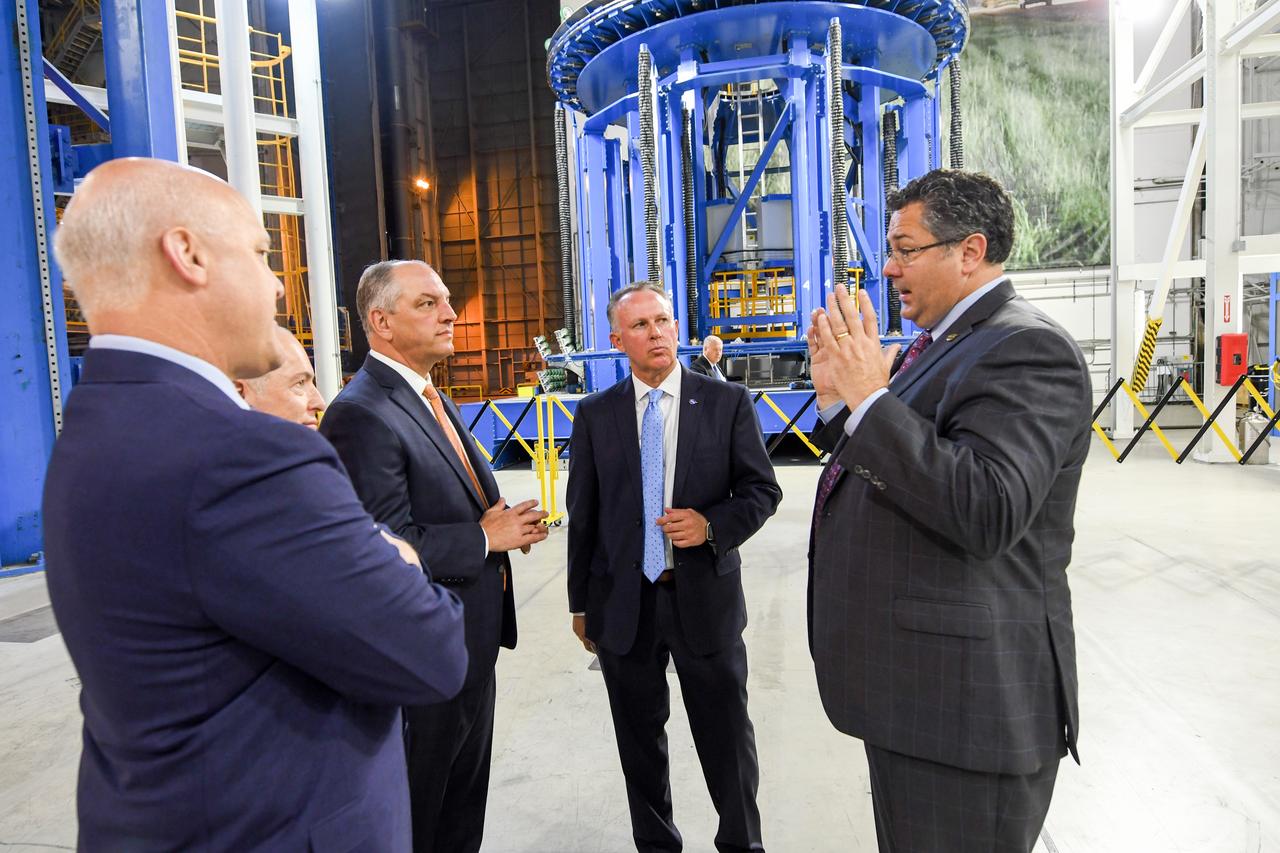
NASA officials were joined by Louisiana Gov. John Bel Edwards and New Orleans Mayor Mitch Landrieu, who toured the Michoud Assembly Facility in New Orleans and got a first-hand look at NASA’s new deep space vehicles being built at the facility.
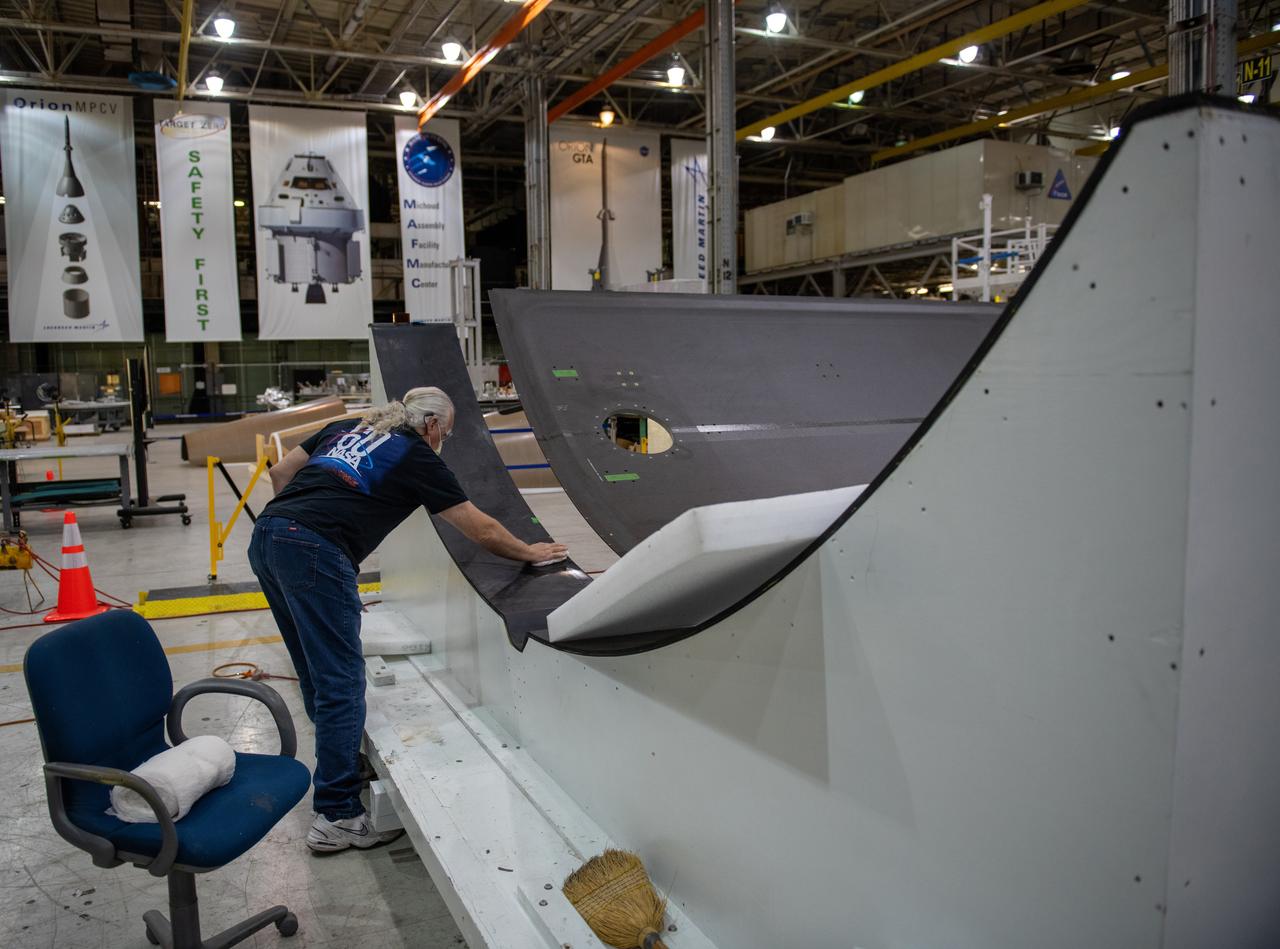
This week, NASA is taking preliminary steps to resume @NASA_SLS core stage production. Limited crews will return to #NASAMichoud to perform critical work essential to the agency's #Artemis program and our return to the Moon.
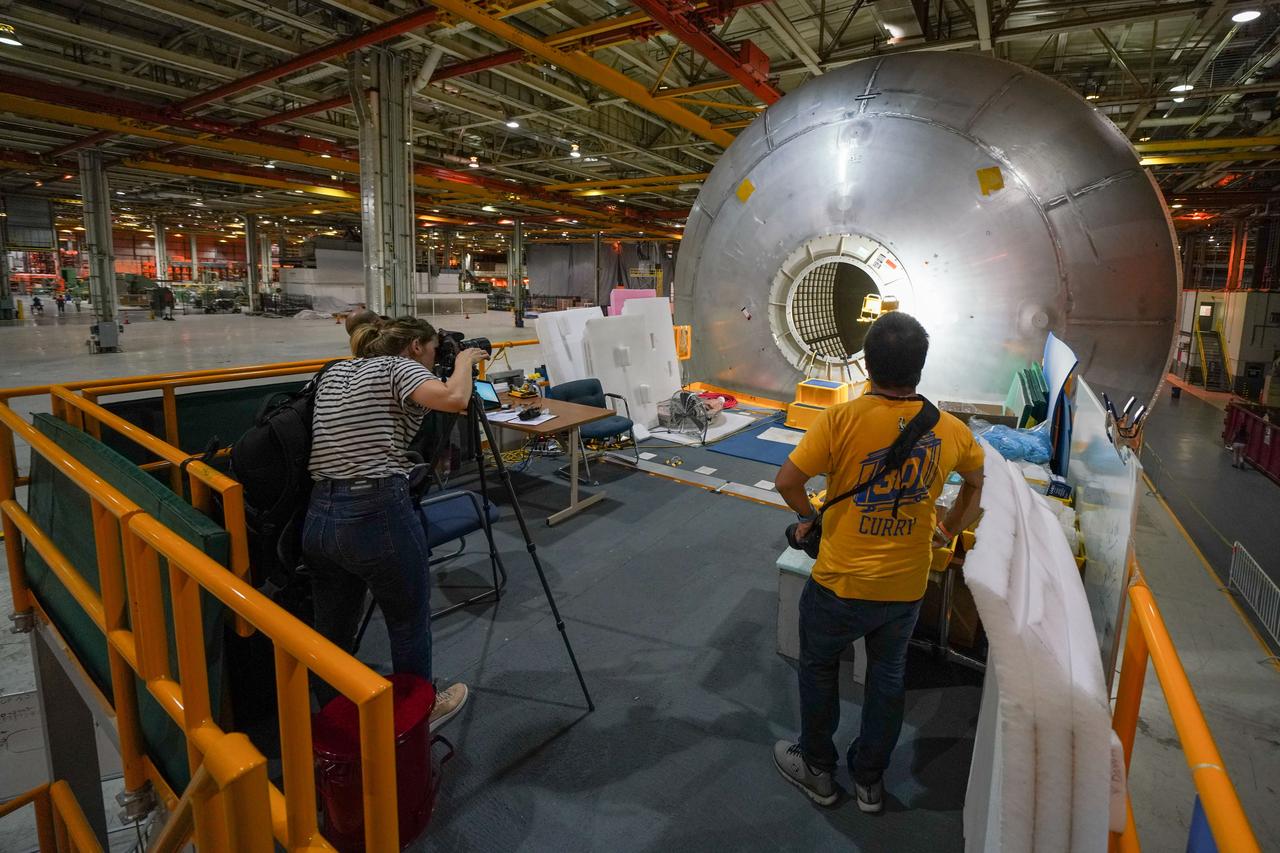
NASA's Photo Social at Michoud Assembly Facility
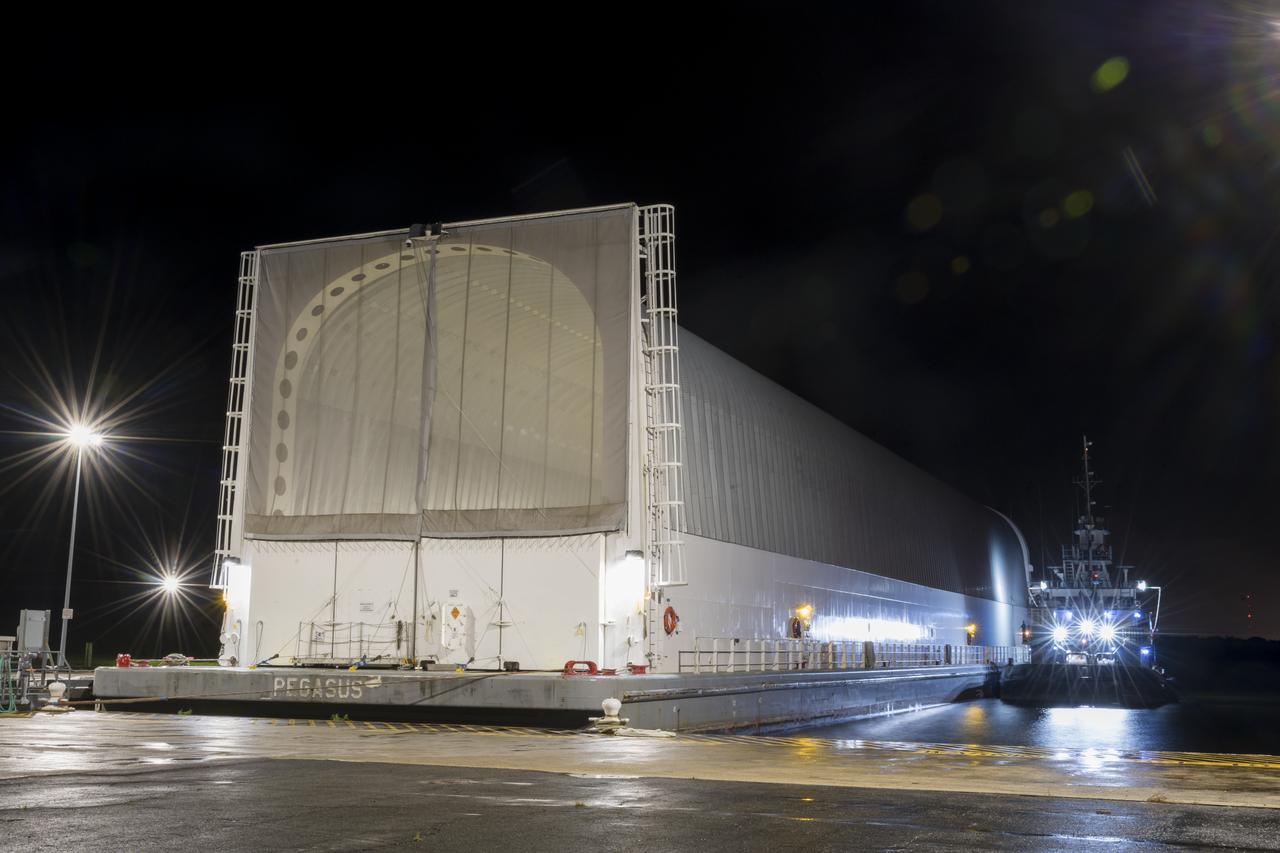
These images show NASA’s Pegasus barge at NASA’s Michoud Assembly Facility in New Orleans as it transported the Artemis I launch vehicle stage adapter (LVSA) of the agency’s Space Launch System rocket to NASA’s Kennedy Space Center in Florida. Leaving with the adapter from NASA’s Marshall Space Flight Center in Huntsville, Alabama, Pegasus made a brief stop at Michoud to offload supplies and equipment before continuing its to Kennedy. The LVSA connects the deep space rocket’s 212-foot-tall core stage to the rocket’s upper stage and will be used for Artemis I, the first in a series of increasingly complex missions to the Moon through NASA’s Artemis program. Once at Kennedy, the LVSA will undergo Artemis I launch preparations. Only the SLS core stage, currently in final testing at NASA’s Stennis Space Center near Bay St. Louis, Mississippi, remains to be shipped to Kennedy on Pegasus. The core stage is produced at Michoud. Together with four RS-25 engines, the rocket’s massive 212-foot-tall core stage — the largest stage NASA has ever built — and its twin solid rocket boosters produce 8.8 million pounds of thrust to send NASA’s Orion spacecraft, astronauts and supplies beyond Earth’s orbit to the Moon. Offering more payload mass, volume capacity and energy to speed missions through space, the SLS rocket, along with NASA’s Gateway in lunar orbit, the Human Landing System and Orion, is part of NASA’s backbone for deep space exploration and the Artemis lunar program. No other rocket is capable of carrying astronauts in Orion around the Moon in a single mission.

NASA's Photo Social at Michoud Assembly Facility
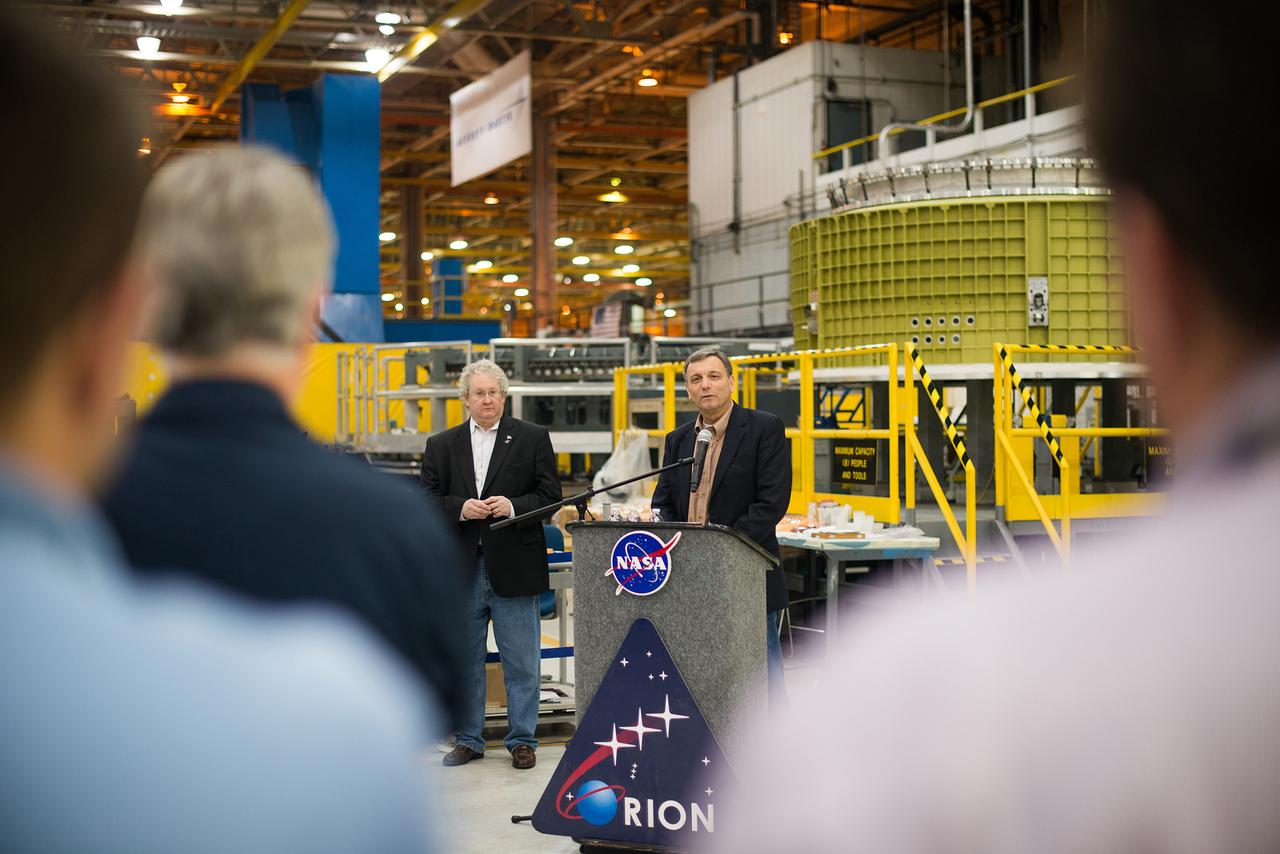
MAF Orion MGMT Visit
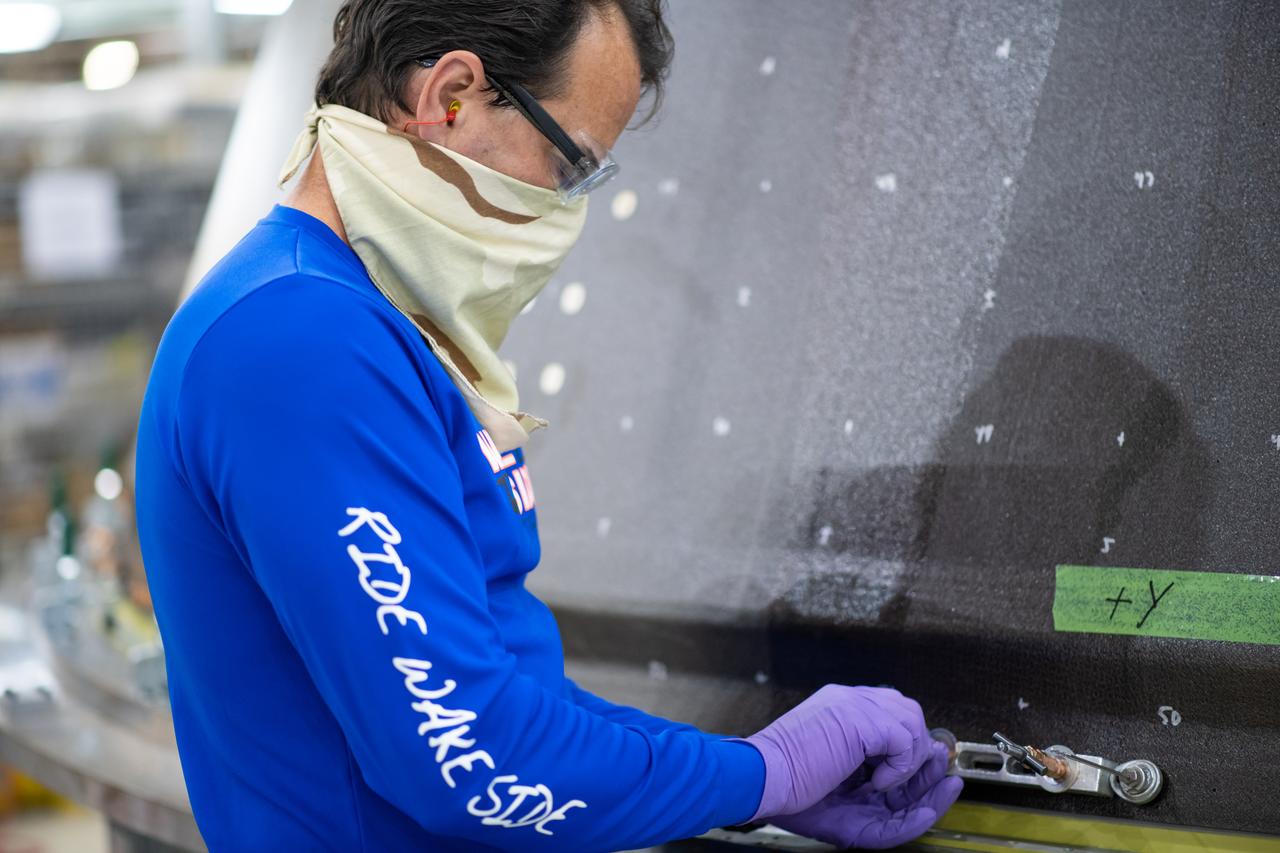
Employees wear personal protective gear at Michoud Assembly Facility as the facility transitioned to Stage 3 of NASA’s Framework for Return To On-Site Work. Employees wear the appropriate personal protective equipment (PPE) and/or cloth face coverings as required for assigned tasks. Access to the facility is limited to authorized personnel working on mission-critical tasks that must be conducted onsite. Mission-critical tasks include slowly and methodically resuming Space Launch System (SLS) Core Stage and Orion production activities, particularly critical path deliverables to support the Artemis Program, at a pace that limits personnel and follows federal guidelines for social distancing and use of personal protective equipment such as face masks. For more information about SLS, visit nasa.gov/sls.
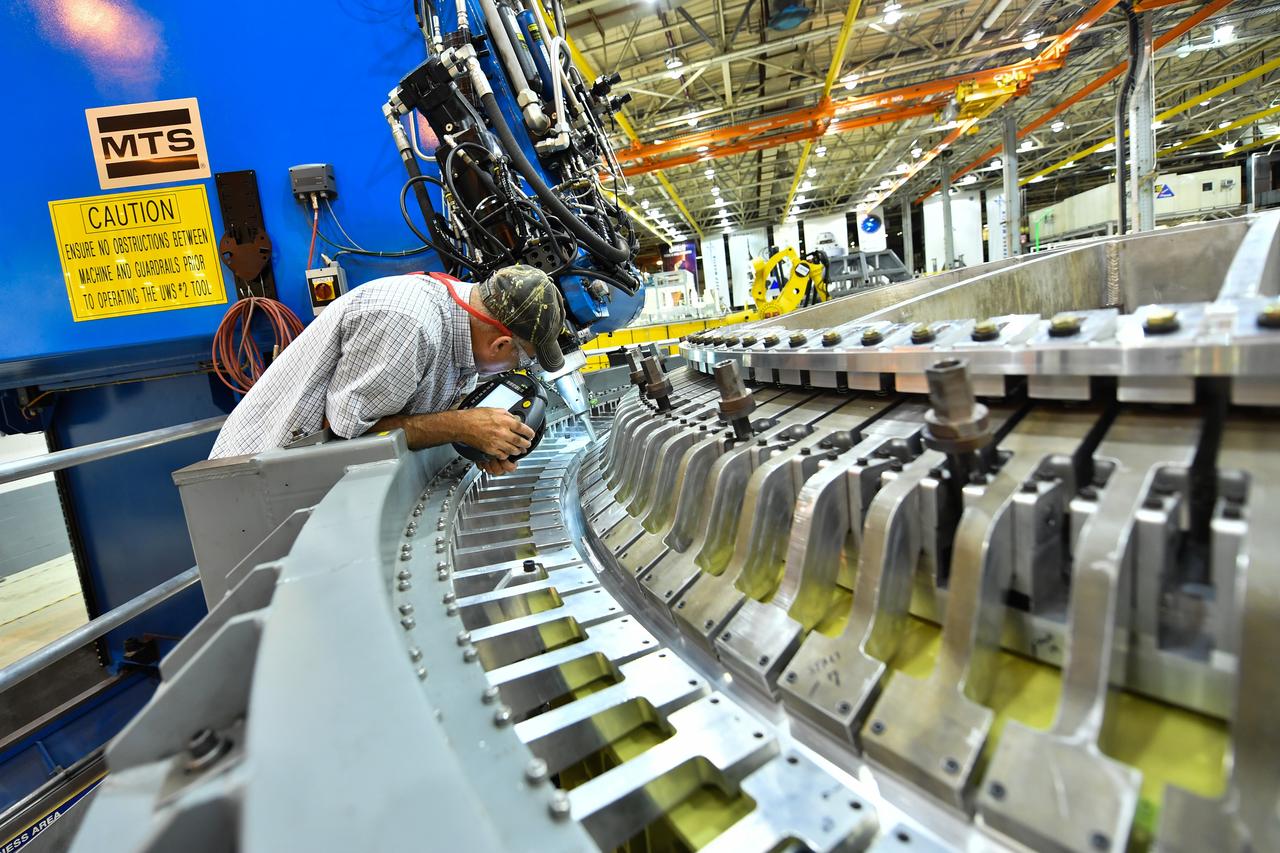
Orion STA PV4 Weld

The main gate (Gate 7) of the Michoud Assembly Facility has been demolished and replaced following the tornado that struck the area in February 2017. The project included moving the gate to a position of 300 feet off the property line (away from Old Gentilly Blvd). The configuration included expanding the entrance to the gate from 2 lanes to 3 while maintaining 2 exit lanes. This layout provides for a guard post shelter rain canopy over two of the entrance lanes. Assessments and repairs continue on various structures and facilities across the facility.
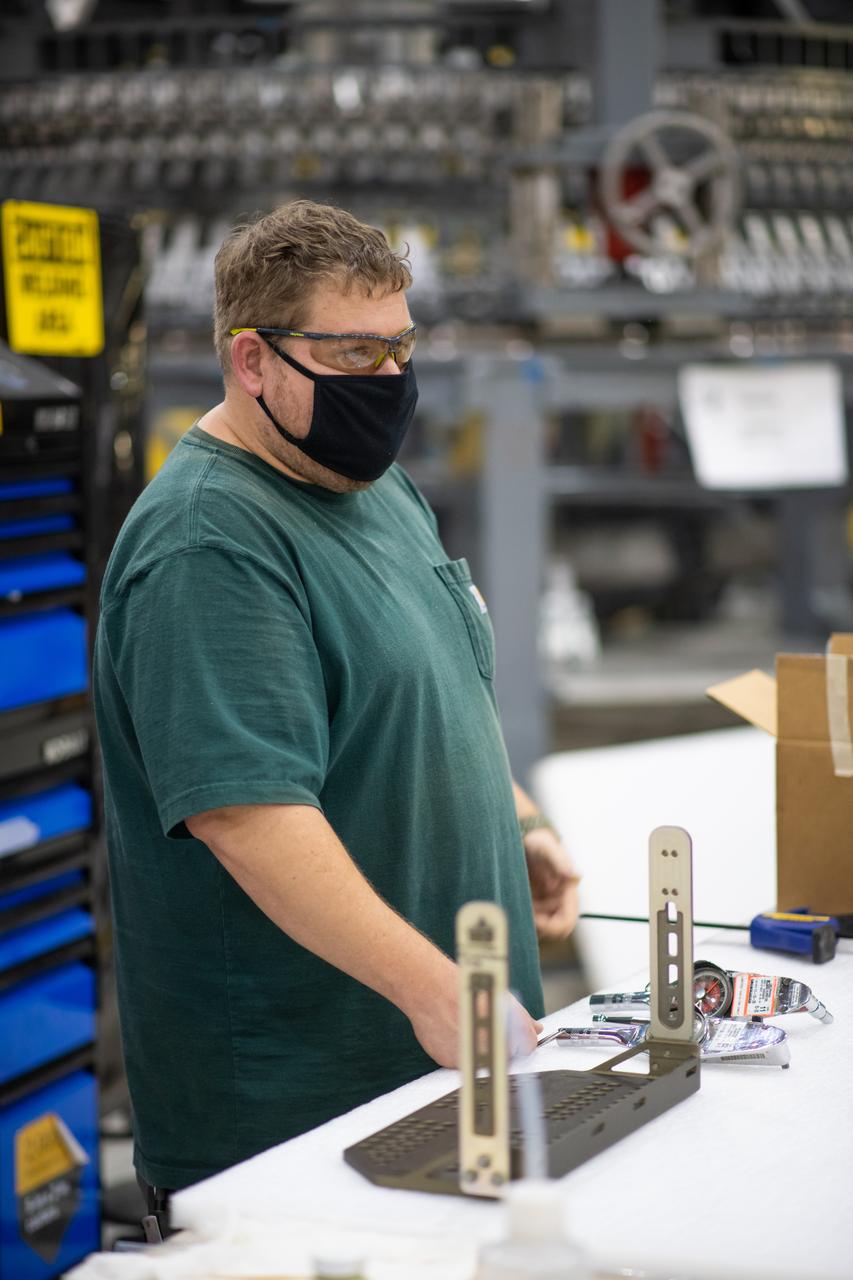
Employees wear personal protective gear at Michoud Assembly Facility as the facility transitioned to Stage 3 of NASA’s Framework for Return To On-Site Work. Employees wear the appropriate personal protective equipment (PPE) and/or cloth face coverings as required for assigned tasks. Access to the facility is limited to authorized personnel working on mission-critical tasks that must be conducted onsite. Mission-critical tasks include slowly and methodically resuming Space Launch System (SLS) Core Stage and Orion production activities, particularly critical path deliverables to support the Artemis Program, at a pace that limits personnel and follows federal guidelines for social distancing and use of personal protective equipment such as face masks. For more information about SLS, visit nasa.gov/sls.
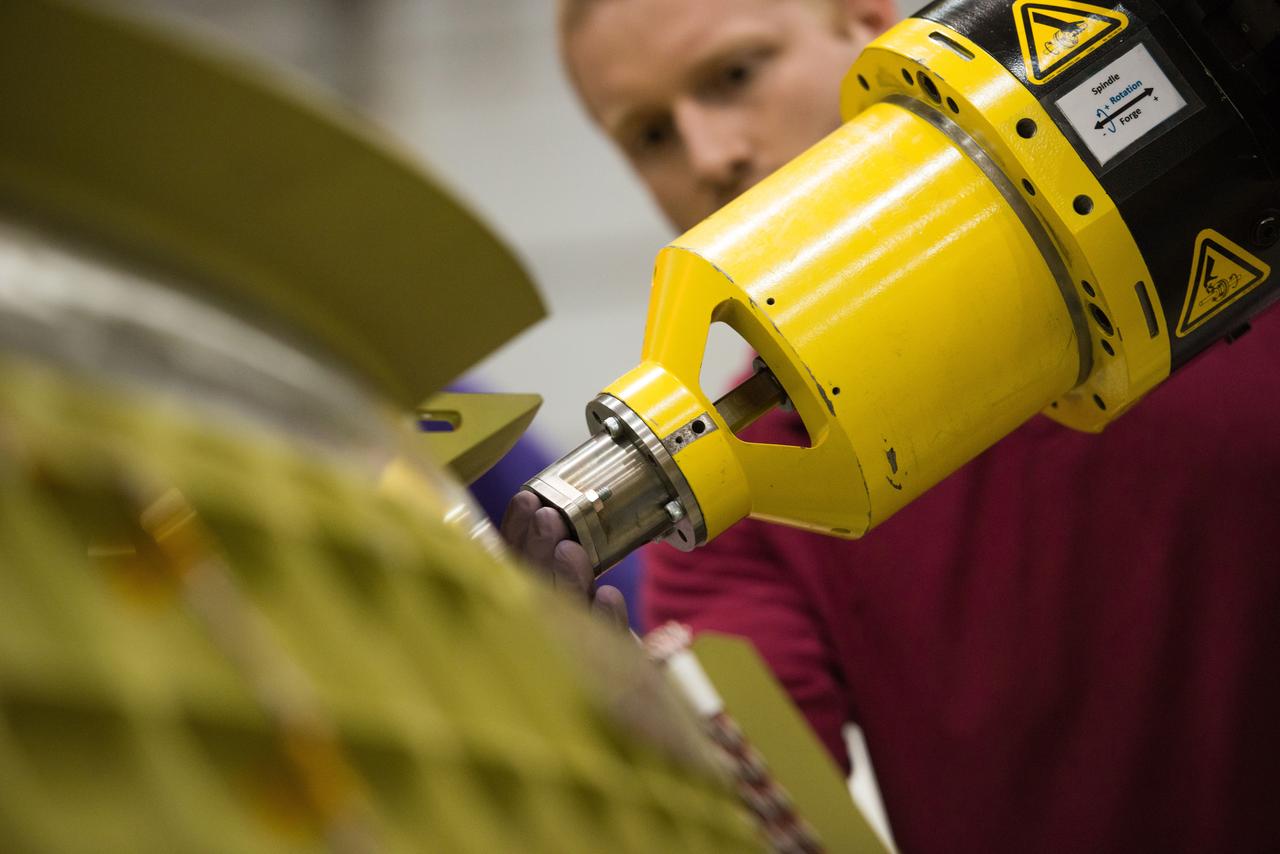
Orion EM1 plug welds in PV2 and PV3
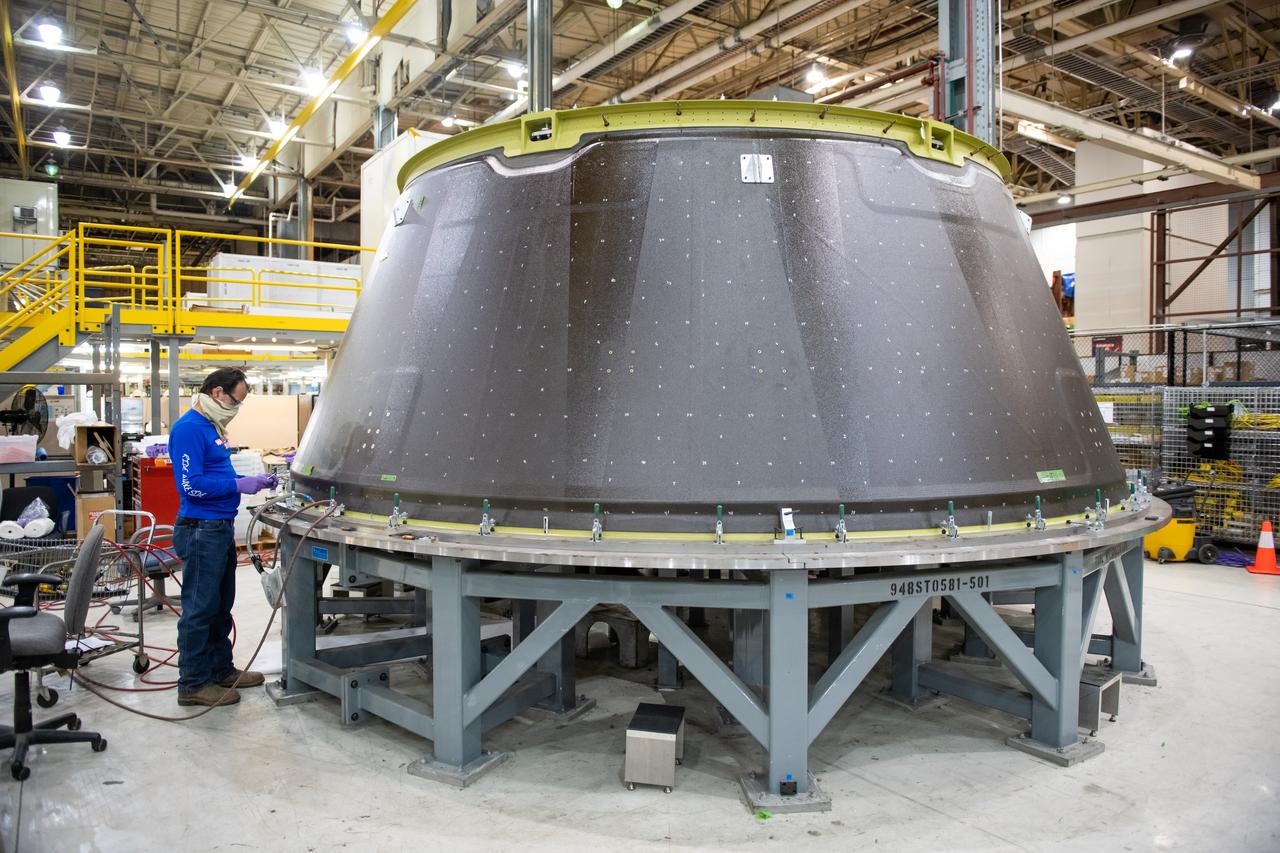
Employees wear personal protective gear at Michoud Assembly Facility as the facility transitioned to Stage 3 of NASA’s Framework for Return To On-Site Work. Employees wear the appropriate personal protective equipment (PPE) and/or cloth face coverings as required for assigned tasks. Access to the facility is limited to authorized personnel working on mission-critical tasks that must be conducted onsite. Mission-critical tasks include slowly and methodically resuming Space Launch System (SLS) Core Stage and Orion production activities, particularly critical path deliverables to support the Artemis Program, at a pace that limits personnel and follows federal guidelines for social distancing and use of personal protective equipment such as face masks. For more information about SLS, visit nasa.gov/sls.
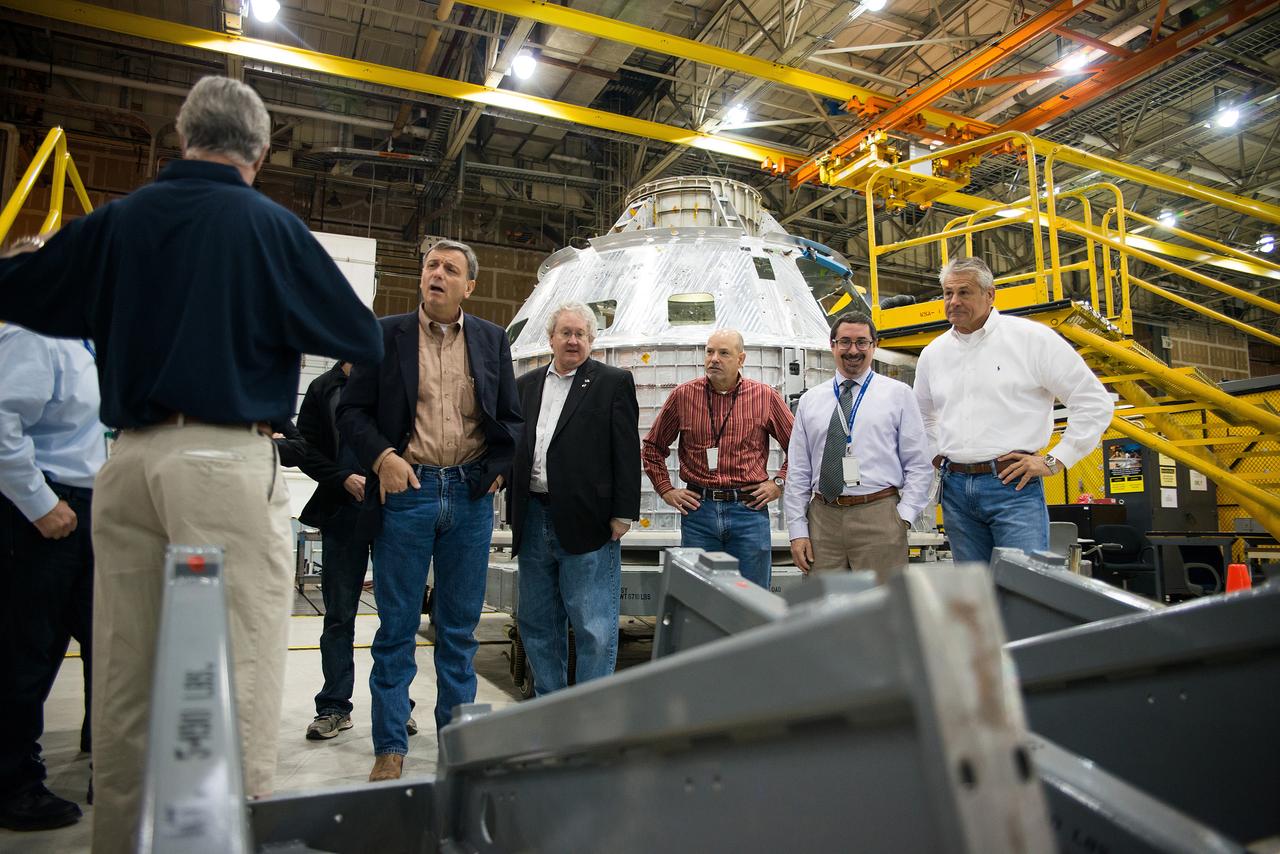
MAF Orion MGMT Visit
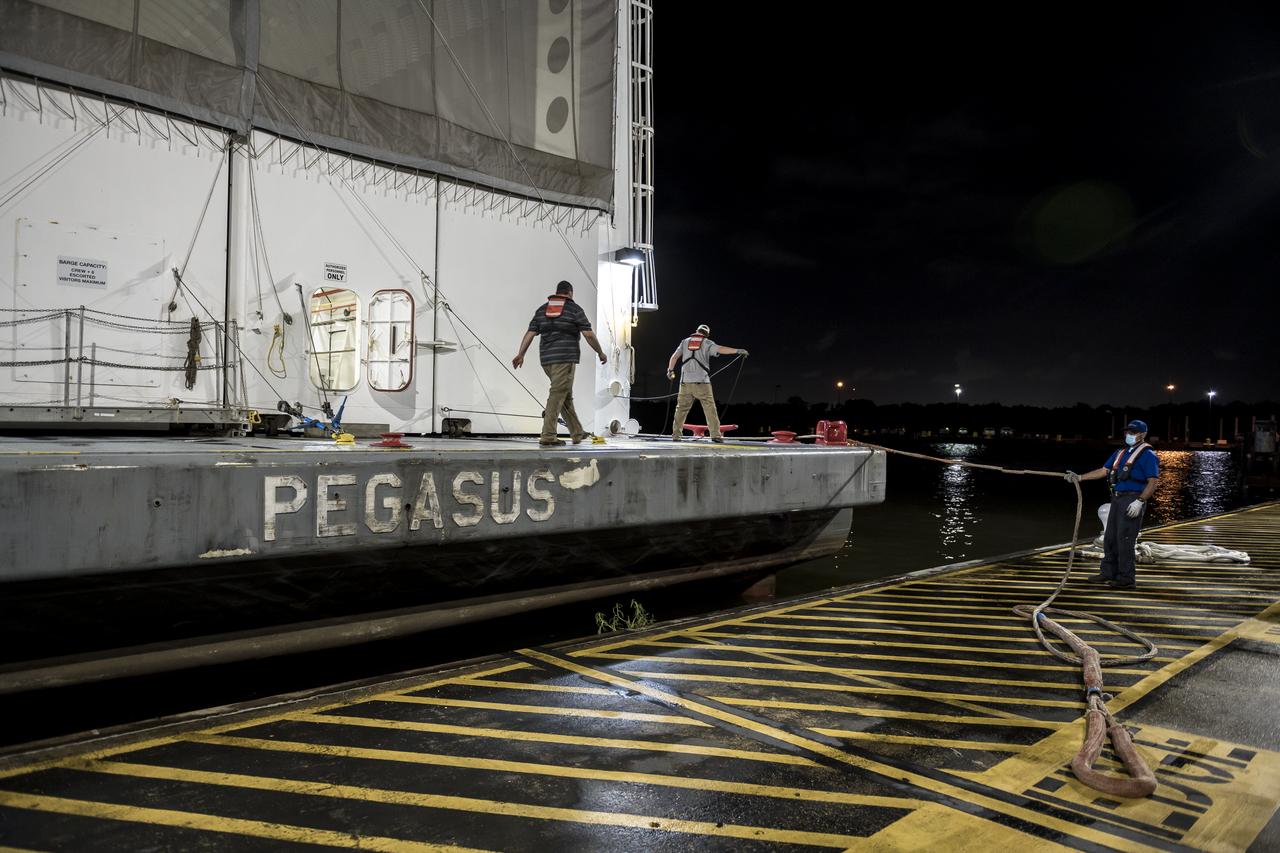
These images show NASA’s Pegasus barge at NASA’s Michoud Assembly Facility in New Orleans as it transported the Artemis I launch vehicle stage adapter (LVSA) of the agency’s Space Launch System rocket to NASA’s Kennedy Space Center in Florida. Leaving with the adapter from NASA’s Marshall Space Flight Center in Huntsville, Alabama, Pegasus made a brief stop at Michoud to offload supplies and equipment before continuing its to Kennedy. The LVSA connects the deep space rocket’s 212-foot-tall core stage to the rocket’s upper stage and will be used for Artemis I, the first in a series of increasingly complex missions to the Moon through NASA’s Artemis program. Once at Kennedy, the LVSA will undergo Artemis I launch preparations. Only the SLS core stage, currently in final testing at NASA’s Stennis Space Center near Bay St. Louis, Mississippi, remains to be shipped to Kennedy on Pegasus. The core stage is produced at Michoud. Together with four RS-25 engines, the rocket’s massive 212-foot-tall core stage — the largest stage NASA has ever built — and its twin solid rocket boosters produce 8.8 million pounds of thrust to send NASA’s Orion spacecraft, astronauts and supplies beyond Earth’s orbit to the Moon. Offering more payload mass, volume capacity and energy to speed missions through space, the SLS rocket, along with NASA’s Gateway in lunar orbit, the Human Landing System and Orion, is part of NASA’s backbone for deep space exploration and the Artemis lunar program. No other rocket is capable of carrying astronauts in Orion around the Moon in a single mission.
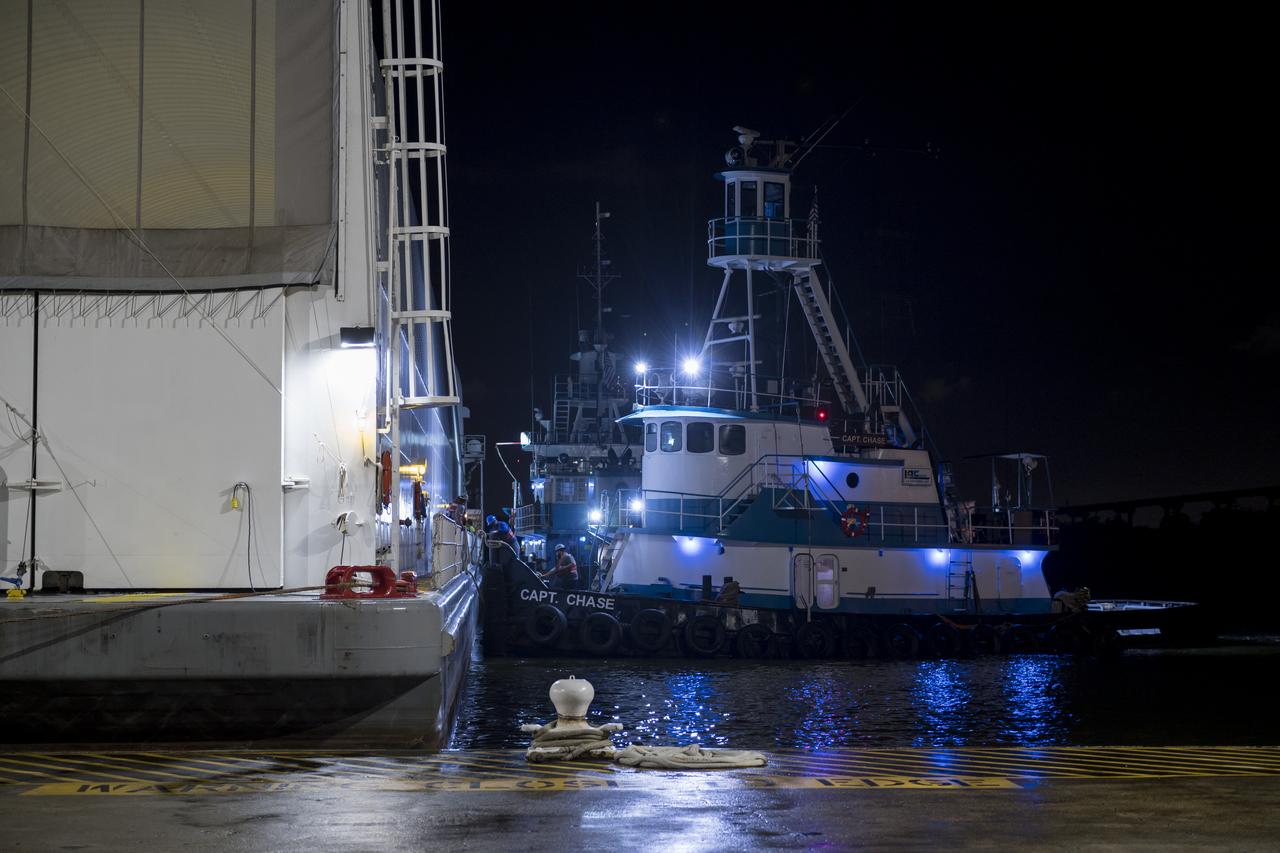
These images show NASA’s Pegasus barge at NASA’s Michoud Assembly Facility in New Orleans as it transported the Artemis I launch vehicle stage adapter (LVSA) of the agency’s Space Launch System rocket to NASA’s Kennedy Space Center in Florida. Leaving with the adapter from NASA’s Marshall Space Flight Center in Huntsville, Alabama, Pegasus made a brief stop at Michoud to offload supplies and equipment before continuing its to Kennedy. The LVSA connects the deep space rocket’s 212-foot-tall core stage to the rocket’s upper stage and will be used for Artemis I, the first in a series of increasingly complex missions to the Moon through NASA’s Artemis program. Once at Kennedy, the LVSA will undergo Artemis I launch preparations. Only the SLS core stage, currently in final testing at NASA’s Stennis Space Center near Bay St. Louis, Mississippi, remains to be shipped to Kennedy on Pegasus. The core stage is produced at Michoud. Together with four RS-25 engines, the rocket’s massive 212-foot-tall core stage — the largest stage NASA has ever built — and its twin solid rocket boosters produce 8.8 million pounds of thrust to send NASA’s Orion spacecraft, astronauts and supplies beyond Earth’s orbit to the Moon. Offering more payload mass, volume capacity and energy to speed missions through space, the SLS rocket, along with NASA’s Gateway in lunar orbit, the Human Landing System and Orion, is part of NASA’s backbone for deep space exploration and the Artemis lunar program. No other rocket is capable of carrying astronauts in Orion around the Moon in a single mission.

This photo includes two employees wearing personal protective gear in the shipping and receiving area of Michoud Assembly Facility during the Stage 3 transition of NASA’s Framework for Return To On-Site Work. Wearing a facemask is mandatory for common areas where social distancing is difficult to achieve. Access to the facility is limited to authorized personnel working on mission-critical tasks that must be conducted onsite. Employees at Michoud Assembly Facility in New Orleans will slowly and methodically resume Space Launch System (SLS) Core Stage and Orion Spacecraft production and assembly activities at a pace that limits personnel and follows federal guidelines for social distancing and use of personal protective equipment such as face masks. For more information about SLS, visit nasa.gov/sls.
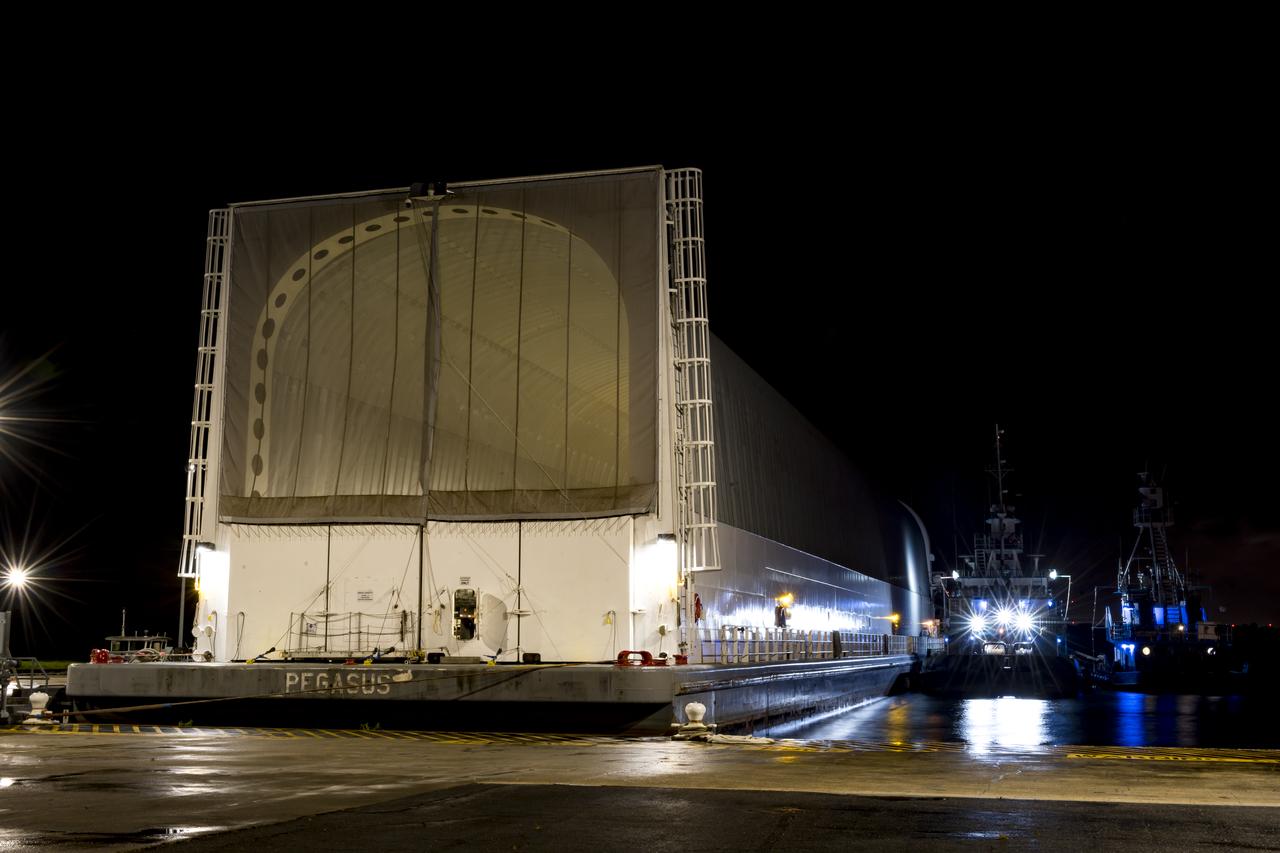
These images show NASA’s Pegasus barge at NASA’s Michoud Assembly Facility in New Orleans as it transported the Artemis I launch vehicle stage adapter (LVSA) of the agency’s Space Launch System rocket to NASA’s Kennedy Space Center in Florida. Leaving with the adapter from NASA’s Marshall Space Flight Center in Huntsville, Alabama, Pegasus made a brief stop at Michoud to offload supplies and equipment before continuing its to Kennedy. The LVSA connects the deep space rocket’s 212-foot-tall core stage to the rocket’s upper stage and will be used for Artemis I, the first in a series of increasingly complex missions to the Moon through NASA’s Artemis program. Once at Kennedy, the LVSA will undergo Artemis I launch preparations. Only the SLS core stage, currently in final testing at NASA’s Stennis Space Center near Bay St. Louis, Mississippi, remains to be shipped to Kennedy on Pegasus. The core stage is produced at Michoud. Together with four RS-25 engines, the rocket’s massive 212-foot-tall core stage — the largest stage NASA has ever built — and its twin solid rocket boosters produce 8.8 million pounds of thrust to send NASA’s Orion spacecraft, astronauts and supplies beyond Earth’s orbit to the Moon. Offering more payload mass, volume capacity and energy to speed missions through space, the SLS rocket, along with NASA’s Gateway in lunar orbit, the Human Landing System and Orion, is part of NASA’s backbone for deep space exploration and the Artemis lunar program. No other rocket is capable of carrying astronauts in Orion around the Moon in a single mission.
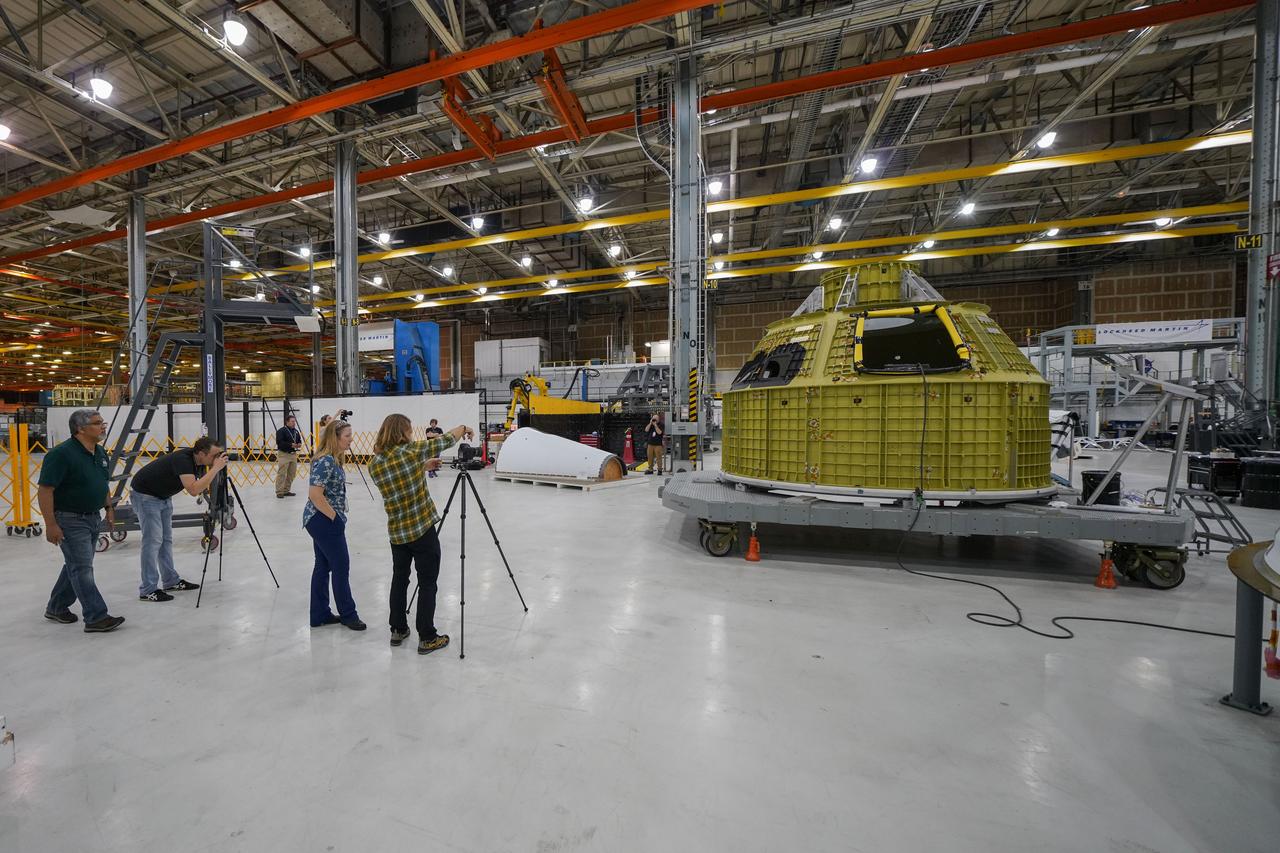
NASA's Photo Social at Michoud Assembly Facility
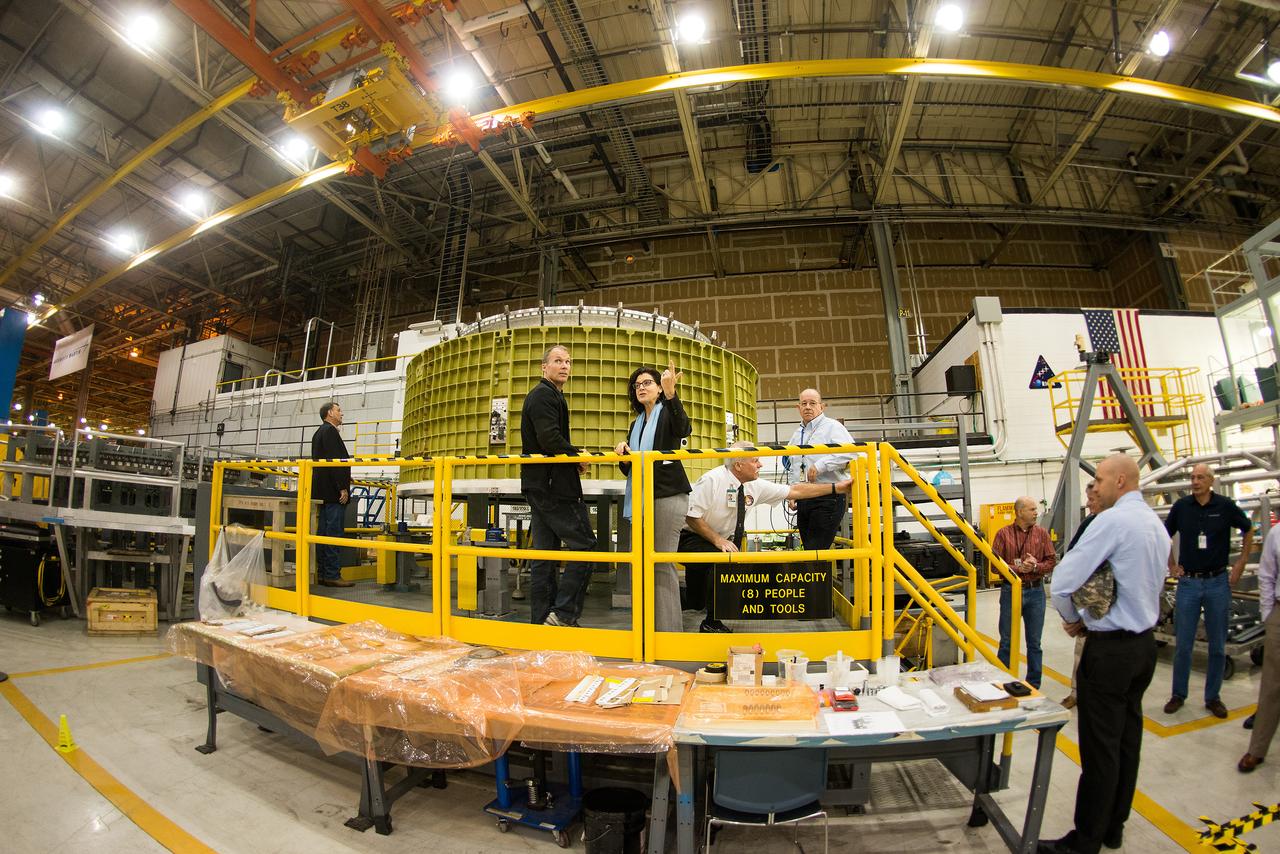
MAF Orion MGMT Visit
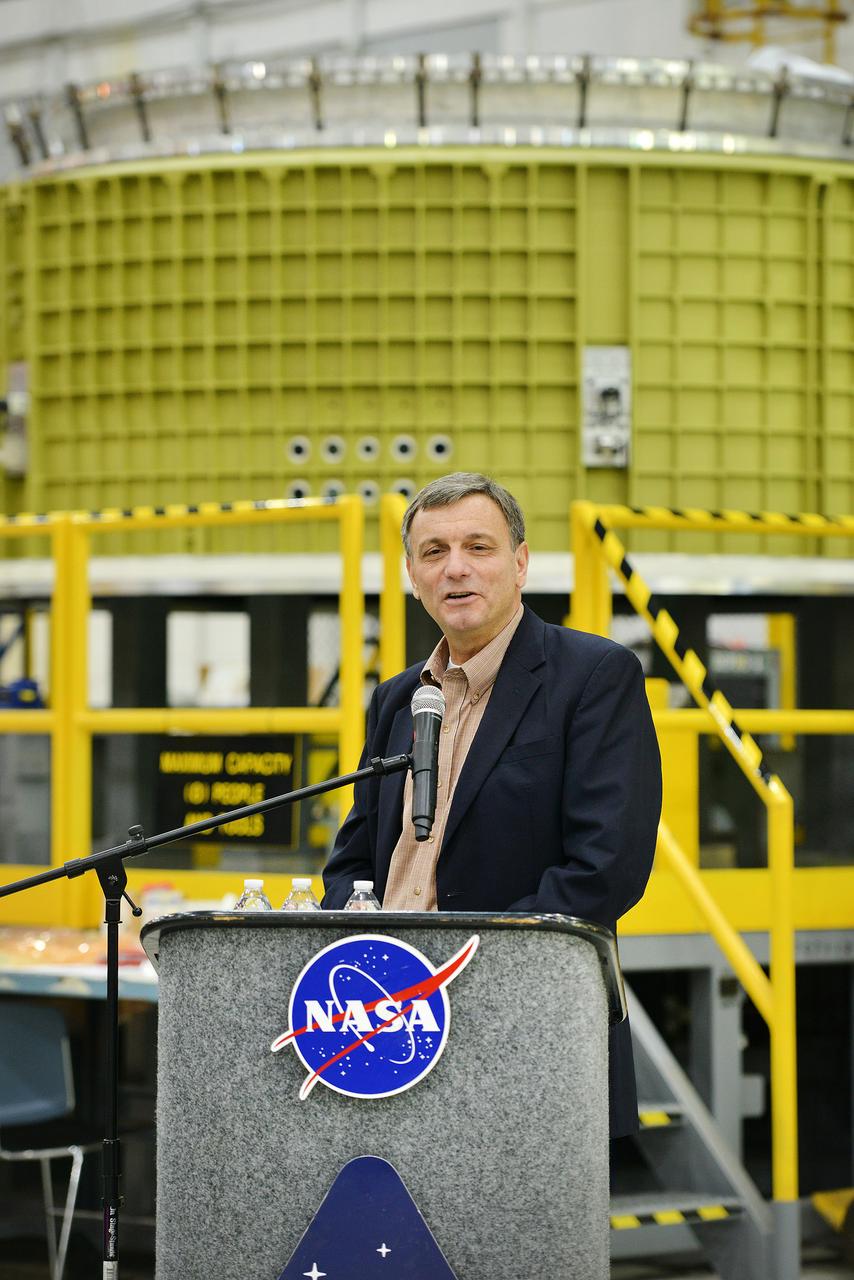
MAF Orion MGMT Visit
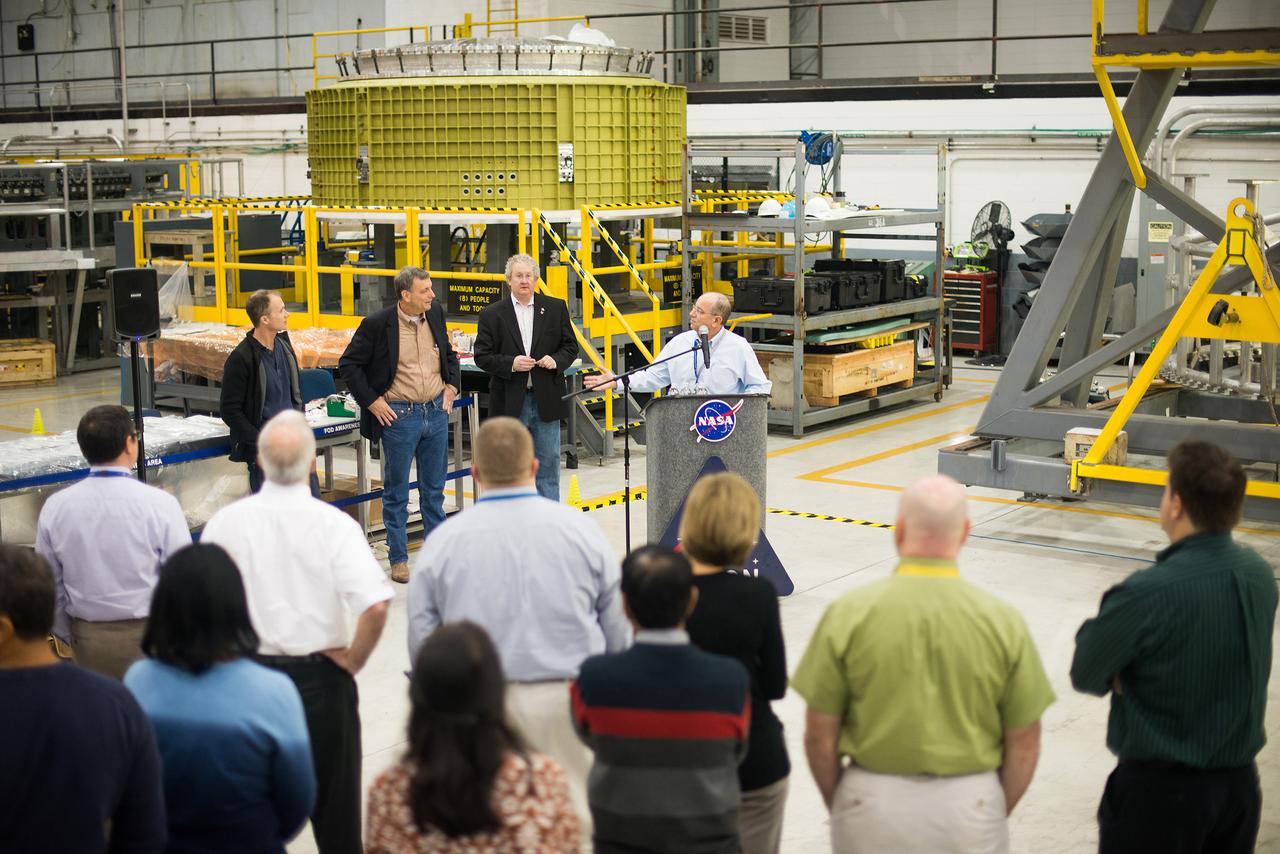
MAF Orion MGMT Visit