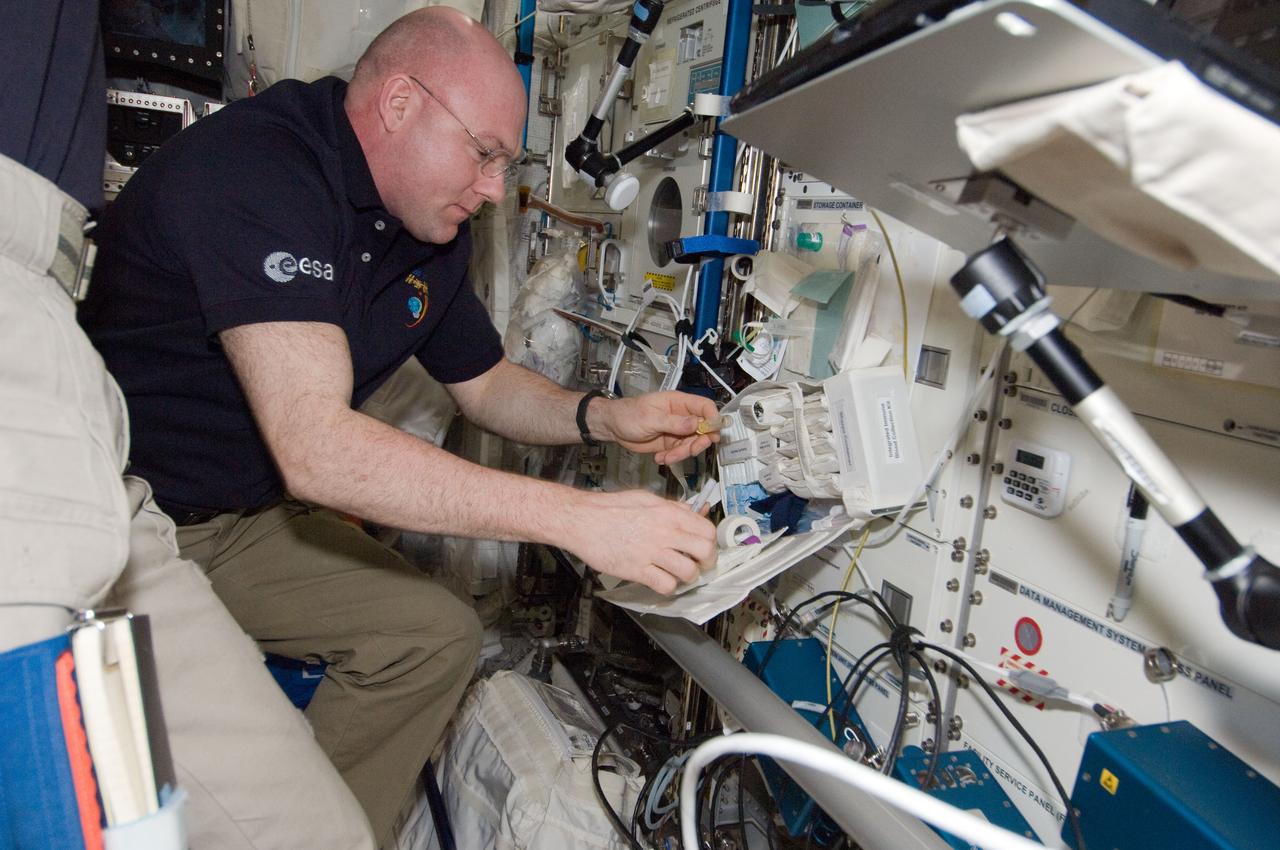
iss030e257689 (4/26/2012) --- European Space Agency (ESA) Andre Kuipers during Integrated Immune Blood Sample Draw at the Human Research Facility (HRF), in the Columbus Module. The Functional Immune investigation analyzes blood and saliva samples to determine the changes taking place in crew members’ immune systems during flight.
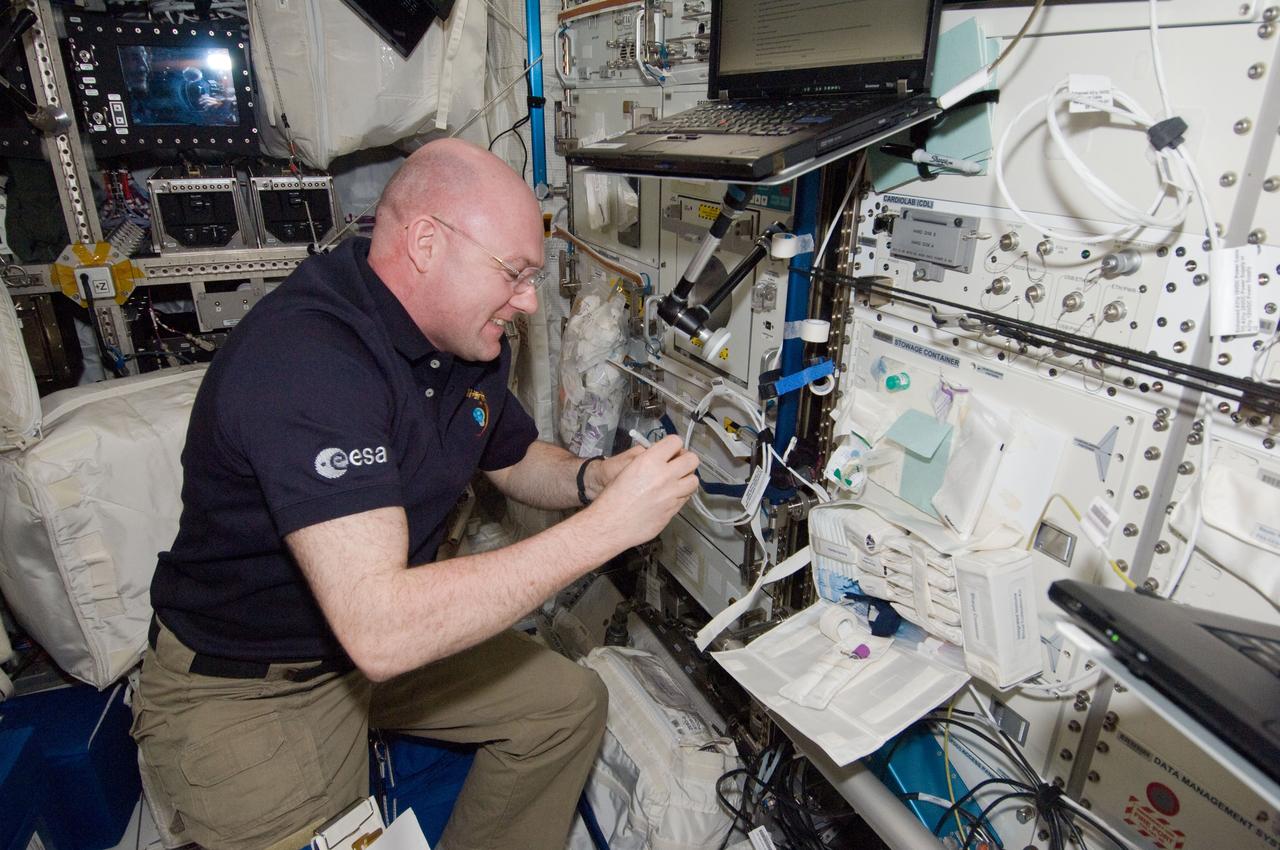
ISS030-E-257690 (26 April 2012) --- European Space Agency astronaut Andre Kuipers, Expedition 30 flight engineer, prepares for IMMUNE venous blood sample draws in the Columbus laboratory of the International Space Station. Following the blood draws, the samples were temporarily stowed in the Minus Eighty Laboratory Freezer for ISS 1 (MELFI-1) and later packed together with saliva samples on the Soyuz TMA-22 for return to Earth for analysis.
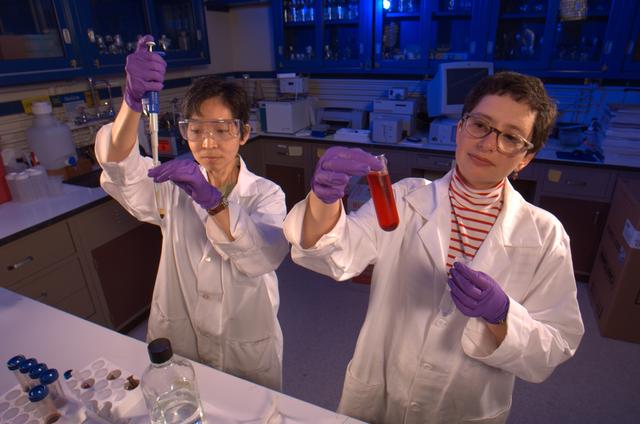
Hiromi Kagawa and Kira Foygel working with blood samples in biosafety level 2 laboratory.
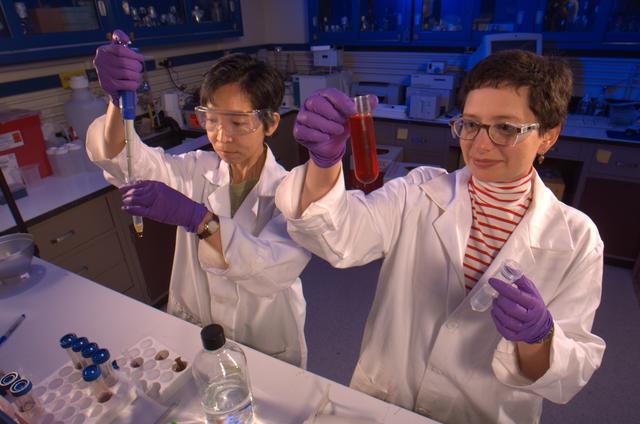
Hiromi Kagawa and Kira Foygel working with blood samples in NASA Ames Research Center biosafety level 2 laboratory.
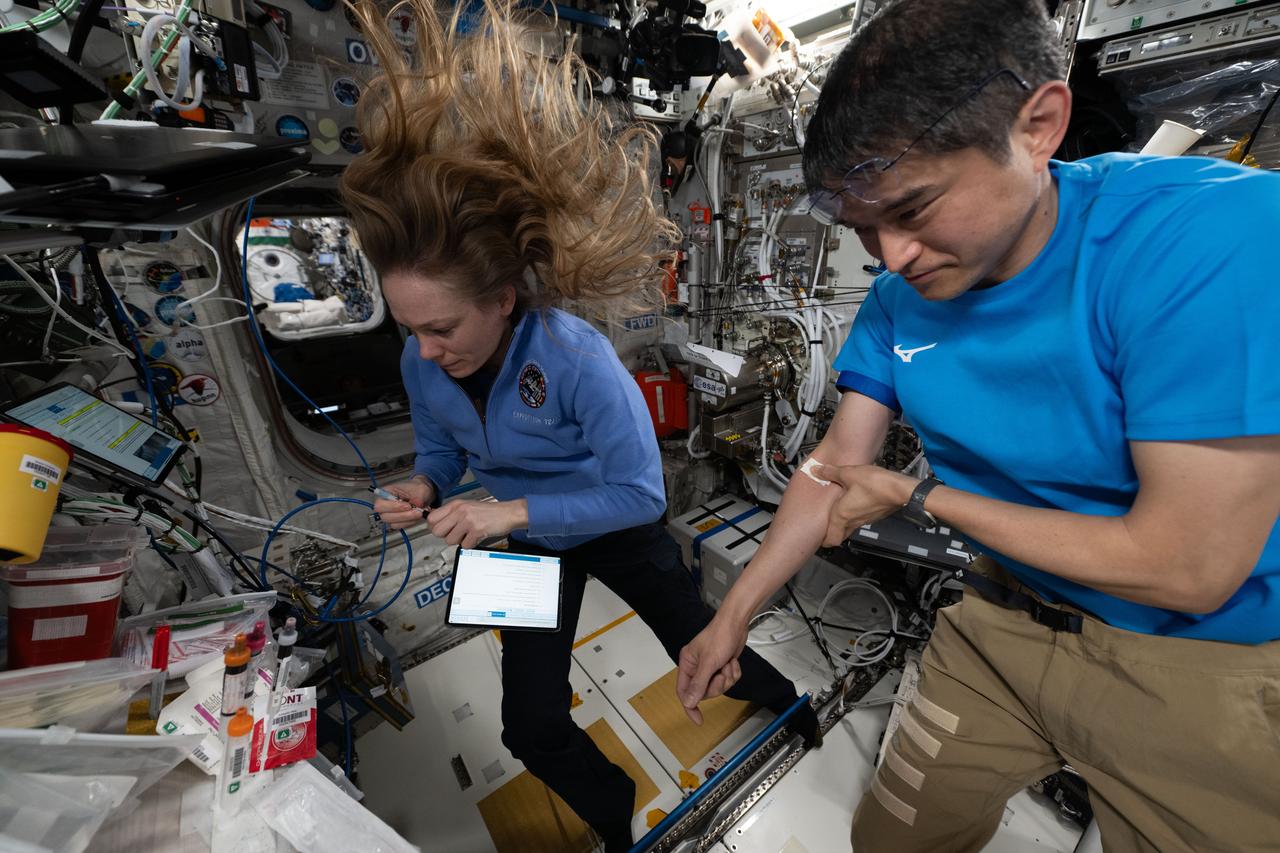
iss073e0284440 (July 8, 2025) --- Expedition 73 Flight Engineer Nichole Ayers of NASA and International Space Station Commander Takuya Onishi of JAXA (Japan Aerospace Exploration Agency) collect blood samples for the Immunity Assay human research investigation. The study will analyze the blood samples for signs of space-caused stress on cellular immune function to help doctors monitor crew health and keeps crews healthy on long term space missions.
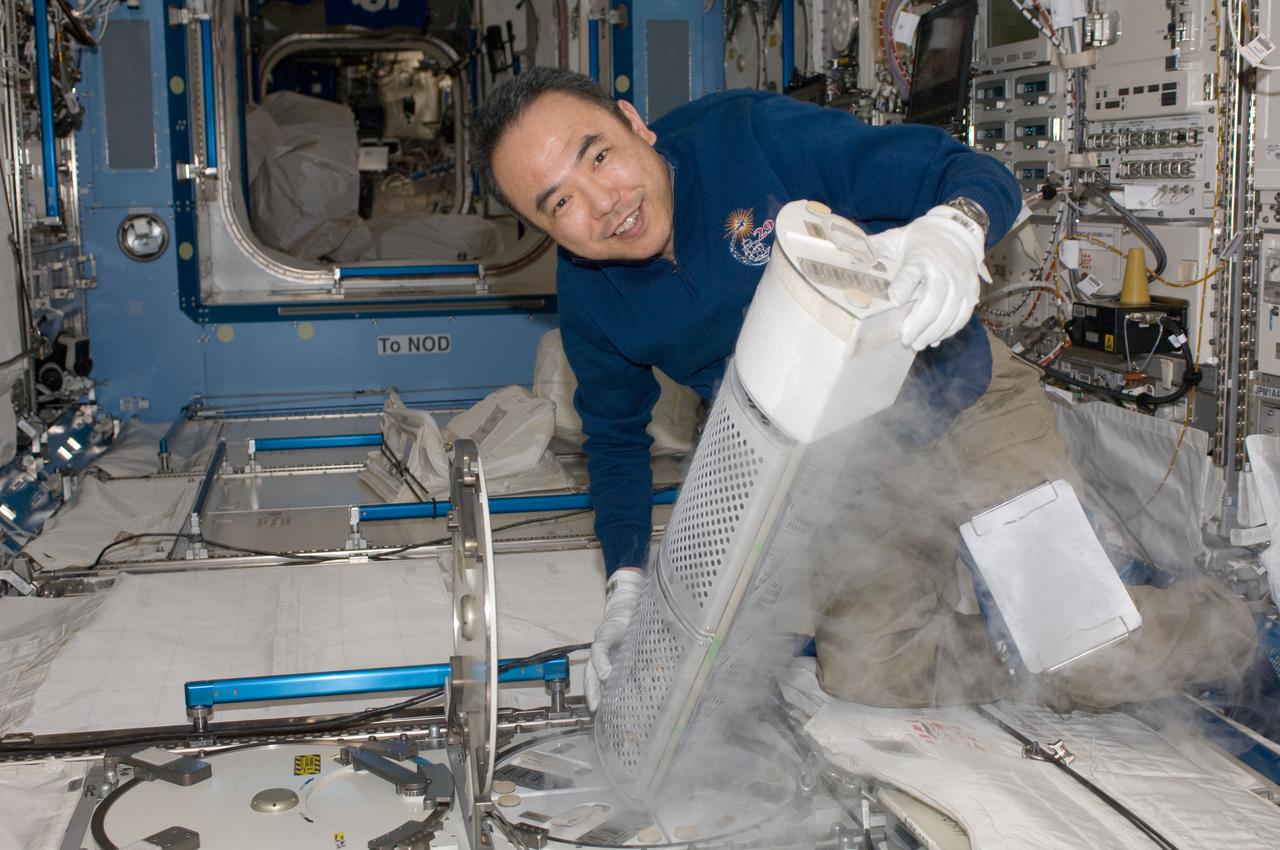
iss029e028495 (10/18/2011) --- Japan Aerospace Exploration Agency astronaut Satoshi Furukawa,Expedition 29 flight engineer,prepares to put samples from the CSA (Canadian Space Agency) Vascular Blood Collection protocol into the MELFI-1 (Minus Eighty Laboratory Freezer for ISS 1) unit.
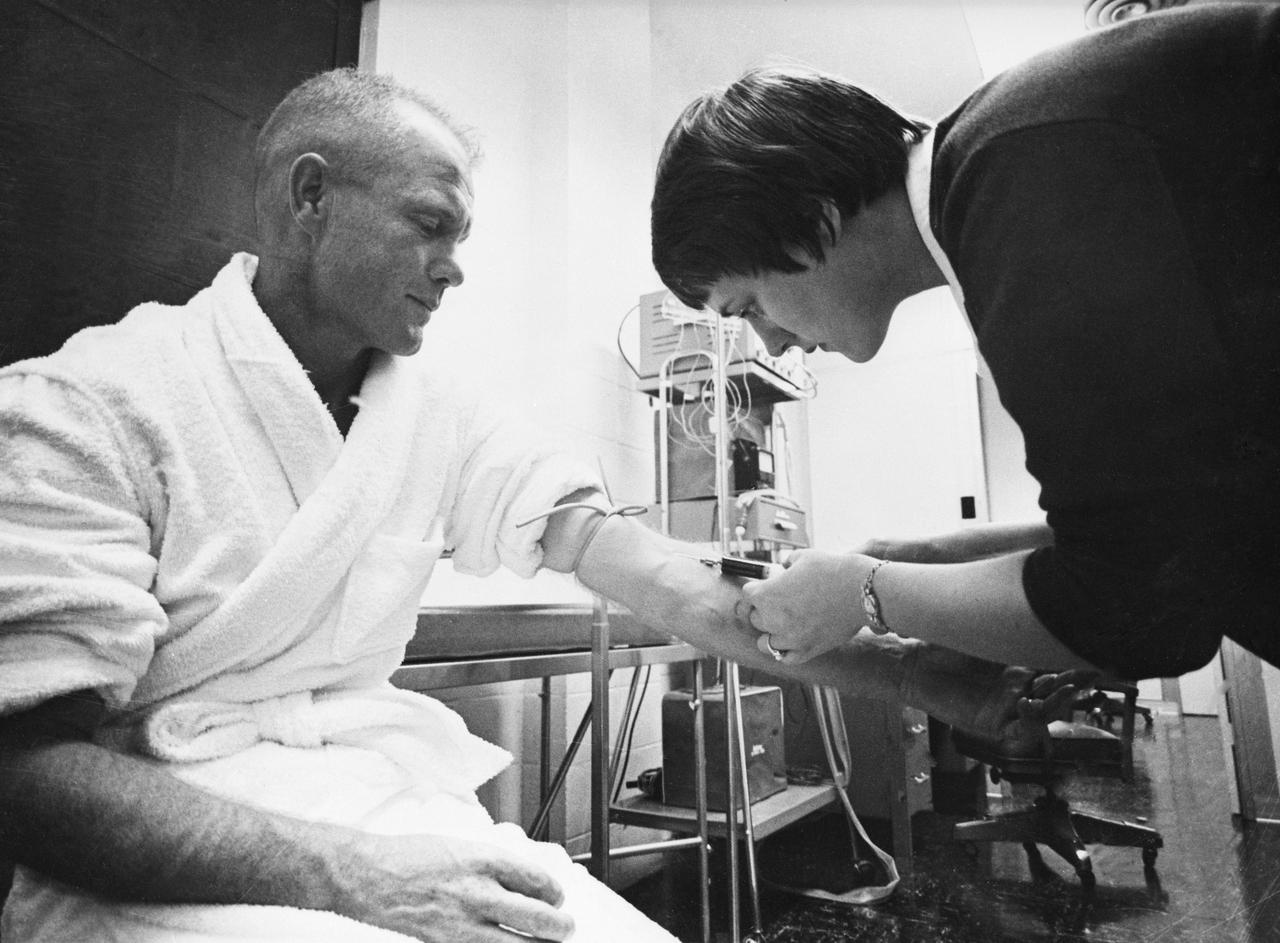
S61-02579 (1961) --- Astronaut nurse Delores B. O'Hara, R.N., in the Aeromedical Laboratory at Cape Canaveral, Florida, takes a blood sample from Mercury astronaut John H. Glenn Jr. Photo credit: NASA
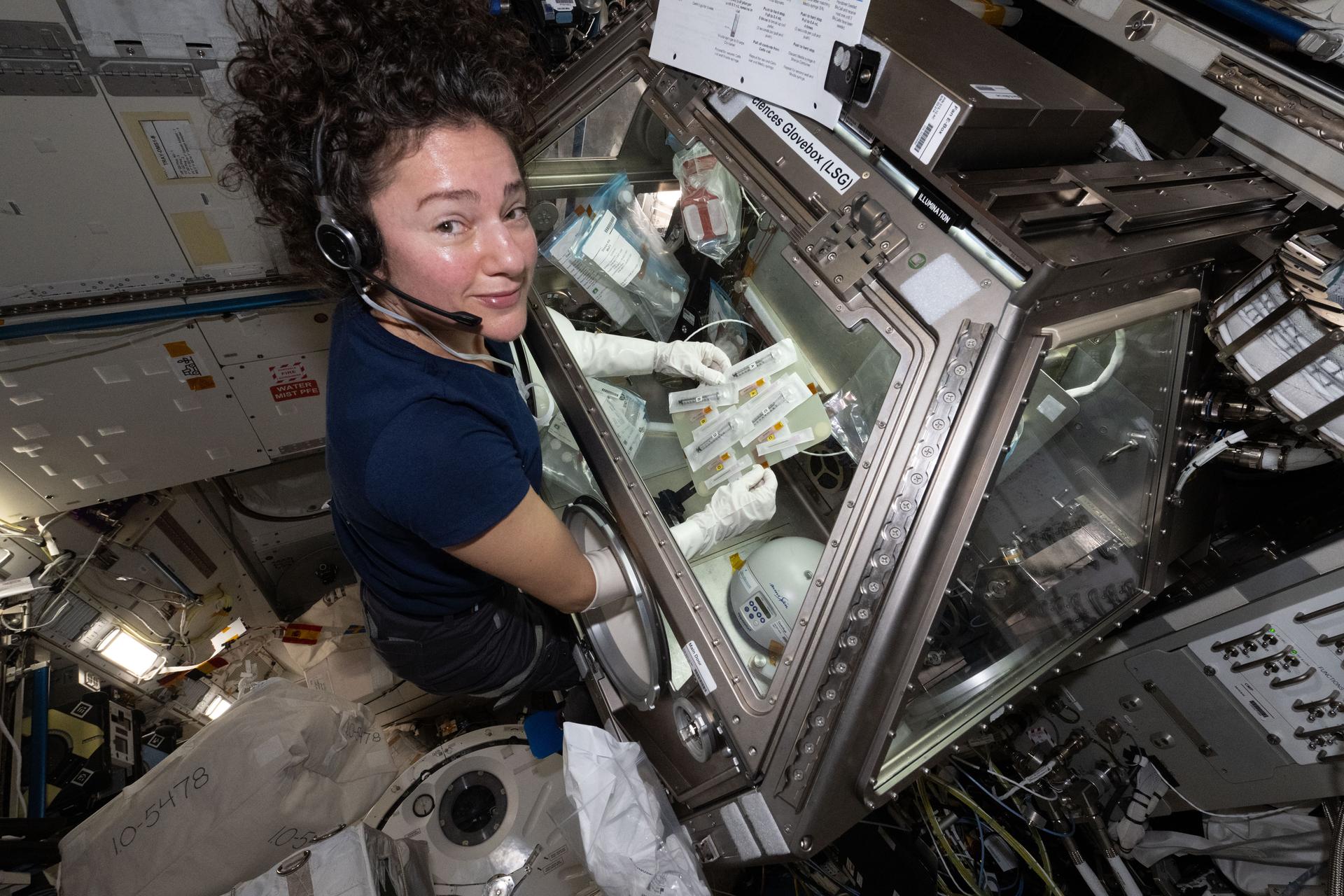
iss074e0591327 (May 18, 2026) --- NASA astronaut and Expedition 74 flight engineer Jessica Meir works inside the Kibo laboratory module’s Life Science Glovebox aboard the International Space Station. Meir was preparing blood platelet samples for incubation and growth to observe how weightlessness affects a crew member’s blood clotting and immune function at the cellular and genetic levels. Credit: ESA/Sophie Adenot
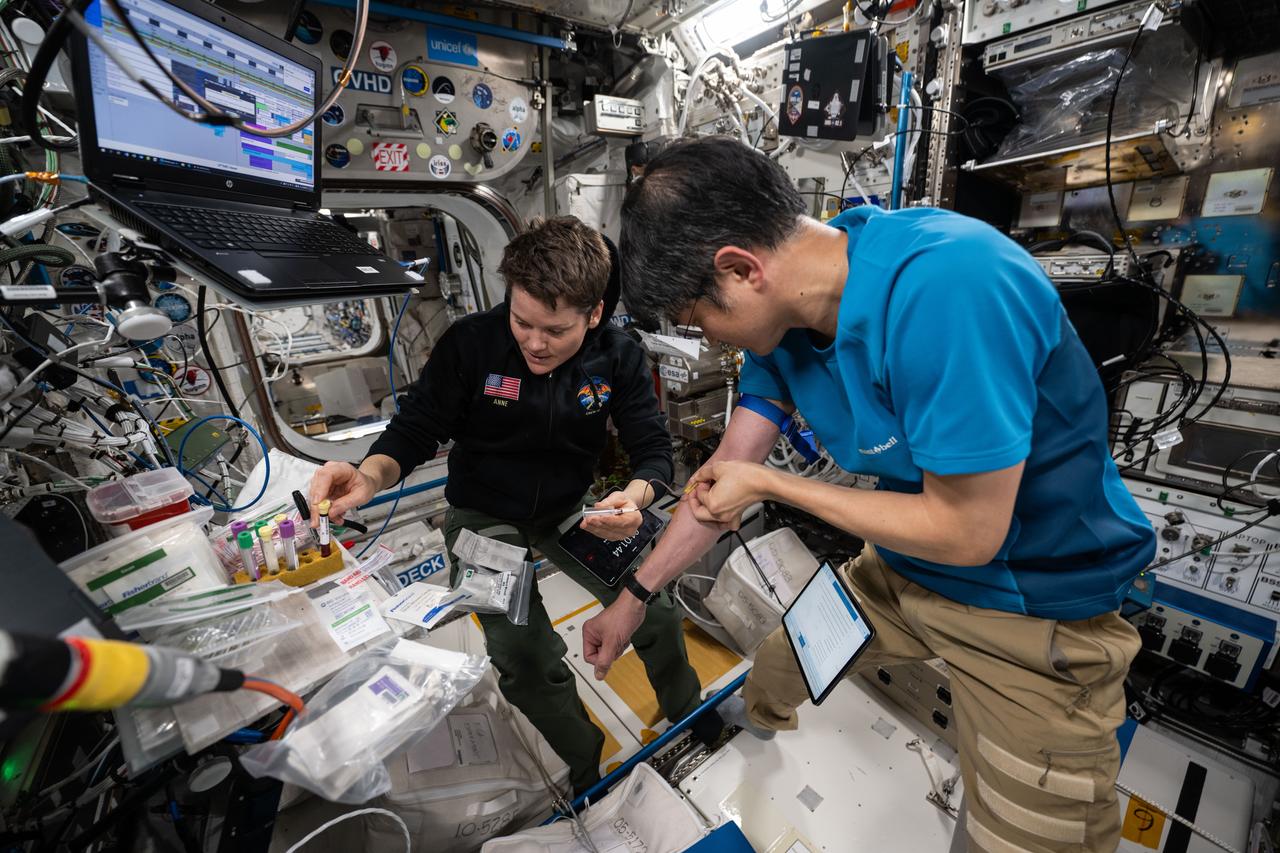
iss073e0078566 (May 23, 2025) --- Astronauts Anne McClain of NASA and Takuya Onishi of JAXA (Japan Aerospace Exploration Agency), Expedition 73 Flight Engineer and Commander respectively, work together inside the International Space Station's Columbus laboratory module drawing blood samples for testing and monitoring an astronaut's health in microgravity.
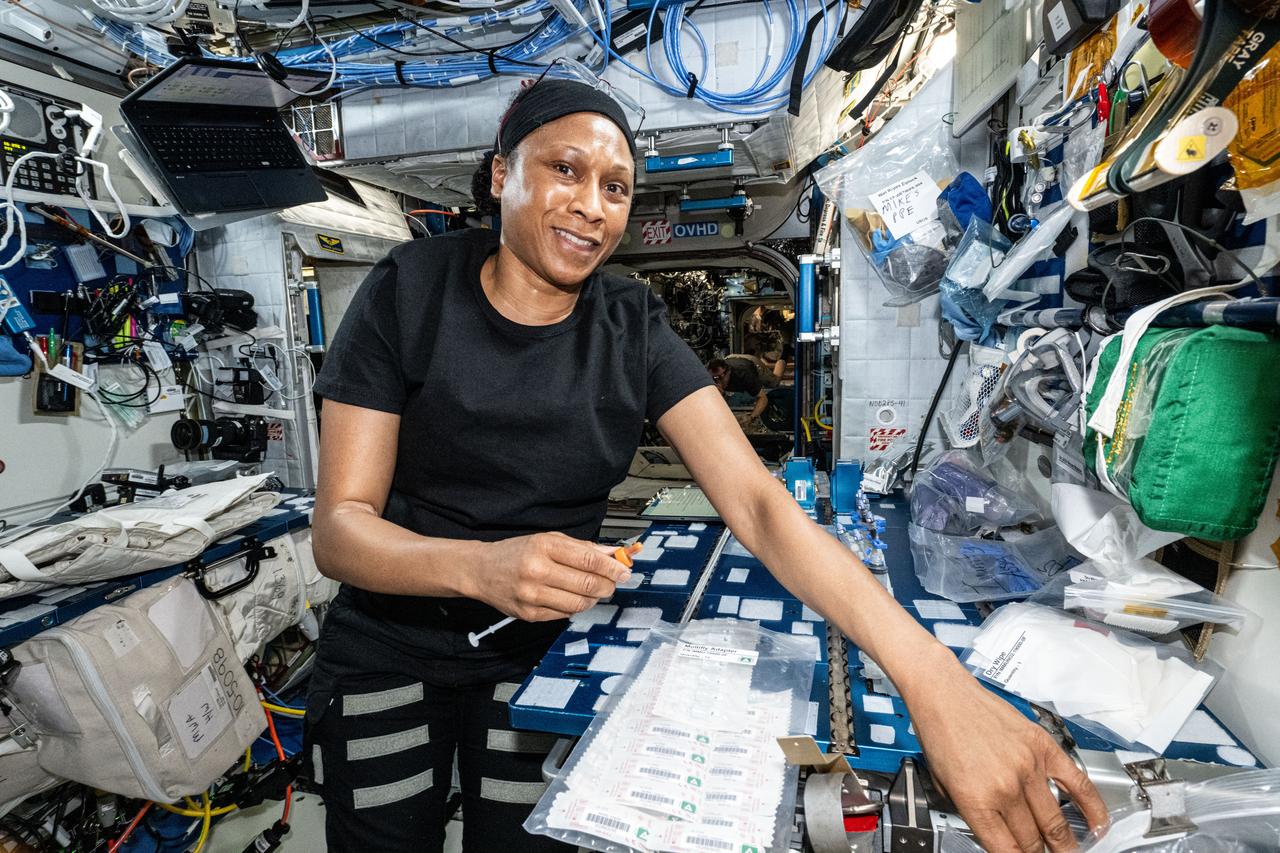
iss071e414653 (Aug. 1, 2024) --- NASA astronaut and Expedition 71 Flight Engineer Jeanette Epps processes blood and saliva samples aboard the International Space Station's Harmony module. She stowed the specimens in a science freezer and the Kubik research incubator for future retrieval and later analysis. The weightless environment of the orbital outpost allows investigators to explore how living in space long term affects humans and gain insights not possible in Earth’s gravity conditions.
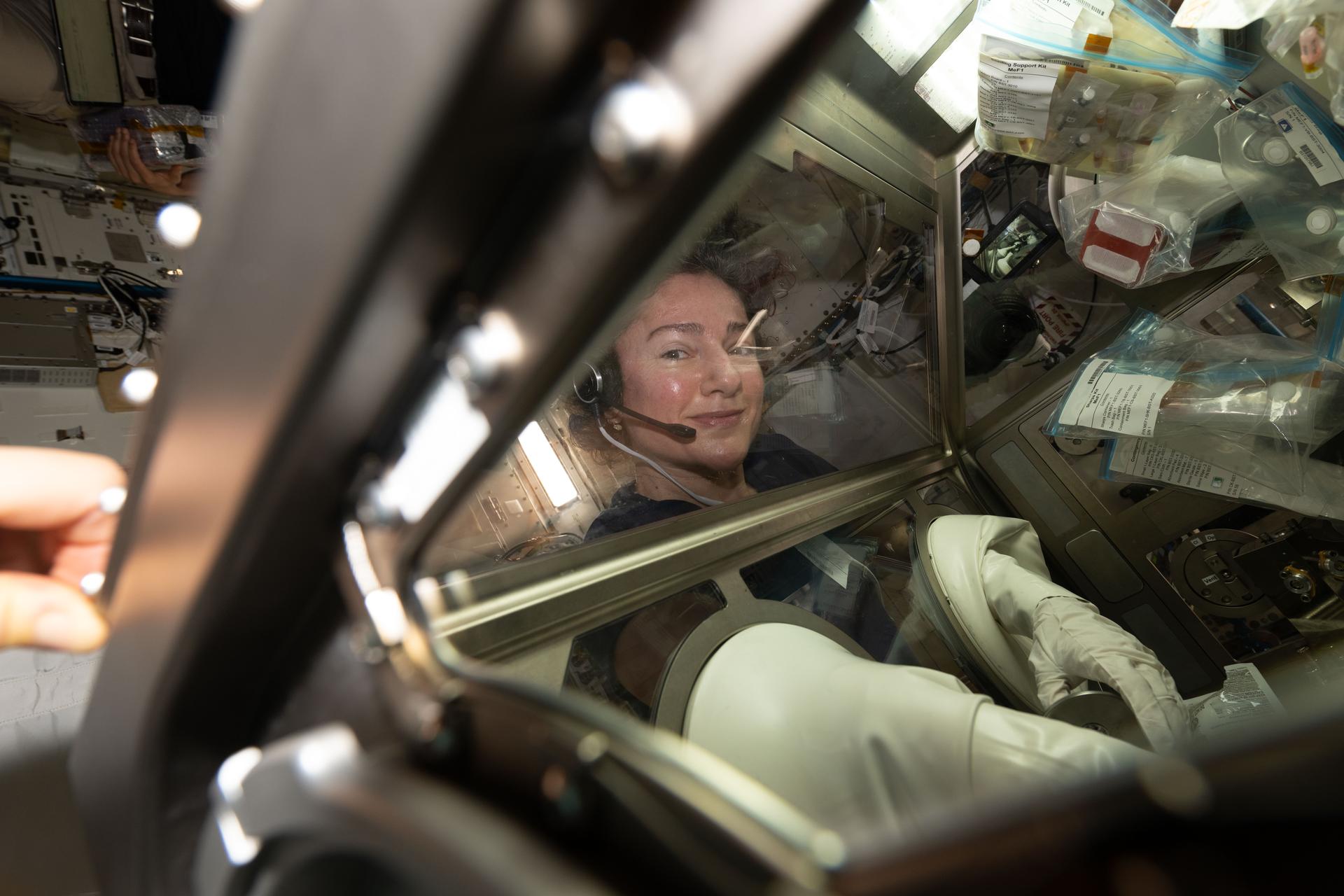
iss074e0590869 (May 18, 2026) --- NASA astronaut and Expedition 74 flight engineer Jessica Meir works inside the Kibo laboratory module’s Life Science Glovebox aboard the International Space Station. Meir was preparing blood‑making cell samples—blood platelets—for incubation and growth to observe how weightlessness affects a crew member’s blood clotting and immune function at the cellular and genetic levels. Credit: ESA/Sophie Adenot
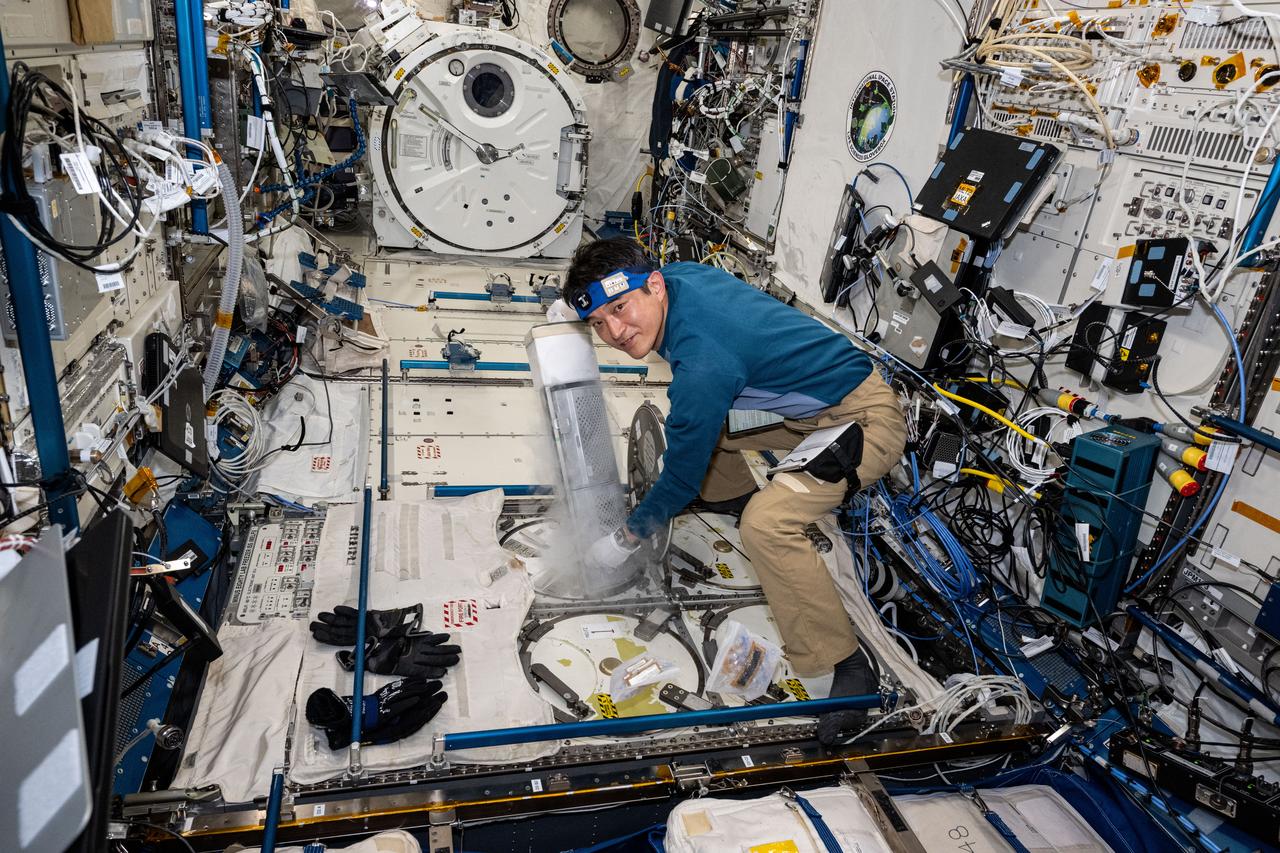
iss072e861307 (March 27, 2025) --- JAXA (Japan Aerospace Exploration Agency) astronaut and Expediion 72 Flight Engineer Takuya Onishi inserts a cryogenic storage unit, called a dewar, containing blood samples collected from a crew member into a science freezer for preservation and later analysis. The Minus Eighty-Degree Laboratory Freezer for International Space Station, or MELFI, is a research freezer that maintains experiment samples at ultra-cold temperatures in microgravity.
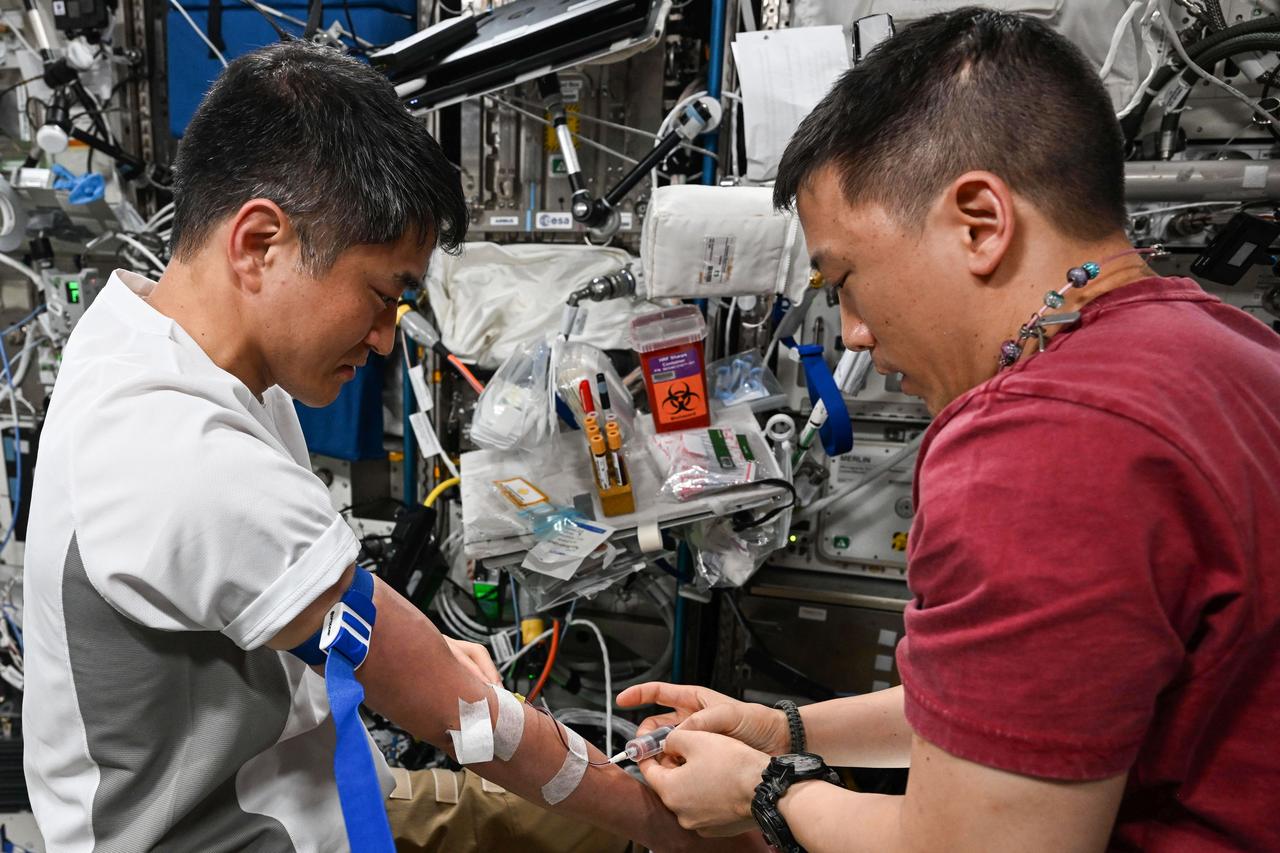
iss073e0384171 (July 1, 2025) --- Expedition 73 Flight Engineer Jonny Kim (right) of NASA draws a blood sample from station Commander Takuya Onishi of JAXA (Japan Aerospace Exploration Agency) for processing in a centrifuge and preservation in a science freezer. The samples will be returned to Earth where scientists will analyze the specimens to learn how living and working in microgravity affects the human body and provide countermeasures to potential space-caused symptoms.
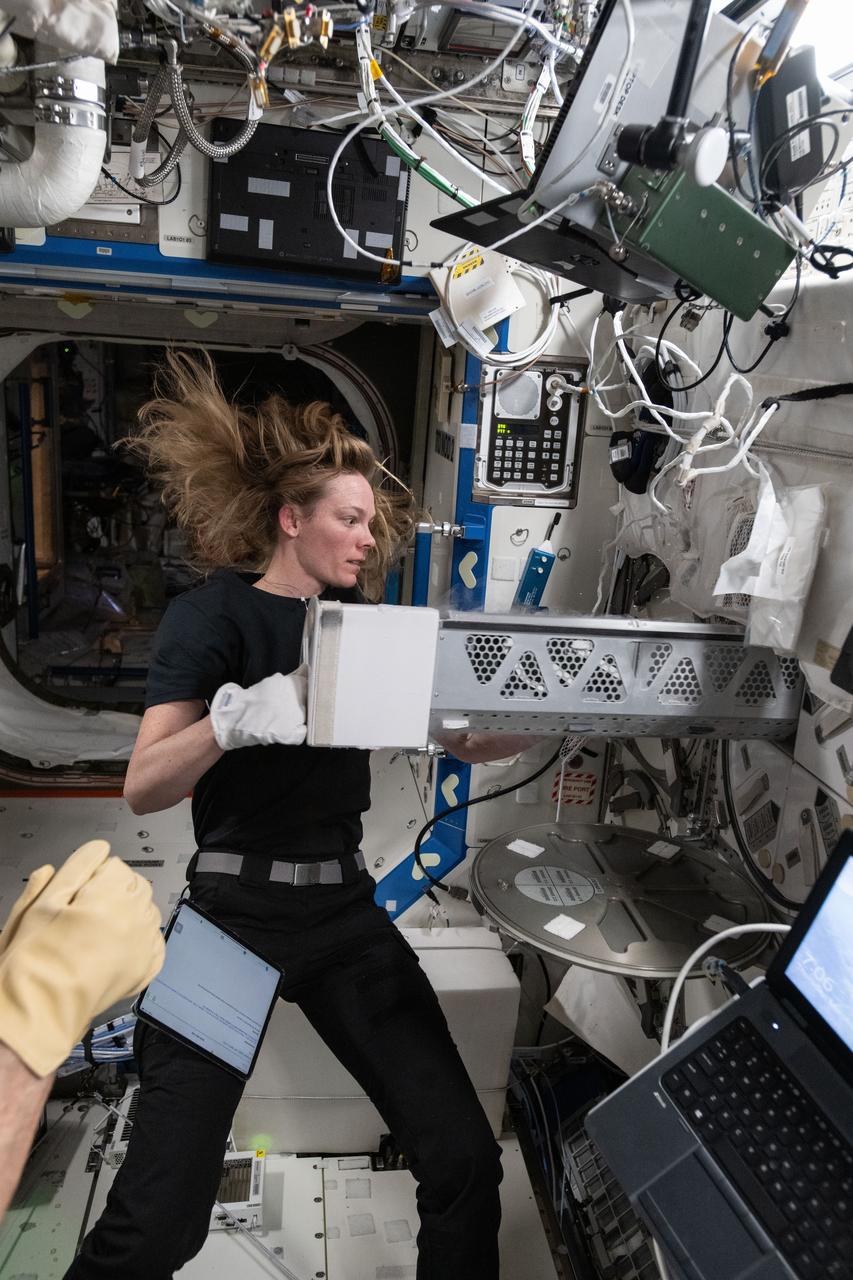
iss072e808609 (March 20, 2025) --- NASA astronaut and Expedition 72 Flight Engineer Nichole Ayers inserts a cryogenic storage unit, called a dewar, containing blood samples collected from a crew member into a science freezer for preservation and later analysis. The Minus Eighty-Degree Laboratory Freezer for International Space Station, or MELFI, is a research freezer that maintains experiment samples at ultra-cold temperatures in microgravity.
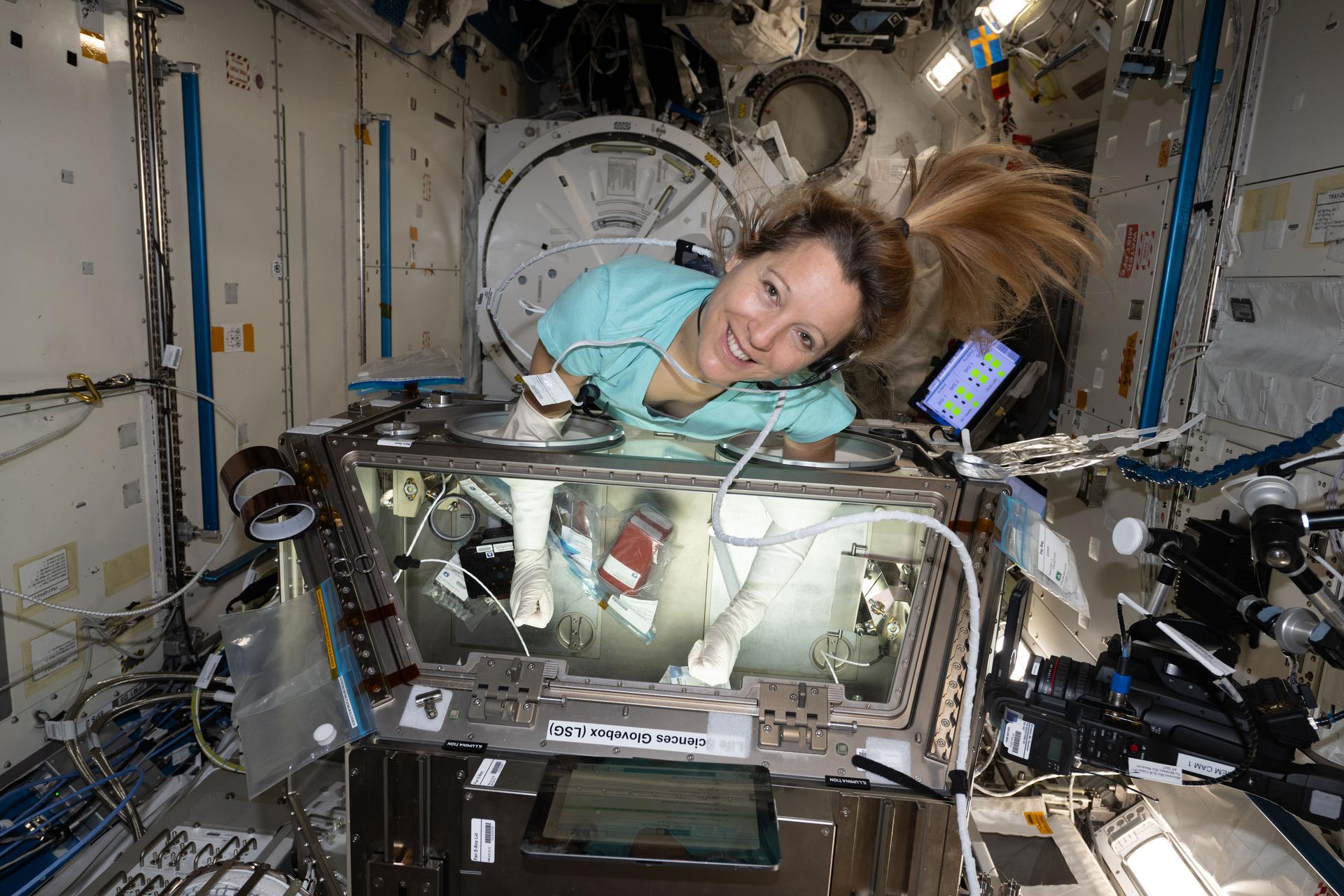
iss074e0503523 (April 21, 2026) --- ESA (European Space Agency) astronaut and Expedition 74 flight engineer Sophie Adenot works inside the Kibo laboratory module’s Life Science Glovebox, processing blood stem cell samples to learn how to produce larger quantities of clinical‑grade stem cells in space. Results from this biotechnology investigation may lead to improved stem‑cell qualities, potentially enhancing treatments for blood diseases and cancer while also expanding commercial opportunities in space. Credit: NASA/Jessica Meir
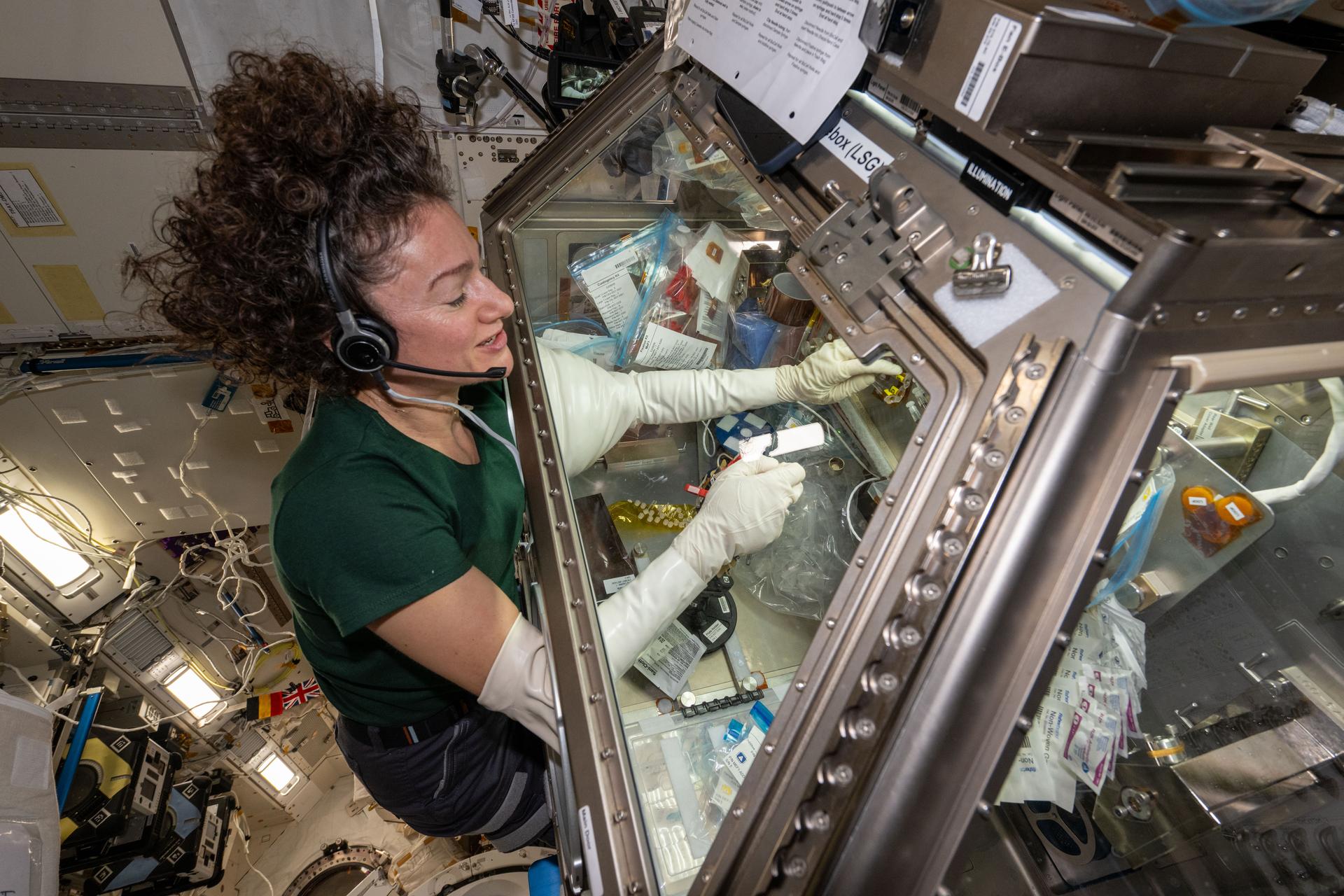
iss074e0621519 (May 29, 2026) --- NASA astronaut and Expedition 74 flight engineer Jessica Meir processes blood platelet samples inside the Kibo laboratory module’s Life Science Glovebox aboard the International Space Station. Doctors are studying how microgravity alters blood platelets, cell fragments that form clots and prevent bleeding, to protect human health on and off the Earth. Credit: NASA/Jack Hathaway
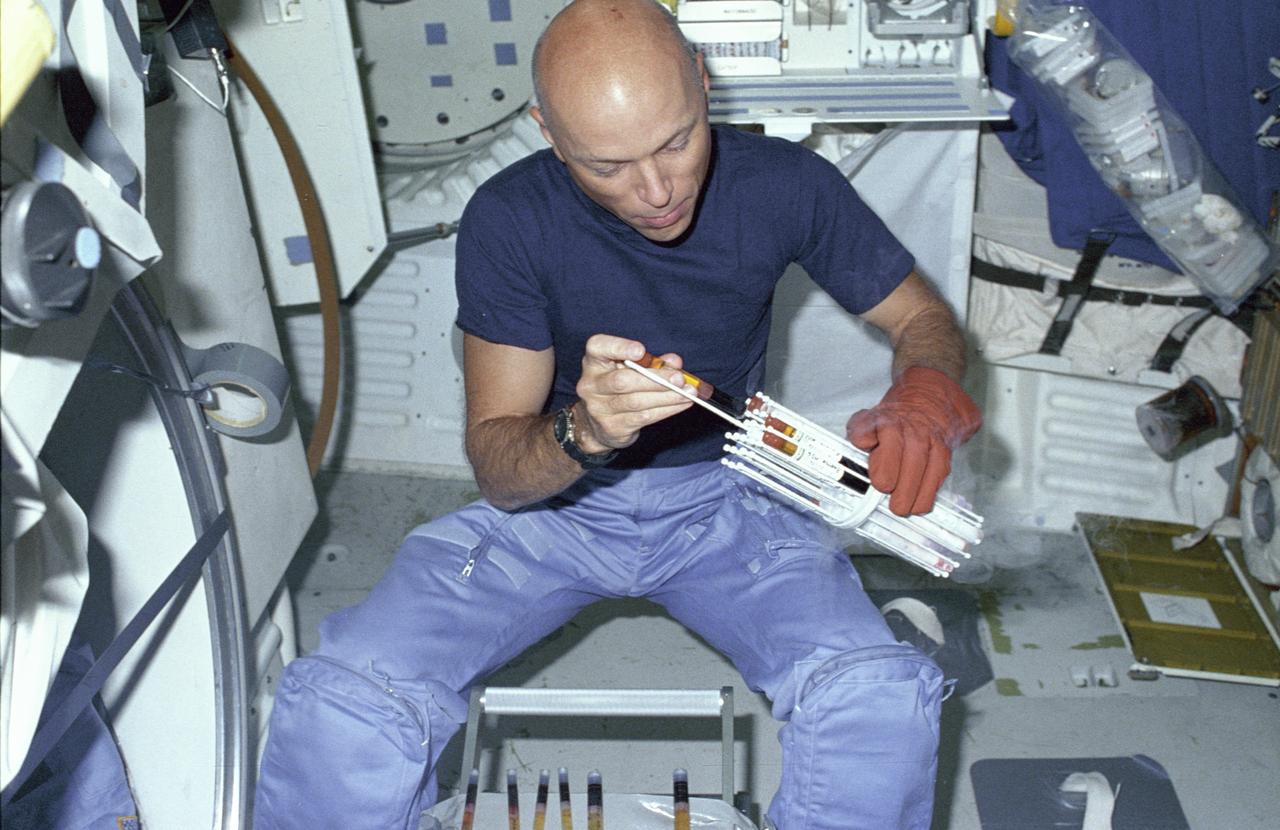
While instruments on the pallets in the payload bay observed the universe, biological experiments were performed in the middeck of the Shuttle Orbiter Challenger. Studying life processes in a microgravity environment can shed new light on the functioning of biological systems on Earth. These investigations can also help us understand how living organisms react to prolonged weightlessness. One such experiment was the vitamin D metabolites and bone demineralization experiment. This investigation measured the vitamin D metabolite levels of crew members to gain information on the cause of bone demineralization and mineral imbalance that occur during prolonged spaceflight as well as on Earth. Research into the biochemical nature of vitamin D has shown that the D-metabolites play a major role in regulating the body's calcium and phosphorus levels. One major function of the most biologically active vitamin D metabolite is to regulate the amount of calcium absorbed from the diet and taken out of bones. This investigation had two phases. The first was the developmental phase, which included extensive testing before flight, and the second, or final phase, involved the postflight analysis of the crew's blood samples. This photograph shows astronaut Story Musgrave in the middeck of the Shuttle Orbiter Challenger, attending to the blood samples he collected from crew members for the experiment.
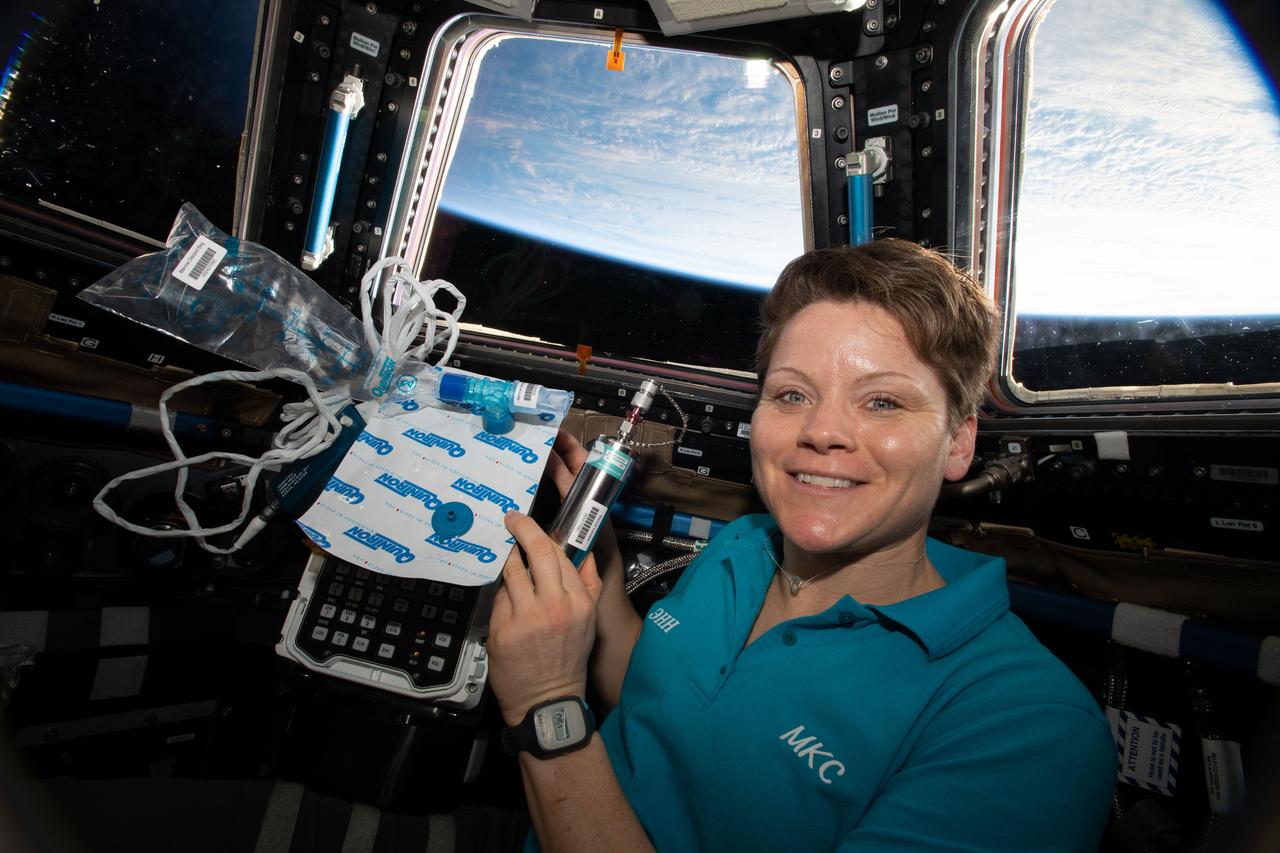
iss058e010750 (Feb. 6, 2019) --- Expedition 58 Flight Engineer Anne McClain of NASA is pictured in the cupola holding biomedical gear for the Marrow experiment. The study measures fat changes in the bone marrow before, and after exposure to microgravity. In addition, this investigation measures specific changes of red and white blood cell functions. Bone marrow fat is measured using magnetic resonance. Red blood cell function is measured with a breath sample analyzed with a gas chromatograph, and white blood cell function is studied through their genetic expression.
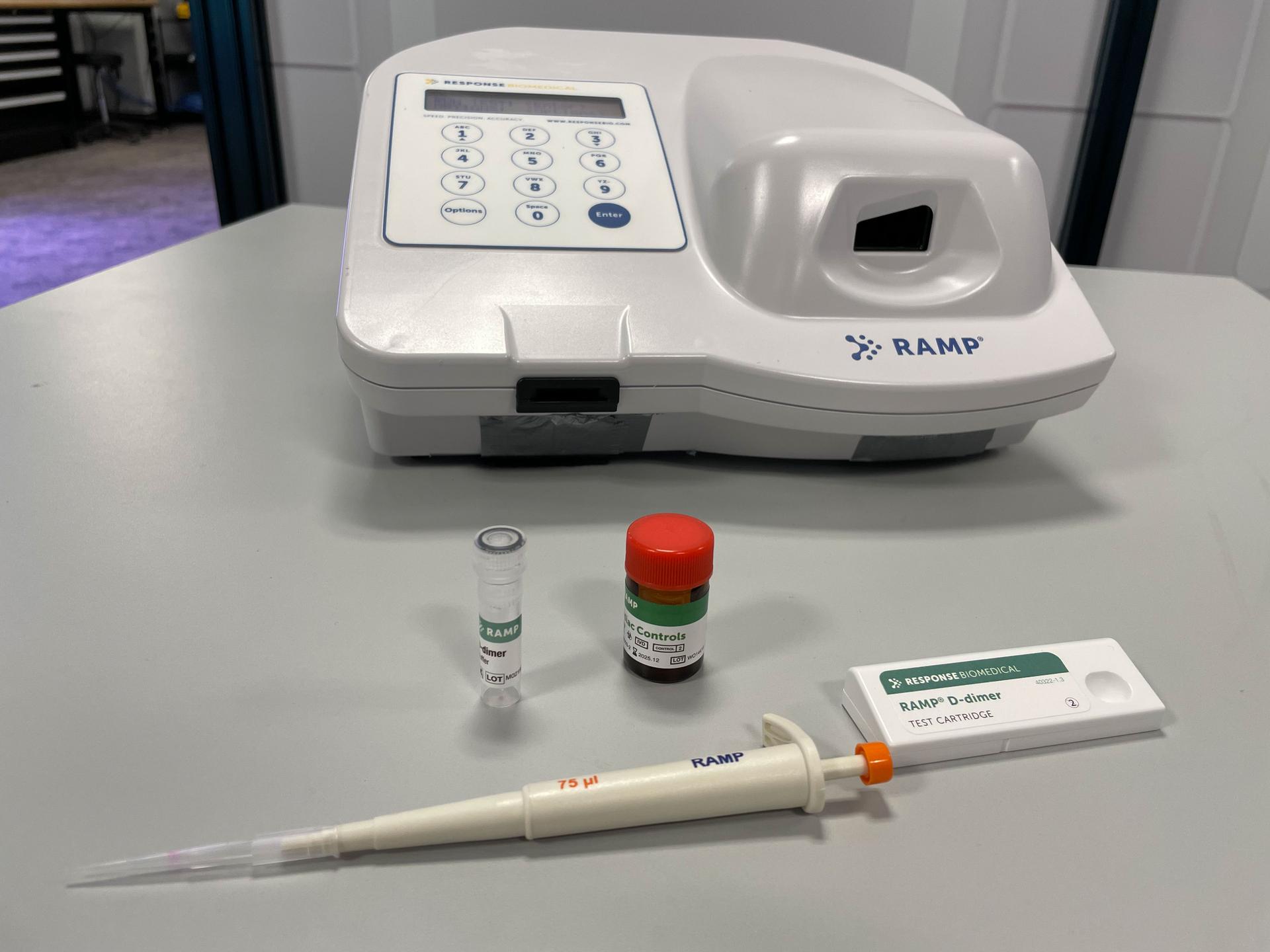
jsc2026e404780 (July 29, 2026) --- Preflight image of Acute Care Testing in Space (ACTIS) Reader and consumables required for sample preparation. This facility allows different blood tests in space, including measuring D-dimer, a blood marker that can indicate a possible blood clot. Credit: CSA.
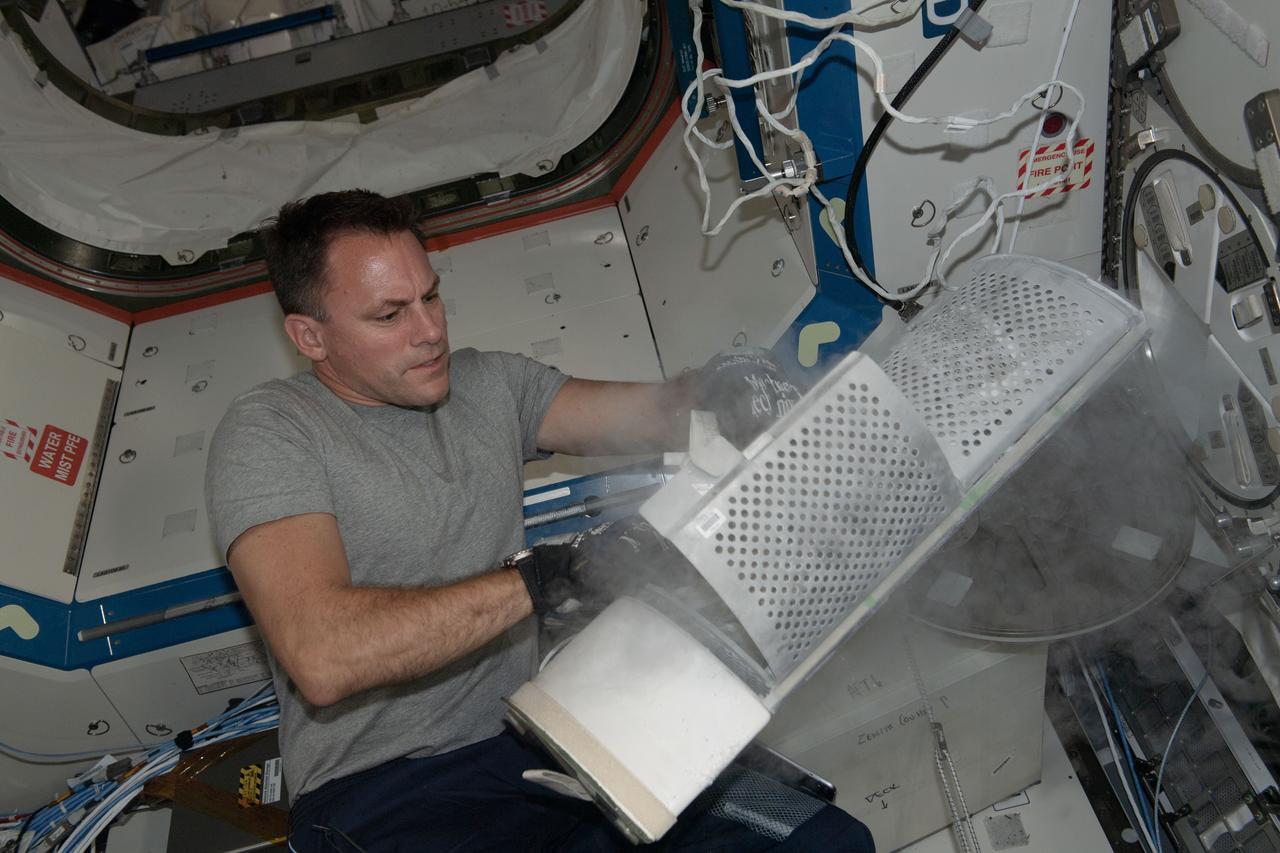
iss068e018995 (Oct. 24, 2022) --- NASA astronaut and Expedition 68 Flight Engineer Josh Cassada stows blood samples from previous blood collection activities inside a science freezer aboard the International Space Station.
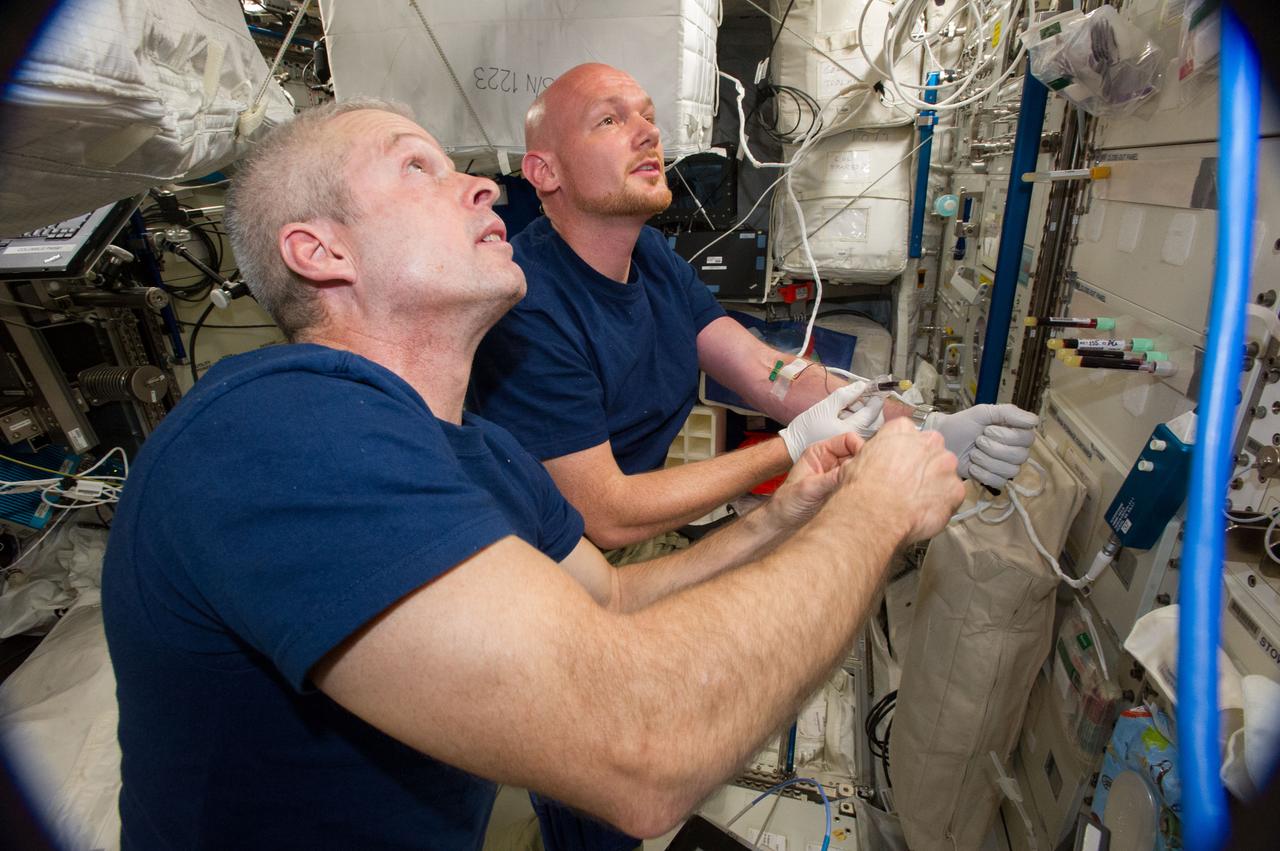
Astronaut Alexander Gerst,Expedition 40 flight engineer (background),and Expedition 40 Commander Steve Swanson are photographed performing blood sample collection in the Columbus module as part of HRF Generic Frozen Blood Collection Operations.

S81-26158 (Feb 1981) --- A close-up view of a training version of a STS-40/SLS-1 blood kit. Blood samples from crewmembers are critical to a number of Space Life Sciences-1 (SLS-1) investigations. One day's collection equipment, color coded for each crewmember, is neatly organized in the kit.
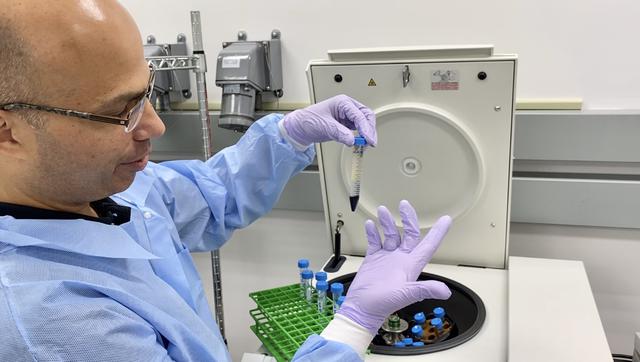
Senior Scientist George Makedonas, from NASA’S Human Immunology and Virology Lab, works with blood samples returned to Earth on SpaceX’s 22nd commercial resupply services mission in the Space Station Processing Facility (SSPF) at Kennedy Space Center in Florida, on July 10, 2021. After its successful parachute-assisted splashdown off the coast of Tallahassee, Florida at 11:29 p.m. EST on Friday, July 9, the SpaceX cargo Dragon returned more than 5,300 pounds of scientific experiments and other cargo from the International Space Station. Splashing down off the coast of Florida enables quick transportation of the science aboard the capsule to the SSPF, delivering some science back into the hands of the researchers as soon as four to nine hours after splashdown. This shorter transportation timeframe allows researchers to collect data with minimal loss of microgravity effects.
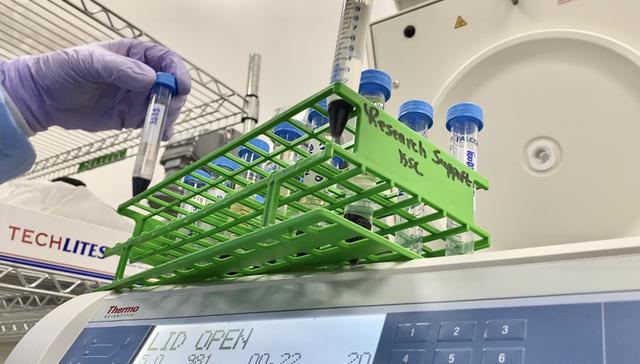
Senior Scientist George Makedonas, from NASA’S Human Immunology and Virology Lab, works with blood samples returned to Earth on SpaceX’s 22nd commercial resupply services mission in the Space Station Processing Facility (SSPF) at Kennedy Space Center in Florida, on July 10, 2021. After its successful parachute-assisted splashdown off the coast of Tallahassee, Florida at 11:29 p.m. EST on Friday, July 9, the SpaceX cargo Dragon returned more than 5,300 pounds of scientific experiments and other cargo from the International Space Station. Splashing down off the coast of Florida enables quick transportation of the science aboard the capsule to the SSPF, delivering some science back into the hands of the researchers as soon as four to nine hours after splashdown. This shorter transportation timeframe allows researchers to collect data with minimal loss of microgravity effects.
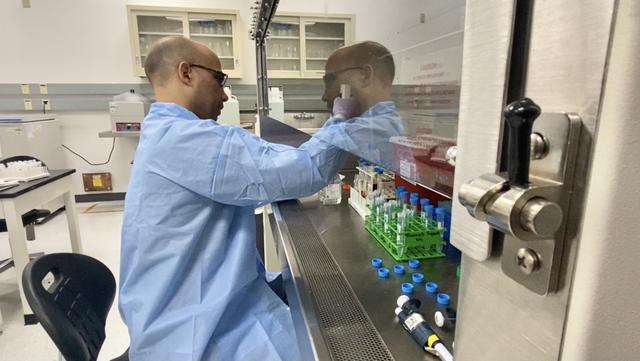
Senior Scientist George Makedonas, from NASA’S Human Immunology and Virology Lab, works with blood samples returned to Earth on SpaceX’s 22nd commercial resupply services mission in the Space Station Processing Facility (SSPF) at Kennedy Space Center in Florida, on July 10, 2021. After its successful parachute-assisted splashdown off the coast of Tallahassee, Florida at 11:29 p.m. EST on July 9, the SpaceX cargo Dragon returned more than 5,300 pounds of scientific experiments and other cargo from the International Space Station. Splashing down off the coast of Florida enables quick transportation of the science aboard the capsule to the SSPF, delivering some science back into the hands of the researchers as soon as four to nine hours after splashdown. This shorter transportation timeframe allows researchers to collect data with minimal loss of microgravity effects.
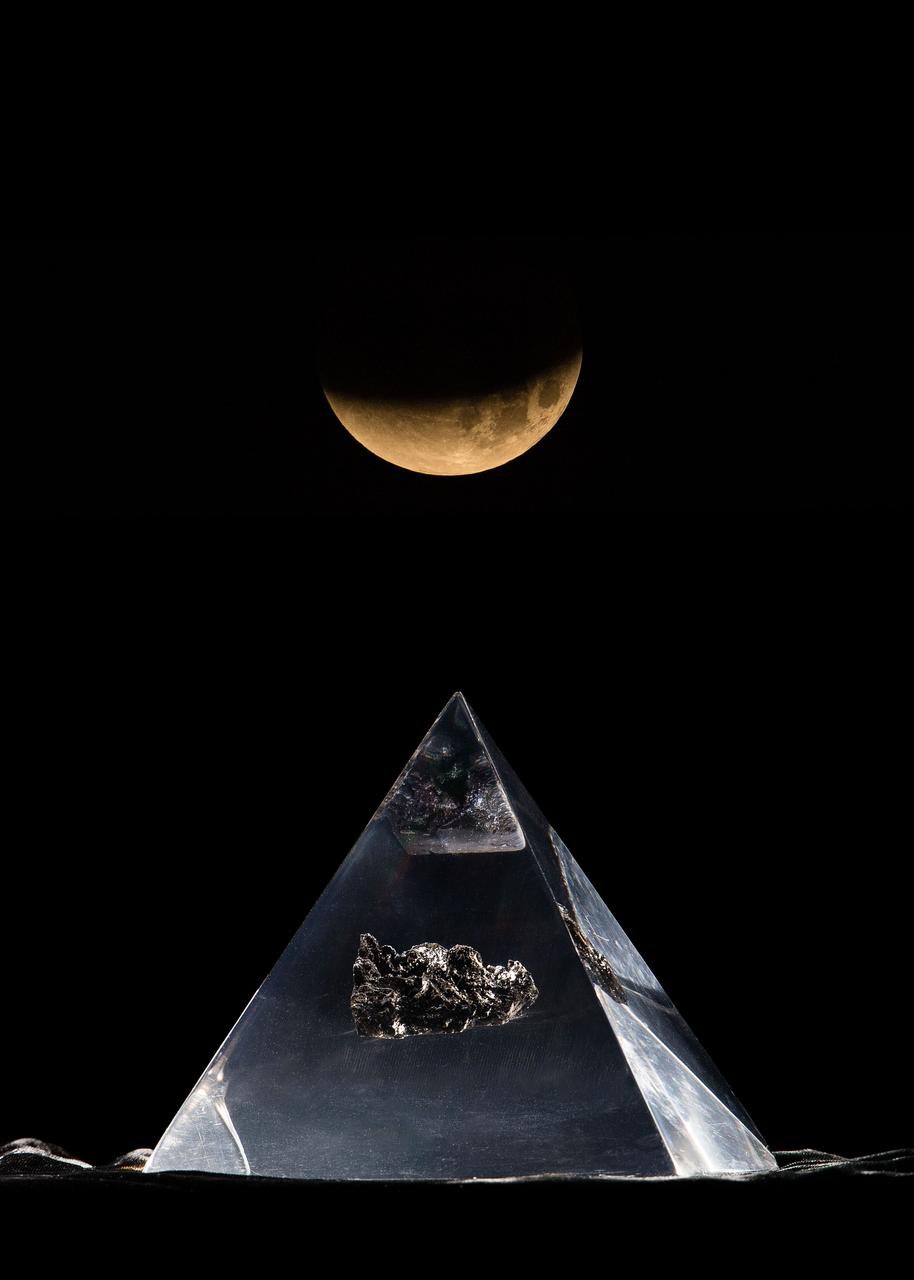
jsc2018e003239_alt (Jan. 31, 2018) --- Composite image of an Apollo lunar sample in front of the lunar eclipse "Blood Moon". Credit: NASA/Josh Valcarcel

iss056e200803 (10/3/2018) - European Space Agency (ESA) astronaut Alexander Gerst and NASA astronaut Serena Auñón-Chancellor, during Functional Immune Blood Sample Draw at the Human Research Facility (HRF), in the Columbus Module. The Functional Immune investigation analyzes blood and saliva samples to determine the changes taking place in crew members’ immune systems during flight.
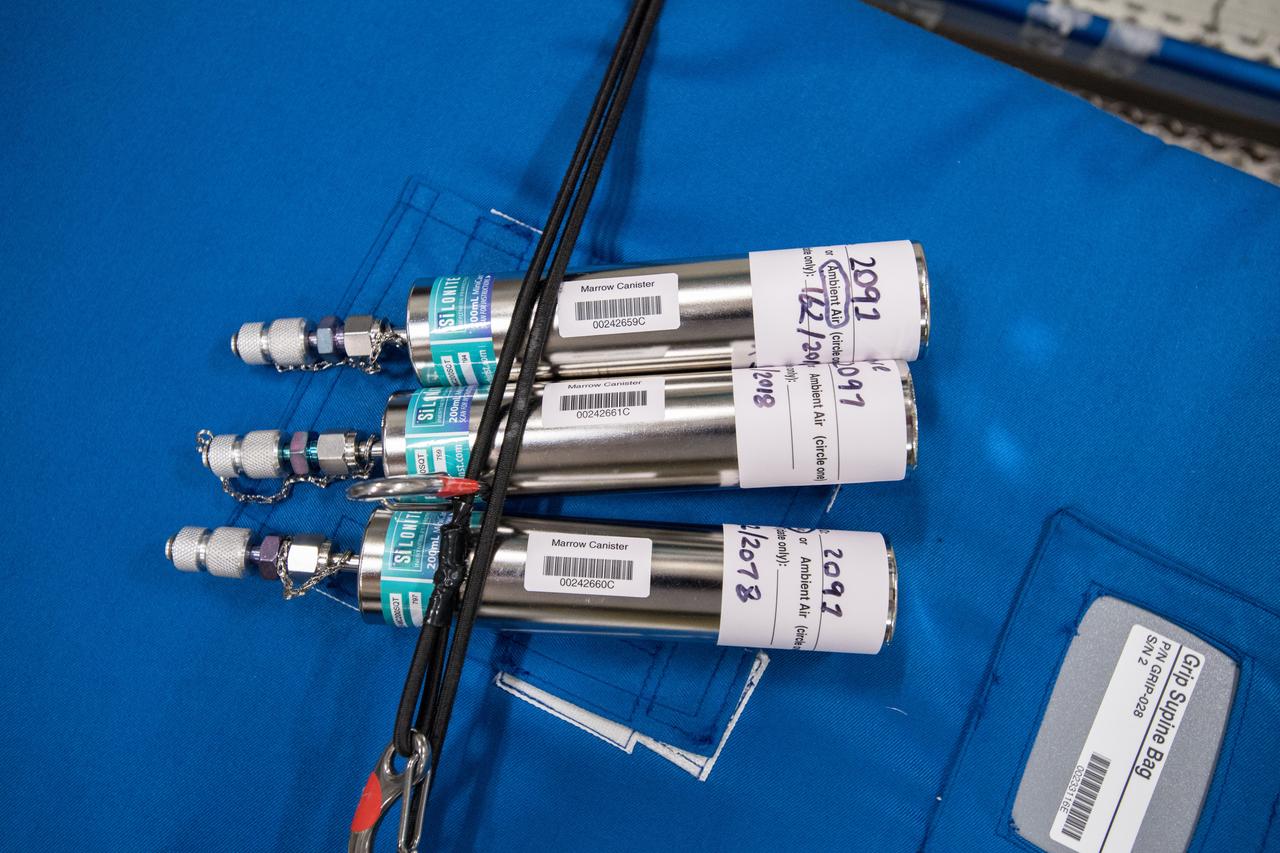
iss056e005940 (6/10/2018) --- Air sample collection hardware for The MARROW Study (Bone Marrow Adipose Reaction: Red or White?). The Marrow investigation looks at the effects of microgravity on bone marrow and analyzes breath samples to measure red blood cell function to help doctors understand how blood cell production is altered in microgravity. Results may improve the health of astronauts on long-term missions and help patients on Earth with mobility and age-related issues.
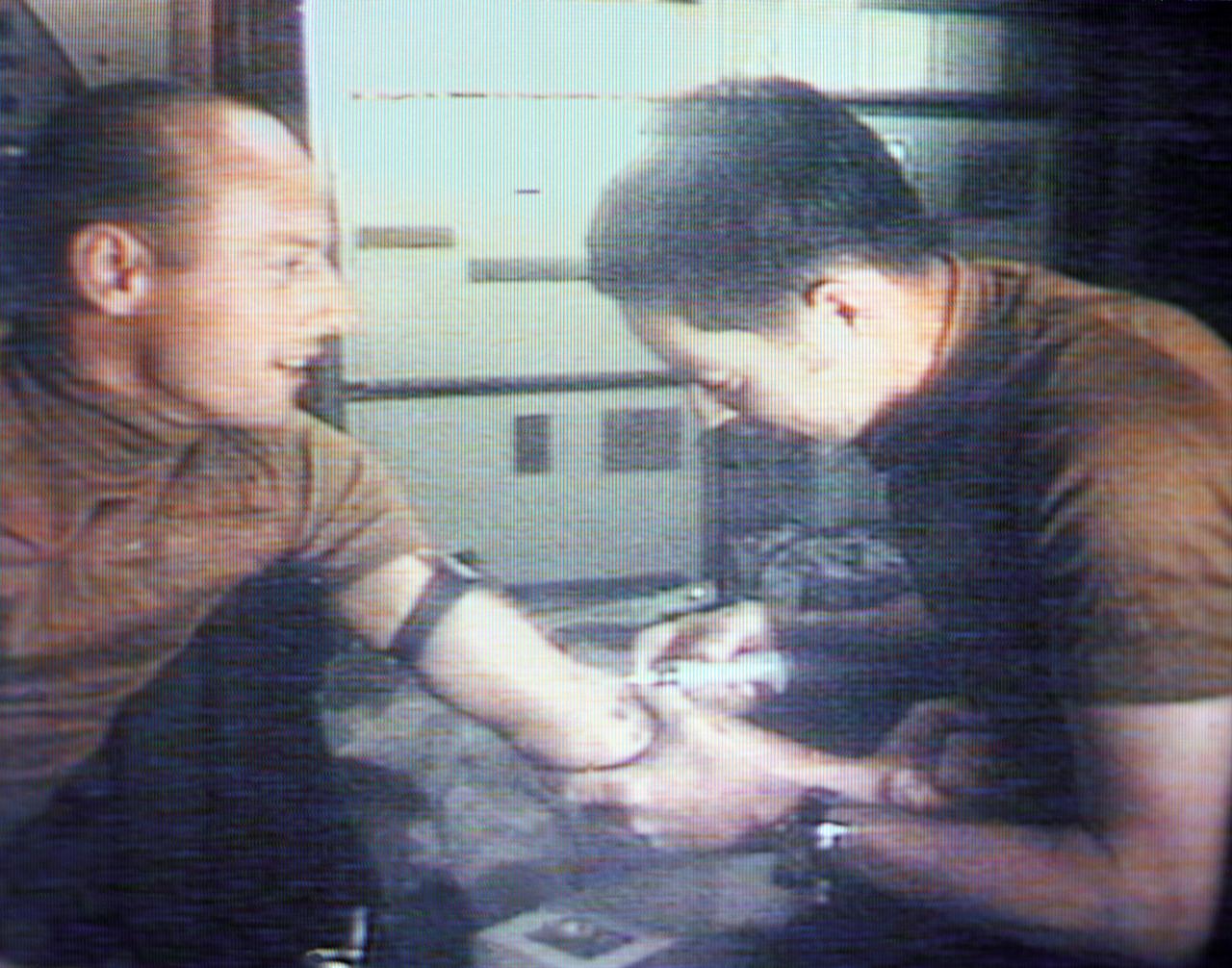
S73-27509 (6 June 1973) --- Scientist-astronaut Joseph P. Kerwin (right), Skylab 2 science pilot and a doctor of medicine, takes a blood sample from astronaut Charles Conrad Jr., Skylab 2 commander, as seen in this reproduction taken from a color television transmission made by a TV camera aboard the Skylab 1 and 2 space station cluster in Earth orbit. The blood sampling was part of the Skylab Hematology and Immunology Experiment M110 series. Photo credit: NASA
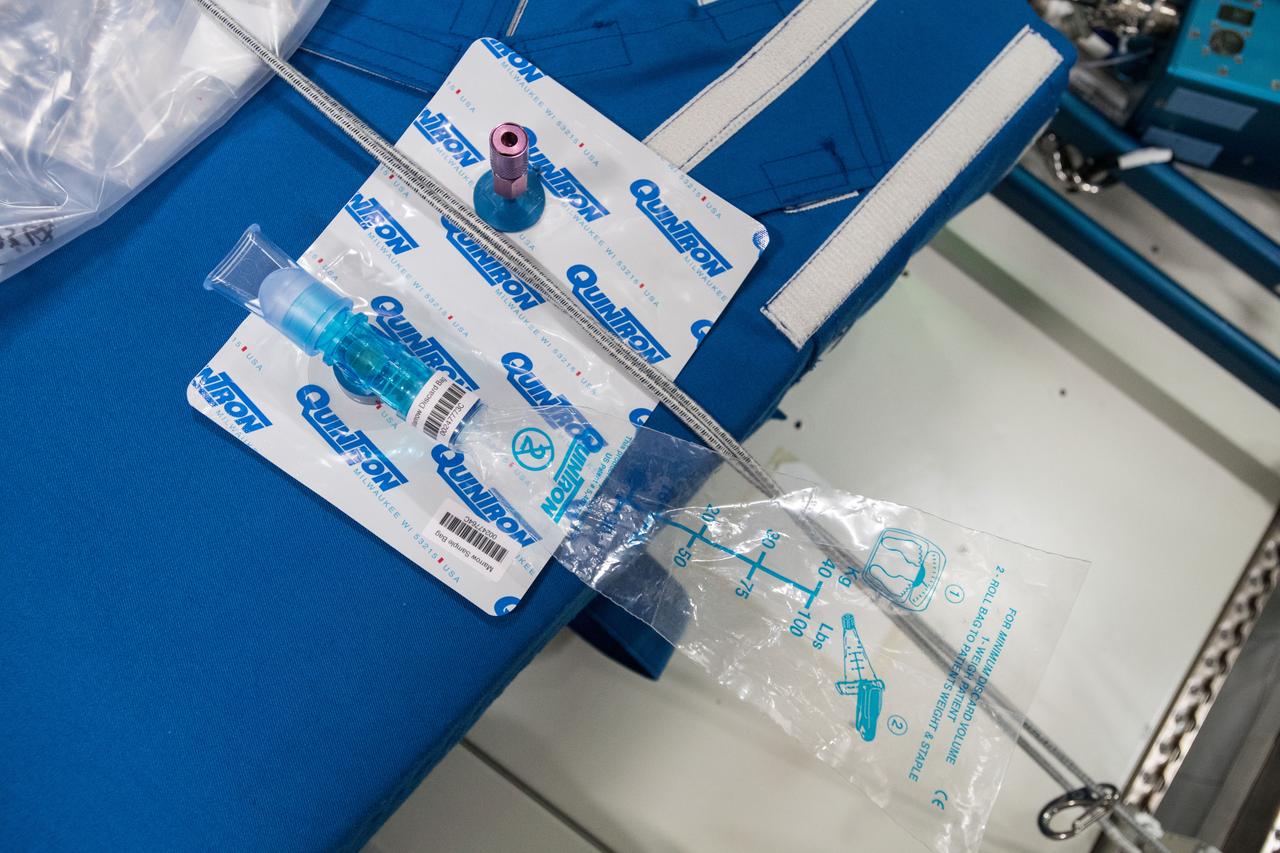
iss056e005938 (6/10/2018) --- Air sample collection hardware for The MARROW Study (Bone Marrow Adipose Reaction: Red or White?). The Marrow investigation looks at the effects of microgravity on bone marrow and analyzes breath samples to measure red blood cell function to help doctors understand how blood cell production is altered in microgravity. Results may improve the health of astronauts on long-term missions and help patients on Earth with mobility and age-related issues.

ISS014-E-17547 (20 March 2007) --- Astronaut Michael E. Lopez-Alegria, Expedition 14 commander and NASA space station science officer, prepares to insert a test sample in the Minus Eighty Degree Laboratory Freezer for ISS (MELFI) as part of the Nutritional Status Assessment (NUTRITION) experiment in the Destiny laboratory of the International Space Station. MELFI is a low temperature freezer facility with nominal operating temperatures of -80, -26 and +4 degrees Celsius that will preserve experiment materials over long periods.

ISS014-E-17550 (20 March 2007) --- Astronaut Michael E. Lopez-Alegria, Expedition 14 commander and NASA space station science officer, prepares to insert a test sample in the Minus Eighty Degree Laboratory Freezer for ISS (MELFI) as part of the Nutritional Status Assessment (NUTRITION) experiment in the Destiny laboratory of the International Space Station. MELFI is a low temperature freezer facility with nominal operating temperatures of -80, -26 and +4 degrees Celsius that will preserve experiment materials over long periods.
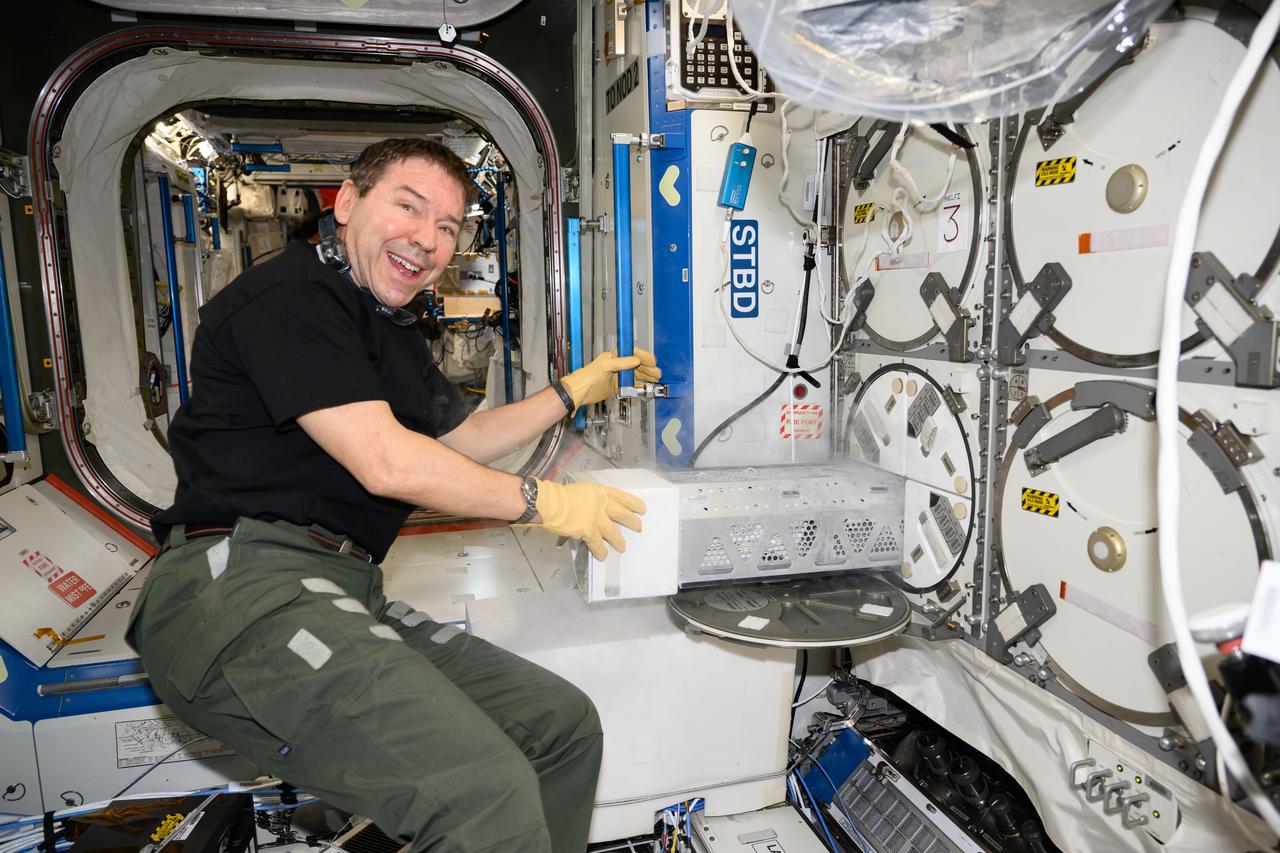
iss072e035693 (Oct. 11, 2024) --- NASA astronaut and Expedition 72 Flight Engineer Mike Barratt stows research samples in a science freezer, also known as the Minus Eighty-Degree Laboratory Freezer for ISS (MELFI). MELFI can preserve biological samples such as blood, microbes, plants, and more for retrieval and later analysis.

iss070e117532 (March 14, 2024) --- Expedition 70 Flight Engineer and NASA astronaut Jeanette Epps prepares tubes to collect samples from the crew for the Immunity Assay investigation. Immunity Assay looks at the impact of spaceflight on cellular immune functions in blood samples, tests that could only previously be conducted on Earth.
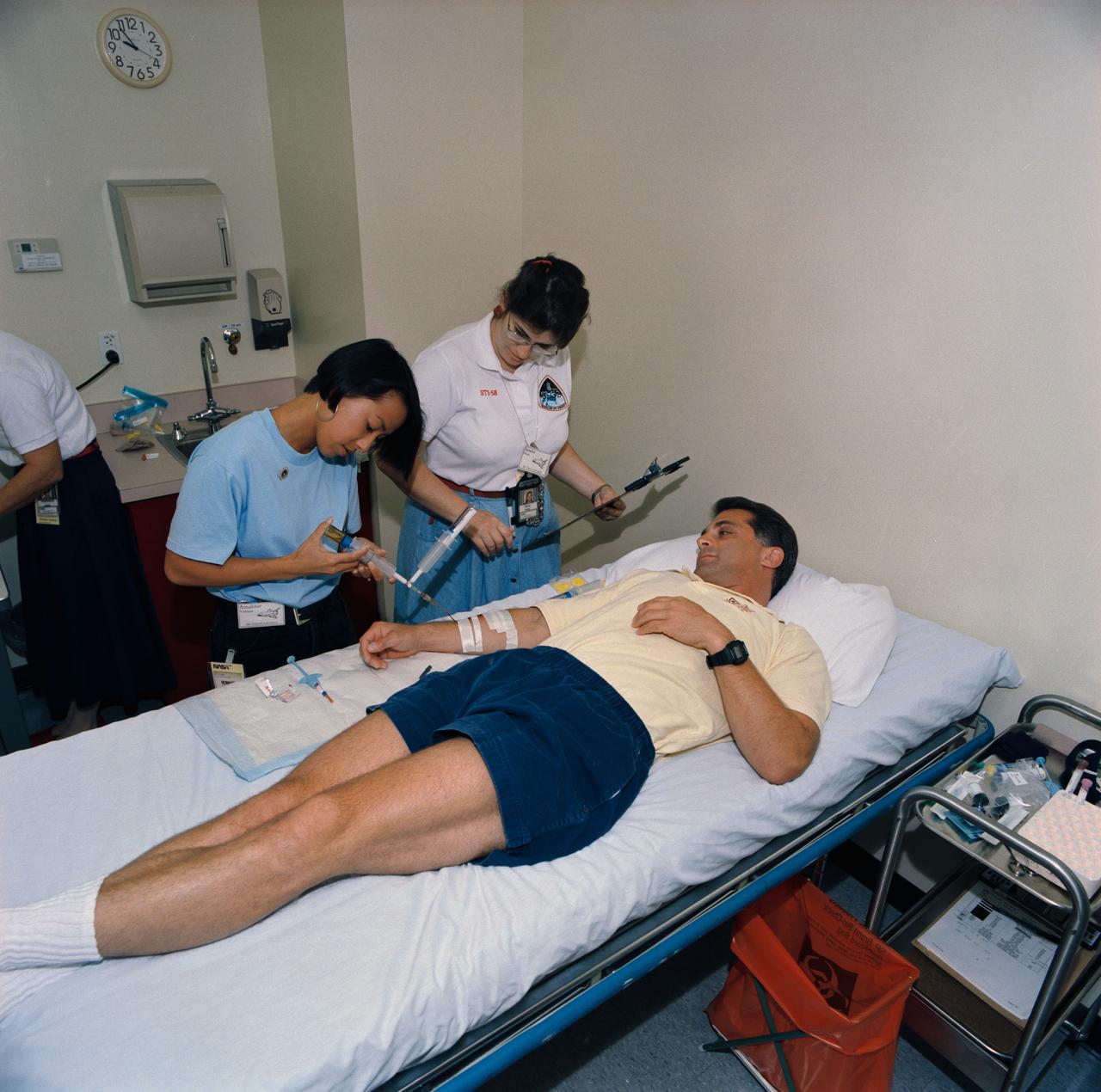
S93-45370 (29 Sept 1993) --- Blood samples from crew members are critical to several Spacelab Life Sciences (SLS-2) investigations. Amalour Veloso (left) and Sandra Prow draw blood from David A. Wolf, mission specialist. Wolf was participating with five other NASA astronauts and a payload specialist on data collection and training in preparation for the two week SLS-2 mission.
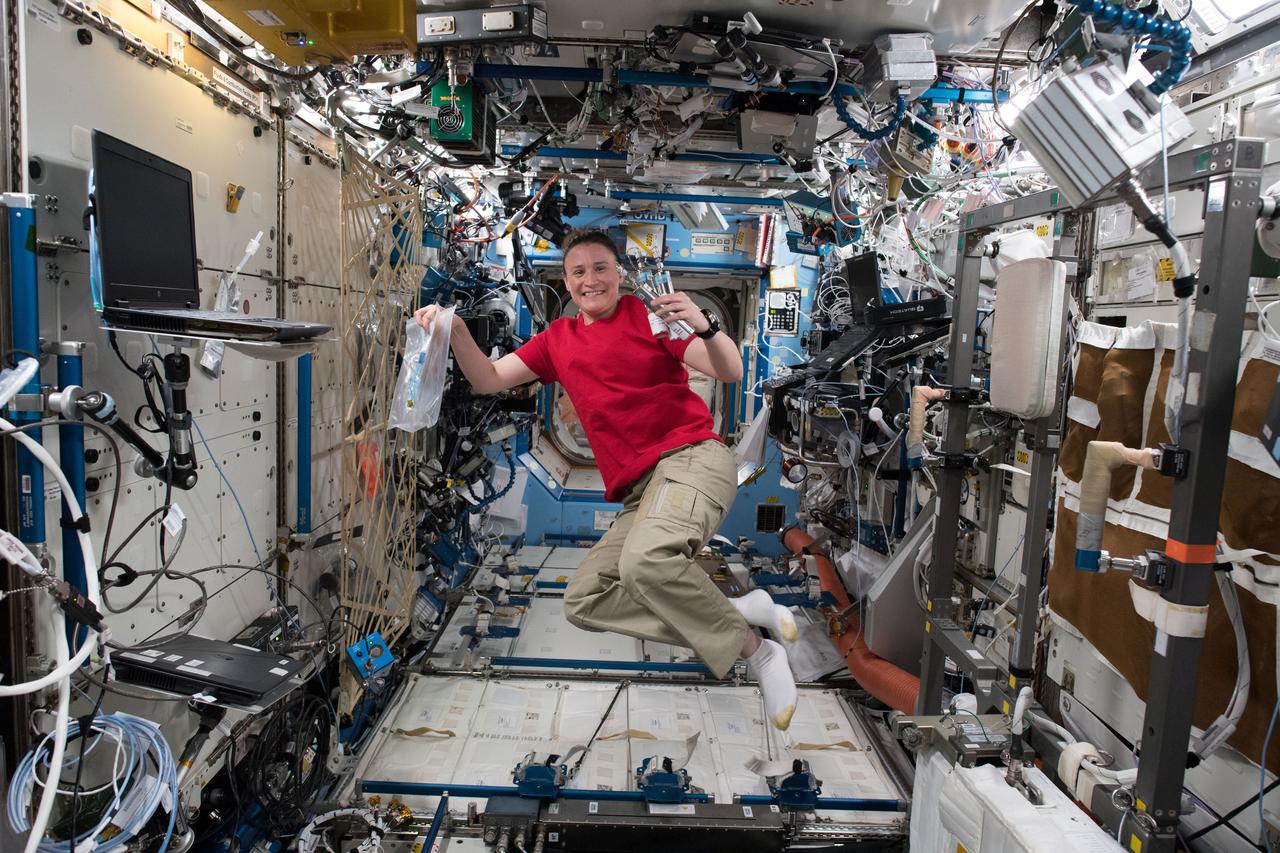
iss056e009809 (June 11, 2018) --- Expedition 56 Flight Engineer Serena Auñón-Chancellor of NASA is pictured in the Destiny laboratory module with gear from the Marrow investigation. She was collecting breath samples to analyze and measure red blood cell function to help doctors understand how blood cell production is altered in microgravity. Results may improve the health of astronauts on long-term missions and help patients on Earth with mobility and aging issues.
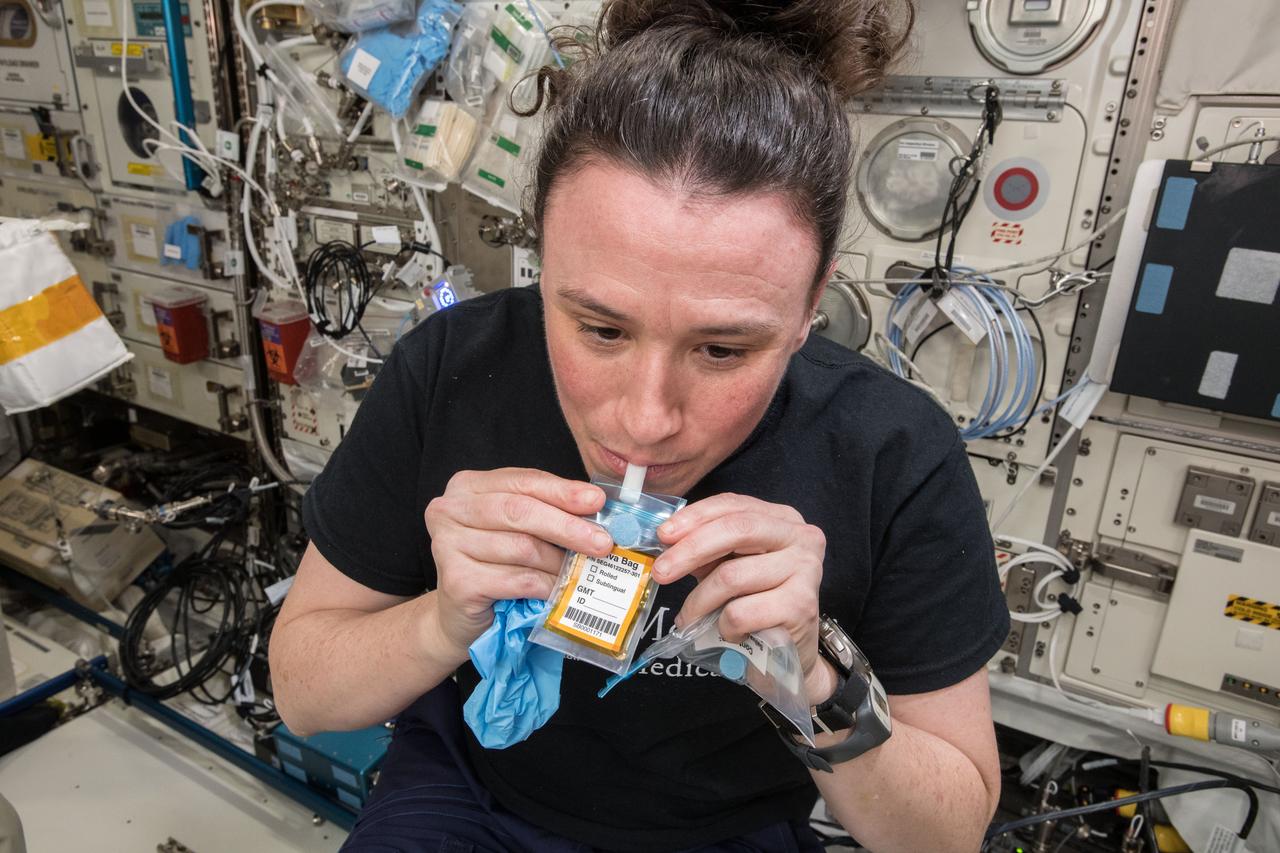
iss056e200842 (10/3/2018) - NASA astronaut Serena Auñón-Chancellor, during Functional Immune saliva collection at the Human Research Facility (HRF), in the Columbus Module. The Functional Immune investigation analyzes blood and saliva samples to determine the changes taking place in crew members’ immune systems during flight.
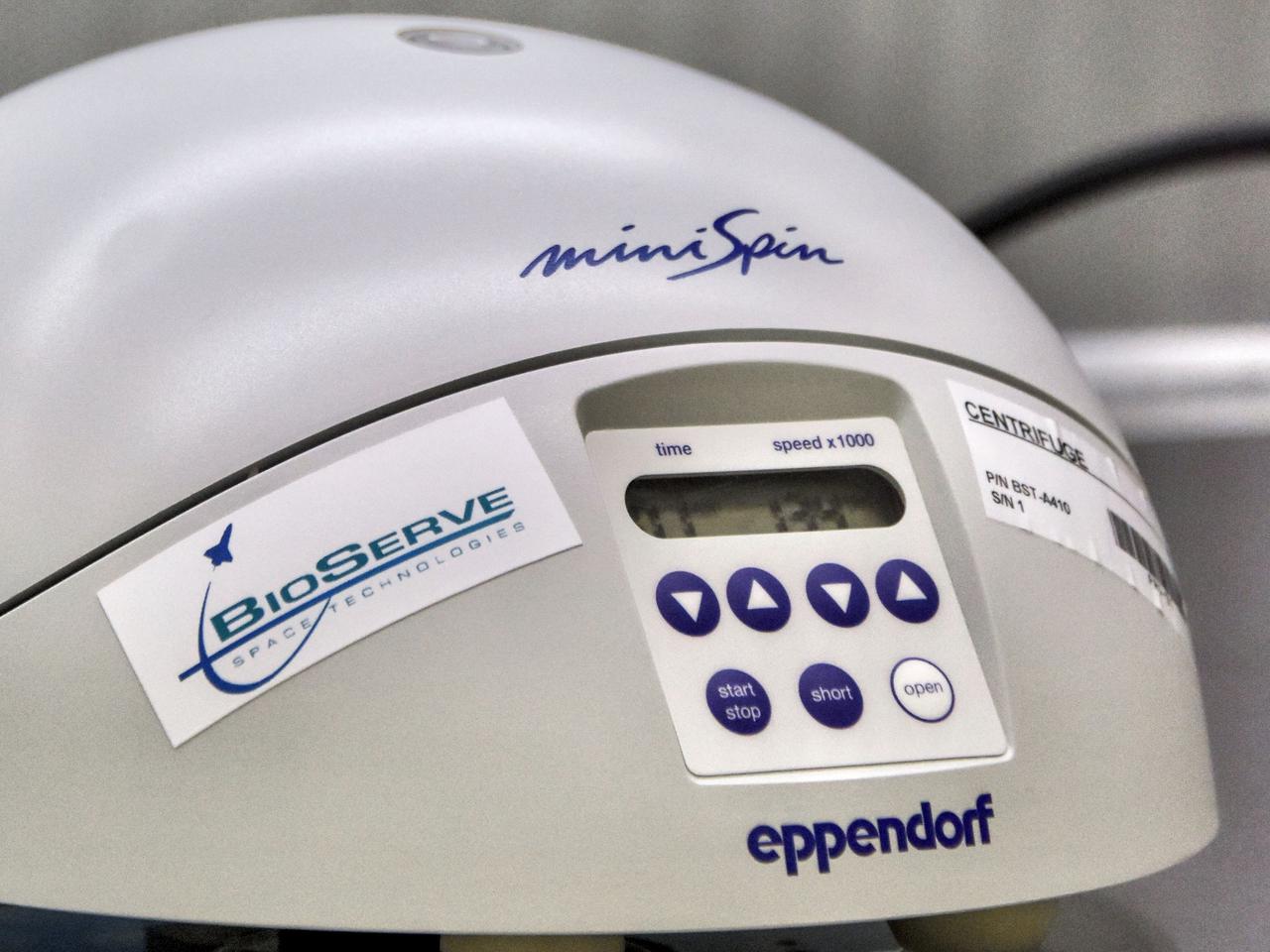
jsc2022e031231 (8/13/2021) --- A preflight closeup view of the BioServe Centrifuge’s user interface. The BioServe Centrifuge facility supports a wide variety of life, physical, and materials science research. It enables separation of substances with differing densities, including cell cultures, DNA, protein, blood, and sedimentation samples. Image courtesy of BioServe Space Technologies.

iss066e156100 (March 2, 2022) --- NASA astronaut and Expedition 66 Flight Engineer Tom Marshburn stows blood samples he collected earlier in an International Space Station science freezer, also known as the Minus Eighty-Degree Laboratory Freezer for ISS, or MELFI.
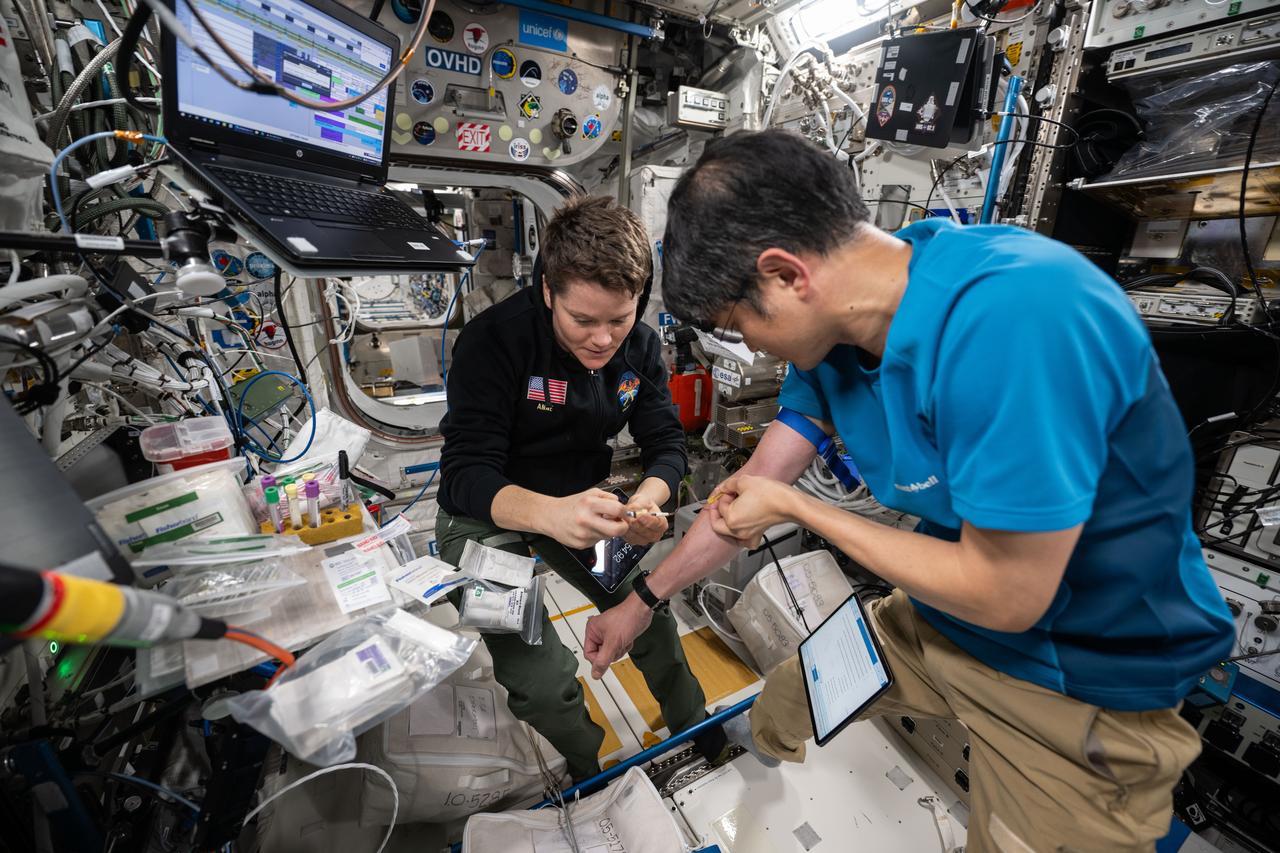
iss073e0078564 (May 23, 2025) --- Astronauts Anne McClain of NASA and Takuya Onishi of JAXA (Japan Aerospace Exploration Agency), Expedition 73 Flight Engineer and Commander respectively, work together inside the International Space Station's Columbus laboratory module drawing blood samples for testing and monitoring an astronaut's health in microgravity.
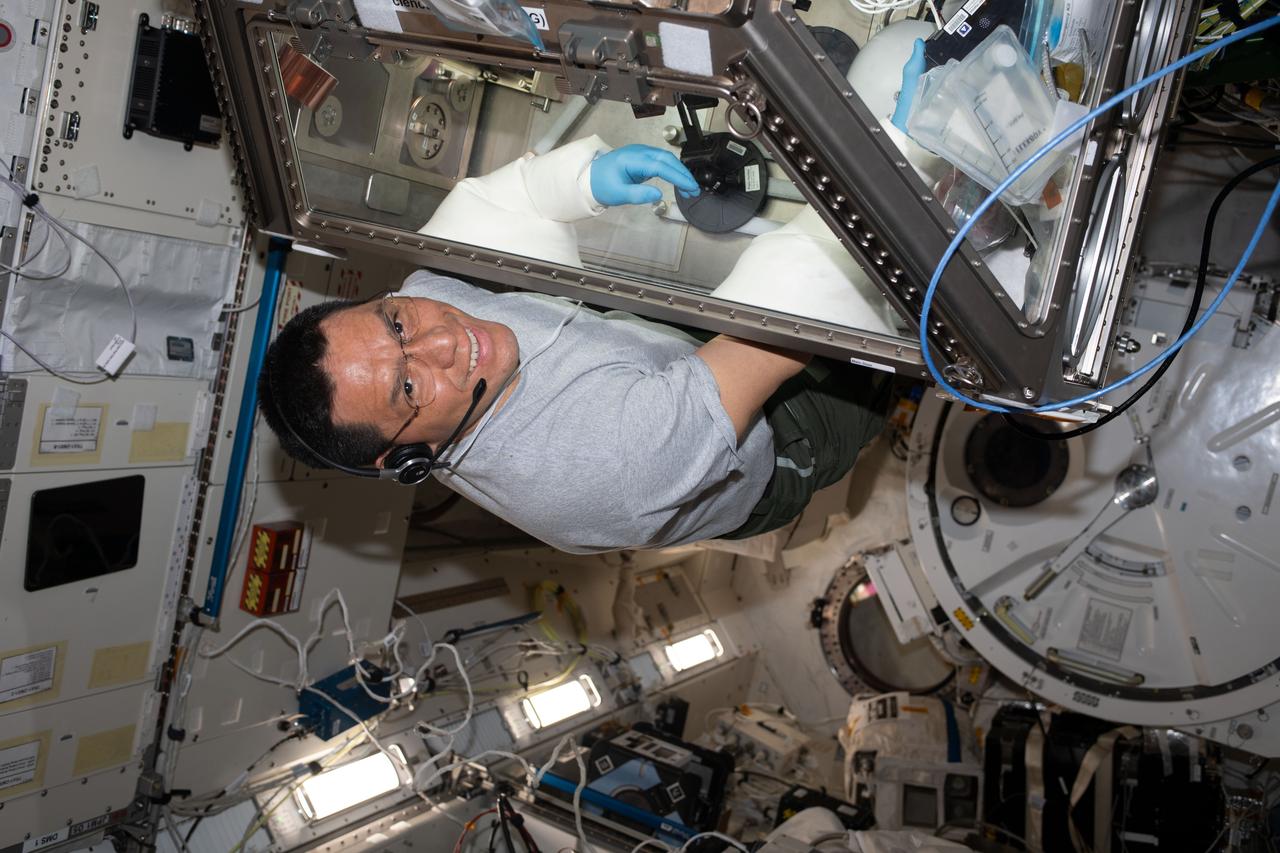
iss069e055093 (Aug. 8, 2023) --- NASA astronaut and Expedition 69 Flight Engineer Frank Rubio works in the Kibo laboratory module's Life Sciences Glovebox servicing stem cell samples for the StemCellEX-H Pathfinder study. The biotechnology investigation seeks to improve therapies for blood diseases and cancers such as leukemia.
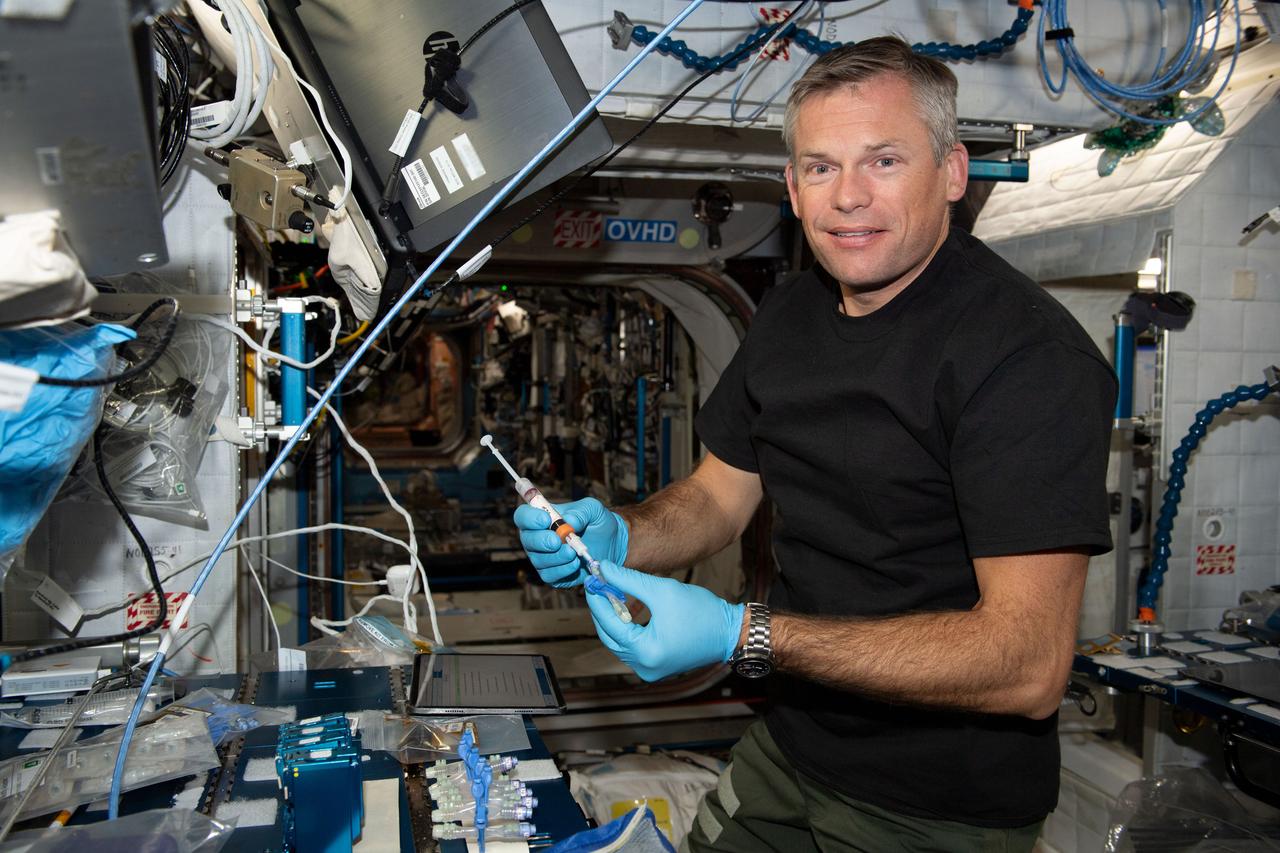
iss069e089106_alt (Sept. 18, 2023) --- ESA (European Space Agency) astronaut and Expedition 69 Flight Engineer Andreas Mogensen processes blood samples and prepares them for stowage inside a Kubik research incubator aboard the International Space Station.

iss064e007106 (Nov. 30, 2020) --- NASA astronaut and Expedition 64 Flight Engineer Michael Hopkins is pictured during operations with a science freezer that preserves biological samples at ultra-cold temperatures. Known as Minus Eighty-Degree Laboratory Freezer for ISS (MELFI), it preserves a variety of life science samples such as blood, saliva, microbes and plants for later analysis.
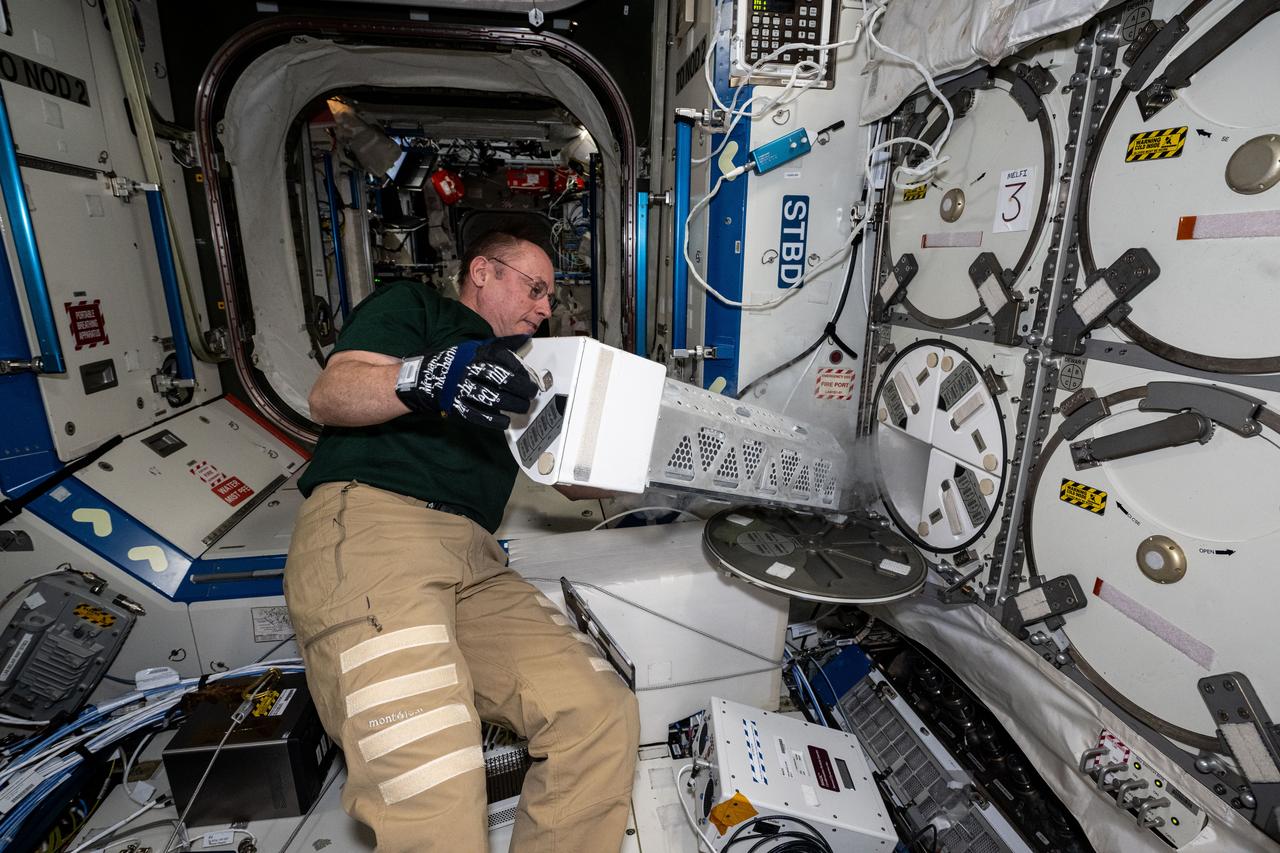
iss073e0548958 (Aug. 29, 2025) --- NASA astronaut and Expedition 73 Flight Engineer Mike Fincke inserts a cryogenic storage unit, called a dewar, containing blood samples collected from a crew member into a science freezer for preservation and later analysis. The Minus Eighty-Degree Laboratory Freezer for International Space Station, or MELFI, is a research freezer that maintains experiment samples at ultra-cold temperatures in microgravity.
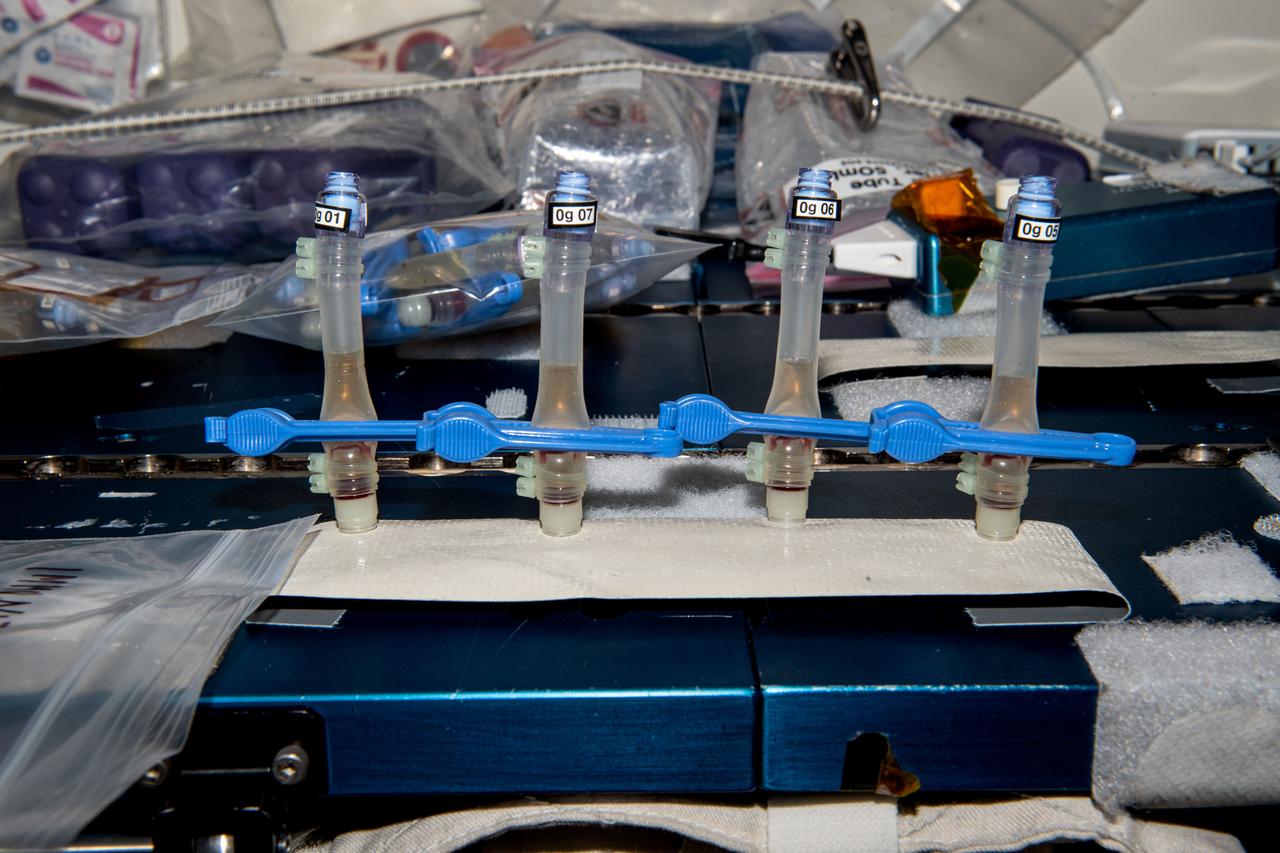
iss069e086233 (9/8/2023) --- A view of sample preparation for centrifuge operations in the Human Research Facility (HRF) centrifuge aboard the International Space Station (ISS). The Monitoring the Cellular Immunity by In Vitro Delayed Type Hypersensitivity (DTH) Assay on the ISS (Immunity Assay) investigation aims to monitor the impact of spaceflight stressors on cellular immune functions in a blood sample, with the help of a functional immune test.
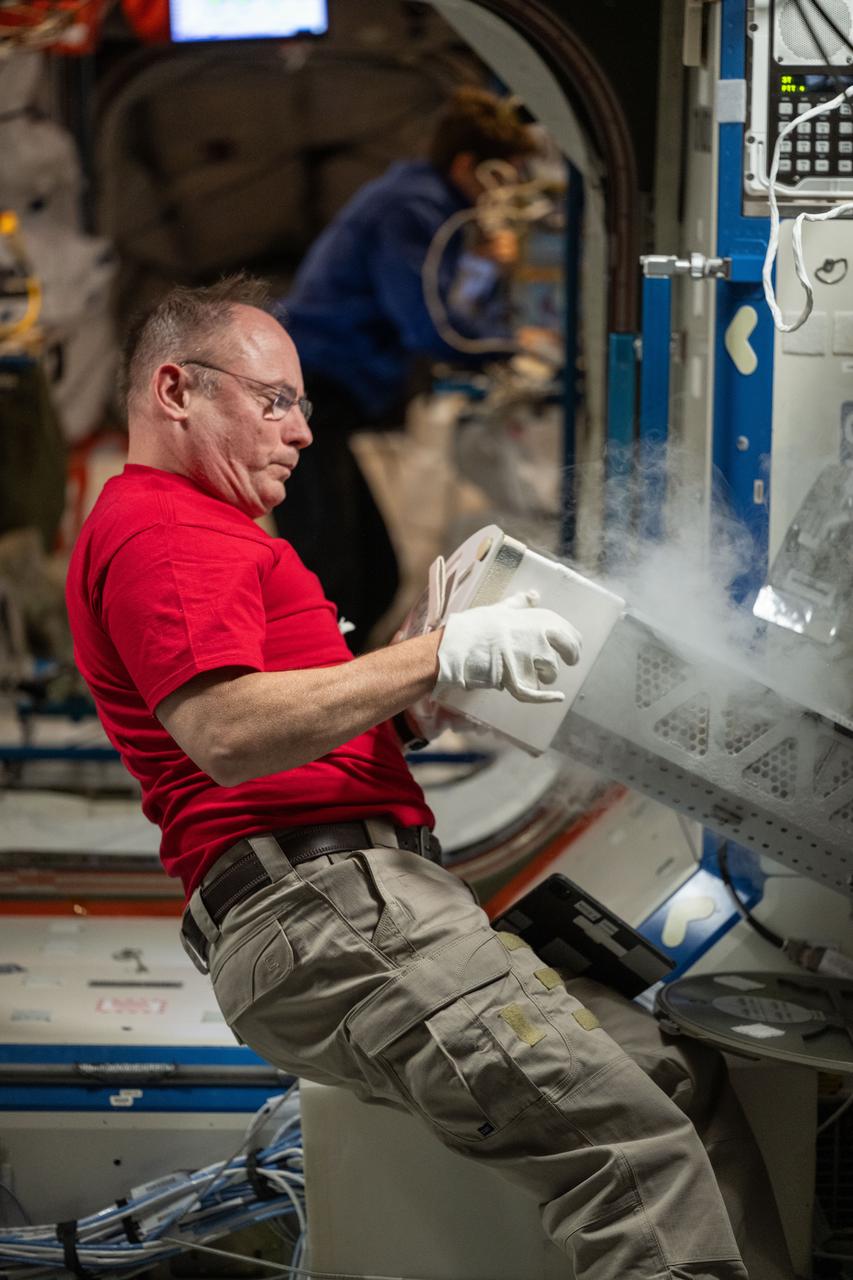
iss073e0424037 (Aug. 7, 2025) --- NASA astronaut and Expedition 73 Flight Engineer Mike Fincke inserts a cryogenic storage unit, called a dewar, containing blood samples collected from a crew member into a science freezer for preservation and later analysis. The Minus Eighty-Degree Laboratory Freezer for International Space Station, or MELFI, is a research freezer that maintains experiment samples at ultra-cold temperatures in microgravity.
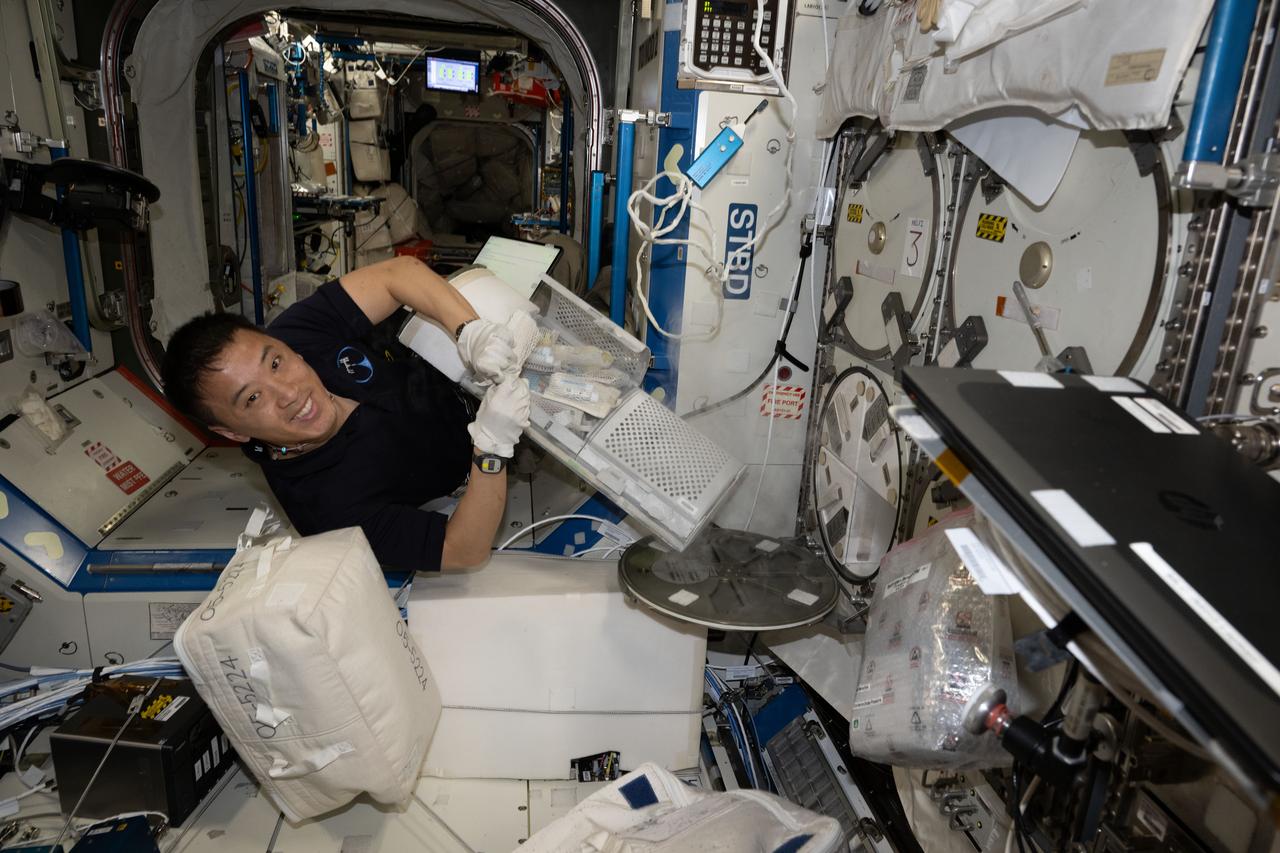
iss073e0135008 (May 29, 2025) --- NASA astronaut and Expedition 73 Flight Engineer Jonny Kim stows research samples inside a cryogenic storage unit for installation inside a science freezer for preservation inside the International Space Station's Destiny laboratory module. Offically called the Minus Eighty-Degree Laboratory Freezer for ISS, or MELFI, the ultra-cold storage unit enables space biology research by preserving biological samples for analysis including blood, saliva, urine, microbes, and more.

jsc2026e034361 (April 28, 2026) --- Air sample kit and canisters are seen that collect ambient and alveolar samples for analysis of the carbon monoxide content as part of SPARK. This investigation aims to study how the spleen changes and how red blood cells break down in space to better understand the biological mechanisms of space-related anemia. Investigation findings may lead to ways to better protect crew health during long-duration space missions. Credit: Canadian Space Agency.
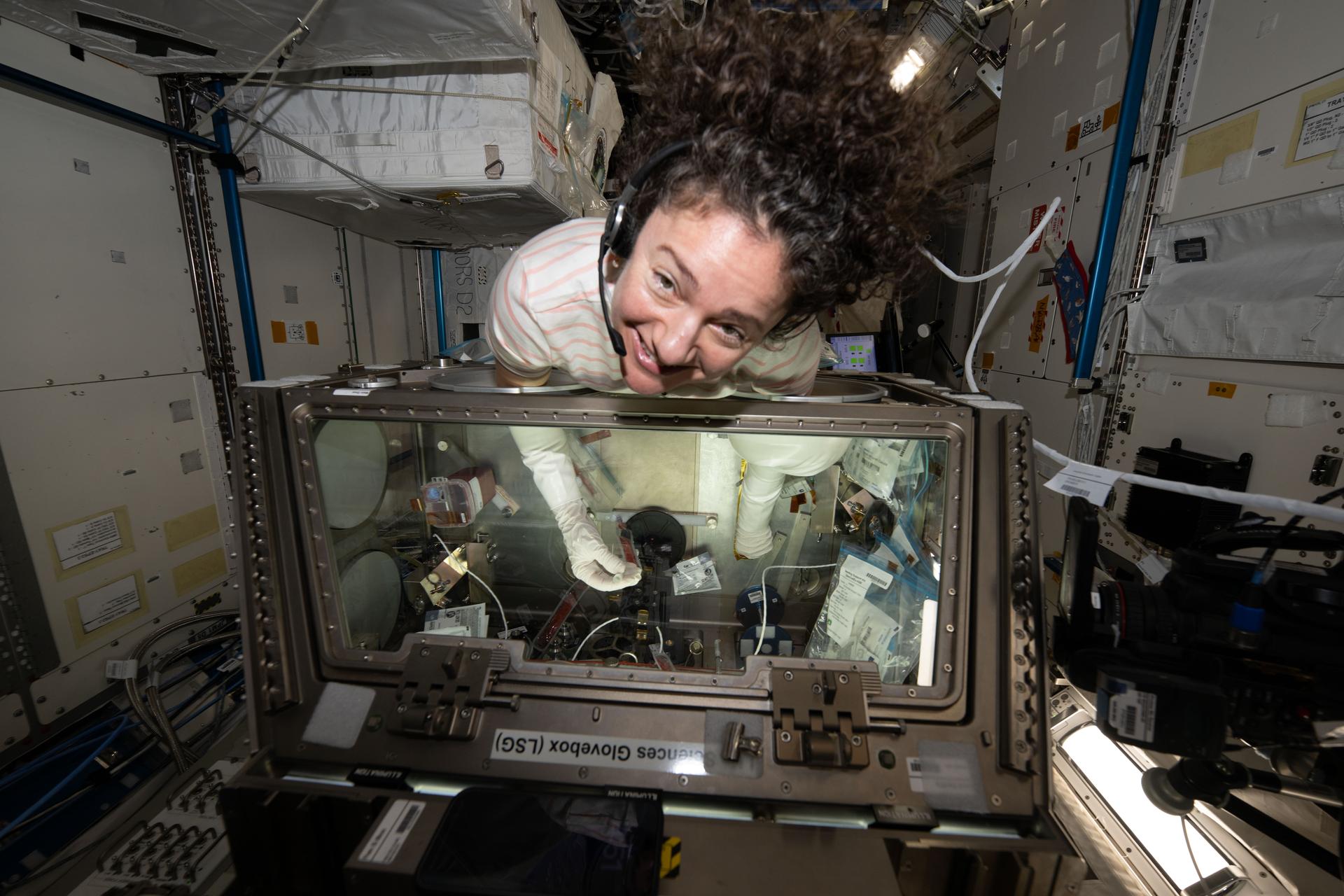
iss074e0604163 (May 21, 2026) --- NASA astronaut and Expedition 74 flight engineer Jessica Meir nourishes stem cell samples inside the Kibo laboratory module’s Life Science Glovebox aboard the International Space Station. The stem cell samples were incubated to help researchers learn how to manufacture space‑designed therapies to treat cancer and blood disorders. Credit: NASA/Chris Williams
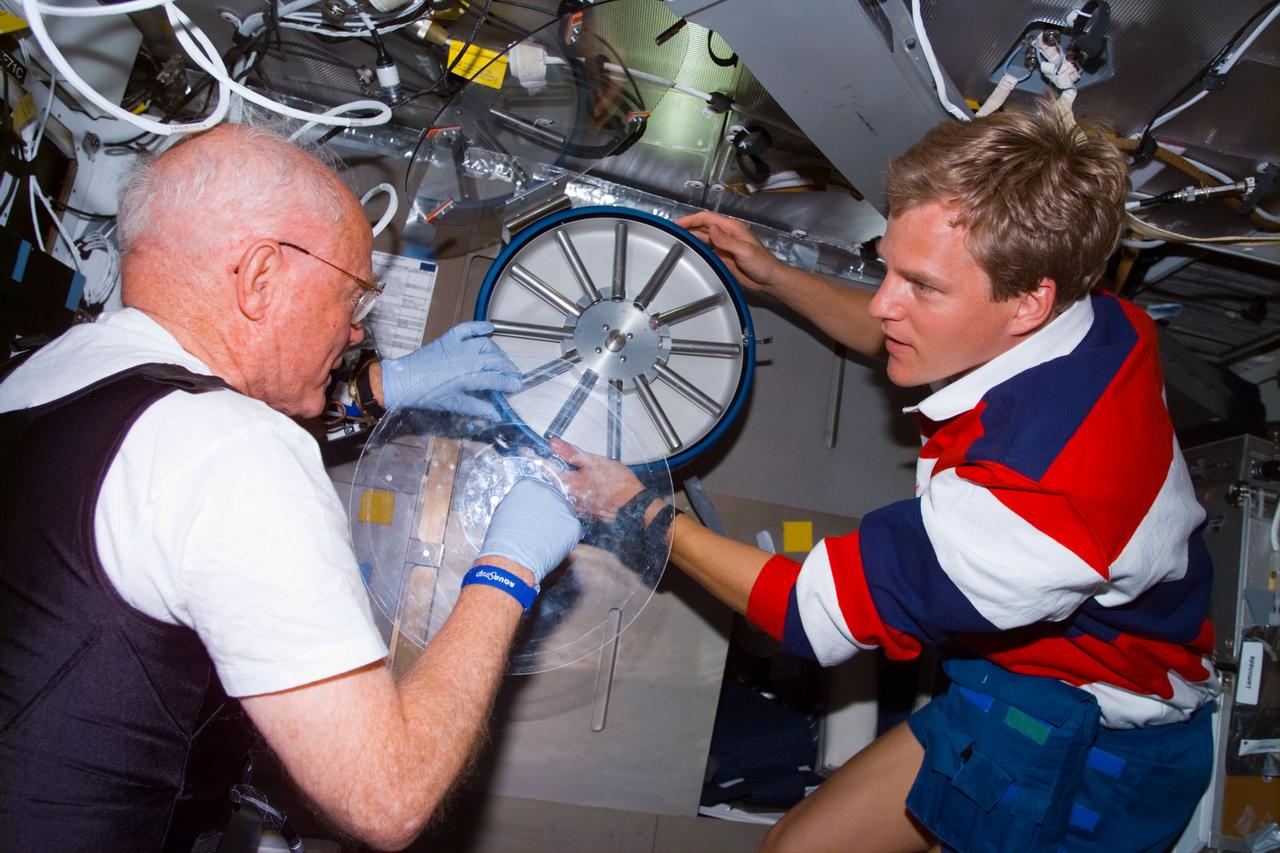
STS095-E-5239 (4 Nov. 1998) --- Astronaut Scott E. Parazynski (right), STS-95 mission specialist, assists U.S. Sen. John H. Glenn Jr. (D.-Ohio), payload specialist, with a chore onboard the Space Shuttle Discovery. The photo was taken with an electronic still camera (ESC) at 18:41:20 GMT, Nov. 4.
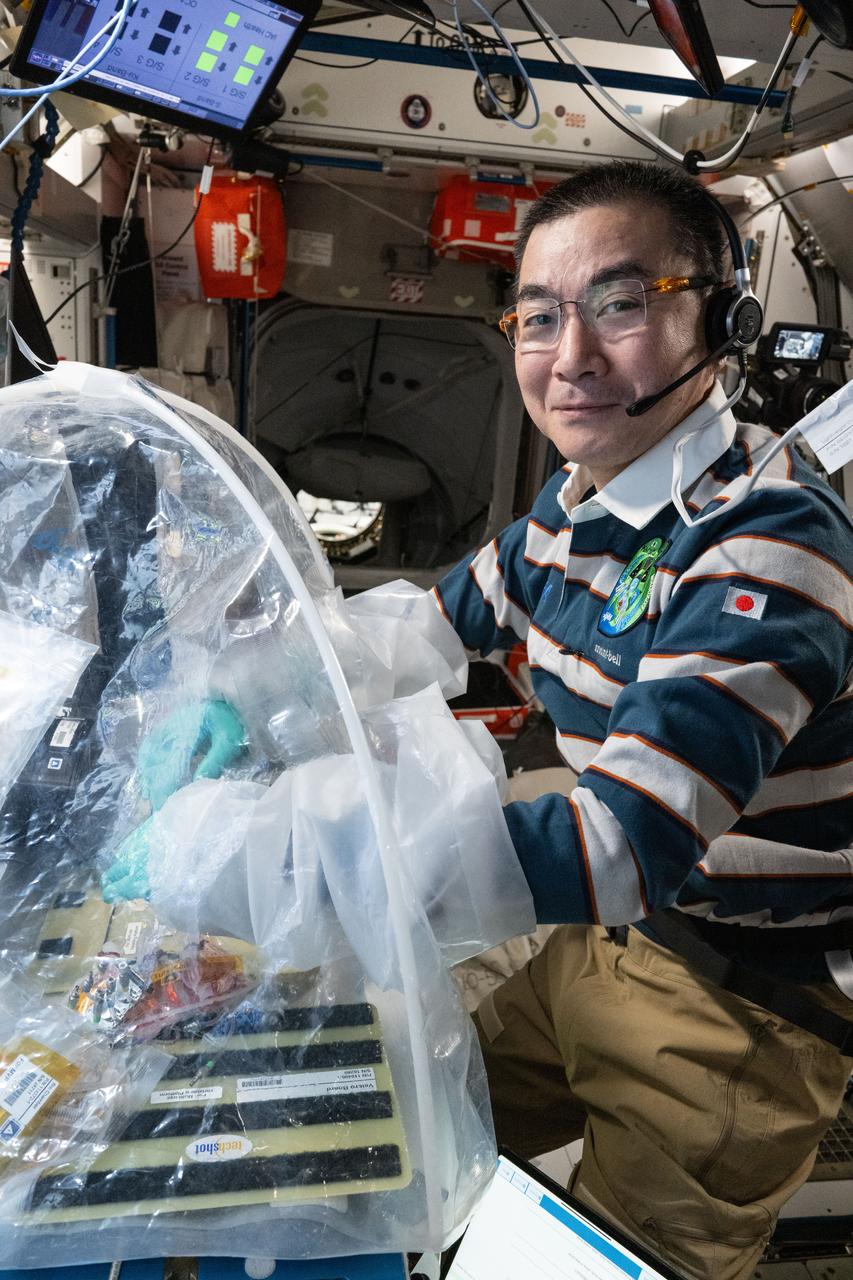
iss073e0606897 (Sept. 5, 2025) --- JAXA (Japan Aerospace Exploration Agency) astronaut and Expedition 73 Flight Engineer Kimiya Yui treats bioprinted liver tissues in a portable glovebag inside the International Space Station's Harmony module. The samples will be placed inside an artificial gravity-generating research device to help researchers understand how microgravity affects the formation of blood vessels in engineered tissues. Result may lead to advanced treatments protecting astronauts on long-duration spaceflights and improve bioprinting techniques for patient therapies on Earth.
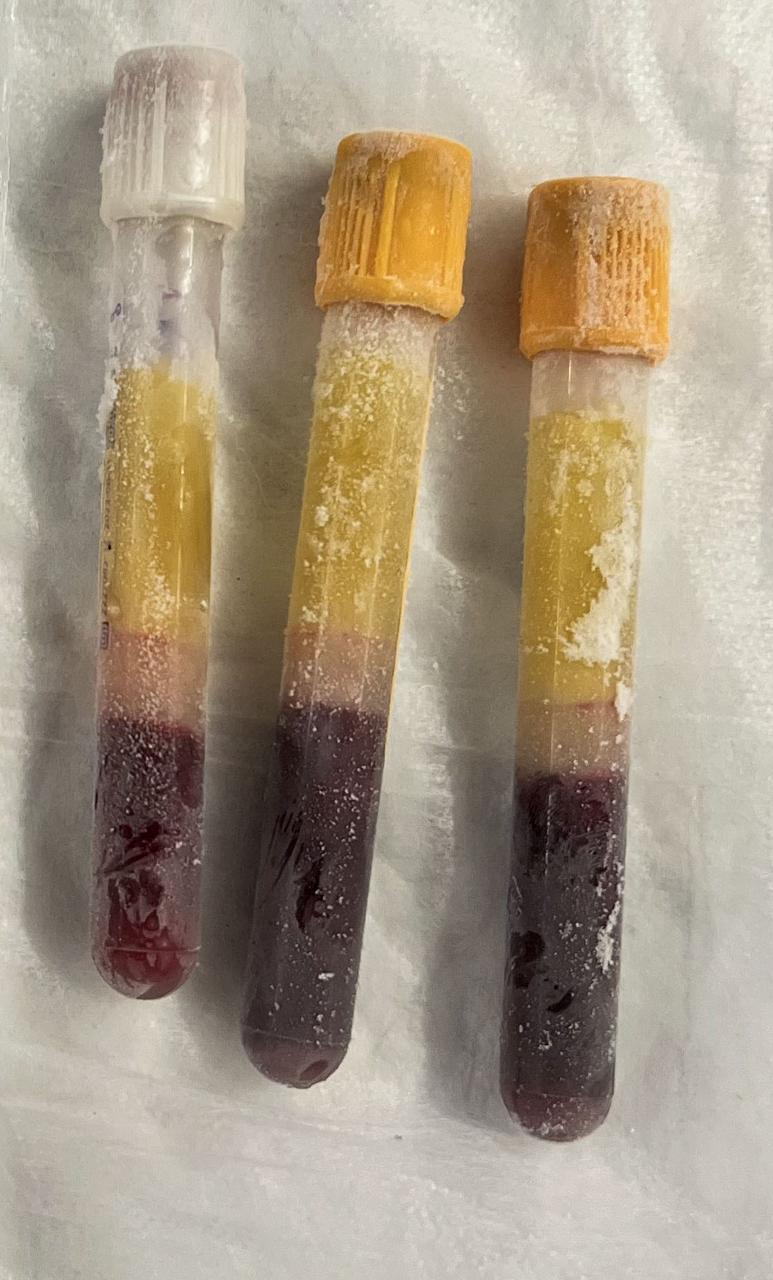
jsc2024e050837 (7/26/2024) --- Frozen blood samples collected aboard the International Space Station after return to Earth are part of the B Complex: A Nutraceutical SANS Countermeasure (B Complex) investigation. This study tests whether a daily B vitamin supplement can prevent or mitigate SANS and also assesses how an individual’s genetics may influence the response. The results could help maintain astronaut vision and health on future long-duration missions, including those to Mars.
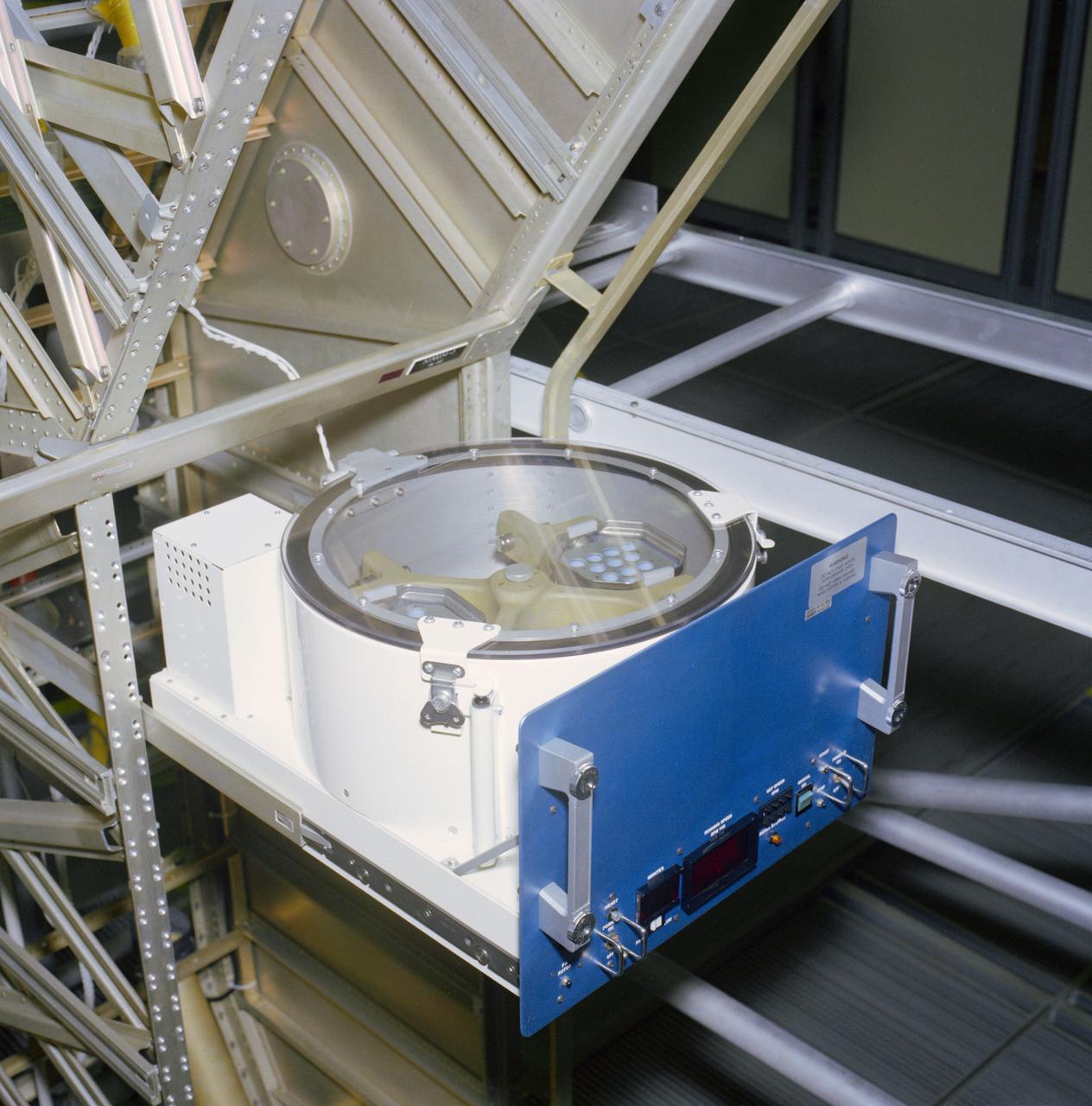
S81-25565 (Feb 1981) --- Expected to be a busy item of flight hardware on the Spacelab Life Sciences (SLS-1) mission is this low-gravity centrifuge. To be flown onboard Columbia for STS-40, the centrifuge is able to simulate several gravity levels (0.5 g, 1.0 g, 1.5 g. and 2.0 g). Blood samples, taken during the flight, will be placed in the centrifuge, fixed for post flight analysis and transferred to a freezer.
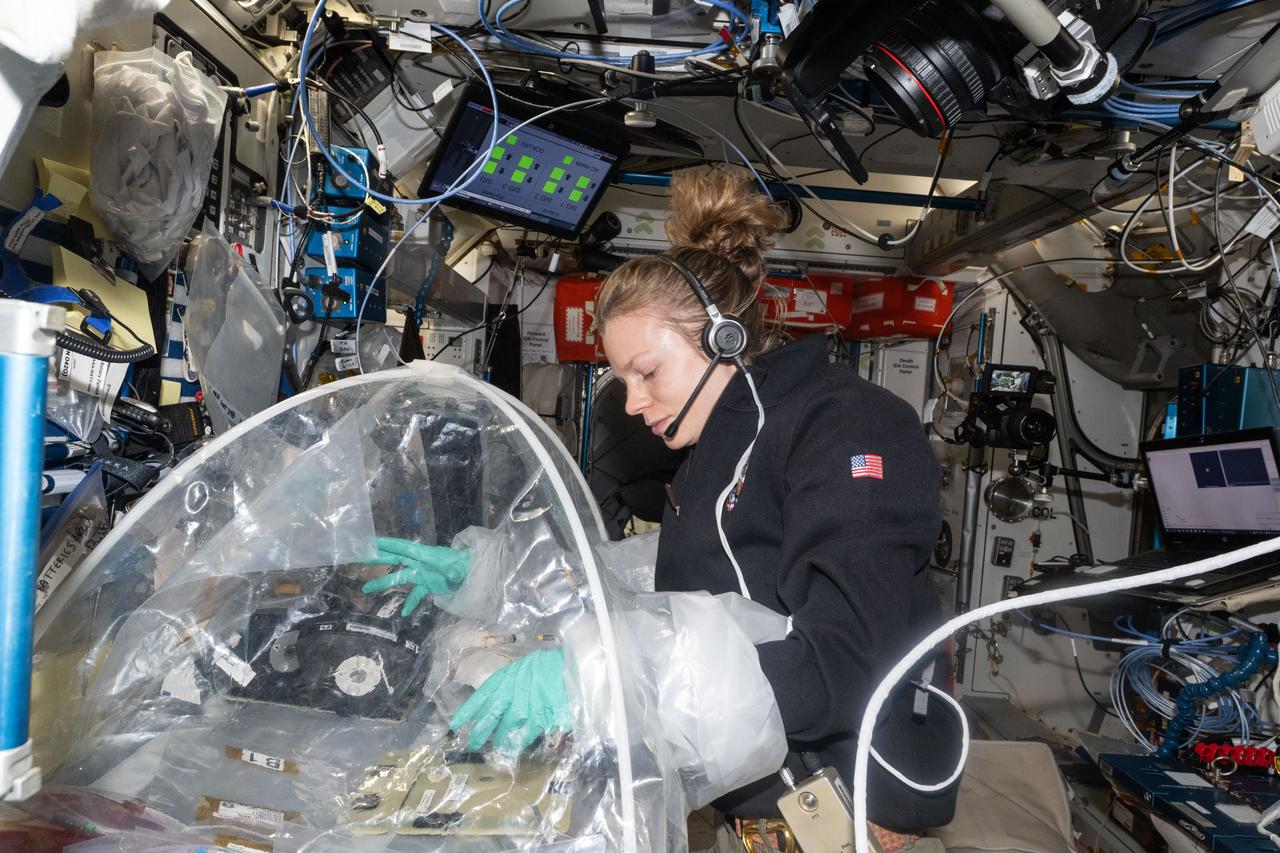
iss073e0606879 (Sept. 5, 2025) --- NASA astronaut and Expedition 73 Flight Engineer Zena Cardman treats bioprinted liver tissues in a portable glovebag inside the International Space Station's Harmony module. The samples will be placed inside an artificial gravity-generating research device to help researchers understand how microgravity affects the formation of blood vessels in engineered tissues. Result may lead to advanced treatments protecting astronauts on long-duration spaceflights and improve bioprinting techniques for patient therapies on Earth.
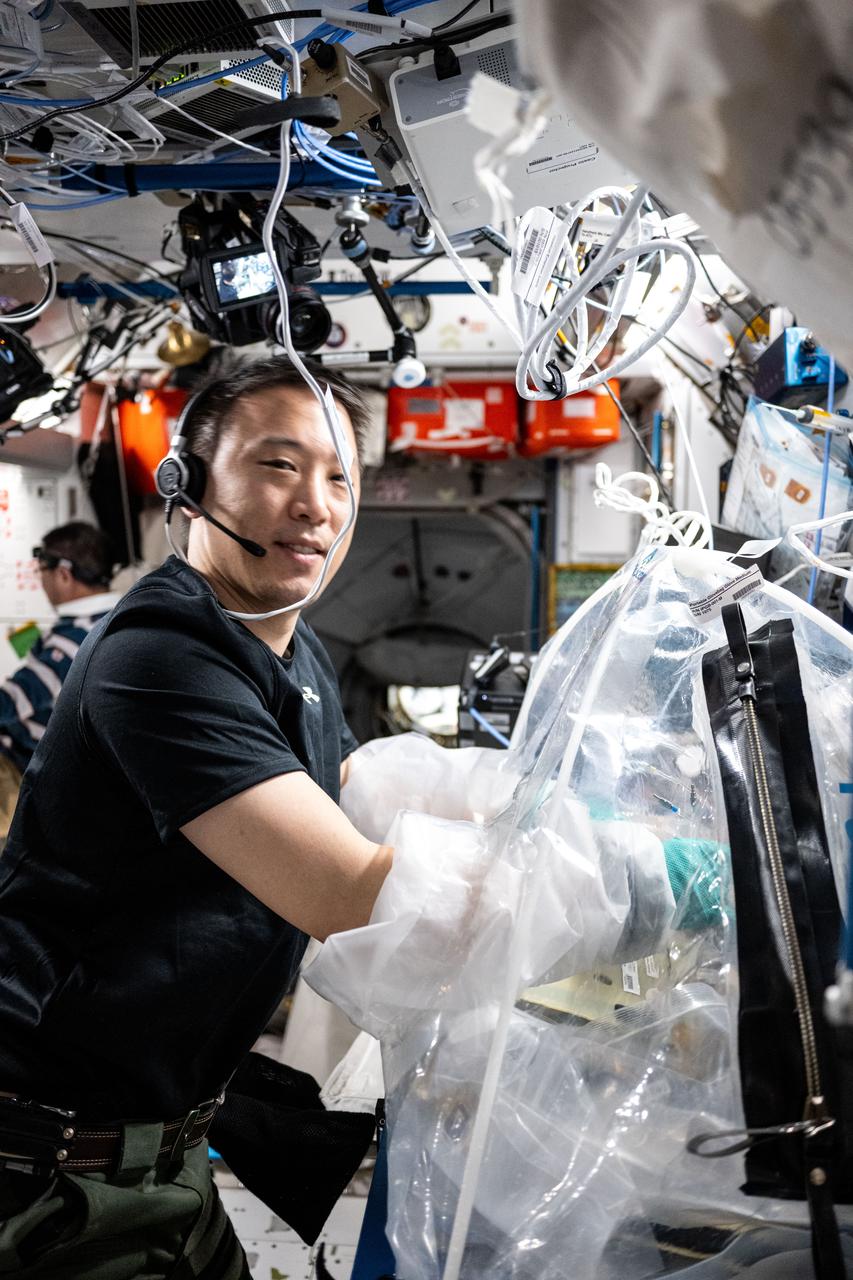
iss073e0702488 (Sept. 17, 2025) --- NASA astronaut and Expedition 73 Flight Engineer Jonny Kim treats bioprinted liver tissues in a portable glovebag inside the International Space Station's Harmony module. The samples were later placed inside an artificial gravity-generating research device to help researchers understand how microgravity affects the formation of blood vessels in engineered tissues. Result may lead to advanced treatments protecting astronauts on long-duration spaceflights and improve bioprinting techniques for patient therapies on Earth.
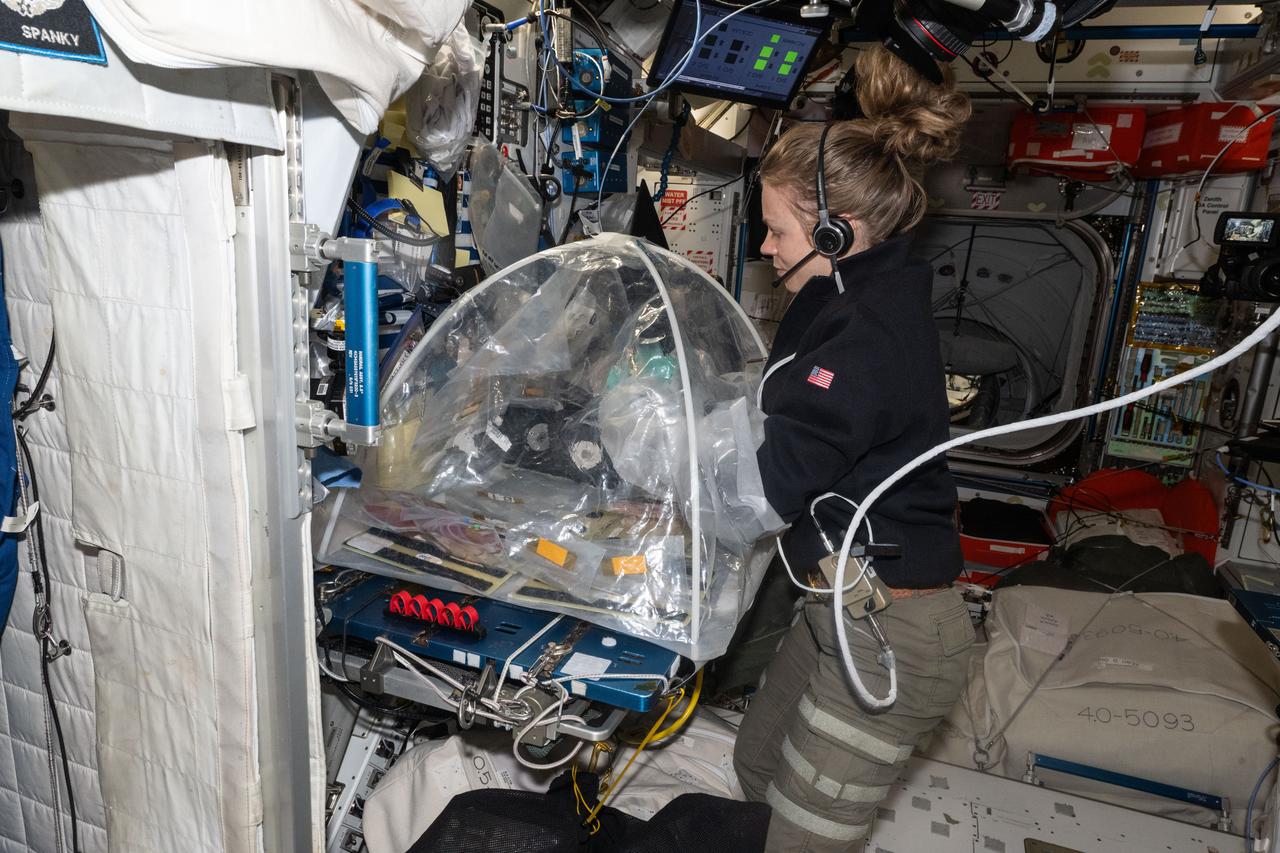
iss073e0606876 (Sept. 5, 2025) --- NASA astronaut and Expedition 73 Flight Engineer Zena Cardman treats bioprinted liver tissues in a portable glovebag inside the International Space Station's Harmony module. The samples will be placed inside an artificial gravity-generating research device to help researchers understand how microgravity affects the formation of blood vessels in engineered tissues. Result may lead to advanced treatments protecting astronauts on long-duration spaceflights and improve bioprinting techniques for patient therapies on Earth.
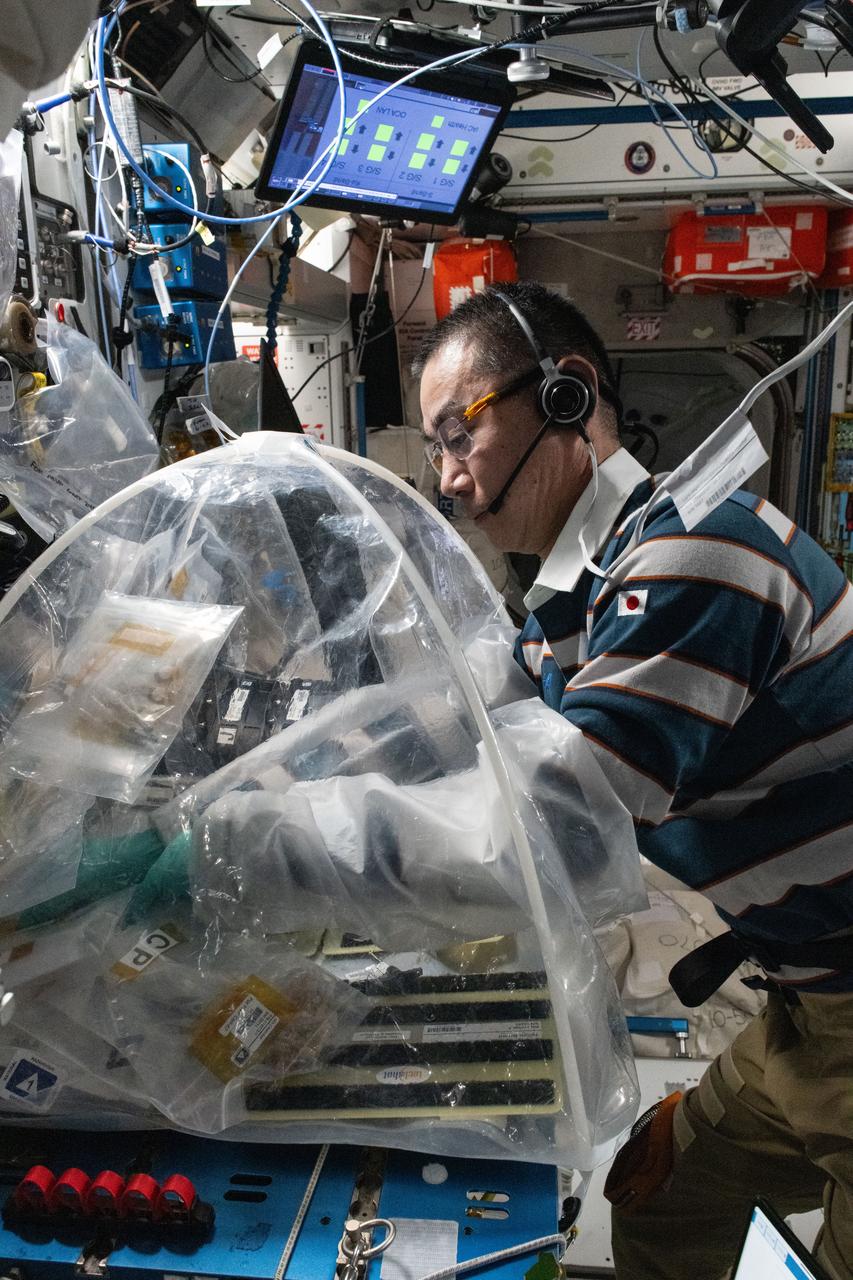
iss073e0606883 (Sept. 5, 2025) --- JAXA (Japan Aerospace Exploration Agency) astronaut and Expedition 73 Flight Engineer Kimiya Yui treats bioprinted liver tissues in a portable glovebag inside the International Space Station's Harmony module. The samples will be placed inside an artificial gravity-generating research device to help researchers understand how microgravity affects the formation of blood vessels in engineered tissues. Result may lead to advanced treatments protecting astronauts on long-duration spaceflights and improve bioprinting techniques for patient therapies on Earth.
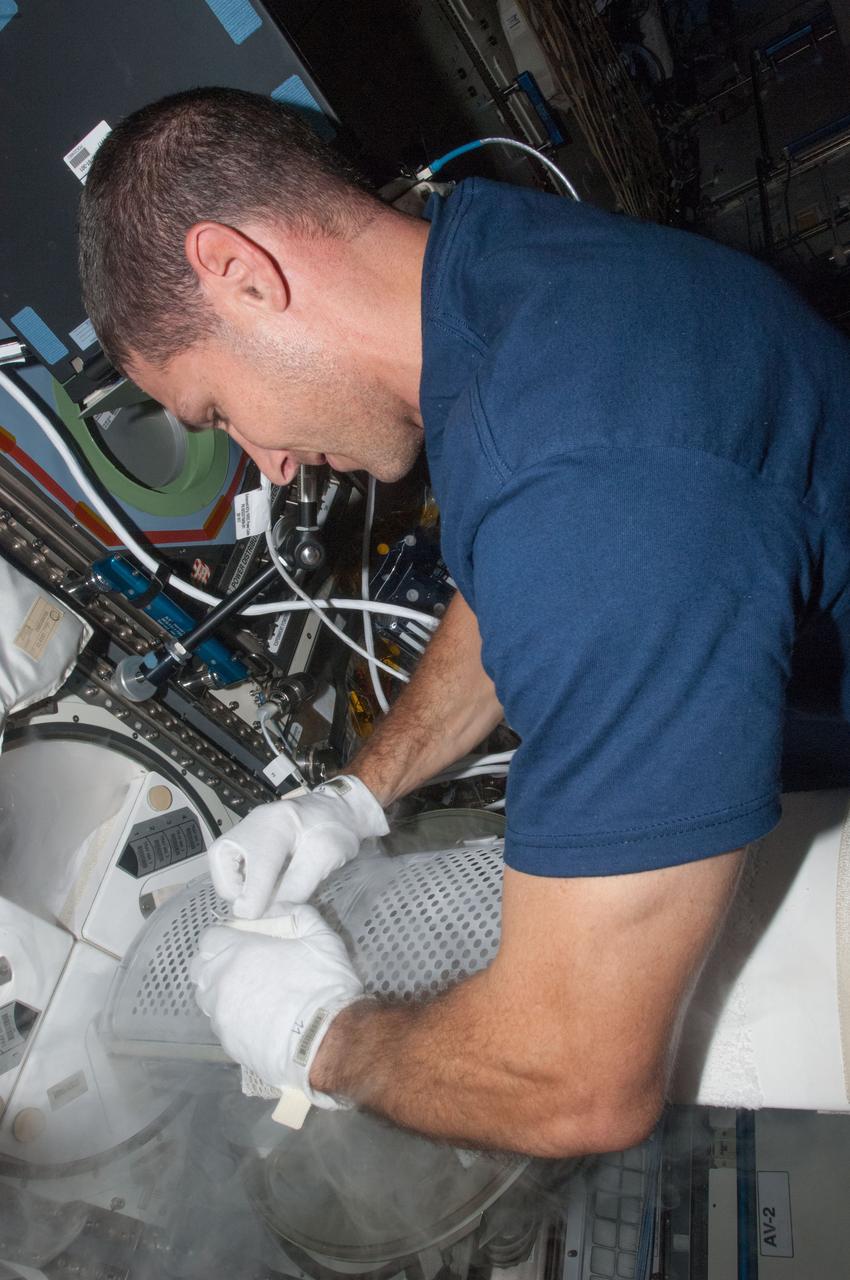
ISS037-E-010721 (5 Oct. 2013) --- A specimen of human blood or a body fluid like saliva and urine is stowed by astronaut Michael Hopkins onboard the International Space Station on Oct. 5, 2013. The objects of post-mission research by scientists on the ground, all the various aforementioned biological samples have to be frozen until the return to Earth.
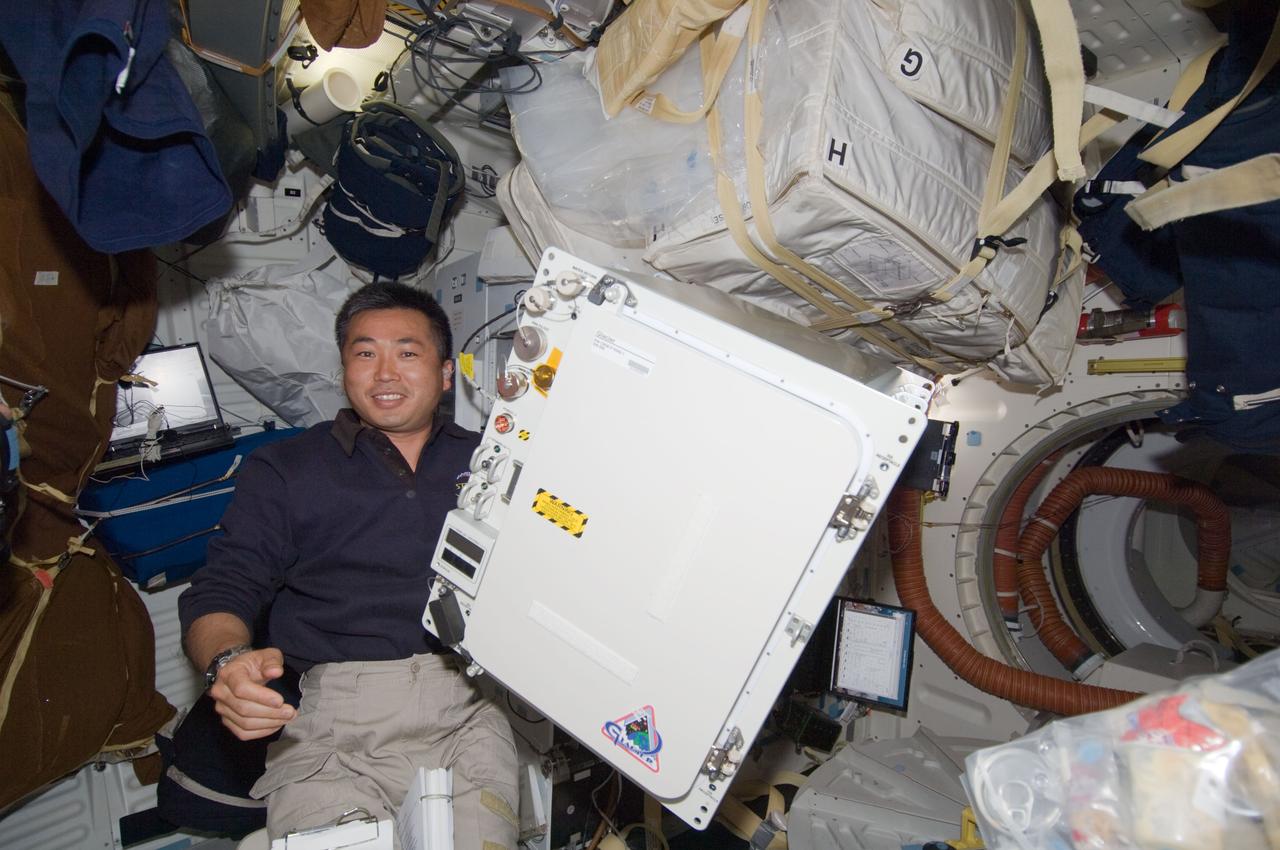
S119-E-006764 (20 March 2009) --- Japan Aerospace Exploration Agency astronaut Koichi Wakata is pictured on Discovery's middeck with the General Laboratory Active Cryogenic ISS Experiment Refrigerator (GLACIER). The astronauts changed out the International Space Station's glacier with a new one on March 20 to return urine, saliva, and blood samples from the Expedition 18 crew to Earth with Discovery's STS-119 astronauts. Wakata will be serving with both the current (Expedition 18) and the following (Expedition 19) crews aboard the station.
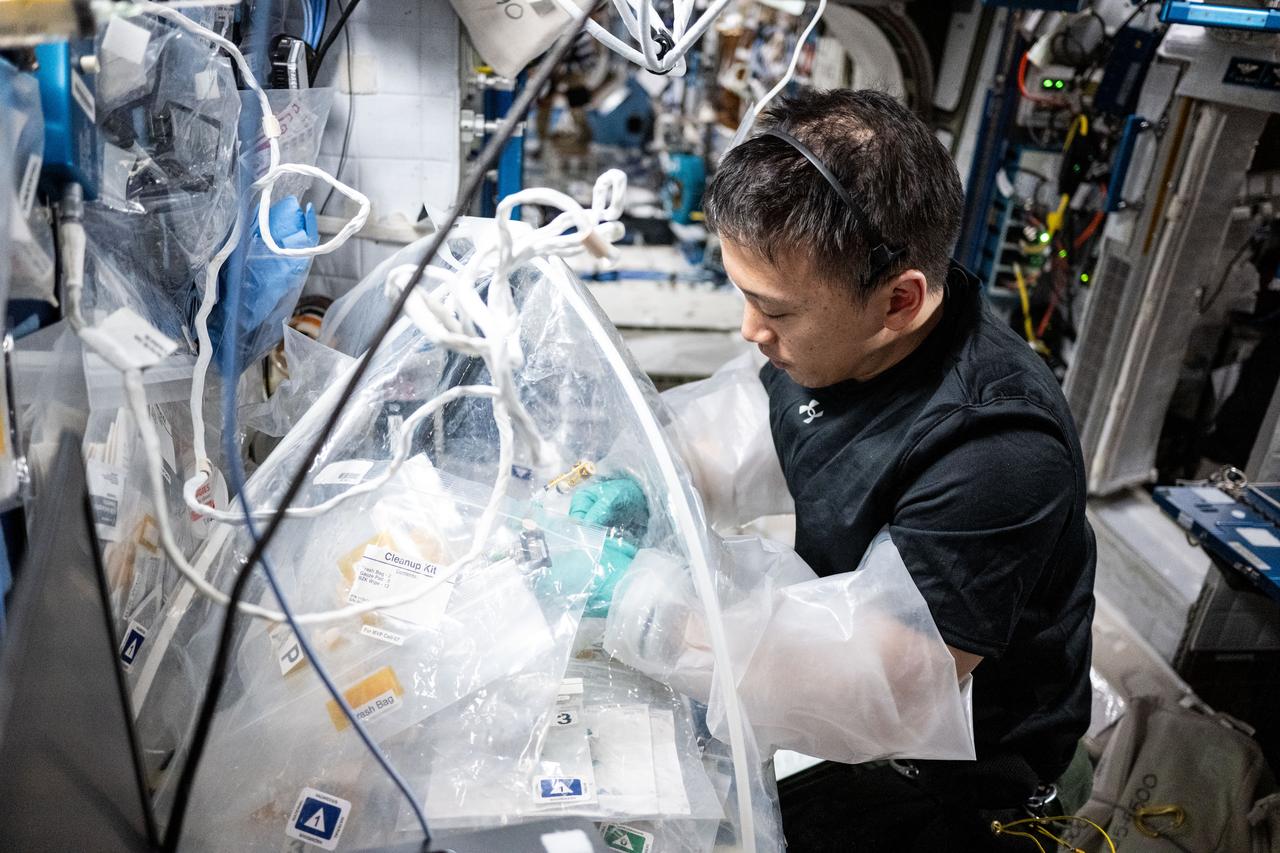
iss073e0702493 (Sept. 17, 2025) --- NASA astronaut and Expedition 73 Flight Engineer Jonny Kim treats bioprinted liver tissues in a portable glovebag inside the International Space Station's Harmony module. The samples were later placed inside an artificial gravity-generating research device to help researchers understand how microgravity affects the formation of blood vessels in engineered tissues. Result may lead to advanced treatments protecting astronauts on long-duration spaceflights and improve bioprinting techniques for patient therapies on Earth.
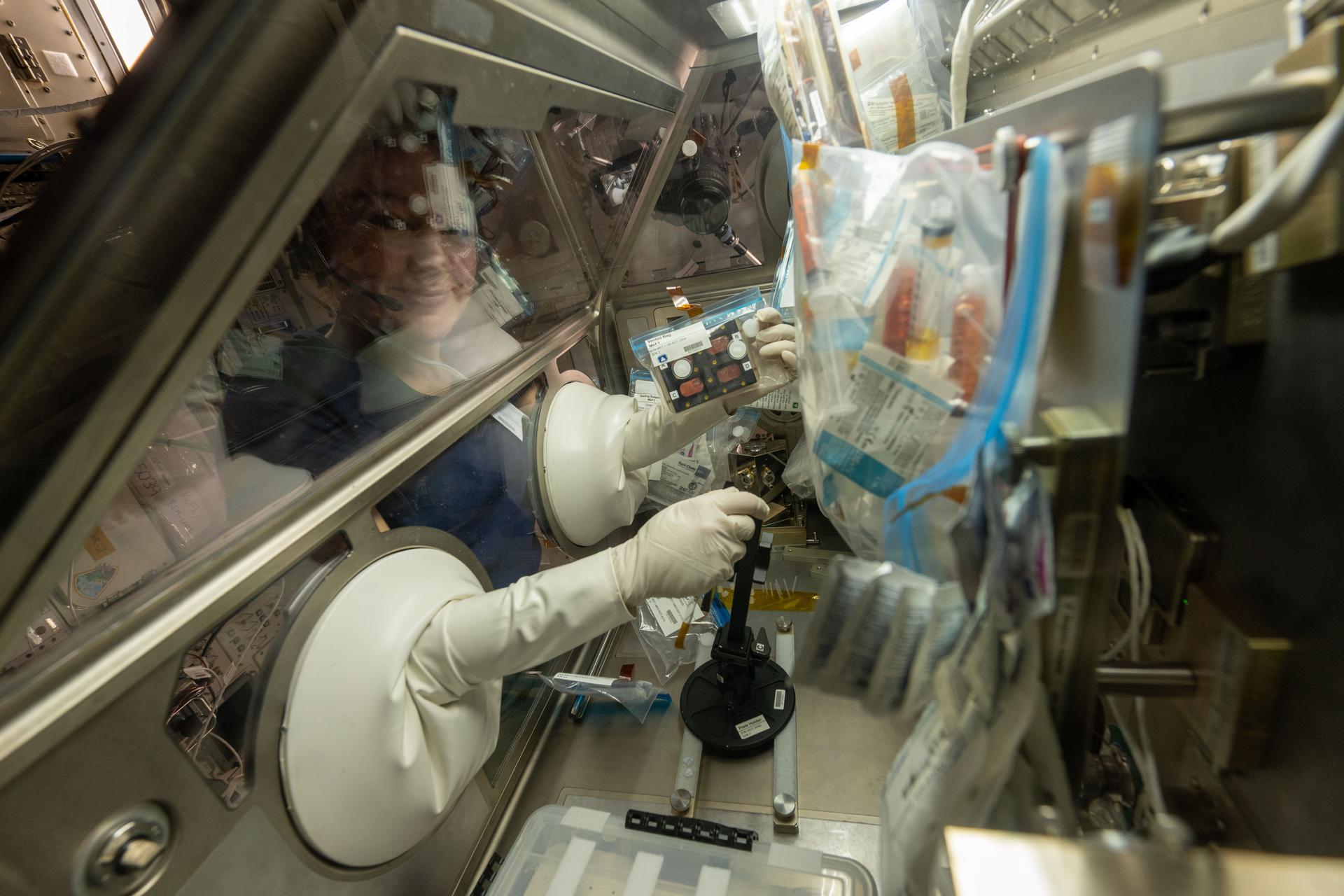
iss074e0603672 (May 20, 2026) --- NASA astronaut and Expedition 74 flight engineer Jessica Meir processes stem cell samples inside the Life Science Glovebox aboard the International Space Station’s Kibo laboratory module. Meir nourished the stem cells being incubated to learn how to manufacture space-designed therapies to treat cancer and blood conditions. Credit: NASA/Jessica Meir
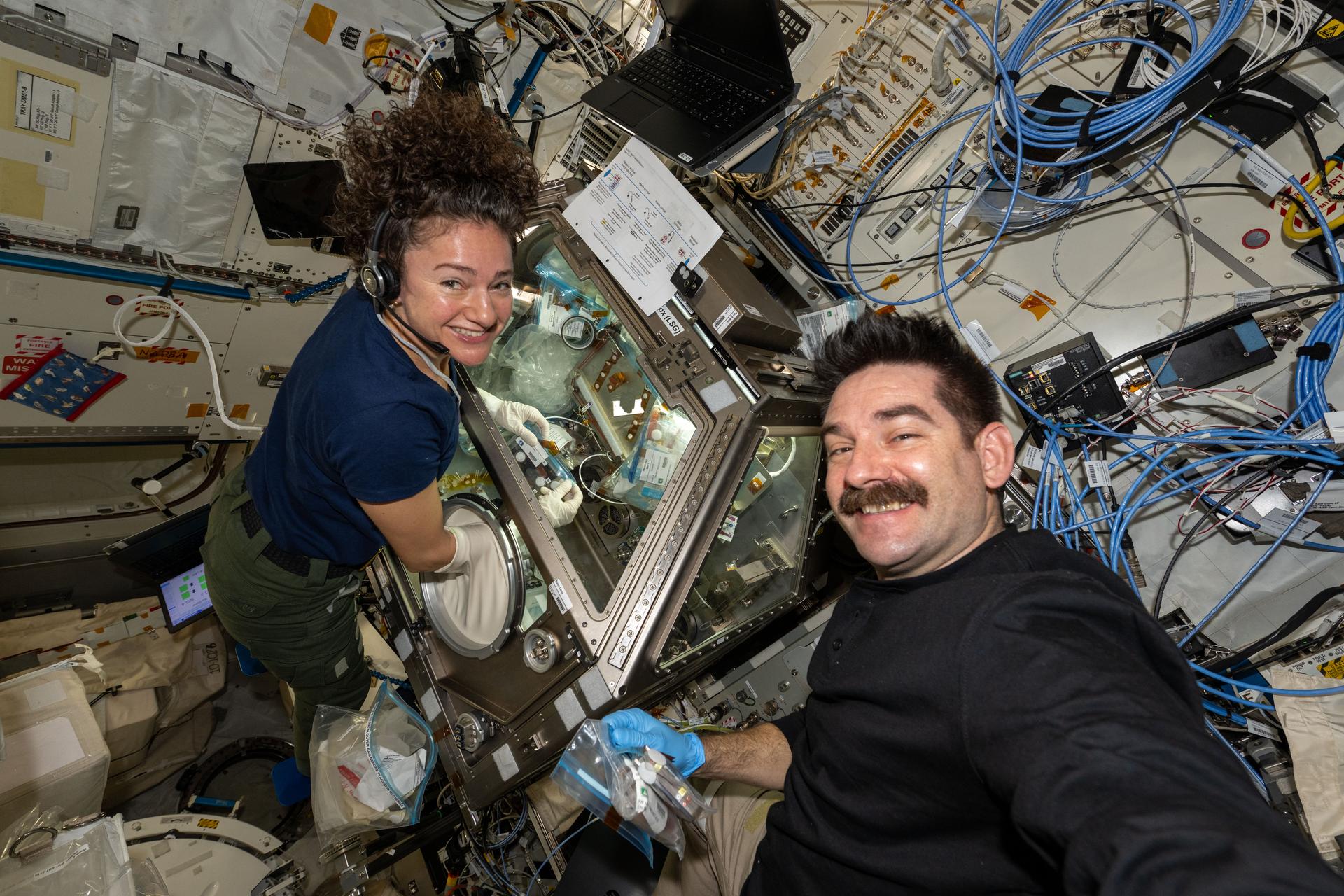
iss074e0603699 (May 20, 2026) --- NASA astronauts Jessica Meir and Jack Hathaway, both Expedition 74 flight engineers, work together to process stem cell samples aboard the International Space Station’s Kibo laboratory module. Meir nourished the stem cells inside Kibo's Life Science Glovebox after Hathaway retrieved them from a science freezer, thawed them, and handed them over for treatment. The research may lead to the development of space-designed therapies to treat cancer and blood conditions. Credit: NASA
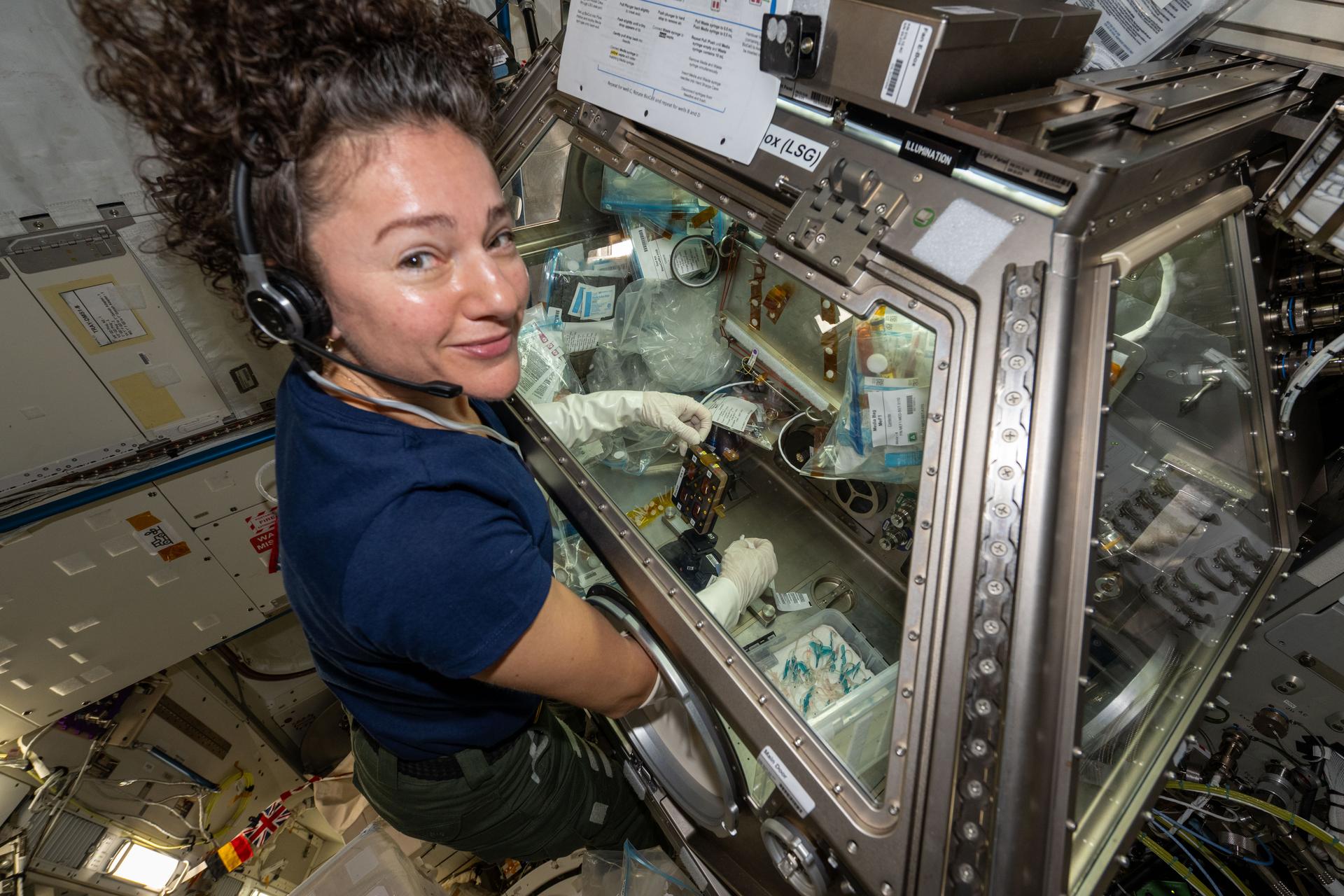
iss074e0603697 (May 20, 2026) --- NASA astronaut and Expedition 74 flight engineer Jessica Meir processes stem cell samples inside the Life Science Glovebox aboard the International Space Station’s Kibo laboratory module. Meir nourished the stem cells being incubated to learn how to manufacture space-designed therapies to treat cancer and blood conditions. Credit: NASA/Jessica Meir
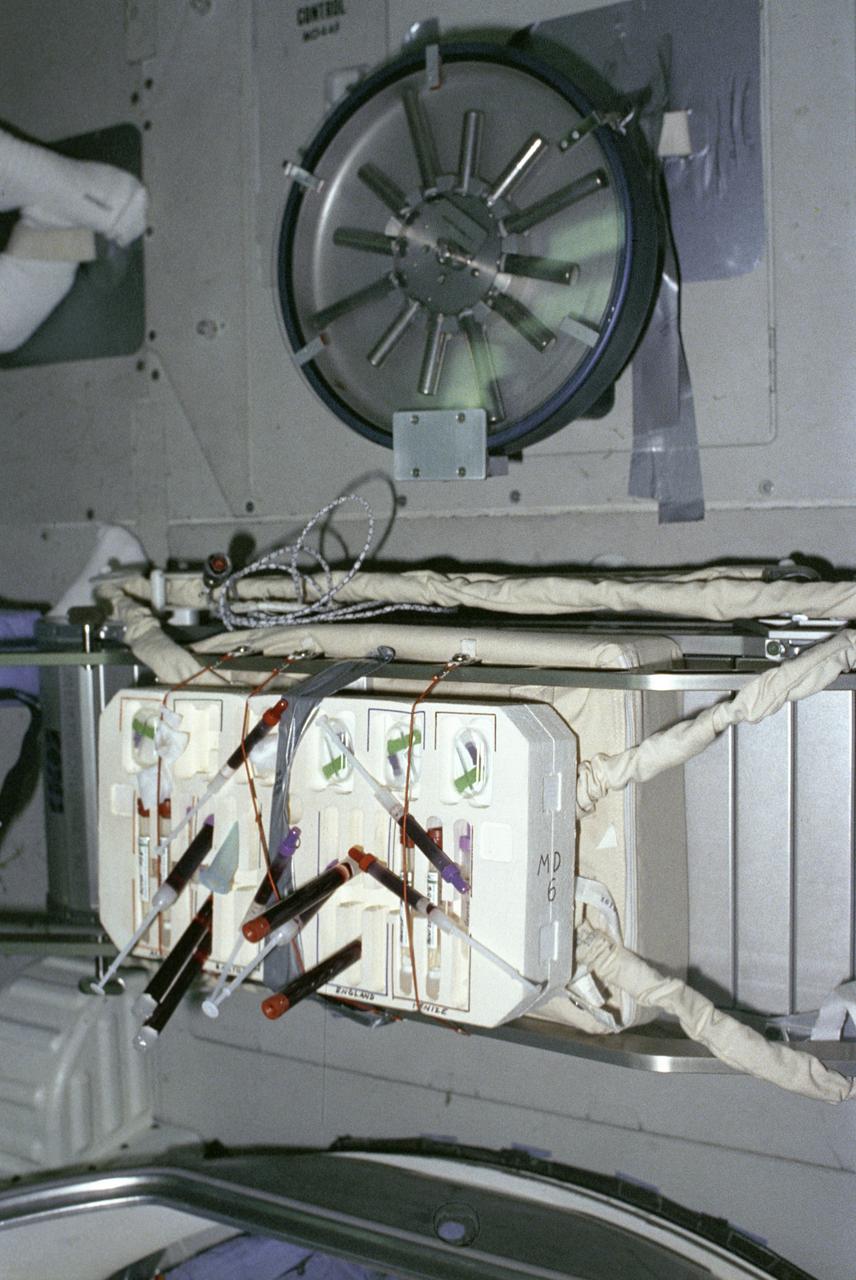
While instruments on the pallets in the payload bay observed the universe, biological experiments were performed in the middeck of the Shuttle Orbiter Challenger. Studying life processes in a microgravity environment can shed new light on the functioning of biological systems on Earth. These investigations can also help us understand how living organisms react to prolonged weightlessness. One such experiment was the vitamin D metabolites and bone demineralization experiment. This investigation measured the vitamin d metabolite levels of crew members to gain information on the cause of bone demineralization and mineral imbalance that occur during prolonged spaceflight as well as on Earth. Research into the biochemical nature of vitamin D has shown that the D-metabolites play a major role in regulating the body's calcium and phosphorus levels. One major function of the most biologically active vitamin D metabolite is to regulate the amount of calcium absorbed from the diet and taken out of bones. This investigation had two phases. The first was the developmental phase, which included extensive testing before flight, and the second, or final phase, involved the postflight analysis of the crew's blood samples. This photograph shows a blood draw test kit and centrifuge used for the experiment aboard the Spacelab-2. Marshall Space Flight Center had management responsibilities of all Spacelab missions.
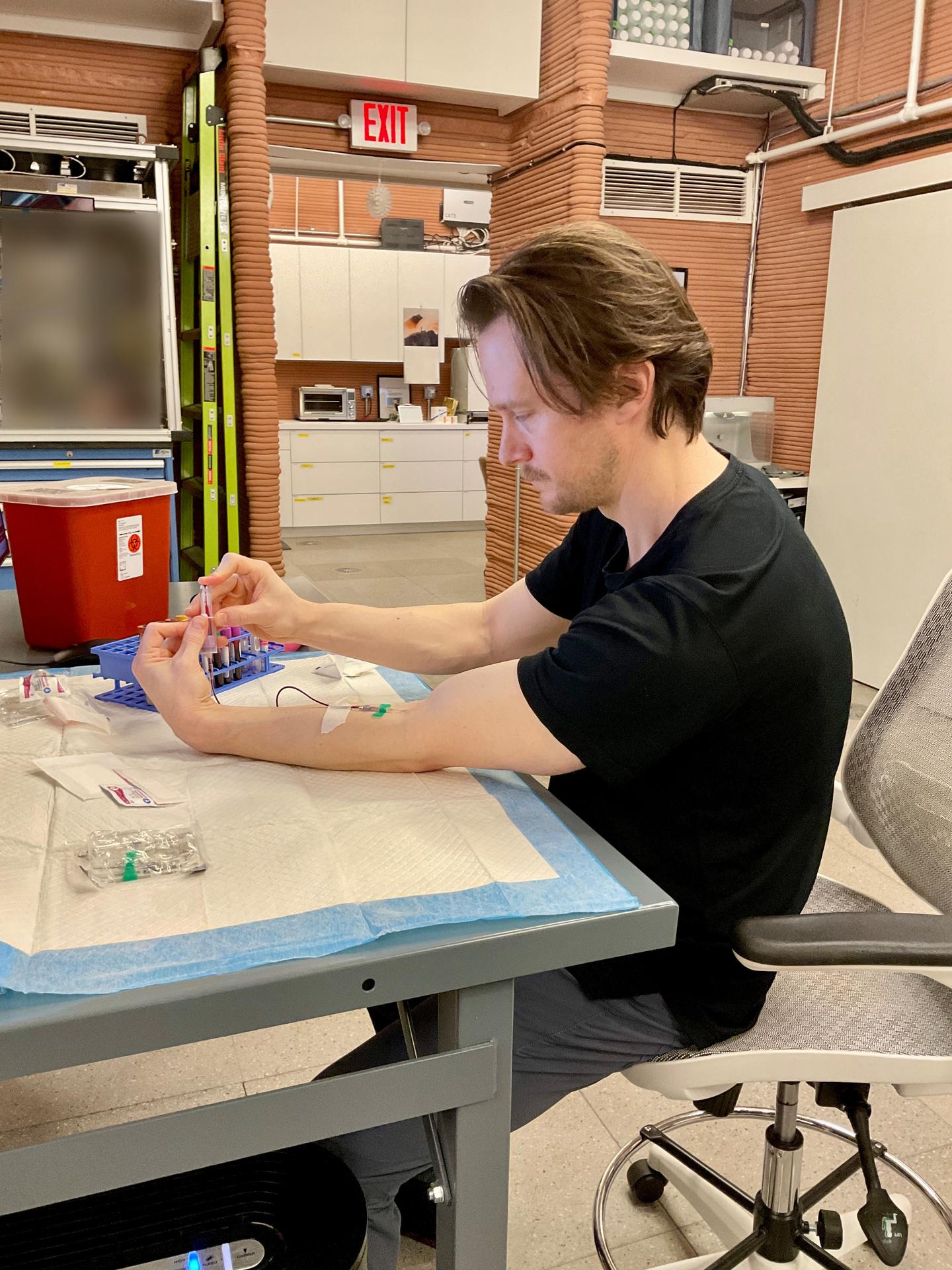
jsc2026e403178 (May 20, 2026) -- Matthew Montgomery, Crew Health and Performance Exploration Analog (CHAPEA) Mission 2 science officer, performing blood collection to monitor crew health. Credit: NASA
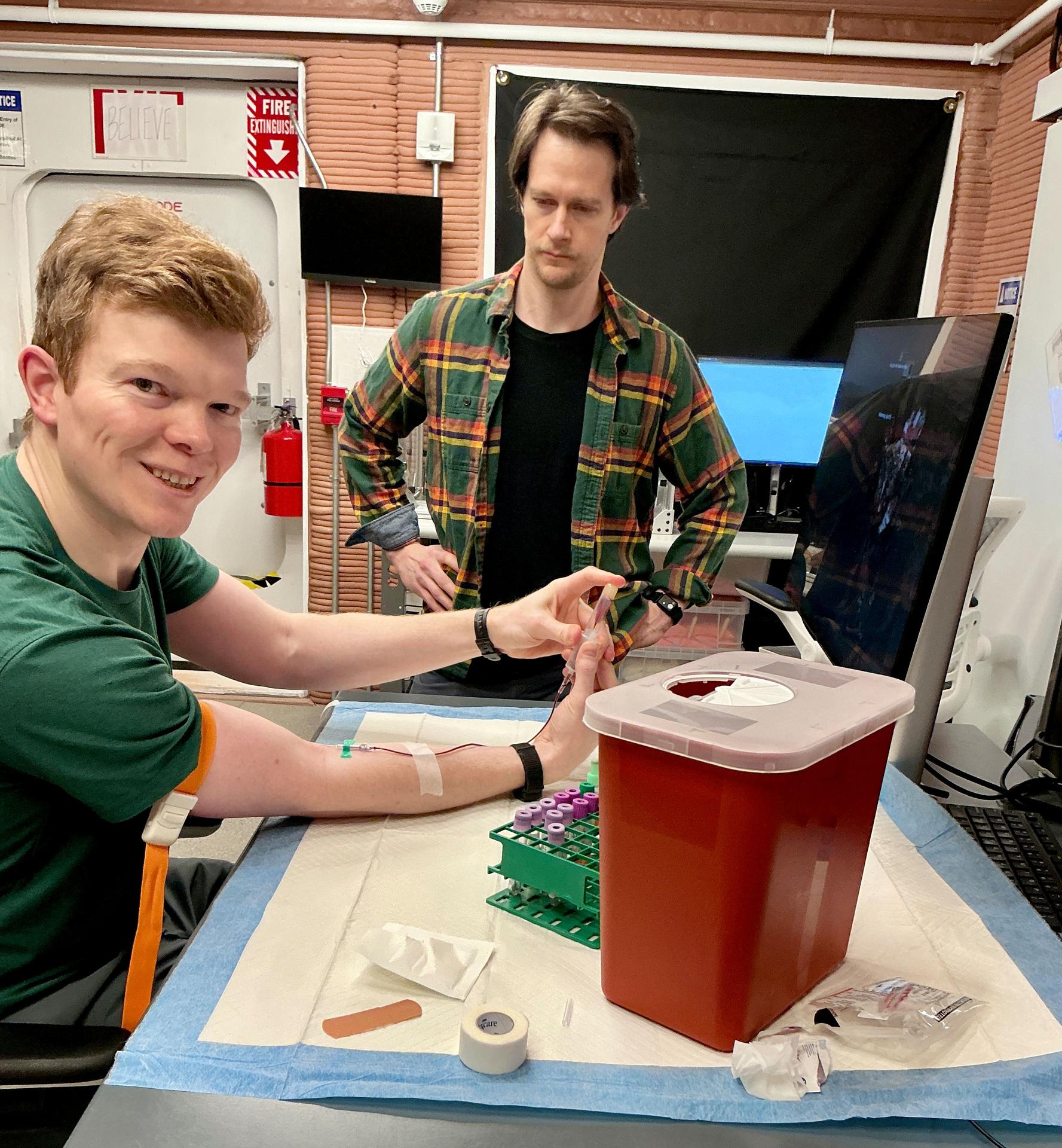
jsc2026e403175 (April 15, 2026) -- CHAPEA crew members perform blood collections to monitor their health (From left: James Spicer, Matthew Montgomery). Credit: NASA
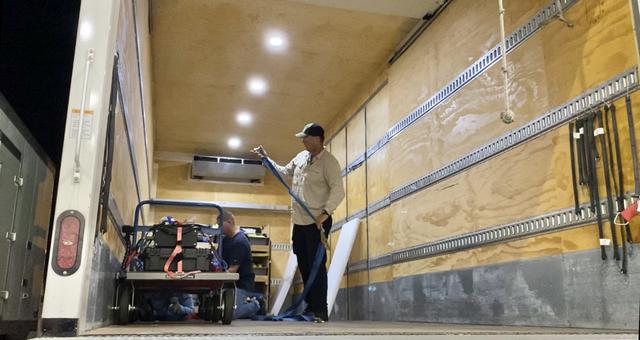
An employee with contractor Jacobs from contractor Jacobs transports research cargo from the International Space Station for processing inside the Space Station Processing Facility (SSPF) at NASA’s Kennedy Space Center in Florida on July 10, 2021. The experiments returned to Earth on SpaceX’s 22nd commercial resupply services mission. After its successful parachute-assisted splashdown off the coast of Tallahassee, Florida at 11:29 p.m. EST on Friday, July 9, the SpaceX cargo Dragon returned more than 5,300 pounds of scientific experiments and other cargo from the International Space Station. Splashing down off the coast of Florida enables quick transportation of the science aboard the capsule to the SSPF, delivering some science back into the hands of the researchers as soon as four to nine hours after splashdown. This shorter transportation timeframe allows researchers to collect data with minimal loss of microgravity effects.
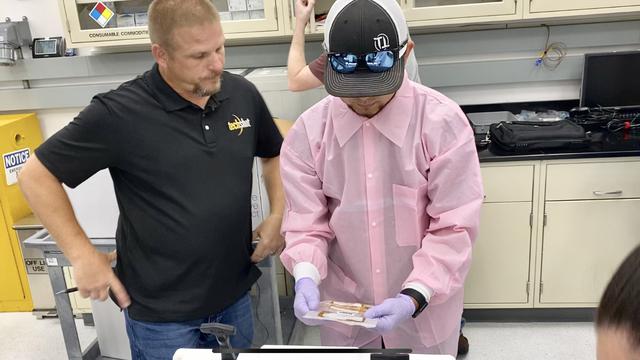
Members of the cold stowage team unpack science experiments inside the Space Station Processing Facility (SSPF) at NASA’s Kennedy Space Center in Florida on July 10, 2021. The experiments returned to Earth on SpaceX’s 22nd commercial resupply services mission. After its successful parachute-assisted splashdown off the coast of Tallahassee, Florida at 11:29 p.m. EST on Friday, July 9, the SpaceX cargo Dragon returned more than 5,300 pounds of scientific experiments and other cargo from the International Space Station. Splashing down off the coast of Florida enables quick transportation of the science aboard the capsule to the SSPF, delivering some science back into the hands of the researchers as soon as four to nine hours after splashdown. This shorter transportation timeframe allows researchers to collect data with minimal loss of microgravity effects.
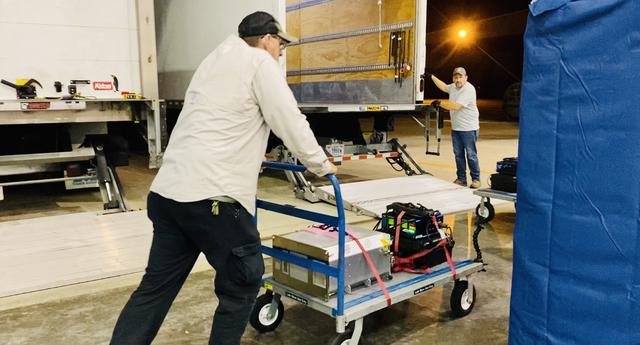
An employee with contractor Jacobs transports research cargo from the International Space Station for processing inside the Space Station Processing Facility (SSPF) at NASA’s Kennedy Space Center in Florida on July 10, 2021. The experiments returned to Earth on SpaceX’s 22nd commercial resupply services mission. After its successful parachute-assisted splashdown off the coast of Tallahassee, Florida at 11:29 p.m. EST on Friday, July 9, the SpaceX cargo Dragon returned more than 5,300 pounds of scientific experiments and other cargo from the International Space Station. Splashing down off the coast of Florida enables quick transportation of the science aboard the capsule to the SSPF, delivering some science back into the hands of the researchers as soon as four to nine hours after splashdown. This shorter transportation timeframe allows researchers to collect data with minimal loss of microgravity effects.
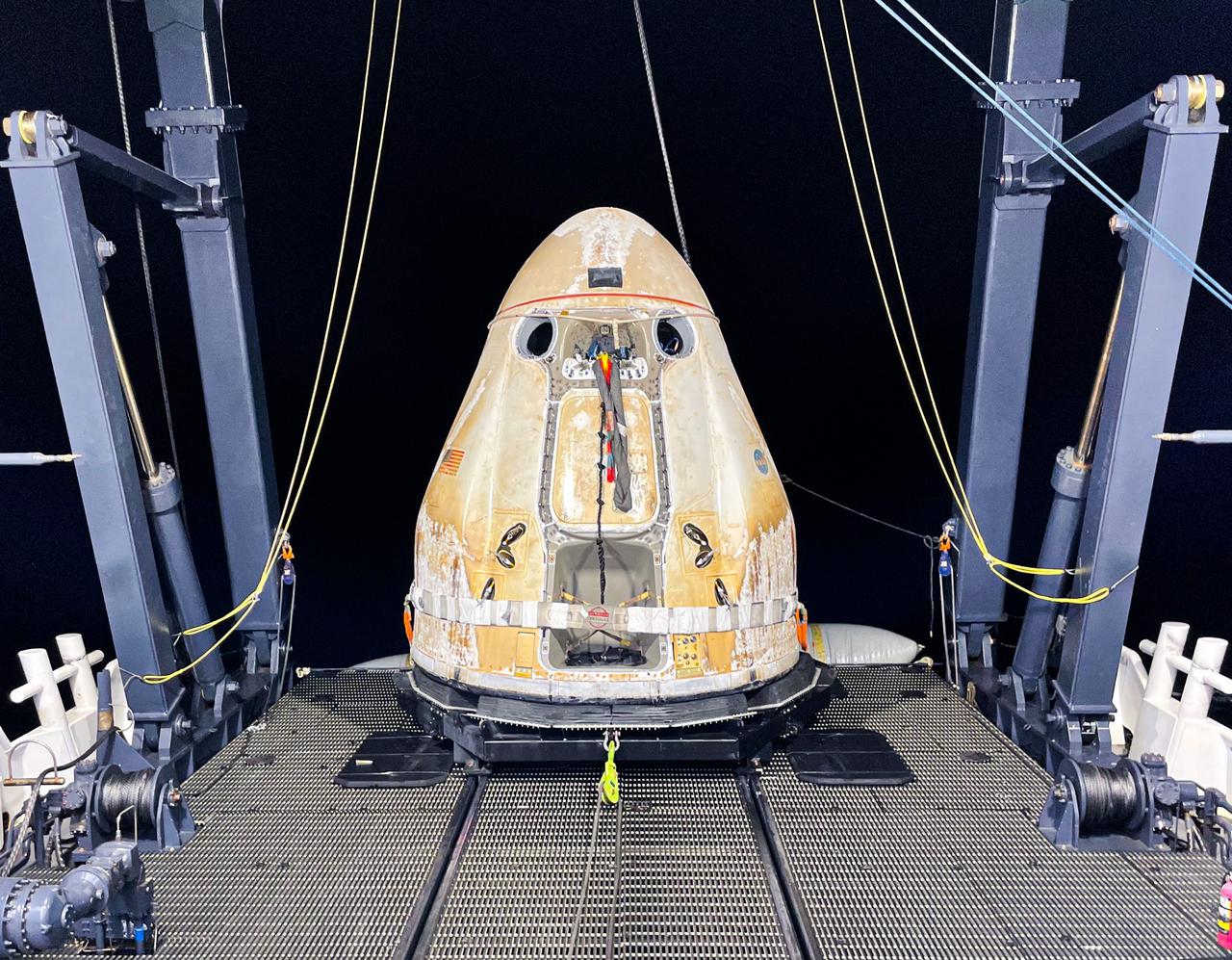
After its successful parachute-assisted splashdown off the coast of Tallahassee, Florida, at 11:29 p.m. EST on July 9, 2021, the cargo Dragon spacecraft was loaded aboard SpaceX’s Go Navigator recovery ship. The SpaceX cargo Dragon returned more than 5,300 pounds of scientific experiments and other cargo from the International Space Station on SpaceX’s 22nd commercial resupply services mission. Splashing down off the coast of Florida enables quick transportation of the science aboard the capsule to NASA Kennedy Space Center’s Space Station Processing Facility, delivering some science back into the hands of the researchers as soon as four to nine hours after splashdown. This shorter transportation timeframe allows researchers to collect data with minimal loss of microgravity effects.
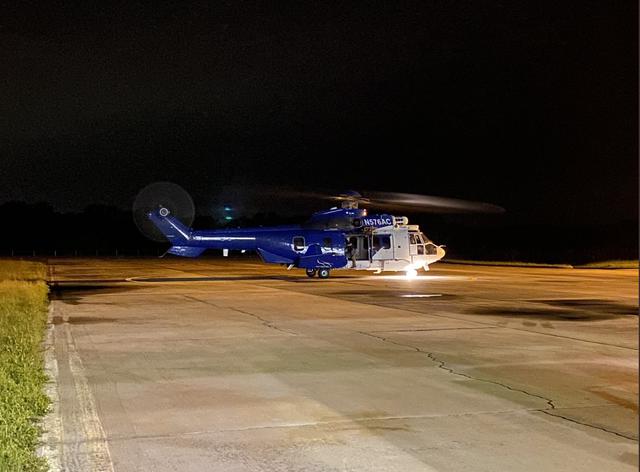
An Airbus H225 helicopter with cargo from SpaceX’s 22nd commercial resupply services mission lands during the early morning on July 10, 2021, at the Launch and Landing Facility at NASA’s Kennedy Space Center in Florida. From there, contractor Jacobs transported the cargo to the center’s Space Station Processing Facility (SSPF). After its successful parachute-assisted splashdown off the coast of Tallahassee, Florida, at 11:29 p.m. EST on Friday, July 9, the SpaceX cargo Dragon returned more than 5,300 pounds of scientific experiments and other cargo from the International Space Station. Splashing down off the coast of Florida enables quick transportation of the science aboard the capsule to the SSPF, delivering some science back into the hands of the researchers as soon as four to nine hours after splashdown. This shorter transportation timeframe allows researchers to collect data with minimal loss of microgravity effects.
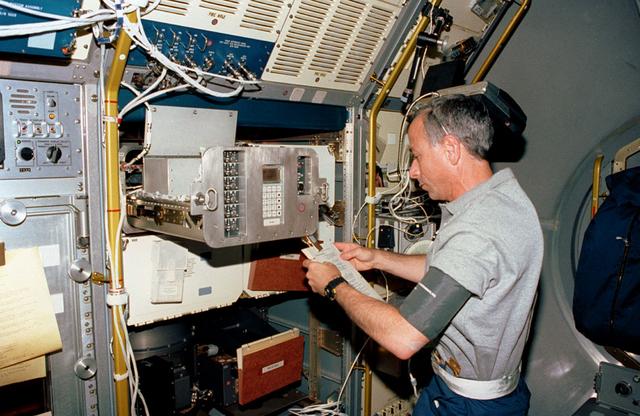
The first United States Microgravity Laboratory (USML-1) was one of NASA's science and technology programs and provided scientists an opportunity to research various scientific investigations in a weightless environment inside the Spacelab module. It also provided demonstrations of new equipment to help prepare for advanced microgravity research and processing aboard the Space Station. The USML-1 flew in orbit for extended periods, providing greater opportunities for research in materials science, fluid dynamics, biotechnology, and combustion science. In this photograph, astronaut Carl Meade is reviewing the manual to activate the Generic Bioprocessing Apparatus (GBA) inside the Spacelab module. The GBA for the USML-1 mission was a multipurpose facility that could help us answer important questions about the relationship between gravity and biology. This unique facility allowed scientists to study biological processes in samples ranging from molecules to small organisms. For example, scientists would examine how collagen, a protein substance found in cornective tissue, bones, and cartilage, forms fibers. In microgravity, it might be possible to alter collagen fiber assembly so that this material could be used more effectively as artificial skin, blood vessels, and other parts of the body. The USML-1 was managed by the Marshall Space Flight Center and waslaunched aboard the Space Shuttle Orbiter Columbia (STS-50) on June 25, 1992.