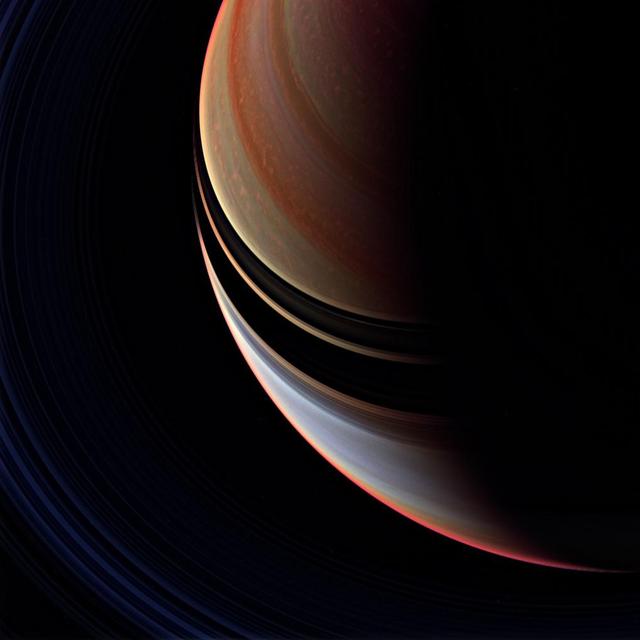
Candy Stripes
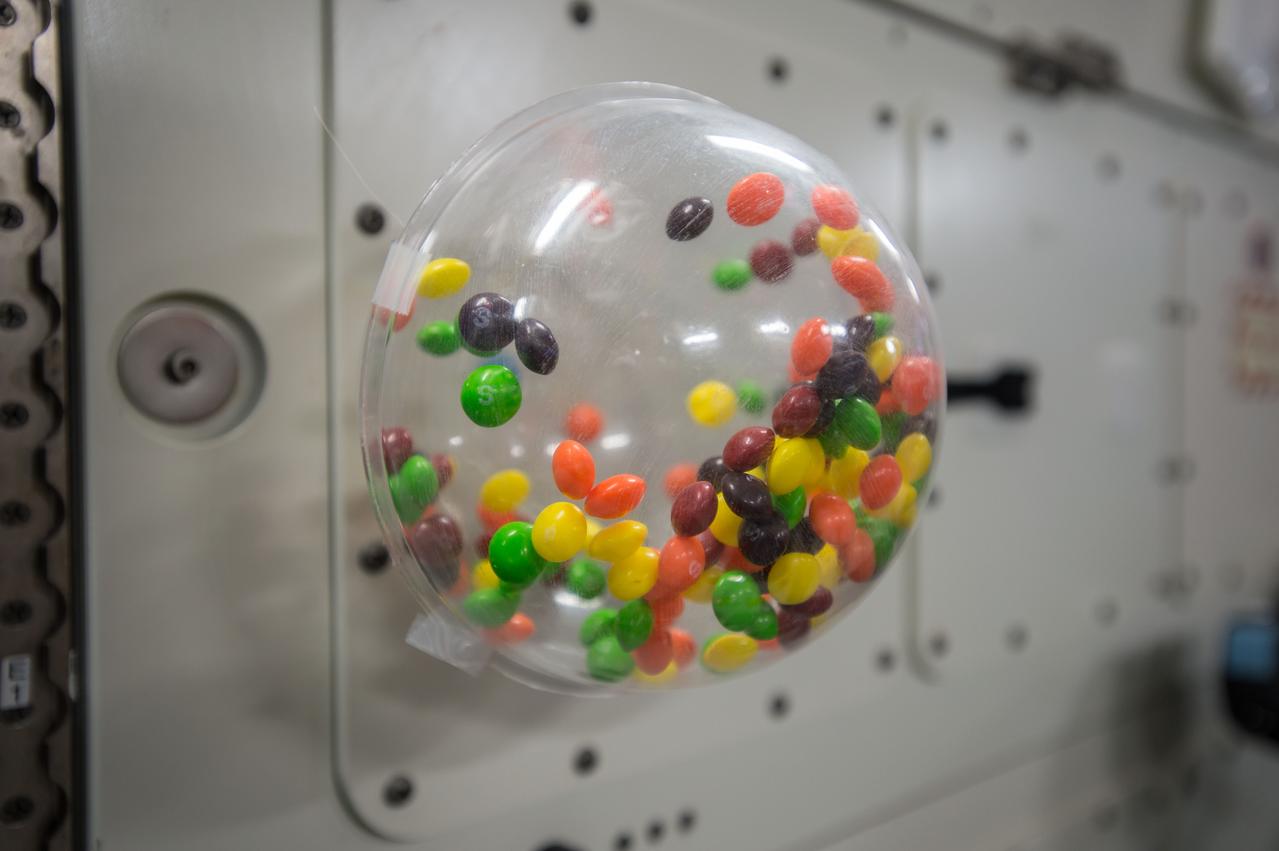
ISS044E087203 (09/04/2015) --- A clear container of candy floats in the microgravity environment of the International Space Station. Makes a handy snack stop for the Expedition 45 crew.

ISS025-E-007580 (17 Oct. 2010) --- NASA astronaut Scott Kelly, Expedition 25 flight engineer, is pictured with a bag of candy floating freely in the Unity node of the International Space Station.
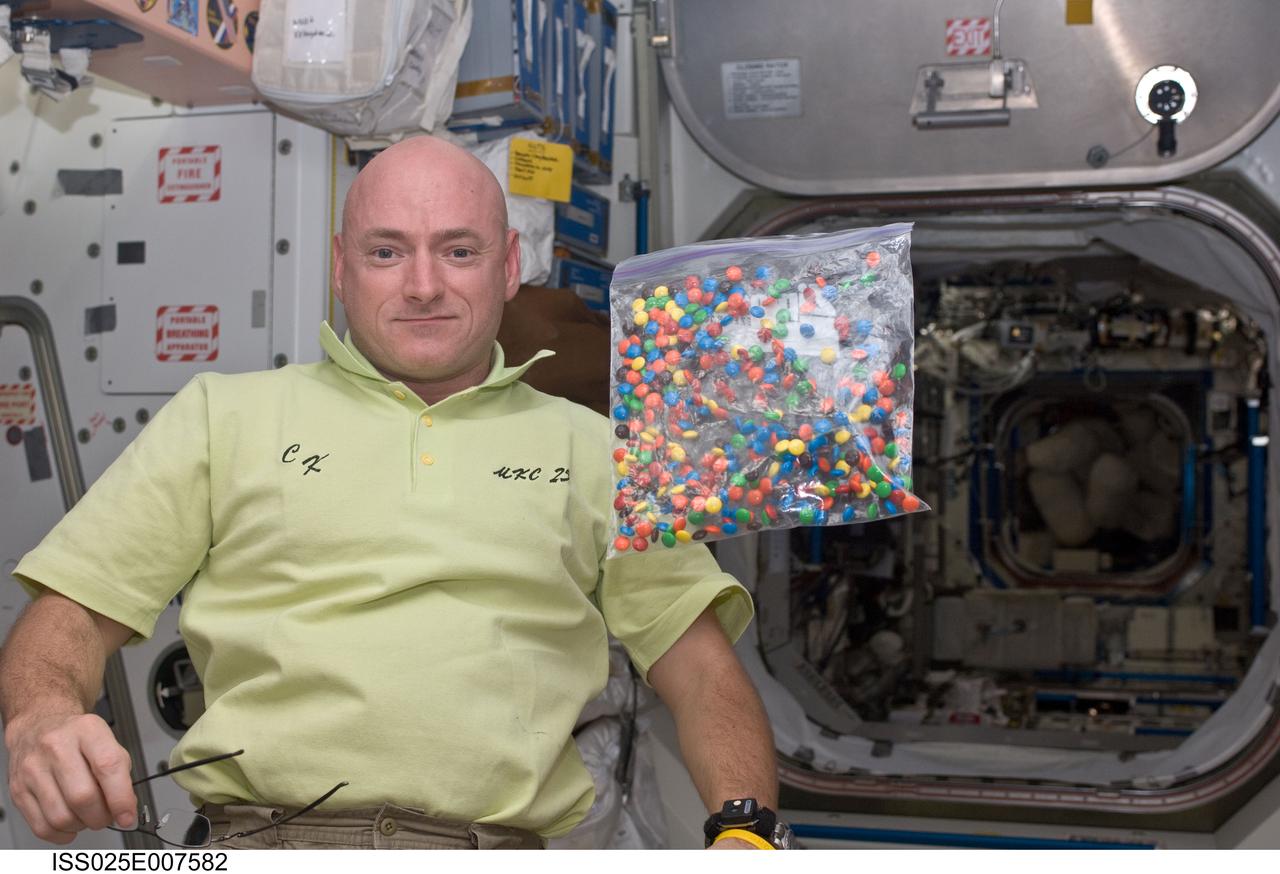
ISS025-E-007582 (17 Oct. 2010) --- NASA astronaut Scott Kelly, Expedition 25 flight engineer, is pictured with a bag of candy floating freely in the Unity node of the International Space Station.
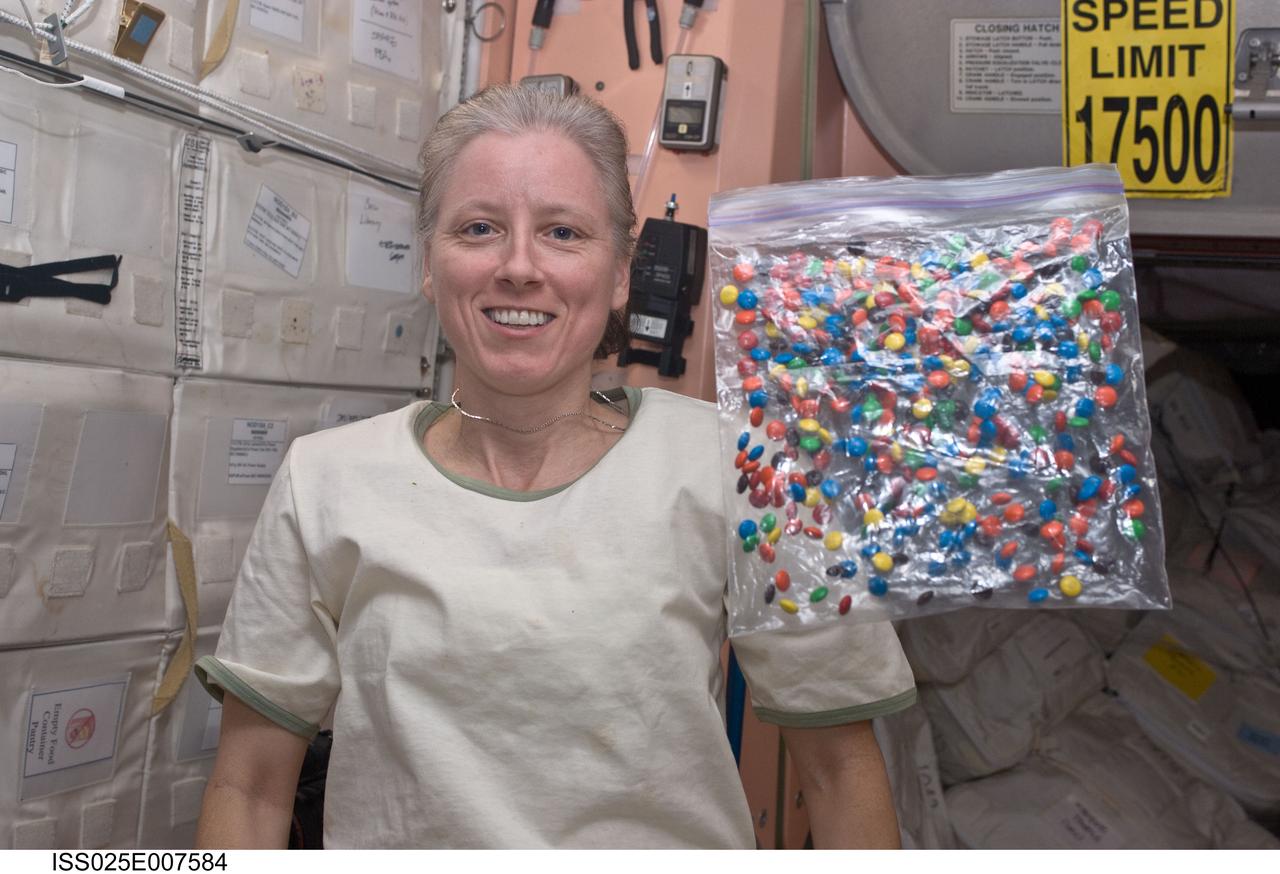
ISS025-E-007584 (17 Oct. 2010) --- NASA astronaut Shannon Walker, Expedition 25 flight engineer, is pictured with a bag of candy floating freely in the Unity node of the International Space Station.
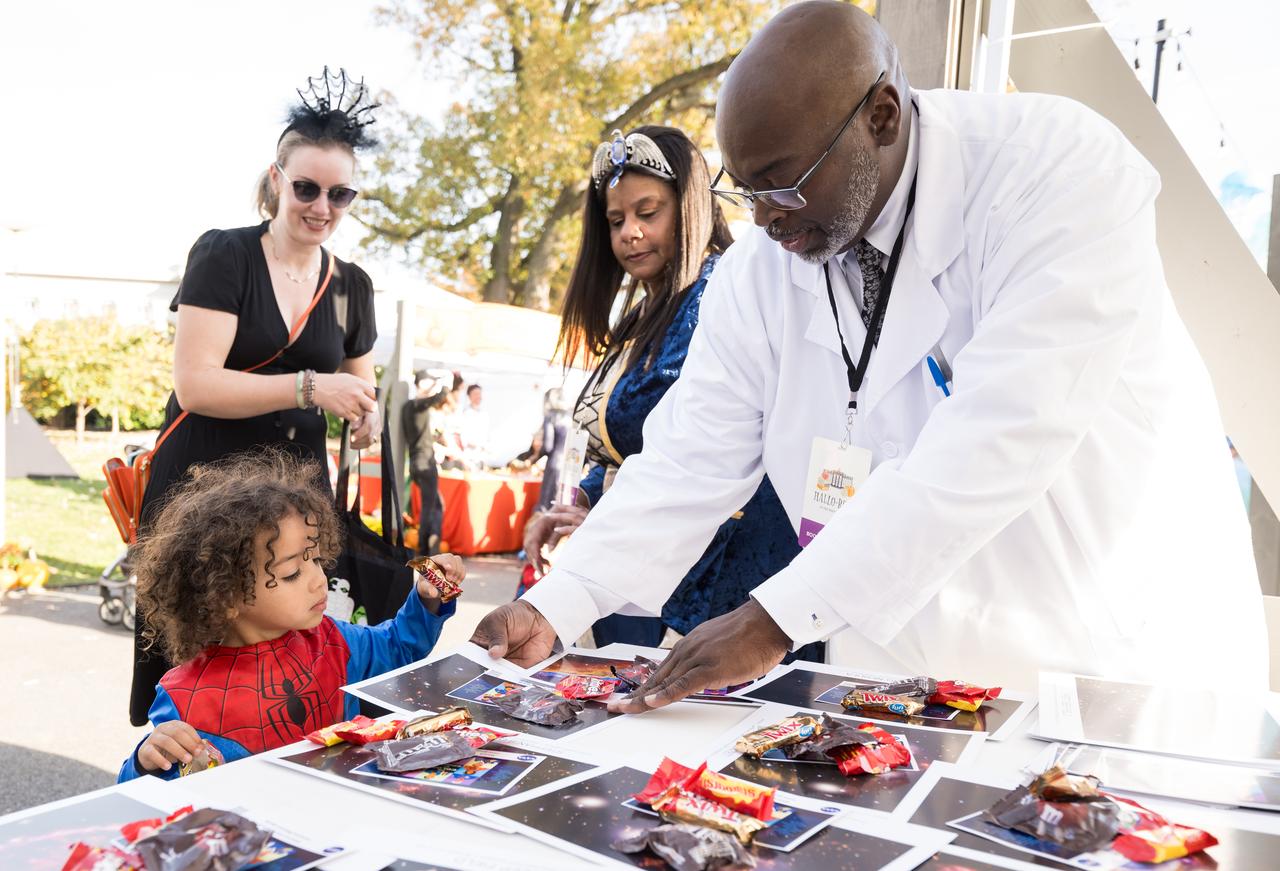
NASA staff hand out candy at a White House Halloween themed event titled, “Hallo-READ!” on Wednesday, Oct. 30, 2024 on the south lawn of the White House in Washington. Photo Credit: (NASA/Aubrey Gemignani)

NASA staff hand out candy at a White House Halloween themed event titled, “Hallo-READ!” on Wednesday, Oct. 30, 2024 on the south lawn of the White House in Washington. Photo Credit: (NASA/Aubrey Gemignani)
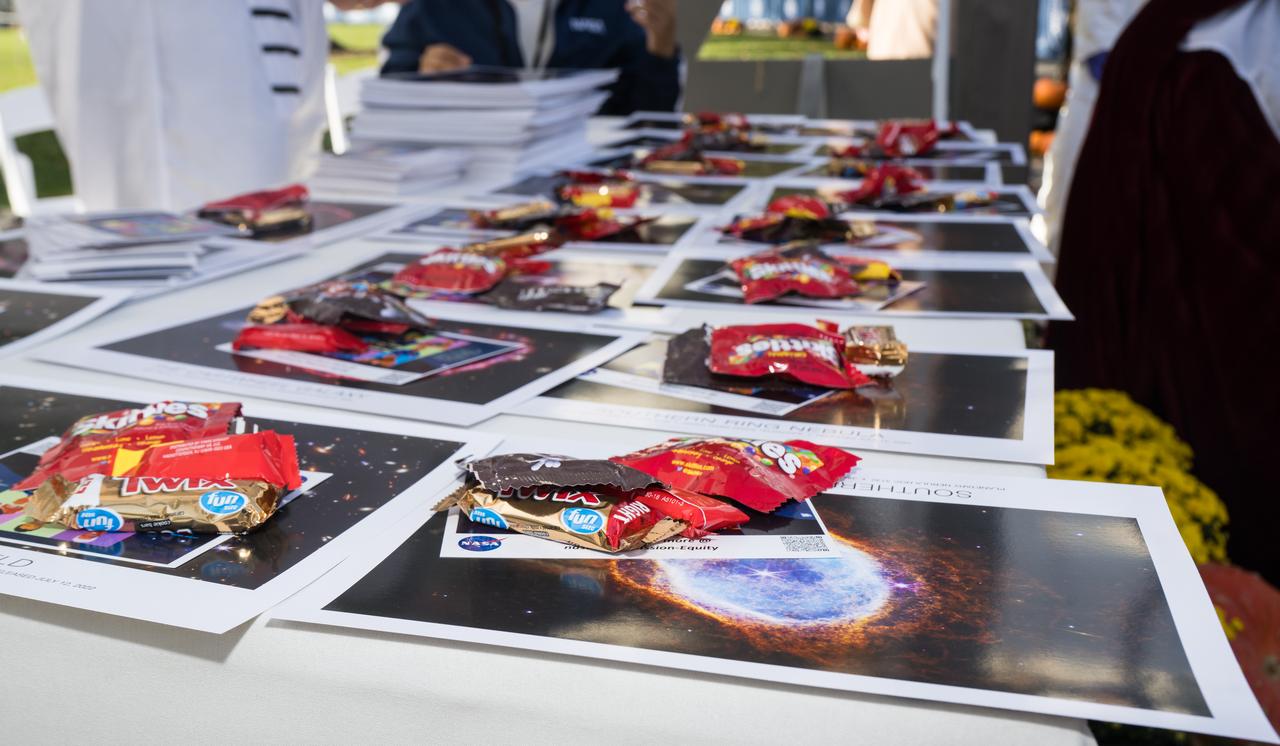
NASA handouts and candy is seen at a White House Halloween themed event titled, “Hallo-READ!” on Wednesday, Oct. 30, 2024 on the south lawn of the White House in Washington. Photo Credit: (NASA/Aubrey Gemignani)
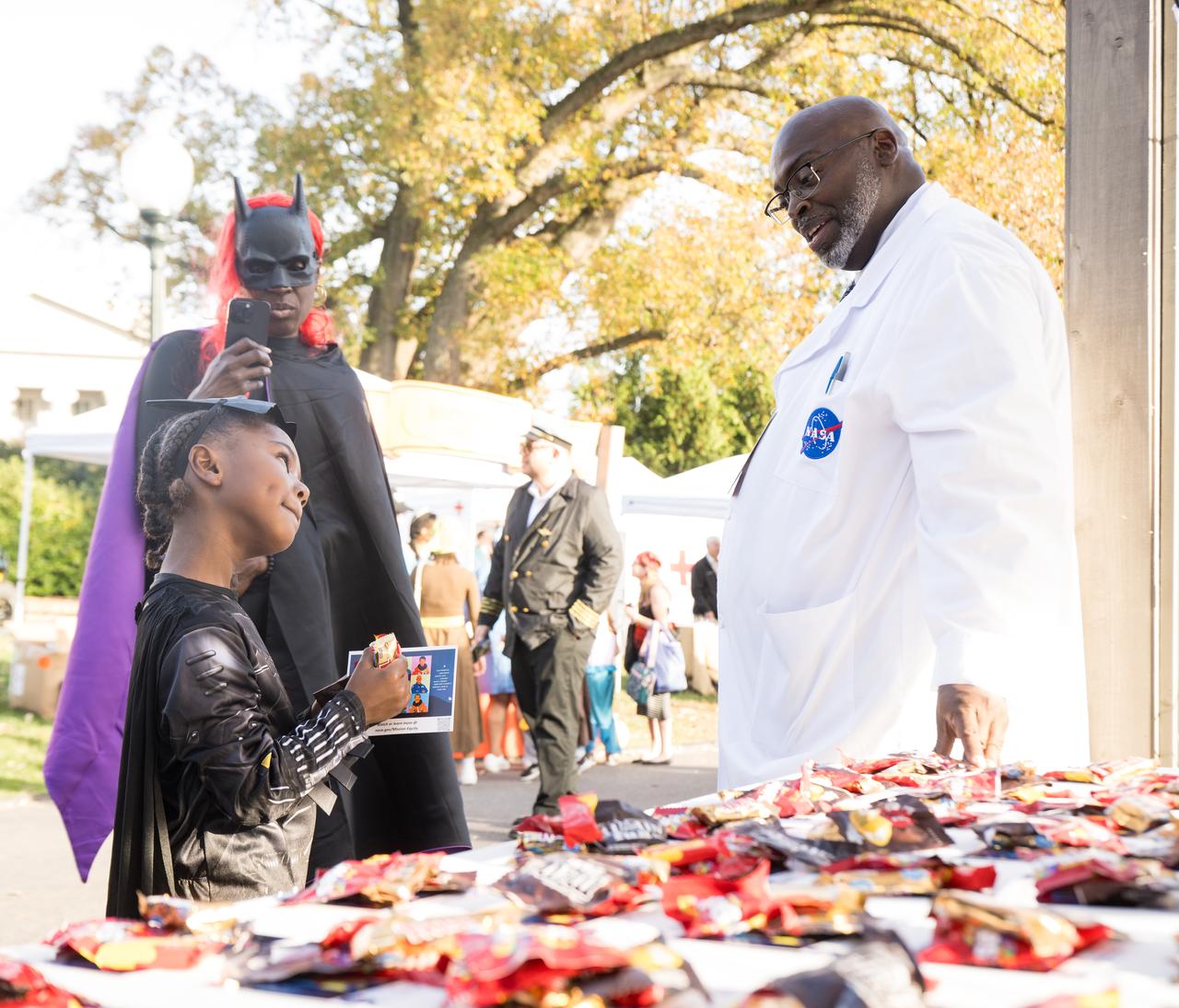
NASA staff hand out candy at a White House Halloween themed event titled, “Hallo-READ!” on Wednesday, Oct. 30, 2024 on the south lawn of the White House in Washington. Photo Credit: (NASA/Aubrey Gemignani)

NASA staff hand out candy at a White House Halloween themed event titled, “Hallo-READ!” on Wednesday, Oct. 30, 2024 on the south lawn of the White House in Washington. Photo Credit: (NASA/Aubrey Gemignani)
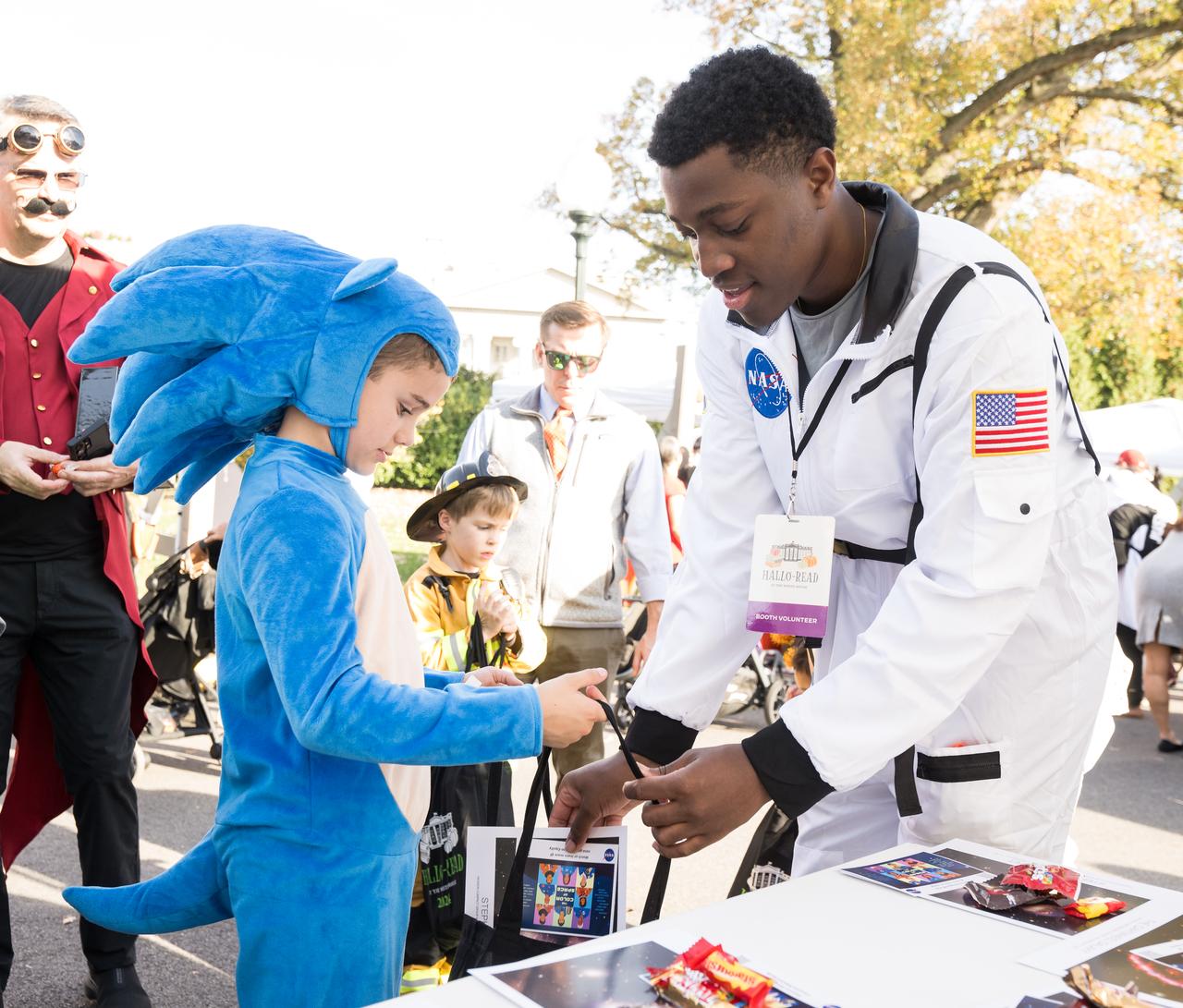
NASA staff hand out candy at a White House Halloween themed event titled, “Hallo-READ!” on Wednesday, Oct. 30, 2024 on the south lawn of the White House in Washington. Photo Credit: (NASA/Aubrey Gemignani)
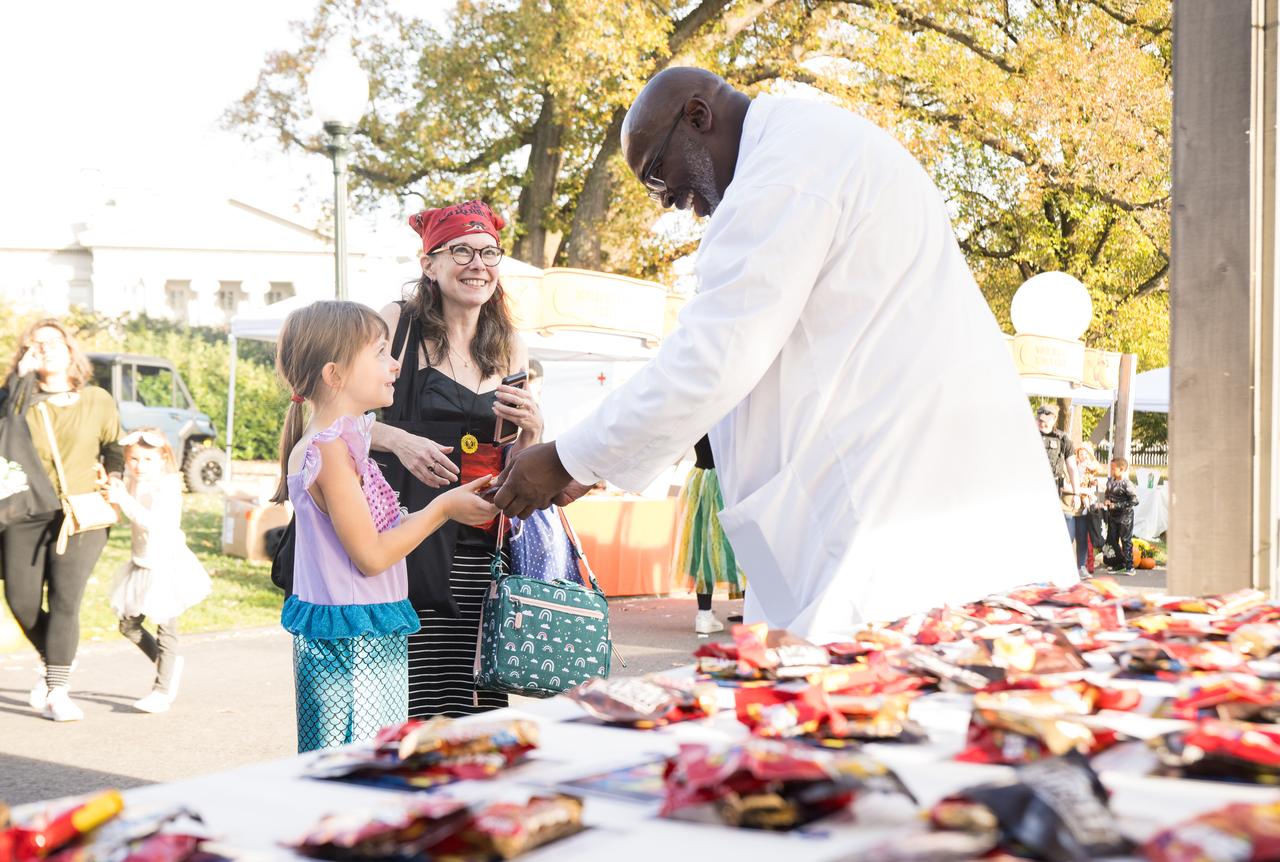
NASA staff hand out candy at a White House Halloween themed event titled, “Hallo-READ!” on Wednesday, Oct. 30, 2024 on the south lawn of the White House in Washington. Photo Credit: (NASA/Aubrey Gemignani)
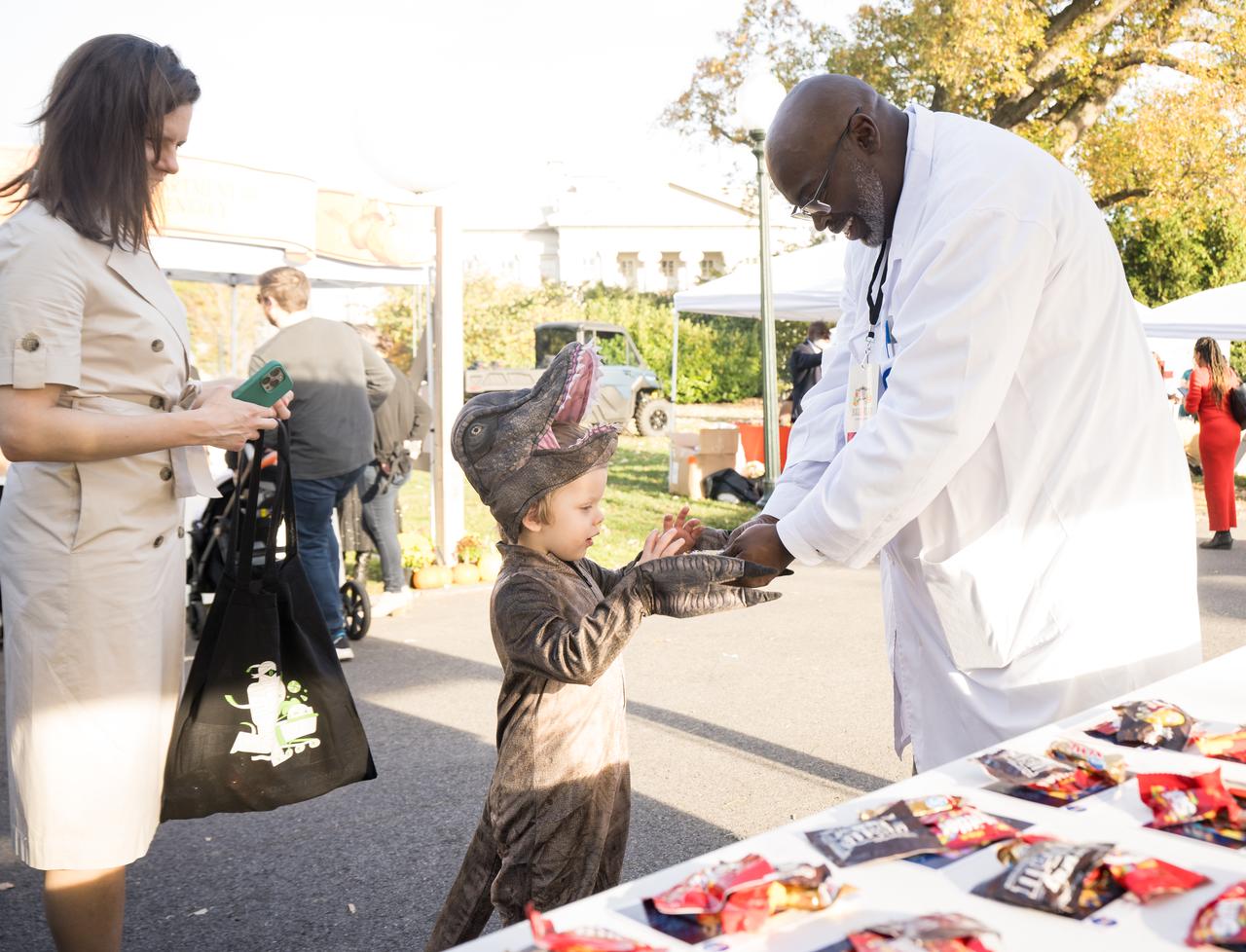
NASA staff hand out candy at a White House Halloween themed event titled, “Hallo-READ!” on Wednesday, Oct. 30, 2024 on the south lawn of the White House in Washington. Photo Credit: (NASA/Aubrey Gemignani)
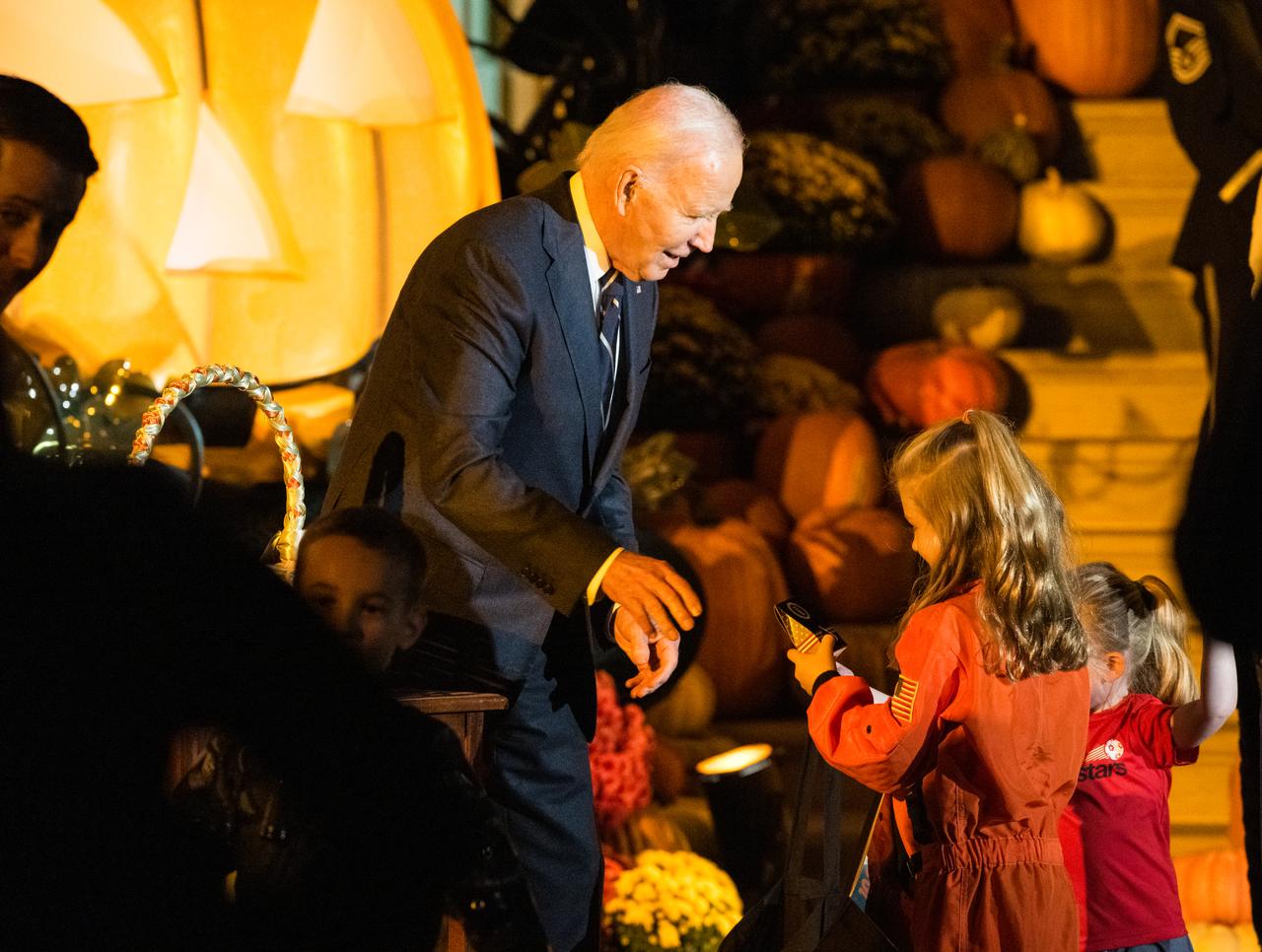
U.S. President Joe Biden hands out candy at a White House Halloween themed event titled, “Hallo-READ!” on Wednesday, Oct. 30, 2024 on the south lawn of the White House in Washington. Photo Credit: (NASA/Aubrey Gemignani)
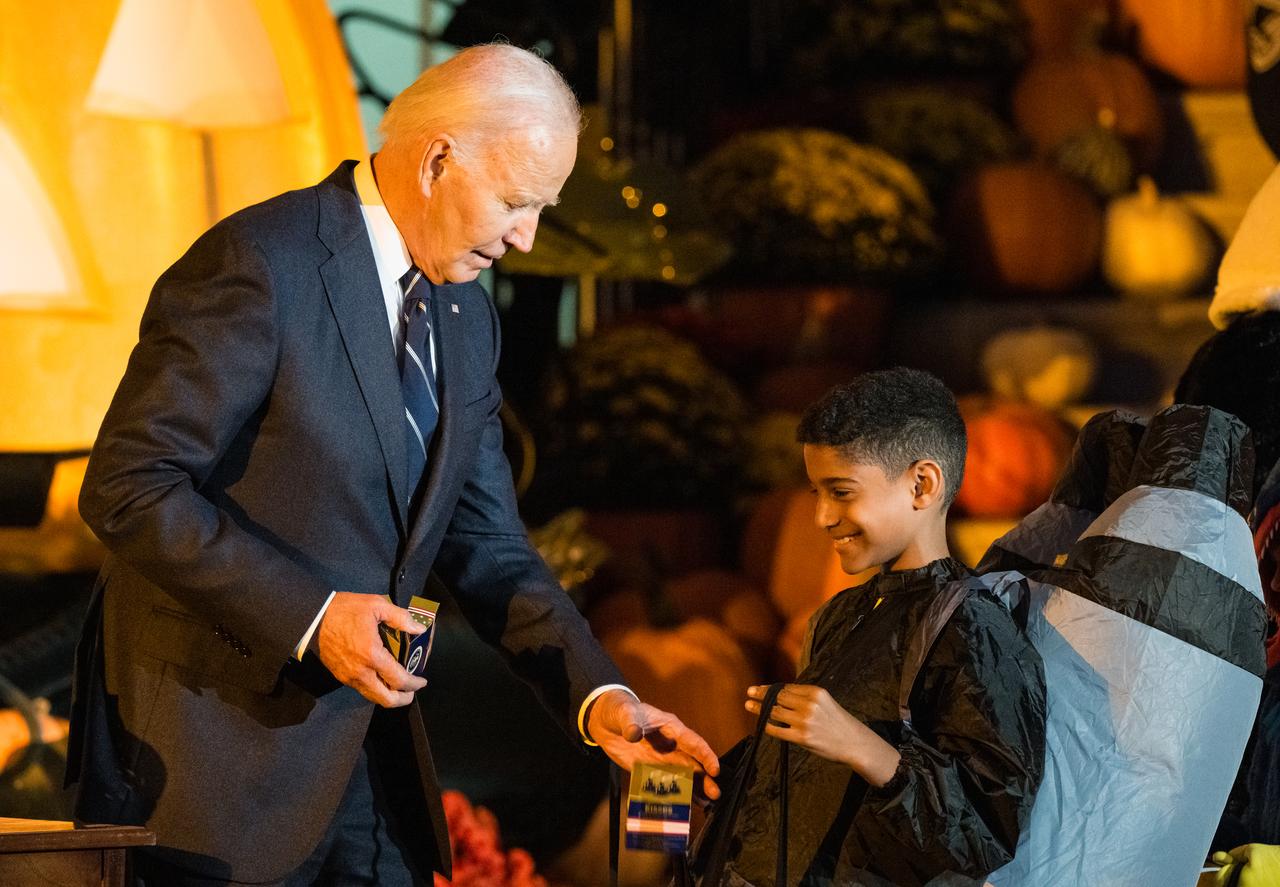
President Joe Biden hands out candy to a visitor dressed as a rocket at a White House Halloween themed event titled, “Hallo-READ!” on Wednesday, Oct. 30, 2024 on the south lawn of the White House in Washington. Photo Credit: (NASA/Aubrey Gemignani)
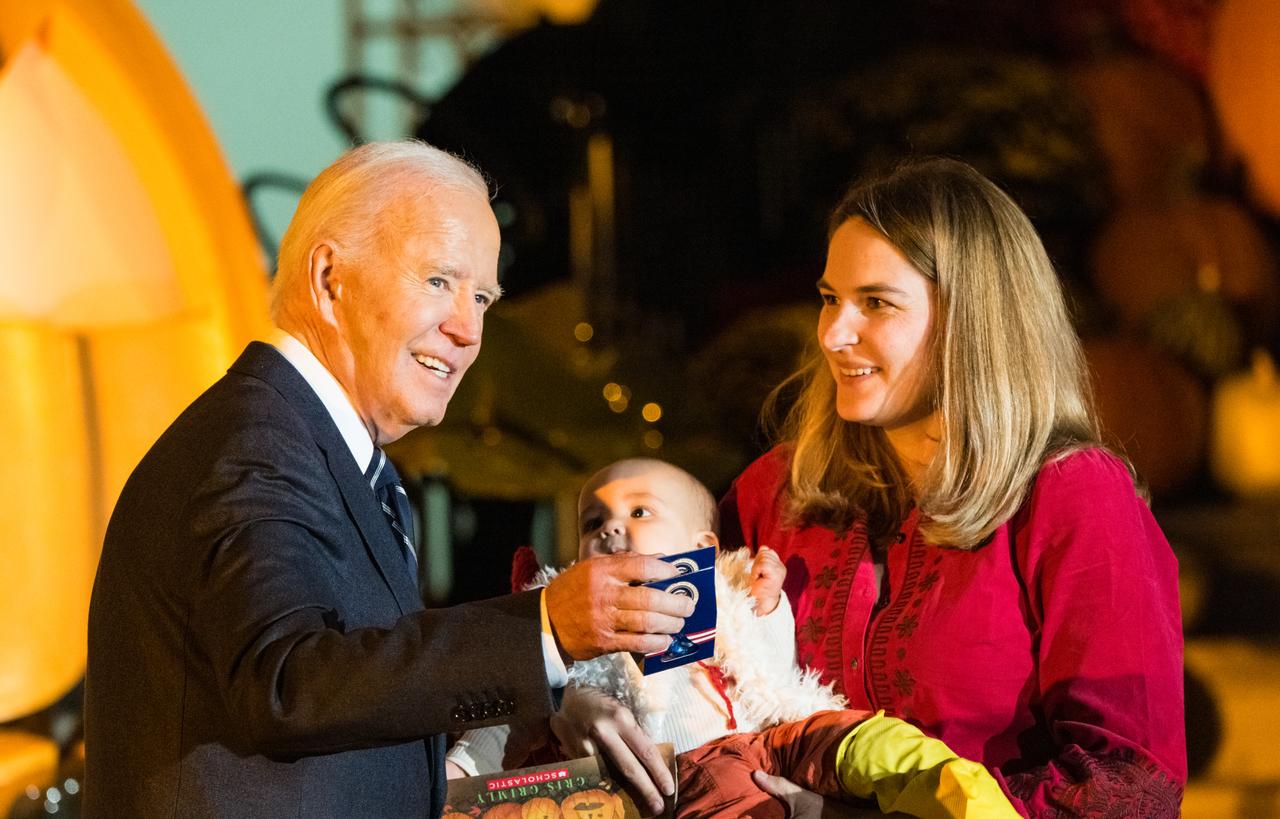
U.S. President Joe Biden hands out candy at a White House Halloween themed event titled, “Hallo-READ!” on Wednesday, Oct. 30, 2024 on the south lawn of the White House in Washington. Photo Credit: (NASA/Aubrey Gemignani)
U.S. President Joe Biden and First Lady Jill Biden dressed in a panda costume, hand out candy at a White House Halloween themed event titled, “Hallo-READ!” on Wednesday, Oct. 30, 2024 on the south lawn of the White House in Washington. Photo Credit: (NASA/Aubrey Gemignani)
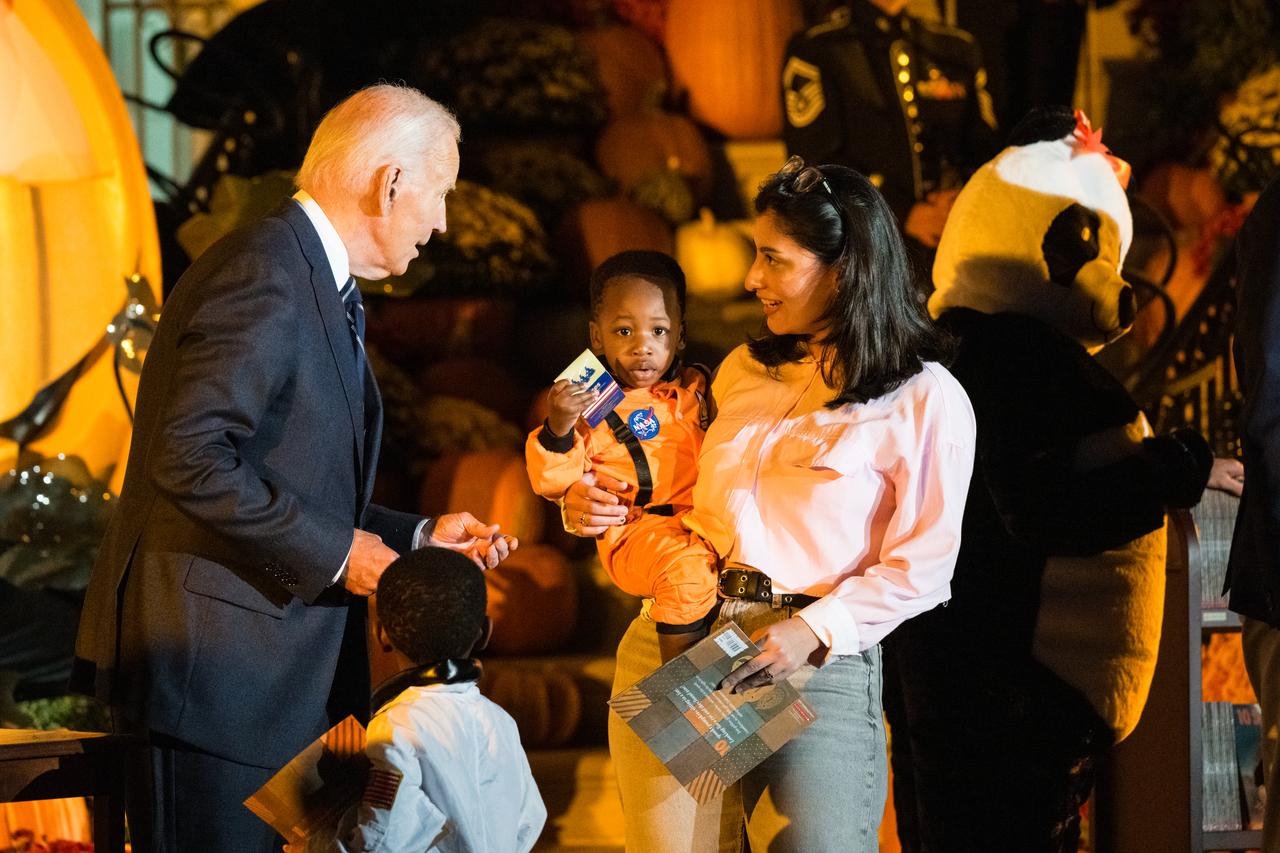
U.S. President Joe Biden and First Lady Jill Biden dressed in a panda costume, hand out candy at a White House Halloween themed event titled, “Hallo-READ!” on Wednesday, Oct. 30, 2024 on the south lawn of the White House in Washington. Photo Credit: (NASA/Aubrey Gemignani)
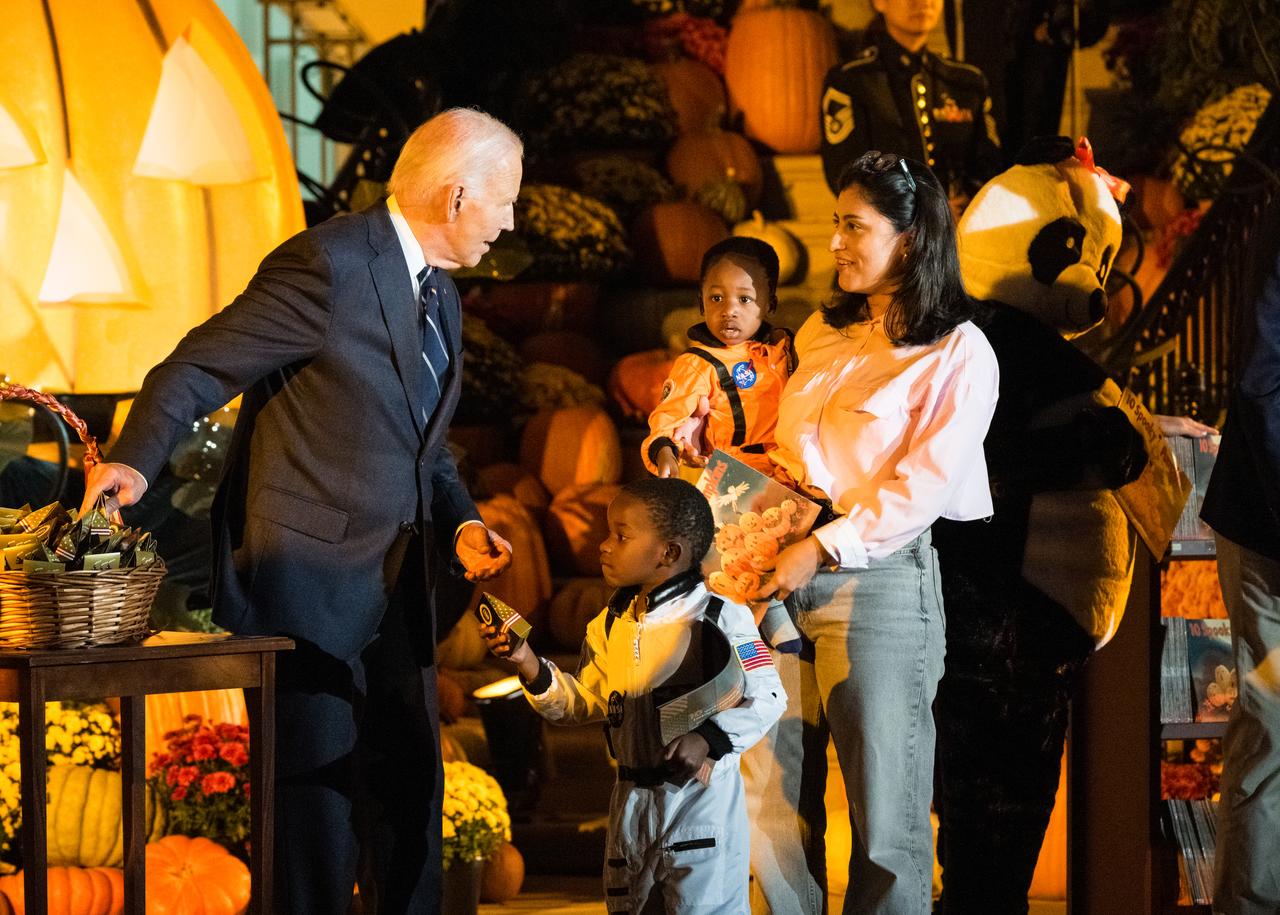
U.S. President Joe Biden and First Lady Jill Biden dressed in a panda costume, hand out candy at a White House Halloween themed event titled, “Hallo-READ!” on Wednesday, Oct. 30, 2024 on the south lawn of the White House in Washington. Photo Credit: (NASA/Aubrey Gemignani)
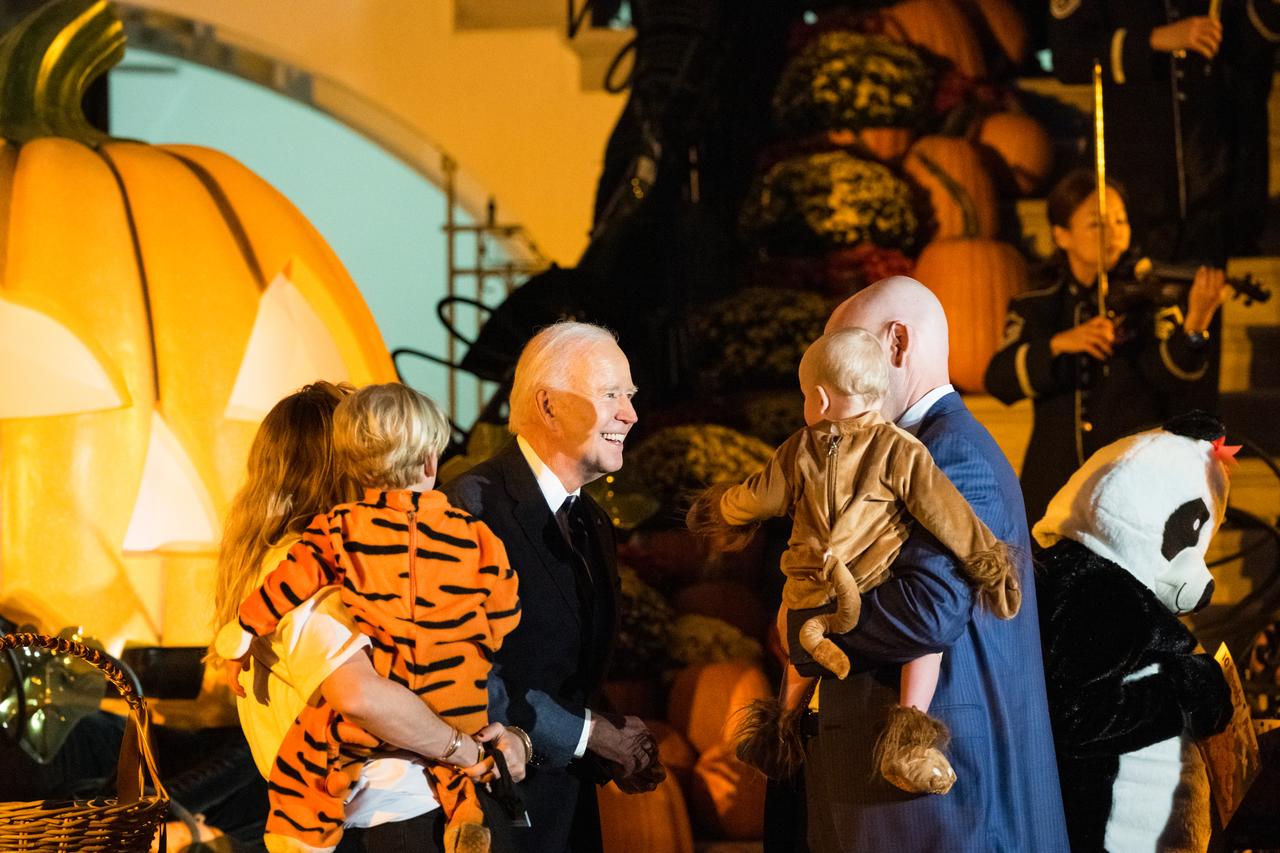
U.S. President Joe Biden and First Lady Jill Biden dressed in a panda costume, hand out candy at a White House Halloween themed event titled, “Hallo-READ!” on Wednesday, Oct. 30, 2024 on the south lawn of the White House in Washington. Photo Credit: (NASA/Aubrey Gemignani)
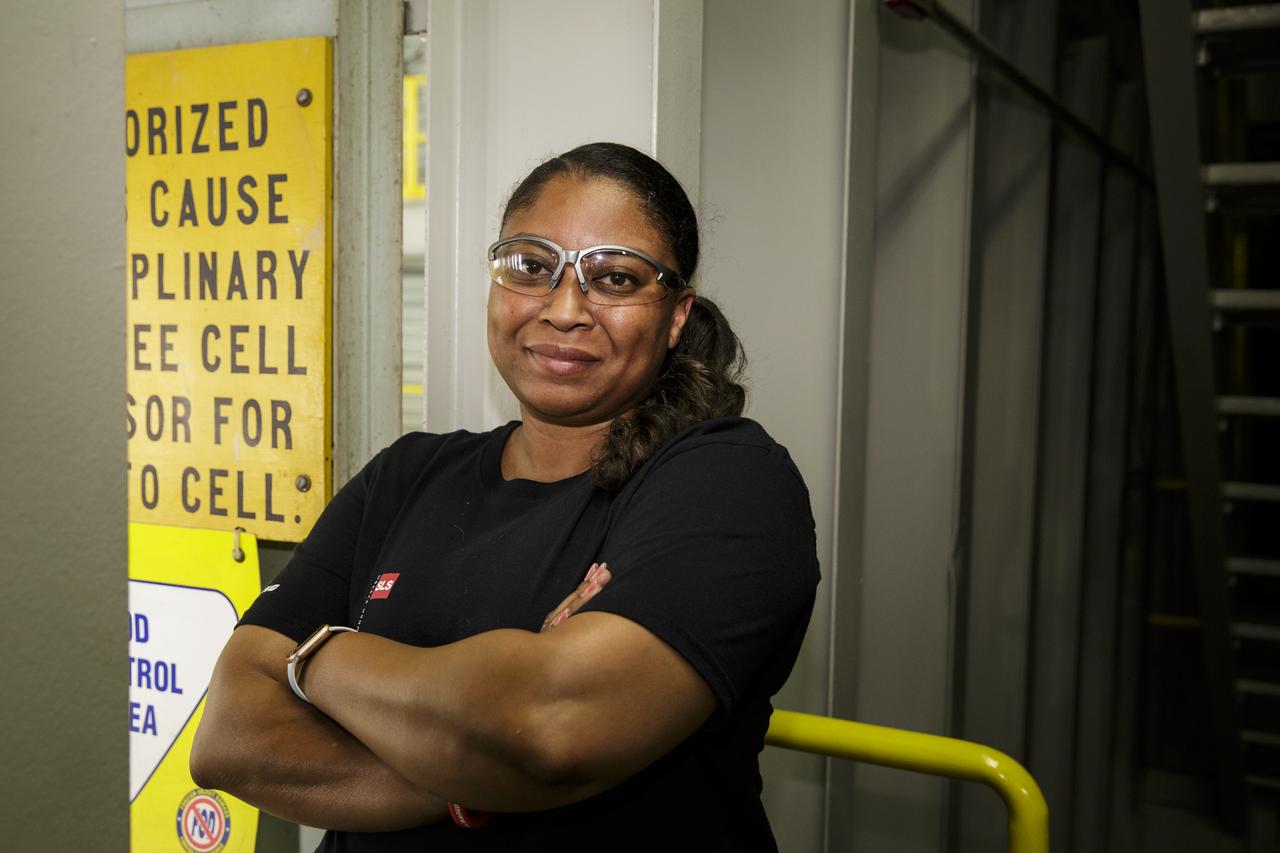
"On my first day, I felt like I did not belong. I felt like I was unqualified. That’s the thing: the people around here, I don’t know if it’s just the culture or the area where we are, but these people around here, they just encourage you: 'You can do it!' and 'Let me show you this, there’s nothing to it!' I mean, really, they forced me out of my element, even into where I am right now. I belong now. I definitely belong now. I don’t feel out of place. I feel like I have a better handle on things compared to when I was younger and easily intimidated. I feel like I belong now. "My goal right now is to find a need and fill it. That’s my thing. And that’s all through life. Any job, any position. That’s the goal. Find the need. Find what you’re good at. And you fill that need." Candis Hills, Facilities and Asset Management, Boeing, Friday, June 28, 2019 at Michoud Assembly Facility, New Orleans, LA. Photo Credit: (NASA/Aubrey Gemignani)
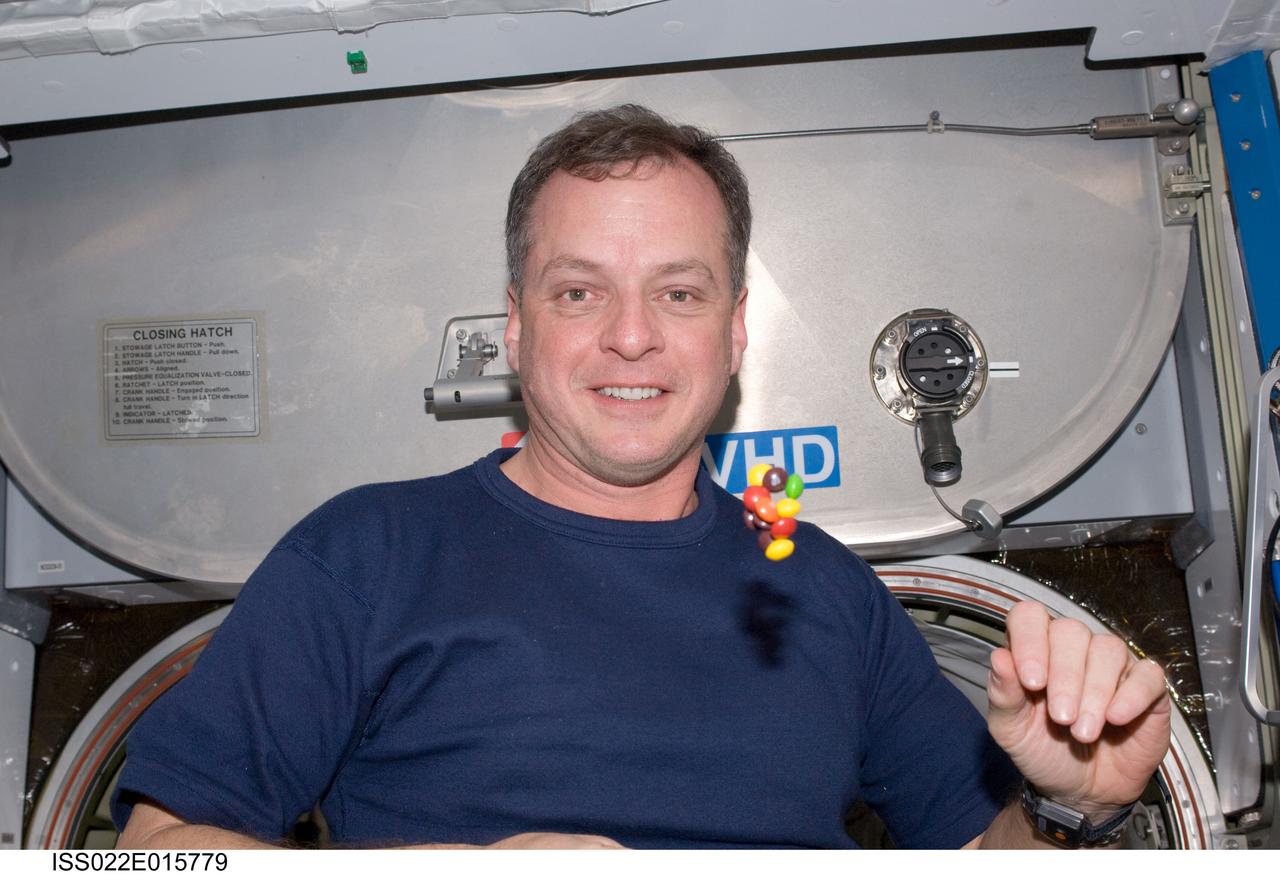
ISS022-E-015779 (25 Dec. 2009) --- NASA astronaut T.J. Creamer, Expedition 22 flight engineer, is pictured near candy floating freely in the Harmony node of the International Space Station.
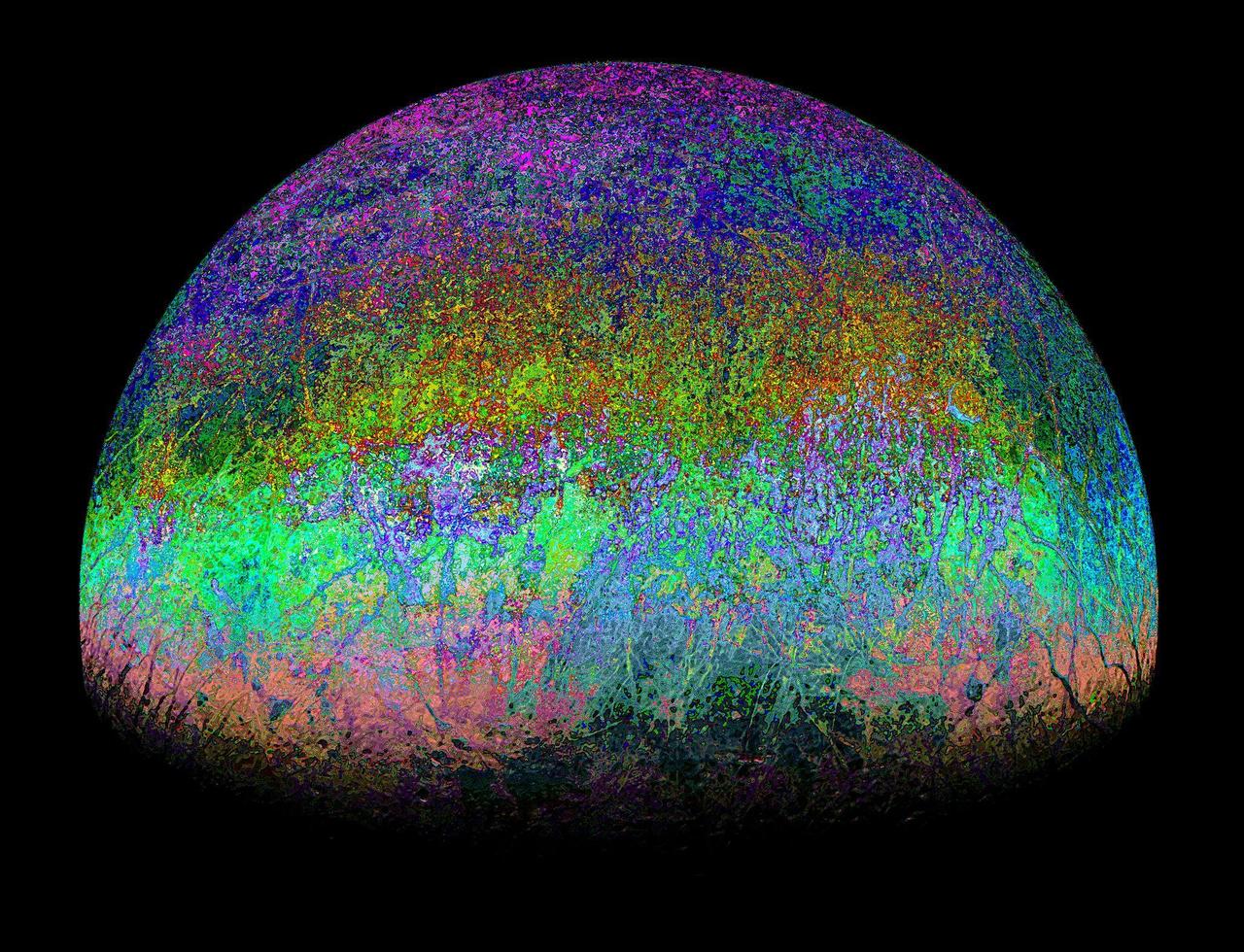
This highly stylized view of Jupiter's icy moon Europa is based on an image captured by JunoCam, the public engagement camera aboard NASA's Juno spacecraft, during the mission's close flyby on Sept. 29, 2022. Citizen scientist Fernando Garcia Navarro created the image by processing a JunoCam previously worked on by fellow citizen scientist Kevin M. Gill. Navarro calls his rendering "Fall Colors of Europa." In processing raw images taken by JunoCam, members of the public create deep-space portraits of the Jovian moon that aren't only awe-inspiring but also worthy of further scientific scrutiny. Juno citizen scientists have played an invaluable role in processing the numerous JunoCam images obtained during science operations at Jupiter. https://photojournal.jpl.nasa.gov/catalog/PIA25335

S122-E-011215 (18 Feb. 2008) --- Astronaut Daniel Tani, STS-122 mission specialist, holds a bag of candy while watching several pieces floating freely on the middeck of Space Shuttle Atlantis during flight day 12 activities.
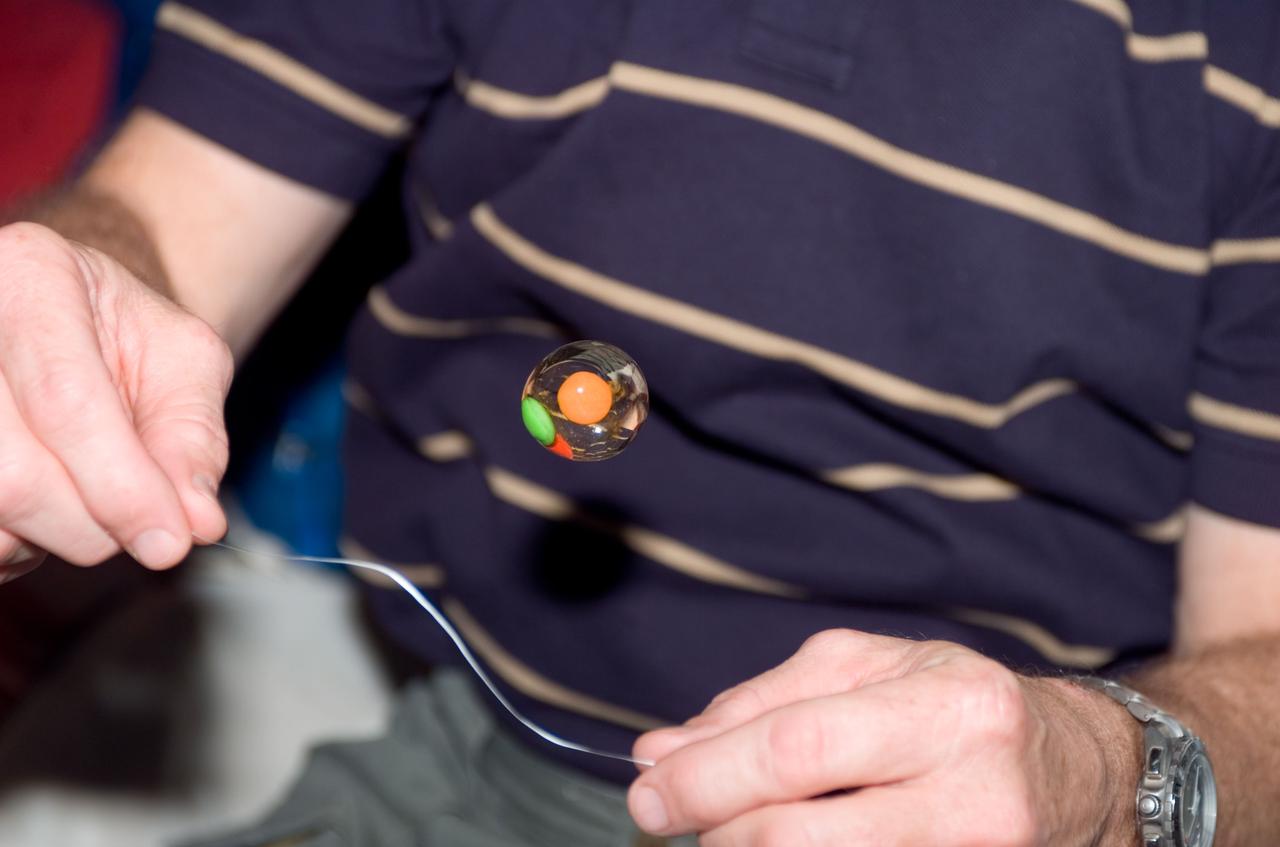
S123-E-006145 (14 March 2008) --- A water bubble with candy trapped inside floats freely on the middeck of Space Shuttle Endeavour while docked with the International Space Station. Astronaut Dominic Gorie (partially out of frame), STS-123 commander, holds a string near the bubble.
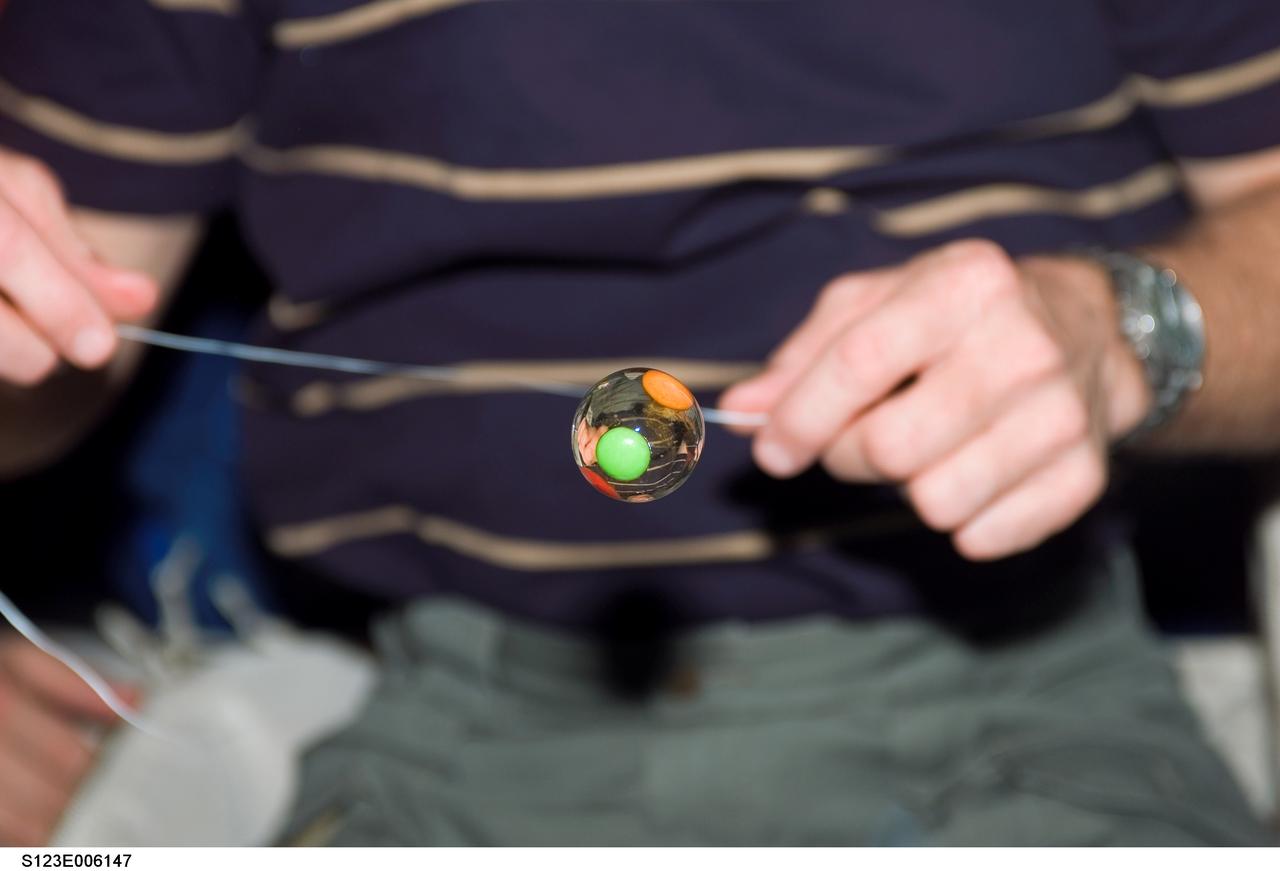
S123-E-006147 (14 March 2008) --- A water bubble with candy trapped inside floats freely on the middeck of Space Shuttle Endeavour while docked with the International Space Station. Astronaut Dominic Gorie (partially out of frame), STS-123 commander, holds a string near the bubble.
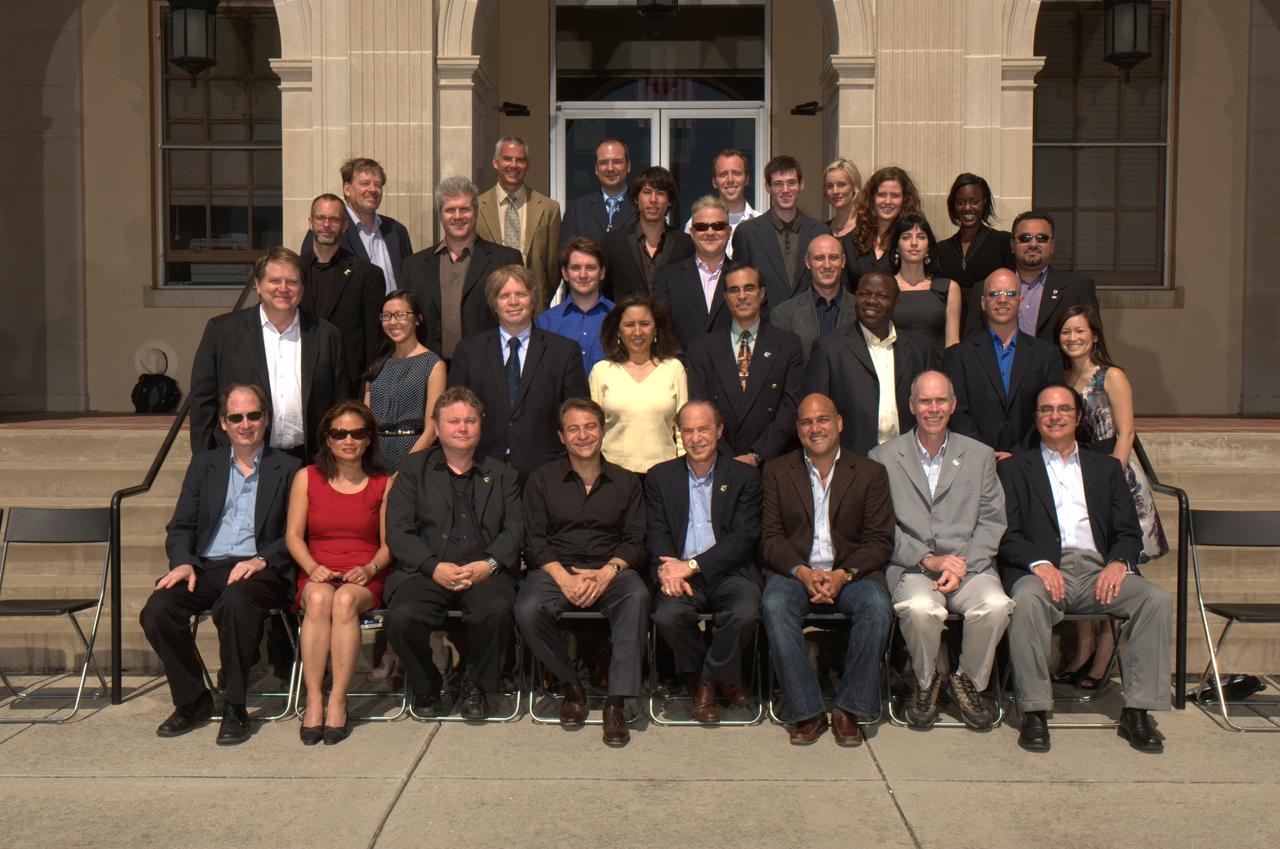
Singularity University Staff; Tasha McCauley, Manuel Zaera-Sanz, David Ayotte, Jose Cordeiro, Sarah Russell, Candi Sterling, Marco Chacin, Ola Abraham, Jonathan Badal, Eric Dahlstrom, Susan Fonseca-Klein, Emeline Paat-Dahlstrom, Keith Powers, Bruce Klein, Tracy Nguyen, Kelly Lewis, Ken Hurst, Paul Sieveke, Kathryn Myronuk, Andy Barry.
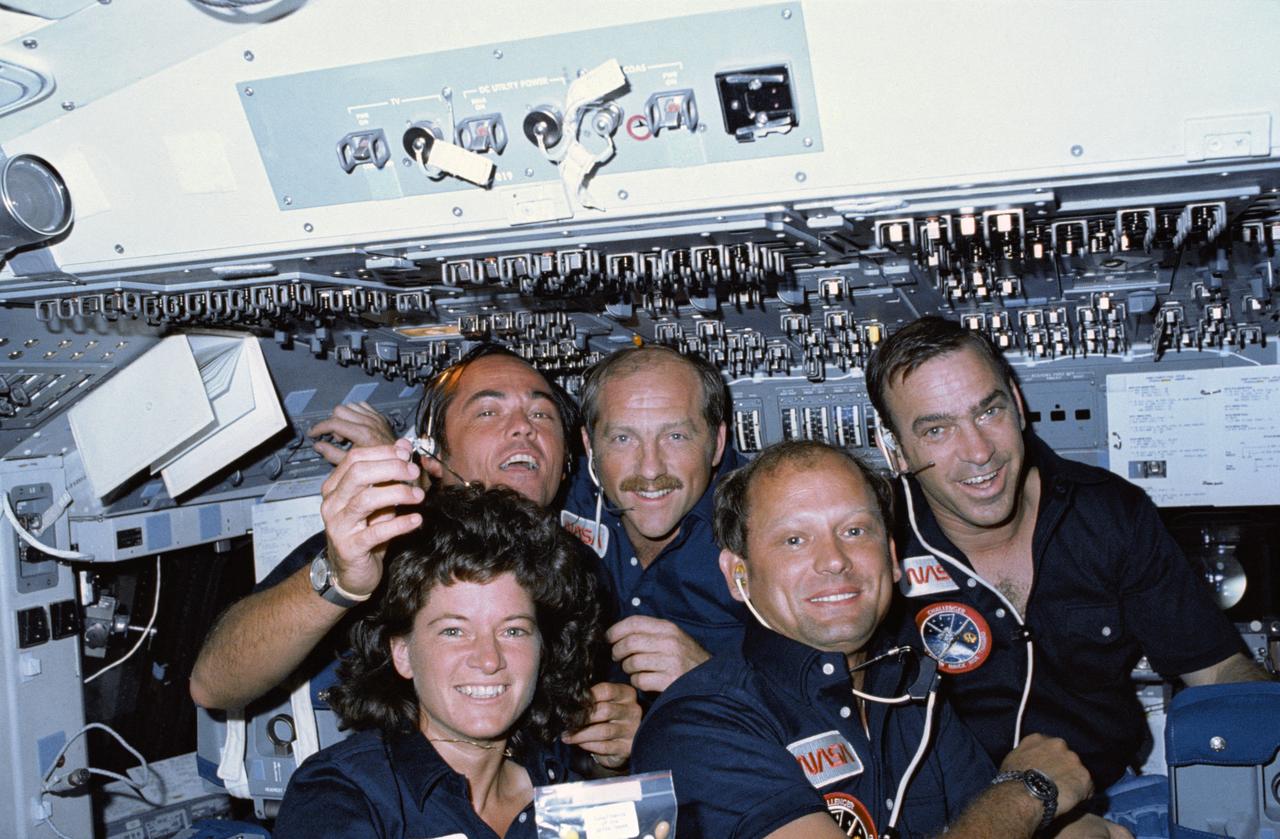
S83-35774 / STS007-30-1574 (21 June 1983) --- The five "passengers" onboard the Earth-orbiting Space Shuttle Challenger display some jelly beans discovered among their food supplies during their six-day mission. The label on the candy reads, "Compliments of the White House." In the rear are (left to right) astronauts Robert L. Crippen, crew commander, Frederick H. Hauck, pilot; and John M. Fabian, mission specialist. In front are Drs. Sally K. Ride and Norman E. Thagard, mission specialists. The scene was exposed by a pre-set 35mm camera.
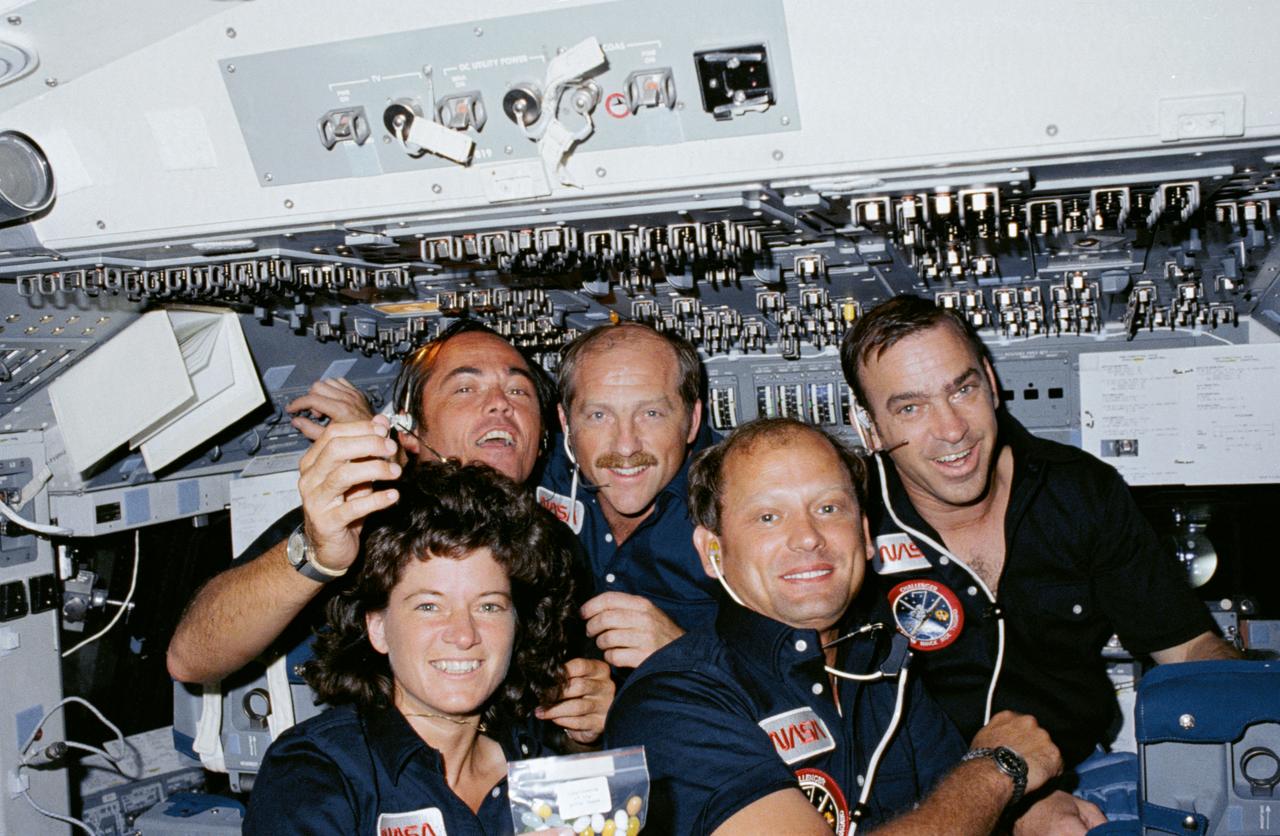
STS007-30-1574 / S83-35774 (21 June 1983) --- The five "passengers" onboard the Earth-orbiting Space Shuttle Challenger display some jelly beans discovered among their food supplies during their six-day mission. The label on the candy reads, "Compliments of the White House." In the rear are (left to right) astronauts Robert L. Crippen, crew commander, Frederick H. Hauck, pilot; and John M. Fabian, mission specialist. In front are Drs. Sally K. Ride and Norman E. Thagard, mission specialists. The scene was exposed by a pre-set 35mm camera.

Singularity University Founding Members,Faculty/TP Leads, TF's, GSP10 Directors Founders, Peter Diamandis, Ray Kurzweil. Faculty, Bob Richards, Dan Barry, Rob Freitas, Andrew Hessel, Jim Hurd, Neil Jacobstein, Raymond McCauley, Michael McCullough, Ralph Merkle, David Orban, David S. Rose, Chris Lewicki, David Dell,Robert A Freitas, Jr,. Staff, Tasha McCauley, Manuel Zaera-Sanz, David Ayotte, Jose Cordeiro, Sarah Russell, Candi Sterling, Marco Chacin, Ola Abraham, Jonathan Badal, Eric Dahlstrom, Susan Fonseca-Klein, Emeline Paat-Dahlstrom, Keith Powers, Bruce Klein, Tracy Nguyen, Kelly Lewis, Ken Hurst, Paul Sieveke, Kathryn Myronuk, Andy Barry. Associate Faculty, Adriana Cardenas
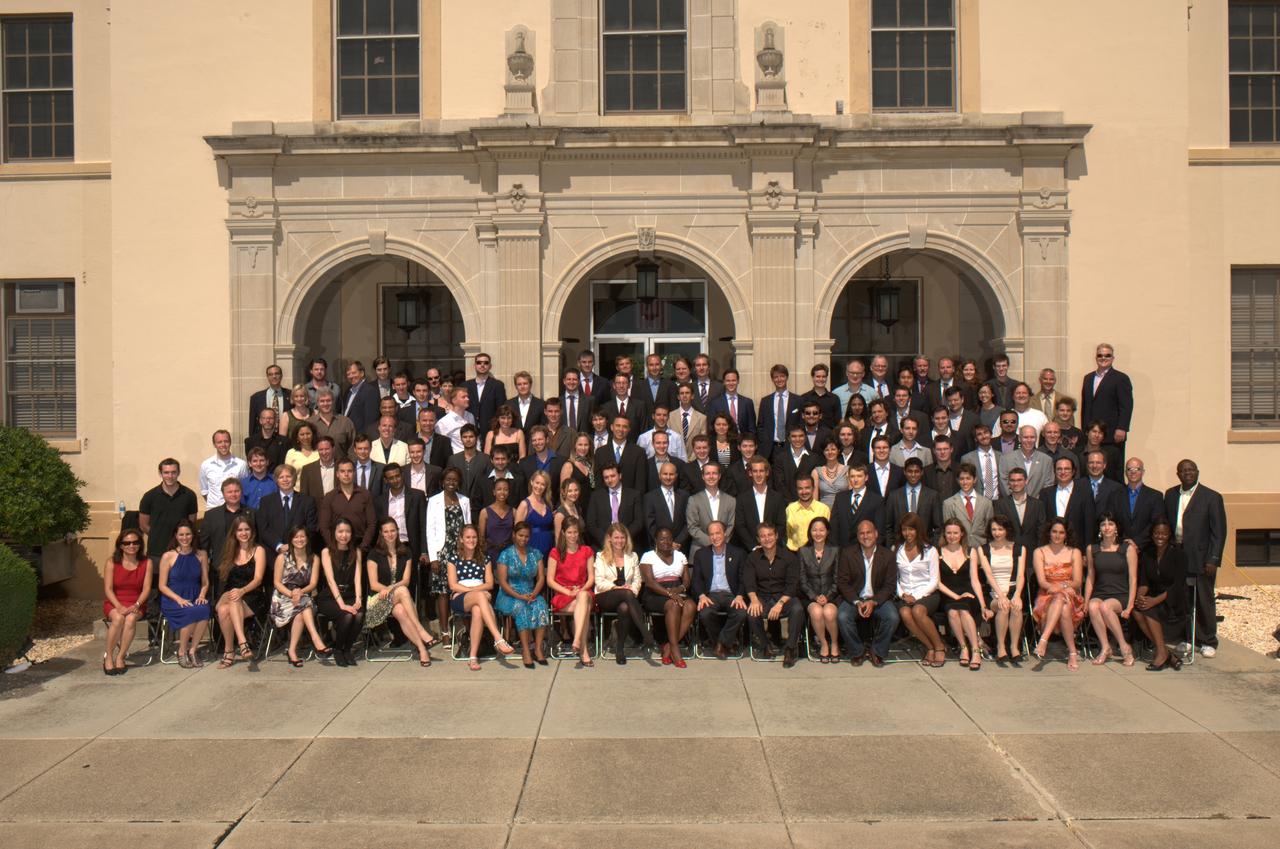
ALL Singularity University Students, Founding Members, Faculty/TP Leads, TF and Staff; Founders, Peter Diamandis, Ray Kurzweil, Salim, Bruce/Susan Faculty, Bob Richards, Dan Barry, Rob Freitas, Andrew Hessel, Jim Hurd, Neil Jacobstein, Raymond McCauley, Michael McCullough, Ralph Merkle, David Orban, David S. Rose, Chris Lewicki, David Dell,Robert A Freitas, Jr,.Staff, Tasha McCauley, Manuel Zaera-Sanz, David Ayotte, Jose Cordeiro, Sarah Russell, Candi Sterling, Marco Chacin, Ola Abraham, Jonathan Badal, Eric Dahlstrom, Susan Fonseca-Klein, Emeline Paat-Dahlstrom, Keith Powers, Bruce Klein, Tracy Nguyen, Kelly Lewis, Ken Hurst, Paul Sieveke, Kathryn Myronuk, Andy Barry. Associate Faculty, Adriana Cardenas
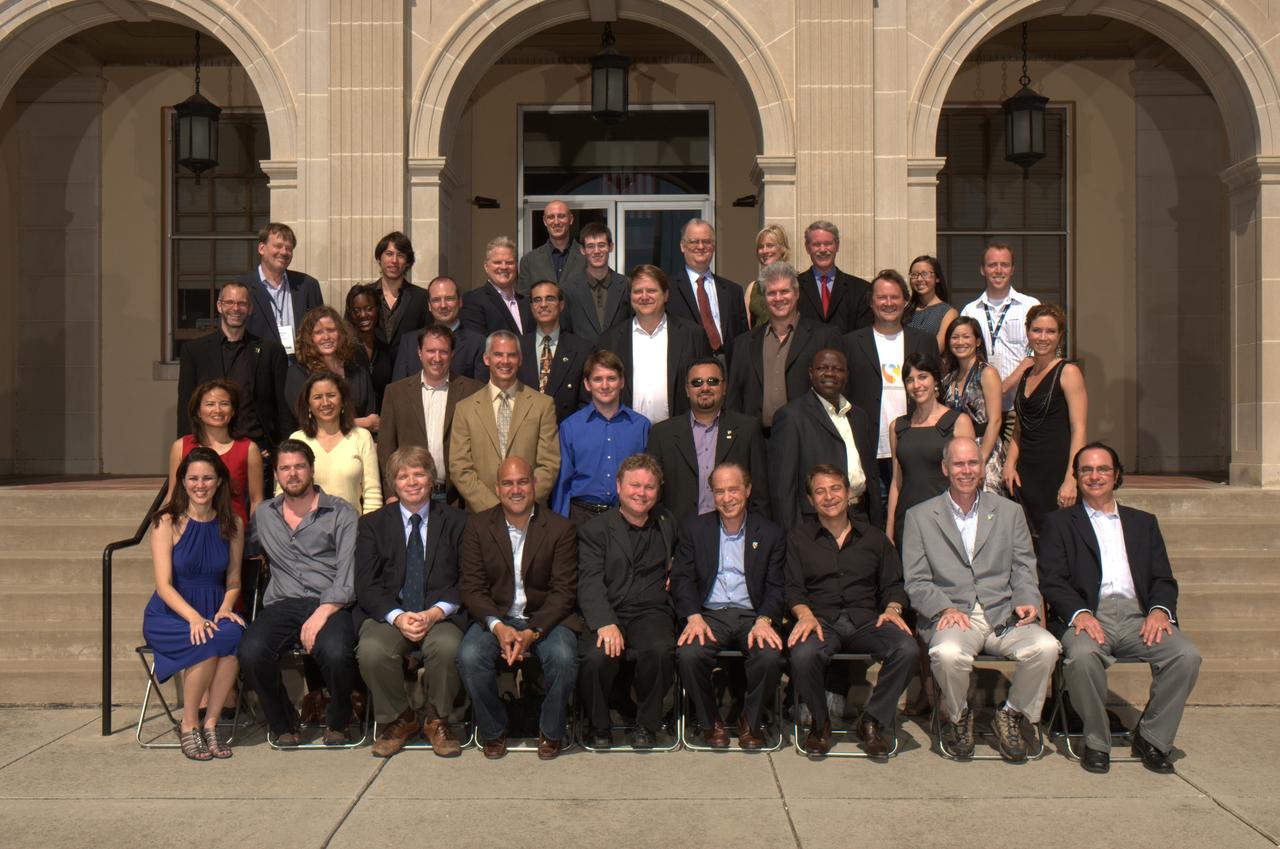
Singularity University Founding Members,Faculty/TP Leads, TF's, GSP10 Directors Founders, Peter Diamandis, Ray Kurzweil. Faculty, Bob Richards, Dan Barry, Rob Freitas, Andrew Hessel, Jim Hurd, Neil Jacobstein, Raymond McCauley, Michael McCullough, Ralph Merkle, David Orban, David S. Rose, Chris Lewicki, David Dell,Robert A Freitas, Jr,. Staff, Tasha McCauley, Manuel Zaera-Sanz, David Ayotte, Jose Cordeiro, Sarah Russell, Candi Sterling, Marco Chacin, Ola Abraham, Jonathan Badal, Eric Dahlstrom, Susan Fonseca-Klein, Emeline Paat-Dahlstrom, Keith Powers, Bruce Klein, Tracy Nguyen, Kelly Lewis, Ken Hurst, Paul Sieveke, Kathryn Myronuk, Andy Barry. Associate Faculty, Adriana Cardenas

NASA Spitzer Space Telescope celebrated its 12th anniversary with a new digital calendar showcasing some of the mission most notable discoveries and popular cosmic eye candy. The digital calendar is online at http://www.jpl.nasa.gov/images/spitzer/20150820/Spitzer12thAnniversaryCalendar.pdf The calendar follows the life of the mission, with each month highlighting top infrared images and discoveries from successive years -- everything from a dying star resembling the eye of a monster to a star-studded, swirling galaxy. The final month includes a brand new image of the glittery star-making factory known as the Monkey Head nebula. Spitzer, which launched into space on August 25, 2003, from Cape Canaveral, Florida, is still going strong. It continues to use its ultra-sensitive infrared vision to probe asteroids, comets, exoplanets (planets outside our solar system) and some of the farthest known galaxies. Recently, Spitzer helped discover the closest known rocky exoplanet to us, named HD219134b, at 21 light-years away. In fact, Spitzer's exoplanet studies continue to surprise the astronomy community. The telescope wasn't originally designed to study exoplanets, but as luck -- and some creative engineering -- would have it, Spitzer has turned out to be a critical tool in the field, probing the climates and compositions of these exotic worlds. This pioneering work began in 2005, when Spitzer became the first telescope to detect light from an exoplanet. http://photojournal.jpl.nasa.gov/catalog/PIA19872
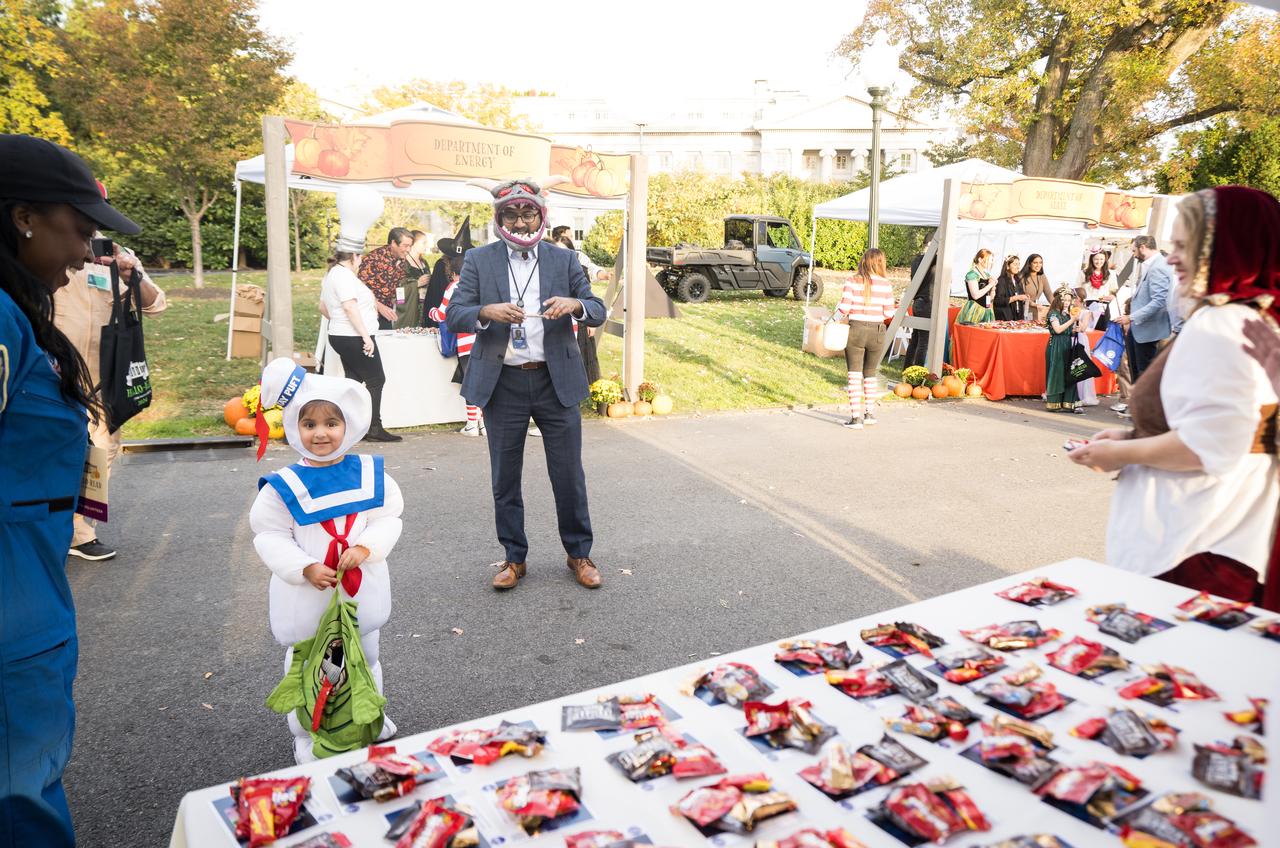
Chirag Parikh, Deputy Assistant to the President and Executive Secretary of the National Space Council visits the NASA booth at a White House Halloween themed event titled, “Hallo-READ!” on Wednesday, Oct. 30, 2024 on the south lawn of the White House in Washington. Photo Credit: (NASA/Aubrey Gemignani)
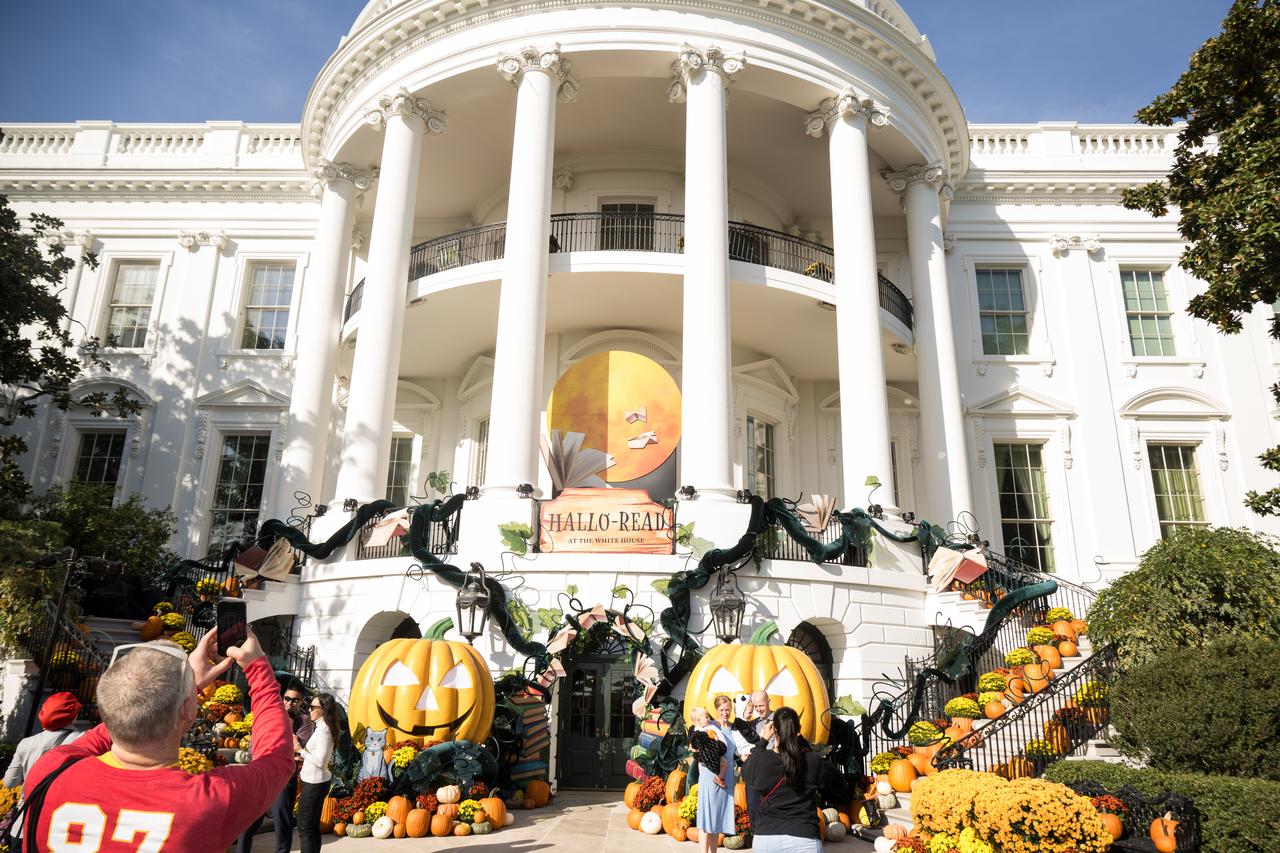
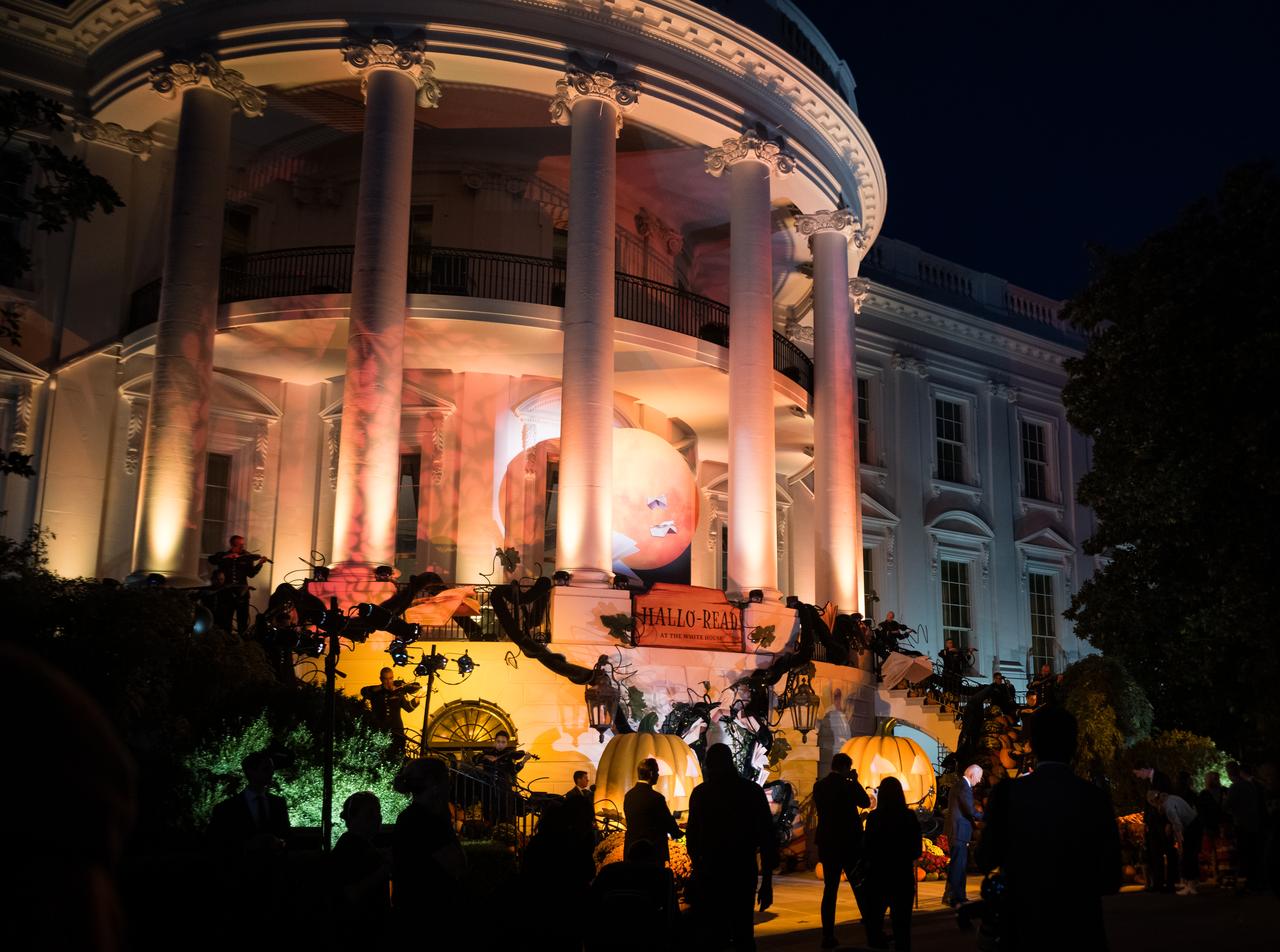
A view of the White House at the Halloween themed event titled, “Hallo-READ!” on Wednesday, Oct. 30, 2024 on the south lawn of the White House in Washington. Photo Credit: (NASA/Aubrey Gemignani)
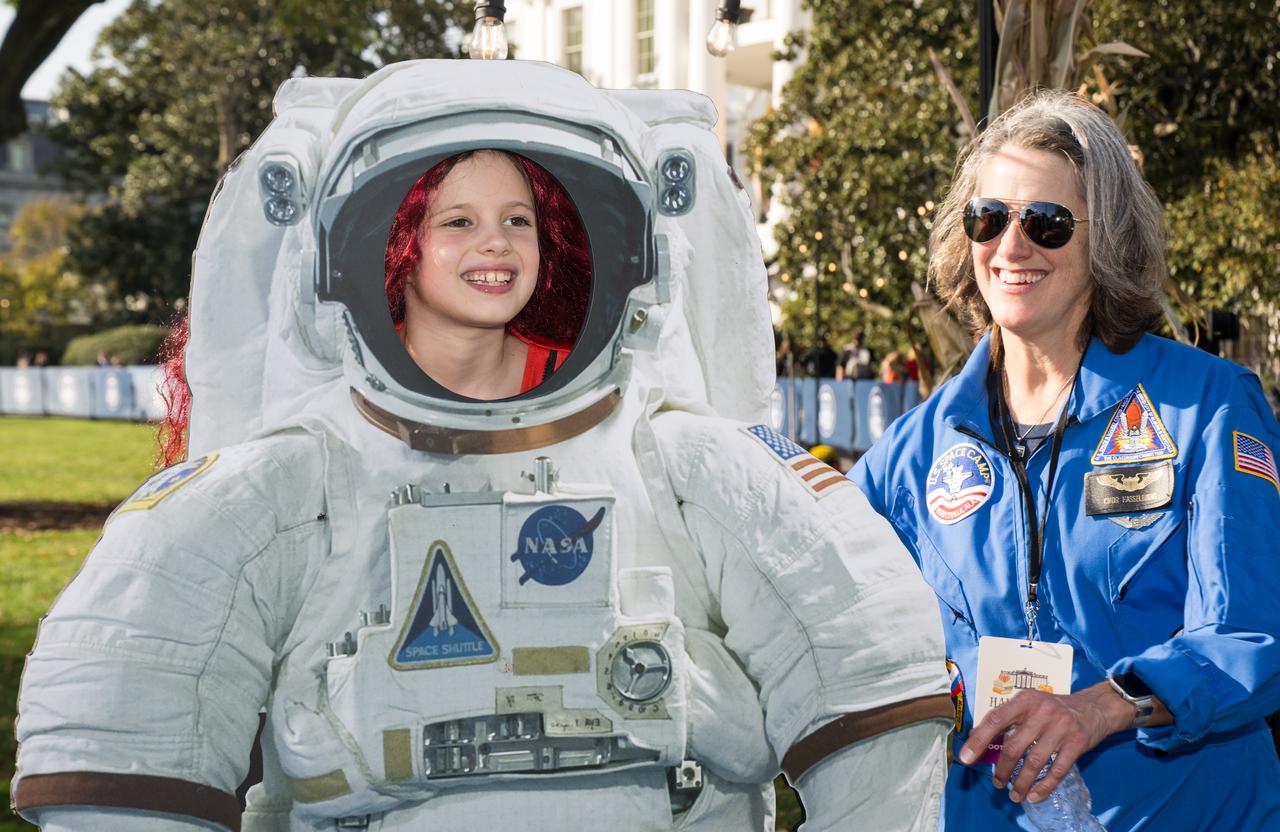
A visitor poses for a photo at a White House Halloween themed event titled, “Hallo-READ!” on Wednesday, Oct. 30, 2024 on the south lawn of the White House in Washington. Photo Credit: (NASA/Aubrey Gemignani)
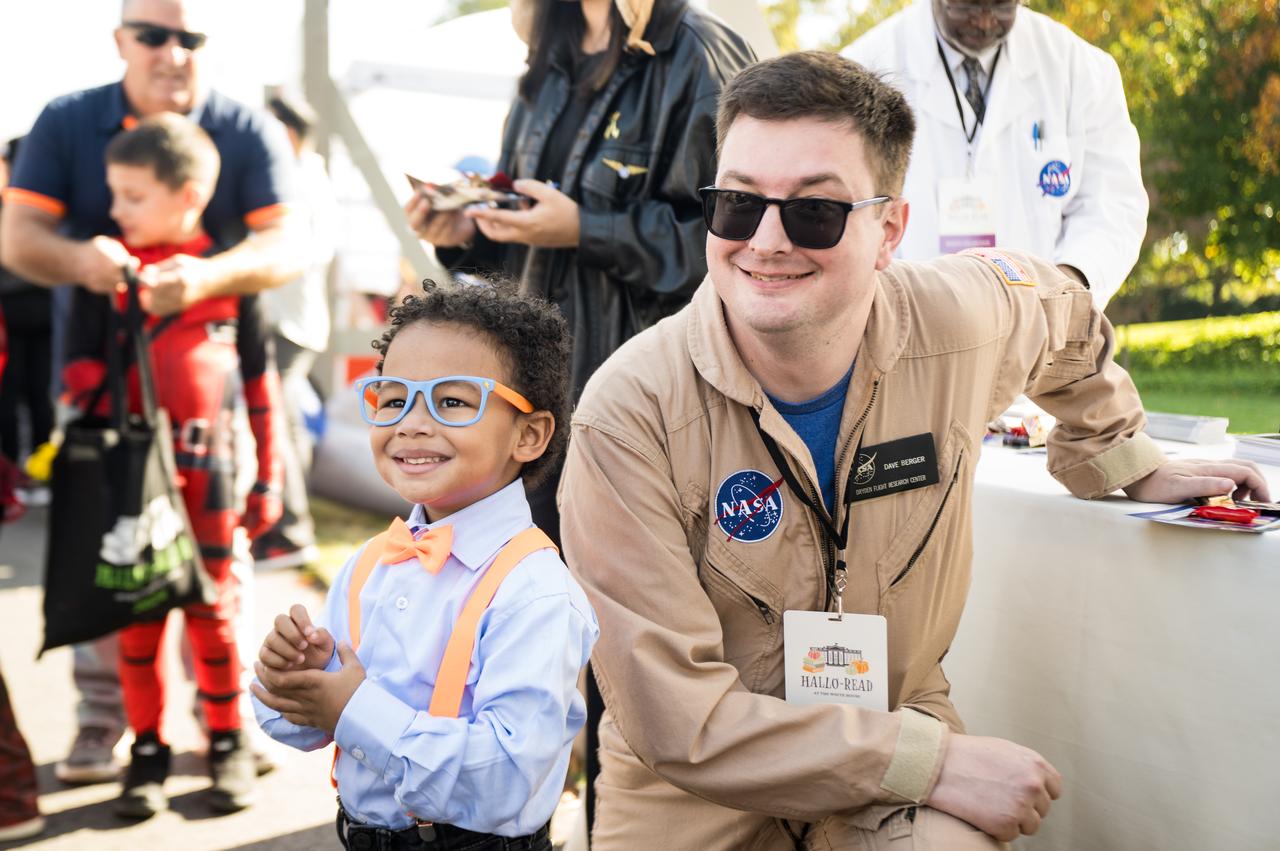
A NASA staff member poses with a visitor for a photo at a White House Halloween themed event titled, “Hallo-READ!” on Wednesday, Oct. 30, 2024 on the south lawn of the White House in Washington. Photo Credit: (NASA/Aubrey Gemignani)
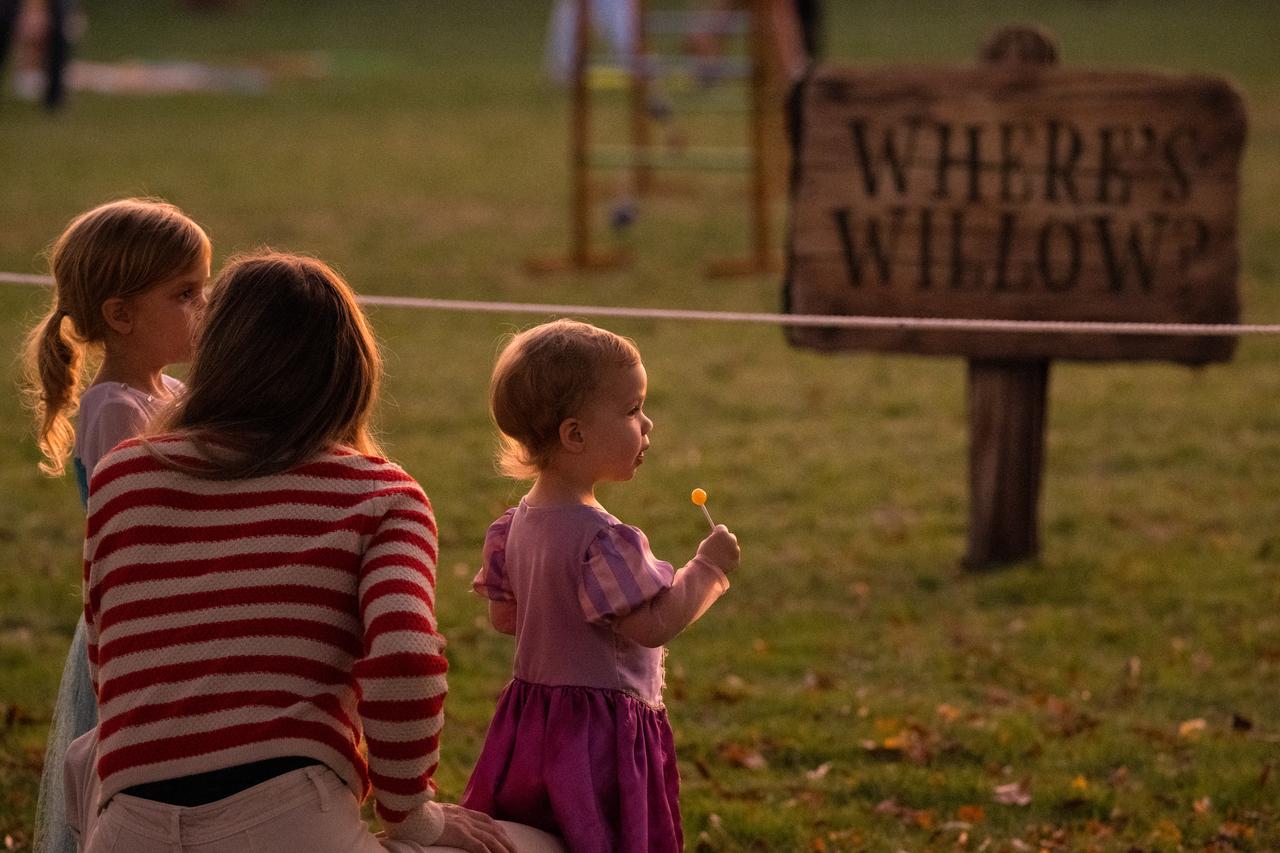
Visitors are seen at a White House Halloween themed event titled, “Hallo-READ!” on Wednesday, Oct. 30, 2024 on the south lawn of the White House in Washington. Photo Credit: (NASA/Aubrey Gemignani)
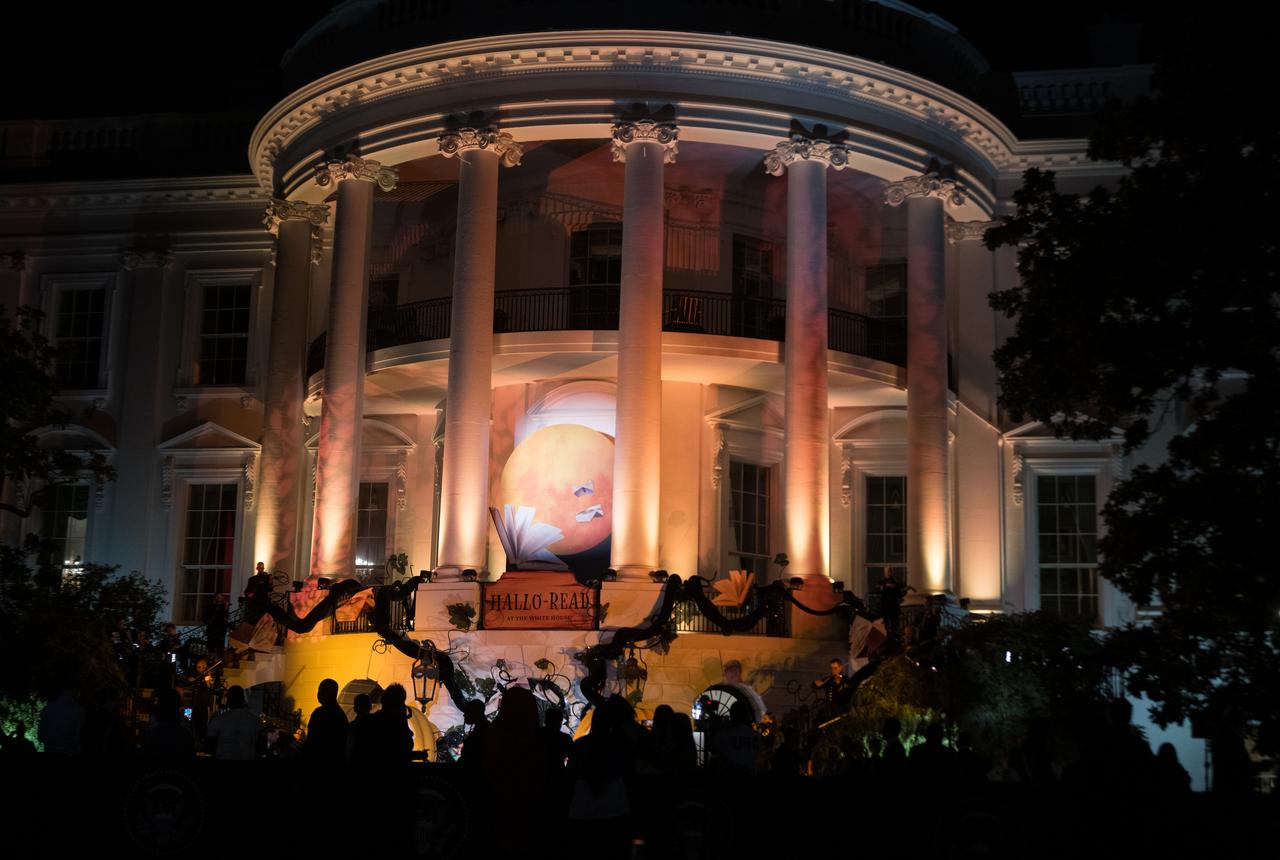
A view of the White House at the Halloween themed event titled, “Hallo-READ!” on Wednesday, Oct. 30, 2024 on the south lawn of the White House in Washington. Photo Credit: (NASA/Aubrey Gemignani)
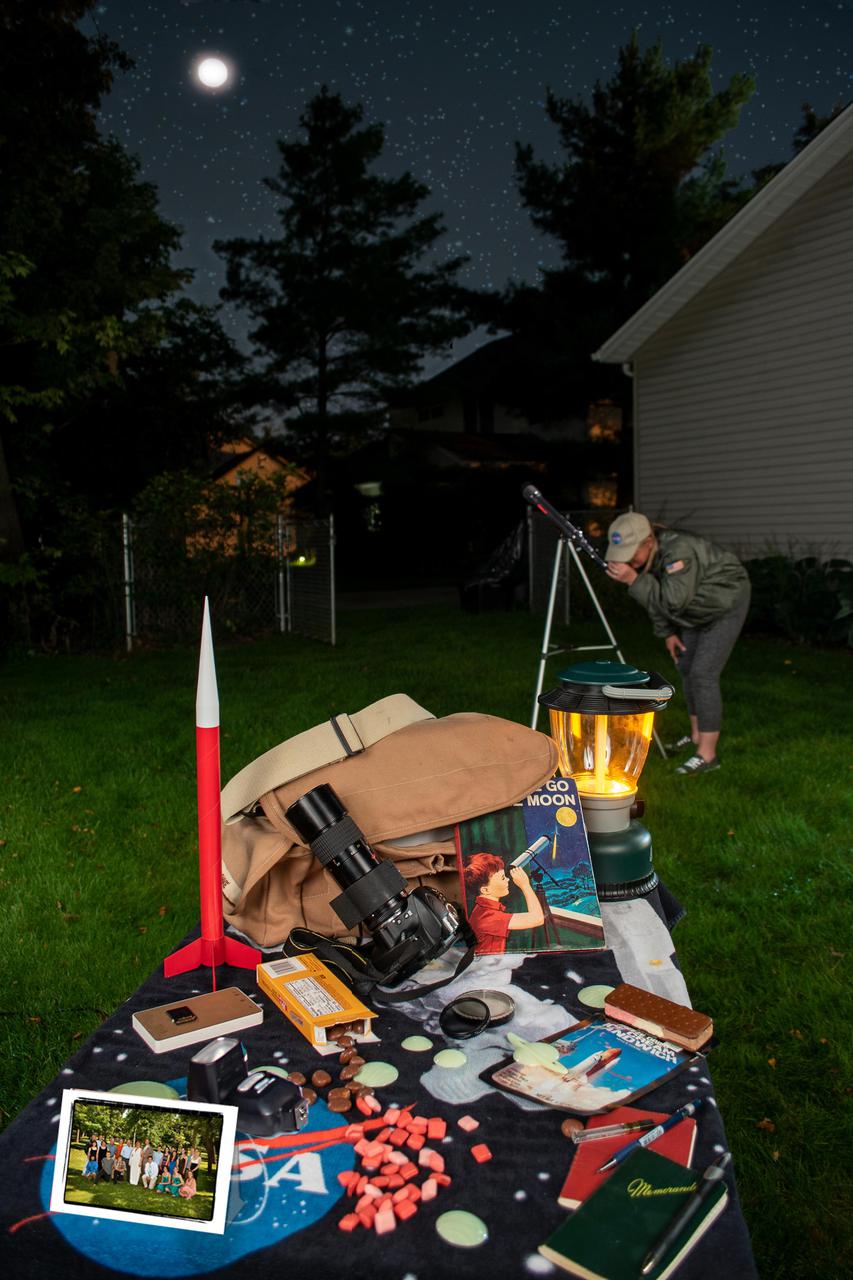
NASA Moon Kit of things I would take to the moon, The first thing I thought of for my Moon Kit was the first book I ever read when I was learning to read. It is titled, You Will Go To The Moon. I really liked that book and read it many times, looking at the illustrations and wondering about if I would ever actually go to the moon. Of the many belongings that I have lost through the years from moving, etc. that book has stayed with me and so it would of course go to the moon with me. Photography has always interested me and so a family photo was second to get packed. We always had photos taken and volumes of old family photos in the house and so photography has played an important role in my life and so my camera gear is third to get packed. As a kid I spend a lot of time and money building rockets and flying them. I bet my rocket would go very high on the moon. I also like a little candy wherever I go.
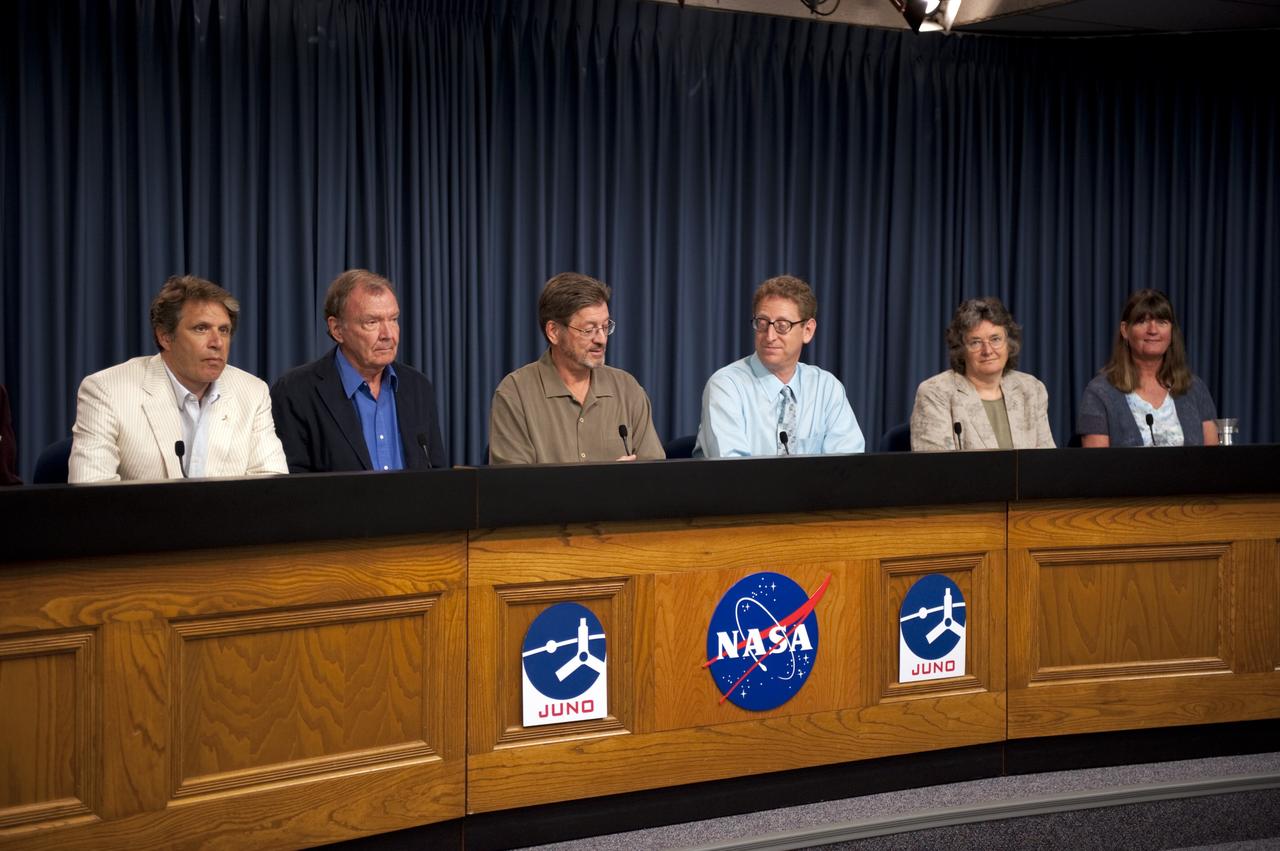
CAPE CANAVERAL, Fla. -- A Juno mission science briefing is held in the NASA Press Site auditorium at NASA's Kennedy Space Center in Florida. From left are Scott Bolton, Juno principal investigator, Southwest Research Institute, San Antonio; Toby Owen, Juno co-investigator, University of Hawaii; Jack Connerney, Juno MAG Instrument Lead, Goddard Space Flight Center, Greenbelt, Md.; Steve Levin, Juno project scientist, Jet Propulsion Laboratory, Pasadena, Calif.; Fran Bagenai, Juno co-investigator, University of Colorado, Boulder, Colo.; and Candy Hansen, Juno co-investigator, Planetary Science Institute, Tucson, Ariz. Juno is scheduled to launch Aug. 5 aboard a United Launch Alliance Atlas V rocket from Cape Canaveral Air Force Station in Florida. The solar-powered spacecraft will orbit Jupiter's poles 33 times to find out more about the gas giant's origins, structure, atmosphere and magnetosphere and investigate the existence of a solid planetary core. For more information, visit www.nasa.gov/juno. Photo credit: NASA/Kim Shiflett
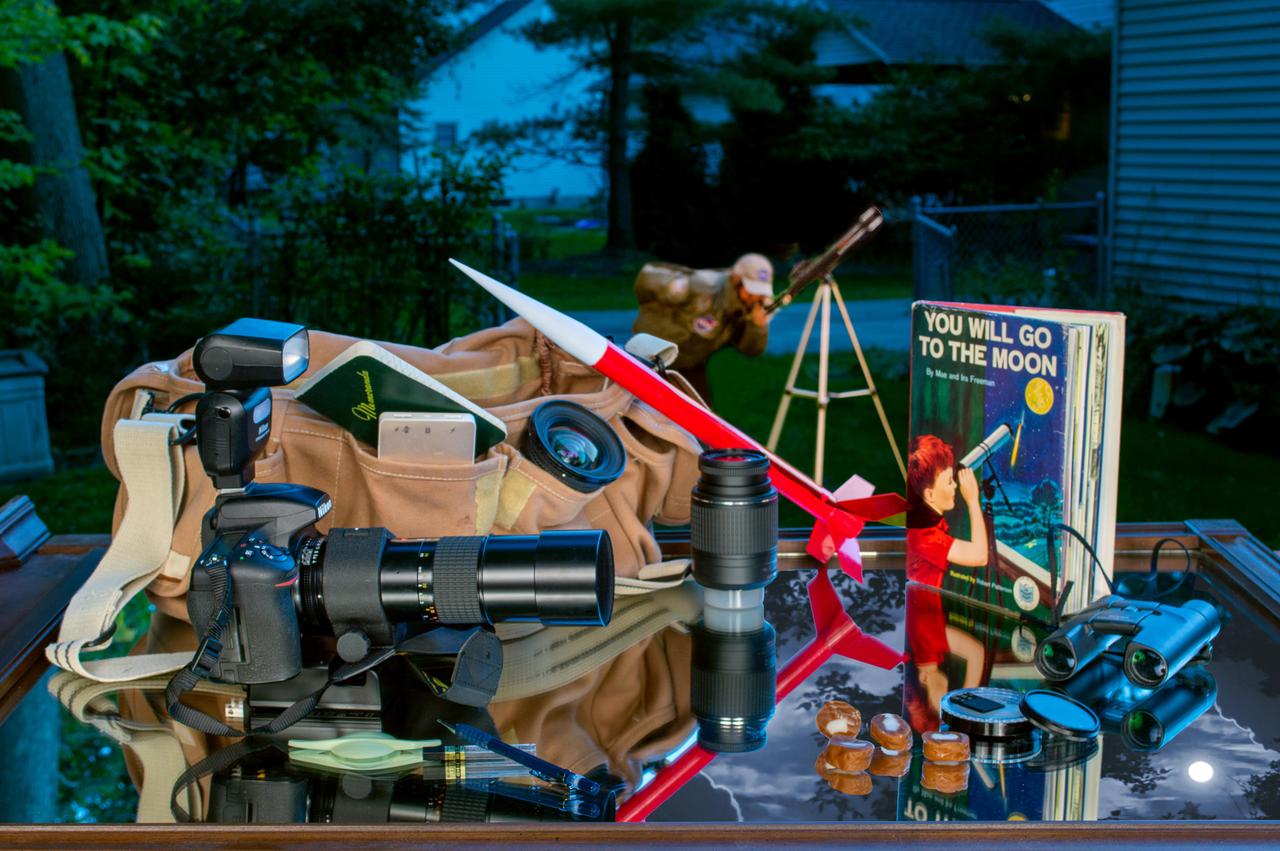
NASA Moon Kit of things I would take to the moon with me, The first thing I thought of for my Moon Kit was the first book I ever read when I was learning to read. It is titled, You Will Go To The Moon. I really liked that book and read it many times, looking at the illustrations and wondering about if I would ever actually go to the moon. Of the many belongings that I have lost through the years from moving, etc. that book has stayed with me and so it would of course go to the moon with me. Photography has always interested me and so a family photo was second to get packed. We always had photos taken and volumes of old family photos in the house and so photography has played an important role in my life and so my camera gear is third to get packed. As a kid I spend a lot of time and money building rockets and flying them. I bet my rocket would go very high on the moon. I also like a little candy wherever I go.
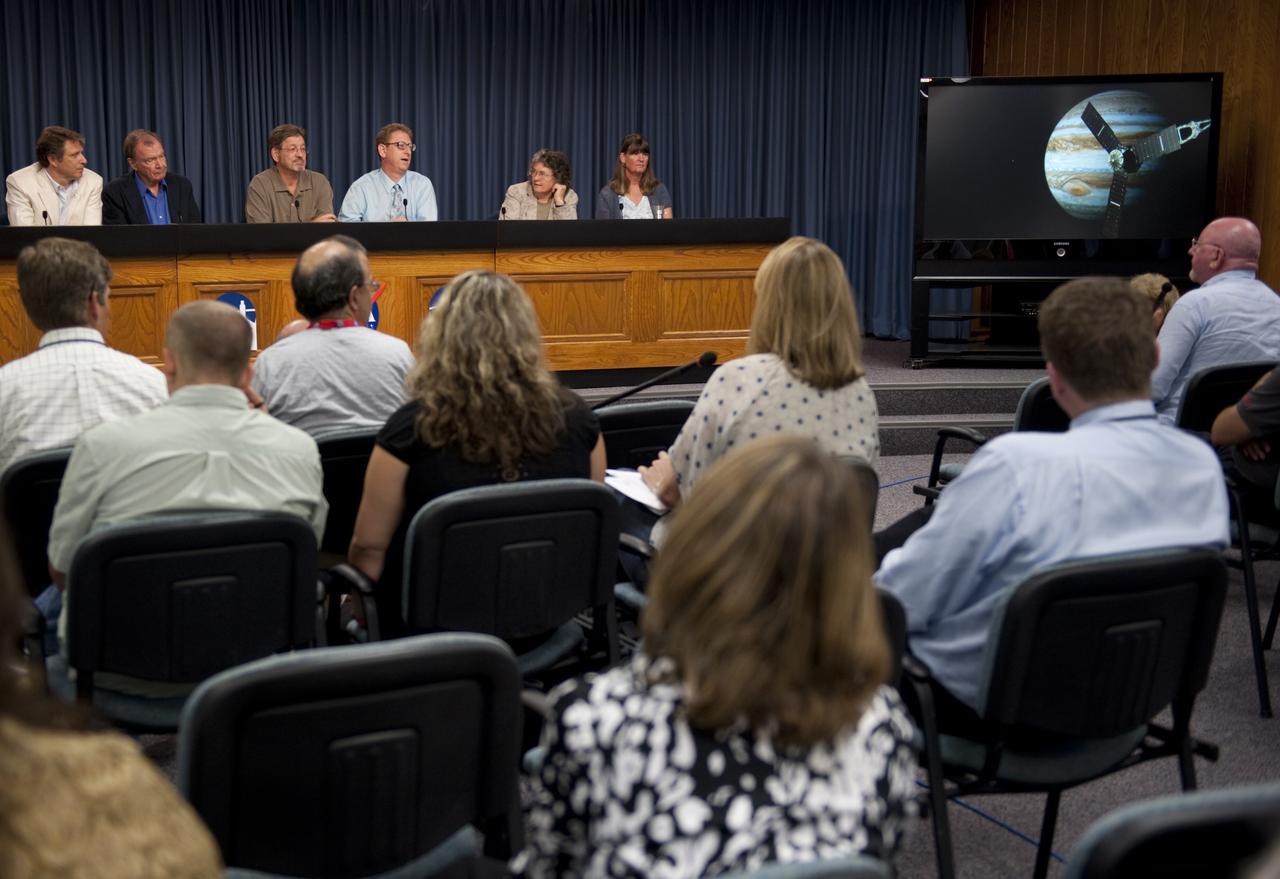
CAPE CANAVERAL, Fla. -- Media representatives question the participants of a Juno mission science briefing in the NASA Press Site auditorium at NASA's Kennedy Space Center in Florida. From left are Scott Bolton, Juno principal investigator, Southwest Research Institute, San Antonio; Toby Owen, Juno co-investigator, University of Hawaii; Jack Connerney, Juno MAG Instrument Lead, Goddard Space Flight Center, Greenbelt, Md.; Steve Levin, Juno project scientist, Jet Propulsion Laboratory, Pasadena, Calif.; Fran Bagenai, Juno co-investigator, University of Colorado, Boulder, Colo.; and Candy Hansen, Juno co-investigator, Planetary Science Institute, Tucson, Ariz. Juno is scheduled to launch Aug. 5 aboard a United Launch Alliance Atlas V rocket from Cape Canaveral Air Force Station in Florida. The solar-powered spacecraft will orbit Jupiter's poles 33 times to find out more about the gas giant's origins, structure, atmosphere and magnetosphere and investigate the existence of a solid planetary core. For more information, visit www.nasa.gov/juno. Photo credit: NASA/Kim Shiflett

jsc2025e067415 (8/5/2025) --- Microscopic image of a semimetal-semiconductor composite (SSC) wafer extracted from one of four crystals grown in the International Space Station’s SUBSA facility during the first SUBSA-InSPA-SSCug mission. Credit: United Semiconductors LLC
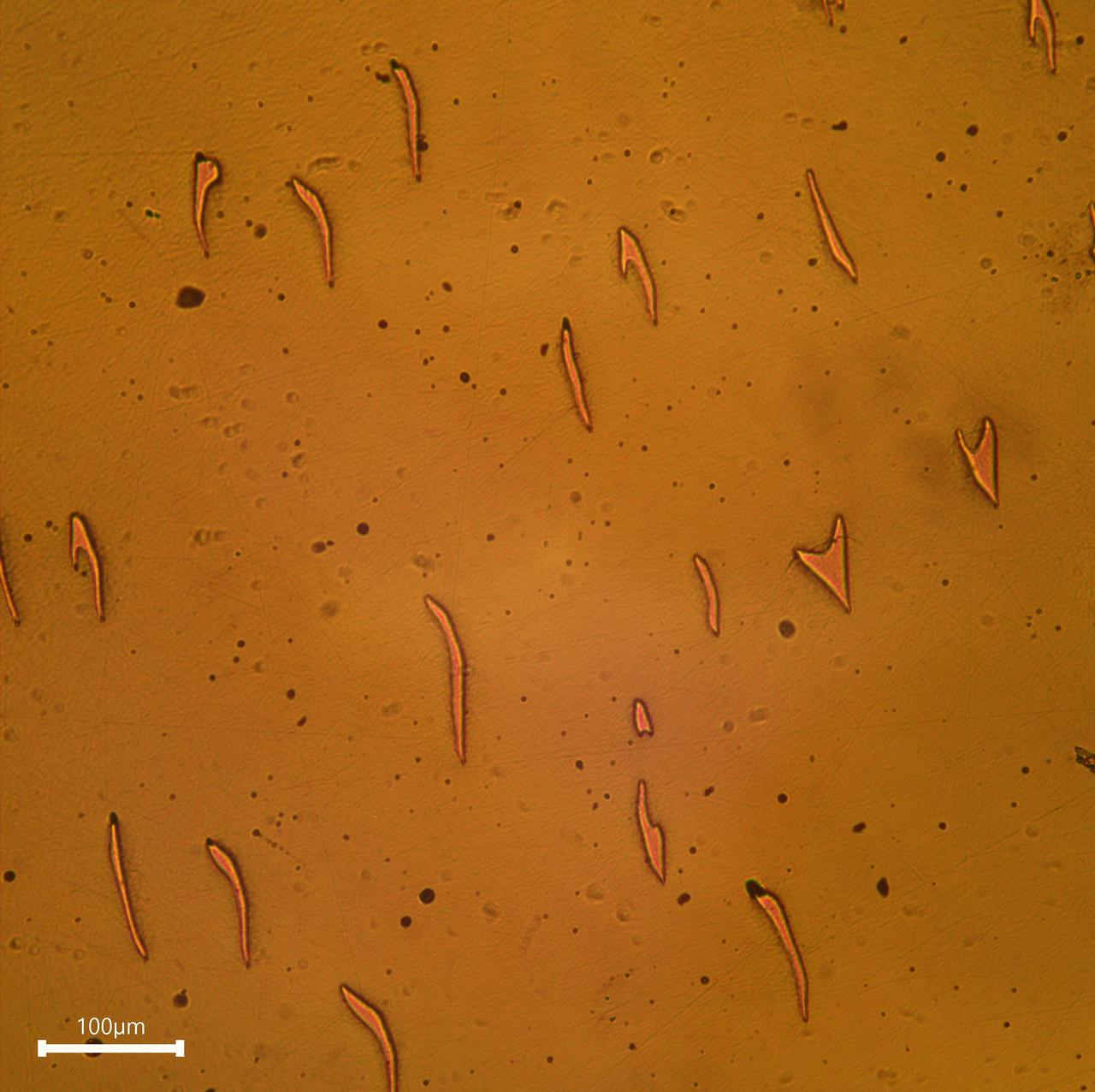
jsc2025e067418 (8/5/2025) --- Microscopic image of a semimetal-semiconductor composite (SSC) wafer extracted from one of four crystals grown in the International Space Station’s SUBSA facility during the first SUBSA-InSPA-SSCug mission. Credit: United Semiconductors LLC

jsc2025e067416 (8/5/2025) --- Microscopic image of a semimetal-semiconductor composite (SSC) wafer extracted from one of four crystals grown in the International Space Station’s SUBSA facility during the first SUBSA-InSPA-SSCug mission. Credit: United Semiconductors LLC

jsc2025e067417 (8/5/2025) --- Microscopic image of a semimetal-semiconductor composite (SSC) wafer extracted from one of four crystals grown in the International Space Station’s SUBSA facility during the first SUBSA-InSPA-SSCug mission. Credit: United Semiconductors LLC

Image release June 22, 2010 A spectacular new NASA/ESA Hubble Space Telescope image — one of the largest ever released of a star-forming region — highlights N11, part of a complex network of gas clouds and star clusters within our neighbouring galaxy, the Large Magellanic Cloud. This region of energetic star formation is one of the most active in the nearby Universe. The Large Magellanic Cloud contains many bright bubbles of glowing gas. One of the largest and most spectacular has the name LHA 120-N 11, from its listing in a catalogue compiled by the American astronomer and astronaut Karl Henize in 1956, and is informally known as N11. Close up, the billowing pink clouds of glowing gas make N11 resemble a puffy swirl of fairground candy floss. From further away, its distinctive overall shape led some observers to nickname it the Bean Nebula. The dramatic and colourful features visible in the nebula are the telltale signs of star formation. N11 is a well-studied region that extends over 1000 light-years. It is the second largest star-forming region within the Large Magellanic Cloud and has produced some of the most massive stars known. It is the process of star formation that gives N11 its distinctive look. Three successive generations of stars, each of which formed further away from the centre of the nebula than the last, have created shells of gas and dust. These shells were blown away from the newborn stars in the turmoil of their energetic birth and early life, creating the ring shapes so prominent in this image. Beans are not the only terrestrial shapes to be found in this spectacular high resolution image from the NASA/ESA Hubble Space Telescope. In the upper left is the red bloom of nebula LHA 120-N 11A. Its rose-like petals of gas and dust are illuminated from within, thanks to the radiation from the massive hot stars at its centre. N11A is relatively compact and dense and is the site of the most recent burst of star development in the region. Other star clusters abound in N11, including NGC 1761 at the bottom of the image, which is a group of massive hot young stars busily pouring intense ultraviolet radiation out into space. Although it is much smaller than our own galaxy, the Large Magellanic Cloud is a very vigorous region of star formation. Studying these stellar nurseries helps astronomers understand a lot more about how stars are born and their ultimate development and lifespan. Both the Large Magellanic Cloud and its small companion, the Small Magellanic Cloud, are easily seen with the unaided eye and have always been familiar to people living in the southern hemisphere. The credit for bringing these galaxies to the attention of Europeans is usually given to Portuguese explorer Fernando de Magellan and his crew, who viewed it on their 1519 sea voyage. However, the Persian astronomer Abd Al-Rahman Al Sufi and the Italian explorer Amerigo Vespucci recorded the Large Magellanic Cloud in 964 and 1503 respectively. Credit: NASA, ESA and Jesús Maíz Apellániz (Instituto de Astrofísica de Andalucía, Spain) To learn more about Hubble go to: <a href="http://www.nasa.gov/mission_pages/hubble/main/index.html" rel="nofollow">www.nasa.gov/mission_pages/hubble/main/index.html</a> <b><a href="http://www.nasa.gov/centers/goddard/home/index.html" rel="nofollow">NASA Goddard Space Flight Center</a></b> is home to the nation's largest organization of combined scientists, engineers and technologists that build spacecraft, instruments and new technology to study the Earth, the sun, our solar system, and the universe.

For the 30th anniversary of one of the most iconic images taken by NASA's Voyager mission, a new version of the image known as "the Pale Blue Dot." Planet Earth is visible as a bright speck within the sunbeam just right of center and appears softly blue, as in the original version published in 1990 (see PIA00452). This updated version uses modern image-processing software and techniques to revisit the well-known Voyager view while attempting to respect the original data and intent of those who planned the images. In 1990, the Voyager project planned to shut off the Voyager 1 spacecraft's imaging cameras to conserve power and because the probe, along with its sibling Voyager 2, would not fly close enough to any other objects to take pictures. Before the shutdown, the mission commanded the probe to take a series of 60 images designed to produce what they termed the "Family Portrait of the Solar System." Executed on Valentine's Day 1990, this sequence returned images for making color views of six of the solar system's planets and also imaged the Sun in monochrome. The popular name of this view is traced to the title of the 1994 book by Voyager imaging scientist Carl Sagan, who originated the idea of using Voyager's cameras to image the distant Earth and played a critical role in enabling the family portrait images to be taken. The image of Earth was originally published by NASA in 1990. It is republished here to commemorate the 30th anniversary of the Family Portrait of the Solar System (see PIA00451) and the Pale Blue Dot image in particular. The planet occupies less than a single pixel in the image and thus is not fully resolved. (The actual width of the planet on the sky was less than one pixel in Voyager's camera.) By contrast, Jupiter and Saturn were large enough to fill a full pixel in their family portrait images. The direction of the Sun is toward the bottom of the view (where the image is brightest). Rays of sunlight scattered within the camera optics stretch across the scene. One of those light rays happens to have intersected dramatically with Earth. From Voyager 1's vantage point — a distance of approximately 3.8 billion miles (6 billion kilometers) — Earth was separated from the Sun by only a few degrees. The close proximity of the inner planets to the Sun was a key factor preventing these images from being taken earlier in the mission, as our star was still close and bright enough to damage the cameras with its blinding glare. The view is a color composite created by combining images taken using green, blue and violet spectral filters by the Voyager 1 Narrow-Angle Camera. They were taken at 4:48 GMT on Feb. 14, 1990, just 34 minutes before Voyager 1 powered off its cameras forever. Like the original version, this is technically a "false-color" view, as the color-filter images used were mapped to red, green and blue, respectively. The brightness of each color channel was balanced relative to the others, which is likely why the scene appears brighter but less grainy than the original. In addition, the color was balanced so that the main sunbeam (which overlays Earth) appears white, like the white light of the Sun. At its original resolution, the newly processed color image is 666 by 659 pixels in size; this is Figure A. The main image is an enlarged version. The image was processed by JPL engineer and image processing enthusiast Kevin M. Gill with input from two of the image's original planners, Candy Hansen and William Kosmann. https://photojournal.jpl.nasa.gov/catalog/PIA23645