
Jeff Hanley, Constellation Program Manager at NASA, testifies before a hearing before the House Subcommitte on Space and Aeronautics regarding Safety of Human Spaceflight on Capitol Hill, Wednesday, Dec. 2, 2009, in Washington. Photo Credit: (NASA/Bill Ingalls)
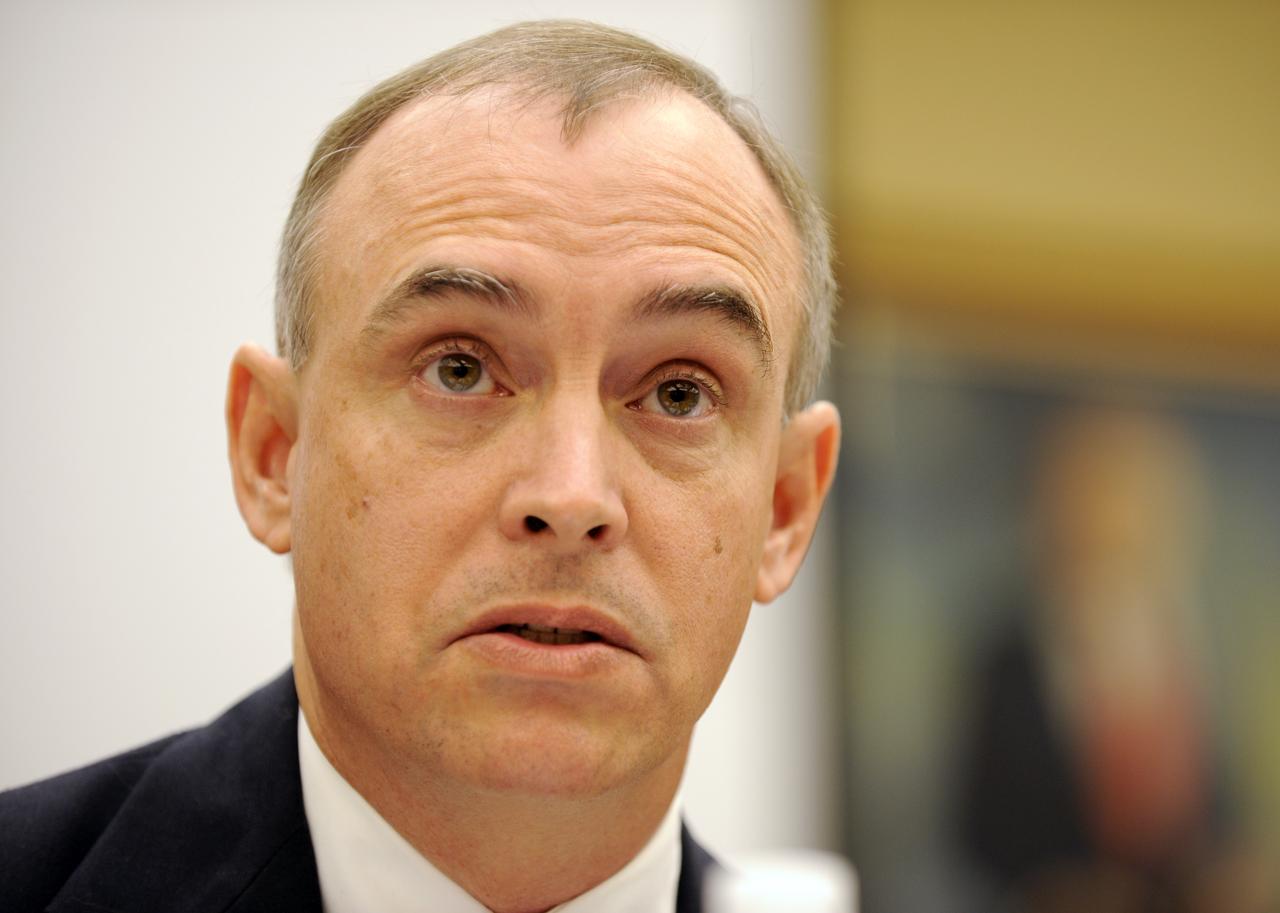
Constellation Program Manager Jeff Hanley testifies during a hearing before the House Subcommitte on Space and Aeronautics regarding Safety of Human Spaceflight on Capitol Hill, Wednesday, Dec. 2, 2009, in Washington. Photo Credit: (NASA/Bill Ingalls)
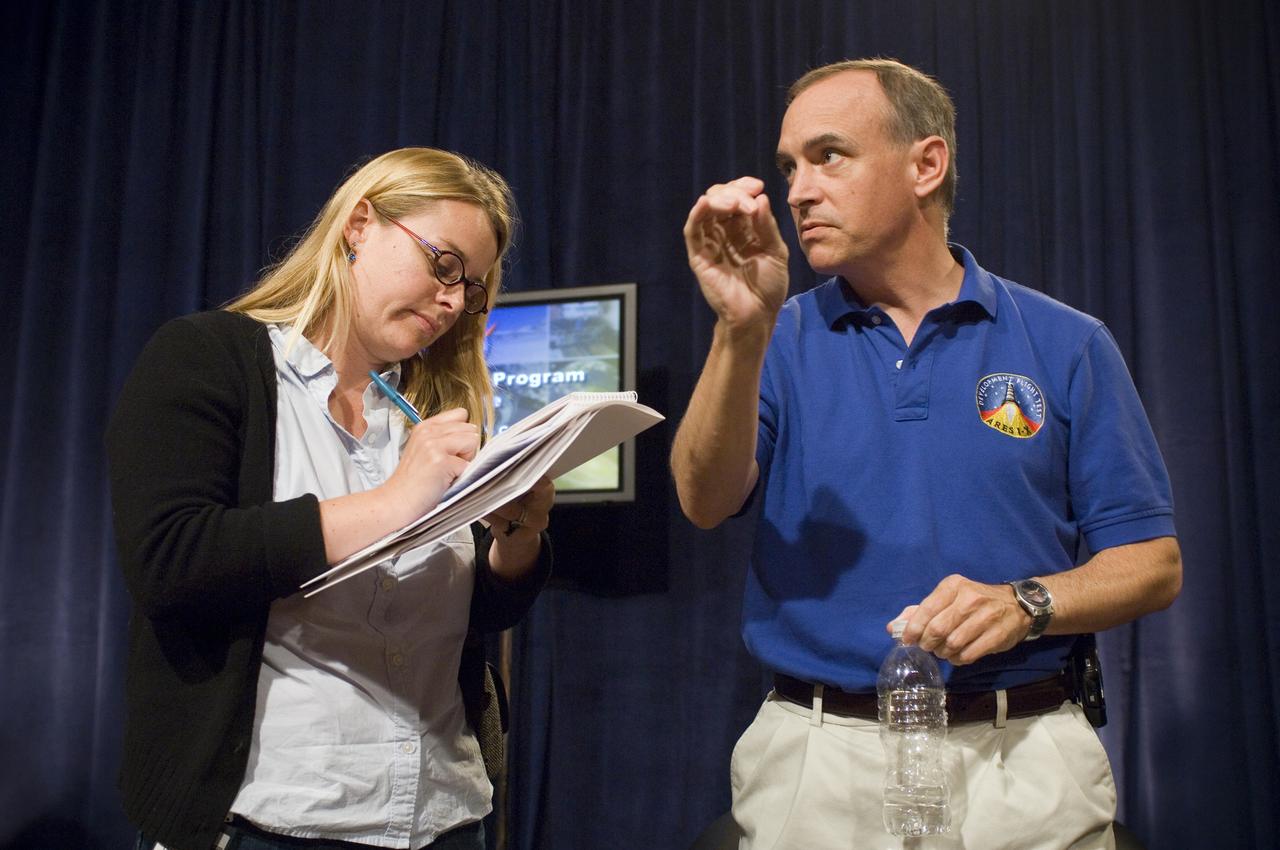
NASA Officials gather at Ames Research Center to discuss Spaceship development progress. Constellation is developing the Orion spacecraft and Ares rockets to support an American return to the moon by 2020. Speaker Jeff Hanley, JSC Constellation program manager
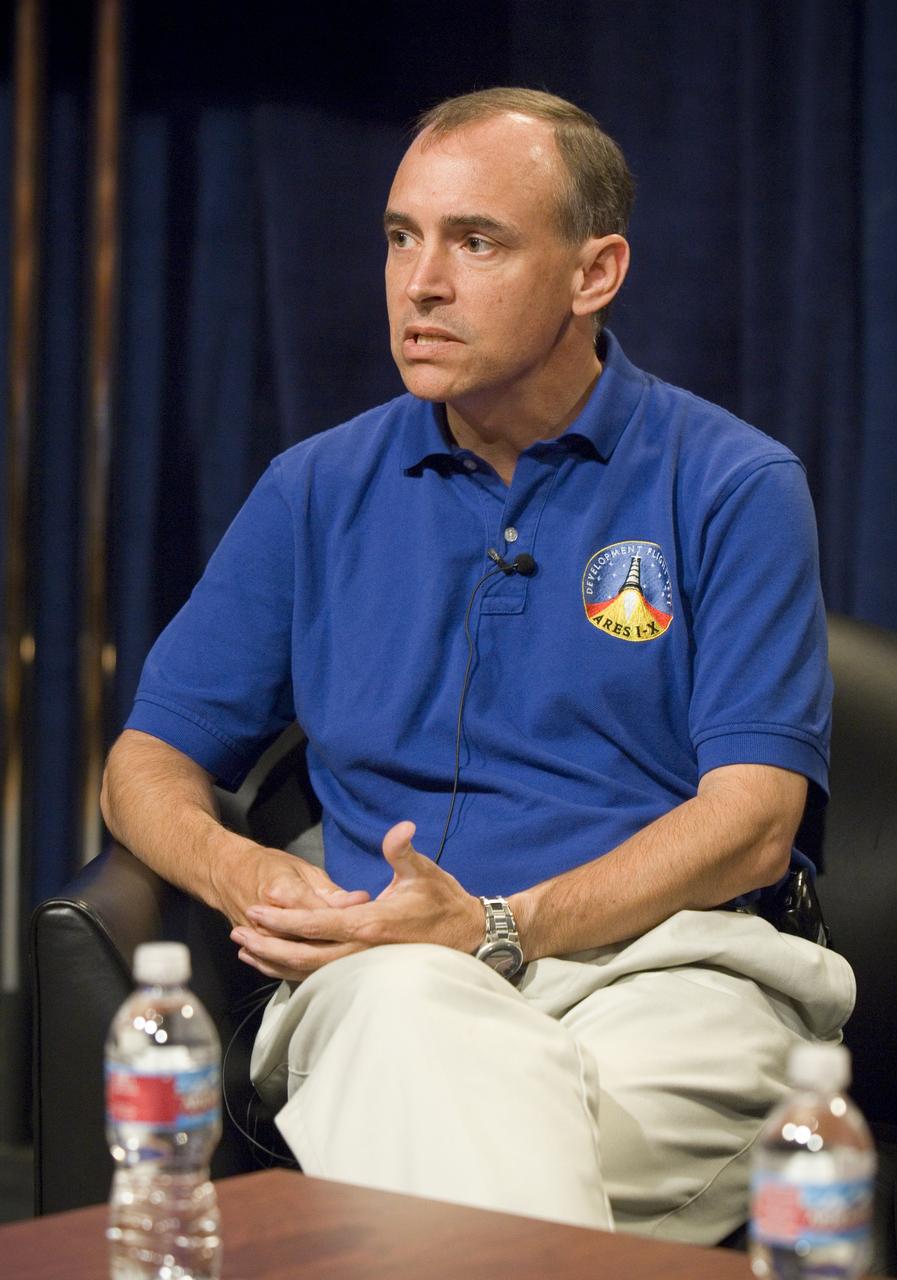
NASA Officials gather at Ames Research Center to discuss Spaceship development progress. Constellation is developing the Orion spacecraft and Ares rockets to support an American return to the moon by 2020. Speaker Jeff Hanley, JSC Constellation program manager
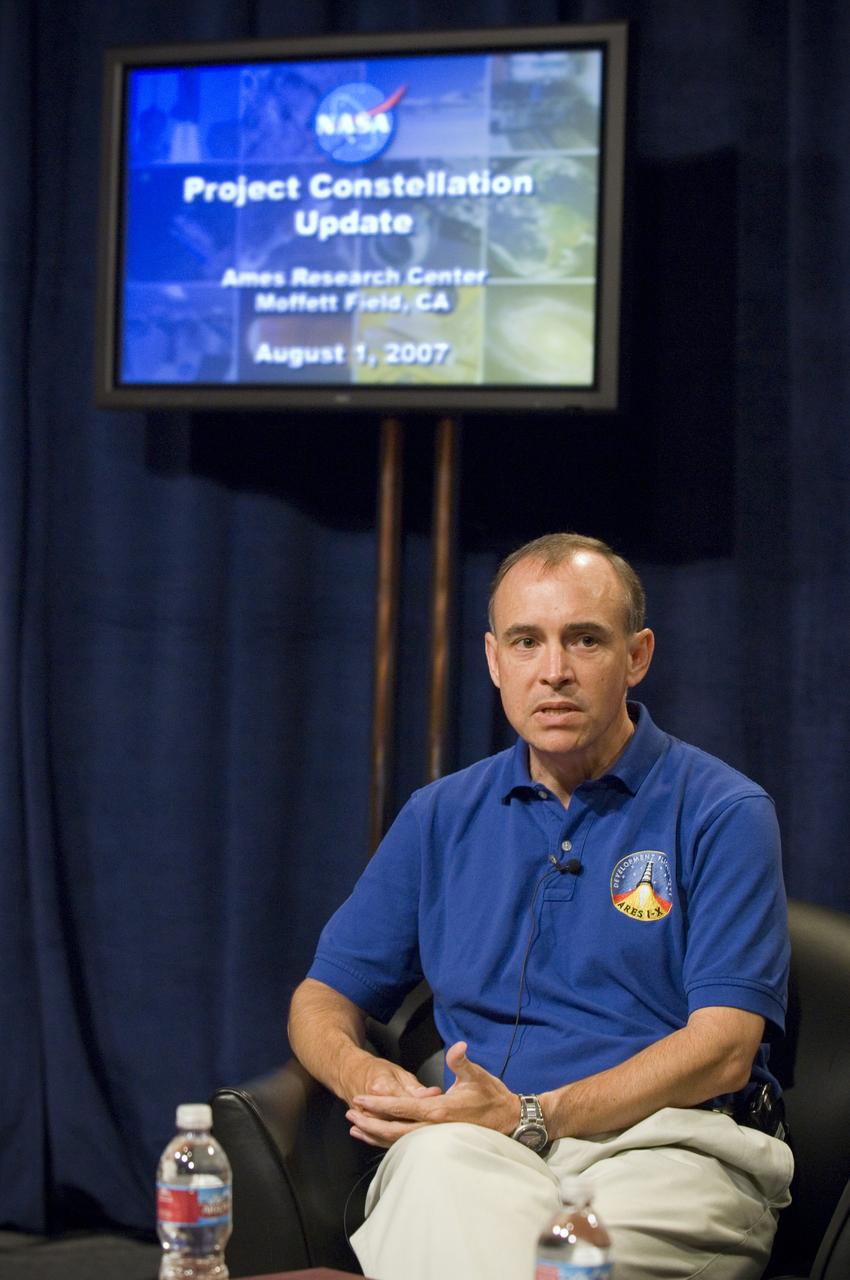
NASA Officials gather at Ames Research Center to discuss Spaceship development progress. Constellation is developing the Orion spacecraft and Ares rockets to support an American return to the moon by 2020. Speaker Jeff Hanley, JSC Constellation program manager
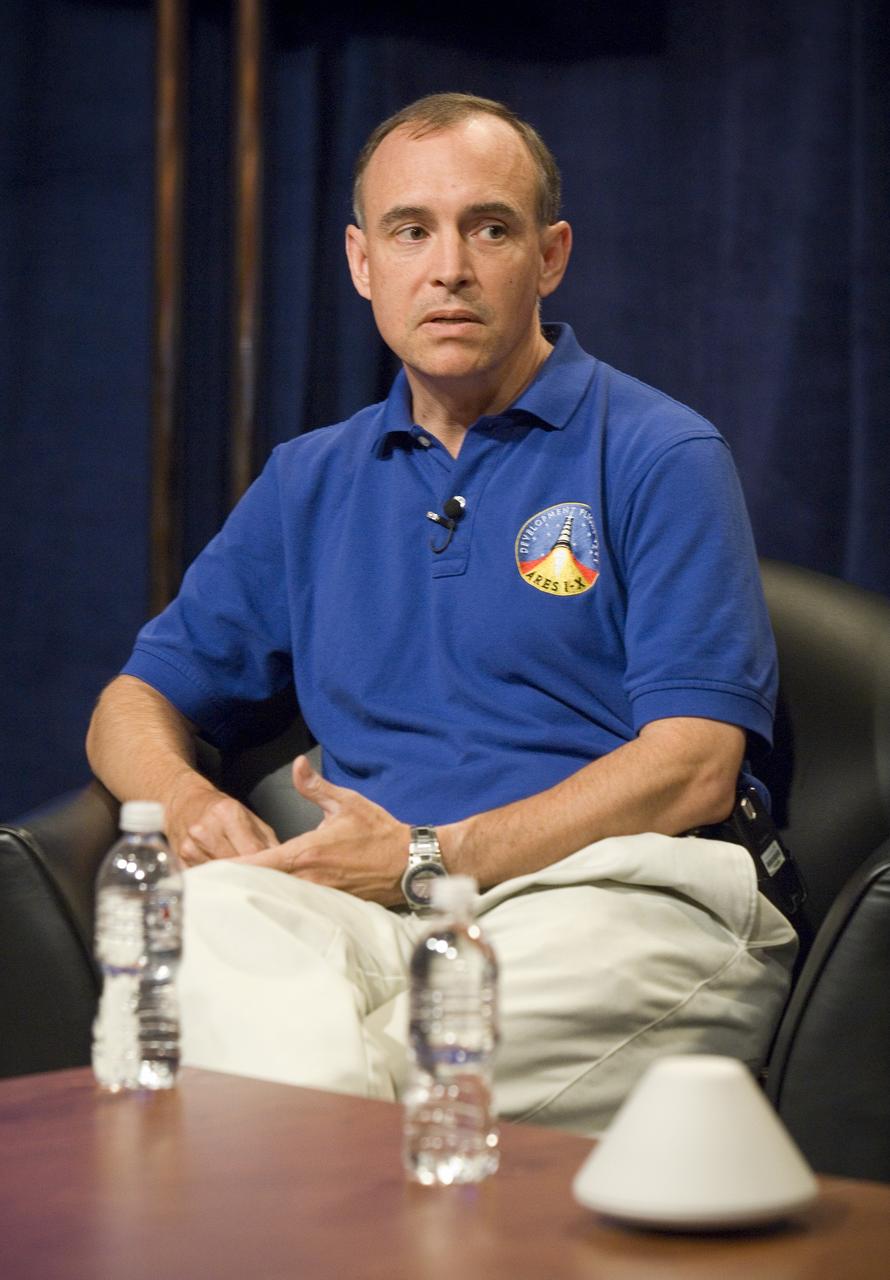
NASA Officials gather at Ames Research Center to discuss Spaceship development progress. Constellation is developing the Orion spacecraft and Ares rockets to support an American return to the moon by 2020. Speaker Jeff Hanley, JSC Constellation program manager
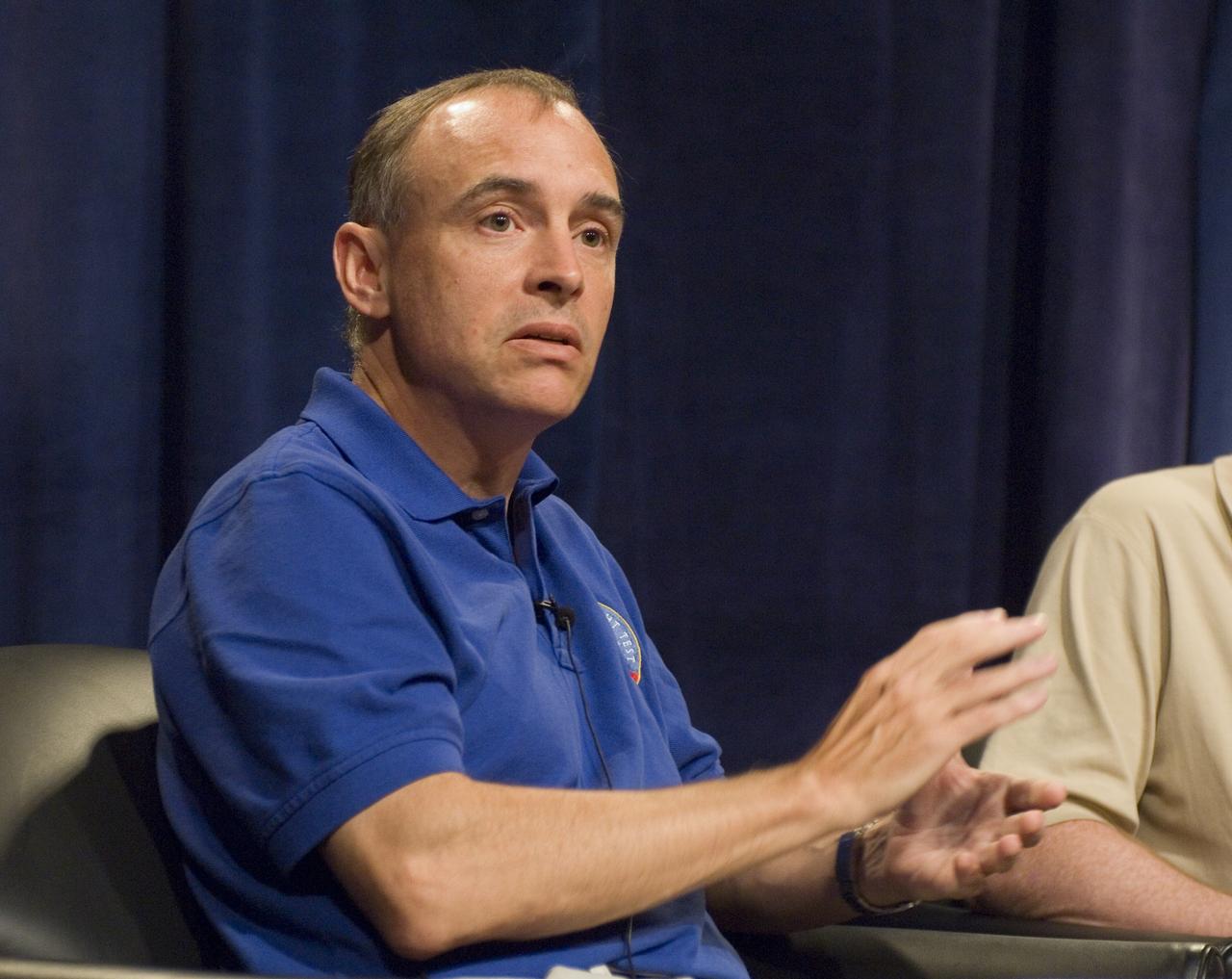
NASA Officials gather at Ames Research Center to discuss Spaceship development progress. Constellation is developing the Orion spacecraft and Ares rockets to support an American return to the moon by 2020. Speaker Jeff Hanley, JSC Constellation program manager
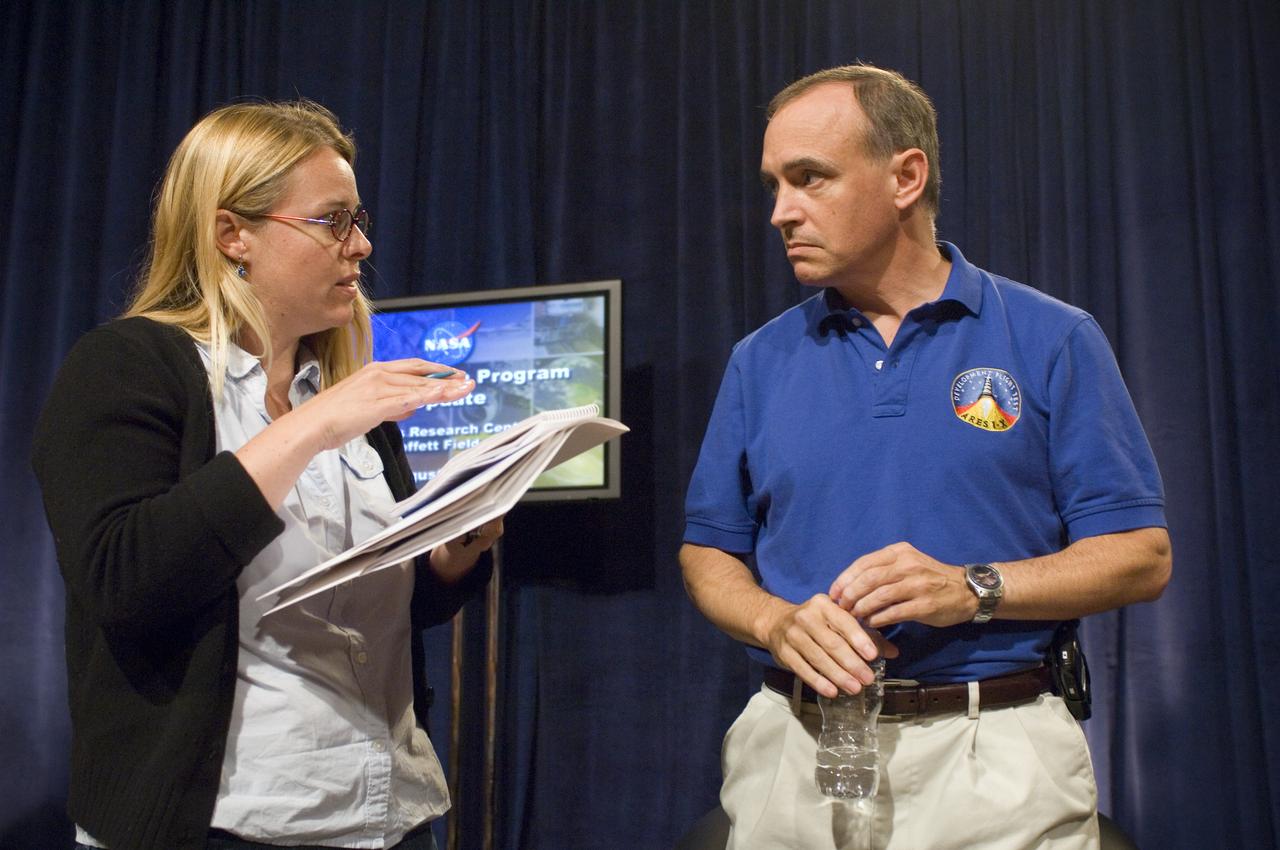
NASA Officials gather at Ames Research Center to discuss Spaceship development progress. Constellation is developing the Orion spacecraft and Ares rockets to support an American return to the moon by 2020. Speaker Jeff Hanley, JSC Constellation program manager
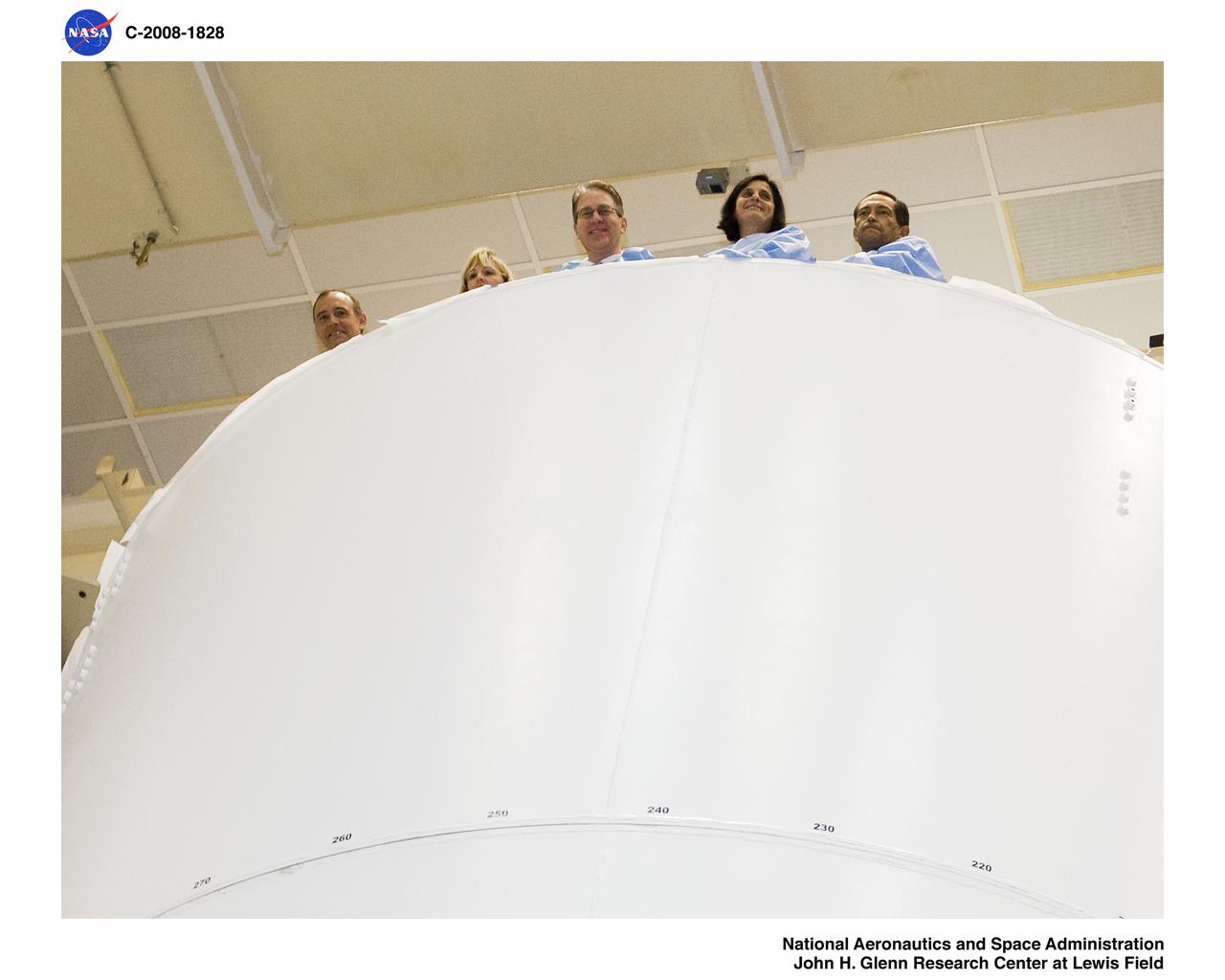
Tour of NASA Glenn's Ares 1-X Manufacturing Facility by NASA's Constellation Program Manager
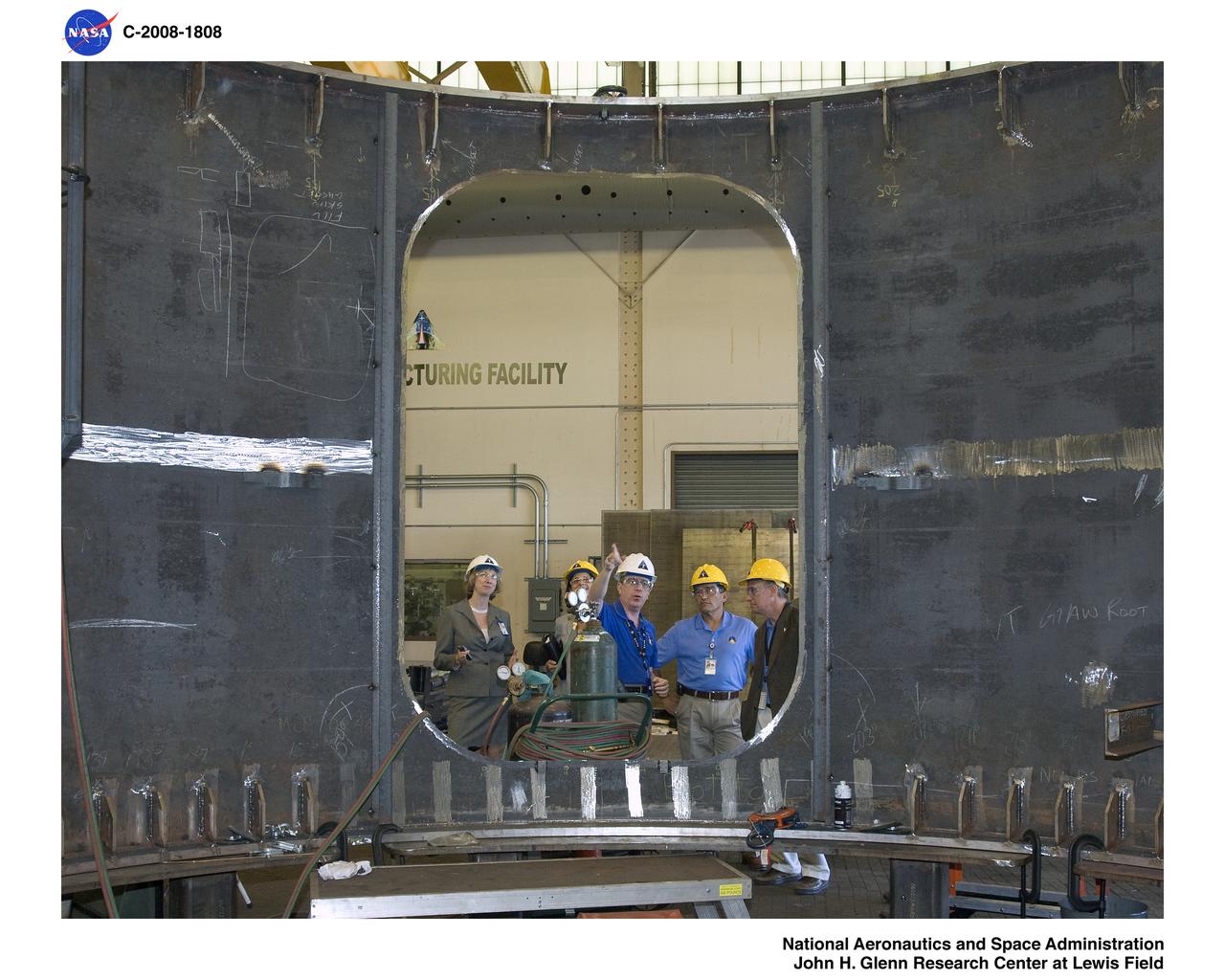
Tour of NASA Glenn's Ares 1-X Manufacturing Facility by NASA's Constellation Program Manager

Jeff Hanley, Constellation Program Manager, speaks during a press conference outlining specific center responsibilities associated with the Constellation Program for robotic and human Moon and Mars exploration, Monday, June 5, 2006, at NASA Headquarters in Washington. Photo Credit (NASA/Bill Ingalls)

Jeff Hanley, Constellation Program Manager, right, listens to a question during a NASA Update outlining responsibilities of the NASA centers associated with the Constellation Program for robotic and human Moon and Mars exploration on Wednesday, June 5, 2006, at NASA Headquarters in Washington. Photo Credit: (NASA/Bill Ingalls)

Jeff Hanley, Constellation Program Manager, announces to NASA employees and members of the media the responsibilities of the NASA centers associated with the Constellation Program for robotic and human Moon and Mars exploration on Wednesday, June 5, 2006, at NASA Headquarters in Washington. Photo Credit: (NASA/Bill Ingalls)
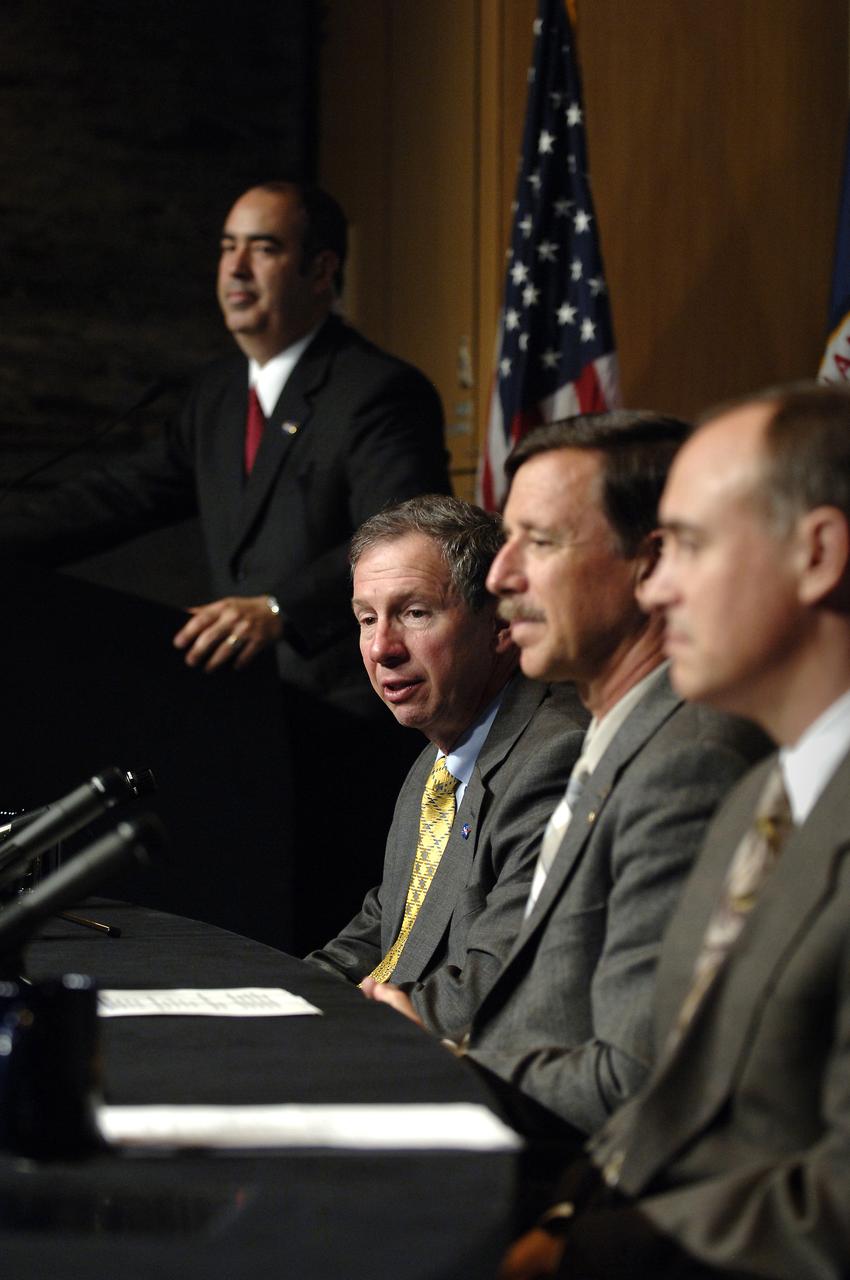
NASA Administrator Michael Griffin, seated left, Scott Horowitz, NASA Associate Administrator for Exploration Systems and Jeff Hanley, Constellation Program Manager, right, are seen during a press conference outlining specific center responsibilities associated with the Constellation Program for robotic and human moon and Mars exploration, Monday, June 5, 2006, at NASA Headquarters in Washington. Dean Acosta, NASA Deputy Assistant Administrator and Press Secretary, far left, moderates the program. Photo Credit (NASA/Bill Ingalls)

Scott Horowitz, NASA Associate Administrator for Exploration Systems, center, speaks as Jeff Hanley, Constellation Program Manager, right, looks on during a press conference outlining specific center responsibilities associated with the Constellation Program for robotic and human Moon and Mars exploration, Monday, June 5, 2006, at NASA Headquarters in Washington. Photo Credit (NASA/Bill Ingalls)
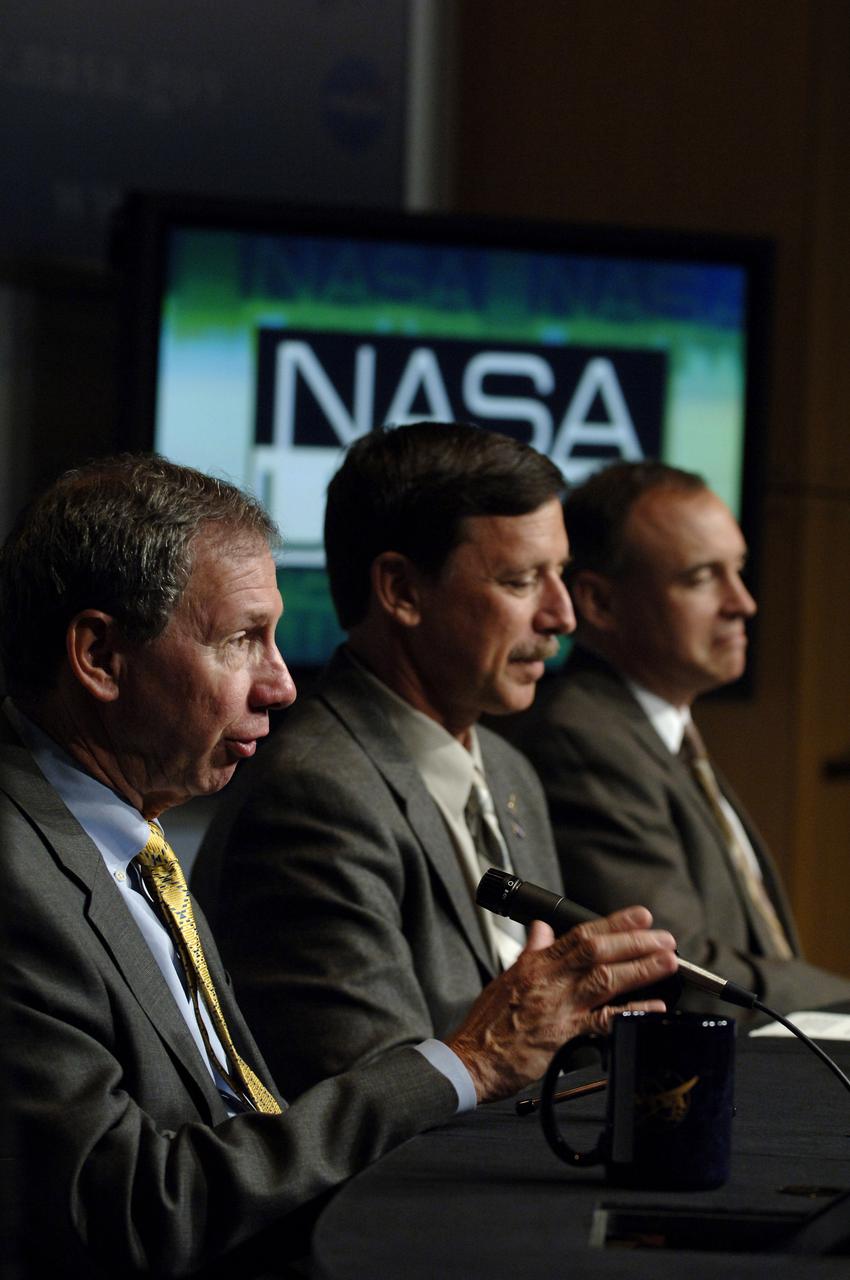
NASA Administrator Michael Griffin, left, announces to NASA employees and members of the media the responsibilities of the NASA centers associated with the Constellation Program for robotic and human Moon and Mars exploration on Wednesday, June 5, 2006, at NASA Headquarters in Washington. He is joined by Scott J. Horowitz, NASA Associate Administrator for Exploration Systems and Jeff Hanley, Constellation Program Manager, right. Photo Credit: (NASA/Bill Ingalls)
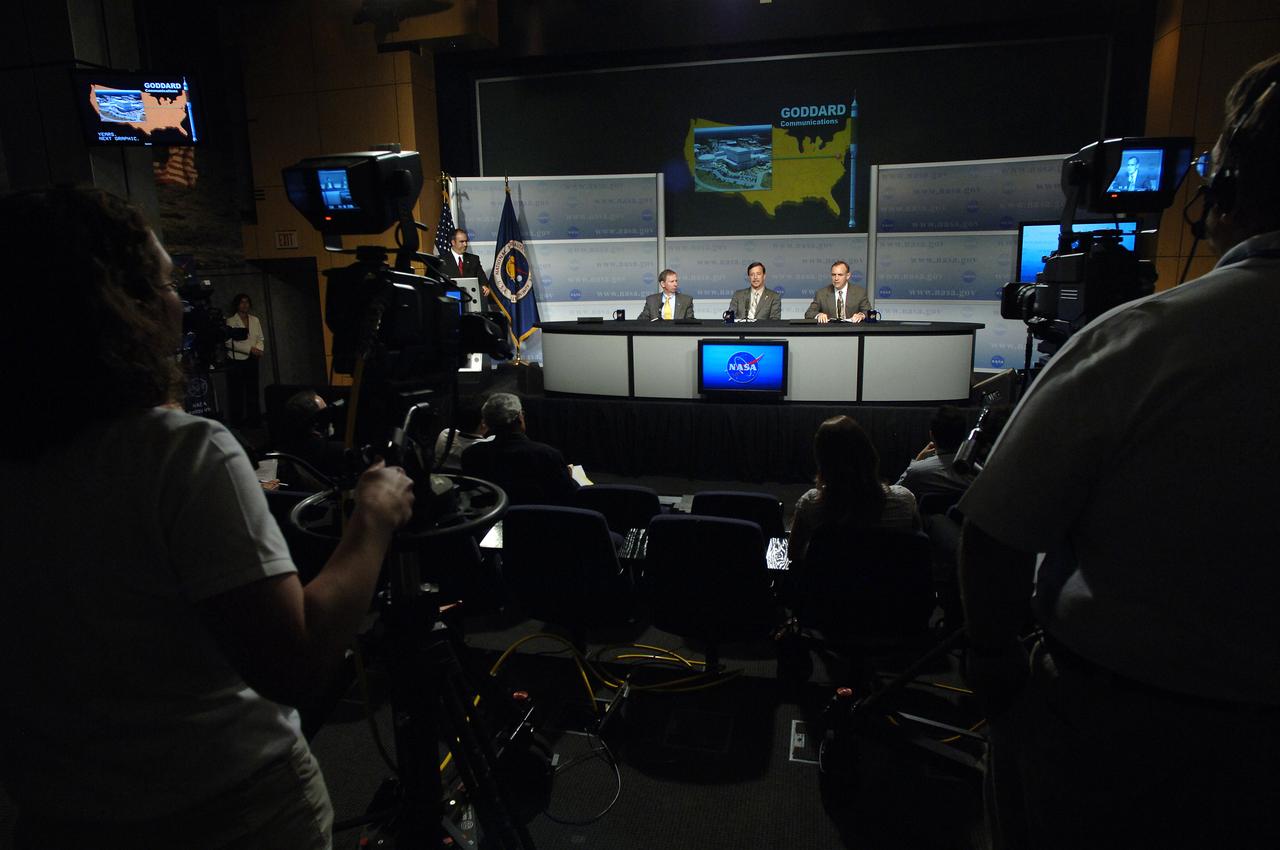
NASA Administrator Michael Griffin, left, Scott Horowitz, NASA Associate Administrator for Exploration Systems and Jeff Hanley, Constellation Program Manager, right, are seen during a press conference outlining specific center responsibilities associated with the Constellation Program for robotic and human Moon and Mars exploration, Monday, June 5, 2006, at NASA Headquarters in Washington. Photo Credit (NASA/Bill Ingalls)

Scott Horowitz, NASA Associate Administrator for Exploration Systems, left, and Jeff Hanley, Constellation Program Manager, are seen during a press conference outlining specific center responsibilities associated with the Constellation Program for robotic and human Moon and Mars exploration, Monday, June 5, 2006, at NASA Headquarters in Washington. Photo Credit (NASA/Bill Ingalls)

Members of the media listen during a press conference with NASA Administrator Michael Griffin, Scott Horowitz, NASA Associate Administrator for Exploration Systems and Jeff Hanley, Constellation Program Manager, outlining specific center responsibilities associated with the Constellation Program for robotic and human Moon and Mars exploration, Monday, June 5, 2006, at NASA Headquarters in Washington. Photo Credit (NASA/Bill Ingalls)
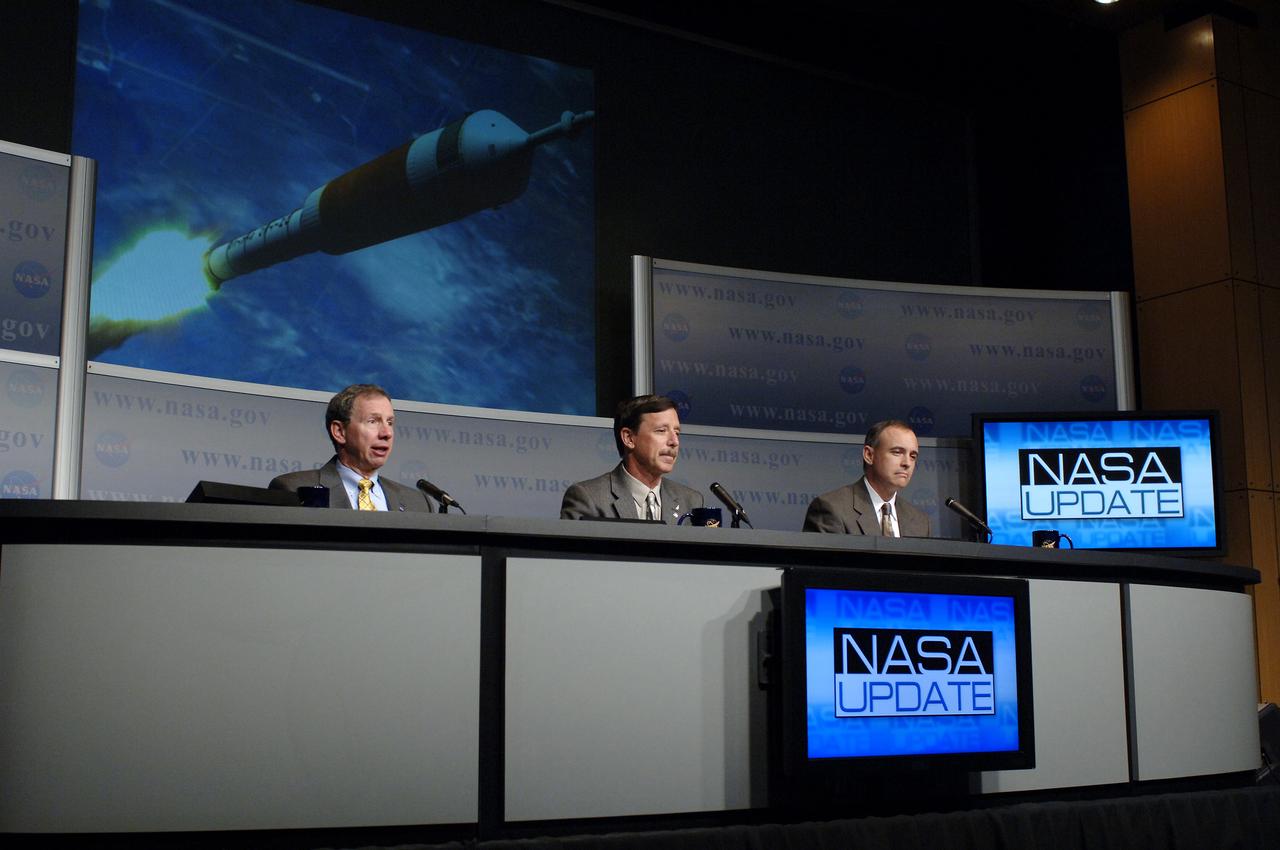
NASA Administrator Michael Griffin, left, Scott J. Horowitz, NASA Associate Administrator for Exploration Systems and Jeff Hanley, Constellation Program Manager, right, announce to NASA employees and members of the media the responsibilities of the NASA centers associated with the Constellation Program for robotic and human Moon and Mars exploration on Wednesday, June 5, 2006, at NASA Headquarters in Washington. Photo Credit: (NASA/Bill Ingalls)
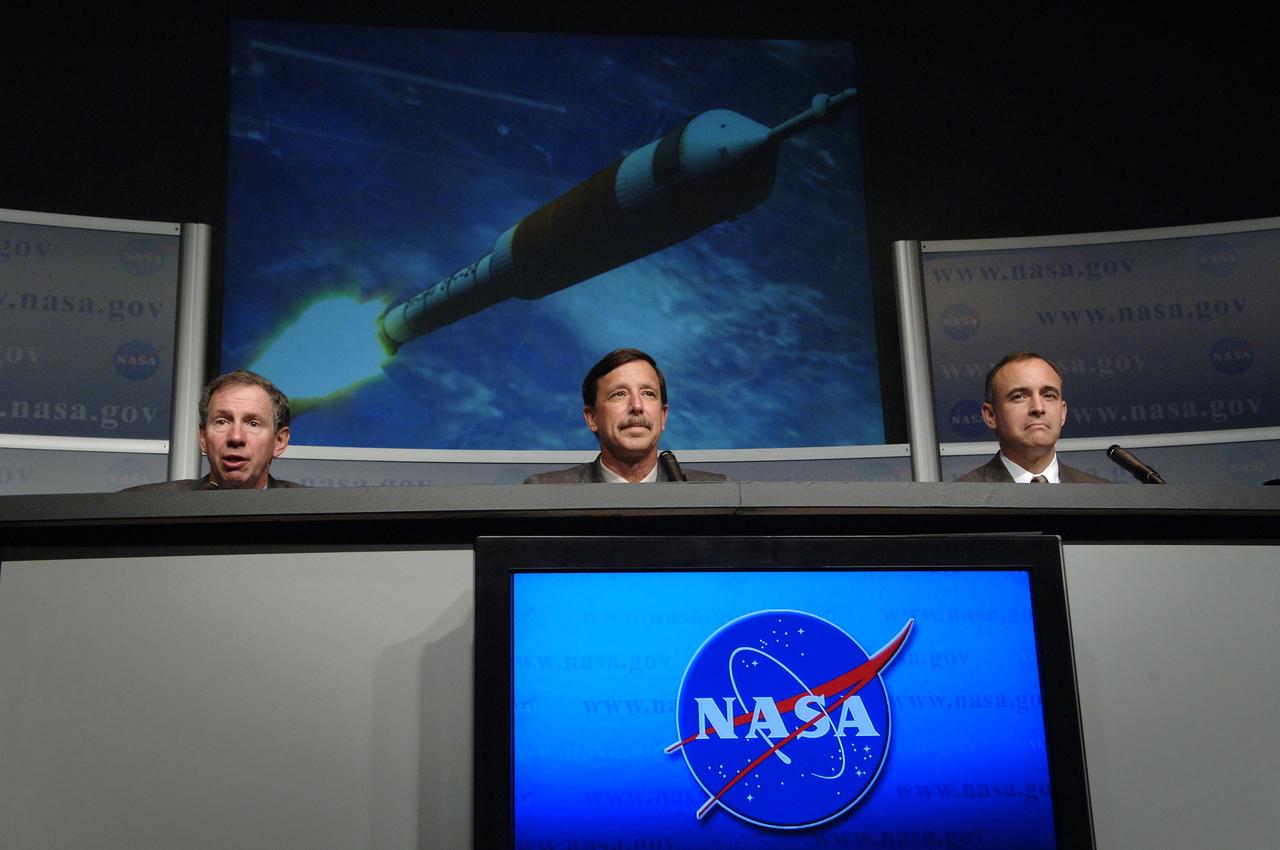
NASA Administrator Michael Griffin, left, Scott Horowitz, NASA Associate Administrator for Exploration Systems and Jeff Hanley, Constellation Program Manager, right, are seen during a press conference outlining specific center responsibilities associated with the Constellation Program for robotic and human Moon and Mars exploration, Monday, June 5, 2006, at NASA Headquarters in Washington. Photo Credit (NASA/Bill Ingalls)
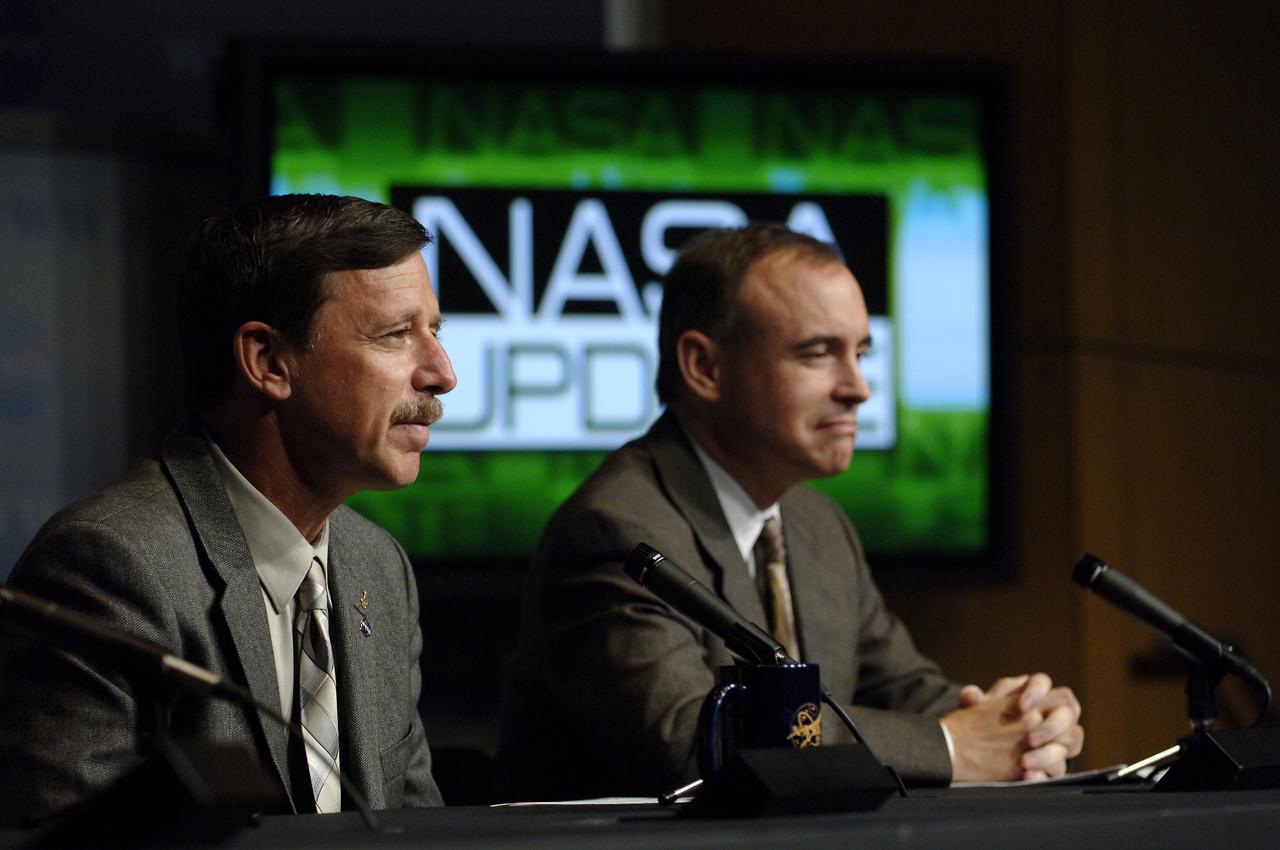
Scott J. Horowitz, NASA Associate Administrator for Exploration Systems, left, and Jeff Hanley, Constellation Program Manager, announce to NASA employees and members of the media the responsibilities of the NASA centers associated with the Constellation Program for robotic and human Moon and Mars exploration on Wednesday, June 5, 2006, at NASA Headquarters in Washington. Photo Credit: (NASA/Bill Ingalls)

Scott Horowitz, NASA Associate Administrator for Exploration Systems, left, looks on as Jeff Hanley, Constellation Program Manager, speaks during a press conference outlining specific center responsibilities associated with the Constellation Program for robotic and human Moon and Mars exploration, Monday, June 5, 2006, at NASA Headquarters in Washington. Photo Credit (NASA/Bill Ingalls)

Dean Acosta, NASA Deputy Assistant Administrator and Press Secretary, moderates a press conference with NASA Administrator Michael Griffin Scott Horowitz, NASA Associate Administrator for Exploration Systems and Jeff Hanley, Constellation Program Manager, outlining specific center responsibilities associated with the Constellation Program for robotic and human Moon and Mars exploration, Monday, June 5, 2006, at NASA Headquarters in Washington. Photo Credit (NASA/Bill Ingalls)

Scott Horowitz, NASA Associate Administrator for Exploration Systems, left, looks on as Jeff Hanley, Constellation Program Manager, speaks during a press conference outlining specific center responsibilities associated with the Constellation Program for robotic and human Moon and Mars exploration, Monday, June 5, 2006, at NASA Headquarters in Washington. Photo Credit (NASA/Bill Ingalls)
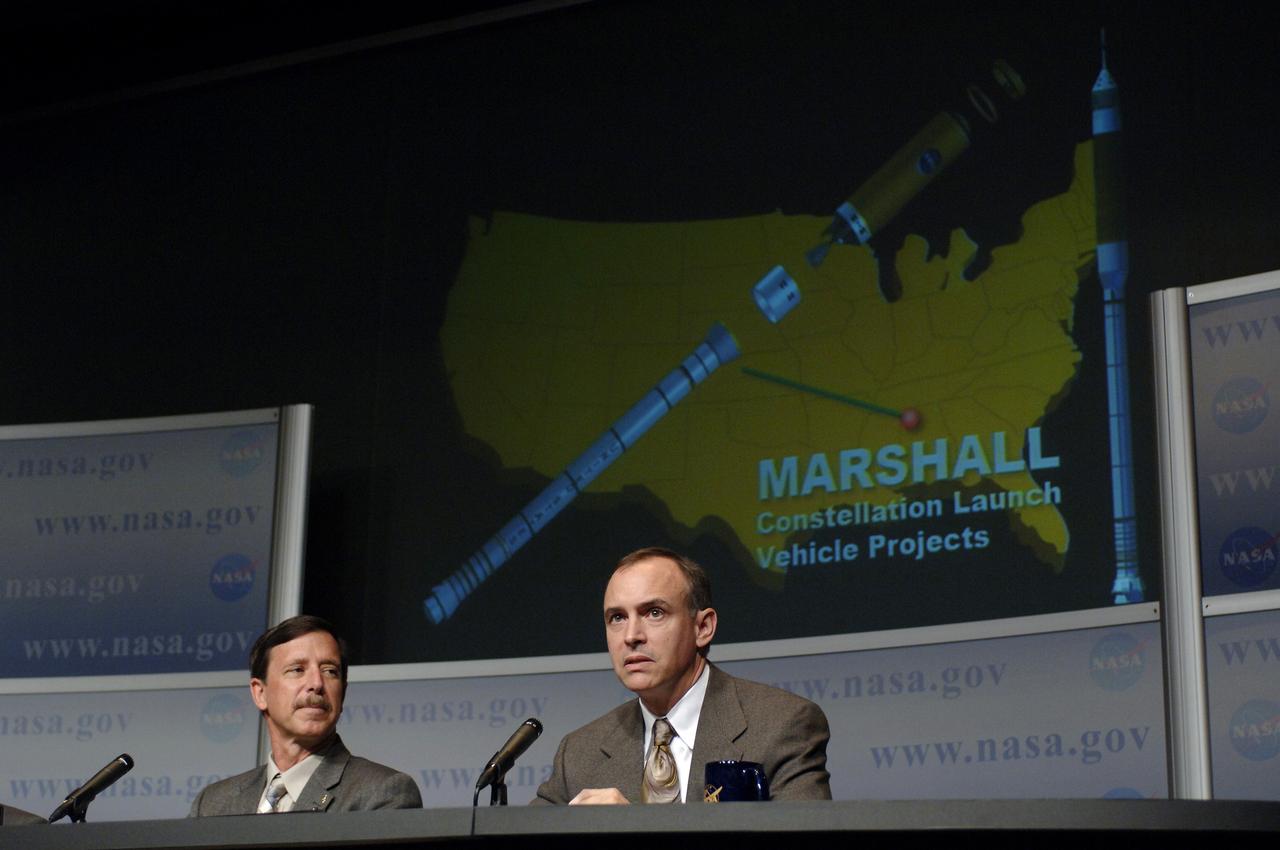
Jeff Hanley, Constellation Program Manager, right, and Scott J. Horowitz, NASA Associate Administrator for Exploration Systems announce to NASA employees and members of the media the responsibilities of the NASA centers associated with the Constellation Program for robotic and human Moon and Mars exploration on Wednesday, June 5, 2006, at NASA Headquarters in Washington. Photo Credit: (NASA/Bill Ingalls)
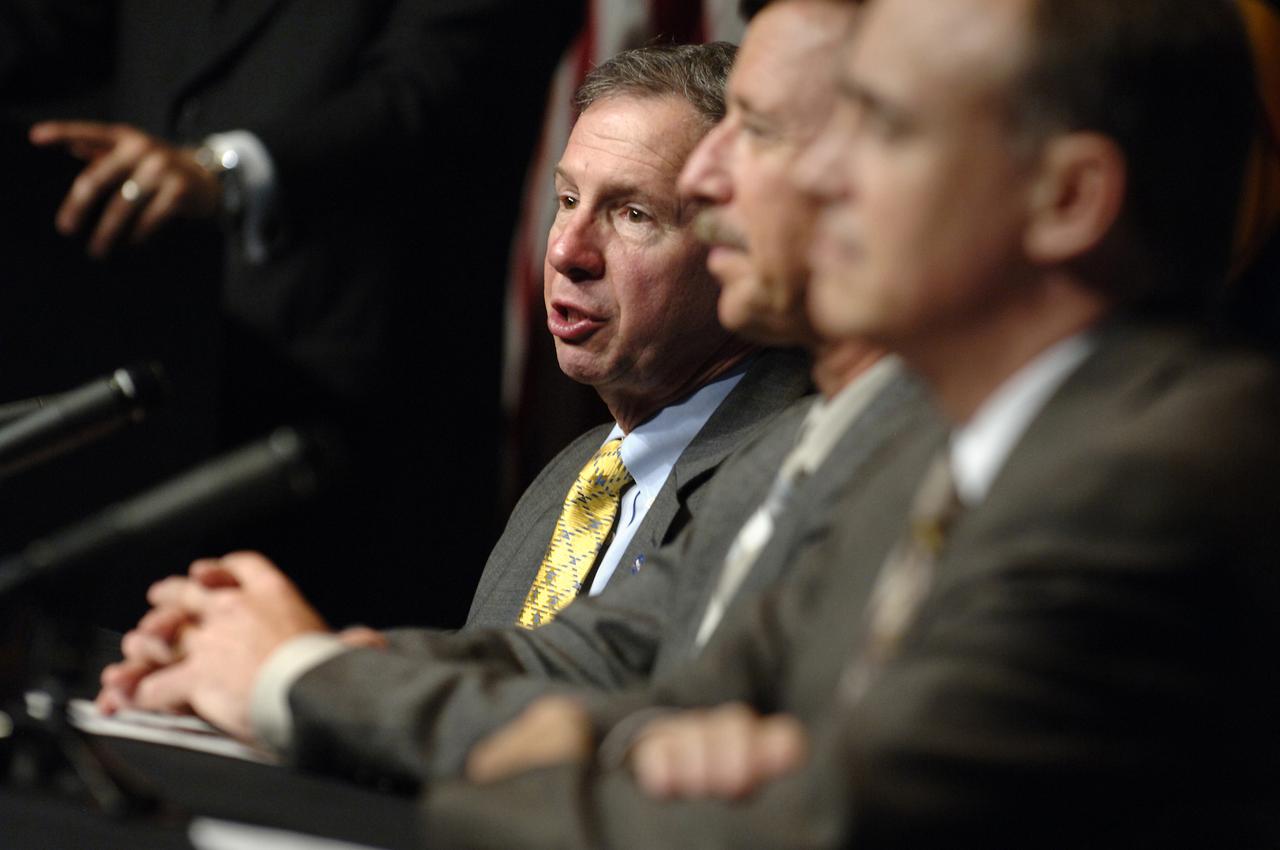
NASA Administrator Michael Griffin, left, Scott Horowitz, NASA Associate Administrator for Exploration Systems and Jeff Hanley, Constellation Program Manager, right, are seen during a press conference outlining specific center responsibilities associated with the Constellation Program for robotic and human Moon and Mars exploration, Monday, June 5, 2006, at NASA Headquarters in Washington. Photo Credit (NASA/Bill Ingalls)
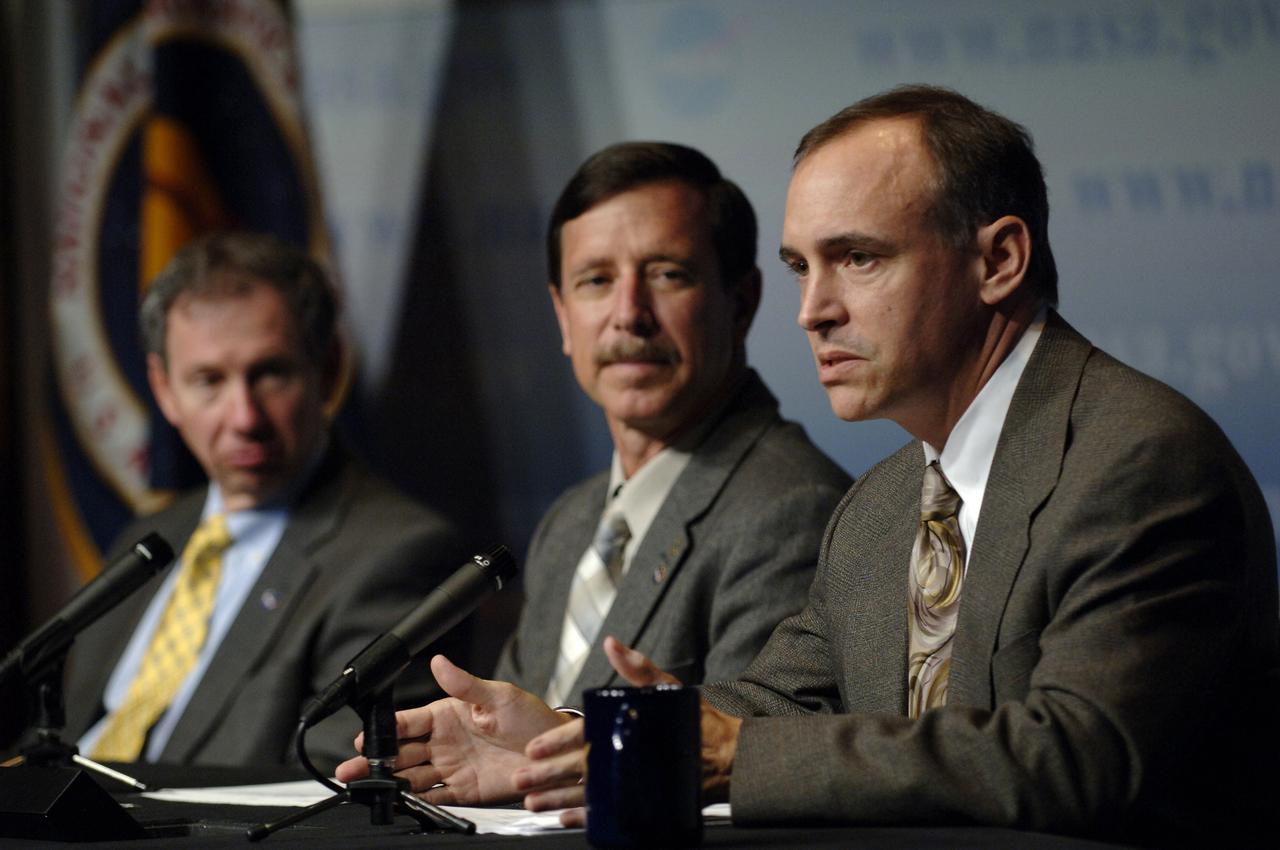
Jeff Hanley, Constellation Program Manager, right, announces to NASA employees and members of the media the responsibilities of the NASA centers associated with the Constellation Program for robotic and human Moon and Mars exploration on Wednesday, June 5, 2006, at NASA Headquarters in Washington. Hanley is joined by Scott J. Horowitz, NASA Associate Administrator for Exploration Systems and NASA Administrator Michael Griffin, left. Photo Credit: (NASA/Bill Ingalls)

Scott J. Horowitz, NASA Associate Administrator for Exploration Systems, center, announces to NASA employees and members of the media the responsibilities of the NASA centers associated with the Constellation Program for robotic and human Moon and Mars exploration on Wednesday, June 5, 2006, at NASA Headquarters in Washington. Horowitz was joined by NASA Administrator Michael Griffin, left, and Jeff Hanley, Constellation Program Manager. Photo Credit: (NASA/Bill Ingalls)
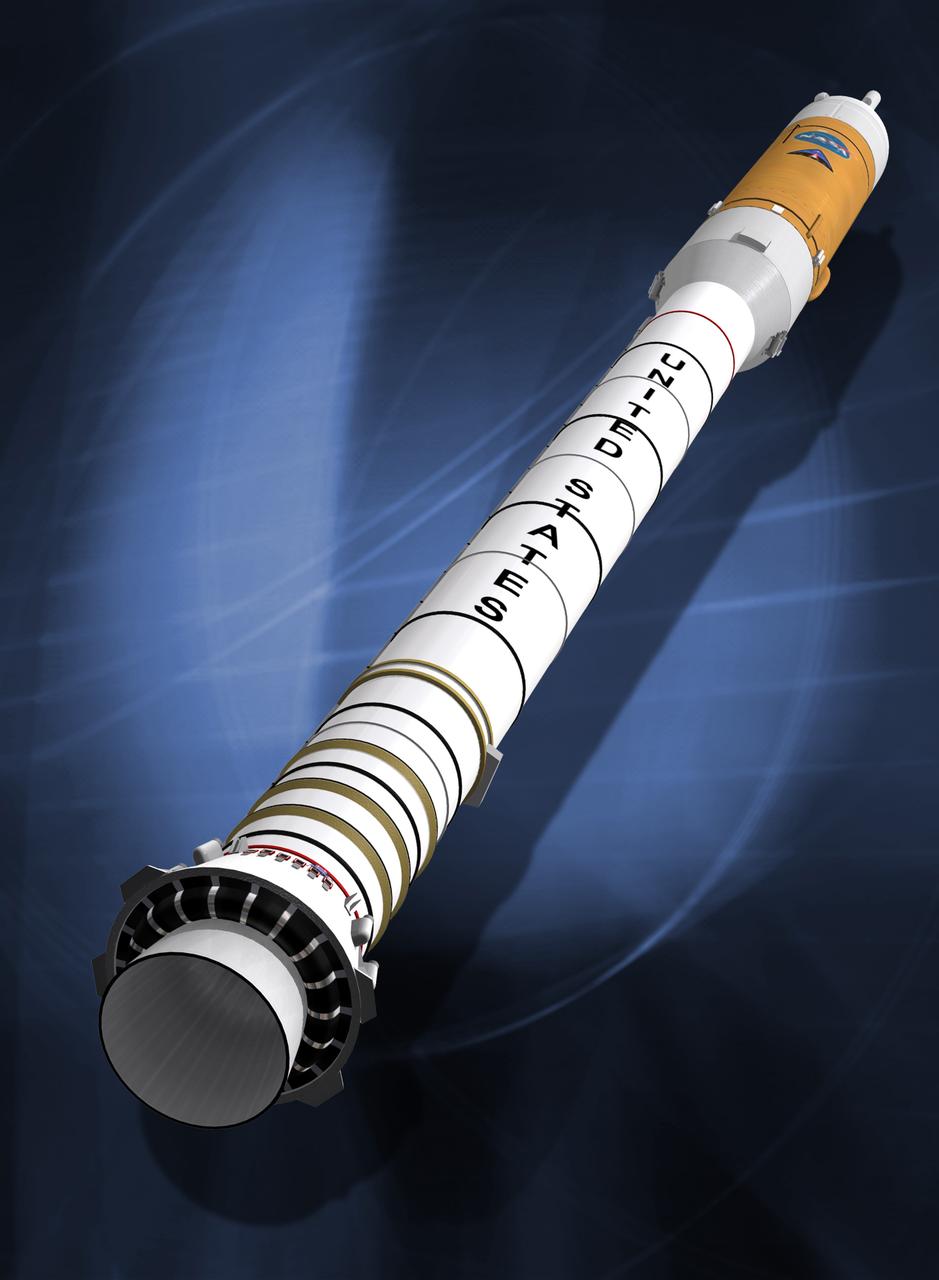
Shown is an illustration of the Ares I concept. The first stage will be a single, five-segment solid rocket booster derived from the space shuttle programs reusable solid rocket motor. The first stage is managed by NASA's Marshall Space Flight Center in Huntsville, Alabama for NASA's Constellation program.
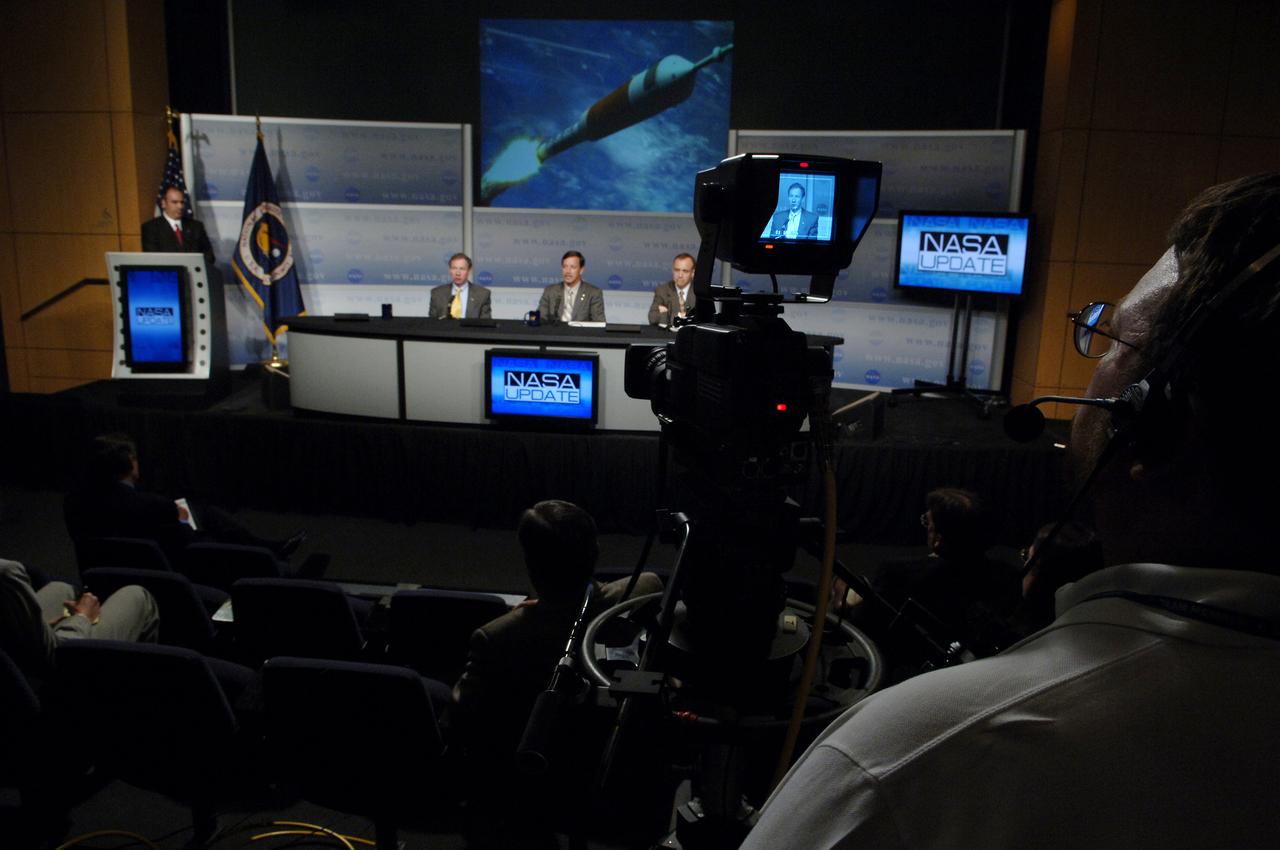
NASA Administrator Michael Griffin is seen through a television camera at a NASA Update announcing to NASA employees and members of the media the responsibilities of the NASA centers associated with the Constellation Program for robotic and human Moon and Mars exploration on Wednesday, June 5, 2006, at NASA Headquarters in Washington. Griffin was joined by Scott J. Horowitz, NASA Associate Administrator for Exploration Systems and Jeff Hanley, Constellation Program Manager, right. Dean Acosta, NASA Deputy Assistant Administrator and Press Secretary, far left, moderates the program. Photo Credit: (NASA/Bill Ingalls)
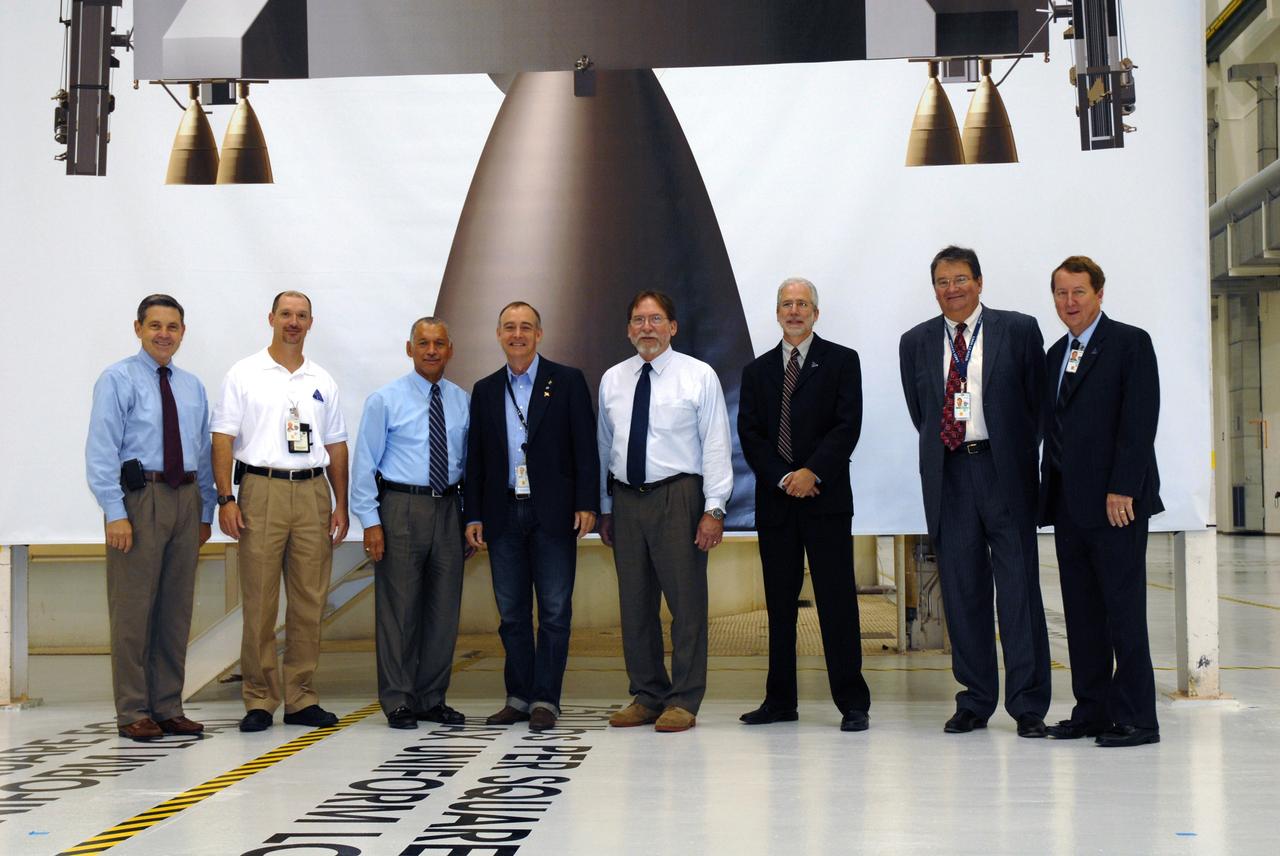
CAPE CANAVERAL, Fla. – Center Director Robert Cabana (left) and Constellation Program directors and managers accompany NASA Administrator Charles Bolden (third from left) on a tour of NASA's Kennedy Space Center in Florida. The tour included this stop in the Operations and Checkout Building to view the high bay planned for the assembly of the Constellation Program's Orion crew vehicle. Bolden also was at Kennedy for several events, including the landing of space shuttle Endeavour's STS-127 mission and the signing of the joint NASA-Japan Aerospace Exploration Agency agreement defining the terms of cooperation between the agencies on the Global Precipitation Measurement, or GPM, mission. Photo credit: NASA/Kim Shiflett
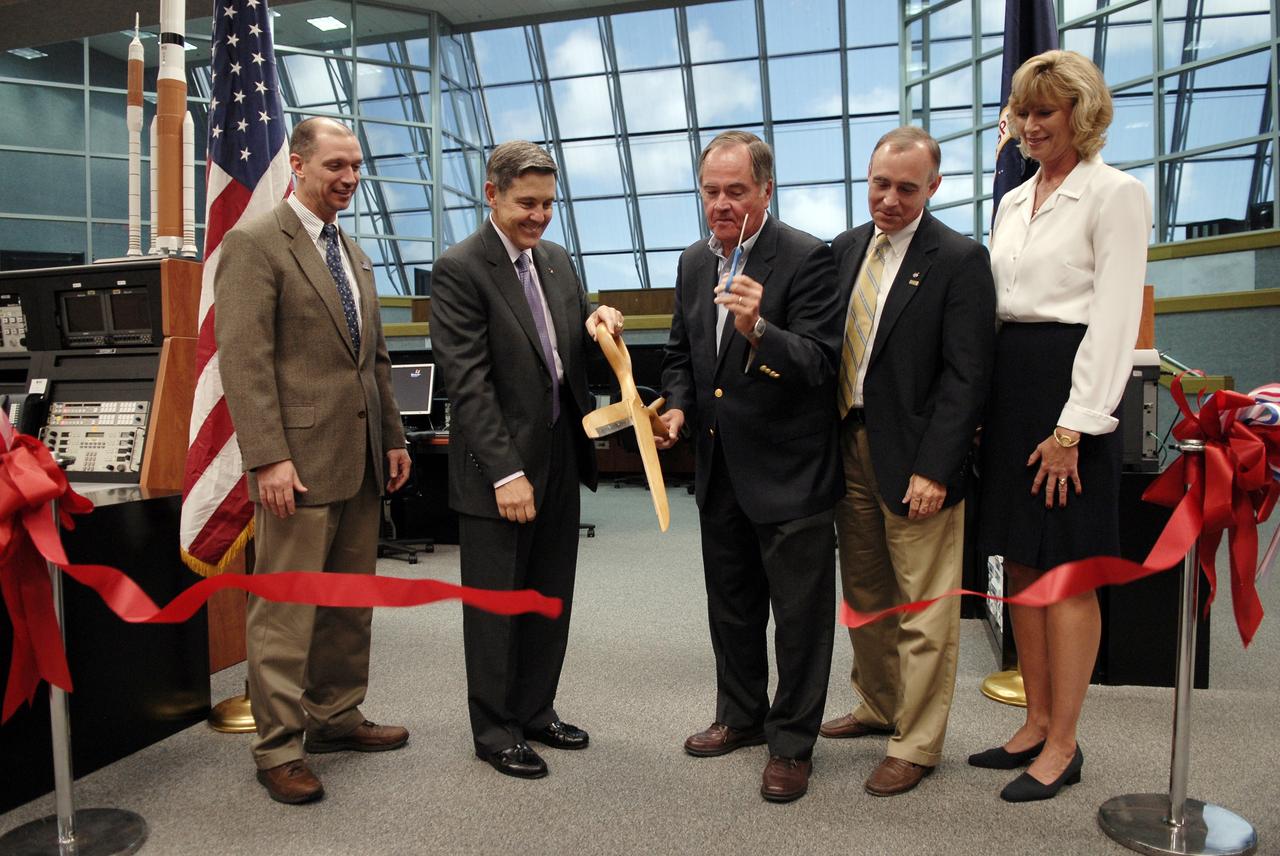
CAPE CANAVERAL, Fla. – This ribbon cutting officially turns over NASA Kennedy Space Center's Launch Control Center Firing Room 1 from the Space Shuttle Program to the Constellation Program. Participating are (from left) Pepper Phillips, director of the Constellation Project Office at Kennedy; Bob Cabana, Kennedy's director; Robert Crippen, former astronaut; Jeff Hanley, manager of the Constellation Program at NASA's Johnson Space Center; and Nancy Bray, deputy director of Center Operations at Kennedy. The room has undergone demolition and construction and been outfitted with consoles for the upcoming Ares I-X rocket flight test targeted for launch on Oct. 27. As the center of launch operations at Kennedy since the Apollo Program, the Launch Control Center, or LCC, has played a central role in NASA's human spaceflight programs. Firing Room 1 was the first operational firing room constructed. From this room, controllers launched the first Saturn V, the first crewed flight of Saturn V, the first crewed mission to the moon and the first space shuttle. Firing Room 1 will continue this tradition of firsts when controllers launch the Constellation Program's first flight test. Also, this firing room will be the center of operations for the upcoming Ares I and Orion operations. Photo credit: NASA/Kim Shiflett
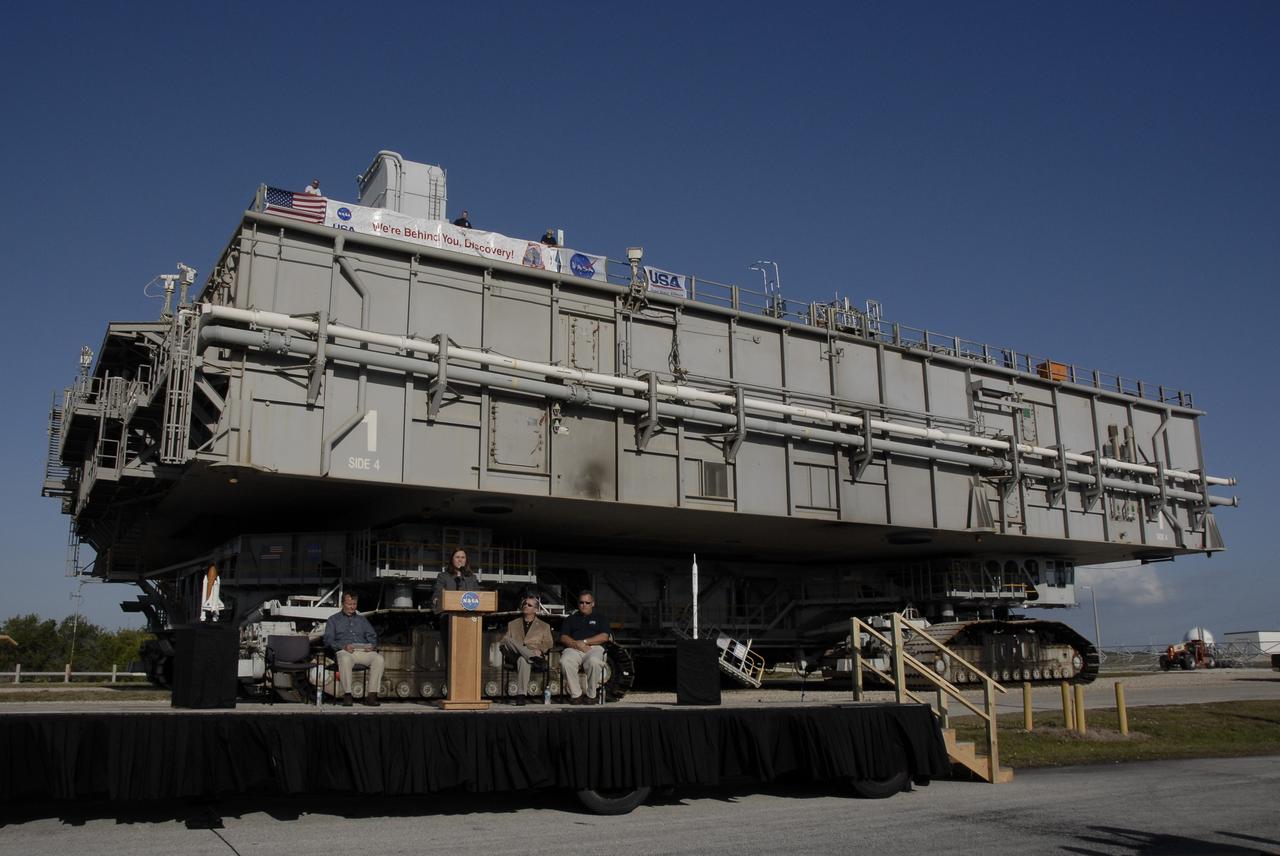
CAPE CANAVERAL, Fla. – NASA's Kennedy Space Center management host a ceremony near Launch Pad 39B to mark the handover of Mobile Launcher Platform-1 (behind them) from NASA's Space Shuttle Program to the Constellation Program for the Ares I-X flight test targeted for this summer. Seated are (left) Shuttle Launch Director Mike Leinbach and (right) Pepper E. Phillips, director of the Constellation Project Office, and Brett Raulerson, manager of MLP Operations with United Space Alliance. At the podium is Rita Willcoxon, director of Launch Vehicle Processing at Kennedy. Constructed in 1964, the mobile launchers used in Apollo/Saturn operations were modified for use in shuttle operations. With cranes, umbilical towers and swing arms removed, the mobile launchers were renamed Mobile Launcher Platforms, or MLPs. Photo credit: NASA/Kim Shiflett
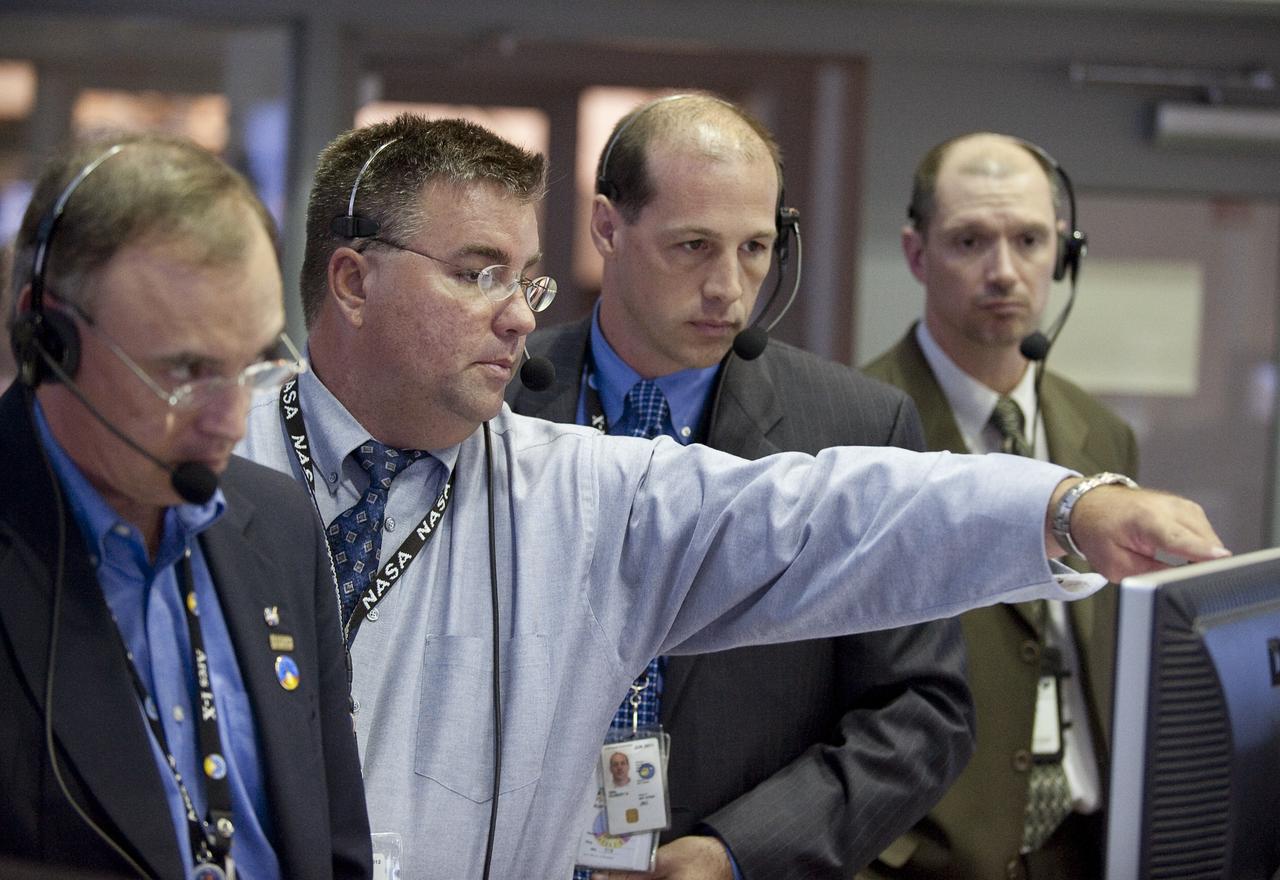
Mission managers, from left, NASA Constellation Program manager Jeff Hanley, Ares I-X Launch Director Ed Mango, Ares I-X mission manager Bob Ess, Ground Operations Manager Philip "Pepper" Phillips, review the latest data in Firing Room One of the Launch Control Center (LCC) at the Kennedy Space Center during the launch countdown of the Ares I-X rocket in Cape Canaveral, Fla., Tuesday, Oct. 27, 2009. The flight test of Ares I-X will provide NASA with an early opportunity to test and prove flight characteristics, hardware, facilities and ground operations associated with the Ares I. Photo Credit: (NASA/Bill Ingalls)
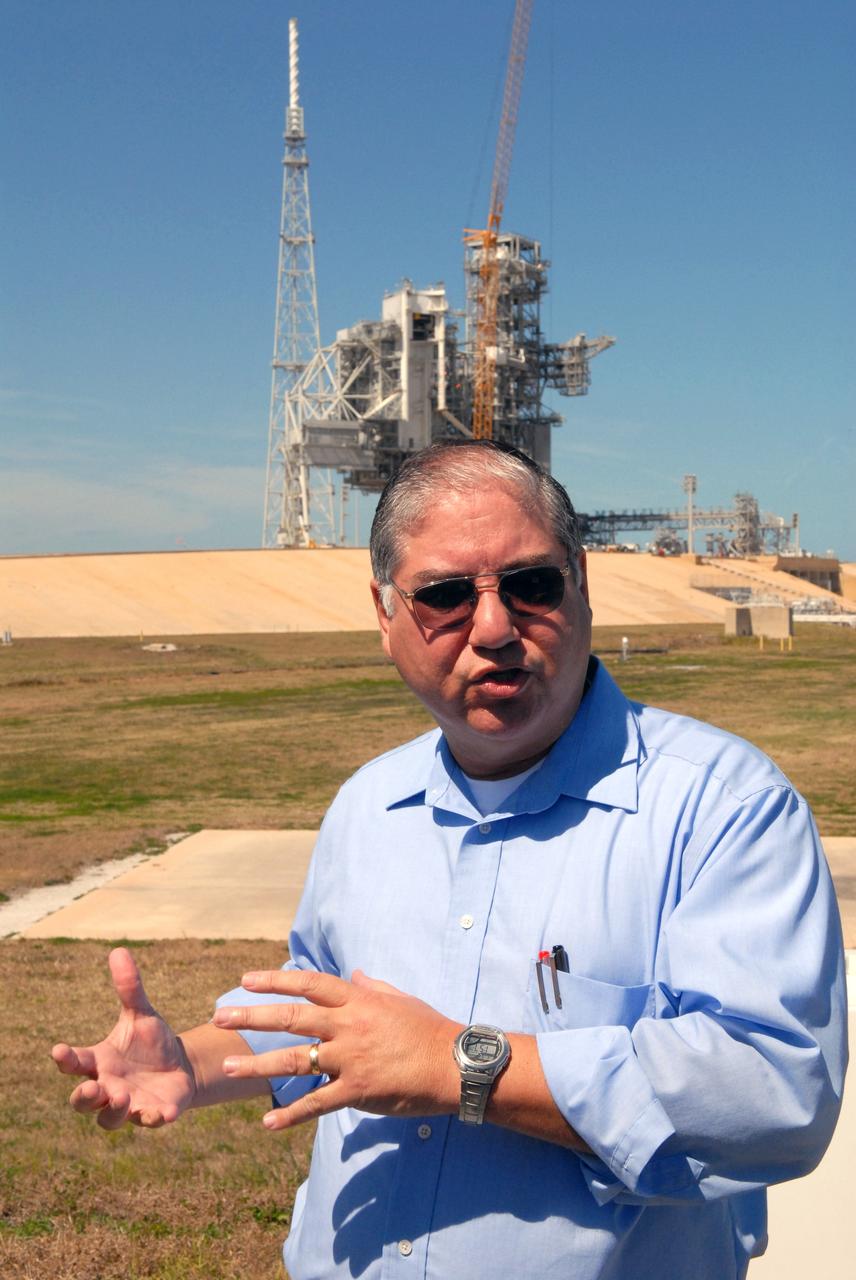
CAPE CANAVERAL, Fla. – Near Launch Pad 39B at NASA's Kennedy Space Center in Florida, Jose Perez-Morales explains use of the launch pad for the Ares rockets in the Constellation Program. Perez-Morales is Constellation senior pad project manager. Pad 39B will be used for the Ares I-X flight test, targeted for July 2009. The I-X flight will provide NASA an early opportunity to test and prove hardware, facilities and ground operations associated with Ares I, part of the Constellation Program to return men to the moon and beyond. Ares I is the essential core of a safe, reliable, cost-effective space transportation system that eventually will carry crewed missions back to the moon, on to Mars and out into the solar system. Photo credit: NASA/Jack Pfaller

Bohdan Bejmuk, chair, Constellation program Standing Review Board, and former manager of the Boeing Space Shuttle and Sea Launch programs, right, asks a question during the final meeting of the Human Space Flight Review Committee as Dr. Wanda Austin, president and CEO, The Aerospace Corp., looks on at left, Wednesday, Aug. 12, 2009, in Washington. Photo Credit: (NASA/Paul E. Alers)
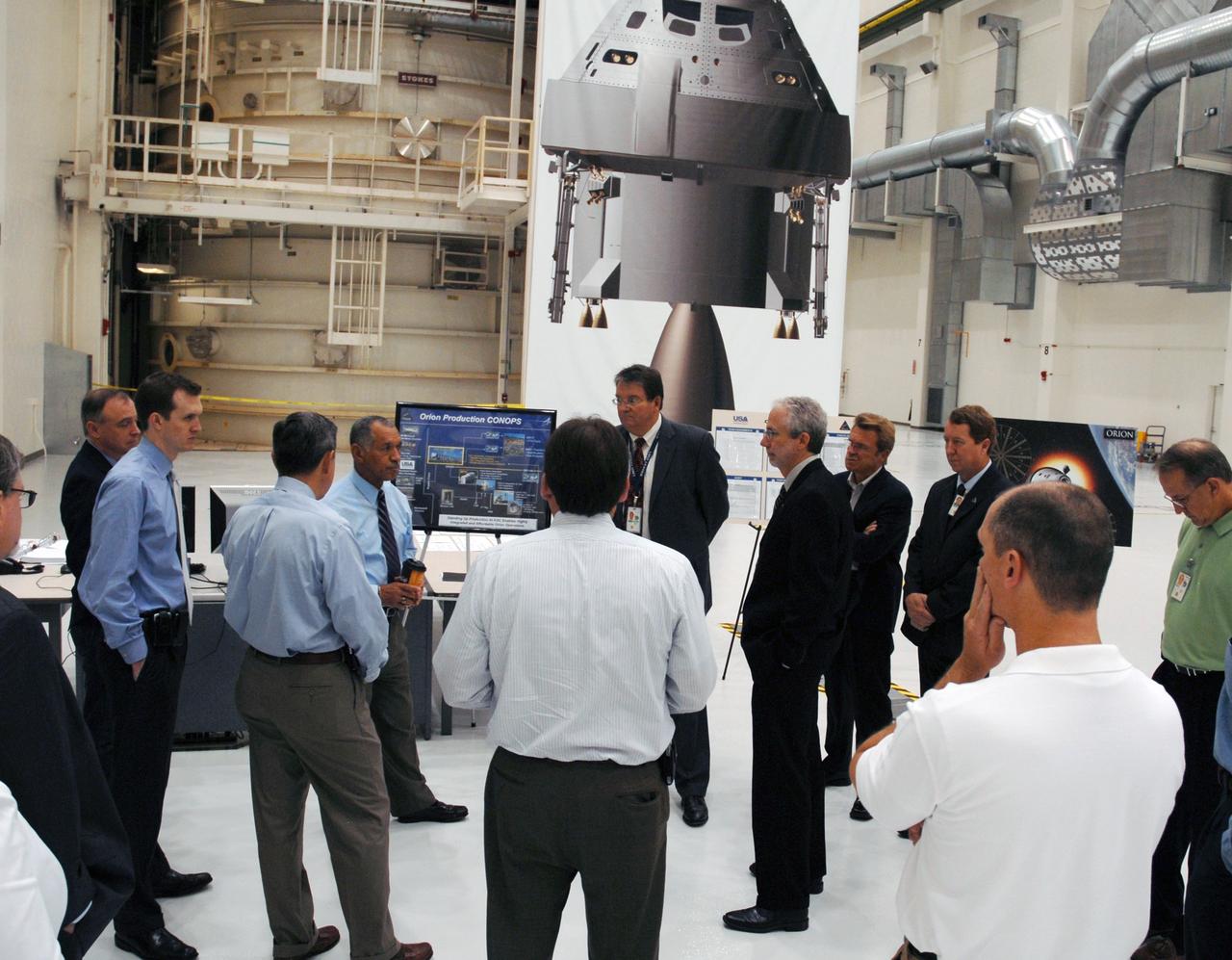
CAPE CANAVERAL, Fla. – On a tour of NASA's Kennedy Space Center in Florida, NASA Administrator Charles Bolden stops in the Operations and Checkout Building to view the high bay planned for the assembly of the Constellation Program's Orion crew vehicle. At left are Chief of Staff in the Office of the Administrator George Whitesides, Center Director Bob Cabana (back to camera) and Bolden. Facing Bolden is Lockheed Martin Space Systems Company Deputy Program Manager Richard F. Harris. Bolden is touring several facilities at Kennedy involved with NASA's Constellation Program. Bolden also was at Kennedy for several events, including the landing of space shuttle Endeavour's STS-127 mission and the signing of the joint NASA-Japan Aerospace Exploration Agency agreement defining the terms of cooperation between the agencies on the Global Precipitation Measurement, or GPM, mission. Photo credit: NASA/Kim Shiflett
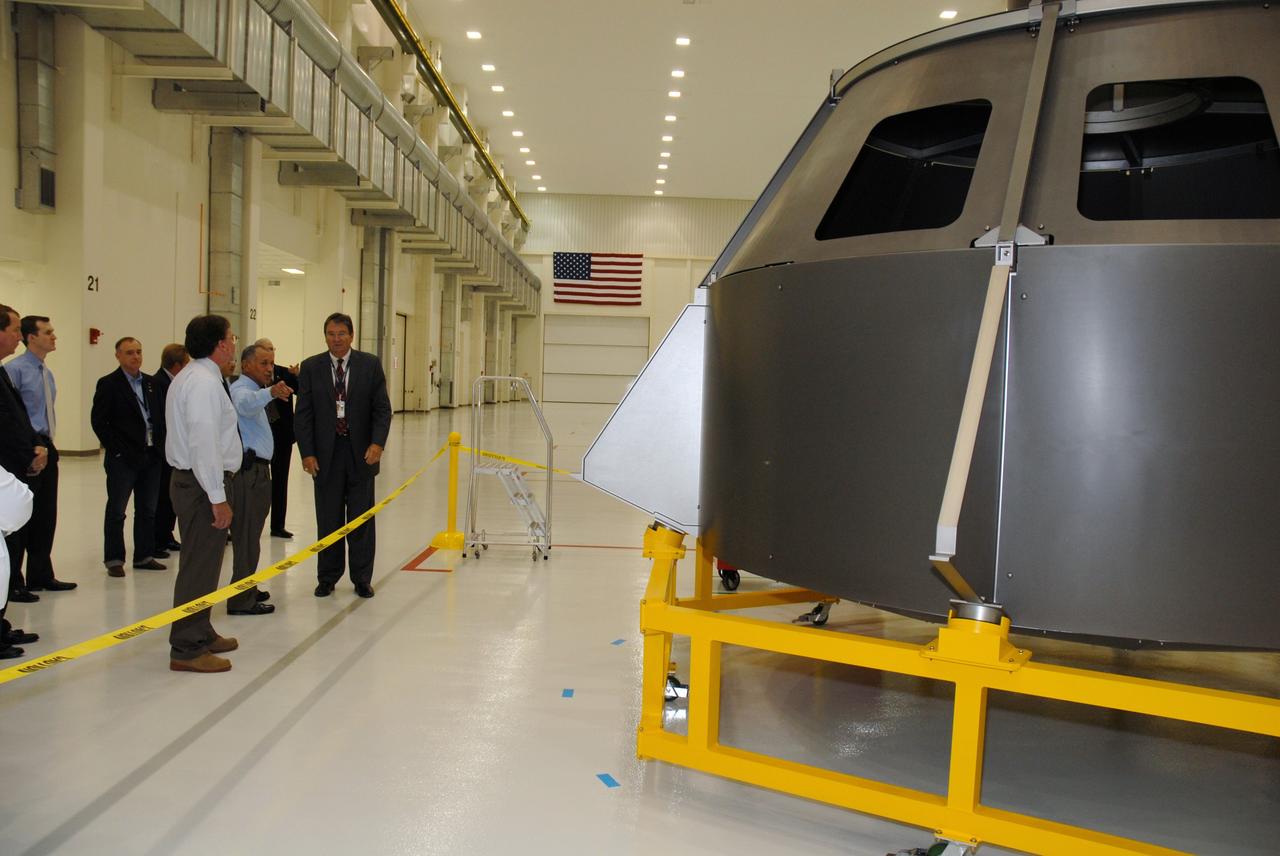
CAPE CANAVERAL, Fla. – On a tour of NASA's Kennedy Space Center in Florida, NASA Administrator Charles Bolden (pointing, at left) stops in the Operations and Checkout Building to view the high bay planned for the assembly of the Constellation Program's Orion crew vehicle (seen at right). On the right is Lockheed Martin Space Systems Company Deputy Program Manager Richard F. Harris. Bolden is touring several facilities at Kennedy involved with NASA's Constellation Program. Bolden also was at Kennedy for several events, including the landing of space shuttle Endeavour's STS-127 mission and the signing of the joint NASA-Japan Aerospace Exploration Agency agreement defining the terms of cooperation between the agencies on the Global Precipitation Measurement, or GPM, mission. Photo credit: NASA/Kim Shiflett
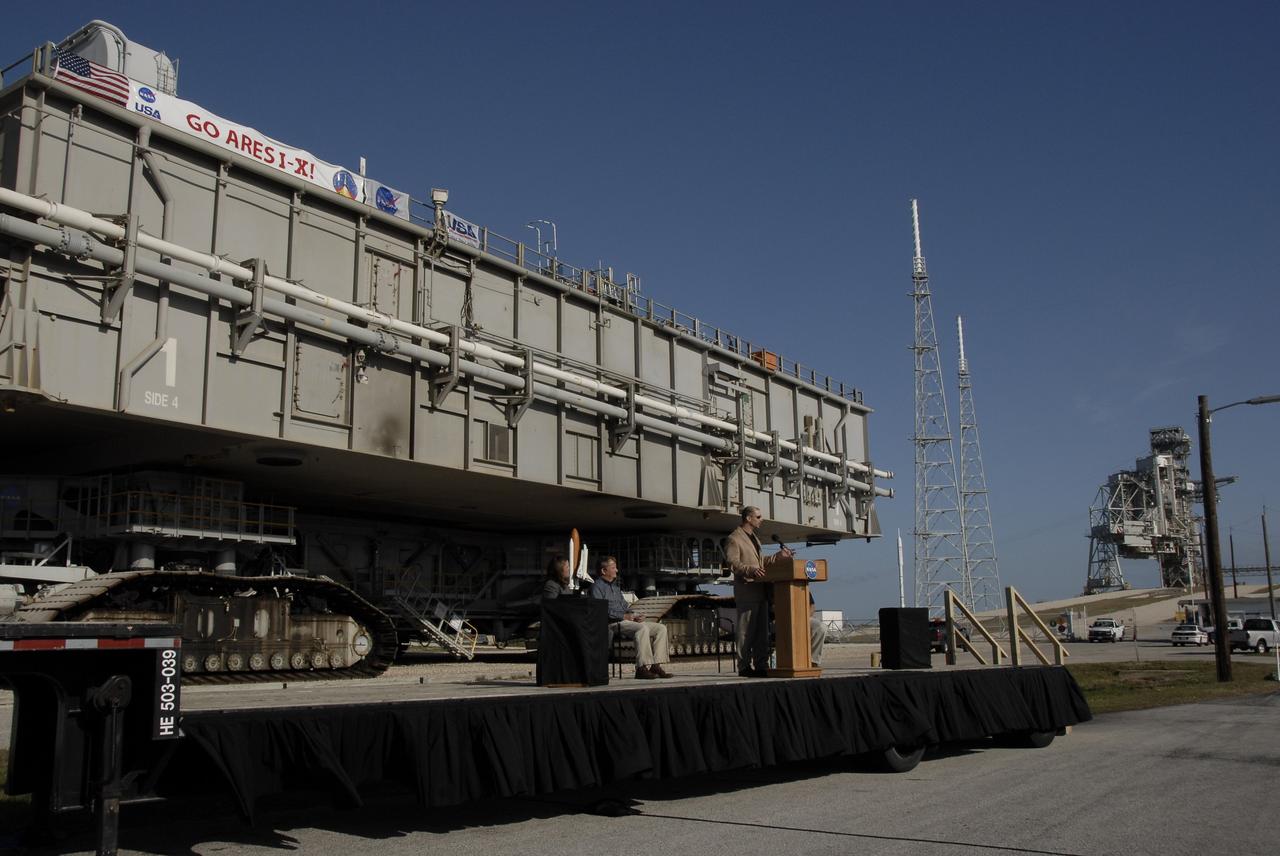
CAPE CANAVERAL, Fla. – Near Launch Pad 39B at NASA's Kennedy Space Center in Florida, Director of the Constellation Project Office Pepper E. Phillips speaks to employees and media during the handover ceremony for Mobile Launcher Platform-1. Marking the handover is the change of banner on the platform behind him. On the stage and also participating in the ceremony are Director of Launch Vehicle Processing Rita Willcoxon , Shuttle Launch Director Mike Leinbach, and Manager of MLP Operations with United Space Alliance Brett Raulerson. The platform is being transferred from NASA's Space Shuttle Program to the Constellation Program for the Ares I-X flight test targeted for this summer. Constructed in 1964, the mobile launchers used in Apollo/Saturn operations were modified for use in shuttle operations. With cranes, umbilical towers and swing arms removed, the mobile launchers were renamed Mobile Launcher Platforms, or MLPs. Photo credit: NASA/Kim Shiflett
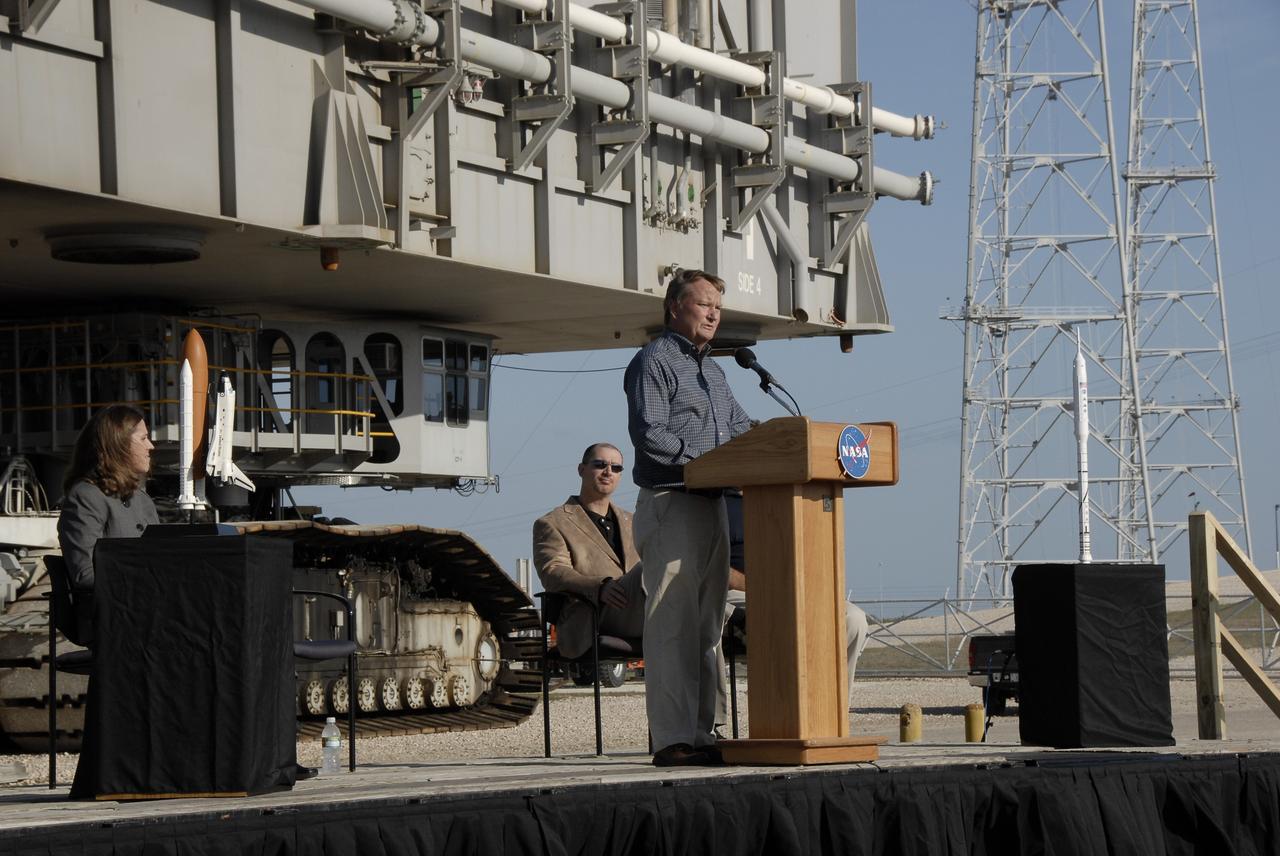
CAPE CANAVERAL, Fla. – Near Launch Pad 39B at NASA's Kennedy Space Center in Florida, Shuttle Launch Director Mike Leinbach speaks to the employees and media during the handover ceremony for Mobile Launcher Platform-1. The platform is being transferred from NASA's Space Shuttle Program to the Constellation Program for the Ares I-X flight test targeted for this summer. Also participating in the ceremony are (left) Rita Willcoxon, director of Launch Vehicle Processing at Kennedy, (right) Pepper E. Phillips, director of the Constellation Project Office, and (not visible) Brett Raulerson, manager of MLP Operations with United Space Alliance. Constructed in 1964, the mobile launchers used in Apollo/Saturn operations were modified for use in shuttle operations. With cranes, umbilical towers and swing arms removed, the mobile launchers were renamed Mobile Launcher Platforms, or MLPs. Photo credit: NASA/Kim Shiflett
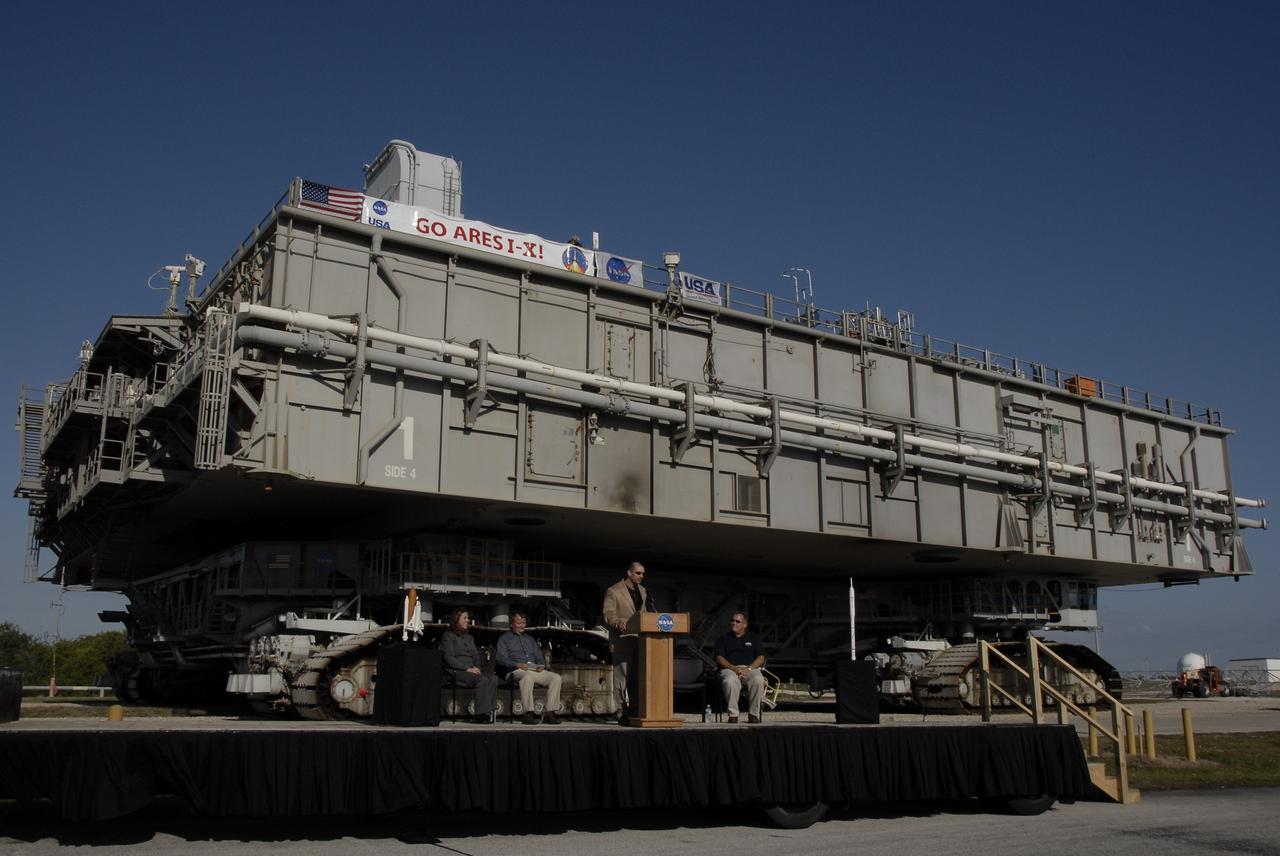
CAPE CANAVERAL, Fla. – Near Launch Pad 39B at NASA's Kennedy Space Center in Florida, Director of the Constellation Project Office Pepper E. Phillips speaks to employees and media during the handover ceremony for Mobile Launcher Platform-1. Marking the handover is the change of banner on the platform behind him. On the stage and also participating in the ceremony are Director of Launch Vehicle Processing Rita Willcoxon , Shuttle Launch Director Mike Leinbach, and Manager of MLP Operations with United Space Alliance Brett Raulerson. The platform is being transferred from NASA's Space Shuttle Program to the Constellation Program for the Ares I-X flight test targeted for this summer. Constructed in 1964, the mobile launchers used in Apollo/Saturn operations were modified for use in shuttle operations. With cranes, umbilical towers and swing arms removed, the mobile launchers were renamed Mobile Launcher Platforms, or MLPs. Photo credit: NASA/Kim Shiflett
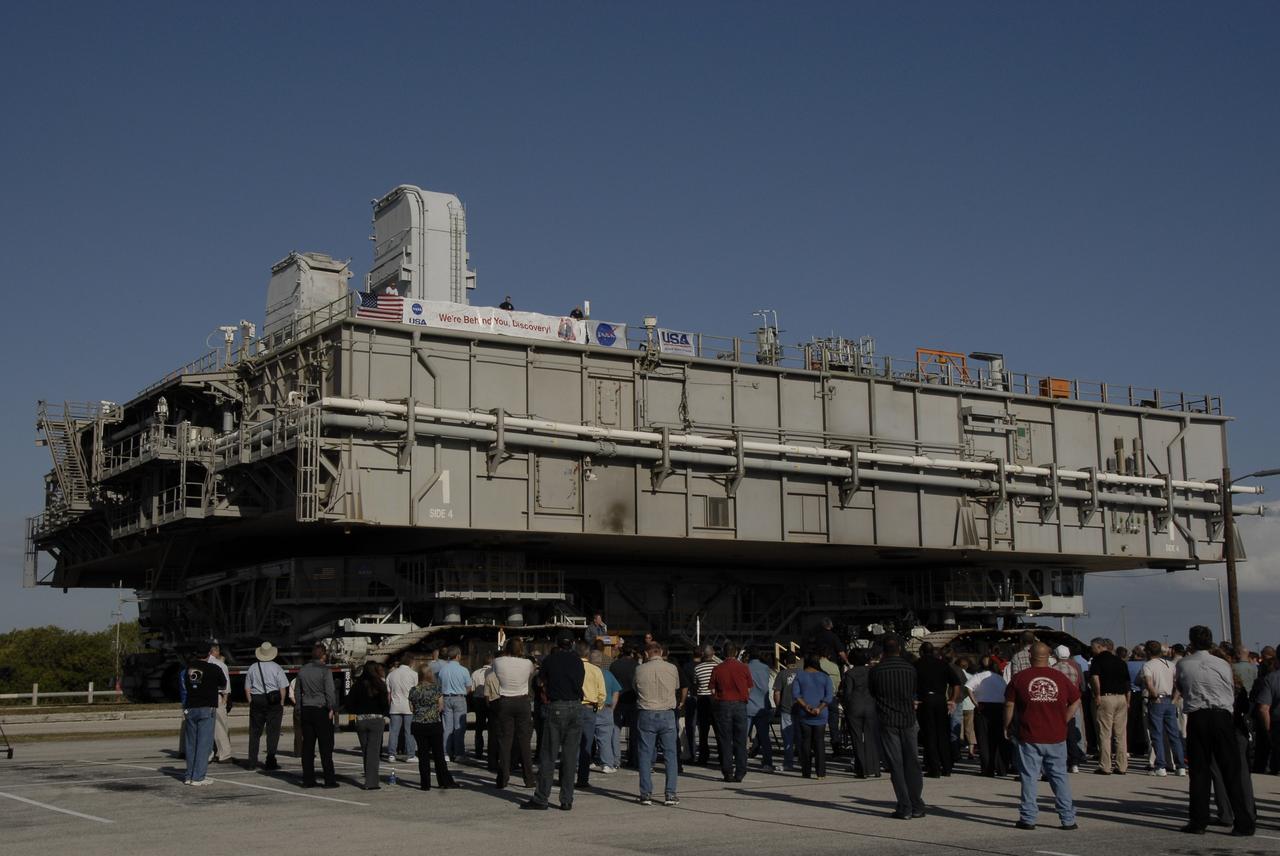
CAPE CANAVERAL, Fla. – Near Launch Pad 39B at NASA's Kennedy Space Center in Florida, employees and media gather listen to Shuttle Launch Director Mike Leinbach during the handover ceremony for Mobile Launcher Platform-1. The platform is being transferred from NASA's Space Shuttle Program to the Constellation Program for the Ares I-X flight test targeted for this summer. Also participating in the ceremony are Rita Willcoxon, director of Launch Vehicle Processing at Kennedy, Pepper E. Phillips, director of the Constellation Project Office, and Brett Raulerson, manager of MLP Operations with United Space Alliance. Constructed in 1964, the mobile launchers used in Apollo/Saturn operations were modified for use in shuttle operations. With cranes, umbilical towers and swing arms removed, the mobile launchers were renamed Mobile Launcher Platforms, or MLPs. Photo credit: NASA/Kim Shiflett

KENNEDY SPACE CENTER, FLA. - At a press conference at NASA's Kennedy Space Center, NASA officials announced the names of the next-generation of rockets for future space exploration. Seated (left to right) are Dolores Beasley, with NASA Public Affairs; Scott Horowitz, NASA associate administrator of the Exploration Systems Mission Directorate; Jeff Hanley, manager of the Constellation Program at Johnson Space Center; and Steve Cook, manager of the Exploration Launch Office at Marshall Space Flight Center. The crew launch vehicle will be called Ares I, and the cargo launch vehicle will be known as Ares V. The name Ares is a pseudonym for Mars and appropriate for NASA's exploration mission. Photo credit: NASA/George Shelton
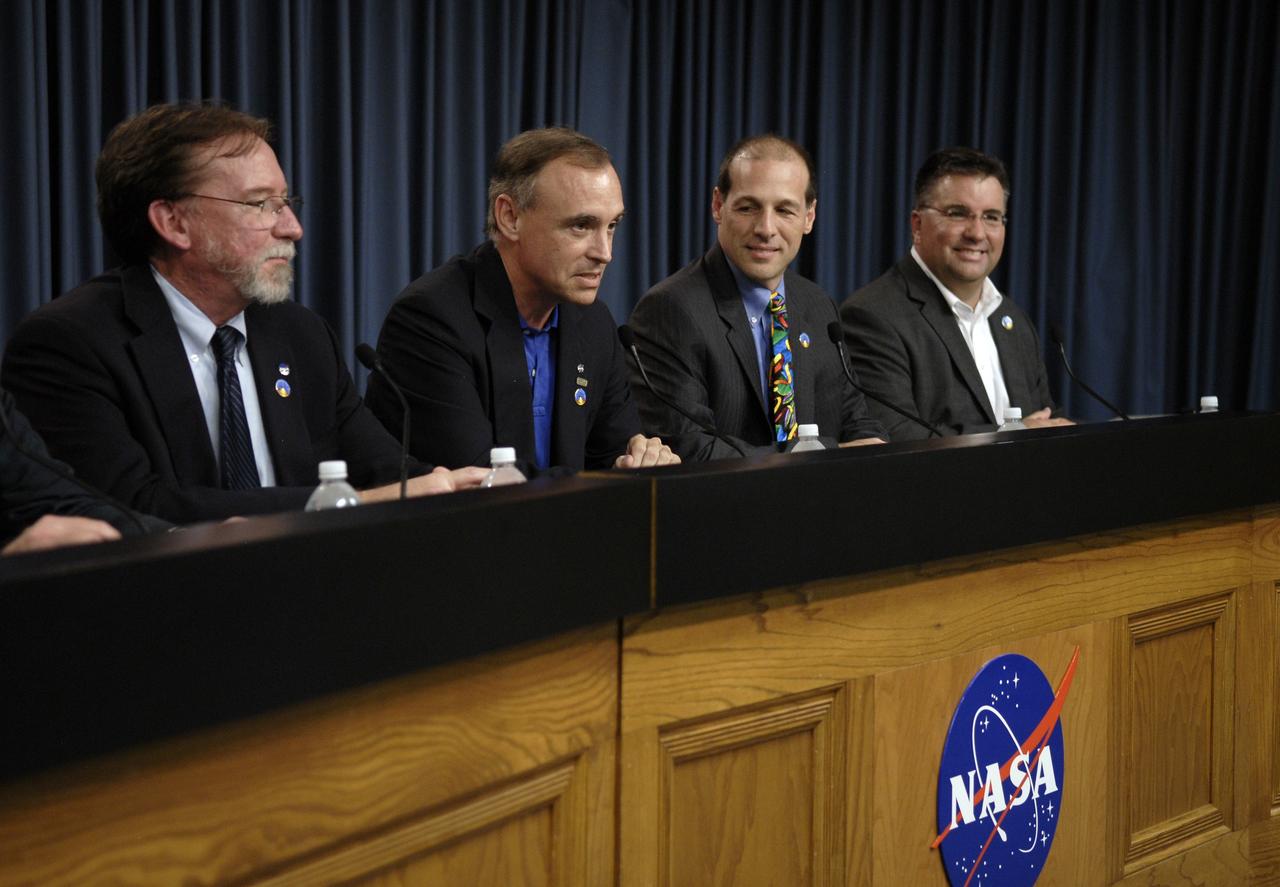
CAPE CANAVERAL, Fla. - At NASA's Kennedy Space Center in Florida, Constellation Program Manager Jeff Hanley addresses a post-launch news conference in the Press Site auditorium following the successful launch of the Ares I-X test rocket at 11:30 a.m. EDT Oct. 28. From left, are, Doug Cooke, associate administrator for NASA's Exploration Systems Mission Directorate; Hanley; Bob Ess, mission manager for the Ares I-X flight test; and Edward Mango, launch director for the Ares I-X flight test. For more information on the Ares I-X vehicle and flight test, visit http://www.nasa.gov/aresIX. Photo credit: NASA/Kim Shiflett
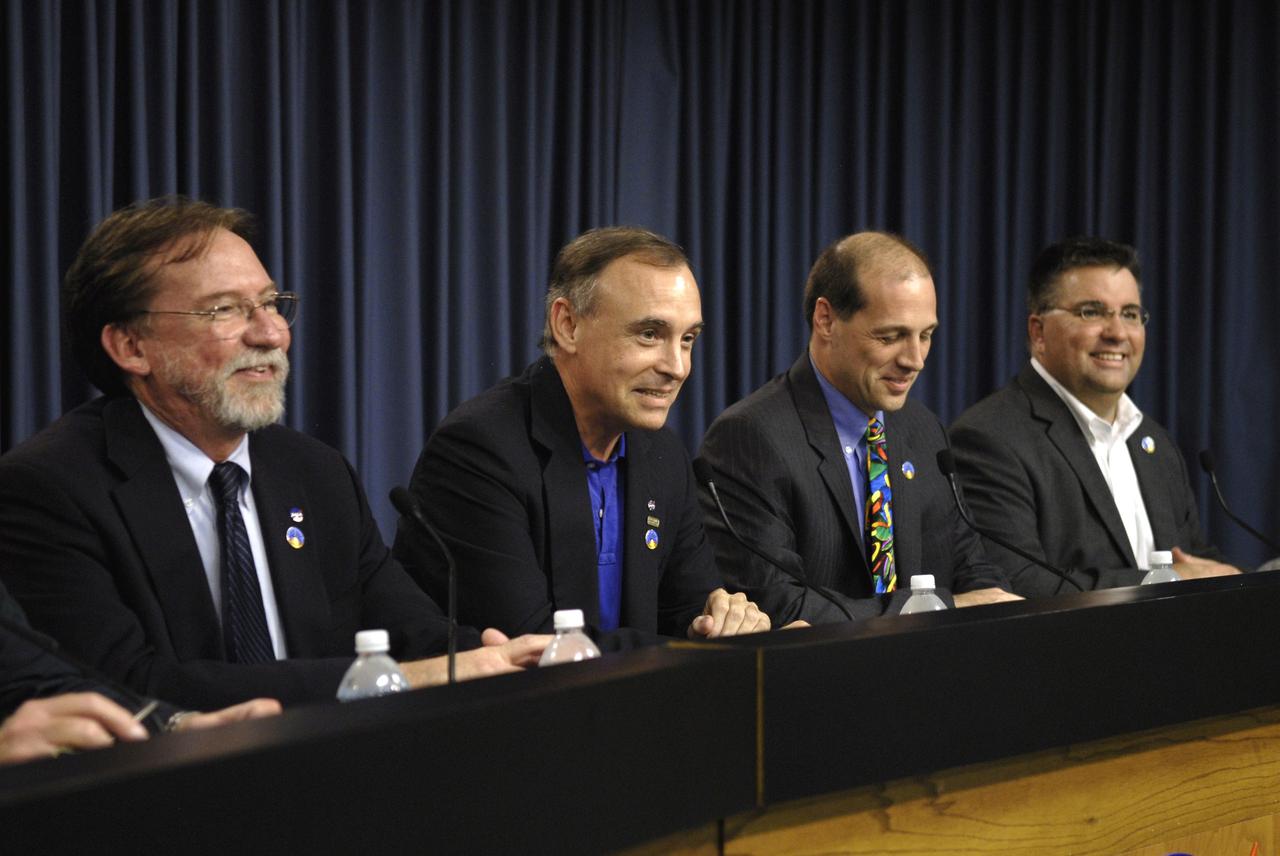
CAPE CANAVERAL, Fla. - At NASA's Kennedy Space Center in Florida, a post-launch news conference is held in the Press Site auditorium following the successful launch of the Ares I-X test rocket at 11:30 a.m. EDT Oct. 28. Smiling, from left, are Doug Cooke, associate administrator for NASA's Exploration Systems Mission Directorate; Jeff Hanley, Constellation Program manager; Bob Ess, mission manager for the Ares I-X flight test; and Edward Mango, launch director for the Ares I-X flight test. For more information on the Ares I-X vehicle and flight test, visit http://www.nasa.gov/aresIX. Photo credit: NASA/Kim Shiflett
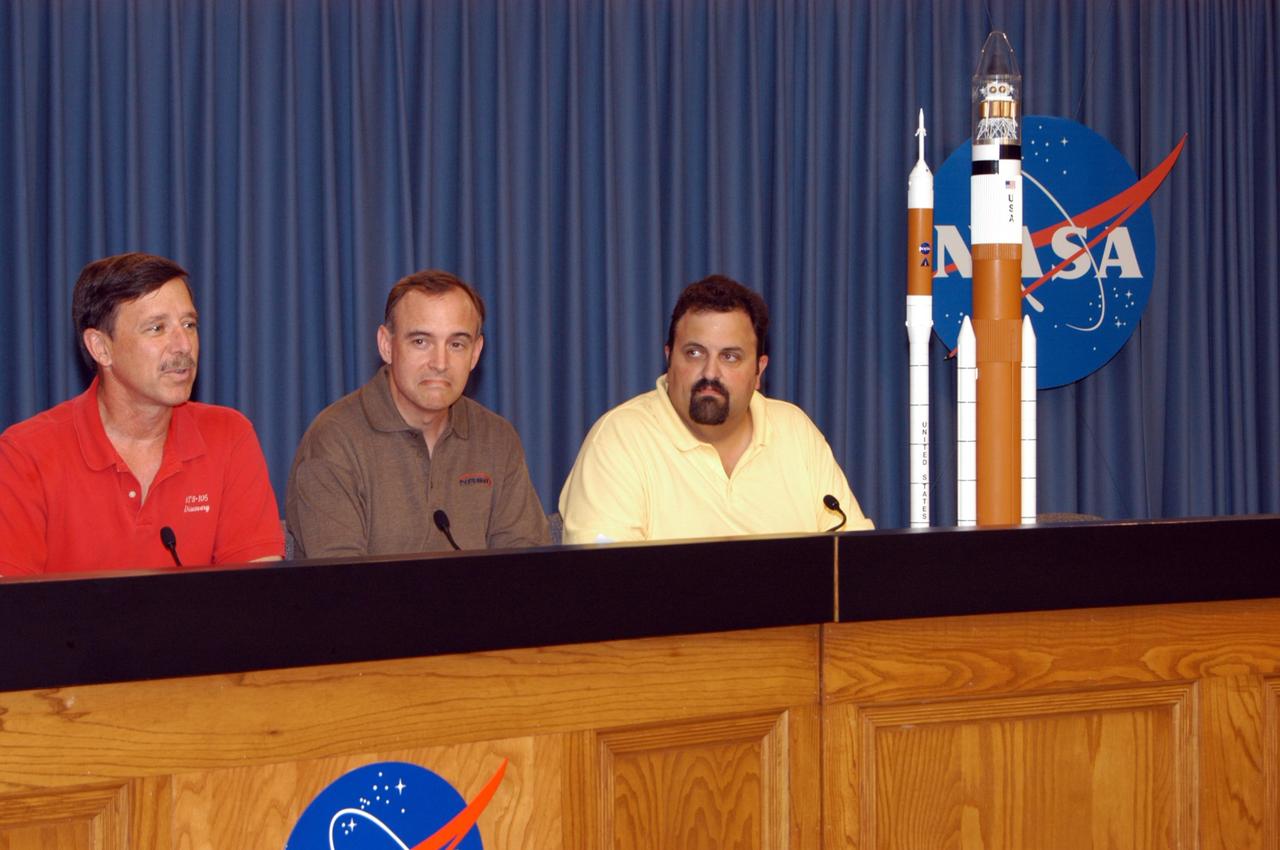
KENNEDY SPACE CENTER, FLA. - At a press conference in at NASA's Kennedy Space Center, NASA officials announced the names of the next-generation of rockets for future space exploration. Seated at the dais are (left to right) Scott Horowitz, NASA associate administrator of the Exploration Systems Mission Directorate; Jeff Hanley, manager of the Constellation Program at Johnson Space Center; and Steve Cook, manager of the Exploration Launch Office at Marshall Space Flight Center. The crew launch vehicle will be called Ares I, and the cargo launch vehicle will be known as Ares V. The name Ares is a pseudonym for Mars and appropriate for NASA's exploration mission. Photo credit: NASA/George Shelton
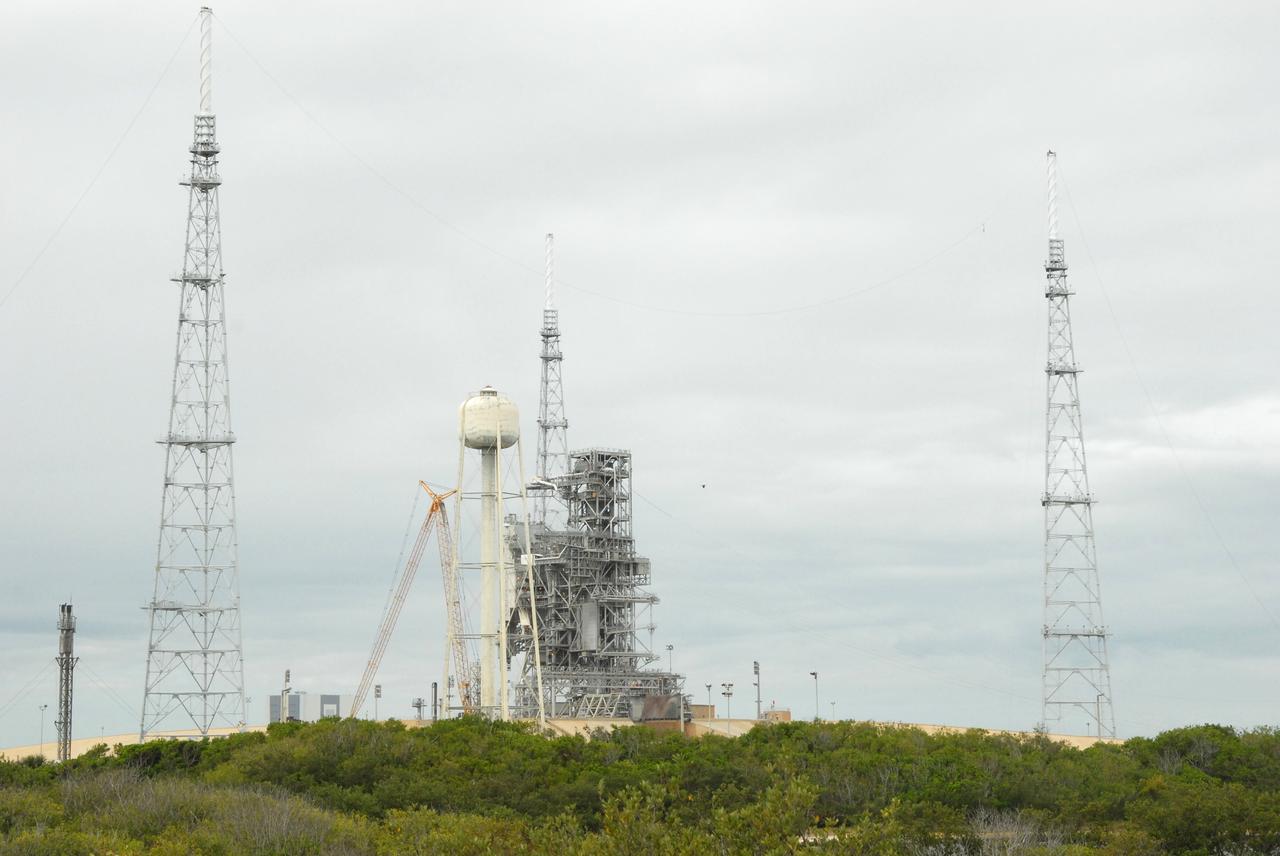
CAPE CANAVERAL, Fla. – On Launch Pad 39B at NASA's Kennedy Space Center in Florida, catenary wires are being suspended from the lighting masts on the lightning towers. The catenary wire system under development for the Constellation Program’s next-generation vehicles will significantly increase the shielding level, providing better protection, and further separate the electrical current from vital launch hardware. The system will help avoid delays to the launch schedule by collecting more information on the strike for analysis by launch managers. Photo credit: NASA/Jack Pfaller
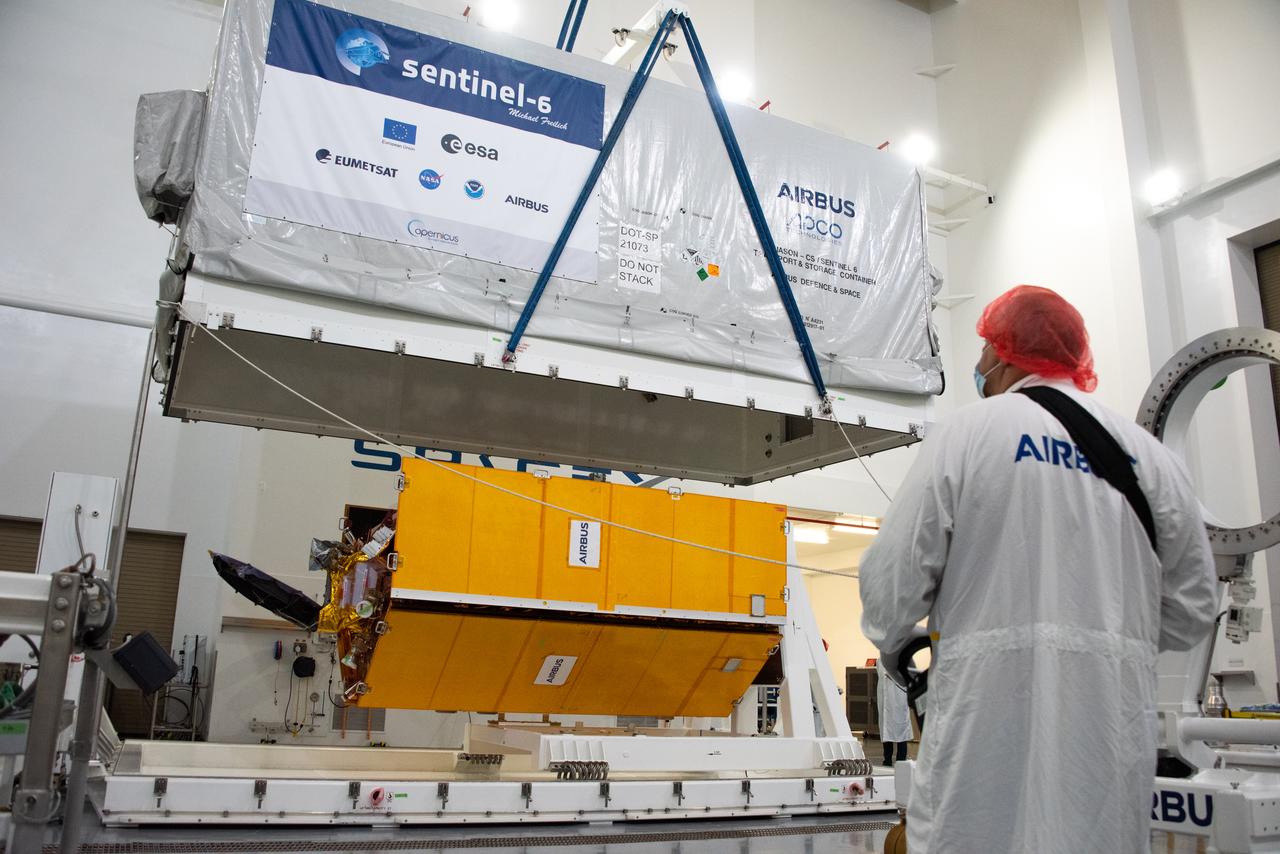
The Sentinel-6 Michael Freilich mission is an international partnership and the first launch of a constellation of two satellites that will observe changes in Earth’s sea levels for at least the next decade. Launching atop a SpaceX Falcon 9 rocket, Sentinel-6 Michael Freilich is targeted to lift off from Vandenberg Air Force Base in California on Nov. 10, 2020. The Launch Services Program at Kennedy Space Center in Florida is responsible for launch management.
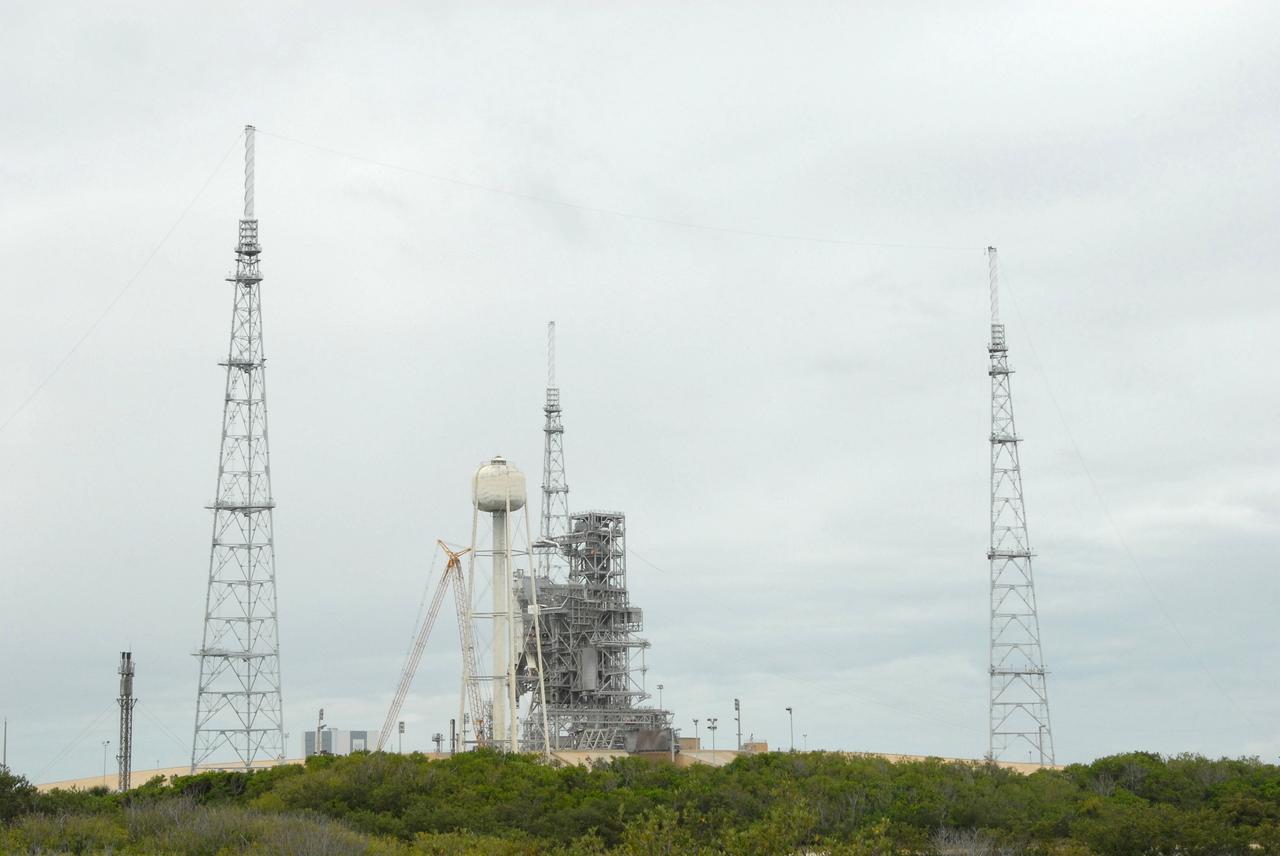
CAPE CANAVERAL, Fla. – On Launch Pad 39B at NASA's Kennedy Space Center in Florida, catenary wires are being suspended from the lighting masts on the lightning towers. The catenary wire system under development for the Constellation Program’s next-generation vehicles will significantly increase the shielding level, providing better protection, and further separate the electrical current from vital launch hardware. The system will help avoid delays to the launch schedule by collecting more information on the strike for analysis by launch managers. Photo credit: NASA/Jack Pfaller
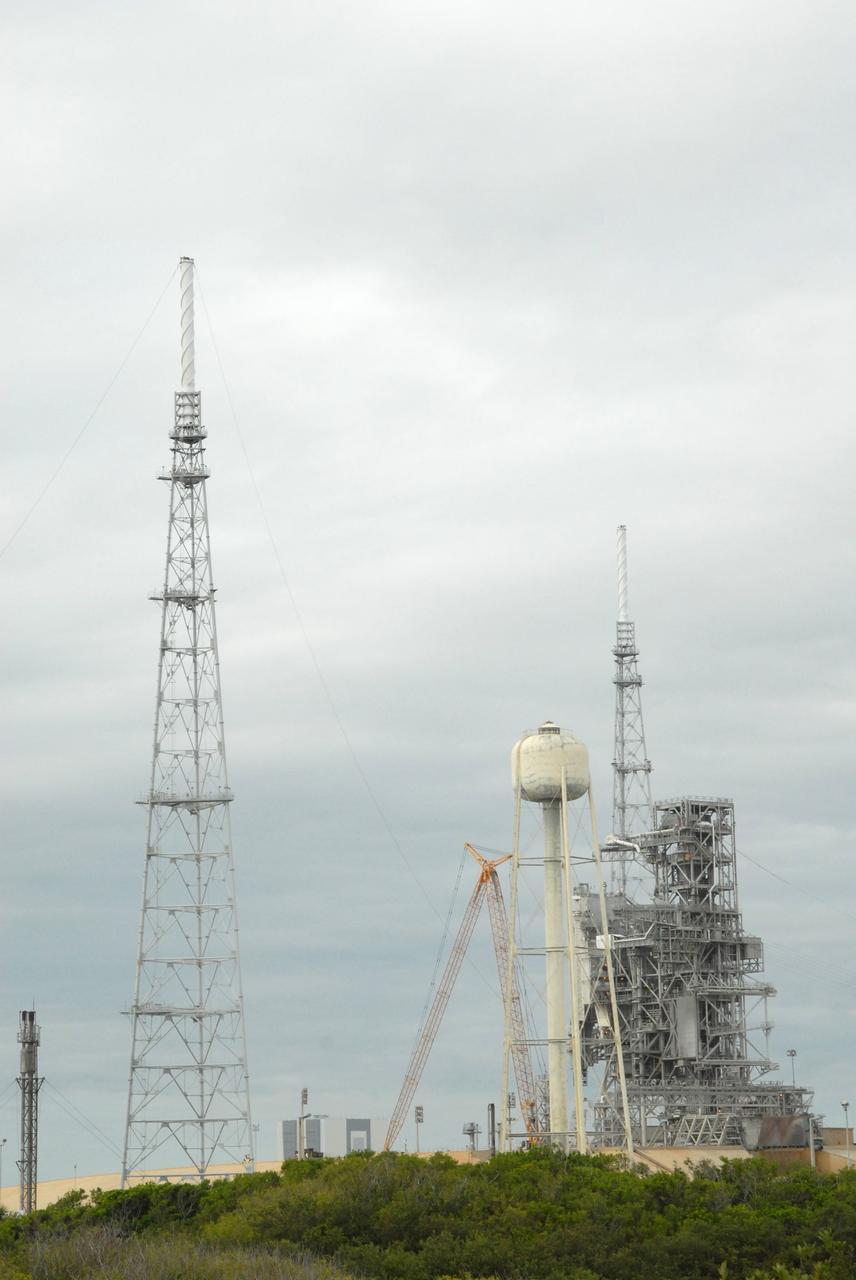
CAPE CANAVERAL, Fla. – On Launch Pad 39B at NASA's Kennedy Space Center in Florida, catenary wires are being suspended from the lighting masts on the lightning towers. The catenary wire system under development for the Constellation Program’s next-generation vehicles will significantly increase the shielding level, providing better protection, and further separate the electrical current from vital launch hardware. The system will help avoid delays to the launch schedule by collecting more information on the strike for analysis by launch managers. Photo credit: NASA/Jack Pfaller
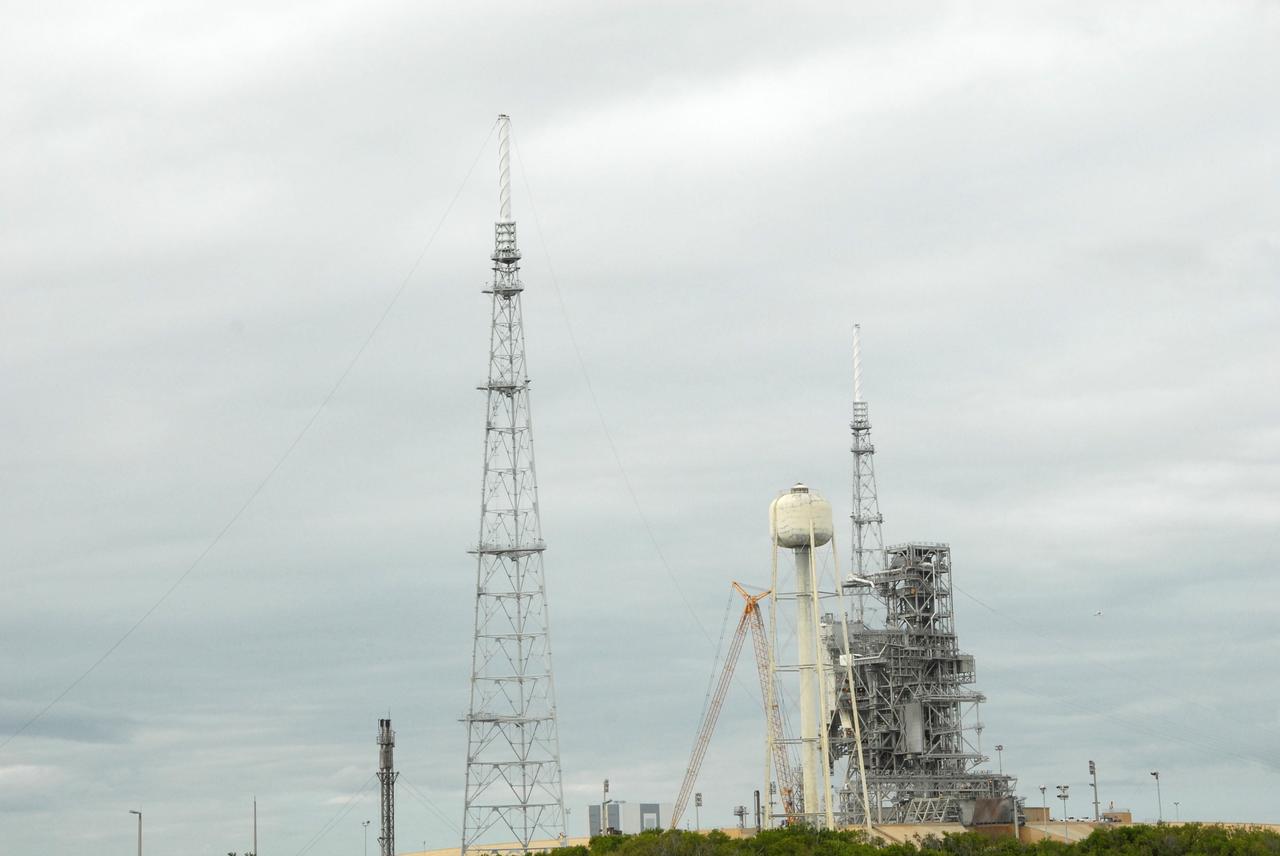
CAPE CANAVERAL, Fla. – On Launch Pad 39B at NASA's Kennedy Space Center in Florida, catenary wires are being suspended from the lighting masts on the lightning towers. The catenary wire system under development for the Constellation Program’s next-generation vehicles will significantly increase the shielding level, providing better protection, and further separate the electrical current from vital launch hardware. The system will help avoid delays to the launch schedule by collecting more information on the strike for analysis by launch managers. Photo credit: NASA/Jack Pfaller
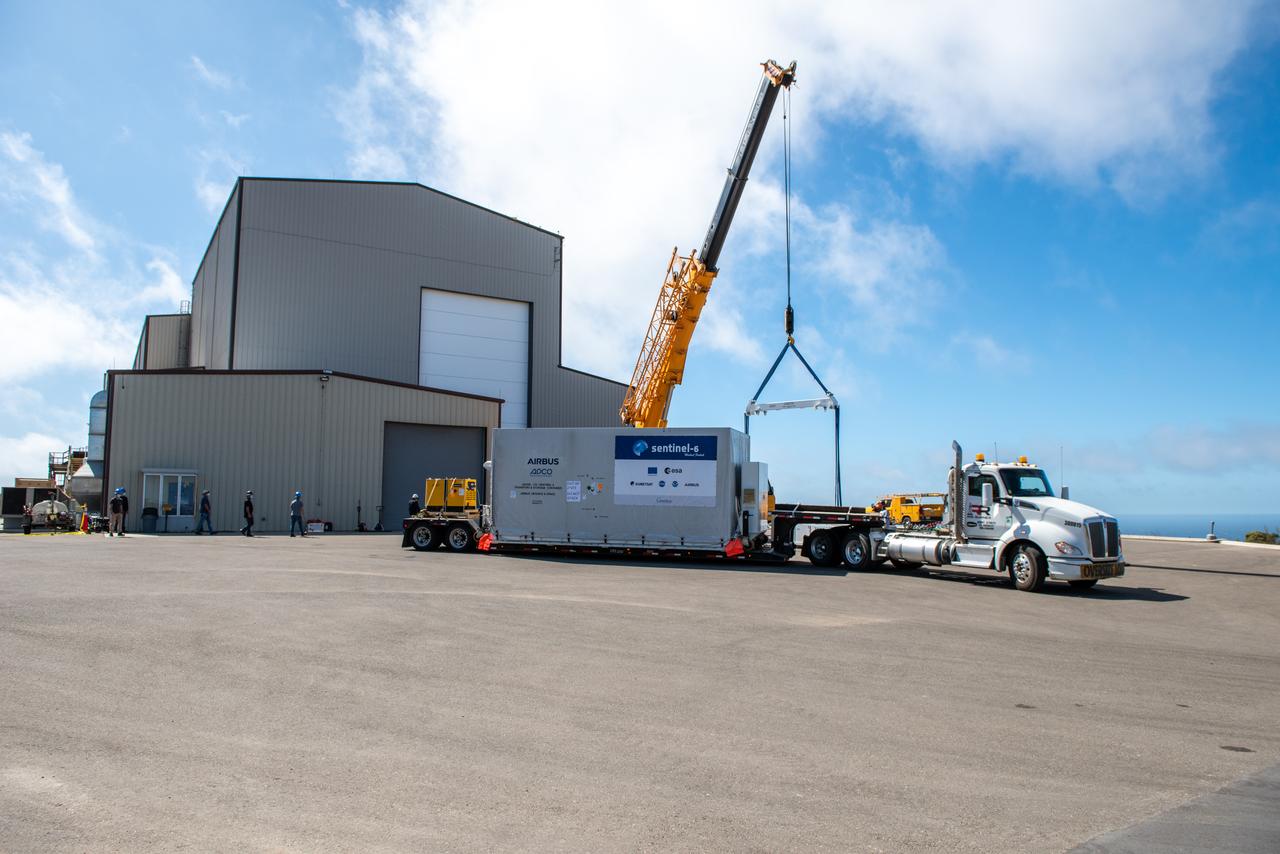
The Sentinel-6 Michael Freilich mission is an international partnership and the first launch of a constellation of two satellites that will observe changes in Earth’s sea levels for at least the next decade. Launching atop a SpaceX Falcon 9 rocket, Sentinel-6 Michael Freilich is targeted to lift off from Vandenberg Air Force Base in California on Nov. 10, 2020. The Launch Services Program at Kennedy Space Center in Florida is responsible for launch management.
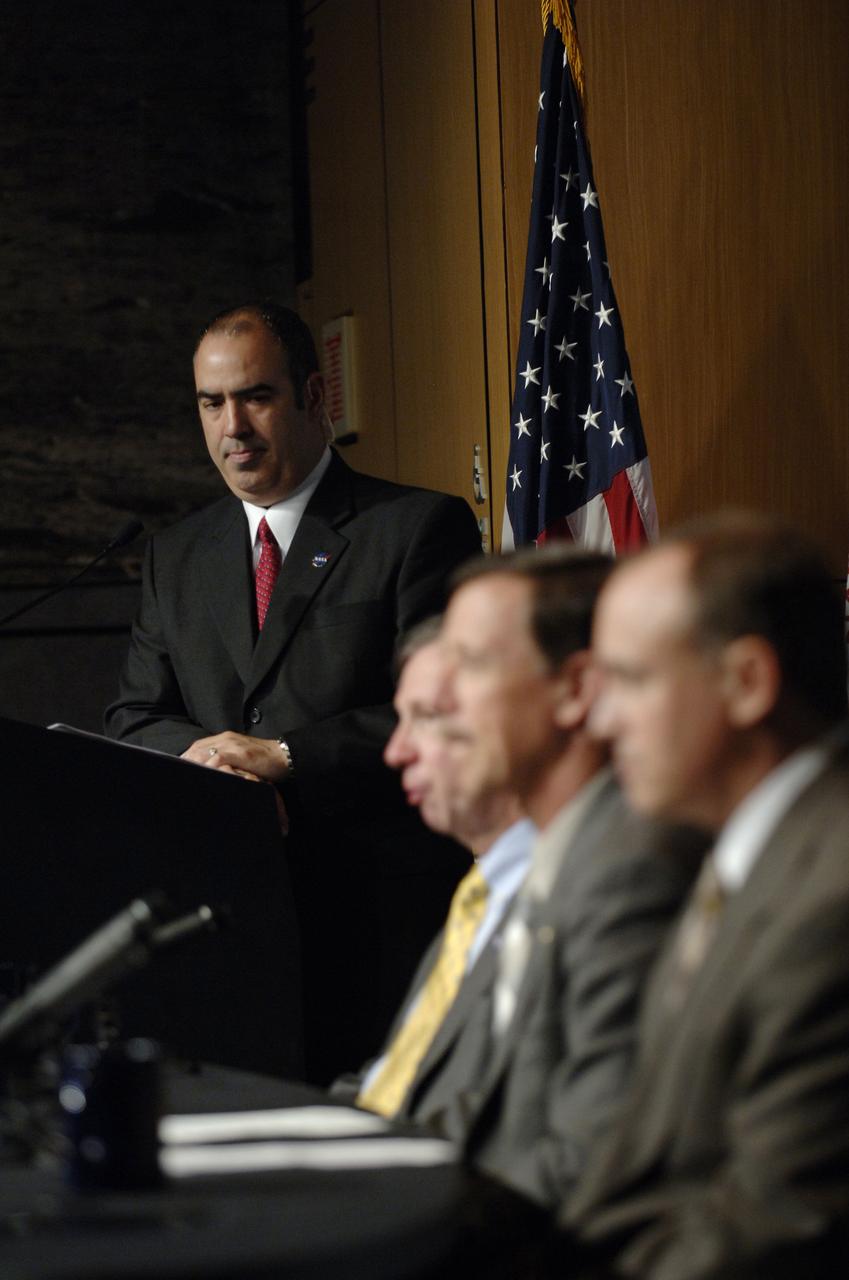
Dean Acosta, NASA Deputy Assistant Administrator and Press Secretary, left, moderates a NASA Update with NASA Administrator Michael Griffin, Scott J. Horowitz, NASA Associate Administrator for Exploration Systems and Jeff Hanley, Constellation Program Manager, right, on Wednesday, June 5, 2006, at NASA Headquarters in Washington. Photo Credit: (NASA/Bill Ingalls)
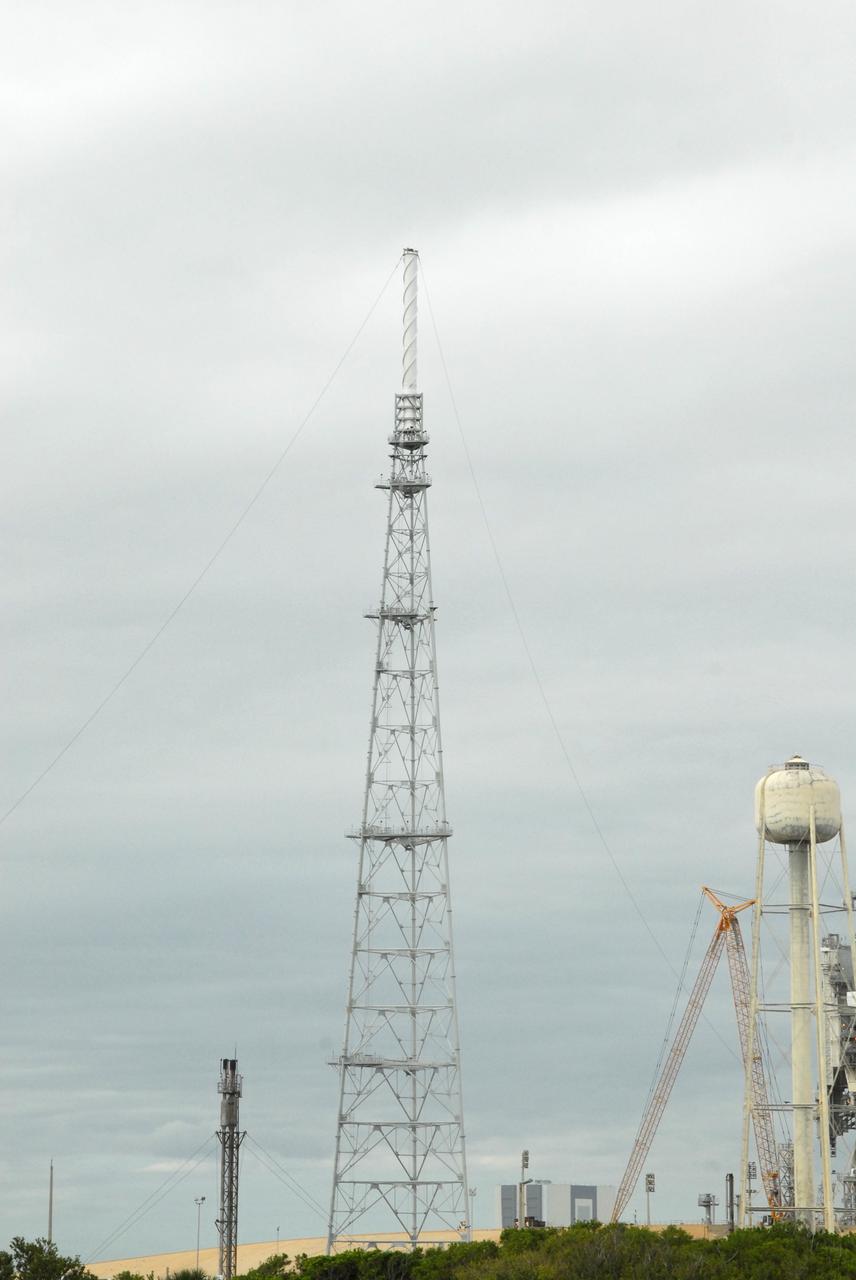
CAPE CANAVERAL, Fla. – On Launch Pad 39B at NASA's Kennedy Space Center in Florida, catenary wires are being suspended from the lighting masts on the lightning towers. The catenary wire system under development for the Constellation Program’s next-generation vehicles will significantly increase the shielding level, providing better protection, and further separate the electrical current from vital launch hardware. The system will help avoid delays to the launch schedule by collecting more information on the strike for analysis by launch managers. Photo credit: NASA/Jack Pfaller
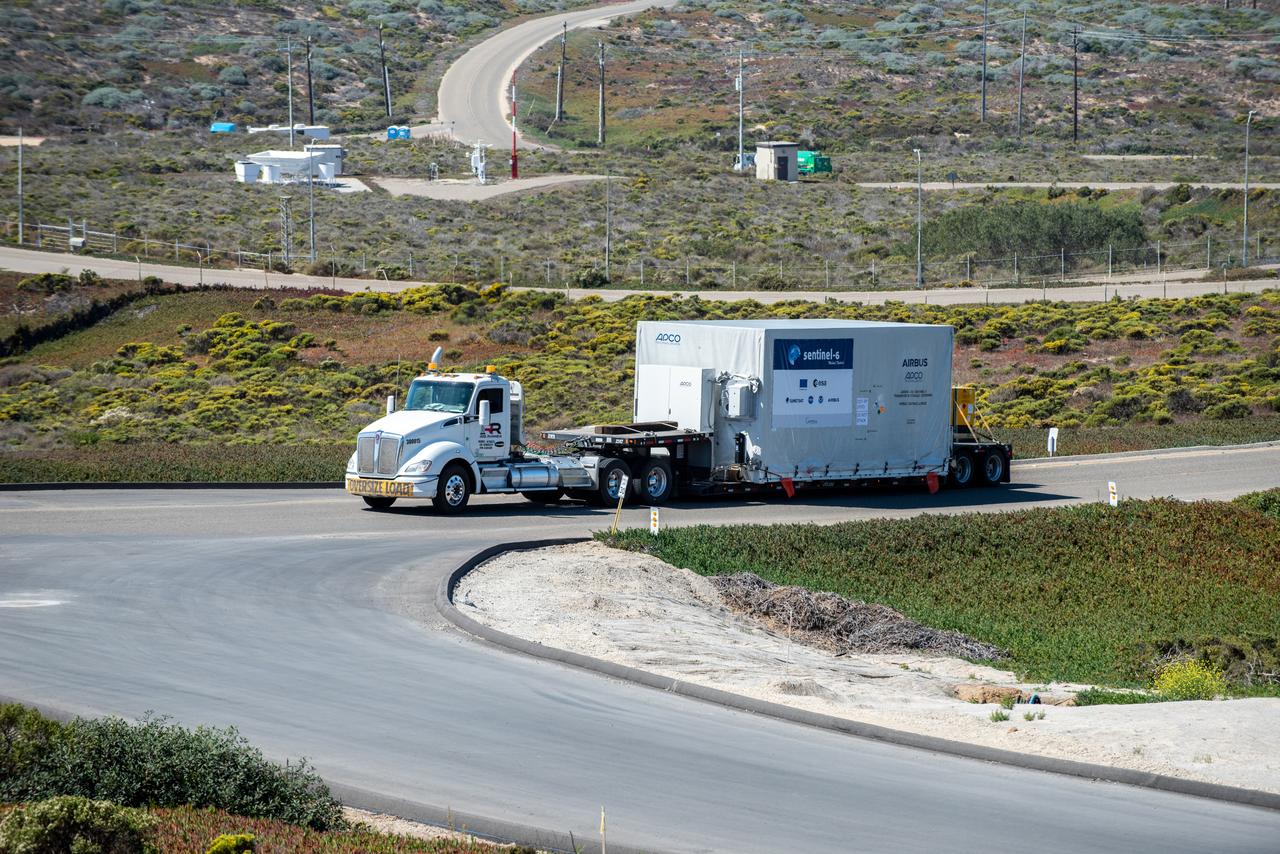
The Sentinel-6 Michael Freilich mission is an international partnership and the first launch of a constellation of two satellites that will observe changes in Earth’s sea levels for at least the next decade. Launching atop a SpaceX Falcon 9 rocket, Sentinel-6 Michael Freilich is targeted to lift off from Vandenberg Air Force Base in California on Nov. 10, 2020. The Launch Services Program at Kennedy Space Center in Florida is responsible for launch management.
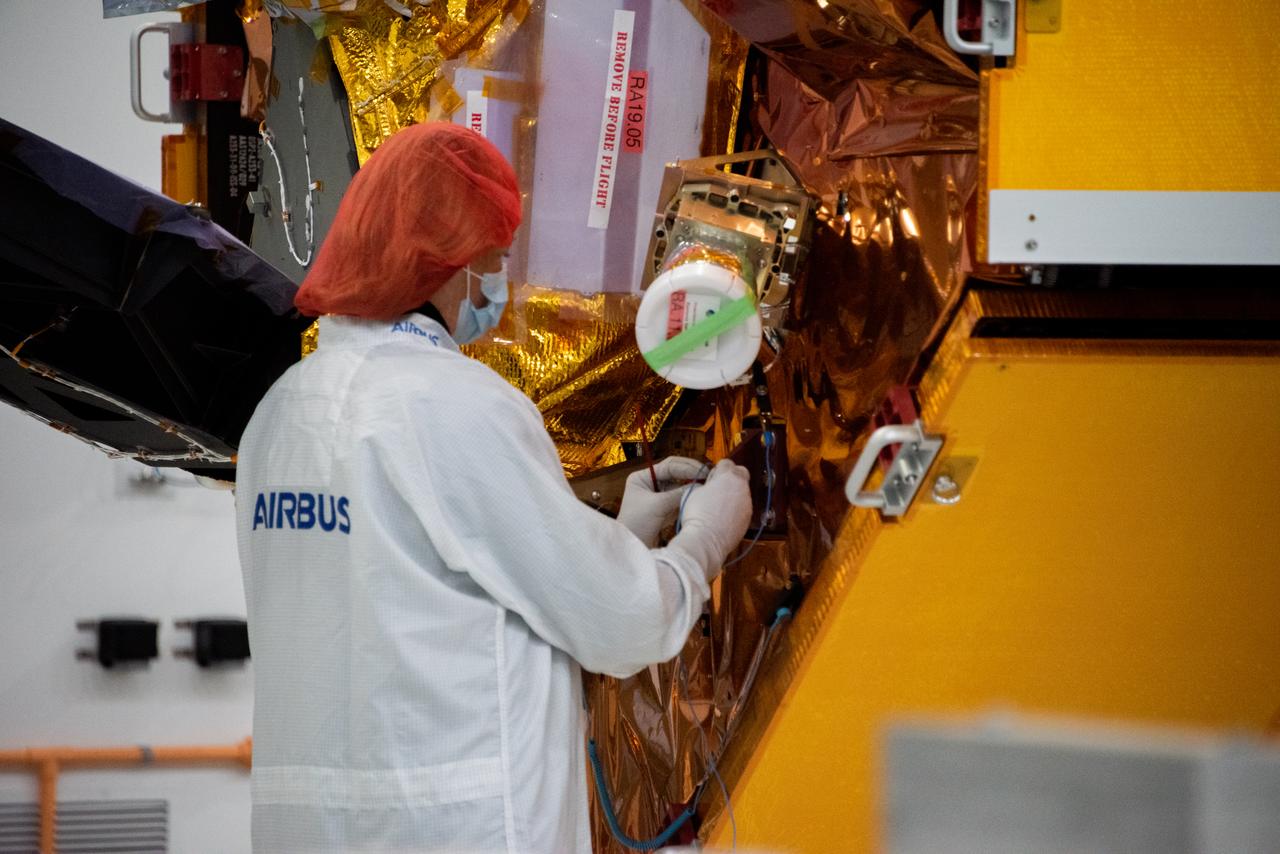
The Sentinel-6 Michael Freilich mission is an international partnership and the first launch of a constellation of two satellites that will observe changes in Earth’s sea levels for at least the next decade. Launching atop a SpaceX Falcon 9 rocket, Sentinel-6 Michael Freilich is targeted to lift off from Vandenberg Air Force Base in California on Nov. 10, 2020. The Launch Services Program at Kennedy Space Center in Florida is responsible for launch management.
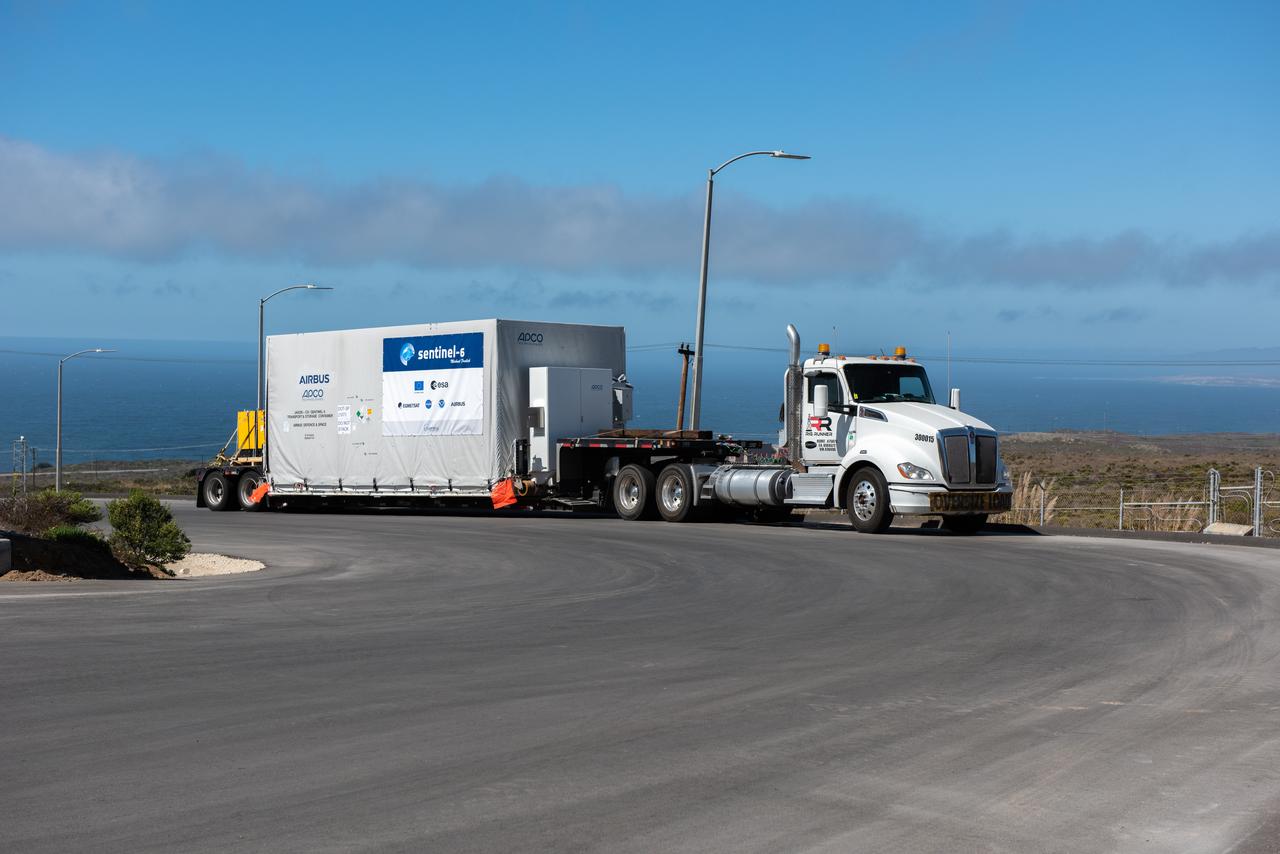
The Sentinel-6 Michael Freilich mission is an international partnership and the first launch of a constellation of two satellites that will observe changes in Earth’s sea levels for at least the next decade. Launching atop a SpaceX Falcon 9 rocket, Sentinel-6 Michael Freilich is targeted to lift off from Vandenberg Air Force Base in California on Nov. 10, 2020. The Launch Services Program at Kennedy Space Center in Florida is responsible for launch management.
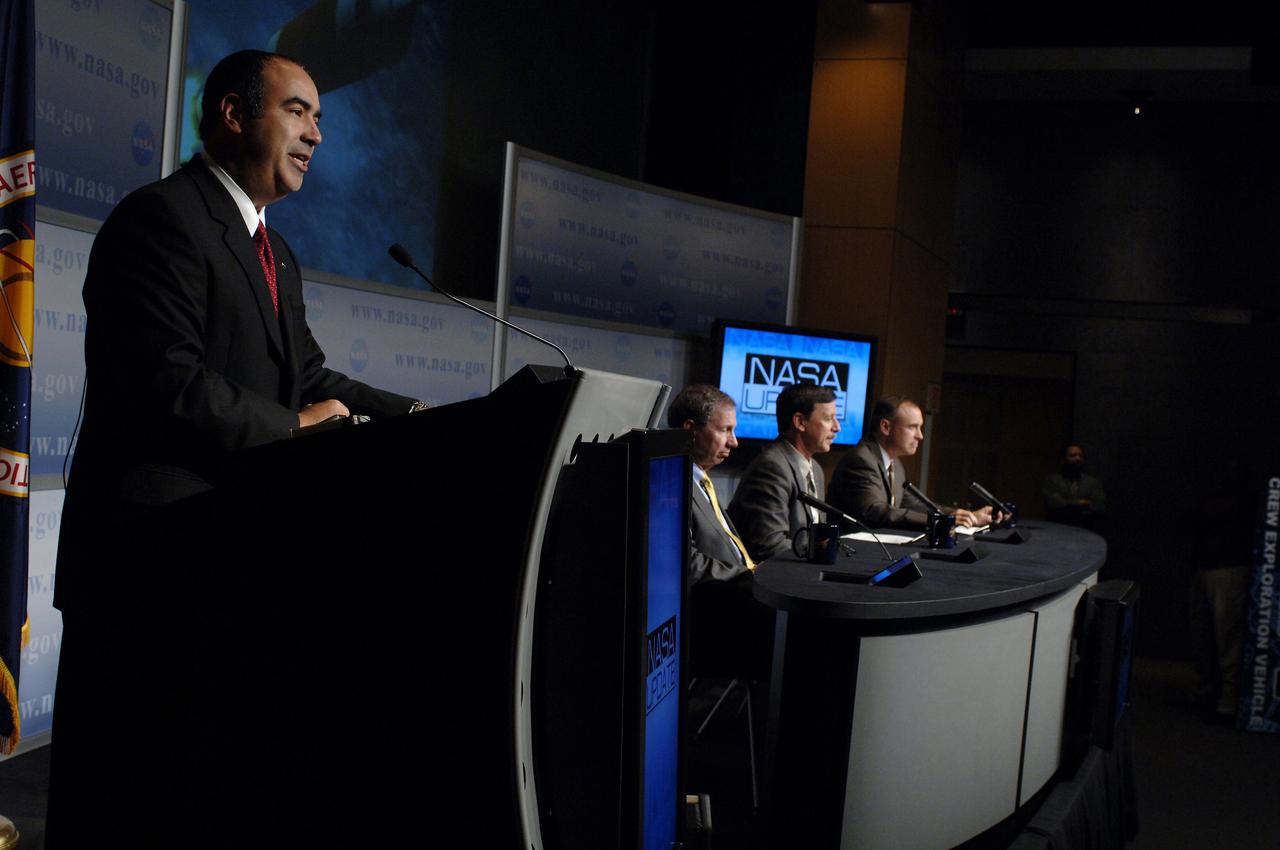
Dean Acosta, NASA Deputy Assistant Administrator and Press Secretary, left, moderates a NASA Update with NASA Administrator Michael Griffin, second from left, Scott J. Horowitz, NASA Associate Administrator for Exploration Systems and Jeff Hanley, Constellation Program Manager, right, on Wednesday, June 5, 2006, at NASA Headquarters in Washington. Photo Credit: (NASA/Bill Ingalls)
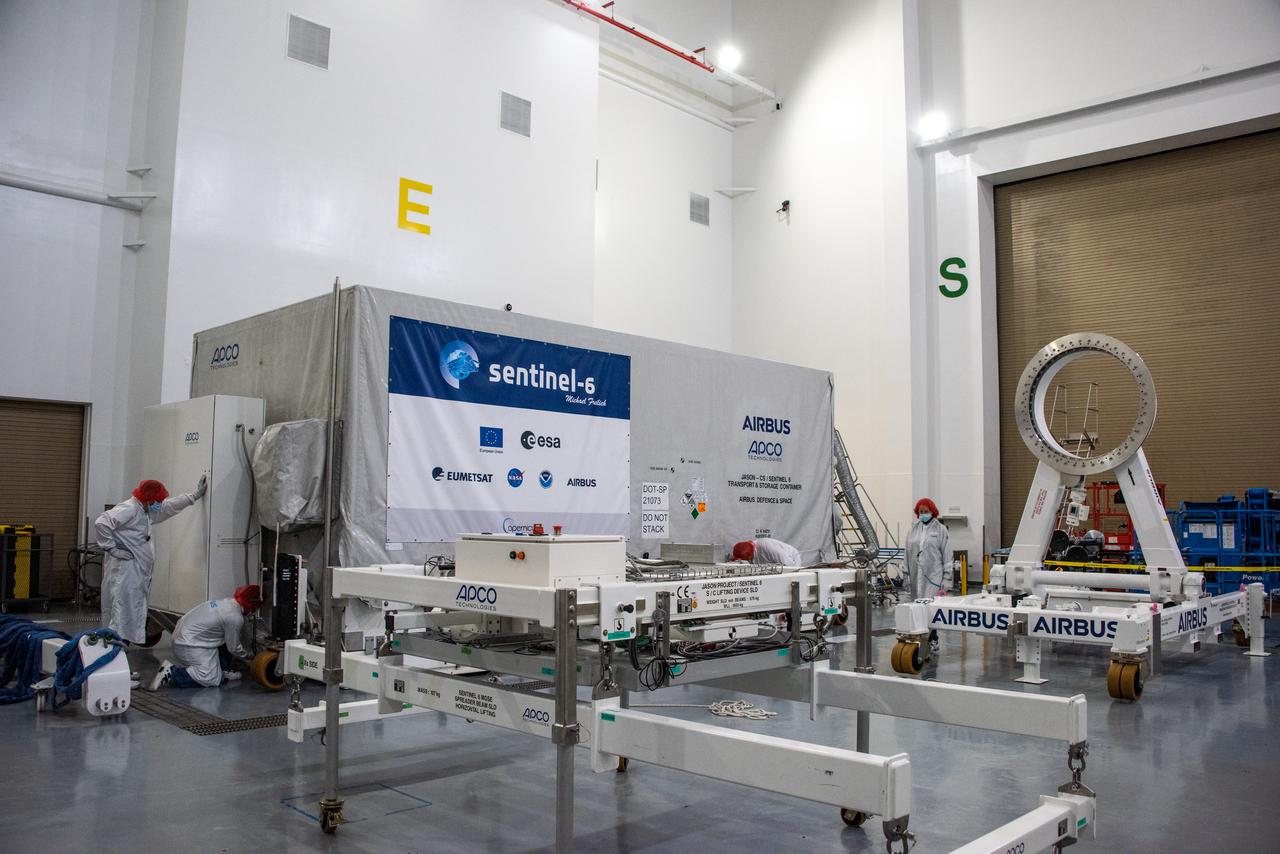
The Sentinel-6 Michael Freilich mission is an international partnership and the first launch of a constellation of two satellites that will observe changes in Earth’s sea levels for at least the next decade. Launching atop a SpaceX Falcon 9 rocket, Sentinel-6 Michael Freilich is targeted to lift off from Vandenberg Air Force Base in California on Nov. 10, 2020. The Launch Services Program at Kennedy Space Center in Florida is responsible for launch management.
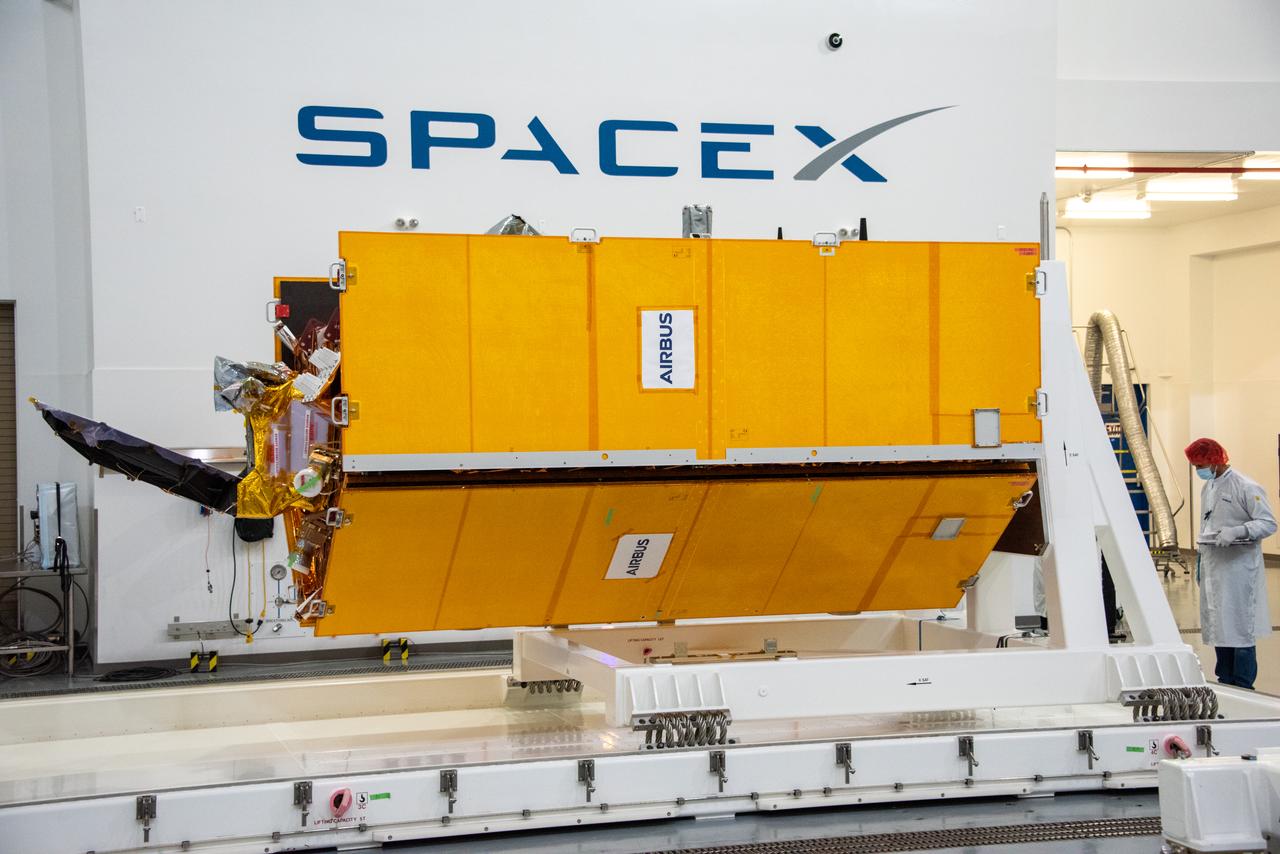
The Sentinel-6 Michael Freilich mission is an international partnership and the first launch of a constellation of two satellites that will observe changes in Earth’s sea levels for at least the next decade. Launching atop a SpaceX Falcon 9 rocket, Sentinel-6 Michael Freilich is targeted to lift off from Vandenberg Air Force Base in California on Nov. 10, 2020. The Launch Services Program at Kennedy Space Center in Florida is responsible for launch management.
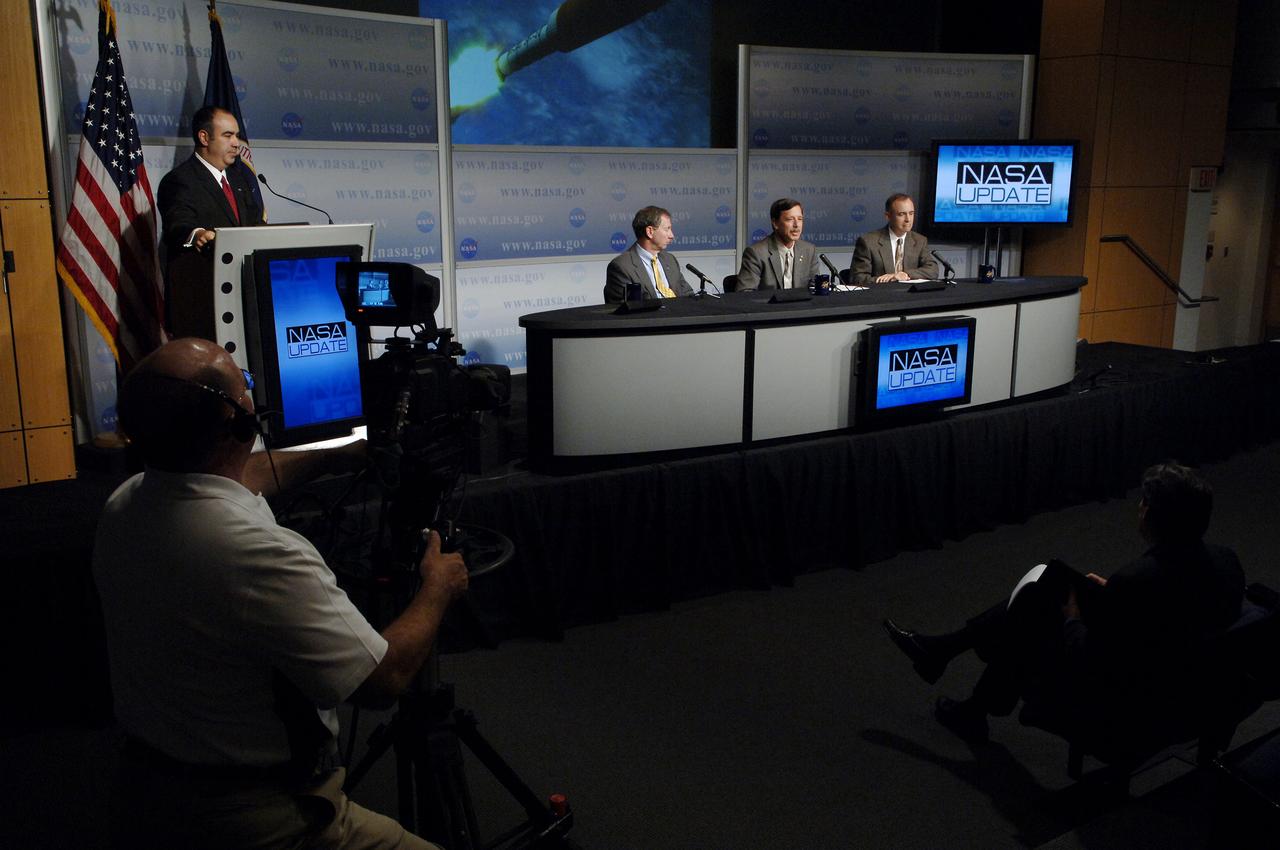
Dean Acosta, NASA Deputy Assistant Administrator and Press Secretary, left, moderates a NASA Update with NASA Administrator Michael Griffin, second from left, Scott J. Horowitz, NASA Associate Administrator for Exploration Systems and Jeff Hanley, Constellation Program Manager, right, on Wednesday, June 5, 2006, at NASA Headquarters in Washington. Photo Credit: (NASA/Bill Ingalls)
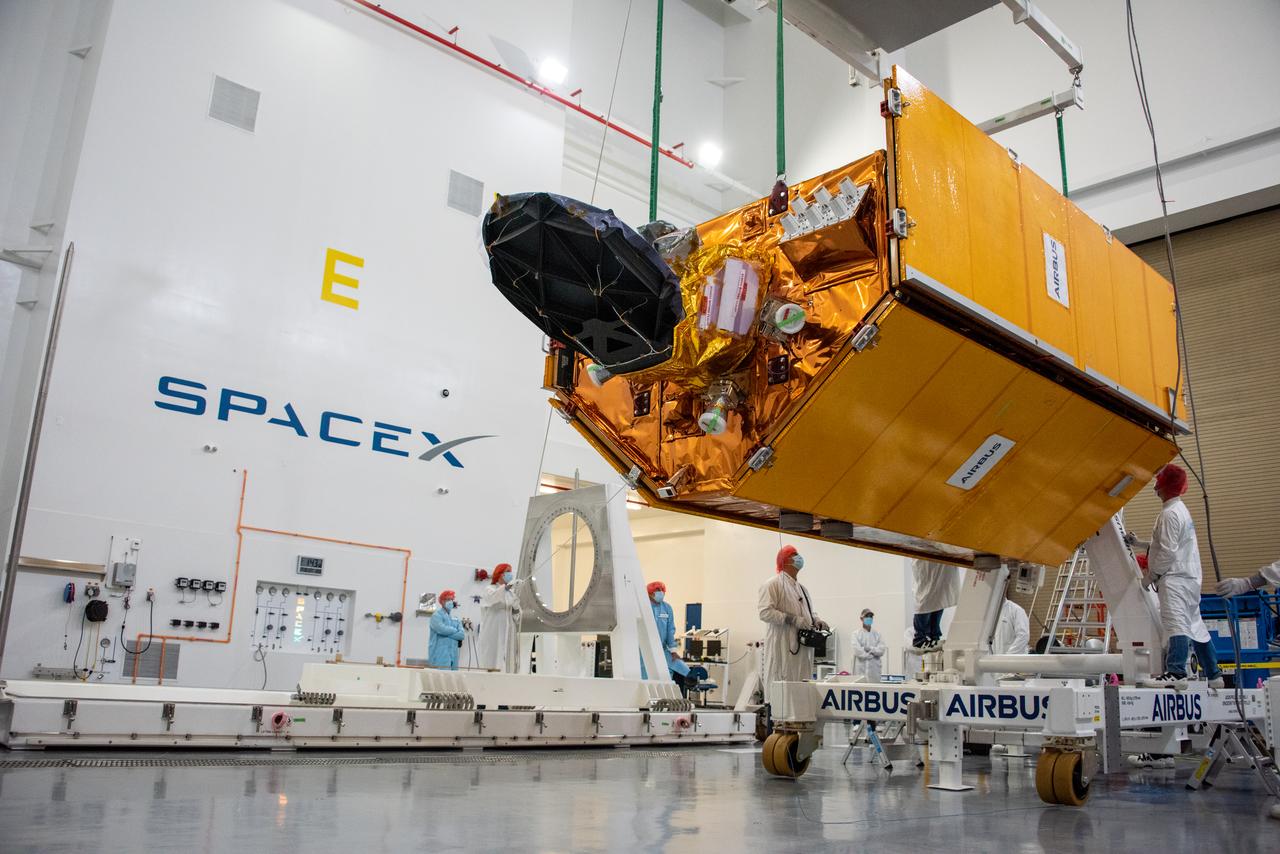
The Sentinel-6 Michael Freilich mission is an international partnership and the first launch of a constellation of two satellites that will observe changes in Earth’s sea levels for at least the next decade. Launching atop a SpaceX Falcon 9 rocket, Sentinel-6 Michael Freilich is targeted to lift off from Vandenberg Air Force Base in California on Nov. 10, 2020. The Launch Services Program at Kennedy Space Center in Florida is responsible for launch management.
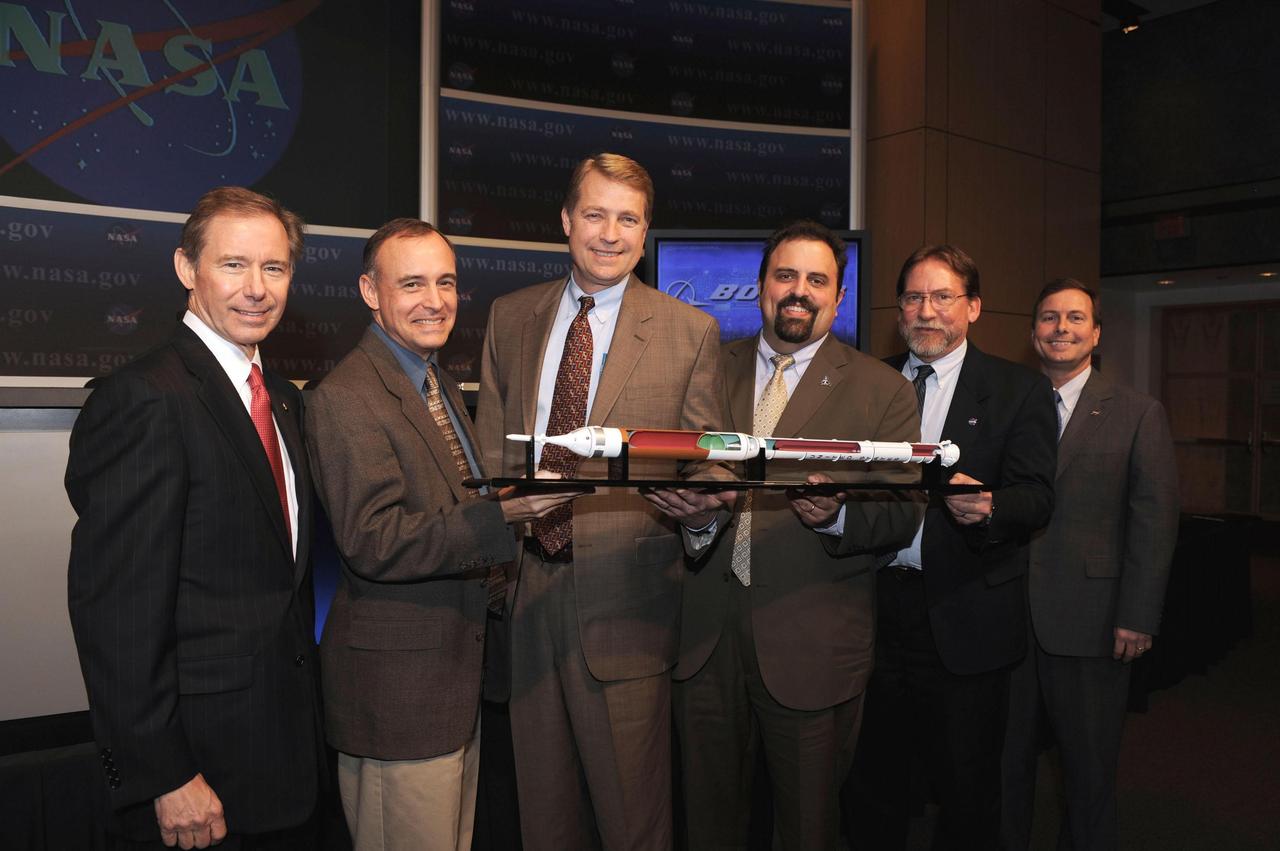
WASHINGTON, D.C. -- (From left) Brewster Shaw, vice president and genral manager of Boeing Space Exploration; Jeff Hanley, Constellation Program manager; Danny Davis, Upper Stage Element manager; Steve Cook, Ares Project manager; Doug Cooke, deputy associate administrator for Exploration Systems; and Rick Gilbrech, associate administrator for Space Exploration, stand with a model of the Ares I rocket on Dec. 12, 2007, at NASA Headquarters in Washington. NASA has selected The Boeing Company of Huntsville, Ala., as the prime contractor to produce, deliver and install avionics systsems for the Ares I rocket that will launch the Orion crew exploration vehicle into orbit. The selection is the final major contract award for Ares I. Photo credit: NASA/Paul E. Alers
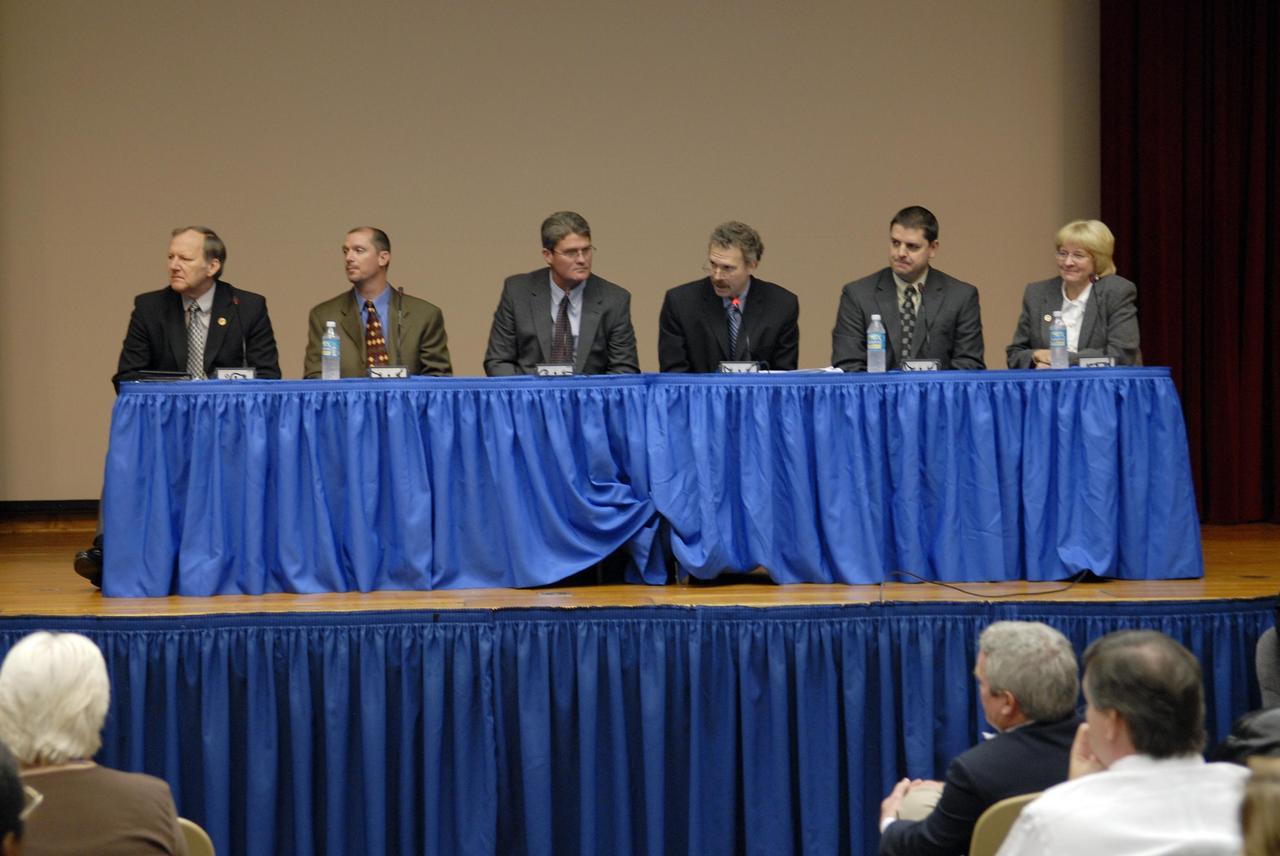
KENNEDY SPACE CENTER, FLA. -- Participants in the all-hands meeting respond to questions from the audience. Topics discussed included the year ahead at KSC. Seated at the table (from left) are Steve Francois, manager of Launch Services Program; Pepper Phillips, deputy director of the Constellation Program office; Parsons; Russ Romanella, director of the ISS & Spacecraft Processing Directorate; Jeff Angermeier, chief of the Project Control office in the Launch Vehicle Processing Directorate; and Shannon Bartell, director of NASA Safety and Mission Assurance. Photo credit: NASA/Kim Shiflett
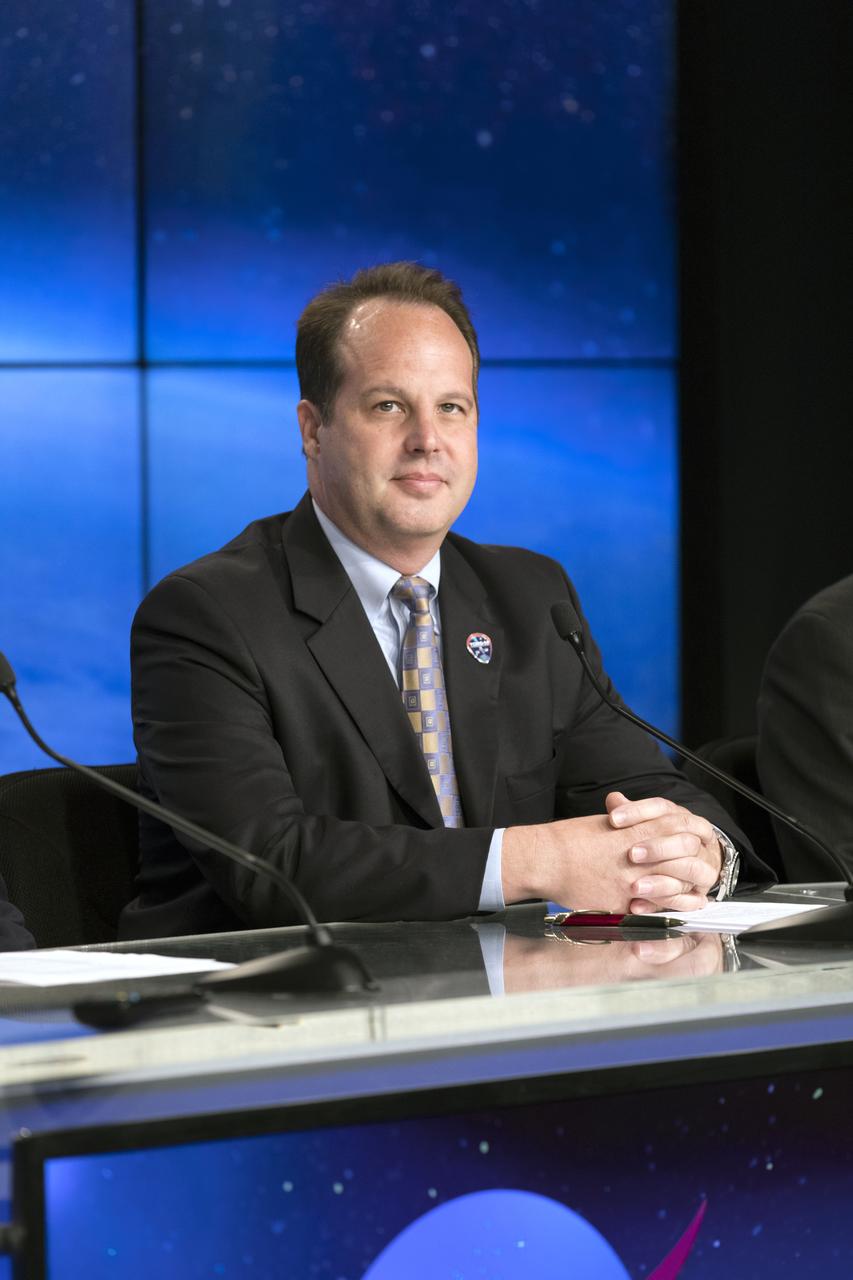
In the Kennedy Space Center's Press Site auditorium, James Wilson III, Boeing program manager for NASA/Civil Space Programs, speaks to members of the media at a prelaunch news conference for NASA's Tracking and Data Relay Satellite, TDRS-M. It is the latest spacecraft destined for the agency's constellation of communications satellites that allows nearly continuous contact with orbiting spacecraft ranging from the International Space Station and Hubble Space Telescope to the array of scientific observatories. Liftoff atop a United Launch Alliance Atlas V rocket is scheduled to take place from Space Launch Complex 41 at Cape Canaveral Air Force Station at 8:03 a.m. EDT Aug. 18.
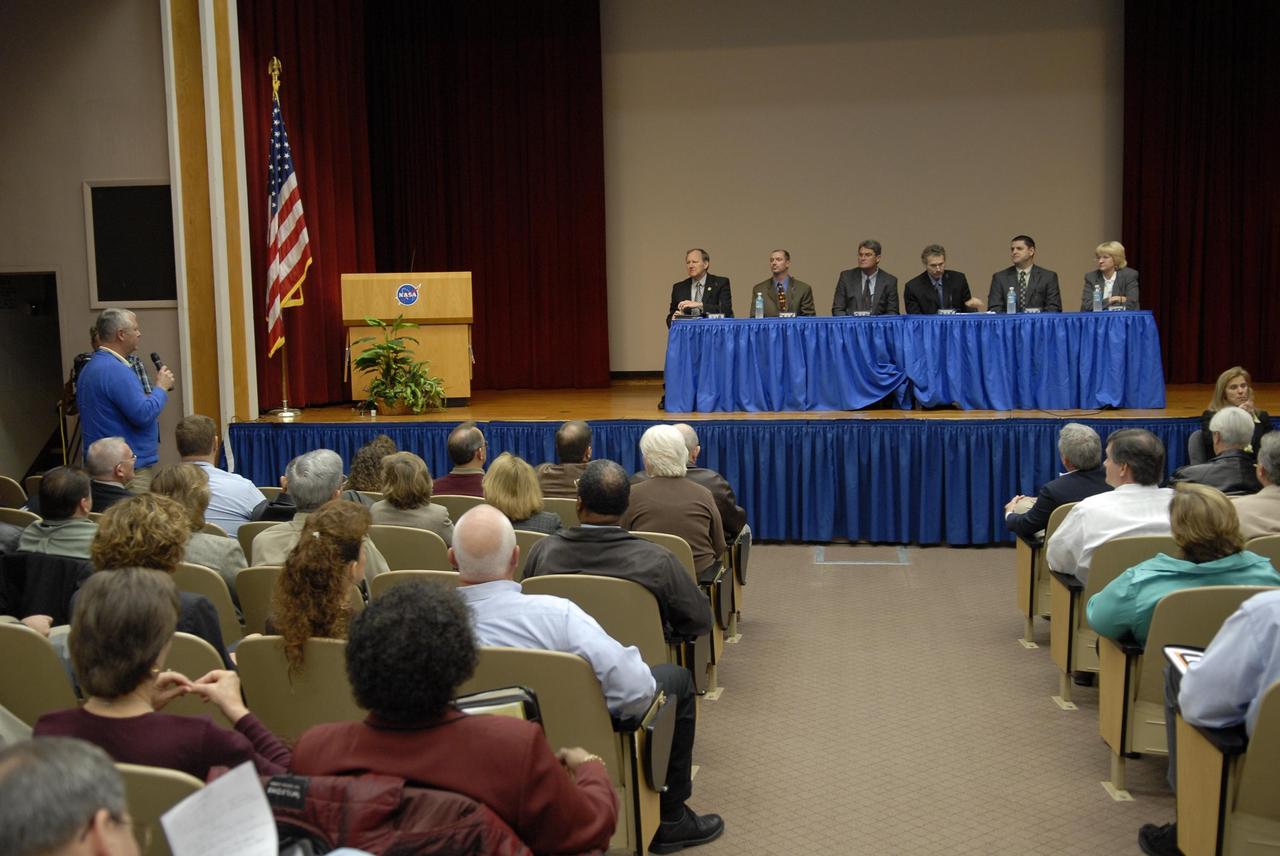
KENNEDY SPACE CENTER, FLA. -- During an all-hands meeting led by Center Director Bill Parsons (center left at the table), an employee asks for more information. Topics discussed included the year ahead at KSC. At the table on stage (from left) are Steve Francois, manager of Launch Services Program; Pepper Phillips, deputy director of the Constellation Program office; Parsons; Russ Romanella, director of the ISS & Spacecraft Processing Directorate; Jeff Angermeier, chief of the Project Control office in the Launch Vehicle Processing Directorate; and Shannon Bartell, director of NASA Safety and Mission Assurance. Photo credit: NASA/Kim Shiflett
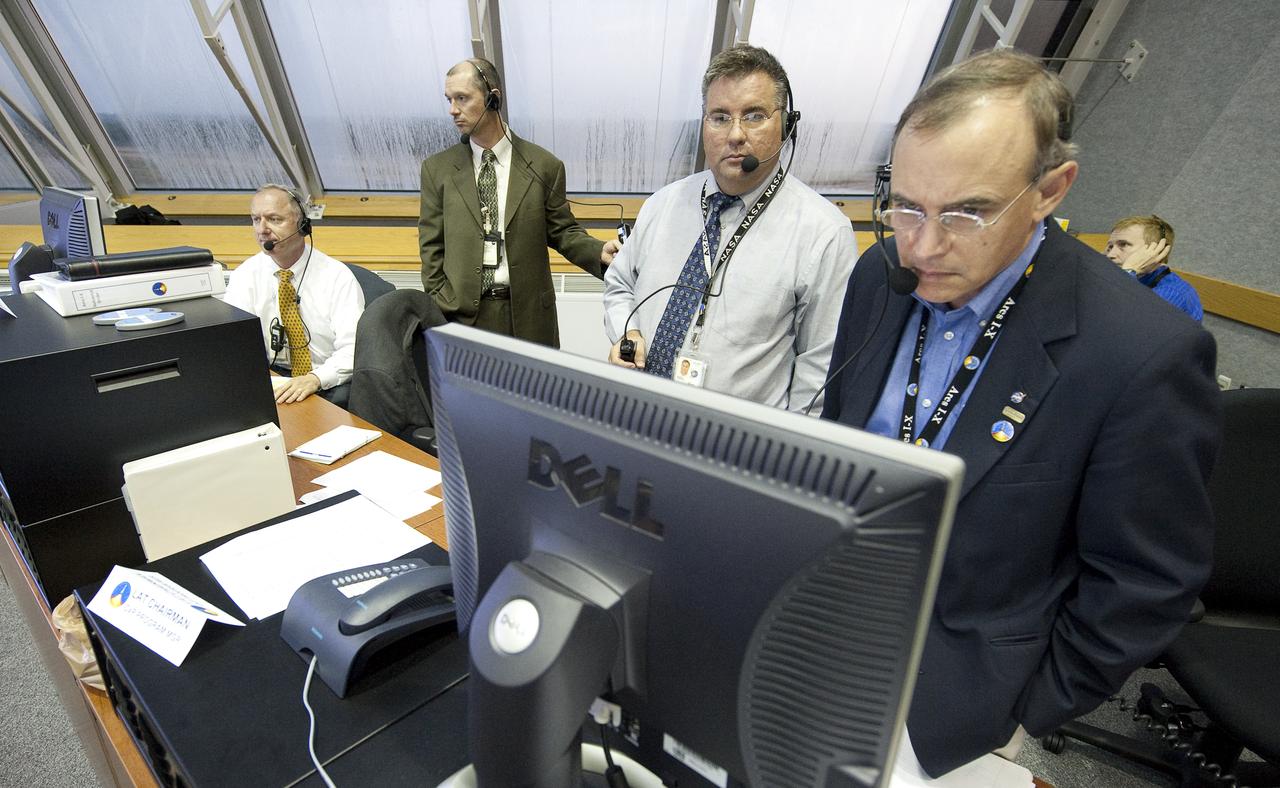
Mission managers, from left, NASA Ares I-X Assistant Launch Director Pete Nickolenko, Ground Operations Manager Philip "Pepper" Phillips, Ares I-X Launch Director Ed Mango, and Constellation Program manager Jeff Hanley review the latest weather radar from Firing Room One of the Launch Control Center (LCC) at the Kennedy Space Center during the launch countdown of the Ares I-X rocket in Cape Canaveral, Fla., Tuesday, Oct. 27, 2009. The flight test of Ares I-X will provide NASA with an early opportunity to test and prove flight characteristics, hardware, facilities and ground operations associated with the Ares I. Photo Credit: (NASA/Bill Ingalls)
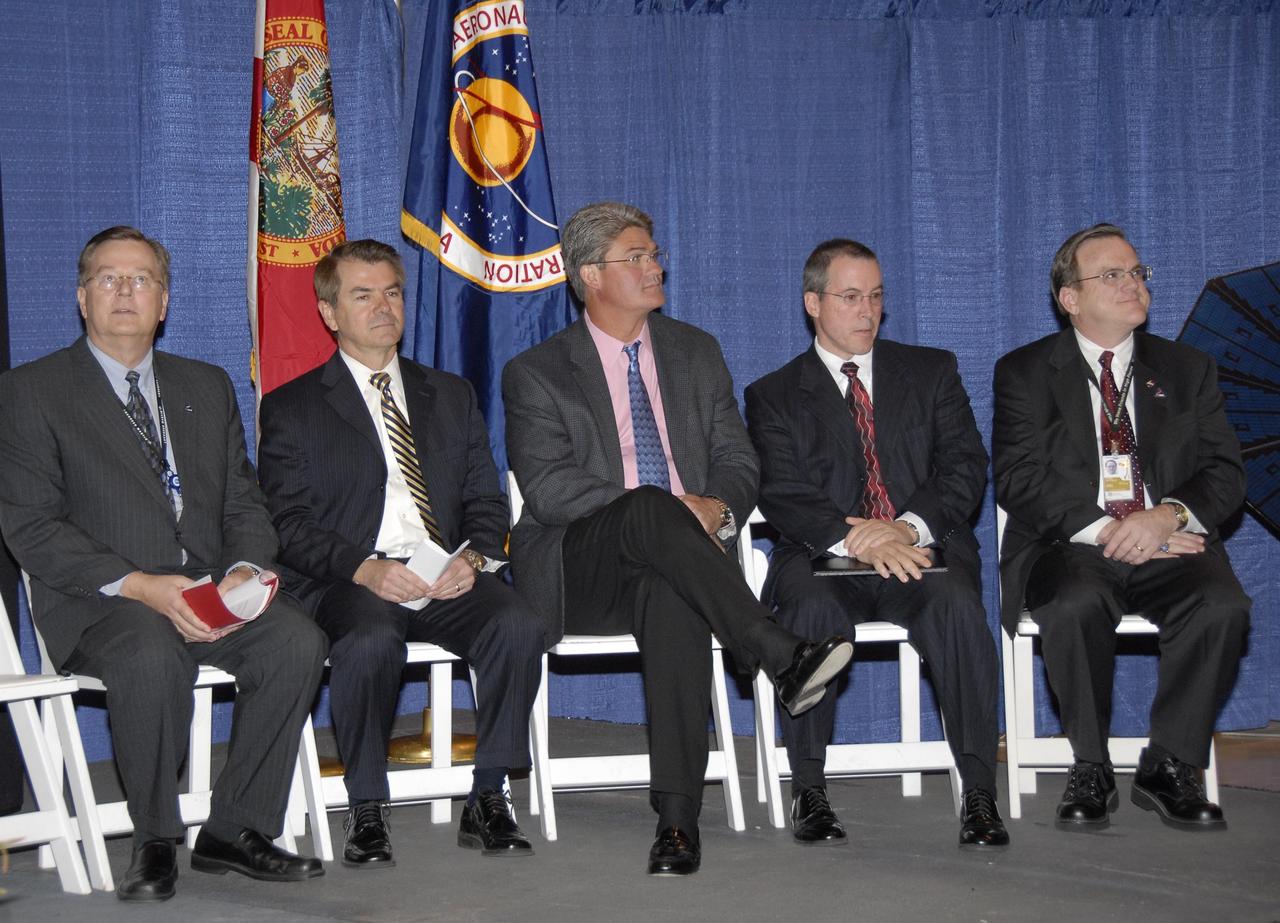
KENNEDY SPACE CENTER, FLA. -- Representatives from NASA, Lockheed Martin, Space Florida and the state of Florida are seated on stage at a ceremony to commemorate the transition of the historic Operations and Checkout (O&C) Building high bay for use by the Constellation Program. From left are Cleon Lacefield, Lockheed Martin program manager; Thad Altman, representative of the State of Florida; Bill Parsons, Kennedy Space Center director; Steve Koller, executive director of Space Florida; and Skip Hatfield, Orion Project manager. Representatives from NASA, Lockheed Martin, Space Florida and the state of Florida are seated on stage at a ceremony to commemorate the transition of the historic Operations and Checkout (O&C) Building high bay for use by the Constellation Program. From left are Cleon Lacefield, Lockheed Martin program manager; Thad Altman, representative of the State of Florida; Bill Parsons, Kennedy Space Center director; Steve Koller, executive director of Space Florida; and Skip Hatfield, Orion Project manager. Originally built to process space vehicles in the Apollo era, the O&C Building will serve as the final assembly facility for the Orion crew exploration vehicle. Orion, America's human spaceflight vehicle of the future, will be capable of transporting four crewmembers for lunar missions and later will support crew transfers for Mars missions. Each Orion spacecraft also may be used to support up to six crewmembers to the International Space Station after the space shuttle is retired in 2010. Design, development and construction of Orion's components will be performed by Lockheed Martin for NASA at facilities throughout the country. Photo credit: NASA/Kim Shiflett
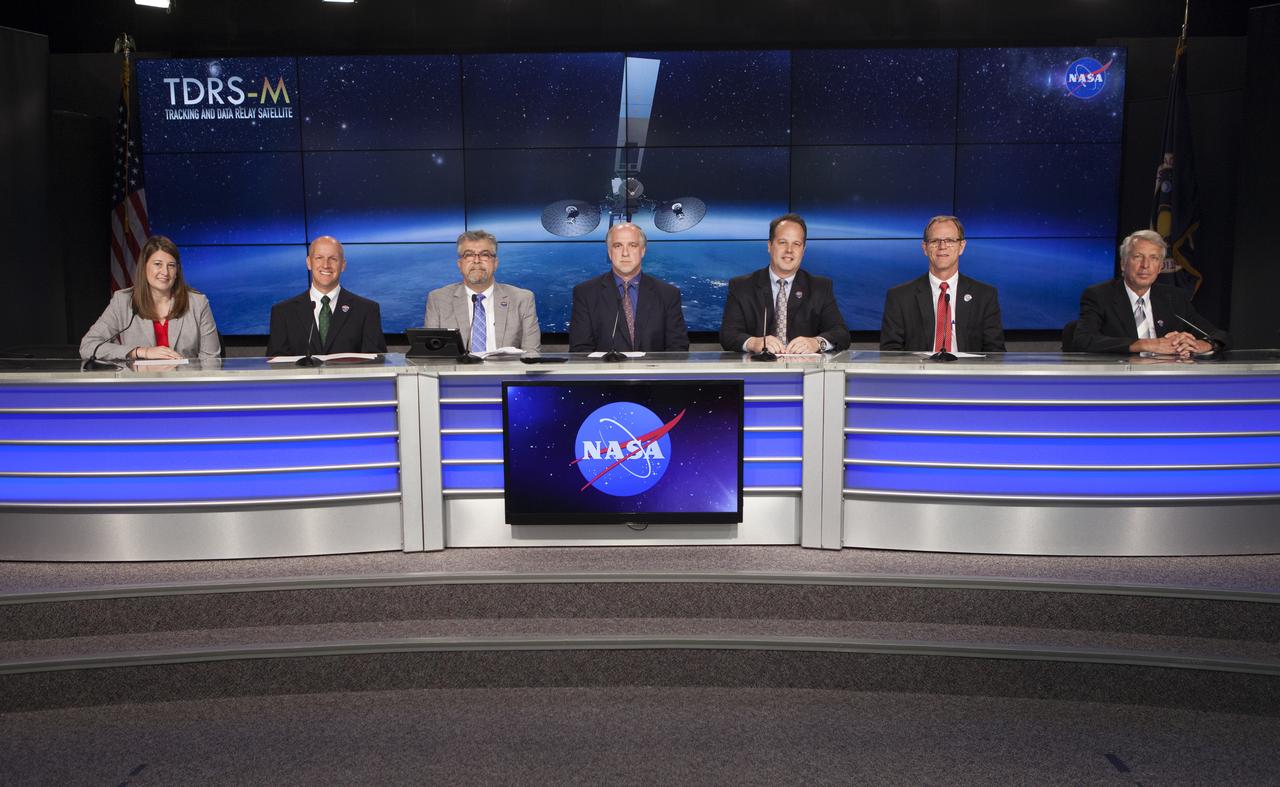
In the Kennedy Space Center's Press Site auditorium, NASA and industry leaders speak to members of the media at a prelaunch news conference for NASA's Tracking and Data Relay Satellite, TDRS-M. Participants from left are: Kathryn Hambleton of NASA Communications, Tim Dunn, launch director at NASA Kennedy, Badri Younes, deputy associate administrator for Space Communications and Navigation at NASA Headquarters in Washington, Dave Littmann, project manager for TDRS-M at NASA’s Goddard Space Flight Center in Greenbelt, Maryland, James Wilson III, Boeing program manager for NASA/Civil Space Programs, Scott Messer, United Launch Alliance program manager for NASA missions, and Clay Flinn, launch weather officer with the 45th Space Wing at Cape Canaveral Air Force Station. TDRS-M is the latest spacecraft destined for the agency's constellation of communications satellites that allows nearly continuous contact with orbiting spacecraft ranging from the International Space Station and Hubble Space Telescope to the array of scientific observatories. Liftoff atop a United Launch Alliance Atlas V rocket is scheduled to take place from Space Launch Complex 41 at Cape Canaveral Air Force Station at 8:03 a.m. EDT Aug. 18.
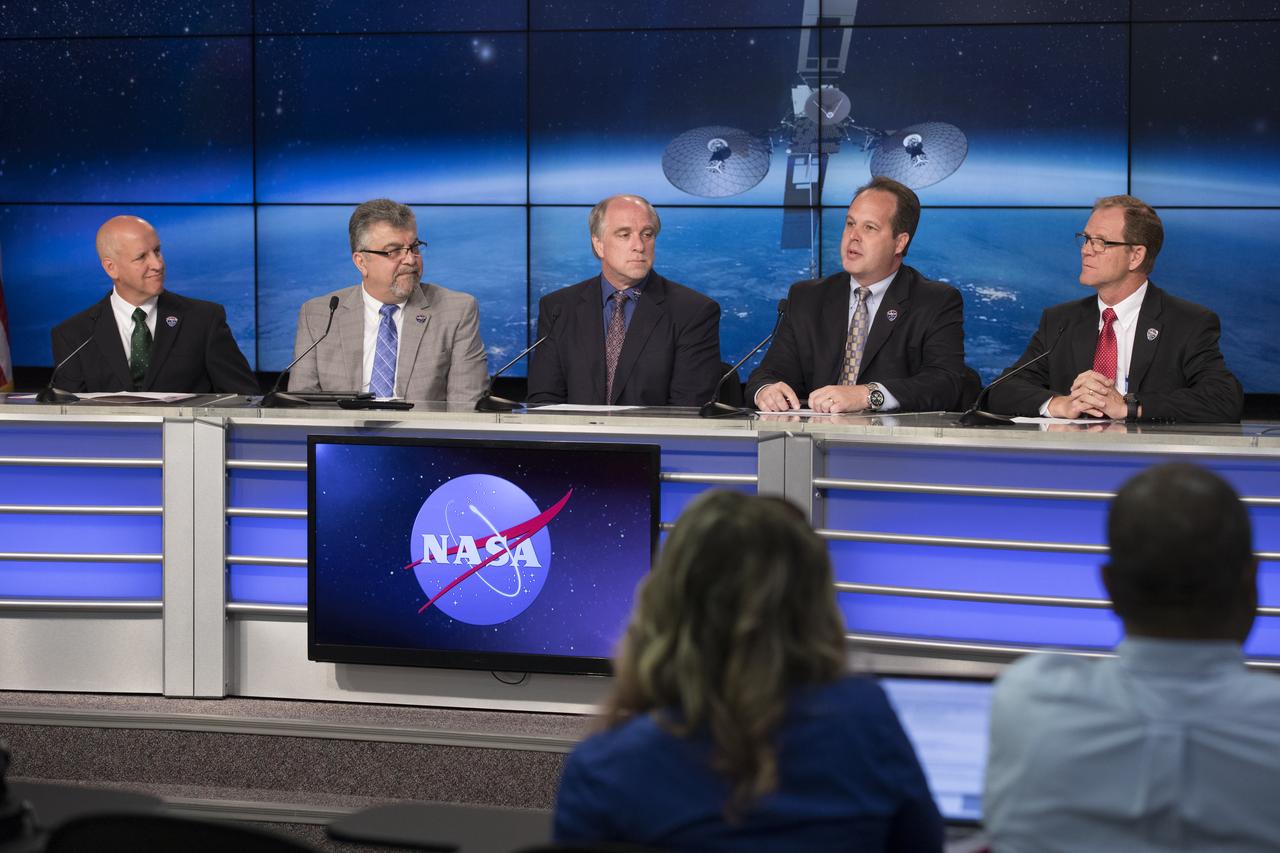
In the Kennedy Space Center's Press Site auditorium, NASA and industry leaders speak to members of the media at a prelaunch news conference for NASA's Tracking and Data Relay Satellite, TDRS-M. Participants from left are: Tim Dunn, launch director at NASA Kennedy, Badri Younes, deputy associate administrator for Space Communications and Navigation at NASA Headquarters in Washington, Dave Littmann, project manager for TDRS-M at NASA’s Goddard Space Flight Center in Greenbelt, Maryland, James Wilson III, Boeing program manager for NASA/Civil Space Programs, and Scott Messer, United Launch Alliance program manager for NASA missions. TDRS-M is the latest spacecraft destined for the agency's constellation of communications satellites that allows nearly continuous contact with orbiting spacecraft ranging from the International Space Station and Hubble Space Telescope to the array of scientific observatories. Liftoff atop a United Launch Alliance Atlas V rocket is scheduled to take place from Space Launch Complex 41 at Cape Canaveral Air Force Station at 8:03 a.m. EDT Aug. 18.

CAPE CANAVERAL, Fla. – At NASA's Kennedy Space Center in Florida, members of the news media interview Ares I-X project managers and take photographs on the 295-foot level of Launch Pad 39B. Modifications to the pad to support the Ares I-X rocket are complete. The transfer of the pad from the Space Shuttle Program to the Constellation Program took place May 31. Modifications made to the pad include the removal of shuttle unique subsystems, such as the orbiter access arm and a section of the gaseous oxygen vent arm, along with the installation of three 600-foot lightning towers, access platforms, environmental control systems and a vehicle stabilization system. Part of the Constellation Program, the Ares I-X is the test vehicle for the Ares I, which is the essential core of a space transportation system designed to carry crewed missions back to the moon, on to Mars and out into the solar system. The Ares I-X flight test is targeted for Oct. 27. For information on the Ares I-X vehicle and flight test, visit http://www.nasa.gov/aresIX. Photo credit: NASA/Jack Pfaller
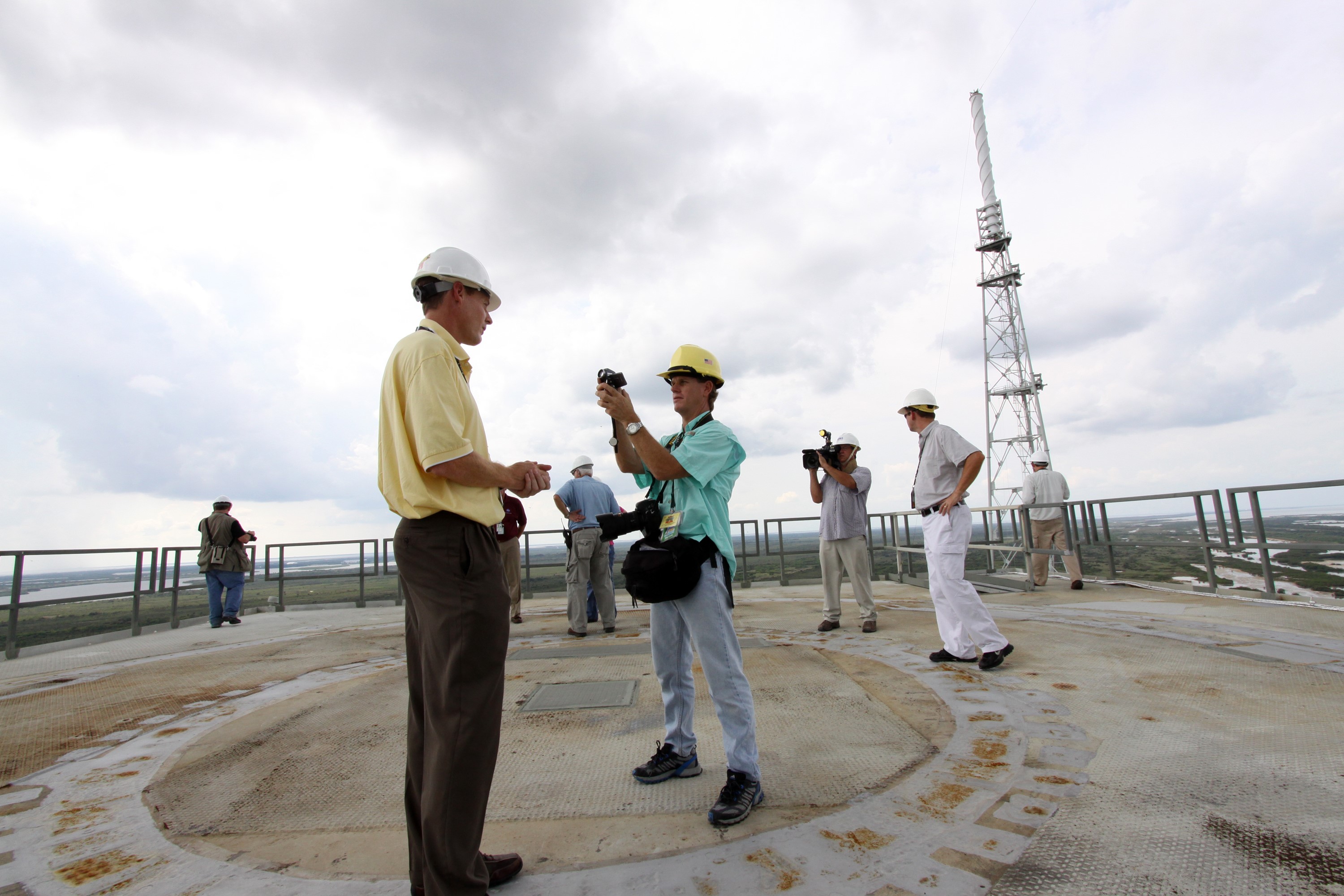
CAPE CANAVERAL, Fla. – At NASA's Kennedy Space Center in Florida, Ares I-X ground systems project manager Mike Stelzer is interviewed by a member of the news media on the 295-foot level of Launch Pad 39B. Modifications to the pad to support the Ares I-X rocket are complete. The transfer of the pad from the Space Shuttle Program to the Constellation Program took place May 31. Modifications made to the pad include the removal of shuttle unique subsystems, such as the orbiter access arm and a section of the gaseous oxygen vent arm, along with the installation of three 600-foot lightning towers, access platforms, environmental control systems and a vehicle stabilization system. Part of the Constellation Program, the Ares I-X is the test vehicle for the Ares I, which is the essential core of a space transportation system designed to carry crewed missions back to the moon, on to Mars and out into the solar system. The Ares I-X flight test is targeted for Oct. 27. For information on the Ares I-X vehicle and flight test, visit http://www.nasa.gov/aresIX. Photo credit: NASA/Jack Pfaller
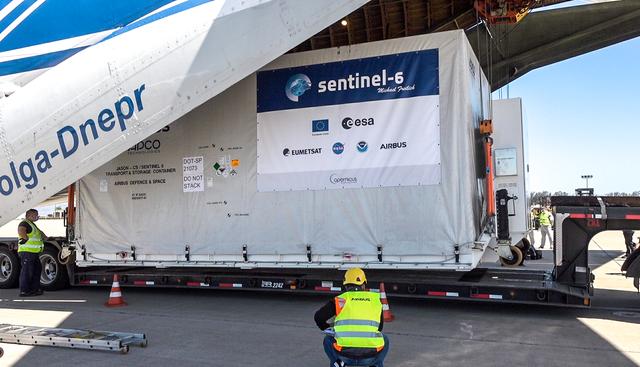
The Sentinel-6 Michael Freilich satellite, secured inside a shipping container, arrives at Vandenberg Air Force Base in California on Sept. 24, 2020, aboard an Antonov cargo aircraft. The mission is an international partnership and the first launch of a constellation of two satellites that will observe changes in Earth’s sea levels for at least the next decade. Launching atop a SpaceX Falcon 9 rocket, Sentinel-6 Michael Freilich is targeted to lift off from Vandenberg’s Space Launch Complex 4 on Nov. 10, 2020. The Launch Services Program at Kennedy is responsible for launch management.
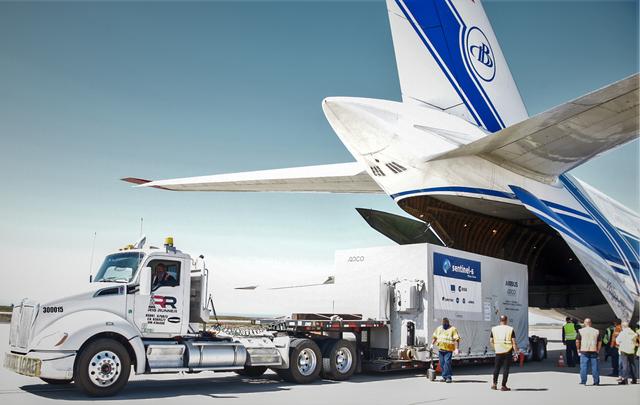
The Sentinel-6 Michael Freilich satellite, secured inside a shipping container, arrives at Vandenberg Air Force Base in California on Sept. 24, 2020, aboard an Antonov cargo aircraft. The mission is an international partnership and the first launch of a constellation of two satellites that will observe changes in Earth’s sea levels for at least the next decade. Launching atop a SpaceX Falcon 9 rocket, Sentinel-6 Michael Freilich is targeted to lift off from Vandenberg’s Space Launch Complex 4 on Nov. 10, 2020. The Launch Services Program at Kennedy is responsible for launch management.
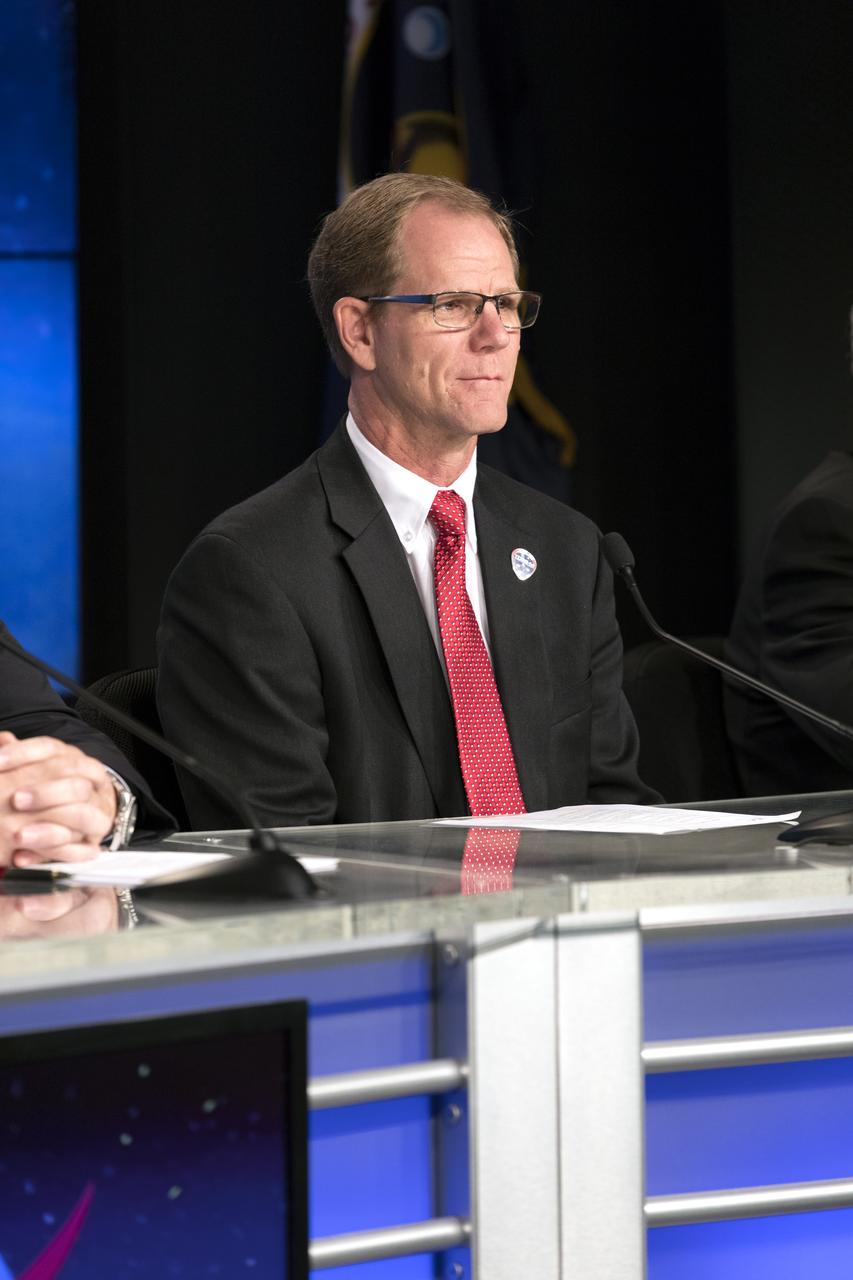
In the Kennedy Space Center's Press Site auditorium, Scott Messer, United Launch Alliance program manager for NASA missions, speaks to members of the media at a prelaunch news conference for NASA's Tracking and Data Relay Satellite, TDRS-M. It is the latest spacecraft destined for the agency's constellation of communications satellites that allows nearly continuous contact with orbiting spacecraft ranging from the International Space Station and Hubble Space Telescope to the array of scientific observatories. Liftoff atop a United Launch Alliance Atlas V rocket is scheduled to take place from Space Launch Complex 41 at Cape Canaveral Air Force Station at 8:03 a.m. EDT Aug. 18.
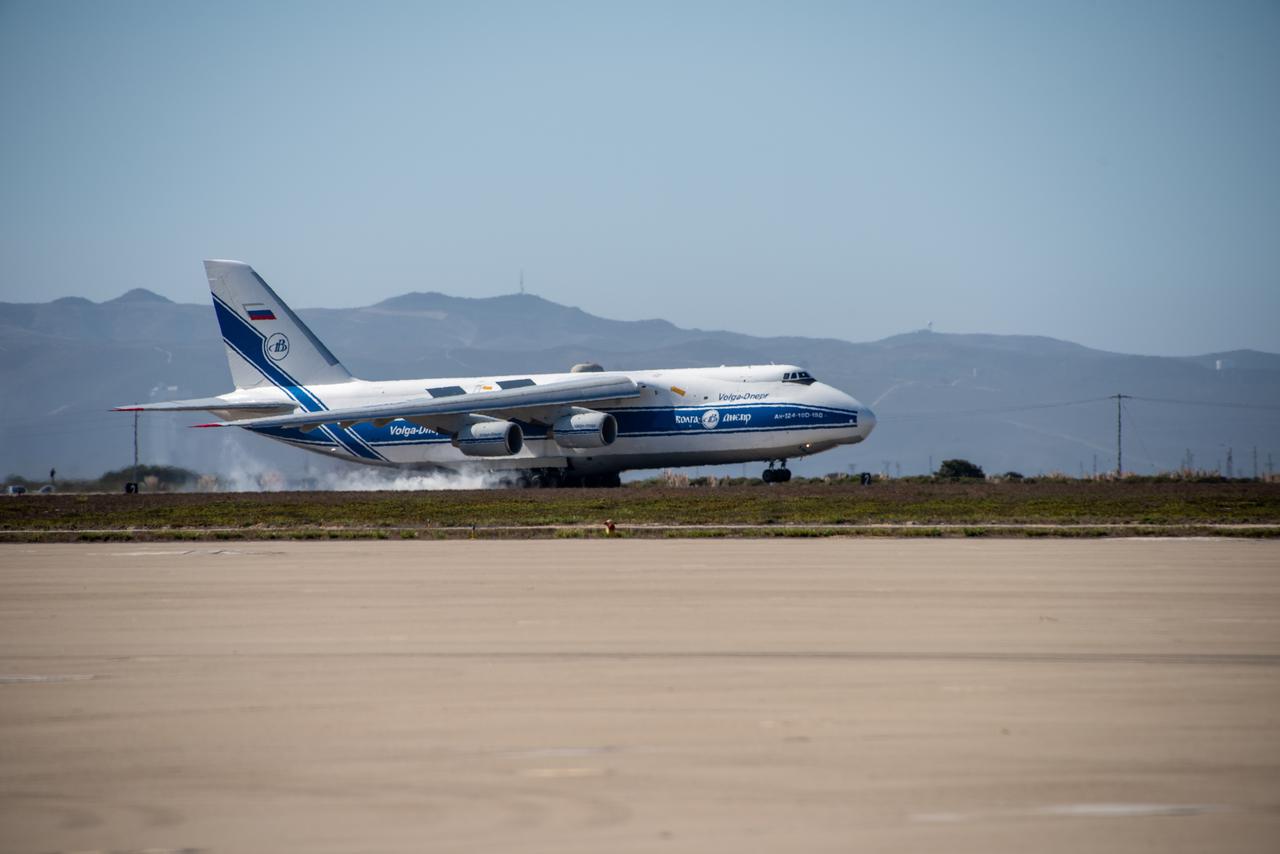
The Antonov cargo aircraft carrying the Sentinel-6 Michael Freilich satellite touches down on the runway at Vandenberg Air Force Base in California on Sept. 24, 2020. The mission is an international partnership and the first launch of a constellation of two satellites that will observe changes in Earth’s sea levels for at least the next decade. Launching atop a SpaceX Falcon 9 rocket, Sentinel-6 Michael Freilich is targeted to lift off from Vandenberg’s Space Launch Complex 4 on Nov. 10, 2020. The Launch Services Program at Kennedy is responsible for launch management.
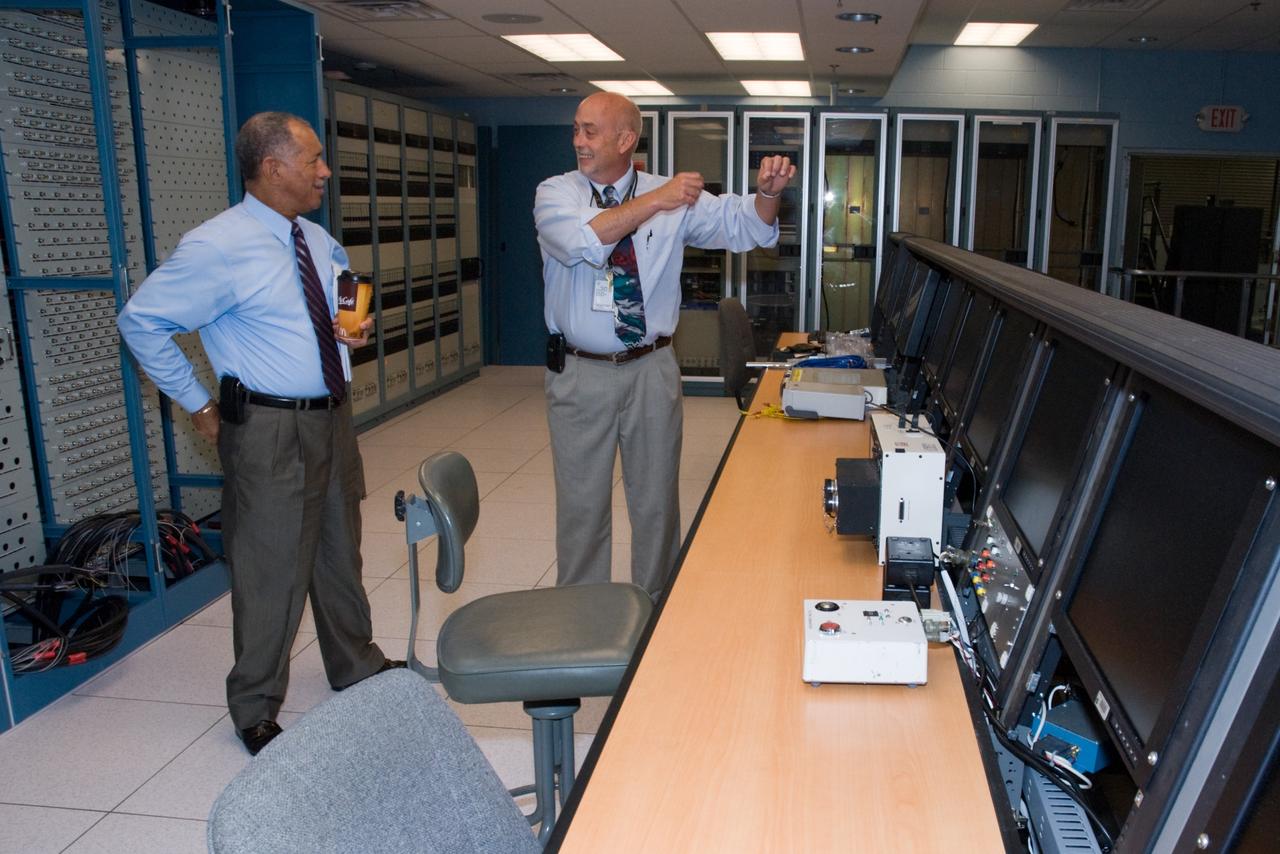
CAPE CANAVERAL, Fla. – NASA Administrator Charles Bolden (left) stops in the Launch Equipment Test Facility, or LETF, Vehicle Motion Simulator control room at NASA's Kennedy Space Center in Florida. At right is Eric Ernst, Kennedy LETF manager. Bolden is touring several facilities at Kennedy involved with NASA's Constellation Program. Bolden also was at Kennedy for several events, including the landing of space shuttle Endeavour's STS-127 mission and the signing of the joint NASA-Japan Aerospace Exploration Agency agreement defining the terms of cooperation between the agencies on the Global Precipitation Measurement, or GPM, mission. Photo credit: NASA/Kim Shiflett
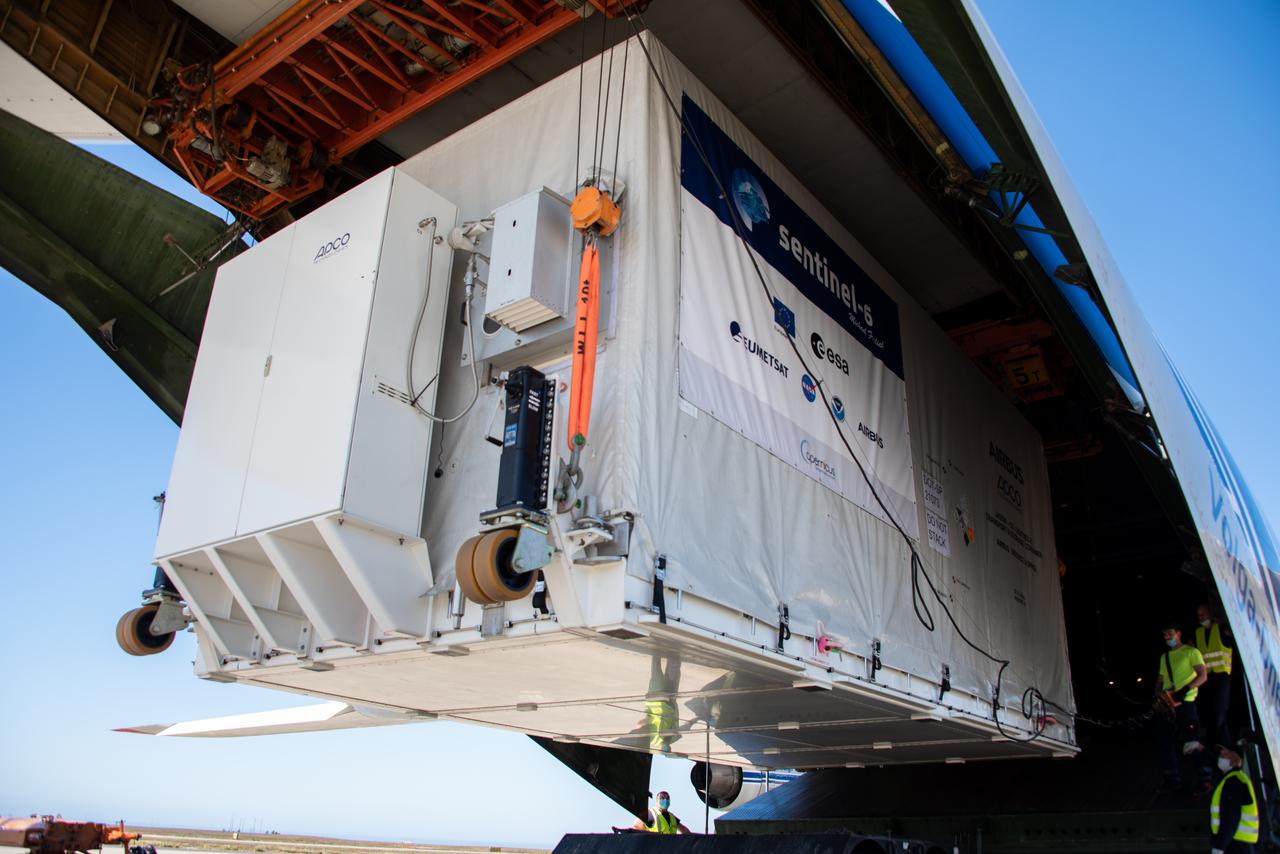
The Sentinel-6 Michael Freilich satellite, secured inside a shipping container, is offloaded from the Antonov cargo aircraft that delivered it to Vandenberg Air Force Base in California on Sept. 24, 2020. The mission is an international partnership and the first launch of a constellation of two satellites that will observe changes in Earth’s sea levels for at least the next decade. Launching atop a SpaceX Falcon 9 rocket, Sentinel-6 Michael Freilich is targeted to lift off from Vandenberg’s Space Launch Complex 4 on Nov. 10, 2020. The Launch Services Program at Kennedy is responsible for launch management.
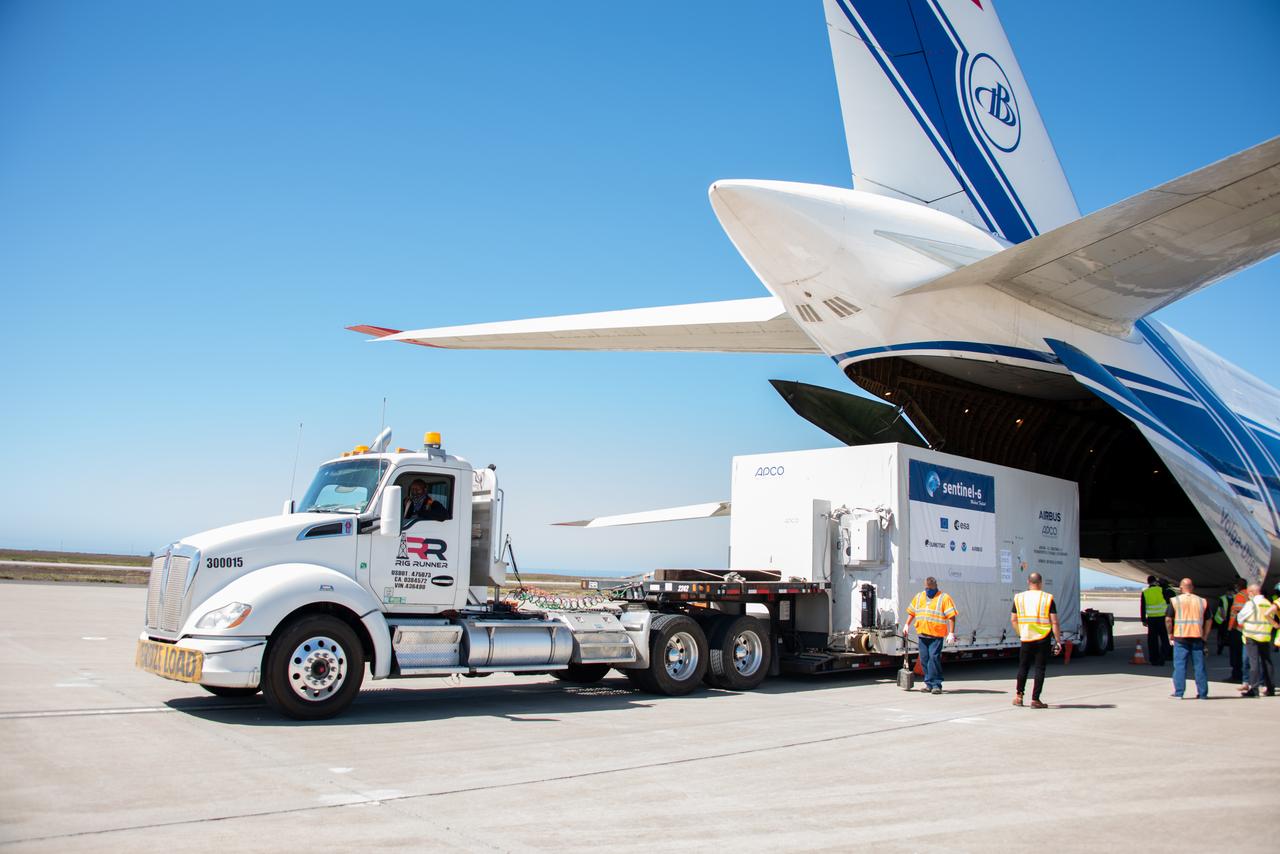
The Sentinel-6 Michael Freilich satellite, secured inside a shipping container, is placed on a transport vehicle after the spacecraft’s arrival at Vandenberg Air Force Base in California aboard a Antonov cargo aircraft, Sept. 24, 2020. The mission is an international partnership and the first launch of a constellation of two satellites that will observe changes in Earth’s sea levels for at least the next decade. Launching atop a SpaceX Falcon 9 rocket, Sentinel-6 Michael Freilich is targeted to lift off from Vandenberg’s Space Launch Complex 4 on Nov. 10, 2020. The Launch Services Program at Kennedy is responsible for launch management.
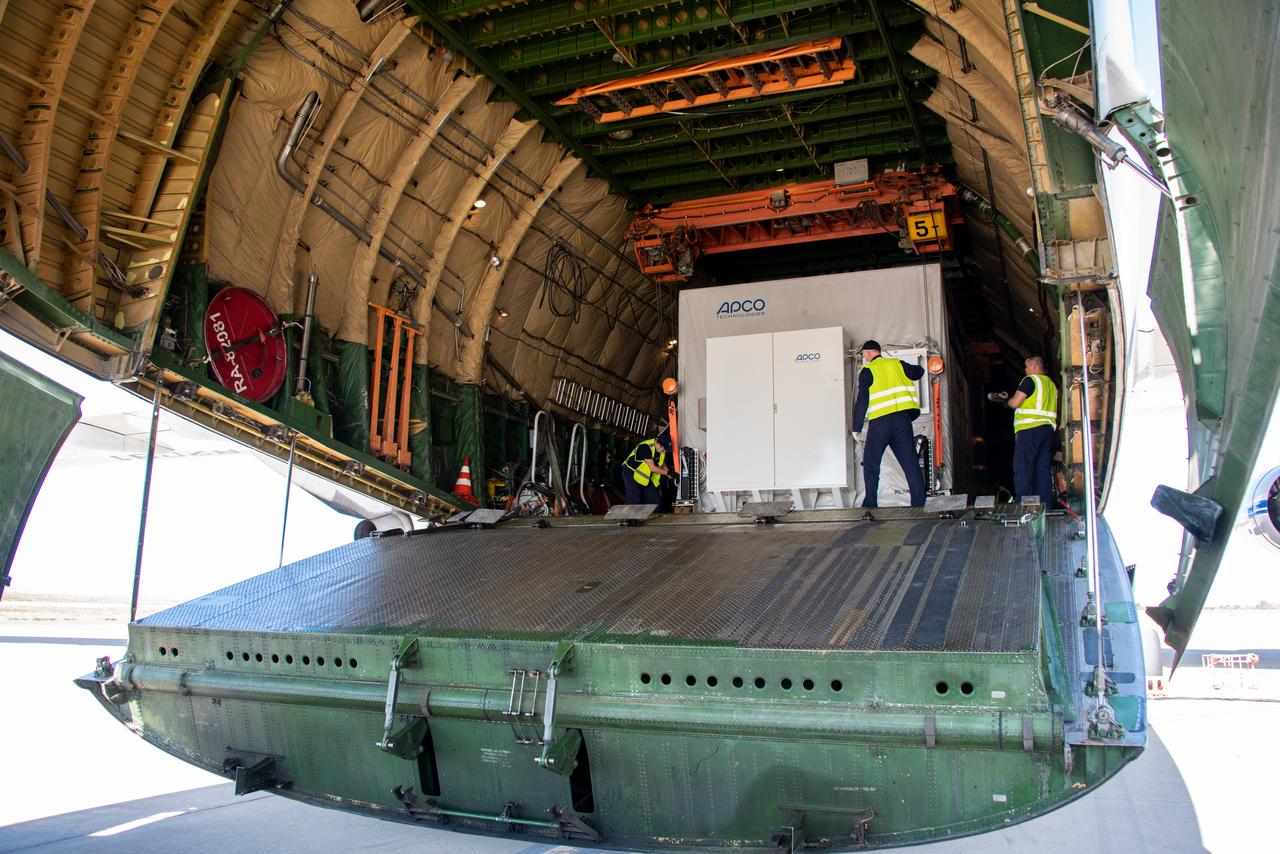
The Sentinel-6 Michael Freilich satellite, secured inside a shipping container, is visible inside the Antonov cargo aircraft that delivered it to Vandenberg Air Force Base in California on Sept. 24, 2020. The mission is an international partnership and the first launch of a constellation of two satellites that will observe changes in Earth’s sea levels for at least the next decade. Launching atop a SpaceX Falcon 9 rocket, Sentinel-6 Michael Freilich is targeted to lift off from Vandenberg’s Space Launch Complex 4 on Nov. 10, 2020. The Launch Services Program at Kennedy is responsible for launch management.
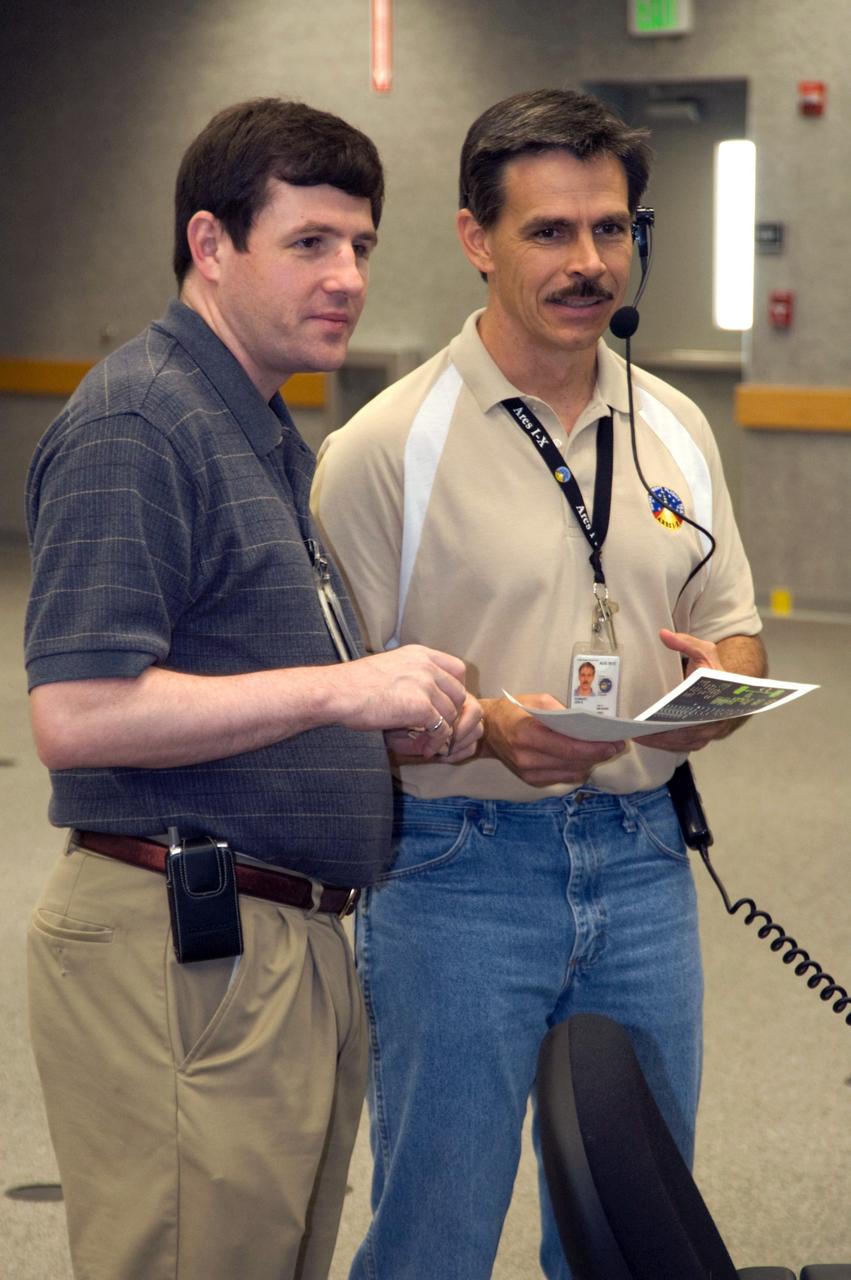
CAPE CANAVERAL, Fla. – In NASA Kennedy Space Center's Launch Control Center, NASA's Ares I-X Avionics IPT Lead Kevin Flynn and Ares I-X deputy mission manager Jon Cowart monitor data in the firing room as the rocket undergoes its first power-up. Part of the Constellation Program, the Ares I-X is the test vehicle for the Ares I, which is the essential core of a space transportation system that eventually will carry crewed missions back to the moon, on to Mars and out into the solar system. The Ares I-X flight test is targeted for Oct. 31. Photo credit: NASA/Cory Huston
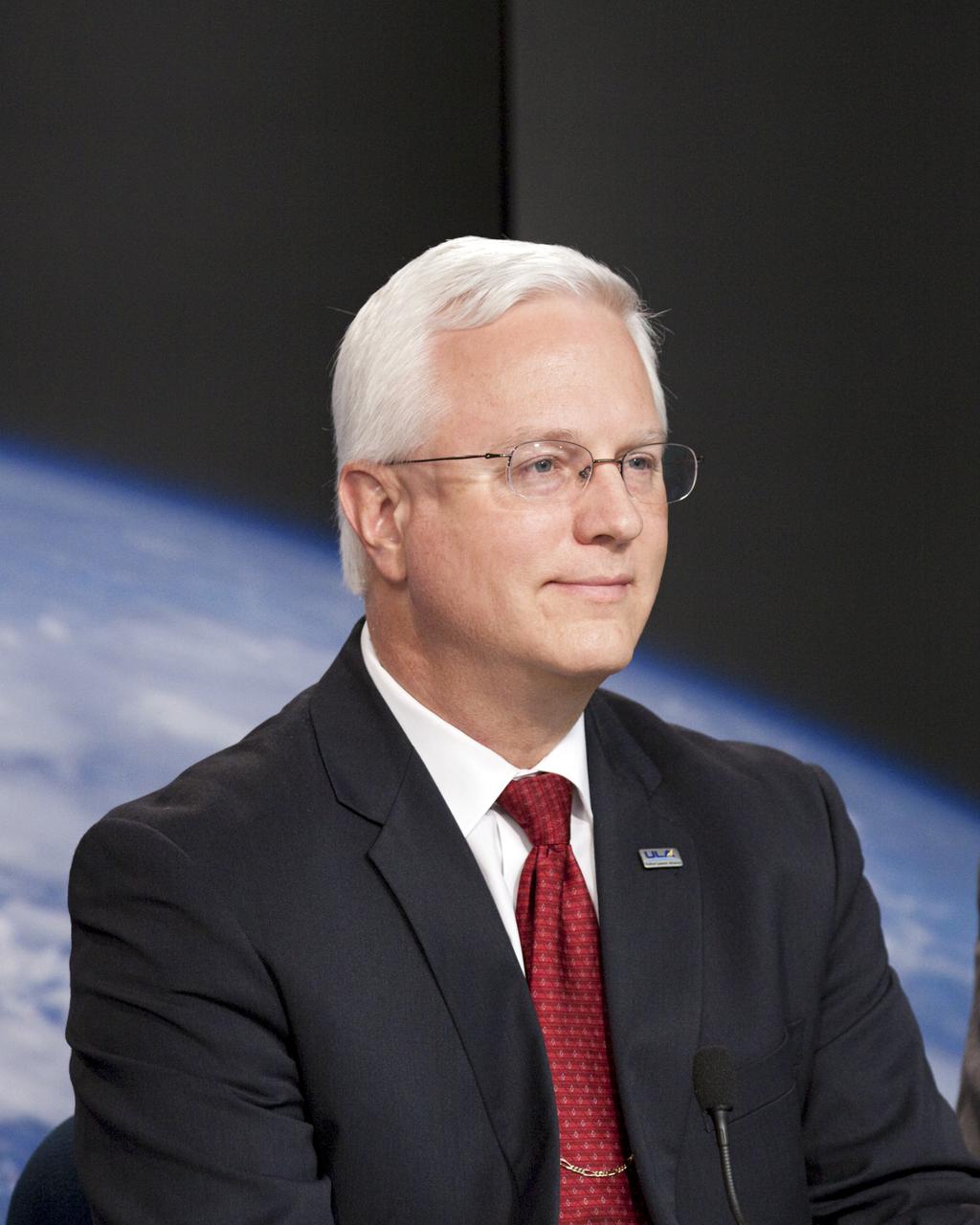
CAPE CANAVERAL, Fla. –- At a news conference, NASA and United Launch Alliance officials discussed preparations for the planned launch of NASA's Tracking and Data Relay Satellite, TDRS-K, atop an Atlas V rocket. Among those participating in the briefing is Vernon Thorp, program manager, NASA Missions for United Launch Alliance in Denver, Colo. Liftoff for the TDRS-K is planned for Jan. 30, 2013. The TDRS-K spacecraft is part of the next-generation series in the Tracking and Data Relay Satellite System, a constellation of space-based communication satellites providing tracking, telemetry, command and high-bandwidth data return services. For more information, visit http:__www.nasa.gov_mission_pages_tdrs_index.html Photo credit: NASA_Kim Shiflett
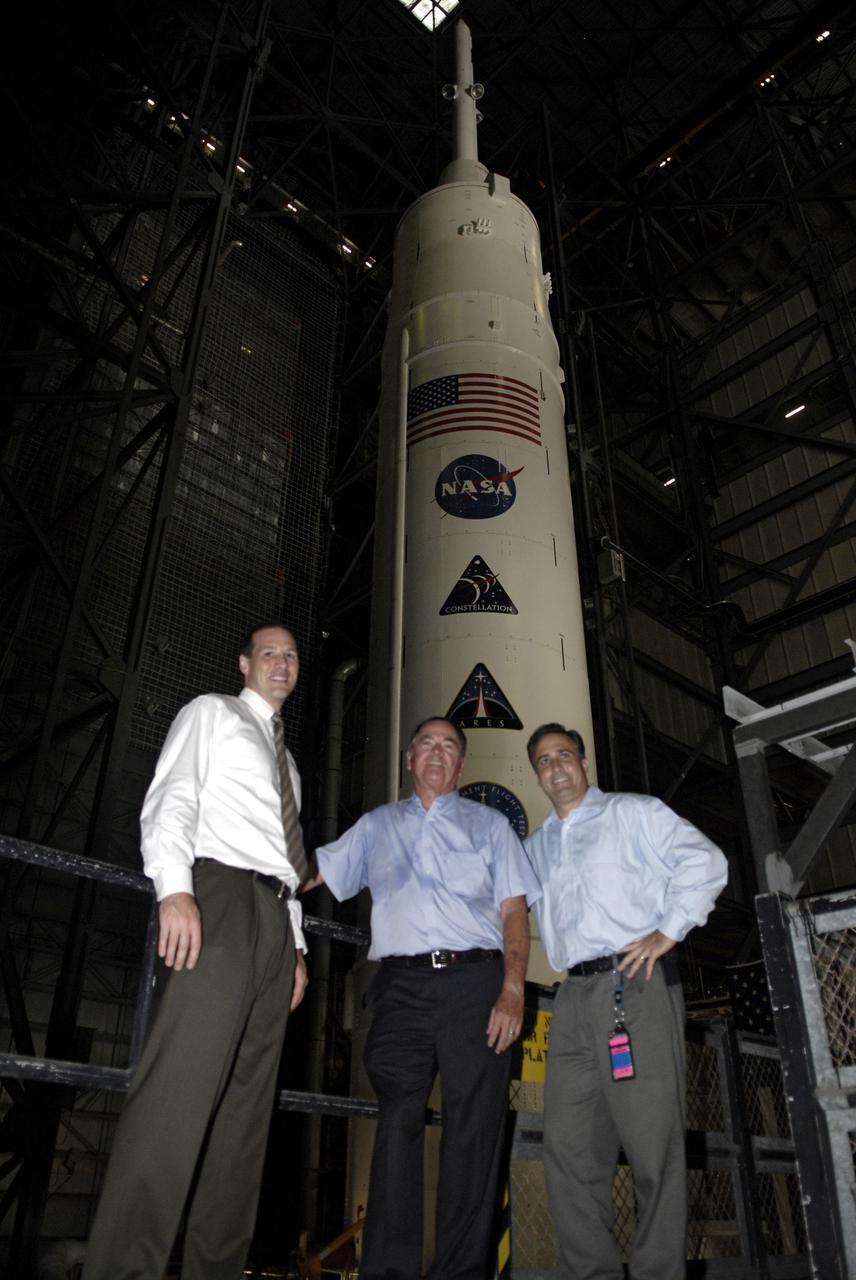
CAPE CANAVERAL, Fla. – – Inside NASA Kennedy Space Center's Vehicle Assembly Building Bay 3, Ares I-X mission manager Bob Ess, former astronaut Robert Crippen and mission team member Trent Smith stand in front of the Ares I-X rocket. Part of the Constellation Program, the Ares I-X is the test vehicle for the Ares I, which is the essential core of a space transportation system that eventually will carry crewed missions back to the moon, on to Mars and out into the solar system . The Ares I-X flight test is targeted for Oct. 27. Photo credit: NASA/Kim Shiflett
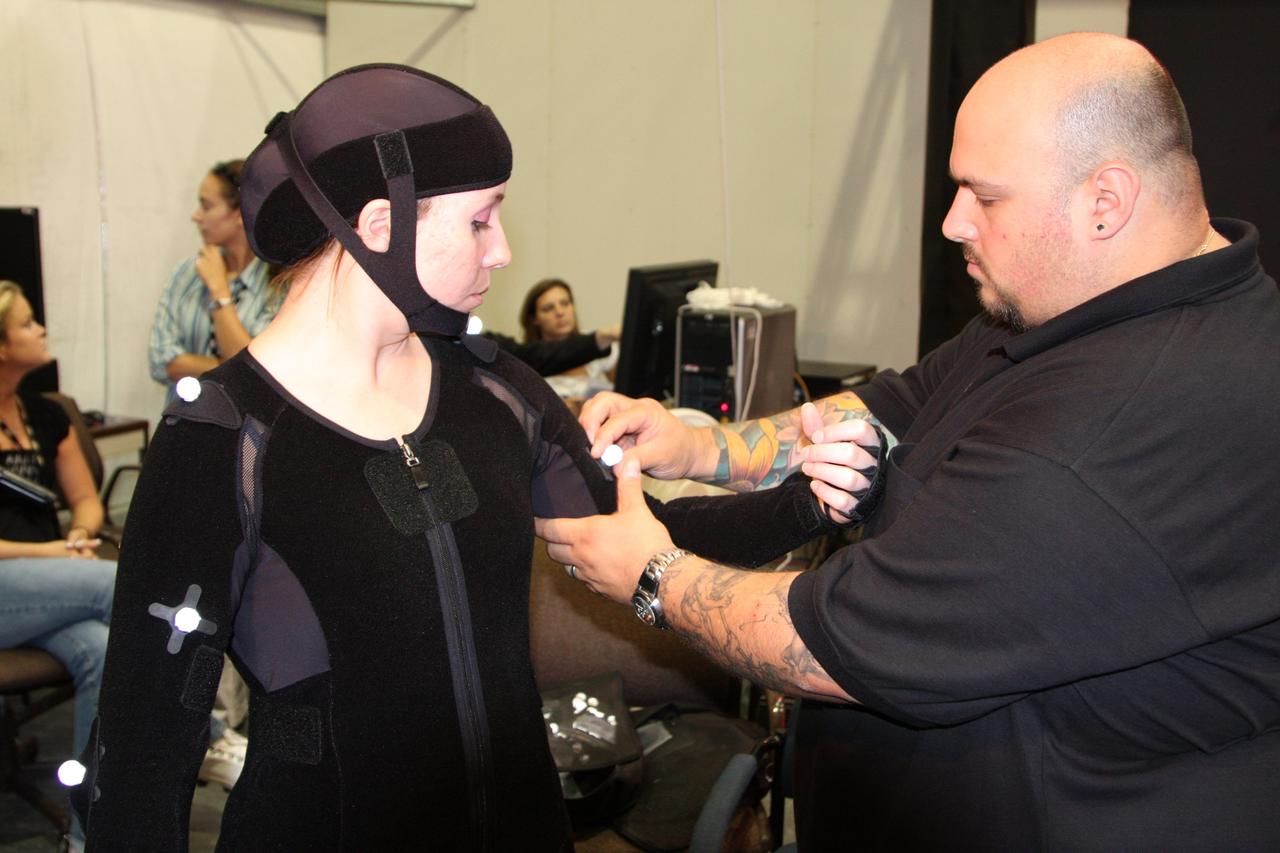
CAPE CANAVERAL, Fla. – NYIT MOCAP (Motion Capture) team Project Manager Jon Squitieri attaches a retro reflective marker to a motion capture suit worn by a technician who will be assembling the Orion Crew Module mockup. The motion tracking aims to improve efficiency of assembly processes and identify potential ergonomic risks for technicians assembling the mockup. The work is being performed in United Space Alliance's Human Engineering Modeling and Performance Lab in the RLV Hangar at NASA's Kennedy Space Center. Part of NASA's Constellation Program, the Orion spacecraft will return humans to the moon and prepare for future voyages to Mars and other destinations in our solar system.
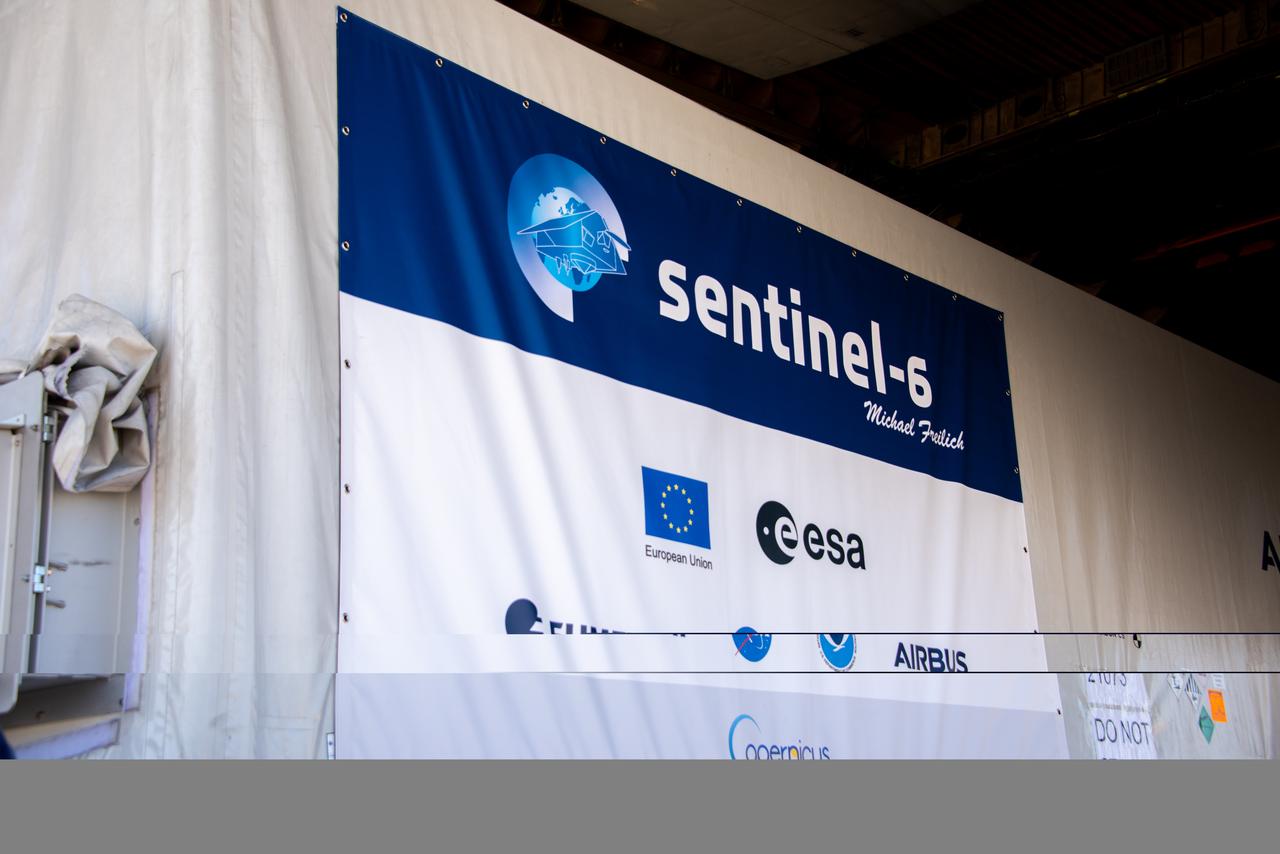
The Sentinel-6 Michael Freilich satellite, secured inside a shipping container, is offloaded from the Antonov cargo aircraft that delivered it to Vandenberg Air Force Base in California on Sept. 24, 2020. The mission is an international partnership and the first launch of a constellation of two satellites that will observe changes in Earth’s sea levels for at least the next decade. Launching atop a SpaceX Falcon 9 rocket, Sentinel-6 Michael Freilich is targeted to lift off from Vandenberg’s Space Launch Complex 4 on Nov. 10, 2020. The Launch Services Program at Kennedy is responsible for launch management.
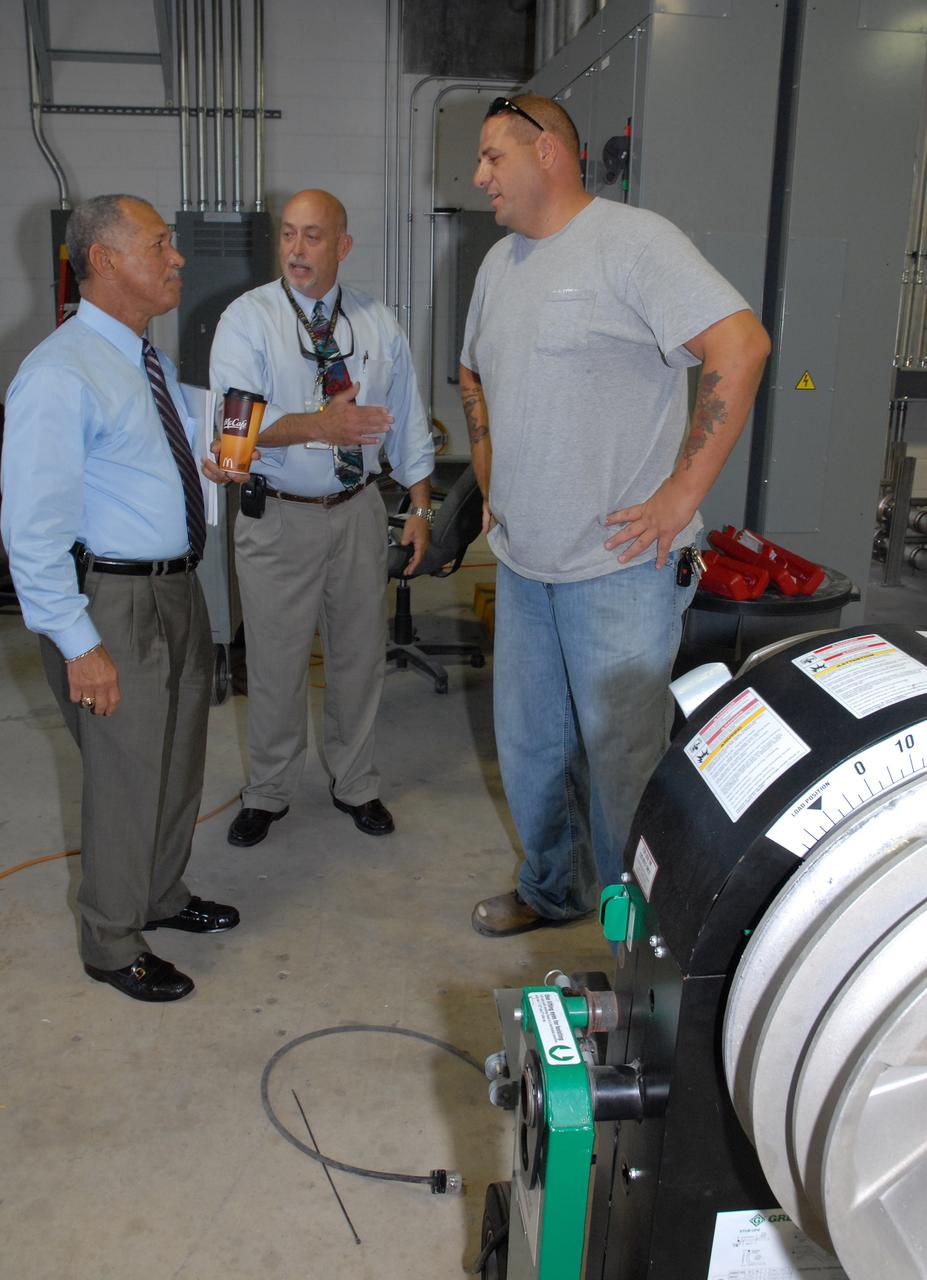
CAPE CANAVERAL, Fla. – NASA Administrator Charles Bolden (left) stops in the Launch Equipment Test Facility, or LETF, during his tour of NASA's Kennedy Space Center in Florida. At center is Eric Ernst, Kennedy LETF manager. Bolden is touring several facilities at Kennedy involved with NASA's Constellation Program. Bolden also was at Kennedy for several events, including the landing of space shuttle Endeavour's STS-127 mission and the signing of the joint NASA-Japan Aerospace Exploration Agency agreement defining the terms of cooperation between the agencies on the Global Precipitation Measurement, or GPM, mission. Photo credit: NASA/Kim Shiflett
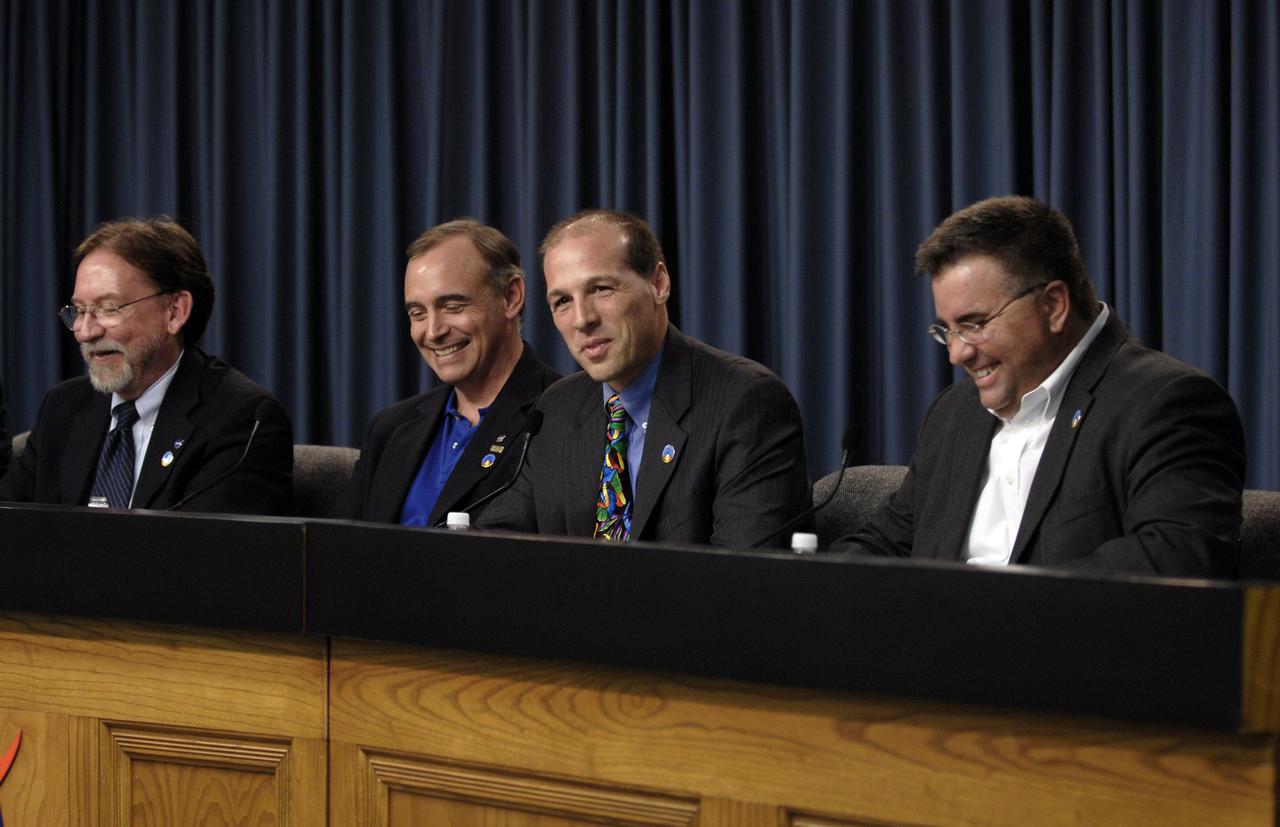
CAPE CANAVERAL, Fla. - At NASA's Kennedy Space Center in Florida, a post-launch news conference is held in the Press Site auditorium following the successful launch of the Ares I-X test rocket at 11:30 a.m. EDT Oct. 28. Sharing a lighter moment are, from left, Doug Cooke, associate administrator for NASA's Exploration Systems Mission Directorate; Jeff Hanley, Constellation Program manager; Bob Ess, mission manager for the Ares I-X flight test; and Edward Mango, launch director for the Ares I-X flight test. For more information on the Ares I-X vehicle and flight test, visit http://www.nasa.gov/aresIX. Photo credit: NASA/Kim Shiflett
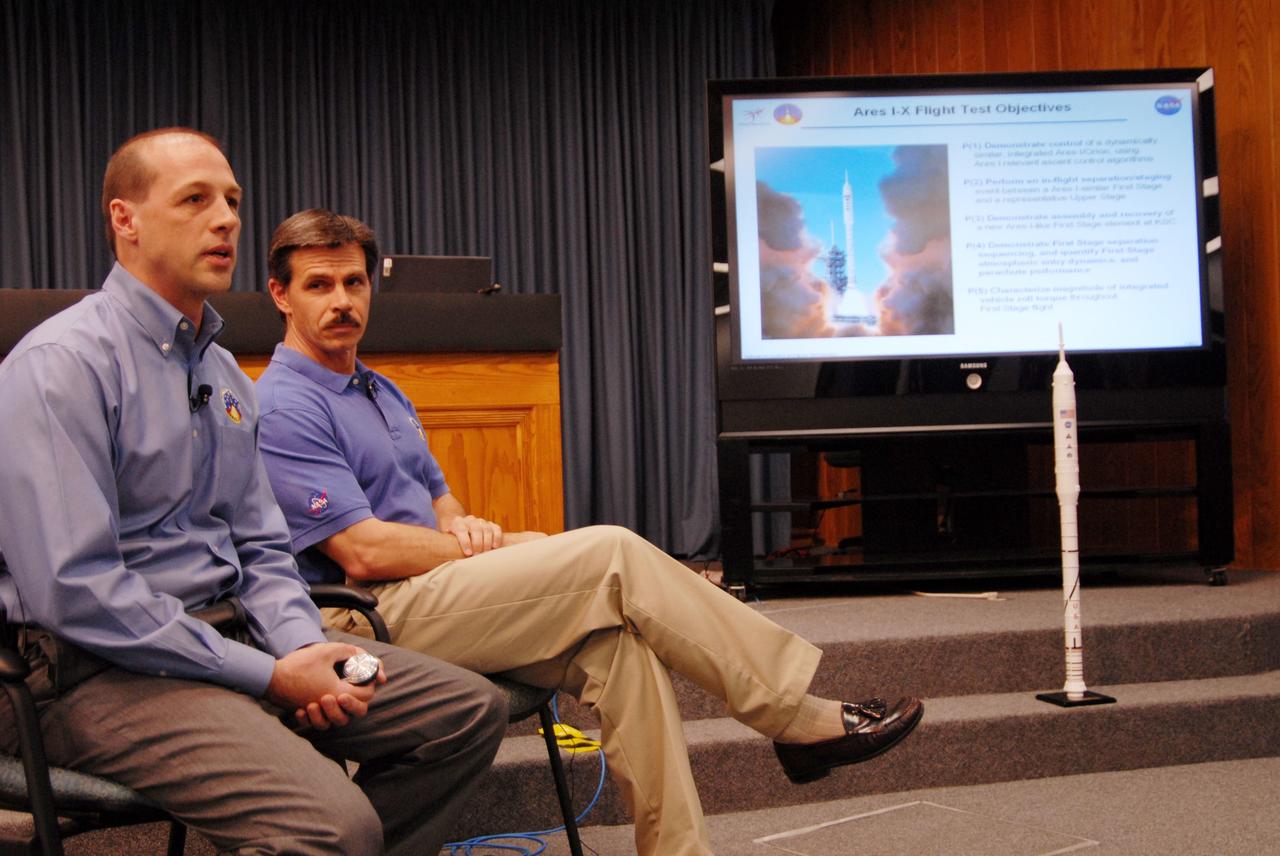
CAPE CANAVERAL, Fla. – Media were invited to a showing of the Ares I-X simulator rocket segments at NASA's Kennedy Space Center in Florida. Here, Bob Ess and Jon Cowart discuss the flight test objectives of the Ares I-X targeted for launch in July 2009. Ess is manager of the Ares I-X project. Cowart is Ares I-X deputy mission manager. The I-X flight will provide NASA an early opportunity to test and prove hardware, facilities and ground operations associated with Ares I, part of the Constellation Program to return men to the moon and beyond. Ares I is the essential core of a safe, reliable, cost-effective space transportation system that eventually will carry crewed missions back to the moon, on to Mars and out into the solar system. Photo credit: NASA/Jack Pfaller
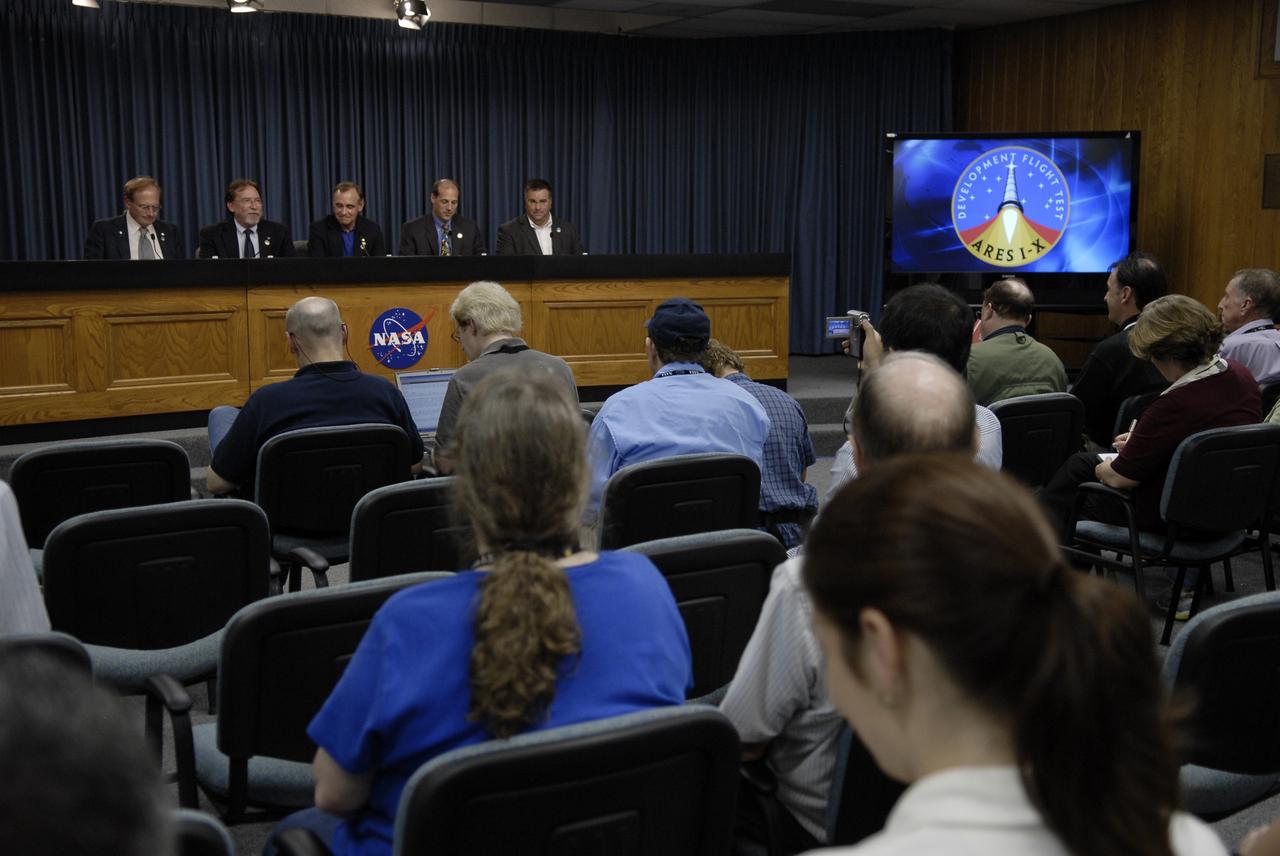
CAPE CANAVERAL, Fla. - At NASA's Kennedy Space Center in Florida, members of the news media attend a post-launch news conference in the Press Site auditorium following the successful launch of the Ares I-X test rocket at 11:30 a.m. EDT Oct. 28. Onstage, from left, are moderator George Diller, NASA Public Affairs officer; Doug Cooke, associate administrator for NASA's Exploration Systems Mission Directorate; Jeff Hanley, Constellation Program manager; Bob Ess, mission manager for the Ares I-X flight test; and Edward Mango, launch director for the Ares I-X flight test. For more information on the Ares I-X vehicle and flight test, visit http://www.nasa.gov/aresIX. Photo credit: NASA/Kim Shiflett
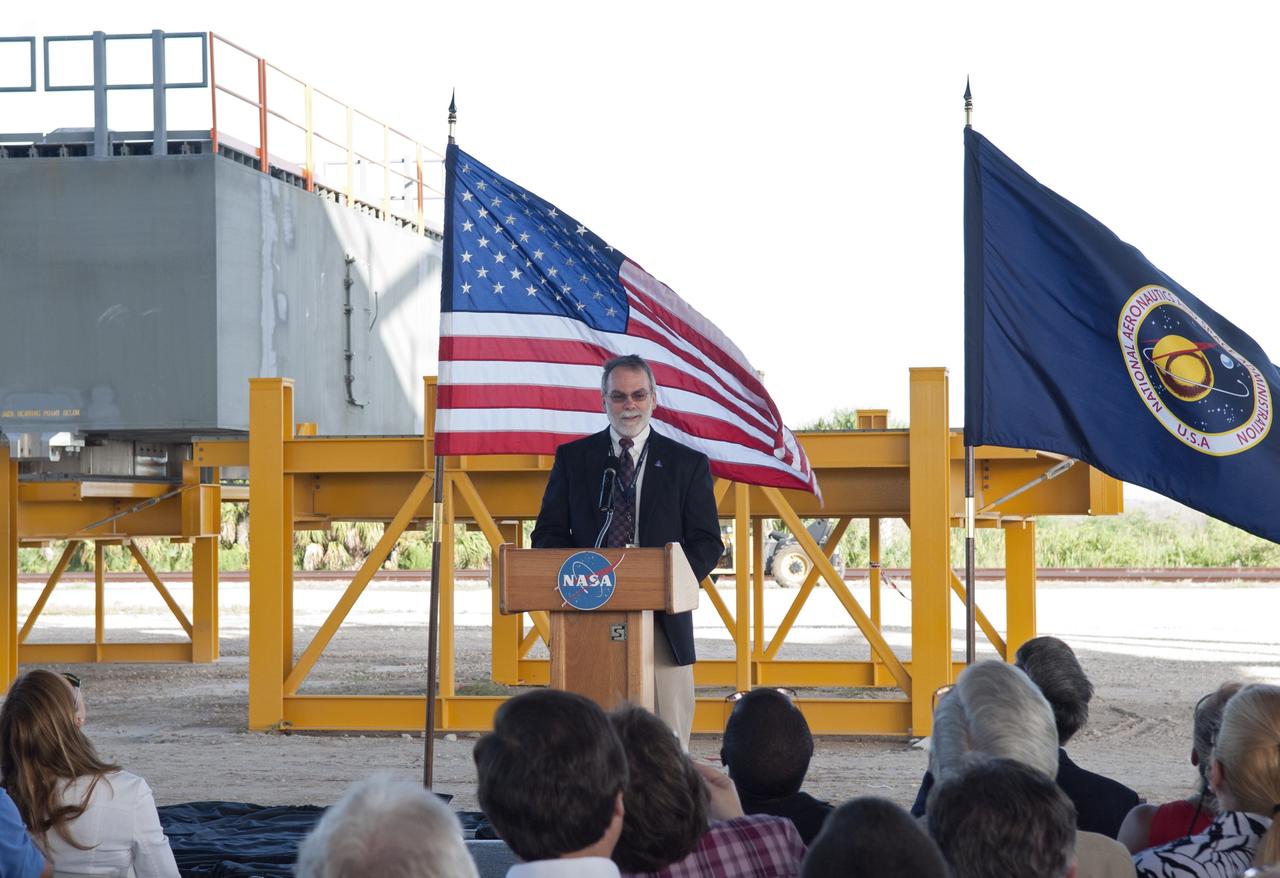
CAPE CANAVERAL, Fla. -- At NASA's Kennedy Space Center in Florida, Constellation Program Manager Dale Thomas talks to employees at a completion ceremony for NASA's new mobile launcher, or ML, support structure. The ceremony was held underneath the structure's launch mount opening. It took about two years to construct the launcher in the Mobile Launcher Park site, north of the Vehicle Assembly Building, or VAB. The 355-foot-tall structure will support NASA's future human spaceflight program. The base of the launcher is lighter than space shuttle mobile launcher platforms so the crawler-transporter can pick up the heavier load of the tower and a taller rocket. The next step will be to add ground support equipment, such as umbilicals and access arms, for future rocket launches. For information on NASA's future plans, visit www.nasa.gov. Photo credit: NASA/Jim Grossmann
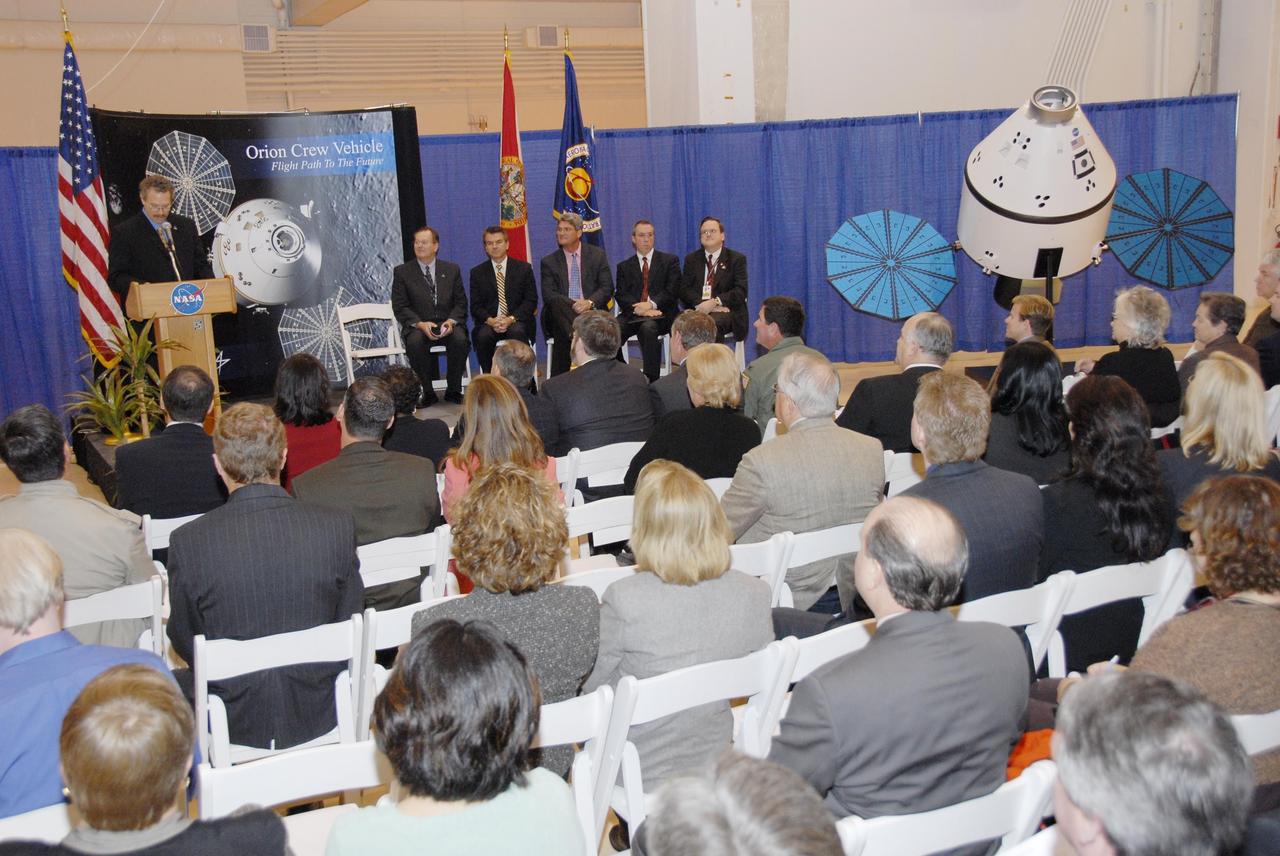
KENNEDY SPACE CENTER, FLA. -- Russell Romanella, director of the International Space Station/Payload Processing Directorate at Kennedy Space Center, addresses guests and attendees in the Operations and Checkout (O&C) Building high bay in the ceremony commemorating the bay's transition for use by the Constellation Program. Seated on the dais at right are Cleon Lacefield, Lockheed Martin program manager; Thad Altman, representative of the State of Florida; Bill Parsons, Kennedy Space Center director; Steve Koller, executive director of Space Florida; and Skip Hatfield, Orion Project manager. Originally built to process space vehicles in the Apollo era, the O&C Building will serve as the final assembly facility for the Orion crew exploration vehicle. Orion, America's human spaceflight vehicle of the future, will be capable of transporting four crewmembers for lunar missions and later will support crew transfers for Mars missions. Each Orion spacecraft also may be used to support up to six crewmembers to the International Space Station after the space shuttle is retired in 2010. Design, development and construction of Orion's components will be performed by Lockheed Martin for NASA at facilities throughout the country. Photo credit: NASA/Kim Shiflett
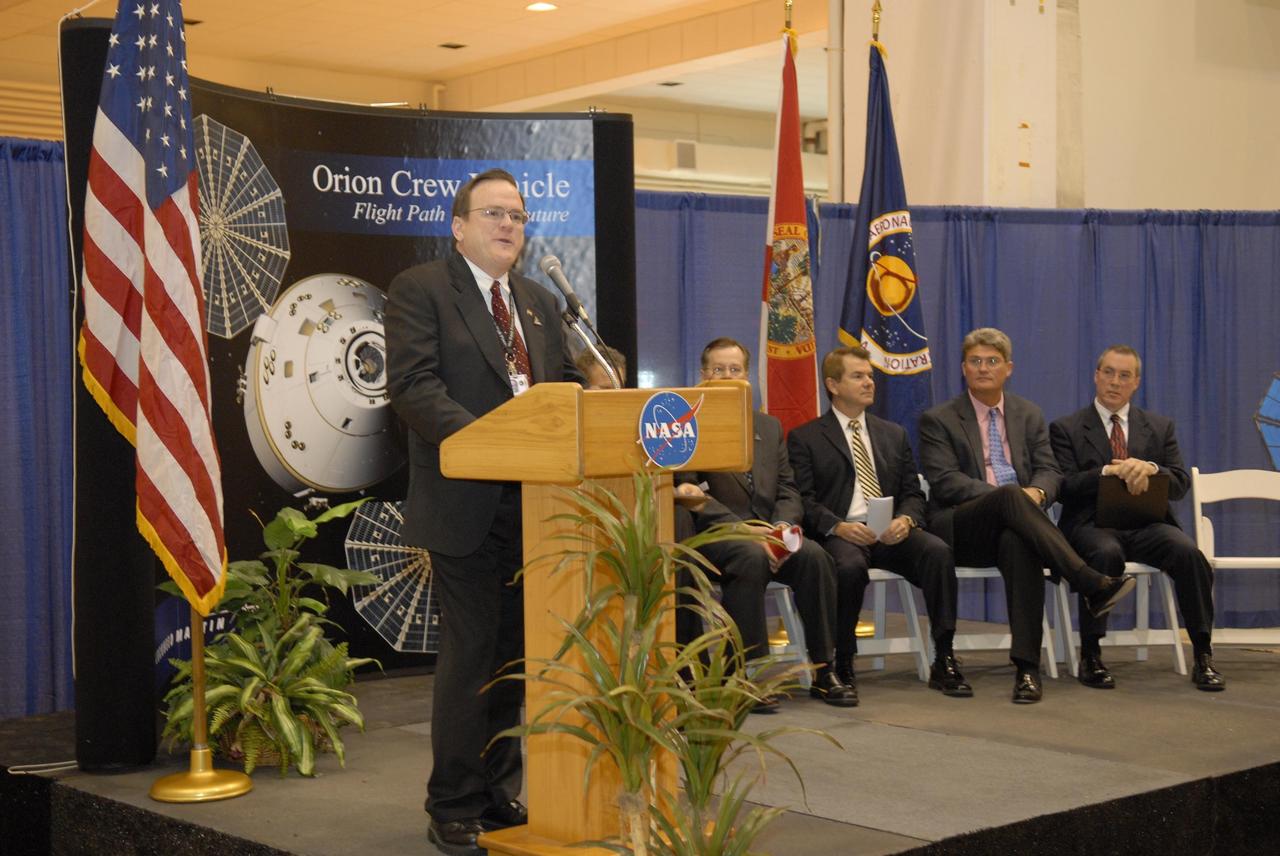
KENNEDY SPACE CENTER, FLA. -- Skip Hatfield, Orion Project manager, addresses guests and attendees in the Operations and Checkout (O&C) Building high bay in the ceremony commemorating the bay's transition for use by the Constellation Program. Seated on the dais at right are representatives from NASA, Lockheed Martin, Space Florida and the state of Florida: Russell Romanella, director of the International Space Station/Payload Processing Directorate at Kennedy Space Center, Cleon Lacefield, Lockheed Martin program manager; Thad Altman, representative of the State of Florida; Bill Parsons, director of Kennedy Space Center; and Steve Koller, executive director of Space Florida. Originally built to process space vehicles in the Apollo era, the O&C Building will serve as the final assembly facility for the Orion crew exploration vehicle. Orion, America's human spaceflight vehicle of the future, will be capable of transporting four crewmembers for lunar missions and later will support crew transfers for Mars missions. Each Orion spacecraft also may be used to support up to six crewmembers to the International Space Station after the space shuttle is retired in 2010. Design, development and construction of Orion's components will be performed by Lockheed Martin for NASA at facilities throughout the country. Photo credit: NASA/Kim Shiflett
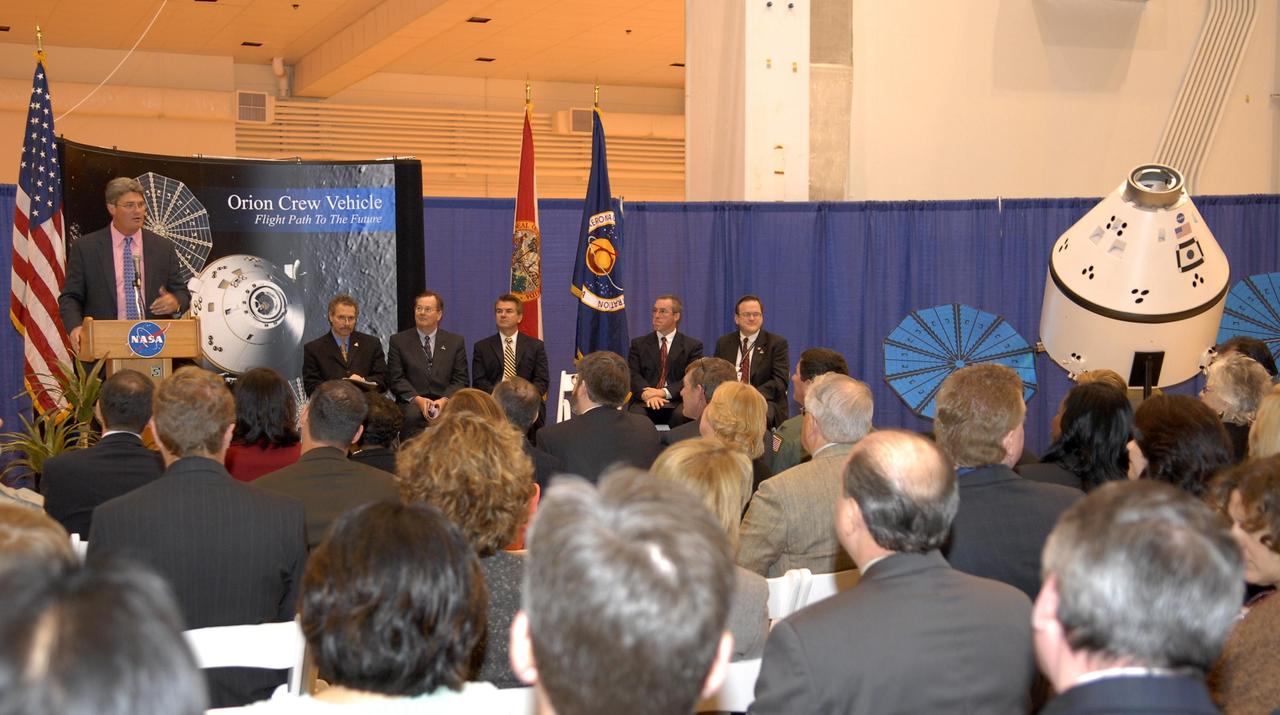
KENNEDY SPACE CENTER, FLA. -- Kennedy Space Center Director Bill Parsons addresses guests and attendees in the Operations and Checkout (O&C) Building high bay in the ceremony commemorating the bay's transition for use by the Constellation Program. Representatives from NASA, Lockheed Martin, Space Florida and the state of Florida are seated at right: Russell Romanella, director of the International Space Station/Payload Processing Directorate at Kennedy Space Center, Cleon Lacefield, Lockheed Martin program manager; Thad Altman, representative of the State of Florida; Steve Koller, executive director of Space Florida; and Skip Hatfield, Orion Project manager. Originally built to process space vehicles in the Apollo era, the O&C Building will serve as the final assembly facility for the Orion crew exploration vehicle. Orion, America's human spaceflight vehicle of the future, will be capable of transporting four crewmembers for lunar missions and later will support crew transfers for Mars missions. Each Orion spacecraft also may be used to support up to six crewmembers to the International Space Station after the space shuttle is retired in 2010. Design, development and construction of Orion's components will be performed by Lockheed Martin for NASA at facilities throughout the country. Photo credit: NASA/Kim Shiflett
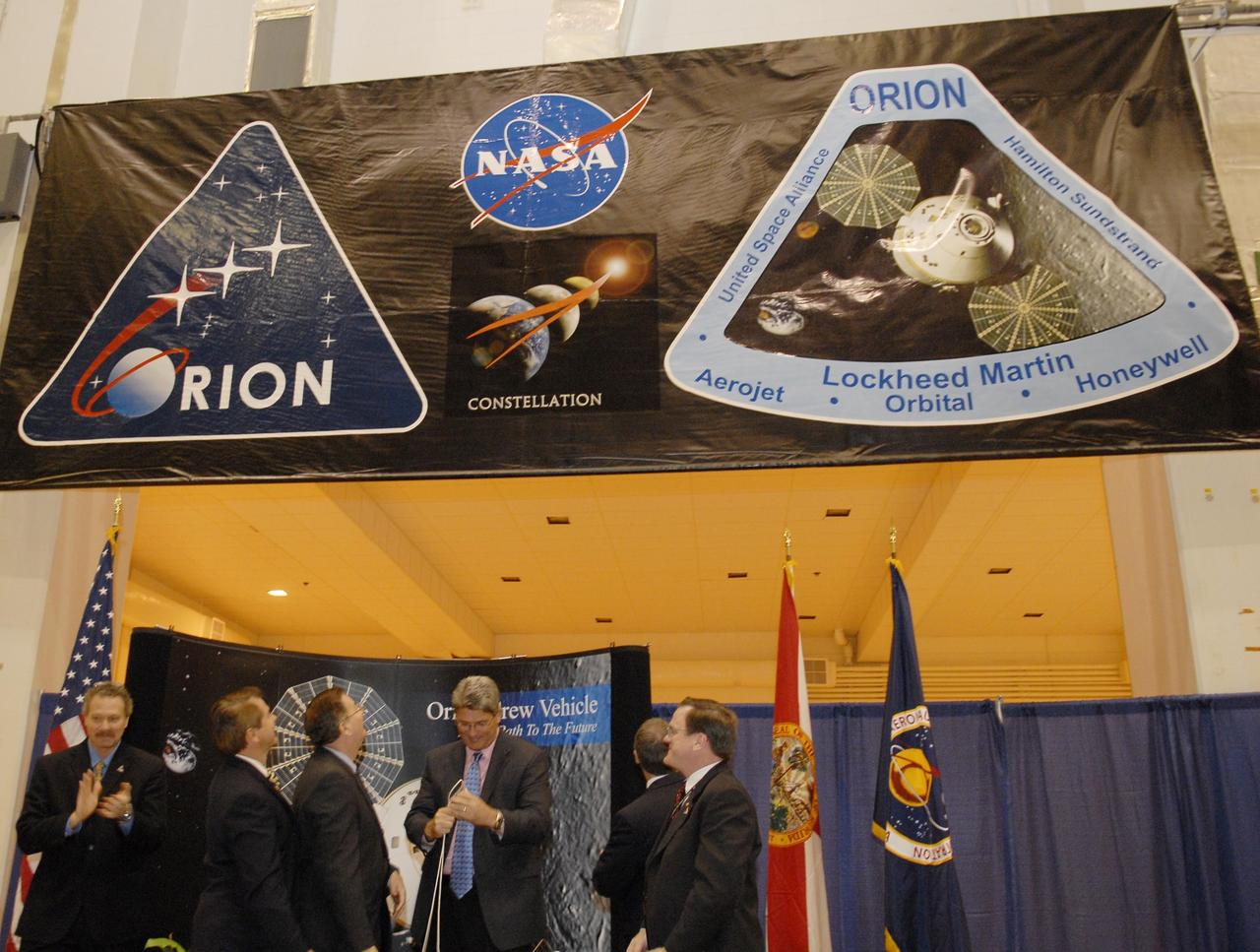
KENNEDY SPACE CENTER, FLA. -- After a ceremony to commemorate the transition of the historic Operations and Checkout (O&C) Building high bay for use by the Constellation Program, representatives from NASA, Lockheed Martin, Space Florida and the state of Florida look at the banner, unfurled by Kennedy Space Center Director Bill Parsons (center), spotlighting the Orion crew exploration vehicle that will be assembled in the O&C. From left are Russell Romanella, director of the International Space Station/Payload Processing Directorate at Kennedy Space Center; Thad Altman, representative of the State of Florida; Cleon Lacefield, Lockheed Martin program manager; Parsons; Steve Koller, executive director of Space Florida (turned away); and Skip Hatfield, Orion Project manager. Originally built to process space vehicles in the Apollo era, the O&C Building will serve as the final assembly facility for the Orion crew exploration vehicle. Orion, America's human spaceflight vehicle of the future, will be capable of transporting four crewmembers for lunar missions and later will support crew transfers for Mars missions. Each Orion spacecraft also may be used to support up to six crewmembers to the International Space Station after the space shuttle is retired in 2010. Design, development and construction of Orion's components will be performed by Lockheed Martin for NASA at facilities throughout the country. Photo credit: NASA/Kim Shiflett
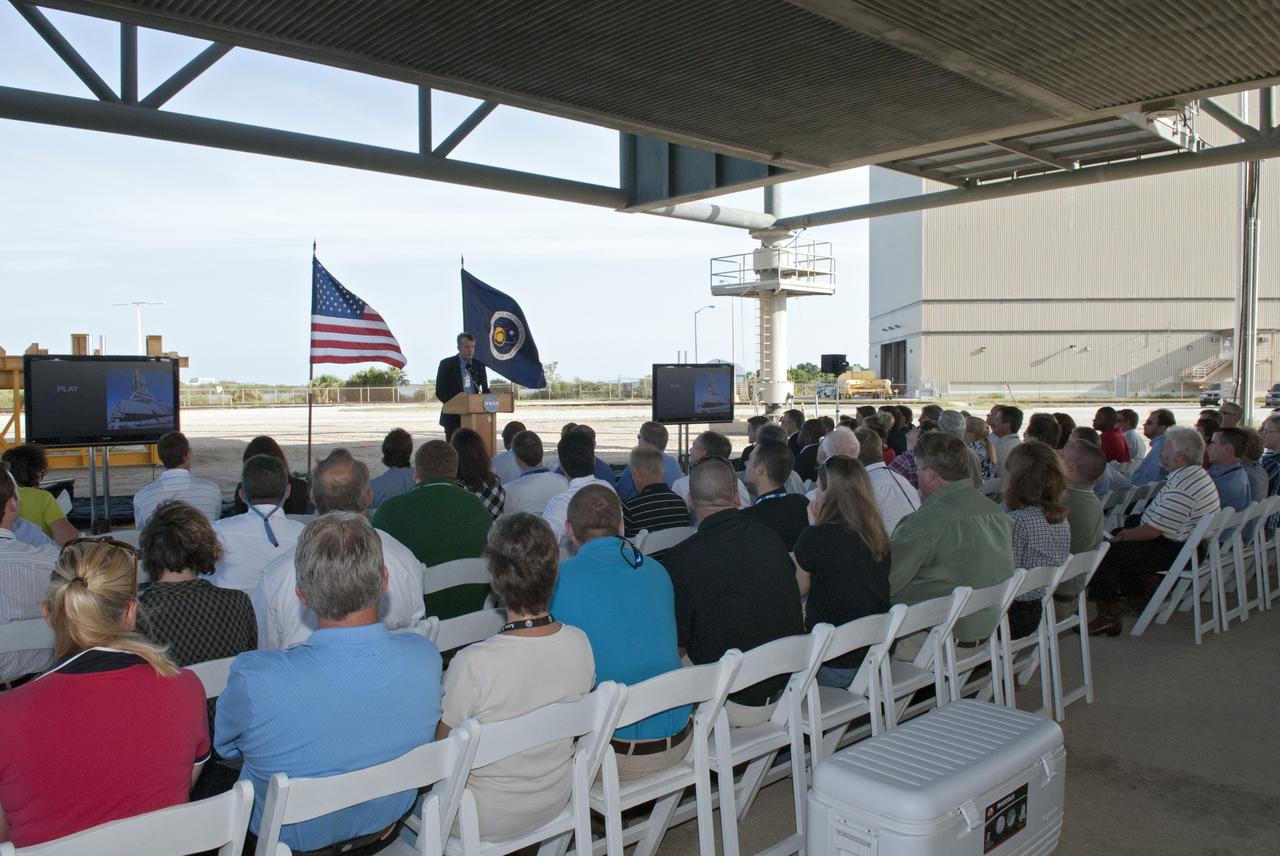
CAPE CANAVERAL, Fla. -- At NASA's Kennedy Space Center in Florida, Constellation Senior Project Manager Larry Schultz talks to employees at a completion ceremony for NASA's new mobile launcher, or ML, support structure. The ceremony was held underneath the structure's launch mount opening. It took about two years to construct the launcher in the Mobile Launcher Park site, north of the Vehicle Assembly Building, or VAB. The 355-foot-tall structure will support NASA's future human spaceflight program. The base of the launcher is lighter than space shuttle mobile launcher platforms so the crawler-transporter can pick up the heavier load of the tower and a taller rocket. The next step will be to add ground support equipment, such as umbilicals and access arms, for future rocket launches. For information on NASA's future plans, visit www.nasa.gov. Photo credit: NASA/Jim Grossmann
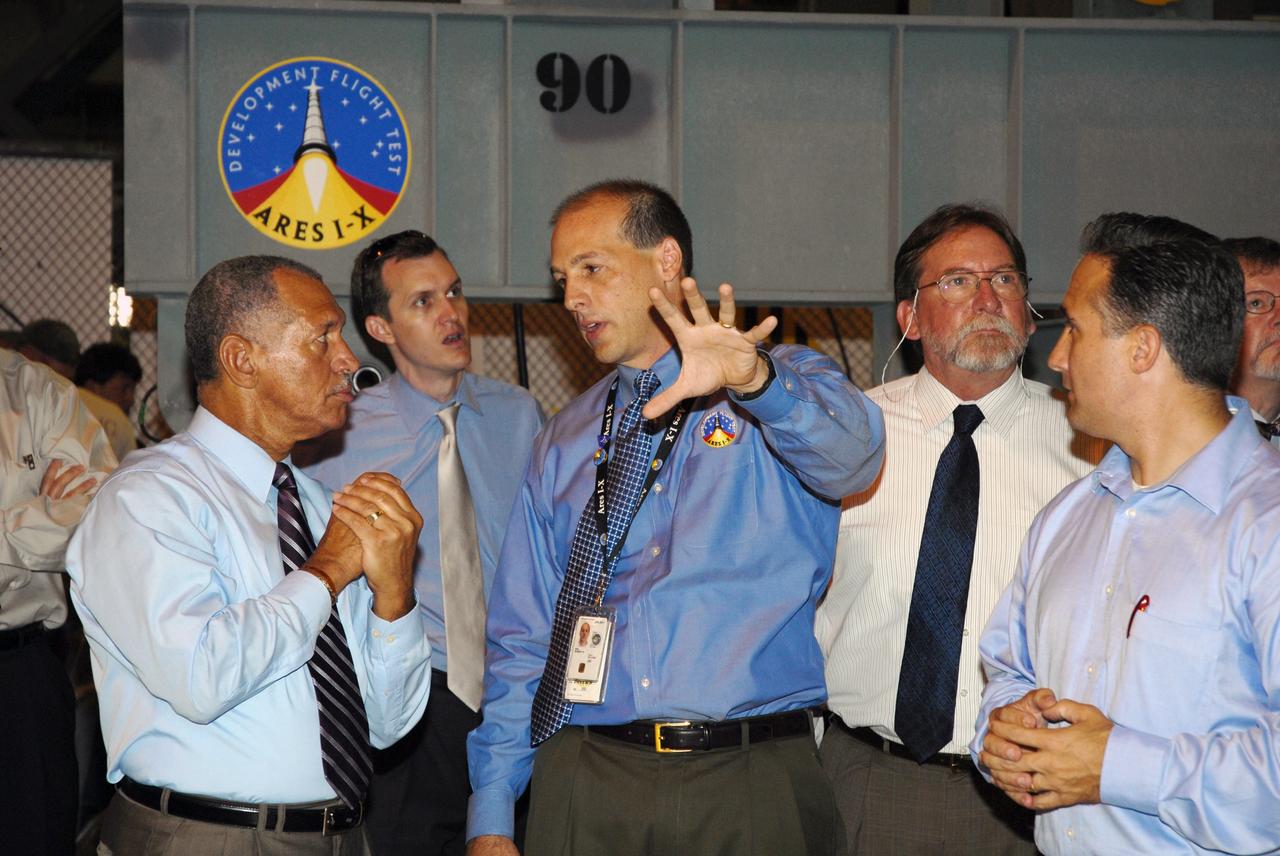
CAPE CANAVERAL, Fla. – At NASA's Kennedy Space Center in Florida, NASA Administrator Charles Bolden learns about the Ares I-X operations from NASA Ares I-X Mission Manager Bob Ess (center). At right are Acting Associate Administrator of Exploration Systems Doug Cook and NASA engineer Trent Smith. Bolden is touring several facilities at Kennedy involved with NASA's Constellation Program. Bolden also was at Kennedy for several events, including the landing of space shuttle Endeavour's STS-127 mission and the signing of the joint NASA-Japan Aerospace Exploration Agency agreement defining the terms of cooperation between the agencies on the Global Precipitation Measurement, or GPM, mission. Photo credit: NASA/Kim Shiflett
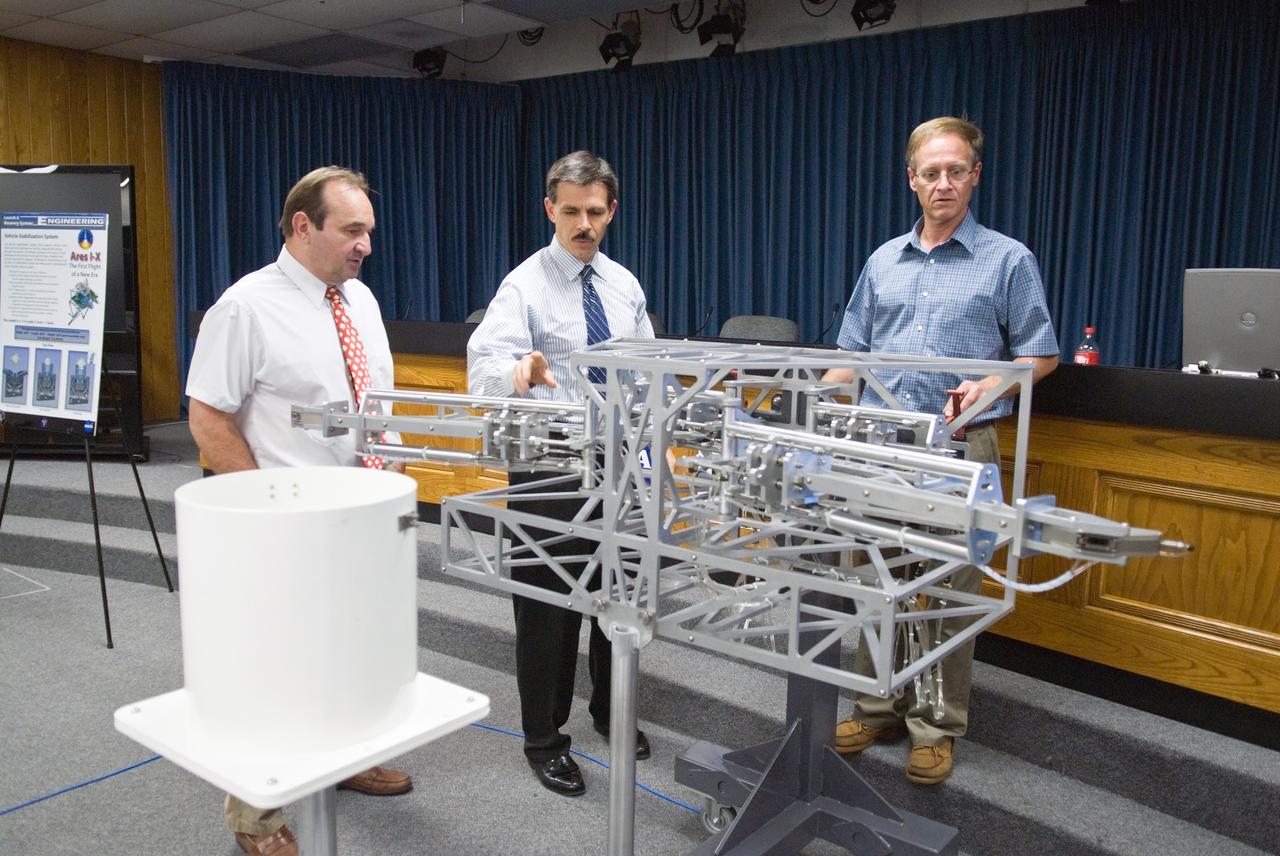
CAPE CANAVERAL, Fla. – In the NASA News Center TV Studio at NASA's Kennedy Space Center in Florida, on view is a 1/12 model of the vehicle stabilization system that will be installed on Launch Pad 39B to hold the Ares I-X rocket for its flight test. Looking at the model are (from left) Roger Lenard, consultant with Lee & Associates, LCC; Jon Cowart, NASA's Ares I-X deputy mission manager; and Eric Mellberg, Ares I-X Vehicle Stabilization Design lead with United Space Alliance Ares I-X is the test vehicle for the Ares I, which is part of the Constellation Program to return men to the moon and beyond. Ares I-X is targeted for launch in August 2009. Photo credit: NASA/Kim Shiflett
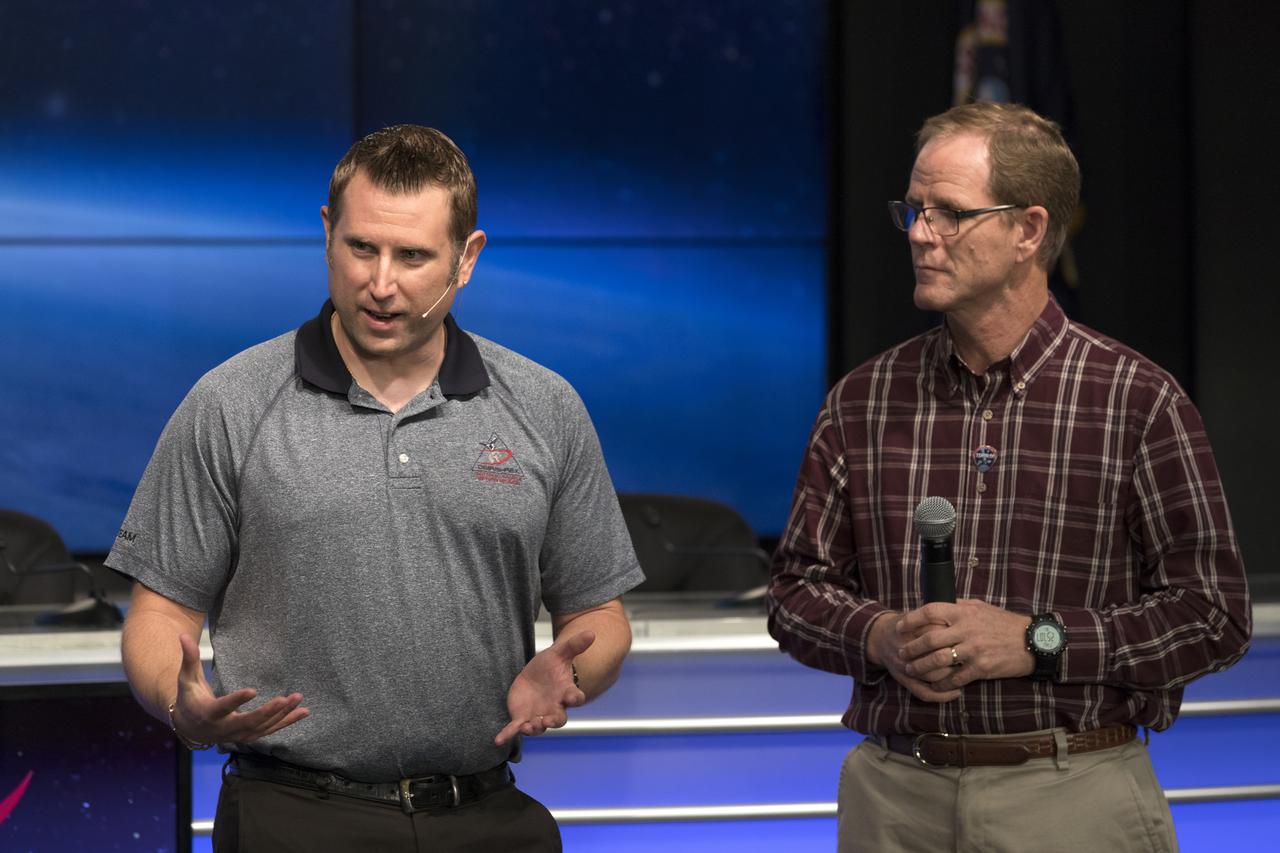
Skip Owen of NASA Launch Services, left and Scott Messer, United Launch Alliance program manager for NASA missions speak to members of social media in the Kennedy Space Center’s Press Site auditorium. The briefing focused on preparations to launch NASA's Tracking and Data Relay Satellite, TDRS-M. The latest spacecraft destined for the agency's constellation of communications satellites, TDRS-M will allow nearly continuous contact with orbiting spacecraft ranging from the International Space Station and Hubble Space Telescope to the array of scientific observatories. Liftoff atop a United Launch Alliance Atlas V rocket is scheduled to take place from Space Launch Complex 41 at Cape Canaveral Air Force Station at 8:03 a.m. EDT Aug. 18.
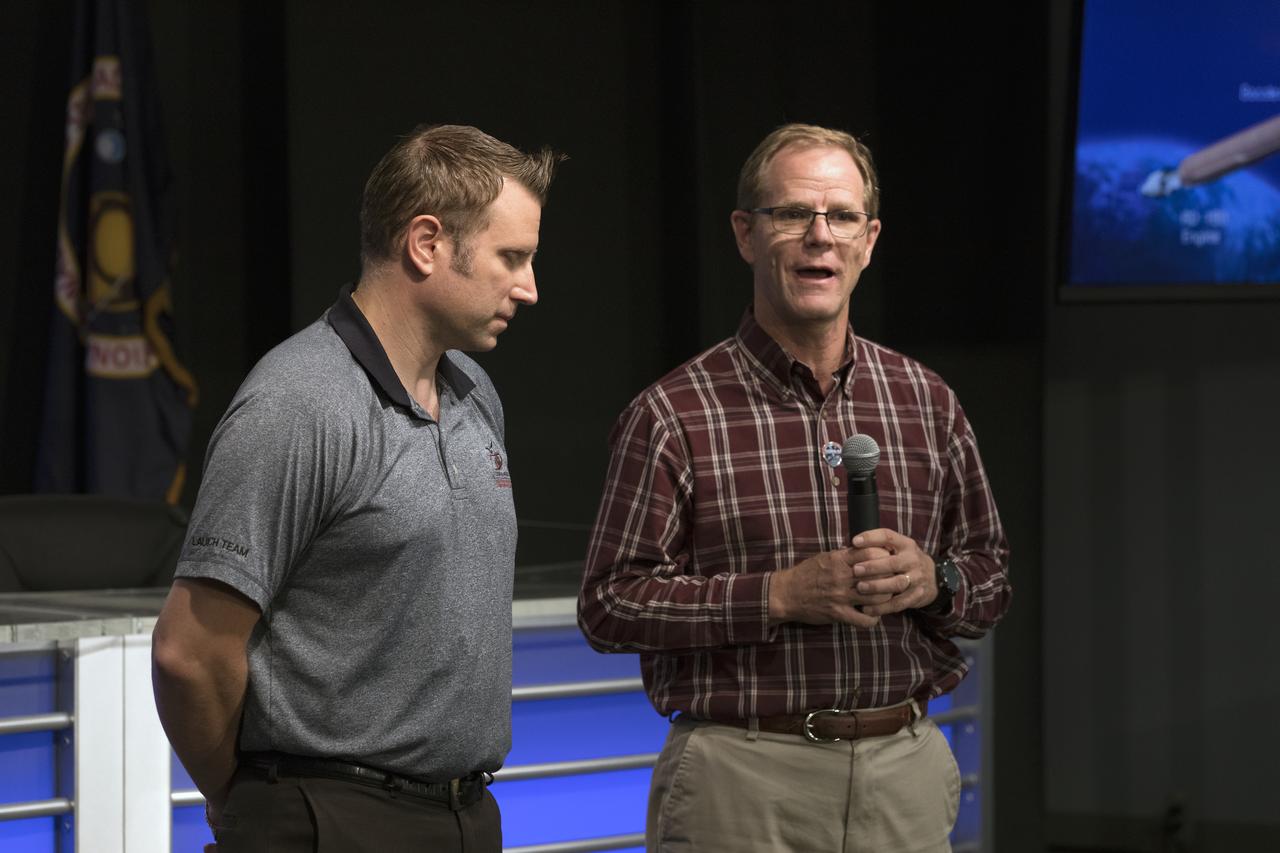
Skip Owen of NASA Launch Services, left and Scott Messer, United Launch Alliance program manager for NASA missions speak to members of social media in the Kennedy Space Center’s Press Site auditorium. The briefing focused on preparations to launch NASA's Tracking and Data Relay Satellite, TDRS-M. The latest spacecraft destined for the agency's constellation of communications satellites, TDRS-M will allow nearly continuous contact with orbiting spacecraft ranging from the International Space Station and Hubble Space Telescope to the array of scientific observatories. Liftoff atop a United Launch Alliance Atlas V rocket is scheduled to take place from Space Launch Complex 41 at Cape Canaveral Air Force Station at 8:03 a.m. EDT Aug. 18.