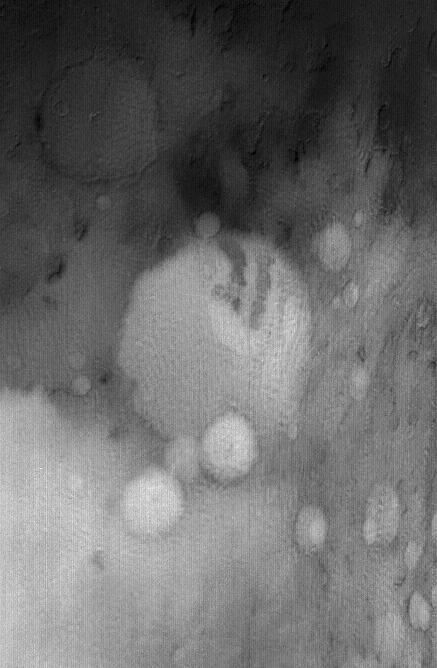
Winter Frost and Fog
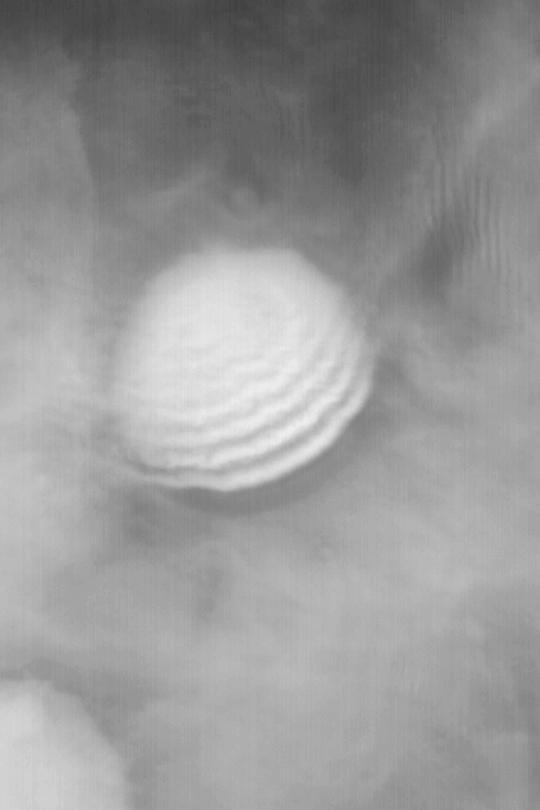
Crater with Wavy Fog
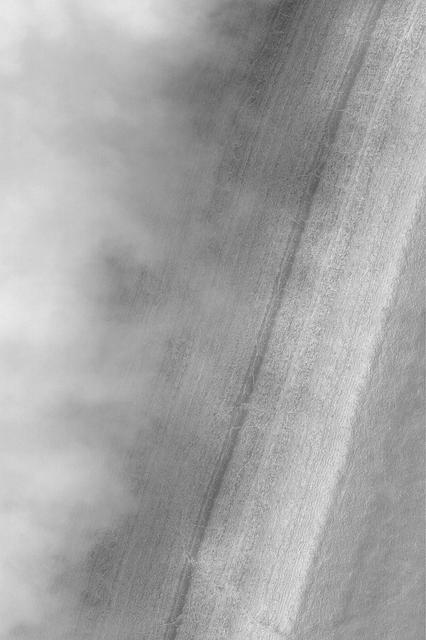
Chasma Australe Fog
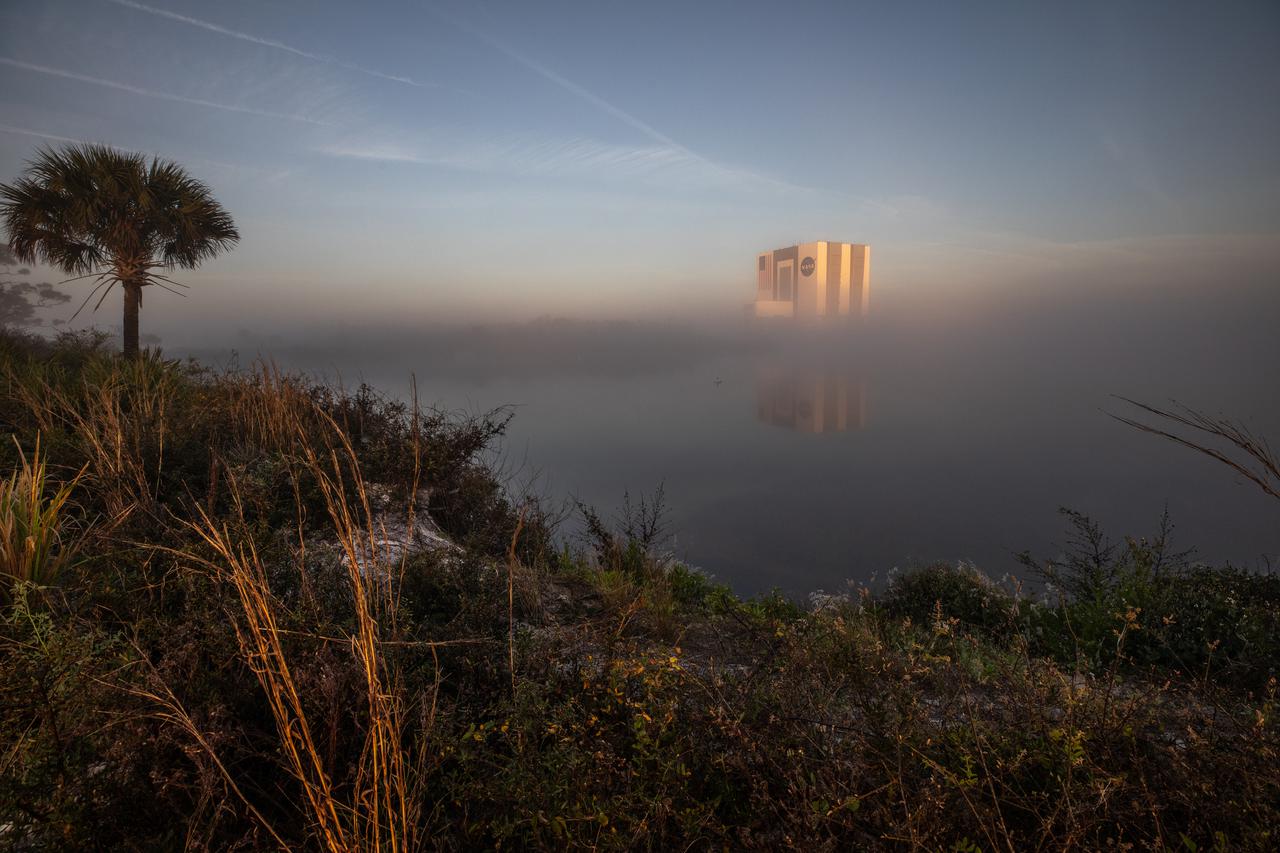
Kennedy Space Center’s Vehicle Assembly Building (VAB) is partially obstructed by fog during the early morning on March 15, 2021. Built in 1966, the VAB remains a central hub for the Florida spaceport. The national landmark plays a major role in NASA’s plans to launch people and equipment deep into space on missions, including to the Moon in the Artemis program.

A fog rolls over the Vehicle Assembly Building at NASA’s Kennedy Space Center in Florida on July 13, 2020. The iconic 525-foot-tall facility will support the launch of the agency’s Space Launch System rocket and Orion spaceport for Artemis missions. Under the Artemis program, NASA will send the first woman and next man to the Moon. Exploration Ground Systems is overseeing upgrades to the VAB. In view in the background is the Launch Control Center.
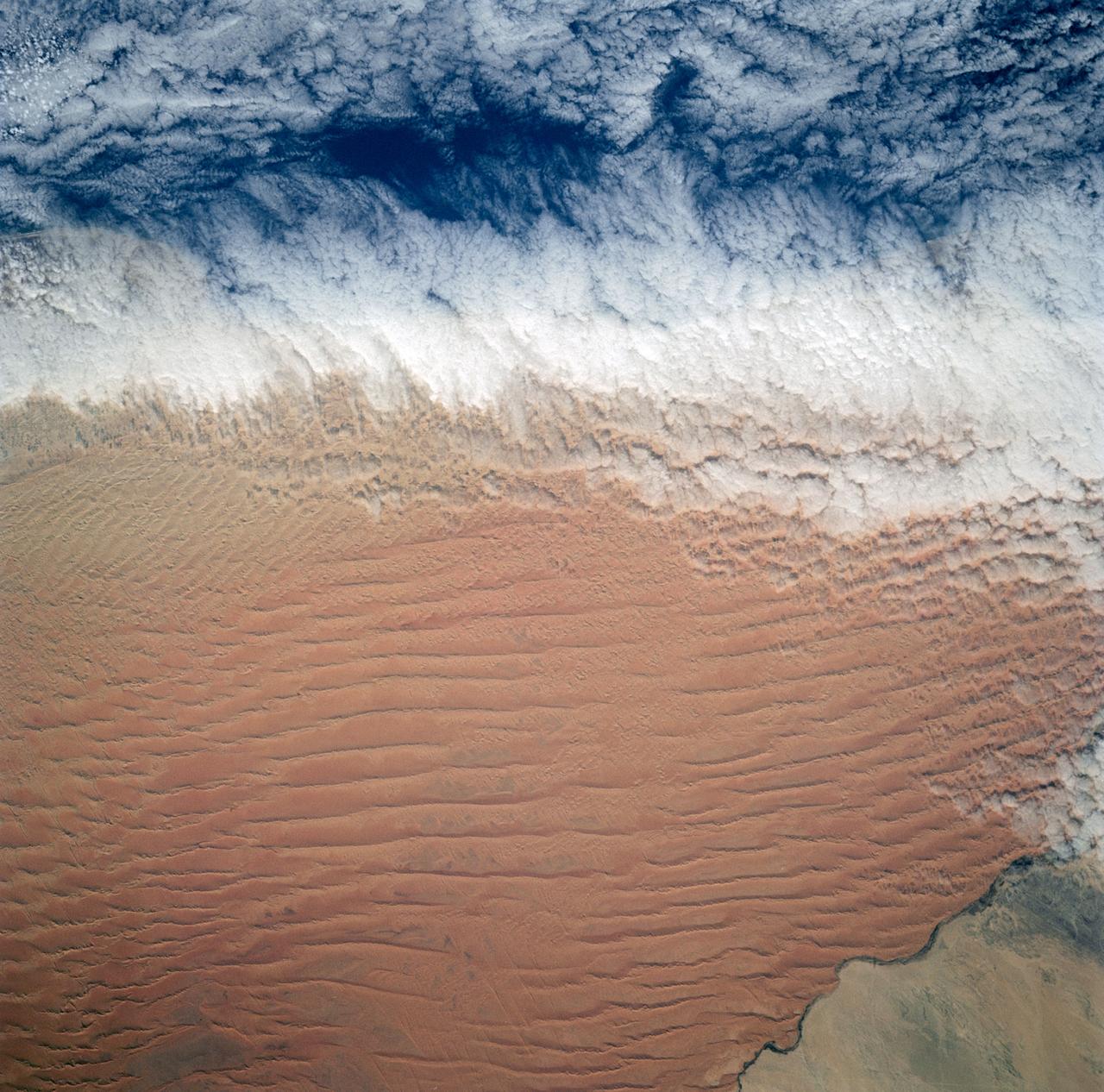
Fog is the only source of moisture for desert dwelling animals and plants living in the Namib Desert sand dune field, Namibia (23.5N, 15.0E). Coastal stratus clouds provide most of the life supporting moisture as fog droplets in this arid land where the usual annual rainfall is less than a quarter of an inch for decades at a time. In this view, the stratus clouds over the coast conform to the dune pattern proving that the fog is in ground contact.

A spider web hangs in the forefront of a sunrise at Kennedy Space Center on March 15, 2021. Kennedy shares space with the Merritt Island National Wildlife Refuge on Florida’s east coast. The refuge includes about 140,000 acres on land and water and provides a wide variety of habitats.
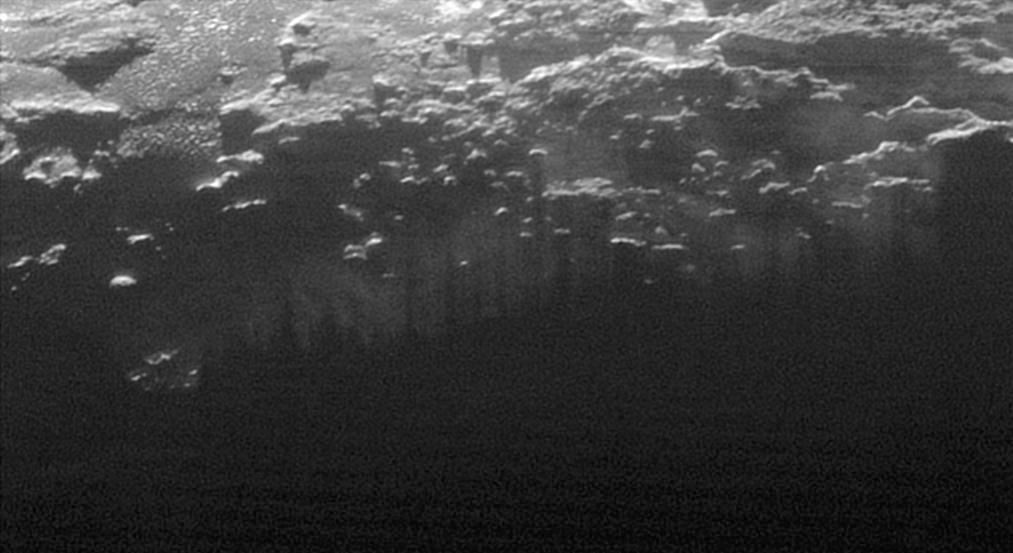
In this small section of the larger crescent image of Pluto, taken by NASA's New Horizons just 15 minutes after the spacecraft's closest approach on July 14, 2015, the setting sun illuminates a fog or near-surface haze, which is cut by the parallel shadows of many local hills and small mountains. The image was taken from a distance of 11,000 miles (18,000 kilometers), and the width of the image is 115 miles (185 kilometers). http://photojournal.jpl.nasa.gov/catalog/PIA19946
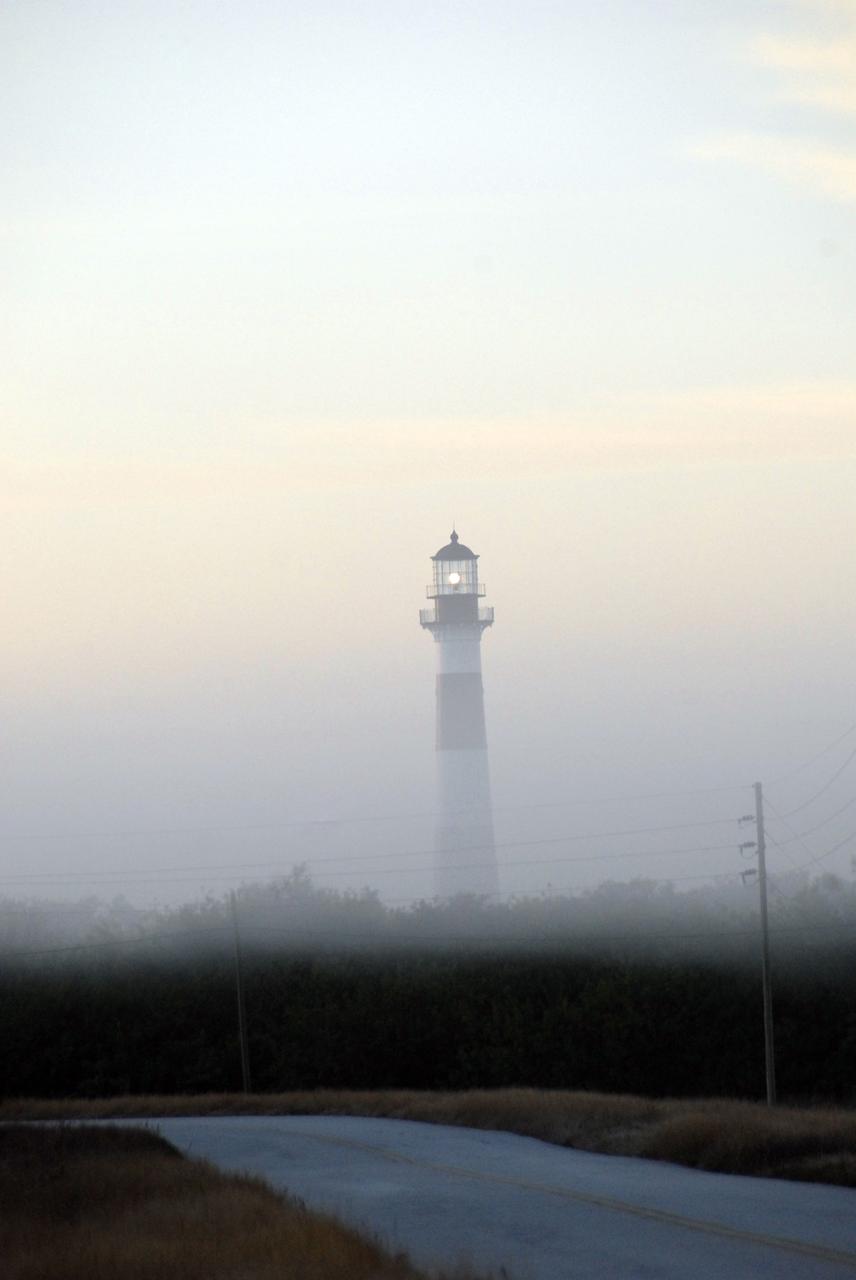
CAPE CANAVERAL, Fla. – Fog envelops the Cape Canaveral Lighthouse that has graced Cape Canaveral's shore for more than 100 years under the stewardship of the U.S. Air Force. The center shares a boundary with the refuge that includes salt-water estuaries, brackish marshes, hardwood hammocks and pine flatwoods. The diverse landscape provides habitat for more than 310 species of birds, 25 mammals, 117 fishes and 65 amphibians and reptiles. Photo credit: NASA/Jack Pfaller
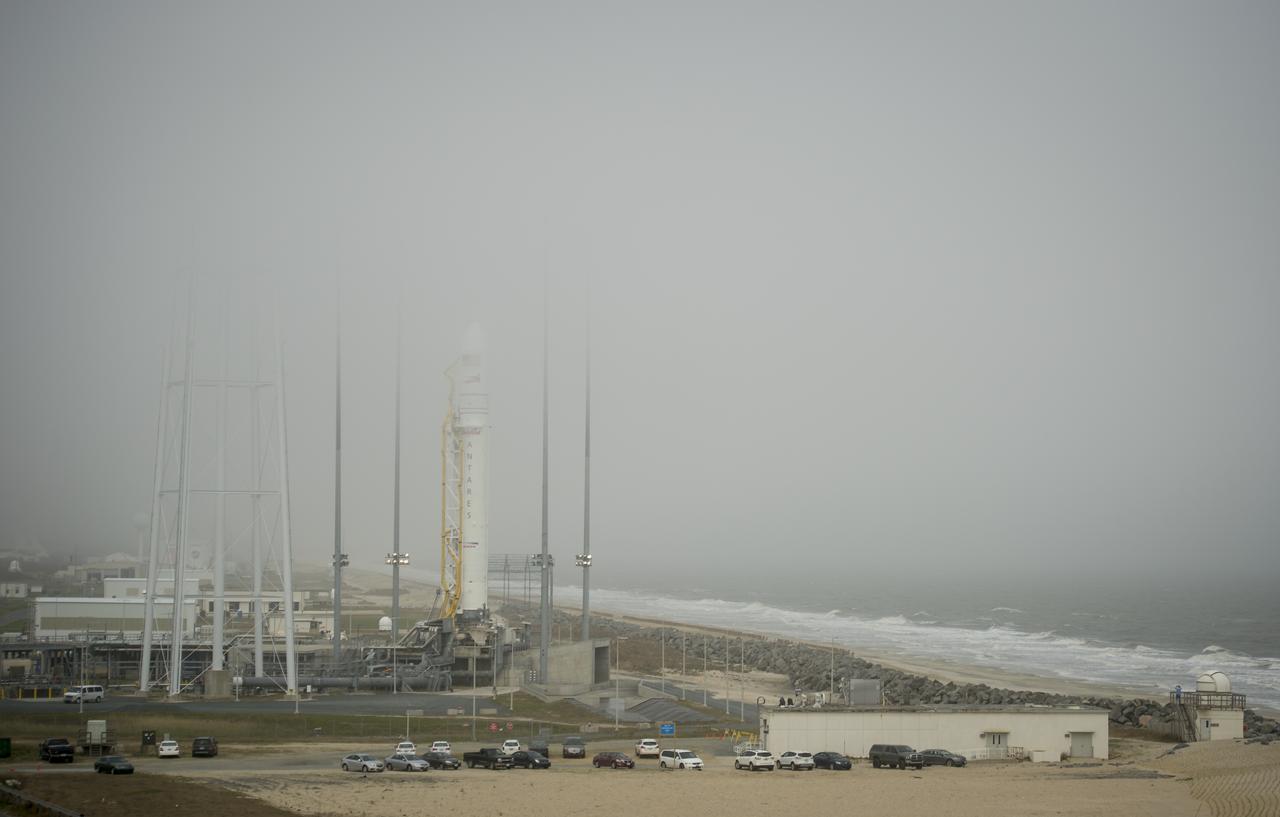
Fog rolls in as the Orbital Sciences Corporation Antares rocket is seen on the Mid-Atlantic Regional Spaceport (MARS) Pad-0A at the NASA Wallops Flight Facility, Friday, April 19, 2013 in Virginia. NASA's commercial space partner, Orbital Sciences Corporation, is scheduled to test launch its first Antares on Saturday, April 20, 2013. Photo Credit: (NASA/Bill Ingalls)
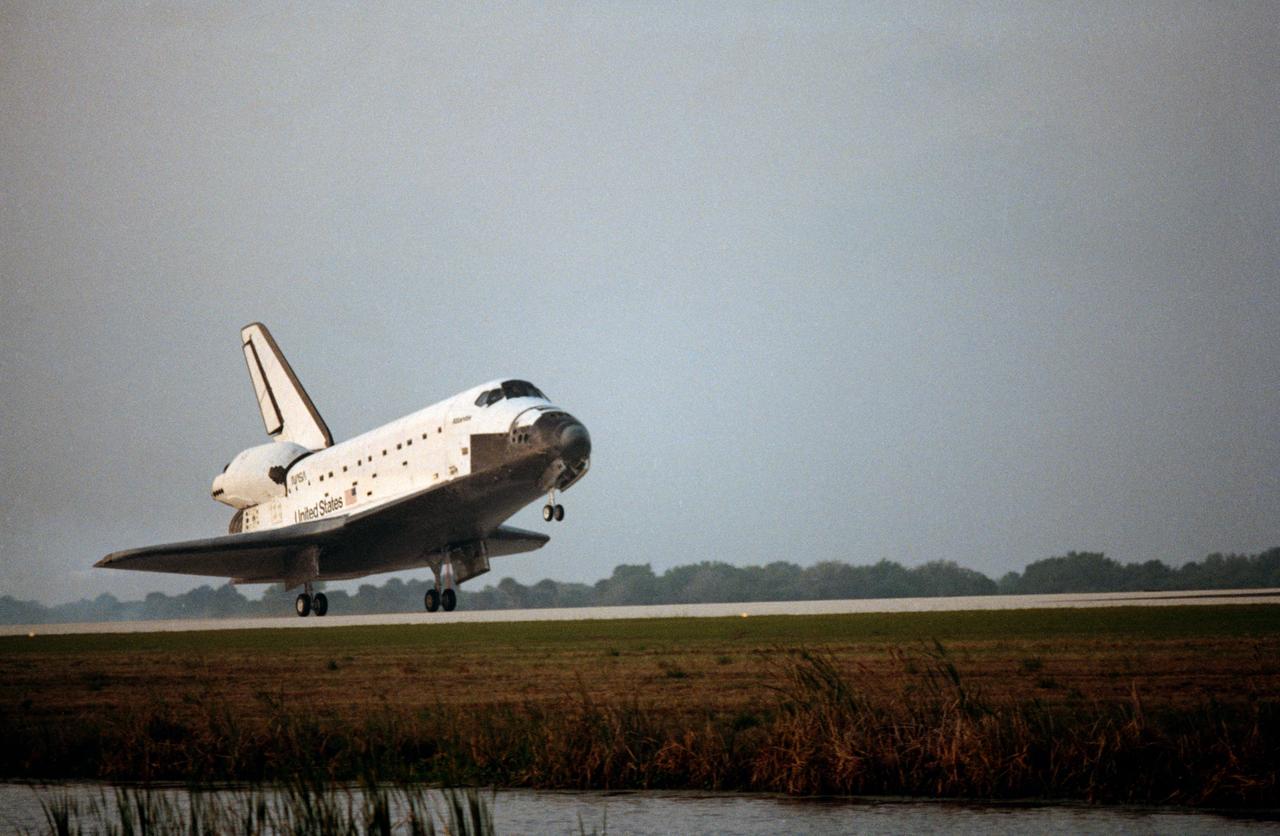
STS-45 Atlantis, Orbiter Vehicle (OV) 104, lands on concrete runway 33 at the Kennedy Space Center's (KSC's) Shuttle Landing Facility (SLF). The main landing gear (MLG) touched down at 6:23:06 am (Eastern Standard Time (EST)) in the early morning Florida fog as seen in these views. The deployed nose landing gear (NLG) rides above the runway before wheel stop.

A spider web hangs in the forefront of a sunrise at Kennedy Space Center on March 15, 2021. Kennedy shares space with the Merritt Island National Wildlife Refuge on Florida’s east coast. The refuge includes about 140,000 acres on land and water and provides a wide variety of habitats.

A spider web hangs in the forefront of a sunrise at Kennedy Space Center on March 15, 2021. Kennedy shares space with the Merritt Island National Wildlife Refuge on Florida’s east coast. The refuge includes about 140,000 acres on land and water and provides a wide variety of habitats.
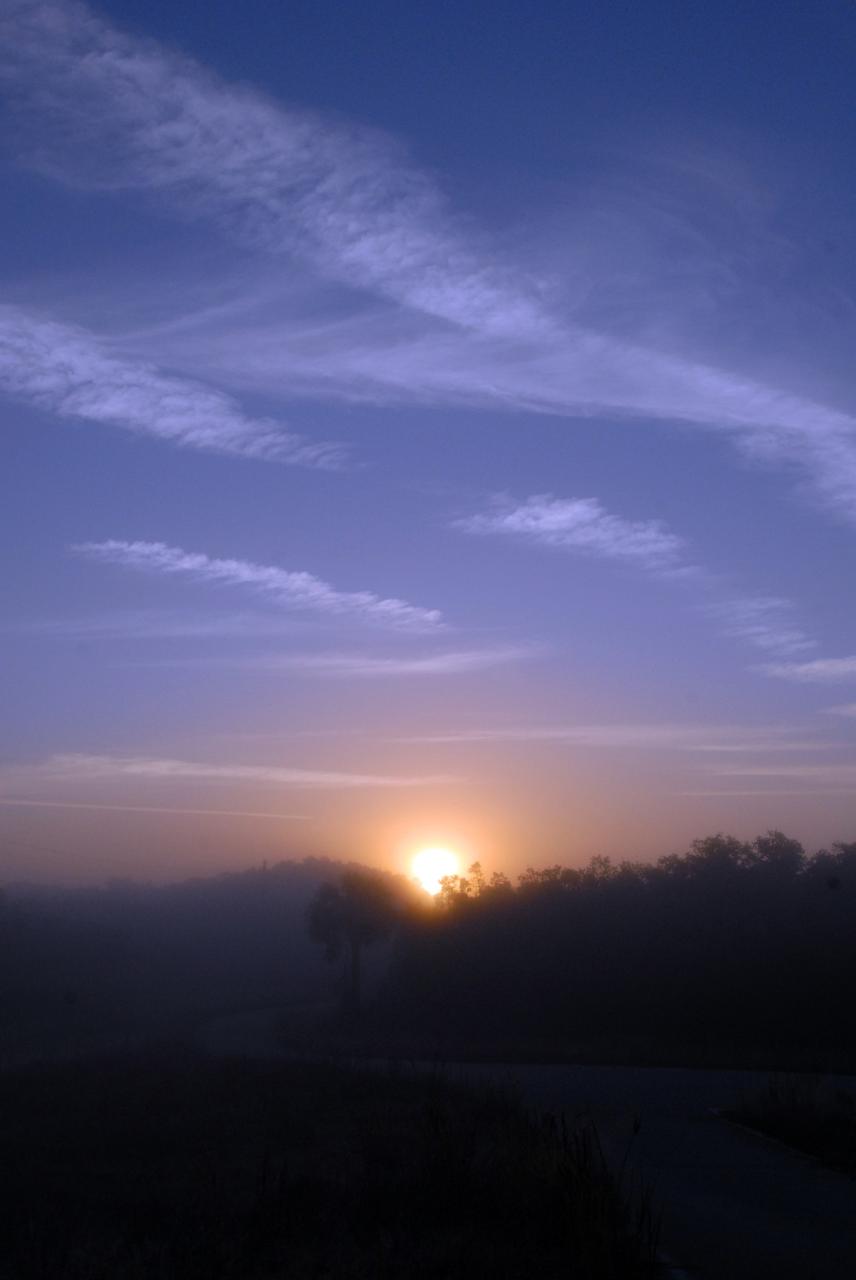
CAPE CANAVERAL, Fla. – Sunrise casts an orange glow over the wooded landscape surrounding NASA's Kennedy Space Center in Florida. The center shares a boundary with the Merritt Island National Wildlife Refuge that includes salt-water estuaries, brackish marshes, hardwood hammocks and pine flatwoods. The diverse landscape provides habitat for more than 310 species of birds, 25 mammals, 117 fishes and 65 amphibians and reptiles. Photo credit: NASA/Jack Pfaller
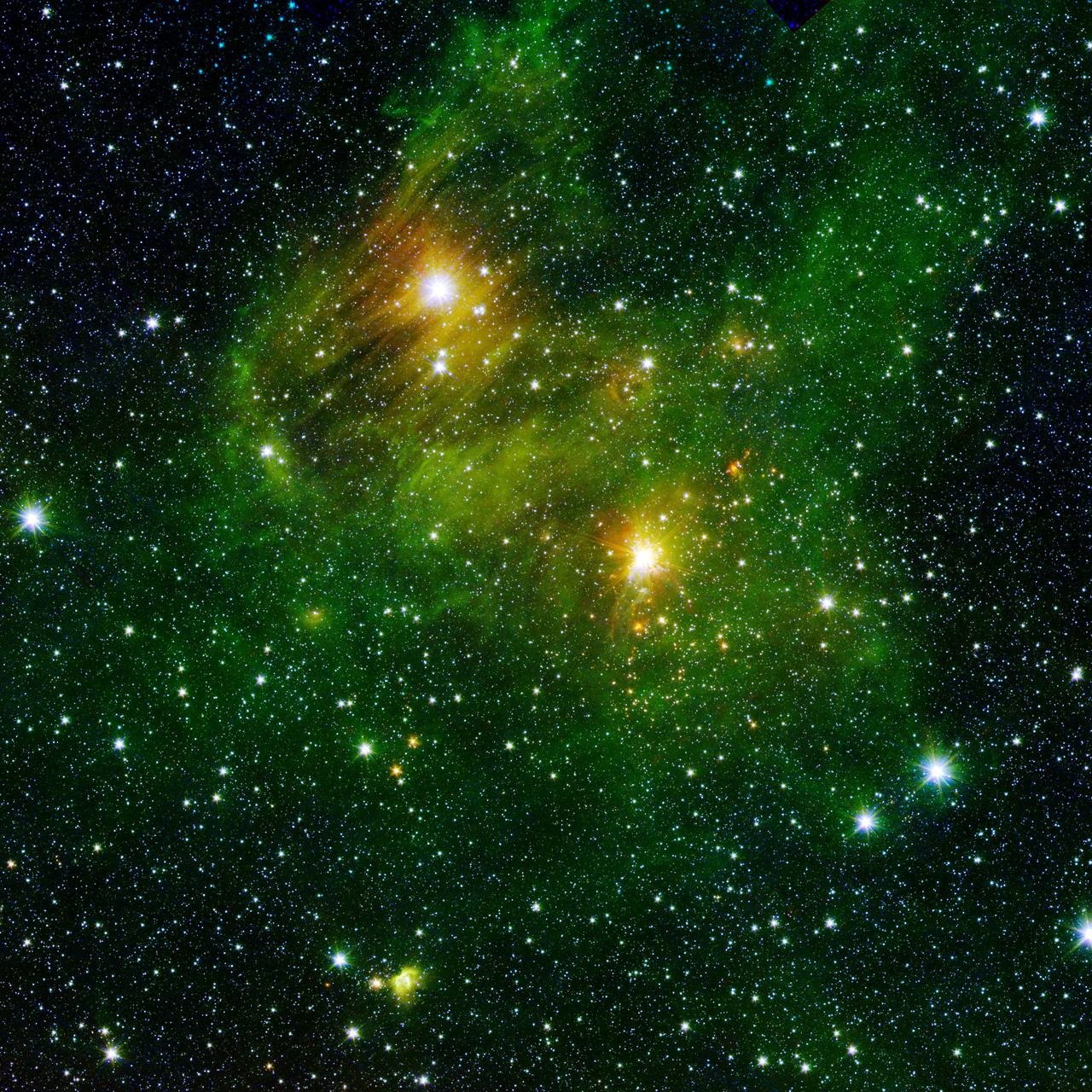
Two extremely bright stars illuminate a greenish mist in this image from the new GLIMPSE360 survey from NASA Spitzer Space Telescope. The fog is comprised of hydrogen and carbon compounds called polycyclic aromatic hydrocarbons.
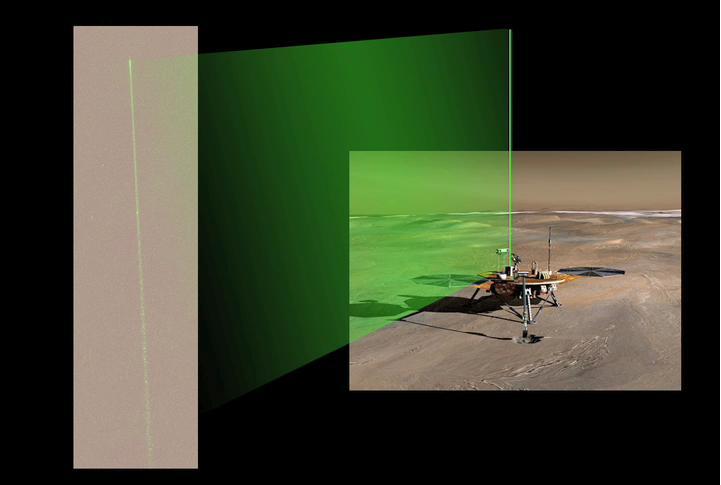
The Surface Stereo Imager camera aboard NASA Phoenix Mars Lander acquired a series of images of the laser beam in the Martian night sky. Bright spots in the beam are reflections from ice crystals in the low level ice-fog.
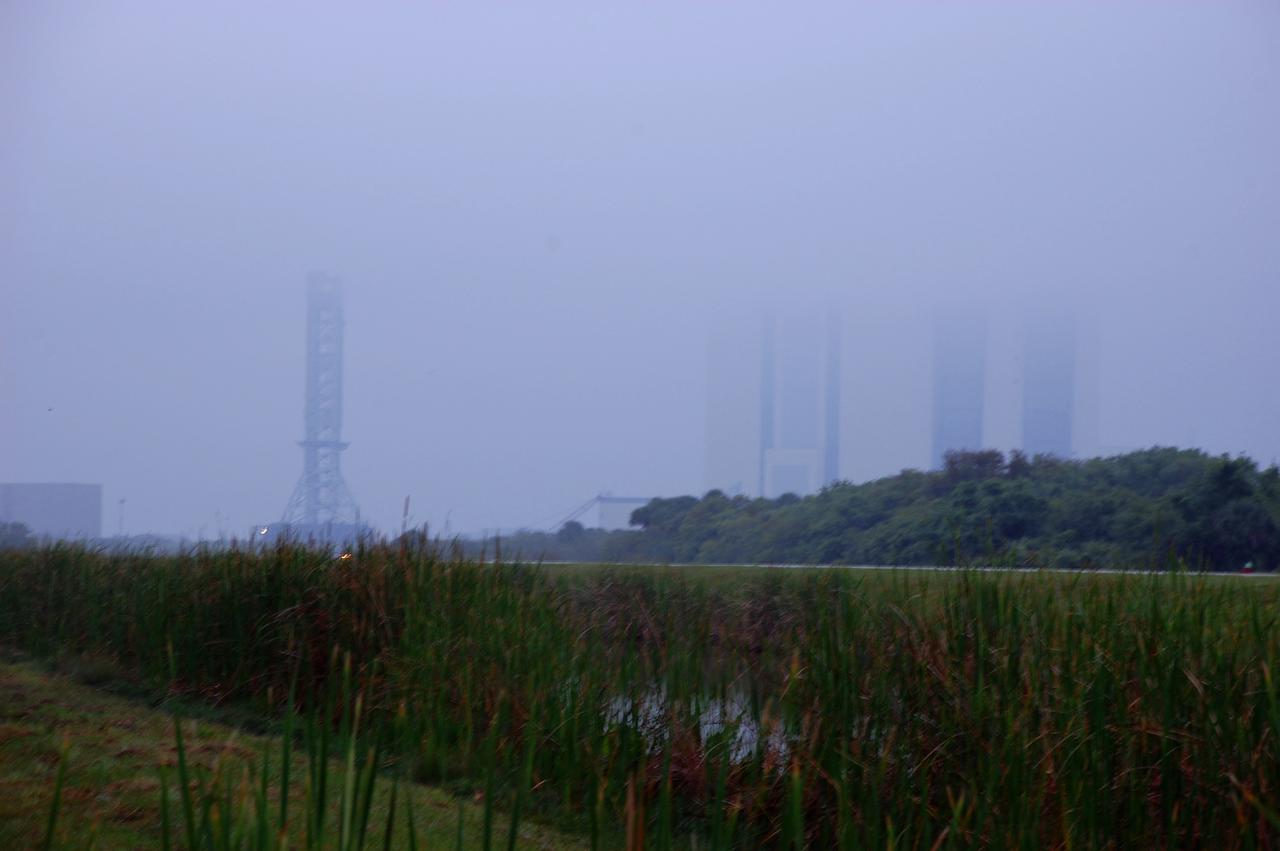
KSC WEATHER - CLOUDS & FOG WAVEOFF FOR STS-131 LANDING OPPORTUNITY 2
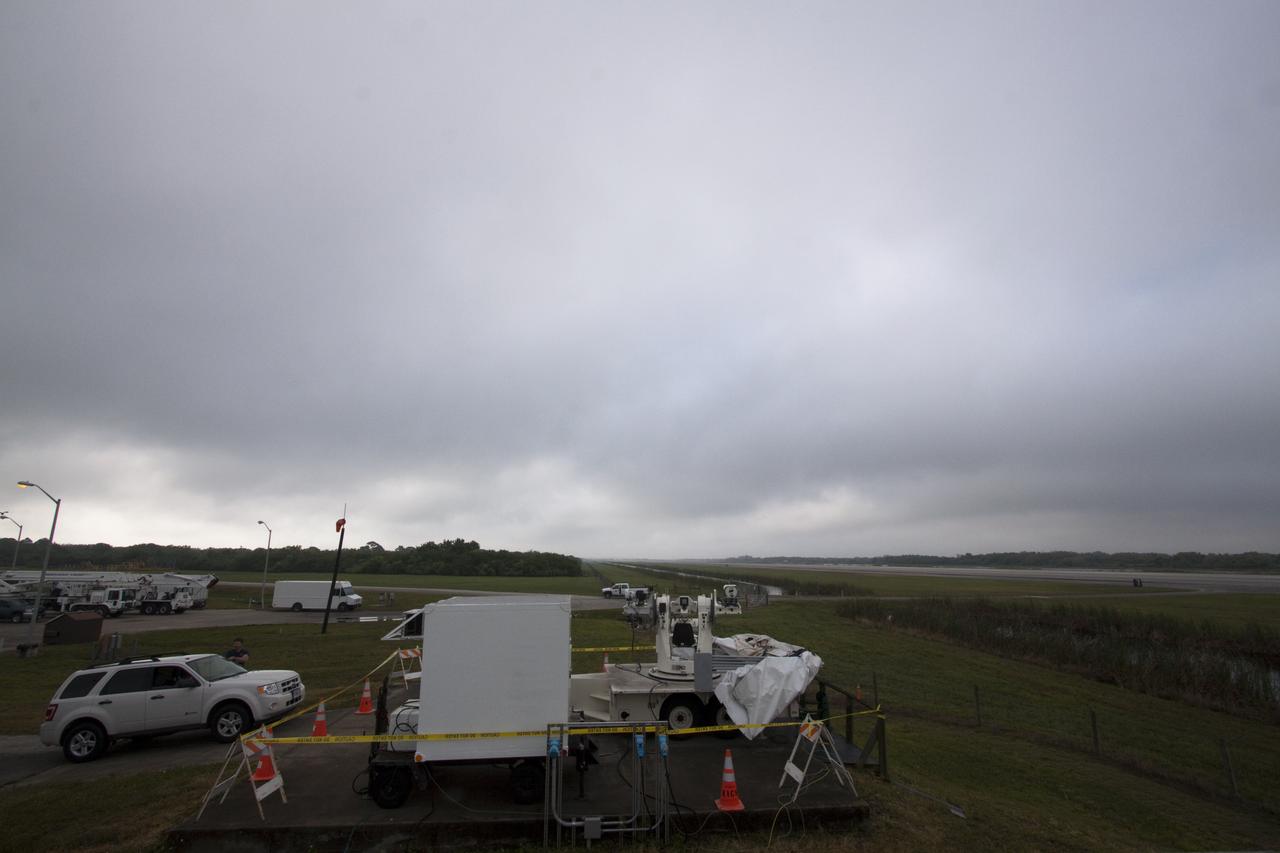
KSC WEATHER - CLOUDS & FOG WAVEOFF FOR STS-131 LANDING OPPORTUNITY 2
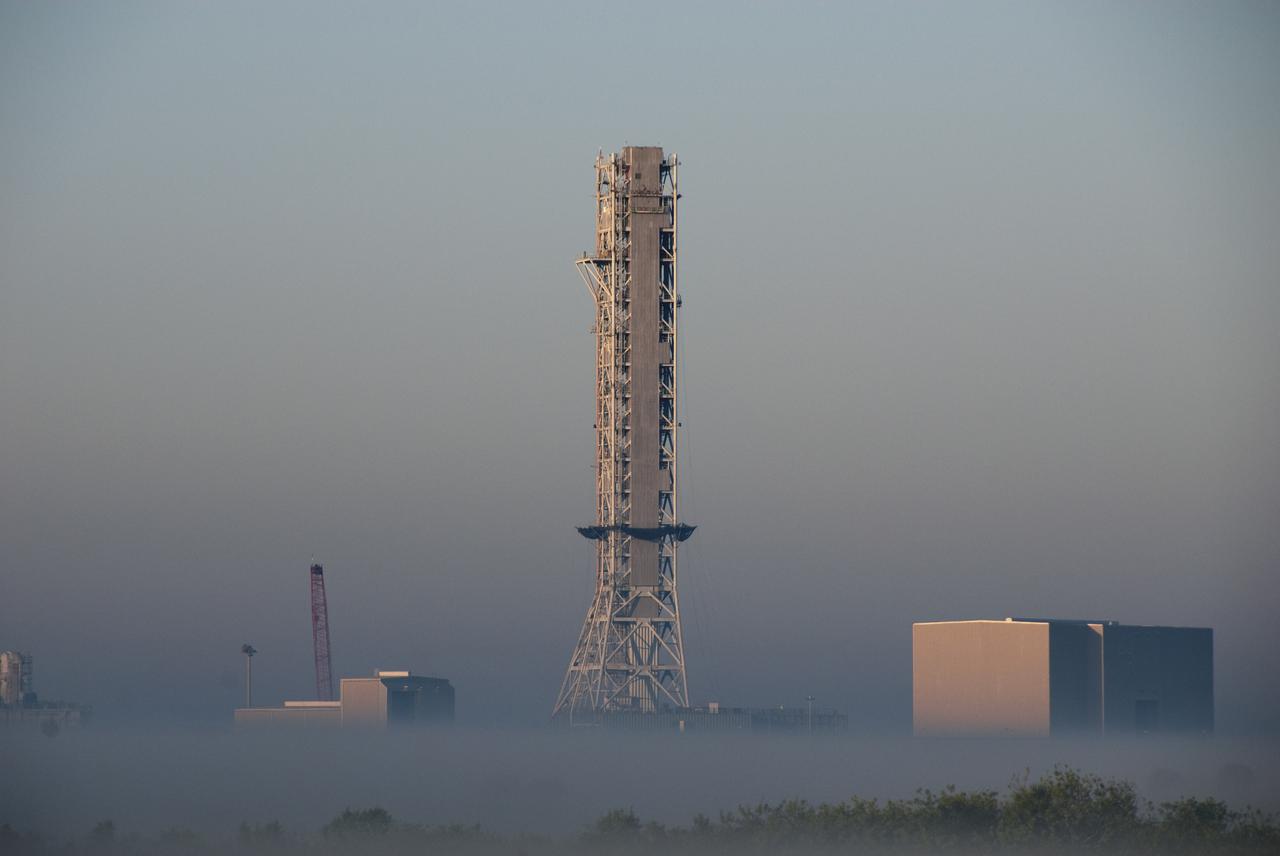
KSC WEATHER - FOG SHOTS AT KSC LOOKING WEST FROM UCS-17
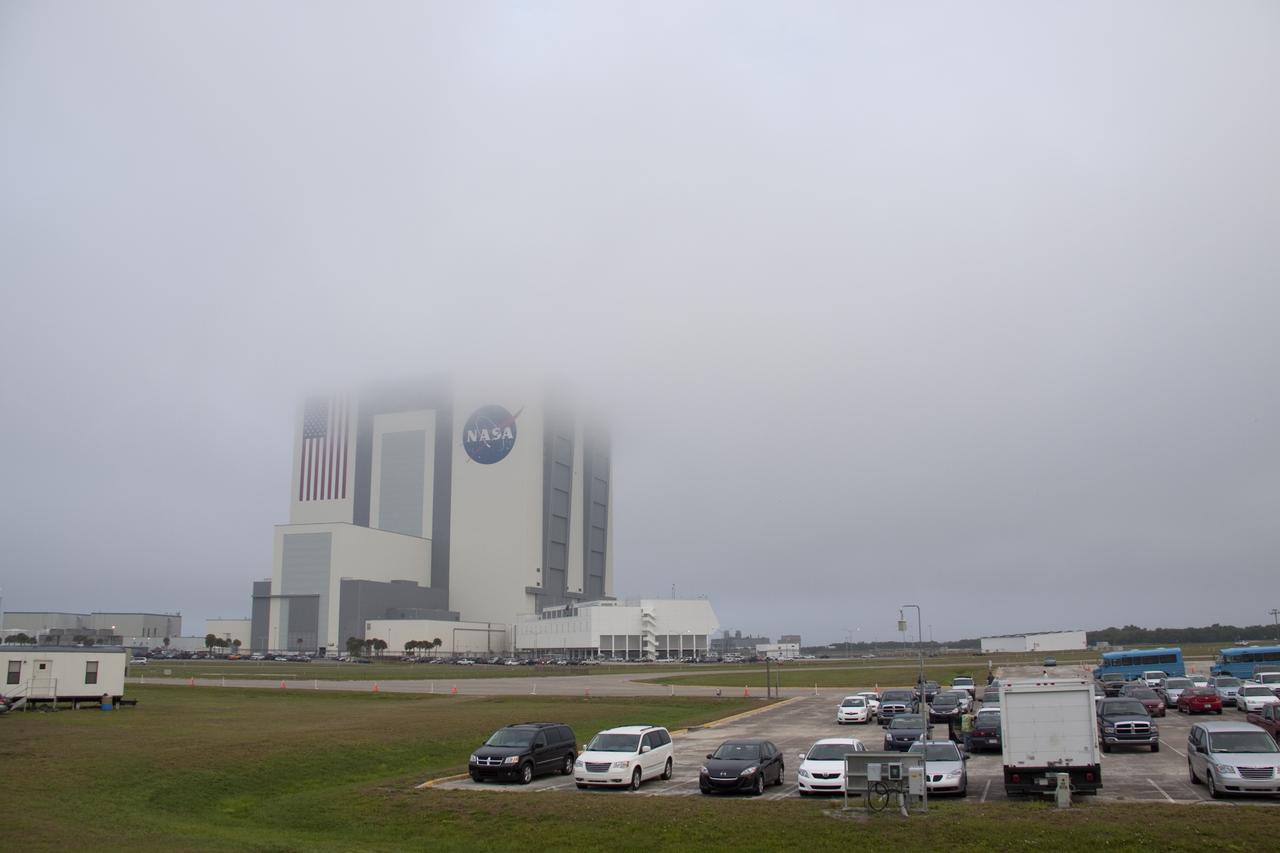
KSC WEATHER - CLOUDS & FOG WAVEOFF STS-131 LANDING OPPORTUNITY 1
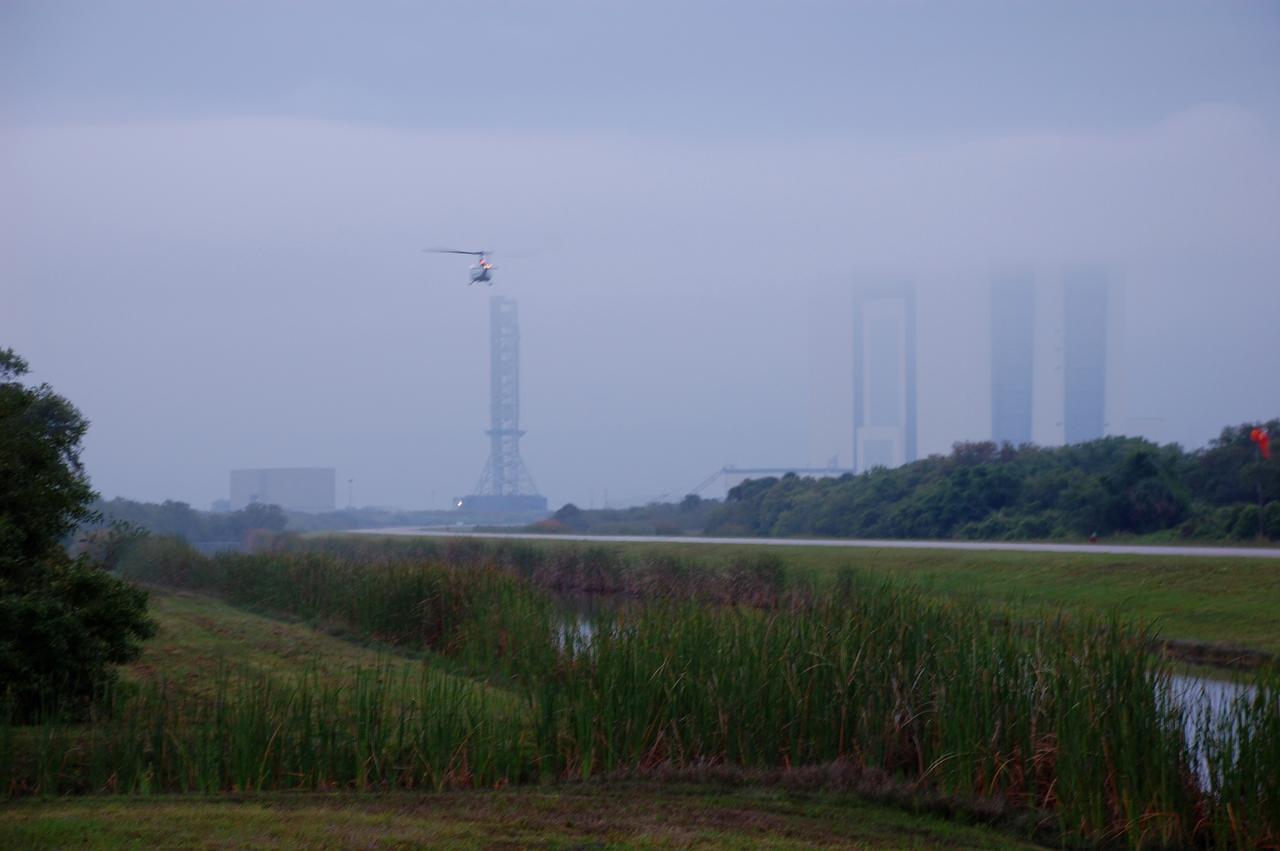
KSC WEATHER - CLOUDS & FOG WAVEOFF FOR STS-131 LANDING OPPORTUNITY 2
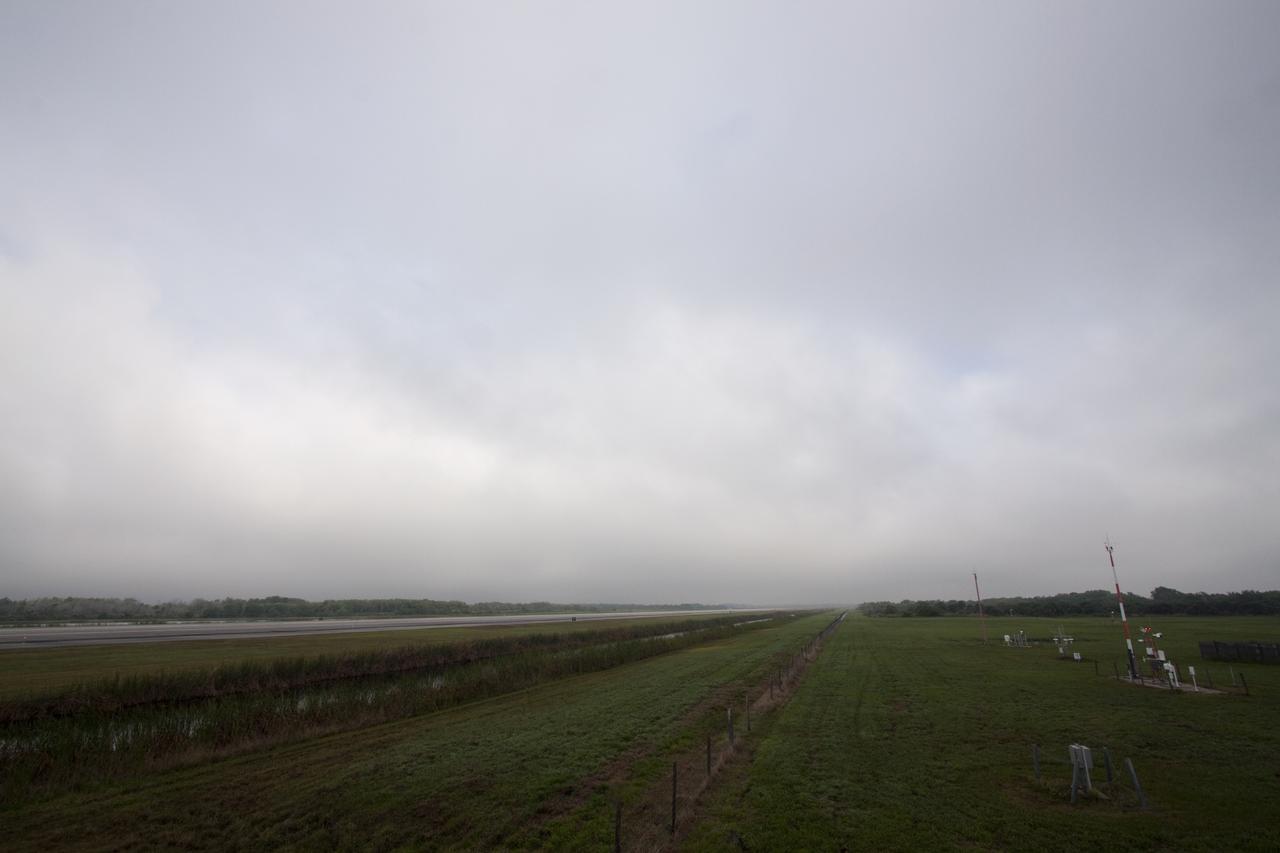
KSC WEATHER - CLOUDS & FOG WAVEOFF FOR STS-131 LANDING OPPORTUNITY 2
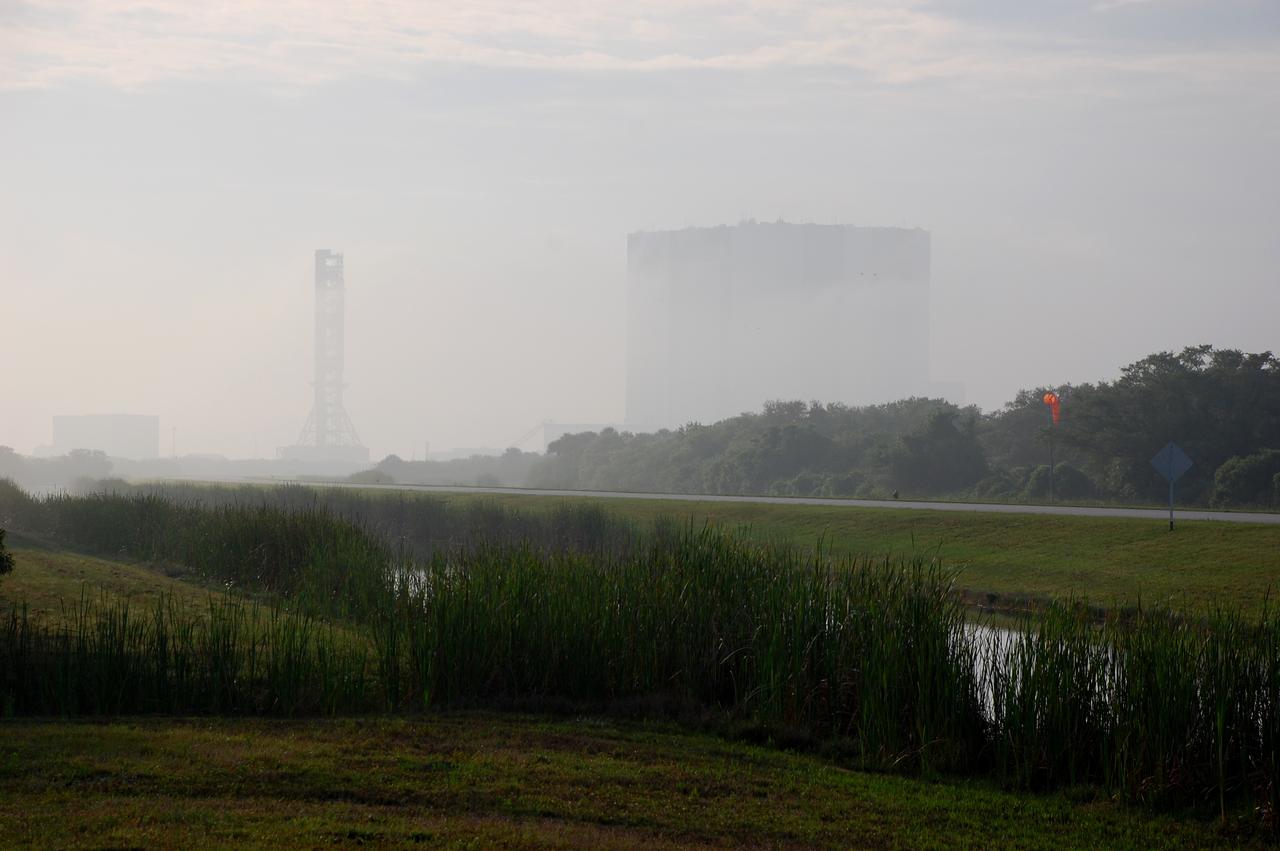
KSC WEATHER - CLOUDS & FOG WAVEOFF FOR STS-131 LANDING OPPORTUNITY 2
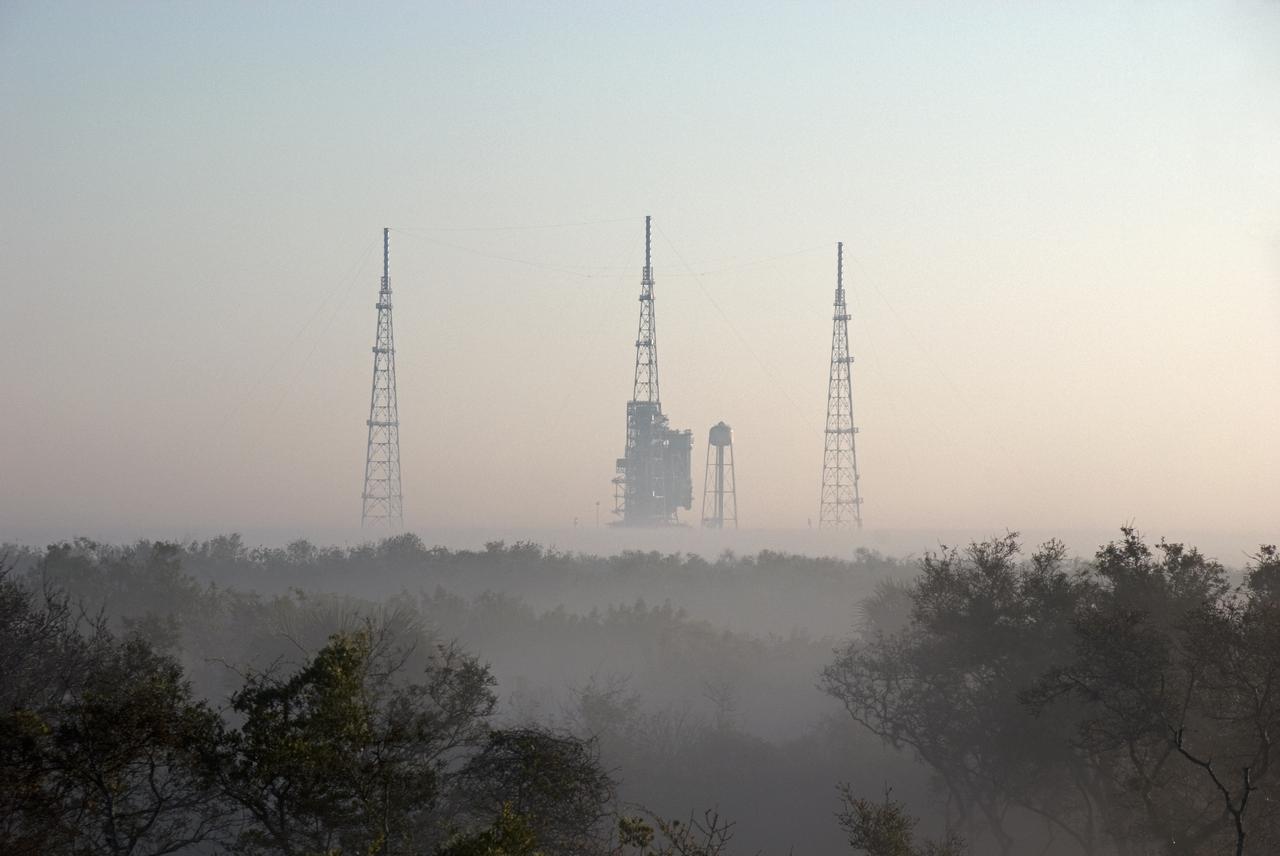
KSC WEATHER - FOG SHOTS AT KSC LOOKING WEST FROM UCS-17
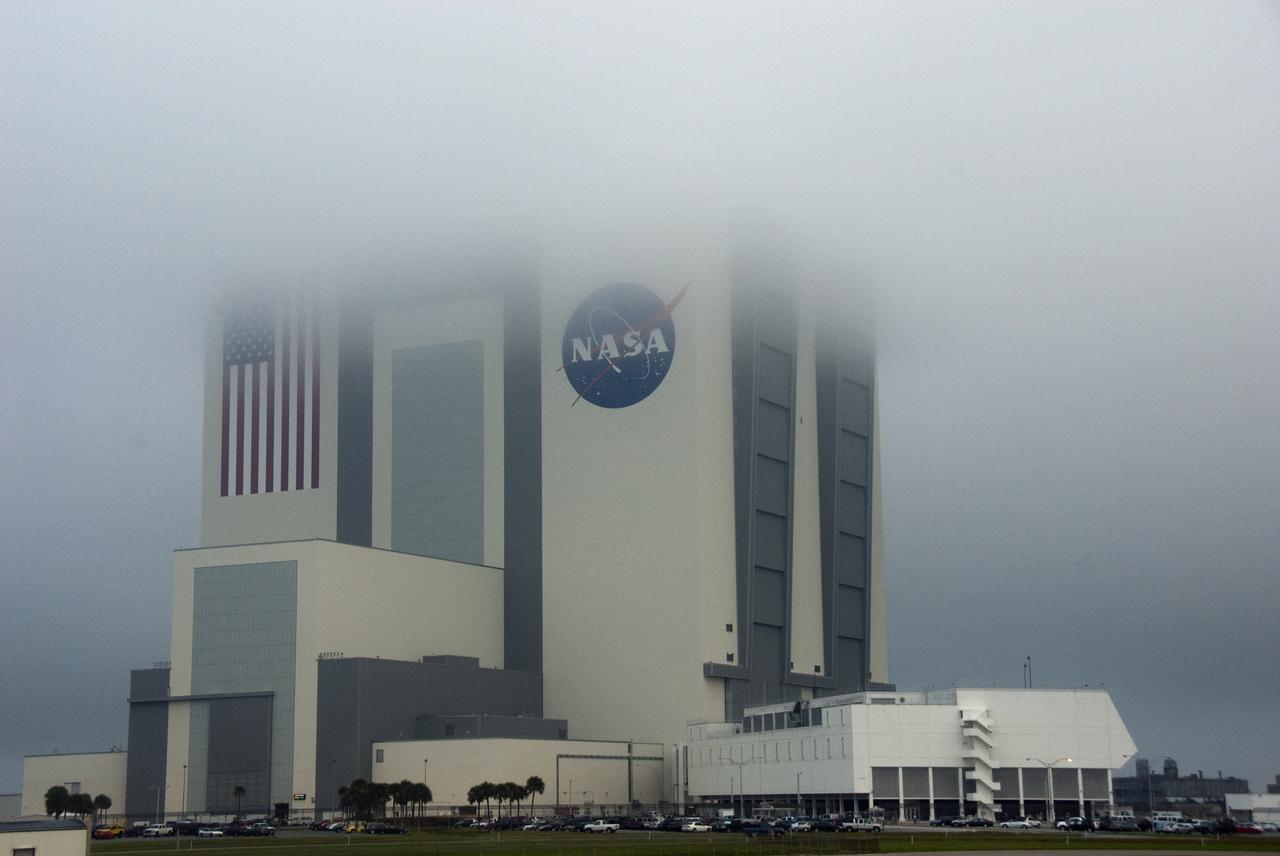
KSC WEATHER - CLOUDS & FOG WAVEOFF FOR STS-131 LANDING OPPORTUNITY 2
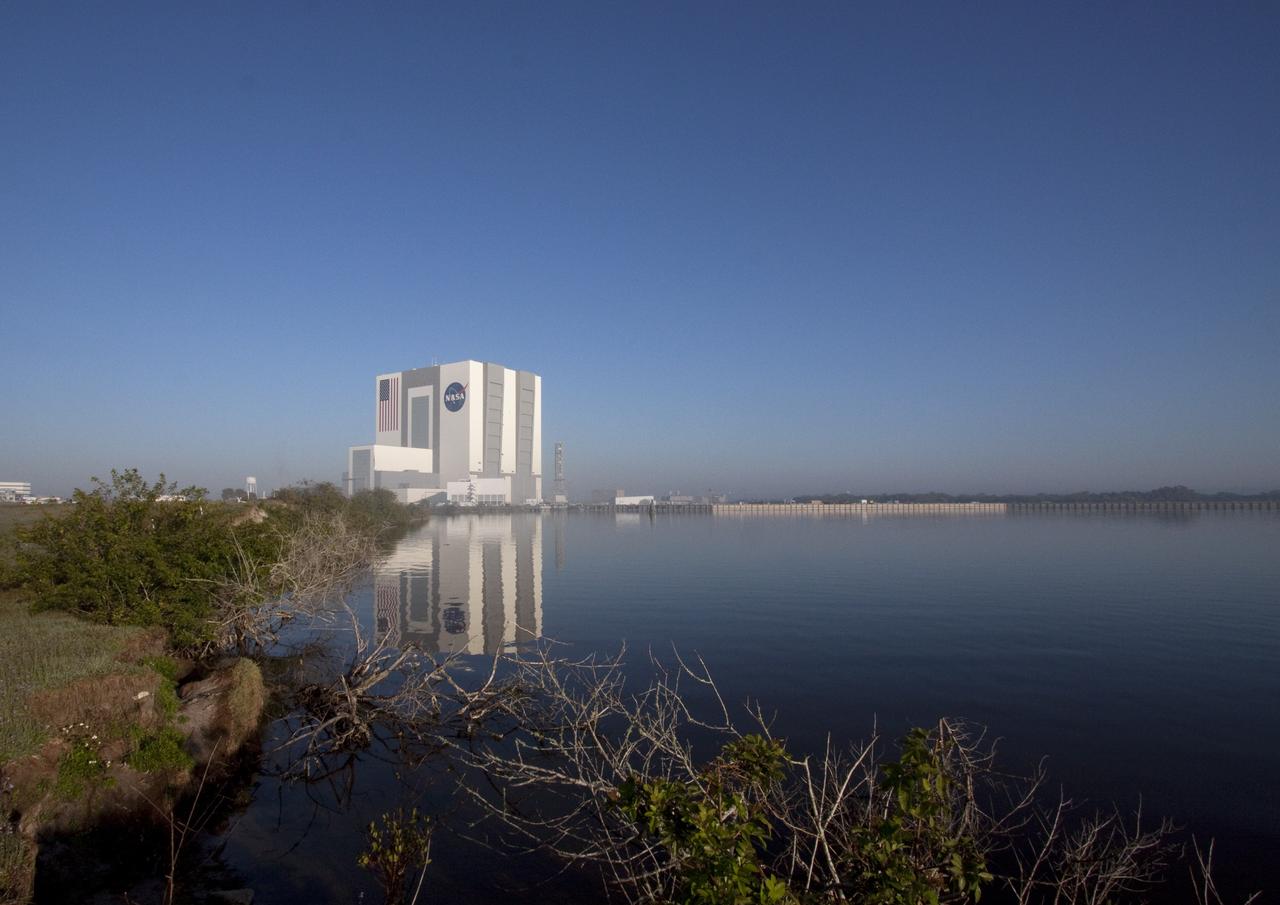
KSC WEATHER - FOG SHOTS LOOKING FROM LC39 BASIN
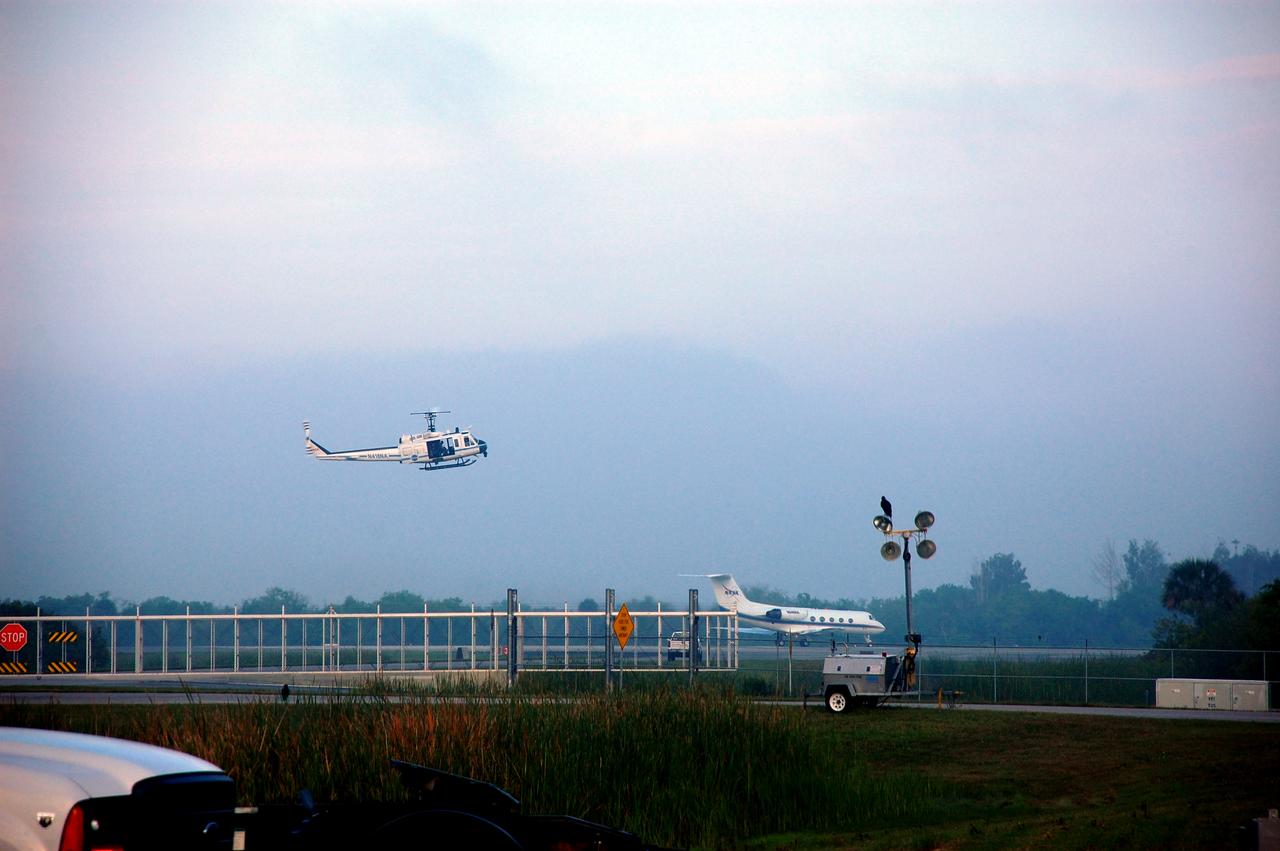
KSC WEATHER - CLOUDS & FOG WAVEOFF FOR STS-131 LANDING OPPORTUNITY 2
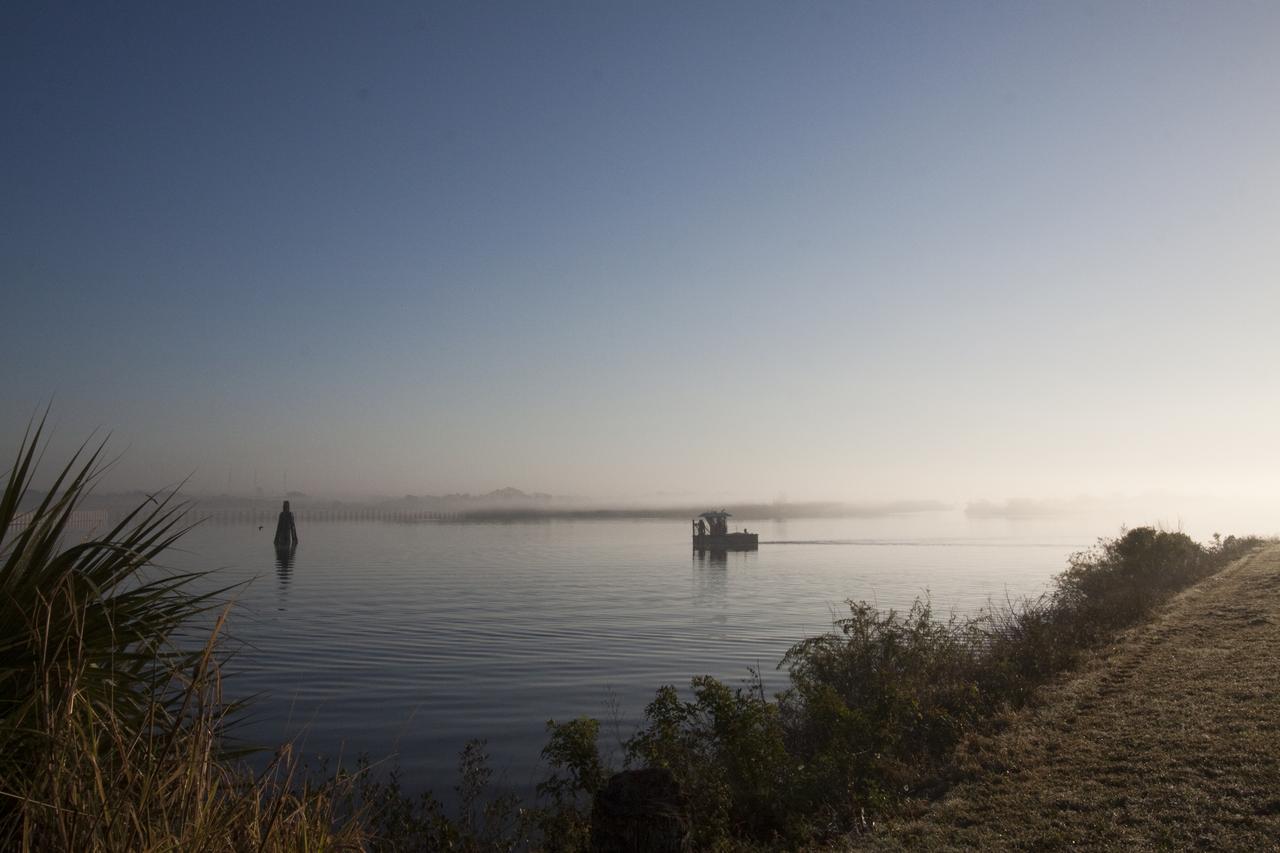
KSC WEATHER - FOG SHOTS LOOKING FROM LC39 BASIN
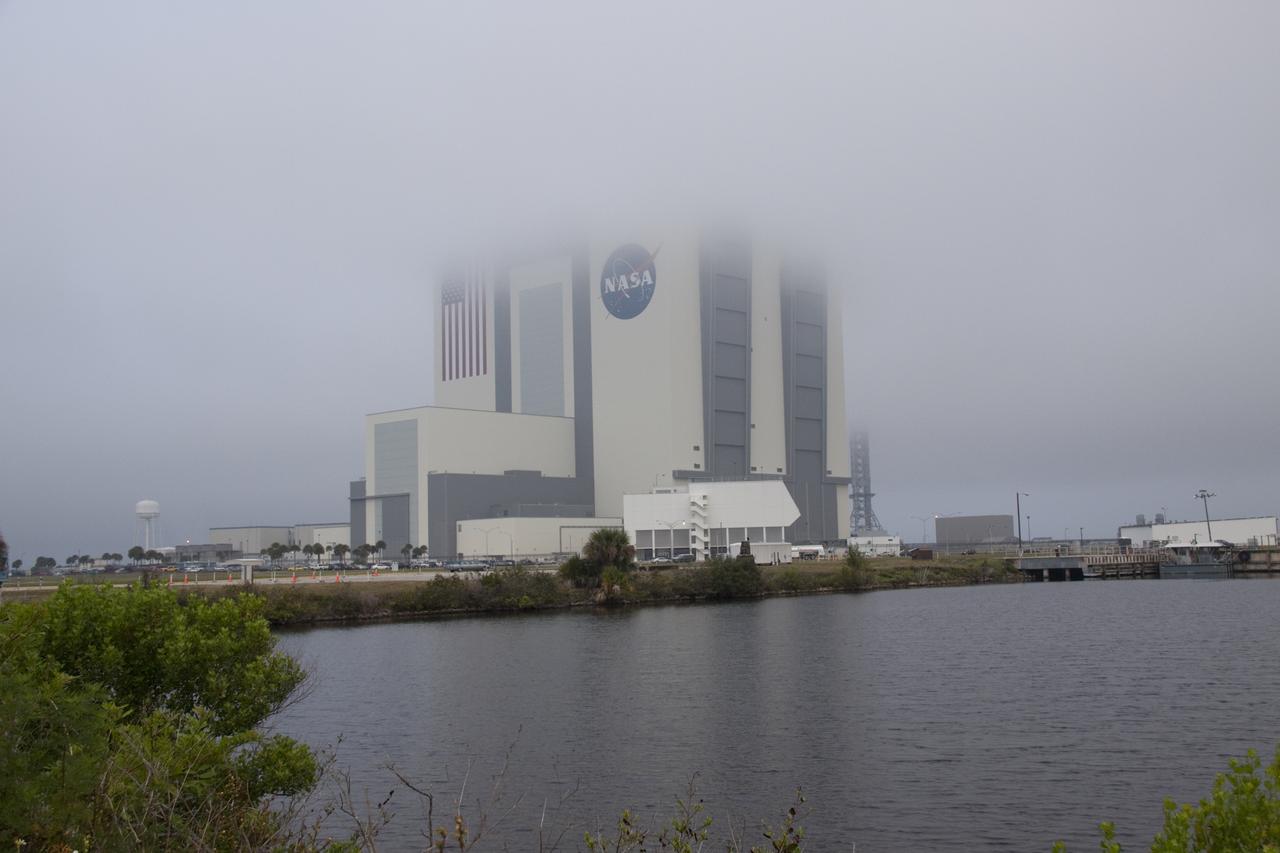
KSC WEATHER - CLOUDS & FOG WAVEOFF STS-131 LANDING OPPORTUNITY 1
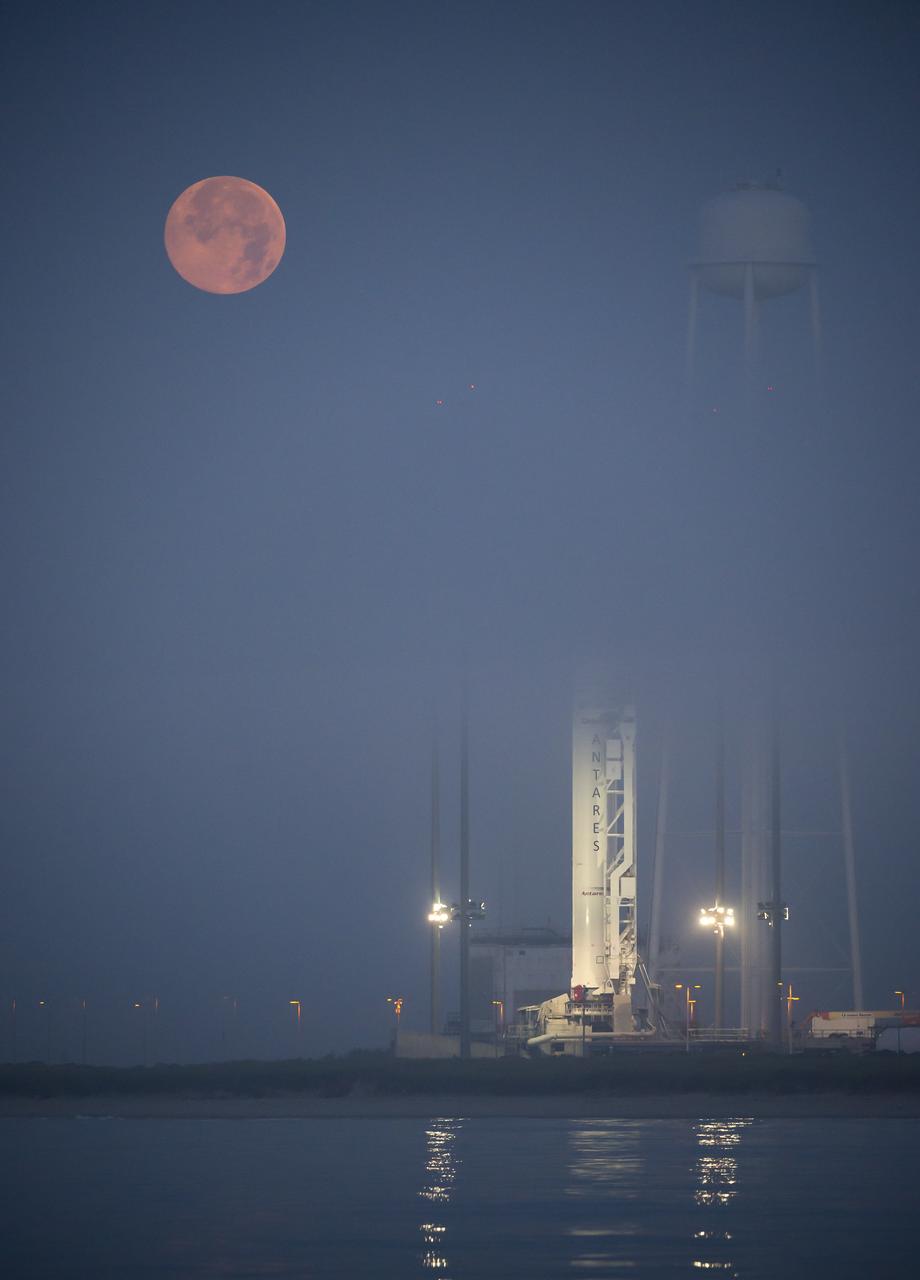
The full Moon sets in the fog behind the Orbital Sciences Corporation Antares rocket, with the Cygnus spacecraft onboard, Saturday, July 12, 2014, launch Pad-0A, NASA's Wallops Flight Facility in Virginia. The Antares will launch with the Cygnus spacecraft filled with over 3,000 pounds of supplies for the International Space Station, including science experiments, experiment hardware, spare parts, and crew provisions. The Orbital-2 mission is Orbital Sciences' second contracted cargo delivery flight to the space station for NASA. Photo Credit: (NASA/Bill Ingalls)
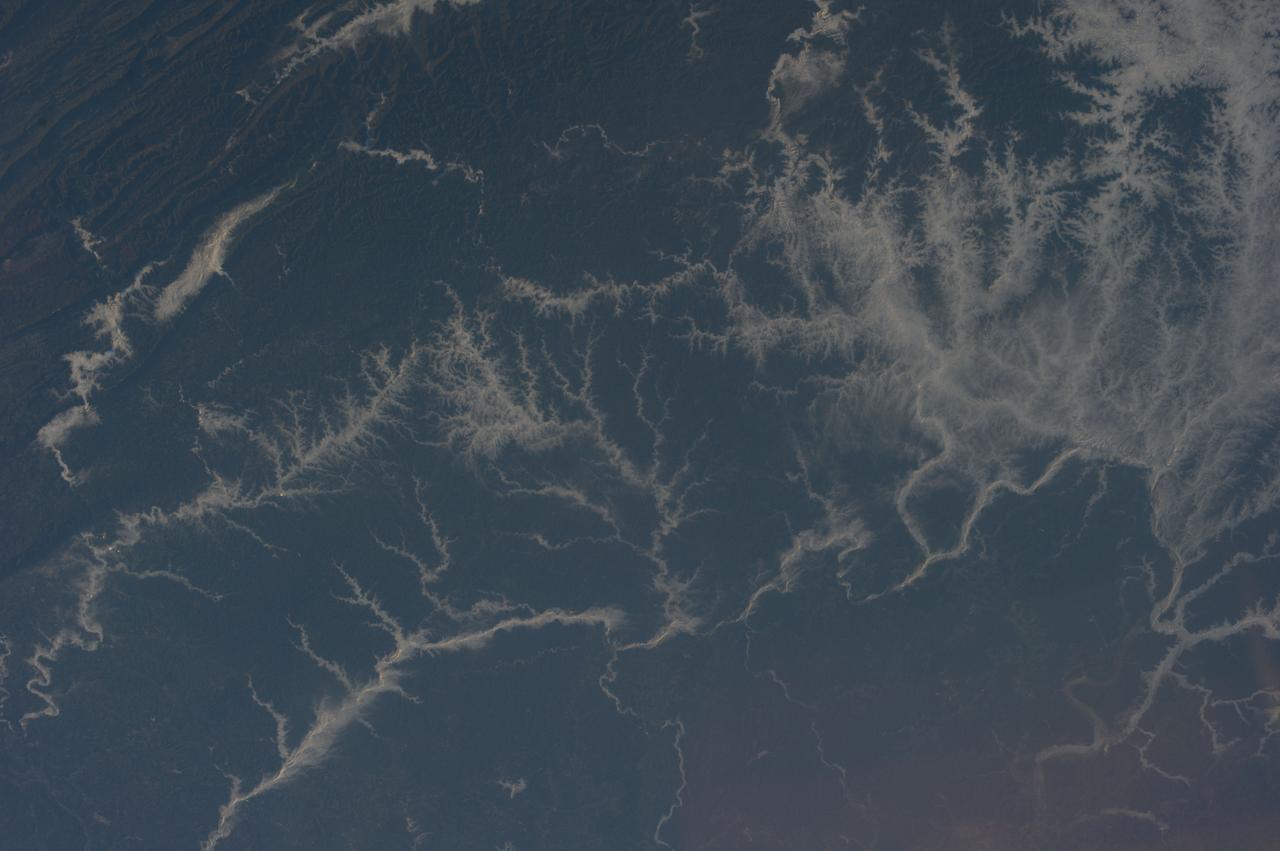
Earth observation taken during a day pass by the Expedition 37 crew. Per Twitter message: Early morning fog in the river valleys of Ohio and West Virginia.

ISS030-E-062540 (2 Feb. 2012) --- This nighttime image, photographed by one of the members of the Expedition 30 crew from the International Space Station, features the Greater Chicago Metropolitan Area strung along the southwest shore of Lake Michigan. The region is partially covered by clouds, probably low-hanging, or even fog. Meteorologists say there is a fine line between low thin clouds and fog. Fog is not common in the Great Lakes area this time of the year (usually too windy), but this has been an exceptionally mild winter. The faint gold line of airglow—caused by ultraviolet radiation exciting the gas molecules in the upper atmosphere—parallels the horizon or Earth limb. Minor auroral activity (Borealis) is visible in upper right.
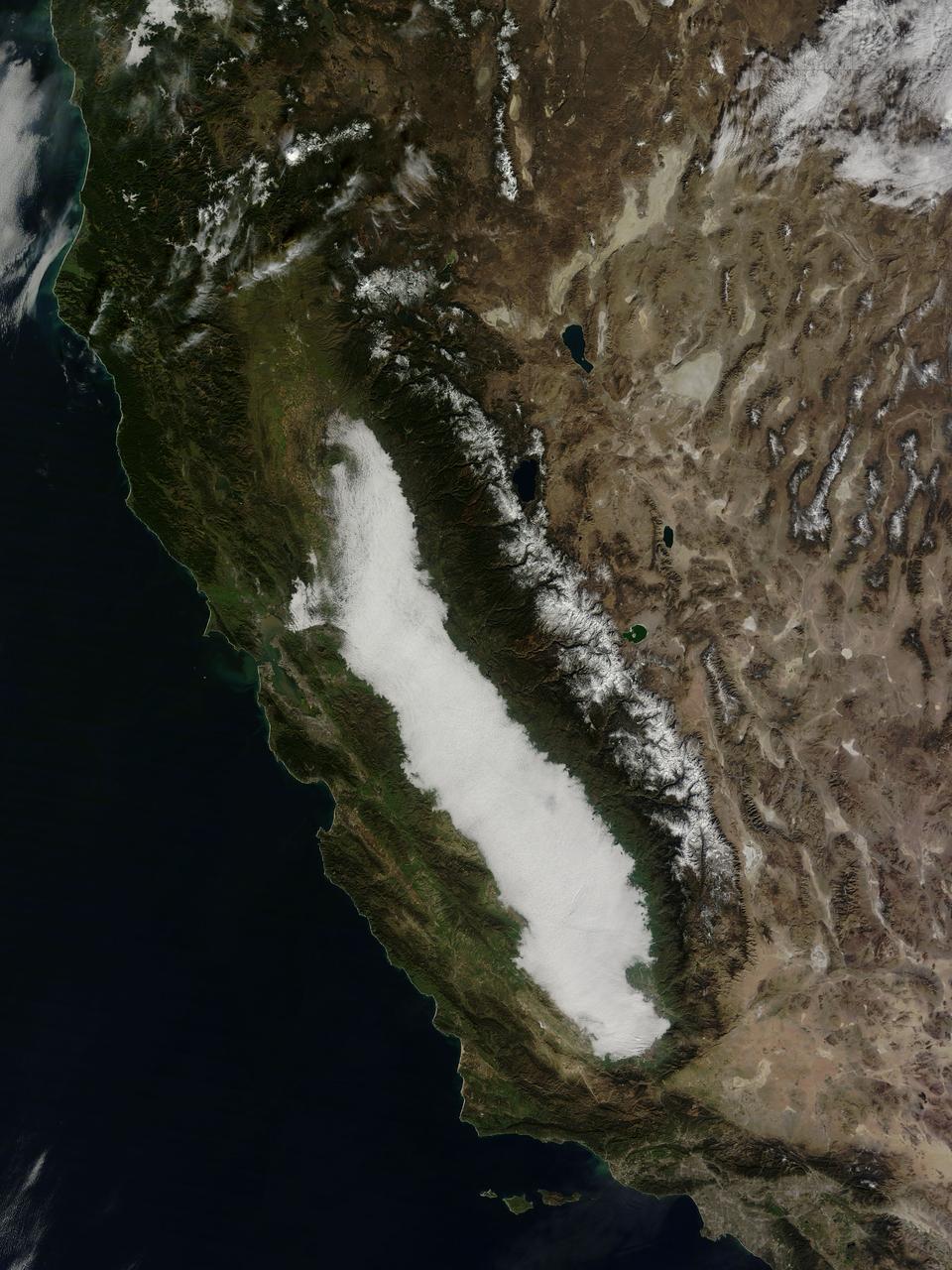
Low clouds filled California’s Central Valley in late January, 2015. Such winter fog is considered a common phenomenon, and can be so dense that it snarls traffic, causes fender-benders, and can make symptoms worse in those with respiratory disease. At the same time, the moist winter fog helps keep temperatures low in the rich agricultural region by reflecting sunlight and keeping the ground from warming, which helps keep the abundant fruit and nut trees dormant, allowing for bountiful harvests. Scientific studies have reported that winter fogs (also called Thule fogs) are occurring less frequently in the Central Valley. One study, by Dennis Baldocchi and Eric Waller, was published in May, 2014. It finds that since 1981 the number of fog days between November and February has decreased by 46 percent. The severe drought that California has experienced in recent years may also have decreased the number of fog events even more since 2012. The Moderate Resolution Imaging Spectroradiometer (MODIS) aboard NASA’s Terra satellite captured this true-color image on January 24, 2015. Credit: NASA/GSFC/Jeff Schmaltz/MODIS Land Rapid Response Team <b><a href="http://www.nasa.gov/audience/formedia/features/MP_Photo_Guidelines.html" rel="nofollow">NASA image use policy.</a></b> <b><a href="http://www.nasa.gov/centers/goddard/home/index.html" rel="nofollow">NASA Goddard Space Flight Center</a></b> enables NASA’s mission through four scientific endeavors: Earth Science, Heliophysics, Solar System Exploration, and Astrophysics. Goddard plays a leading role in NASA’s accomplishments by contributing compelling scientific knowledge to advance the Agency’s mission. <b>Follow us on <a href="http://twitter.com/NASAGoddardPix" rel="nofollow">Twitter</a></b> <b>Like us on <a href="http://www.facebook.com/pages/Greenbelt-MD/NASA-Goddard/395013845897?ref=tsd" rel="nofollow">Facebook</a></b> <b>Find us on <a href="http://instagram.com/nasagoddard?vm=grid" rel="nofollow">Instagram</a></b>
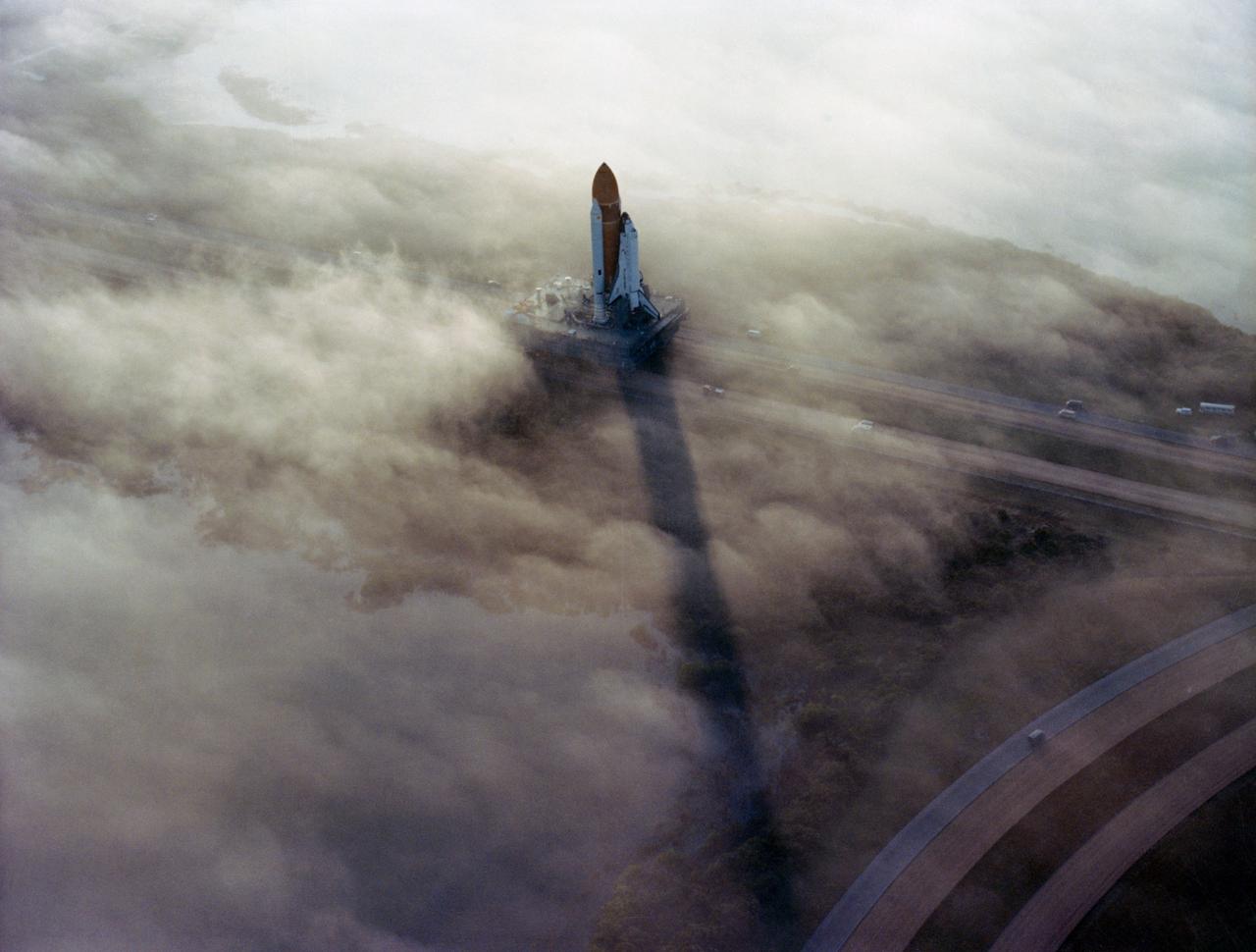
Two (2) views of the "Challenger" - STS-6 - being Rolled Out to Pad 39A in the morning fog, 11/30/1982. 1. KSC - STS-6 PREFLIGHT KSC, FL
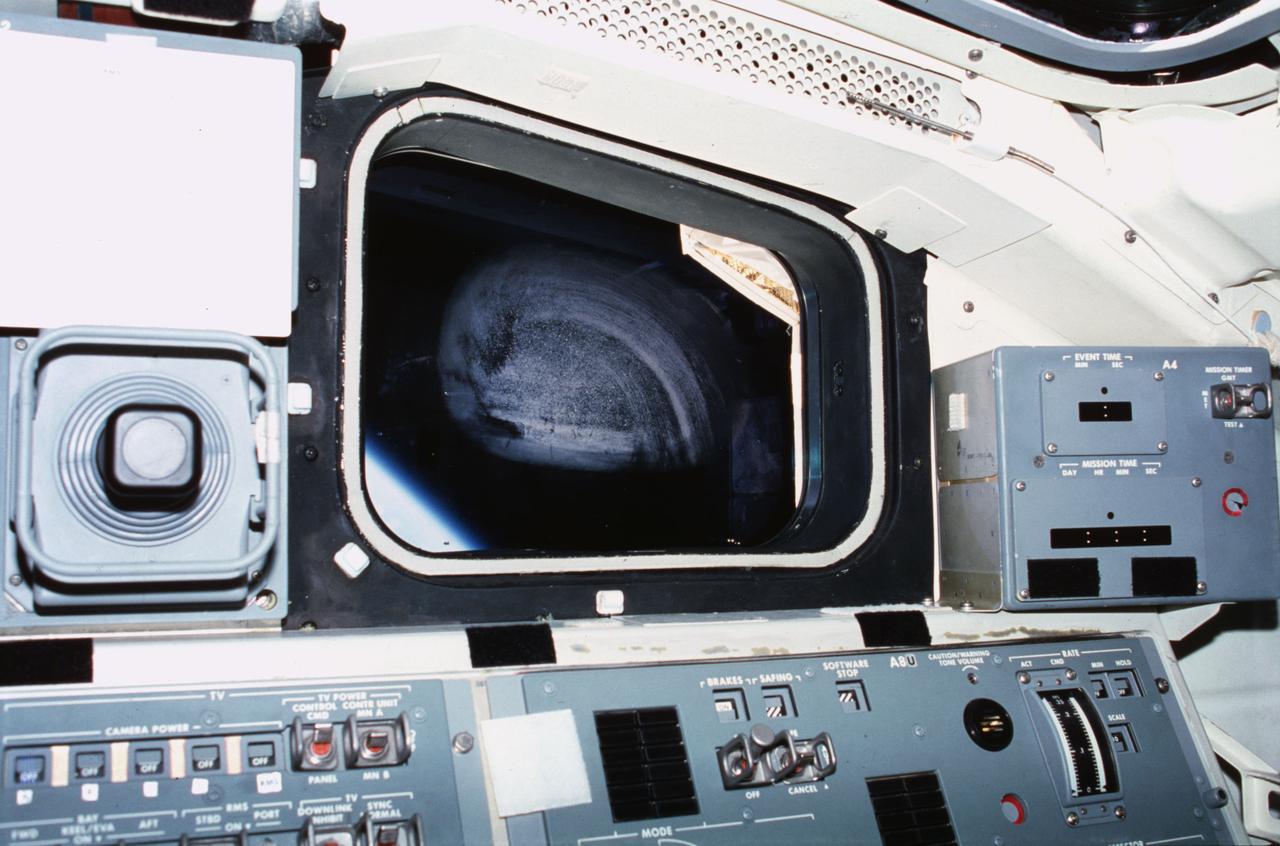
STS003-24-211 (22-30 March 1982) --- Crew compartment aft flight deck viewing window W10 fogged with condensation. The condensation is a result of the spacecraft's position in relation to the sun. Photo credit: NASA
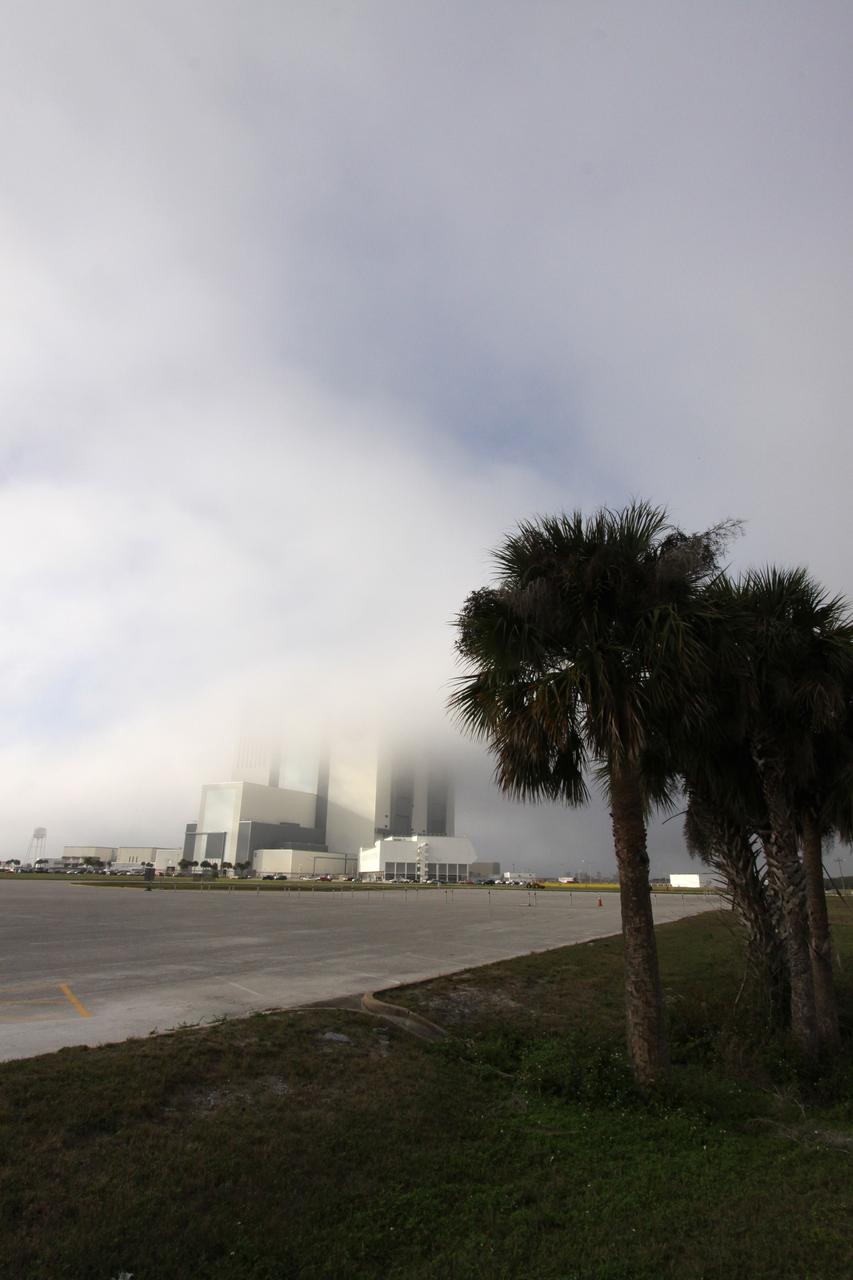
CAPE CANAVERAL, Fla. – At NASA's Kennedy Space Center in Florida, dense fog moving ashore from the Atlantic Ocean engulfs the Vehicle Assembly Building on an atypical December afternoon. It is the second time in one day that fog has obscured the top of the 525-foot-tall processing facility, known as the VAB. Space Shuttle Endeavour currently is in the VAB's High Bay 1 where it is being attached to its external fuel tank and solid rocket boosters in preparation for its targeted launch in early February 2010. Photo credit: NASA/Jack Pfaller

CAPE CANAVERAL, Fla. – Dense fog engulfs Launch Complex 39 at NASA's Kennedy Space Center in Florida, obscuring the view of the 525-foot-tall Vehicle Assembly Building. The fog pushed onshore from the Atlantic Ocean for the second time in one day to create atypical conditions on this humid December afternoon. Space Shuttle Endeavour currently is in the VAB's High Bay 1 where it is being attached to its external fuel tank and solid rocket boosters in preparation for its targeted launch in early February 2010. Photo credit: NASA/Jack Pfaller
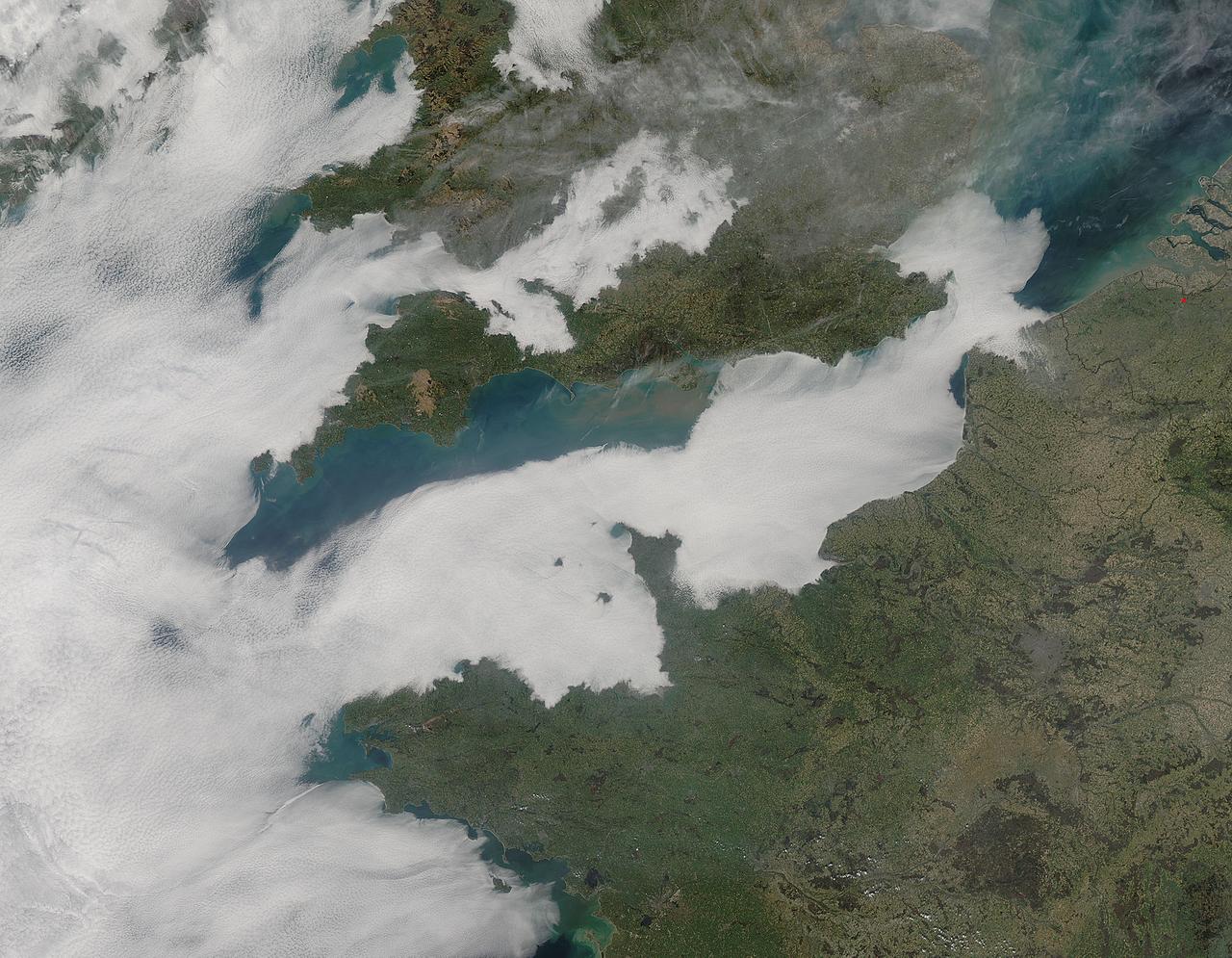
A thick blanket of low clouds covered the English Channel, Celtic Sea and Irish Sea on March 13, 2014. The fog also crept over major cities in the United Kingdom and Ireland. While citizens living in parts of Ireland, England, Wales, Scotland and Northern Ireland were posting ground-based photos of fog-shrouded landscape on social media, the internet and news outlets, the scene was also captured from space. The Moderate Resolution Imaging Spectroradiometer (MODIS) aboard NASA’s Aqua captured this true-color image of the cloudy day at 13:00 UTC (1:00 p.m. in London) on that same day. The dense fog (low clouds) affected air travel, causing the cancellation of hundreds of flights going through London City Airport, where visibility was reported at less than 100 meters (328 ft) – less than the length of an American football field. Flights were also cancelled at Heathrow, Gatwick and Manchester. A private helicopter flying to Northern Ireland went down in by the fog near the Norfolk-Suffolk border, with loss of four lives. Driving was little better in many areas, causing the Met Office to issue a yellow weather warning and to caution drivers of difficult conditions. The lowest visibility of the day was reported at Roches Point weather station. Located at the southeastern tip of Cork Harbor, Ireland, the station reported visibility of less than 50 meters (164 ft) – the length of an Olympic size swimming pool. In this image, the fog-covered Celtic Sea is located in the southwest. Ireland lies under tendrils of low cloud in the northwest corner of the image. Banks of clouds part around England, near the center of the image, and southern Wales (top and center) completely under the foggy blanket. Fog also creeps over the coasts of France, Belgium and the Netherlands on the east side of the English Channel. Credit: NASA/GSFC/Jeff Schmaltz/MODIS Land Rapid Response Team <b><a href="http://www.nasa.gov/audience/formedia/features/MP_Photo_Guidelines.html" rel="nofollow">NASA image use policy.</a></b> <b><a href="http://www.nasa.gov/centers/goddard/home/index.html" rel="nofollow">NASA Goddard Space Flight Center</a></b> enables NASA’s mission through four scientific endeavors: Earth Science, Heliophysics, Solar System Exploration, and Astrophysics. Goddard plays a leading role in NASA’s accomplishments by contributing compelling scientific knowledge to advance the Agency’s mission. <b>Follow us on <a href="http://twitter.com/NASAGoddardPix" rel="nofollow">Twitter</a></b> <b>Like us on <a href="http://www.facebook.com/pages/Greenbelt-MD/NASA-Goddard/395013845897?ref=tsd" rel="nofollow">Facebook</a></b> <b>Find us on <a href="http://instagram.com/nasagoddard?vm=grid" rel="nofollow">Instagram</a></b>
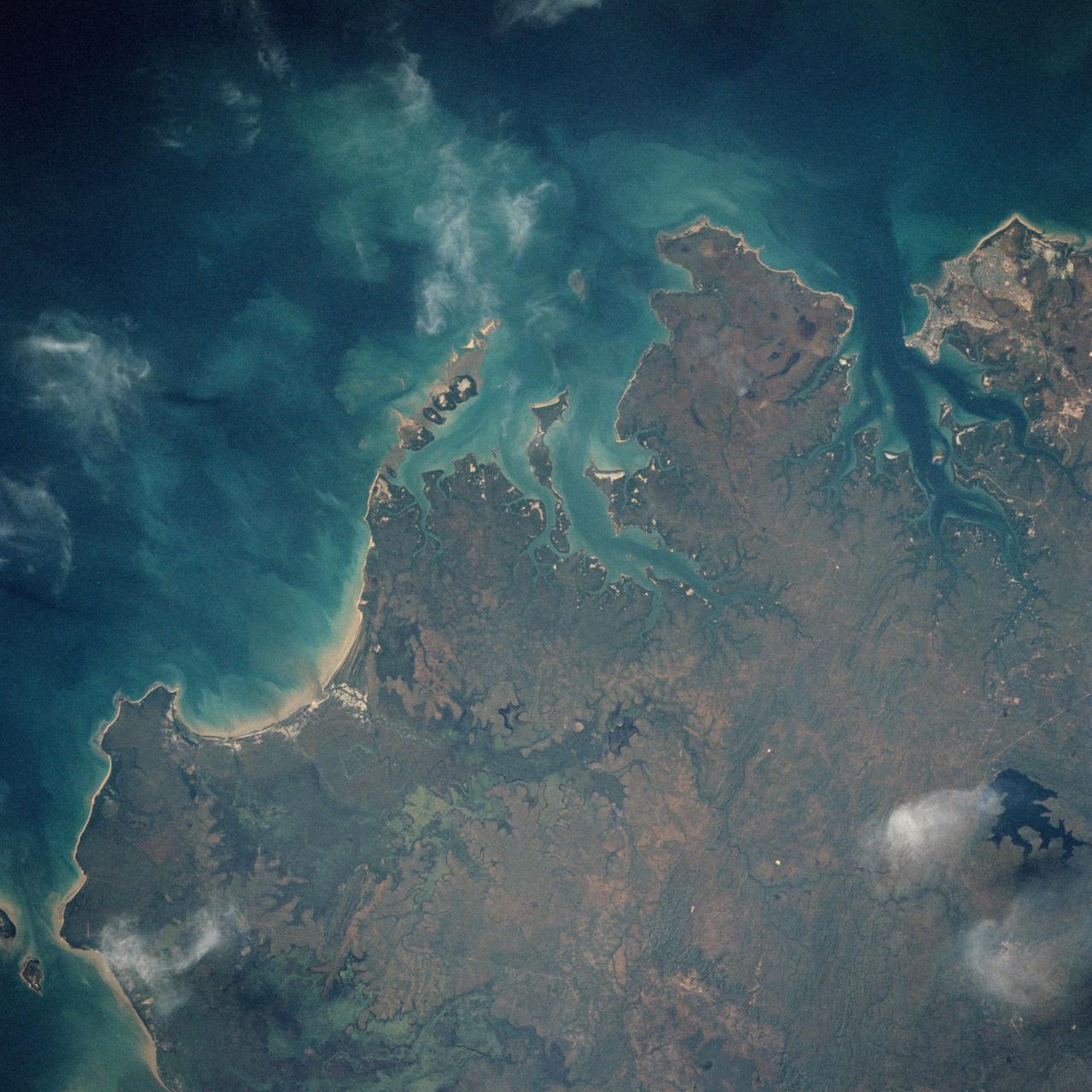
41C-34-1417 (6-13 April 1984) --- Darwin and Fog Bay, Australia are featured in this 70mm frame photographed from mission 41C's 42nd orbit of the Space Shuttle Challenger in April of 1984. Center-point coordinates are 12.5 degrees south latitude and 130.5 degrees east longitude.
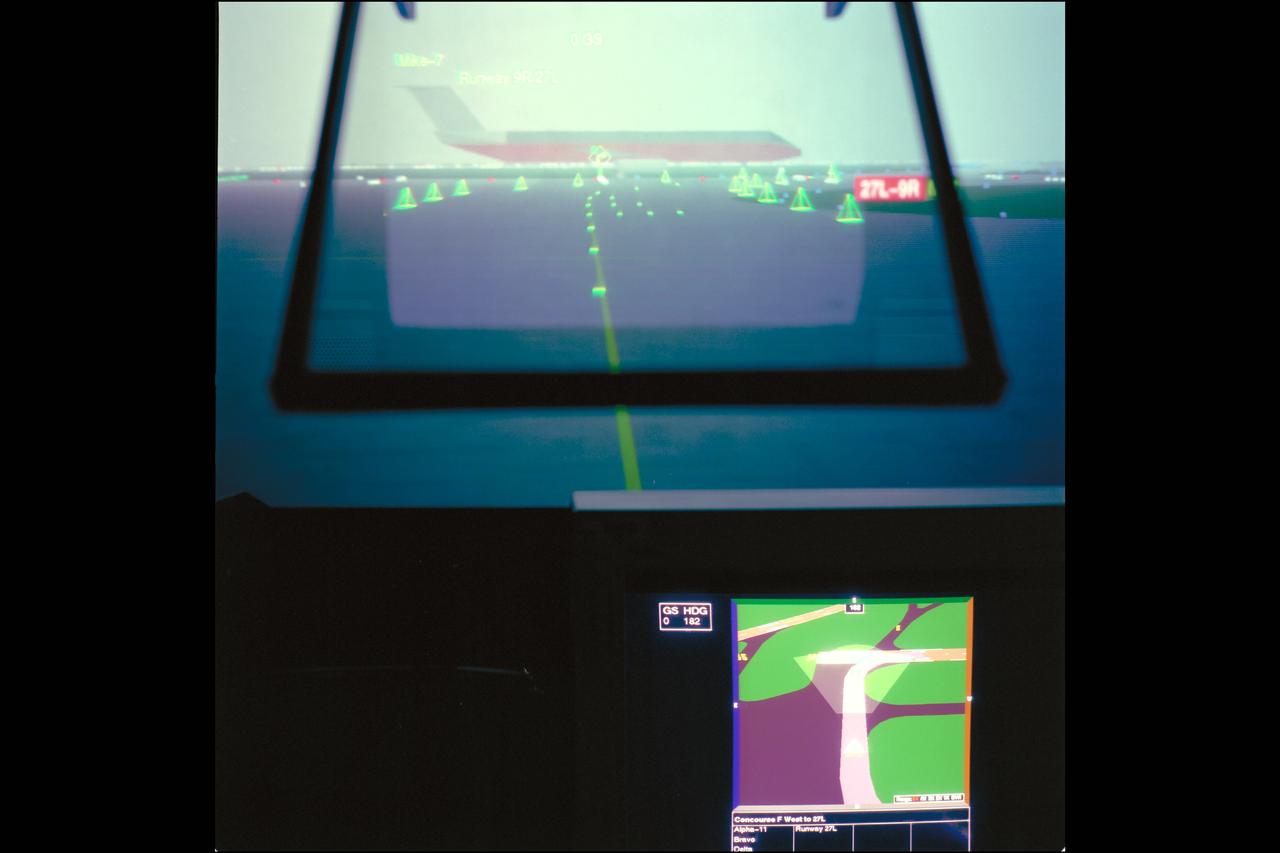
LVLASO (Low Visability Landing and Surface Operations) Project. Taxiway Navigation and Situtation Awareness (TNAS) system will help pilots taxi safely, particularly in low visibility weather conditions using a combination of cockpit displays and the GPS satellite positioning system. HUD SIMULATION DISPLAYS (FOG IN HEADS-UP DISPLAY).
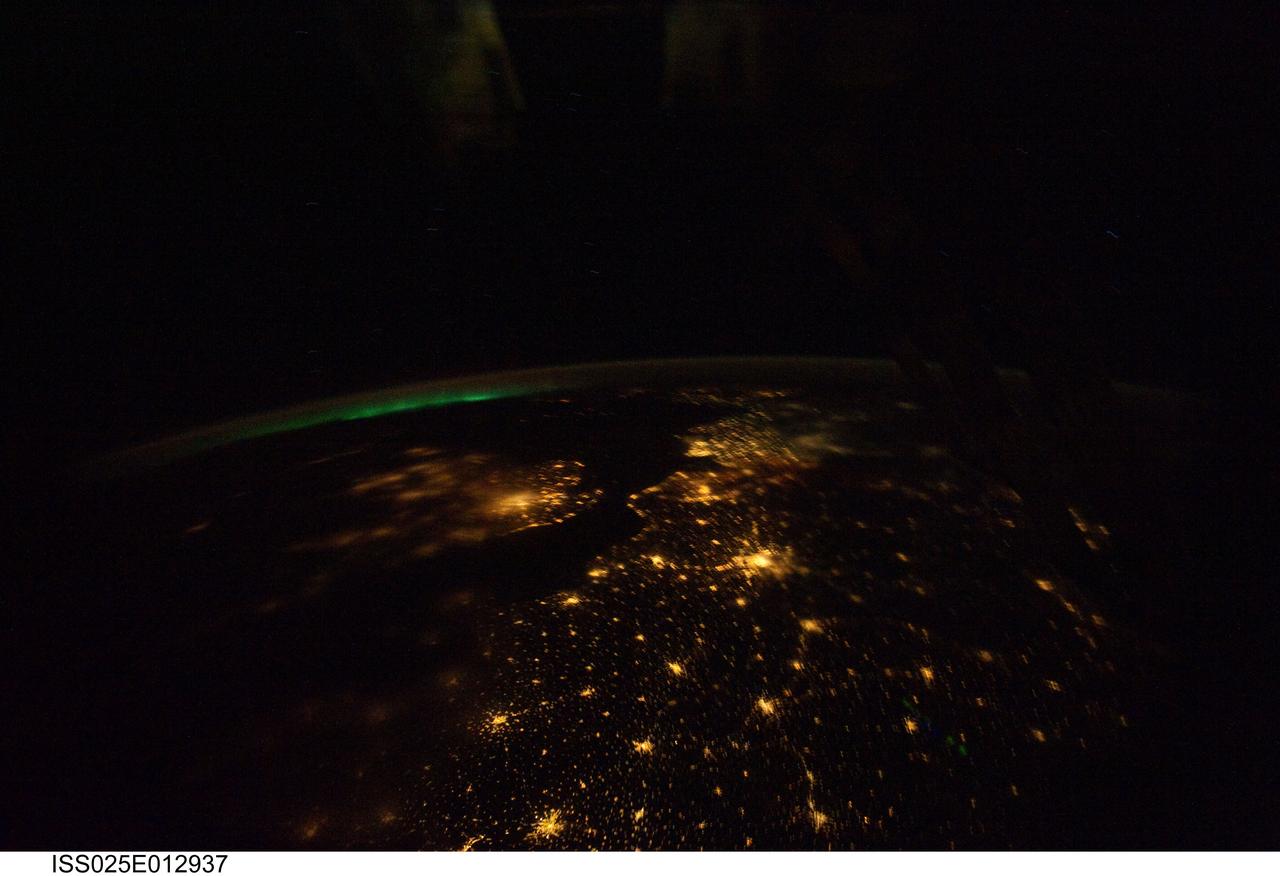
ISS025-E-012937 (7 Nov. 2010) --- Aurora Borealis sits on the horizon of this night view over much of Europe. The Strait of Dover is relatively clear as is Paris, the City of Lights. There is some fog over the western part of England and London.
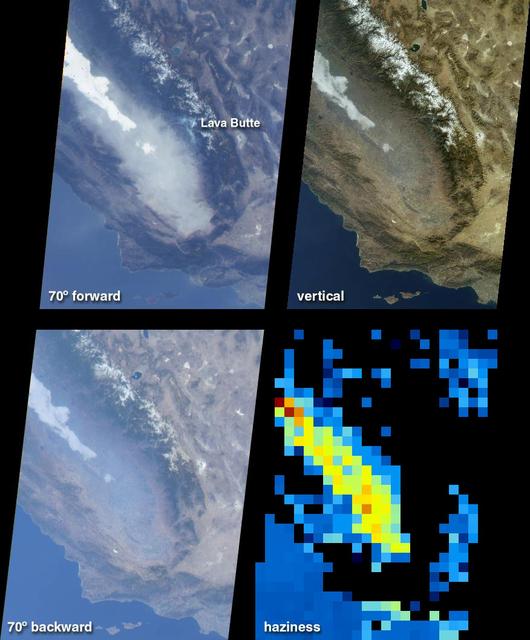
This illustration features images of southern California and southwestern Nevada acquired by NASA Terra satellite on January 3, 2001 Terra orbit 5569.
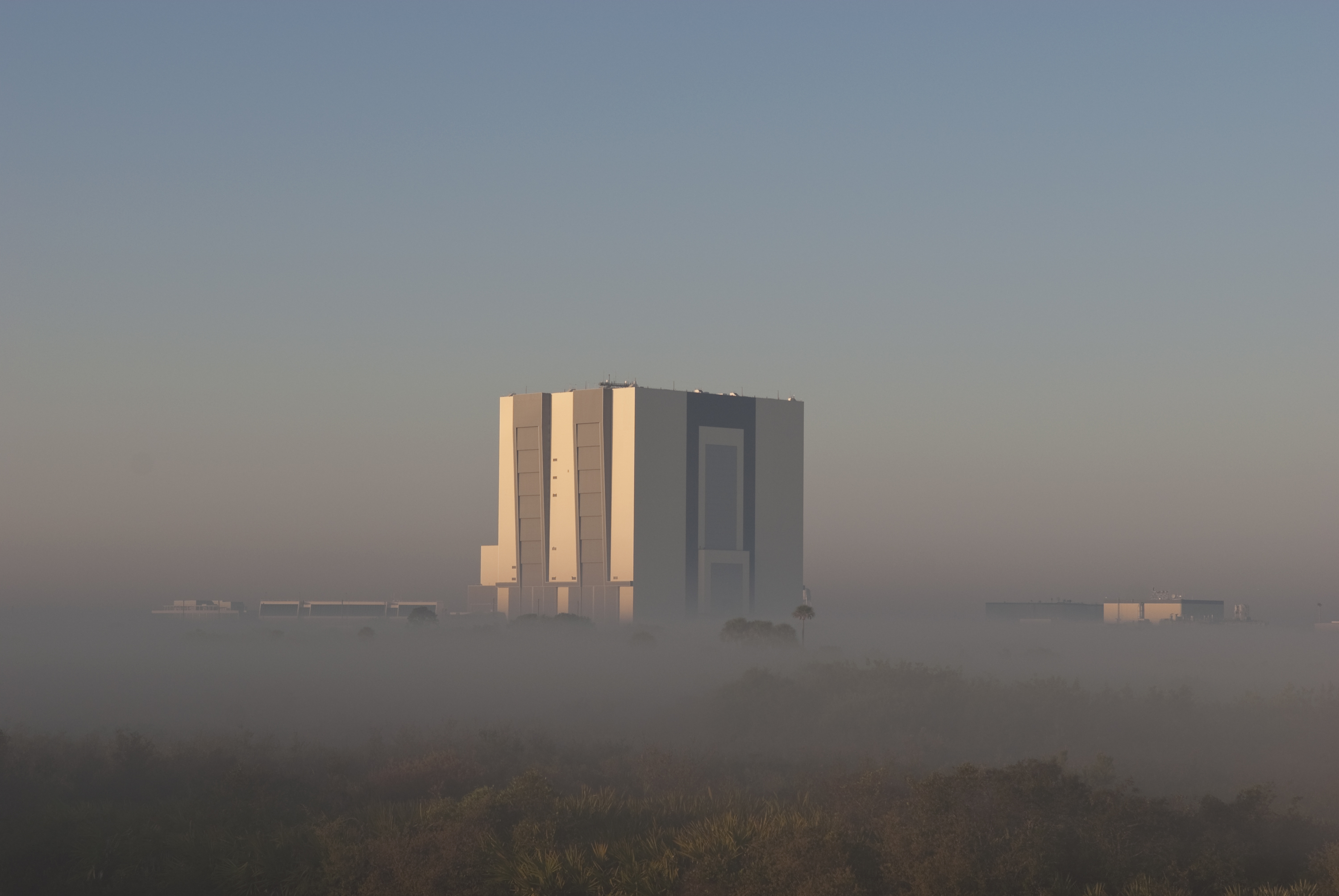
CAPE CANAVERAL, Fla. - Fog settles around the Vehicle Assembly Building at NASA's Kennedy Space Center in Florida three days before the planned liftoff of space shuttle Discovery on the STS-131 mission. Weather conditions for launch at 6:21 a.m. EDT on April 5 are very favorable except for the possibility of early morning fog. On STS-131, the seven-member crew will deliver the multi-purpose logistics module Leonardo, filled with supplies, a new crew sleeping quarters and science racks that will be transferred to the International Space Station's laboratories. The crew also will switch out a gyroscope on the station’s truss, install a spare ammonia storage tank and retrieve a Japanese experiment from the station’s exterior. STS-131 is the 33rd shuttle mission to the station and the 131st shuttle mission overall. For information on the STS-131 mission and crew, visit http:__www.nasa.gov_mission_pages_shuttle_shuttlemissions_sts131_index.html. Photo credit: NASA_Jim Grossmann

STS098-716-034 (18 February 2001) --- This east-to-west orbital view of the Inn River Valley of southern Austria was photographed by one the crew members of Atlantis during Space Shuttle Mission STS-98 on February 18, 2001, as the spacecraft orbited Earth at an altitude of 173 nautical miles (320 kilometers). Despite the heavy ground fog in the lower valleys, this 70mm handheld camera's photo provides a strikingly detailed view of the Italian, Swiss and Austrian Alps of central Europe. For example, the famous Brenner Pass, an historic gateway connecting Italy to the rest of Europe, can be seen in the left central foreground. The Austrian city of Innsbruck on the Inn River, scene of the 1964 and 1976 Winter Olympics, and normally visible in great detail, is completely masked by heavy ground fog. Center coordinates of the pictured area are located at 47.5 degrees north latitude and 12.5 degrees east longitude.
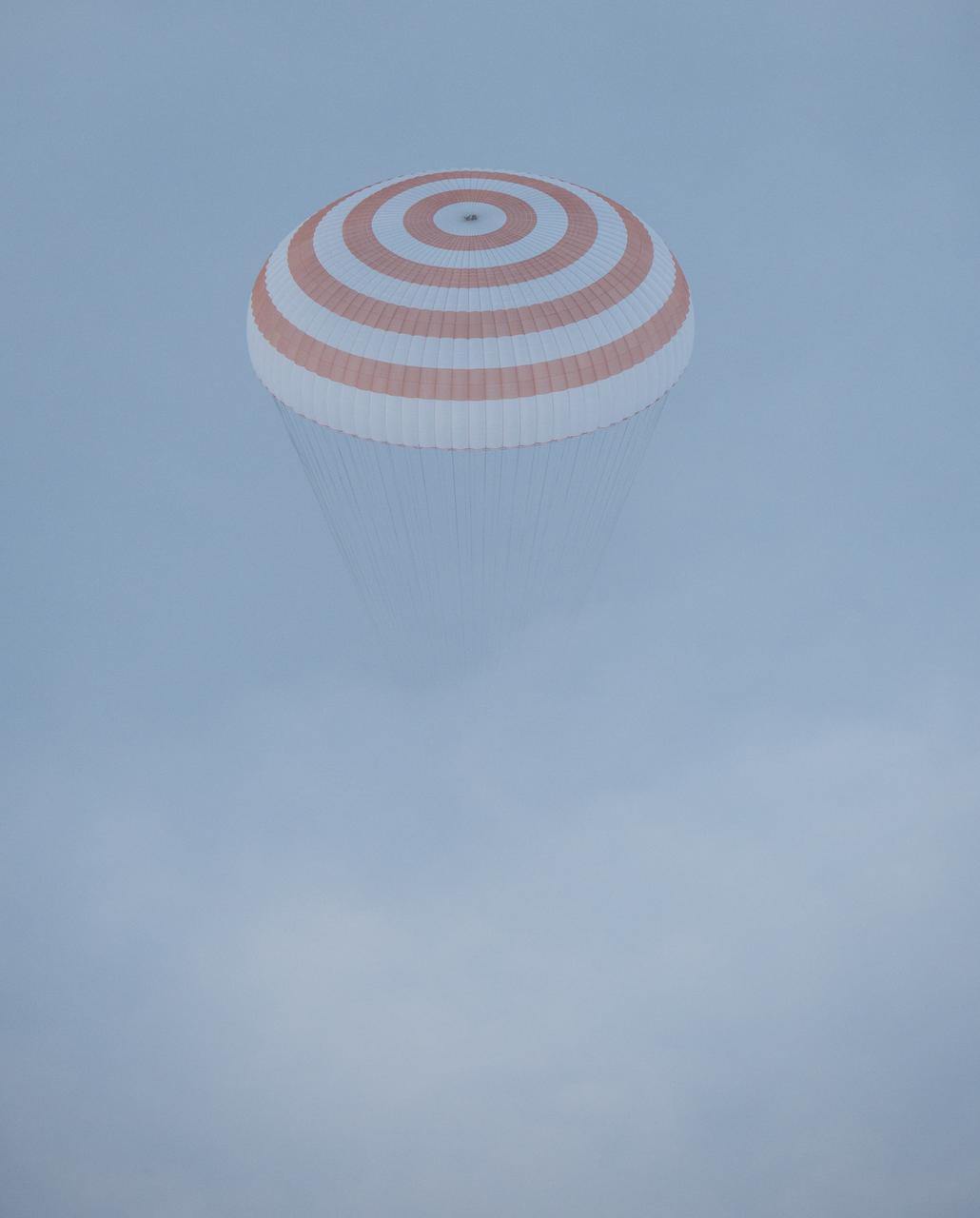
The Soyuz TMA-14M spacecraft is seen as it descends through the fog before landing with Expedition 42 commander Barry Wilmore of NASA, Alexander Samokutyaev of the Russian Federal Space Agency (Roscosmos) and Elena Serova of Roscosmos near the town of Zhezkazgan, Kazakhstan on Thursday, March 12, 2015. NASA Astronaut Wilmore, Russian Cosmonauts Samokutyaev and Serova are returning after almost six months onboard the International Space Station where they served as members of the Expedition 41 and 42 crews. Photo Credit: (NASA/Bill Ingalls)
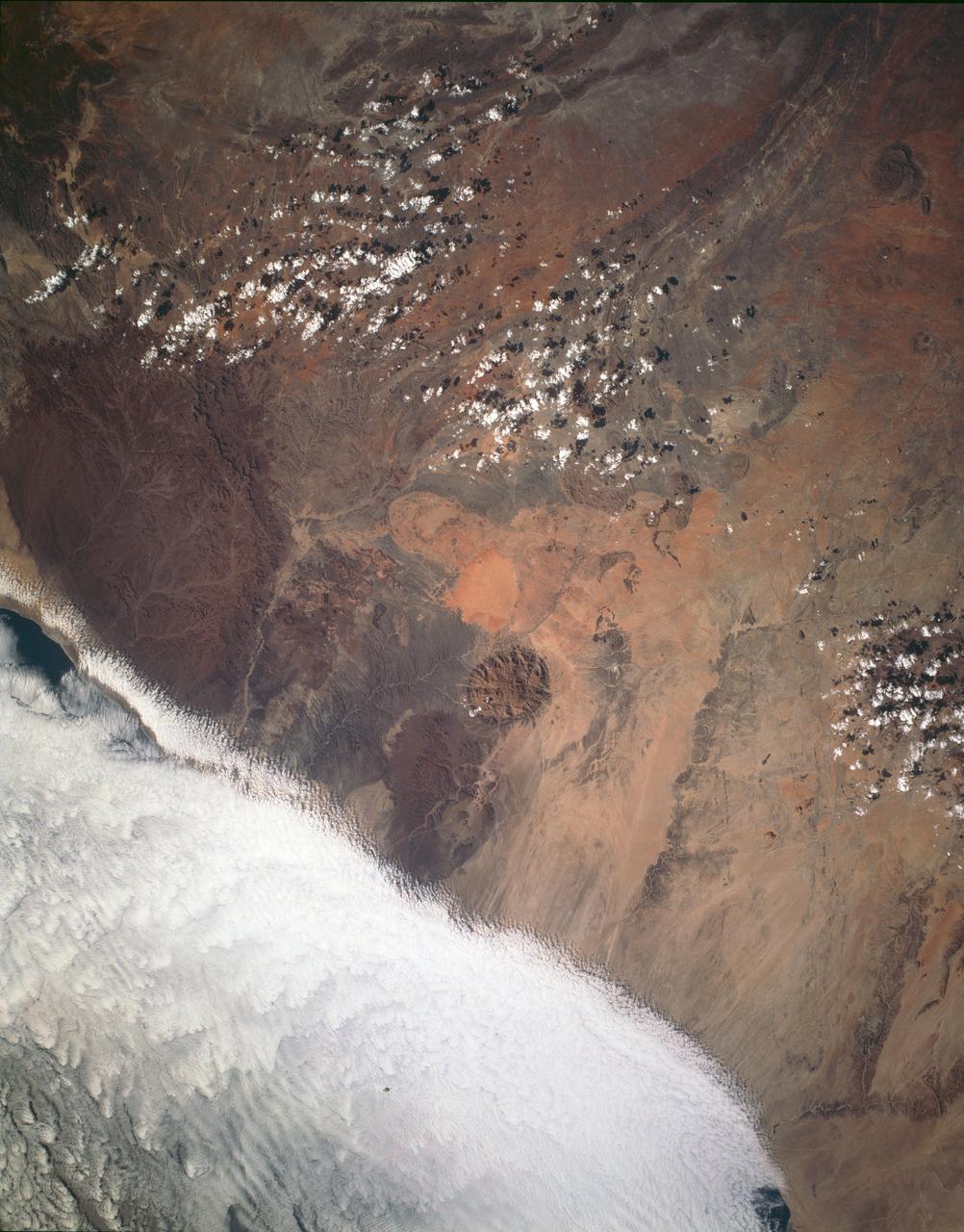
STS054-151-009 (13-19 Jan 1993) --- This large format camera's view shows the circular volcanic structure of the Brandberg mountain, which at 2630 meters (8,550 feet) is the highest point in the new nation of Namibia. The Brandberg is a major feature in the very arid Namib Desert on Africa's southwest coast. Coastal fog brings some moisture to the driest parts of the desert.
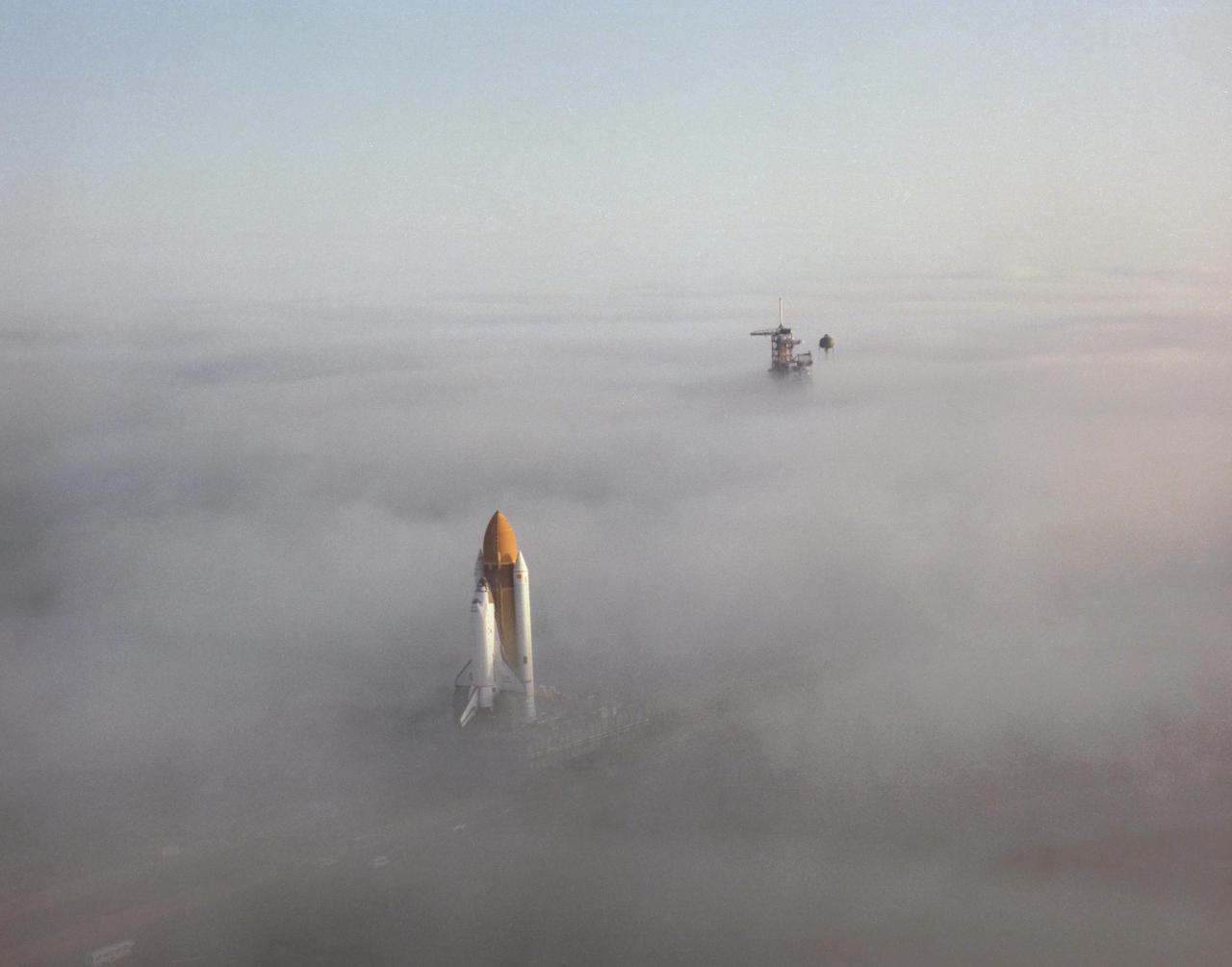
KENNEDY SPACE CENTER, FLA. - The Space Shuttle Challenger presents a surrealistic impression as it moves through the fog on its way down the 3 ½-mile crawlerway enroute to Launch Pad 39A. The fully assembled Shuttle, weighing 12,000 pounds less than its predecessor Columbia, completed the trip from the Vehicle Assembly Building in shortly over 6 hours. The sixth Shuttle flight, which will be the first for the Challenger, is scheduled for no earlier than January 24, 1983.

S84-27155 (11 Feb 1984) --- The first Space Shuttle landing in Florida was recorded just moments prior to touchdown on the long landing facility of the Kennedy Space Center. Patches of fog were sighted near the round, but they were not a factor in the landing. Along with Astronaut Vance D. Brand, crew commander at Challenger?s controls, also onboard were Astronaut Robert L. Gibson, pilot; and Bruce McCandless II, Robert L. Stewart and Ronald E. McNair, all mission specialists.

CAPE CANAVERAL, Fla. – The fog clears from the turn basin as the morning sky turns blue over NASA's Kennedy Space Center in Florida. A pelican has a front row seat for the spectacle. Kennedy is surrounded by water: the Banana River, Banana Creek, Indian River Lagoon and the Atlantic Ocean, all of which provide scenes of beauty and nature that contrast with the high technology and power of the center. Photo credit: NASA/Ben Smegelsky
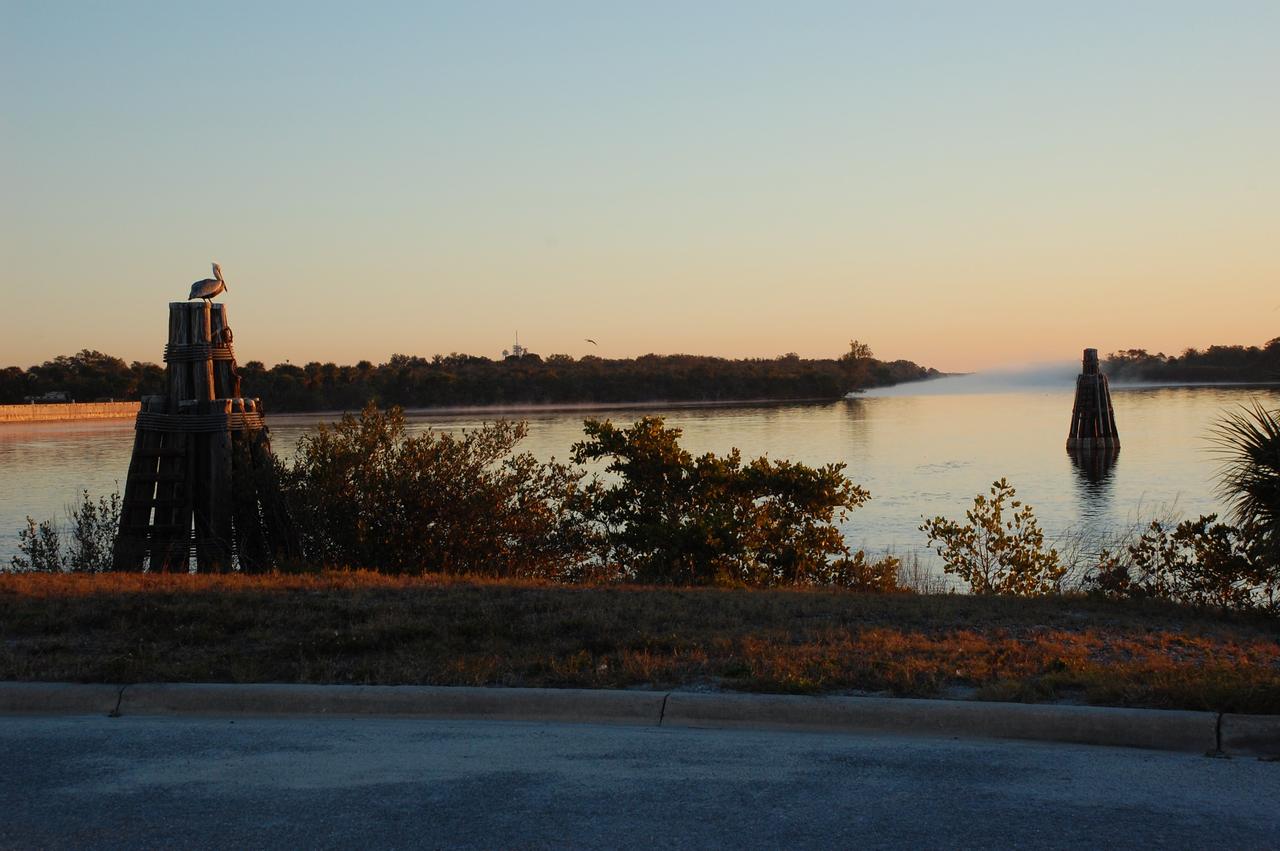
CAPE CANAVERAL, Fla. – Rising higher in the morning sky, the sun puts a glow on the fog rising from the turn basin at NASA's Kennedy Space Center in Florida. A pelican has a front row seat for the spectacle. Kennedy is surrounded by water: the Banana River, Banana Creek, Indian River Lagoon and the Atlantic Ocean, all of which provide scenes of beauty and nature that contrast with the high technology and power of the center. Photo credit: NASA/Ben Smegelsky
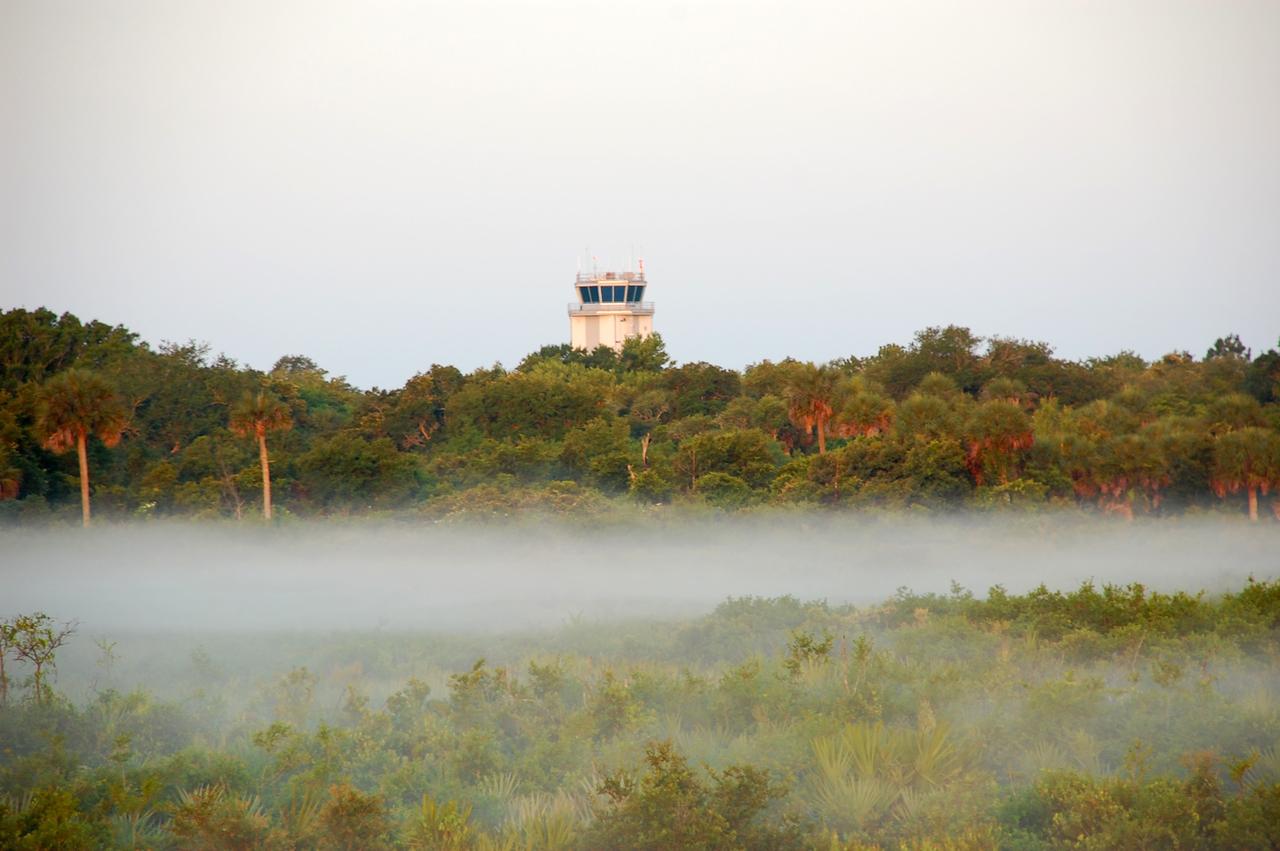
CAPE CANAVERAL, Fla. -- Fog near the traffic control tower at the Shuttle Landing Facility begins to burn off as the sun rises over NASA's Kennedy Space Center in Florida. On this particular morning, preparations are underway for a launch from Space Launch Complex-41 on Cape Canaveral Air Force Station, a part of the spaceport which neighbors Kennedy Space Center. For more information, visit http://www.nasa.gov/centers/kennedy. Photo credit: NASA/Ben Smegelsky
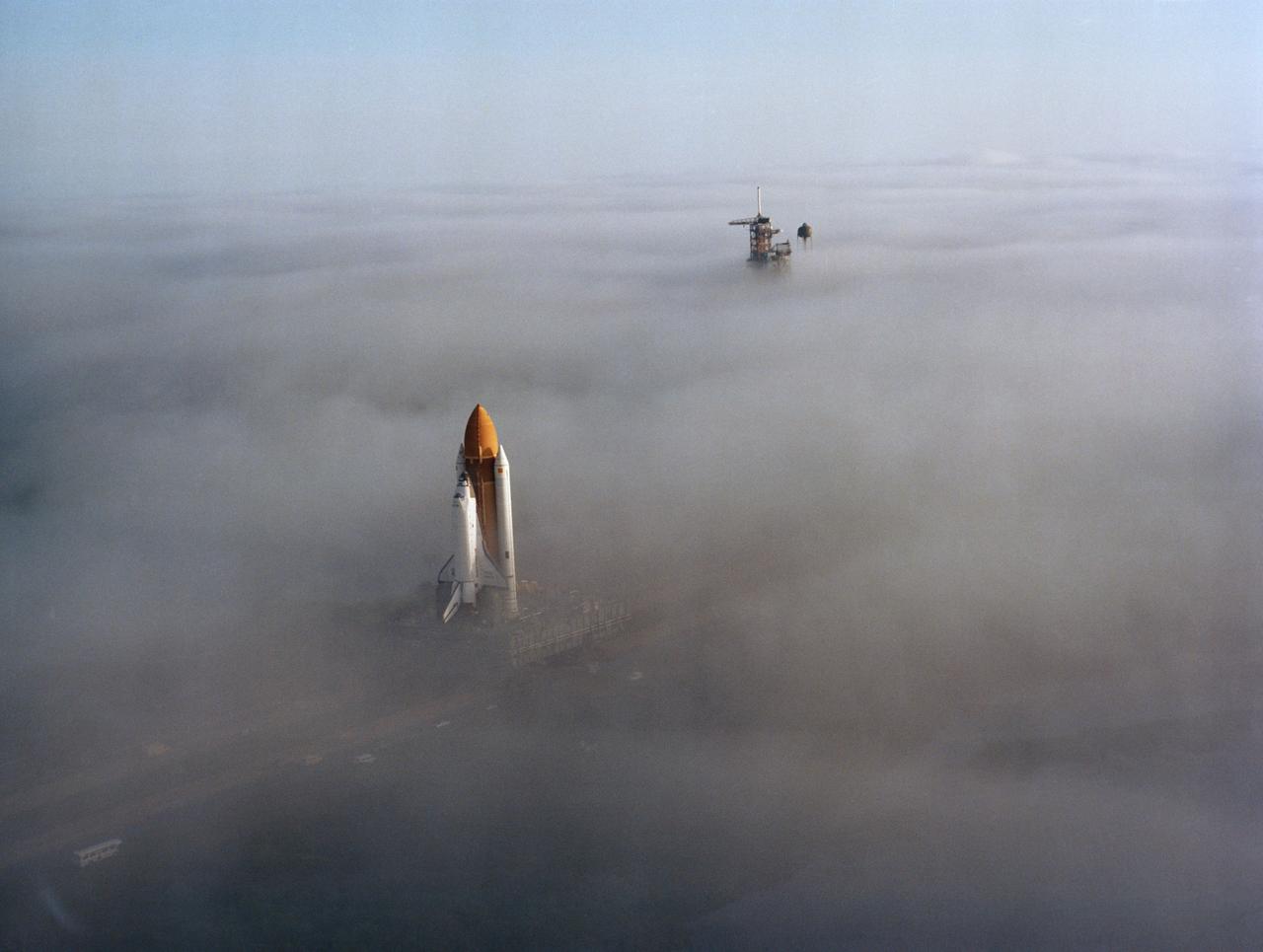
S82-41141 (30 Nov. 1982) --- The space shuttle Challenger, atop a mobile launch platform, slowly moves through the Florida fog to Launch Pad 39A in preparation for its first liftoff early next year. The fully assembled shuttle, weighting 12,000 pounds less than predecessor Columbia, completed the trip in just over six hours. Photo credit: NASA
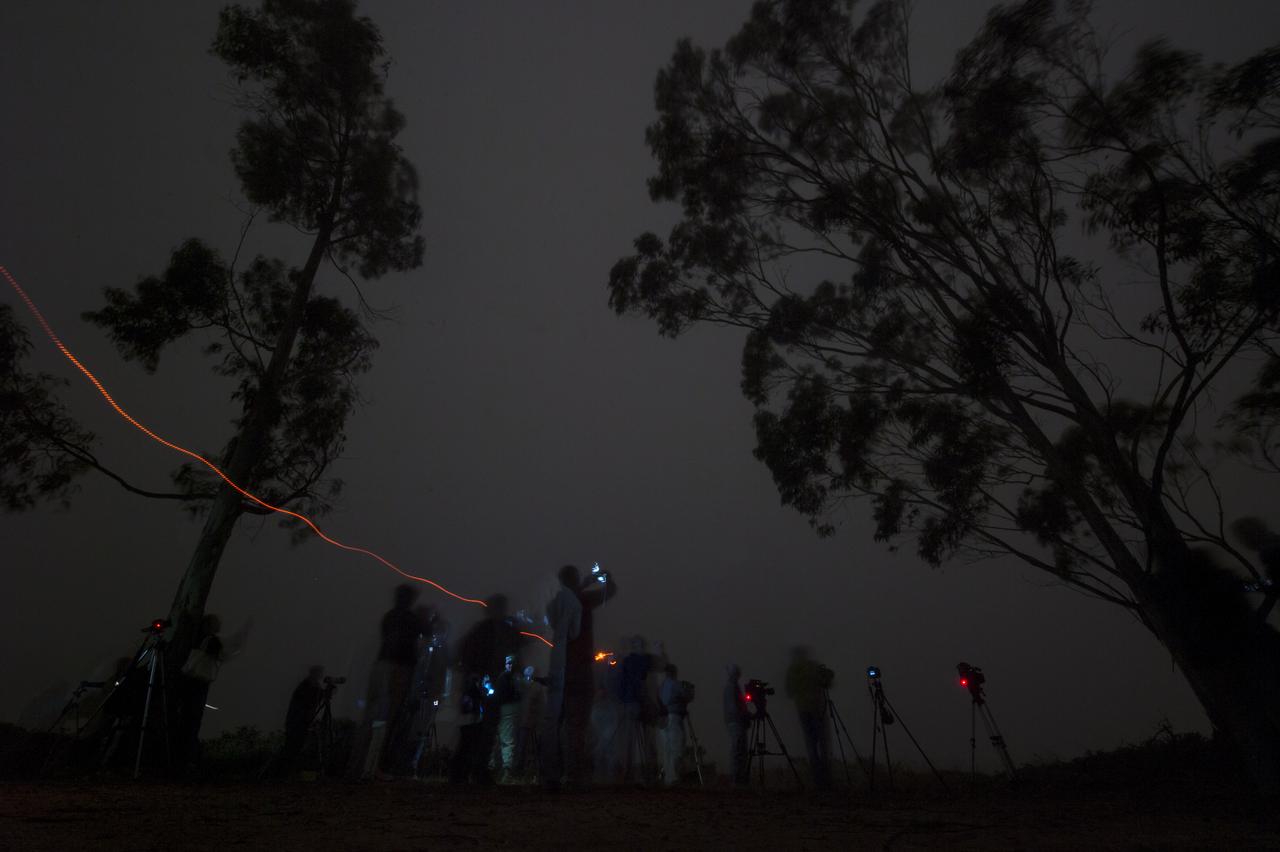
Members of the media are unable to see the launch of the United Launch Alliance Delta II rocket with the Orbiting Carbon Observatory-2 (OCO-2) satellite onboard due to heavy fog at Vandenberg Air Force Base, Calif. on Wednesday, July 2, 2014. OCO-2 launched at 2:56 a.m. PDT. OCO-2 will measure the global distribution of carbon dioxide, the leading human-produced greenhouse gas driving changes in Earth’s climate. Photo Credit: (NASA/Bill Ingalls)
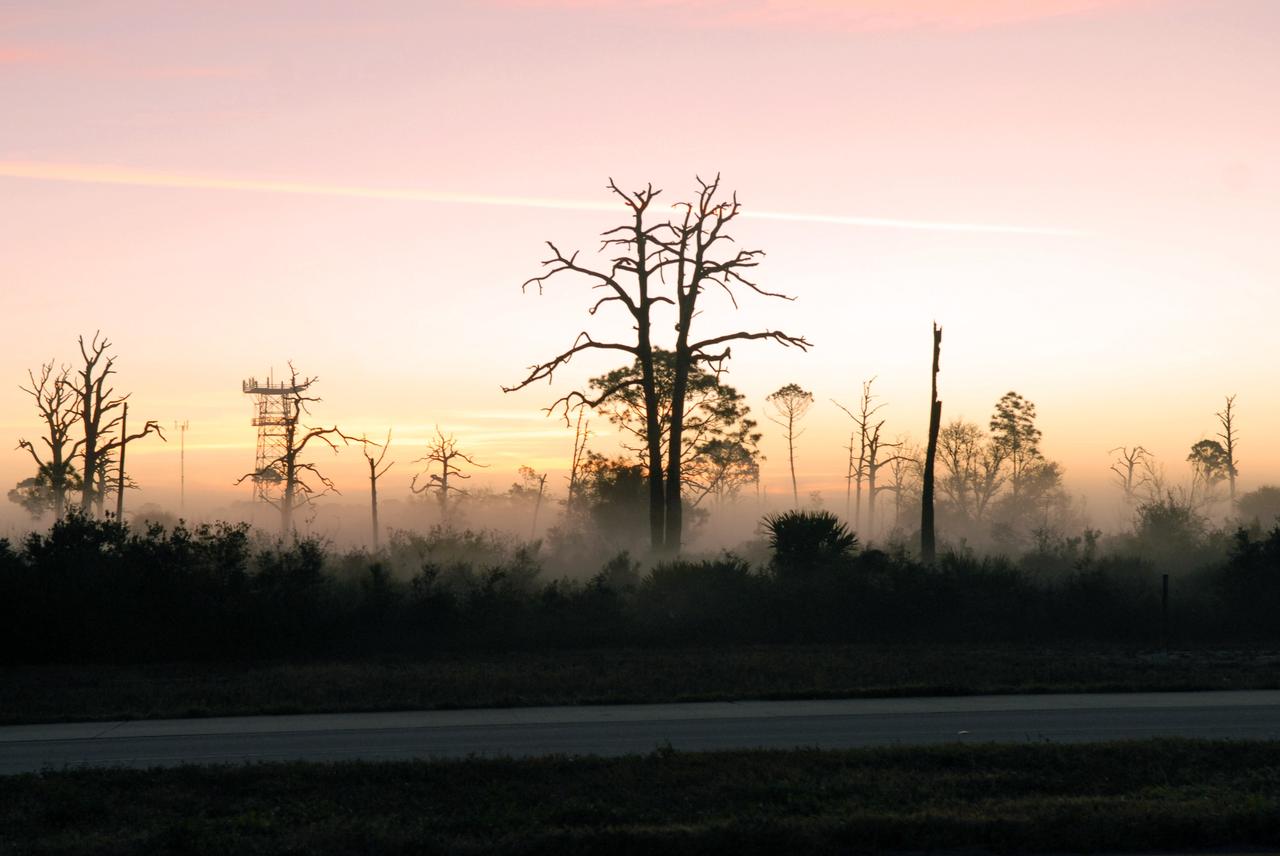
CAPE CANAVERAL, Fla. -- Fog blankets the woods near a road in the Merritt Island National Wildlife Refuge at NASA's Kennedy Space Center in Florida. The center shares a boundary with the refuge that includes salt-water estuaries, brackish marshes, hardwood hammocks and pine flatwoods. The diverse landscape provides habitat for more than 310 species of birds, 25 mammals, 117 fishes and 65 amphibians and reptiles. Photo credit: NASA/Jack Pfaller
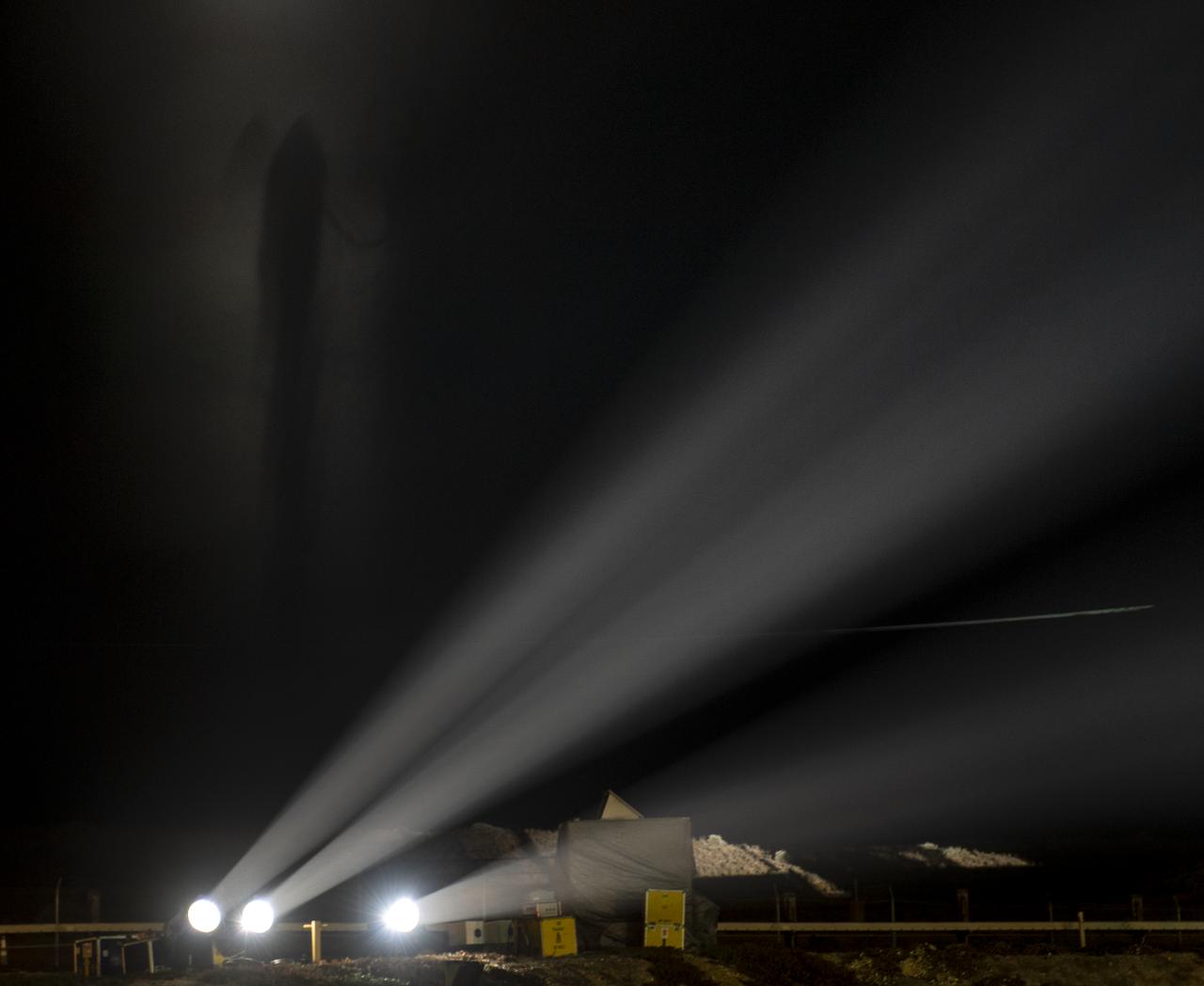
The silhouette of the United Launch Alliance (ULA) Delta II rocket, with the NASA Ice, Cloud and land Elevation Satellite-2 (ICESat-2) onboard, is seen in the fog shortly after the mobile service tower at SLC-2 was rolled back, Saturday, Sept. 15, 2018, at Vandenberg Air Force Base in California. The ICESat-2 mission will measure the changing height of Earth's ice. Photo Credit: (NASA/Bill Ingalls)
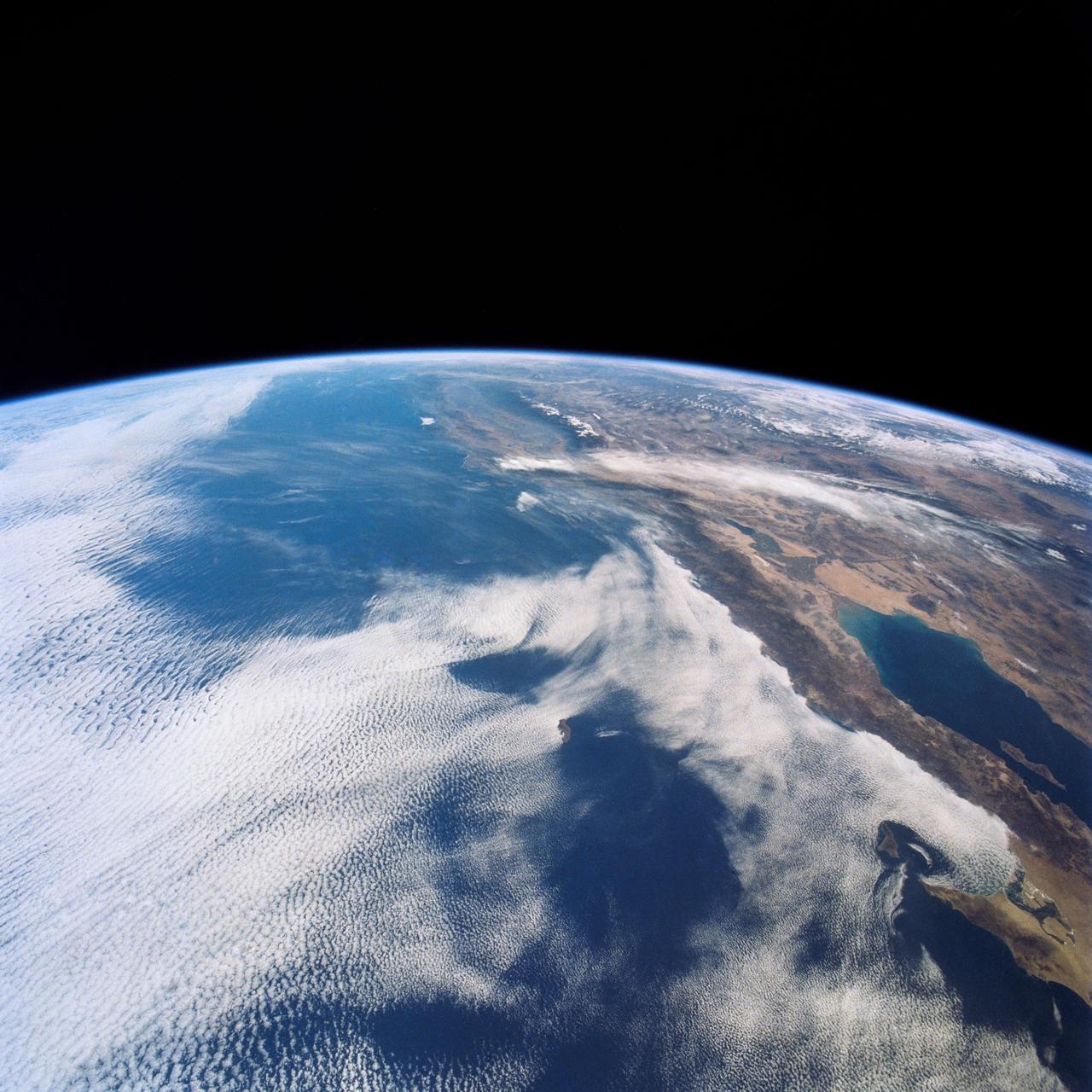
This view shows the west coast of the United States and Mexico (32.5N, 118.0W) and gives an indication of the range of view from orbital altitude. The visual range of this particular scene is from Skammon's Lagoon on Baja to the northern tip of California's Central Valley and Sierra Nevada, a range of over 15 degrees of latitude. Coastal fog drapes over southern California and northern Baja California. White Sands, New Mexico is at far right center.

CAPE CANAVERAL, Fla. – A pelican is silhouetted against the rosy dawn sky as morning fog floats over the turn basin at NASA's Kennedy Space Center in Florida. Kennedy is surrounded by water: the Banana River, Banana Creek, Indian River Lagoon and the Atlantic Ocean, all of which provide scenes of beauty and nature that contrast with the high technology and power of the center. Photo credit: NASA/Ben Smegelsky
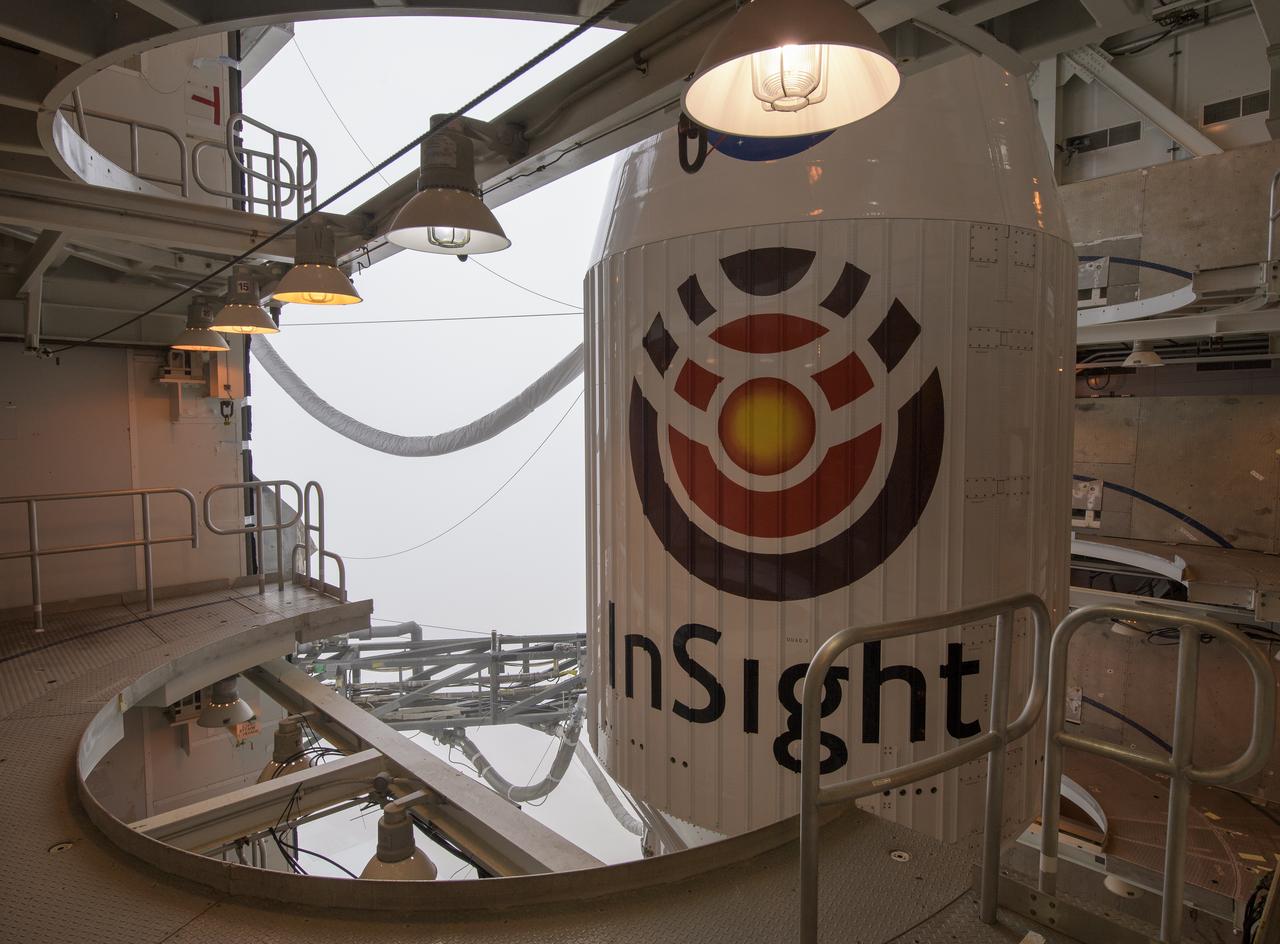
A heavy fog rolls in as the United Launch Alliance (ULA) Atlas-V rocket with NASA's InSight spacecraft onboard awaits launch, Friday, May 4, 2018, at Vandenberg Air Force Base in California. InSight, short for Interior Exploration using Seismic Investigations, Geodesy and Heat Transport, is a Mars lander designed to study the "inner space" of Mars: its crust, mantle, and core. Photo Credit: (NASA/Bill Ingalls)
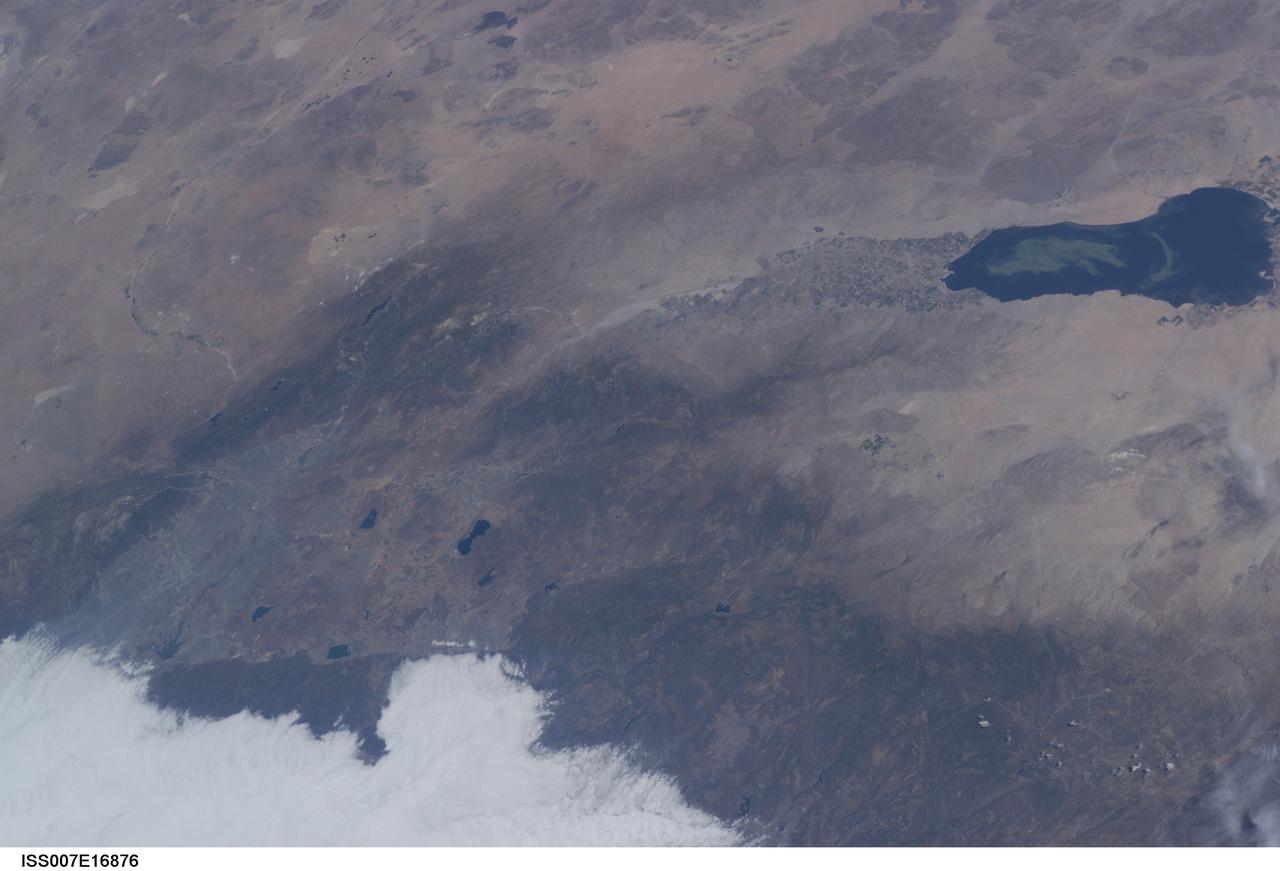
ISS007-E-16876 (9 October 2003) --- This view featuring the Salton Sea was taken by an Expedition 7 crewmember onboard the International Space Station (ISS). This wide image shows a portion of drought-stricken southern California, including the urban sprawl of San Bernardino and Riverside, the agricultural development of the Imperial Valley and the Salton Sea sporting a huge swirl, speculated to be an algal bloom. The coastal region is obscured by fog.
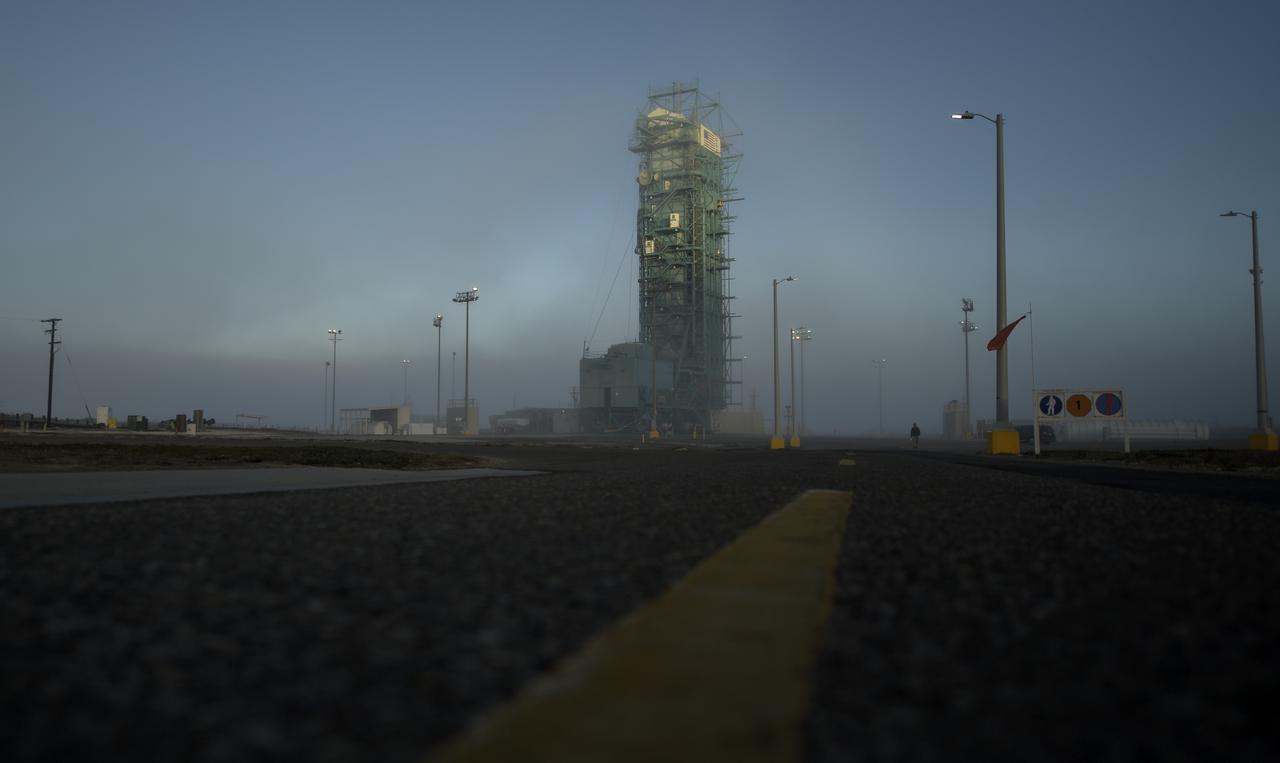
A thin fog covers the mobile service tower and the United Launch Alliance (ULA) Delta II rocket with the NASA Ice, Cloud and land Elevation Satellite-2 (ICESat-2) onboard, Thursday, Sept. 13, 2018, Vandenberg Air Force Base in California. The ICESat-2 mission will measure the changing height of Earth's ice. Photo Credit: (NASA/Bill Ingalls)
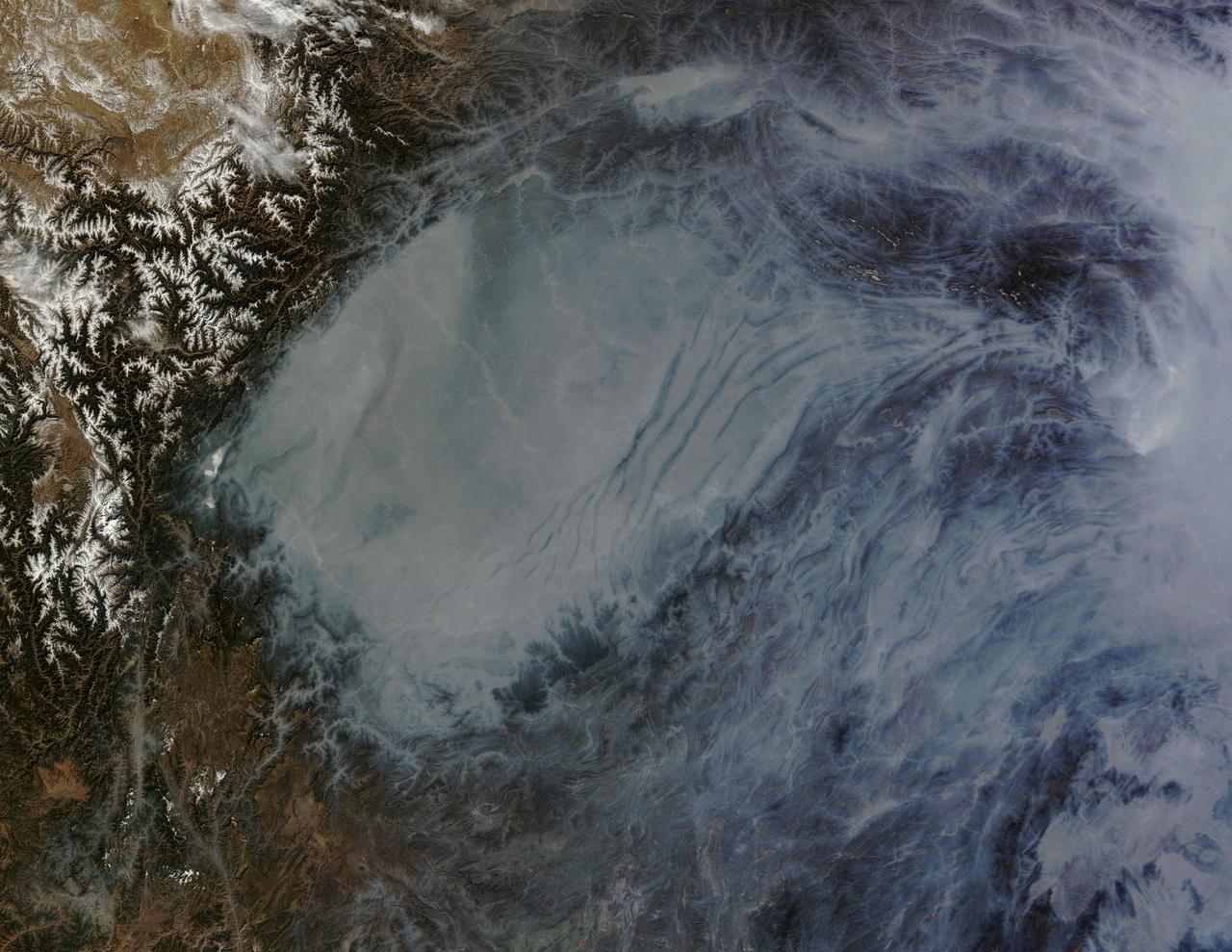
The Moderate Resolution Imaging Spectroradiometer (MODIS) on NASA’s Terra satellite acquired this natural-color image of central China on January 23, 2013 at 04:05 UTC. The image shows extensive haze over the region. In areas where the ground is visible, some of the landscape is covered with lingering snow. Credit: NASA/GSFC/Jeff Schmaltz/MODIS Land Rapid Response Team <b><a href="http://www.nasa.gov/audience/formedia/features/MP_Photo_Guidelines.html" rel="nofollow">NASA image use policy.</a></b> <b><a href="http://www.nasa.gov/centers/goddard/home/index.html" rel="nofollow">NASA Goddard Space Flight Center</a></b> enables NASA’s mission through four scientific endeavors: Earth Science, Heliophysics, Solar System Exploration, and Astrophysics. Goddard plays a leading role in NASA’s accomplishments by contributing compelling scientific knowledge to advance the Agency’s mission. <b>Follow us on <a href="http://twitter.com/NASAGoddardPix" rel="nofollow">Twitter</a></b> <b>Like us on <a href="http://www.facebook.com/pages/Greenbelt-MD/NASA-Goddard/395013845897?ref=tsd" rel="nofollow">Facebook</a></b> <b>Find us on <a href="http://instagram.com/nasagoddard?vm=grid" rel="nofollow">Instagram</a></b>
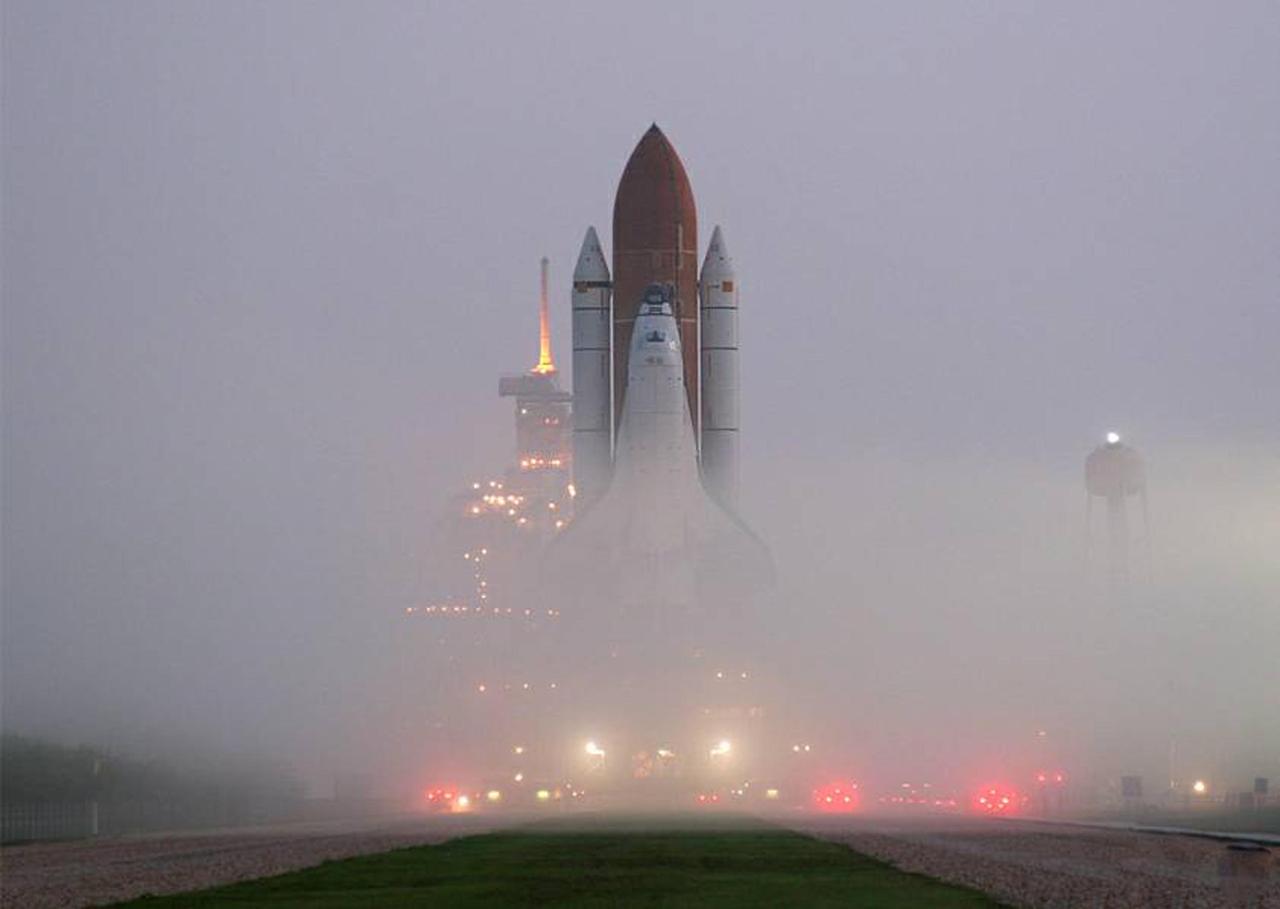
KENNEDY SPACE CENTER, FLA. - Like a fantasy movie scene, the fog on Launch Pad 39B is pierced by lights on vehicles and the service structures as Space Shuttle Atlantis approaches. Atlantis left the Vehicle Assembly Building 1:05 a.m. and arrived at the pad nearly 8 hours later. Atlantis' launch window begins Aug. 27 for an 11-day mission, STS-115, to the International Space Station. The mission crew of six astronauts will continue construction of the station and install their cargo, the Port 3/4 truss segment with its two large solar arrays. Photo credit: NASA/Rod Ostoski
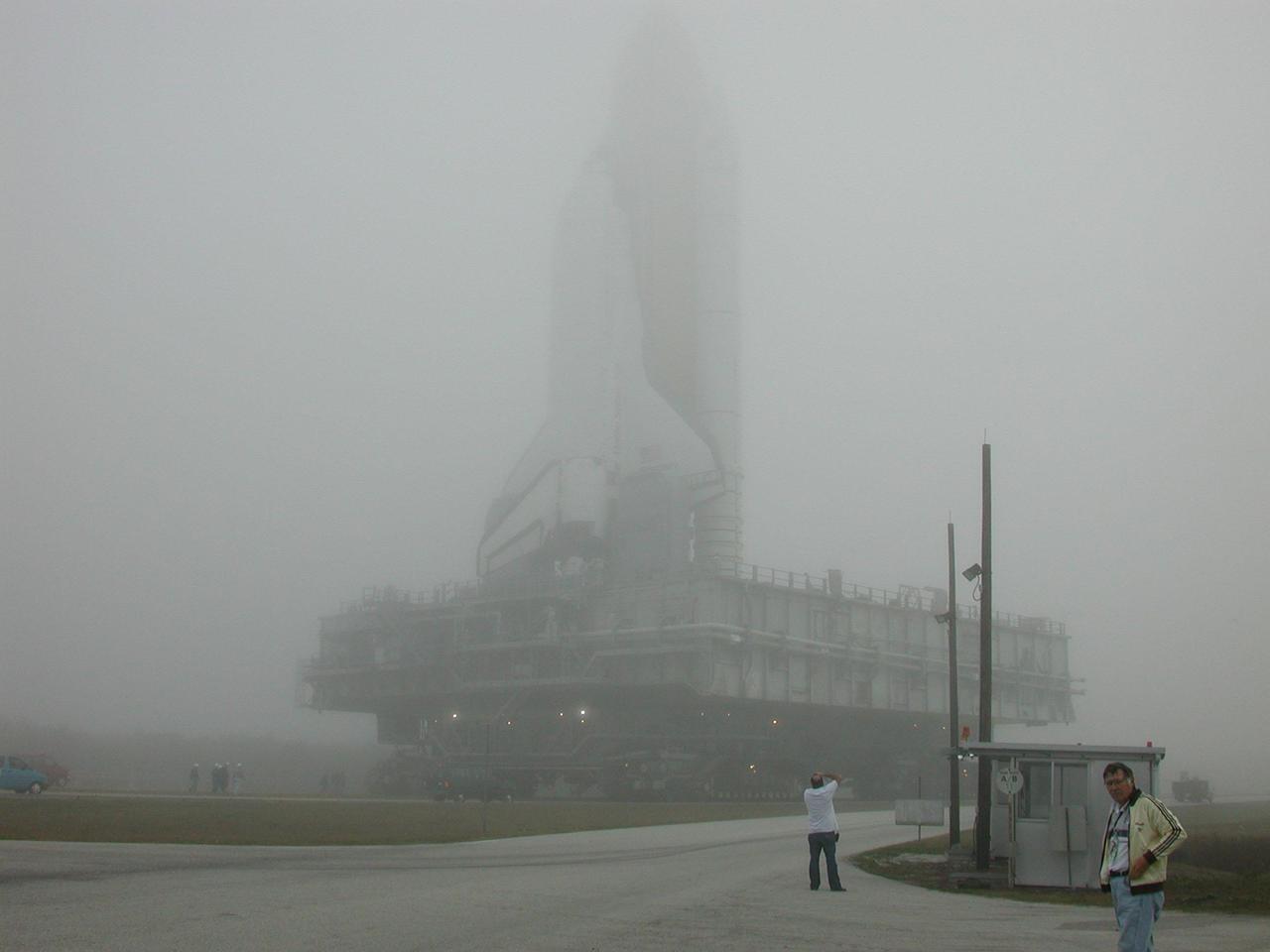
KENNEDY SPACE CENTER, Fla. -- Fog-enshrouded Space Shuttle Discovery dwarfs the workers on the ground as it crawls to Launch Pad 39B. Discovery will be flying on mission STS-102 to the International Space Station. Its payload is the Multi-Purpose Logistics Module Leonardo, a “moving van,” to carry laboratory racks filled with equipment, experiments and supplies to and from the Space Station aboard the Space Shuttle. The flight will also carry the Expedition Two crew up to the Space Station, replacing Expedition One, who will return to Earth on Discovery. Launch is scheduled for March 8 at 6:45 a.m. EST
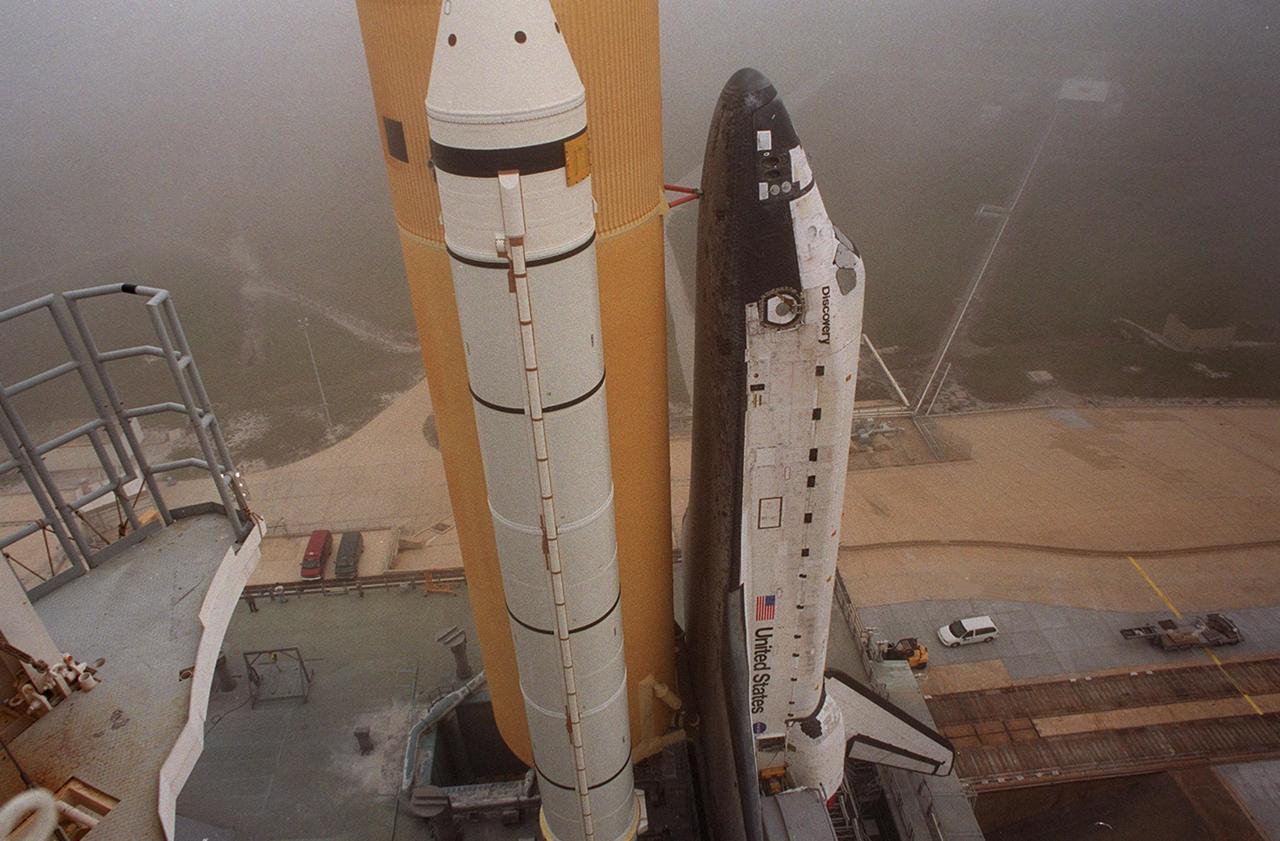
KENNEDY SPACE CENTER, Fla. -- Space Shuttle Discovery can still be seen clearly as it sits on Launch Pad 39B despite the fog that is rolling in, blurring the background. Discovery will be flying on mission STS-102 to the International Space Station. Its payload is the Multi-Purpose Logistics Module Leonardo, a “moving van,” to carry laboratory racks filled with equipment, experiments and supplies to and from the Space Station aboard the Space Shuttle. The flight will also carry the Expedition Two crew up to the Space Station, replacing Expedition One, who will return to Earth on Discovery. Launch is scheduled for March 8 at 6:45 a.m. EST
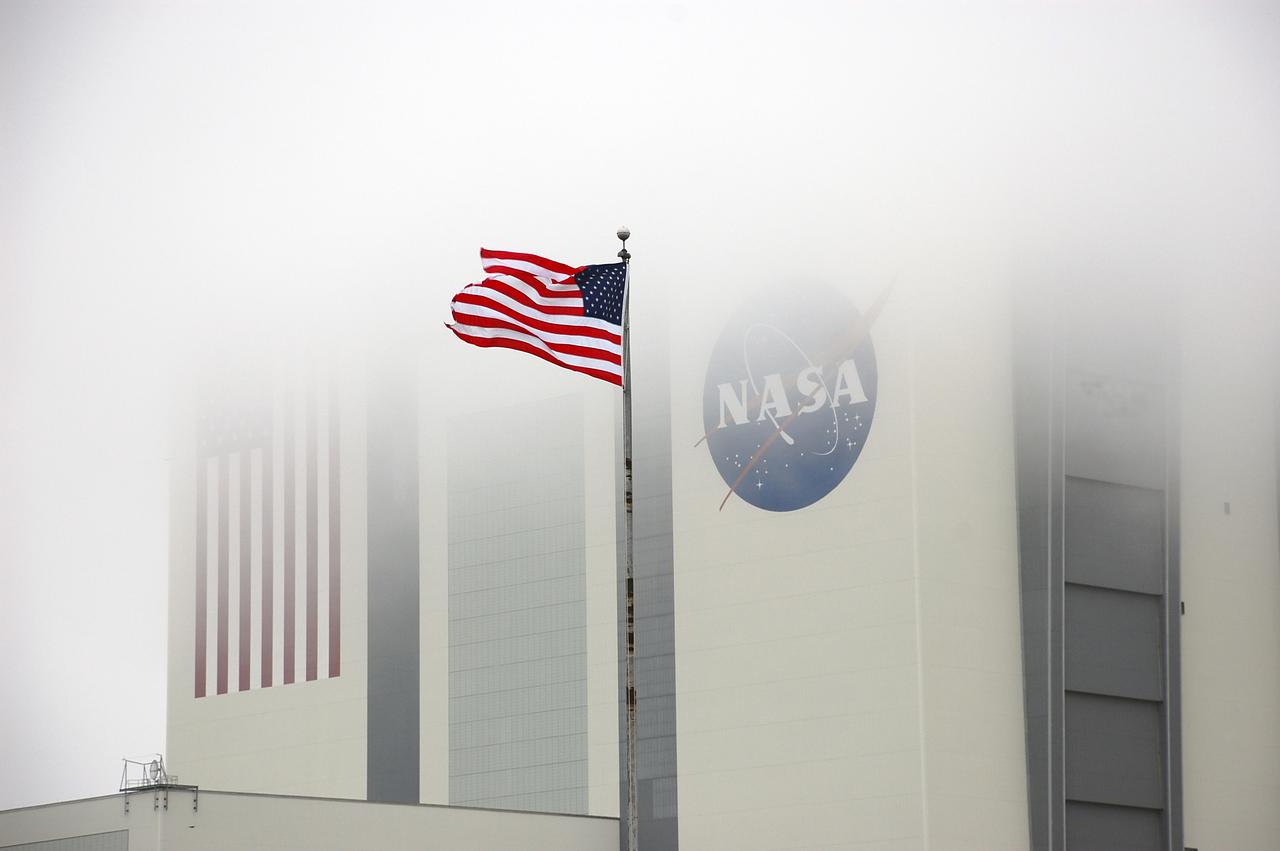
CAPE CANAVERAL, Fla. – At NASA's Kennedy Space Center in Florida, a U.S. flag flies proud near the 525-foot-tall Vehicle Assembly Building, obscured in the fog. The massive building, once used to process Apollo Saturn V rockets and space shuttles for launch, is undergoing a transformation to prepare it to support NASA's next-generation rocket, the Space Launch System, or SLS, as well as myriad commercial rockets under development. To learn more about the SLS, visit http:__www.nasa.gov_exploration_systems_sls_. For more on NASA's Commercial Crew Program, visit http:__www.nasa.gov_exploration_commercial_crew_. Photo credit: NASA_Ben Smegelsky
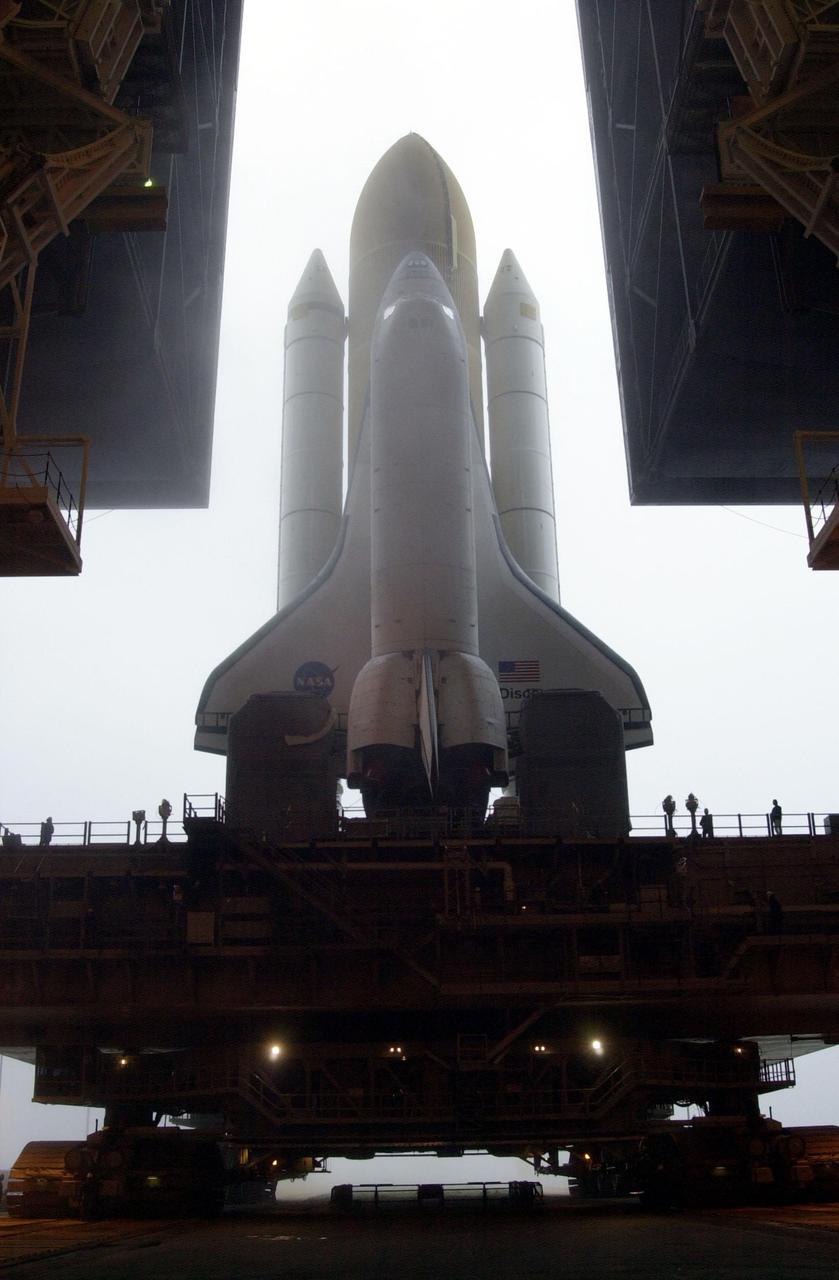
KENNEDY SPACE CENTER, Fla. -- Against a fog-filled sky, Space Shuttle Discovery starts rolling out of the Vehicle Assembly Building to Launch Pad 39B. Discovery will fly on mission STS-102 to the International Space Station. Its payload is the Multi-Purpose Logistics Module Leonardo, a “moving vans,” to carry laboratory racks filled with equipment, experiments and supplies to and from the Space Station aboard the Space Shuttle. The flight will also carry the Expedition Two crew up to the Space Station, replacing Expedition One, who will return to Earth on Discovery. Launch is scheduled for March 8 at 6:45 a.m. EST
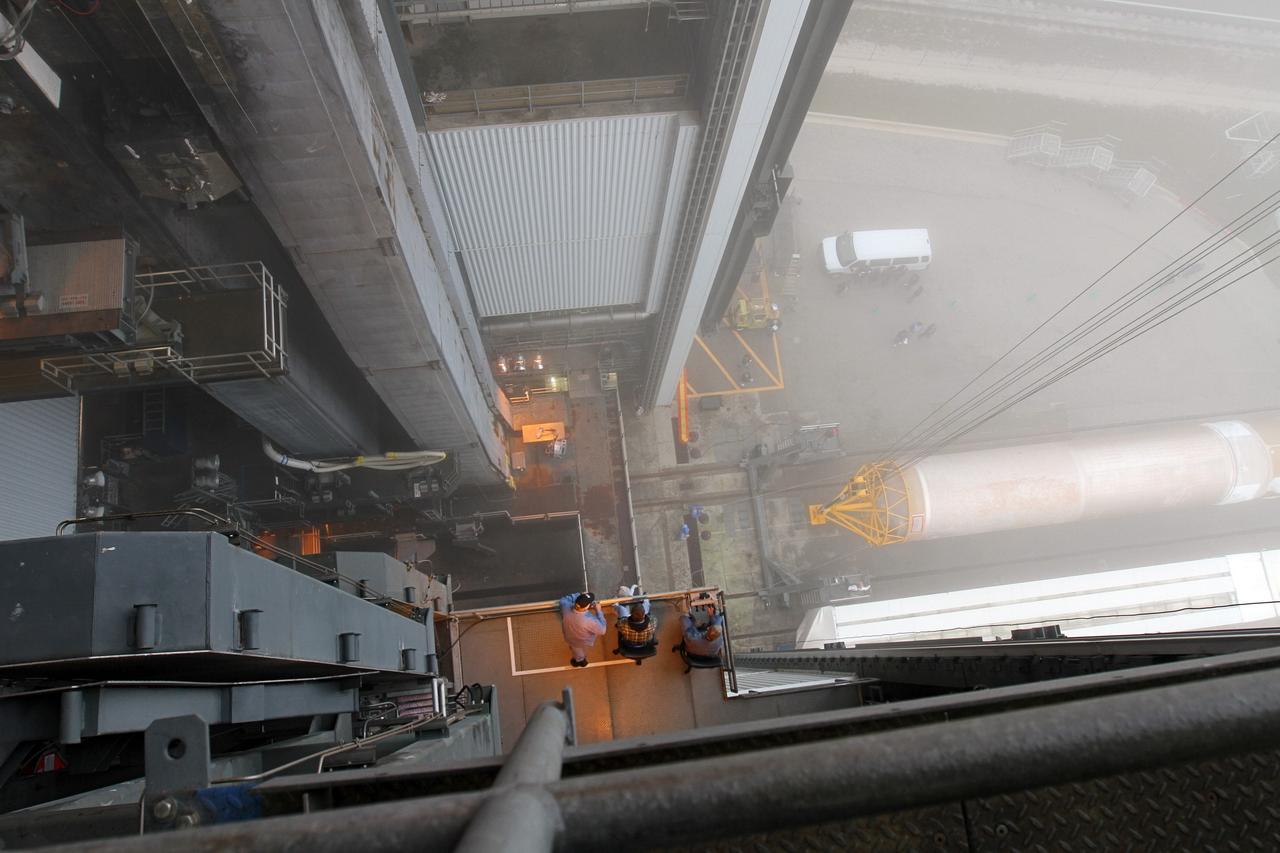
CAPE CANAVERAL, Fla. -- In the morning fog at Cape Canaveral Air Force Station's Space Launch Complex 41 in Florida, operations are underway to erect the first stage of the Atlas V rocket that will carry the Tracking and Data Relay Satellite, TDRS-K, into orbit. Launch of the TDRS-K on the Atlas V rocket is planned for January 29, 2013. The TDRS-K spacecraft is part of the next-generation series in the Tracking and Data Relay Satellite System, a constellation of space-based communication satellites providing tracking, telemetry, command and high-bandwidth data return services. For more information, visit http://www.nasa.gov/mission_pages/tdrs/index.html Photo credit: NASA/ Ben Smegelsky
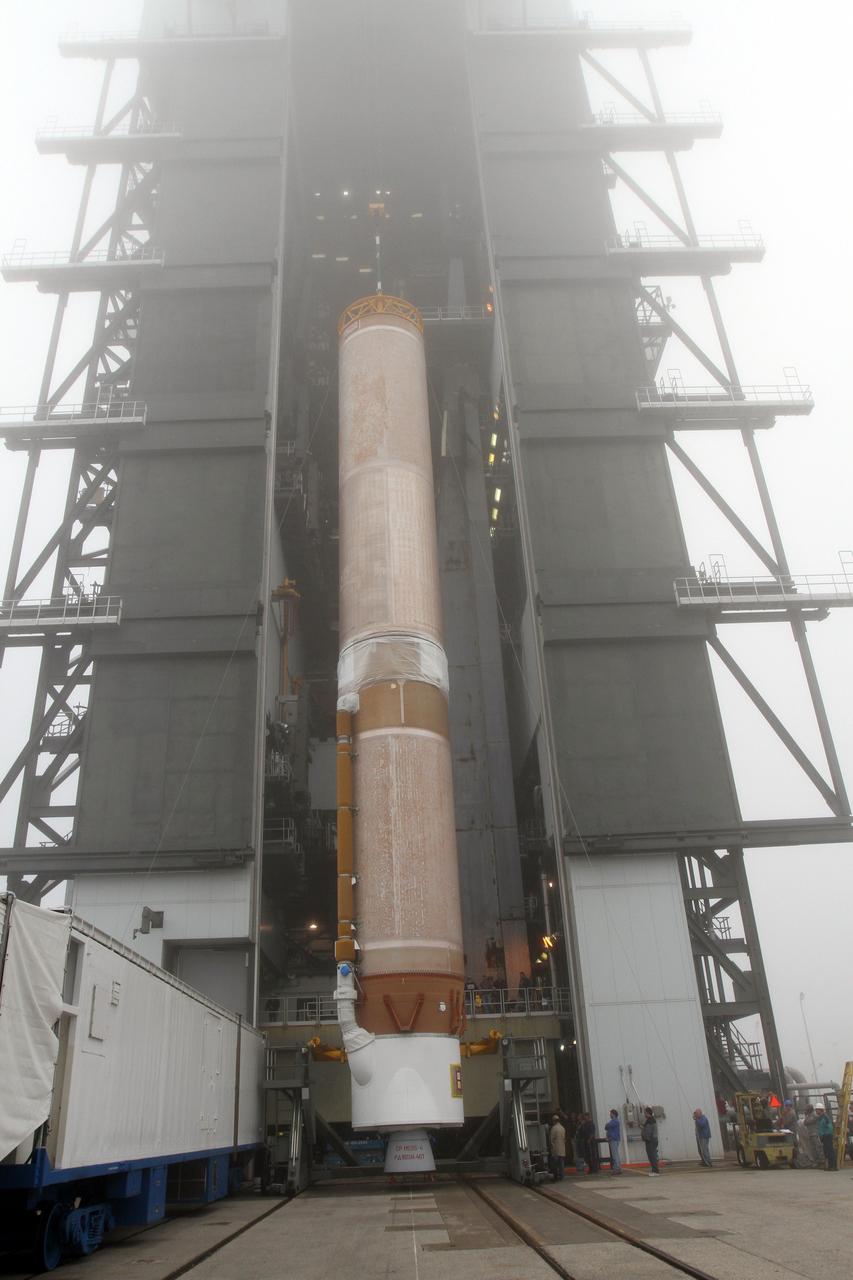
CAPE CANAVERAL, Fla. -- In the morning fog at Cape Canaveral Air Force Station's Space Launch Complex 41 in Florida, operations are underway to erect the first stage of the Atlas V rocket that will carry the Tracking and Data Relay Satellite, TDRS-K, into orbit. Launch of the TDRS-K on the Atlas V rocket is planned for January 29, 2013. The TDRS-K spacecraft is part of the next-generation series in the Tracking and Data Relay Satellite System, a constellation of space-based communication satellites providing tracking, telemetry, command and high-bandwidth data return services. For more information, visit http://www.nasa.gov/mission_pages/tdrs/index.html Photo credit: NASA/ Ben Smegelsky
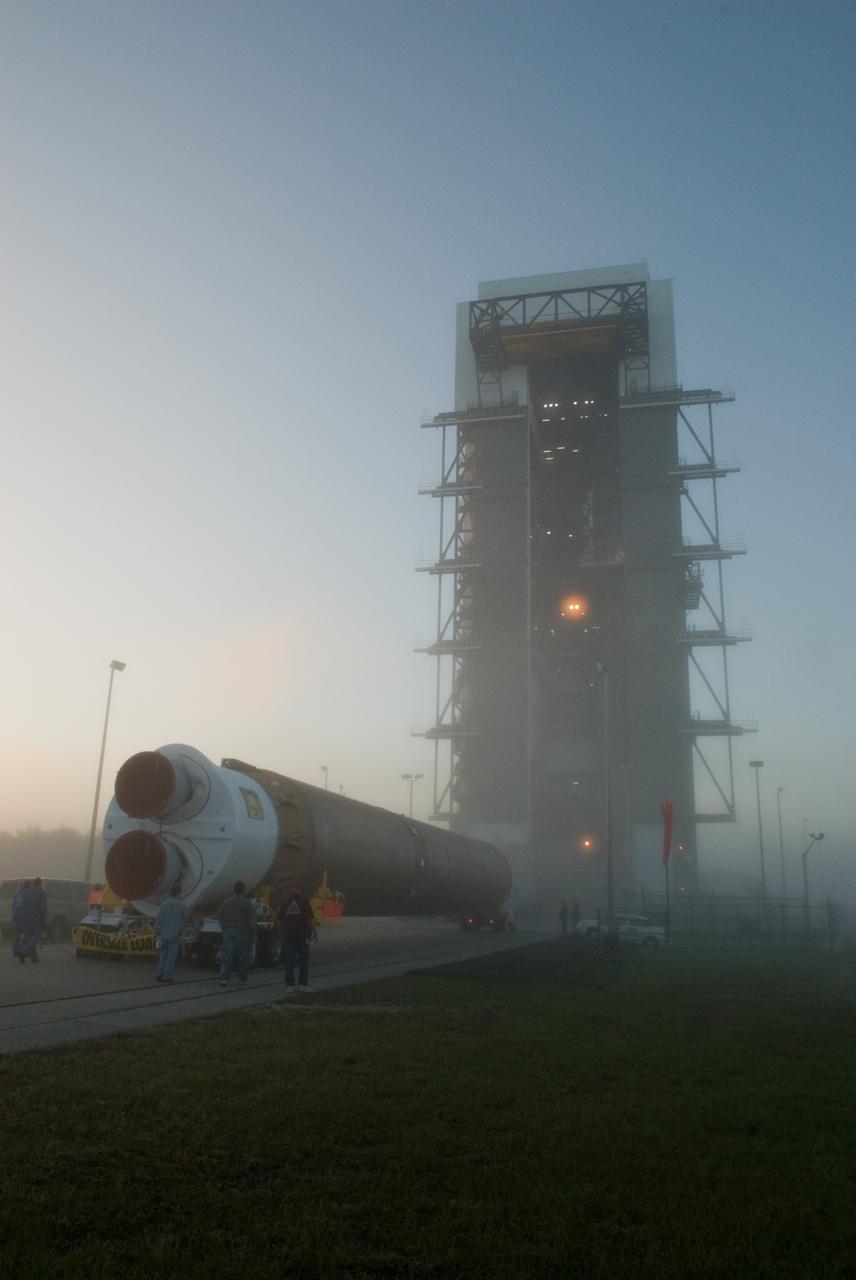
CAPE CANAVERAL, Fla. – Fog engulfs Launch Complex 41 on Cape Canaveral Air Force Station in Florida as the Atlas V rocket scheduled to launch NASA's Solar Dynamics Observatory, or SDO, arrives at the pad. SDO is the first space weather research network mission in NASA's Living With a Star Program. The spacecraft's long-term measurements will give solar scientists in-depth information about changes in the sun's magnetic field and insight into how they affect Earth. Liftoff on the United Launch Alliance Atlas V is scheduled for Feb. 3, 2010. For information on SDO, visit http://www.nasa.gov/sdo. Photo credit: NASA/Glenn Benson
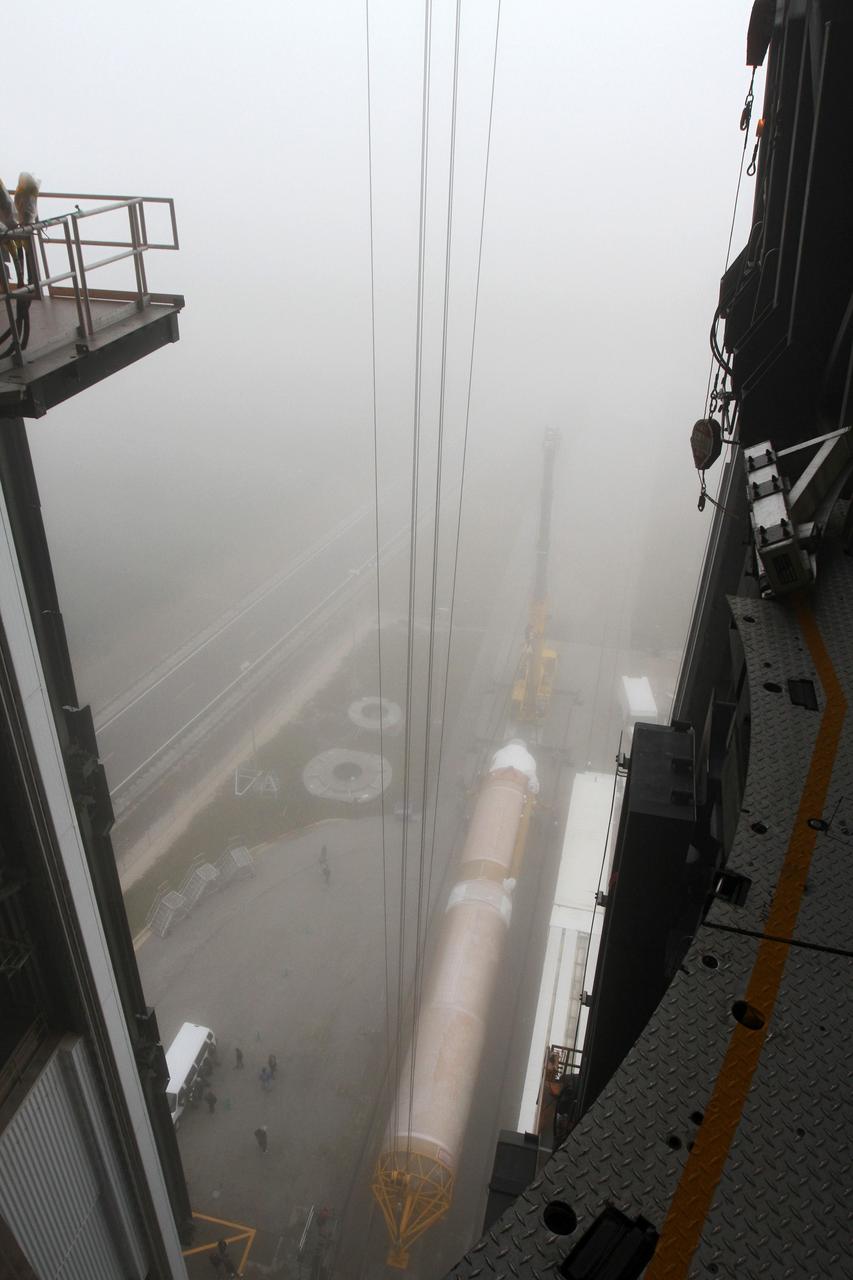
CAPE CANAVERAL, Fla. -- In the morning fog at Cape Canaveral Air Force Station's Space Launch Complex 41 in Florida, operations are underway to erect the first stage of the Atlas V rocket that will carry the Tracking and Data Relay Satellite, TDRS-K, into orbit. Launch of the TDRS-K on the Atlas V rocket is planned for January 29, 2013. The TDRS-K spacecraft is part of the next-generation series in the Tracking and Data Relay Satellite System, a constellation of space-based communication satellites providing tracking, telemetry, command and high-bandwidth data return services. For more information, visit http://www.nasa.gov/mission_pages/tdrs/index.html Photo credit: NASA/ Ben Smegelsky
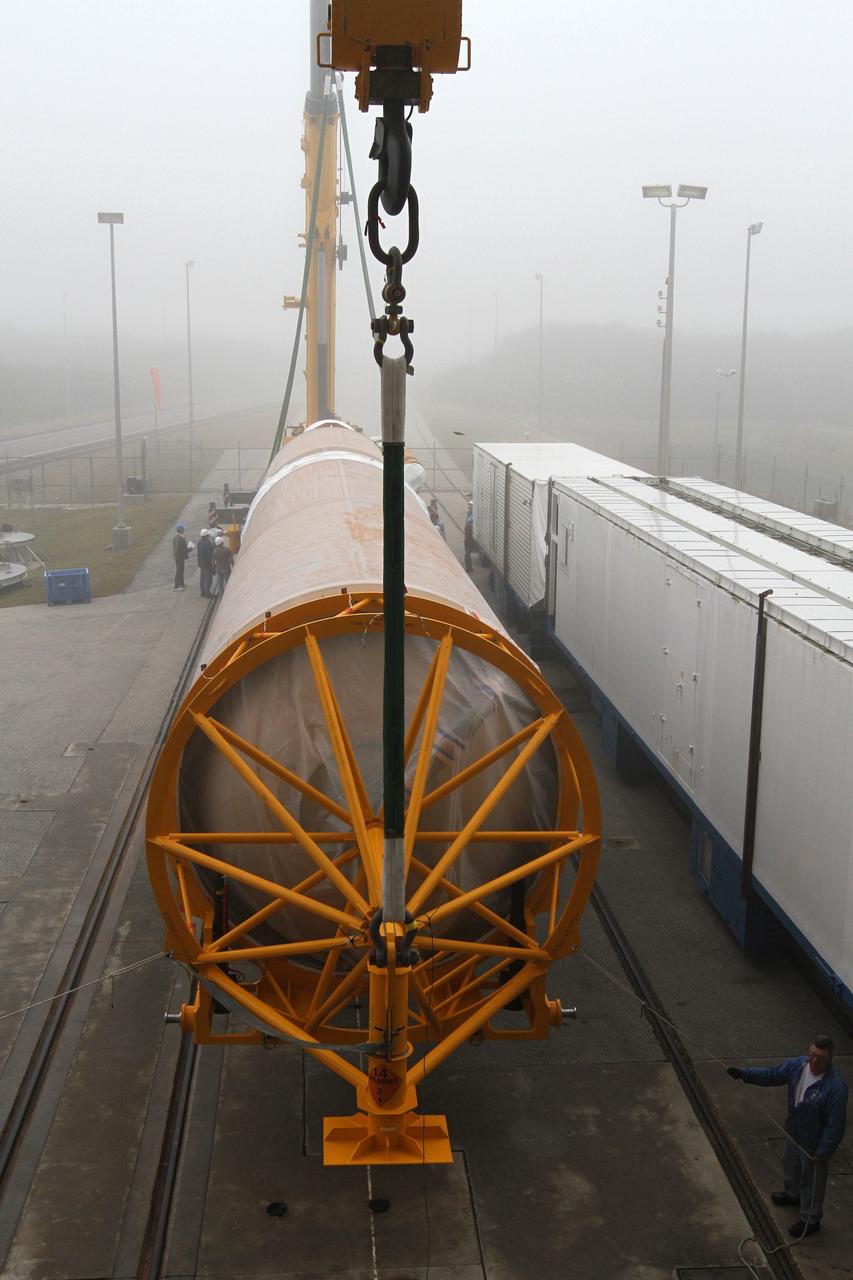
CAPE CANAVERAL, Fla. -- In the morning fog at Cape Canaveral Air Force Station's Space Launch Complex 41 in Florida, preparations are underway to erect the first stage of the Atlas V rocket that will carry the Tracking and Data Relay Satellite, TDRS-K, into orbit. Launch of the TDRS-K on the Atlas V rocket is planned for January 29, 2013. The TDRS-K spacecraft is part of the next-generation series in the Tracking and Data Relay Satellite System, a constellation of space-based communication satellites providing tracking, telemetry, command and high-bandwidth data return services. For more information, visit http://www.nasa.gov/mission_pages/tdrs/index.html Photo credit: NASA/ Ben Smegelsky
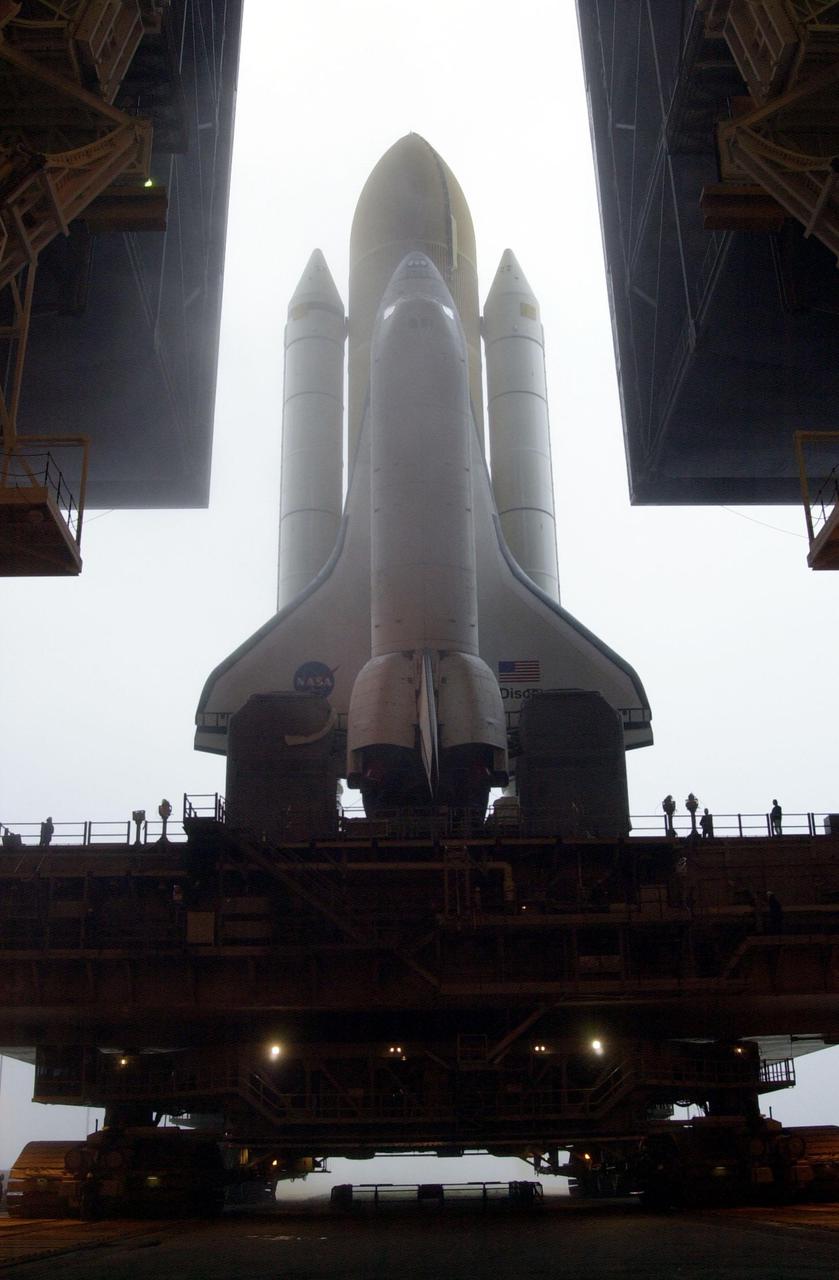
KENNEDY SPACE CENTER, Fla. -- Against a fog-filled sky, Space Shuttle Discovery starts rolling out of the Vehicle Assembly Building to Launch Pad 39B. Discovery will fly on mission STS-102 to the International Space Station. Its payload is the Multi-Purpose Logistics Module Leonardo, a “moving vans,” to carry laboratory racks filled with equipment, experiments and supplies to and from the Space Station aboard the Space Shuttle. The flight will also carry the Expedition Two crew up to the Space Station, replacing Expedition One, who will return to Earth on Discovery. Launch is scheduled for March 8 at 6:45 a.m. EST
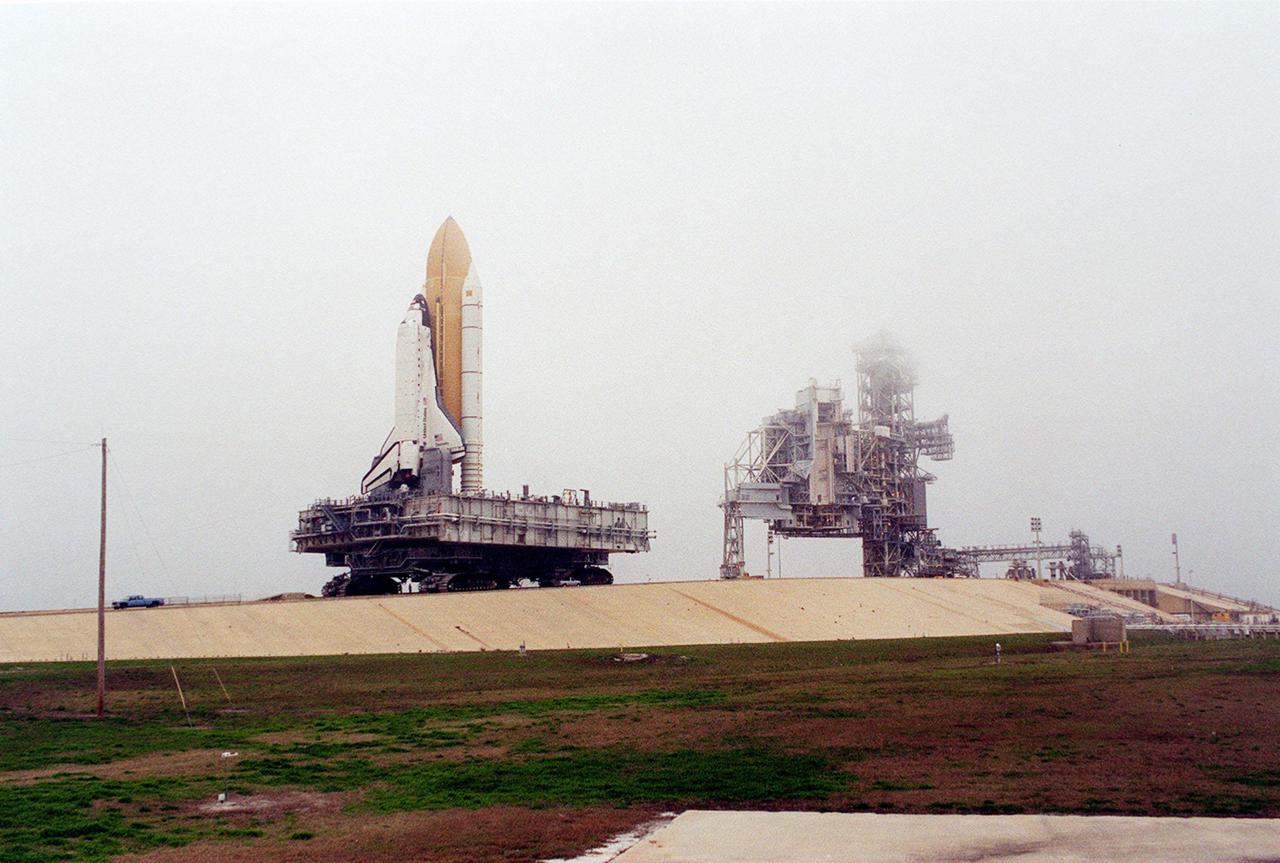
KENNEDY SPACE CENTER, Fla. -- Space Shuttle Discovery, on its Mobile Launcher Platform, approaches the top of Launch Pad 39B. Fog is rolling in above the Fixed Service Structure, where the Shuttle will stand for launch. Discovery will be flying on mission STS-102 to the International Space Station. Its payload is the Multi-Purpose Logistics Module Leonardo, a “moving van,” to carry laboratory racks filled with equipment, experiments and supplies to and from the Space Station aboard the Space Shuttle. The flight will also carry the Expedition Two crew up to the Space Station, replacing Expedition One, who will return to Earth on Discovery. Launch is scheduled for March 8 at 6:45 a.m. EST
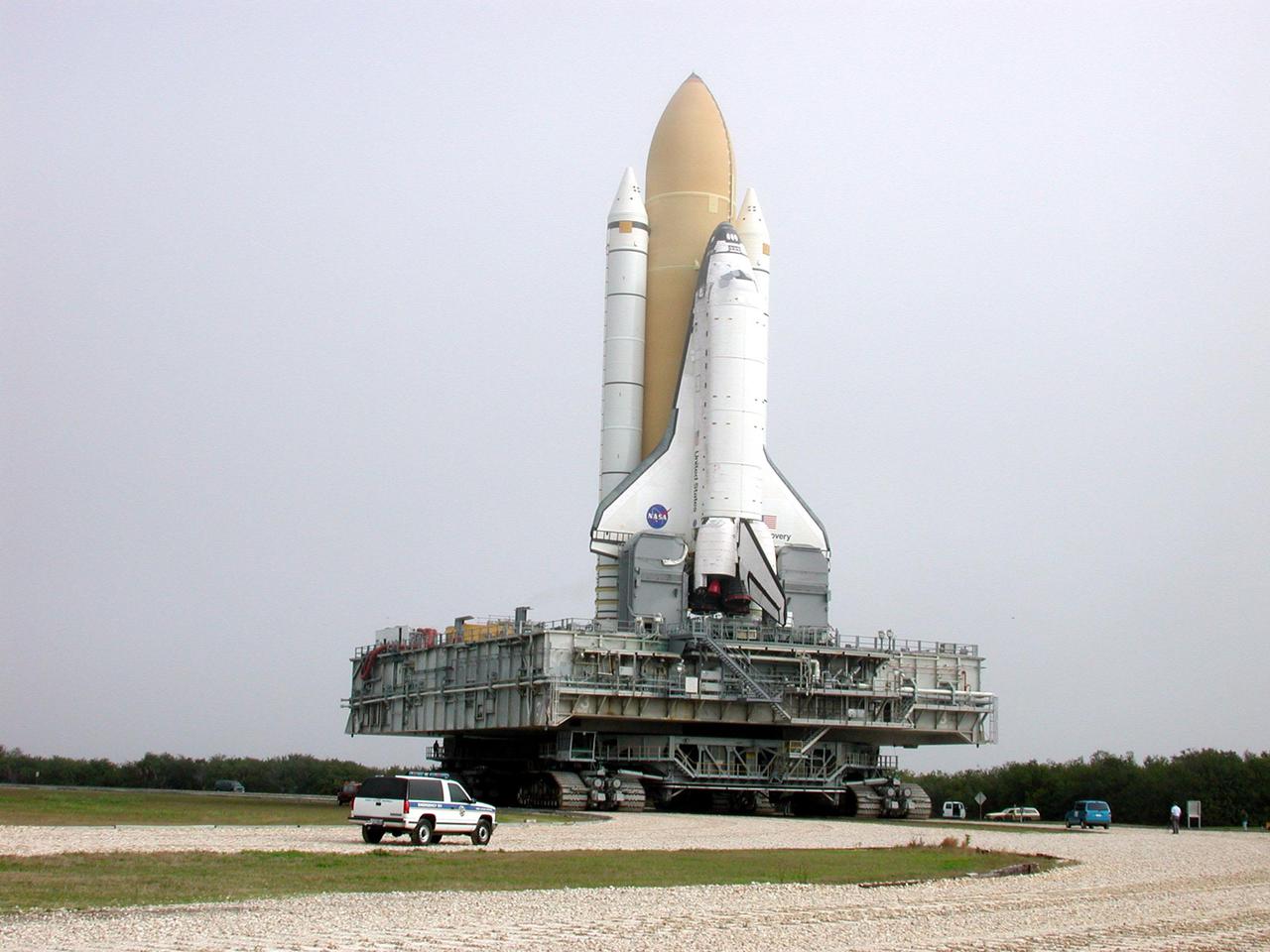
KENNEDY SPACE CENTER, Fla. -- Fog-enshrouded Space Shuttle Discovery dwarfs the workers on the ground as it crawls to Launch Pad 39B. Discovery will be flying on mission STS-102 to the International Space Station. Its payload is the Multi-Purpose Logistics Module Leonardo, a “moving van,” to carry laboratory racks filled with equipment, experiments and supplies to and from the Space Station aboard the Space Shuttle. The flight will also carry the Expedition Two crew up to the Space Station, replacing Expedition One, who will return to Earth on Discovery. Launch is scheduled for March 8 at 6:45 a.m. EST
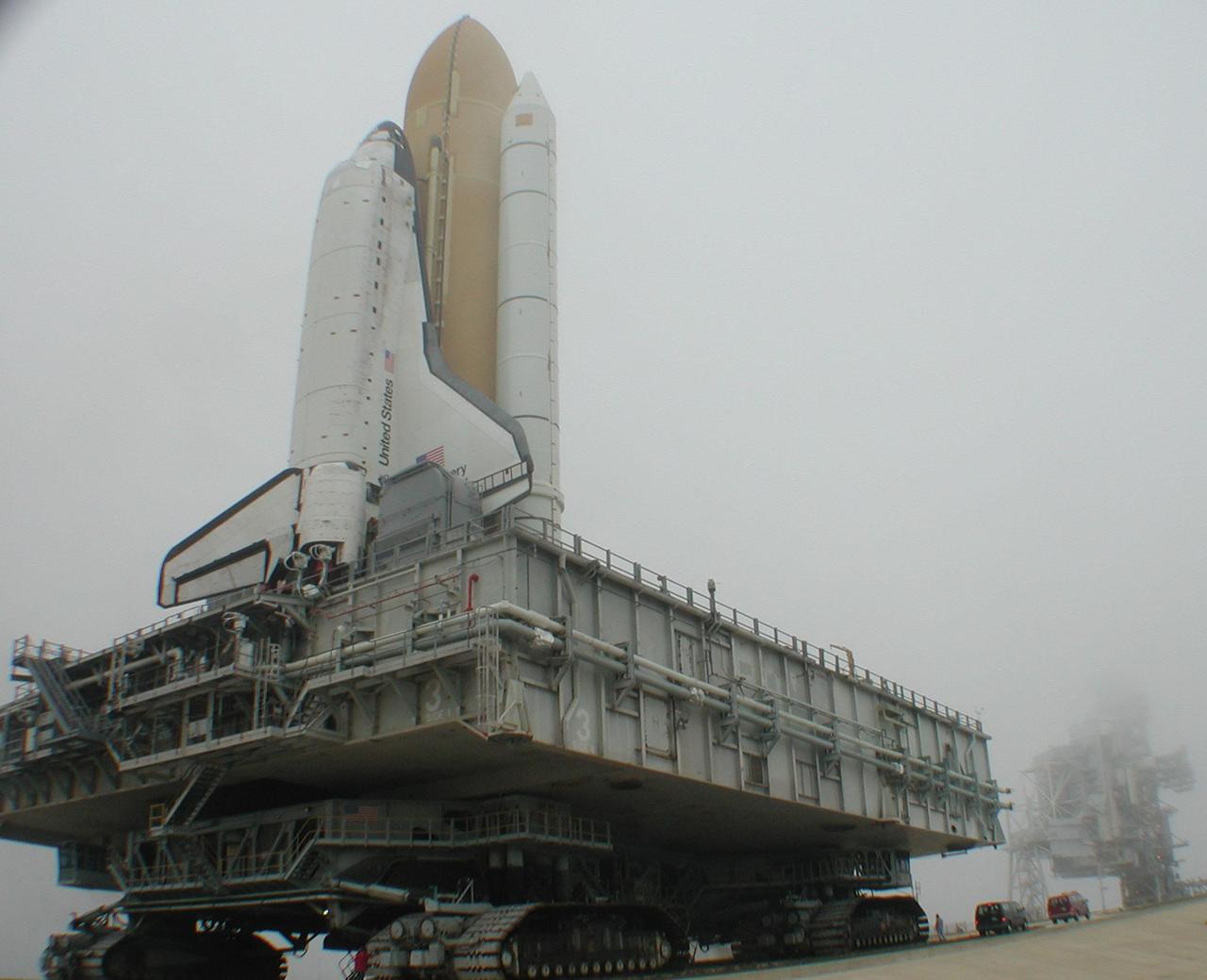
KENNEDY SPACE CENTER, Fla. -- Space Shuttle Discovery, on its Mobile Launcher Platform, inches up the ramp to Launch Pad 39B. Fog has rolled in over the pad, blurring the lines of the Fixed Service Structure (background right). Discovery will be flying on mission STS-102 to the International Space Station. Its payload is the Multi-Purpose Logistics Module Leonardo, a “moving van,” to carry laboratory racks filled with equipment, experiments and supplies to and from the Space Station aboard the Space Shuttle. The flight will also carry the Expedition Two crew up to the Space Station, replacing Expedition One, who will return to Earth on Discovery. Launch is scheduled for March 8 at 6:45 a.m. EST
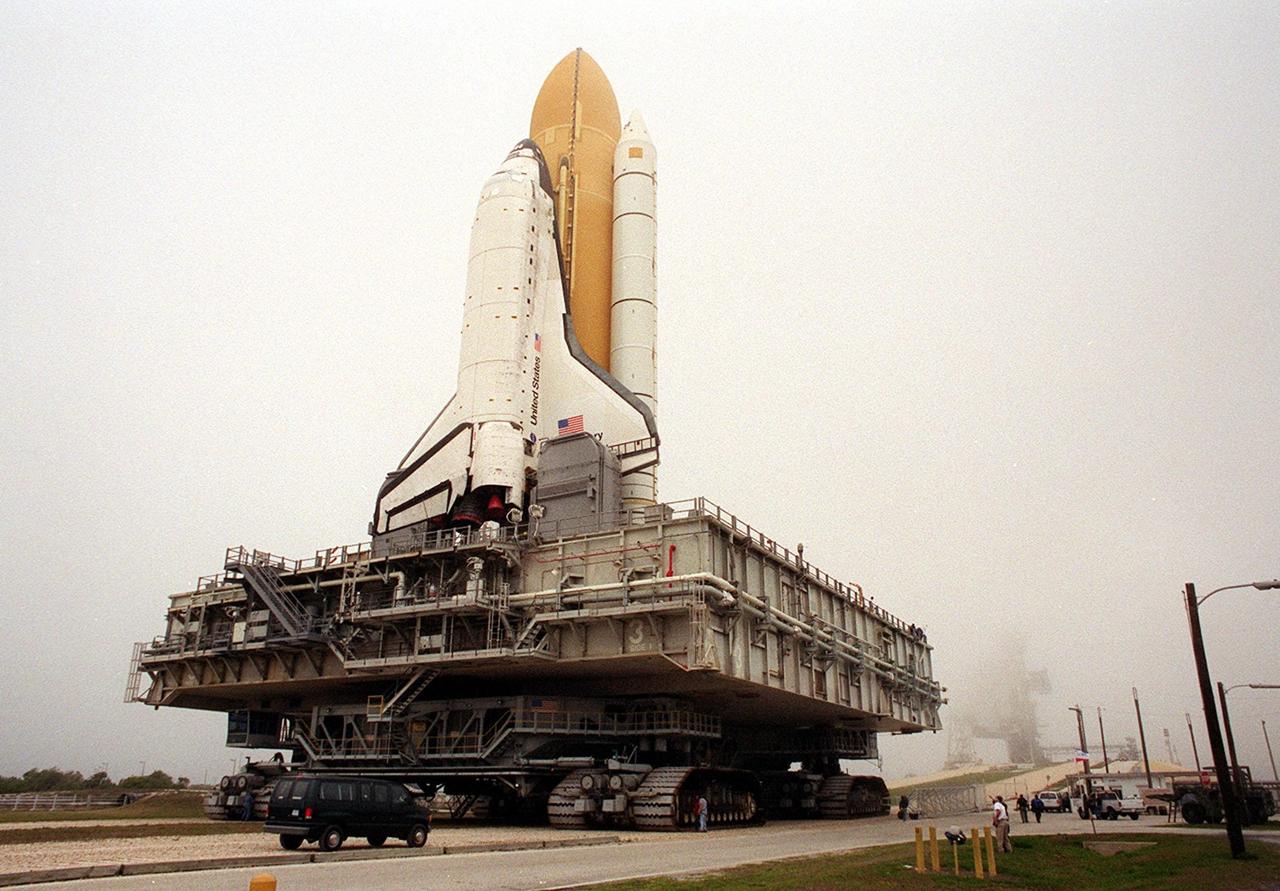
KENNEDY SPACE CENTER, Fla. -- Space Shuttle Discovery nears the ramp to the top of Launch Pad 39B. The early morning fog that had cleared for the rollout can be seen rolling back over the pad. Discovery will be flying on mission STS-102 to the International Space Station. Its payload is the Multi-Purpose Logistics Module Leonardo, a “moving van,” to carry laboratory racks filled with equipment, experiments and supplies to and from the Space Station aboard the Space Shuttle. The flight will also carry the Expedition Two crew up to the Space Station, replacing Expedition One, who will return to Earth on Discovery. Launch is scheduled for March 8 at 6:45 a.m. EST
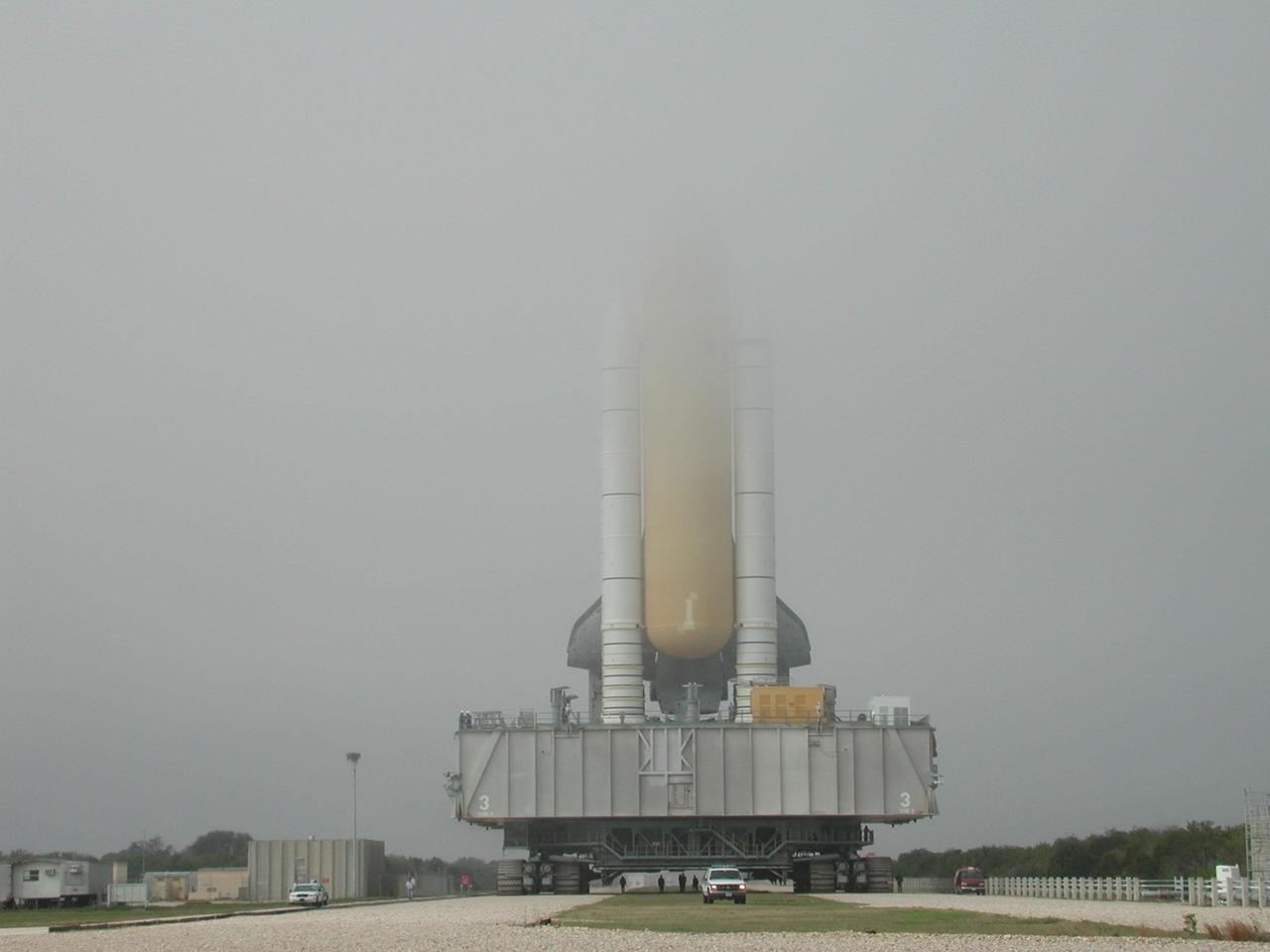
KENNEDY SPACE CENTER, Fla. -- As Space Shuttle Discovery, on its Mobile Launcher Platform, nears Launch Pad 39B, fog rolls over the top of the external tank and solid rocket boosters. Discovery will be flying on mission STS-102 to the International Space Station. Its payload is the Multi-Purpose Logistics Module Leonardo, a “moving van,” to carry laboratory racks filled with equipment, experiments and supplies to and from the Space Station aboard the Space Shuttle. The flight will also carry the Expedition Two crew up to the Space Station, replacing Expedition One, who will return to Earth on Discovery. Launch is scheduled for March 8 at 6:45 a.m. EST
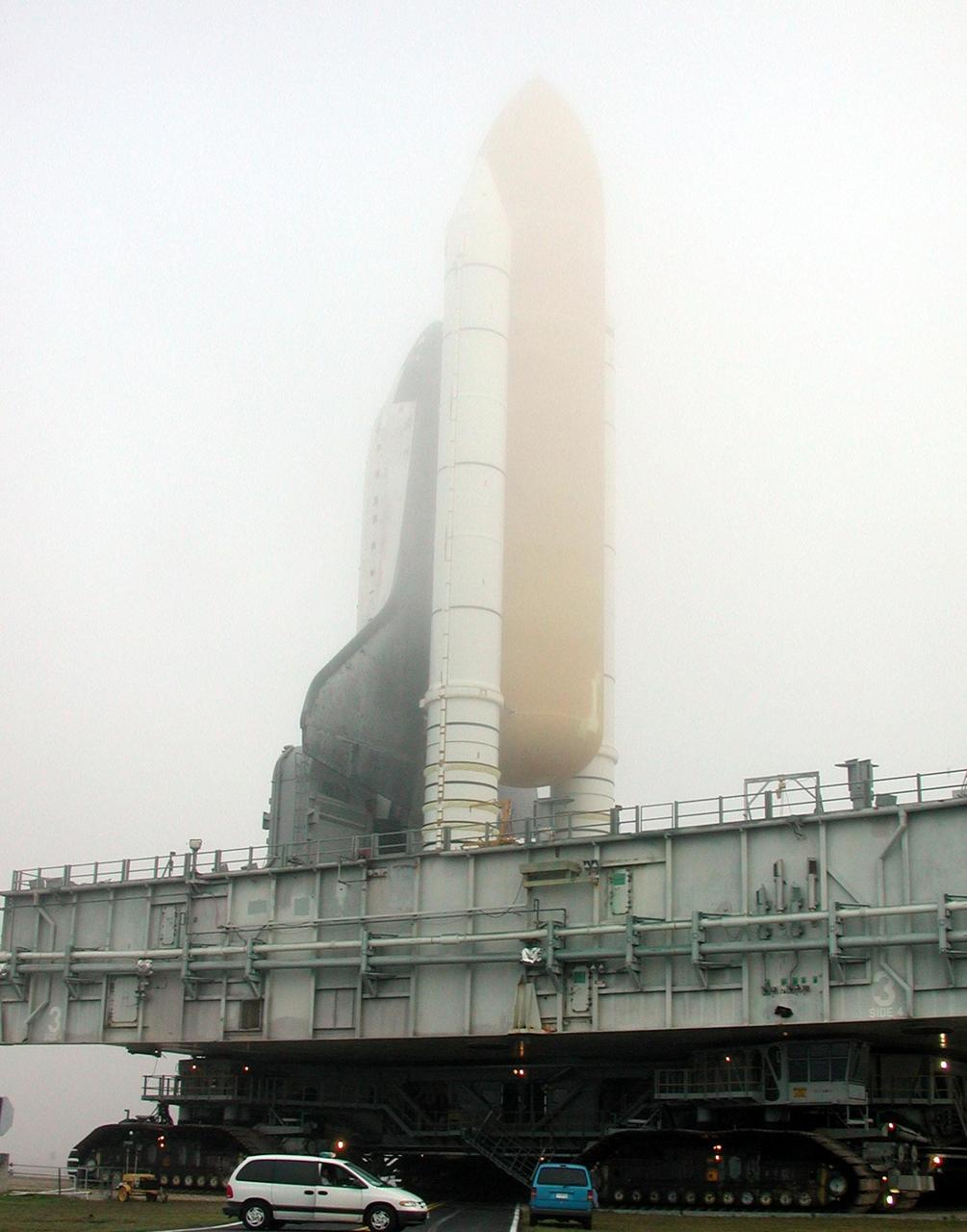
KENNEDY SPACE CENTER, Fla. -- An early morning fog at Kennedy Space Center blurs the top of Space Shuttle Discovery as it crawls from the Vehicle Assembly Building to Launch Pad 39B and mission STS-102 to the International Space Station. Its payload is the Multi-Purpose Logistics Module Leonardo, a “moving van,” to carry laboratory racks filled with equipment, experiments and supplies to and from the Space Station aboard the Space Shuttle. The flight will also carry the Expedition Two crew up to the Space Station, replacing Expedition One, who will return to Earth on Discovery Launch is scheduled for March 8 at 6:45 a.m. EST
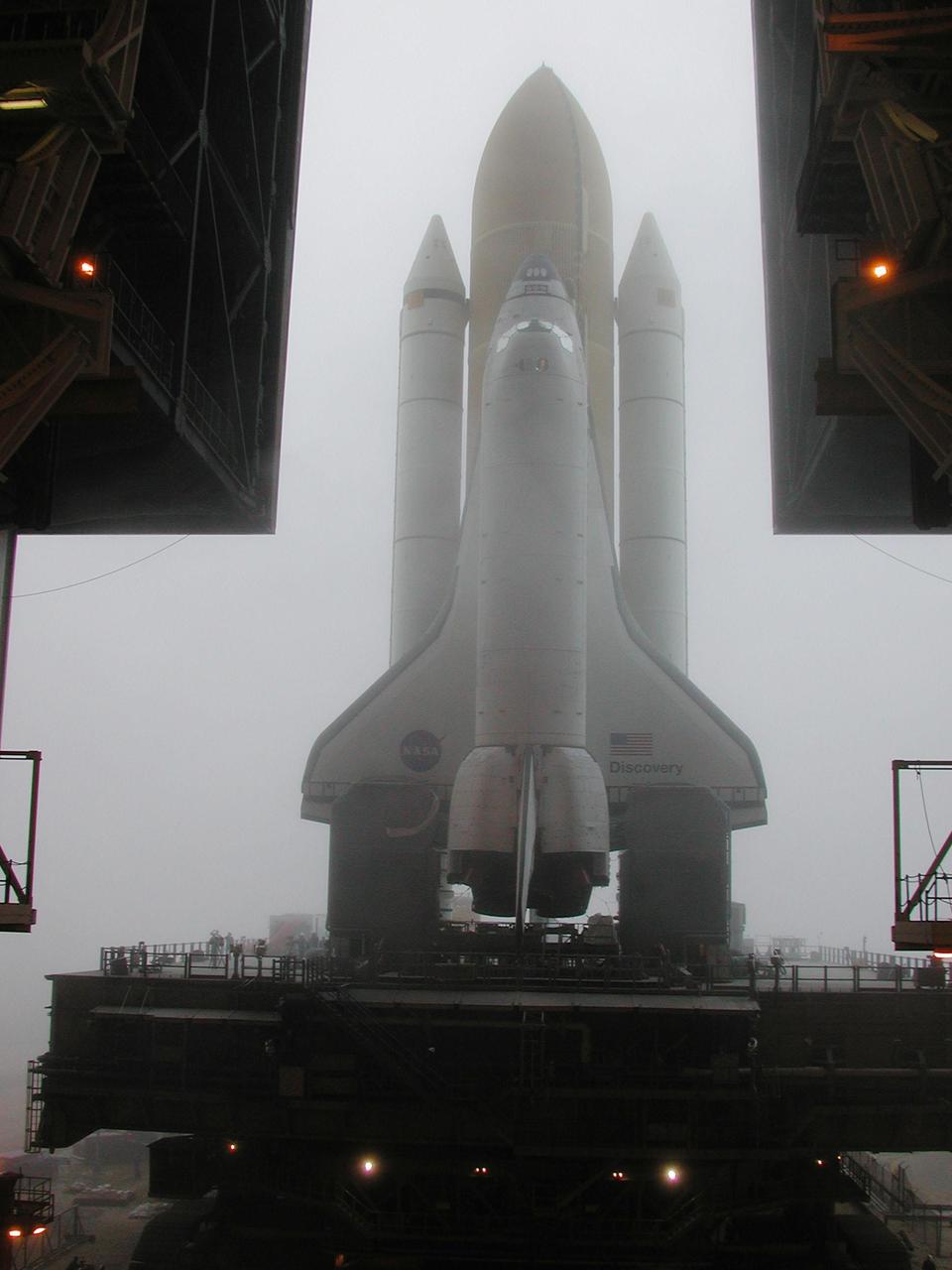
KENNEDY SPACE CENTER, Fla. -- Space Shuttle Discovery begins rolling into the fog that shrouds Kennedy Space Center. Discovery is on its way from the Vehicle Assembly Building to Launch Pad 39B and mission STS-102 to the International Space Station. Its payload is the Multi-Purpose Logistics Module Leonardo, a “moving van,” to carry laboratory racks filled with equipment, experiments and supplies to and from the Space Station aboard the Space Shuttle. The flight will also carry the Expedition Two crew up to the Space Station, replacing Expedition One, who will return to Earth on Discovery. Launch is scheduled for March 8 at 6:45 a.m. EST
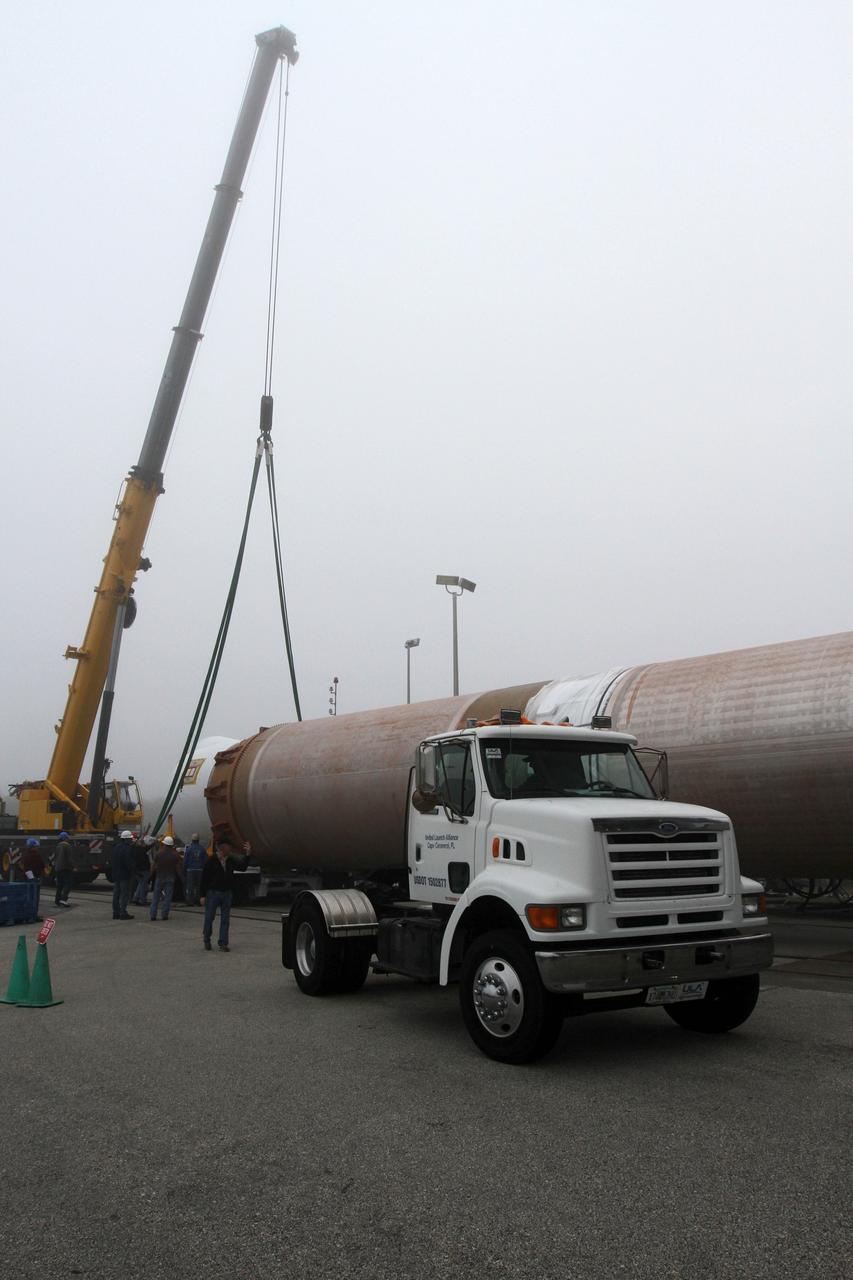
CAPE CANAVERAL, Fla. -- In the morning fog at Cape Canaveral Air Force Station's Space Launch Complex 41 in Florida, preparations are underway to erect the first stage of the Atlas V rocket that will carry the Tracking and Data Relay Satellite, TDRS-K, into orbit. Launch of the TDRS-K on the Atlas V rocket is planned for January 29, 2013. The TDRS-K spacecraft is part of the next-generation series in the Tracking and Data Relay Satellite System, a constellation of space-based communication satellites providing tracking, telemetry, command and high-bandwidth data return services. For more information, visit http://www.nasa.gov/mission_pages/tdrs/index.html Photo credit: NASA/ Ben Smegelsky
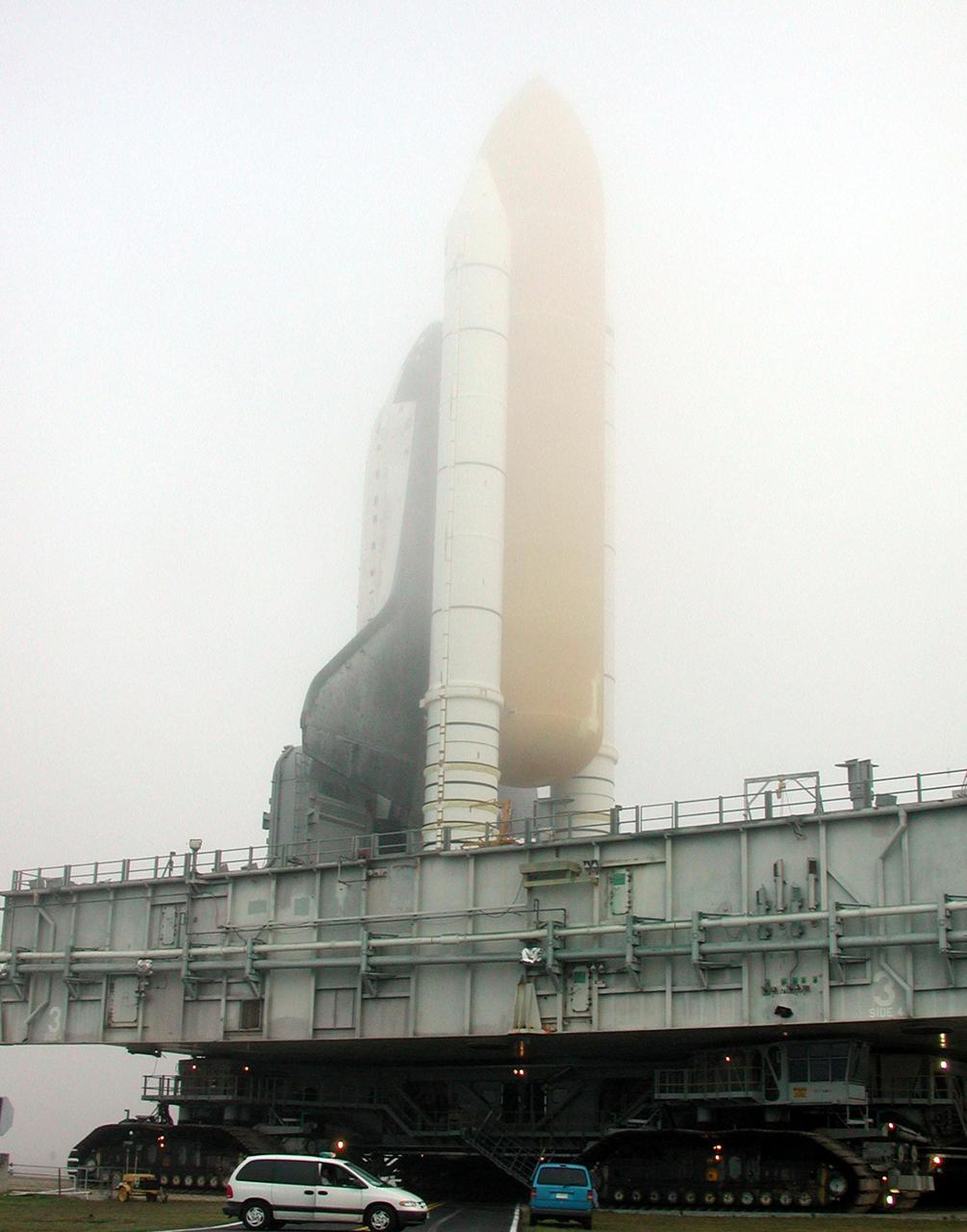
KENNEDY SPACE CENTER, Fla. -- An early morning fog at Kennedy Space Center blurs the top of Space Shuttle Discovery as it crawls from the Vehicle Assembly Building to Launch Pad 39B and mission STS-102 to the International Space Station. Its payload is the Multi-Purpose Logistics Module Leonardo, a “moving van,” to carry laboratory racks filled with equipment, experiments and supplies to and from the Space Station aboard the Space Shuttle. The flight will also carry the Expedition Two crew up to the Space Station, replacing Expedition One, who will return to Earth on Discovery Launch is scheduled for March 8 at 6:45 a.m. EST
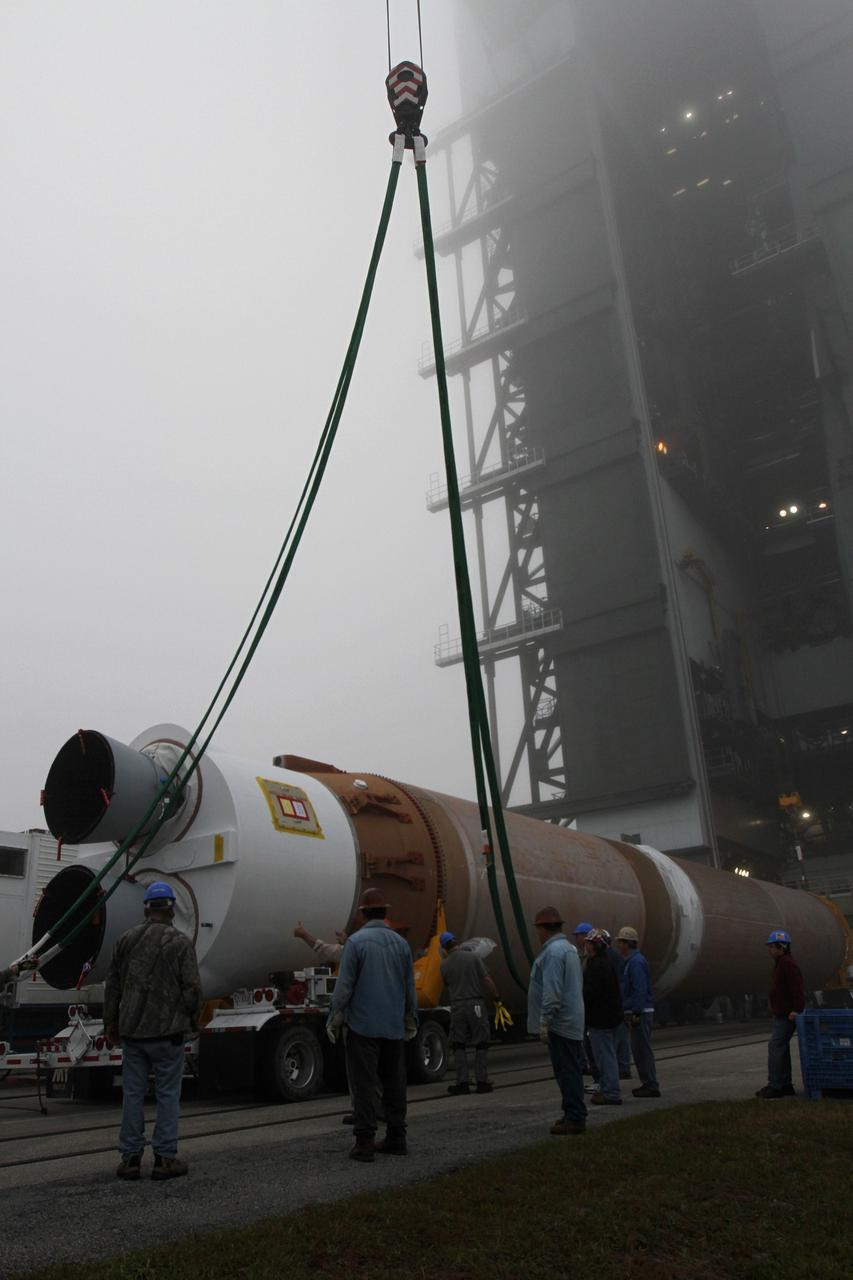
CAPE CANAVERAL, Fla. -- In the morning fog at Cape Canaveral Air Force Station's Space Launch Complex 41 in Florida, preparations are underway to erect the first stage of the Atlas V rocket that will carry the Tracking and Data Relay Satellite, TDRS-K, into orbit. Launch of the TDRS-K on the Atlas V rocket is planned for January 29, 2013. The TDRS-K spacecraft is part of the next-generation series in the Tracking and Data Relay Satellite System, a constellation of space-based communication satellites providing tracking, telemetry, command and high-bandwidth data return services. For more information, visit http://www.nasa.gov/mission_pages/tdrs/index.html Photo credit: NASA/ Ben Smegelsky
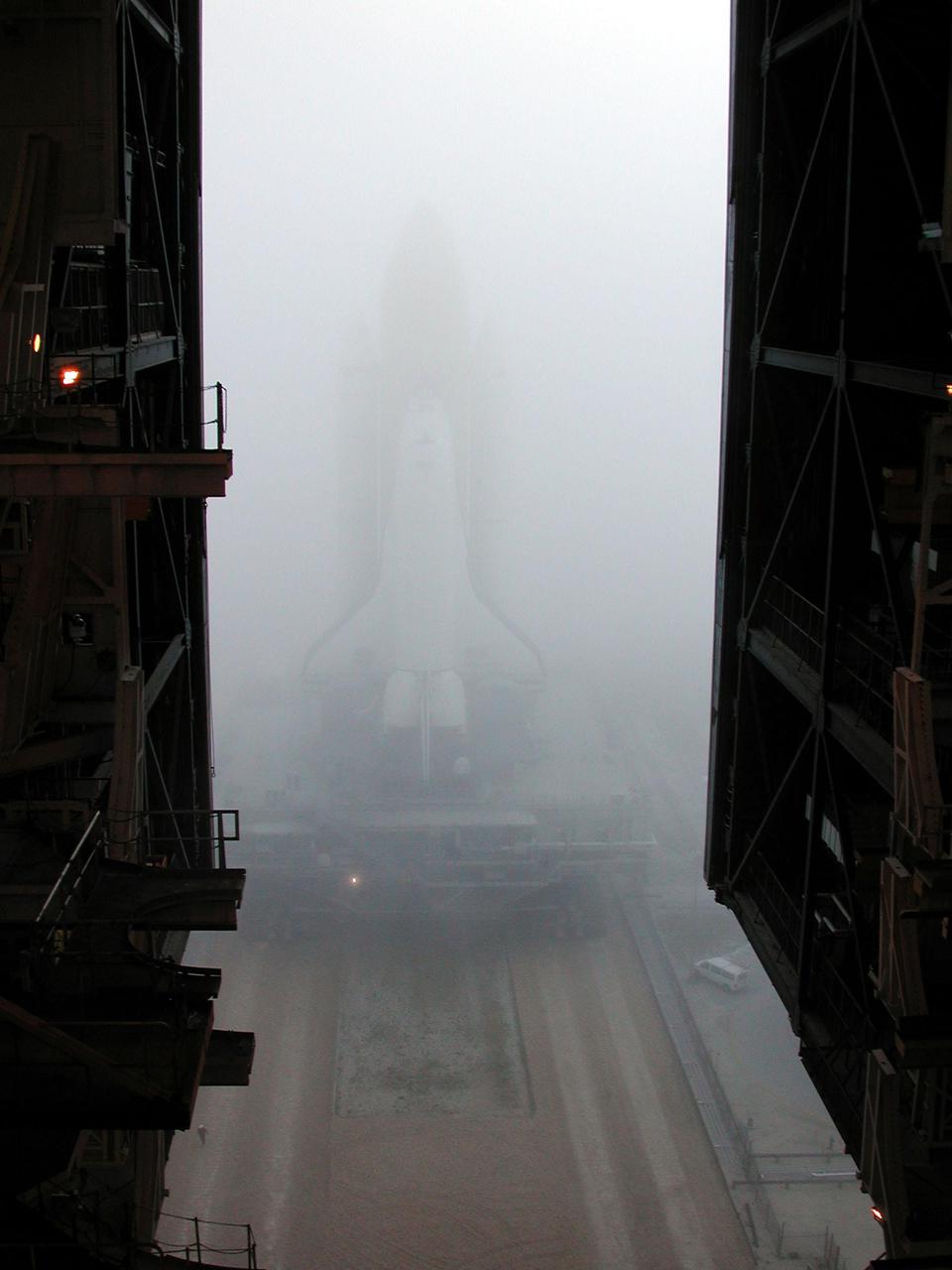
KENNEDY SPACE CENTER, Fla. -- An early morning fog that shrouds Kennedy Space Center almost renders Space Shuttle Discovery invisible as it rolls out from the Vehicle Assembly Building to Launch Pad 39B and mission STS-102 to the International Space Station. Its payload is the Multi-Purpose Logistics Module Leonardo, a “moving van,” to carry laboratory racks filled with equipment, experiments and supplies to and from the Space Station aboard the Space Shuttle. The flight will also carry the Expedition Two crew up to the Space Station, replacing Expedition One, who will return to Earth on Discovery. Launch is scheduled for March 8 at 6:45 a.m. EST
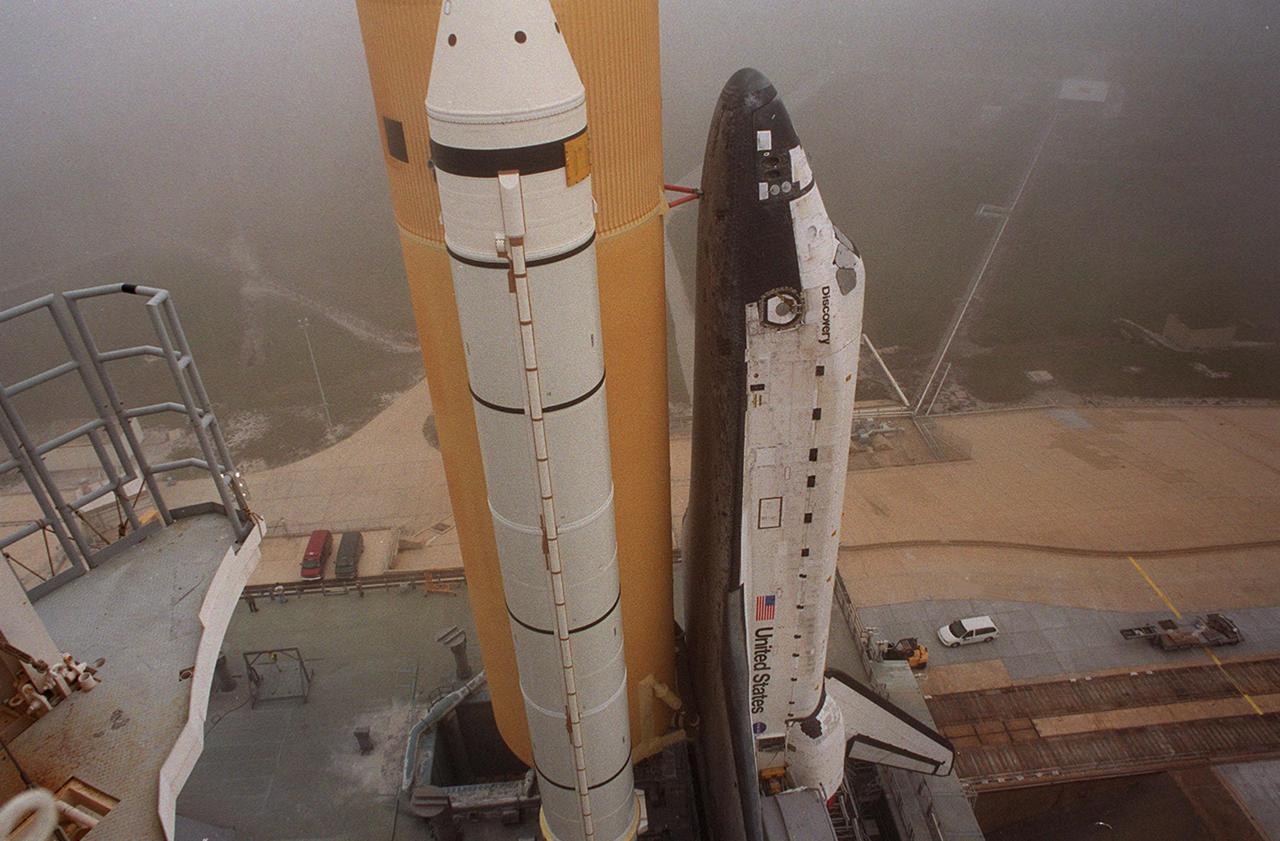
KENNEDY SPACE CENTER, Fla. -- Space Shuttle Discovery can still be seen clearly as it sits on Launch Pad 39B despite the fog that is rolling in, blurring the background. Discovery will be flying on mission STS-102 to the International Space Station. Its payload is the Multi-Purpose Logistics Module Leonardo, a “moving van,” to carry laboratory racks filled with equipment, experiments and supplies to and from the Space Station aboard the Space Shuttle. The flight will also carry the Expedition Two crew up to the Space Station, replacing Expedition One, who will return to Earth on Discovery. Launch is scheduled for March 8 at 6:45 a.m. EST
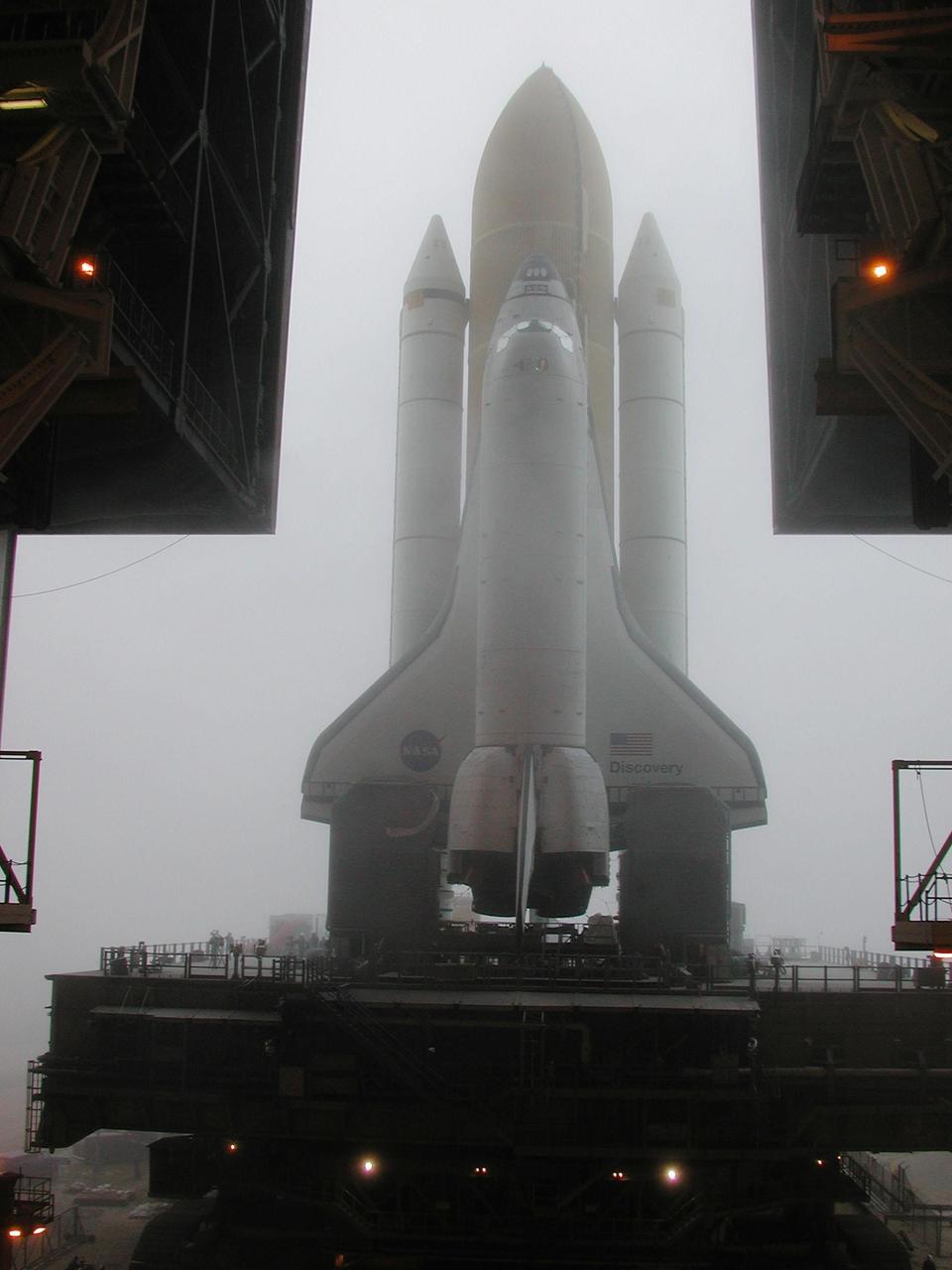
KENNEDY SPACE CENTER, Fla. -- Space Shuttle Discovery begins rolling into the fog that shrouds Kennedy Space Center. Discovery is on its way from the Vehicle Assembly Building to Launch Pad 39B and mission STS-102 to the International Space Station. Its payload is the Multi-Purpose Logistics Module Leonardo, a “moving van,” to carry laboratory racks filled with equipment, experiments and supplies to and from the Space Station aboard the Space Shuttle. The flight will also carry the Expedition Two crew up to the Space Station, replacing Expedition One, who will return to Earth on Discovery. Launch is scheduled for March 8 at 6:45 a.m. EST
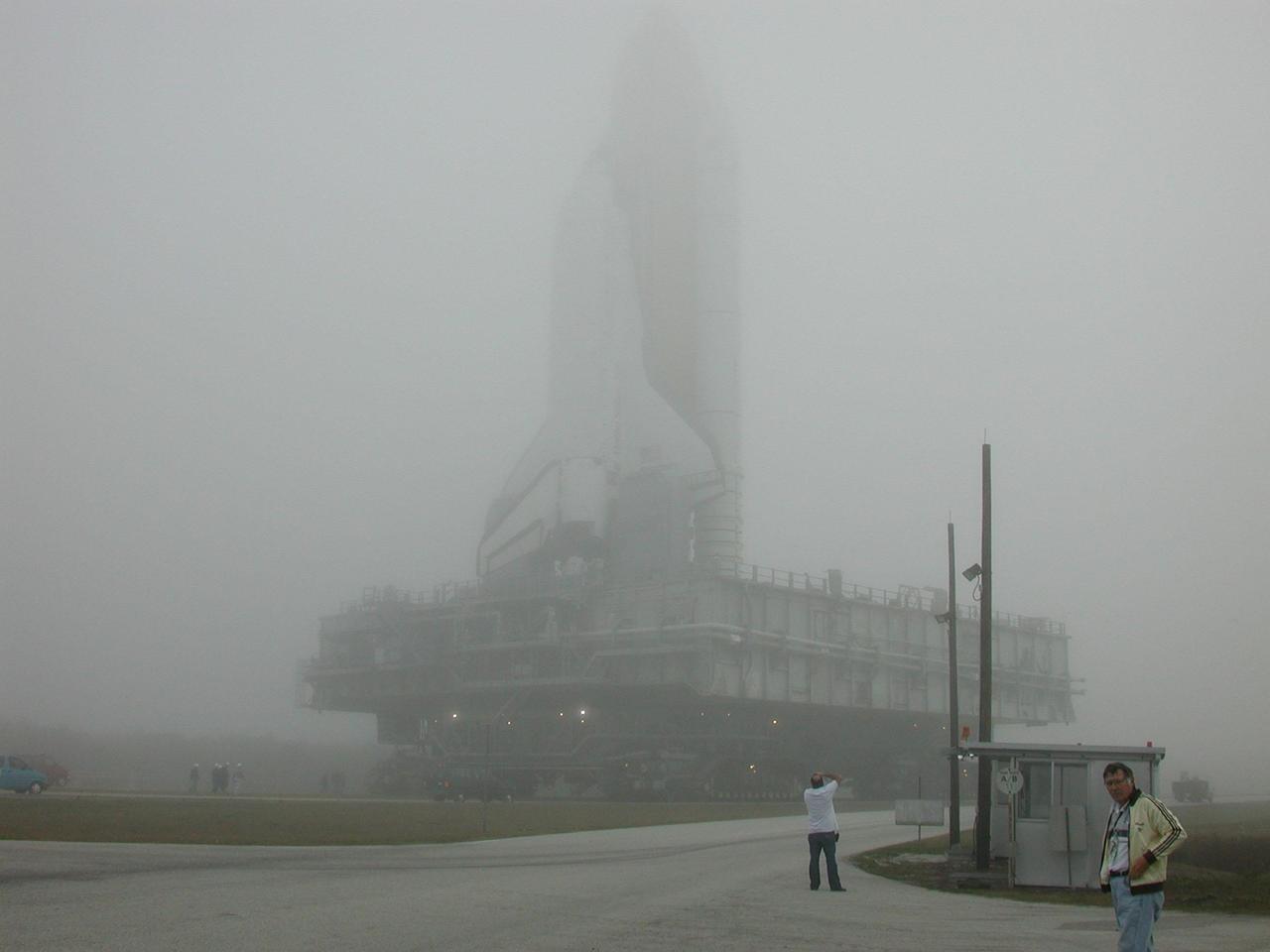
KENNEDY SPACE CENTER, Fla. -- Fog-enshrouded Space Shuttle Discovery dwarfs the workers on the ground as it crawls to Launch Pad 39B. Discovery will be flying on mission STS-102 to the International Space Station. Its payload is the Multi-Purpose Logistics Module Leonardo, a “moving van,” to carry laboratory racks filled with equipment, experiments and supplies to and from the Space Station aboard the Space Shuttle. The flight will also carry the Expedition Two crew up to the Space Station, replacing Expedition One, who will return to Earth on Discovery. Launch is scheduled for March 8 at 6:45 a.m. EST
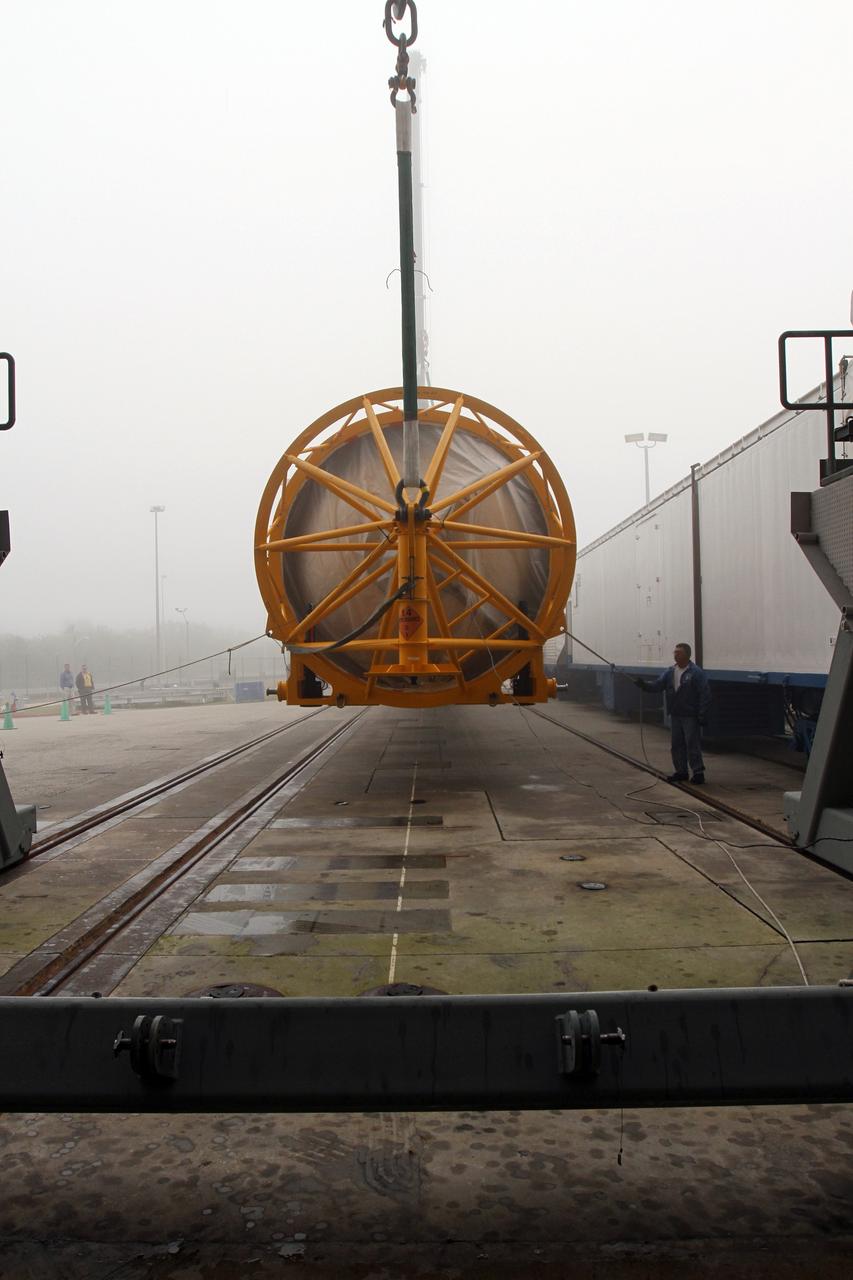
CAPE CANAVERAL, Fla. -- In the morning fog at Cape Canaveral Air Force Station's Space Launch Complex 41 in Florida, operations are underway to erect the first stage of the Atlas V rocket that will carry the Tracking and Data Relay Satellite, TDRS-K, into orbit. Launch of the TDRS-K on the Atlas V rocket is planned for January 29, 2013. The TDRS-K spacecraft is part of the next-generation series in the Tracking and Data Relay Satellite System, a constellation of space-based communication satellites providing tracking, telemetry, command and high-bandwidth data return services. For more information, visit http://www.nasa.gov/mission_pages/tdrs/index.html Photo credit: NASA/ Ben Smegelsky
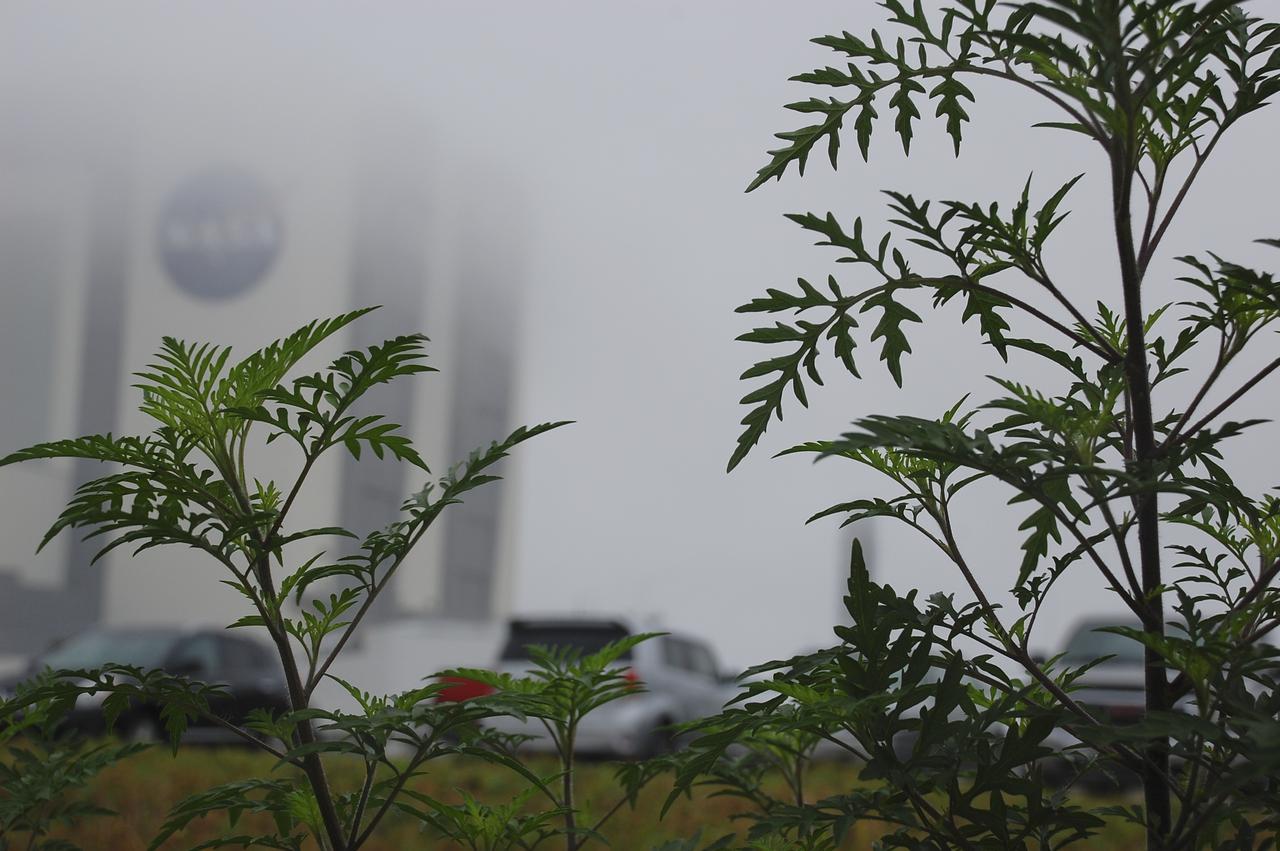
CAPE CANAVERAL, Fla. – At NASA's Kennedy Space Center in Florida, the 525-foot-tall Vehicle Assembly Building is obscured in the fog. The massive building, once used to process Apollo Saturn V rockets and space shuttles for launch, is undergoing a transformation to prepare it to support NASA's next-generation rocket, the Space Launch System, or SLS, as well as myriad commercial rockets under development. To learn more about the SLS, visit http:__www.nasa.gov_exploration_systems_sls_. For more on NASA's Commercial Crew Program, visit http:__www.nasa.gov_exploration_commercial_crew_. Photo credit: NASA_Ben Smegelsky
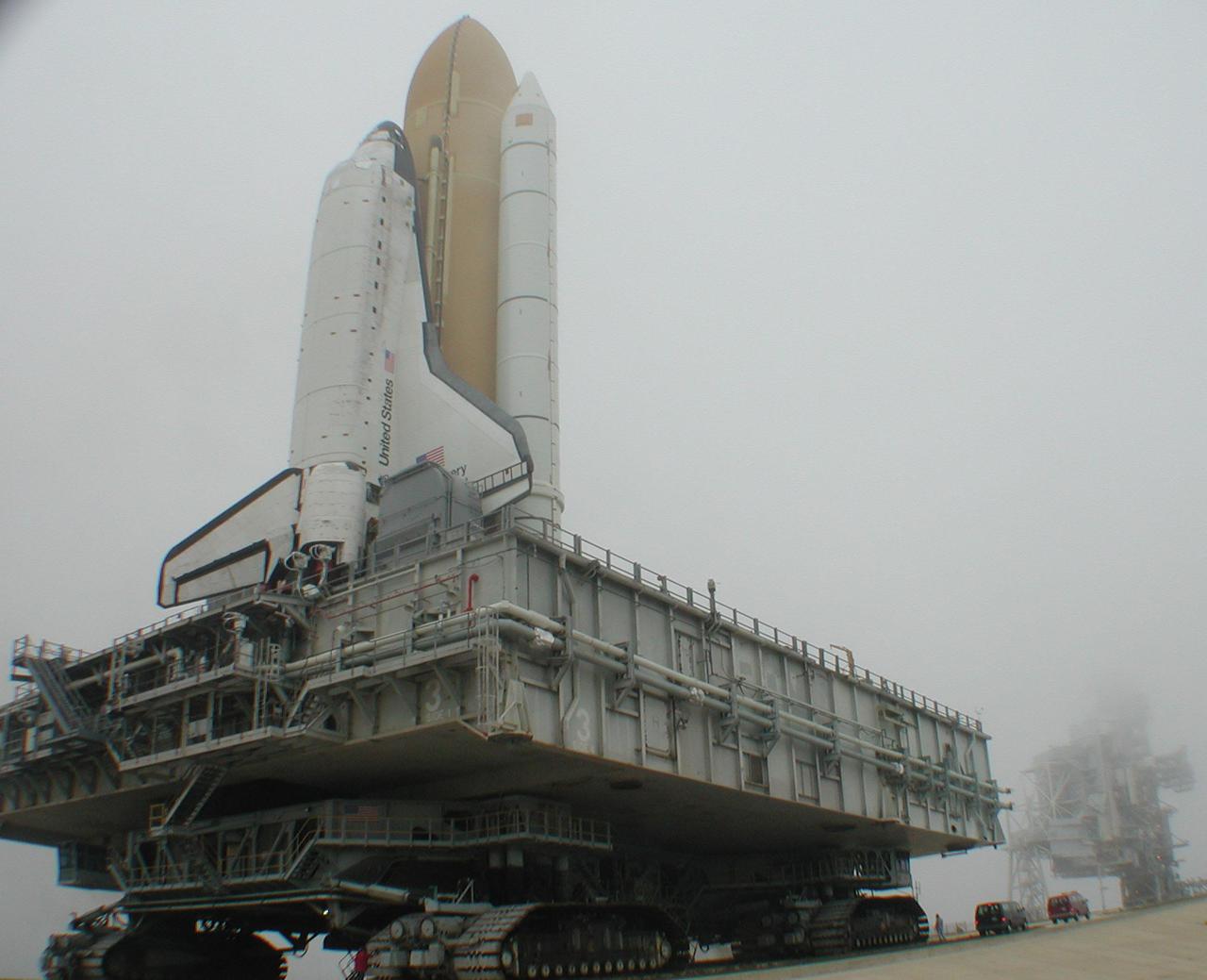
KENNEDY SPACE CENTER, Fla. -- Space Shuttle Discovery, on its Mobile Launcher Platform, inches up the ramp to Launch Pad 39B. Fog has rolled in over the pad, blurring the lines of the Fixed Service Structure (background right). Discovery will be flying on mission STS-102 to the International Space Station. Its payload is the Multi-Purpose Logistics Module Leonardo, a “moving van,” to carry laboratory racks filled with equipment, experiments and supplies to and from the Space Station aboard the Space Shuttle. The flight will also carry the Expedition Two crew up to the Space Station, replacing Expedition One, who will return to Earth on Discovery. Launch is scheduled for March 8 at 6:45 a.m. EST
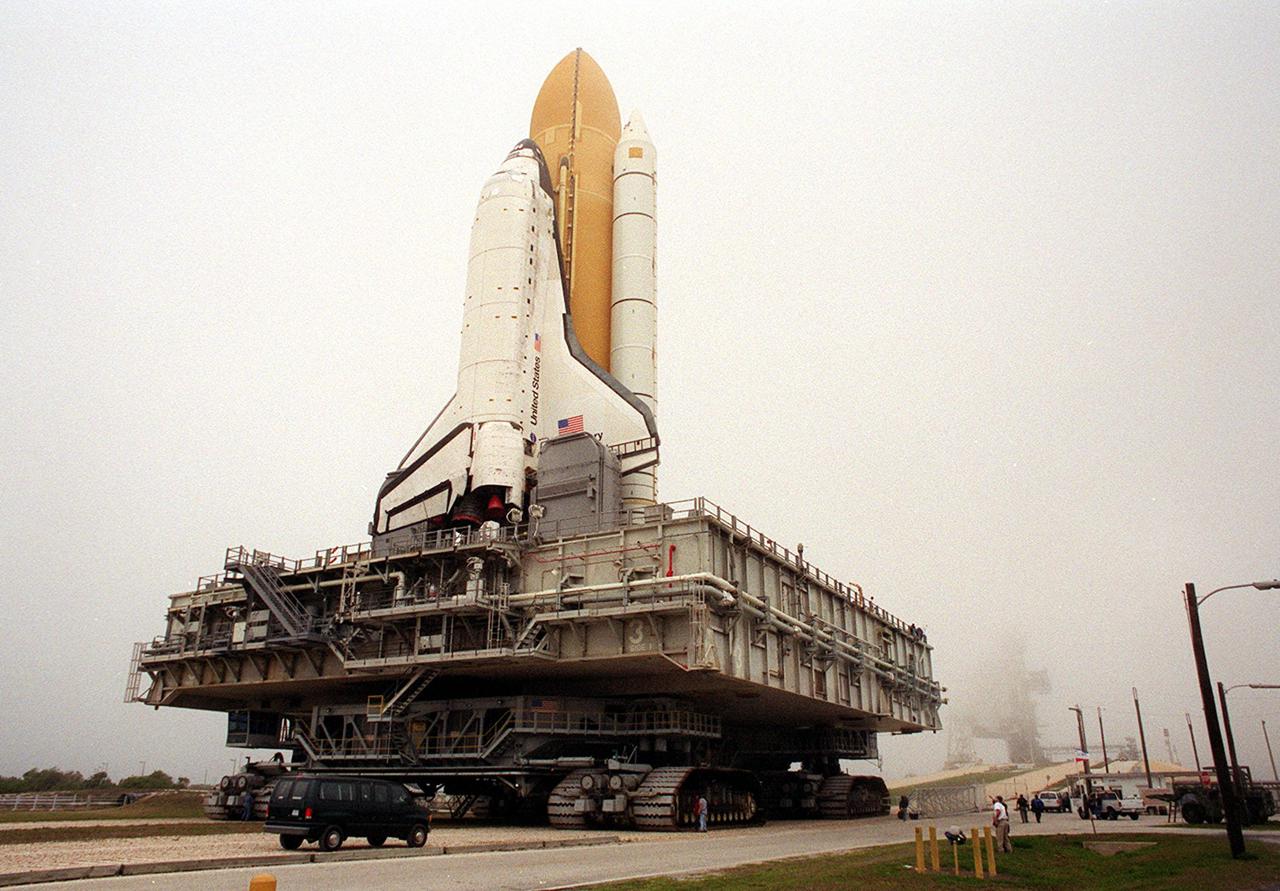
KENNEDY SPACE CENTER, Fla. -- Space Shuttle Discovery nears the ramp to the top of Launch Pad 39B. The early morning fog that had cleared for the rollout can be seen rolling back over the pad. Discovery will be flying on mission STS-102 to the International Space Station. Its payload is the Multi-Purpose Logistics Module Leonardo, a “moving van,” to carry laboratory racks filled with equipment, experiments and supplies to and from the Space Station aboard the Space Shuttle. The flight will also carry the Expedition Two crew up to the Space Station, replacing Expedition One, who will return to Earth on Discovery. Launch is scheduled for March 8 at 6:45 a.m. EST
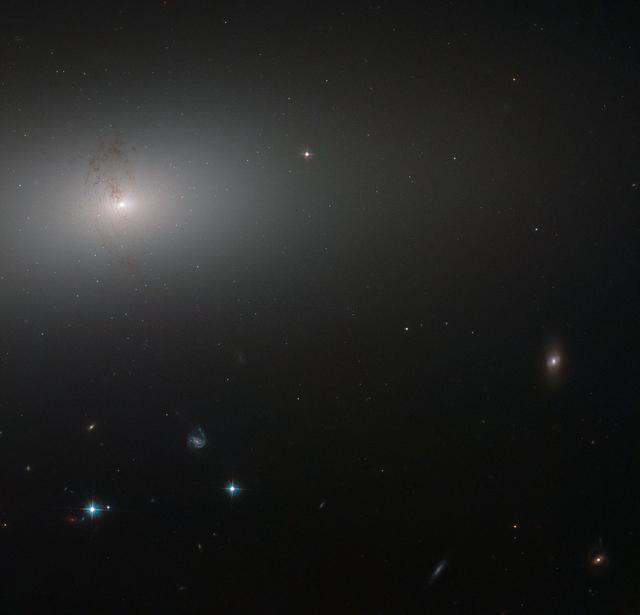
Like a lighthouse in the fog the luminous core of NGC 2768 slowly fades outwards to a dull white haze in this image taken by the NASA/ESA Hubble Space Telescope. NGC 2768 is an elliptical galaxy in the constellation of Ursa Major (The Great Bear). It is a huge bundle of stars, dominated by a bright central region, where a supermassive black hole feasts on a constant stream of gas and dust being fed to it by its galactic host. The galaxy is also marked by a prominent plume of dust reaching out from the centre and lying perpendicular to the galaxy’s plane. This dust conceals a symmetrical, s-shaped pair of jets that are being produced by the supermassive black hole as it feeds.
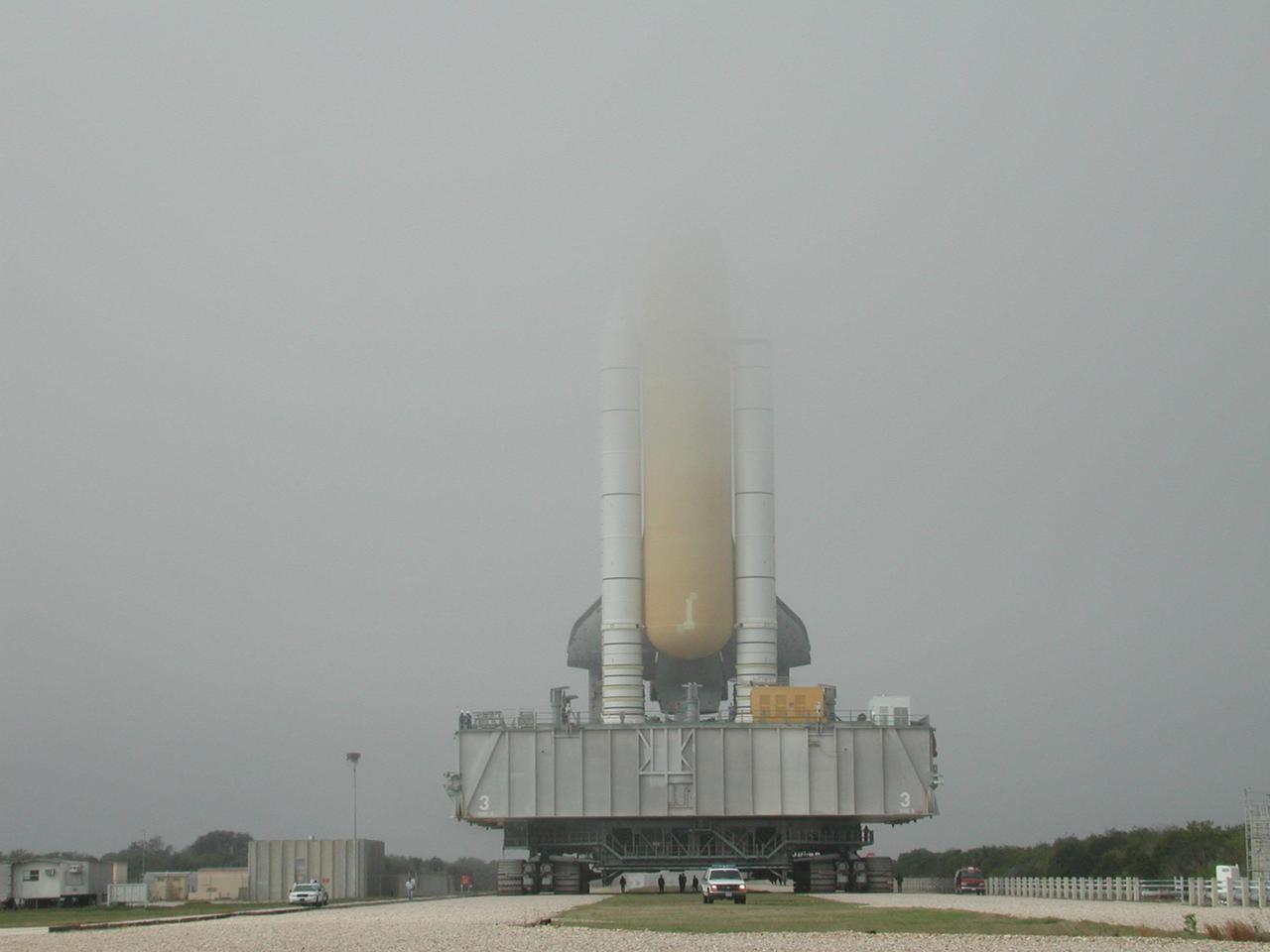
KENNEDY SPACE CENTER, Fla. -- As Space Shuttle Discovery, on its Mobile Launcher Platform, nears Launch Pad 39B, fog rolls over the top of the external tank and solid rocket boosters. Discovery will be flying on mission STS-102 to the International Space Station. Its payload is the Multi-Purpose Logistics Module Leonardo, a “moving van,” to carry laboratory racks filled with equipment, experiments and supplies to and from the Space Station aboard the Space Shuttle. The flight will also carry the Expedition Two crew up to the Space Station, replacing Expedition One, who will return to Earth on Discovery. Launch is scheduled for March 8 at 6:45 a.m. EST
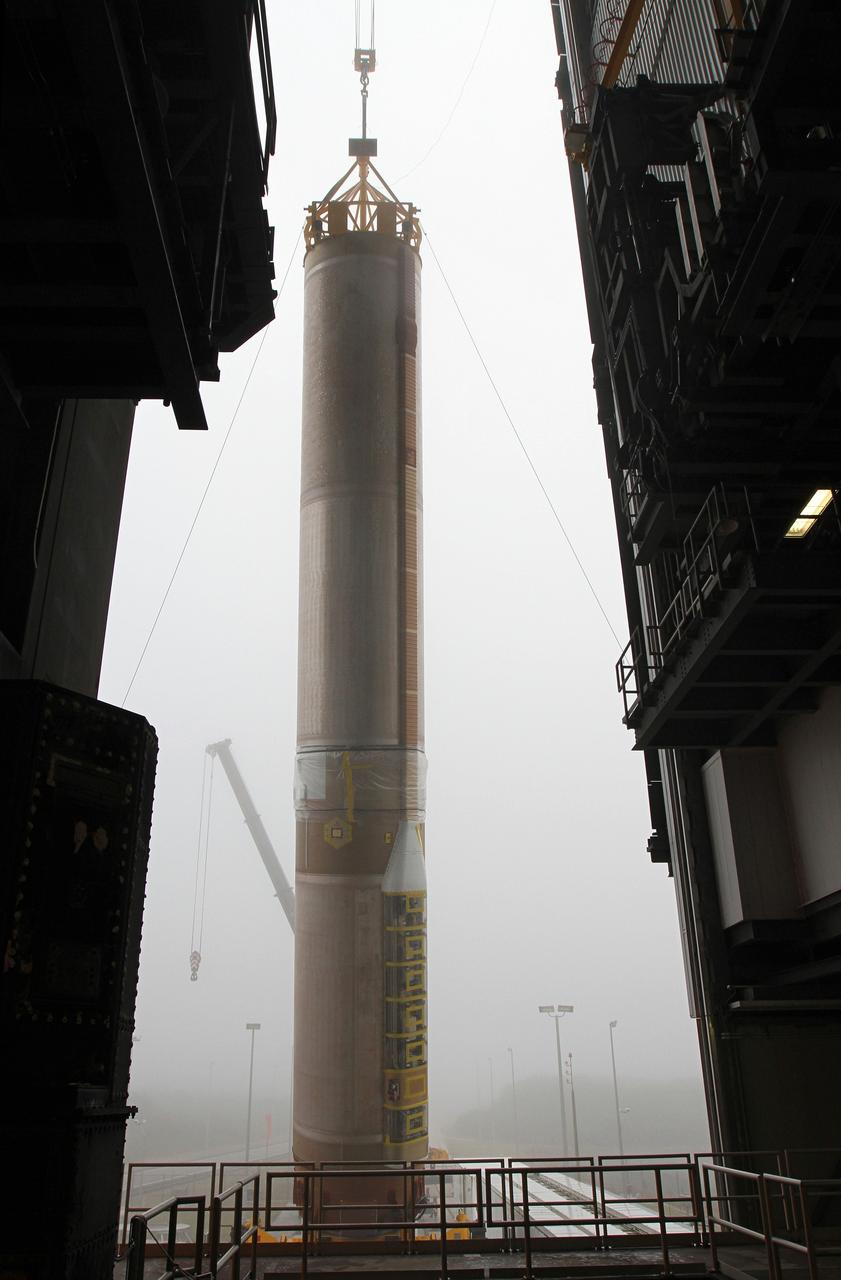
CAPE CANAVERAL, Fla. -- In the morning fog at Cape Canaveral Air Force Station's Space Launch Complex 41 in Florida, operations are underway to erect the first stage of the Atlas V rocket that will carry the Tracking and Data Relay Satellite, TDRS-K, into orbit. Launch of the TDRS-K on the Atlas V rocket is planned for January 29, 2013. The TDRS-K spacecraft is part of the next-generation series in the Tracking and Data Relay Satellite System, a constellation of space-based communication satellites providing tracking, telemetry, command and high-bandwidth data return services. For more information, visit http://www.nasa.gov/mission_pages/tdrs/index.html Photo credit: NASA/ Ben Smegelsky
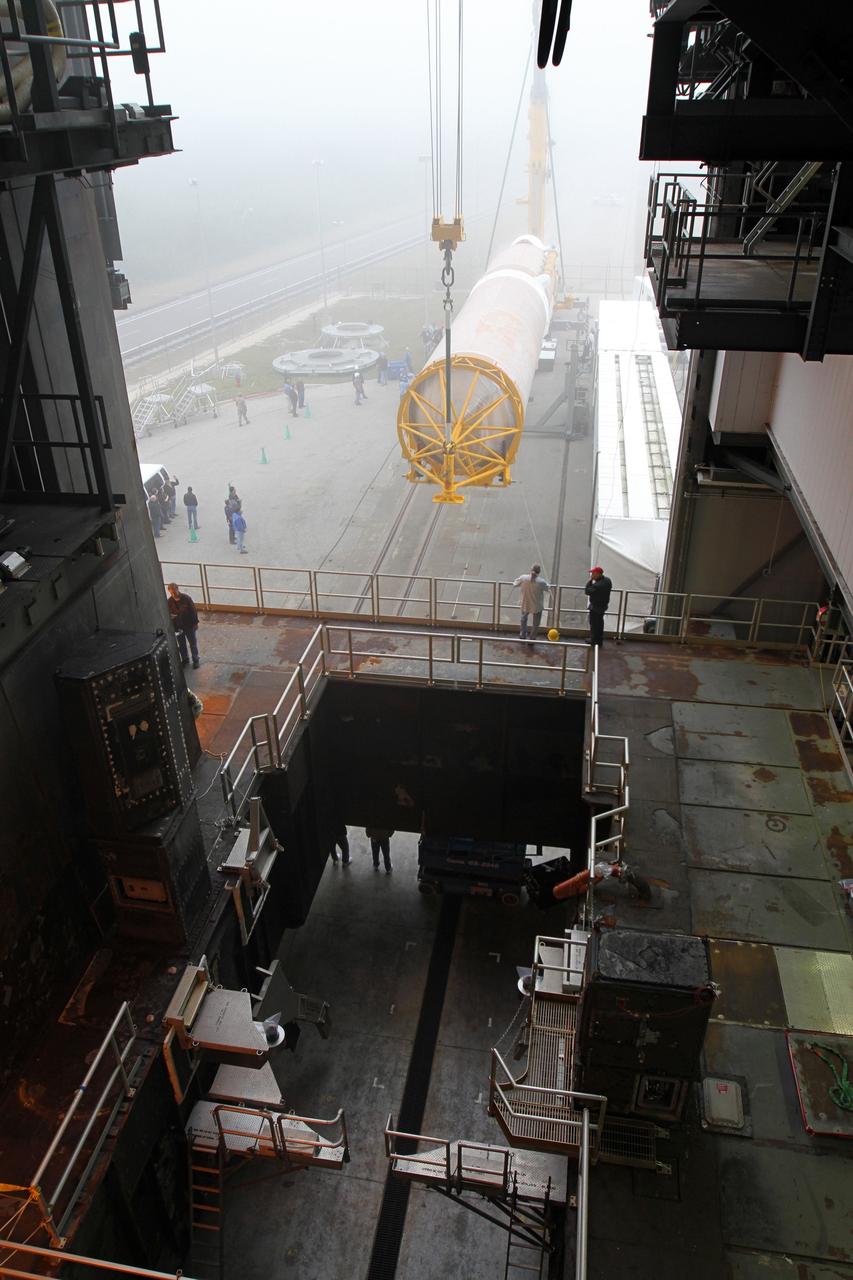
CAPE CANAVERAL, Fla. -- In the morning fog at Cape Canaveral Air Force Station's Space Launch Complex 41 in Florida, operations are underway to erect the first stage of the Atlas V rocket that will carry the Tracking and Data Relay Satellite, TDRS-K, into orbit. Launch of the TDRS-K on the Atlas V rocket is planned for January 29, 2013. The TDRS-K spacecraft is part of the next-generation series in the Tracking and Data Relay Satellite System, a constellation of space-based communication satellites providing tracking, telemetry, command and high-bandwidth data return services. For more information, visit http://www.nasa.gov/mission_pages/tdrs/index.html Photo credit: NASA/ Ben Smegelsky
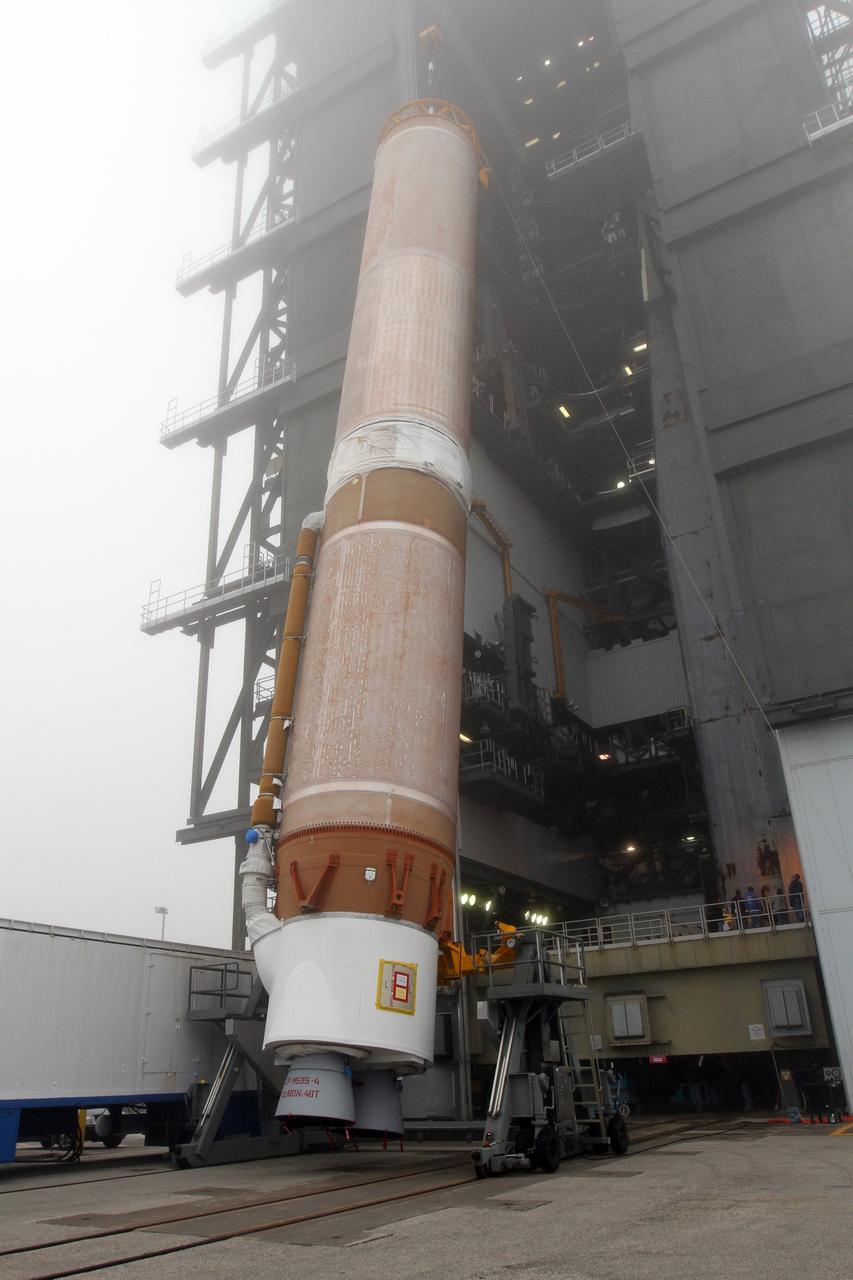
CAPE CANAVERAL, Fla. -- In the morning fog at Cape Canaveral Air Force Station's Space Launch Complex 41 in Florida, operations are underway to erect the first stage of the Atlas V rocket that will carry the Tracking and Data Relay Satellite, TDRS-K, into orbit. Launch of the TDRS-K on the Atlas V rocket is planned for January 29, 2013. The TDRS-K spacecraft is part of the next-generation series in the Tracking and Data Relay Satellite System, a constellation of space-based communication satellites providing tracking, telemetry, command and high-bandwidth data return services. For more information, visit http://www.nasa.gov/mission_pages/tdrs/index.html Photo credit: NASA/ Ben Smegelsky

CAPE CANAVERAL, Fla. – Fog envelopes the top of the 355-foot-tall Mobile Launcher at NASA's Kennedy Space Center in Florida. In 2013, the agency awarded a contract to J.P. Donovan Construction Inc. of Rockledge, Fla., to modify the launcher, or ML, one of the key elements of ground support equipment being upgraded by the Ground Systems Development and Operations Program office at Kennedy. The ML will carry the Space Launch System rocket, or SLS, and Orion spacecraft to Launch Pad 39B for its first mission, Exploration Mission-1, in 2017. To learn more about the SLS, visit http:__www.nasa.gov_exploration_systems_sls_. Photo credit: NASA_Ben Smegelsky
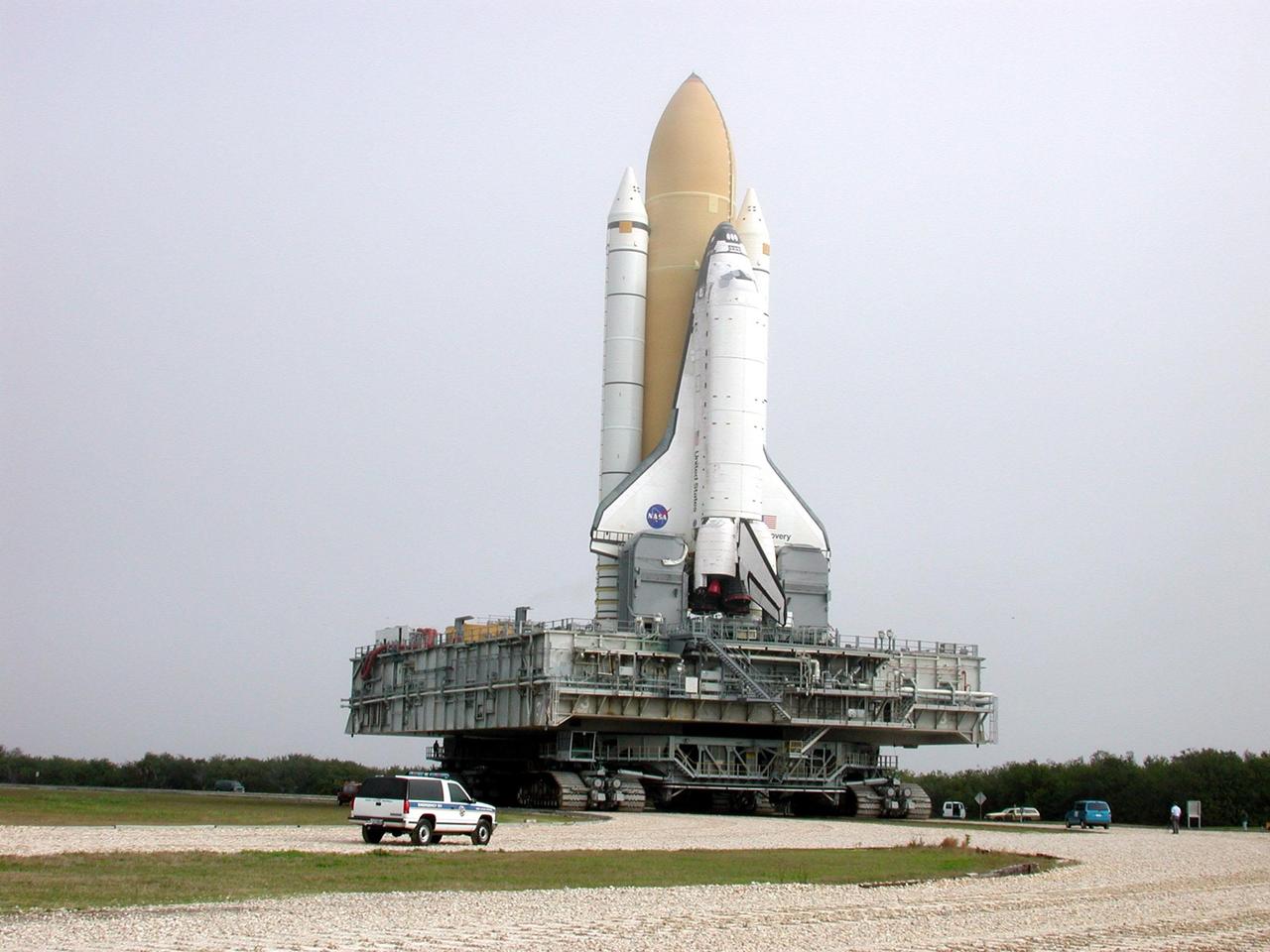
KENNEDY SPACE CENTER, Fla. -- Fog-enshrouded Space Shuttle Discovery dwarfs the workers on the ground as it crawls to Launch Pad 39B. Discovery will be flying on mission STS-102 to the International Space Station. Its payload is the Multi-Purpose Logistics Module Leonardo, a “moving van,” to carry laboratory racks filled with equipment, experiments and supplies to and from the Space Station aboard the Space Shuttle. The flight will also carry the Expedition Two crew up to the Space Station, replacing Expedition One, who will return to Earth on Discovery. Launch is scheduled for March 8 at 6:45 a.m. EST
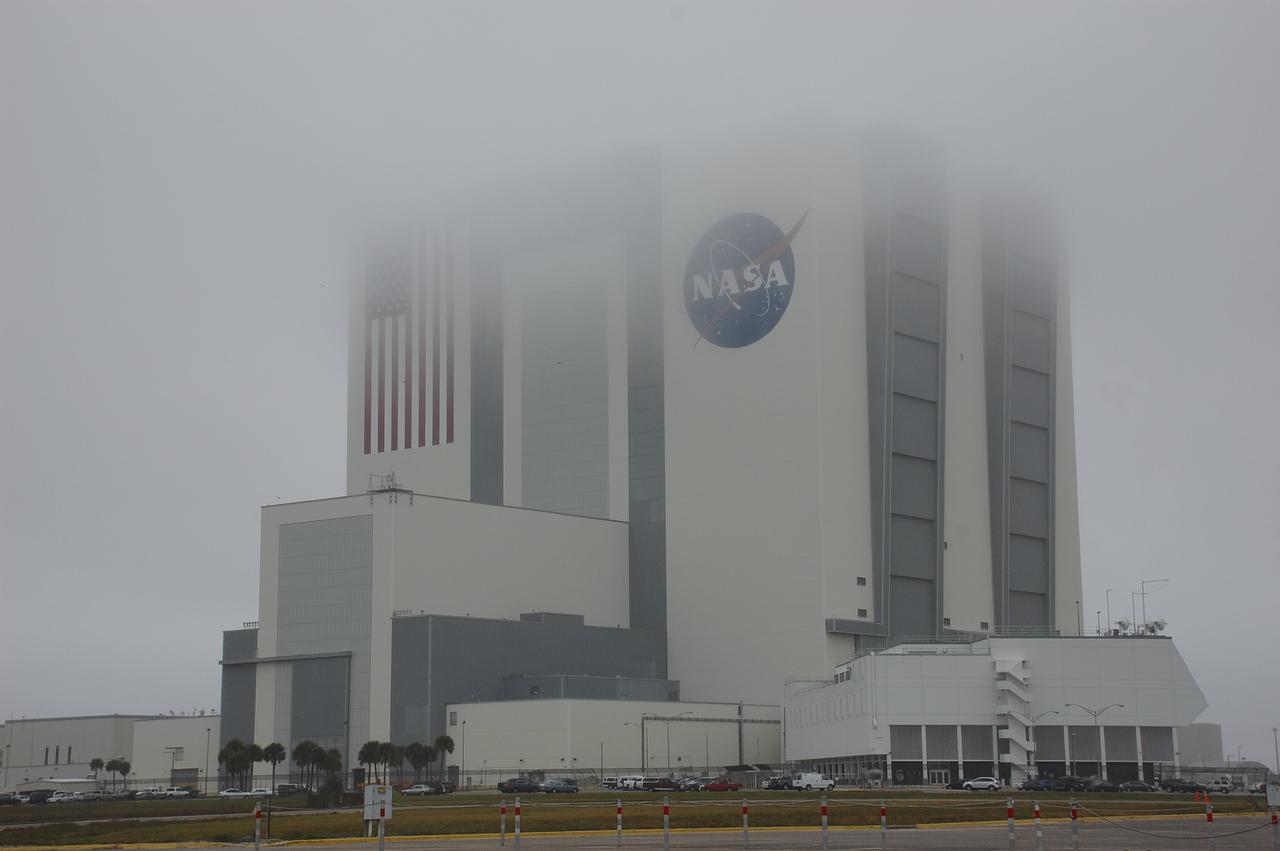
CAPE CANAVERAL, Fla. – Fog envelopes the top of the 525-foot-tall Vehicle Assembly Building at NASA's Kennedy Space Center in Florida. The massive building, once used to process Apollo Saturn V rockets and space shuttles for launch, is undergoing a transformation to prepare it to support NASA's next-generation rocket, the Space Launch System, or SLS, as well as myriad commercial rockets under development. To learn more about the SLS, visit http:__www.nasa.gov_exploration_systems_sls_. For more on NASA's Commercial Crew Program, visit http:__www.nasa.gov_exploration_commercial_crew_. Photo credit: NASA_Ben Smegelsky

KENNEDY SPACE CENTER, Fla. -- Space Shuttle Discovery, on its Mobile Launcher Platform, approaches the top of Launch Pad 39B. Fog is rolling in above the Fixed Service Structure, where the Shuttle will stand for launch. Discovery will be flying on mission STS-102 to the International Space Station. Its payload is the Multi-Purpose Logistics Module Leonardo, a “moving van,” to carry laboratory racks filled with equipment, experiments and supplies to and from the Space Station aboard the Space Shuttle. The flight will also carry the Expedition Two crew up to the Space Station, replacing Expedition One, who will return to Earth on Discovery. Launch is scheduled for March 8 at 6:45 a.m. EST
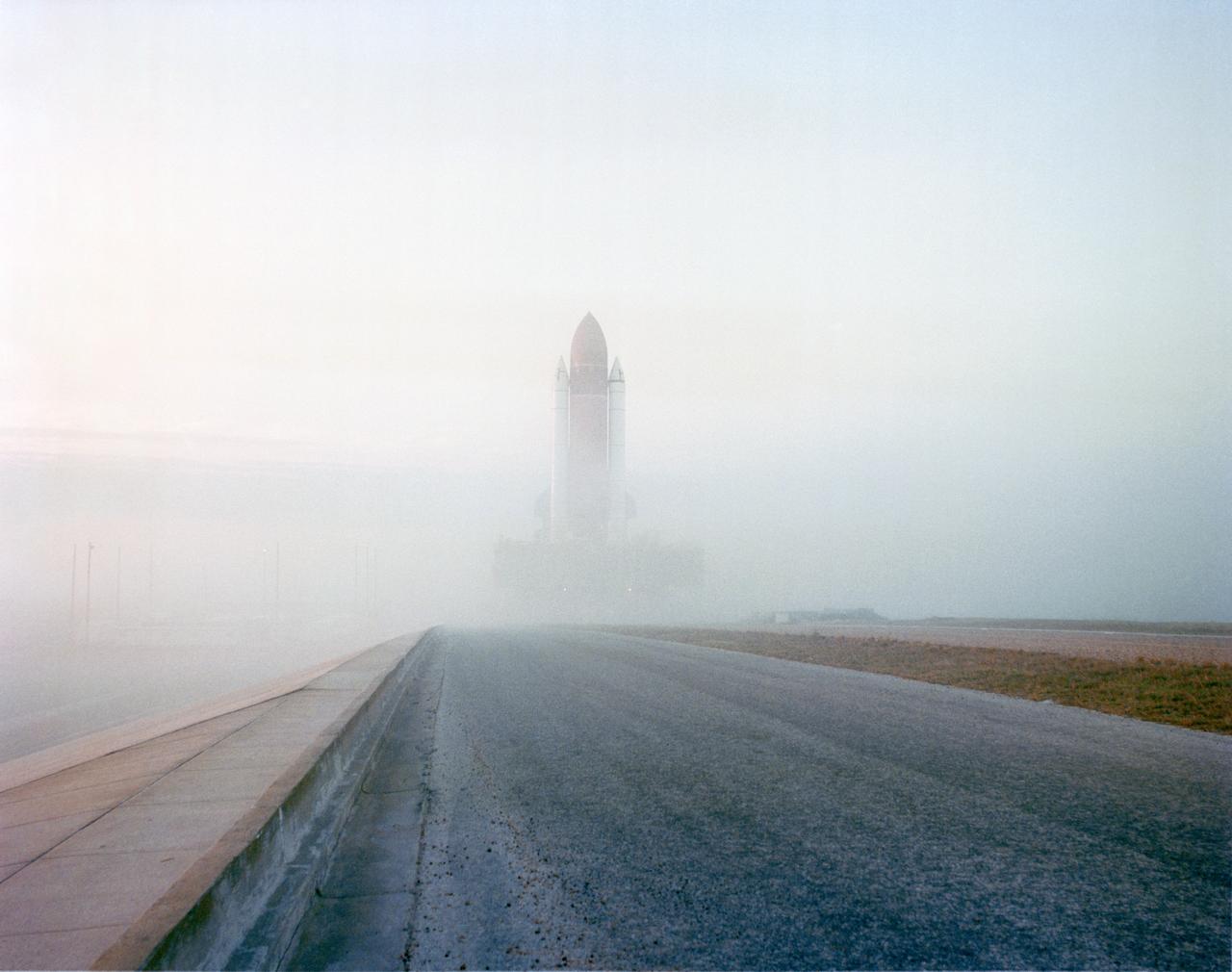
STS-32 Columbia, Orbiter Vehicle (OV) 102, rolls through the morning's foggy mist atop the mobile launcher platform and crawler transporter to Kennedy Space Center (KSC) Launch Complex (LC) Pad 39A. OV-102's wings appear on either side of the two solid rocket boosters (SRBs) and external tank (ET). Rollout from the Vehicle Assembly Building (VAB) began at 2:32 am Eastern Standard Time (EST), and OV-102 was on the pad pedestals about 8 hours later. This marks the first time a Space Shuttle has been at LC Pad 39A since 01-12-85 when OV-102 was launched on mission 61C. View provided by KSC with alternate number KSC-89PC-1259.