
NACA Test Pilot George Cooper stand in front of the F-86D
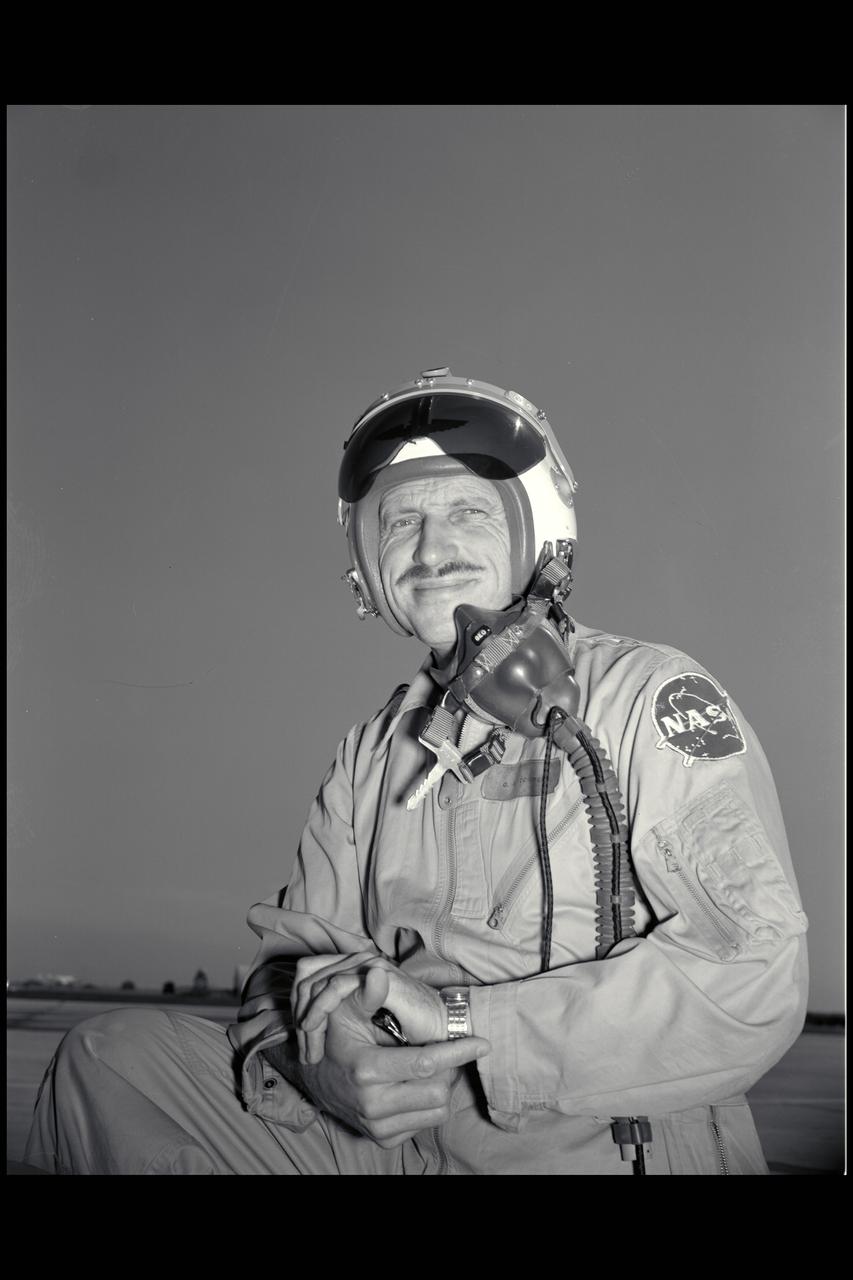
George E. Cooper (Ames Pilot)
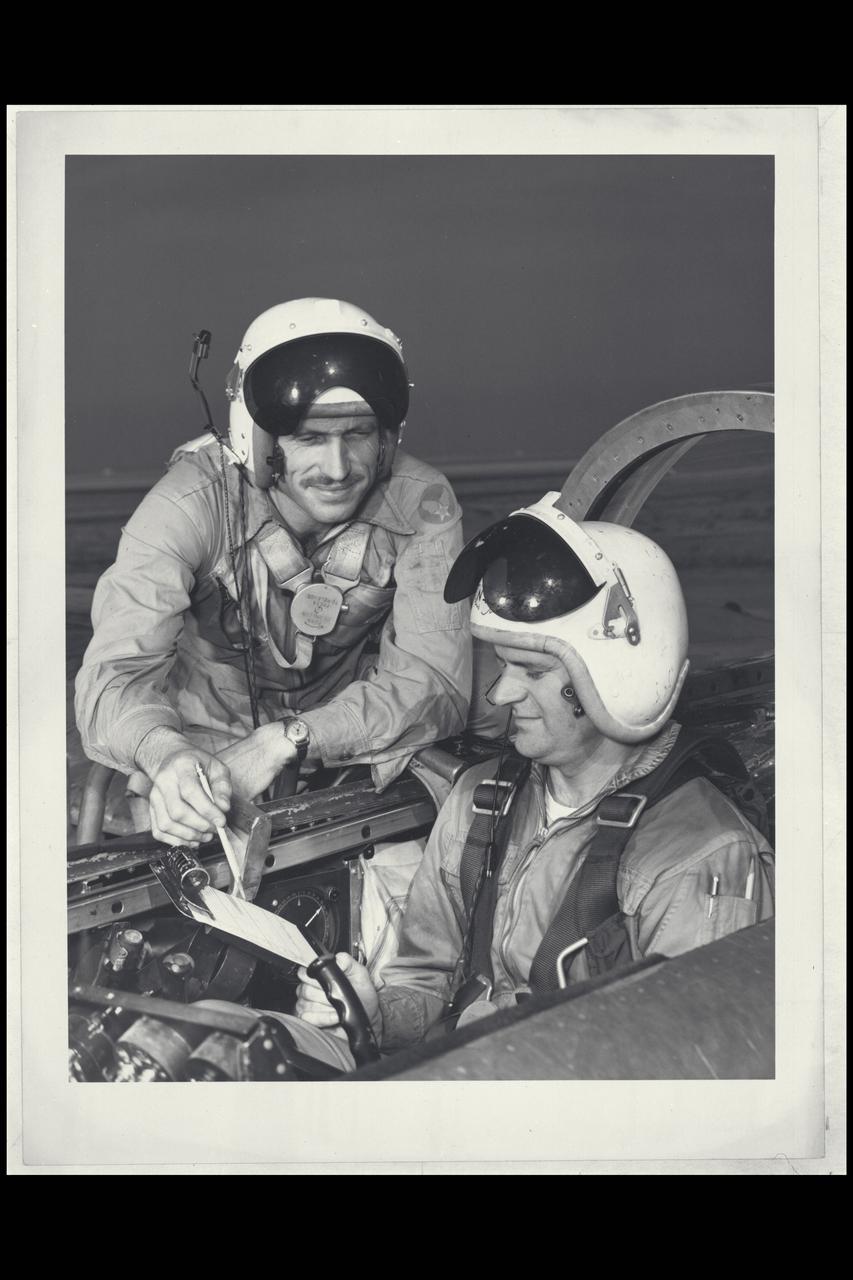
Ames Pilot George Cooper and Randy VAn Dyke
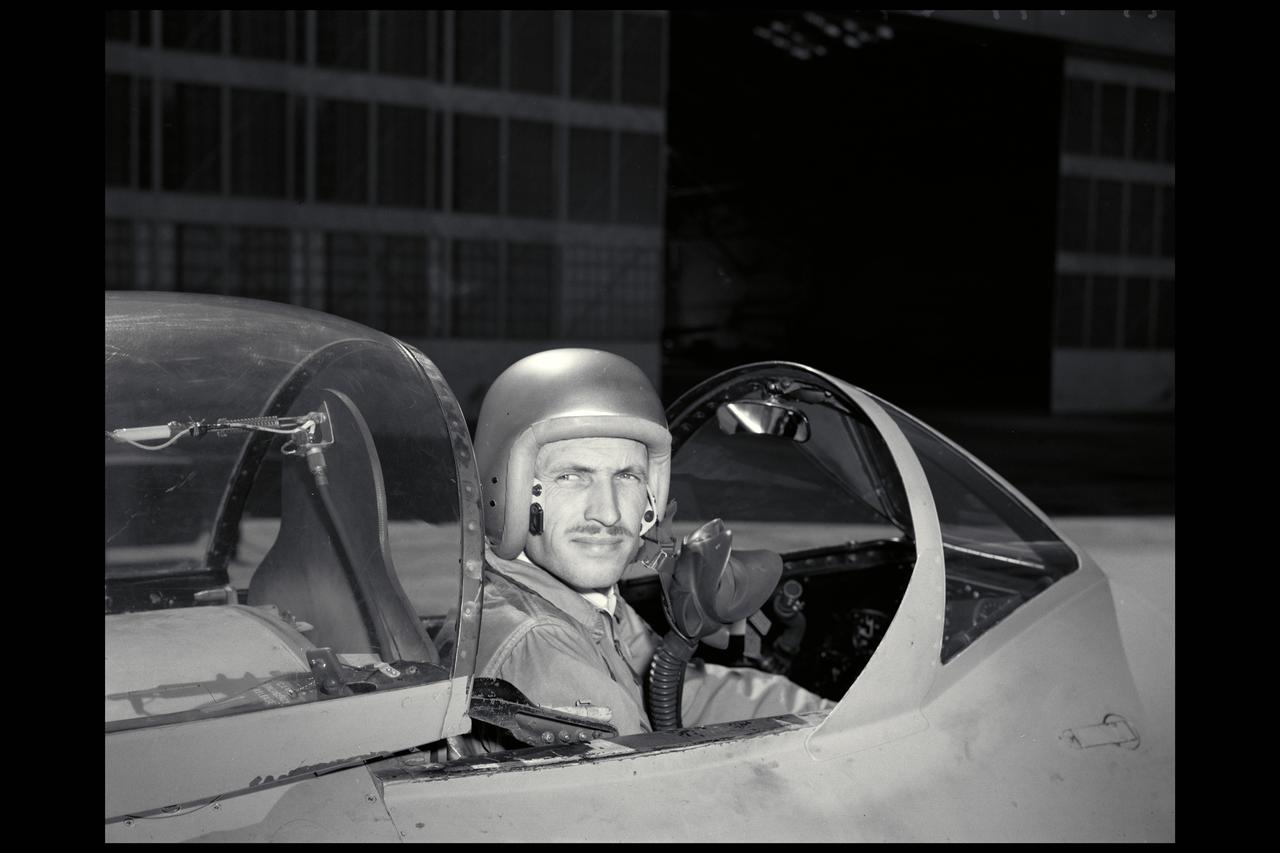
NACA PHOTOGRAPHER George Cooper, Ames Test Pilot
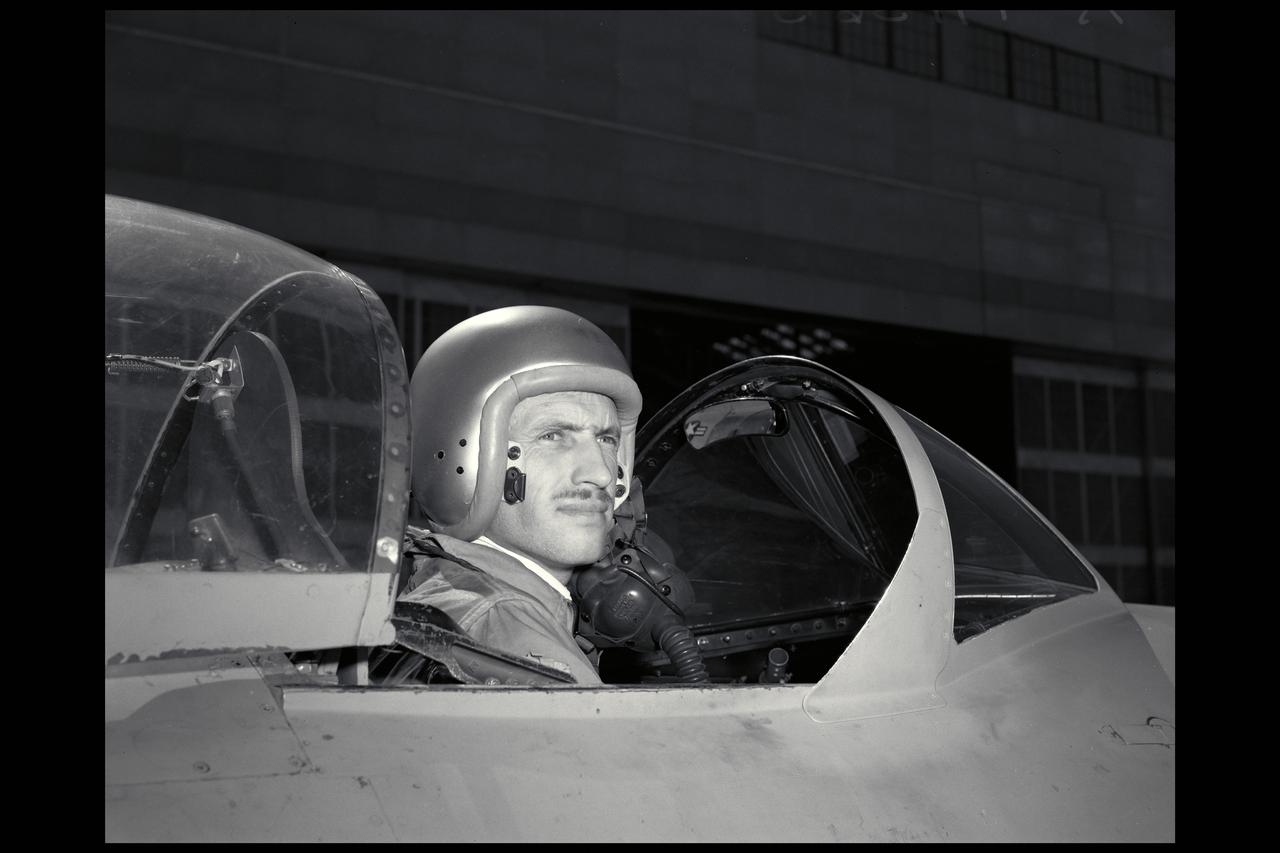
NACA PHOTOGRAPHER George Cooper, Ames Test Pilot
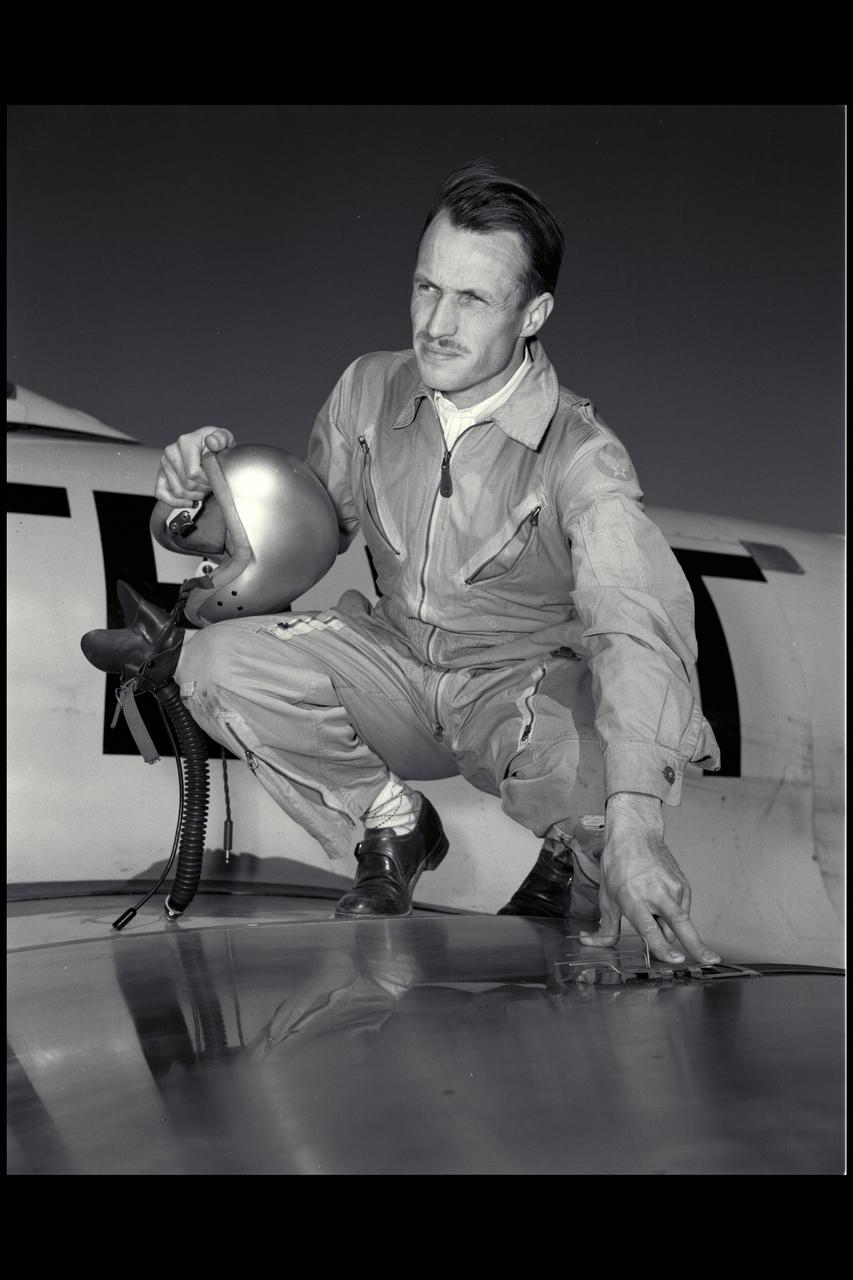
George E. Cooper; Ames Test Pilot
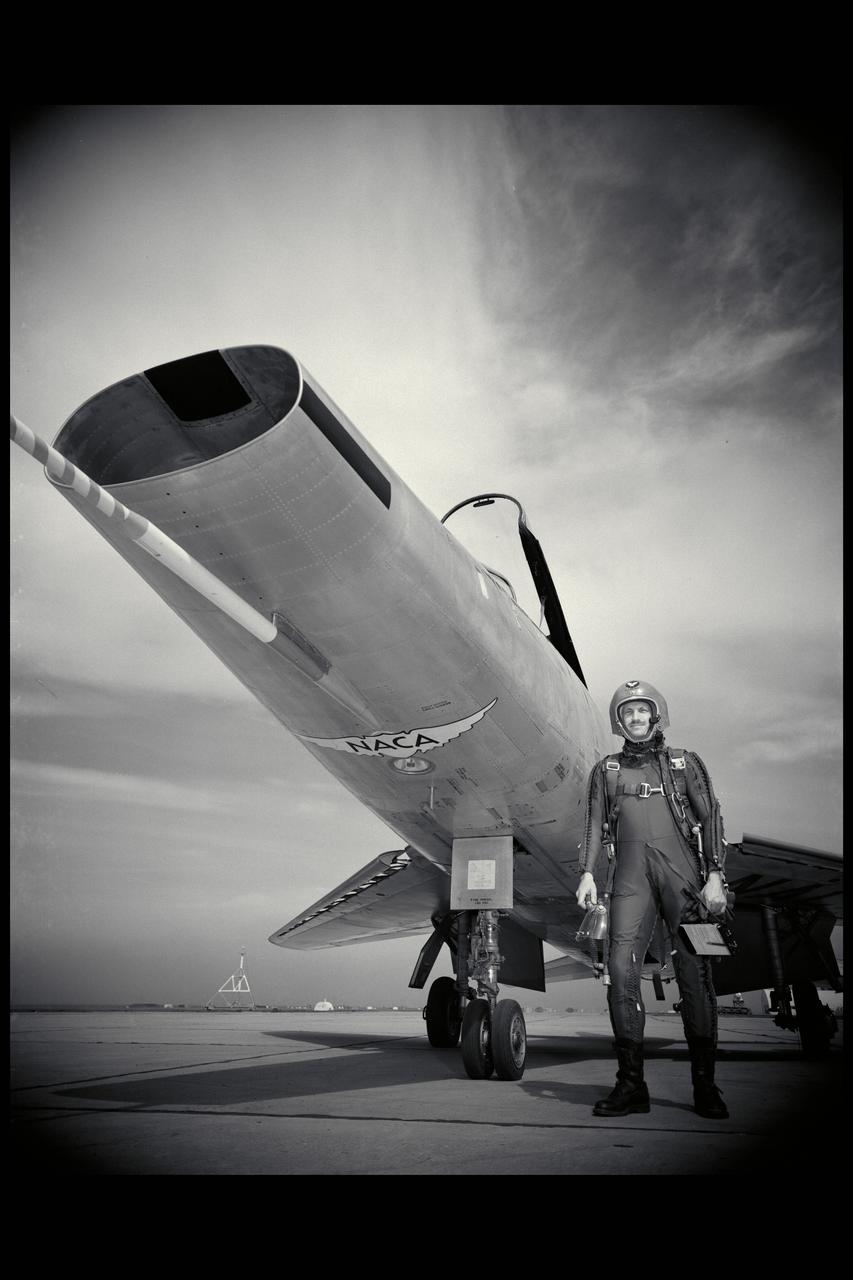
North American F-100 Airplane (NACA 709), with Pilot George Cooper
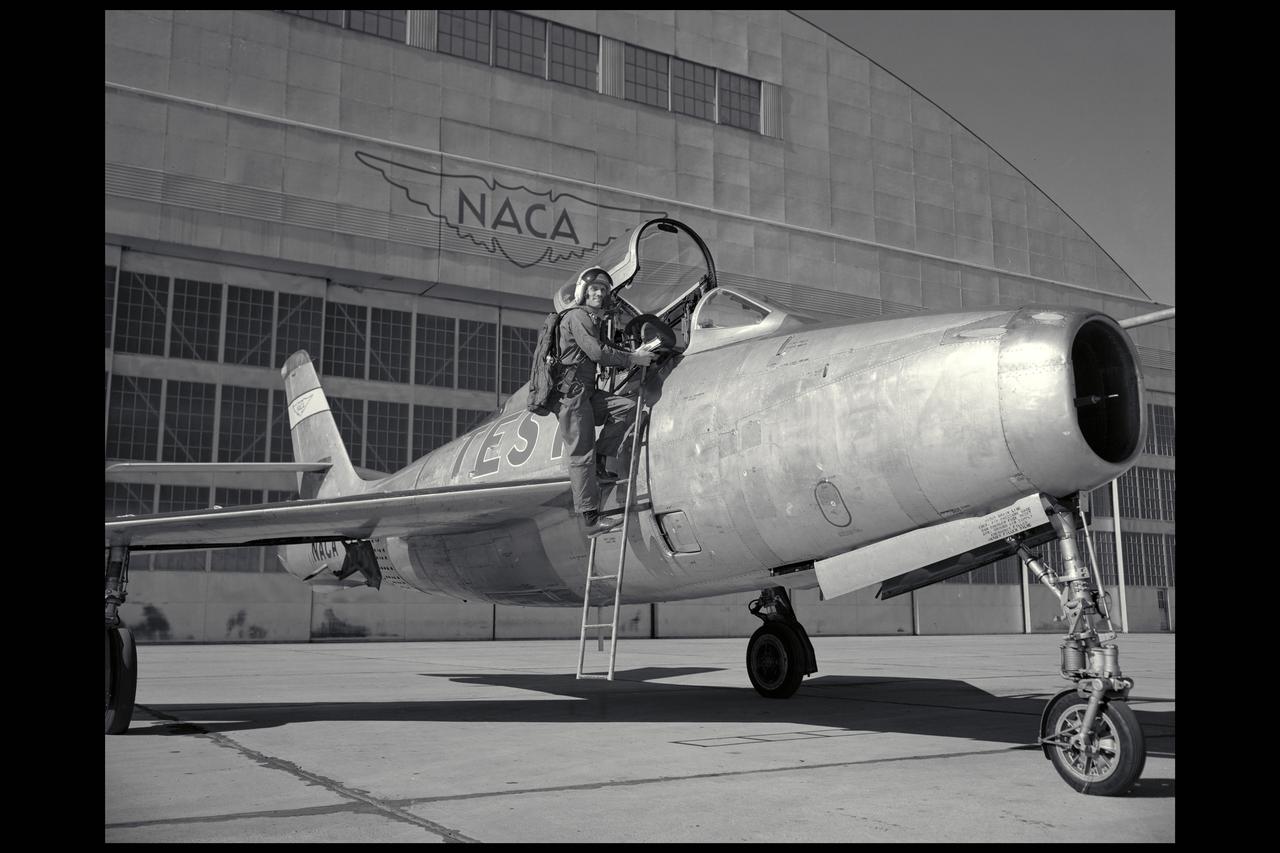
Ames Pilot George Cooper and F-84F airplane on ramp
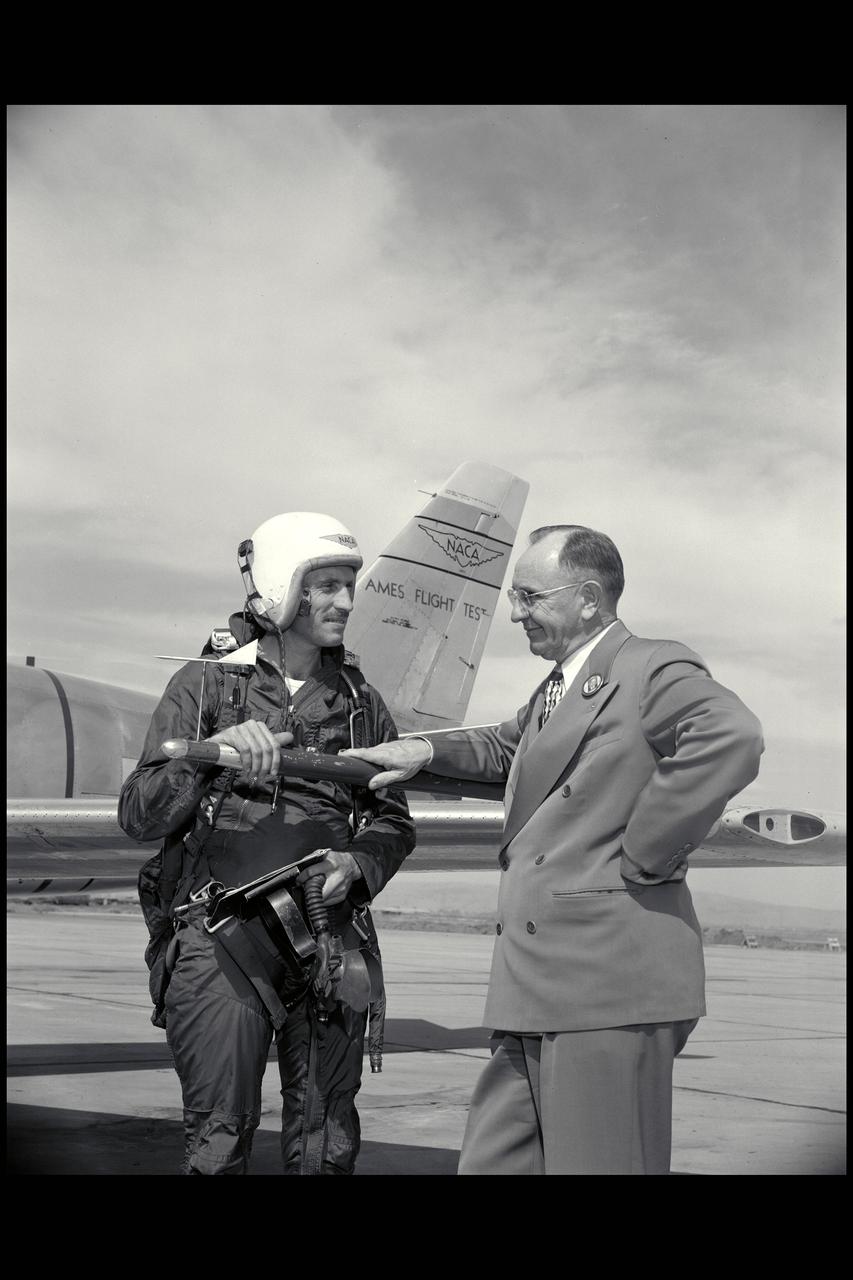
Ames Pilot George Cooper (l) and Ames Director Smith DeFrance discuss F-86 flight test

Pilot George Cooper on flightline after test flight holding a dead bird (duck / goose) apparently brought down by his aircraft
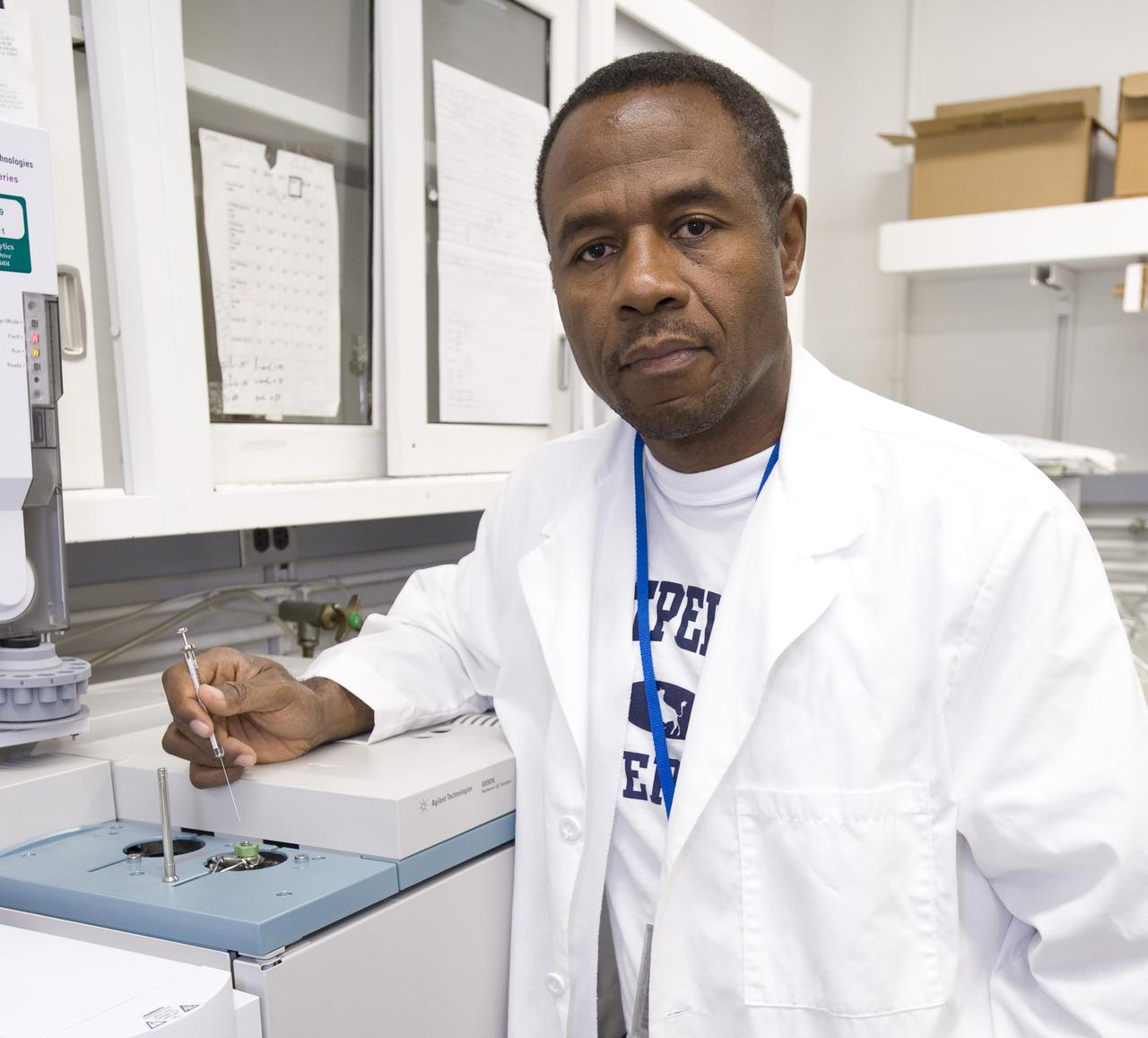
Dr George Cooper analyzes metoritic material by injecting samples into gas chromatograph-mass spectrometer. This instrument separates very complicated molecular mixtures into individual componds that are more easily identified.

NACA/Ames Photographer Radio personality Arthur Godfrey shown here with Ames Pilot George Cooper and Center Director Smith J DeFrance during tour of facility
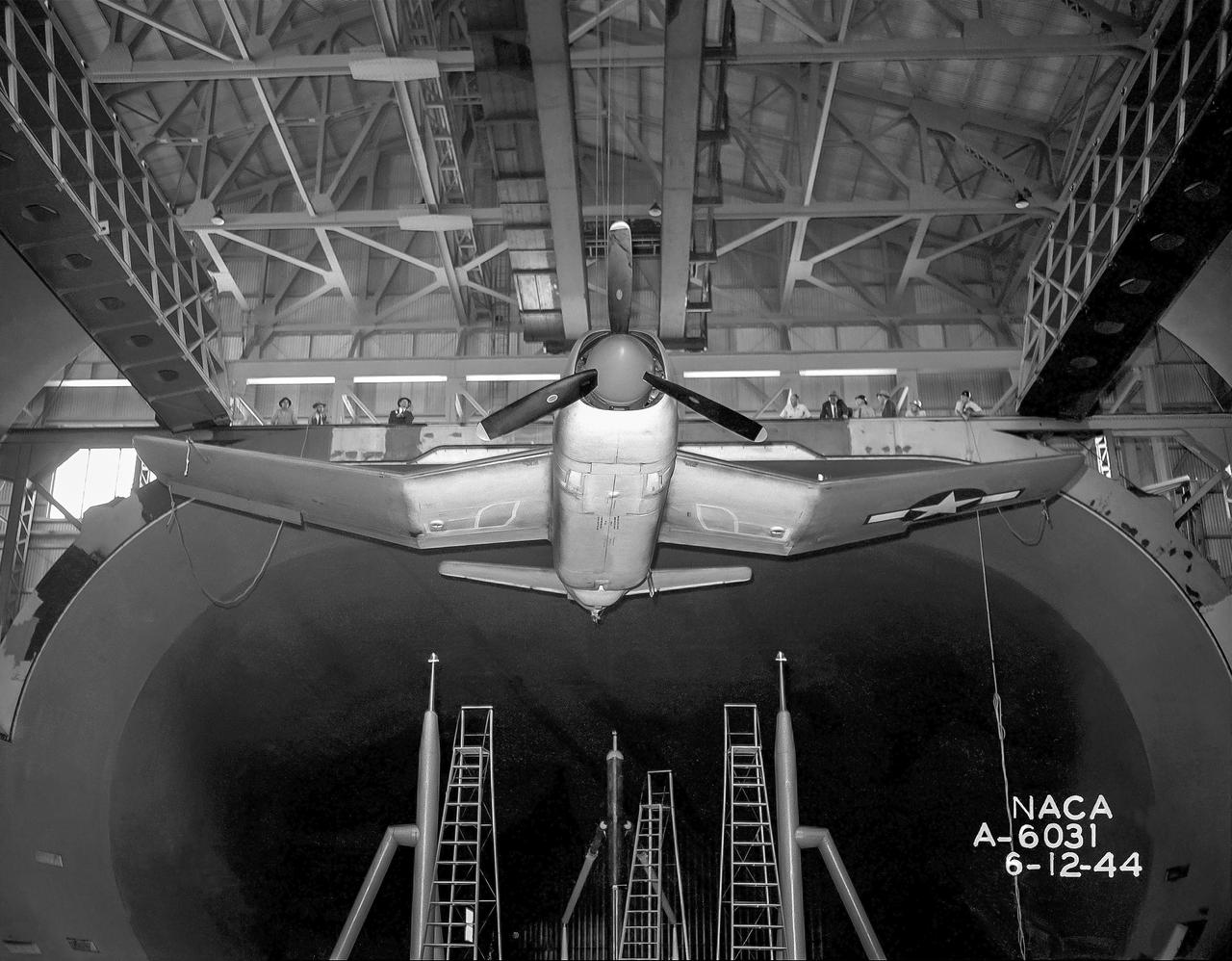
XSB2D-1 First test (no number) Aerodynamic test to forecast the take off distance. George Cooper was the A1:H73 pilot. Orchard ladders were used to access the ball socket attachments on the struts.
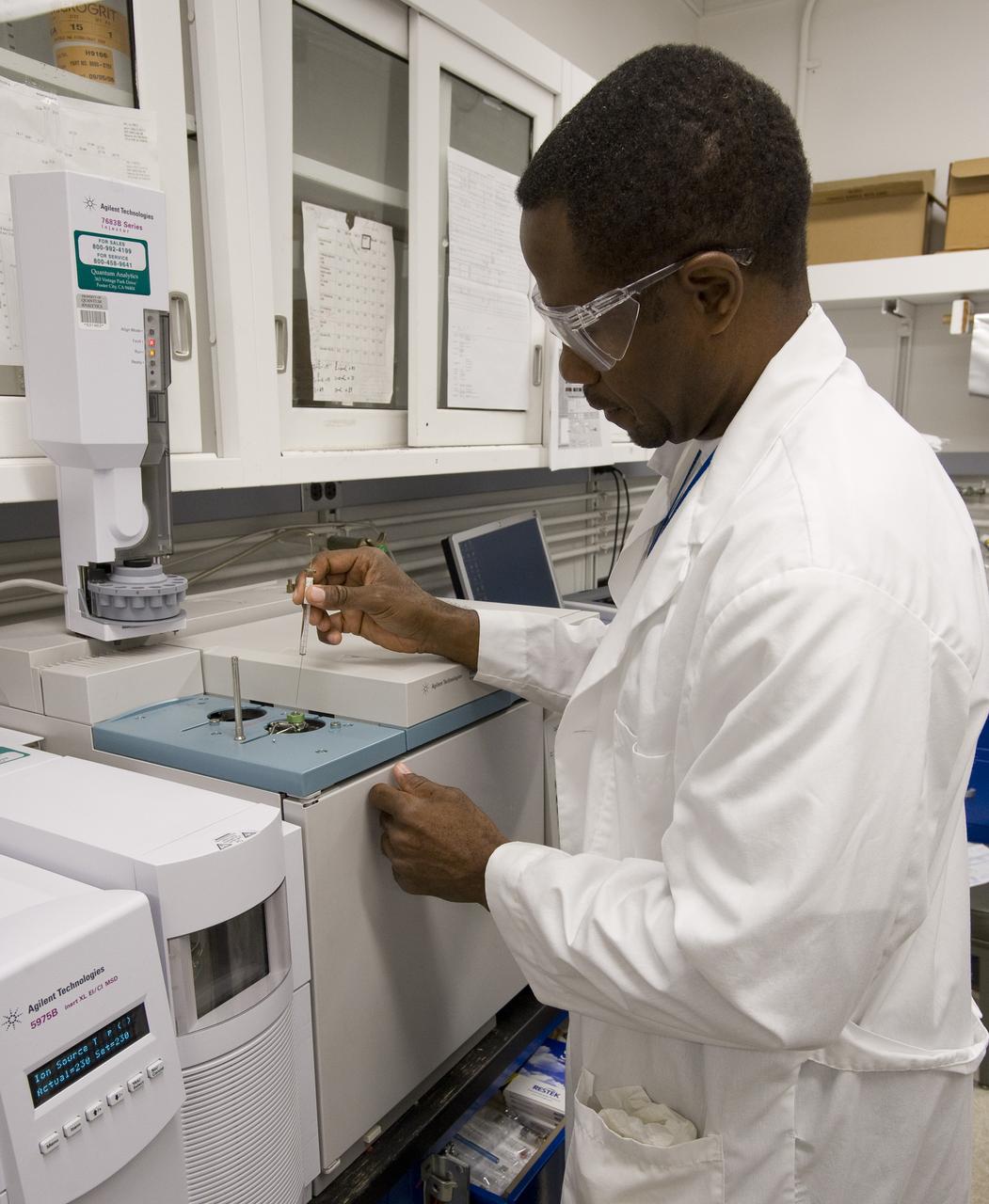
Dr George Cooper analyzes metoritic material by injecting samples into gas chromatograph-mass spectrometer. This instrument separates very complicated molecular mixtures into individual componds that are more easily identified.
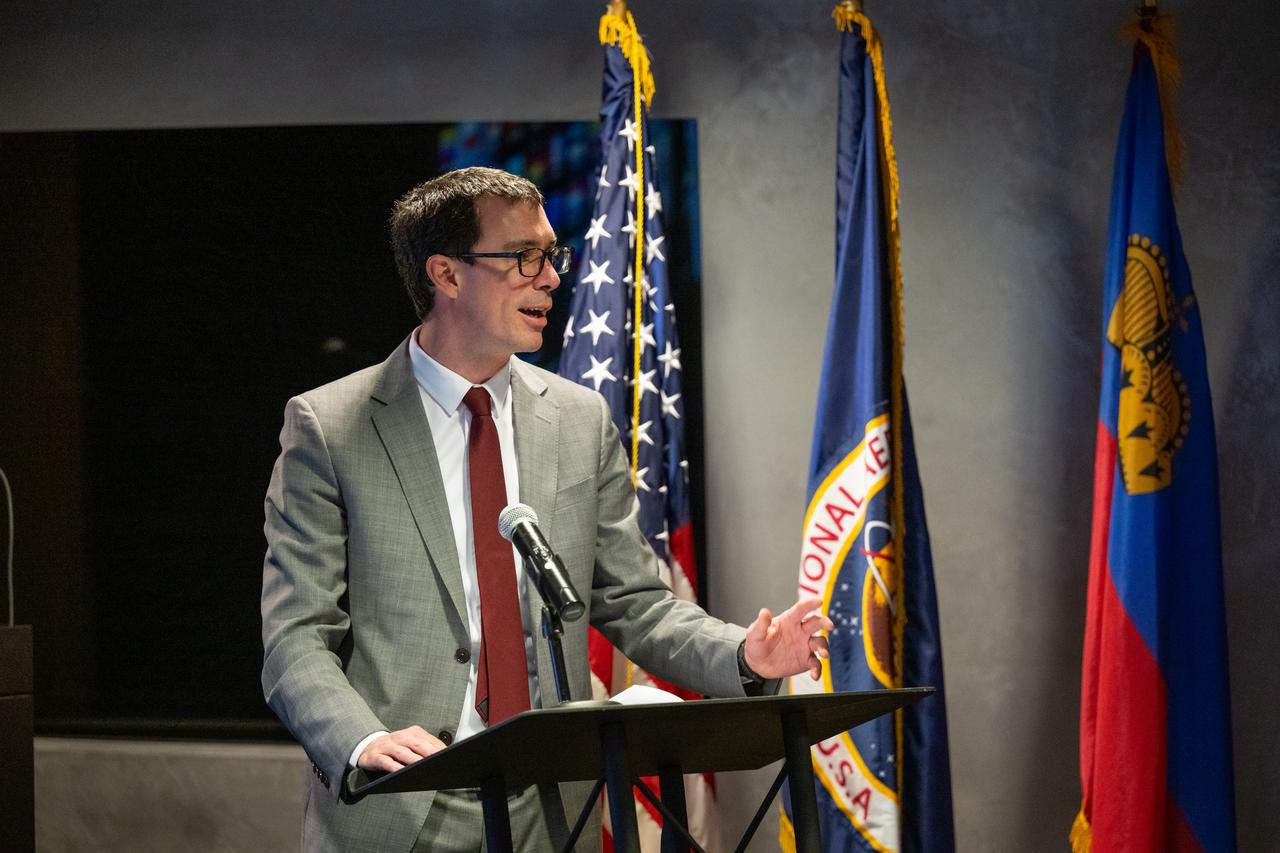
Ambassador of the Principality of Liechtenstein to the United States of America Georg Sparber delivers remarks during an Artemis Accords signing ceremony Friday, Dec. 20, 2024, at the Mary W. Jackson NASA Headquarters building in Washington. The Principality of Liechtenstein is the 52nd country to sign the Artemis Accords, which establish a practical set of principles to guide space exploration cooperation among nations participating in NASA’s Artemis program.Photo Credit: (NASA/Keegan Barber)
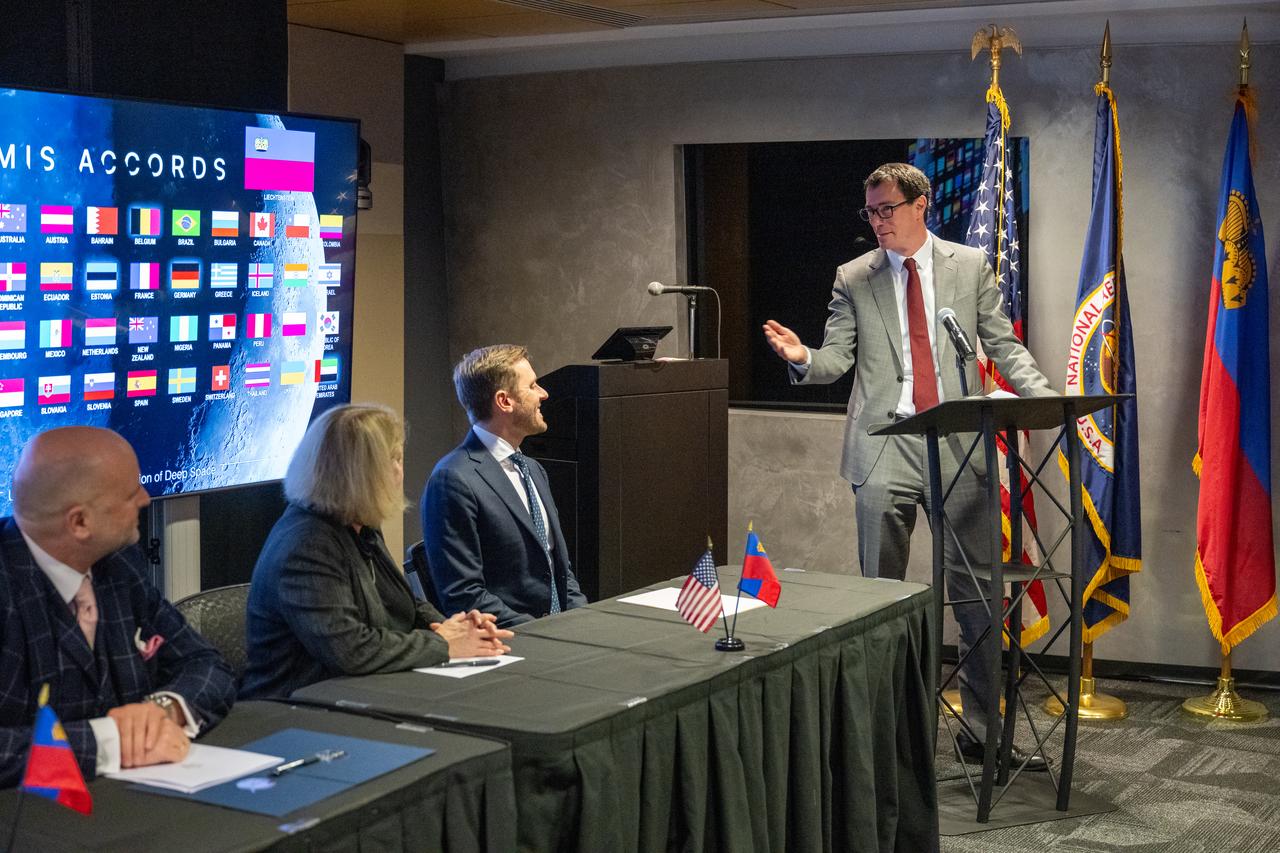
Ambassador of the Principality of Liechtenstein to the United States of America Georg Sparber delivers remarks during an Artemis Accords signing ceremony Friday, Dec. 20, 2024, at the Mary W. Jackson NASA Headquarters building in Washington. The Principality of Liechtenstein is the 52nd country to sign the Artemis Accords, which establish a practical set of principles to guide space exploration cooperation among nations participating in NASA’s Artemis program.Photo Credit: (NASA/Keegan Barber)
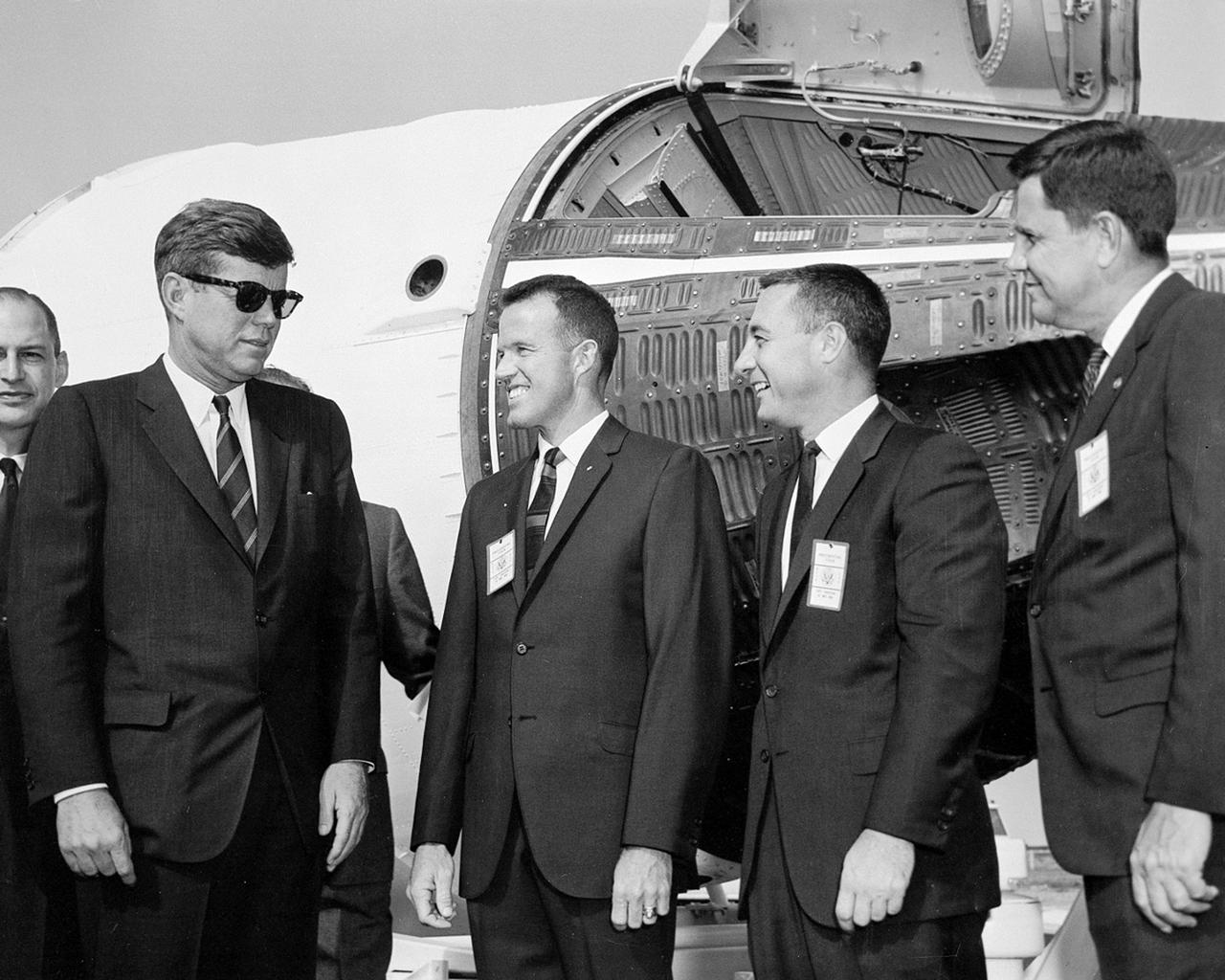
CAPE CANAVERAL Fla. -- President John F. Kennedy tours the Cape Canaveral Missile Test Annex in Florida. Standing in front of a Gemini spacecraft, from the left, are George M. Low, NASA chief of Manned Space Flight partially visible, Kennedy, astronaut L. Gordon Cooper, astronaut Virgil I. Grissom and G. Merritt Preston, NASA's manager of the Atlantic Missile Range. Photo Credit: NASA
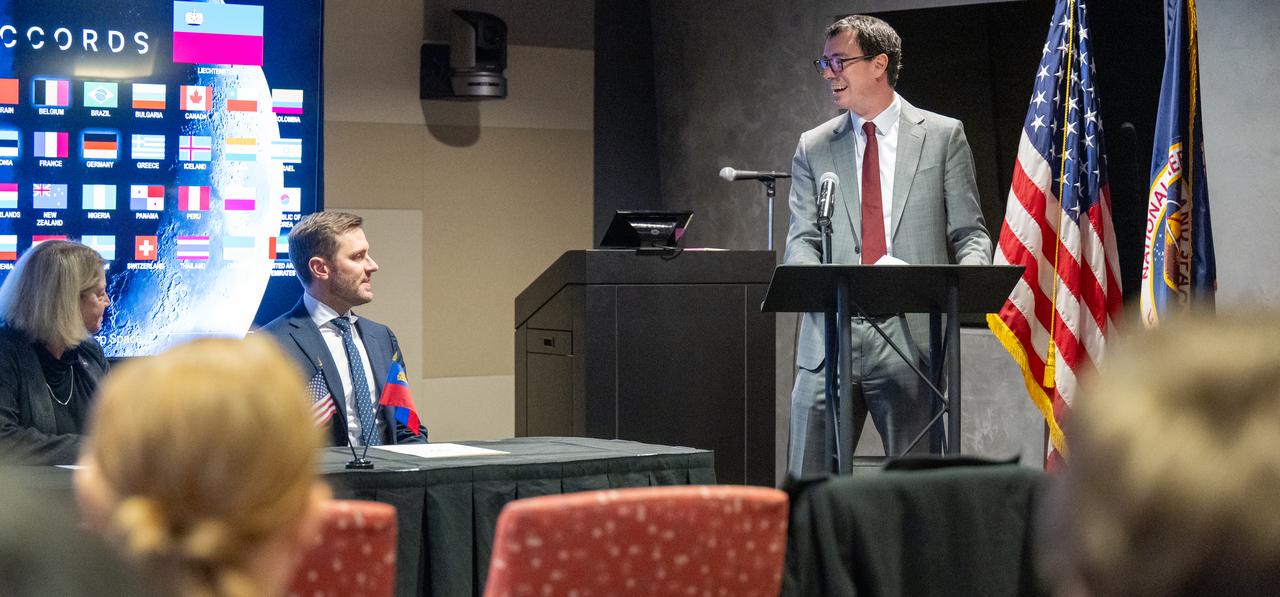
Ambassador of the Principality of Liechtenstein to the United States of America Georg Sparber delivers remarks during an Artemis Accords signing ceremony Friday, Dec. 20, 2024, at the Mary W. Jackson NASA Headquarters building in Washington. The Principality of Liechtenstein is the 52nd country to sign the Artemis Accords, which establish a practical set of principles to guide space exploration cooperation among nations participating in NASA’s Artemis program.Photo Credit: (NASA/Keegan Barber)
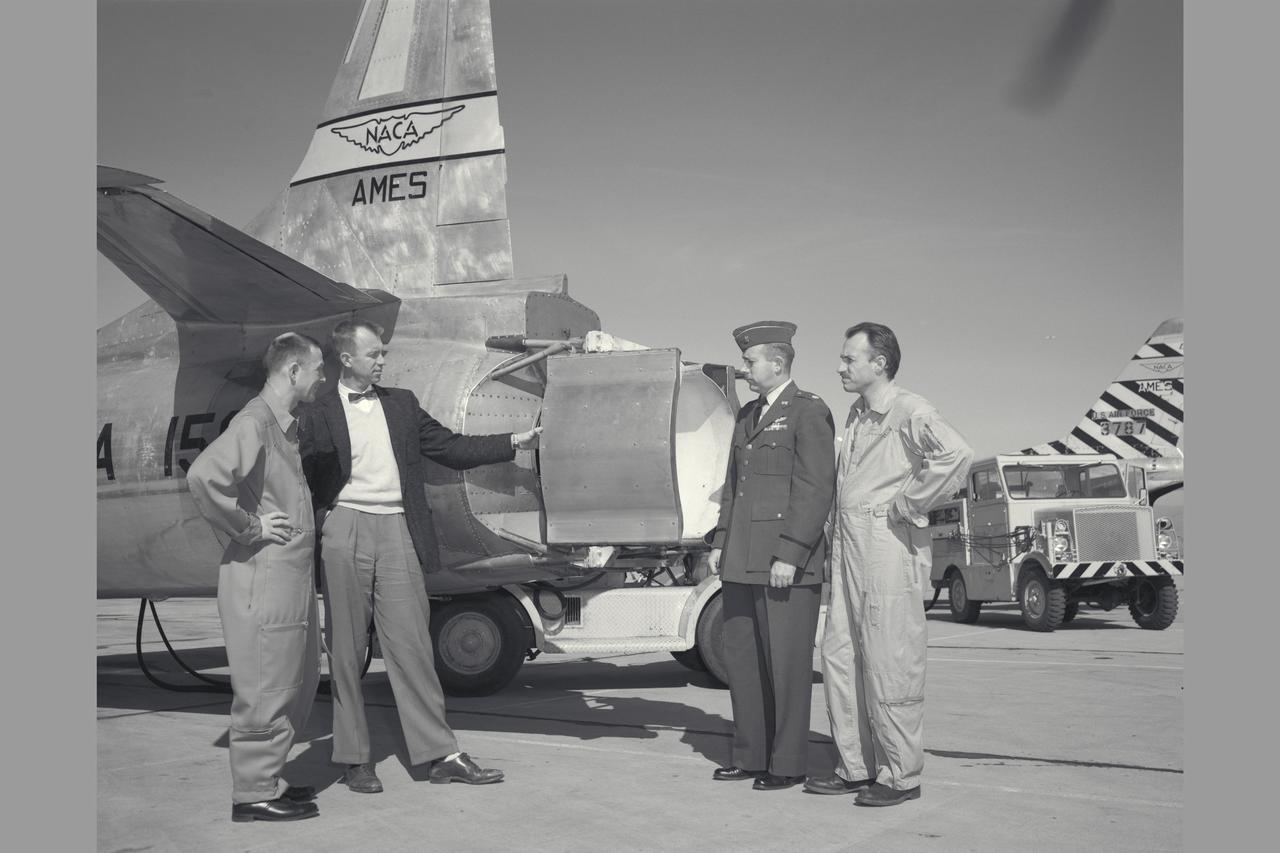
NACA Photographer Thrust reverser on F-94C-1 (AF50-956 NACA 156) Starfire (l to R) Air Force Major E. Sommerich; Ames Engineer Seth Anderson, Lt. Col. Tavasti; and Ames Chief test pilot George Cooper discussing phases of flight evaluation tests. Note: Used in publication in Flight Research at Ames; 57 Years of Development and Validation of Aeronautical Technology NASA SP-1998-3300 fig 91
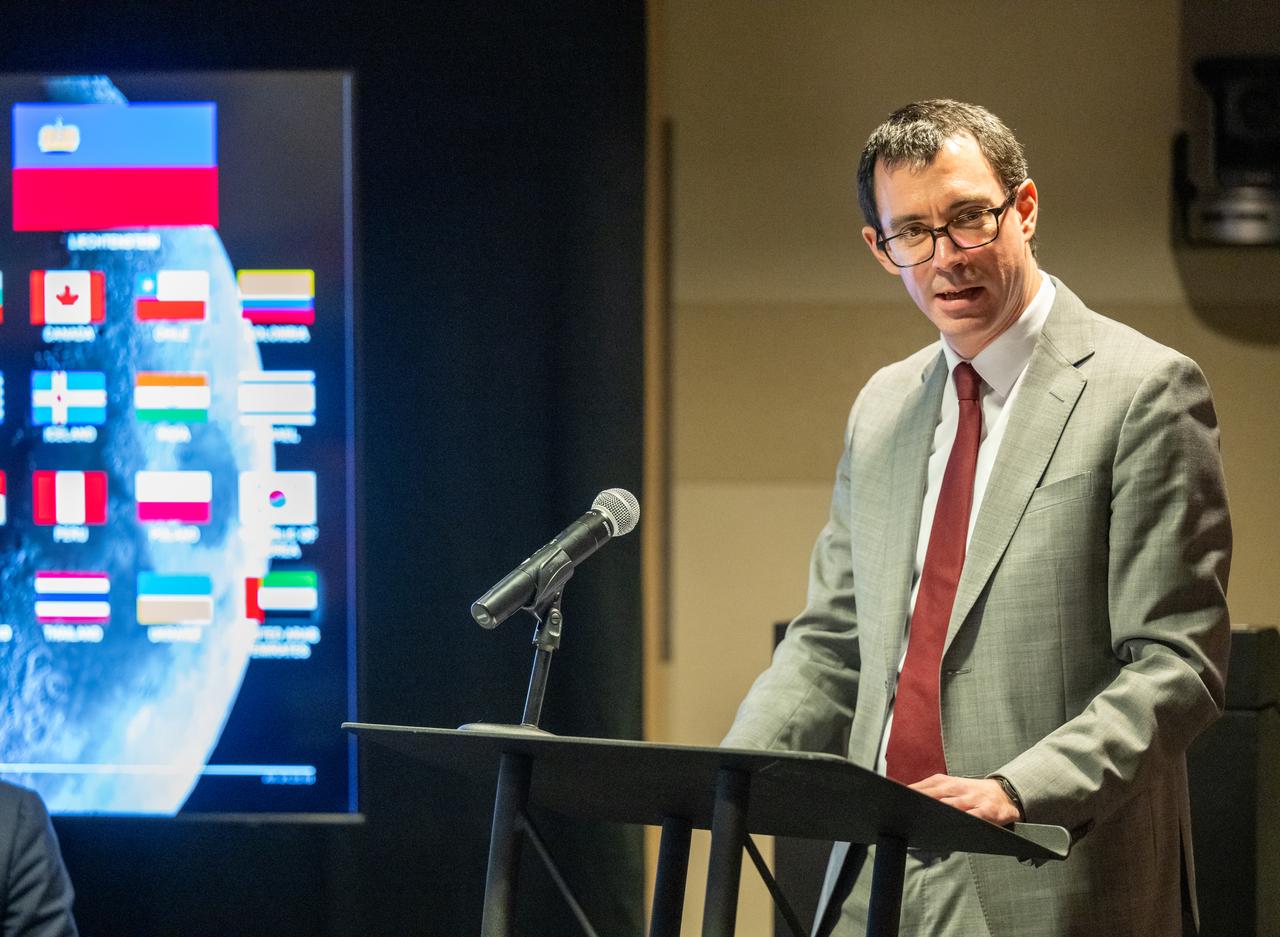
Ambassador of the Principality of Liechtenstein to the United States of America Georg Sparber delivers remarks during an Artemis Accords signing ceremony Friday, Dec. 20, 2024, at the Mary W. Jackson NASA Headquarters building in Washington. The Principality of Liechtenstein is the 52nd country to sign the Artemis Accords, which establish a practical set of principles to guide space exploration cooperation among nations participating in NASA’s Artemis program.Photo Credit: (NASA/Keegan Barber)
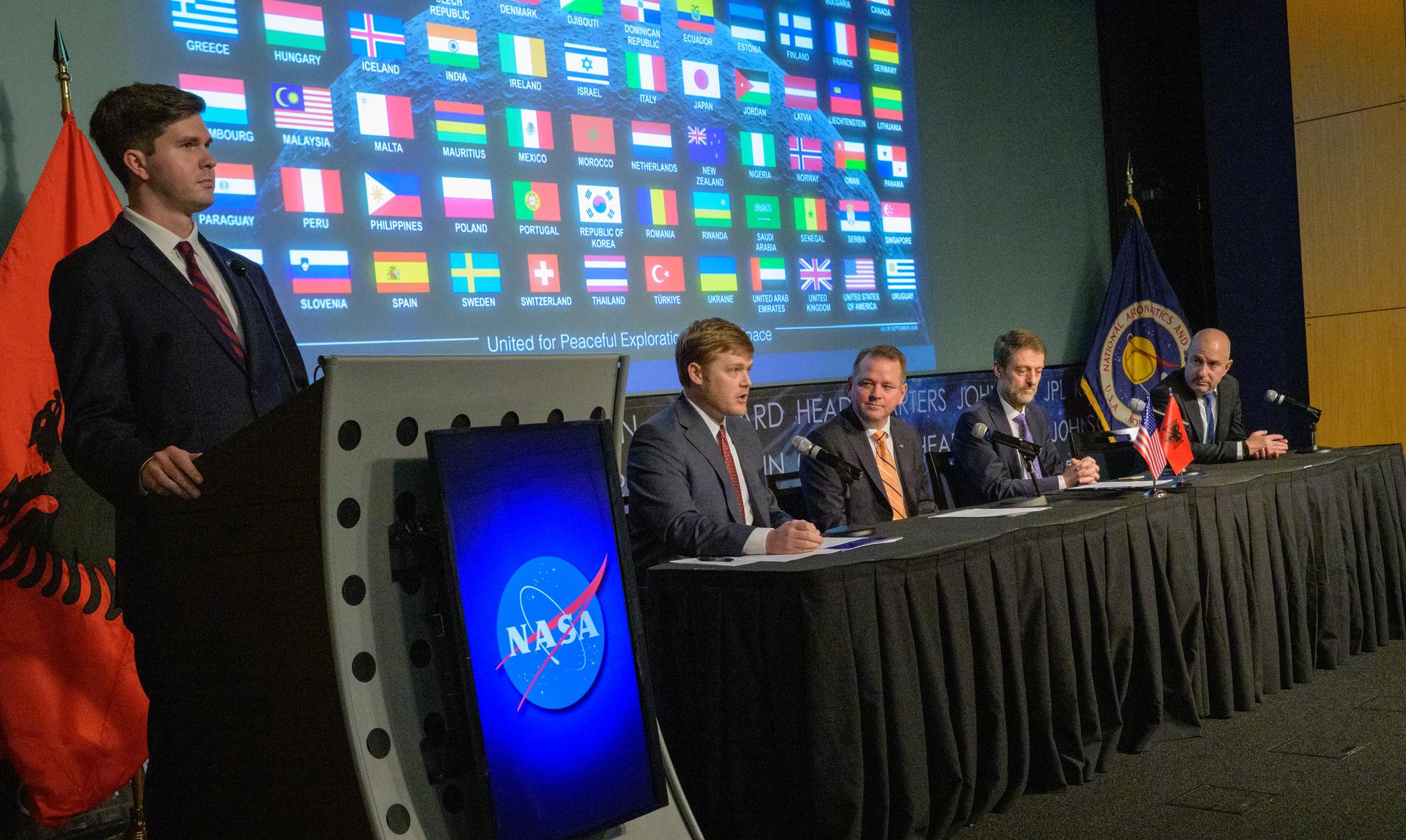
NASA Deputy Press Secretary George Alderman, standing left, U.S. Deputy Assistant Secretary of State for Space and Environment Connor Tomlinson, seated left, NASA Deputy Administrator Matt Anderson, Albania’s Minister for Europe and Foreign Affairs Ferit Hoxha, and Ambassador of the Republic of Albania to the United States Ervin Bushati, right, are seen during an Artemis Accords signing ceremony Monday, September 21, 2026, at the Mary W. Jackson NASA Headquarters building in Washington. The Republic of Albania is the 73rd country to sign the Artemis Accords, which establish a practical set of principles to guide space exploration cooperation among nations participating in NASA’s Artemis program. Photo Credit: (NASA/Bill Ingalls)

NASA Deputy Press Secretary George Alderman moderates the Artemis Accords signing ceremony with Chief of Staff in the Office of the Under Secretary of State for Economic Affairs William Cappelletti, NASA Administrator Jared Isaacman, Minister for Enterprise, Tourism and Employment Peter Burke T.D., and Ambassador of Ireland to the United States of America Geraldine Byrne Nason, Monday, May 4, 2026, at the Mary W. Jackson NASA Headquarters building in Washington. Ireland is the 66th country to sign the Artemis Accords, which establish a practical set of principles to guide space exploration cooperation among nations participating in NASA’s Artemis program. Photo Credit: (NASA/Bill Ingalls)
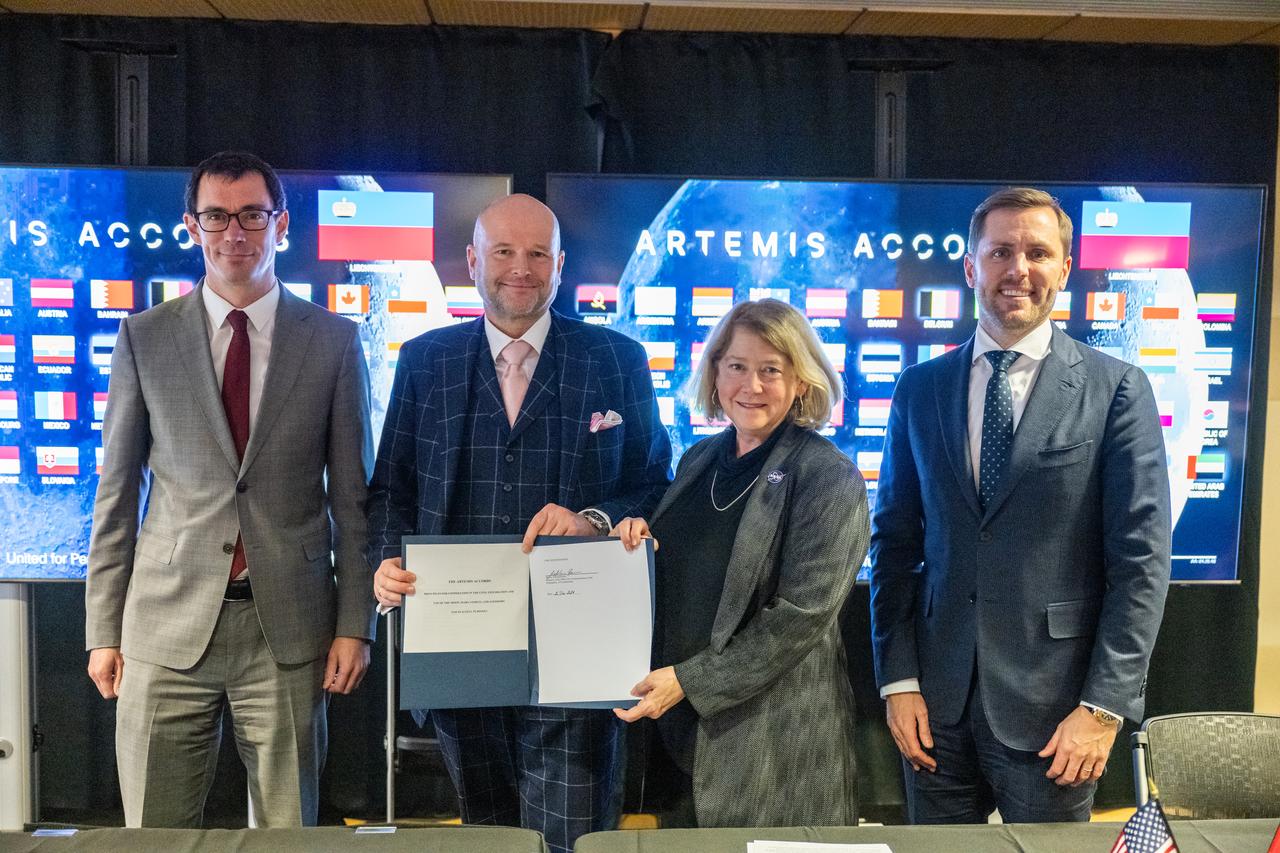
From left to right, Ambassador of the Principality of Liechtenstein to the United States of America Georg Sparber, Director of the Office for Communications of the Principality of Liechtenstein Dr. Rainer Schnepfleitner, NASA Deputy Administrator Pam Melroy, and Ambassador Extraordinary and Plenipotentiary to the Swiss Confederation and to the Principality of Liechtenstein Scott Miller, pose for a group photo during an Artemis Accords signing ceremony, Friday, Dec. 20, 2024, at the Mary W. Jackson NASA Headquarters building in Washington. The Principality of Liechtenstein is the 52nd country to sign the Artemis Accords, which establish a practical set of principles to guide space exploration cooperation among nations participating in NASA’s Artemis program.Photo Credit: (NASA/Keegan Barber)
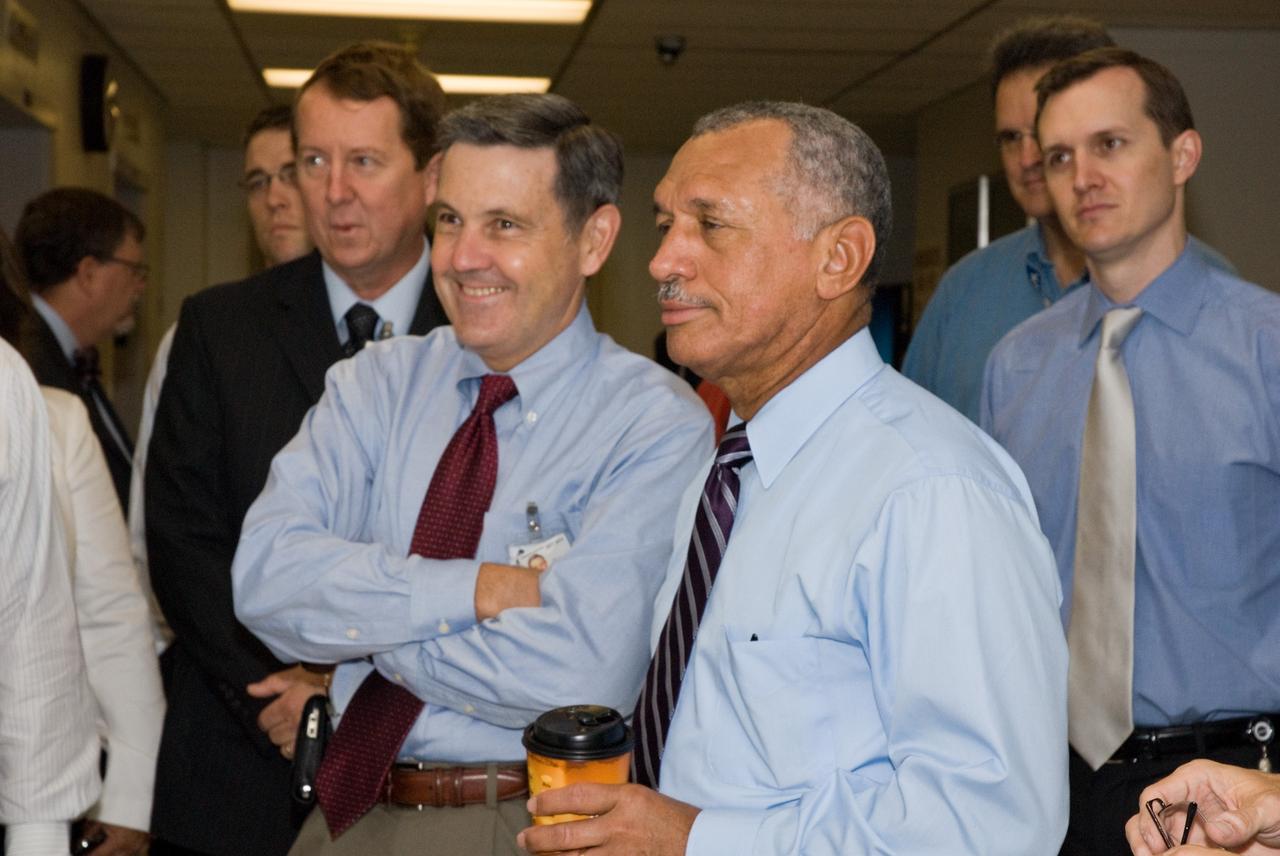
CAPE CANAVERAL, Fla. – At NASA's Kennedy Space Center in Florida, NASA Administrator Charles Bolden finishes his tour of the Launch Equipment Test Facility. Accompanying him are, from left, Bolden's aide Kirk Sander and Center Director Bob Cabana and, at right, Chief of Staff in the Office of the Administrator George Whitesides. Bolden is touring several facilities at Kennedy involved with NASA's Constellation Program. Bolden also was at Kennedy for several events, including the landing of space shuttle Endeavour's STS-127 mission and the signing of the joint NASA-Japan Aerospace Exploration Agency agreement defining the terms of cooperation between the agencies on the Global Precipitation Measurement, or GPM, mission. Photo credit: NASA/Kim Shiflett
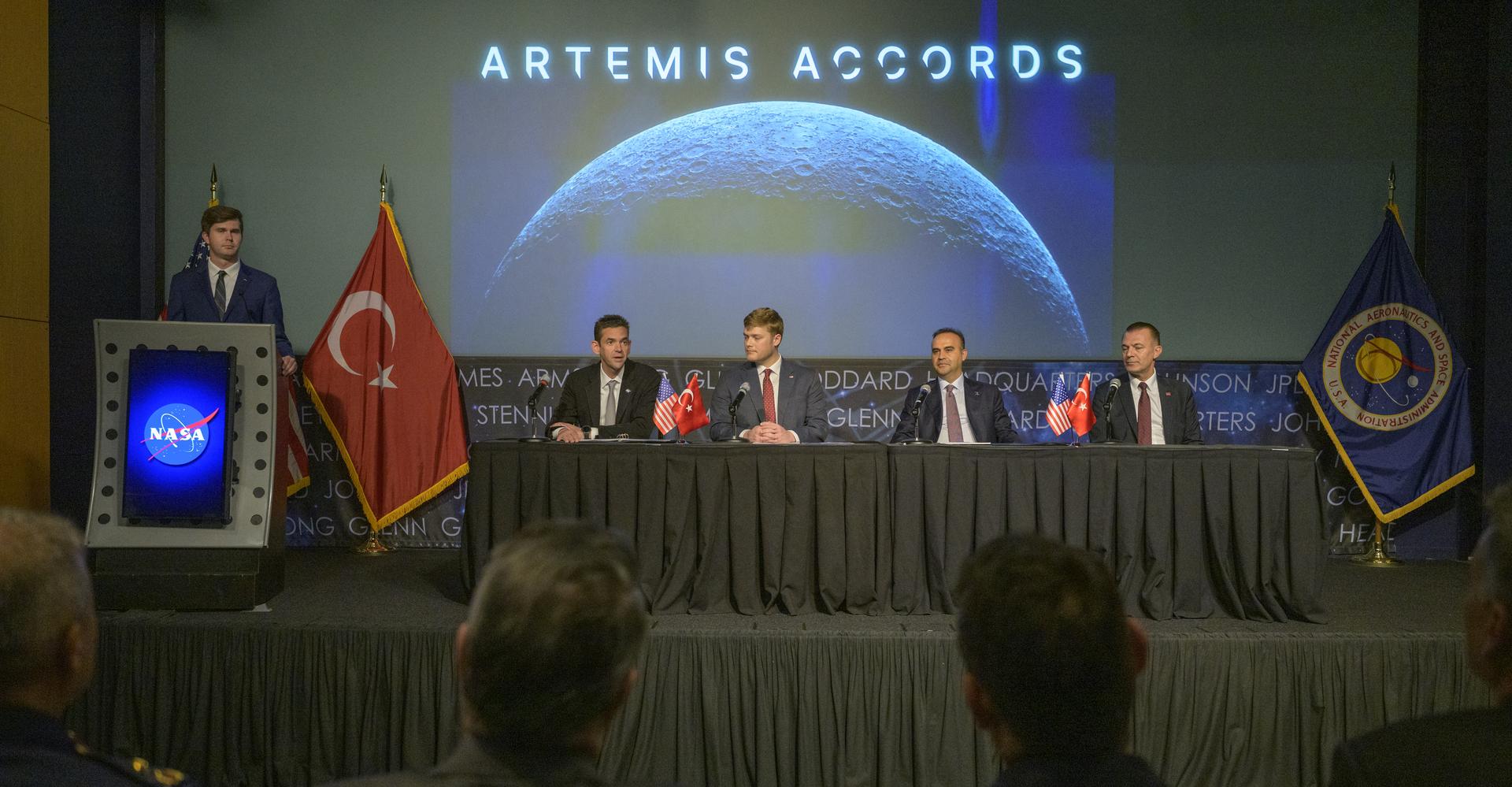
NASA Deputy Press Secretary George Alderman, left, NASA Administrator Jared Isaacman, U.S. Deputy Assistant Secretary of State for Space and Environment Connor Tomlinson, Turkish Minister of Industry and Technology, Mehmet Fatih Kacır, and Turkish Space Agency President, Yusuf Kıraç, right, are seen during an Artemis Accords signing ceremony Monday, August 31, 2026, at the Mary W. Jackson NASA Headquarters building in Washington. Türkiye is the 71st country to sign the Artemis Accords, which establish a practical set of principles to guide space exploration cooperation among nations participating in NASA’s Artemis program. Photo Credit: (NASA/Bill Ingalls)
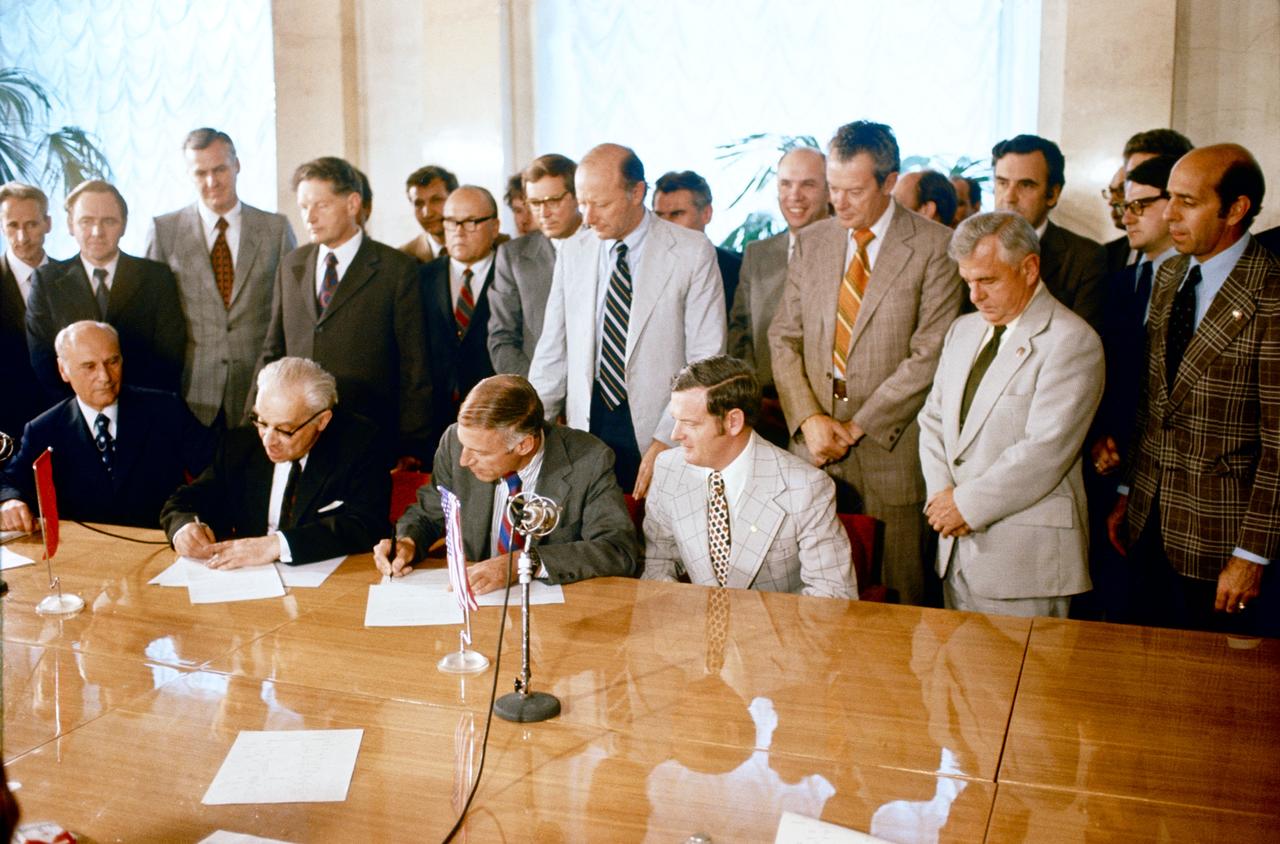
S75-27346 (22 May 1975) --- An overall view of the signing of the Apollo-Soyuz Test Project joint flight readiness review in ceremonies on May 22, 1975 in Moscow. Academician Vladimir A. Kotelnikov (on left) and NASA Deputy Administrator George M. Low (in center) are seen affixing their signatures to the ASTP document. Kotelnikov is the Acting President of the USSR Academy of Sciences. Seated at far left is Professor Konstantin D. Bushuyev, the Soviet Technical Director of ASTP. Dr. Glynn S. Lunney, the U.S. Technical Director of ASTP, is seated on Dr. Low?s left. Arnold W. Frutkin (in light jacket), NASA Assistant Administrator for International Affairs, is standing behind Dr. Low. Academician Boris N. Petrov (in dark suit), Chairman of the USSR Council for International Cooperation in the Exploration and Use of Outer Space, is standing behind Kotelnikov. The signing of the agreement took place at the Presidium of the Academy of Sciences in Moscow.
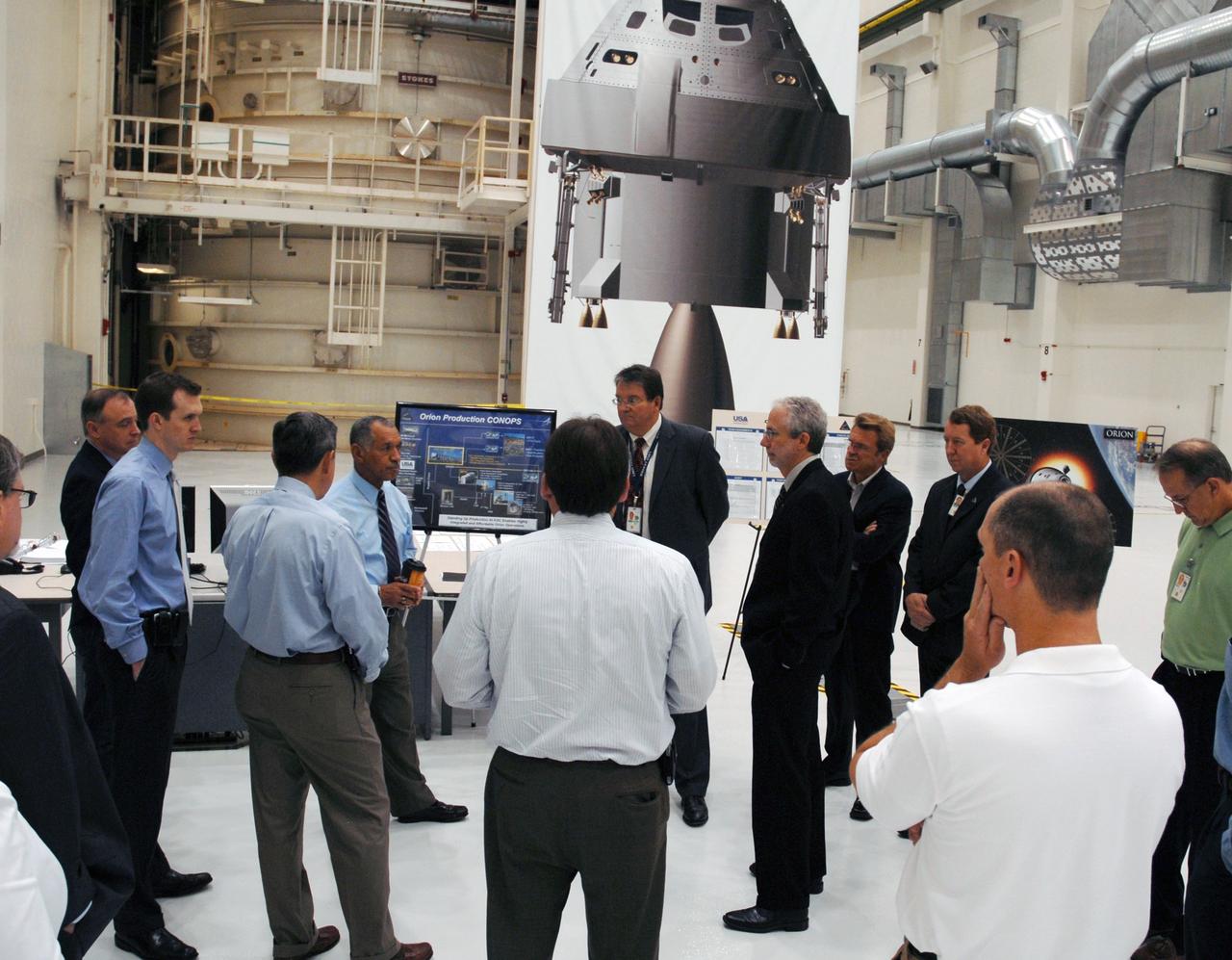
CAPE CANAVERAL, Fla. – On a tour of NASA's Kennedy Space Center in Florida, NASA Administrator Charles Bolden stops in the Operations and Checkout Building to view the high bay planned for the assembly of the Constellation Program's Orion crew vehicle. At left are Chief of Staff in the Office of the Administrator George Whitesides, Center Director Bob Cabana (back to camera) and Bolden. Facing Bolden is Lockheed Martin Space Systems Company Deputy Program Manager Richard F. Harris. Bolden is touring several facilities at Kennedy involved with NASA's Constellation Program. Bolden also was at Kennedy for several events, including the landing of space shuttle Endeavour's STS-127 mission and the signing of the joint NASA-Japan Aerospace Exploration Agency agreement defining the terms of cooperation between the agencies on the Global Precipitation Measurement, or GPM, mission. Photo credit: NASA/Kim Shiflett

CAPE CANAVERAL, Fla. – From left, Kennedy Space Center Director Bob Cabana, NASA Administrator Charles Bolden, Tina Palacio and Bolden's aide Kirk Sander leave the Vehicle Assembly Building after viewing the Ares I-X operations. Behind Palacios is Acting Associate Administrator of Exploration Systems Doug Cook, and at far right is Chief of Staff in the Office of the Administrator George Whitesides. Bolden is touring several facilities at Kennedy involved with NASA's Constellation Program. Bolden also was at Kennedy for several events, including the landing of space shuttle Endeavour's STS-127 mission and the signing of the joint NASA-Japan Aerospace Exploration Agency agreement defining the terms of cooperation between the agencies on the Global Precipitation Measurement, or GPM, mission. Photo credit: NASA/Kim Shiflett
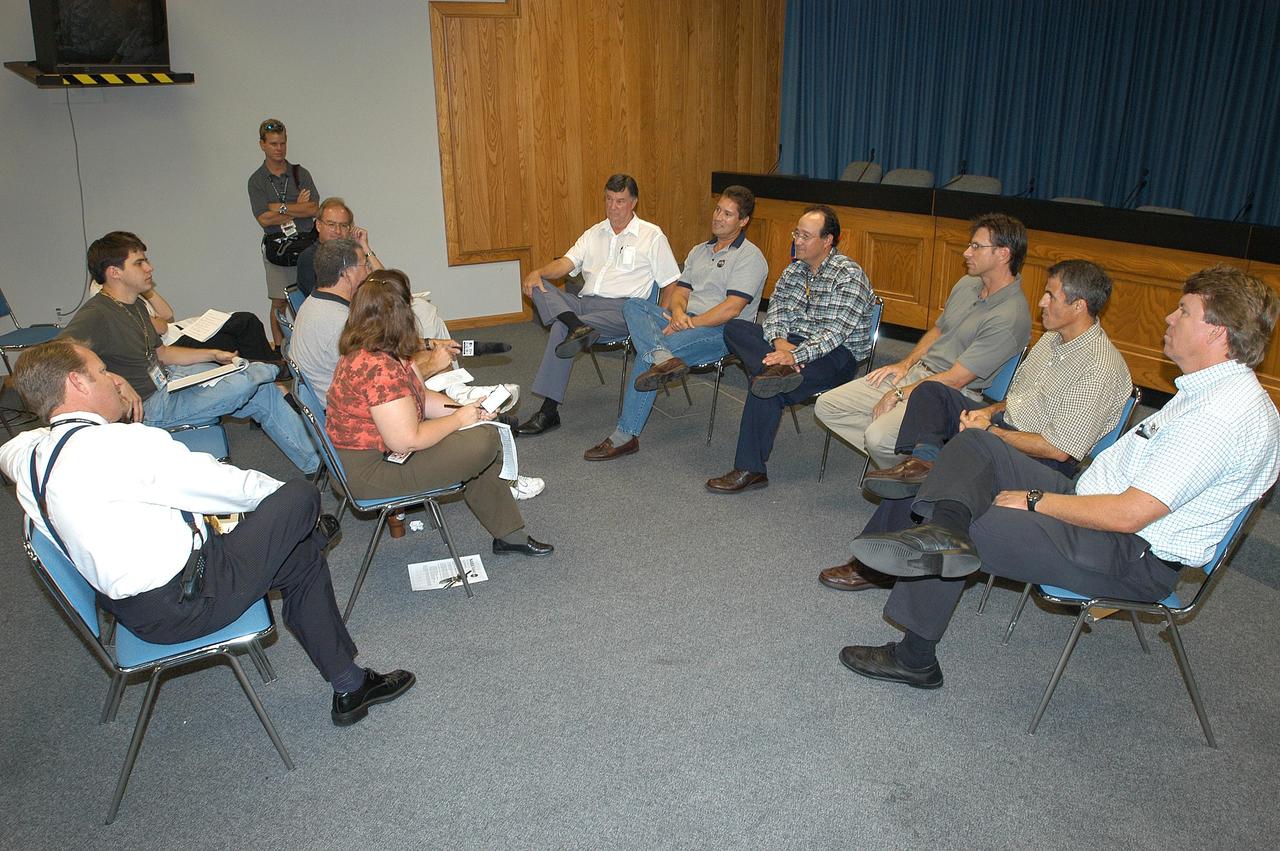
KENNEDY SPACE CENTER, FLA. - Reporters (left) take notes during an informal briefing concerning NASA’s Cassini spacecraft, launched aboard an Air Force Titan IV rocket from Cape Canaveral Air Force Station Oct. 15, 1997. Cassini launch team members at right discussed the challenge and experience of preparing Cassini for launch, integrating it with the Titan IV rocket and the countdown events of launch day. From left are Ron Gillett, NASA Safety and Lead Federal Agency official; Omar Baez, mechanical and propulsion systems engineer; Ray Lugo, NASA launch manager; Chuck Dovale, chief, Avionics Branch; George Haddad, Integration and Ground Systems mechanical engineer; and Ken Carr, Cassini assistant launch site support manager. Approximately 10:36 p.m. EDT, June 30, the Cassini-Huygens spacecraft will arrive at Saturn. After nearly a seven-year journey, it will be the first mission to orbit Saturn. The international cooperative mission plans a four-year tour of Saturn, its rings, icy moons, magnetosphere, and Titan, the planet’s largest moon.
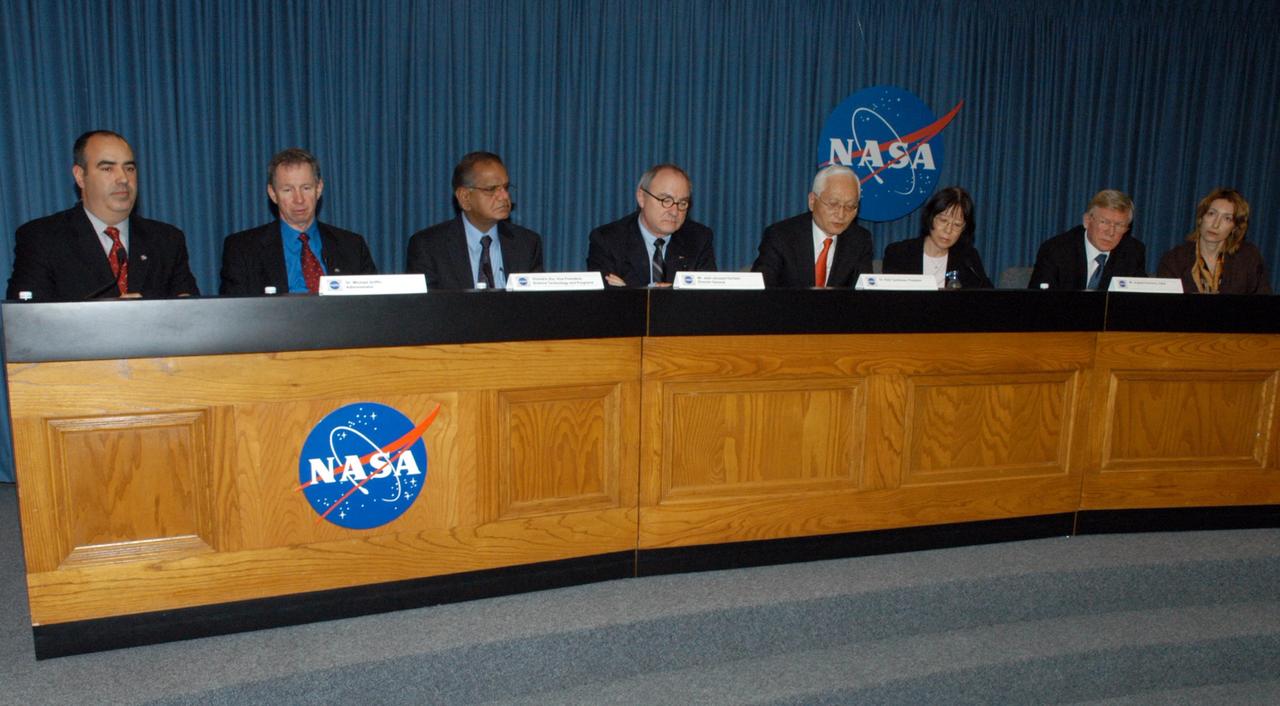
KENNEDY SPACE CENTER, FLA. - Leaders from space agencies around the world participate in a news briefing following the International Space Station Heads of Agency meeting held at Kennedy Space Center. From left are NASA Press Secretary Dean Acosta; NASA Administrator Michael Griffin; Canadian Space Agency Vice-President Space Science, Technology and Programs Virendra Jha; European Space Agency Director-General Jean-Jacques Dordain; Japan Aerospace Exploration Agency President Keiji Tachikawa; Japanese interpreter Masako Kaharia; Russian Federal Space Agency Head Anatolii Perminov; and Russian interpreter Elena Maroko. The purpose of the meeting was to review International Space Station cooperation and endorse a revision to the station configuration and assembly sequence. At the meeting, the partners reaffirmed their agencies' commitment to meet their mutual obligations, to implement six person crew operations in 2009 and an adequate number of shuttle flights to complete the assembly of the space station by the end of the decade. Photo credit: NASA/George Shelton
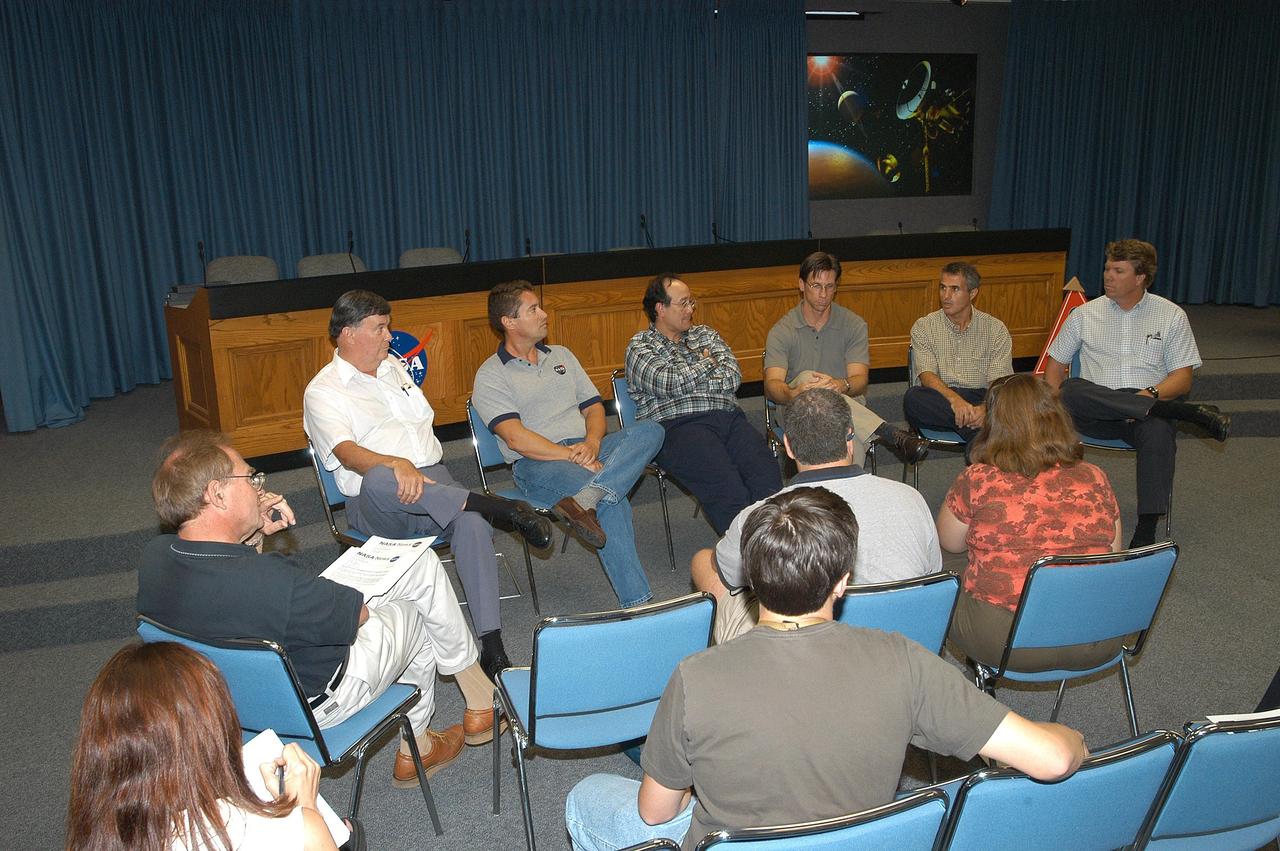
KENNEDY SPACE CENTER, FLA. - Reporters (bottom) take notes during an informal briefing concerning NASA’s Cassini spacecraft, launched aboard an Air Force Titan IV rocket from Cape Canaveral Air Force Station Oct. 15, 1997. Cassini launch team members seen here discussed the challenge and experience of preparing Cassini for launch, integrating it with the Titan IV rocket and the countdown events of launch day. Facing the camera (from left) are Ron Gillett, NASA Safety and Lead Federal Agency official; Omar Baez, mechanical and propulsion systems engineer; Ray Lugo, NASA launch manager; Chuck Dovale, chief, Avionics Branch; George Haddad, Integration and Ground Systems mechanical engineer; and Ken Carr, Cassini assistant launch site support manager. Approximately 10:36 p.m. EDT, June 30, the Cassini-Huygens spacecraft will arrive at Saturn. After nearly a seven-year journey, it will be the first mission to orbit Saturn. The international cooperative mission plans a four-year tour of Saturn, its rings, icy moons, magnetosphere, and Titan, the planet’s largest moon.
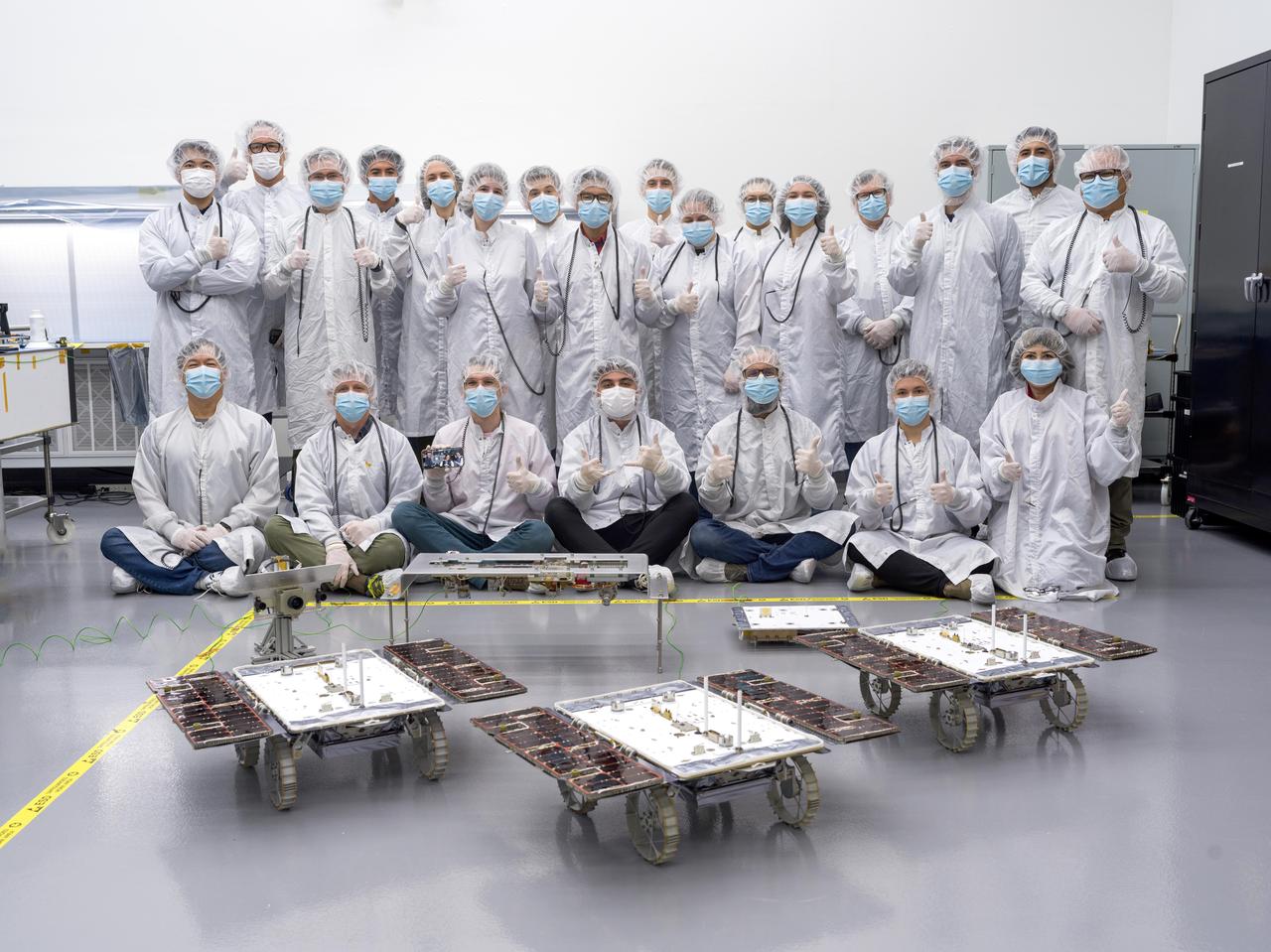
Members of the assembly, test, launch, and operations team for NASA's CADRE (Cooperative Autonomous Distributed Robotic Exploration) project pose in a clean room at the agency's Jet Propulsion Laboratory in Southern California on Jan. 26, 2024, with three lunar rovers after their completion. Bound for the Moon, CADRE is a technology demonstration designed to show that a group of robotic spacecraft can work together as a team to accomplish tasks and record data autonomously – without explicit commands from mission controllers on Earth. Seen behind the rovers are hardware elements that will be mounted on the lunar lander aboard which CADRE will arrive at the Moon: the situational awareness camera assembly (SACA), one of the deployers that will lower the rovers onto the lunar surface, and the base station with which the rovers will communicate via mesh network radios. Back row, from left: Wei Chen Wilson Yeh, Mark White, Nathan Cheek, Baylor de los Reyes, Jacqueline Sly, Blair Emanuel, Josh Miller, Jonathan Tan, Sawyer Brooks, Libby Boroson, Leroy Montalvo, Tonya Beatty, Bert Turney, George Dupas, Leo Ortiz, and Nelson Serrano. Front row, from left: Kristopher Sherril, Coleman Richdale, Russell Smith, Daniel Esguerra, Will Raff, Justin Schachter, and Clara Nguyen. Shown on the cellphone held by Smith are absent ATLO team members Ara Kourchians, Molly Shelton, and Randy Ballat. https://photojournal.jpl.nasa.gov/catalog/PIA26165