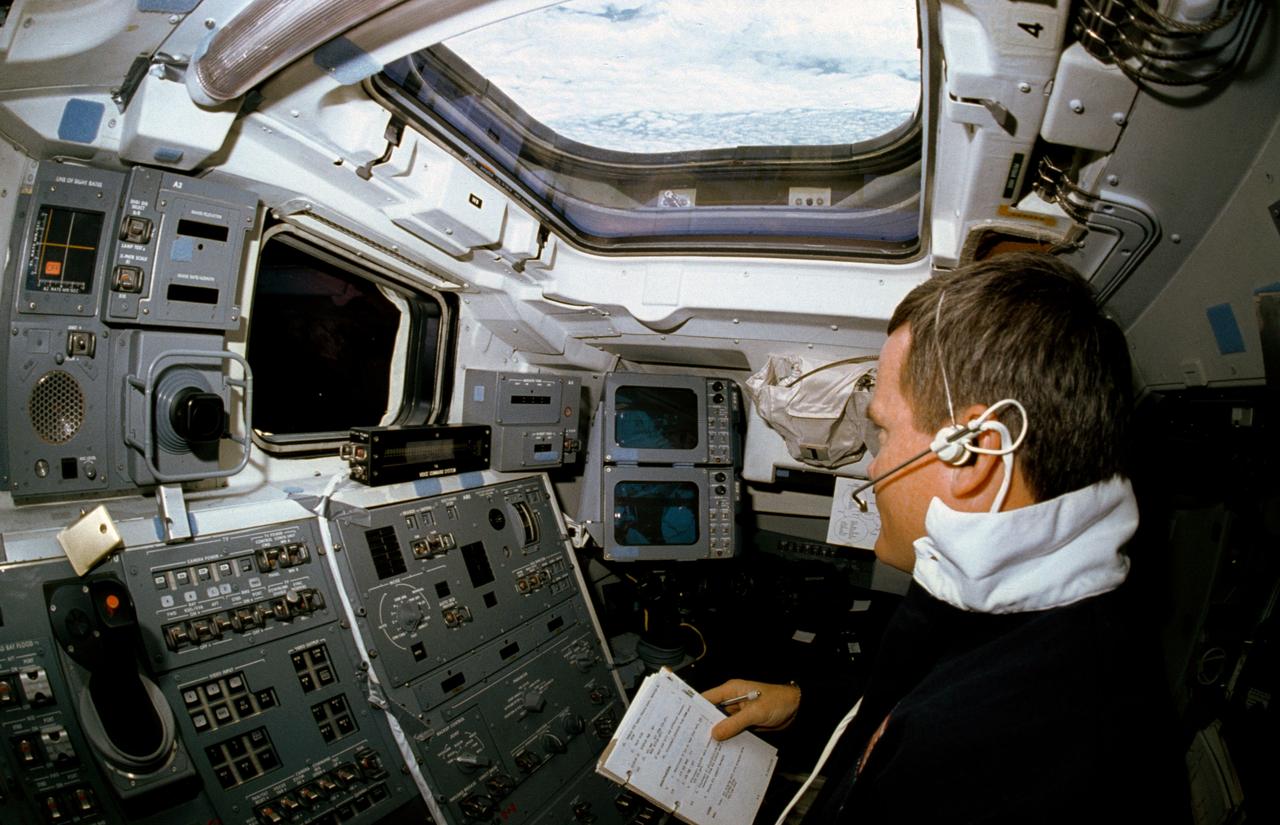
STS041-02-028 (6-20 Oct 1990) --- Astronaut Bruce E. Melnick, STS-41 mission specialist, participates in a voice command system (VCS) test on Discovery's aft flight deck. Melnick's voice is interpreted into a command that is able to control a video camera.
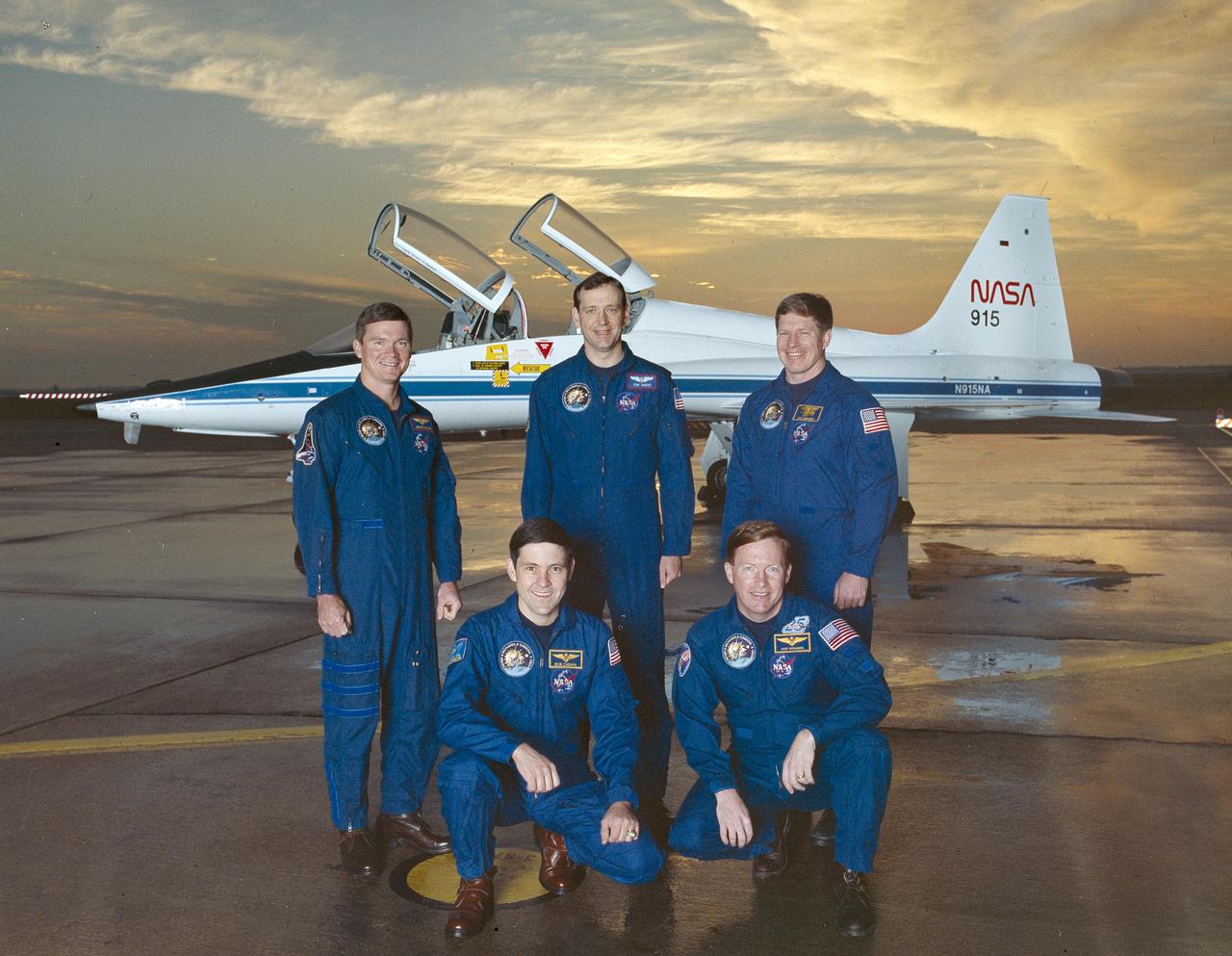
The 5 member crew of the STS-41 mission included (left to right): Bruce E. Melnick, mission specialist 2; Robert D. Cabana, pilot; Thomas D. Akers, mission specialist 3; Richard N. Richards, commander; and William M. Shepherd, mission specialist 1. Launched aboard the Space Shuttle Discovery on October 6, 1990 at 7:47:15 am (EDT), the primary payload for the mission was the ESA built Ulysses Space Craft made to explore the polar regions of the Sun. Other main payloads and experiments included the Shuttle Solar Backscatter Ultraviolet (SSBUV) experiment and the INTELSAT Solar Array Coupon (ISAC).
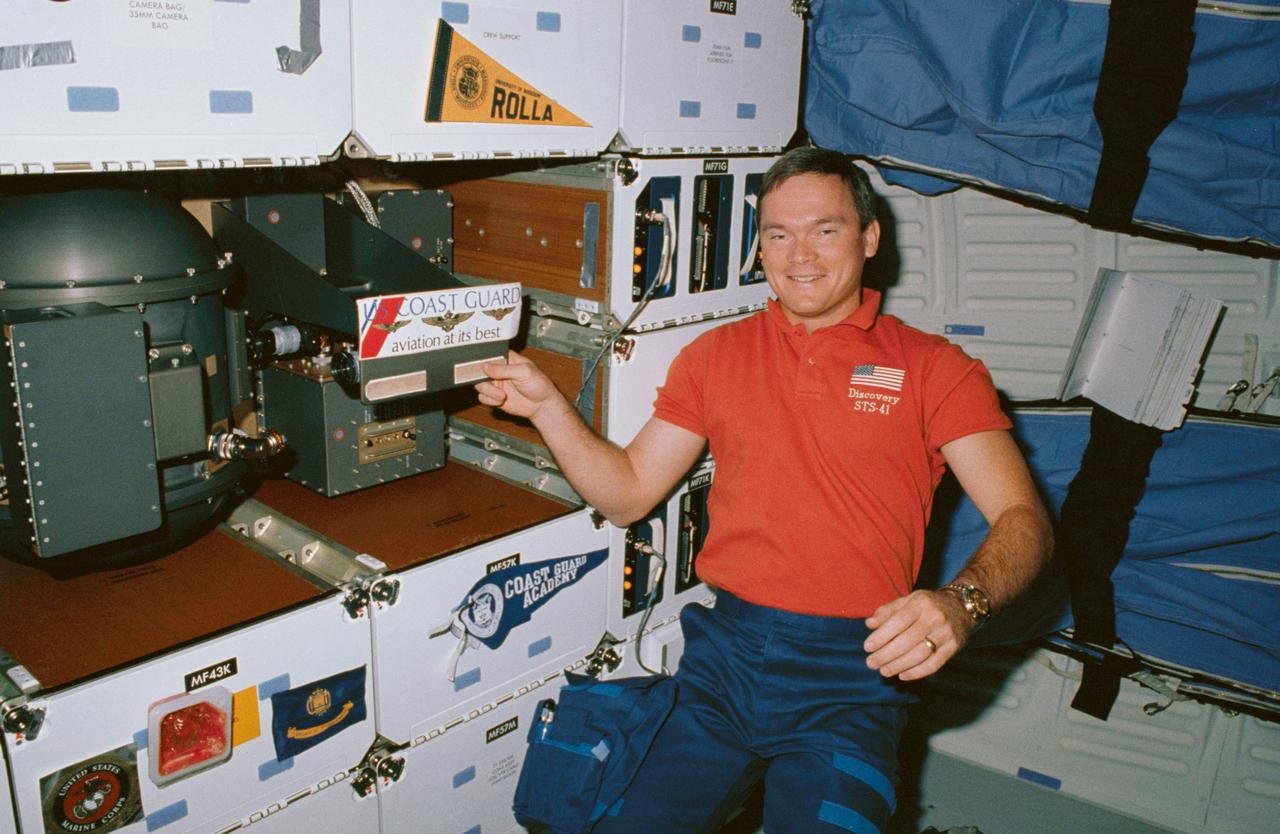
STS041-06-029 (10 Oct 1990) --- STS-41 Mission Specialist (MS) Bruce E. Melnick, who is a graduate of the Coast Guard Academy and the first ever active Coast Guardsman to fly in space, draws attention to his branch of the service, while posing next to a banner from his Alma Mater (on locker MF57K) and a United States (U.S.) Coast Guard decal (on the Solid Surface Combustion Experiment (SSCE)). Behind Melnick are the starboard wall-mounted sleep restraints. Insignias belonging to other crewmembers are displayed on the lockers including University of Missouri Rolla and U.S. Marine Corps.
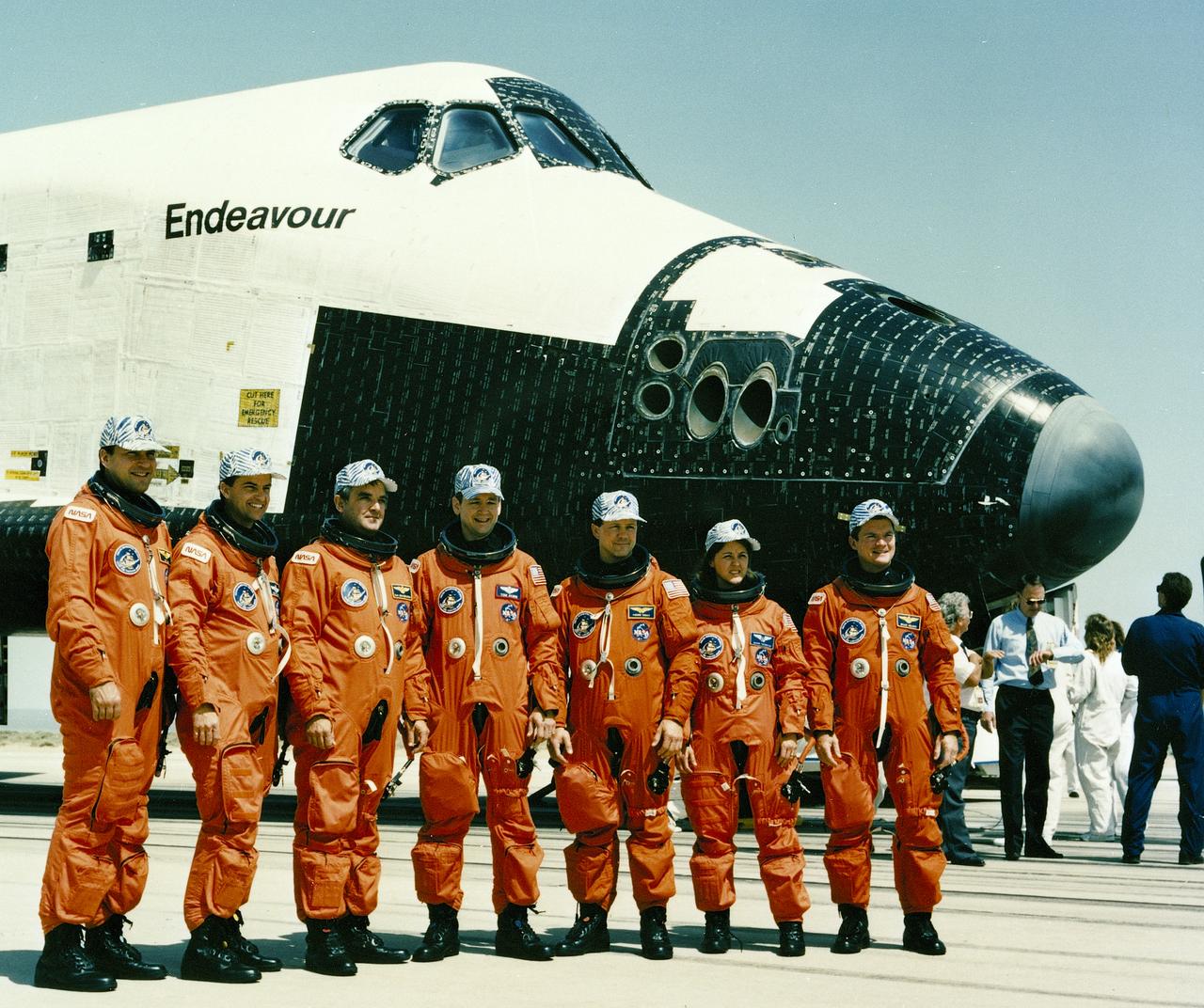
The STS-49 crew members pose near Endeavour after landing. Pictured left to right are: Richard J. Hieb, mission specialist; Kevin P. Chiltin, pilot; Daniel C. Brandenstein, commander; and mission specialists Thomas D. Akers, Pierre J. Thuot, Kathryn C. Thornton, and Bruce E. Melnick. Launched on May 7, 1992 at 7:40:00 pm (EDT), the crew of seven was the first to fly aboard the Space Shuttle Endeavor. The mission was the first US orbital flight to feature 4 extravehicular activities (EVAs), and the first flight to involve 3 crew members simultaneously working outside of the spacecraft. The primary objective was the capture and redeployment of the INTELSAT VI (F-3) which was stranded in an unusable orbit since its launch aboard the Titan rocket in March 1990.

Astronaut John Young (left), the keynote speaker at the Thirty-Fifth Space Congress, is presented with a model of the International Space Station by the Congress' General Chairman Bruce Melnick. Young is the associate director responsible for technical, operational and safety oversight of all NASA programs and activities assigned to the Johnson Space Center. Melnick, a former astronaut, is currently vice president of The Boeing Company and is responsible for the Payload Ground Operations Contract at Kennedy Space Center. The Thirty-Fifth Space Congress, sponsored by the Canaveral Council of Technical Societies, is being held in Cocoa Beach, Florida, from April 28 to May 1 and is a gathering of the world's aerospace community to discuss the status and future of space activities around the world
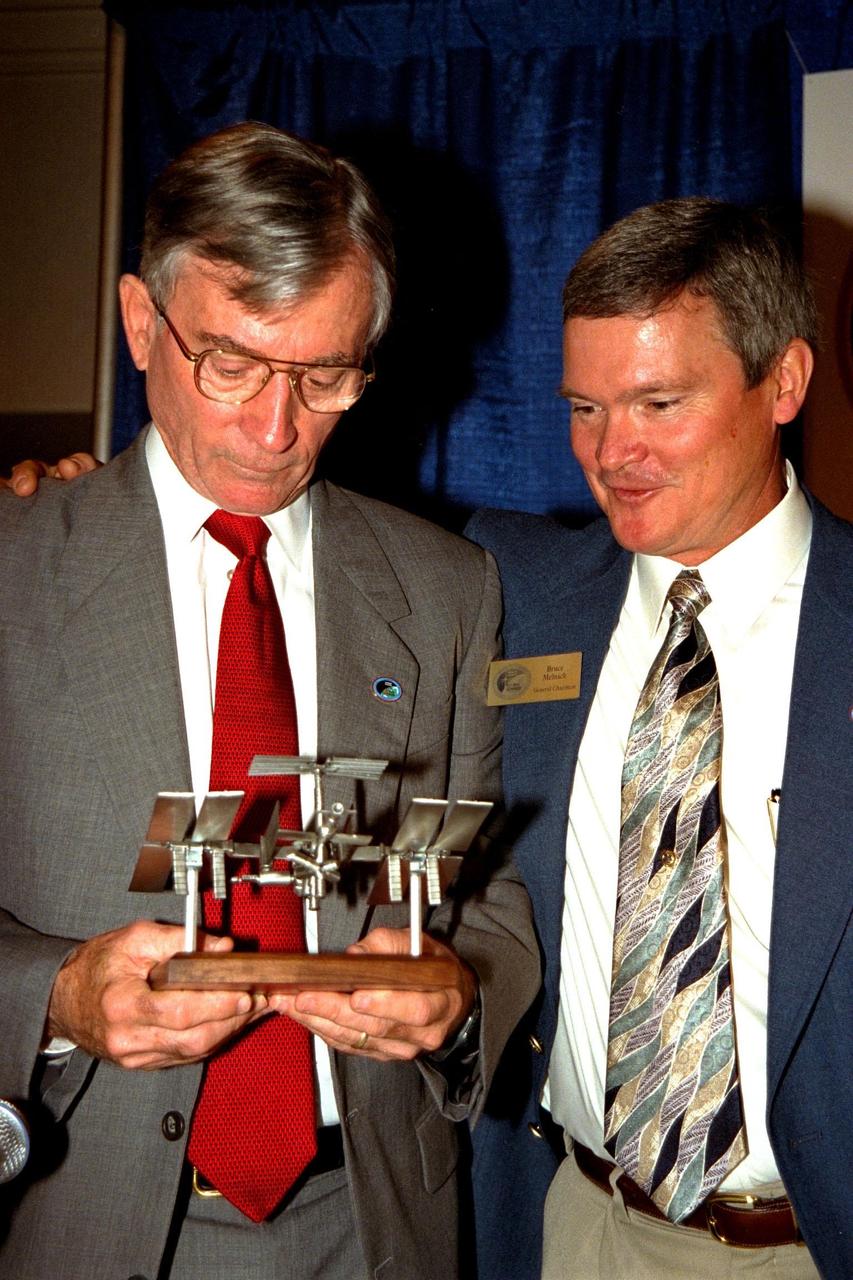
Astronaut John Young (left), the keynote speaker at the Thirty-Fifth Space Congress, is presented with a model of the International Space Station by the Congress' General Chairman Bruce Melnick. Young is the associate director responsible for technical, operational and safety oversight of all NASA programs and activities assigned to the Johnson Space Center. Melnick, a former astronaut, is currently vice president of The Boeing Company and is responsible for the Payload Ground Operations Contract at Kennedy Space Center. The Thirty-Fifth Space Congress, sponsored by the Canaveral Council of Technical Societies, is being held in Cocoa Beach, Florida, from April 28 to May 1 and is a gathering of the world's aerospace community to discuss the status and future of space activities around the world

Astronaut John Young (left), the keynote speaker at the Thirty-Fifth Space Congress, is presented with a model of the International Space Station by the Congress' General Chairman Bruce Melnick. Young is the associate director responsible for technical, operational and safety oversight of all NASA programs and activities assigned to the Johnson Space Center. Melnick, a former astronaut, is currently vice president of The Boeing Company and is responsible for the Payload Ground Operations Contract at Kennedy Space Center. The Thirty-Fifth Space Congress, sponsored by the Canaveral Council of Technical Societies, is being held in Cocoa Beach, Florida, from April 28 to May 1 and is a gathering of the world's aerospace community to discuss the status and future of space activities around the world
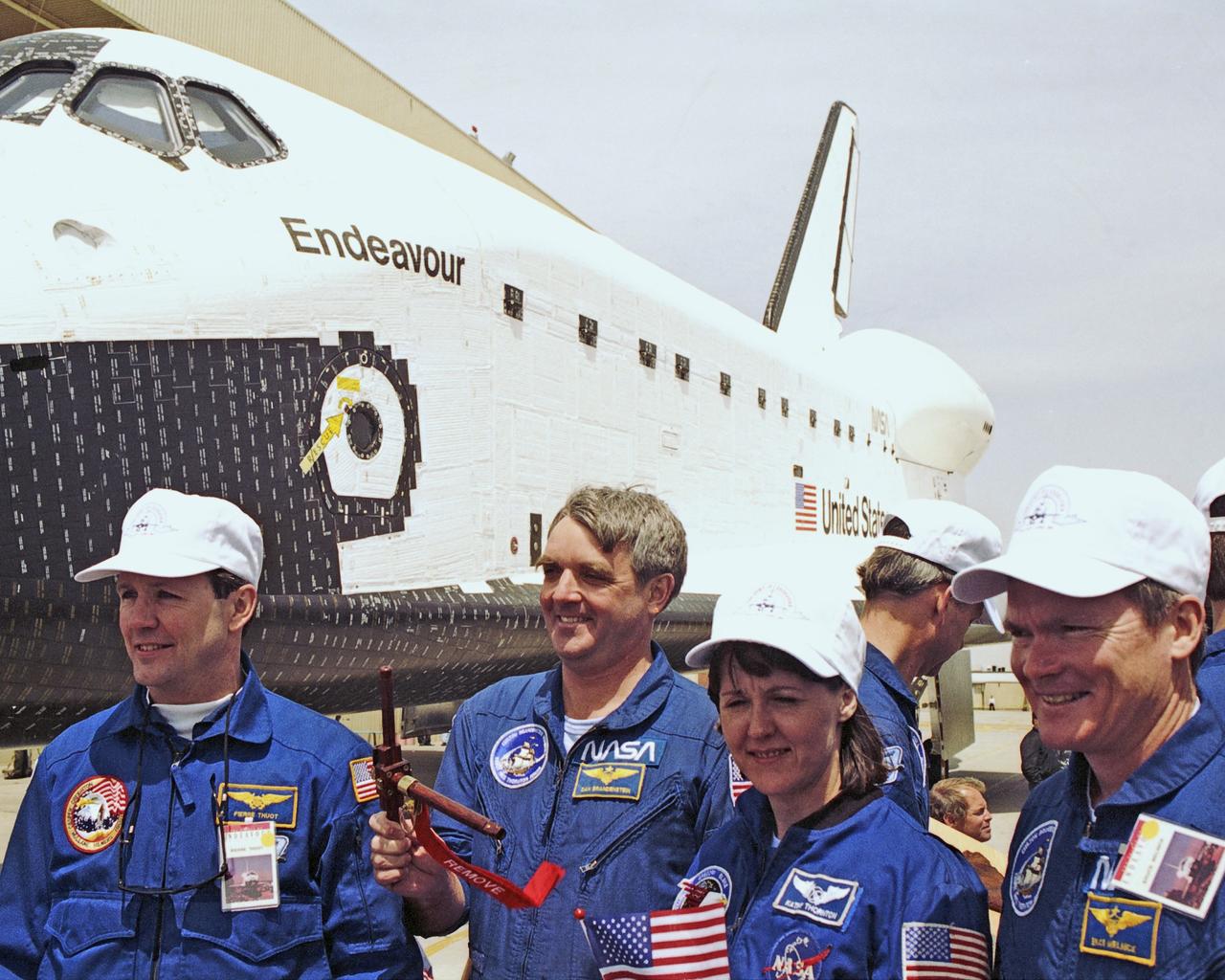
Chief astronaut Daniel Brandenstein second from left, and astronauts Pierre Thuot left, Kathryn Thornton, and Bruce Melnick are on hand for a proud moment in the history of manned spaceflight: the debut of the newest space shuttle orbiter, Endeavour, at Palmdale, Calif. Photo credit: NASA
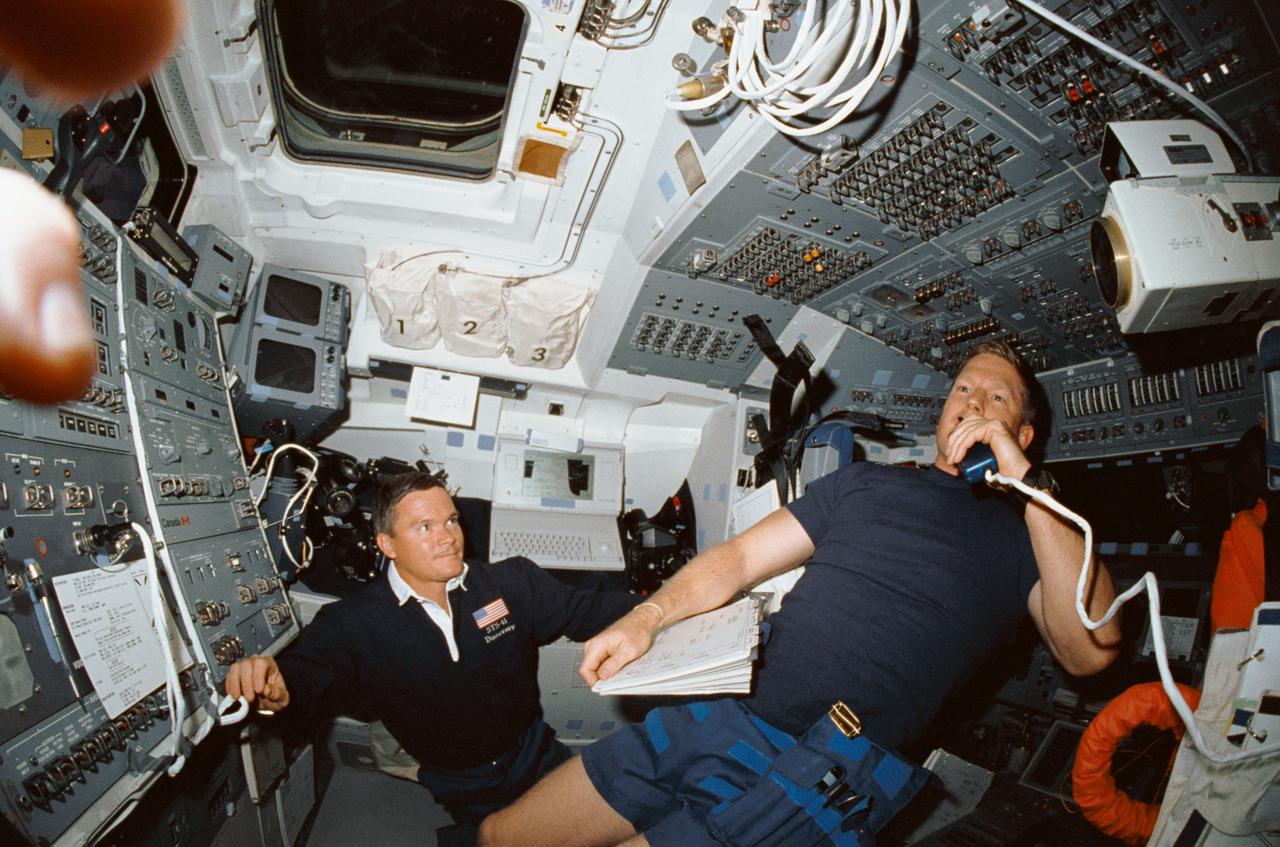
STS041-02-035 (6-10 Oct 1990) --- A fish-eye lens view shows two of STS-41's three mission specialists on the flight deck of Discovery. Astronaut William M. Shepherd, right, communicates with ground controllers as Astronaut Bruce E. Melnick looks on.
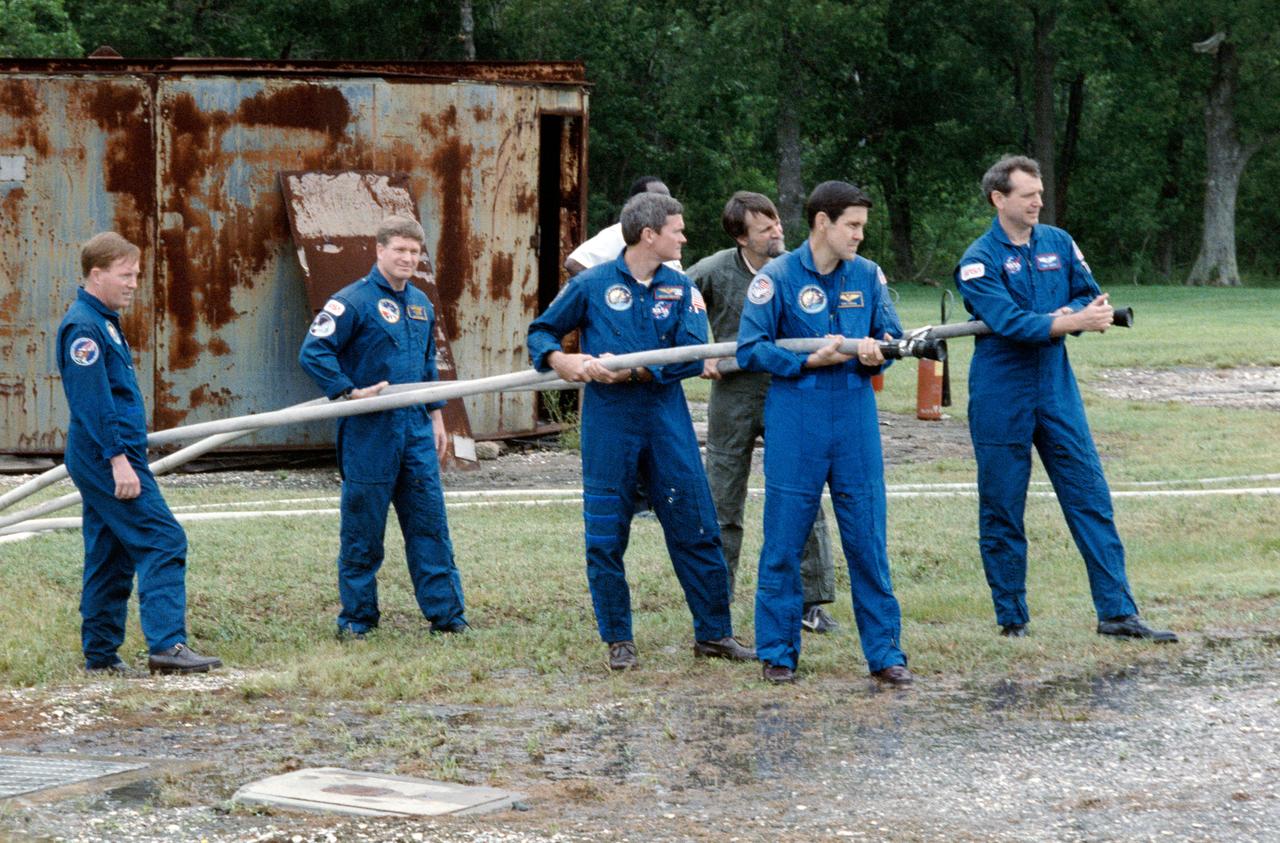
S90-38926 (4 May 1990) --- The STS-41 astronaut crew and a STS-35 backup payload specialist participate in fire control training exercises at the Johnson Space Center (JSC). Left to right are Richard N. Richards, William M. Shepherd, Bruce E. Melnick, Kenneth Nordsieck, Robert D. Cabana and Thomas D. Akers. Nordsieck is Astro-1 backup payload specialist in training for STS-35. This type training is provided all crewmembers assigned to seats aboard Space Shuttle.
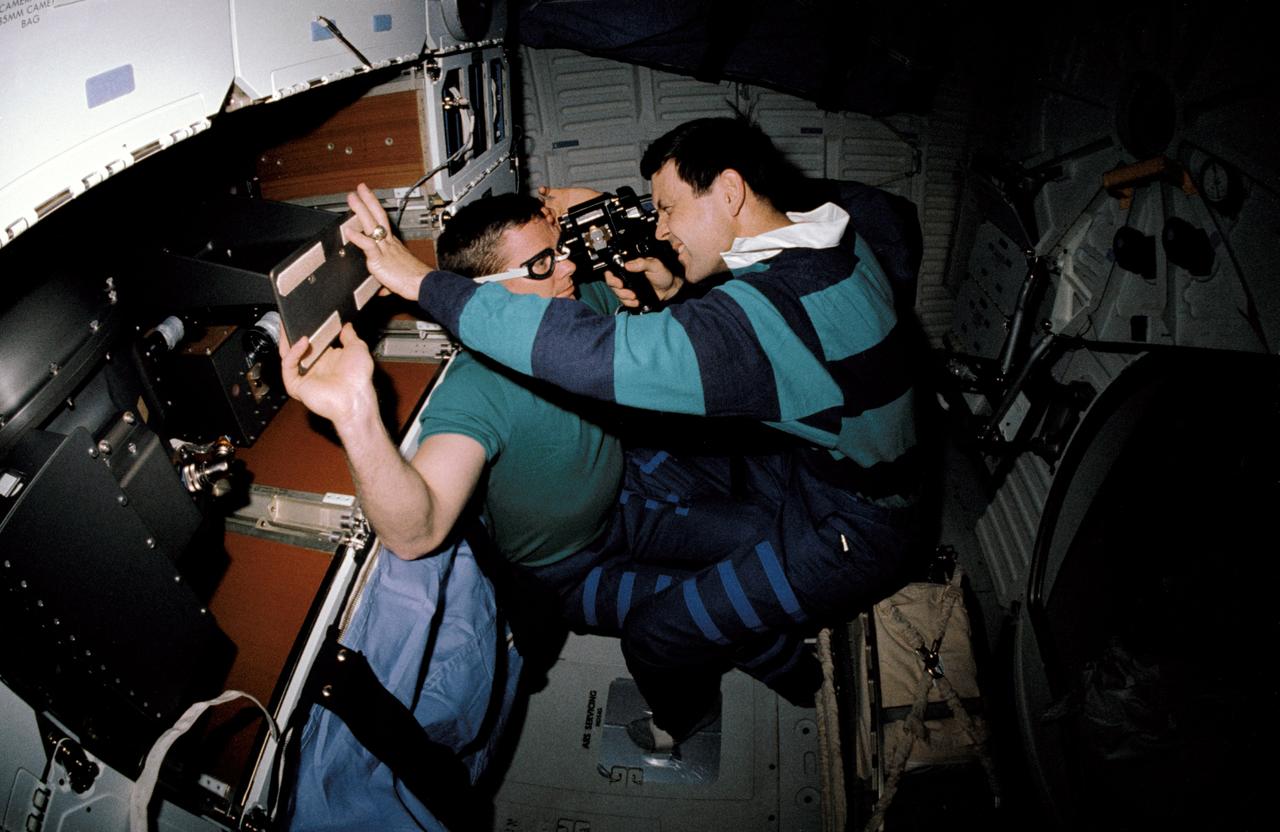
STS041-02-015 (6-10 Oct. 1990) --- A 35mm scene showing astronauts Robert D. Cabana (right), STS-41 pilot, and Bruce E. Melnick, mission specialist, participating in a detailed supplemental objective for STS-41 involving retinal photography. The hypothesis of this experiment is that retinal photographs taken on orbit will show evidence of increased intracranial pressure (ICP) and the evidence of increased ICP and the development of Space Adaptation Syndrome (SAS) will be correlated. SAS has been a subject of on-orbit analysis since the early days of space shuttle.

STS049-S-002 (16 Jan. 1992) --- These seven NASA astronauts are currently training for the first flight of the Space Shuttle Endeavour, seen in the background. Daniel C. Brandenstein, center, is mission commander; and Kevin P. Chilton, third from right, is pilot. Mission specialists are, left to right, Kathryn C. Thornton, Bruce E. Melnick, Pierre J. Thout, Thomas D. Akers and Richard J. Hieb.
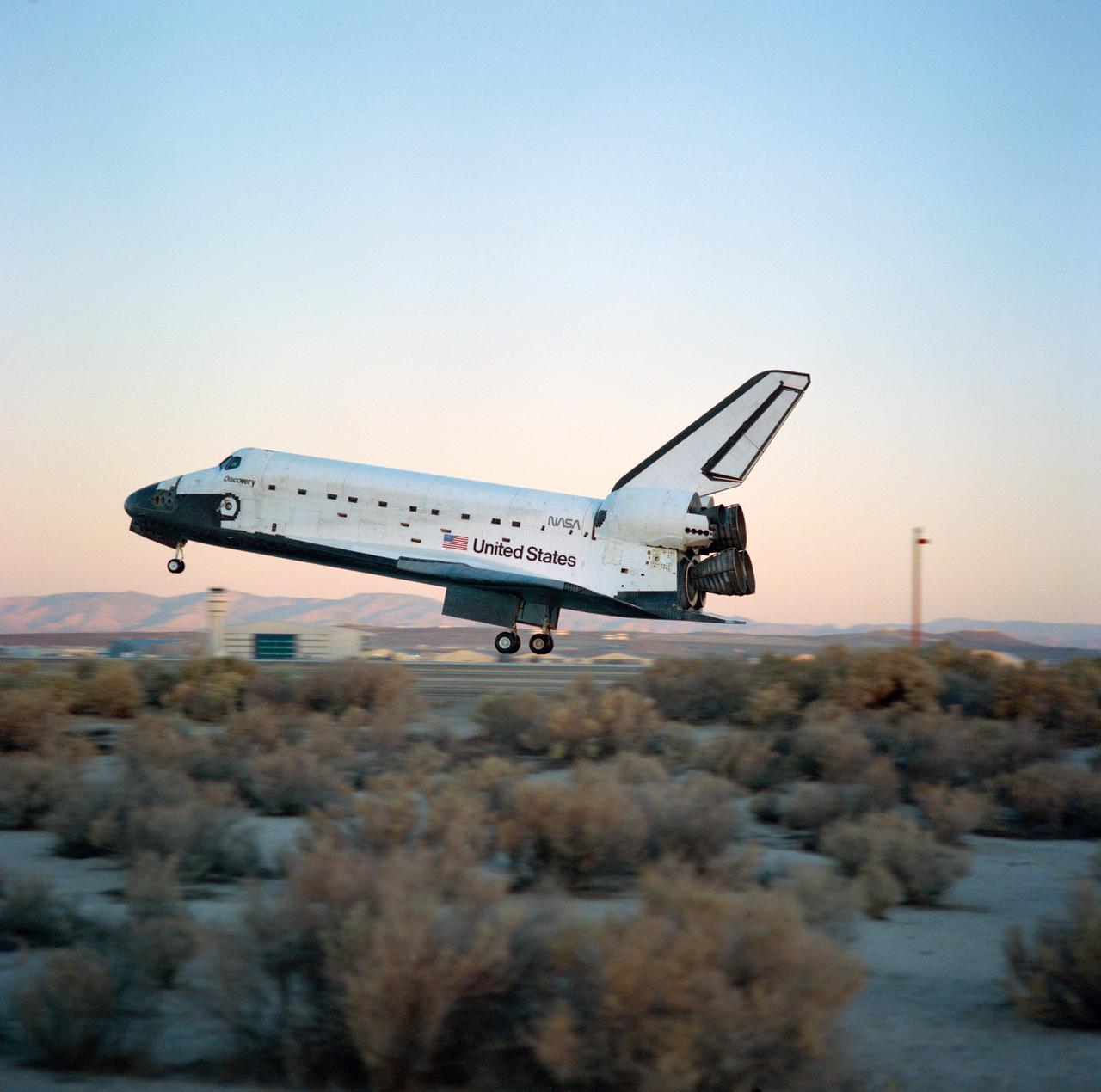
STS041-S-093 (10 Oct 1990) --- Discovery is only moments away from touchdown at Edwards Air Force Base to end a four-day mission in space for its five-man crew. The vehicle landed at 6:57 a.m. PDT, Oct. 10, 1990. Onboard the spacecraft were Astronauts Richard N. Richards, Robert D. Cabana, William M. Shepherd, Bruce E. Melnick and Thomas D. Akers.

STS049-S-269 (16 May 1992) --- The seven crewmembers of STS-49 pose near Endeavour for a post-flight shot soon after getting their feet on terra firma following nine days in Earth orbit. Left to right are astronauts Richard J. Hieb, Kevin P. Chilton, Daniel C. Brandenstein, Thomas D. Akers, Pierre J. Thuot, Kathryn C. Thornton and Bruce E. Melnick. Brandenstein was mission commander; Chilton, pilot; and the others, mission specialists.
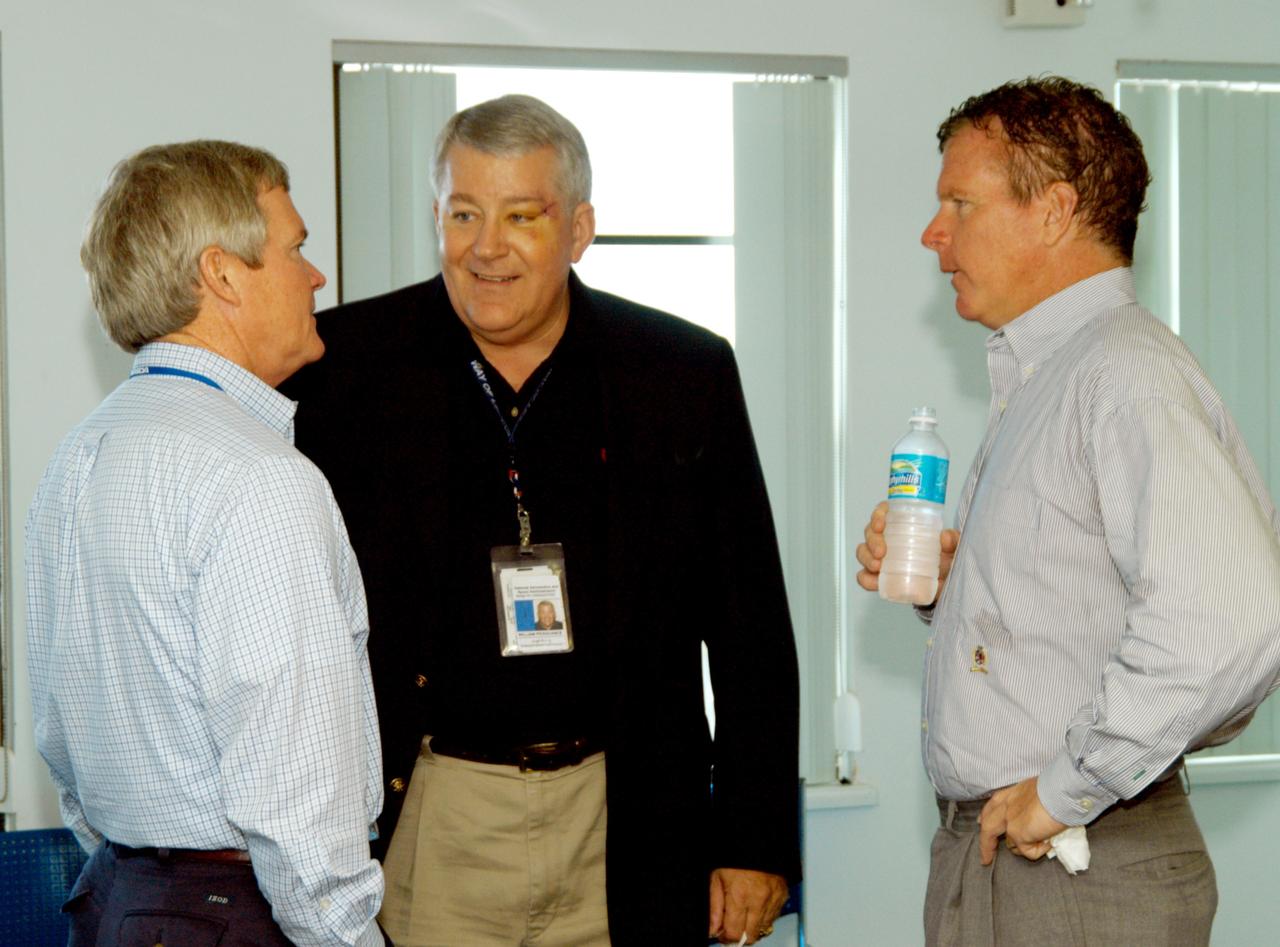
KENNEDY SPACE CENTER, FLA. - At the Beach House, Congressman Tom Feeney (right) talks with Bruce Melnick (left), vice president for Boeing Florida Operations at KSC, and Bill Pickavance, vice president, associate program manager of Florida Operations, United Space Alliance. During January and February, Congressman Feeney traveled the entire coastline of Florida’s 24th District, and concluded his walks March 1 in Brevard County. On his walks, he met with constituents and community leaders to discuss legislative issues that will be addressed by the 108th Congress.
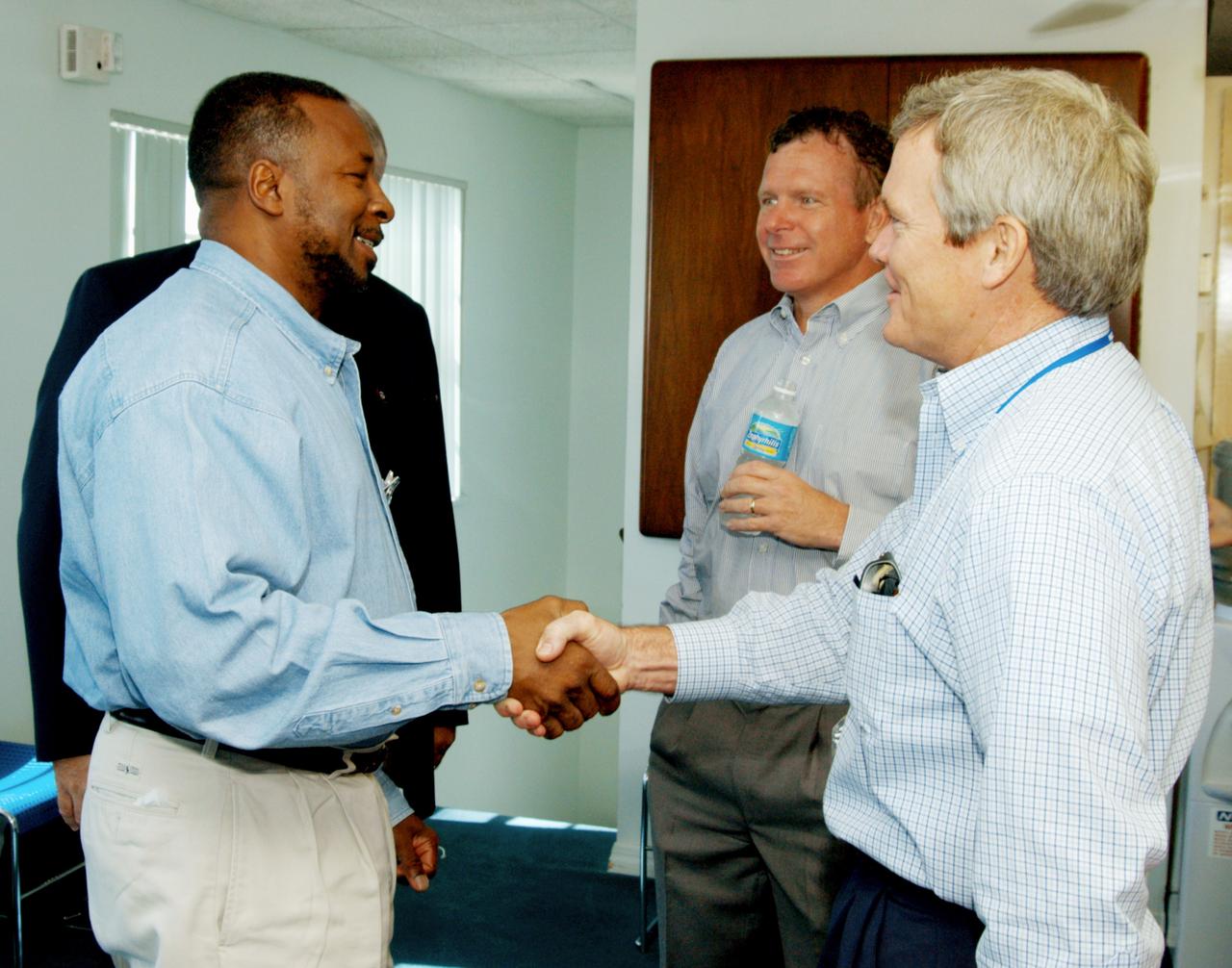
KENNEDY SPACE CENTER, FLA. - At the Beach House, Deputy Director Woodrow Whitlow Jr. (left) greets Bruce Melnick (right), vice president for Boeing Florida Operations at KSC. In the background is Congressman Tom Feeney. During January and February, Congressman Feeney traveled the entire coastline of Florida’s 24th District, and concluded his walks March 1 in Brevard County. On the walks, he met with constituents and community leaders to discuss legislative issues that will be addressed by the 108th Congress.
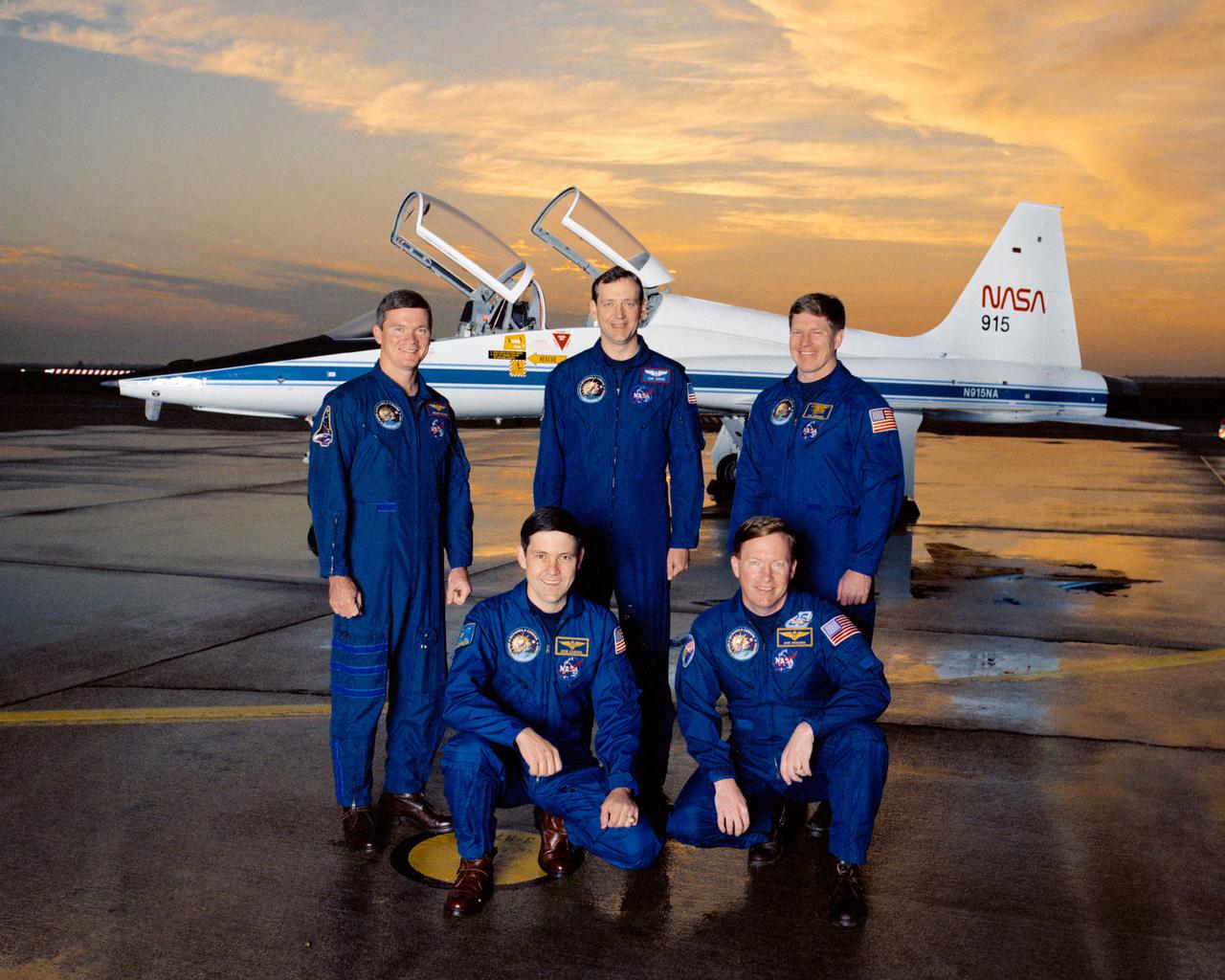
KENNEDY SPACE CENTER, Fla. – STS-41 crewmembers -- These five astronauts have been assigned to fly the STS-41 mission for NASA. Pictured are (kneeling, from the left) Robert D. Cabana, pilot, and Richard N. Richards, mission commander; and (standing from left) Bruce E. Melnick, Thomas D. Akers and William M. Shepard. All three are mission specialists.
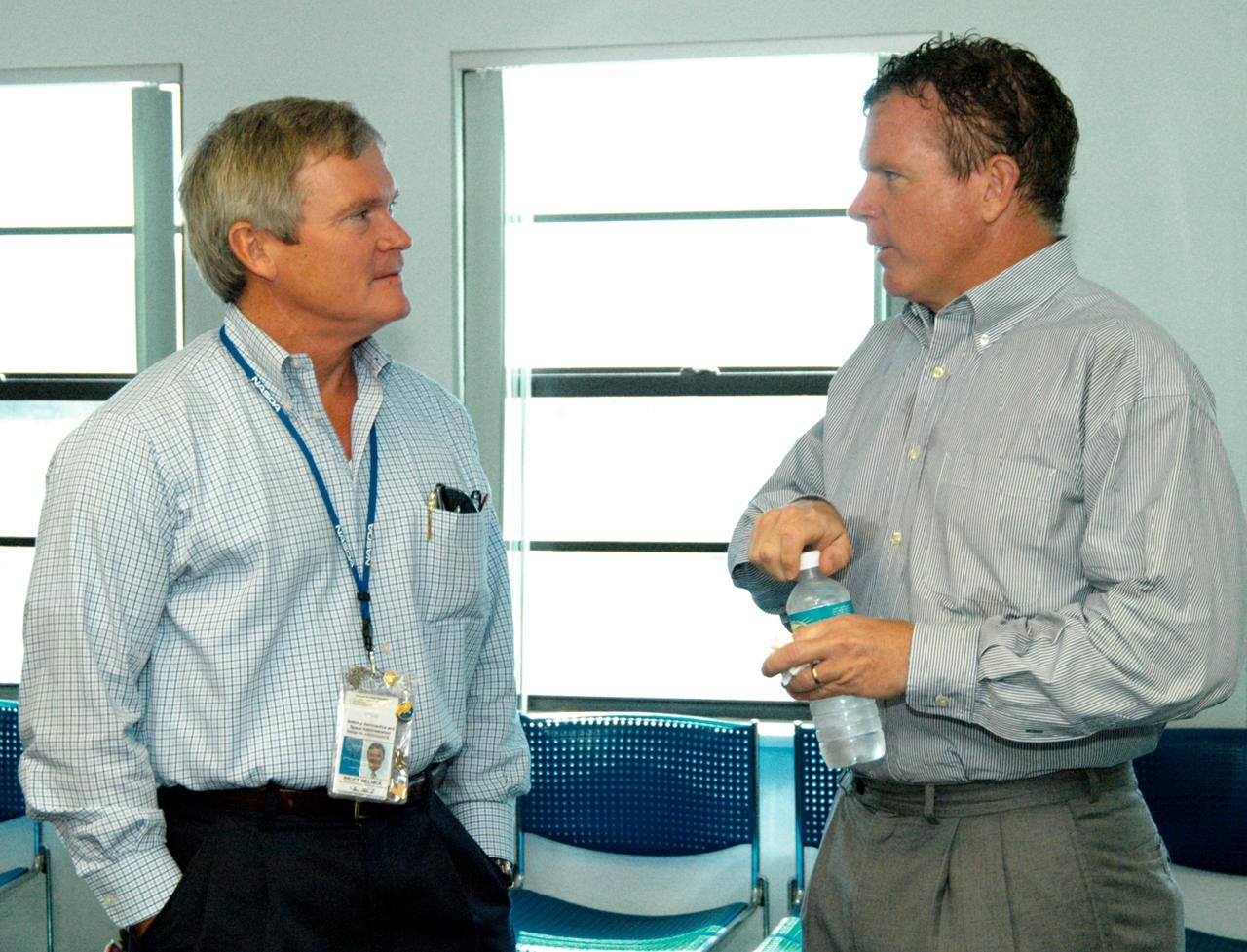
KENNEDY SPACE CENTER, FLA. - At the Beach House, Congressman Tom Feeney (right) talks with Bruce Melnick (left), vice president for Boeing Florida Operations at KSC. Feeney conducted a walk down the coastline of Florida’s 24th District on several days during January and February, concluding March 1 at Kennedy Space Center. On his walks, Feeney met with constituents and community leaders to discuss legislative issues that will be addressed by the 108th Congress.
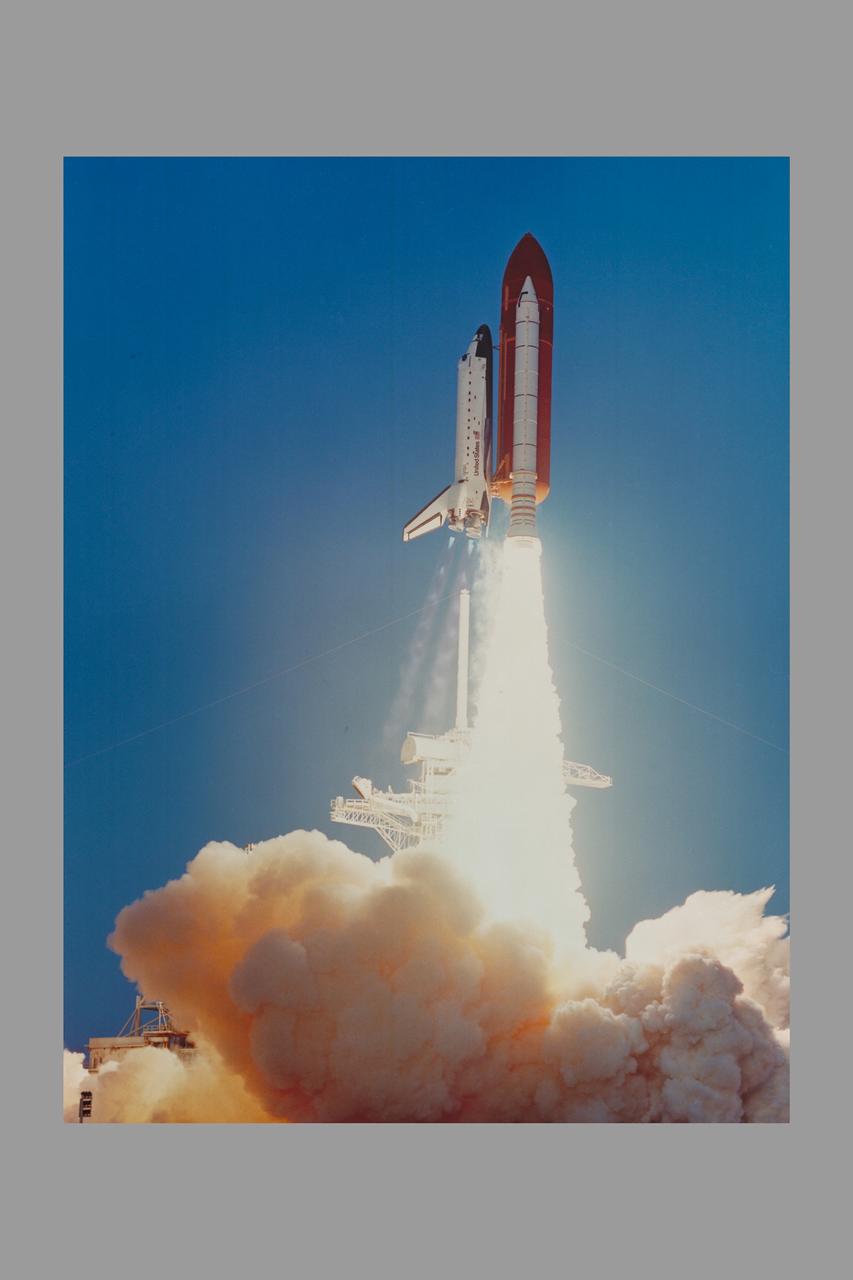
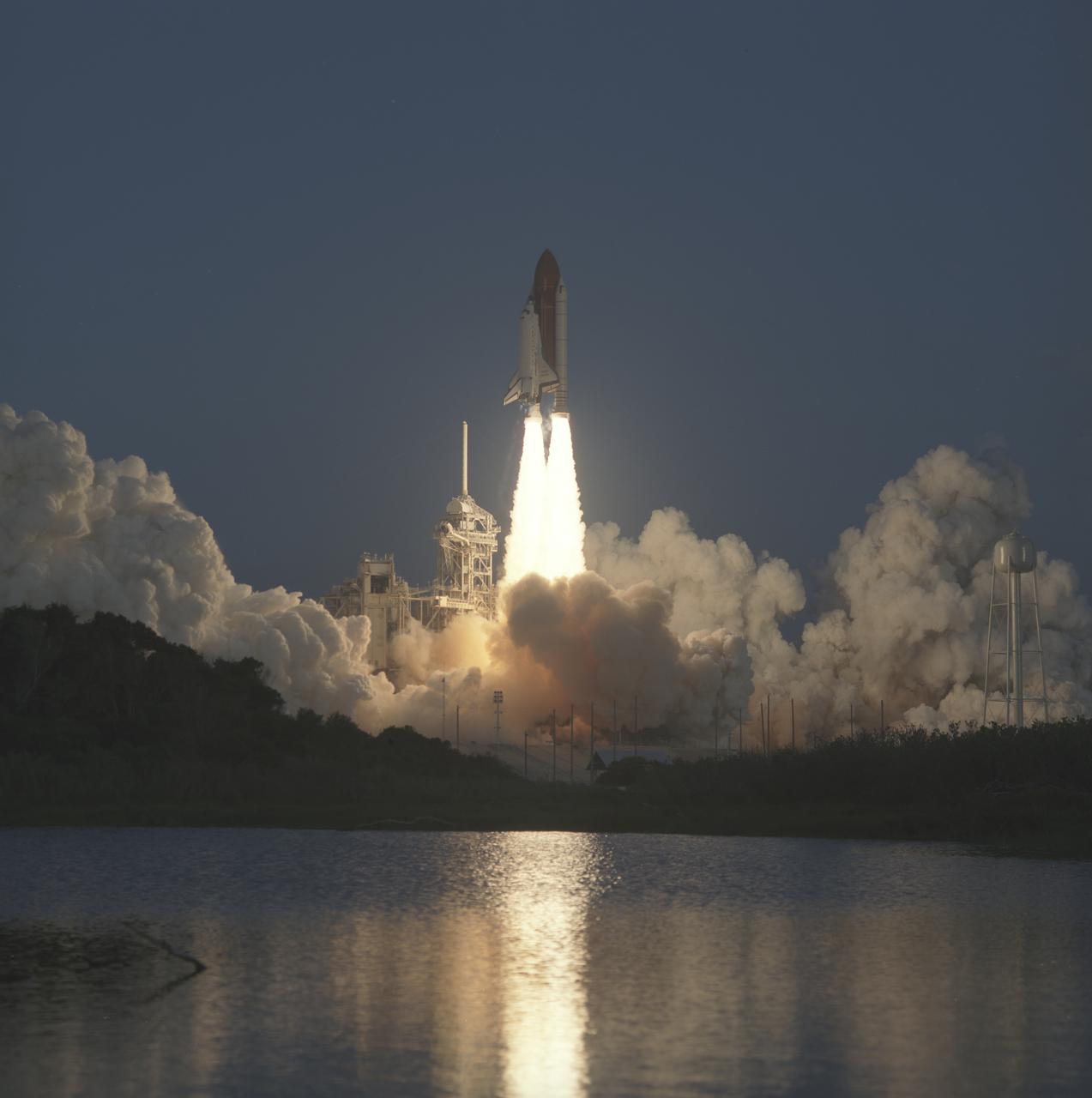
STS-41 Discovery lifts off from Launch Complex 39 at the Kennedy Space Center to begin a four-day mission in space for its five-man crew. Onboard the spacecraft were Astronauts Richard N. Richards, Robert D Cabana, William M Sheperd, Bruce E. Melnick and Thomas D. Akers. Lift off was at 7:47 a.m. EDT on oct 6, 1990. A feww hours after this photo was made, the crewmembers released the Ulysses spacecraft onits way to a long-awaited mission.
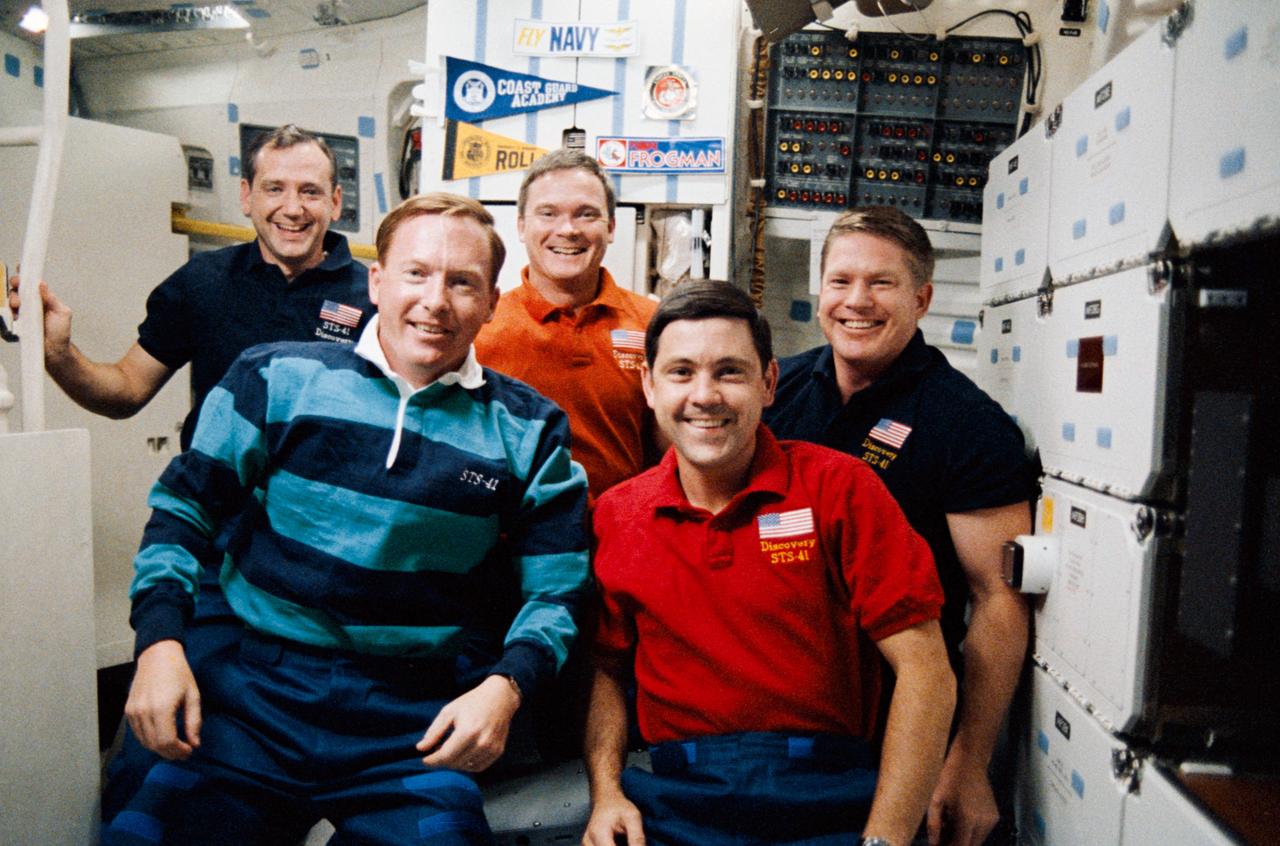
STS041-26-007 (6-10 Oct 1990) --- A 35mm preset camera on Discovery's middeck captures the traditional in-space portrait of the STS-41 crewmembers. In front are (l.-r.) Astronauts Richard N. Richards, mission commander; and Robert D. Cabana, pilot. In the rear are (l.-r.) Astronauts Thomas D. Akers, Bruce E. Melnick and William M. Shepherd.

Roy D. Bridges Jr., KSC's next center director, at right, poses in the firing room of the Launch Control Center with two top contractor officials at Kennedy Space Center during the STS-82 launch of Discovery on the second Hubble Space Telescope servicing mission. From left, are Michael J. McCulley, vice president and associate program manager for ground operations for United Space Alliance at KSC; and Bruce Melnick, vice president of McDonnell Douglas Space and Defense Systems-KSC. Bridges is slated to become KSC's seventh center director on March 2, succeeding Jay F. Honeycutt
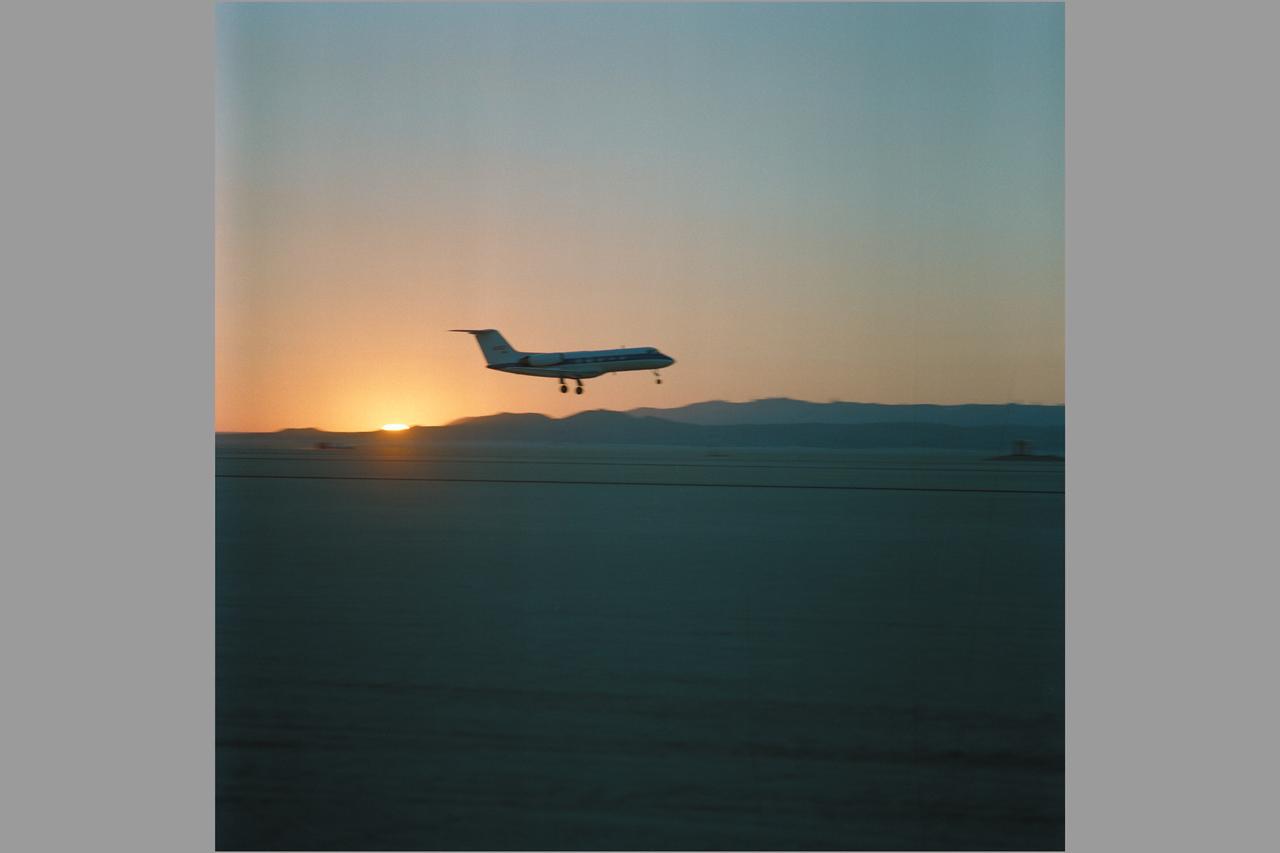
Dryden Fllight Reseach Facility, Edwards, California STA (Shuttle Training Aircraft, Gulf Stream II) flys chase as STS-41returns from it's mission to Deploy Ulysses Spacecraft... Discovery's main gear is about to touch down at Edwards Air Foce Base to end a four-day mission in space for it's five-man crew. The vehicle landed at 6:57 a.m. Onboard the spacecraft were Astronauts Richard N. Richards, Robert D Cabana, William M Sheperd, Bruce E. Melnick and Thomas D. Akers.
Launched aboard the Space Shuttle Discovery on October 6, 1990 at 7:47:15 am (EDT), the STS-41 mission consisted of 5 crew members. Included were Richard N. Richards, commander; Robert D. Cabana, pilot; and Bruce E. Melnick, Thomas D. Akers, and William M. Shepherd, all mission specialists. The primary payload for the mission was the European Space Agency (ESA) built Ulysses Space Craft made to explore the polar regions of the Sun. Other main payloads and experiments included the Shuttle Solar Backscatter Ultraviolet (SSBUV) experiment and the INTELSAT Solar Array Coupon (ISAC).
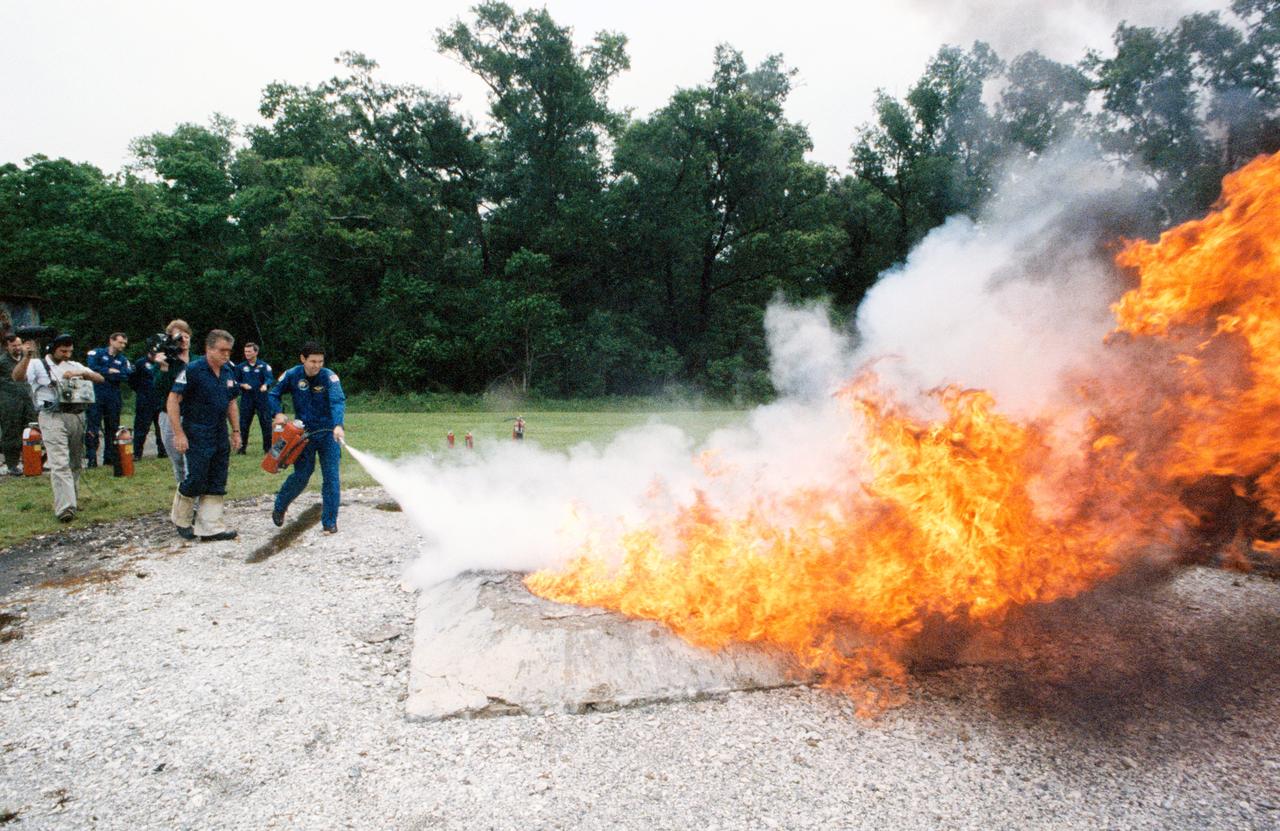
S90-38933 (4 May 1990) --- The STS-41 astronaut crew participates in fire control training exercises at the Johnson Space Center (JSC). Controlling the fire extinguisher at left frame is astronaut Robert D. Cabana, STS-41 pilot. Watching in the background are other STS-41 astronauts who participated in the session. They were Richard N. Richards, William M. Shepherd, Bruce E. Melnick and Thomas D. Akers. This type training is provided all crewmembers assigned to seats aboard Space Shuttle. Members of the both the Houston and Pasadena fire departments instruct the sessions.
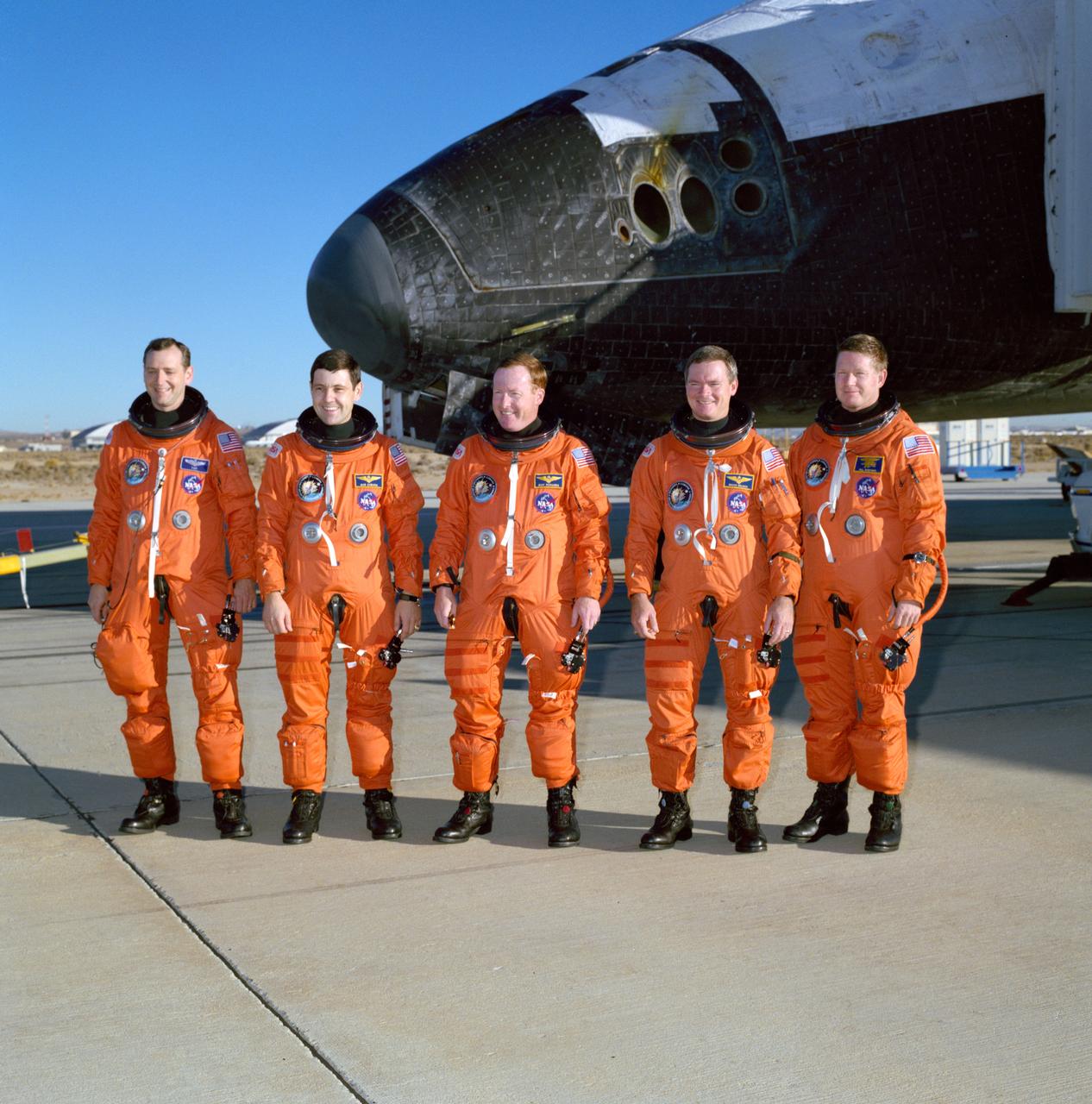
STS041-S-096 (10 Oct 1990) --- The five astronaut crewmembers of Discovery's most recent flight pose for their first photo back on terra firma following their successful four day mission in earth orbit. Discovery, partially visible in this frame, touched down at Edwards Air Force Base at 6:57 a.m. PDT, Oct. 10, 1990. Astronaut Richard N. Richards (center) was mission commander. He is flanked here by (left to right) Astronauts Thomas D. Akers, Robert D. Cabana, Bruce E. Melnick and William M. Shepherd.
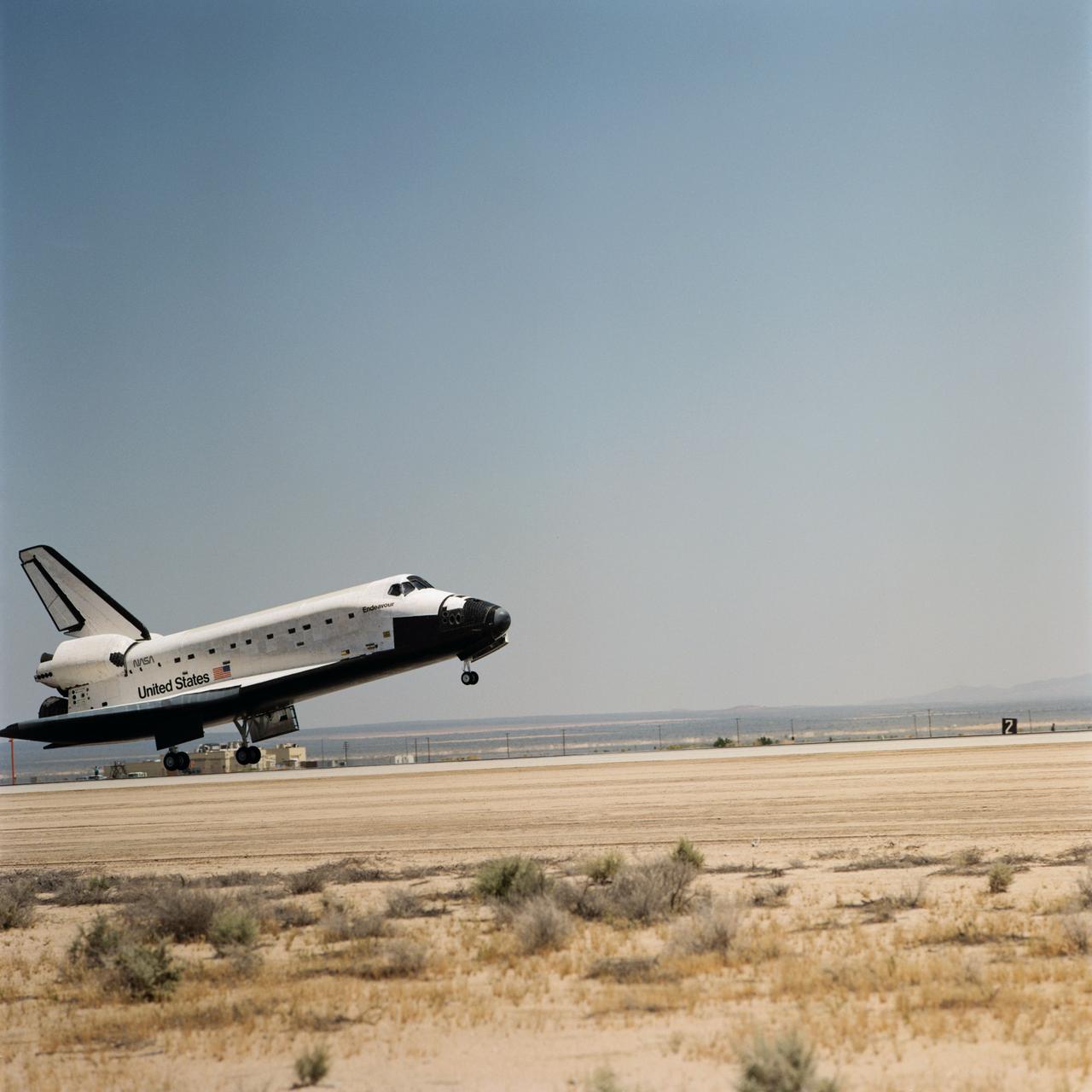
STS049-S-325 (16 May 1992) --- The main landing gear of Endeavour is just about to touch down at Edwards Air Force Base to draw to an end NASA's nine-day STS-49 mission. Crewmembers onboard were astronauts Daniel C. Brandenstein, mission commander; Kevin P. Chilton, pilot; and Thomas D. Akers, Richard J. Hieb, Bruce E. Melnick, Kathryn C. Thornton and Pierre J. Thout, all mission specialists. Landing occurred at 1:36:38 p.m. (PDT), May 16, 1992.
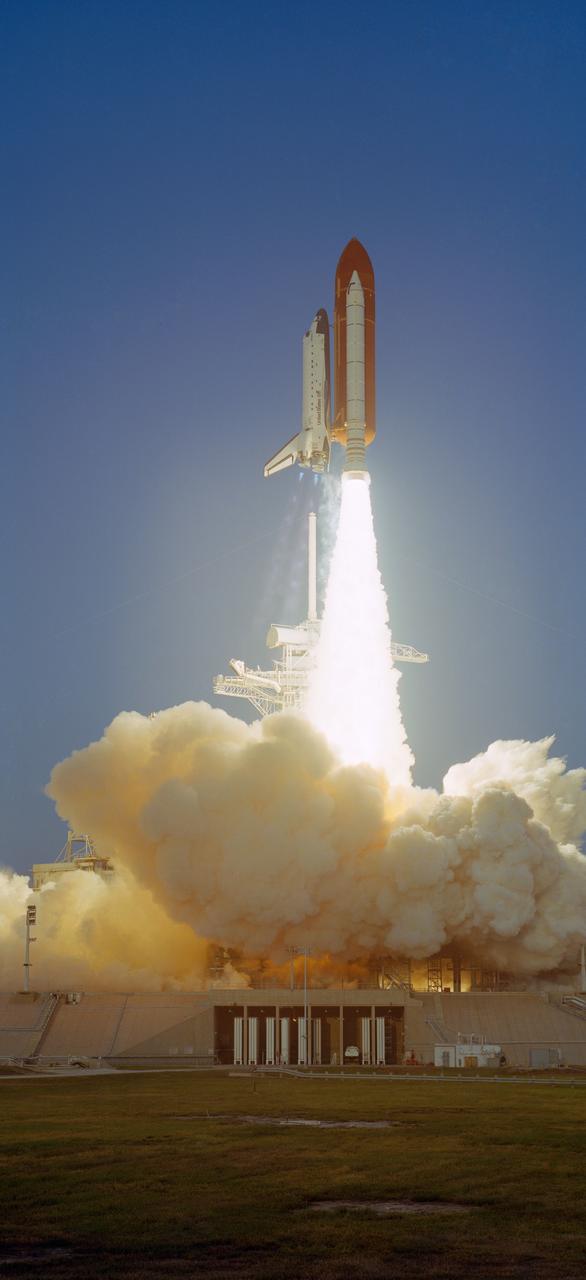
STS041-S-101 (6 Oct 1990) --- Discovery lifts off from Launch Complex 39 at the Kennedy Space Center to begin a four-day mission in space for its five-man crew. Onboard the spacecraft are Astronauts Richard N. Richards, Robert D. Cabana, William M. Shepherd, Bruce E. Melnick and Thomas D. Akers. Discovery lifted off at 7:47 a.m. EDT on Oct. 6, 1990. A few hours after this photo was made, the crewmembers released the Ulysses spacecraft on its way to a long-awaited mission.
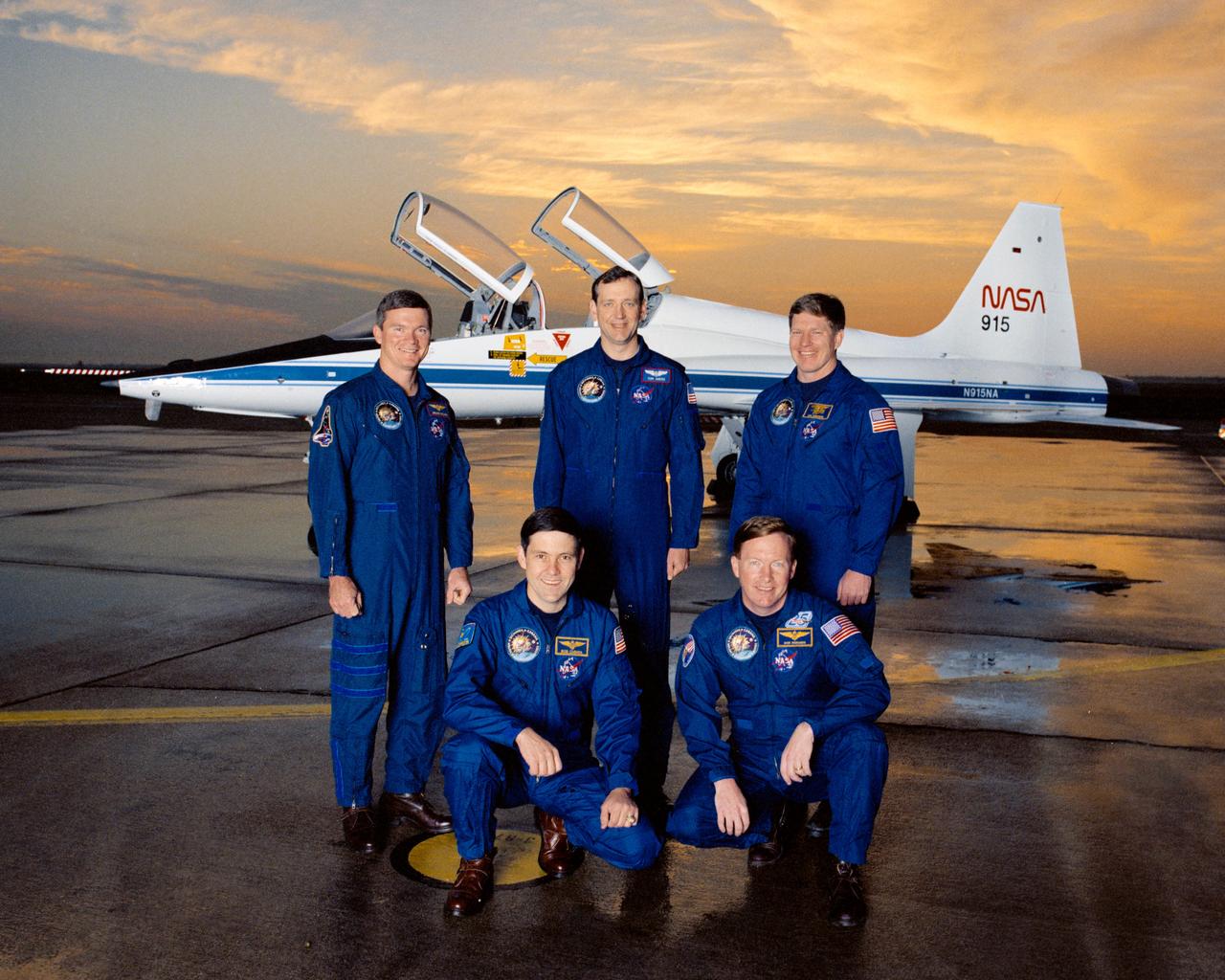
STS041-S-002 (7 May 1990) --- These five astronauts have been assigned to fly the STS-41 mission for the National Aeronautics and Space Administration (NASA). Pictured near the flight line at Ellington Field prior to an early morning flight in NASA T-38s are (kneeling, from the left) Robert D. Cabana, pilot; and Richard N. Richards, mission commander; and (standing, from left) Bruce E. Melnick, Thomas D. Akers and William M. Shepherd, all mission specialists. Primary payload for the Space Shuttle Discovery on the STS 41 mission is Ulysses.
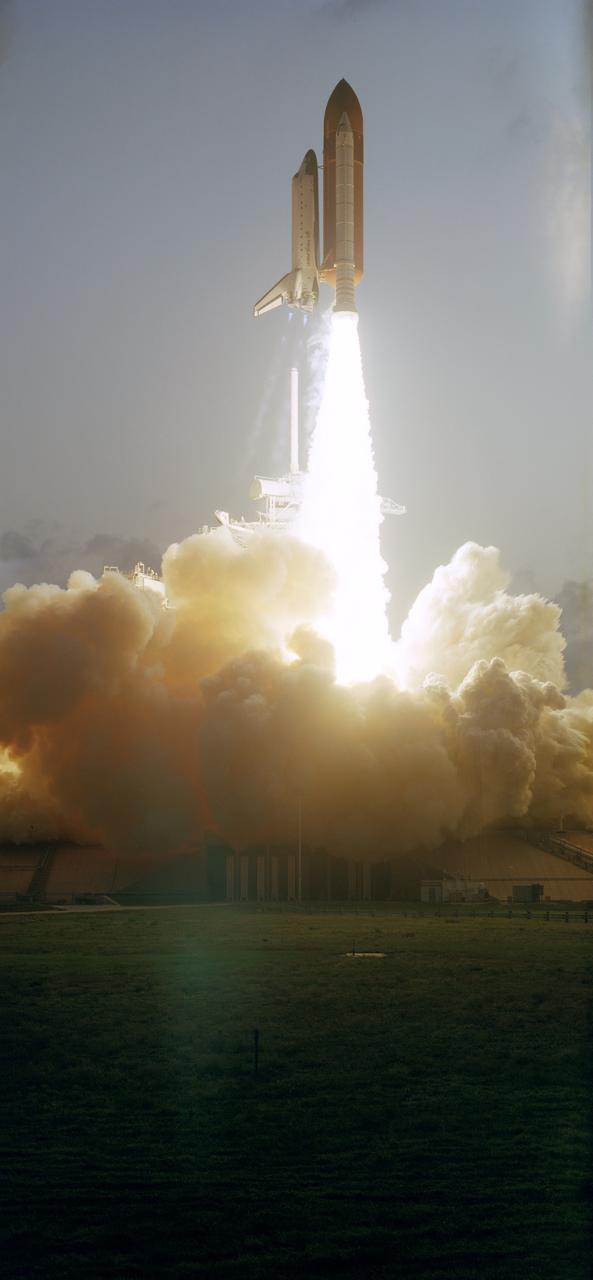
STS049-S-251 (7 May 1992) --- The Space Shuttle Endeavour soars toward Earth orbit where a crew of seven NASA astronauts will spend at least a week. Endeavour, the newest orbiter in NASA's Space Shuttle fleet, lifted off from Pad 39B at 7:40 p.m. (EDT), May 7, 1992. A diamond shock effect can be seen beneath the three main engines. Onboard are astronauts Daniel C. Brandenstein, mission commander; Kevin P. Chilton, pilot; and Richard J. Hieb, Bruce E. Melnick, Pierre J. Thuot, Kathryn C. Thornton and Thomas D. Akers, all mission specialists.
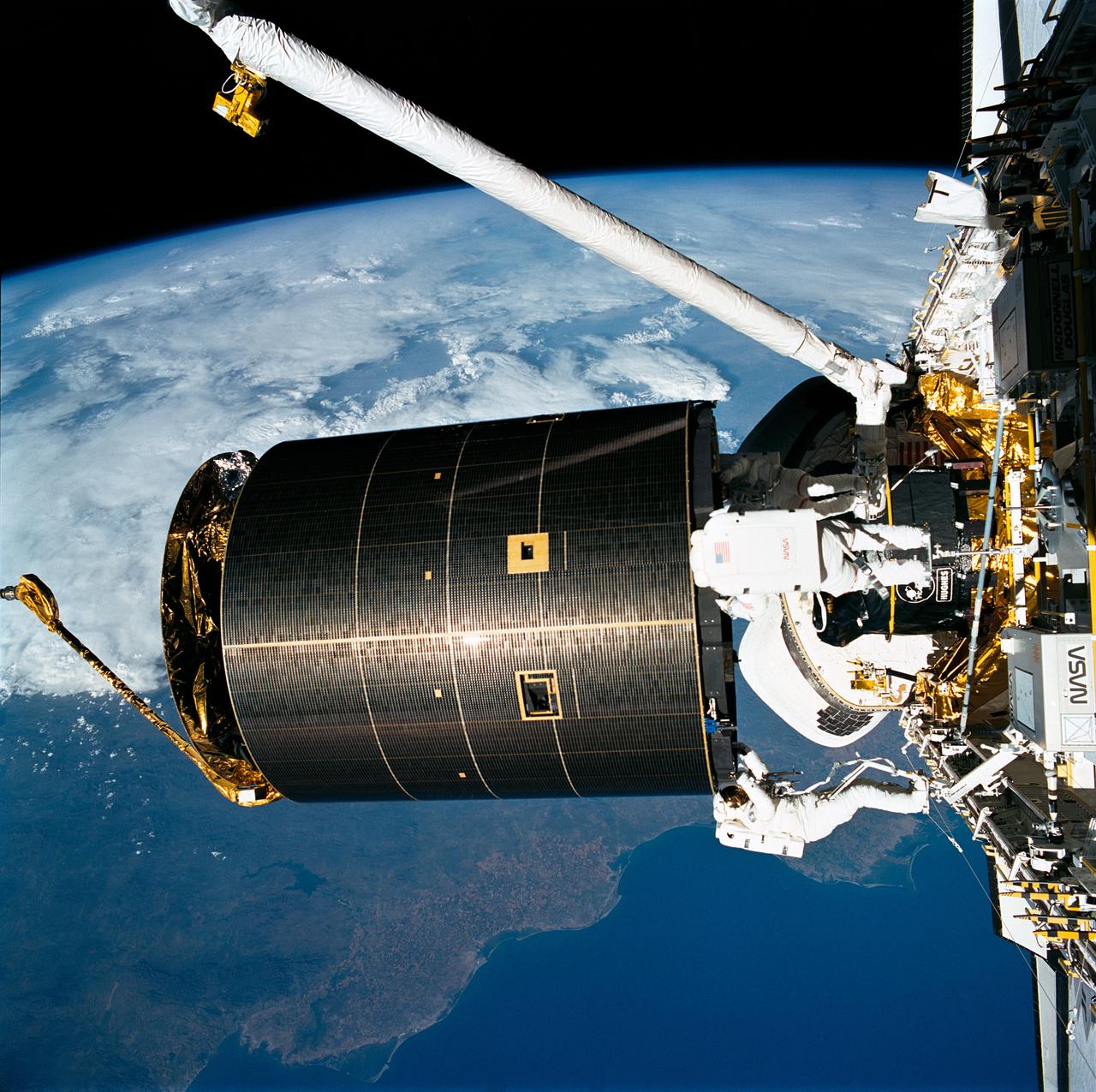
STS049-91-020 (13 May 1992) --- The successful capture of Intelsat VI satellite is recorded over Mexico on this 70mm frame, from inside the Space Shuttle Endeavour's cabin. Left to right, astronauts Richard J. Hieb, Thomas D. Akers and Pierre J. Thuot have handholds on the satellite. Ground coverage in the frame includes an area from Hermosillo, Sonara to Los Mochis in the state of Sinaloa. The nine-day mission accomplished the capture of the Intelsat, subsequent mating of the satellite to a booster and its eventual deployment, as well as a Space Station Freedom preview Extravehicular Activity (EVA). Endeavour's crew members were astronauts Daniel C. Brandenstein, mission commander; Kevin P. Chilton, pilot; and Thomas D. Akers, Richard J. Hieb, Bruce E. Melnick, Kathryn C. Thornton and Pierre J. Thuot, all mission specialists.
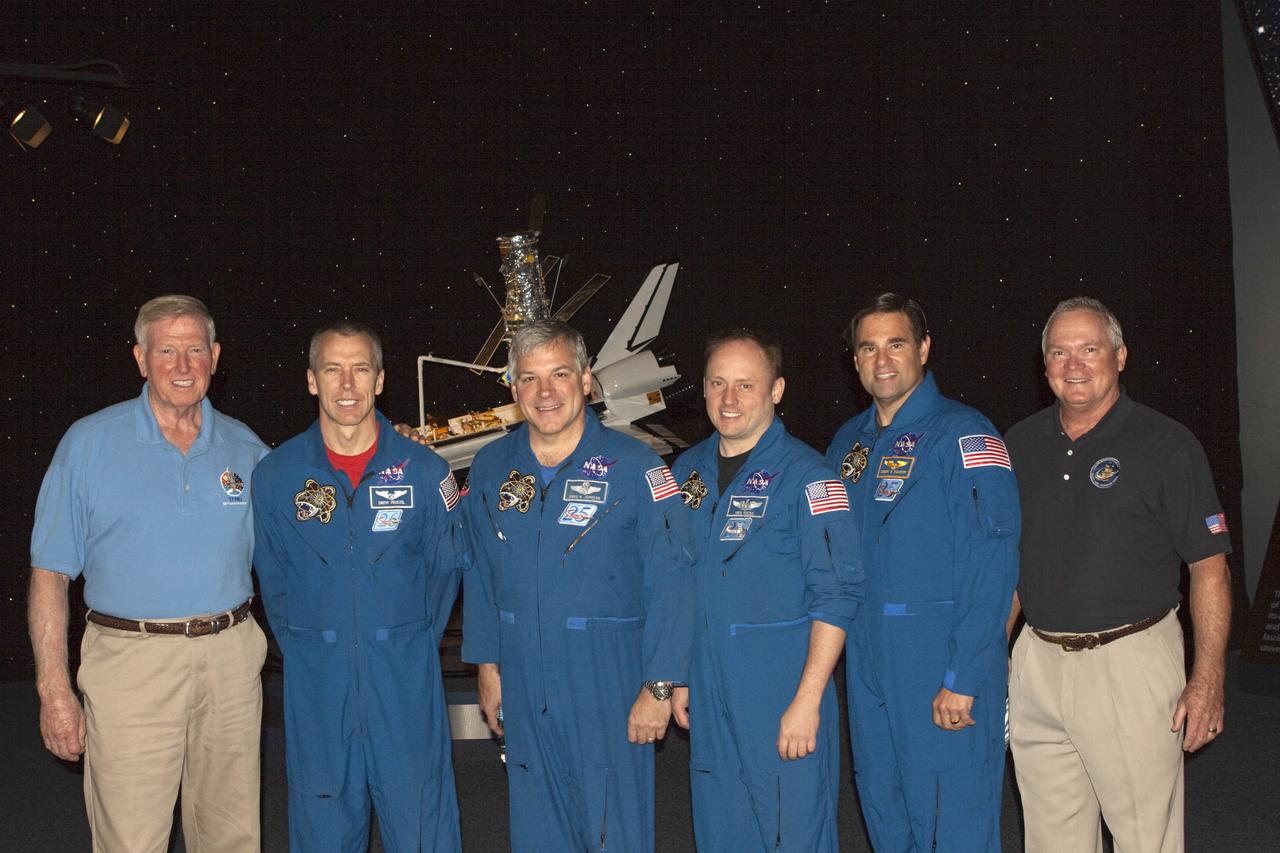
CAPE CANAVERAL, Fla. – Four members of the STS-134 crew presented a mission overview at the Visitor Complex of NASA's Kennedy Space Center in Florida. Participating in the event, from the left, former astronaut Jon McBride, STS-134 astronauts Andrew Feustel, Greg Johnson, Michael Fincke, Gregory Chamitoff and former astronaut Bruce Melnick. STS-134 commander Mark Kelly, pilot Greg Johnson and Mission Specialists Michael Fincke, Gregory Chamitoff, Andrew Feustel and European Space Agency astronaut Roberto Vittori lifted off May 16, 2011 aboard space shuttle Endeavour. During the nearly 16-day STS-134 mission, Endeavour delivered to the International Space Station the Alpha Magnetic Spectrometer and spare parts, including two S-band communications antennas and a high-pressure gas tank. This was the 36th shuttle mission to the station and Endeavour's 25th and final flight. For more information, visit: www.nasa.gov/mission_pages/shuttle/shuttlemissions/sts134/main/index.html Photo credit: NASA/Jim Grossmann
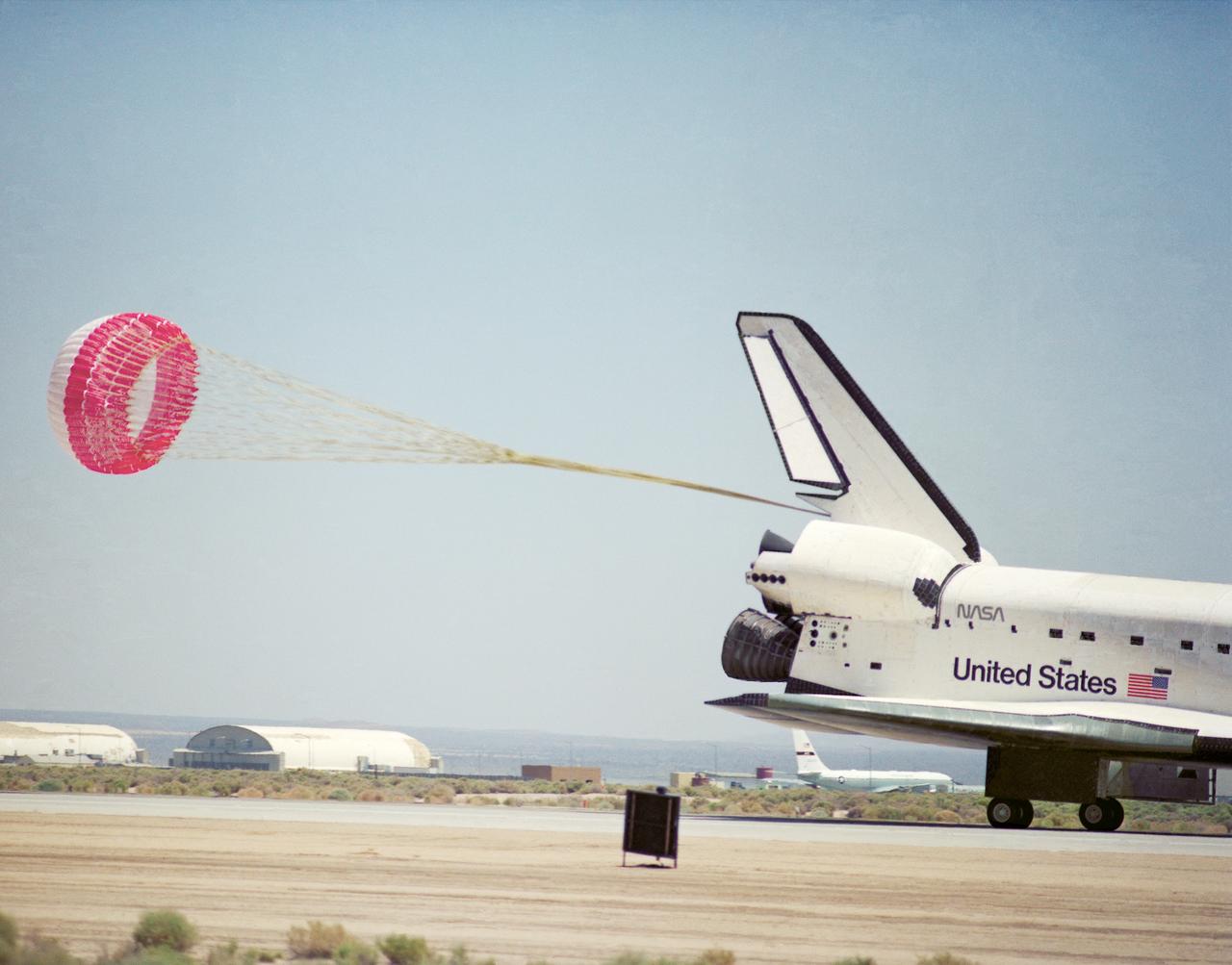
The Space Shuttle Endeavour concludes mission STS-49 at NASA's Ames-Dryden Flight Research Facility (later redesignated Dryden Flight Research Center), Edwards, California, with a 1:57 p.m. (PDT) landing 16 May on Edward's concrete runway 22. The planned 7-day mission, which began with a launch from Kennedy Space Center, Florida, at 4:41 p.m. (PFT), 7 May, was extended two days to allow extra time to rescue the Intelsat VI satellite and complete Space Station assembly techniques originally planned. After a perfect rendezvous in orbit and numerous attempts to grab the satellite, space walking astronauts Pierre Thuot, Rick Hieb and Tom Akers successfully rescued it by hand on the third space walk with the support of mission specialists Kathy Thornton and Bruce Melnick. The three astronauts, on a record space walk, took hold of the satellite and directed it to the shuttle where a booster motor was attached to launch it to its proper orbit. Commander Dan Brandenstein and Pilot Kevin Chilton brought Endeavours's record setting maiden voyage to a perfect landing at Edwards AFB with the first deployment of a drag chute on a shuttle mission.
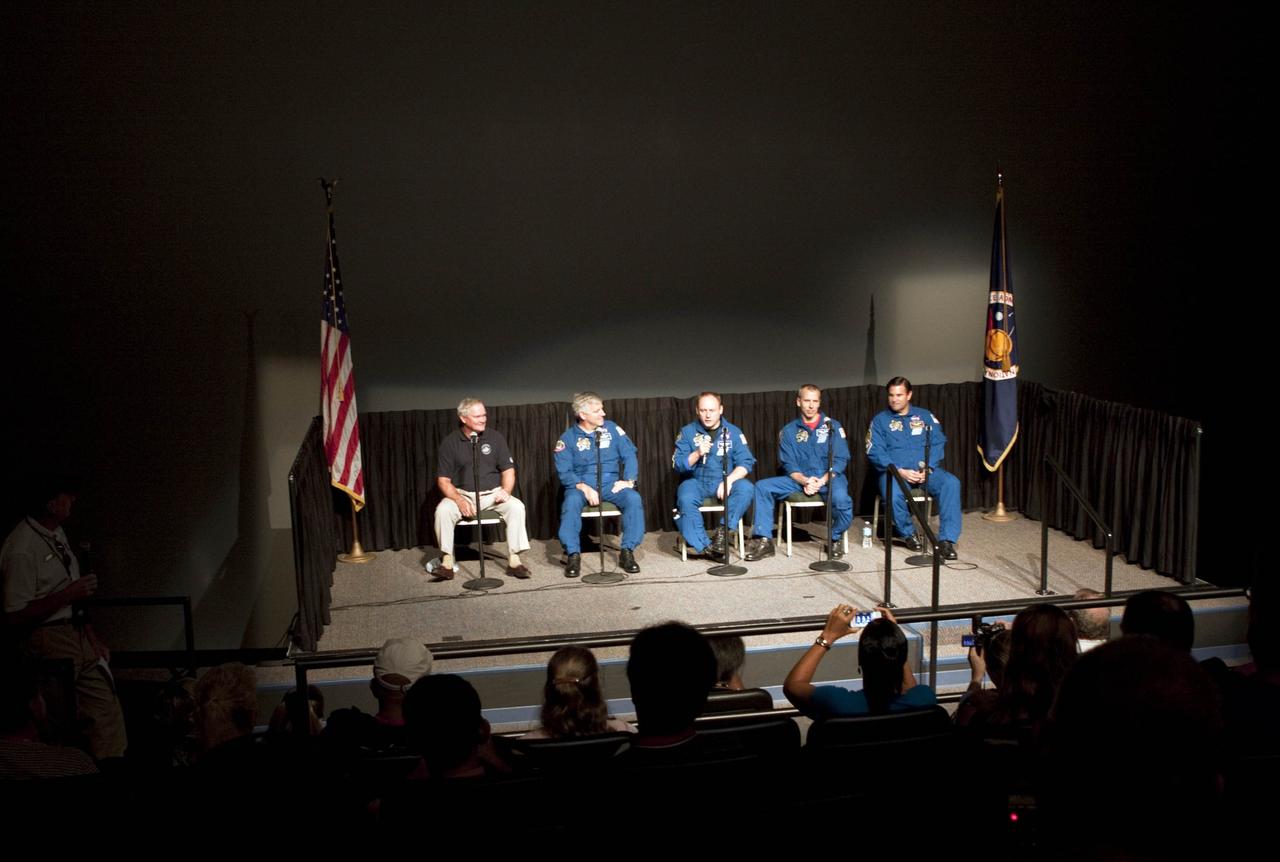
CAPE CANAVERAL, Fla. – Four members of the STS-134 crew answer questions as part of a mission overview at the Visitor Complex of NASA's Kennedy Space Center in Florida. Participating in the event, seated, from the left, former astronaut Bruce Melnick, along with Greg Johnson, Michael Fincke, Andrew Feustel and Gregory Chamitoff. STS-134 commander Mark Kelly, pilot Greg Johnson and Mission Specialists Michael Fincke, Gregory Chamitoff, Andrew Feustel and European Space Agency astronaut Roberto Vittori lifted off May 16, 2011 aboard space shuttle Endeavour. During the nearly 16-day STS-134 mission, Endeavour delivered to the International Space Station the Alpha Magnetic Spectrometer and spare parts, including two S-band communications antennas and a high-pressure gas tank. This was the 36th shuttle mission to the station and Endeavour's 25th and final flight. For more information, visit: www.nasa.gov/mission_pages/shuttle/shuttlemissions/sts134/main/index.html Photo credit: NASA/Jim Grossmann
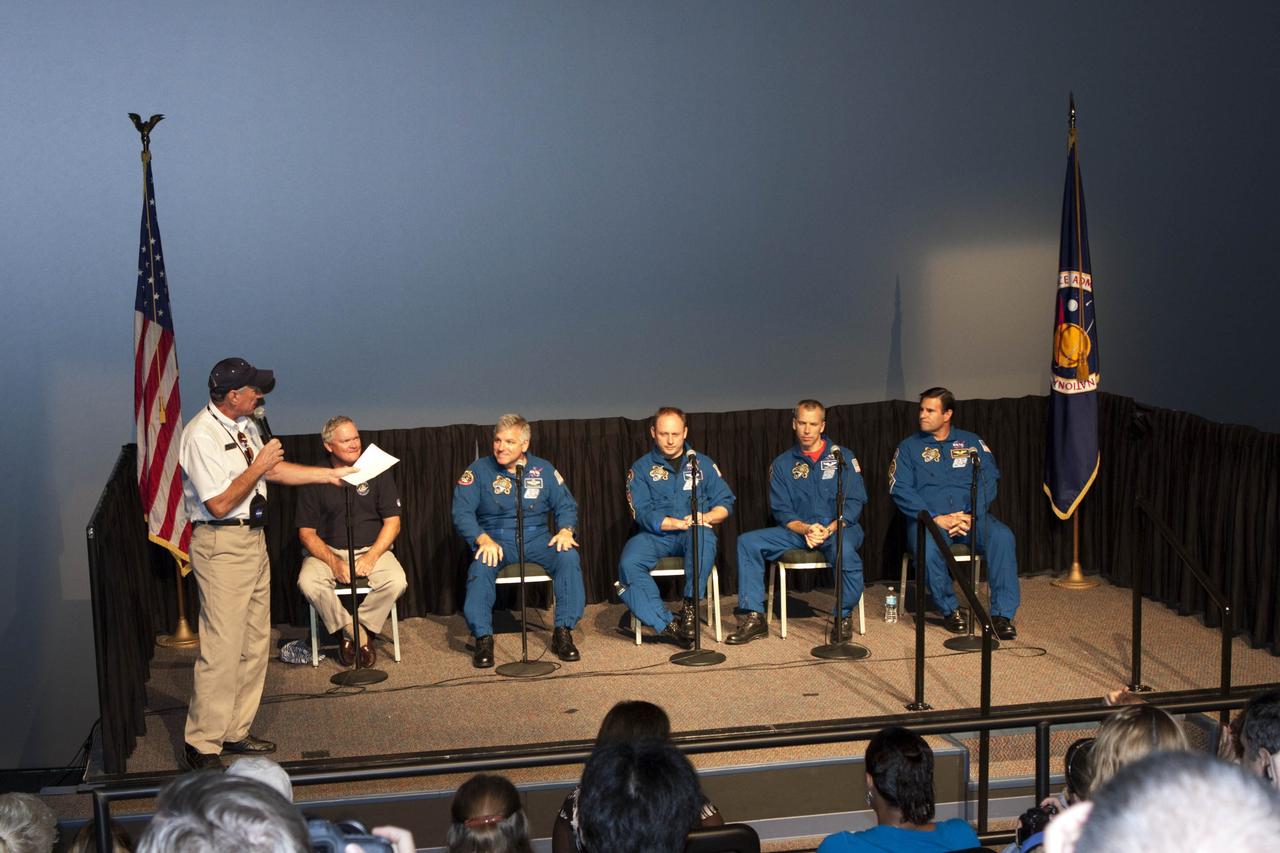
CAPE CANAVERAL, Fla. – Four members of the STS-134 crew answer questions as part of a mission overview at the Visitor Complex of NASA's Kennedy Space Center in Florida. Participating in the event, seated, from the left, former astronaut Bruce Melnick, along with Greg Johnson, Michael Fincke, Andrew Feustel and Gregory Chamitoff. STS-134 commander Mark Kelly, pilot Greg Johnson and Mission Specialists Michael Fincke, Gregory Chamitoff, Andrew Feustel and European Space Agency astronaut Roberto Vittori lifted off May 16, 2011 aboard space shuttle Endeavour. During the nearly 16-day STS-134 mission, Endeavour delivered to the International Space Station the Alpha Magnetic Spectrometer and spare parts, including two S-band communications antennas and a high-pressure gas tank. This was the 36th shuttle mission to the station and Endeavour's 25th and final flight. For more information, visit: www.nasa.gov/mission_pages/shuttle/shuttlemissions/sts134/main/index.html Photo credit: NASA/Jim Grossmann
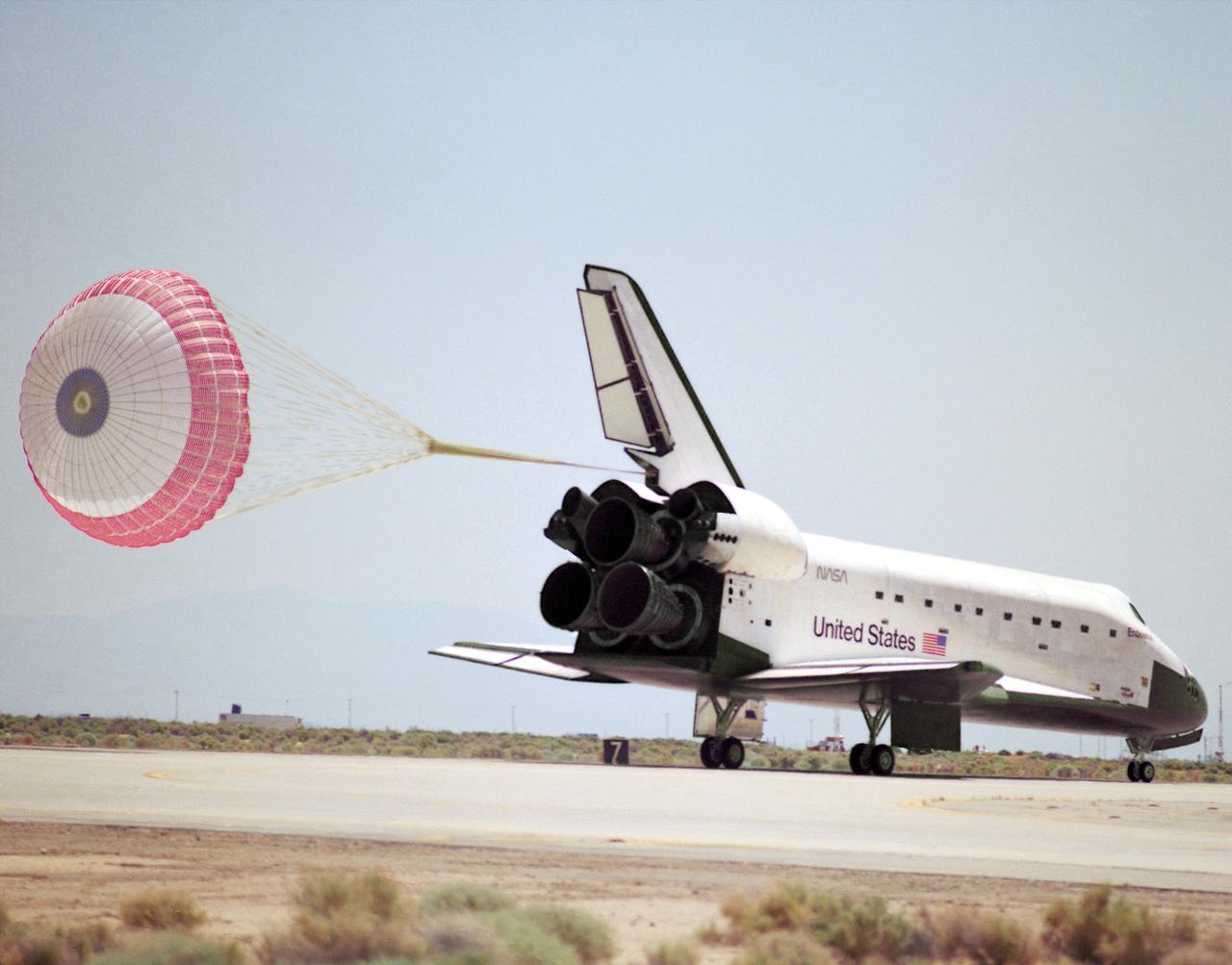
The Space Shuttle Endeavour concludes mission STS-49 at NASA's Ames-Dryden Flight Research Facility (later redesignated Dryden Flight Research Center), Edwards, California, with a 1:57 p.m. (PDT) landing May 16 on Edward's concrete runway 22. The planned 7-day mission, which began with a launch from Kennedy Space Center, Florida, at 4:41 p.m. (PFT), 7 May, was extended two days to allow extra time to rescue the Intelsat VI satellite and complete Space Station assembly techniques originally planned. After a perfect rendezvous in orbit and numerous attempts to grab the satellite, space walking astronauts Pierre Thuot, Rick Hieb and Tom Akers successfully rescued it by hand on the third space walk with the support of mission specialists Kathy Thornton and Bruce Melnick. The three astronauts, on a record space walk, took hold of the satellite and directed it to the shuttle where a booster motor was attached to launch it to its proper orbit. Commander Dan Brandenstein and Pilot Kevin Chilton brought Endeavours's record setting maiden voyage to a perfect landing at Edwards with the first deployment of a drag chute on a shuttle mission.