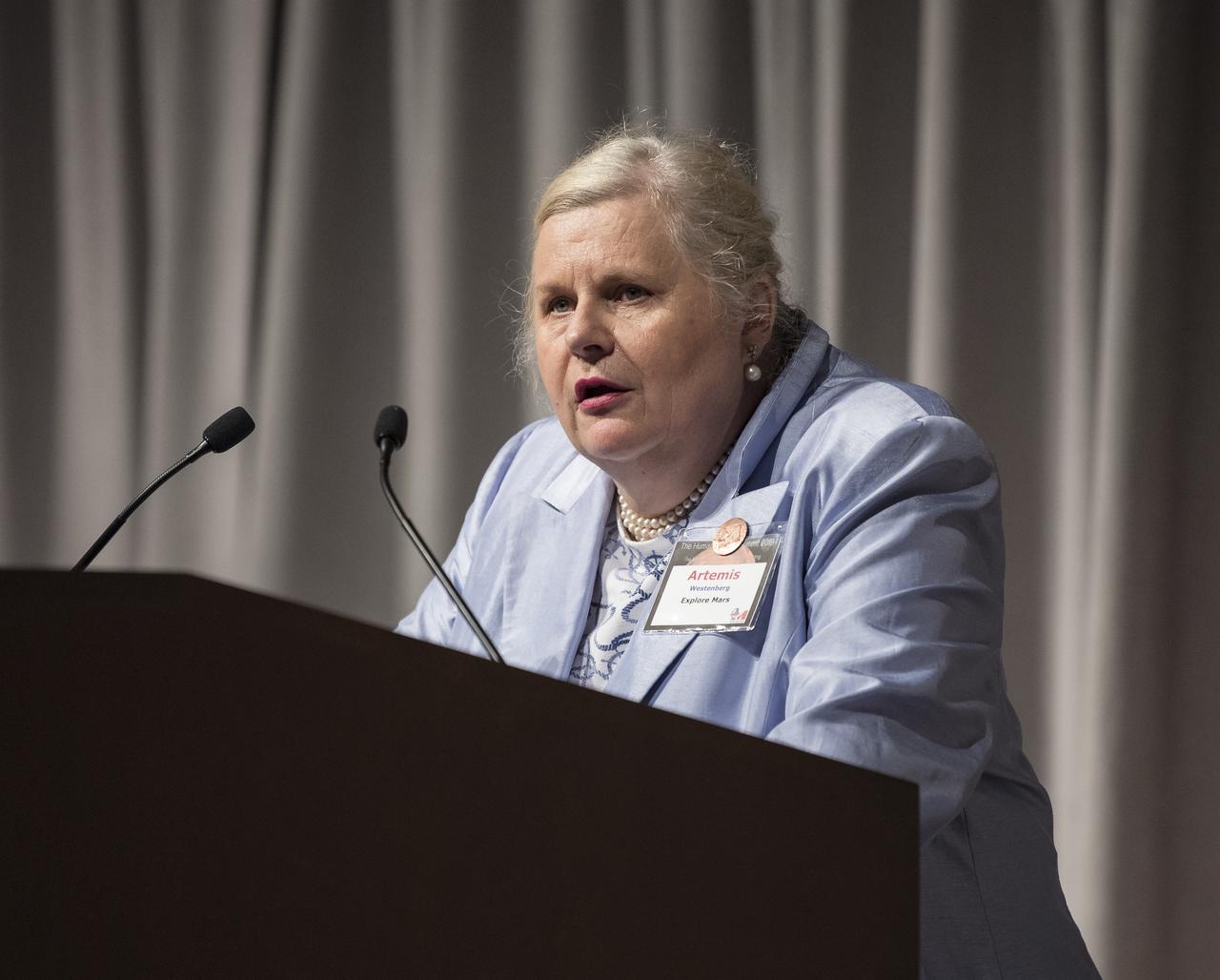
Explore Mars President and Co-Founder, Artemis Westenberg, introduces NASA Administrator Jim Bridenstine at the Humans to Mars Summit, Tuesday, May 14, 2019, at the National Academy of Sciences in Washington. Photo credit: (NASA/Aubrey Gemignani)
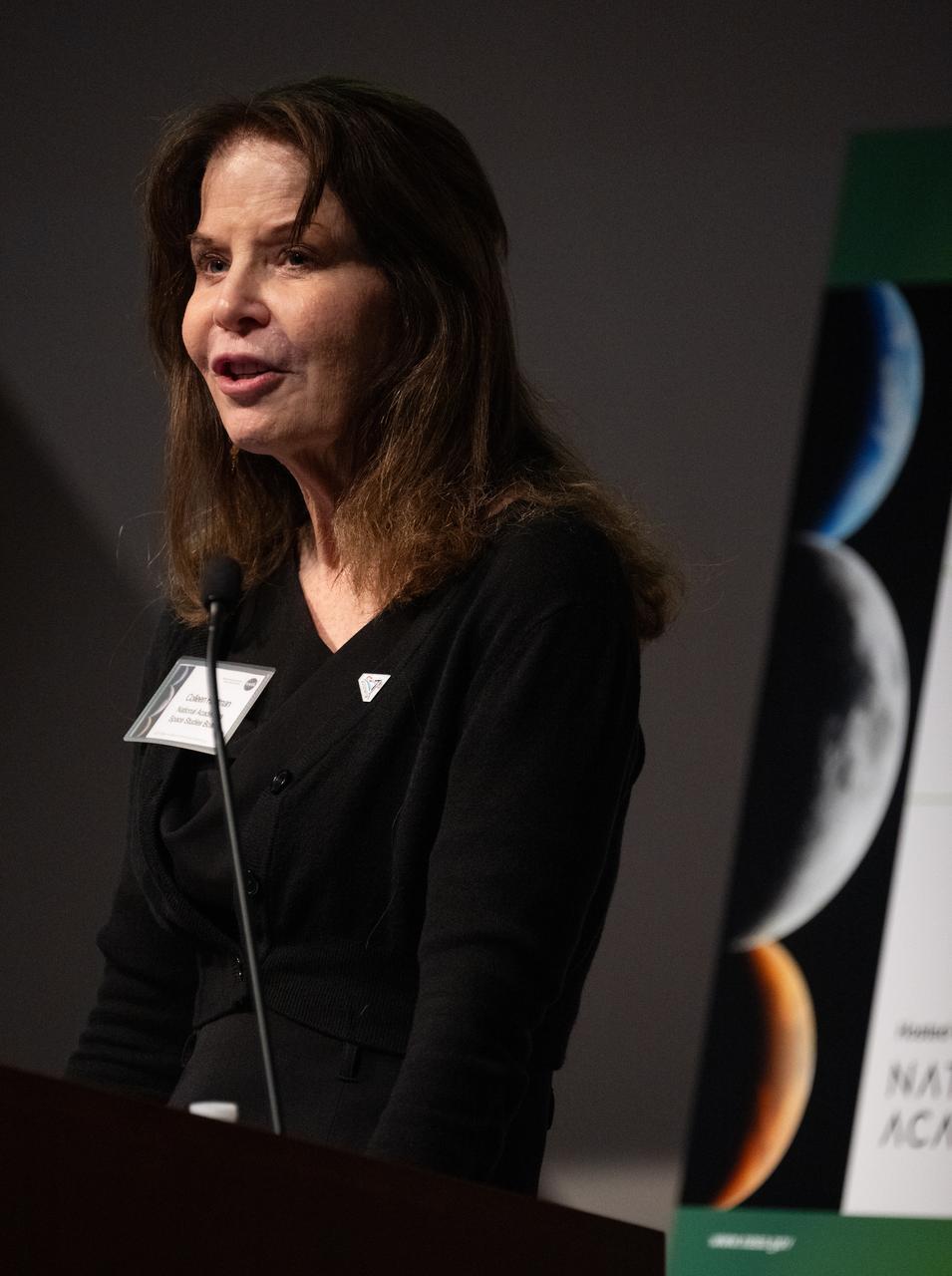
Colleen Hartman, director of the Space Studies Board at the National Academy of Sciences gives opening remarks at the Moon to Mars Architecture Workshop, Wednesday, Feb. 12, 2025, at the National Academy of Sciences in Washington. NASA held the workshop to engage the broader space community and collect feedback from U.S. industry and academia and international partners to inform NASA's Moon to Mars Architecture, the agency's roadmap for human exploration of the Moon and Mars. Photo Credit: (NASA/Joel Kowsky)
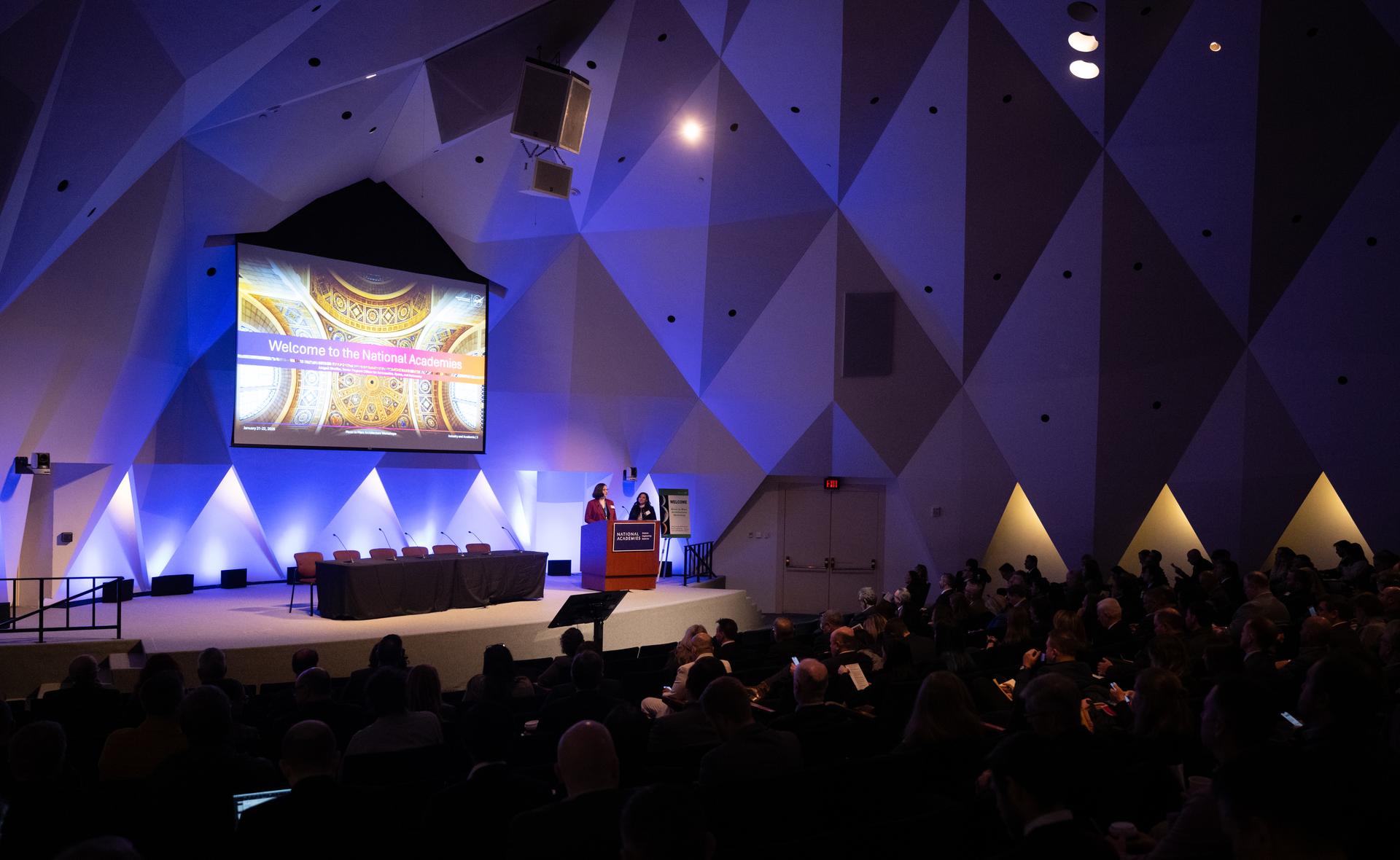
Abigail Sheffer, senior program office for Aeronautics, Space, and Astronomy at the National Academy of Sciences speaks at the Moon to Mars Architecture Workshop, Wednesday, Jan. 21, 2026, at the National Academy of Sciences in Washington. NASA held the workshop to engage the broader space community and collect feedback from U.S. industry and academia and international partners to inform NASA's Moon to Mars Architecture, the agency's roadmap for human exploration of the Moon and Mars. Photo Credit: (NASA/Joel Kowsky)
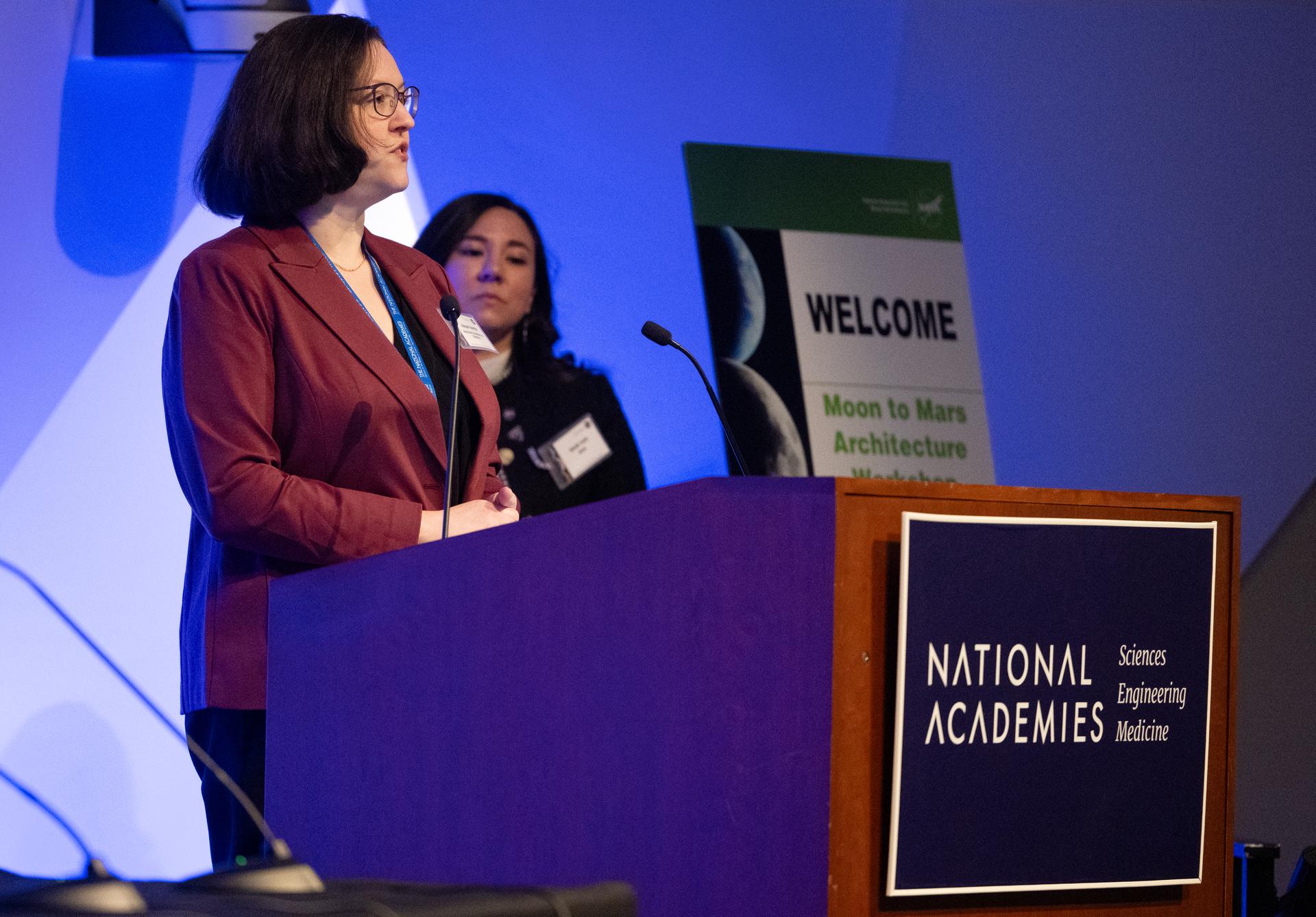
Abigail Sheffer, senior program office for Aeronautics, Space, and Astronomy at the National Academy of Sciences speaks at the Moon to Mars Architecture Workshop, Wednesday, Jan. 21, 2026, at the National Academy of Sciences in Washington. NASA held the workshop to engage the broader space community and collect feedback from U.S. industry and academia and international partners to inform NASA's Moon to Mars Architecture, the agency's roadmap for human exploration of the Moon and Mars. Photo Credit: (NASA/Joel Kowsky)
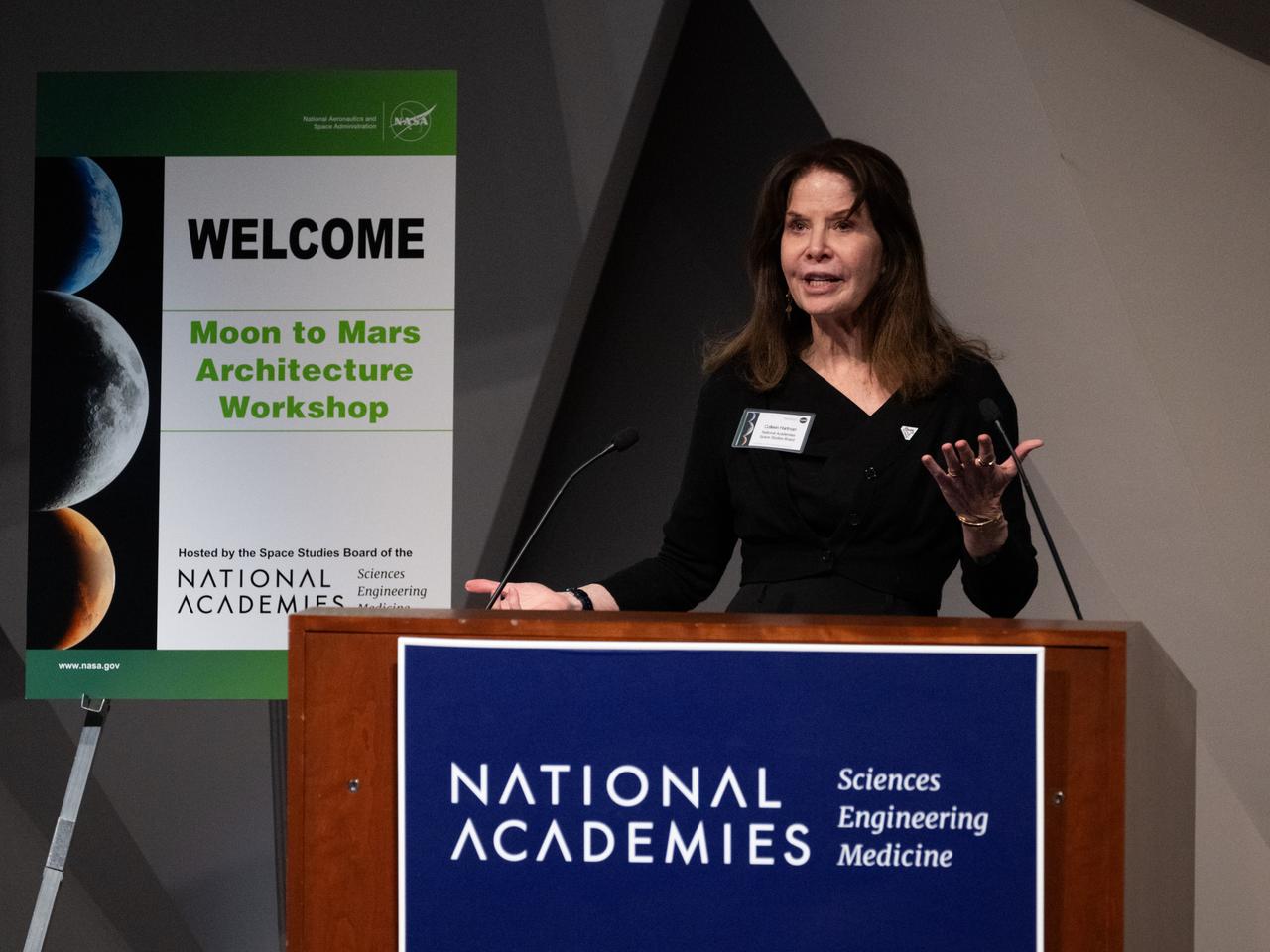
Colleen Hartman, director of the Space Studies Board at the National Academy of Sciences gives opening remarks at the Moon to Mars Architecture Workshop, Wednesday, Feb. 12, 2025, at the National Academy of Sciences in Washington. NASA held the workshop to engage the broader space community and collect feedback from U.S. industry and academia and international partners to inform NASA's Moon to Mars Architecture, the agency's roadmap for human exploration of the Moon and Mars. Photo Credit: (NASA/Joel Kowsky)
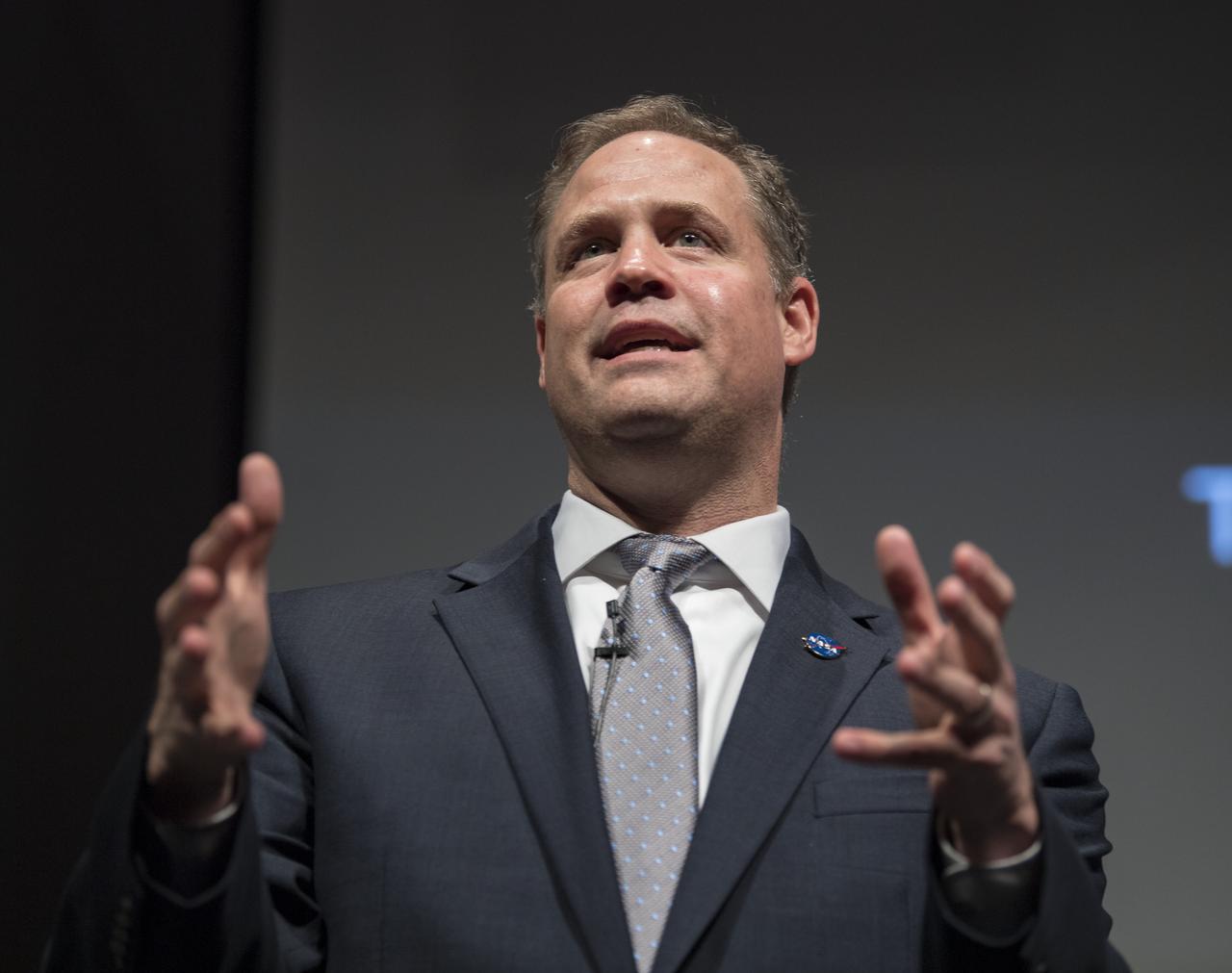
NASA Administrator Jim Bridenstine gives keynote remarks at the Humans to Mars Summit, Tuesday, May 14, 2019, at the National Academy of Sciences in Washington. Photo credit: (NASA/Aubrey Gemignani)
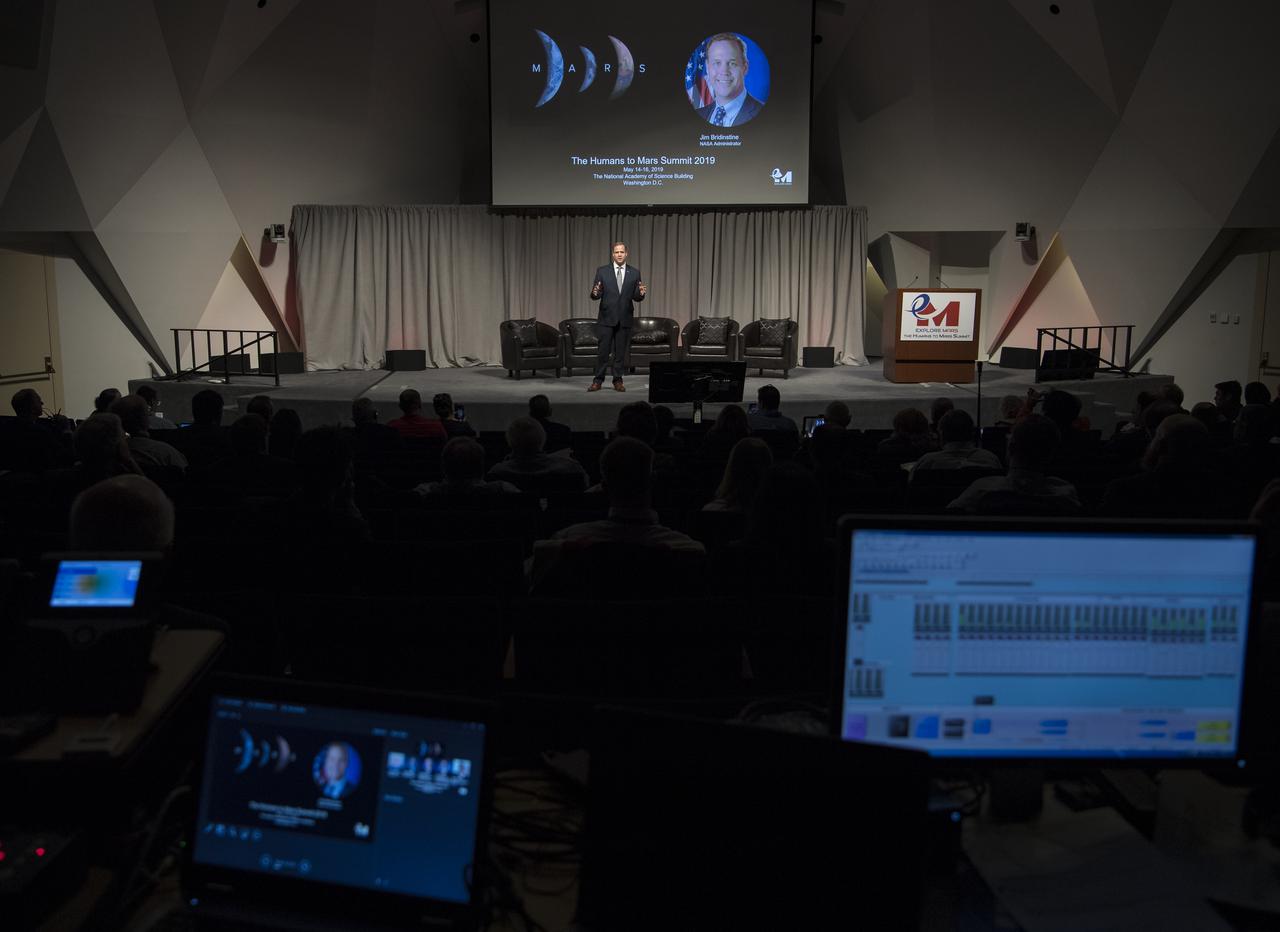
NASA Administrator Jim Bridenstine gives keynote remarks at the Humans to Mars Summit, Tuesday, May 14, 2019, at the National Academy of Sciences in Washington. Photo credit: (NASA/Aubrey Gemignani)
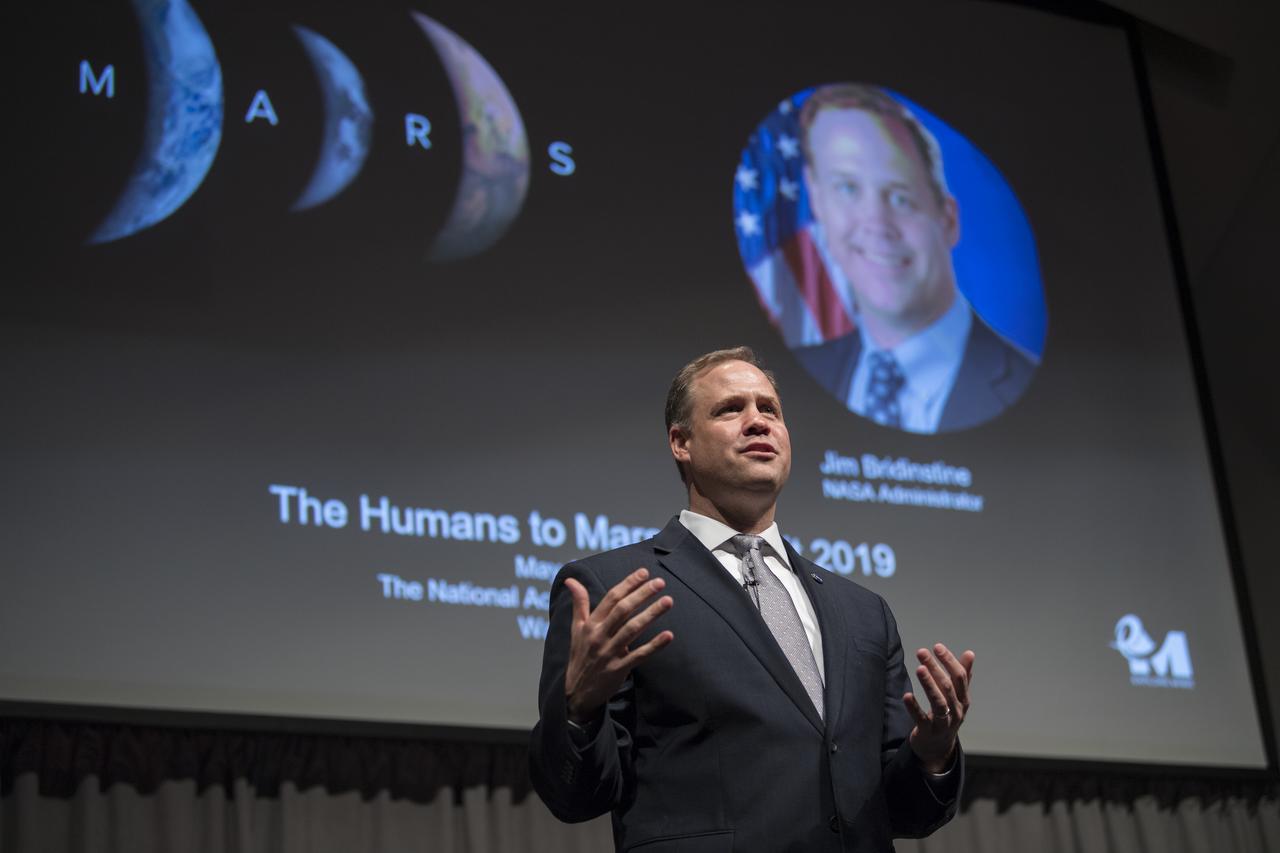
NASA Administrator Jim Bridenstine gives keynote remarks at the Humans to Mars Summit, Tuesday, May 14, 2019, at the National Academy of Sciences in Washington. Photo credit: (NASA/Aubrey Gemignani)
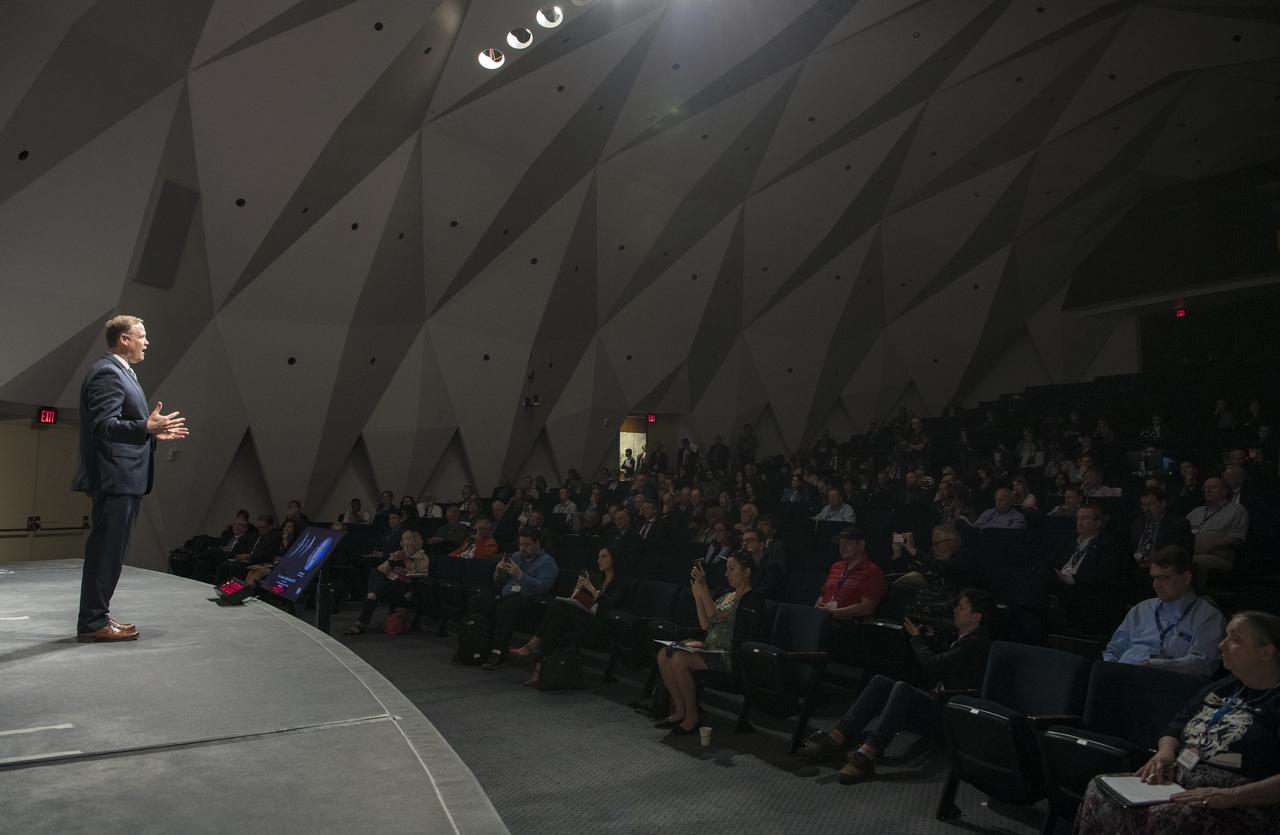
NASA Administrator Jim Bridenstine gives keynote remarks at the Humans to Mars Summit, Tuesday, May 14, 2019, at the National Academy of Sciences in Washington. Photo credit: (NASA/Aubrey Gemignani)
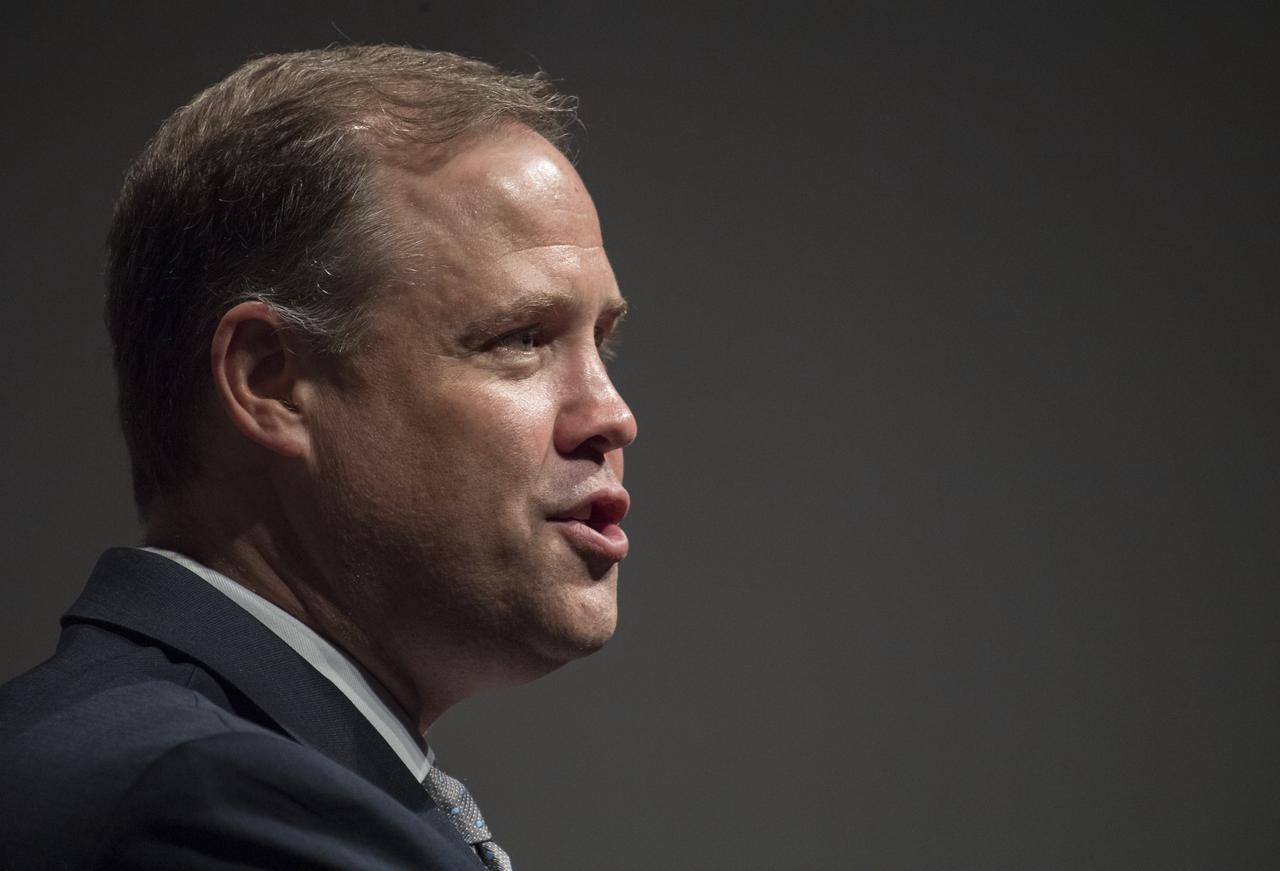
NASA Administrator Jim Bridenstine gives keynote remarks at the Humans to Mars Summit, Tuesday, May 14, 2019, at the National Academy of Sciences in Washington. Photo credit: (NASA/Aubrey Gemignani)
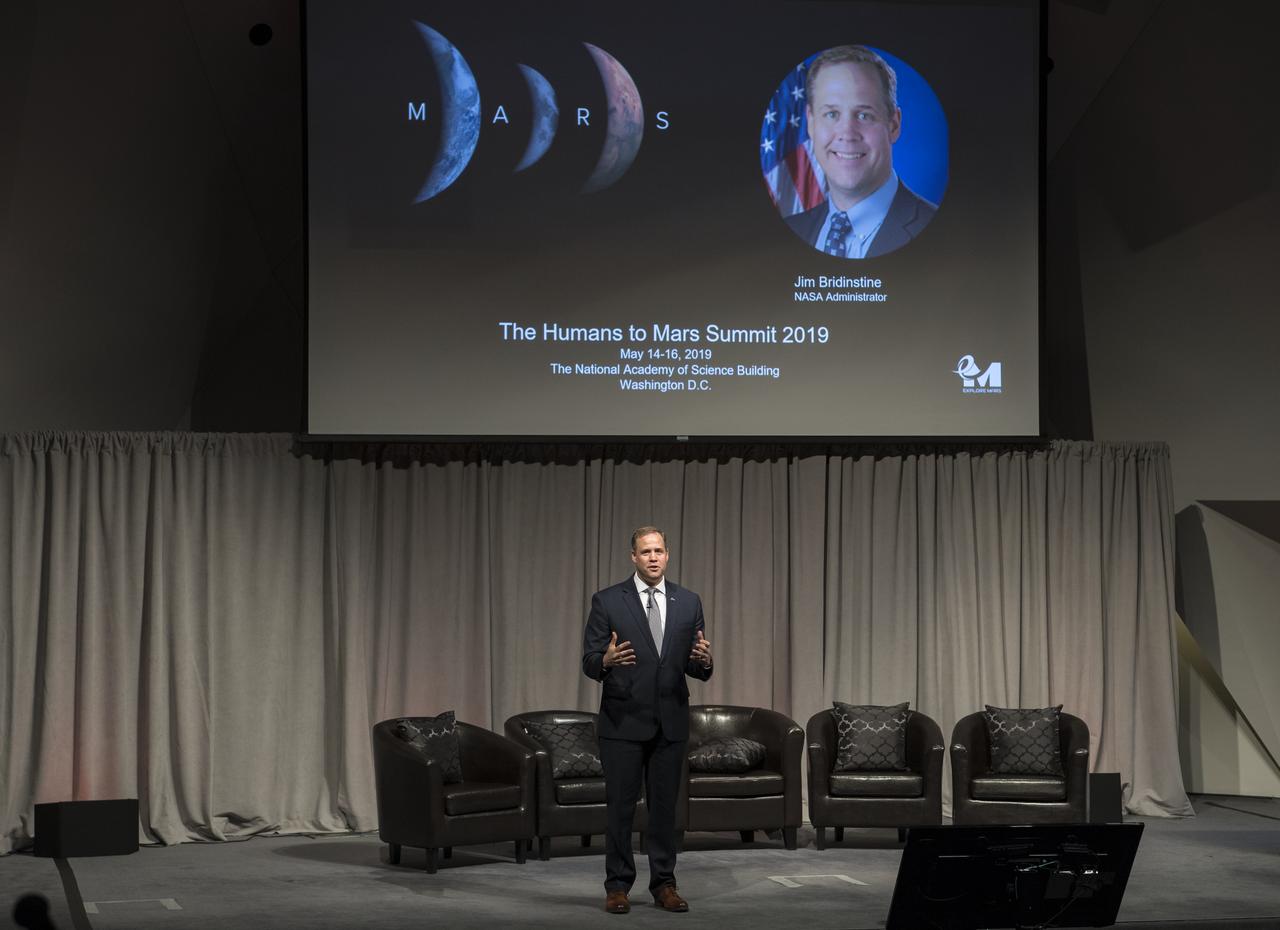
NASA Administrator Jim Bridenstine gives keynote remarks at the Humans to Mars Summit, Tuesday, May 14, 2019, at the National Academy of Sciences in Washington. Photo credit: (NASA/Aubrey Gemignani)
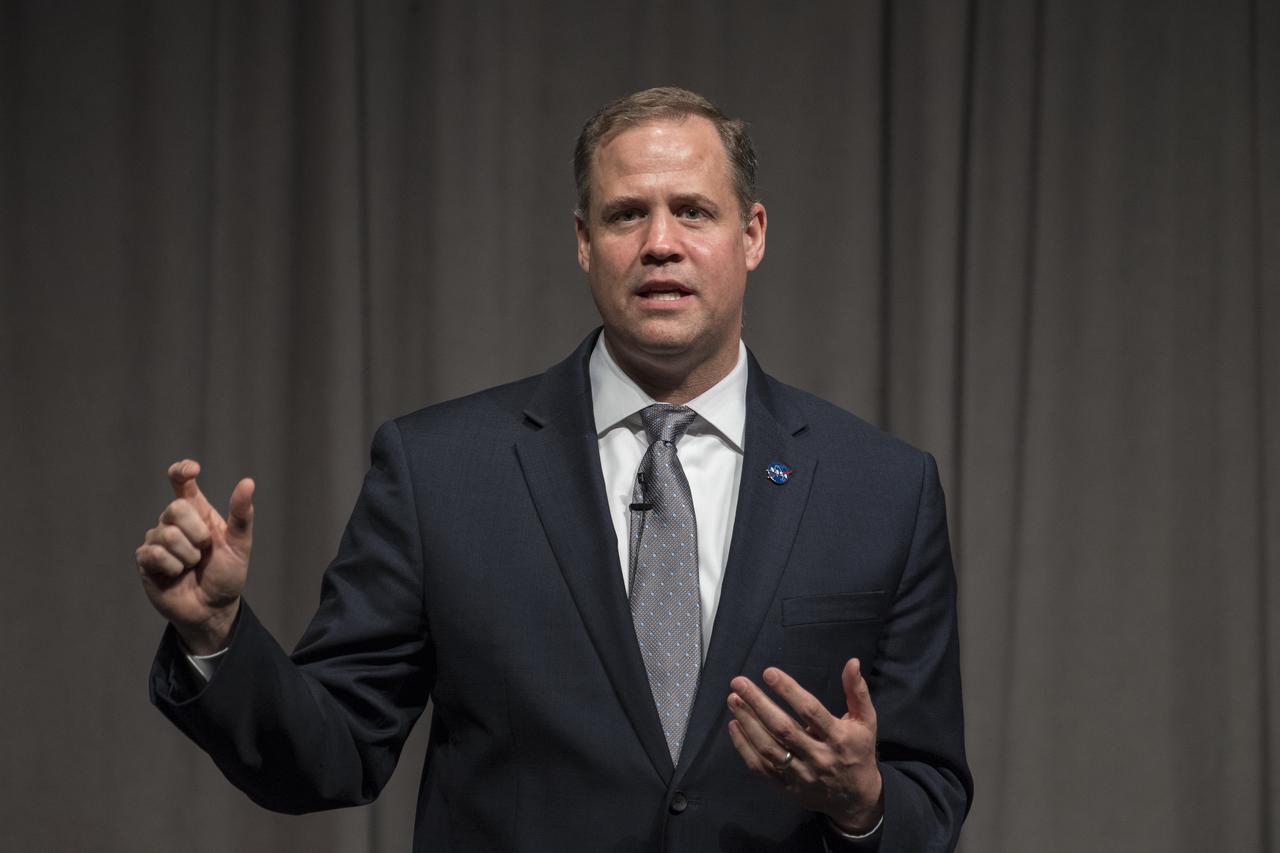
NASA Administrator Jim Bridenstine gives keynote remarks at the Humans to Mars Summit, Tuesday, May 14, 2019, at the National Academy of Sciences in Washington. Photo credit: (NASA/Aubrey Gemignani)
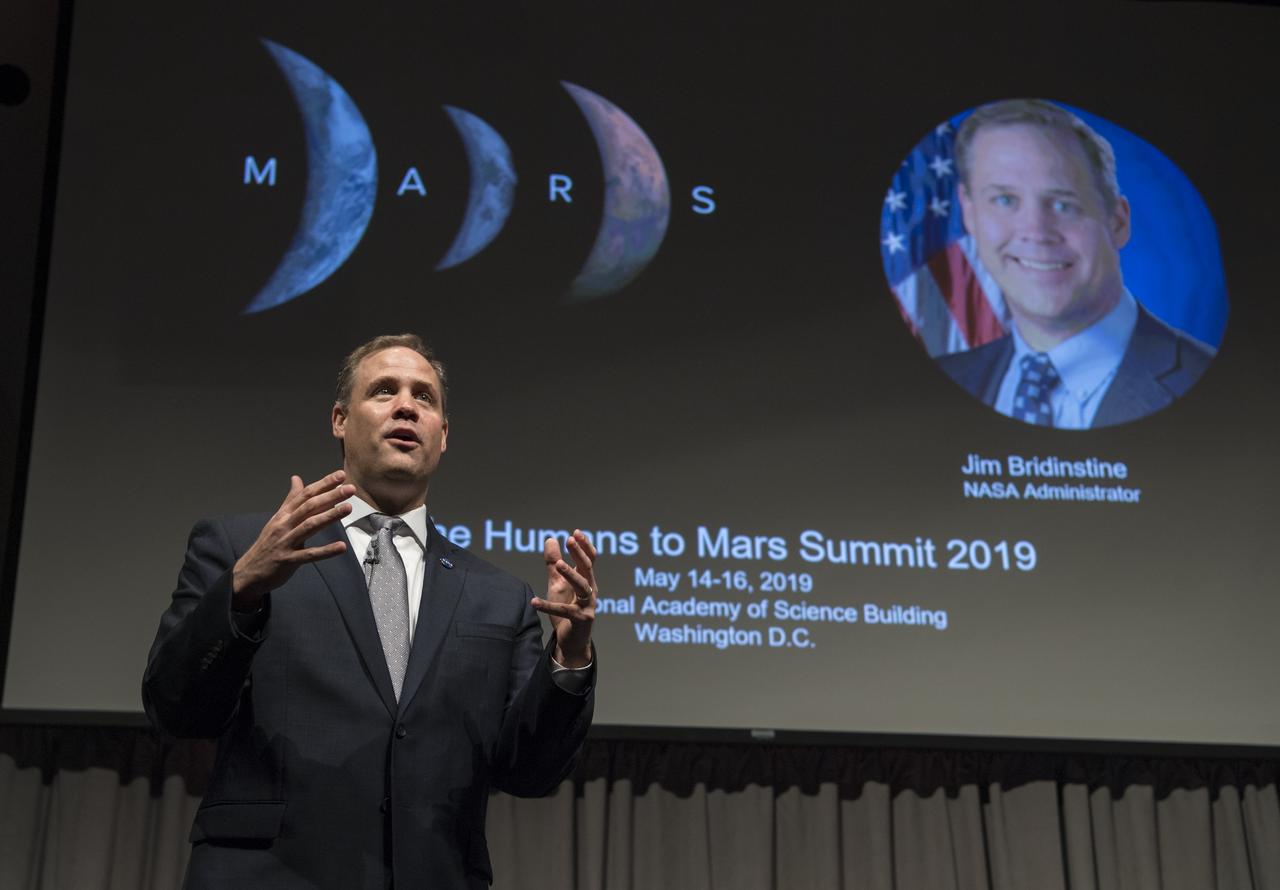
NASA Administrator Jim Bridenstine gives keynote remarks at the Humans to Mars Summit, Tuesday, May 14, 2019, at the National Academy of Sciences in Washington. Photo credit: (NASA/Aubrey Gemignani)
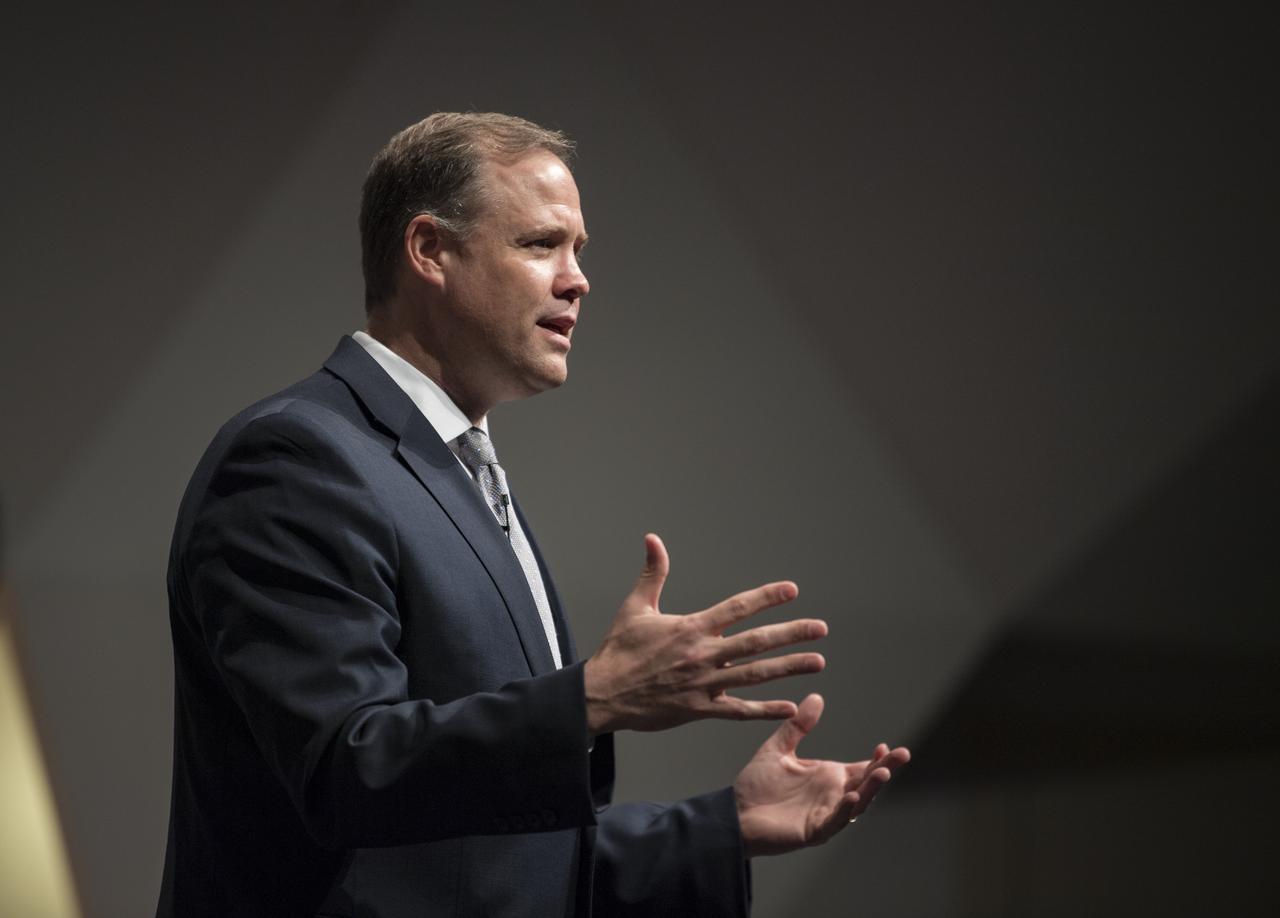
NASA Administrator Jim Bridenstine gives keynote remarks at the Humans to Mars Summit, Tuesday, May 14, 2019, at the National Academy of Sciences in Washington. Photo credit: (NASA/Aubrey Gemignani)
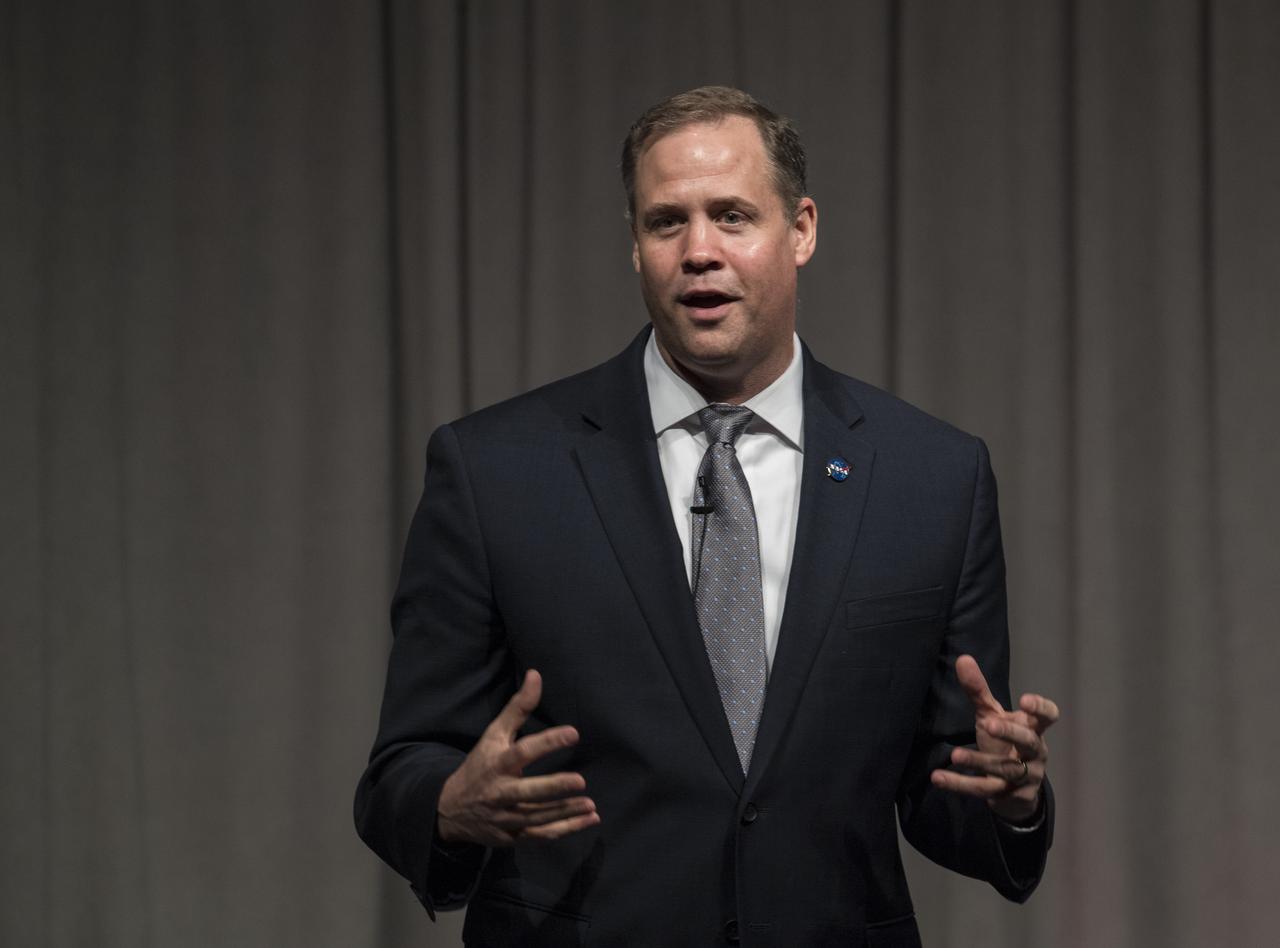
NASA Administrator Jim Bridenstine gives keynote remarks at the Humans to Mars Summit, Tuesday, May 14, 2019, at the National Academy of Sciences in Washington. Photo credit: (NASA/Aubrey Gemignani)
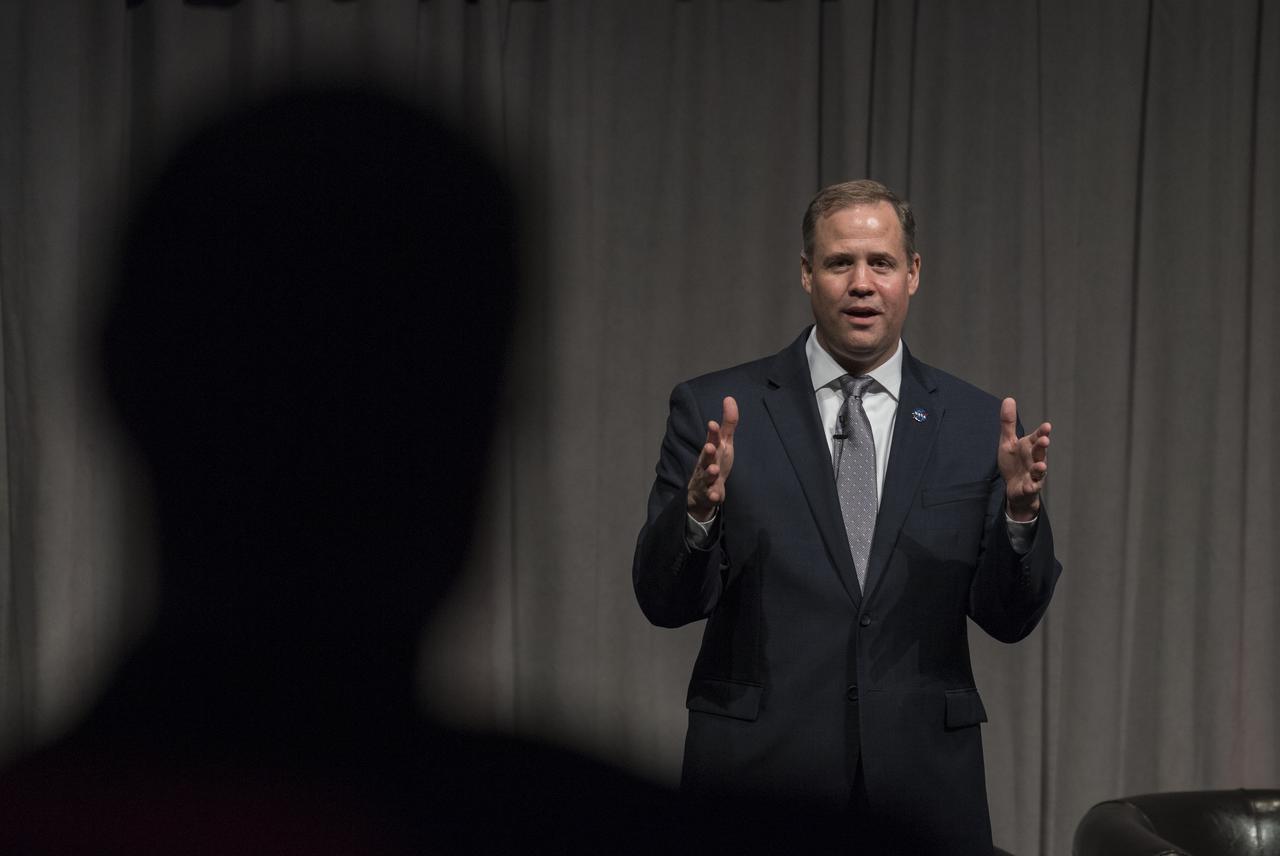
NASA Administrator Jim Bridenstine gives keynote remarks at the Humans to Mars Summit, Tuesday, May 14, 2019, at the National Academy of Sciences in Washington. Photo credit: (NASA/Aubrey Gemignani)
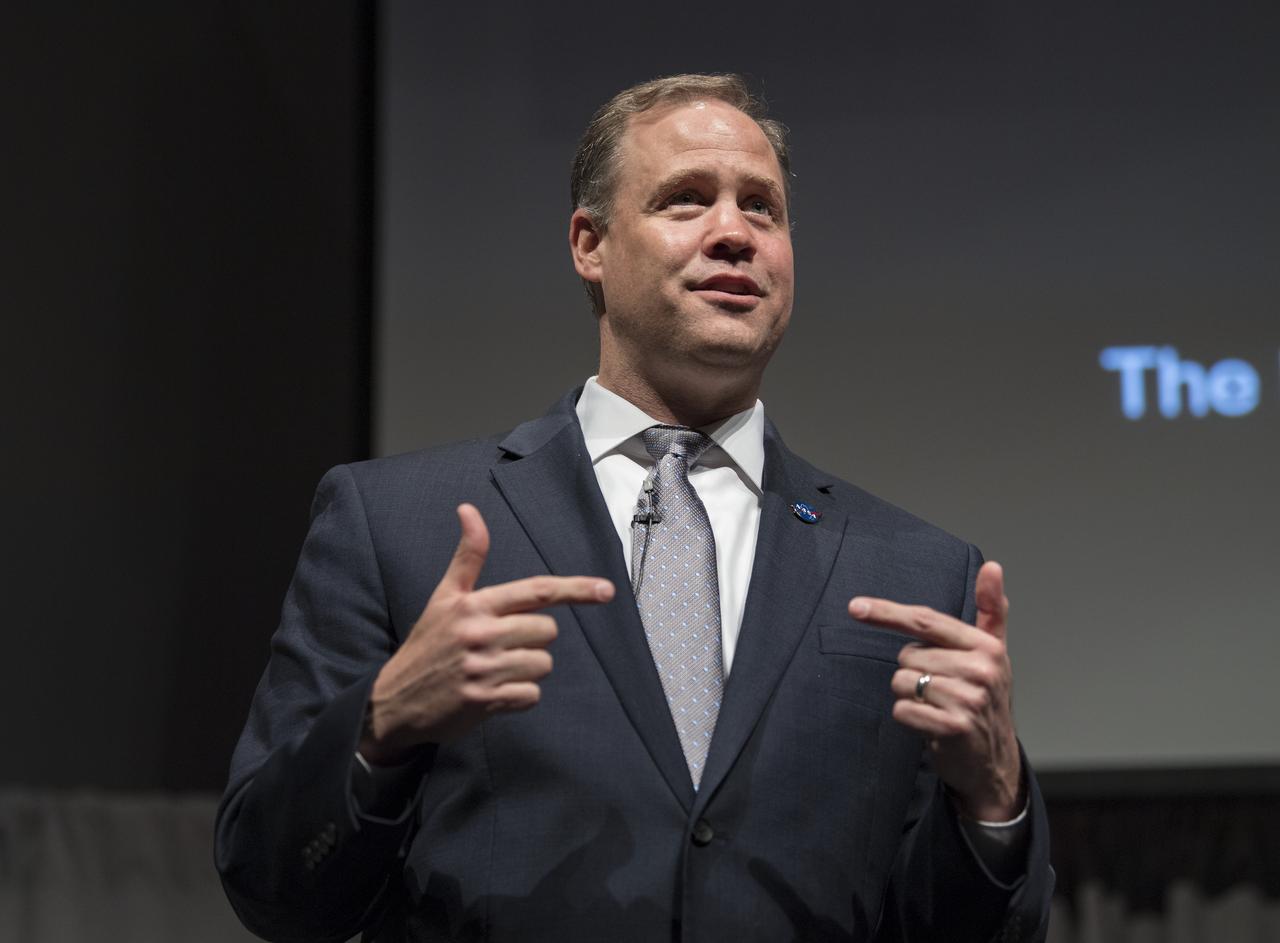
NASA Administrator Jim Bridenstine gives keynote remarks at the Humans to Mars Summit, Tuesday, May 14, 2019, at the National Academy of Sciences in Washington. Photo credit: (NASA/Aubrey Gemignani)
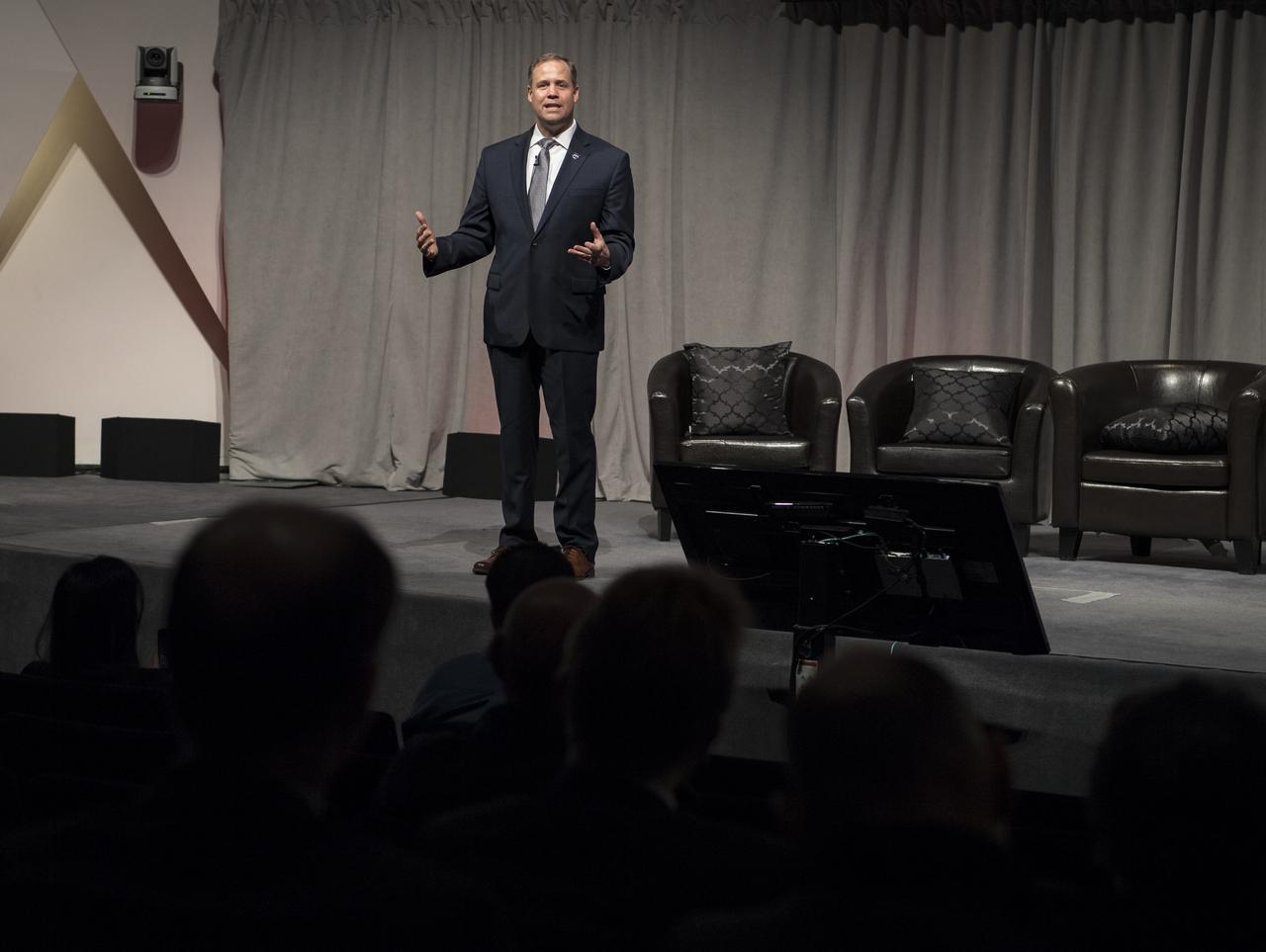
NASA Administrator Jim Bridenstine gives keynote remarks at the Humans to Mars Summit, Tuesday, May 14, 2019, at the National Academy of Sciences in Washington. Photo credit: (NASA/Aubrey Gemignani)
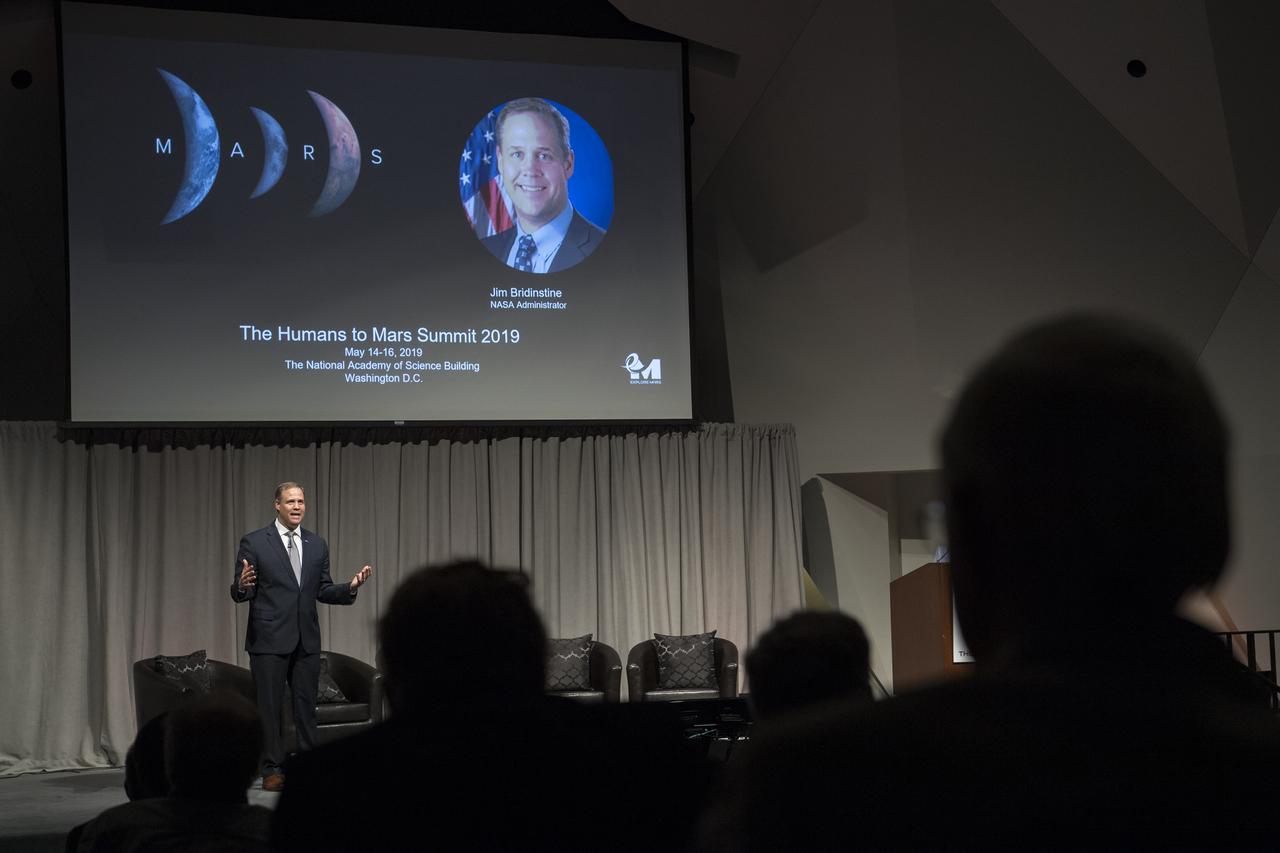
NASA Administrator Jim Bridenstine gives keynote remarks at the Humans to Mars Summit, Tuesday, May 14, 2019, at the National Academy of Sciences in Washington. Photo credit: (NASA/Aubrey Gemignani)
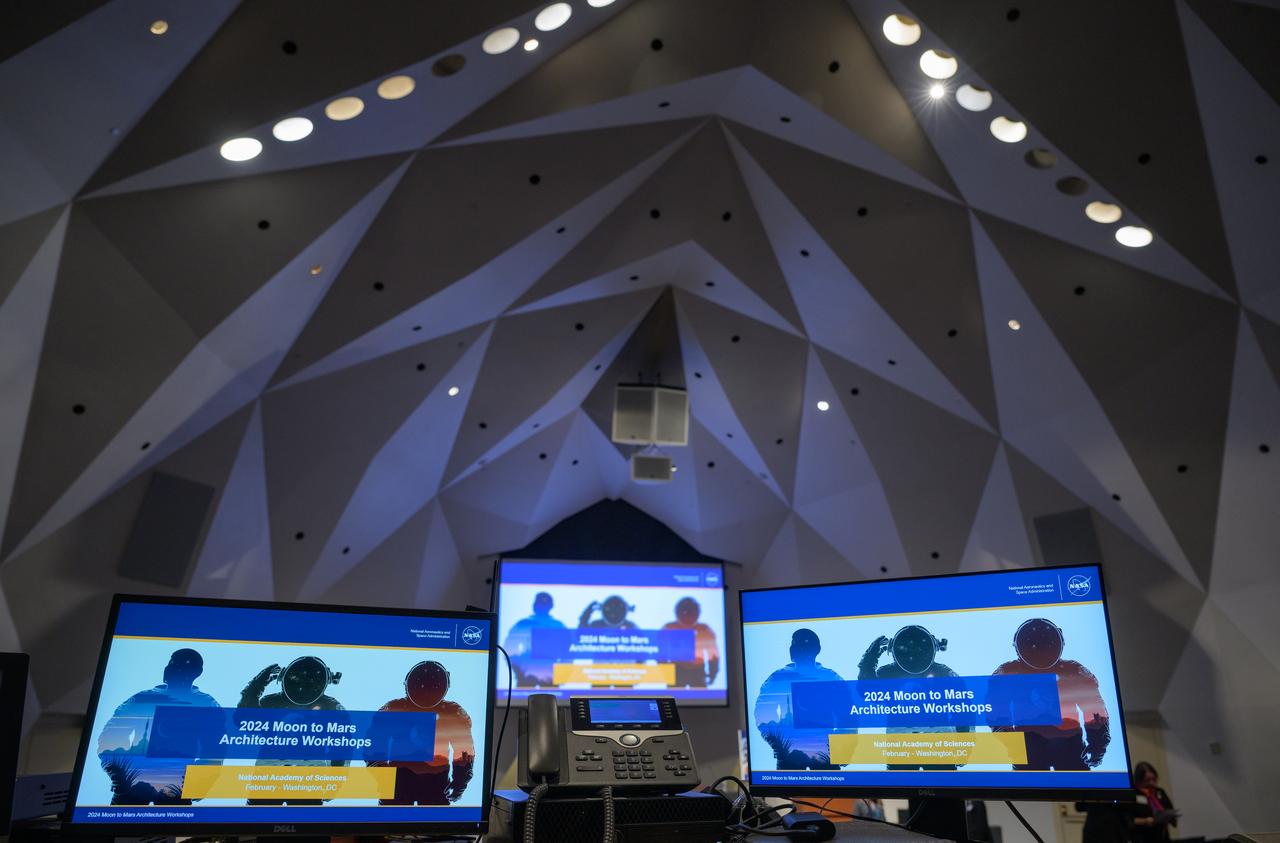
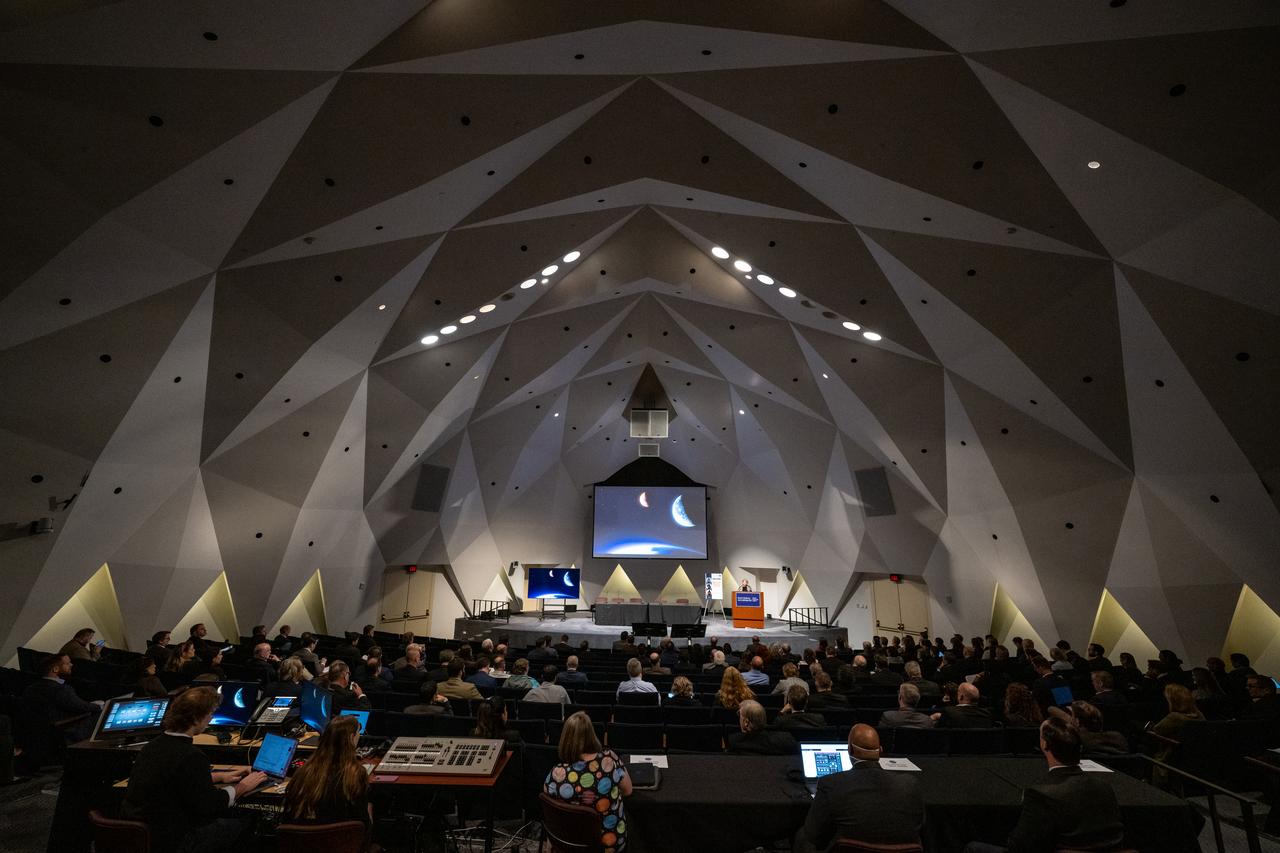
The opening presentation slide for the Moon to Mars Architecture Workshop is seen on monitors, Tuesday, Feb. 20, 2024, at the National Academy of Sciences in Washington. NASA held the workshop to engage the broader space community and collect feedback from U.S. industry and academia and international partners to inform NASA's Moon to Mars Architecture, the agency's roadmap for human exploration of the Moon and Mars. Photo Credit: (NASA/Bill Ingalls)
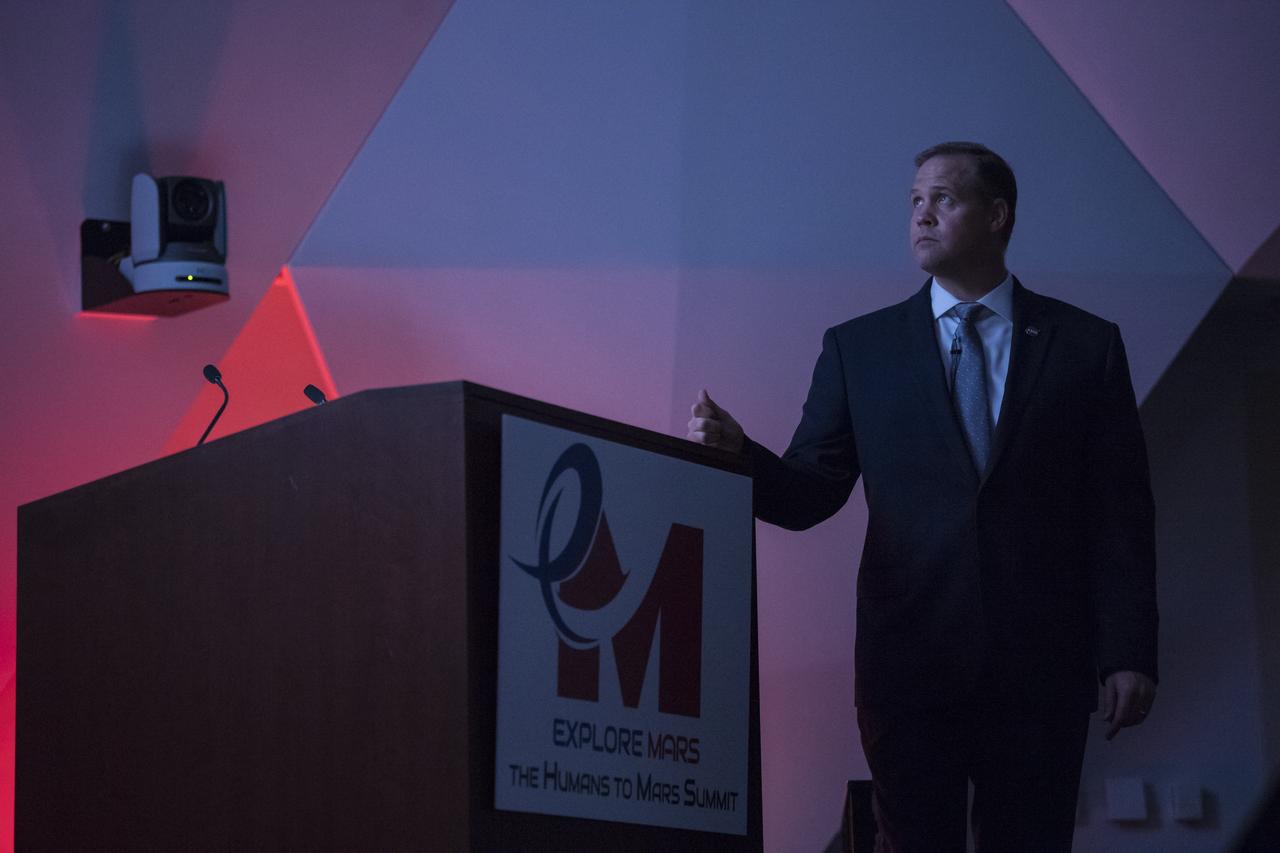
NASA Administrator Jim Bridenstine watches the "We Are NASA" film just after giving keynote remarks at the Humans to Mars Summit, Tuesday, May 14, 2019, at the National Academy of Sciences in Washington. Photo credit: (NASA/Aubrey Gemignani)
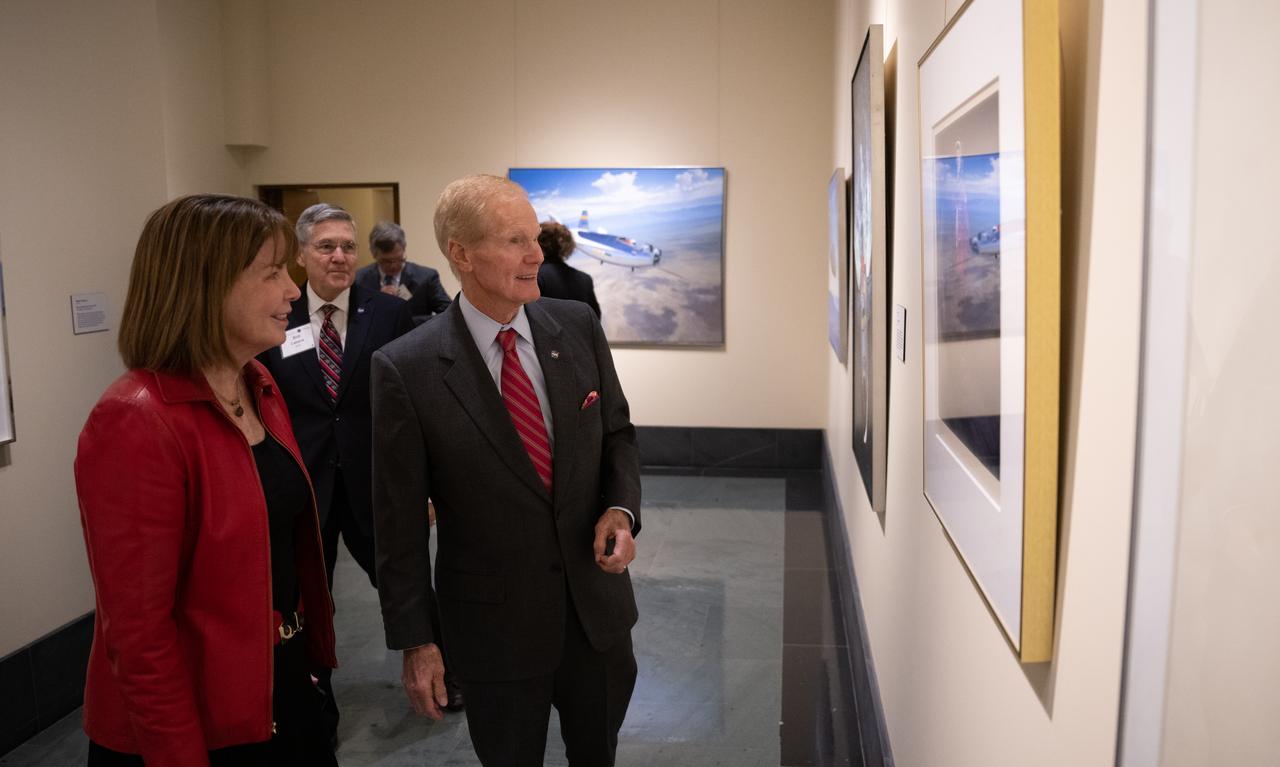
Colleen Hartman, director of physics, aeronautics, and space science at the National Academies of Science , left, and NASA Administrator Bill Nelson are seen as they view the NASA Art Program Exhibition “Launching the Future: Looking Back to Look Forward” during an event celebrating the 50th anniversary of the Apollo 17 mission, Wednesday, Dec. 14, 2022, at the National Academies of Science in Washington. The three-astronaut crew of Apollo 17 - commander Eugene Cernan, lunar module pilot Harrison Schmitt, and command module pilot Ronald Evans, embarked on the last mission of the Apollo program to land humans on the Moon in December of 1972. Cernan and Schmitt spent three days on the lunar surface collecting samples and performing scientific experiments before lifting off from the Taurus-Littrow Valley on December 14, 1972. Photo Credit: (NASA/Joel Kowsky)
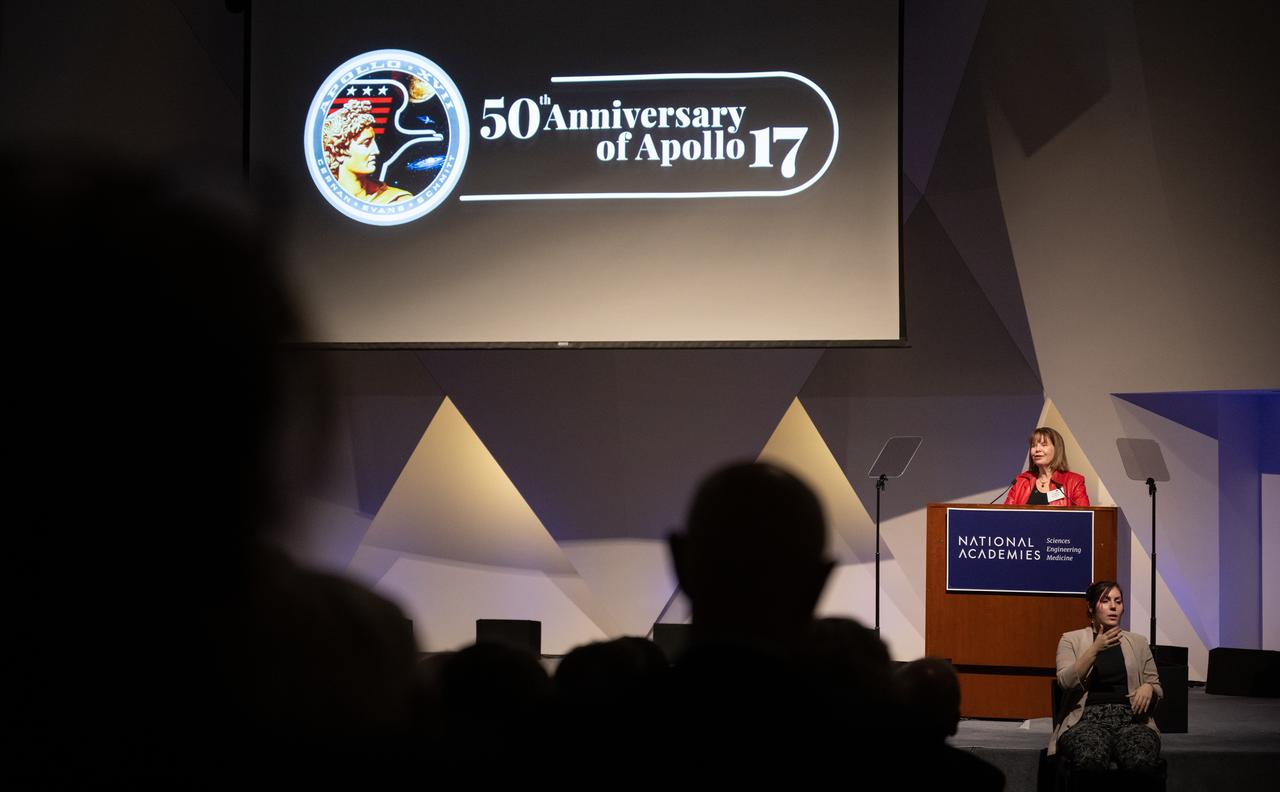
Colleen Hartman, director of physics, aeronautics, and space science at the National Academies of Science gives closing remarks during an event celebrating the 50th anniversary of the Apollo 17 mission, Wednesday, Dec. 14, 2022, at the National Academies of Science in Washington. The three-astronaut crew of Apollo 17 - commander Eugene Cernan, lunar module pilot Harrison Schmitt, and command module pilot Ronald Evans, embarked on the last mission of the Apollo program to land humans on the Moon in December of 1972. Cernan and Schmitt spent three days on the lunar surface collecting samples and performing scientific experiments before lifting off from the Taurus-Littrow Valley on December 14, 1972. Photo Credit: (NASA/Joel Kowsky)
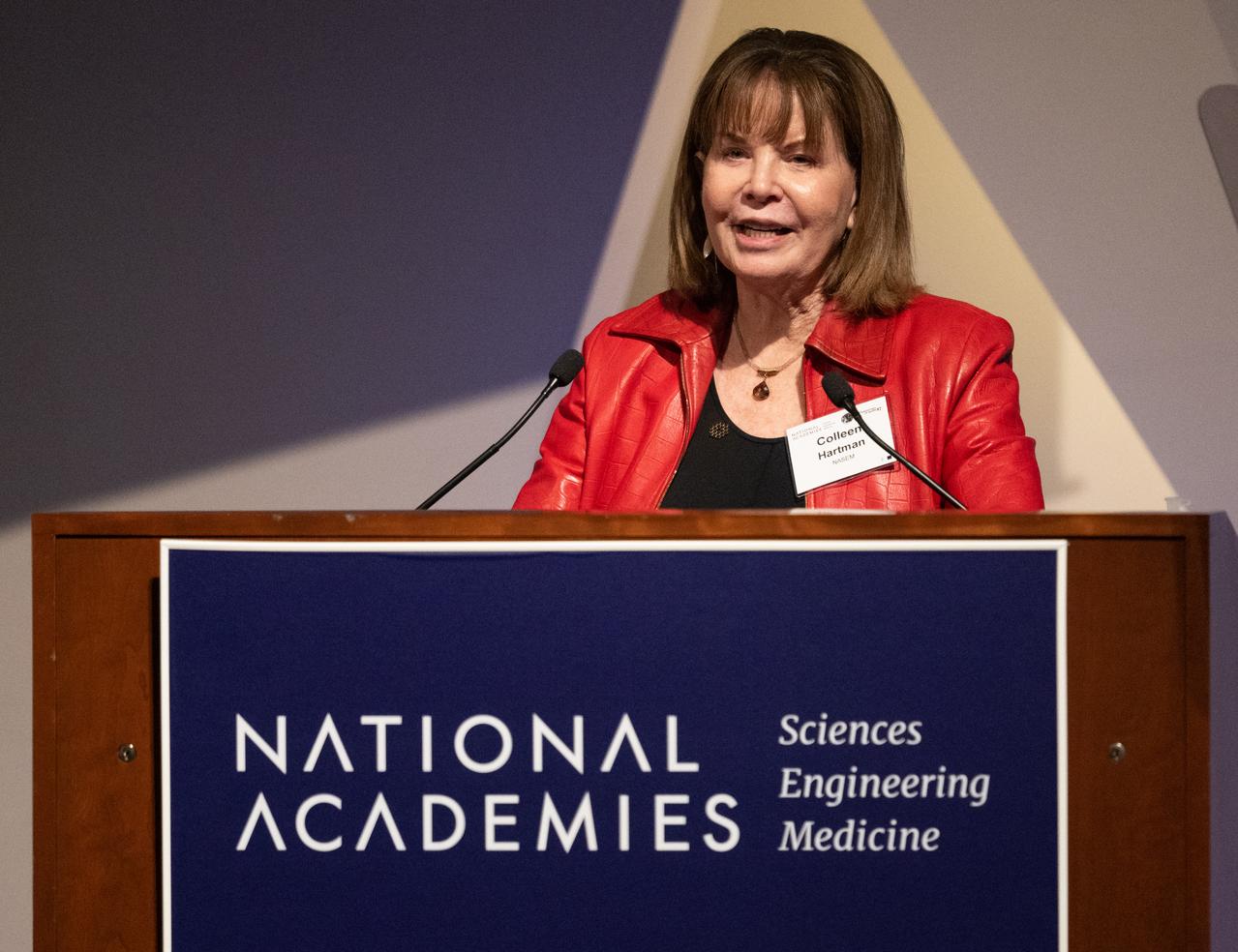
Colleen Hartman, director of physics, aeronautics, and space science at the National Academies of Science gives closing remarks during an event celebrating the 50th anniversary of the Apollo 17 mission, Wednesday, Dec. 14, 2022, at the National Academies of Science in Washington. The three-astronaut crew of Apollo 17 - commander Eugene Cernan, lunar module pilot Harrison Schmitt, and command module pilot Ronald Evans, embarked on the last mission of the Apollo program to land humans on the Moon in December of 1972. Cernan and Schmitt spent three days on the lunar surface collecting samples and performing scientific experiments before lifting off from the Taurus-Littrow Valley on December 14, 1972. Photo Credit: (NASA/Joel Kowsky)
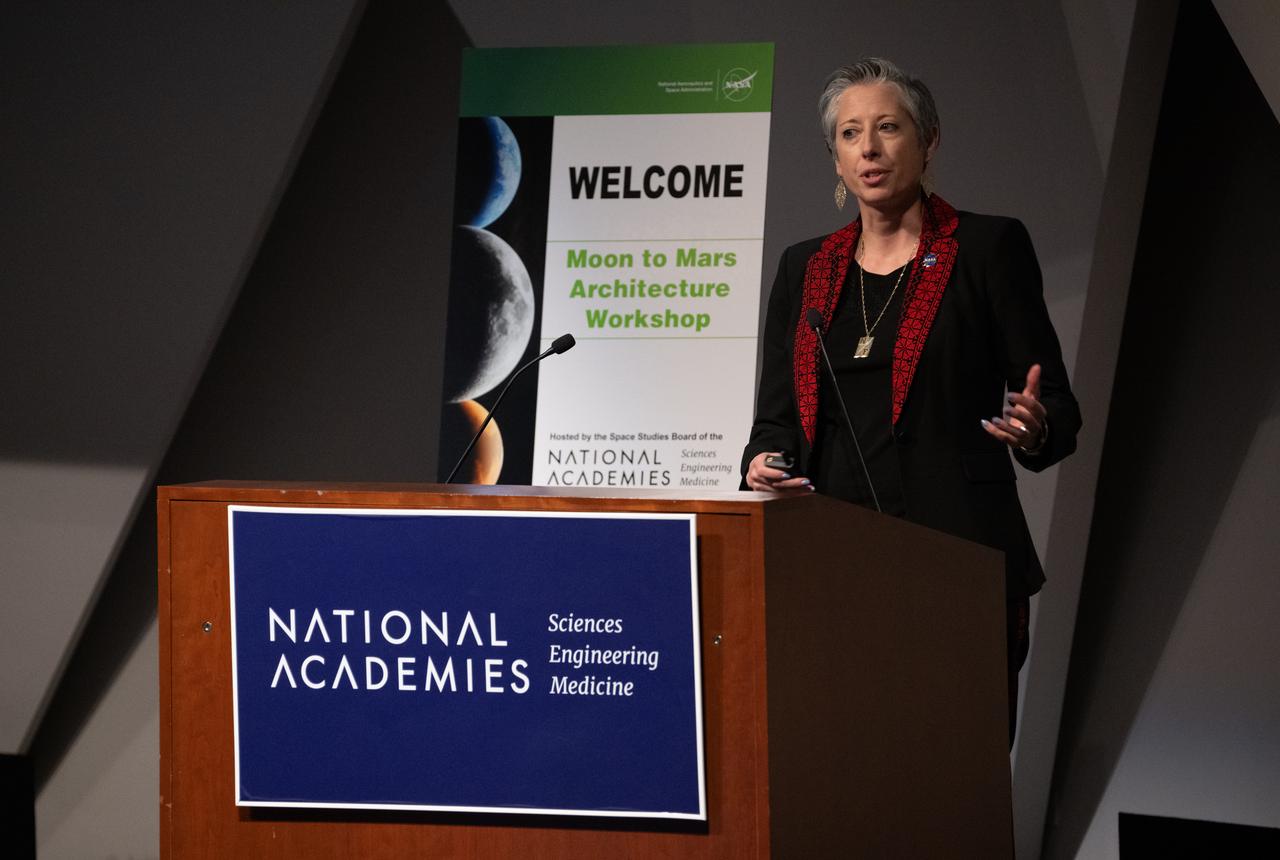
Nujoud Merancy, deputy associate administrator for the Strategy & Architecture Office in NASA’s Exploration Systems Development Mission Directorate gives remarks at the Moon to Mars Architecture Workshop, Wednesday, Feb. 12, 2025, at the National Academy of Sciences in Washington. NASA held the workshop to engage the broader space community and collect feedback from U.S. industry and academia and international partners to inform NASA's Moon to Mars Architecture, the agency's roadmap for human exploration of the Moon and Mars. Photo Credit: (NASA/Joel Kowsky)
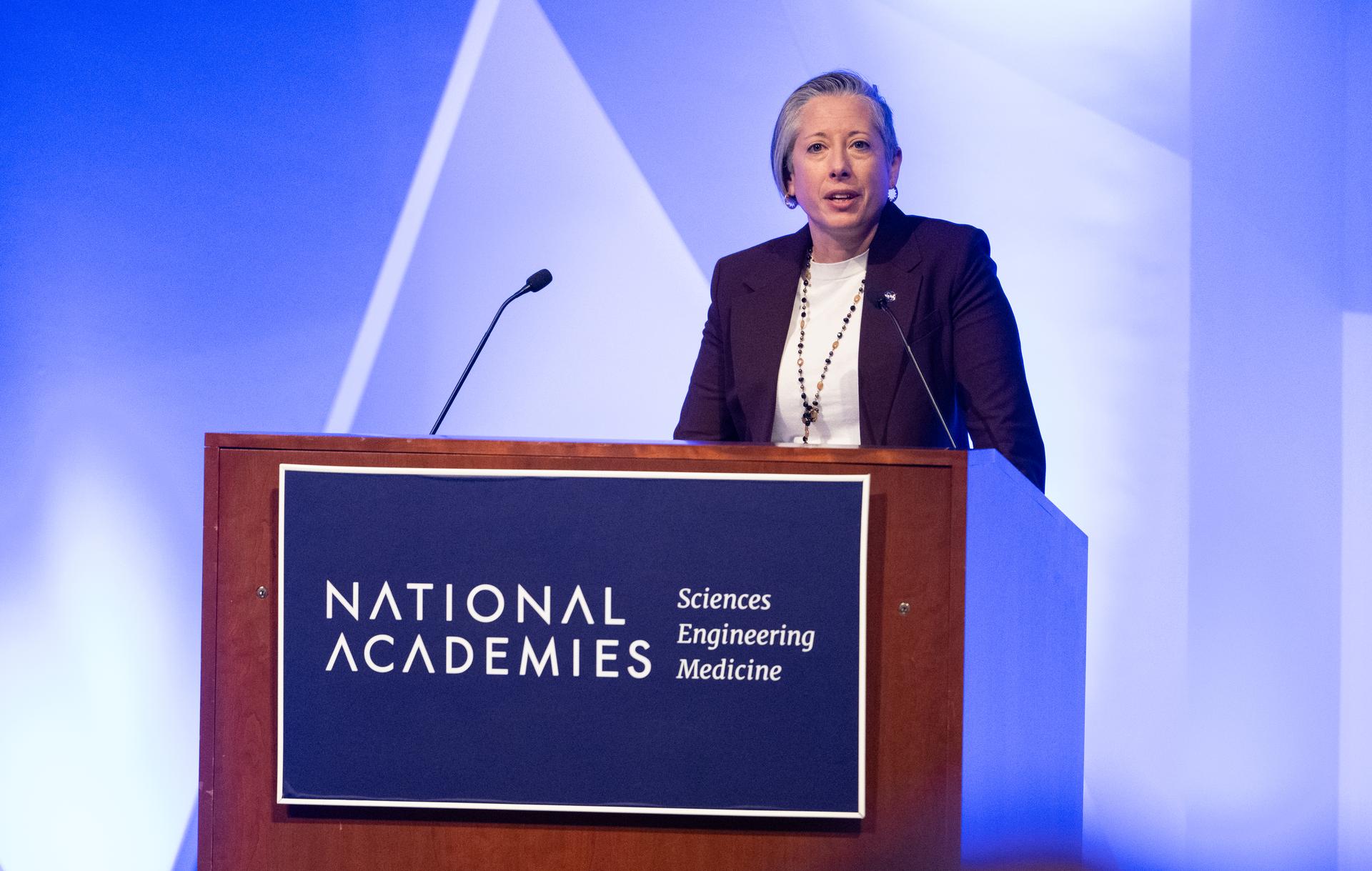
Nujoud Merancy, deputy associate administrator for the Strategy and Architecture Office in NASA’s Exploration Systems Development Mission Directorate speaks at the Moon to Mars Architecture Workshop, Wednesday, Jan. 21, 2026, at the National Academy of Sciences in Washington. NASA held the workshop to engage the broader space community and collect feedback from U.S. industry and academia and international partners to inform NASA's Moon to Mars Architecture, the agency's roadmap for human exploration of the Moon and Mars. Photo Credit: (NASA/Joel Kowsky)
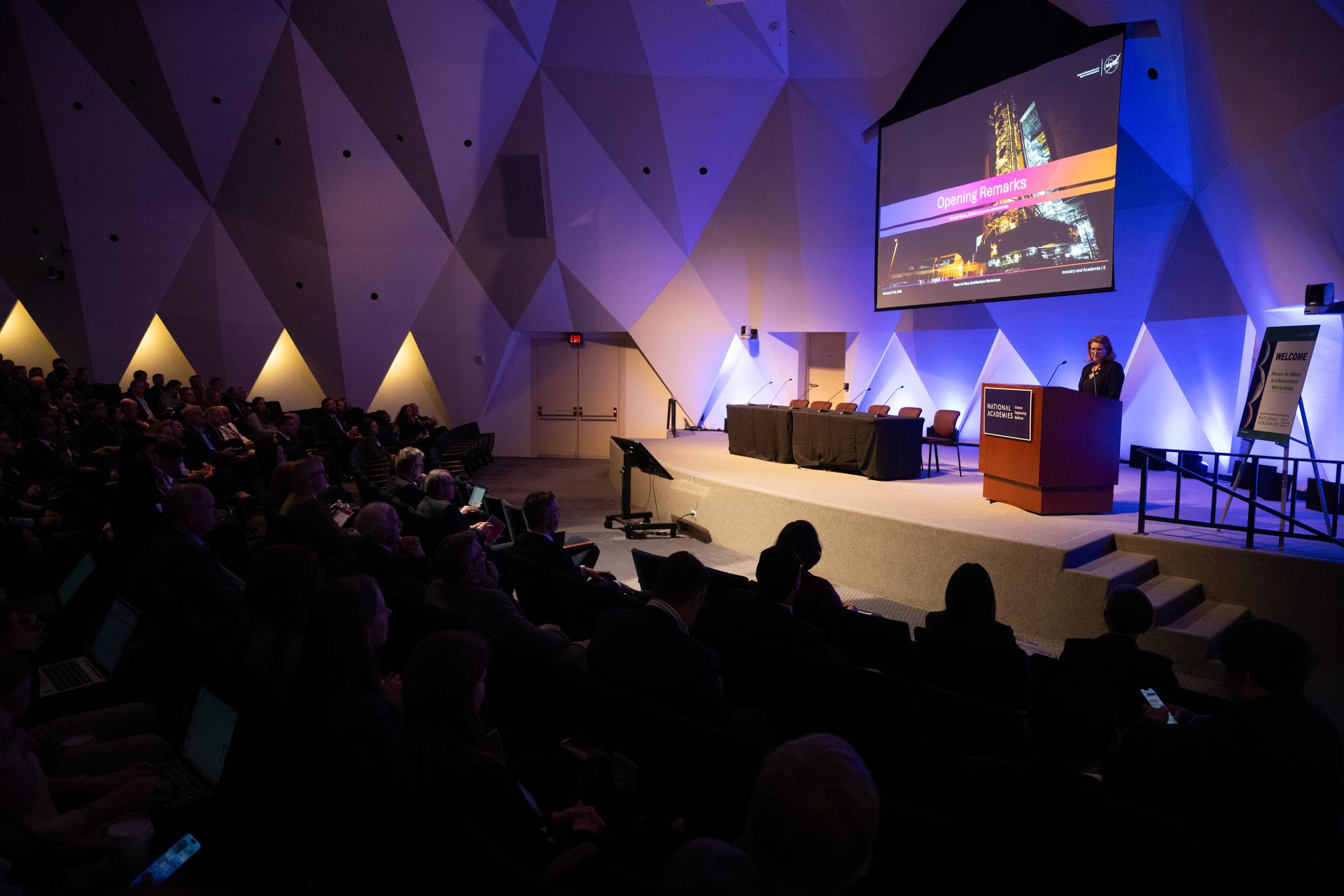
Lori Glaze, acting associate administrator for NASA's Exploration Systems Development Mission Directorate, gives opening remarks at the Moon to Mars Architecture Workshop, Wednesday, Jan. 21, 2026, at the National Academy of Sciences in Washington. NASA held the workshop to engage the broader space community and collect feedback from U.S. industry and academia and international partners to inform NASA's Moon to Mars Architecture, the agency's roadmap for human exploration of the Moon and Mars. Photo Credit: (NASA/Joel Kowsky)
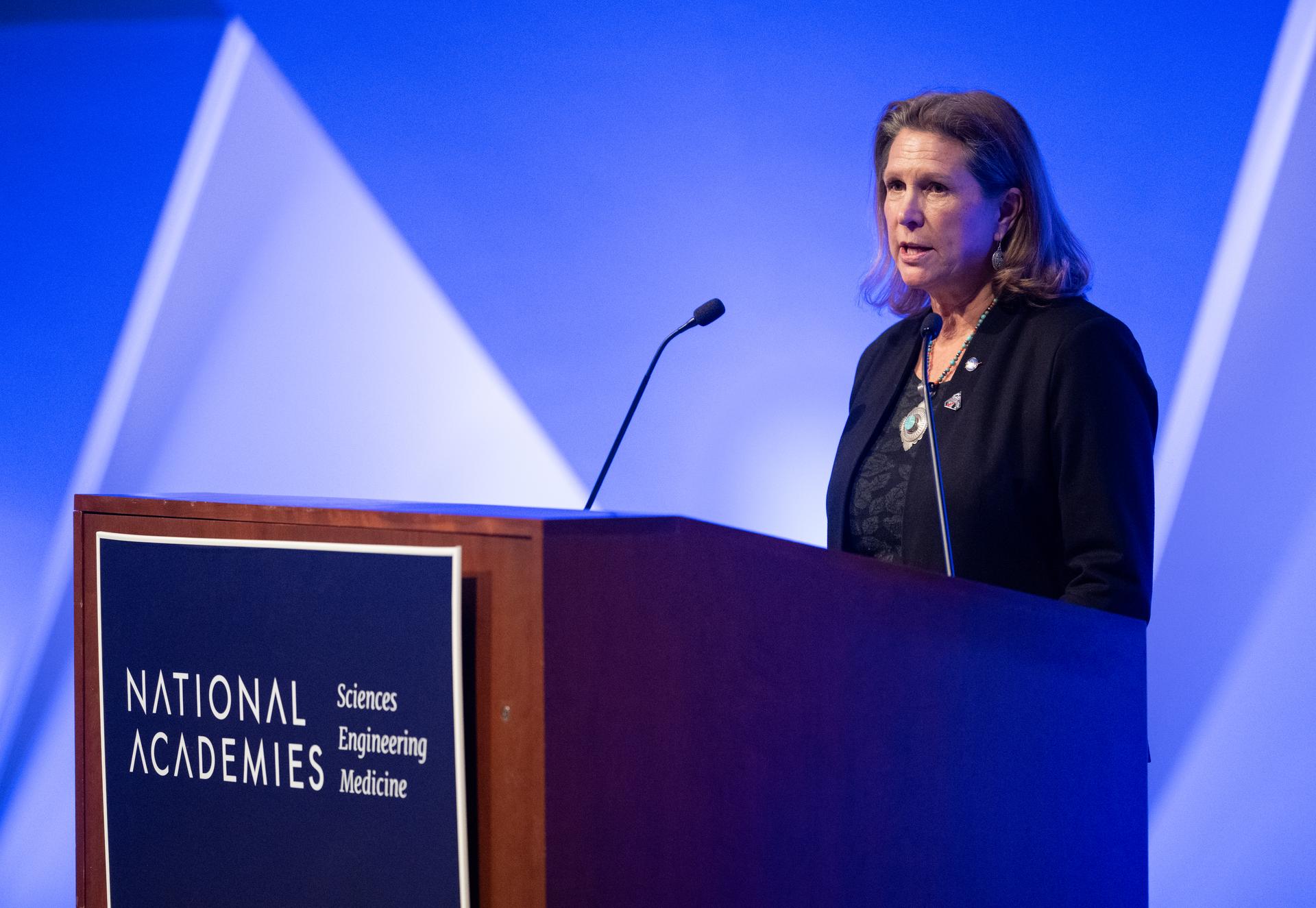
Lori Glaze, acting associate administrator for NASA's Exploration Systems Development Mission Directorate, gives opening remarks at the Moon to Mars Architecture Workshop, Wednesday, Jan. 21, 2026, at the National Academy of Sciences in Washington. NASA held the workshop to engage the broader space community and collect feedback from U.S. industry and academia and international partners to inform NASA's Moon to Mars Architecture, the agency's roadmap for human exploration of the Moon and Mars. Photo Credit: (NASA/Joel Kowsky)
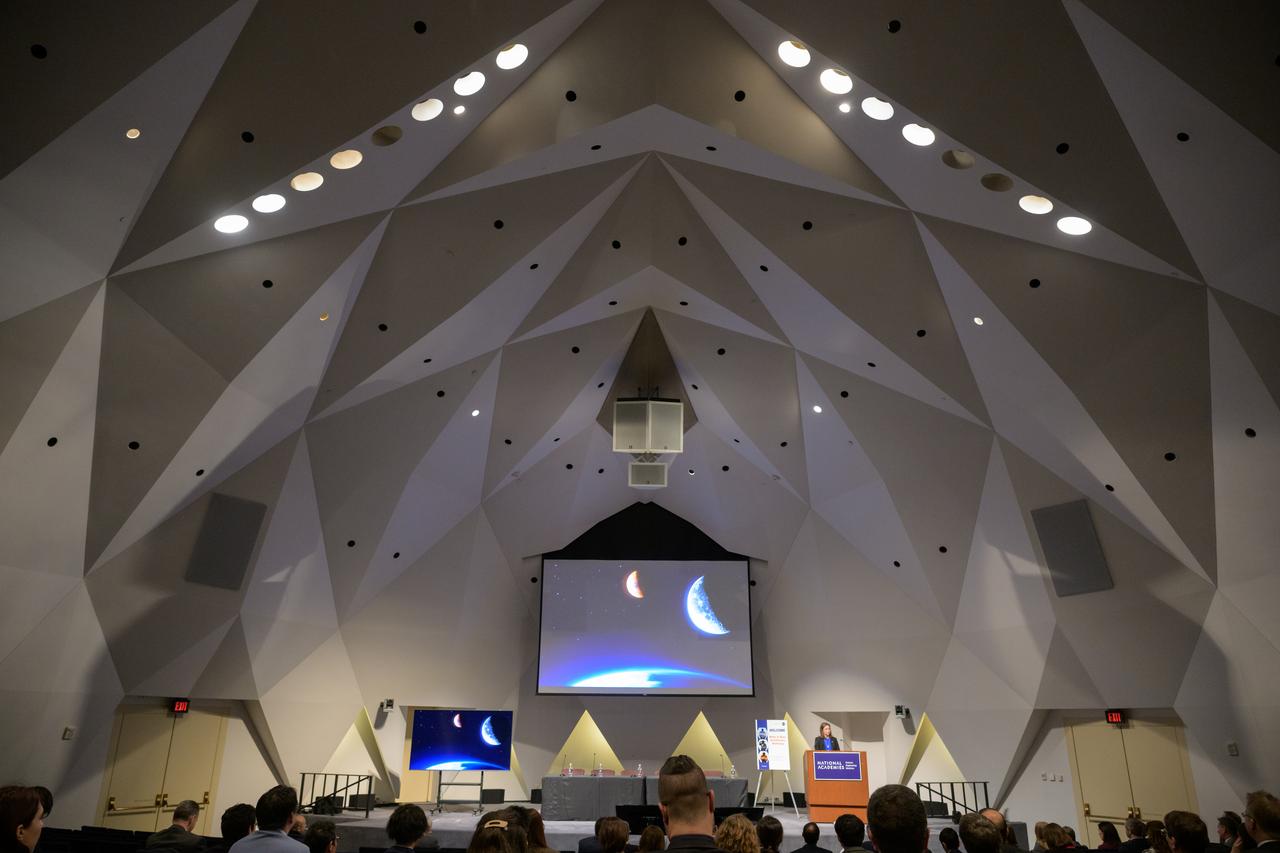
NASA Associate Administrator for Exploration Systems Development, Catherine Koerner, gives opening remarks at the Moon to Mars Architecture Workshop, Tuesday, Feb. 20, 2024, at the National Academy of Sciences in Washington. NASA held the workshop to engage the broader space community and collect feedback from U.S. industry and academia and international partners to inform NASA's Moon to Mars Architecture, the agency's roadmap for human exploration of the Moon and Mars. Photo Credit: (NASA/Bill Ingalls)
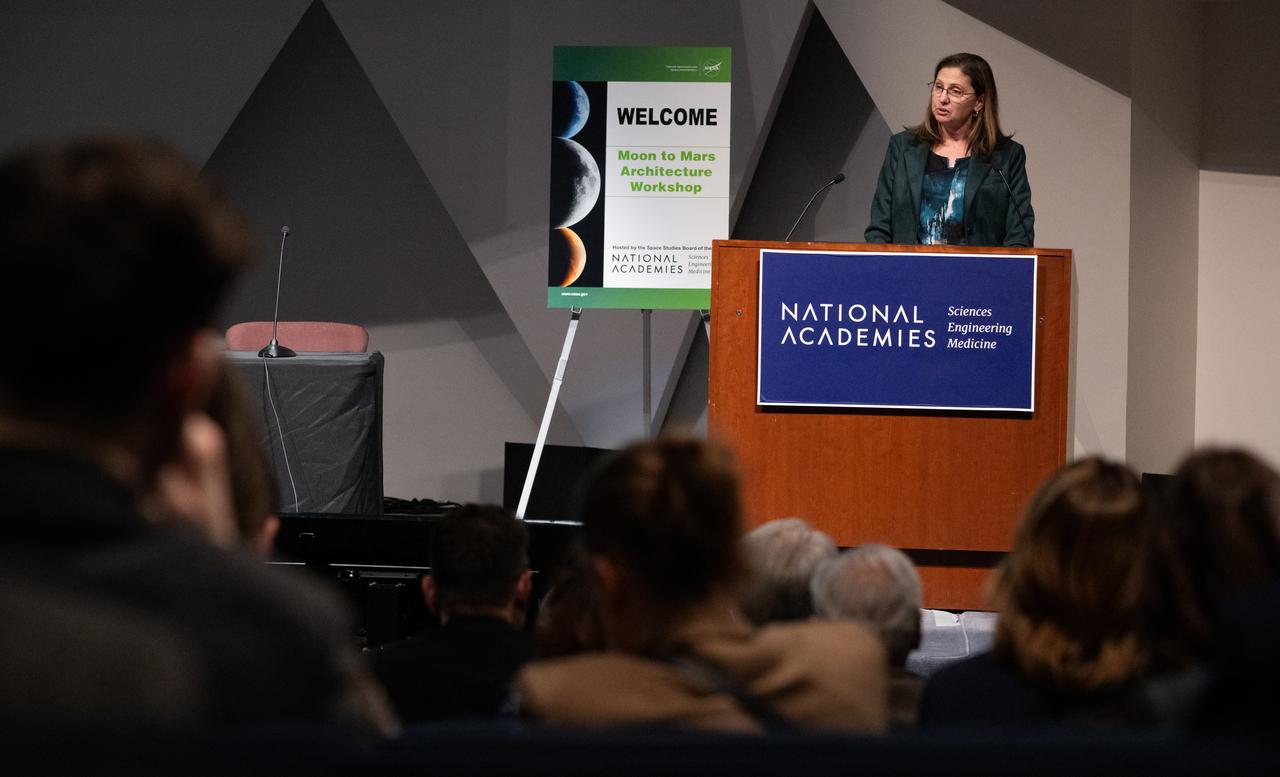
Catherine Koerner, associate administrator for NASA’s Exploration Systems Development Mission Directorate, gives opening remarks at the Moon to Mars Architecture Workshop, Wednesday, Feb. 12, 2025, at the National Academy of Sciences in Washington. NASA held the workshop to engage the broader space community and collect feedback from U.S. industry and academia and international partners to inform NASA's Moon to Mars Architecture, the agency's roadmap for human exploration of the Moon and Mars. Photo Credit: (NASA/Joel Kowsky)
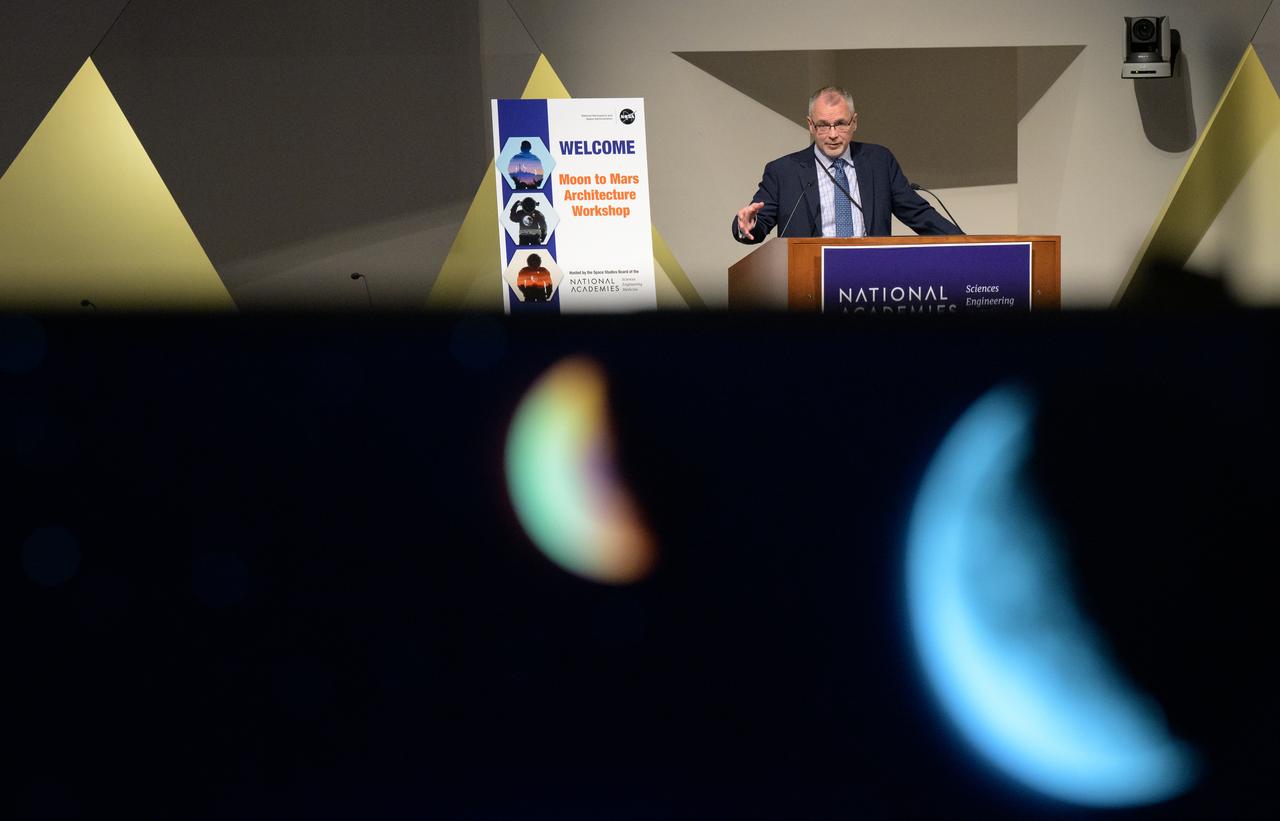
NASA Associate Administrator Jim Free gives opening remarks at the Moon to Mars Architecture Workshop, Tuesday, Feb. 20, 2024, at the National Academy of Sciences in Washington. NASA held the workshop to engage the broader space community and collect feedback from U.S. industry and academia and international partners to inform NASA's Moon to Mars Architecture, the agency's roadmap for human exploration of the Moon and Mars. Photo Credit: (NASA/Bill Ingalls)
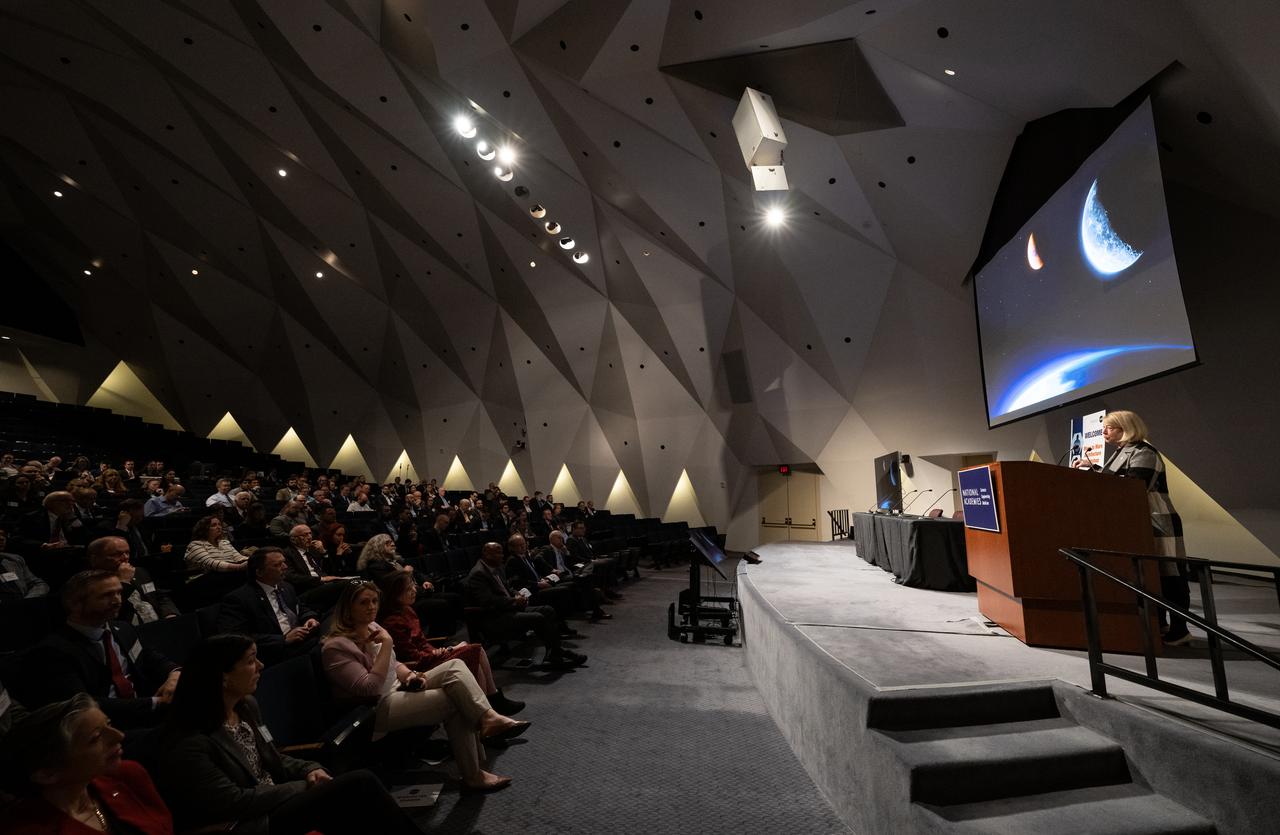
NASA Deputy Administrator Pam Melroy gives opening remarks at the Moon to Mars Architecture Workshop, Thursday, Feb. 22, 2024, at the National Academy of Sciences in Washington. NASA held the workshop to engage the broader space community and collect feedback from U.S. industry and academia and international partners to inform NASA's Moon to Mars Architecture, the agency's roadmap for human exploration of the Moon and Mars.
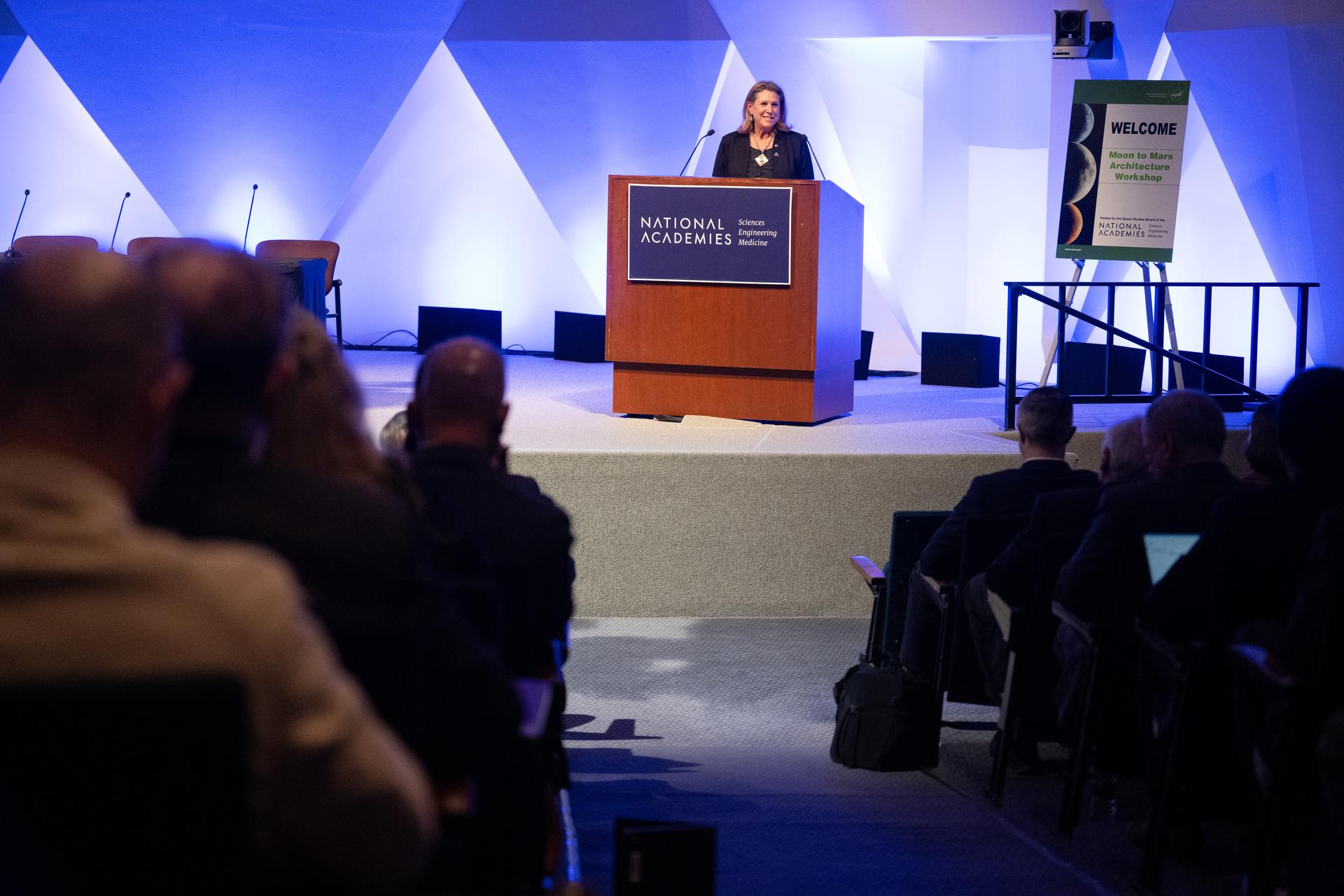
Lori Glaze, acting associate administrator for NASA's Exploration Systems Development Mission Directorate, gives opening remarks at the Moon to Mars Architecture Workshop, Wednesday, Jan. 21, 2026, at the National Academy of Sciences in Washington. NASA held the workshop to engage the broader space community and collect feedback from U.S. industry and academia and international partners to inform NASA's Moon to Mars Architecture, the agency's roadmap for human exploration of the Moon and Mars. Photo Credit: (NASA/Joel Kowsky)
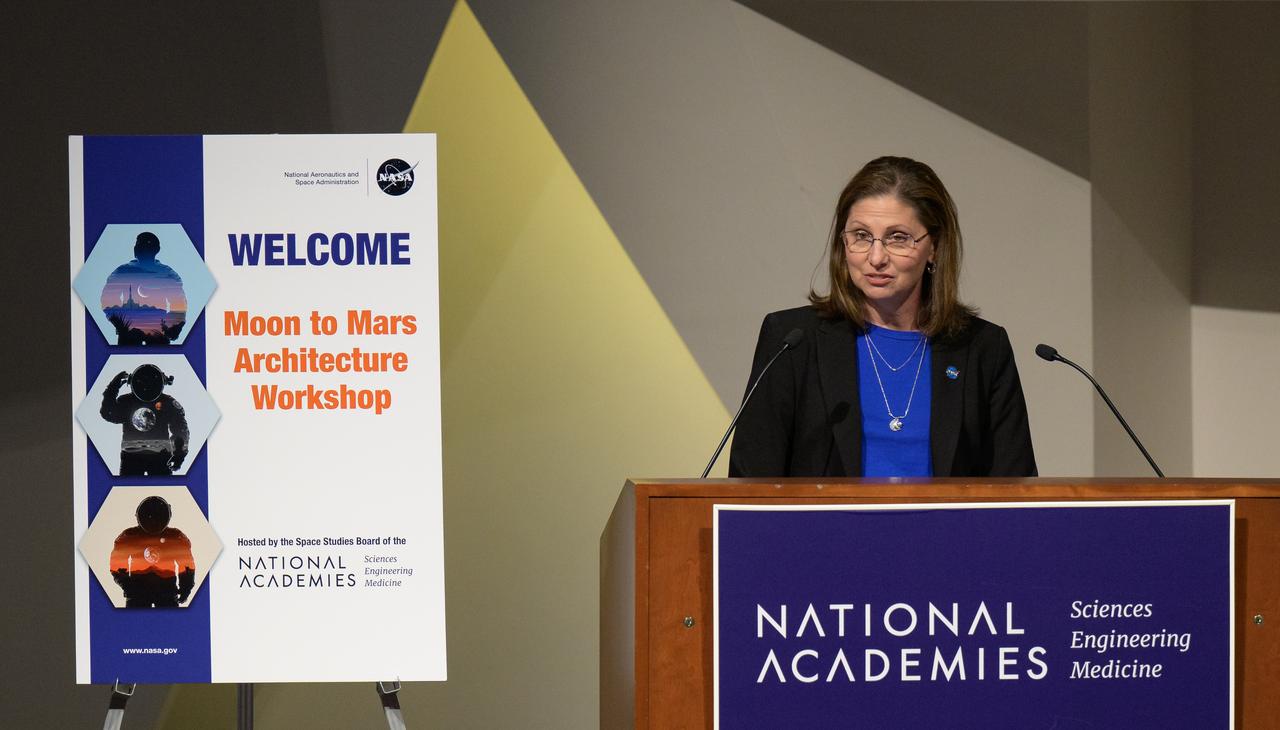
NASA Associate Administrator for Exploration Systems Development, Catherine Koerner, gives opening remarks at the Moon to Mars Architecture Workshop, Tuesday, Feb. 20, 2024, at the National Academy of Sciences in Washington. NASA held the workshop to engage the broader space community and collect feedback from U.S. industry and academia and international partners to inform NASA's Moon to Mars Architecture, the agency's roadmap for human exploration of the Moon and Mars. Photo Credit: (NASA/Bill Ingalls)
NASA Deputy Administrator Pam Melroy gives opening remarks at the Moon to Mars Architecture Workshop, Thursday, Feb. 22, 2024, at the National Academy of Sciences in Washington. NASA held the workshop to engage the broader space community and collect feedback from U.S. industry and academia and international partners to inform NASA's Moon to Mars Architecture, the agency's roadmap for human exploration of the Moon and Mars.
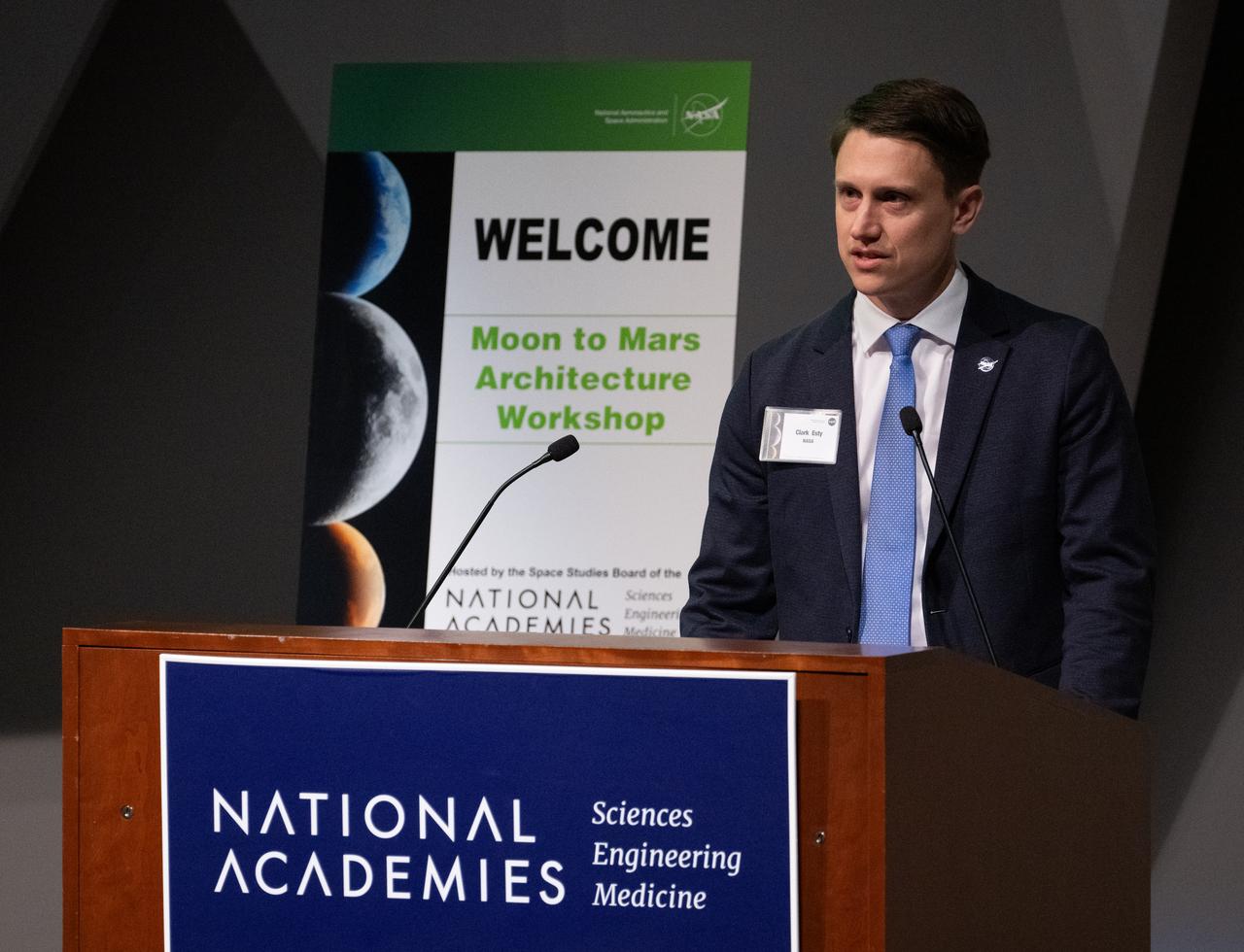
Clark Esty, executive officer for NASA’s Exploration Systems Development Mission Directorate speaks at the Moon to Mars Architecture Workshop, Wednesday, Feb. 12, 2025, at the National Academy of Sciences in Washington. NASA held the workshop to engage the broader space community and collect feedback from U.S. industry and academia and international partners to inform NASA's Moon to Mars Architecture, the agency's roadmap for human exploration of the Moon and Mars. Photo Credit: (NASA/Joel Kowsky)
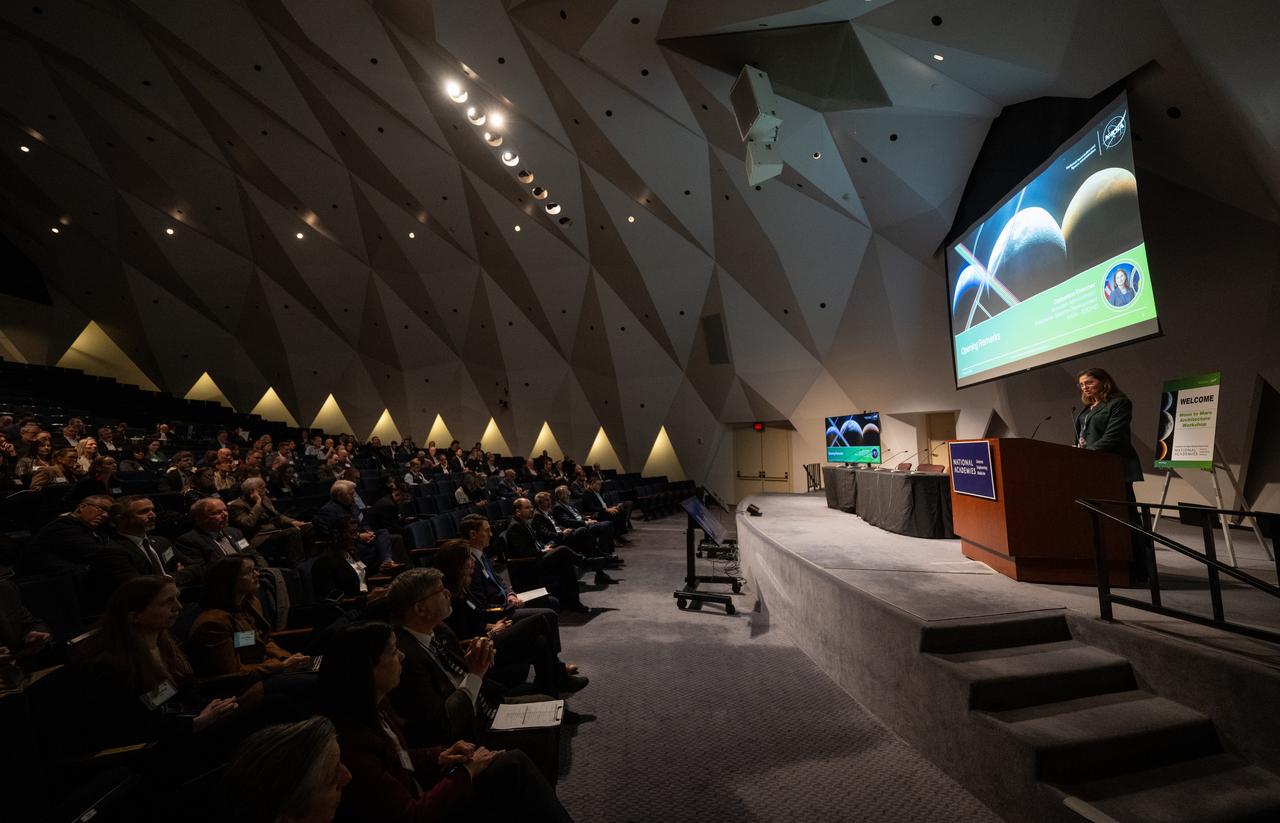
Catherine Koerner, associate administrator for NASA’s Exploration Systems Development Mission Directorate, gives opening remarks at the Moon to Mars Architecture Workshop, Wednesday, Feb. 12, 2025, at the National Academy of Sciences in Washington. NASA held the workshop to engage the broader space community and collect feedback from U.S. industry and academia and international partners to inform NASA's Moon to Mars Architecture, the agency's roadmap for human exploration of the Moon and Mars. Photo Credit: (NASA/Joel Kowsky)
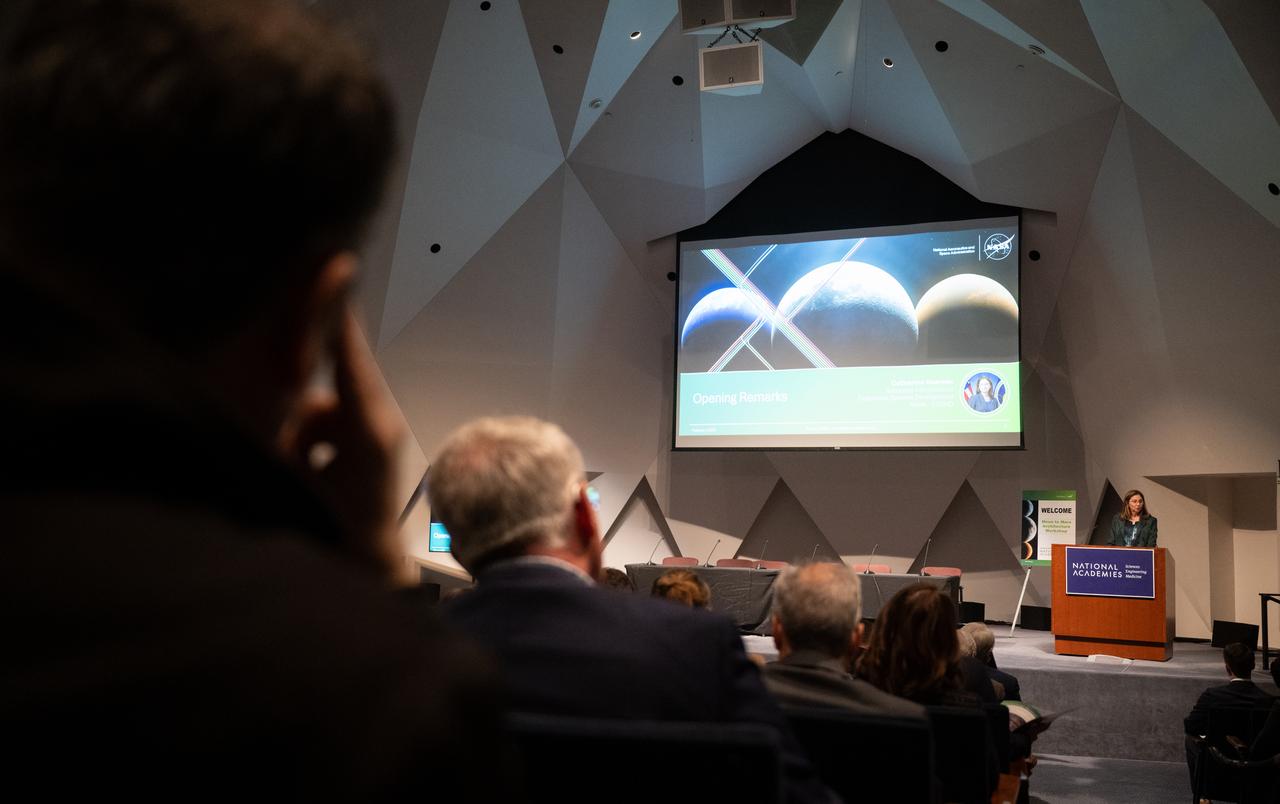
Catherine Koerner, associate administrator for NASA’s Exploration Systems Development Mission Directorate, gives opening remarks at the Moon to Mars Architecture Workshop, Wednesday, Feb. 12, 2025, at the National Academy of Sciences in Washington. NASA held the workshop to engage the broader space community and collect feedback from U.S. industry and academia and international partners to inform NASA's Moon to Mars Architecture, the agency's roadmap for human exploration of the Moon and Mars. Photo Credit: (NASA/Joel Kowsky)
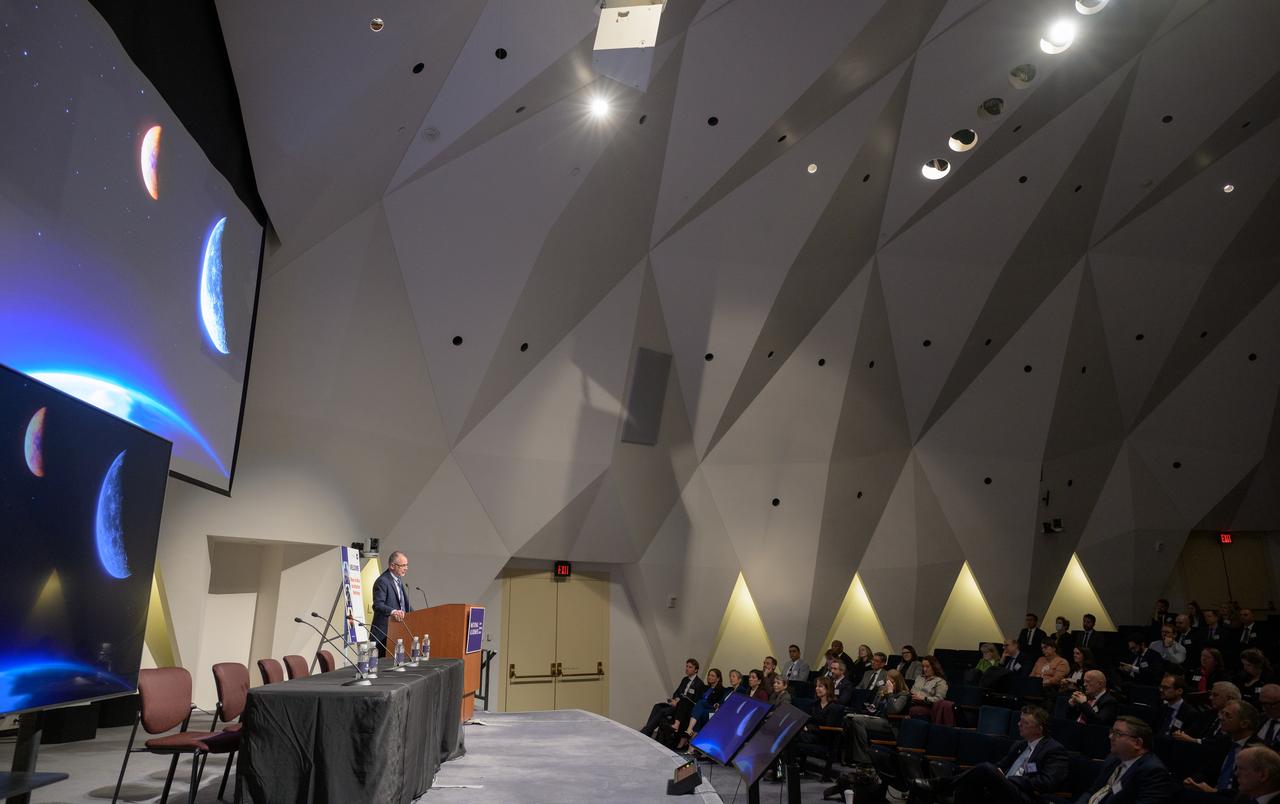
NASA Associate Administrator Jim Free gives opening remarks at the Moon to Mars Architecture Workshop, Tuesday, Feb. 20, 2024, at the National Academy of Sciences in Washington. NASA held the workshop to engage the broader space community and collect feedback from U.S. industry and academia and international partners to inform NASA's Moon to Mars Architecture, the agency's roadmap for human exploration of the Moon and Mars. Photo Credit: (NASA/Bill Ingalls)
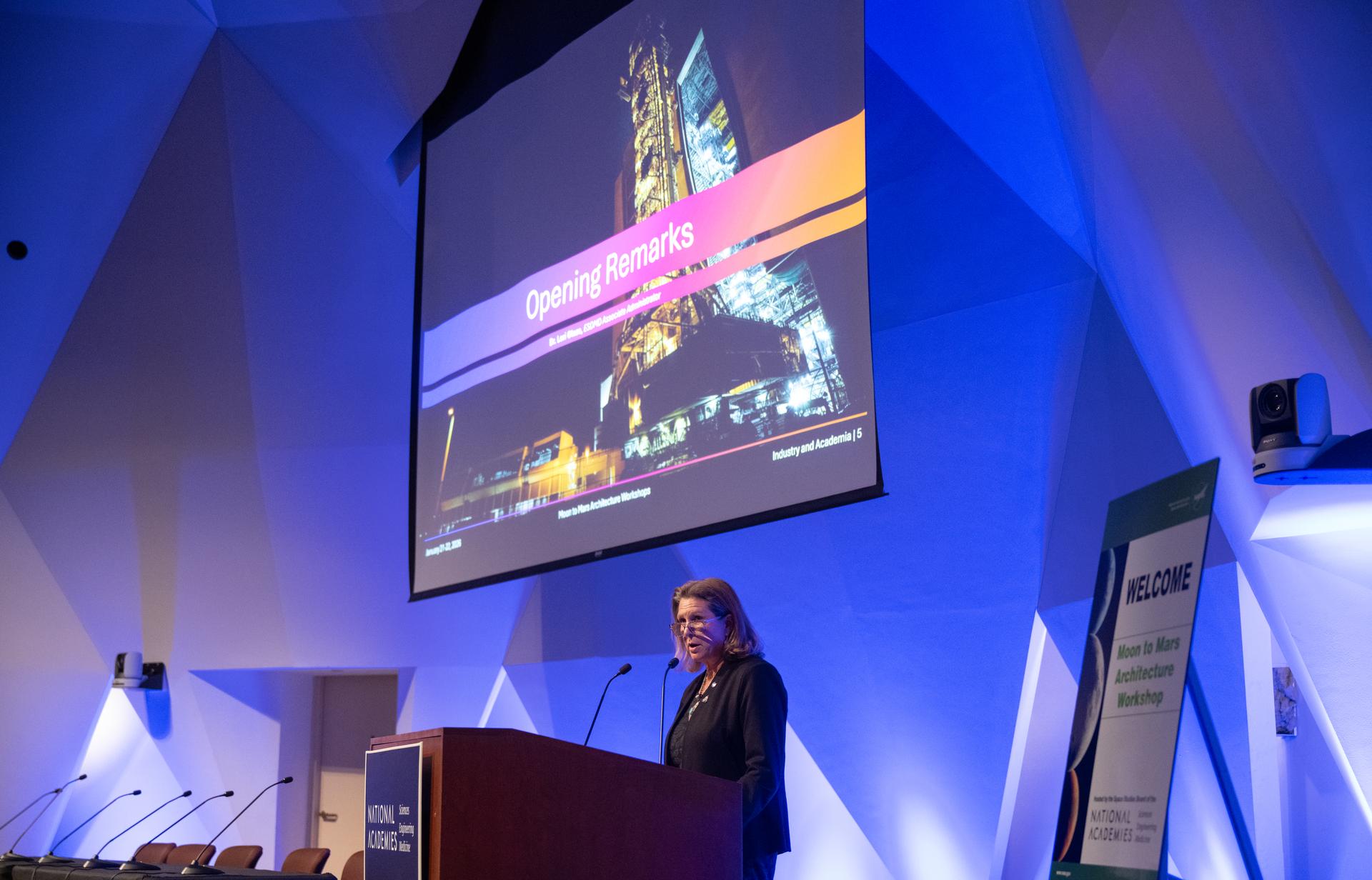
Lori Glaze, acting associate administrator for NASA's Exploration Systems Development Mission Directorate, gives opening remarks at the Moon to Mars Architecture Workshop, Wednesday, Jan. 21, 2026, at the National Academy of Sciences in Washington. NASA held the workshop to engage the broader space community and collect feedback from U.S. industry and academia and international partners to inform NASA's Moon to Mars Architecture, the agency's roadmap for human exploration of the Moon and Mars. Photo Credit: (NASA/Joel Kowsky)
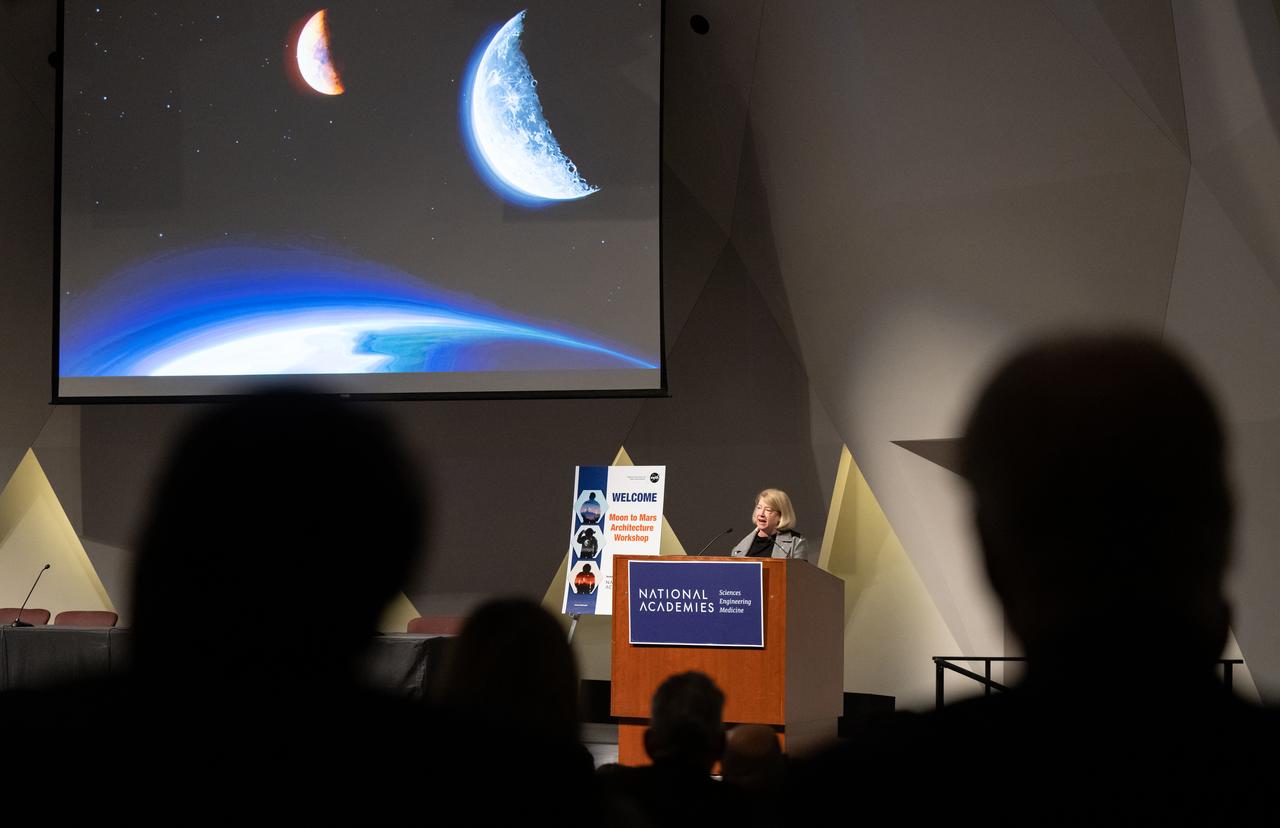
NASA Deputy Administrator Pam Melroy gives opening remarks at the Moon to Mars Architecture Workshop, Thursday, Feb. 22, 2024, at the National Academy of Sciences in Washington. NASA held the workshop to engage the broader space community and collect feedback from U.S. industry and academia and international partners to inform NASA's Moon to Mars Architecture, the agency's roadmap for human exploration of the Moon and Mars.
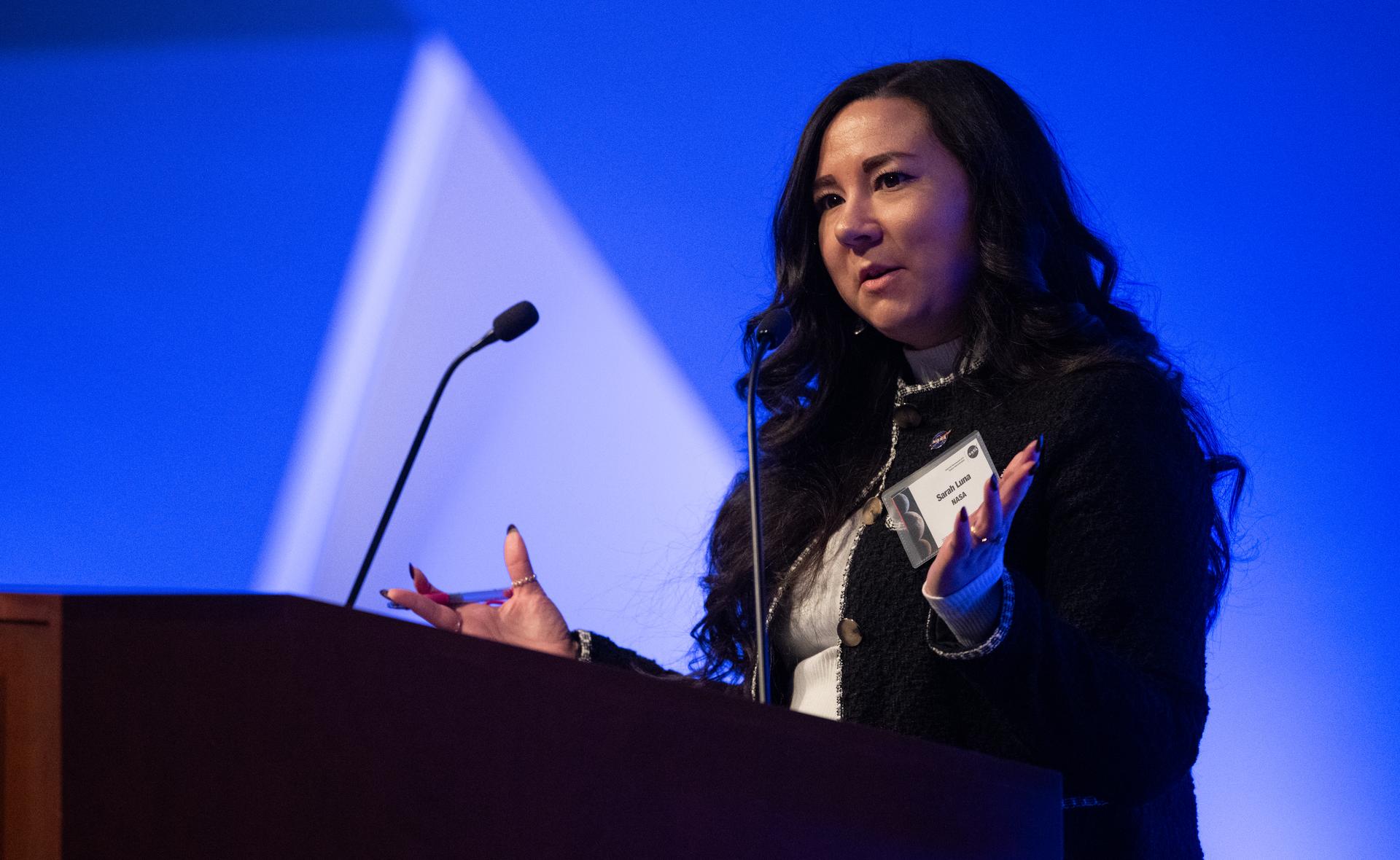
Sarah Luna, executive officer for NASA’s Exploration Systems Development Mission Directorate speaks at the Moon to Mars Architecture Workshop, Wednesday, Jan. 21, 2026, at the National Academy of Sciences in Washington. NASA held the workshop to engage the broader space community and collect feedback from U.S. industry and academia and international partners to inform NASA's Moon to Mars Architecture, the agency's roadmap for human exploration of the Moon and Mars. Photo Credit: (NASA/Joel Kowsky)
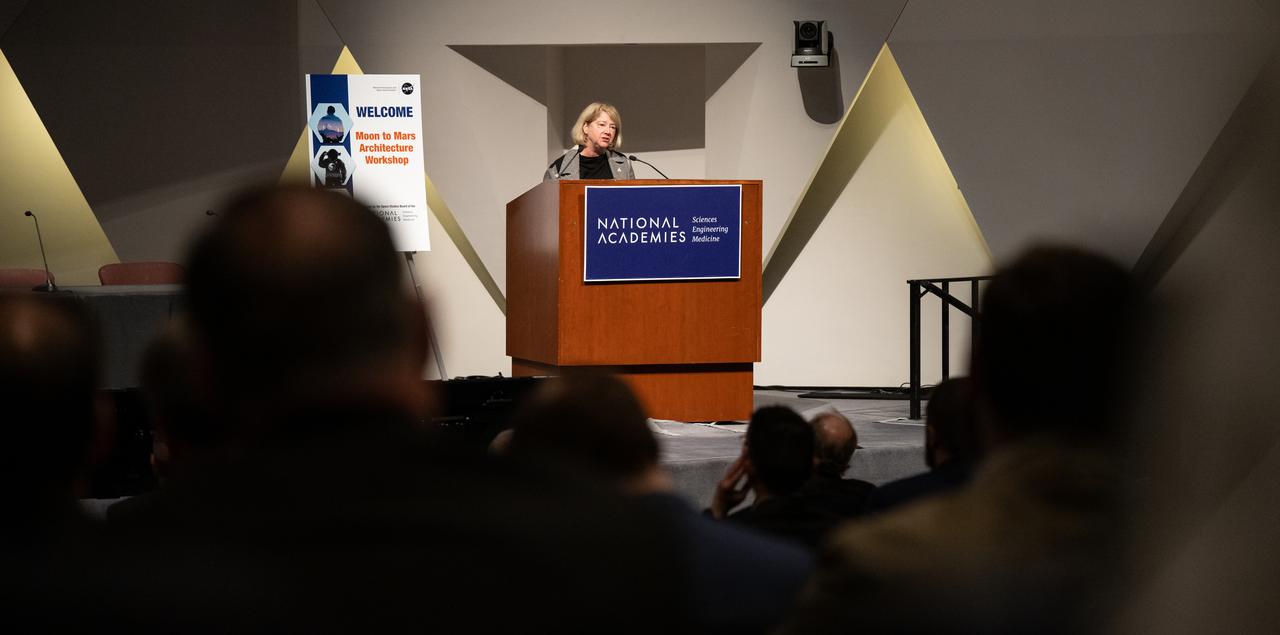
NASA Deputy Administrator Pam Melroy gives opening remarks at the Moon to Mars Architecture Workshop, Thursday, Feb. 22, 2024, at the National Academy of Sciences in Washington. NASA held the workshop to engage the broader space community and collect feedback from U.S. industry and academia and international partners to inform NASA's Moon to Mars Architecture, the agency's roadmap for human exploration of the Moon and Mars.
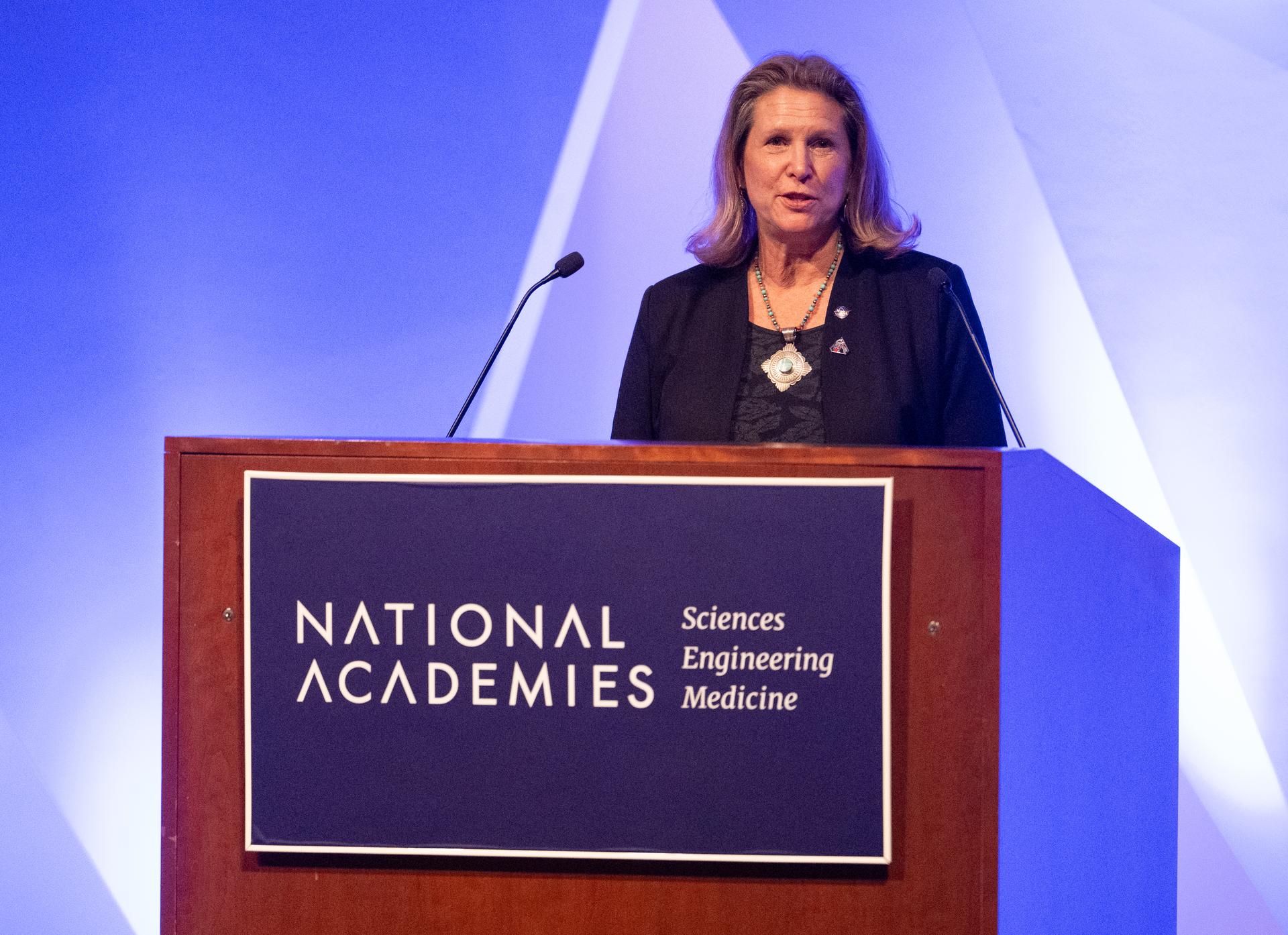
Lori Glaze, acting associate administrator for NASA's Exploration Systems Development Mission Directorate, gives opening remarks at the Moon to Mars Architecture Workshop, Wednesday, Jan. 21, 2026, at the National Academy of Sciences in Washington. NASA held the workshop to engage the broader space community and collect feedback from U.S. industry and academia and international partners to inform NASA's Moon to Mars Architecture, the agency's roadmap for human exploration of the Moon and Mars. Photo Credit: (NASA/Joel Kowsky)
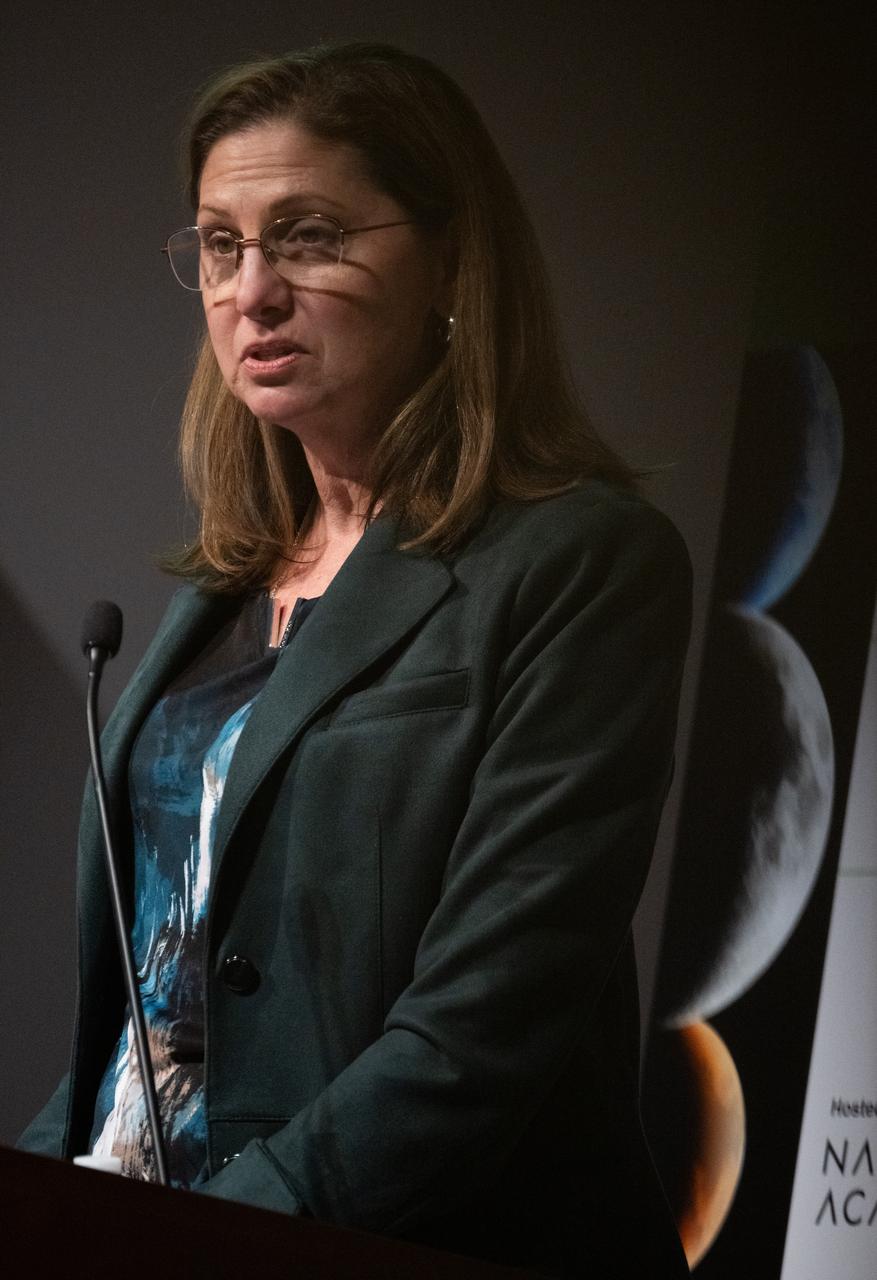
Catherine Koerner, associate administrator for NASA’s Exploration Systems Development Mission Directorate, gives opening remarks at the Moon to Mars Architecture Workshop, Wednesday, Feb. 12, 2025, at the National Academy of Sciences in Washington. NASA held the workshop to engage the broader space community and collect feedback from U.S. industry and academia and international partners to inform NASA's Moon to Mars Architecture, the agency's roadmap for human exploration of the Moon and Mars. Photo Credit: (NASA/Joel Kowsky)
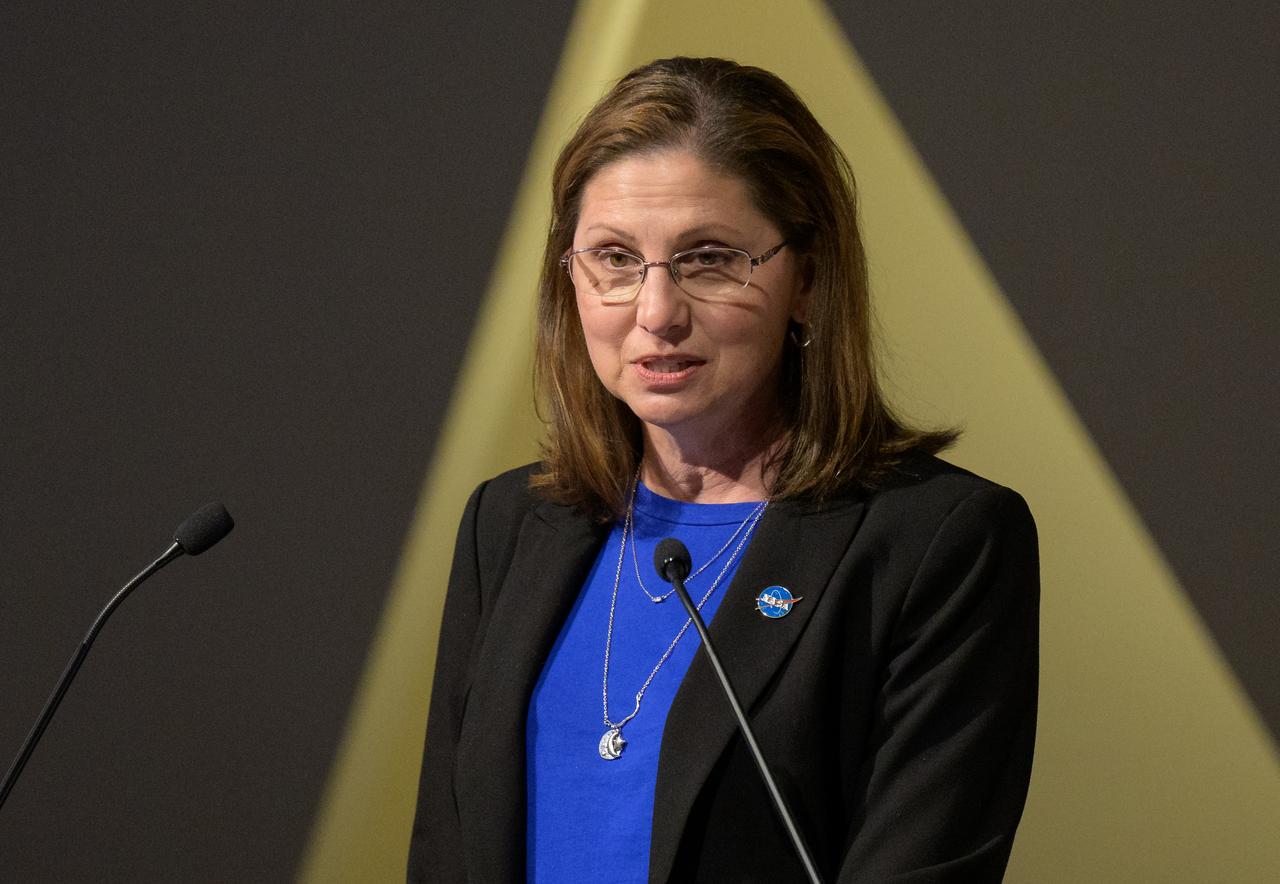
NASA Associate Administrator for Exploration Systems Development, Catherine Koerner, gives opening remarks at the Moon to Mars Architecture Workshop, Tuesday, Feb. 20, 2024, at the National Academy of Sciences in Washington. NASA held the workshop to engage the broader space community and collect feedback from U.S. industry and academia and international partners to inform NASA's Moon to Mars Architecture, the agency's roadmap for human exploration of the Moon and Mars. Photo Credit: (NASA/Bill Ingalls)
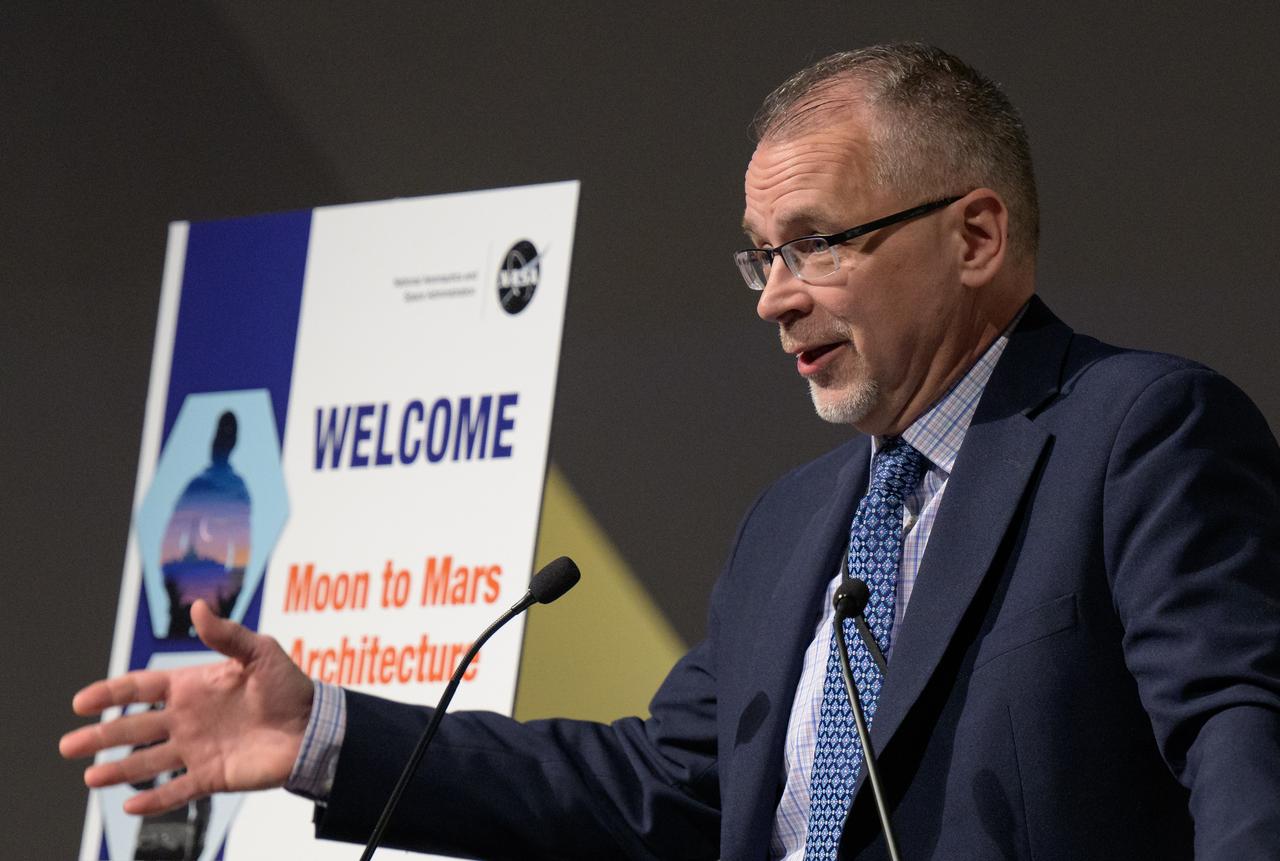
NASA Associate Administrator Jim Free gives opening remarks at the Moon to Mars Architecture Workshop, Tuesday, Feb. 20, 2024, at the National Academy of Sciences in Washington. NASA held the workshop to engage the broader space community and collect feedback from U.S. industry and academia and international partners to inform NASA's Moon to Mars Architecture, the agency's roadmap for human exploration of the Moon and Mars. Photo Credit: (NASA/Bill Ingalls)
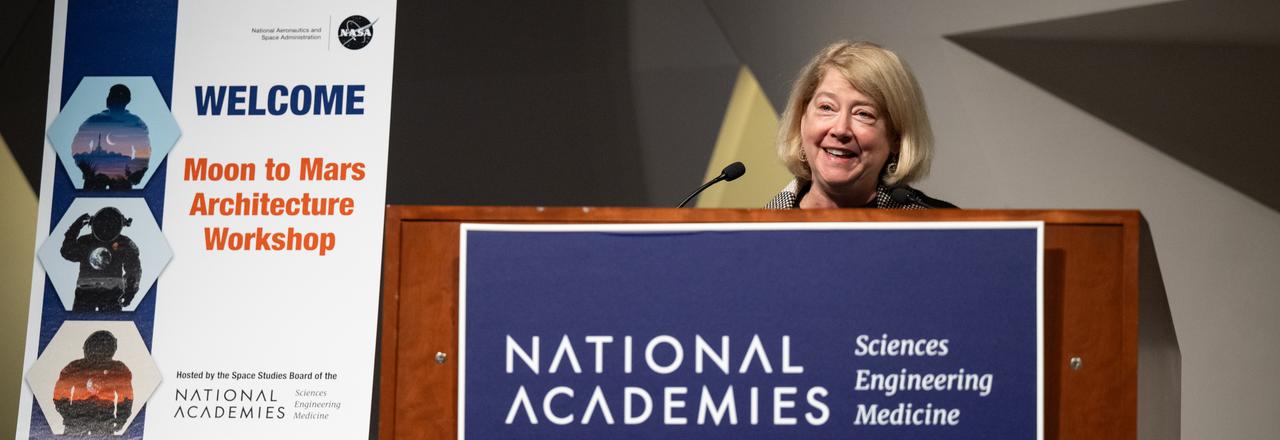
NASA Deputy Administrator Pam Melroy gives opening remarks at the Moon to Mars Architecture Workshop, Thursday, Feb. 22, 2024, at the National Academy of Sciences in Washington. NASA held the workshop to engage the broader space community and collect feedback from U.S. industry and academia and international partners to inform NASA's Moon to Mars Architecture, the agency's roadmap for human exploration of the Moon and Mars.
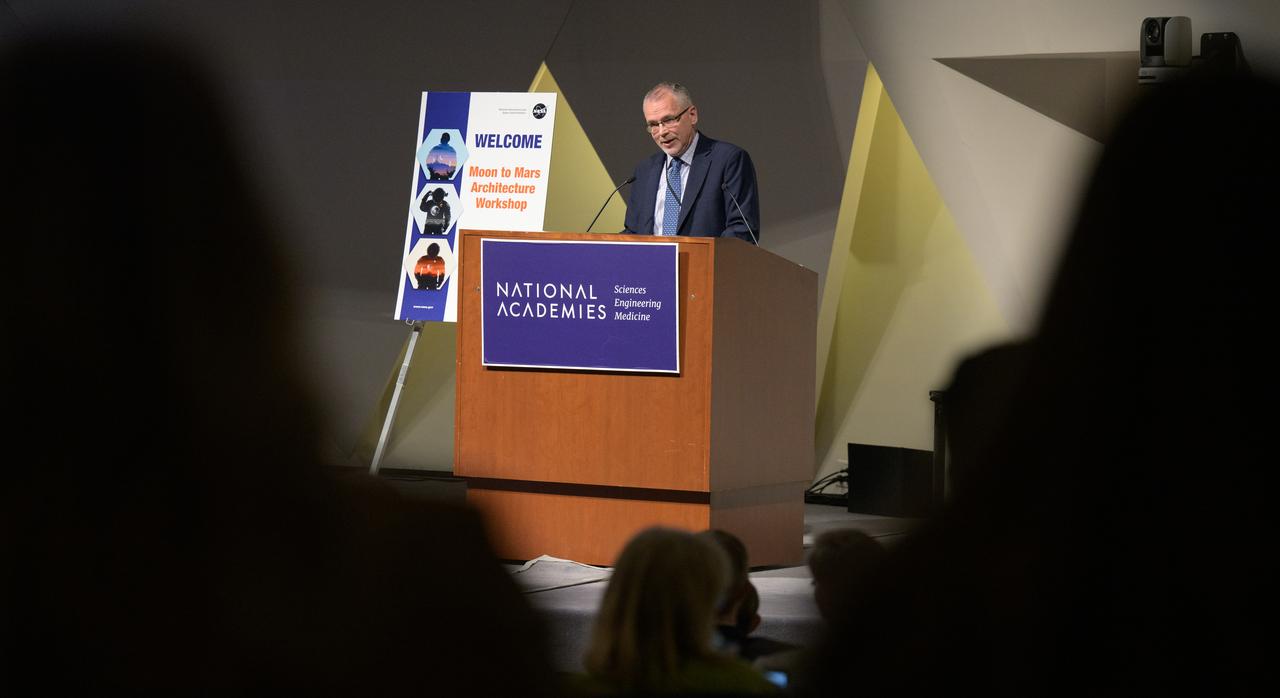
NASA Associate Administrator Jim Free gives opening remarks at the Moon to Mars Architecture Workshop, Tuesday, Feb. 20, 2024, at the National Academy of Sciences in Washington. NASA held the workshop to engage the broader space community and collect feedback from U.S. industry and academia and international partners to inform NASA's Moon to Mars Architecture, the agency's roadmap for human exploration of the Moon and Mars. Photo Credit: (NASA/Bill Ingalls)
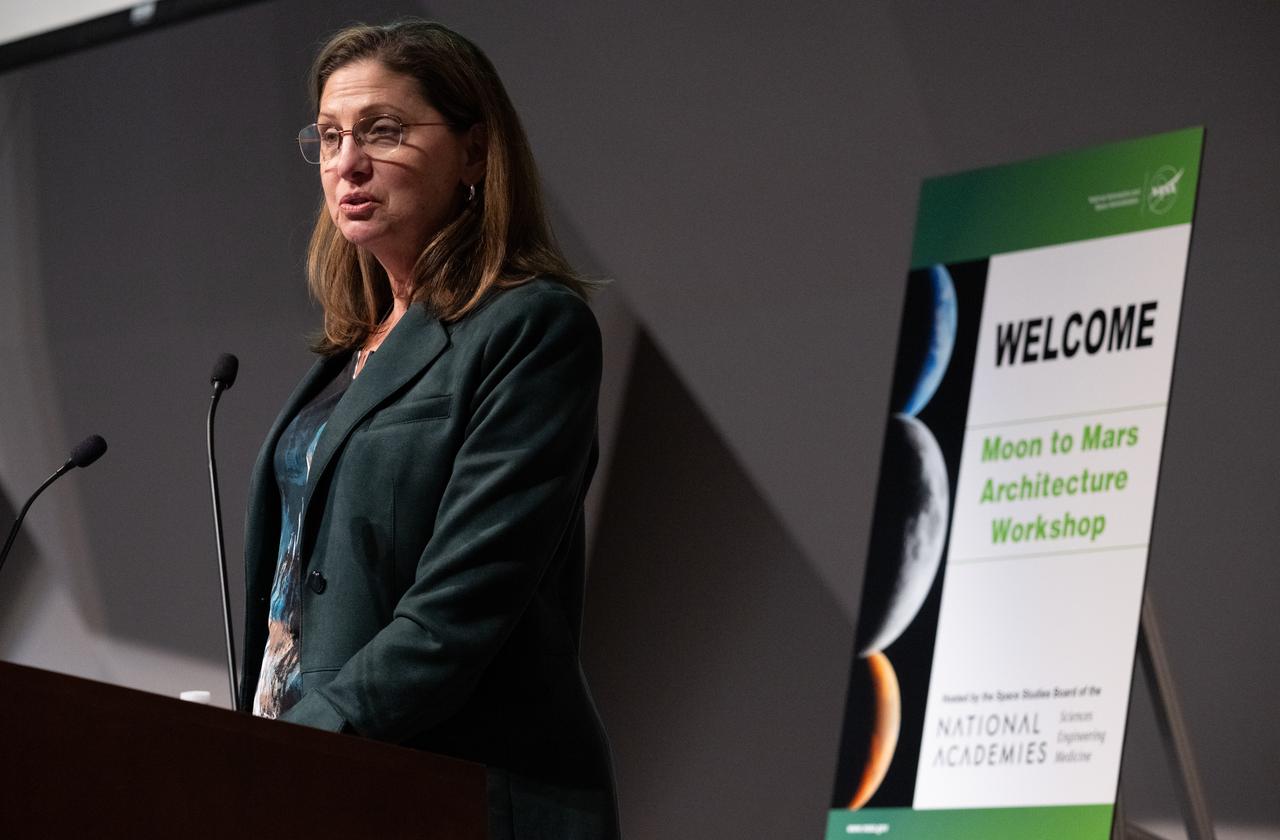
Catherine Koerner, associate administrator for NASA’s Exploration Systems Development Mission Directorate, gives opening remarks at the Moon to Mars Architecture Workshop, Wednesday, Feb. 12, 2025, at the National Academy of Sciences in Washington. NASA held the workshop to engage the broader space community and collect feedback from U.S. industry and academia and international partners to inform NASA's Moon to Mars Architecture, the agency's roadmap for human exploration of the Moon and Mars. Photo Credit: (NASA/Joel Kowsky)
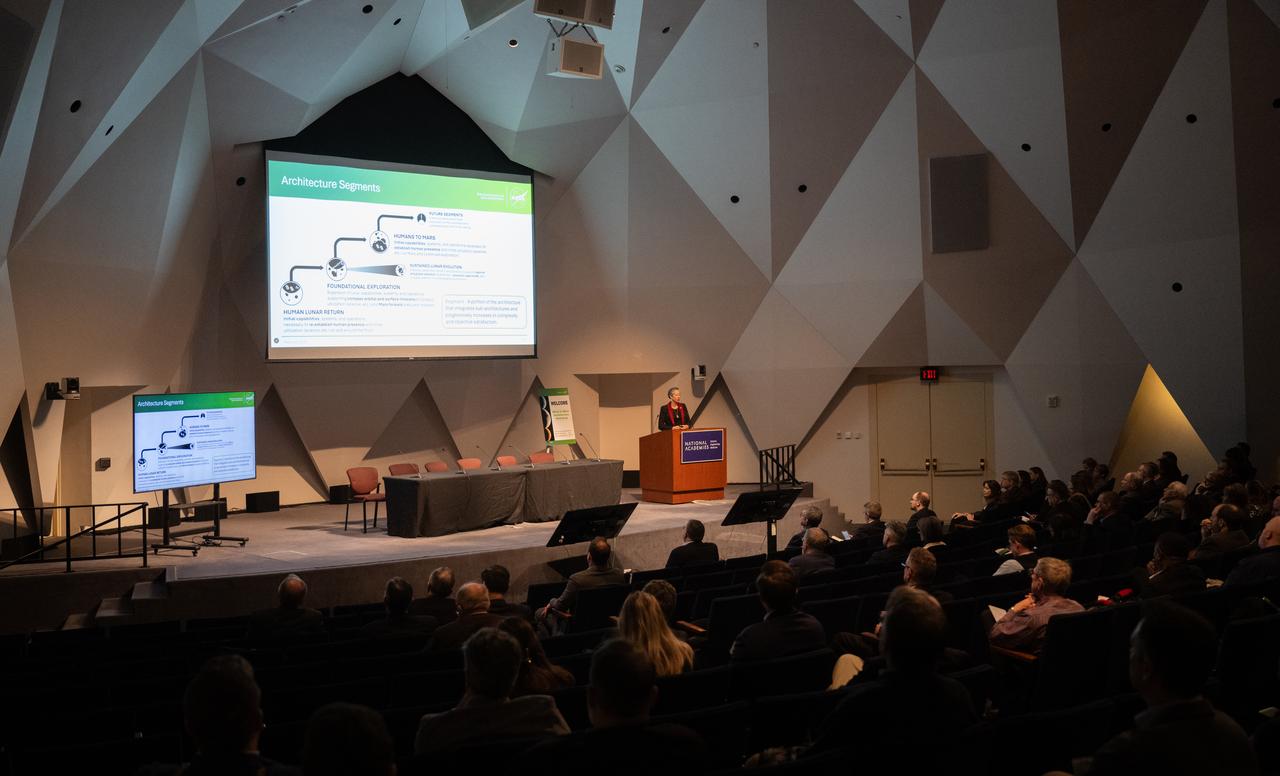
Nujoud Merancy, deputy associate administrator for the Strategy & Architecture Office in NASA’s Exploration Systems Development Mission Directorate gives remarks at the Moon to Mars Architecture Workshop, Wednesday, Feb. 12, 2025, at the National Academy of Sciences in Washington. NASA held the workshop to engage the broader space community and collect feedback from U.S. industry and academia and international partners to inform NASA's Moon to Mars Architecture, the agency's roadmap for human exploration of the Moon and Mars. Photo Credit: (NASA/Joel Kowsky)
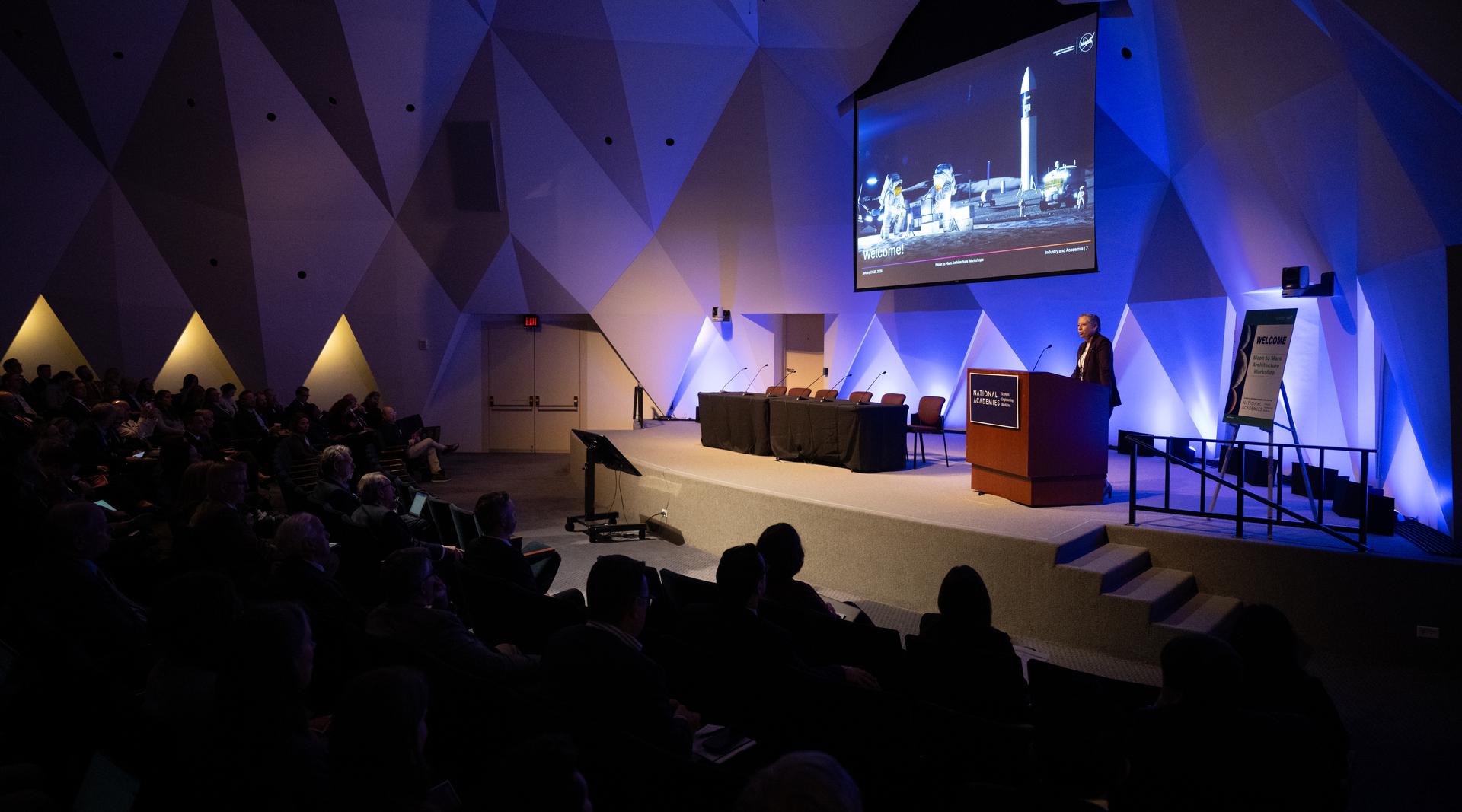
Nujoud Merancy, deputy associate administrator for the Strategy and Architecture Office in NASA’s Exploration Systems Development Mission Directorate speaks at the Moon to Mars Architecture Workshop, Wednesday, Jan. 21, 2026, at the National Academy of Sciences in Washington. NASA held the workshop to engage the broader space community and collect feedback from U.S. industry and academia and international partners to inform NASA's Moon to Mars Architecture, the agency's roadmap for human exploration of the Moon and Mars. Photo Credit: (NASA/Joel Kowsky)
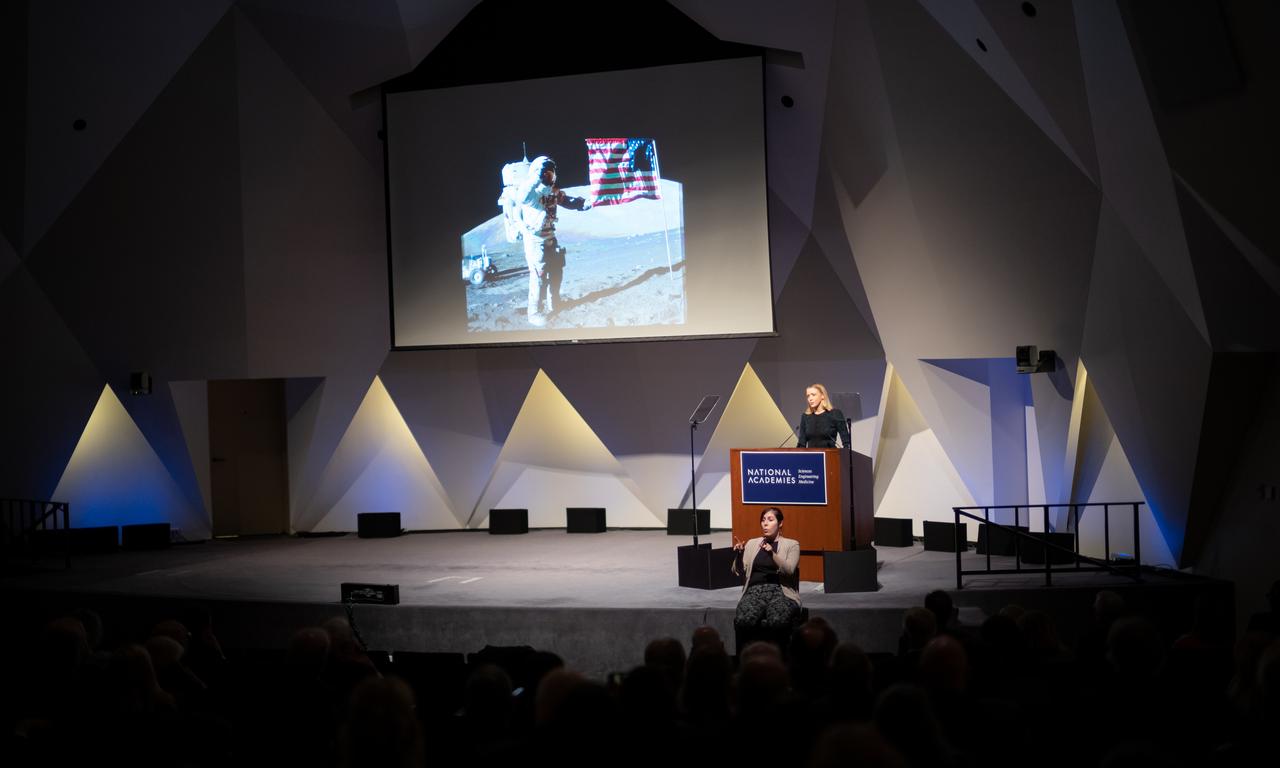
Teasel Muir-Harmony, curator of the Apollo collection at the Smithsonian National Air and Space Museum speaks during an event celebrating the 50th anniversary of the Apollo 17 mission, Wednesday, Dec. 14, 2022, at the National Academies of Science in Washington. The three-astronaut crew of Apollo 17 - commander Eugene Cernan, lunar module pilot Harrison Schmitt, and command module pilot Ronald Evans, embarked on the last mission of the Apollo program to land humans on the Moon in December of 1972. Cernan and Schmitt spent three days on the lunar surface collecting samples and performing scientific experiments before lifting off from the Taurus-Littrow Valley on December 14, 1972. Photo Credit: (NASA/Joel Kowsky)
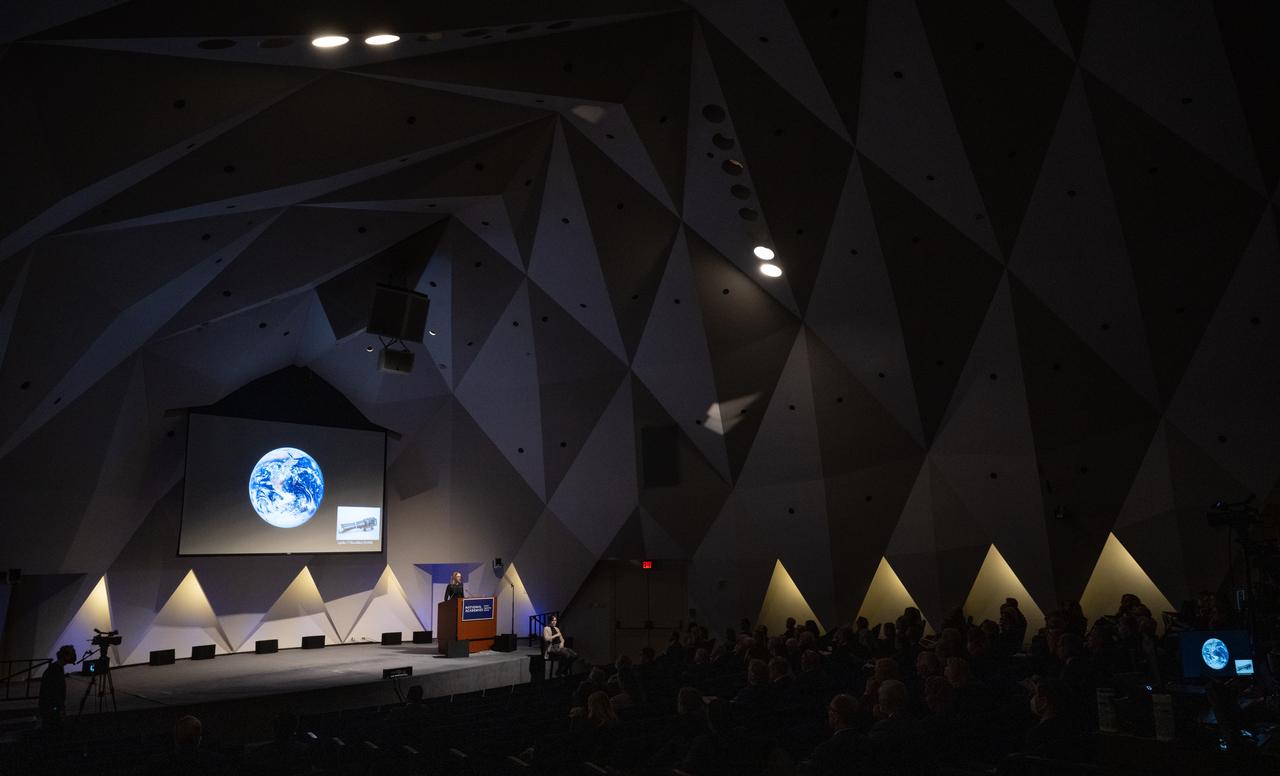
Teasel Muir-Harmony, curator of the Apollo collection at the Smithsonian National Air and Space Museum, speaks during an event celebrating the 50th anniversary of the Apollo 17 mission, Wednesday, Dec. 14, 2022, at the National Academies of Science in Washington. The three-astronaut crew of Apollo 17 - commander Eugene Cernan, lunar module pilot Harrison Schmitt, and command module pilot Ronald Evans, embarked on the last mission of the Apollo program to land humans on the Moon in December of 1972. Cernan and Schmitt spent three days on the lunar surface collecting samples and performing scientific experiments before lifting off from the Taurus-Littrow Valley on December 14, 1972. Photo Credit: (NASA/Joel Kowsky)
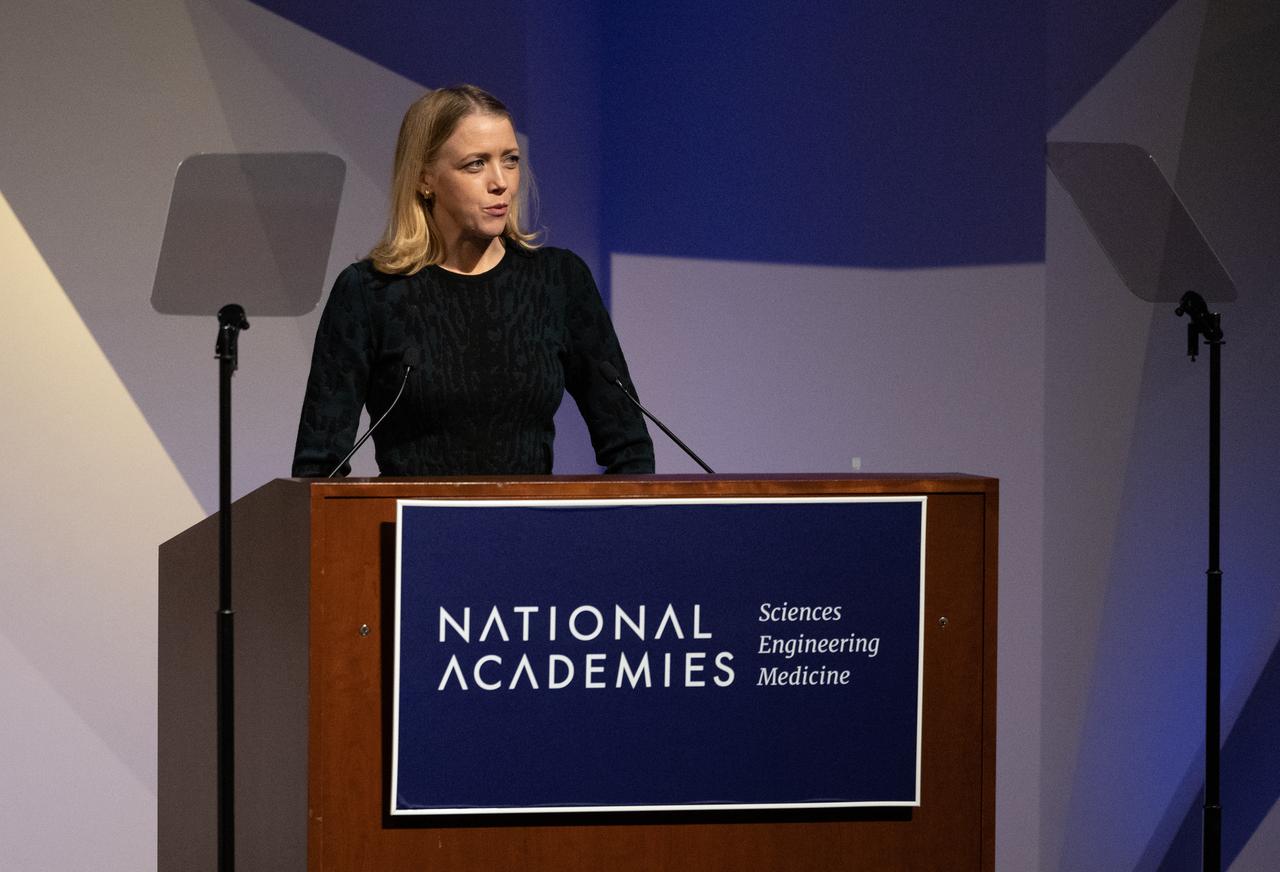
Teasel Muir-Harmony, curator of the Apollo collection at the Smithsonian National Air and Space Museum, speaks during an event celebrating the 50th anniversary of the Apollo 17 mission, Wednesday, Dec. 14, 2022, at the National Academies of Science in Washington. The three-astronaut crew of Apollo 17 - commander Eugene Cernan, lunar module pilot Harrison Schmitt, and command module pilot Ronald Evans, embarked on the last mission of the Apollo program to land humans on the Moon in December of 1972. Cernan and Schmitt spent three days on the lunar surface collecting samples and performing scientific experiments before lifting off from the Taurus-Littrow Valley on December 14, 1972. Photo Credit: (NASA/Joel Kowsky)
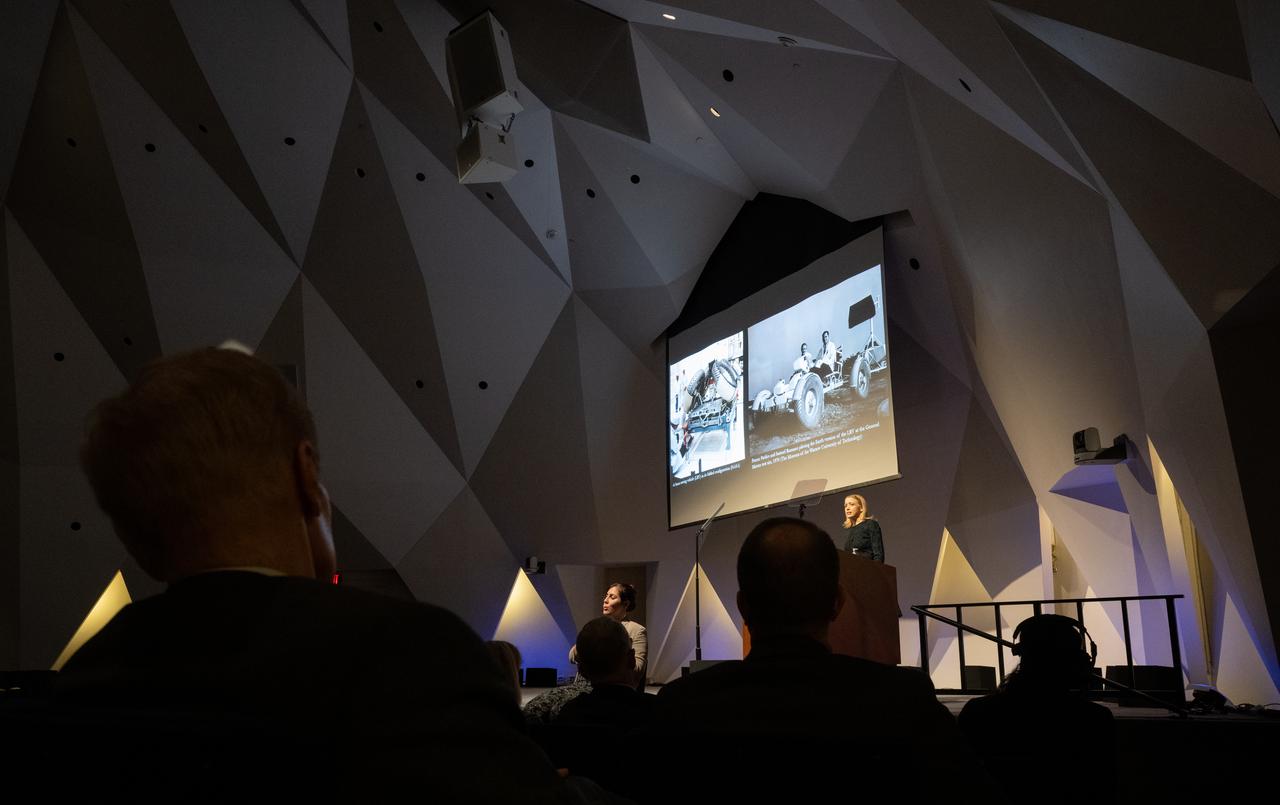
Teasel Muir-Harmony, curator of the Apollo collection at the Smithsonian National Air and Space Museum, speaks during an event celebrating the 50th anniversary of the Apollo 17 mission, Wednesday, Dec. 14, 2022, at the National Academies of Science in Washington. The three-astronaut crew of Apollo 17 - commander Eugene Cernan, lunar module pilot Harrison Schmitt, and command module pilot Ronald Evans, embarked on the last mission of the Apollo program to land humans on the Moon in December of 1972. Cernan and Schmitt spent three days on the lunar surface collecting samples and performing scientific experiments before lifting off from the Taurus-Littrow Valley on December 14, 1972. Photo Credit: (NASA/Joel Kowsky)
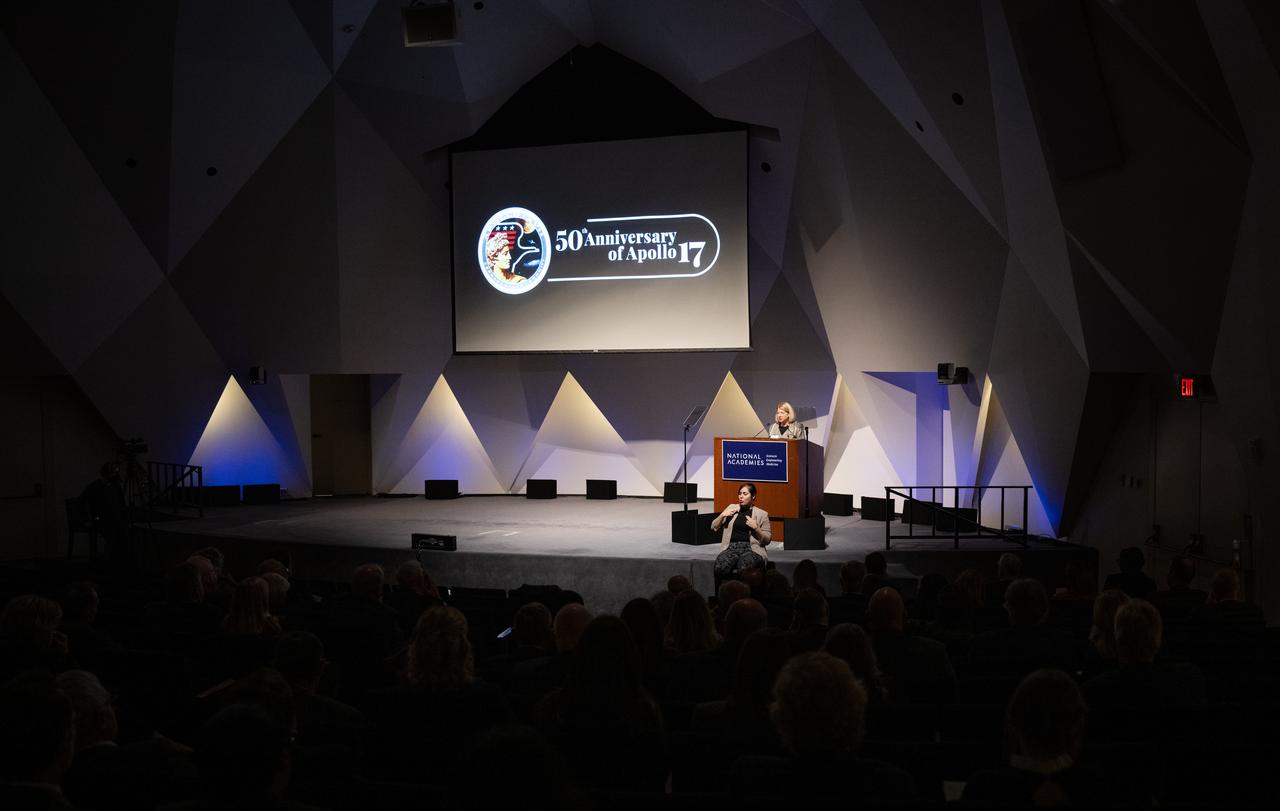
NASA Deputy Administrator Pam Melroy delivers remarks during an event celebrating the 50th anniversary of the Apollo 17 mission, Wednesday, Dec. 14, 2022, at the National Academies of Science in Washington. The three-astronaut crew of Apollo 17 - commander Eugene Cernan, lunar module pilot Harrison Schmitt, and command module pilot Ronald Evans, embarked on the last mission of the Apollo program to land humans on the Moon in December of 1972. Cernan and Schmitt spent three days on the lunar surface collecting samples and performing scientific experiments before lifting off from the Taurus-Littrow Valley on December 14, 1972. Photo Credit: (NASA/Joel Kowsky)
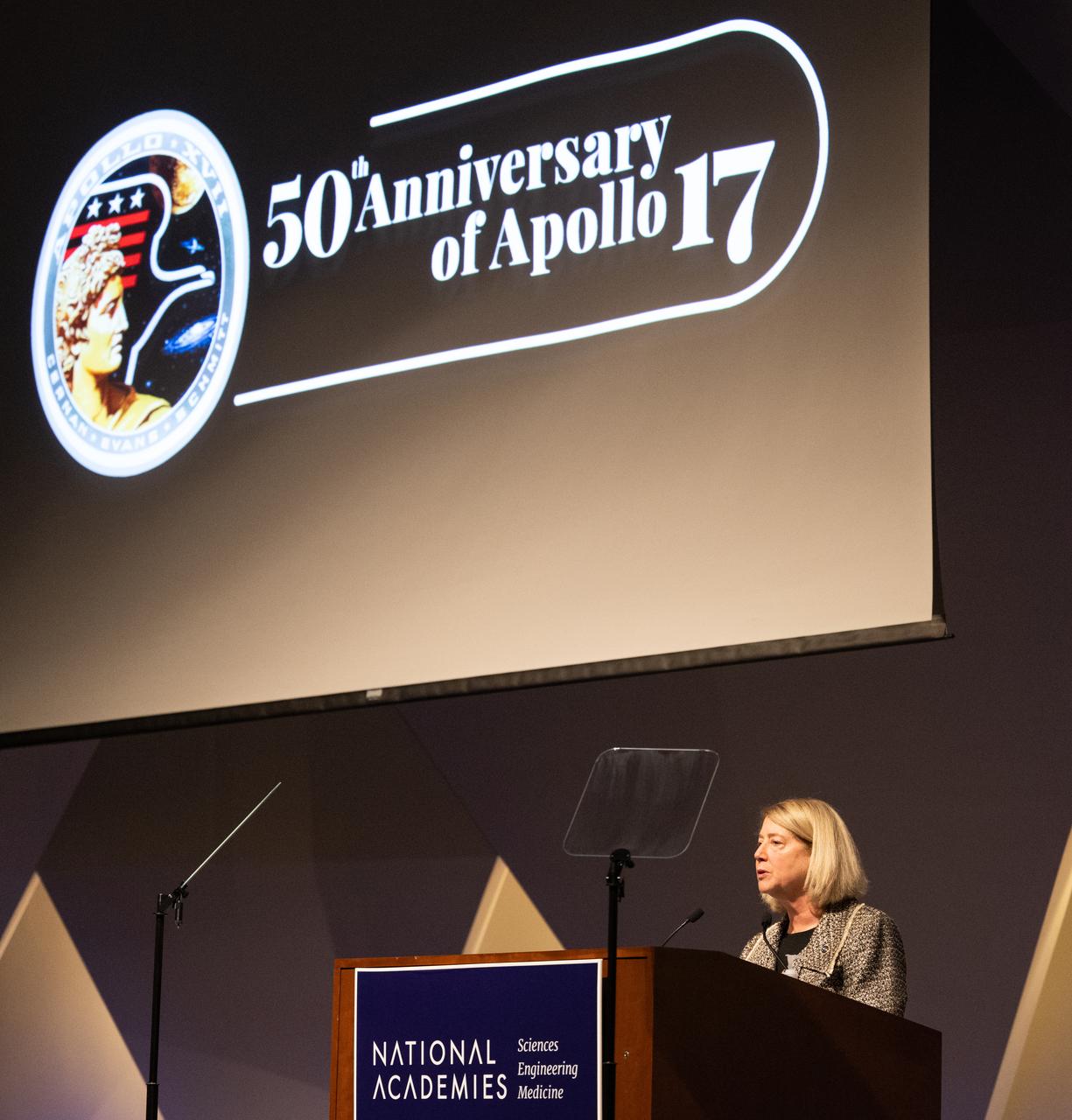
NASA Deputy Administrator Pam Melroy delivers remarks during an event celebrating the 50th anniversary of the Apollo 17 mission, Wednesday, Dec. 14, 2022, at the National Academies of Science in Washington. The three-astronaut crew of Apollo 17 - commander Eugene Cernan, lunar module pilot Harrison Schmitt, and command module pilot Ronald Evans, embarked on the last mission of the Apollo program to land humans on the Moon in December of 1972. Cernan and Schmitt spent three days on the lunar surface collecting samples and performing scientific experiments before lifting off from the Taurus-Littrow Valley on December 14, 1972. Photo Credit: (NASA/Joel Kowsky)
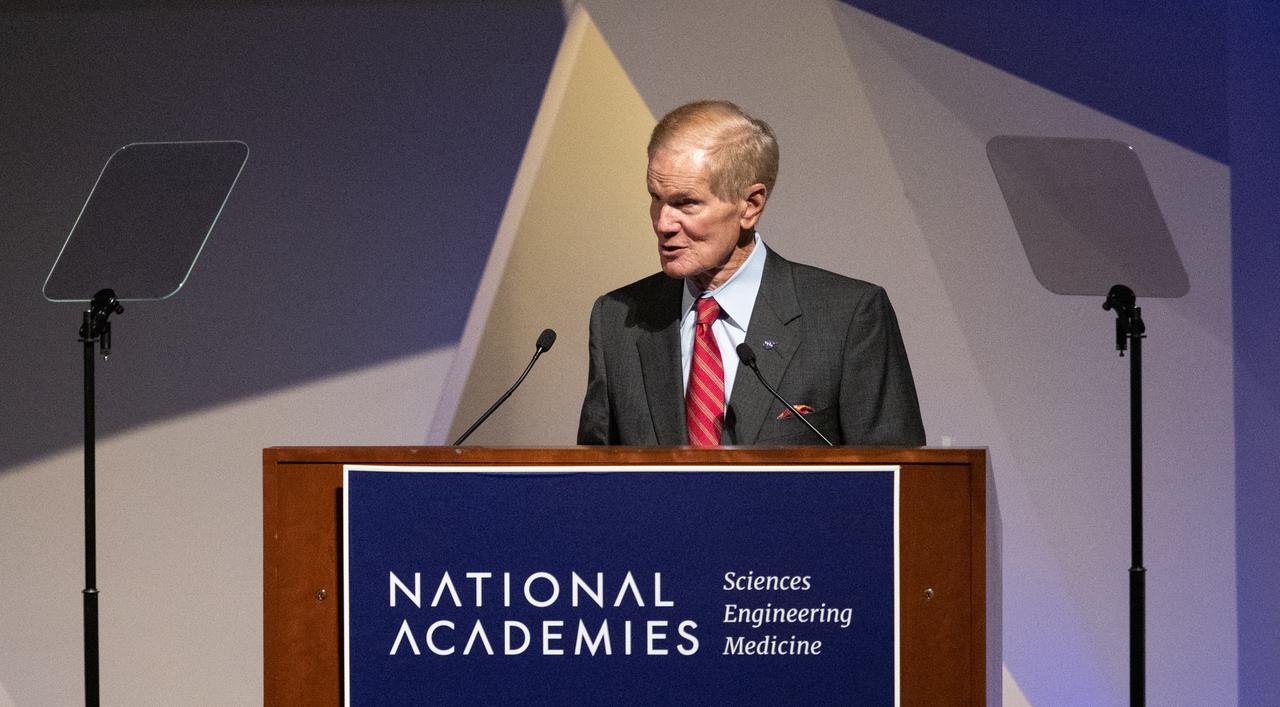
NASA Administrator Bill Nelson delivers remarks during an event celebrating the 50th anniversary of the Apollo 17 mission, Wednesday, Dec. 14, 2022, at the National Academies of Science in Washington. The three-astronaut crew of Apollo 17 - commander Eugene Cernan, lunar module pilot Harrison Schmitt, and command module pilot Ronald Evans, embarked on the last mission of the Apollo program to land humans on the Moon in December of 1972. Cernan and Schmitt spent three days on the lunar surface collecting samples and performing scientific experiments before lifting off from the Taurus-Littrow Valley on December 14, 1972. Photo Credit: (NASA/Joel Kowsky)
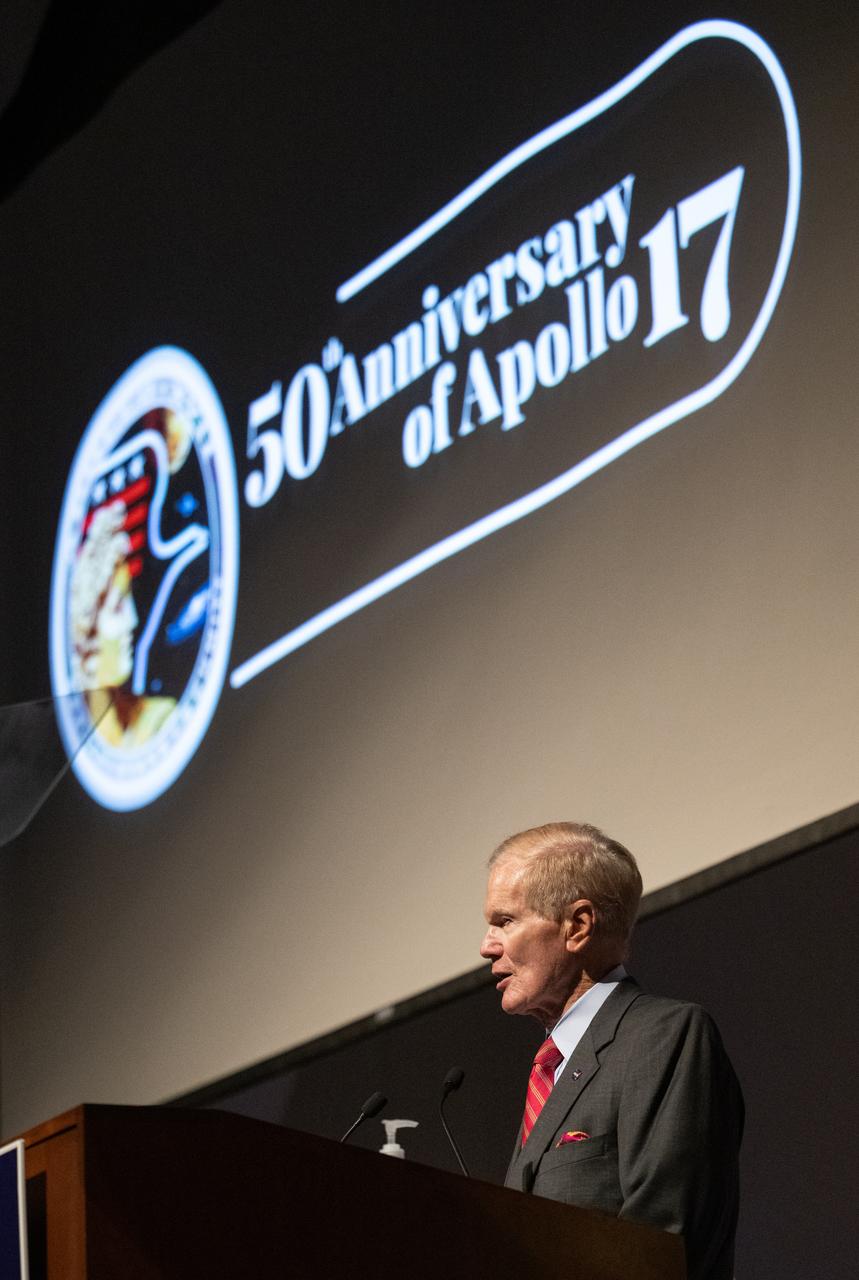
NASA Administrator Bill Nelson delivers remarks during an event celebrating the 50th anniversary of the Apollo 17 mission, Wednesday, Dec. 14, 2022, at the National Academies of Science in Washington. The three-astronaut crew of Apollo 17 - commander Eugene Cernan, lunar module pilot Harrison Schmitt, and command module pilot Ronald Evans, embarked on the last mission of the Apollo program to land humans on the Moon in December of 1972. Cernan and Schmitt spent three days on the lunar surface collecting samples and performing scientific experiments before lifting off from the Taurus-Littrow Valley on December 14, 1972. Photo Credit: (NASA/Joel Kowsky)
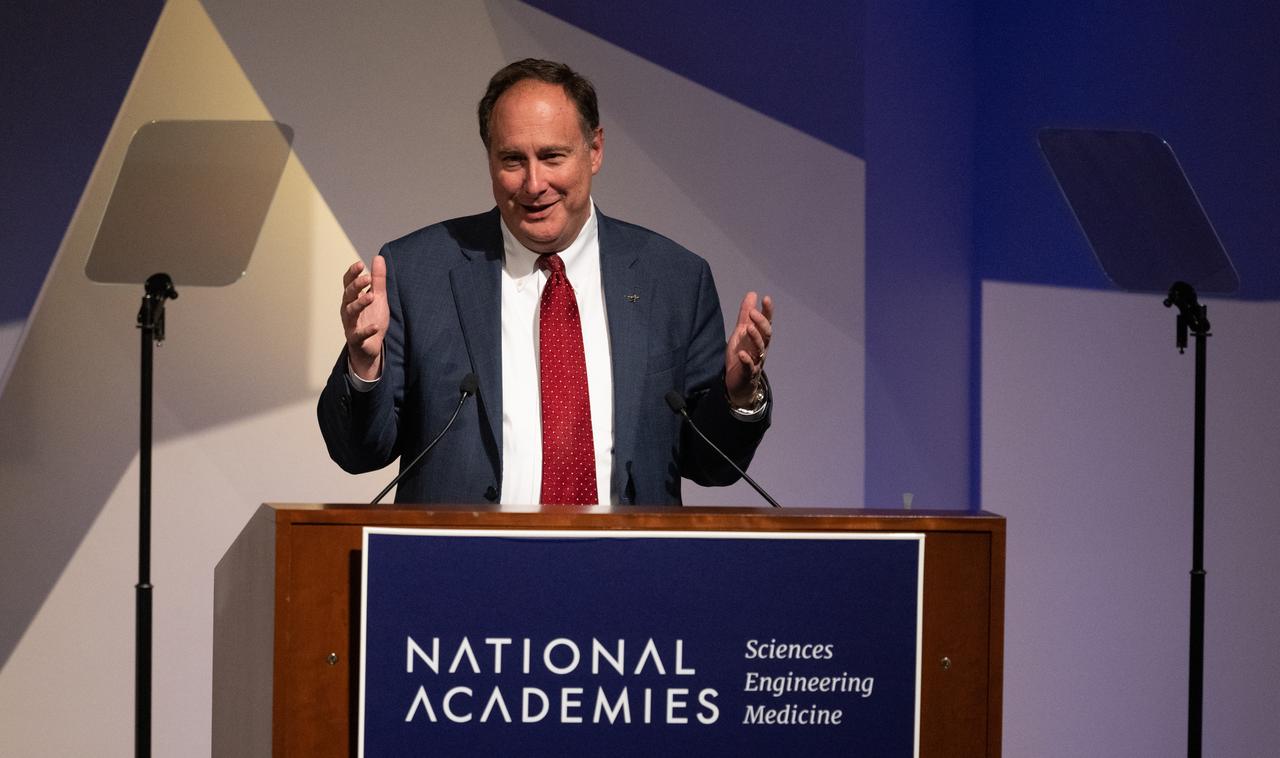
Robert Lightfoot, executive vice president of Lockheed Martin Space, speaks during an event celebrating the 50th anniversary of the Apollo 17 mission, Wednesday, Dec. 14, 2022, at the National Academies of Science in Washington. The three-astronaut crew of Apollo 17 - commander Eugene Cernan, lunar module pilot Harrison Schmitt, and command module pilot Ronald Evans, embarked on the last mission of the Apollo program to land humans on the Moon in December of 1972. Cernan and Schmitt spent three days on the lunar surface collecting samples and performing scientific experiments before lifting off from the Taurus-Littrow Valley on December 14, 1972. Photo Credit: (NASA/Joel Kowsky)
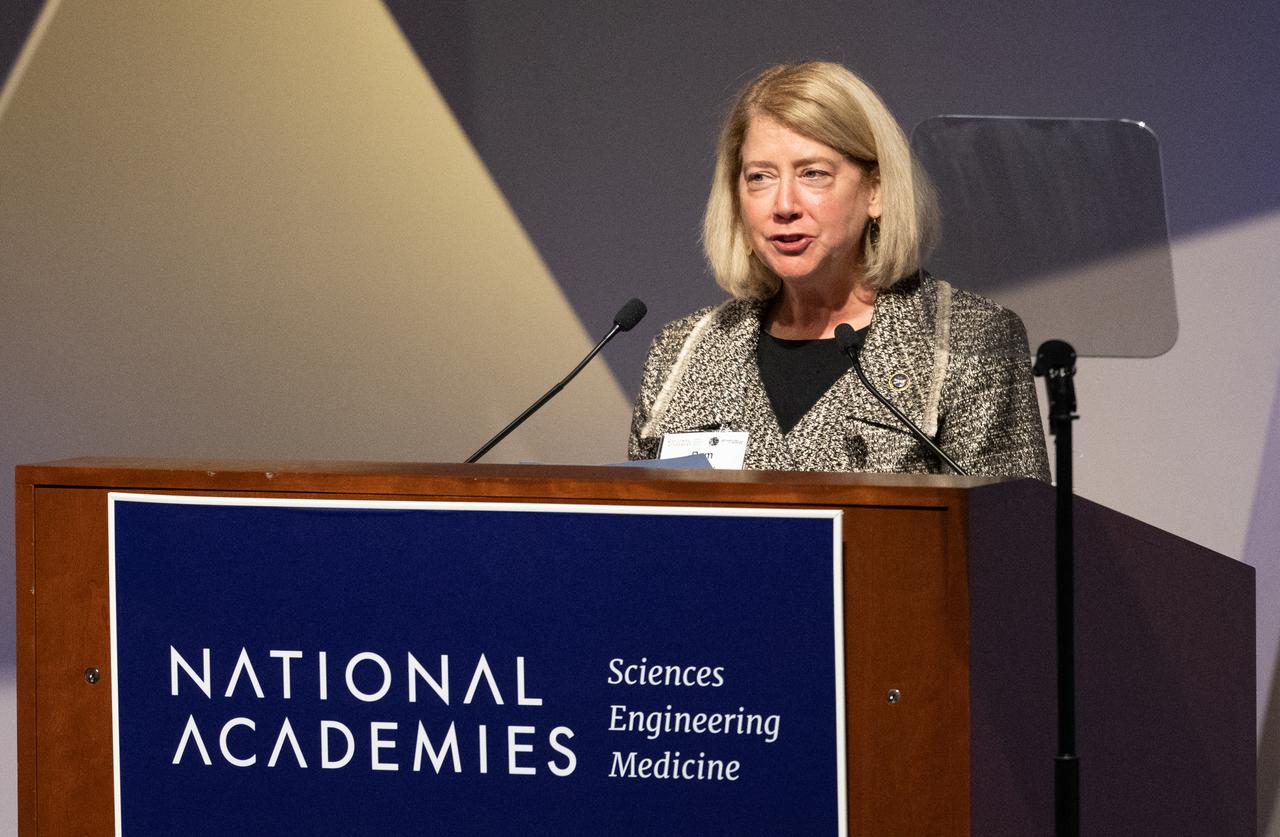
NASA Deputy Administrator Pam Melroy delivers remarks during an event celebrating the 50th anniversary of the Apollo 17 mission, Wednesday, Dec. 14, 2022, at the National Academies of Science in Washington. The three-astronaut crew of Apollo 17 - commander Eugene Cernan, lunar module pilot Harrison Schmitt, and command module pilot Ronald Evans, embarked on the last mission of the Apollo program to land humans on the Moon in December of 1972. Cernan and Schmitt spent three days on the lunar surface collecting samples and performing scientific experiments before lifting off from the Taurus-Littrow Valley on December 14, 1972. Photo Credit: (NASA/Joel Kowsky)
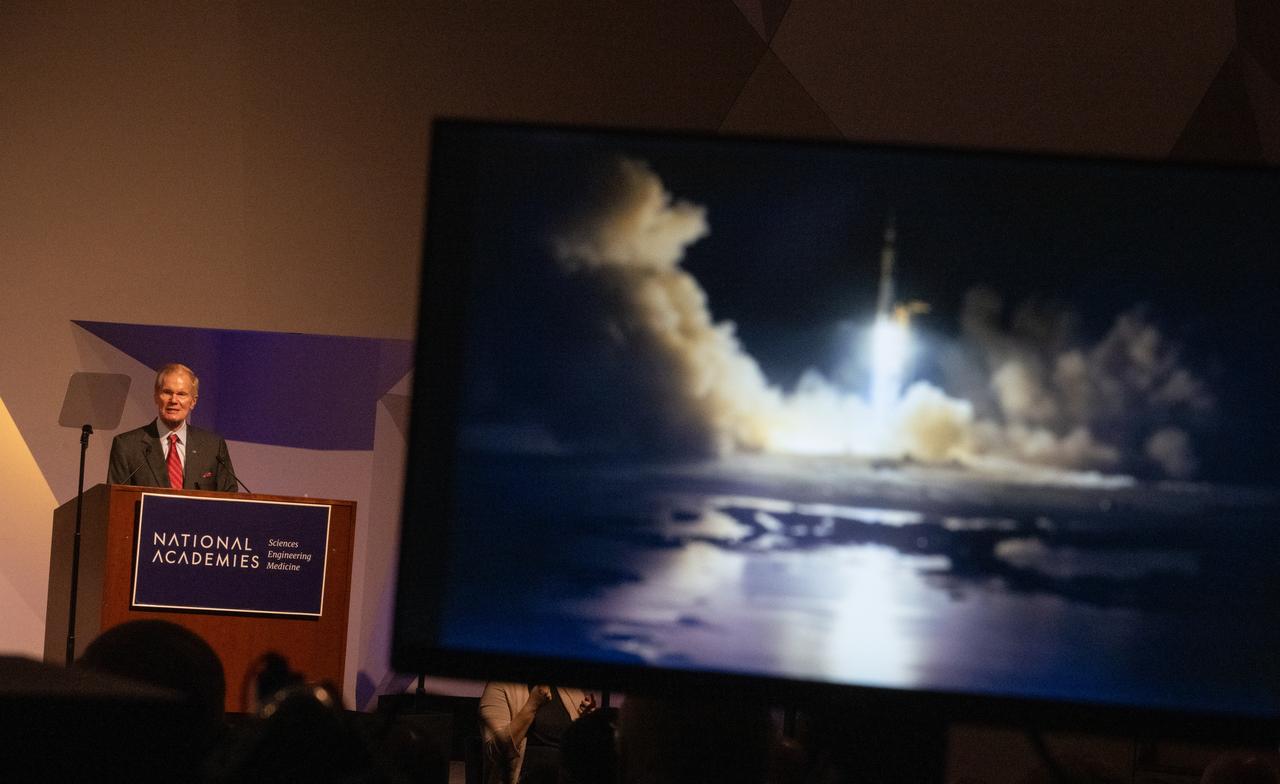
NASA Administrator Bill Nelson delivers remarks during an event celebrating the 50th anniversary of the Apollo 17 mission, Wednesday, Dec. 14, 2022, at the National Academies of Science in Washington. The three-astronaut crew of Apollo 17 - commander Eugene Cernan, lunar module pilot Harrison Schmitt, and command module pilot Ronald Evans, embarked on the last mission of the Apollo program to land humans on the Moon in December of 1972. Cernan and Schmitt spent three days on the lunar surface collecting samples and performing scientific experiments before lifting off from the Taurus-Littrow Valley on December 14, 1972. Photo Credit: (NASA/Joel Kowsky)
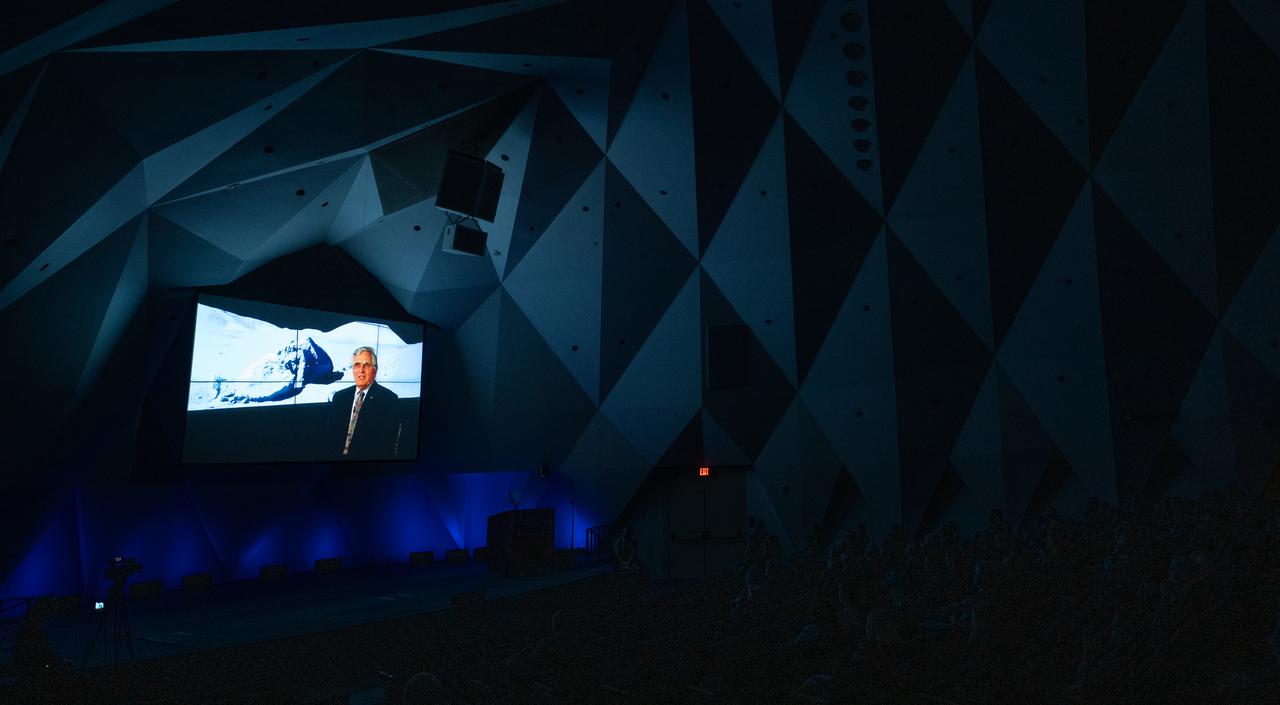
Apollo 17 astronaut Harrison Schmitt is seen in a video during an event celebrating the 50th anniversary of the Apollo 17 mission, Wednesday, Dec. 14, 2022, at the National Academies of Science in Washington. The three-astronaut crew of Apollo 17 - commander Eugene Cernan, lunar module pilot Harrison Schmitt, and command module pilot Ronald Evans, embarked on the last mission of the Apollo program to land humans on the Moon in December of 1972. Cernan and Schmitt spent three days on the lunar surface collecting samples and performing scientific experiments before lifting off from the Taurus-Littrow Valley on December 14, 1972. Photo Credit: (NASA/Joel Kowsky)
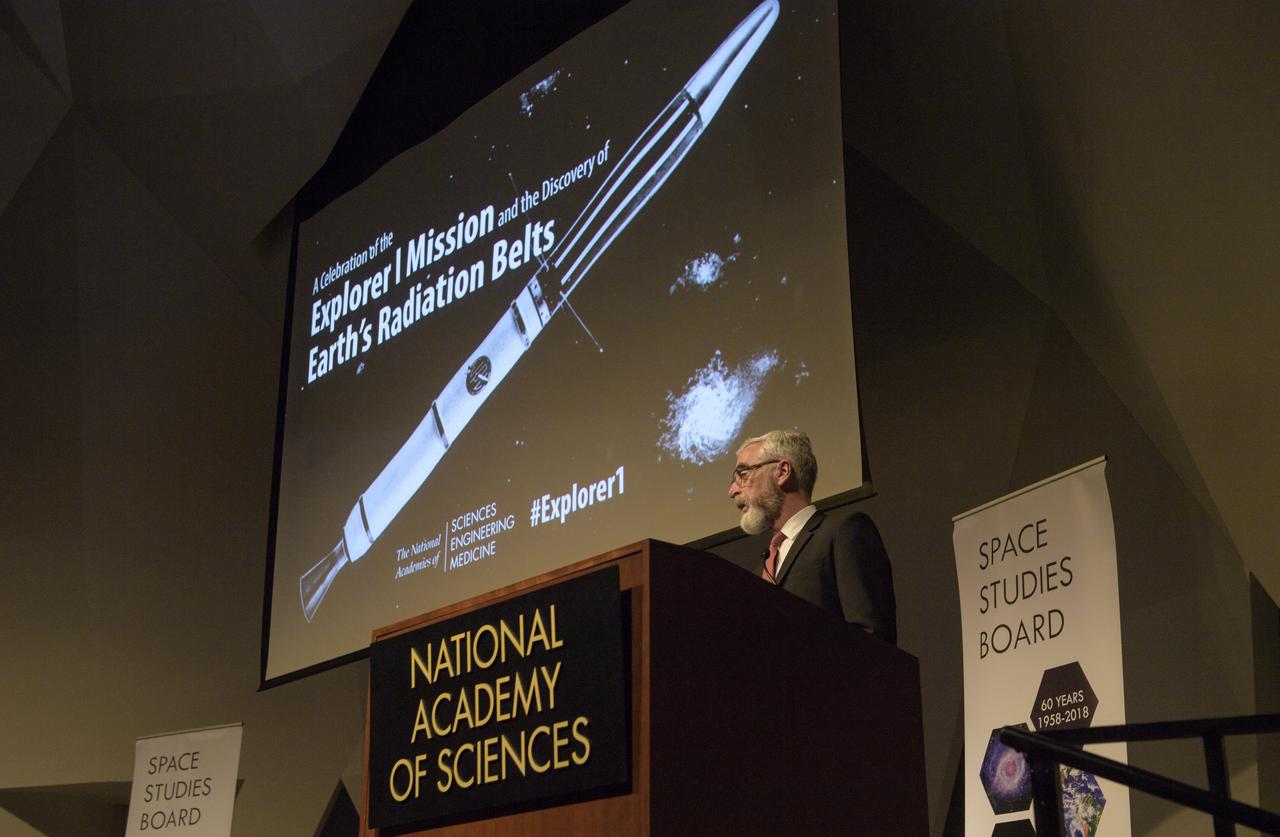
Michael Moloney, Director for Space and Aeronautics at the Space Studies Board and the Aeronautics and Space Engineering Board of the U.S. National Academies of Sciences, Engineering, and Medicine, delivers opening remarks during an event celebrating the 60th Anniversary of the Explorer 1 mission and the discovery of Earth's radiation belts, Wednesday, Jan. 31, 2018, at the National Academy of Sciences in Washington. The first U.S. satellite, Explorer 1, was launched from Cape Canaveral on January 31, 1958. The 30-pound satellite would yield a major scientific discovery, the Van Allen radiation belts circling our planet, and begin six decades of groundbreaking space science and human exploration. (NASA/Joel Kowsky)
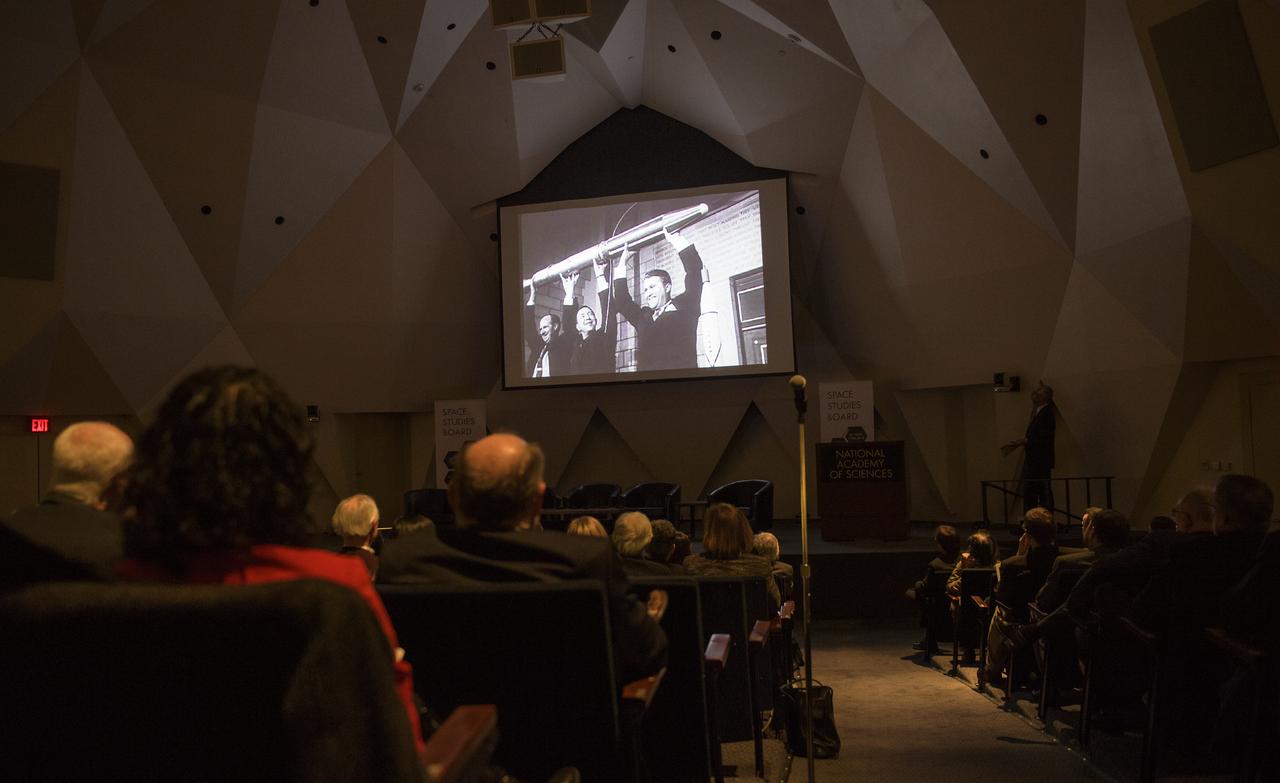
Attendees watch a short video on Explorer 1 during an event celebrating the 60th Anniversary of the Explorer 1 mission and the discovery of Earth's radiation belts, Wednesday, Jan. 31, 2018, at the National Academy of Sciences in Washington. The first U.S. satellite, Explorer 1, was launched from Cape Canaveral on January 31, 1958. The 30-pound satellite would yield a major scientific discovery, the Van Allen radiation belts circling our planet, and begin six decades of groundbreaking space science and human exploration. (NASA/Joel Kowsky)
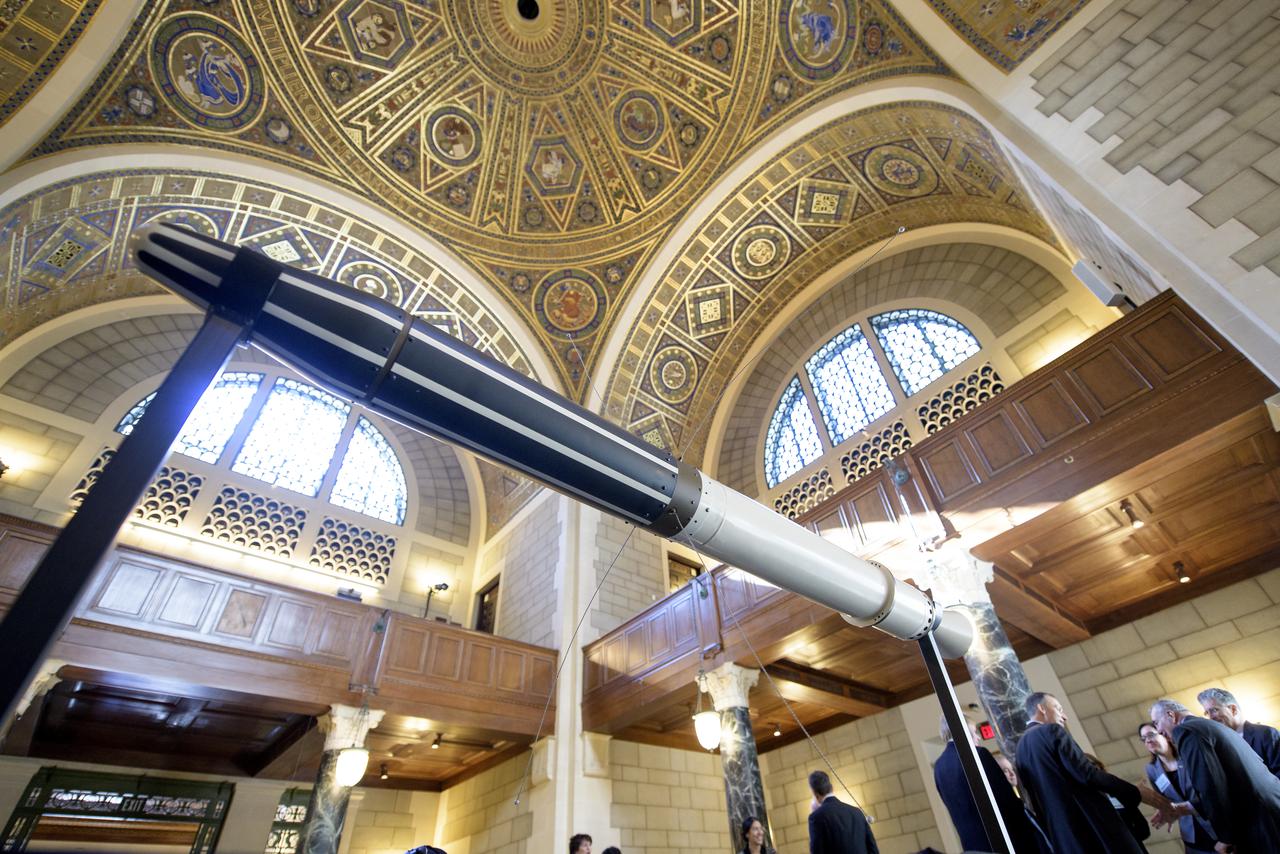
A replica of the Explorer 1 satellite is seen on display during an event celebrating the 60th Anniversary of the Explorer 1 mission and the discovery of Earth's radiation belts, Wednesday, Jan. 31, 2018, at the National Academy of Sciences in Washington. The first U.S. satellite, Explorer 1, was launched from Cape Canaveral on January 31, 1958. The 30-pound satellite would yield a major scientific discovery, the Van Allen radiation belts circling our planet, and begin six decades of groundbreaking space science and human exploration. (NASA/Joel Kowsky)
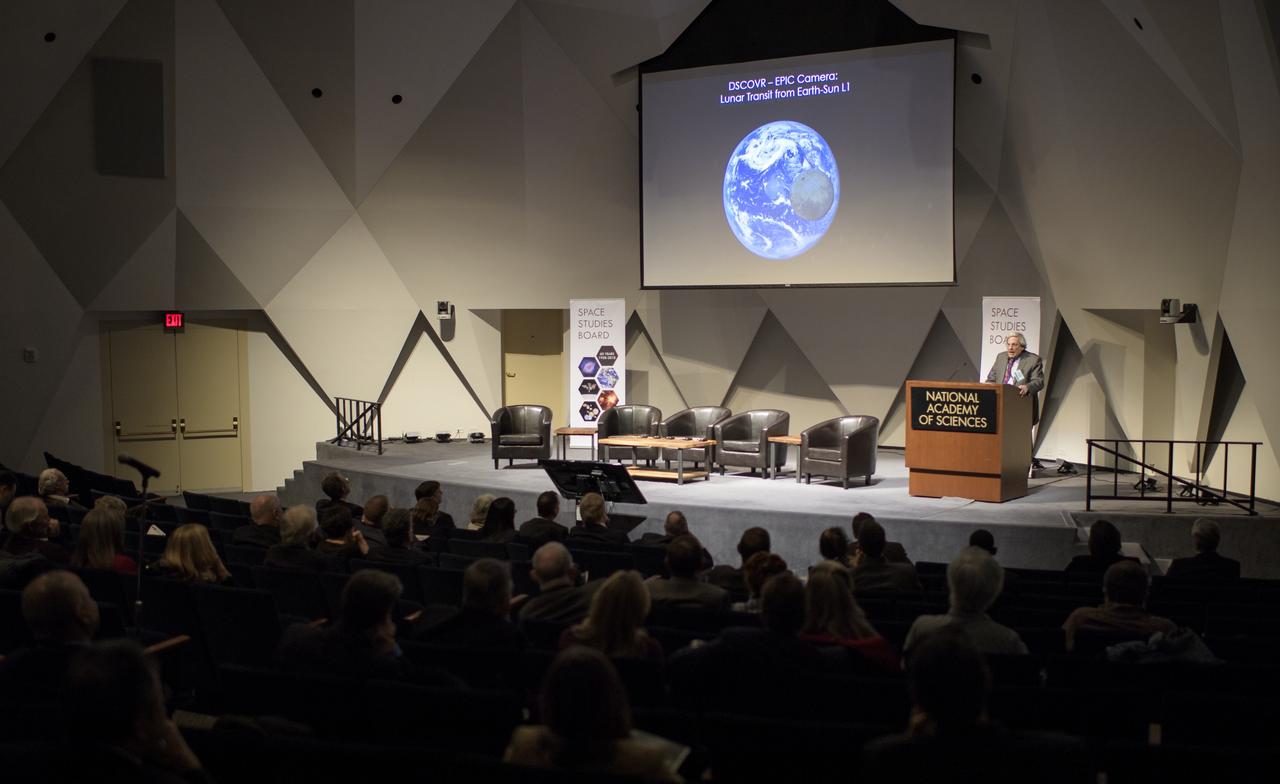
Michael Freilich, Director of the Earth Science Division of NASA's Science Mission Directorate, speaks during an event celebrating the 60th Anniversary of the Explorer 1 mission and the discovery of Earth's radiation belts, Wednesday, Jan. 31, 2018, at the National Academy of Sciences in Washington. The first U.S. satellite, Explorer 1, was launched from Cape Canaveral on January 31, 1958. The 30-pound satellite would yield a major scientific discovery, the Van Allen radiation belts circling our planet, and begin six decades of groundbreaking space science and human exploration. (NASA/Joel Kowsky)
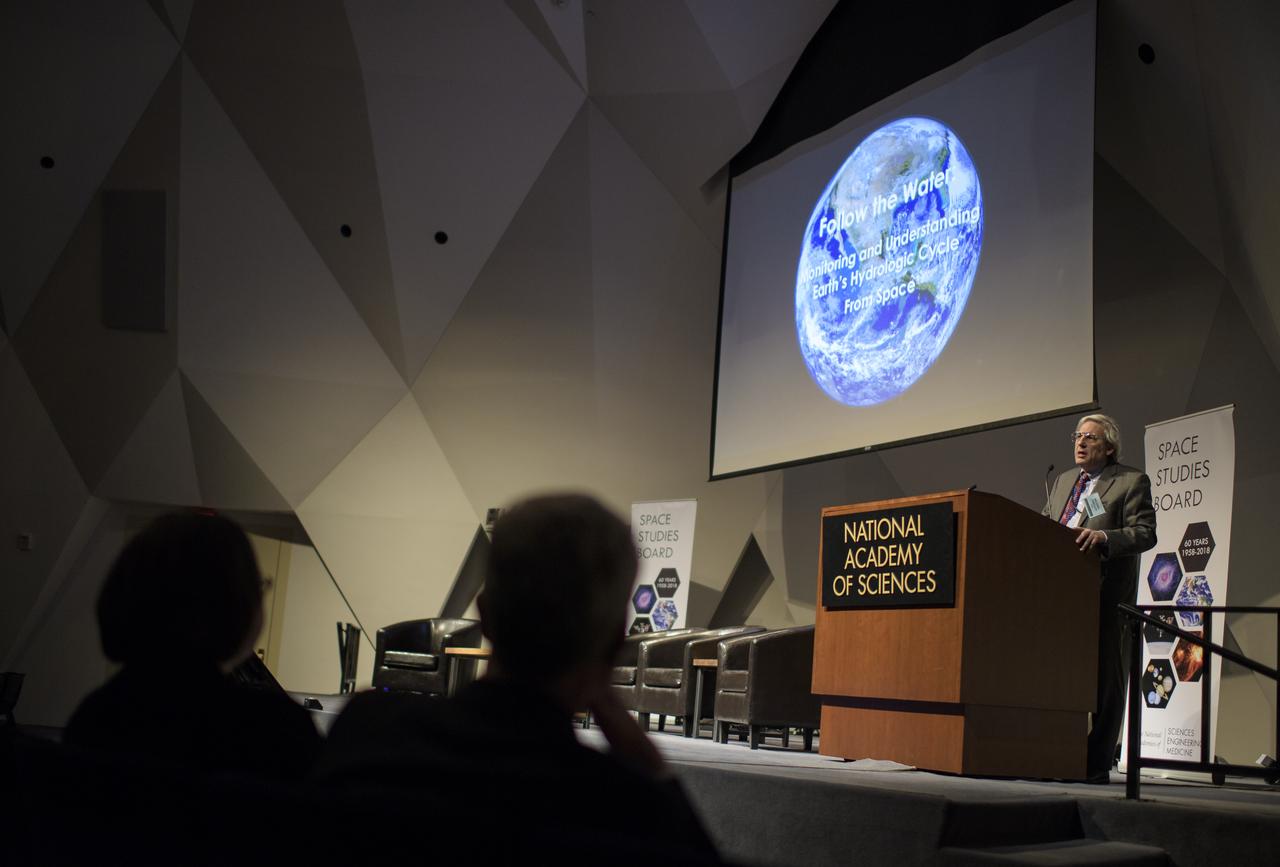
Michael Freilich, Director of the Earth Science Division of NASA's Science Mission Directorate, speaks during an event celebrating the 60th Anniversary of the Explorer 1 mission and the discovery of Earth's radiation belts, Wednesday, Jan. 31, 2018, at the National Academy of Sciences in Washington. The first U.S. satellite, Explorer 1, was launched from Cape Canaveral on January 31, 1958. The 30-pound satellite would yield a major scientific discovery, the Van Allen radiation belts circling our planet, and begin six decades of groundbreaking space science and human exploration. (NASA/Joel Kowsky)
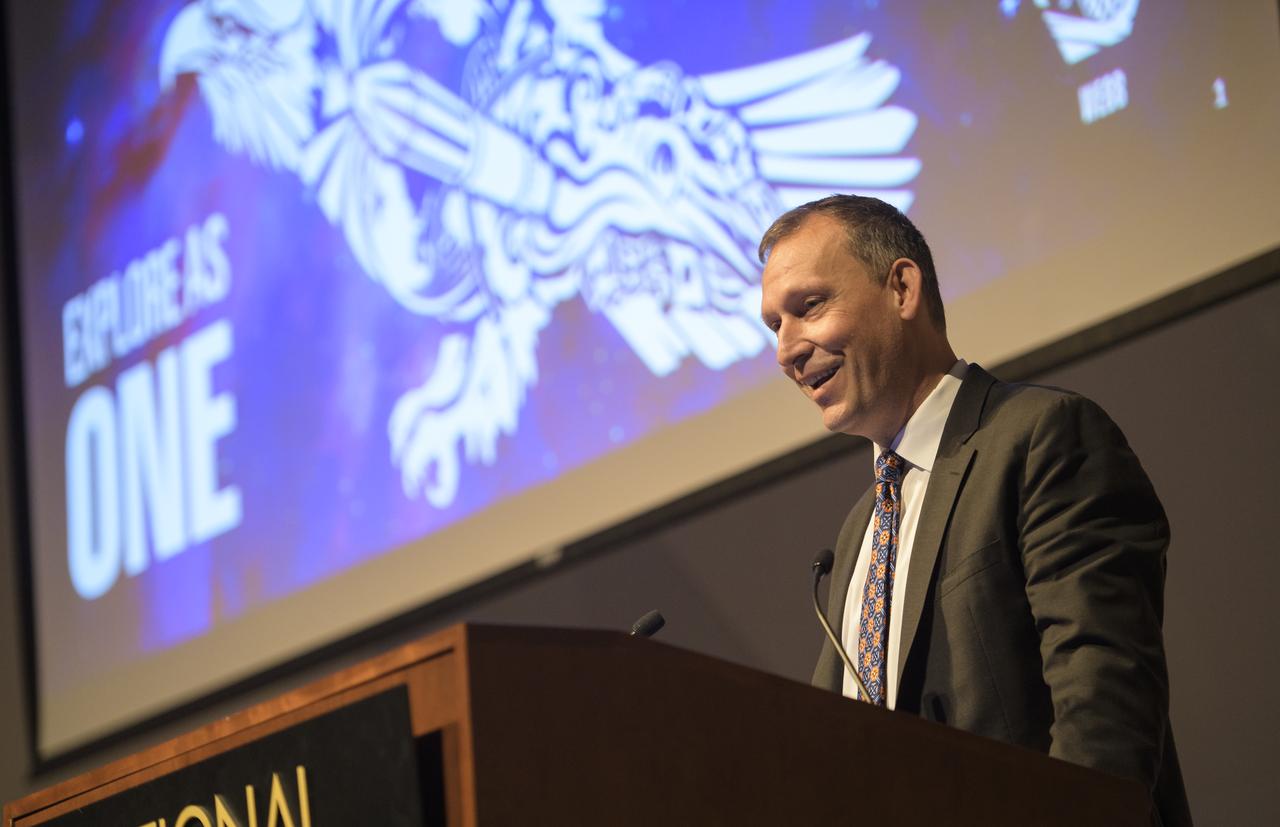
Thomas Zurbuchen, Associate Administrator for NASA's Science Mission Directorate, speaks during an event celebrating the 60th Anniversary of the Explorer 1 mission and the discovery of Earth's radiation belts, Wednesday, Jan. 31, 2018, at the National Academy of Sciences in Washington. The first U.S. satellite, Explorer 1, was launched from Cape Canaveral on January 31, 1958. The 30-pound satellite would yield a major scientific discovery, the Van Allen radiation belts circling our planet, and begin six decades of groundbreaking space science and human exploration. (NASA/Joel Kowsky)
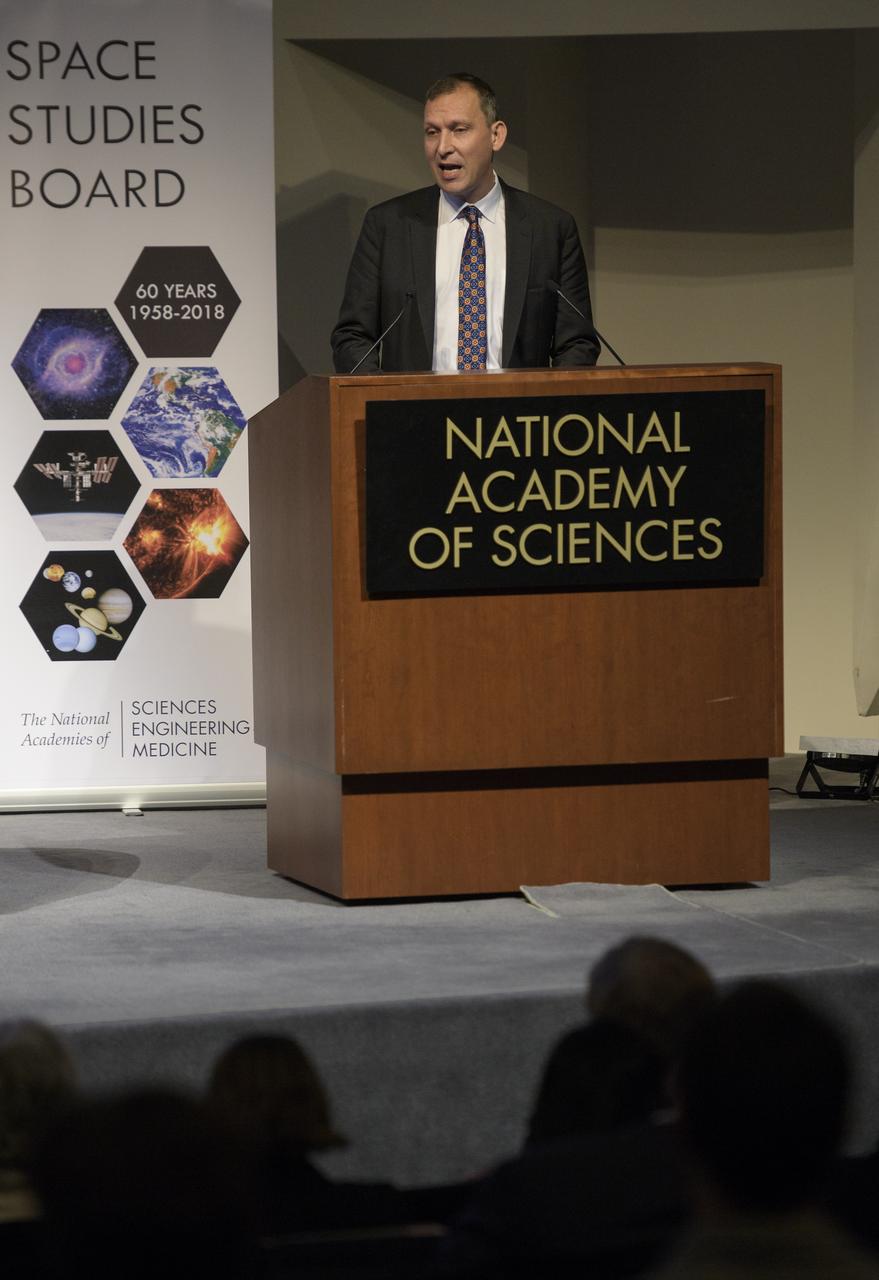
Thomas Zurbuchen, Associate Administrator for NASA's Science Mission Directorate, speaks during an event celebrating the 60th Anniversary of the Explorer 1 mission and the discovery of Earth's radiation belts, Wednesday, Jan. 31, 2018, at the National Academy of Sciences in Washington. The first U.S. satellite, Explorer 1, was launched from Cape Canaveral on January 31, 1958. The 30-pound satellite would yield a major scientific discovery, the Van Allen radiation belts circling our planet, and begin six decades of groundbreaking space science and human exploration. (NASA/Joel Kowsky)
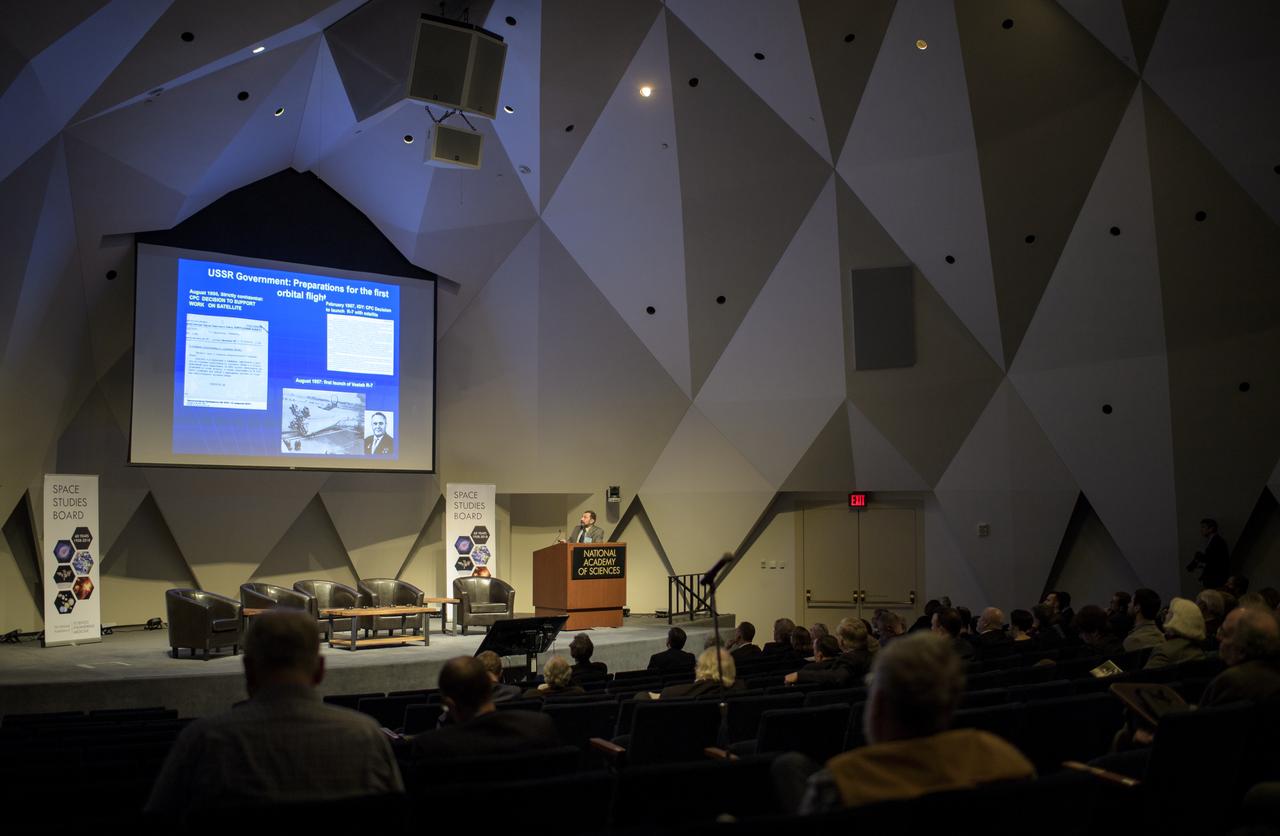
Alexander Moiseev, a research scientist at NASA's Goddard Spaceflight Center, speaks during an event celebrating the 60th Anniversary of the Explorer 1 mission and the discovery of Earth's radiation belts, Wednesday, Jan. 31, 2018, at the National Academy of Sciences in Washington. The first U.S. satellite, Explorer 1, was launched from Cape Canaveral on January 31, 1958. The 30-pound satellite would yield a major scientific discovery, the Van Allen radiation belts circling our planet, and begin six decades of groundbreaking space science and human exploration. (NASA/Joel Kowsky)

Alexander Moiseev, a research scientist at NASA's Goddard Spaceflight Center, speaks during an event celebrating the 60th Anniversary of the Explorer 1 mission and the discovery of Earth's radiation belts, Wednesday, Jan. 31, 2018, at the National Academy of Sciences in Washington. The first U.S. satellite, Explorer 1, was launched from Cape Canaveral on January 31, 1958. The 30-pound satellite would yield a major scientific discovery, the Van Allen radiation belts circling our planet, and begin six decades of groundbreaking space science and human exploration. (NASA/Joel Kowsky)
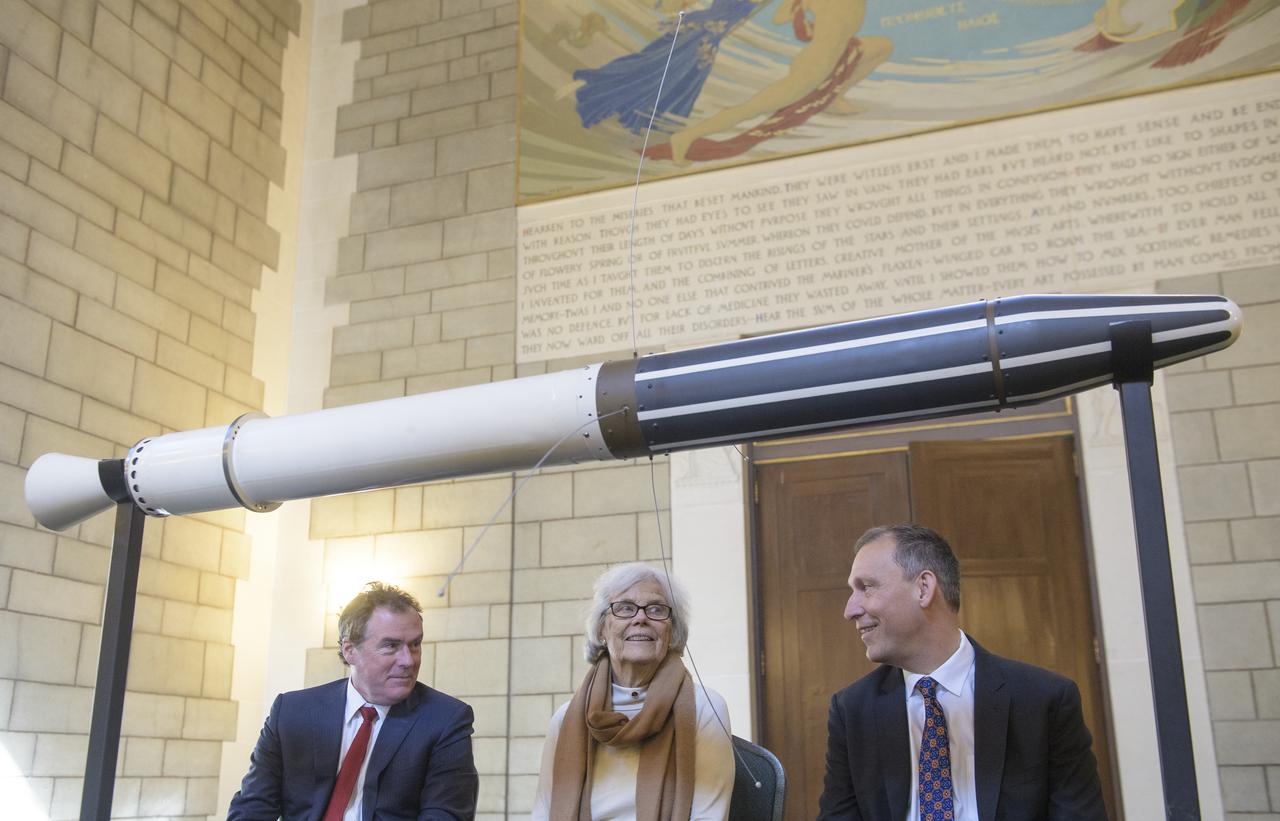
Michael Watkins, Director of NASA's Jet Propulsion Laboratory, left, Susan Finley, who began working at NASA's Jet Propulsion Laboratory in January 1958 as a "human computer", center, and Thomas Zurbuchen, Associate Administrator for NASA's Science Mission Directorate, right, pose for a picture with a replica of the Explorer 1 satellite during an event celebrating the 60th Anniversary of the Explorer 1 mission and the discovery of Earth's radiation belts, Wednesday, Jan. 31, 2018, at the National Academy of Sciences in Washington. The first U.S. satellite, Explorer 1, was launched from Cape Canaveral on January 31, 1958. The 30-pound satellite would yield a major scientific discovery, the Van Allen radiation belts circling our planet, and begin six decades of groundbreaking space science and human exploration. (NASA/Joel Kowsky)
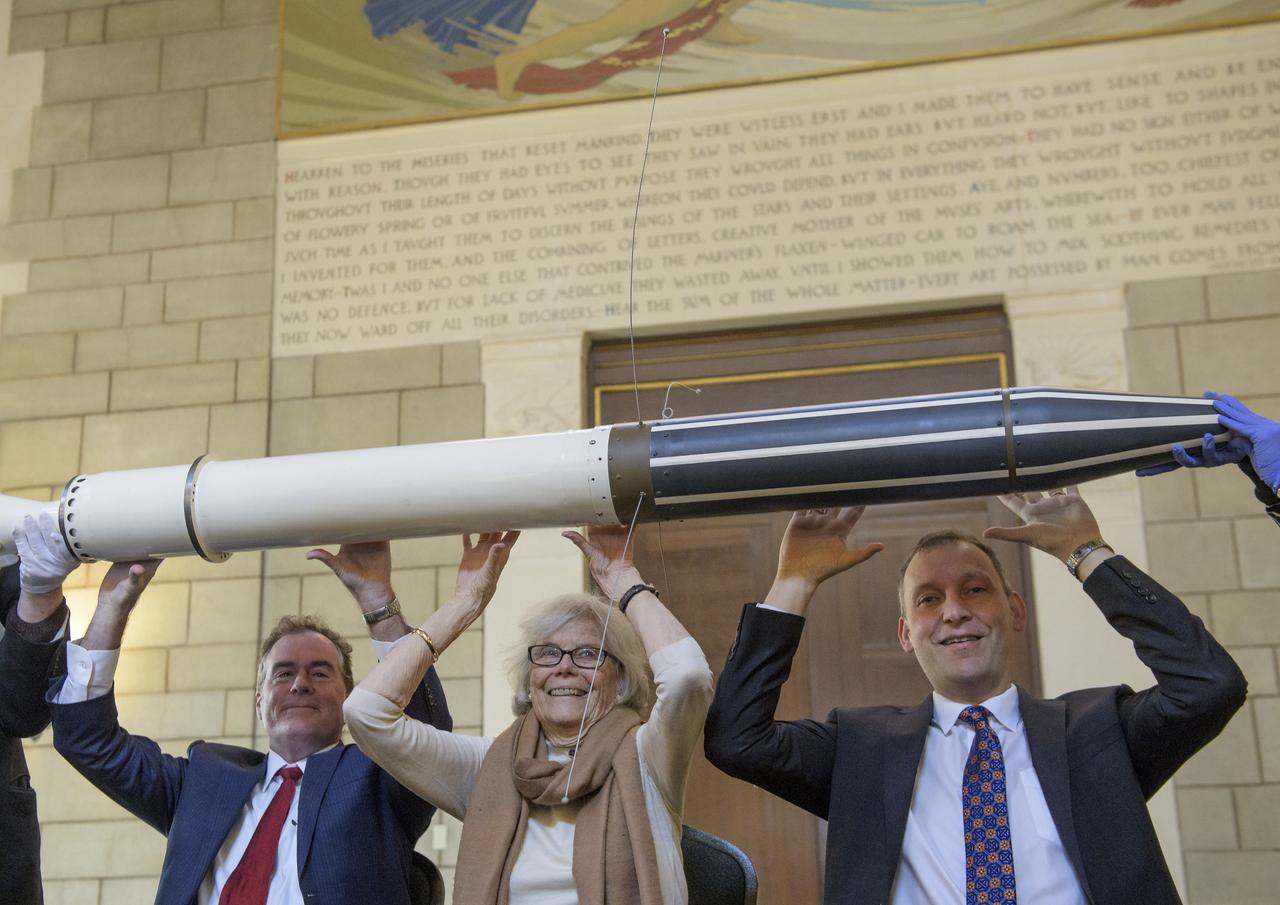
Michael Watkins, Director of NASA's Jet Propulsion Laboratory, left, Susan Finley, who began working at NASA's Jet Propulsion Laboratory in January 1958 as a "human computer", center, and Thomas Zurbuchen, Associate Administrator for NASA's Science Mission Directorate, right, reenact the famous picture of Dr. William H. Pickering, Dr. James A. van Allen, and Dr. Wernher von Braun, hoisting a model of Explorer 1 above their heads at a press conference announcing the satellite's success with a replica of the Explorer 1 satellite during an event celebrating the 60th Anniversary of the Explorer 1 mission and the discovery of Earth's radiation belts, Wednesday, Jan. 31, 2018, at the National Academy of Sciences in Washington. The first U.S. satellite, Explorer 1, was launched from Cape Canaveral on January 31, 1958. The 30-pound satellite would yield a major scientific discovery, the Van Allen radiation belts circling our planet, and begin six decades of groundbreaking space science and human exploration. (NASA/Joel Kowsky)

Dr. Jonathan Lunine, Director, Cornell Center for Astrophysics and Planetary Science, Co-Chair of the Former Committee on Human Spaceflight, National Academies of Sciences, Engineering, and Medicine testifies during the House Subcommittee on Space and Aeronautics hearing titled "Keeping our sights on Mars: A Review of NASA's Deep Space Exploration Programs and Lunar Proposal", Wednesday, May 8, 2019 at the Rayburn House Office Building in Washington. Photo Credit: (NASA/Bill Ingalls)
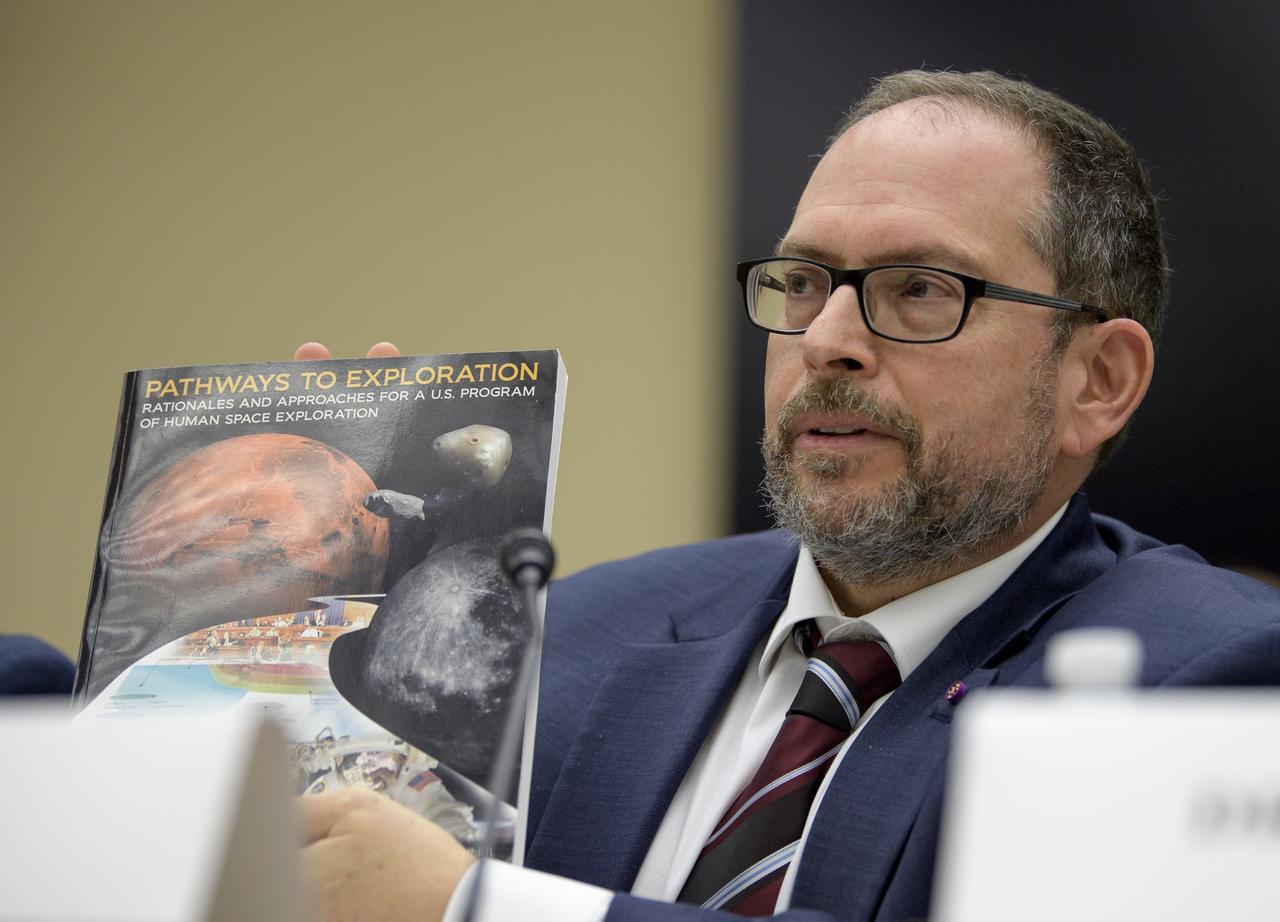
Dr. Jonathan Lunine, Director, Cornell Center for Astrophysics and Planetary Science, Co-Chair of the Former Committee on Human Spaceflight, National Academies of Sciences, Engineering, and Medicine testifies during the House Subcommittee on Space and Aeronautics hearing titled "Keeping our sights on Mars: A Review of NASA's Deep Space Exploration Programs and Lunar Proposal", Wednesday, May 8, 2019 at the Rayburn House Office Building in Washington. Photo Credit: (NASA/Bill Ingalls)

jsc2023e065220 (10/19/2023) --- Pinecrest Academy Space Coast students Liam Hauser, Connor Santore, Eric Distasi, Evan Ireland, and Luke Costa work on their experiment, E-coli and Endotoxin Detection in Microgravity via LAL-Horseshoe Crab Blood Testing, which will be included in the Nanoracks-National Center for Earth and Space Science Education-Orbiter-Student Spaceflight Experiments Program Mission 17 to ISS (Nanoracks-NCESSE-Orbiter-SSEP).
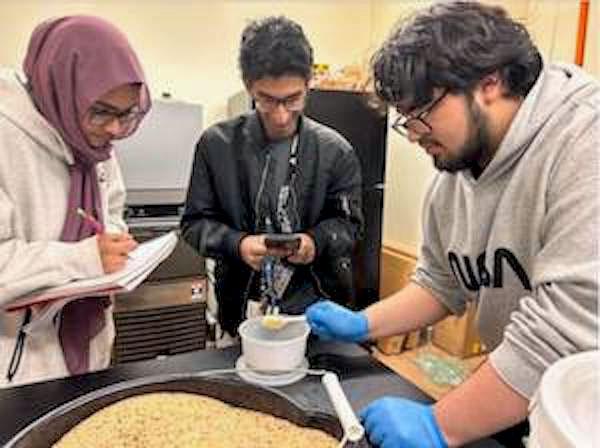
jsc2024e067101 (10/15/2024) --- Plano ISD Academy High School students Nawal, Abhi, and Jacob measure feed for the crickets they are farming. They need to harvest the eggs for their experiment, Growth and Life Cycle of Crickets (Acheta domesticus) in Microgravity for Astronaut Consumption. Their experiment is part of the Nanoracks-National Center for Earth and Space Science Education-Surveyor-Student Spaceflight Experiments Program Mission 18 to ISS (Nanoracks-NCESSE-Surveyor-SSEP).
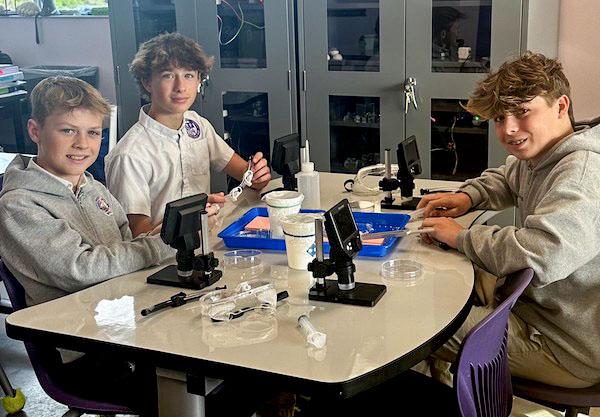
jsc2024e066527 (10/4/2024) --- Pinecrest Academy Space Coast students Cameron Winchester, Chase Elden-Moore and Baylen Wreggit experiment on tardigrades extending the efficacy of Hemlibra. Their experiment is part of the Nanoracks-National Center for Earth and Space Science Education-Surveyor-Student Spaceflight Experiments Program Mission 18 to ISS (Nanoracks-NCESSE-Surveyor-SSEP).

Uninhabited Henderson Island is part of the United Kingdom's Pitcairn Islands group in the South Pacific. According to a study by the University of Tasmania published in the Proceedings of the National Academy of Science, the island has the highest density of plastic waste anywhere in the world, an estimated 38 million pieces of rubbish. The island is near the center of an ocean current, so it collects rubbish from boats and South America. The image was acquired February 7, 2012, covers an area of 10.3 by 12.3 km, and is located at 24.3 degrees south, 128.3 degrees west. https://photojournal.jpl.nasa.gov/catalog/PIA21691
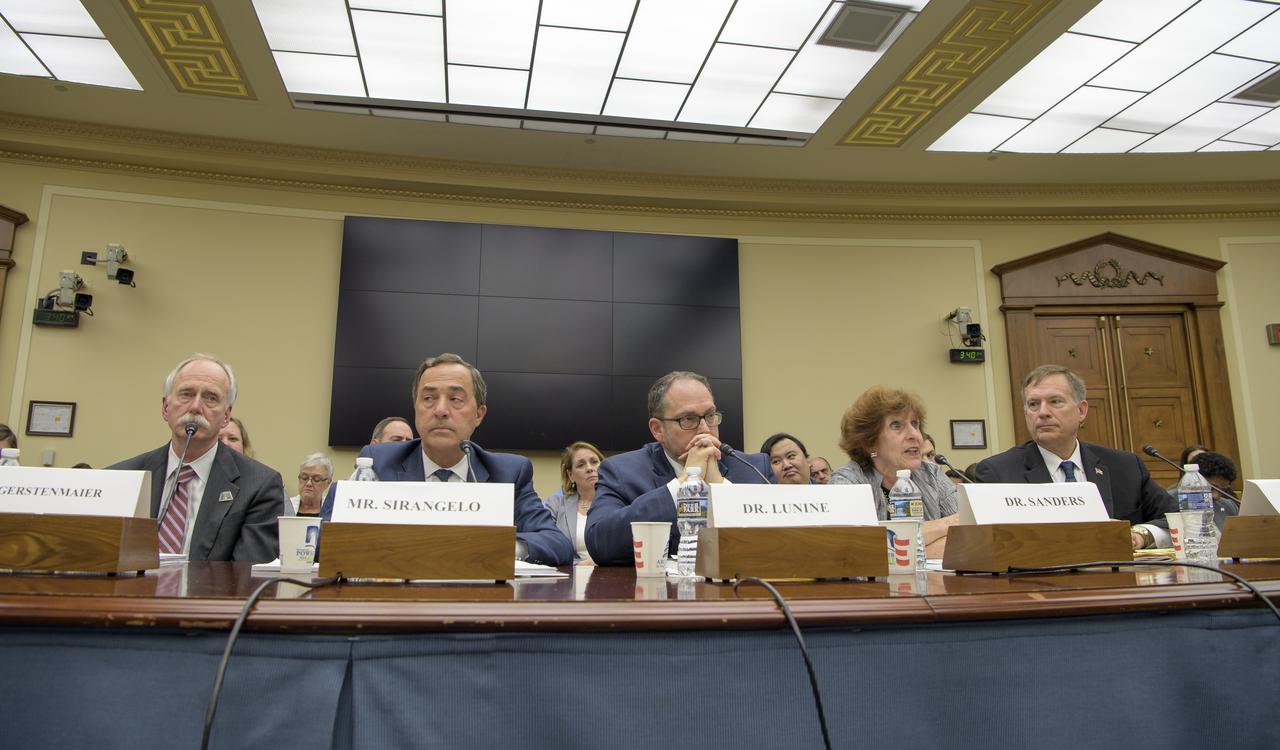
NASA Associate Administrator, Human Exploration and Operations William Gerstenmaier, left, NASA Special Assistant to the Administrator Mark Sirangelo, Director, Cornell Center for Astrophysics and Planetary Science, Co-Chair of the Former Committee on Human Spaceflight, National Academies of Sciences, Engineering, and Medicine Dr. Jonathan Lunine, Chair, Aerospace Safety Advisory Panel Dr. Patricia Sanders, and, President, Faulconer Consulting Group, LLC Mr. Walt Faulconer, right, are seen during a House Subcommittee on Space and Aeronautics hearing titled "Keeping our sights on Mars: A Review of NASA's Deep Space Exploration Programs and Lunar Proposal", Wednesday, May 8, 2019 at the Rayburn House Office Building in Washington. Photo Credit: (NASA/Bill Ingalls)
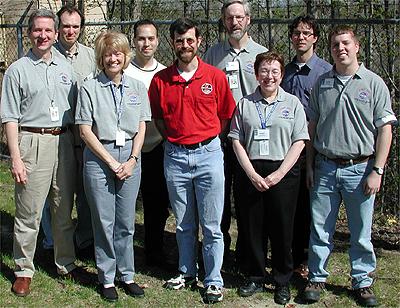
The first NASA Dropping In a Microgravity Environment (DIME) student competition pilot project came to a conclusion at the Glenn Research Center in April 2001. The competition involved high-school student teams who developed the concept for a microgravity experiment and prepared an experiment proposal. The two student teams - COSI Academy, sponsored by the Columbus Center of Science and Industry, and another team from Cincinnati, Ohio's Sycamore High School, designed a microgravity experiment, fabricated the experimental apparatus, and visited NASA Glenn to operate their experiment in the 2.2 Second Drop Tower. NASA and contractor personnel who conducted the DIME activity with the students. Shown (L-R) are: Daniel Dietrich (NASA) mentor for Sycamore High School team), Carol Hodanbosi (National Center for Microgravity Research; DIME staff), Jose Carrion (GRC Akima, drop tower technician), Dennis Stocker (NASA; DIME staff), Richard DeLombard (NASA; DIME staff), Sandi Thompson (NSMR sabbatical teacher; DIME staff), Peter Sunderland (NCMR, mentor for COSI Academy student team), Adam Malcolm (NASA co-op student; DIME staff). This image is from a digital still camera; higher resolution is not available.
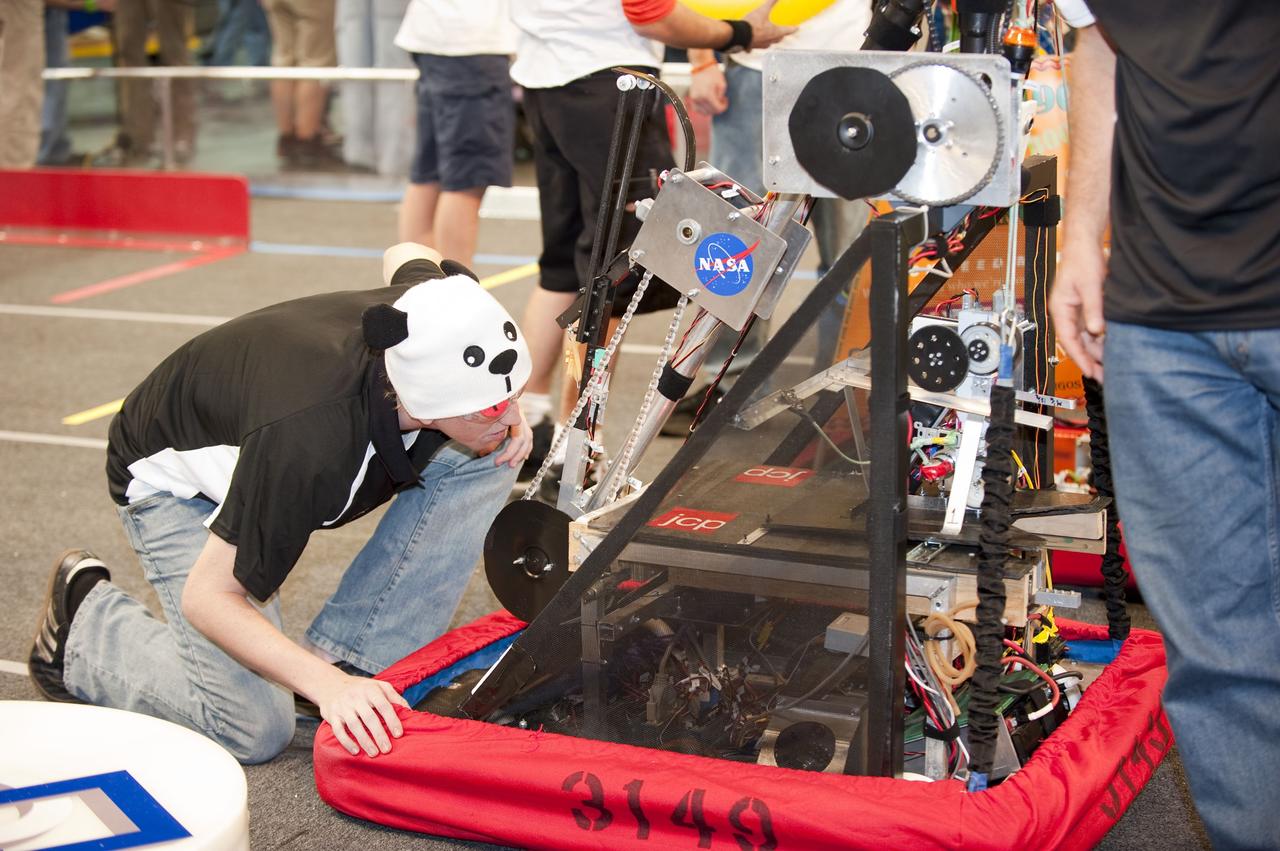
ORLANDO, Fla. – Team 3149 participates in the regional FIRST robotics competition at the University of Central Florida in Orlando. The team is made up of students from McKeel Academy of Technology in Lakeland, Fla. NASA is a sponsor of the team. Team 3149 finished eighth in the competition called "For Inspiration and Recognition of Science and Technology," or FIRST, among about 60 high school teams hoping to advance to the national robotics championship. FIRST, founded in 1989, is a non-profit organization that designs accessible, innovative programs to build self-confidence, knowledge and life skills while motivating young people to pursue academic opportunities. The robotics competition challenges teams of high school students and their mentors to solve a common problem in a six-week timeframe using a standard kit of parts and a common set of rules. Photo credit: NASA/Glenn Benson
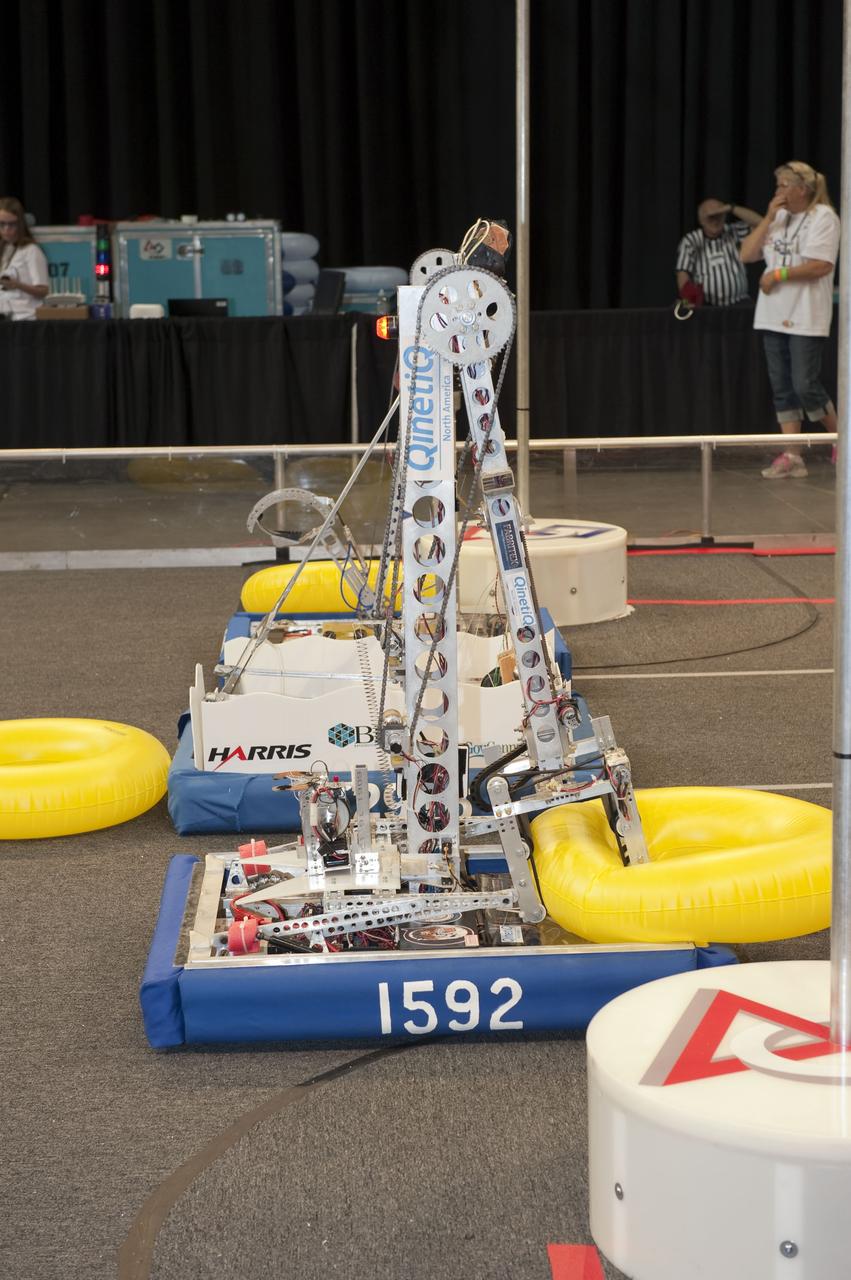
ORLANDO, Fla. –The Bionic Tigers robot participates in the regional FIRST robotics competition at the University of Central Florida in Orlando. The team is made up of students from Cocoa High School and Holy Trinity Episcopal Academy along the Space Coast in Florida. NASA's Launch Services Program based at Kennedy is a sponsor of the team. The Bionic Tigers finished seventh in the competition called "For Inspiration and Recognition of Science and Technology," or FIRST, among about 60 high school teams hoping to advance to the national robotics championship. FIRST, founded in 1989, is a non-profit organization that designs accessible, innovative programs to build self-confidence, knowledge and life skills while motivating young people to pursue academic opportunities. The robotics competition challenges teams of high school students and their mentors to solve a common problem in a six-week timeframe using a standard kit of parts and a common set of rules. Photo credit: NASA/Glenn Benson
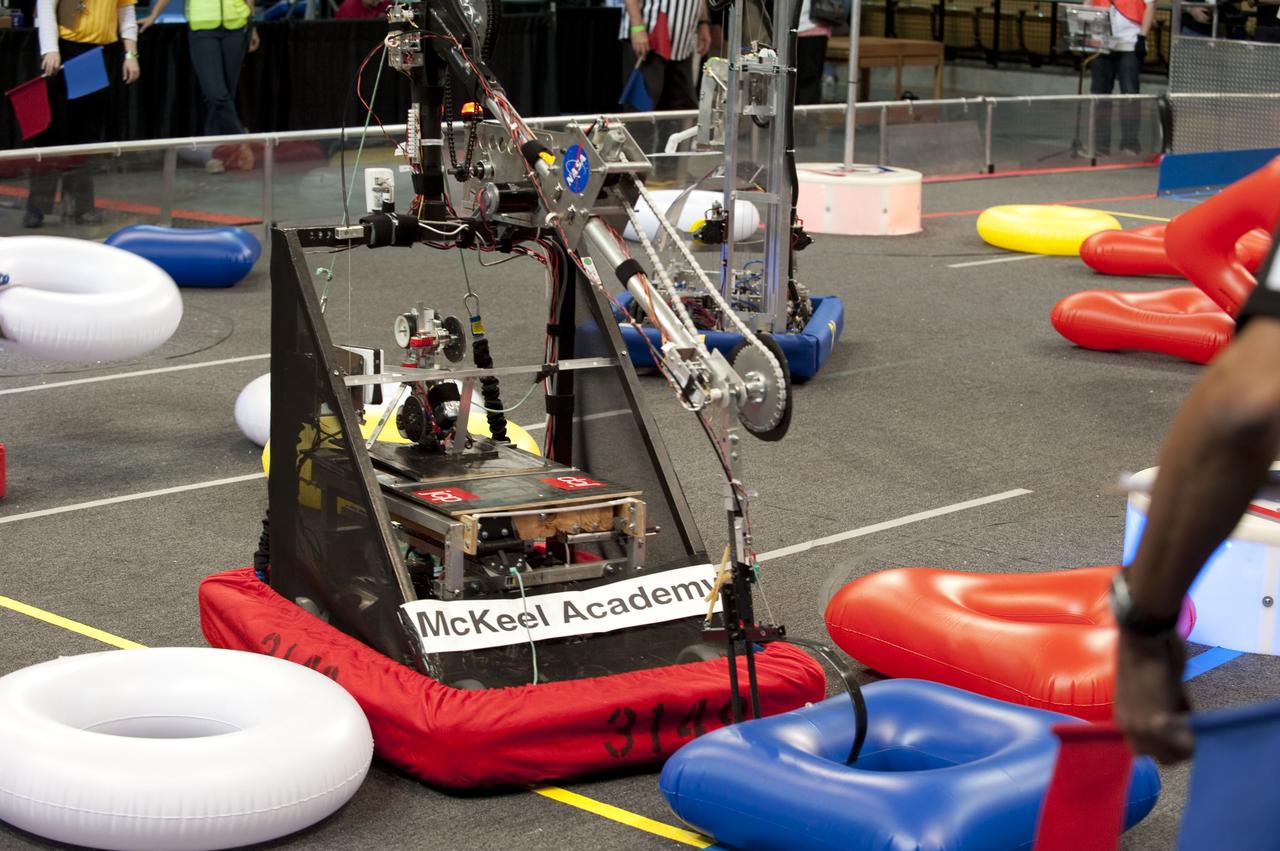
ORLANDO, Fla. – The Team 3149 robot participates in the regional FIRST robotics competition at the University of Central Florida in Orlando. The team is made up of students from McKeel Academy of Technology in Lakeland, Fla. NASA is a sponsor of the team. Team 3149 finished eighth in the competition called "For Inspiration and Recognition of Science and Technology," or FIRST, among about 60 high school teams hoping to advance to the national robotics championship. FIRST, founded in 1989, is a non-profit organization that designs accessible, innovative programs to build self-confidence, knowledge and life skills while motivating young people to pursue academic opportunities. The robotics competition challenges teams of high school students and their mentors to solve a common problem in a six-week timeframe using a standard kit of parts and a common set of rules. Photo credit: NASA/Glenn Benson
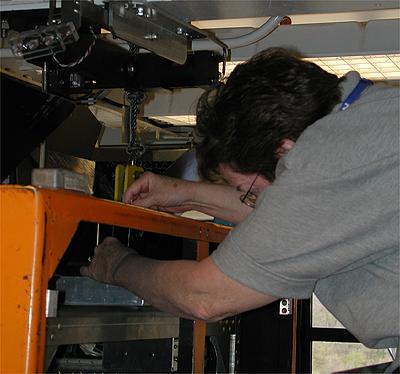
The first NASA Dropping In a Microgravity Environment (DIME) student competition pilot project came to a conclusion at the Glenn Research Center in April 2001. The competition involved high-school student teams who developed the concept for a microgravity experiment and prepared an experiment proposal. The two student teams - COSI Academy, sponsored by the Columbus Center of Science and Industry, and another team from Cincinnati, Ohio's Sycamore High School, designed a microgravity experiment, fabricated the experimental apparatus, and visited NASA Glenn to operate their experiment in the 2.2 Second Drop Tower. Sandi Thompson of the National Center for Microgravity Research GRC makes a final adjustment to the drop package. This image is from a digital still camera; higher resolution is not available.

Engineers at NASA's Jet Propulsion Laboratory dropped this prototype to learn how a future Sample Return Lander could safely touch down on Mars. The lander would be part of the Mars Sample Return campaign. NASA's Mars Sample Return will revolutionize our understanding of Mars by returning scientifically-selected samples for study using the most sophisticated instruments around the world. The mission will fulfill a solar system exploration goal, a high priority since 1980 and the last two National Academy of Sciences Planetary Decadal Surveys. This strategic partnership of NASA and ESA (European Space Agency) will be the first mission to return samples from another planet, including the first launch and return from the surface of another planet. These samples collected by Perseverance during its exploration of an ancient river-delta are thought to be the best opportunity to reveal the early evolution of Mars, including the potential for life. Movie available at https://photojournal.jpl.nasa.gov/catalog/PIA24766
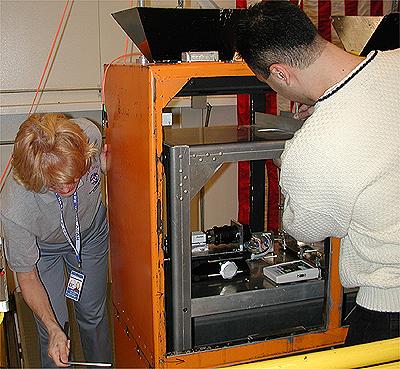
The first NASA Dropping In a Microgravity Environment (DIME) student competition pilot project came to a conclusion at the Glenn Research Center in April 2001. The competition involved high-school student teams who developed the concept for a microgravity experiment and prepared an experiment proposal. The two student teams - COSI Academy, sponsored by the Columbus Center of Science and Industry, and another team from Cincinnati, Ohio's Sycamore High School, designed a microgravity experiment, fabricated the experimental apparatus, and visited NASA Glenn to operate their experiment in the 2.2 Second Drop Tower. Here Carol Hodanbosi of the National Center for Microgravity Research and Jose Carrion, a lab mechanic with AKAC, prepare a student experiment package (inside the silver-colored frame) inside the orange-colored drag shield that encloses all experiment hardware. This image is from a digital still camera; higher resolution is not available.

This illustration depicts the Mars Earth Entry System for the Mars Sample Return campaign. The system would contain the orbiting sample inside a disk-shaped vehicle with a heat shield for safe entry through the Earth's atmosphere. NASA's Mars Sample Return (MSR) will revolutionize our understanding of Mars by returning scientifically-selected samples for study using the most sophisticated instruments around the world. The mission will fulfill a solar system exploration goal as identified by the National Academy of Sciences. This strategic partnership with the European Space Agency (ESA) will be the first mission to return samples from another planet, including the first launch from the surface of another planet. These samples collected by Perseverance during its exploration of an ancient river-delta are thought to be the best opportunity to reveal the early evolution of Mars, including the potential for life. https://photojournal.jpl.nasa.gov/catalog/PIA25336
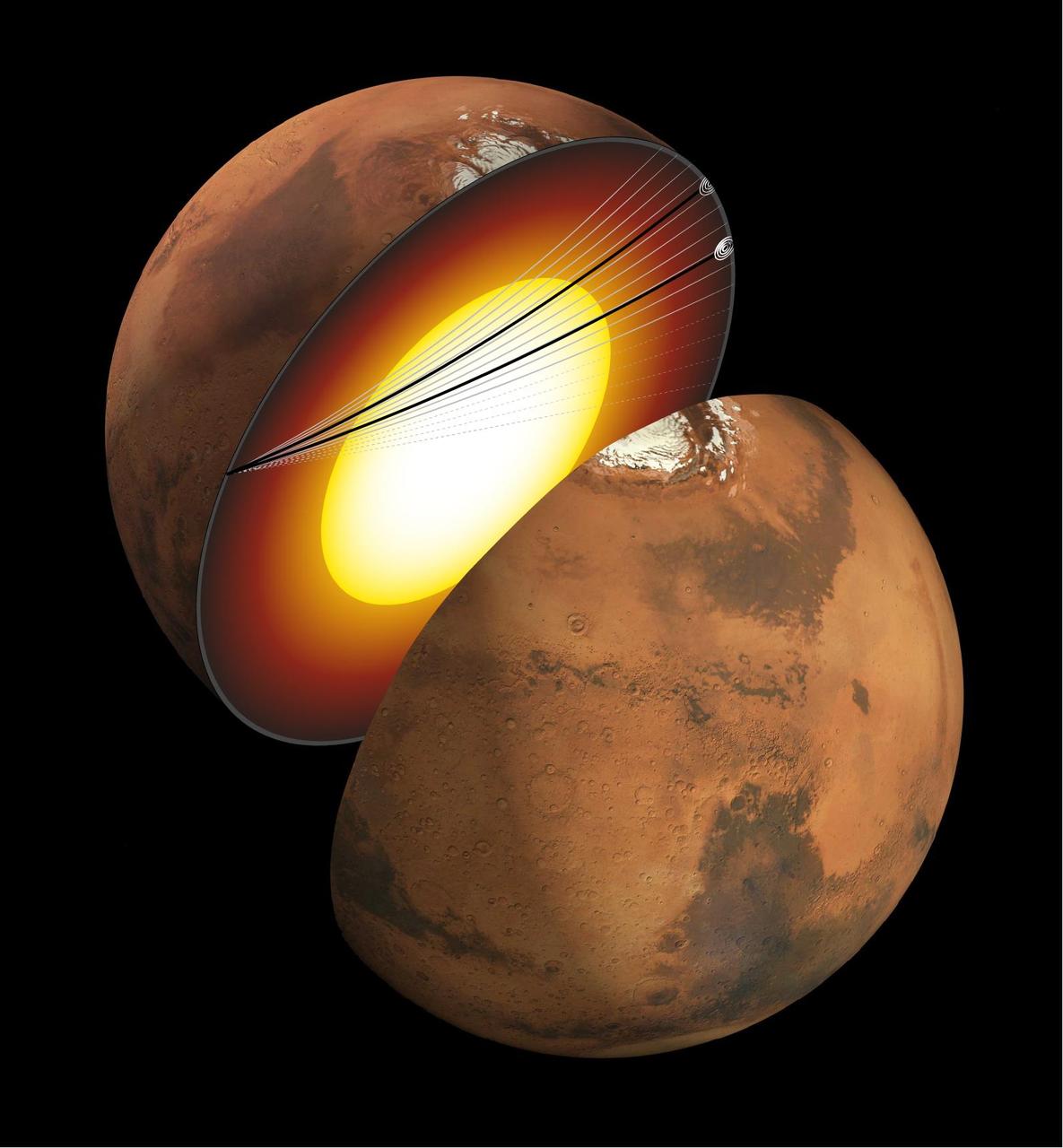
This artist's concept shows a cutaway of Mars along with the paths of seismic waves from two separate quakes in 2021. These seismic waves, detected by NASA's InSight mission, were the first ever identified to enter another planet's core. InSight's seismometer allowed scientists to study these waves and gain an unprecedented look at the Martian core. The quakes were detailed in a paper published April 24, 2023, in the Proceedings of the National Academies of Sciences. Occurring on Aug. 25 and Sept. 18, 2021, the two temblors were the first identified by the InSight team to have originated on the opposite side of the planet from the lander – so-called farside quakes. The distance proved crucial: The farther a quake happens from InSight, the deeper into the planet its seismic waves can travel before being detected. https://photojournal.jpl.nasa.gov/catalog/PIA25827
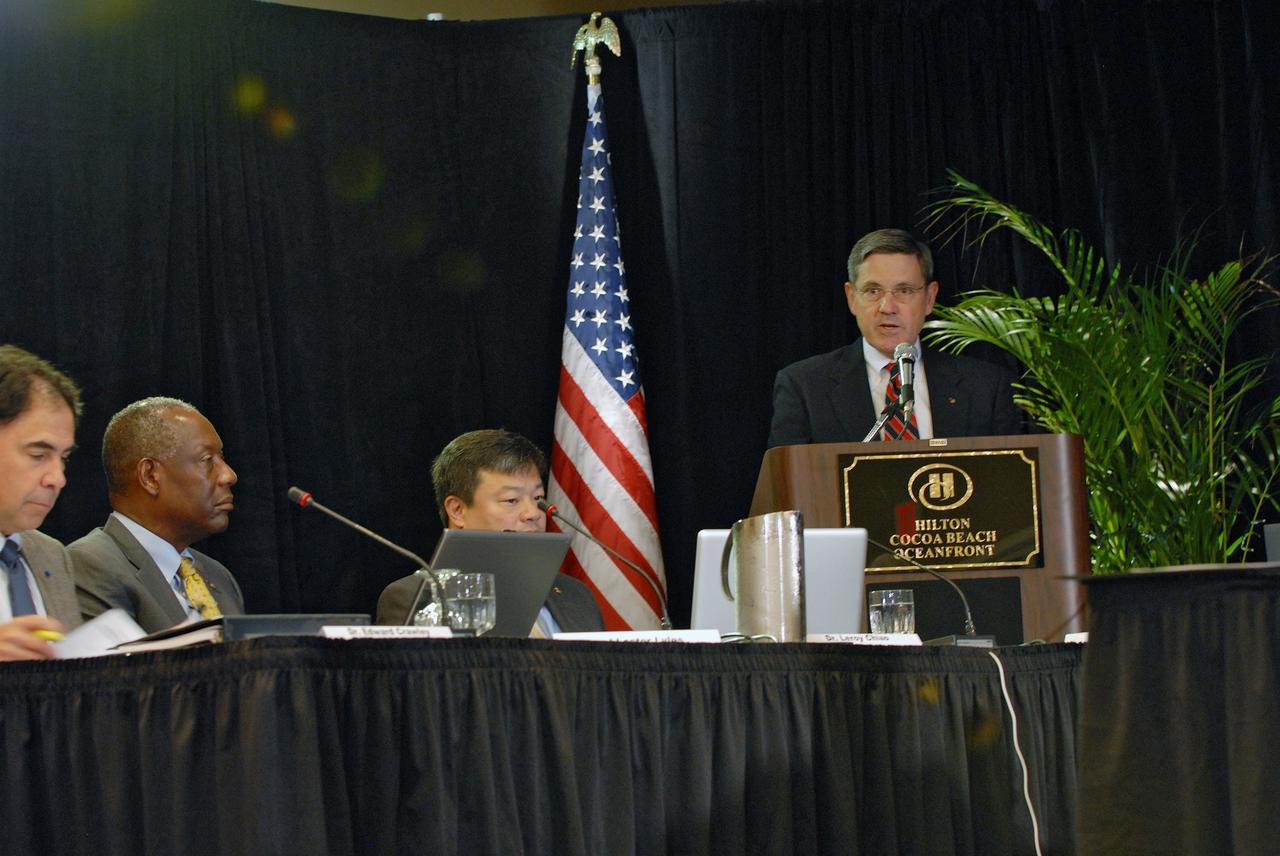
CAPE CANAVERAL, Fla. – NASA Kennedy Space Center's Center Director Bob Cabana (right) speaks during the meeting of the Augustine Commission in Cocoa Beach, Fla. At the conference table at left are members of the commission: Dr. Edward F. Crawley, Ford professor of engineering at MIT; General (ret.) Lester L. Lyles, chair of the National Academies Committee on the Rationale and Goals of the U.S. Civil Space Program; and former astronaut Dr. Leroy Chiao, former International Space Station commander and engineering consultant. At the request of the Office of Science and Technology Policy, NASA established the Review of U.S. Human Space Flight Plans Committee, known as the Augustine Commission. Chaired by Norman R. Augustine, retired chairman and CEO of Lockheed Martin Corp., the committee is conducting an independent review of ongoing U.S. human spaceflight plans and programs, as well as alternatives, to ensure the nation is pursuing the best trajectory for the future of human space flight - one that is safe, innovative, affordable, and sustainable. Photo credit: NASA/Jim Grossmann
The first NASA Dropping In a Microgravity Environment (DIME) student competition pilot project came to a conclusion at the Glenn Research Center in April 2001. The competition involved high-school student teams who developed the concept for a microgravity experiment and prepared an experiment proposal. The two student teams - COSI Academy, sponsored by the Columbus Center of Science and Industry, and another team from Cincinnati, Ohio's Sycamore High School, designed a microgravity experiment, fabricated the experimental apparatus, and visited NASA Glenn to operate their experiment in the 2.2 Second Drop Tower. NASA and contractor personnel who conducted the DIME activity with the students. Shown (L-R) are: Eric Baumann (NASA, 2.2-second Drop Tower Facility manager), Daniel Dietrich (NASA) mentor for Sycamore High School team), Carol Hodanbosi (National Center for Microgravity Research; DIME staff), Richard DeLombard (NASA; DIME staff), Jose Carrion (GRC Akima, drop tower technician), Dennis Stocker (NASA; DIME staff), Peter Sunderland (NCMR, mentor for COSI Academy student team), Sandi Thompson (NSMR sabbatical teacher; DIME staff), Dan Woodard (MASA Microgravity Outreach Program Manager), Adam Malcolm (NASA co-op student; DIME staff), Carla Rosenberg (NCMR; DIME staff), and Twila Schneider (Infinity Technology; NASA Microgravity Research program contractor). This image is from a digital still camera; higher resolution is not available.
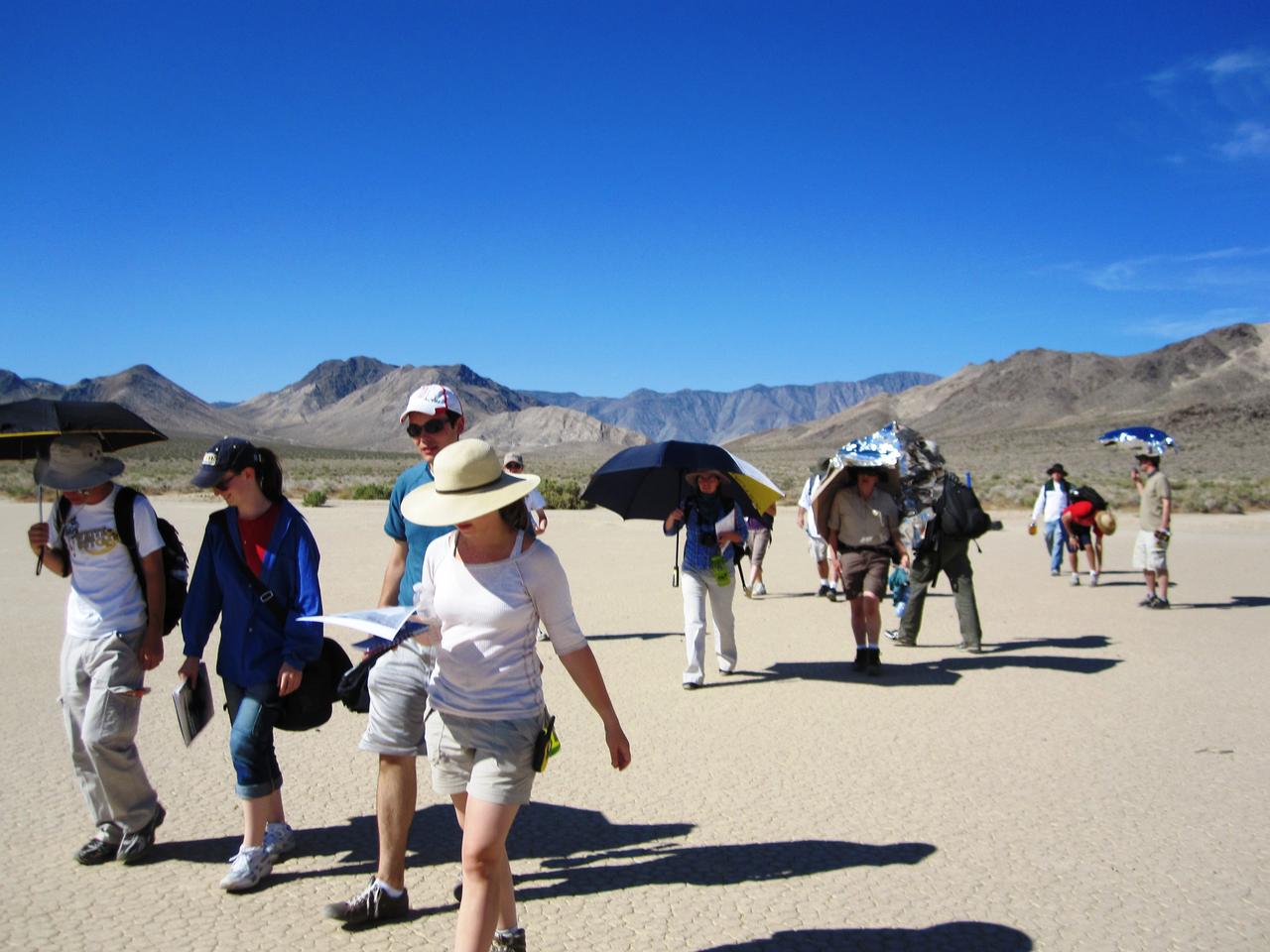
The summer interns with the 2010 Lunar and Planetary Science Academy (LPSA) at NASA's Goddard Space Flight Center came to study the Racetrack Playa rocks. Photo credit: NASA/GSFC/Mindy Krzykowski/LPSA intern To read a feature story on the Racetrack Playa go to: <a href="http://www.nasa.gov/topics/earth/features/roving-rocks.html" rel="nofollow">www.nasa.gov/topics/earth/features/roving-rocks.html</a> <b><a href="http://www.nasa.gov/centers/goddard/home/index.html" rel="nofollow">NASA Goddard Space Flight Center</a></b> is home to the nation's largest organization of combined scientists, engineers and technologists that build spacecraft, instruments and new technology to study the Earth, the sun, our solar system, and the universe. <b>Follow us on <a href="http://twitter.com/NASA_GoddardPix" rel="nofollow">Twitter</a></b> <b>Join us on <a href="http://www.facebook.com/pages/Greenbelt-MD/NASA-Goddard/395013845897?ref=tsd" rel="nofollow">Facebook</a><b></b></b>
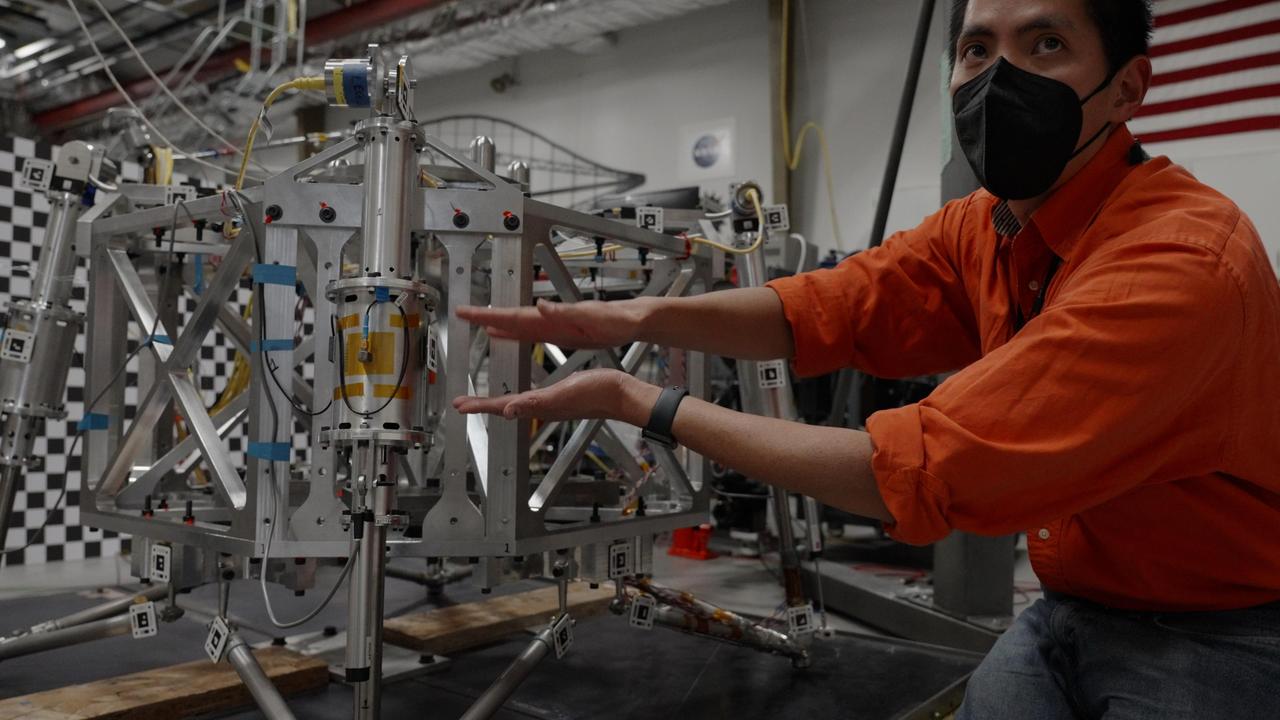
Engineer Abel Dizon explains how drop tests are conducted for a prototype lander being designed by NASA's Jet Propulsion Laboratory for the planned Mars Sample Return campaign. The Sample Retrieval Lander, estimated to weigh as much as 5,016 pounds (2,275 kilograms), would be the heaviest spacecraft ever to land on the Red Planet. To study the physics involved in landing such a massive spacecraft, engineers have been testing a lander prototype that's about one-third the size it would be on Mars. Mars Sample Return will revolutionize our understanding of Mars by bringing scientifically selected samples to Earth for study using the most sophisticated instrumentation around the world. NASA's planned Mars Sample Return (MSR) campaign would fulfill one of the highest priority solar system exploration goals identified by the National Academies of Sciences, Engineering and Medicine in the past three decadal surveys. This strategic partnership with the ESA (European Space Agency) features the first mission to return samples from another planet, including the first launch from the surface of another planet. The samples being collected by NASA's Perseverance rover during its exploration of an ancient river delta are thought to be the best opportunity to reveal the early evolution of Mars, including the potential for ancient life. https://photojournal.jpl.nasa.gov/catalog/PIA25822
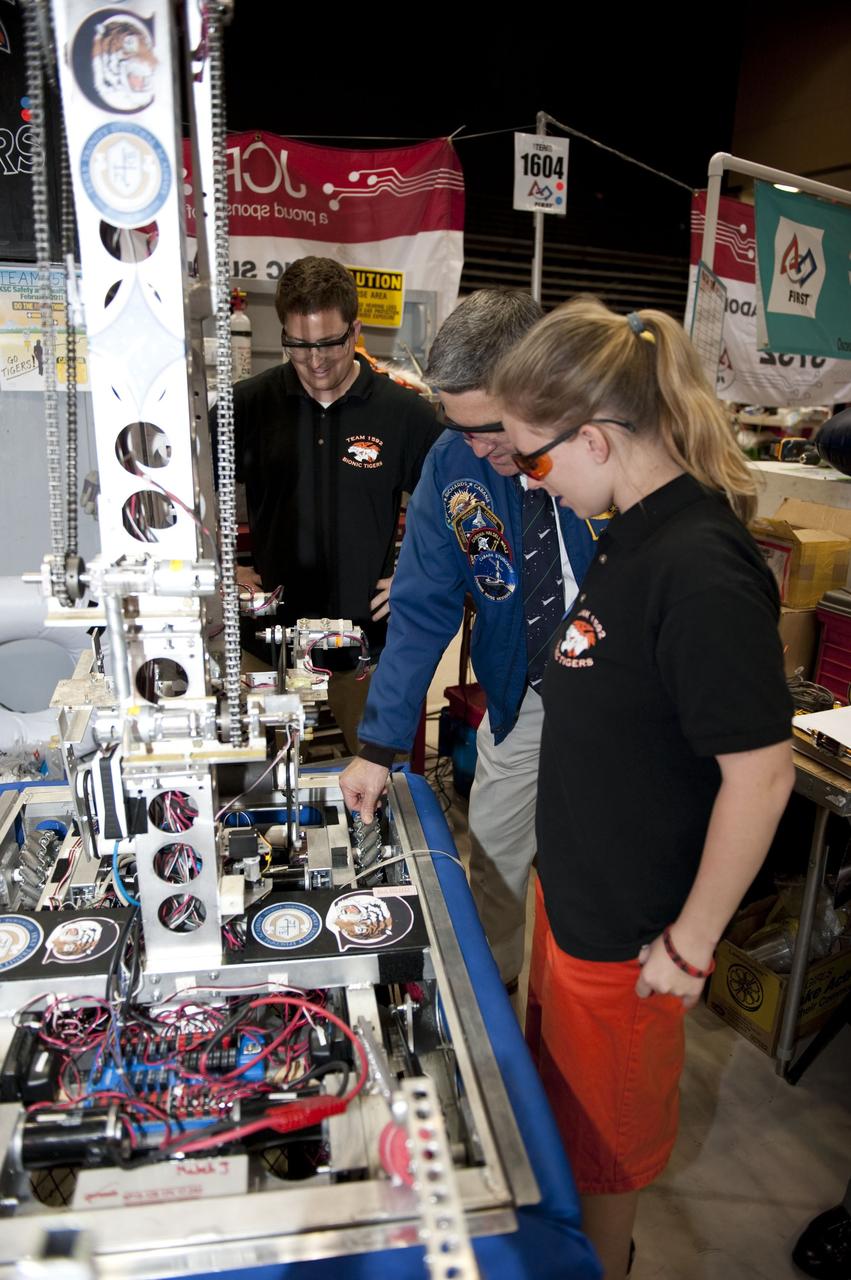
ORLANDO, Fla. – NASA Kennedy Space Center Director Bob Cabana checks out the robot designed by the Bionic Tigers team at the regional FIRST robotics competition at the University of Central Florida in Orlando. The team is made up of students from Cocoa High School and Holy Trinity Episcopal Academy along the Space Coast in Florida. NASA's Launch Services Program based at Kennedy is a sponsor of the team. The Bionic Tigers finished seventh in the competition called "For Inspiration and Recognition of Science and Technology," or FIRST, among about 60 high school teams hoping to advance to the national robotics championship. FIRST, founded in 1989, is a non-profit organization that designs accessible, innovative programs to build self-confidence, knowledge and life skills while motivating young people to pursue academic opportunities. The robotics competition challenges teams of high school students and their mentors to solve a common problem in a six-week timeframe using a standard kit of parts and a common set of rules. Photo credit: NASA/Glenn Benson
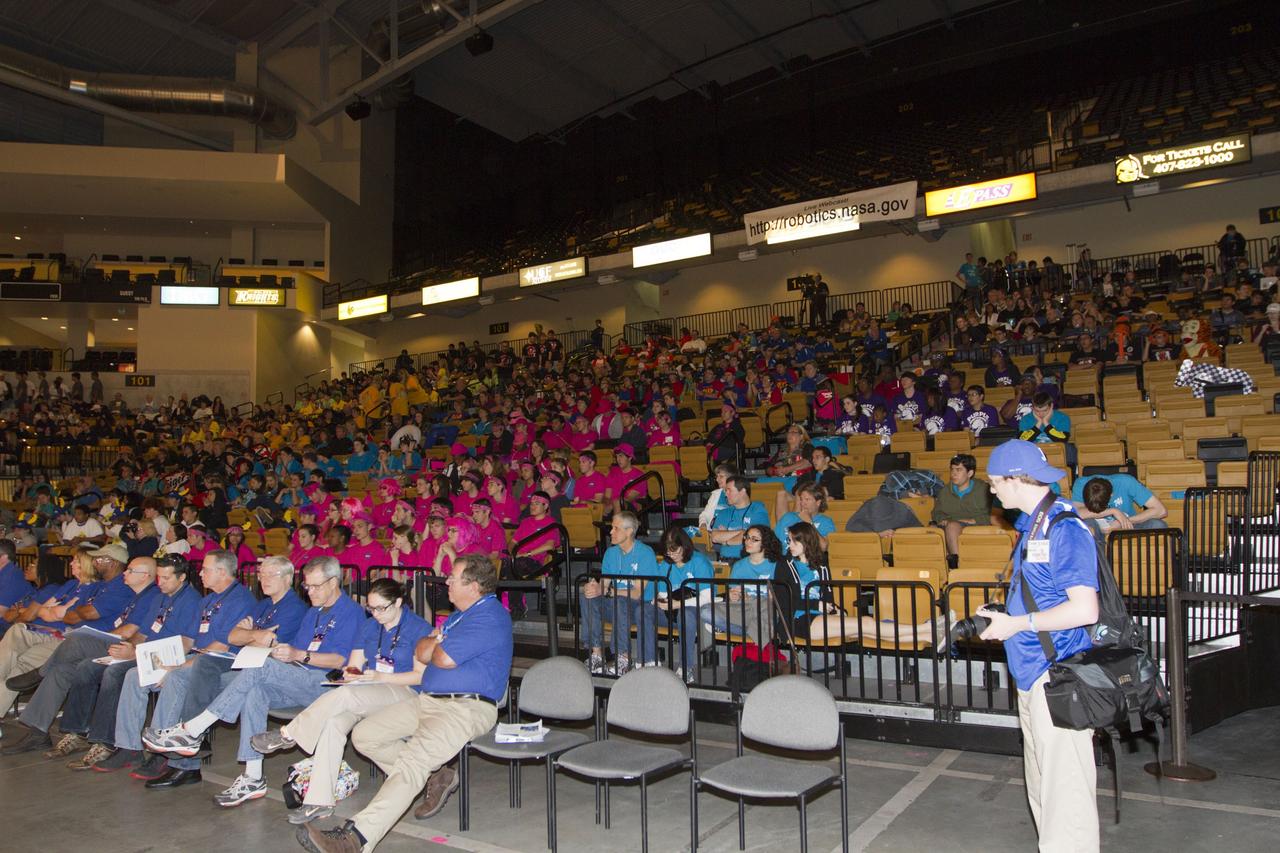
ORLANDO, Fla. -- High school teams compete in the regional FIRST robotics competition at the University of Central Florida in Orlando, Fla. More than 60 teams took part in the competition called "For Inspiration and Recognition of Science and Technology," or FIRST, in hopes of advancing to the national robotics championship. This year, the competition resembled a basketball game and was dubbed "Rebound Rumble." The game measured the effectiveness of each robot, the power of collaboration and the determination of the teams. On the left is Team 3502, called "The Octo Pie-Rates," which is comprised of students from School for Arts and Innovative Learning SAIL High School in Tallahassee. On the right is Team 3164, called "Tiger Robotics," which is comprised of students from Jesuit and The Academy of the Holy Names high schools in Tampa, Fla. FIRST, founded in 1989, is a non-profit organization that designs accessible, innovative programs to build self-confidence, knowledge and life skills while motivating young people to pursue academic opportunities. The robotics competition challenges teams of high school students and their mentors to solve a common problem in a six-week timeframe using a standard kit of parts and a common set of rules. NASA is the largest sponsor of the international program. Kennedy Space Center is a sponsor of the regional event. For more information on Kennedy's education events and initiatives, go to http://www.nasa.gov/offices/education/centers/kennedy/home/index.html. Photo credit: NASA/Kim Shiflett

California, reveals the devastating effect of California's ongoing drought on Sierra Nevada conifer forests. The map will be used to help the U.S. Forest Service assess and respond to the impacts of increased tree mortality caused by the drought, particularly where wildlands meet urban areas within the Sierra National Forest. After several years of extreme drought, the highly stressed conifers (trees or bushes that produce cones and are usually green year-round) of the Sierra Nevada are now more susceptible to bark beetles (Dendroctonus spp.). While bark beetles killing trees in the Sierra Nevada is a natural phenomenon, the scale of mortality in the last couple of years is far greater than previously observed. The U.S. Forest Service is using recent airborne spectroscopic measurements from NASA's Airborne Visible/Infrared Imaging Spectrometer (AVIRIS) instrument aboard NASA's ER-2 aircraft, together with new advanced algorithms, to quantify this impact over this large region of rugged terrain. The high-altitude ER-2 aircraft is based at NASA's Armstrong Flight Research Center, Edwards, California. The image was created by scientists at the USFS's Pacific Southwest Region Remote Sensing Lab, McClellan, California, by performing a time series analysis of AVIRIS images. Scientists evaluated baseline tree mortality on public lands in the summer of 2015 using a machine learning algorithm called "random forest." This algorithm classifies the AVIRIS measurements as dominated by either shrubs, healthy trees or newly dead conifer trees. To quantify how much the amount of dead vegetation increased during the fall of 2015, the Forest Service scientists conducted an advanced spectral mixture analysis. This analysis evaluates each spectrum to determine the fraction of green vegetation, dead vegetation and soil. The full spectral range of AVIRIS is important to separate the signatures of soil and dead vegetation. To produce this comprehensive Sierra National Forest tree mortality map, the result from the summer of 2015 was evaluated to look for increases of more than 10 percent in dead vegetation during the fall of 2015. AVIRIS measures spectra of the Earth system to conduct advanced science research. These western U.S. AVIRIS measurements were acquired as part of NASA's Hyperspectral Infrared Imager (HyspIRI) preparatory airborne campaign. HyspIRI was one of the space missions suggested to NASA by the National Academy of Sciences in its 2007 decadal survey for Earth Science. In the future, HyspIRI could provide spectral and thermal measurements of this type globally for ecosystem research and additional science objectives. http://photojournal.jpl.nasa.gov/catalog/PIA20717
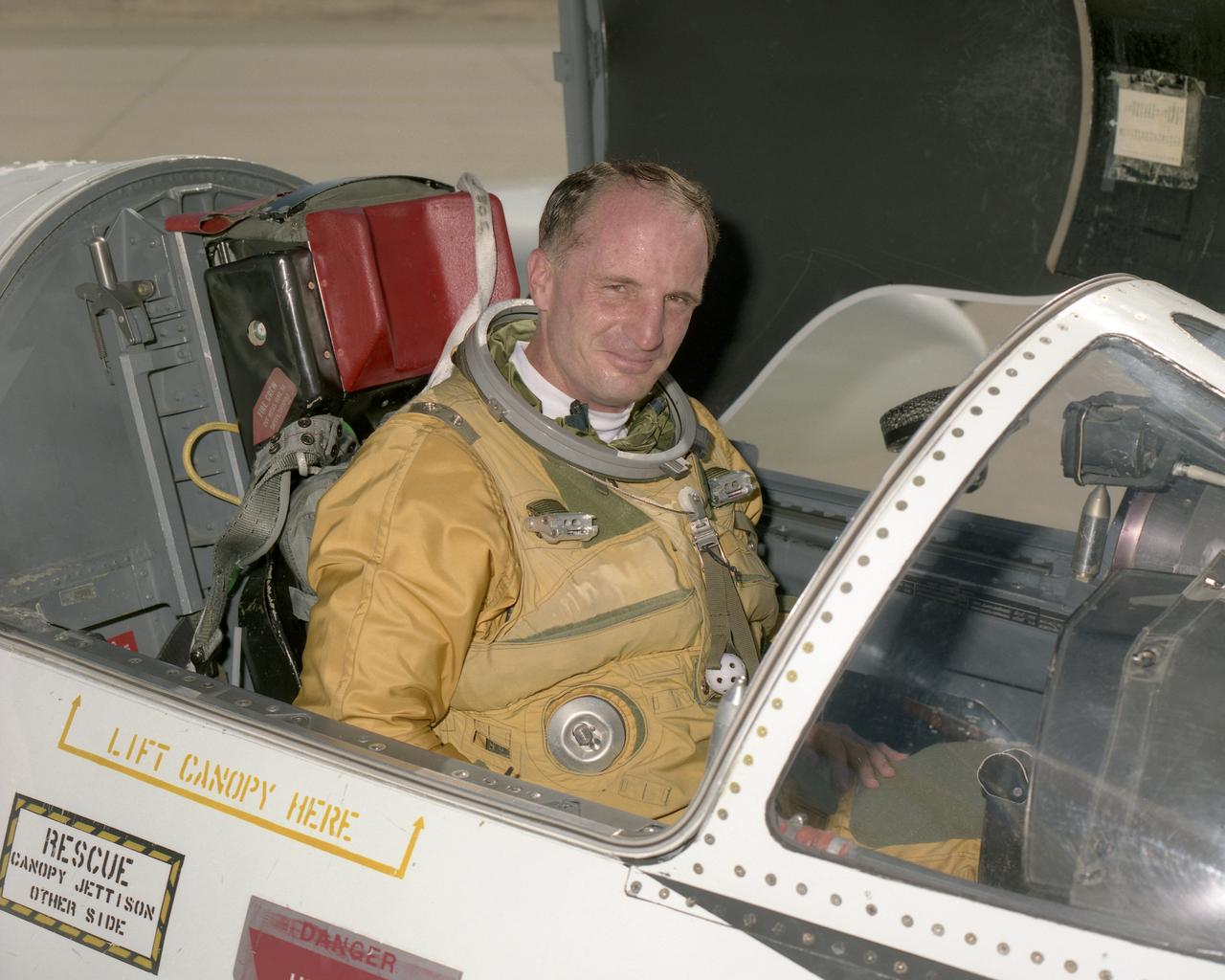
David A. Wright is associate director for Center Operations at the NASA Dryden Flight Research Center, Edwards, Calif. He was formerly director of Flight Operations. He is also a research pilot, flying NASA's ER-2 and T-38. The ER-2s are civilian variants of the military U-2S reconnaissance aircraft and carry scientific instruments to study the Earth during worldwide deployments. Wright has more than 4,500 hours in six different aircraft. He held the position of deputy director of the Airborne Science Program at Dryden from 2002 until 2004. Wright came to Dryden after retiring from the U.S. Air Force as a lieutenant colonel. His final assignment was to the Joint Staff J3, Directorate of Operations at the Pentagon from November 1996 until August 1999. Prior to the Pentagon assignment, he served as commander of the 1st Reconnaissance Squadron at Beale Air Force Base near Marysville, Calif., the unit responsible for training all U-2 pilots. He was the operations officer for one the largest U-2 operations in history, flying combat missions against Iraq and managing an unprecedented U-2 flying schedule during the 1991 Desert Storm conflict. He was selected for the Air Force U-2 program in 1987 following duty as an aircraft commander in the E-3A AWACS (Airborne Warning and Control System) aircraft. Wright was a T-38 instructor for three years at Reese Air Force Base, Lubbock, Texas, following completion of pilot training in 1978. He graduated from the U.S. Air Force Academy in 1977 with a Bachelor of Science in mathematics and computer science. Wright earned a Master of Arts in Adult Education from Troy State University, Montgomery, Ala., in 1987, and a Master of Science in National Security and Strategic Studies from the Naval War College, Newport, R.I., in 1995.
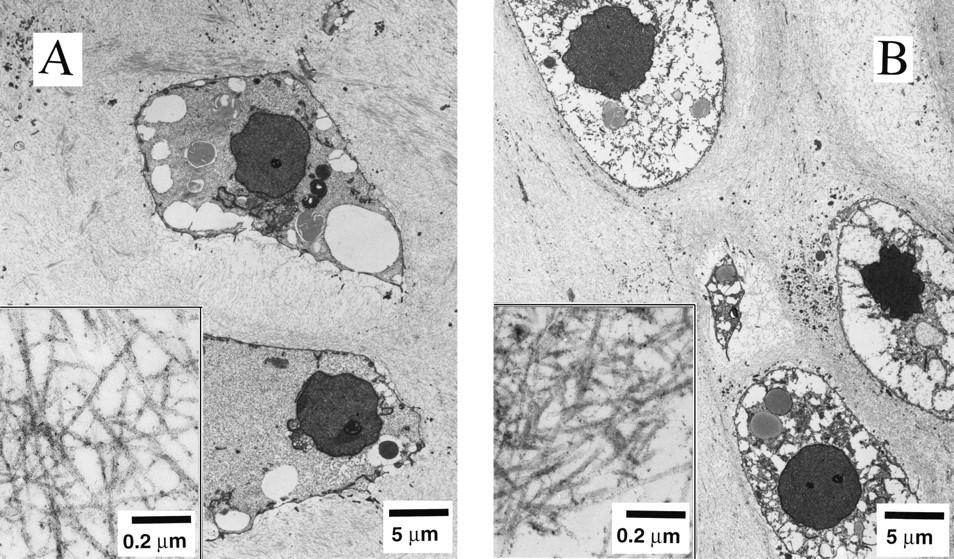
Dr. Lisa E. Freed of the Massachusetts Institute of Technology and her colleagues have reported that initially disc-like specimens tend to become spherical in space, demonstrating that tissues can grow and differentiate into distinct structures in microgravity. The Mir Increment 3 (Sept. 16, 1996 - Jan. 22, 1997) samples were smaller, more spherical, and mechanically weaker than Earth-grown control samples. These results demonstrate the feasibility of microgravity tissue engineering and may have implications for long human space voyages and for treating musculoskeletal disorders on earth. Final samples from Mir and Earth appeared histologically cartilaginous throughout their entire cross sections (5-8 mm thick), with the exception of fibrous outer capsules. Constructs grown on Earth (A) appeared to have a more organized extracellular matrix with more uniform collagen orientation as compared with constructs grown on Mir (B), but the average collagen fiber diameter was similar in the two groups (22 +- 2 nm) and comparable to that previously reported for developing articular cartilage. Randomly oriented collagen in Mir samples would be consistent with previous reports that microgravity disrupts fibrillogenesis. These are transmission electron micrographs of constructs from Mir (A) and Earth (B) groups at magnifications of x3,500 and x120,000 (Inset). The work is sponsored by NASA's Office of Biological and Physical Research. The bioreactor is managed by the Biotechnology Cell Science Program at NASA's Johnson Space Center (JSC). NASA-sponsored bioreactor research has been instrumental in helping scientists to better understand normal and cancerous tissue development. In cooperation with the medical community, the bioreactor design is being used to prepare better models of human colon, prostate, breast and ovarian tumors. Credit: Proceedings of the National Academy of Sciences.