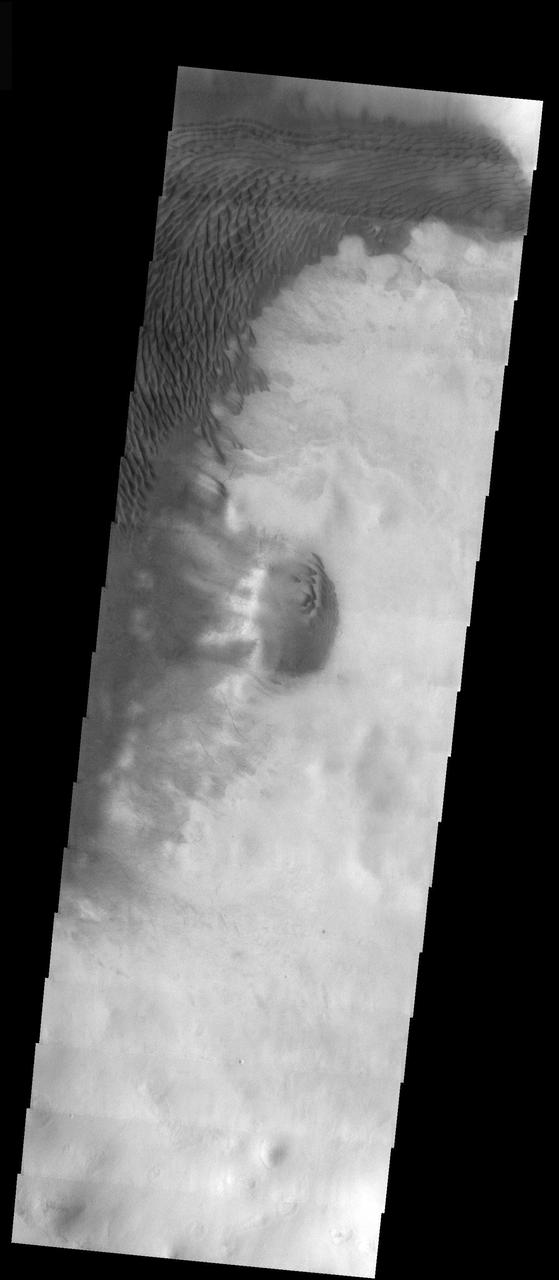
Swirling Winds Reflected In Dunes
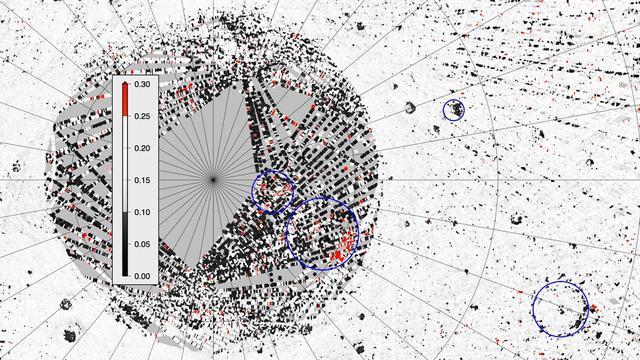
MLA Surface Reflectance
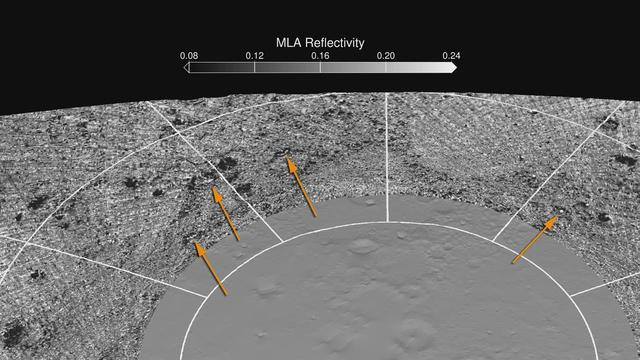
MLA Reflectivity near the North Pole
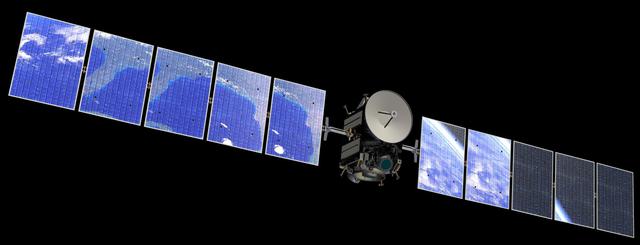
Artist concept of Earth reflection in Dawn spacecraft.
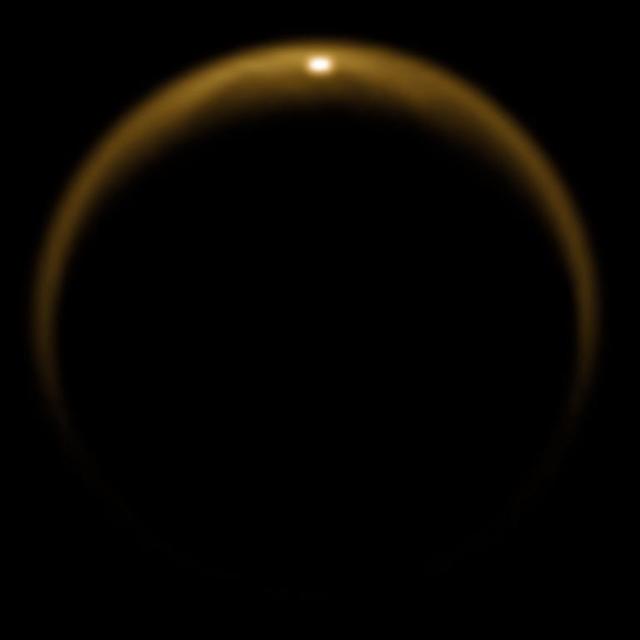
This image taken by NASA Cassini spacecraft in 2009, shows the first flash of sunlight reflected off a hydrocarbon lake on Saturn moon Titan. The glint off a mirror-like surface is known as a specular reflection.

NASA Wide-field Infrared Survey Explorer captured this colorful image of the reflection nebula IRAS 12116-6001. This cloud of interstellar dust cannot be seen directly in visible light, but WISE detectors observed the nebula at infrared wavelengths.
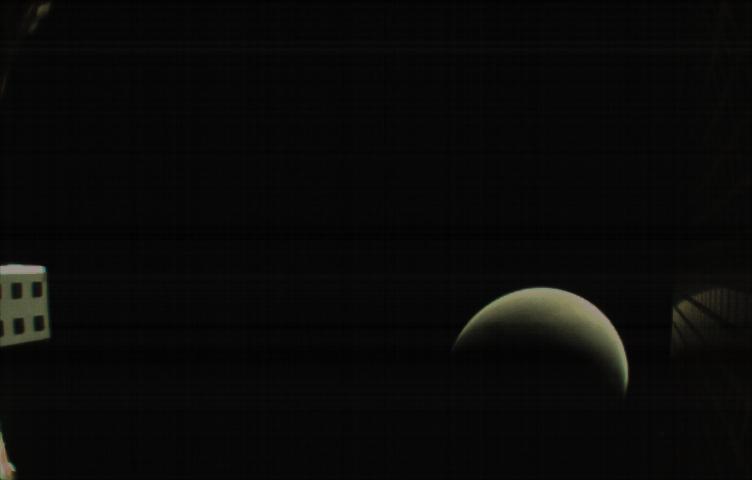
MarCO-B, one of the experimental Mars Cube One (MarCO) CubeSats, took this image of Mars from about 10,900 miles (17,500 kilometers) away just after NASA’s InSight spacecraft landed on Mars on Nov. 26, 2018. MarCO-B flew by Mars with its twin, MarCO-A, to serve as communications relays for InSight as it touched down on the Red Planet around noon PST (3 p.m. EST). This image was taken at 1 p.m. PST (4 p.m. EST). A crescent Mars with its south pole in the 4 o’clock position is visible in this picture. MarCO-B’s antenna reflector mirrors a portion of the illuminated part of Mars on the bottom right. The antenna feed (white rectangle with gold squares) is visible on the left. This image was taken about 50 minutes after PIA22833 and 10 seconds after PIA22832. The MarCO and InSight projects are managed for NASA's Science Mission Directorate, Washington, by JPL, a division of Caltech, Pasadena. Credit: NASA/JPL-Caltech
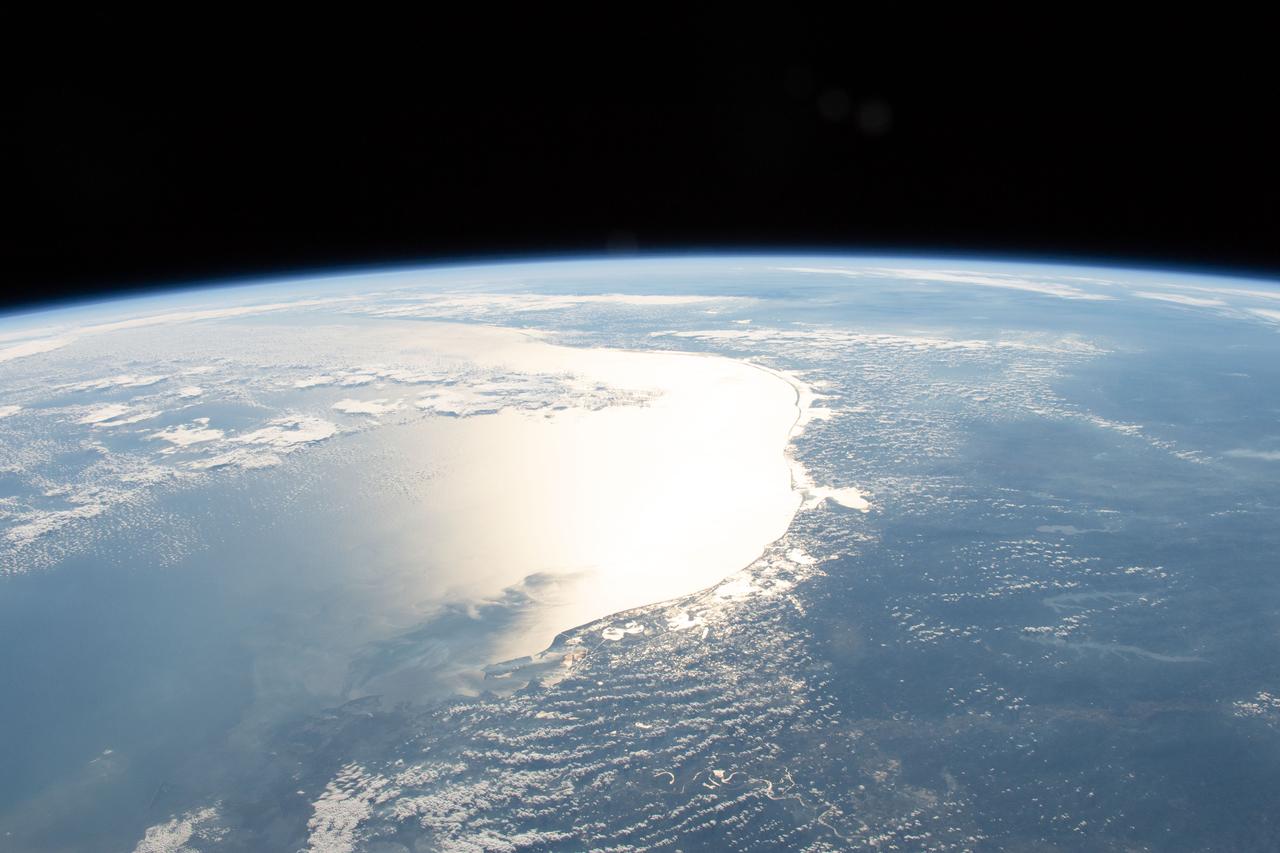
iss058e005915 (Jan. 27, 2019) --- The Sun's glint reflects off the Gulf of Mexico and outlines the coasts of Texas and Louisiana. The International Space Station was orbiting 254 miles above Louisiana when an Expedition 58 crew member photographed the Gulf coast including Matagorda Bay, Galvestion Bay and Sabine Lake.
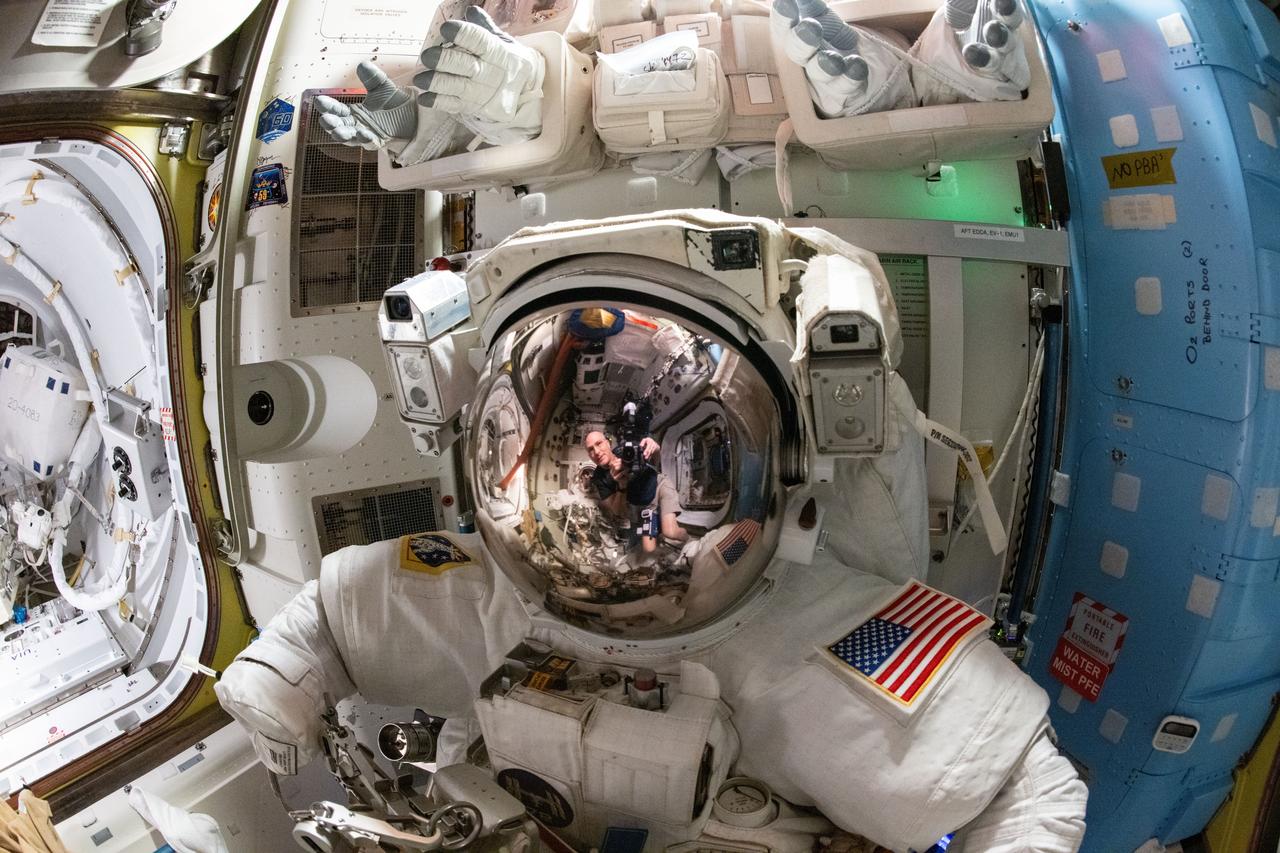
iss072e518423 (Jan. 23, 2025) --- NASA astronaut and Expedition 72 Flight Engineer Don Pettit's reflection is pictured on the helmet visor of a spacesuit in this photograph he took inside the International Space Station's Quest airlock.
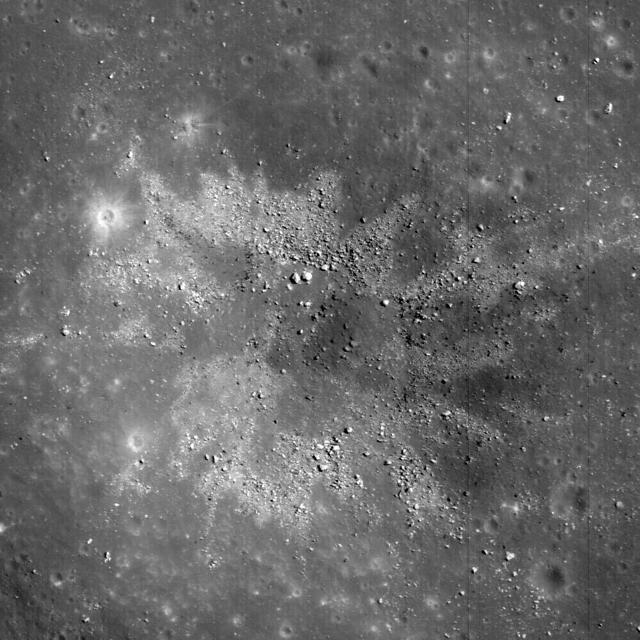
Materials excavated during formation of this ~450 m diameter impact crater have an unusual two-toned character, likely a reflection of heterogeneity in the target materials. This crater occurs in Balmer Basin. This image was taken by NASA Lunar Reconnai
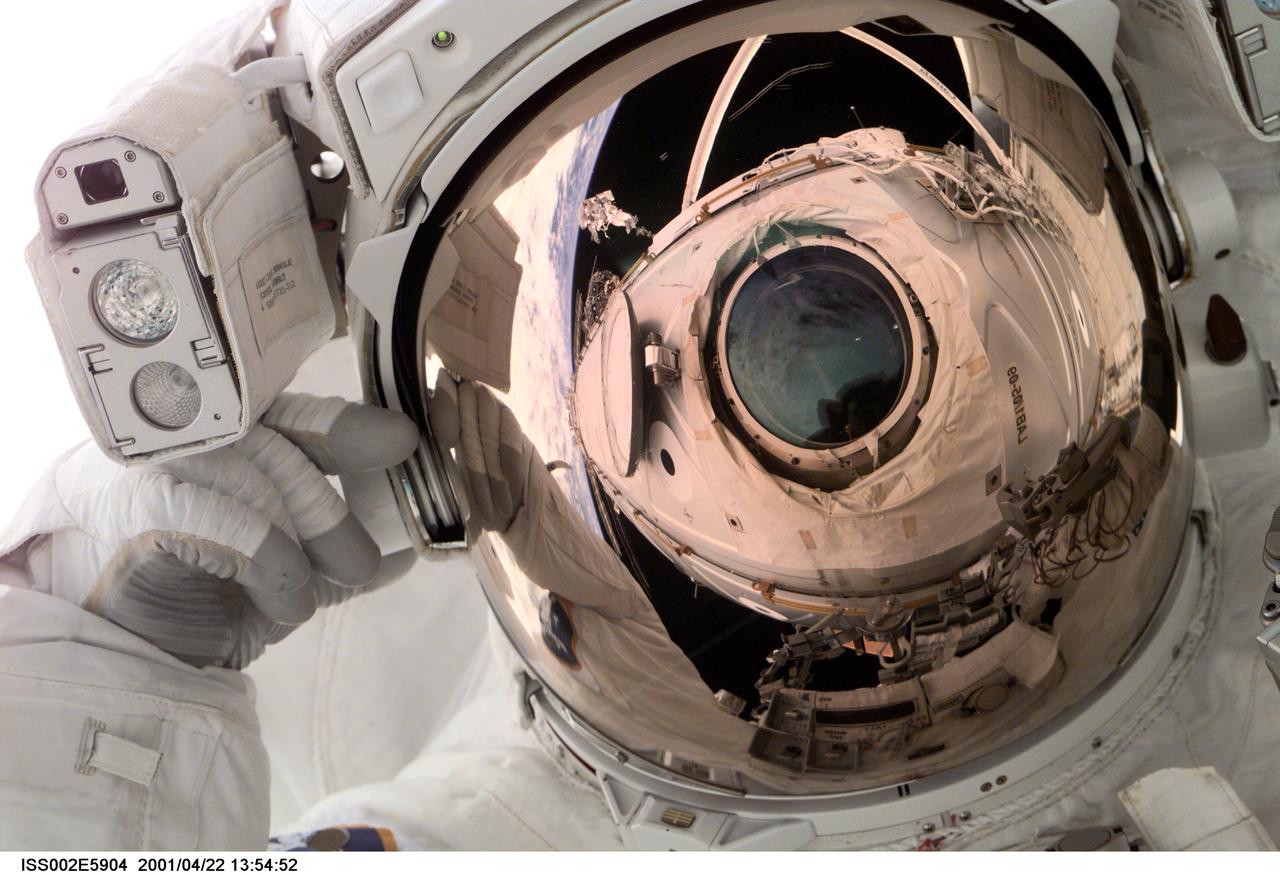
ISS002-E-05904 (24 April 2001) --- Astronaut Scott E. Parazynski, mission specialist, was photographed with a digital still camera by one of the Expedition Two crewmembers aboard the International Space Station (ISS) during the first of two scheduled STS-100 spacewalks. The window on Destiny through which the photo was made is reflected in Parazynski's gold helmet visor. Astronauts Parazynski and Chris A. Hadfield were working to install the Space Station Remote Manipulator System (SSRMS) or Canadarm2 during this extravehicular activity (EVA). Hadfield, representing the Canadian Space Agency (CSA), is reflected in the visor as well.
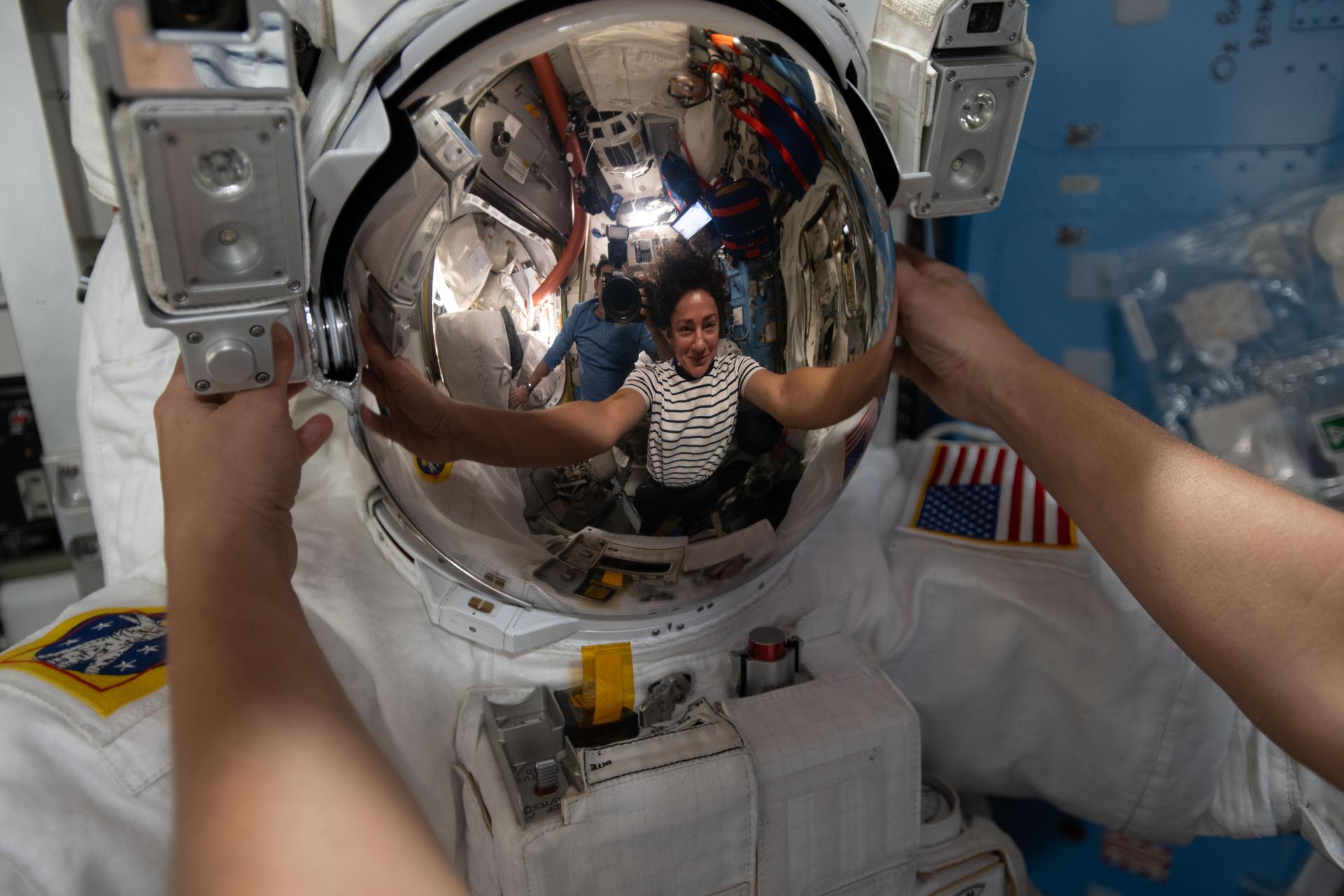
iss074e0336282 (March 2, 2026) --- NASA astronaut and Expedition 74 flight engineer Jessica Meir’s reflection is captured in a spacesuit helmet visor. The visor assembly is coated with a microscopic layer of gold that reflects infrared radiation to protect an astronaut’s eyes while allowing visible light to pass through. Meir was working inside the International Space Station's Quest airlock, installing leg and arm components on the spacesuit and swapping components from one suit to another. Credit: NASA/Jack Hathaway
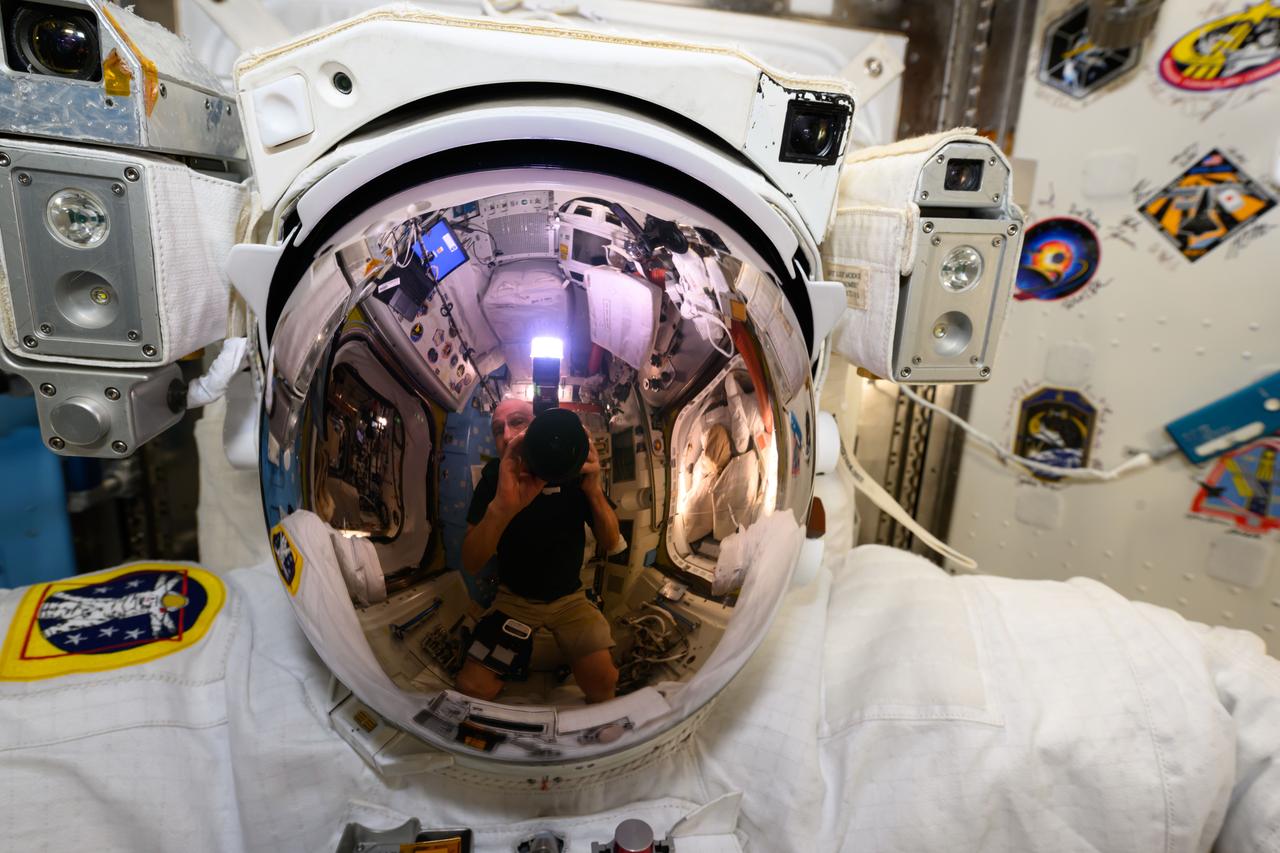
iss072e363878 (Dec. 9, 2024) --- NASA astronaut and Expedtion 72 Flight Engineer Don Pettit took this photograph of a U.S. spacesuit helmet with his reflection prominent on the helmet's visor inside the International Space Station's Quest airlock.
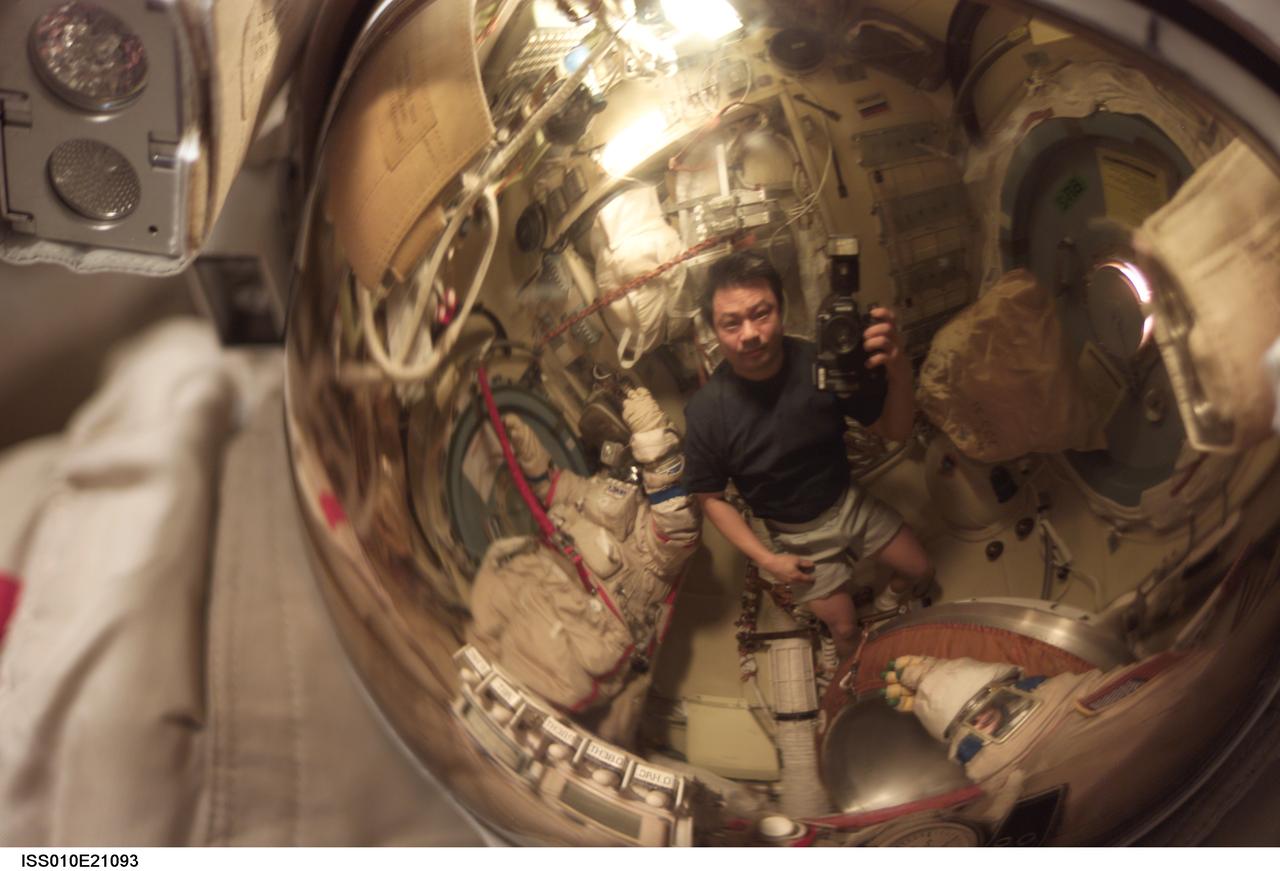
ISS010-E-21093 (22 March 2005) --- Astronaut Leroy Chiao, Expedition 10 commander and NASA ISS science officer, appears as a small reflection in a helmet visor in the Pirs Docking Compartment of the International Space Station (ISS).
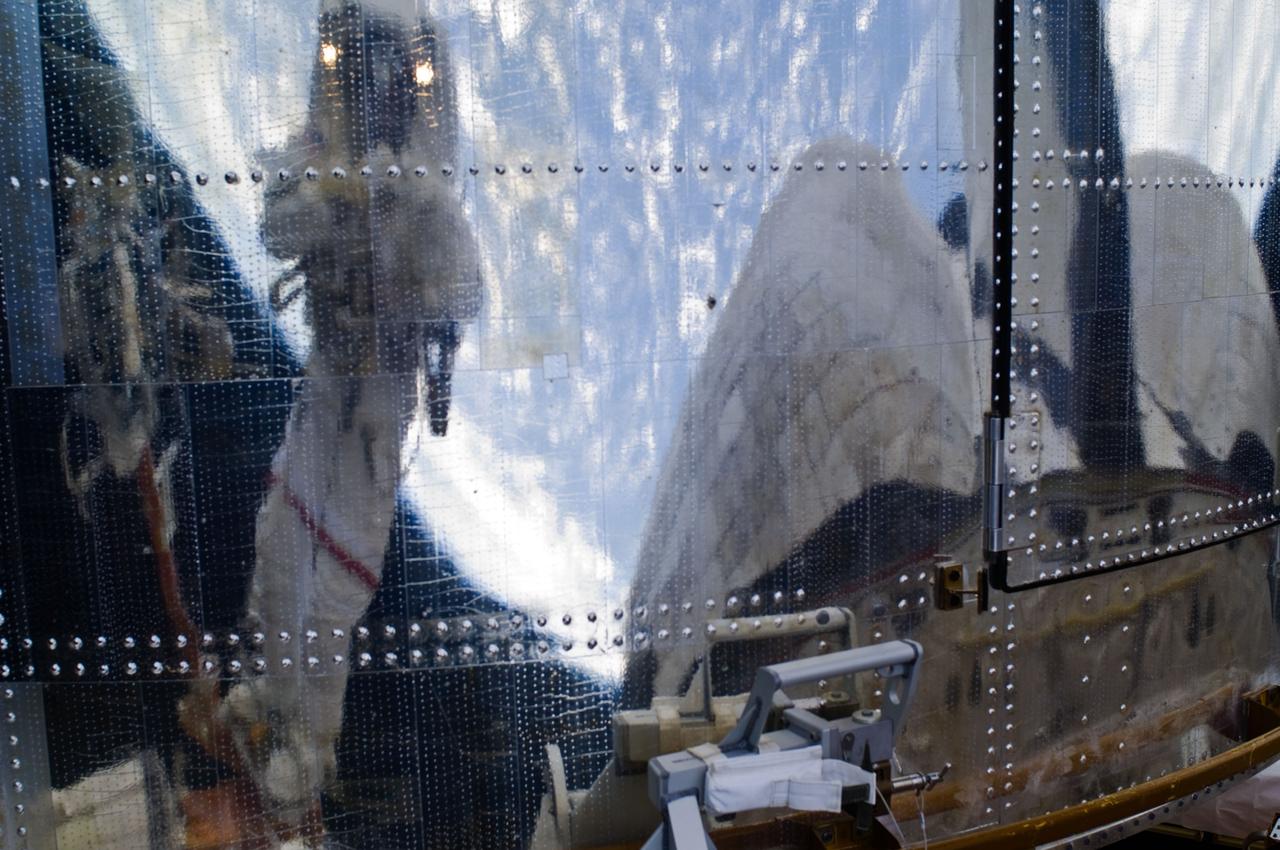
S125-E-010077 (18 May 2009) --- The Hubble Space Telescope temporarily played a role akin to a house of mirrors as astronaut John Grunsfeld photographed a portrait of his own reflection in the shiny surface of the giant orbital observatory. The final space walk to perform work on the telescope was turned in May 18 by astronauts Grunsfeld and Andrew Feustel, who finished up chores by replacing outer blanket layer insulation on Hubble.
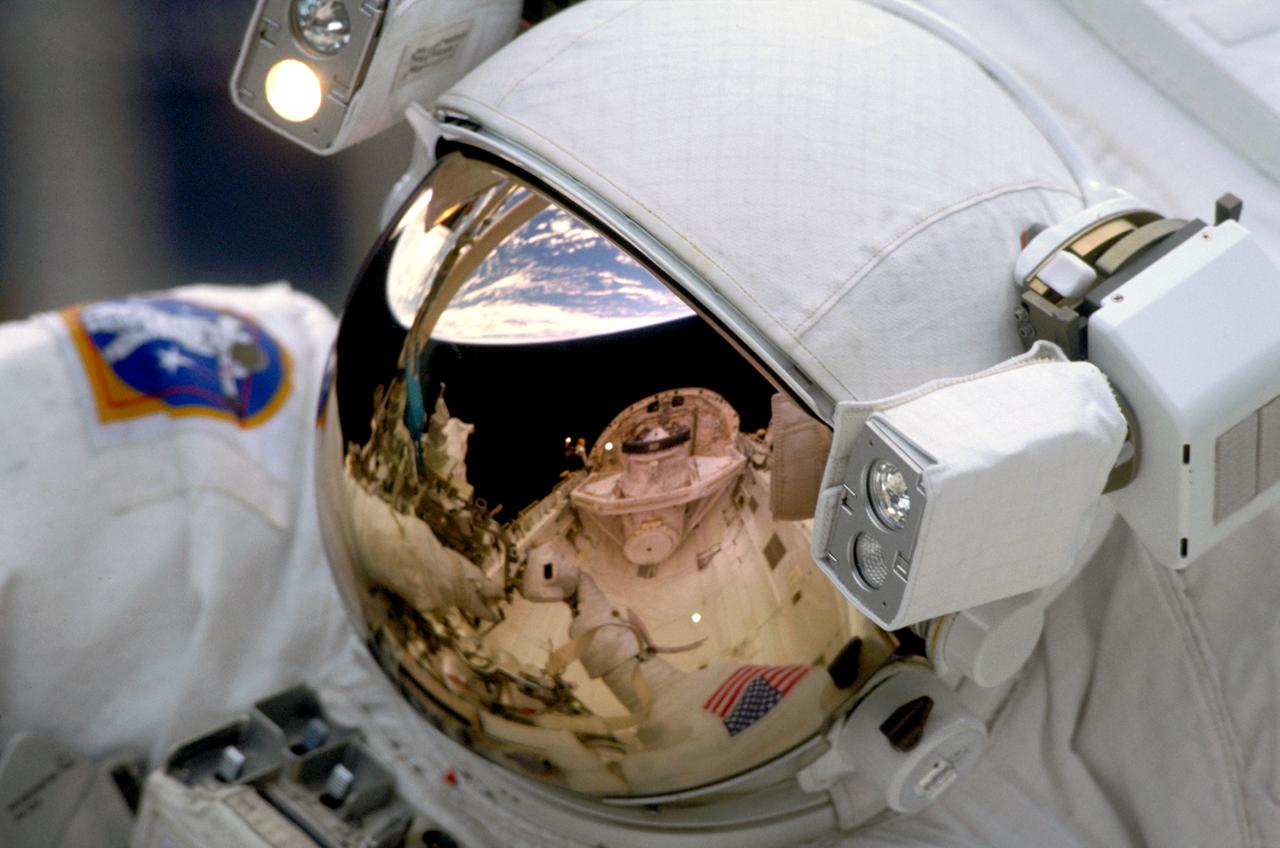
STS103-302-002 (19- 27 December 1999)---.The Space Shuttle Discovery's Cargo Bay and Crew Module, and the Earth's horizon are reflected in the helmet visor of one of the space walking astronauts on STS-103..Astronauts Steven L. Smith, John M. Grunsfeld, C. Michael Foale and Claude Nicollier participated in three days of.extravehicular activity on the NASA's third servicing visit to the Hubble Space Telescope (HST).
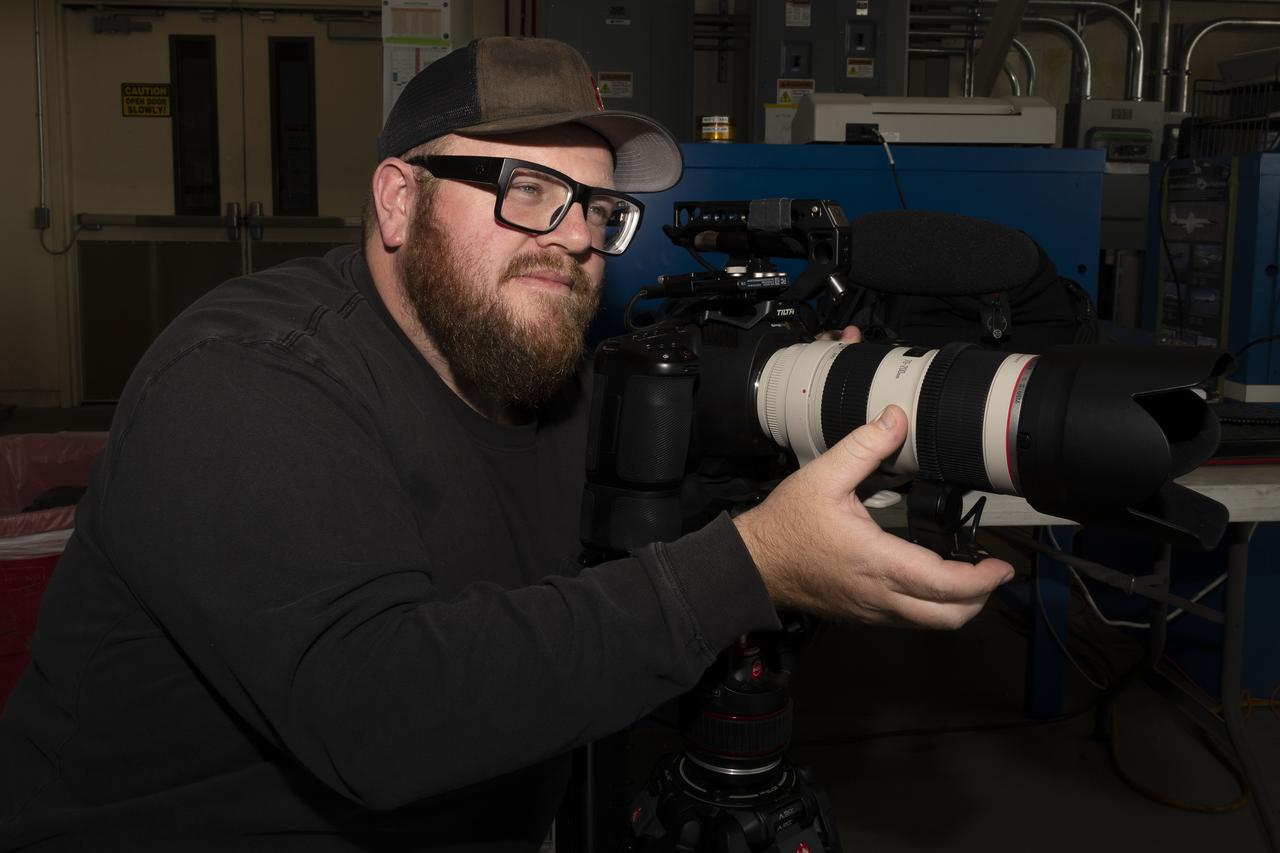
NASA videographer Jacob Shaw captures footage of the ER-2 aircraft inside a hangar at NASA’s Armstrong Flight Research Center in Edwards, California, in December 2024. Shaw recently earned first place in NASA’s 2024 Videographer of the Year Awards – documentation category – for his film, “Reflections,” which chronicles the 2024 Airborne Science mission PACE-PAX – short for Plankton, Aerosol, Cloud, ocean Ecosystem Postlaunch Airborne eXperiment.

NASA astronaut candidate Zena Cardman is reflected in the glass as she talks with Apollo 11 astronaut Mike Collins during “NASA’s Giant Leaps: Past and Future," a live television program on Friday, July 19, 2019 from the Smithsonian National Air and Space Museum in Washington. NASA and the world are recognizing the 50th anniversary of Apollo 11, in which astronauts Neil Armstrong, Michael Collins, and Buzz Aldrin crewed the first mission to land astronauts on the Moon. Photo Credit: (NASA/Bill Ingalls)

NASA videographer Jacob Shaw shares a moment with his constant companion during a break in the cafeteria at NASA’s Armstrong Flight Research Center in Edwards, California, on May 21, 2025. Shaw recently earned first place in NASA’s 2024 Videographer of the Year Awards – documentation category – for his film, “Reflections,” which chronicles the 2024 Airborne Science mission PACE-PAX – short for Plankton, Aerosol, Cloud, ocean Ecosystem Postlaunch Airborne eXperiment.
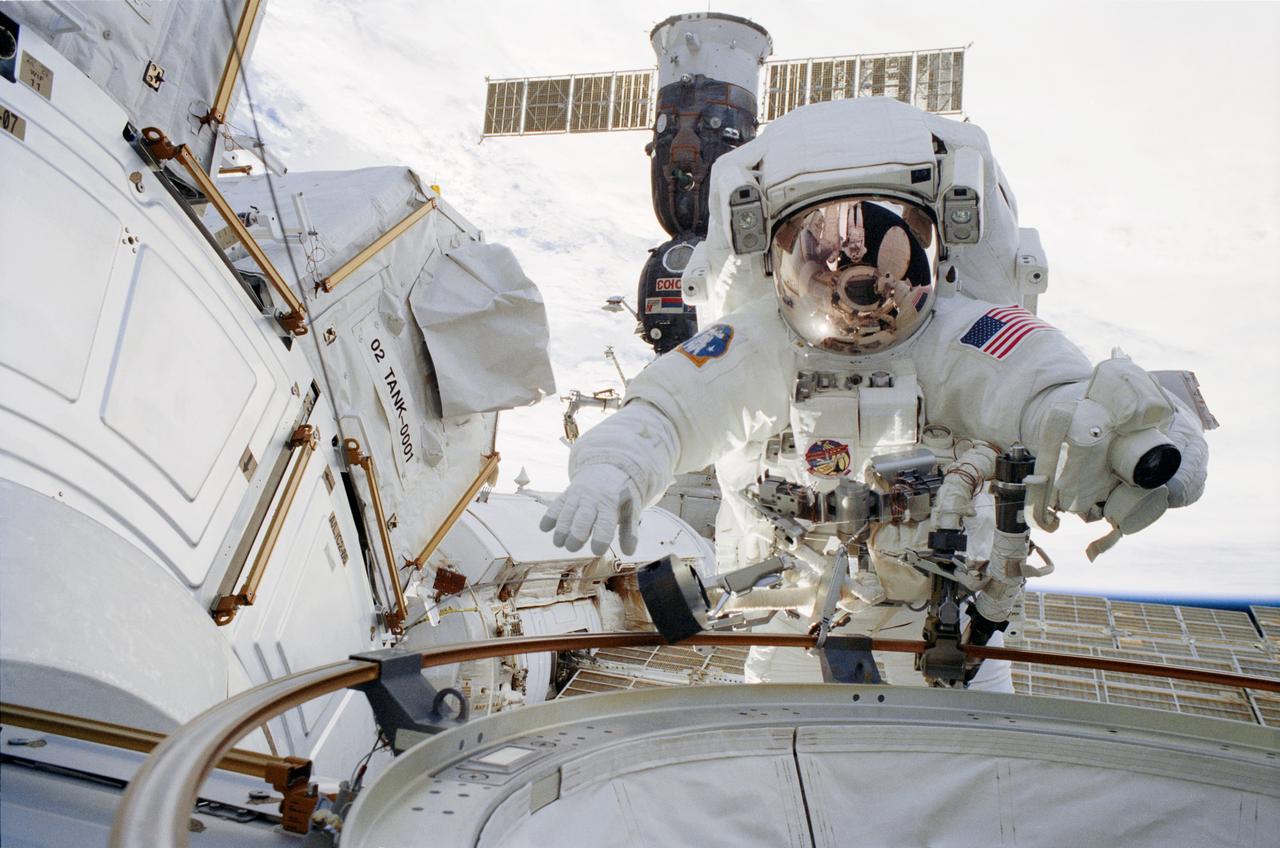
STS113-305-007 (26 November 2002) --- Astronaut John B. Herrington, STS-113 mission specialist, participates in the mission’s first spacewalk. The opened hatch of the Quest Airlock can be seen reflected in Herrington’s helmet visor.

Gripped in the claw of the constellation Scorpius sits the reflection nebula DG 129, a cloud of gas and dust that reflects light from nearby, bright stars. This infrared view of the nebula was captured by NASA Wide-field Infrared Survey Explorer.
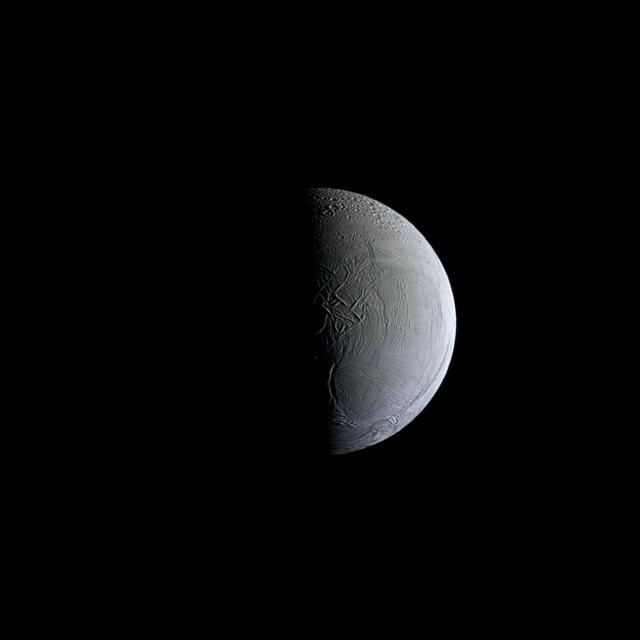
NASA Cassini spacecraft captures a still and partially sunlit Enceladus. The Saturnian moon is covered in ice that reflects sunlight similar to freshly fallen snow, making Enceladus one of the most reflective objects in the solar system.
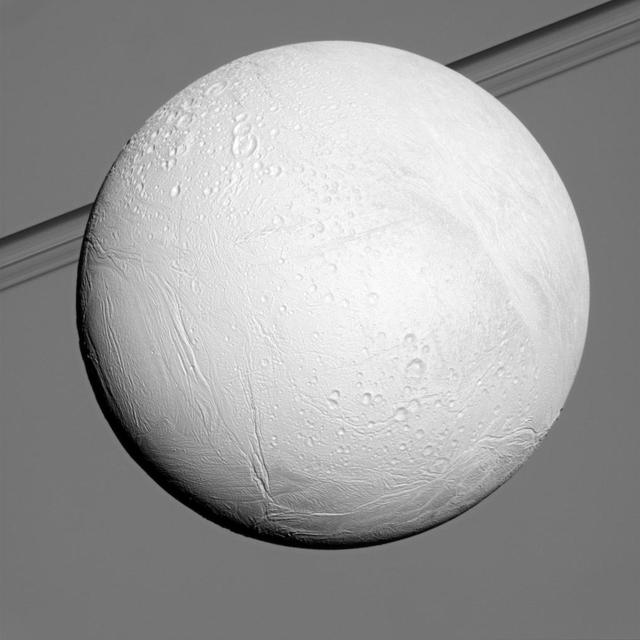
Saturn moon Enceladus reflects sunlight brightly while the planet and its rings fill the background in this view from NASA Cassini spacecraft. Enceladus is one of the most reflective bodies in the solar system.

iss072e575164 (Jan. 30, 2025) --- NASA astronaut and Expedition 72 Commander Suni Williams' camera is reflected in her spacesuit helmet's visor as she points it toward herself and takes an out-of-this-world "space-selfie" during a five-hour and 26-minute spacewalk. The International Space Station was orbiting 263 miles above the Pacific Ocean at the time of this photograph.
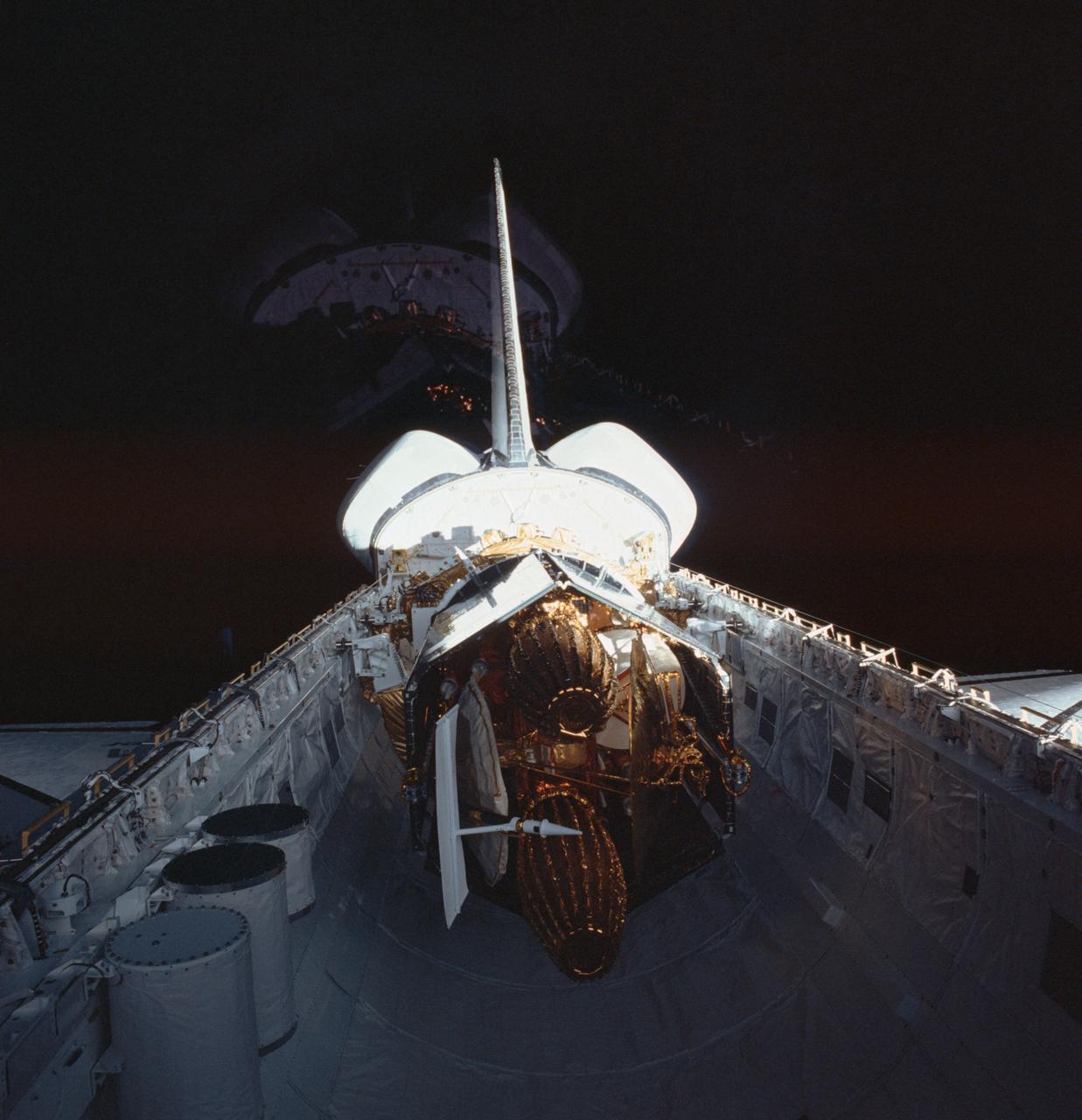
STS006-38-844 (4 April 1983) --- The stowed tracking and data relay satellite (TDRS) and its inertial upper stage (IUS) are seen in duplicate in this 70mm frame taken by the STS-6 crew aboard the Earth-orbiting space shuttle Challenger on its first day in space. A reflection in the aft window of the flight deck resulted in the mirage effect of the “second” TDRS. The three canisters in the aft foreground contain experiments of participants in NASA’s STS getaway special (GAS) program. Onboard the second reusable shuttle for this five-day flight were astronauts Paul J. Weitz, Karol J. Bobko, Dr. F. Story Musgrave and Donald H. Peterson. Photo credit: NASA
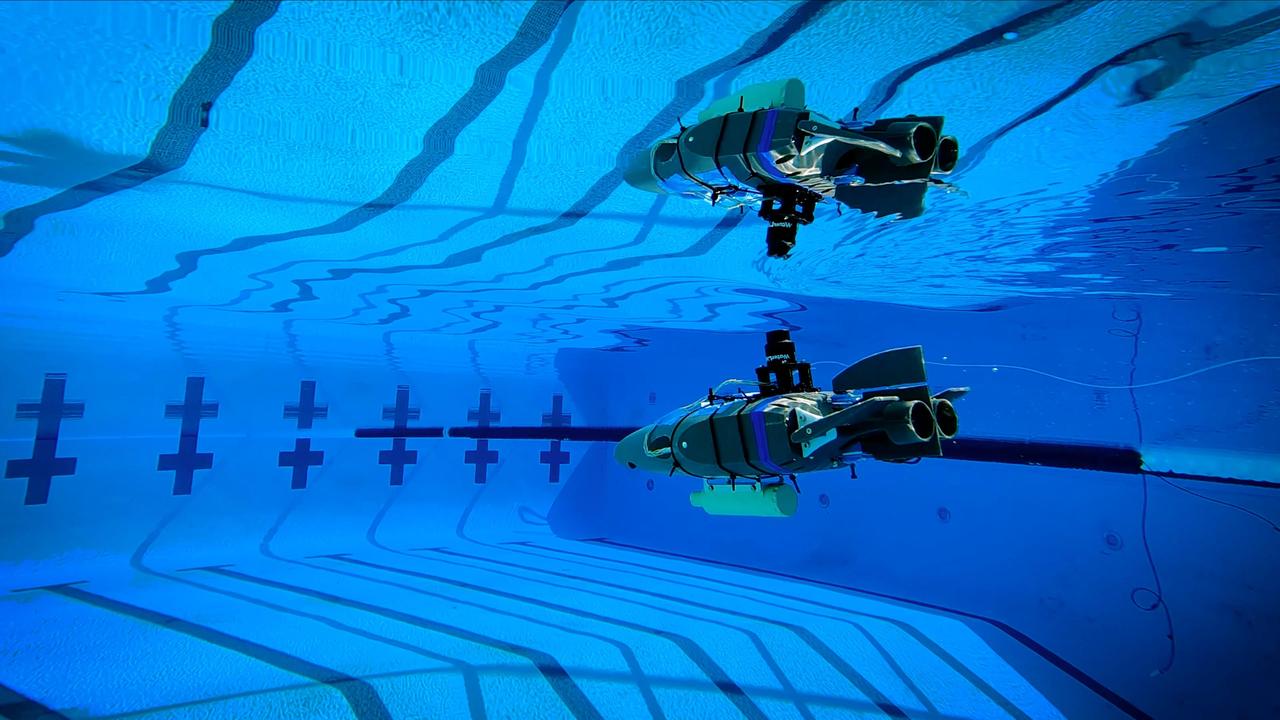
A prototype of a robot designed to explore the subsurface oceans of icy moons glides through a pool at Caltech in September 2024, its reflection visible below the water's surface. The prototype was built at NASA's Jet Propulsion Laboratory in Southern California to demonstrate the feasibility of a mission concept called SWIM, short for Sensing With Independent Micro-swimmers. SWIM envisions a swarm of dozens of self-propelled, cellphone-size robots exploring the waters of icy moons like Jupiter's Europa and Saturn's Enceladus. Delivered to the subsurface ocean by an ice-melting cryobot, the tiny robots would zoom away to look for chemical and temperature signals that could point to life. The prototype used in most of the pool tests was about 16.5 inches (42 centimeters) long, weighing 5 pounds (2.3 kilograms). As conceived for spaceflight, the robots would have dimensions about three times smaller – tiny compared to existing remotely operated and autonomous underwater scientific vehicles. In this image, commercial acoustic modules are mounted to the robot for testing: on top, one for communication, and on the bottom, one for underwater GPS. These devices were used during pool testing as stand-ins for what would be a novel wireless underwater acoustic communication system used both to transmit data between the cryobot and the swarm and to help each robot determine its position without the benefit of GPS. Led by JPL, work on SWIM took place from spring 2021 to fall 2024. The project was supported by Phase I and II funding from NASA's Innovative Advanced Concepts program under the agency's Space Technology Mission Directorate. JPL is managed for NASA by Caltech in Pasadena, California. https://photojournal.jpl.nasa.gov/catalog/PIA26423
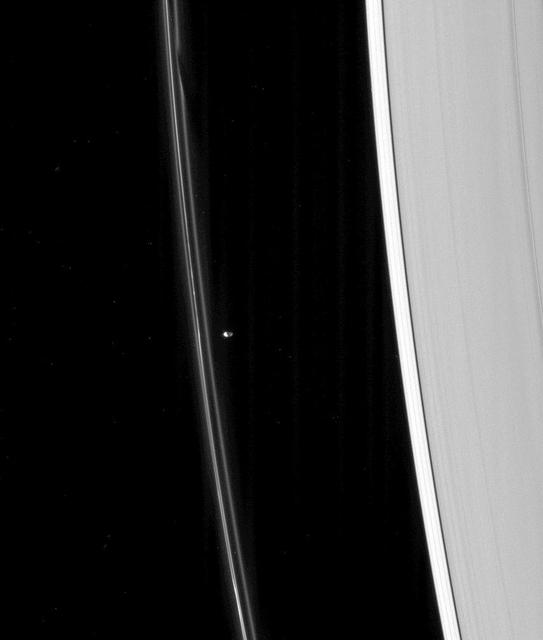
The shepherd moon Prometheus is lit partly by reflected light from Saturn as it lurks near the heavily perturbed F ring
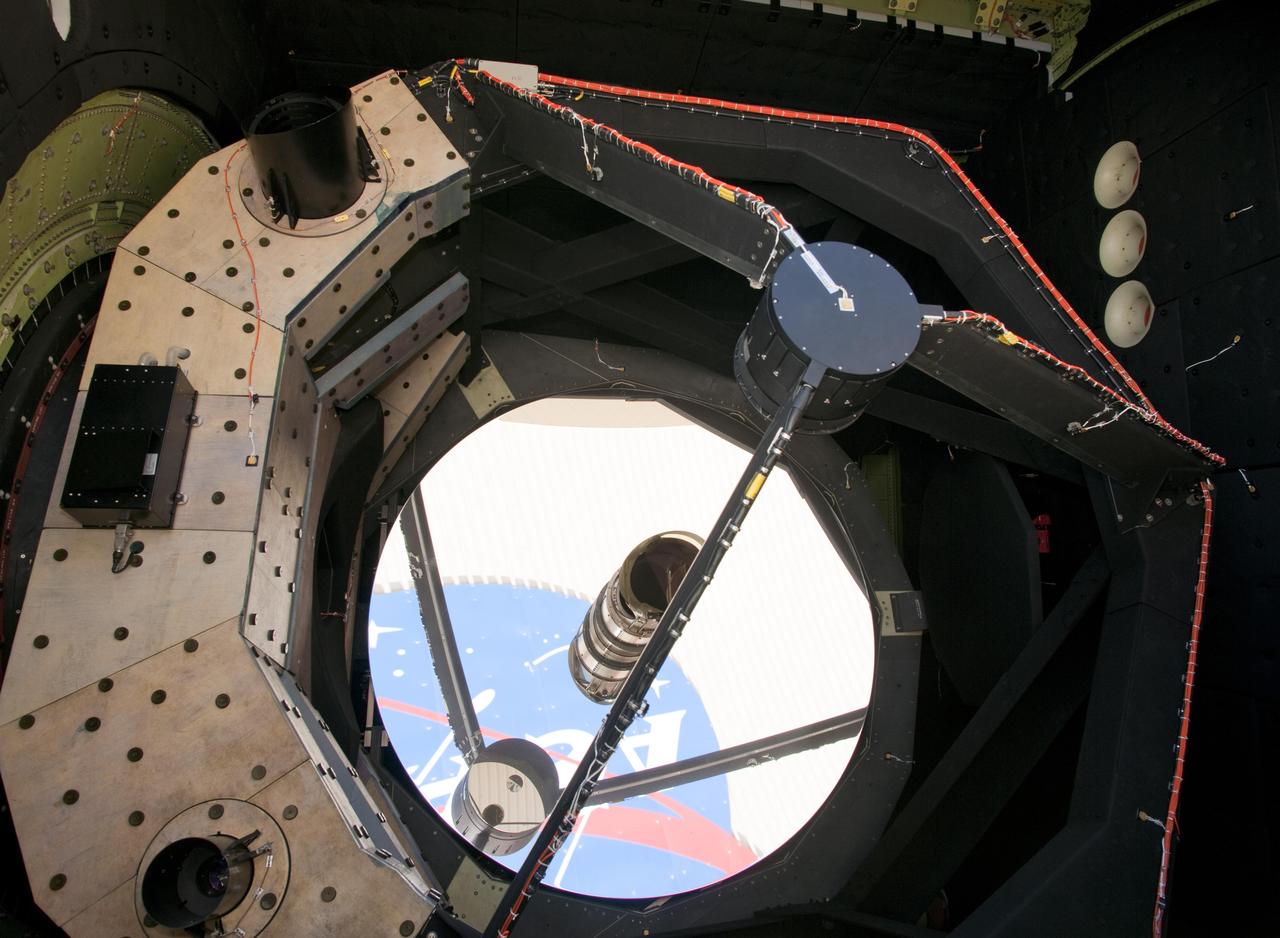
The NASA logo on Bldg. 703 at Armstrong Flight Research Center in Palmdale, Calif., is reflected in the telescope's 2.5-meter primary mirror.
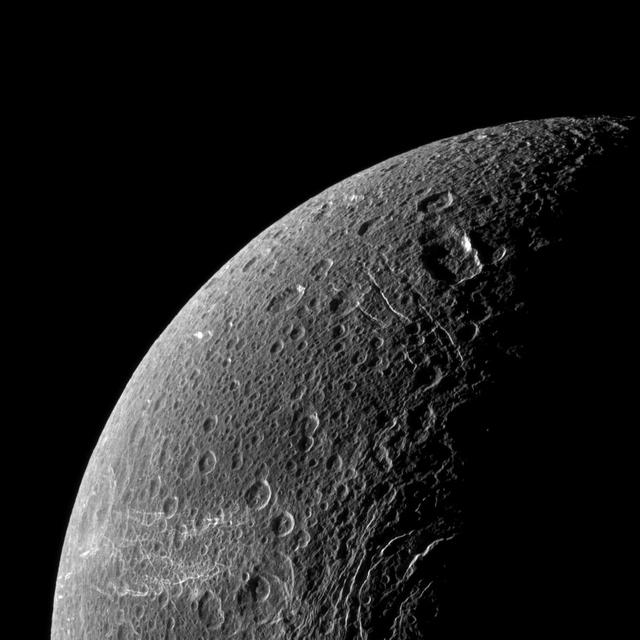
Wispy terrain reflects sunlight brightly in the lower left of this NASA Cassini image of the northern latitudes of Saturn moon Dione.
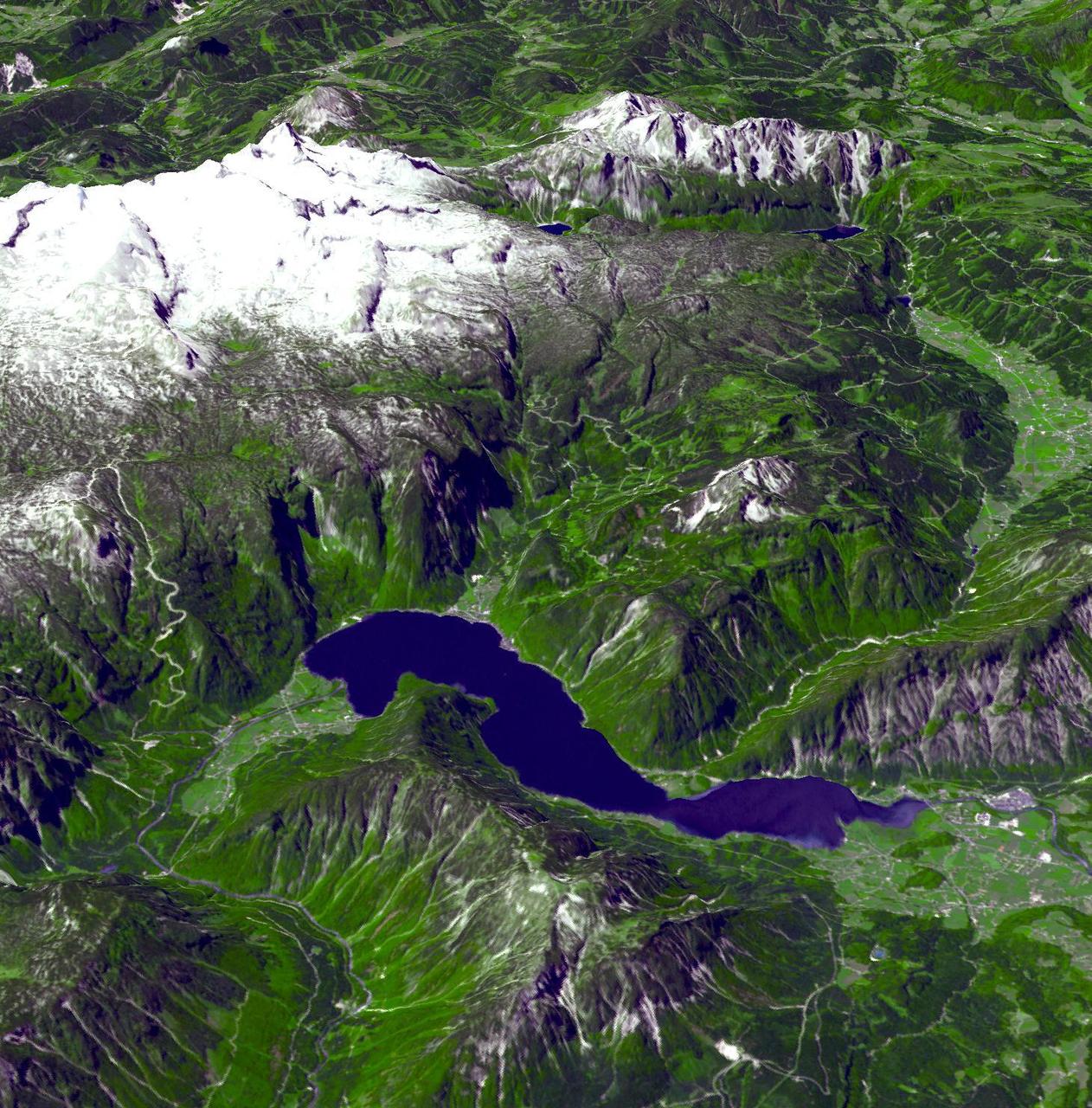
This perspective view from the Advanced Spaceborne Thermal Emission and Reflection Radiometer instrument aboard NASA Terra spacecraft shows the magnificent natural landscape of Salzkammergut, Austria.
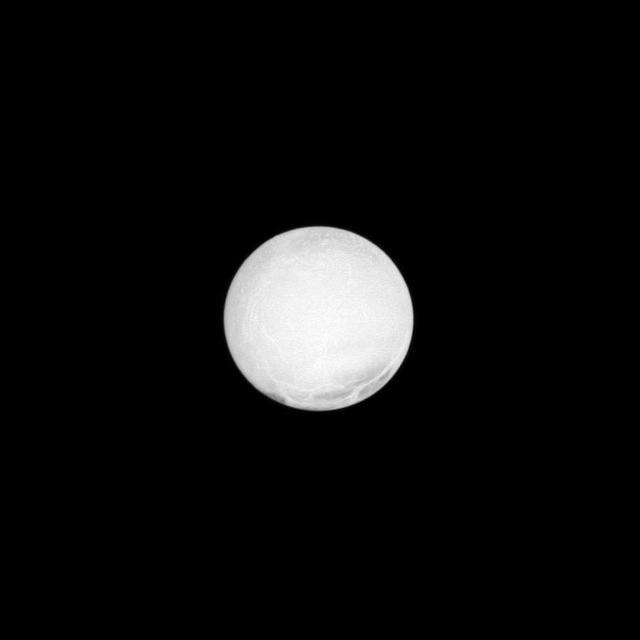
The highly reflective surface of Saturn moon Enceladus is almost completely illuminated in this NASA Cassini spacecraft image taken at a low phase angle.
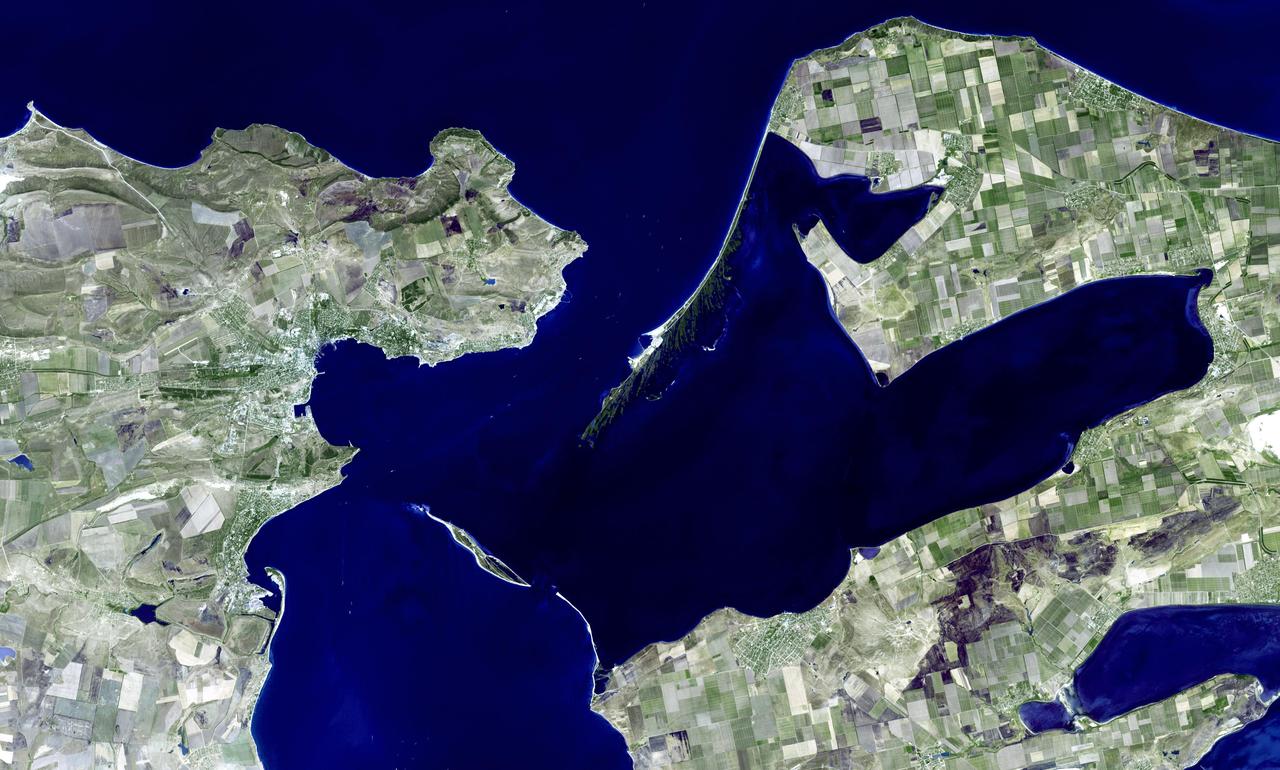
This image, from NASA Advanced Spaceborne Thermal Emission and Reflection Radiometer instrument aboard Terra, shows Kerch, one of the most ancient cities of the Ukraine.
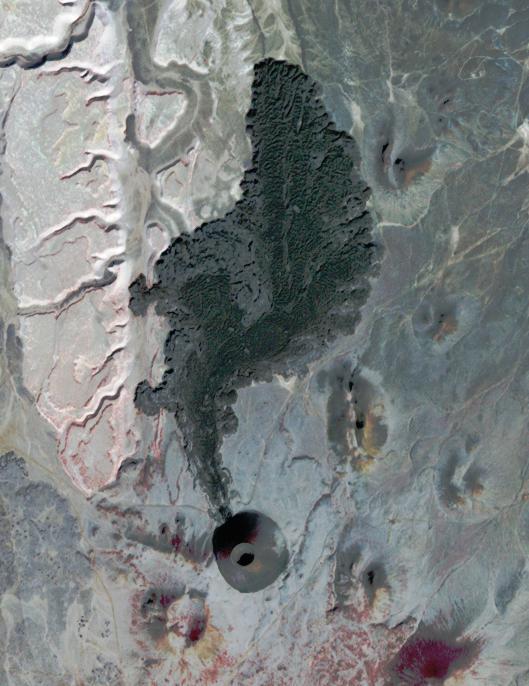
SP Crater, a volcanic cone and flow in Arizona, is visible in this image obtained by the Advanced Spaceborne Thermal Emission and Reflection Radiometer ASTER instrument on NASA Terra spacecraft.
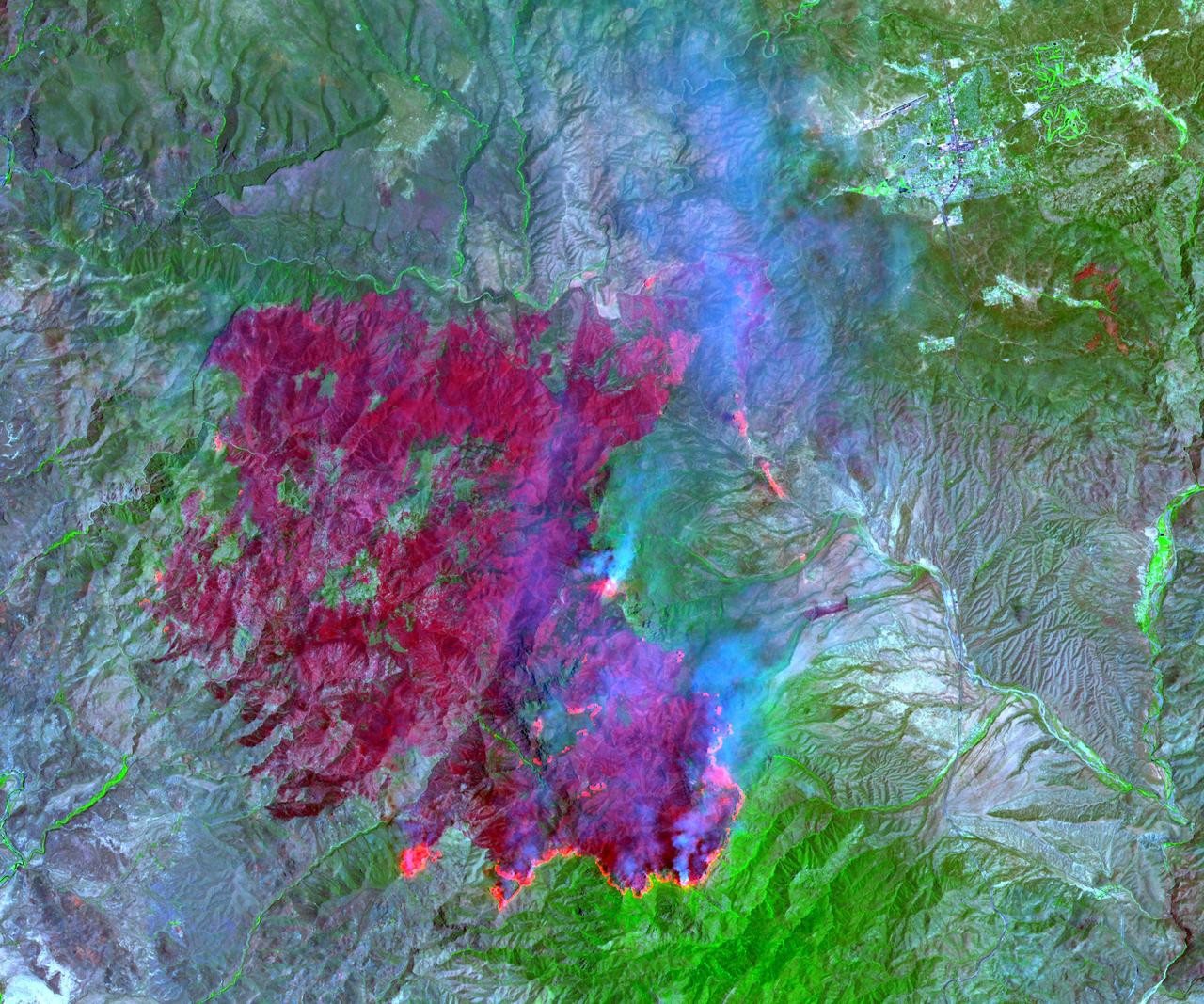
On July 3, 2004, the Advanced Spaceborne Thermal Emission and Reflection Radiometer ASTER on NASA Terra satellite acquired this image of the Willow fire near Payson, Arizona.
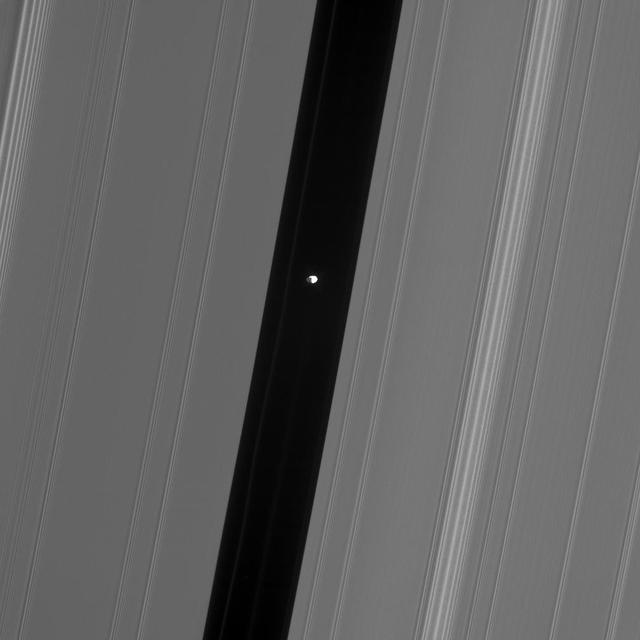
This Cassini spacecraft view of Pan in the Encke gap shows hints of detail on the moon dark side, which is lit by saturnshine -- sunlight reflected off Saturn.
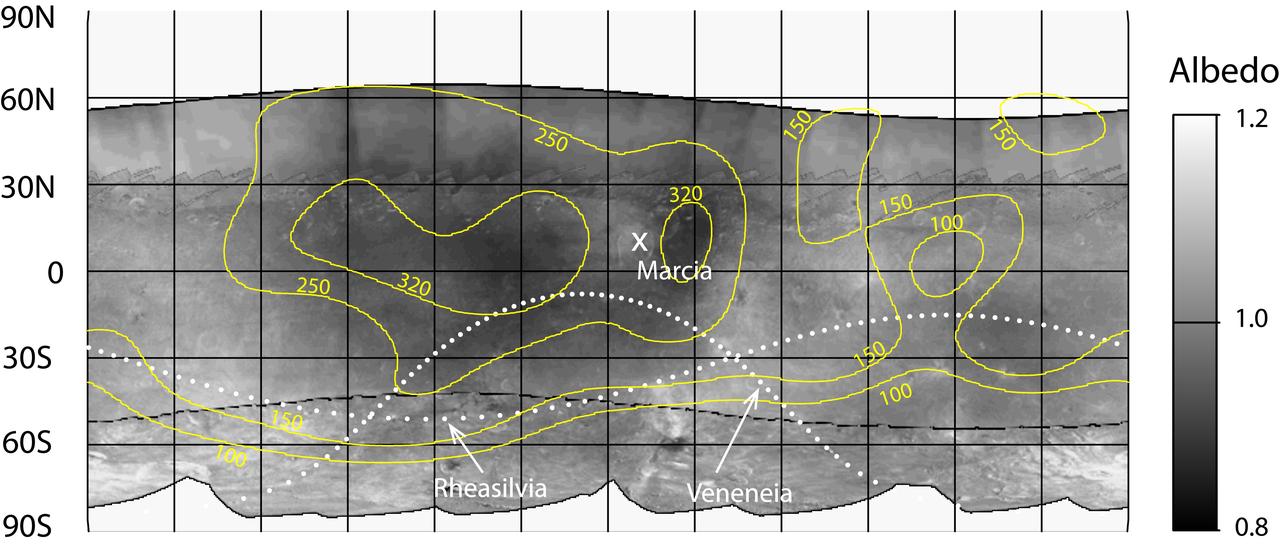
Hydrogen is most abundant in areas with low reflectivity, or albedo, on the giant asteroid Vesta, as shown in this contour map from NASA Dawn mission.

Cassini whizzed past Dione on Aug. 16, 2006, capturing this slightly motion-blurred view of the moon fractured and broken landscape in reflected light from Saturn
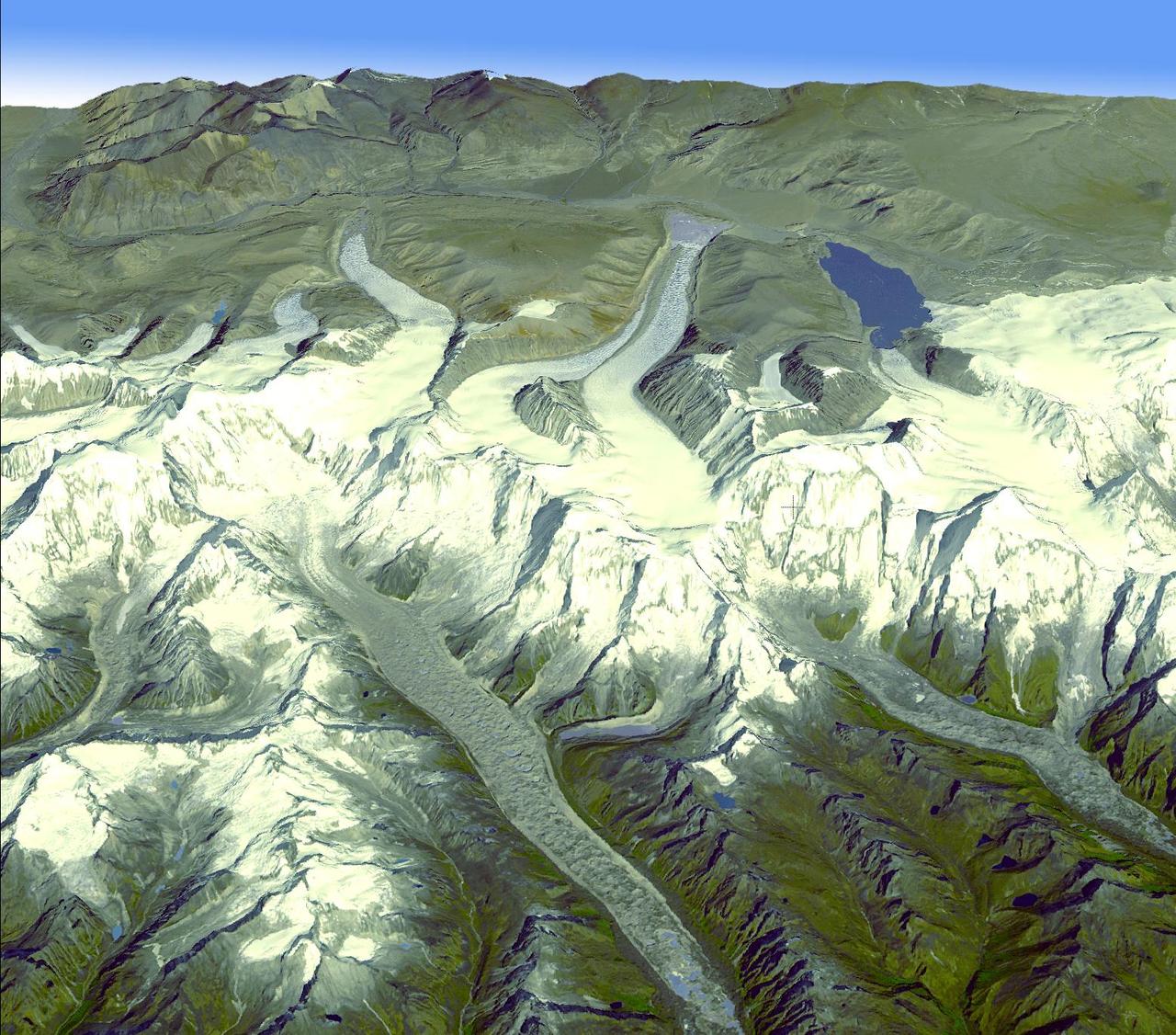
Onboard NASA Terra spacecraft, the Advanced Spaceborne Thermal Emission and Reflection Radiometer data have revealed significant spatial variability in glacier flow in the Bhutan Himalayas.

Oslo, the capital and largest city in Norway, as seen by the Advanced Spaceborne Thermal Emission and Reflection Radiometer instrument aboard NASA Terra spacecraft.
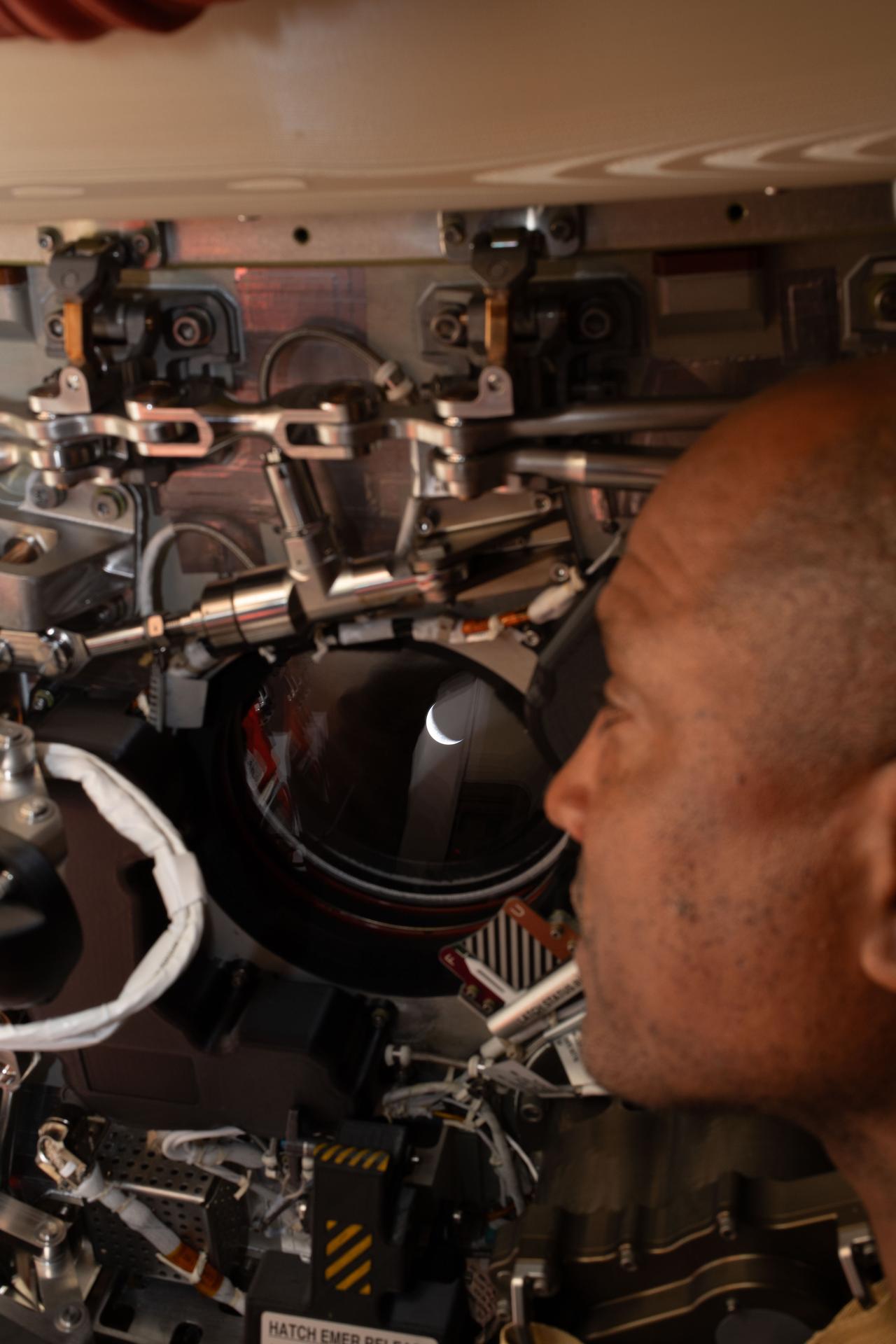
art002e009273 (April 6, 2026) - Artemis II pilot and NASA astronaut Victor Glover peers out one of the Orion spacecraft's windows looking back at Earth ahead of the crew's lunar flyby on April 6, 2026.
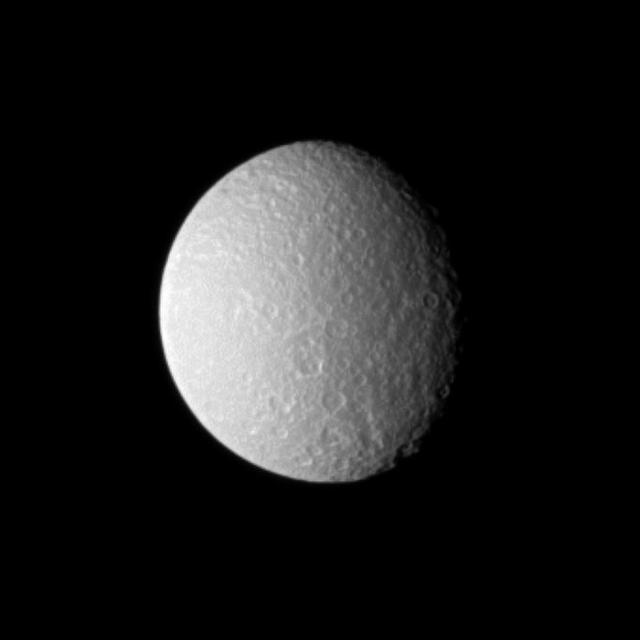
Bright sunlight on Rhea shows off the cratered surface of Saturn second largest moon in this image captured by NASA Cassini Orbiter. The image was taken in visible light with the Cassini spacecraft narrow-angle camera on Sept. 21, 2009.
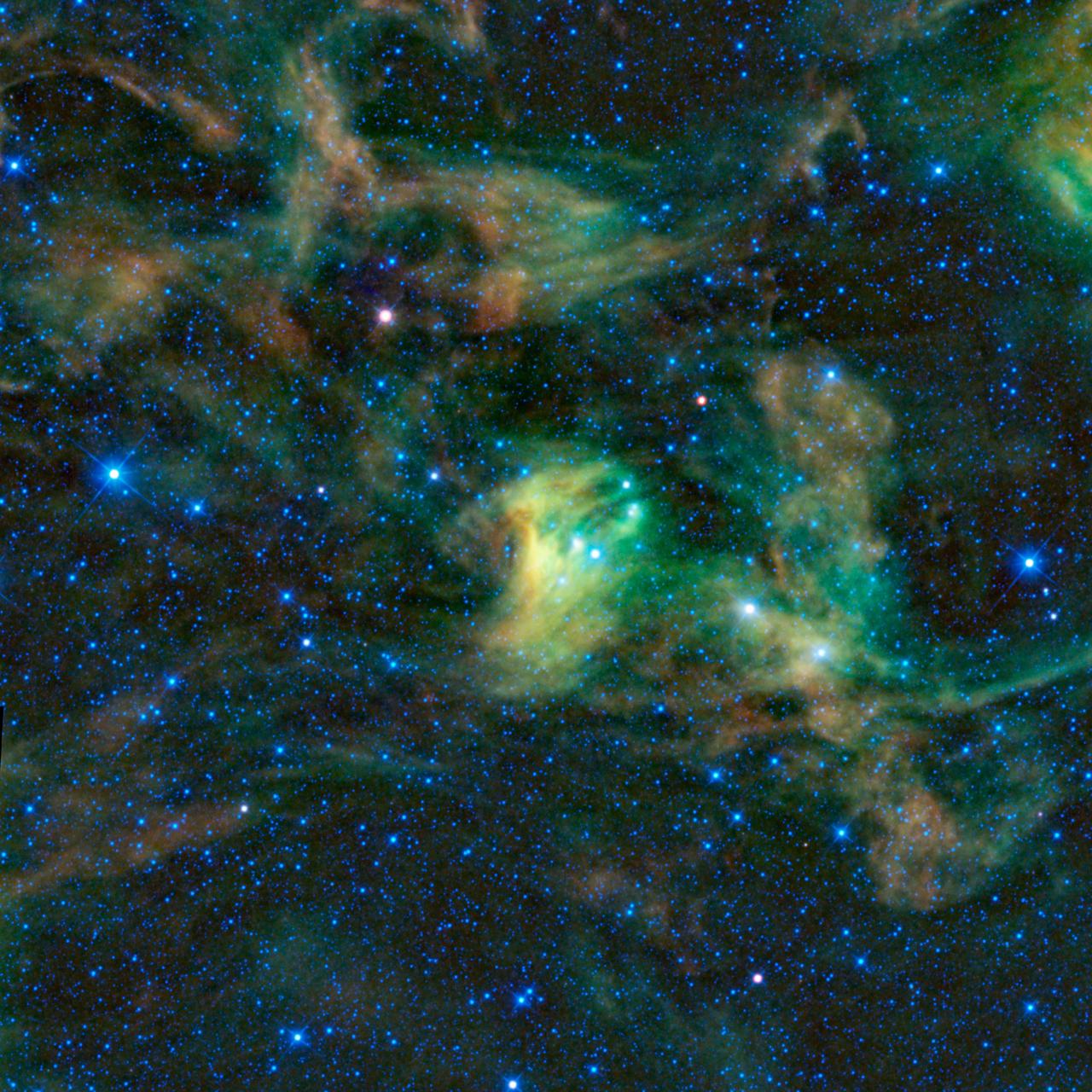
Between the claws of the dreaded scorpion imagined by the ancient Greeks lies this giant dust cloud, imaged by the Wide-field Infrared Survey Explorer. The constellation of Scorpius is prominent in the summer night sky in North America.
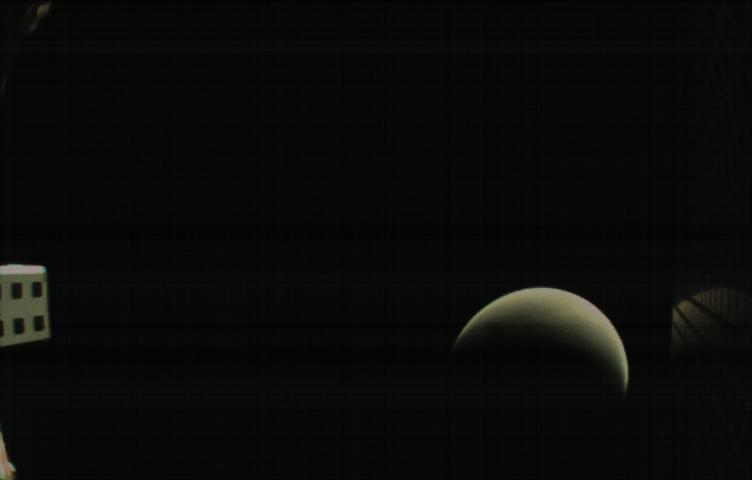
MarCO-B, one of the experimental Mars Cube One (MarCO) CubeSats, took this image of Mars from about 10,900 miles (17,500 kilometers) away just after NASA's InSight spacecraft landed on Mars on Nov. 26, 2018. MarCO-B flew by Mars with its twin, MarCO-A, to serve as communications relays for InSight as it touched down on the Red Planet around noon PST (3 p.m. EST). This image was taken at 1 p.m. PST (4 p.m. EST). A crescent Mars with its south pole in the 4 o'clock position is visible in this picture. MarCO-B's antenna reflector mirrors a portion of the illuminated part of Mars on the bottom right. The antenna feed (white rectangle with gold squares) is visible on the left. https://photojournal.jpl.nasa.gov/catalog/PIA22834
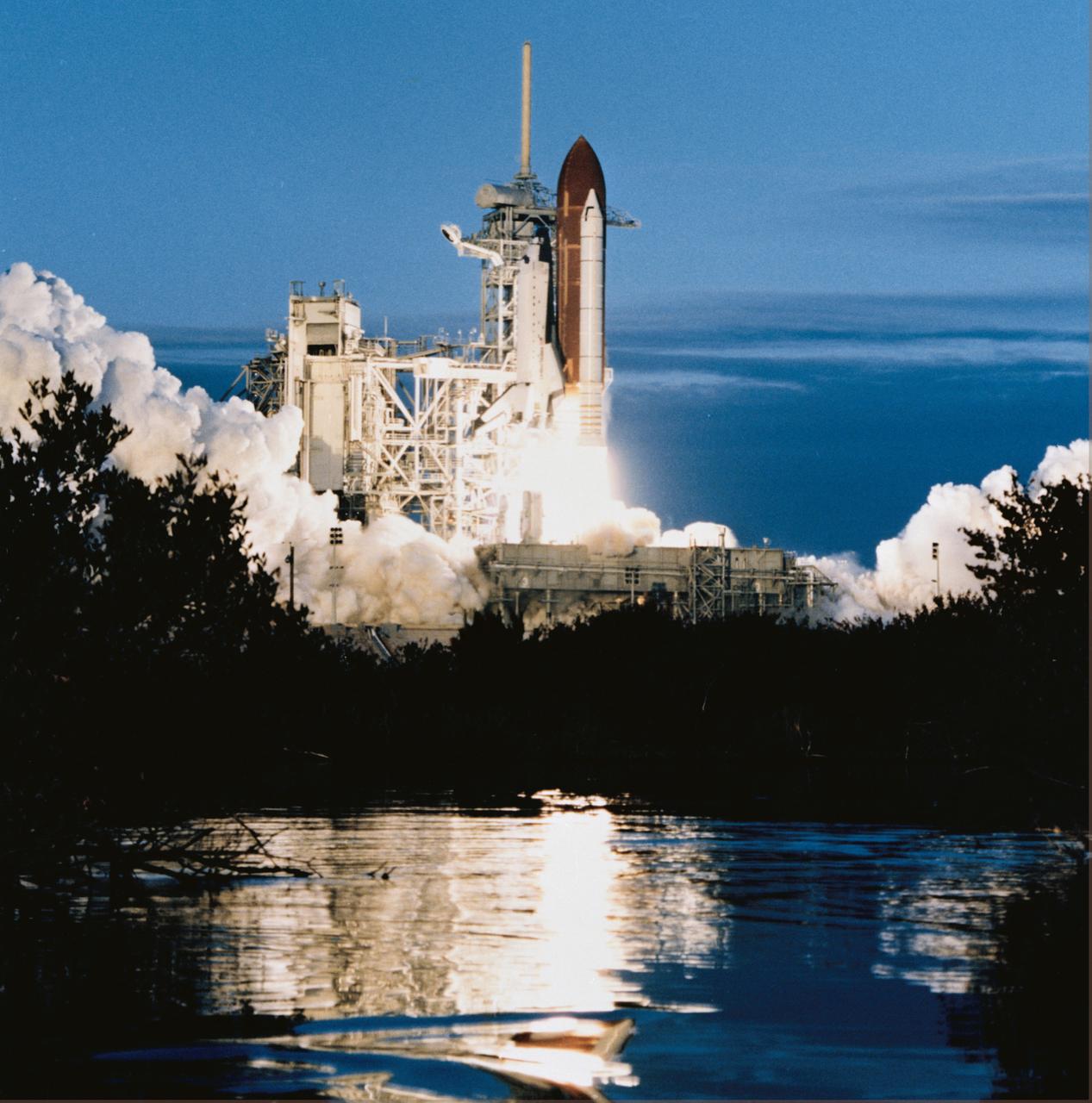
STS032-S-069 (9 Jan. 1990) --- The space shuttle Columbia, with a five member crew aboard, lifts off for the ninth time as STS-32 begins a 10-day mission in Earth orbit. Leaving from Launch Pad 39A at 7:34:59:98 a.m. EST, in this horizontal (cropped 70mm) frame, Columbia is seen reflected in nearby marsh waters some 24 hours after dubious weather at the return-to-launch site (RTLS) had cancelled a scheduled launch. Onboard the spacecraft were astronauts Daniel C. Brandenstein, James D. Wetherbee, Bonnie J. Dunbar, G. David Low and Marsha S. Ivins. Photo credit: NASA
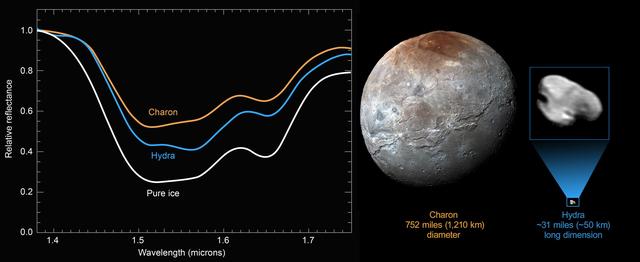
The surface of Hydra, Pluto outermost small moon, is dominated by nearly pristine water ice confirming hints that scientists picked up in NASA New Horizons images showing Hydra highly reflective surface.
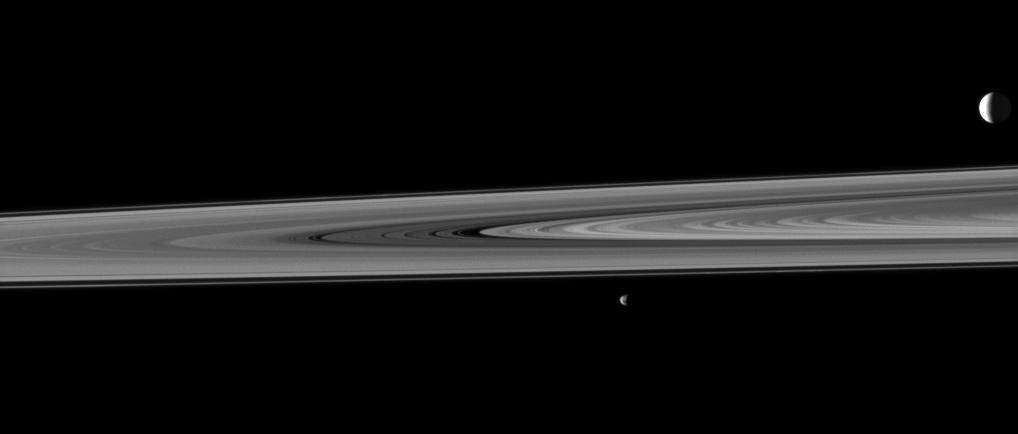
Saturn rings occupy the space between two of the planet moons in this image, taken by NASA Cassini spacecraft, which shows the highly reflective moon Enceladus in the background and the smaller moon Janus in the fore.
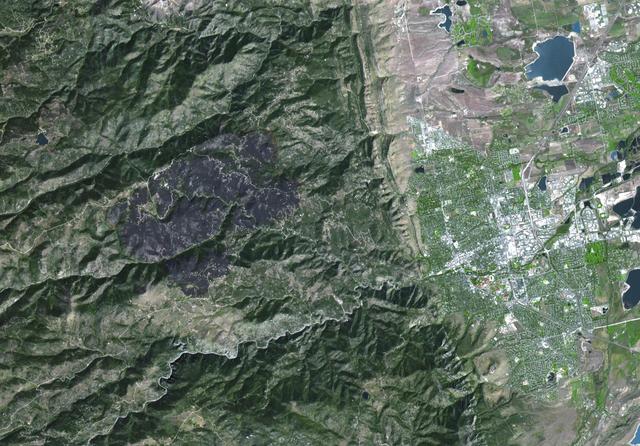
The Advanced Spaceborne Thermal Emission and Reflection Radiometer ASTER instrument aboard NASA Terra spacecraft captured this image of the Fourmile Canyon fire west of Boulder Colo., on Sept. 17, 2010; it was 100 percent contained.

Data from JPL Advanced Spaceborne Thermal Emission and Reflection Radiometer instrument on NASA Terra satellite provides views of the L.A. Basin, including Dodger Stadium, the L.A.X. airport and JPL.
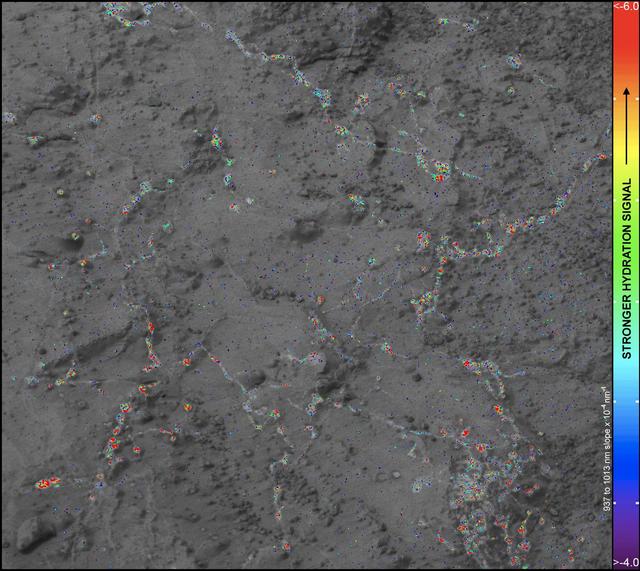
On this image of the rock target Knorr, color coding maps the amount of mineral hydration indicated by a ratio of near-infrared reflectance intensities measured by the Mastcam on NASA Mars rover Curiosity.
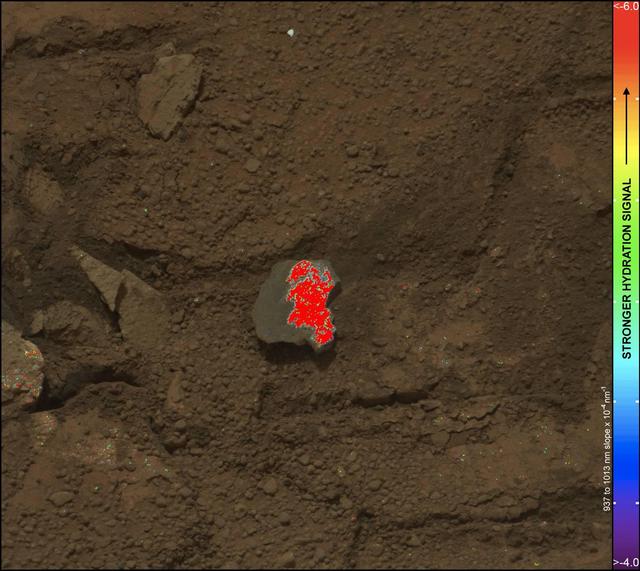
On this image of the broken rock called Tintina, color coding maps the amount of mineral hydration indicated by a ratio of near-infrared reflectance intensities measured by the Mastcam on NASA Mars rover Curiosity.
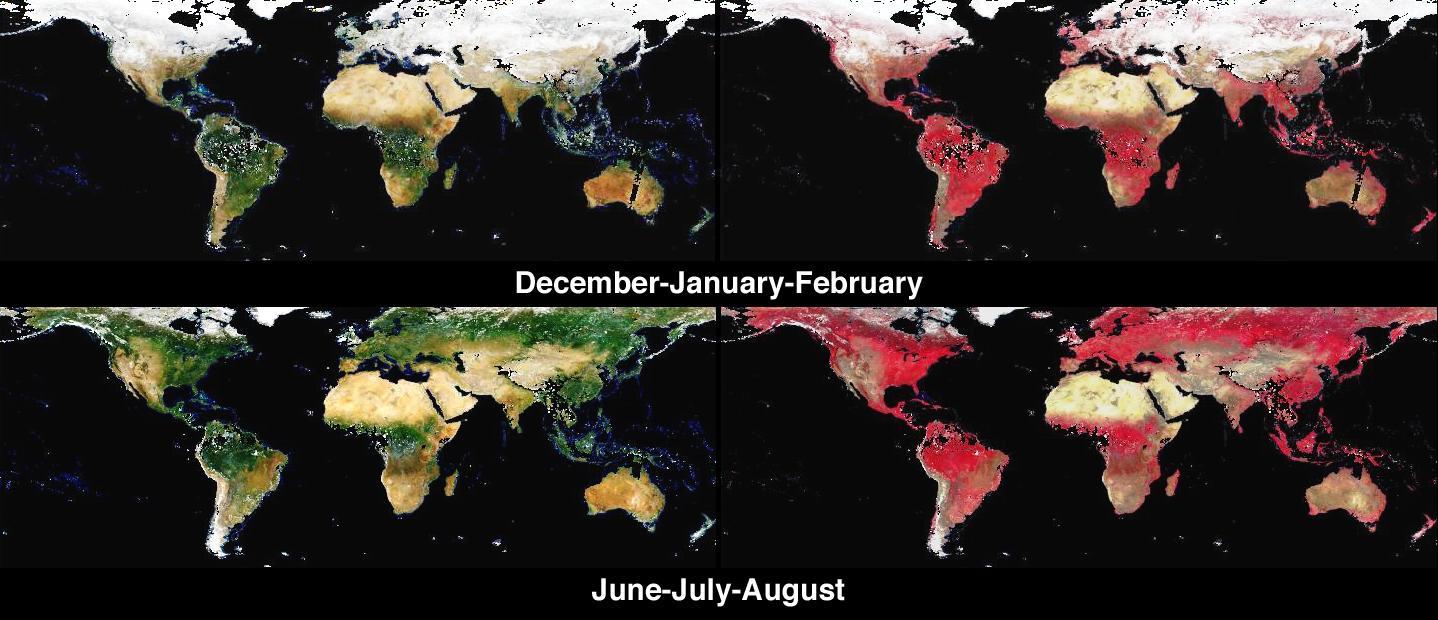
These images from NASA Terra spacecraft provide global, seasonal summaries of a quantity called the Directional Hemispherical Reflectance DHR, also sometimes referred to as the black-sky albedo.
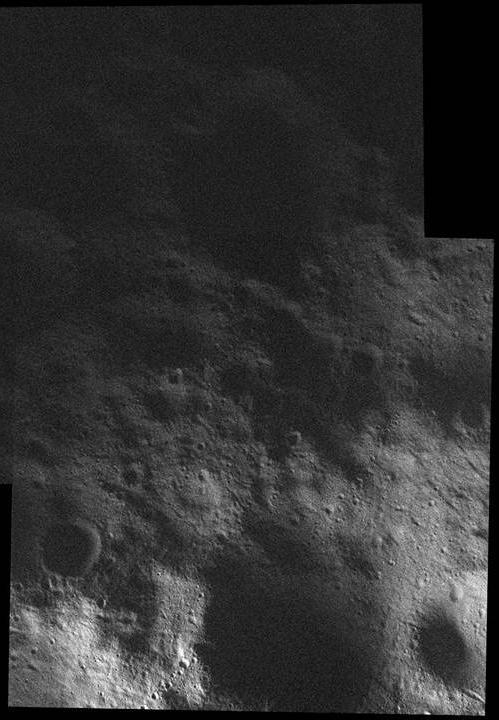
This mosaic of the surface of asteroid Vesta was made from images obtained by NASA Dawn spacecraft while the area was entirely in the sun shadow. Light reflecting off of other areas of Vesta provides the only illumination.
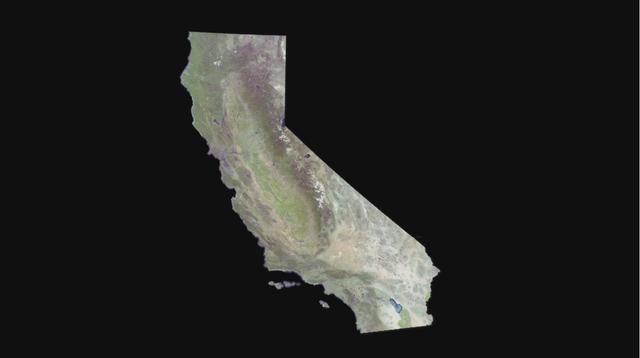
Data from JPL Advanced Spaceborne Thermal Emission and Reflection Radiometer instrument on NASA Terra satellite provides views of the L.A. Basin, San Francisco Bay and more.
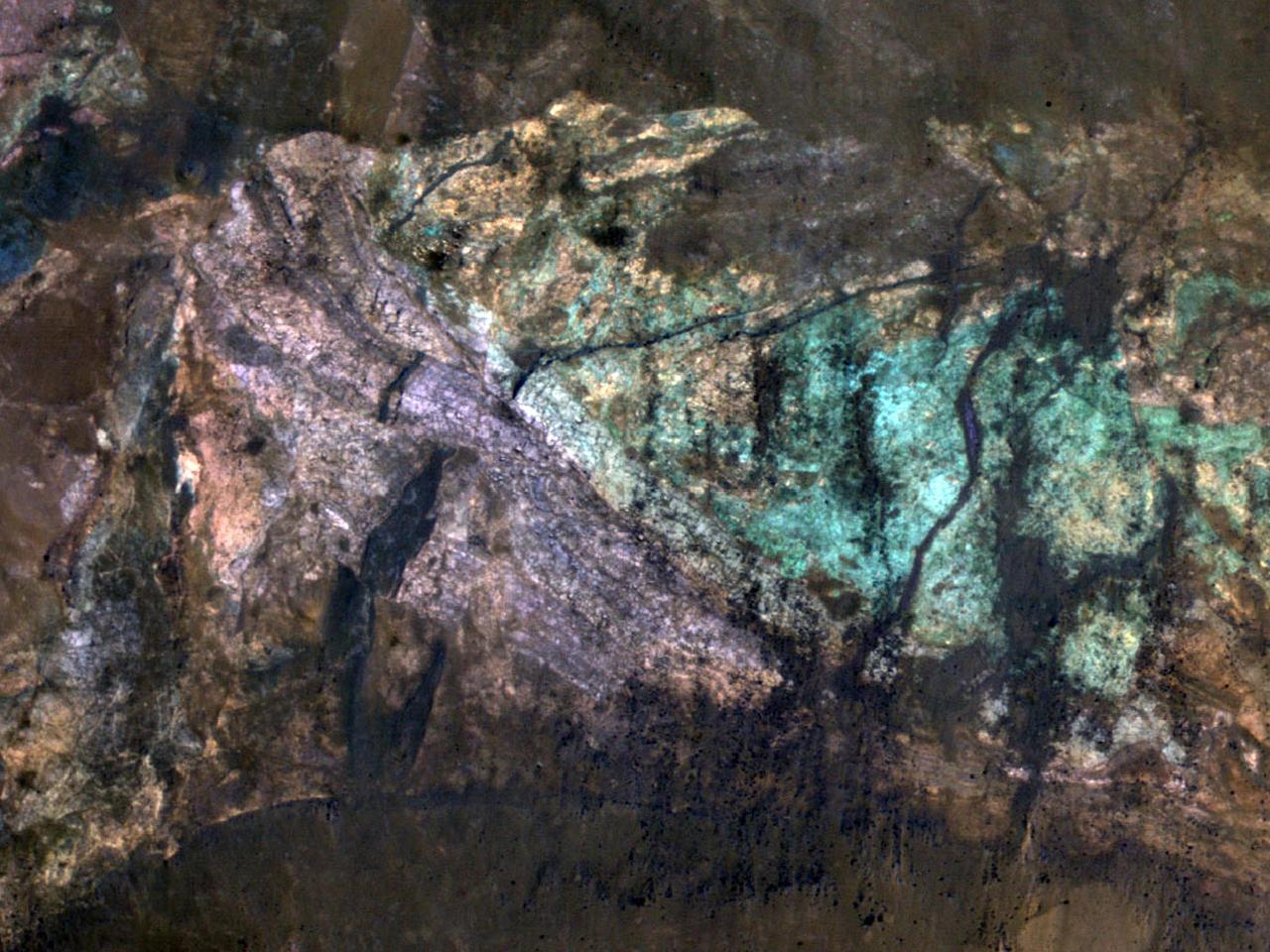
The colorful rocks exposed in the central peak visible in this image from NASA Mars Reconnaissance Orbiter probably reflect variations in mineral content that were caused by water activity early in Mars history.
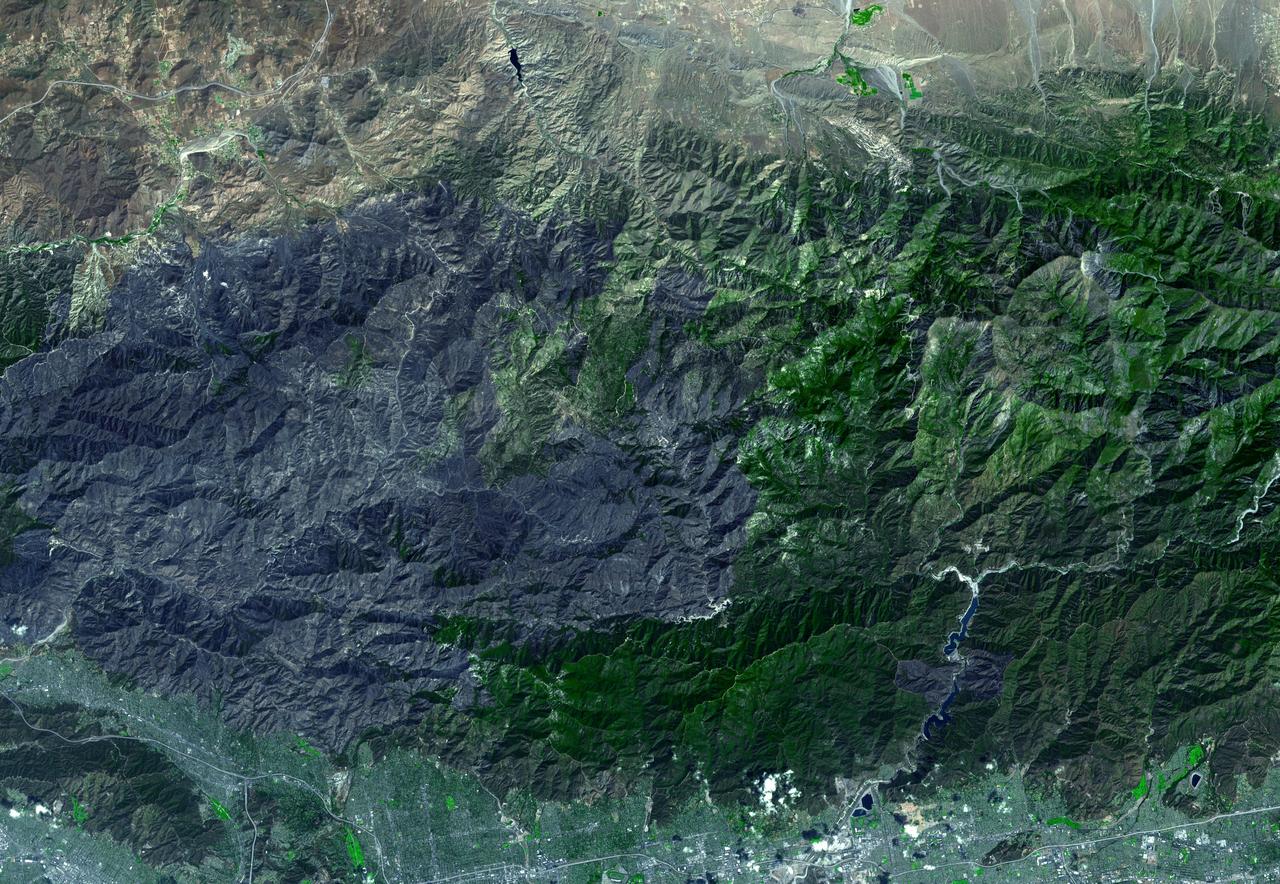
JPL Advanced Spaceborne Thermal Emission and Reflection Radiometer aboard NASA Terra satellite captured this simulated natural color image of the Station fire burning in the San Gabriel Mountains.
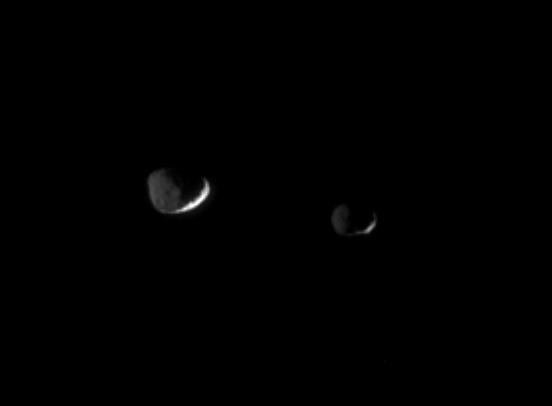
Epimetheus 116 kilometers, or 72 miles across, at right and Janus 181 kilometers, or 113 miles across, at left are lit here by reflected greylight from Saturn. The Sun brightens only thin slivers of the moons surfaces.
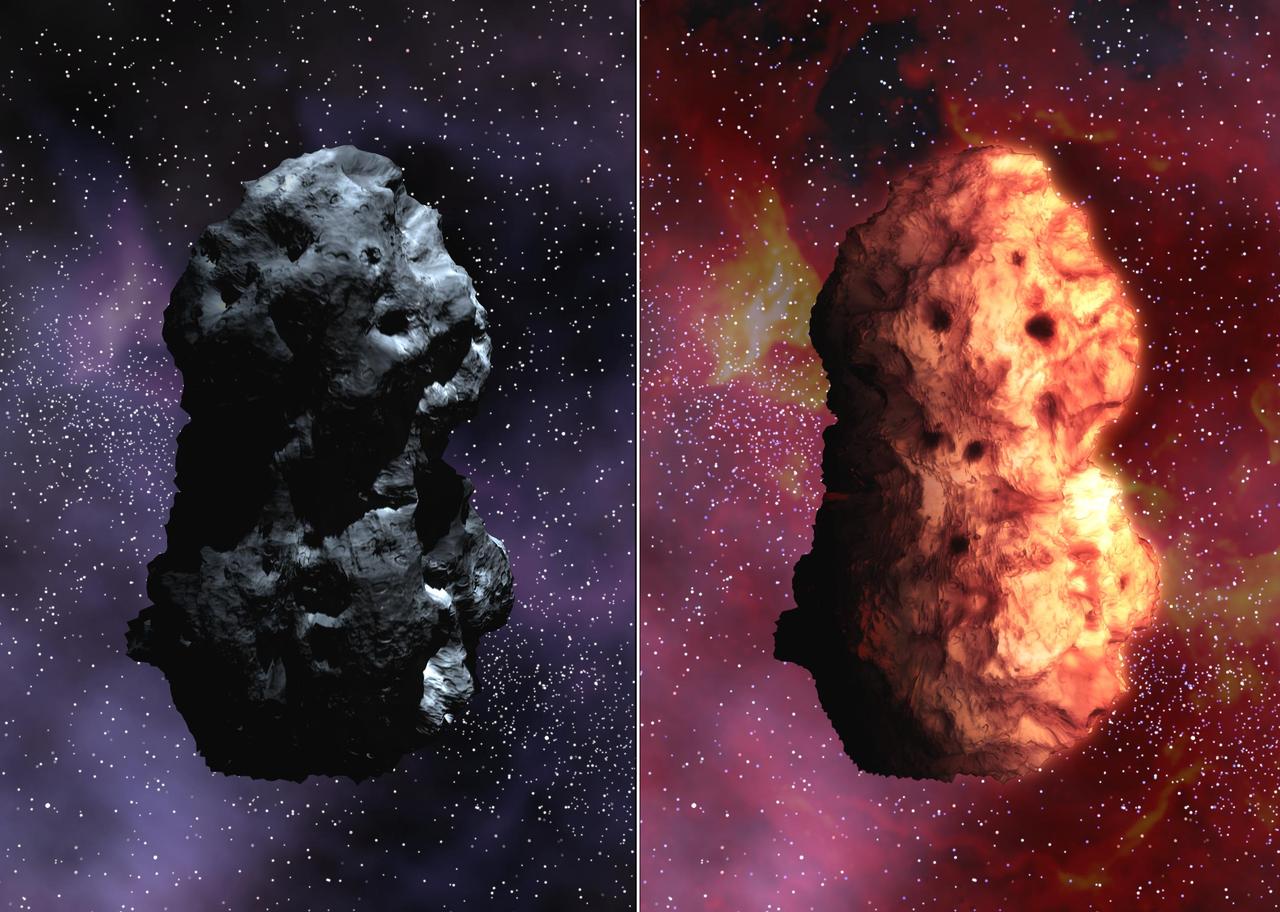
These artist concepts illustrate Tempel 1 shape, reflectivity, rotation rate and surface temperature, based on information from NASA Hubble Space Telescope and Spitzer Space Telescope.
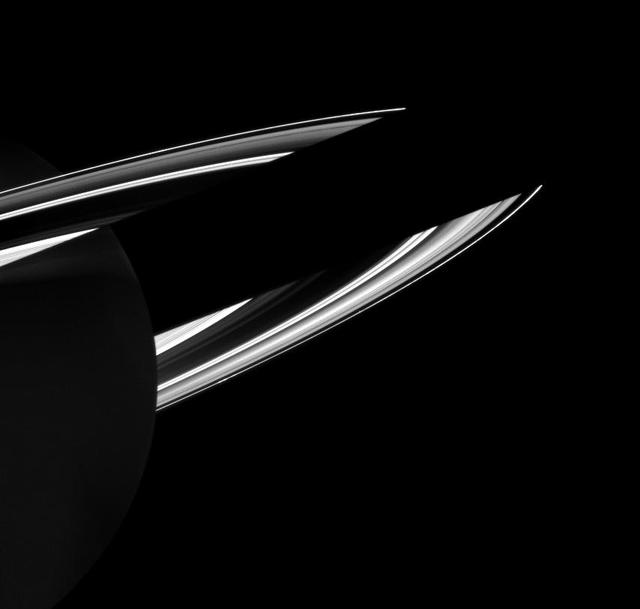
Saturn casts its shadow on the rings in this NASA Cassini spacecraft image that also shows how the rings reflect sunlight onto the dark side of the planet. Here Saturn appears dimly illuminated by this ringshine.
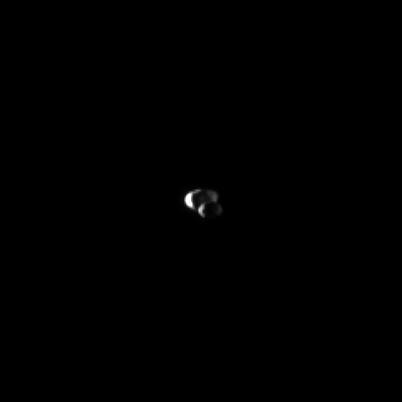
Saturn moon Epimetheus moves in front of the larger moon Janus as seen by NASA Cassini spacecraft. The moons are lit by sunlight on the left and light reflected off Saturn on the right.
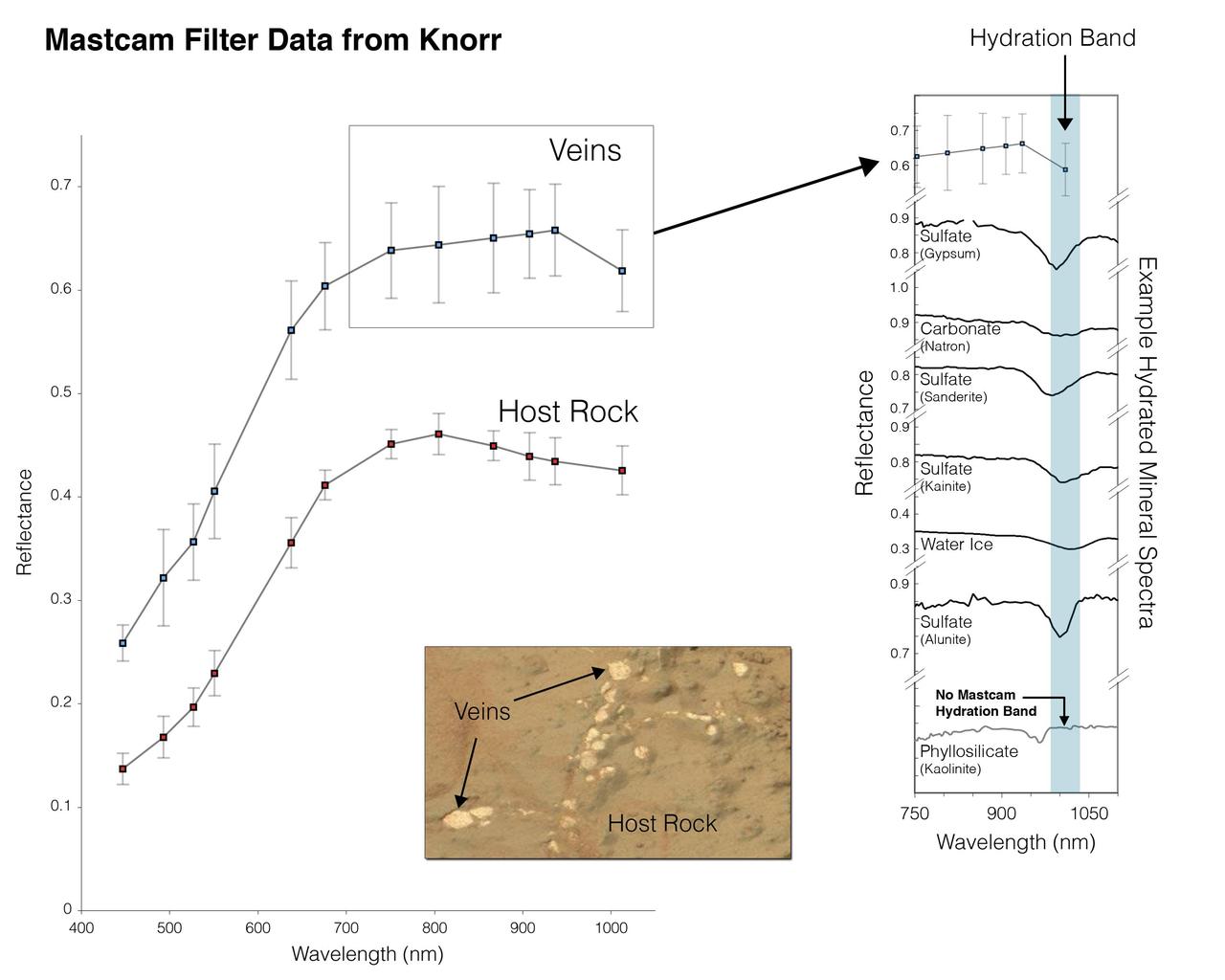
At different locations on the surface of the same rock, scientists can use the Mast Camera Mastcam on NASA Mars rover Curiosity to measure the amount of reflected light at a series of different wavelengths.
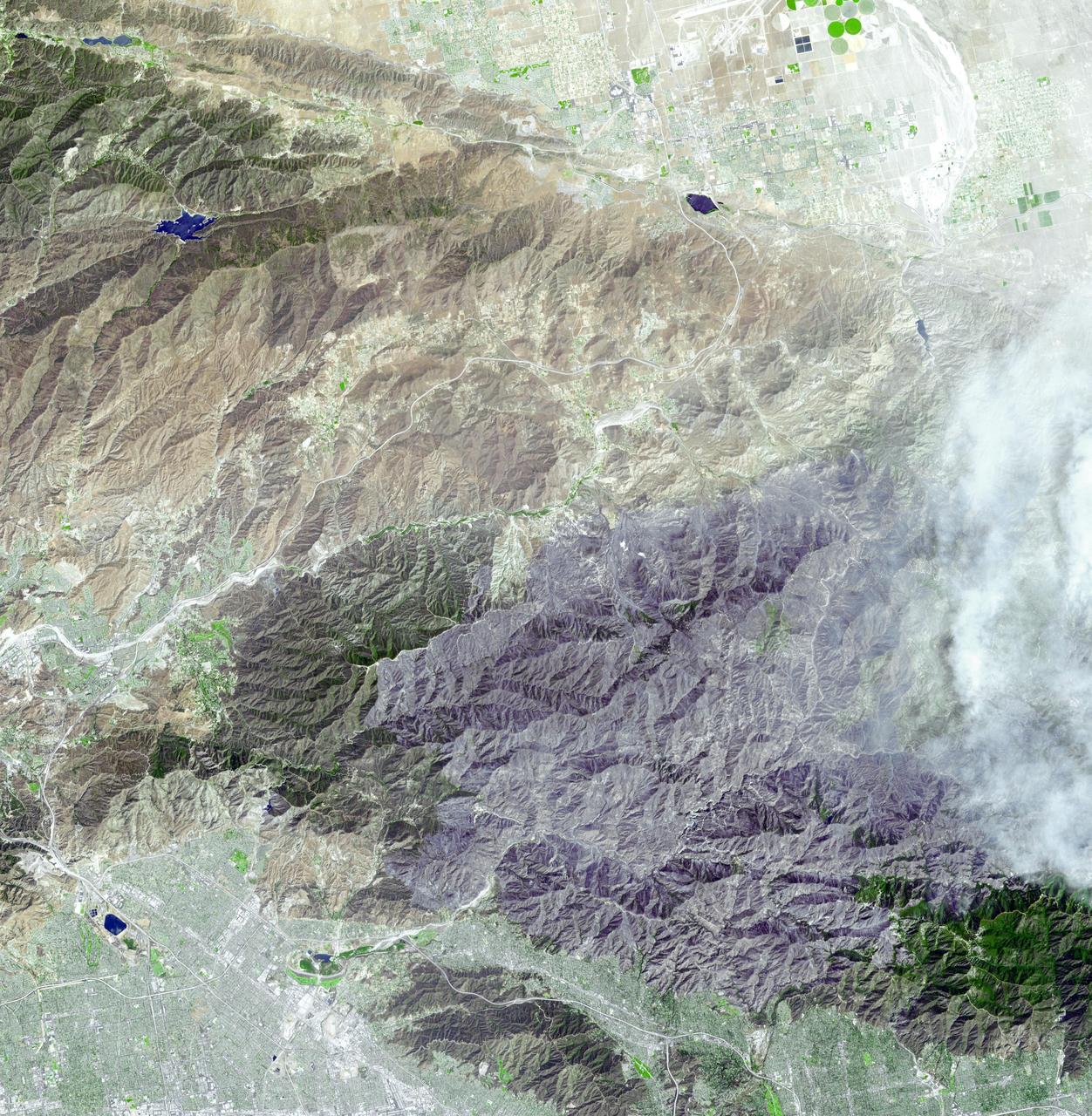
JPL Advanced Spaceborne Thermal Emission and Reflection Radiometer aboard NASA Terra satellite captured this simulated natural color image of the Station fire, burning in the San Gabriel Mountains.

NASA and Japan Ministry of Economy, Trade and Industry METI released the Advanced Spaceborne Thermal Emission and Reflection Radiometer ASTER Global Digital Elevation Model GDEM to the worldwide public on June 29, 2009.
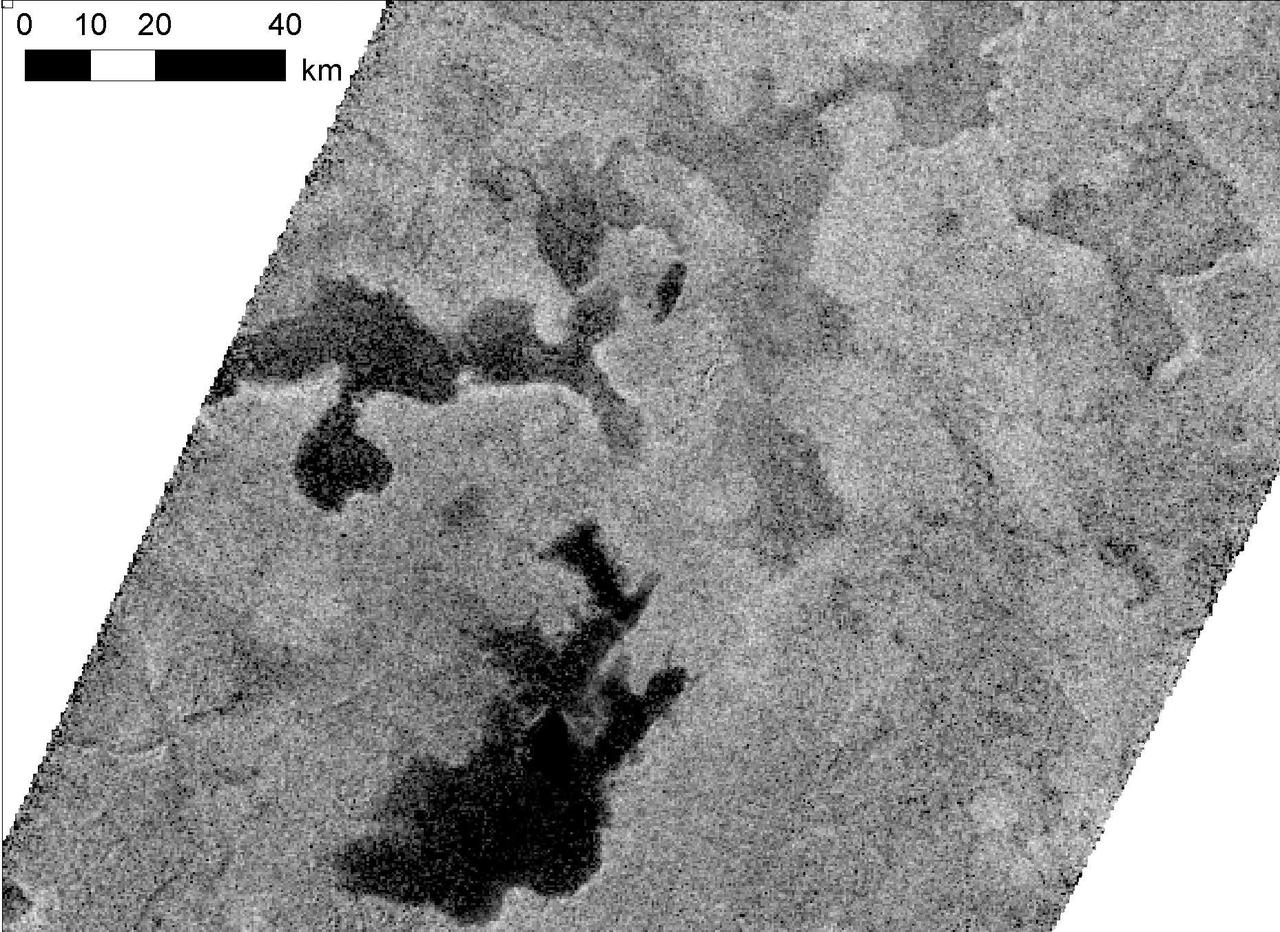
Lakes on Saturn moon Titan reflect radio waves in varying ways in this image from NASA Cassini spacecraft. If a lake is fully liquid, it looks dark, but if it is only partially liquid, it looks brighter.

After journeying a bit more than an hour across the Solar System, bright sunlight reflects off the gleaming icy cliffs in the wispy terrain of Dione and is captured by NASA Cassini spacecraft cameras several light seconds later
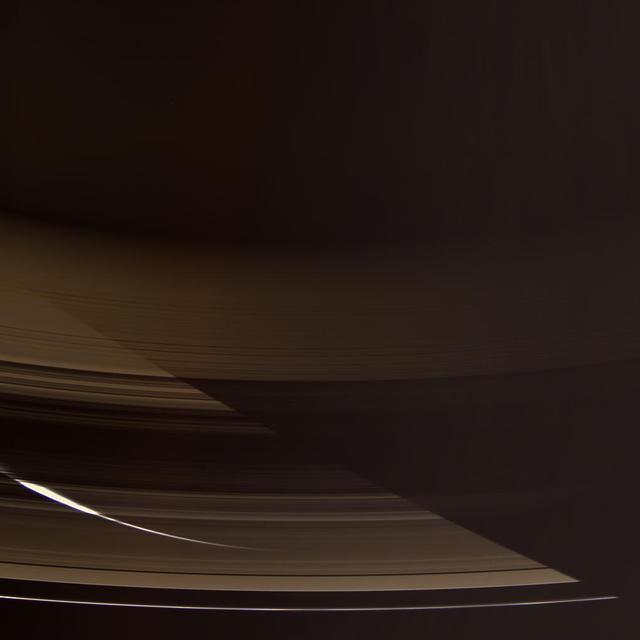
The Cassini spacecraft gazes down through the dark side of Saturn rings toward the softly glowing planet. The night side southern hemisphere is lit by sunlight reflecting off the opposite side of the rings
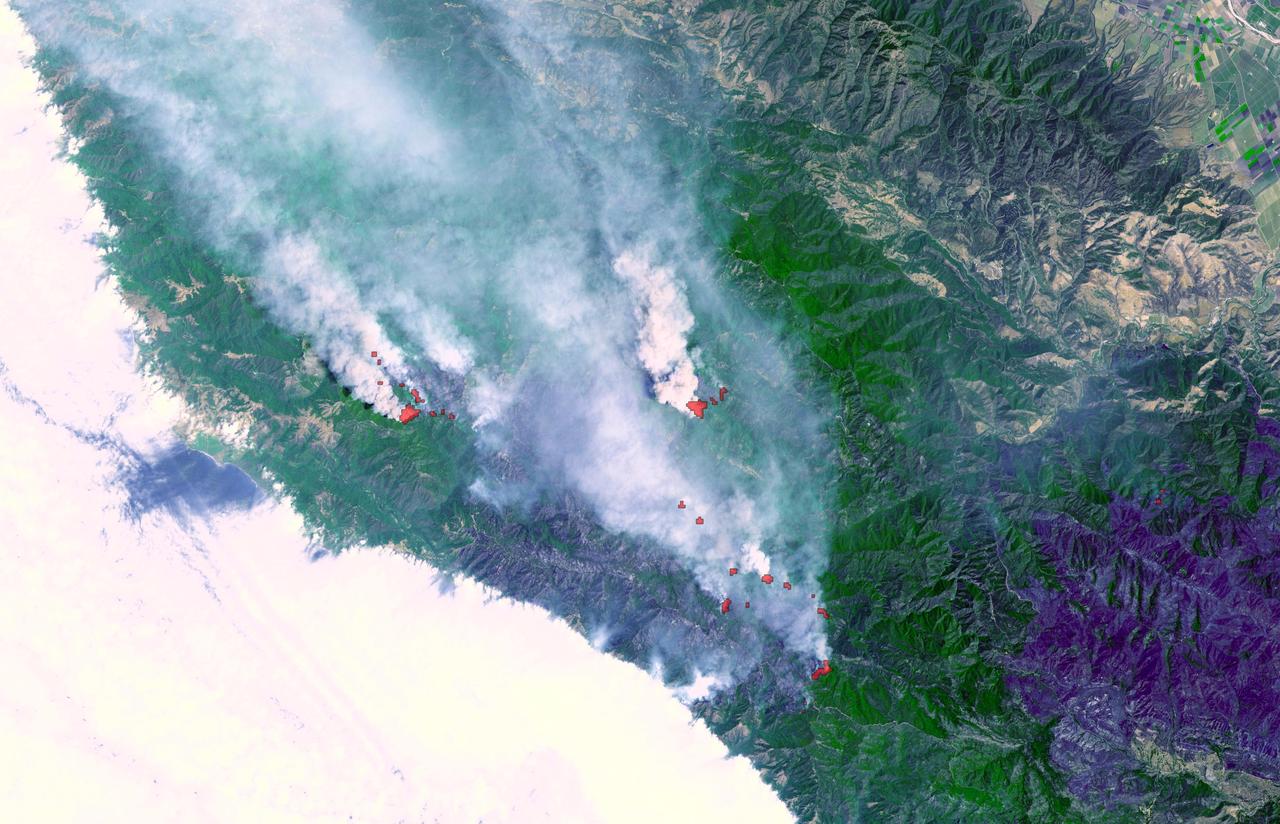
Fires near Big Sur, Calif., continued to burn unchecked when the Advanced Spaceborne Thermal Emission and Reflection Radiometer ASTER instrument on NASA Terra satellite captured this image on Sunday, June 29, 2008.
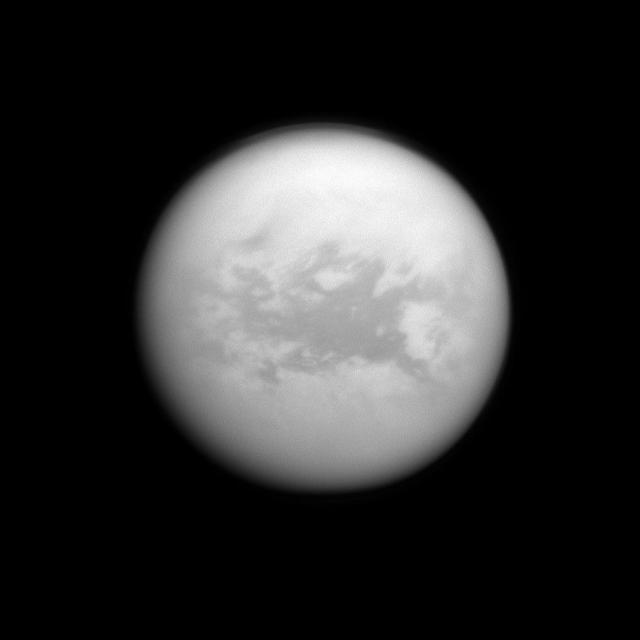
NASA Cassini spacecraft peers down through the hazy atmosphere of Saturn moon Titan to view the dark region called Belet. The large region called Belet has a low albedo, meaning it reflects little light.
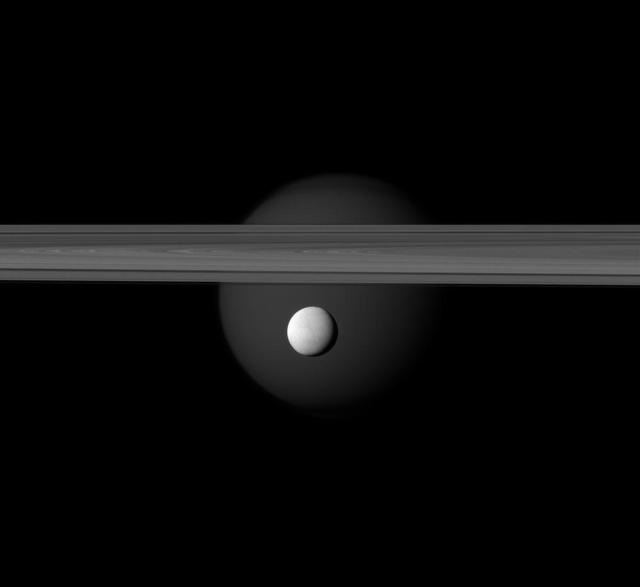
The brightly reflective moon Enceladus appears before Saturn rings while the larger moon Titan looms in the distance. Jets of water ice and vapor emanating from the south pole of Enceladus hinting at subsurface sea rich in organics.
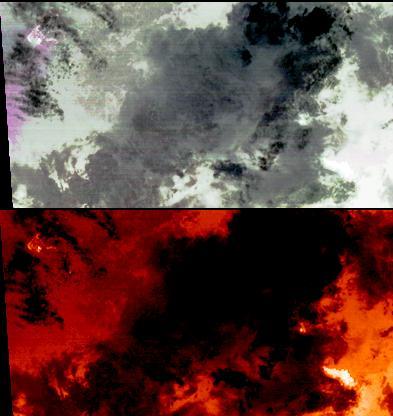
On the night of March 25, 2008, the Advanced Spaceborne Thermal Emission and Reflection Radiometer instrument on NASA Terra satellite captured these thermal infrared images of Kilauea volcano on Hawaii Big Island. Kilauea was active at two locations.
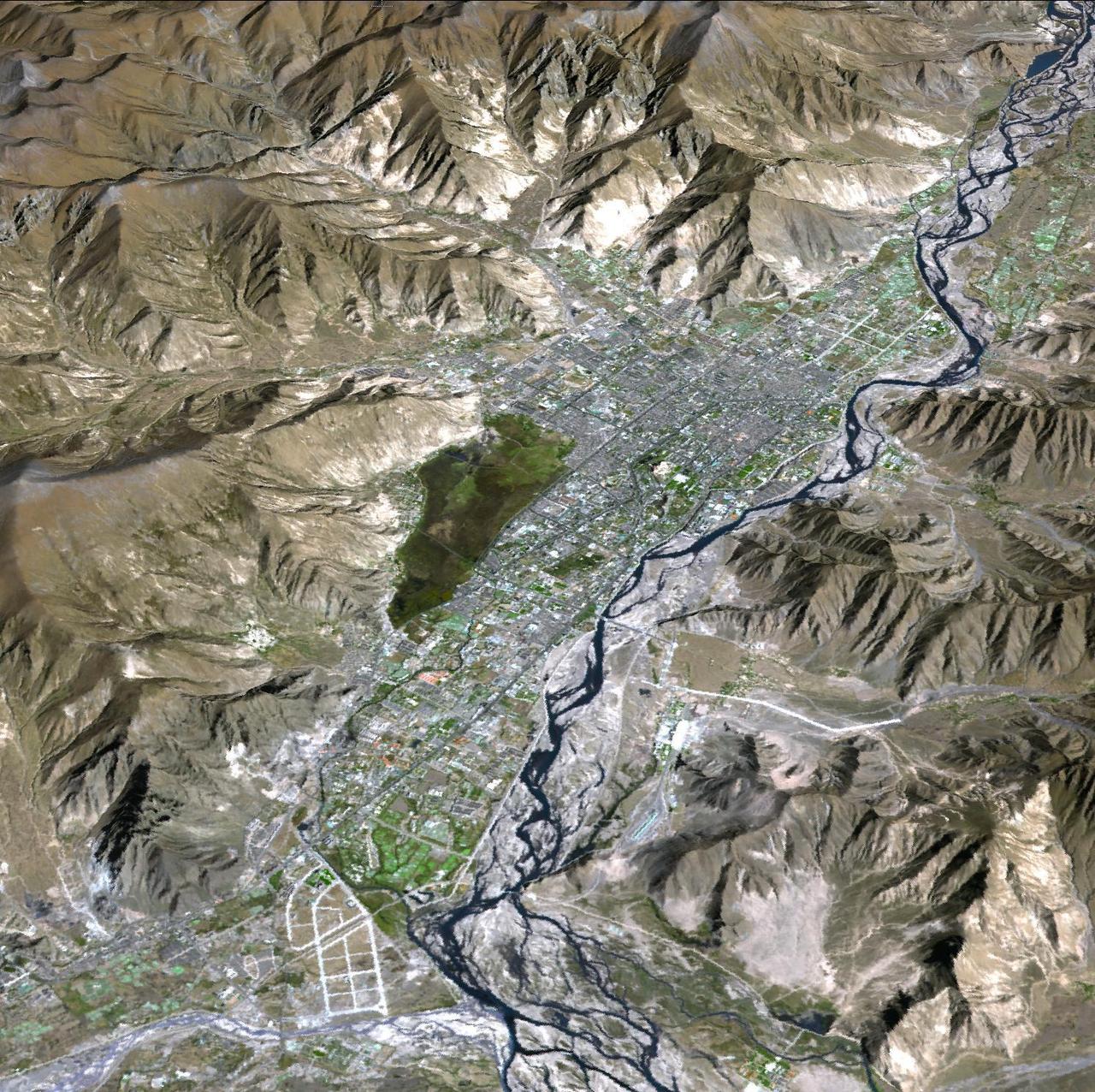
JPL Advanced Spaceborne Thermal Emission and Reflection Radiometer aboard NASA Terra satellite, shows Lhasa, the traditional seat of the Dalai Lama and capital of the Tibet Autonomous Region in China.
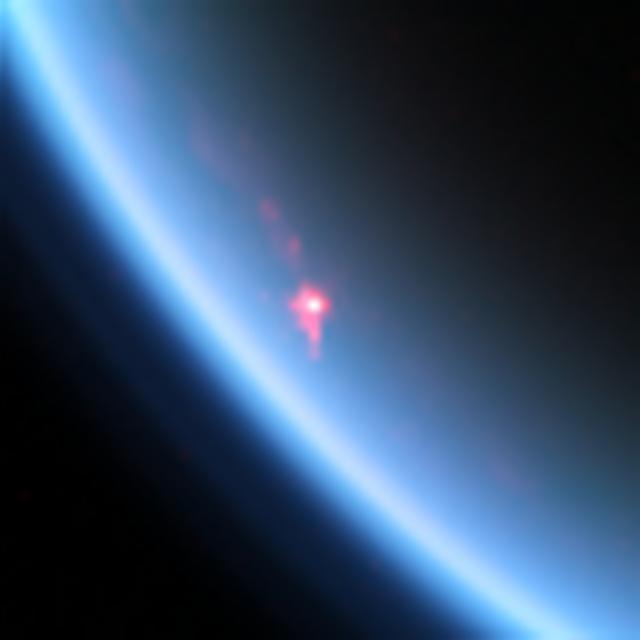
The view was obtained during NASA Cassini orbiter flyby on July 24, 2012, also called the T85 flyby by the Cassini team. This was the most intense specular reflection that Cassini had seen to date.
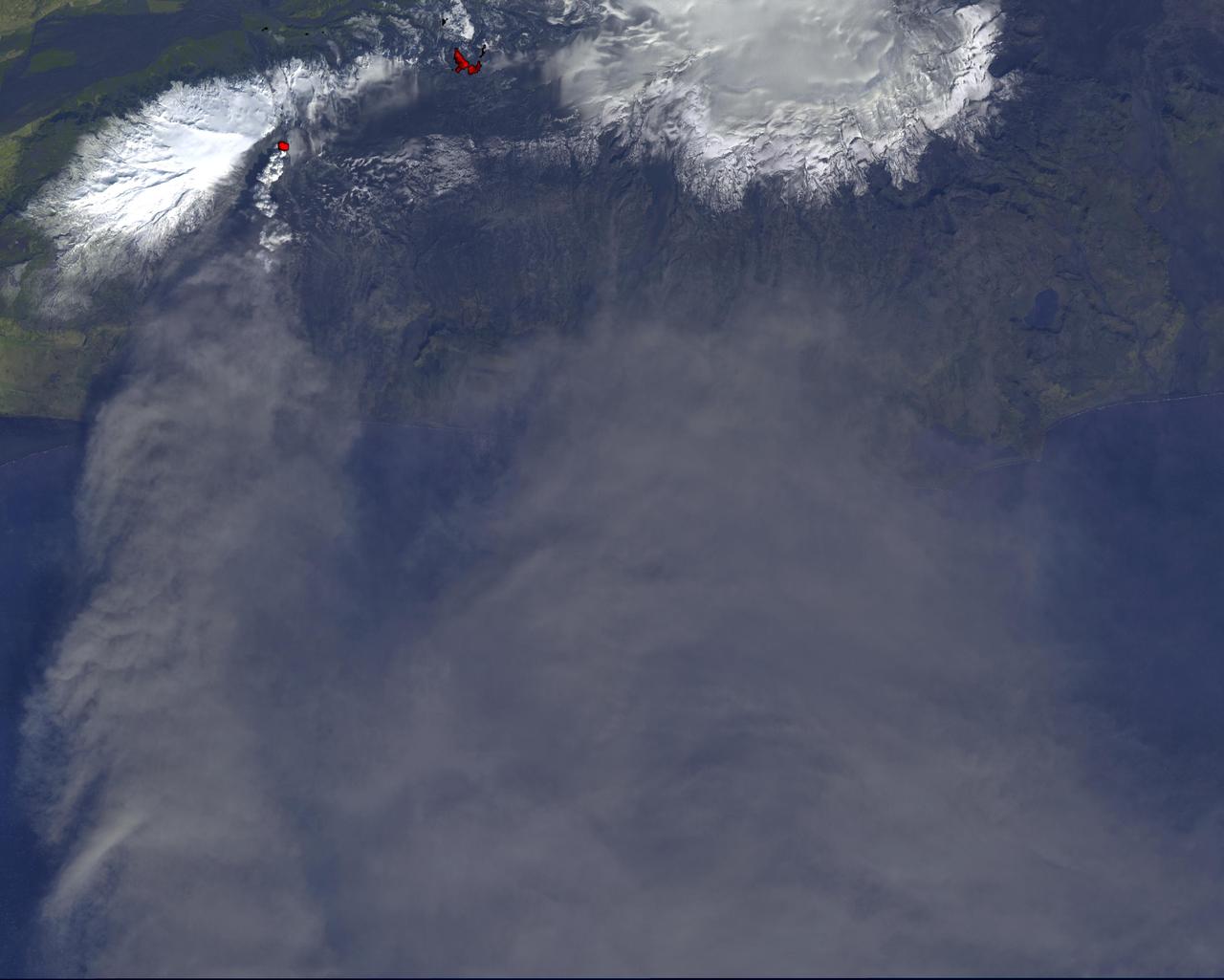
On Monday, April 19, 2010, the Advanced Spaceborne Thermal Emission and Reflection Radiometer ASTER instrument onboard NASA Terra spacecraft obtained this image of the continuing eruption of Iceland Eyjafjallajökull volcano.
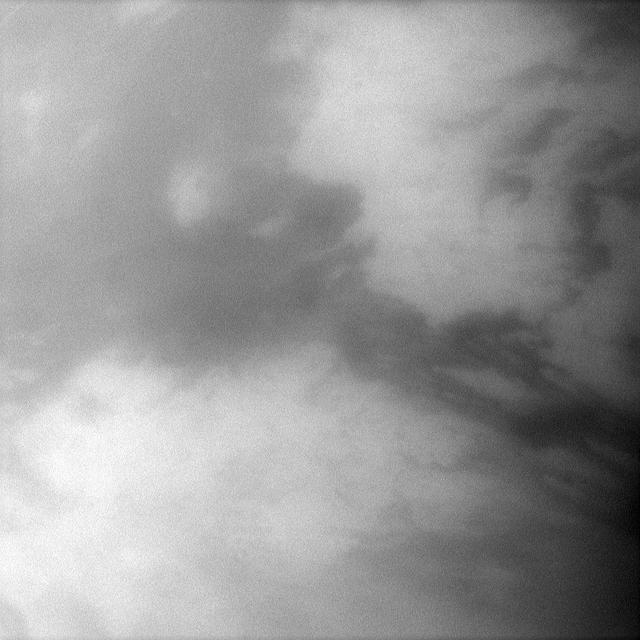
NASA Cassini spacecraft peers through the atmosphere of Saturn largest moon, Titan, to examine the dark region Belet. This large region on the moon surface has a low albedo, meaning it reflects little light.
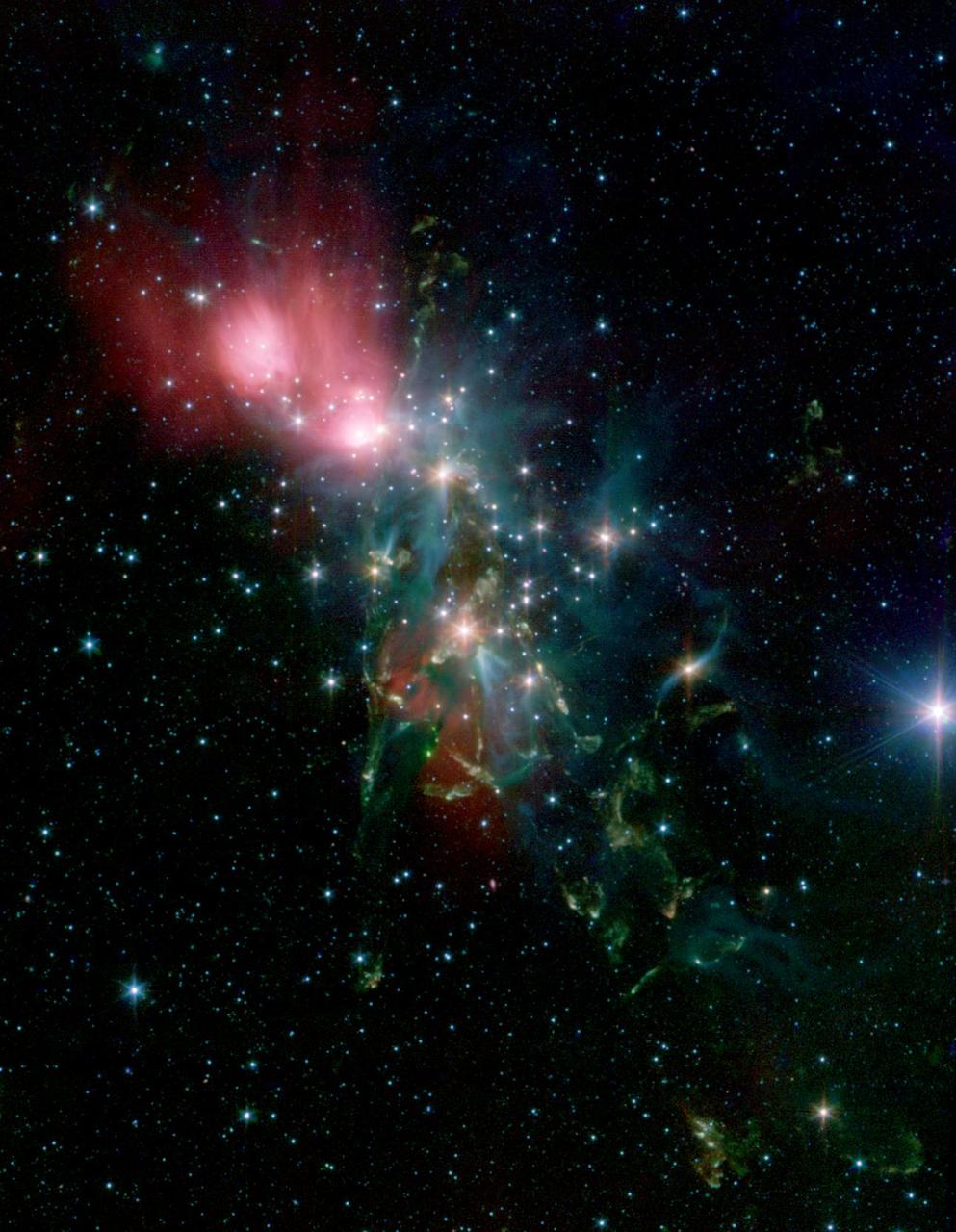
Located 1,000 light years from Earth in the constellation Perseus, a reflection nebula called NGC 1333 epitomizes the beautiful chaos of a dense group of stars being born. This image is from NASA Spitzer Space Telescope.
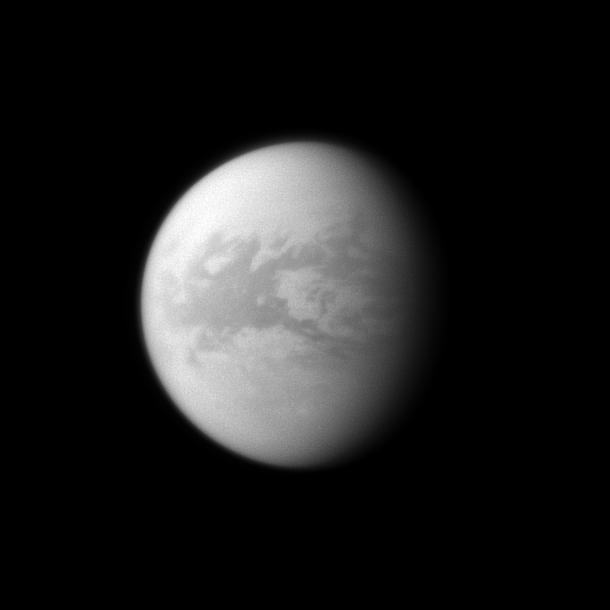
NASA Cassini spacecraft looks toward the dark region of Belet on Saturn largest moon, Titan. This large region on the moon has a low albedo, meaning it diffusely reflects little light.
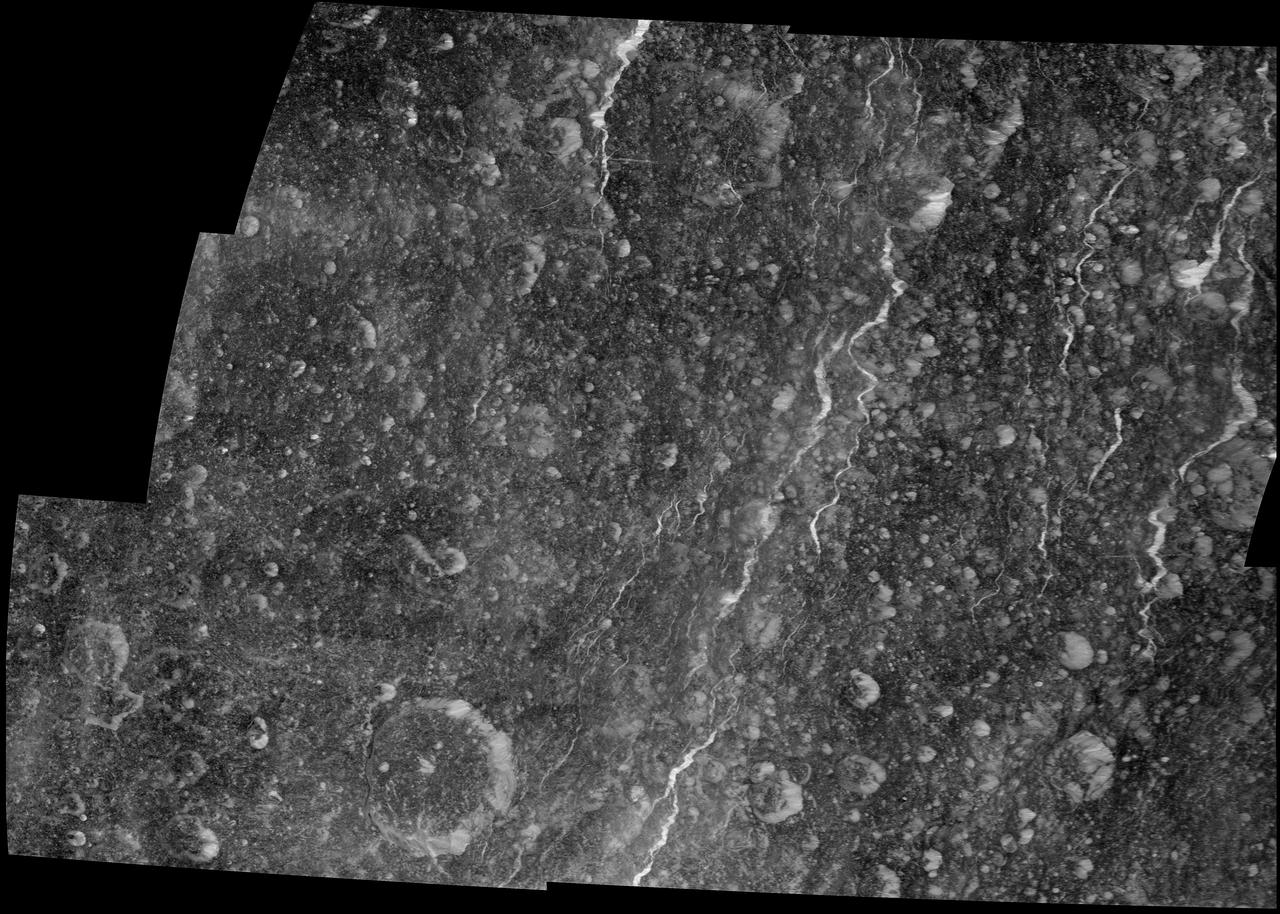
Icy fractures on Saturn moon Rhea reflect sunlight brightly in this high-resolution mosaic created from images captured by NASA Cassini spacecraft during its March 2, 2010, flyby.
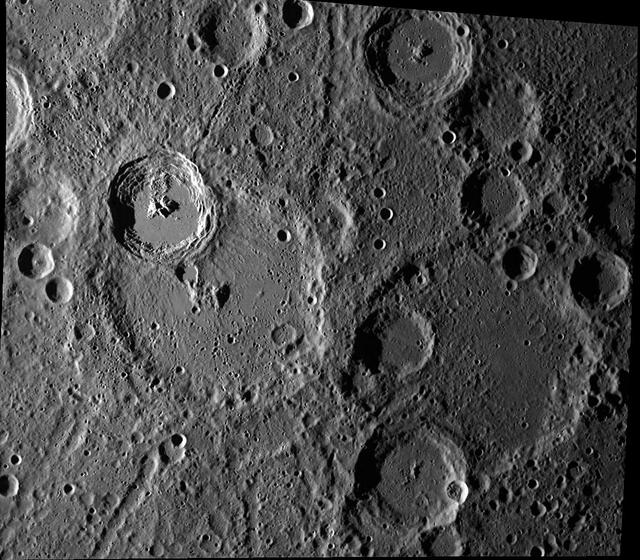
The colorful rocks exposed in the central peak visible in this image from NASA Mars Reconnaissance Orbiter probably reflect variations in mineral content that were caused by water activity early in Mars history.
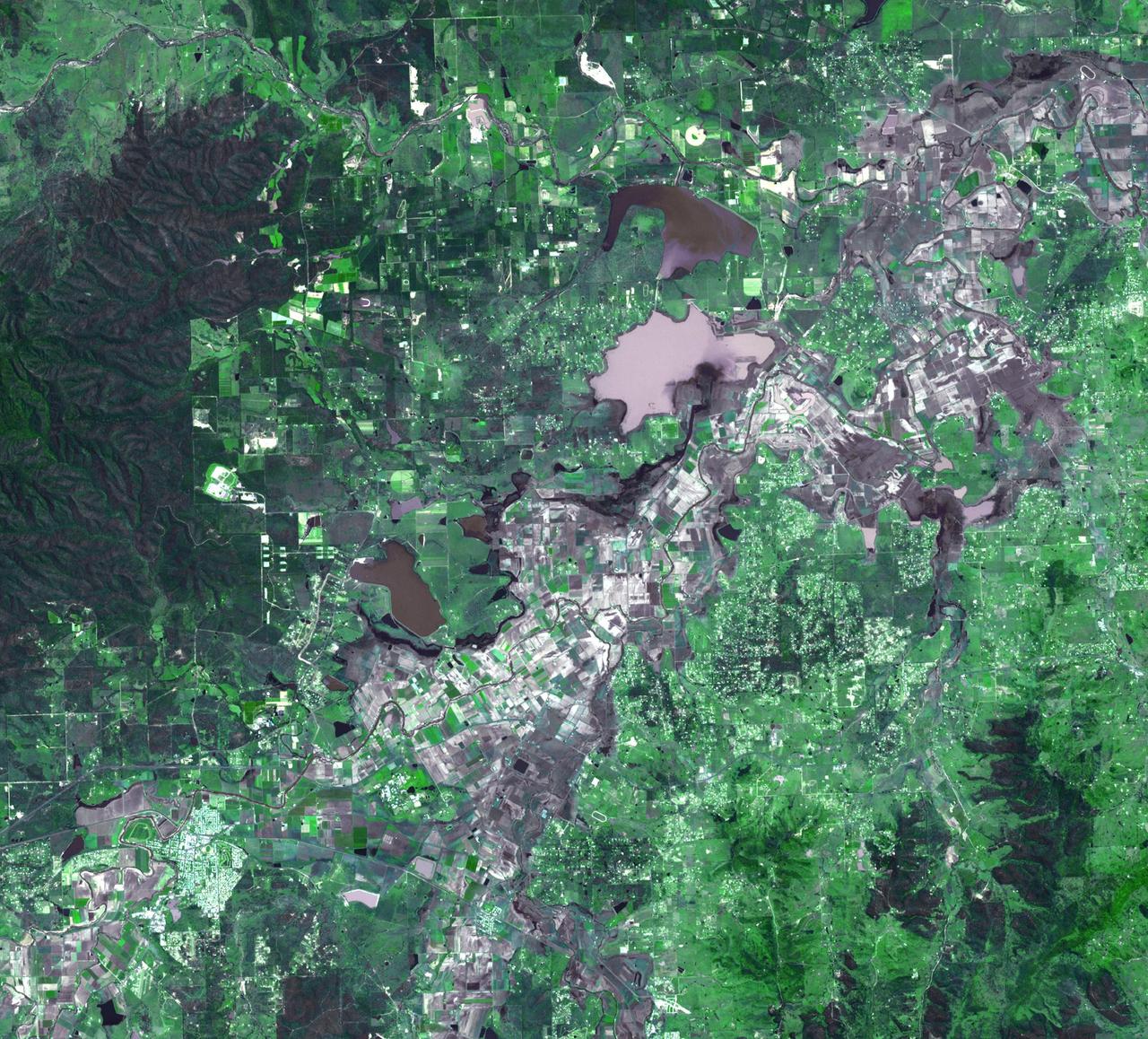
On January 17, 2011, the Advanced Spaceborne Thermal Emission and Reflection Radiometer ASTER instrument on NASA Terra spacecraft captured this image of the inundation west of Brisbane, Queensland, Australia.
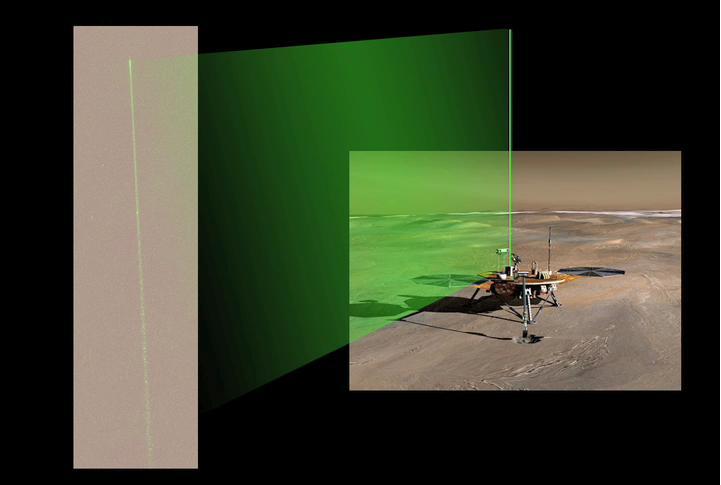
The Surface Stereo Imager camera aboard NASA Phoenix Mars Lander acquired a series of images of the laser beam in the Martian night sky. Bright spots in the beam are reflections from ice crystals in the low level ice-fog.
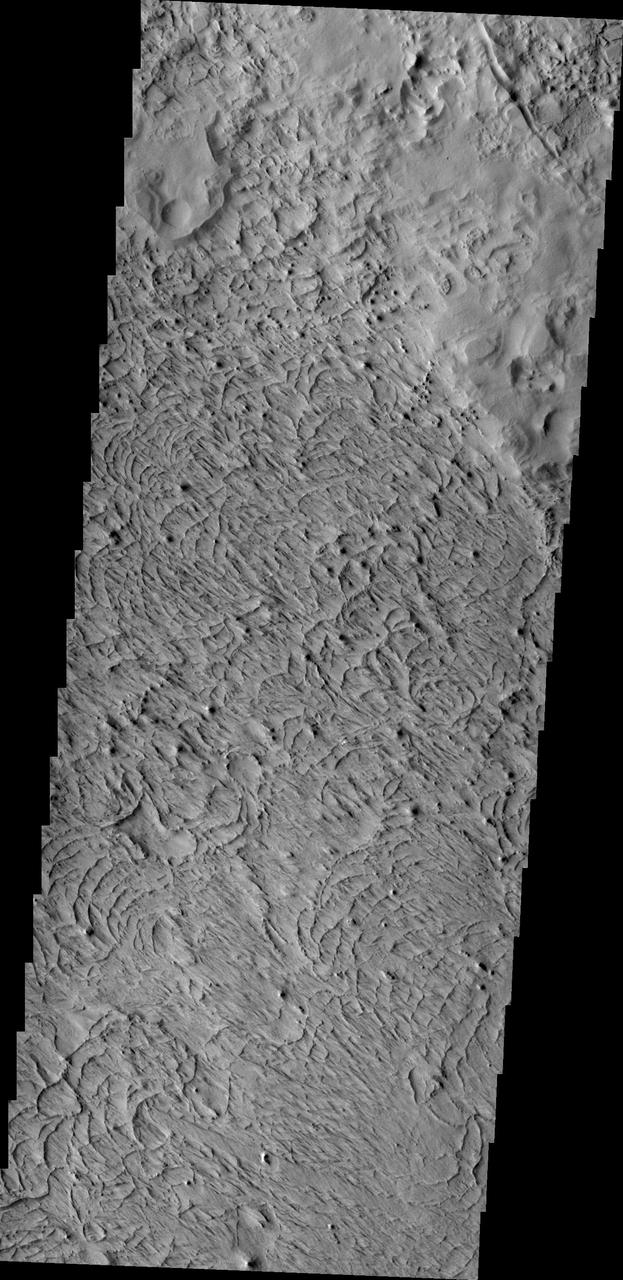
The unusual surface texture seen in the image from NASA 2001 Mars Odyssey spacecraft reflects the resistance of the surface rocks to erosion by the wind. This image shows part of the northern end of Gordii Dorsum.
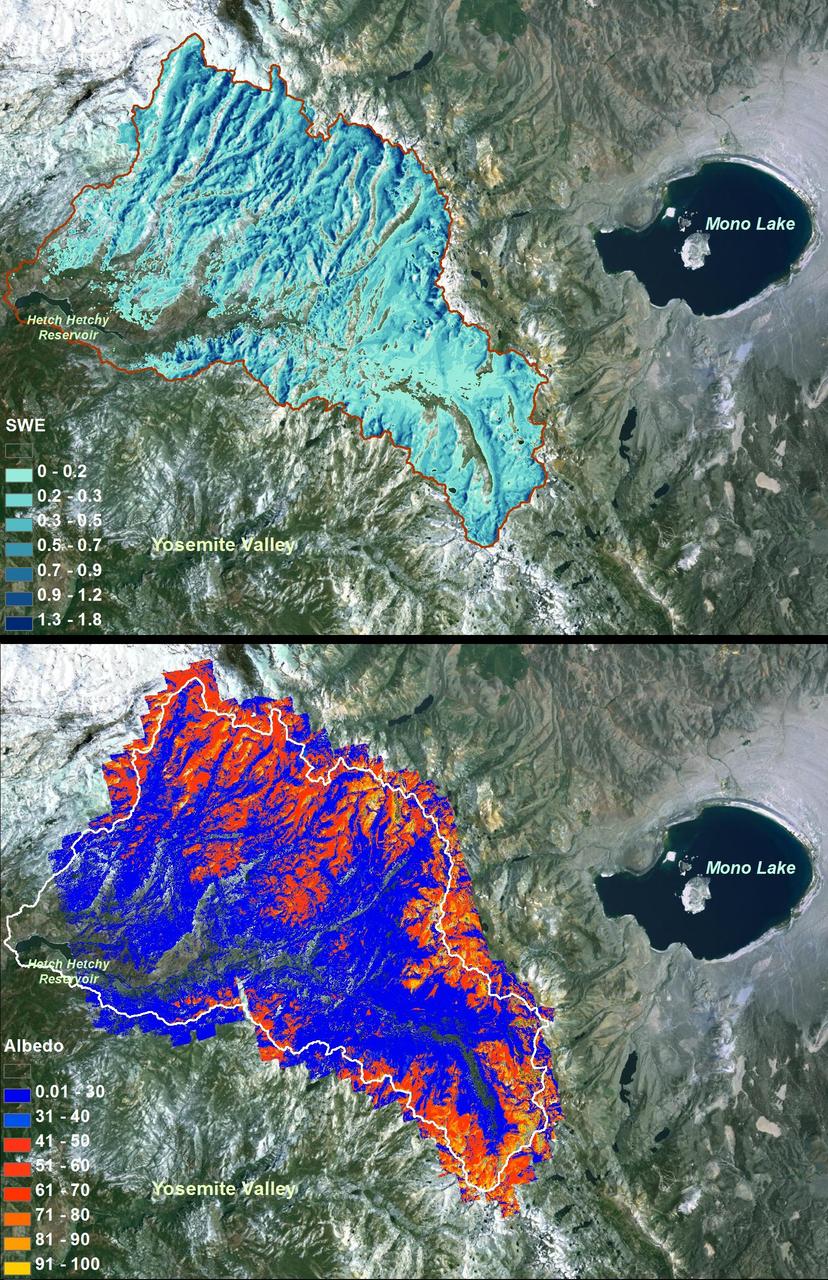
NASA Airborne Snow Observatory measurements of snow water equivalent top image and snow albedo, or reflectivity bottom image for the Tuolumne River Basin in California Sierra Nevada on April 21, 2013.
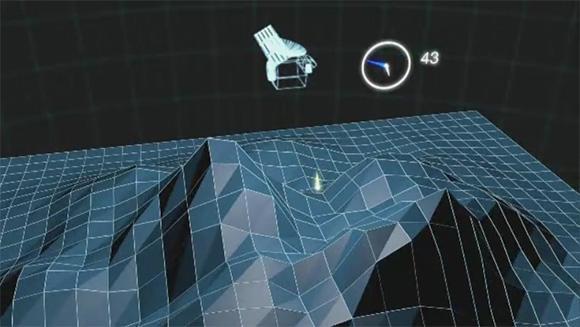
NASA Mercury Laser Altimeter MLA is shown ranging to Mercury surface from orbit. In this animation, yellow flashes represent near-infrared laser pulses that can reflect off terrain in shadow as well as in sunlight.
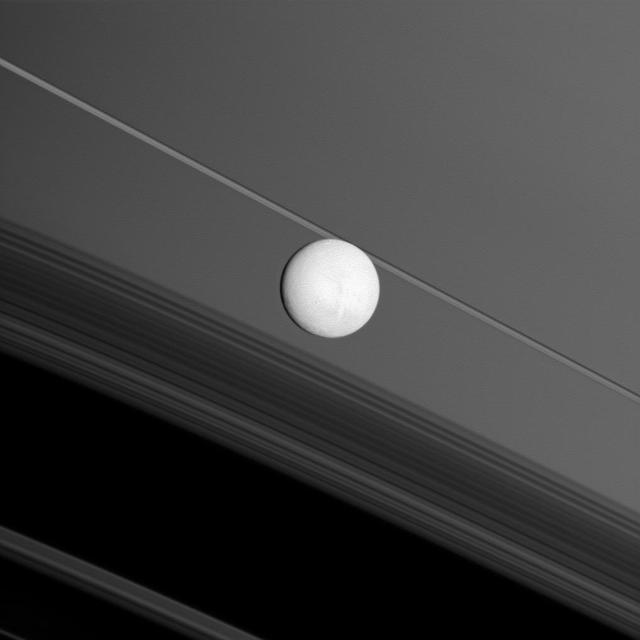
Saturn moon Enceladus brightly reflects sunlight before a backdrop of the planet rings and the rings shadows cast onto the planet. NASA Cassini spacecraft captured this snapshot during its flyby of the moon on Nov. 30, 2010.
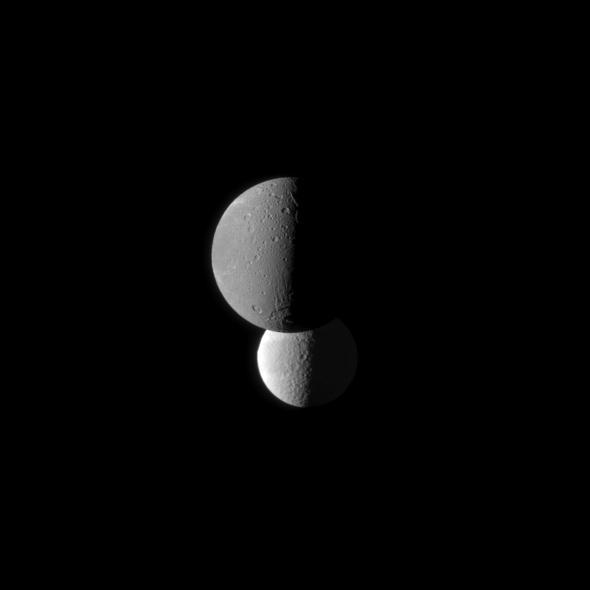
Saturn moon Dione, in the foreground of this image from NASA Cassini spacecraft, appears darker than the moon Tethys. Tethys appears brighter because it has a higher albedo than Dione, meaning Tethys reflects more sunlight.
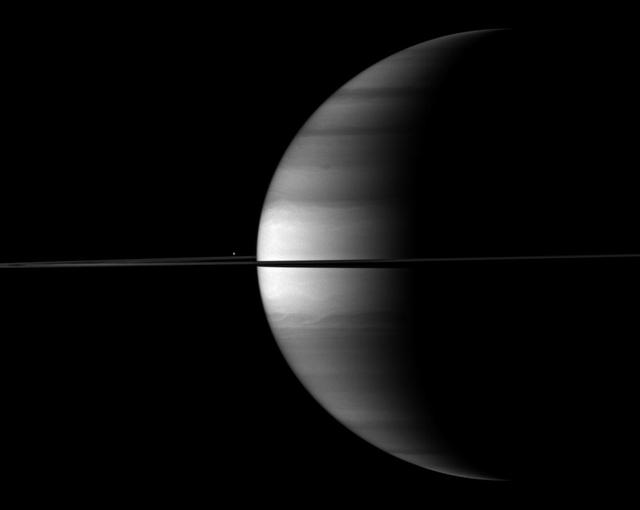
The highly reflective moon Enceladus appears as a bright dot beyond a crescent Saturn in this image from NASA Cassini spacecraft. Enceladus is visible above the ringplane to the left of the center of the image.
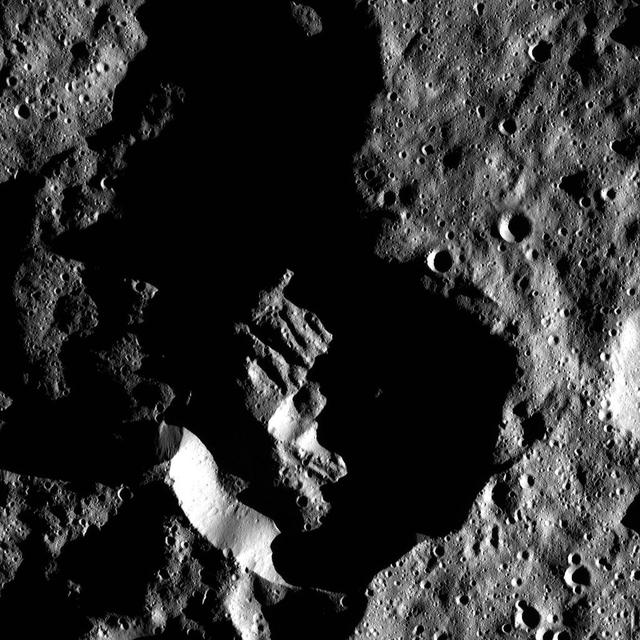
This image from NASA Dawn spacecraft shows Attis Crater on Ceres, which measures 14 miles 22 kilometers in diameter. The long shadows in and around the crater reflect Attis far-southern location.
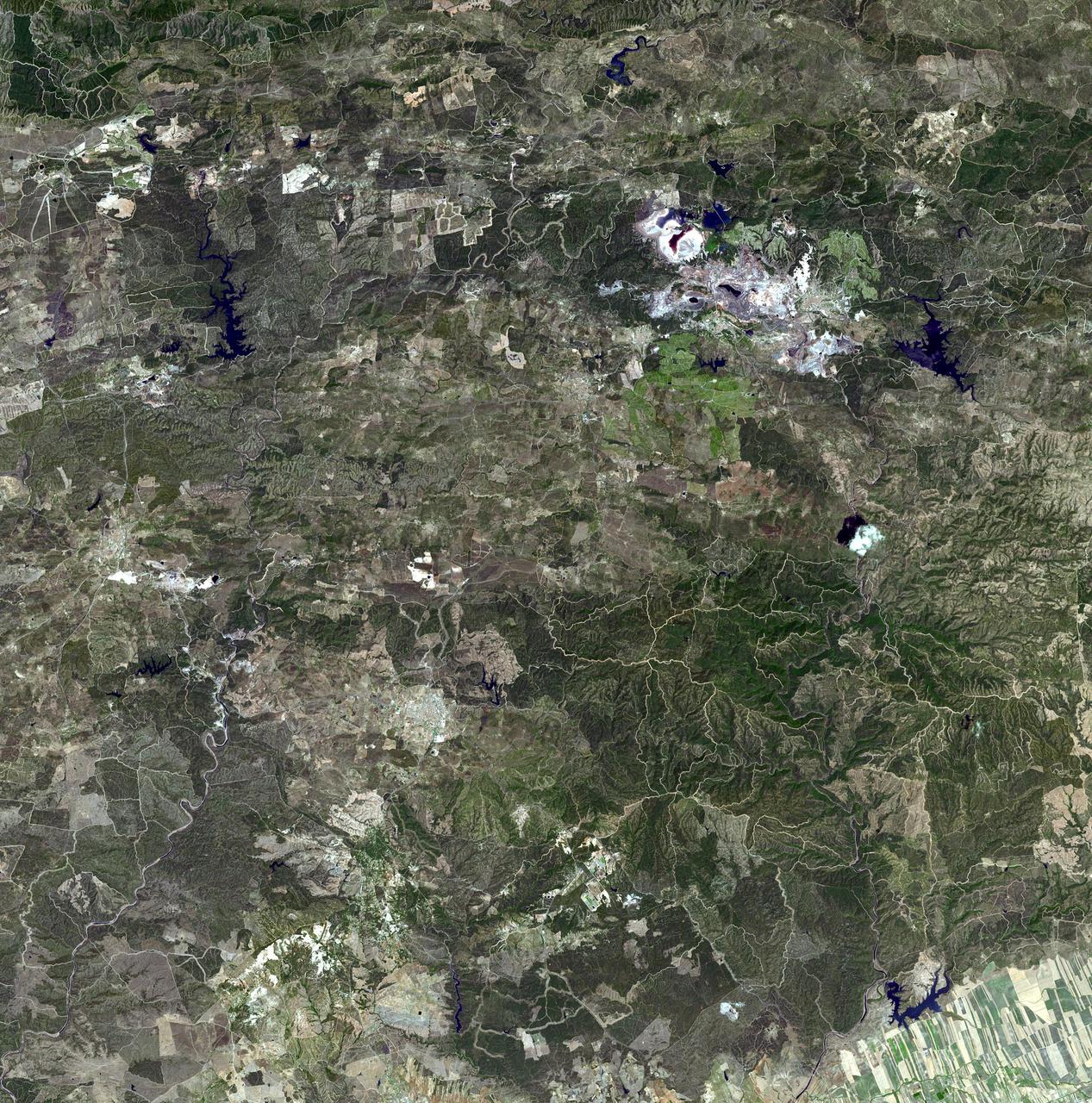
The Advanced Spaceborne Thermal Emission and Reflection Radiometer instrument aboard NASA Terra spacecraft captured this image of the Rio Tinto river in southwestern Spain which originates in the Sierra Morena mountains of Andalusia.
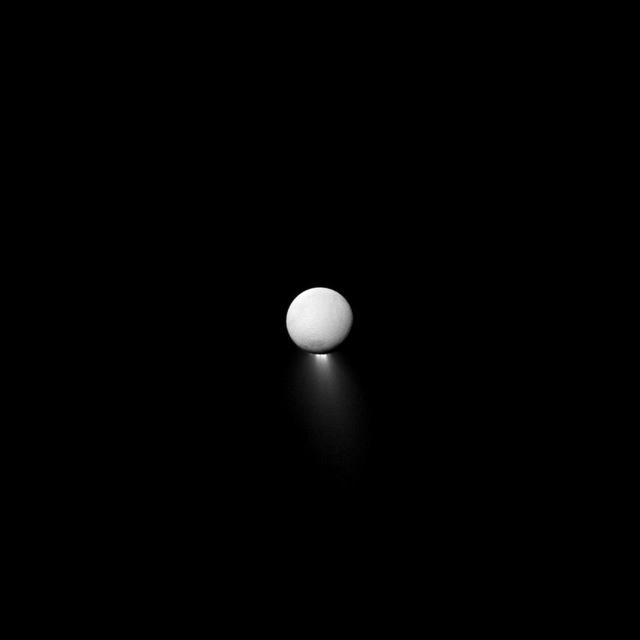
Enceladus unusual plume is only easily visible when NASA Cassini spacecraft and the Sun are on opposite sides of Enceladus. So what lighting up the moon then? It light reflected off Saturn.
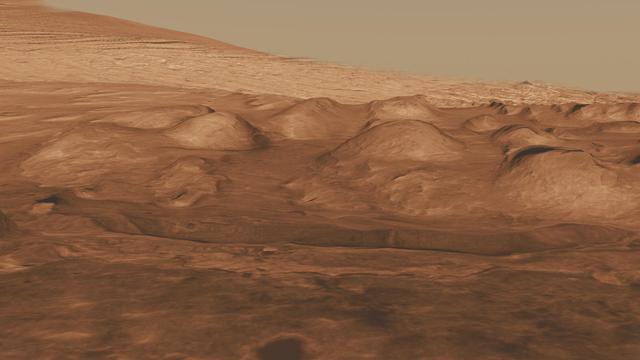
Mars scientists have several important hypotheses about how these minerals may reflect changes in the amount of water on the surface of Mars. The Mars Science Laboratory rover, Curiosity, will use its full suite of instruments to study these minerals.
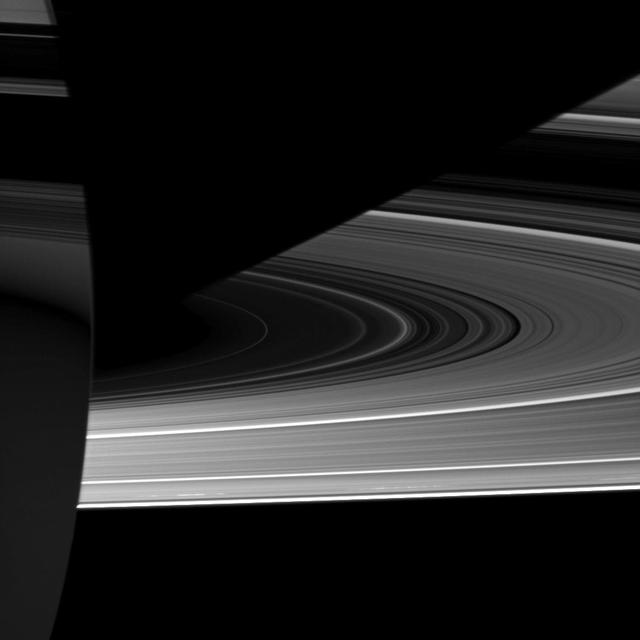
Capturing the interplay between light and shadow, NASA Cassini spacecraft looks toward the night side of Saturn where sunlight reflected off the rings has dimly illuminated what would otherwise be the dark side of the planet.
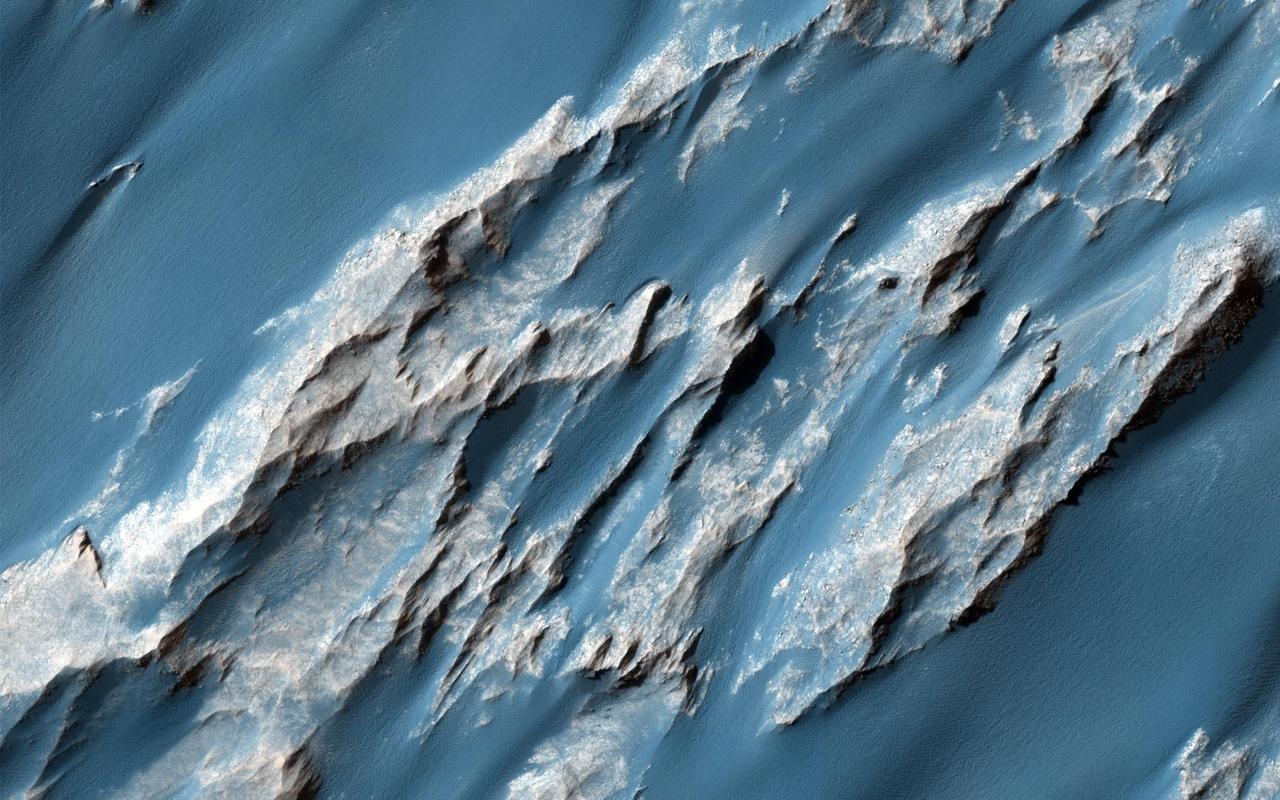
This image captured by NASA Mars Reconnaissance Orbiter is of an ancient, approximately 3 billion year-old landslide shows two distinct surface albedos, which are proportions of reflected light.
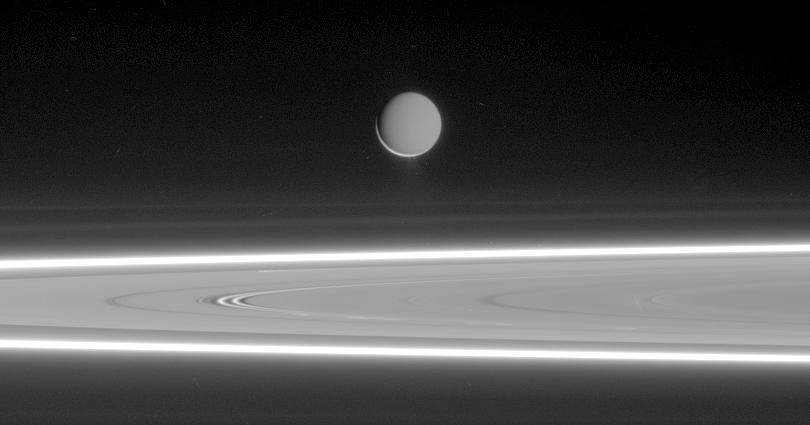
Lit by reflected light from Saturn, Enceladus appears to hover above the gleaming rings, its well-defined ice particle jets spraying a continuous hail of tiny ice grains
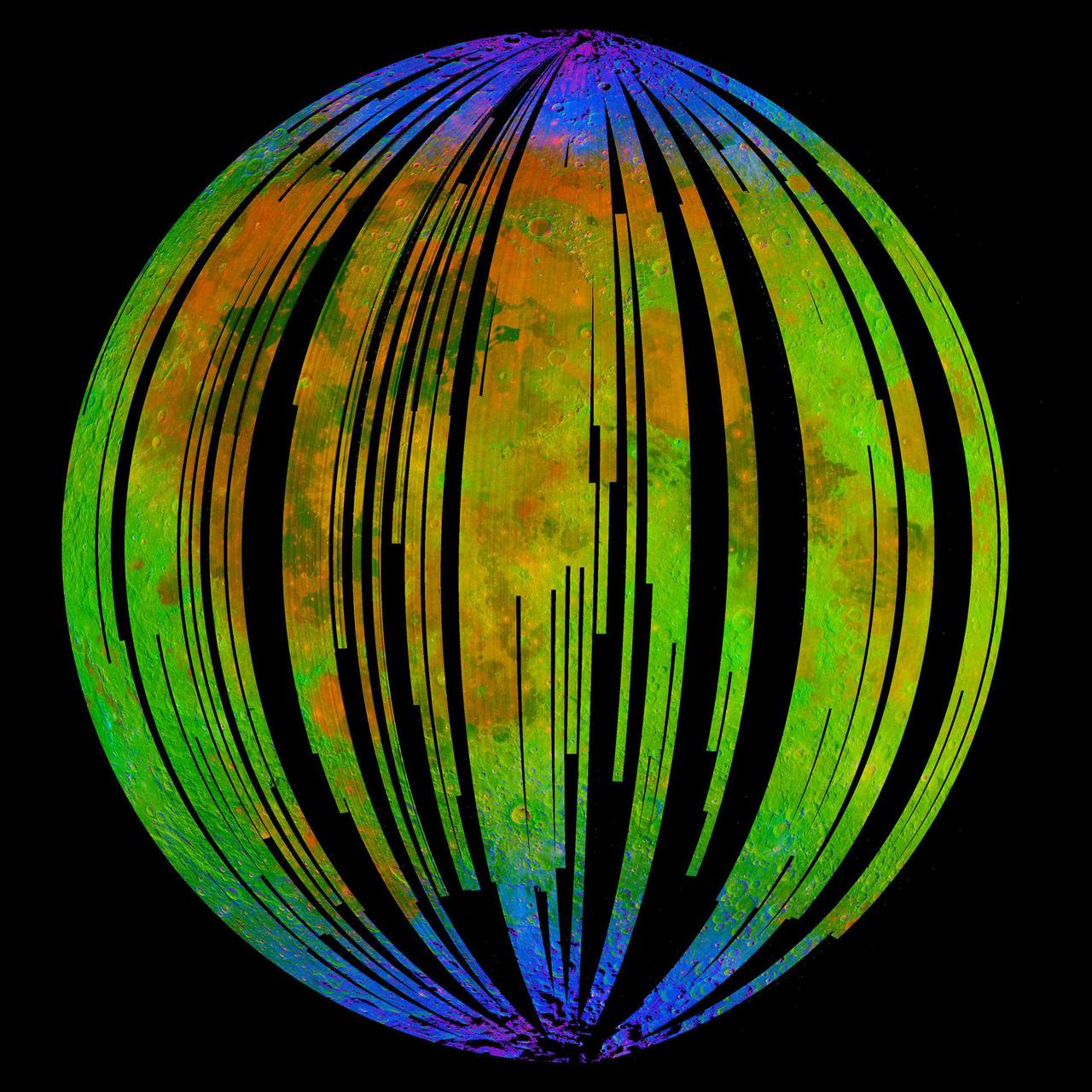
This image of the moon is from NASA Moon Mineralogy Mapper on the Indian Space Research Organization Chandrayaan-1 mission. It is a three-color composite of reflected near-infrared radiation from the sun.
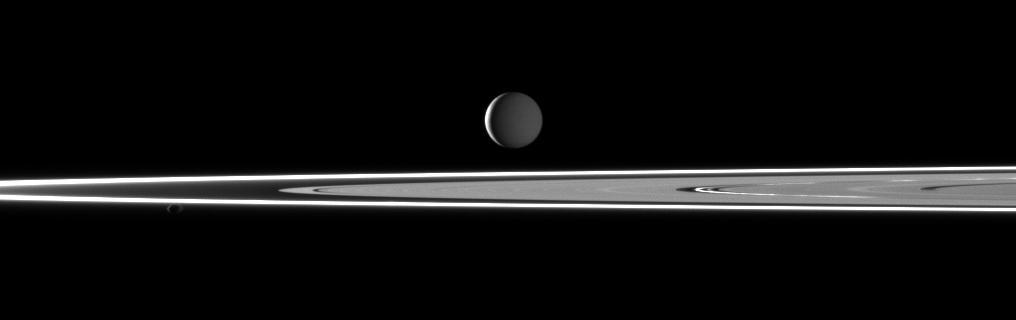
In this image taken by NASA Cassini spacecraft two light sources illuminate Saturn highly reflective moon Enceladus featuring bright rings and the small moon Pandora in the foreground.
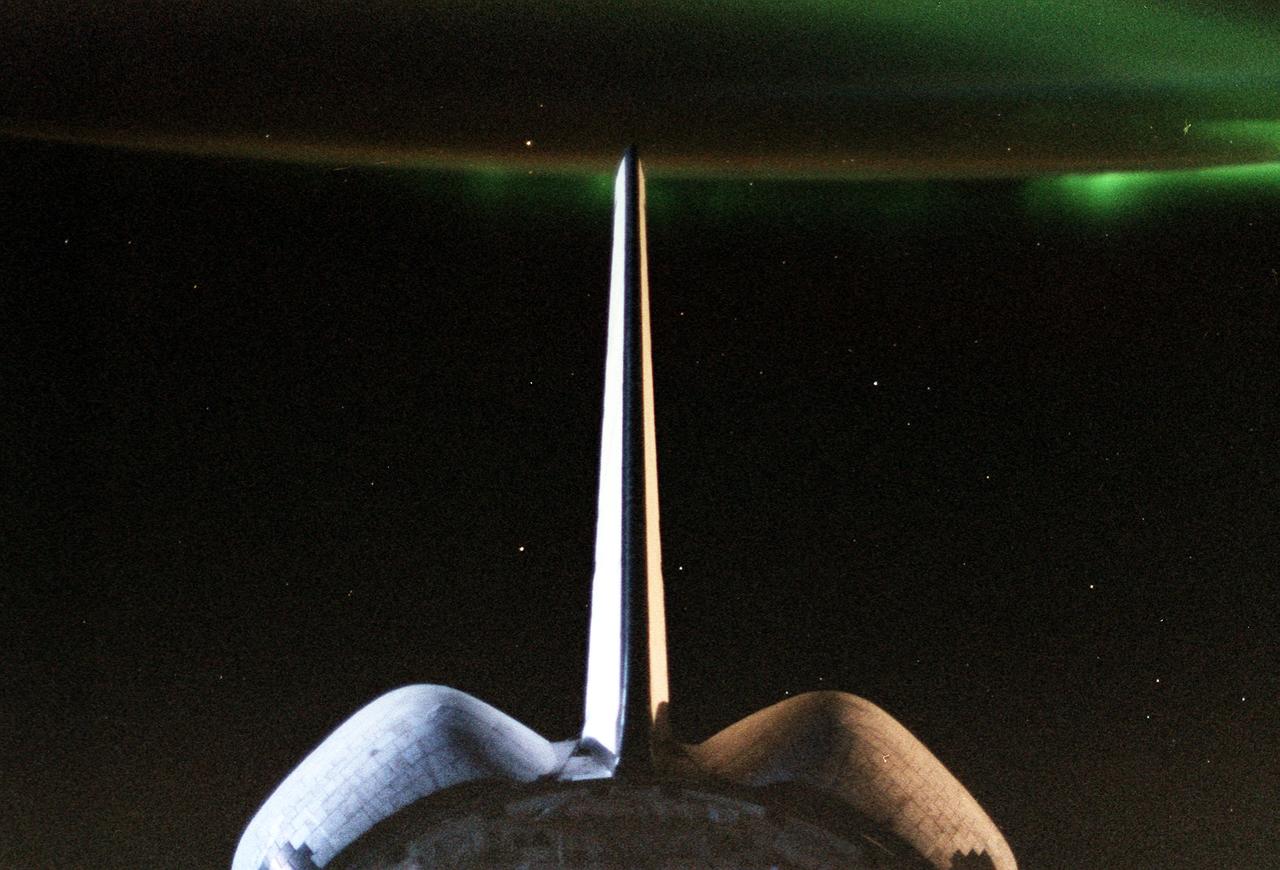
STS079-379-022 (16-26 Sept. 1996) --- If this moonlit picture is held with the Space Shuttle Atlantis' Orbital Maneuvering System (OMS) pods at top, a greenish aurora appears at left edge. Thanks to a time exposure on a 35mm camera, a crew member was able to capture the phenomenon visually experienced frequently by Shuttle crews. Several stars can be seen in the picture. Many of them appear closer to the camera than Earth because they are seen through the thin line of atmosphere above Earth's horizon.
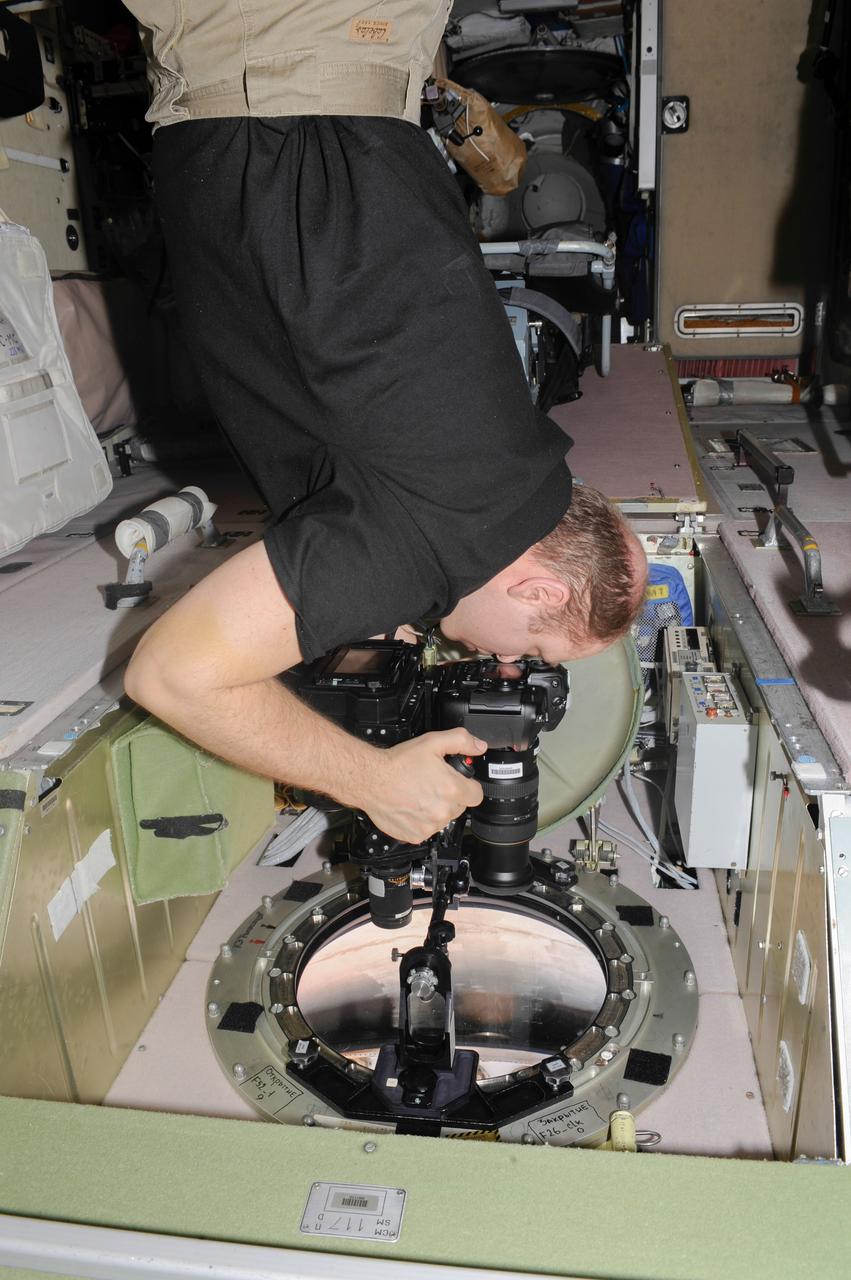
ISS038-E-005023 (20 Nov. 2013) --- At a window in the International Space Station?s Zvezda Service Module, Russian cosmonaut Oleg Kotov, Expedition 38 commander, uses a digital camera photospectral system to perform a session for the Albedo Experiment. The experiment measures Earth?s albedo, or the amount of solar radiation reflected from the surface, in the hopes to develop methods to harness the reflected radiation to supplement the station?s power supply. The light reflection phenomenon is measured in units called albedo.
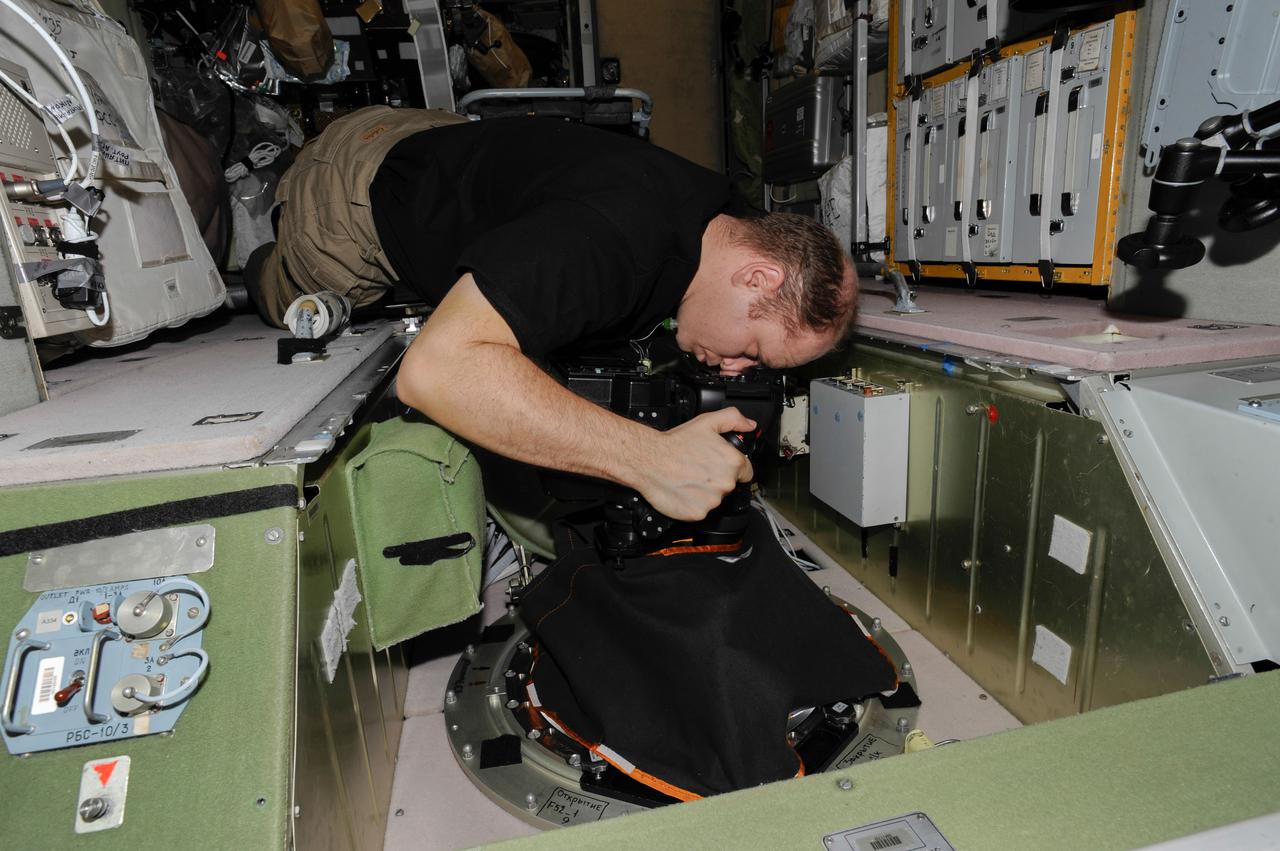
ISS038-E-005031 (20 Nov. 2013) --- At a window in the International Space Station?s Zvezda Service Module, Russian cosmonaut Oleg Kotov, Expedition 38 commander, uses a digital camera photospectral system to perform a session for the Albedo Experiment. The experiment measures Earth?s albedo, or the amount of solar radiation reflected from the surface, in the hopes to develop methods to harness the reflected radiation to supplement the station?s power supply. The light reflection phenomenon is measured in units called albedo.
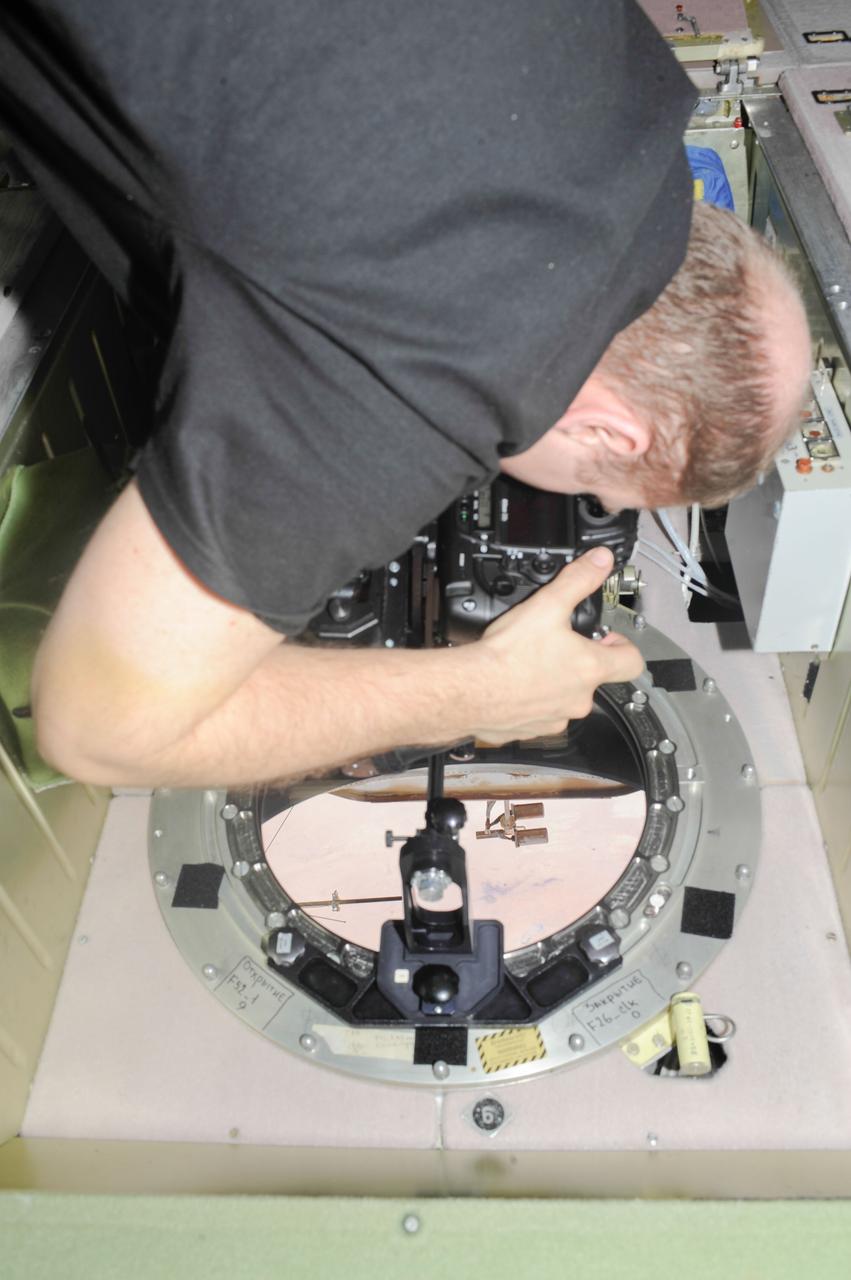
ISS038-E-005019 (20 Nov. 2013) --- At a window in the International Space Station?s Zvezda Service Module, Russian cosmonaut Oleg Kotov, Expedition 38 commander, uses a digital camera photospectral system to perform a session for the Albedo Experiment. The experiment measures Earth?s albedo, or the amount of solar radiation reflected from the surface, in the hopes to develop methods to harness the reflected radiation to supplement the station?s power supply. The light reflection phenomenon is measured in units called albedo.
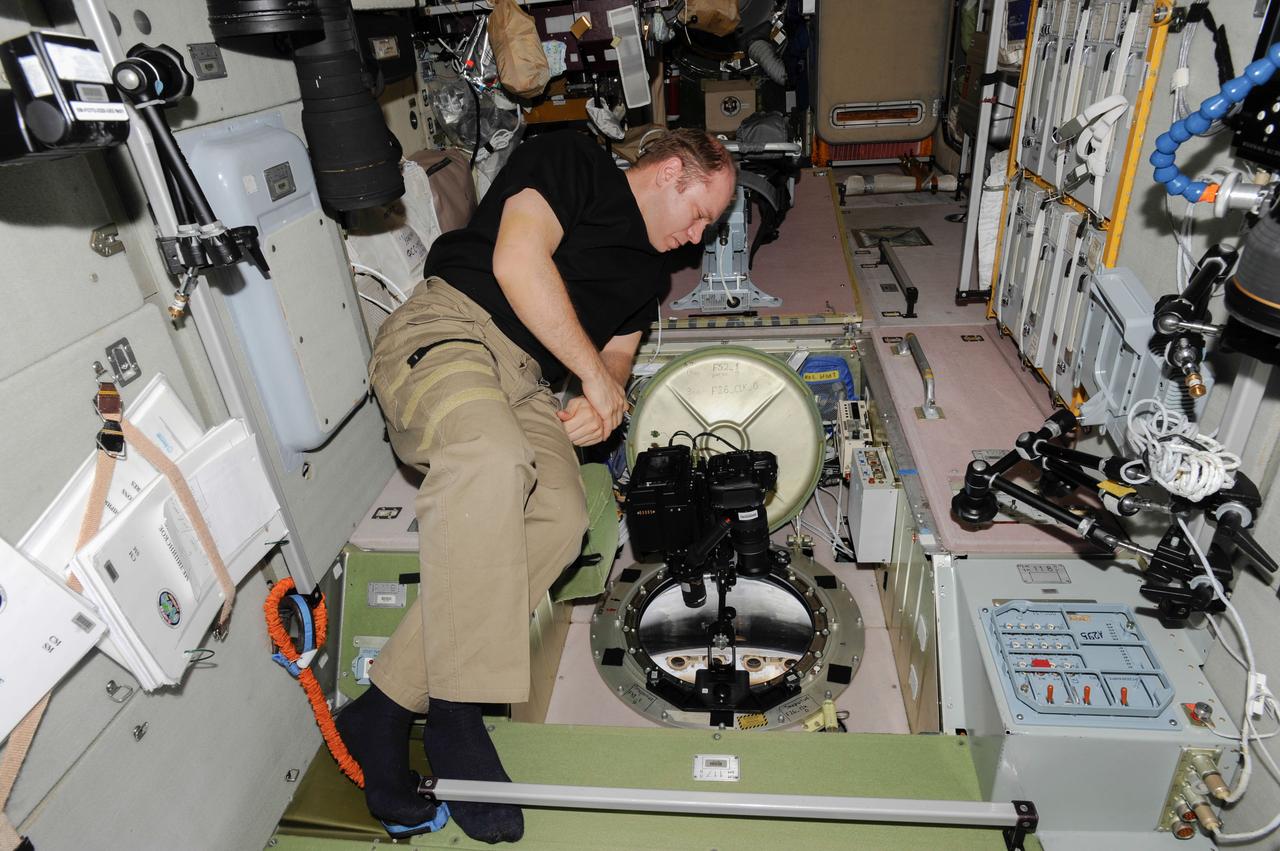
ISS038-E-005014 (20 Nov. 2013) --- At a window in the International Space Station’s Zvezda Service Module, Russian cosmonaut Oleg Kotov, Expedition 38 commander, uses a digital camera photospectral system to perform a session for the Albedo Experiment. The experiment measures Earth’s albedo, or the amount of solar radiation reflected from the surface, in the hopes to develop methods to harness the reflected radiation to supplement the station’s power supply. The light reflection phenomenon is measured in units called albedo.
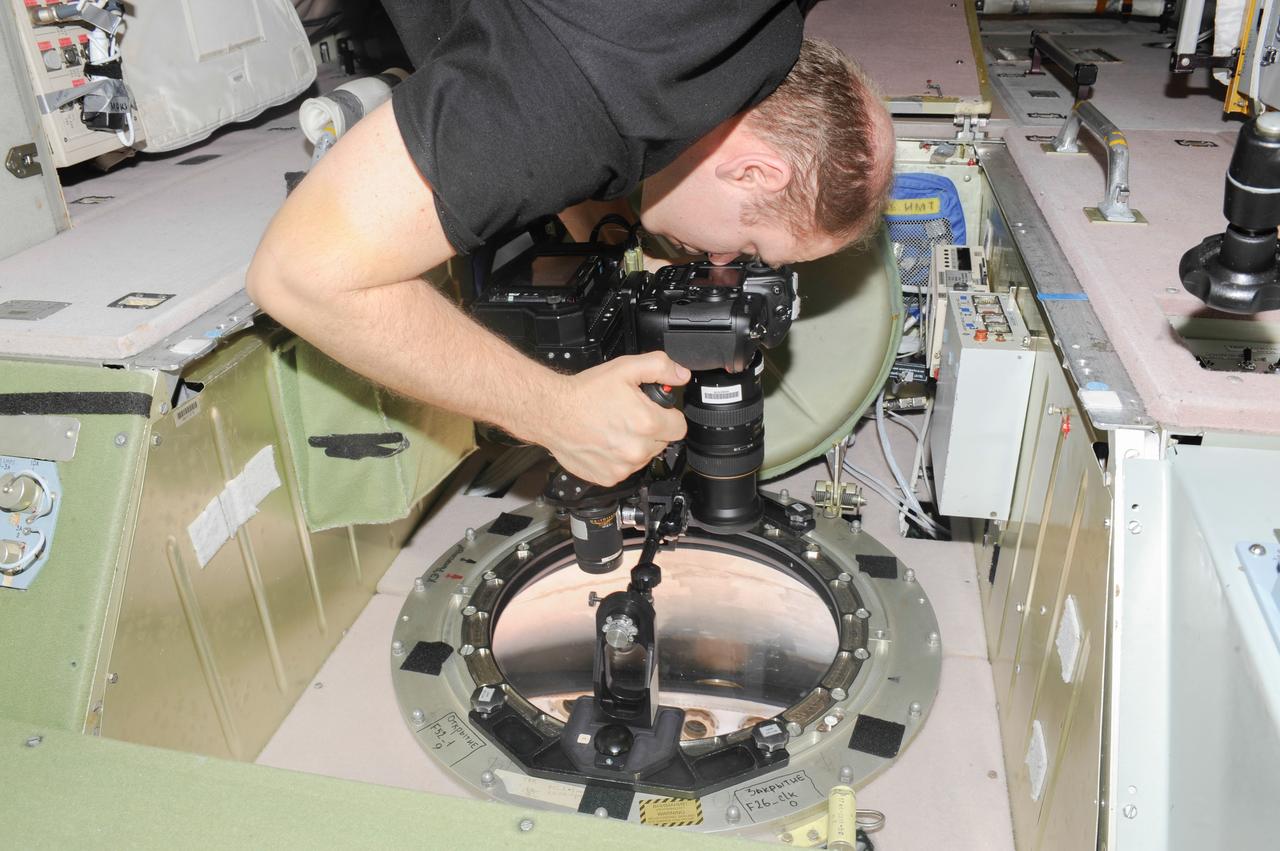
ISS038-E-005022 (20 Nov. 2013) --- At a window in the International Space Station?s Zvezda Service Module, Russian cosmonaut Oleg Kotov, Expedition 38 commander, uses a digital camera photospectral system to perform a session for the Albedo Experiment. The experiment measures Earth?s albedo, or the amount of solar radiation reflected from the surface, in the hopes to develop methods to harness the reflected radiation to supplement the station?s power supply. The light reflection phenomenon is measured in units called albedo.