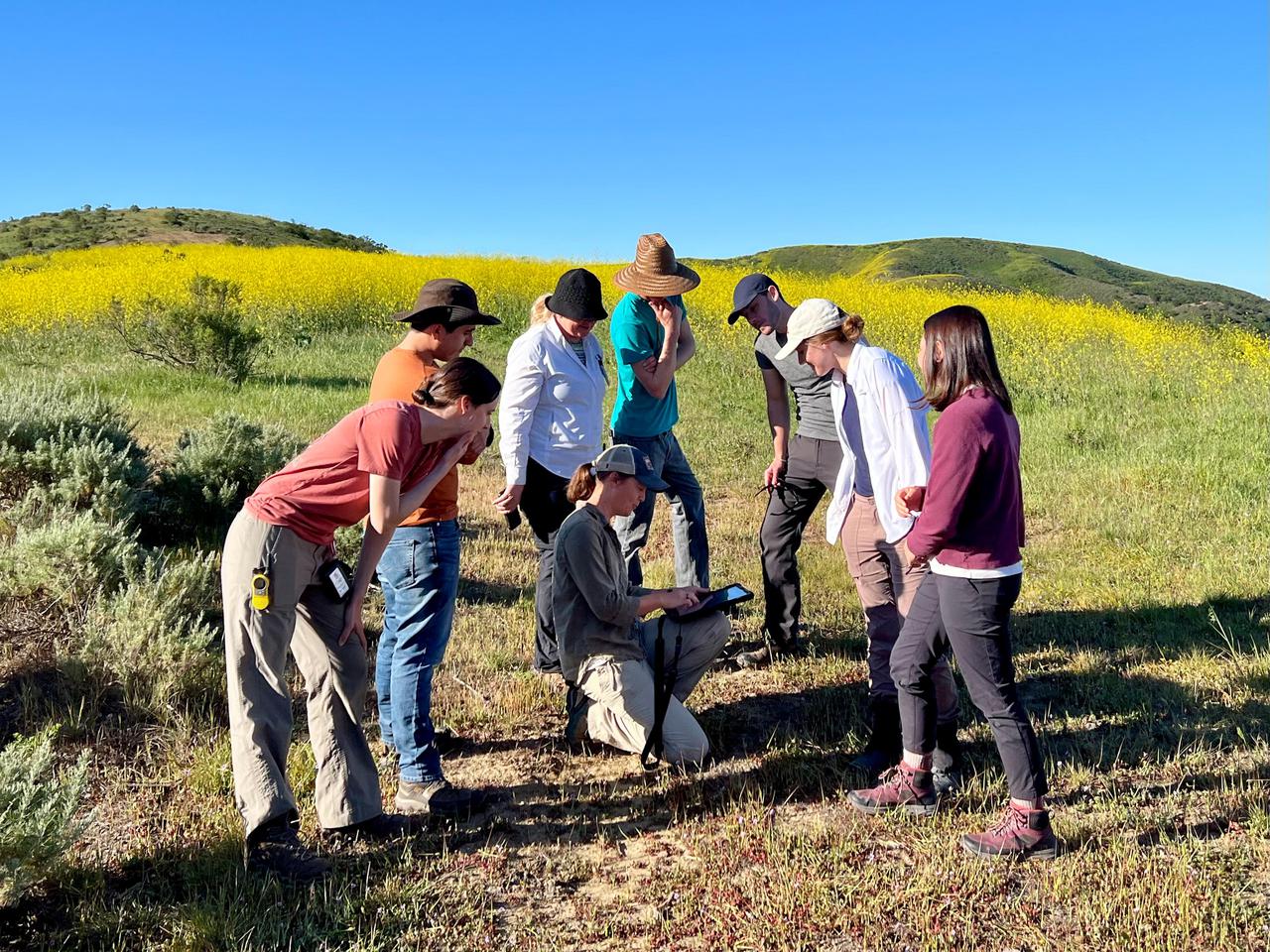
Dana Chadwick, a scientist in the water and ecosystems group at NASA's Jet Propulsion Laboratory, center, advises a field team of researchers from JPL; University of Wisconsin, Madison (UWM); University of California, Los Angeles (UCLA); University of Maryland, Baltimore County (UMBC); and University of California, Santa Barbara (UCSB) on vegetation-sampling locations at the Jack and Laura Dangermond Preserve in Santa Barbara County, California, on March 24, 2022. Chadwick and the team are working on the Surface Biology and Geology High-Frequency Time Series (SHIFT) campaign, which is jointly led by JPL, UCSB, and The Nature Conservancy. Chadwick is surrounded by, from left: Natalie Queally, a forest and wildlife ecology graduate student at UWM; Francisco Ochoa, a geography graduate student at UCLA; Petya Campbell, a research associate professor at UMBC and a research associate at NASA's Goddard Space Flight Center; Brendan Heberlein, a research intern at UWM; Renato Braghiere, a postdoctoral research scientist at JPL; Cassandra Nickles, a postdoctoral fellow at JPL; and Clare Saiki, a doctoral student at UCSB. Operating between late February and late May 2022, SHIFT combines the ability of airborne science instruments to gather data over widespread areas with the more concentrated observations scientists conduct in the field to study the functional characteristics, health, and resilience of plant communities. The sampling and analysis done by researchers on the ground and in the ocean is intended to validate data taken by AVIRIS-NG (Airborne Visible/Infrared Imaging Spectrometer-Next Generation). The instrument, designed at JPL, is collecting spectral data of vegetation it observes during weekly flights in an aircraft over a 640-square-mile (1,656-square-kilometer) study area in Santa Barbara County and coastal Pacific waters. The campaign is a pathfinder for NASA's proposed Surface Biology and Geology (SBG) mission. SHIFT will help scientists design data collection and processing algorithms for that mission, which would launch no earlier than 2028. The SHIFT data is also intended to support the research and conservation objectives of The Nature Conservancy, which owns the Dangermond Preserve, and UCSB, which operates the Sedgwick Reserve, another nature preserve within the study area. More than 60 scientists from institutions around the U.S. have indicated they intend to use the SHIFT data in their research. https://photojournal.jpl.nasa.gov/catalog/PIA25141
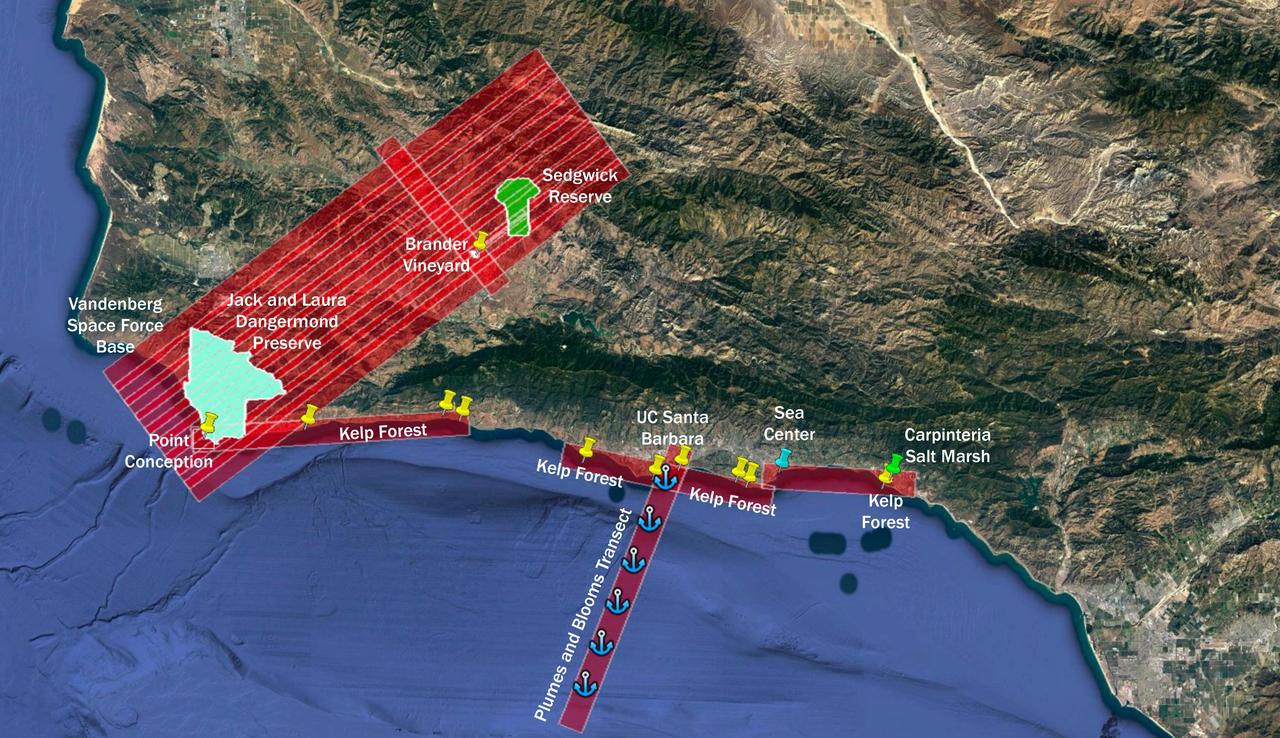
The Surface Biology and Geology High-Frequency Time Series (SHIFT) campaign employs a research plane carrying the AVIRIS-NG (Airborne Visible/Infrared Imaging Spectrometer-Next Generation) instrument. From late February to late May 2022, the plane is collecting spectral data of land and aquatic plant communities over a 640-square-mile (1,656-square-kilometer) study area in Santa Barbara County and the nearby ocean. SHIFT is jointly led by NASA's Jet Propulsion Laboratory, the University of California, Santa Barbara (UCSB), and The Nature Conservancy. The aerial portion of SHIFT flies on an approximately weekly basis over the study area, which includes the Jack and Laura Dangermond Preserve, owned by The Nature Conservancy, and the Sedgwick Reserve, operated by UCSB. SHIFT combines the ability of airborne science instruments to gather data over widespread areas with the more concentrated observations scientists conduct in the field to study the functional characteristics, health, and resilience of plant communities. The sampling and analysis done by researchers on the ground and in the ocean is intended to validate data taken by AVIRIS-NG and help scientists design data collection and processing algorithms for NASA's proposed Surface Biology and Geology (SBG) mission, which would launch no earlier than 2028. The data is also intended to support the research and conservation objectives of The Nature Conservancy, which owns the Dangermond Preserve, and UCSB, which operates the Sedgwick Reserve, another nature preserve within the study area. More than 60 scientists from institutions around the U.S. have indicated they intend to use the SHIFT data in their research. https://photojournal.jpl.nasa.gov/catalog/PIA25144
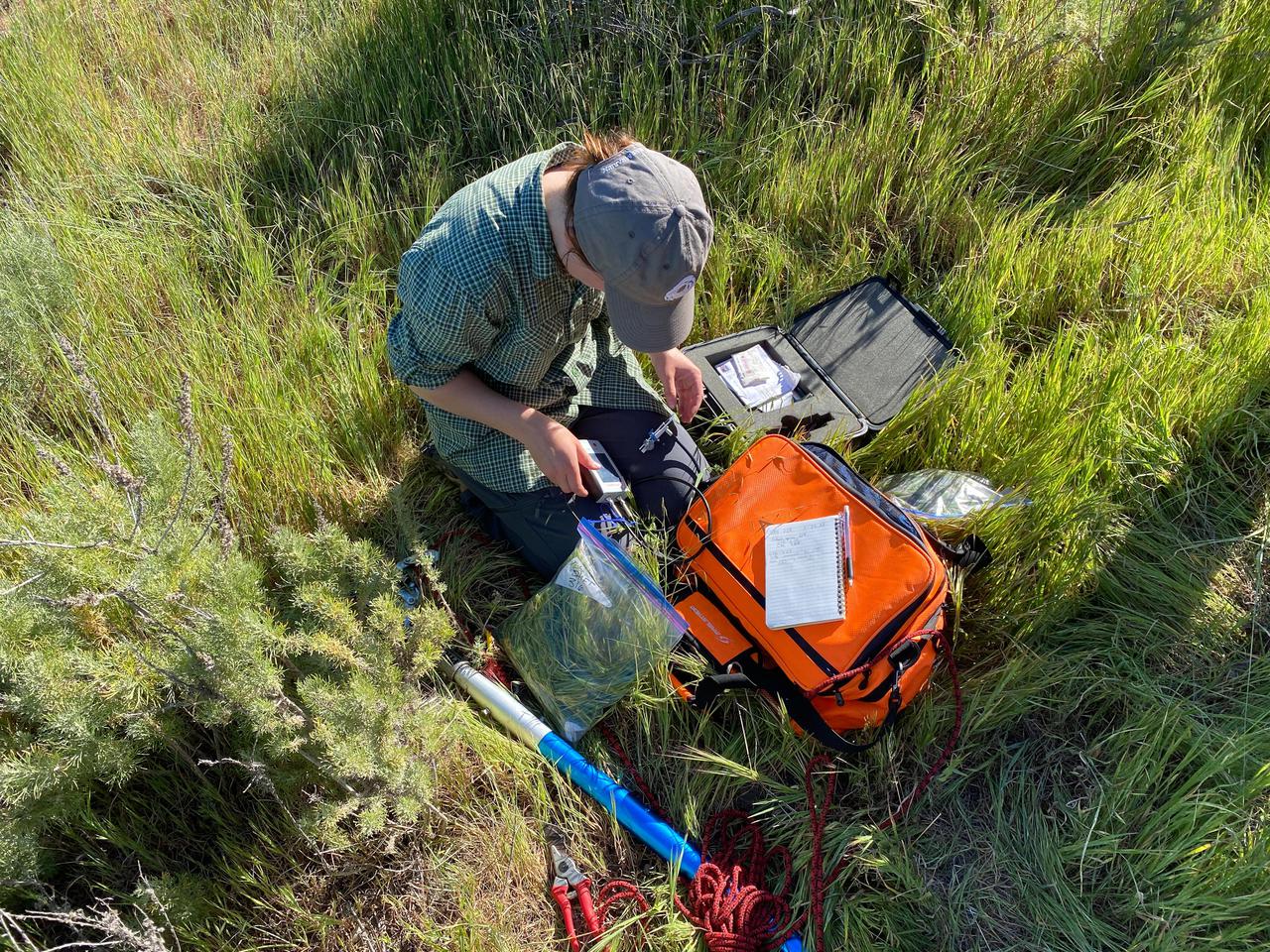
University of California, Santa Barbara (UCSB) student Piper Lovegreen calibrates a sensor to measure leaf chlorophyl content of vegetation at the Jack and Laura Dangermond Preserve in Santa Barbara County on March 23, 2022. Lovegreen is among the researchers working on the Surface Biology and Geology High-Frequency Time Series (SHIFT) campaign, which is jointly led by NASA's Jet Propulsion Laboratory, UCSB, and The Nature Conservancy. Operating between late February and late May 2022, SHIFT combines the ability of airborne science instruments to gather data over widespread areas with the more concentrated observations scientists conduct in the field to study the functional characteristics, health, and resilience of plant communities. The sampling and analysis done by researchers on the ground and in the ocean is intended to validate data taken by AVIRIS-NG (Airborne Visible/Infrared Imaging Spectrometer-Next Generation). The instrument, designed at JPL, is collecting spectral data of vegetation it observes during weekly flights in an aircraft over a 640-square-mile (1,656-square-kilometer) study area in Santa Barbara County and coastal Pacific waters. The campaign is a pathfinder for NASA's proposed Surface Biology and Geology (SBG) mission. SHIFT will help scientists design data collection and processing algorithms for that mission, which would launch no earlier than 2028. The SHIFT data is also intended to support the research and conservation objectives of The Nature Conservancy, which owns the Dangermond Preserve, and UCSB, which operates the Sedgwick Reserve, another nature preserve within the study area. More than 60 scientists from institutions around the U.S. have indicated they intend to use the SHIFT data in their research. https://photojournal.jpl.nasa.gov/catalog/PIA25142

Strands of solar material at the sun's edge shifted and twisted back and forth over a 22-hour period in this footage captured May 2-3, 2017, by NASA’s Solar Dynamics Observatory. In this close-up, the strands are being manipulated by strong magnetic forces associated with active regions. To give a sense of scale, the strands that hover above the sun are more than several times the size of Earth. These images were taken in a wavelength of extreme ultraviolet light, which is typically invisible to our eyes, but was colorized here in red. <a href="https://go.nasa.gov/2qJzPD2" rel="nofollow">go.nasa.gov/2qJzPD2</a> Credit: NASA/Goddard/SDO <b><a href="http://www.nasa.gov/audience/formedia/features/MP_Photo_Guidelines.html" rel="nofollow">NASA image use policy.</a></b> <b><a href="http://www.nasa.gov/centers/goddard/home/index.html" rel="nofollow">NASA Goddard Space Flight Center</a></b> enables NASA’s mission through four scientific endeavors: Earth Science, Heliophysics, Solar System Exploration, and Astrophysics. Goddard plays a leading role in NASA’s accomplishments by contributing compelling scientific knowledge to advance the Agency’s mission. <b>Follow us on <a href="http://twitter.com/NASAGoddardPix" rel="nofollow">Twitter</a></b> <b>Like us on <a href="http://www.facebook.com/pages/Greenbelt-MD/NASA-Goddard/395013845897?ref=tsd" rel="nofollow">Facebook</a></b> <b>Find us on <a href="http://instagrid.me/nasagoddard/?vm=grid" rel="nofollow">Instagram</a></b>
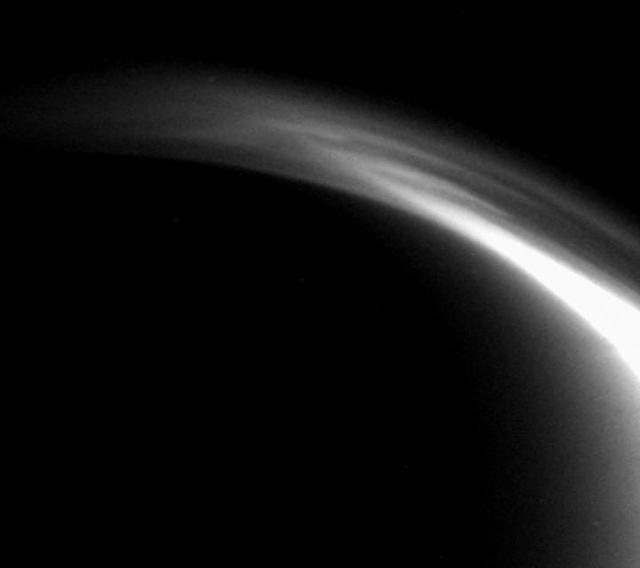
Titan Shifting Hazes
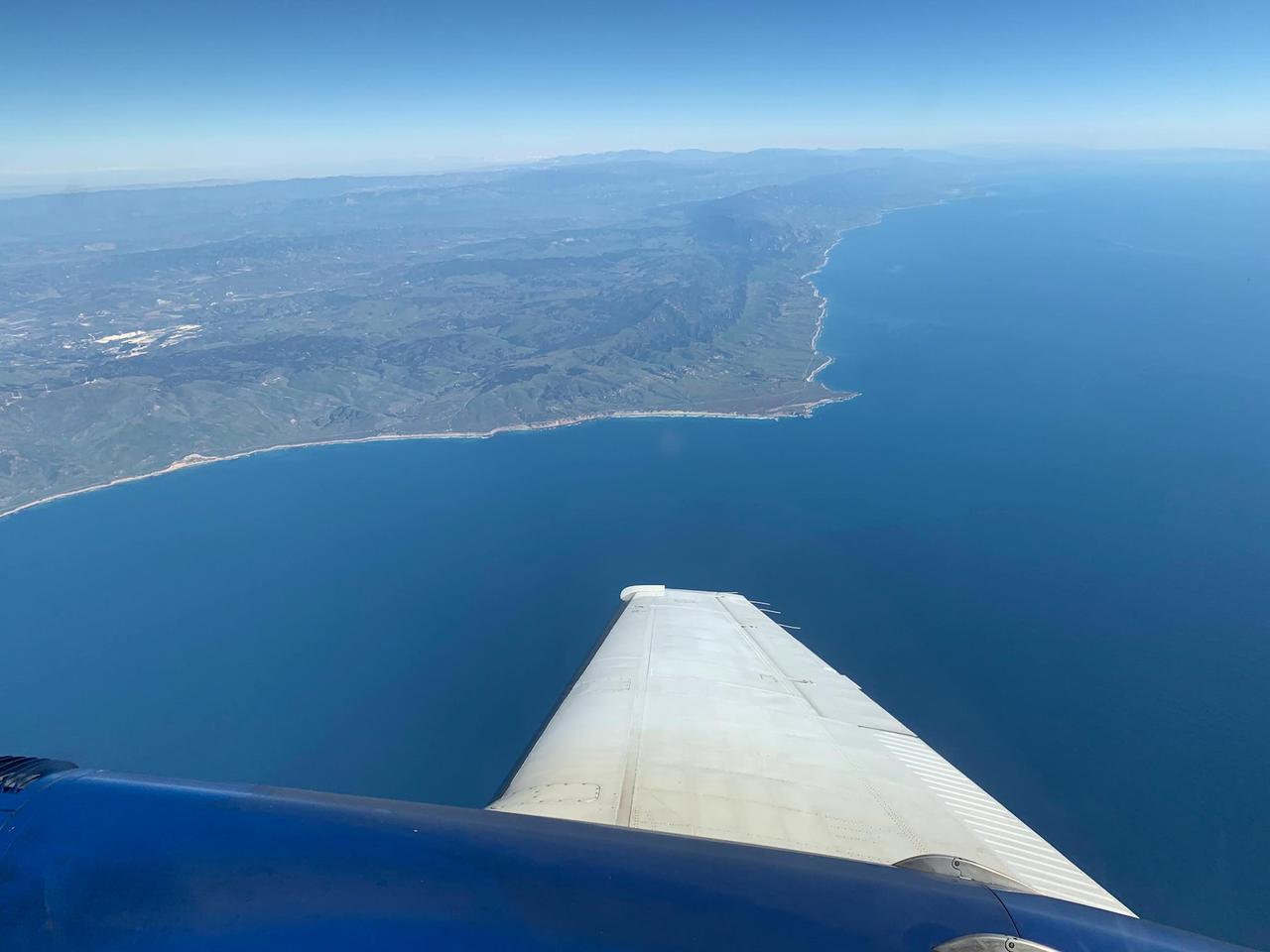
A research plane carrying the AVIRIS-NG (Airborne Visible/Infrared Imaging Spectrometer-Next Generation) instrument flies off the Central Coast of California near Point Conception and the Jack and Laura Dangermond Preserve on Feb. 24, 2022. The flight is part of the Surface Biology and Geology High-Frequency Time Series (SHIFT) campaign, which is jointly led by NASA's Jet Propulsion Laboratory, the University of California, Santa Barbara (UCSB), and The Nature Conservancy. Operating between late February and late May 2022, the aerial portion of SHIFT flies on an approximately weekly basis over a 640-square-mile (1,656-square-kilometer) study area in Santa Barbara County and the nearby ocean, collecting spectral data of plant communities it observes below. SHIFT combines the ability of airborne science instruments to gather data over widespread areas with the more concentrated observations scientists conduct in the field to study the functional characteristics, health, and resilience of plant communities. The sampling and analysis done by researchers on the ground and in the ocean is intended to validate data taken by AVIRIS-NG and help scientists design data collection and processing algorithms for NASA's proposed Surface Biology and Geology (SBG) mission, which would launch no earlier than 2028. The data is also intended to support the research and conservation objectives of The Nature Conservancy, which owns the Dangermond Preserve, and UCSB, which operates the Sedgwick Reserve, another nature preserve within the study area. More than 60 scientists from institutions around the U.S. have indicated they intend to use the SHIFT data in their research. AVIRIS-NG, which was designed at JPL, flies aboard Dynamic Aviation's King Air B-200. https://photojournal.jpl.nasa.gov/catalog/PIA25143
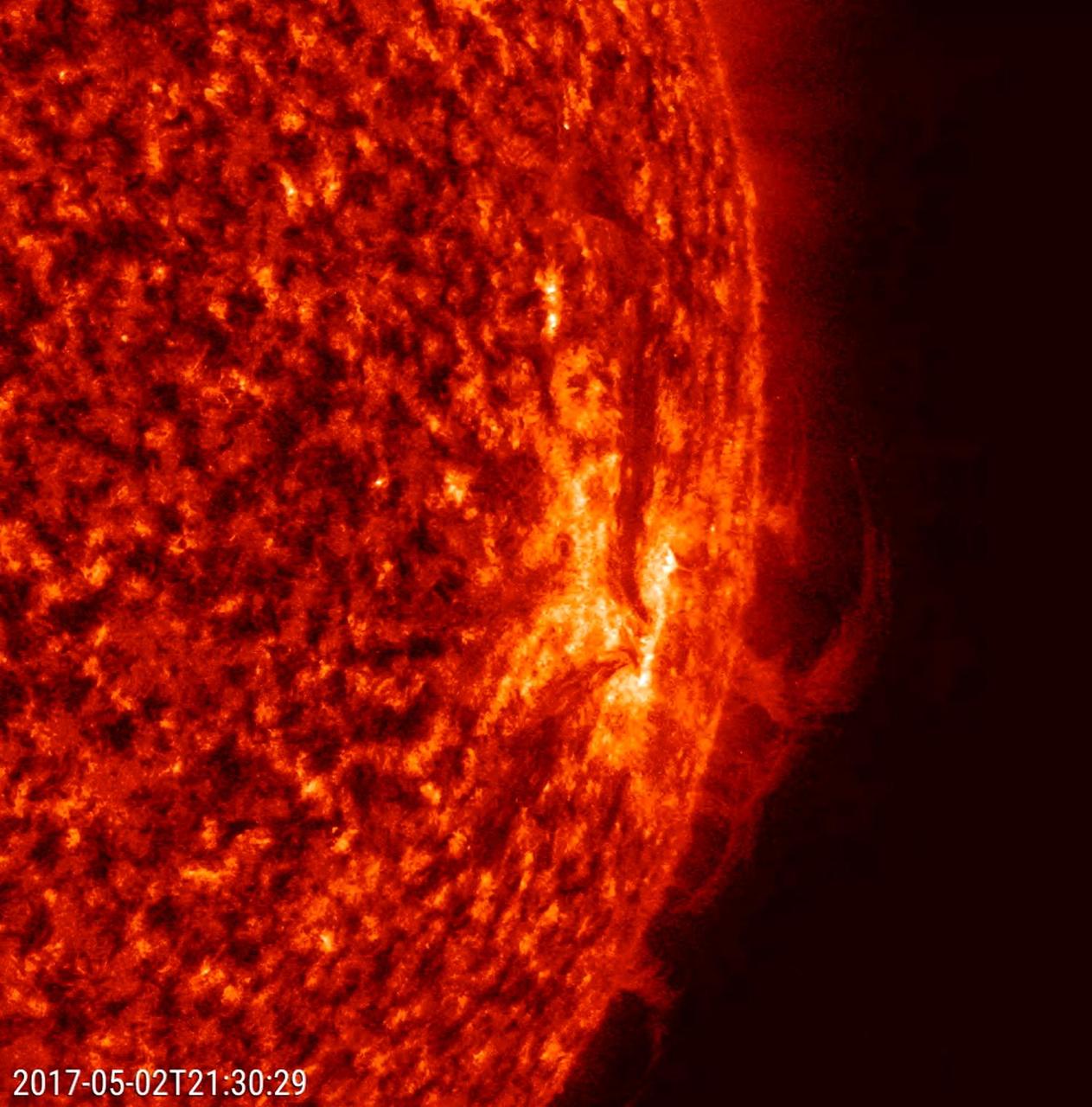
Strands of plasma at the sun edge shifted and twisted back and forth over a 22-hour period, May 2-3, 2017. In this close-up from NASA Solar Dynamics Observatory, the strands are being manipulated by strong magnetic forces associated with active region. This kind of activity is not at all uncommon, but best viewed in profile. The images were taken in a wavelength of extreme ultraviolet light. To give a sense of scale, the strands hover above the sun more than several times the size of Earth. Movies are available at https://photojournal.jpl.nasa.gov/catalog/PIA21632

The Ingenuity team celebrates during their final shift working on NASA's Ingenuity Mars Helicopter at the agency's Jet Propulsion Laboratory on April 16, 2024. The team gathered to review a transmission from the helicopter that confirmed the operation of a software patch allowing Ingenuity to act as a stationary testbed and collect data that could benefit future explorers of the Red Planet. Originally designed as short-lived technology demonstration mission that would perform up to five experimental test flights over 30 days, the first aircraft on another world operated from the Martian surface for almost three years, flew more than 14 times farther than planned, and logged more than two hours of total flight time. Its 72nd and final flight was Jan. 18, 2024. https://photojournal.jpl.nasa.gov/catalog/PIA26319
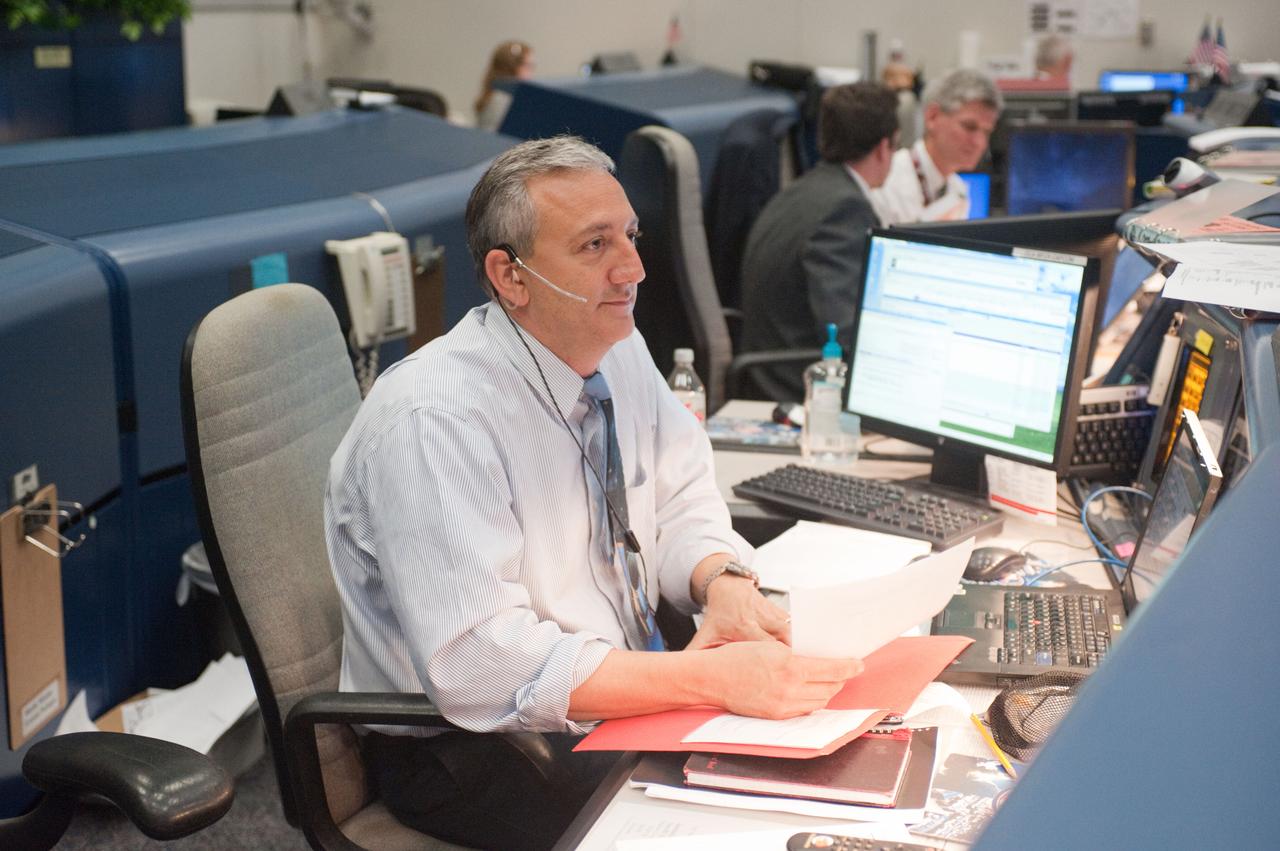
PHOTO DATE: 02/25/11 LOCATION: Bldg. 30 south -WFCR SUBJECT: STS-133/ULF5 Flight Controllers on Console - Orbit Shift 3/1 - Mike Marsh Award PHOTOGRAPHER: GEESEMAN
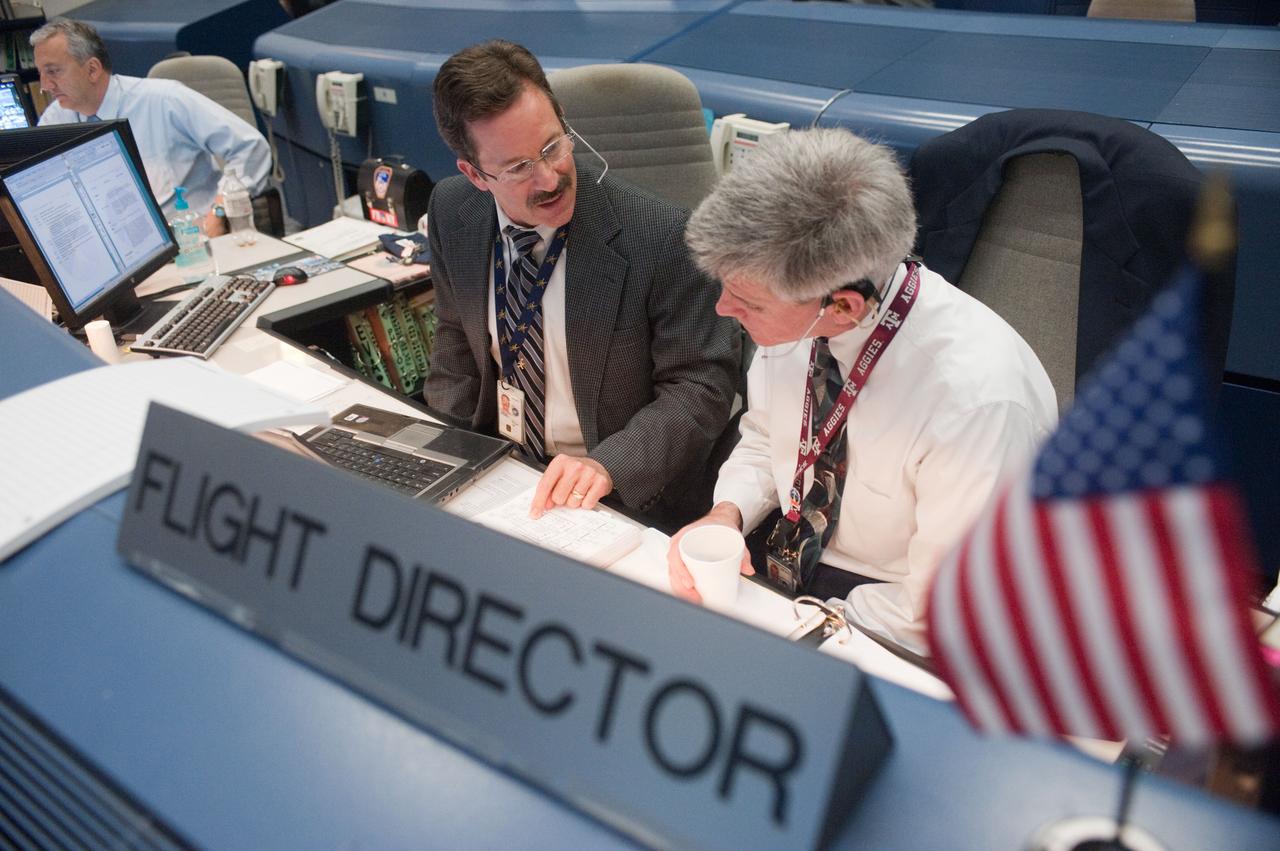
PHOTO DATE: 02/25/11 LOCATION: Bldg. 30 south -WFCR SUBJECT: STS-133/ULF5 Flight Controllers on Console - Orbit Shift 3/1 - Mike Marsh Award PHOTOGRAPHER: GEESEMAN
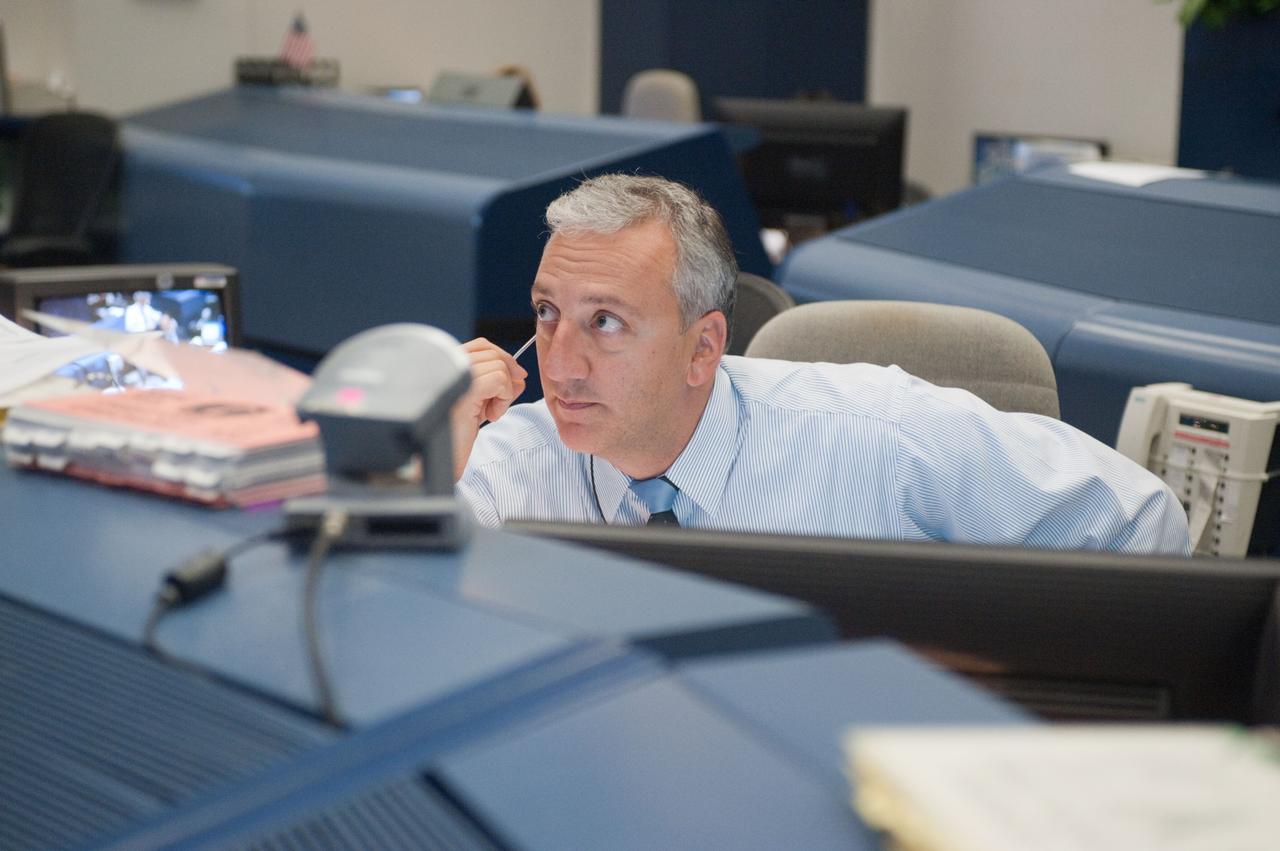
PHOTO DATE: 02/25/11 LOCATION: Bldg. 30 south -WFCR SUBJECT: STS-133/ULF5 Flight Controllers on Console - Orbit Shift 3/1 - Mike Marsh Award PHOTOGRAPHER: GEESEMAN

A supermassive black hole is depicted in this artist's concept, surrounded by a swirling disk of material falling onto it. The purplish ball of light above the black hole, a feature called the corona, contains highly energetic particles that generate X-ray light. If you could view the corona with your eyes, it would appear nearly invisible since we can't see its X-ray light. The corona gathers inward (left), becoming brighter, before shooting away from the black hole (middle and right). Astronomers don't know why the coronas shift, but they have learned that this process leads to a brightening of X-ray light that can be observed by telescopes. Normally, before a black hole's corona shifts, there is already an effect at work called relativistic boosting. As X-ray light from the corona reflects off the black hole's surrounding disk of material -- which is traveling near half the speed of light -- the X-ray light becomes brightened, as seen on the left side of the illustration. This boosting occurs on the side of the disk where the material is traveling toward us. The opposite effect, a dimming of the X-ray light, occurs on the other side of the disk moving away from us. Another form of relativistic boosting happens when the corona shoots away from the black hole, and later collapses. Its X-ray light is also brightened as the corona travels toward us at very fast speeds, leading to X-ray flares. In 2014, NASA's Nuclear Spectroscopic Telescope Array, or NuSTAR, and Swift space telescopes witnessed an X-flare from the supermassive black hole in a distant galaxy called Markarian 335. The observations allowed astronomers to link a shifting corona to an X-ray flare for the first time. http://photojournal.jpl.nasa.gov/catalog/PIA20051

STS059-05-007 (9-20 April 1994) --- On Endeavour's middeck, the three STS-59 red shift crew members begin to organize what was believed to be among the longest mail messages in recent Shuttle history. With the picture held vertically, astronaut Sidney M. Gutierrez, mission commander, is in upper right. Also seen are astronauts Linda M. Godwin, payload commander, and Kevin P. Chilton, pilot. Though early Shuttle flights could brag of longer teleprinted messages, this Thermal Imaging Printing System's (TIPS) message from the ground competes with those of recent Shuttle flights.
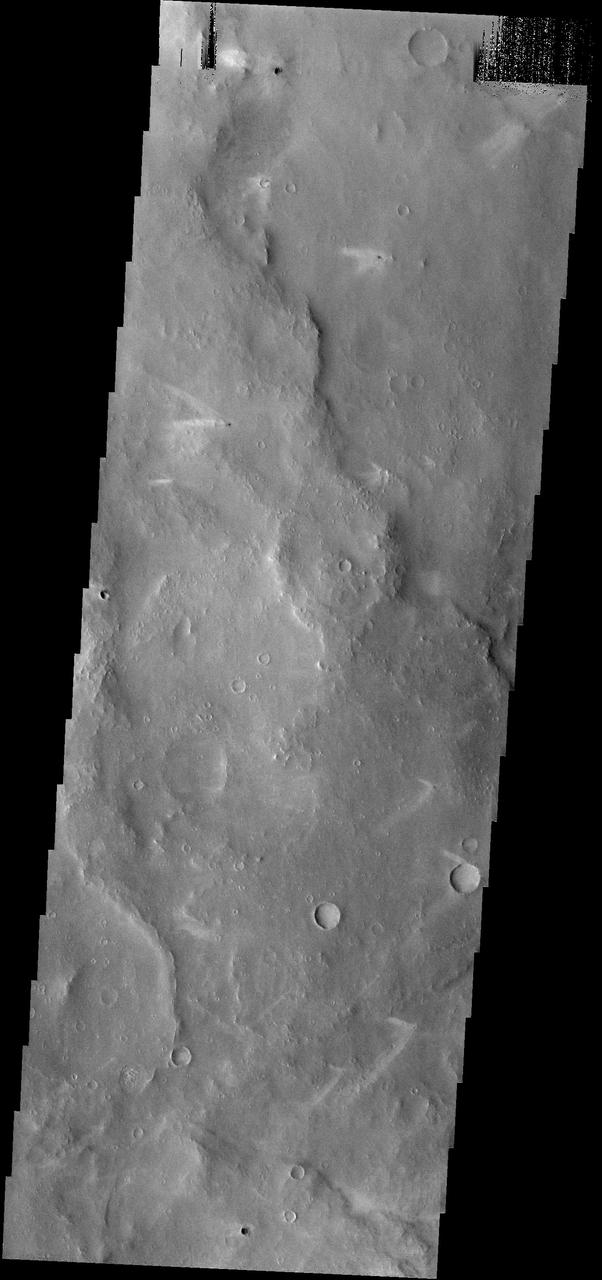
The windstreaks in this area northwest of Schiaparelli Crater point in three different directions. This indicates that the wind shifts/ed with time
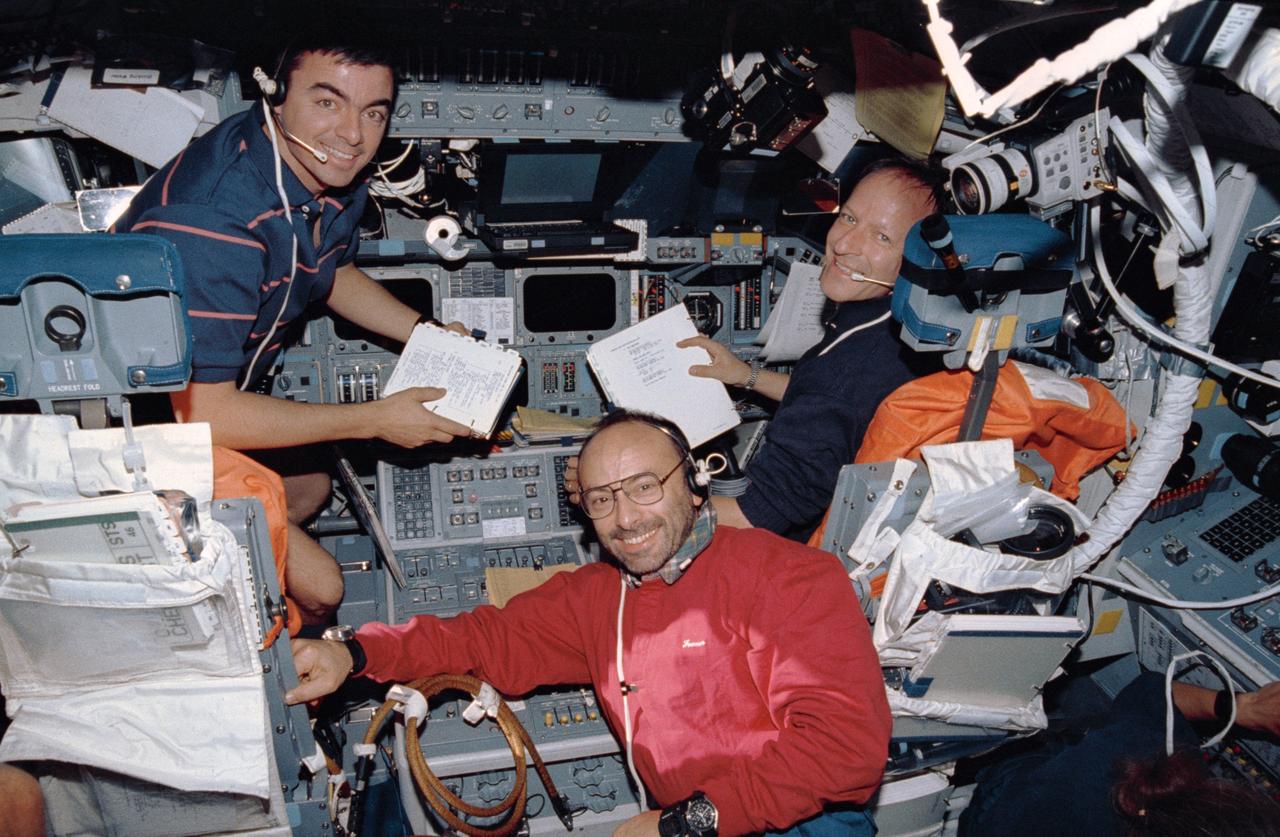
STS046-05-019 (31 July-8 Aug 1992) --- The "blue-shift" crew members pose on the flight deck of the Earth-orbiting Space Shuttle Atlantis. Left to right are Andrew M. Allen, pilot; Franco Malerba, representing the Italian Space Agency (ASI) and Swiss scientist Claude Nicollier, representing the European Space Agency (ESA).
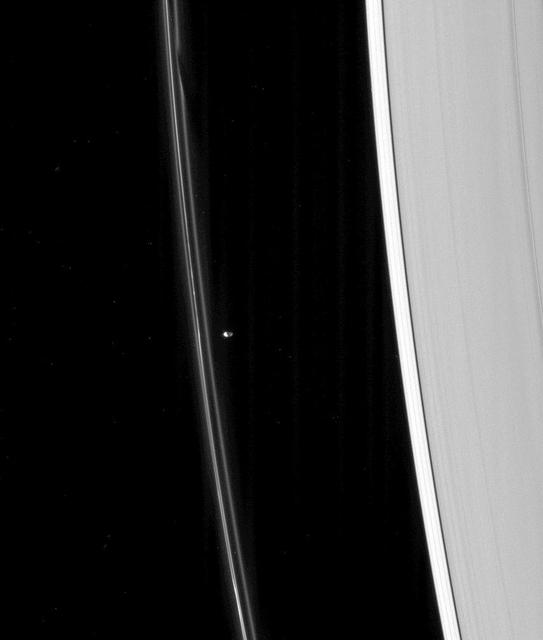
The shepherd moon Prometheus is lit partly by reflected light from Saturn as it lurks near the heavily perturbed F ring
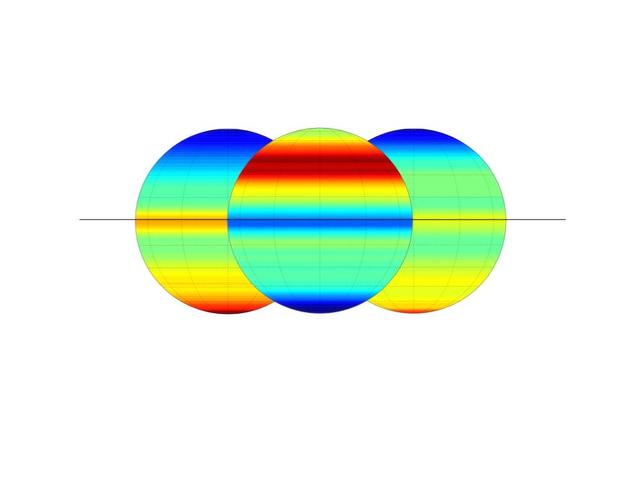
NASA Cassini spacecraft obtained shifting stratospheric temperatures. The difference between the temperatures from 2005-2008 is shown in the middle, with red indicating warming in the stratosphere and blue indicating cooling.

The Yellow River is the second-longest river in China, and the sixth longest in the world and makes many dramatic shifts over time. This image was taken with the ASTER instrument aboard NASA Terra spacecraft in 2009.

The linear depressions in this image from NASA 2001 Mars Odyssey spacecraft are called graben. Graben are bounded on both sides by faults, and the central material has shifted downward between the faults.
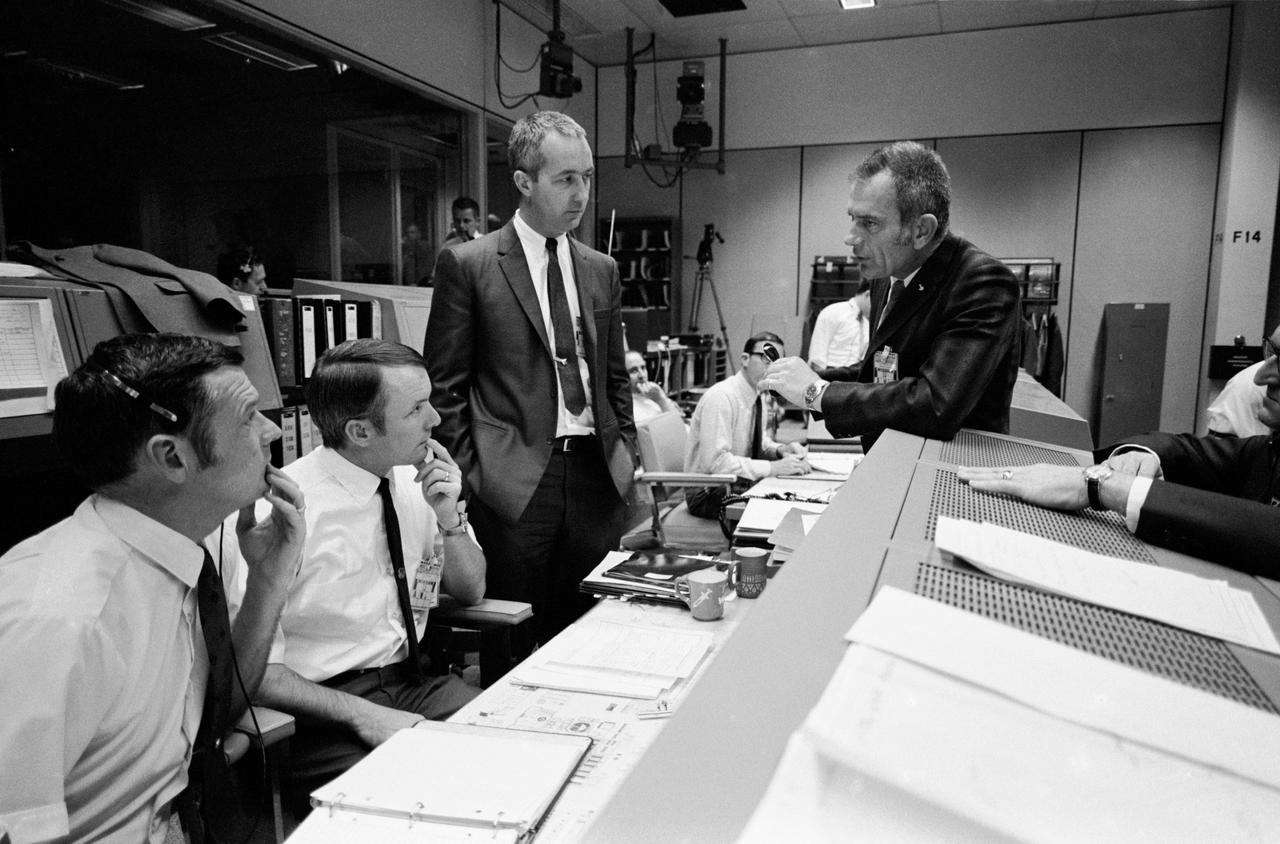
S70-35369 (16 April 1970) --- Discussion in the Mission Operations Control Room (MOCR) dealing with the Apollo 13 crewmen during their final day in space. From left to right are Glynn S. Lunney, Shift 4 flight director; Gerald D. Griffin, Shift 2 flight director; astronaut James A. McDivitt, manager, Apollo Spacecraft Program, MSC; Dr. Donald K. Slayton, director of Flight Crew Operations, MSC; and Dr. Willard R. Hawkins, M.D., Shift 1 flight surgeon.
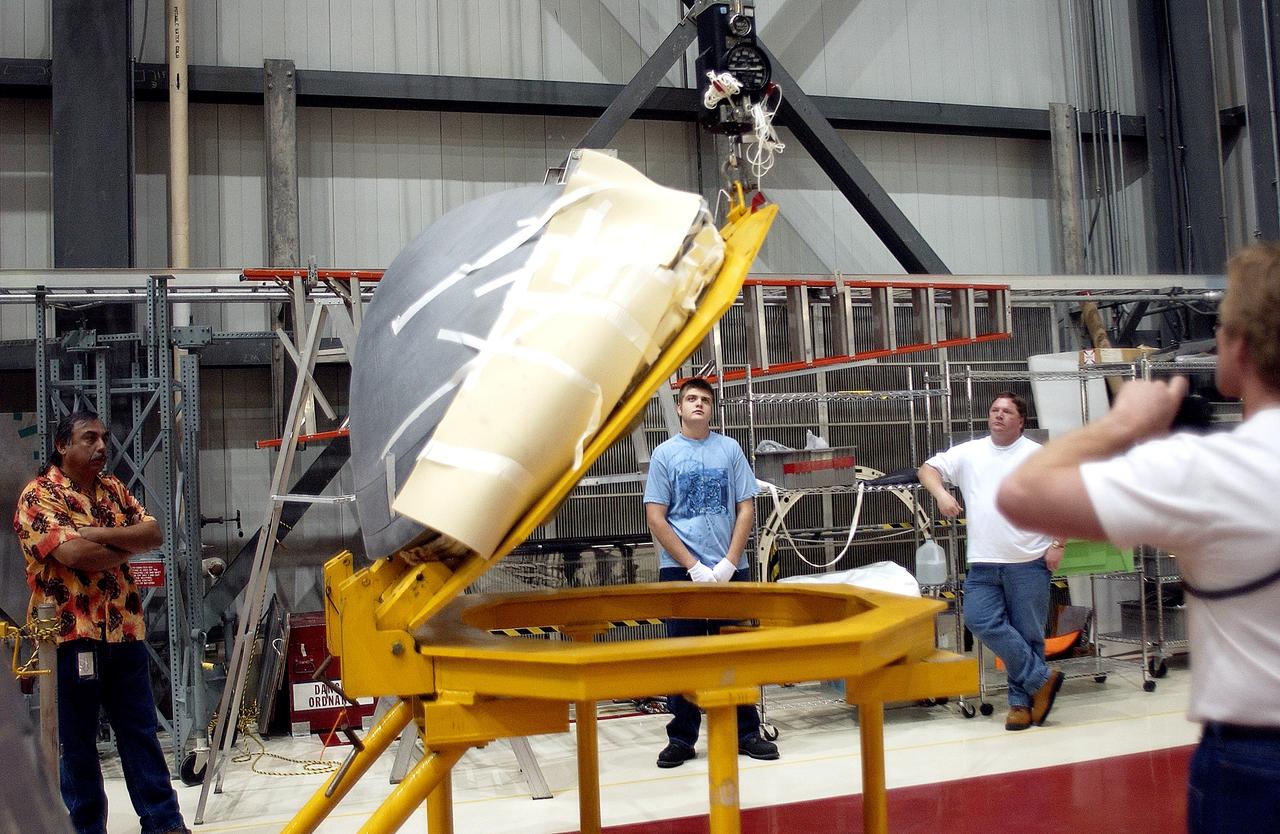
KENNEDY SPACE CENTER, FLA. - In the Orbiter Processing Facility, the nose cap of the orbiter Atlantis is shifted to a horizontal position on a stand. The cap was removed from the orbiter for routine inspection. The nose cap is made of reinforced carbon-carbon (RCC), which has an operating range of minus 250° F to about 3,000° F.
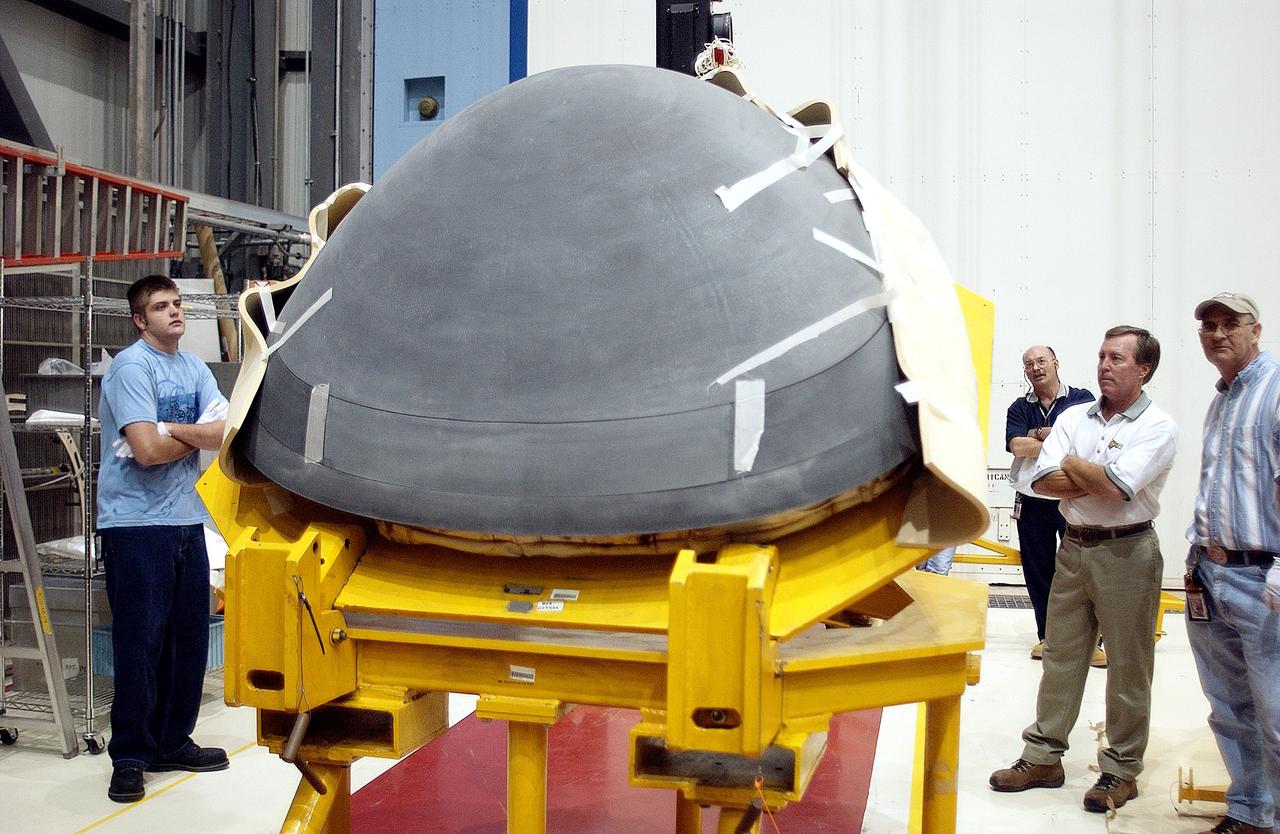
KENNEDY SPACE CENTER, FLA. - In the Orbiter Processing Facility, workers watch as the nose cap of the orbiter Atlantis is shifted to a horizontal position on a stand. The cap was removed from the orbiter for routine inspection. The nose cap is made of reinforced carbon-carbon (RCC), which has an operating range of minus 250° F to about 3,000° F.
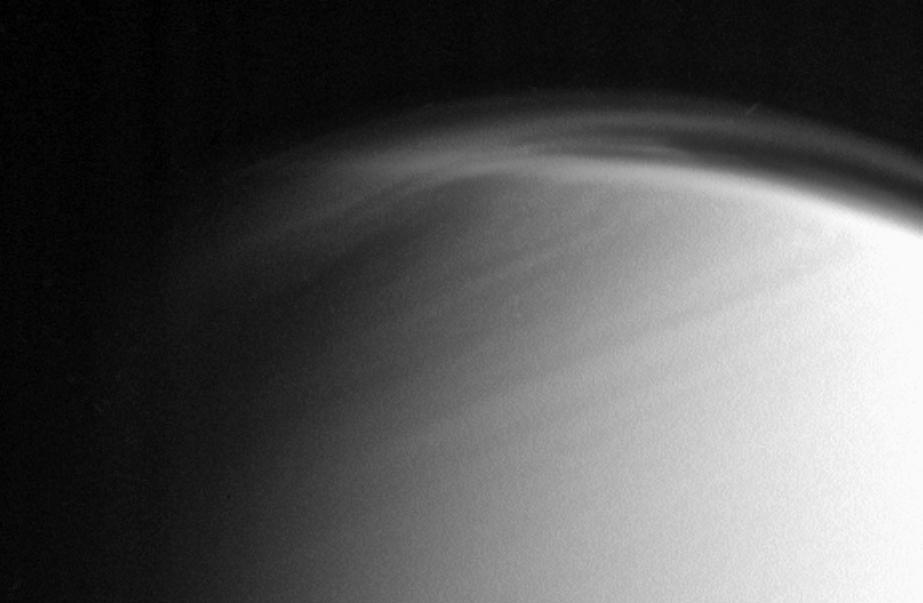
The complex and dynamic atmosphere of Titan displays multiple haze layers near the north pole in this view, which also provides an excellent look at the detached stratospheric haze layer that surrounds the moon at lower latitudes
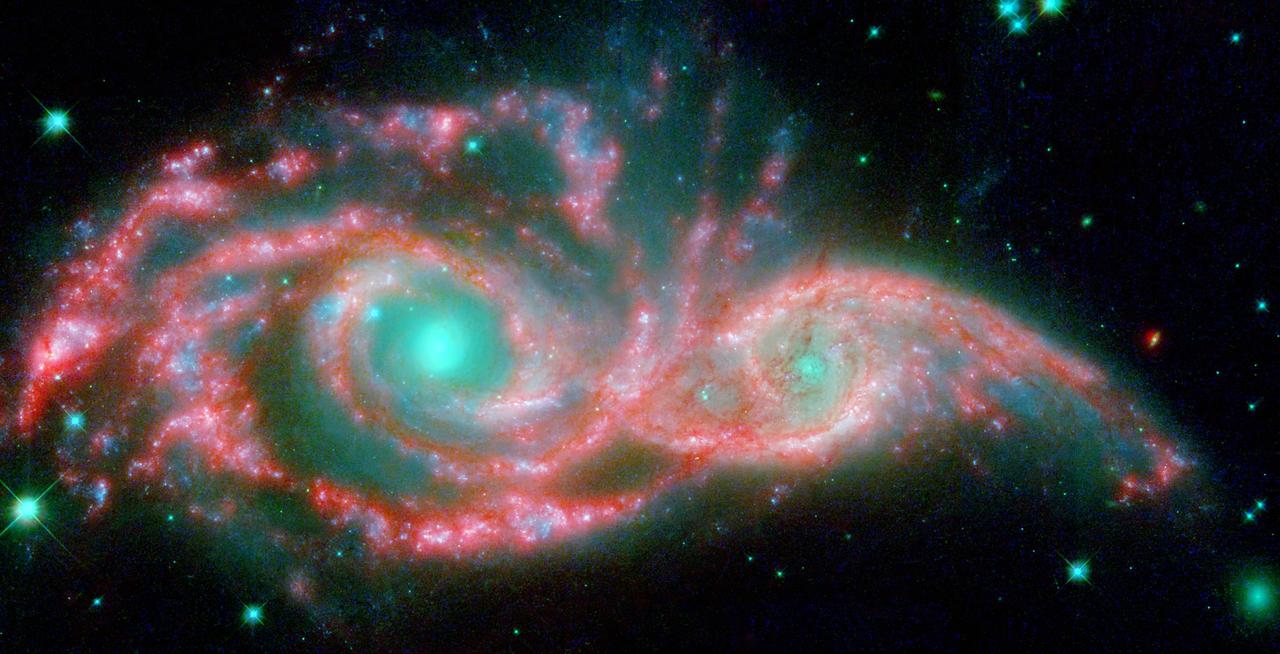
NASA Hubble and Spitzer telescopes combined to make these shape-shifting galaxies taking on the form of a giant mask. The icy blue eyes are actually the cores of two merging galaxies, called NGC 2207 and IC 2163, and the mask is their spiral arms.

Sustaining Women in STEM Making the Shift SWIS Bowie University on Nov 7, 2019 Chrystal Johnson hosted event with panel discussion, breakout sessions and speakers

Bobby Braun, professor, Georgia Institute of Technology, talks during the NASA Future Forum panel titled "Shifting Roles for Public, Private, and International Players in Space" at The Ohio State University on Tuesday, Feb. 21, 2012 in Columbus, Ohio. The NASA Future Forum features panel discussions on the importance of education to our nation's future in space, the benefit of commercialized space technology to our economy and lives here on Earth, and the shifting roles for the public, commercial and international communities in space. Photo Credit: (NASA/Bill Ingalls)
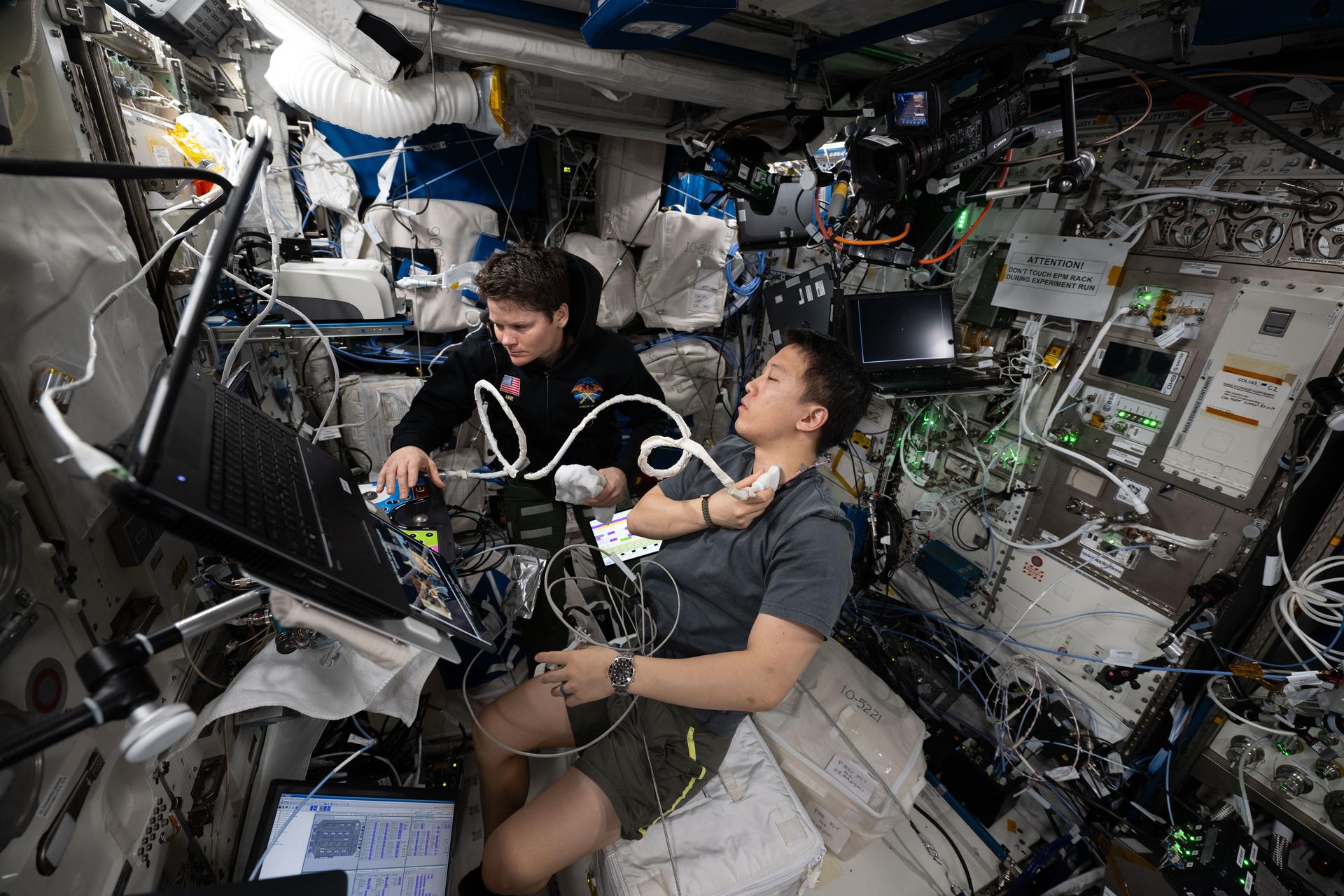
iss073e0076065 (May 19, 2025) --- NASA astronaut Anne McClain helps NASA astronaut Jonny Kim conduct an ultrasound aboard the International Space Station. Ultrasounds allow real-time observation of what is happening inside an astronaut’s body in space, such as changes in arteries and the effects of fluids shifting towards the head. In this photo, the checkup is being conducted as a part of the Thigh Cuff study, research to understand if wearing a tight cuff around the leg can help to mitigate headward fluid shifts. Credit. NASA.
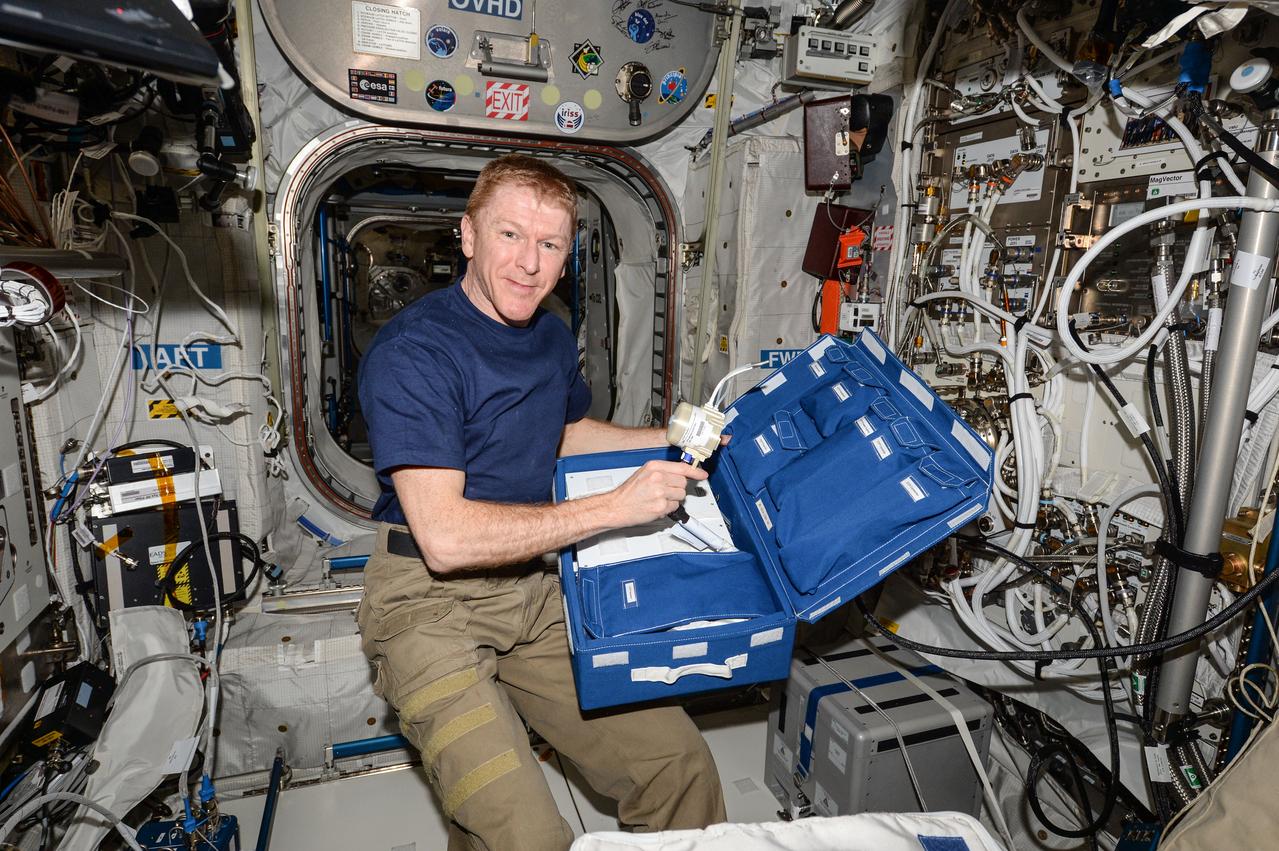
ISS047e106715 (05/06/2016) --- ESA (European Space Agency astronaut Tim Peake unpacks a cerebral and cochlear fluid pressure (CCFP) analyzer. The device is being tested to measure the pressure of the fluid in the skull, also known as intracranial pressure, which may increase due to fluid shifts in the body while in microgravity. It is hypothesized that the headward fluid shift that occurs during space flight leads to increased pressure in the brain, which may push on the back of the eye, causing it to change shape.
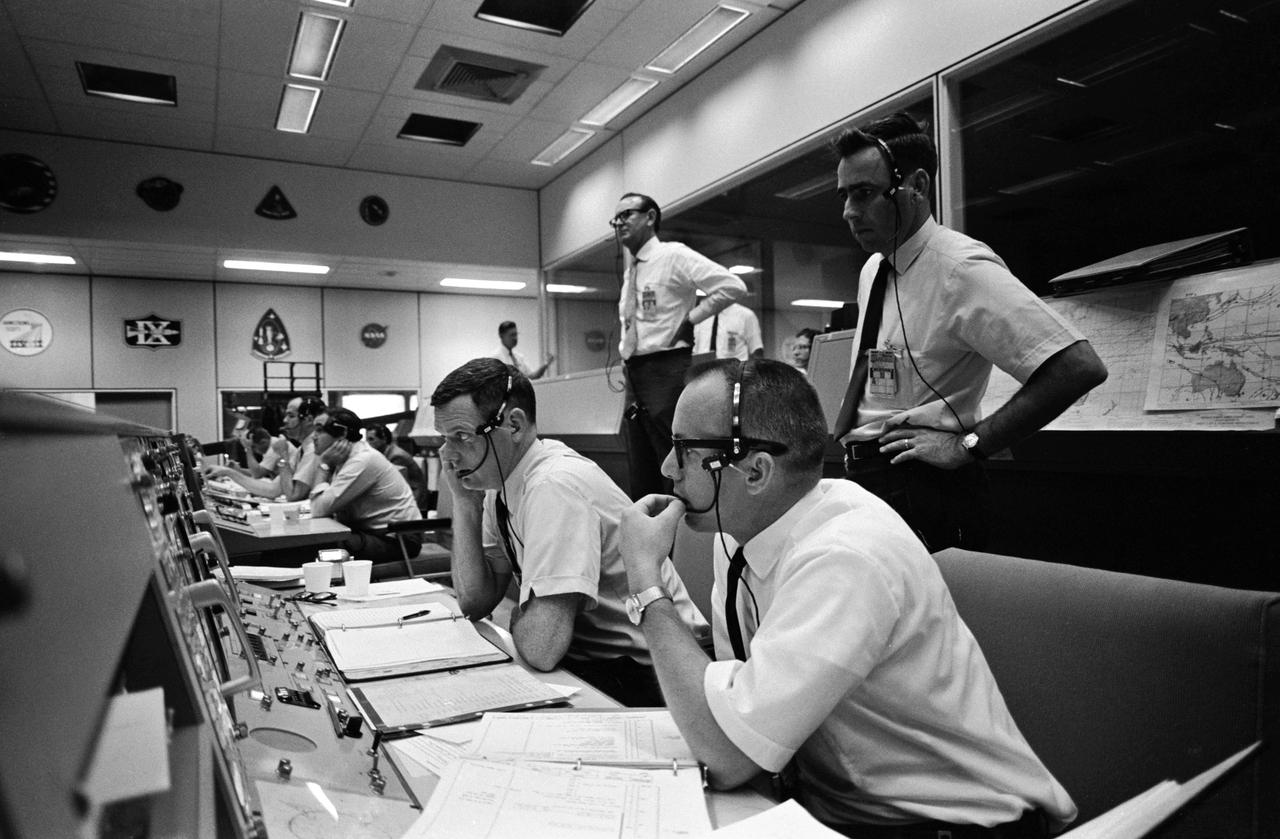
S69-34038 (18 May 1969) --- View of activity at the flight director's console in the Mission Operations Control Room in the Mission Control Center, Building 30, on the first day of the Apollo 10 lunar orbit mission. Seated are Gerald D. Griffin (foreground) and Glynn S. Lunney, Shift 1 (Black Team) flight directors. Milton L. Windler, standing behind them, is the flight director of Shift 2 (Maroon Team). In the center background, standing, is Dr. Christopher C. Kraft Jr., MSC Director of Flight Operations.
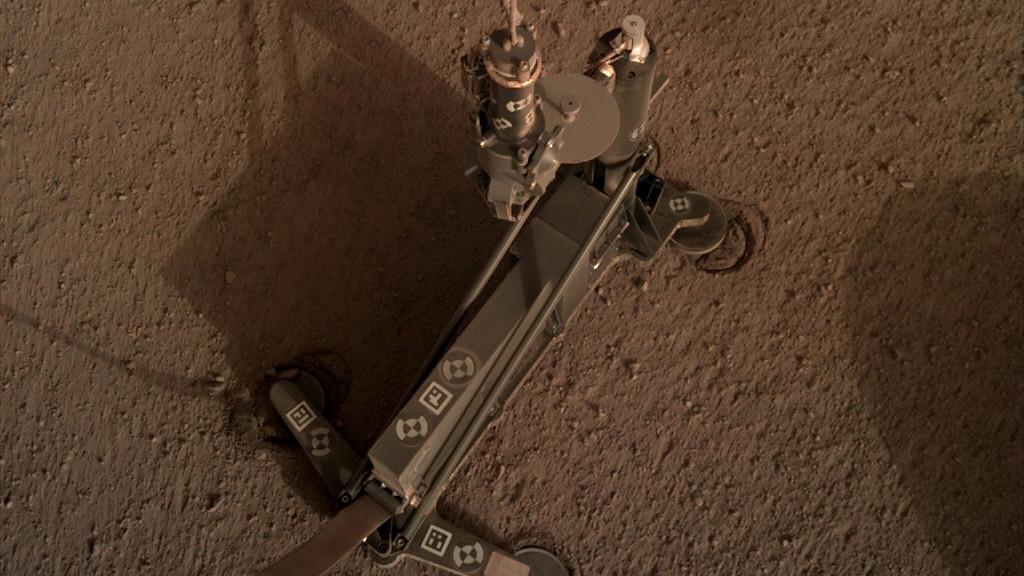
The support structure of the Heat Flow and Physical Properties Package (HP3) instrument moved slightly during hammering, as indicated by the circular "footprints" that can be seen around the instrument's footpads. These marks indicate the instrument's self-hammering mole wasn't digging as expected. This image was taken on March 4, 2019 (the 94th Martian day, or sol, of the mission). https://photojournal.jpl.nasa.gov/catalog/PIA23271
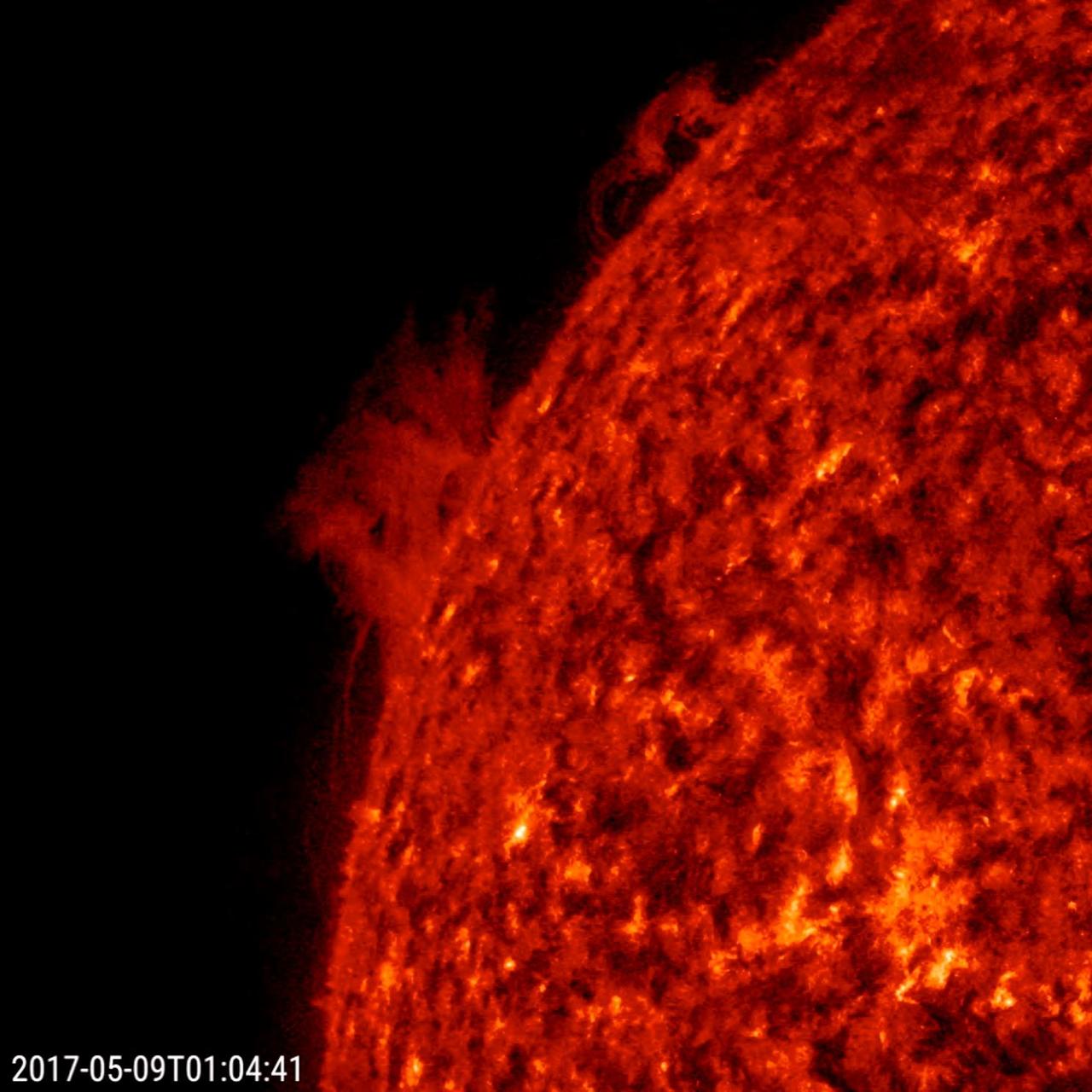
At the edge of the sun, a large prominence and a small prominence began to shift, turn and fall apart in less than one day (May 8-9, 2017). Prominences are notoriously unstable. Competing magnetic forces pulled the plasma back and forth until they dissipated. The images were taken in a wavelength of extreme ultraviolet light. The 18-second video clip is comprised of almost 600 frames being shown at 30 frames per second. Movies are available at https://photojournal.jpl.nasa.gov/catalog/PIA21634
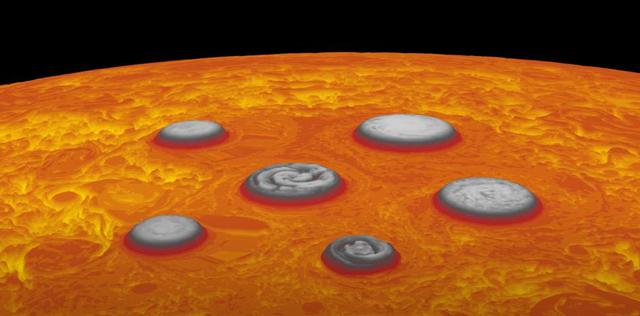
In this animation, forces created by movement toward the south pole of a circumpolar cyclone (farthest right) results in the temporary shift in location by the polar cyclone – the central cyclone directly over the pole – and the four other circumpolar cyclones. Data used to generate this animation was acquired by the Jovian Infrared Auroral Mapper (JIRAM) instrument aboard NASA's Juno spacecraft. JIRAM "sees" in infrared light not visible to the human eye. It was designed to capture the infrared light emerging from deep inside Jupiter, probing the weather layer down to 30 to 45 miles (50 to 70 kilometers) below Jupiter's cloud tops. Movie available at https://photojournal.jpl.nasa.gov/catalog/PIA24969
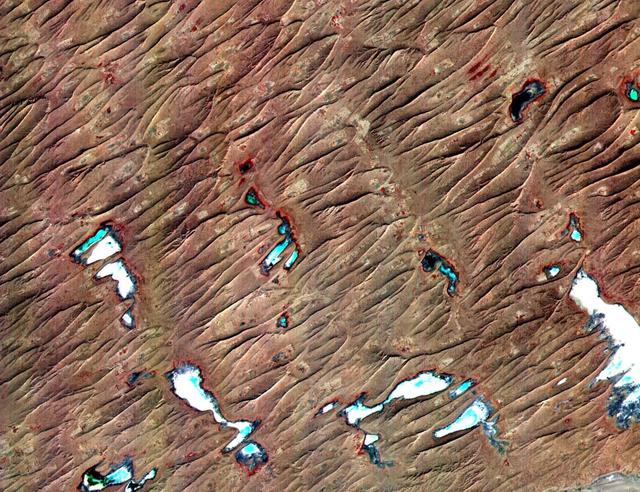
This ASTER sub-scene covers an area of 12 x 15 km in NW India in the Thar Desert. The sand dunes of the Thar Desert constantly shift and take on new shapes. Located in northwestern India and eastern Pakistan, the desert is bounded on the south by a salt marsh known as the Rann of Kutch, and on the west by the Indus River plain. About 800 kilometers long and about 490 kilometers wide, the desert's terrain is mainly rolling sandhills with scattered growths of shrub and rock outcroppings. Only about 12 to 25 centimeters of rain fall on the desert each year, and temperatures rise as high as 52 degrees Celsius. Much of the population is pastoral, raising sheep for their wool. The image is located at 24.4 degrees north latitude and 69.3 degrees east longitude. http://photojournal.jpl.nasa.gov/catalog/PIA11094
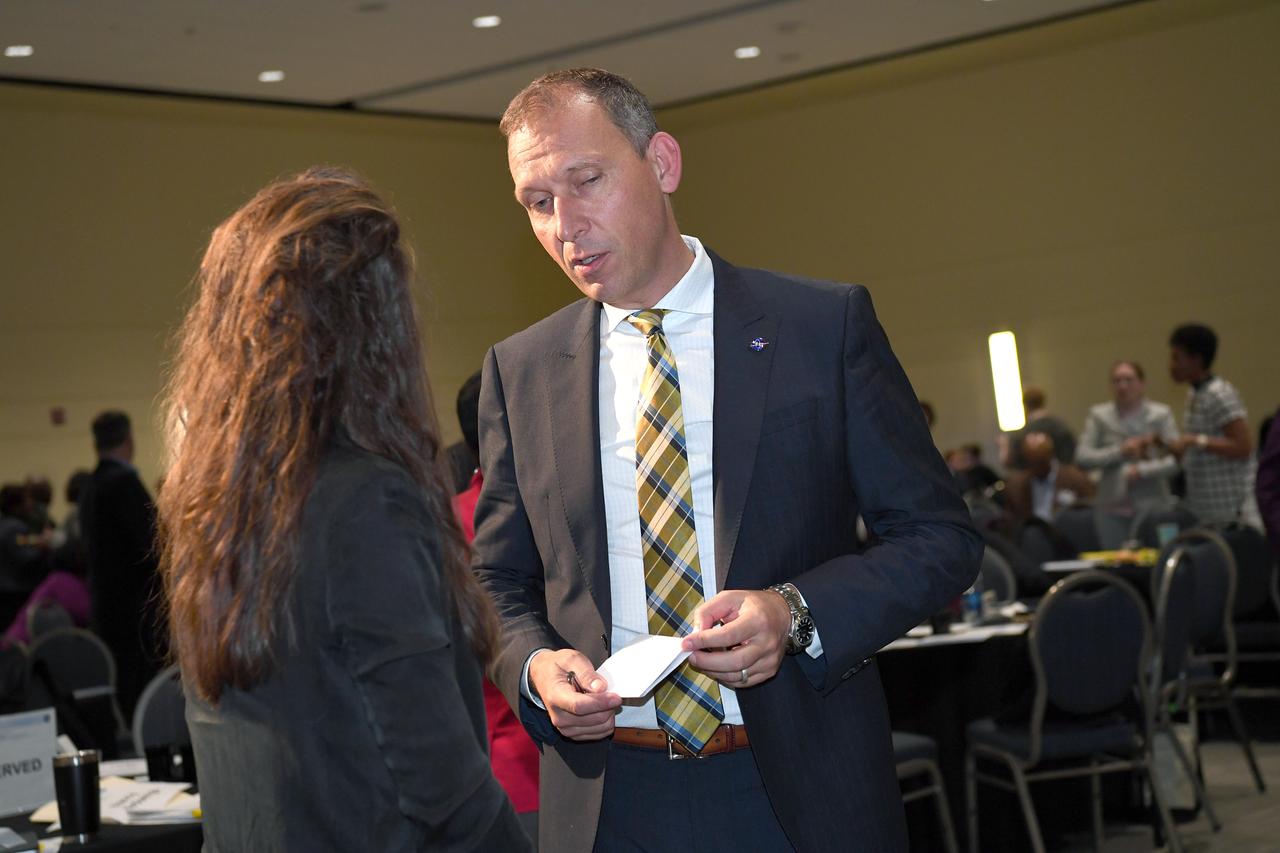
Sustaining Women in STEM Making the Shift SWIS Nov 7, 2019 at Bowie State University Chrystal Johnson hosted event with panel discussion, speakers and breakout sessions

Sustaining Women in STEM Making the Shift SWIS Nov 7, 2019 at Bowie State University. Chrystal Johnson hosted event with panel discussion, speakers and breakout sessions

Sustaining Women in STEM making the Shift SWIS held at Bowie State University Nov 7, 2019 Chrystal Johnson hosted event with panel discussion, speakers, breakout sessions, etc.
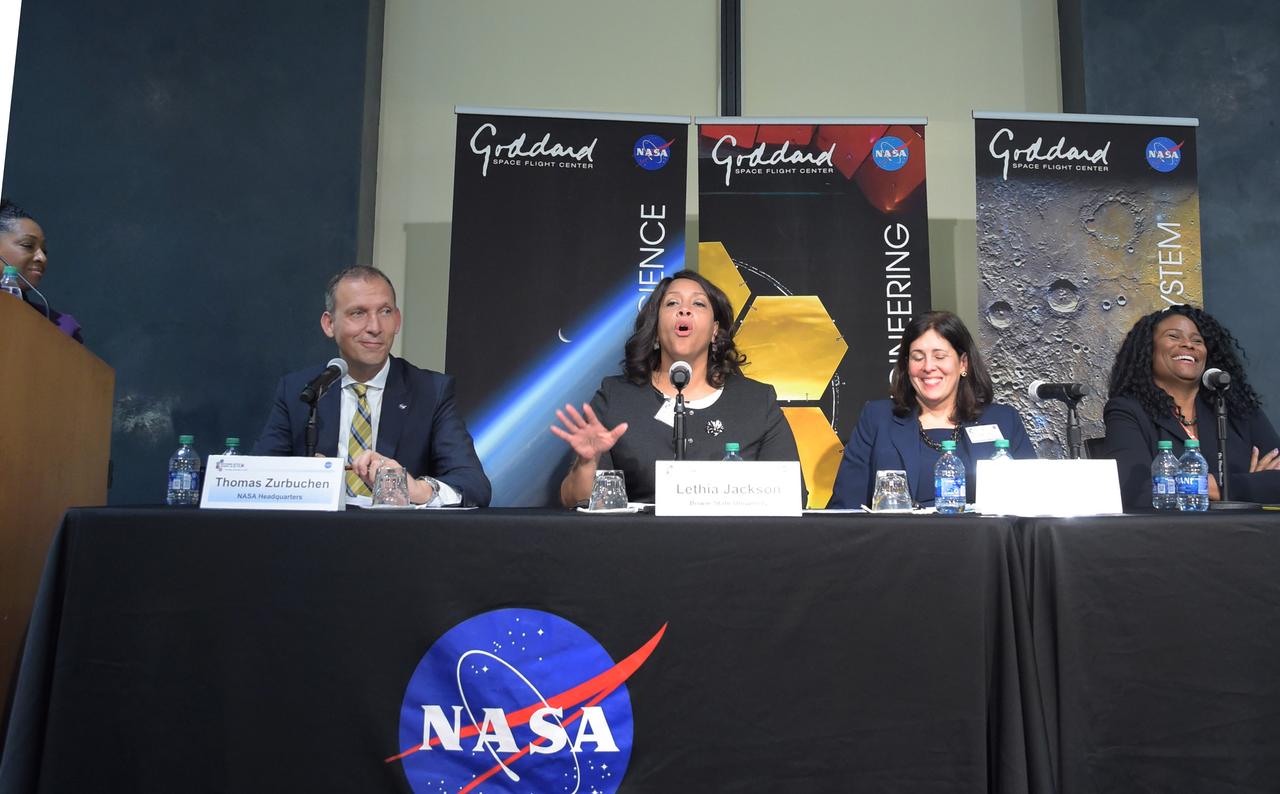
Sustaining Women in STEM Making the Shift SWIS Nov 7, 2019 at Bowie State Univeristy. Chrystal Johnson hosted event with panel discussion, speakers and breakout sessions
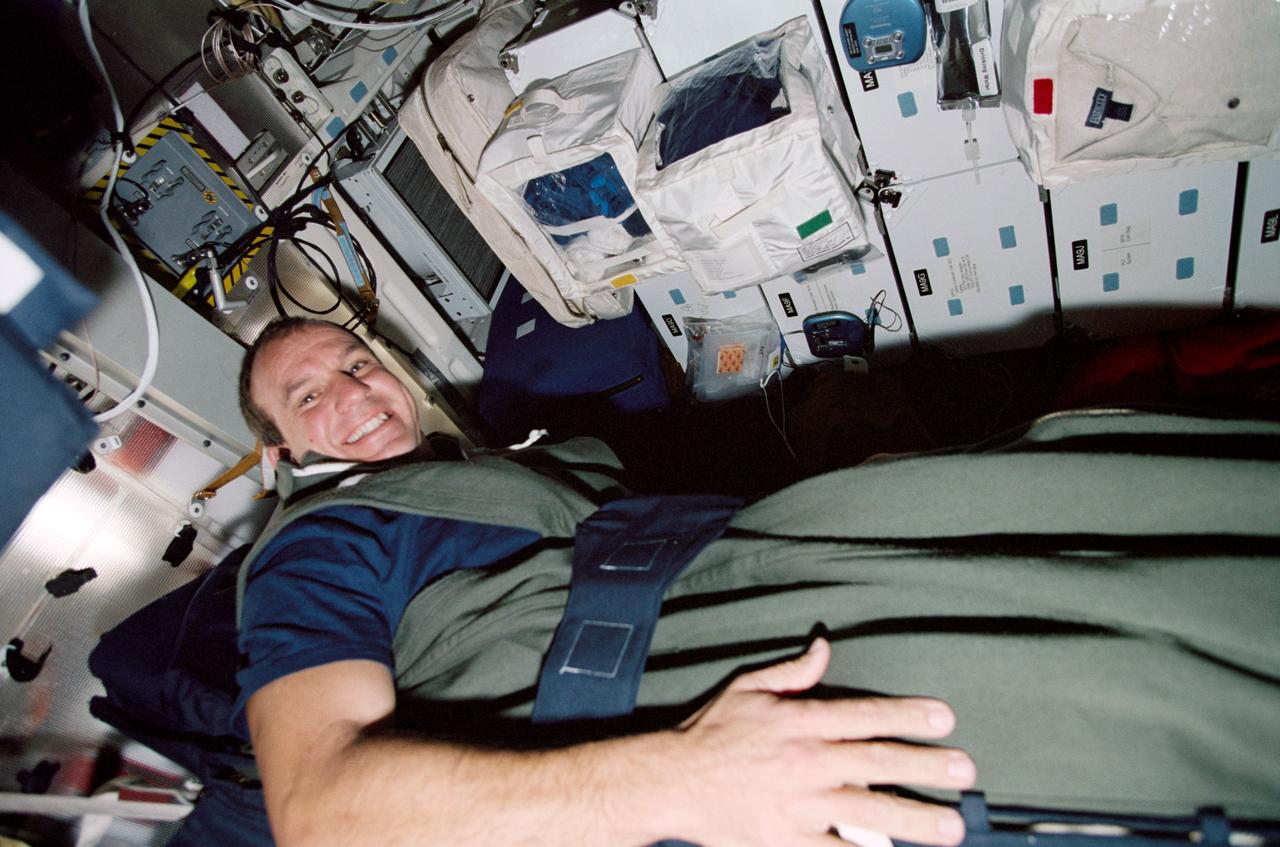
STS097-327-027 (30 Nov.-11 Dec. 2000) --- Astronaut Michael J. Bloomfield, STS-97 pilot, prepares for his sleep shift on the middeck of the Earth-orbiting Space Shuttle Endeavour.
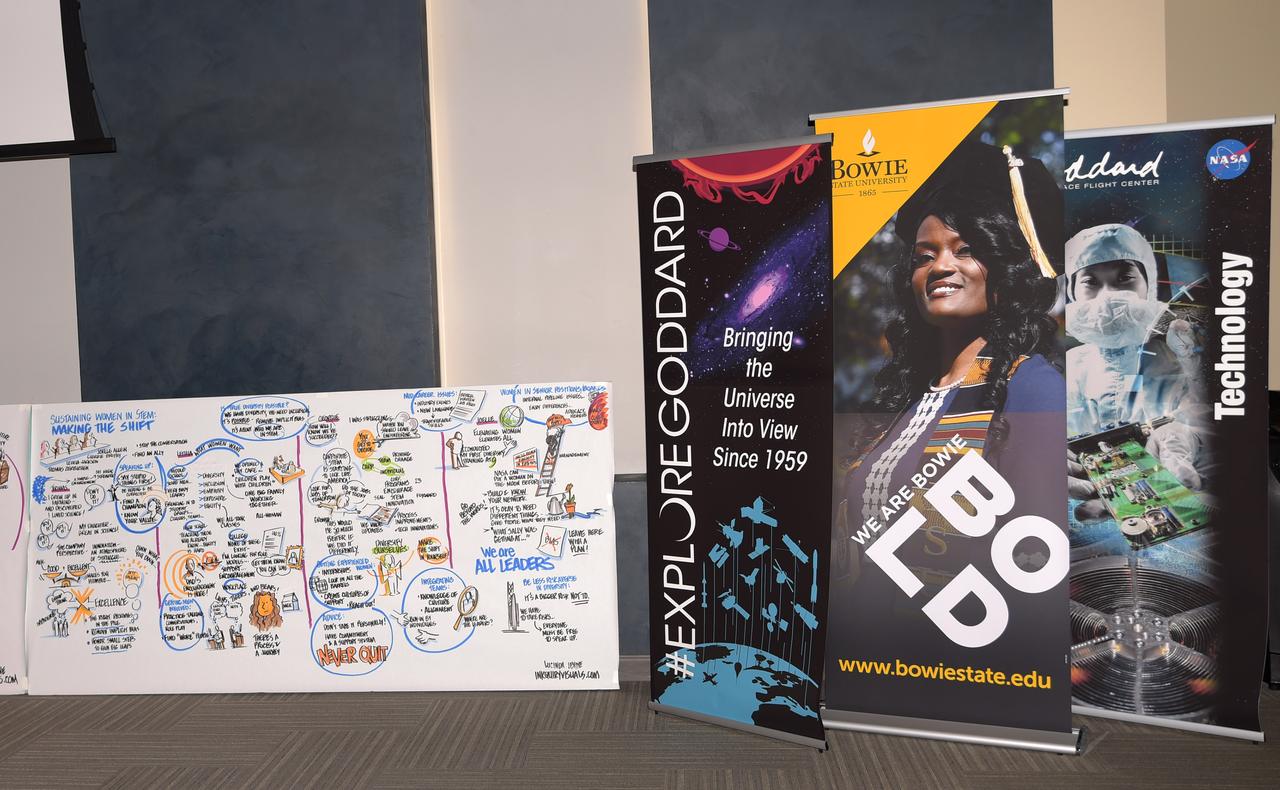
Sustaining Women in STEM Making the Shift SWIS Chrystal Johnson hosted event at Bowie State University on Nov 7, 2019 with panel discussion, speakers, and breakout sessions

Sustaining Women in STEM Making the Shift SWIS Nov 7, 2019 at Bowie State University Chrystal Johnson hosted event with panel discussions, speakers and breakout sessions
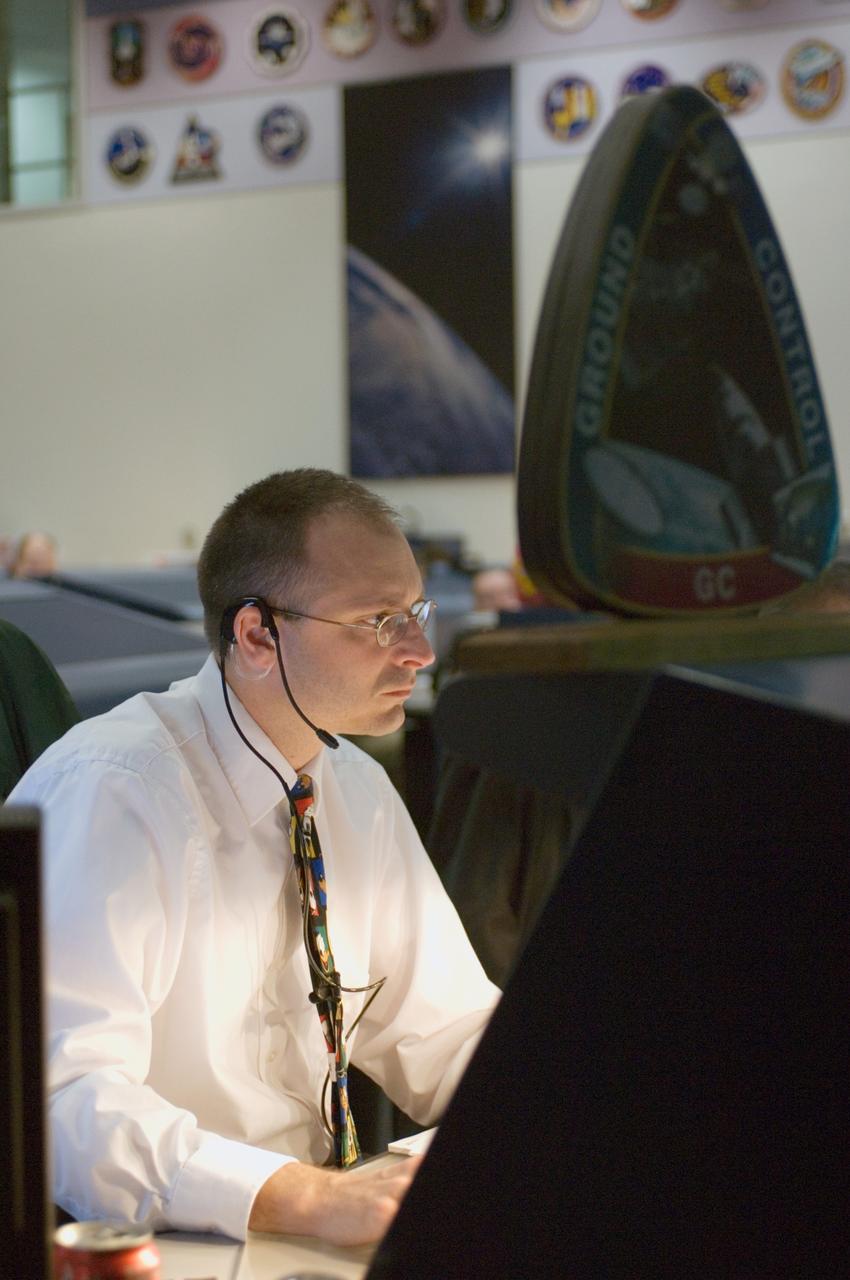
JSC2006-E-53585 (11 Dec. 2006) --- Aaron Frith, ground controller (GC) works the Orbit 3 shift in the Shuttle Flight Control Room for the STS-116 mission.
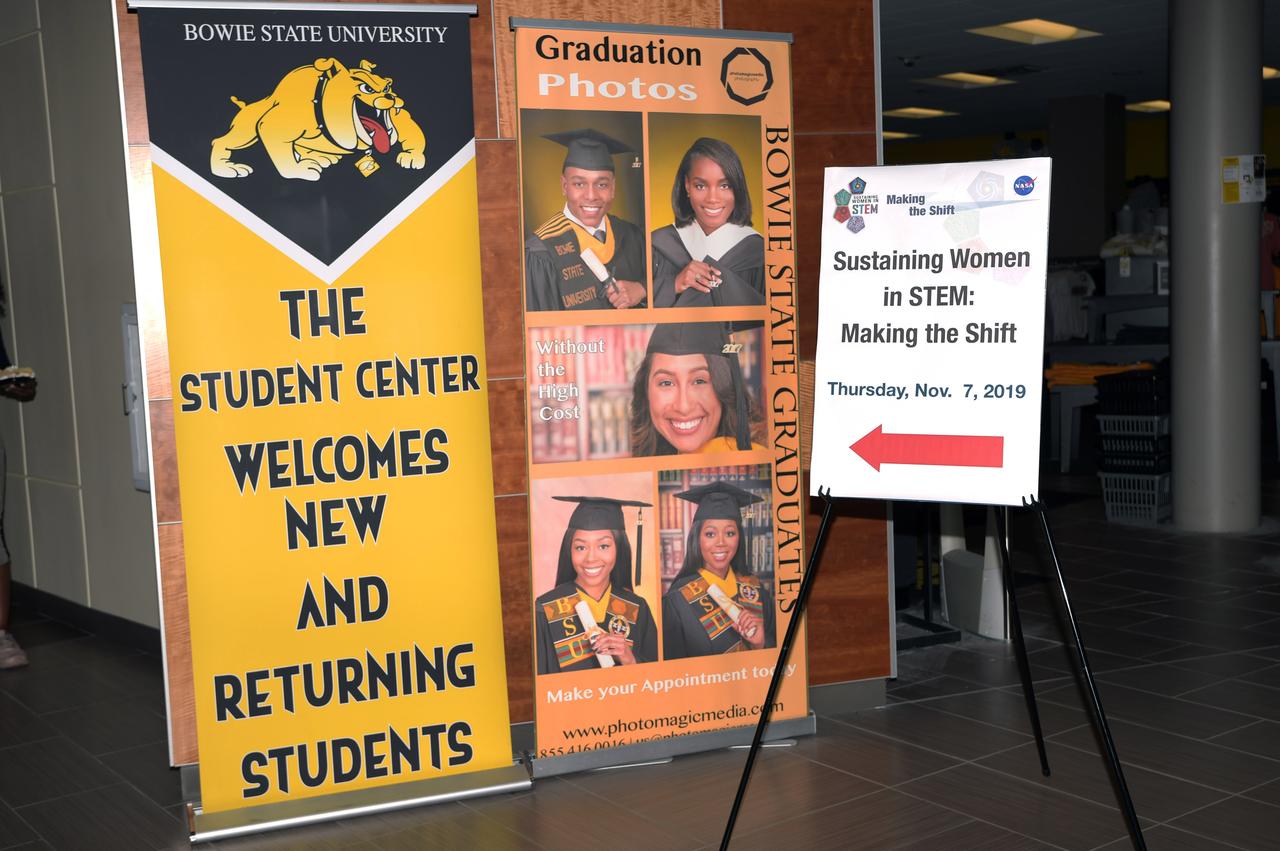
Sustaining Women in STEM Making the Shift SWIS Nov 7, 2019 at Bowie State University. Chrystal Johnson hosted event with panel discussion, speakers and breakout sessions

iss073e0547544 (Aug. 27, 2025) --- Roscosmos cosmonaut and Expedition 73 Commander Sergey Ryzhikov is pictured during electronics maintenance at the beginning of his shift aboard the International Space Station.
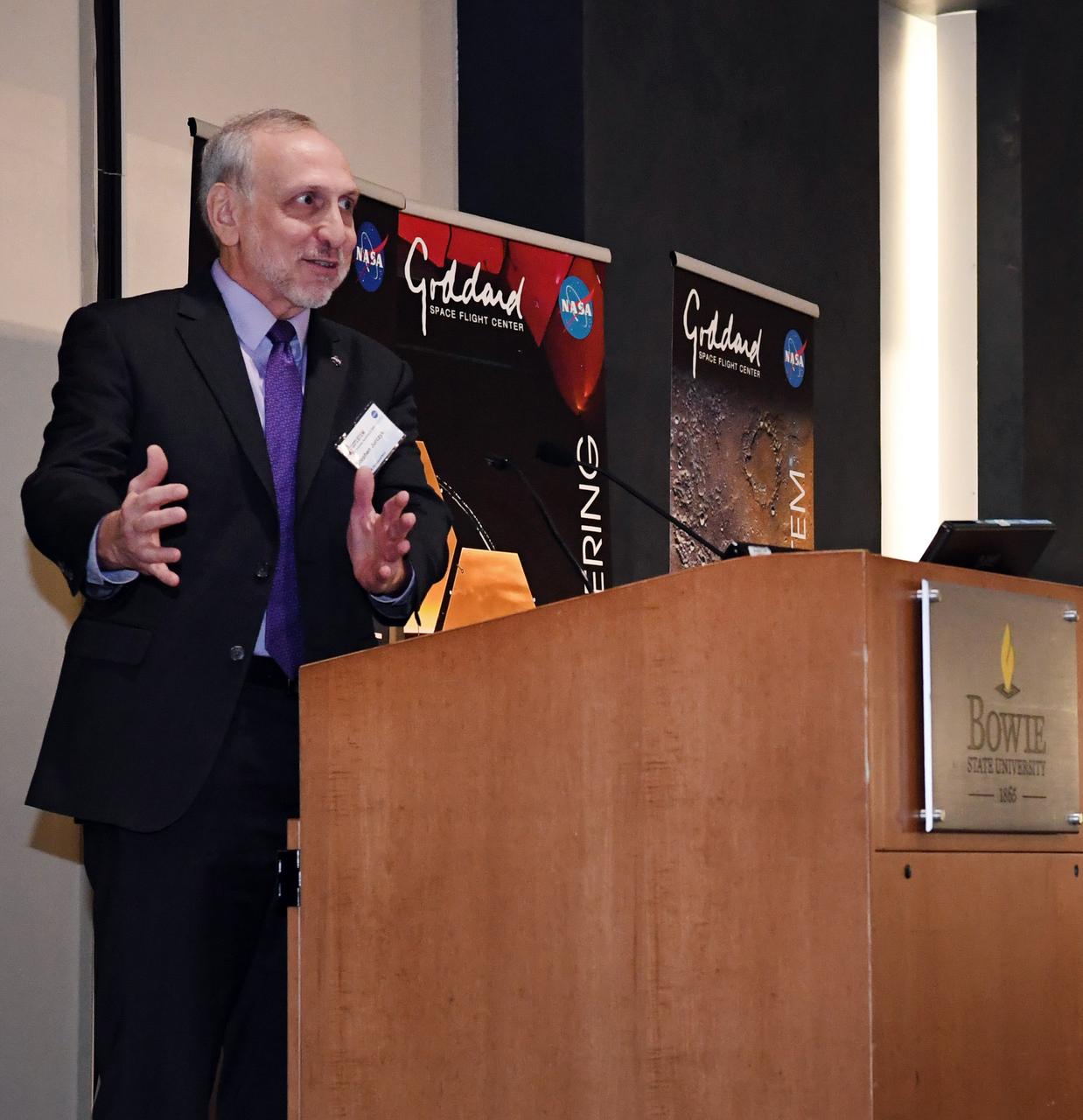
Sustaining Women in STEM Making the Shift SWIS Chrystal Johnson hosted event at Bowie State Univ on Nov 7, 2019 with panel discussion, speakers, and breakout sessions

Sustaining Women in STEM Making the Shift SWIS Chrystal Johnson hosted event at Bowie State Univ on Nov 7, 2019 with panel discussion, speakers, breakout sessions
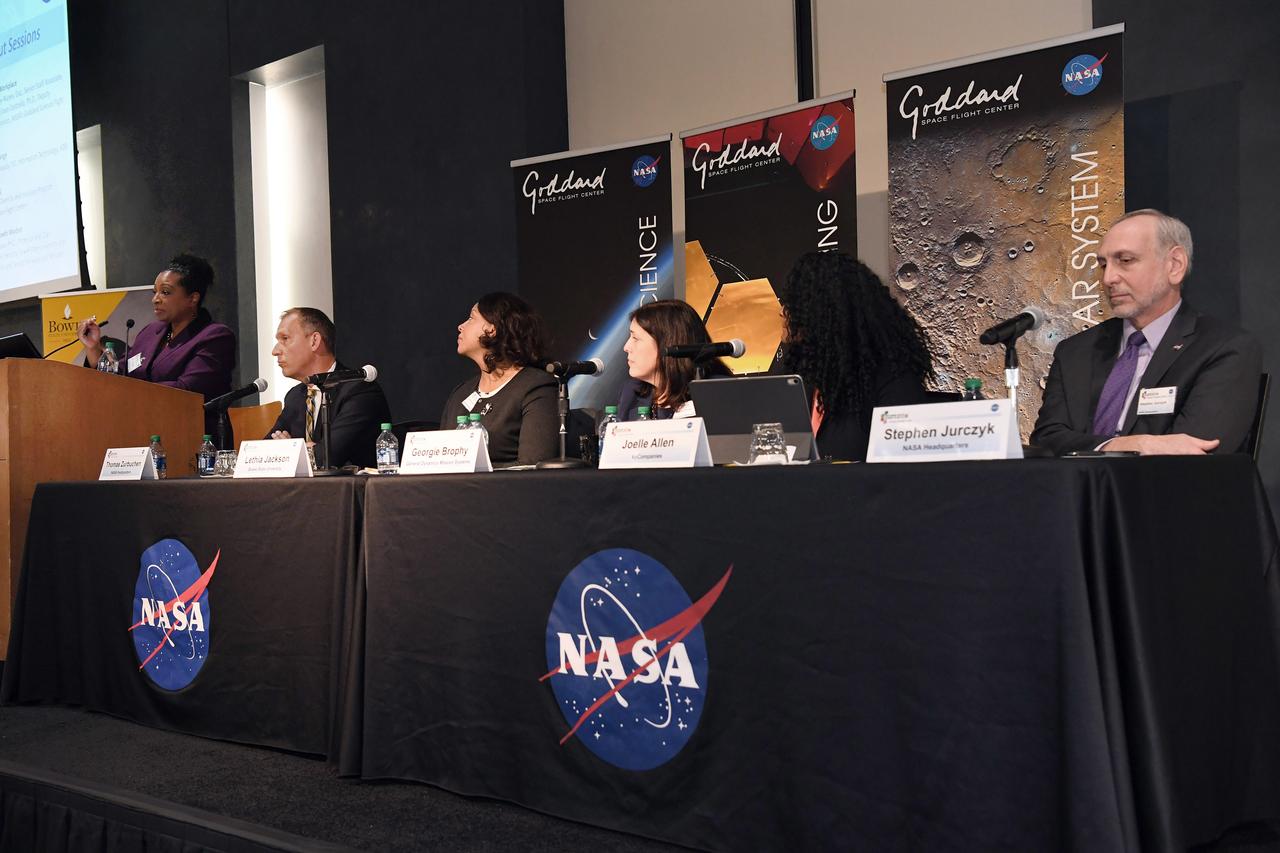
Sustaining Women in STEM Making the Shift SWIS held at Bowie State University on Nov 7, 2019 Chrystal Johnson hosted event with panel discussion, speakers, and breakout sessions

Sustaining Women in STEM Making the Shift SWIS held at Bowie State University Nov 7, 2019 Chrystal Johnson hosted event with panel discussion, speakers, and breakout sessions

Sustaining Women in STEM Making the Shift SWIS Chrystal Johnson hosted event at Bowie State Univ on Nov 7, 2019 with panel discussion, speakers, breakout sessions
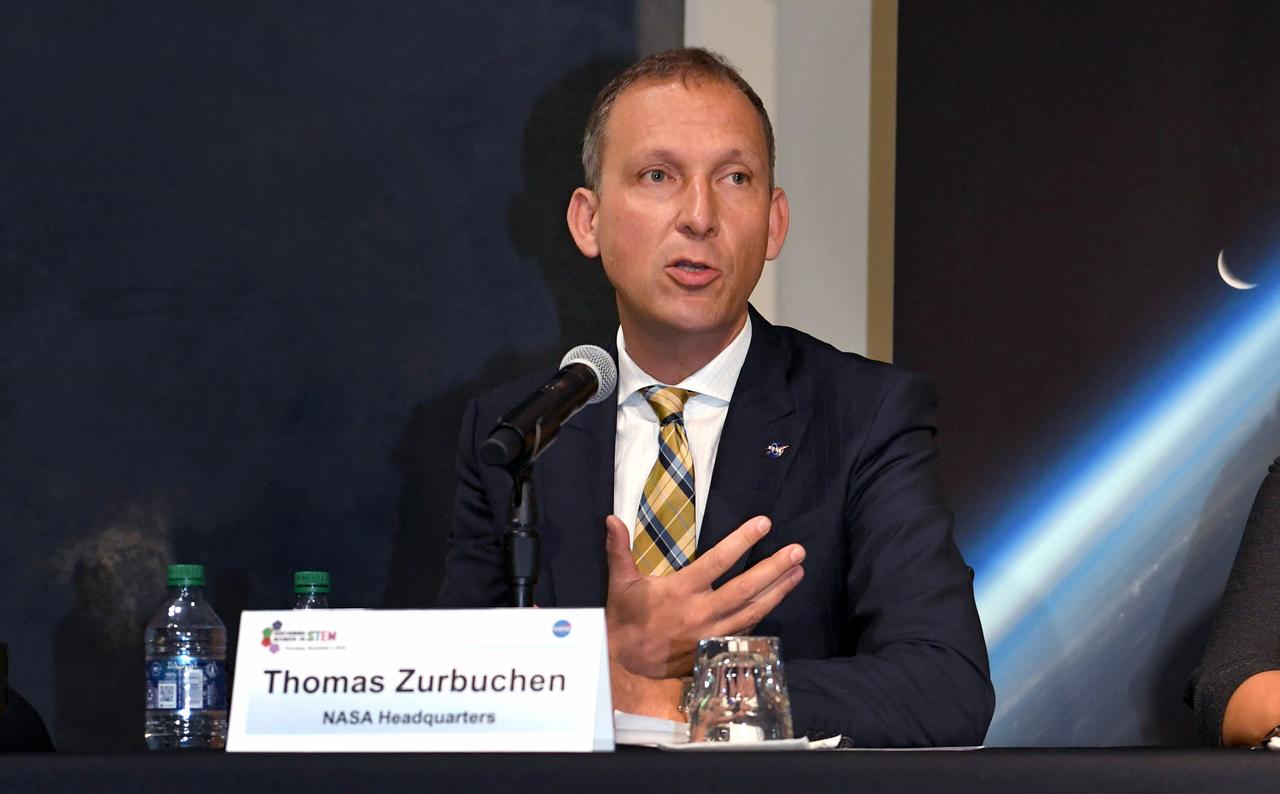
Sustaining Women in STEM Making the Shift SWIS held at Bowie State University on Nov 7, 2019 Chrystal Johnson hosted event with panel discussion, speakers and breakout sessions

Sustaining Women in STEM Making the Shift SWIS Chrystal Johnson hosted event at Bowie State Univ on Nov 7, 2019 with panel discussion, speakers, and breakout sessions

sustaining Women in STEM Making the Shift SWIS Nov 7, 2019 at Bowie State University Chrystal Johnson hosted event with panel discussion, speakers, and breakout sessions

Terry White during a change-of-shift briefing in the JSC public affairs facility briefing room. White acted as one of the on-orbit public affairs officers and the landing PAO during the Challenger's STS-6 flight.
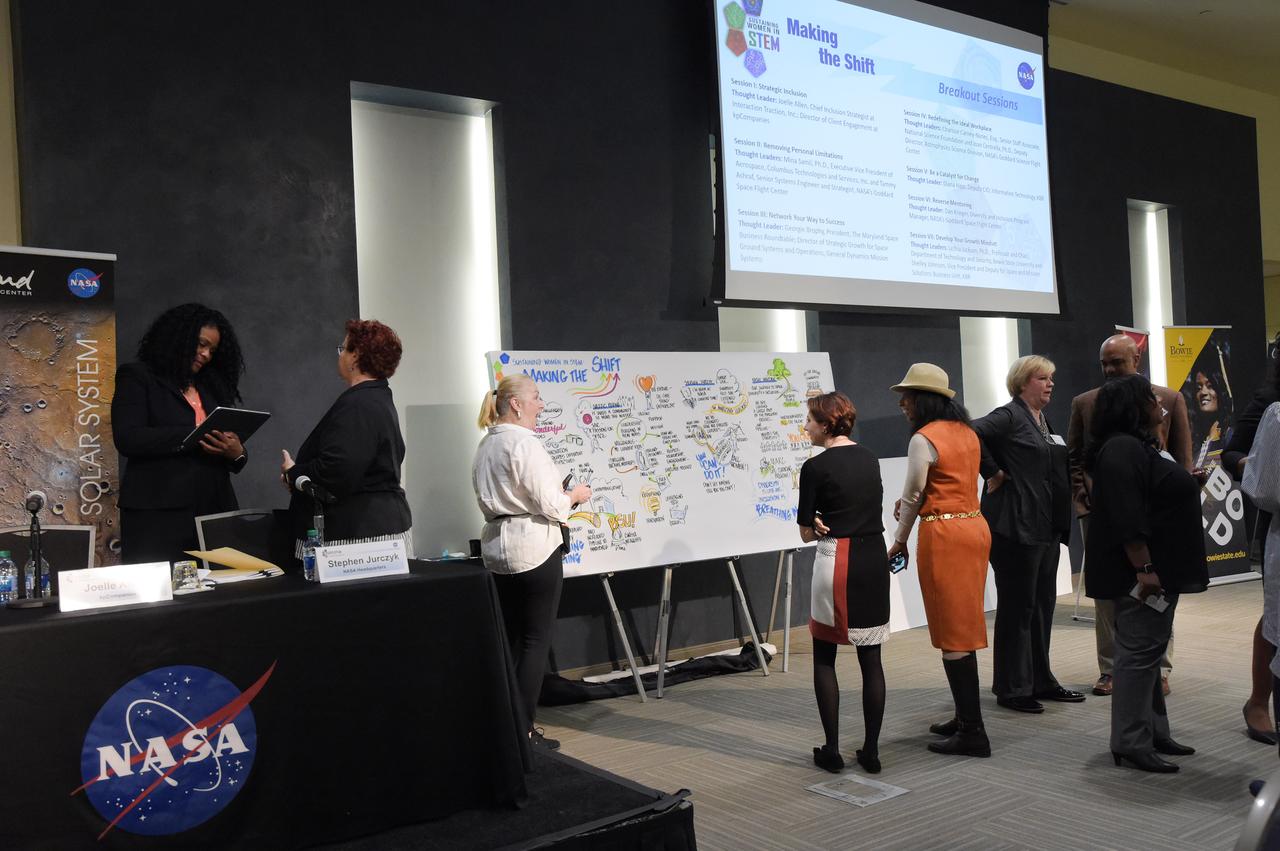
Sustaining Women in STEM Making the Shift SWIS held at Bowie State University Nov 7, 2019 Chrystal Johnson hosted event with panel discussion, speakers and breakout sessions

Sustaining Women in STEM Making the Shift SWIS Nov 7, 2019 at Bowie State University Chrystal Johnson hosted event with panel discussion, speakers and breakout sessions
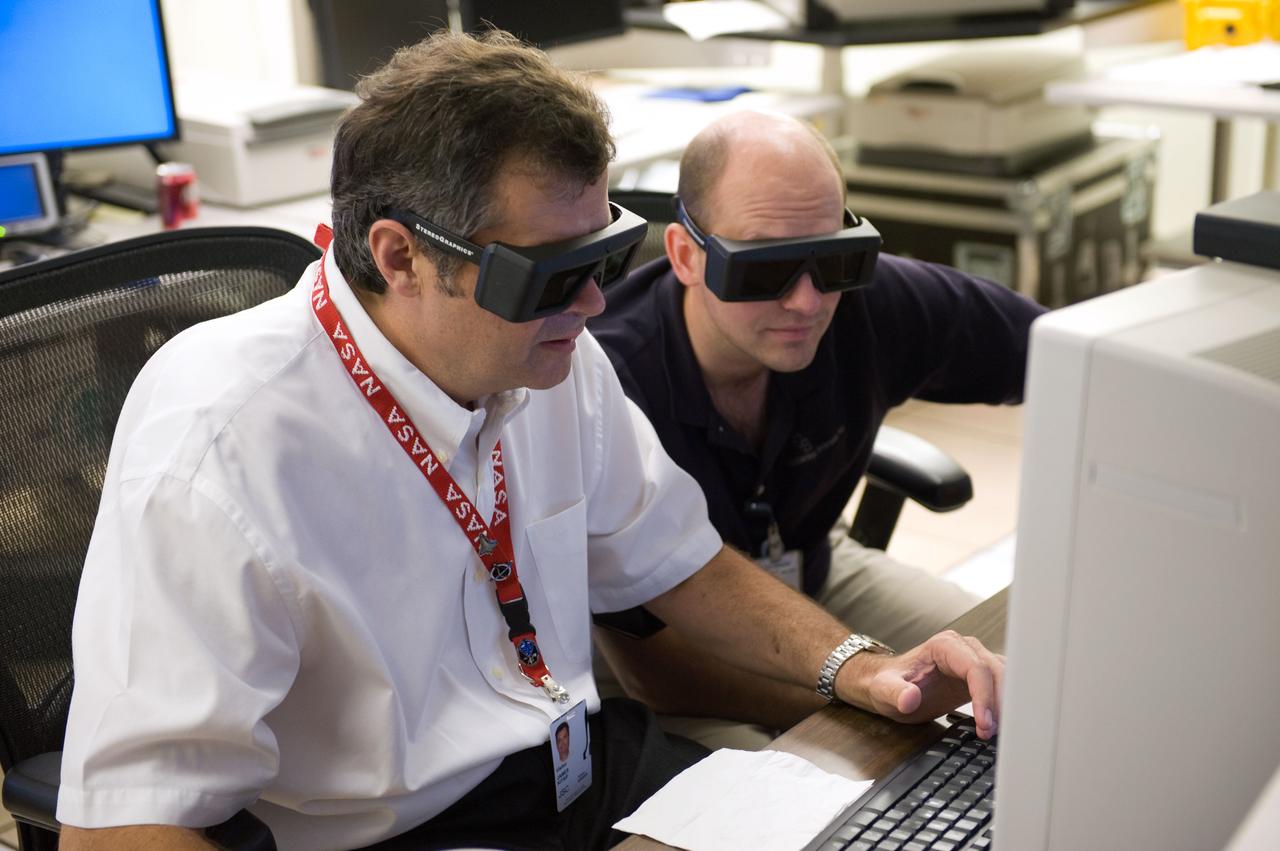
PHOTO DATE: 05-12-09 LOCATION: Bldg. 30 south - (Rooms) SUBJECT: STS-125 Flight Controllers on Console - (Orbit Shift) - (Subject) PHOTOGRAPHER: BLAIR

Sustaining Women in STEM Making the Shift SWIS Chrystal Johnson hosted event at Bowie State Univ on Nov 7, 2019 with panel discussion, speakers, and breakout sessions
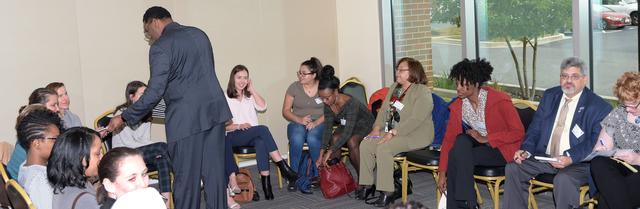
Sustaining Women in STEM Making the Shift SWIS Nov 7, 2019 at Bowie State University. Chrystal Johnson hosted event with panel discussion, speakers and breakout sessions
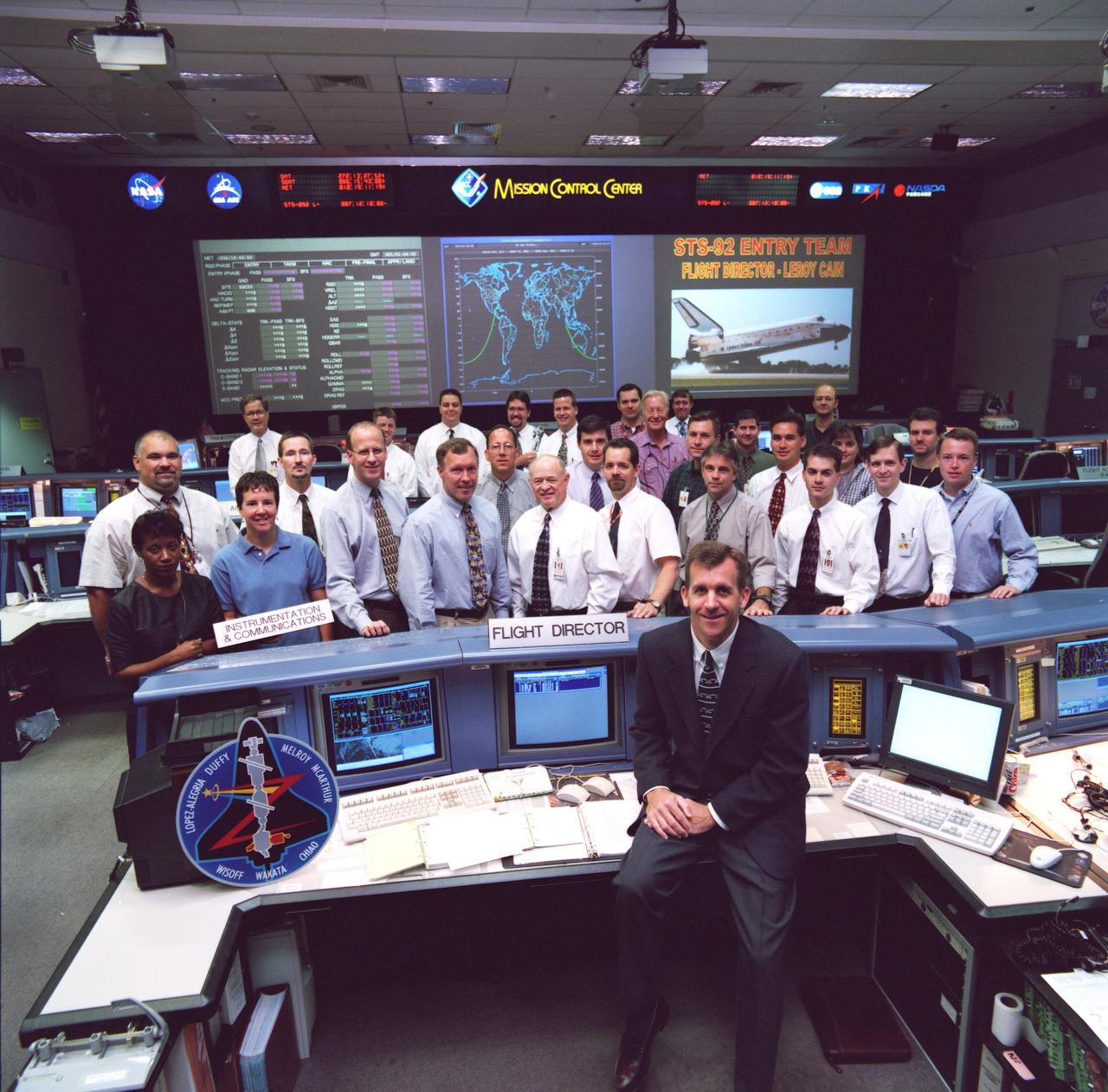
JSC2000-06401 (October 2000) --- LeRoy Cain (foreground), entry flight director for the STS-92 mission, poses with the 30-odd flight controllers who support his shift.

Sustaining Women in STEM Making the Shift SWIS Nov 7, 2019 at Bowie State University Chrystal Johnson hosted event with panel discussion, speakers, and breakout sessions

Sustaining Women in STEM Making the Shift SWIS Chrystal Johnson hosted event at Bowie State Univ on Nov 7, 2019 with panel discussion, speakers, breakout sessions

Dr. Caroline Wagner, associate professor, Ambassador Milton A. and Roslyn Z. Wolf Chair in International Affairs, and Director, Battelle Center for Science and Technology Policy, The Ohio State University moderates the NASA Future Forum panel titled "Shifting Roles for Public, Private, and International Players in Space" at The Ohio State University on Tuesday, Feb. 21, 2012 in Columbus, Ohio. The NASA Future Forum features panel discussions on the importance of education to our nation's future in space, the benefit of commercialized space technology to our economy and lives here on Earth, and the shifting roles for the public, commercial and international communities in space. Photo Credit: (NASA/Bill Ingalls)
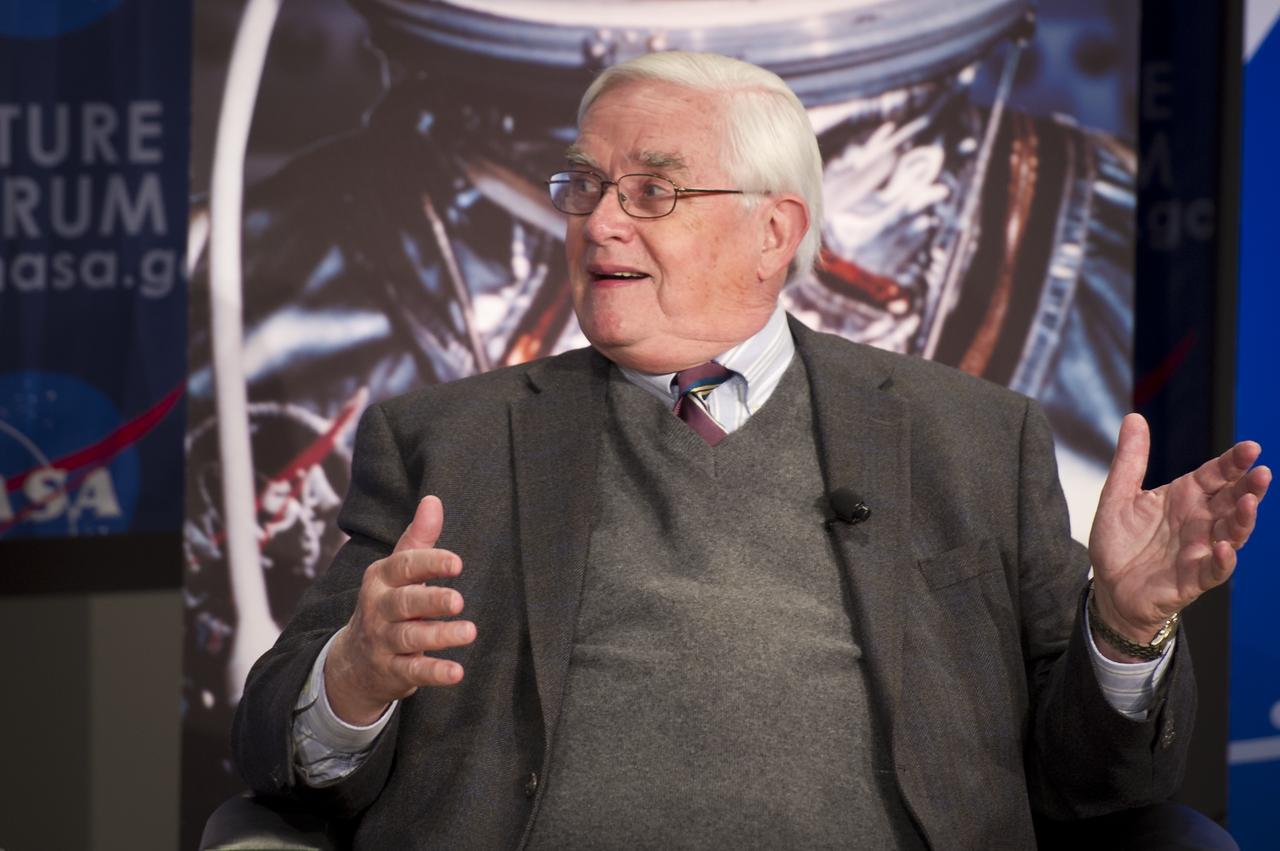
John Logsdon, professor emeritus of Political Science and International Affairs, Elliott School of International Affairs, George Washington University, talks during the NASA Future Forum panel titled "Shifting Roles for Public, Private, and International Players in Space" at The Ohio State University on Tuesday, Feb. 21, 2012 in Columbus, Ohio. The NASA Future Forum features panel discussions on the importance of education to our nation's future in space, the benefit of commercialized space technology to our economy and lives here on Earth, and the shifting roles for the public, commercial and international communities in space. Photo Credit: (NASA/Bill Ingalls)
![NASA researchers have new [sic] insights into the mysteries of Arctic sea ice, thanks to the unique abilities of Canada's Radarsat satellite. The Arctic is the smallest of the world's four oceans, but it may play a large role in helping scientists monitor Earth's climate shifts. Using Radarsat's special sensors to take images at night and to peer through clouds, NASA researchers can now see the complete ice cover of the Arctic. This allows tracking of any shifts and changes, in unprecedented detail, over the course of an entire winter. The radar-generated, high-resolution images are up to 100 times better than those taken by previous satellites. http://photojournal.jpl.nasa.gov/catalog/PIA02970](https://images-assets.nasa.gov/image/PIA02970/PIA02970~thumb.jpg)
NASA researchers have new [sic] insights into the mysteries of Arctic sea ice, thanks to the unique abilities of Canada's Radarsat satellite. The Arctic is the smallest of the world's four oceans, but it may play a large role in helping scientists monitor Earth's climate shifts. Using Radarsat's special sensors to take images at night and to peer through clouds, NASA researchers can now see the complete ice cover of the Arctic. This allows tracking of any shifts and changes, in unprecedented detail, over the course of an entire winter. The radar-generated, high-resolution images are up to 100 times better than those taken by previous satellites. http://photojournal.jpl.nasa.gov/catalog/PIA02970
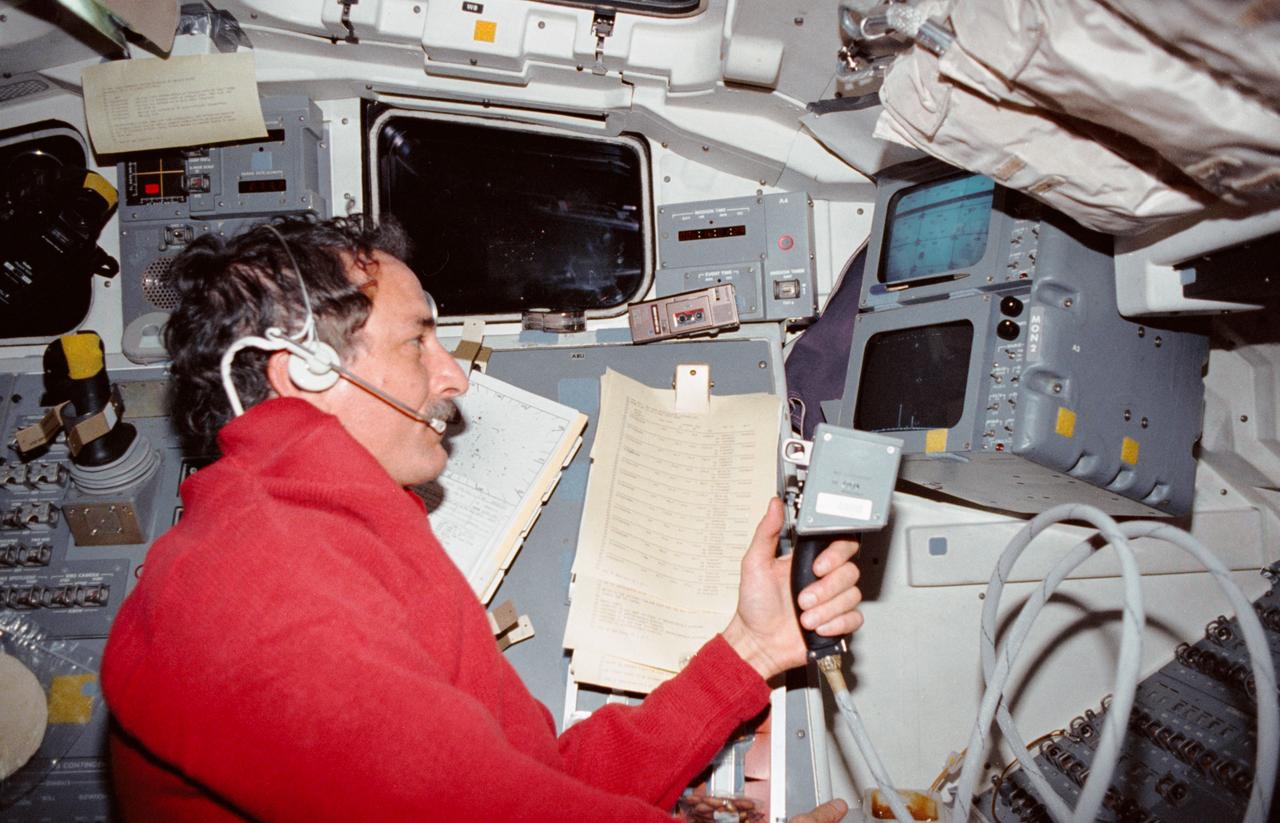
STS035-12-015 (2-11 Dec 1990) --- Astronaut Jeffrey A. Hoffman, STS 35 mission specialist, uses a manual pointing controller (MPC) for the Astro-1 mission's Instrument Pointing System (IPS). By using the MPC, Hoffman and other crewmembers on Columbia's aft flight deck, were able to command the IPS, located in the cargo bay, to record astronomical data. Hoffman is serving the "Blue" shift which complemented the currently sleeping "Red" shift of crewmembers as the mission collected scientific data on a 24-hour basis. The scene was photographed with a 35mm camera.

Roger Launius, senior curator, Smithsonian Institution National Air and Space Museum, talks during the NASA Future Forum panel titled "Shifting Roles for Public, Private, and International Players in Space" at The Ohio State University on Tuesday, Feb. 21, 2012 in Columbus, Ohio. The NASA Future Forum features panel discussions on the importance of education to our nation's future in space, the benefit of commercialized space technology to our economy and lives here on Earth, and the shifting roles for the public, commercial and international communities in space. Photo Credit: (NASA/Bill Ingalls)
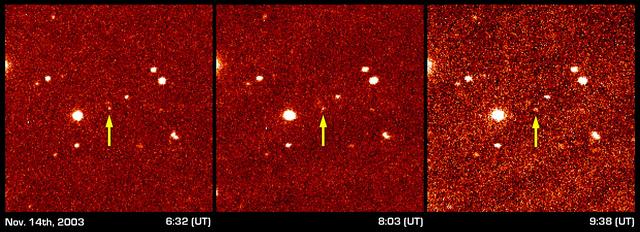
These three panels show the first detection of the faint distant object dubbed "Sedna." Imaged on November 14th from 6:32 to 9:38 Universal Time, Sedna was identified by the slight shift in position noted in these three pictures taken at different times. Subsequent observations at longer time intervals provided the information necessary to deduce the nature of Sedna's 10,500 year orbit around the Sun. The field of view of each frame is 3.4 arcminutes square, and each pixel is 1.0 arcsecond. http://photojournal.jpl.nasa.gov/catalog/PIA05568
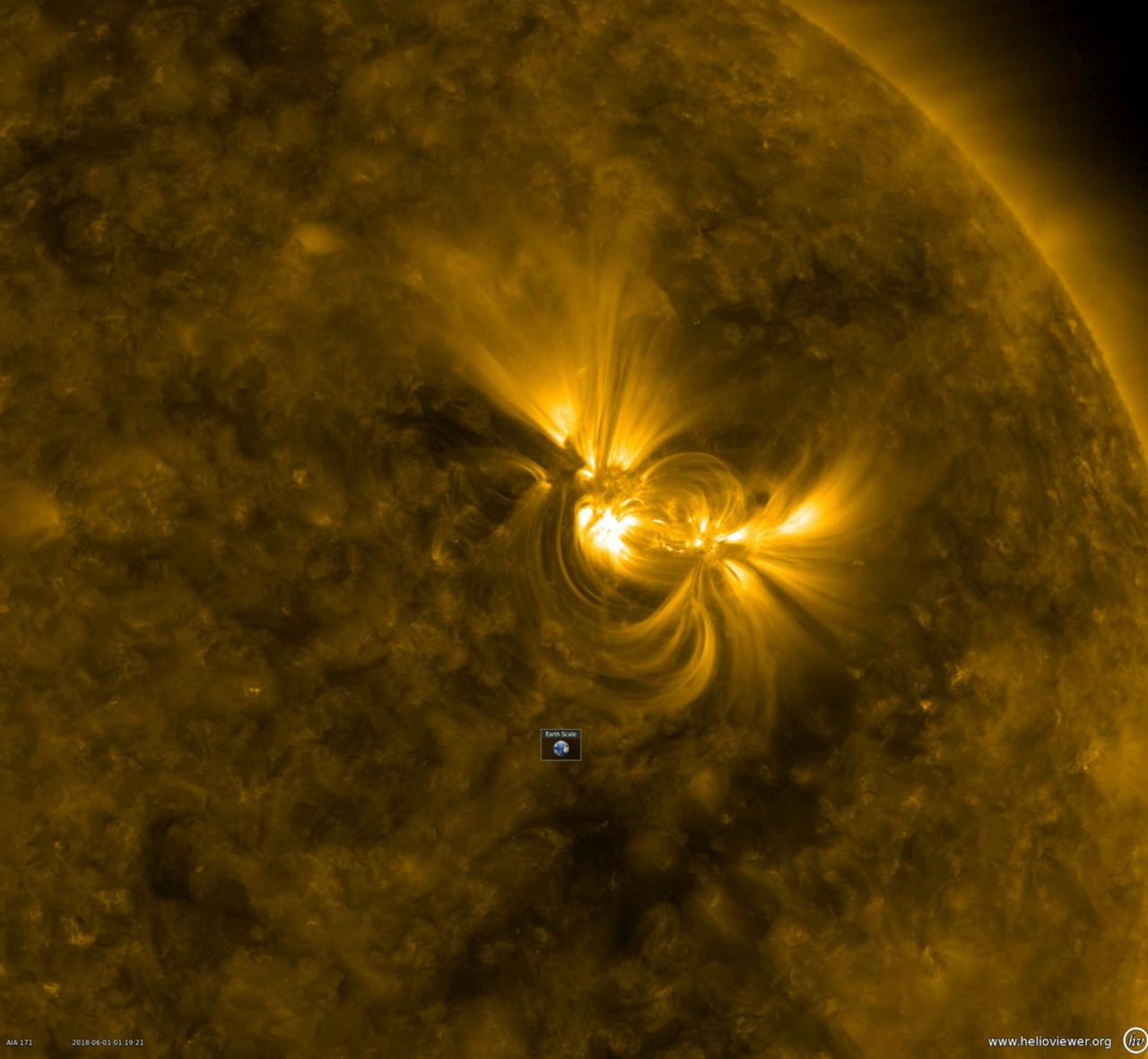
This close-up from a video clip taken May 30-June 1, 2018 shows a large active region in extreme ultraviolet light as the bright magnetic field lines above it shift and twist. Note the Earth scale below the active region: the longest loops extend about 10 times the diameter of Earth. When the magnetic field lines get themselves tangled up enough, they can erupt with a solar storm. Videos are available at https://photojournal.jpl.nasa.gov/catalog/PIA22475

A prominence at the sun's edge shifted and slithered back and forth over a one-day period (Nov. 29-30, 2017). Prominences are strands of charged particles suspended above the sun's surface that are pulled and tugged by magnetic forces. This kind of close-up also shows the kind of dynamic activity taking place all over the sun's surface. The bright area further down from the prominence is an active region, an area of intense tangles of magnetic forces. Towards the end of the clip, it blasts out a small stream of plasma (captured in the still). The images were taken in a wavelength of extreme ultraviolet light. Movies are available at https://photojournal.jpl.nasa.gov/catalog/PIA22123
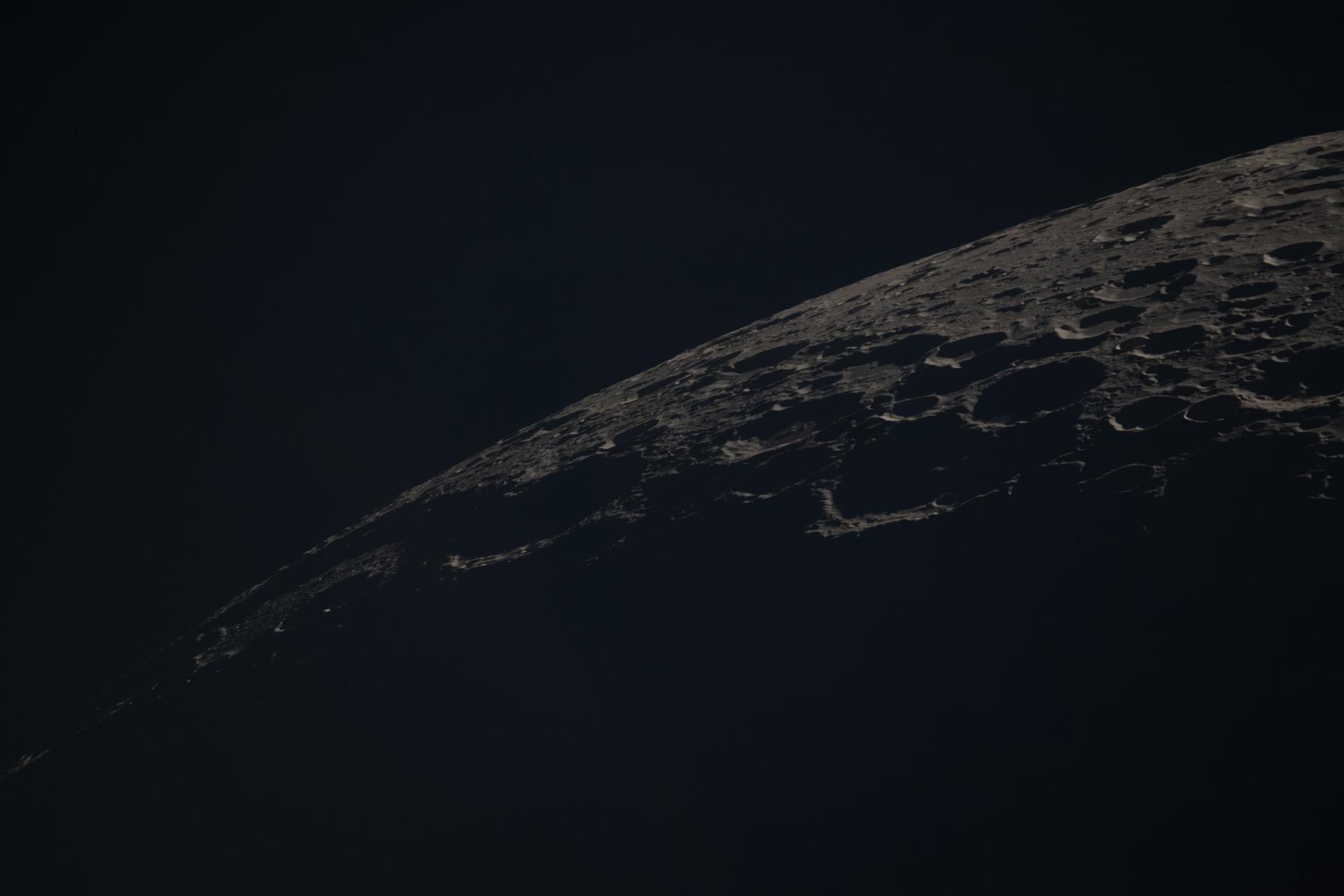
art002e014045 (April 6, 2026) - This view of the Moon captures the terminator—the shifting boundary between day and night—where sunlight grazes the surface at a low angle. Taken by the crew during the Artemis II mission, the lighting accentuates the Moon’s rugged terrain, casting long shadows that reveal the depth and structure of craters, ridges, and surrounding highlands.

JSC2001-00310 (February 2001) --- These sixty-plus flight controllers support the STS-98/5a mission's orbit 1 shift from various consoles in the shuttle flight control room in the Johnson Space Center's Mission Control Center (MCC). Flight director Robert Castle holds the crew insignia near center frame.
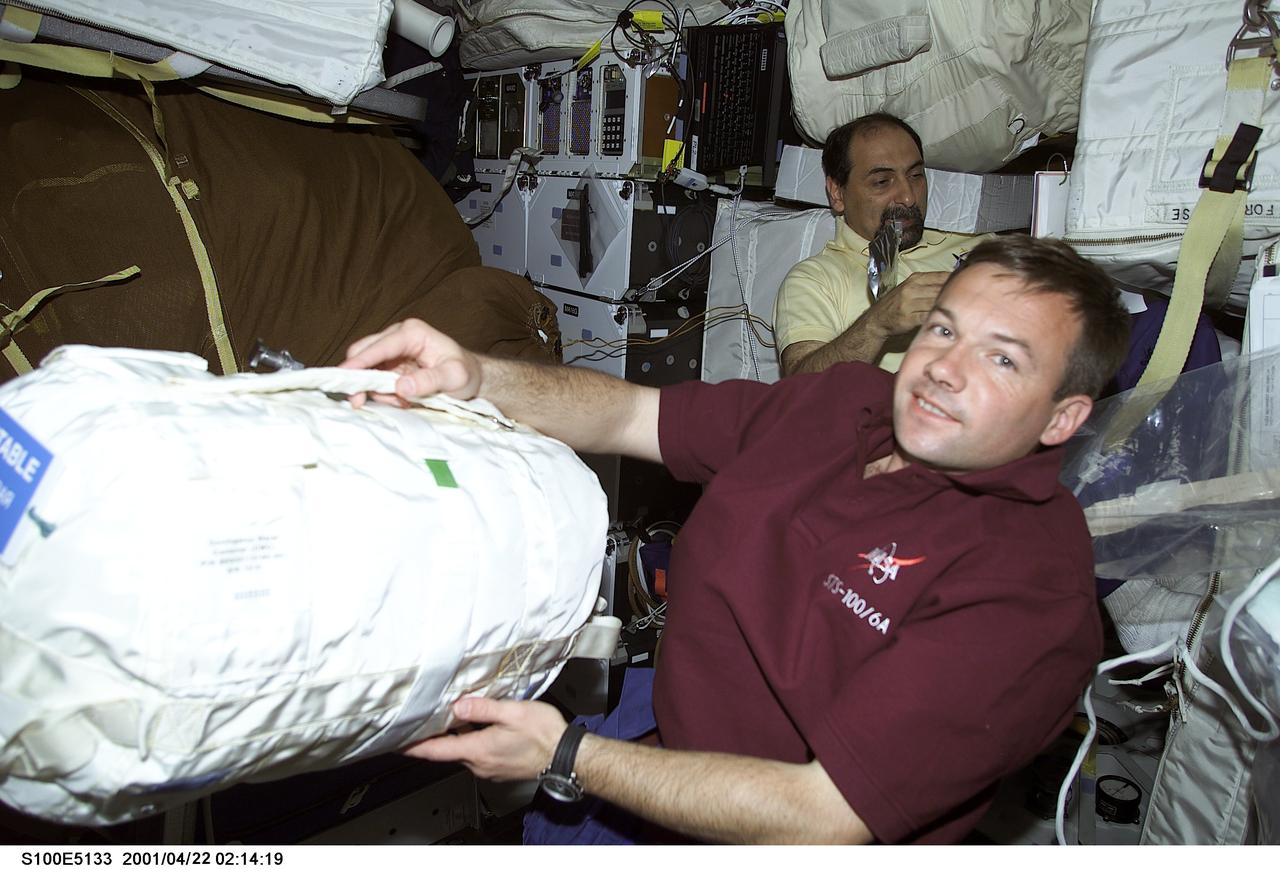
S100-E-5133 (21 April 2001) --- Cosmonaut Yuri V. Lonchakov of Rosaviakosmos shifts the stowage location of water brought up from Earth for use on the International Space Station (ISS). Astronaut Umberto Guidoni of the European Space Agency (ESA) is in the background. The middeck scene was photographed with a digital still camera.
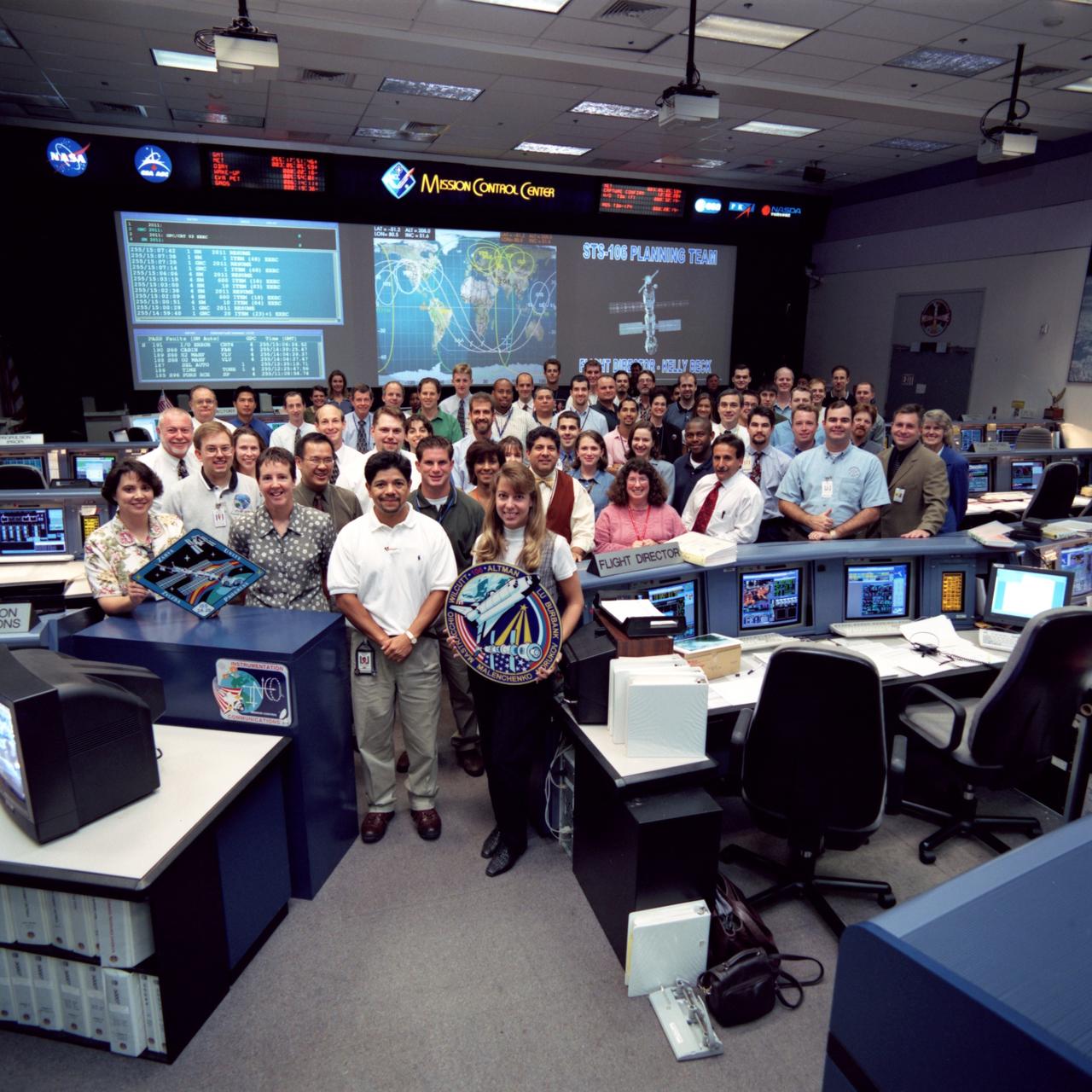
JSC2000-06242 (13 September 2000) --- Flight Director Kelly Beck (planning) is surrounded by the almost five dozen flight controllers who are supporting her shift during the current STS-106 mission. Beck is holding a large decal of the STS-106 insignia.

ISS007-E-18033 (26 October 2003) --- Astronaut Edward T. Lu, Expedition 7 NASA ISS science officer and flight engineer, plays a musical keyboard during off-shift time in the Destiny laboratory on the International Space Station (ISS).
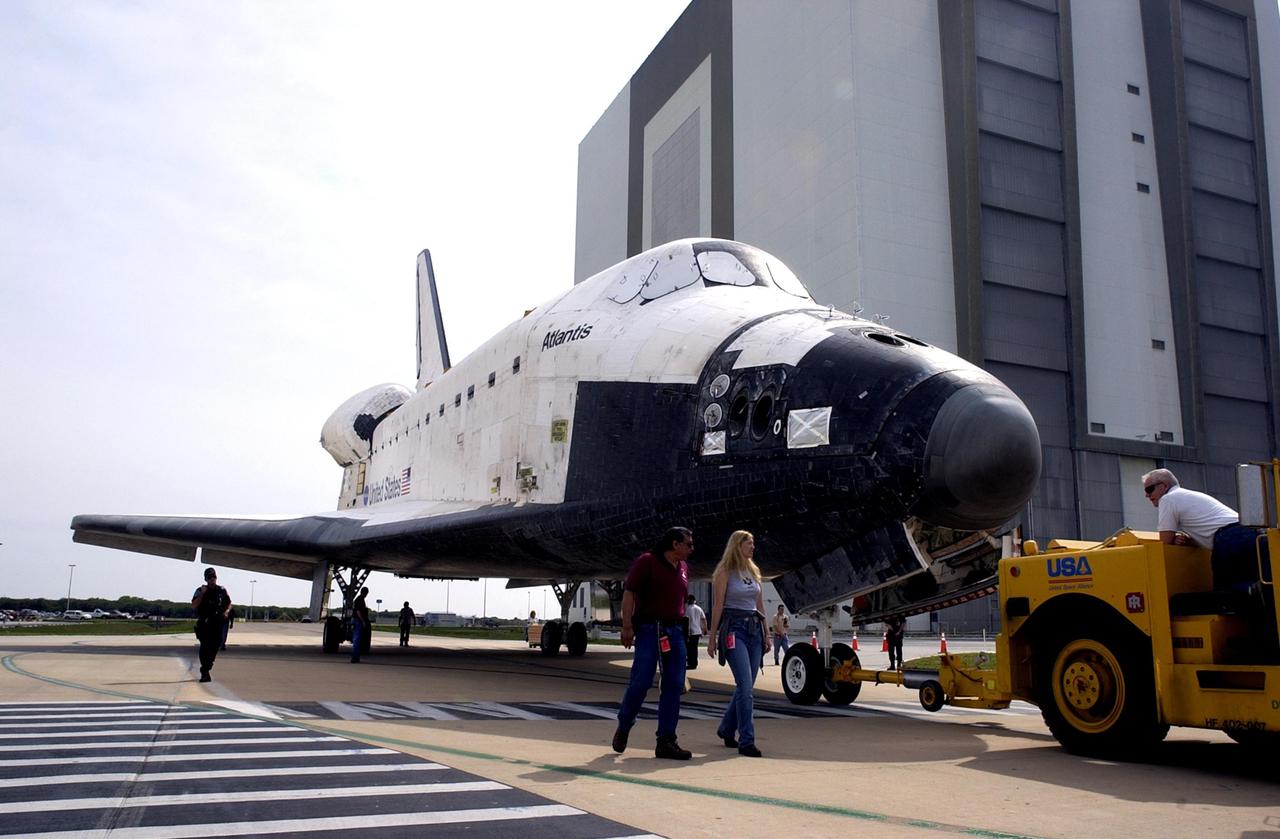
KENNEDY SPACE CENTER, Fla. - Atlantis is towed away from the Vehicle Assembly Building. The orbiter was demated from its external tank in the high bay, lifted over the transom, then lowered and shifted to the horizontal position in the transfer aisle. Atlantis is being moved to the Orbiter Processing Facility.
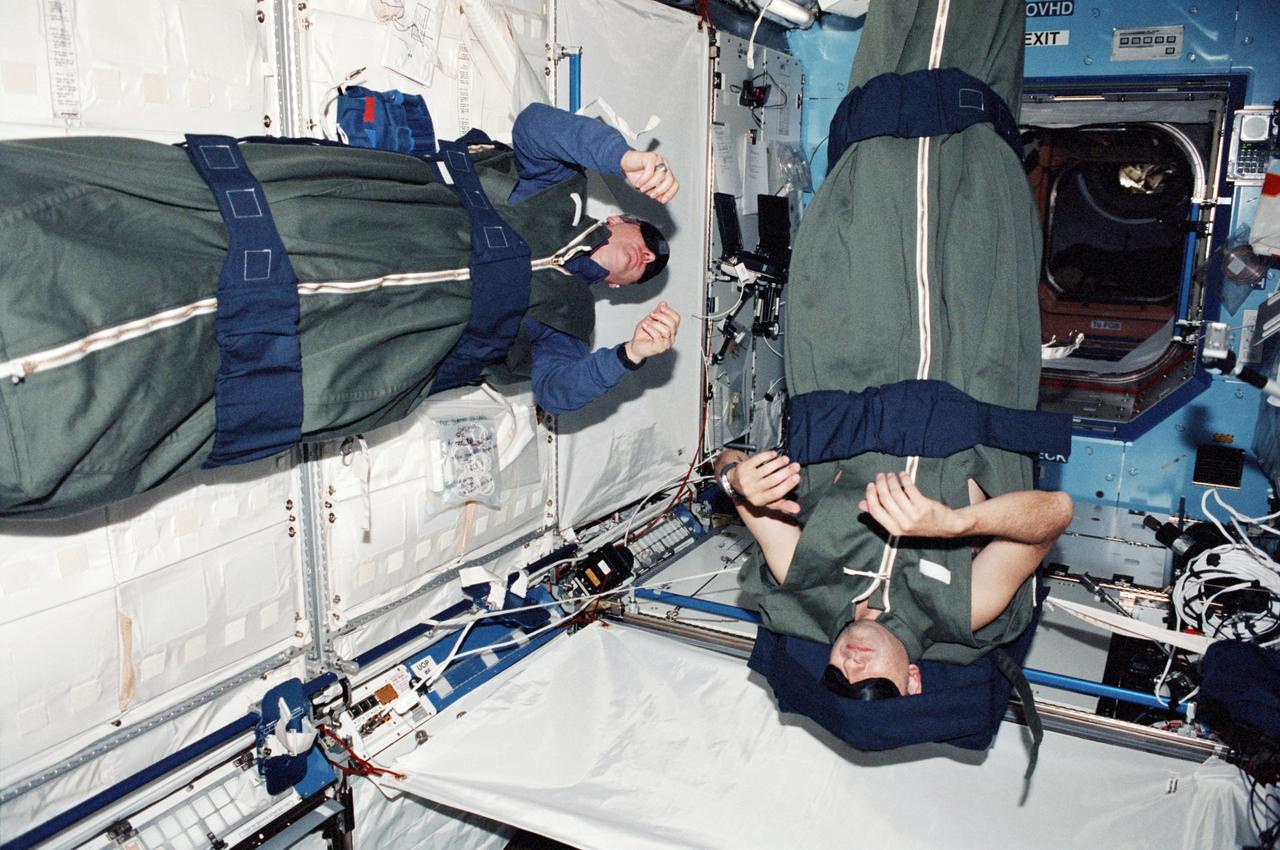
STS098-355-001 (7-20 February 2001) --- Astronauts Thomas D. Jones and Mark L. Polansky, STS-98 mission specialists, are photographed during their sleep shift in the newly-attached Destiny laboratory on the International Space Station (ISS).
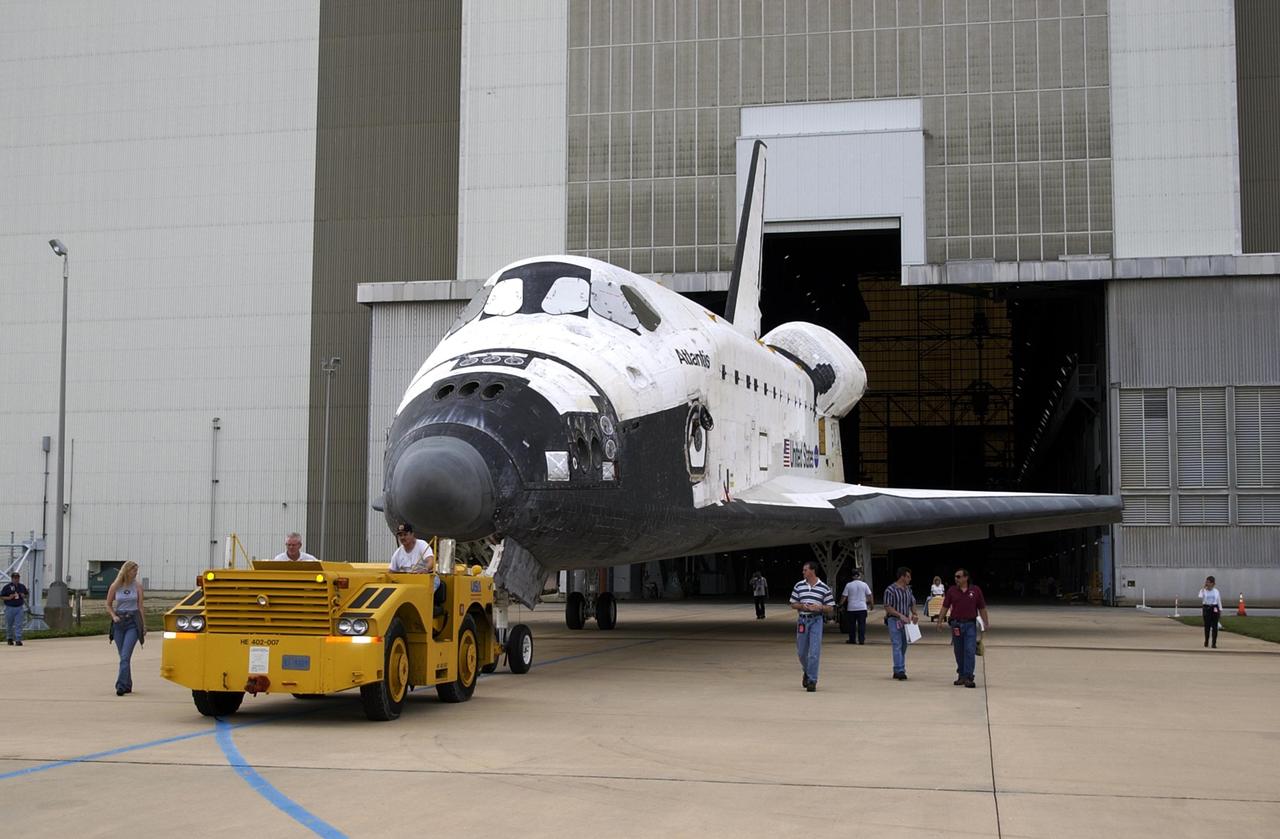
KENNEDY SPACE CENTER, Fla. - Atlantis is towed away from the Vehicle Assembly Building. The orbiter was demated from its external tank in the high bay, lifted over the transom, then lowered and shifted to the horizontal position in the transfer aisle. Atlantis is being moved to the Orbiter Processing Facility.
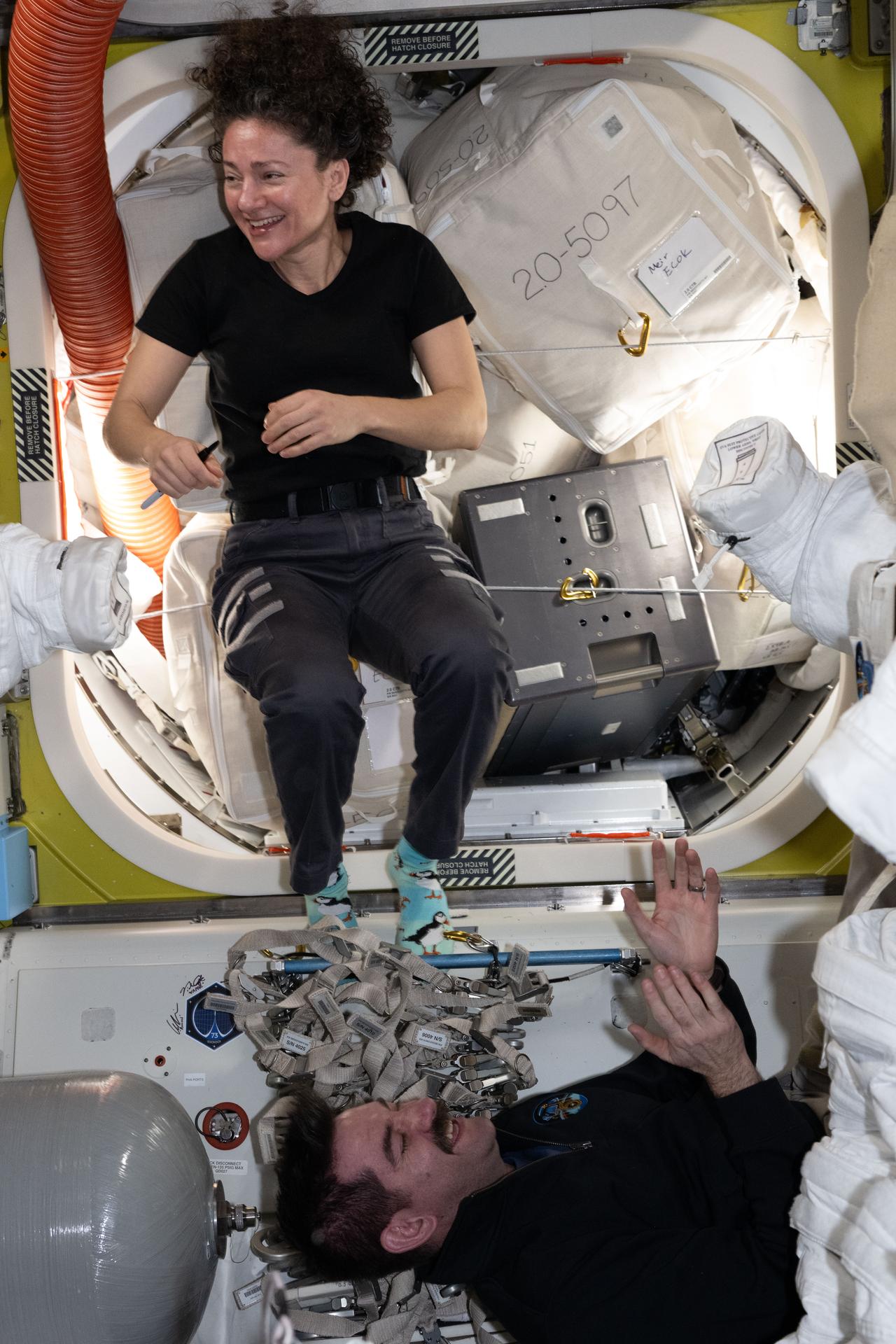
iss075e0144601 (Sept. 23, 2026) --- NASA astronauts Jessica Meir and Jack Hathaway, station commander and flight engineer respectively for the Expedition 75 crew, are pictured relaxing inside the International Space Station's Quest airlock at the end of their shift. Credit: NASA/Anil Menon
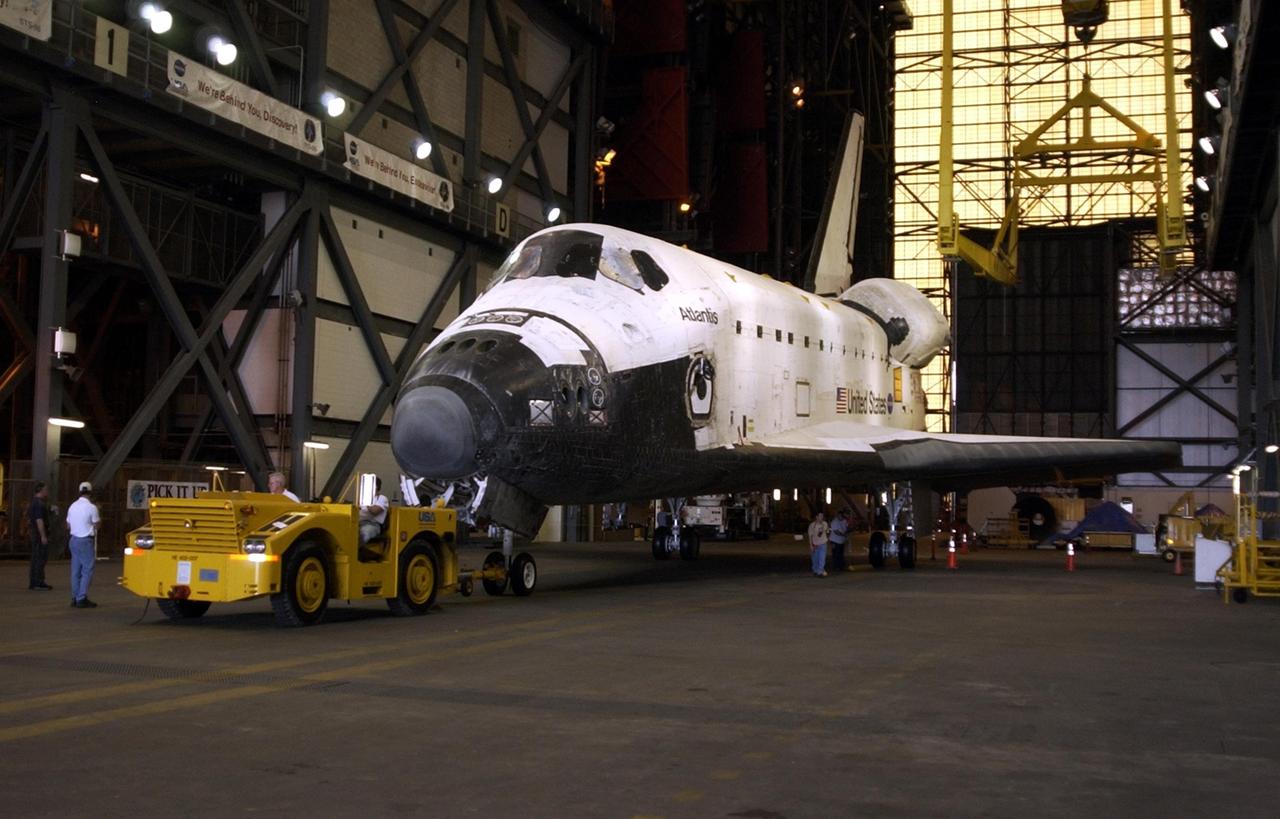
KENNEDY SPACE CENTER, Fla. - In the Vehicle Assembly Building, Atlantis is ready to be towed to the Orbiter Processing Facility. The orbiter was demated from its external tank in the high bay, lifted over the transom, then lowered and shifted to the horizontal position in the transfer aisle.
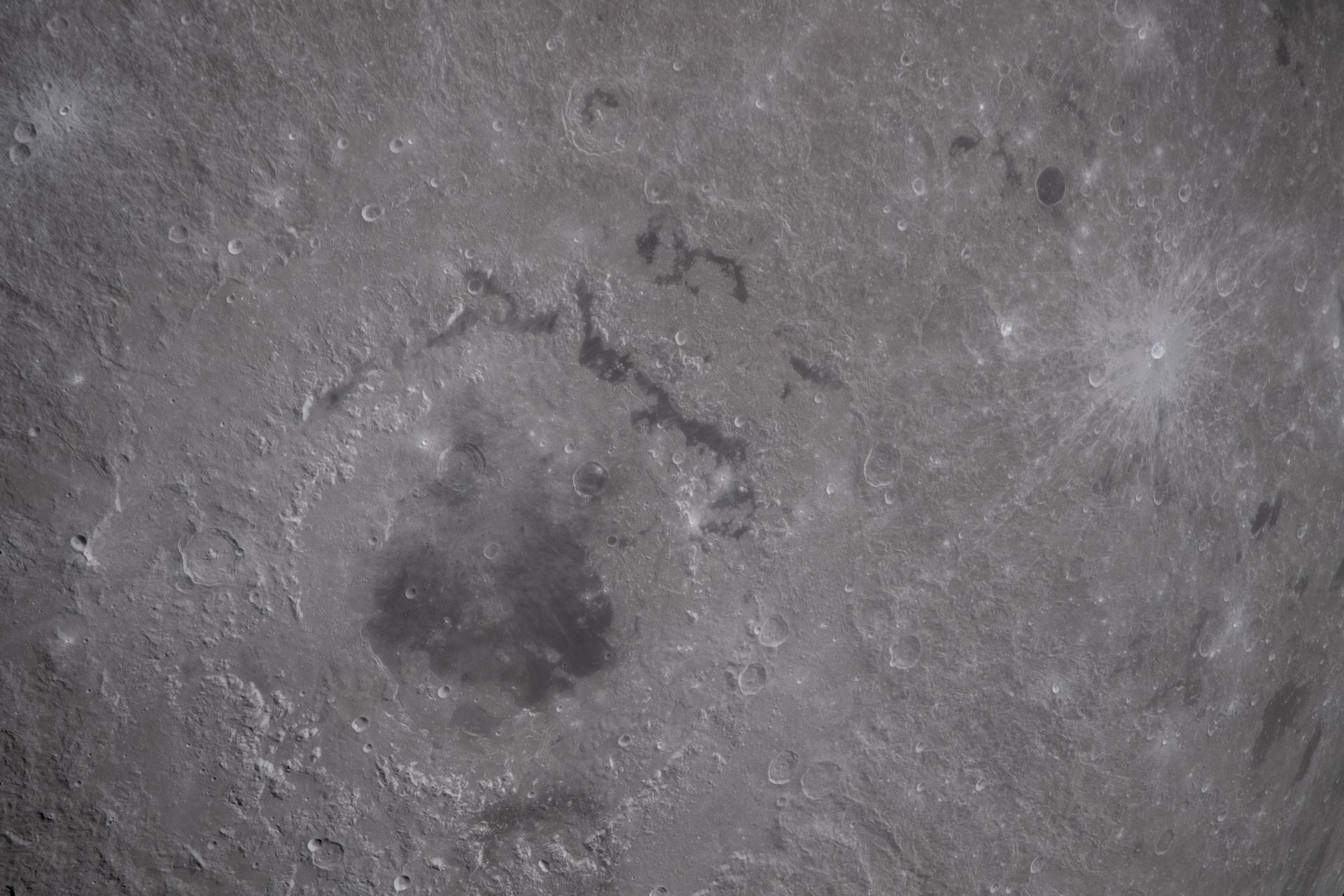
art002e012090 (April 6, 2026) - In this view of the Moon, the Artemis II crew captured an intricate snapshot of the rings of the Orientale basin, one of the Moon’s youngest and best-preserved large impact craters on his first shift during the lunar flyby observation period. Credit: NASA

iss075e0085243 (Aug. 28, 2026) --- Madagascar’s southwestern coast along the Mozambique Channel—characterized by a semi‑arid to desert climate, sandy coastal plains, and shifting dunes—is pictured from the International Space Station as it orbited 263 miles above the African continent. Credit: NASA/Jessica Meir

iss074e0316083 (Feb. 18, 2026) --- The far western edge of the Taklamakan Desert—the world’s second-largest shifting sand desert—meets the Pamir Mountains in China, where scorching desert conditions transition to frigid alpine terrain. The International Space Station was orbiting 259 miles above Central Asia when this photograph was taken.
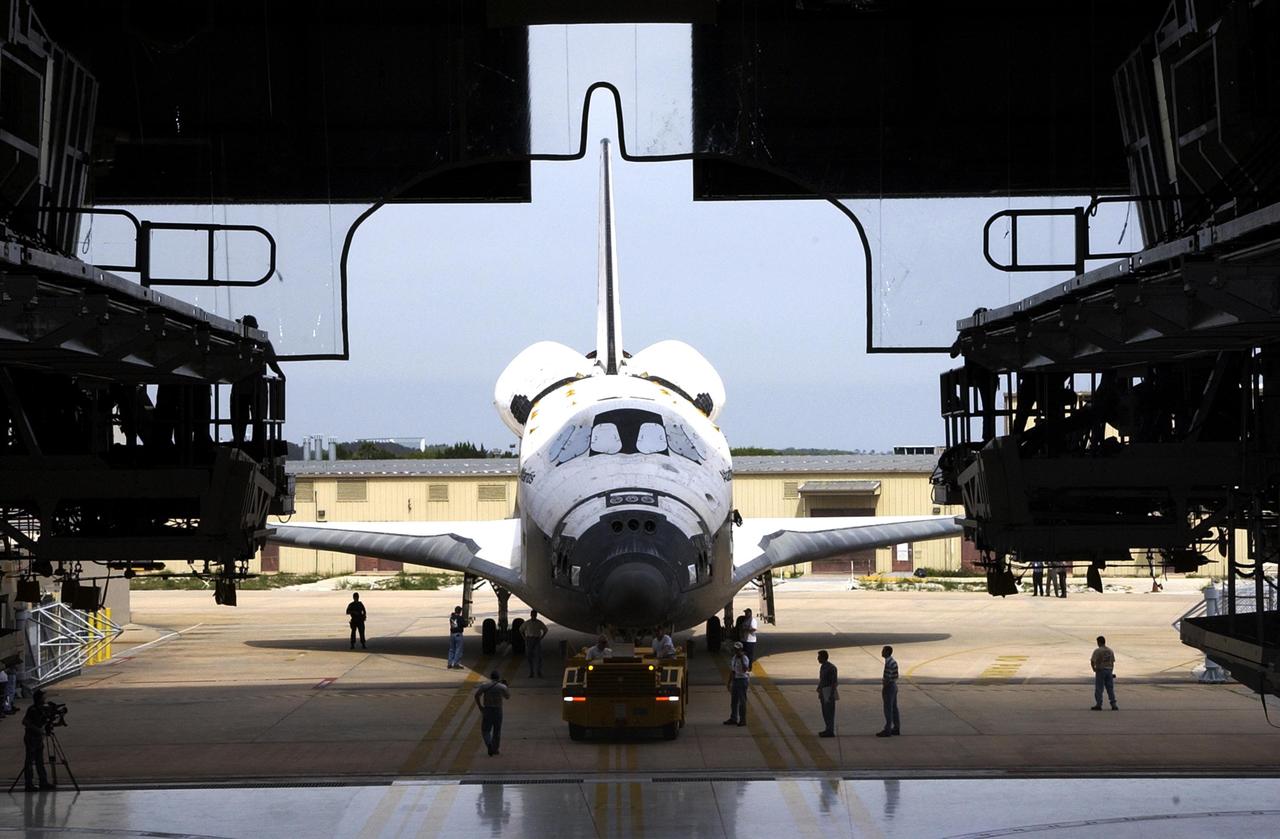
KENNEDY SPACE CENTER, Fla. - Atlantis is towed away from the Vehicle Assembly Building. The orbiter was demated from its external tank in the high bay, lifted over the transom, then lowered and shifted to the horizontal position in the transfer aisle. Atlantis is being moved to the Orbiter Processing Facility.
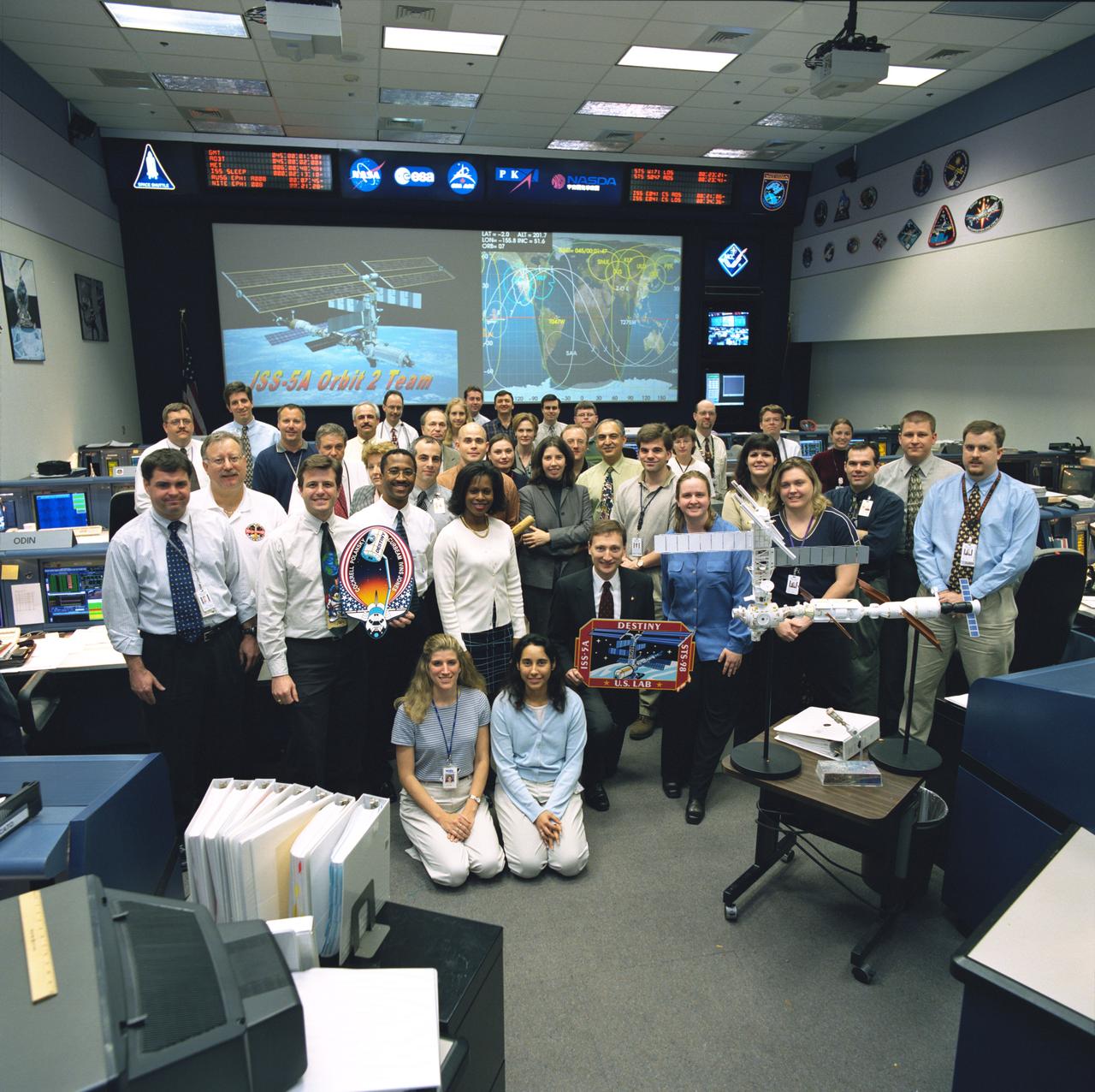
JSC2001-00308 (February 2001) --- These forty-plus flight controllers support the International Space Station (ISS) 5a mission's orbit 2 shift from various consoles in the station flight control room in the Johnson Space Center's Mission Control Center (MCC).
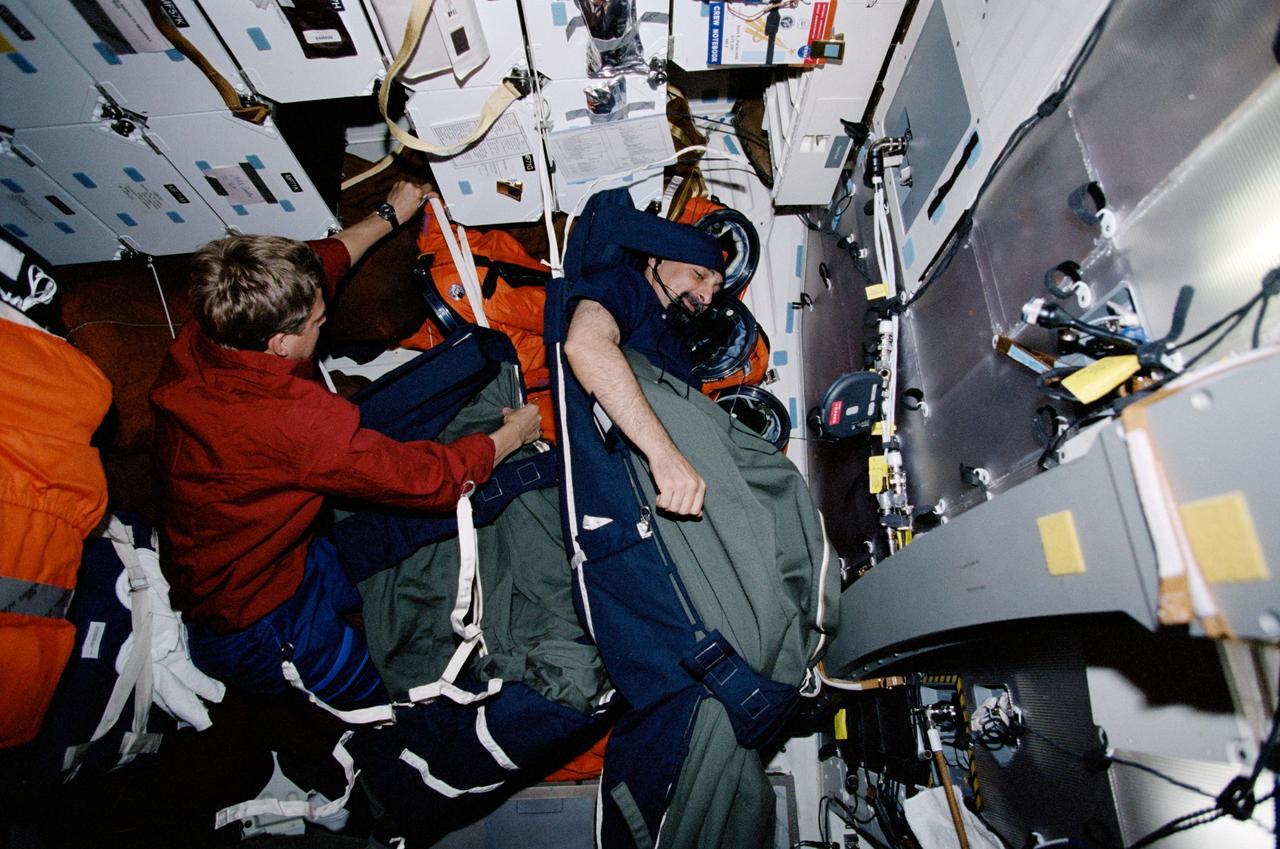
STS100-363-012 (19 April-1 May 2001) --- Astronaut Umberto Guidoni, STS-100 mission specialist, sleeps while astronaut Scott E. Parazynski, mission specialist, prepares for his sleep shift on the Space Shuttle Endeavour's middeck.
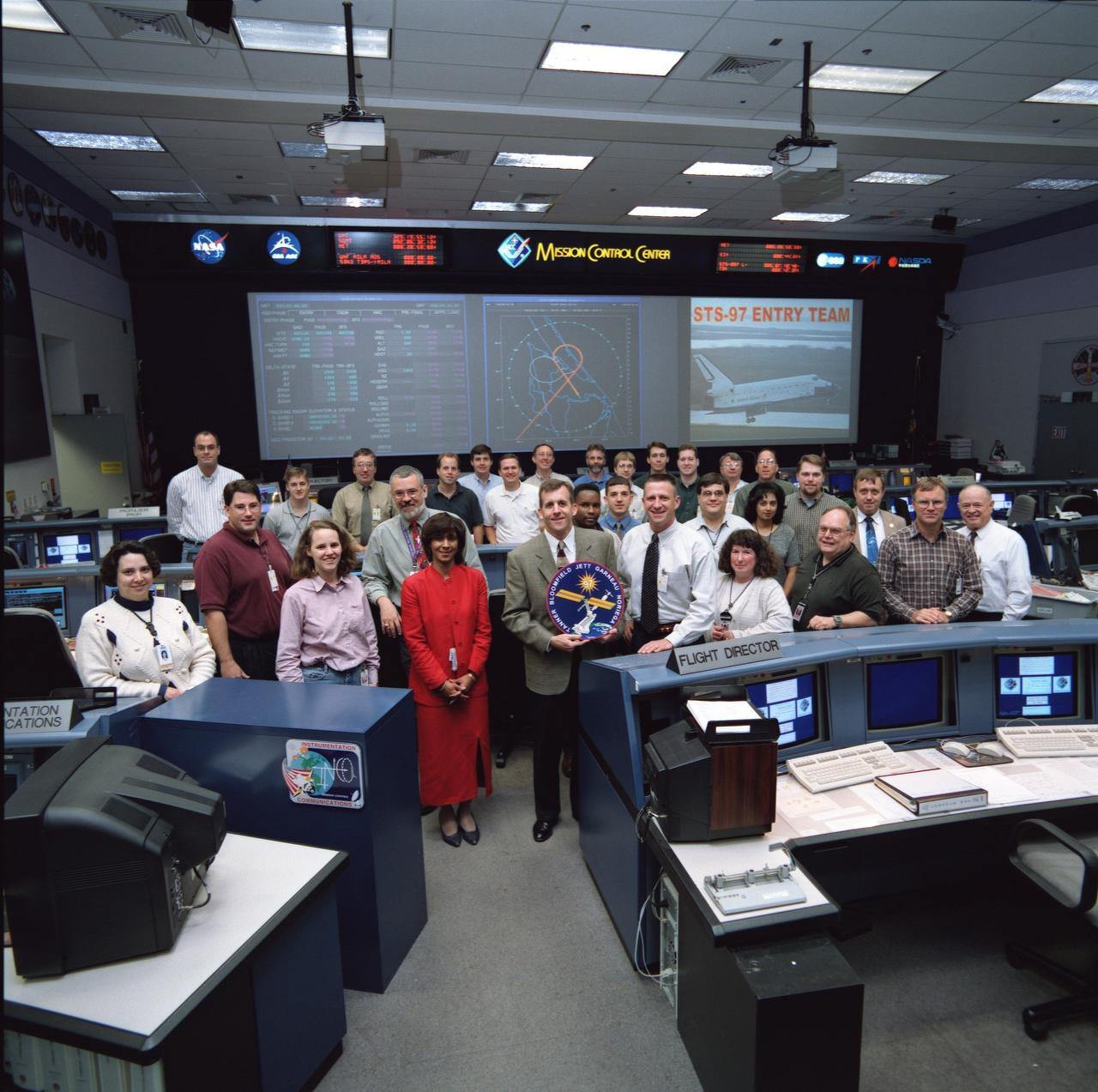
JSC2000-07303 (24 November 2000) --- The 30-odd flight controllers supporting the STS-97 entry shift pose for a pre-flight group portrait in the shuttle flight control room in Houston's Mission Control Center (JSC). Entry flight director LeRoy Cain (front center) holds a mission logo.
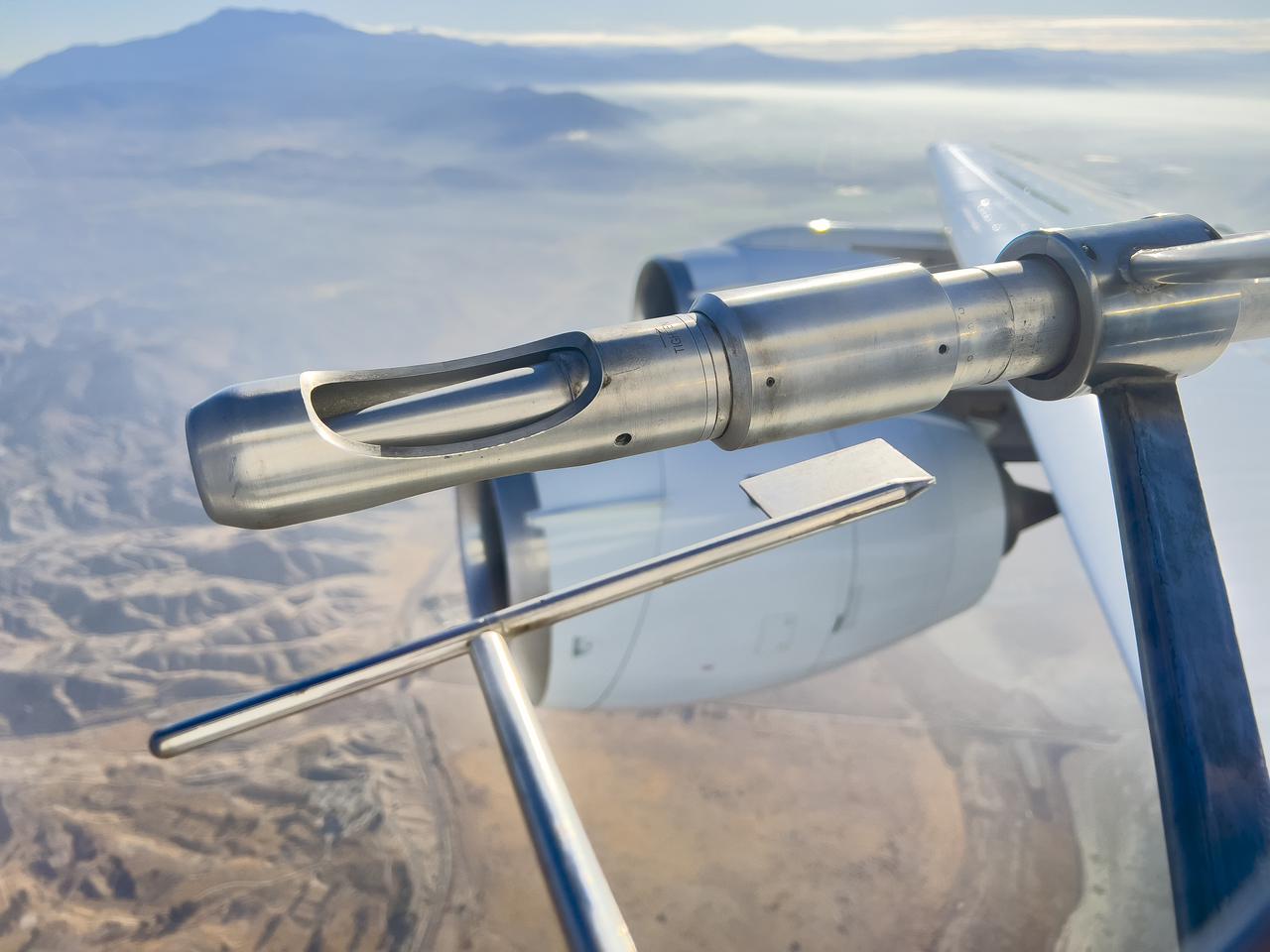
NASA's DC-8 in flight for the NASA Student Airborne Research Project (SARP) to measure aerosols with the Langley Aerosol Research Group Experiment (LARGE) instrument with the Cavity Attenuated Phase Shift (CAPS) PMex Monitor (Particle Optical Extinction).
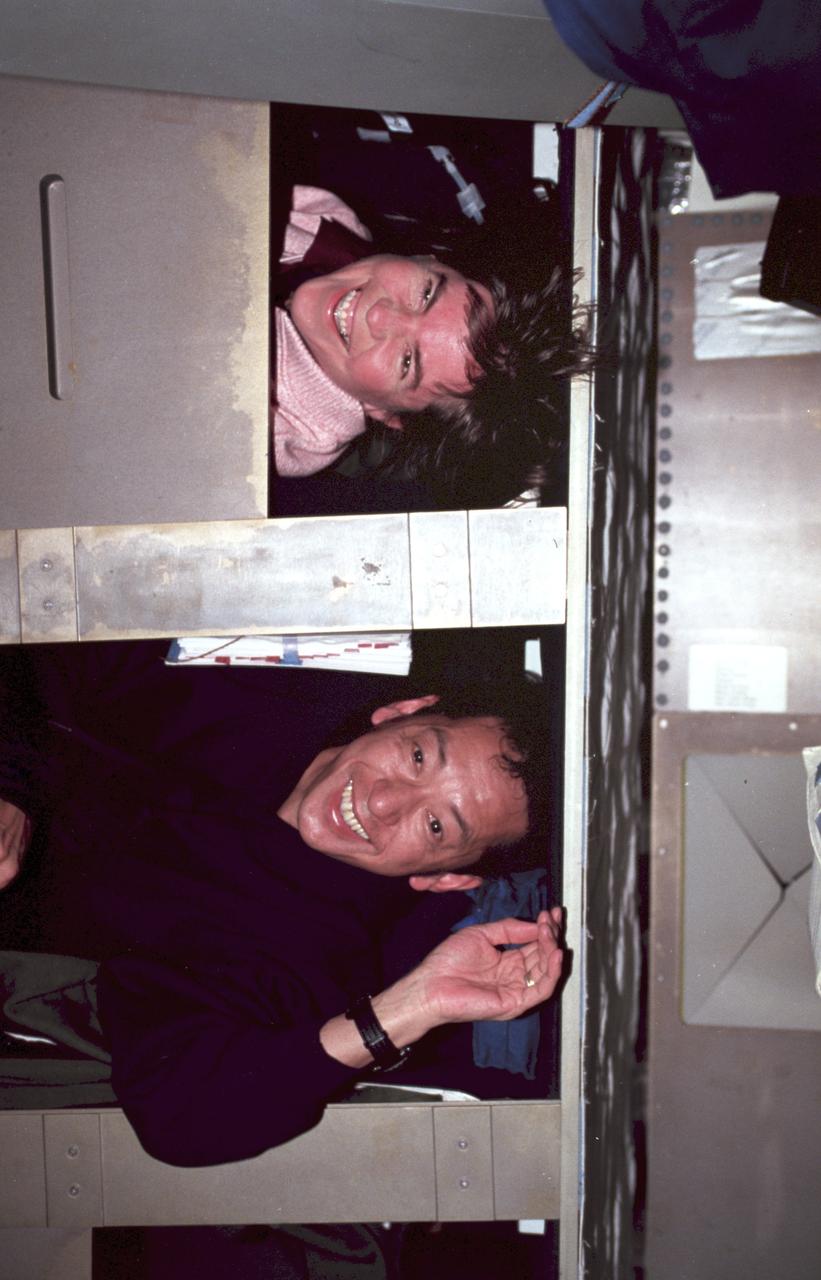
STS099-308-019 (11-22 February 2000) ---Astronauts Janice E. Voss and Mamoru Mohri, both members of the Blue Team portion of 24-hour SRTM support, prepare for their sleep shift on the middeck of the Earth-orbiting Space Shuttle Endeavour. Mohri represents Japan?s National Space Development Agency (NASDA).
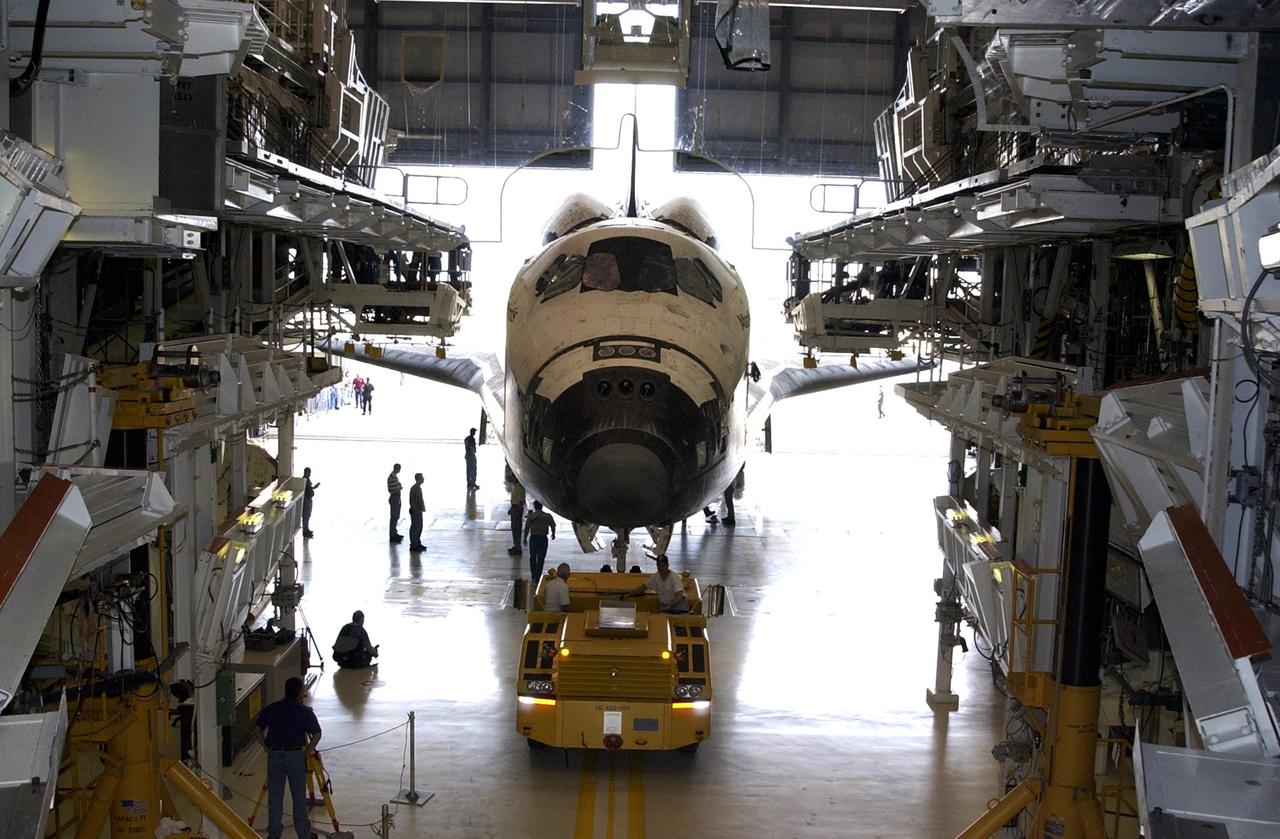
KENNEDY SPACE CENTER, Fla. - Atlantis is towed away from the Vehicle Assembly Building. The orbiter was demated from its external tank in the high bay, lifted over the transom, then lowered and shifted to the horizontal position in the transfer aisle. Atlantis is being moved to the Orbiter Processing Facility.
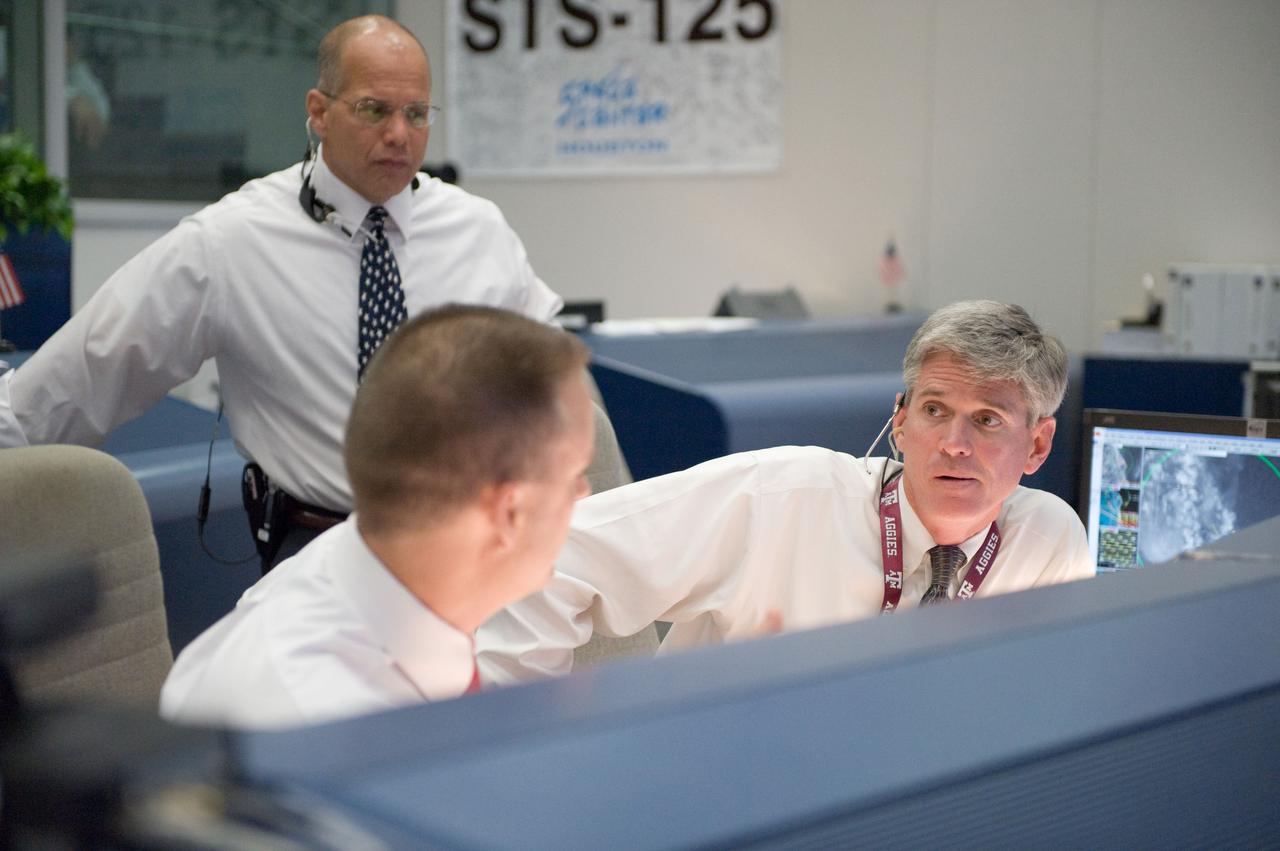
JSC2009-E-118879 (11 May 2009) --- Flight directors Norm Knight (left), Bryan Lunney and Tony Ceccacci (standing) are pictured in the space shuttle flight control room in the Mission Control Center at NASA's Johnson Space Center during launch countdown activities a few hundred miles away in Florida, site of Space Shuttle Atlantis? scheduled STS-125 launch to service the Hubble Space Telescope. Liftoff was on time at 2:01 p.m. (EDT) on May 11, 2009 from launch pad 39A at NASA's Kennedy Space Center.
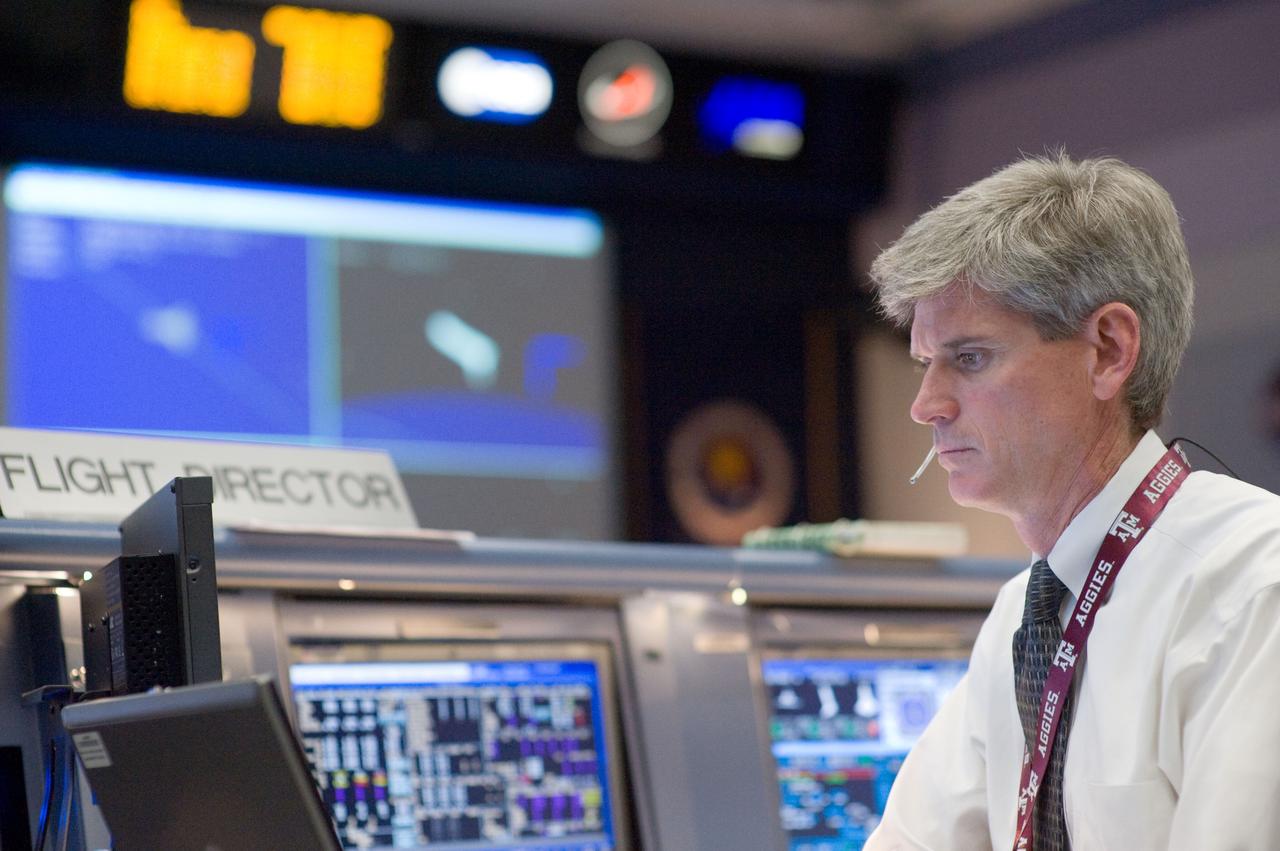
JSC2009-E-118888 (11 May 2009) --- Flight director Bryan Lunney monitors data at his console in the space shuttle flight control room in the Mission Control Center at NASA's Johnson Space Center during launch countdown activities a few hundred miles away in Florida, site of Space Shuttle Atlantis? scheduled STS-125 launch to service the Hubble Space Telescope. Liftoff was on time at 2:01 p.m. (EDT) on May 11, 2009 from launch pad 39A at NASA's Kennedy Space Center.
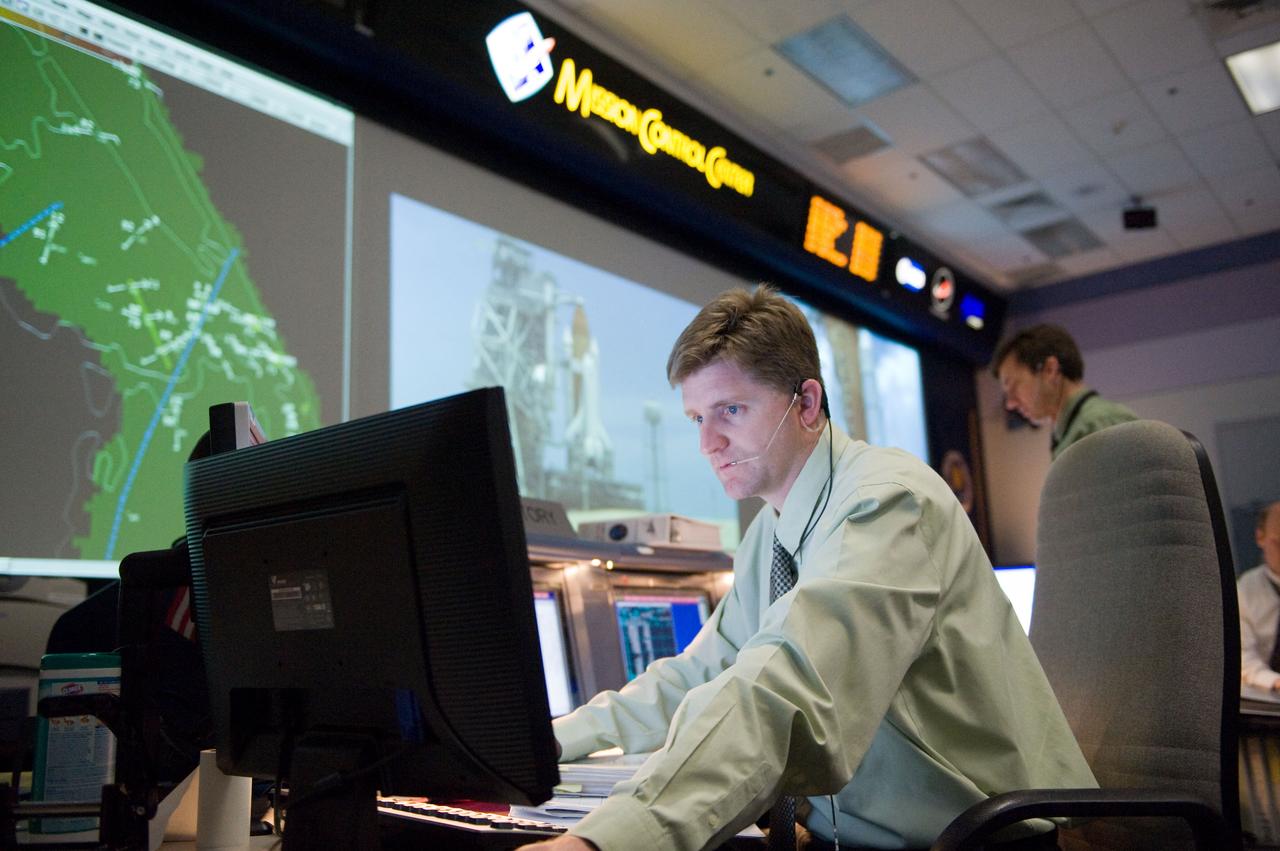
JSC2009-E-118817 (11 May 2009) --- Flight controller Mark McDonald monitors data at his console in the space shuttle flight control room in the Mission Control Center at NASA's Johnson Space Center during launch countdown activities a few hundred miles away in Florida, site of Space Shuttle Atlantis? scheduled STS-125 launch to service the Hubble Space Telescope. Liftoff was on time at 2:01 p.m. (EDT) on May 11, 2009 from launch pad 39A at NASA's Kennedy Space Center.
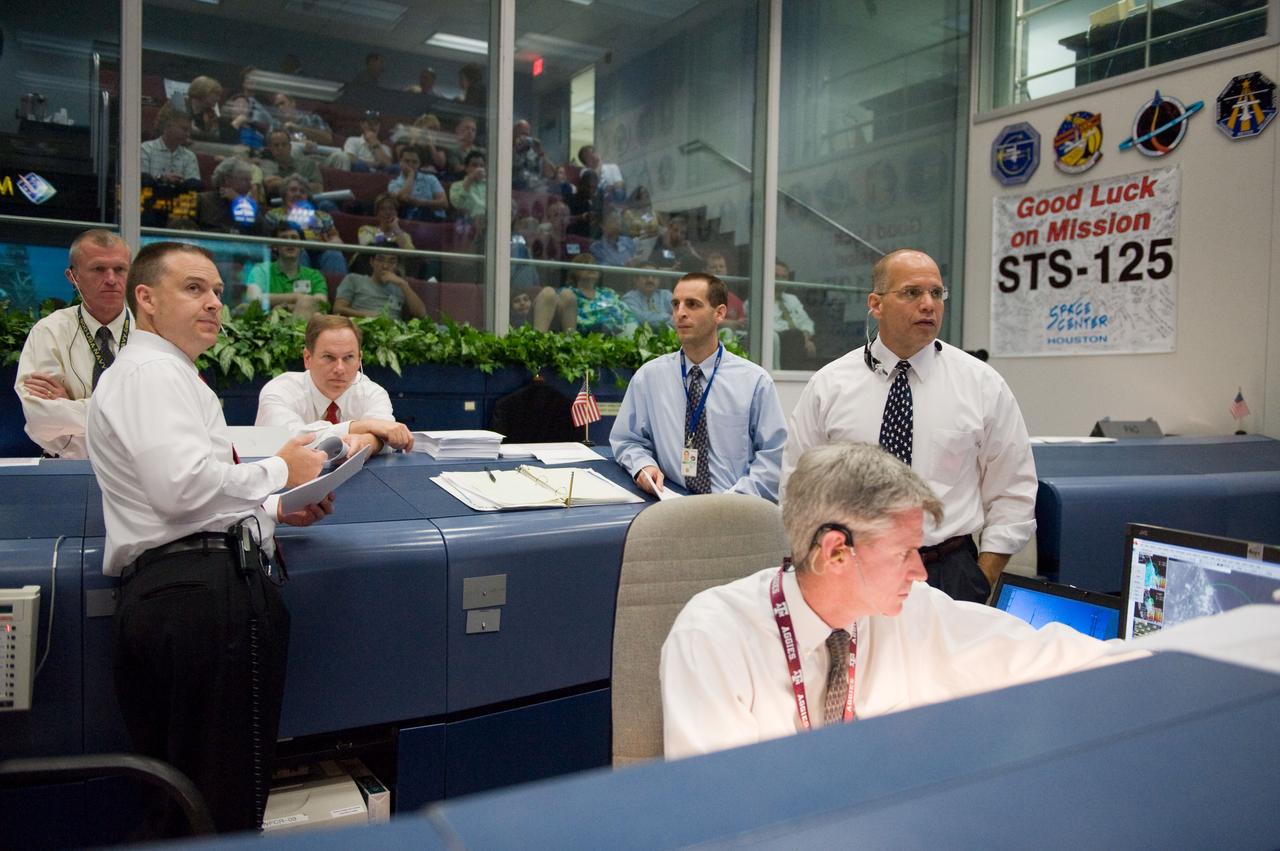
JSC2009-E-118818 (11 May 2009) --- Flight directors Bryan Lunney (seated at right), Norm Knight (left foreground) and Tony Ceccacci (standing, far right); along with Brent Jett (left background), director, flight crew operations; and John McCullough (seated, background), chief of the flight director office, are pictured in the space shuttle flight control room in the Mission Control Center at NASA's Johnson Space Center during launch countdown activities a few hundred miles away in Florida, site of Space Shuttle Atlantis? scheduled STS-125 launch to service the Hubble Space Telescope. Liftoff was on time at 2:01 p.m. (EDT) on May 11, 2009 from launch pad 39A at NASA's Kennedy Space Center.

JSC2009-E-118883 (11 May 2009) --- Flight director Tony Ceccacci is pictured in the space shuttle flight control room in the Mission Control Center at NASA's Johnson Space Center during launch countdown activities a few hundred miles away in Florida, site of Space Shuttle Atlantis? scheduled STS-125 launch to service the Hubble Space Telescope. Liftoff was on time at 2:01 p.m. (EDT) on May 11, 2009 from launch pad 39A at NASA's Kennedy Space Center.
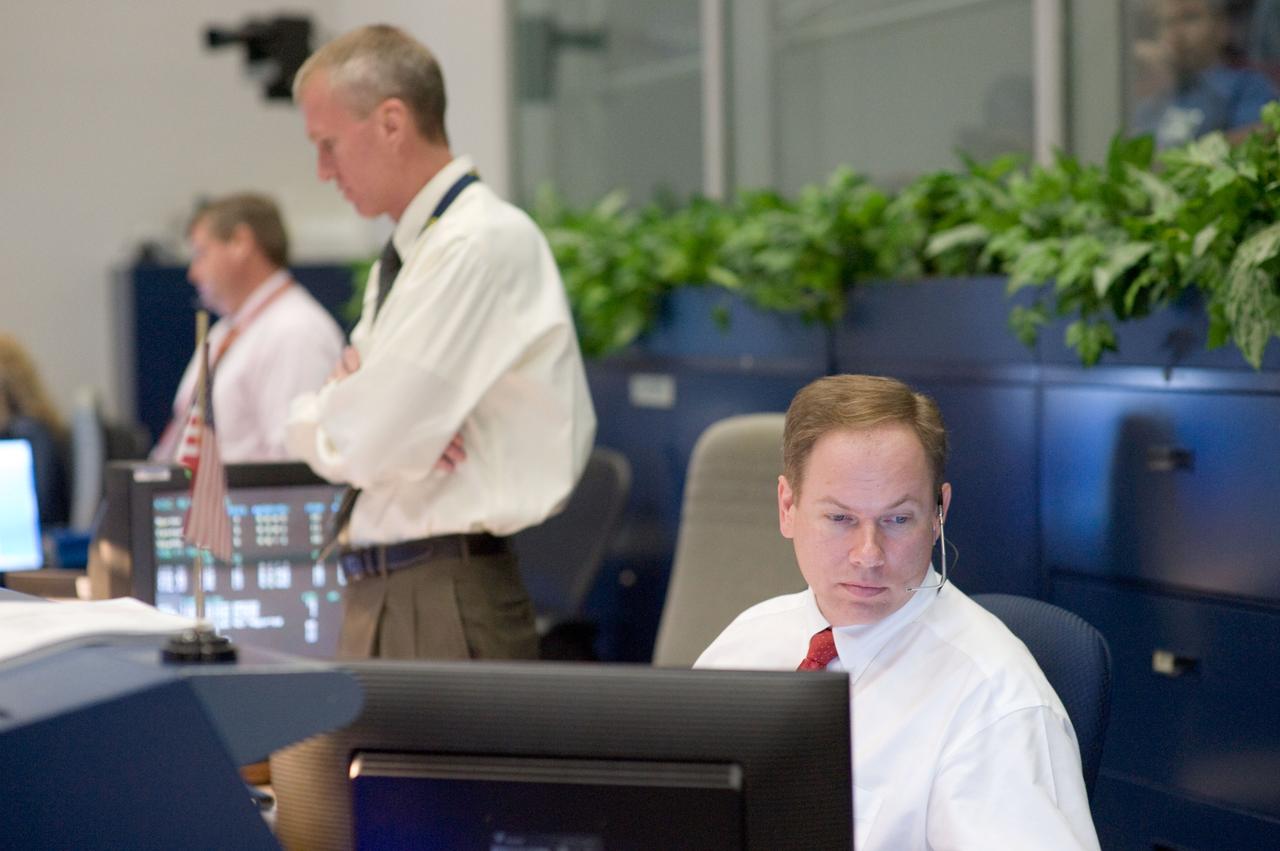
JSC2009-E-118884 (11 May 2009) --- Brent Jett (standing), director, flight crew operations; and John McCullough (seated), chief of the flight director office, are pictured in the space shuttle flight control room in the Mission Control Center at NASA's Johnson Space Center during launch countdown activities a few hundred miles away in Florida, site of Space Shuttle Atlantis? scheduled STS-125 launch to service the Hubble Space Telescope. Liftoff was on time at 2:01 p.m. (EDT) on May 11, 2009 from launch pad 39A at NASA's Kennedy Space Center.
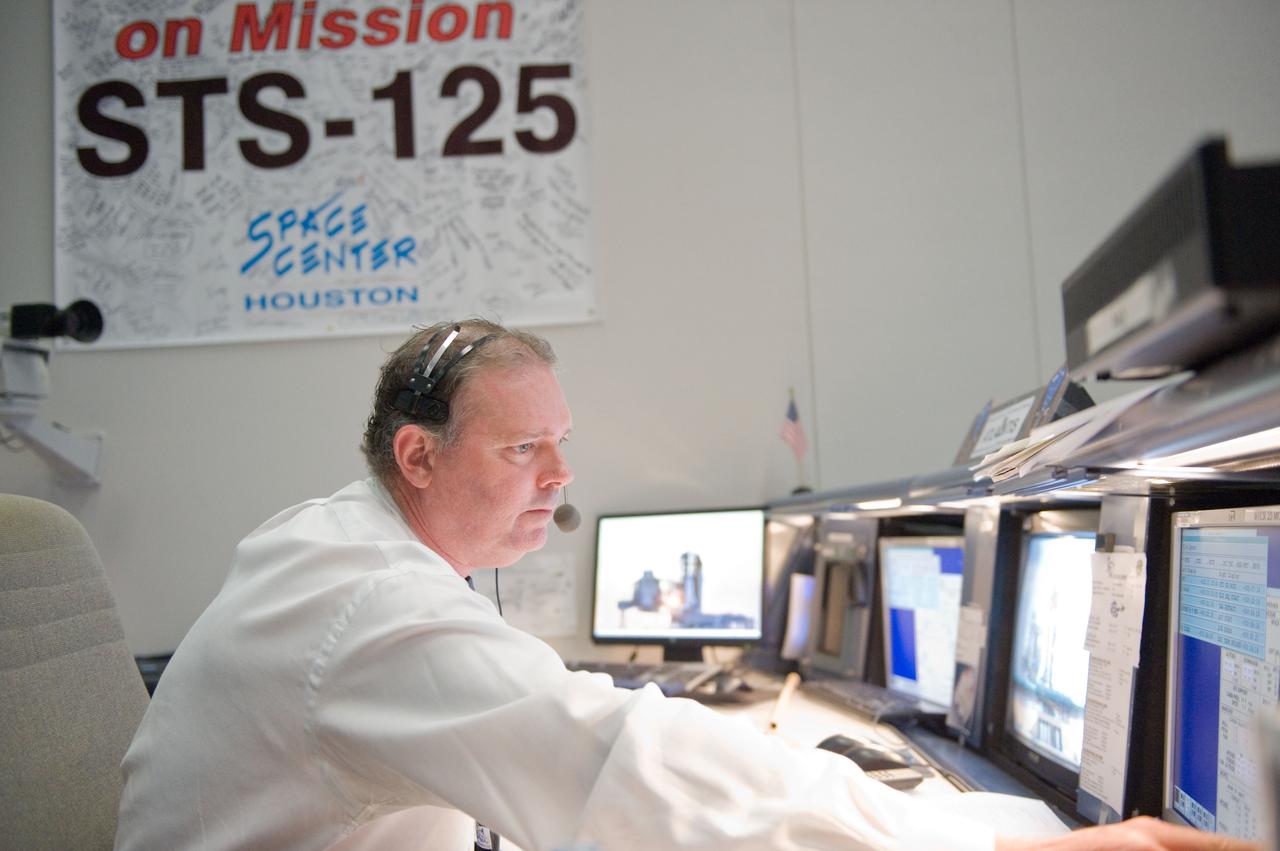
JSC2009-E-118872 (11 May 2009) --- Kyle Herring, Public Affairs Office (PAO) commentator, monitors data at his console in the space shuttle flight control room in the Mission Control Center at NASA's Johnson Space Center during launch countdown activities a few hundred miles away in Florida, site of Space Shuttle Atlantis? scheduled STS-125 launch to service the Hubble Space Telescope. Liftoff was on time at 2:01 p.m. (EDT) on May 11, 2009 from launch pad 39A at NASA's Kennedy Space Center.

JSC2009-E-118822 (11 May 2009) --- Flight director Norm Knight is pictured in the space shuttle flight control room in the Mission Control Center at NASA's Johnson Space Center during launch countdown activities a few hundred miles away in Florida, site of Space Shuttle Atlantis? scheduled STS-125 launch to service the Hubble Space Telescope. Liftoff was on time at 2:01 p.m. (EDT) on May 11, 2009 from launch pad 39A at NASA's Kennedy Space Center.
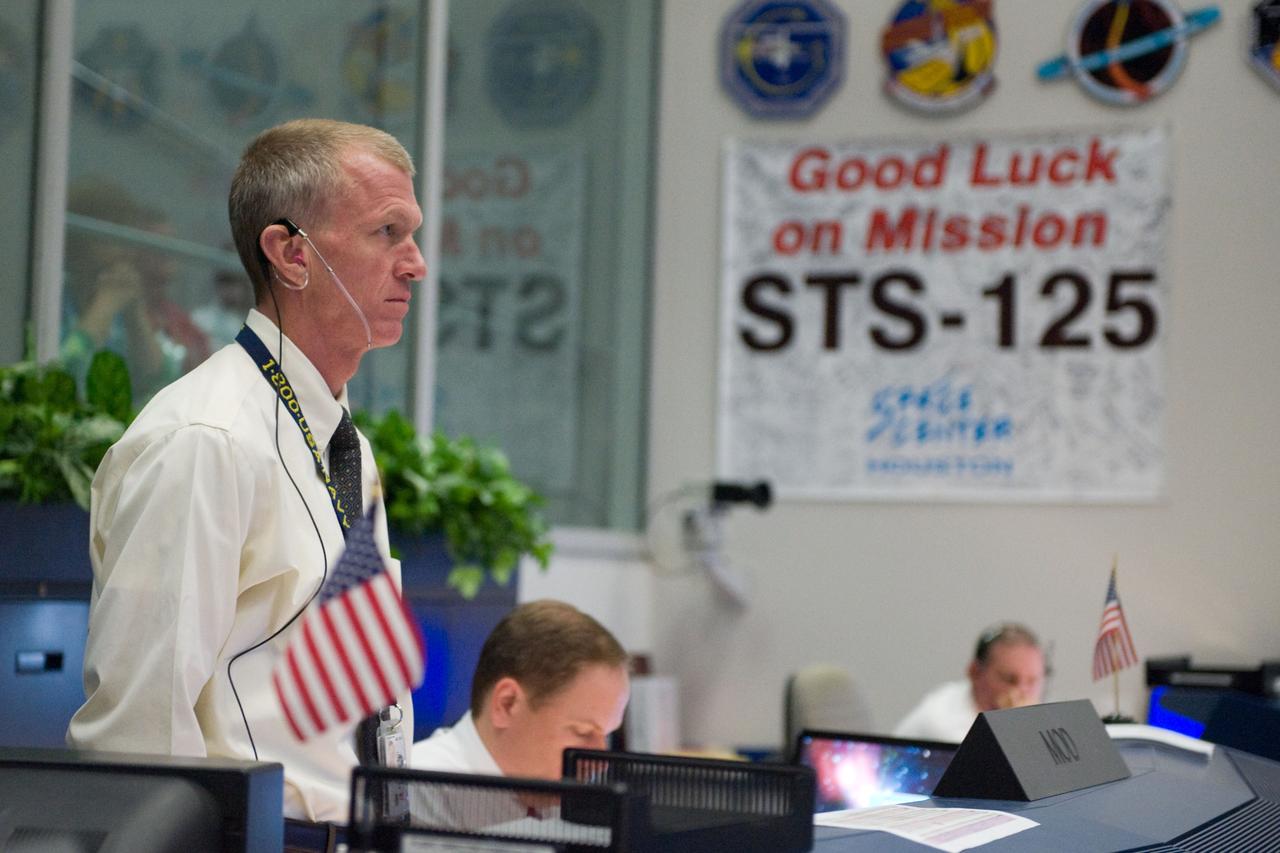
JSC2009-E-118821 (11 May 2009) --- Brent Jett (standing), director, flight crew operations; and John McCullough (seated), chief of the flight director office, are pictured in the space shuttle flight control room in the Mission Control Center at NASA's Johnson Space Center during launch countdown activities a few hundred miles away in Florida, site of Space Shuttle Atlantis? scheduled STS-125 launch to service the Hubble Space Telescope. Liftoff was on time at 2:01 p.m. (EDT) on May 11, 2009 from launch pad 39A at NASA's Kennedy Space Center.
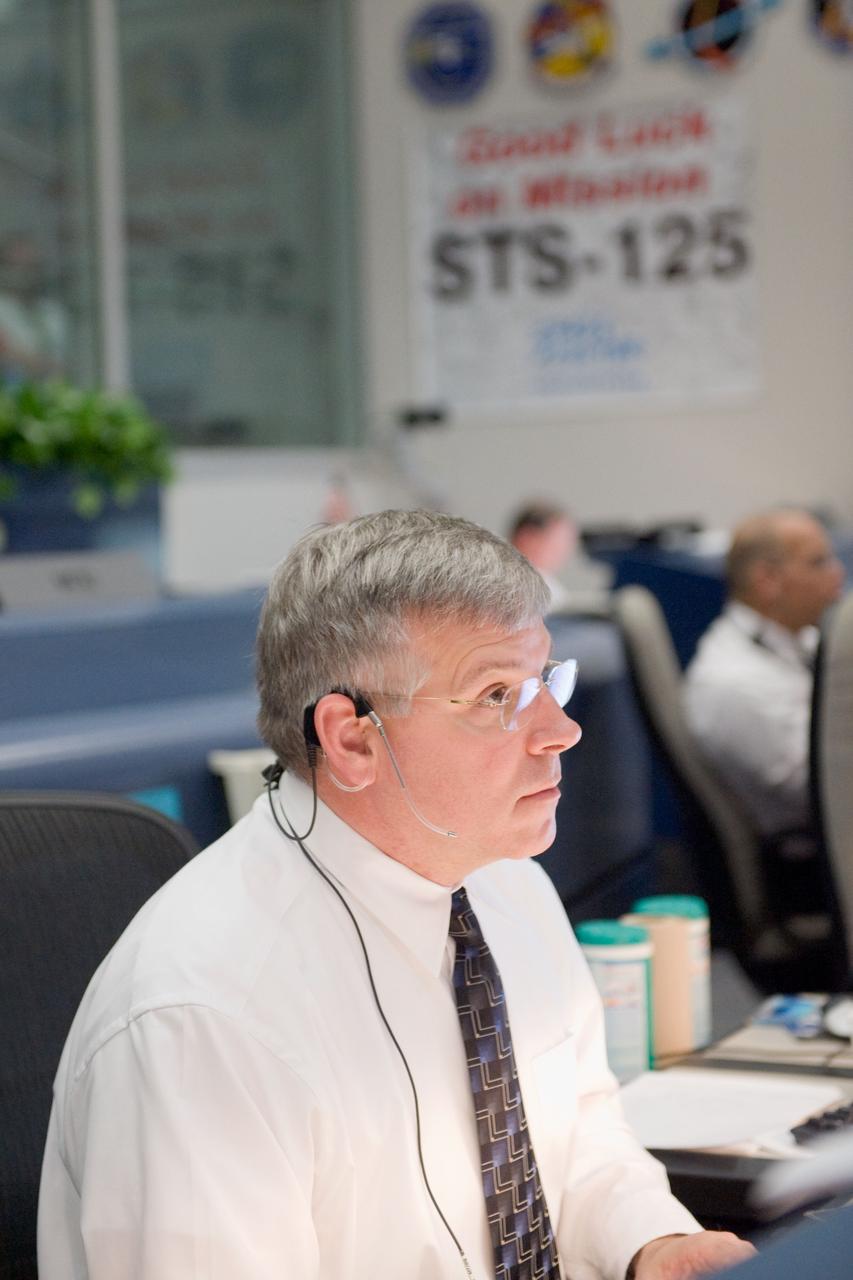
JSC2009-E-118874 (11 May 2009) --- Astronaut Gregory H. Johnson, STS-125 spacecraft communicator (CAPCOM), watches the big screens from his console in the space shuttle flight control room in the Mission Control Center at NASA's Johnson Space Center during launch countdown activities a few hundred miles away in Florida, site of Space Shuttle Atlantis? scheduled STS-125 launch to service the Hubble Space Telescope. Liftoff was on time at 2:01 p.m. (EDT) on May 11, 2009 from launch pad 39A at NASA's Kennedy Space Center.
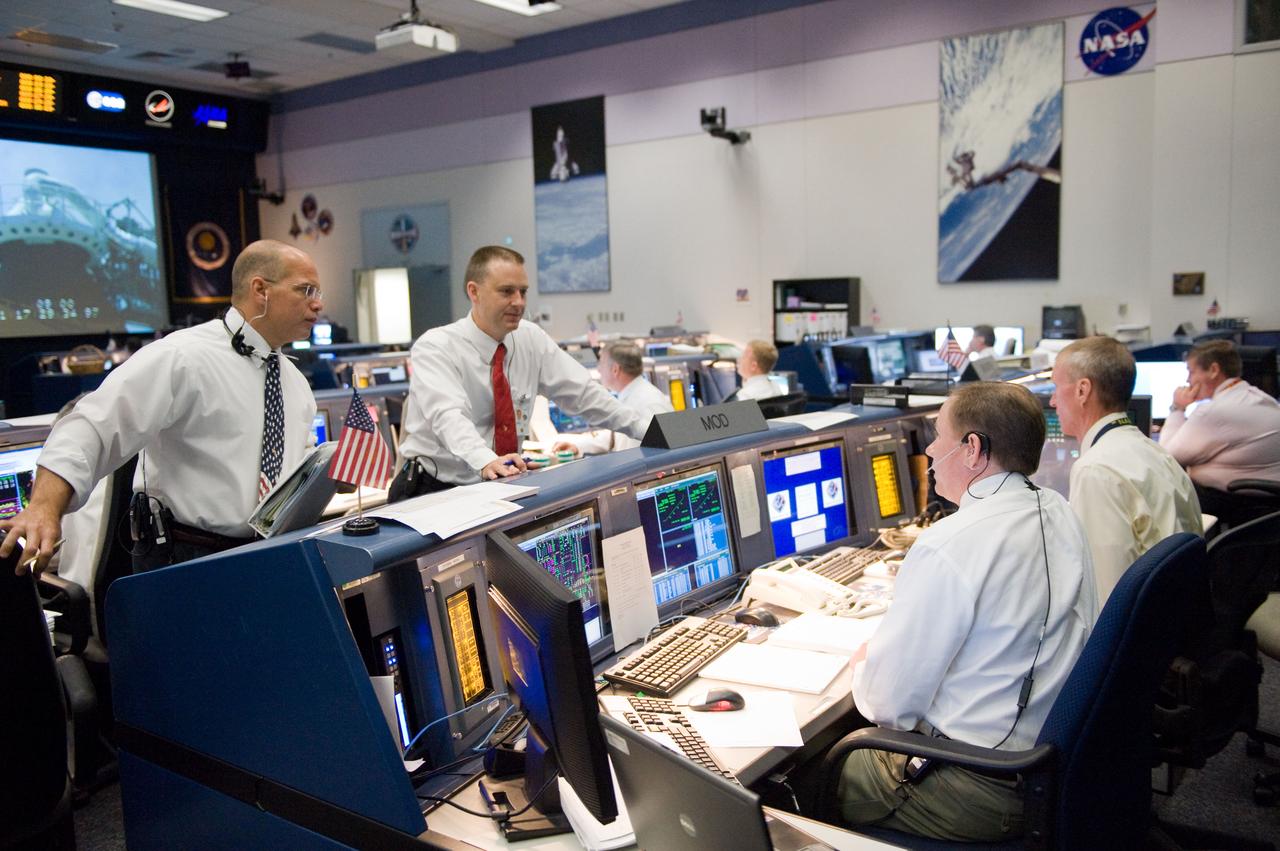
JSC2009-E-118819 (11 May 2009) --- John McCullough (seated foreground), chief of the flight director office; and Brent Jett (seated at right), director, flight crew operations; along with flight directors Tony Ceccacci (standing, left) and Norm Knight (standing, right), are pictured in the space shuttle flight control room in the Mission Control Center at NASA's Johnson Space Center during launch countdown activities a few hundred miles away in Florida, site of Space Shuttle Atlantis? scheduled STS-125 launch to service the Hubble Space Telescope. Liftoff was on time at 2:01 p.m. (EDT) on May 11, 2009 from launch pad 39A at NASA's Kennedy Space Center.
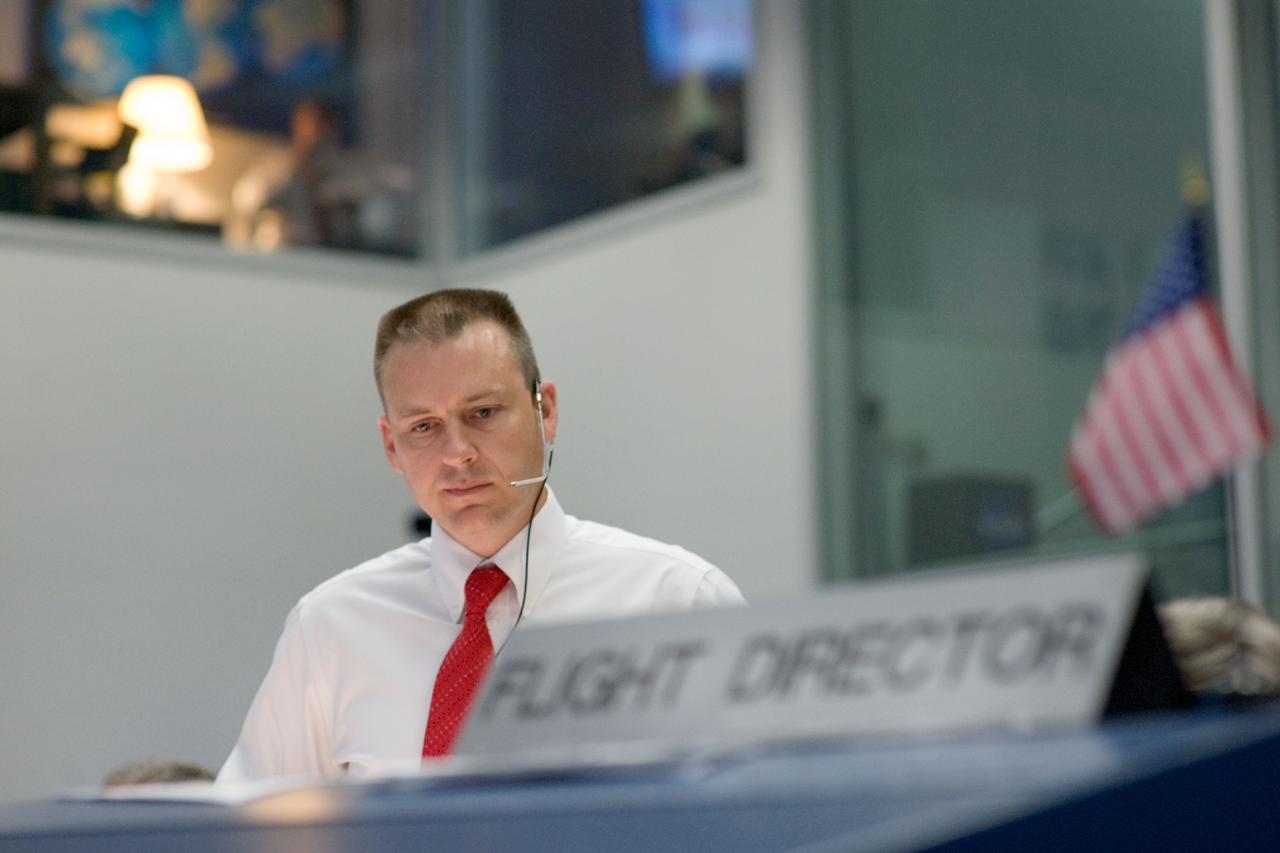
JSC2009-E-118882 (11 May 2009) --- Flight director Norm Knight is pictured in the space shuttle flight control room in the Mission Control Center at NASA's Johnson Space Center during launch countdown activities a few hundred miles away in Florida, site of Space Shuttle Atlantis? scheduled STS-125 launch to service the Hubble Space Telescope. Liftoff was on time at 2:01 p.m. (EDT) on May 11, 2009 from launch pad 39A at NASA's Kennedy Space Center.