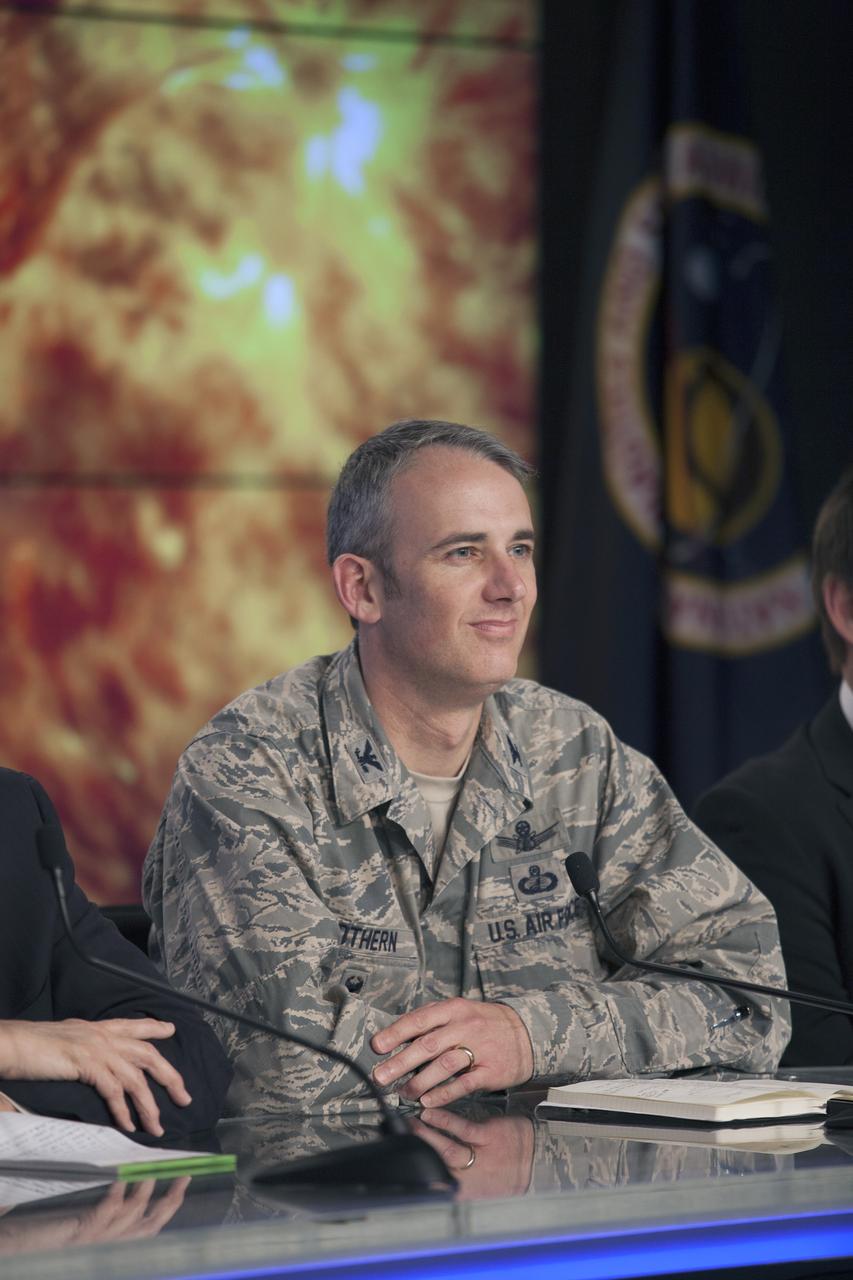
CAPE CANAVERAL, Fla. – Col. D. Jason Cothern, Space Demonstrations Division chief at Kirtland Air Force Base in Albuquerque, New Mexico, listens to a question from a member of the news media during a briefing regarding NOAA’s Deep Space Climate Observatory spacecraft, or DSCOVR. DSCOVR will launch aboard a SpaceX Falcon 9 rocket. The mission is a partnership between NOAA, NASA and the U.S. Air Force. DSCOVR will maintain the nation's real-time solar wind monitoring capabilities which are critical to the accuracy and lead time of NOAA's space weather alerts and forecasts. To learn more about DSCOVR, visit http://www.nesdis.noaa.gov/DSCOVR. Photo credit: NASA/Kim Shiflett
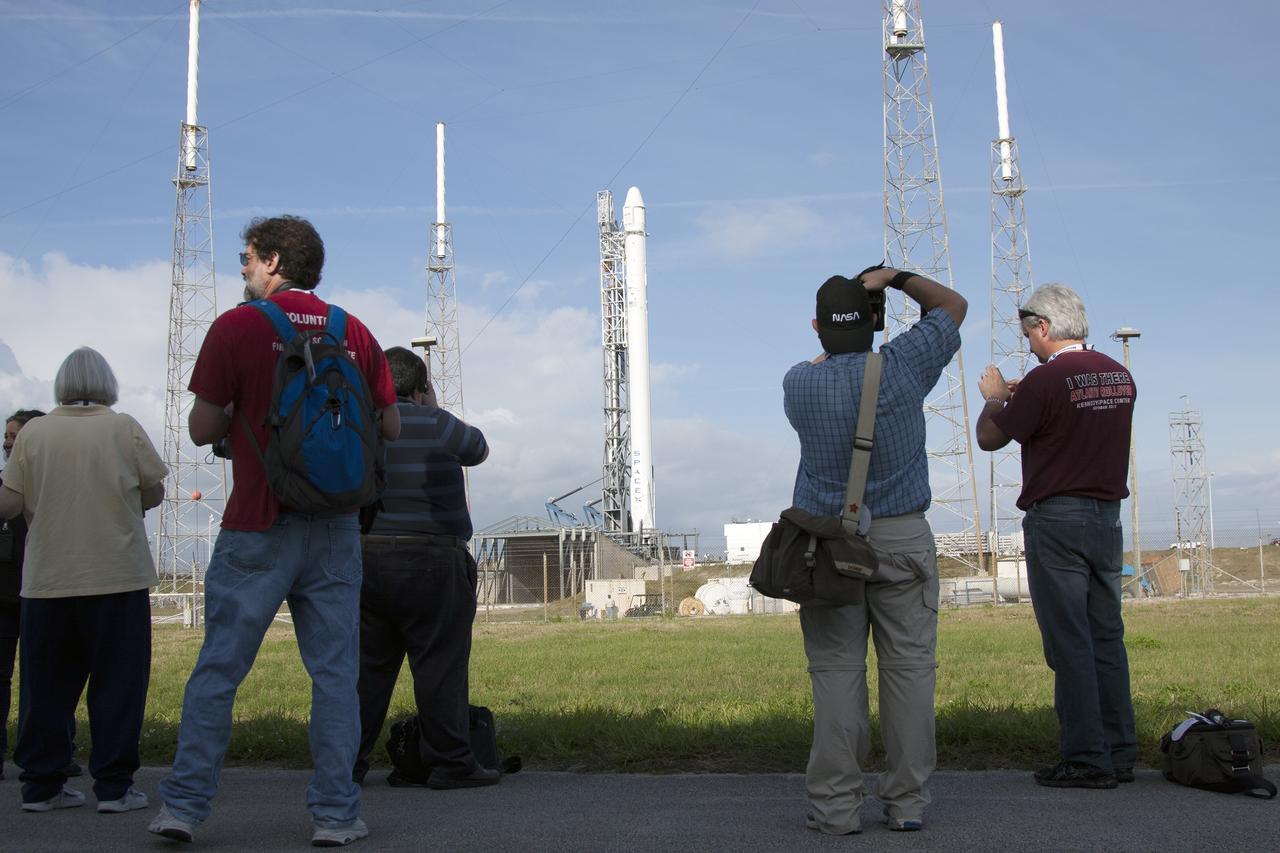
CAPE CANAVERAL, Fla. - Social media representatives photograph the SpaceX Falcon 9 rocket and Dragon Capsule on Space Launch Complex 40 on Cape Canaveral Air Force Station in Florida. NASA Social participants are given the same access as news media in an effort to align the experience of social media representatives with those of traditional media, including the opportunity to view a launch of SpaceX’s Falcon 9 rocket, tour NASA facilities at Kennedy Space Center, speak with representatives from both NASA and SpaceX, view and take photographs of the SpaceX launch pad, meet fellow space enthusiasts who are active on social media and meet members of SpaceX and NASA's social media teams. Scheduled for launch at about 4:58 p.m. EDT April 14, Dragon will be making its fourth trip to the space station. The SpaceX-3 mission, carrying almost 2.5 tons of supplies, technology and science experiments, is the third of 12 flights under NASA's Commercial Resupply Services contract to resupply the orbiting laboratory. For more information, visit http://www.nasa.gov/mission_pages/station/structure/launch/index.html Photo credit: NASA/Glenn Benson
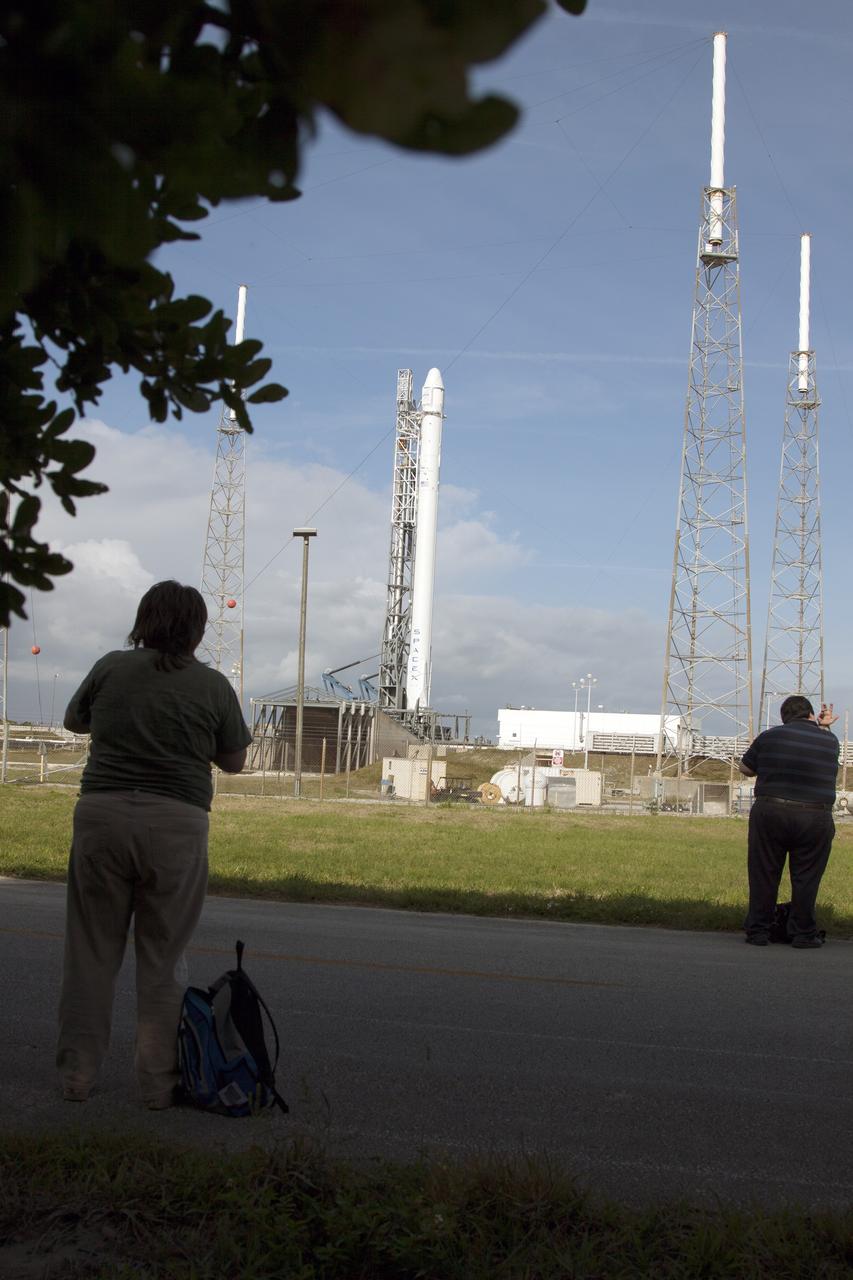
CAPE CANAVERAL, Fla. - Social media representatives photograph the SpaceX Falcon 9 rocket and Dragon Capsule on Space Launch Complex 40 on Cape Canaveral Air Force Station in Florida. NASA Social participants are given the same access as news media in an effort to align the experience of social media representatives with those of traditional media, including the opportunity to view a launch of SpaceX’s Falcon 9 rocket, tour NASA facilities at Kennedy Space Center, speak with representatives from both NASA and SpaceX, view and take photographs of the SpaceX launch pad, meet fellow space enthusiasts who are active on social media and meet members of SpaceX and NASA's social media teams. Scheduled for launch at about 4:58 p.m. EDT April 14, Dragon will be making its fourth trip to the space station. The SpaceX-3 mission, carrying almost 2.5 tons of supplies, technology and science experiments, is the third of 12 flights under NASA's Commercial Resupply Services contract to resupply the orbiting laboratory. For more information, visit http://www.nasa.gov/mission_pages/station/structure/launch/index.html Photo credit: NASA/Glenn Benson
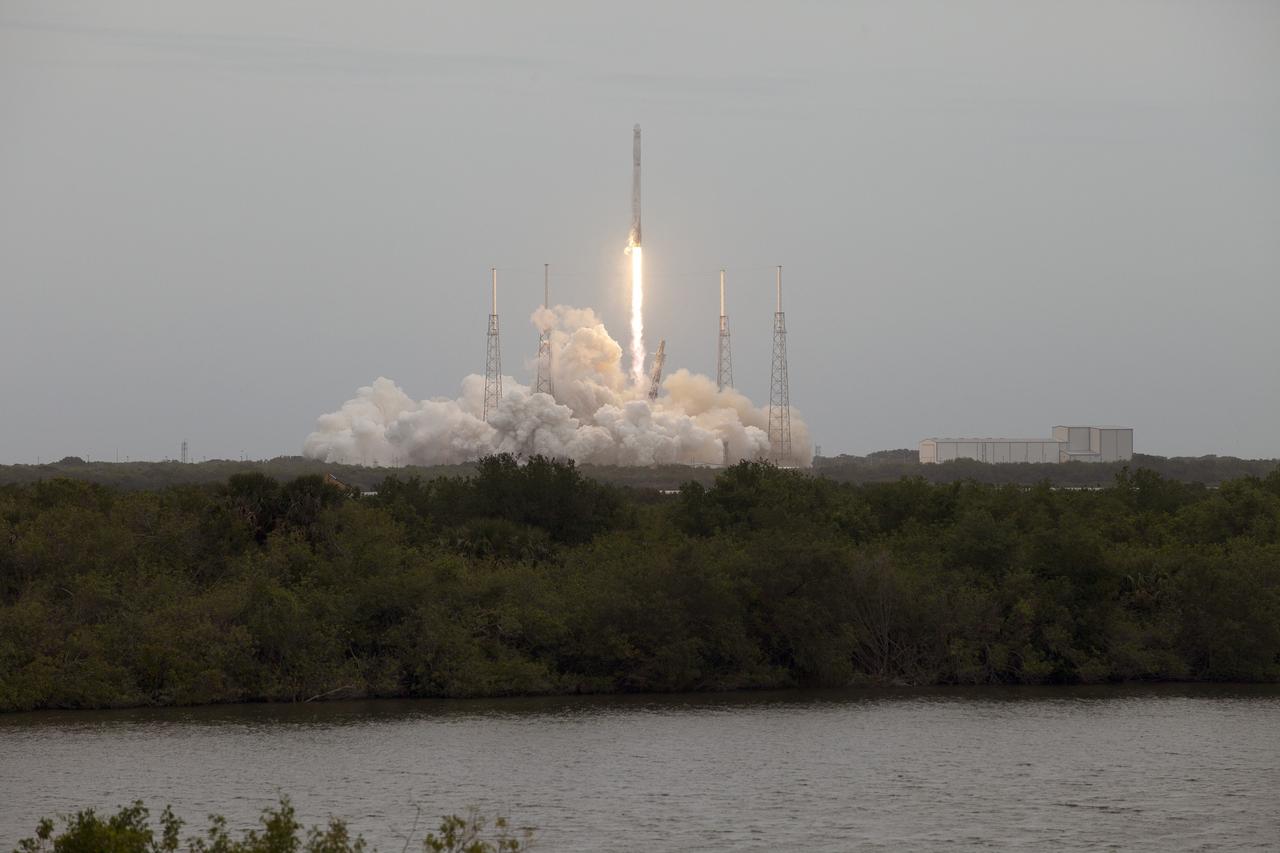
CAPE CANAVERAL, Fla. - An exhaust cloud builds under the Falcon 9 rocket on Space Launch Complex 40 on Cape Canaveral Air Force Station as the SpaceX-3 mission lifts off, carrying the Dragon resupply spacecraft to the International Space Station. Liftoff was during an instantaneous window at 3:25 p.m. EDT. Dragon is making its fourth trip to the space station. The SpaceX-3 mission, carrying almost 2.5 tons of supplies, technology and science experiments, is the third of 12 flights through a $1.6 billion NASA Commercial Resupply Services contract. Dragon's cargo will support more than 150 experiments that will be conducted during the station's Expeditions 39 and 40. For more information, visit http://www.nasa.gov/mission_pages/station/structure/launch/index.html. Photo credit: NASA/Dan Casper
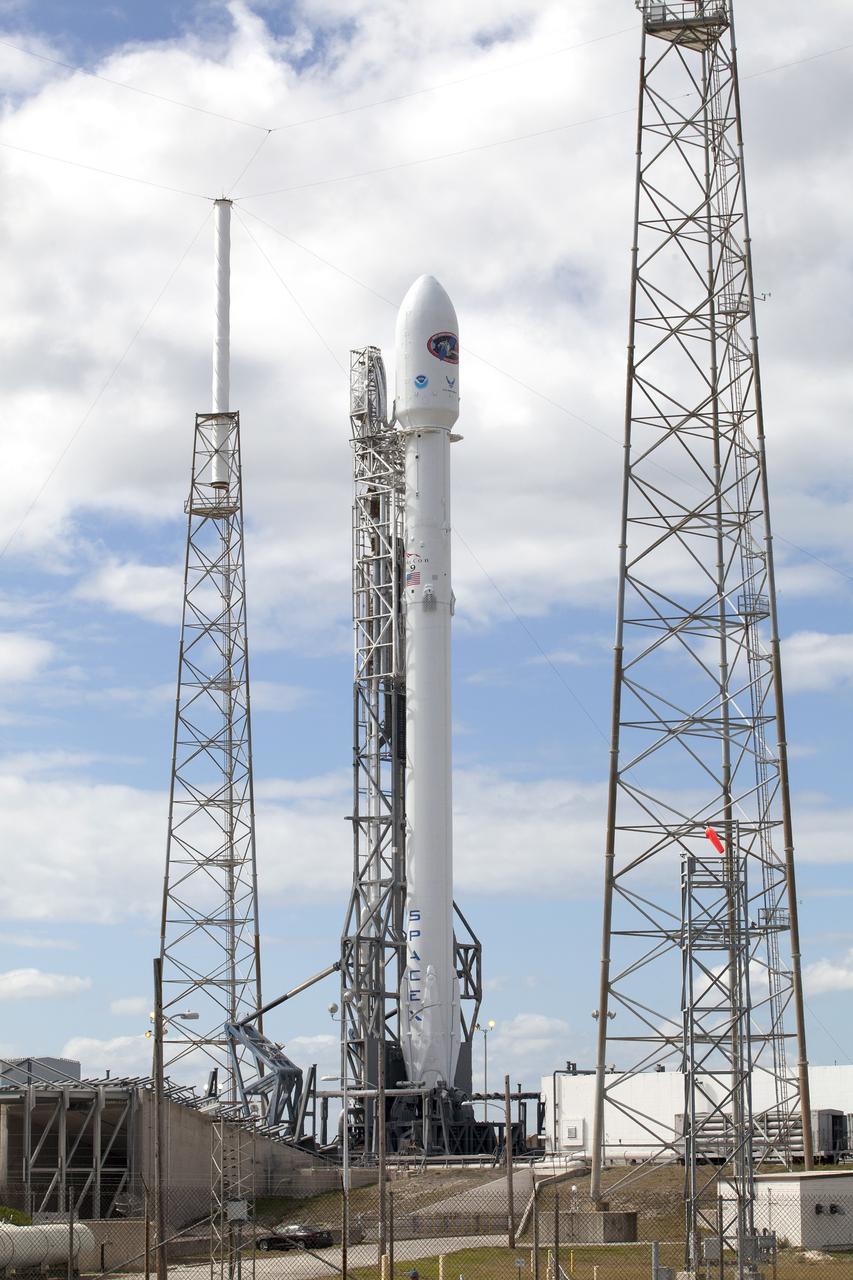
CAPE CANAVERAL, Fla. – CAPE CANAVERAL, Fla. – Backdropped by a blue sky streaked with white clouds, the SpaceX Falcon 9 rocket set to launch NOAA’s Deep Space Climate Observatory spacecraft, or DSCOVR, is flanked by lightning masts at Space Launch Complex 40 at Cape Canaveral Air Force Station in Florida. DSCOVR is a partnership between NOAA, NASA and the U.S. Air Force. DSCOVR will maintain the nation's real-time solar wind monitoring capabilities which are critical to the accuracy and lead time of NOAA's space weather alerts and forecasts. To learn more about DSCOVR, visit http://www.nesdis.noaa.gov/DSCOVR. Photo credit: NASA/Kim Shiflett
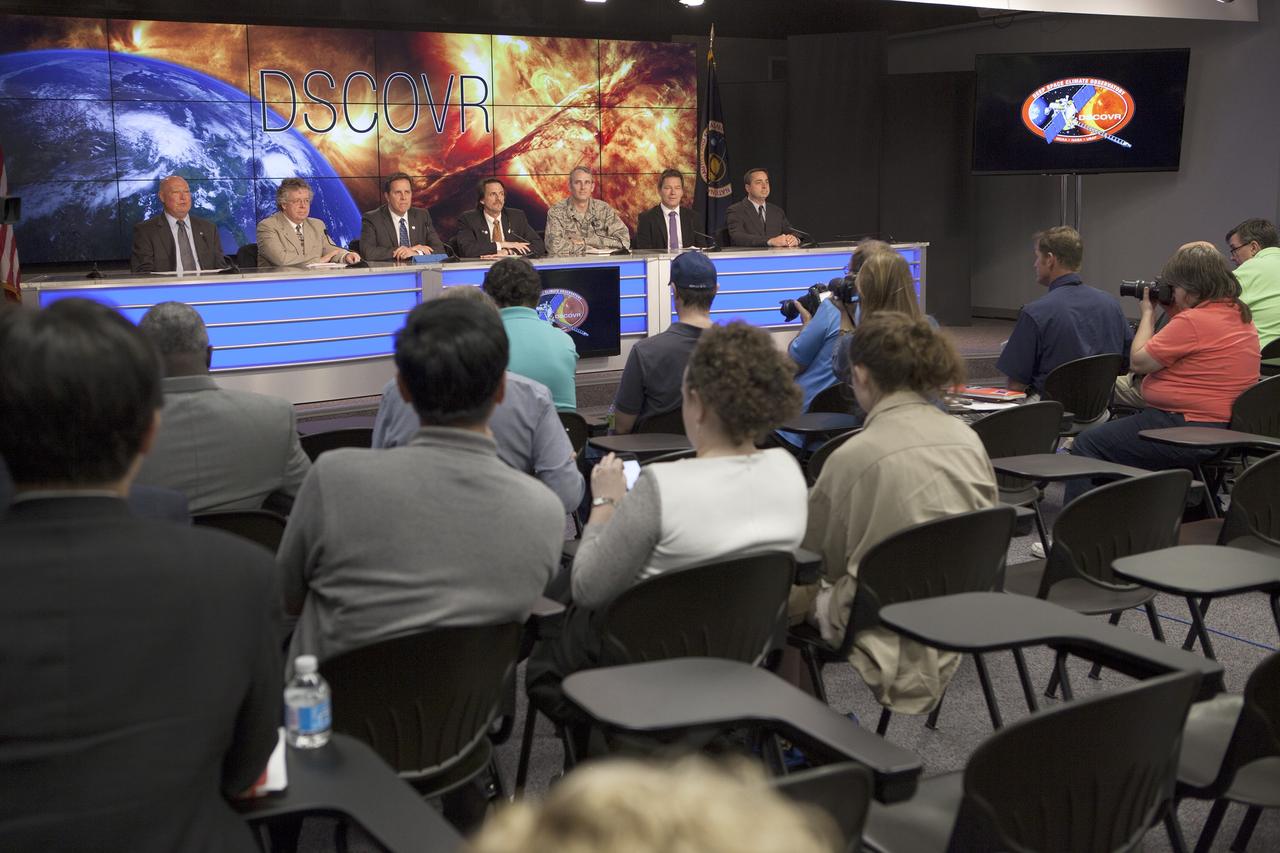
CAPE CANAVERAL, Fla. – A prelaunch briefing at NASA’s Kennedy Space Center in Florida brings media up to date on preparations for the liftoff of NOAA’s Deep Space Climate Observatory spacecraft, or DSCOVR. From left are Michael Curie, moderator, NASA Public Affairs, Stephen Volz, assistant administrator of the NOAA Satellite and Information Service, Tom Berger, director of the NOAA Space Weather Prediction Center, Steven Clarke, NASA Joint Agency Satellite Division director for the agency’s Science Mission Directorate, Col. D. Jason Cothern, Space Demonstrations Division chief at Kirtland Air Force Base in Albuquerque, New Mexico, and Hans Koenigsmann, vice president of mission assurance at SpaceX, and Mike McAleenan, launch weather officer with the U.S. Air Force 45th Weather Squadron. DSCOVR will launch aboard a SpaceX Falcon 9 rocket. The mission is a partnership between NOAA, NASA and the U.S. Air Force. DSCOVR will maintain the nation's real-time solar wind monitoring capabilities which are critical to the accuracy and lead time of NOAA's space weather alerts and forecasts. To learn more about DSCOVR, visit http://www.nesdis.noaa.gov/DSCOVR. Photo credit: NASA/Kim Shiflett
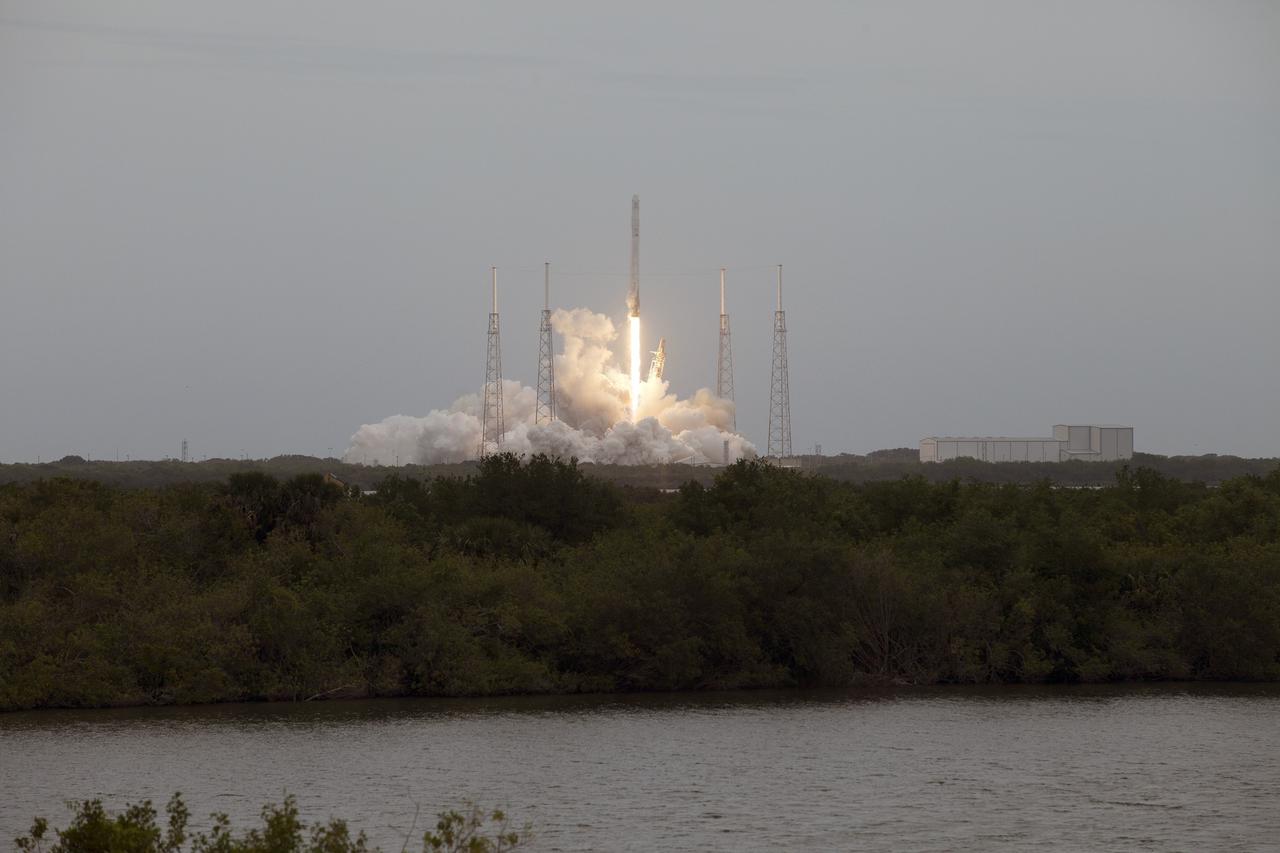
CAPE CANAVERAL, Fla. - Nine rocket engines roar to life on the SpaceX Falcon 9 rocket, lifting it off Space Launch Complex 40 on Cape Canaveral Air Force Station and boosting the Dragon resupply spacecraft to the International Space Station. Liftoff was at 3:25 p.m. EDT. Dragon is making its fourth trip to the space station. The SpaceX-3 mission, carrying almost 2.5 tons of supplies, technology and science experiments, is the third of 12 flights through a $1.6 billion NASA Commercial Resupply Services contract. Dragon's cargo will support more than 150 experiments that will be conducted during the station's Expeditions 39 and 40. For more information, visit http://www.nasa.gov/mission_pages/station/structure/launch/index.html. Photo credit: NASA/Dan Casper
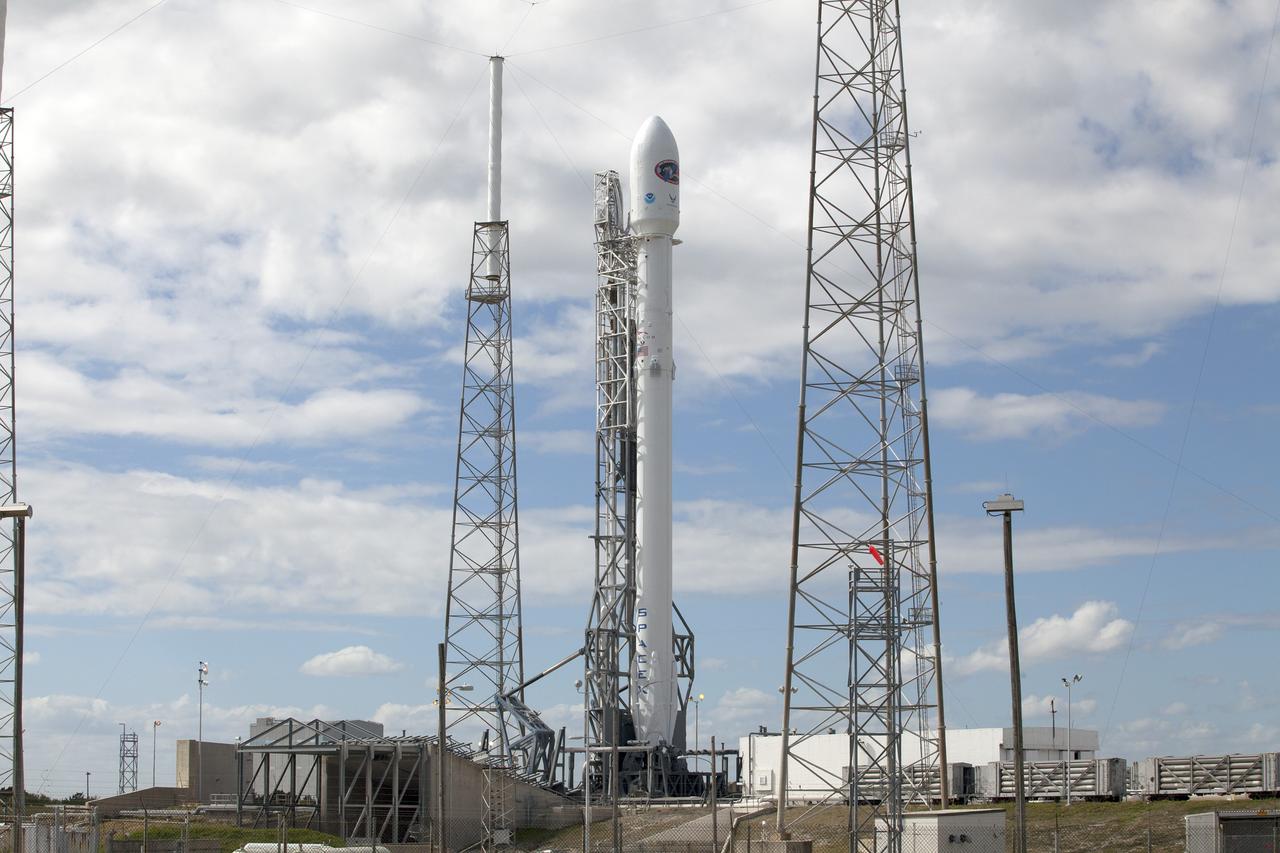
CAPE CANAVERAL, Fla. – The SpaceX Falcon 9 rocket set to launch NOAA’s Deep Space Climate Observatory spacecraft, or DSCOVR, awaits liftoff at 6:10 p.m. EST from Space Launch Complex 40 at Cape Canaveral Air Force Station in Florida. DSCOVR is a partnership between NOAA, NASA and the U.S. Air Force. DSCOVR will maintain the nation's real-time solar wind monitoring capabilities which are critical to the accuracy and lead time of NOAA's space weather alerts and forecasts. To learn more about DSCOVR, visit http://www.nesdis.noaa.gov/DSCOVR. Photo credit: NASA/Kim Shiflett
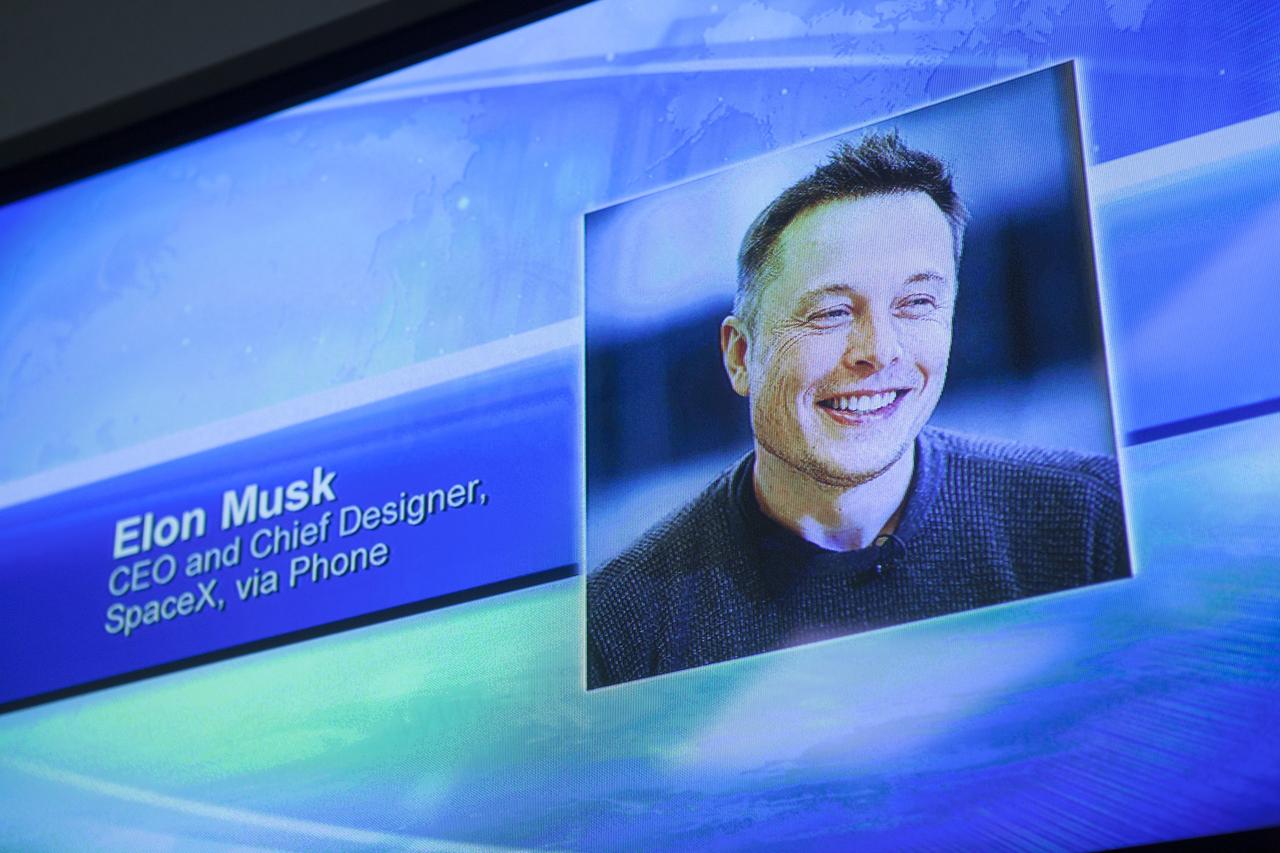
CAPE CANAVERAL, Fla. - An image of SpaceX CEO and chief designer Elon Musk is displayed in the NASA Press Site news auditorium at Kennedy Space Center in Florida during a SpaceX-3 post-launch news conference. Musk participated in the conference by telephone. SpaceX-3 launched at 3:25 p.m. EDT aboard a Falcon 9 rocket carrying a Dragon capsule from Space Launch Complex 40 on Cape Canaveral Air Force Station. Dragon is making its fourth trip to the space station. The SpaceX-3 mission, carrying almost 2.5 tons of supplies, technology and science experiments, is the third of 12 flights through a $1.6 billion NASA Commercial Resupply Services contract. Dragon's cargo will support more than 150 experiments that will be conducted during the station's Expeditions 39 and 40. For more information, visit http://www.nasa.gov/mission_pages/station/structure/launch/index.html. Photo credit: NASA/Kim Shiflett
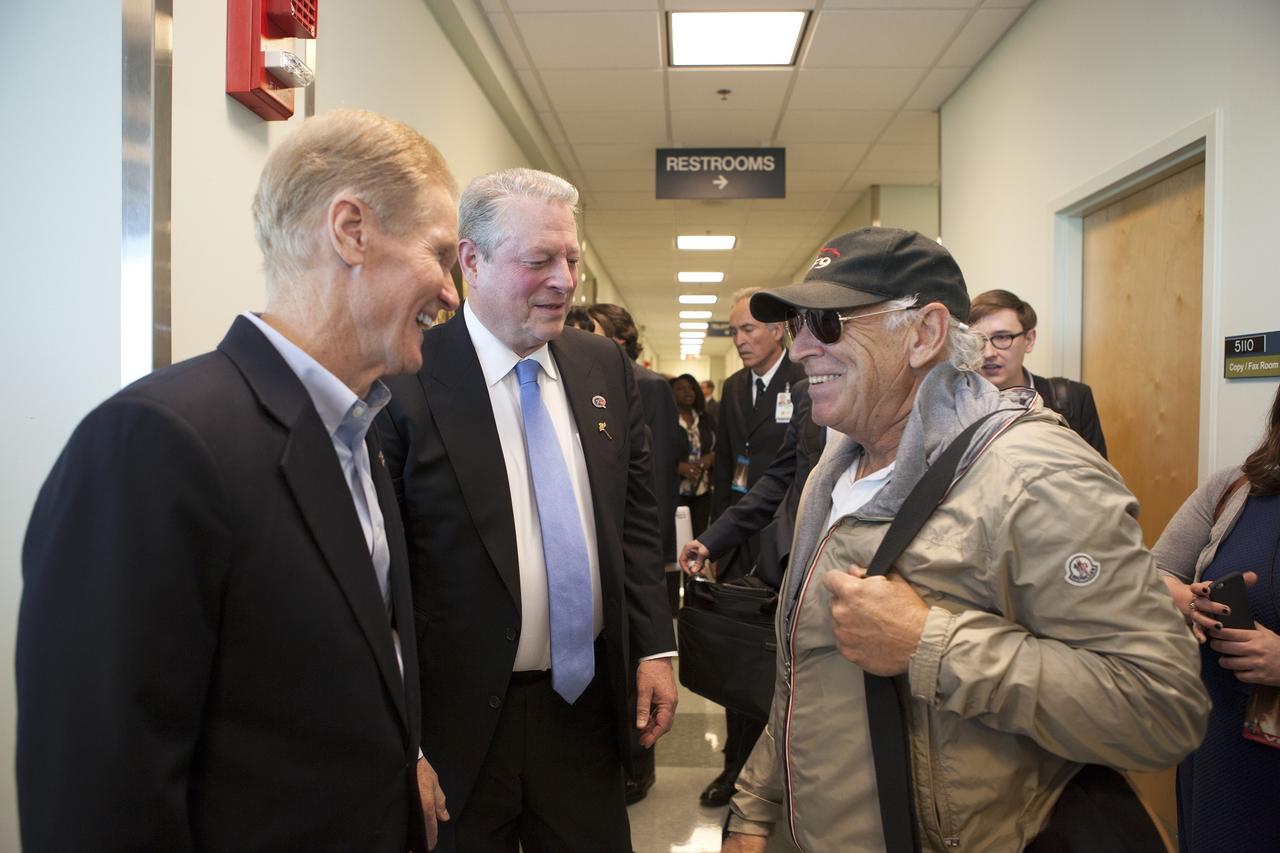
Sen. Bill Nelson, left, and former Vice President Al Gore greet singer Jimmy Buffett, right, at NASA’s Kennedy Space Center in Florida prior to the planned liftoff of NOAA’s Deep Space Climate Observatory mission, or DSCOVR. DSCOVR will launch aboard a SpaceX Falcon 9 rocket. The mission is a partnership between NOAA, NASA and the U.S. Air Force. DSCOVR will maintain the nation's real-time solar wind monitoring capabilities which are critical to the accuracy and lead time of NOAA's space weather alerts and forecasts. To learn more about DSCOVR, visit http://www.nesdis.noaa.gov/DSCOVR. Photo credit: NASA/Kim Shiflett
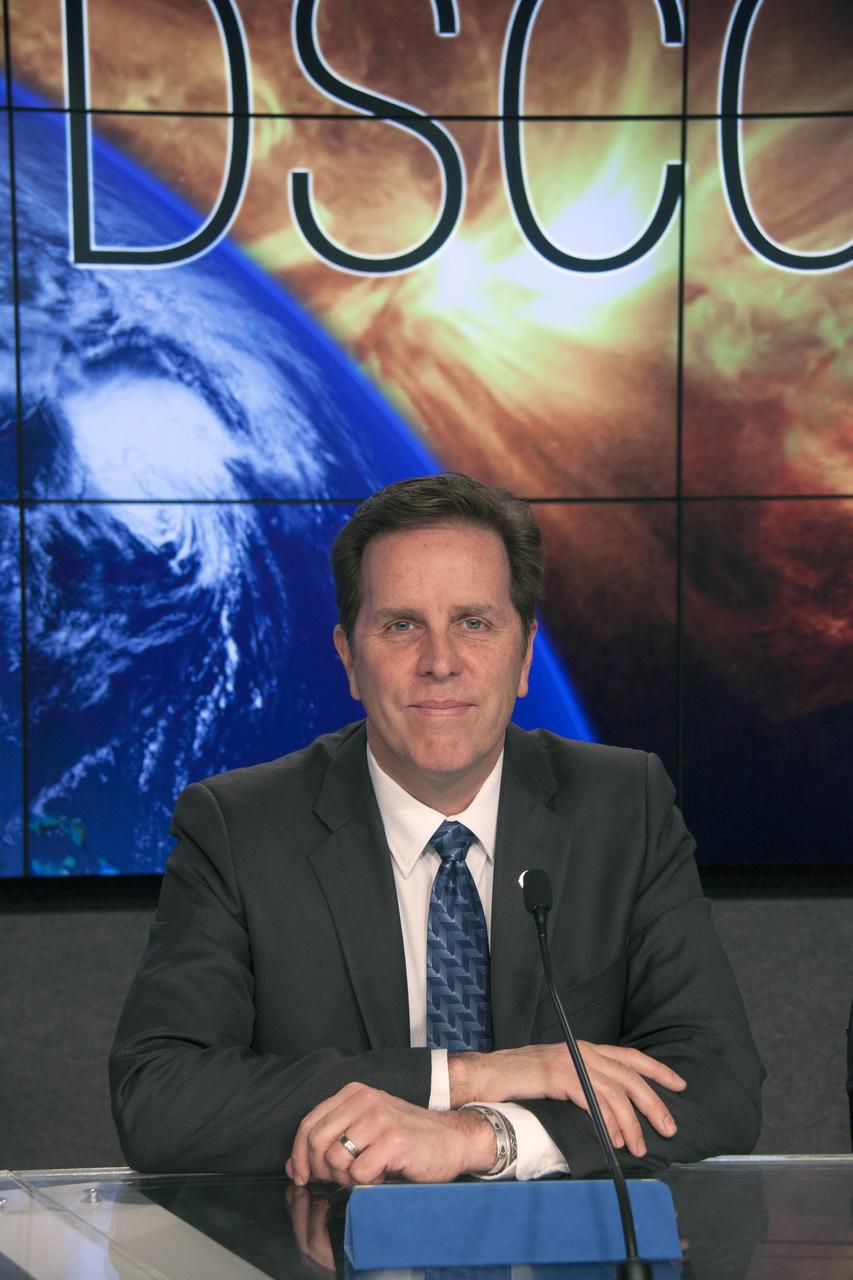
CAPE CANAVERAL, Fla. – Tom Berger, director of the NOAA Space Weather Prediction Center, prepares to brief media on preparations for the liftoff of NOAA’s Deep Space Climate Observatory spacecraft, or DSCOVR. DSCOVR will launch aboard a SpaceX Falcon 9 rocket. The mission is a partnership between NOAA, NASA and the U.S. Air Force. DSCOVR will maintain the nation's real-time solar wind monitoring capabilities which are critical to the accuracy and lead time of NOAA's space weather alerts and forecasts. To learn more about DSCOVR, visit http://www.nesdis.noaa.gov/DSCOVR. Photo credit: NASA/Jim Grossman
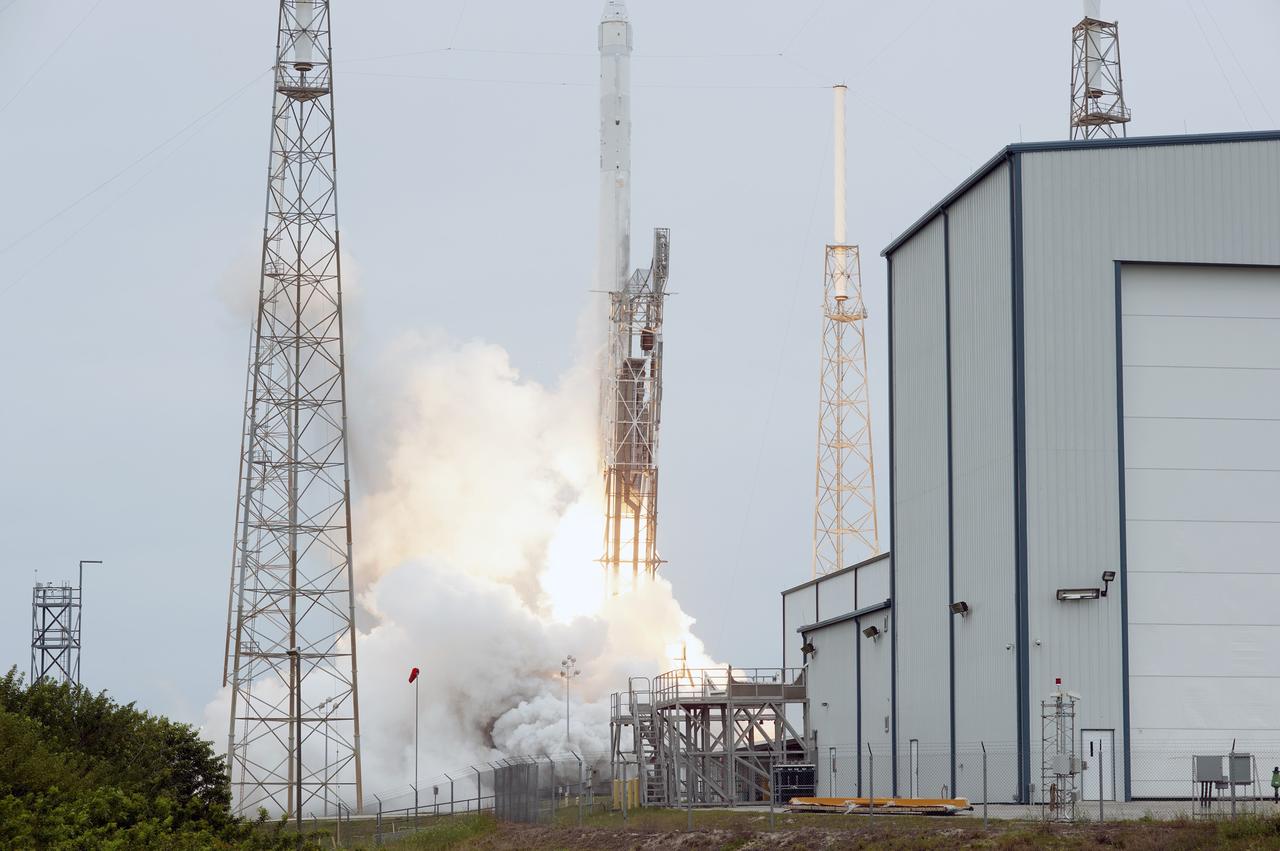
CAPE CANAVERAL, Fla. - An exhaust cloud forms around the Falcon 9 rocket at Space Launch Complex 40 on Cape Canaveral Air Force Station as the SpaceX-3 mission lifts off, carrying the Dragon resupply spacecraft to the International Space Station. Launch was during an instantaneous window at 3:25 p.m. EDT. Dragon is making its fourth trip to the space station. The SpaceX-3 mission, carrying almost 2.5 tons of supplies, technology and science experiments, is the third of 12 flights through a $1.6 billion NASA Commercial Resupply Services contract. Dragon's cargo will support more than 150 experiments that will be conducted during the station's Expeditions 39 and 40. For more information, visit http://www.nasa.gov/mission_pages/station/structure/launch/index.html. Photo credit: NASA/Tony Gray and Tim Powers
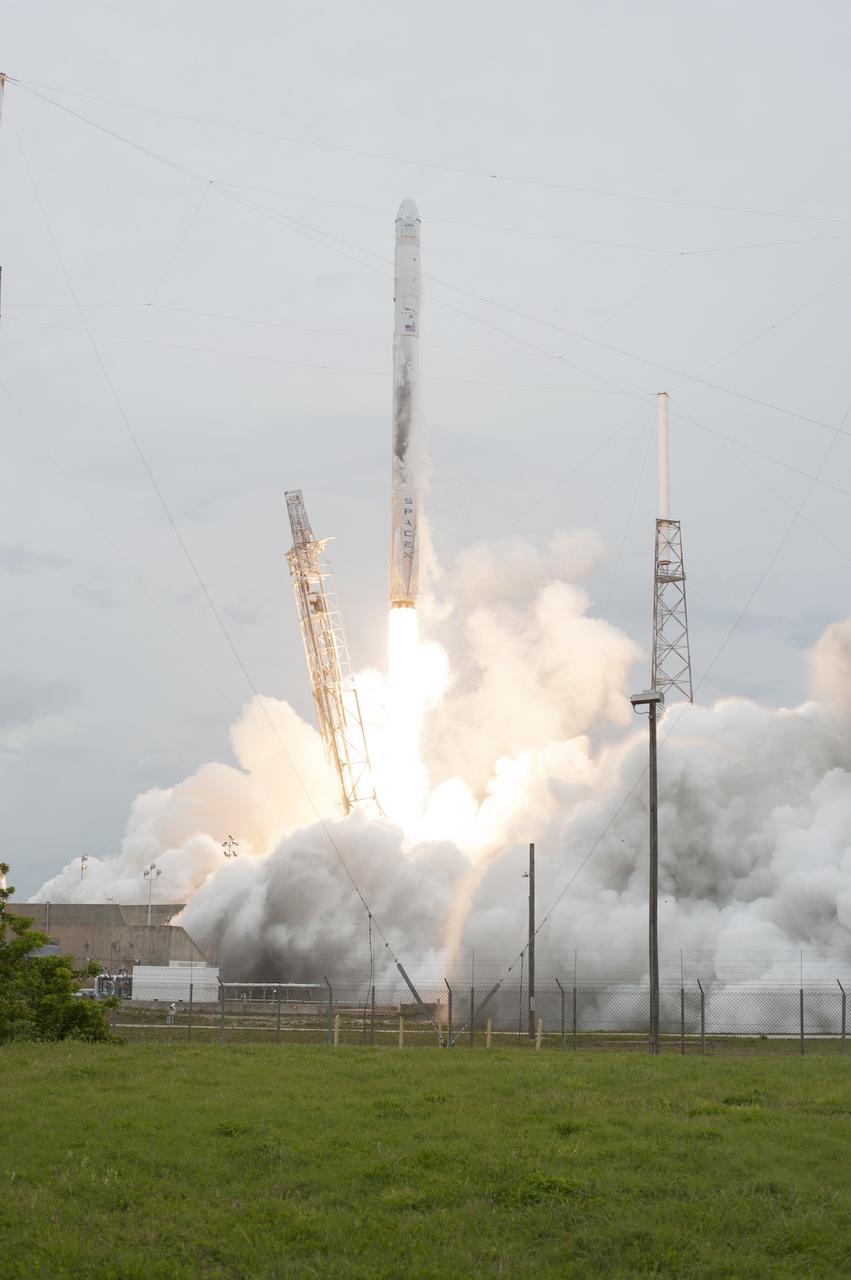
CAPE CANAVERAL, Fla. - The SpaceX Falcon 9 rocket rises above the lightning masts on Space Launch Complex 40 at Cape Canaveral Air Force Station, as the SpaceX-3 mission begins, carrying the Dragon resupply spacecraft to the International Space Station. Liftoff was during an instantaneous window at 3:25 p.m. EDT. Dragon is making its fourth trip to the space station. The SpaceX-3 mission, carrying almost 2.5 tons of supplies, technology and science experiments, is the third of 12 flights through a $1.6 billion NASA Commercial Resupply Services contract. Dragon's cargo will support more than 150 experiments that will be conducted during the station's Expeditions 39 and 40. For more information, visit http://www.nasa.gov/mission_pages/station/structure/launch/index.html. Photo credit: NASA/Tony Gray and Tim Powers
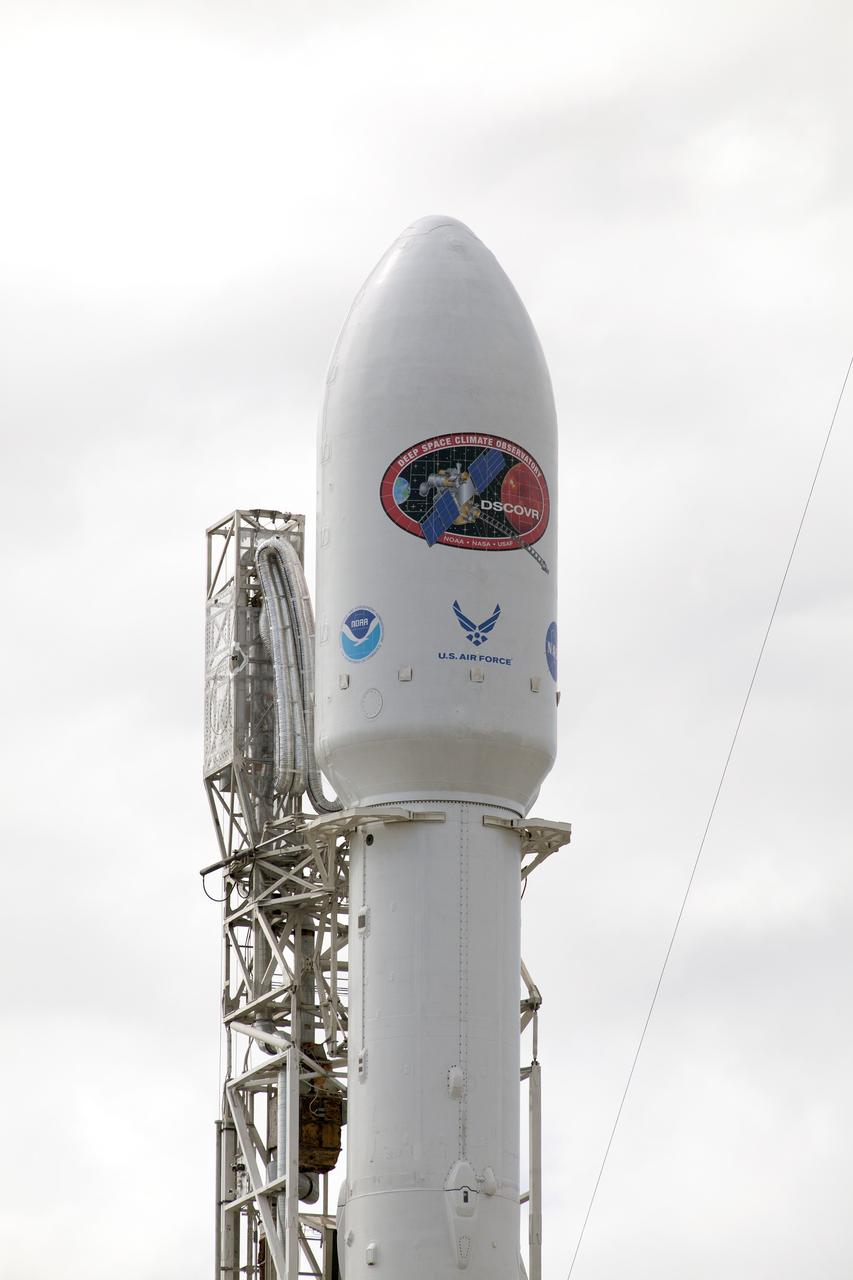
CAPE CANAVERAL, Fla. – The payload fairing protecting NOAA’s Deep Space Climate Observatory spacecraft, or DSCOVR, tops the SpaceX Falcon 9 rocket set to lift off at 6:10 p.m. EST from Space Launch Complex 40 at Cape Canaveral Air Force Station in Florida. DSCOVR is a partnership between NOAA, NASA and the U.S. Air Force. DSCOVR will maintain the nation's real-time solar wind monitoring capabilities which are critical to the accuracy and lead time of NOAA's space weather alerts and forecasts. To learn more about DSCOVR, visit http://www.nesdis.noaa.gov/DSCOVR. Photo credit: NASA/Kim Shiflett
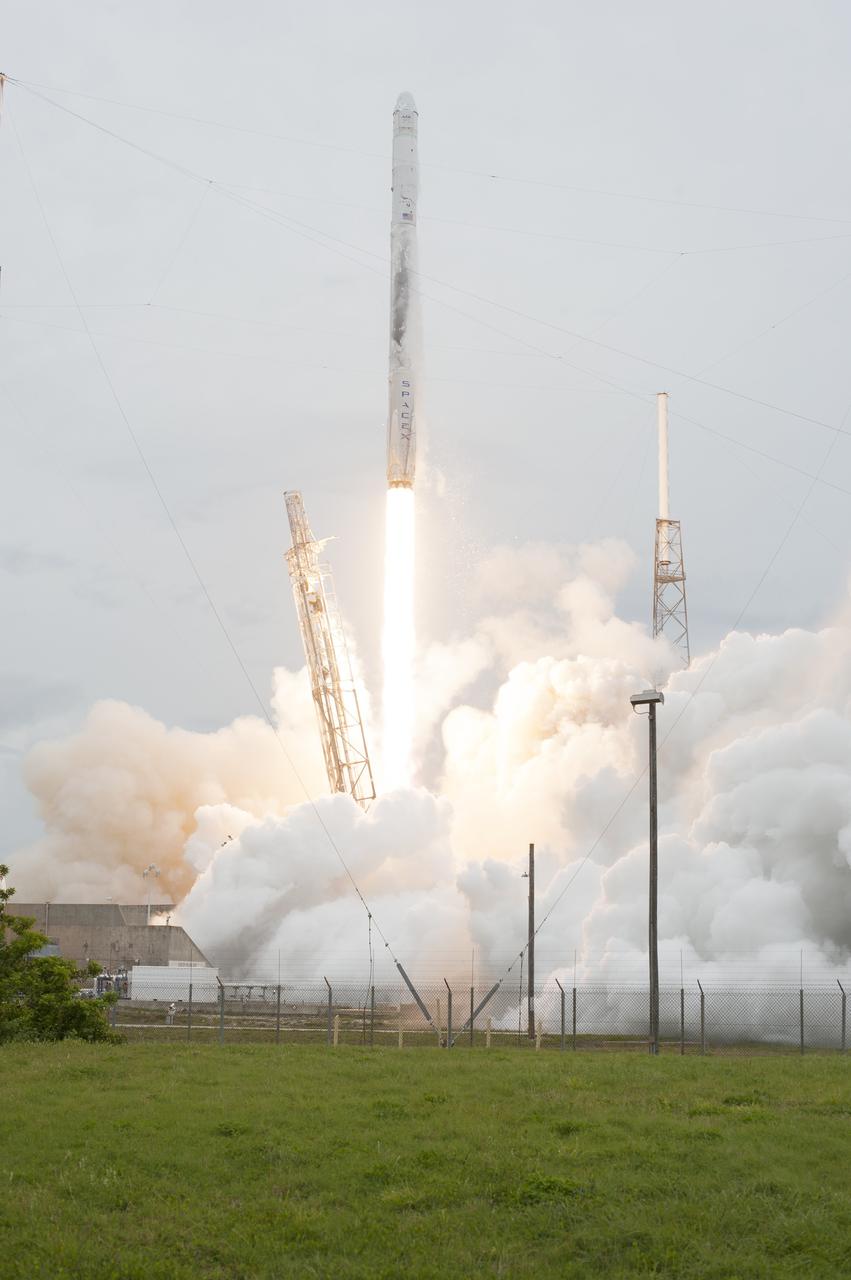
CAPE CANAVERAL, Fla. - The SpaceX-3 mission soars into the clouds over Space Launch Complex 40 on Cape Canaveral Air Force Station aboard a Falcon 9 rocket, carrying the Dragon resupply spacecraft to the International Space Station. Liftoff was during an instantaneous window at 3:25 p.m. EDT. Dragon is making its fourth trip to the space station. The SpaceX-3 mission, carrying almost 2.5 tons of supplies, technology and science experiments, is the third of 12 flights through a $1.6 billion NASA Commercial Resupply Services contract. Dragon's cargo will support more than 150 experiments that will be conducted during the station's Expeditions 39 and 40. For more information, visit http://www.nasa.gov/mission_pages/station/structure/launch/index.html. Photo credit: NASA/Tony Gray and Tim Powers
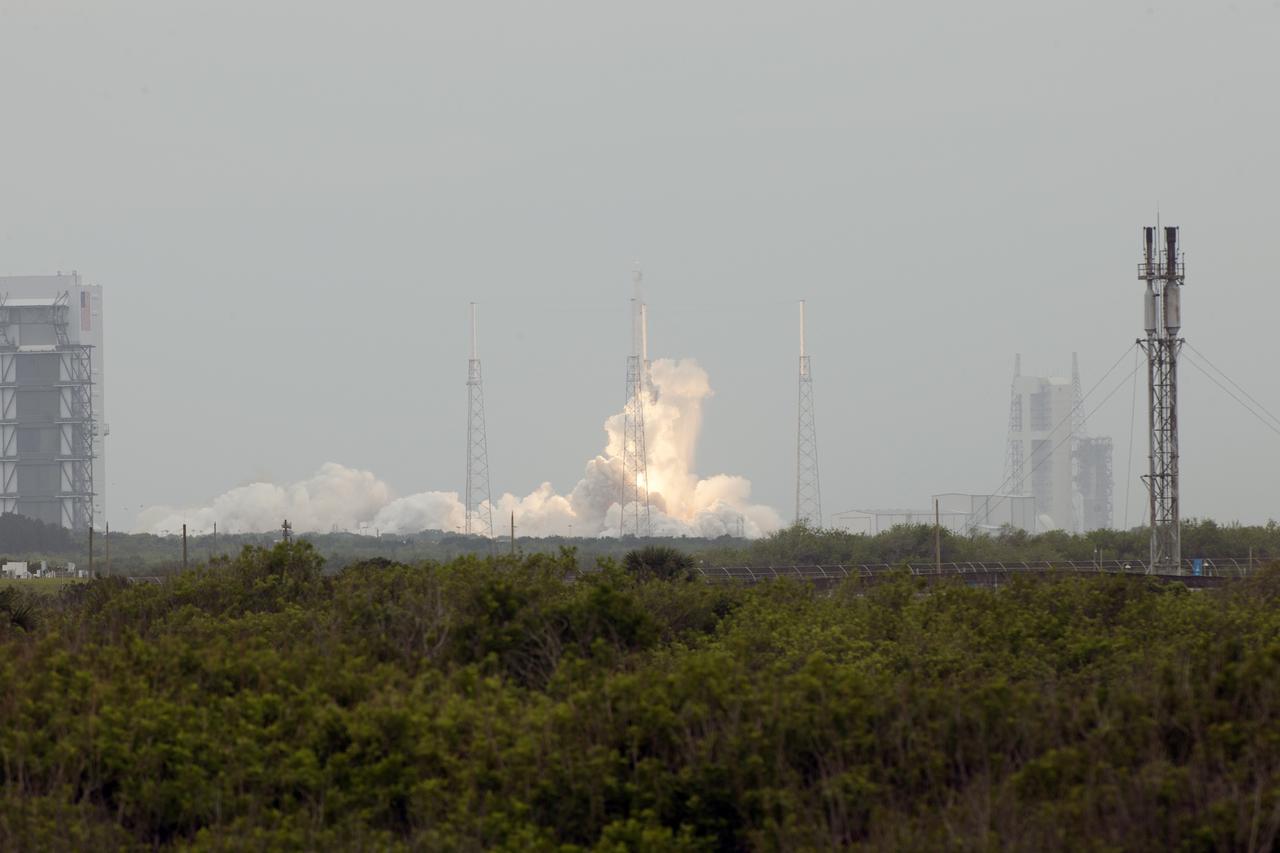
CAPE CANAVERAL, Fla. - The SpaceX-3 mission lifts off from Space Launch Complex 40 on Cape Canaveral Air Force Station aboard a Falcon 9 rocket, carrying the Dragon resupply spacecraft to the International Space Station. Liftoff was at 3:25 p.m. EDT. Dragon is making its fourth trip to the space station. The SpaceX-3 mission, carrying almost 2.5 tons of supplies, technology and science experiments, is the third of 12 flights through a $1.6 billion NASA Commercial Resupply Services contract. Dragon's cargo will support more than 150 experiments that will be conducted during the station's Expeditions 39 and 40. For more information, visit http://www.nasa.gov/mission_pages/station/structure/launch/index.html. Photo credit: NASA/George Roberts
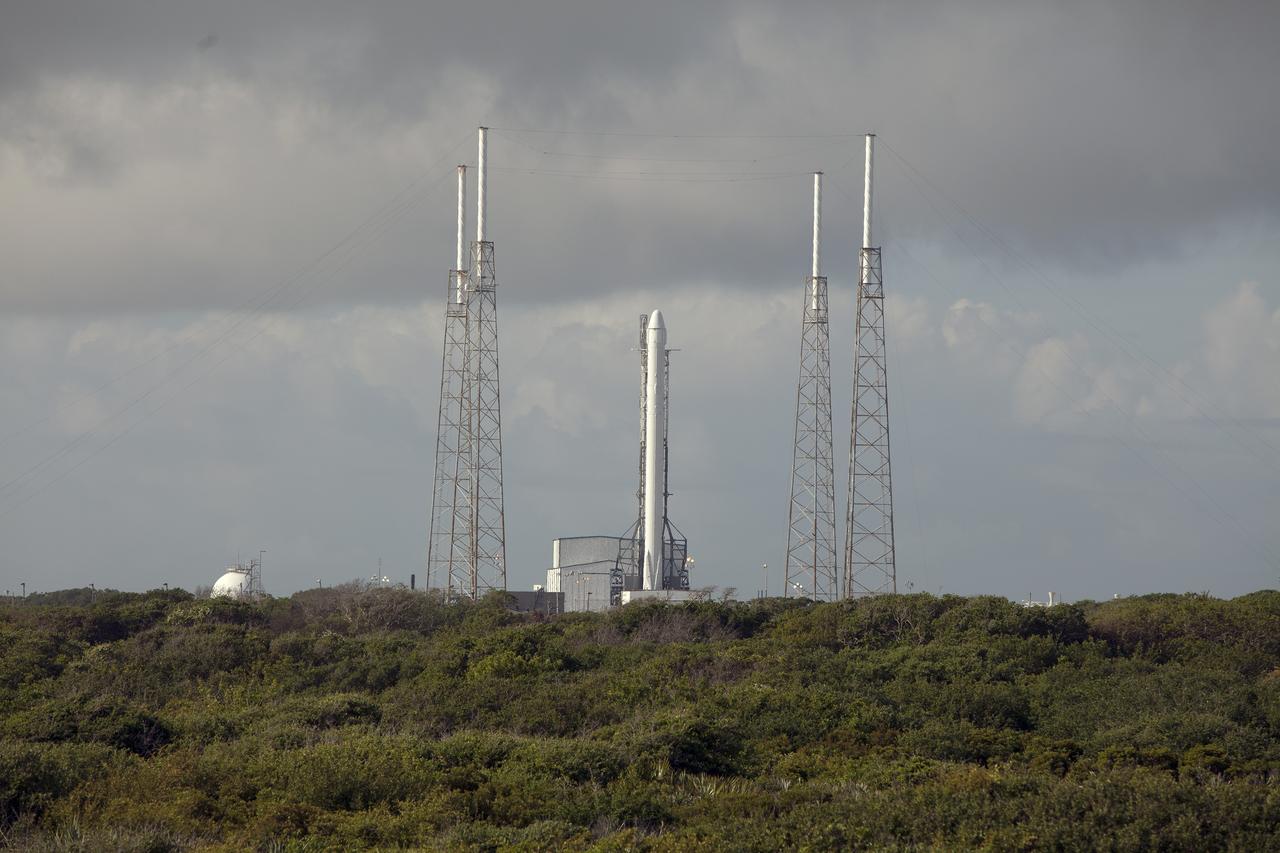
CAPE CANAVERAL, Fla. - Preparations are underway at Space Launch Complex 40 on Cape Canaveral Air Force Station in Florida to launch a SpaceX Falcon 9 rocket and a Dragon capsule on its third commercial resupply mission to deliver about 5,000 pounds of cargo to the International Space Station. Scheduled for launch at about 4:58 p.m. EDT April 14, Dragon will be making its fourth trip to the space station. The SpaceX-3 mission, carrying almost 2.5 tons of supplies, technology and science experiments, is the third of 12 flights under NASA's Commercial Resupply Services contract to resupply the orbiting laboratory. For more information, visit http://www.nasa.gov/mission_pages/station/structure/launch/index.html Photo credit: NASA/Glenn Benson
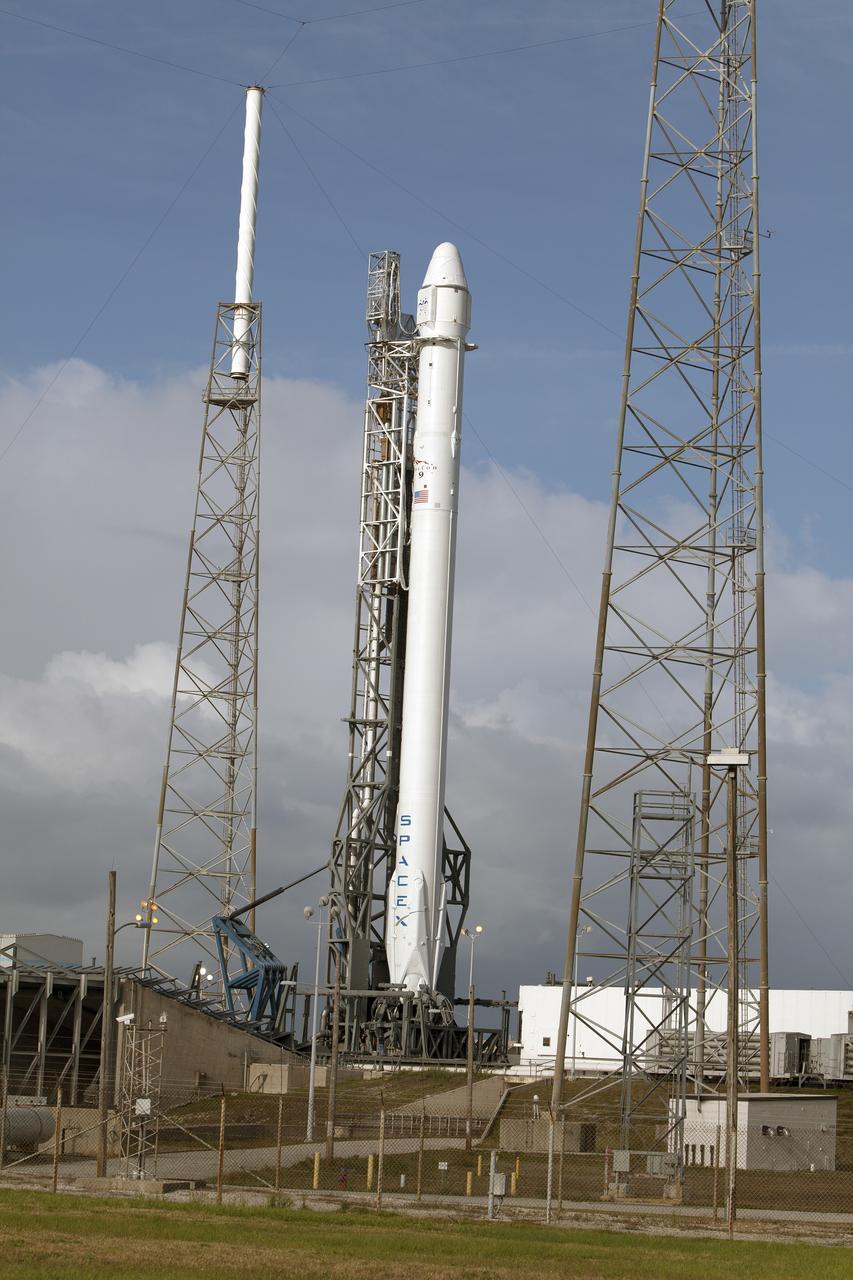
CAPE CANAVERAL, Fla. - At Space Launch Complex 40 on Cape Canaveral Air Force Station in Florida, a SpaceX Falcon 9 rocket stands ready to boost a Dragon capsule on its third commercial resupply mission to deliver about 5,000 pounds of cargo to the International Space Station. Scheduled for launch at about 4:58 p.m. EDT April 14, Dragon will be making its fourth trip to the space station. The SpaceX-3 mission, carrying almost 2.5 tons of supplies, technology and science experiments, is the third of 12 flights under NASA's Commercial Resupply Services contract to resupply the orbiting laboratory. For more information, visit http://www.nasa.gov/mission_pages/station/structure/launch/index.html Photo credit: NASA/Glenn Benson
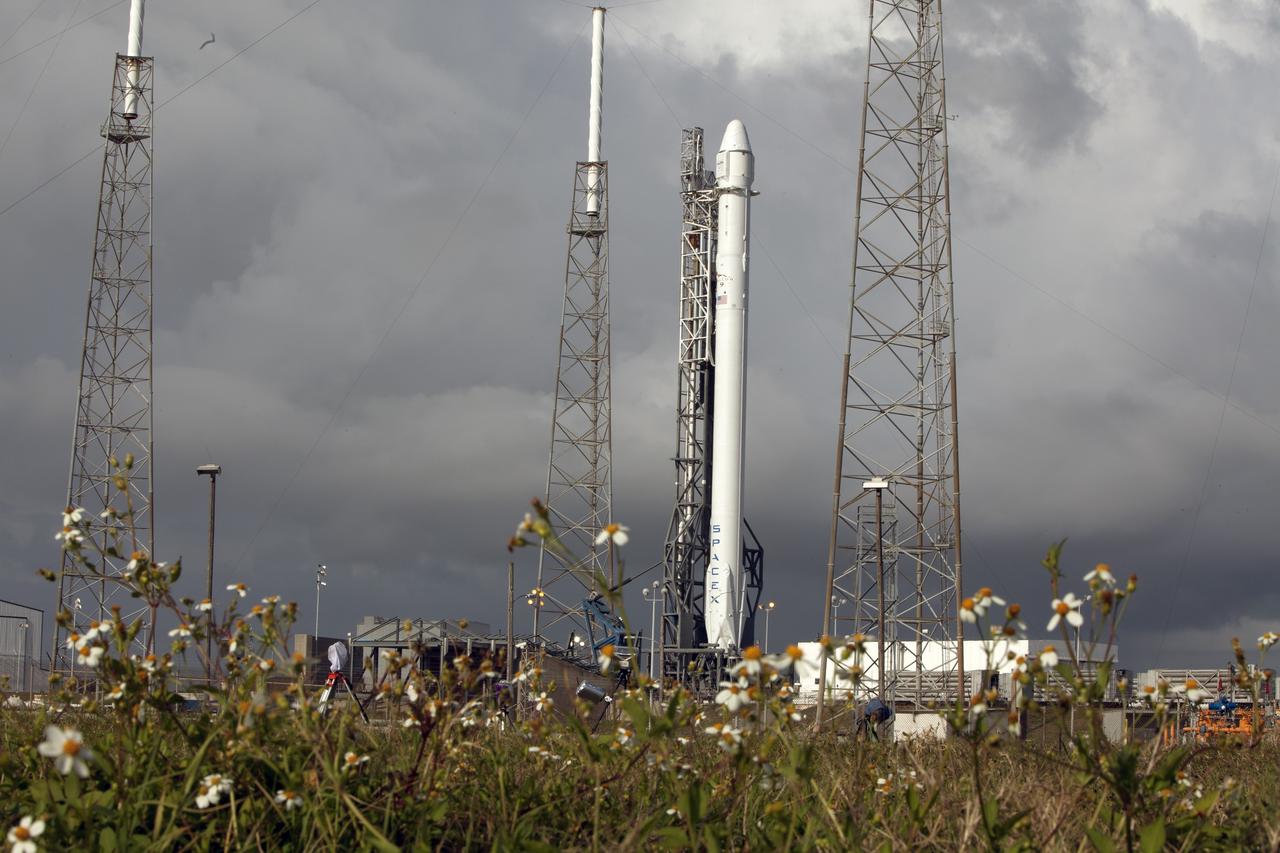
CAPE CANAVERAL, Fla. - Early morning showers pass by Space Launch Complex 40 on Cape Canaveral Air Force Station in Florida on launch day for a SpaceX Falcon 9 rocket and a Dragon capsule on its third commercial resupply mission to deliver about 5,000 pounds of cargo to the International Space Station. Scheduled for launch at about 4:58 p.m. EDT April 14, Dragon will be making its fourth trip to the space station. The SpaceX-3 mission, carrying almost 2.5 tons of supplies, technology and science experiments, is the third of 12 flights under NASA's Commercial Resupply Services contract to resupply the orbiting laboratory. For more information, visit http://www.nasa.gov/mission_pages/station/structure/launch/index.html Photo credit: NASA/Glenn Benson
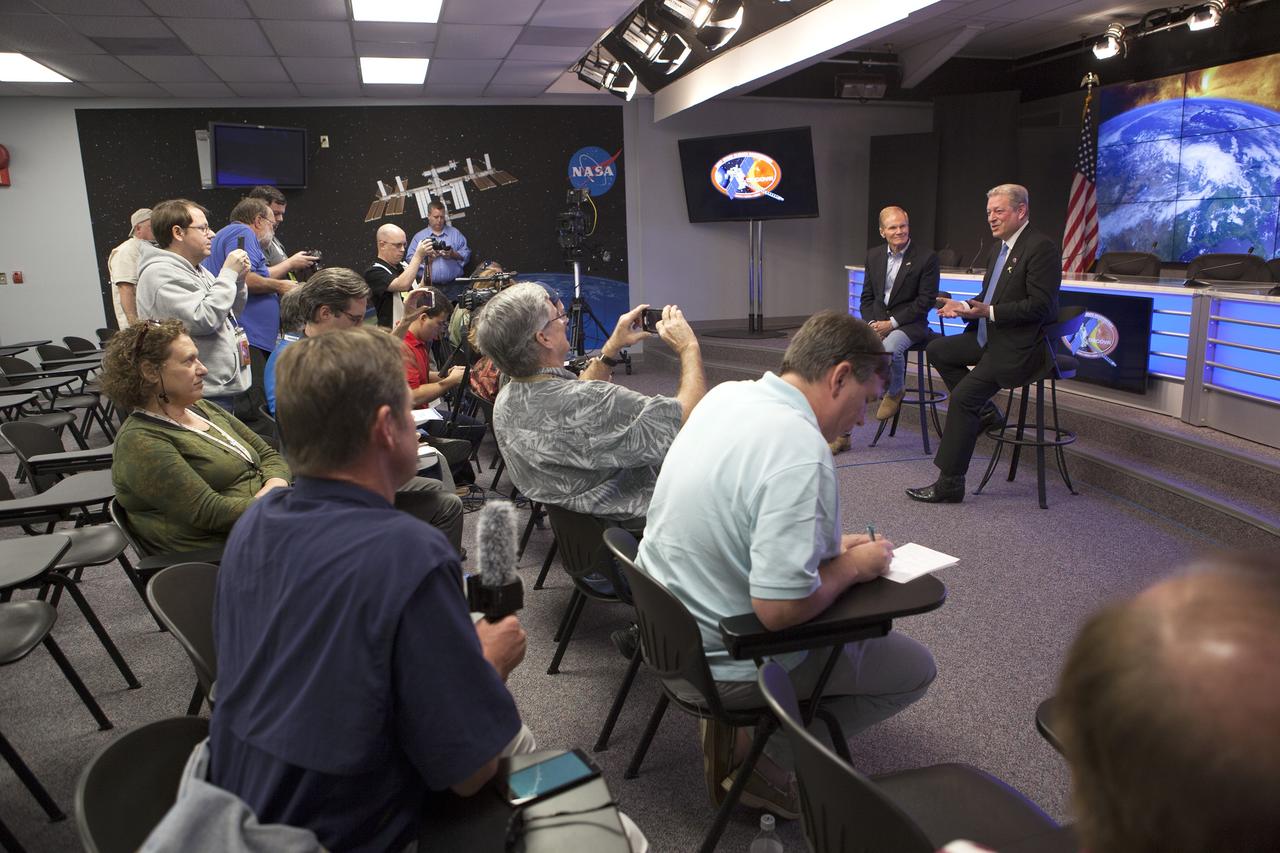
CAPE CANAVERAL, Fla. – Members of the news media listen and take photos at NASA’s Kennedy Space Center in Florida as Sen. Bill Nelson, left, and former Vice President Al Gore, right, answer questions prior to the planned liftoff of NOAA’s Deep Space Climate Observatory spacecraft, or DSCOVR. DSCOVR will launch aboard a SpaceX Falcon 9 rocket. The mission is a partnership between NOAA, NASA and the U.S. Air Force. DSCOVR will maintain the nation's real-time solar wind monitoring capabilities which are critical to the accuracy and lead time of NOAA's space weather alerts and forecasts. To learn more about DSCOVR, visit http://www.nesdis.noaa.gov/DSCOVR. Photo credit: NASA/Kim Shiflett
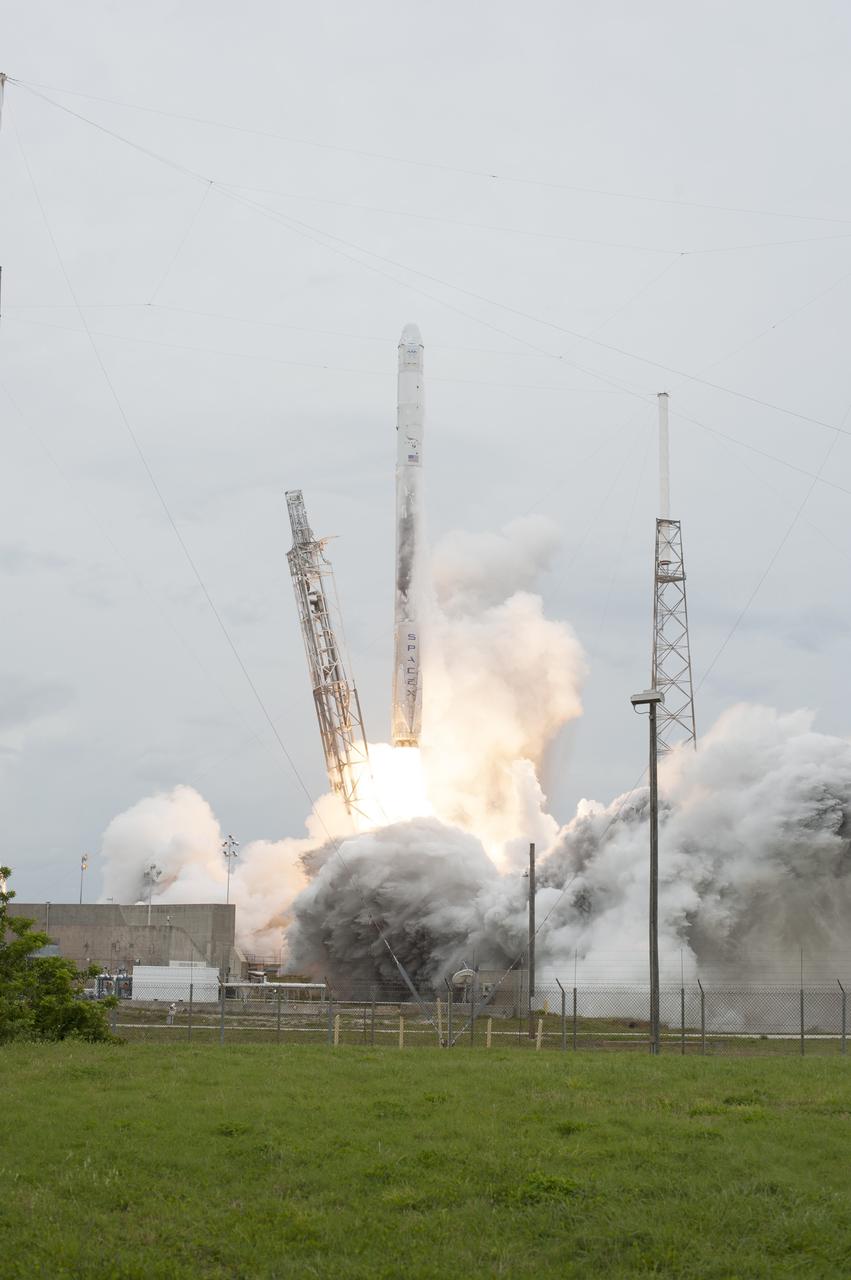
CAPE CANAVERAL, Fla. - As nine engines ignite under the SpaceX Falcon 9, the rocket springs to life at Space Launch Complex 40 on Cape Canaveral Air Force Station, boosting the Dragon resupply spacecraft on the SpaceX-3 mission to the International Space Station. Launch was at 3:25 p.m. EDT. Dragon is making its fourth trip to the space station. The SpaceX-3 mission, carrying almost 2.5 tons of supplies, technology and science experiments, is the third of 12 flights through a $1.6 billion NASA Commercial Resupply Services contract. Dragon's cargo will support more than 150 experiments that will be conducted during the station's Expeditions 39 and 40. For more information, visit http://www.nasa.gov/mission_pages/station/structure/launch/index.html. Photo credit: NASA/Tony Gray and Tim Powers
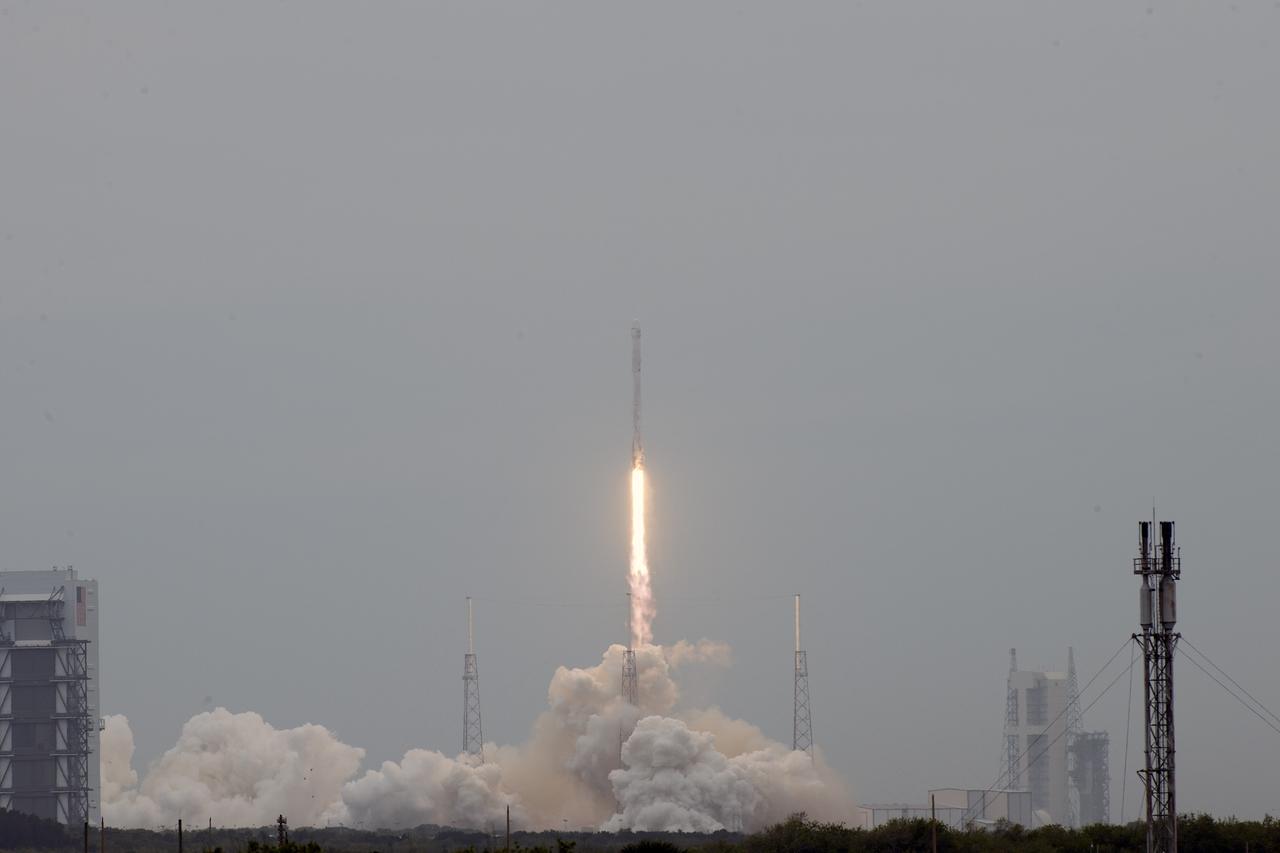
CAPE CANAVERAL, Fla. - The SpaceX-3 mission lifts off into the clouds over Space Launch Complex 40 on Cape Canaveral Air Force Station aboard a Falcon 9 rocket, carrying the Dragon resupply spacecraft to the International Space Station. Liftoff was during an instantaneous window at 3:25 p.m. EDT. Dragon is making its fourth trip to the space station. The SpaceX-3 mission, carrying almost 2.5 tons of supplies, technology and science experiments, is the third of 12 flights through a $1.6 billion NASA Commercial Resupply Services contract. Dragon's cargo will support more than 150 experiments that will be conducted during the station's Expeditions 39 and 40. For more information, visit http://www.nasa.gov/mission_pages/station/structure/launch/index.html. Photo credit: NASA/George Roberts
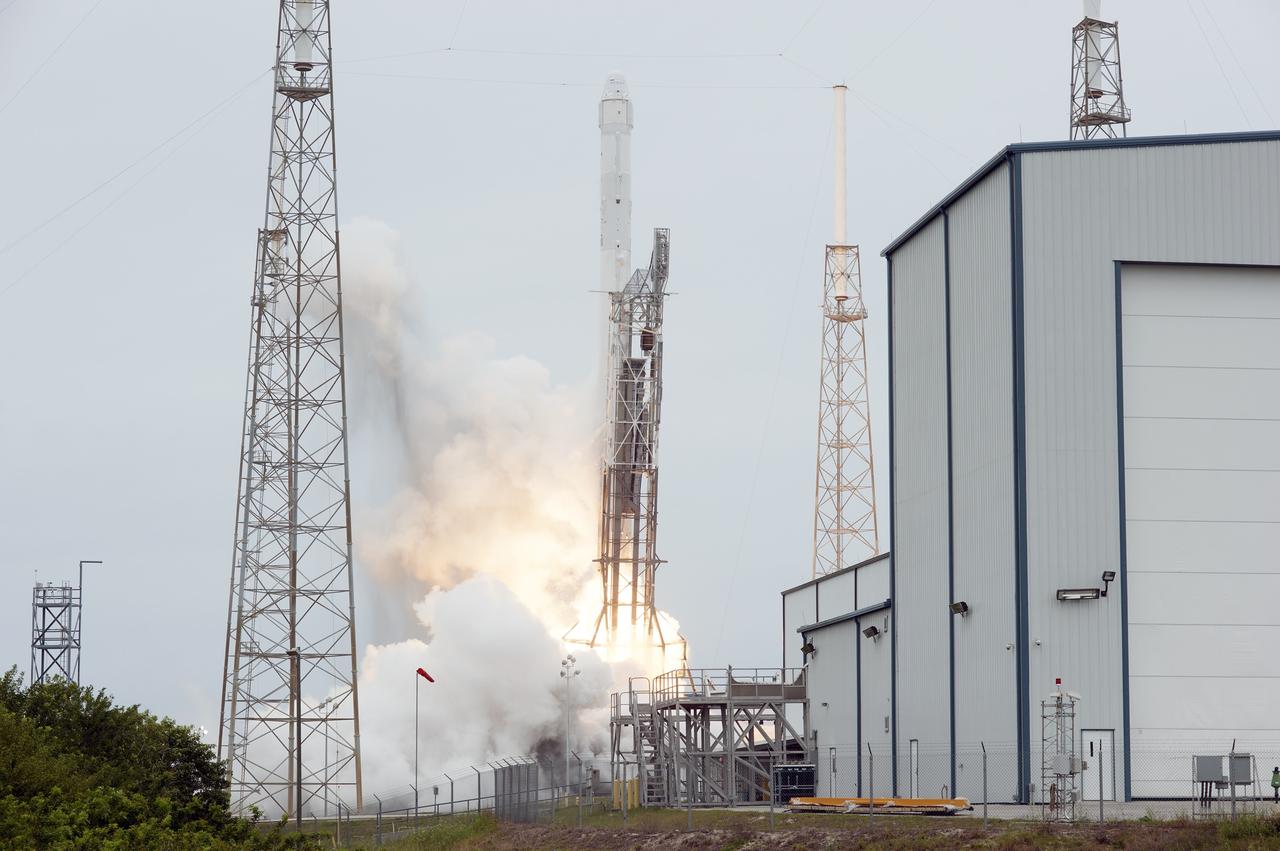
CAPE CANAVERAL, Fla. - An exhaust cloud builds under the Falcon 9 rocket on Space Launch Complex 40 on Cape Canaveral Air Force Station as the SpaceX-3 mission lifts off, carrying the Dragon resupply spacecraft to the International Space Station. Liftoff was during an instantaneous window at 3:25 p.m. EDT. Dragon is making its fourth trip to the space station. The SpaceX-3 mission, carrying almost 2.5 tons of supplies, technology and science experiments, is the third of 12 flights through a $1.6 billion NASA Commercial Resupply Services contract. Dragon's cargo will support more than 150 experiments that will be conducted during the station's Expeditions 39 and 40. For more information, visit http://www.nasa.gov/mission_pages/station/structure/launch/index.html. Photo credit: NASA/Tony Gray and Tim Powers
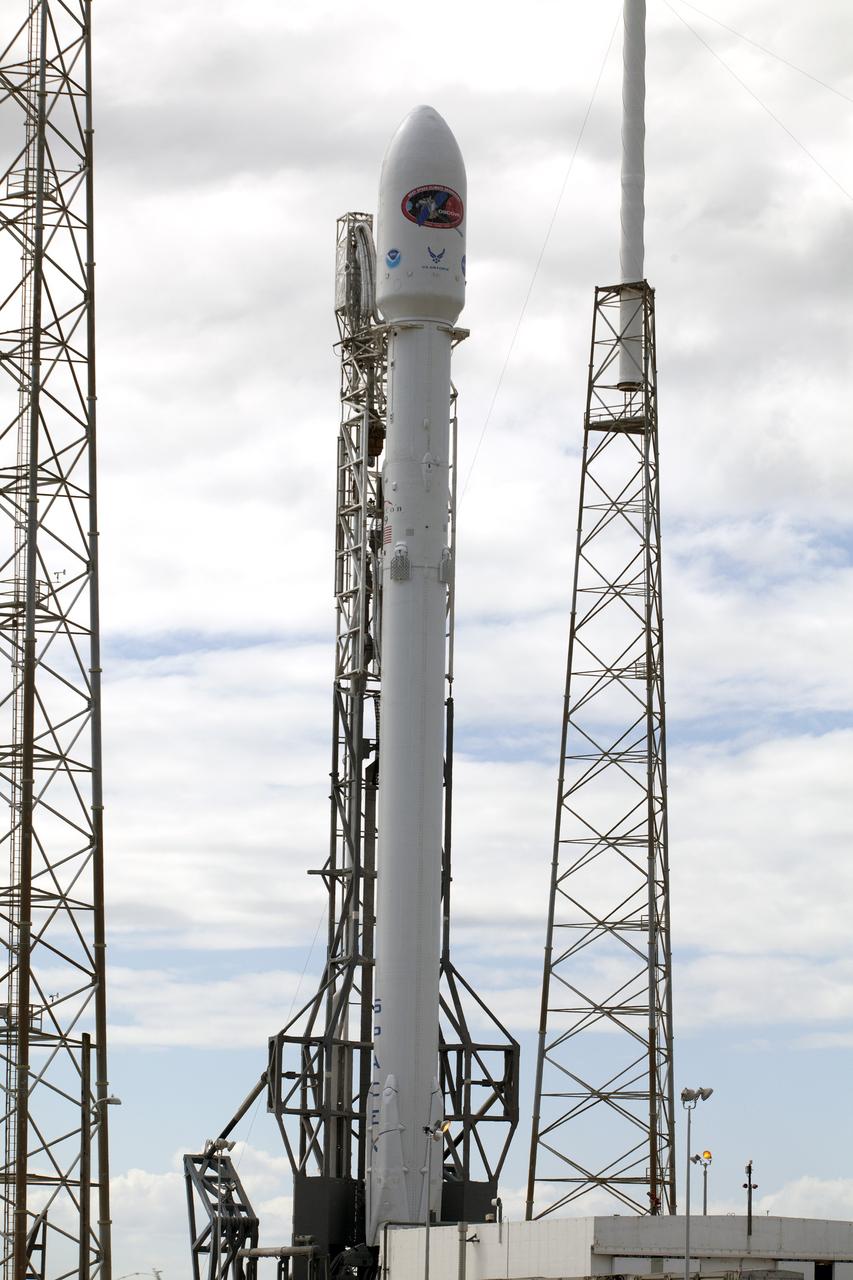
CAPE CANAVERAL, Fla. – The SpaceX Falcon 9 rocket set to launch NOAA’s Deep Space Climate Observatory spacecraft, or DSCOVR, is flanked by lightning masts at Space Launch Complex 40 at Cape Canaveral Air Force Station in Florida. DSCOVR is a partnership between NOAA, NASA and the U.S. Air Force. DSCOVR will maintain the nation's real-time solar wind monitoring capabilities which are critical to the accuracy and lead time of NOAA's space weather alerts and forecasts. To learn more about DSCOVR, visit http://www.nesdis.noaa.gov/DSCOVR. Photo credit: NASA/Kim Shiflett
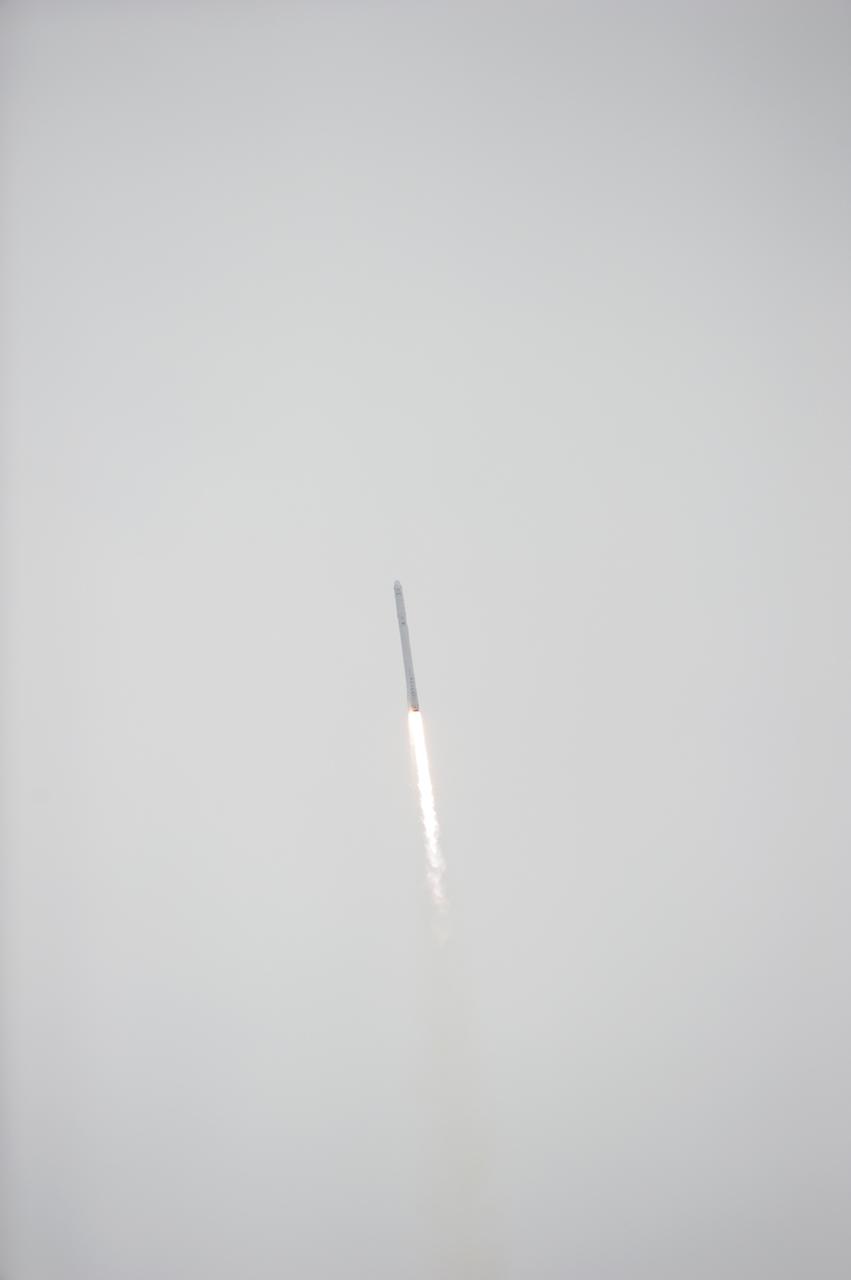
CAPE CANAVERAL, Fla. - The SpaceX-3 mission lifts off through the clouds over Space Launch Complex 40 on Cape Canaveral Air Force Station aboard a Falcon 9 rocket, carrying the Dragon resupply spacecraft to the International Space Station. Liftoff was during an instantaneous window at 3:25 p.m. EDT. Dragon is making its fourth trip to the space station. The SpaceX-3 mission, carrying almost 2.5 tons of supplies, technology and science experiments, is the third of 12 flights under NASA's Commercial Resupply Services contract to resupply the orbiting laboratory. For more information, visit http://www.nasa.gov/mission_pages/station/structure/launch/index.html. Photo credit: NASA/Kim Shiflett
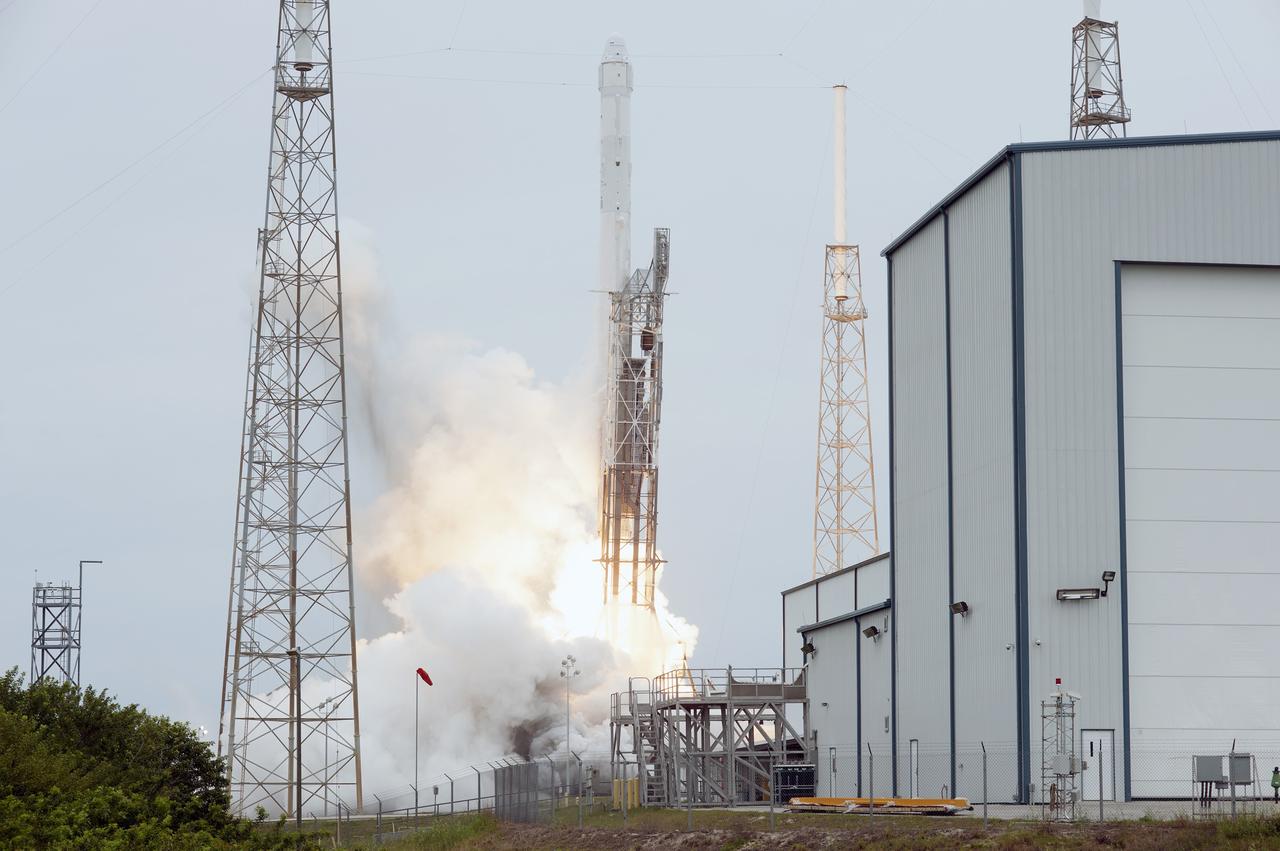
CAPE CANAVERAL, Fla. - An exhaust cloud forms under the Falcon 9 rocket on Space Launch Complex 40 on Cape Canaveral Air Force Station as the SpaceX-3 mission lifts off, carrying the Dragon resupply spacecraft to the International Space Station. Liftoff was during an instantaneous window at 3:25 p.m. EDT. Dragon is making its fourth trip to the space station. The SpaceX-3 mission, carrying almost 2.5 tons of supplies, technology and science experiments, is the third of 12 flights through a $1.6 billion NASA Commercial Resupply Services contract. Dragon's cargo will support more than 150 experiments that will be conducted during the station's Expeditions 39 and 40. For more information, visit http://www.nasa.gov/mission_pages/station/structure/launch/index.html. Photo credit: NASA/Tony Gray and Tim Powers
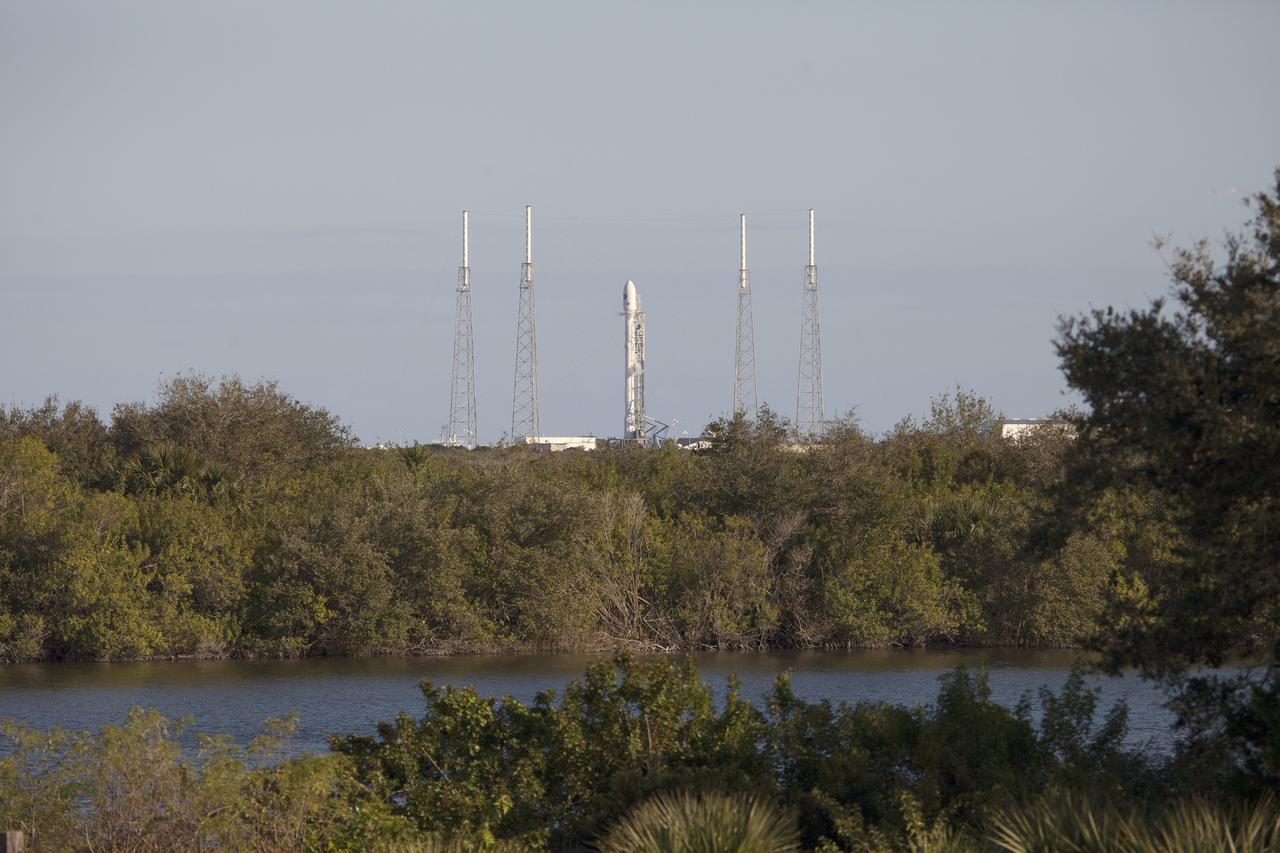
The SpaceX Falcon 9 rocket set to launch NOAA’s Deep Space Climate Observatory spacecraft, or DSCOVR, stands at Space Launch Complex 40 at Florida’s Cape Canaveral Air Force Station during the mission’s first launch attempt. The mission is a partnership between NOAA, NASA and the U.S. Air Force. DSCOVR will maintain the nation's real-time solar wind monitoring capabilities which are critical to the accuracy and lead time of NOAA's space weather alerts and forecasts. To learn more about DSCOVR, visit http://www.nesdis.noaa.gov/DSCOVR. Photo credit: NASA/Ben Smegelsky
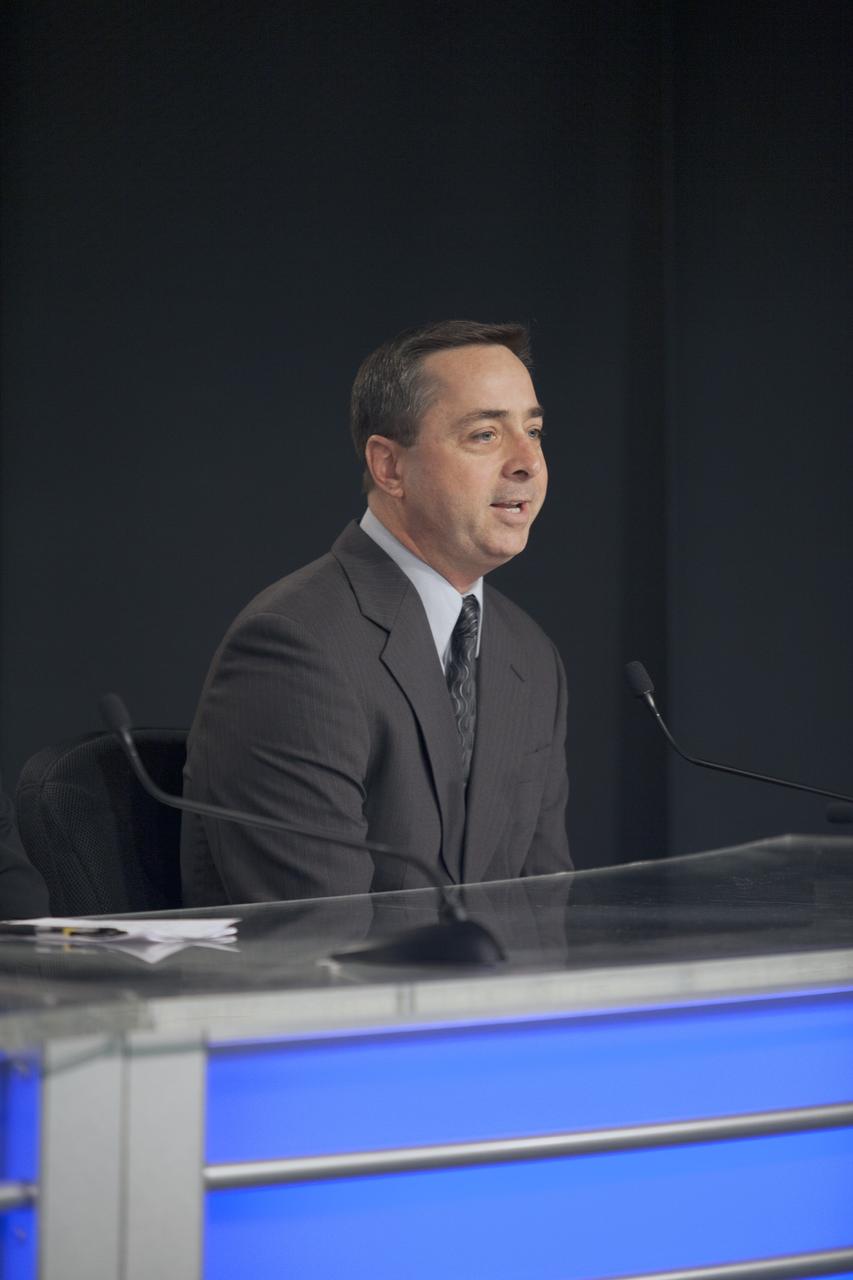
CAPE CANAVERAL, Fla. – Mike McAleenan, launch weather officer with the U.S. Air Force 45th Weather Squadron, provides an on the launch-day forecast during a briefing regarding NOAA’s Deep Space Climate Observatory spacecraft, or DSCOVR. DSCOVR will launch aboard a SpaceX Falcon 9 rocket. The mission is a partnership between NOAA, NASA and the U.S. Air Force. DSCOVR will maintain the nation's real-time solar wind monitoring capabilities which are critical to the accuracy and lead time of NOAA's space weather alerts and forecasts. To learn more about DSCOVR, visit http://www.nesdis.noaa.gov/DSCOVR. Photo credit: NASA/Kim Shiflett
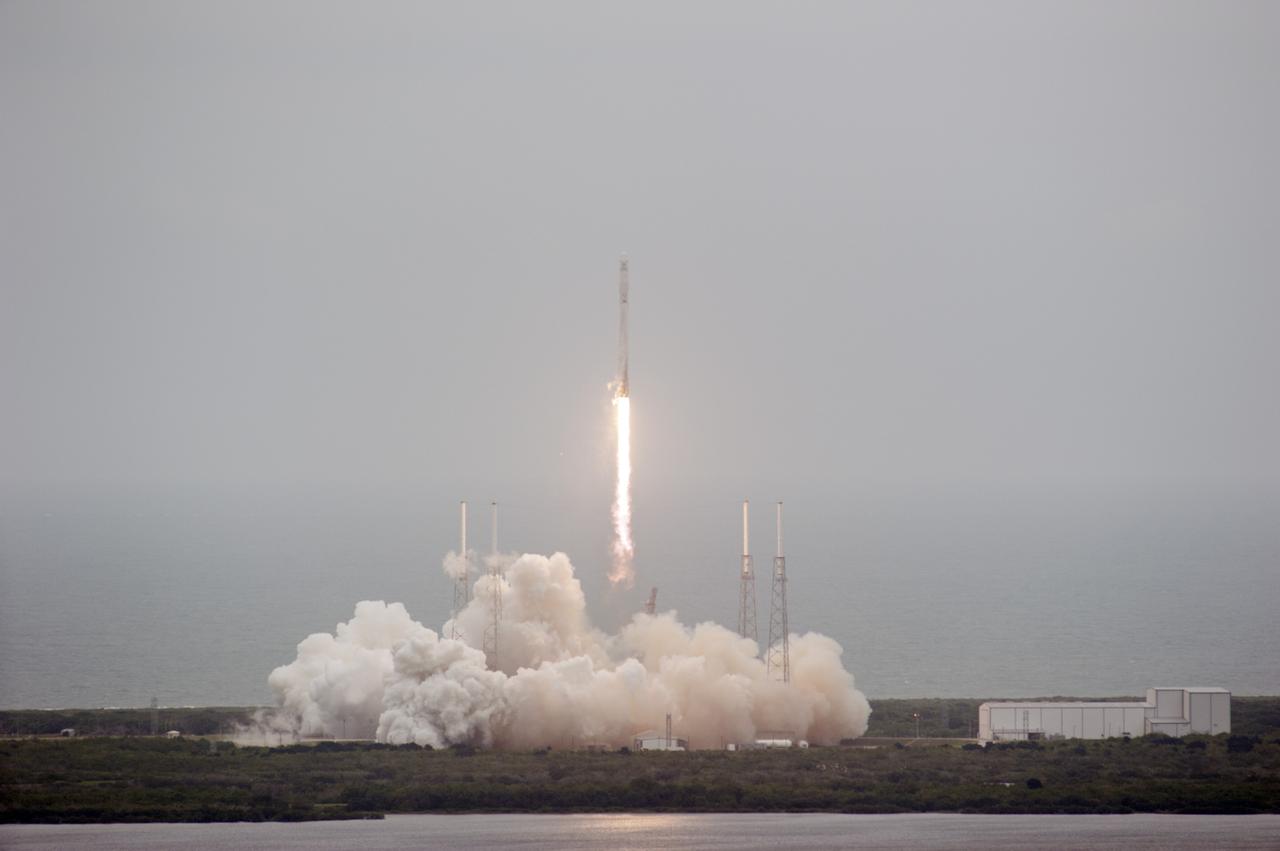
CAPE CANAVERAL, Fla. - The SpaceX Falcon 9 rocket rises above the lightning masts on Space Launch Complex 40 at Cape Canaveral Air Force Station, carrying the Dragon resupply spacecraft to the International Space Station. Liftoff was during an instantaneous window at 3:25 p.m. EDT. Dragon is making its fourth trip to the space station. The SpaceX-3 mission, carrying almost 2.5 tons of supplies, technology and science experiments, is the third of 12 flights under NASA's Commercial Resupply Services contract to resupply the orbiting laboratory. For more information, visit http://www.nasa.gov/mission_pages/station/structure/launch/index.html. Photo credit: NASA/Kim Shiflett
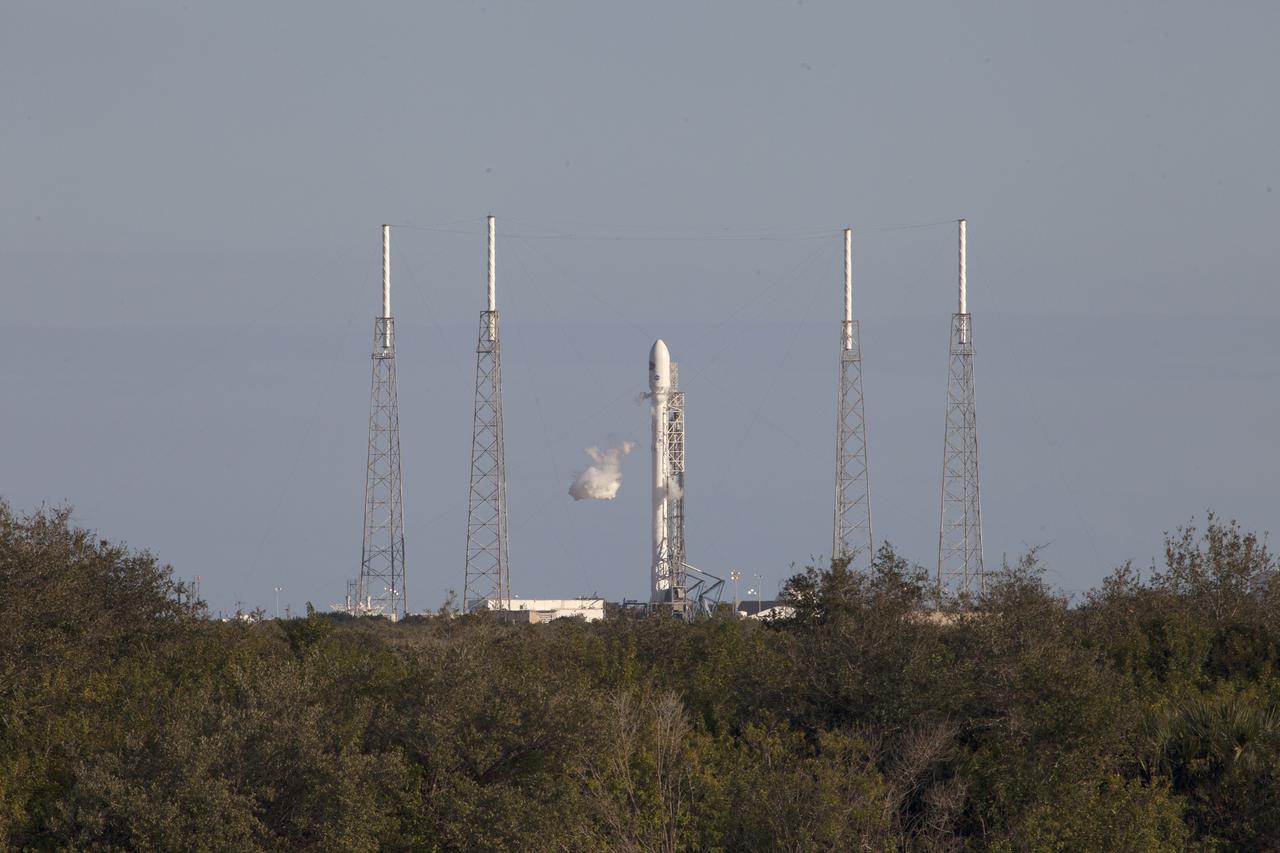
Gaseous oxygen vents away from the SpaceX Falcon 9 rocket standing at Space Launch Complex 40 at Florida’s Cape Canaveral Air Force Station during the first launch attempt for NOAA’s Deep Space Climate Observatory spacecraft, or DSCOVR. The mission is a partnership between NOAA, NASA and the U.S. Air Force. DSCOVR will maintain the nation's real-time solar wind monitoring capabilities which are critical to the accuracy and lead time of NOAA's space weather alerts and forecasts. To learn more about DSCOVR, visit http://www.nesdis.noaa.gov/DSCOVR. Photo credit: NASA/Ben Smegelsky
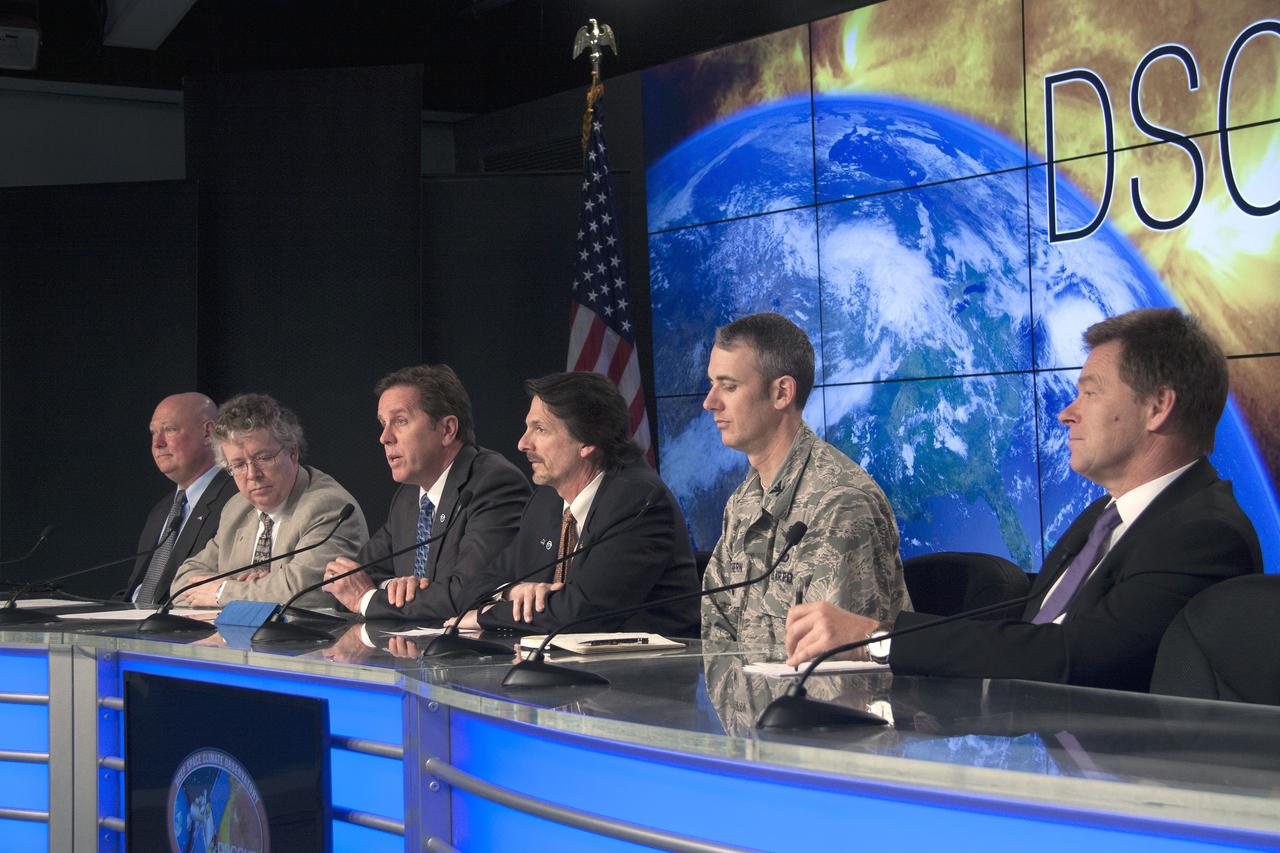
CAPE CANAVERAL, Fla. – A prelaunch briefing at NASA’s Kennedy Space Center in Florida brings media up to date on preparations for the liftoff of NOAA’s Deep Space Climate Observatory spacecraft, or DSCOVR. From left are Michael Curie, moderator, NASA Public Affairs, Stephen Volz, assistant administrator of the NOAA Satellite and Information Service, Tom Berger, director of the NOAA Space Weather Prediction Center, Steven Clarke, NASA Joint Agency Satellite Division director for the agency’s Science Mission Directorate, Col. D. Jason Cothern, Space Demonstrations Division chief at Kirtland Air Force Base in Albuquerque, New Mexico, and Hans Koenigsmann, vice president of mission assurance at SpaceX. DSCOVR will launch aboard a SpaceX Falcon 9 rocket. The mission is a partnership between NOAA, NASA and the U.S. Air Force. DSCOVR will maintain the nation's real-time solar wind monitoring capabilities which are critical to the accuracy and lead time of NOAA's space weather alerts and forecasts. To learn more about DSCOVR, visit http://www.nesdis.noaa.gov/DSCOVR. Photo credit: NASA/Jim Grossman
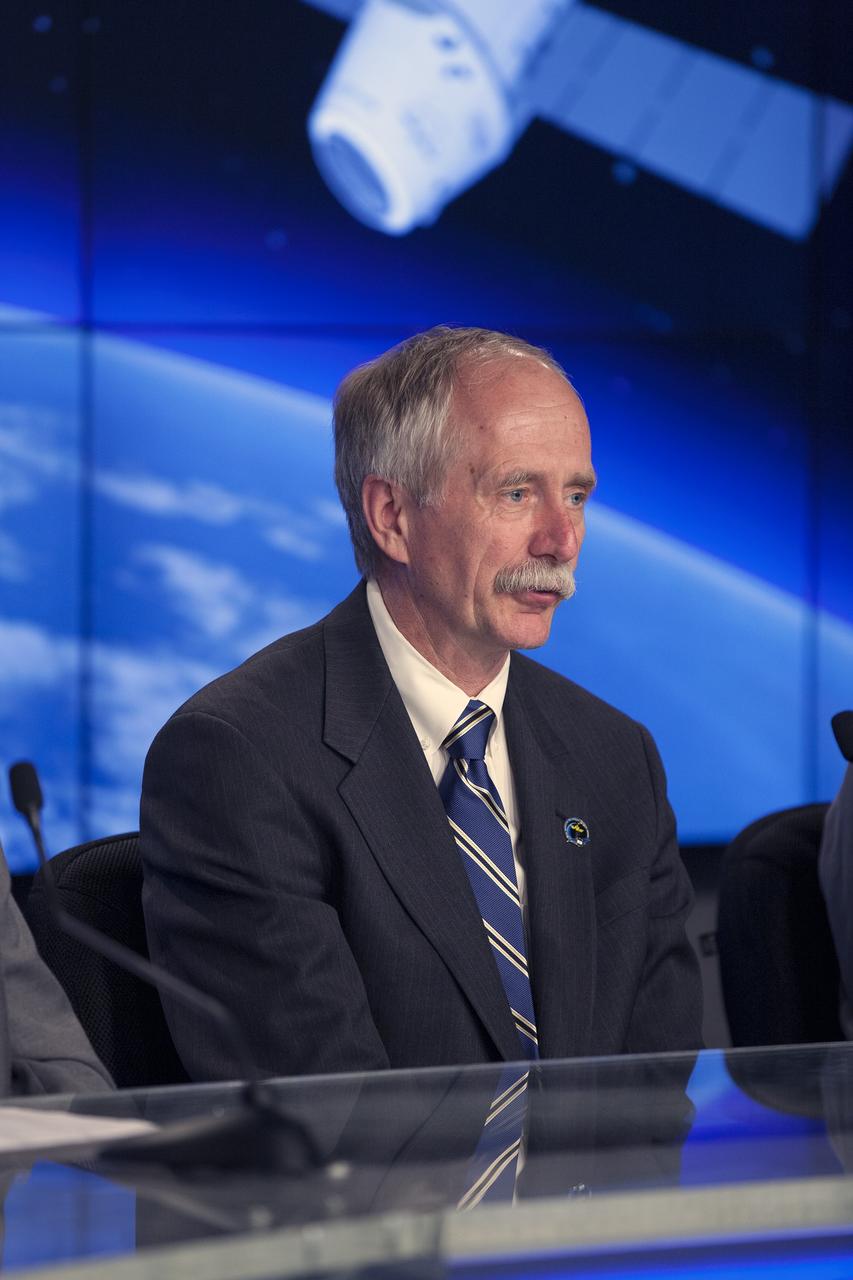
CAPE CANAVERAL, Fla. - NASA Associate Administrator for Human Exploration and Operations William Gersteinmeier participates in a SpaceX-3 post-launch news conference in the NASA Press Site television auditorium at Kennedy Space Center in Florida. SpaceX-3 launched at 3:25 p.m. EDT aboard a Falcon 9 rocket carrying a Dragon capsule from Space Launch Complex 40 on Cape Canaveral Air Force Station. Dragon is making its fourth trip to the space station. The SpaceX-3 mission, carrying almost 2.5 tons of supplies, technology and science experiments, is the third of 12 flights through a $1.6 billion NASA Commercial Resupply Services contract. Dragon's cargo will support more than 150 experiments that will be conducted during the station's Expeditions 39 and 40. For more information, visit http://www.nasa.gov/mission_pages/station/structure/launch/index.html. Photo credit: NASA/Kim Shiflett
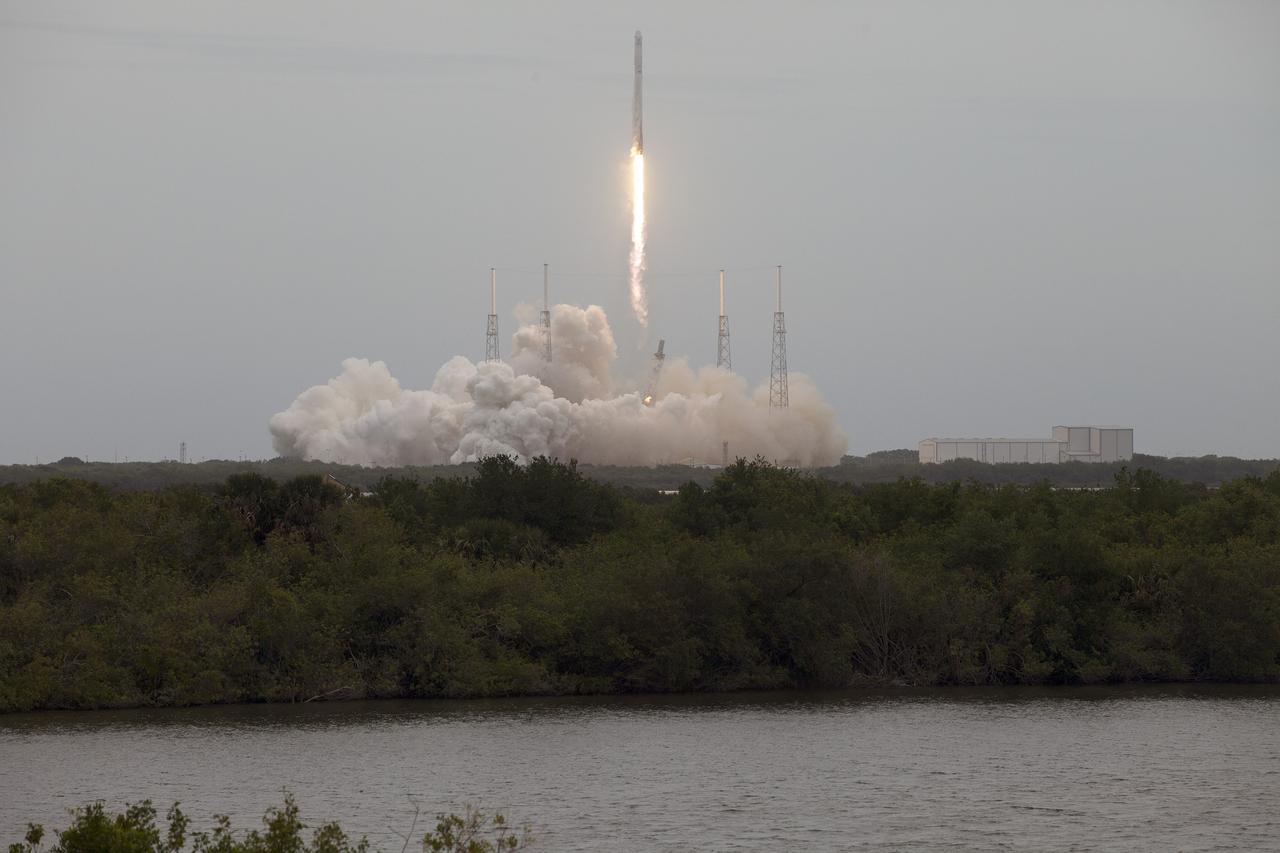
CAPE CANAVERAL, Fla. - The SpaceX-3 mission soars into the clouds over Space Launch Complex 40 on Cape Canaveral Air Force Station aboard a Falcon 9 rocket, carrying the Dragon resupply spacecraft to the International Space Station. Liftoff was during an instantaneous window at 3:25 p.m. EDT. Dragon is making its fourth trip to the space station. The SpaceX-3 mission, carrying almost 2.5 tons of supplies, technology and science experiments, is the third of 12 flights through a $1.6 billion NASA Commercial Resupply Services contract. Dragon's cargo will support more than 150 experiments that will be conducted during the station's Expeditions 39 and 40. For more information, visit http://www.nasa.gov/mission_pages/station/structure/launch/index.html. Photo credit: NASA/Dan Casper
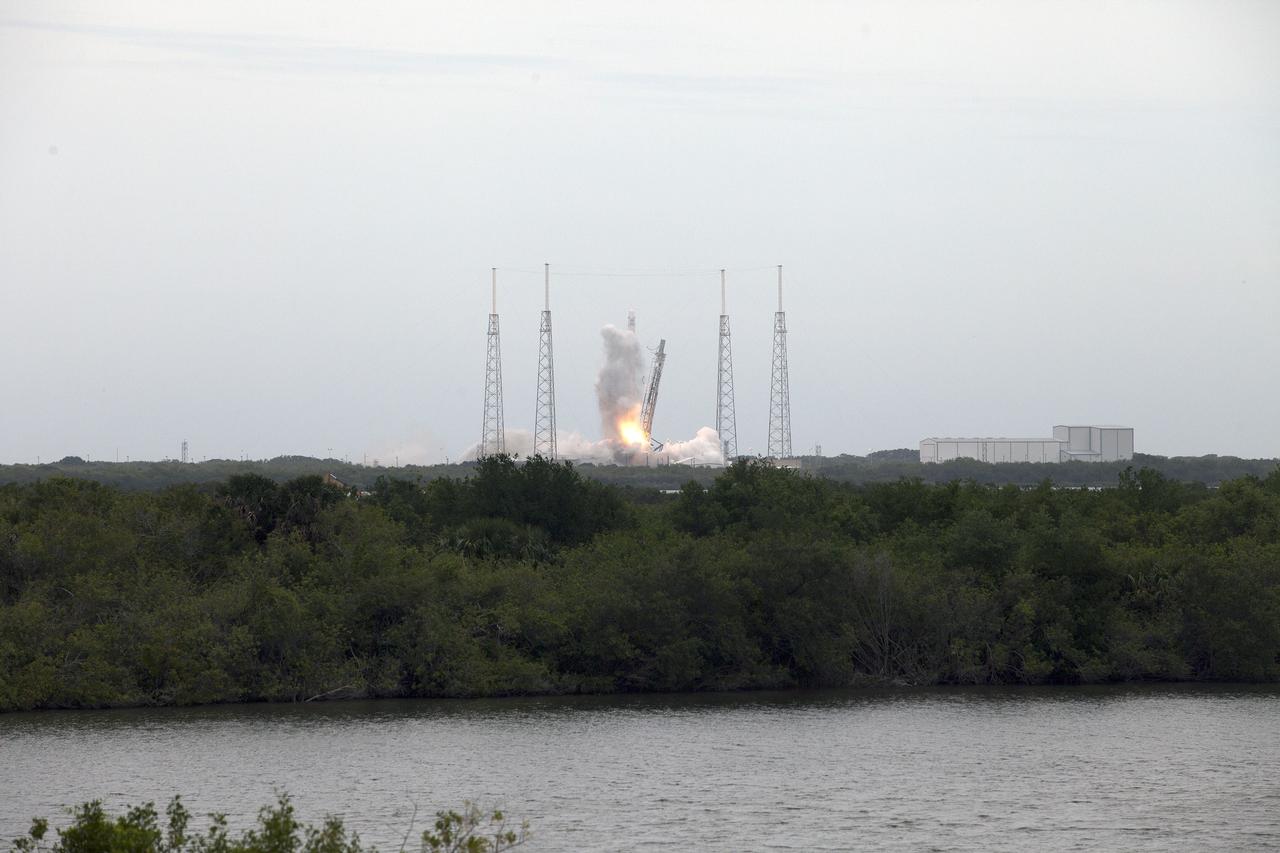
CAPE CANAVERAL, Fla. - The SpaceX-3 mission lifts off through the clouds over Space Launch Complex 40 on Cape Canaveral Air Force Station aboard a Falcon 9 rocket, carrying the Dragon resupply spacecraft to the International Space Station. Liftoff was during an instantaneous window at 3:25 p.m. EDT. Dragon is making its fourth trip to the space station. The SpaceX-3 mission, carrying almost 2.5 tons of supplies, technology and science experiments, is the third of 12 flights through a $1.6 billion NASA Commercial Resupply Services contract. Dragon's cargo will support more than 150 experiments that will be conducted during the station's Expeditions 39 and 40. For more information, visit http://www.nasa.gov/mission_pages/station/structure/launch/index.html. Photo credit: NASA/Dan Casper
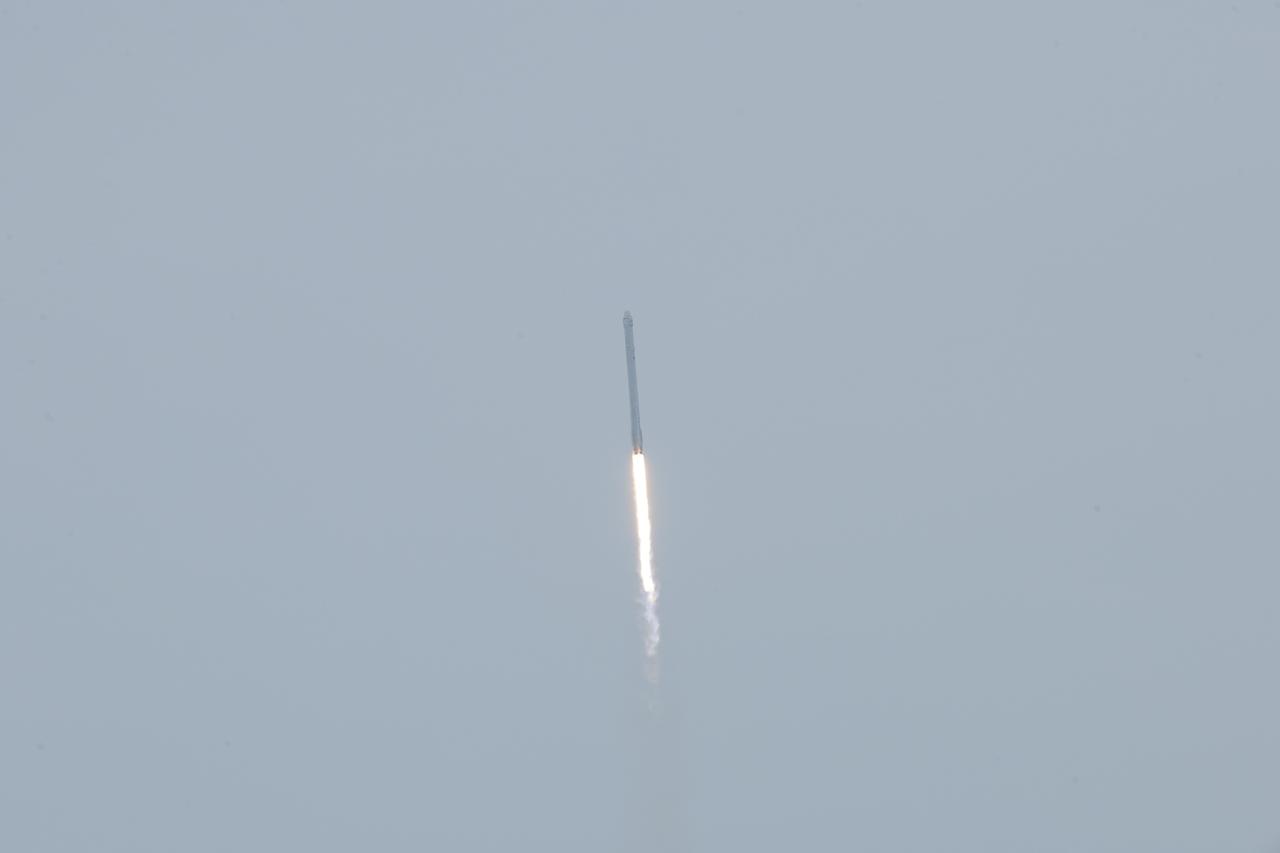
CAPE CANAVERAL, Fla. - Try as it may, the weather could not stop the launch of the SpaceX Falcon 9 rocket from Space Launch Complex 40 on Cape Canaveral Air Force Station, carrying the Dragon resupply spacecraft to the International Space Station. Liftoff was at 3:25 p.m. EDT. Dragon is making its fourth trip to the space station. The SpaceX-3 mission, carrying almost 2.5 tons of supplies, technology and science experiments, is the third of 12 flights through a $1.6 billion NASA Commercial Resupply Services contract. Dragon's cargo will support more than 150 experiments that will be conducted during the station's Expeditions 39 and 40. For more information, visit http://www.nasa.gov/mission_pages/station/structure/launch/index.html. Photo credit: NASA/George Roberts
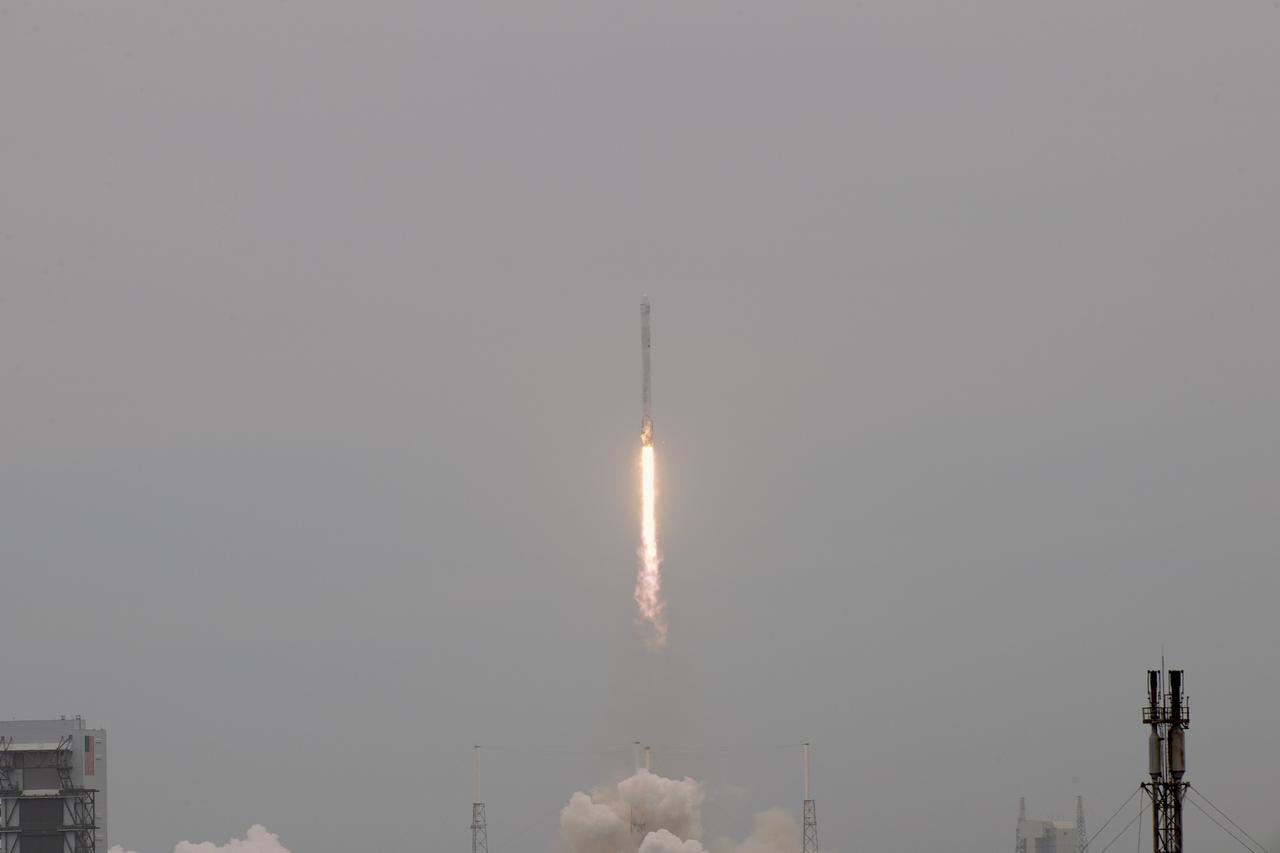
CAPE CANAVERAL, Fla. - The SpaceX-3 mission lifts off into the clouds over Space Launch Complex 40 on Cape Canaveral Air Force Station aboard a Falcon 9 rocket, carrying the Dragon resupply spacecraft to the International Space Station. Liftoff was during an instantaneous window at 3:25 p.m. EDT. Dragon is making its fourth trip to the space station. The SpaceX-3 mission, carrying almost 2.5 tons of supplies, technology and science experiments, is the third of 12 flights through a $1.6 billion NASA Commercial Resupply Services contract. Dragon's cargo will support more than 150 experiments that will be conducted during the station's Expeditions 39 and 40. For more information, visit http://www.nasa.gov/mission_pages/station/structure/launch/index.html. Photo credit: NASA/George Roberts
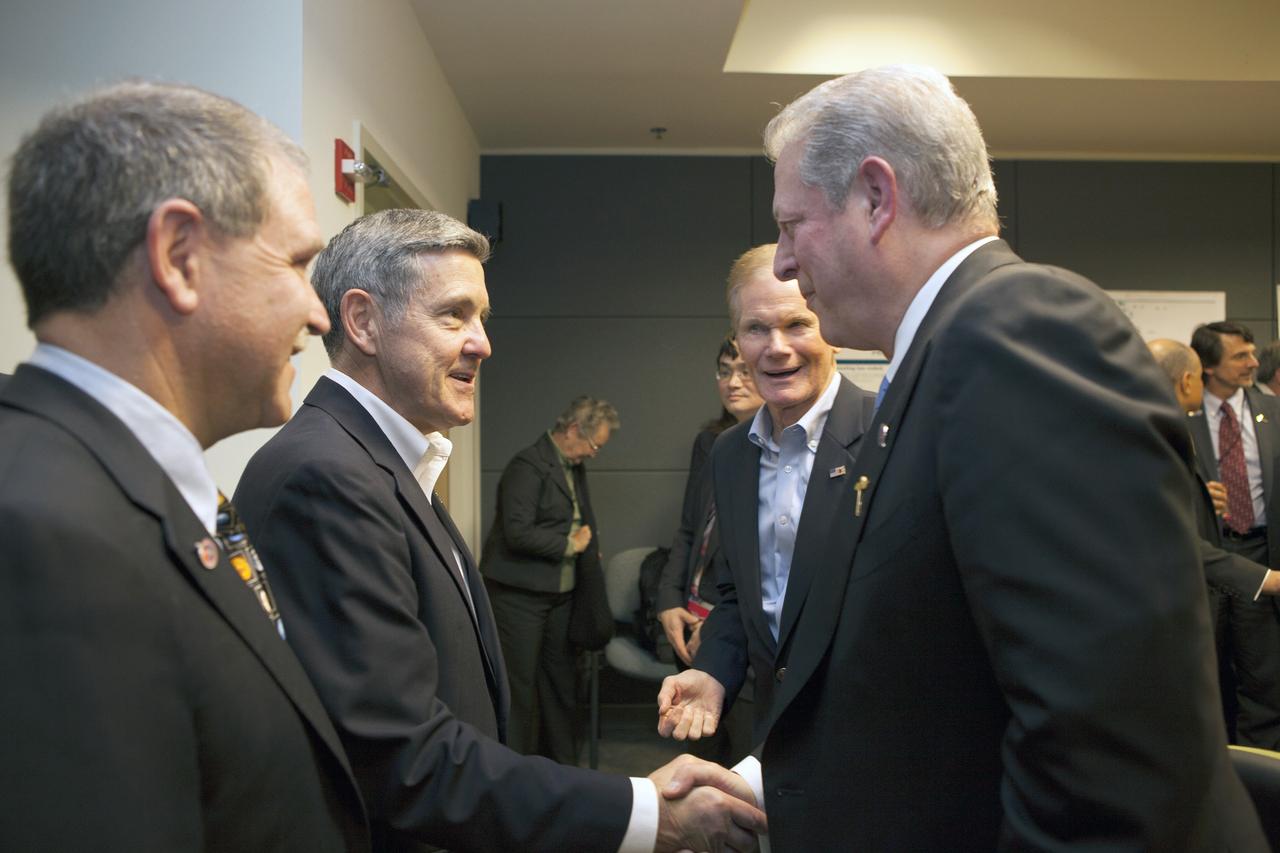
At NASA's Kennedy Space Center in Florida, former Vice President Al Gore, right, shakes the hand of Center Director Bob Cabana before a briefing on NOAA's Deep Space Climate Observatory mission, or DSCOVR. Joining them are John Grunsfeld, left, NASA associate administrator for the Science Mission Directorate, and Sen. Bill Nelson. DSCOVR will launch aboard a SpaceX Falcon 9 rocket. The mission is a partnership between NOAA, NASA and the U.S. Air Force. DSCOVR will maintain the nation's real-time solar wind monitoring capabilities which are critical to the accuracy and lead time of NOAA's space weather alerts and forecasts. To learn more about DSCOVR, visit http://www.nesdis.noaa.gov/DSCOVR. Photo credit: NASA/Kim Shiflett
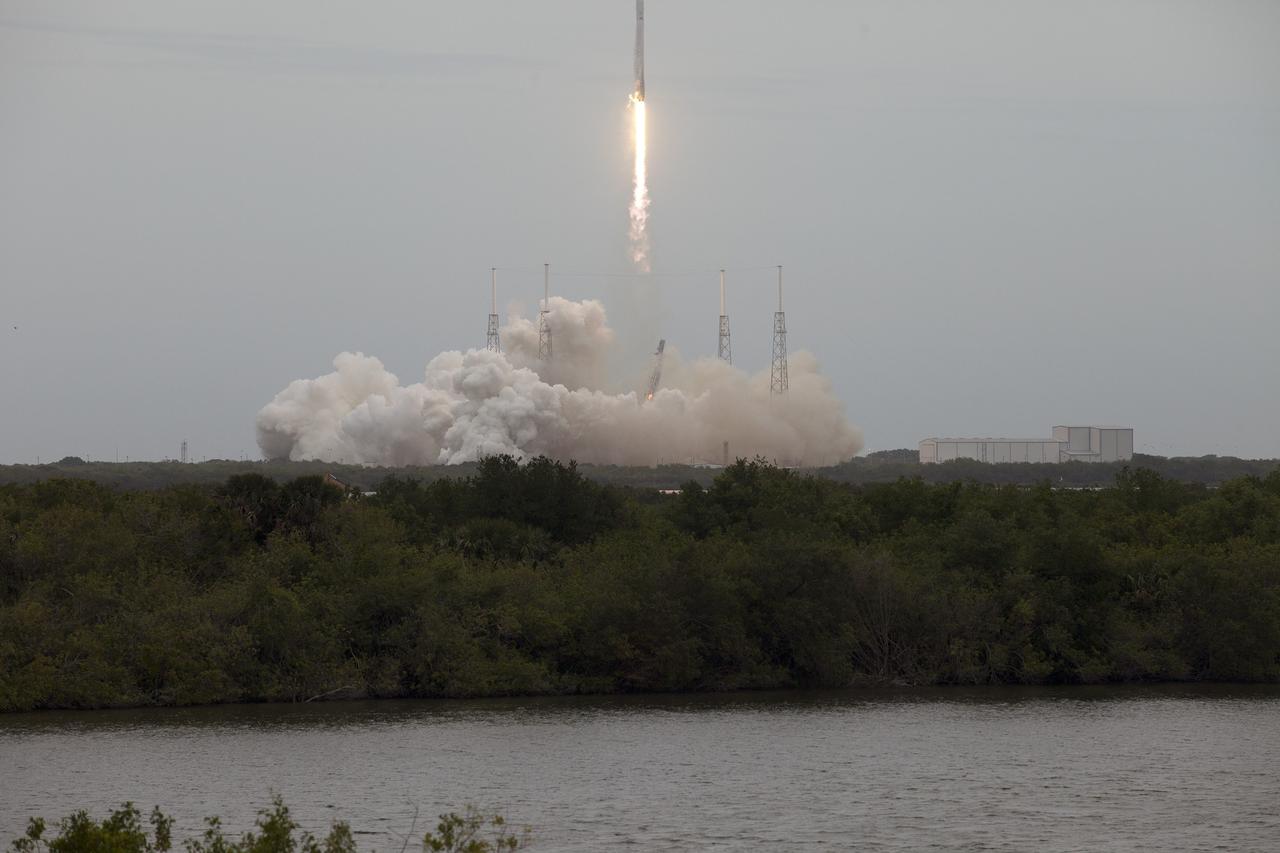
CAPE CANAVERAL, Fla. - Try as it may, the weather could not stop the launch of the SpaceX Falcon 9 rocket from Space Launch Complex 40 on Cape Canaveral Air Force Station, boosting the Dragon resupply spacecraft to the International Space Station. Liftoff was at 3:25 p.m. EDT. Dragon is making its fourth trip to the space station. The SpaceX-3 mission, carrying almost 2.5 tons of supplies, technology and science experiments, is the third of 12 flights through a $1.6 billion NASA Commercial Resupply Services contract. Dragon's cargo will support more than 150 experiments that will be conducted during the station's Expeditions 39 and 40. For more information, visit http://www.nasa.gov/mission_pages/station/structure/launch/index.html. Photo credit: NASA/Dan Casper
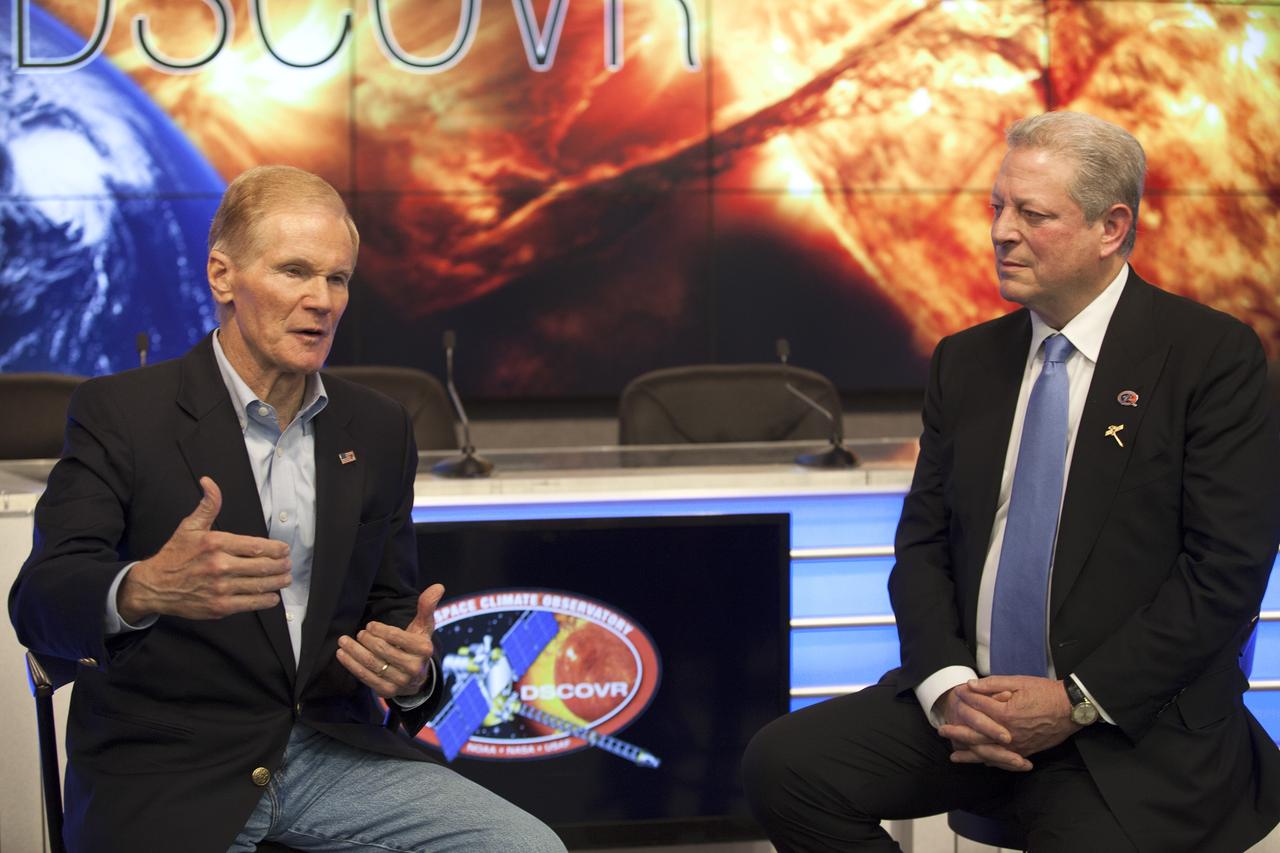
CAPE CANAVERAL, Fla. – Sen. Bill Nelson, left, answers a question as former Vice President Al Gore looks on during a visit with news media at NASA’s Kennedy Space Center in Florida prior to the planned liftoff of NOAA’s Deep Space Climate Observatory spacecraft, or DSCOVR. DSCOVR will launch aboard a SpaceX Falcon 9 rocket. The mission is a partnership between NOAA, NASA and the U.S. Air Force. DSCOVR will maintain the nation's real-time solar wind monitoring capabilities which are critical to the accuracy and lead time of NOAA's space weather alerts and forecasts. To learn more about DSCOVR, visit http://www.nesdis.noaa.gov/DSCOVR. Photo credit: NASA/Kim Shiflett
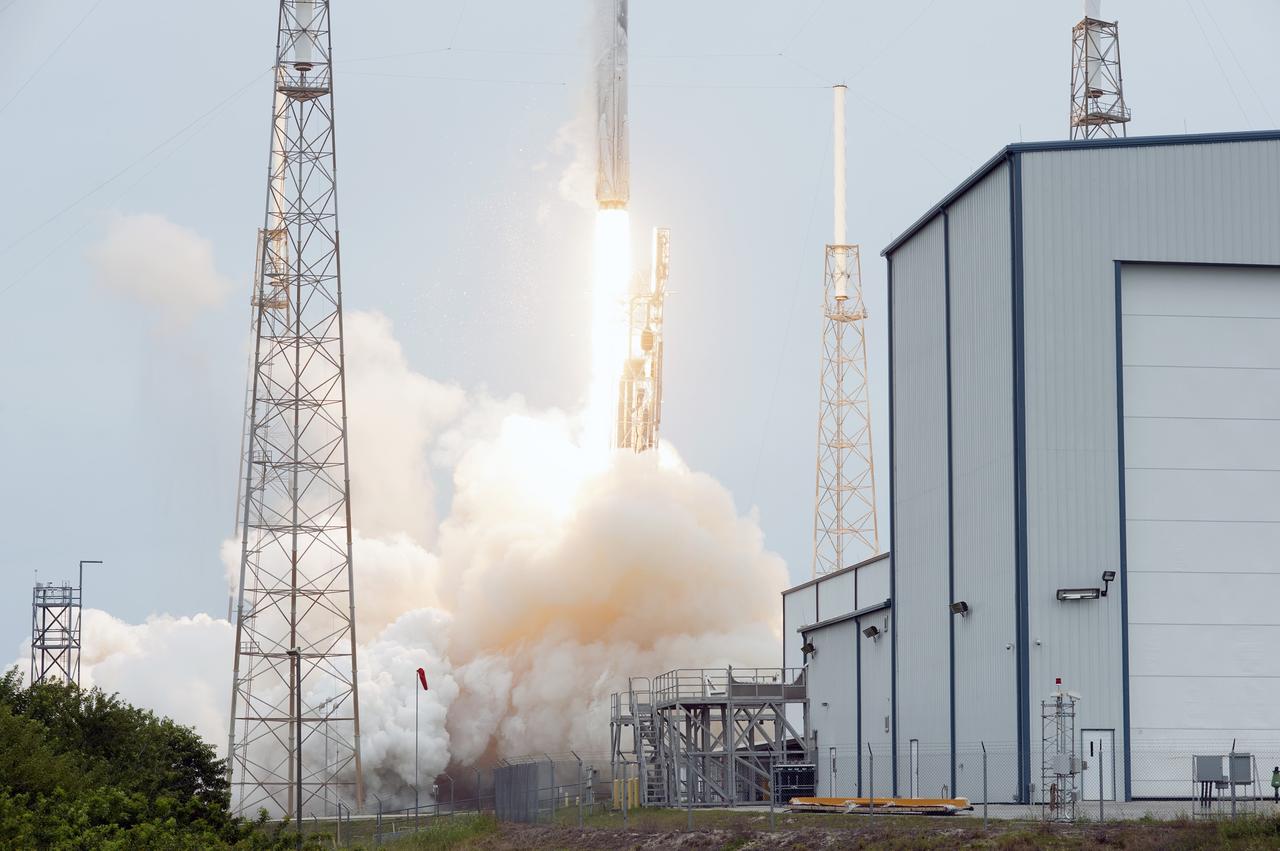
CAPE CANAVERAL, Fla. - The SpaceX Falcon 9 rocket roars past the lightning masts on Space Launch Complex 40 at Cape Canaveral Air Force Station as the SpaceX-3 mission begins, boosting the Dragon resupply spacecraft to the International Space Station. Liftoff was during an instantaneous window at 3:25 p.m. EDT. Dragon is making its fourth trip to the space station. The SpaceX-3 mission, carrying almost 2.5 tons of supplies, technology and science experiments, is the third of 12 flights through a $1.6 billion NASA Commercial Resupply Services contract. Dragon's cargo will support more than 150 experiments that will be conducted during the station's Expeditions 39 and 40. For more information, visit http://www.nasa.gov/mission_pages/station/structure/launch/index.html. Photo credit: NASA/Tony Gray and Tim Powers
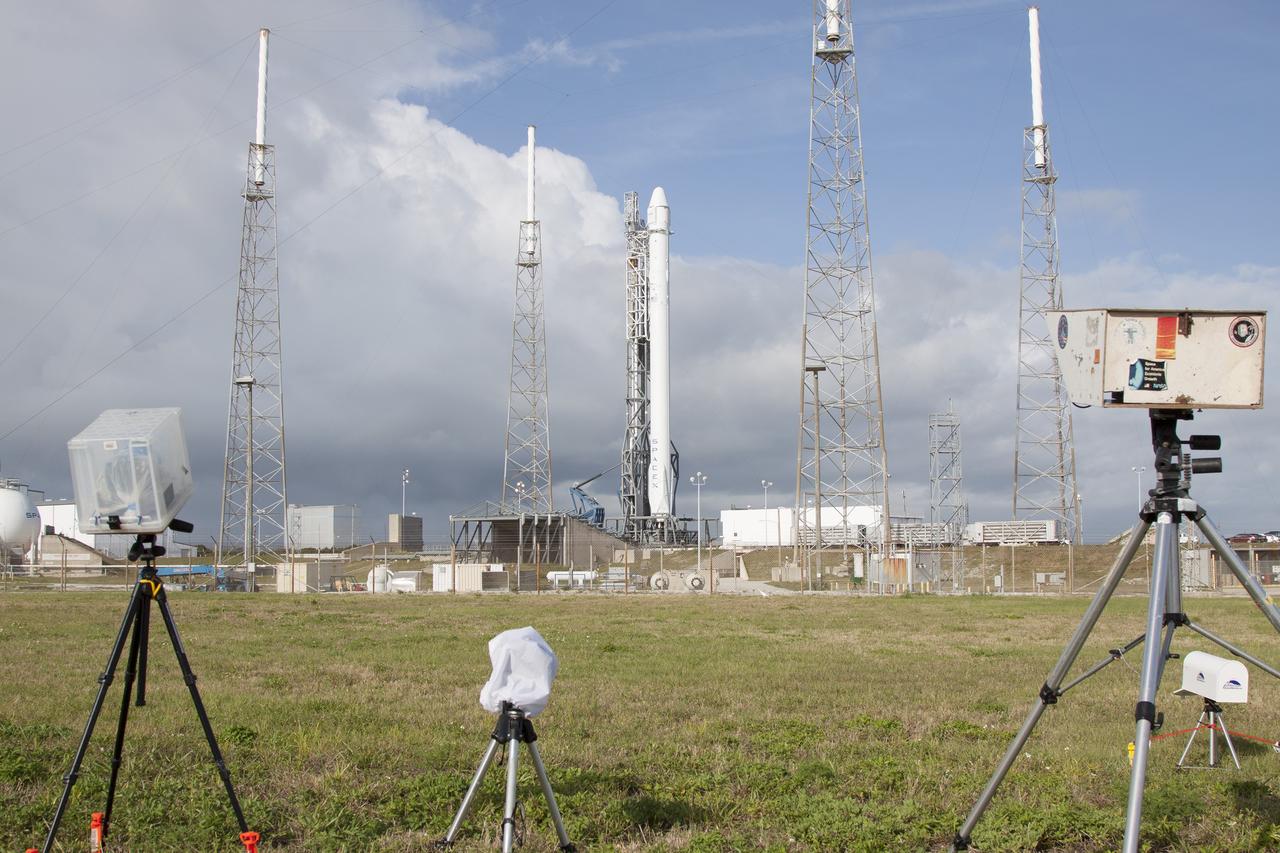
CAPE CANAVERAL, Fla. - Remote-controlled and motion-activated cameras are set up at Space Launch Complex 40 on Cape Canaveral Air Force Station in Florida to capture images of a SpaceX Falcon 9 rocket as it boosts a Dragon capsule on its third commercial resupply mission to deliver about 5,000 pounds of cargo to the International Space Station. Scheduled for launch at about 4:58 p.m. EDT April 14, Dragon will be making its fourth trip to the space station. The SpaceX-3 mission, carrying almost 2.5 tons of supplies, technology and science experiments, is the third of 12 flights under NASA's Commercial Resupply Services contract to resupply the orbiting laboratory. For more information, visit http://www.nasa.gov/mission_pages/station/structure/launch/index.html Photo credit: NASA/Glenn Benson
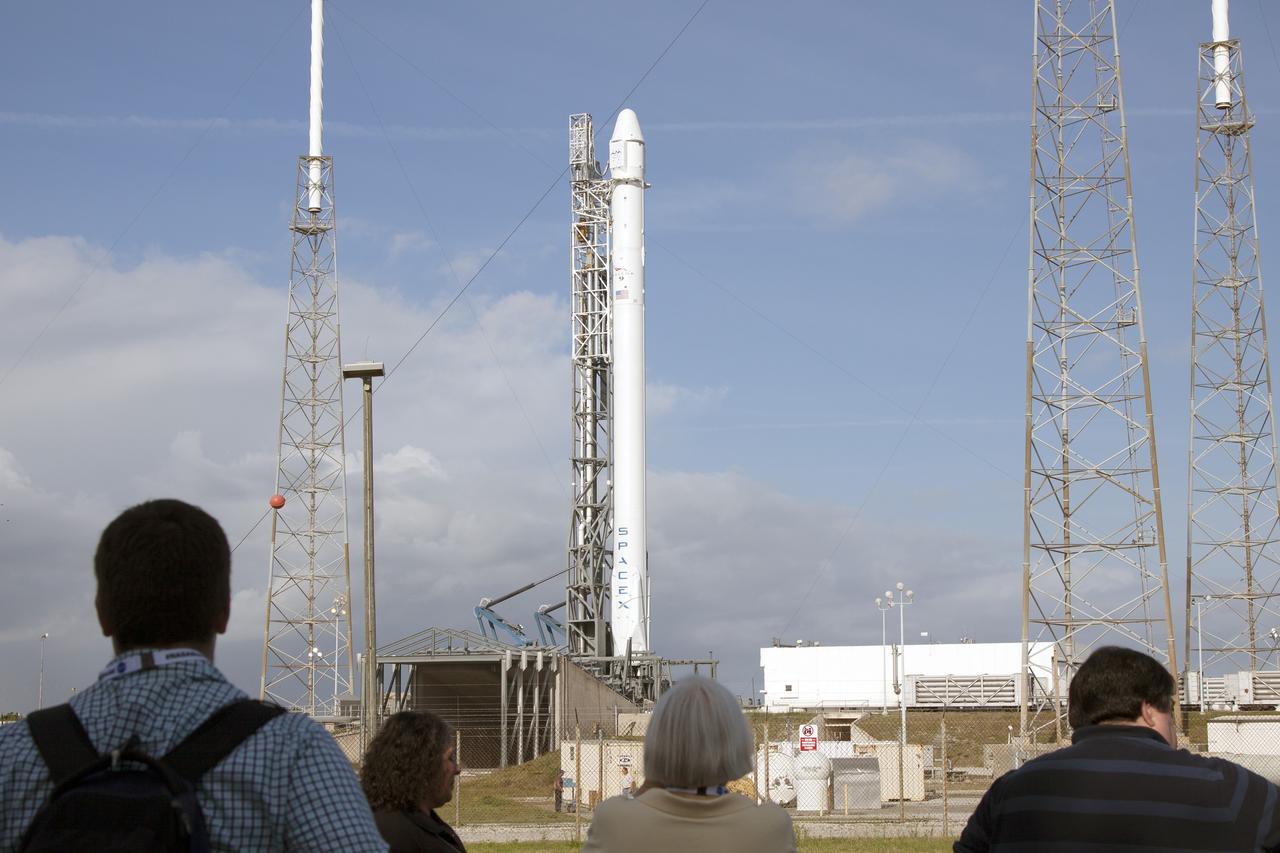
CAPE CANAVERAL, Fla. - Social media representatives get an up-close view of the SpaceX Falcon 9 rocket and Dragon Capsule on Space Launch Complex 40 on Cape Canaveral Air Force Station in Florida. NASA Social participants are given the same access as news media in an effort to align the experience of social media representatives with those of traditional media, including the opportunity to view a launch of SpaceX’s Falcon 9 rocket, tour NASA facilities at Kennedy Space Center, speak with representatives from both NASA and SpaceX, view and take photographs of the SpaceX launch pad, meet fellow space enthusiasts who are active on social media and meet members of SpaceX and NASA's social media teams. Scheduled for launch at about 4:58 p.m. EDT April 14, Dragon will be making its fourth trip to the space station. The SpaceX-3 mission, carrying almost 2.5 tons of supplies, technology and science experiments, is the third of 12 flights under NASA's Commercial Resupply Services contract to resupply the orbiting laboratory. For more information, visit http://www.nasa.gov/mission_pages/station/structure/launch/index.html Photo credit: NASA/Glenn Benson
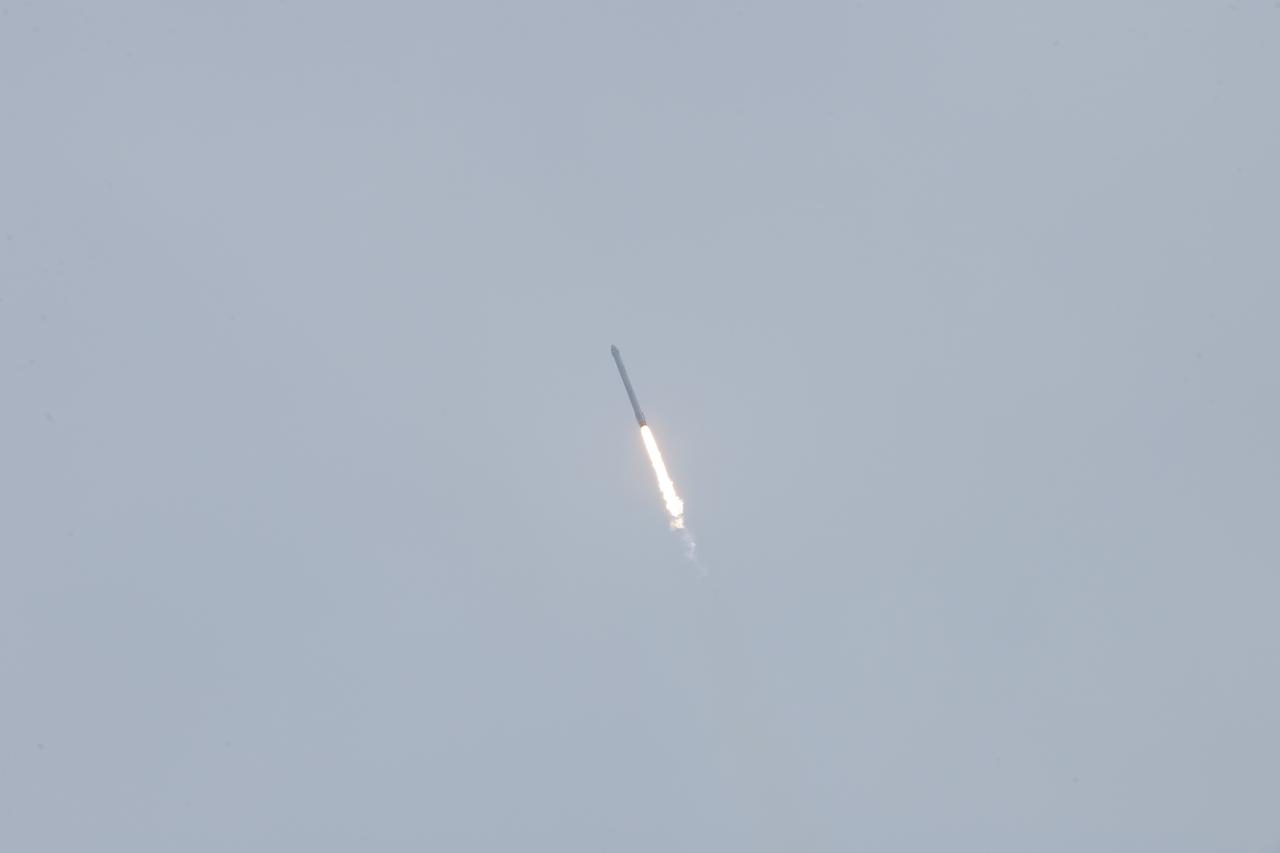
CAPE CANAVERAL, Fla. - The SpaceX-3 mission lifts off through the clouds over Space Launch Complex 40 on Cape Canaveral Air Force Station aboard a Falcon 9 rocket, carrying the Dragon resupply spacecraft to the International Space Station. Liftoff was during an instantaneous window at 3:25 p.m. EDT. Dragon is making its fourth trip to the space station. The SpaceX-3 mission, carrying almost 2.5 tons of supplies, technology and science experiments, is the third of 12 flights through a $1.6 billion NASA Commercial Resupply Services contract. Dragon's cargo will support more than 150 experiments that will be conducted during the station's Expeditions 39 and 40. For more information, visit http://www.nasa.gov/mission_pages/station/structure/launch/index.html. Photo credit: NASA/George Roberts
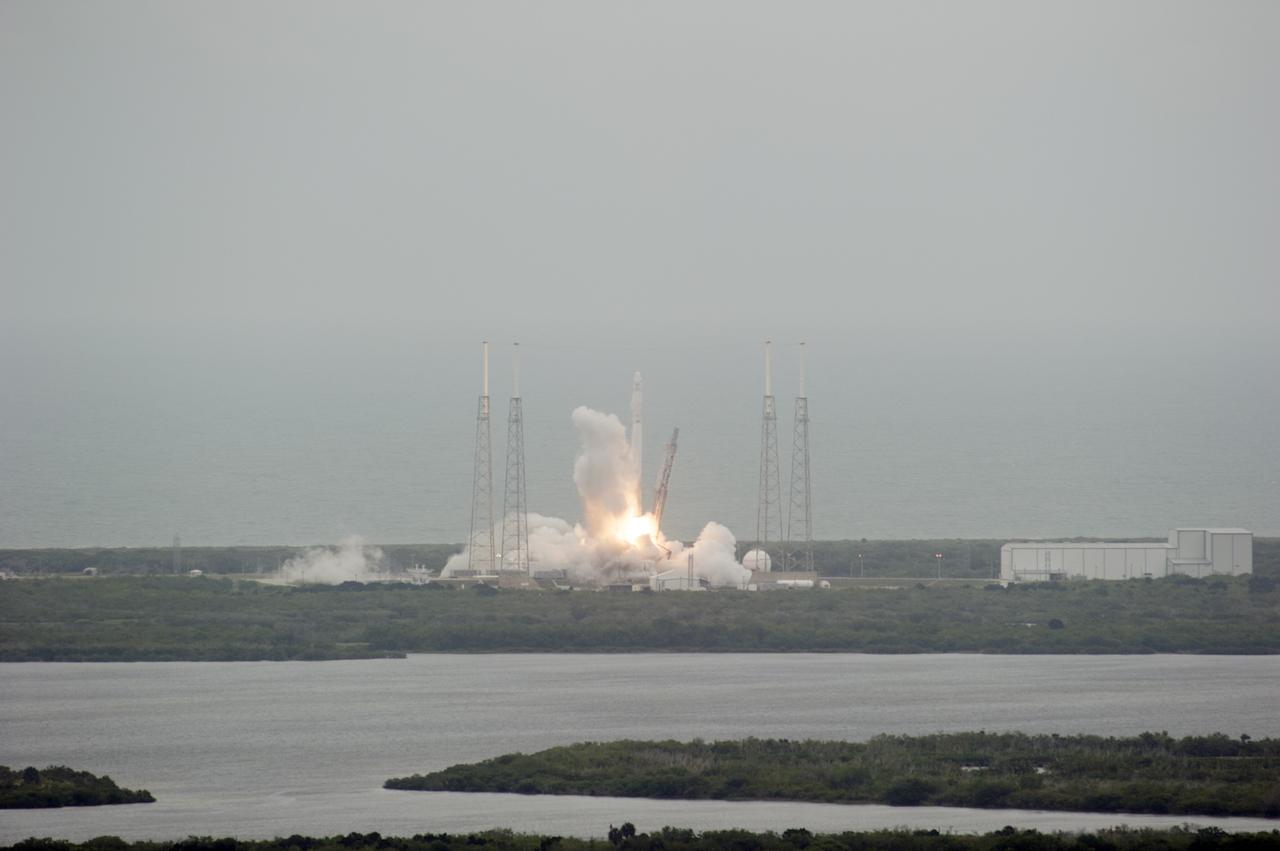
CAPE CANAVERAL, Fla. - An exhaust cloud builds around the Falcon 9 rocket on Space Launch Complex 40 on Cape Canaveral Air Force Station as the SpaceX-3 mission lifts off, carrying the Dragon resupply spacecraft to the International Space Station. Liftoff was during an instantaneous window at 3:25 p.m. EDT. Dragon is making its fourth trip to the space station. The SpaceX-3 mission, carrying almost 2.5 tons of supplies, technology and science experiments, is the third of 12 flights under NASA's Commercial Resupply Services contract to resupply the orbiting laboratory. For more information, visit http://www.nasa.gov/mission_pages/station/structure/launch/index.html. Photo credit: NASA/Kim Shiflett
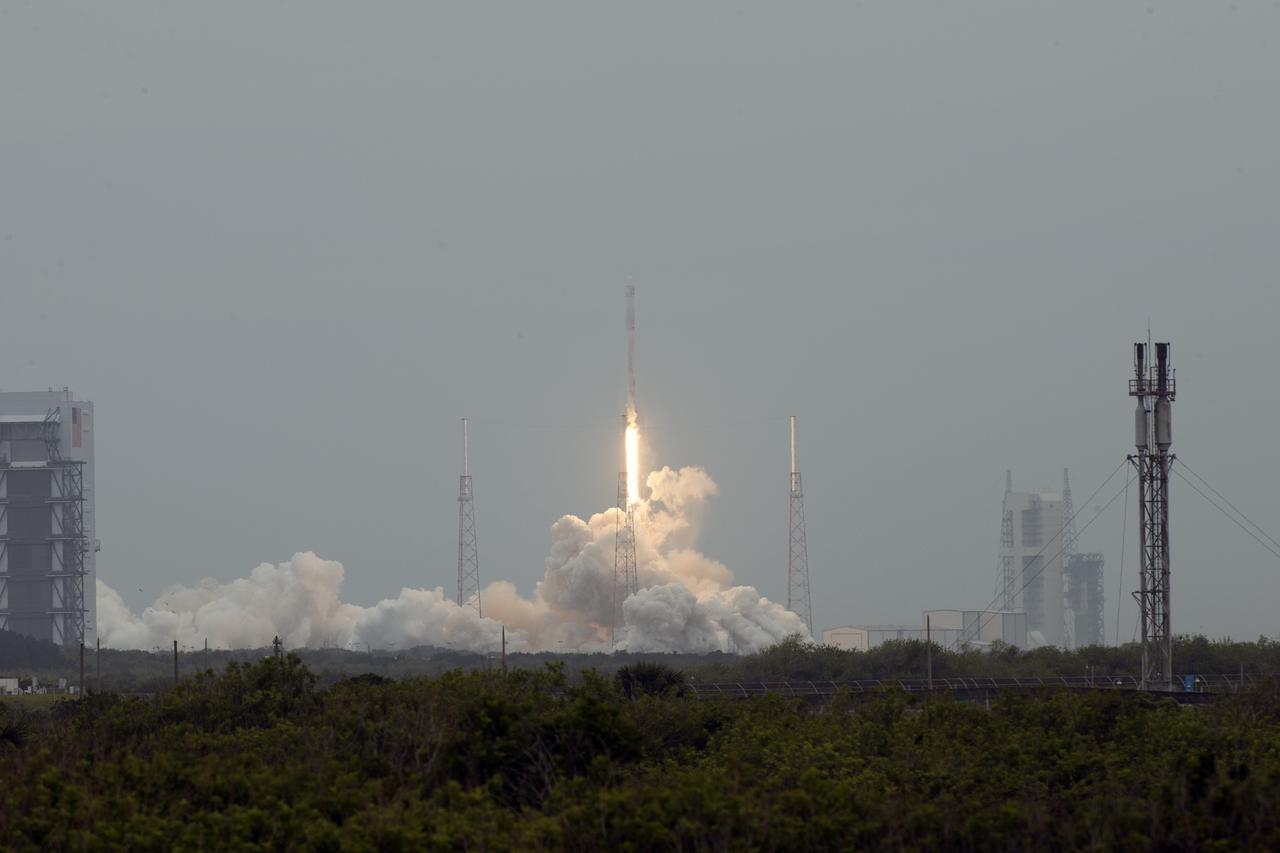
CAPE CANAVERAL, Fla. - The SpaceX Falcon 9 rocket rises above the lightning masts on Space Launch Complex 40 at Cape Canaveral Air Force Station, carrying the Dragon resupply spacecraft to the International Space Station. Liftoff was during an instantaneous window at 3:25 p.m. EDT. Dragon is making its fourth trip to the space station. The SpaceX-3 mission, carrying almost 2.5 tons of supplies, technology and science experiments, is the third of 12 flights through a $1.6 billion NASA Commercial Resupply Services contract. Dragon's cargo will support more than 150 experiments that will be conducted during the station's Expeditions 39 and 40. For more information, visit http://www.nasa.gov/mission_pages/station/structure/launch/index.html. Photo credit: NASA/George Roberts
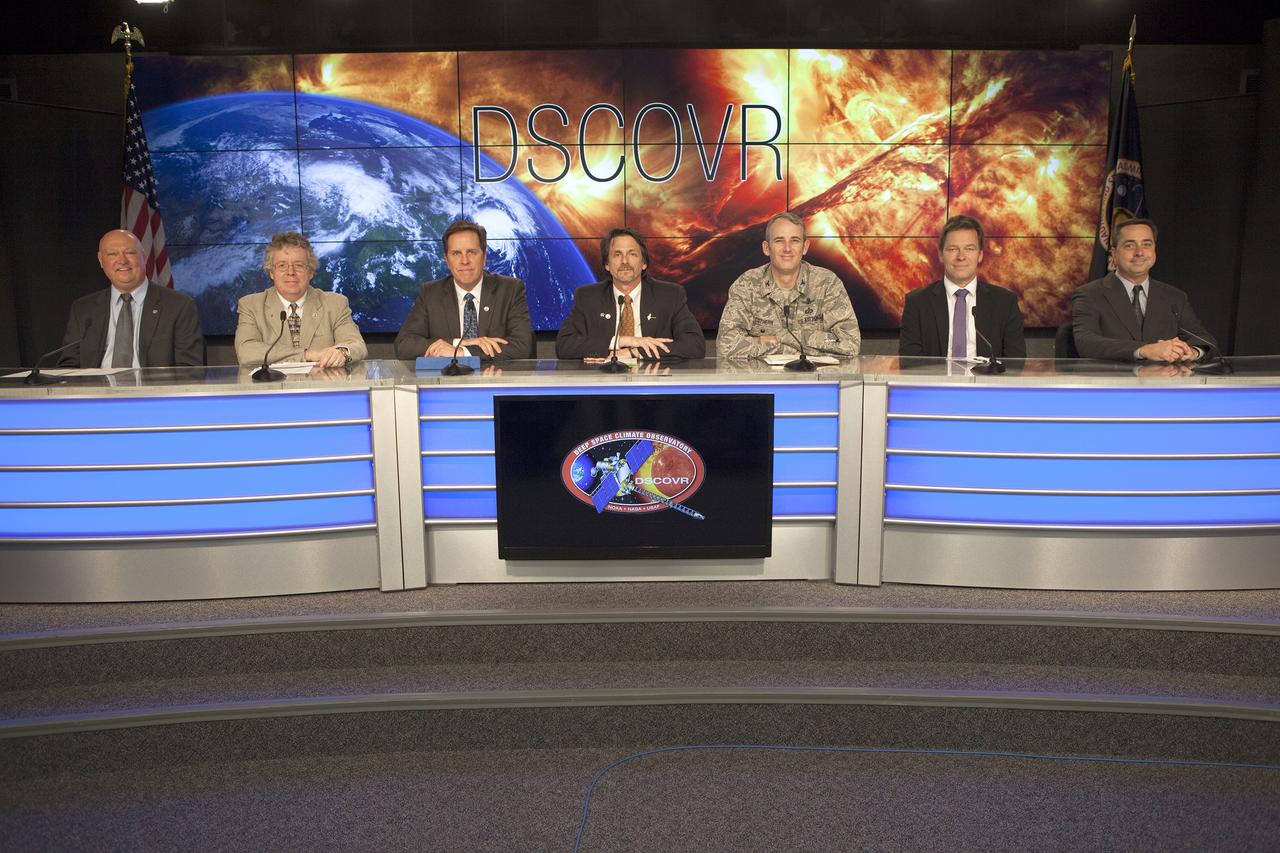
CAPE CANAVERAL, Fla. – Launch and mission officials prepare for the start of a prelaunch briefing at NASA’s Kennedy Space Center in Florida regarding NOAA’s Deep Space Climate Observatory mission, or DSCOVR. From left are Michael Curie, moderator, NASA Public Affairs, Stephen Volz, assistant administrator of the NOAA Satellite and Information Service, Tom Berger, director of the NOAA Space Weather Prediction Center, Steven Clarke, NASA Joint Agency Satellite Division director for the agency’s Science Mission Directorate, Col. D. Jason Cothern, Space Demonstrations Division chief at Kirtland Air Force Base in Albuquerque, New Mexico, and Hans Koenigsmann, vice president of mission assurance at SpaceX, and Mike McAleenan, launch weather officer with the U.S. Air Force 45th Weather Squadron. DSCOVR will launch aboard a SpaceX Falcon 9 rocket. The mission is a partnership between NOAA, NASA and the U.S. Air Force. DSCOVR will maintain the nation's real-time solar wind monitoring capabilities which are critical to the accuracy and lead time of NOAA's space weather alerts and forecasts. To learn more about DSCOVR, visit http://www.nesdis.noaa.gov/DSCOVR. Photo credit: NASA/Kim Shiflett

CAPE CANAVERAL, Fla. - The SpaceX Falcon 9 rocket rises above the lightning masts on Space Launch Complex 40 at Cape Canaveral Air Force Station, carrying the Dragon resupply spacecraft to the International Space Station. Liftoff was during an instantaneous window at 3:25 p.m. EDT. Dragon is making its fourth trip to the space station. The SpaceX-3 mission, carrying almost 2.5 tons of supplies, technology and science experiments, is the third of 12 flights through a $1.6 billion NASA Commercial Resupply Services contract. Dragon's cargo will support more than 150 experiments that will be conducted during the station's Expeditions 39 and 40. For more information, visit http://www.nasa.gov/mission_pages/station/structure/launch/index.html. Photo credit: NASA/Dan Casper
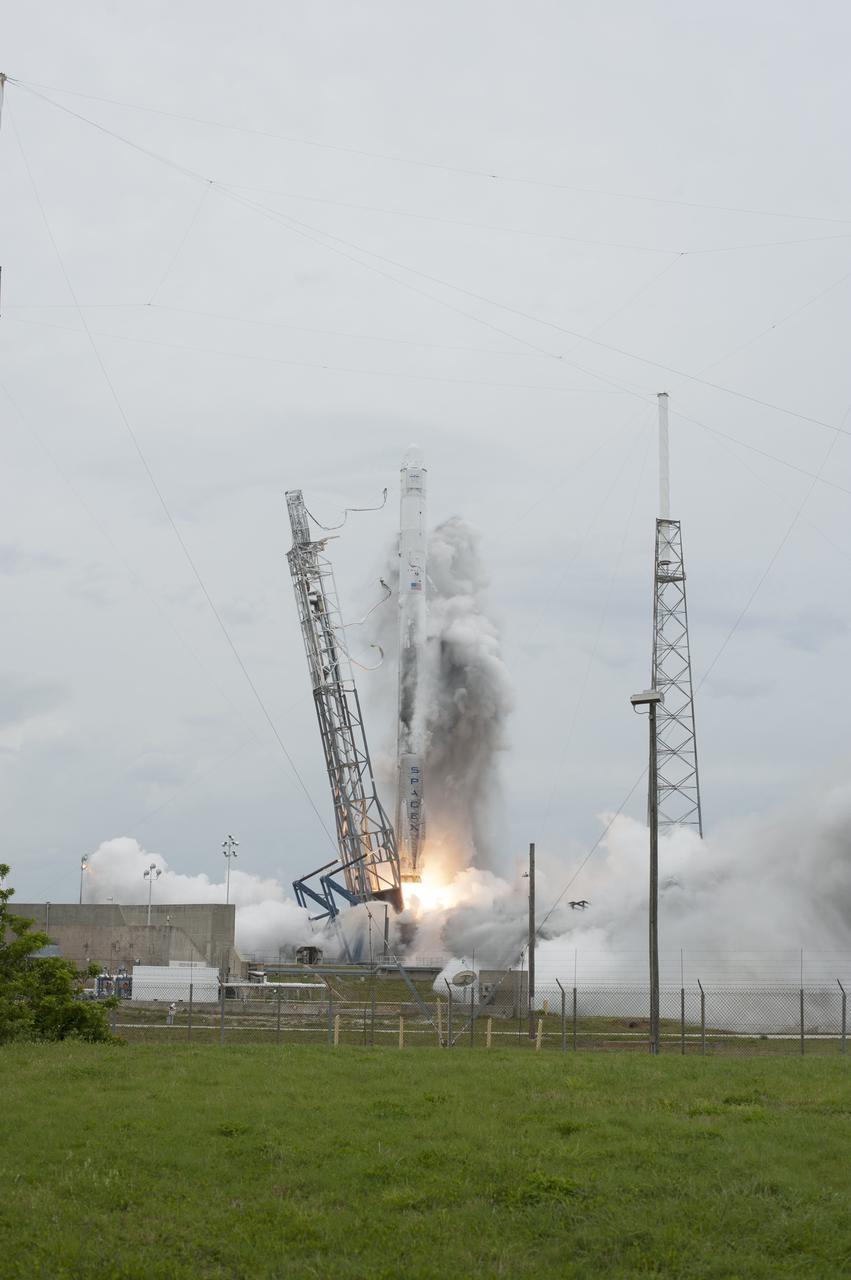
CAPE CANAVERAL, Fla. - Nine rocket engines roar to life on the SpaceX Falcon 9 rocket, lifting it off Space Launch Complex 40 on Cape Canaveral Air Force Station and boosting the Dragon resupply spacecraft to the International Space Station. Liftoff was at 3:25 p.m. EDT. Dragon is making its fourth trip to the space station. The SpaceX-3 mission, carrying almost 2.5 tons of supplies, technology and science experiments, is the third of 12 flights through a $1.6 billion NASA Commercial Resupply Services contract. Dragon's cargo will support more than 150 experiments that will be conducted during the station's Expeditions 39 and 40. For more information, visit http://www.nasa.gov/mission_pages/station/structure/launch/index.html. Photo credit: NASA/Tony Gray and Tim Powers
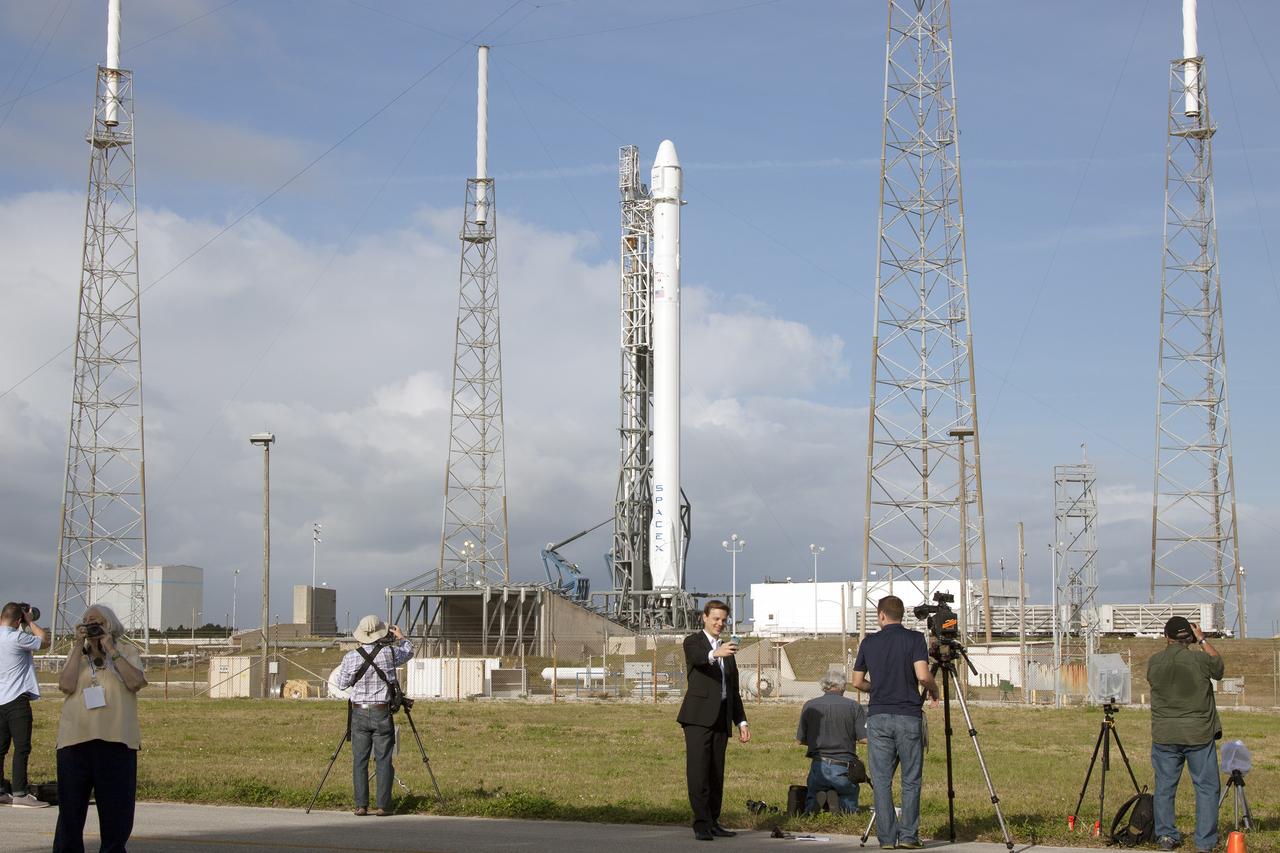
CAPE CANAVERAL, Fla. - Social media representatives photograph the SpaceX Falcon 9 rocket and Dragon Capsule on Space Launch Complex 40 on Cape Canaveral Air Force Station in Florida. NASA Social participants are given the same access as news media in an effort to align the experience of social media representatives with those of traditional media, including the opportunity to view a launch of SpaceX’s Falcon 9 rocket, tour NASA facilities at Kennedy Space Center, speak with representatives from both NASA and SpaceX, view and take photographs of the SpaceX launch pad, meet fellow space enthusiasts who are active on social media and meet members of SpaceX and NASA's social media teams. Scheduled for launch at about 4:58 p.m. EDT April 14, Dragon will be making its fourth trip to the space station. The SpaceX-3 mission, carrying almost 2.5 tons of supplies, technology and science experiments, is the third of 12 flights under NASA's Commercial Resupply Services contract to resupply the orbiting laboratory. For more information, visit http://www.nasa.gov/mission_pages/station/structure/launch/index.html Photo credit: NASA/Glenn Benson
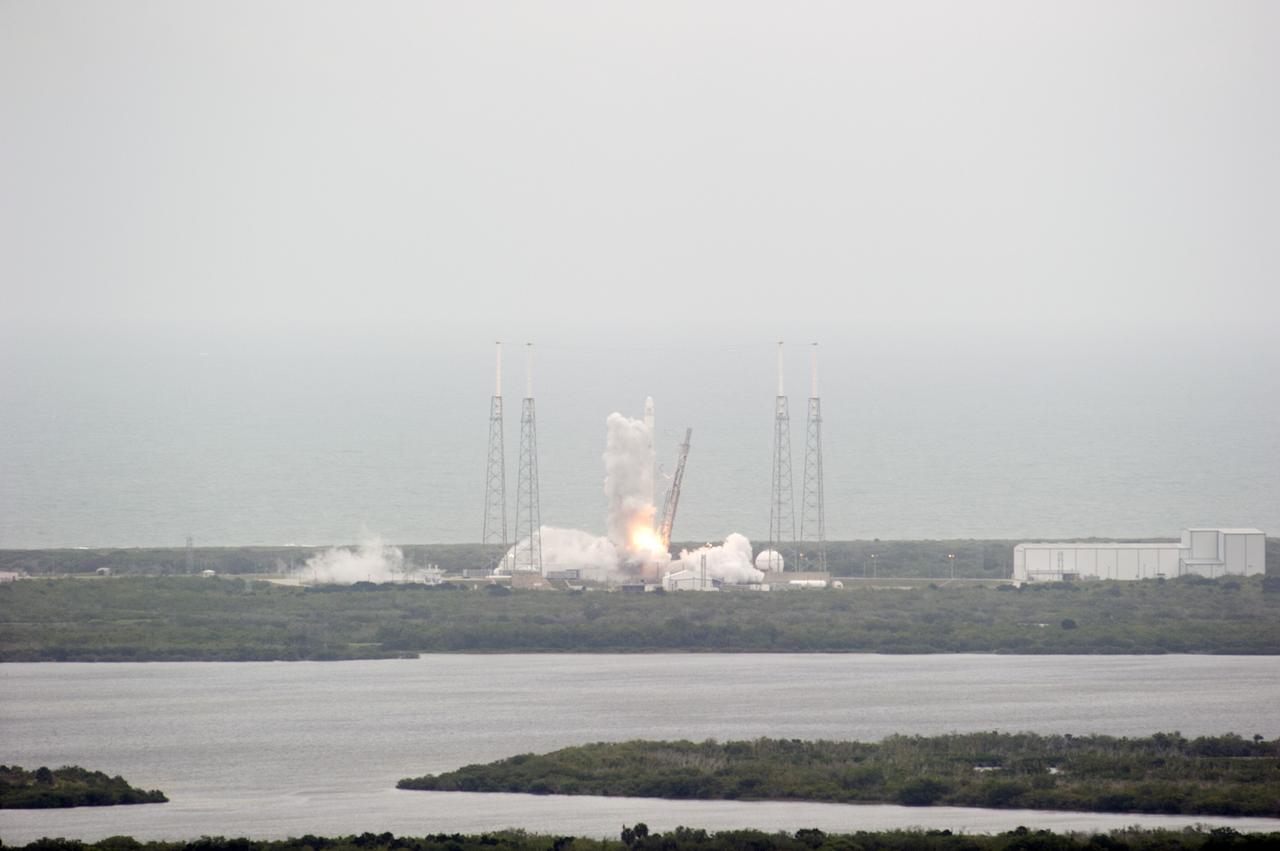
CAPE CANAVERAL, Fla. - An exhaust cloud forms around the Falcon 9 rocket on Space Launch Complex 40 on Cape Canaveral Air Force Station as the SpaceX-3 mission lifts off, carrying the Dragon resupply spacecraft to the International Space Station. Liftoff was during an instantaneous window at 3:25 p.m. EDT. Dragon is making its fourth trip to the space station. The SpaceX-3 mission, carrying almost 2.5 tons of supplies, technology and science experiments, is the third of 12 flights under NASA's Commercial Resupply Services contract to resupply the orbiting laboratory. For more information, visit http://www.nasa.gov/mission_pages/station/structure/launch/index.html. Photo credit: NASA/Kim Shiflett
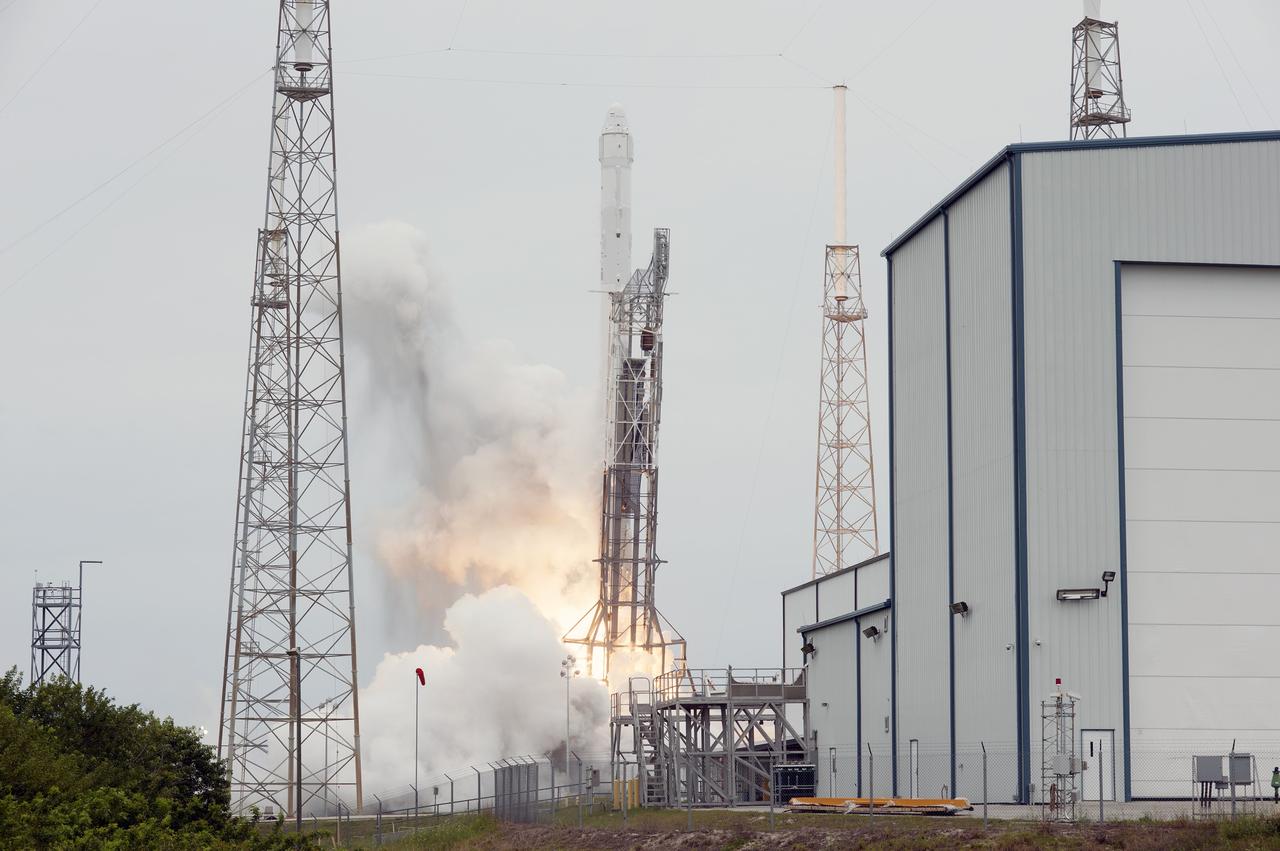
CAPE CANAVERAL, Fla. - Nine engines roar to life under the SpaceX Falcon 9 rocket, lifting it off Space Launch Complex 40 on Cape Canaveral Air Force Station and boosting the Dragon resupply spacecraft on the SpaceX-3 mission to the International Space Station. Launch was at 3:25 p.m. EDT. Dragon is making its fourth trip to the space station. The SpaceX-3 mission, carrying almost 2.5 tons of supplies, technology and science experiments, is the third of 12 flights through a $1.6 billion NASA Commercial Resupply Services contract. Dragon's cargo will support more than 150 experiments that will be conducted during the station's Expeditions 39 and 40. For more information, visit http://www.nasa.gov/mission_pages/station/structure/launch/index.html. Photo credit: NASA/Tony Gray and Tim Powers
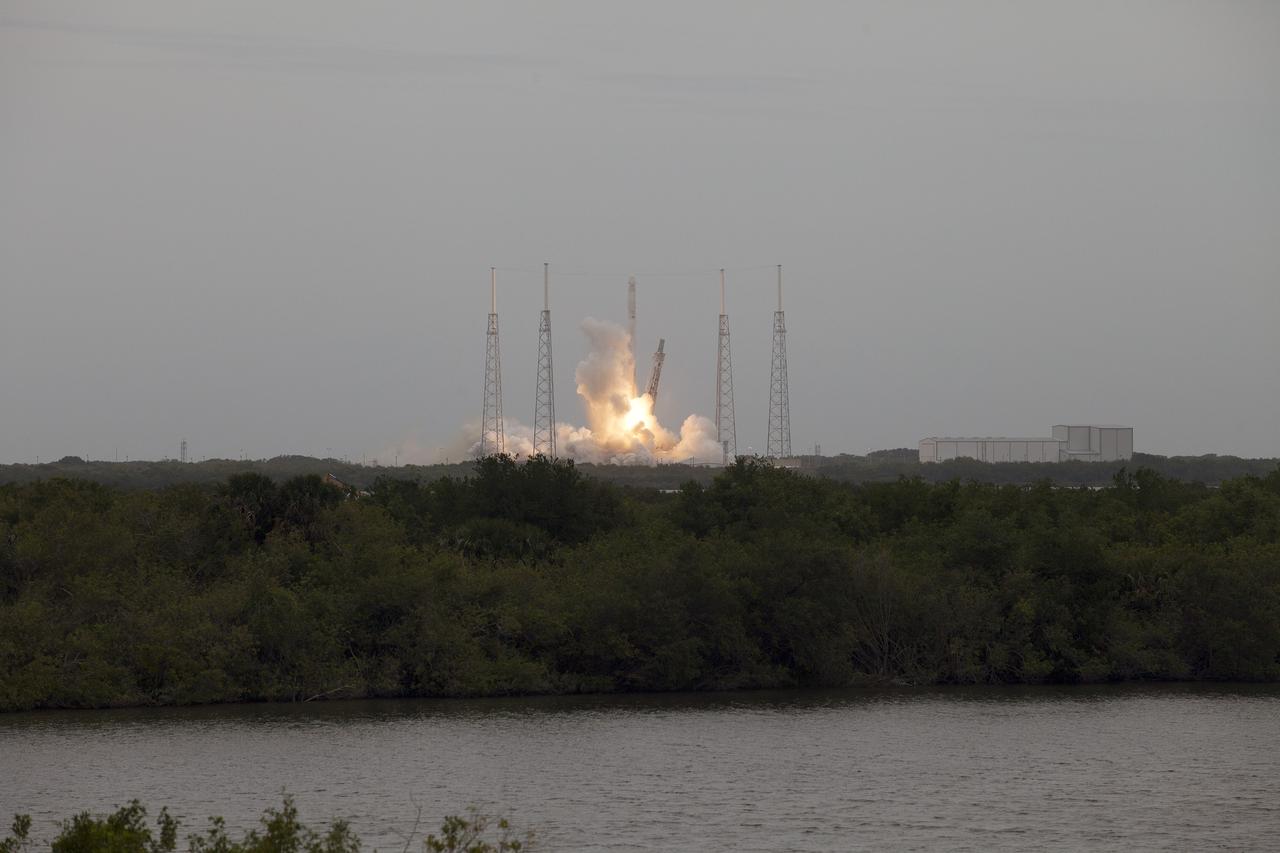
CAPE CANAVERAL, Fla. - An exhaust cloud builds around the Falcon 9 rocket on Space Launch Complex 40 on Cape Canaveral Air Force Station as the SpaceX-3 mission lifts off, carrying the Dragon resupply spacecraft to the International Space Station. Liftoff was during an instantaneous window at 3:25 p.m. EDT. Dragon is making its fourth trip to the space station. The SpaceX-3 mission, carrying almost 2.5 tons of supplies, technology and science experiments, is the third of 12 flights through a $1.6 billion NASA Commercial Resupply Services contract. Dragon's cargo will support more than 150 experiments that will be conducted during the station's Expeditions 39 and 40. For more information, visit http://www.nasa.gov/mission_pages/station/structure/launch/index.html. Photo credit: NASA/Dan Casper
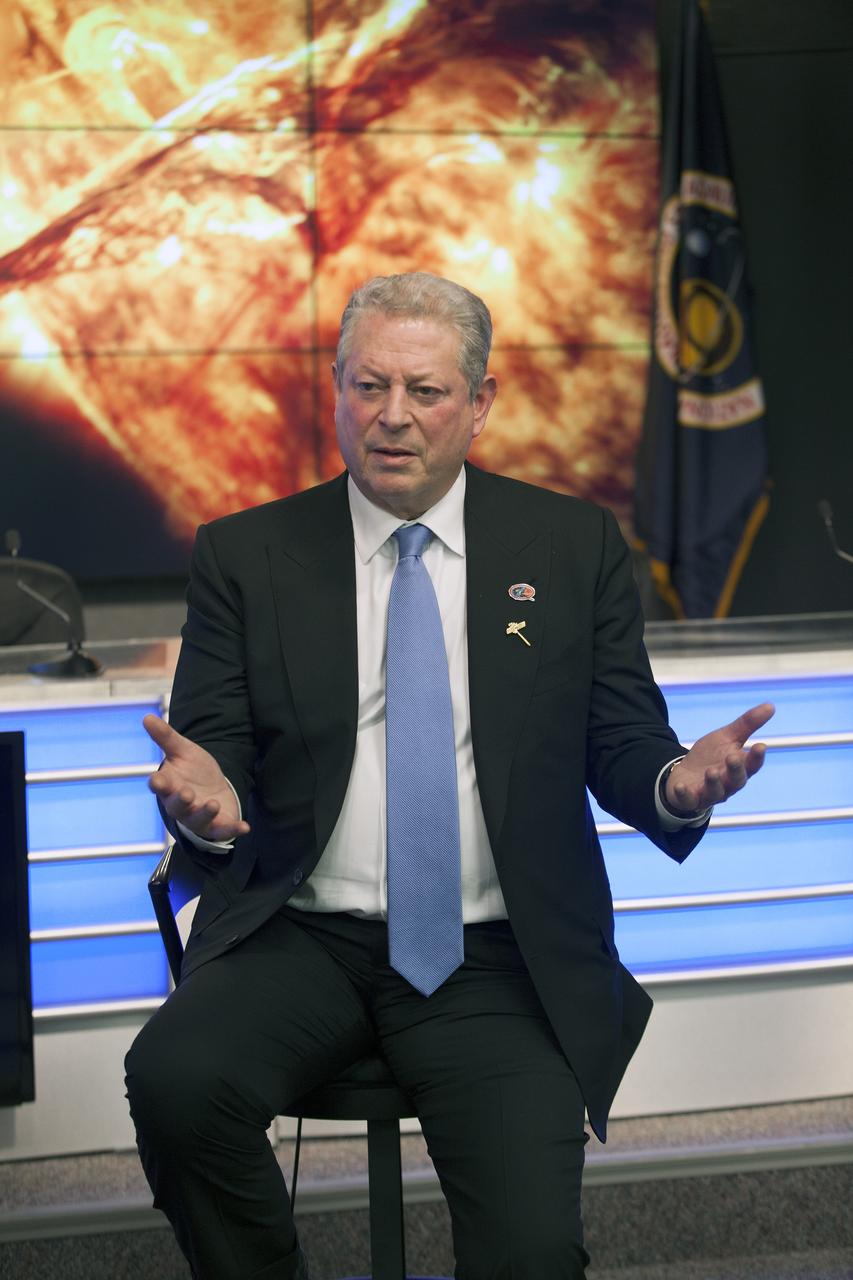
CAPE CANAVERAL, Fla. – Former Vice President Al Gore speaks to news media at NASA’s Kennedy Space Center in Florida prior to the planned liftoff of NOAA’s Deep Space Climate Observatory spacecraft, or DSCOVR. DSCOVR will launch aboard a SpaceX Falcon 9 rocket. The mission is a partnership between NOAA, NASA and the U.S. Air Force. DSCOVR will maintain the nation's real-time solar wind monitoring capabilities which are critical to the accuracy and lead time of NOAA's space weather alerts and forecasts. To learn more about DSCOVR, visit http://www.nesdis.noaa.gov/DSCOVR. Photo credit: NASA/Kim Shiflett
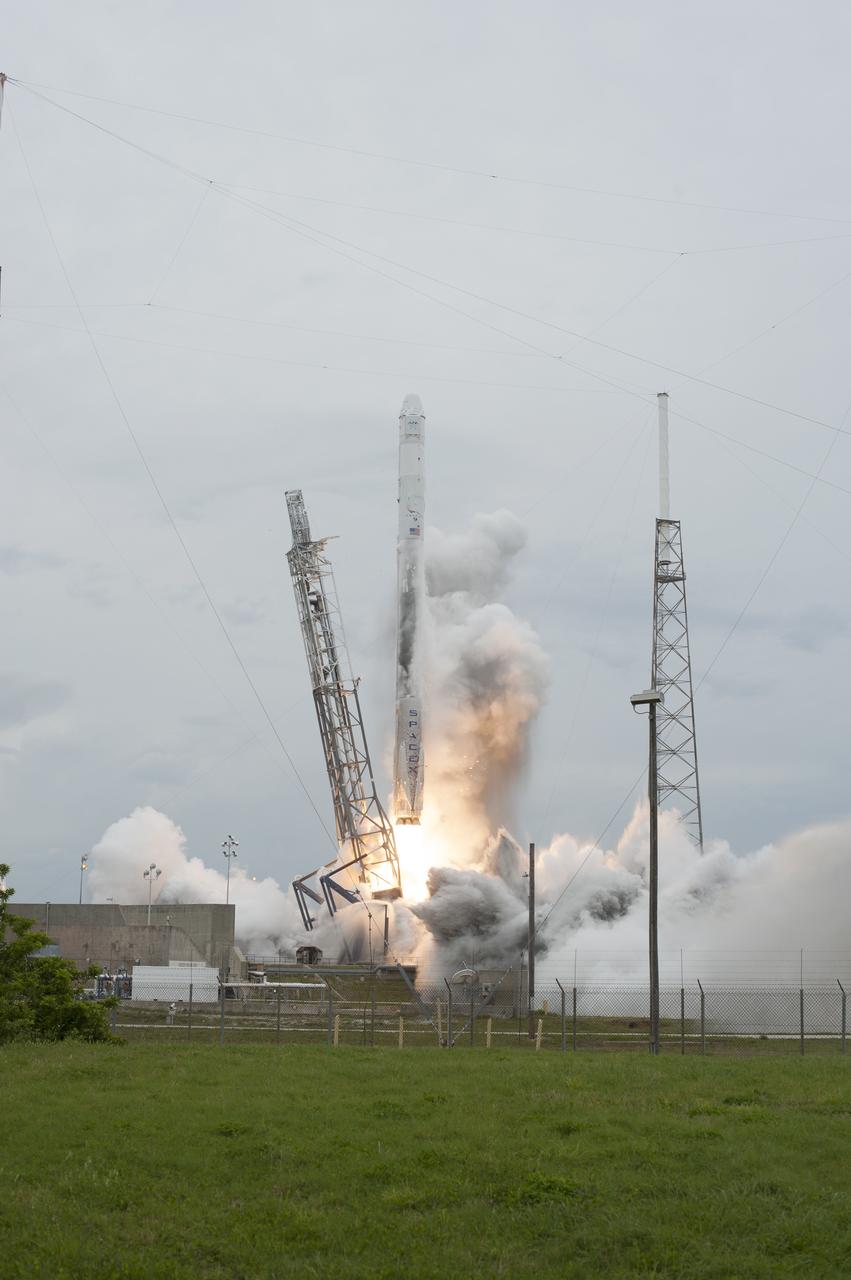
CAPE CANAVERAL, Fla. - An exhaust cloud forms around the Falcon 9 rocket on Space Launch Complex 40 on Cape Canaveral Air Force Station as the SpaceX-3 mission lifts off, carrying the Dragon resupply spacecraft to the International Space Station. Liftoff was during an instantaneous window at 3:25 p.m. EDT. Dragon is making its fourth trip to the space station. The SpaceX-3 mission, carrying almost 2.5 tons of supplies, technology and science experiments, is the third of 12 flights through a $1.6 billion NASA Commercial Resupply Services contract. Dragon's cargo will support more than 150 experiments that will be conducted during the station's Expeditions 39 and 40. For more information, visit http://www.nasa.gov/mission_pages/station/structure/launch/index.html. Photo credit: NASA/Tony Gray and Tim Powers
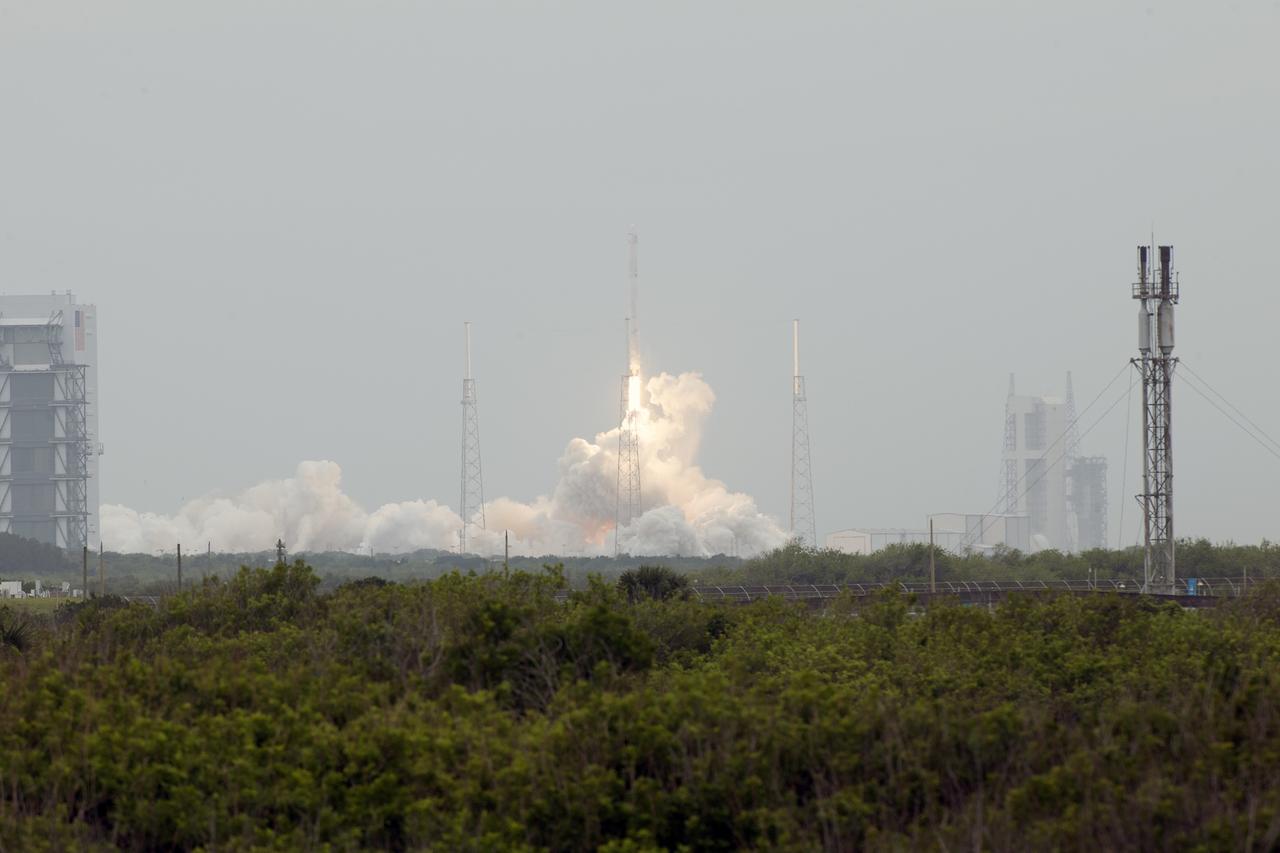
CAPE CANAVERAL, Fla. - An exhaust cloud builds under the Falcon 9 rocket on Space Launch Complex 40 on Cape Canaveral Air Force Station as the SpaceX-3 mission lifts off, carrying the Dragon resupply spacecraft to the International Space Station. Liftoff was during an instantaneous window at 3:25 p.m. EDT. Dragon is making its fourth trip to the space station. The SpaceX-3 mission, carrying almost 2.5 tons of supplies, technology and science experiments, is the third of 12 flights through a $1.6 billion NASA Commercial Resupply Services contract. Dragon's cargo will support more than 150 experiments that will be conducted during the station's Expeditions 39 and 40. For more information, visit http://www.nasa.gov/mission_pages/station/structure/launch/index.html. Photo credit: NASA/George Roberts
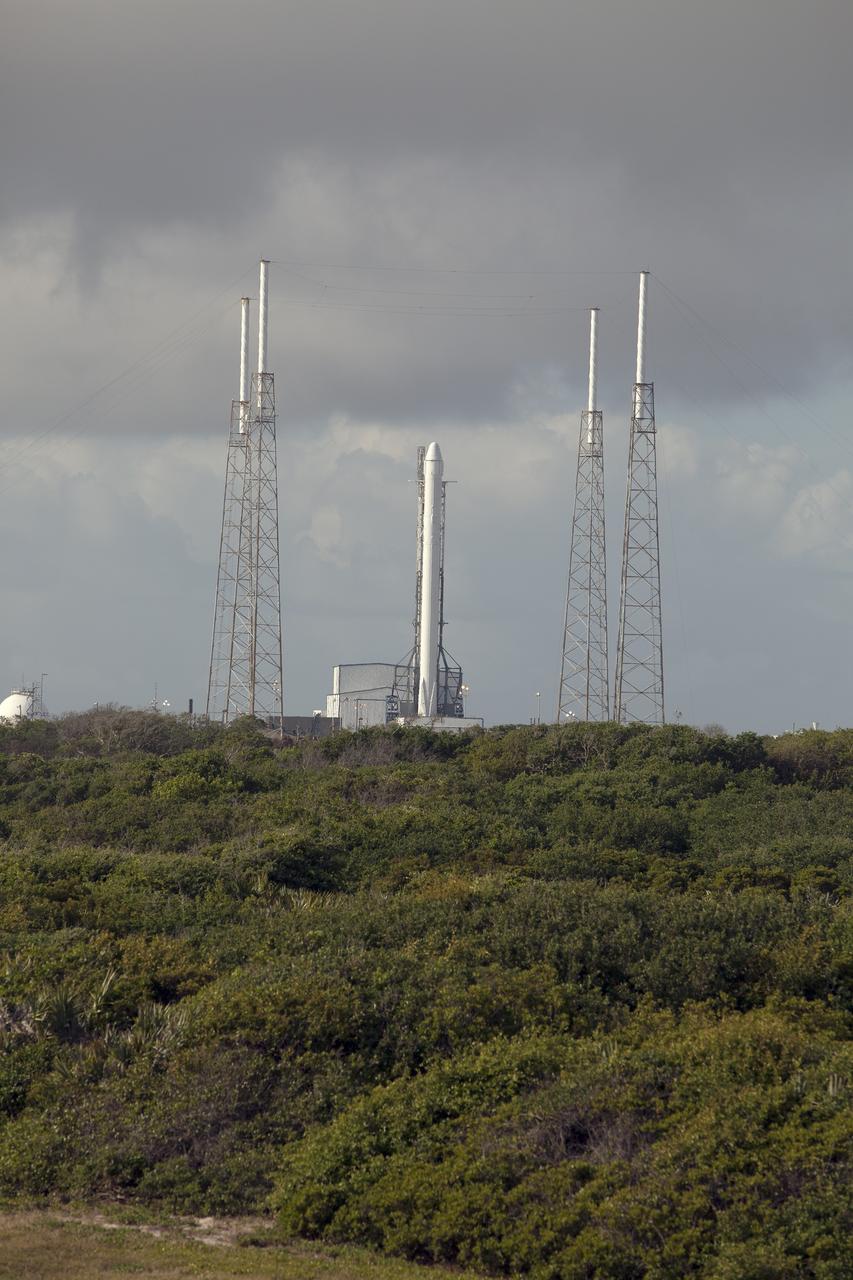
CAPE CANAVERAL, Fla. - Clouds fill the sky over Space Launch Complex 40 on Cape Canaveral Air Force Station in Florida on launch day for a SpaceX Falcon 9 rocket and a Dragon capsule on its third commercial resupply mission to deliver about 5,000 pounds of cargo to the International Space Station. Scheduled for launch at about 4:58 p.m. EDT April 14, Dragon will be making its fourth trip to the space station. The SpaceX-3 mission, carrying almost 2.5 tons of supplies, technology and science experiments, is the third of 12 flights under NASA's Commercial Resupply Services contract to resupply the orbiting laboratory. For more information, visit http://www.nasa.gov/mission_pages/station/structure/launch/index.html Photo credit: NASA/Glenn Benson
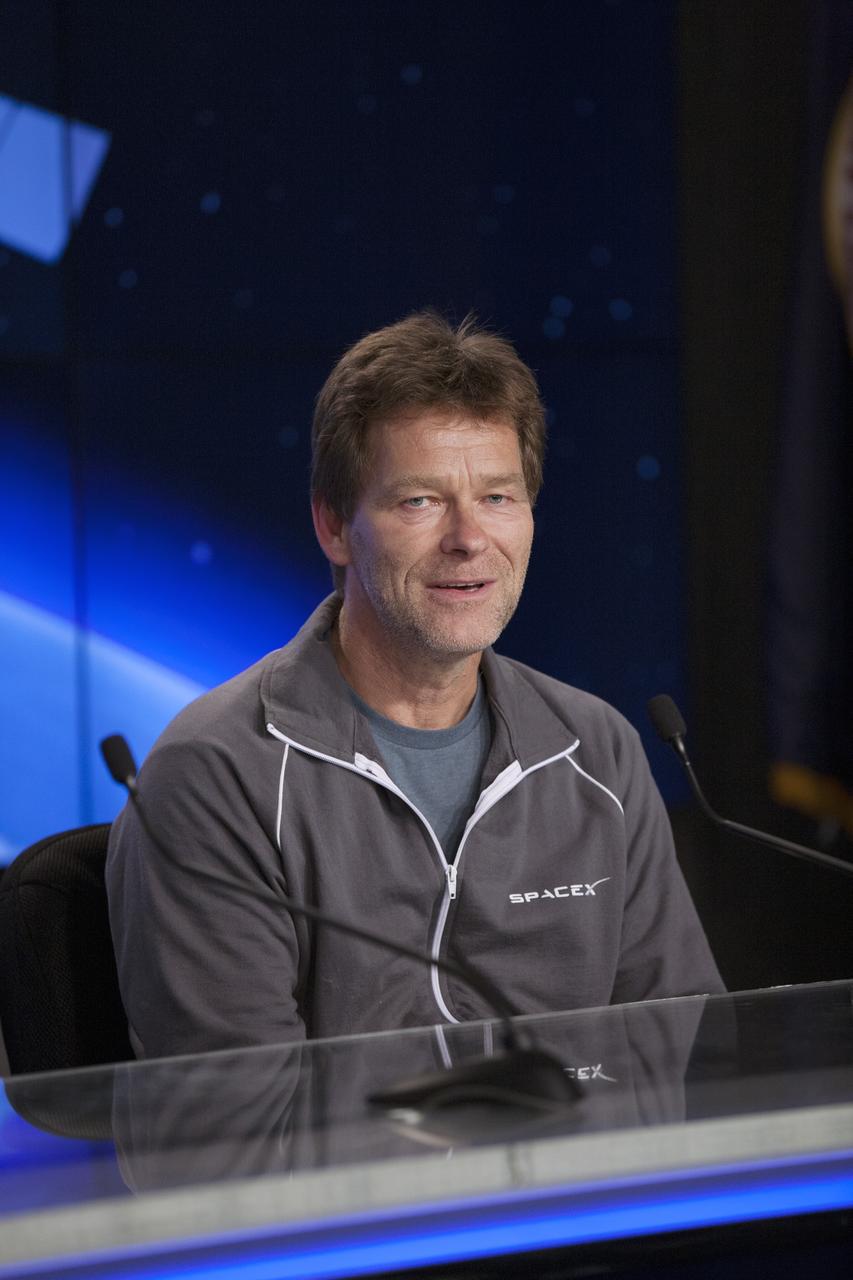
CAPE CANAVERAL, Fla. - SpaceX Vice President of Mission Assurance Hans Koenigsmann participates in a SpaceX-3 post-launch news conference in the NASA Press Site television auditorium at Kennedy Space Center in Florida. SpaceX-3 launched at 3:25 p.m. EDT aboard a Falcon 9 rocket carrying a Dragon capsule from Space Launch Complex 40 on Cape Canaveral Air Force Station. Dragon is making its fourth trip to the space station. The SpaceX-3 mission, carrying almost 2.5 tons of supplies, technology and science experiments, is the third of 12 flights through a $1.6 billion NASA Commercial Resupply Services contract. Dragon's cargo will support more than 150 experiments that will be conducted during the station's Expeditions 39 and 40. For more information, visit http://www.nasa.gov/mission_pages/station/structure/launch/index.html. Photo credit: NASA/Kim Shiflett
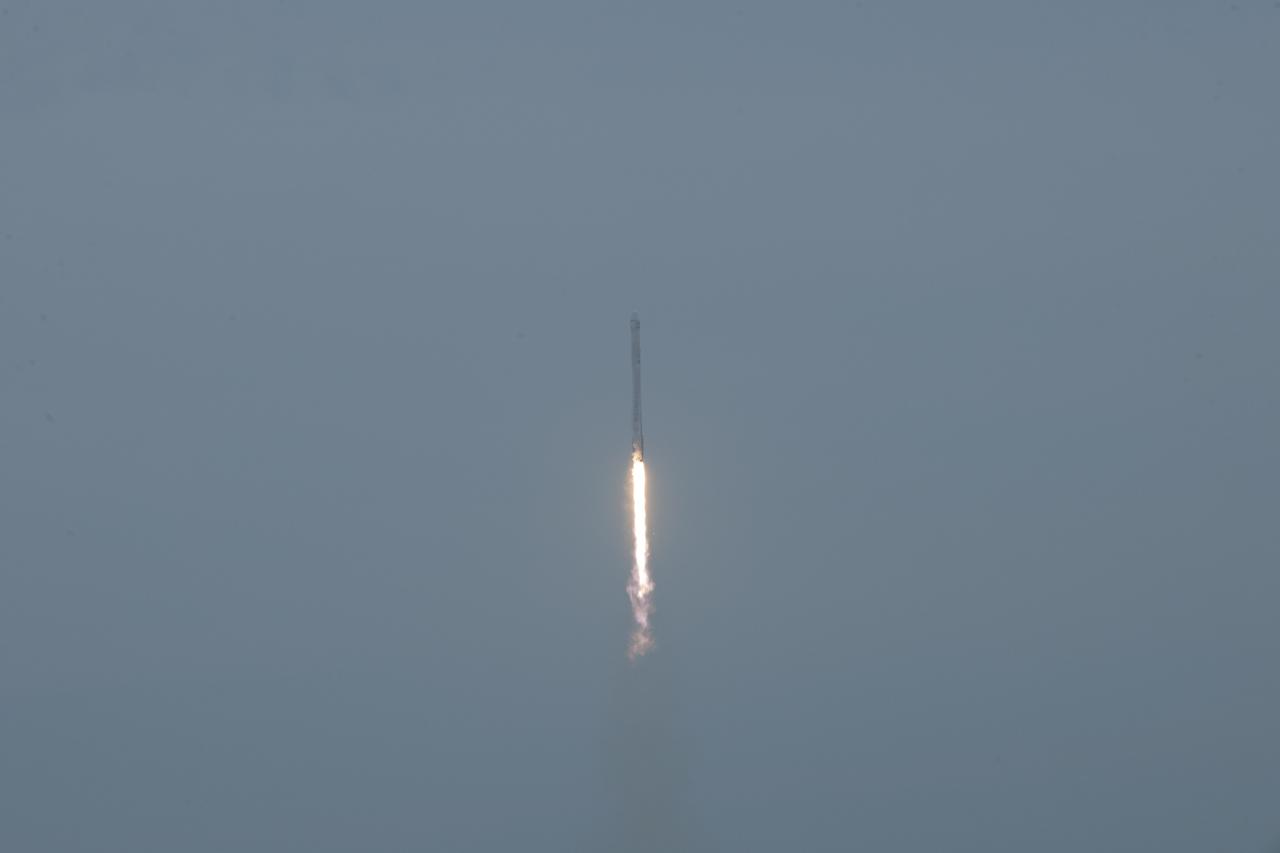
CAPE CANAVERAL, Fla. - The SpaceX-3 mission soars into the clouds over Space Launch Complex 40 on Cape Canaveral Air Force Station aboard a Falcon 9 rocket, carrying the Dragon resupply spacecraft to the International Space Station. Liftoff was during an instantaneous window at 3:25 p.m. EDT. Dragon is making its fourth trip to the space station. The SpaceX-3 mission, carrying almost 2.5 tons of supplies, technology and science experiments, is the third of 12 flights through a $1.6 billion NASA Commercial Resupply Services contract. Dragon's cargo will support more than 150 experiments that will be conducted during the station's Expeditions 39 and 40. For more information, visit http://www.nasa.gov/mission_pages/station/structure/launch/index.html. Photo credit: NASA/George Roberts
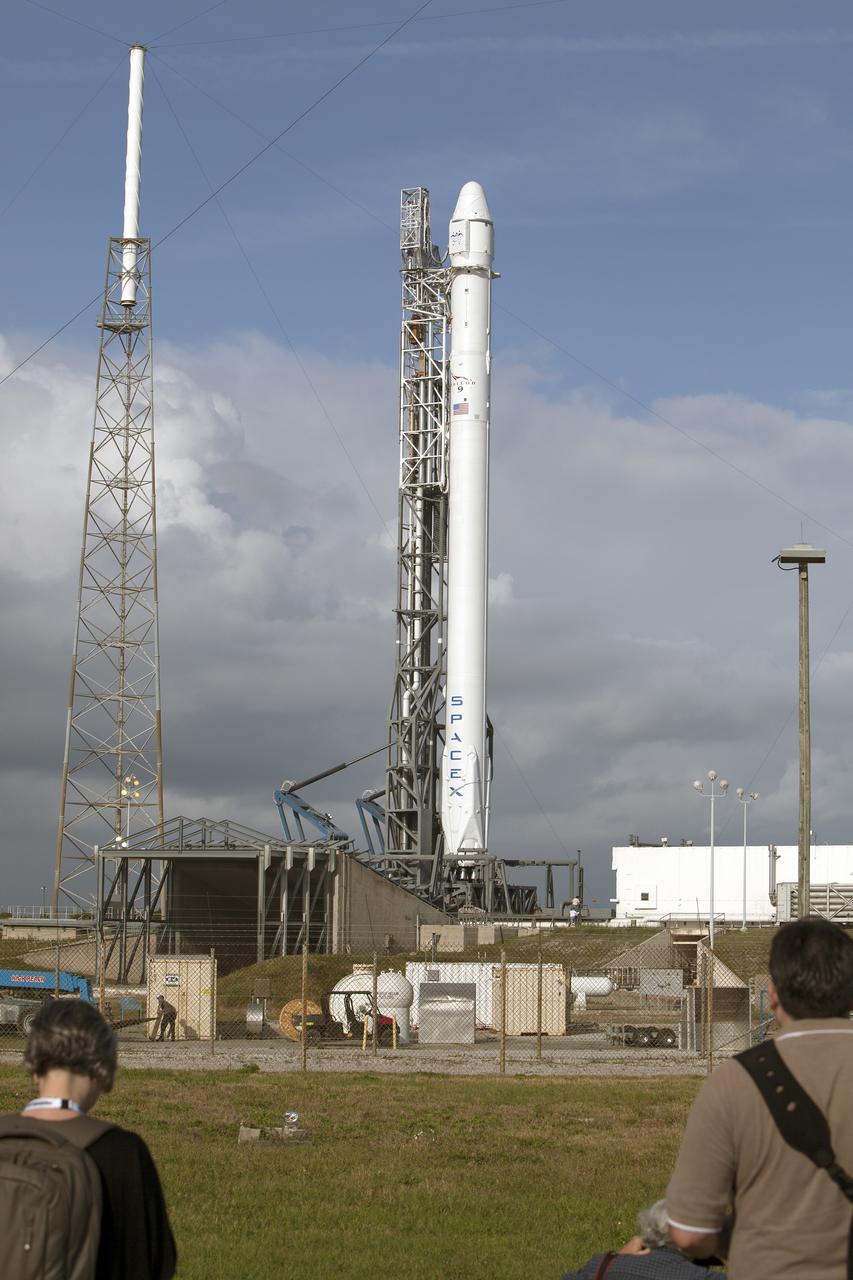
CAPE CANAVERAL, Fla. - Social media representatives get an up-close view of the SpaceX Falcon 9 rocket and Dragon Capsule on Space Launch Complex 40 on Cape Canaveral Air Force Station in Florida. NASA Social participants are given the same access as news media in an effort to align the experience of social media representatives with those of traditional media, including the opportunity to view a launch of SpaceX’s Falcon 9 rocket, tour NASA facilities at Kennedy Space Center, speak with representatives from both NASA and SpaceX, view and take photographs of the SpaceX launch pad, meet fellow space enthusiasts who are active on social media and meet members of SpaceX and NASA's social media teams. Scheduled for launch at about 4:58 p.m. EDT April 14, Dragon will be making its fourth trip to the space station. The SpaceX-3 mission, carrying almost 2.5 tons of supplies, technology and science experiments, is the third of 12 flights under NASA's Commercial Resupply Services contract to resupply the orbiting laboratory. For more information, visit http://www.nasa.gov/mission_pages/station/structure/launch/index.html Photo credit: NASA/Glenn Benson
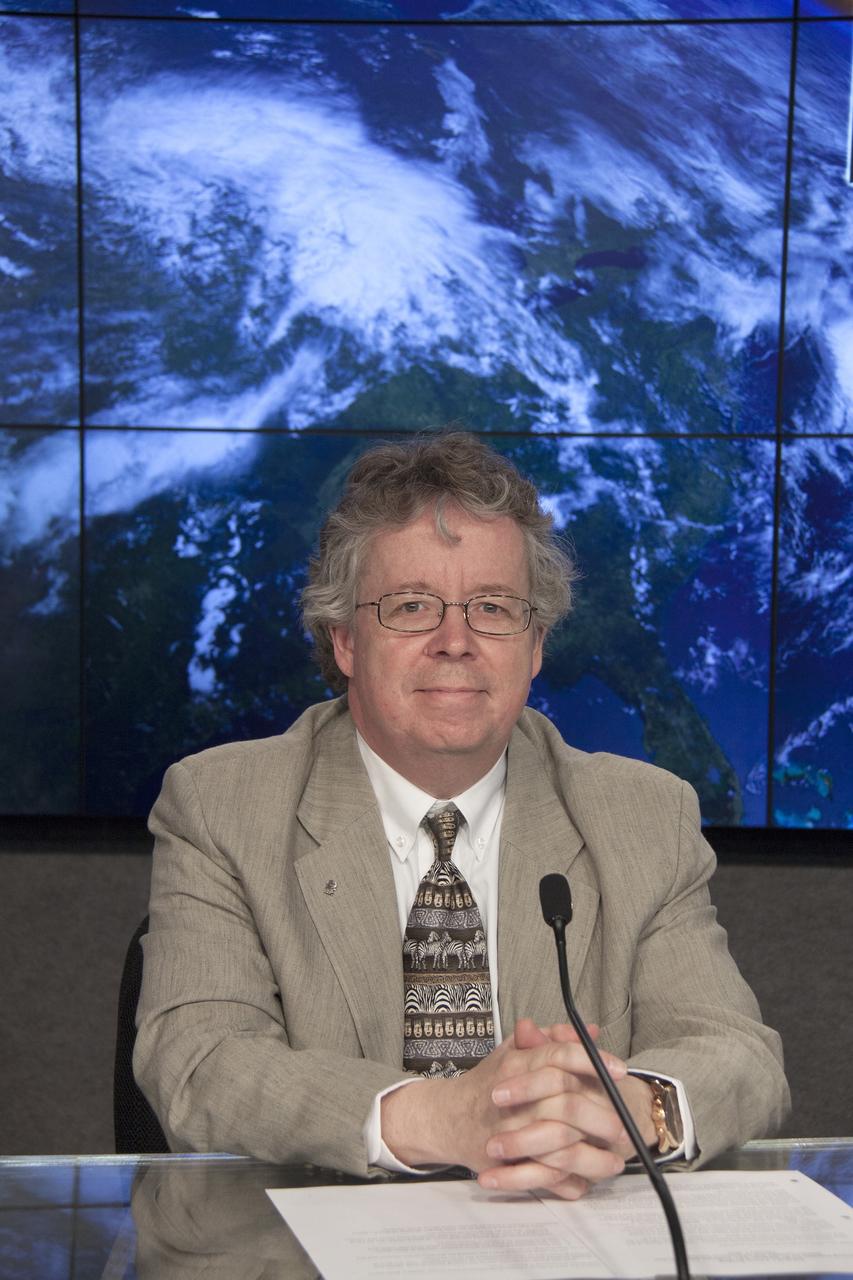
CAPE CANAVERAL, Fla. – Stephen Volz, assistant administrator of the NOAA Satellite and Information Service, prepares to brief media on preparations for the liftoff of NOAA’s Deep Space Climate Observatory spacecraft, or DSCOVR. DSCOVR will launch aboard a SpaceX Falcon 9 rocket. The mission is a partnership between NOAA, NASA and the U.S. Air Force. DSCOVR will maintain the nation's real-time solar wind monitoring capabilities which are critical to the accuracy and lead time of NOAA's space weather alerts and forecasts. To learn more about DSCOVR, visit http://www.nesdis.noaa.gov/DSCOVR. Photo credit: NASA/Jim Grossman
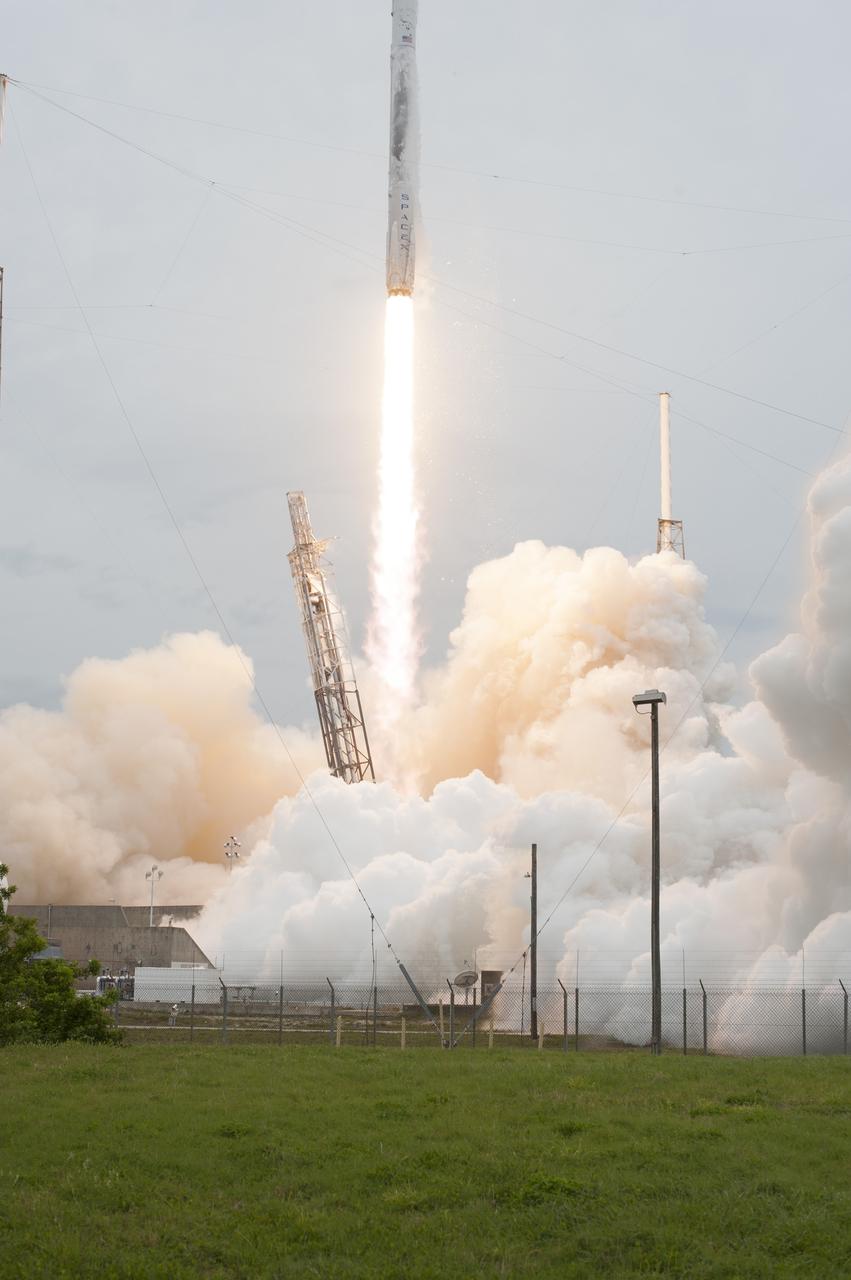
CAPE CANAVERAL, Fla. - The SpaceX-3 mission bolts into the clouds over Space Launch Complex 40 on Cape Canaveral Air Force Station aboard a Falcon 9 rocket, carrying the Dragon resupply spacecraft to the International Space Station. Liftoff was during an instantaneous window at 3:25 p.m. EDT. Dragon is making its fourth trip to the space station. The SpaceX-3 mission, carrying almost 2.5 tons of supplies, technology and science experiments, is the third of 12 flights through a $1.6 billion NASA Commercial Resupply Services contract. Dragon's cargo will support more than 150 experiments that will be conducted during the station's Expeditions 39 and 40. For more information, visit http://www.nasa.gov/mission_pages/station/structure/launch/index.html. Photo credit: NASA/Tony Gray and Tim Powers
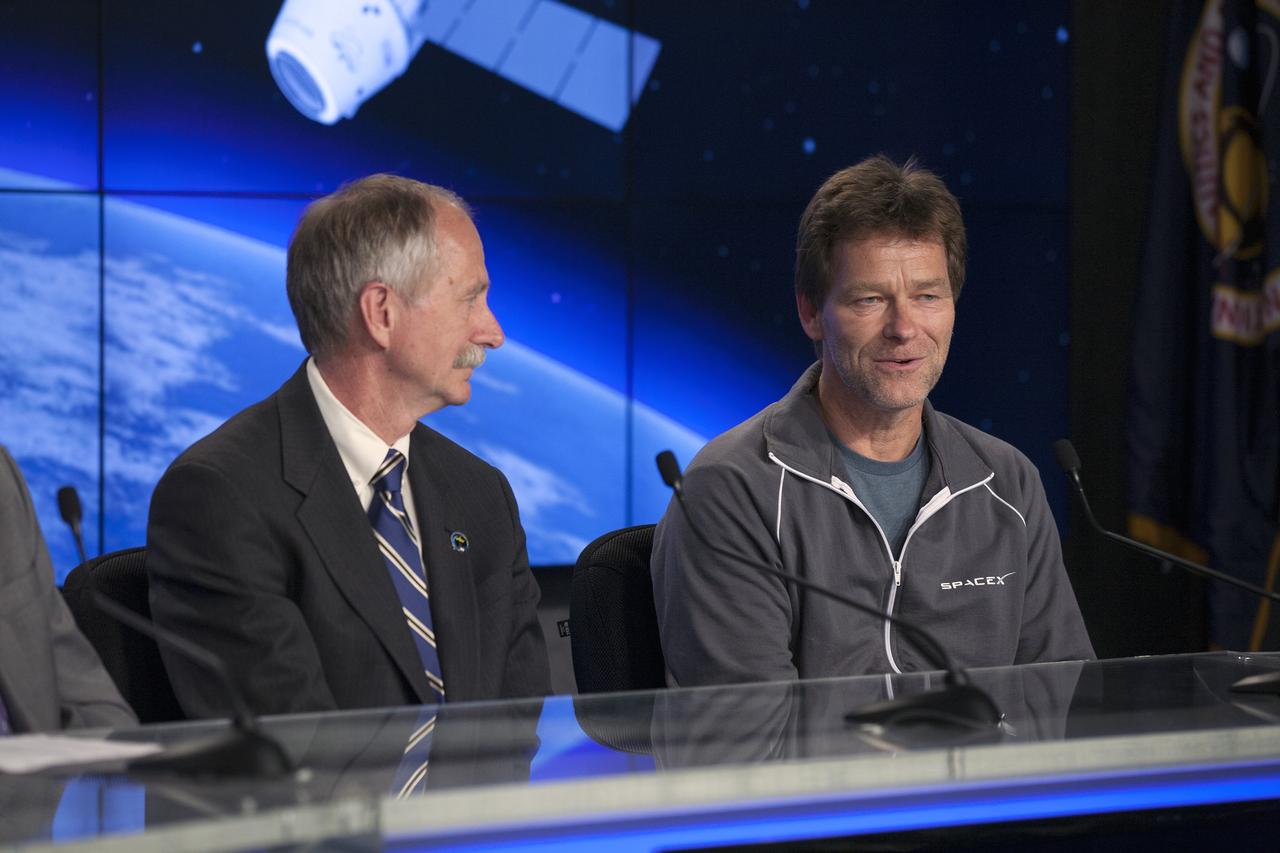
CAPE CANAVERAL, Fla. - Participating in a SpaceX-3 post-launch news conference in the NASA Press Site television auditorium at Kennedy Space Center in Florida are, from left, William Gersteinmeier, NASA associate administrator for Human Exploration and Operations, and Hans Koenigsmann, SpaceX vice president of Mission Assurance. SpaceX CEO and chief designer Elon Musk participated in the conference by telephone. SpaceX-3 launched at 3:25 p.m. EDT aboard a Falcon 9 rocket carrying a Dragon capsule from Space Launch Complex 40 on Cape Canaveral Air Force Station. Dragon is making its fourth trip to the space station. The SpaceX-3 mission, carrying almost 2.5 tons of supplies, technology and science experiments, is the third of 12 flights through a $1.6 billion NASA Commercial Resupply Services contract. Dragon's cargo will support more than 150 experiments that will be conducted during the station's Expeditions 39 and 40. For more information, visit http://www.nasa.gov/mission_pages/station/structure/launch/index.html. Photo credit: NASA/Kim Shiflett
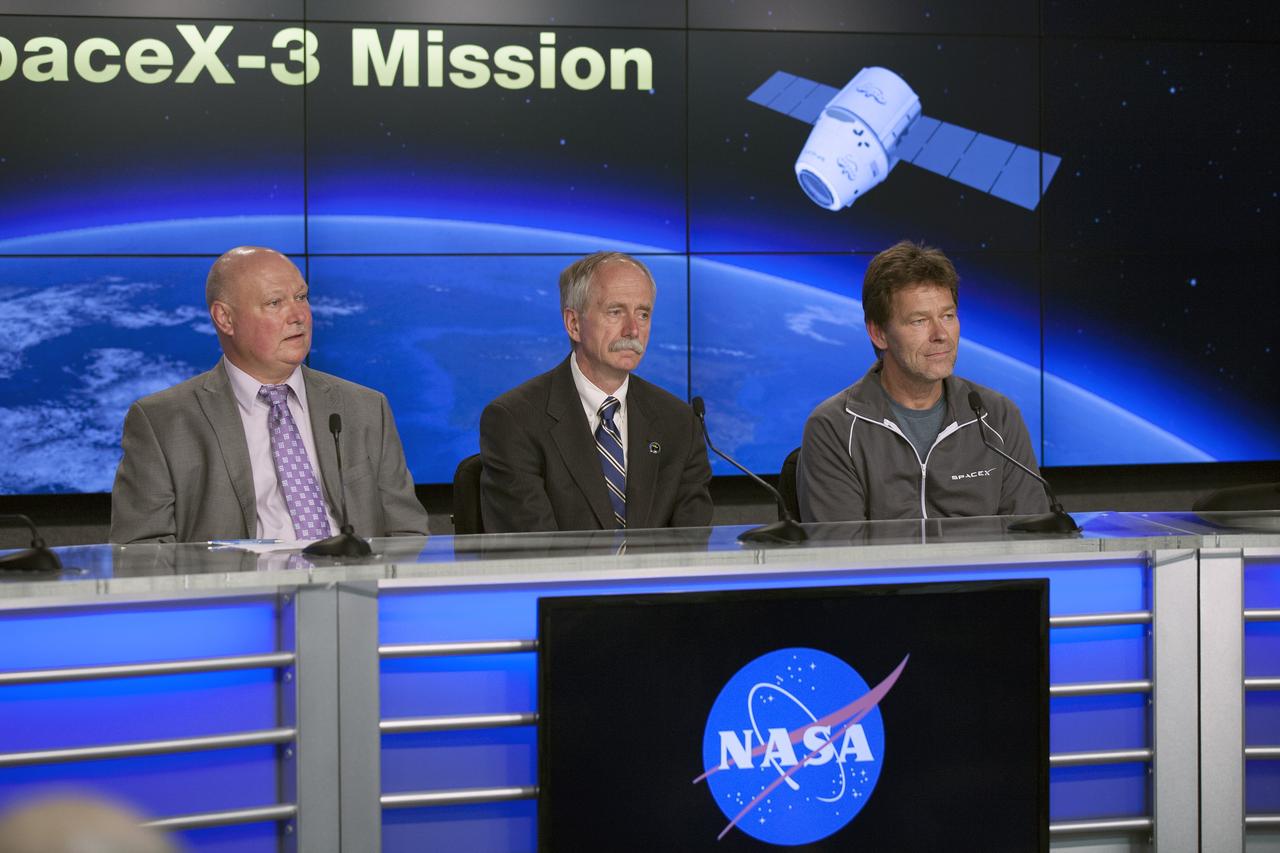
CAPE CANAVERAL, Fla. - Participating in a SpaceX-3 post-launch news conference in the NASA Press Site television auditorium at Kennedy Space Center in Florida are, from left, Michael Curie, NASA Public Affairs, William Gersteinmeier, NASA associate administrator for Human Exploration and Operations, and Hans Koenigsmann, SpaceX vice president of Mission Assurance. SpaceX CEO and chief designer Elon Musk participated in the conference by telephone. SpaceX-3 launched at 3:25 p.m. EDT aboard a Falcon 9 rocket carrying a Dragon capsule from Space Launch Complex 40 on Cape Canaveral Air Force Station. Dragon is making its fourth trip to the space station. The SpaceX-3 mission, carrying almost 2.5 tons of supplies, technology and science experiments, is the third of 12 flights through a $1.6 billion NASA Commercial Resupply Services contract. Dragon's cargo will support more than 150 experiments that will be conducted during the station's Expeditions 39 and 40. For more information, visit http://www.nasa.gov/mission_pages/station/structure/launch/index.html. Photo credit: NASA/Kim Shiflett
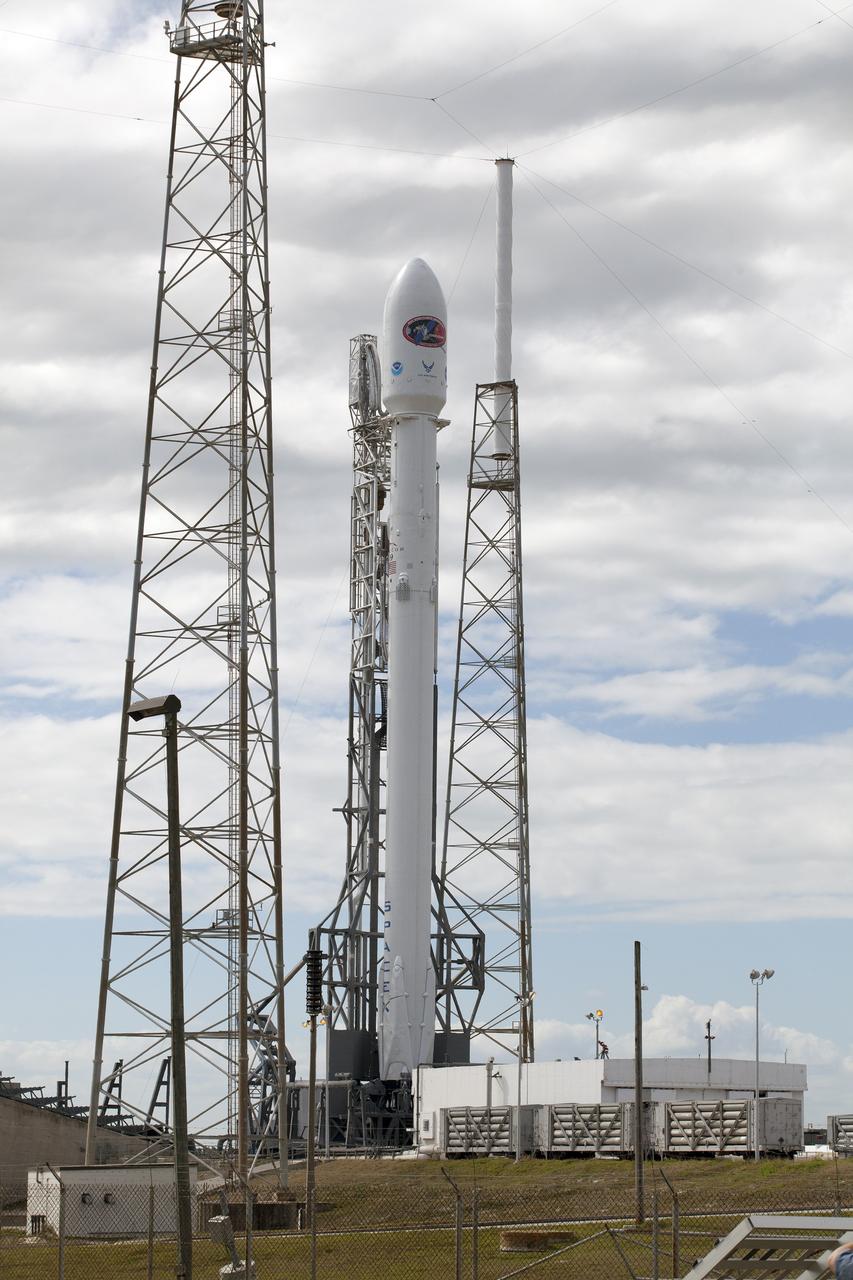
CAPE CANAVERAL, Fla. – The SpaceX Falcon 9 rocket set to launch NOAA’s Deep Space Climate Observatory spacecraft, or DSCOVR, awaits liftoff at 6:10 p.m. EST from Space Launch Complex 40 at Cape Canaveral Air Force Station in Florida. DSCOVR is a partnership between NOAA, NASA and the U.S. Air Force. DSCOVR will maintain the nation's real-time solar wind monitoring capabilities which are critical to the accuracy and lead time of NOAA's space weather alerts and forecasts. To learn more about DSCOVR, visit http://www.nesdis.noaa.gov/DSCOVR. Photo credit: NASA/Kim Shiflett

CAPE CANAVERAL, Fla. – Steven Clarke, NASA Joint Agency Satellite Division director for the agency’s Science Mission Directorate, prepares to brief media on preparations for the liftoff of NOAA’s Deep Space Climate Observatory spacecraft, or DSCOVR. DSCOVR will launch aboard a SpaceX Falcon 9 rocket. The mission is a partnership between NOAA, NASA and the U.S. Air Force. DSCOVR will maintain the nation's real-time solar wind monitoring capabilities which are critical to the accuracy and lead time of NOAA's space weather alerts and forecasts.To learn more about DSCOVR, visit http://www.nesdis.noaa.gov/DSCOVR. Photo credit: NASA/Jim Grossman

CAPE CANAVERAL, Fla. – Hans Koenigsmann, vice president of mission assurance at SpaceX, listens to a question from a member of the news media during a briefing regarding NOAA’s Deep Space Climate Observatory spacecraft, or DSCOVR. DSCOVR will launch aboard a SpaceX Falcon 9 rocket. The mission is a partnership between NOAA, NASA and the U.S. Air Force. DSCOVR will maintain the nation's real-time solar wind monitoring capabilities which are critical to the accuracy and lead time of NOAA's space weather alerts and forecasts. To learn more about DSCOVR, visit http://www.nesdis.noaa.gov/DSCOVR. Photo credit: NASA/Kim Shiflett
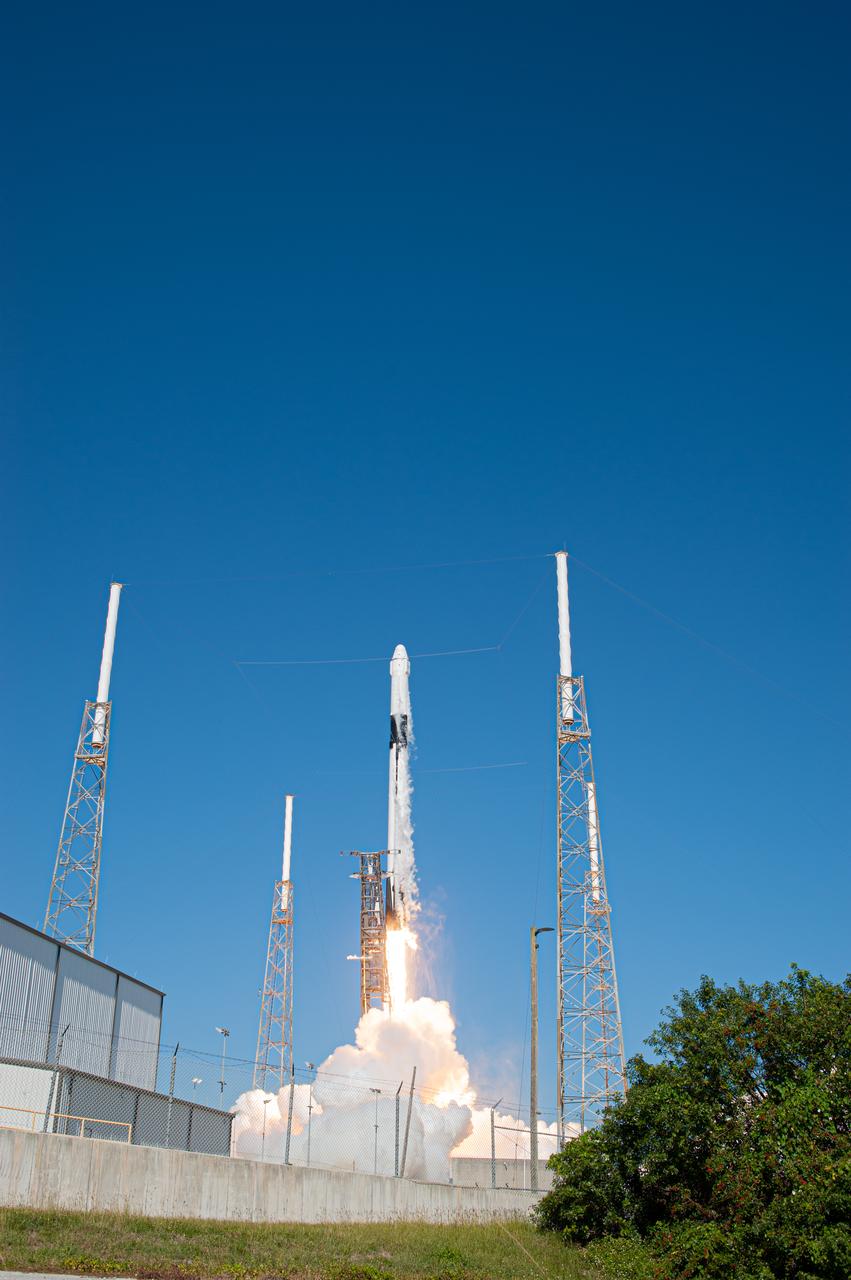
The SpaceX Falcon 9 rocket with the Dragon cargo module climbs upward after liftoff from Space Launch Complex 40 on Cape Canaveral Air Force Station in Florida in the early afternoon on Dec. 5, 2019. Liftoff was at 12:29 p.m. EST. This is SpaceX’s 19th Commercial Resupply Services (CRS-19) mission for NASA to the International Space Station. The Dragon cargo module will deliver more than 5,700 pounds of science and research, crew supplies and vehicle hardware to the orbital laboratory and its crew.
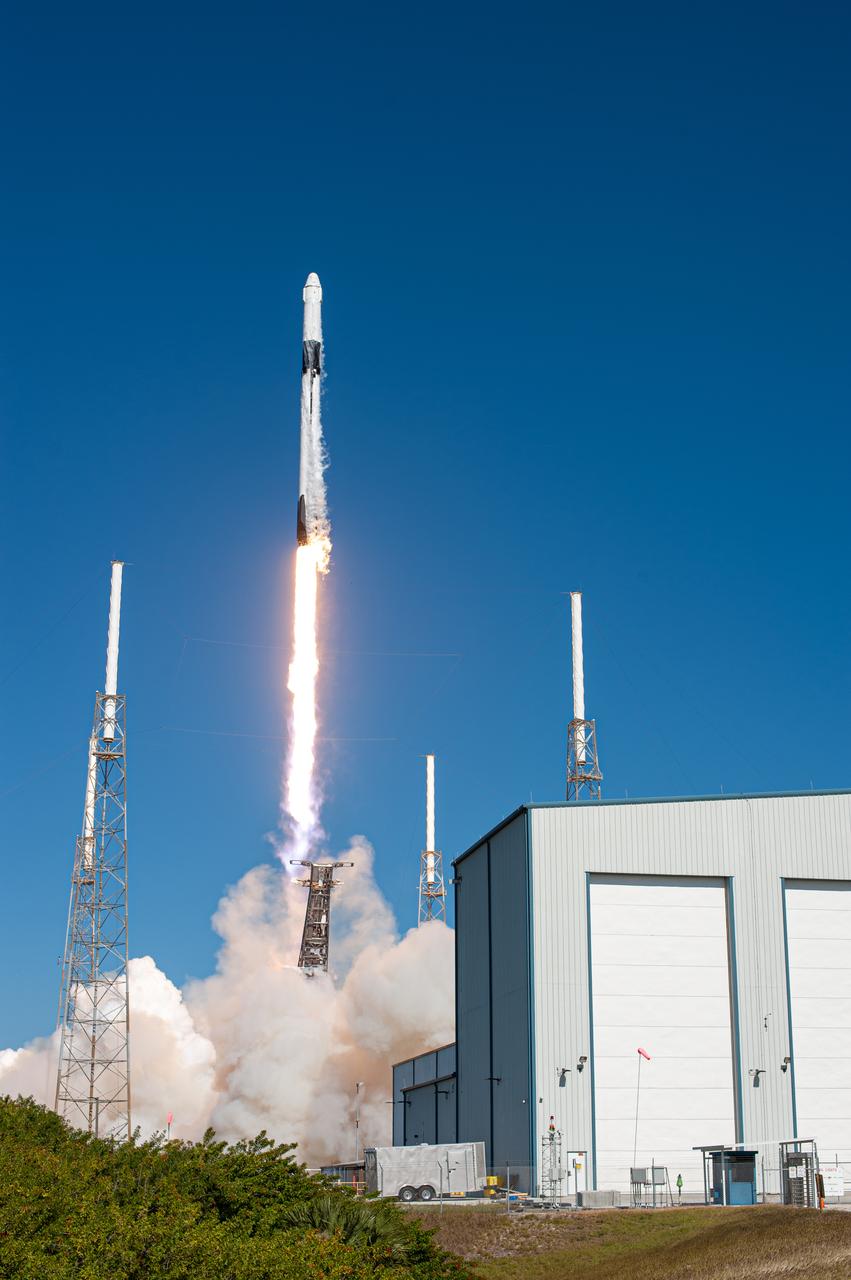
The SpaceX Falcon 9 rocket with the Dragon cargo module climbs upward after liftoff from Space Launch Complex 40 on Cape Canaveral Air Force Station in Florida in the early afternoon on Dec. 5, 2019. Liftoff was at 12:29 p.m. EST. This is SpaceX’s 19th Commercial Resupply Services (CRS-19) mission for NASA to the International Space Station. The Dragon cargo module will deliver more than 5,700 pounds of science and research, crew supplies and vehicle hardware to the orbital laboratory and its crew.
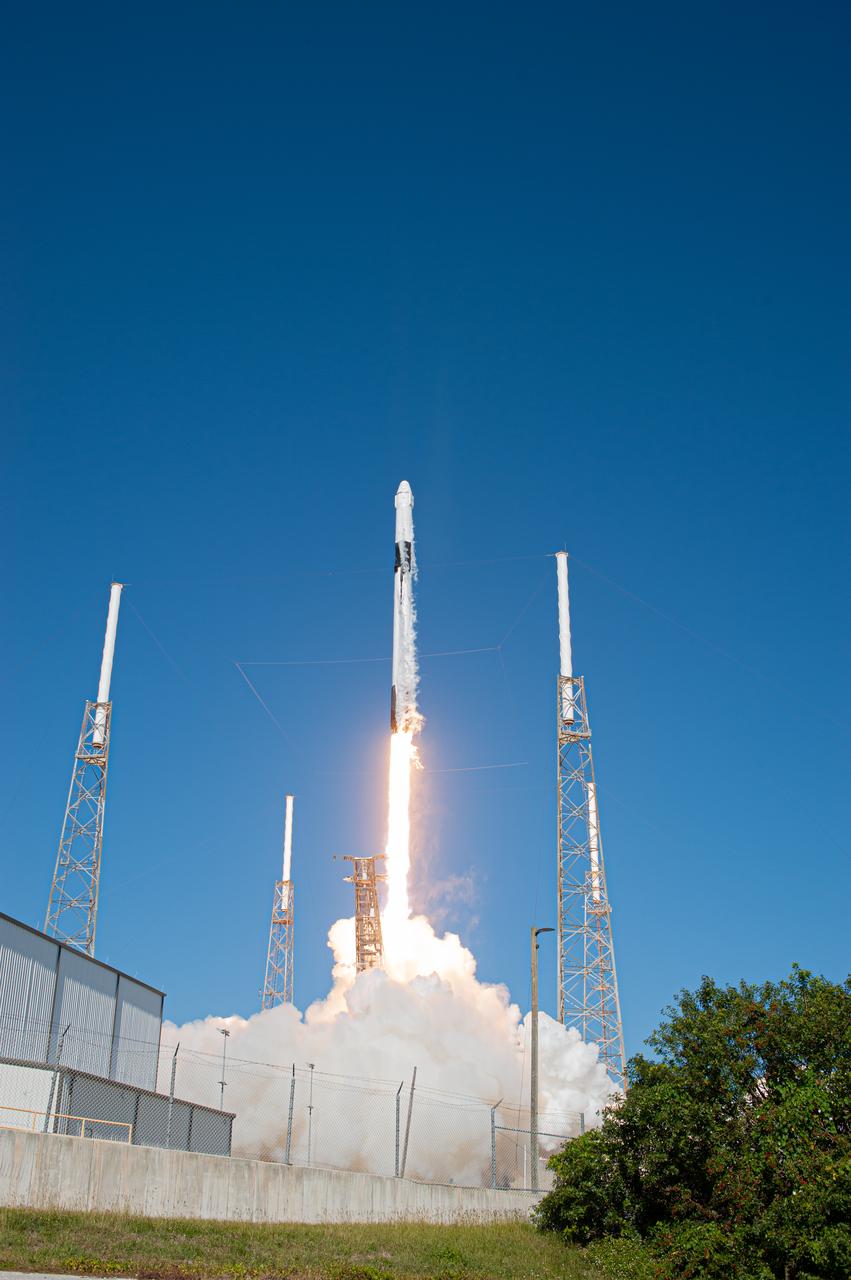
The SpaceX Falcon 9 rocket with the Dragon cargo module climbs upward after liftoff from Space Launch Complex 40 on Cape Canaveral Air Force Station in Florida in the early afternoon on Dec. 5, 2019. Liftoff was at 12:29 p.m. EST. This is SpaceX’s 19th Commercial Resupply Services (CRS-19) mission for NASA to the International Space Station. The Dragon cargo module will deliver more than 5,700 pounds of science and research, crew supplies and vehicle hardware to the orbital laboratory and its crew.
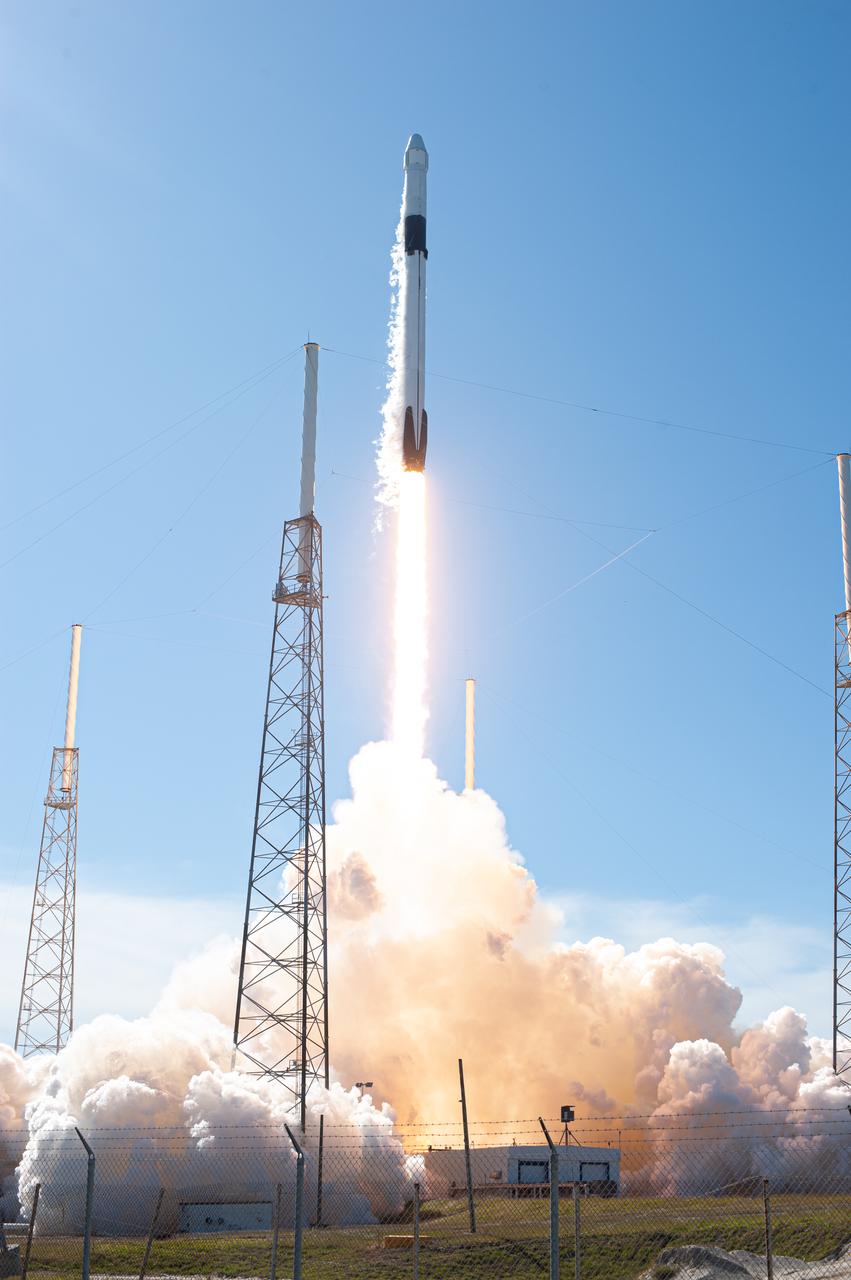
The SpaceX Falcon 9 rocket with the Dragon cargo module lifts off Space Launch Complex 40 on Cape Canaveral Air Force Station in Florida in the early afternoon on Dec. 5, 2019. Liftoff was at 12:29 p.m. EST. This is SpaceX’s 19th Commercial Resupply Services (CRS-19) mission for NASA to the International Space Station. The Dragon cargo module will deliver more than 5,700 pounds of science and research, crew supplies and vehicle hardware to the orbital laboratory and its crew.
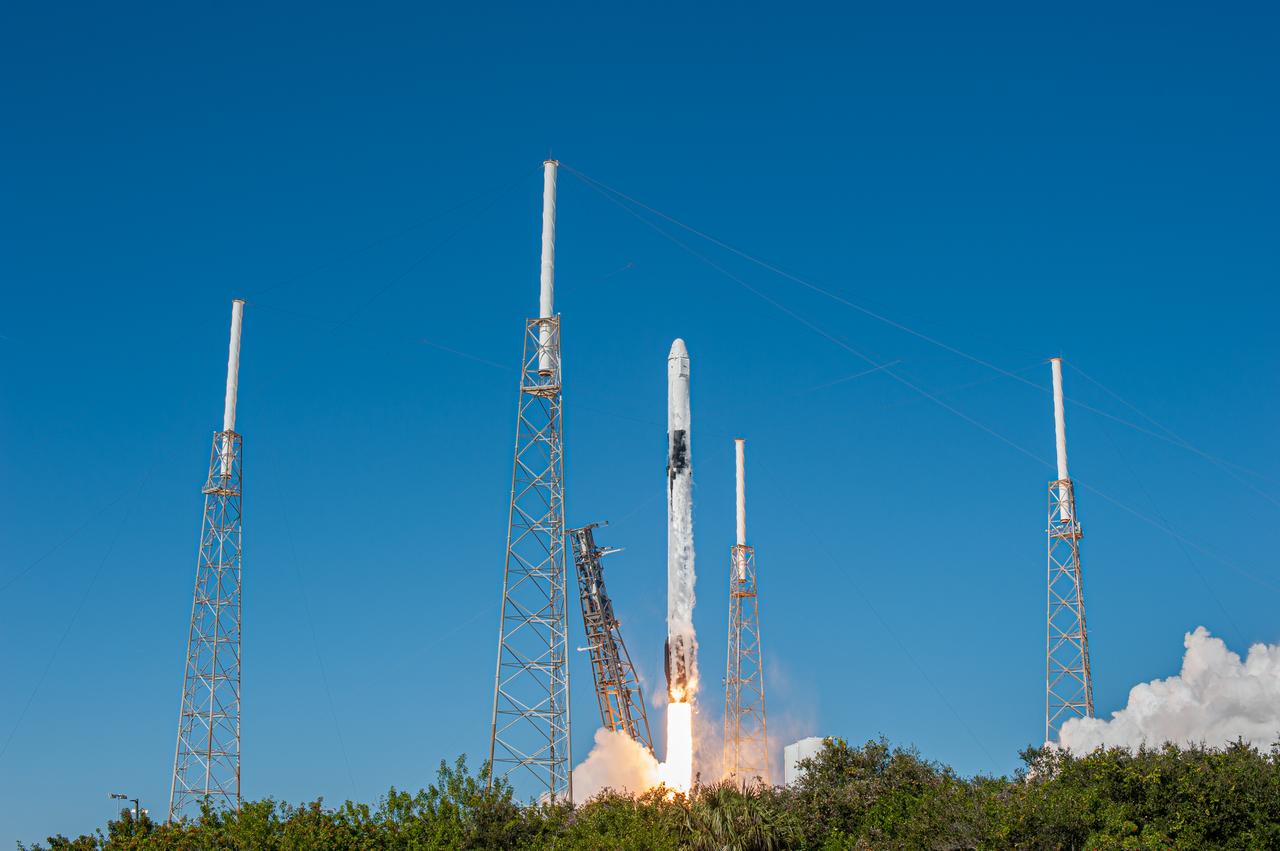
The SpaceX Falcon 9 rocket with the Dragon cargo module lifts off Space Launch Complex 40 on Cape Canaveral Air Force Station in Florida in the early afternoon on Dec. 5, 2019. Liftoff was at 12:29 p.m. EST. This is SpaceX’s 19th Commercial Resupply Services (CRS-19) mission for NASA to the International Space Station. The Dragon cargo module will deliver more than 5,700 pounds of science and research, crew supplies and vehicle hardware to the orbital laboratory and its crew.
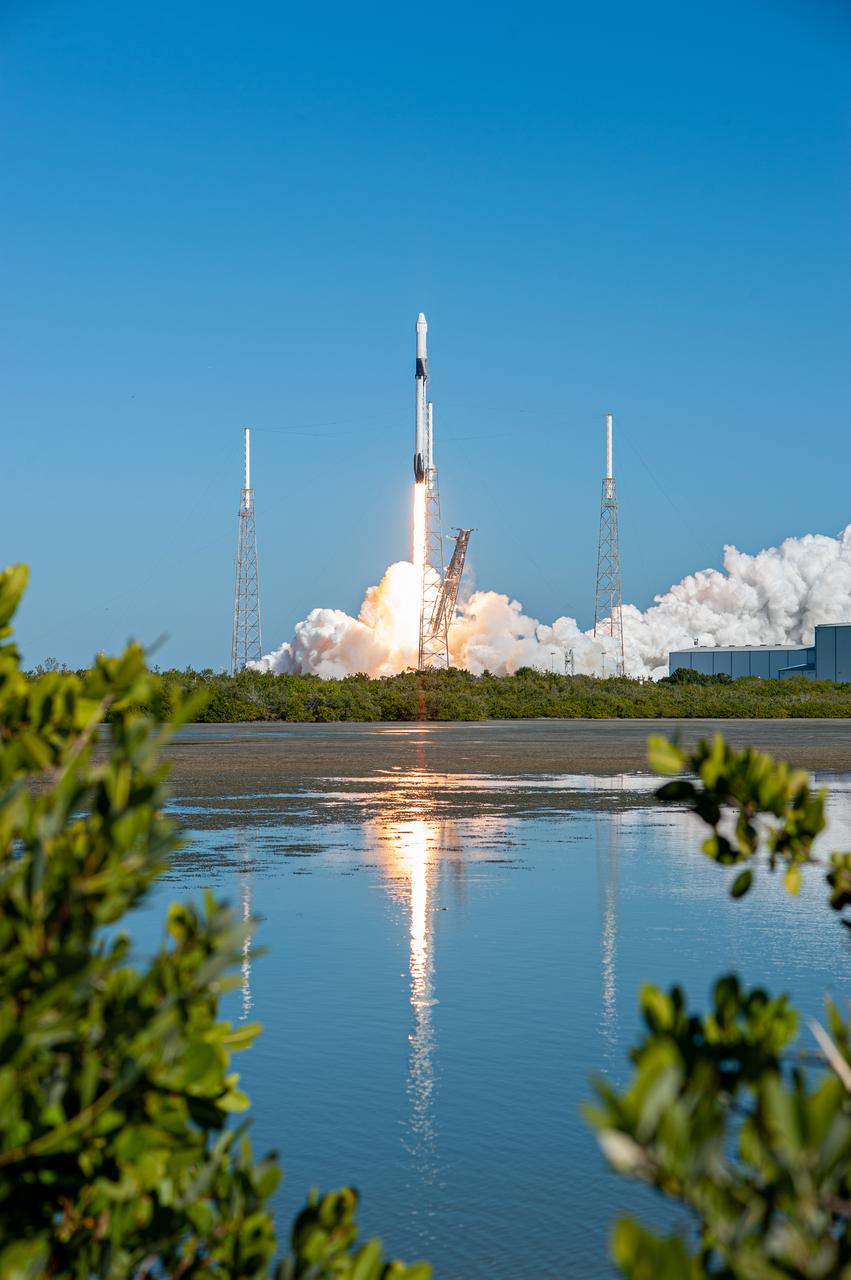
The SpaceX Falcon 9 rocket with the Dragon cargo module climbs upward after liftoff from Space Launch Complex 40 on Cape Canaveral Air Force Station in Florida in the early afternoon on Dec. 5, 2019. Liftoff was at 12:29 p.m. EST. This is SpaceX’s 19th Commercial Resupply Services (CRS-19) mission for NASA to the International Space Station. The Dragon cargo module will deliver more than 5,700 pounds of science and research, crew supplies and vehicle hardware to the orbital laboratory and its crew.
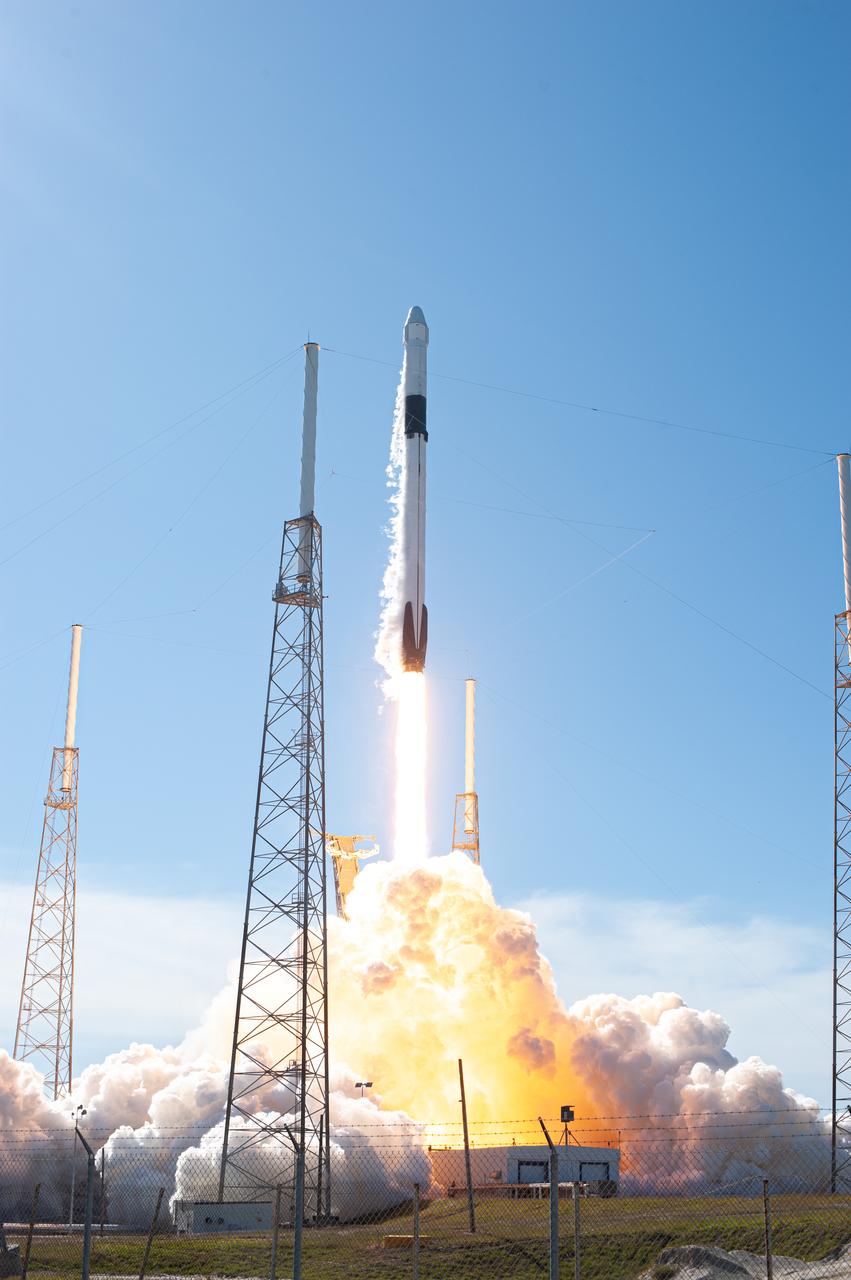
The SpaceX Falcon 9 rocket with the Dragon cargo module lifts off Space Launch Complex 40 on Cape Canaveral Air Force Station in Florida in the early afternoon on Dec. 5, 2019. Liftoff was at 12:29 p.m. EST. This is SpaceX’s 19th Commercial Resupply Services (CRS-19) mission for NASA to the International Space Station. The Dragon cargo module will deliver more than 5,700 pounds of science and research, crew supplies and vehicle hardware to the orbital laboratory and its crew.

The SpaceX Falcon 9 rocket with the Dragon cargo module lifts off Space Launch Complex 40 on Cape Canaveral Air Force Station in Florida in the early afternoon on Dec. 5, 2019. Liftoff was at 12:29 p.m. EST. This is SpaceX’s 19th Commercial Resupply Services (CRS-19) mission for NASA to the International Space Station. The Dragon cargo module will deliver more than 5,700 pounds of science and research, crew supplies and vehicle hardware to the orbital laboratory and its crew.
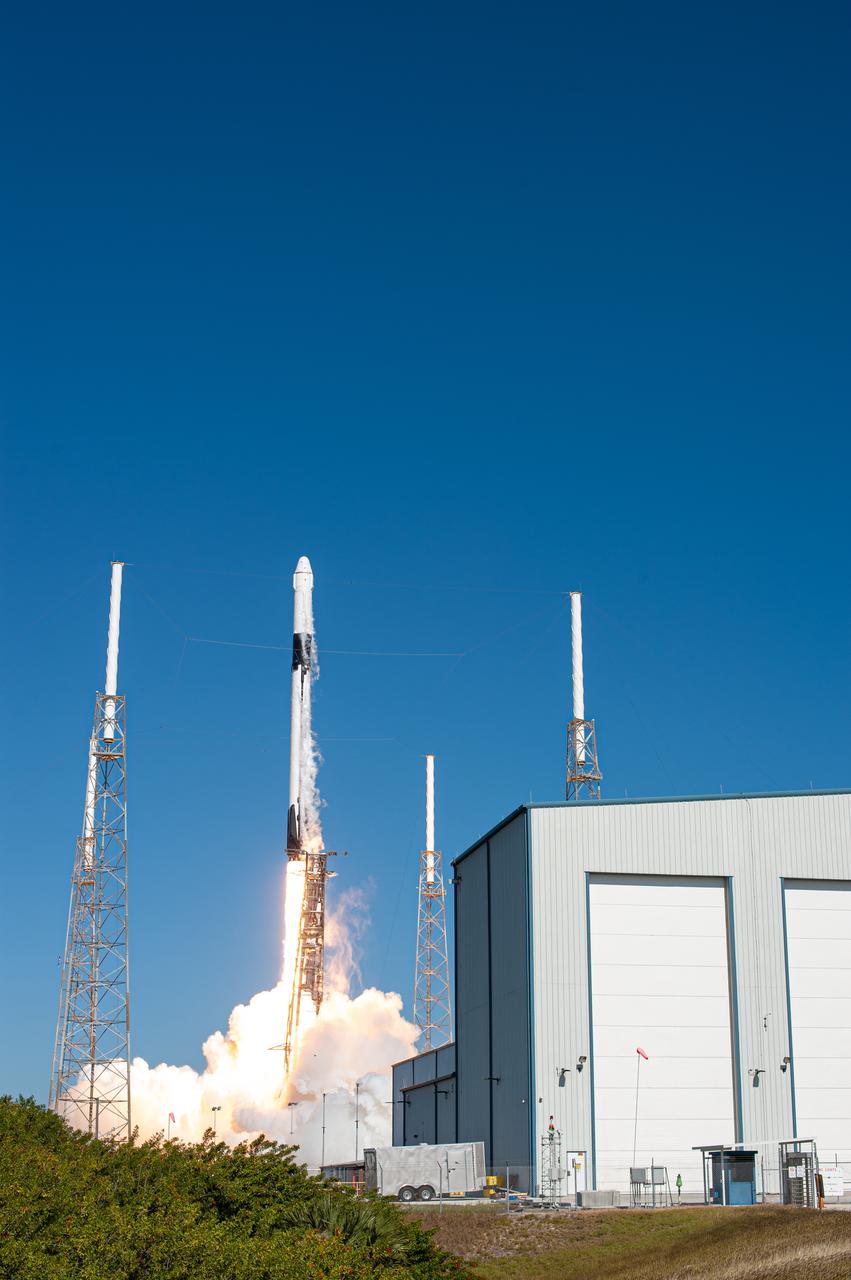
The SpaceX Falcon 9 rocket with the Dragon cargo module climbs upward after liftoff from Space Launch Complex 40 on Cape Canaveral Air Force Station in Florida in the early afternoon on Dec. 5, 2019. Liftoff was at 12:29 p.m. EST. This is SpaceX’s 19th Commercial Resupply Services (CRS-19) mission for NASA to the International Space Station. The Dragon cargo module will deliver more than 5,700 pounds of science and research, crew supplies and vehicle hardware to the orbital laboratory and its crew.

The SpaceX Falcon 9 rocket with the Dragon cargo module climbs upward after liftoff from Space Launch Complex 40 on Cape Canaveral Air Force Station in Florida in the early afternoon on Dec. 5, 2019. Liftoff was at 12:29 p.m. EST. This is SpaceX’s 19th Commercial Resupply Services (CRS-19) mission for NASA to the International Space Station. The Dragon cargo module will deliver more than 5,700 pounds of science and research, crew supplies and vehicle hardware to the orbital laboratory and its crew.
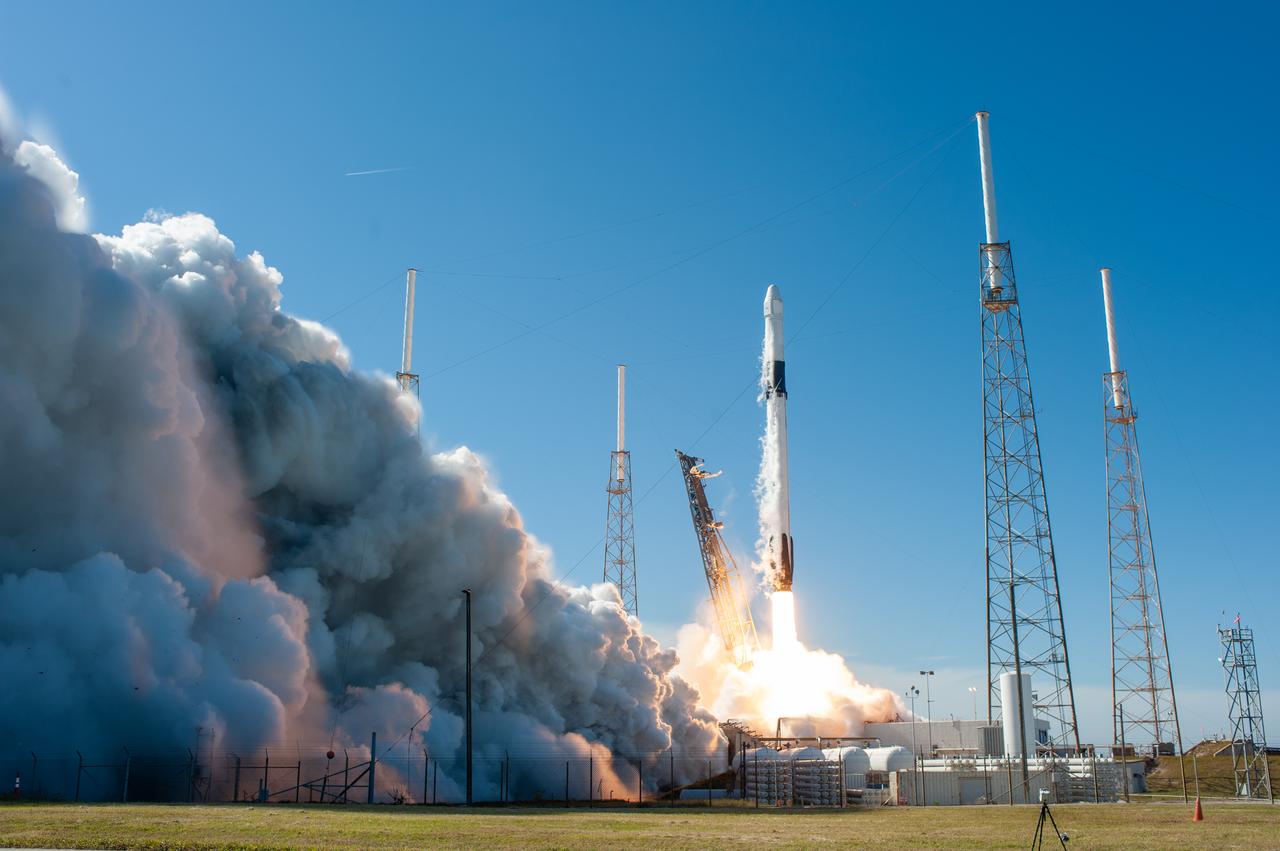
The SpaceX Falcon 9 rocket with the Dragon cargo module lifts off Space Launch Complex 40 on Cape Canaveral Air Force Station in Florida in the early afternoon on Dec. 5, 2019. Liftoff was at 12:29 p.m. EST. This is SpaceX’s 19th Commercial Resupply Services (CRS-19) mission for NASA to the International Space Station. The Dragon cargo module will deliver more than 5,700 pounds of science and research, crew supplies and vehicle hardware to the orbital laboratory and its crew.
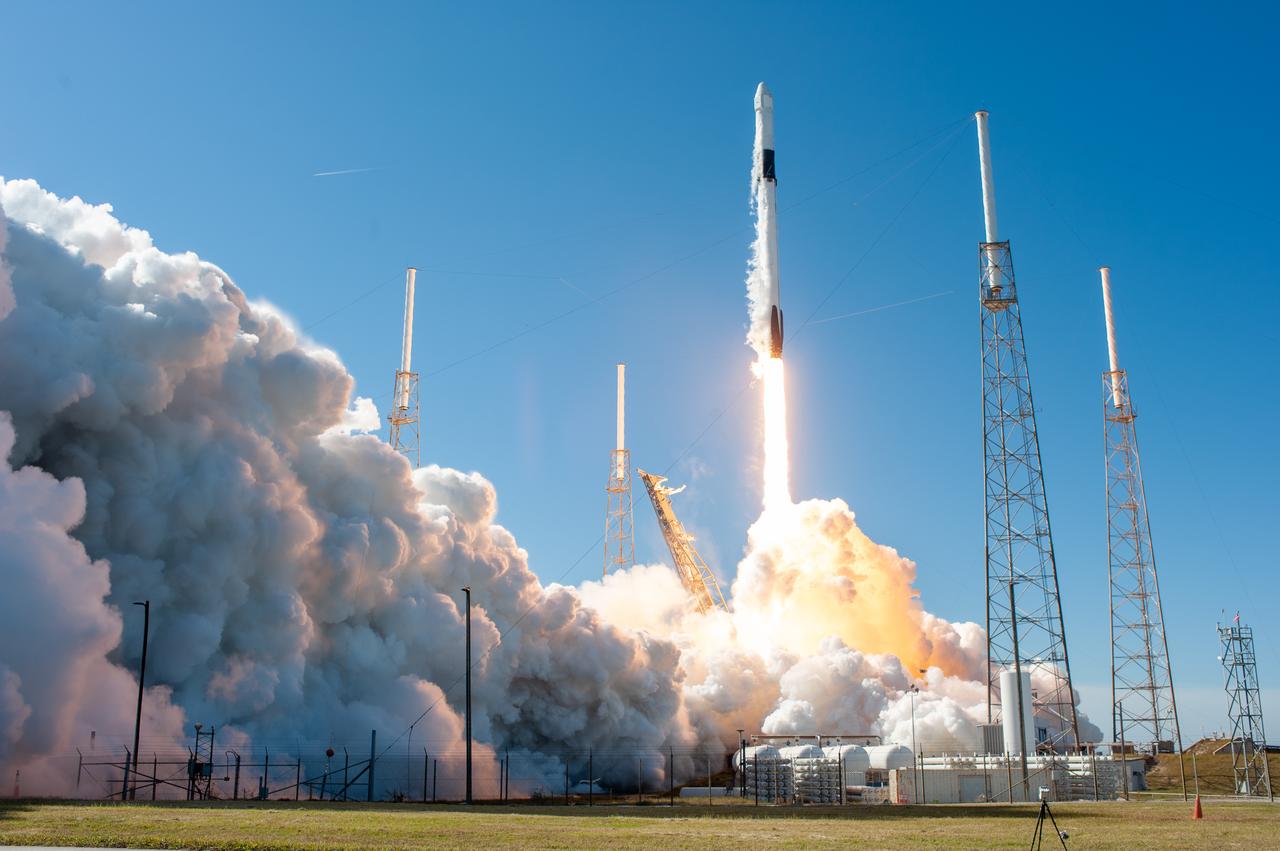
The SpaceX Falcon 9 rocket with the Dragon cargo module lifts off Space Launch Complex 40 on Cape Canaveral Air Force Station in Florida in the early afternoon on Dec. 5, 2019. Liftoff was at 12:29 p.m. EST. This is SpaceX’s 19th Commercial Resupply Services (CRS-19) mission for NASA to the International Space Station. The Dragon cargo module will deliver more than 5,700 pounds of science and research, crew supplies and vehicle hardware to the orbital laboratory and its crew.
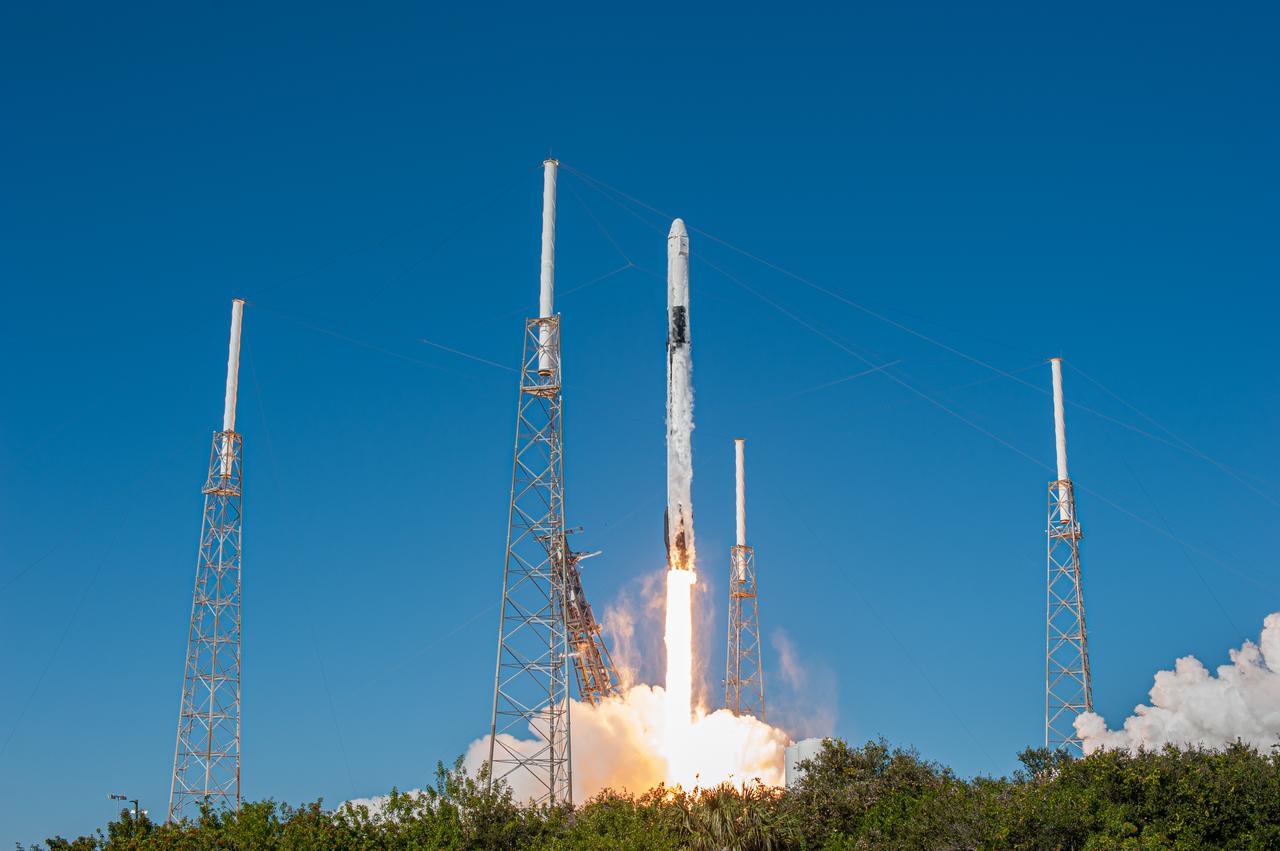
The SpaceX Falcon 9 rocket with the Dragon cargo module lifts off Space Launch Complex 40 on Cape Canaveral Air Force Station in Florida in the early afternoon on Dec. 5, 2019. Liftoff was at 12:29 p.m. EST. This is SpaceX’s 19th Commercial Resupply Services (CRS-19) mission for NASA to the International Space Station. The Dragon cargo module will deliver more than 5,700 pounds of science and research, crew supplies and vehicle hardware to the orbital laboratory and its crew.
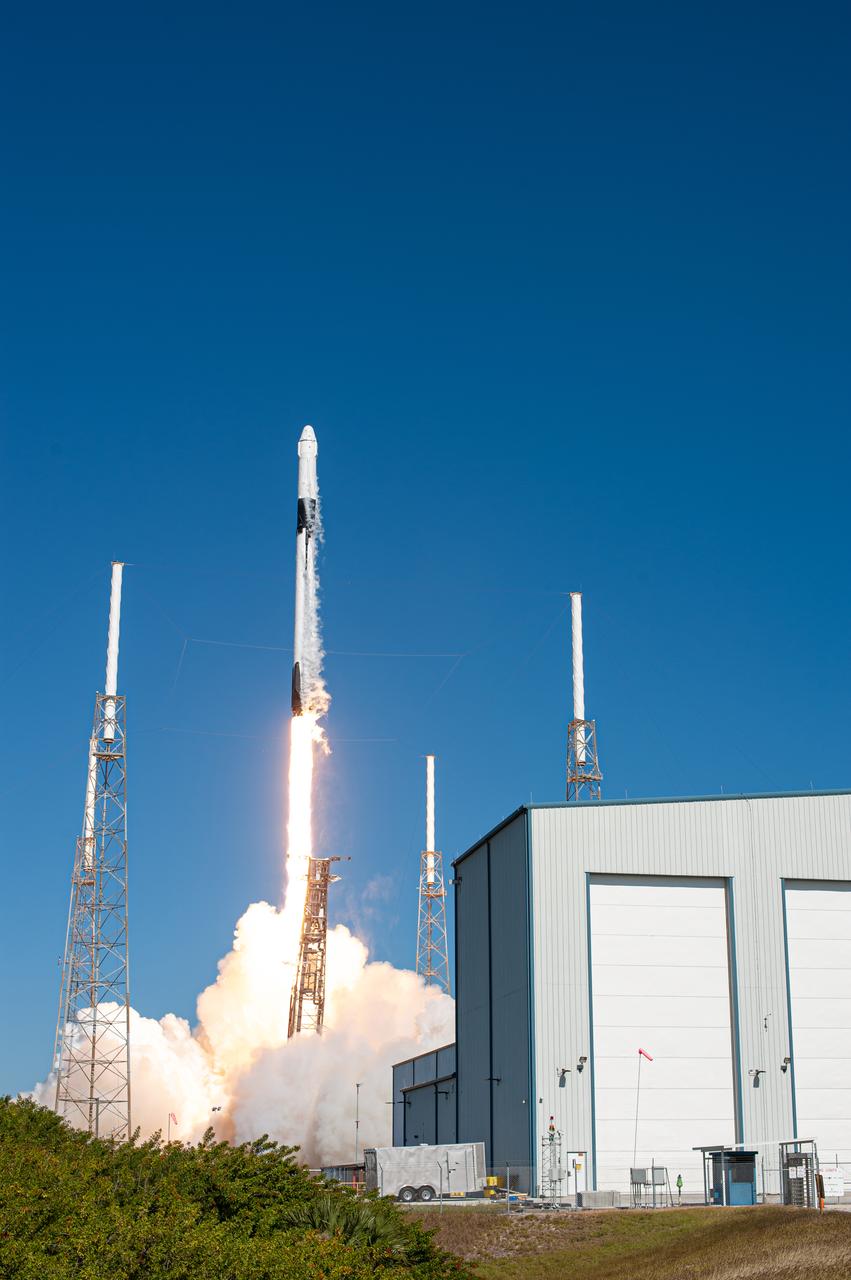
The SpaceX Falcon 9 rocket with the Dragon cargo module climbs upward after liftoff from Space Launch Complex 40 on Cape Canaveral Air Force Station in Florida in the early afternoon on Dec. 5, 2019. Liftoff was at 12:29 p.m. EST. This is SpaceX’s 19th Commercial Resupply Services (CRS-19) mission for NASA to the International Space Station. The Dragon cargo module will deliver more than 5,700 pounds of science and research, crew supplies and vehicle hardware to the orbital laboratory and its crew.
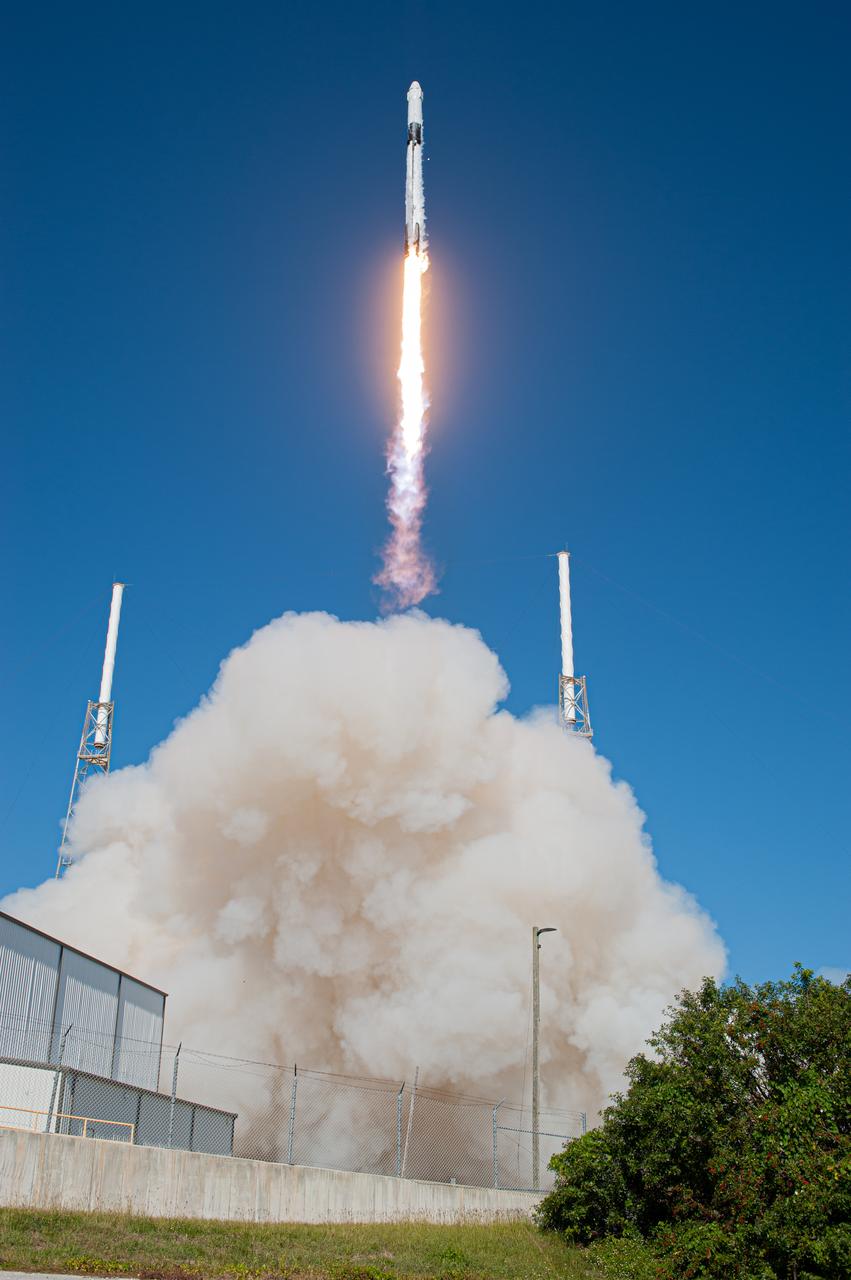
The SpaceX Falcon 9 rocket with the Dragon cargo module climbs upward after liftoff from Space Launch Complex 40 on Cape Canaveral Air Force Station in Florida in the early afternoon on Dec. 5, 2019. Liftoff was at 12:29 p.m. EST. This is SpaceX’s 19th Commercial Resupply Services (CRS-19) mission for NASA to the International Space Station. The Dragon cargo module will deliver more than 5,700 pounds of science and research, crew supplies and vehicle hardware to the orbital laboratory and its crew.
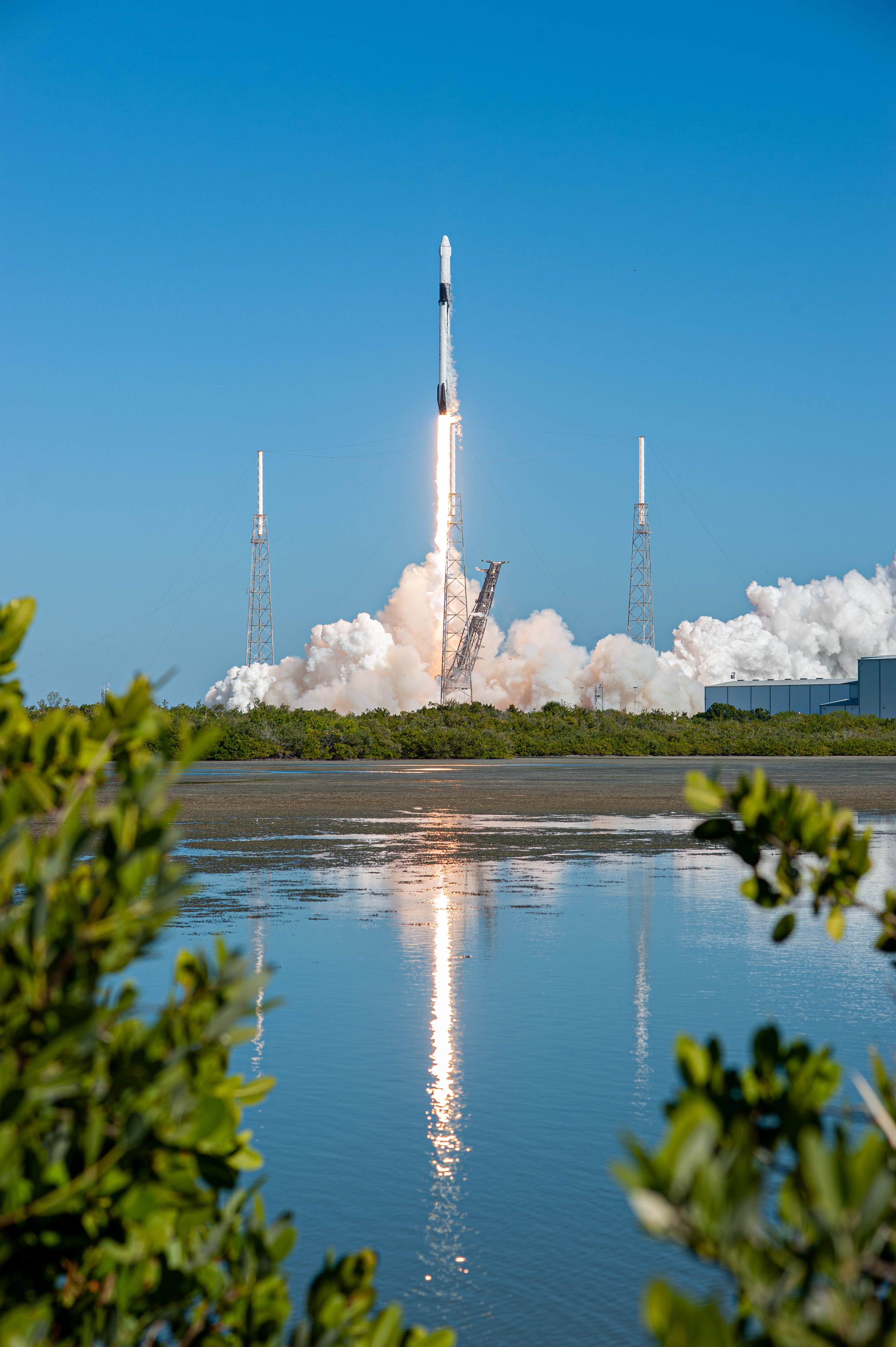
The SpaceX Falcon 9 rocket with the Dragon cargo module climbs upward after liftoff from Space Launch Complex 40 on Cape Canaveral Air Force Station in Florida in the early afternoon on Dec. 5, 2019. Liftoff was at 12:29 p.m. EST. This is SpaceX’s 19th Commercial Resupply Services (CRS-19) mission for NASA to the International Space Station. The Dragon cargo module will deliver more than 5,700 pounds of science and research, crew supplies and vehicle hardware to the orbital laboratory and its crew.
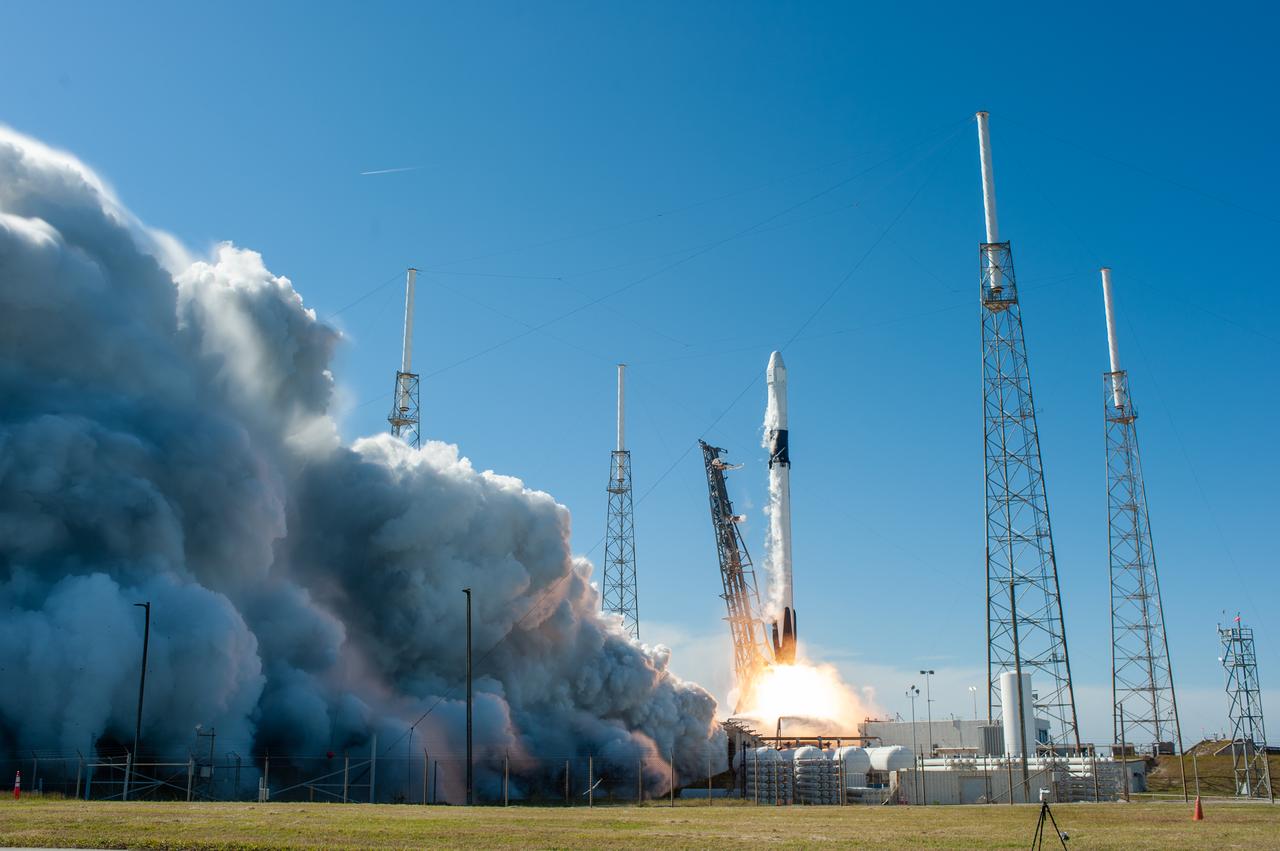
The SpaceX Falcon 9 rocket with the Dragon cargo module lifts off Space Launch Complex 40 on Cape Canaveral Air Force Station in Florida in the early afternoon on Dec. 5, 2019. Liftoff was at 12:29 p.m. EST. This is SpaceX’s 19th Commercial Resupply Services (CRS-19) mission for NASA to the International Space Station. The Dragon cargo module will deliver more than 5,700 pounds of science and research, crew supplies and vehicle hardware to the orbital laboratory and its crew.
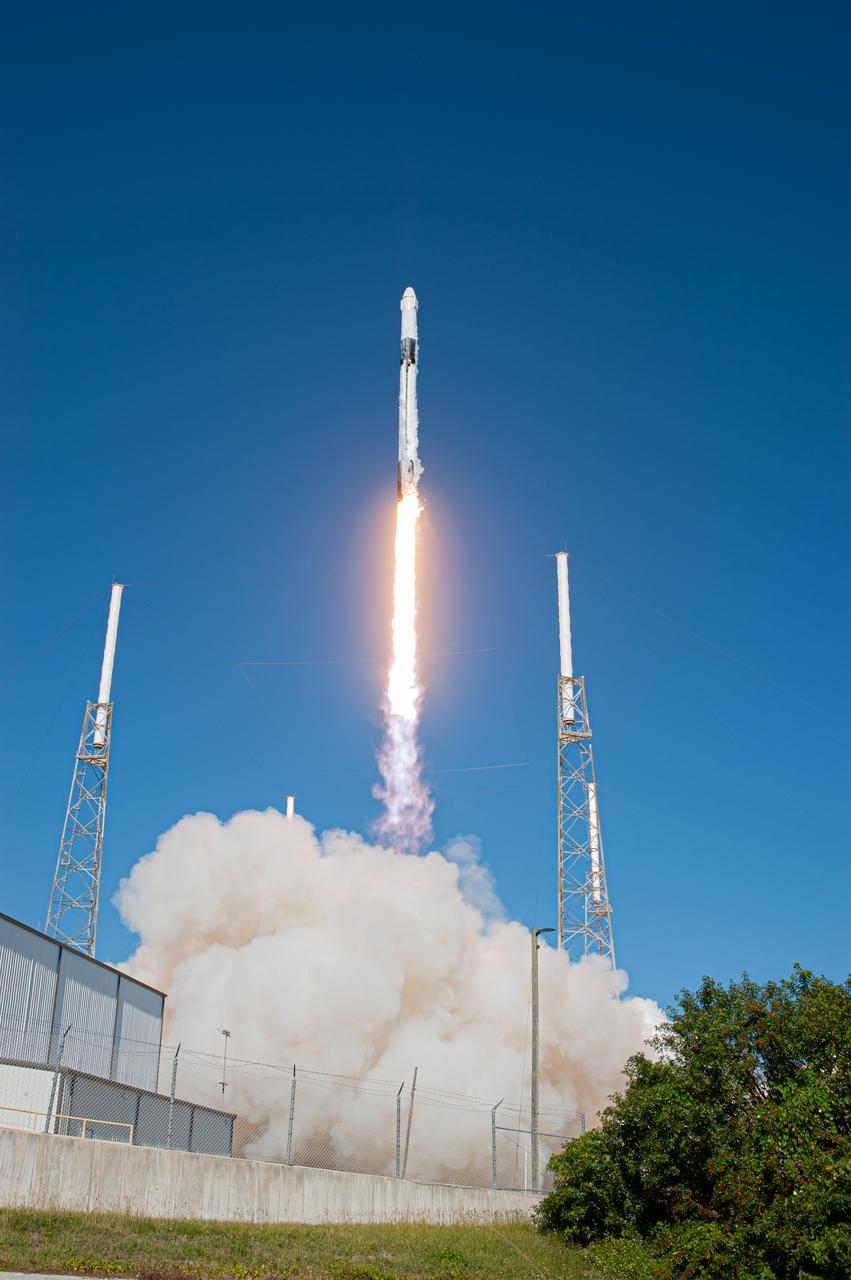
The SpaceX Falcon 9 rocket with the Dragon cargo module climbs upward after liftoff from Space Launch Complex 40 on Cape Canaveral Air Force Station in Florida in the early afternoon on Dec. 5, 2019. Liftoff was at 12:29 p.m. EST. This is SpaceX’s 19th Commercial Resupply Services (CRS-19) mission for NASA to the International Space Station. The Dragon cargo module will deliver more than 5,700 pounds of science and research, crew supplies and vehicle hardware to the orbital laboratory and its crew.
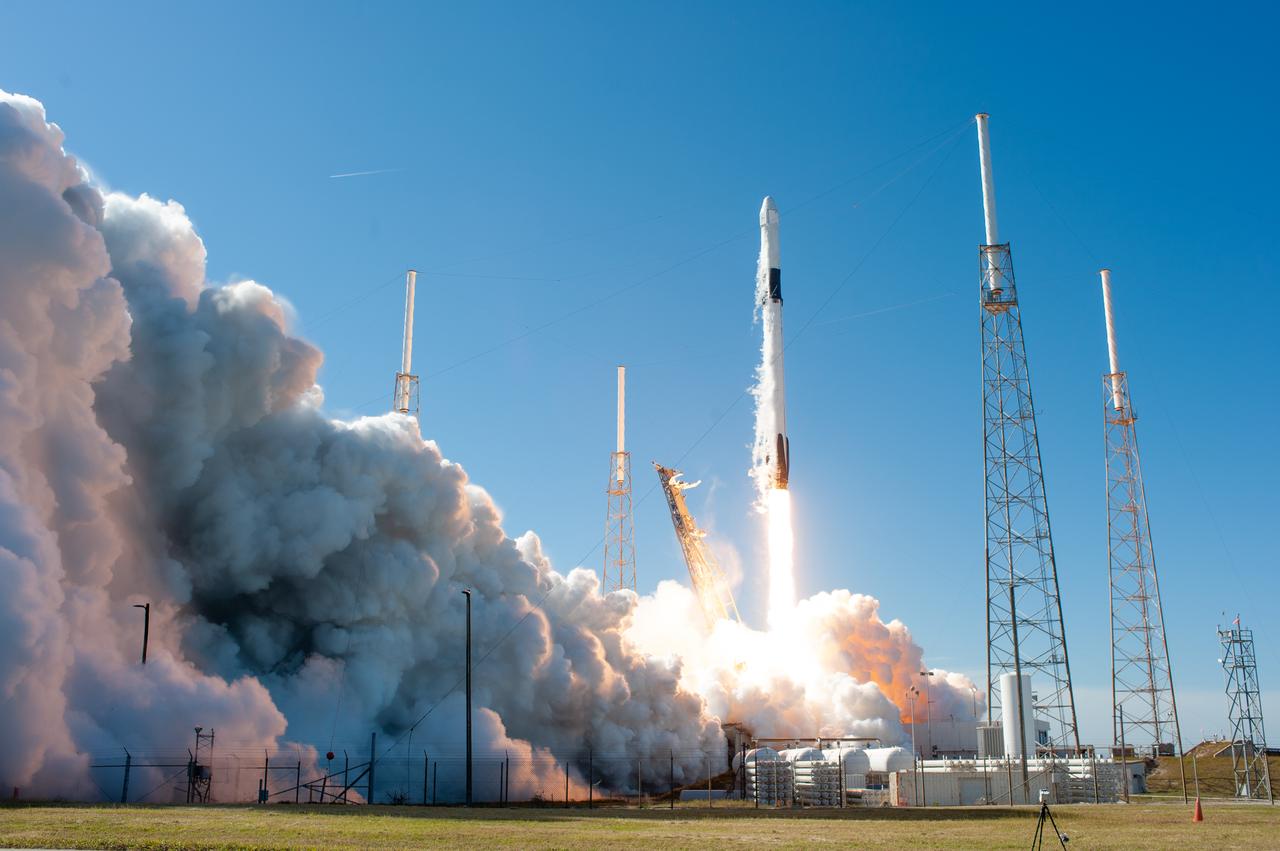
The SpaceX Falcon 9 rocket with the Dragon cargo module lifts off Space Launch Complex 40 on Cape Canaveral Air Force Station in Florida in the early afternoon on Dec. 5, 2019. Liftoff was at 12:29 p.m. EST. This is SpaceX’s 19th Commercial Resupply Services (CRS-19) mission for NASA to the International Space Station. The Dragon cargo module will deliver more than 5,700 pounds of science and research, crew supplies and vehicle hardware to the orbital laboratory and its crew.
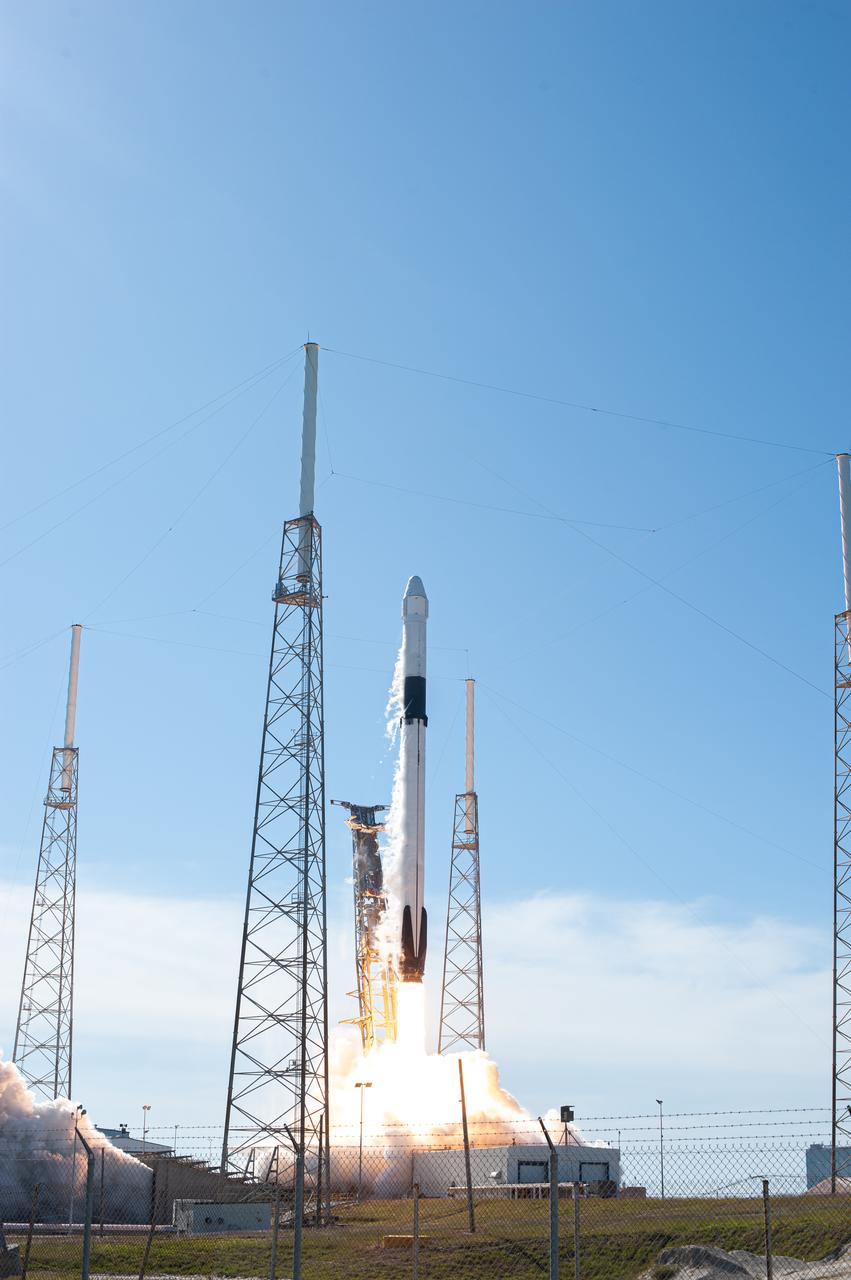
The SpaceX Falcon 9 rocket with the Dragon cargo module lifts off Space Launch Complex 40 on Cape Canaveral Air Force Station in Florida in the early afternoon on Dec. 5, 2019. Liftoff was at 12:29 p.m. EST. This is SpaceX’s 19th Commercial Resupply Services (CRS-19) mission for NASA to the International Space Station. The Dragon cargo module will deliver more than 5,700 pounds of science and research, crew supplies and vehicle hardware to the orbital laboratory and its crew.
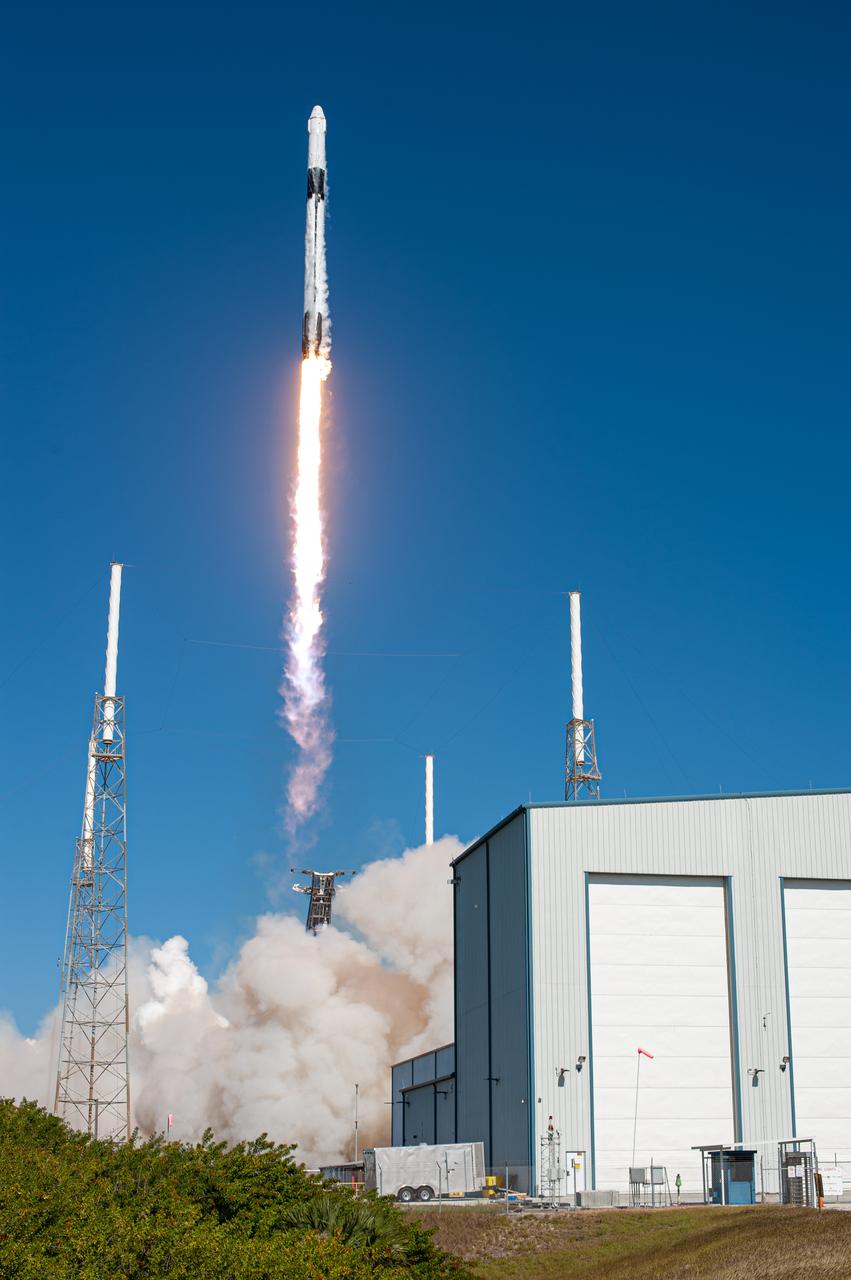
The SpaceX Falcon 9 rocket with the Dragon cargo module climbs upward after liftoff from Space Launch Complex 40 on Cape Canaveral Air Force Station in Florida in the early afternoon on Dec. 5, 2019. Liftoff was at 12:29 p.m. EST. This is SpaceX’s 19th Commercial Resupply Services (CRS-19) mission for NASA to the International Space Station. The Dragon cargo module will deliver more than 5,700 pounds of science and research, crew supplies and vehicle hardware to the orbital laboratory and its crew.
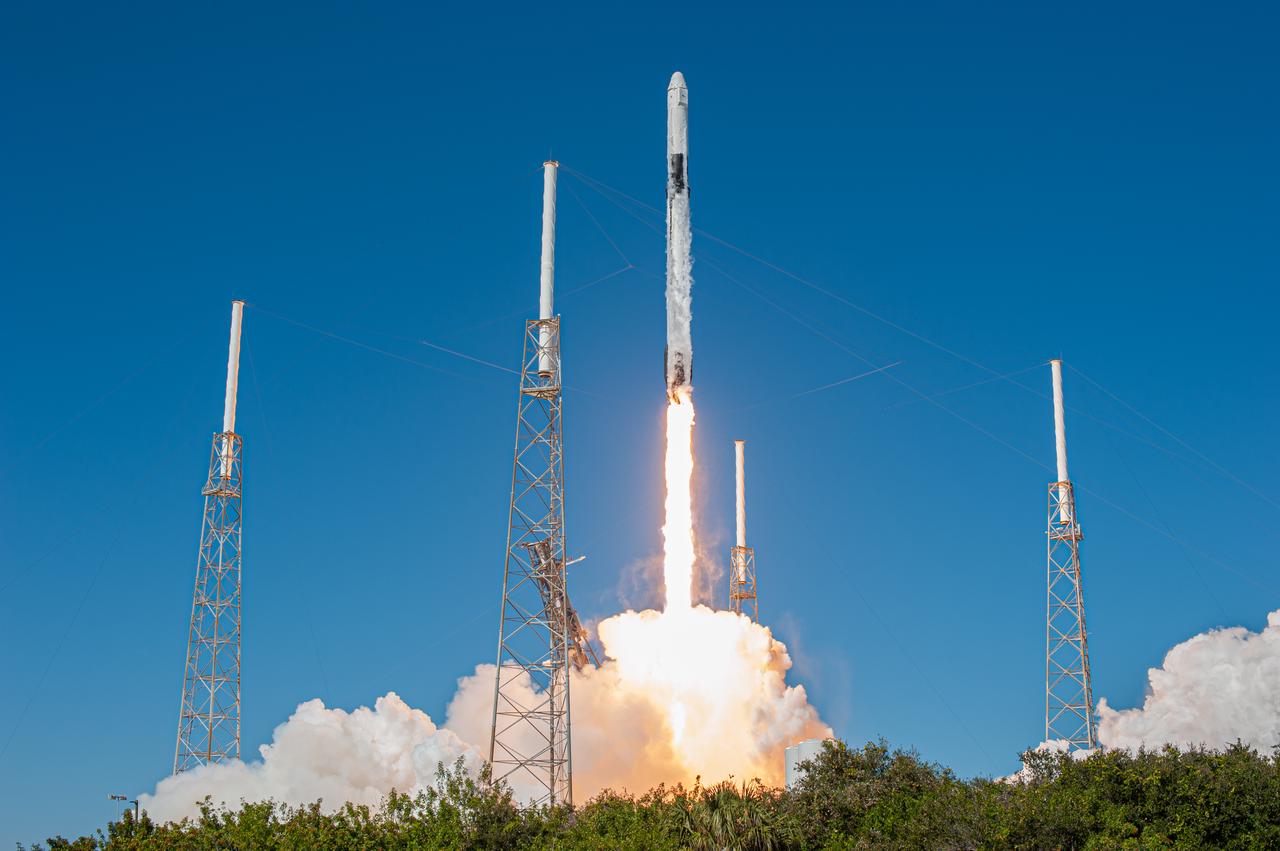
The SpaceX Falcon 9 rocket with the Dragon cargo module lifts off Space Launch Complex 40 on Cape Canaveral Air Force Station in Florida in the early afternoon on Dec. 5, 2019. Liftoff was at 12:29 p.m. EST. This is SpaceX’s 19th Commercial Resupply Services (CRS-19) mission for NASA to the International Space Station. The Dragon cargo module will deliver more than 5,700 pounds of science and research, crew supplies and vehicle hardware to the orbital laboratory and its crew.
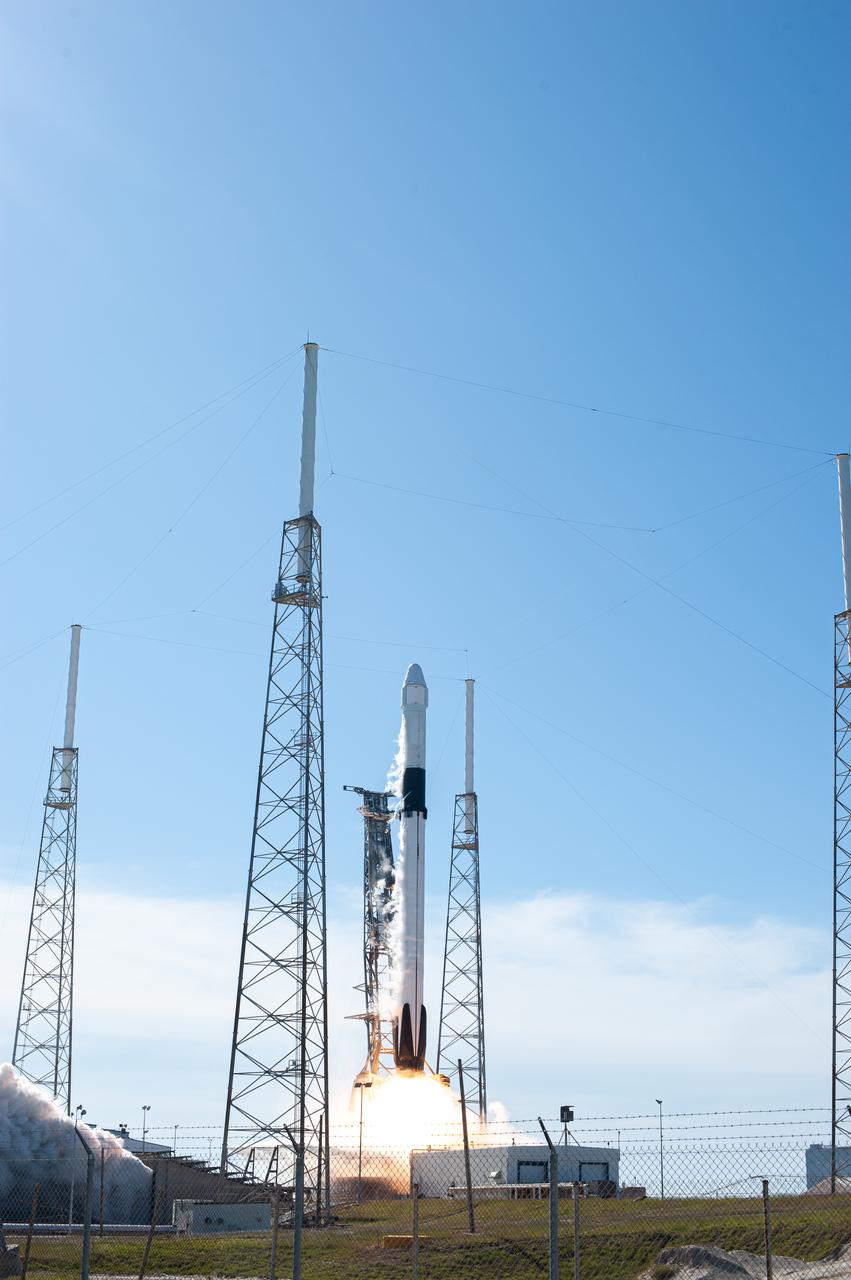
The SpaceX Falcon 9 rocket with the Dragon cargo module lifts off Space Launch Complex 40 on Cape Canaveral Air Force Station in Florida in the early afternoon on Dec. 5, 2019. Liftoff was at 12:29 p.m. EST. This is SpaceX’s 19th Commercial Resupply Services (CRS-19) mission for NASA to the International Space Station. The Dragon cargo module will deliver more than 5,700 pounds of science and research, crew supplies and vehicle hardware to the orbital laboratory and its crew.
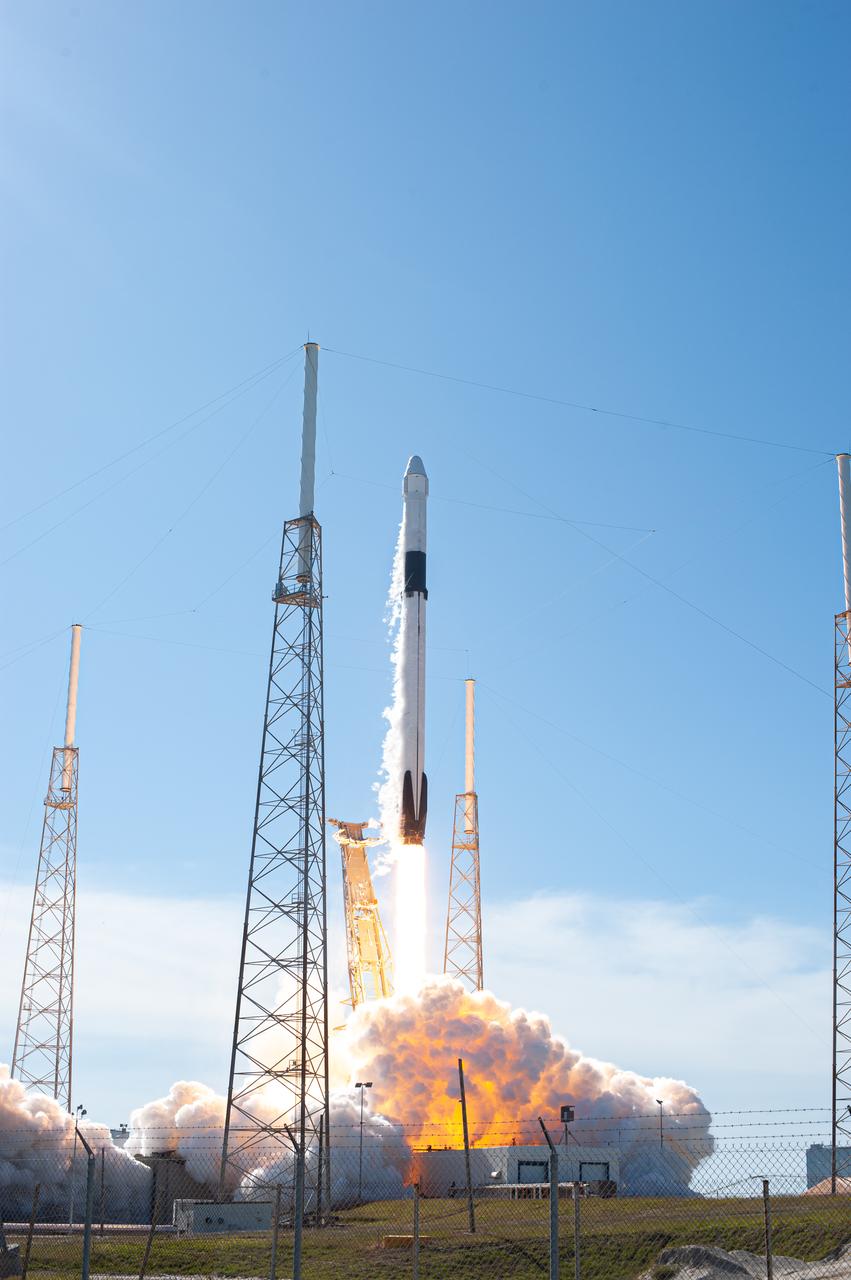
The SpaceX Falcon 9 rocket with the Dragon cargo module lifts off Space Launch Complex 40 on Cape Canaveral Air Force Station in Florida in the early afternoon on Dec. 5, 2019. Liftoff was at 12:29 p.m. EST. This is SpaceX’s 19th Commercial Resupply Services (CRS-19) mission for NASA to the International Space Station. The Dragon cargo module will deliver more than 5,700 pounds of science and research, crew supplies and vehicle hardware to the orbital laboratory and its crew.
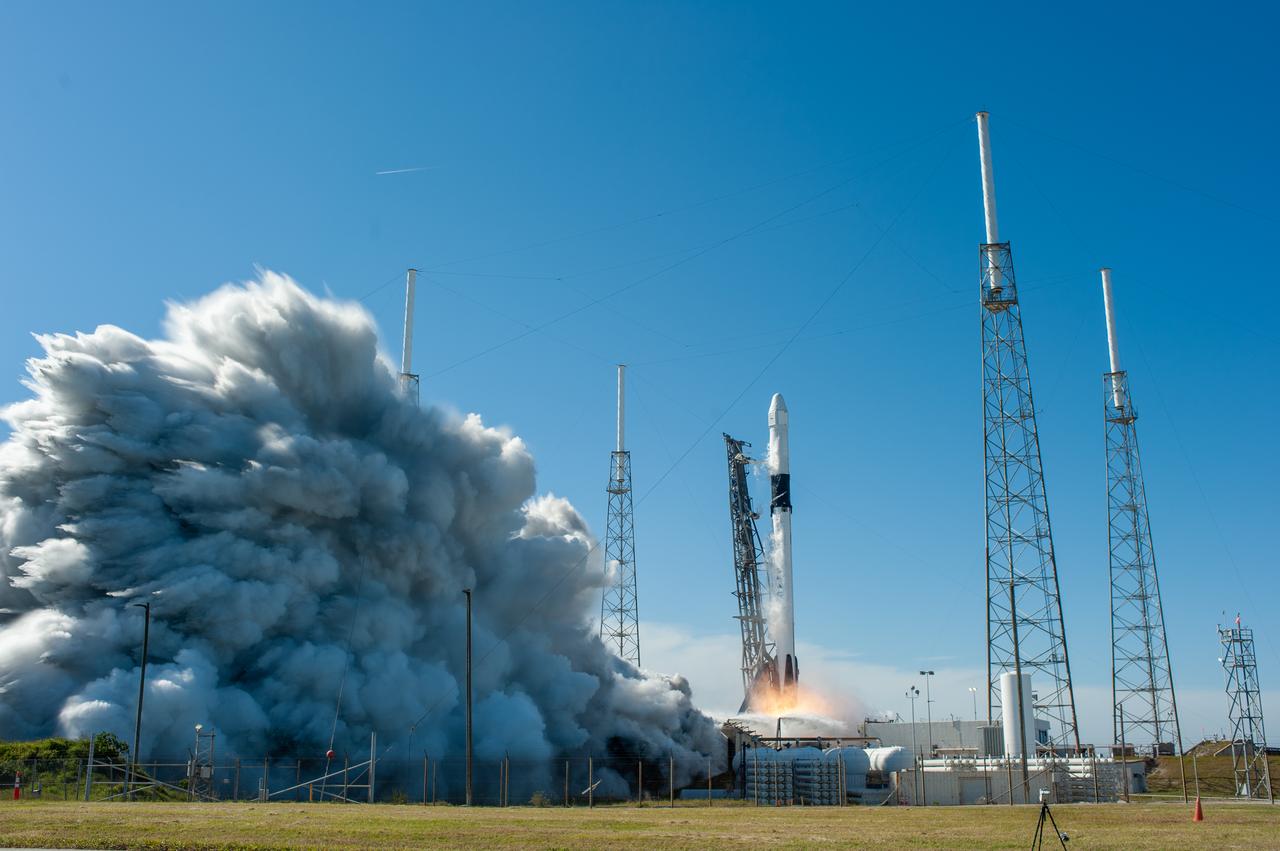
The SpaceX Falcon 9 rocket with the Dragon cargo module lifts off Space Launch Complex 40 on Cape Canaveral Air Force Station in Florida in the early afternoon on Dec. 5, 2019. Liftoff was at 12:29 p.m. EST. This is SpaceX’s 19th Commercial Resupply Services (CRS-19) mission for NASA to the International Space Station. The Dragon cargo module will deliver more than 5,700 pounds of science and research, crew supplies and vehicle hardware to the orbital laboratory and its crew.
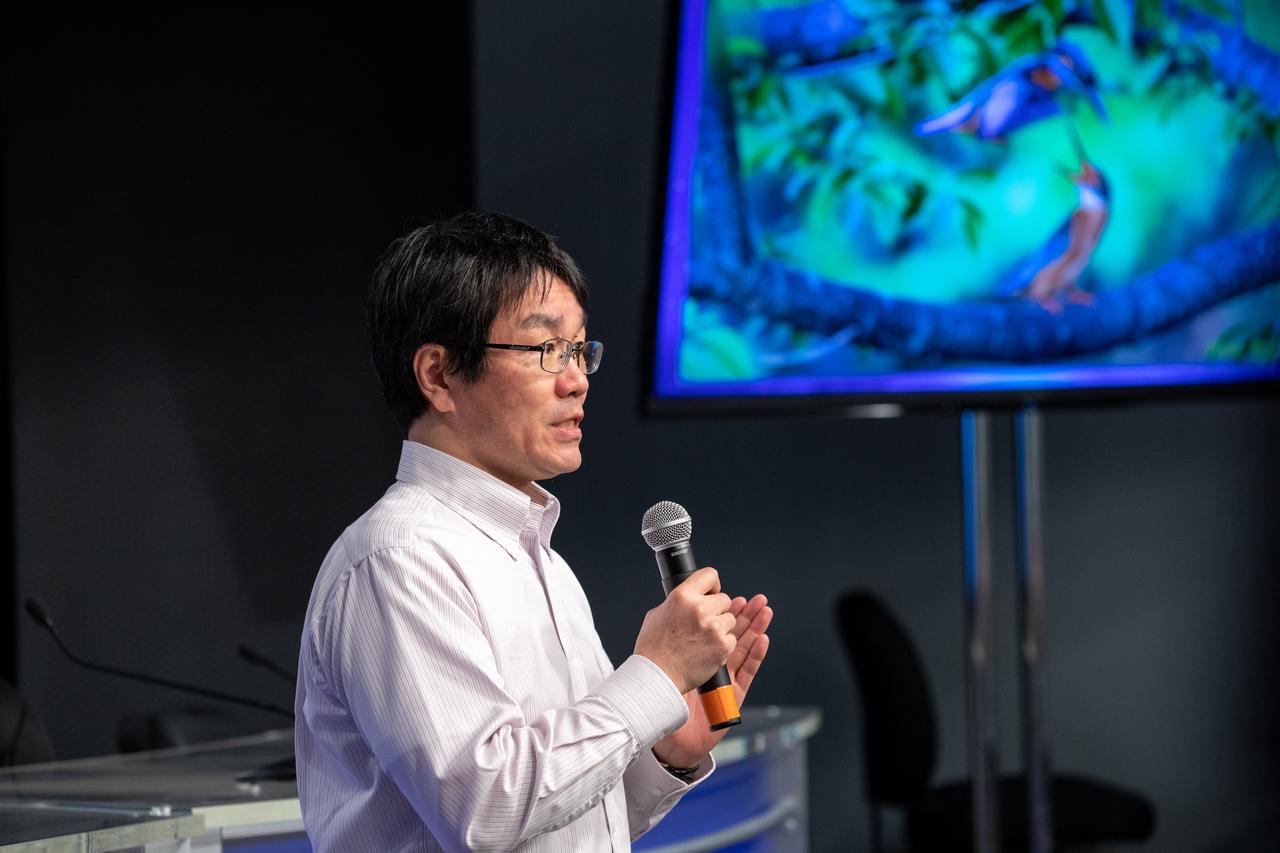
A What’s On Board Briefing for SpaceX’s 19th Commercial Resupply Services (CRS-19) mission for NASA to the International Space Station took place on Dec. 3, 2019, at the agency’s Kennedy Space Center in Florida. Akira Iwasaki, professor at the University of Tokyo and principal investigator for the Hyperspectral Imager Suite (HISUI) developed by the Japanese government, discusses the next-generation, hyperspectral Earth imaging system. The SpaceX Falcon 9 rocket and Dragon cargo module are scheduled to launch on Dec. 4, 2019, from Space Launch Complex 40 on Cape Canaveral Air Force Station in Florida
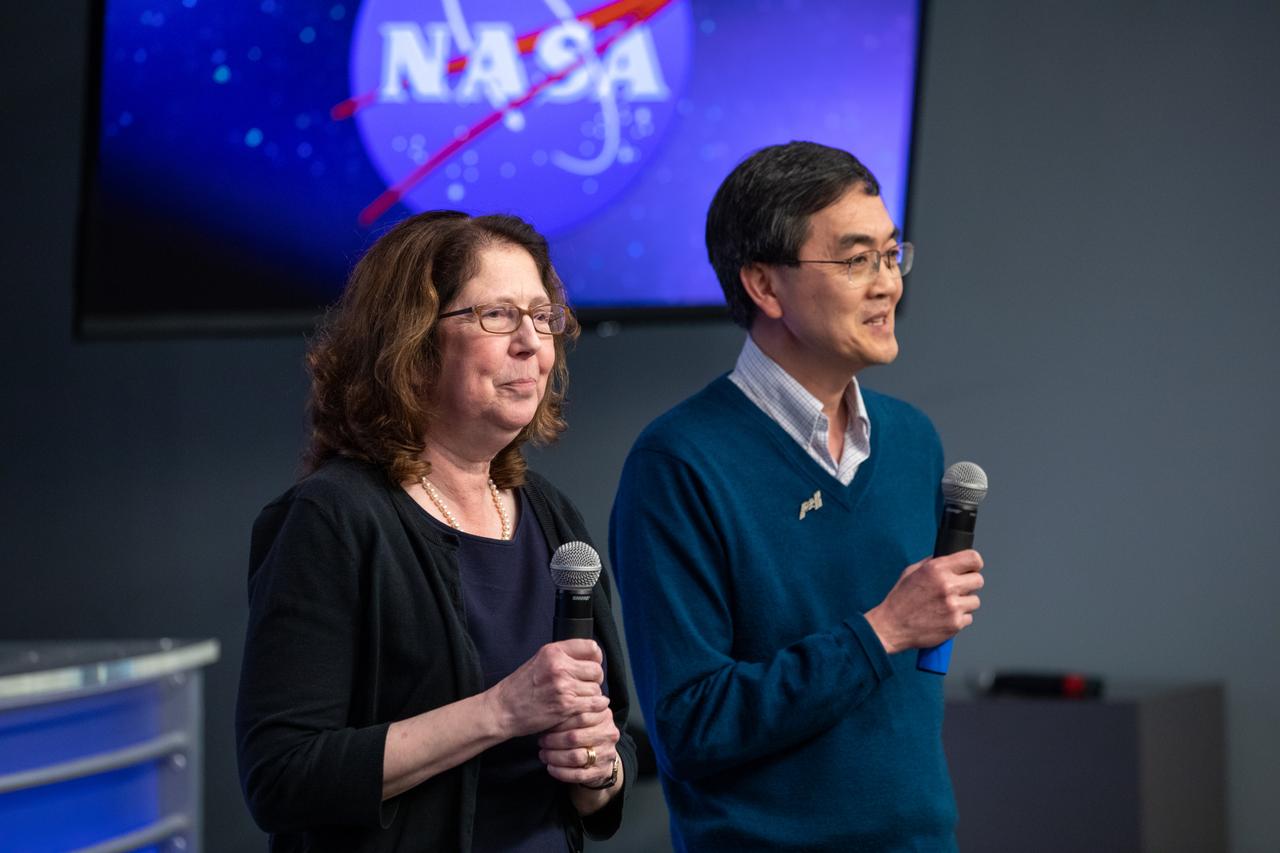
A What’s On Board Briefing for SpaceX’s 19th Commercial Resupply Services (CRS-19) mission for NASA to the International Space Station took place on Dec. 3, 2019, at the agency’s Kennedy Space Center in Florida. Se-Jin Lee (at right) professor at the Jackson Laboratory and University of Connecticut School of Medicine, and principal investigator of Rodent Research-19, and Emily Germain-Lee, professor at the University of Connecticut School of Medicine and chief of endocrinology and diabetes, Connecticut Children’s Medical Center, present their research to members of the media. They discussed the research on molecular signaling pathways that influence muscle degradation to prevent skeletal muscle and bone loss during spaceflight, and enhance recovery following return to Earth. The SpaceX Falcon 9 rocket and Dragon cargo module are scheduled to launch on Dec. 4, 2019, from Space Launch Complex 40 on Cape Canaveral Air Force Station in Florida.

A What’s On Board Briefing for SpaceX’s 19th Commercial Resupply Services (CRS-19) mission for NASA to the International Space Station took place on Dec. 3, 2019, at the agency’s Kennedy Space Center in Florida. Rosa Reyna gonzales, student researcher for AzTechSat-1, the first Mexican-developed nanosatellite to be launched from the space station, discusses her role in the experiment and how the investigation will demonstrate communication between a CubeSat and the GlobalStar Constellation satellite network in low-Earth orbit. The SpaceX Falcon 9 rocket and Dragon cargo module are scheduled to launch on Dec. 4, 2019, from Space Launch Complex 40 on Cape Canaveral Air Force Station in Florida.
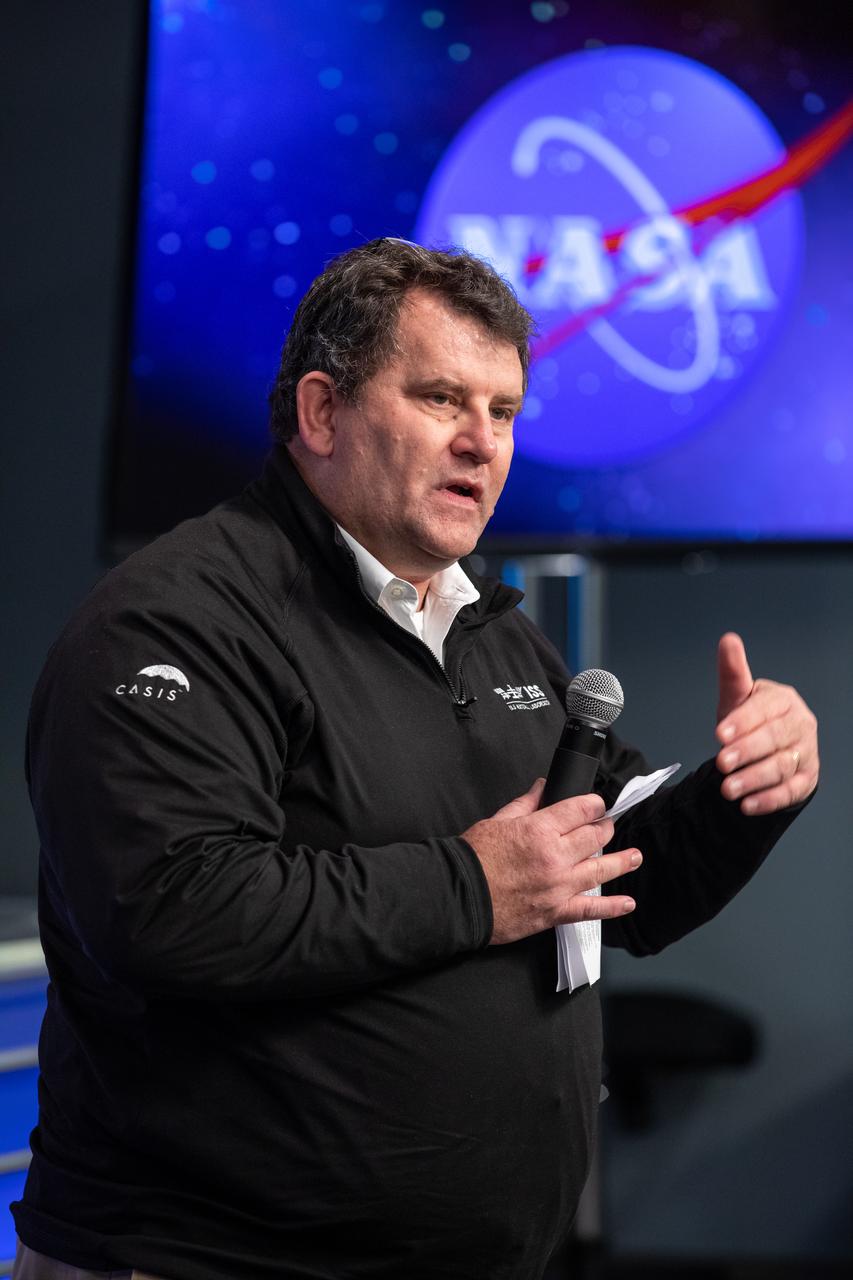
A What’s On Board Briefing for SpaceX’s 19th Commercial Resupply Services (CRS-19) mission for NASA to the International Space Station took place on Dec. 3, 2019, at the agency’s Kennedy Space Center in Florida. Michael Roberts, interim chief scientist for the International Space Station U.S. National Laboratory, discusses the lab’s work in advancing science in space, and in developing partnerships that drive industrialization through microgravity research. The SpaceX Falcon 9 rocket and Dragon cargo module are scheduled to launch on Dec. 4, 2019, from Space Launch Complex 40 on Cape Canaveral Air Force Station in Florida.

A What’s On Board Briefing for SpaceX’s 19th Commercial Resupply Services (CRS-19) mission for NASA to the International Space Station took place on Dec. 3, 2019, at the agency’s Kennedy Space Center in Florida. Paul Ferkul, an investigator for the Confined Combustion experiment, discuss the investigation which studies how fire spreads and behaves in confined spaces. The SpaceX Falcon 9 rocket and Dragon cargo module are scheduled to launch on Dec. 4, 2019, from Space Launch Complex 40 on Cape Canaveral Air Force Station in Florida.

A What’s On Board Briefing for SpaceX’s 19th Commercial Resupply Services (CRS-19) mission for NASA to the International Space Station took place on Dec. 3, 2019, at the agency’s Kennedy Space Center in Florida. Se-Jin Lee, professor at the Jackson Laboratory and University of Connecticut School of Medicine, and principal investigator of Rodent Research-19 presents his research to members of the media. He discussed the research on molecular signaling pathways that influence muscle degradation to prevent skeletal muscle and bone loss during spaceflight, and enhance recovery following return to Earth. The SpaceX Falcon 9 rocket and Dragon cargo module are scheduled to launch on Dec. 4, 2019, from Space Launch Complex 40 on Cape Canaveral Air Force Station in Florida.
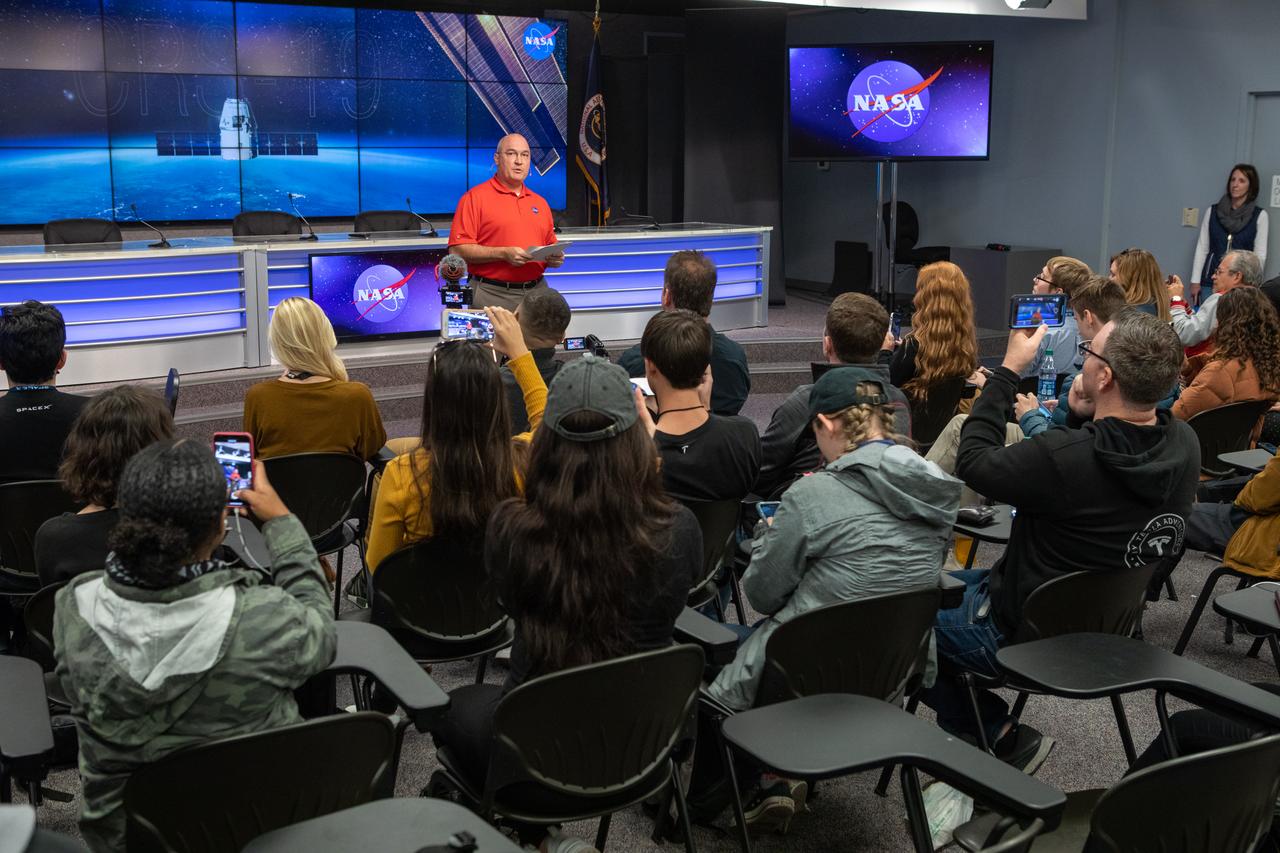
Greg Harland, NASA Communications, moderates a What’s On Board Briefing for SpaceX’s 19th Commercial Resupply Services (CRS-19) mission for NASA to the International Space Station on Dec. 3, 2019, at the agency’s Kennedy Space Center in Florida. The SpaceX Falcon 9 rocket and Dragon cargo module are scheduled to launch on Dec. 4, 2019, from Space Launch Complex 40 on Cape Canaveral Air Force Station in Florida.
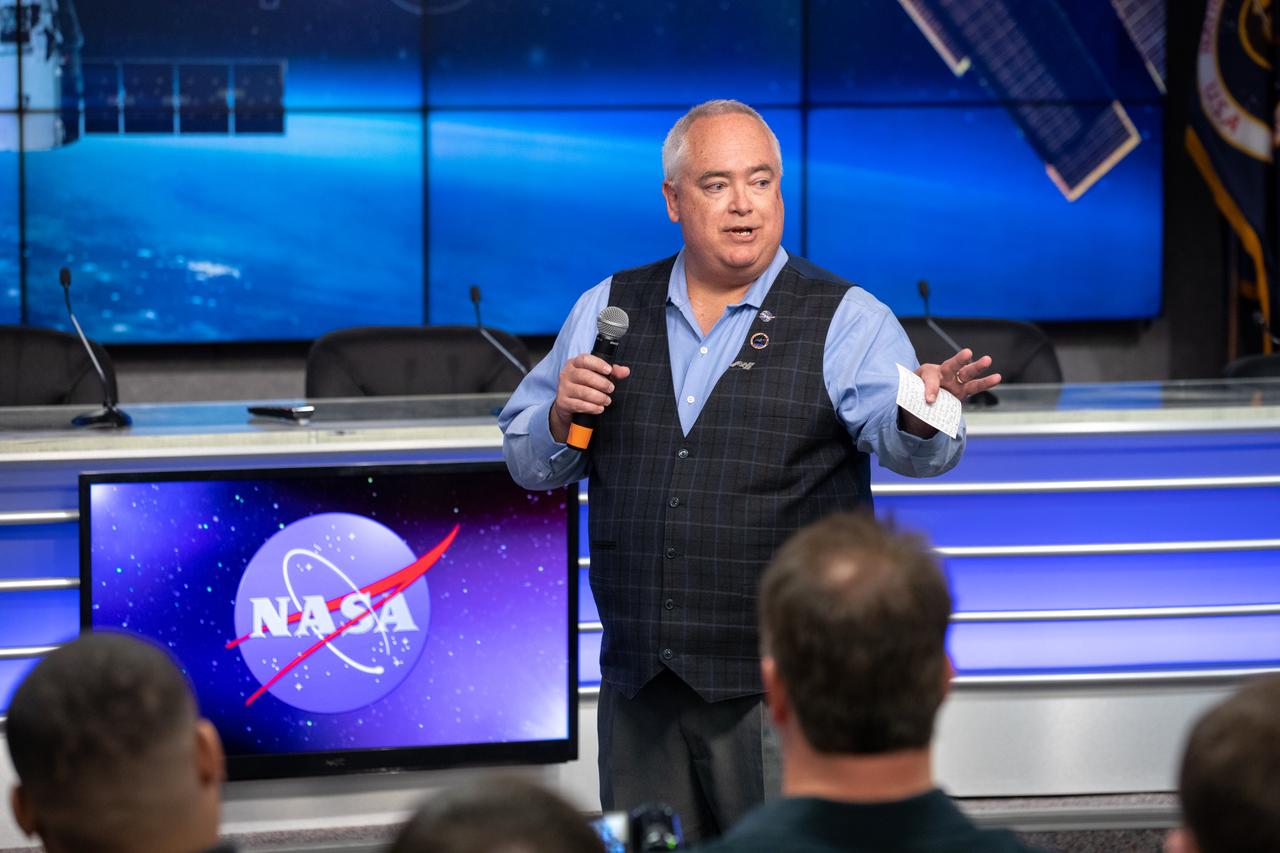
A What's on Board Briefing for SpaceX's 19th Commercial Resupply Services (CRS-19) mission for NASA to the International Space Station took place on Dec. 3, 2019, at the agency's Kennedy Space Center in Florida. Bryan Dansberry, assistant program scientist for NASA's International Space Station Program Science Office shares an overview of the research being conducted aboard the space station and how it benefits exploration and humanity. The SpaceX Falcon 9 rocket and Dragon cargo module are scheduled to launch on Dec. 4, 2019, from Space Launch Complex 40 at Cape Canaveral Air Force Station in Florida.
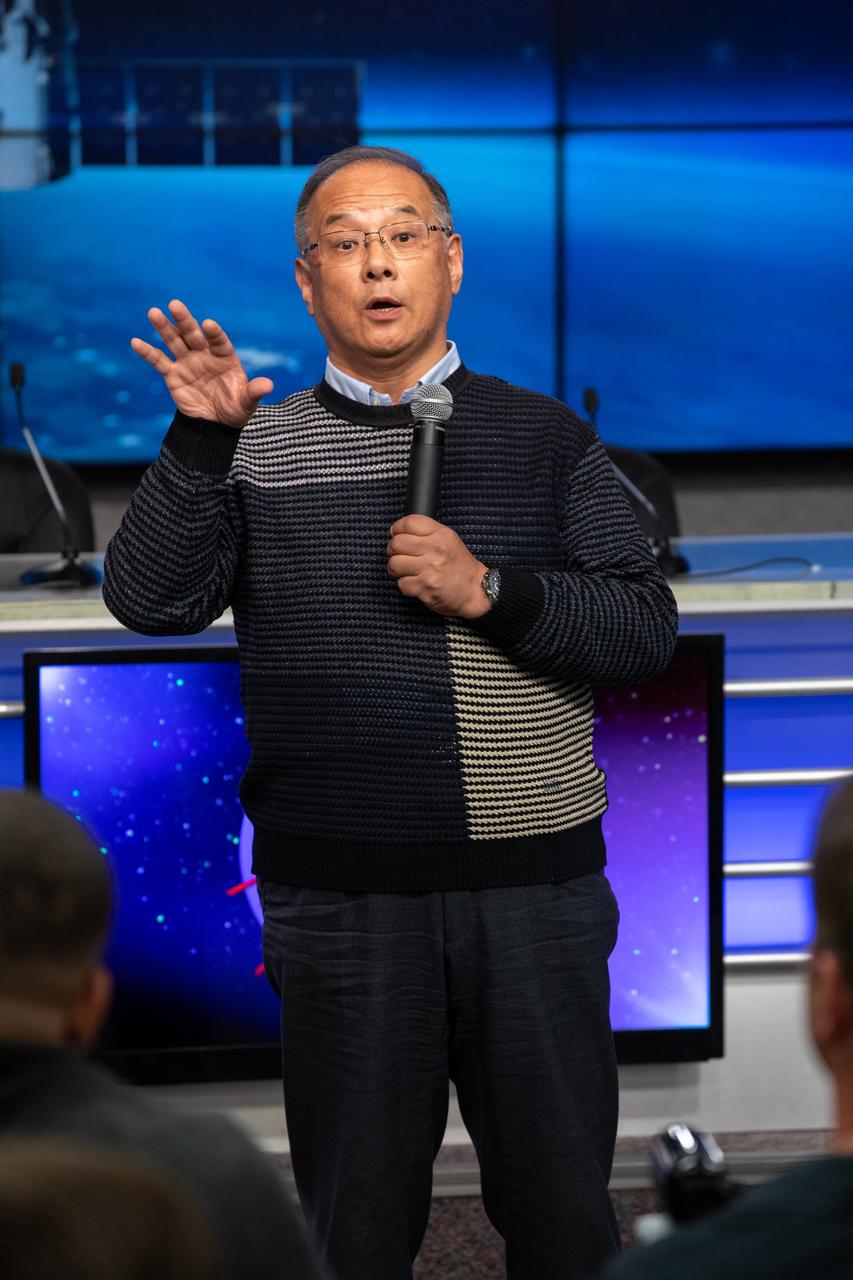
A What’s On Board Briefing for SpaceX’s 19th Commercial Resupply Services (CRS-19) mission for NASA to the International Space Station took place on Dec. 3, 2019, at the agency’s Kennedy Space Center in Florida. Shoichiro Mihara, mission manager for the Hyperspectral Imager Suite (HISUI) developed by the Japanese government, discusses the next-generation, hyperspectral Earth imaging system. The SpaceX Falcon 9 rocket and Dragon cargo module are scheduled to launch on Dec. 4, 2019, from Space Launch Complex 40 on Cape Canaveral Air Force Station in Florida